A General Arrangement drawing of the Lartigue locomotives built by the Hunslet Engine Company of Leeds, England, in 1887, (c) Adrian Stapleton-Garner, 1968. [3]A Hunslet sales catalogue sheet from the late 19th century. [4: p289]
Andrew Neale wrote a short introduction to these unusual Hunslet Locomotives which was carried by the Narrow Gauge& Industrial Railway Modelling Review in July 2007. …
“The line’s first locomotive had been built by Tubize in Belgium and had previously been used briefly on a short demonstration line in London. It had twin vertical boilers but was primarily used on construction, the three new Hunslets working the regular traffic. These were makers numbers Hunslet 431 to 433, with the first two leaving the works on 10th October, 1887 and the third one seven days later. Each locomotive had twin boilers with two 7 ins x 12 ins cylinders driving three 24 inch diameter wheels on the engine portion giving a tractive effort of 3112 lbs. All wheels on both boiler and tender were double flanged and the horizontal guide wheels were of 12 inch diameter. The two boilers had Salter safety valves, and the main brake reservoirs were mounted under each boiler. The cab and tender were also divided and the latter was fitted with two auxiliary cylinders of 5 x 7 ins. driving the two carrying wheels by means of a jackshaft and side rods to add a further 926 lbs to the tractive effort.
“The locos were painted dark green with large circular brass number plates on the tender and a similar brass patent plate on each cab side.” [4: p288-289]
The locomotives proved, in service, to be under-powered. Insufficient steam was generated to be able to make use of both the standard and auxiliary cylinders noted in the sales catalogue sheet above. Neale tells us that the auxiliary cylinders were soon removed and that double-heading of trains became standard practice on the line. Neale suggests that Hunslet’s drawing office was aware that the auxiliary cylinders, although specified by the customer, might not be successful. The drawing office prepared plans for the powered tenders requested and for a ‘conventional, non-powered one.
Driving these locos was not easy, there was considerable noise from the track and the driver also had to fire one of the boilers. Nonetheless, the line settled down to a effective existence for 36 years! It was only the advent of road motor competition which forced closure in 1924.
“Many relics of the former line have been painstakingly salvaged and put on display. … A short replica of the line has been built in Listowel using a replica Loco and coaches from Alan Keef Ltd. although sadly this is diesel-powered. ” [4: p289]
Oakwood Press No. LP33 – Reprint
First published in 1967 as a slim Oakwood edition by A.T. Newham, going through two print runs. In 1989, Oakwood issued a new edition. This 2025 edition, was reprinted with a new cover design,
The book is softback, has 112 pages of text, around 100 illustrations including many black & white photos, route map, detail maps and drawings of carriages and locomotives. Covers of earlier editions are shown below. [5]
A Centenary Publication
Michael Guerin: A book was published about the railway by the Lartigue Centenary Committee in 1988. [6]
The Lartigue Centenary Committee was formed in Listowel, County Kerry, Ireland, in 1988 to mark the centenary of the unique Lartigue Listowel and Ballybunion Railway. The group published a foundational local history book and later evolved into restoration and twinning efforts.
The committee arranged for the construction of about 1000 m of demonstration track on which a full-scale diesel-powered replica of the original carriage can operate.
A museum was set up in ex-CIE (Irish State Railways) goods shed, which shows a film of the original line in operation and a large-scale model of the Lartigue station. The site of the original Listowel terminus is preserved in a nearby park and some track foundations remain along the remarkably straight road to Ballybunion. [7]
The travel section of the Saturday Guardian Magazine on 23rd May 2023 included a few pages about train journeys in Europe (pages 72 to 77). This is the fifth part of a look at those pages. …
The two pages of Nicky Gardner’s article. [1: p76-77]
Nicky Gardner, lead co-author of the guidebook ‘Europe by Rail’, has championed slow travel across the continent’s most scenic routes. Her writings highlight sea-hugging railways where travellers can take in spectacular coastal panoramas, deep fjords, and dramatic cliffs right from the carriage window. The short Guardian article featuring a few such routes was written by her and is directly quoted here.
5. Europe’s Best Coastal Train Lines
A. Scotland: Coast to Coast
The first line Nicky Gardner chooses to highlight is operated by ScotRail. Travelling the Inverness to Kyle of Lochalsh line will set you back £32 for a single ticket The journey is 83 miles and takes 2hrs 40mins. There are 4 trains a day (only two on Sundays). Sit on the right side first and then switch to the left. …
Nicky Gardner writes:
“There is only one rail route in Britain offering views of both the west and east coasts from a regular local train, and that’s the line from Inverness to Kyle of Lochalsh. For the east coast, look out for Cromarty Firth away to the right as the train approaches Dingwall, about half an hour after leaving Inverness. Later, you have good views of west coast sea lochs as the train runs down to the Atlantic coast at Kyle. And in between you’ll find alliterative desolation aplenty as it pauses at Achnashellach, Achnasheen, Achanalt and Attadale.
“The last 20 minutes down to Kyle bring a magic panorama of coast, headlands and islands. The sun sparkles on Loch Carron with glorious views north to the wild Applecross peninsula. Seals shuffle for safety as we approach Duncraig and all too soon we are pulling into Kyle of Lochalsh.” [1: p76]
“The Kyle of Lochalsh line is a primarily single-track railway line in the Scottish Highlands, from Dingwall to Kyle of Lochalsh. Many of the passengers are tourists, but there are also locals visiting Inverness for shopping, and commuters. All services are provided by ScotRail and run beyond Dingwall to Inverness. In the past there were some through services to and from Glasgow, Edinburgh or Aberdeen. None of the 63-mile (101 km) line is electrified, and all trains on the line are diesel-powered, as are all other trains in the Scottish Highlands.” [2]
When the first section of the Dingwall & Skye Railway opened on 19th August 1870 the area around Strathpeffer area became much better connected. However, because of the resistance of a local landowner, the Dingwall & Skye railway was pushed further North and had to run up a steep gradient (1 in 50) to a much higher line on the valley side. The new line had a station named ‘Strathpeffer’ but it was 2 miles from the spa on a relatively steep road. It would have been so much better had the line been able to follow the valley floor. With Strathpeffer’s rise in popularity it became necessary to build a branch line into the village.
The former station at Achterneed. [Google Maps, June 2026]Looking back towards Dingwall from the road-crossing at Achterneed. [Google Streetview, September 2025]Looking ahead along the line towards Kyle of Lochalsh from the road-crossing at Achterneed. [Google Streetview, September 2025]
The railway bridge over the Black Water at the East end of Loch Garve. The line runs along the South shore of the loch before turning Northwest and running into Garve Railway Station. [Google Maps, June 2026]
Garve Railway Station. [Google Maps, June 2026]
Two Class 158 Diesel Multiple Units (158701 and 158704) operated by Abellio ScotRail pass each other at Garve station’s passing loop, with services bound for Inverness and Kyle of Lochalsh respectively, (c) Sexy Simon and licensed for reuse under a Creative Commons licence, (CC BY-SA 4.0). [3]Looking back into Garve Railway Station from the A835 level-crossing. [Google Streetview, September 2025]
Looking ahead along the line towards Kyle of Lochalsh from the level-crossing on the A835 at Garve. [Google Streetview, September 2025]
The line runs alongside the A835 and then the A832. Alongside the A832, it crosses this forestry access road. A short distance to the West of this crossing the A832 turns away to the Northwest. [Google Streetview, September 2025]
The line then turns to the Southwest to meet the North shore of Loch Luichart and runs West along the North shore before crossing the outfall from Mossford Hydroelectric Power Station. The line can be seen in the bottom-right of this satellite image. [Google Maps, June 2026]
Loch Luichart Railway Station seen from the approach road looking Southwest towards the station. The station sits above the North shore of the Loch at its western end. [Google Streetview, December 2021]
The original station at Lochluichart (called Lochluichart High) was opened by the Dingwall and Skye Railway in August 1871. It sat at a lower level than the present station.
Soon thereafter the line crosses the River Bran. In the 1950s the Conon Valley hydro-electric scheme raised the water level of Loch Luichart which required the railway line to be diverted onto higher ground and a new station to be erected. [Google Maps, June 2026]
The new line was known as the Lochluichart Diversion. It required a replacement bridge over the river. This image shows construction work on the bridge in the 1950s, (c) Am Bailie. [4]
The line ran on the South shore of Loch a’ Chuilinn before turning Northwest to cross the channel of the River Bran at its western end.A satellite image is below. [Google Maps, June 2026] The adjacent image is a drone’s eye view of the same bridge, (c) Brian McInally (August 2021). [Google Maps, June 2026]
Now on the North bank of the River Bran, the line runs West passing Loch Achanalt and through then request stop of the same name.
Achanalt Request stop and the A832. The River Bran runs just below the bottom of this image and just intrudes into it at the bottom-left. From this point on for a reasonable distance the line runs on the South side of the A832, with the River Bran to the South of the line. [Google Maps, June 2026]The next railway station is at Achnasheen just before the next bridge over the River Bran. [Google Maps, June 2026]
Achnasheen Railway Bridge spans the River Bran at the Southwest end of Achnasheen Railway Station. It is a single lattice-girder span of unusually light construction, with masonry abutments. [5]
Then, parallel to the A890, the line runs down the East side of Loch Gowan and continues to follow the River Bran upstream, crossing the River once again on a much smaller structure.
After the line bridges a tributary of the River Bran, this next bridge over the River Bran itself encounters a much smaller river! [Google Maps, June 2026]
The A890 runs to the North of Loch Scaven, the railway on the South side of the Loch. Both continue West-southwest across moorland and woodland.
The former Glencarron Railway Station is surrounded by woodland. The station was known as Glencarron Platform. [6]
Glencarron Platform was opened in 1873 on the Highland Railway’s line from Dingwall to Kyle of Lochalsh, this remote station closed in 1964. It had originally been for the sole use of the landowner but was later opened to all travellers. [7]
Southwest of Glencarron Platform the railway followed the A890 down the valley of the River Carron. The Road was Northwest of the line, the river was to the Southeast of the line.
Further Southwest, a forest access road crossed the line at a level-crossing. [Google Maps, June 2026]The level-crossing seen from the A890. [Google Streetview, September 2025]River, road and railway continue West from the crossing. [Google Maps, June 2026]Further West again, the A890 passes under the railway. [Google Maps, June 2026]This view looks South through the underbridge which was designed only for a single line of traffic. [Google Streetview, September 2025]This view looks North through the same bridge. [Google Streetview, September 2025]
The valley of the River Carron is heavily wooded and the line disappears at times under the canopy. Even Achnashellach Railway Station is difficult to make out from above!
The A890 and the railway run to the Northwest of Loch Dugaill at the Southwest end of the loch the railway crosses the A890 again.
The road crossing to the Southwest of Loch Dugaill. [Google Maps, June 2026]Looking Northeast along the Carron valley towards Dingwall. [Google Streetview, September 2025]Looking Southwest along the Carron valley towards Kyle of Lochalsh. [Google Streetview, September 2025]
The road and the railway run in close proximity for quite a distance.
Both road and rail are close once again at Attadale Railway Station which served/served the Attadale Estate and Attadale Gardens. [Google Maps, June 2026]
Attadale Railway Station. [Google Streetview, September 2025]
The road and railway remain close together for a distance to the South of Attadale Station, passing through Stromeferry Tunnel.
The Strathcarron Tunnel was designed to provide protection for both the railway and the A890. Current arrangements mean that the road is close and traffic diverted to run through the rail tunnel under strictly controlled traffic arrangements. [Google Streetview, September 2025]
The tunnel is a concrete structure which covers both the railway and A890, it protects the railway and road from the cliff above. The tunnel was built in the 1970s. When the Stromeferry Bypass road opened, it met the older road from Strathcarron and in doing so resulted in the closure of the Strome Ferry crossing from Stromeferry to North Strome Pier. [10]
The cutting back of the cliff face for the road resulted in instability and the surface was netted to prevent rockfalls. [11]
Work became necessary on the cliff face, the space for doing this needed the road traffic to be diverted onto the line of the railway. Matting was placed on the railway to allow this and an arrangement that interlocked the railway signalling with the road traffic lights. [11][12]
Looking Northeast through Strathcarron Tunnel during traffic restriction in place in 2018. In this photograph we see that vehicles are running over the line of the railway and controlled by interlocked traffic lights and railway signals. [12]
Since 2012, the Highland Council have been consulting with local people and drawing up a number of plans to alleviate the rockfall problem in the future. “Widening the existing route is now seen as a complete non-starter, although netting on the cliff faces, and regular monitoring of their condition, have kept the road open. The two main proposals remaining are … to redirect the road around the back of the hills from Attadale to Glen Udalain, or to build a bridge at Strome. This second option would also see the pretty lochside village of Lochcarron bypassed, with a new road around the back on the hillside, although doubtless this could be put back as a long term aspiration, with the bridge still built. In both of these options the present road below the cliff would then be converted to a rock trap to protect the railway, with the two ends remaining open for local access.” [13]
Southwest of the Strathcarron Tunnel road and rail run close together along the shore of the loch. [Google Streetview, September 2025]
The close alignment continues for some distance further to the Southwest. [Google Streetview, September 2025]
With the A890 now a little further inland the railway approaches Stromeferry. This view looks back along the line to the Northeast. [Google Streetview, May 2010]Looking ahead towards Stromeferry Railway Station at the same location. [Google Streetview, May 2010]Stromeferry Railway Station. [Google Maps, June 2026]Stromeferry Railway Station seen from the West. [Google Streetview, April 2009]A little further down the coast an approach road to the shore passes under the line by means of a low arch bridge. [Google Streetview, September 2025]The line bridges the mouth of Abhainn Srath Ascaig. [Google Maps, June 2026]It also crosses the mouth of a small lagoon. [Google Maps. May 2026]And then it enters Duncraig Railway Station and across the mouth of another lagoon. [Google Maps, June 2026]Duncraig Railway Station seen from the access road bridge. [Google Streetview, June 2025]The arch bridge over the mouth of the lagoon to the Southwest of Duncraig Station. [Google Streetview, June 2025]Another bridge (smaller this time) over the mouth of another lagoon formed by an embankment carrying the line. [Google Maps, June 2026]The next significant location along the line is Plockton Railway Station. [Google Maps, June 2026]Looking back East along the line from the road bridge over the railway station. [Google Streetview, September 2025]Plockton Railway Station as seen from the road bridge over the Northeast end of the station site. [Google Streetview, September 2025]The Station building seen from the Northeast on Station Road. [Google Streetview, November 2021]The line then crosses another stream as it flows into the loch. [Google Maps, June 2026]The embankment at this location is relatively significant in height, the steam passes under the line via a stone-arched culvert. [Google Streetview, September 2025]At Duirnish Railway Station the line crosses a minor road serving a few properties on the loch shore. [Google Maps, June 2026]Looking Northeast from the road-crossing. [Google Streetview, September 2025]Duirnish Railway Station seen from the Northeast. [Google Streetview, September 2025]Shortly after passing through Duirnish Railway Station the line is bridged by another minor road. [Google Maps, June 2026]Another embankment takes the line across an inlet from the loch. [Google Maps, June 2026]A more substantial structure, this time a steel girder bridge spans the channel through this embankment. [Google Streetview, May 2026]
Looking North from Main Street Bridge. [Google Streetview, September 2025]Looking South from Main Street Bridge. [Google Streetview, September 2025]Two images looking North from The bridge carrying Station Road across the two arms of the railway entering Kyle Station. [Google Streetview, September 2025]
Looking South at the lines to the West of Kyle of Lochalsh Railway Station’s island platform. [Google Streetview, September 2025]A view of the West side of the station in 1939. The ferry to Kyleakin is off scene to the right. A train is leaving for Dingwall and Inverness, with an ex-Highland 4-6-0, (c) Walter Dendy and licensed of reuse under a Creative Commons licence (CC BY-SA 2.0). [14]Looking South at the lines to the East of Kyle of Lochalsh Railway Station’s island platform. [Google Streetview, September 2025]
Sheep ready to be loaded onto a train in the years between WWI and WWII. This is one of a number of images of the Kyle line held by the Museum in Kyle of Lochalsh station building. [15]
B. Ireland: Dublin to Wicklow
Irish Rail operates the Dublin Connolly to Arklow line. The 50 mile journey takes 1hr 45mins and costs only €8.85. There are 6 trains each day with 3 on Saturday and Sunday. Make sure to sit on the left.
Nicky Gardner writes:
“Londoners may be surprised to read that Dublin had commuter trains earlier than the UK capital. Ireland’s first railway ran from Westland Row to Kingstown (now Dún Laoghaire), a stretch of track that is now the prelude to a fine route that extends right down to Wexford and Rosslare in the south-east corner of Ireland. The spectacular coastal section just south of Dún Laoghaire is a remarkable piece of engineering as the railway cuts under Bray Head. It was designed by none other than Isambard Kingdom Brunel, and in many ways resembles his celebrated coastal railway at Dawlish in Devon.
“South of Bray Head, the railway hugs the coast, with fine views of the Wicklow Hills well off to the west and the Murrough Wetlands closer to hand. Coastal purists may opt to stop at Wicklow, but I recommend staying on board to enjoy a short foray through the hills and down the Vale of Avoca, with its lush woodland. Alight in Arklow where the railway regains the coast again.” [1: p76]
The line to Dún Laoghaire (and beyond) is part of the Dublin DART network. It is a fast, frequent, and electrified commuter rail system. Originally it ran only along the coast of the Irish Sea, connecting Malahide and Howth in north County Dublin through the city centre down to Greystones in County Wicklow. The DART servesd32 stations and consisted of 53 route kilometres of electrified railway (46 km (29 mi) double track, 7 km (4.3 mi) single), and carried to up 23 million passengers per year. [16] That original network ahs been expanded.
The adjacent image shows the expanded DART network with the original line shown in green. The route that Nicky Gardner highlights is the line shown Magenta and Green to the South of the centre of Dublin with its terminus at Greystones in Co. Wicklow. [16][17]
Leaving the centre of Dublin, the Southbound DART follows the coast closely all the way to Greystones. Each of the stations on the route South from Connolly Street Railway Station is shown on the extract from Dublin’s schematic transport map above. [17]
Connelly Street Railway Station – the DART platforms serving the line to the South are those at the top-right of the image, with the DART leaving the image on the lower left. The DART runs on a viaduct above the city streets. [Google Maps, June 2026]
Leaving Connolly Street Station heading South, trains on the DART cross the River Liffey at high level The Bridge is known as the Cumann na mBan Bridge, this utilitarian steel-truss viaduct connects Connolly Station on the northside to Pearse Station on the southside. Designed by John Chaloner Smith (engineer to the Dublin, Wicklow and Wexford Railway), the bridge was built between 1889 and 1891. It consists of wrought iron lattice girders on a double row of piers with five spans. The viaduct is approximately six metres above street level and supports two railway tracks. [18]
The bridge carrying the DART over the River Liffey (c) YvonneM and licensed for reuse under a Creative Commons Licence (CC BY-SA 3.0). [20]
A closer photograph of the bridge taken in 2008, (c) KGGucwa (Public Domain) [19] and (below) a satellite image showing the bridge. [Google Maps, June 2026]
After crossing the River Liffey, the DART runs through Tara Station (top-left) and Pearce Station towards the bottom of the image at the centre. [Google Maps, June 2026]
The line continues heading Southeast through Grand Canal Dock Station and Lansdowne Road Station. Just to the South East of Lansdowne Road Station the DART crosses the River Dodder (just off the image to the bottom-right). [Google Maps, June 2026]
The next two stations are Sandymount (top-left) and Sydney Parade (bottom-right). [Google Maps, June 2026]
Nicky Gardner’s focus is on the length of the line to the South of Dún Laoghaire. Immediately to the Southeast of the Station the line passes in tunnel under the central sea front area of the town.
This OpenStreetMap extract shows the tunnel more clearly than some mapping. [21]
Leaving the tunnel to the South East of Dún Laoghaire, the line first head South and passes through Sandycove & Glasthule Station. [Google Maps, June 2026]
Sandy Cove and Glasthule Station facing South, (c) Autarch and licensed for reuse under a Creative Commons licence (CC BY-SA 3.0). [23]Turning Southeast the line continues through Glenageary Station. [Google Maps, June 2026]
Glenageary Railway Station looking Southeast, (c) Doug Lee and licensed for reuse under a Creative Commons licence (CC BY-SA 2.0). [24]
The line continues Southeast through Dalkey Railway Station. [Google Maps, June 2026]
Dalkey Railway Station seen from the Southwest, (c) Andrewrabbott and placed in the Public Domain. [25]
South of Dalkey the line turns through South to South West and follows the coast towards Killiney, shown below. [Google Maps, June 2026]
Killiney Station facing South, (c) William Murhy and licensed under a Creative Commons licence. (CC BY-SA 2.0). [26]
Further to the South the line passes through Shankill Railway Station heading South. [Google Maps, June 2026]
The line continues South from Shankill Railway Station through Woodbrook Railway Station and then Bray Daly Railway Station.
Woodbrook Station is at the top of the first of these images, Bray Daly in the top half of the second. [Google Maps, June 2026]
Woodbrook Railway Station looking South with a Northbound service sitting at the platform. [27]
Bray Daly Railway Station looking South with an IE 29000 Class DMU heading South across the level-crossing at the North end of the Railway Station. [28]
South of Bray Daly Railway Station trains run through storage sidings which hold trains during off-peak hours to provide a peak hour service North through Dublin. As the line heads South through these sidings the line become a single track and heads East at first to run alongside the sea and then curving around Bray Head. The single-track line clings to steep cliffs, offering dramatic views of the Irish Sea as it weaves through historic tunnels. A series of photographs of this next length of the line can be found here. [29]
“The route around the headland was surveyed and engineered by … Isambard Kingdom Brunel, who at the time was engaged with the construction of the Dublin & Wicklow Railway’s line from Bray to the county town of Wicklow further south. The section of line around the headland from Bray to Greystones was first opened in 1855. The line featured several engineering structures, including tunnels and several wooden trestle built viaducts. High maintenance costs and constant damage from the sea resulted in several deviations from the original 1855 route, the first of which involved the construction of new tunnel (No.1) in 1876, however a section of the 1855 alignment was retained as ‘Worthington Siding’ until 1882. The second occurred in 1879 between No.2 and 3 Tunnels, and the final deviation was implemented as late as 1917, which involved the construction of the longest tunnel (No.4) at 1,042 yards long at the southern end of the headland.” [29]
“All of the deviations eliminated the Brunel’s viaducts and cliff sections, the line now taking on the name Brunel’s Folly due to the route’s reconstructions. Today there are four tunnels in total, including some smaller nameless ones. A well maintained pathway between Bray and Greystones overlooks the majority of the railway line.” [29]
Bray Head: the railway ran close to the sea around the headland. [Google Maps, June 2026][30]
The railway around Bray Head, (c) Stuart Fisher (2008) and licensed for reuse under a Creative Commons licence (CC BY_SA 2.0). [31]
The railway is somewhat less dramatically sited as it heads further South, through Greystones and on to Wicklow. [Google Maps, June 2026]
Perhaps it is worth noting that this journey only costs €8.85 single or €17.70 return!
C. Germany: Over the Sea to Sylt
Nicky Gardner suggests that it is best to sit on the left of the train as it leaves Husum to travel to Keitum. A 44 mile journey will cost €21.60 single and take an hour to complete. Trains on the Marschbahn line run hourly and are operated by Deutsche Bahn (DB). [32]
She writes:
“One cannot fail to be impressed by the determination of the Weimar Republic’s engineers and planners who needed to build a railway to Sylt. This sandy outpost of German territory is the largest of the North Frisian Islands. The traditional route to Sylt relied on a ferry from a mainland port on territory which was ceded to Denmark after the first world war. So a causeway was constructed across the Wadden Sea to reach Sylt. It opened in 1927, and a century later the Hindenburg causeway is still car-free – and since mid-April this year it is for the very first time possible to ride a posh ICE train over the sea to Sylt.
“Leaving Husum, a coastal town shaped by the herring trade, we sweep over the town’s harbour on a high bridge. There’s a cluster of fishing boats at the quayside below. Then we glide north over marshlands and meadows, all protected by high dykes to prevent the area from being inundated.
“From the train, you get a real feel for these landscapes with their distant horizons. But the sea seems far away, held at bay by dykes. That changes after Klanxbüll, where the railway turns west and crosses salty mudflats to reach the open sea. Check tide tables and make this journey at high tide – ideally on a stormy day. In such conditions, this is an unforgettable experience. Alight at Keitum, to my mind the nicest village on Sylt. From the station, it is an easy stroll into the village with several cosy cafes and a feast of fine Frisian thatch and gables.” [1: p76-77]
The line to Sylt runs North out of Hamburg. As the train glides gently through the flat expanse of Schleswig-Holstein, picturesque views of green meadows and the Kiel Canal open up. Shortly before arrival, the route offers an unforgettable panorama: the Wadden Sea stretches out before you with its characteristic tidal creeks. [32]
Husum (Nordsee) Railway Station. [Google Maps, June 2026]Husum Railway Station Building is a substantial structure, (c) Mef.ellingen and licensed for reuse under a Creative Commons licence (CC BY-SA 4.0). [34]Hattstedt Railway Station. [Google maps, June 2026]Hattstedt Station seen from the level-crossing at the West end of the station site. [Google Streetview, August 2022]
The next station on the line is in Struckum – although, as can be seen below it appears no longer to be in use as a station. [Google Maps, June 2026]
Looking South through the site of the station from Brückenstraße which bridges the line just off the top of the satellite image of the site. [Google Streetview, May 2022]Looking North from the bridge on Brückenstraße. [Google Streetview, May 2022]
The next station is only a short distance further North in Bredstedt. [Google Maps, June 2026]
Bredstedt Railway Station building seen from the West [Google Streetview, September 2023]
Theis view looks back towards Bredstedt from the bridge carrying Margarethenberg over the line. [Google Streetview, September 2023]Turning through 180°, this view shows the line heading North towards Langenhorn. [Google Streetview, September 2023]Looking back South towards Bredstedt from the level-crossing at Beekensweg. [Google Streetview, May 2022]The line ahead to the North from the same level-crossing. [Google Streetview, May 2022]
The next station is at Langenhorn. [Google Maps, June 2026]
Langenhorn Railway Station seen from the level-crossing at its South end. [Google Streetview, September 2023]
The line continues on a straight alignment just to the West of North. The next image shows the view North along the line at the Dorpstraat level-crossing in Bargum.
Looking North at the Dorpstraat Level-Crossing in Bargum. [Google Streetview, September 2023]
The view North from the railway-crossing on Dorfstraße at Stedesand. [Google Streetview, June 2022]
Looking Southeast from the level-crossing on Dorfstraße in Risum-Lindholm. [Google Streetview, September 2023]
Looking Northwest at the same level-crossing. [Google Streetview, September 2023]
Further Northwest, this is the view along Legerade with the railway alongside. [Google Streetview, September 2023]
The next railway station at Niebüll is in two parts. There is the normal passenger facility towards the top of the adjacent satellite image. To the South of this station is the loading point for the SyltShuttle at Niebüll – Niebüll Autoverladung. It is the point that vehicles travelling to Sylt are loaded onto the shuttle trains – ‘Blue’ or ‘Red’ [Google Maps, June 2026]
Niebull Railway Station building seen from the West. [Google Streetview, May 2022]Looing East across the level-crossing on Gather Landstraße at the North end of the Railway Station site. [Google Streetview, September 2023]Looking Southinto the Station site from the crossing at Gather Landstraße [Google Streetview, September 2023]
North of the Railway Station in Niebull a junction divides the single line heading North from the line serving Sylt which head Northwest. [Google Maps, June 2026]
The line to Sult heads to the left (Northwest) after crossing Gather Landstraße [Google Streetview, September 2023]
Looking Northwest from the level-crossing at Süderende. [Google Streetview, September 2023]The w ide-open, expansive and flat countryside is once again emphasised by this view North from the level-crossing at Süderdeich. [Google Streetview, September 2023]
Klanxbüll, Schleswig-Holstein is the final station on the mainland before the embankment/causeway that takes the railway across the Wadden Sea. [Google Maps, June 2026]
Klanxbüll, Schleswig-Holstein as seen from the level-crossing at the Southeast end of the station site. [Google Streetview, September 2023]
Wide open flat lands on the approach to the Wadden Sea. [Google Streetview, September 2023]
A drone’s eye view of the shuttle service operated by DB (the Red Train) which crosses the embankment leading to Sylt. [35]
The Blue Train covers the same route – it is operated by RDC Deutschland (Railroad Development Corporation). [36]
A drone’s eye view of the shuttle service operated by DB which crosses the embankment leading to Sylt. [35]The first railway station on Sylt is Morsum. [Google Maps, June 2026]Morsum Railway Station seen from the level-crossing at the West end of the station site. [Google Streetview, March 2022]Keitum Railway Station. [Google Maps, June 2026]Train sitting at Keitum Railway Station enroute to Westerland Railway Station. [Google Streetview, August 2025]
Westerland Railway Station on Sylt. Car trains unload and load here. [Google Maps, June 2026][Google Streetview, March 2022]
Westerland is the end of the line and the last kilometre or two from Keitum to Westerland are not particularly scenic. It seems as though Nicky Gardner is happy to get off the train at Keitum. The flat landscape and the significant crossing of the Wadden Sea by train are positive attributes of a line, that to me at least, seems to be less than Nicky Garner promises it will be.
The next article in this series will be the last. It focuses on a line in Northern Spain and a line in Southern Italy.
References
Nicky Gardner; Over Land & Sea: Magical Views and Sea-Hugging Routes on Europe’s Best Coastal Train Lines; in Saturday(the Guardian Magazine), 23rd May 2026, p76-77.
Following on from an article written in May 2023, after a visit to Howth, which can be read here, [1] I found an article about the Tramway by C. L. Fry in the March 1951 issue of The Modern Tramway. [2]
The May 2023 article covers the route of the line in some detail.
“A very delightful summer outing can be had by availing oneself of the excellent service operated by the Great Northern Railway (Ireland) on its Dublin local line from Amiens Street Station to Howth. Perhaps the best way would be to leave the train at Sutton Station and there board a G.N.R. Hill of Howth tram which leaves Sutton Station, and winds its way round and over the Hill. The tramway at its summit reaches a height of 350 feet above sea level. From the top of the Hill, and the tramway goes almost to the top (560 ft.) it is possible to see the Mountains of Mourne on the north side, the Wicklow Hills on the south side, and the wonderful view of Dublin Bay and Bray Head. The view at night time, with the reflection of millions of lights glittering in the sea across the bay is equally marvellous. For 1s. 6d., a ticket may be purchased to include a trip by railcar to the tramway terminus and then by the tramway round and over the Head, and back to Dublin by diesel railcar.” [2: p50]
“The tramway, which is single line throughout, runs mainly in a reserved right-of-way, about one-third of this being on the side of the road. The track is laid with standard type bull head rails, with the wooden keys on the inside so that it is only necessary for the milesman to walk the line once to see if all the keys are tight. There is, however, about a half-mile of standard tramway grooved rail from Sutton Cross to the foreshore near St. Finton’s – one of the first calling places after Sutton Cross. This track, of course, is sunk in the carriageway. There are many passing-places on the line, and each one of these is signalled to the next passing-place by the driver, thereby preventing a car from the opposite direction entering the single line section, though cars may follow in the same section. The line is 5.25 miles long and starts from the railway station at Sutton and ends at Howth railway station.
“It is at Sutton that the car sheds, fitting shop, and former power station are situated (power is now taken from the Electricity Supply Board); the voltage is 550 d.c. The car shed has three lines side by side and a point of interest is the fact that there is a 3-way overhead frog with a moveable tongue, which is hand-operated from the base of the post, so that the trolley will take the correct wire to go into the sheds.
“This tramway was opened on 7th June 1901, and is now the only electric tramway in the Irish Republic. Within a couple of years of the opening day, the Company had eleven bogie tramcars, all of which are still working more or less in the same condition as when first built. Nos. 1-8 were built by the Brush Engineering Co., are mounted on Brill maximum-traction trucks, and have vestibuled platforms. They are 31ft. 4in. long by 7ft. 6in. wide, and carry 30 passengers in the saloon, and 37 on the upper deck. They are painted blue and cream. Nos. 9 and 10 were built by Milnes, are rather larger, and are mounted on Peckham maximum-traction trucks. They are painted in the standard mahogany colours of the G.N.R.(I) carriages. These cars are unusual, insofar as they have a combination of ‘knife-board’ and transverse seats downstairs, to enable people to admire the beautiful scenery to be seen on this journey. Seating capacity is 33 in the saloon, and 40 on the upper deck: the cars have vestibule ends, and are 33ft. long and 7ft. 6in. wide. All ten cars on this tramway have open tops. The trolley poles are mounted on the extreme side (the sea-side) of the tramcar. Car No. 11 is a works vehicle; it is really a wagon with a tower at one end used for repairing the overhead. The trolley in this case is mounted on the centre line of the roof at the opposite end from the tower. This car is mounted on Brill maximum traction trucks, and is 24ft. 3in. long and 7ft. 3in. wide.” [2: p50-51]
“All the passenger trams are fitted with air brakes, which are charged with compressed air to 75lb. per square inch at the car sheds every morning. They also have regenerative and hand brakes for control on the very steep hills on which they operate, the gradings being as steep as 1 in 16.25. Nos. 1-8 are fitted with electric heaters downstairs.
“While the Dublin United Tramway [D. U. T.] Company’s line was operating to Howth, there were two extremely unusual features:
“(1) Although both tramways were built to the standard Irish railway gauge of 5ft. 3in. and at Sutton Cross cars of the G.N.R. tramways crossed the D.U.T. on the same level, there was no point or other physical connection to enable cars of the two Companies to interchange. The G.N.R. single overhead wire was fitted with insulators on both sides of the two D.U.T. overhead wires at this crossing, the actual length of G.N.R.(I) wire taking D.U.T. current being about 6ft.
“(2) At Howth the G.N.R. Tramway again crossed the D.U.T., but this time on an over bridge, the G.N.R.(I) descending to the level of the D.U.T. Again there was no physical connection.
“Incidentally, of course, this is the level of the railway station at Howth. The tramway is on one side of the railway platform. The railway journey from Sutton is but 2 miles” [2: p51-52]
“Another item of interest in the fact that the overhead consists of a single wire from the Summit to Howth while it is double all the way (with the exception of the old D.U.T. crossing already referred to) in the other direction to Sutton.
“The tramway has, on the whole, been very well maintained by the G.N.R. Extensive renewals of track have taken place quite recently and overhead posts which have corroded owing to the action of sea air have had steel bars inserted and have been filled with concrete.
Some ten years or so ago buses were operated for a short time but were withdrawn as the tramway service was more suitable owing to the hilly nature of the line. Today, the position unfortunately is rather uncertain, and while a splendid service is operated in the summer, the number of passengers using the service in the winter enables only a skeleton service to be operated.
“Regarding the future of this delightful tramway, one thing is certain, that Mr. G. B. Howden, General Manager, G.N.R.(I) and also General Manager of Coras Iompair Eireann, who has done his best to maintain every branch line, will, I have no doubt, do all in his power to keep this line open as long as traffic warrants it.” [2: p52]
The featured image for this article is a line drawing of a drive system from a Hamburg Metro Car, an SKF DT4. [5] … AC traction motors (commonly induction motors) are the standard for modern trams, replacing older DC motors to provide higher efficiency, better reliability, and reduced maintenance. These motors, often running at 60–200 kW, power the bogies and enable regenerative braking to feed energy back into the overhead line. They are controlled by variable-frequency inverters for smooth acceleration.
The Modern Tramway of February 1951 carried an article by ‘Eltee’ entitled ‘Traction Motor Trends’ about the recent changes in electric motors in trams. [1: p33-34]
“The present trend towards the use of lightweight high-speed electric motors for traction purposes, a trend exemplified at its best by the motors used in in the P.C.C. cars in America, and those of similar design now being introduced at Blackpool and and Glasgow and on the Continent, justifiably prompts the query as to why motors were not, in the past, built as they are today. There are actually several reasons for this, some highly technical, but one of the more important is that the need for efficient ventilation of motors was not sufficiently appreciated in the early days.
“When a motor is running and current is passing through its conductors these conductors are heated by the passage of current, just as are the conductors of an electric stove though much less so. The power represented by this heat is lost to the motor, and called the ‘copper loss’. Another source of loss is the rotation of the armature in the motor magnetic field; the alternating magnetism through the armature caused by its rotation brings about power losses in armature iron, which also appear as heat. In running, then, the motor gets heated, and if there were no means of dissipating this heat the motor would get hotter and hotter until something melted.
“In practice this does not happen, as the motor casing is in contact with the air around it, and when the casing is hot it loses heat to this air, doing so all the more readily when the car it is driving is moving and there is a certain amount of draught. Many years ago this was the only way of cooling the tramway motor, hence a large motor had to be used simply to ensure that there was enough casing area to dissipate the heat generated. Some additional armature cooling was given by the provision of axial ducts in the armature, aided by a few radial ducts. In this way some slight fanning action was given by the moving armature, swirling the air in the motor casing and conveying the heat from the armature more readily to the outside casing for dissipation into the atmosphere.
“A later development introduced what is now known as ‘series ventilation’, the self-ventilated motor being introduced about 1910. In such a motor a fan is mounted on the non-commutator end of the armature, and two sets of openings are made in the same end of the motor casing. The fan draws air through the armature axial ducts when the motor is running and expels it through one of the casing openings; this assists to keep the armature cool. This air, in the first place, is drawn in through the other set of openings and over the field coils before turning round and entering the armature ducts; in this way the field also is kept cool, but the ventilation of the armature suffers because the air is already somewhat warmed by its passage over the field coils.
“A further development, common from about 1920 onwards, is known as ‘parallel ventilation’, in which there are two parallel air streams through the motor. A twin fan is fitted to the non-commutator end of the armature, and openings made in both ends of the motor casing. The fan draws a stream of cool air over the commutator, round the armature surface and over the field coils before expelling it. The other half of the fan draws an air stream under the commutator and through the armature axial ducts, thus keeping the interior of the armature cool and dissipating most of the iron losses effectively.
“With a motor as efficiently ventilated as this it is possible to ‘force’ the motor more without its getting too hot; that is, in more technical language, a motor can have a higher rated power. Consideration of the above method of ventilation readily shows that if the motor armature rotates more quickly the attached fan will draw more air through it, ventilate it even more thoroughly, and permit even more ‘forcing’ by the passage of greater currents. This, in essence, explains the present trend towards motors of high rotational speed; the efficient ventilation possible on such motors permits more power to be passed through them than through motors of similar size with less effective ventilation.
“The above being understood, two further points are worthy of emphasis. One is that the greatest losses occur in a motor when it is starting and running slowly; the best ventilation occurs when it is running quickly. Cars on a town route will thus need bigger motors than similar cars on an interurban route on which there is a lot of free running, providing their maximum speeds are equal. The second point is that, if motors have been used on a service on which their capabilities are being fully employed the gear ratio must not be altered, because, although the speed of the cars can thereby be improved, such a measure will not only increase the currents passed through the motor (for more power will be required from the motor) but will also decrease the average speed of rotation of the motor. resulting increased “losses” and impaired ventilation will both tend to raise the operating temperature of the motor. and so reduce its life, unless it was known that hitherto it had been used well below its capacity and was operating at relatively low temperatures.” [1: p33-34]
Since ‘Eltee’ was writing at the beginning of the 1950s, much has changed!
Improvements in the ventilation of tramcar electric motors since 1950 have centred on a move away from traditional forced-air cooling in direct current (DC) motors to advanced, sealed, and integrated systems used with modern AC traction, enhancing reliability and reducing maintenance. [2][3]
Modern three-phase AC motors allow for lighter, more compact, and more powerful motors. These motors are often less sensitive to heat and easier to cool than older designs. [2][3]
Modern tram design integrates motors directly into the bogies, with ventilation systems designed as part of the overall low-floor, compact carriage architecture, ensuring better cooling airflow in restricted spaces. [3]
Many modern motors are now completely enclosed, utilizing improved heat sinking and specialized cooling fan designs rather than drawing in outside air, reducing the impact of dust and water on electrical components. [2][3]
The use of GTO-inverters and modern power electronics reduces motor heat generation compared to older resistor-controlled DC motors, reducing the load on ventilation systems. [2][3]
Improved insulation materials allow motors to operate safely at higher temperatures, reducing the strain on the cooling systems and improving longevity. [2][3]
Modern electric trams utilize motors to generate electricity during braking, returning power to the grid or charging on-board batteries/supercapacitors. The use of battery-power and on-board storage can allow trams to pass through city centres or other sensitive areas without overhead wires. [3][4]
Electric motors are ideal for rapid urban transport because their higher torque at low speeds allows speedy departures from stops on a network. It also allows tramcars to handle hilly terrain better than internal combustion engines.
Electric motors are roughly 90% efficient at converting energy into motion. In contrast, diesel engines lose about 60-70% of fuel energy as heat. [4]
Additionally, unlike internal combustion engined vehicles that consume fuel while stopped, electric trams use virtually no power when stationary. [4]
AC motors have been shown to improve reliability and decrease downtime compared to traditional DC motors. But they have significantly lower maintenance needs than internal combustion engines, having far fewer moving parts and not needing oil changes, spark plugs, filters, and complex exhaust systems. The high torque of electric motors at low speeds eliminates the need for heavy, expensive multi-stage gearboxes common in internal combustion engined vehicles. [4]
Trams typically have a service life of about 30 years, roughly double that of diesel-powered buses. They typically produce no local pollutants like nitrogen oxides or particulates, which is critical for city air quality and meeting climate targets. Electric propulsion is significantly quieter than internal combustion engines, reducing noise pollution in densely populated areas. In addition, electricity can be generated from various sources, including renewable energy (wind, solar, hydro), making the system future-proof as the power grid decarbonizes. [4]
Increasingly in an urban environment public transport is heading underground. Because they emit no exhaust fumes, electric trams can safely operate in tunnels and underground stations where diesel engines cannot.
Internal flexibility is increased as the need for bulky and heavy engines and fuel tanks is eliminated. The net gain is a more friendly user experience, faster loading and unloading at stops and increased passenger capacity. [4]
It is not surprising that many cities around the UK, and across the world, are seeking to reintroduce trams and to increase the size of their networks.
References
‘Eltee’; Traction Motor Trends; in The Modern Tramway Volume 14 No. 158; The Tramway and Light Railway League, February 1951, p33-34.
Limestone had been shipped from Carnlough for some time, but the trade was small, and declining. It was for this purpose that Gibbons [7] built a pier. Jimmy Irvine tells us that, at Carnlough, “There had been a ‘hurry’, or gravitational inclined plane at the quarry to assist in bringing down stone to the head of the Croft or Gortin Road as it was then called. From there it came on to the pier by cart. Of the pier, Lieut. John Chaytor wrote in 1832, ‘There is a quay at the north east end of the town which has been for some yeans in a state of dilapidation. Small craft from 15 to 20 tons can come in here,’ and he added, ‘Some are in the habit of shipping limestone to Scotland where they barter it for coal . . . but not to such an extent as in the town and neighbourhood of Glenarm. [8] Vessels calling at Glenarm, however, had to stand out in the bay and be loaded by lighter. The new projected Carnlough Harbour would allow ships to enter a basin which would not only offer them protection in times of storm, but would permit their being loaded direct from trucks, thereby ensuring a speedy turnaround.” [9]
A mineral railway and enlarged harbour were constructed in 1853/1854 with a first significant cargo of limestone leaving the Carnlough harbour for Scotland in mid-August 1854.
Jimmy Irvine continues: “Exactly nine months after the work first began Wilson [10] wrote, ‘I have this day loaded a vessel of Limestone from the end of the new quay. I had the stone brought down from the quarries by carts, but it will not pay to do so.’ (8.8.1854). The shipping of this load brought an immediate order from the recipients. Messrs. Tennent of Glasgow for 10,000 tons of stone.” [9]
Wilson encountered serious problems in constructing the harbour. A significant band of harder rock was encountered at what was to be the harbour entrance. It was some years before larger shops were able to enter the harbour. During that time only smaller ships could be loaded efficiently at the harbour walls. The larger ships had to be served by lighters taking limestone out to deeper water.
Carnlough Harbour as it appears on the 6″ Ordnance Survey of 1903, published in 1906. Two bridges carried the railway over Harbour Road and High Street. [13]The harbour in 2026. [Google Maps, April 2026]An aerial view of the route of the railway into the harbour area, looking Southwest over the harbour. From the bridge over Harbour Road, the line curves round to run at high level adjacent to the harbour wall where ‘drops’ were operated to load shipping with limestone, (c) Gareth Rowan, 2020. [Google Maps, April 2026]A view of the high level ‘plateau’ which house rail sidings, ‘drops and later, tippers. This photograph looks Southeast across the harbour from Harbour Road. [Google Maps, April 2026]Carnlough Harbour seen from the Northeast in the early 20th century, (c) Public Domain. [14]
The story of the harbour is a litany of different problems: [9]
The band of rock already noted;
A 2 year period to get the limestone ‘drops’ working effectively;
A sand bar developing which further restricted access to the harbour;
15 months wait for a dredger;
“In February 1860, part of the South Pier carrying the railway and one of the shoots, collapsed into the water. There was a difference of some 30 feet between the top of the pier and the floor of the basin, where the foundations had given way. Watson took charge of the repairs and by October, With the help of divers, he had rebuilt the fallen masonry and cleared the basin of debris.” [9]
In April 1862, Wilson that “the harbour has filled up nearly two feet since the dredger was at work and we are now obliged to have resource to the old system of shipping outside in lighters.” [9]
Another long wait occurred until a dredger could be permanently allocated to the harbour.
Problems were also encountered with the rail inclines. Only on the upper part of the railway could the loaded trucks pull up the empties, so that horse-drawing was still necessary on the lower. Robert Watson, an engineer from Seaham was brought in to see what he could do. He arrived in March 1856, and two months later Wilson wrote, “I am happy to say Watson has succeeded admirably in making it self acting, superseding the use of Horse work in drawing up the empty wagons.” (9.5.1856). [9]
Wilson sought to diversify to increase income. He began to burn lime in the small kiln (17.12.1855). By keeping careful accounts he soon found that he could sell at a profit. Armed with this knowledge, he urged the building of lime kilns as part of the development scheme. These were authorised at a cost of £600 and the railway to them at another £577. “Watson thought of a plan whereby trucks would be hoisted up to feed the kiln instead of running on an incline, thus saving almost £300.” [9]
McGuigan wrote that, “kilns for burning the limestone, and a mill for manufacturing whiting, were erected.” [1: p792] In fact, the project was so successful that once lime burning began in August, 1857, in a short time a further two kilns had to be built, making five in all. [9]
McGuigan tells us that the kilns “flourished until the second decade of the [20th] century, when the general industrial depression, coupled with the decrease in the use of lime mortar for building and the decline of the iron smelting industry on the west coast of Great Britain, caused the demand for limestone and burnt lime to drop. The kilns ceased operating, but fortunately there arose a demand for crushed lime for agricultural purposes and this kept the undertaking going during the lean years.” [1: p792] In 1954, that product still formed the major portion of the works output, and McGuigan reported that recently the demand for raw limestone had increased. …
The lines running over these bridges were dual gauge, accommodating both narrow-gauge and standard-gauge traffic. The narrow-gauge line to Tullyoughter Quarry is dealt with later in this article.
The line to Gortin Quarry and Creggan Quarry
J. H. McGuigan tells us that “The original railway was of single track, about a mile in length, running inland on a gradient of 1 in 25 from the harbour to Gortin Quarry. This line [was] still in use [in 1954], except for the final 150 yd. or so, which was abandoned when the quarry became worked out [in around 1929/1939].” [1: p782]
The original railway extended from the harbour, through the site of Whiting Mill and on to Gortin Quarry. This is an extract from the 6″ Ordnance Survey of 1903, published in 1906. [13]The line continues Northwest and up a steep incline towards Gortin Quarry. [13]The line continued uphill and to the Northwest. [13]Very close now to Gortin Quarry, the track arrangements at the top of the incline are evident in the top-right corner of this image. The line to Creggan Quarry leaves at 90° to the line from Carnlough and exits this map extract at the top. [13]This map extract shows the arrangement of the track work at the entrance to Gortin Quarry. [13]
“In the meantime, quarrying had extended northwards, and a second line, about half a mile in length, was constructed on a 1 in 7 gradient at a right angle to, and as an extension of, the original line. This also continue[d] in use [in 1954], giving a total of about one-and-a-half miles [then] working. The gauge [was] 4 ft. 8.5 in., rather unusual in Ireland.” [1: p782]
The line was originally operated by gravity and horse power but this was later replaced by cables with a winding house over at least part of the route. [2]
The line to Creggan Quarry left the lower incline at 90°, running Northeast. [13]Gortin Quarry was served by a short internal railway. [13]
McGuigan noted, in 1954, that the first section of about 750 yards, “from the harbour to a point about 500 yd. above the mill, [was] worked by a single cable and winding engine, the loaded trucks descending to the harbour by gravity but
attached to the haulage cable and therefore under the control of the engine driver. Empty trucks at the harbour [were] then coupled to the cable in place of the loaded ones and hauled up by the winder. Until the middle of 1952, the winding engine was steam-operated, and strongly resembled a ship’s winch. It had two cylinders, each 6 in. dia. by 11 in. stroke; the drum was 34 in. dia., with a brake drum 48 in. dia. on the same shaft, and was manufactured by Alexander Chapman & Company of Glasgow. Steam was supplied by a vertical cross-tube boiler 10 ft. high and 4 ft. dia. In 1952, the unit was electrified by the s
imple expedient of removing both connecting-rods, fitting a vee-belt pulley in place of one crank, and installing a 35-h.p. three-phase electric motor with vee-belt drive.” [1: p792-793]
Trucks on the standard-gauge track attached to the cable from the winding engine. The cable passed overhead to an idling drum before returning to ground level. [1: p794]
Above the powered rope-worked incline another 650 yard self-acting rope-worked incline operated with the weight of descending wagons lifting empties. That incline was “single track with a passing loop at the middle. The haulage cable passe[d] round a drum 8 ft. 6 in. dia. in a pit at the top of the incline. The drum rotate[d] about a roughly vertical axle and [was] provided with a hand-operated band-brake by which the speed of the trucks [was] controlled. To avoid the two portions of the cable becoming crossed, the ascending rake of trucks [had] to travel on the same side of the passing loop as that used by the previous descending rake, and this entail[ed] throwing the points at each end of the loop after every run. A man [travelled] on the rear truck of each rake, and as these approach[ed] the passing loop the brakeman reduce[d] speed. Each man then dismount[ed] as his rake enter[ed] the loop, [threw] the points when the last truck of the entering rake [had] passed, and board[ed] the last vehicle of the emerging rake on which he return[ed] to his base.” [1: p793]
At the top of the incline, the next section, left at an angle of about 90°, the connection was made by means of a turntable, a square crossing and a cut-off line. McGuigan said in 1954: “Loaded trucks from the upper incline travel via the cut-off line to a dead end, from which they reverse on to the lower incline. Empty trucks from the lower line are turned on the turntable and enter the upper incline over the square crossing with the track used by loaded vehicles.” [1: p793]
McGuigan continued his narrative: “From this point to the terminus (approximately half a mile) the line is worked as two consecutive gravity inclines, similar to that just described, a siding and a turntable adjacent to the brake-drum of the lower incline giving access to the working face of the neighbouring Creggan Quarry via a fan of tracks along which the trucks are manhandled.” [1: p793]
“Some 100 yd. above this point, the second incline enter[ed] a cutting about 100 ft. deep in which [was] the passing loop, and then passe[d] through a concrete-lined tunnel about 100 yd. long from which it emerge[d] to the upper quarry.” [1: p795]
McGuigan continued, in his article, to talk through the signalling arrangements in use on the line. One of the disc signals mentioned can be seen in the monochrome image above. “Disc signals, each consisting of a board about 3 ft. 6 in. square, painted black with a white disc on one side, and mounted on a wooden post arranged to turn about a vertical axis, [were] provided at the top and bottom of each incline. The heights of the posts [varied] from about 4 ft. to 25 ft., according to position. The normal aspect of the signal [was] with the board parallel to the track, that is with the disc invisible to a person on the track. When a rake of trucks, usually six vehicles, [was] ready to depart from one end of an incline the operator there turn[ed] his signal to exhibit its disc to the operator at the other end. When the latter [had] ascertained that the rake at his end [was] ready, he turn[ed] his signal and exhibit[ed] its disc in acknowledgment. The brakeman or engine man, as the case may be, then release[d] the brake and allow[ed] the run to take place.” [1: p795]
Whiting Mill and its Rails
Whiting Mill as shown on the 6″ Ordnance Survey of 1903, published in 1906. Notice the array of tracks close to the mill, the line heading West-northwest ran to the base of the first incline. The line running South-southwest is the 3ft 6in-gauge line to the quarry at Tullyoughter which is discussed below. It is worth comparing this map extract with the one immediately below. [13]Whiting Mill as shown on the 6″ Ordnance Survey of 1931, published in 1933. Notice that the buildings have been enlarged, that the track layout in the yard is more simple and that the line which used to serve the quarry at Tullyoughter has gone. [12]
The Narrow-gauge line to Tullyoughter Quarry
McGuigan continued: “About 1890, presumably because of a boom in the limestone business, a quarry was opened at Tullyaughter, about two miles south of Whiting Mill, and a 3 ft. 6 in. gauge, single-track railway was laid thence. The addition of a third rail to the existing line allowed trucks of limestone to pass directly from the quarry to the harbour. The new line crossed the Carnlough River on a timber trestle bridge, and then, about half a mile further on, crossed the Ballymena-Carnlough road on the level. Gates to close the ends of the railway when trains were not passing were provided there, and a man was employed to operate them and exhibit a red flag to road traffic when a train was approaching.” [1: p795]
The first length of the 3ft 6in-gauge line from Whiting Mill to the quarry at Tullyoughter bridged the Carnlough River and ran down the West side of Harphall House. [13]
The route of the line is shown on the satellite image on the right above as a red line. this applies along the route of this 3ft 6in line and to the satellite images below. [Google Maps, April 2026]
The next length of the line ran behind the properties which face out onto the A2, [13]
The line continues South at the rear of what were single properties facing the A2 but now replaced by small estates. [13]
The railway ran along the West bank of the Glencloy River. It passed to the West of Bay Cottage, [13]
The next extract from the NLS 6″ OS mapping takes us to the bottom of the OS sheet. … [13]
The line to the edge of the OS sheet. [13]
The next three sections of the line are shown on the next OS sheet. … [15]
The next length of the railway is on the next Ordnance Survey sheet. [15]
A very similar length of the line as shown on the adjacent OS mapping. [Google Maps, April 2026]
The length from the Level-Crossing to Tullyoughter. [15]
The next images show the last length of the line and its terminus in Tulluoughter Quarry. … [16]
The line terminates at Tullyoughter Quarry, [15]
McGuigan says: “The line from the mill to the quarry was on a rising gradient of about 1 in 50, and was worked by gravity and horses until a steam locomotive was acquired in 1898. This was a 0-4-0 side tank engine, named Otter, built in 1896 by Andrew Barclay, Sons & Company, of Kilmarnock, and had 7 in. by 14 in. outside cylinders, 2 ft. 1 in. wheels, and a wheelbase of 3 ft. 9 in. The heating surface was 145 sq. ft., the grate area 3.5 sq. ft., and the working pressure, 140 lb. per sq. in. The engine was provided with a cab, and the fuel bunker was in part of the right-hand tank. Otter hauled loads of about 20 trucks. Work at Tullyaughter Quarry ceased about 1922, and the line between it and the mill was lifted about 1924. Otter continued to work in the mill yard and at the harbour till about 1930, after which it lay derelict until it was sold for scrap and cut up in July, 1951.” [1: p795]
Writing in 1954, McGuigan goes on to talk about rolling stock on the line: “Rolling stock at present consists of about 80 trucks for the 4 ft. 8 in. gauge. and 13 for the 3 ft. 6 in. gauge. The former have timber frames and steel bodies 7 ft. 8 in. long, 4 ft. wide, and 2 ft. 10 in. deep. The wheelbase is 3 it. 5 in., and wheel diameter in some cases 2 ft. 6 in., and in others 2 ft. The narrow-gauge vehicles consist of seven trucks with bodies and six flats, and are of all-wooden construction, except for wheels and fittings. Both broad-and narrow-gauge trucks are designed for end tipping, and have one end arranged to swing outwards on a hinge just above the top edge. The narrow-gauge stock is used exclusively for the transport of finely ground products from the mill to the harbour, the flats are used for bagged material. An agricultural tractor acts as locomotive between the harbour and the mill, and does shunting work. The track layout at the harbour is triangular, and includes sidings of each gauge, three-rail mixed-gauge sidings, and one four-rail mixed-gauge track leading to four turntables which serve the chutes down which the limestone is delivered into the holds of the steamers.” [1: p795]
McGuigan then talks of planned modernisation of the railway with new sidings serving a new crushing plant, “the provision of an electrically operated wagon-tippler, and the electrification of the winding-engine all indicat[ing] that, unlike some public railways in Ireland which are in decline, the Carnlough Railway [was] entering its second century in a spirit of rejuvenation.” [1: p795]
An Aerial Ropeway for the The Sulphate of Ammonia Co. Ltd. (Carnlough)
Perhaps of additional interest is another industrial concern in the vicinity. In the early 1900s an American and a German, Messrs. H.C. Woltrick and G.W. Mottram, who had arrived in England in 1899 “to demonstrate the process for the production of white lead by electrolysis, … had ventured to [Co. Antrim] where they discovered … that the mountain behind Carnlough, in the townland of Harphall, was particularly rich in the type of peat from which ammonia could be extracted. Thus the venture began and a limited syndicate was formed to carry on the work.” [11]
“Early in 1904 the business was taken over by the Chemical Proprietory Co. Ltd. with a capital of £100,000. Woltrick and Mottram remained directors and it was not long before this new company … ran into difficulties. It was reconstructed as Chemicals Ltd. in late 1904.” [11]
The Company needed to transport peat, in an efficient manner, down the side of the mountain. Their chosen solution was an aerial ropeway. They negotiated an agreement with the local landowner and “early in 1905 a dining-room and huts for sleeping were erected [on] the mountain; and an office, staff house and retorts were built at the foot of the mountain at … the ‘Low Station’. The aerial ropeway, supported by 24 trestles in a straight line down the mountain side and over the Cranny River to the Low Station was also built.” [11]
“The aerial ropeway was to carry numerous buckets which were to circulate continuously in a clockwise direction up and down the mountain side. They would be loaded with peat at the top of the mountain and carry it down to the Low Station to be unloaded and burned in the large retorts. Tools such as stone hammers and peat knives were purchased to aid the workers cut the peat. Some 200 people were employed.” [11]
“Railway lines 7 feet wide resting on 12 foot sleepers were laid [across the bog on the mountain]. Side lines were laid in conjunction with the main line. The peats were stacked beside the lines and then loaded onto wagons on the main line which were drawn by an engine called ‘Moor Hen’ to the head of the aerial ropeway. Here they were transferred into buckets and taken by cable to the Low Station at Drumahoe … where they were emptied into the large retorts lined with lead and burned using sulphuric acid. From here the produce was loaded in granule form into trucks and sent down to the harbour for export.” [11]
After a few months, “Chemicals Ltd. went into liquidation for lack of capital. It was reconstructed as the Sulphate of Ammonia Company with a capital of £125,000 and for the next two years things went well without any hitches.” [11]
Early in 1908 production was almost at a standstill due to the decreasing ammonia content of the peat and the lack of further capital. The company ceased trading and “the aerial ropeway… was purchased by a Cumberland coal mining company. Under the direction of Hugh and Thomas Wilson it was re-erected at St. Bee’s Head.” [11]
References
J. H. McGuigan; Carnlough Limestone Railway and Harbour; in The Railway Magazine, Tothill Press, London, November 1954, p792-795.
Phillip Gibbons was master of a smack from Westport, Co.Sligo. Late in the eighteenth century he pulled in at Glenarm where, foresaking the sea, he married Anne, daughter of Nicholas Stewart, the Earl of Antrim’s agent. Through his marriage he became possessed of, amongst other properties, the townland of Carnlough North, where they resided. He was a sort of farmer-contractor, prepared to undertake any work for the betterment of the district. He died about 1815.
The Ordnance Survey Memoirs for the Parish of Ardclinis: see “The Glynns” Vol I, page 31.
In the Summer of 2024, my wife and I visited Giants’ Causeway as part of a few days meandering along the North coast of Ireland. When reading a series of older copies of the Modern Tramway, I came across an article written in 1950. … The Modern Tramway of September 1950 featured an article by D. G. Evans about one of the very early electric tramways – The Giants’ Causeway and Portrush Tramway. His article is quoted in full in this article.
Wikipedia tells us that The Giants’ Causeway, Portrush, & Bush Valley Railway & Tramway was a “pioneering 3 ft (914 mm) narrow gauge electric railway operating between Portrush and the Giant’s Causeway on the coast of County Antrim, Northern Ireland. The line, 9 1⁄4 miles (14.9 km) long, was hailed at its opening as ‘the first long electric tramway in the world’. [2] The Giant’s Causeway and Bushmills Railway today operates diesel and steam tourist trains over part of the Tramway’s former course.” [3]
The Giants’ Causeway, Portrush, & Bush Valley Railway & Tramway. [24]
Writing in 1950, Evans says that:
“The recent decision of the shareholders to close down the Giant’s Causeway tramway was sad news to those who knew the line and can recall the pleasure of breezy rides along the cliff tops in the qua’nt cars that had seen but little change since their first day of operation. The line was the first tramway in the United Kingdom to be operated by electricity and the current was produced by a hydro- electric power station at Walkmills, one mile from the Bushmills terminus. A waterfall on the river Bush was the source of the hydro-electric power.
Opened from Portrush station to Bushmills in January, 1883, the line was extended to the ultimate terminus at Giant’s Causeway in 1887. The original current collection was from a side conductor rail 17in. above ground and 22in. from the inside running rail. This method was of course unsuited to a street tramway and the portion of the line which ran in the centre of the street through the town of Portrush was therefore worked by steam tram engines of the usual vertical boiler pattern. This method of operation of the first half-mile of the tramway persisted until 1899, when a change over to the overhead trolley system was made. From that date until 1915 the steam tram engines were retained for use during the peak traffic periods in the summer at which time the original power station proved inadequate for the needs of the system.” [1: p185]
Wikipedia gives some of the background to the opening of the line: “The Giant’s Causeway Tramway came about through the enthusiasm of William Atcheson Traill, M.A.Ing., of Ballylough (1844–1934), together with his brother Dr Anthony Traill, who between them undertook most of the promotion and fundraising for the line. W.A. Traill was a man with not only an interest in railways but also a keen interest in technological developments in engineering. The Act of Parliament incorporating ‘The Giant’s Causeway, Portrush, and Bush Valley Railway and Tramway Company’ was passed on 26th August 1880. It authorised a tramway from Portrush to Bushmills and a railway from there to join the Ballycastle Railway (also 3 ft. gauge) at Dervock. The only section of the railway never built was a short spur at Dervock. [5] The Dervock section was abandoned by an 1885 Act, which authorised extension from Bushmills to the Causeway.” [3][6]
“At the Berlin Trade Fair of 1879 Siemens was demonstrating the first railway electrification system and it was that which led the British branch of the firm to be commissioned to incorporate this new technology into the Giant’s Causeway Tramway venture. Sir William Siemens (1823–83) was briefly a Director and Siemens Brothers of London were appointed electrical engineers to the company, their representative being Dr Edward Hopkinson, who later went on to work on the Bessbrook and Newry Tramway and the City & South London Railway. Surveying and civil engineering work was carried out by Edward Price, son of the eminent Irish civil engineer James Price.” [3]
“The line was the world’s first to be powered by hydroelectricity, something that was later developed at Bessbrook and in Switzerland. Traill built a generating station at Walkmill Falls (24 feet (7.3 m)) head), near Bushmills, installing 104 horsepower (78 kW) Alcott water turbines to produce up to 250 volts at 100 amps of electrical power for his line. Later 160 horsepower (120 kW) turbines were installed. [8] This building, although without its equipment, is still in existence.” [3]
“Because of legal problems over water rights, erection of the Walkmills turbines was delayed and when the first section of the tramway, from Portrush to Bushmills, was opened on 29th January 1883 some of the timetabled passenger traffic was handled by steam tram engines which were in any case necessary on the town section in Portrush where it was impossible to provide electric power since this was originally fed to the trains via an elevated third rail which ran alongside the line. Therefore, a 25 horsepower (19 kW) steam generator was installed at the Portrush depot, [9] (by 1936 replaced by a 550 volt diesel generator for the Portrush-Dunluce section).” [3]
“The ceremonial opening, using electric traction, took place on 28th September 1883 although a full scheduled electric service did not begin until 5th November and steam locomotives remained available for use until at least 1926.” [3] In 1897, of the annual mileage travelled, “17,797 miles (28,641 km) were steam operated and 4,721 miles (7,598 km) electric. In 1901 the figures were 7,423 miles (11,946 km) and 23,550 miles (37,900 km) respectively. Very little use of steam was made after 1916.” [3]
Evans tells us that:
“In 1915, the Portrush power plant was installed and the two remaining steam engines were kept as stand-by equipment for use in the event of electricity failures. They were finally sold in 1930 to a public works contractor.
The voltage was 550 d.c., the Portrush plant supplying the Portrush-Dunluce section and the original station outside Bushmills the remainder of the line. Laid to the 3ft. gauge, the line was 7.5 miles in length, single track throughout with loops at irregular intervals.
The loops were normally run through on the landward line, the other line being used only when it was necessary to pass another car. All points (except those at the Portrush terminus which were tramway section) were of light railway type, controlled by dolly-weighted point levers which normally held the rails set for the direct (or landward) line.” [1: p185]
Wikipedia tells us that “the section from Bushmills to the Giants’ Causeway opened on 1st July 1887. In 1895, a cyclist died of electric shock after coming into contact with the conductor rail. At the subsequent inquiry it was revealed that the line voltage varied from an average of 290 V up to 360 V, and the company agreed to a temporary reduction in the voltage, which limited the number of services that could be electrically worked. The third rail was replaced by overhead electric wire using side poles from 26th July 1899, apparently initially at 250 V. Voltage drop remained a problem and the tram was the subject of a song by the Irish Rovers which comments on its slow speed. The song was written by Hugh Speers of Bushmills. [10] After upgrading of the Bushmills generating station in 1907 it was possible to produce a 550 V output.” [3]
Evans continues:
“As the wiring was double and followed the rails through the gantry type standards at loops, it followed that the trolley pole had to be changed from the wire normally used (the landward wire) to the seaward wire when a loop wasto be used pass another tram. The writer has often seen this trolley changing performed whilst the cars her were at full speed on a downward grade and has marvelled at the dexterity with which the trolley wheel was placed on the opposite wire. The operation was also seen when the cars were descending the long hill outside Portrush. It seemed usual to lower the trolley bo boom west of White Rocks loop to the Holyrood Hotel. and coast from a point just West of White Rocks loop to the Holyrood Hotel.
The Portrush terminus was outside the N.C.C. (formerly B. & N.C.R.) station and consisted of a run-round loop and lay-by siding in Eglinton Street. At one time there was a short branch which diverged just beyond the loop and ran down to the Harbour, but this was taken up about 1893.” [1: p185-186]
“For a short distance, the line ran due north before turning in a 75-degree curve into Causeway Street. The single track was of tramway section rails as far as the outskirts of the town. From a point near the depot the line was laid on flat-bottom light railway track on the seaward side of the Portrush-Bushmills road. The depot consisted of a dead end road with a permanent way yard at one side. The auxiliary power station was also here. This power station had a modern diesel plant installed in latter years.
After leaving the depot the line ran through open country on its roadside reservation. Climbing steadily, it passed the famous Royal Links and at White Rocks gained the cliff tops. Onward to Dunluce, the trams ran close to the sea and in places the cliffs fell almost sheer from the trackside. There can be no doubt that the tramway, with its open toast-rack cars, was the best means of appreciating this wild and rugged coast.” [1: p186]
“Before reaching Dunluce, the tramway climbed to its highest point at Clooney Hill. This section, nearly 200ft, above the sea, abounded in sharp curves, gradients of 1 in 40 and even a short stretch of 1 in 30.
Beyond Dunluce, the line ran inland for a short distance below Gallows Hill, reaching the coast again at its most spectacular point. Here one could gaze down 140ft. to the foam-covered rocks below. From this point the line again ran inland and after three more passing loops reached Bushmills, a village known for its whisky. Bushmills had a light railway station provided with waiting room, luggage office and lavatories.” [1: p,186-187]
“At one side of the station yard is a small tram shed with accommodation for two cars. The line to the car shed is of interest in that it was to have formed the beginning of an extension to Dervock on the 3ft. gauge Ballycastle Railway. It was with a view to through running with the latter railway that the narrow gauge was adopted for the electric line. The owners wisely decided that an extension to the Causeway would probably be more remunerative.
From Bushmills the line was completely private right-of-way and negotiated cuttings and embankments of railway proportions. After passing a loop, the Bushfoot Golf Links request halt was reached. Soon after this, the line crossed the Bush river by the impressive Victoria Jubilee Bridge, a three-span structure so named because it was erected in 1887.” [1: p187]
“On the other side of the bridge the line passed through sandhills and rabbit warrens, reaching the coast again and following it for a short distance before finally turning inland for the last time. There were two loops between the Victoria Bridge and the terminus; the layout at this latter point consisted of a run-round loop and a siding. The passenger accommodation was unpretentious, consisting merely of a shelter. The tourist had still almost a mile to walk before reaching the Causeway itself, and here, as is usual in such places, he has to pay for admission.” [1: p187]
This extract from the 6″ Ordnance Survey shows the remaining length of the line. The terminus is shown in the top-right of the image. [23]
Discover Portrush describes the last part of the journey, thus: “the tram would run behind Black Rock Strand for about half a mile before turning right and climbing towards the Causeway Terminal. On the left passengers would see Runkerry House, a fine red sandstone house constructed in a striking location. Then part of the McNaughten Estate, occupied by two unmarried McNaughten ladies – later it became a home for the elderly after being passed to the government in lieu of death duties. Later still, it became an outward bound centre and is now divided into apartments.” [21]
The next three views show the modern preservation line’s buildings in the early 21st century.
The first of these three views shows the approach to the stationary from the Southwest.vThe second is a panorama of the station site and the third looks into the Station site from the East. [Google Streetview, September 2011]
Operation
Evans describes the operation of the original line:
“The somewhat tortuous route along the cliff tops gave the line a reputation for scenery rather than speed, but high speeds were frequently attained on the long falling gradient between White Rocks and the Portrush depot.
When the full summer service was operating, the lengthy sections between passing loops rendered operation difficult, and, as some of the loops were not visible from each other, boy signallers were employed. These boys were supplied with white and red flags which they would display to the drivers from a convenient vantage point, the red flag calling on an eastbound car and the white a westbound
The small shed at Bushmills was used by the morning tram from the village which left, with a load of school children and others, to journey into Portrush before the main service started from the depot The winter service was extremely meagre and did not continue beyond Bushmills out to the Causeway unless three or more passengers booked through to that point. During the summer peaks five sets (of one motor car and two trailers) were often in operation at one time.” [1: p187-188]
Wikipedia tells us that “Traill, a former geological surveyor, expected a considerable mineral traffic between quarries along the line and Portrush harbour, and there was originally a goods branch into the main square of Bushmills. However, this traffic fell away, the narrow gauge harbour branch being taken up when the Northern Counties station was opened in 1893, [11] and for most of its life the line primarily served tourists visiting the Causeway. From 1925/26 the line was closed down during each winter.” [3]
“Increased patronage, partly from military traffic, during World War II meant a brief revival of winter services, but receipts were becoming inadequate to support maintenance of the company’s ageing assets, and the line did not reopen after the end of the 1949 season (last day of regular service 30th September 1949), [12] and was subsequently dismantled.” [3]
Nos. 20-23 (toast-rack motor-cars with canopies, originally completely open).
No. 24 (vestibuled motor-car, Peckham pendulum truck, originally double deck 3ft 6in. gauge car and purchased as such from Dunfermline and District Traction Co., August, 1937. It had longitudinal cushioned seats).” [1: p188]
Wikipedia expands somewhat on the rolling-stock record provided by Evans: “the original cars were built by the Midland Railway Carriage and Wagon Company and were later followed by 5 examples from GEC, each with 2 x 20 horsepower (15 kW) British Thomson-Houston motors, and also a Peckham car. There were a maximum of six electric power cars owned at any one time, all being single-truck, single-deck vehicles with both enclosed and “toast rack” examples; typically these would haul several 4-wheel “toast rack” trailers, of which there were 15. There were four steam tram engines, ordered from Wilkinson of Wigan. They had vertical boilers, weighed 7 tons and burnt coke. No.2 was scrapped in 1899, No.1 converted to a ballast wagon in 1910 and Nos. 3 (Dunluce Castle) and 4 (Brian Boroihme) were sold in 1930 for the River Bann Navigation works near Portstewart.” [3][11]
“In 1938 a final electric tram was added to the stock as number 24. This vehicle was formerly a double deck Dunfermline and District Tramways car which was both re-gauged and extensively modified to become a single decker with enclosed ends for the Giants Causeway route.” [3][14]
The modified Dunfermline tram which was given the number 24. It was once a double-deck tram and ran originally on a different gauge. [21]
“A power car and trailer are restored at the Ulster Folk and Transport Museum, Cultra and another power car is in the care of the National Transport Museum of Ireland at Howth.” [3]
Full details of the steam locomotives can be found here. [17]
Evans concludes:
“The disappearance of this historic tramway, which changed so little in its 66 years of operation, yet provided a useful amenity, and an attraction for tourists, will be mourned by many and the line will be greatly missed by holidaymakers who have in previous years enjoyed rides along its scenic coastal route.” [1: p188]
The editor of The Modern Tramway commented: “We understand that a conference of local authorities is being held to urge the Government to subsidise the Giants Causeway line to the amount of £2,000 a year, so that it may be carried on as a tourist attraction. This is a move that commands our support, but we submit that the modernisation of the line might after a while actually render the subsidy unnecessary.” [1: p188]
Preservation
The Giants’ Causeway and Bushmills Railway was later constructed over the final two miles (3.2 km) of the Tramway and carried its first passengers at Easter 2002. Trains were running at least until the end of 2024. [3][13]
The Giant’s Causeway and Bushmills Railway (GC&BR) is a 3 ft (914 mm) narrow gauge heritage railway operating between the Giant’s Causeway and Bushmills. It “uses equipment originally assembled by Lord O’Neill for a tourist line at Shane’s Castle, Country Antrim, which closed in 1994. The idea of using this to revive part of the Tramway was largely conceived and promoted by David Laing. The Giant’s Causeway and Bushmills Railway Company is a not-for-profit organisation with charitable status. Clearance of the trackbed commenced at the end of 1999 and the railway carried its first passengers at Easter 2002.” [27]
“On 10th July 2010 the railway took delivery of a specially customised 4 coach diesel multiple unit capable of accommodating up to 90 passengers. Manufactured by Severn Lamb UK Ltd., it was designed to enhance the visitor experience to the North Antrim Coast and to recreate, in so far as was possible, the passenger experience of the original hydro electric tram. Commissioning of the new rolling stock by the manufacturers began on Monday 12 July with the inaugural journey three days later. The DMU is powered by a Kubota V3600-E3 engine and shares the line with the previous steam rolling stock. All vehicles run on bogies. The power vehicle is on the Causeway side and is shorter (4 windows) than the three trailers (5 windows).” [27]
Rolling Stock
In addition to the 4-coach DMU, the line has three locomotives and a number of coaches.
The Locomotives owned by the preservation line. [27]
References
D. G. Evans; The Giants’ Causeway and Portrush Tramway; in The Modern Tramway Vol. 13 No. 153, London, September 1950, p185-188.
Railway Times; 22nd September 1883. (Cited by the article at Reference No. 3)
It has taken me a while to get round to completing this article! ….
Saturday 6th May 2023 was the first time that I had been able to visit the Cavan & Leitrim at Dromod. A planned visit in 2020 was prevented by the COVID-19 pandemic and the associated lockdown which was enforced for our safety.
We were en-route, on 6th May, from Co. Donegal to Dublin after two great weeks following the route of the Burtonport Extension Railway between Burtonport and Letterkenny.
I had been intending to drop in to see the preservation society at Dromod either on the way to Co. Donegal or on the return journey. The second option worked in best with our travel arrangements.
My wife granted me an hour or so of freedom to explore the site at Dromod. Jo decided that she’d enjoy reading her novel more than traipsing around another railway related site. She had, after all, spent a good bit of her holiday walking along the track bed of abandoned railways.
My previous articles about Dromod and the first length of the Cavan & Leitrim Railway from Dromod to …. can be found on these links:
The first image below shows the site of the two stations at Dromod as they appear on Google Earth’s satellite imagery.
Dromod’s railway stations as they appear on Google Earth. [Google Earth, 18th July 2023]
Drumod/Dromod on the 1″ OSi mapping of the mid-20th century. The Iarnrod Eireann Line runs from the centre-bottom of the image in a Northwest direction. The Cavan & Leitrim Railway curved away to the East from its terminus close to the mainline station.
Dromod Iarnrod Eireann Railway Station seen from the road-bridge over the approach to the station from the South. The Cavan & Leitrim Station building is hidden behind the mainline building. The Goods Shed associated with the mainline station can be seen beyond the footbridge sitting at the end of the platform. [Google Streetview, September 2019]A platform level view of the Iarnrod Eireann Station looking North. The Cavan & Leitrim Railway Station sits behind the Station buildings in this view. Just visible above the train is the roofline of the mainline Goods Shed. [1]The Station Approach seen from the East. The Cavan & Leitrim Railway terminus can be seen on the right of the picture, the Iarnrod Eireann Station building is on the left. [Google Streetview, May 2009]The Cavan & Leitrim Railway terminus buildings at Dromod as seen from the Station Approach to the mainline station. The platform face was approximately on the line of the picket fence.[Goggle Streetview, May 2009]The street side approach to the station building. The photograph is taken looking North. [My photograph, 6th May 2023]The two stations as they appear on the 25″ OSi survey of the early 20th century. The northern approach to each station seems to have been guarded by an abattoir! [2]Three enlarged extracts from the same mapping make it easier to pick out details at the two station sites. North of the mainline Goods Shed, there appears to have been a goods transfer platform with the 3ft gauge siding on its East side and an Irish standard-gauge line on its West side. These three map extract do not properly show the Cavan & Leitrim Railway carriage and engine shed. The next map extract shows both these buildings which were to the North of the passenger facilities. [2]This map extract from the 25″ OSi survey shows the Cavan & Leitrim carriage shed, engine shed and turntable close to the centre of the image, the standard-gauge Goods Shed and the transfer platform are to the left of the image. [2]
The preservation line is only short in length and extends as far as the limits of the site permits towards Mohill. However, it is rightly proud of its work and continues to achieve much more than might be expected given the relatively small number of volunteers. You can visit its website by clicking here. [3]
Trains run on Saturdays, Sundays and Mondays. The group also has a transport museum, with narrow-gauge trains of every gauge, buses, planes, fire engines and artillery guns from WW1 and WW2.
‘Nancy’ sits alongside the Water Tower, outside the Engine Shed, at Dromod. She was not in steam on 6th May 2023. [My photograph, 6th May 2023]
‘Nancy’ was refurbished in the years prior to the pandemic. Work was finally completed in 2019. ‘The Railway Hub‘ reported the completion of the work on 22nd September 2019: “The restoration of the Cavan & Leitrim Railway’s Avonside 0-6-0T Nancy is officially complete after 22 years’ work and £160,000 investment. The former ironstone loco returned to steam at Alan Keef’s Ross-on-Wye workshops in March, but was delivered to Dromod without its brass dome cover as this was still being manufactured by ‘The Dorset Copperfish’. The new dome was finally delivered by Alan Keef on 27th July, and C&L volunteers wasted no time fitting it to Nancy as a final finishing touch.” [4]
The pictures taken at the preservation/museum site below are predominantly my own and were taken on 6th May 2023. By no means are these an exhaustive survey of the exhibits at Dromod.
We start with Michael Kennedy showing me Tralee and Dingle Railway Carriage No.10 (1891) which is stored in the carriage shed at Dromod awaiting restoration.
Tralee and Dingle Railway Carriage No.10T (1891) which is stored in the carriage shed at Dromod awaiting restoration. Michael is pointing to the faded CIE logo on the carriage side. It was in 1945 that Córas Iompair Éireann (CIÉ) was founded, uniting the Great Southern Railways with the Dublin United Tramway Company. The name means “Irish Transport Service” in the Irish language. CIÉ began its operations on 1st January 1945 as a private company with shares traded on the Dublin stock exchange. The Tralee & Dingle Railway became part of its empire! [My photograph, 6th May 2023]An internal view of Tralee & Dingle Carriage No. 10T which sits under cover awaiting restoration. [My photograph, 6th May 2023]
Tralee & Dingle Railway Carriage No. 10T sits in the Carriage Shed at Dromod awaiting restoration. It is one of a pair of Tralee &Dingle carriages (7T and 10T). Its sister (7T) is currently in Cumbria. Both carriages were built by the Bristol Wagon and Carriage Works, 7T in 1890 and 10T in 1891. They served on the Tralee & Dingle until it closed to passenger traffic in 1939 and we’re then moved to the West Clare Railway.
They served on the West Clare until the West Clare section was dieselised in the 1950’s and the carriages became redundant, they were then sold off as bodies and used as holiday homes and huts. Number 7T and 10T became huts for drainage contractor Gerry Walsh. Micheal Kennedy recovered the carriages a number of years back. 7T is being restored in Cumbria, as of 2023, work is ongoing on the bogies and chassis.
To find out more about these carriages and about donations to the work being undertaken please follow this link. [5]
Also at Dromod is railcar trailer No. 47C of the CIE West Clare Section. Originally built in 1890 by the Bristol Carriage and Wagon Company for the Tralee & Dingle Railway as a wooden bodied 3rd Class 34 seat carriage, it carried the number 6 on the Tralee & Dingle. On one of its windows is a short history of carriage conversions undertaken to make railcar trailer No. 47C.
Wikipedia informs us that “the Lochaber Narrow Gauge Railway was a 3 ft (914 mm) narrow-gauge industrial railway. It was a relatively long line, built for the construction and subsequent maintenance of a 15-mile-long (24-kilometre) tunnel from Loch Treig to a factory near Fort William in Scotland.[1] The tunnel was excavated to carry water for the Lochaber hydroelectric scheme in connection with aluminium production by British Aluminium. The railway came to be known colloquially as the ‘Old Puggy Line’.” [7]
A proper look at the Lochaber Narrow Gauge Railway is for another time but it ran from Fort William to Loch Treig and on to the Laggan Dam on Loch Spean, as shown below.
Thes five extract from RailMapOnline taken together show the full length of the Lochaber Narrow Gauge Railway. Opened in 1925, the Lochaber Narrow Gauge Railway finally closed in 1977. [8]
Back to the Cavan and Leitrim at Dromod. The museum includes a series of different means of transportation. Just a few photos from my visit in 2023.
A Great Northern Railway Gardner bus sits in front of carriage 10T in the carriage shed. [My photograph, 6th May 2023]One of the Bergbolagen Rail Tricycles restored by volunteers at the Cavan and Leitrim Railway. This tricycle was last in use by Bord na Mona on Clonsast Bog in County Kildare. [My photograph, 6th May 2023]
The Cavan and Leitrim Railway has restored two 3 foot gauge Bergbolagen Rail Tricycles, part of a batch purchased by Bord na Mona (The Irish Turf Board) in 1957 from the Bergbolagen Company in Stockholm, Sweden, the yellow one was used on Clonsast Bog in County Kildare, the green one (running second on the video) was used on Boora Bog in County Offaly. Andrew Wilson kindly donated the parts (rescued in the 1970s) from which both of these machines were restored. [9]
A replica 3 ft gauge rail inspection bicycle built by Cavan and Leitrim volunteers using the frames of 2 1920s “High Nelly’s” and original early 1900s american Teetor & Hartley wheels. [My photograph, 6th May 2023]The Guinness Steam Loco (No. 22) at the Cavan & Leitrim at Dromod was 100 years old in 2012 which made it 111 years old in 2023. This is it, in storage at Dromod on 6th May 2023. Loco No. 22 was built in Spense’s foundry, Cork Street, Dublin in 1912. It was part of an extensive network of locos in the Guinness brewery at St. James’s Gate in Dublin and continued in operations until 1957. In August 2003, No. 22 arrived in Dromod and since then, hard work began to restore it back to its former glory. So far the bodywork has been restored. No. 22 isn’t fully restored. Its Boiler is missing. The task of replacing it has proven challenging as it is designed to run on a 1ft 10in track, slightly narrower than the standard of 2ft. However that doesn’t mean it will never be restored. The Cavan & Leitrim continue in their search for the best replacement boiler and hope some day soon No. 22 will return to steam. [10]
Hidden amongst series of different important relics are two wagons. The first shown below comes from the West Clare Railway, the second
A chassis and frame from a 5 ton covered wagon from the West Clare Railway in storage at Dromod. [My photograph, 6th May 2023]A 2-plank China Clay wagon from North Devon built by Marshalls in 1880 in store at the Cavan & Leitrim Railway at Dromod. [My photograph, 6th May 2023]A restored two-plank wagon No.4318. [My photograph, 6th May 2023]
The November 1899 edition of The Railway Magazine carried a short article about the L&LSR which was not heavy on technical detail. It mostly reads as though it were a holiday brochure rather than an article in a railway journal. None-the-less, the article is still of interest, particularly for the fact that it was written during the period when the L&LSR was expanding.
A map of the L&LS Railway in 1899, before its significant expansion. I was particularly drawn to this map as my wife and I spent our main holiday this year in Rathmullan directly across Lough Scilly from Buncrana. I have still to complete a series of articles about the L&LSR between Derry and Cardonagh. [1: p461]
Chisholm starts his article: the L&LSR “is one of those excellent little lines constructed on the narrow gange principle, which are to be found in all parts of Ireland. The country has the benefit of light rail ways It is with one of these lines that the present article is intended to deal. It is to be hoped that the following notes respecting the L&LSR will prove interesting to readers.” [1: p461-464]
Chisholm then spends a number of paragraphs explaining how best a traveller from the mainland to Derry.
I found his outline of the route from London interesting as it highlighted the number of railway companies whose rails the journey would cross. “Leaving London (Euston or St. Pancras) the passenger is taken to Carlisle, the ‘Clapham Junction of the North’. The journey is continued to Stranraer on the Portpatrick and Wigtownshire Joint Railway, owned by the London & North Western, Midland, Caledonian, Glasgow & South Western, Companies. The steamers run alongside the harbour station, Stran raer. The boats are well built, and are fitted with the latest improvements, The joint companies are financially interested in this steam boat service, as is also the Belfast and Northern Counties Railway. The time occupied in crossing is approximately two hours. Larne harbour station also adjoins the steamer pler, … A narrow gauge train awaits the arrival of the boat, and by this train the traveller is taken to Ballymena, It is necessary to change here into the broad gauge ‘Londonderry Express’, which speedily runs to the city on the banks of the Foyle.” [1: p464-465]
At that time, Derry “consist[ed] of two towns, one on each side of the River Foyle. The waterside station of the Belfast and Northern Counties Rail- way is on the eastern bank. The river is spanned by the stately Carlisle Bridge, a fine structure, which can truly be termed ‘[Derry’s landmark’. … The [L&LSR’s] station was on the western bank of the river. On entering it and viewing for the first time the rolling stock therein, the Londoner’s thoughts [would] immediately fly to the London and South Western Railway. The carriages before him [were] painted almost exactly after the style of that Company’s coaching stock. In addition to this, [the L&LSR] Company paint their engines a bright grass green – another prominent ‘South Western’ feature.”
The featured image for this article shows L&LSR Locomotive No.1 J.T. Macky which was built by Black, Hawthorn & Co., of Gateshead in 1883. At the time of Chisholm’s article this locomotive was only around 6 years old. In a surprising digression from the more general nature of his article, Chisholm provides quite some detail about this locomotive. “It was named after the then Chairman of the Company. Mr. Fred. Dawson, the … General Manager of the Company, … supplied the [Chisholm] with the leading dimensions of ‘J.T. Macky’. It [was an 0-6-2T loco], a six-coupled engine with a two-wheeled pony truck at the rear. The diameter of the coupled wheels [was] 3 ft. 6 in., the diameter of the trailing wheels being 2 ft. 2 in. The gauge of the line [was] 3 ft 0 in. ‘J. T. Macky’ [had] cylinders 13 in. by 19 in.; a total heating surface of 592 square feet. …(112 tubes); a steam pressure of 140 lbs. per square inch, and a total length over the buffers of 27 ft. The total weight of the engine in working order [was] 23 tons 3 cwt.” [1: p462]
L&LSR Locomotive No. 1 ‘J.T. Macky’. [1: p463]
It is clear that Chisholm was quite taken by this locomotive: “The locomotive is extremely handsome, being painted … brought green picked out with black and white stripes. A bright brass dome is mounted on the top of the barrel.” [1: p462]
In 1899, Chisholm claimed that the L&LSR owned ten locomotives the first four named, respectively, J.T. Macky, Londonderry, Donegal and Inneshowen. The remaining engines bore numbers only. J.T. Macky, Londonderry, and Donegal were numbered ‘1’ to ‘3’ and were all 0-6-2T locomotives supplied by Black, Hawthorn & Co. Inneshowen was numbered ‘4’, supplied by the same company it was an 0-6-0T. I have only found evidence of a further four locomotives having been supplied to the L&LSR by 1899: No. 5(A) and No. 6(A), both supplied by Robert Stephenson & Co. in 1873, both 2-4-0T locomotives; and No. 5 and No. 6, both supplied by Hudswell Clarke in 1889, both 4-6-2T locomotives. [3]
Chisholm continues: The L&LSR consisted of “two branches. … The longer branch extend[ed] to Letterkenny, and the shorter to Buncrana. [At that time] the company work[ed] and own[ed] 14.5 miles of line.” [1: p462-463]
Chisholm goes on to write about the L&LSR’s expansion plans. Looking forward from the end of 1899, he says: “It aspires to greater things, … there are now being made extensions of great importance.The first of these is a line from Letterkenny to Burtonport, 49.5 miles. An extension from Buncrana northwards to Carndonagh (see map) is also now being undertaken. The latter will be 18.5 miles long. It will be seen that when these extensions are completed, the Lough Swilly Railway will be a comparatively big concern.” [1: p463]
From this point in his article, Chisholm sells the area around the L&LSR as a holiday destination. “The scenery in and around … County Donegal is exceptionally fine. … Buncrana has truly been described as a lovely spot. It is an ideal holiday resort. A fine building – the Lough Swilly Hotel – has been erected, where tourists will find excellent accommodation. The Lough Swilly Railway is fully alive to the fact that the district served by its line is essentially a resort for the tourist. With this view, [the Company] has introduced a number of facilities for holiday makers. For example, cheap tickets are issued daily between Londonderry and Buncrana – the fare for the double journey being only one shilling. The tickets are available by all trains. The passenger has not to get up at an unearthly hour in the morning to catch a special train. … There has also been introduced, … passengers proceed by rail from Londonderry to Buncrana, thence to Fahan, by steamer from Fahan to Rathmullan, by coach from Rathmullan to Rosapenna, Dunfanaghy, Gweedore, Dungloe, Glenties, Ardara, Carrick, Killybegs, thence by rail to [Derry]. ” [1: p463]
A train from Derry arrives at Buncrana. The Locomotive is L&LSR No. 4, ‘Innishowen’. [1: p464]
In Chisholm’s concluding remarks, he comments that “the railway is a thoroughly up-to-date concern. … The management is … thoroughly enterprising. The railway … is an interesting and well-managed line; the scenery in the district it serves can truly be described as amongst the grandest in the British Isles.” [1: p464]
References
A J. Chisholm; The Londonderry & Lough Swilly Railway; in The Railway Magazine, London, November 1899, p461-464.
My completed articles about the L&LSR can be found on this blog on the following links:
This next series of five extracts from the 25″ OSI survey show the Lough Swilly Railway heading North away from Newtowncunningham Railway Station.
The series of five map extracts above show the Lough Swilly Railway to the North of Newtoncunningham and parallel to Back Shore Road. [3]This extract from railmaponline.com’s satellite imagery shows the railway heading North from Newtowncunningham Station, alongside Back Shore Road, and covers the same length of the line as shown in the five map extracts above. [2]A track can be seen on the satellite image above crossing the line of the old railway as it curved round toward Moneygreggan. This photograph shows that lane. The photograph is taken from Back Shore Road running parallel to the line of the railway at this point. The track at this point was probably provided after the closure of the railway. It gives access to what was the old line of the road prior to the construction of the railway. With the construction of the railway the road was diverted to cross the railway further to the North. [Google Streetview, July 2021]This enlarged extract from the OSi 25″ survey shows the changes made at the location of the photograph immediately above. [3]This extract from the railmaponline.com satellite imagery shows the same location as the map extract immediately above. [2]
The next three images show the bridge in Moneygreggan which carried Back Shore Road over the line just to the North of the location above.
The road bridge constructed to carry Back Shore Road over the Lough Swilly Railway north of Newtoncunningham. [My photograph, 9th May 2024]The view South across the bridge parapet in the direction of Newtown Cunningham Station. [My photograph, 9th May 2024]The view North across the parapet of the same bridge. [My photograph, 9th May 2024]The next location worth noting along the line is a bridge over another minor road which headed West from Back Shore Road [3]The same location, this time on the satellite imagery from railmaponline.com. [2]The lane and the embankment are shrouded by trees. The line crossed the lane very close to its junction with Back Shore Road. [Google Streetview, July 2021]The next crossing of the line was for what was once a through route of sorts but which now is really no more than a farm access track. On the OSi 26″ survey this appears to have crossed the old railway by means of an over bridge. [3]Railmaponline.com’s satellite imagery shows the rail route in the 21st century shrouded in trees. [2]This image looks West along the access road in 2011. Hidden in the trees over the line of the Lough Swilly Railway there are some masonry remains which might be parapet walls for a bridge. Either side of the track the undergrowth and tree cover is dense.[Google Streetview, August 2011]
A series of three further extracts from the 25″ OSi survey show the next length of the Lough Swilly Railway as it turned to the East.
This section of the line ran North from the access road noted above. Back Shore Road crosses the old railway at a level-crossing at the top of this map extract. The stream that has followed the road North emptied into the Lough by means of a stone arch under the of railway. A photograph taken by Willie Rodgers of the stone-arched bridge carrying the old railway over the stream can be seen below. [3]Then curving round to the Northeast, the line crossed a long embankment over part of Lough Swilly. Open water was to the Northwest of the line, a lagoon and saltmarsh prone to flooding was to the Southeast of the line. [3]This extract from the 25″ OSi survey shows the line leaving the embankment and curing further round to the East. [3]The same length of the Lough Swilly Railway as shown in the three map extracts immediately above, as it appears on railmaponline.com’s satellite imagery. What was saltmarsh to the Southeast of the line has been reclaimed and is now in use as arable land. [2]Looking Southwest along the line of the embankment in the 21st century. Back Shore Road ends today in a small unmetalled carpark and a gate into the farmland visible to the top-right of this photograph. [My photograph, 9th May 2024]The small unmetalled carpark at the end of Back Shore Road. The route of the old railway is marked by the orange line heading out onto the embankment. [Google Streetview, July 2021]The stone-arched bridge at the Southwest end of the embankment which carries the route of the L&LSR over the drainage stream which empties into the Lough at this point. This image was shared on the Londonderry & Lough Swilly Railway Facebook Group by Willie Rodgers on 19th November 2021. [5]Looking Northeast along the line of the Lough Swilly Railway from a point 100 metres out along the embankment form the carpark noted above. [My photograph, 9th May 2024]
An aerial image taken by Michael Roulston in February 2021 looking Southwest along the embankment and showing the curve of the old line on its Southwestern approach can be seen by following this link: https://maps.app.goo.gl/vEEn4ViuBhW5QiTD6
A photograph taken by David Hughes in July 2020 from a point about halfway along the embankment can be found on this link: https://maps.app.goo.gl/zb85mGUaBZRqafHa6
A similar photograph taken by David Hughes on the same day shows the view along the embankment from the location of the sluice gates. The railway began to curve away from the line of the embankment at this point. The photograph can be found on this link: https://maps.app.goo.gl/o6TbpWy19muqJypu8
This enlarged extract from the 25″ OSI shows the old railway curving away from the straight line of the embankment. [3]The railway curved away from the straight line of the embankment. [Google Maps, May 2024]This view looks South from just to the North of the Northeast end of the embankment. The L&LSR can be seen curving away to the East and crossing the access road to the location of the photographer via a stone-arched bridge. [Google Streetview, September 2010]A better image of the bridge seen above, also taken from the North. This image was shared on the Londonderry & Lough Swilly Railway Facebook Group by Willie Rodgers on 19th November 2021. [5]The same bridge, seen this time from the South. This image was shared on the Londonderry & Lough Swilly Railway Facebook Group by Willie Rodgers on 19th November 2021. [5]The same structure seen from further to the South along the lane. The tree line to the right of the bridge marks the line of the Lough Swilly Railway. [Google Streetview, September 2010]The next significant location was a little further to the East where another minor road crossed the lien fo teh railway on a bridge. This enlarged extract from the 25″ OSi survey shows the location. [3]This enlaregd extract from the railmaponline.com satellite imagery shows the same location in the 21st century. [2]This view from the South shows the bridge parapets in place in the 21st century. The L&LSR cutting has been infilled and returned to arable use. [Google Streetview, July 2021]
The next three extracts from the 25″ OSI survey show the line turning first to the Northeast and after a short distance reaching Carrowen Railway Station.
These three extracts from the 25″ OSI surveytake us as far as Carrowen Station. [3]This extract from railmaponline.com’s satellite imagery covers the same length of line as appears in the three map extracts immediately above. [2]When the L&LSR was in use it was bridged by a minor road which linked roads to the North and South of the line and provided access to the complex of buildings shown on this enlarged extract from the 25″OSi survey. [3]A wider view of the same location in the 21st century as provided by railmaponline.com’s satellite imagery. Both the road and the old railway have been ploughed back into the landscape. [2]Approaching Carrowen Railway Station, the line was carried over a road close to Carrowen School. [3]Railmaponline.com’s satellite imagery shows the same area as covered by the map extract above. [2]Trees appear to form an arch over the narrow road at the point where the L&LSR was carried by a bridge across the road close to the site of what was Carrowen School. [Google Streetview, July 2021]An enlarged view of Carrowen Railway Station as shown on the 25″ OSi survey. [3]The Station site as shown on an enlarged extract from railmaponline’s satellite imagery. The old station househas been extended out across the line of the railway. [2]Carrowen Station Hose and platform viewed from the West. The building was not of the same design of other larger station houses that we have encountered in our journey along the line of the L&LSR. This photograph was shared on the Londonderry & Lough Swilly Railway Facebook Group by Conor Harkin on 27th April 2022 courtesy of Fahan Inch & Burt Parish. [6]The modern private dwelling on the site of Carrowen Station House includes the original station house It is seen here viewed from the village road to the East of the L&LSR. The photograph looks along the old station approach. The extension to the right of the building sits over the formation of the old railway. [Google Streetview, July 2021]This next extract from the 25″ OSi survey shows the old railway heading North-northeast away from Carrowen Railway Station and bridging a local road. [3]The same length of the line as it appears on modern satellite imagery. The rail-over-road bridge was sited at the top-right of the image. The bridge has gone a a minor realignment of the road carriageway has taken place. [2]Looking Northwest through the location of the bridge. The bridge and the line’s embankments have been removed. The orange line indicates the approximate line of the L&LSR. [Google Streetview, July 2021]Continuing North-northeast, the L&LSR ran through two level crossing close to Drumgowan. [3]the location of each of the crossings can easily be picked out on the modern satellite imagery of railmaponline.com. [2]This photograph taken from the closest metalled road shows the first crossing encountered. It was about 50 t0 100 metres down the lane at the centre of the image. The approximate line of the L&LSR is shown as an orange line beyond the trees. [Google Streetview, July 2021]From a very similar location to the last photograph but this time looking North-northeast. The line of the L&LSR crossed the field to the right of the photograph and ran through the trees which appear left of centre towards the top on the image. The track on the left of the image meets the line o0f the old railway at the first of the trees and then runs along what would have been the formation of the old railway to the coast of Lough Swilly, this can be seen on the next satellite image below. [Google Streetview, July 2021]
The next three extracts from the 25″ OSi survey show the L&LSR curving round to the East to run along the side of Lough Swilly. The earthworks of the earlier line from Derry to Farland Point can be seen to the North of the line.
The station at Farland Point opened on 12th December 1864 when the Londonderry and Lough Swilly Railway built its line from Londonderry Middle Quay railway station to a terminus at Farland Point. The L&LSR owned ferries which operated from Farland Pier. [7]
The L&LSR curved round to the East to run along the side of the Lough. Close to the flood gates earthworks from an abandoned line serving Garland pier would have been visible from trains running between Letterkenny and Derry. [3]
John McCarton comments on the Londonderry & Lough Swilly Railway Facebook Group: “The Londonderry and Lough Swilly Railway Company opened a railway service from Derry to Farland Point (Inch Level Wildlife Reserve today) in December 1861. From Farland Point, a paddle steamer service took train passengers acrossLough Swilly, to Ramelton or Letterkenny.Paddle steamers were chartered in from existing Lough Foyle and Clyde companies to inauguratethis new service. In September 1864, theline was extended from Tooban Junction to Buncrana, with a spur to Fahan, extending Into sidings at the pier for the transportation of goods and passengers to and from the paddle steamers.The ferry service moved to Fahan in 1866, which then became the hub for the L&LSR’s passenger and freight services, to Ramelton, Rathmullan and Portsalon.” [8]
These two extracts from the OSi 25″ survey show the L&LSR running along the South side of what became Inch Wildfowl Reserve. [3]This railmaponline.com satellite image covers the same length of the old railway as the two map extracts immediately above. [2]Looking East along the line of the old railway about 200 metres further along the embankment, (c) Roy Smyth. [Google Streetview, January 2023]Looking East-northeast along the line of the old railway as it curves with the embankment towards the Northeast, (c) Roy Smyth. [Google Streetview, January 2023]Looking Northeast at a point close to the right side of the railmaponline.com satellite image above, (c) Roy Smyth. [Google Streetview, January 2023]
The next few map extracts follow the old railway heading Northeast towards Tooban Junction Station. …
These three extracts form the OSi 25″ survey show the remaining length of the embankments alongside Lough Swilly as the line heads Northeast towards Tooban Junction. After turning to the Northeast the line can be seen running on a secondary embankment to the East of that facing the sea. [3]This extract from the railmaponline.com satellite imagery shows the length of the L&LSR covered by the three map extracts above. [2]Looking back to the Southwest along the L&LSR formation from the Inch Wildfowl Reserve car park. The railway ran along a low embankment to the East of the main embankment and to the East of the modern walkway. [Google Streetview, September 2010]Looking Northeast along the L&LSR formation from the Inch Wildfowl Reserve car park. The line ran, approximately, along the tree line close to the centre of this photograph. [Google Streetview, September 2010]Looking Northeast along the L&LSR formation again. (The line ran to the right of the path ahead.) As is evident in these last few images, the old railway was protected from the worst of the weather over Lough Swilly by a high embankment. We are closing in on the curve taking the line into Tooban Junction Station, (c) Roy Smyth. [Google Streetview, January 2023]
Inch Wildfowl Reserve
The story of the Wildfowl Reserve is told on its website: [9]
“Inch Lough is a brackish lagoon cut out from Lough Swilly by embankments, and penned between Inch Island and extensive flat agricultural polders (slobs) on the mainland of County Donegal by a third long embankment.
Historically there was a large area of Lough Swilly between Inch Island and Burt, which lies at the foot of Grianan Mountain (the site of the famous Iron Age hillfort, Grianán of Aileach). In 1836 it was proposed to claim this shallow expanse of tidal estuarine mud from the lough. Work started around 1840 and was complete by 1859.
The first stage was the construction of the Tready Embankment across the centre of the area, from Tooban Junction near Burfoot in the east, to Farland Point in the west. It would also serve as the route of the Londonderry and Lough Swilly Railway – a narrow-gauge line connecting Carndonagh and Derry in the north-east, with Letterkenny and Burtonport in the far west. The line operated between 1863 and 1953.
North of Tooban was a point where the mainland was close to Inch Island, and where a causeway, the Inch Embankment, was built to link the island to the mainland.
The third stage was to construct a parallel embankment in the west, between Farland Point and the island, the Farland Embankment, or as it is now generally called, the Farland Bank.
So between these three embankments and Inch Island there was a section of water cut off from Lough Swilly, and also from the mud flats to be drained. This area would be kept as a holding tank, to receive the waters drained from the south and keep out the tidal extremes of Lough Swilly. Thus Inch Lough was created, and over the years has become steadily less salty.
South of the Tready Embankment, between it and Grianan Mountain, all that area of Lough Swilly now isolated from the tidal waters could be drained through a complicated system of large and small drains, to create agricultural land. This huge expanse of flat polderland is locally known as The Slobs, or more formally as Inch Level. The drainage was not initially very successful. Until the late 1950s the patchwork of small fields were very marshy, and included some areas of unambiguous marshland.
At that time, industrialist Daniel McDonald, started to buy up the small properties and by 1961 had amalgamated all into Grianán Estate, the largest arable farm in Ireland at around 1200ha. The fields could then be enlarged and the drainage system re-vitalised.
There have been a few changes of hands since then. Most notably, a consortium of businessmen bought the estate in 1980 and announced plans to drain the northern half of the lake. A local campaign was immediately launched to resist this – mainly defending Inch Island’s status as an island, but concerned also about the threat to wildlife from the loss of half of the lake. The consortium claimed that the scheme proved to be technically unviable, and whether or not that was the real reason, or they were overwhelmed by the strength of the opposition, they abandoned the scheme and sold up in 1989.
An Grianan Farm is now in the hands of Donegal Creameries plc., and managed as an organic dairy farm. Parts of it are leased to local farmers. In 2002 the National Parks and Wildlife Service took on a thirty year lease of Inch lough and its surrounding wet grasslands. Since then, NPWS along with various stakeholders have developed the site, with ongoing work in conservation management, community involvement, and development of visitor infrastructure. The aim now is to sustainably develop Inch Wildfowl Reserve for the future, integrating conservation with community and farming, whilst allowing limited access for the public.” [9]
This extract from the 25″ OSi survey covers the next length of the line. Included in this extract is Tooban Junction and its station and the start of the branch to Cardonagh. [3]An enlarged extract focussing on Tooban Junction. The L&LSR line to Derry is the more northerly of the two line leaving the right of this image. The other line is a long storage line or headshunt. [3]This extract from the railmaponline.com satellite imagery covers the same length of the L&LSR as shown in the map extracts immediately above. It centres on the location of Tooban Junction Station. [2]Facing Northeast along the L&LSR formation again. This time on the curve round to the location of Tooban Junction Station, (c) Roy Smyth. [Google Streetview, January 2023]Facing East along the line of the old L&LSR through the location of Tooban Junction Station from the modern footbridge over the drainage channel. Note the signal post with two arms which stands on the station site, This is a reconstruction by Buncrana sculptor John McCarron as part of the Ghosts of Tooban Junction project, (c) Roy Smyth. [Google Streetview, January 2023]Tooban Junction Station seen from the West. This image was shared by Donegal Railway Heritage Museum in their Facebook Page on 6th February 2020, (c) Edward PattersonLooking West at Tooban Junction on 20th April 1953. The line to Letterkenny is to the left of the water tower, that to Cardonagh is to the right. This photograph was shared on the Fahan Inch & Burt Parish Facebook Group on 6th September 2015. [16]
The ‘Disused Stations’ website has a series of pages focussing on Tooban Junction Station. [10][11][12][13] These pages include a history of the station and a number of photographs of the station from various sources. Click here to visit the first of these pages.
Ernie’s Archive includes a number of photos of the station. [14] Click here to access these images.
Wikipedia notes that “the station opened on 9th September 1864 when the Londonderry and Lough Swilly Railway built their line from Londonderry Middle Quay to Farland Point. It closed for passengers on 23th October 1935. Freight services continued until 10th August 1953.” [17]
We take a break at Tooban Station and await the next train!
https://en.wikipedia.org/wiki/Tooban_Junction_railway_station, accessed on 27th May 2024. However, note comments made in response to this article by Martin Baumann: “The Derry to Buncrana line saw passenger services on bank holidays after regular services had ceased. The last day this happened was 6th September 1948. … Freight traffic ceased on 8th August 1953, not the 10th but it was possible to travel on freight services as the Swilly had no Goods Brake Vans so a Passenger Brake with some seats was always in the formation.”
Letterkenny once had two railway stations immediately adjacent to each other. One was the terminus of the County Donegal Railways Strabane to Letterkenny branch. The other was a through station on the Lough Swilly (when operation in the first half of the 20th century it’s formal title was the ‘Londonderry & Lough Swilly Railway’).
The two railway stations in Letterkenny lay side by side. That to the North was the terminus if the County Donegal Railways branch which connected Letterkenny to Strabane. That to the South was the Lough Swilly station through which passed trains between Burtonport and Derry. OSi 6″ to 1 mile last series. [3]The same area as shown on the railmaponline.com satellite imagery. Contrary to what appears on the image, both railway lines ran on the South side of Ramelton Road. That shown in Orange is the Lough Swilly line. [4]
In an East-Southeast direction, the two companies’ lines ran parallel for some distance, before the Co. Donegal line headed away to the South through Convoy and Raphoe before crossing the border at Lifford and meeting the other Co. Donegal lines at Strabane. The Loch Swilly found its way to Derry via Tooban Junction where a significant branch line to Buncrana and Cardonagh left the line to Derry.
To the West, the Lough Swilly’s Burtonport Extension Railway meandered across the moors and between small villages nearer the coast.
Three articles cover the Strabane to Letterkenny branch of the Co. Donegal Railways. They can be found on the following links. ….
The Lough Swilly’s line between Derry and Letterkenny was built in stages and included a change of track gauge from 5ft 3in to 3ft.
“The railway was initially planned as the Derry and Lough Swilly Railway Company when an application for incorporation was filed in 1852, … The company opened its first line, a 5 ft 3 in (1,600 mm) link between Derry and Farland Point, on 31st December 1863. A branch line between Tooban Junction and Buncrana was added in 1864 and much of the Farland Point line was closed in 1866.” [1][2: pxiv]
Wikipedia’s history of the railway company goes on to say that “in 1883, the 3 ft (914 mm) narrow gauge Letterkenny Railway between Cuttymanhill and Letterkenny was opened and the L&LSR connected with it by reopening the Tooban Junction – Cuttymanhill section of its Farland Point line. The L&LSR worked the Letterkenny Railway, and in 1885 it converted its track from 5 ft 3 in (1,600 mm) gauge to 3 ft (914 mm) narrow gauge to enable through running. In 1887, ownership of the Letterkenny Railway passed to the Irish Board of Works, which continued the agreement by which the L&LSR operated the line.” [1][2: pxiv & p3]
“Carndonagh was reached by an extension completed in 1901 and Burtonport by a one completed in 1903. Both lines were constructed as joint ventures with the UK Government, with ownership and liabilities shared between the two parties. During this period the company did not make a profit, and struggled to meet its debts.” [1][2: p2 & p3]
Letterkenny to Newtoncunningham. The L&LS railway is shown on this extract from OSi mapping of the mid-20th century. [3]
The first map extract from OSi mapping which appears close to the top of this article shows the Co. Donegal and the Lough Swilly stations in Letterkenny. The 6″to 1 mile series as digitised is not the clearest mapping. An earlier 25″ to 1 mile series shows only the Lough Swilly line but is of a higher quality.
Ernie’s Railway Archive on Flickr has a range of photographs of the L&LS Letterkenny Railway Station site from the 1950s, the links are embedded here below, click on each link to see the image in Ernie’s Railway Archive on Flickr:
https://flic.kr/p/2nMqBvu – The L&LSR Station site from the East in 1952. The carriage shed is closest to the camera on the right of the image. The locomotive shed and turntable are hidden behind the carriage shed. At the centre-top of the image, the Goods Shed can be seen.
https://flic.kr/p/2nM8xYs – The Goods Yard of the L&LSR in 1952. Beyond wagons L&LSR No. 124 and L&BER No. 73 the Goods Shed and the passenger station building can be seen.
https://flic.kr/p/2nWyB5y – The L&LSR Goods Yard in 1952. The side elevation of the Goods Shed is visible beyond the wagons in the yard. Prominent in the picture is L&LSR Wagon No. 71.
https://flic.kr/p/2nCR8dg – L&LSR No. 12 is featured in this image from 1952. No. 15 is just poking its nose into the shot on the left.
https://flic.kr/p/2kHNdD9 – L&LSR No. 8 is being turned on Letterkenny’s turntable on 27th June 1952.
https://flic.kr/p/BWoyiF – L&LSR No3 at Letterkenny. On the left, the image is framed by the wall of the Goods Shed. The crossing gates at the West end of the station are visible beyond No. 3’s train. The passenger facilities are on the right. Note the coach acting as a brake van for the train. (c) JW Armstrong/ARPT
https://flic.kr/p/BvajsP – L&LSR No. 12 in the Engine Shed at Letterkenny, (c) JW Armstrong/ARPT
https://flic.kr/p/2ma5Lo3 – The L&LSR Station at Letterkenny on 1st July 1959 after the rails had been lifted. The Goods Shed door is closed (on the left) and the station buildings are on the right.
https://flic.kr/p/2k1hGvQ – The L&LSR operated a daily goods service by lorry after the closure of the line. A company rail lorry bearing the number plate IB7024 is shown standing where trains would once have passed, adjacent to the station building at Letterkenny. The photograph was taken on 23rd August 1954.
Other photographs of Letterkenny’s L&LSR railway station can be found on Flickr or elsewhere on line:
Dave Bell and Steve Flanders describe the use of the bridge arches in the 1980s like this: “The present owner of the filling station has made good use of the … bridge by bricking up one side and building a garage against the other. In effect he now has a garage with three bays, the roof of which is actually the side road.” [18: p47] There are two pictures of the arched bays in Bell and Flanders book.
Kerry Doherty also very kindly supplied this photograph which shows the arches of the old bridge inside the garage facility, (c) Dave Bell. [17]
A short distance to the South East the CDR branch crossed the Lough Swilly and turned away to the South.
A short distance to the East of the over bridge the Lough Swilly line crossed another road at a level crossing.
The site of the level-crossing as shown by Google Maps [May 2024]At the site of the level-crossing, this view looks back towards Letterkenny along the line of the old railway. [Google Streetview, August 2021]Also at the level-crossing this view looks ahead to the Southeast along the line of the railway. [Google Streetview, August 2021]
A few hundred metres to the Southeast the line crossed Clanree Lane at the level.
Anticipating that the Sallybrook Station House would’ve been fully renovated, we drove down the access road and discovered that no further work had been undertaken since the July 2031 photo was taken. Two pictures of the building are included here.
The station forecourt side of Sallybrook Station building, [My photograph, 10th May 2024]Looking West along the line of the Lough Swilly Railway along the platform side of the Station building. [My photograph, 10th May 2024]Looking Northwest from the minor road across the level-crossing at Sallybrook Station. [Google Streetview, July 2021]Looking ahead, East, at Sallybrook Station, towards Newtoncunningham. [Google Streetview, July 2021]The next extract from the 25″ OSi survey shows the length of the line immediately yo the East of Sallybrook Station. Land levels are such that the Lough Swilly Railway [passed over the next road. [15]Google Maps shows the same location in the 21st century. [Google Maps, 15th May 2024]Looking North along the minor road which appears in the map extract and the image above. The trees to the right and left of the road mask the embankment which carried the old railway. The bridge at this location has been removed. [Google Streetview, October 2021]
This next series of extracts from the 25″ OSi survey shows the Lough Swilly Railway crossing opens country between Sallybrook Station and Newtoncunningham Station.
The seven map extract above show the Lough Swilly Railway traversing open country/farmland in a generally Northeasterly direction. [15]This satellite image from Google Maps shows that same length of the line as covered by the seven extracts immediately above. Field boundaries remain as they were at the time of the 25″ OSi survey. Over parts of this length of the line, hedgerows which used to flank the old railway have disappeared. [Google Maps, 16th May 2024]This next extract from the 25″ OSi survey shows the point at which Castleblaugh crossed the line. [15]A similar area to that shown on the map extract immediately above as it is shown on Google Maps satellite imagery in the 21st century. [Google Maps, 16th May 2024]Looking East along Castleblaugh, the only indication of the old railway at this point is the crest in the road alignment at the point where the road bridged the line. [Google Streetview, July 2021]
From Castlebaugh heading North to Milltown much of the old railway formation has been ploughed back into the landscape. The next few 25″ OSI survey extracts show the line as it was.
The eight extracts from the 25″ OSi survey show the length of the railway between the road bridge carrying Castleblaugh and that at Milltown. [15]The length of the Lough Swilly Railway from Castleblaugh to Milltown as shown on railmaponline.com’s satellite imagery. Much of the formation of the old railway has been ploughed back into farmland. [4]The Flax Mill at Milltown and the road bridge over the Lough Swilly Railway. [15]Railmaponline.com’s satellite imagery shows the same area close to the old flax mill, as it appears in the 21st century. [4]The bridge at Milltown as it appears in the 21st century. This view looks from the East over the bridge towards the location of the flax mill. [Google Streetview, July 2021]Looking South from Monad Road along the line of the old railway. The curtting at this location has been infilled and only the bridge parapet remains visible. [Google Strettview, July 2021]Looking North from Monad Road along the line of the Lough Swilly Railway towards Newtoncunningham. More of the cutting of te old railway can be seen in this direction. [Google Streetview, July 2021]
The next 4 extracts from the 25″ OSi survey cover the length of the line as far as Mason Lodge and the overbridge at that location.
Four extracts from the OSi 25″ survey take us as far as Mason Lodge and the bridge over the line at that location. [15]The length of the line covered by the four map extracts above as it is shown on railmaponl;ine.com’s satellite imagery. [4]An enlarged extract from railmaponline.com’s satellite imagery focussed on the location of the bridge over the line adjacent to Mason Lodge. [4]Looking West across the old bridge over the Lough Swilly Railway adjacent to Mason Lodge. This 21st century image shows the bridge parapets still in place. [Google Streetview, July 2021]Looking South along the old railway the cutting is heavily overgrown in the 21st century. [Google Streetview, July 2021]Looking North over the bridge parapet in 2021a private property straddles the old formation with the line running close to the hedge in the foreground and through the out-building ahead. {Google Streetview, July 2021]From a point a little further to the North on the minor road which ran parallel to the old railway, it is possible to make out the stone arch which carried the road over the line. It is masked by the landscaping of the private garden. [Google Streetview, July 2021]The line continued Northward in cutting. [15]As this next extract from the 25″ OSi survey shows, where the cutting came to an end and before the line ran North onto embankment there was a further road crossing, this time at level. [15]This extract from railmaponline.com’s satellite imagery covers the same length of the old railway as the two map extracts immediately above. The bridge close to Mason Lodge appears at the southern edge of the extract, the level crossing noted above appears at the top of this image. [4]This photograph shows the view looking West across the line of the old railway at the location of the lvel-crossing. [Google Streetview, March 2011]Looking South along the line of the Lough Swilly Railway from the levle-crossing noted above, the formation continues to be defined by boundary hedges although, in the 21st century, it is in private hands. [Google Streetview, March 2011]Looking North from the location of the level crossing. The approximate route of the old railway is shown by the orange line. [Google Streetview, March 2011]This next extract shows that the line North of the level crossing was on a relatively significant embankment. [15]Continuing to the North, this next extract from the 25″ OSi survey shows a significant viaduct which carried the line over a stream. [15]The line then crossed a more significant road by means of another bridge. This road was to become the N13 linking Letterkenny to Derry. [15]The location of the level-crossing appears at the bottom of this next extract from railmaponline’s satellite imagery, the N13 at the top and the viaduct location just above the centre of the image. [4]Looking Northeast along the N13 through the location of the bridge which carried the Lough Swilly Railway over the road. [Google Streetview, November 2022]Looking South from the N13 the rail embankment has been removed for some distance from the modern road, but the embankment can be seen in the distance. Railway land at this location was wide enought o accommodate the full width of the embankment and remains delineated by the modern hedges seen in this image. [Google Streetview, November 2022]Looking Northwest from the N13, the embankment has not been removed. The stonework of the bridge abutment and the springing at the base of the arch which spanned the old road before its widening can clearly be seen. [Google Streetview, November 2022]The two extracts from the 25″ )Si survey show the southern approach to the station at Newtowncunningham. [15]Newtowncunnigham Railway Station as shown on the 25″ OSi survey. The station was sited in the area known as Moyle. [15]The site of Newtowncunningham Railway Station as shown on railmaponline.com’s satellite imagery. The bridge at the North end of the station has been removed and the road realigned. The Station House and the Water Tower remain. The Station House in private hands. [4]
(c) National Inventory of Architectural Heritage (@niah_ireland [Instagram], @NIAH_Ireland [Twitter])
Two views of Newtowncunninham Railway Station House, now in private ownership, (c) National Inventory of Architectural Heritage (@niah_ireland [Instagram], @NIAH_Ireland [Twitter]). [22]
Newtowncunningham Station Water Tower. The National Inventory of Architectural heritage describes this as a “freestanding single-bay two-storey former railway water tower associated with Newtowncunningham Railway Station, built c. 1883, having rendered platform over surmounted by timber-clad metal water tank.” (c) National Inventory of Architectural Heritage (@niah_ireland [Instagram], @NIAH_Ireland [Twitter]). [22]
The Station House seen from the road. [My photograph, 9th May 2024]
We complete this article here at Newtowncunningham Railway Station. The next article in this series will look at the line from Newtowncunningham to Derry.
In 2020, Kerry Doherty of Ballindrait very kindly sent me a series of pictures of the Co. Donegal Railways Strabane and Letterkenny Railway route. Each of these, in this article, bears the reference number [17].
Dave Bell and Steve Flanders; The Londonderry and Lough Swilly Railway: A Visitor’s Guide; County Donegal Railway Restoration Society.



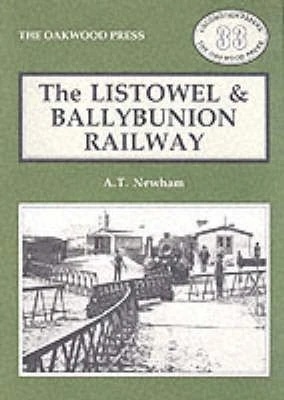
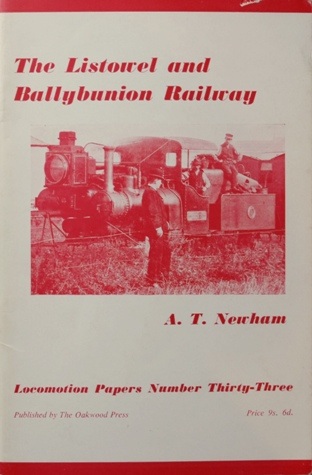

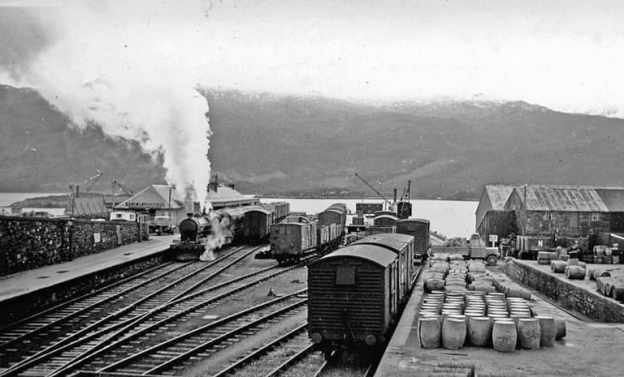
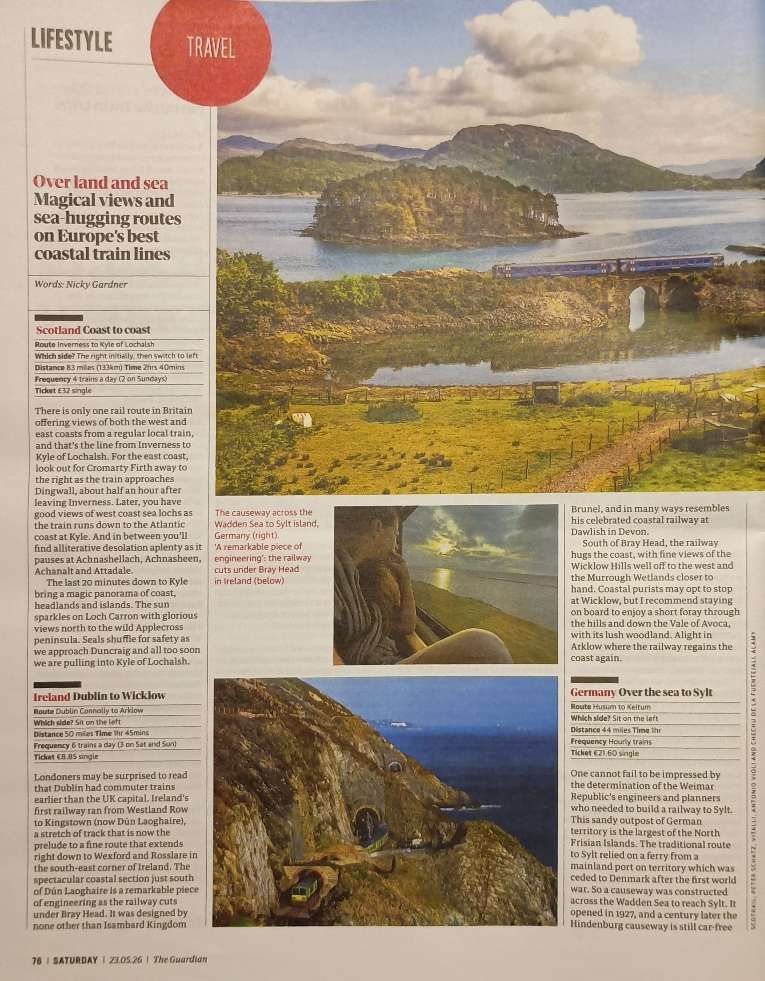
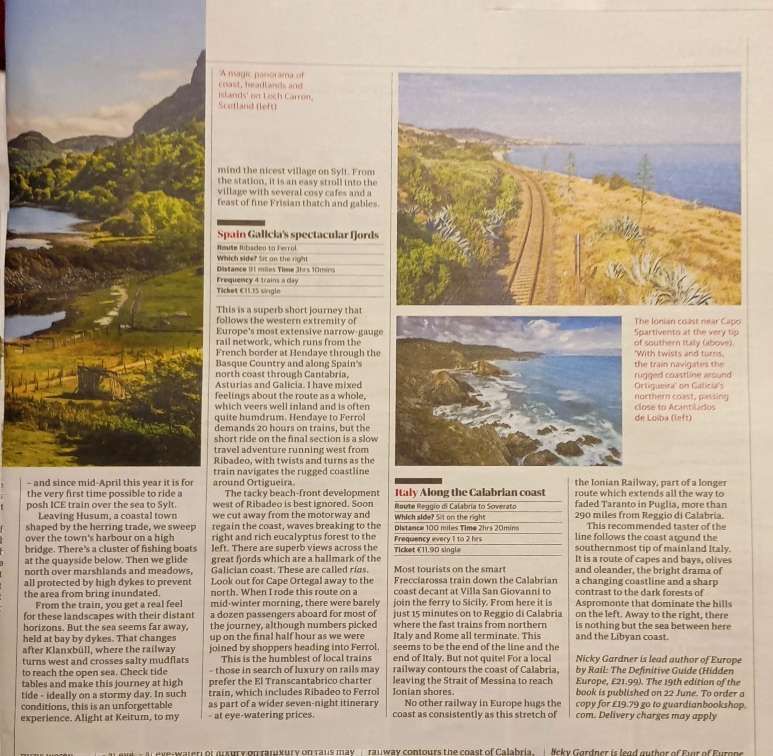
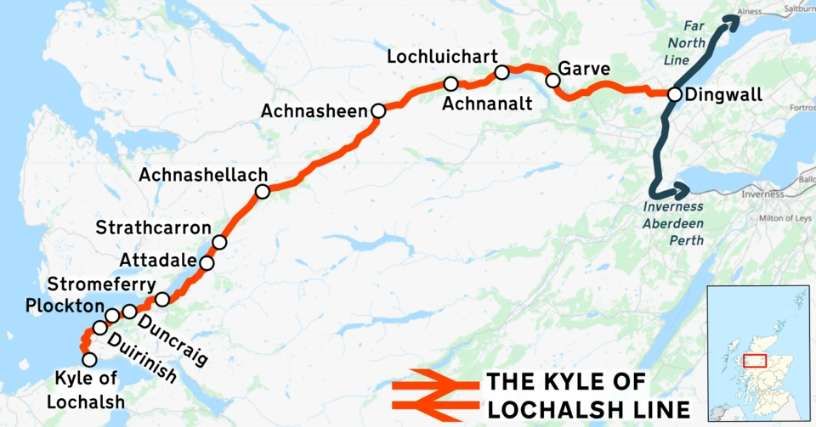
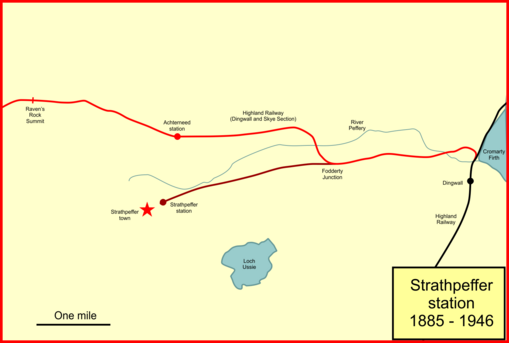
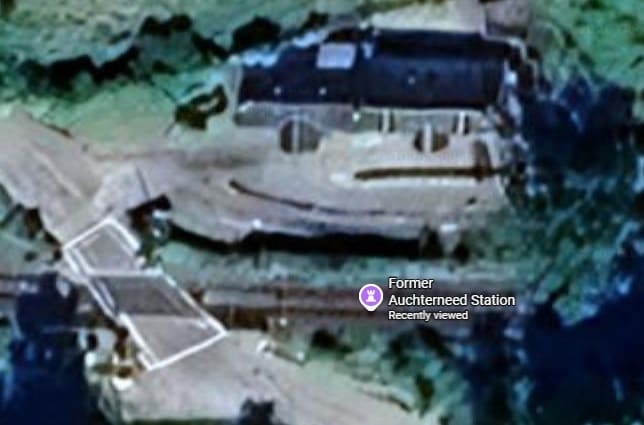
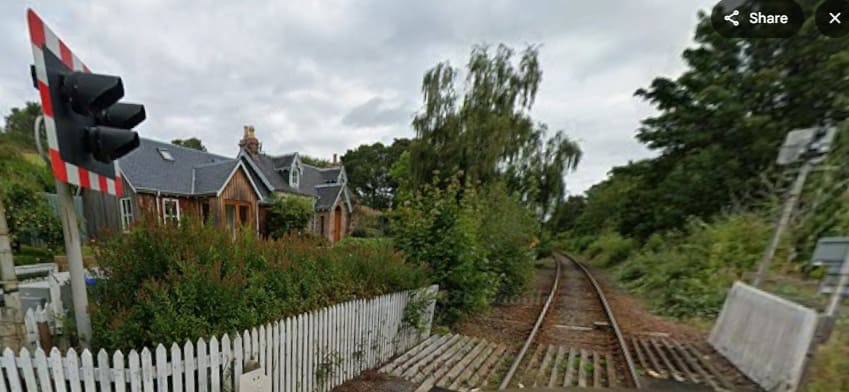
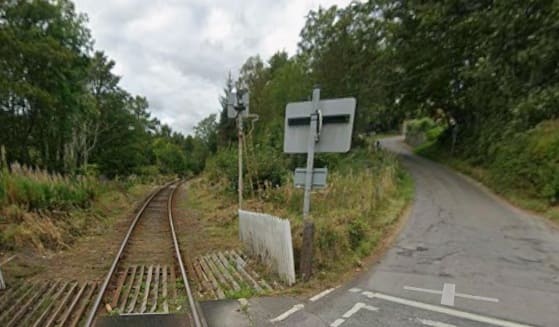
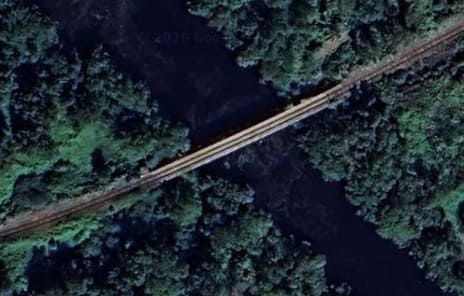
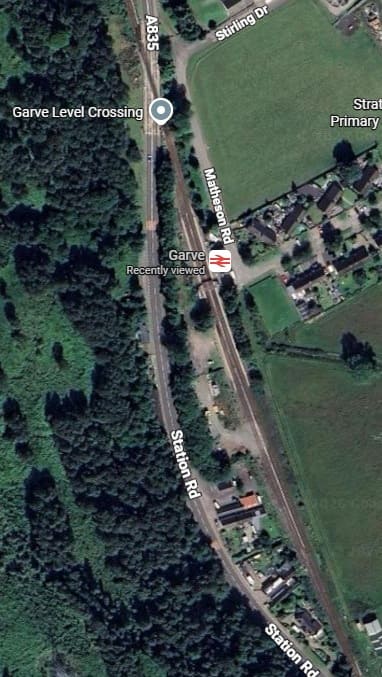
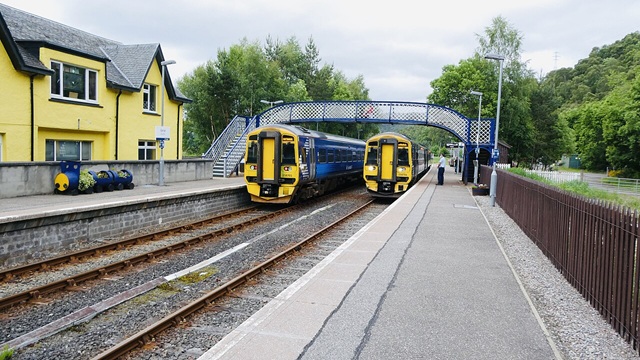
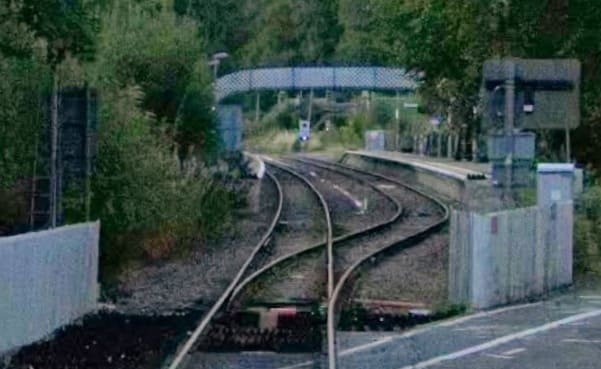
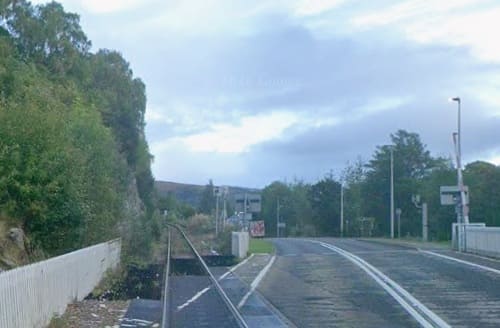
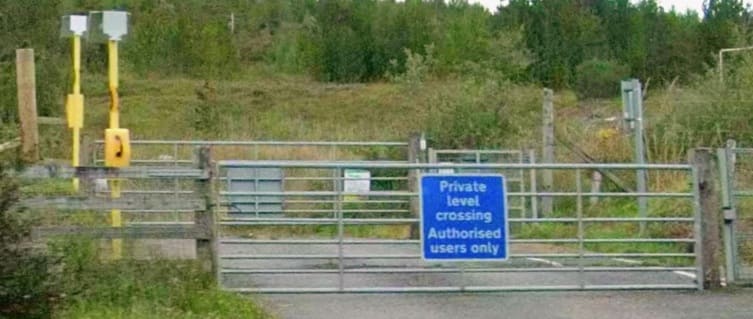
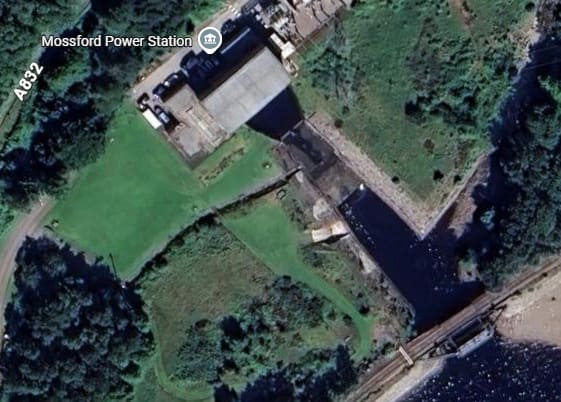
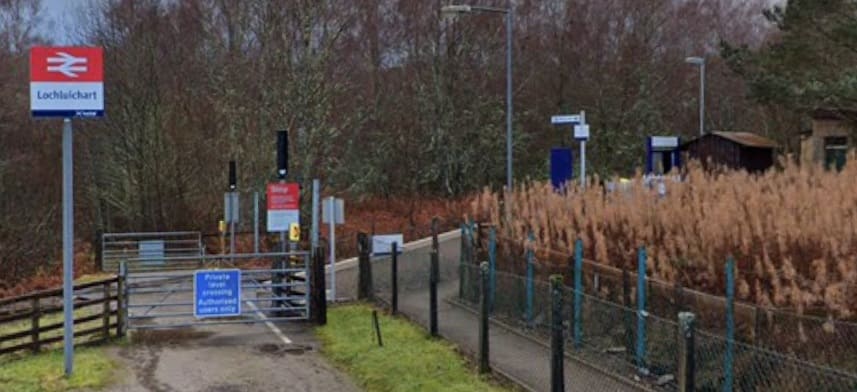
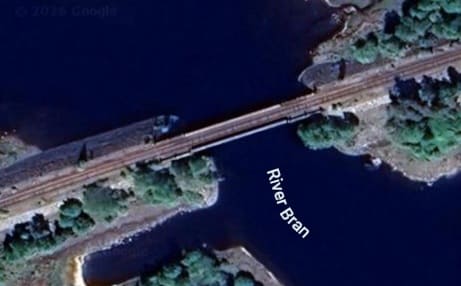
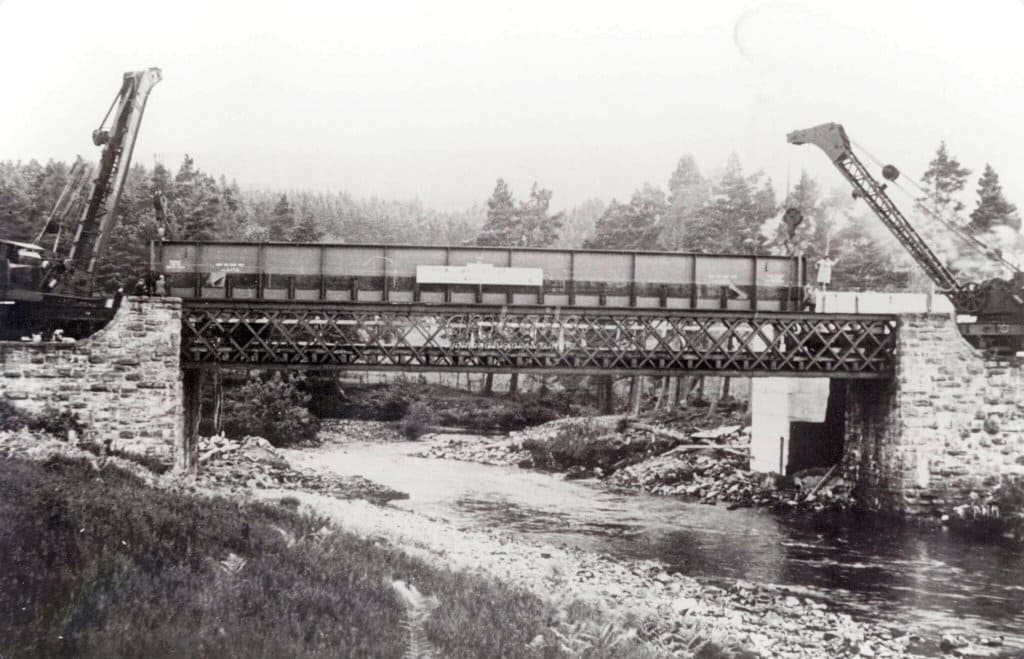
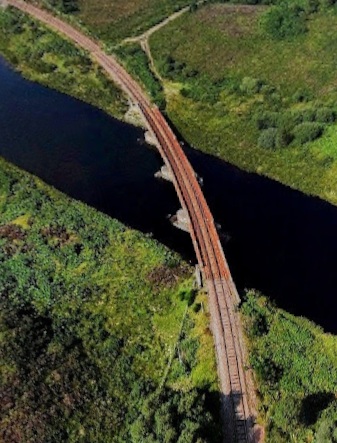
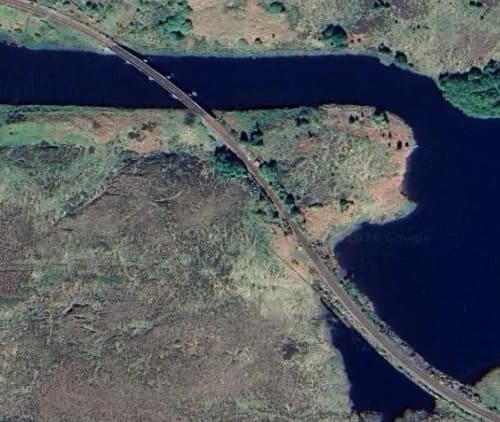
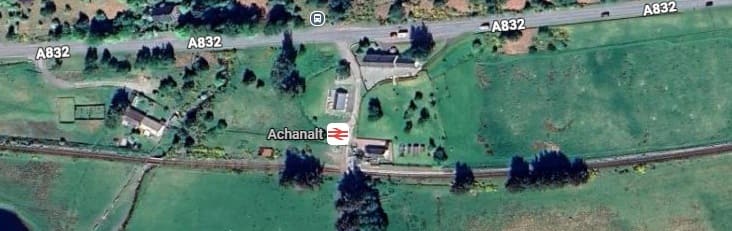
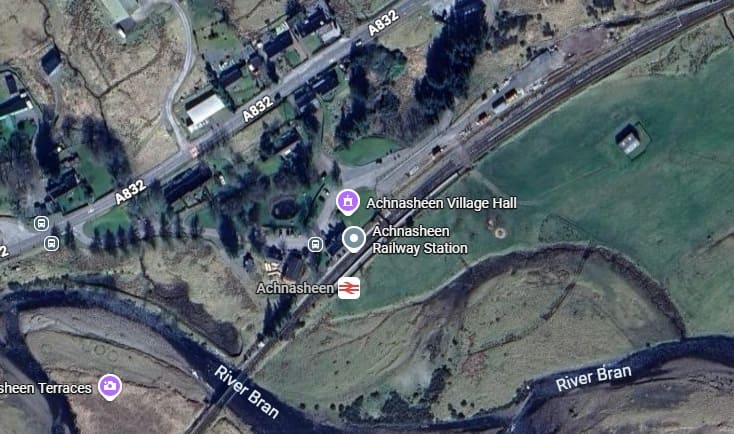
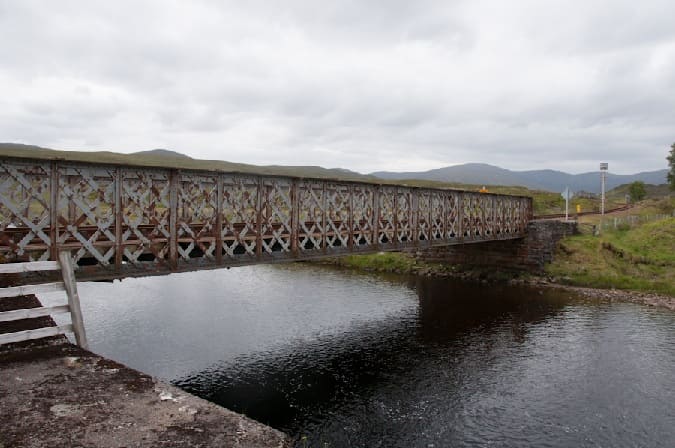
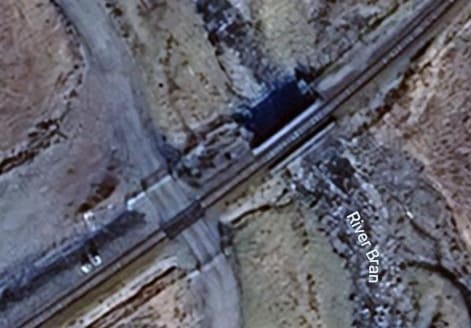
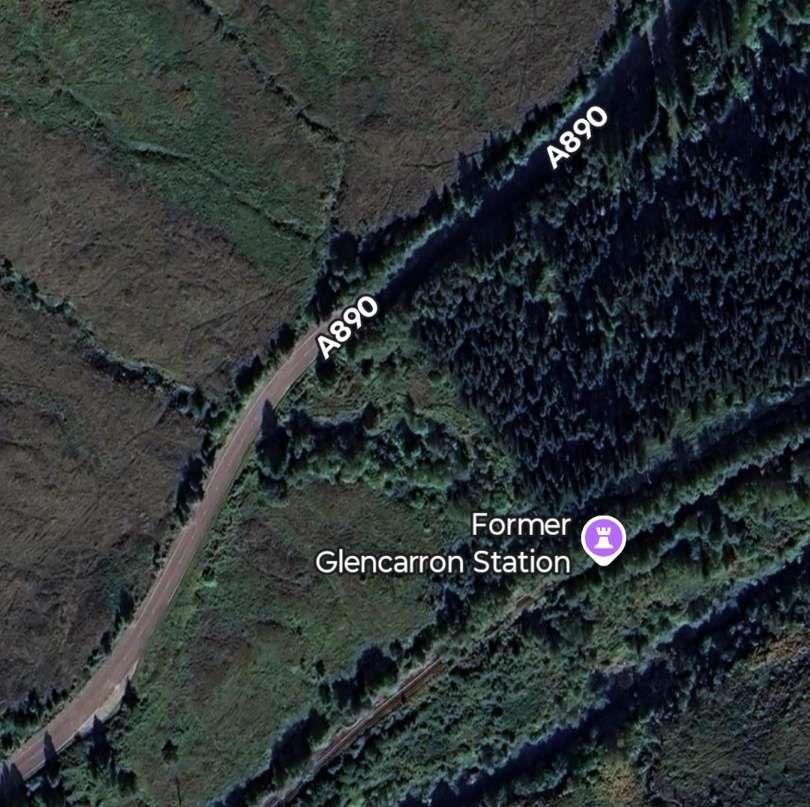
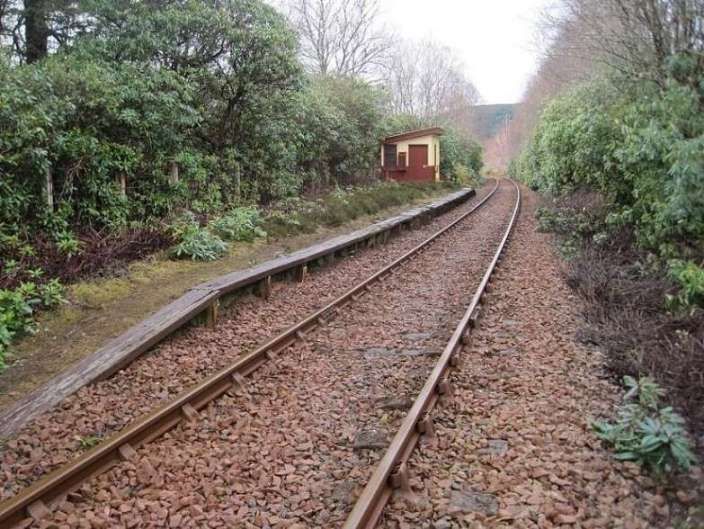
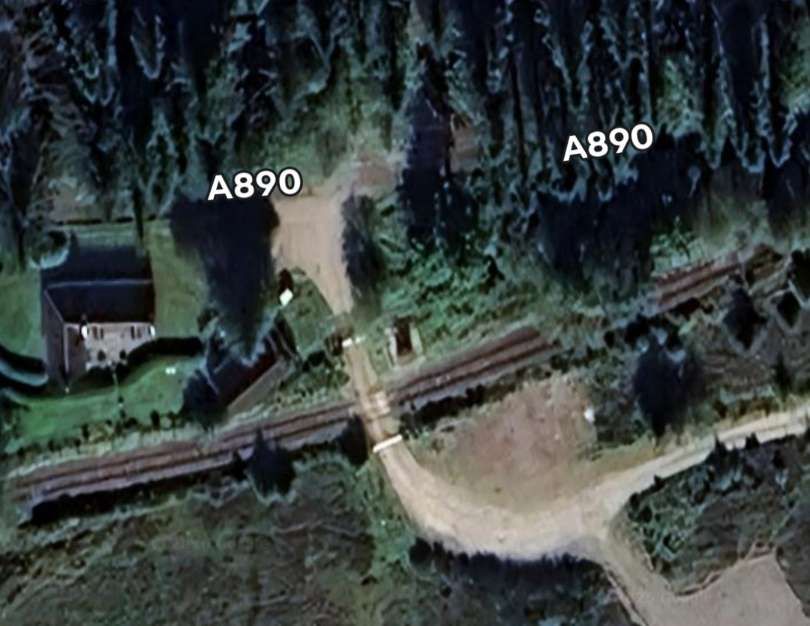
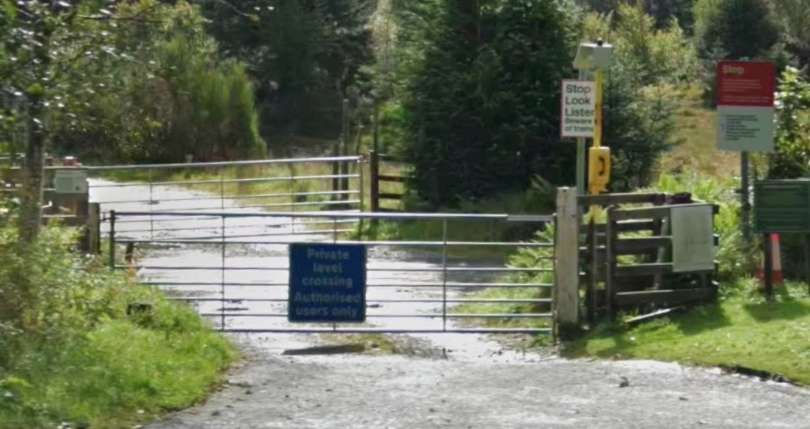
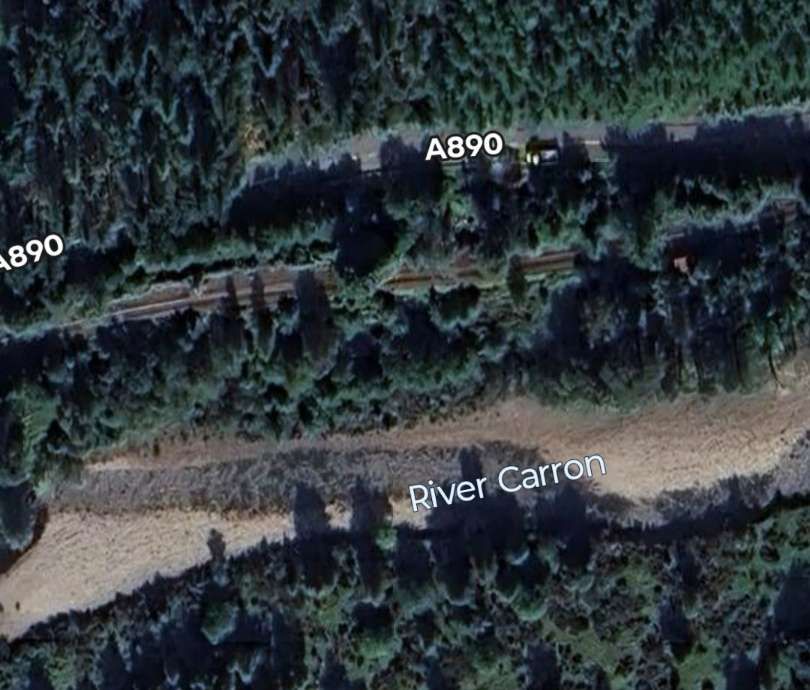
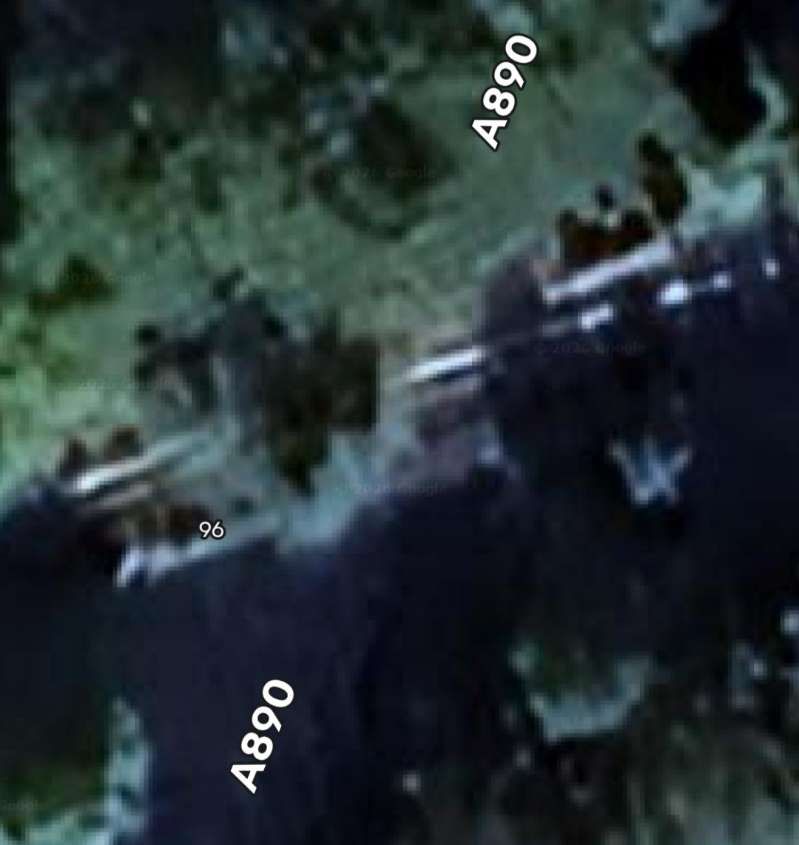
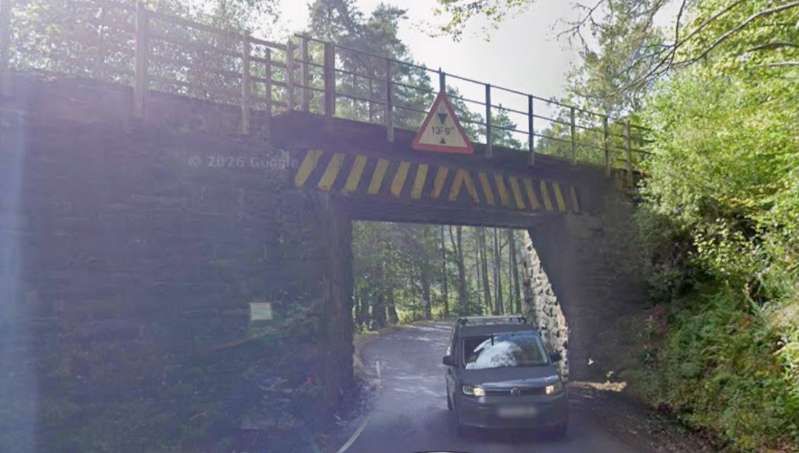
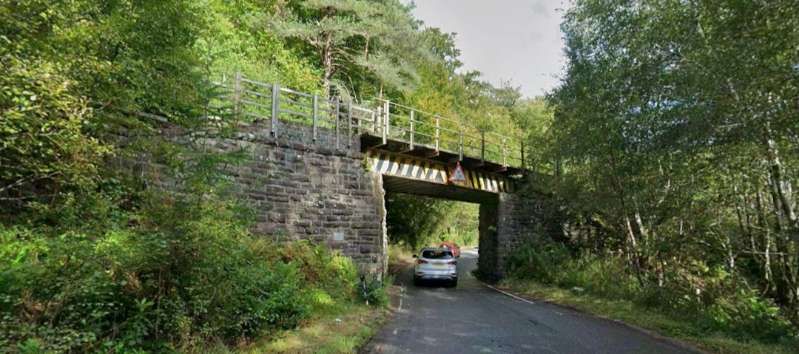
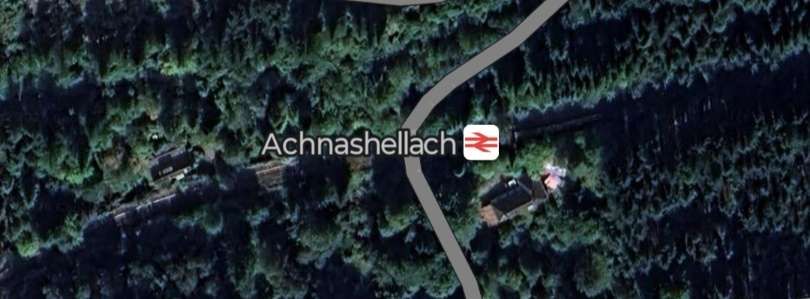
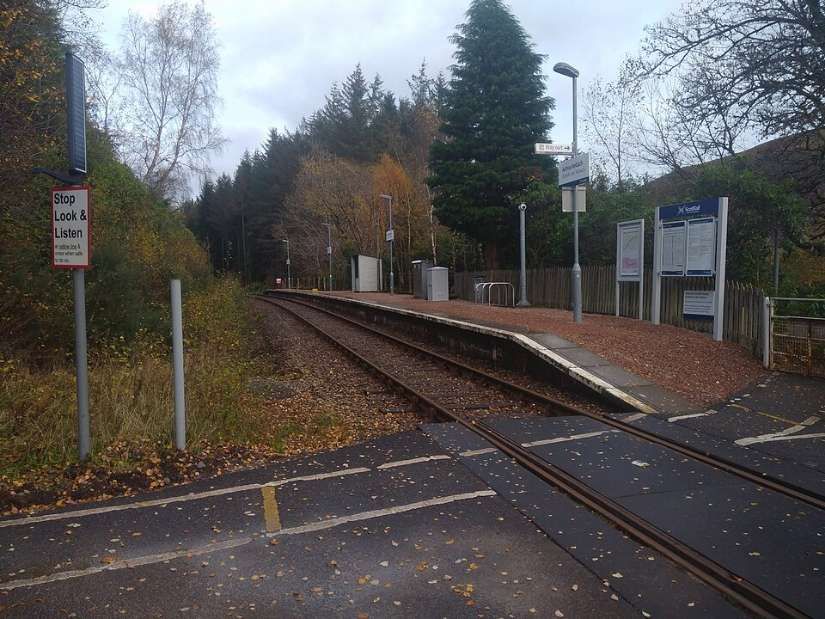
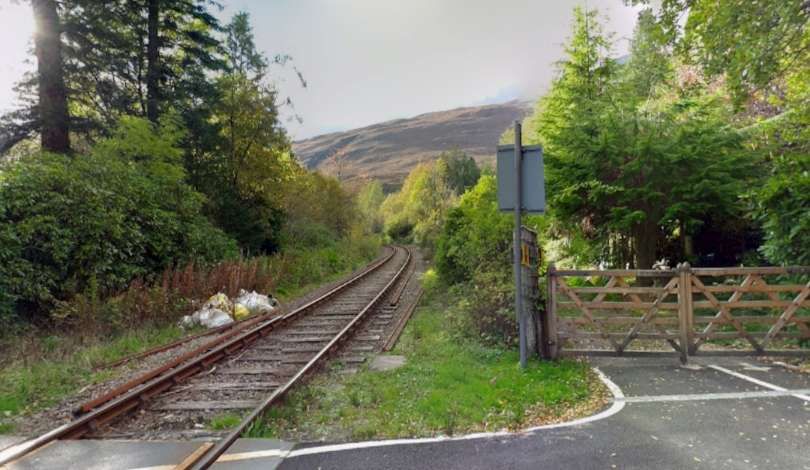
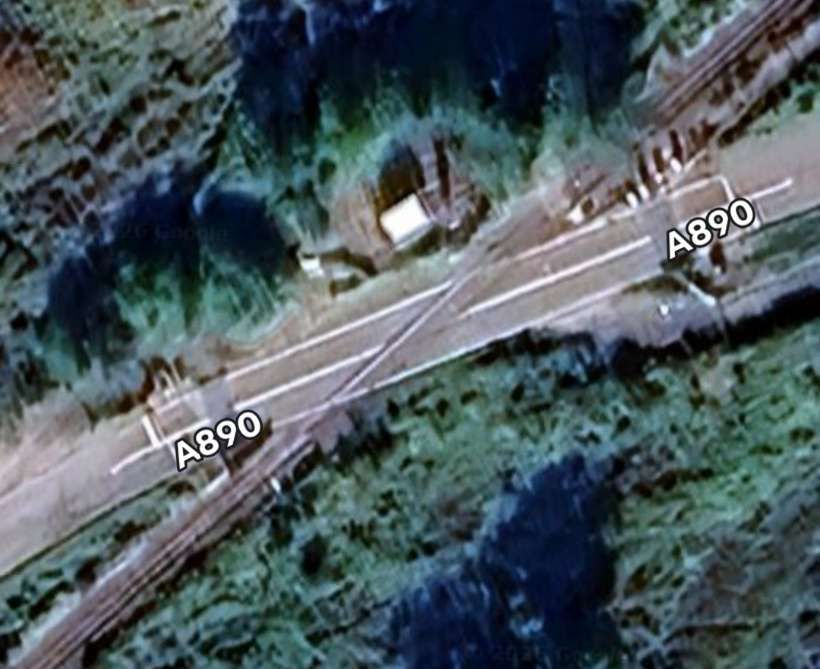
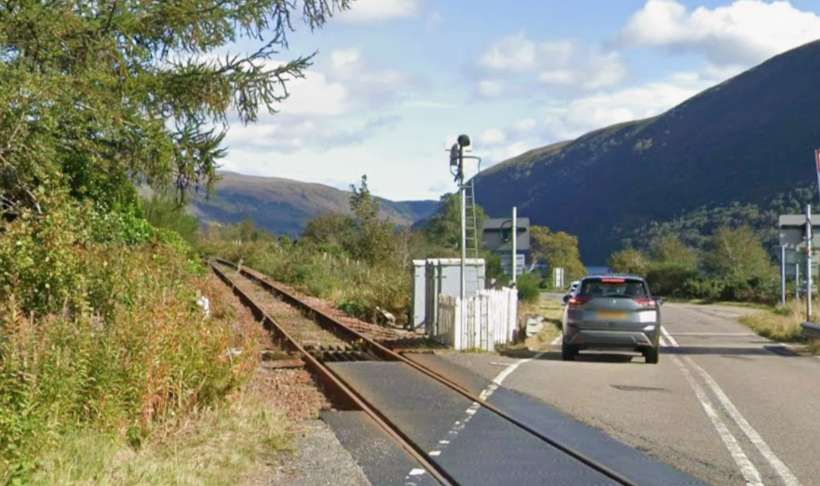
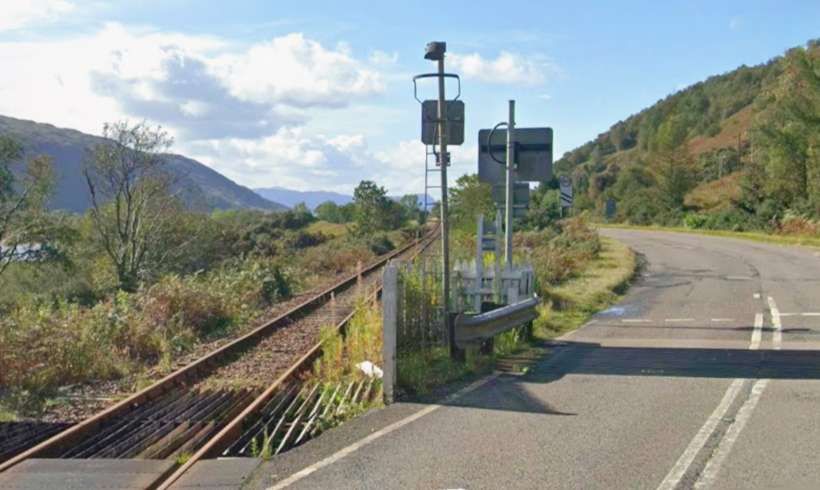
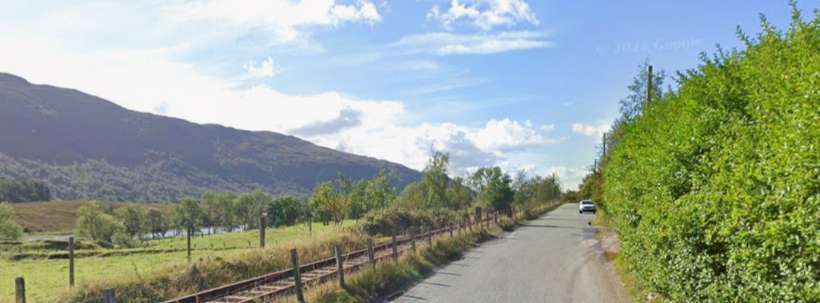
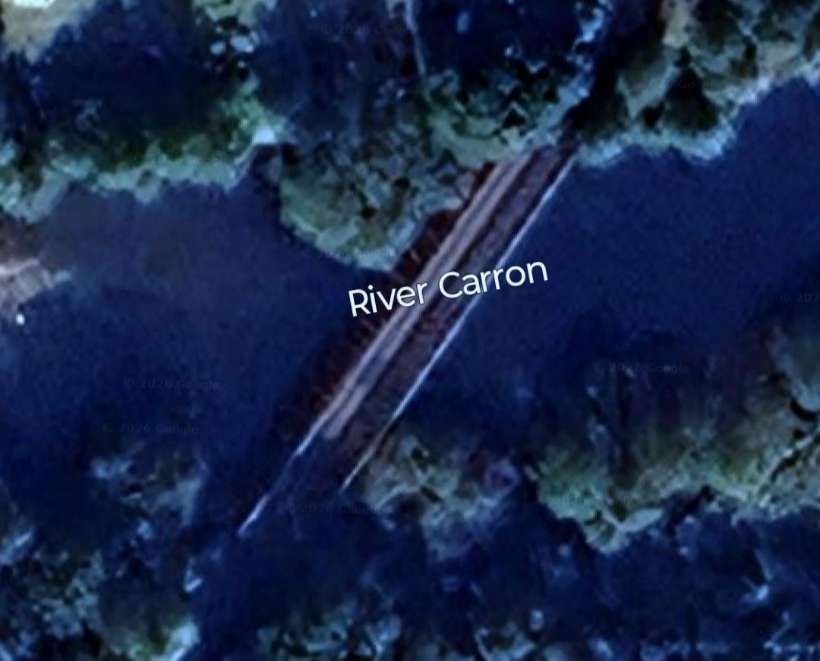
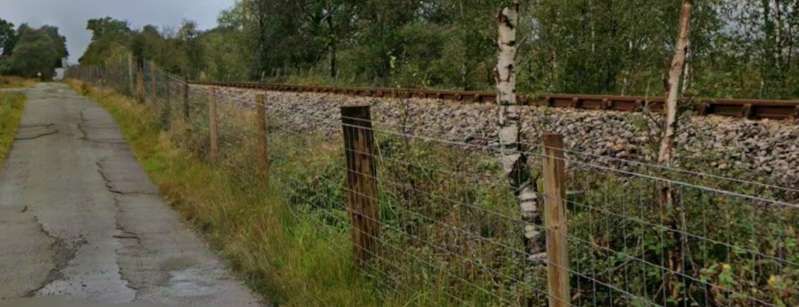
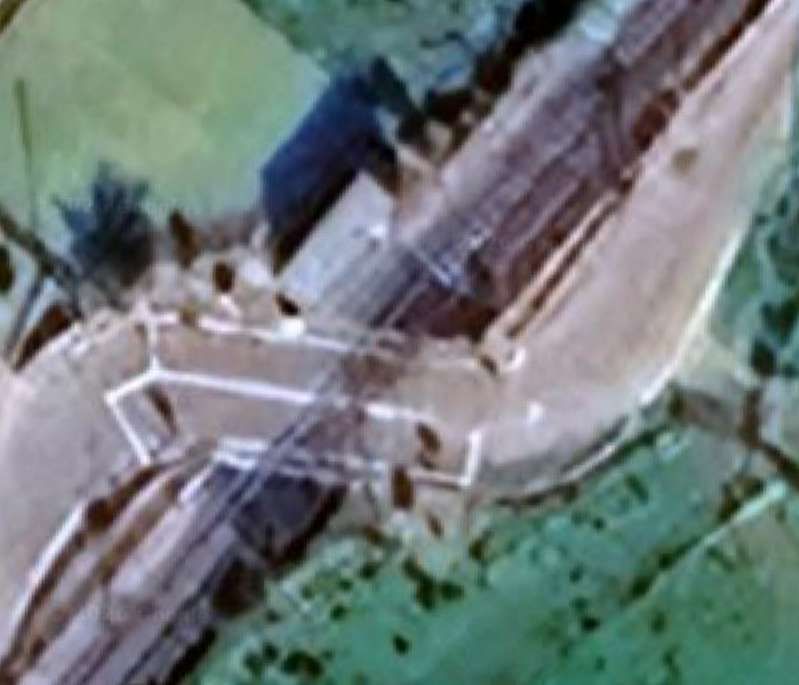
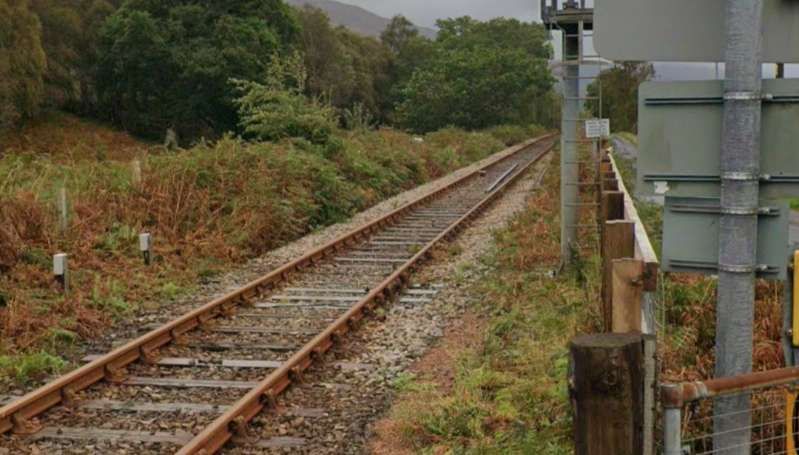
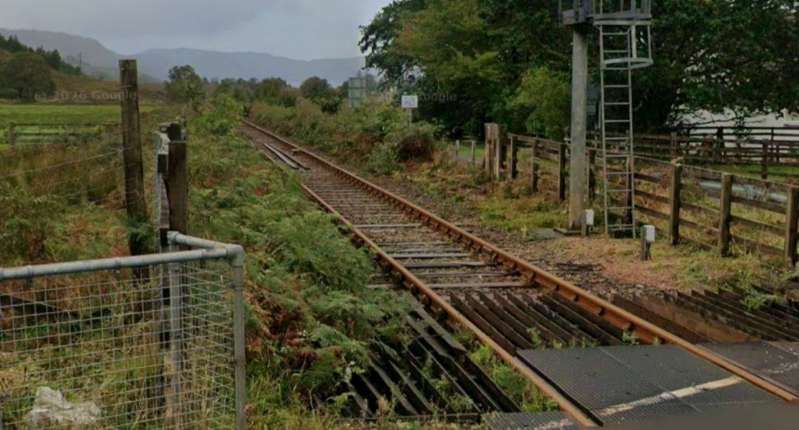
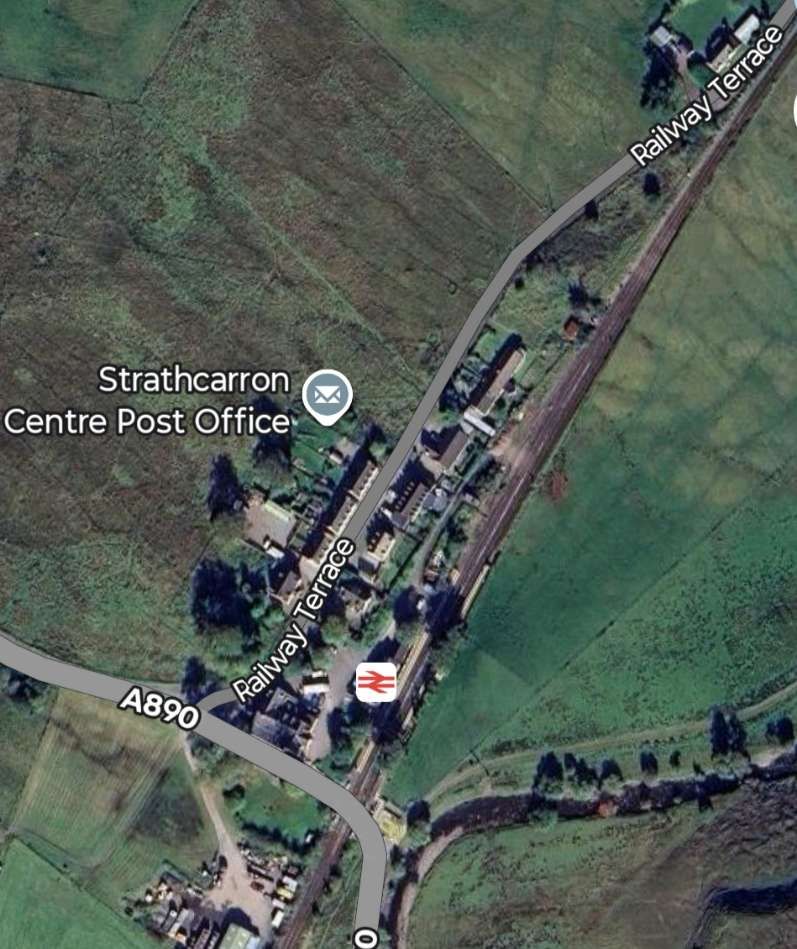
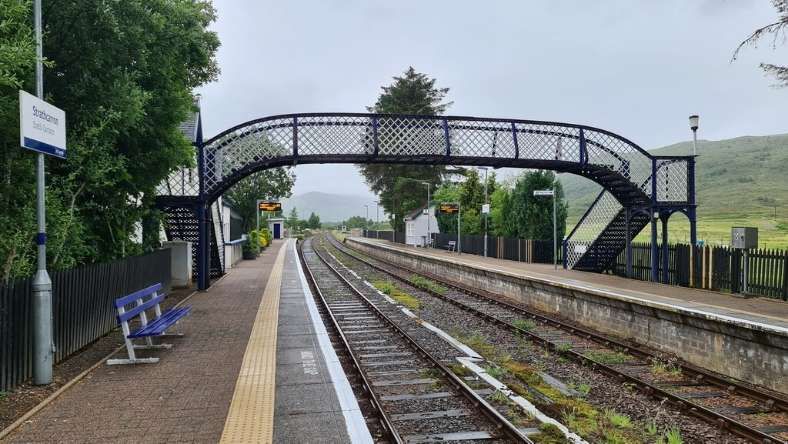
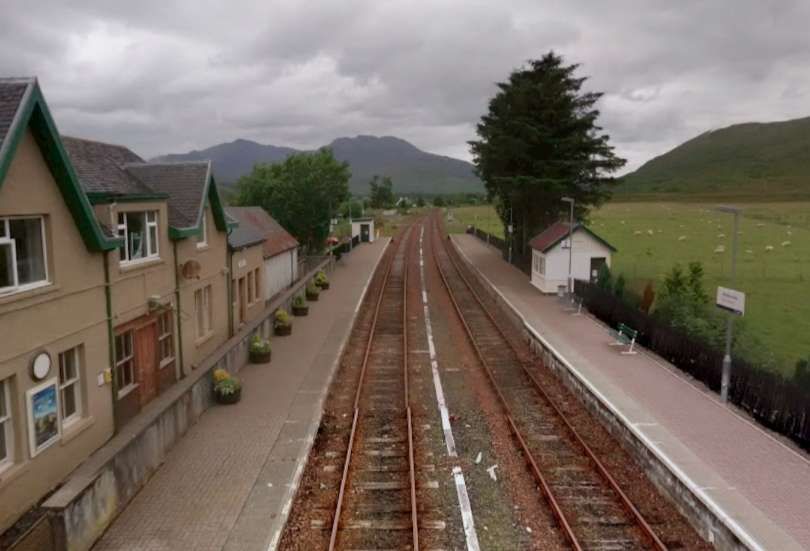
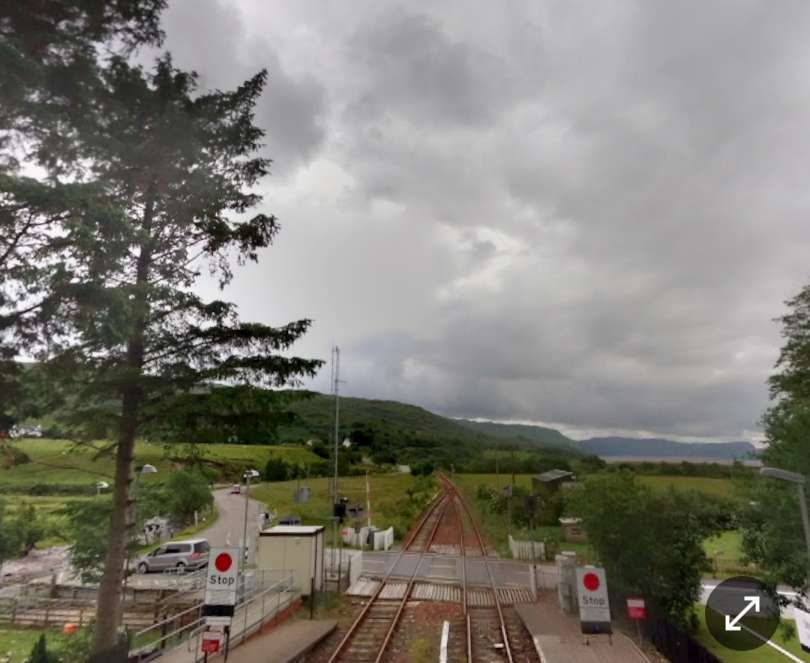
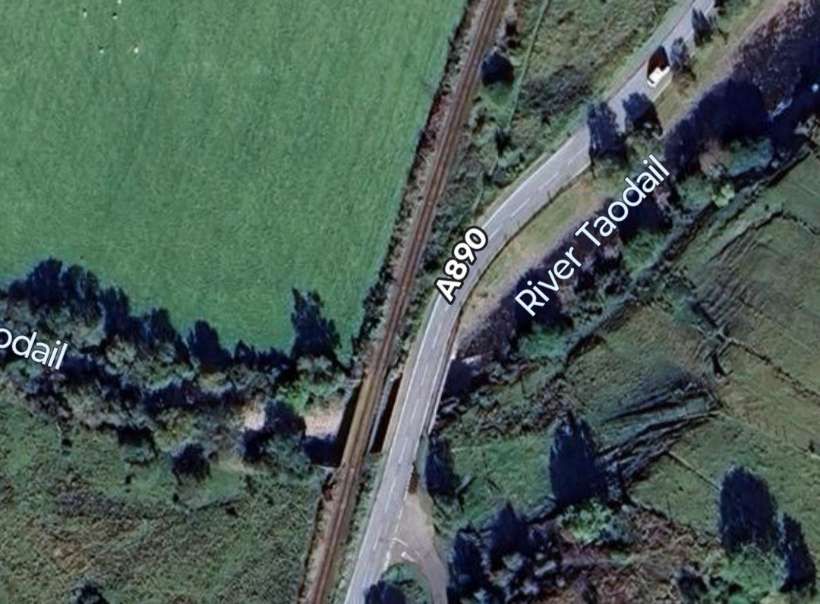
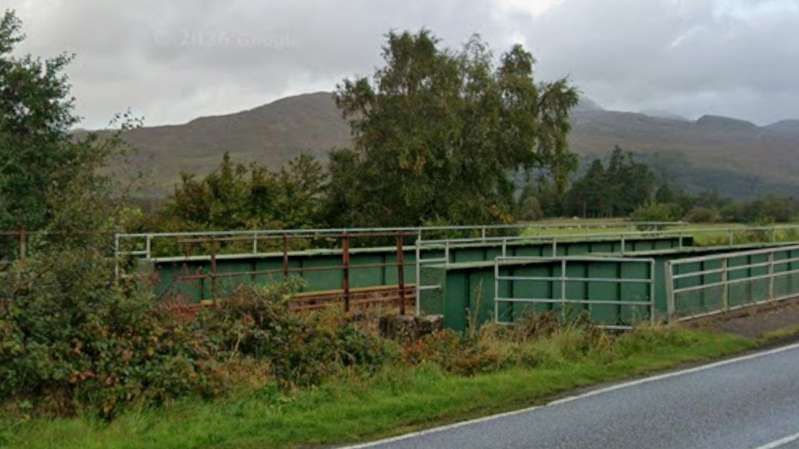
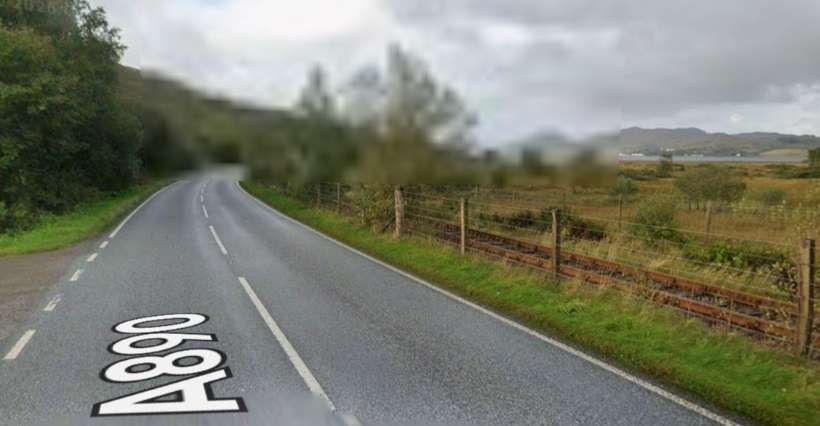
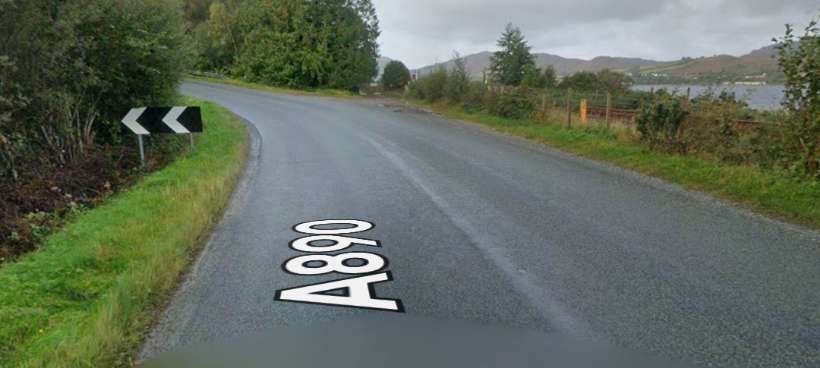
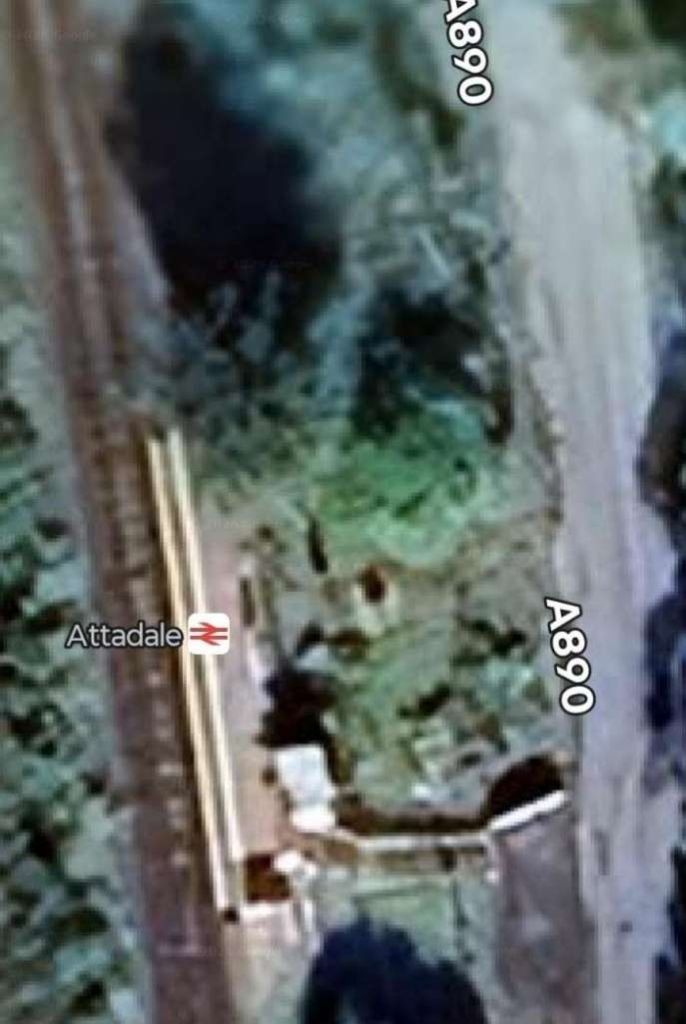
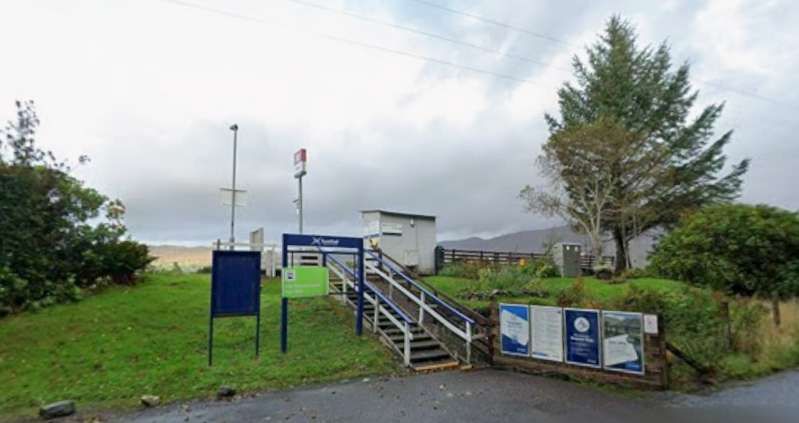
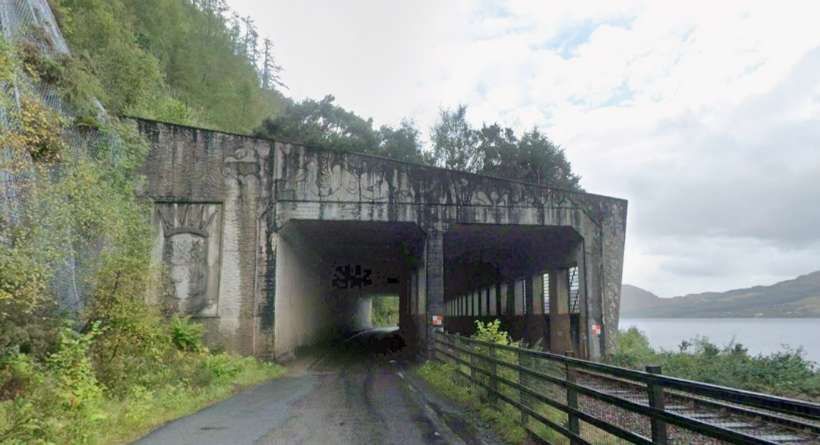
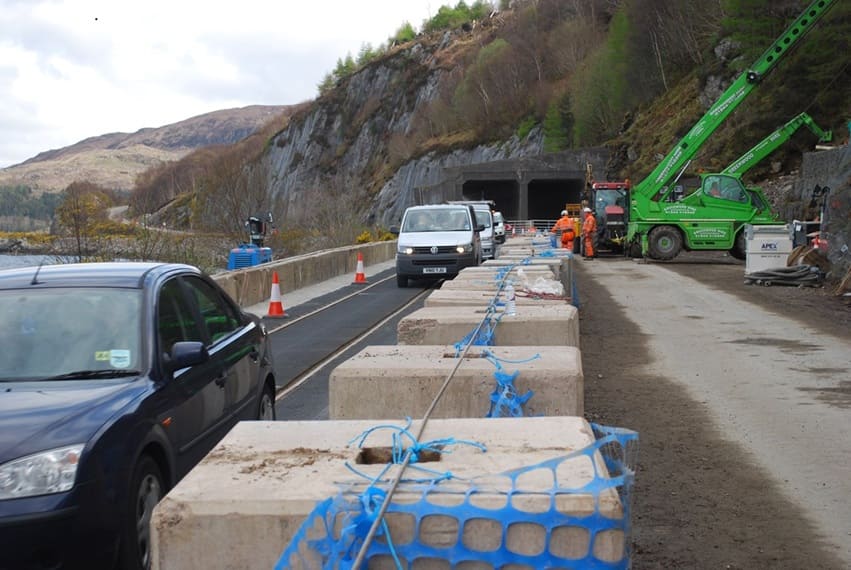
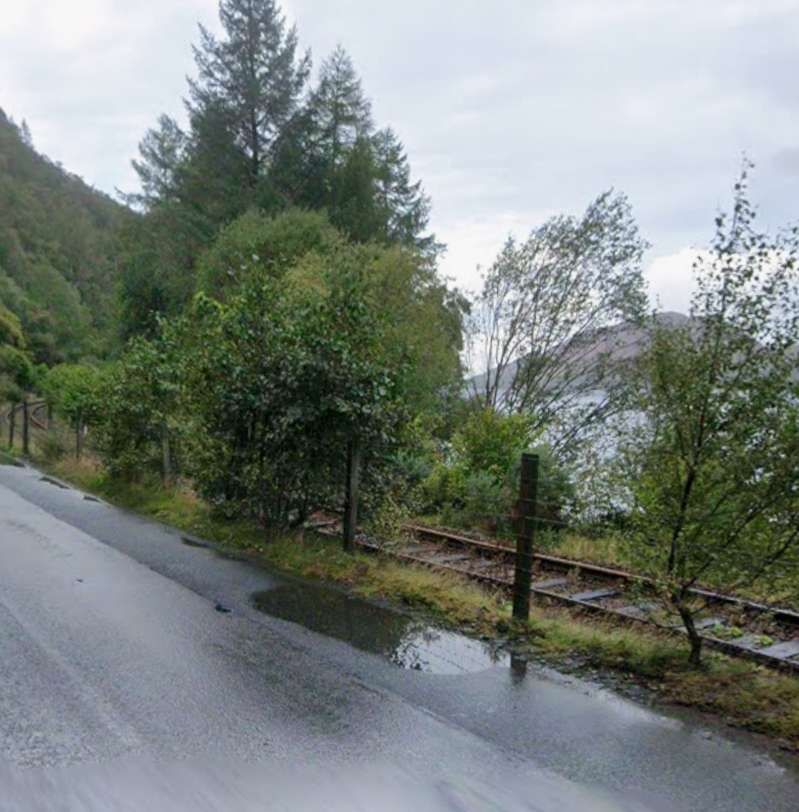
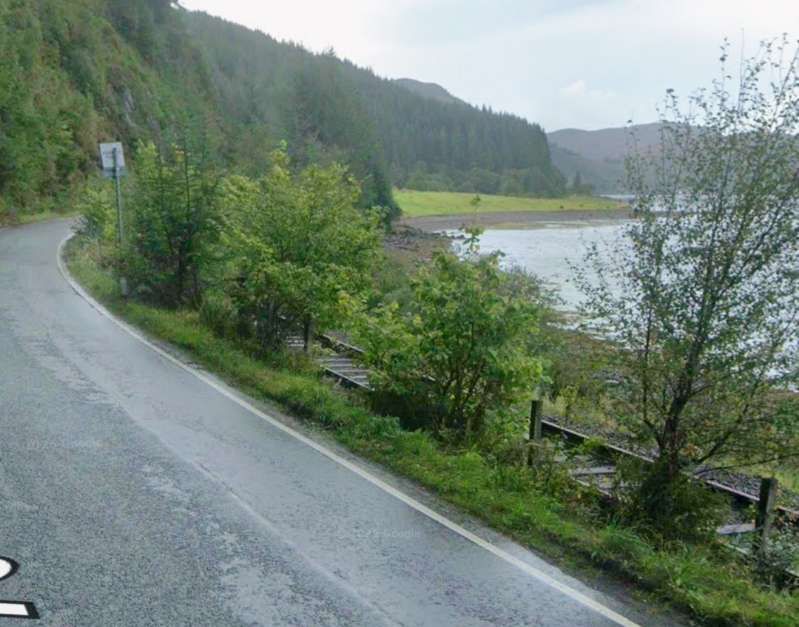
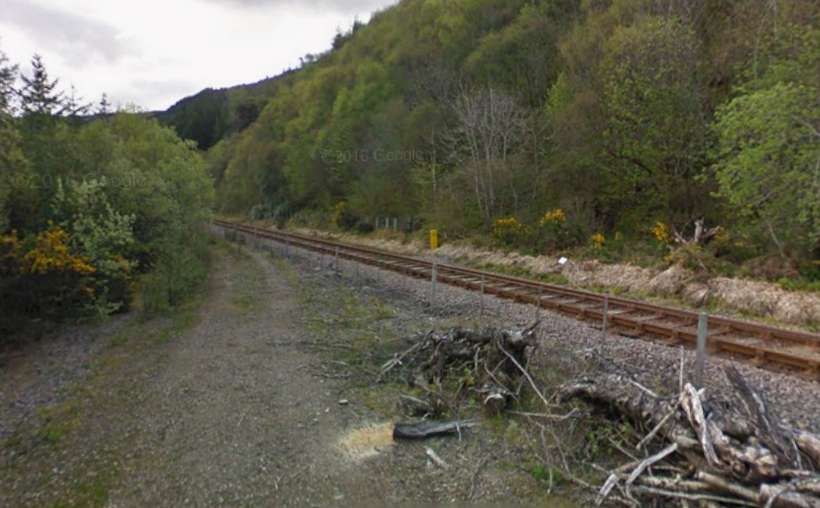
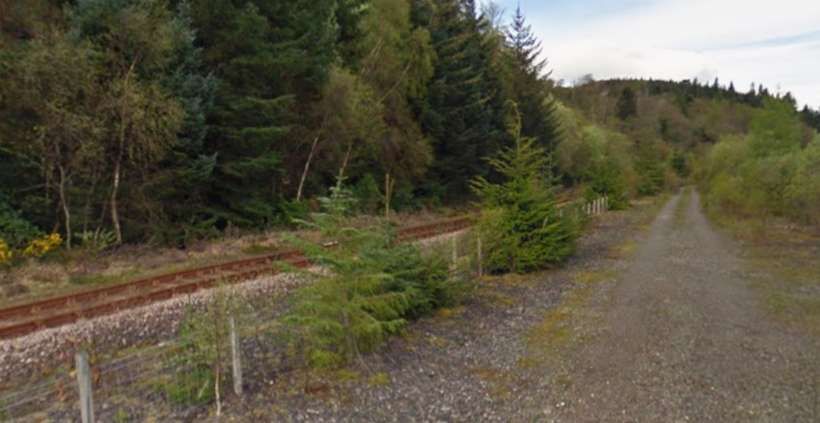
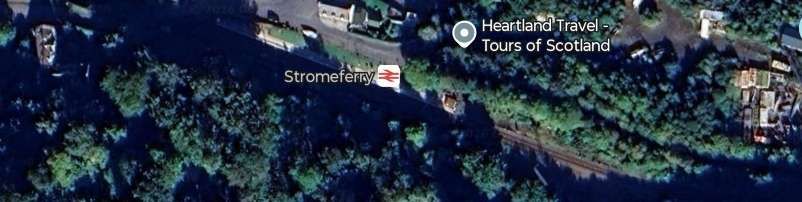
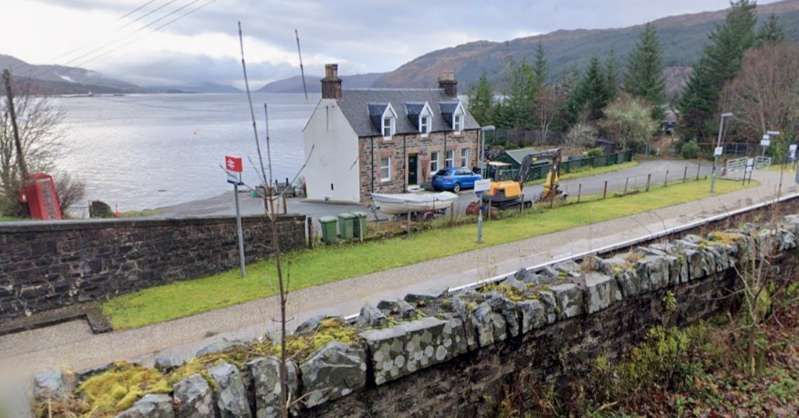
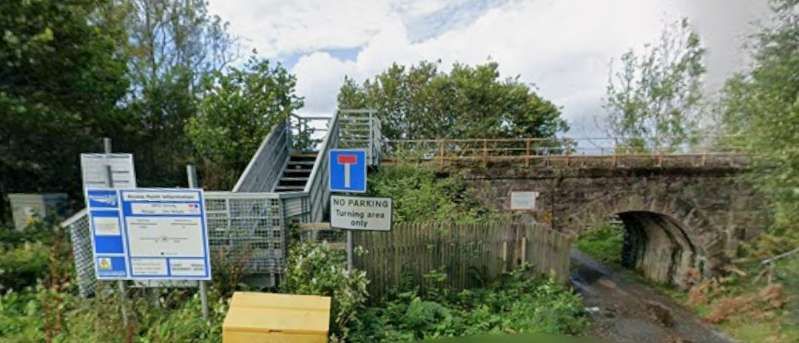
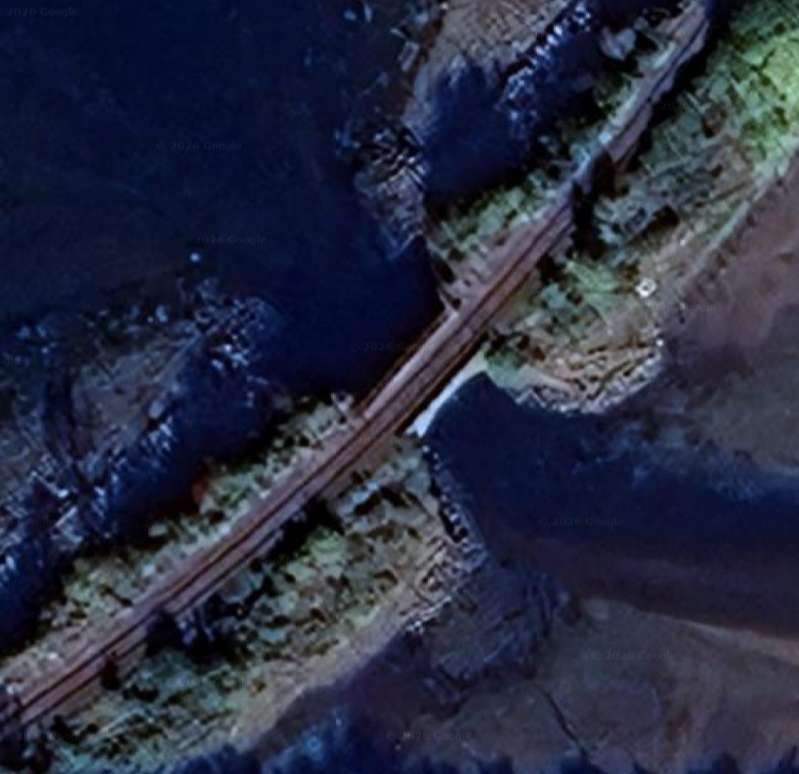
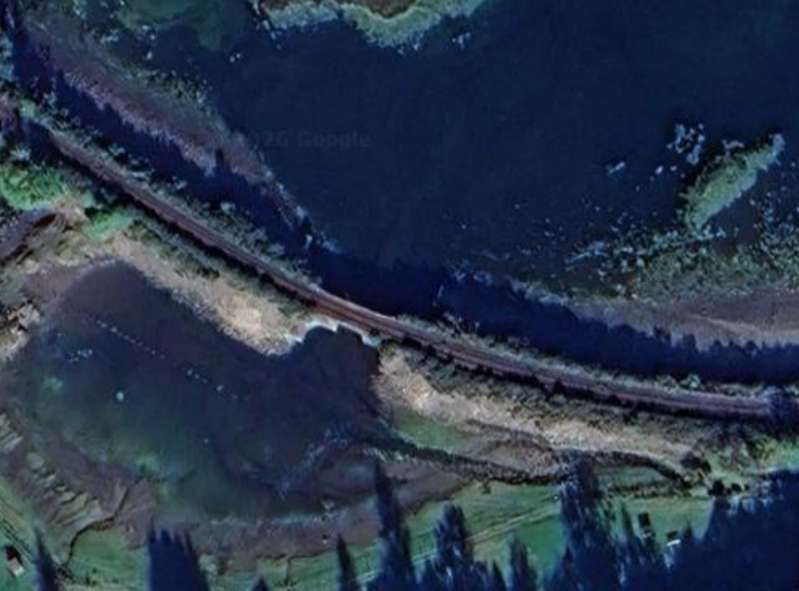
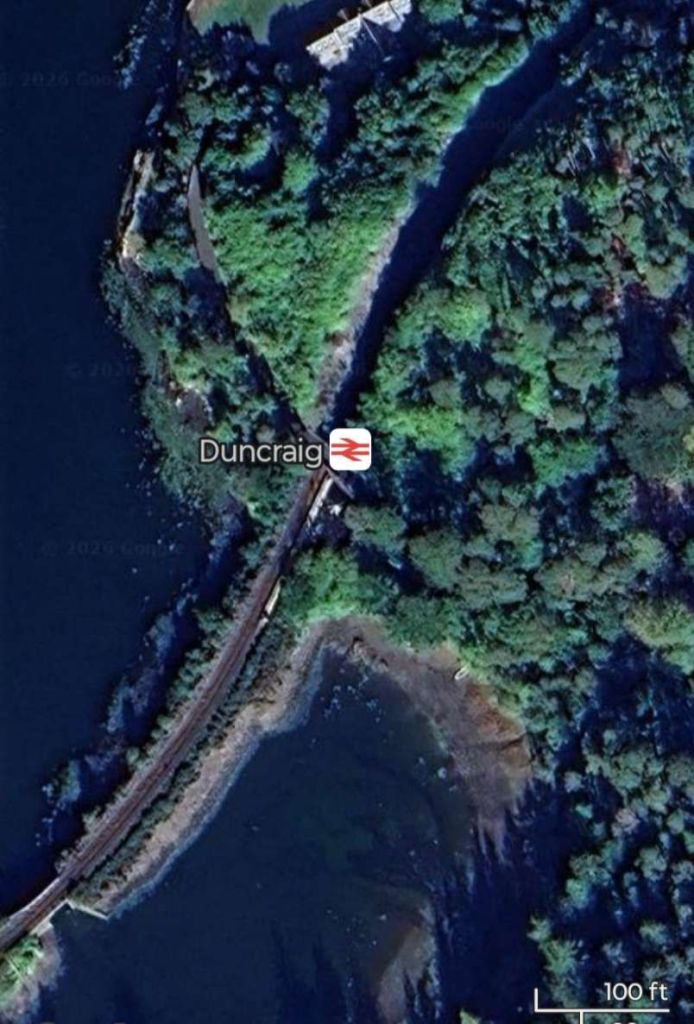
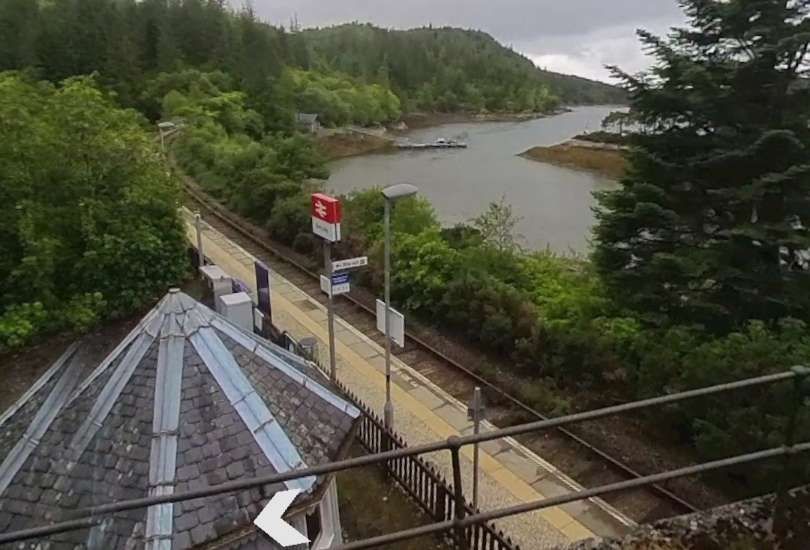
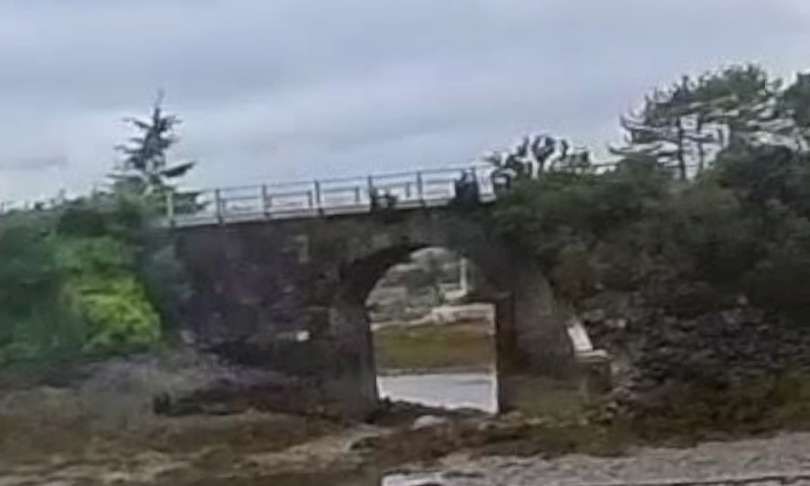
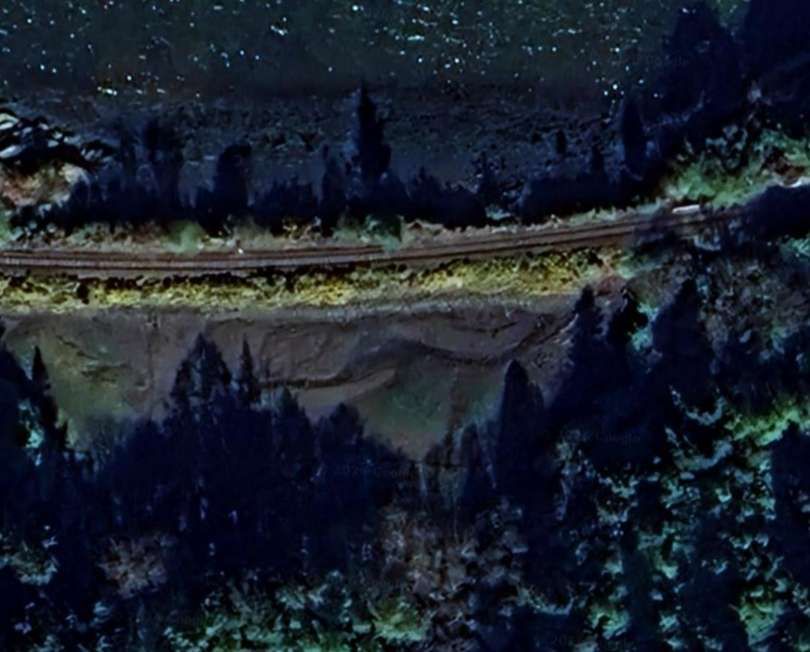
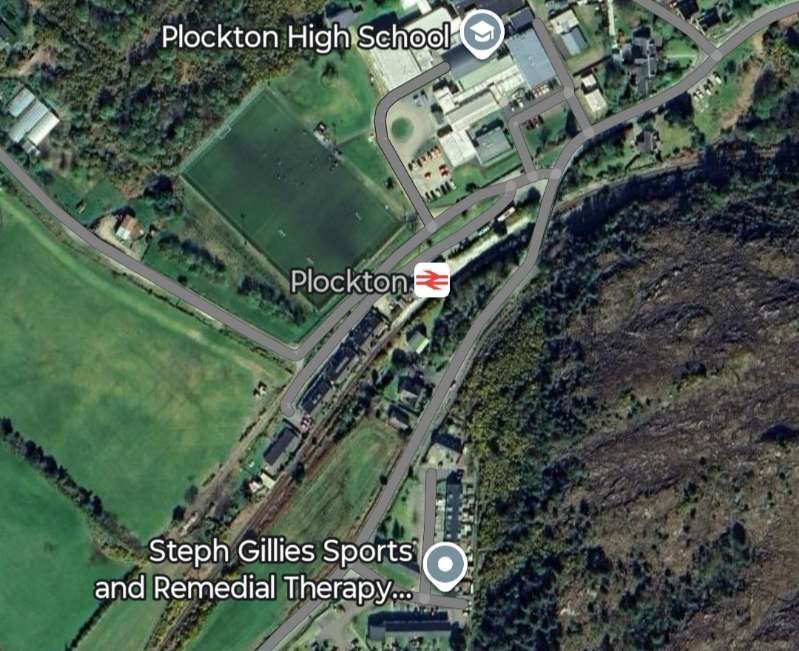
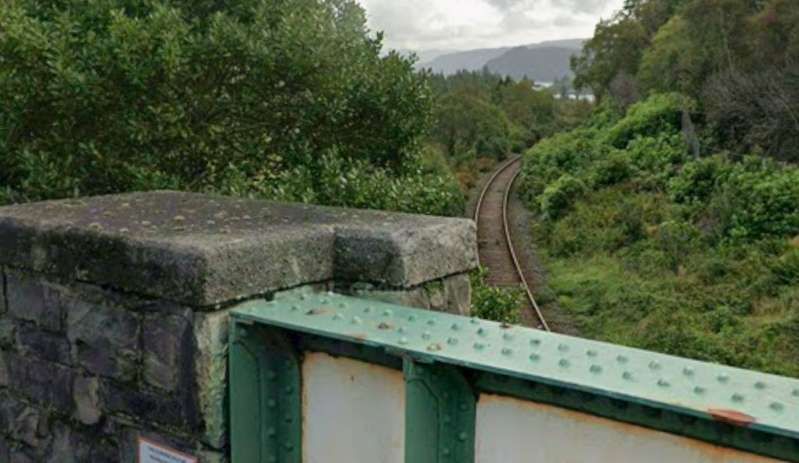
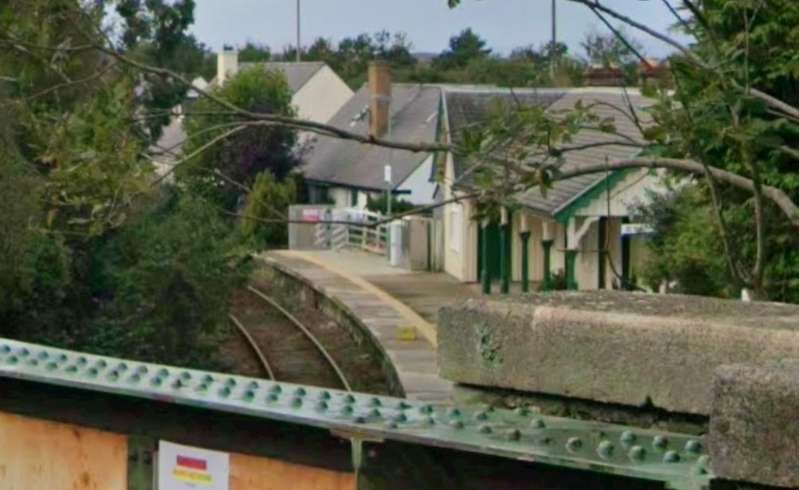
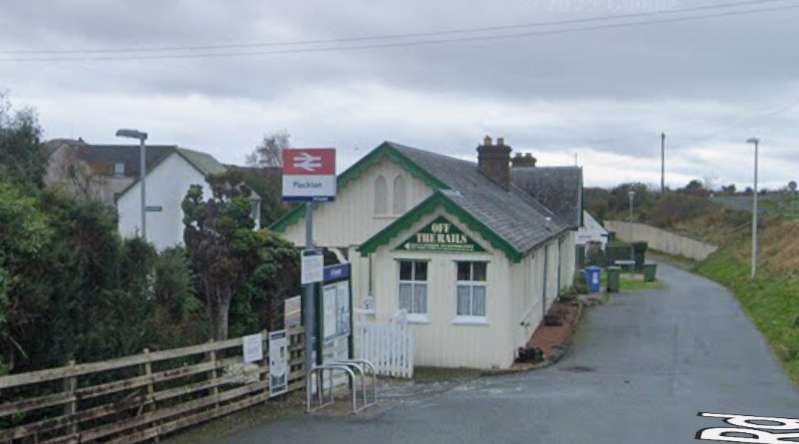
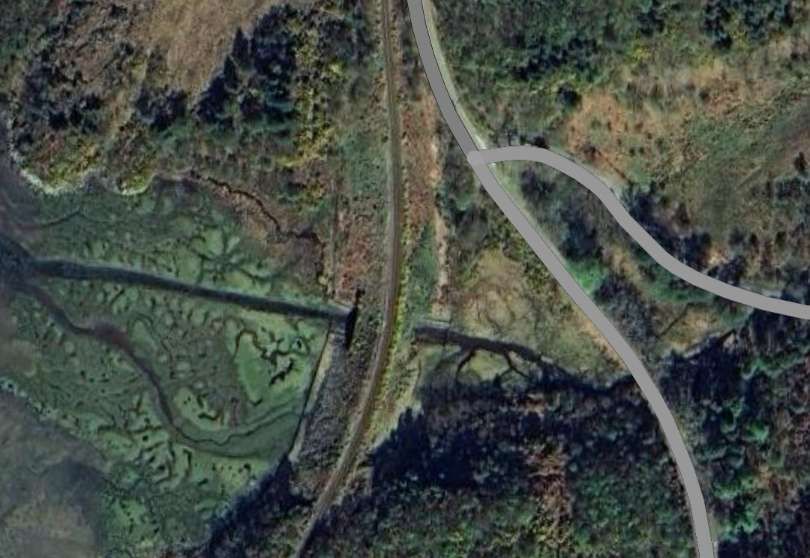
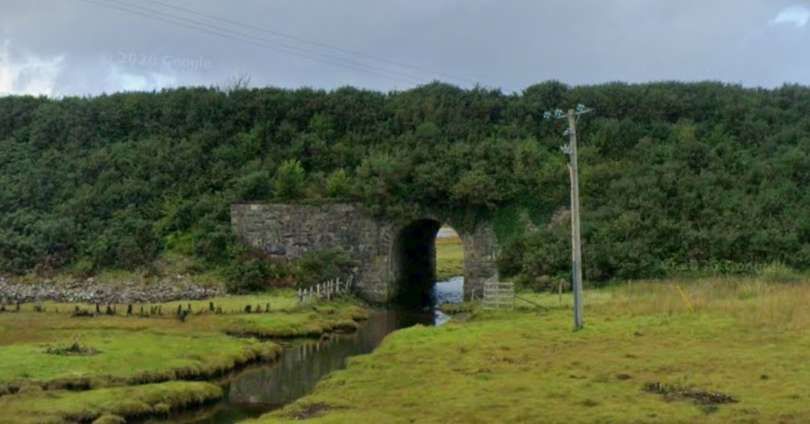
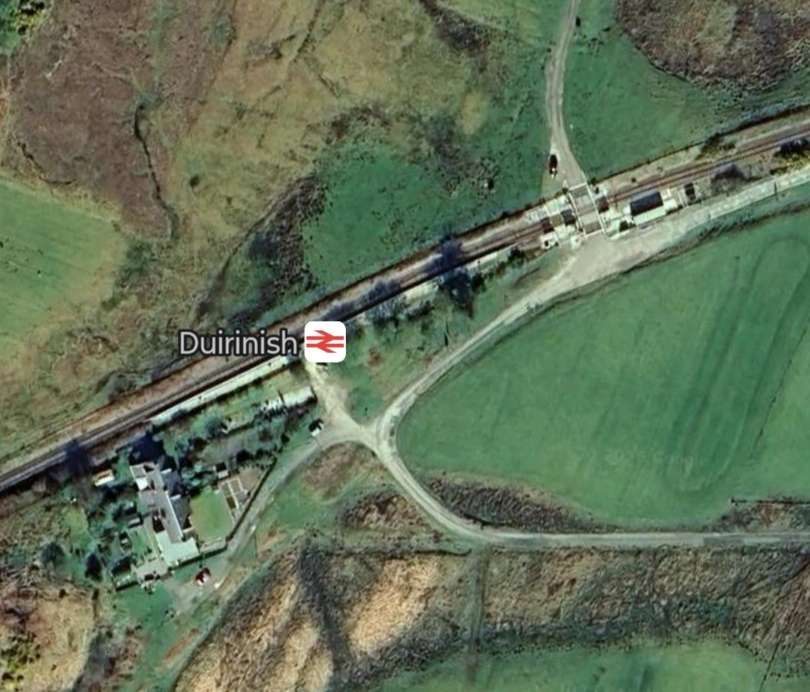
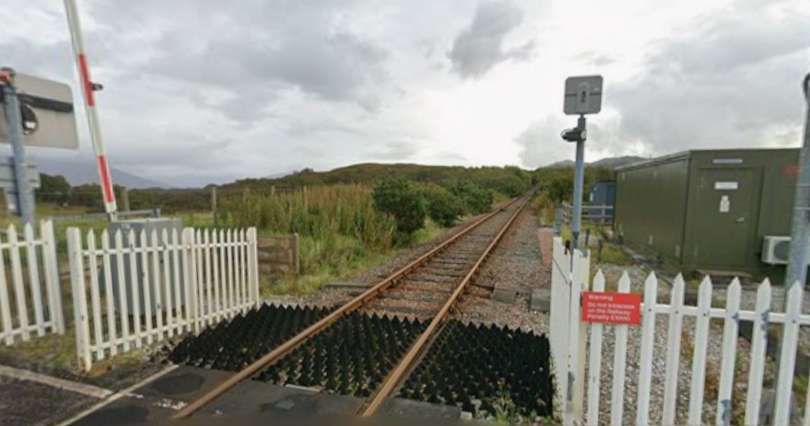
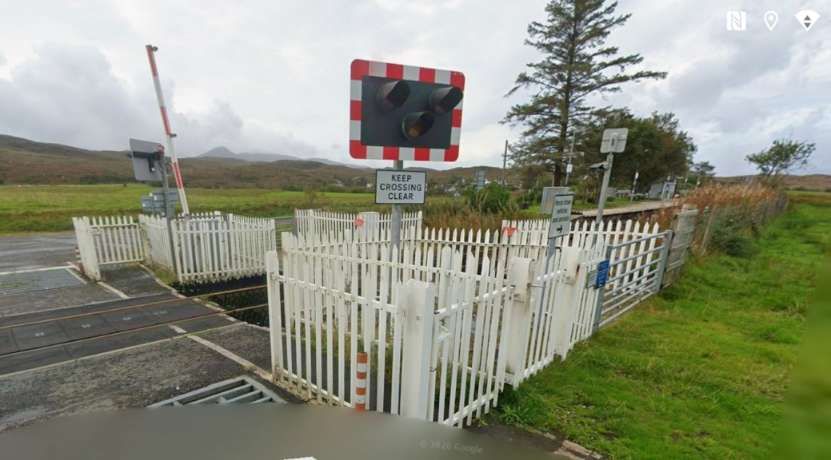
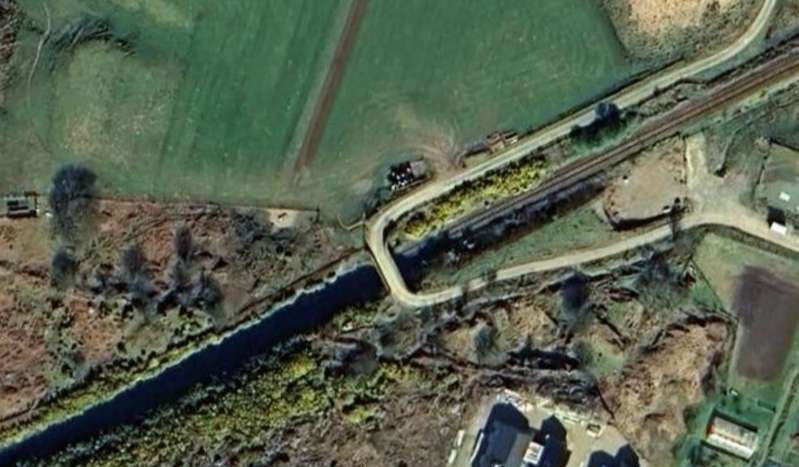
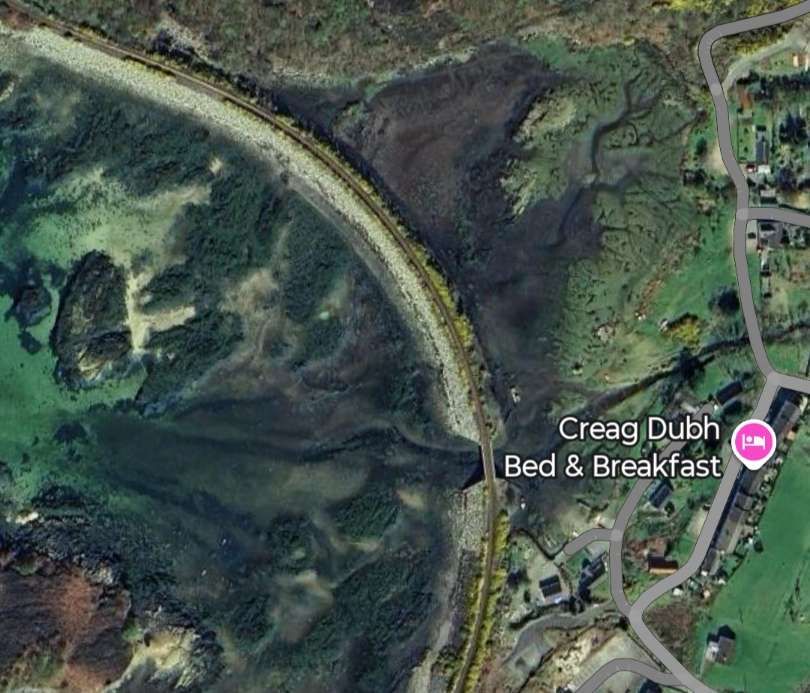
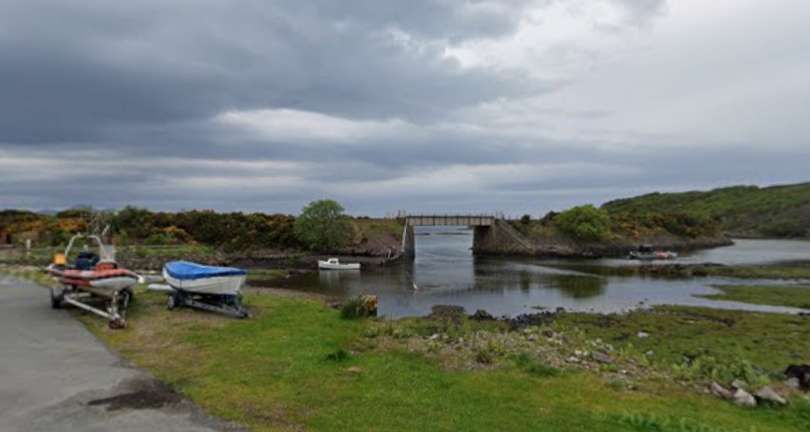
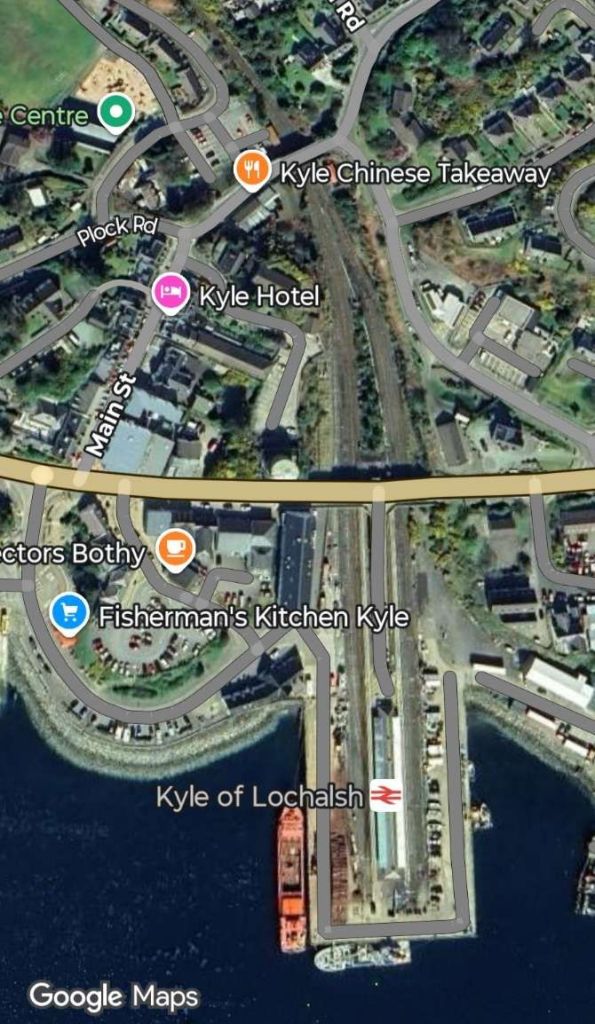
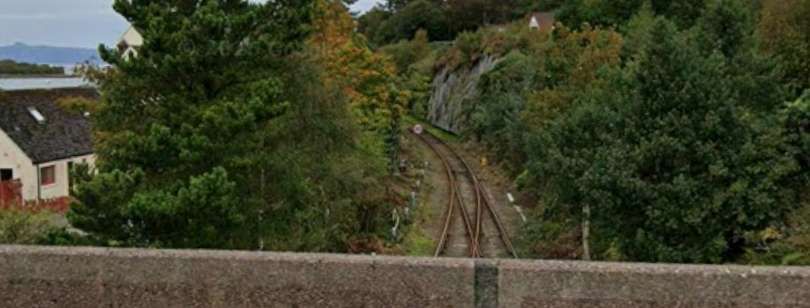
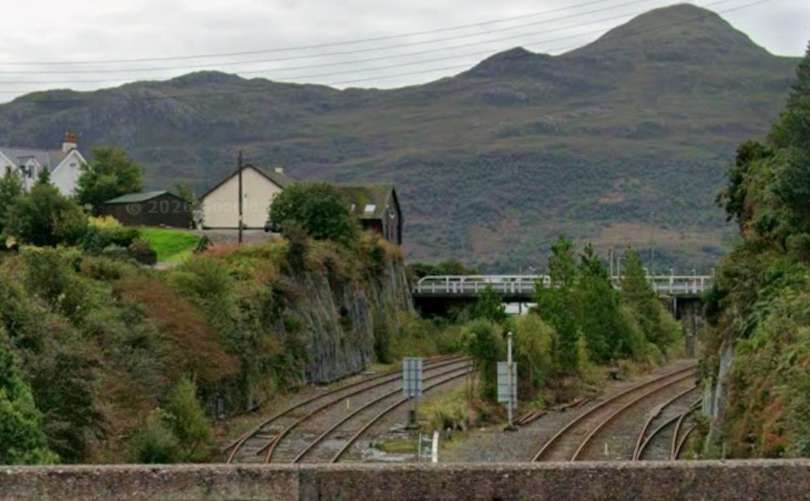
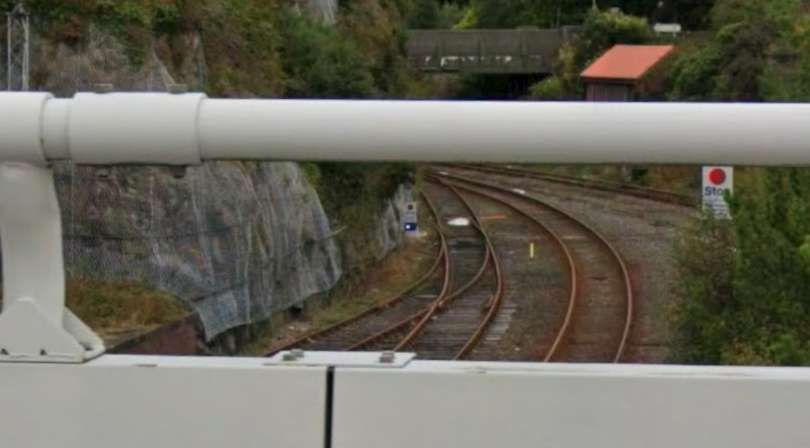
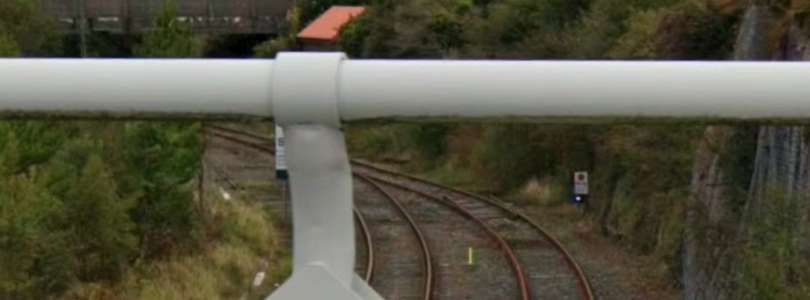
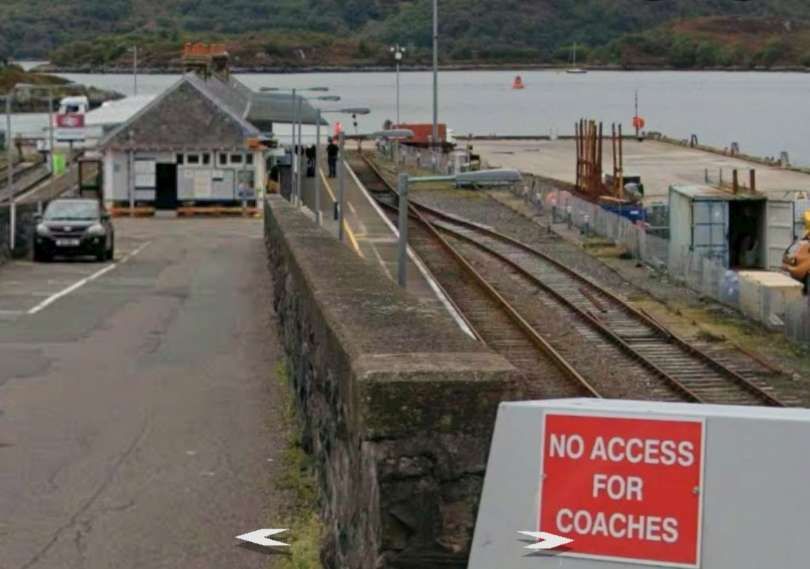
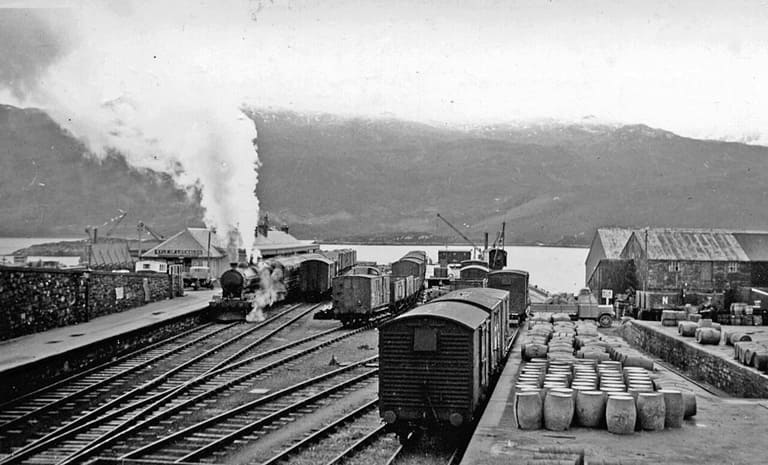
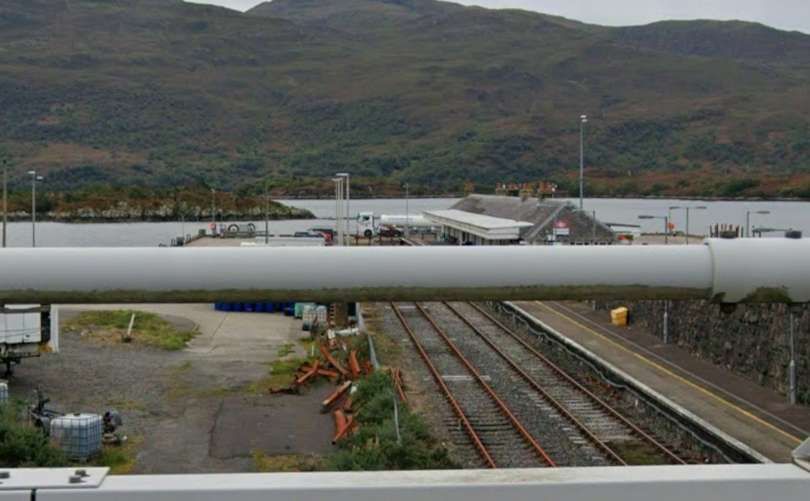
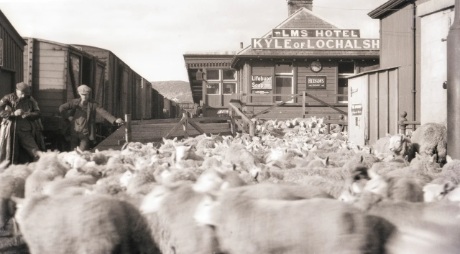
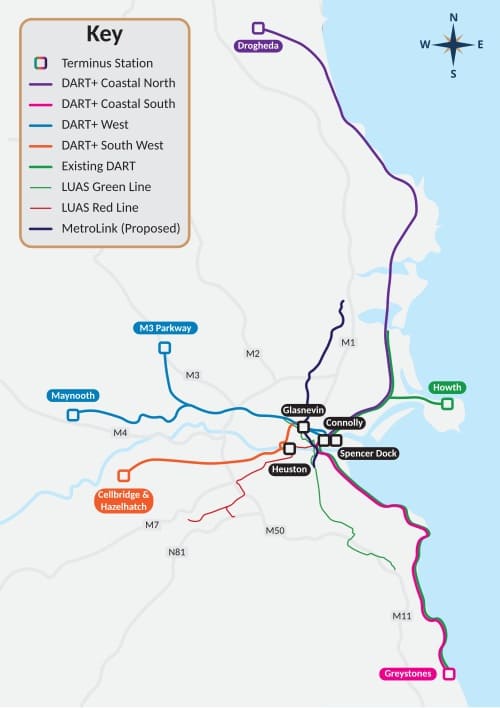
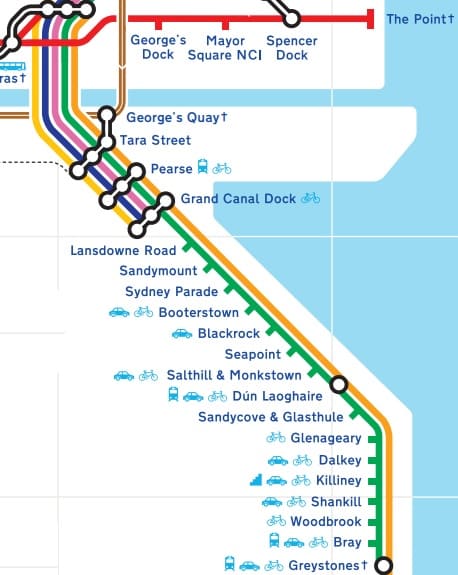
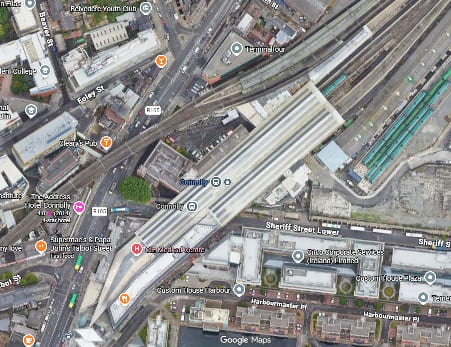
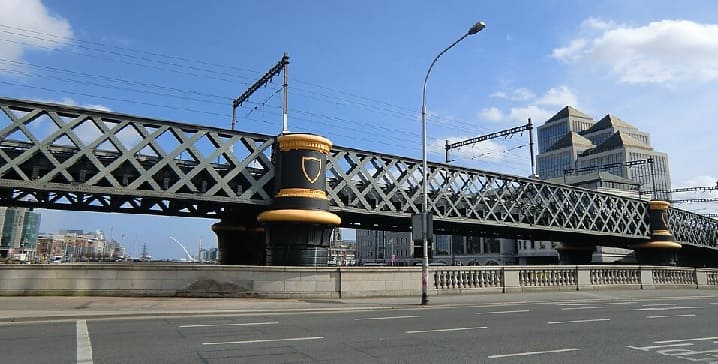
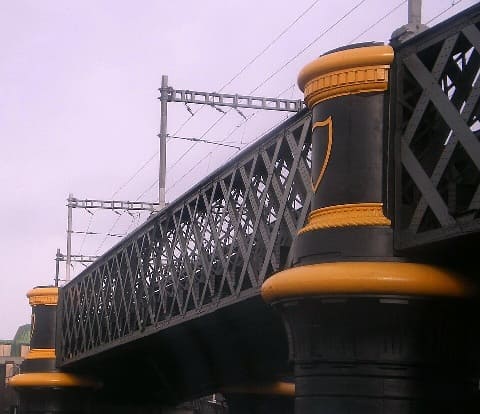
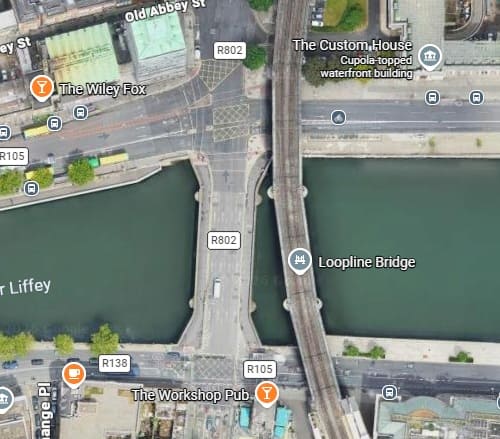
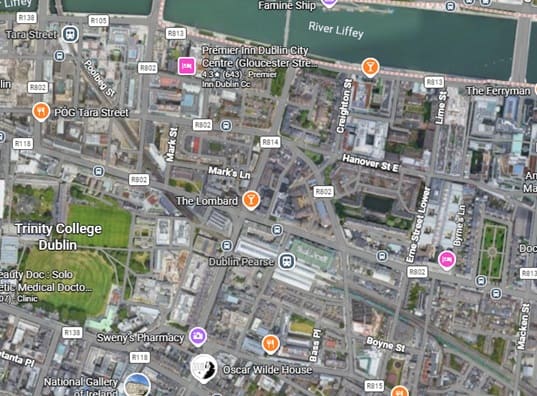
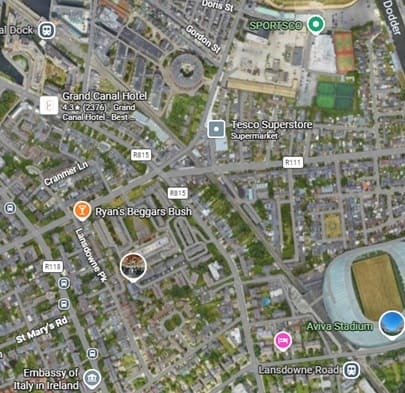
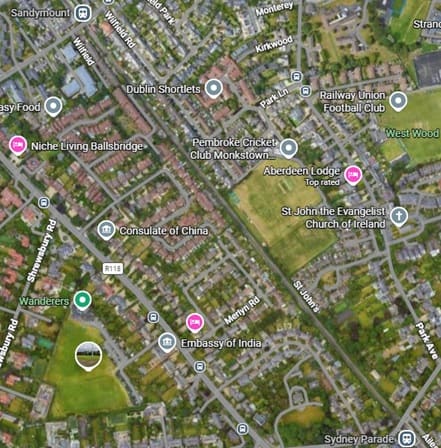
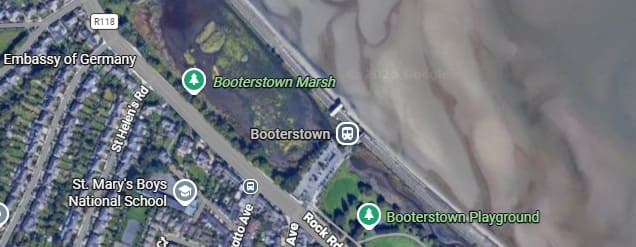
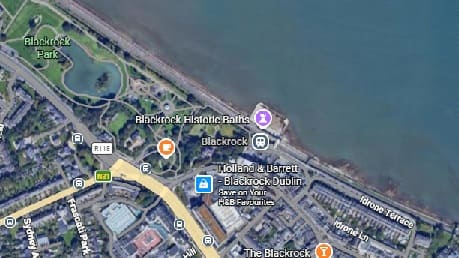
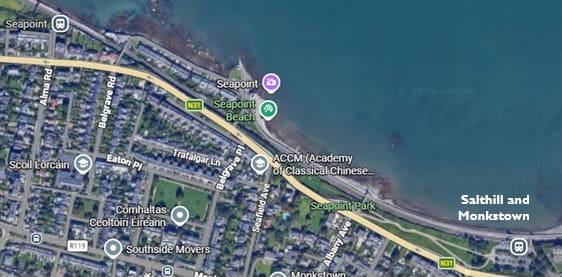
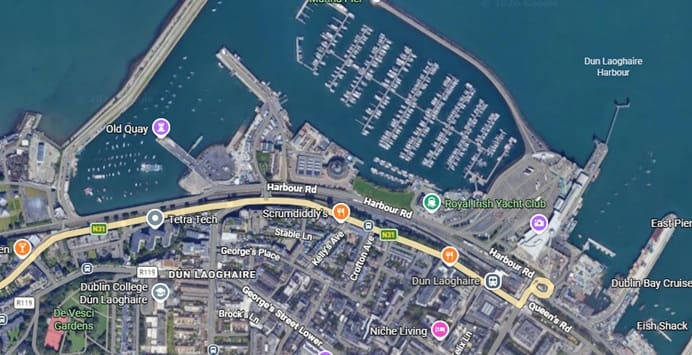
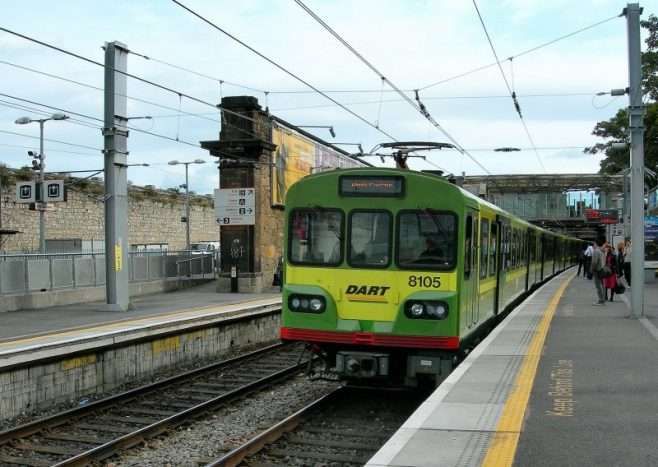
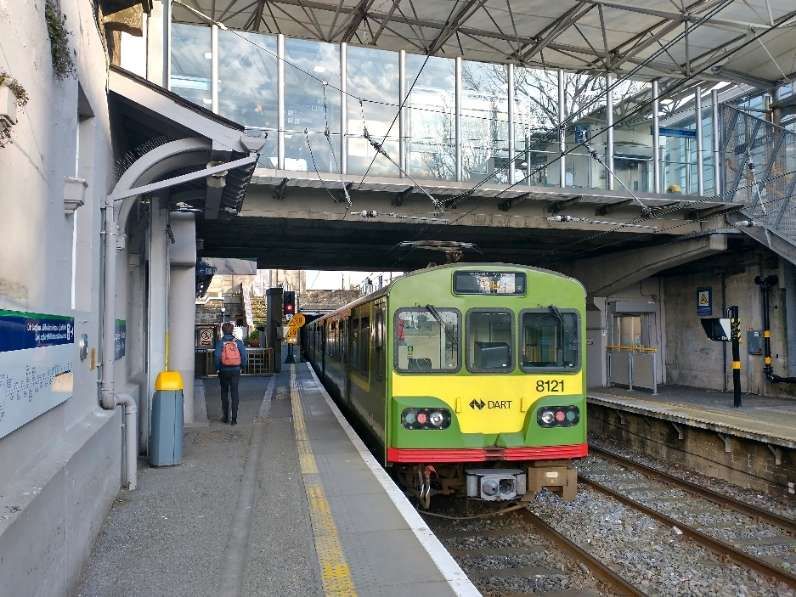
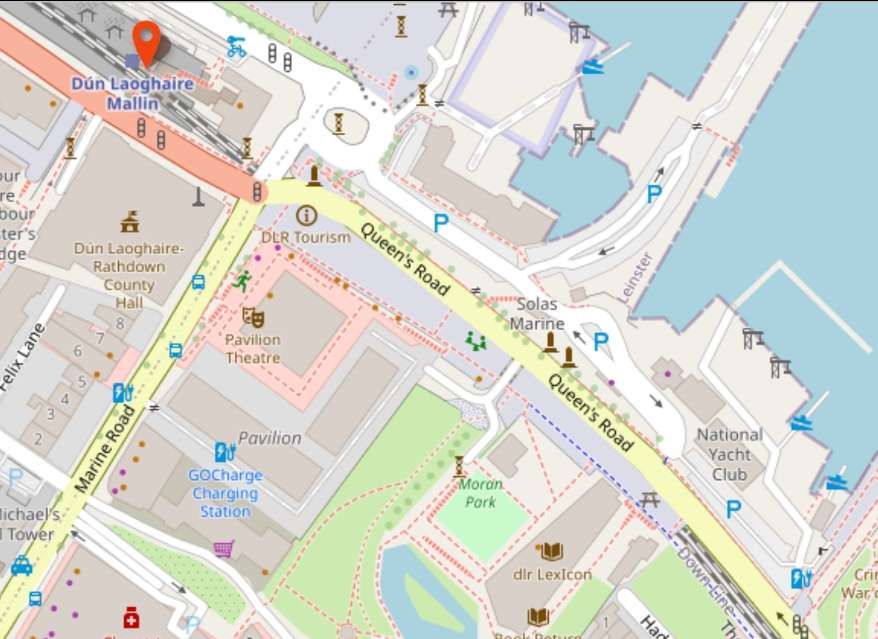
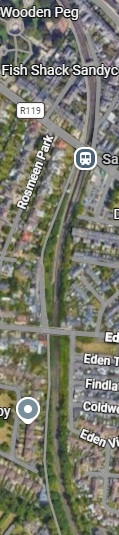
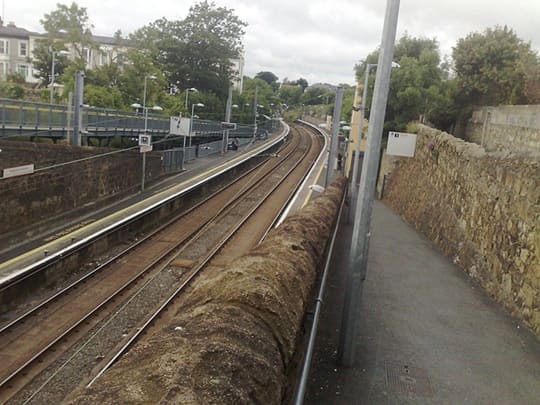
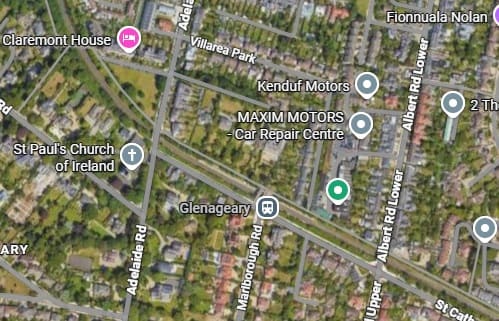
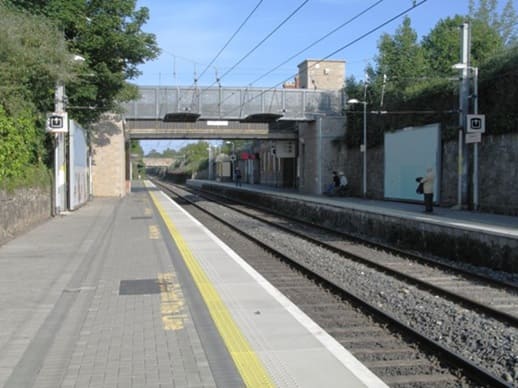
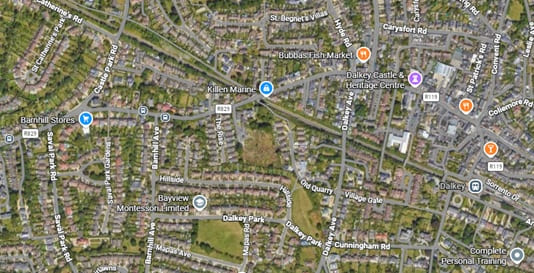
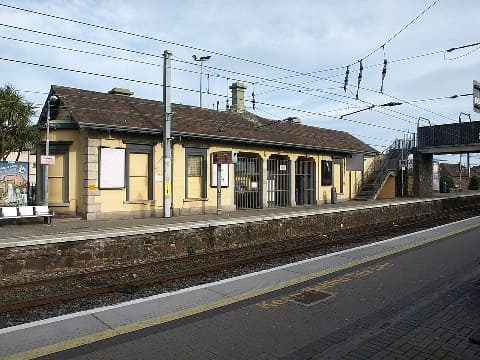
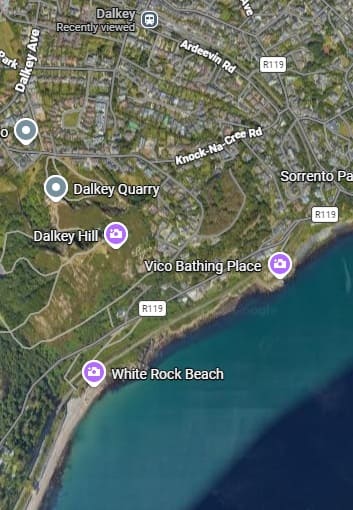
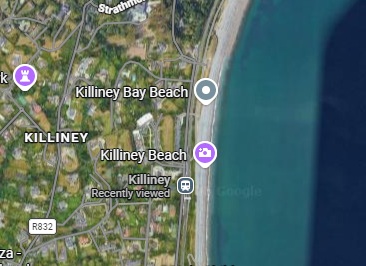
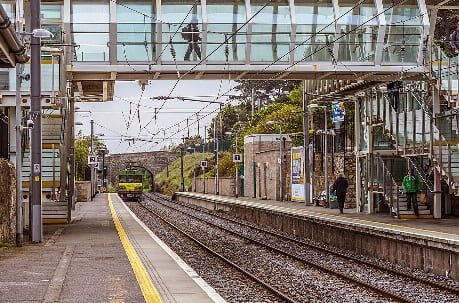
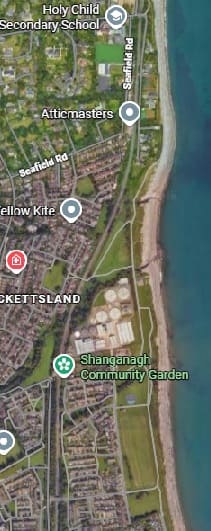
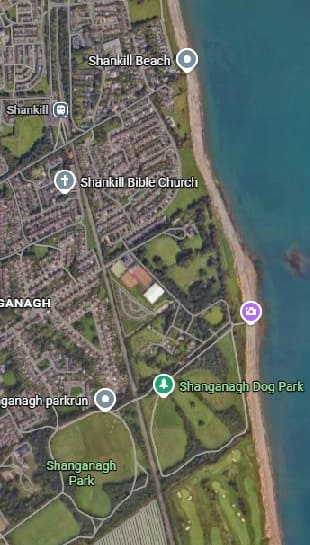
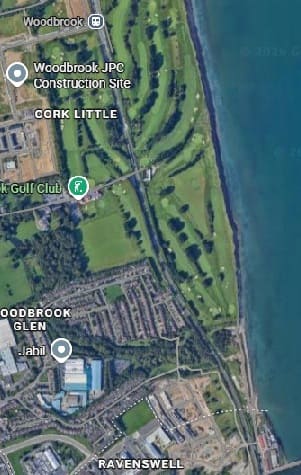
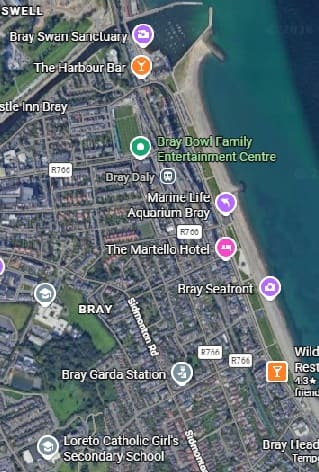
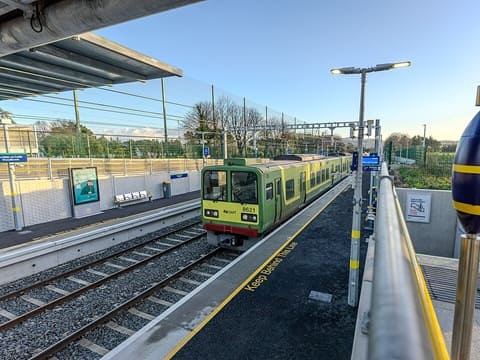
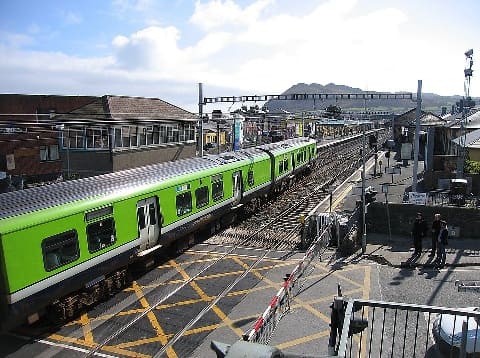
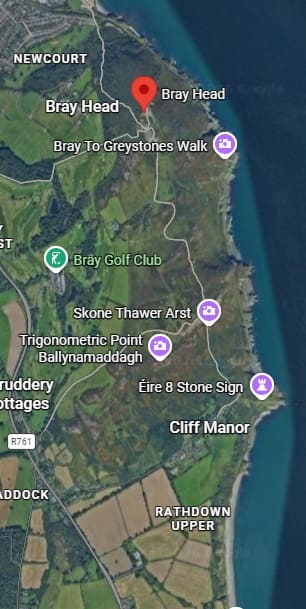
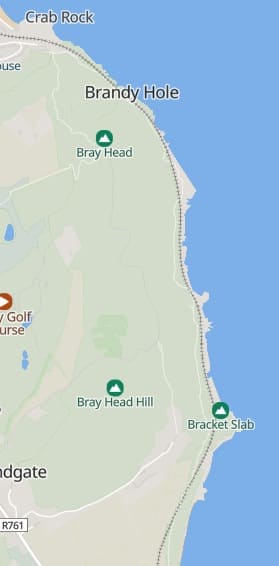
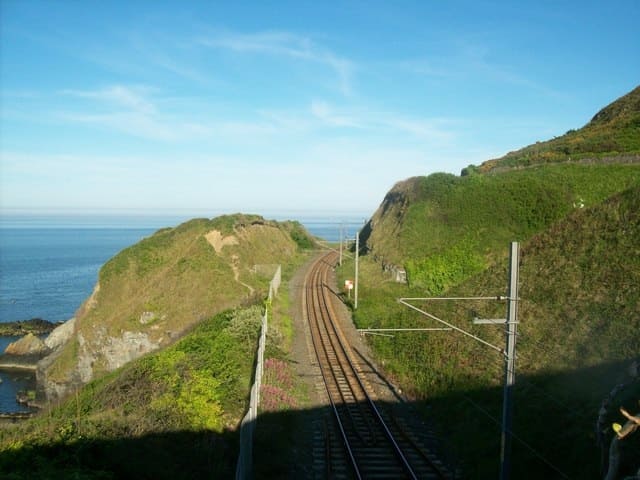
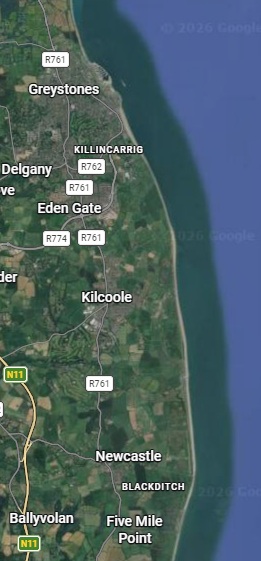
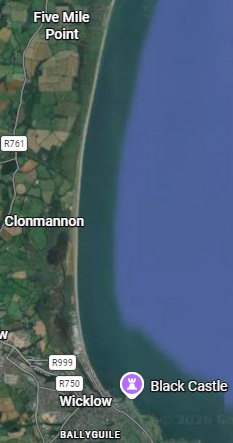
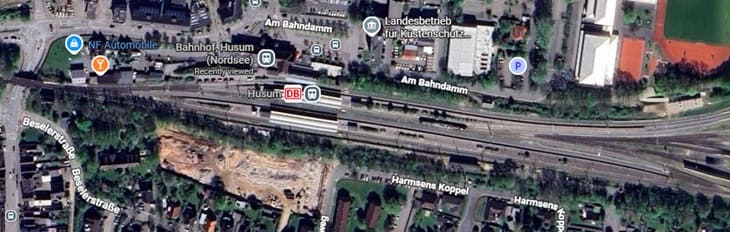
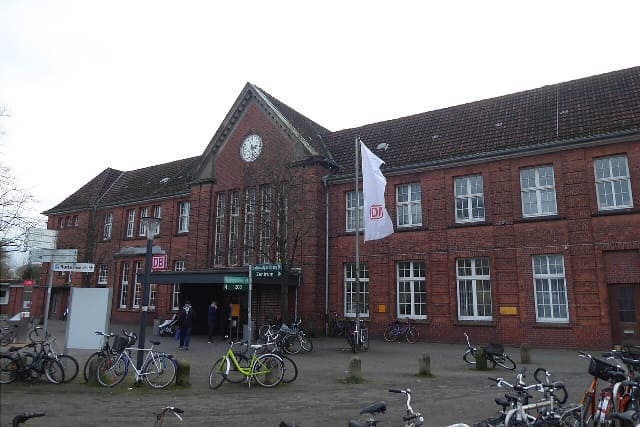
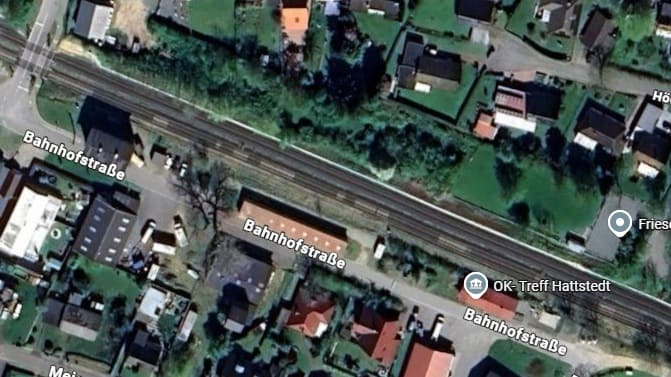
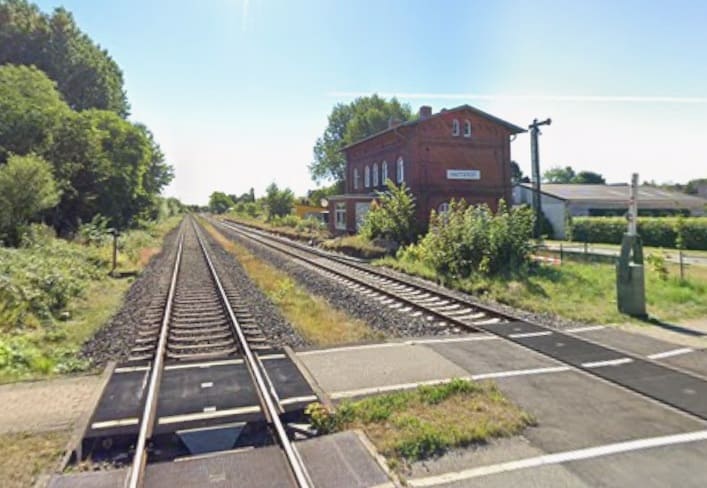
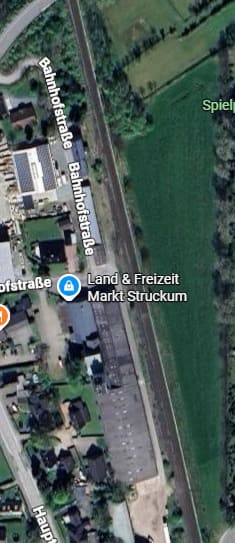
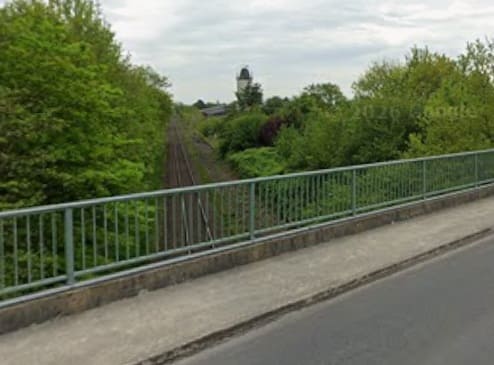
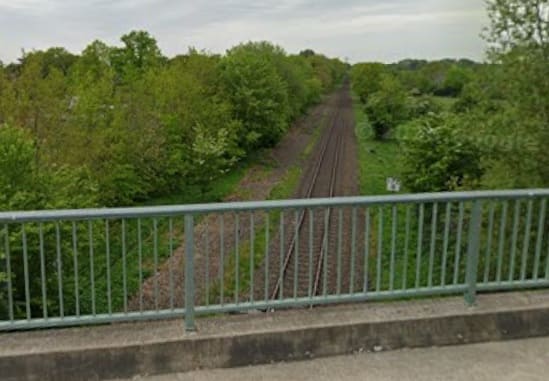
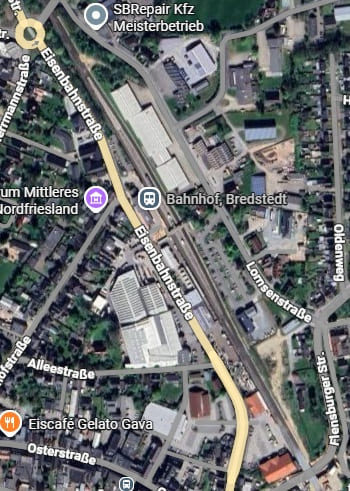
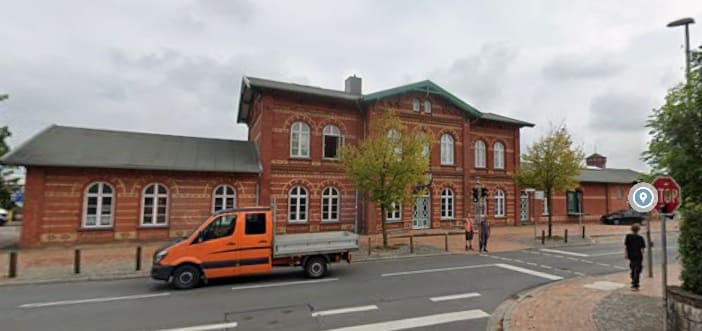
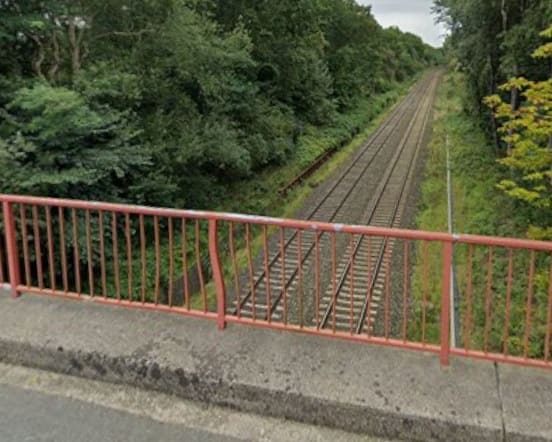
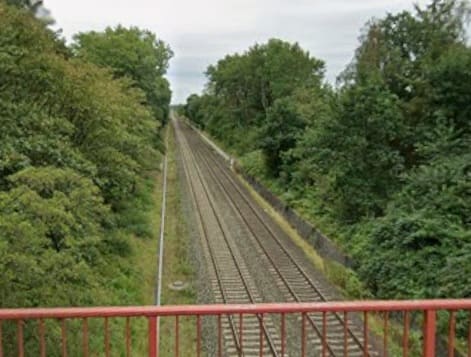
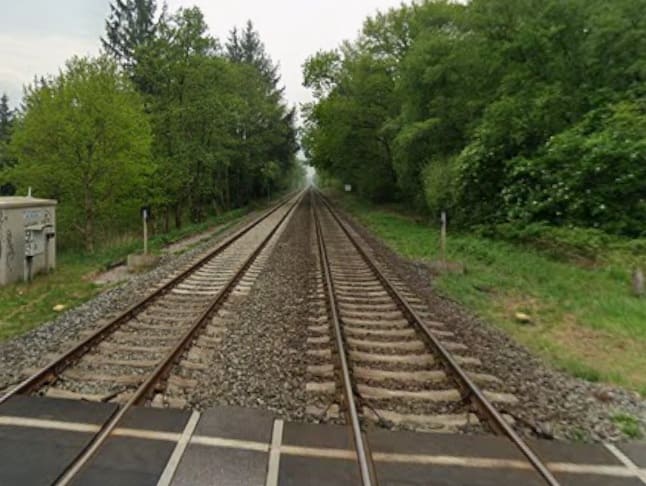
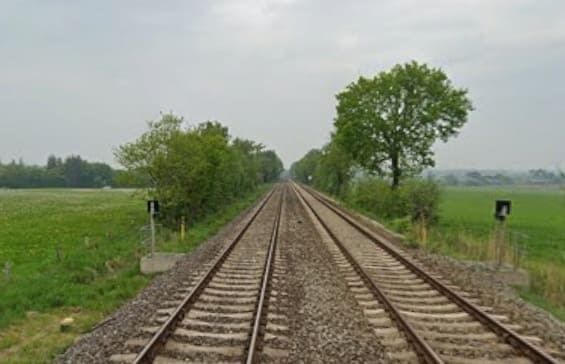
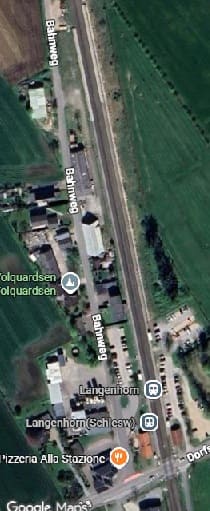
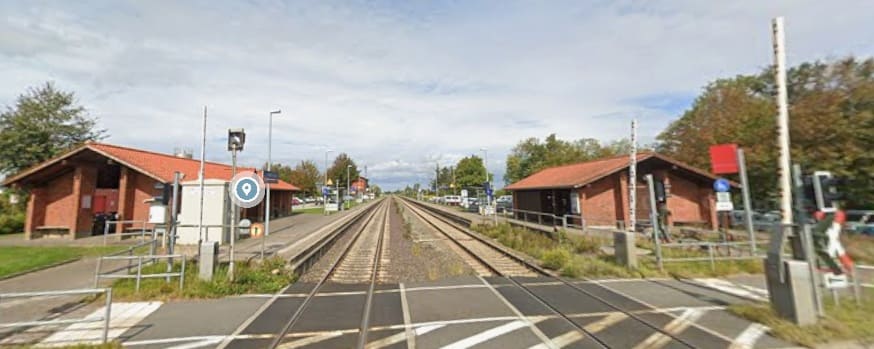
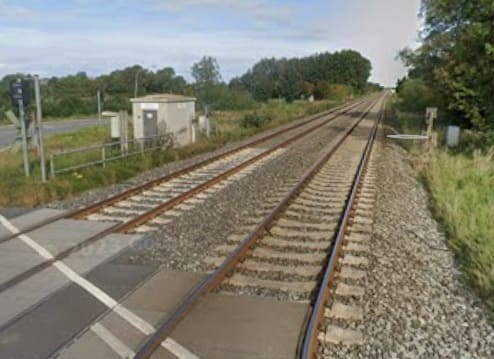
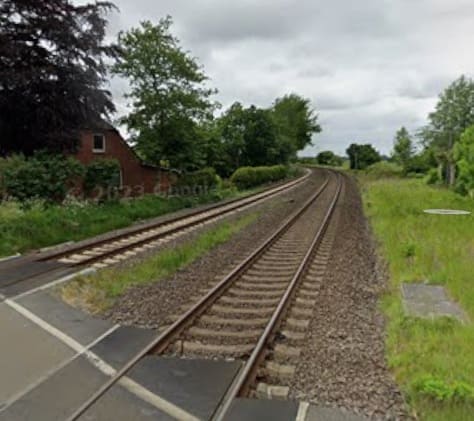
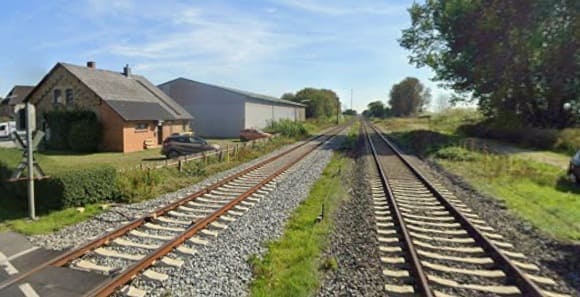
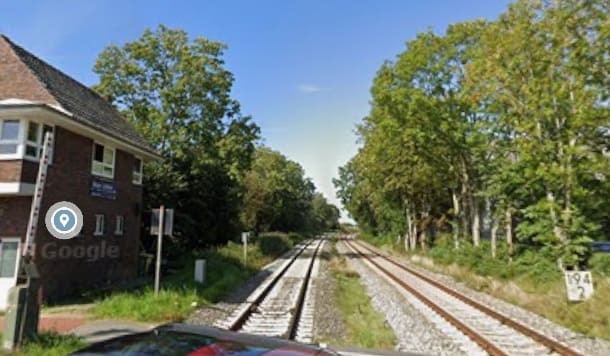
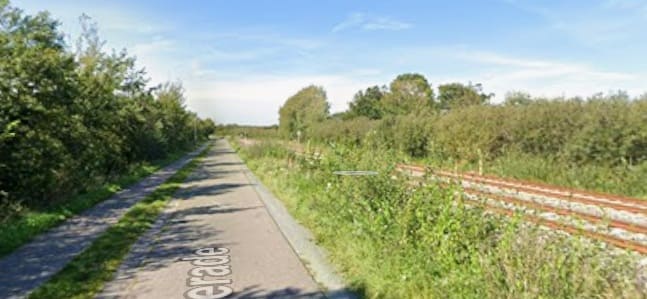
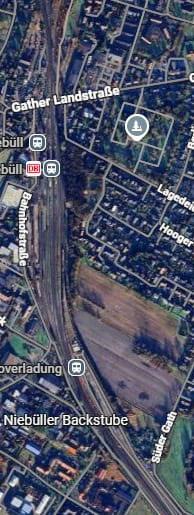
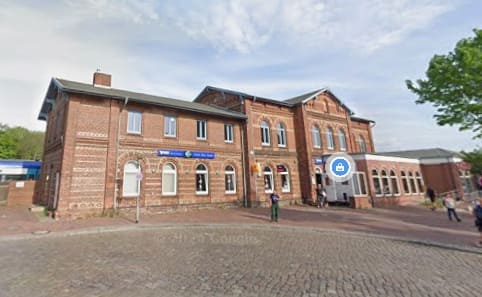
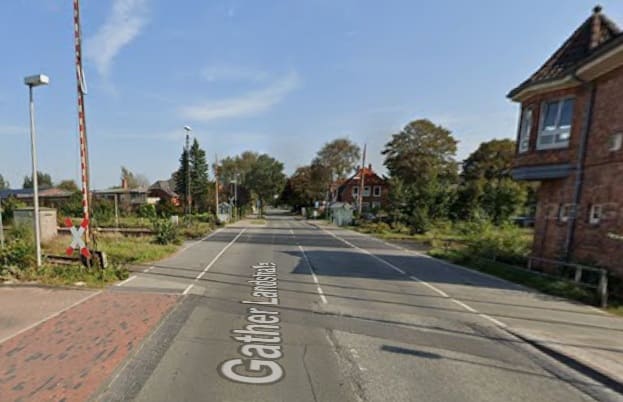
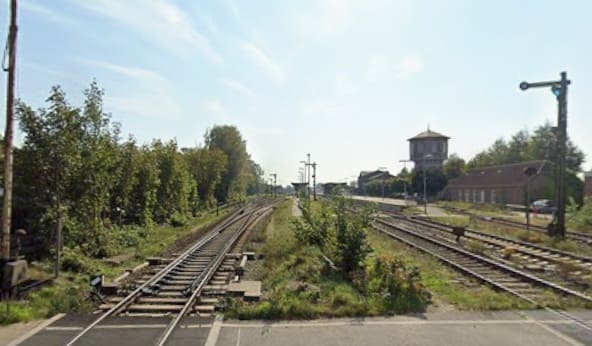
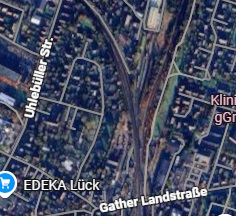
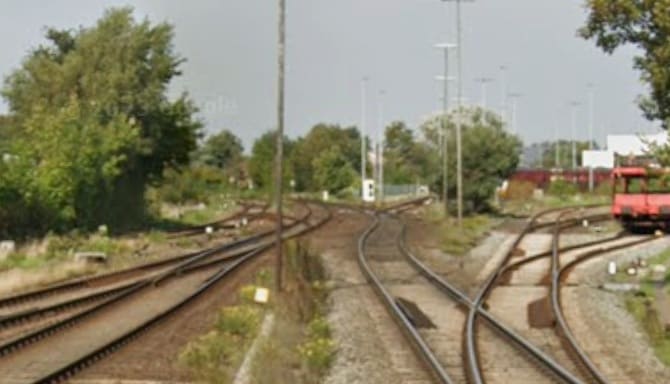
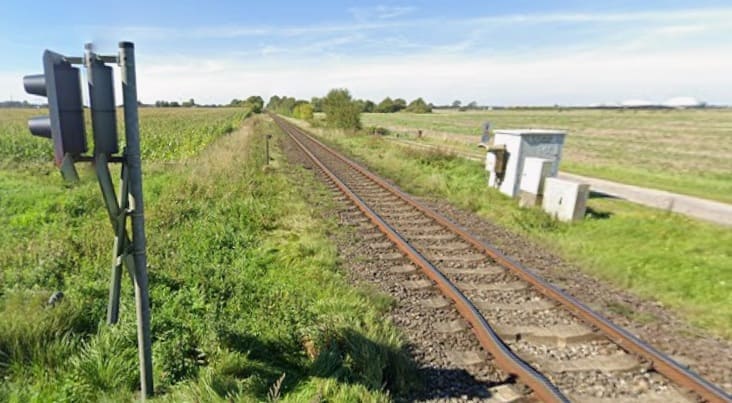
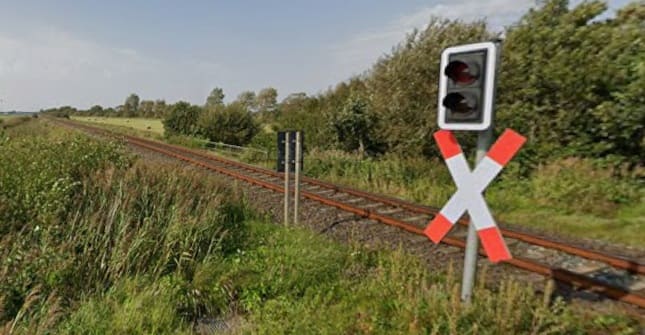
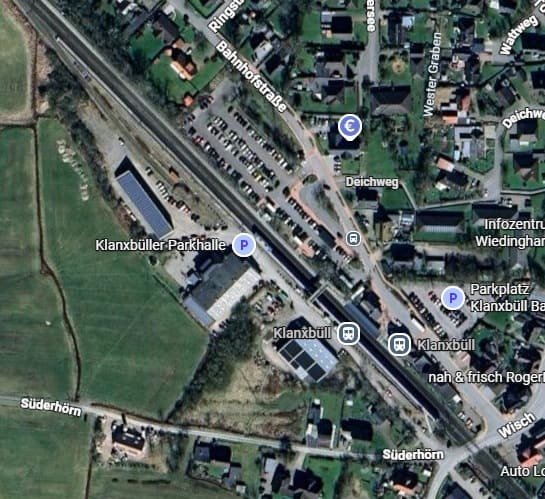
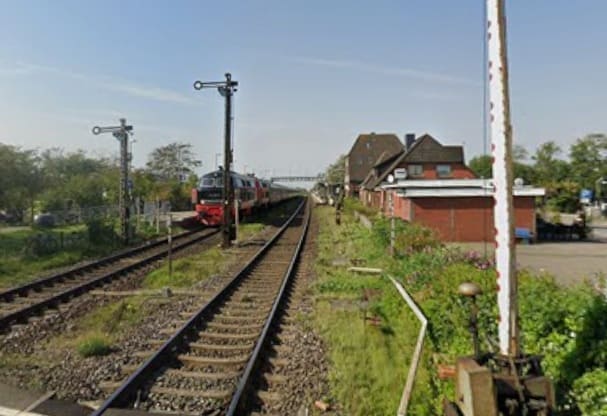
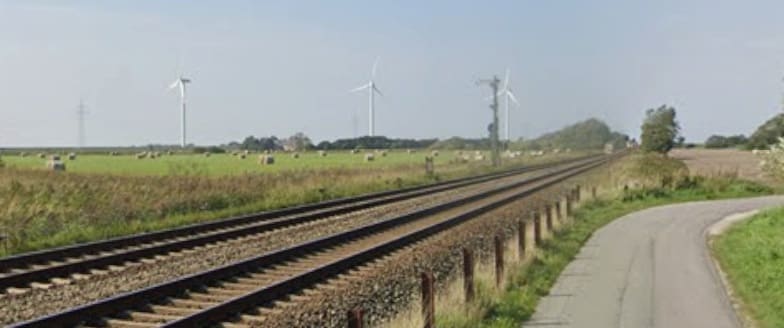
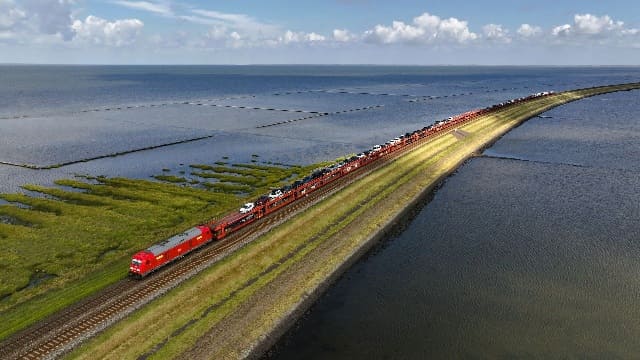
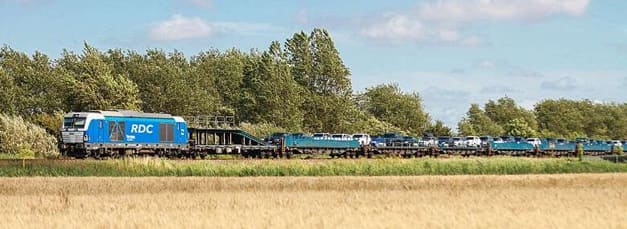

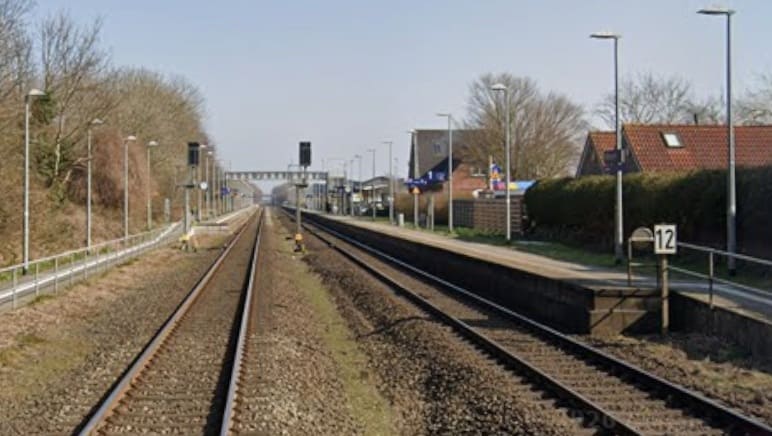
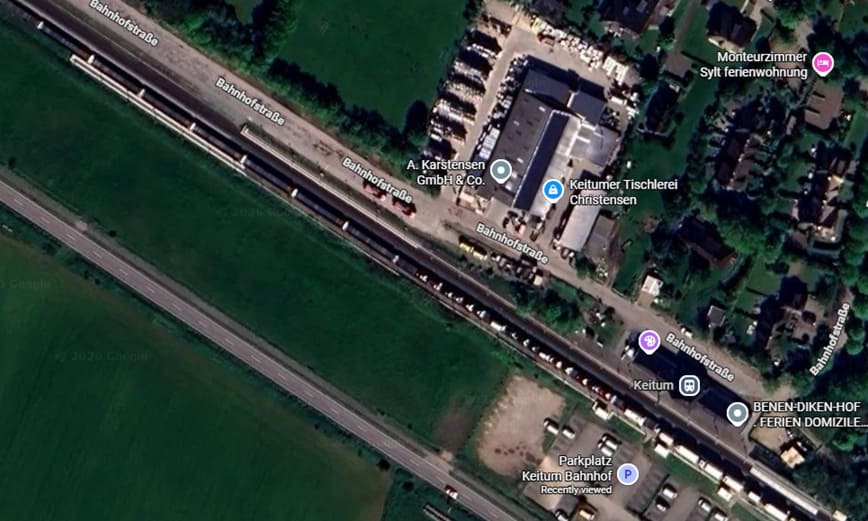
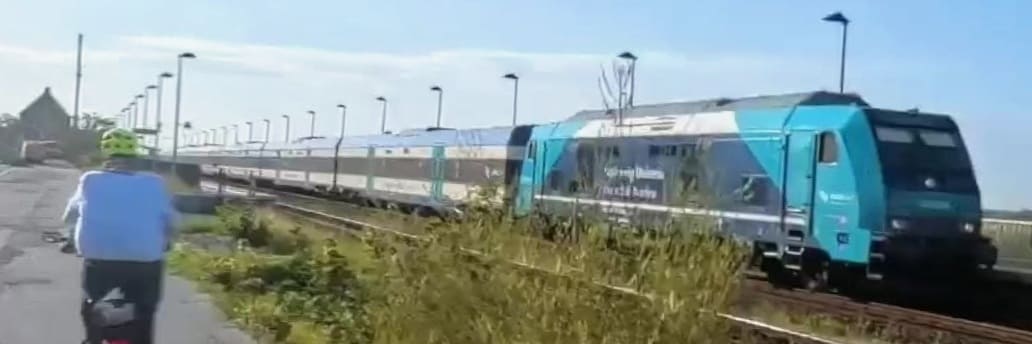
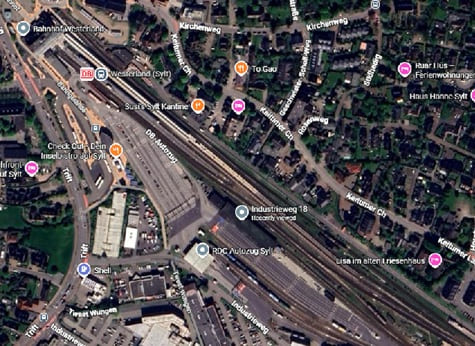
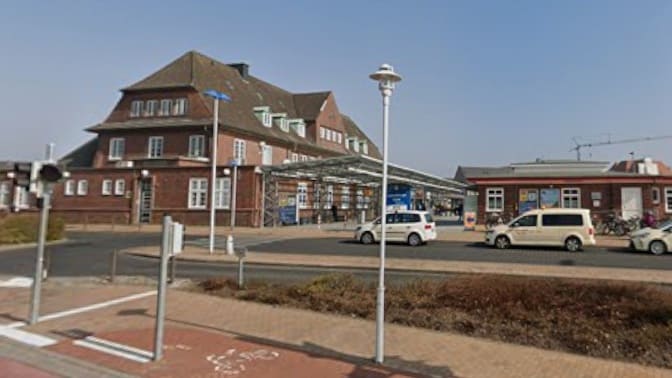
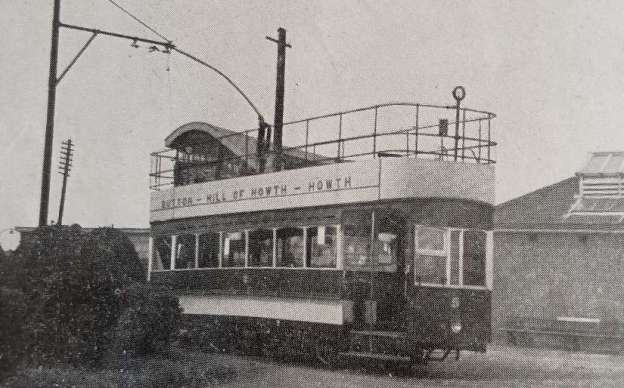
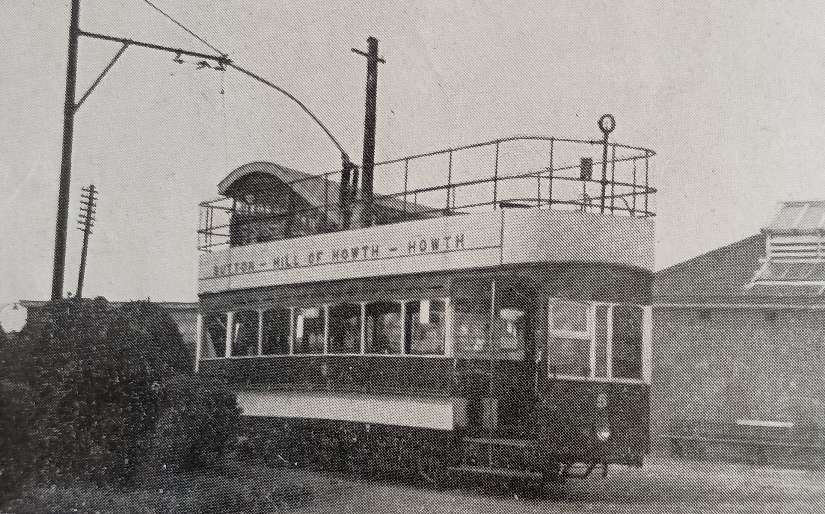
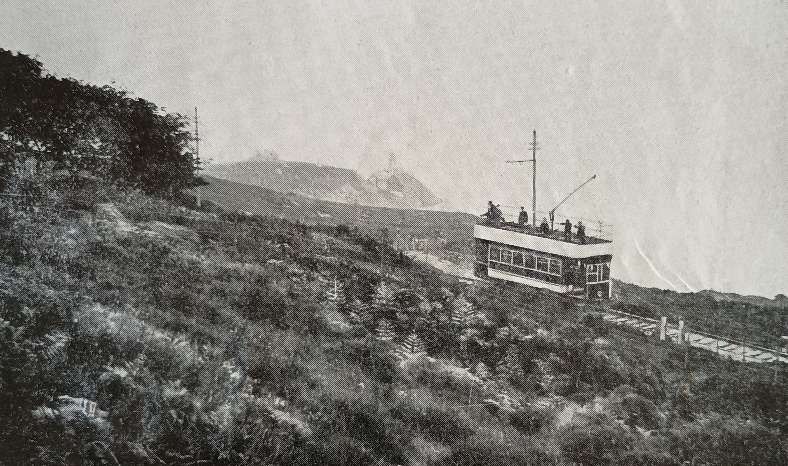
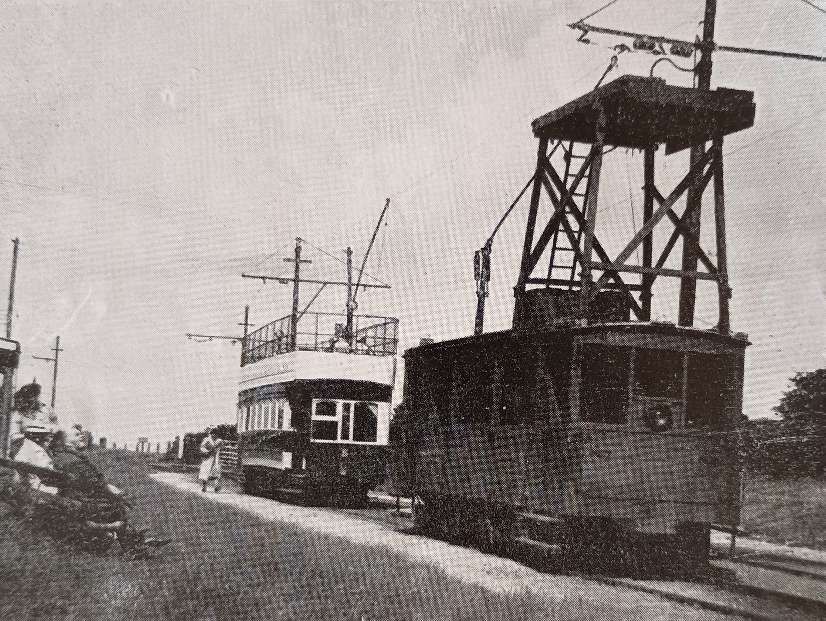
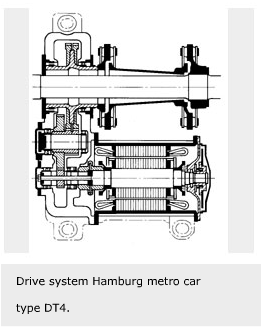
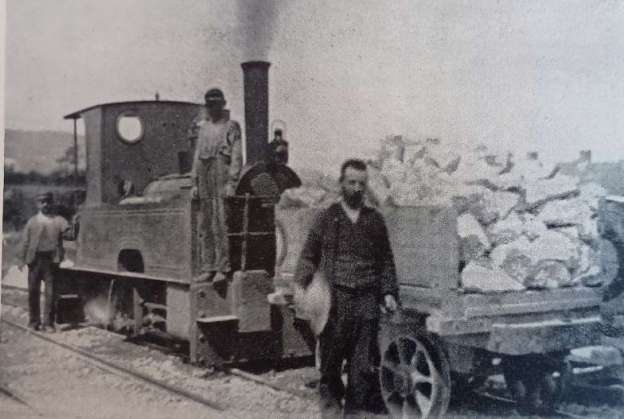
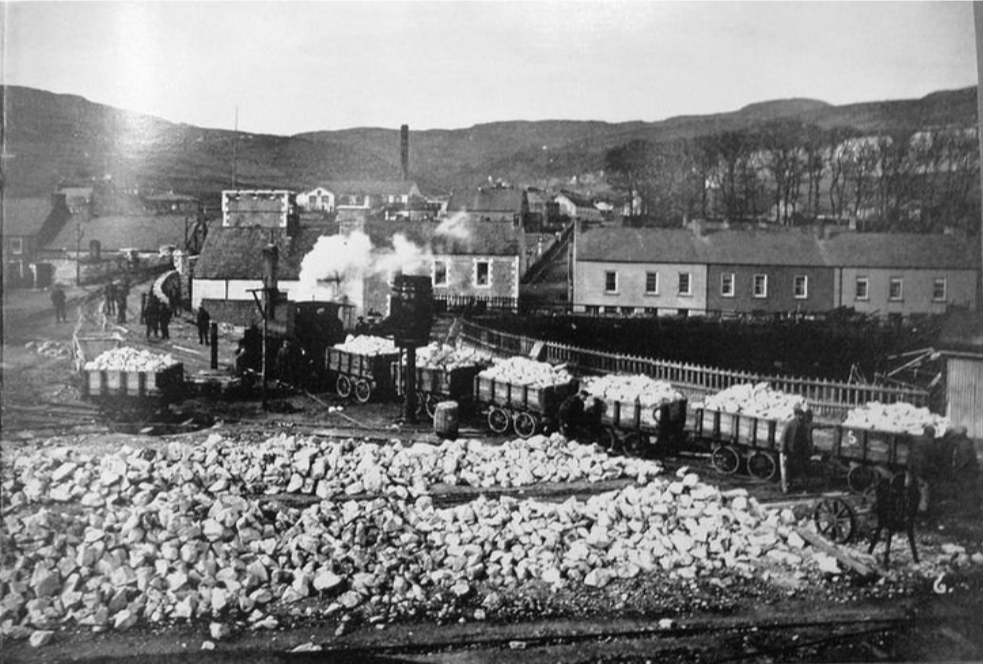
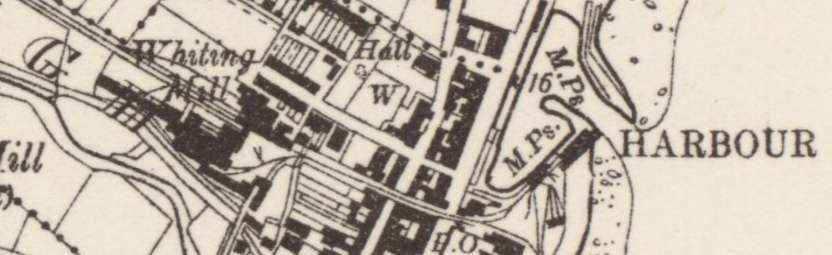
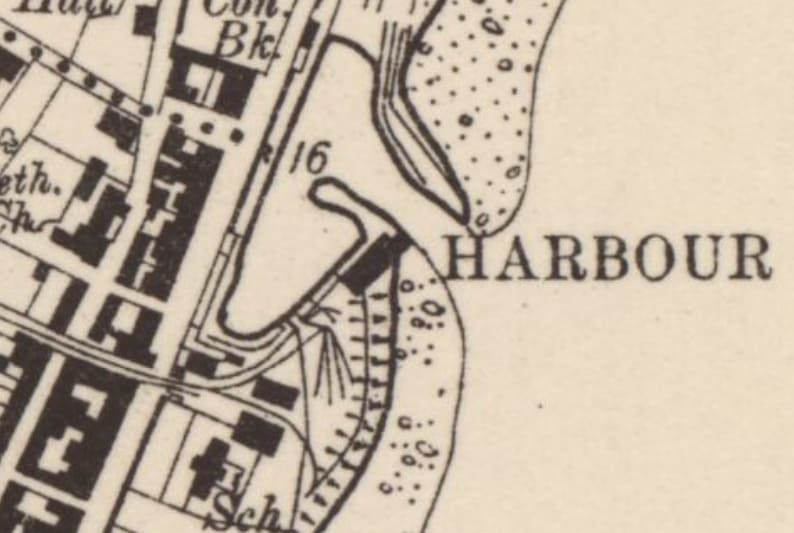
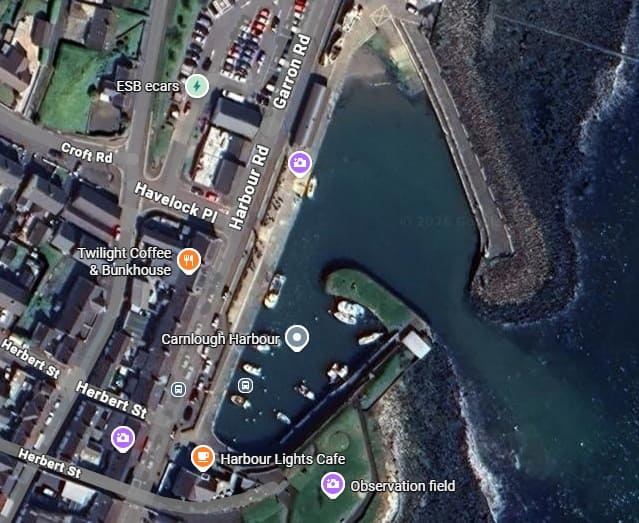
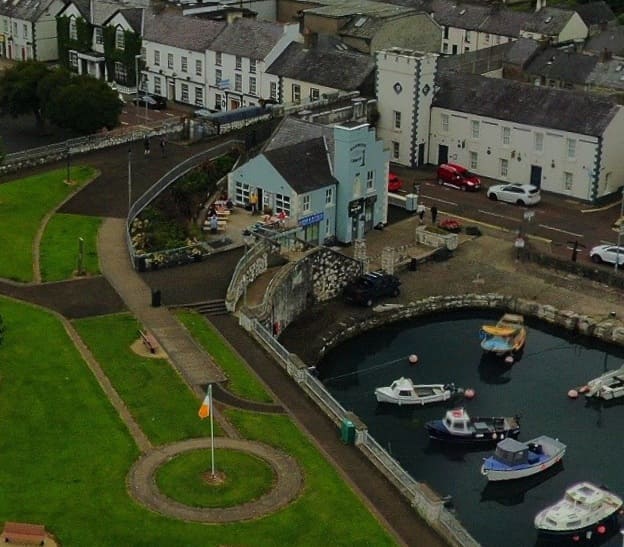
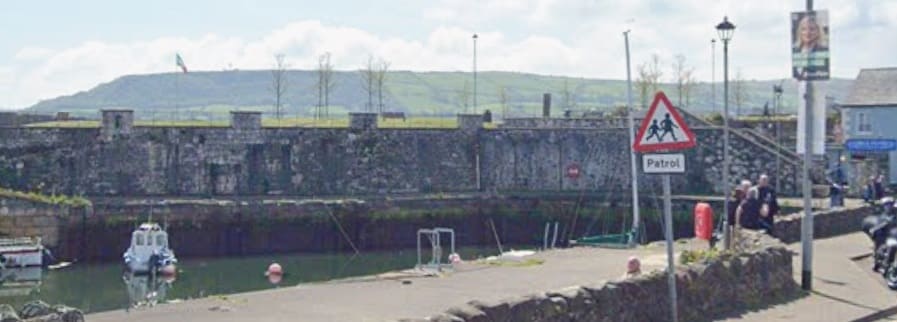
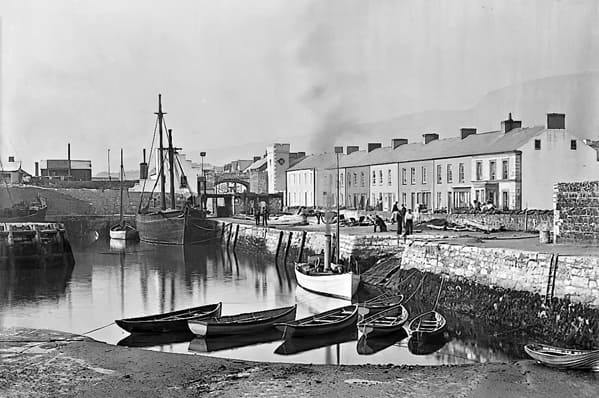
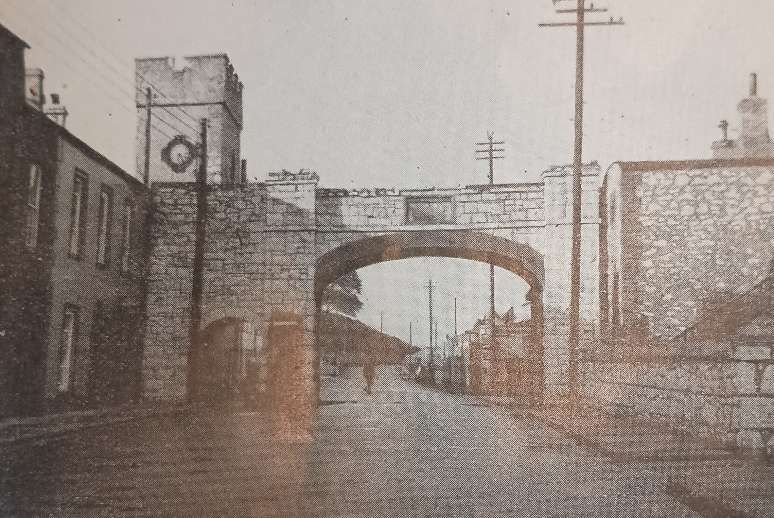
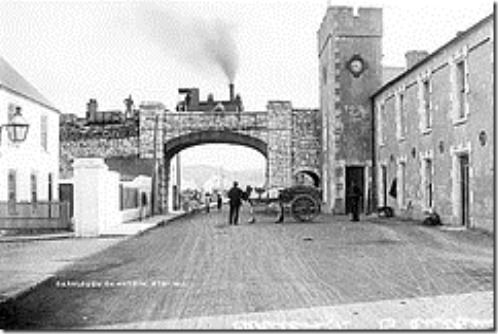
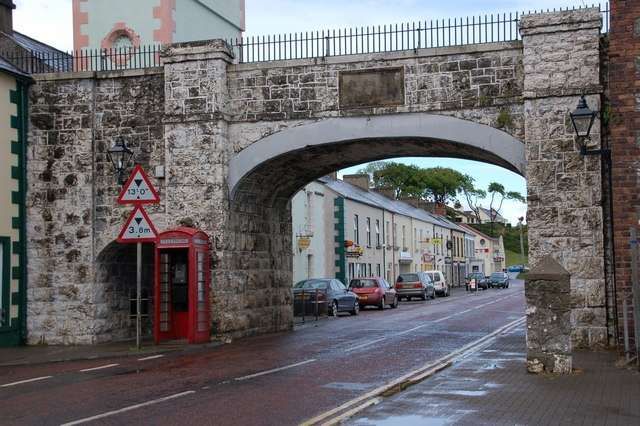
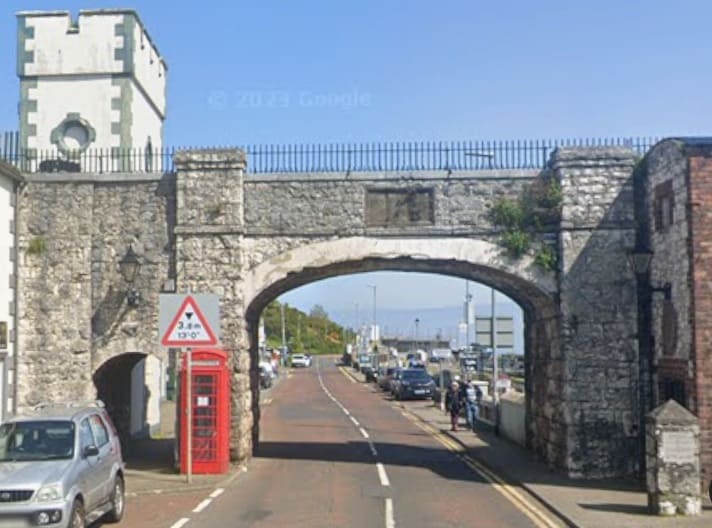
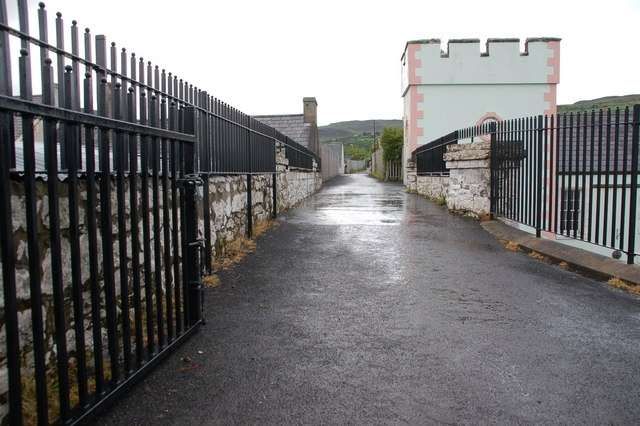
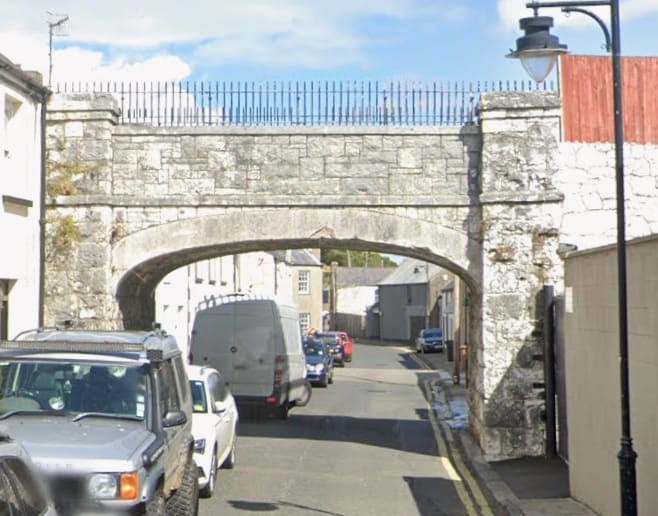
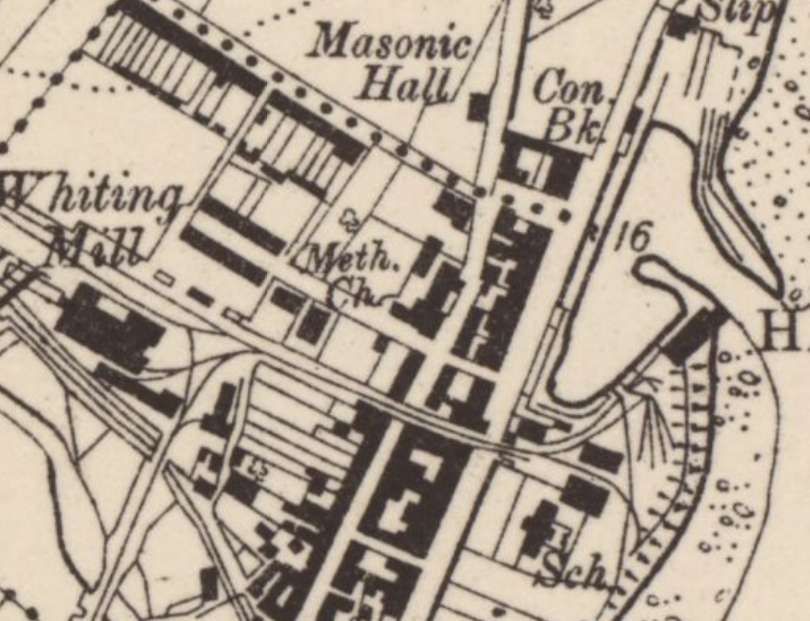
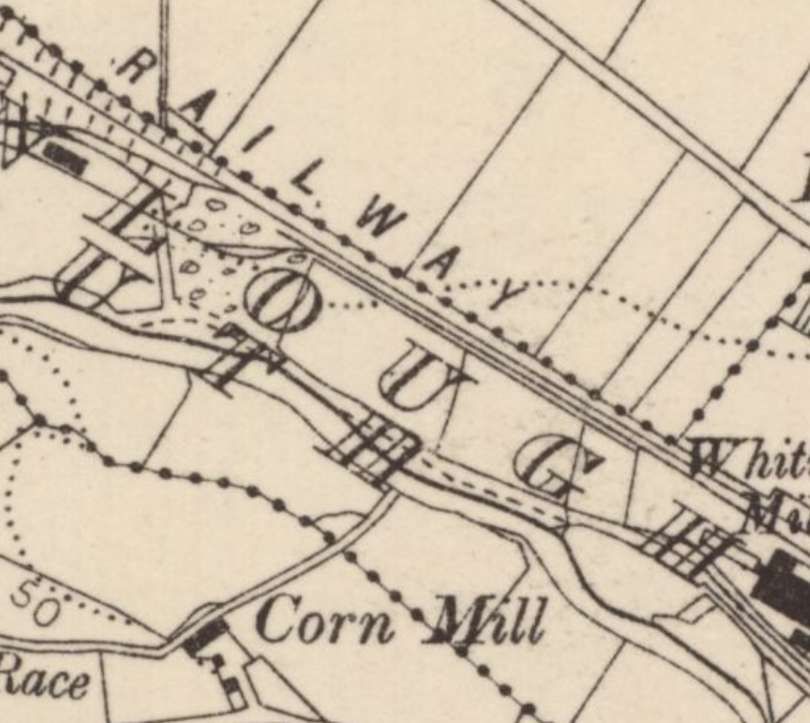
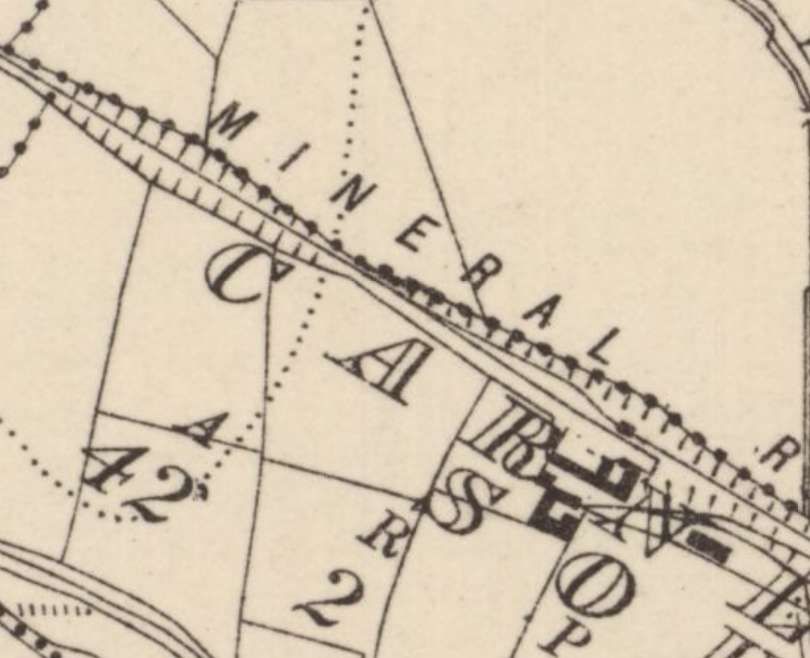
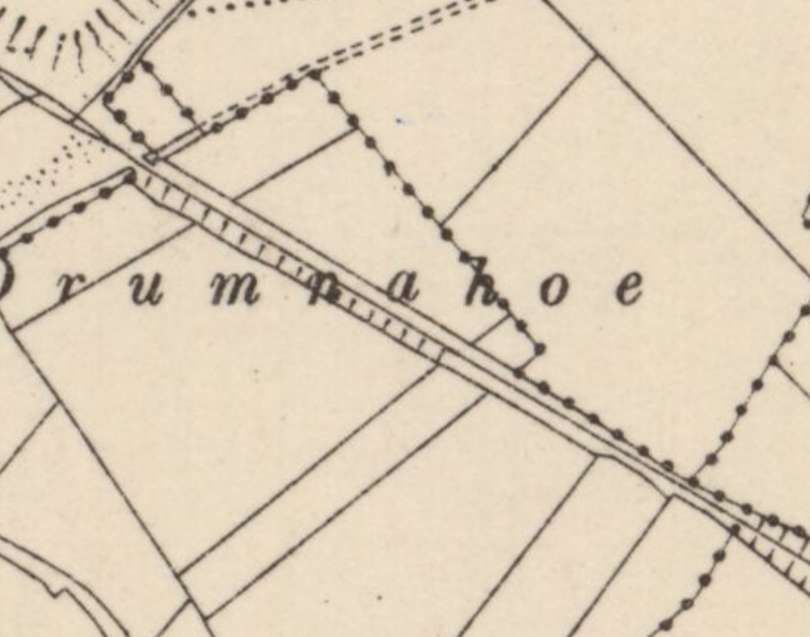
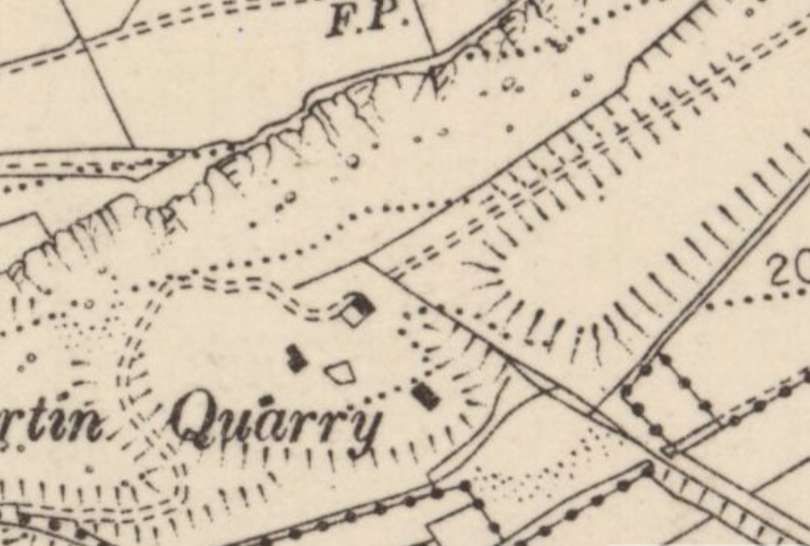
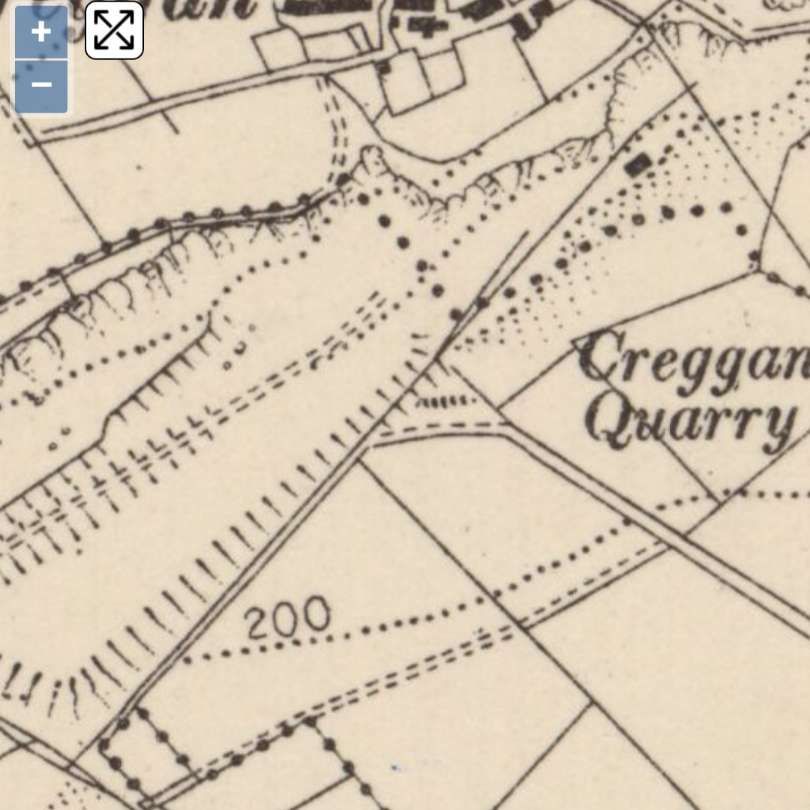
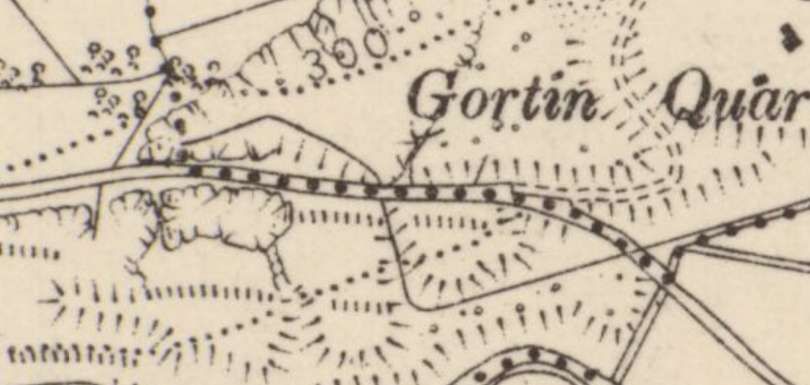
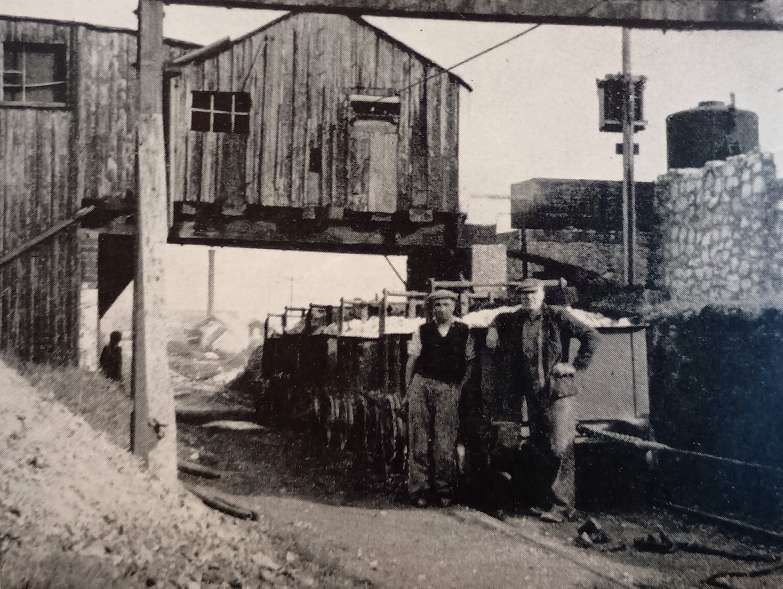
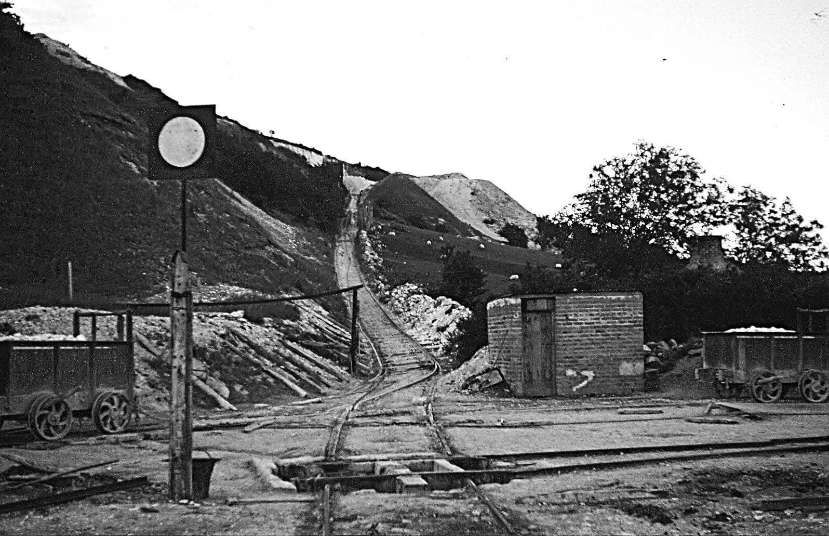
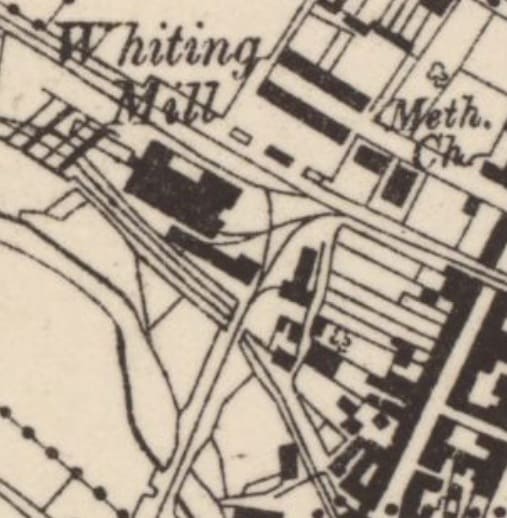
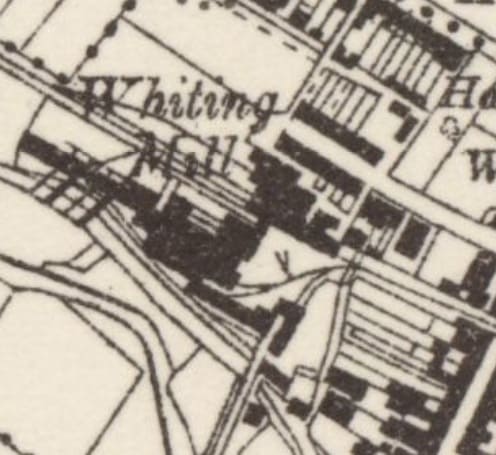
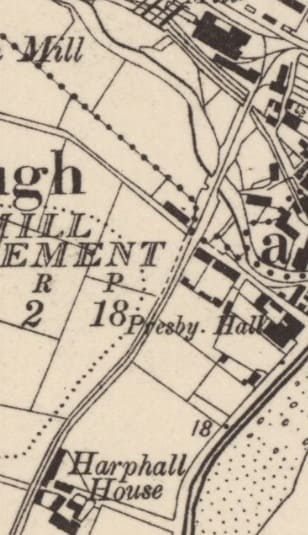
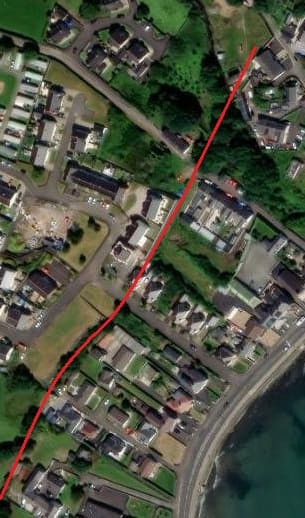
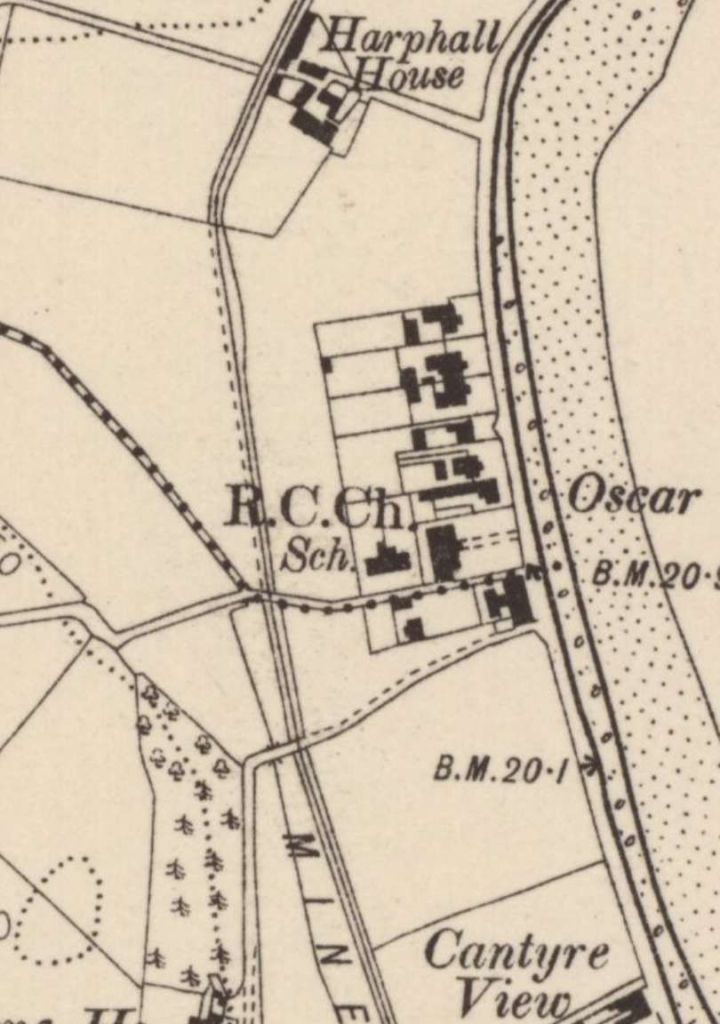
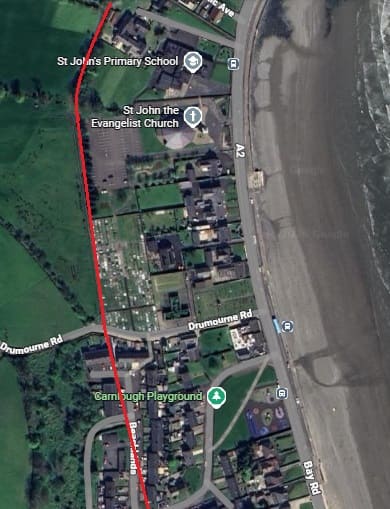
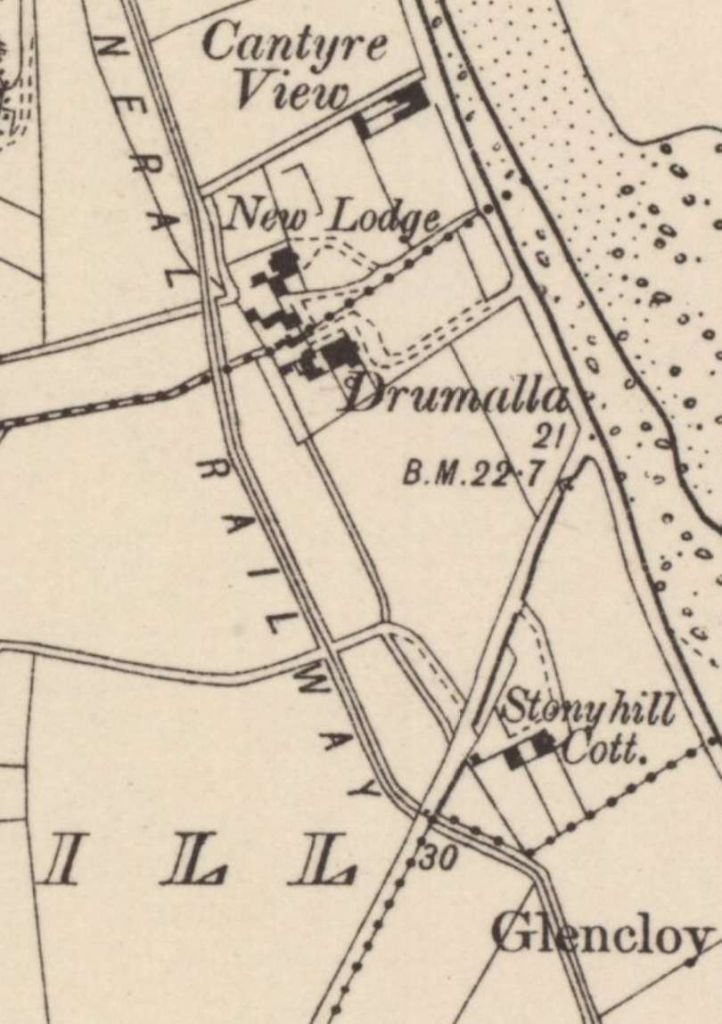
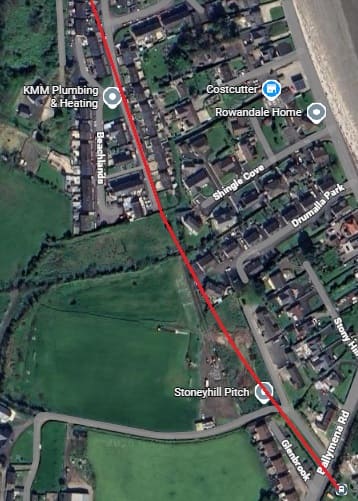
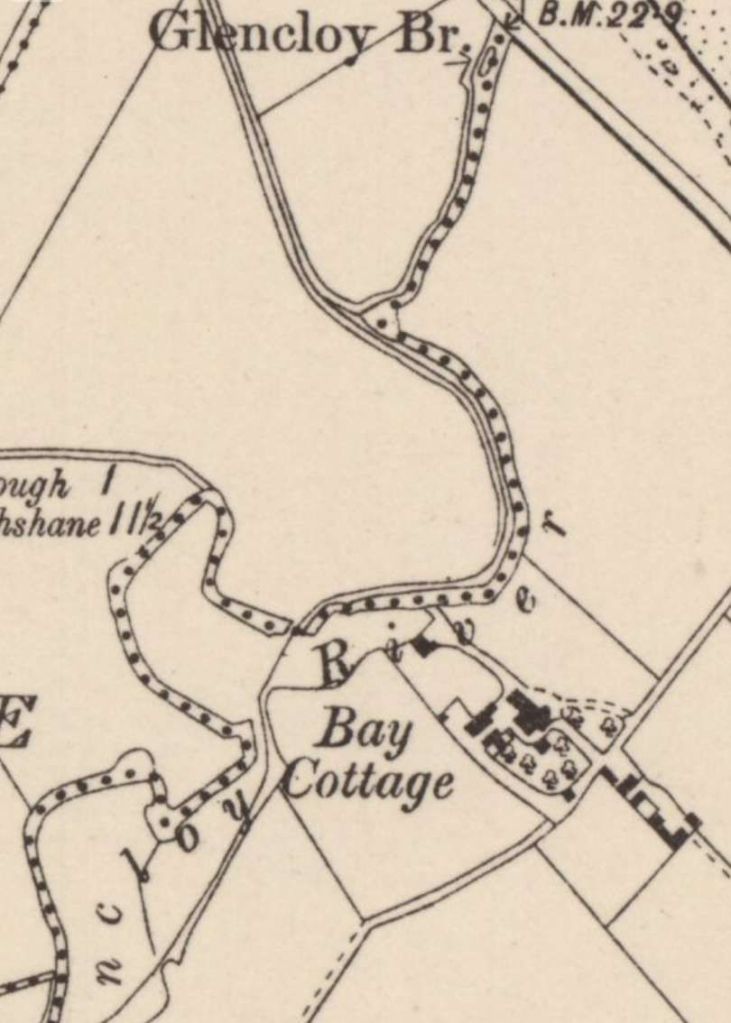
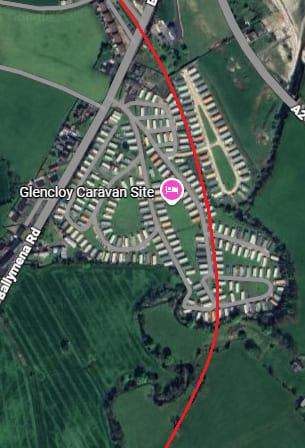
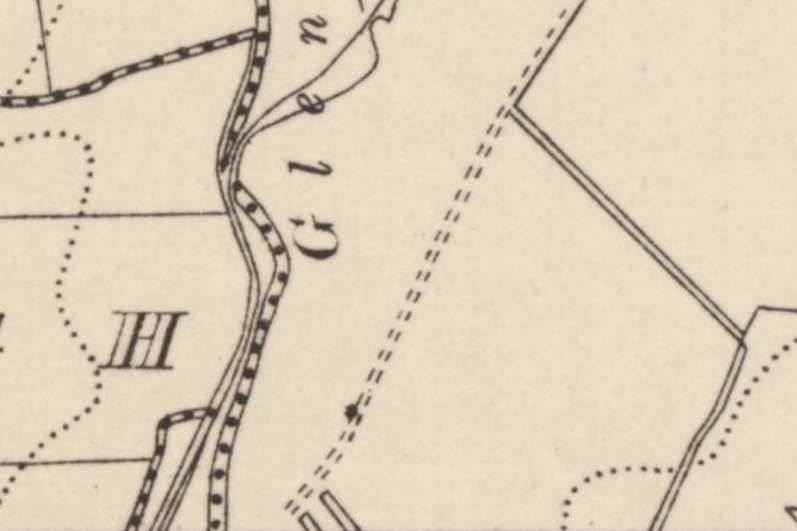
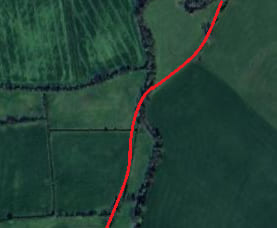
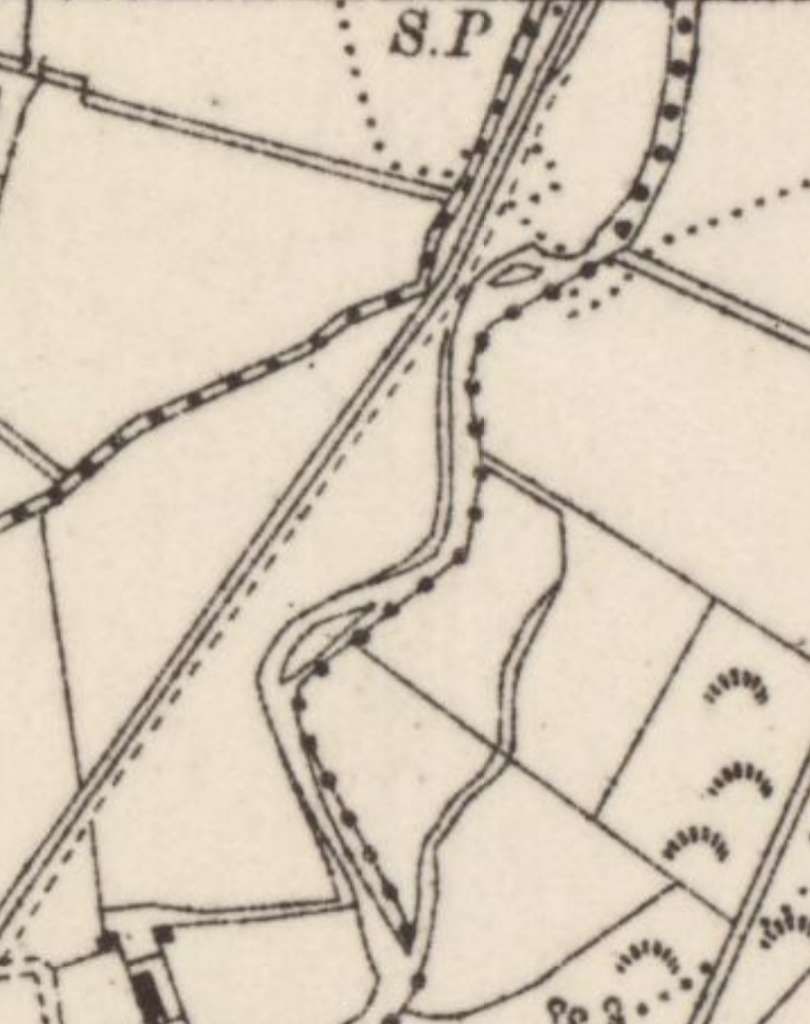
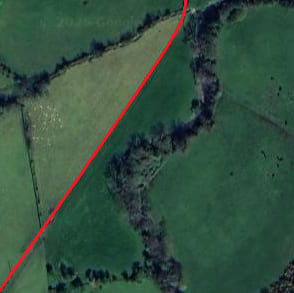
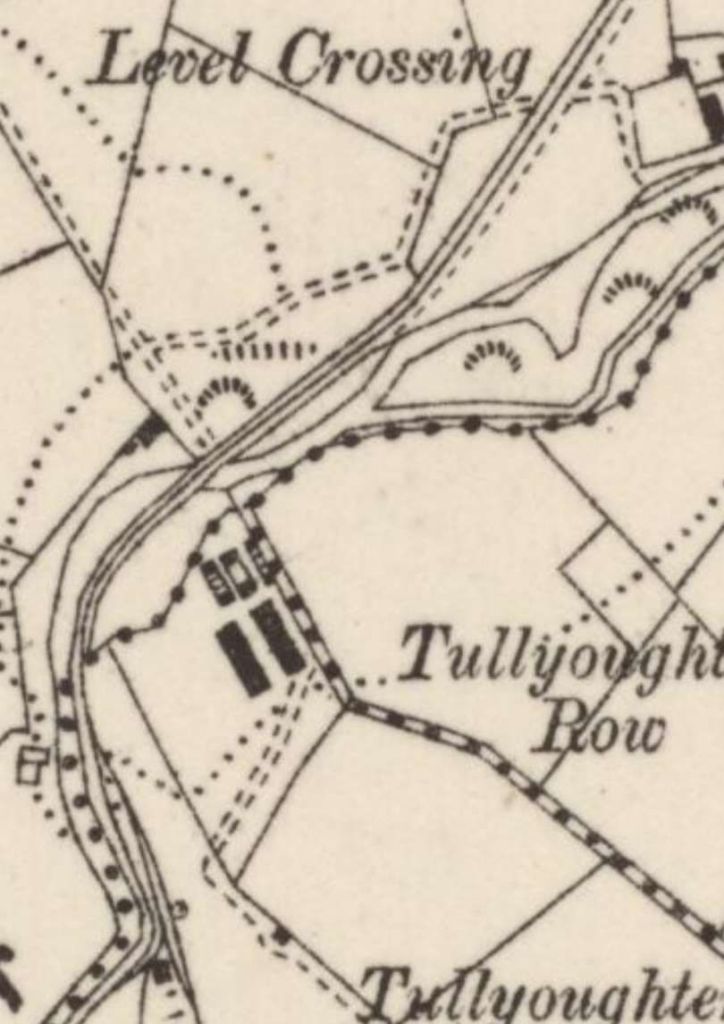
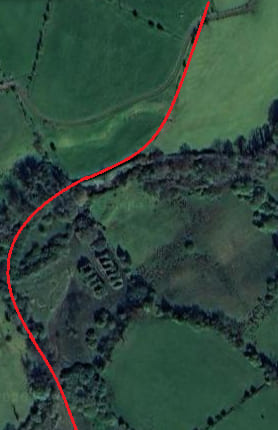
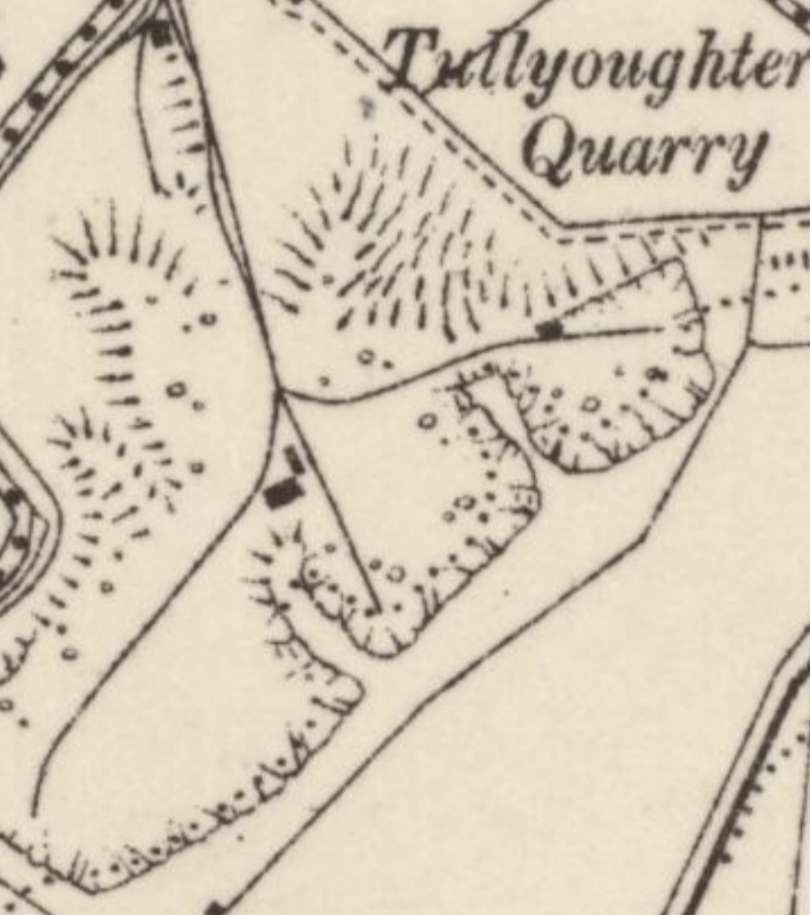
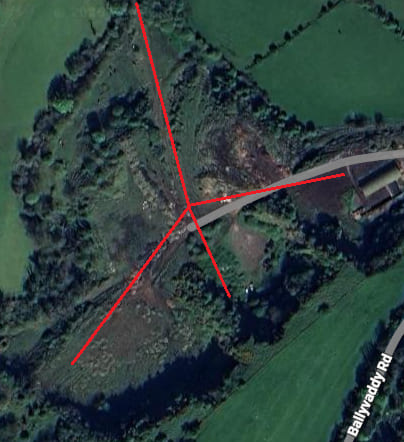
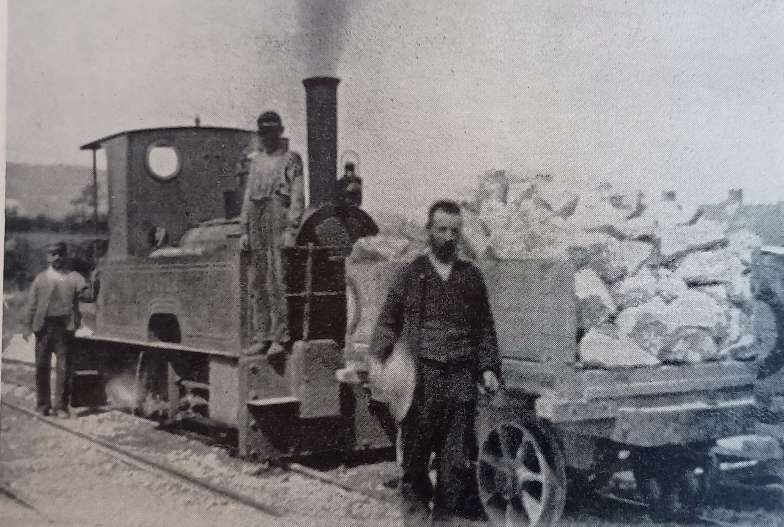
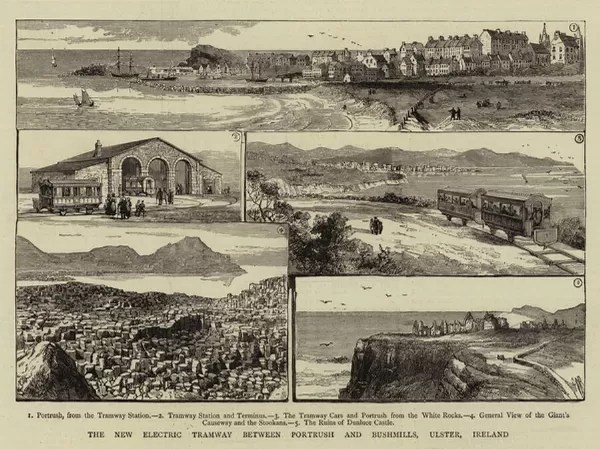
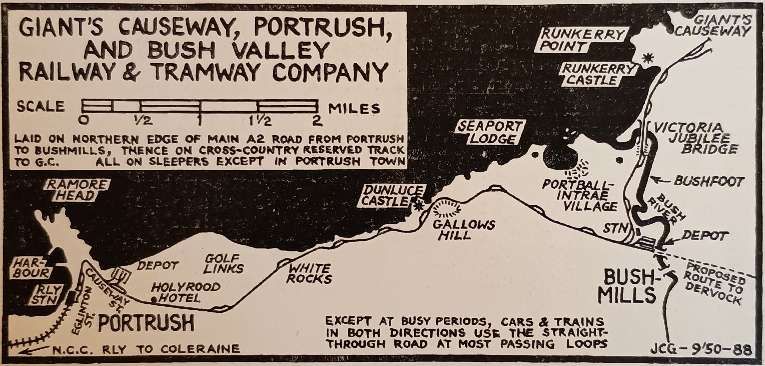

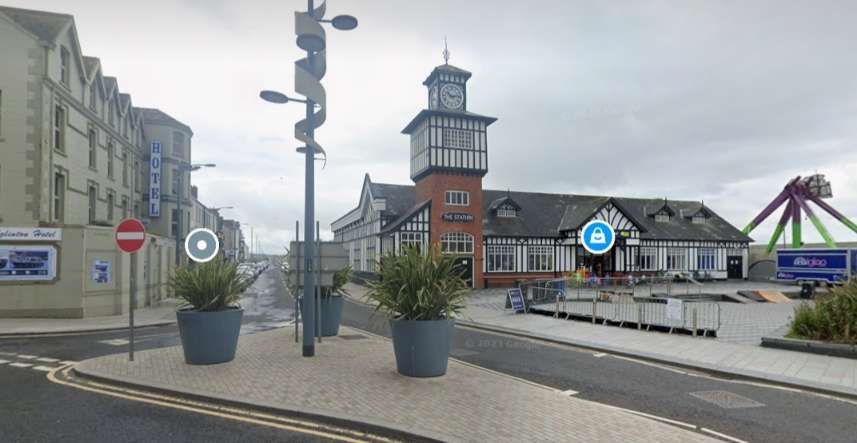
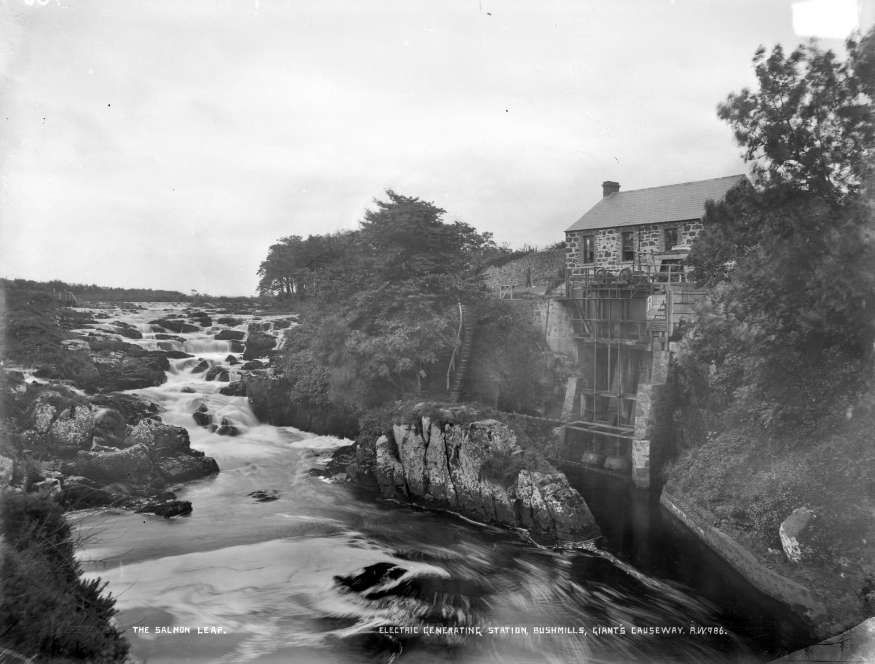
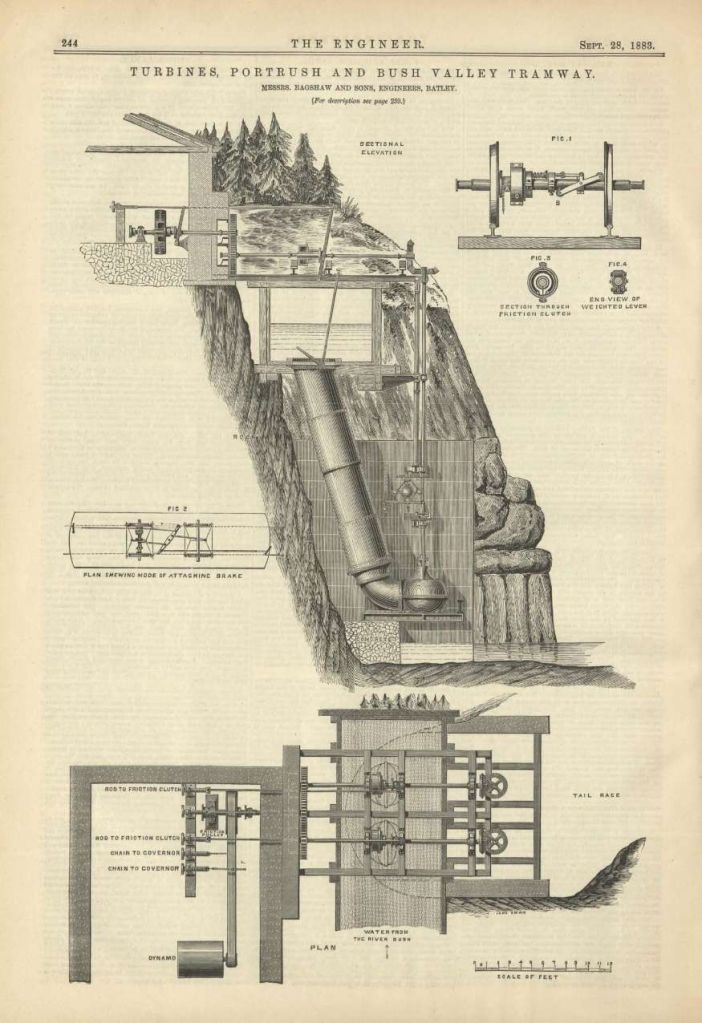
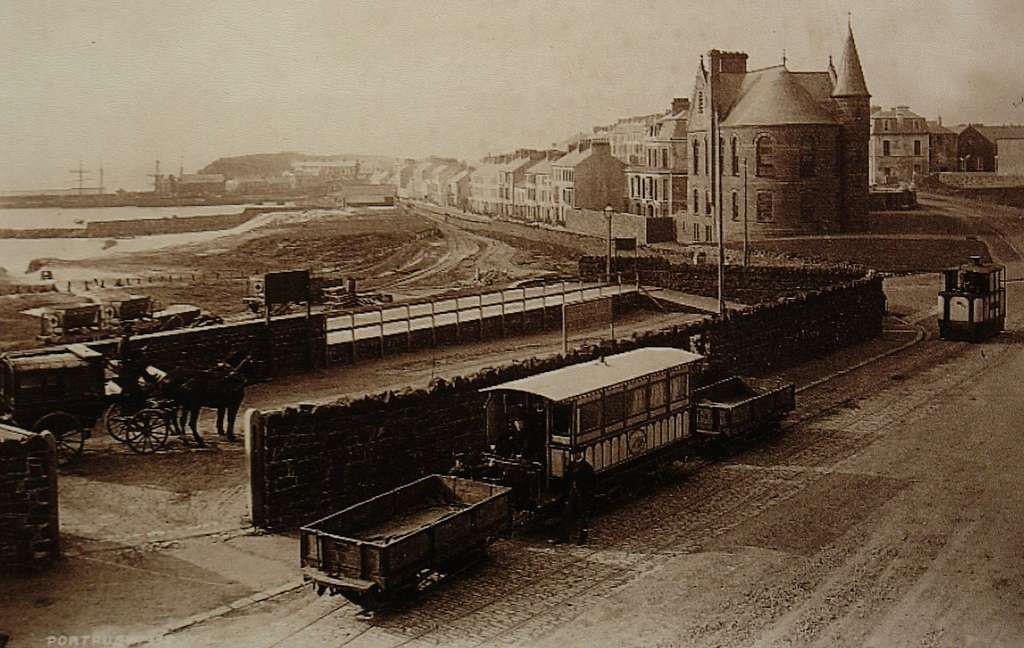
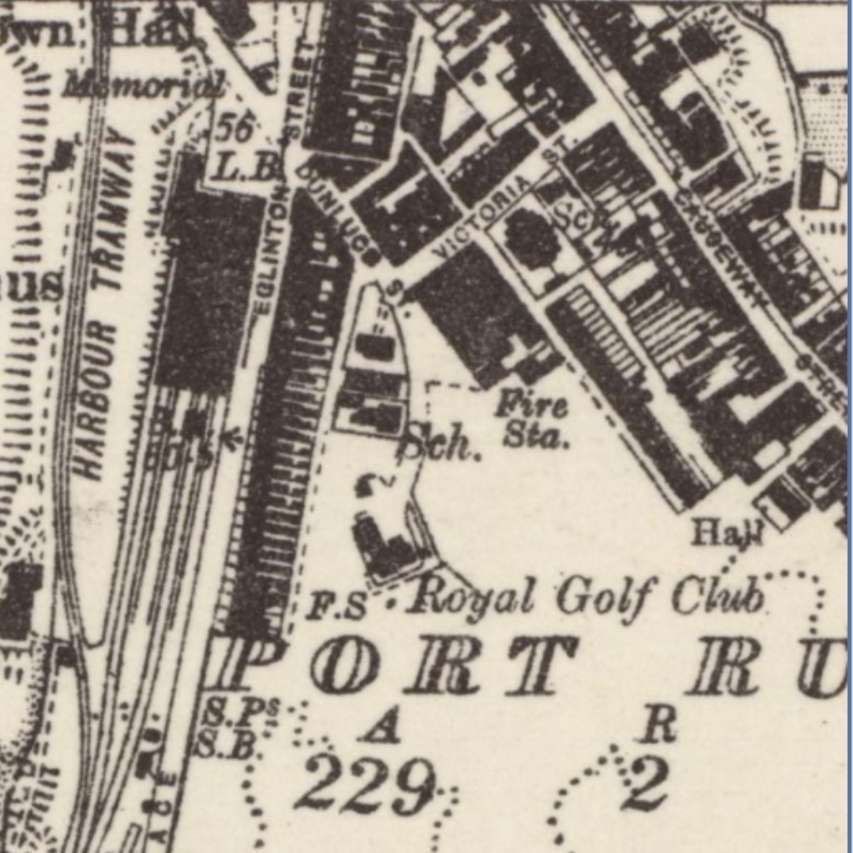
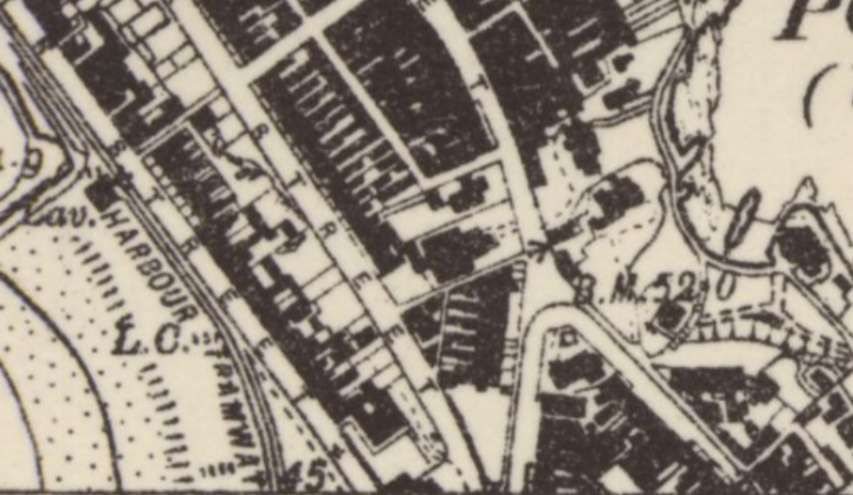
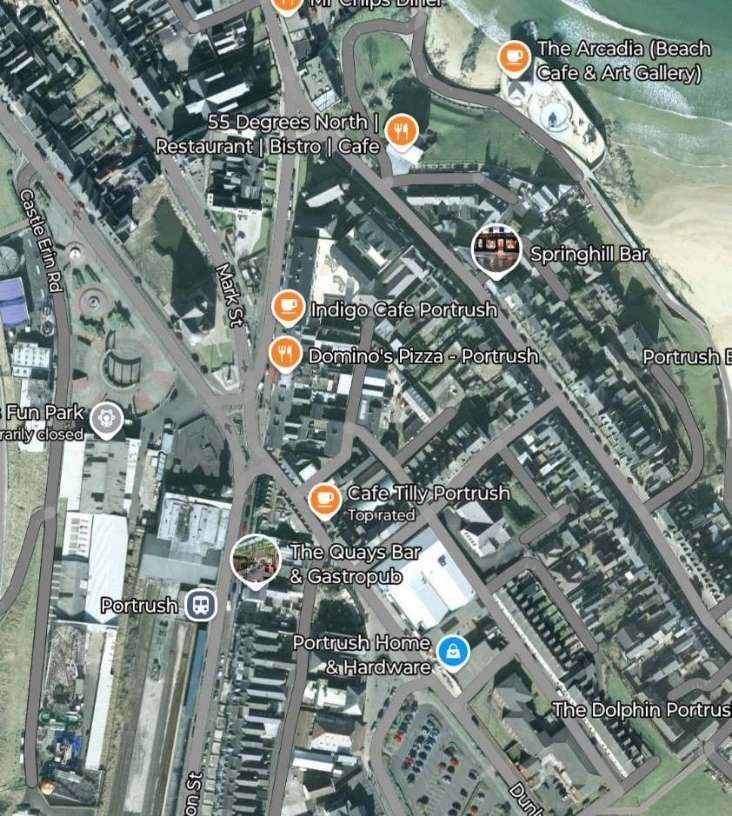
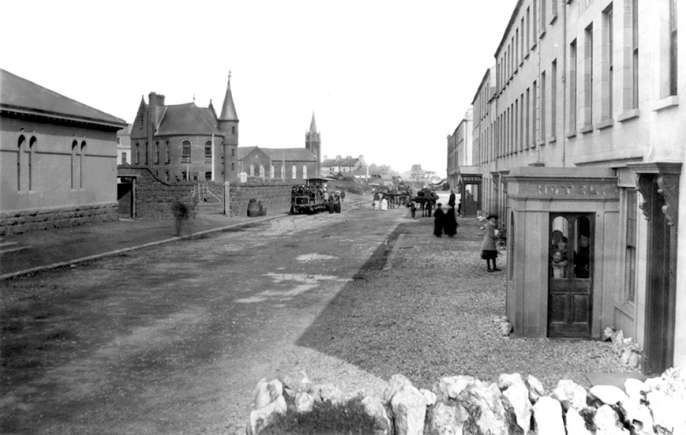
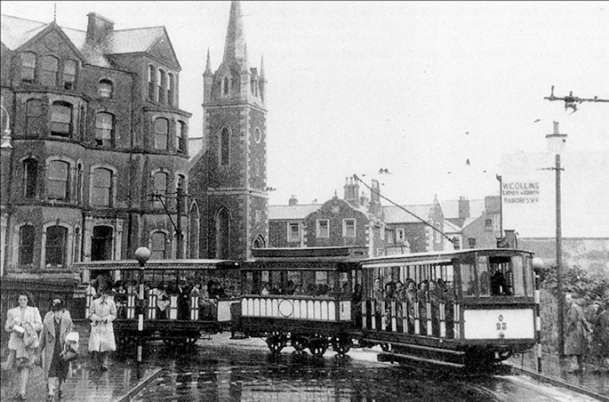
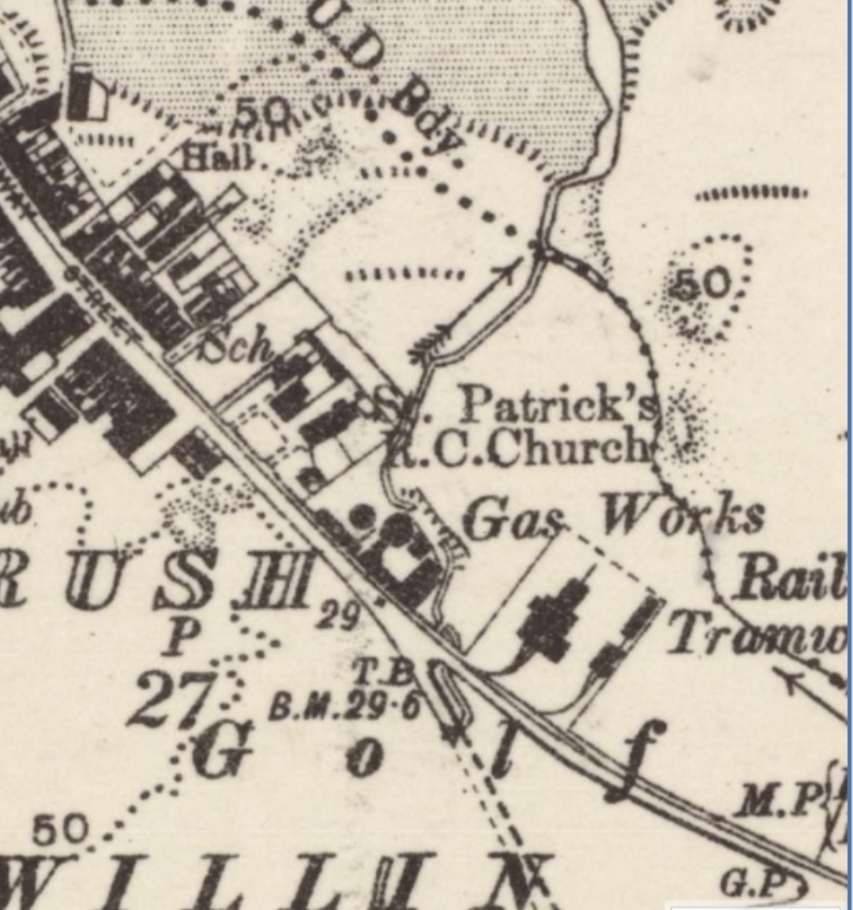
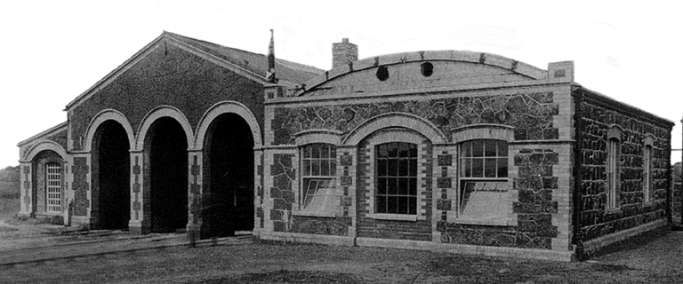
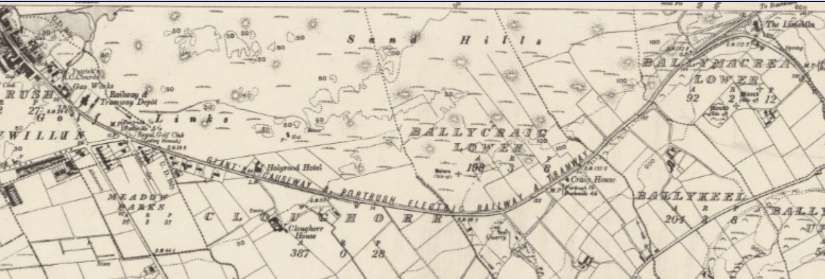
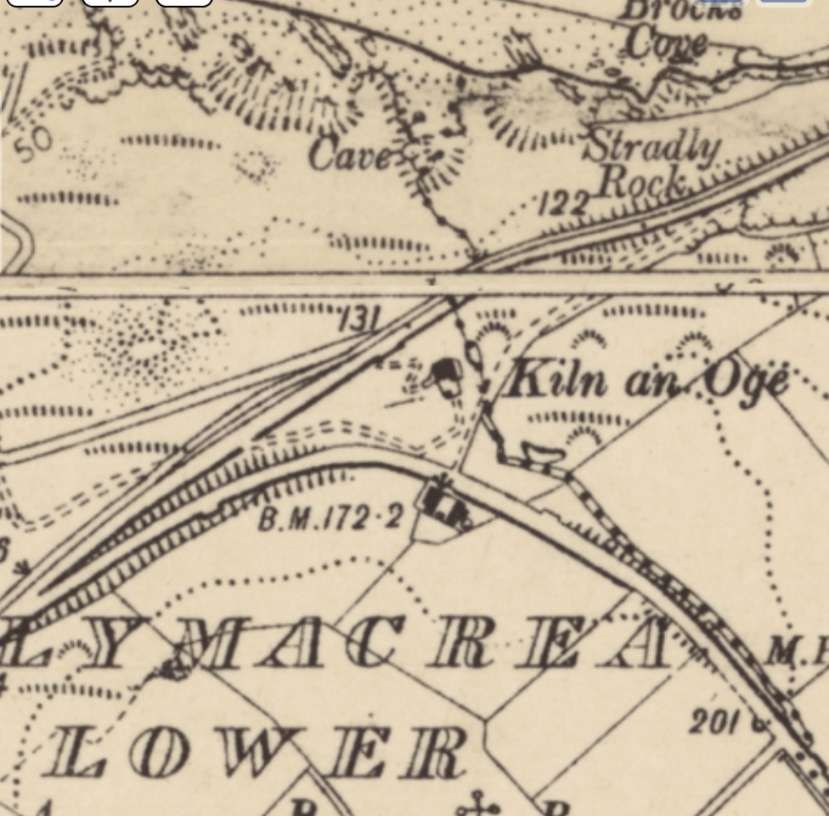
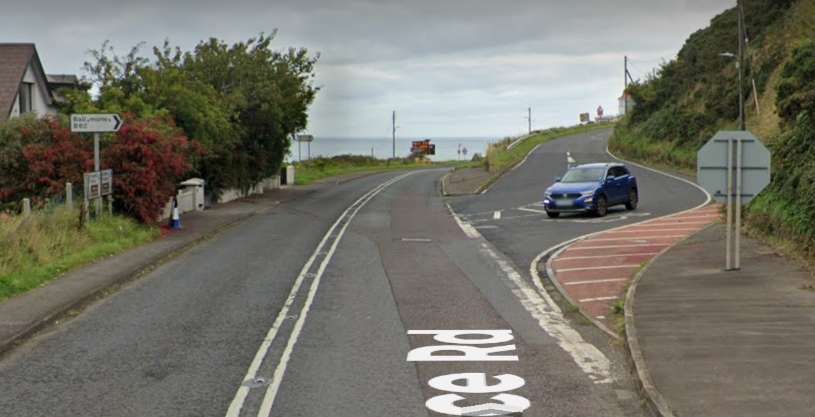
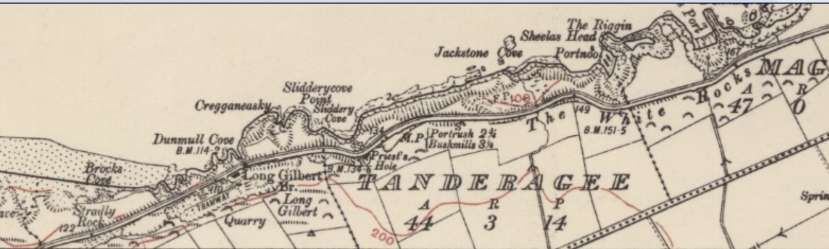
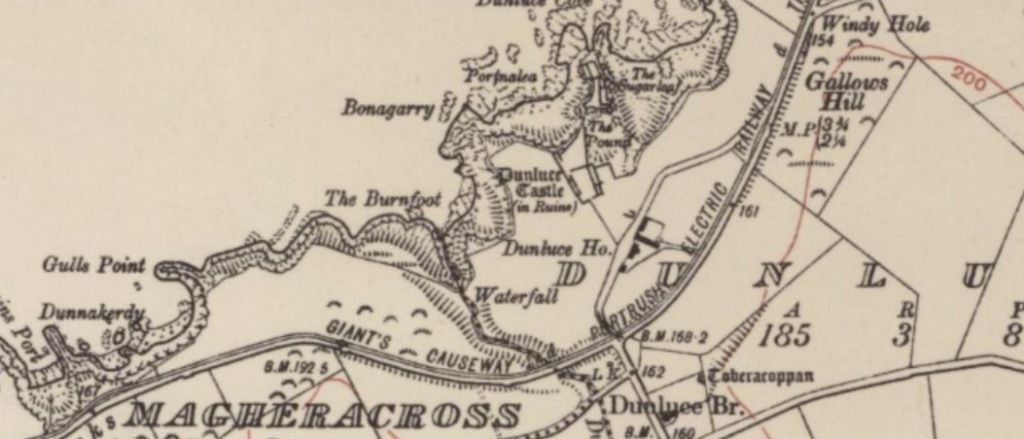
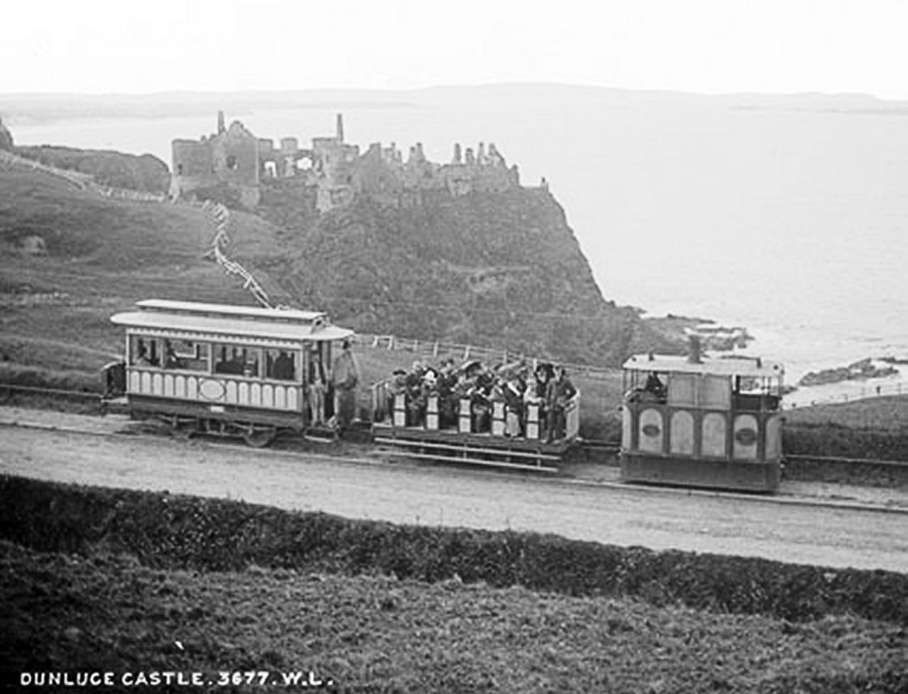
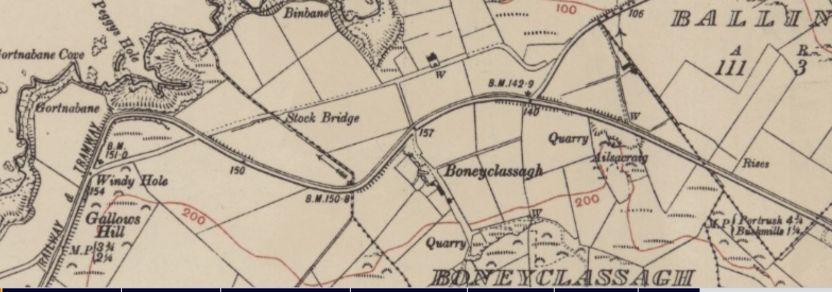
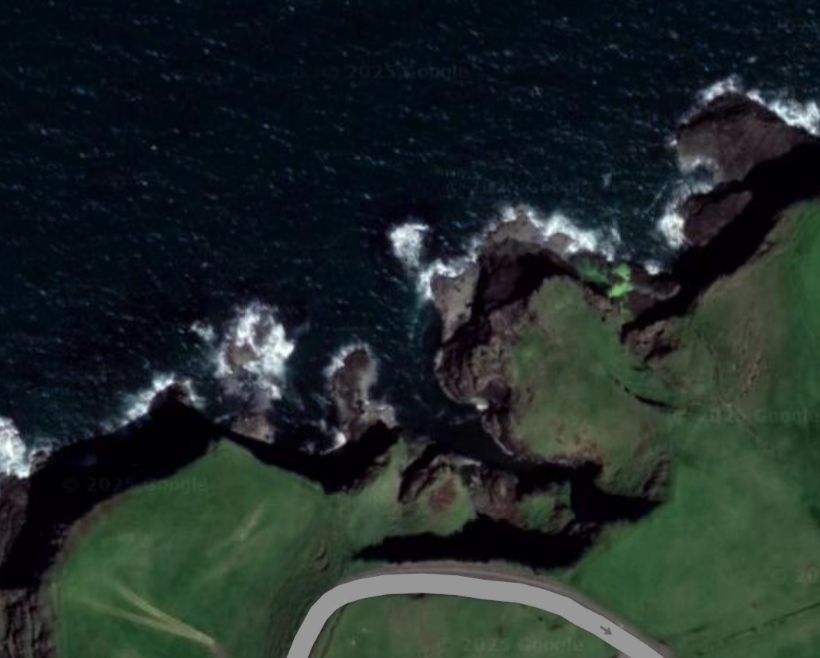
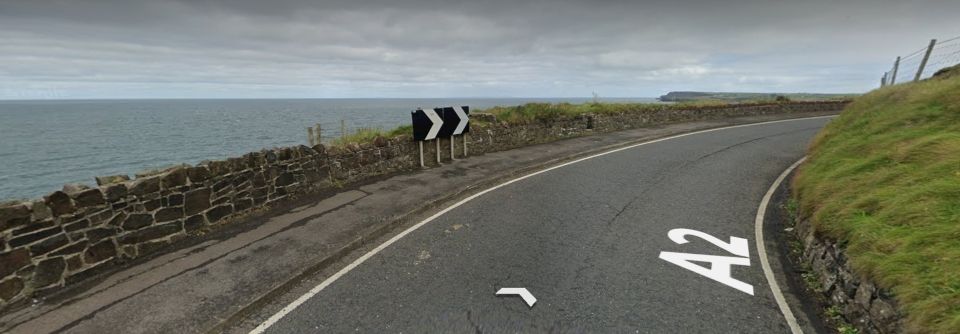
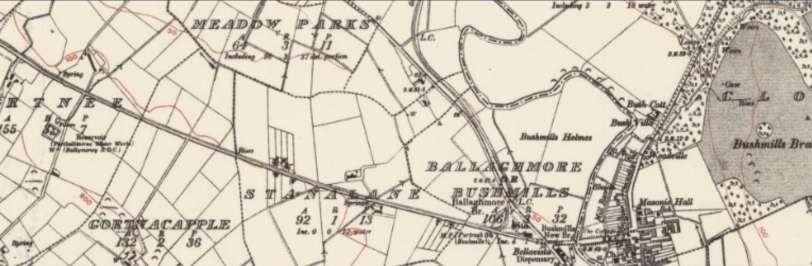
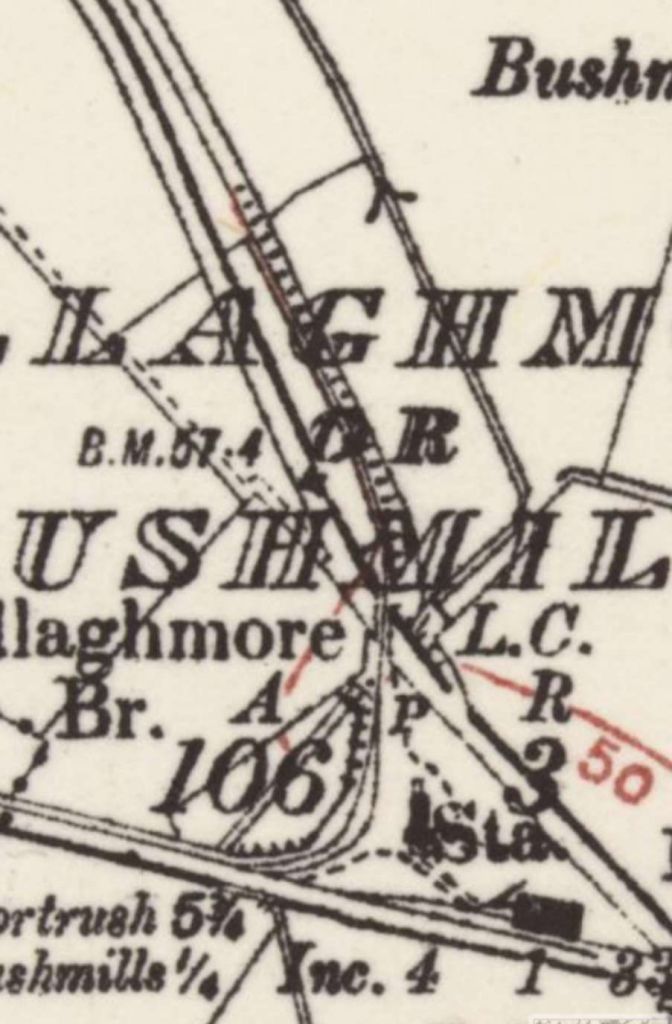
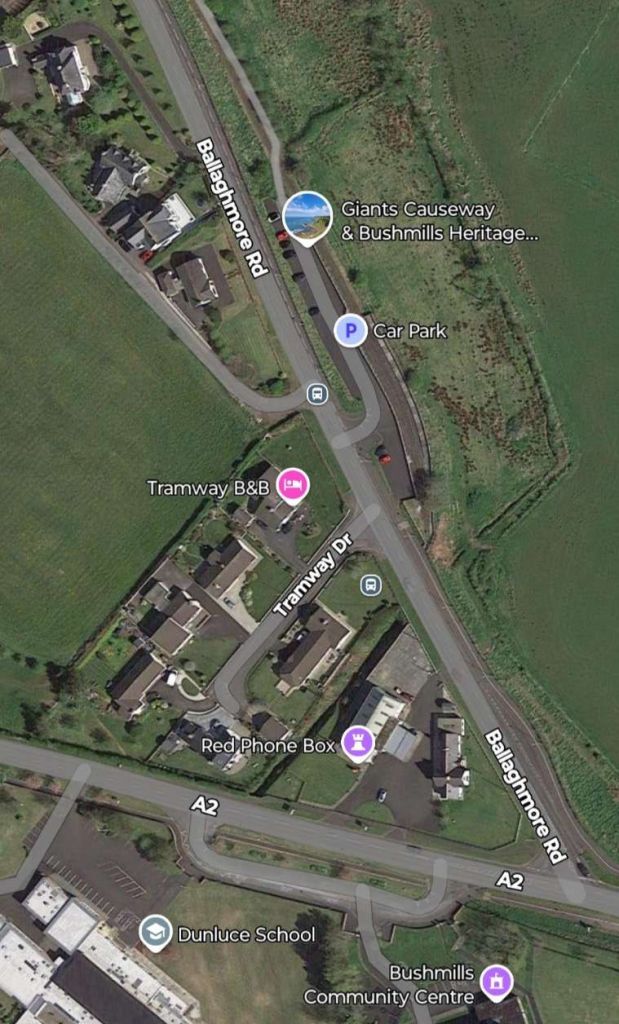
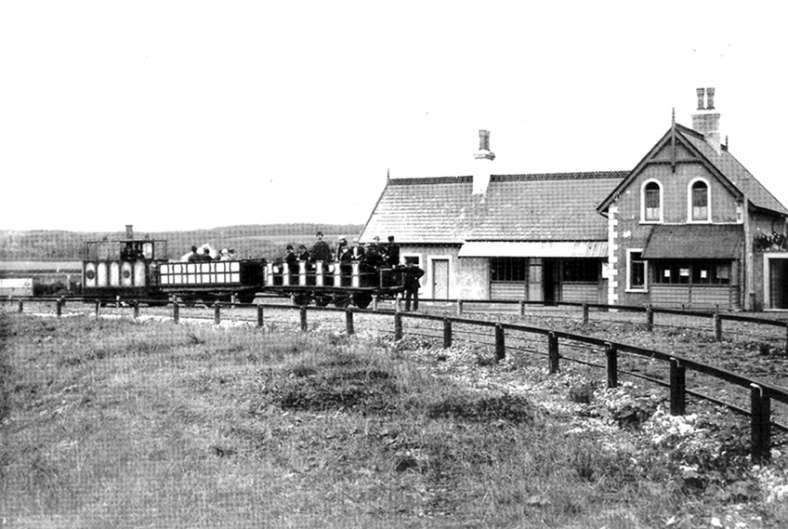
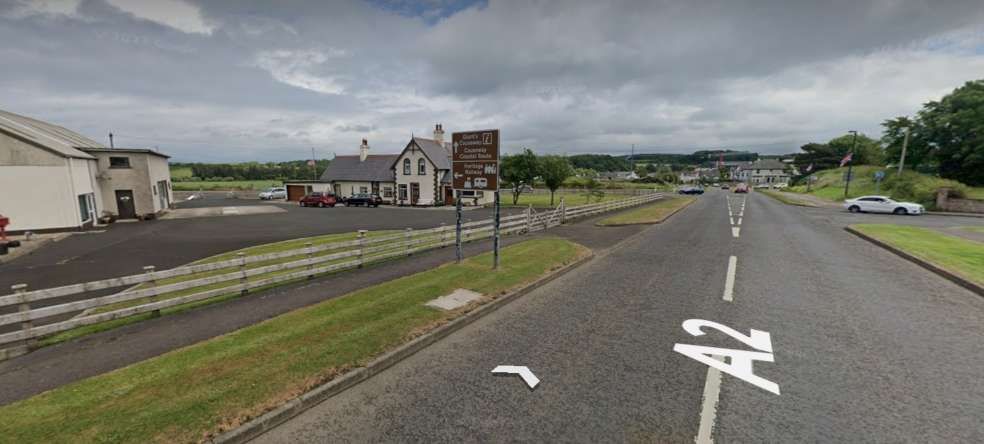
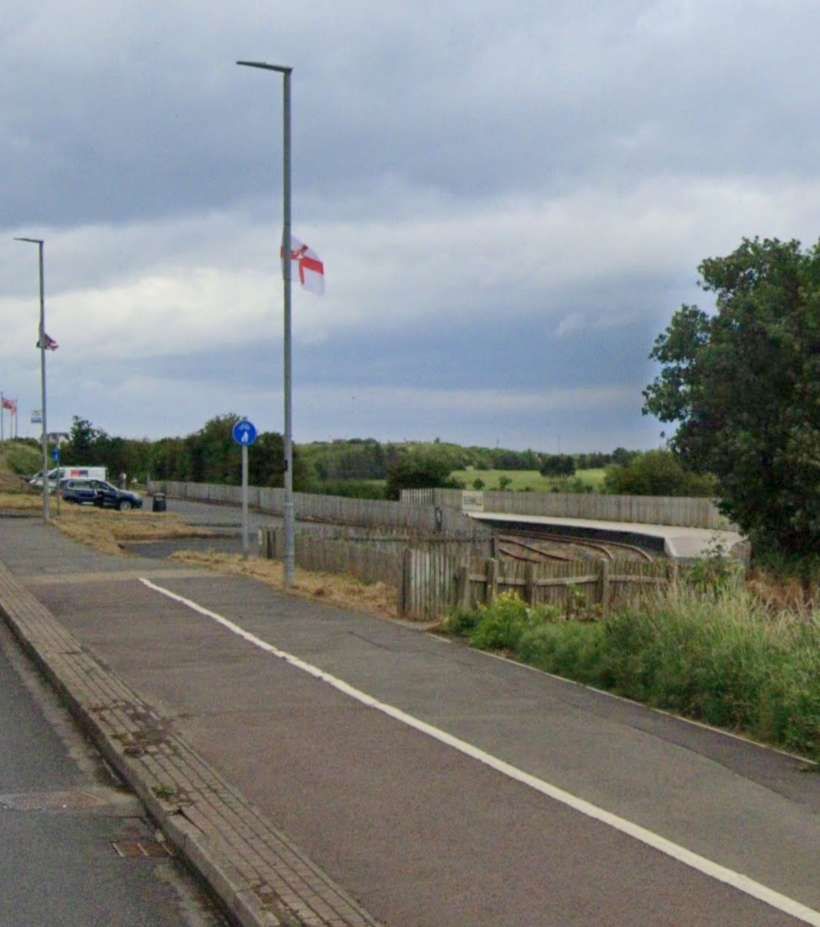
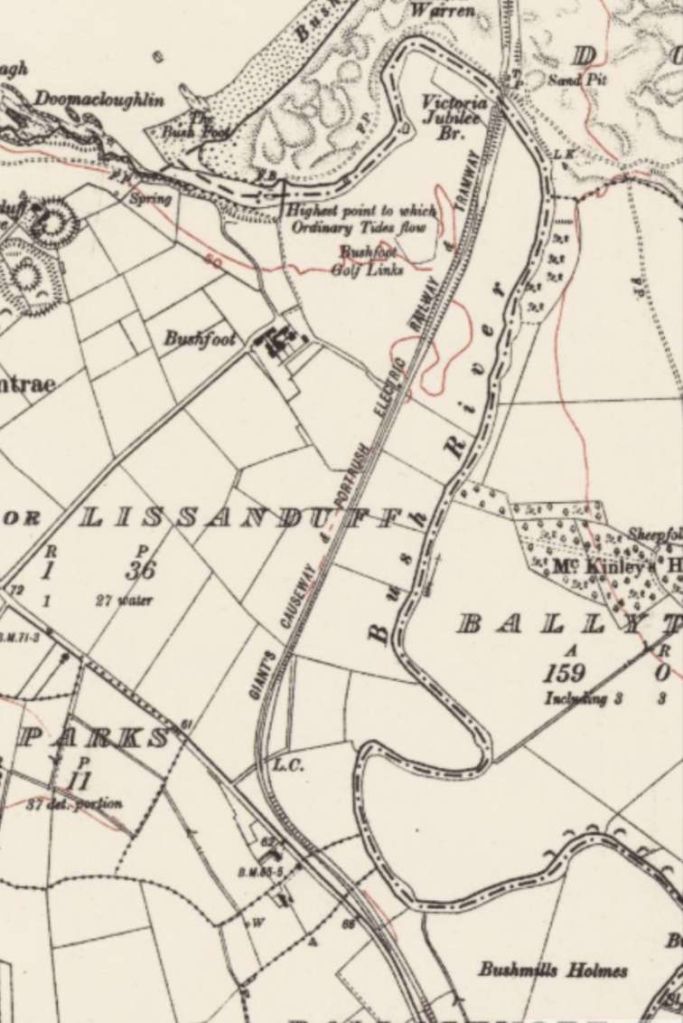

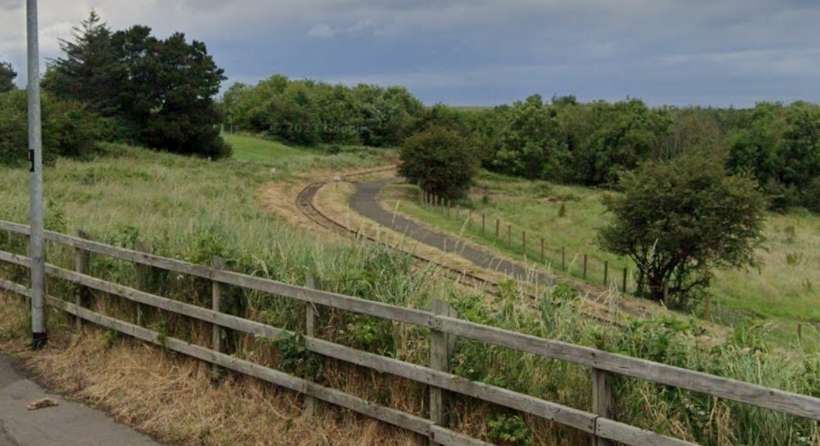
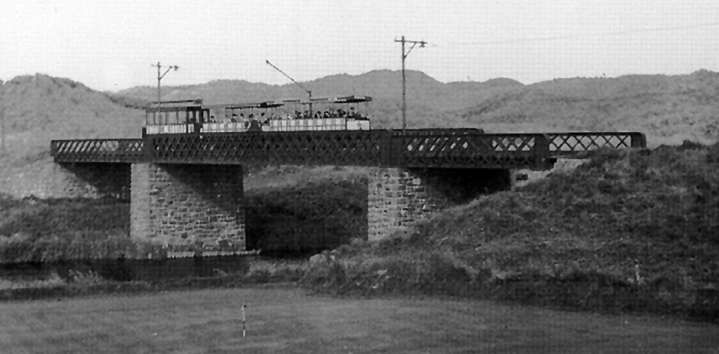
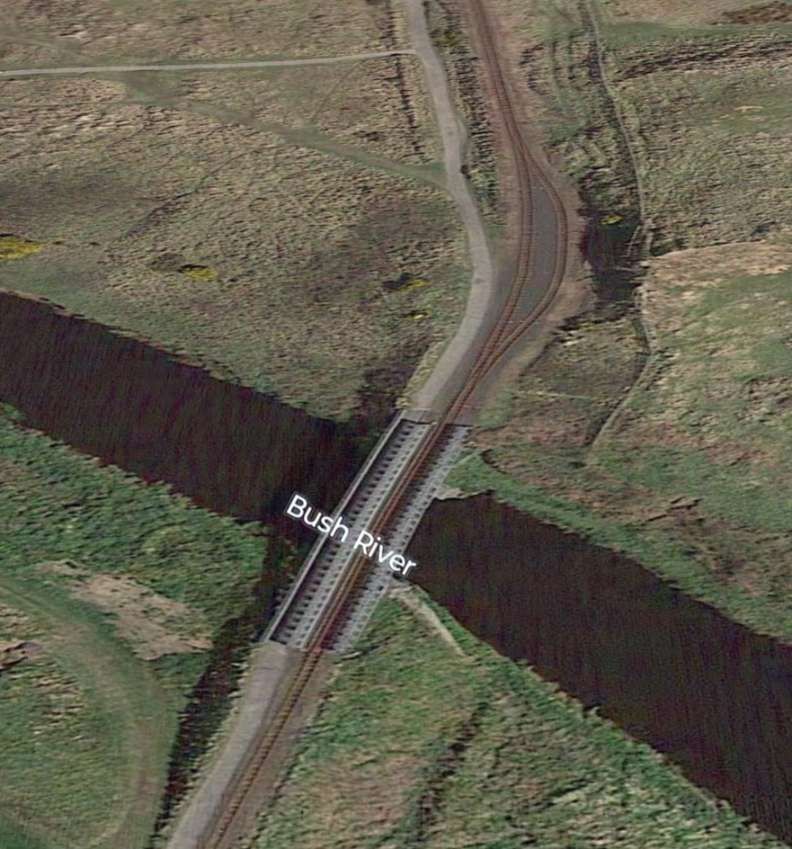
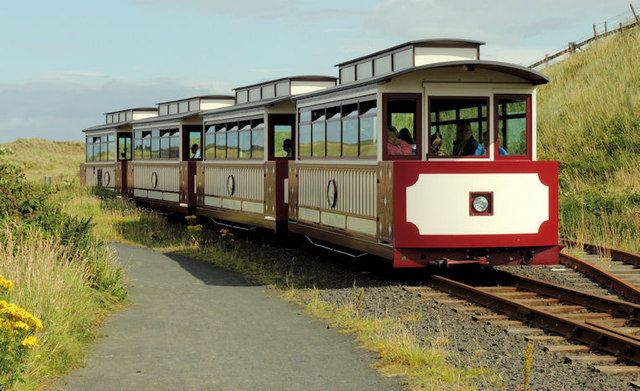
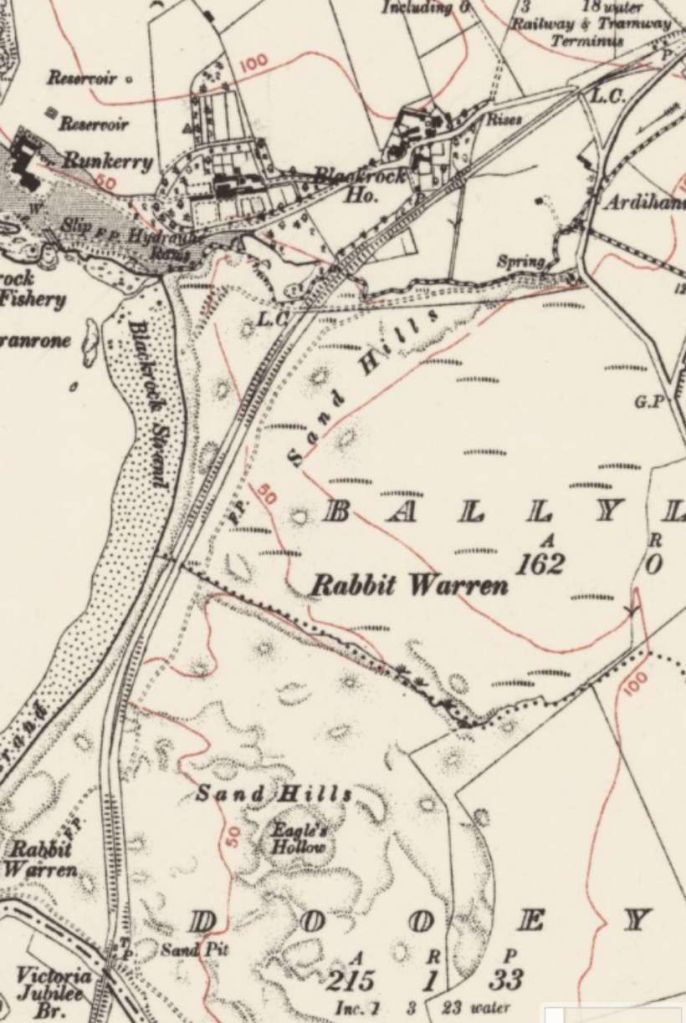
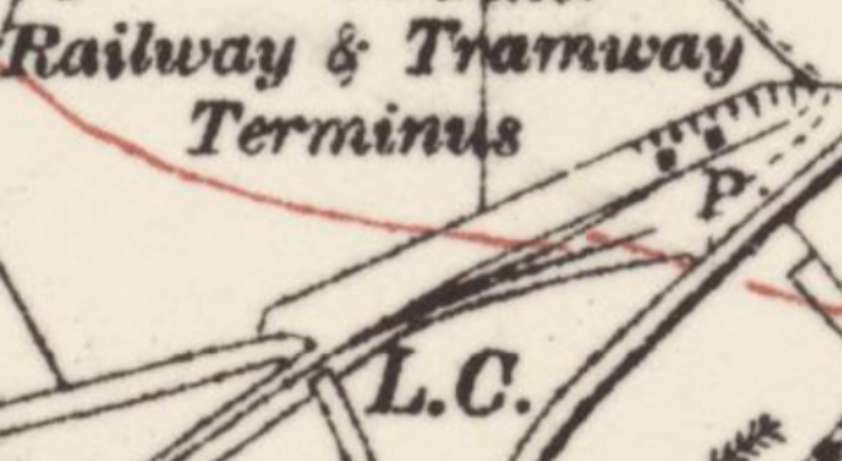
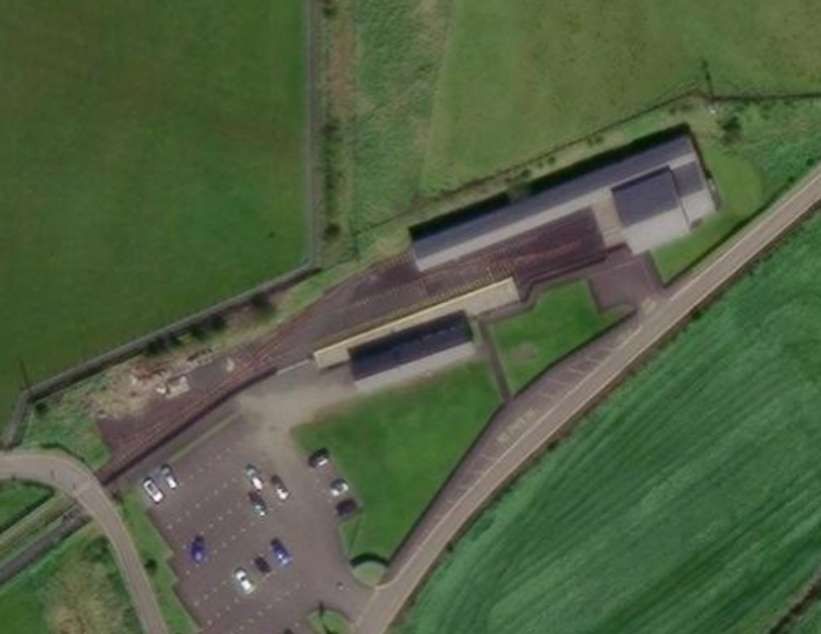
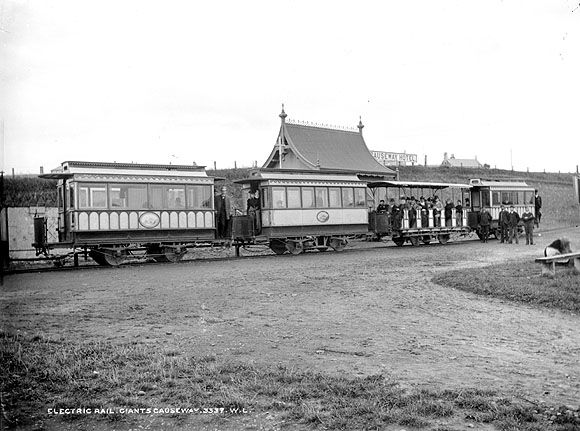
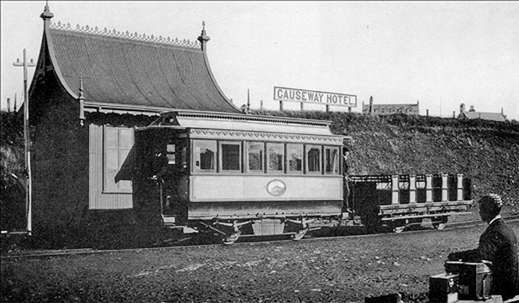
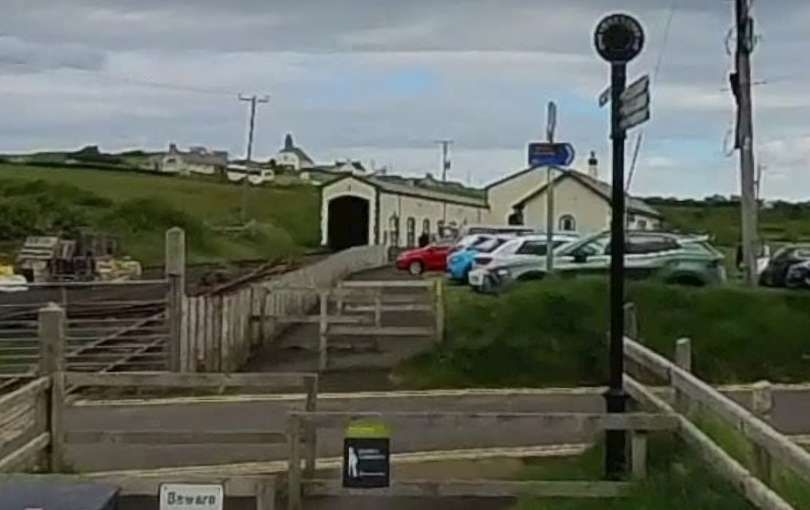
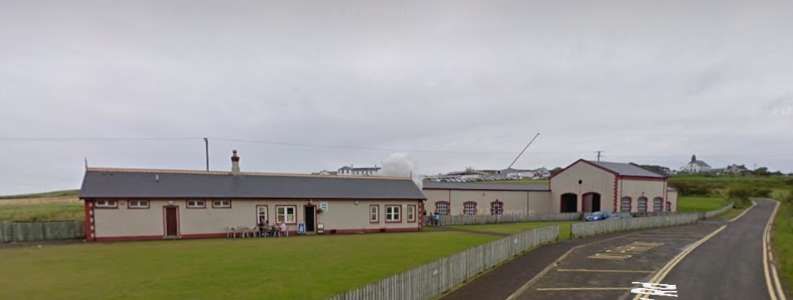
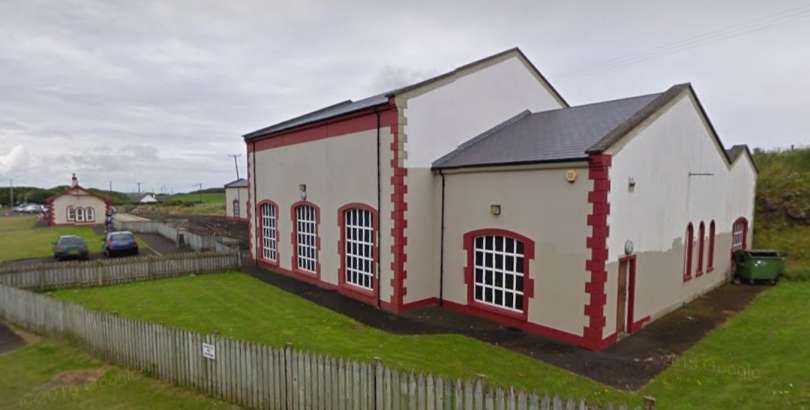
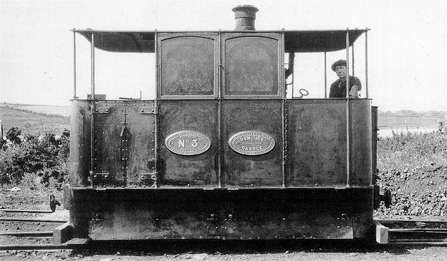

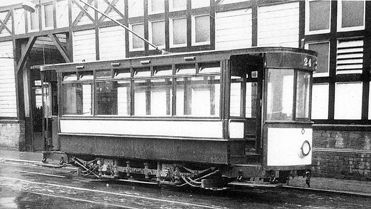
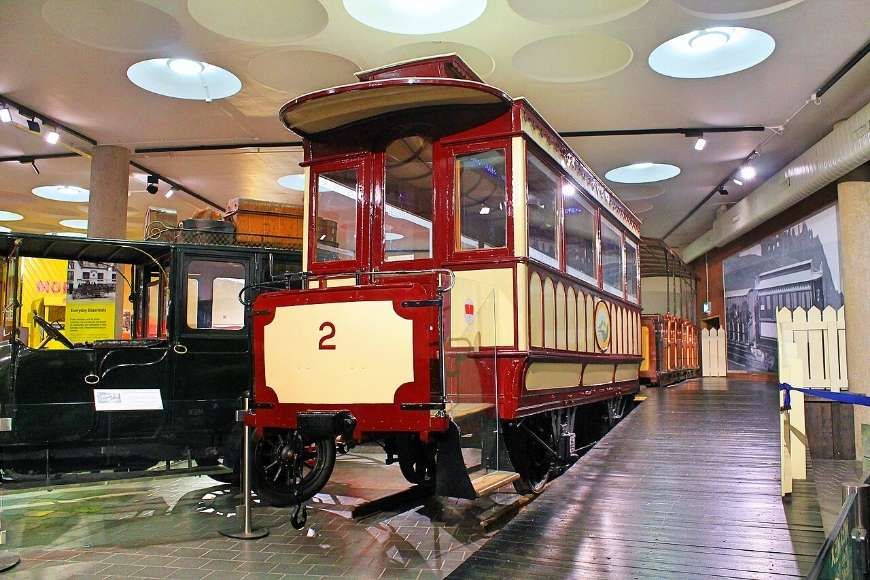
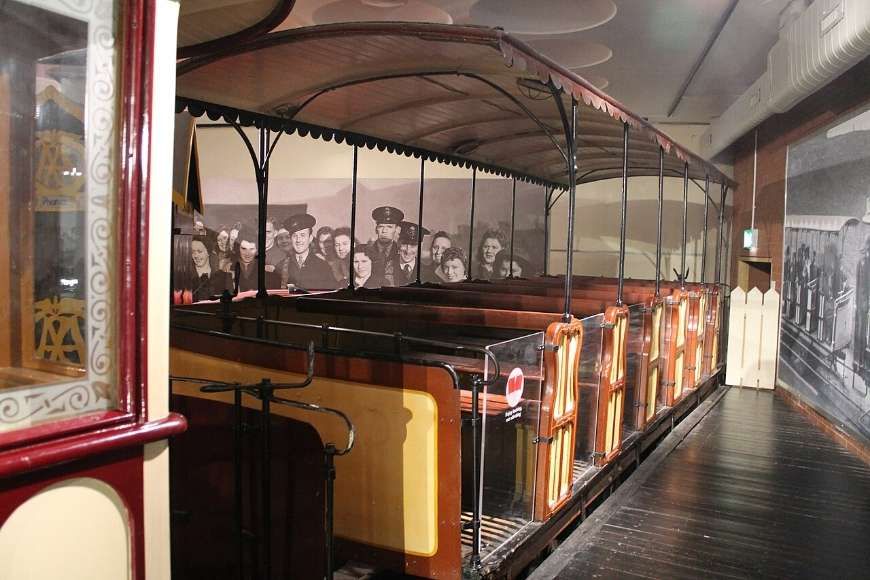
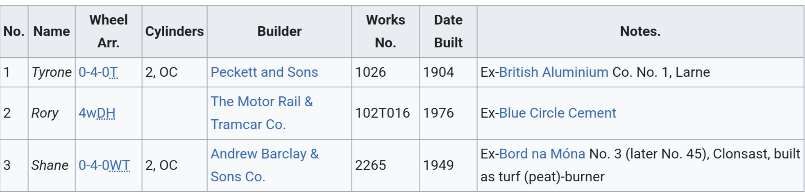
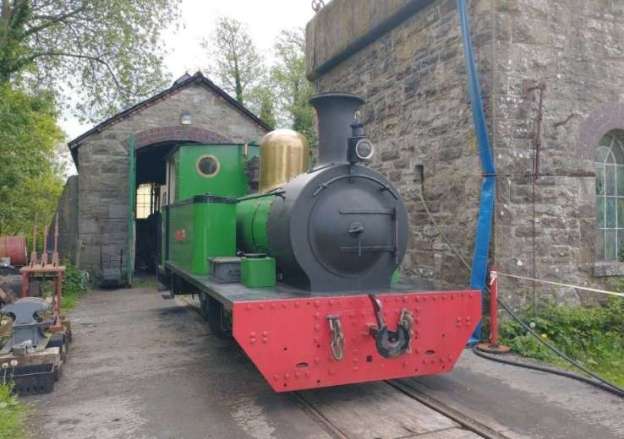
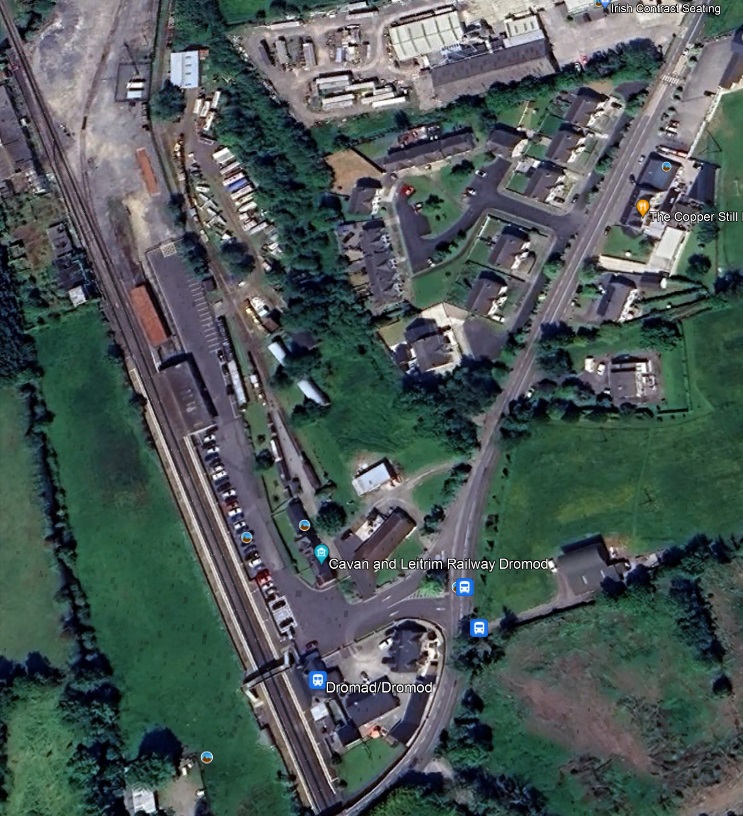
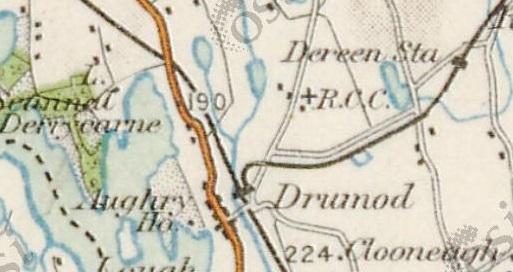
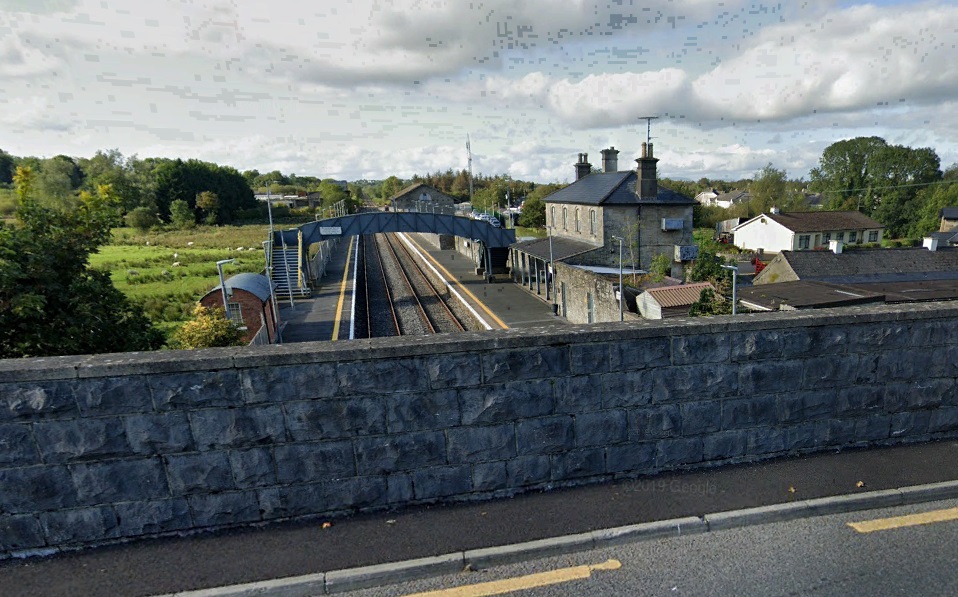
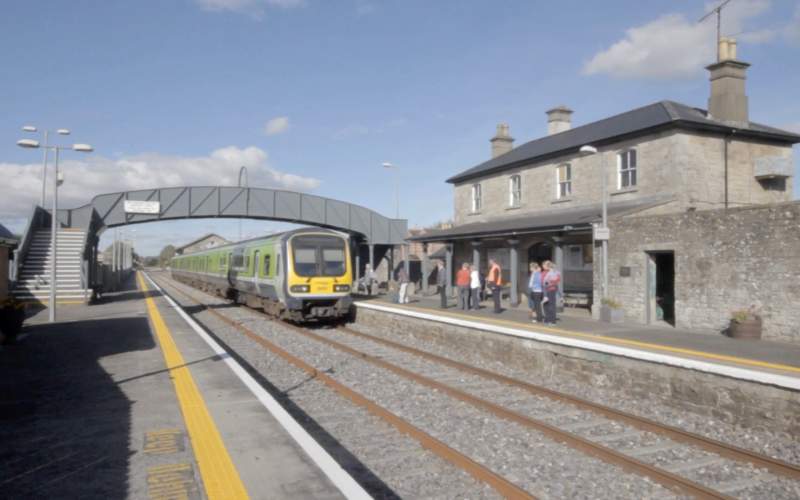
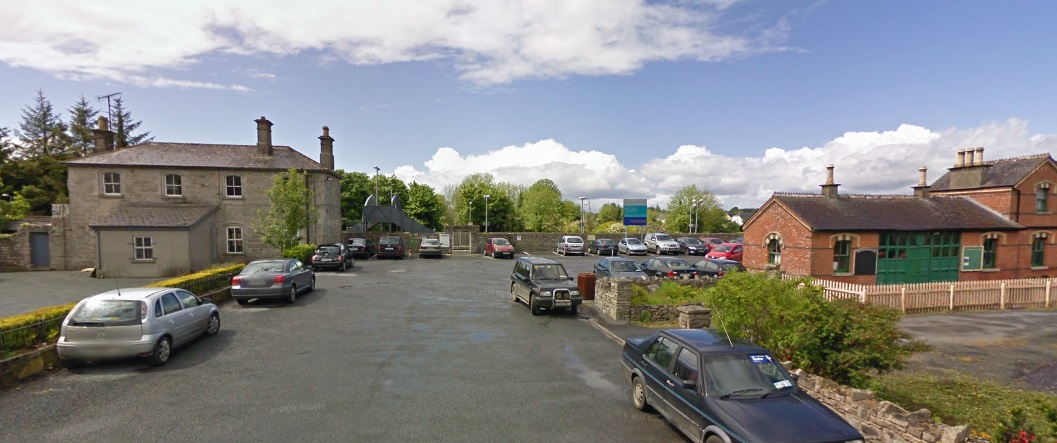
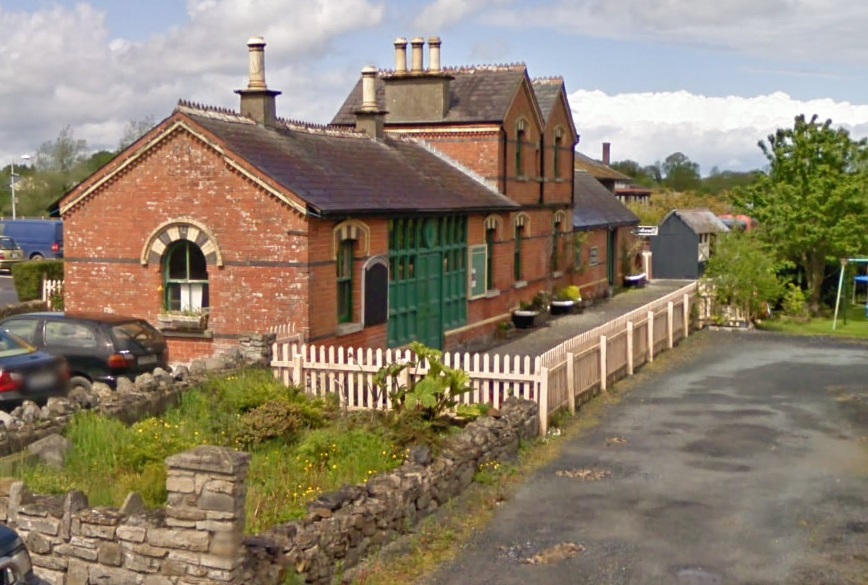
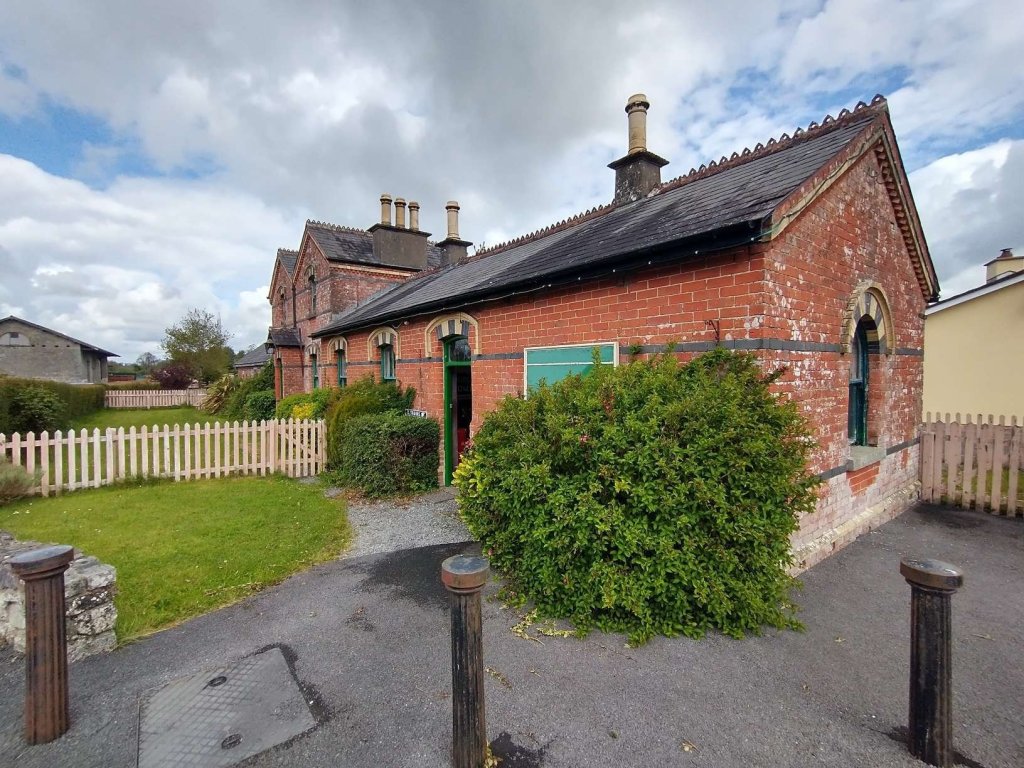
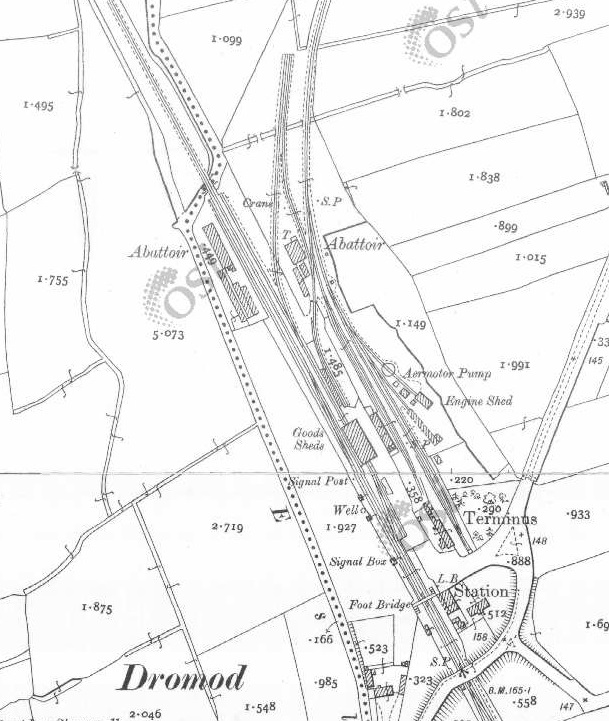
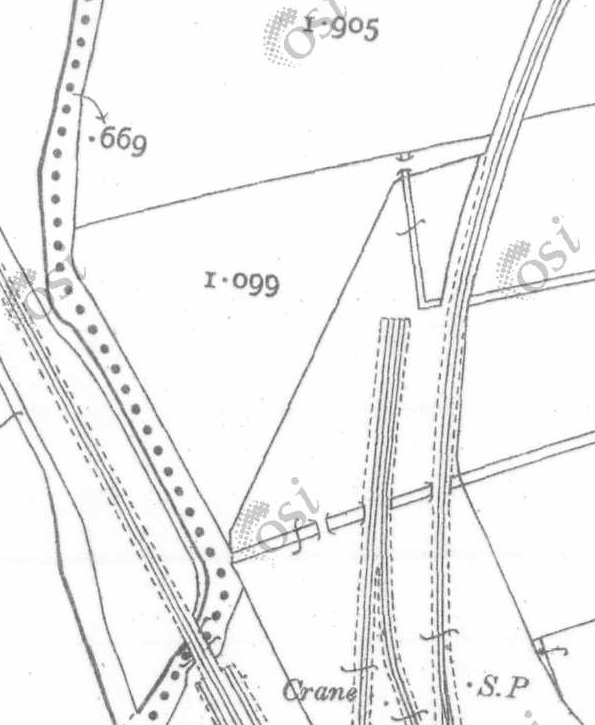
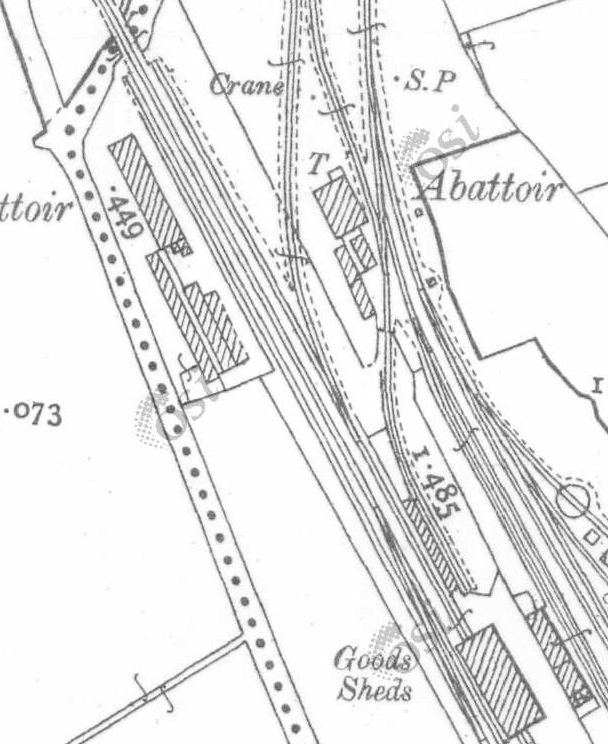
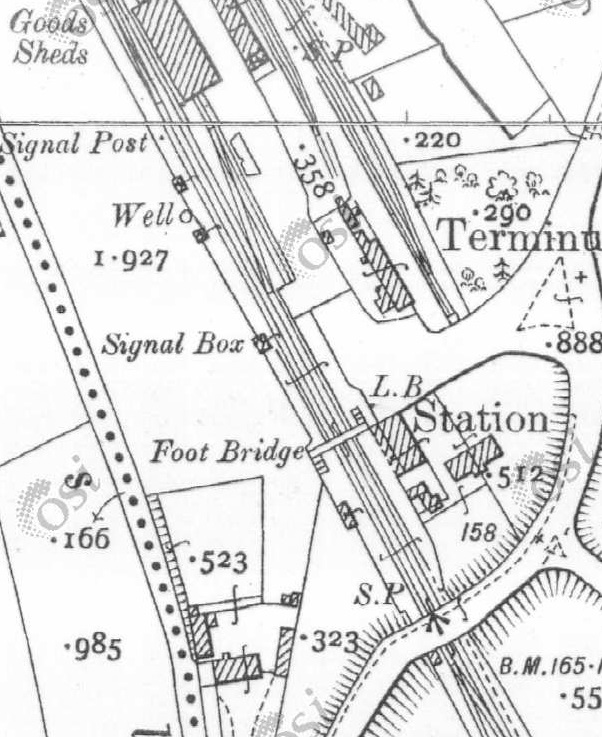

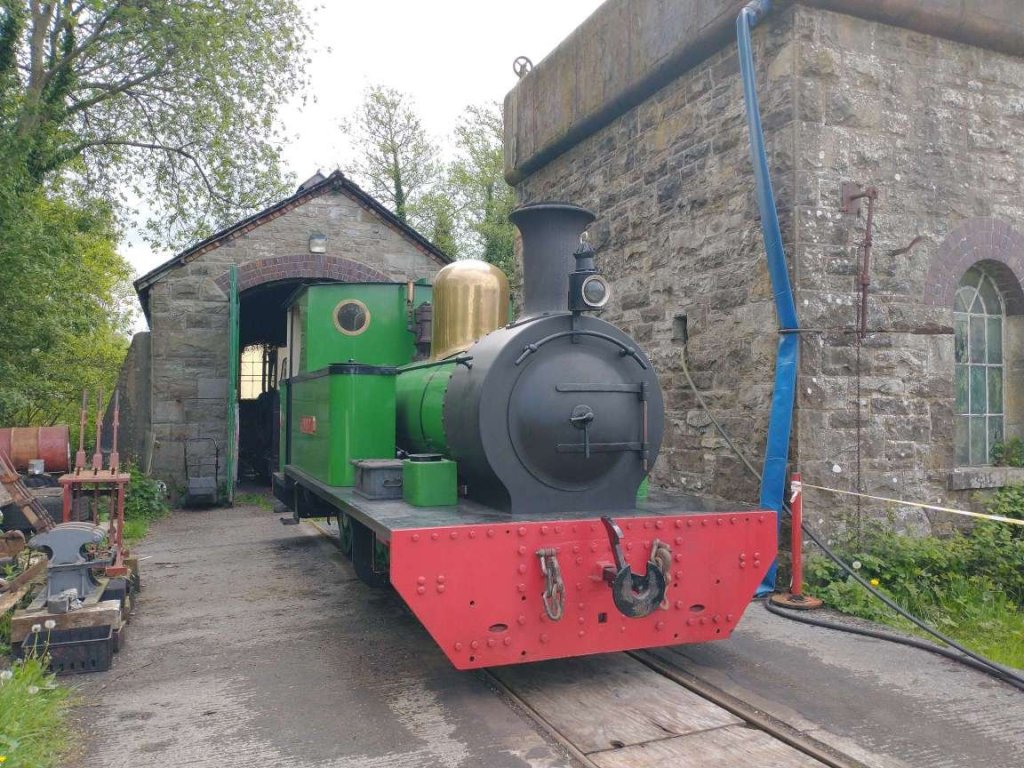
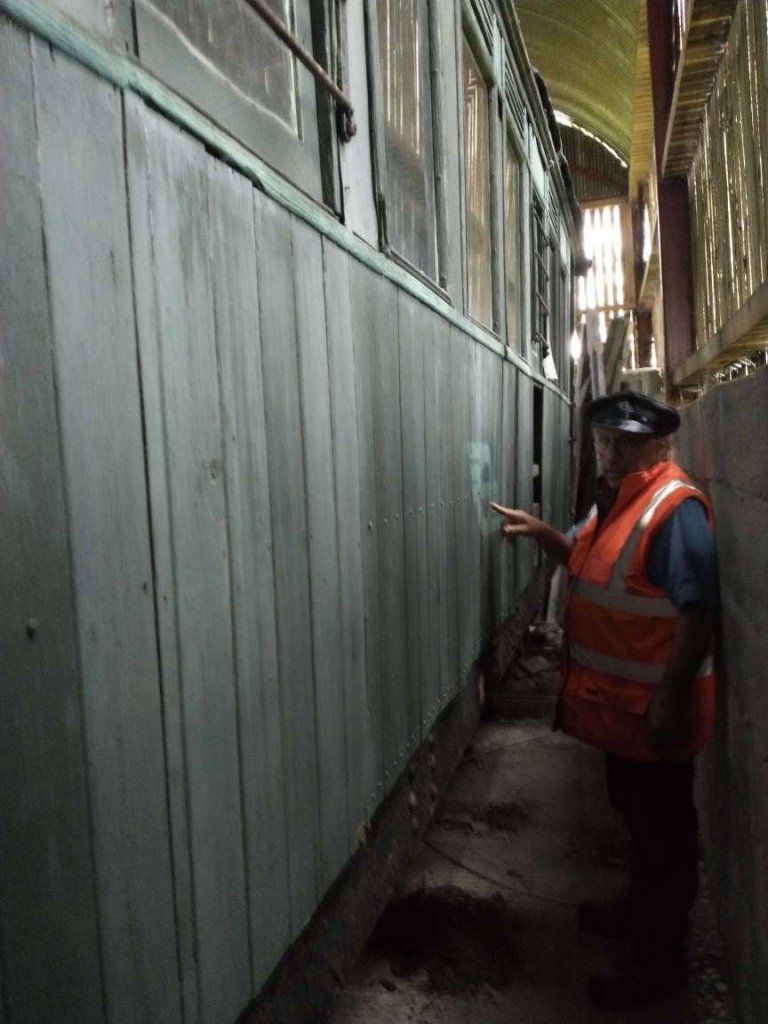
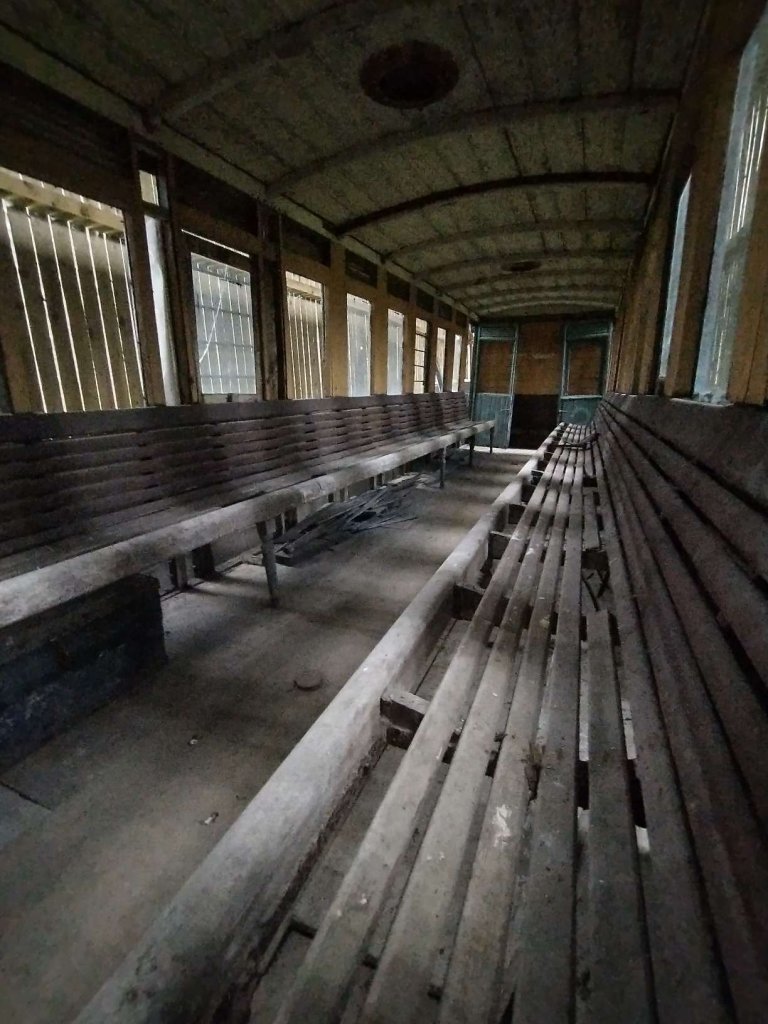
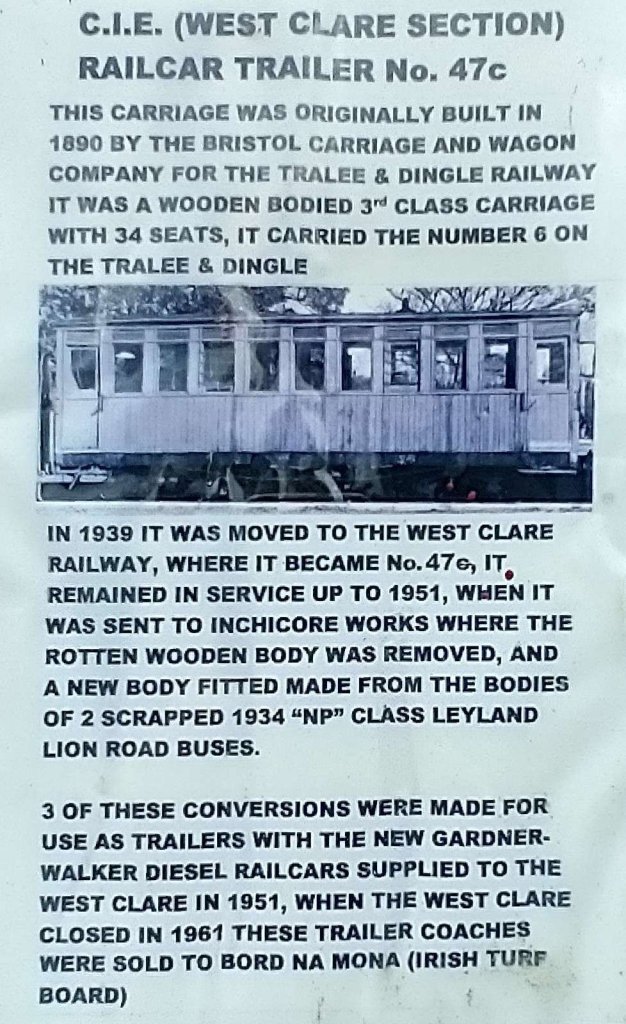
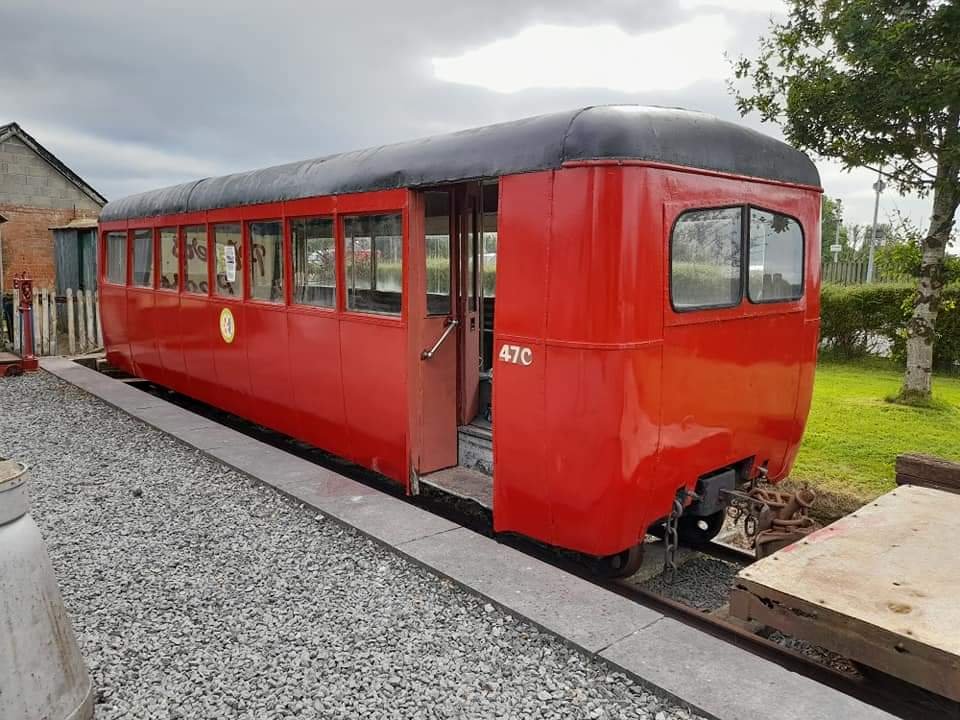
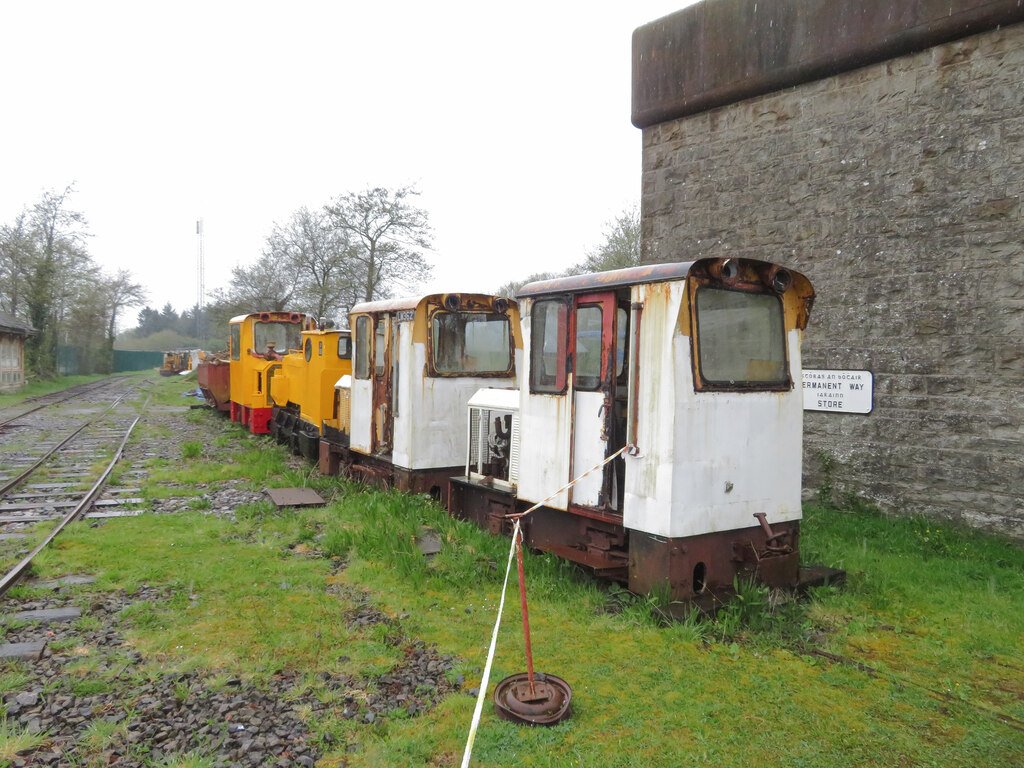
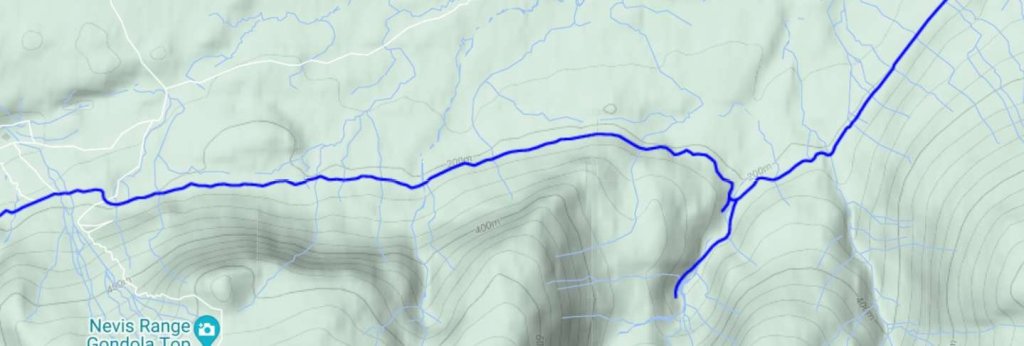
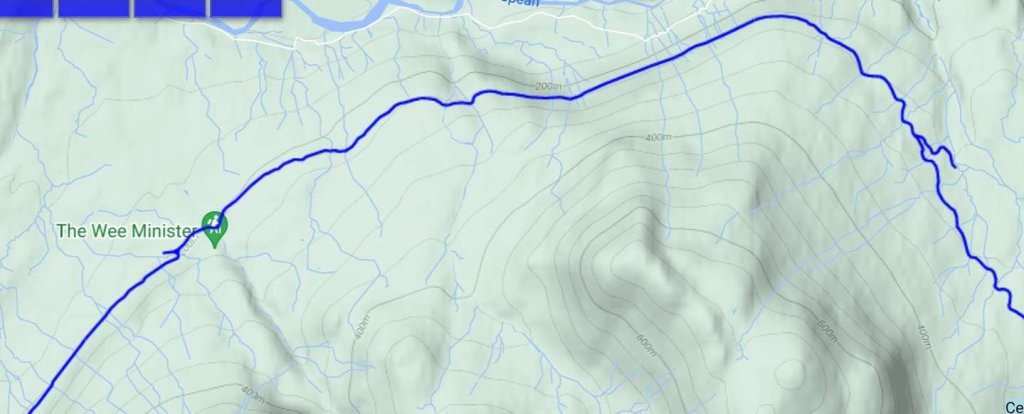
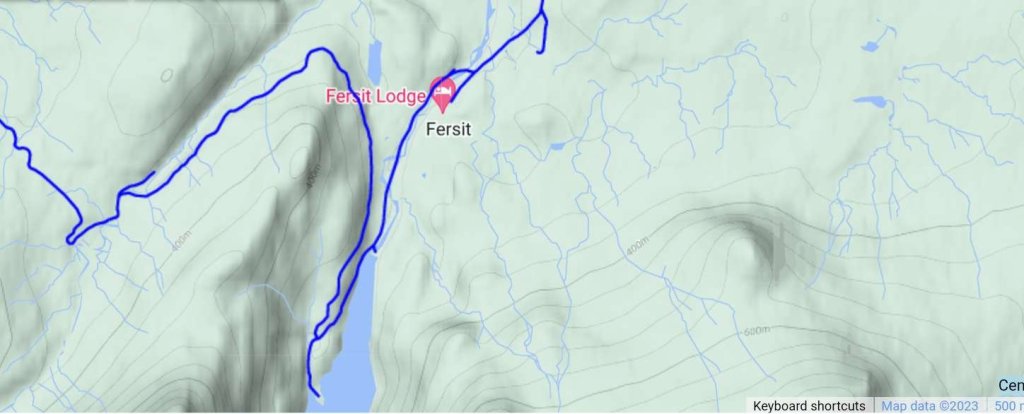
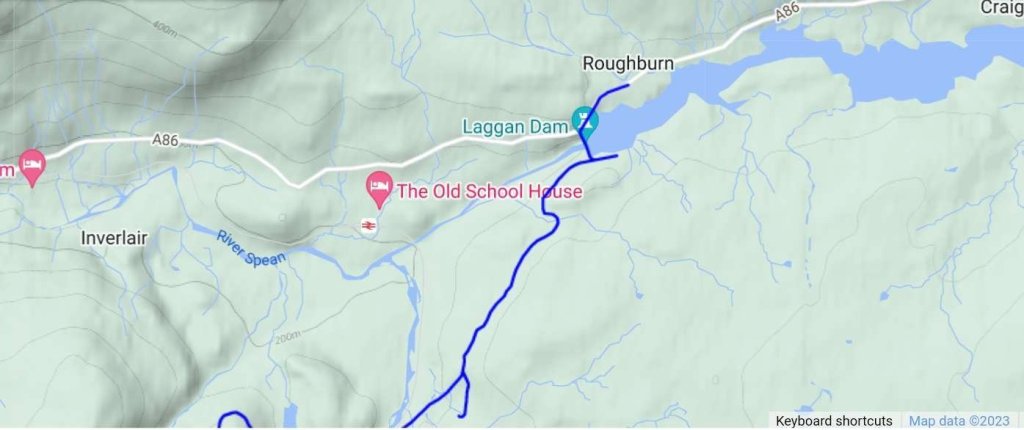
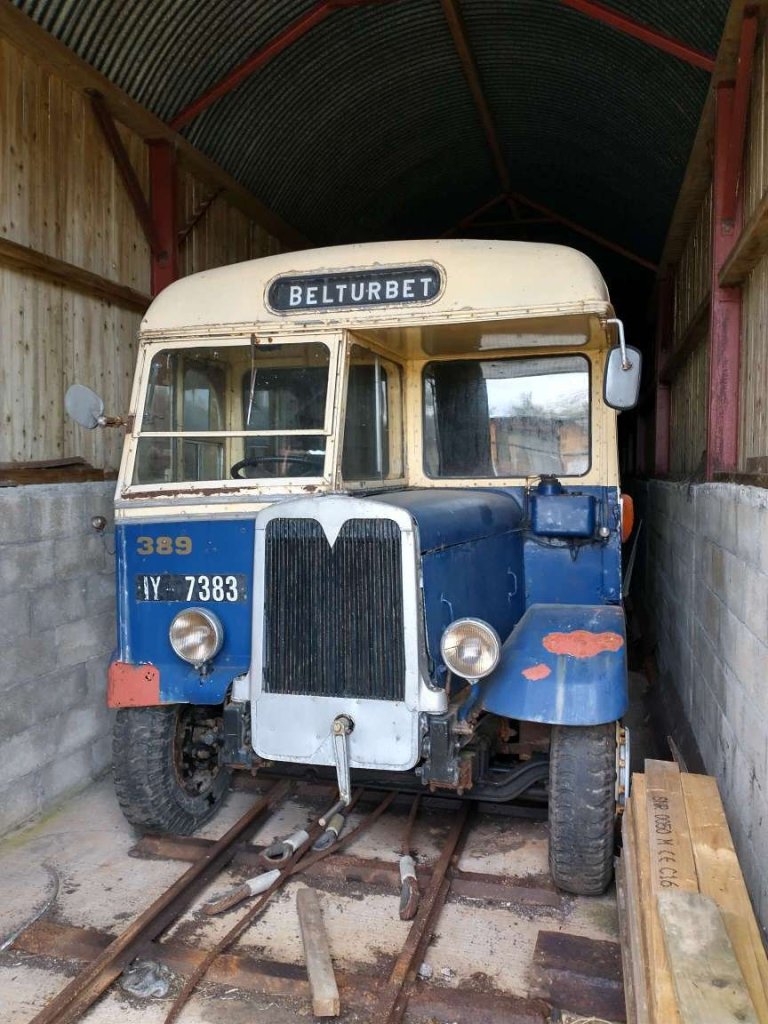
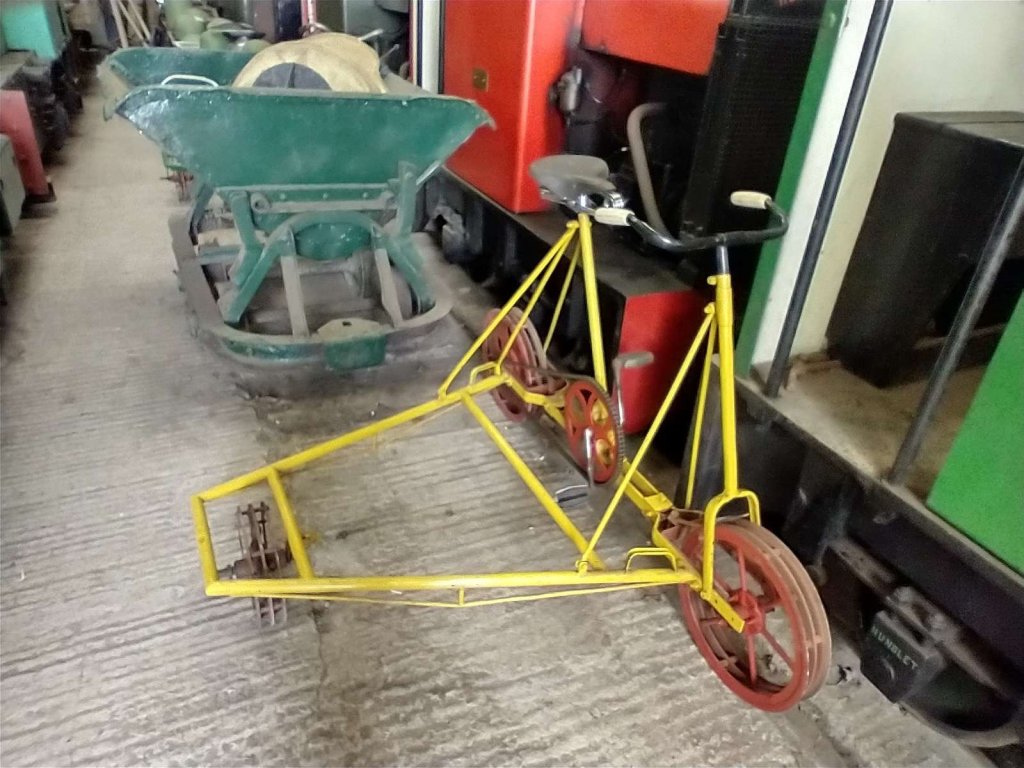
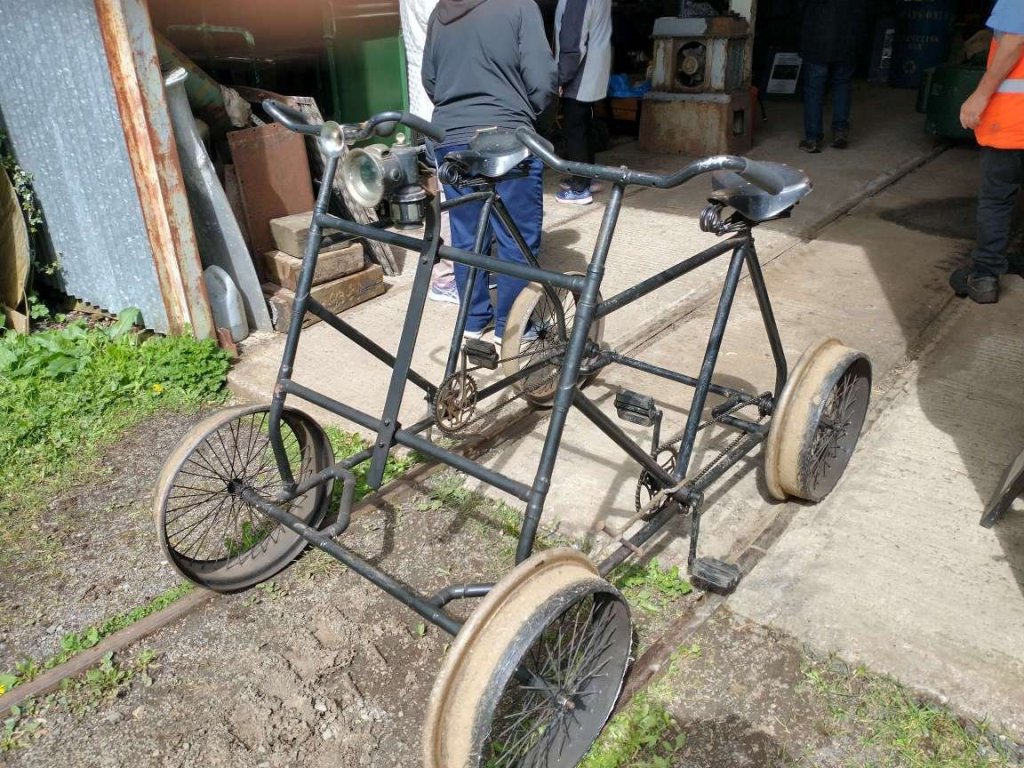
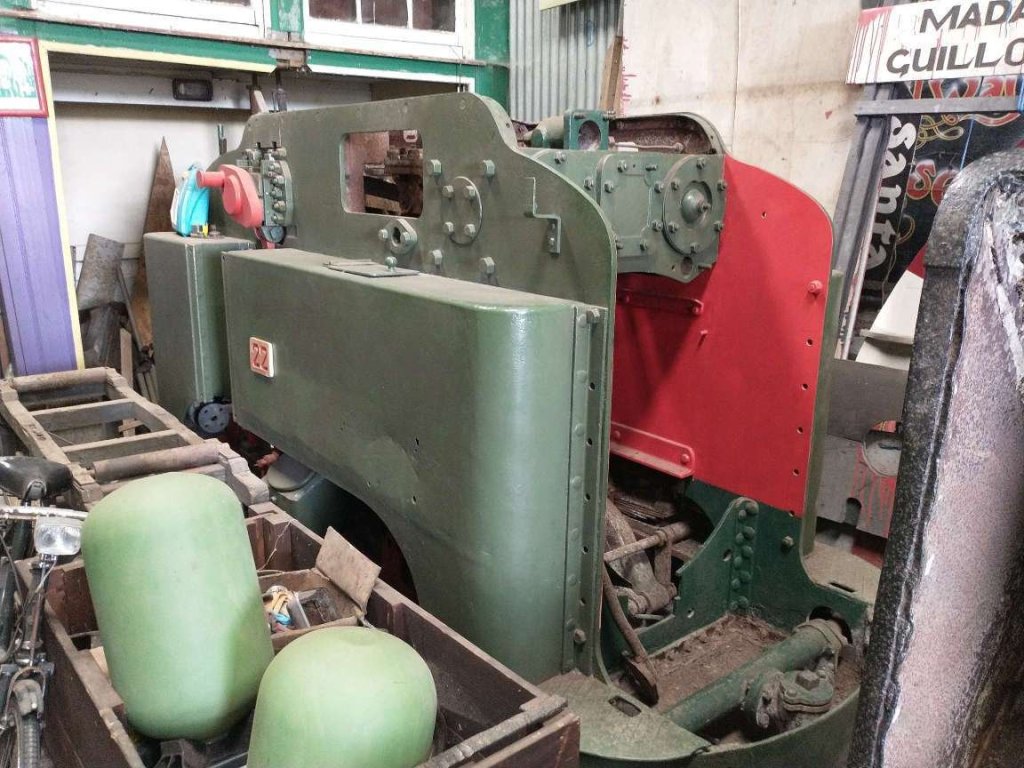

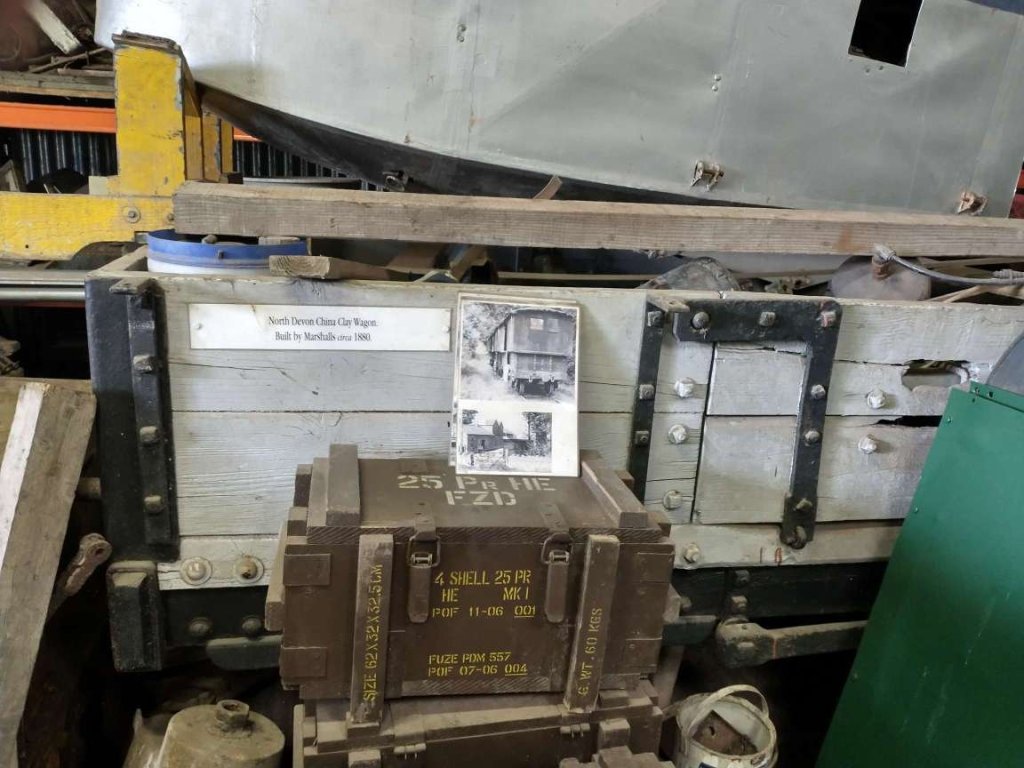
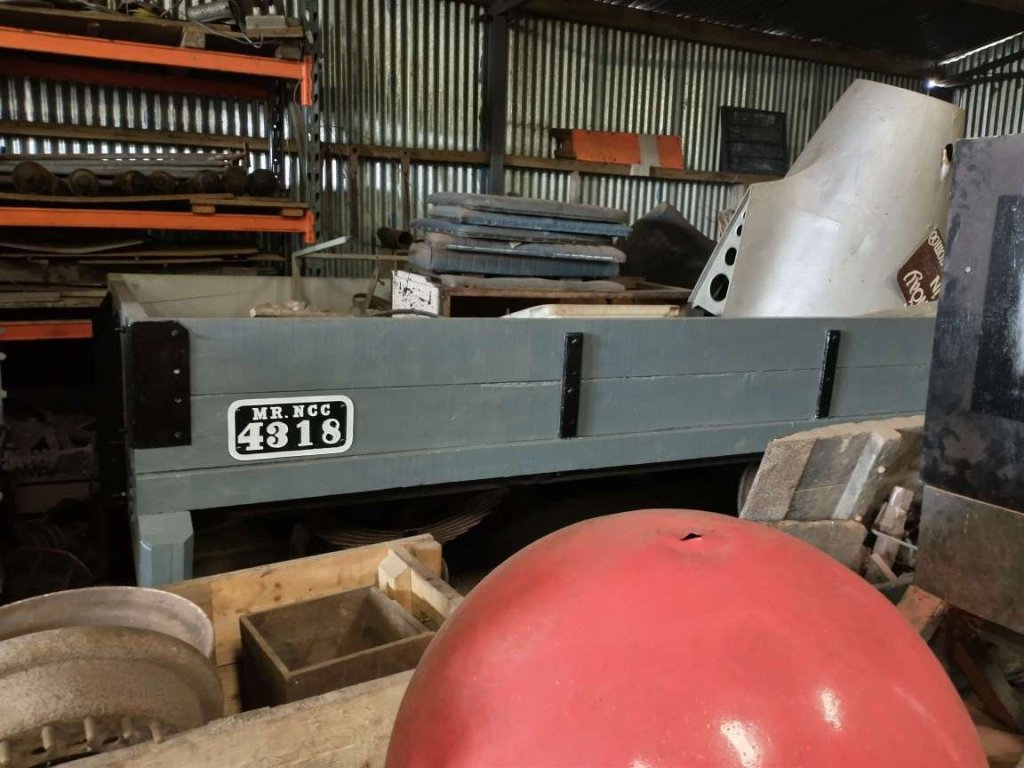
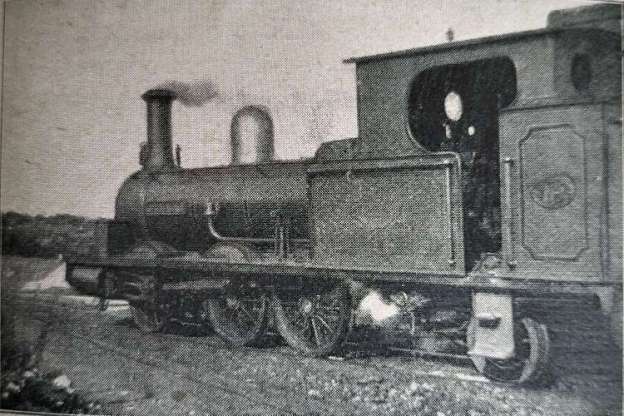
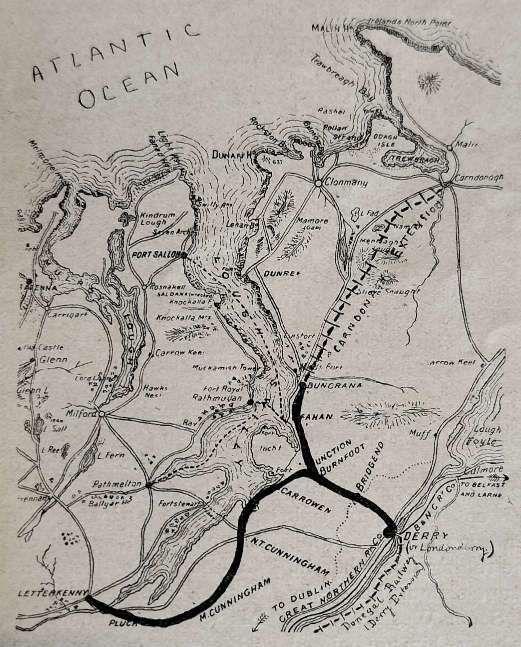
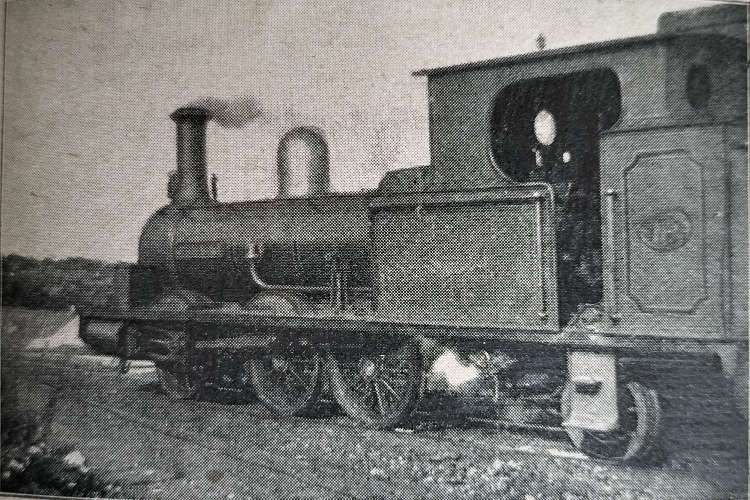
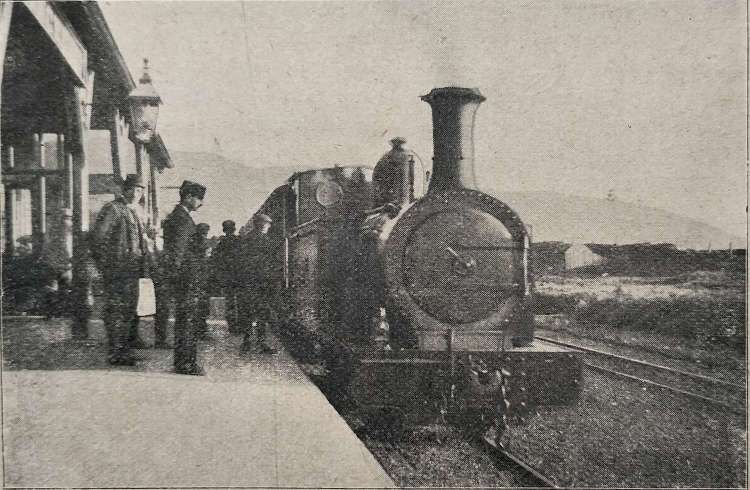


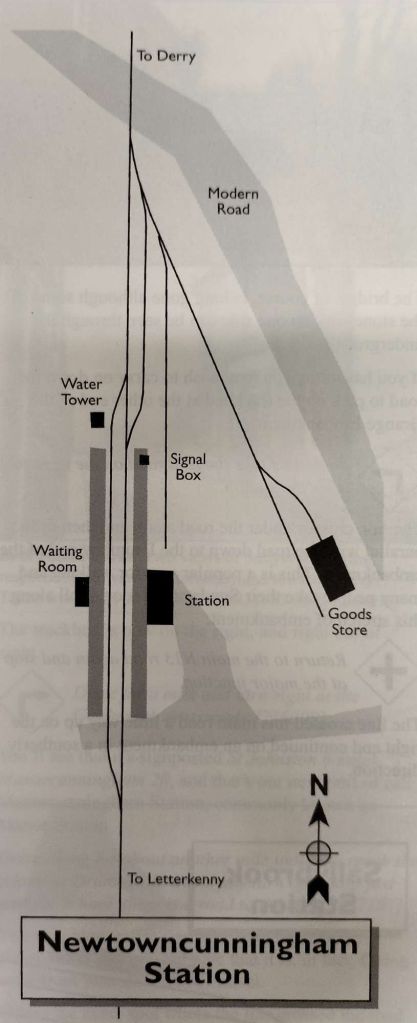
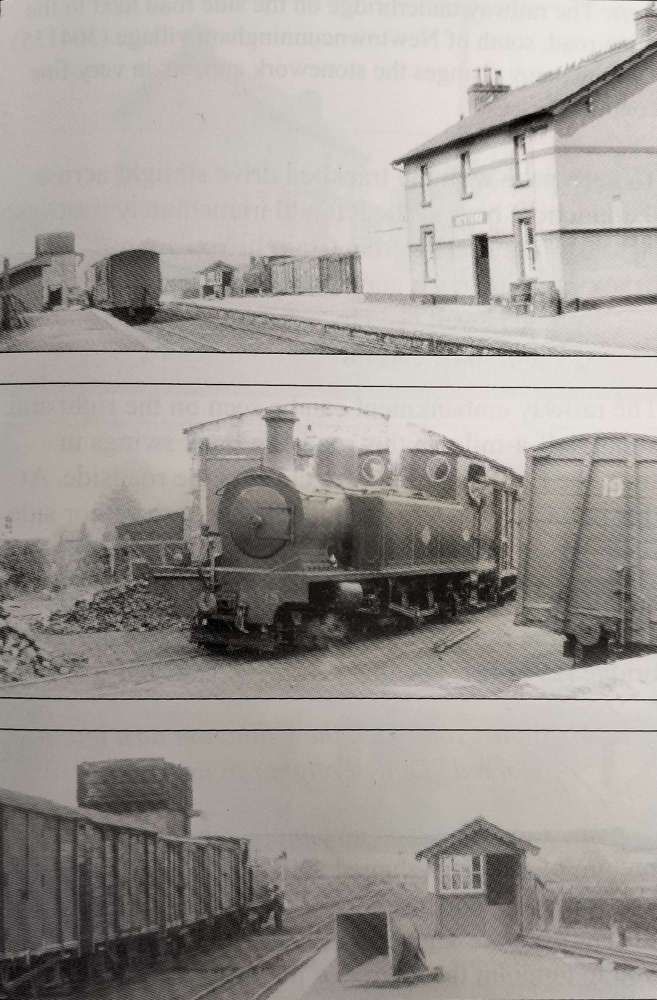







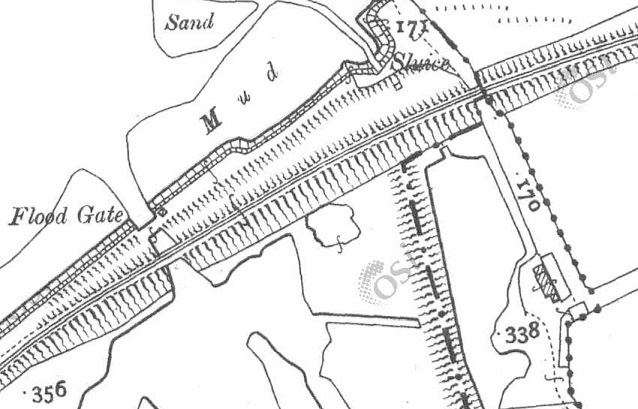

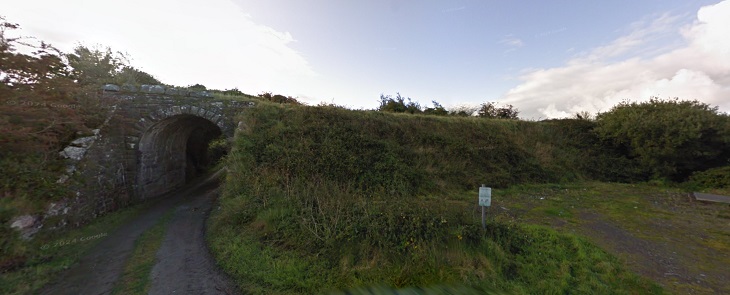


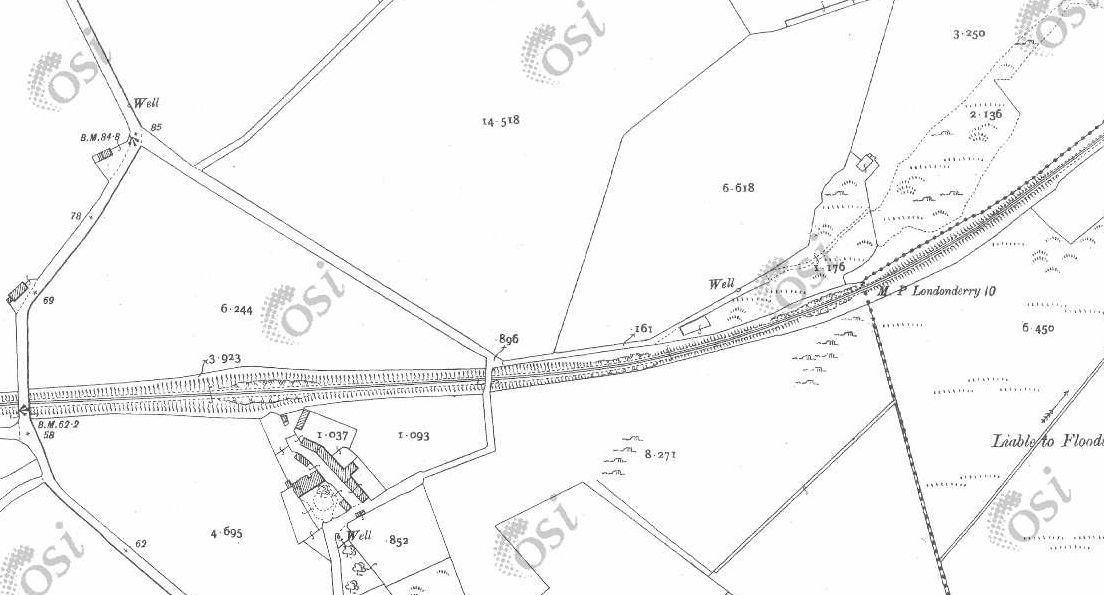

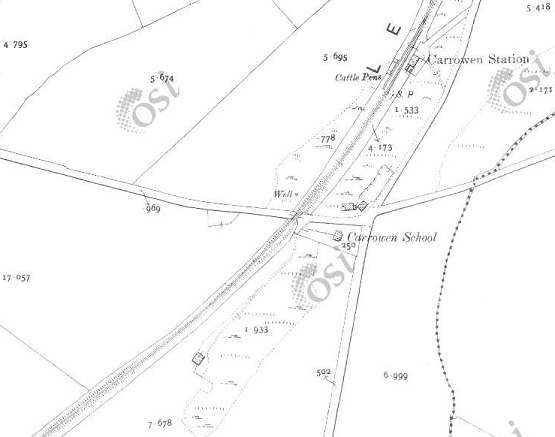


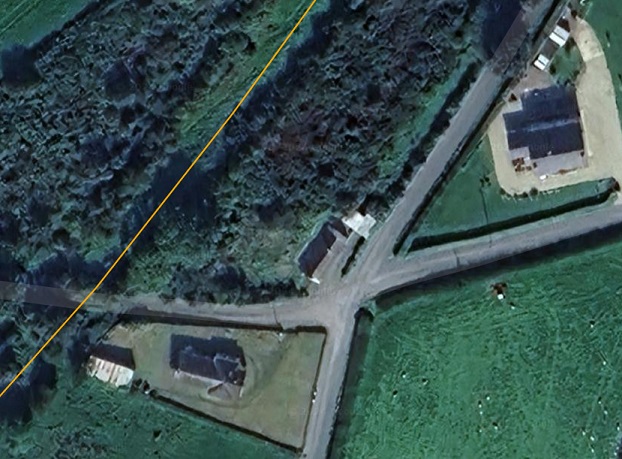
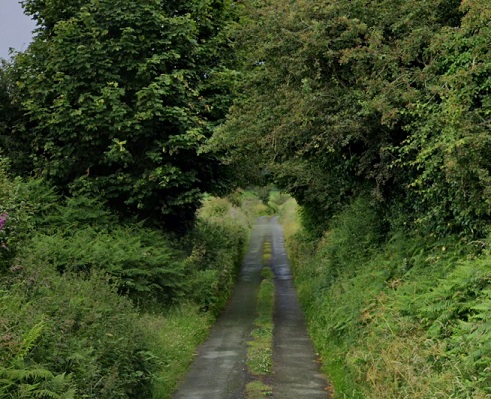


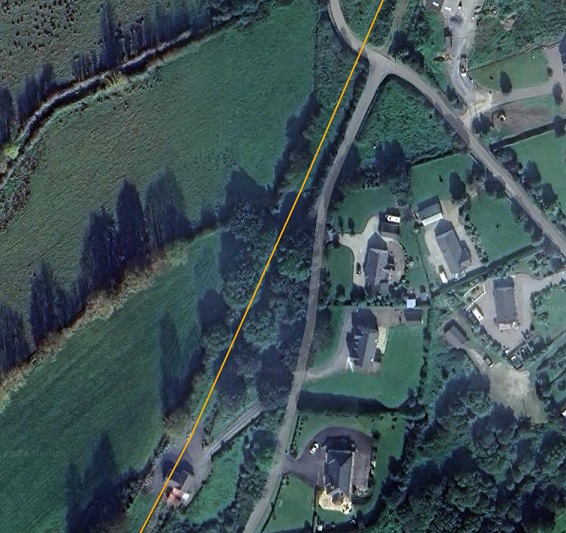


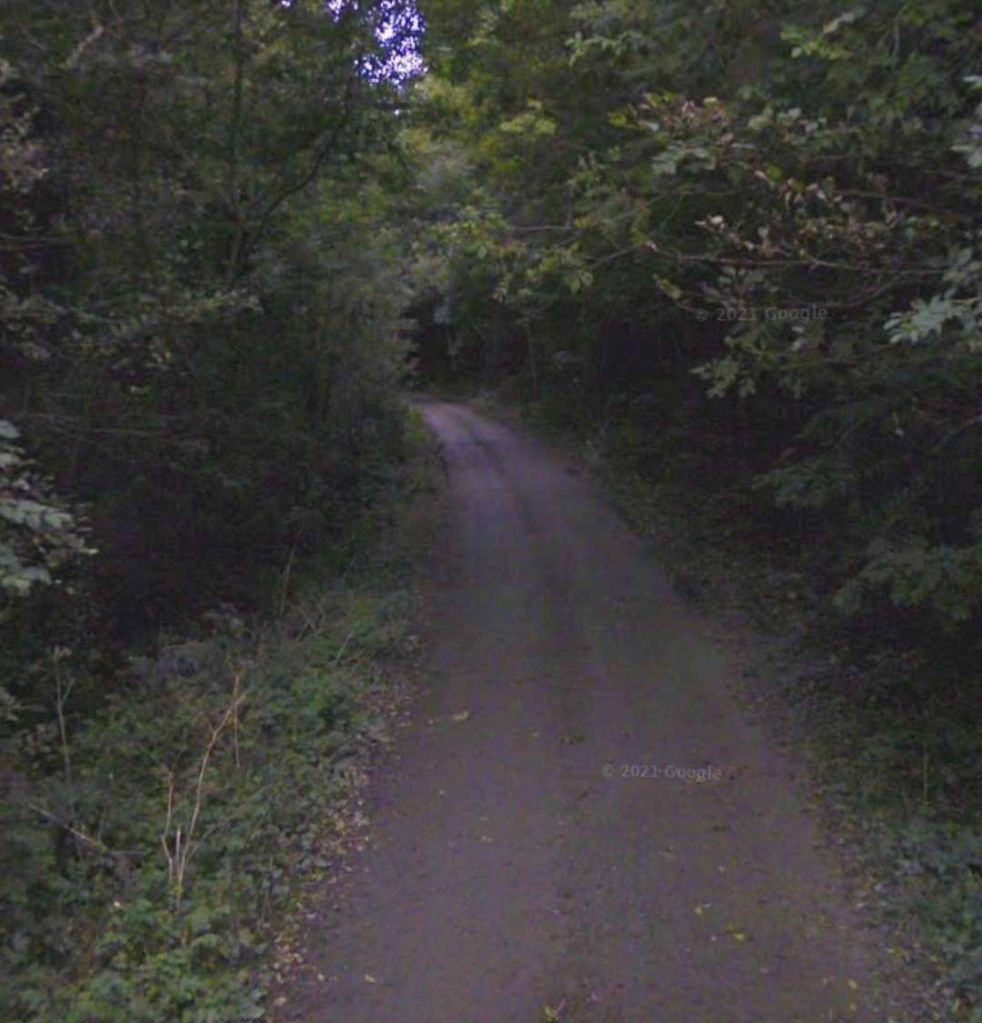
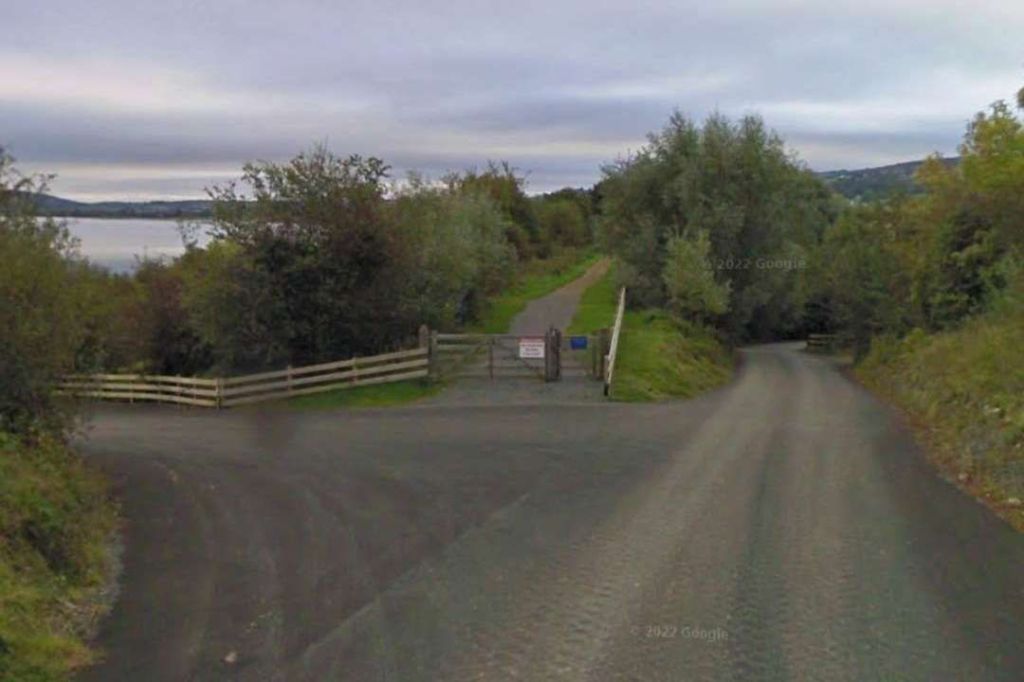


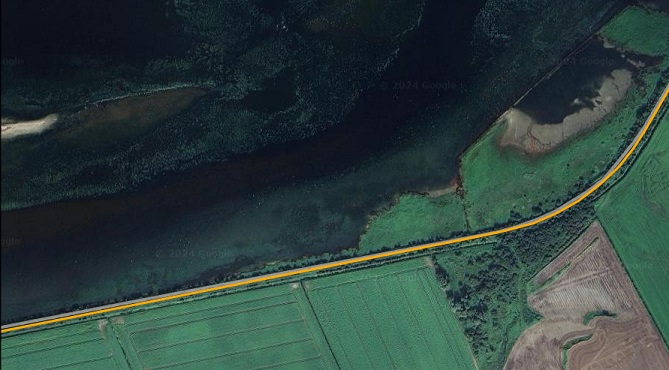
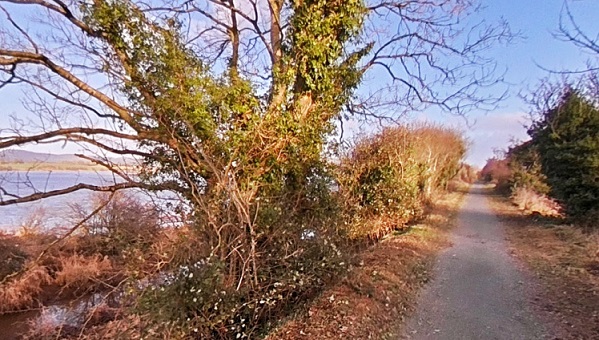


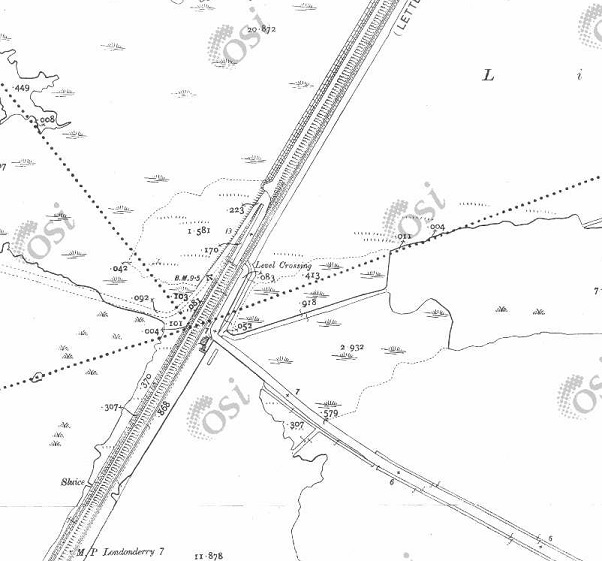


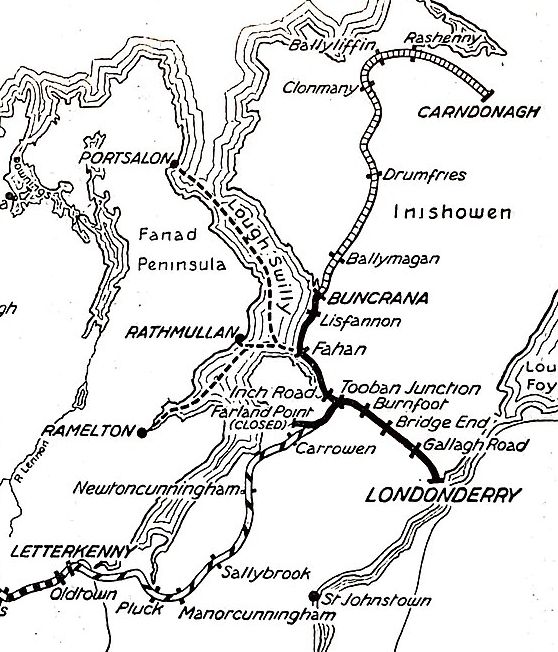

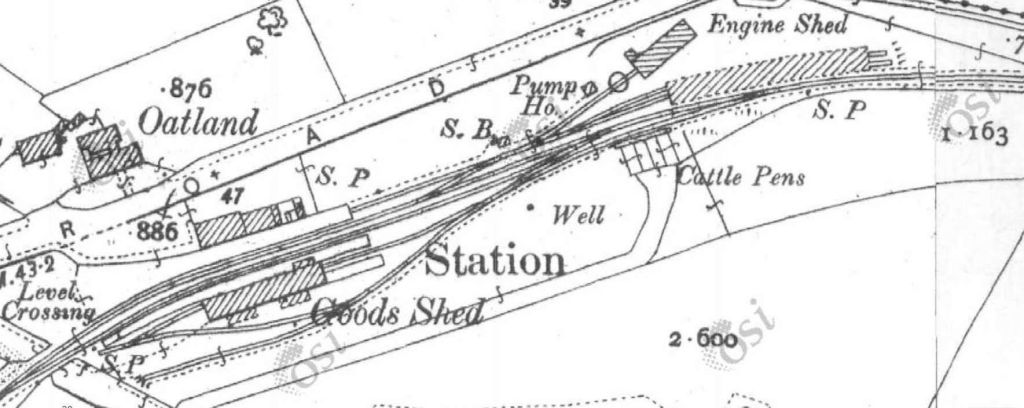


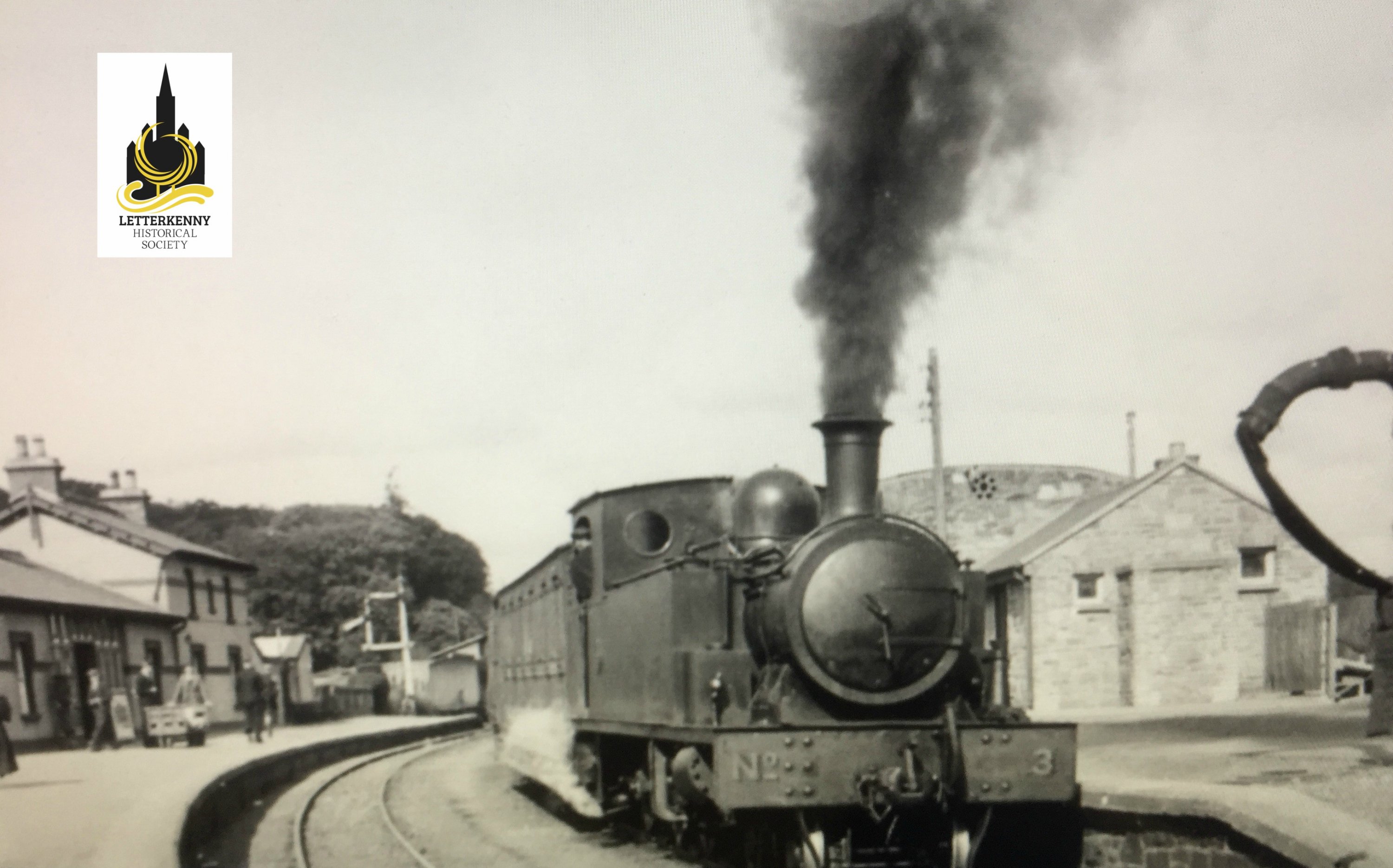


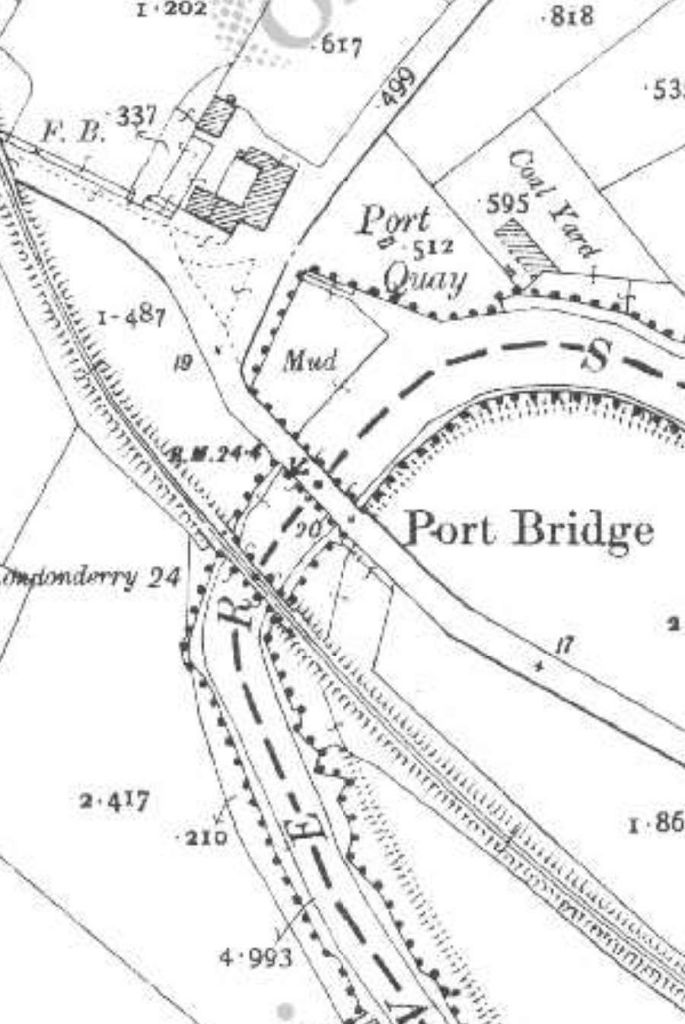

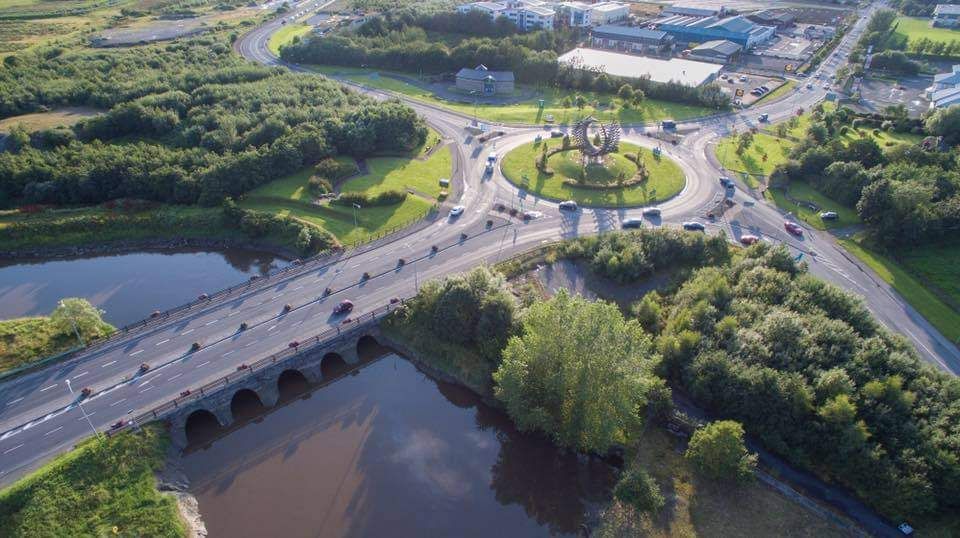


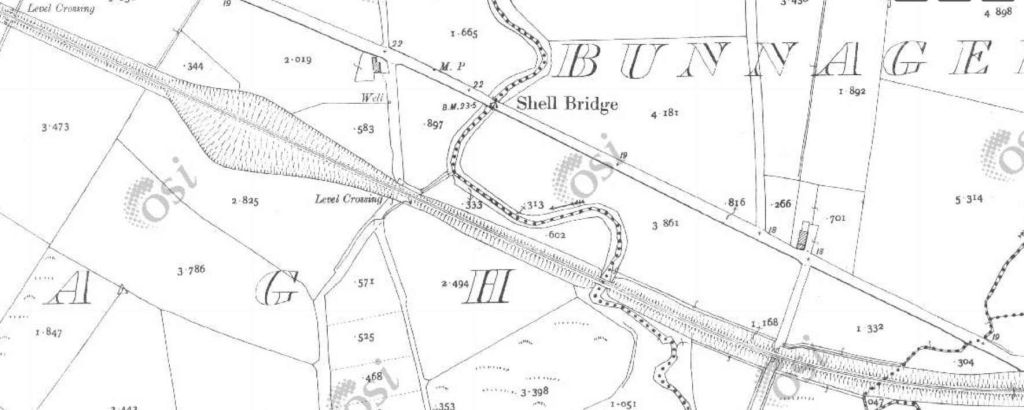
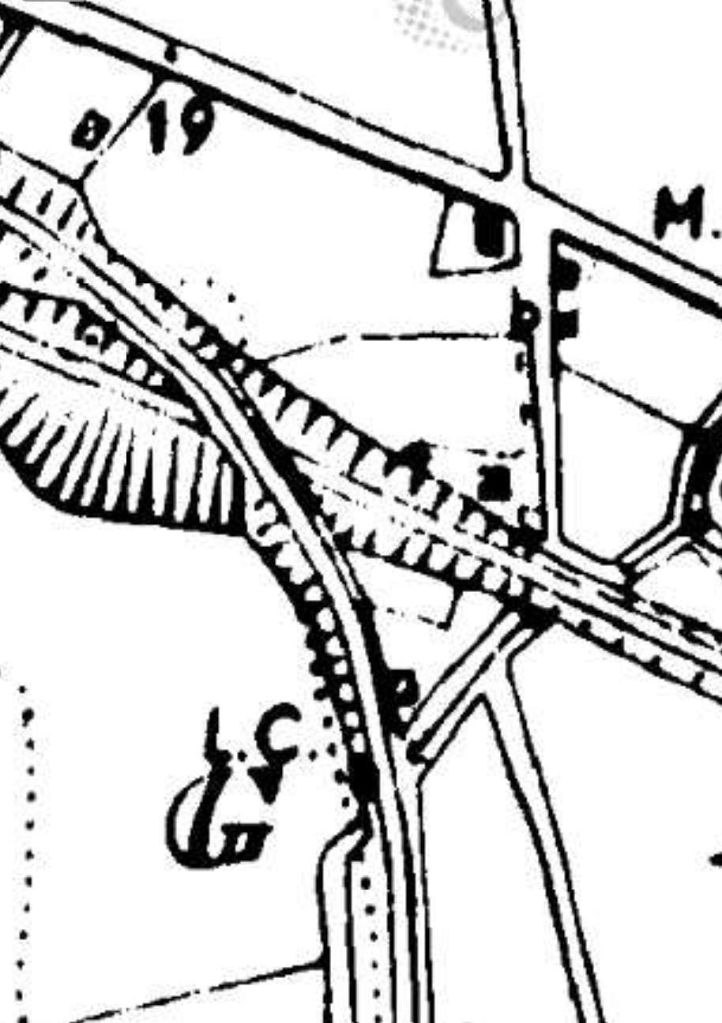
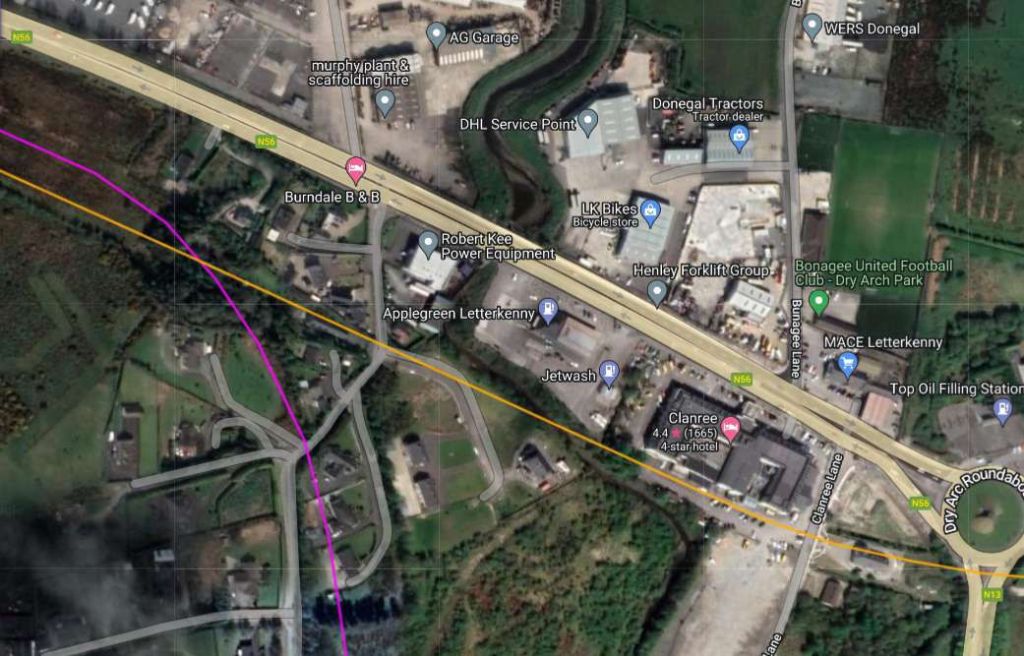




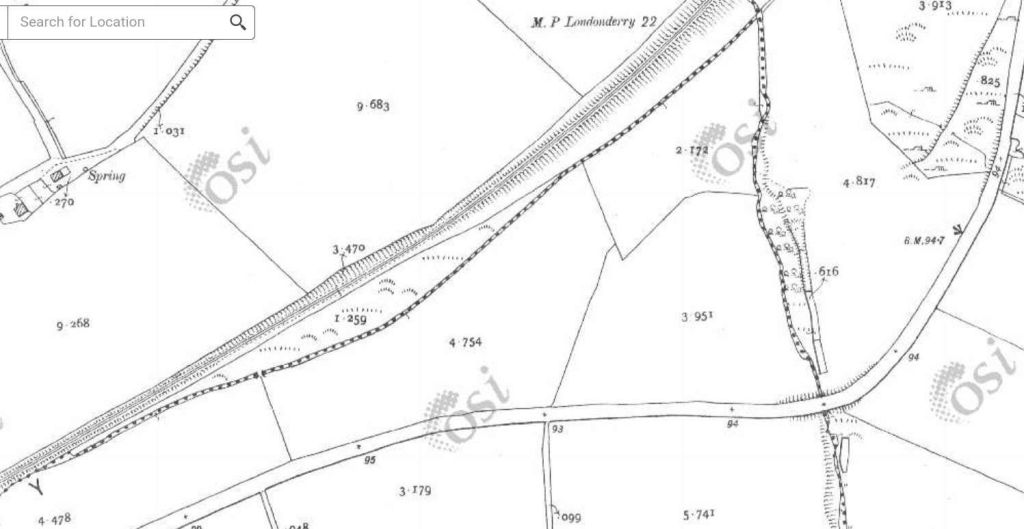


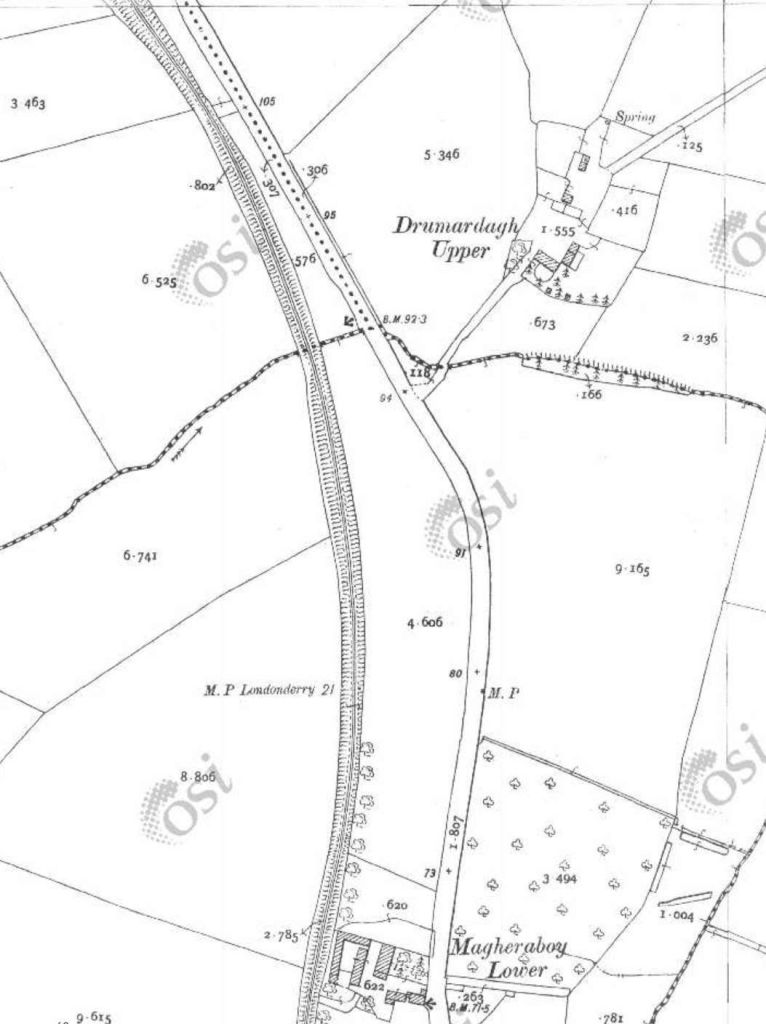
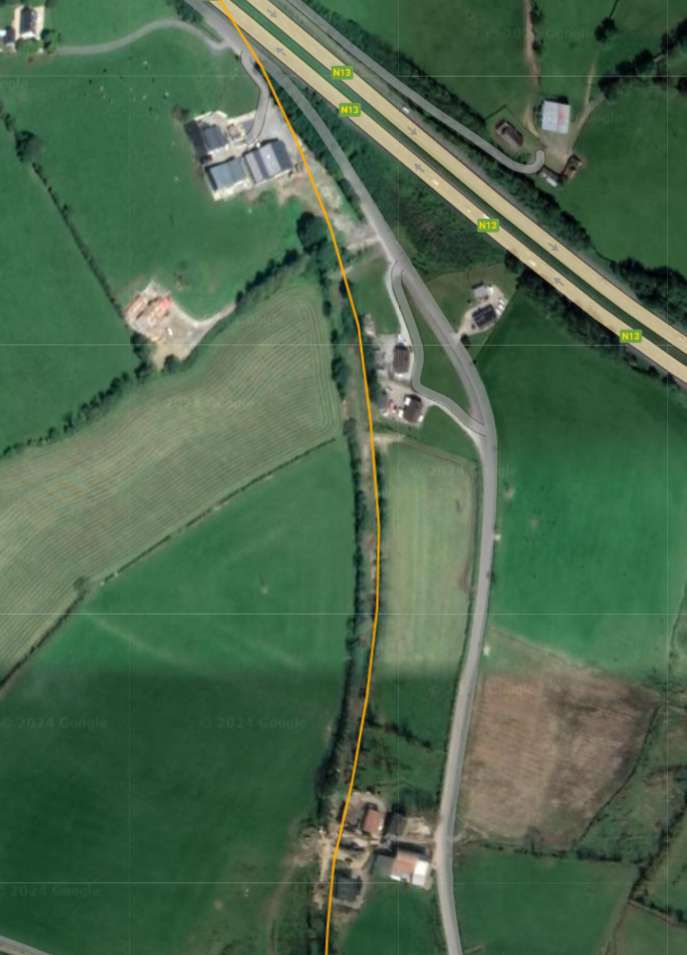




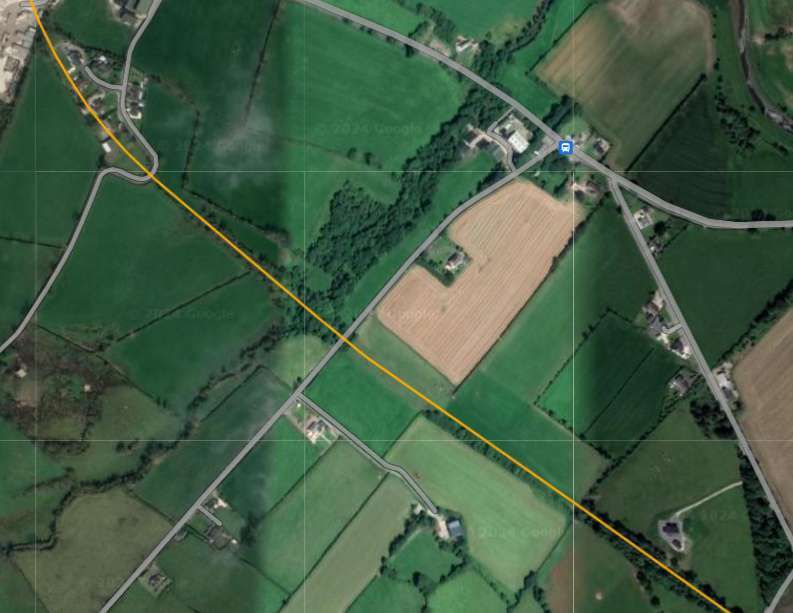
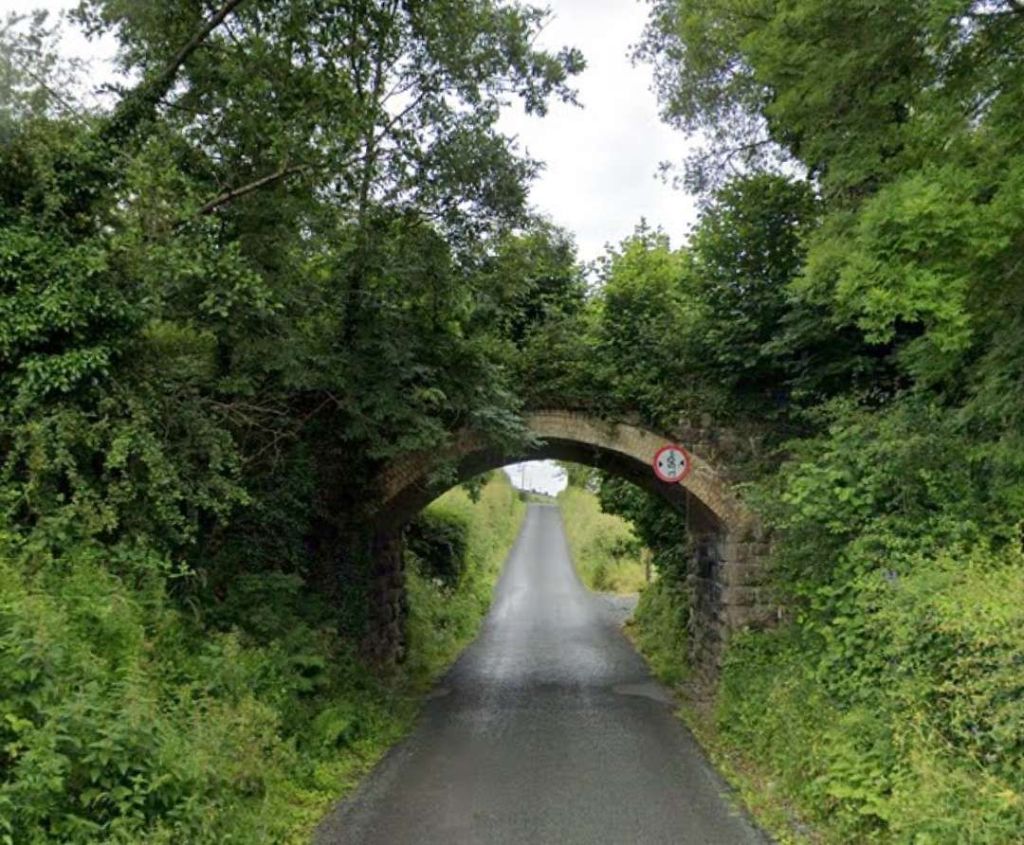


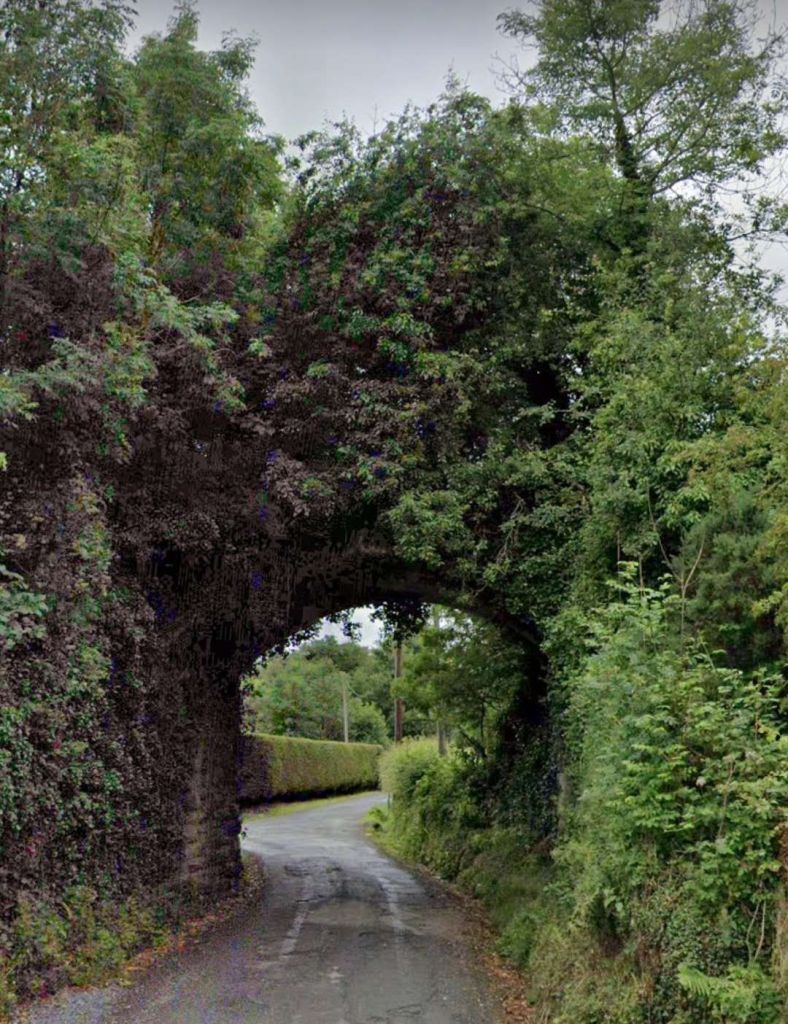


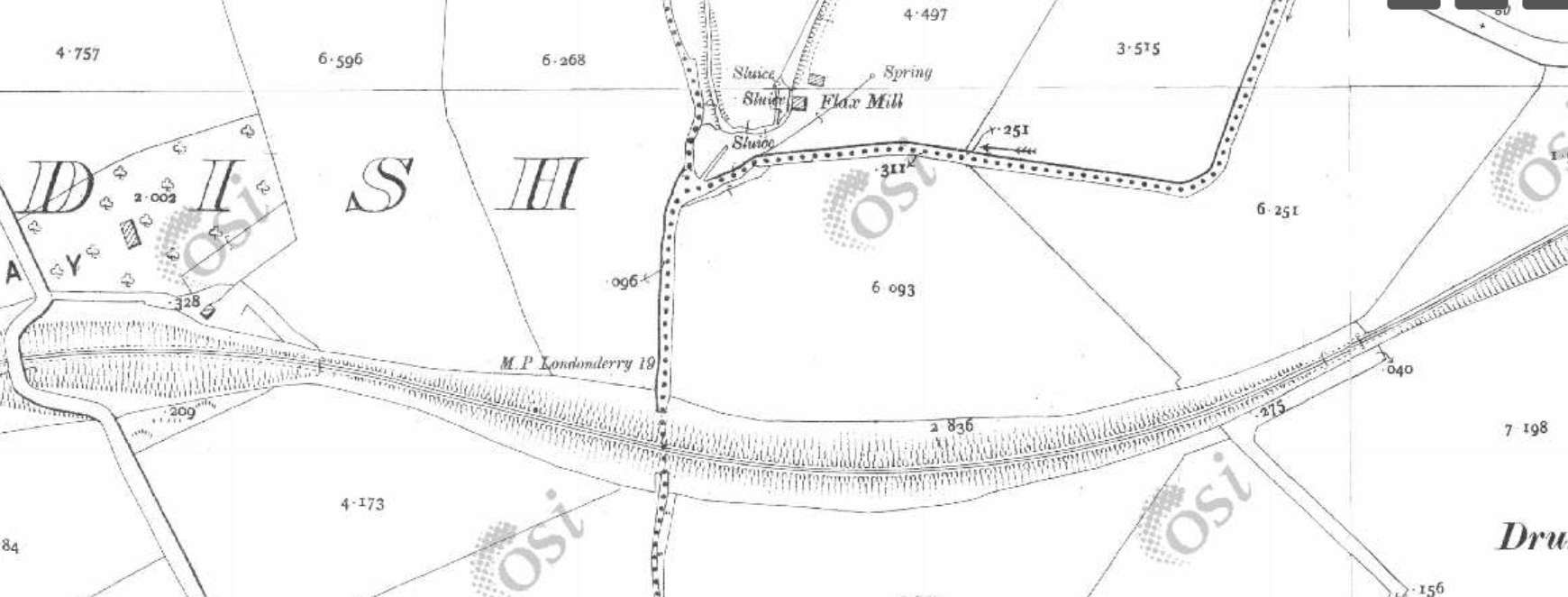


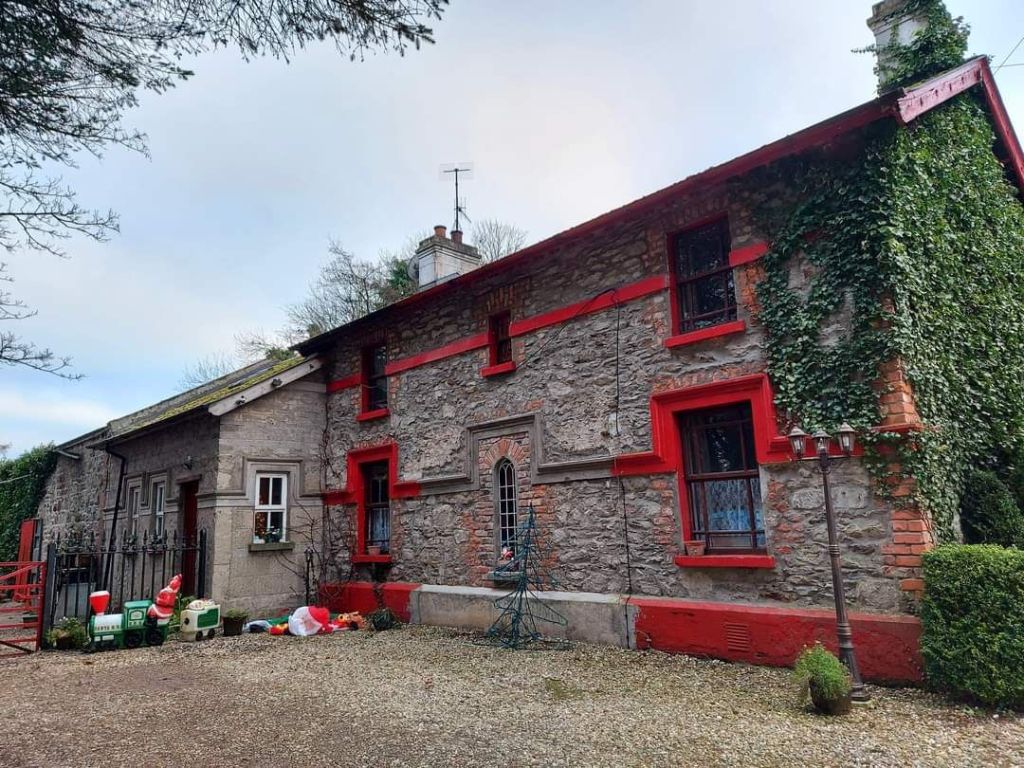
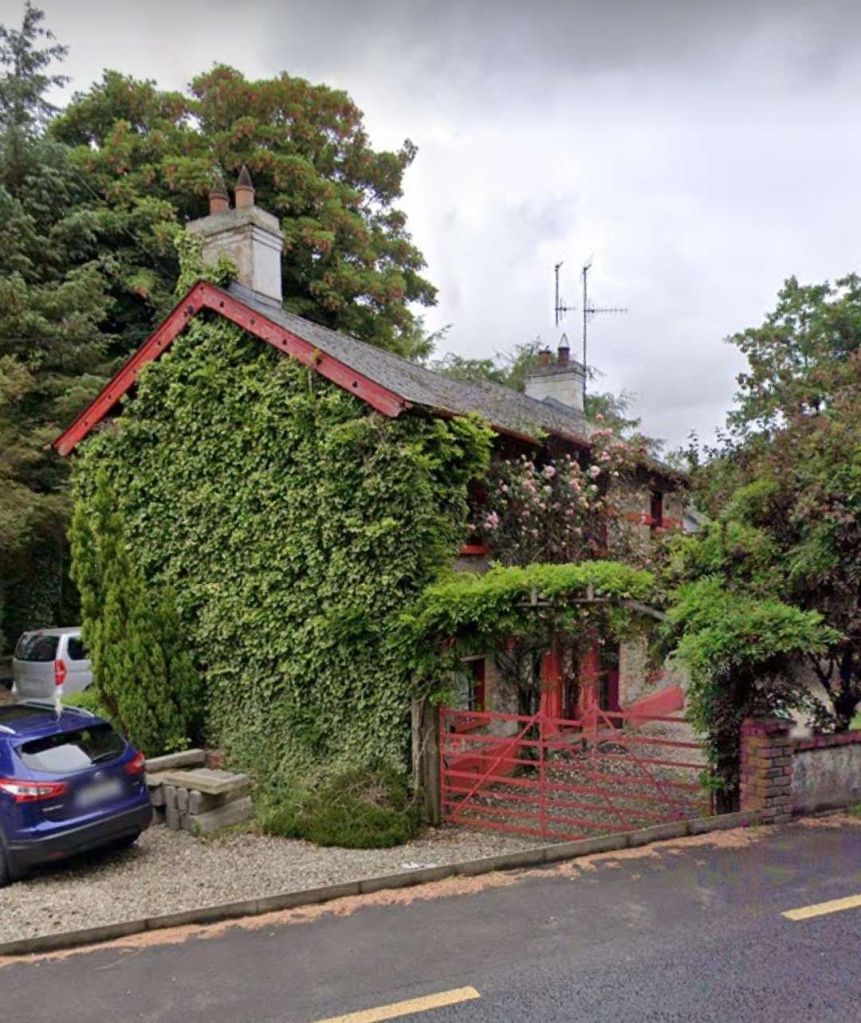

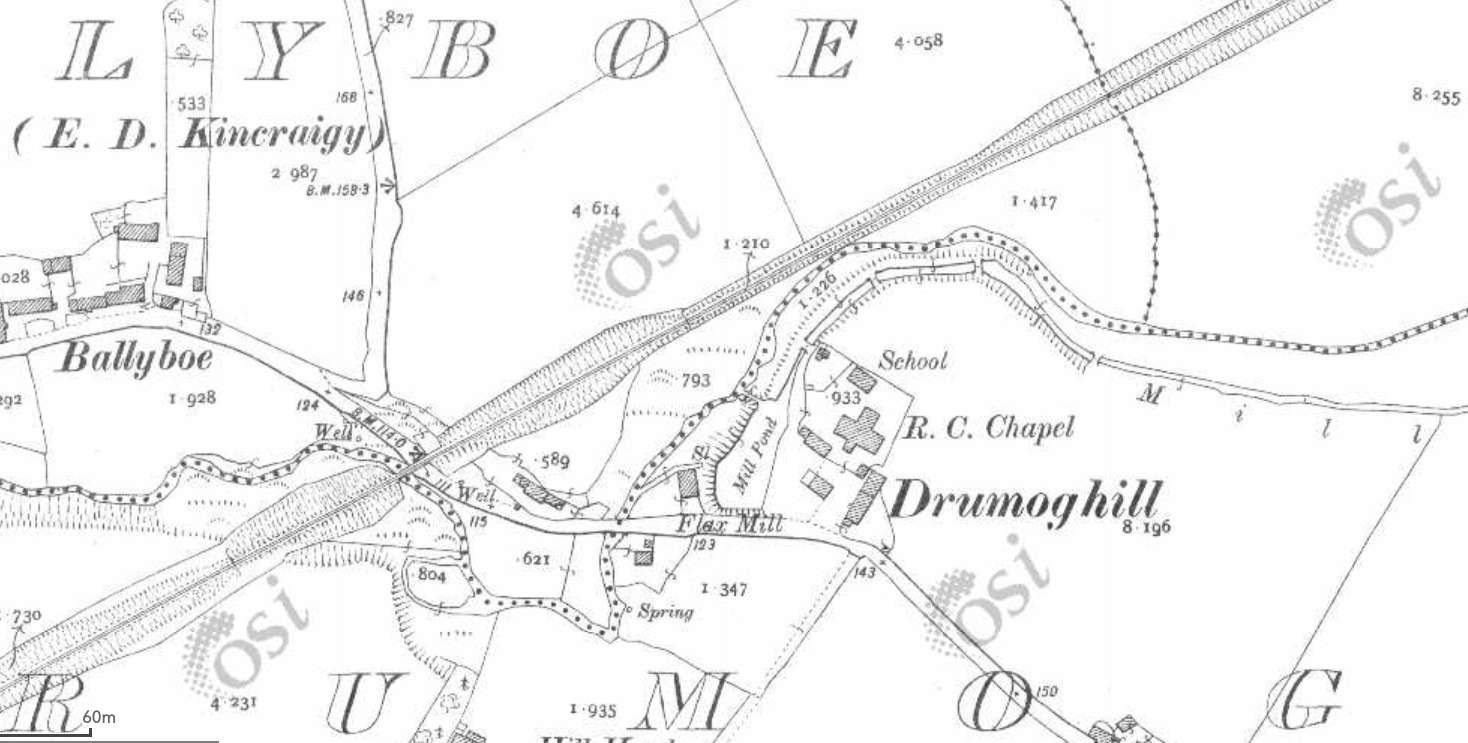

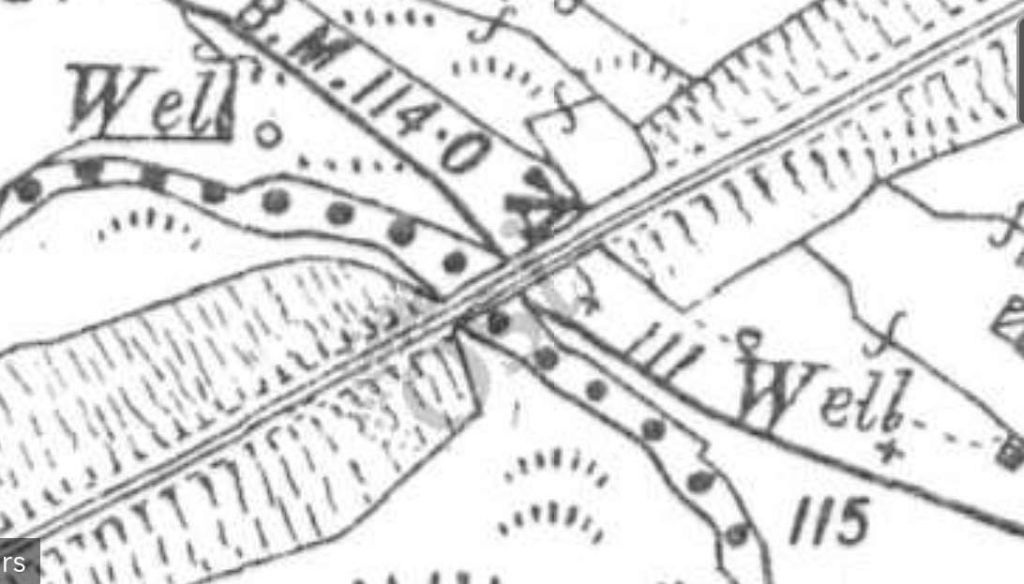
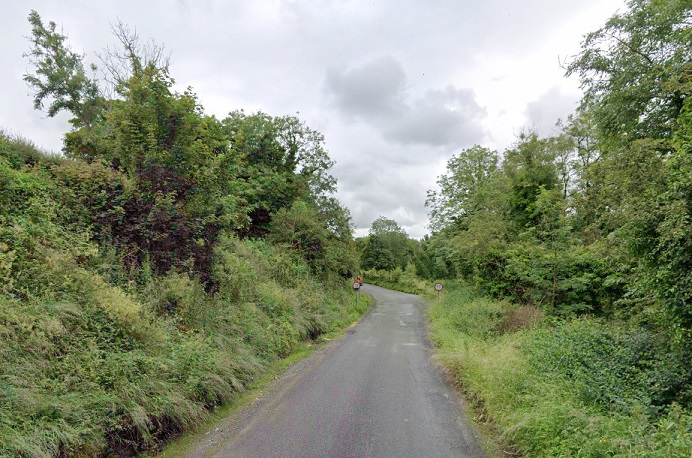

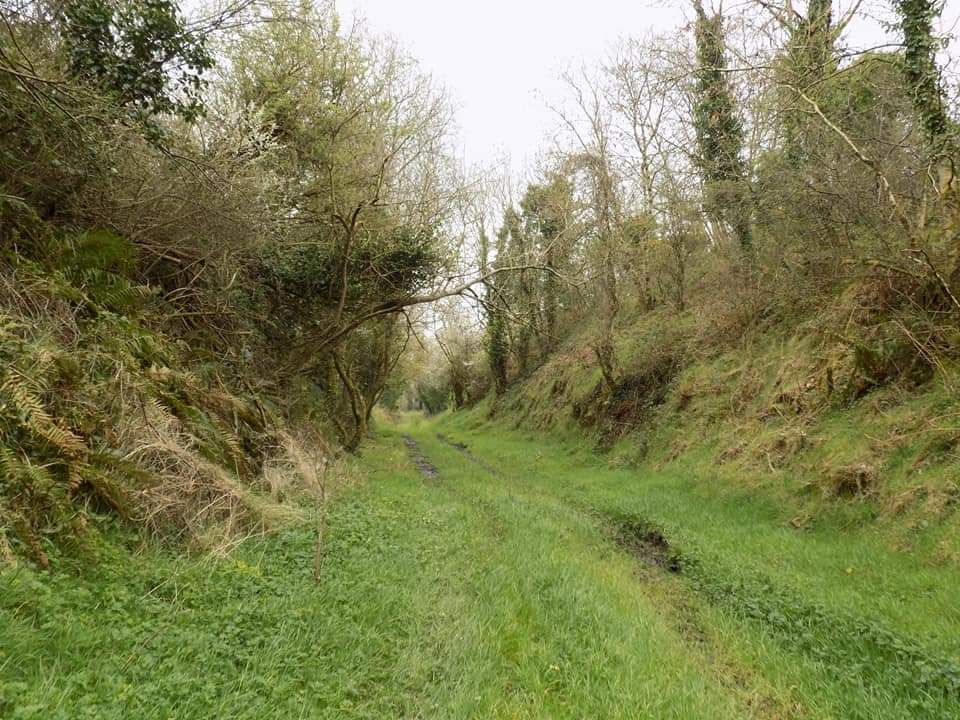


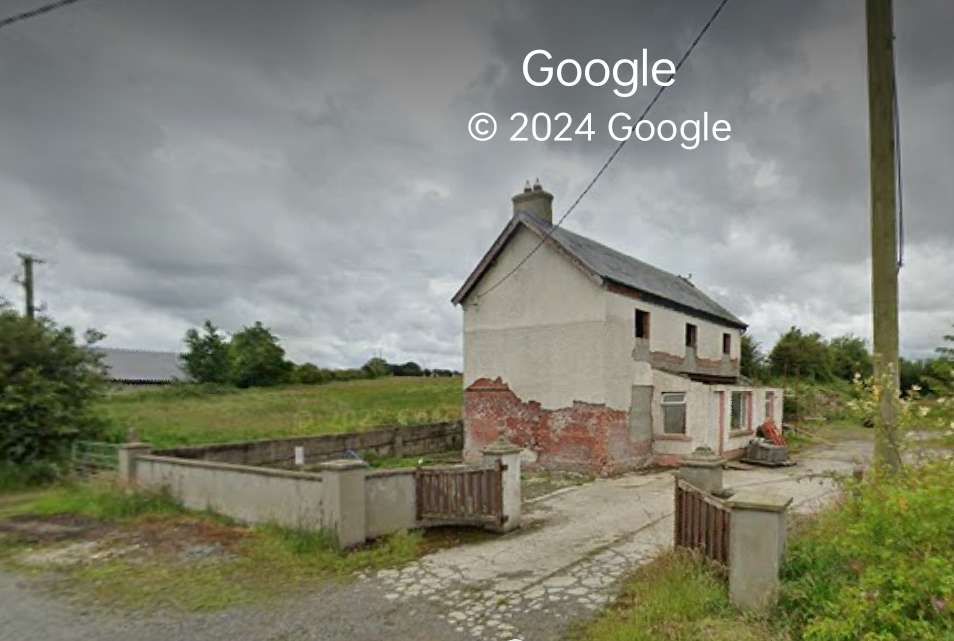


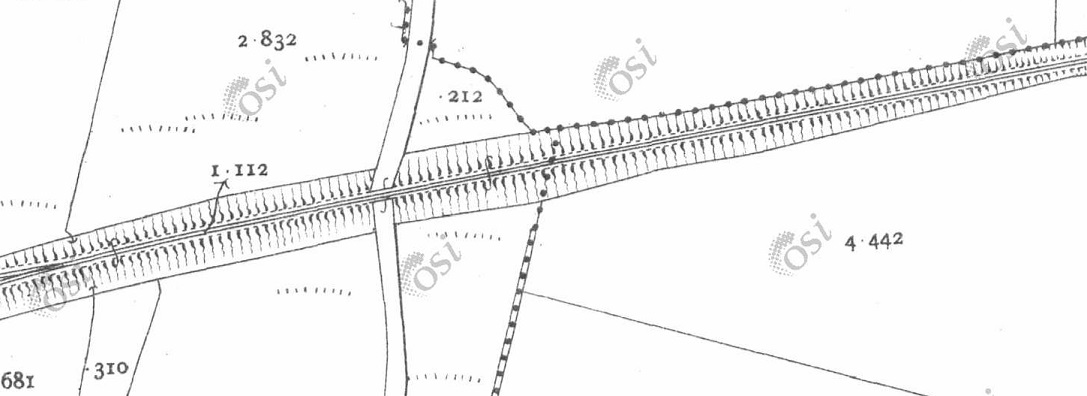


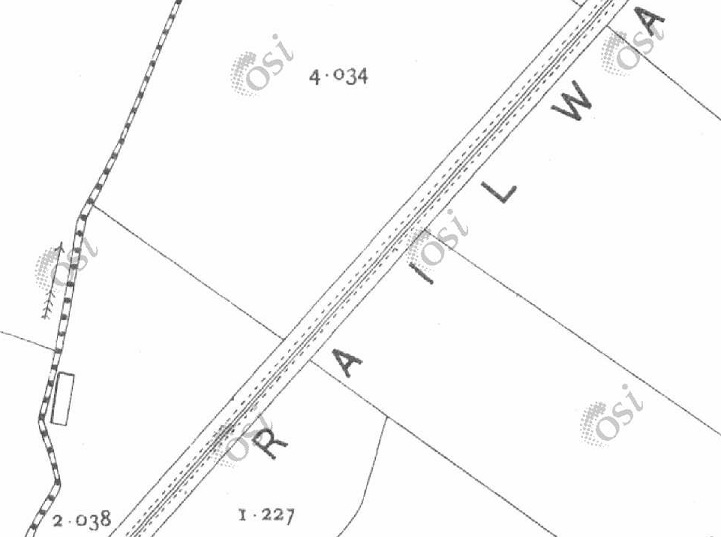


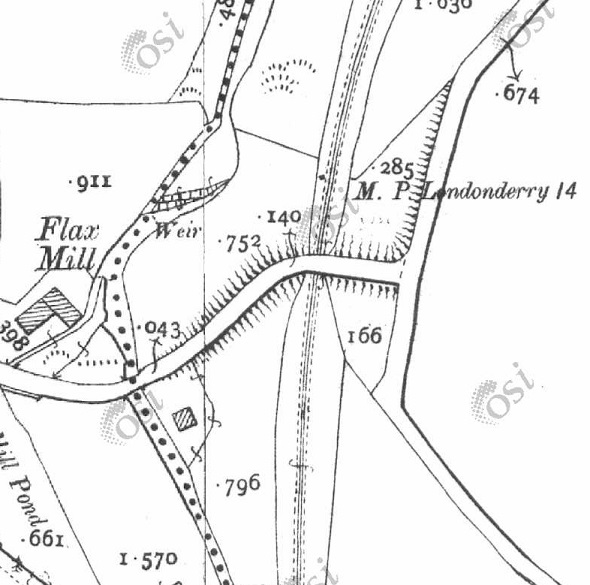


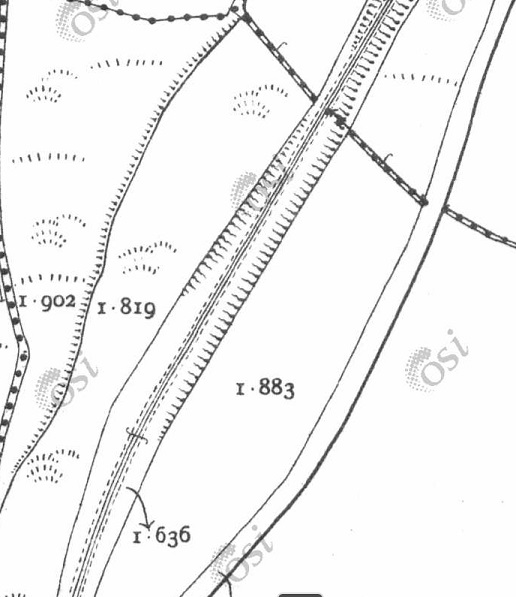

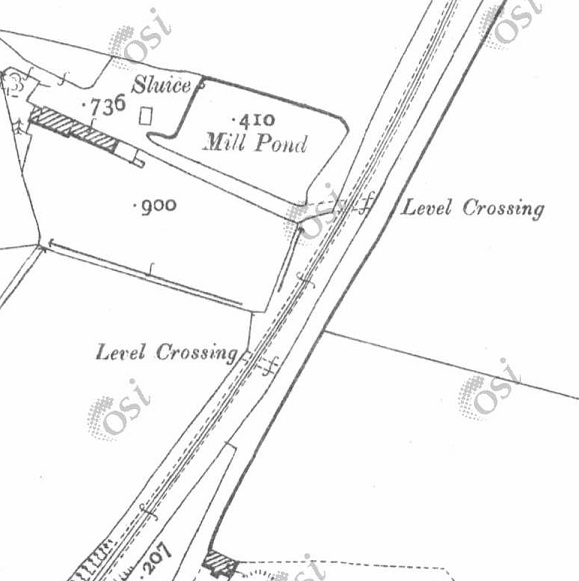





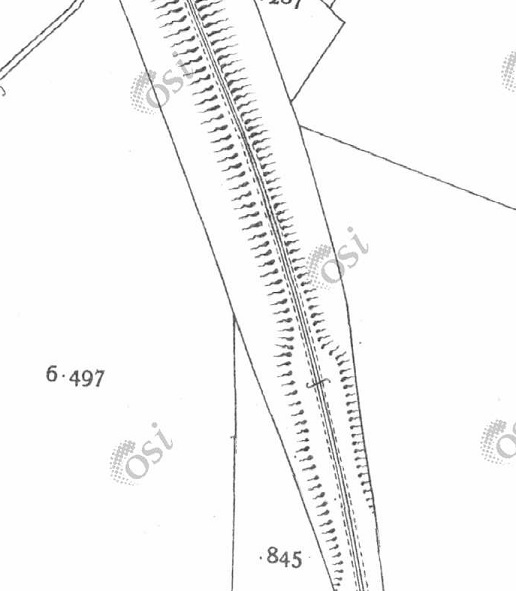
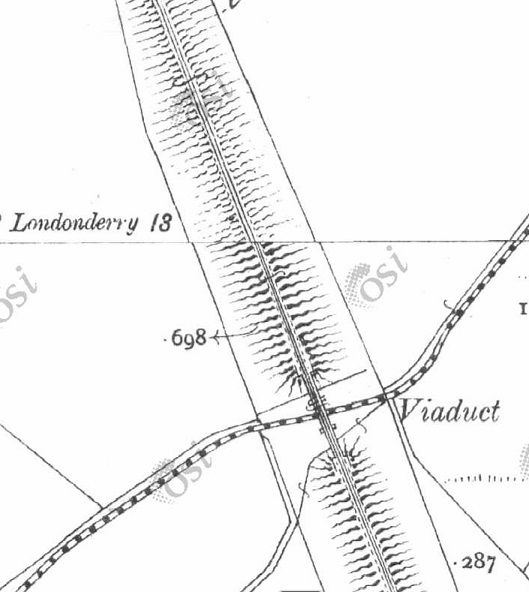

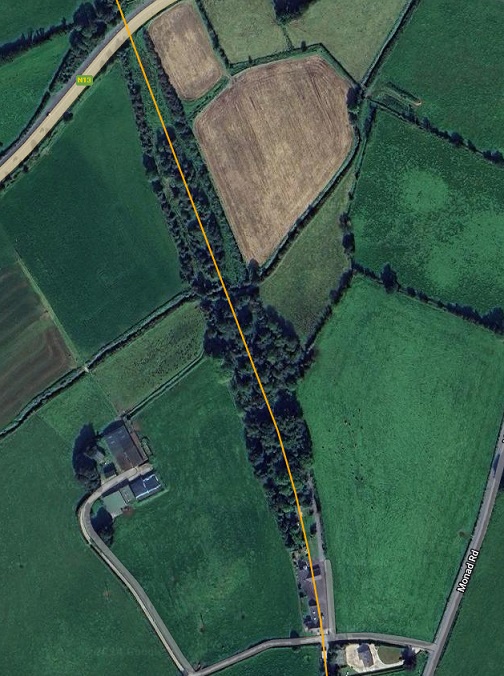


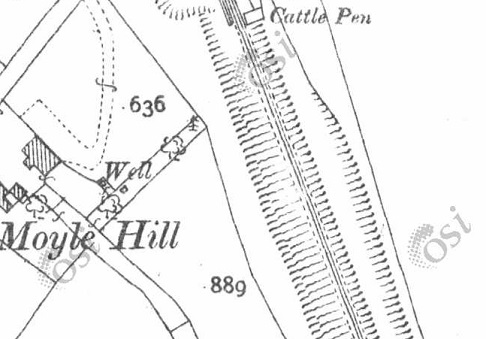


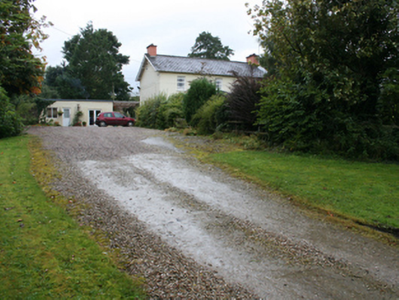


.jpg)


#/media/File:P1020943_Bahnhof_Husum_2019.jpg)