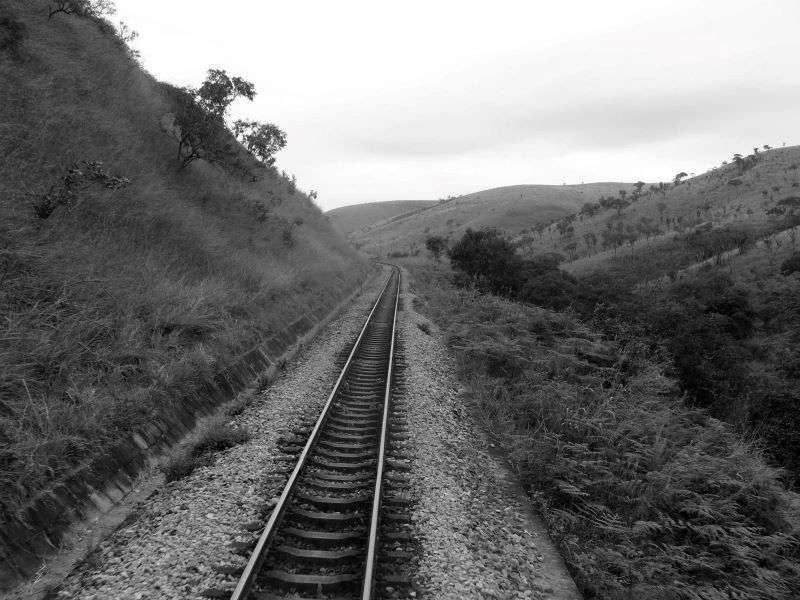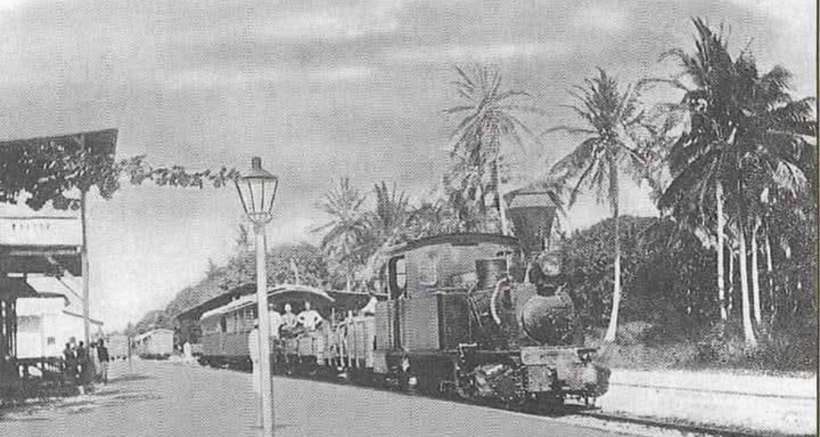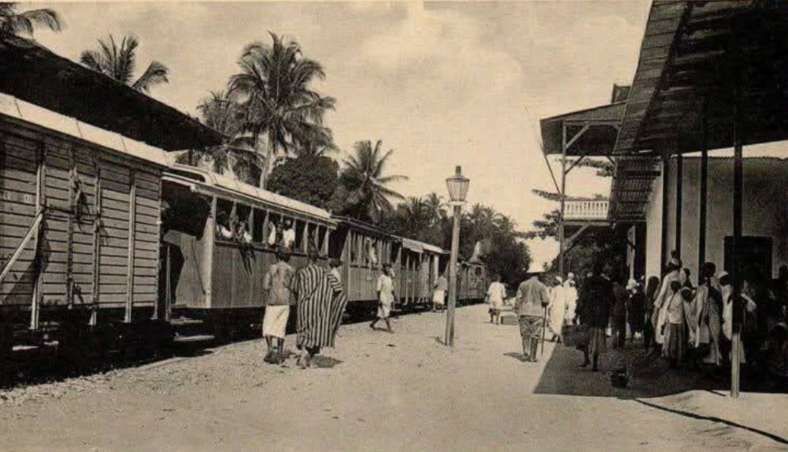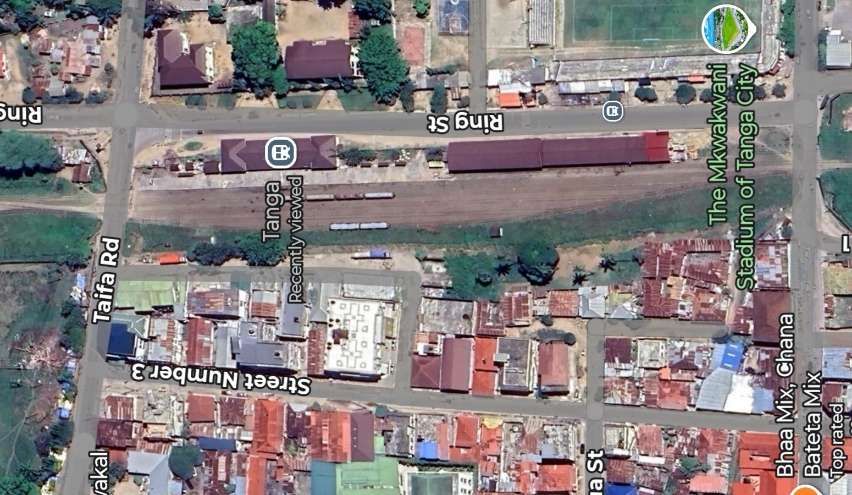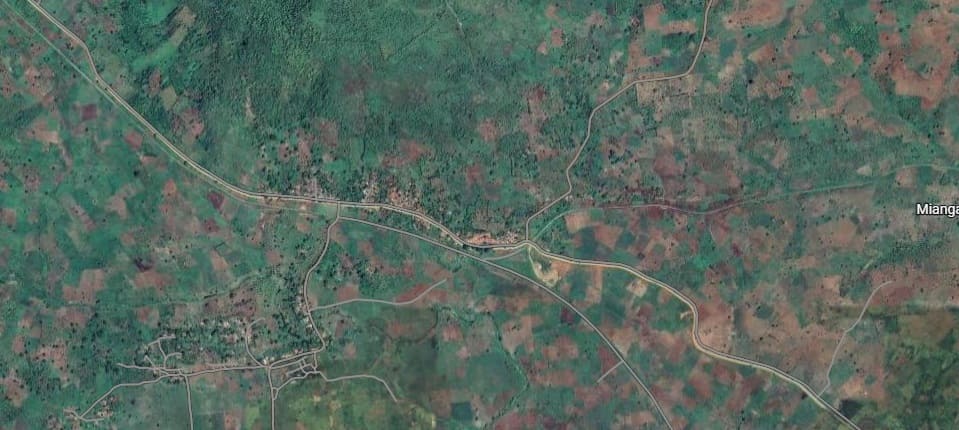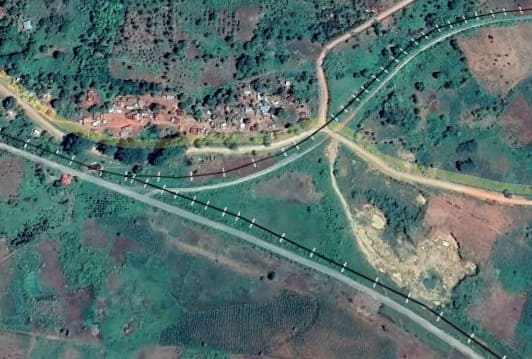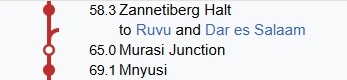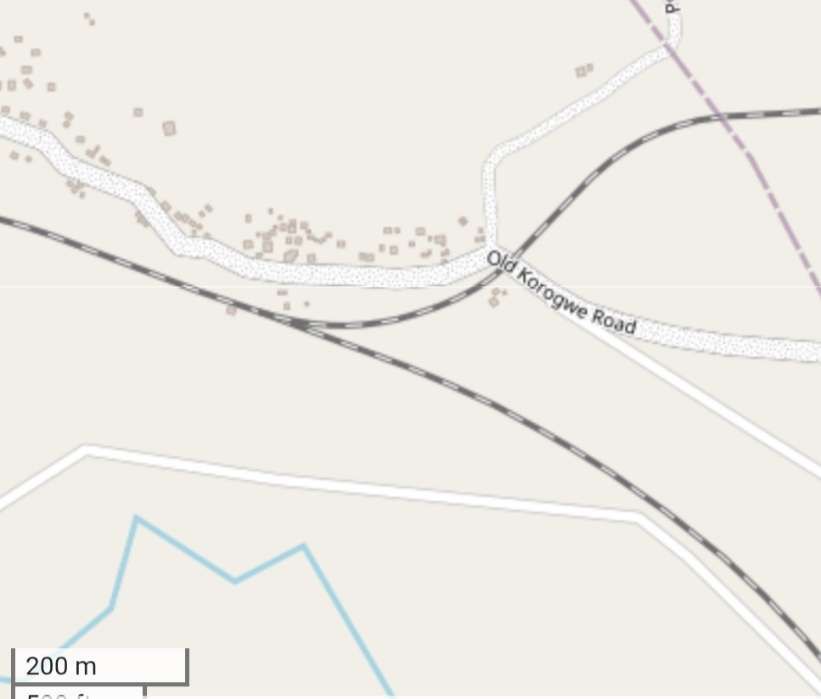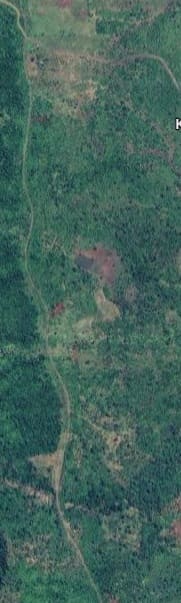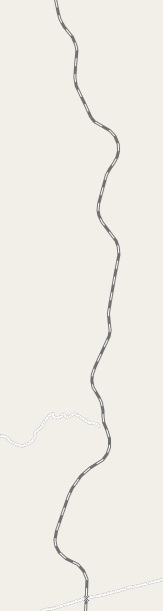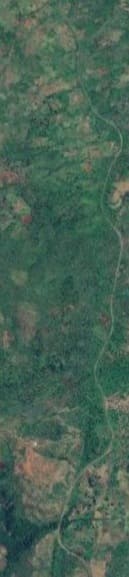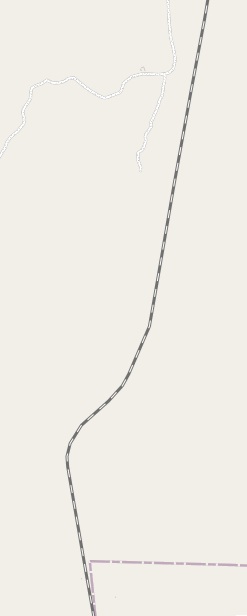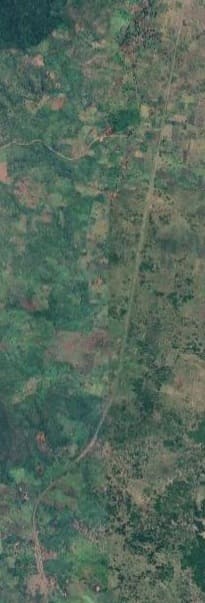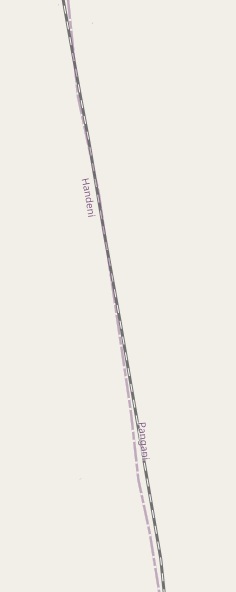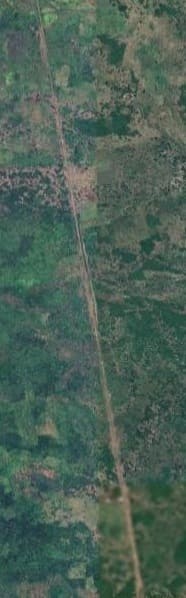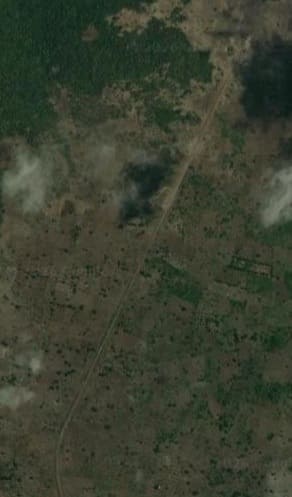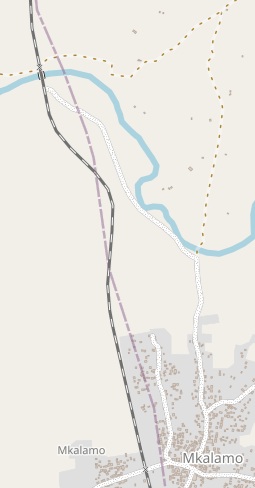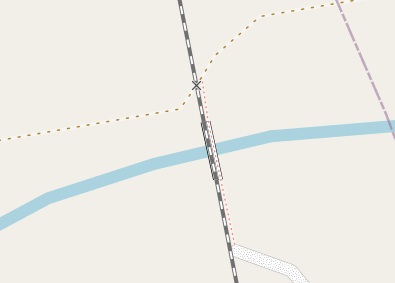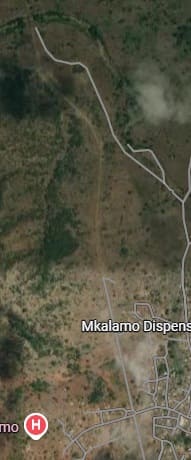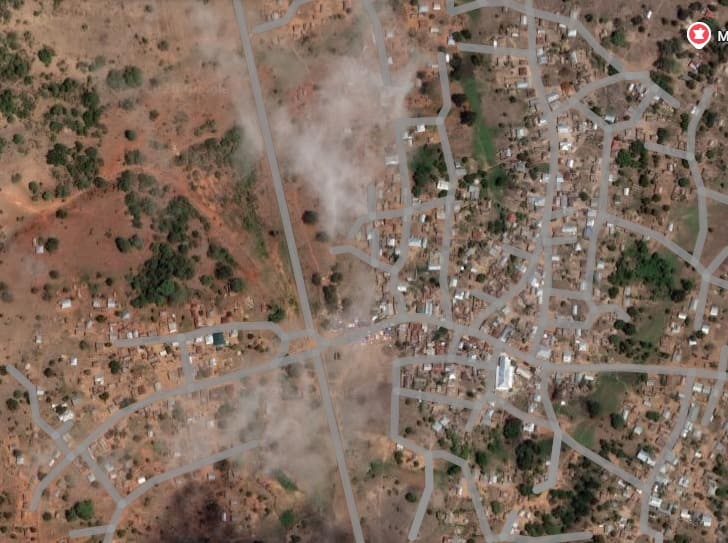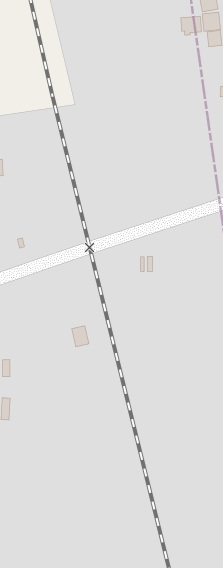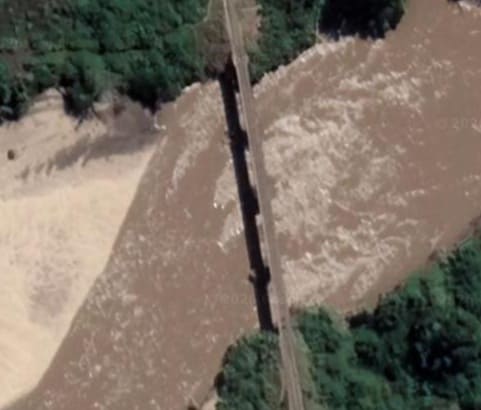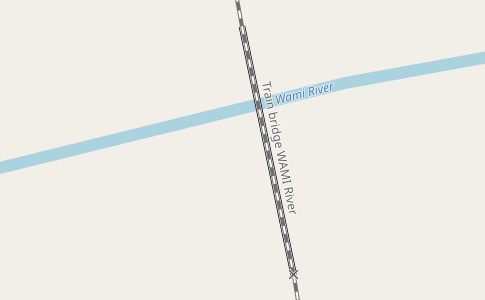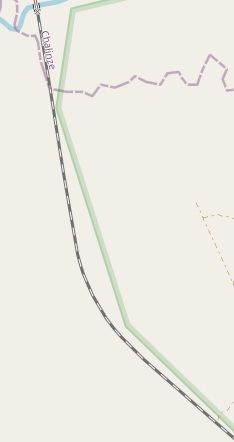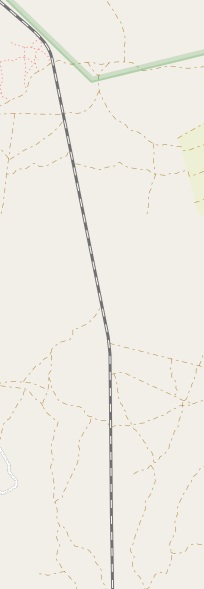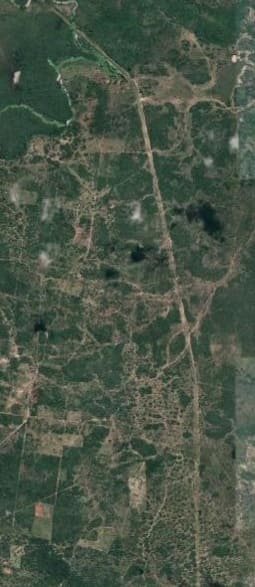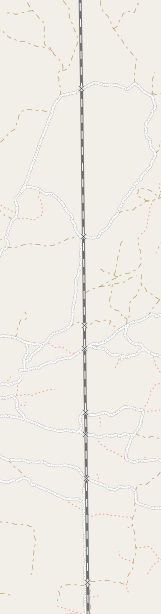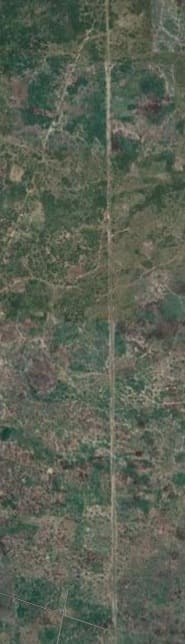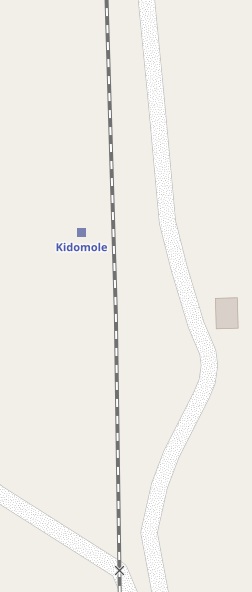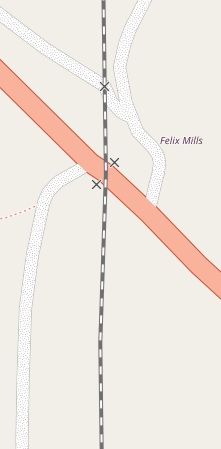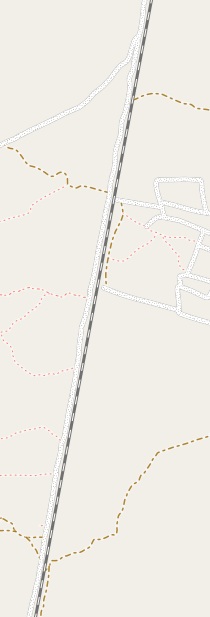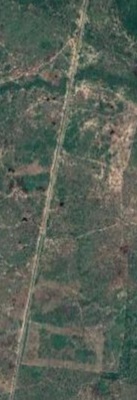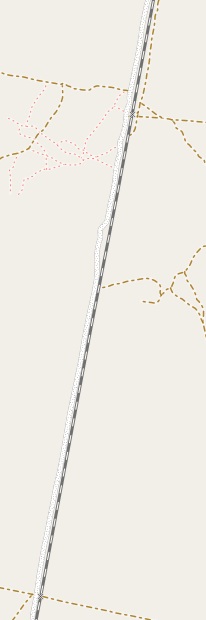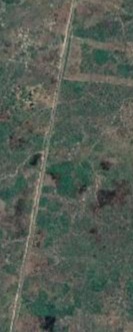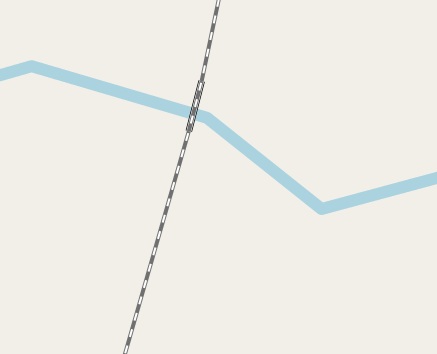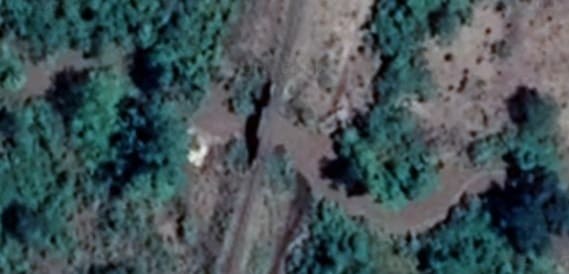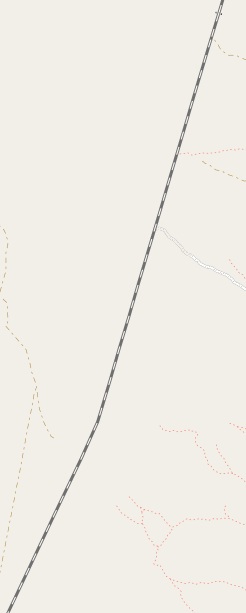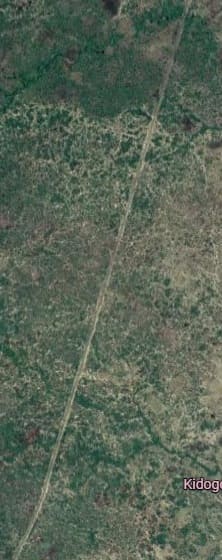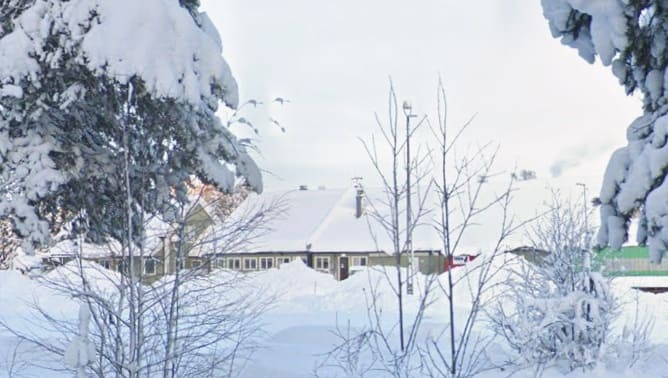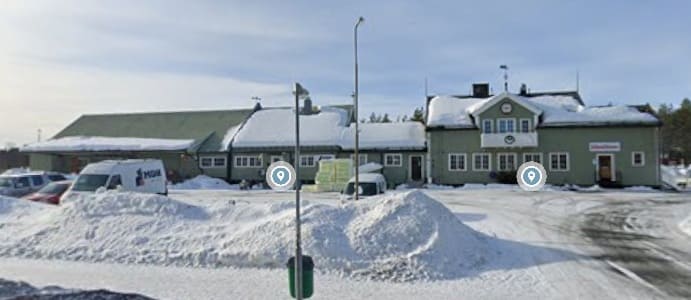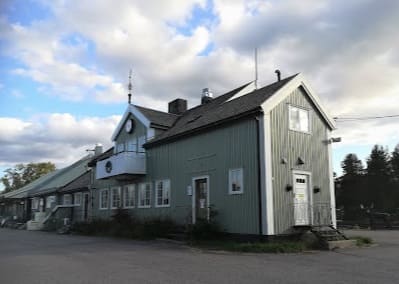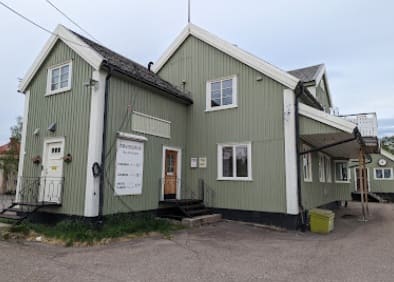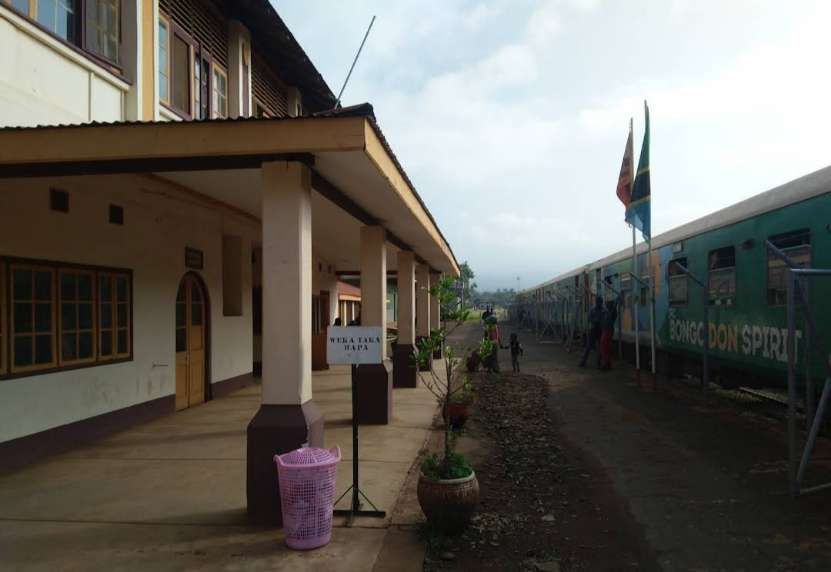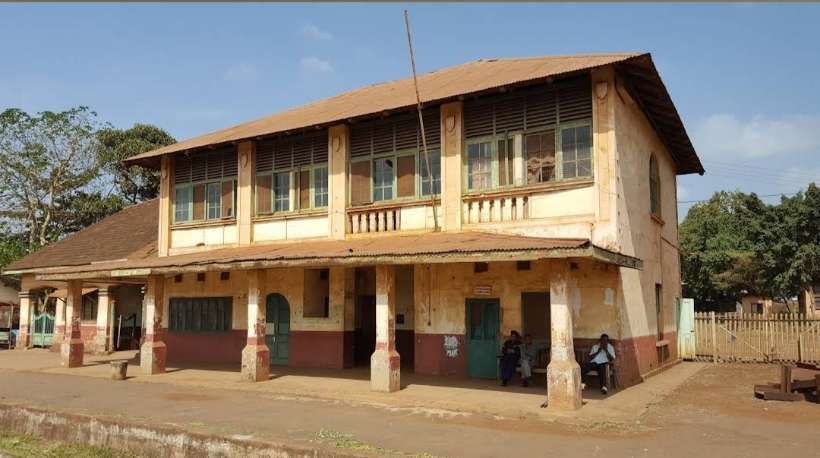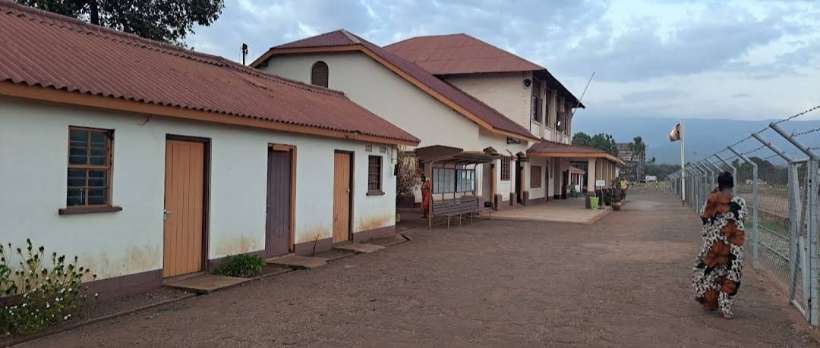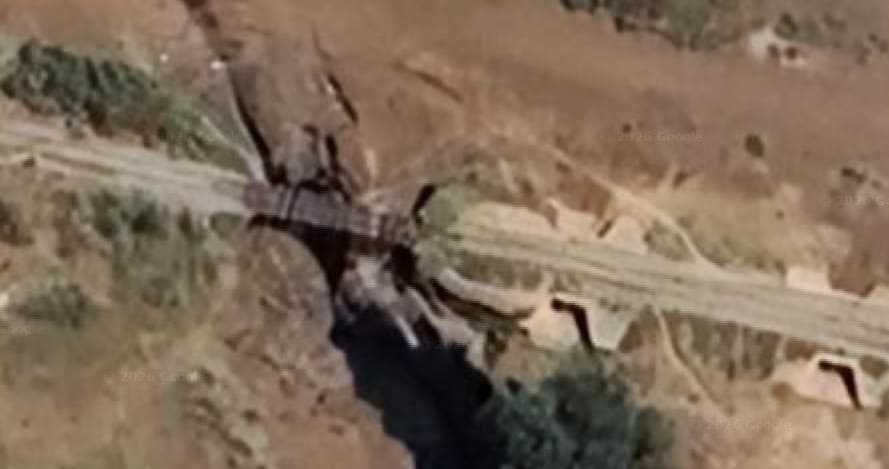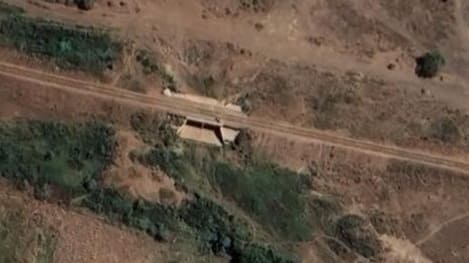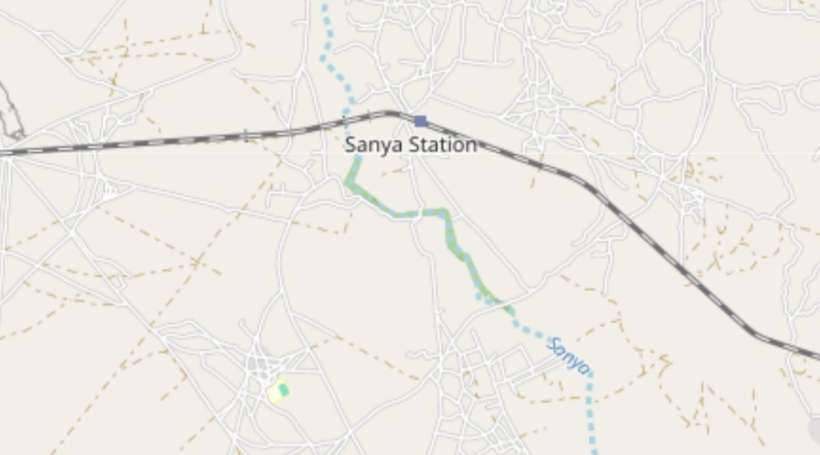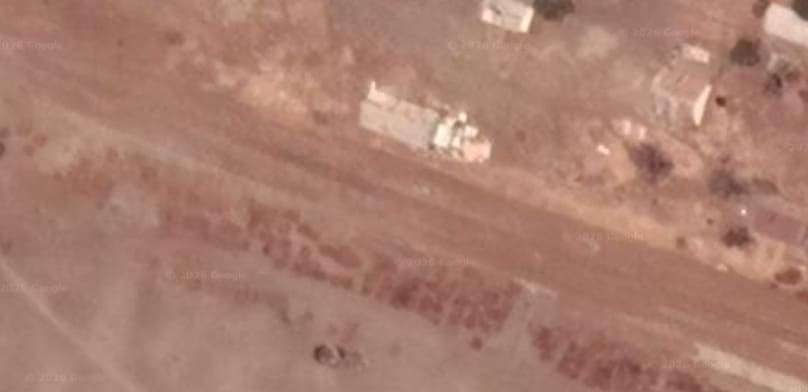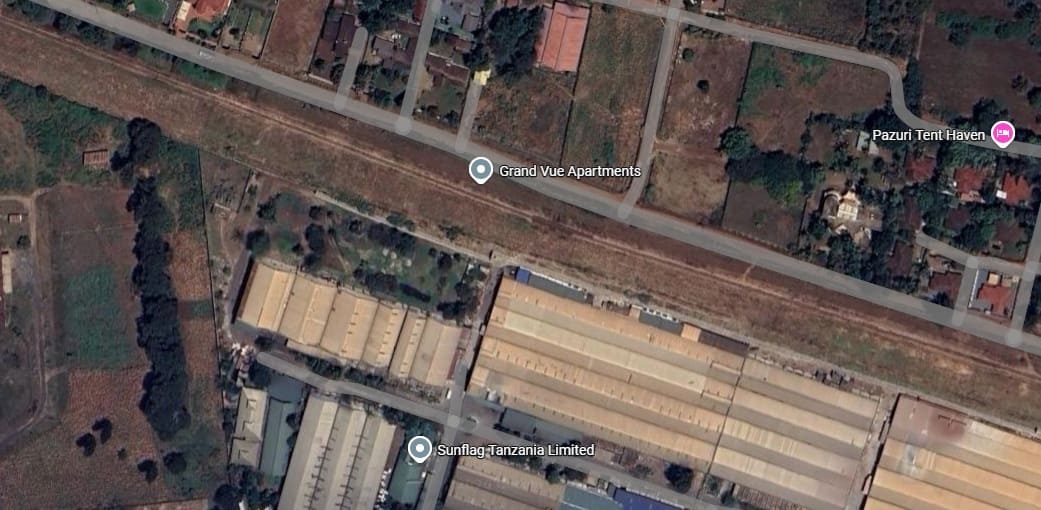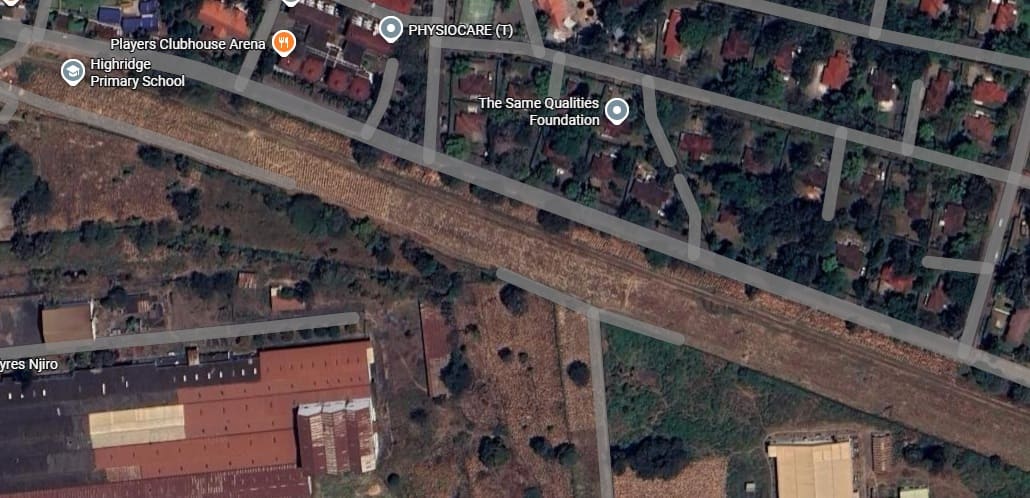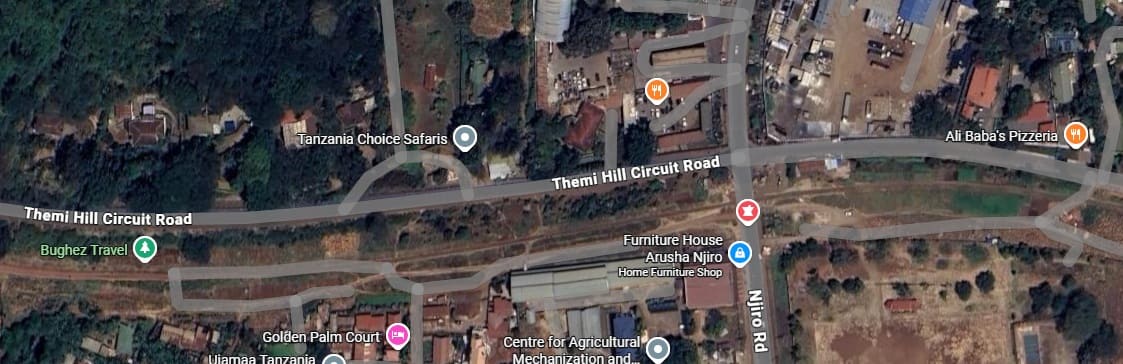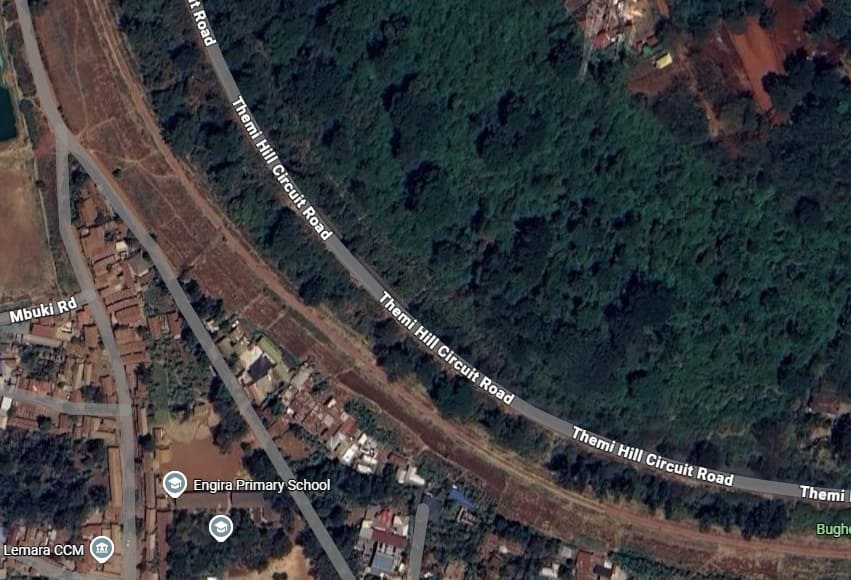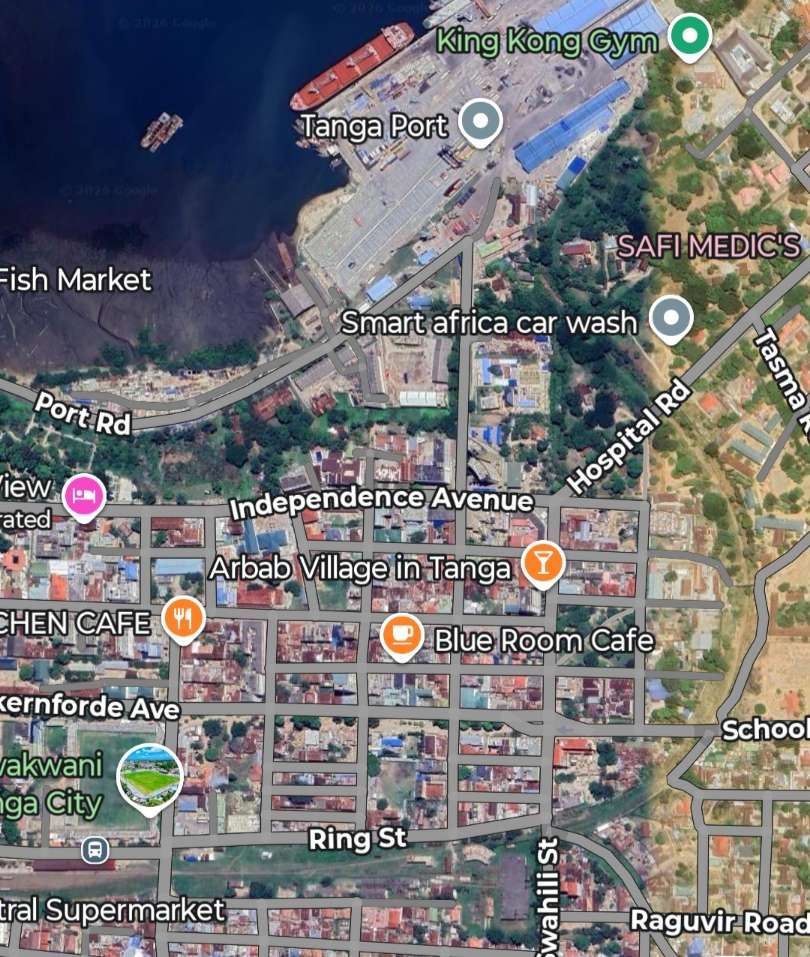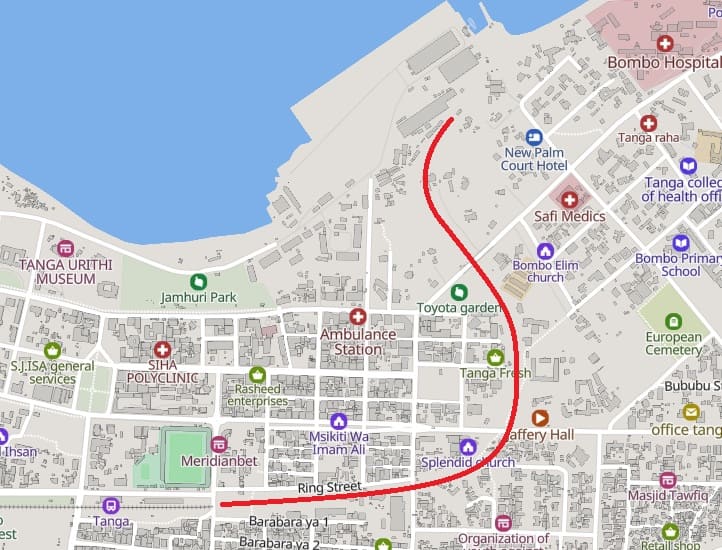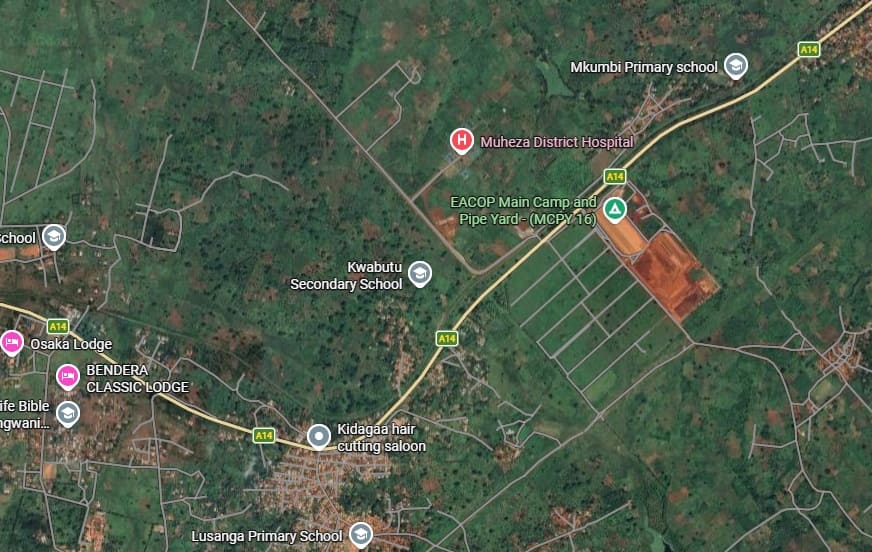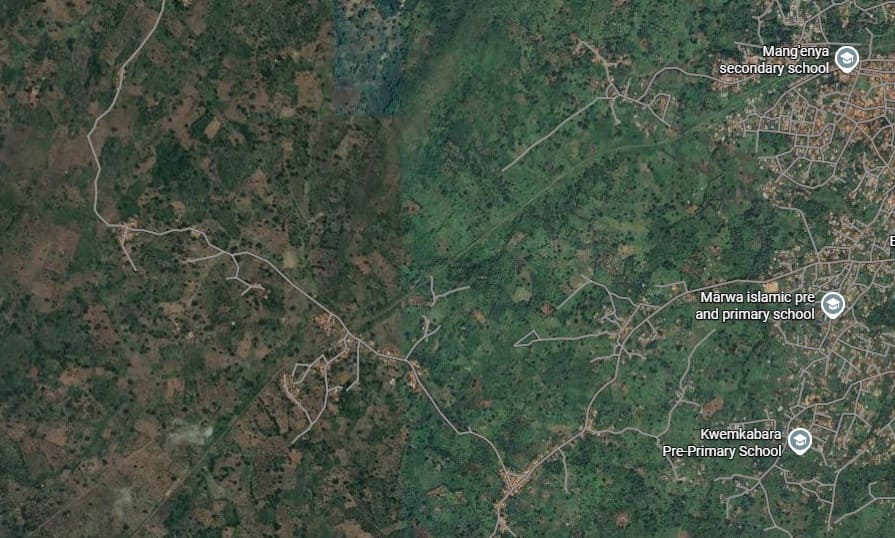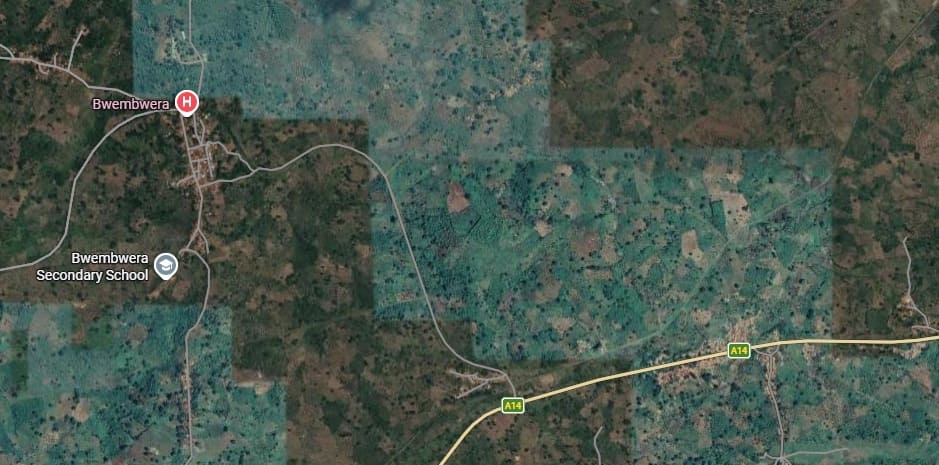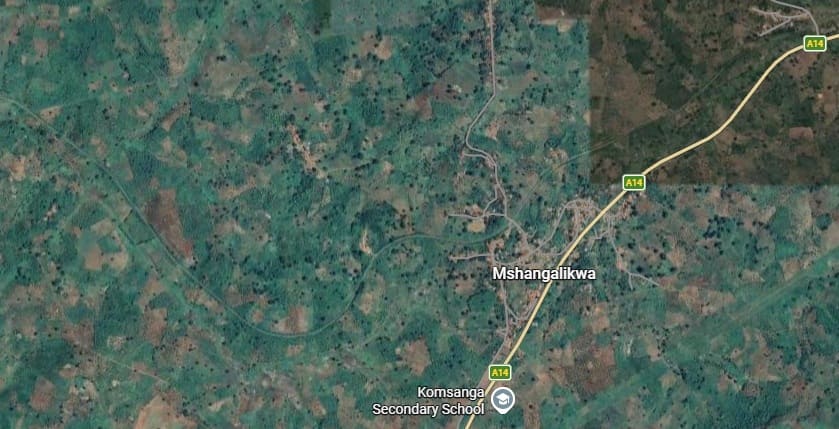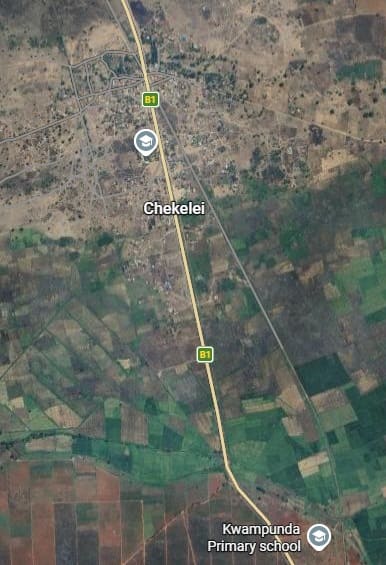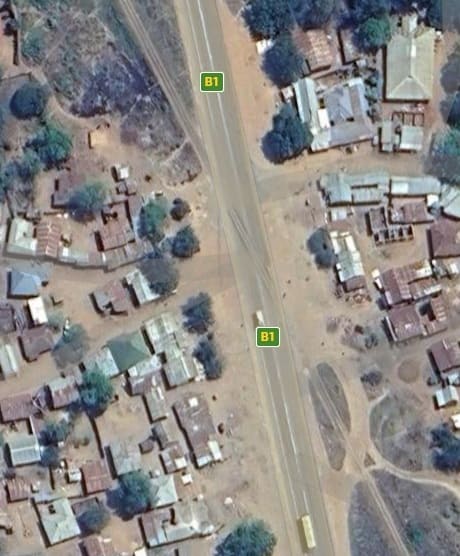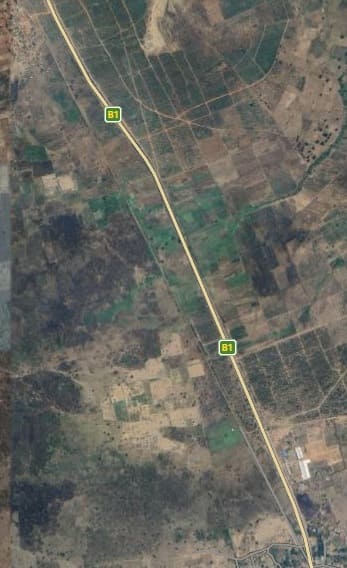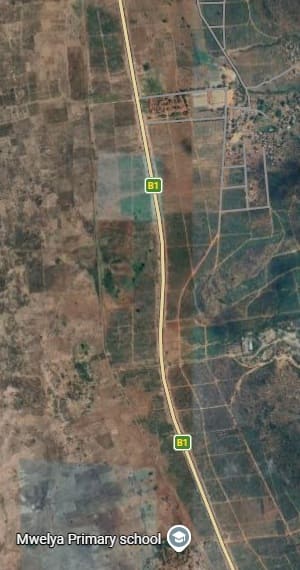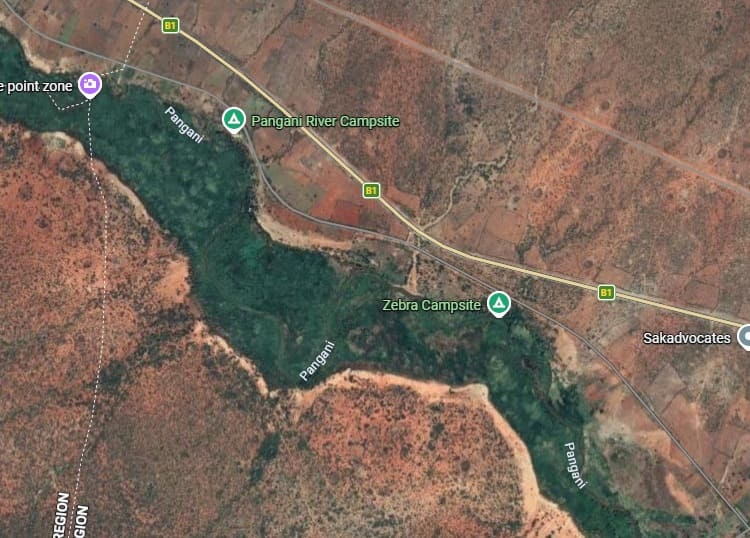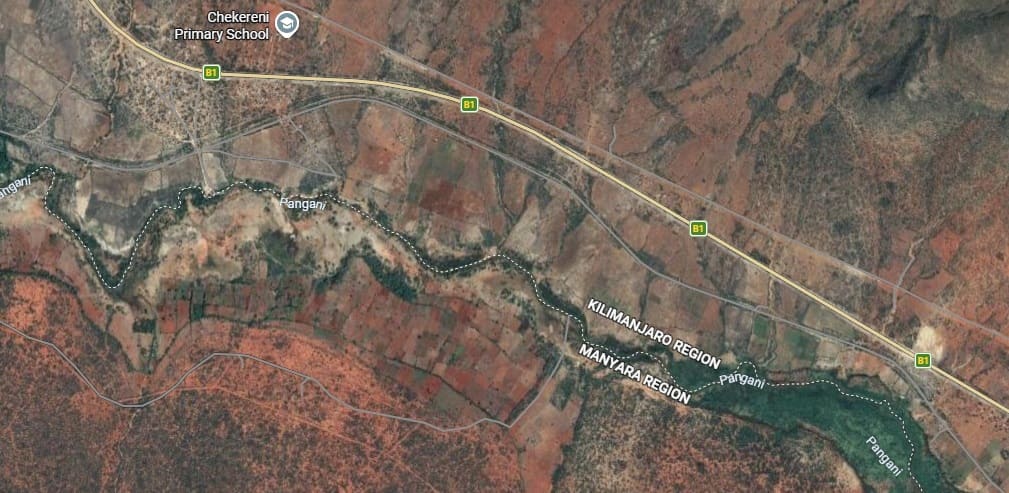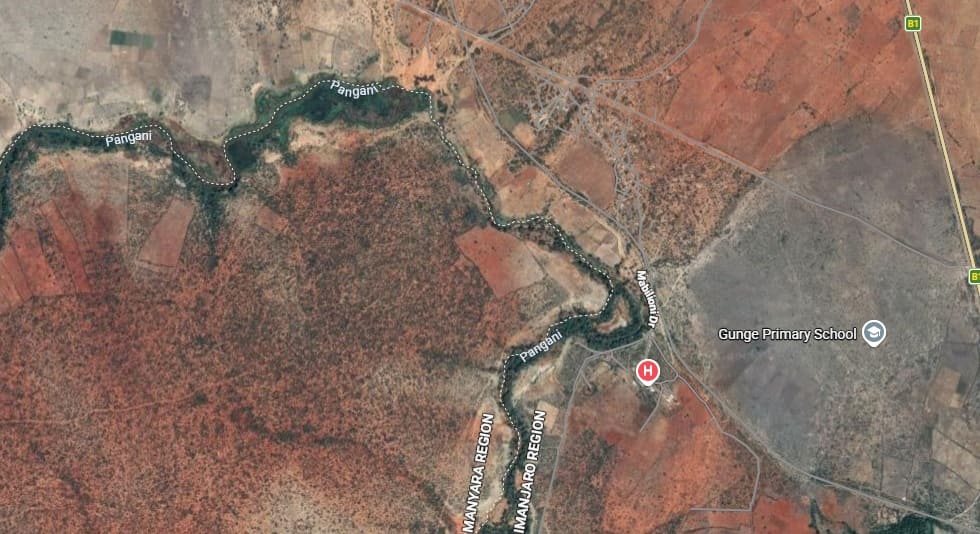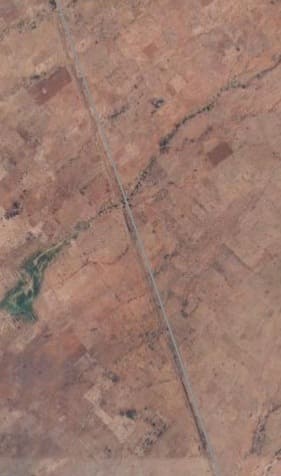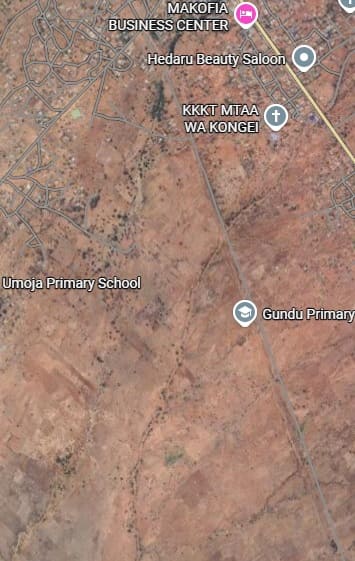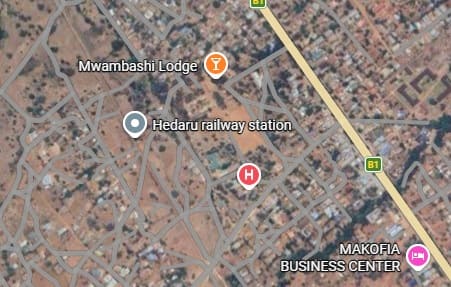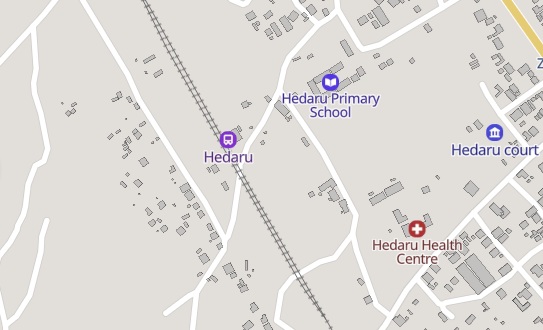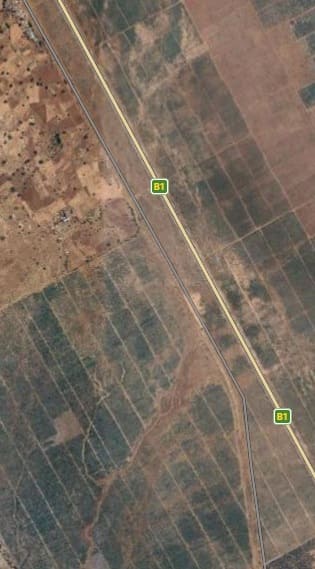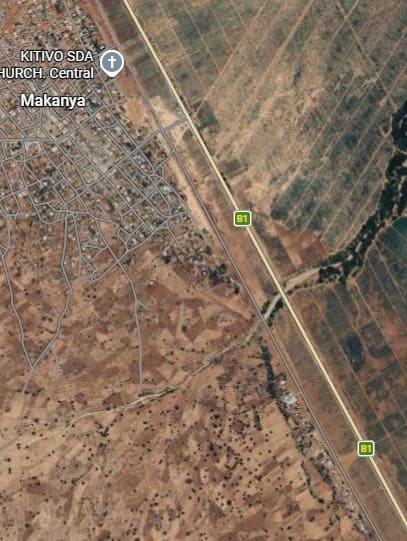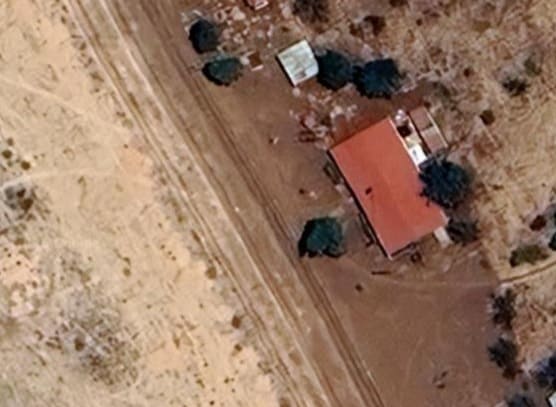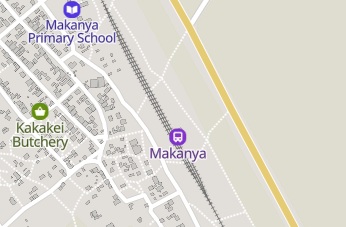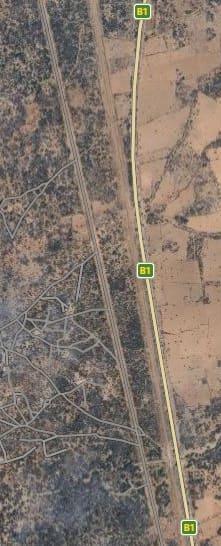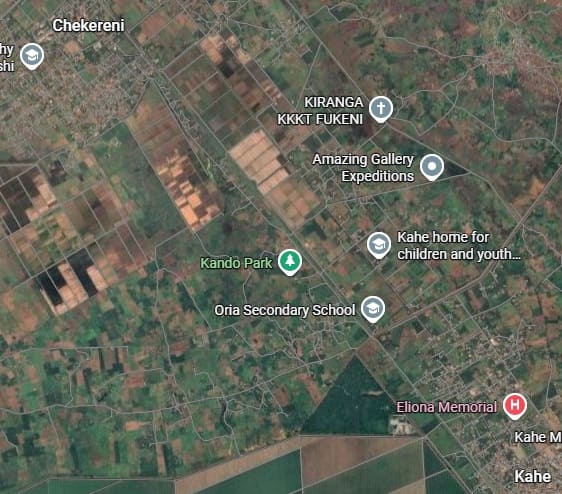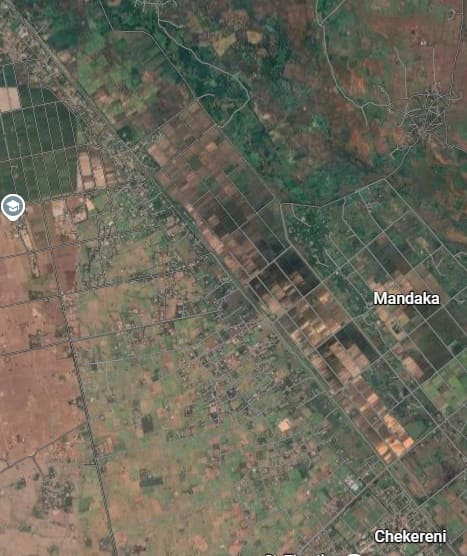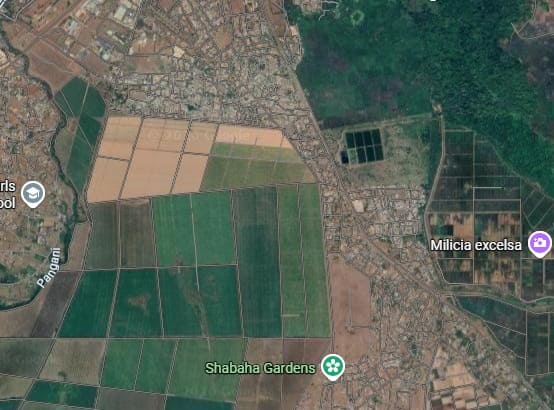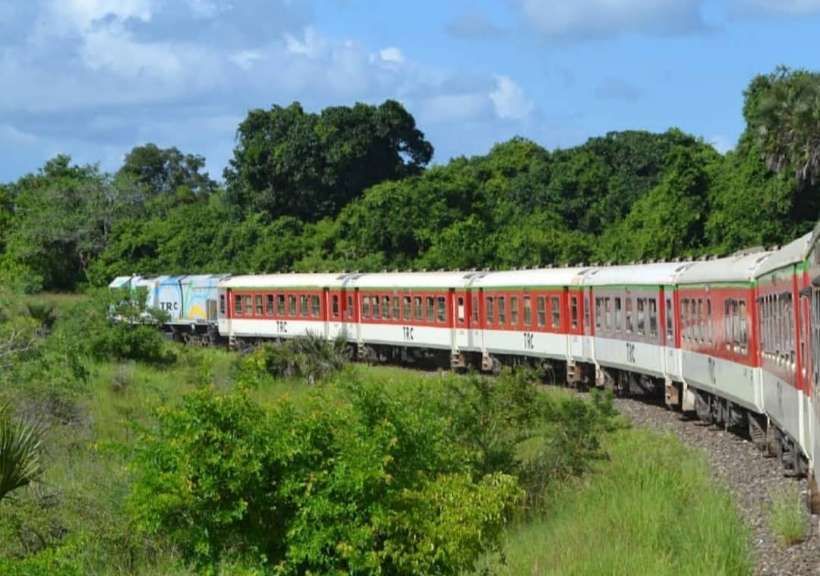
The Moshi-Arusha railway line is a 86 km extension of the Usambara Railway (Usambarabahn) in northern Tanzania, It was initially built between 1911 and 1929 and rehabilitated in 2018–2019, the metre-gauge line connects the Northern zone to the port of Tanga, and mainly serves as a freight corridor for agriculture and industrial goods.
The line from Tanga entered Moshi from the South and met the line from Arusha before entering the Railway Station at Moshi. The route of that railway is covered in an article on this blog which can be found here. [1] The history of the Usambara Railway can be found here. [4]
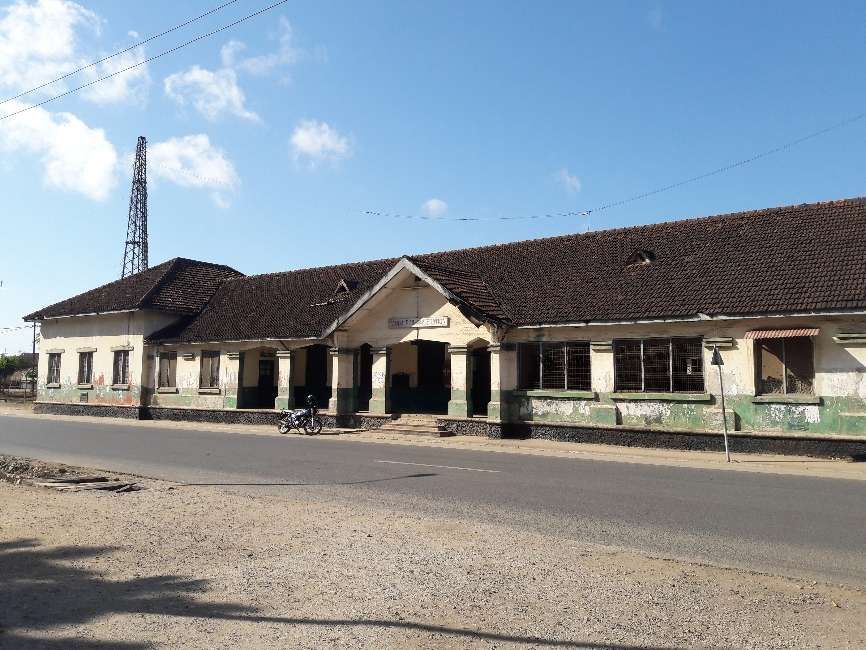
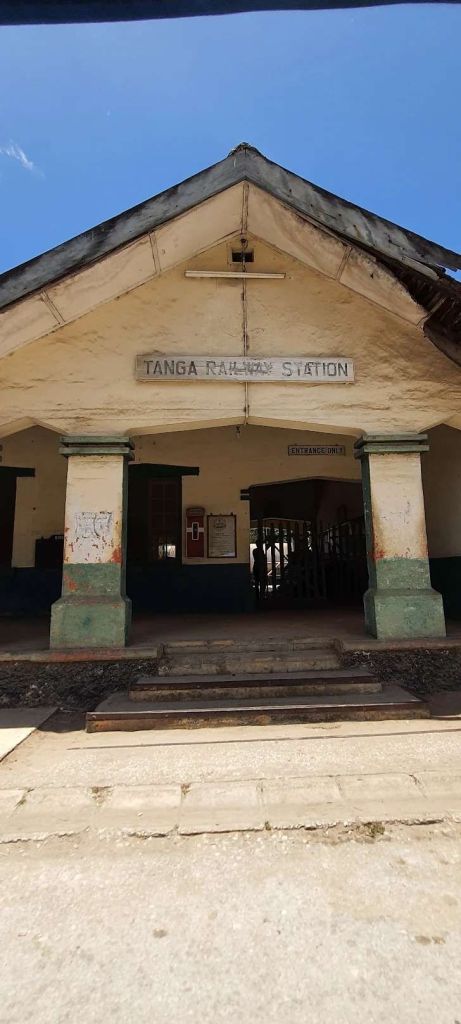
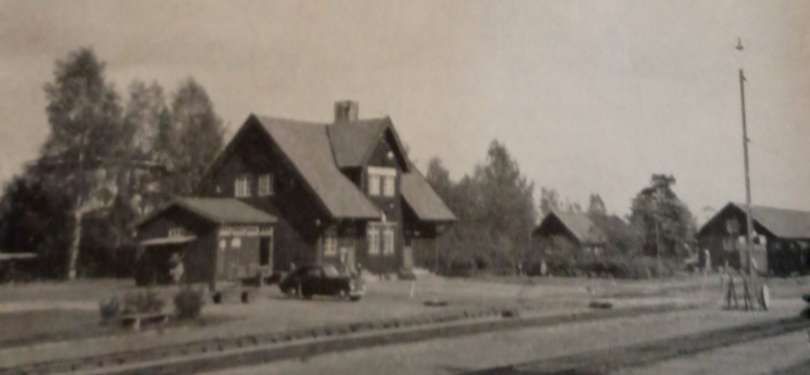
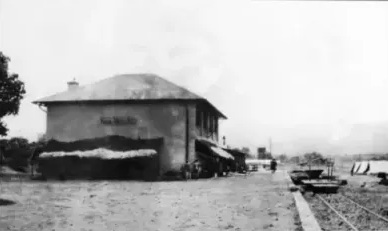
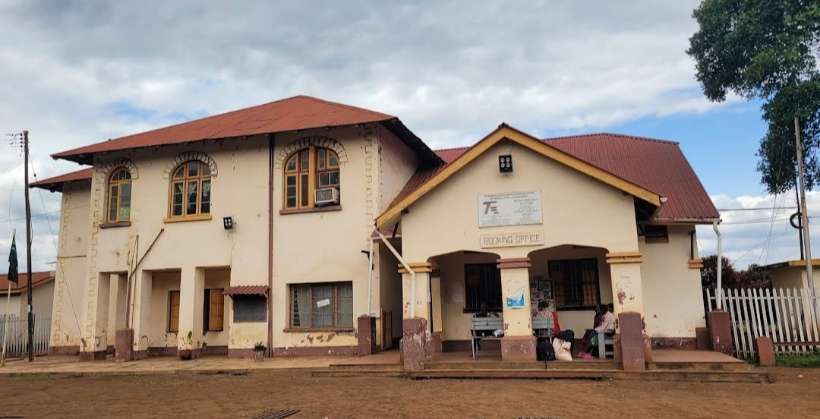
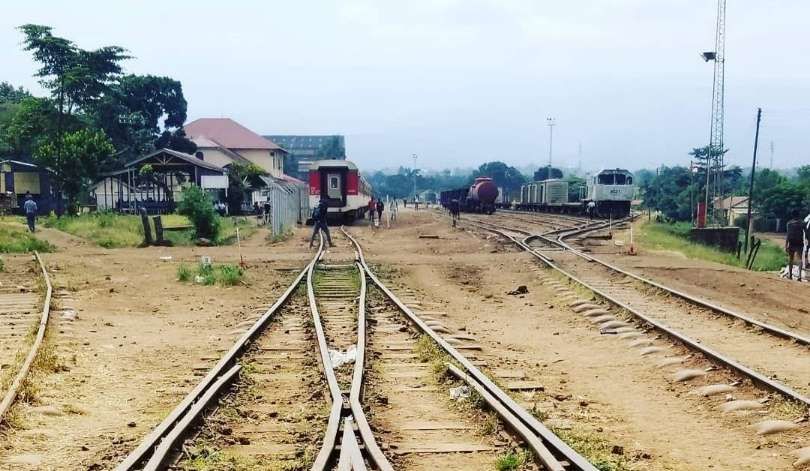
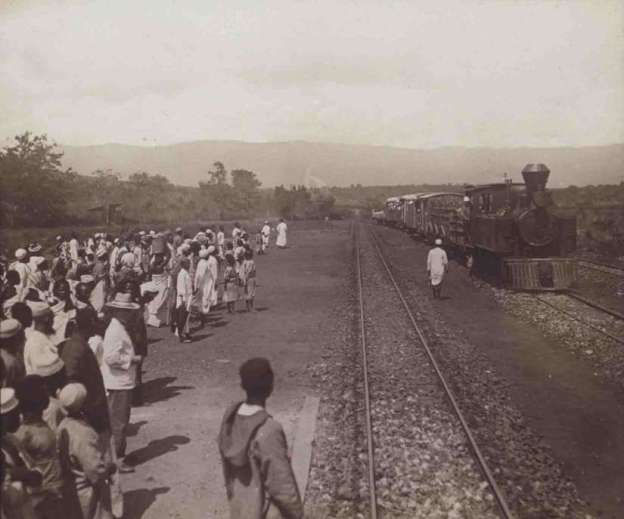
This photograph was taken in 1916 and shows the original station building which was expanded over the years as the photographs below show, Note the wide platform with a well defined edge and the ballast surrounding the rails on the right of the image, (c) Public Domain. [9]
Two aerial videos can be found here [7] and here. [8] The first of these two videos looks Northeast towards the end of the line which sits next to the Tanzania Coffee Curing Company Ltd.
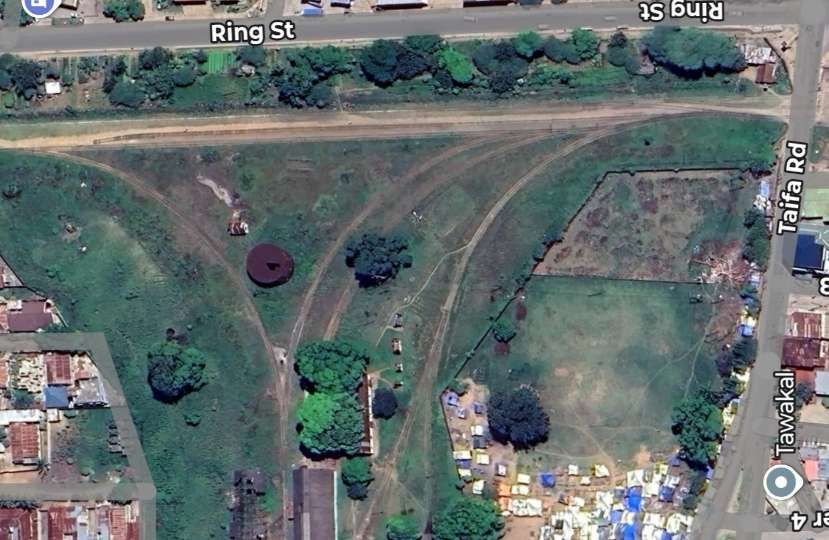
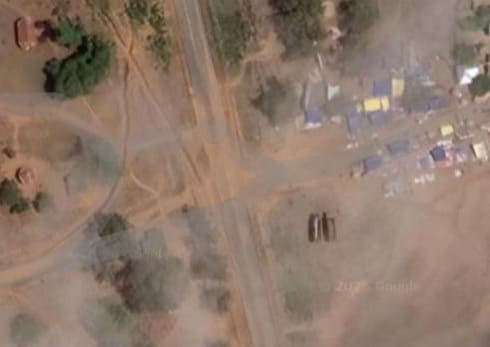
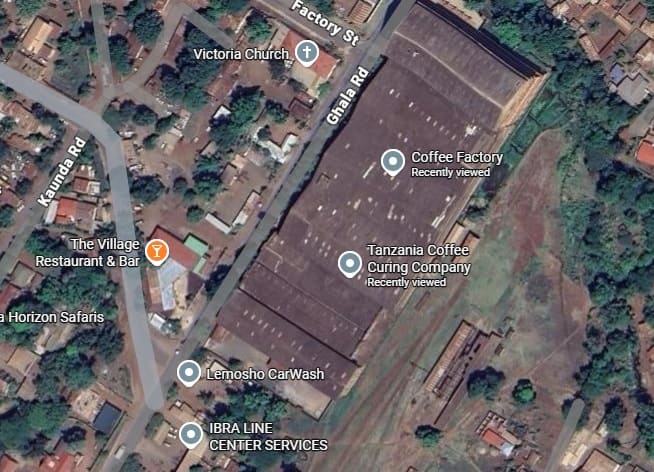
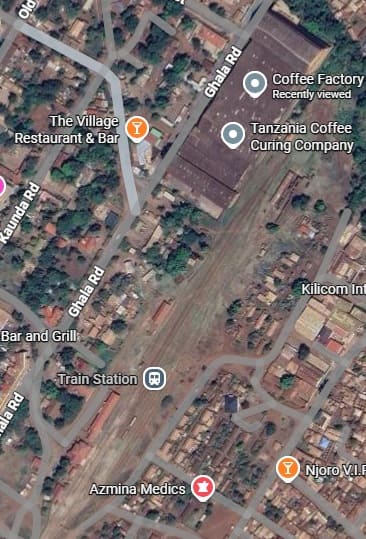
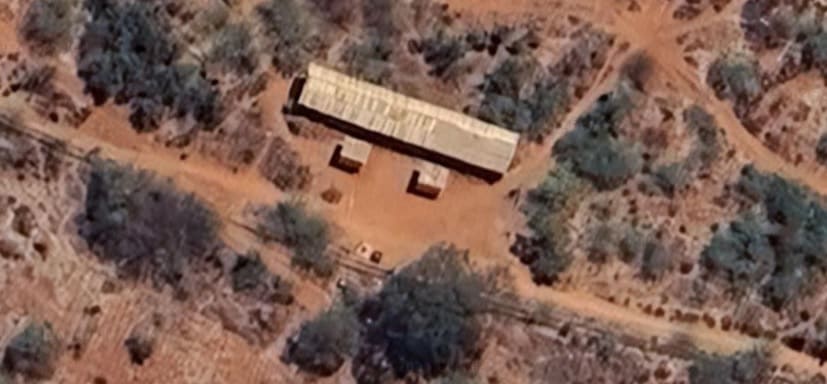
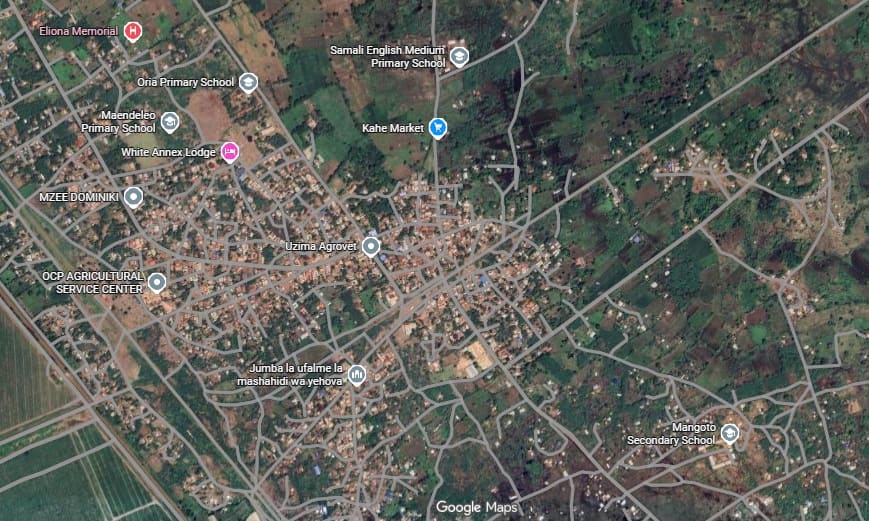
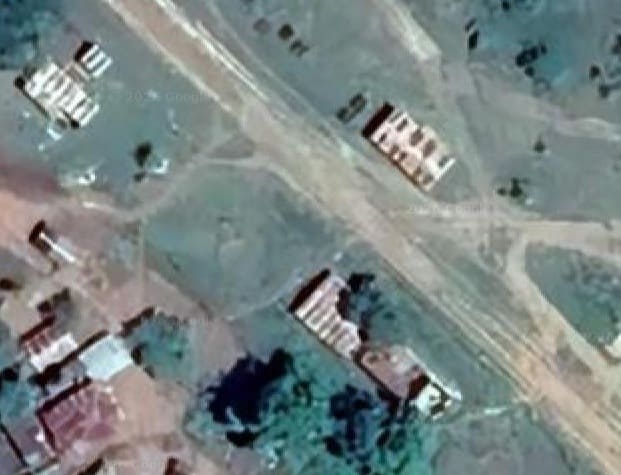
The extreme northeast end of the railway in Moshi, Northeast of the passenger station the final buffers of the line sit beside the Tanzania Coffee Curing Company Ltd. [Google Maps, April 2026]
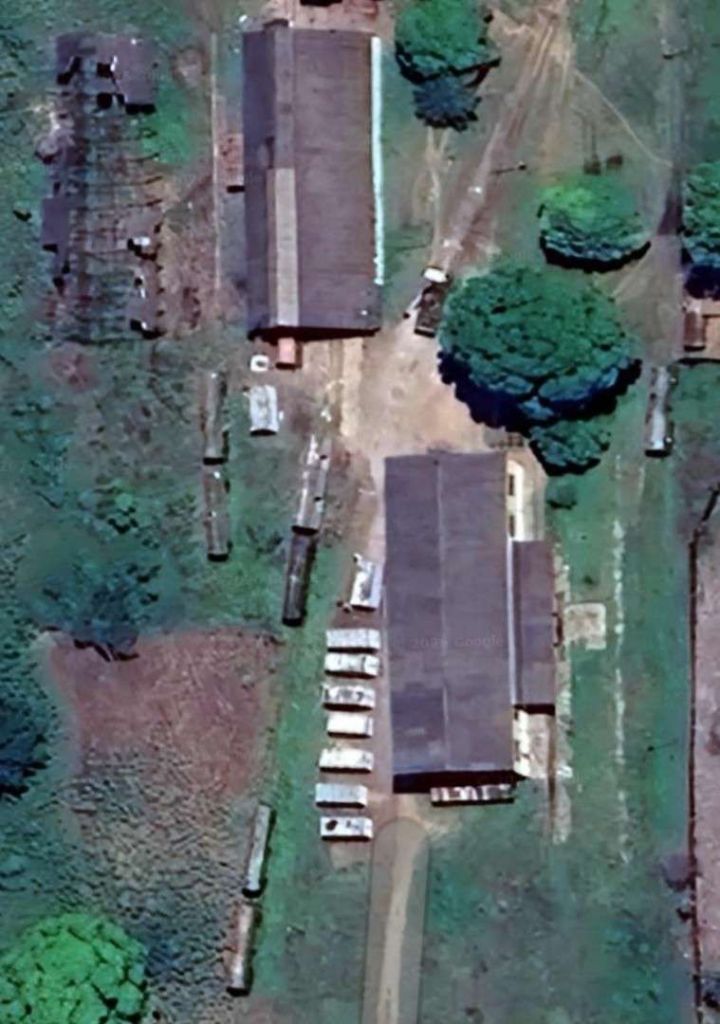
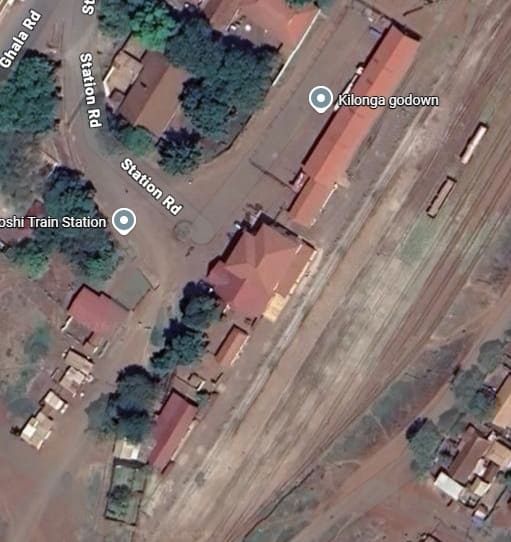
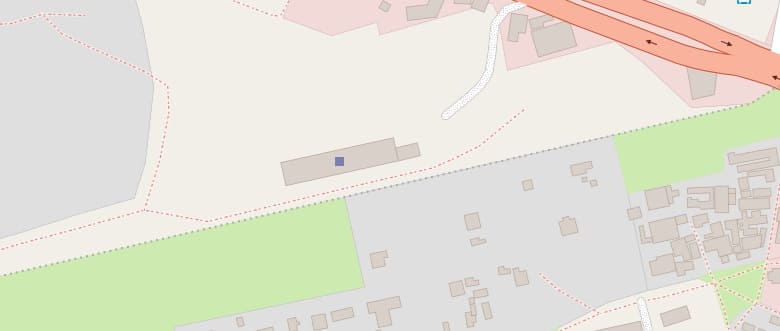
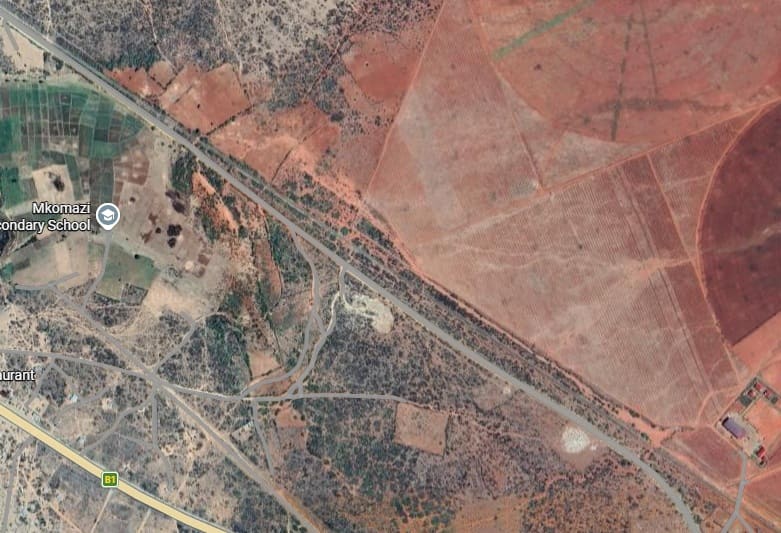
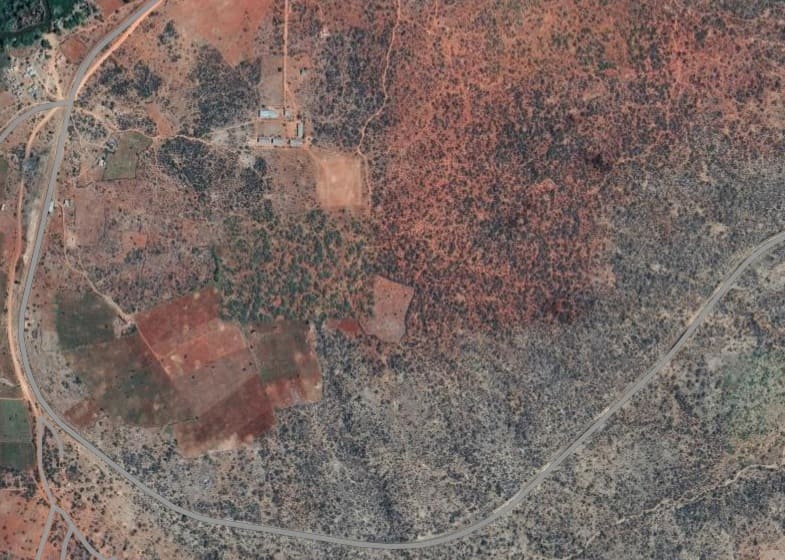
This satellite image shows the Coffee Company’s building (at the top of the image) and the railway station buildings (at the bottom-left). The factory dwarves the station buildings both in plana and when seen from the ground.
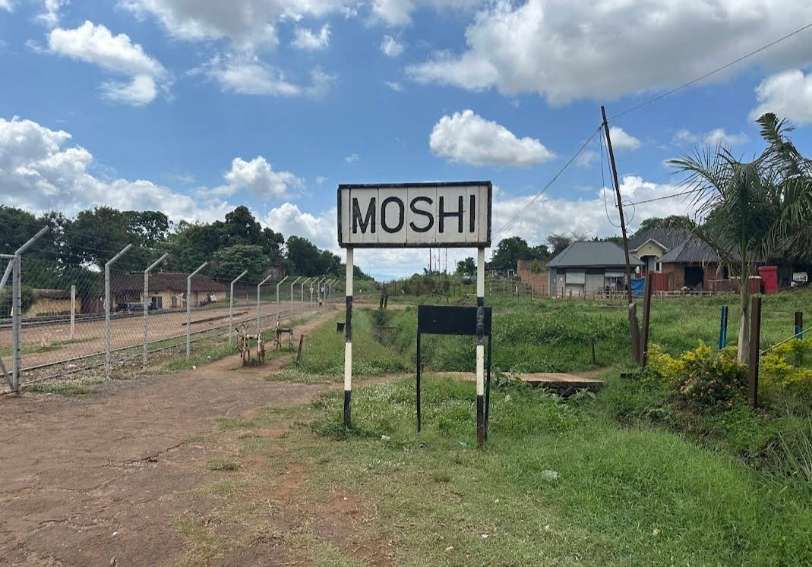
Some excellent photographs of the station site in Moshi can be found here. [6]
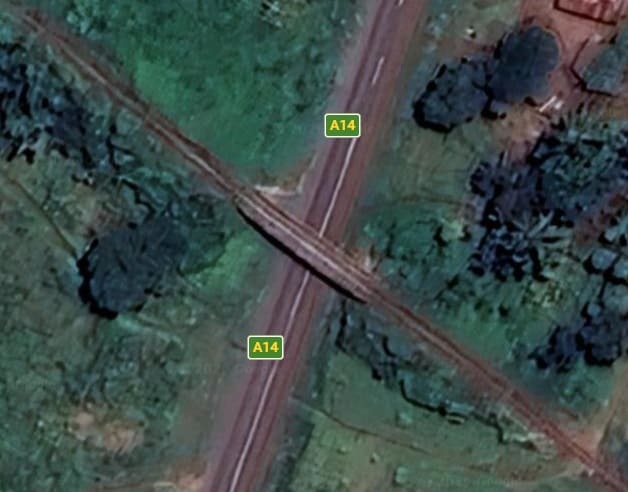
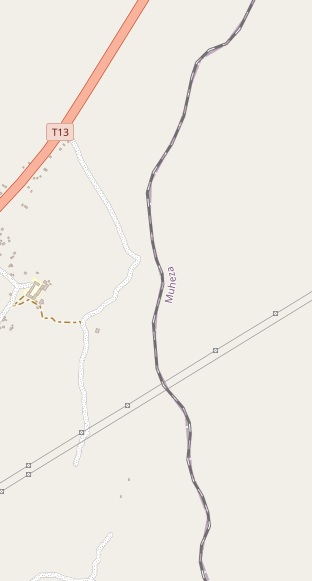
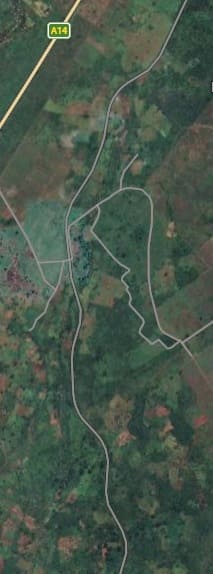
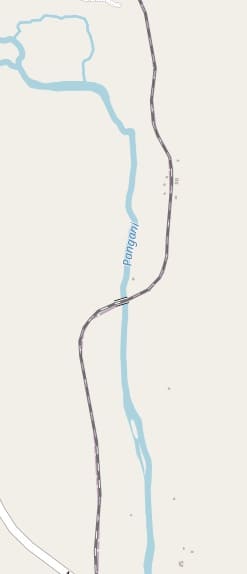
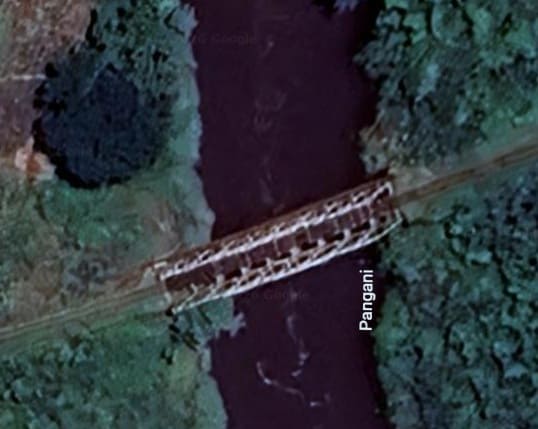
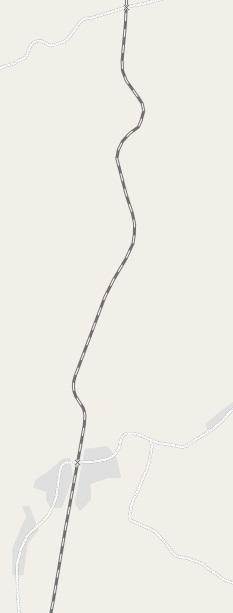
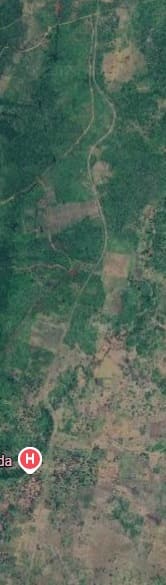
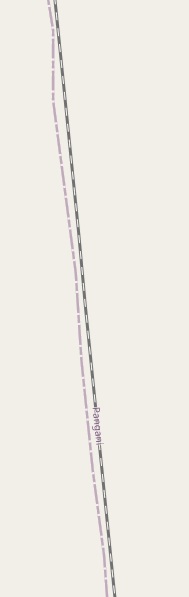
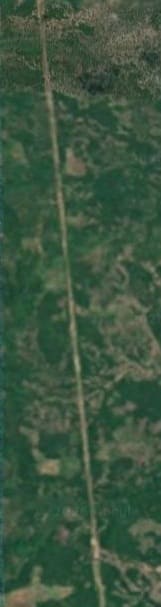
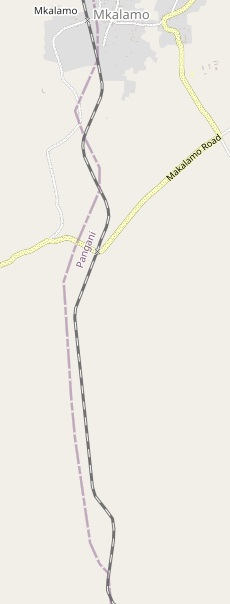
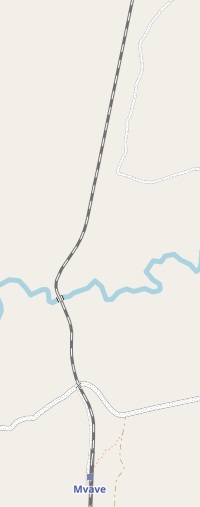
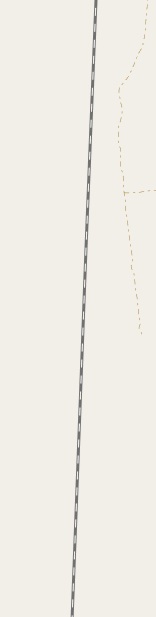
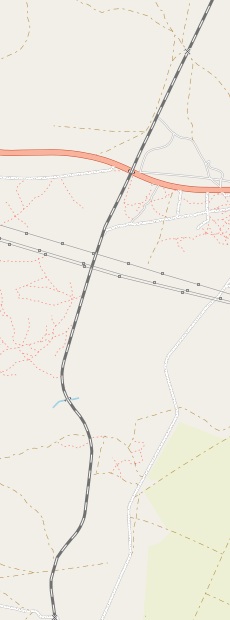
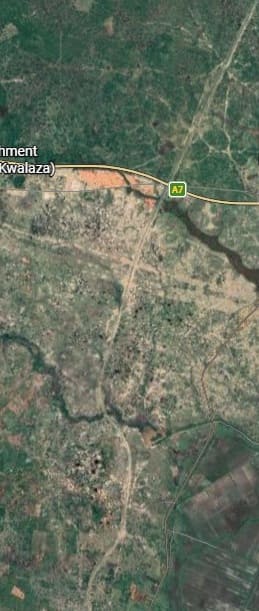
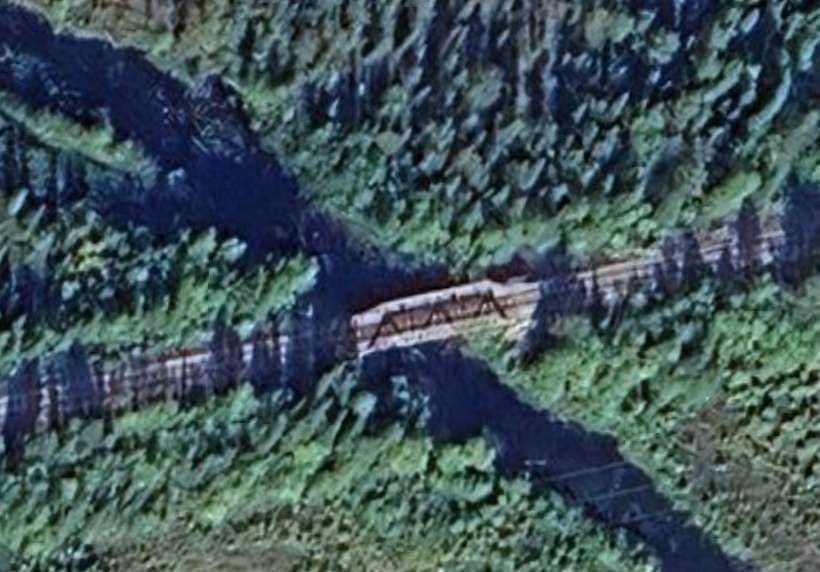
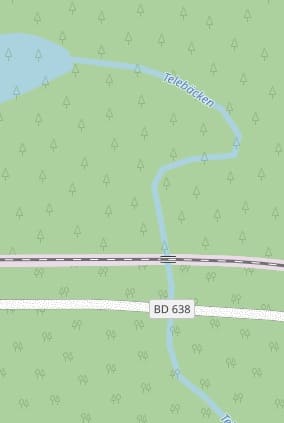
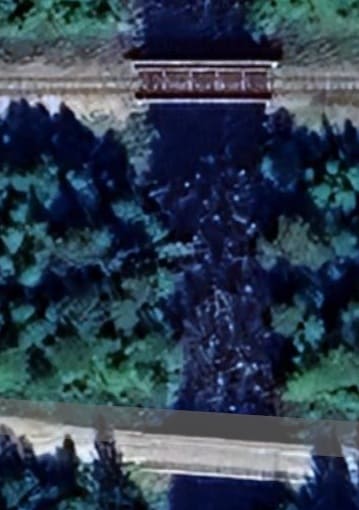
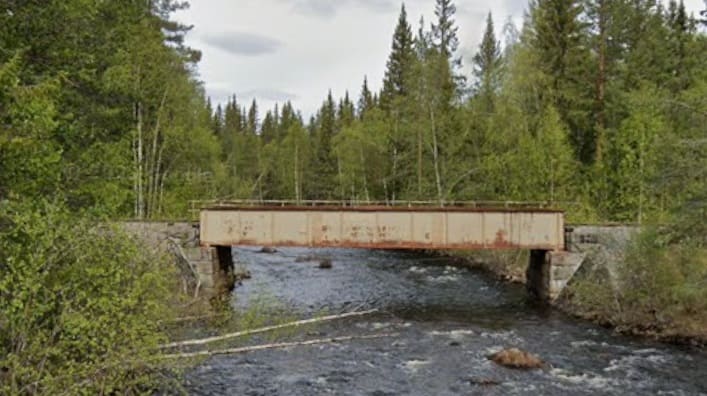
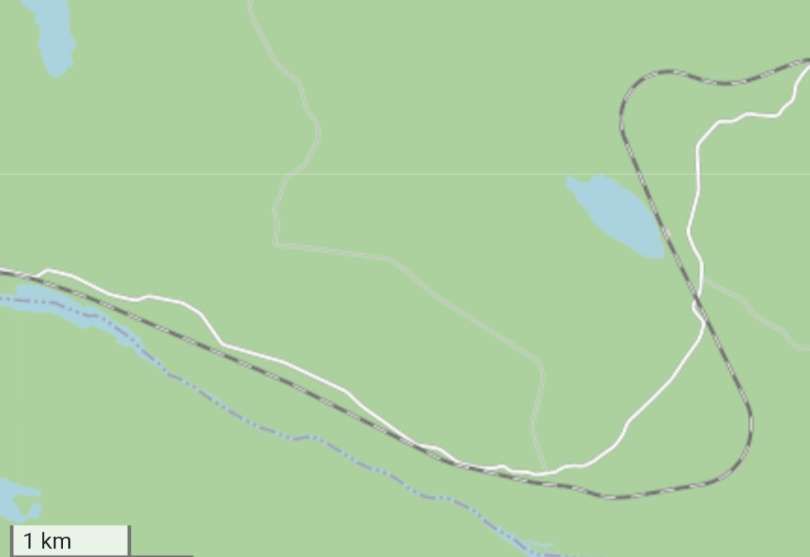
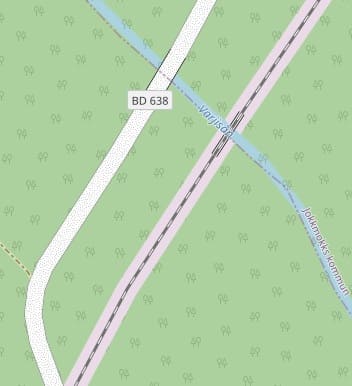
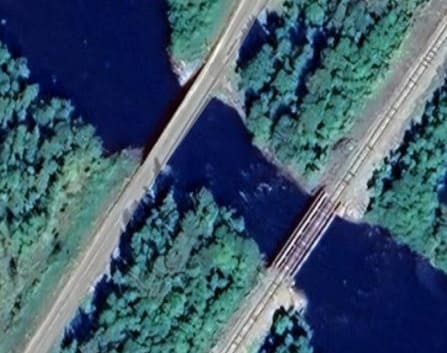
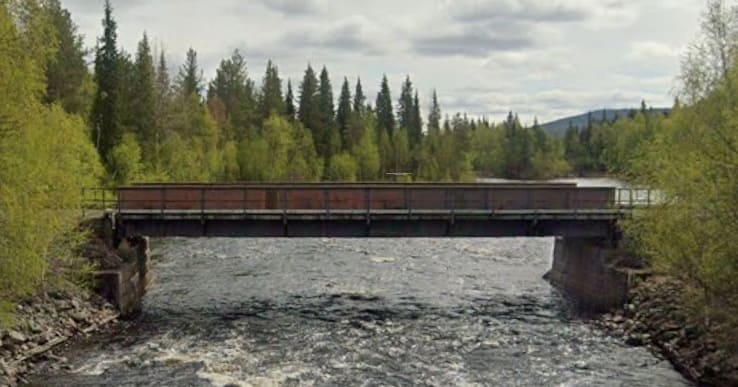
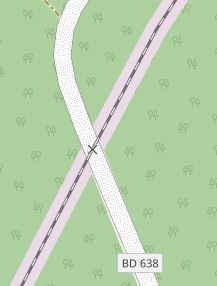
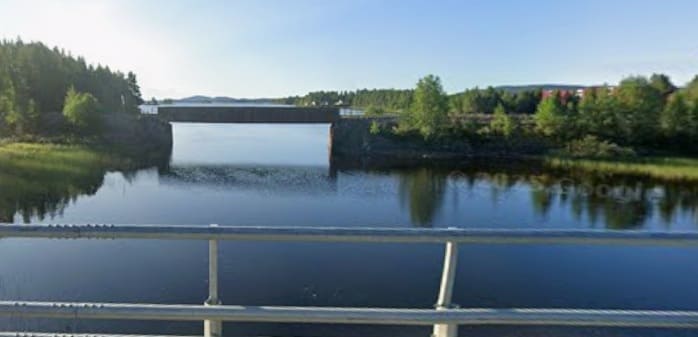
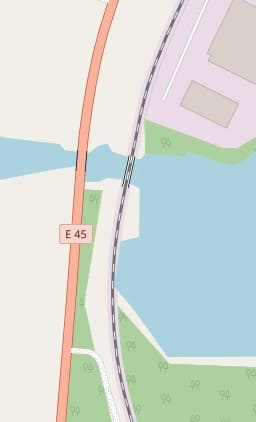
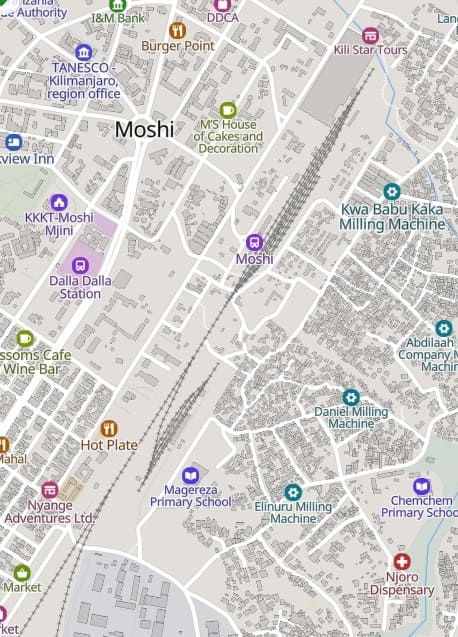
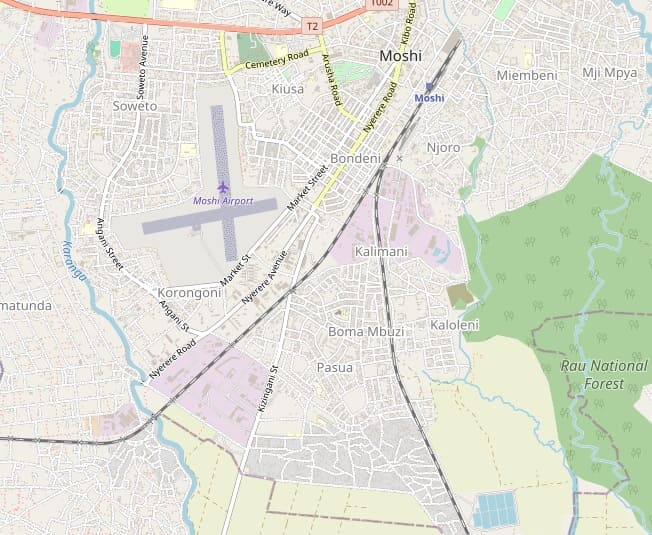
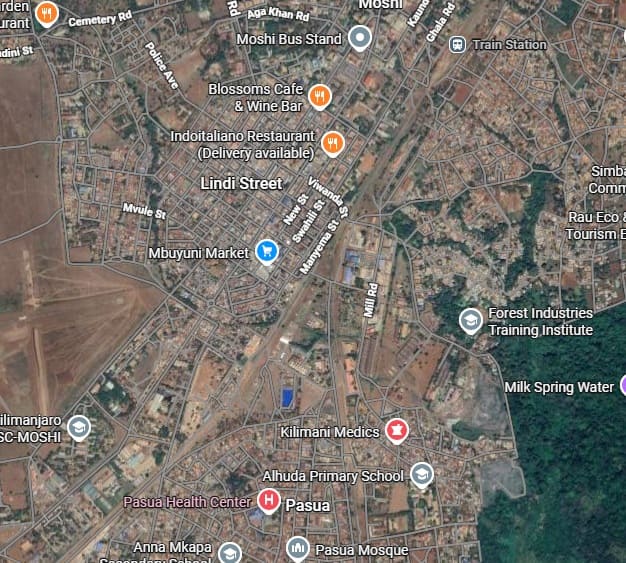
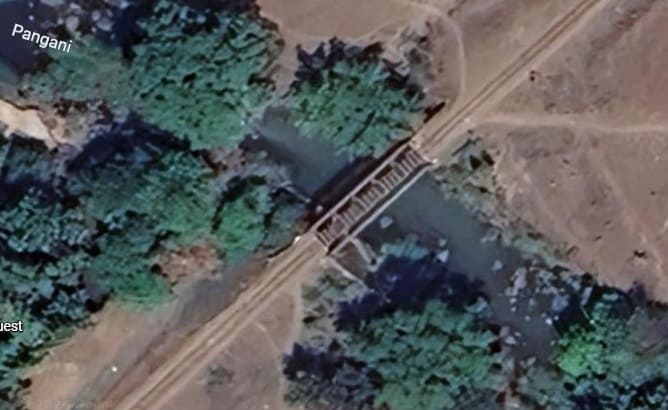
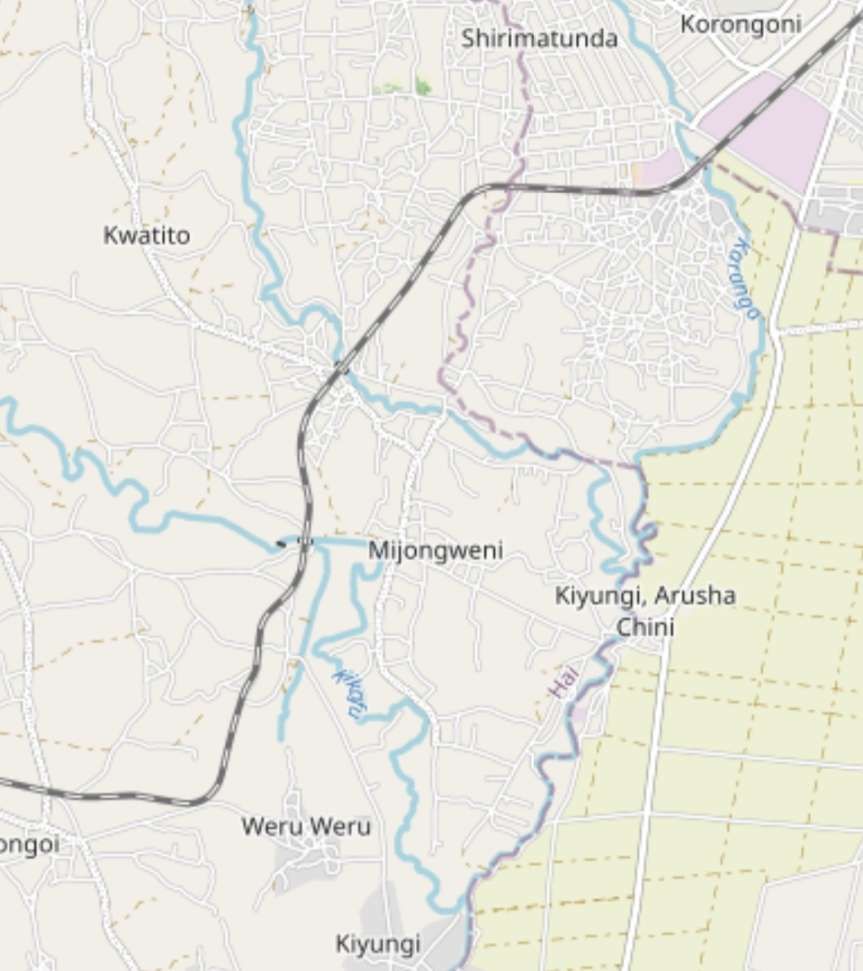
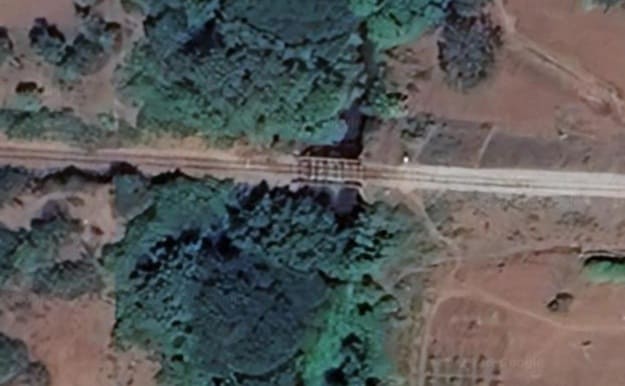
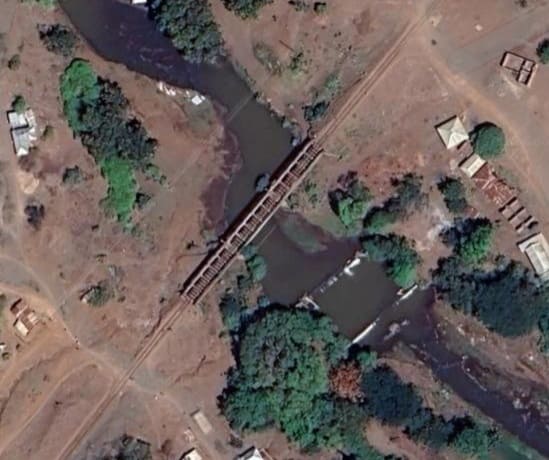
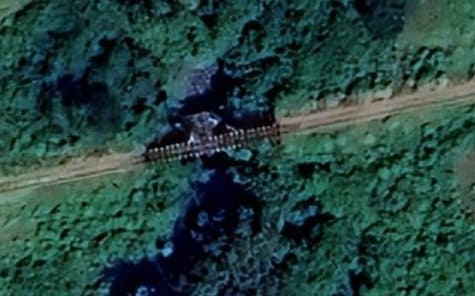
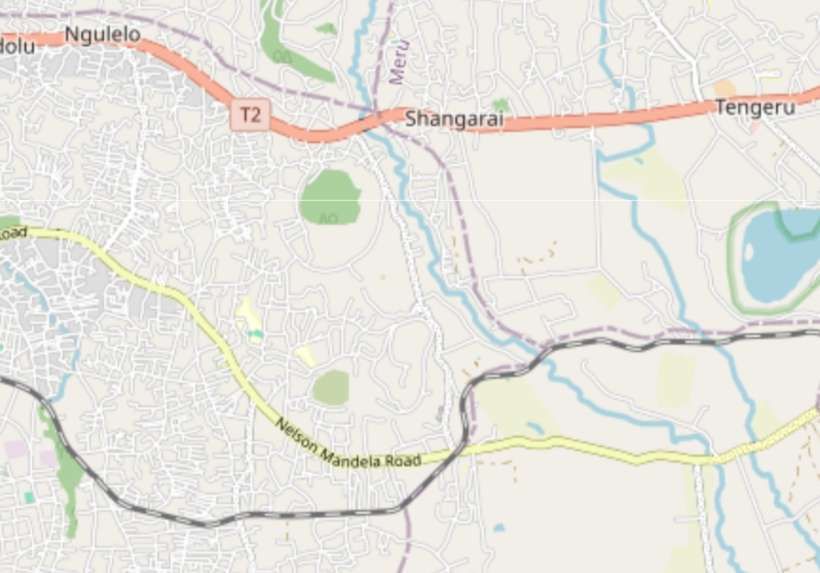
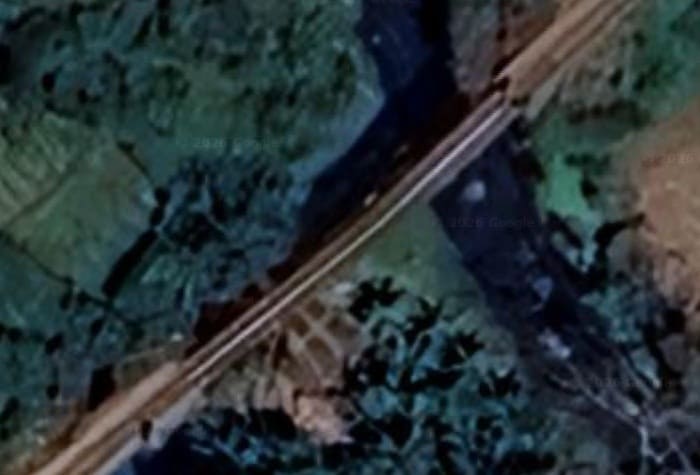
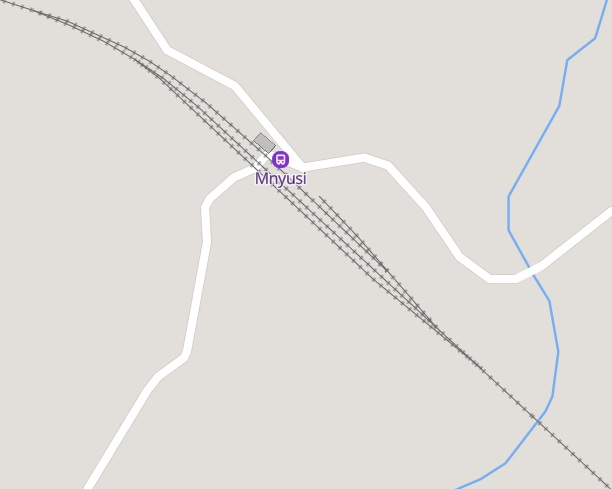
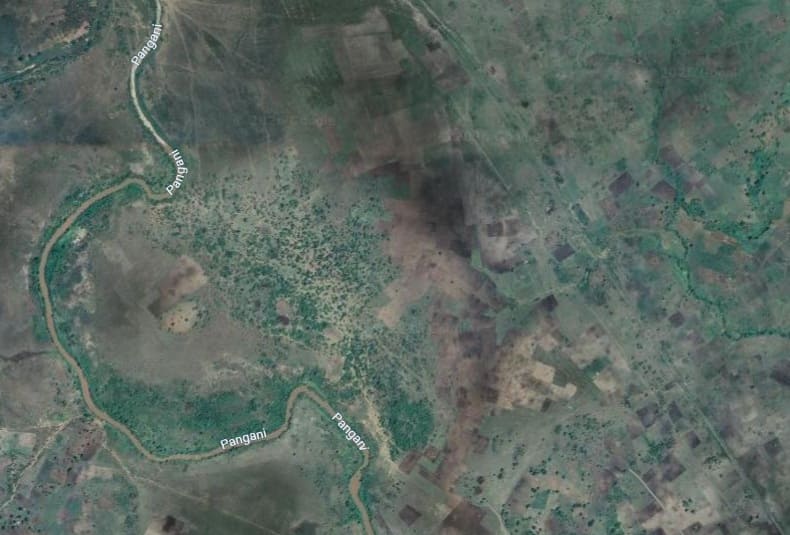
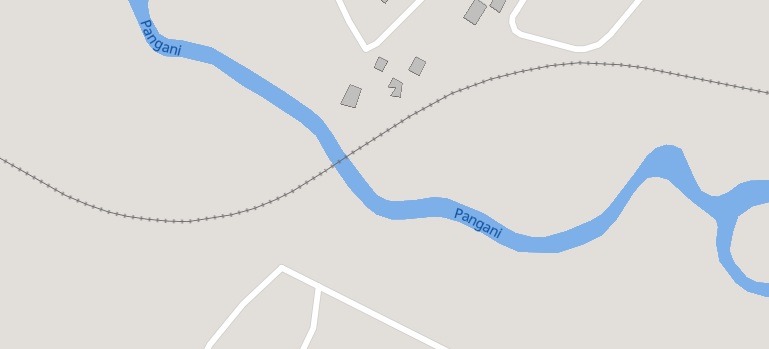
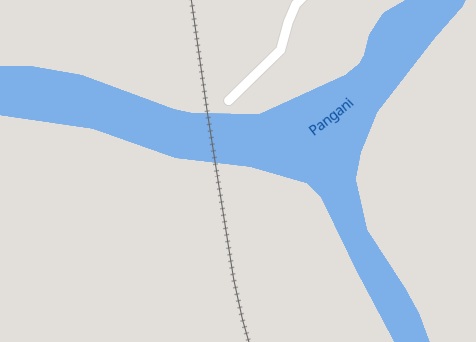
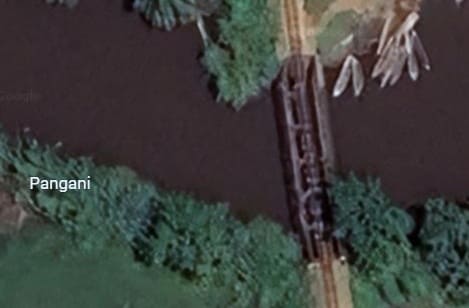
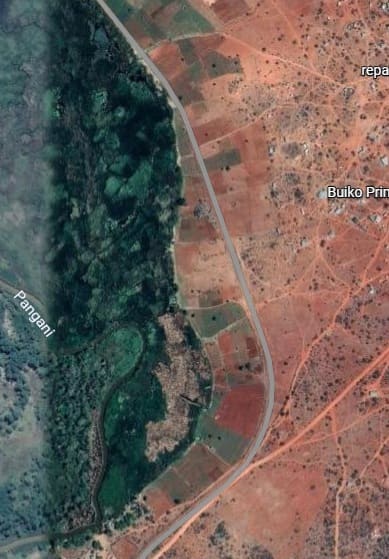
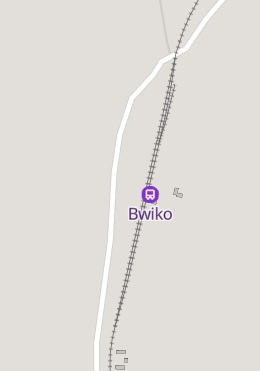
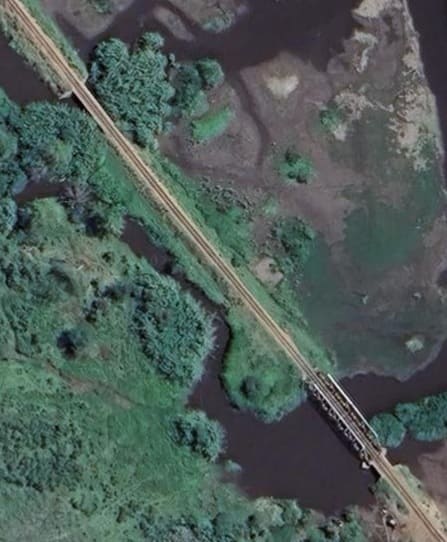
The line from Tanga runs into Moshi from the South. It meets the line from Arusha immediately to the Southwest of Moshi Railway Station site. Our journey starts at the railway station in Moshi and we head out following the line to Arusha, roughly parallel to Nyerere Road and Nyerere Avenue as the roads are named on OpenStreetMap. Google Maps names the road Mawenzi Road. [2]A similar area to that shown on the Openstreetmap map above. [Google Maps, March 2026]The Pangani River Bridge on the line to Arusha. [Google Maps, April 2026]
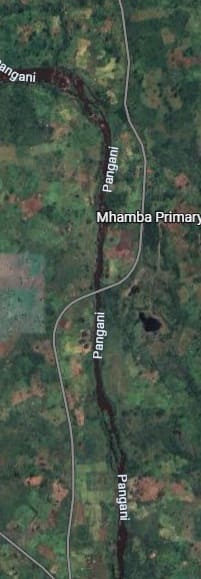
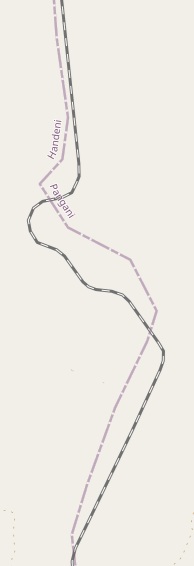
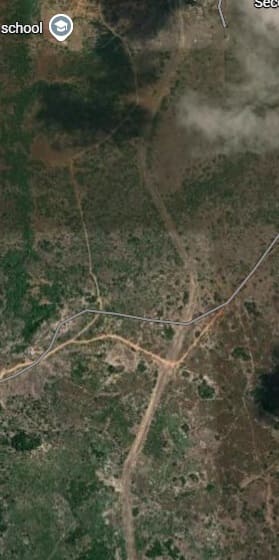
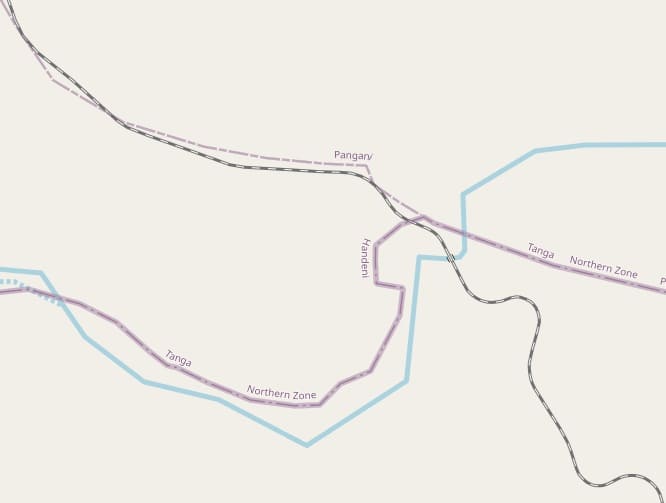
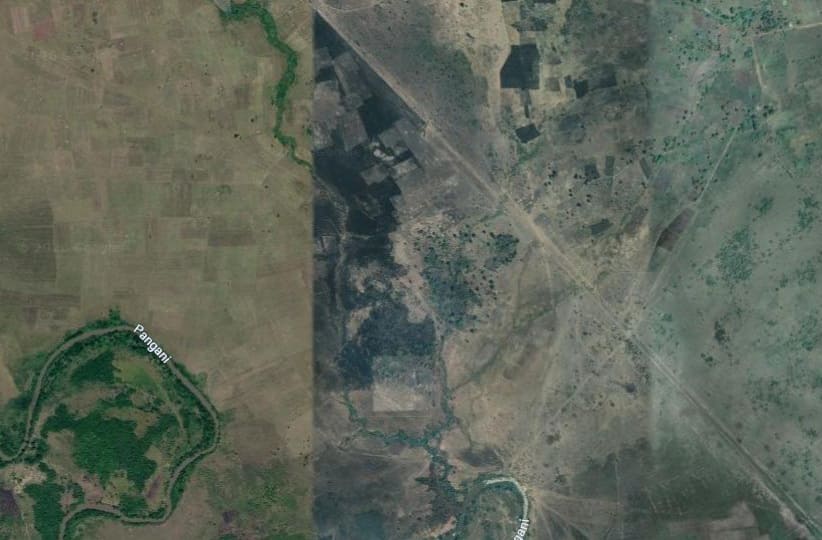
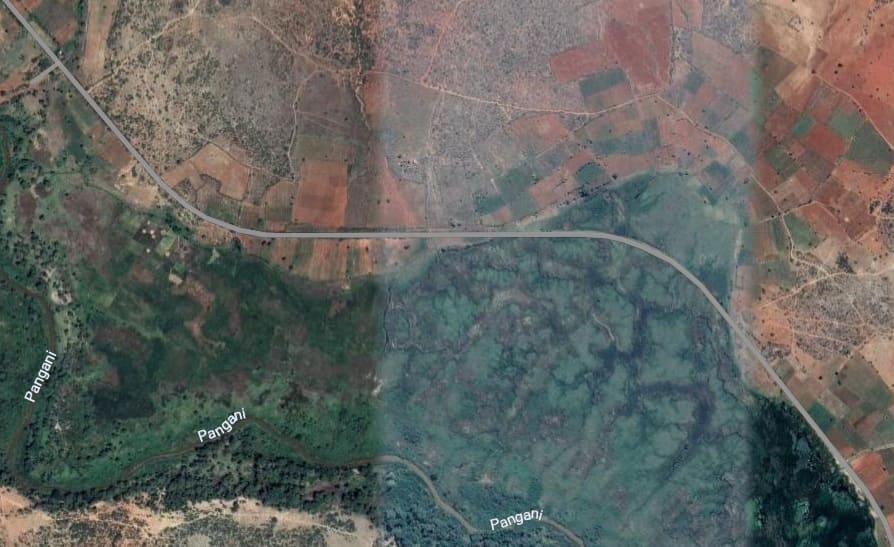
After crossing the Pangani River to the Southwest of Moshi, the line turn to the West, but only for a short distance before again turning to the Southwest as shown on the map below.
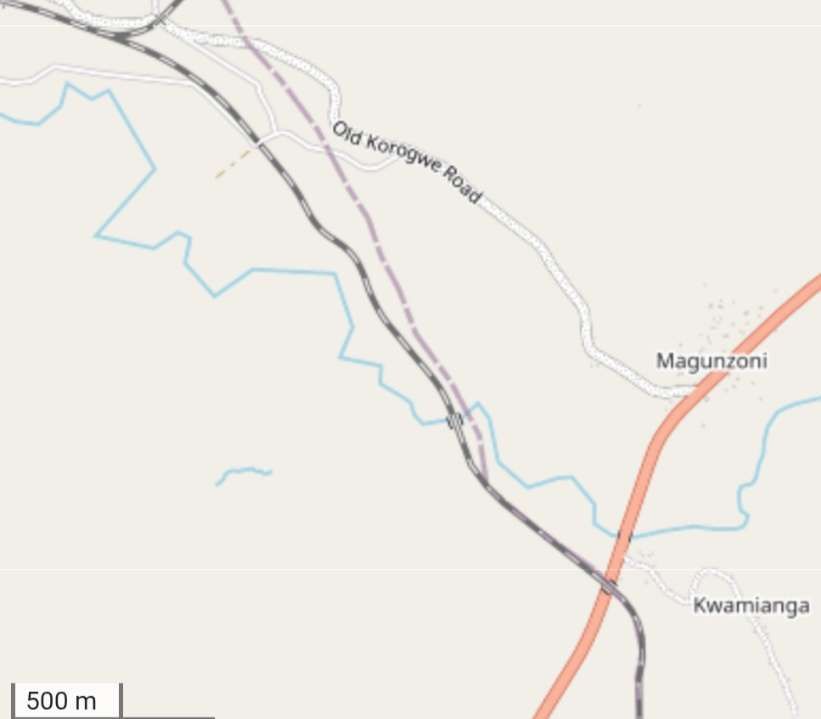
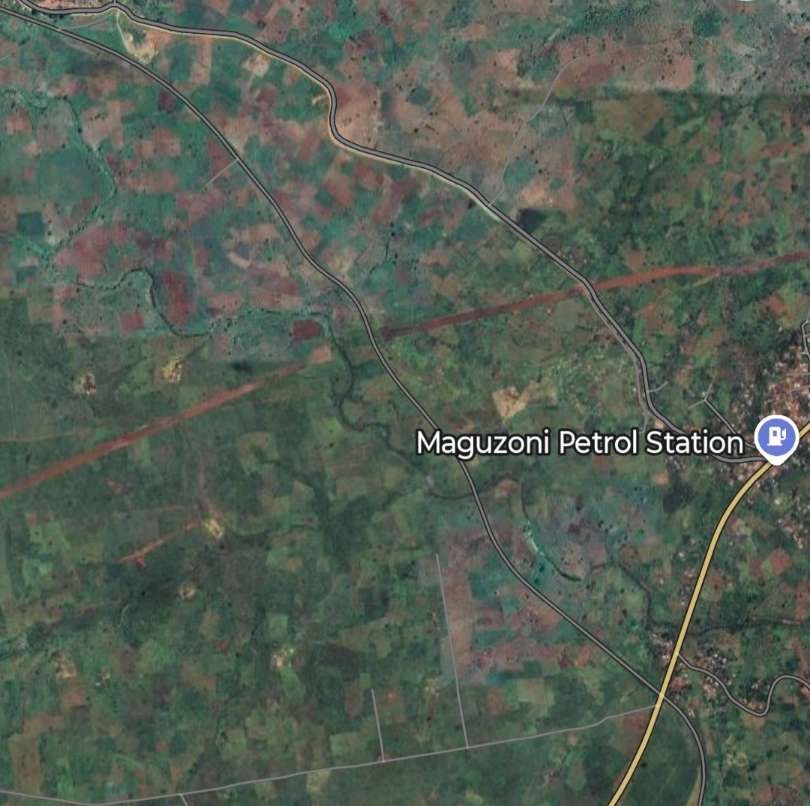
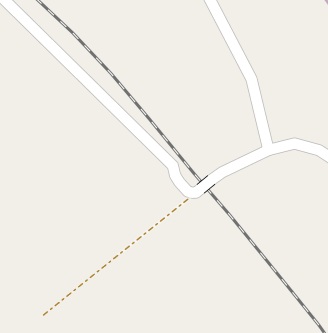
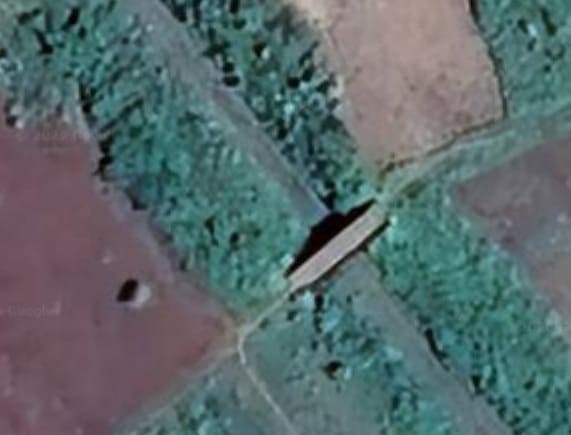
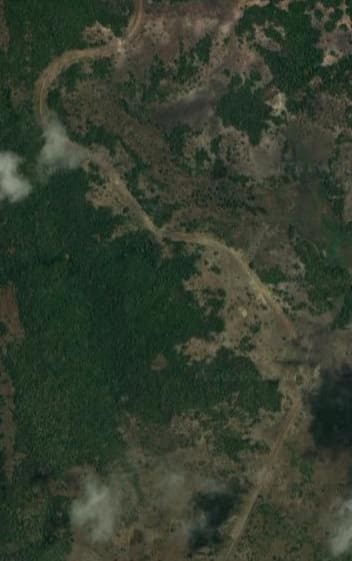
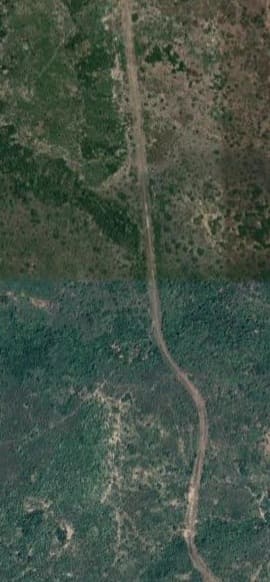
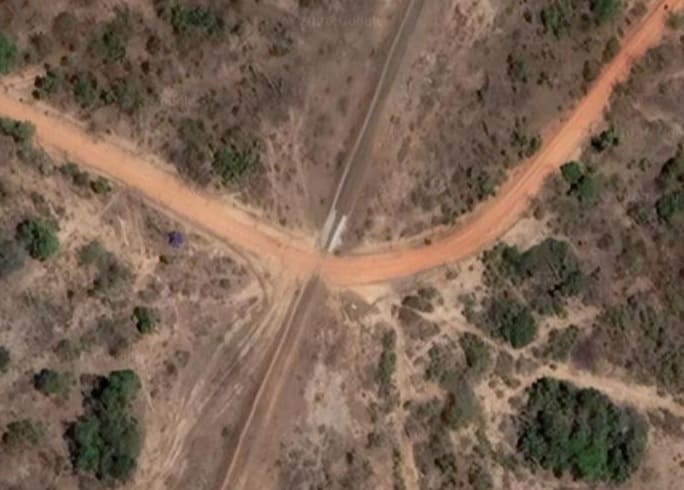
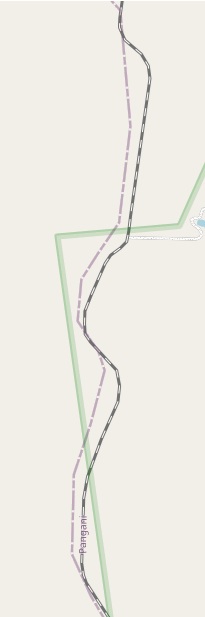
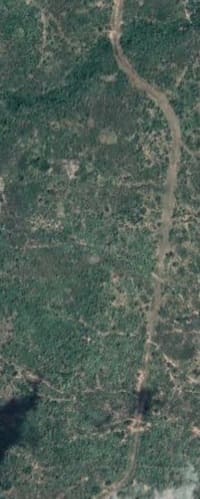
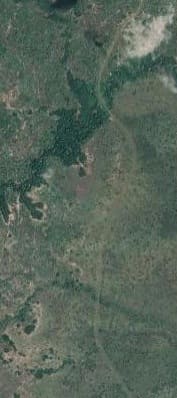
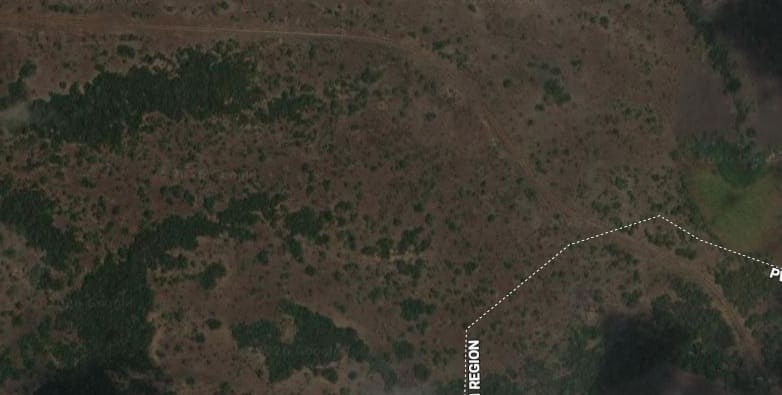
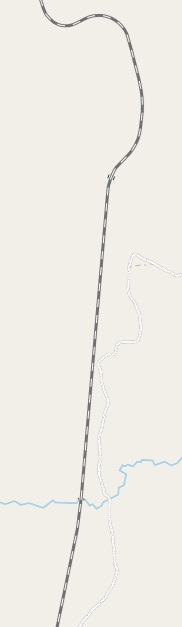
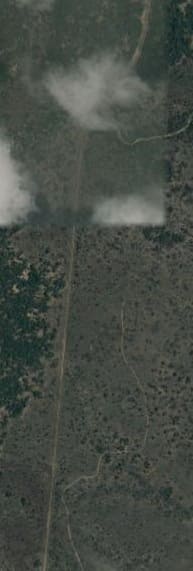
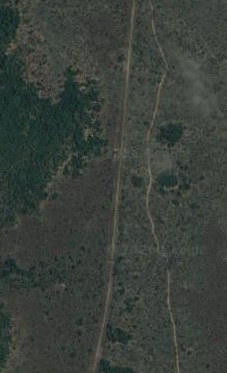
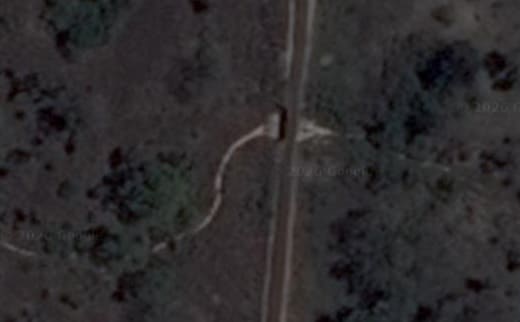
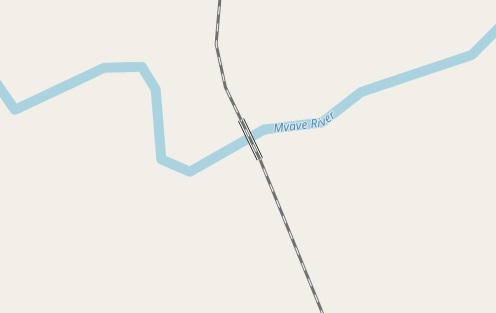
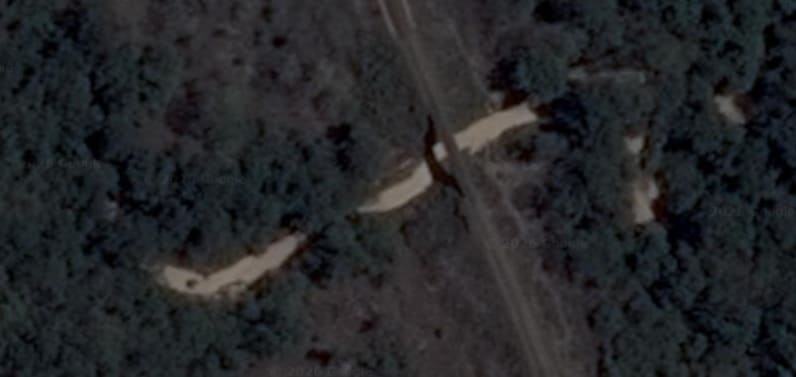
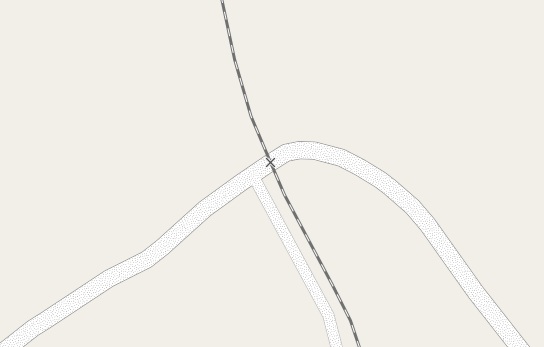
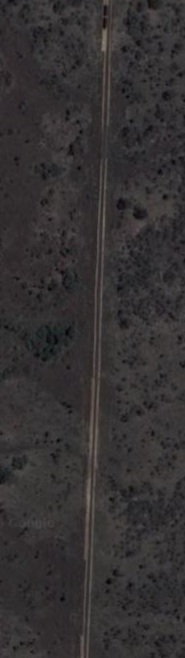
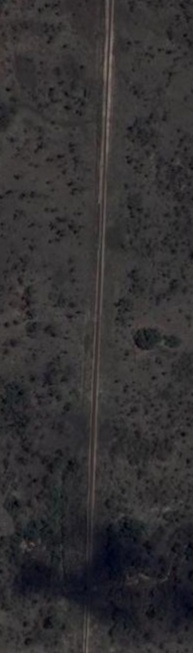
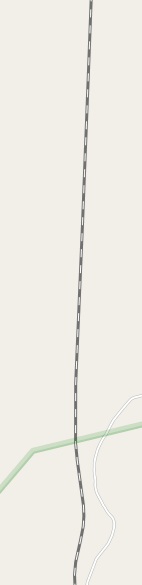
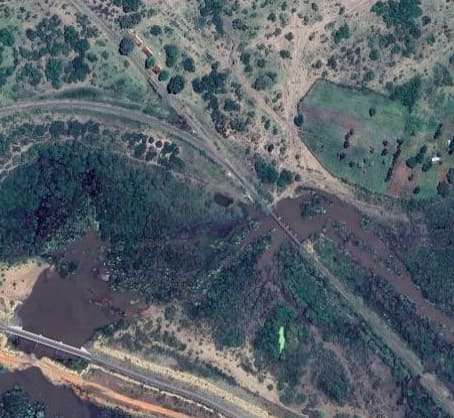
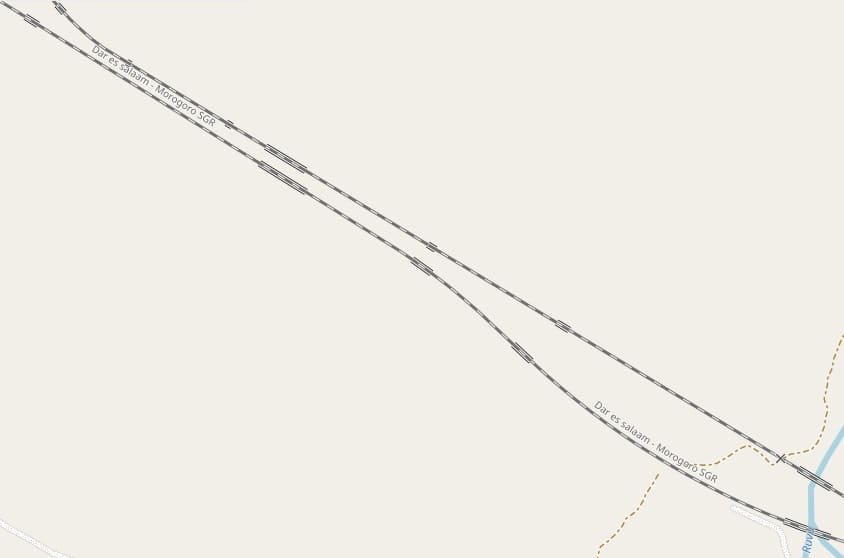
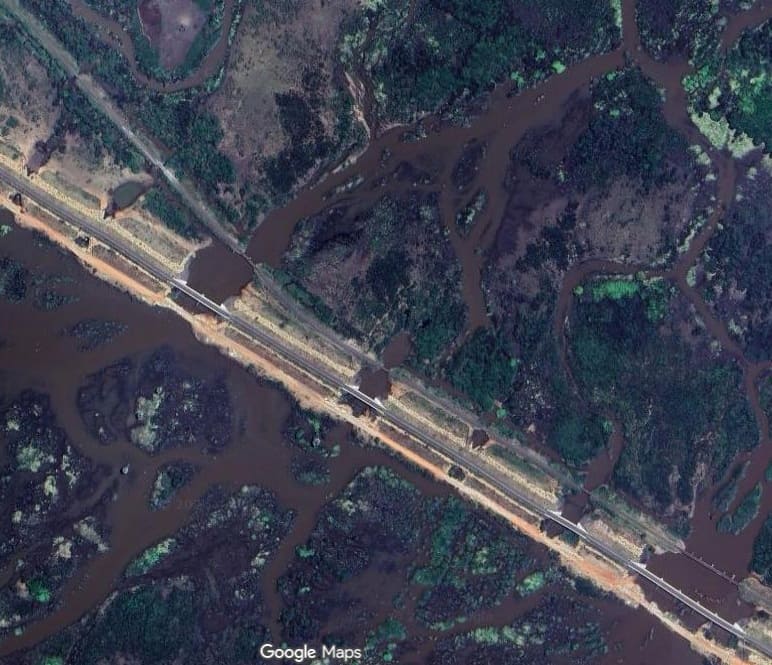
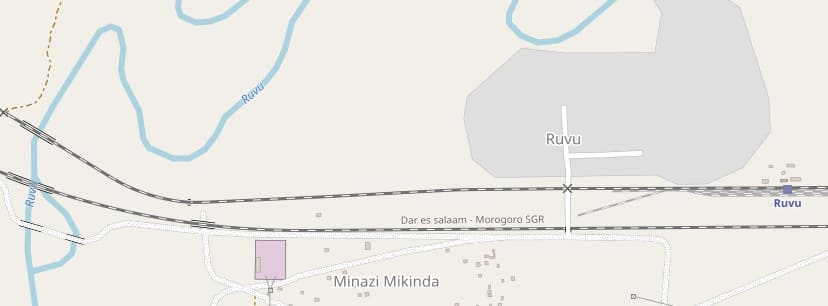
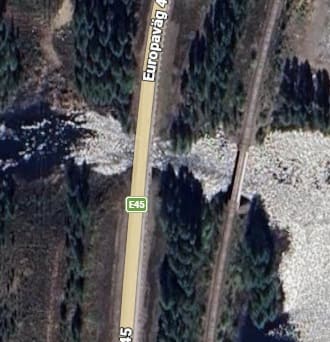
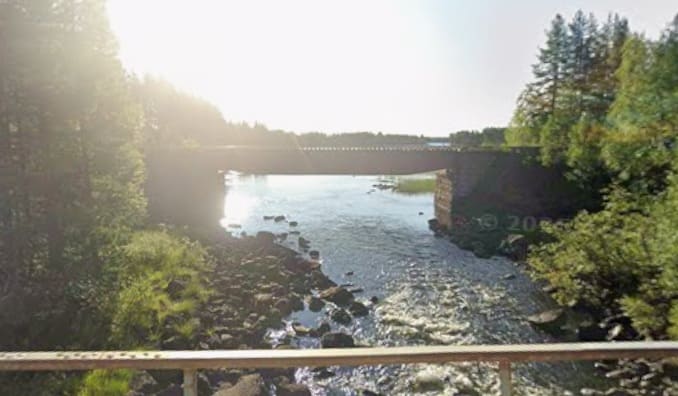
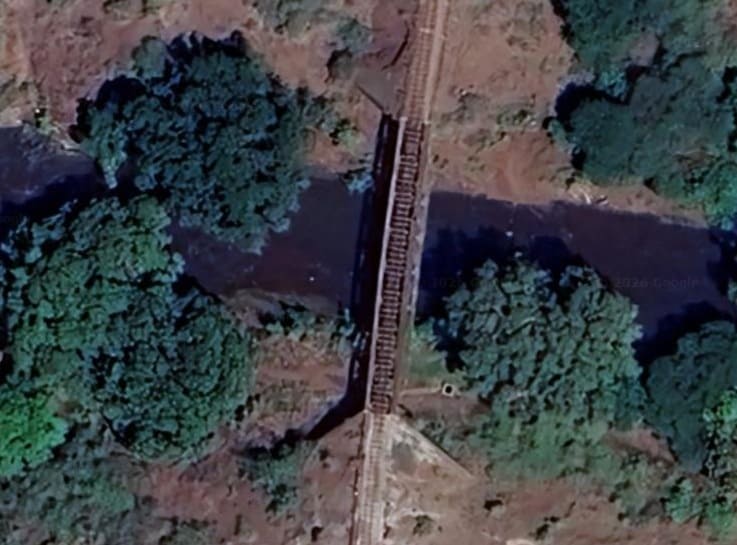
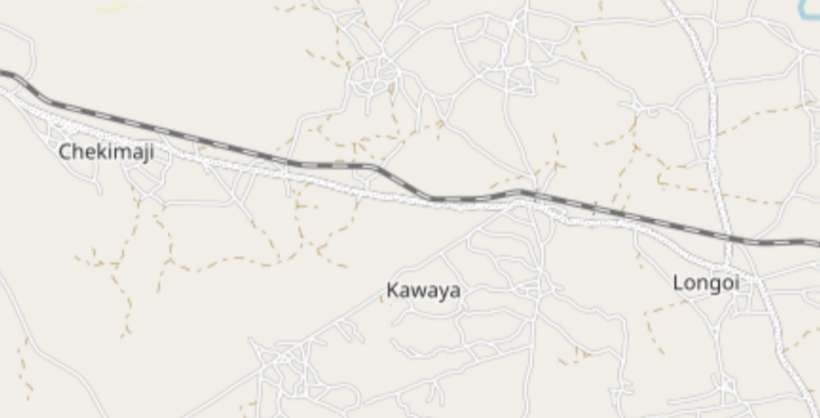
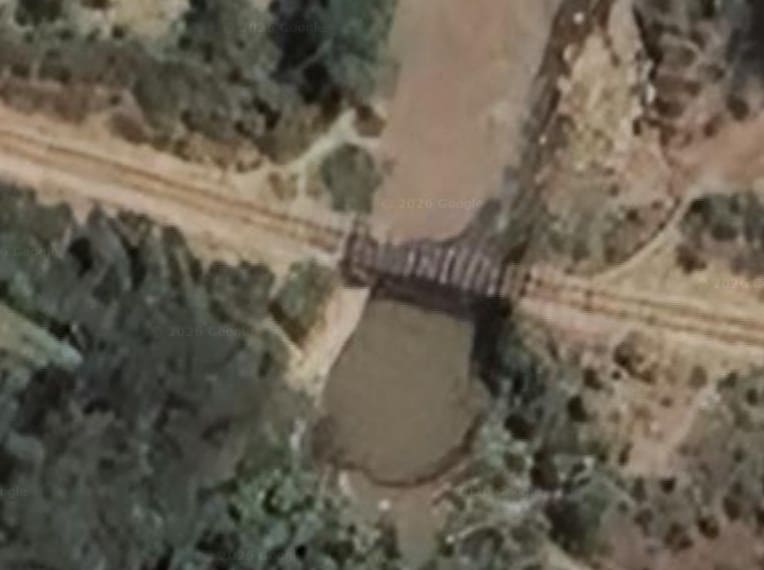
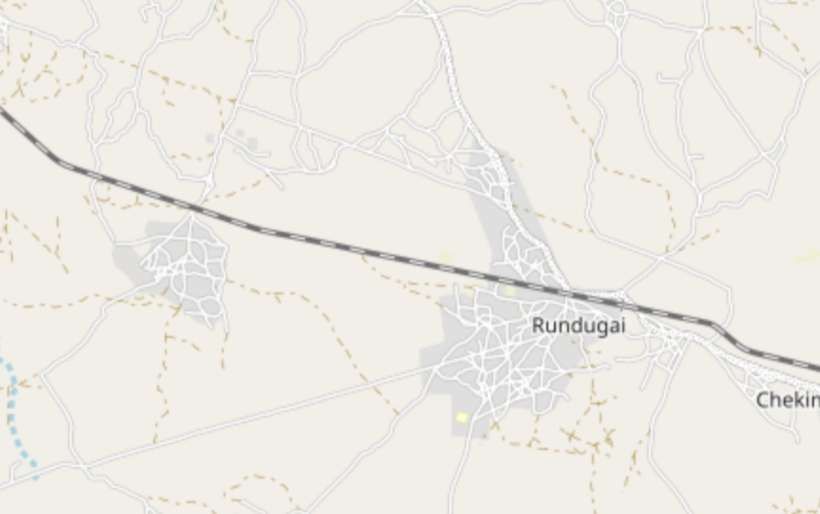
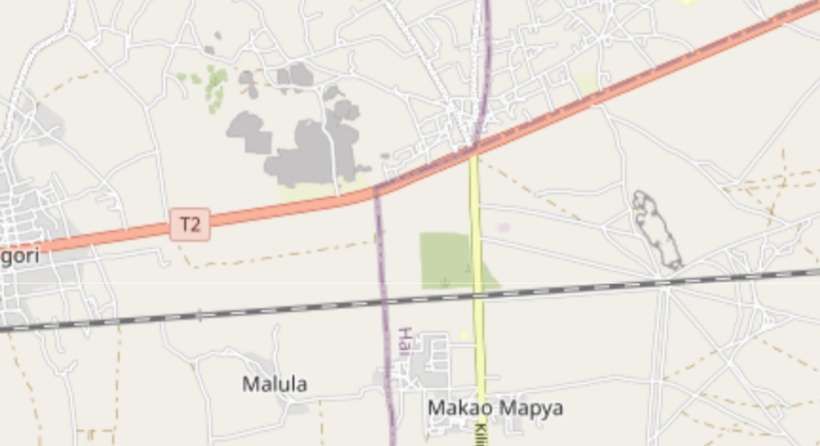
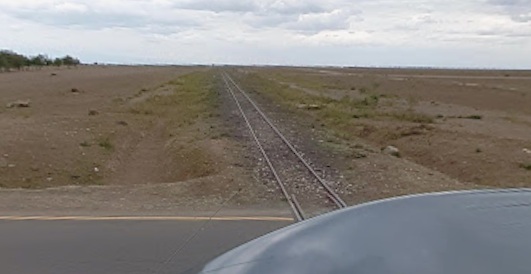
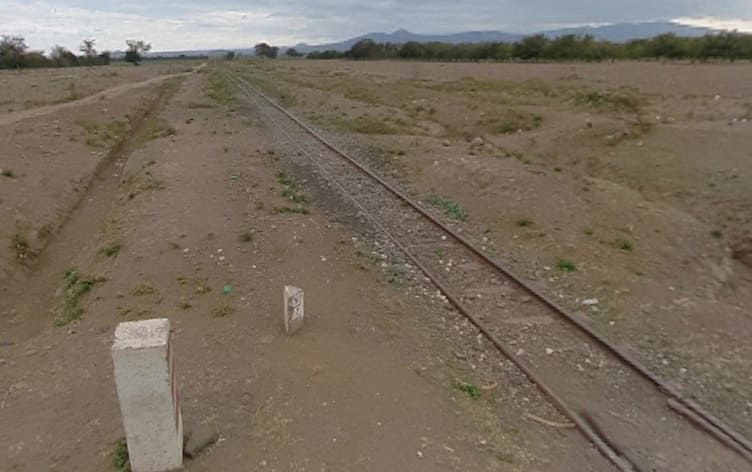
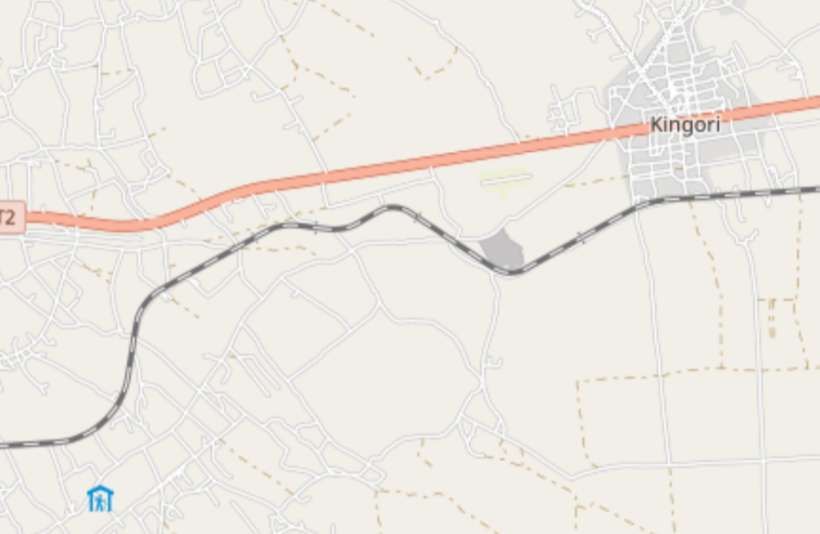
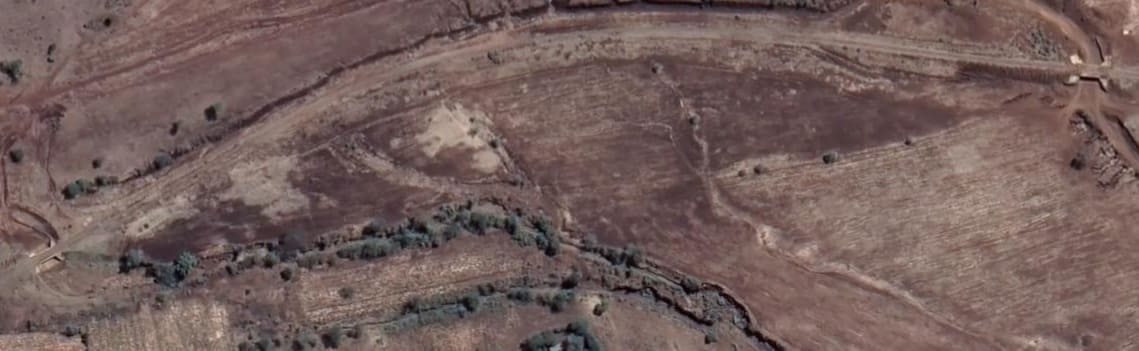
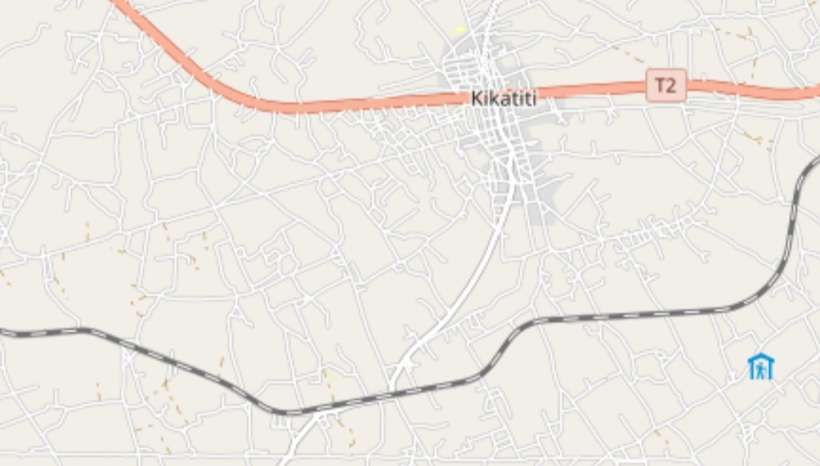
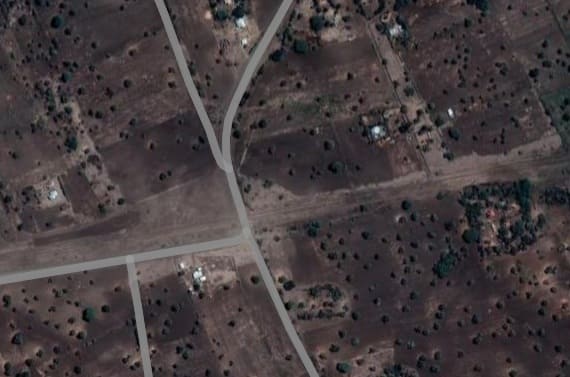
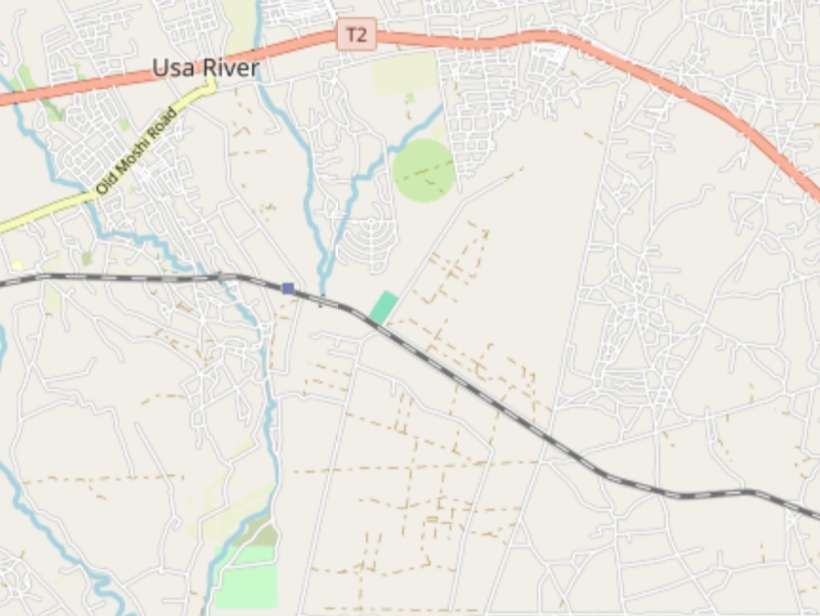
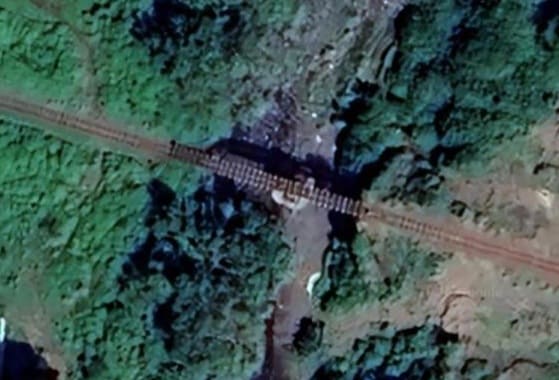
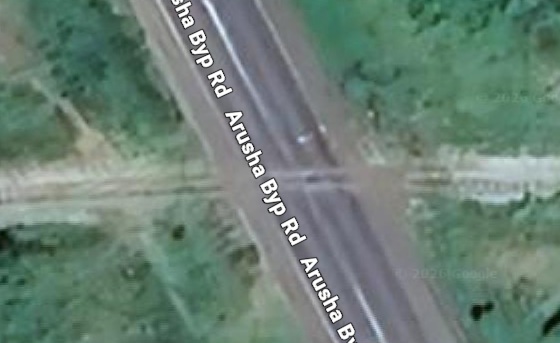
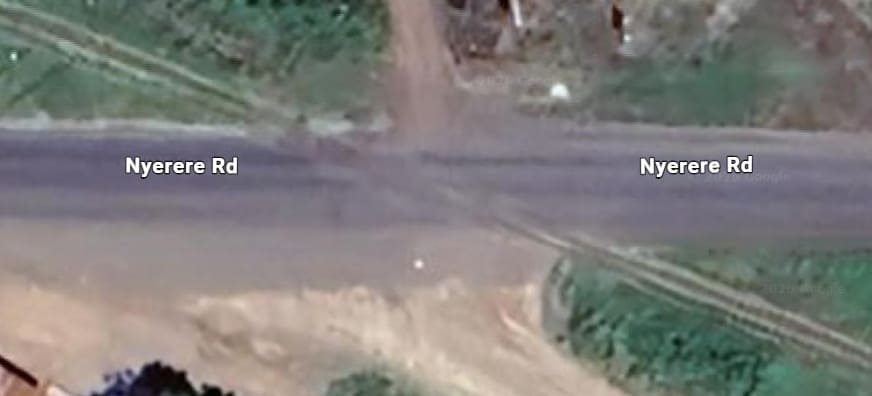
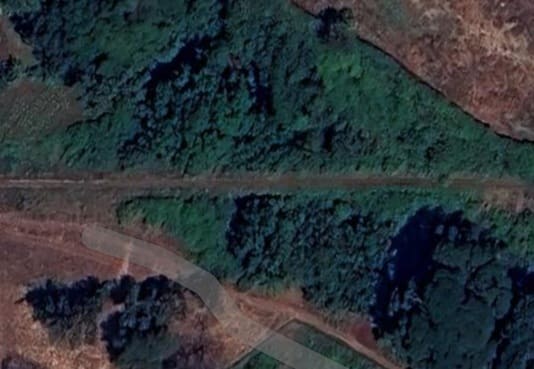
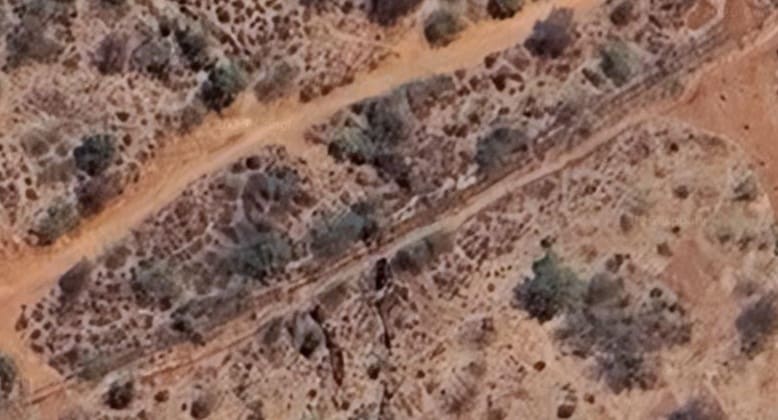
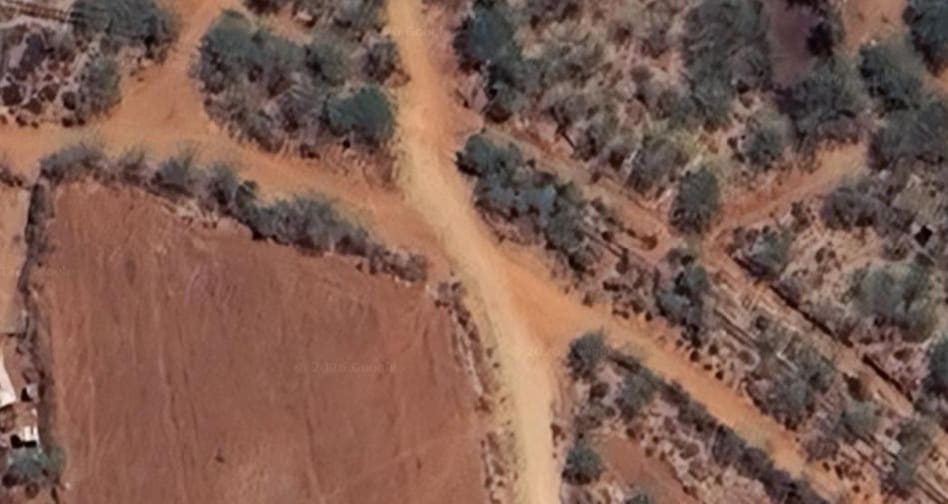
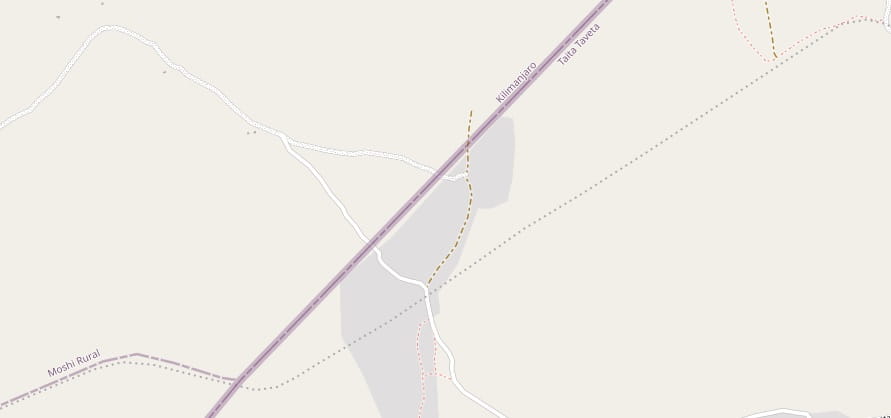
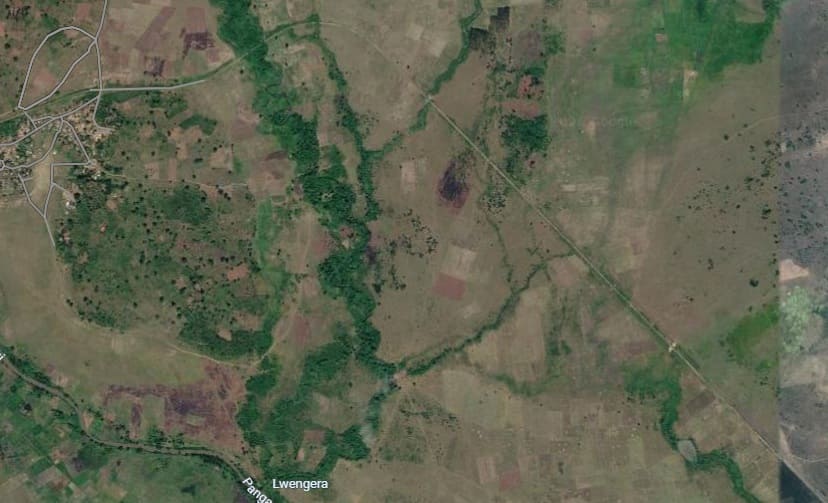
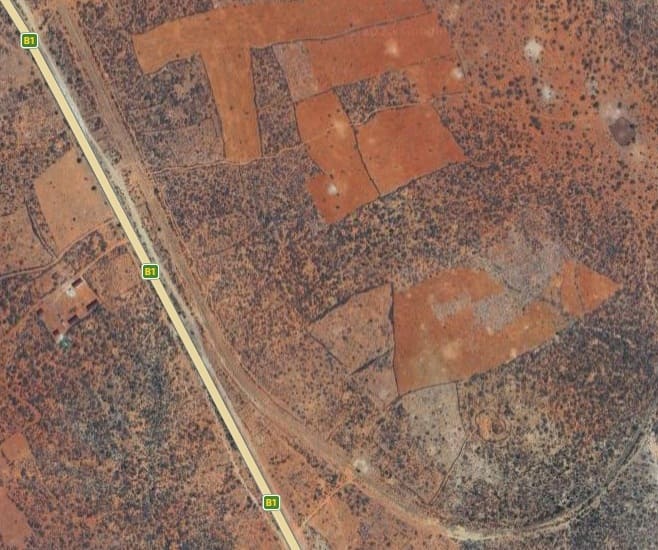
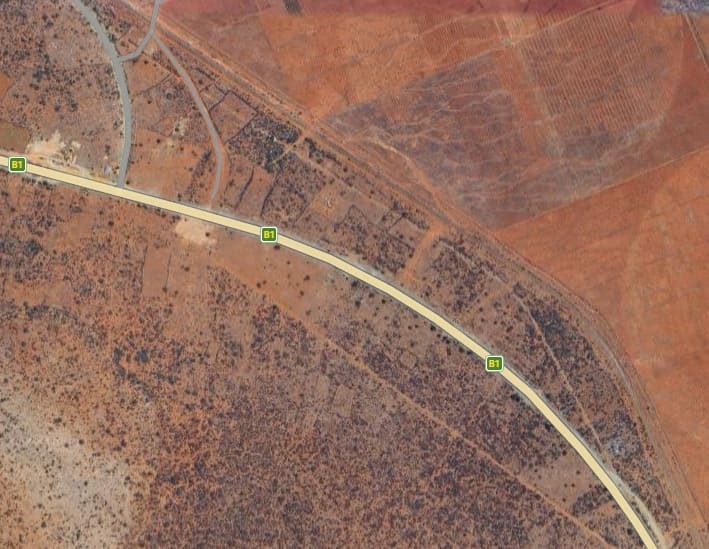
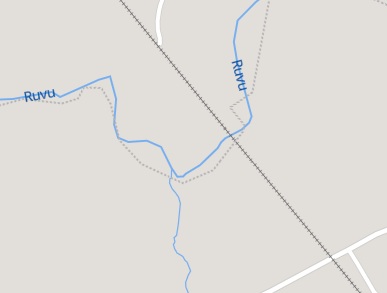
The small extract from Google’s satellite imagery shows a typical length of the line heading West away from the Pangani River. [Google Maps, April 2026]Travelling away from the Pangani River, the line first heads West, and after crossing another river not marked on the map, it then turns Southwest and maintains the bearing until it crosses the Weruweru River and turns to head in a generally southerly direction. It then crosses the Kikafu River and continues South into Weru Weru before swing round to the West. [5]The next river bridge is mentioned in the notes under the OpenStreetMap extract above. [Google Maps, April 2026]The Weruweru River bridge. [Google Maps, April 2026]The Kikafu River bridge. [Google Maps, April 2026]On a bearing just to the North of West, the line continues toward Arusha. The trace of the line on Google Maps becomes much more faint as it runs on the North side of Longoi, Kawaya and Chekimaji. The resolution on the satellite imagery in this area is less good but a river bridge can be seen at Longoi. [5]The river bridge at Longoi. [Google Maps, April 2026]Beyond Chekimagi, the line continues in a West-northwest direction, running North of the centre of Rundugai and North of Kindigani. To the Northwest of Rundugai, a culvert carries the line over a usually dry stream bed. [5]The smaller structure on the approach to Rundugai is supplemented by some concrete culverts to accommodate the stream/river in spate. [Google Maps, April 2026]The culvert to the Northwest of Rundugai. [Google Maps, April 2026]The next notable location along the line is Sanya Station (Kikuletwa). There is a murram road crossing just to the West of the station and the remains of a bridge over the Sanya River. The line continues to head West, crossing another murram road. Just at the left of this image three roads can be seen converging, all murram roads, one of which is the Kia – Sanya Station road. [5]Satellite images are relatively indistinct and show very little at the site of the station (Kikuletwa). The small settlement named Sanya Station sits to the South of the station. [Google Maps, April 2026]The remains of the bridge spanning the Sanya River. [Google Maps, April 2026]This map extract shows the next length of the line. The Kia – Sanya Station Road runs along the South side of the railway to meet the Kilimanjaro Airport Road (shown yellow on the map. Makai Mapya and Malula are on the South side of the line. The T2/A23 road is to the North. The next town to the West is Kingori which can be made out at the left side of this image. [5]Looking East from the tarmacked Kilimanjaro Airport Road, back along the line towards Moshi, the Kia – Sanya Station can just be picked out on the right of the image, heading away East to the horizon. Very little of Tanzania is covered by Google’s Streetview imagery, but some roads associated with Kilimanjairo are covered. [Google Streetview, July 2022]Looking West along the line from the same road-crossing. [Google Streetview, July 2022]Kingori is shown on the right side of this next OpenStreetMap map extract. The railway no longer follows a straight course as it winds its way along the contours of the land. Two culverts in close proximity allow the passage of water in the rainy season. [5]The two culverts mentioned above sit over dry river beds. [Google Maps, April 2026]The line follows a general bearing just to the South of West as it runs to the South of Kikatiti. The road South from Kikatiti curve to the Southwest before turning South once again to cross the railway line. To the West of the road-crossing the line begins to drift Northwest. [5]The murram road from Kikatiti enters this satellite image at the centre top, crosses the line of the railway and leaves the image centre-bottom. The road from Kikatiti to the railway is also know as the road to Maroroni. That road turns sharply to the left once it has crossed the railway and follows the line on the railway’s South side. It then can be seen on the map extract above, turning away to the Southwest. [Google Maps, April 2026]This map extract shows both the T2/A23 and the railway and a blue square marks Usa Railway Station, Arusha. Just to the east of the station the railway bridges the Usa River. [5]The Usa River bridge. [Google Maps, April 2026]
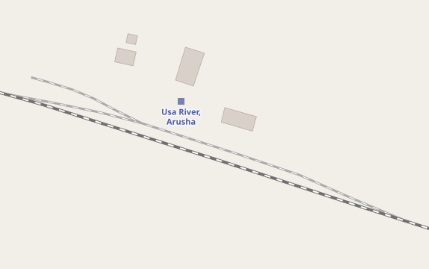
A closer view of Usa River Railway Station on the OpenStreetMap mapping. It shows a passing loop and short siding. [5]
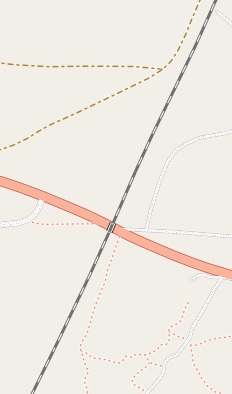
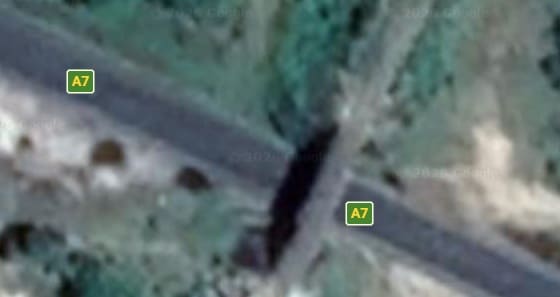
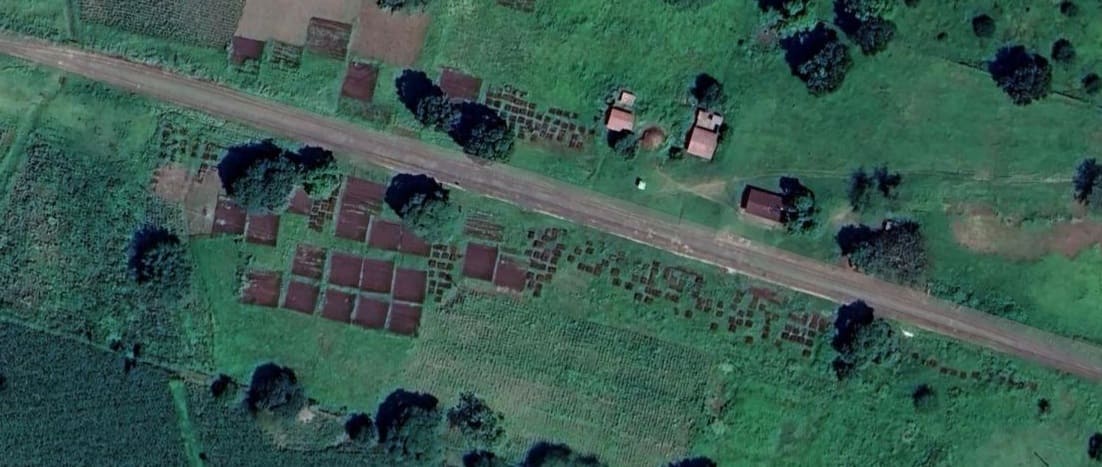
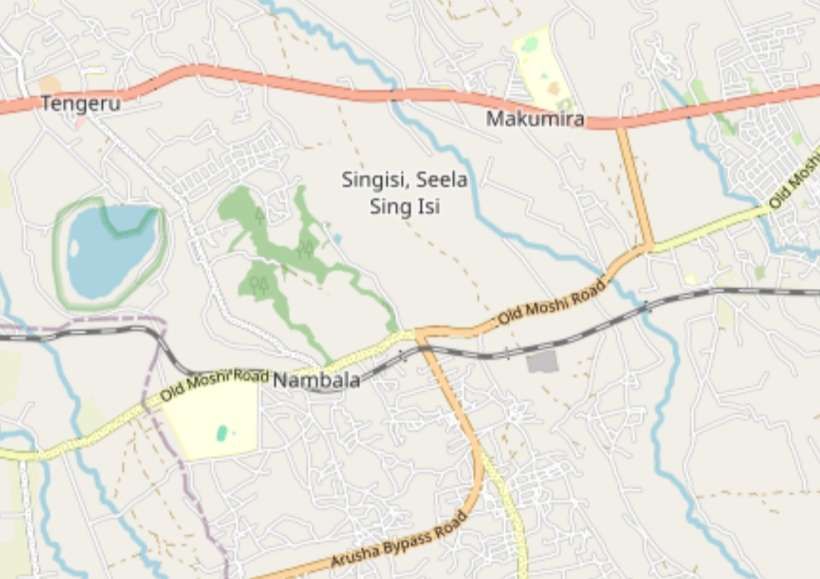
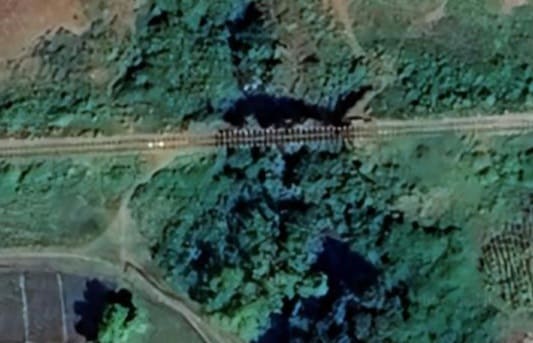
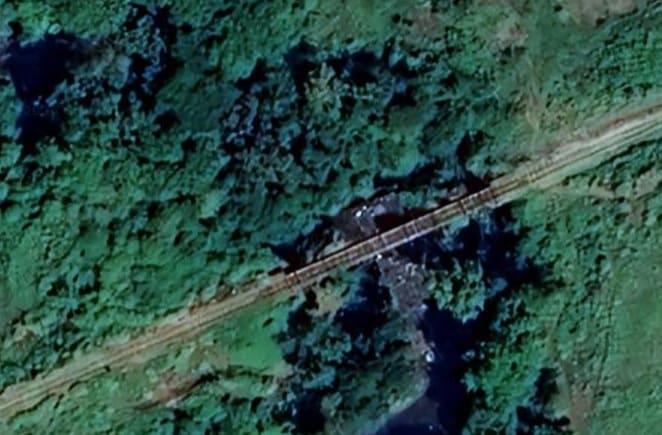
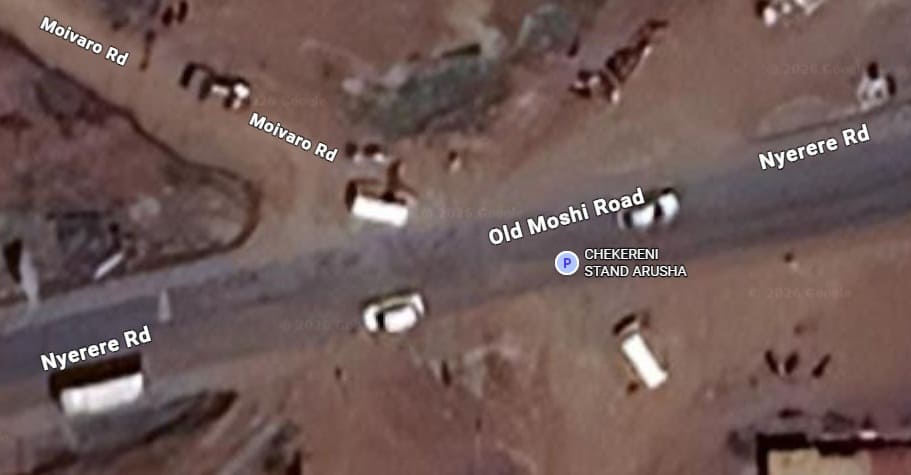
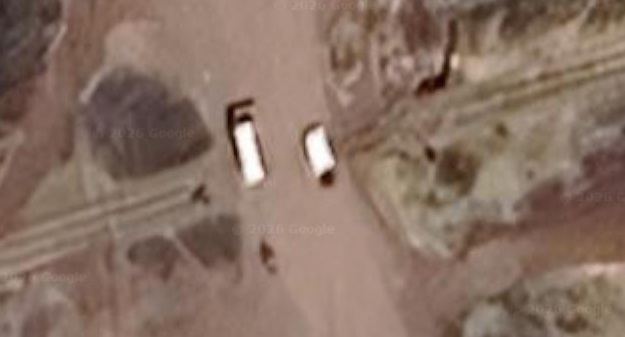
Usa River Railway Station as it appears on the Google satellite imagery. The passing loop can be made out, but there appears to be little evidence of the siding. What is very noticeable, in these last two satellite images, is that as we approach Arusha we are now travelling through more fertile land than that which we have been travelling through from Moshi. [Google Maps, April 2026]Another branch of the Usa River is bridged to the West of the Railway Station. [Google Maps, April 2026][5]Another branch of the Usa River is bridged. [Google Maps, April 2026]Yet another branch of the Usa River is crossed by the railway just downstream of where it is bridged by the Old Moshi Road. [Google Maps, April 2026]And one further branch of the Usa River is bridged before the railway crosses the Arusha By-pass Road. [Google Maps, April 2026]The level-crossing at the Arusha By-pass Road. [Google Maps, April 2026]A short distance further West, the line crosses the Old Moshi Road which also bears the name Nyerere Road. [Google Maps, April 2026]The line wends its way through the suburbs of Arusha, From the East, there are two river crossings and one major road crossing in short succession. The second of the two river bridges crosses the Tengeru River. [5]There is very little to see at the first of the streams crossed by the railway. [Google Maps, April 2026]The bridge over the Tengeru River. [Google Maps, April 2026]The road crossing of Nelson Mandela Road (according to OpenStreetMap, but also known as Nyerere Road and Old Moshi Road. [Google Maps, April 2026]The level-crossing at Naberera Road. [Google Maps, April 2026]
A little to the West of the Naberera Road the line crosses a small stream. [Google Maps, April 2026]
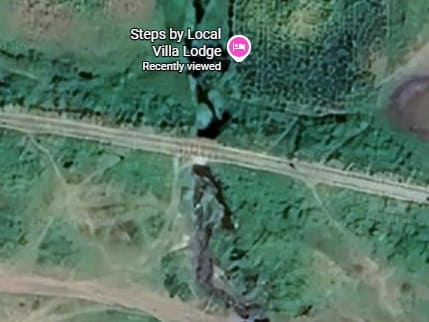
A more significant stream runs under the railway in a narrow ravine. Which appears close to the left of the map extract above and on the right of the map extract below. [Google Maps, April 2026]
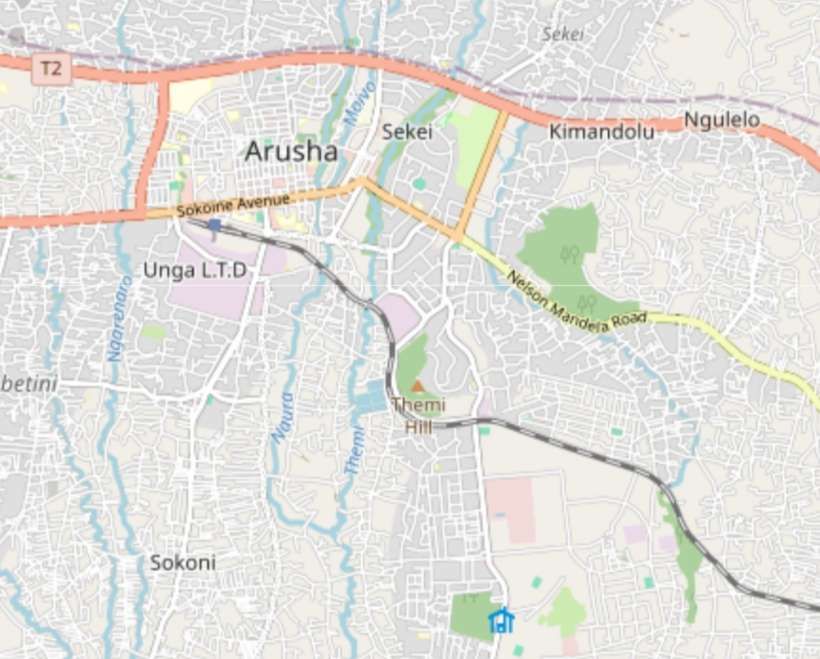
This final map extract takes us to the Railway Station in Arusha and the end of the line. [5]
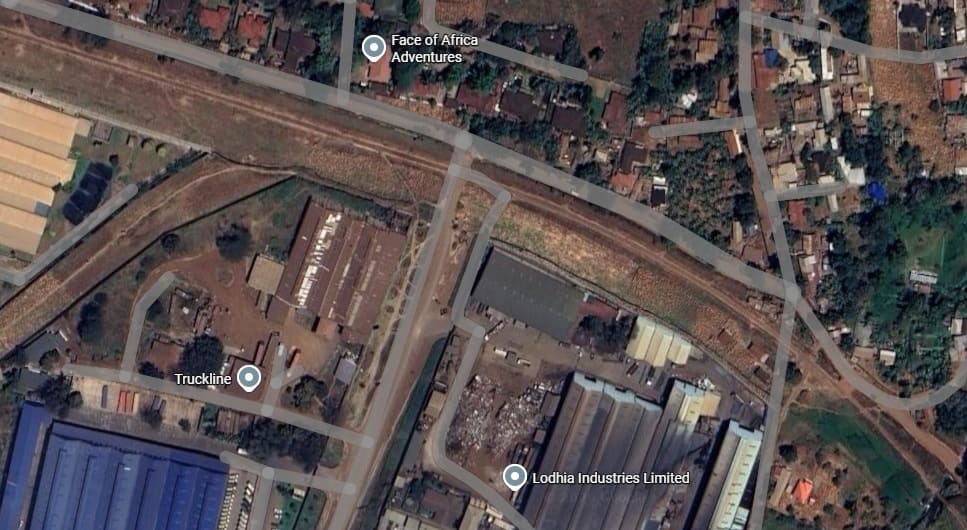
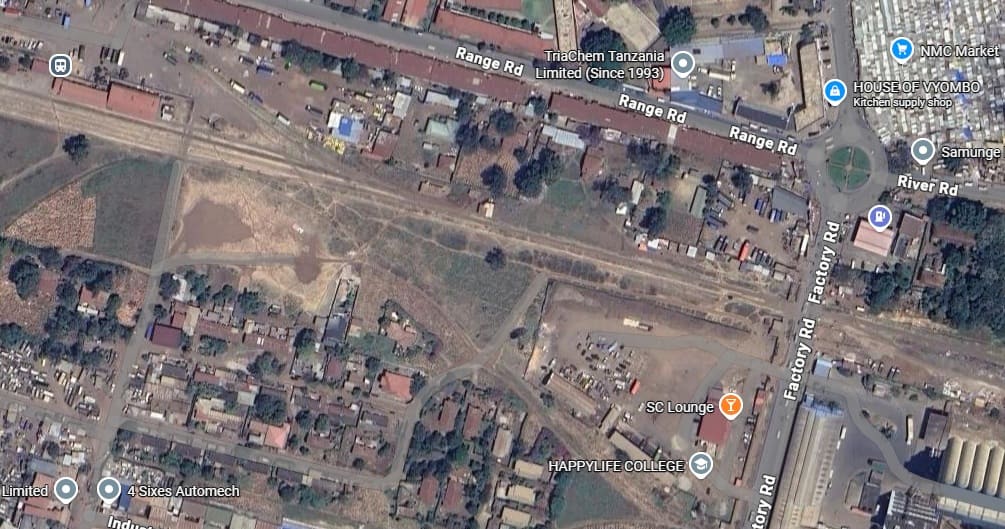
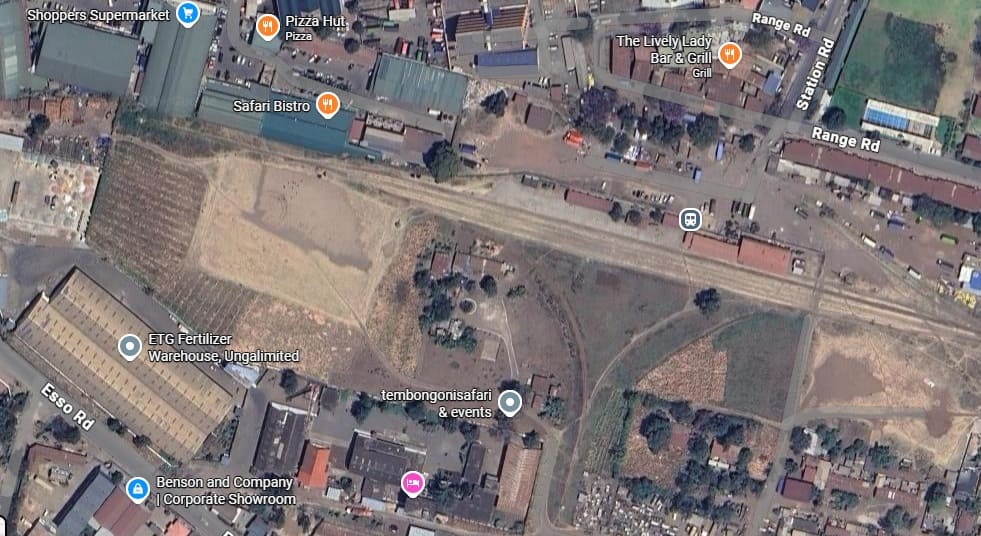
The sequence of extracts from Google Maps satellite imagery below takes us to the station in Arusha. ….
This extract from Google’s satellite imagery cover the first length of line to the Northwest of the ravine noted at the West end of the previous OpenStreetMap image. [Google Maps, April 2026]This second extract takes us further into town. [Google Maps, April 2026]This third extract continues the journey West-northwest towards Themi Hill. [Google Maps, April 2026]The fourth extract brings us close to Themi Hill. [Google Maps, April 2026]The line curves round the Southwest side of Themi Hill. [Google Maps, April 2026]
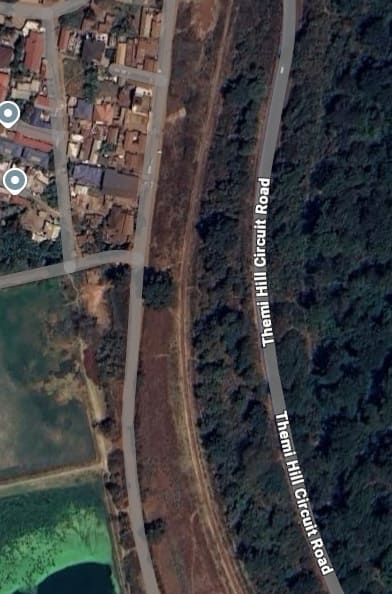
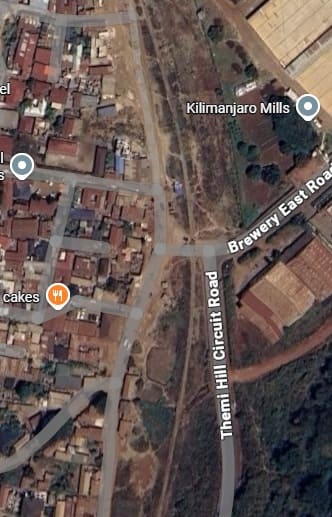
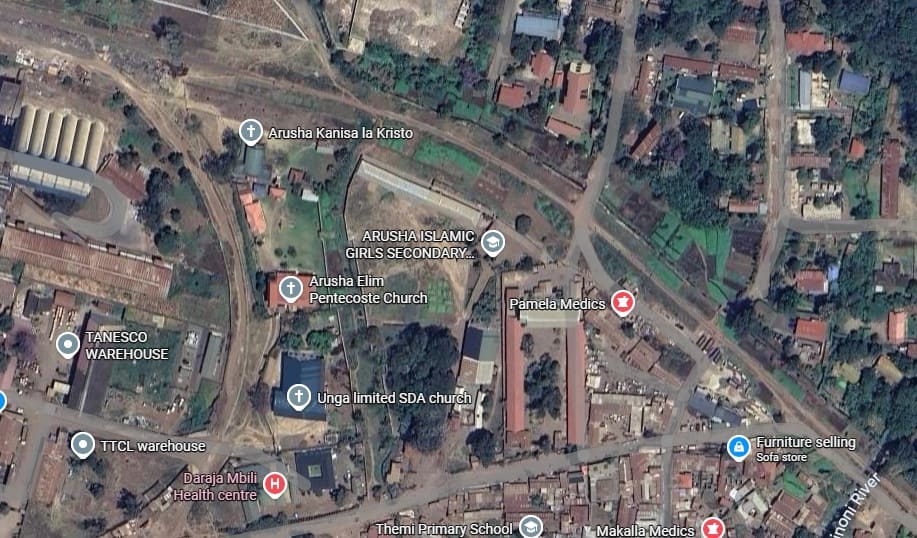
Continuing to curve round to the North, the line passes to the West of Themi Hill, (left). It then continues North (below) passing Kilimanjaro Mills on its right. [Google Maps, April 2026]
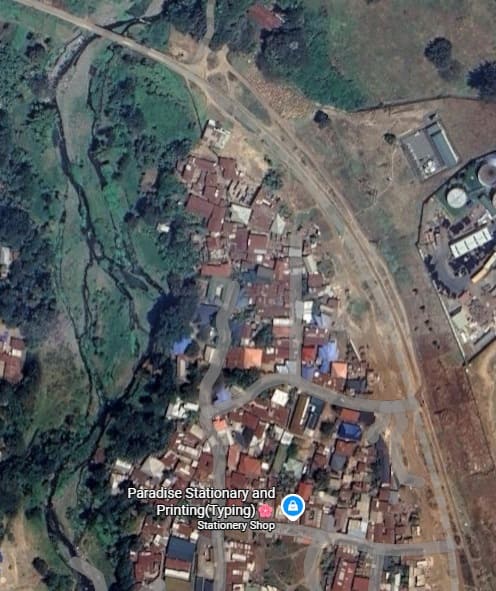
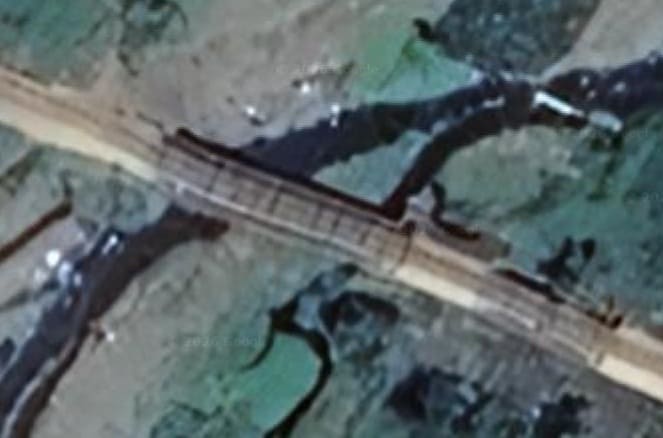
This next extract from Google’s satellite imagery shows the railway curving round towards the West and crossing the Themi River. A closer view of the bridge is shown below. [Google Maps, April 2026]
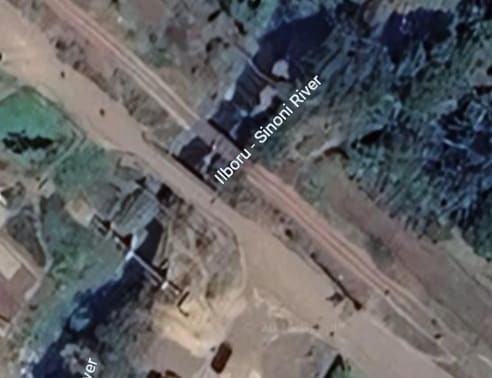
A short distance to the West, the railway crosses the Naura River (Ilboru-Sinoni River on Google Maps) as shown below.
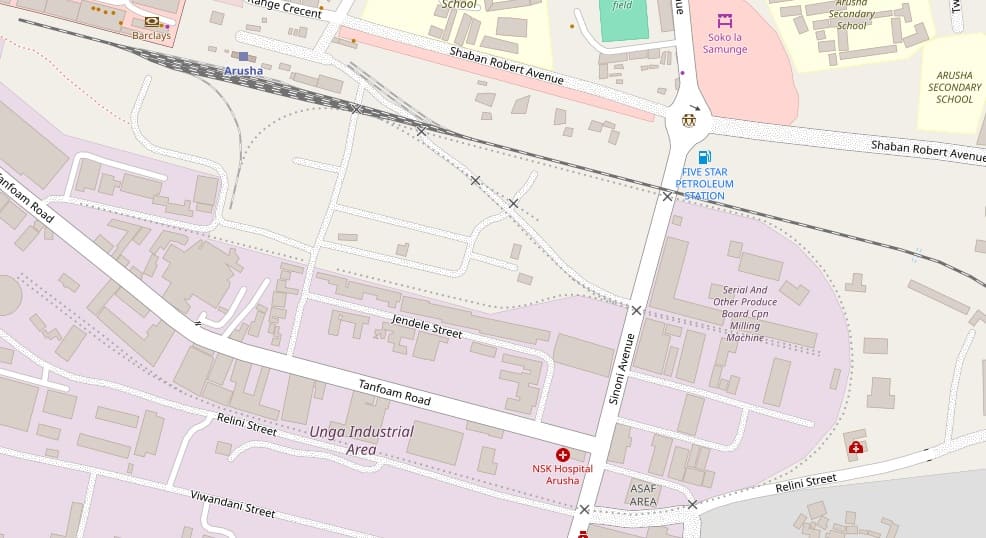
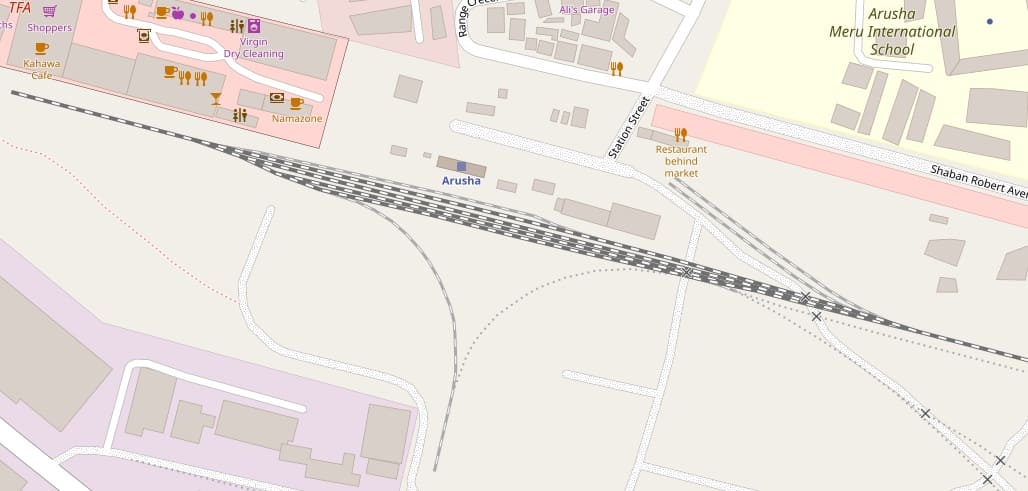
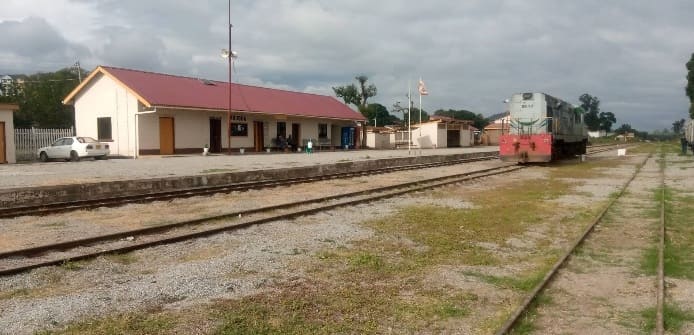
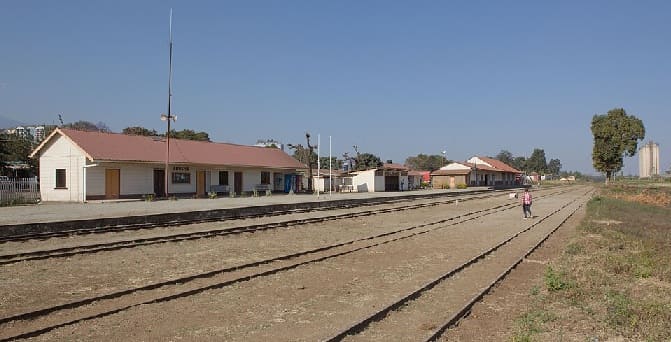
The Iboru-Sinoni or Naura River Bridge is only a short distance to the East of Arusha Railway Station. [Google Maps, April 2026]Careful inspection of this extract from OpenStreetMap’s mapping will show faint dotted lines marking now disused lines serving the Industrial area to the South of the station. One branch left the main line to the East of Five Star Petroleum Station heading east and then curving round to the West alongside Relini Street and then running on the North side of that road almost to the Left side of the map extract where it terminated in two sidings. There are two sidings on the North side of the main line close to the station buildings , there was once a branch/siding which left the main line to the South of these. It divided into two, with one short siding remaining in the station area, the other crossing Sinoni Avenue and then terminating in two sidings. These also provided a head shunt for another line running across the South side of the station site almost as far as the left side of this map extract. There were then a series of sidings adjacent to the station buildings and a turning triangle to the South of these. [5]Arusha Railway Station. [5]Arusha Railway Station seen from the West, (c) Allan Kaitila (June 2021). [Google Maps, April 2026]The same view but without the locomotive, (c) Harald Ulver and licensed for reuse under a Creative Commons Licence (CC BY-SA 4.0). [10]
Some excellent monochrome photographs of Arusha Railway Station can be found here. [11]
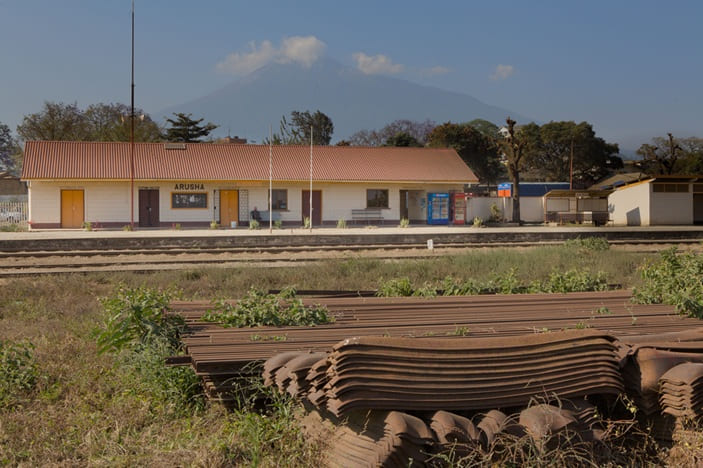
Arusha Railway Station building seen from the South with Mount Meru in the background (August 2024). Notice the steel sleepers and rails in the foreground of the photograph, (c) Harald Ulver and liceinced for reuse under a Creative Commons Licence (CC BY-SA 4.0). [12]
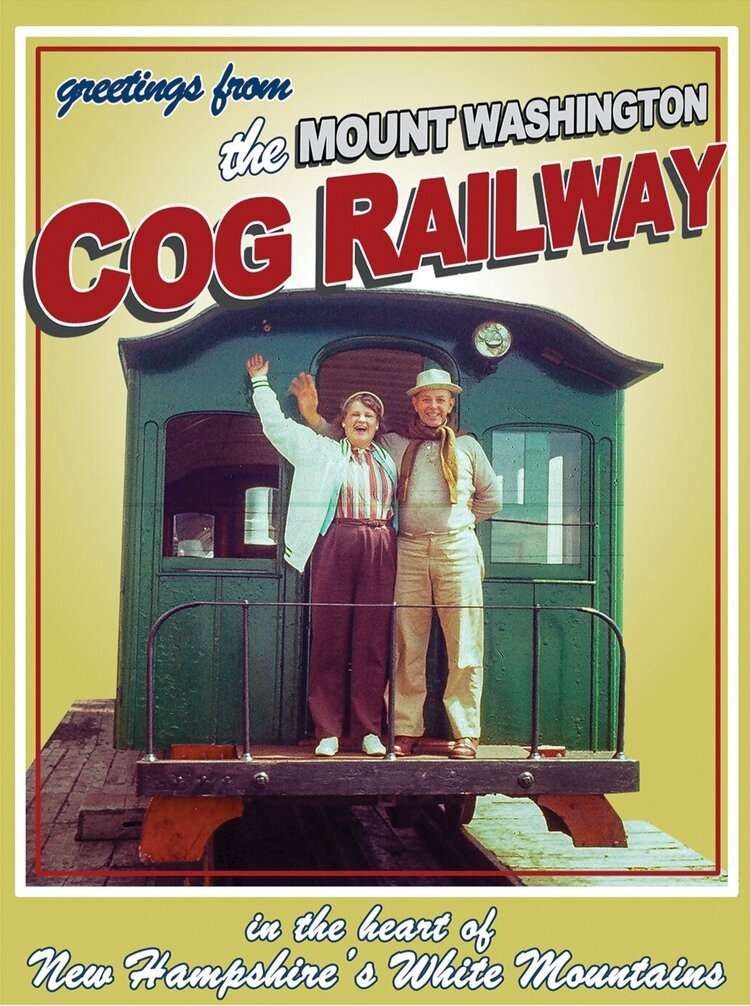
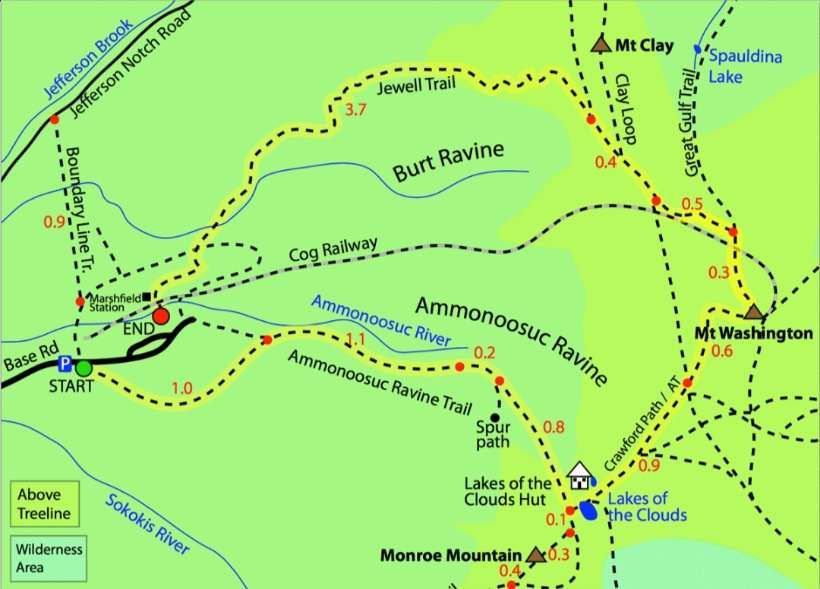
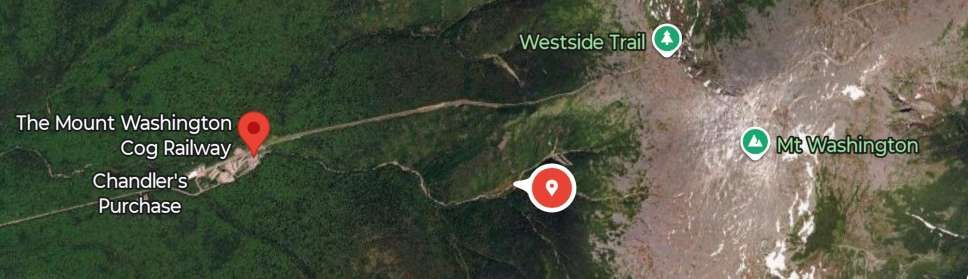
The Mount Washington Cog Railway. [53]The Mount Washington Cog Railway. [26]The full line as it appears on Google Maps. [Google Maps, April 2026]
The November 1954 edition of The Railway Magazine contained an article by Robert Legget about the Mount Washington Cog Railway in New Hampshire. He was surprised to find that in 1954 it was claiming to be ‘the first mountain climbing railway in the world’.
It is beyond doubt that it is among the pioneer mountain railways of the world, but the first?
Here (below) are a few of the lines highlighted by a number of different AI searches all of which included the words ‘mountain railway’ in the search parameters. They are all interesting examples of engineering developments over time. No claim is made that this is an all-inclusive list! And, looking at the lines highlighted, it seems the search term, ‘mountain railway‘ might have been interpreted quite widely! ….
1460: Reisszug (Austria) – a very early, steep funicular railway serving the Hohensalzburg Fortress. A wall for its protection was erected in 1461 and a source mentions it in 1515. [7][8]
16th Century: (Central Europe) – The earliest documented railways were steep wooden wagonways in mining areas. Georgius Agricola’s De Re Metallica (1556) illustrates “Hund” carts with unflanged wheels operating on wooden planks to move ore, often with vertical guide pins, used in hilly terrain. I am not convinced that this warrants inclusion as a ‘mountain railway‘. [9]
1604:Wollaton Wagonway (UK): One of the earliest British surface wagonways ran from Strelley to Wollaton. It operated over difficult terrain, utilizing wooden tracks to haul coal. Surely Nottinghamshire is not mountainous territory! [10]
1725: Tanfield Wagonway (UK) – Constructed to connect coal pits to the River Tyne, this was a massive engineering project for its time. It featured steep grades, early masonry bridges and substantial embankments, although I could not describe this as a ‘mountain railway‘. [13]
1764: Montresor’s Tramway (USA) – A gravity-powered railway, built by British engineers to navigate the steep terrain near Niagara Falls. Located in Lewiston, New York, it utilized wooden rails to transport supplies up the steep Niagara Escarpment. It is seen as one of North America’s first mechanized railways. [4]
1800-1880s: Welsh Narrow Gauge Railways(UK) – a significant range of narrow-gauge lines of which some at least were operated downhill by gravity and initially saw horses drawing wagons back uphill. Many later became steam-powered. [11][12]
1804: Penydarren Railway – I am not convinced that this qualifies as a mountain railway as it followed a river valley, but it featured in a number of different ‘mountain railway‘, searches on Google. More about this line can be found here [5] and here. [6]
1799-1805: Mount Vernon Tramway (USA) – A gravity railroad constructed in Boston to help lower a hill and fill in marshland. [4].
1809: Thomas Leiper’s Railway (USA) – A 60-foot test track in Pennsylvania, later expanded, which used wooden rails to manage a 1:24 gradient from a quarry. [4]
1827: Summit Hill & Mauch Chunk Railroad (USA) – this was a 9 mile long industrial mountain railway in Pennsylvania. It was a gravity railroad transporting coal, with wagons being returned to the top of the line by mules. A later railway operating on 3 ft 6 in (1,067 mm) gauge track, was laid on top of the original wagon road. The railway operated for more than half a century as a tourist attraction after it ceased day-to-day operations as a freight railroad in 1872. The onset of the Great Depression resulted in its eventual closure. [2]
1836:Whitby & Pickering Railway (UK) – A steep, horse-drawn line built to connect inland areas to the coast, featuring significant early engineering through difficult terrain, but not really a ‘mountain railway’. [14]
1848-54: Semmering Railway (Austria) – this was the first true mountain line. It conquered the Semmering Pass with 15 tunnels, 16 viaducts, and 100+ curved stone bridges, showing that locomotives could climb steep Alpine terrain. [3]
1868/9: Mount Washington Cog Railway (USA) – the world’s first mountain-climbing cog railway opened, in 1868 and reached its full length in 1869. [1]
1871: Vitznau-Rigi-Bahn (Switzerland): The first standard-gauge cog railway in Europe, opening up the Alps to passenger tourism. It runs from Vitznau on Lake Lucerne to the Rigi Kulm summit, offering 30-minute scenic rides with panoramic views of the Alps. It operates year-round and is owned by Rigi Railways. [15]
1892: Breinz-Rothorn Bahn (Switzerland): An early example of a rack-and-pinion line allowing steam locomotives to conquer high Alpine slopes. [16][17]
1896: Snowdon Mountain Railway (Wales): Utilizes the Abt rack system to climb toward the summit of Yr Wyddfa (Snowdon). [18]
1898: Gornergrat Bahn (Switzerland): One of the early electric mountain railways, operating from Zermatt (1,604m) to the Gornergrat summit (3,089m) in about 33 minutes. As Europe’s highest open-air cogwheel railway, it offers year-round panoramic views of the Matterhorn and 29 other 4,000-meter peaks. [19]
1899-1912: Jungfraubahn (Switzerland): Work began on this iconic railway, which famously tunnels through the Eiger mountain to reach the highest station in Europe. It connects Kleine Scheidegg to Jungfraujoch. “On 7th March 1899, ground was broken at Rostock station, which was operated only temporarily. … On 7th March 1899, workers at the head of the tunnel reached the intended site of the Eigerwand station. … It was 28th June 1903 before the Eigerwand station in the middle of the north face of the Eiger (2,865 m above sea level) could be officially opened. Passengers were subsequently able to enjoy a view towards Grindelwald from the terrace. Two years later, on 25th July 1905, it was possible to open the section to the stop at Eismeer, some 3,160 metres above sea level, providing guests with a stunning glacier view. … It was not until 1912 that the section to the Jungfraujoch, 3,454 metres above sea level, was completed – nine years later than originally planned. [20]
This limited survey of early ‘mountain railways‘ has done nothing to challenge an assertion that the Mount Washington Cog Railway was the first ‘cog’ railway in the world. However, it clearly was preceded by a number of railways operating by gravity (primarily goods lines) in mountainous areas. But the narrow gauge (4ft 8in) [56] Mount Washington Cog Railway has no rightful claim to being the first ‘mountain railway‘. The Semmering Railway in Austria, if not others, tackled mountainous terrain before the Mount Washington line.
The Mount Washington Cog Railway began operations in 1868 and was fully opened in 1869. It uses a Marsh rack system to climb a 37% grade. It is “Three-and-a-half miles long, it conveys passengers to the top of the highest peak in the Presidential Range of the White Mountains of New Hampshire. It has been in continuous operation since [1869], except only for one year during the first world war and for three years during the last war. In this long period it has operated without a fatality to a single passenger. … Mount Washington, rising to a height of 6,293 ft., is the highest peak in New England. It was given its name in July 1784, by the members of the first party to climb to its summit for scientific purposes; its first recorded ascent was in 1642. … A cabin was built on the summit in 1823. In 1852, a simple hotel was constructed on the north side of the peak. Twice rebuilt, following fires, it was the beginning of the group of structures which now surround the upper terminus of the cog railway.” [1: p786]
In 1858, industrialist and inventor Sylvester Marsh exhibited a model he thought suitable for climbing mountains “to the New Hampshire Legislature and applied for a charter to build mountain railways. … The charter was granted with permission to build railways to the tops of Mounts Washington and Lafayette.” [1: p787]
“The model engine (still preserved, in Concord, New Hampshire) was demonstrated, with about 20 ft. of inclined model track, in Marsh’s office in Boston for promoting the idea of the railway and in raising funds. It weighed 17 lb. and would push a load of 50 lb. up the track. It was fitted with Marsh’s patented ‘atmospheric brake’.” [1: p787]
Cog Railway Patents, Sylvester Marsh
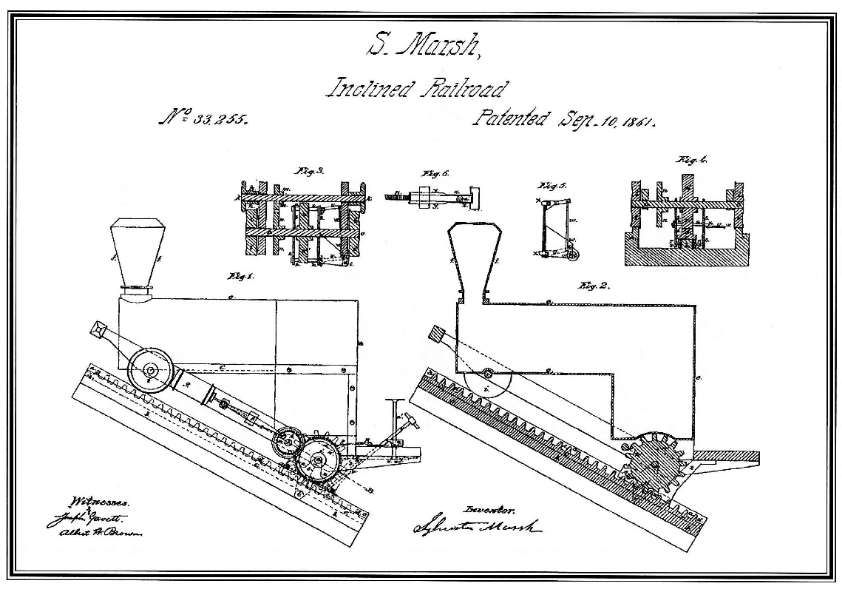
In 1858, picking up on an idea by John Blenkinsop in England twenty years before, Sylvester Marsh applied for US patents for a cog-driven inclined railway. His first patent is dated 10th September 1861, No. 33,255. [21][22]
Marsh’s US patent No. 33,255 was for a cog-wheel locomotive. [21][22]
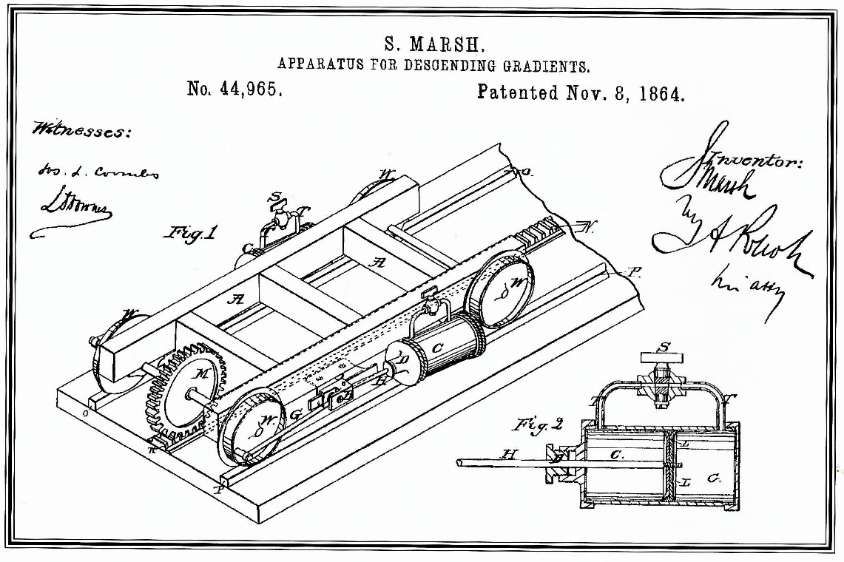
He later, in 1864, applied for and was granted a patent for “an ‘Apparatus for Descending Gradients’ an adjustable, frictionless brake that utilized compressed air to slow a train’s movement, while eliminating the wear and tear on a locomotive’s (and/or carriage’s) wheels.” [23] The patent was No. 44,965, granted on 8th November 1864.
Marsh’s US patent No. 44,965 was for an ‘Apparatus for Descending Gradients. [21][23]
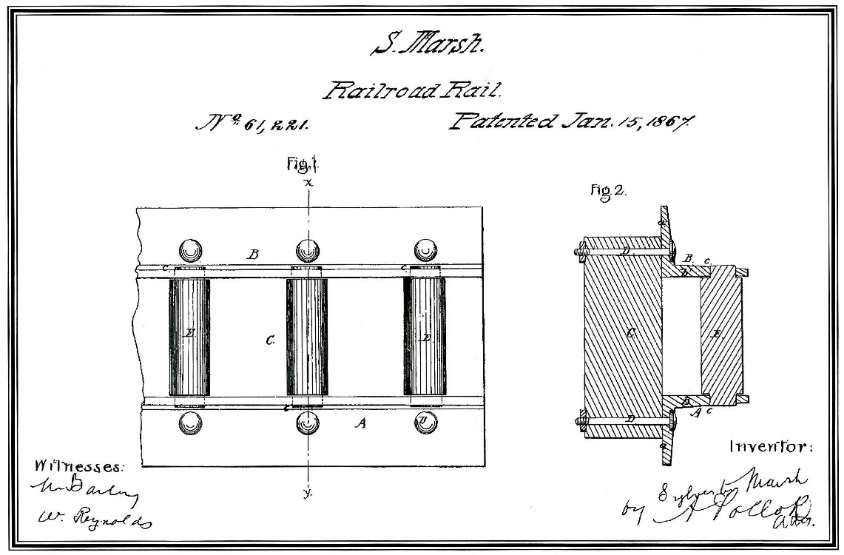
Later still Sylvester Marsh applied for and was granted a patent in January 1867 for “an enhanced design for the original cog rail. Marsh’s device was ‘open’ between the individual pins along the rack, and this allowed ice, snow, or dirt to fall through the spaces, rather than clog and potentially impede the works.” [23]
US Patent No. 61,221 dated 15th January 1867 for an open design of cog rail. [21][23]
Construction of the Line
Legget tells us that “After failing to raise funds publicly, Marsh himself paid for the building of a full-scale locomotive and a section of experimental track on Cold Spring Hill, a shoulder of Mount Washington. There, on 29th August 1866, he gave a public demonstration of his idea, which was quite successful. One of these sections is the start of the railway as it exists today. … Following the demonstration of 1866, others came to share the promoter’s enthusiasm for his idea. A company was organised and, although he lost financial control of it, Marsh was elected its President. Construction started in May, 1867, and was completed as far as the foot of “Jacob’s Ladder” (now the steepest section) and formally opened on 14th August 1868. Work continued, and the railway was opened to the summit by July of the following year.” [1: p787]
Legget continues: “Much of the wood required for the construction was cut from the forest which covered the lower slopes of the mountain, using oxen for hauling, A tollroad had to be built to connect the outside world with the location chosen for the start of the railway, now called Marshfield. This was for long known as the Mount Washington Turnpike, but is now a public highway. Apart from the timber required for the trestle and ties, all other material had to be hauled over primitive roads from Littleton, 25 miles way, where was then located the nearest railway station.” [1: p789]
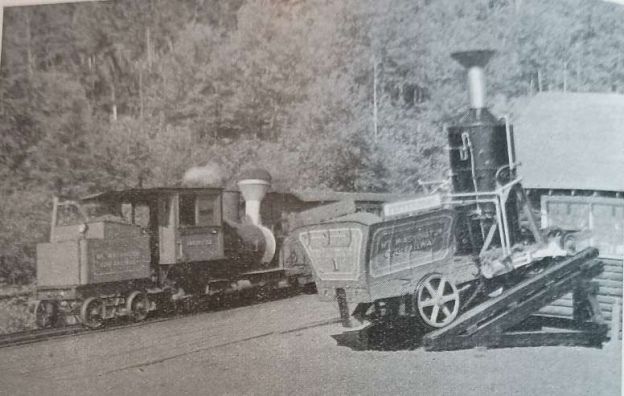
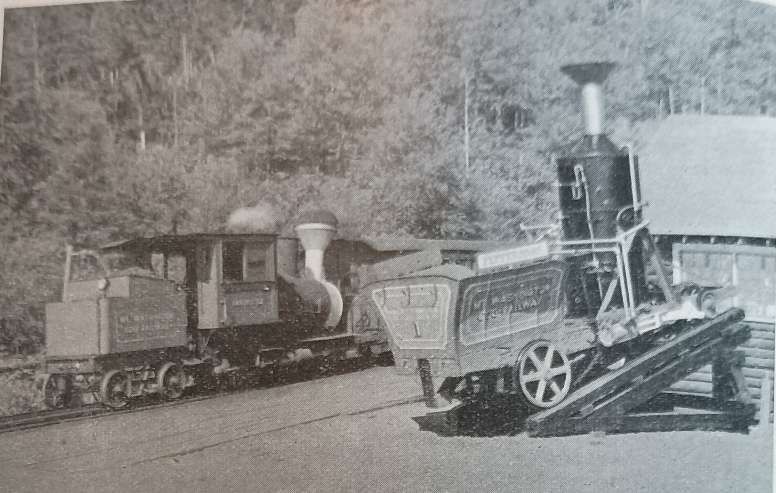
Old Peppersass (No.1 ‘Hero’), Marsh’s original locomotive for the line is plinthed at the base station. “The odd name comes from the resemblance to the type of pepper-sauce bottle used in American homes at the time of the opening. The vertical boiler gives the engine a most unusual appearance, but it operated satisfactorily for twelve years before being replaced by improved types. It cost only £3,000 to construct, and weighed 8 tons. After withdrawal from service, the old engine was shown at a number of exhibitions throughout the United States, and eventually passed into the keeping of the Baltimore & Ohio Railroad.” [1: p789]
Later, in July 1929, a refurbished ‘Old Peppersass’ was steamed again on a gala day, successfully chugging up the mountain again. Sadly on the descent, a tooth broke on one of the gear wheels. Legget tells us that this “caused the locomotive to jump from its normal position, contact was lost with the rack, and it started to rush down out of control. So quickly did it gather speed that the hand safety devices could not be applied fast enough. The driver told the other riders to jump off, but did not see a photographer who was hidden by the bunker. Why he did not jump off until much later will never be known, but it was too late when he did decide to leap, and he fell to his death. This unfortunate accident marred an otherwise perfect day, and is the only fatality which has occurred in ordinary operations on the railway.” [1: p789]
‘Devil’s Shingles’
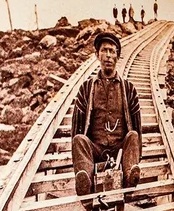
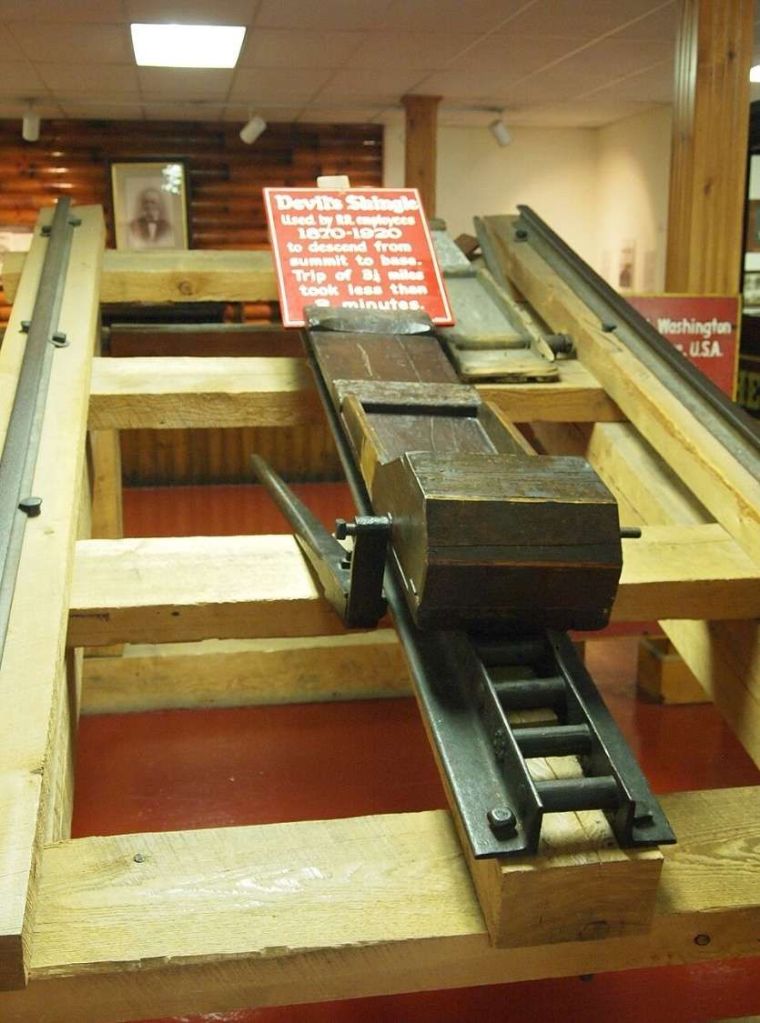
There was a dare-devil practice undertaken by employees of the railway which “must have been one of the most sensational rail journeys in history. This was achieved by riding on ‘slide-boards’ (or ‘Devil’s Shingles’) – wood and metal seats, measuring about three feet by one, which fitted over the rack rail, and were equipped with crude hand-actuated brakes. Seated on one of these contraptions, members of the track crew could save much time in descents. The record time for the 3.25-mile trip, from the summit to Base Station, was 2 min. 45 sec., which speaks for itself. Following the death of an employee and the serious injury of another, this unorthodox method of transport was banned.” [1: p789]
An employee of the railway is sitting posed on one of the slideboards (Devil’s Shingle) in an illustration on the wall of the railway museum at the Mount Washington Cog Railway. [31]
An example is on display in the museum and is shown in the photograph below.
The line was approached by a winding road from the nearest railway station, Bretton Woods, on the Maine Central Railroad line from Portland, Maine, to St. Johnsbury, Vermont.
That railway route is now closed and the journey to the Mount Washington Cog Railway has to be undertaken by road. Maine Central’s Mountain Division witnessed its last through freight between St. Johnsbury and Portland in September of 1983. The passenger service had already been suspended in 1960. [24][27]
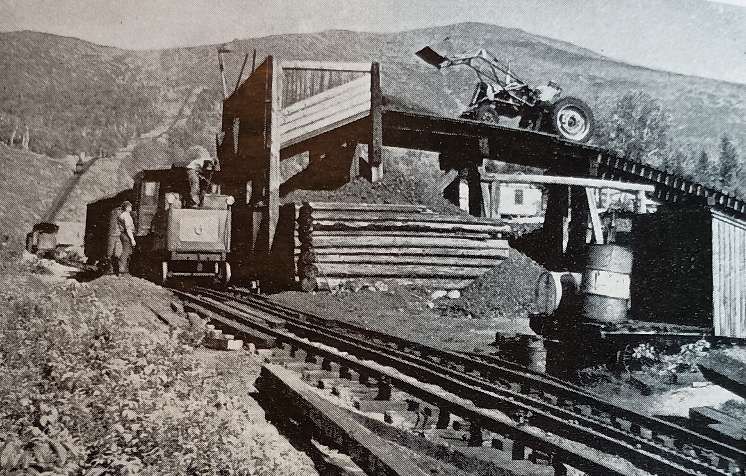
West of the Marshfield base station the line extended a couple of hundred metres to serve workshops (where locomotives were serviced) and the timber coaling stage. Legget tells us that at the coaling stage, “coal, which [had] been delivered by motor lorry, [was] moved on to a simple wooden trestle by a light mobile scraper, which also dump[ed] the coal into the hoppers on the little locomotives.” [1: p790]
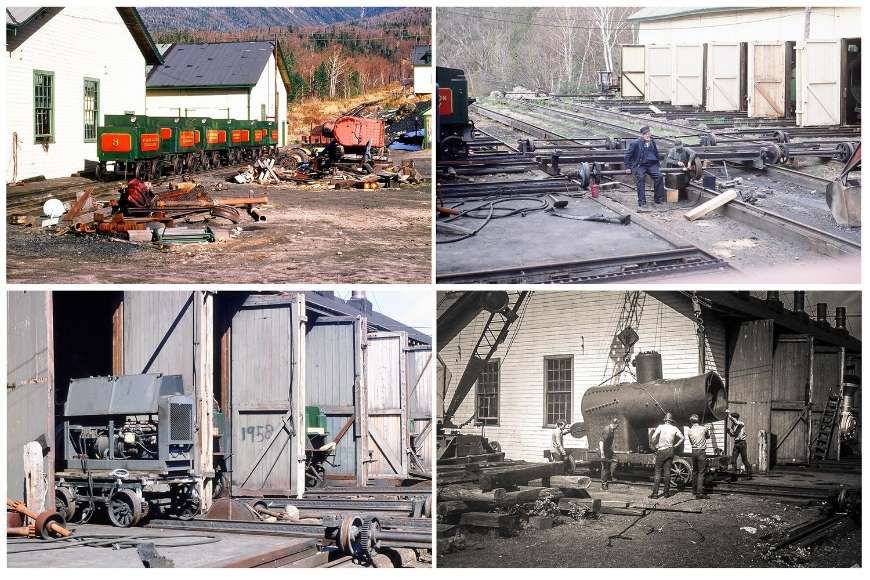
The original workshops remained in place for well over a century. A series of photographs appear below. …
The original workshops to the West of the Marshfield base station. [29]
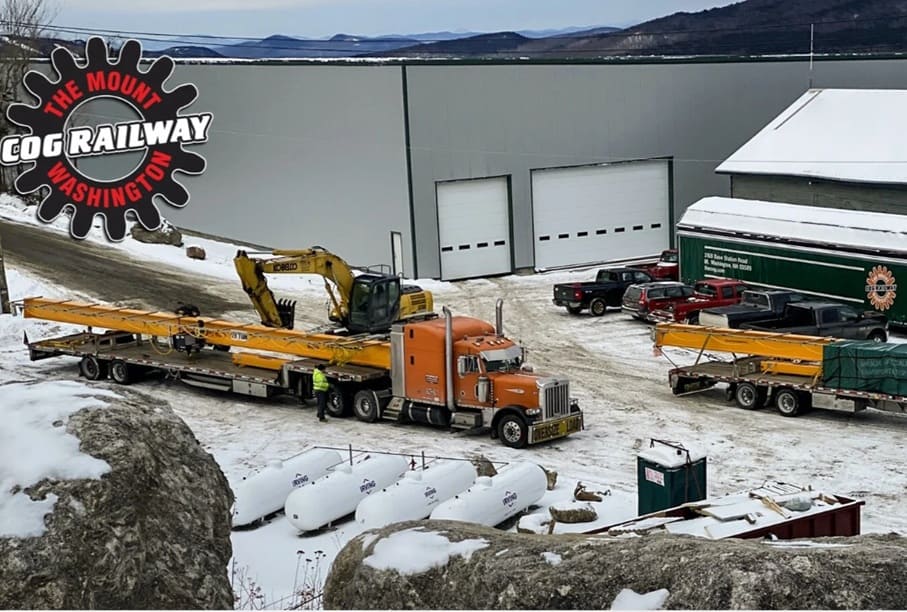
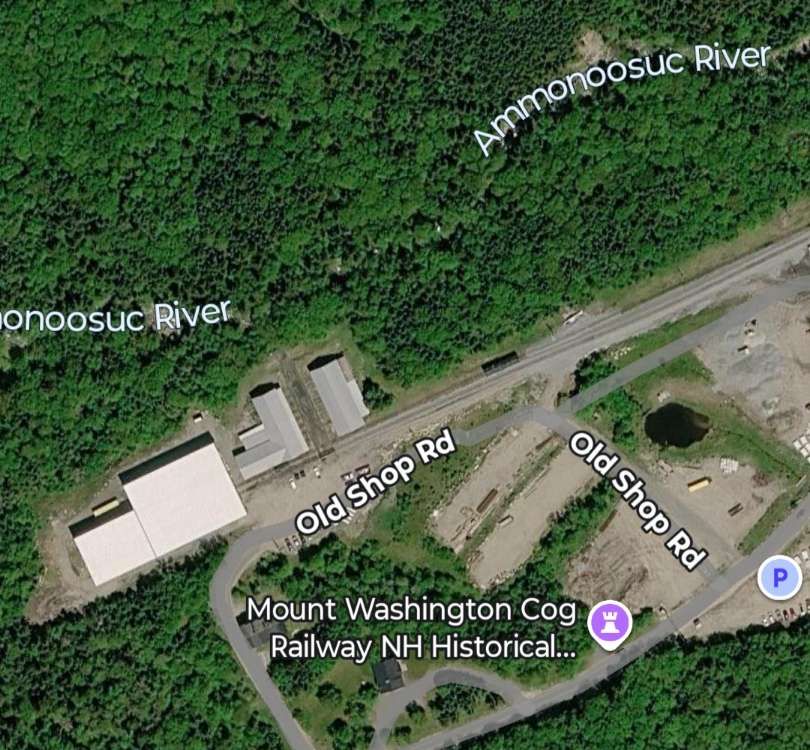
In the spring of 2020, ground was broken for a new, 35000 sq.ft. state-of-the-art workshop facility, located just below the old engine shop. The building was opened in 2021 and is large enough to accommodate: the railway’s entire fleet, 7 biodiesel locomotives, 2 steamers, … 9 passenger coaches; track maintenance equipment; and space to undertake servicing indoors, on-site, over the long winter. Dual overhead cranes facilitate heavy repair and fabrication work, and locomotives can be pushed around the shop floor by hand on air casters, [30] maximizing floor space and eliminating the need for fixed tracks inside the building! [29]
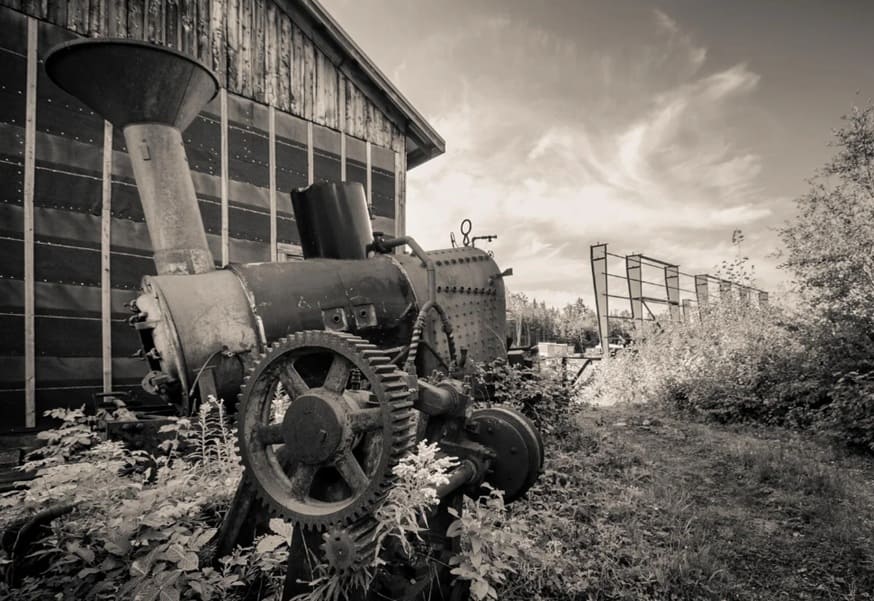
Looking Southwest from behind the older maintenance workshops towards the site of the new during construction. A boiler from a decommissioned steam locomotive sits behind the shop building, as the new facility grows in the background. [29]A snowbound view of the new workshops close to completion. A pair of heavy duty overhead cranes were delivered, each having a lift capacity of 10 tons. [29]The modern workshop facility as it appears on Google Maps. [Google Maps, April 2026]
Heading Northeast along the line, in a couple of hundred meters the line enters Marshfield Base Station.
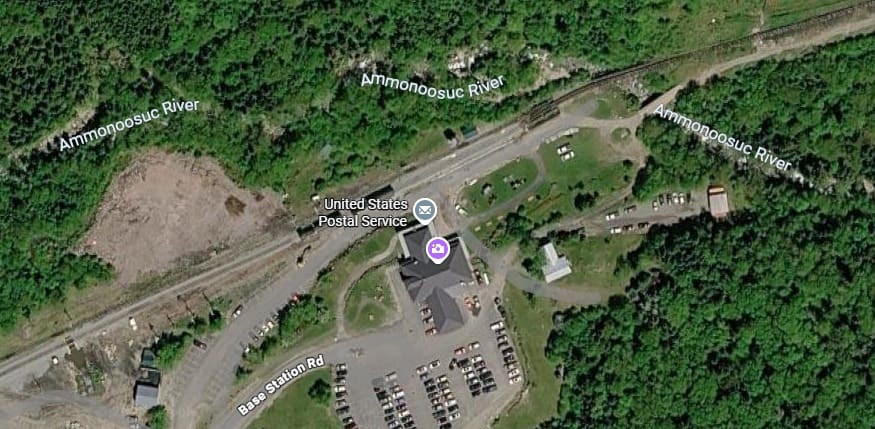
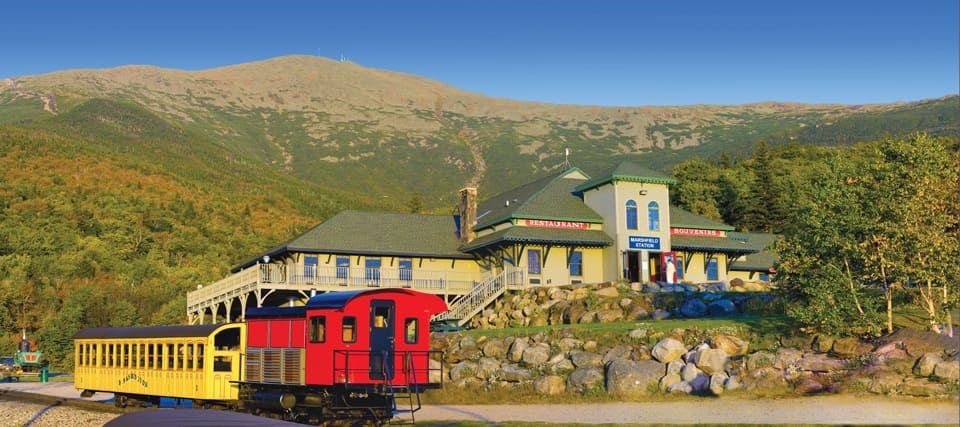
From the workshops the line enters the base station at Marshfield with its modern facilities and then crosses the Ammonoosuc River. [Google Maps, April 2026]Mount Washington sits behind the Base Station at Marshfield – a modern diesel locomotive has charge of a single coach train in the foreground. [31]
Each train consists of a locomotive pushing a single carriage. The locomotives are designed to handle steep gradients which means that, at rest on the level, their sloping boilers look a little odd.
The cog boilers are mounted at an angle of 25%. This is the average grade of the line. When they are on the steepest section of line (Jacobs ladder) they are at 37 %. There is a flat section at the workshops. An explanation of how the water levels were managed with the different gradients can be found here. [28]
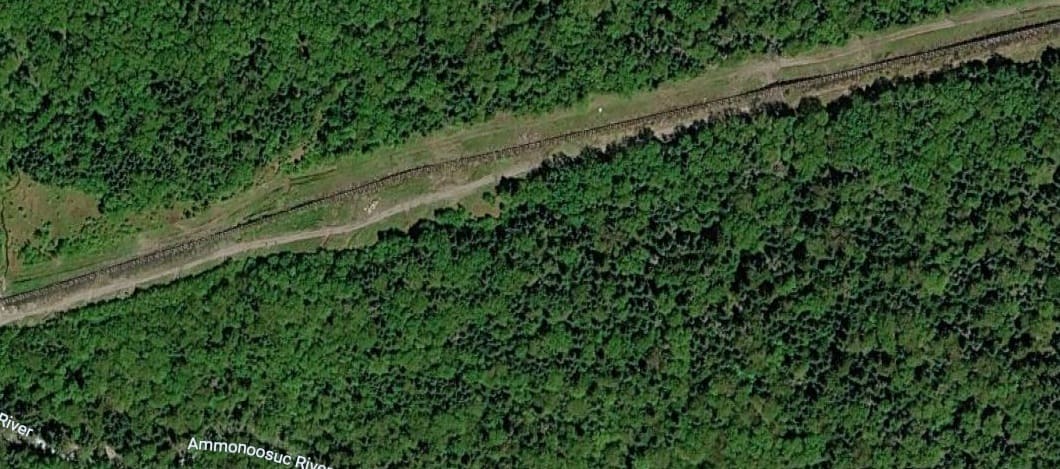
Just beyond Base Station, the Ammonoosuc River is crossed on a simple trestle bridge. After rounding a slight curve a straight stretch of about a mile lies ahead, at the end of which the train will stop for water at the Waumbek tank.
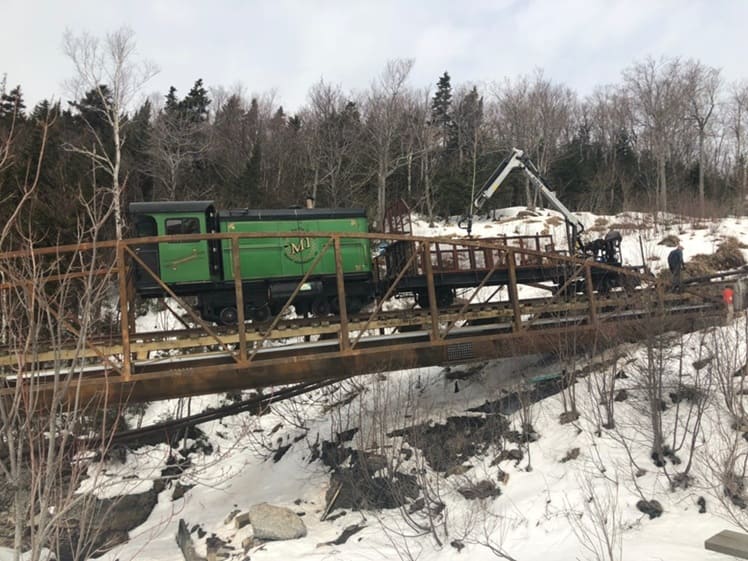
In the autumn of 2017, the railway’s season ended early when flood damage occurred to the old trestle bridge over the Ammonoosuc River. A replacement bridge was ordered on 15th December and installation was completed on 6th March 2018. The bridge, sporting faux trusses, was designed and built off-site by Big R Bridge, based in Greeley, Colorado. It was delivered by truck and set in place by Cote Crane of Auburn, ME. After delivery it only took 3.5 days to assemble and install the bridge. The new bridge spans 107 ft.
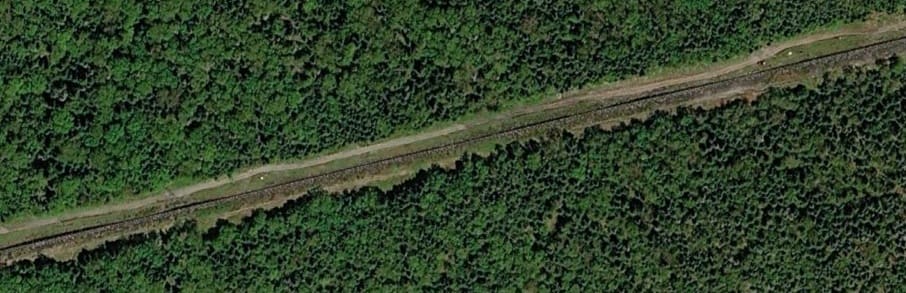
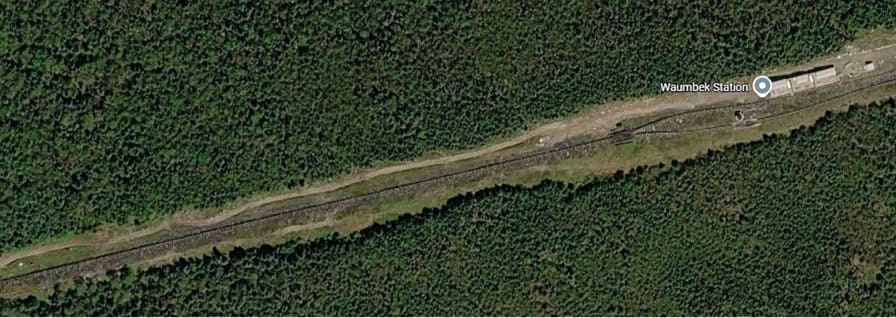
The new railway bridge after installation in the spring of 2018. [32]The line continues East-northeast. [Google Maps, April 2026]And arrives at Waumbek Station after travelling for about a mile. [Google Maps, April 2026]
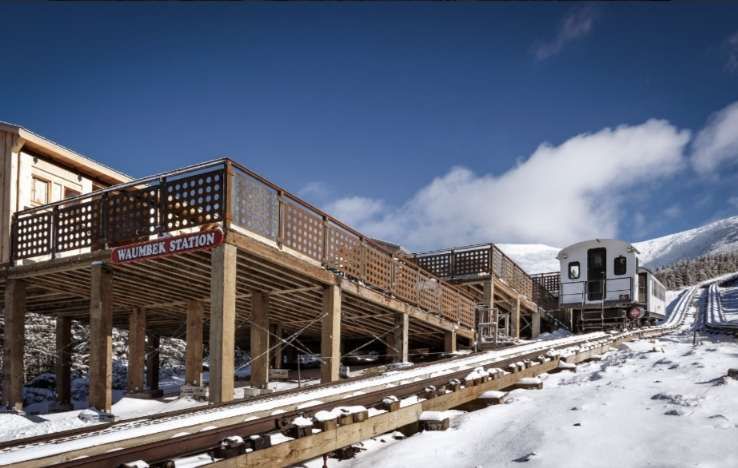
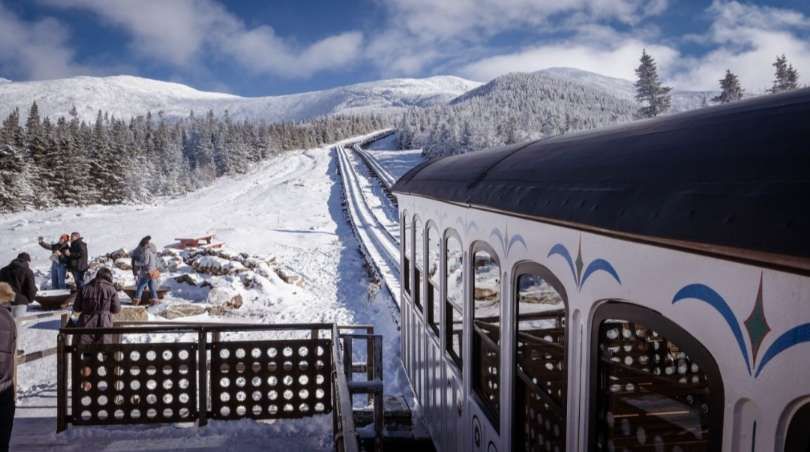
Waumbek Station is a winter destination on the Railway, located at 4,000 feet in an alpine meadow, serving as the terminus of the railway from November to early May. The 1-hour round trip features heated coaches, a 25-minute stop with elevated viewing decks, fire pits, and hot drinks, offering scenic views below the inhospitable summit. [33]
The approach to Waumbek Station in the snow. [34]The view along the line to the East, towards the summit, from Waumbek Station. [34]
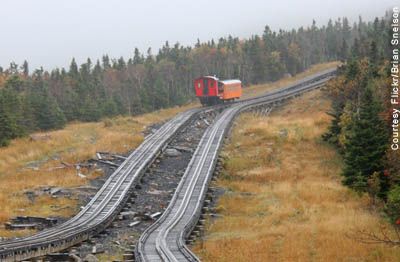
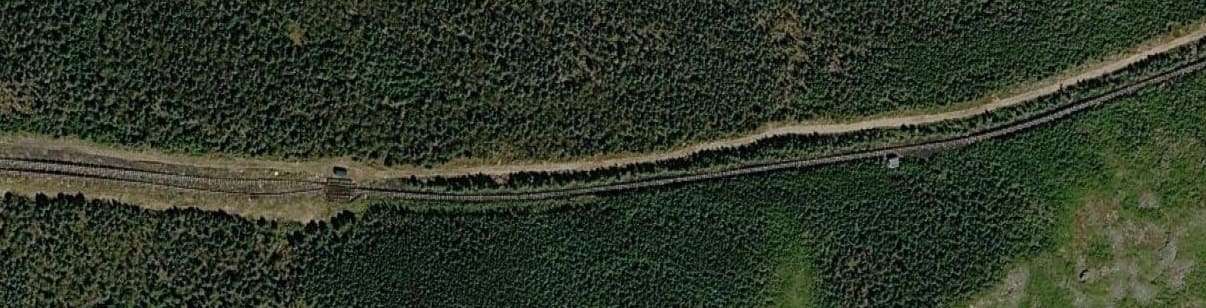
This image shows the view up towards the summit from Waumbek Station on a damp day in the summer. Just to the West of Waumbek Station the single line from the base Station becomes two lines running in parallel.The point at which this occurs can be seen on the left of the satellite image immediately below. [36]
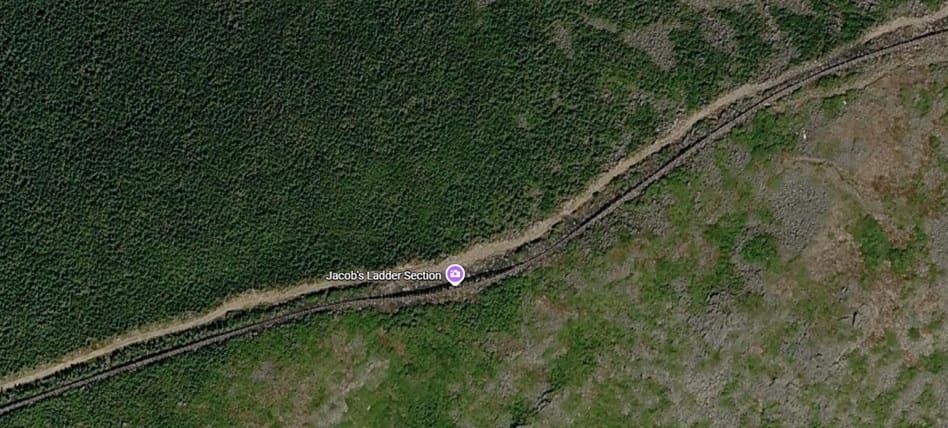
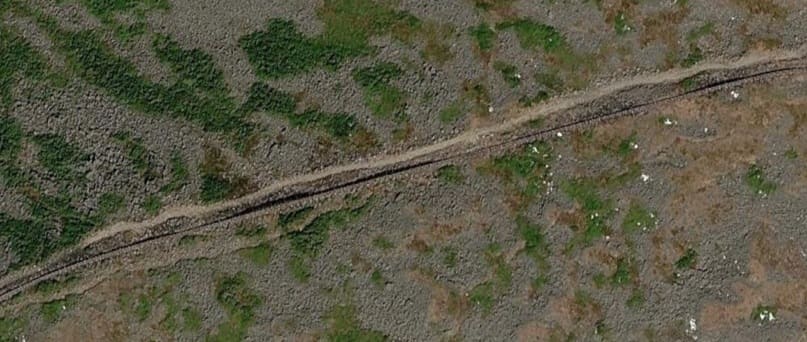
Beyond Waumbek Station the line turns to a bearing just South of East. [Google Maps, April 2026]The dual track extends onto this next satellite image. The point at which the two lines converge can be seen at about the quarter-point from the left of this image. [Google Maps, April 2026]Continuing Northeast, the line reaches Jacob’s Ladder, the steepest length of the line with a gradient of greater than 37%. [Google Maps, April 2026]
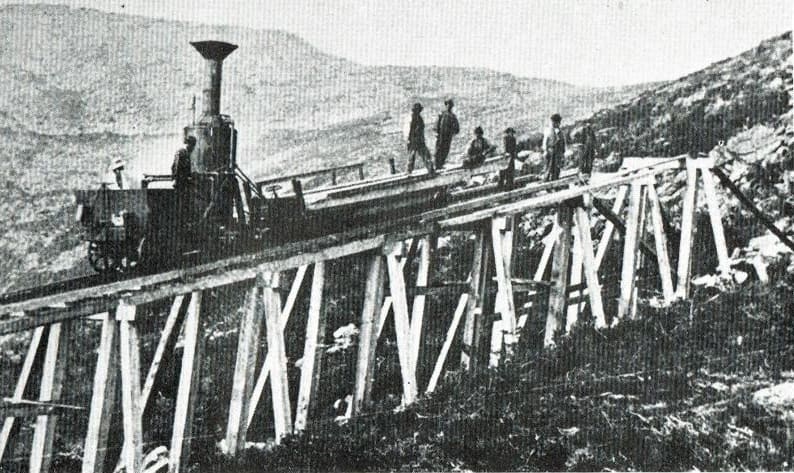
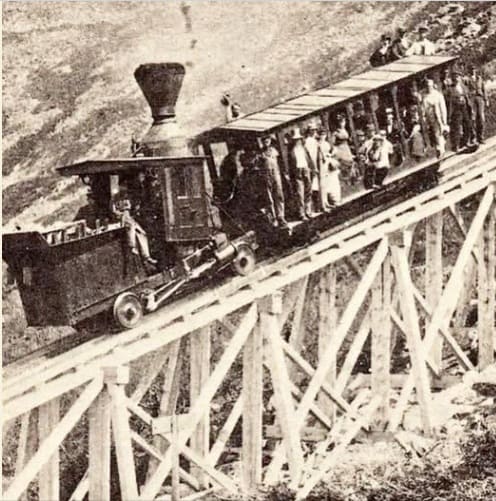
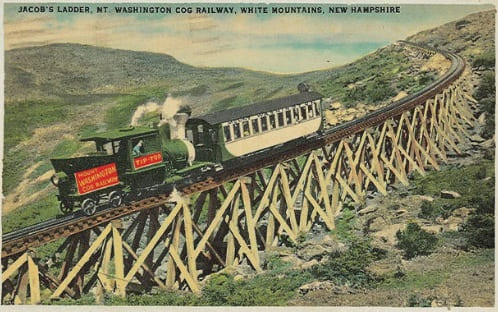
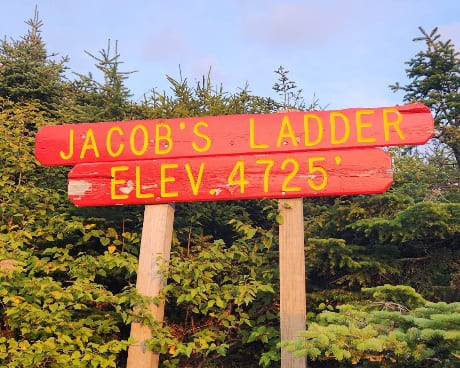
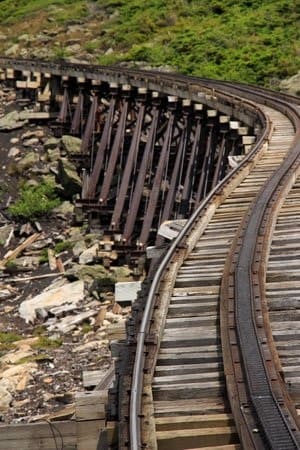
“Marsh’s chosen route for the railway “closely followed a trail blazed nearly 50 years earlier by a young settler named Ethan Allen Crawford. At 4725’, track crews faced the daunting challenge of building a left-curving high trestle to span a boulder strewn gap. Crawford referred to this part of the mountain as ‘Jacob’s Ladder’, and the ambitious new structure would become its namesake.” [38]
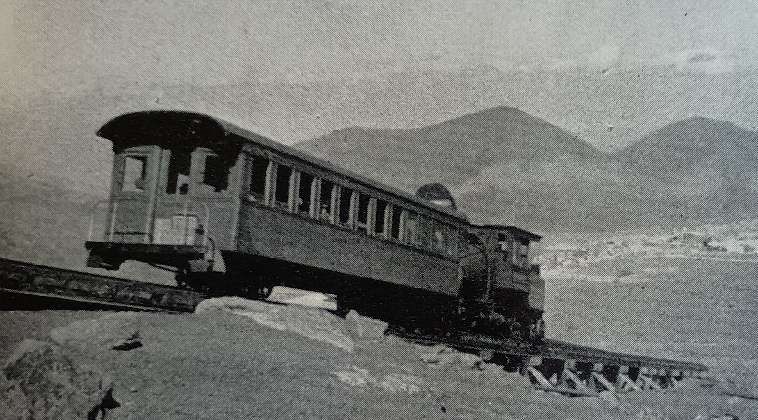
A construction photograph showing ‘Old Peppersass’ supported on the trestle and employed during construction to support the workers building the trestle by hand, (c) Public Domain. [39]
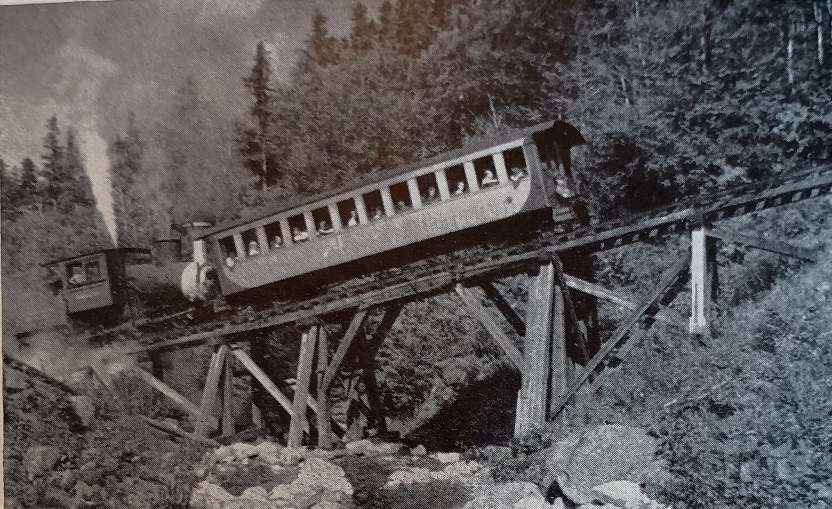
A later view of the trestle in service with a well-loaded passenger coach. This image was shared on THE RAILWAY TO THE MOON! The Mt Washington Cog RY (NH)& Alumni Facebook Group by Chuck Killian on 1st July 2025, (c) Public Domain. [43]
A posed monochrome image showing one of the locomotives purchased to replace ‘Old Peppersass’ and used on the line for many years. [40]An early colourised postcard view of the trestle structure named ‘Jacob’s Ladder’, (c) Public Domain. [38]
“At nearly 300’ long, 25’ above the surface of the mountain, and ascending at a 37.41% grade, [this trestle] would eventually enter the record books as the steepest and second highest railroad trestle in the world, and by far the steepest portion of Marsh’s railway.” [38]
The marker board in August 2025, (c) Kelton Ricker and shared on Google Maps. [Google Maps, April 2025]
Jacob’s Ladder trestle seen looking East up the gradient towards the summit of the railway line. Of all the images of the trestle in this article, this, perhaps, gives the best impression of the gradient and curve of the line over the trestle. [41]
Legget says: “More water can be taken on at the Gulf tanks, which are at an elevation of 5,800 ft. above sea level. (Marshfield is 2,700.) Before this has come the quite awe-inspiring climb of Jacob’s Ladder: the trestle is perched seemingly on the edge of a steeply-sloping rocky hillside, the line curving out of sight sharply to the right at the upper end, thus adding greatly to the unusual experience of riding this part of the line.” !: p790]
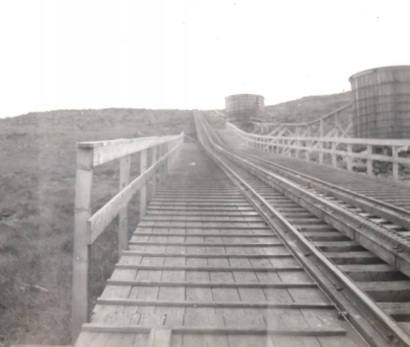
Gulf Tanks – the second watering place on the climb – this photograph was taken in August 1937. It was shared on THE RAILWAY TO THE MOON! The Mt Washington Cog RY (NH)& Alumni Facebook Group by Conrad Ekstrom on 31st August 2024, (c) Public Domain. Note the trough bringing water to the nearest tank in the photograph and the impression that water in the trough will be running uphill! It is the steepness of the gradient of the railway which gives this impression. [44]
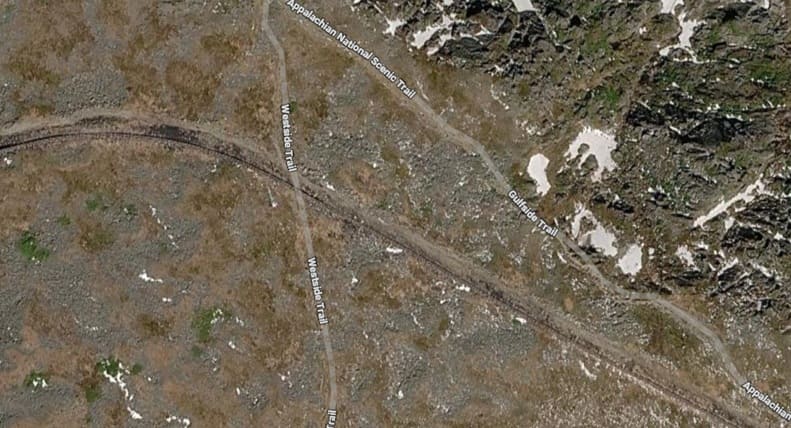
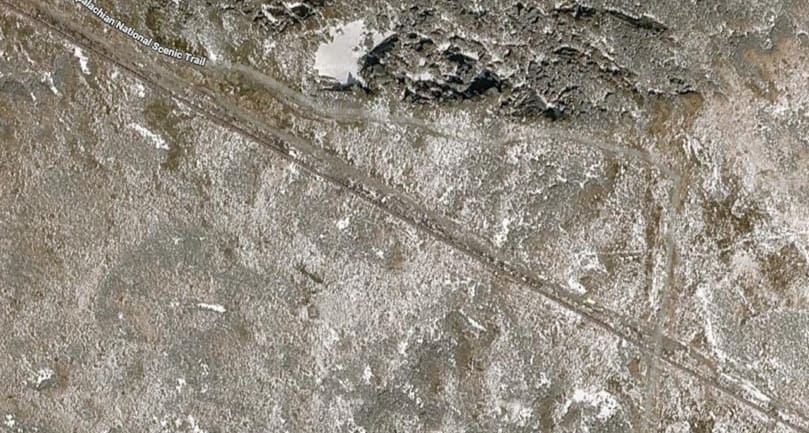
The line continues climbing beyond Jacob’s Ladder in an East-northeast direction. There is a further trestle at this location, known as Burt’s Ravine. This is the second steepest portion of the line. The trestle is known as Long Trestle. Just beyond the trestle, the terrain drops off precipitously, some 1900 feet into Burt’s Ravine. The line is built predominantly on wooden trestles at this higher level as the terrain is so rocky and rough, that the railway needs to minimize the number of points of contact that the track makes with the ground. The trestle solves that problem nicely. [Google Maps, April 2026] For a photograph of the trestle please click here. [43]The line then turns to the Southeast. It is well above the tree line by now. [Google Maps, April 2026]The line continues climbing in a south-easterly direction. [Google Maps, April 2026]
Legget continues: “The tree line has now been passed and the surface has become rocky with a remarkable scattering of Arctic plant life. Almost two hundred species of Sub-Arctic and Arctic plants have been identified on the mountain.” [1: p790]
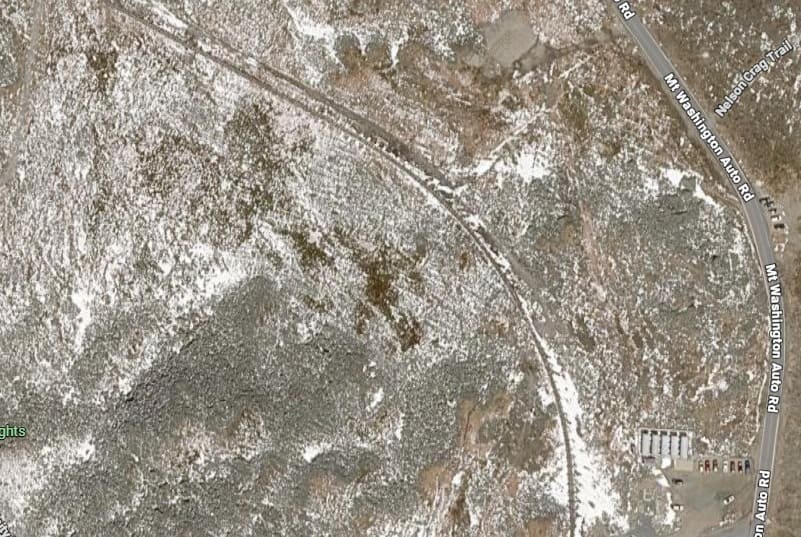
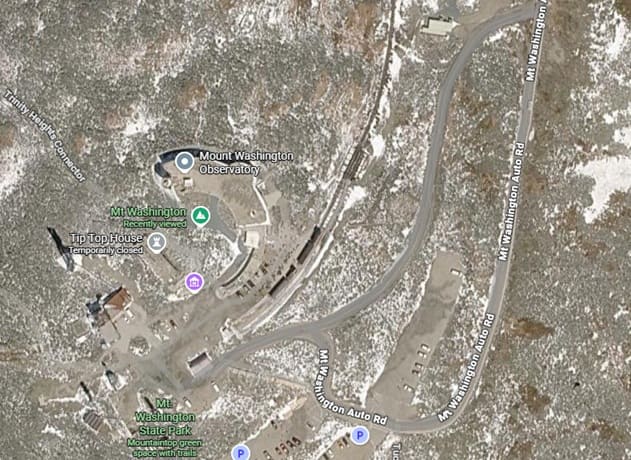
The line then turns South. The tanks visible in the bottom-right of this image are part of the old Air Force test facility. [45] [Google Maps, April 2026]The final length of the railway and the summit terminus. [Google Maps, April 2026]
Legget, writing in 1954, continues: “The line curves quite considerably, finishing in almost a semi-circle as Summit Station is approached. At the top, the railway now maintains the famous Summit House, at which it is possible to stay overnight. A special observatory building is located here also, and it is now occupied throughout the winter, despite weather conditions which include winds up to velocities of 230 mph. Weather observations were started in 1870, and the top of Mount Washington has been well-known in meteorological circles since that time. Military installations have been added in recent years.” [1: p790]
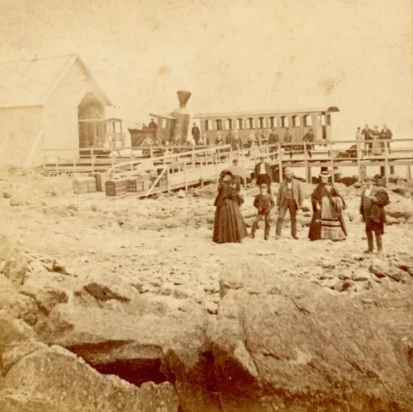
The arrival of a train at the first summit station, circa 1872-1873, (c)Public Domain. This image was shared on THE RAILWAY TO THE MOON! The Mt Washington Cog RY (NH)& Alumni Facebook Group by Conrad Ekstrom on 3rd August 2024, (c) Public Domain. [42]
In 1954, the track consisted of relatively light running rails spiked and bolted to cross-ties, with a central steel rack securely bolted to the ties by steel angles. The line was single throughout, but passing spurs were provided at the water tanks. This arrangement no longer applies. As we have already seen, a relatively long dual track section has been provided which begins before (West of) Waumbek Station and continues some distance towards the summit of the line.
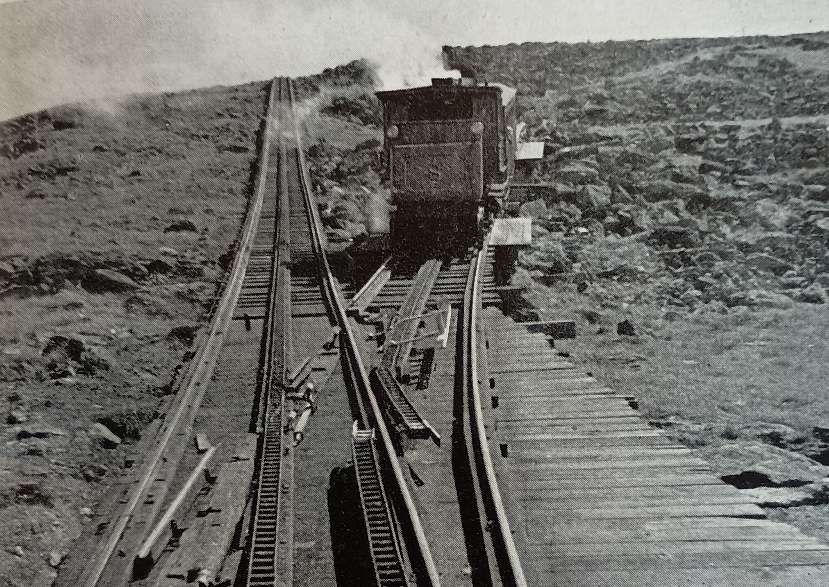
Initially, there was no way for two trains to pass one another on the line. In 1941, a nine-motion switch was invented, and two spur sidings were added, each long enough to divert two descending trains so that climbing trains could continue to the summit, enabling more round trips per day. [55]
Leggit tells us that in 1954 on busy summer days as many as six trains may be on the mountain at once. The points (switches) were remarkable. To access each of the spurs required “the movement of seven pieces of rail and the operation of two levers. The points/switches are changed by the brakemen and firemen on each train.” [1: p791] One of these spurs and its point-work are illustrated in the monochrome image immediately above.
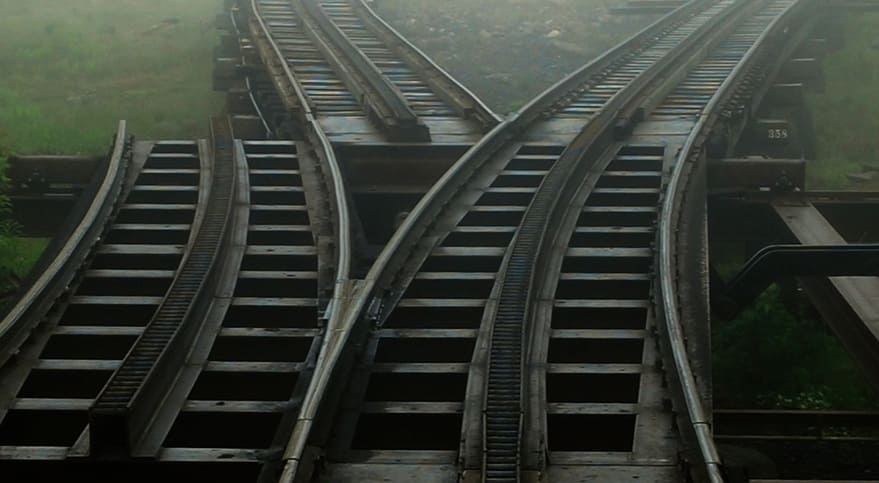
Much later, the two spurs were replaced by an extended passing loop. As late as 2004, work was completed replacing the lower Waumbek Switch and Siding with an 1,800-foot (550 m) passing loop equipped with electric and hydraulically powered automated switches. These switches are powered by batteries and recharged by solar panels. One switch is located at each end of the loop, allowing ascending and descending trains to pass one another. The mechanism slides a curved section of track into position to suit the intended traffic movement. [55]
The lower point/switch which operates as a transfer table moving the two curved sections of track in place for the chosen route, (c) Z22 and licenced for reuse under a Creative Commons Licence (CC BY-SA 3.0). [54]
Locomotives
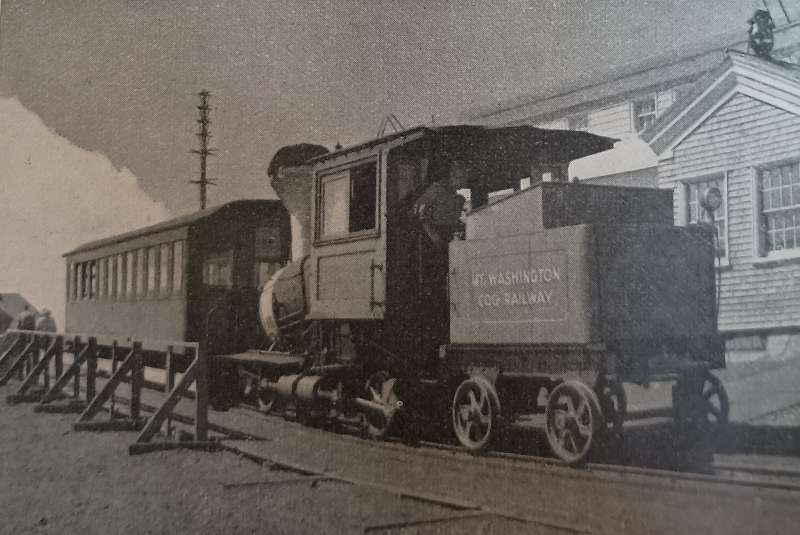
In 1954, Leggit tells us that “the locomotives were simple and ancient, yet relatively efficient and undoubtedly safe, … most [had] worked this line for well over half-a-century the newest [was] 45 years old! They [could not] be described by any conventional wheel arrangement, as all [had] two pairs of cylinders, each pair operating independently of the other on to its own cog wheel. There [were] also control cog wheels on the passenger cars, and large friction wheels which provide safe and sure braking such that the cars [could] be stopped independently of the locomotives.” [1: p791]
Leggit noted that “four separate braking devices [were] in use during the descent. It [was] sometimes possible to see the locomotive and car descending separately if the brake operator in the car [used] his brakes a little too severely. This [was] unusual, however, so skilled [had] the operating staff become with their simple equipment.” [1: p791]
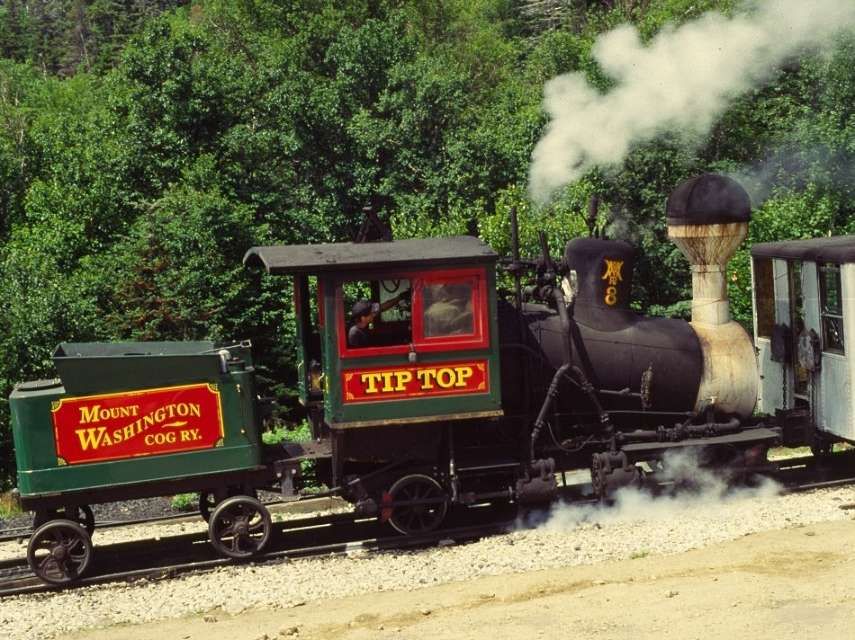
“Seven locomotives [were] regularly in use during summer months, and on a busy day all [were] in steam. An average of 35,000 passengers [was] carried each year. The engines all [carried] names, each with some local connotation: Nos. 1, Mount Washington; 2, Ammonoosuc; 3, Base Station; 4, Summit; 6, Great Gulf; 8, Tip Top; and 9, Waumbek. They [were] maintained in spotless condition, and consume[d] about 1,000 gal. of water and one ton of coal on each ascent, for which a schedule of 70 min, is allowed.” [1: p791]
Speed was not important! Leggit says that “on one famous occasion, an employee of the railway managed to climb from Base Station to Summit in less time than the train.” [1: p797]
The locomotive fleet has changed since 1954!
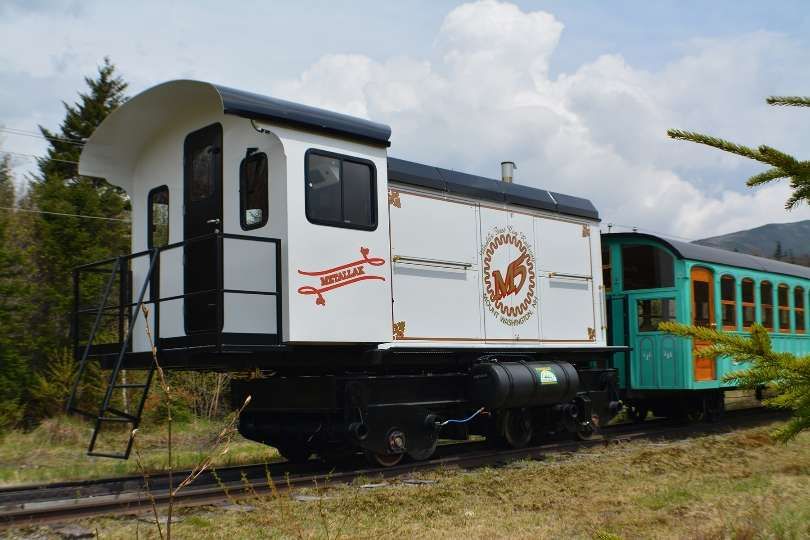
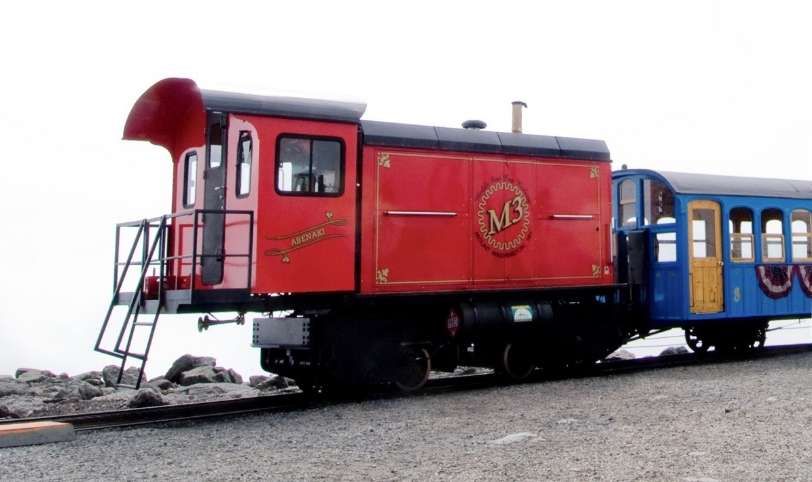
The Mount Washington Cog Railway now operates with a mix of classic steam and modern biodiesel locomotives.
From 1868 until 2008, the line was a steam railroad. While it was primarily designed to build the railway, Old Peppersass saw passenger service until it was retired in 1878. More locomotives were added over time, wood-fired engines gave way to coal-fired locos, vertical boilers were exchanged for more conventional horizontal ones (albeit tilted significantly to compensate for the steep gradients on the line.
A quarter of the way through the 21st century, the line retains two steam locomotives “(both manufactured in New Hampshire at the Manchester Locomotive Works): … MW2 (Ammonoosuc) built in 1875; and MW9 (Waumbek), built in 1908.” [46] Maintenance work over the years probably means that virtually none of the original mechanical components have been retained. “But in essence, these treasures of 19th century technological wizardry look and feel every bit as authentic as the day they were first fired.” [46]
While the line is committed to maintaining MW2 and MW9 in tip-top operating condition for as long as possible, the steamers needed some help. In 2008, that help arrived in the form of biodiesel locomotive No. M1.
The loco was designed and built in-house at a cost of $750,000. Its successful introduction heralded the start of production of further locomotives. On average, the workshop has produced “one new locomotive every 18 months. In 2019, [it] completed construction of M7, [the] seventh biodiesel locomotive.” [47]
“Each of these robust machines is powered by a 600hp John Deere marine engine governed by a computerized operating system. Hydraulic pressure delivers a maximum of 30,000 ft-lbs. of torque to each of two drive cogs beneath the locomotive, pulling the train up the mountain. A redundant air brake system ensures positive braking and parking when needed, but in normal operations, hydraulic pressure is also used to bring the train back down to Marshfield Base Station.” [47]
These new machines are “More economical, easier to maintain and environmentally friendlier, it takes anywhere from 18-22 gallons of biodiesel fuel to complete the nearly 7 mile round trip. By comparison, our steam locomotives consume 1000 gallons of water and a ton of coal to make the same trip.” [47]
Construction of M8 is already underway.
But there is a little more to the story than what appears on the line’s website …
The full story of the development work undertaken to use biodiesel in the steam locomotives can be found here. [48]
In essence, No. 9 Waumbek became an experimental locomotive. …
“Mount Washington No. 9 ‘Waumbek’, affectionately referred to as Vicki (as in victim!) [became] the first steam railway locomotive in the world fired on biodiesel, thus becoming effectively carbon neutral.” [48]
It was a matter of embracing a significant “jump in technology … to go from a ‘normal’ type of coal burning loco to a modern design of liquid fuel burner. … The Mount Washington line [had] previously, unsuccessfully, experimented with liquid fuels showing how difficult it can be to make a liquid fuel system work effectively on steam locomotives. … The extremely high combustion rates required to match the demand for steam, [were a problem.] … For locomotives of this size the evaporative rates are somewhat higher than for adhesion locomotives. A combustion system to match these requirements in the small volume firebox needs to be very carefully designed if it is to burn cleanly and without waste, if it can meet the requirements at all. In practical terms the system has to be better than any other conventional system.” [48]
By May 2006, No.9, still on test, could set off smokelessly and smoke free combustion continued to the summit of the line.
Ultimately, however, a change of direction brought about the production of the line’s own bespoke biodiesel locomotives and Waumbek was returned to tradition coal firing. The video below is a montage made up of short lengths of film of the biodiesel locomotives in action: [49]
https://en.wikipedia.org/wiki/Air_caster, accessed on 12th April 2026. An air caster is a pneumatic lifting device used to move heavy loads on flat, non-porous surfaces. Its operation is similar to a hovercraft, as it uses a thin layer of air as a way to float a very small distance off the ground. Compressed air enters an airbag shaped like a torus, and when the bag is filled it creates an airtight seal with the ground, and forces more air into the center of the torus, eventually causing the air to flow over the bag and to raise the load above the ground.
How often have you sat in a room with a group of friends and realised that you’ve lost track of what they’re talking about? Like you’ve dozed off for a bit and the conversation has dramatically changed direction. How did you feel? It can be a quite lonely or confusing experience.
I don’t have many Manchester United memories, except perhaps the famous cup final in 1979. Being an Arsenal supporter, I remember the excitement of Arsenal’s 3-2 win in the FA Cup that year.
However, there is one United memory that sticks in the mind. An episode which I was reminded of recently on facebook when someone posted a clip about times not to leave the room to put the kettle on. I had been watching the Manchester United/Bayern Munich UEFA Champions League Final on TV. The match took place in the Nou Camp Stadium.
I had to go out to do a Baptism visit, there was perhaps only a minute or two to go and United were losing 1-0, they were on the rack and going nowhere. The result was a foregone conclusion – Bayern Munich had obviously won the cup.
I wasn’t out that long, but I missed the key last minutes of the match. When I got back, I couldn’t believe what people were saying. United had scored twice in the last minute – they’d won. I wasn’t there – and if there hadn’t been independent accreditation of the victory, I would not have believed what people were telling me!!!
Whether we wake after having dozed off in a crowded room, or we were just not there when a key event happened – we easily feel ostracized and left out. No matter what anyone says, it still feels that way.
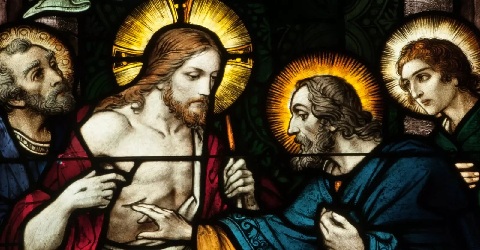
We’re not told why Thomas wasn’t in the upper room that first Easter evening when Jesus visited his disciples. We could spend time trying to imagine where he was – but we won’t! Suffice to say, he missed the key event, the turning point, the moment that changed defeat into victory. And how did he respond? In exactly the same way as most of us would have done. …
Thomas couldn’t believe what the others told him. I doubt any of us would have done under those same circumstances. … Seeing is believing – but so is sharing in an experience with others. Thomas not only didn’t see what happened, he was left out of the experience that everyone else shared. He was in a lonely place, wanting to believe, wanting to share in everyone else’s happiness, but unable to do so. He hadn’t been there, he hadn’t seen Jesus.
Thomas’ reactions and feelings are understandable. And as we read the story we can see that Jesus thought so too. he provided aa repeat of the same encounter – one in which Thomas could share. Jesus gently reminded Thomas of his outburst – no indignant rebuke, just words which drew Thomas back to faith. Thomas’ response is one of the clearest statements of Jesus’ divinity in the Bible. Having seen the truth of the resurrection he cannot but exclaim, “My Lord and my God!”
The next 3 verses are important, they are pivotal to John’s message:
Jesus said to him, “Have you believed because you have seen me? Blessed are those who have not seen and yet have come to believe.” …. Now Jesus did many other signs in the presence of his disciples, which are not written in this book. But these are written so that you may come to believe that Jesus is the Messiah, the Son of God, and that through believing you may have life in his name.
John has led his readers through a story – a story which allows those readers to meet Jesus and begin to understand who he is. It’s a journey of discovery, one in which we can identify with the different characters, feel their emotions, struggle with them to understand what Jesus is doing and saying. Thomas’ words are the culmination, the pinnacle of the story – the point where even the strongest of doubters expresses faith. Jesus response is not just for Thomas’ ears, not just for the disciples, but for all who read John’s Gospel in coming generations. “Don’t think,” says Jesus, “that the disciples were in some way special because they saw all these events first hand. Rather, blessed are those who read the stories and encounter Christ through the work of his Spirit in their lives and the lives of those around them.”
“Blessed,” says Jesus, “are all who read this Gospel, who struggle with doubts & come to believe that he is the Son of God.”
We’ve not missed out on the party, we can still be part of the events which changed defeat into victory. We too can own the risen Jesus as our Lord.
This is good news – particularly for those of us who struggle with doubt; for those of us who’d like to believe more strongly than we do; for those of us who see other people’s faith, or the joy they seem to experience in their Christian life, and feel that we are somehow missing out. The story of Thomas is important because it embraces doubt.
The story is also important because it embraces change. Everything is different, Jesus was dead and is now alive. This changes everything – nothing can now be the same. Thomas struggles to accept the new situation. For so many of us change is difficult to handle, yet it is happening all the time. We need to continue to engage with the communities around our churches, looking for new ways to serve, new ways to make Christ known and to bring hope where there is despair. We need to accept that the future for the Church of England is one with significantly less stipendiary clergy – perhaps one third less in numbers in ten years time – and we need to imagine new forms of ministry both lay and ordained, new ways of being church. Nothing is the same as it was, nothing will be the same as it was, and we want to shout out the loudest “No!” that we can manage.
There are two key things we need to take away from this passage.
First – it’s OK to be honest – don’t pretend that everything is OK when it isn’t,. Don’t manufacture faith if it isn’t there. We can express our fears and we can express our doubts. In fact expressing our fear and our doubt is often, like it was for Thomas, the first step to faith.
Second – this story of doubt and faith is made the crowning moment of John’s Gospel – the pinnacle – Jesus reaching out to his loyal but doubting and fearful follower, not in anger but in love. Thomas’ exclamation, “My Lord and my God!” is the point at which John choses to rest his case. Honest struggling with change, honest struggling through doubt towards faith is given the highest honour in John’s Gospel.
So, don’t be discouraged if the pace of change or the circumstances we face are a struggle. Don’t be discouraged if believing is a struggle.
For many football fans, winning or losing is a life or death issue. But here we go beyond issues of life or death, we’re concerned with eternity.
Be encouraged as you struggle to be faithful in an ever changing context, when at times everything you hold dear seems threatened. Be encouraged as you struggle to believe, for the story of Thomas makes clear that God loves the open and honest doubter.
Easter – looking into the blackness of Good Friday – then the celebrations of Easter Sunday and the resurrection. Children off school for 2 weeks. The relief when they went back to school!
Then there’s all the personal issues that we each face day by day.
The issues that we face as churches … getting ready for the AGM, inviting people to stand for key church roles, asking people to join the electoral roll. … It can be a chaotic time. There’s enough of a cocktail of different things to leave us all exhausted, or confused.
In our Gospel reading two people are struggling to get on with their lives amid the confusion of that first few days after the first Easter.
Good Friday’s sense of despair has been turned on its head by strange rumours of resurrection. Women running from the tomb to the disciples, Peter and John running to the tomb. People running backwards and forwards, rumour and counter-rumour, no one sure just what to believe.
And as they walk on the road to Emmaus, weary, sad and confused; perhaps we can feel some sympathy for them. As they trudge along they are trying between them to make some sense of what has happened. … And then we read these words. “While they were talking Jesus himself came near and went with them.”
As the story unfolds and as their journey progresses we read that their hearts begin to burn within them as they listen to him talk. At first he is a stranger to them, they don’t recognise him, but then, just before he leaves them they see him break bread and in an instant their eyes are opened and they see the risen Lord Jesus for who he is.
Some of us might recognise something of the story reflected in our own lives. We feel drawn to faith but at the same time it all seems a bit of a mystery. If so, then we are on the road with these two people. … Others of us might see the confusion and depression of the two travellers as part of our story. If so, we too are on the road with them. … … Some of us know the story of faith quite well, but the journey we’re on has become long and tedious and it is so hard to see the destination. If so, we too are on the road with those two disciples.
Others of us are struggling with what is happening around us, the pace of change, the seeming lack of real direction, trouble in our relationships, vandalism on our streets and roads, our fear which at times threatens to overwhelm us. If so, yes, we too are on that same road with those two disciples.
Whether because we are in this together or because it is true for us as an individual – all of us in some way are on this journey with the two friends going to Emmaus.
In the midst of everything – before we are even sure who it is, there is someone walking along the road with us – a seeming stranger – if we knew the end of our own story, perhaps we’d know who it is – but now we cannot recognise him. As we talk together or as we sit quietly; as we have coffee after our service; as we worship together; as we go out into the world or sit at home unable to go out; as we pray with faith or as we struggle to believe. Jesus himself comes near and goes with us.
And as we continue on our journey of life, unsure what the future holds, even if we don’t recognise him, Jesus himself walks with us.
Just as those friends on the road to Emmaus discovered him in the breaking of bread – so we have the opportunity each Sunday to encounter Jesus not only as the unknown friend on the road – but as the one who welcomes us with nail torn hands into the warm embrace of God’s love. And in the Communion in which we share, we take him, in some mysterious, unfathomable way, into our lives and he becomes one with us in soul and body.
I invite you to close your eyes, take a few moments now in silence to imagine yourself walking on a journey. It might be no more than walking to the shops with all that is on your mind, whatever is going on in your life at the moment. It might be a favourite walk, which allows you to breathe in the midst of a busy life, ……………………………….
In your mind’s eye, as you walk, see the stranger approach you and walk quietly alongside you on the road. …………………………..
Walk with him, enjoy in your imagination talking to them as you walk, and listening to them as they speak. ………………………………
And before you open your eyes and we move on with our service, say these words to that stranger. …………………
“Lord, make yourself known to me in the bread and the wine today.” Amen.
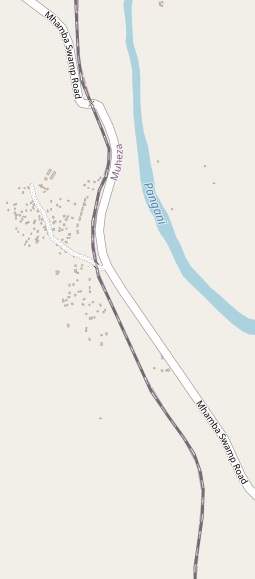
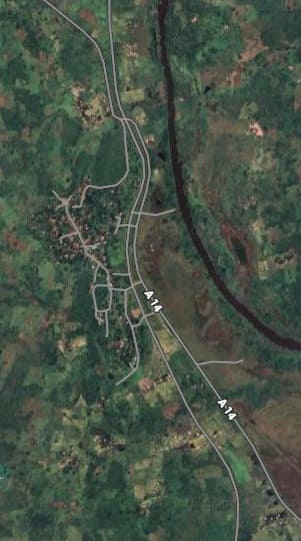
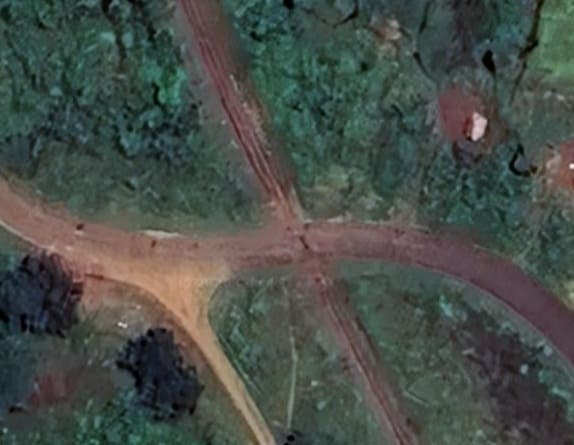
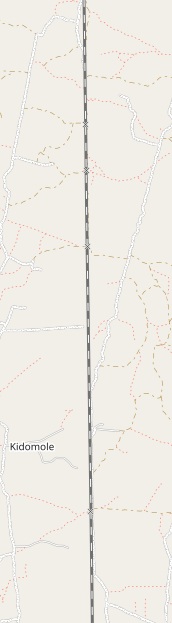
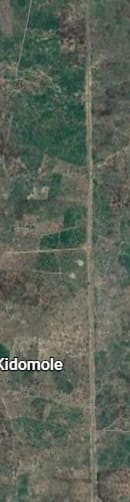
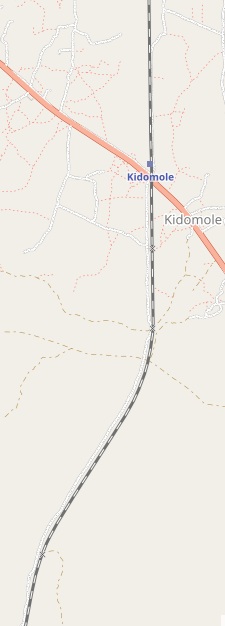
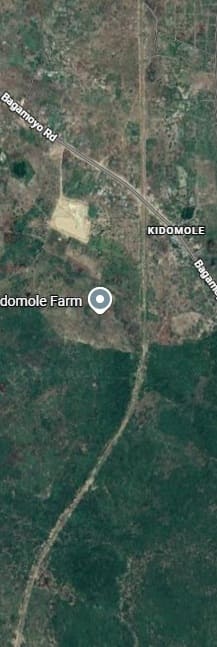
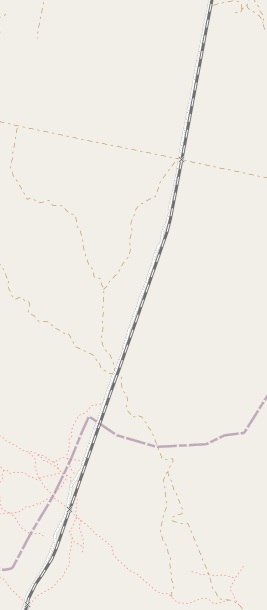
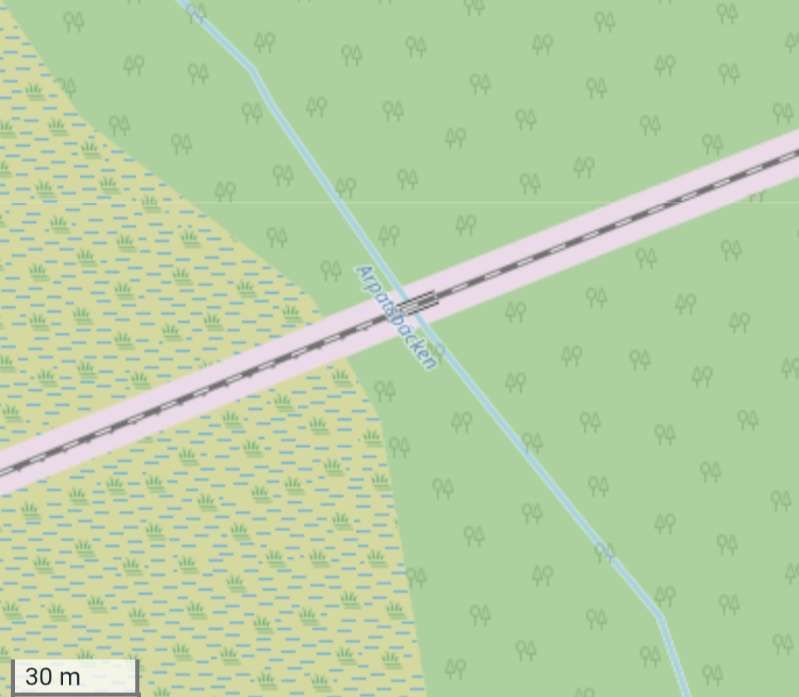
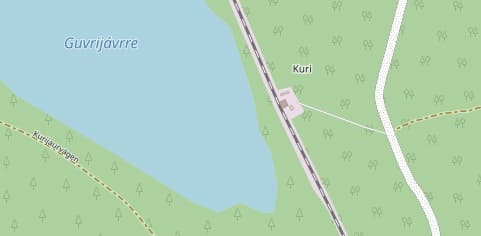
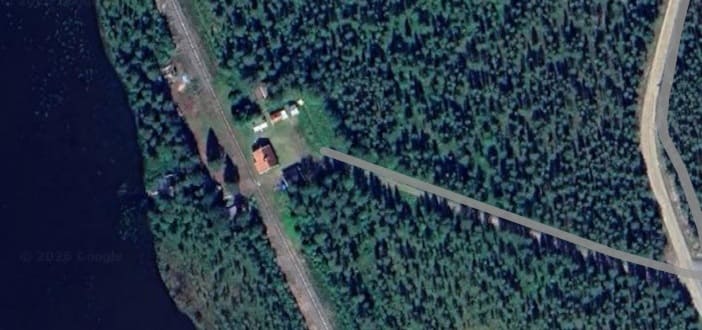
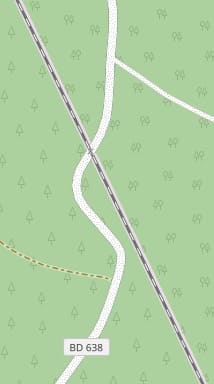
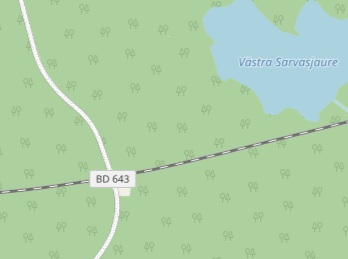
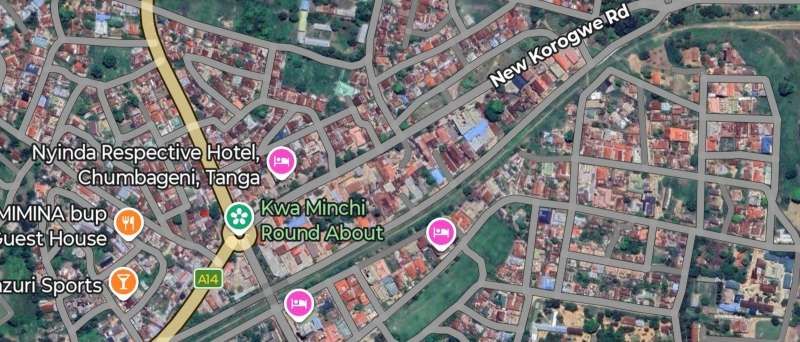
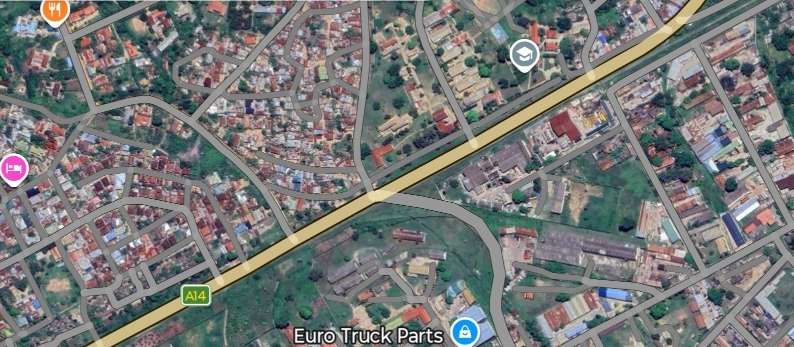
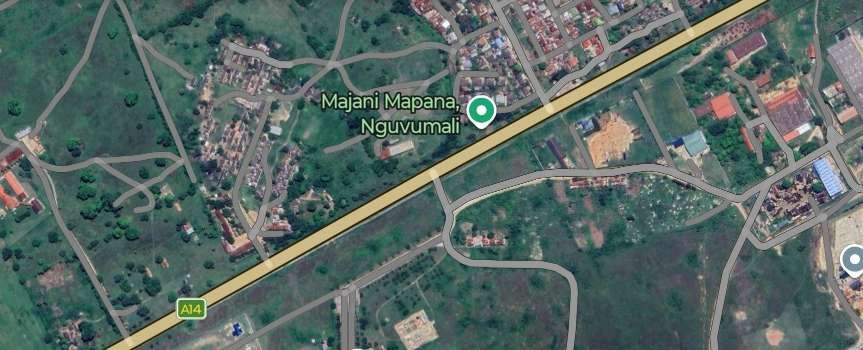
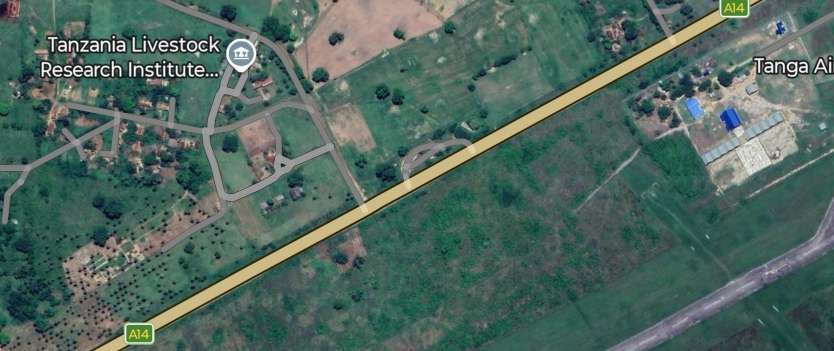
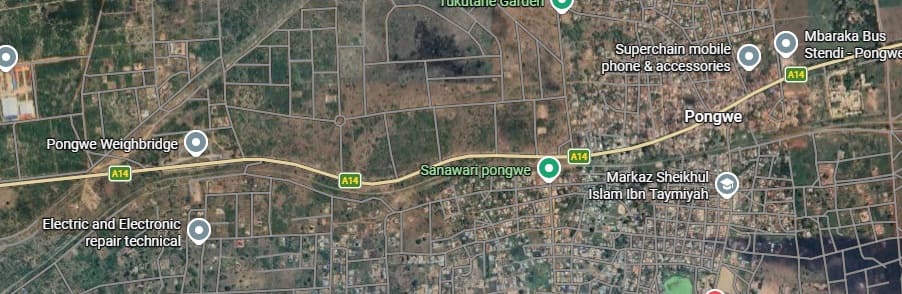
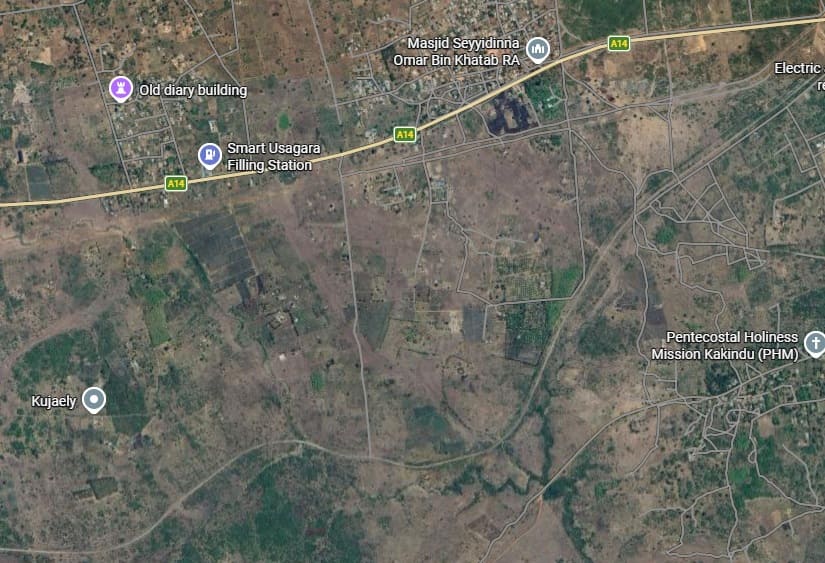
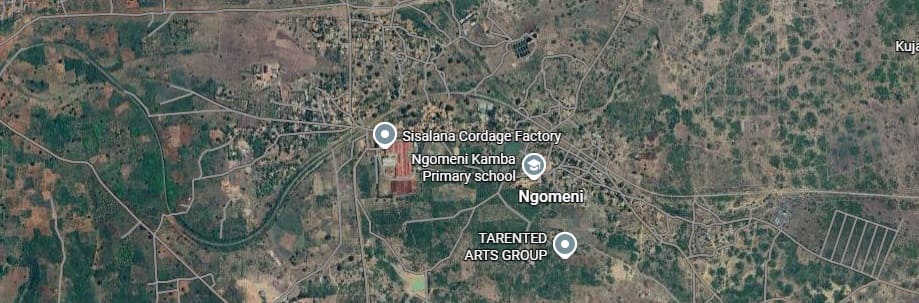
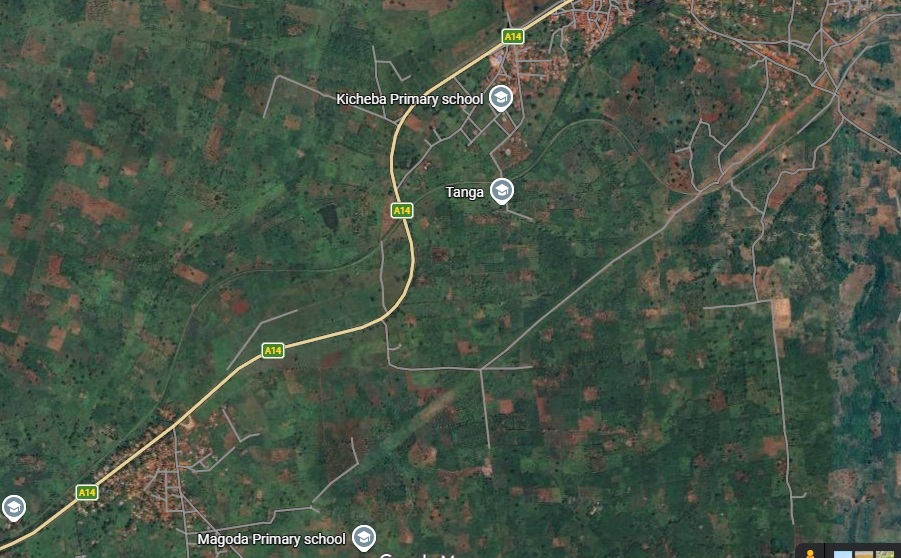
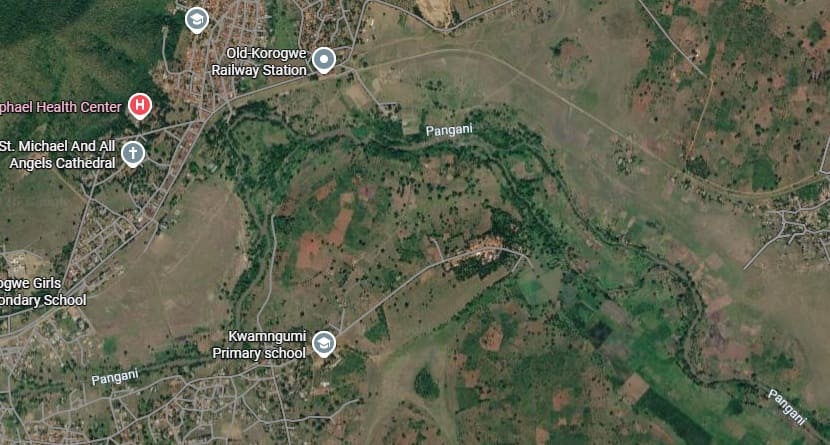
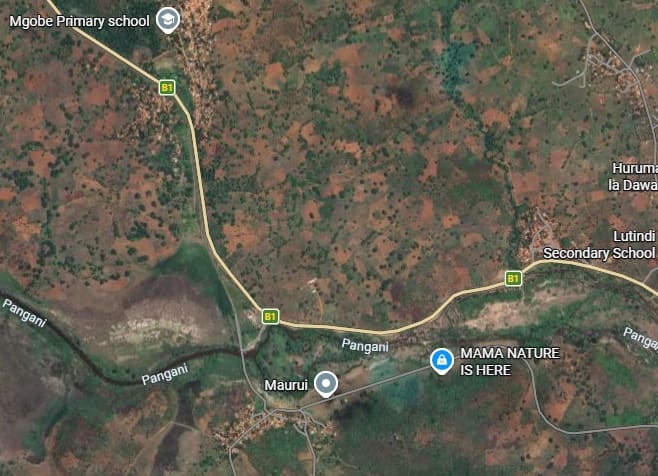
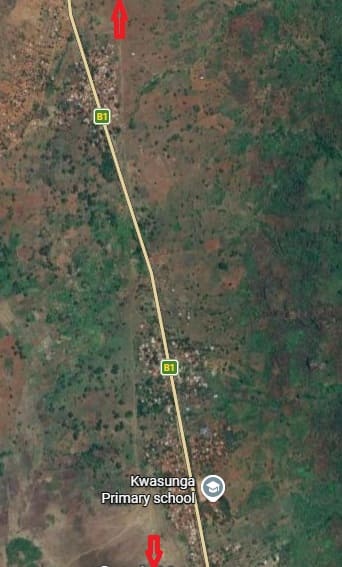
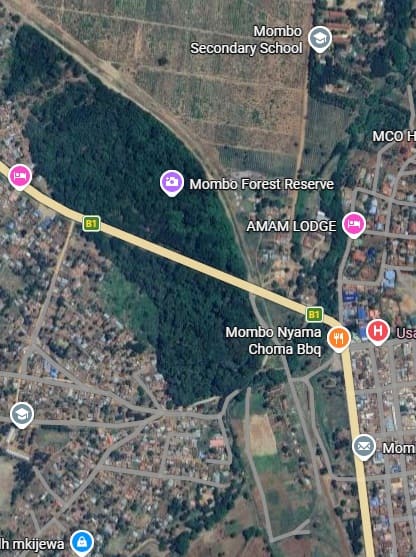
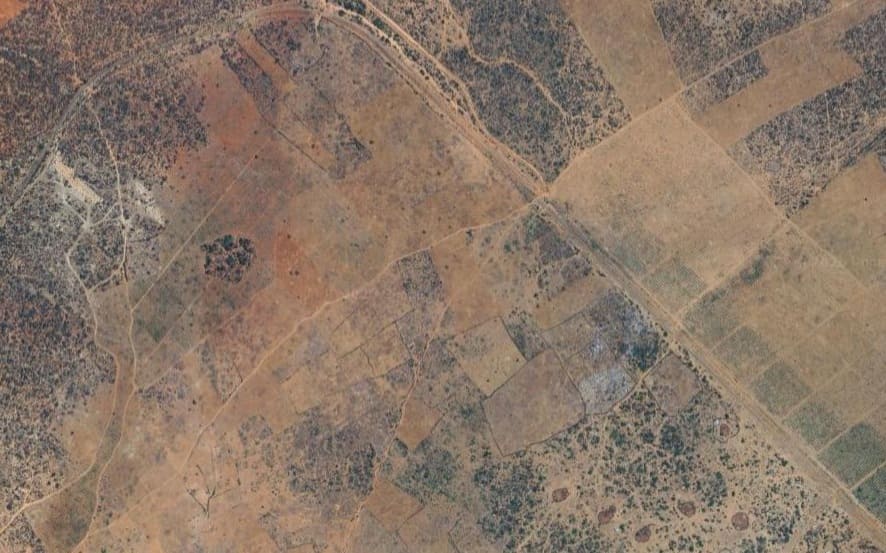
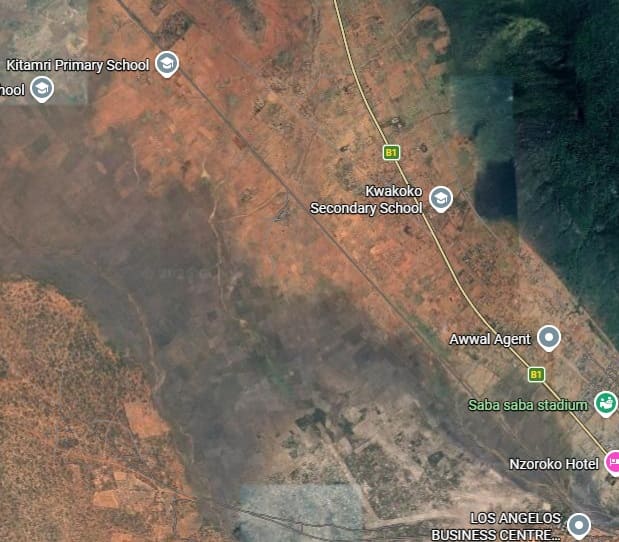
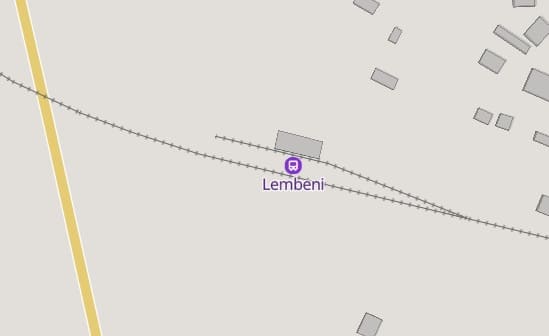
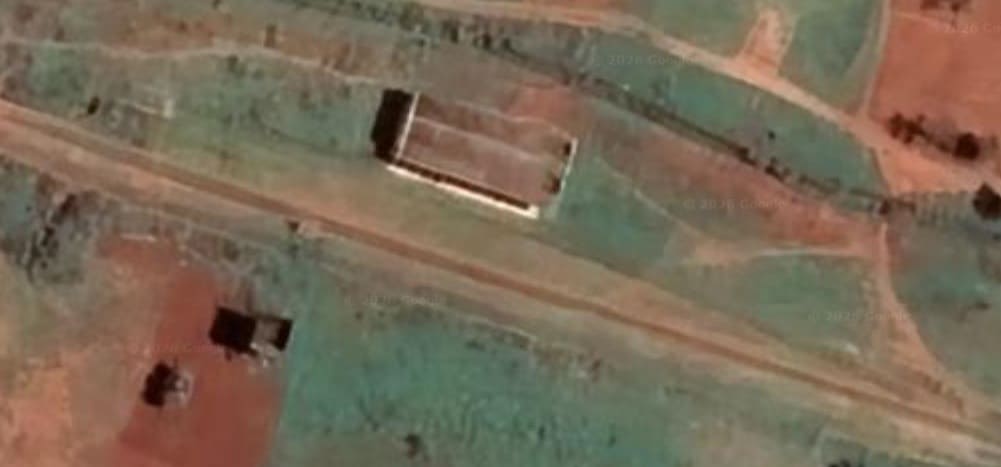
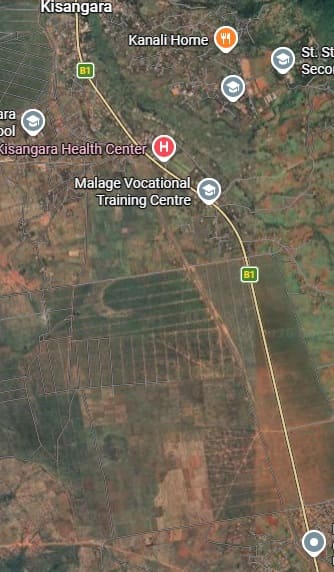
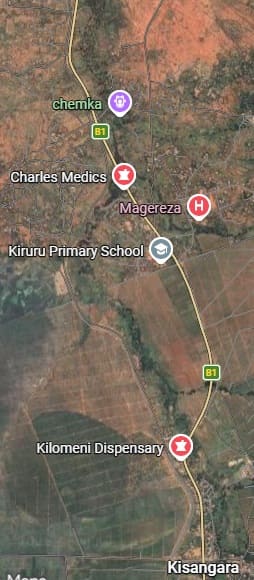
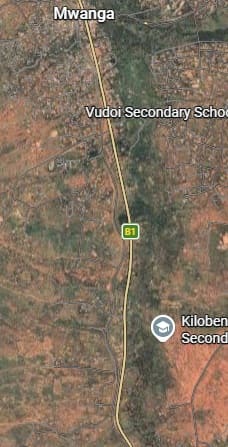
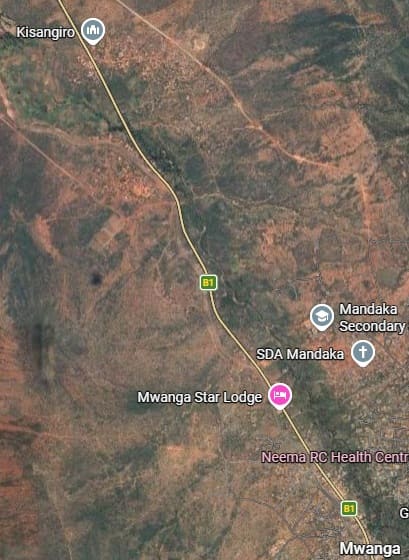
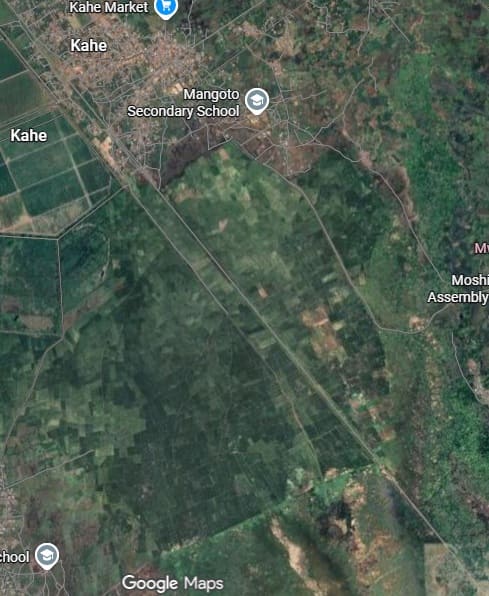
At the Kenyan end of this line it formed a junction with the Mombasa to Nairobi line at Voi. Two articles on this blog feature Voi. The first looks at the line traveling from the coast to Voi and particularly at the length of that line between Mazaras and Voi. That article can be found here. [1] The second looks at the length of that line running from Voi towards Nairobi and particularly at the length of the line between Voi and Ulu. That article can be found here. [2]
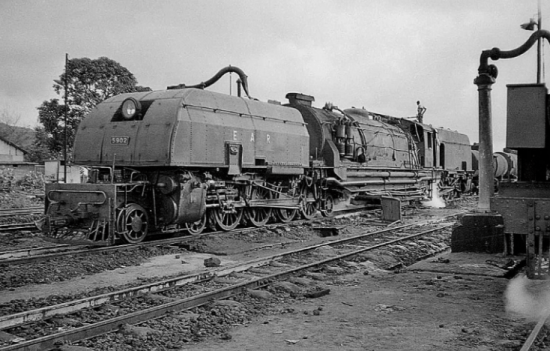
The featured image for this article shows a Class 59 Beyer-Garratt locomotive, No. 5902, Ruwenzori Mountains taking on water at Voi Station, (c) EAR&H. [2]
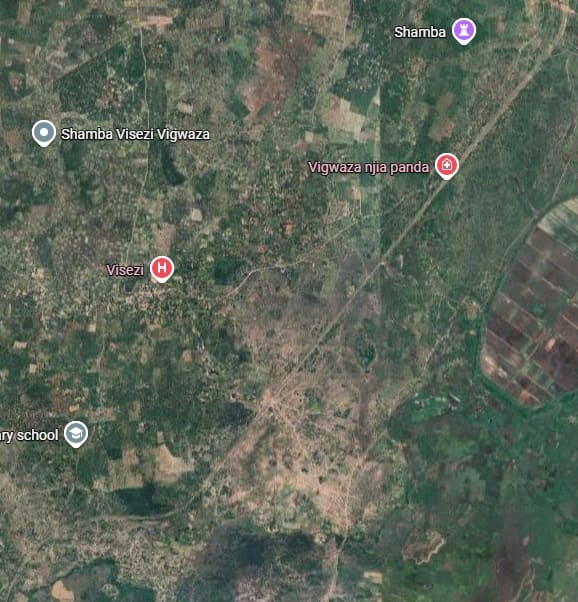
Voi is the largest town in Taita-Taveta County in southern Kenya, in the former Coast Province. It lies at the western edge of the Taru Desert, south and west of the Tsavo East National Park. The Sagala Hills are to the south. [3] It is also a junction station with a branch-line leaving the Nairobi-Mombasa line to head into Tanzania. Stations on that branch-line are Mwatate, Bura, Mashoti, Maktau, Murka, Ziwani and Taveta, all in Kenya. The line connected with the Tanzanian main-line at Moshi/Kahe, close to Mt. Kilimanjaro.
Photographs of the area and the Kenyan main line close to Voi can be seen in the two articles above [1][2]
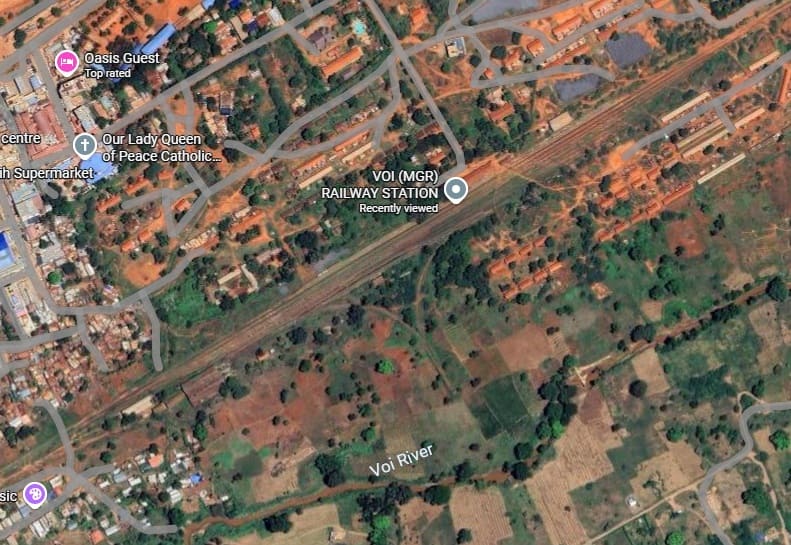
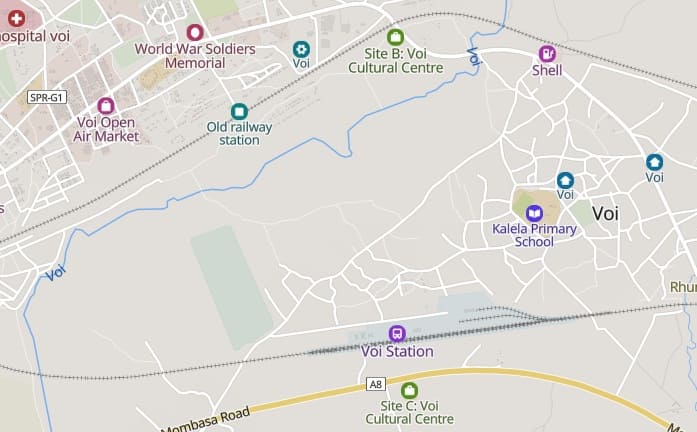
Voi Metre-gauge Railway Station sits on the North side of Voi River. The Standard-gauge Railway station sits to the South. [Google Maps, April 2026]Both stations appear on this extract from MapCarta’s mapping. [5]
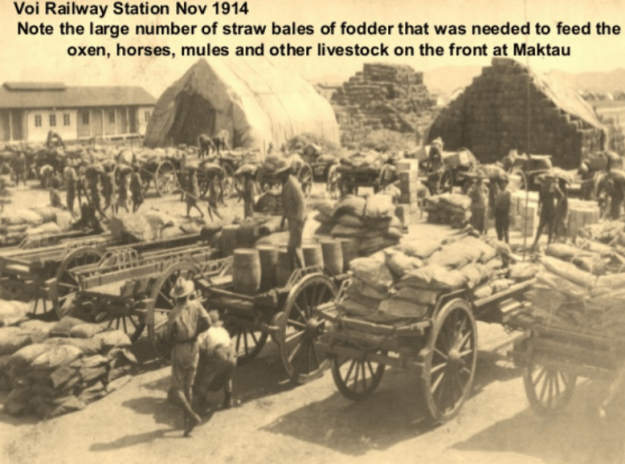
The line from Voi towards Tanzania was constructed during the hostilities of WW1.
This photograph shows the intense preparations for the campaign in East Africa at Voi Railway Station (c) Public Domain. [4]
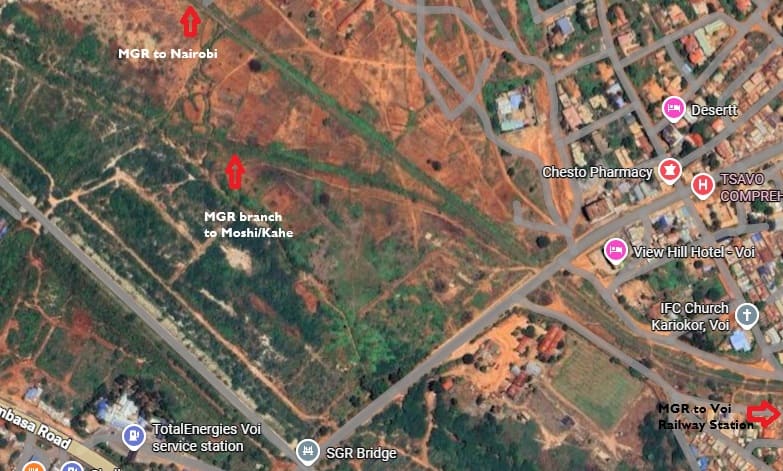
The branch line to Moshi/Kahe left the Metre-gauge railway (MGR) between Mombasa and Nairobi to the West of Voi MGR Station.
Just to the Northwest of the level-crossing over the road into Voi from the Mombasa Road (A109), the branch line left the MGR main line. [Google Maps, April 2026]
The two images above look along the MGR mainline from the level-crossing. The image on the left looks back towards Voi MGR station, that on the right looks ahead towards Nairobi. The branch line to Moshi/Kahe cannot be picked out on the image on the right as it is hidden by the bushes/grass ahead. [Google Streetview, July 2024]
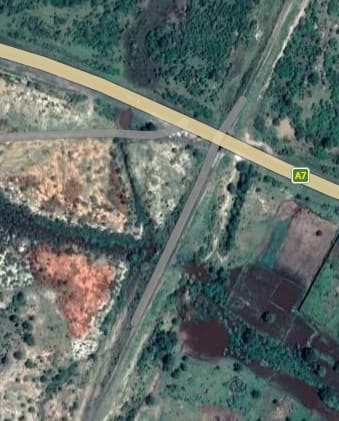
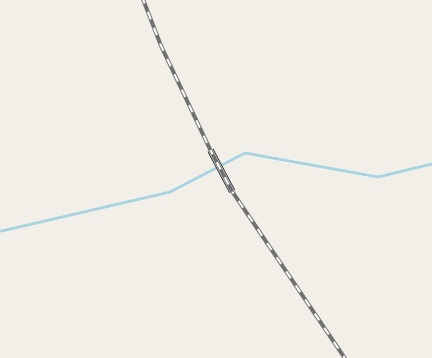
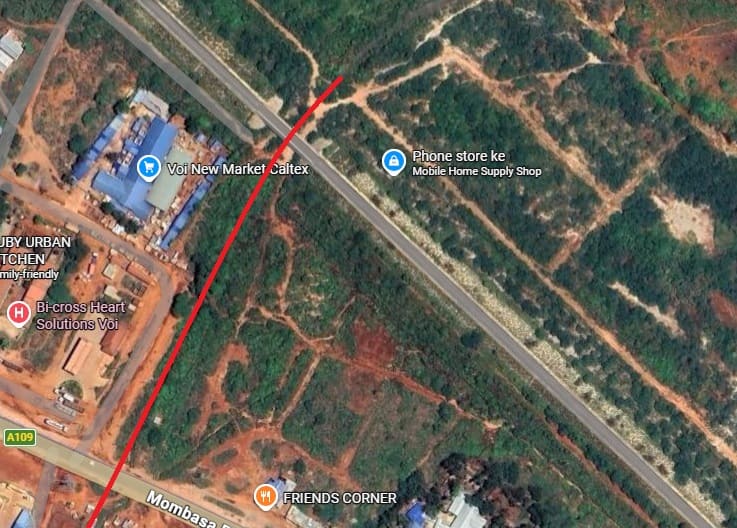
A very short distance beyond the junction, the branch line turns away to the Southwest. Its route crosses the Standard-gauge Railway (SGR) at 90°. The crossing point can be seen on the left of the extract from the satellite imagery.
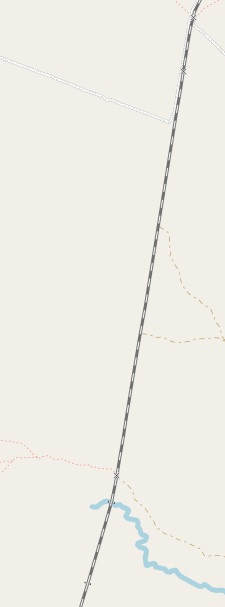
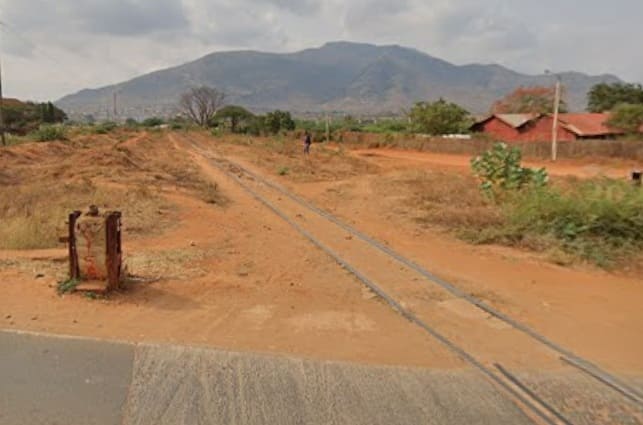
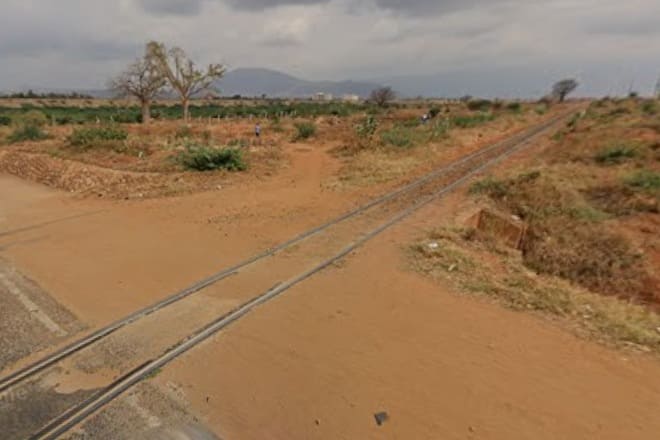
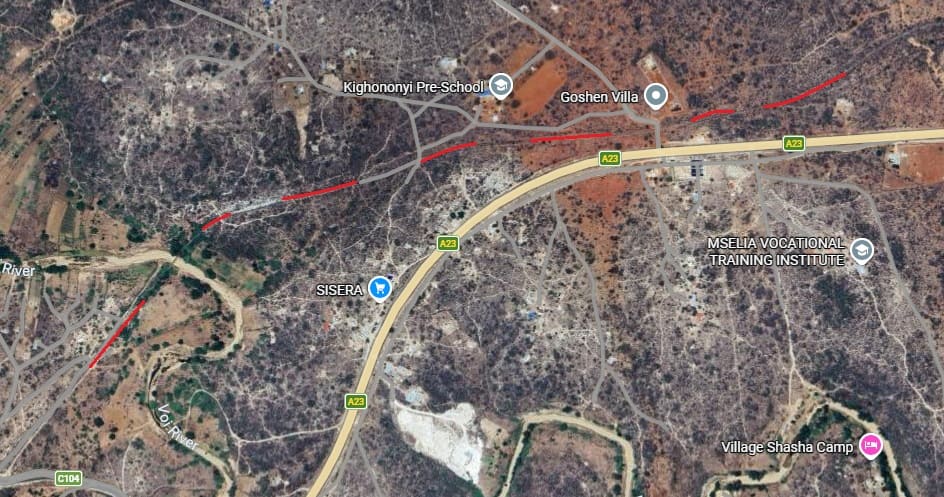
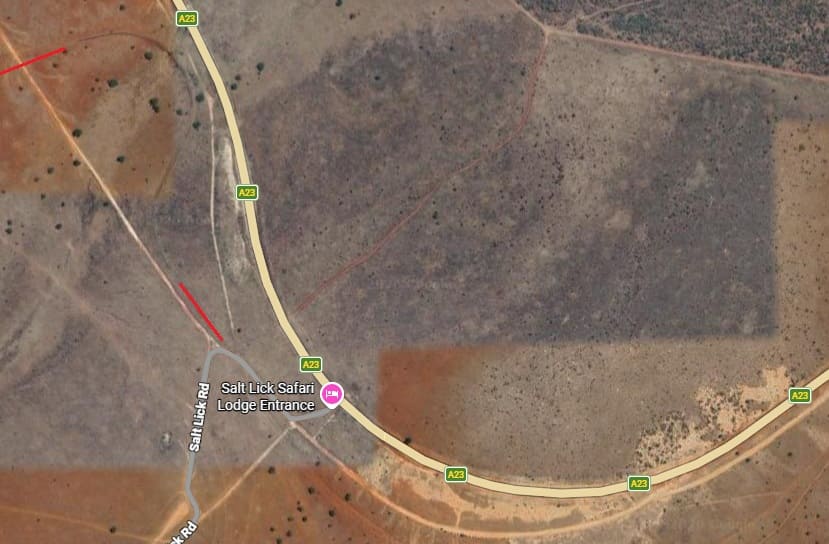
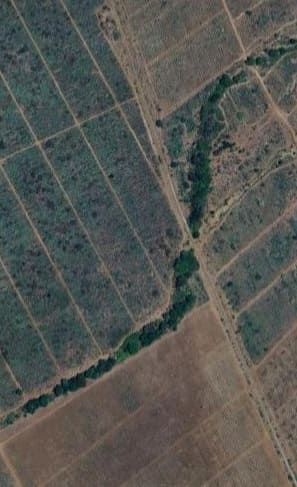
This next extract shows the route of the branch line,. The length in red shows the line of the old railway, sections of it are either buried or have been lifted. At Mombasa Road 9A109) only a short length of track is visible. [Google Maps, April 2026]The crossing at Mombasa Road
Looking along the branch line at the crossing at Mombasa Road (A109): the image on the left looks back Northeast towards the MGR main line. The image on the right looks ahead along the line towards Moshi. [Google Streetview, July 2024]
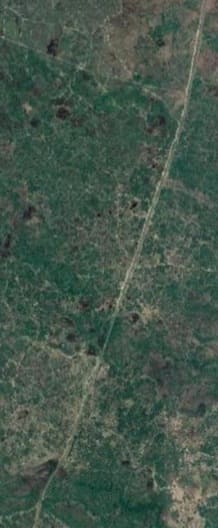
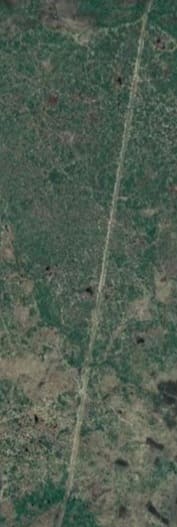
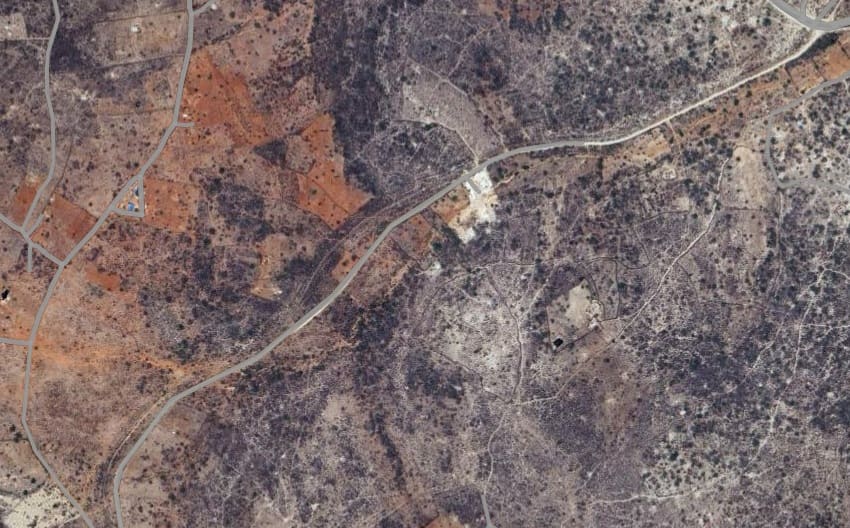
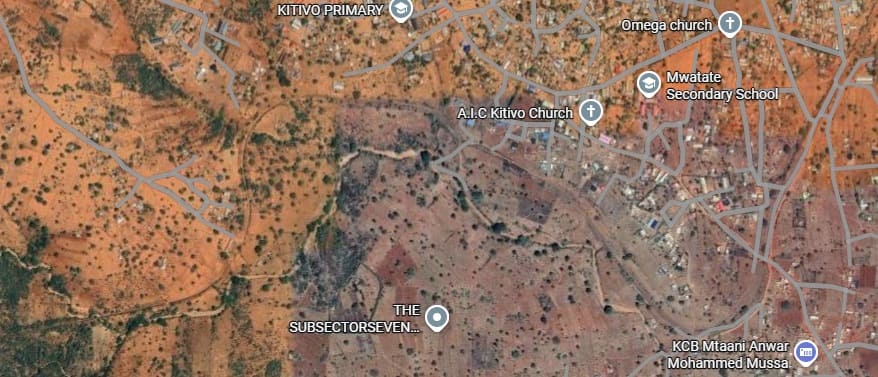
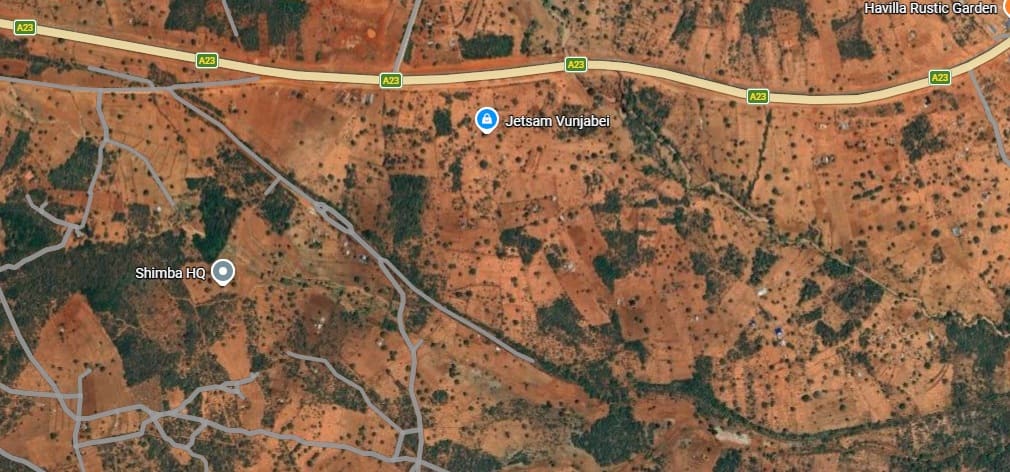
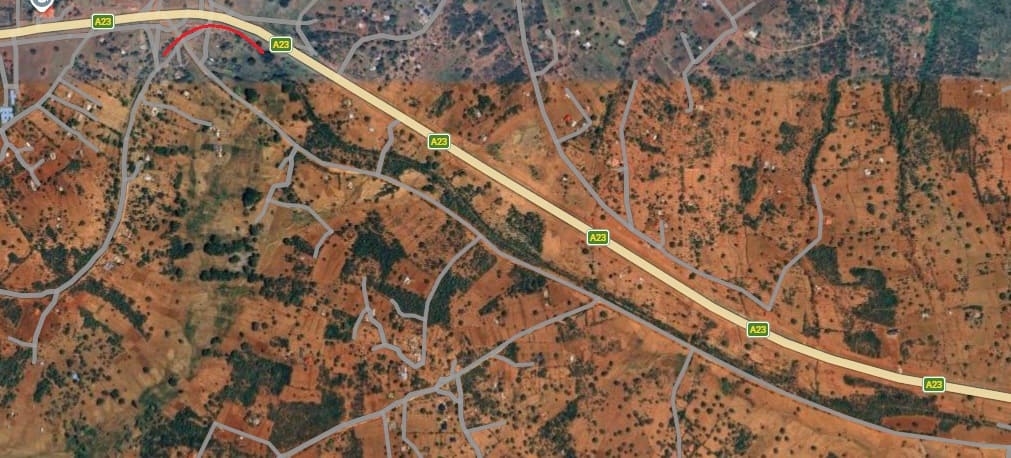
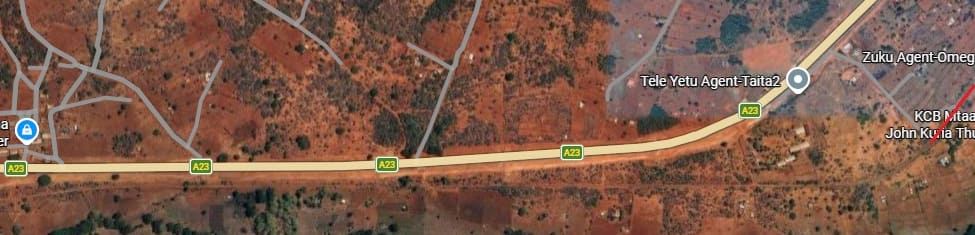
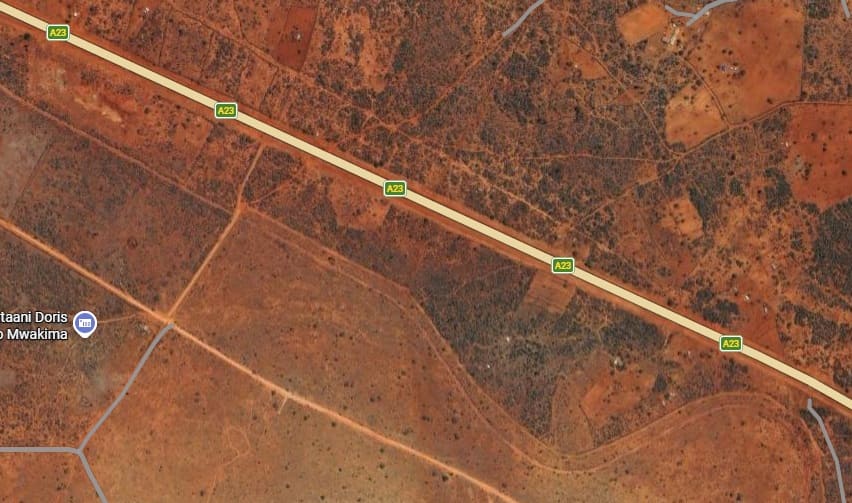
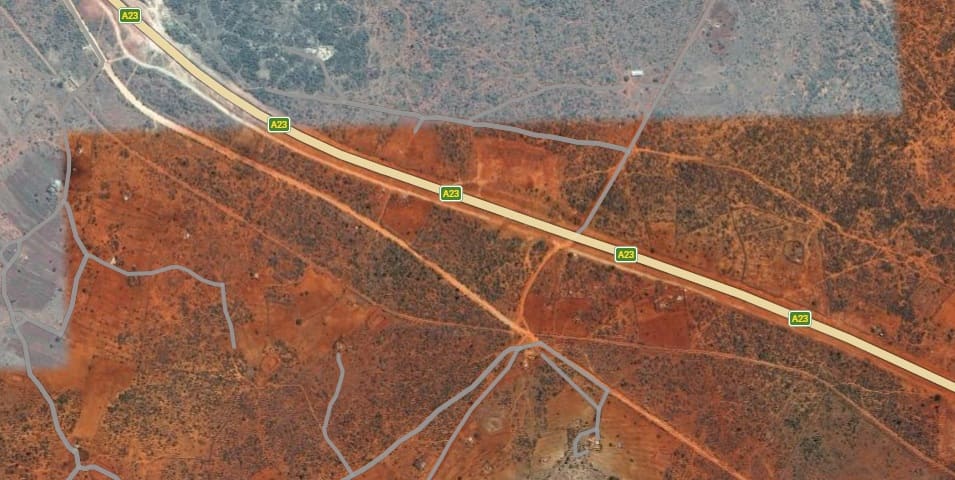
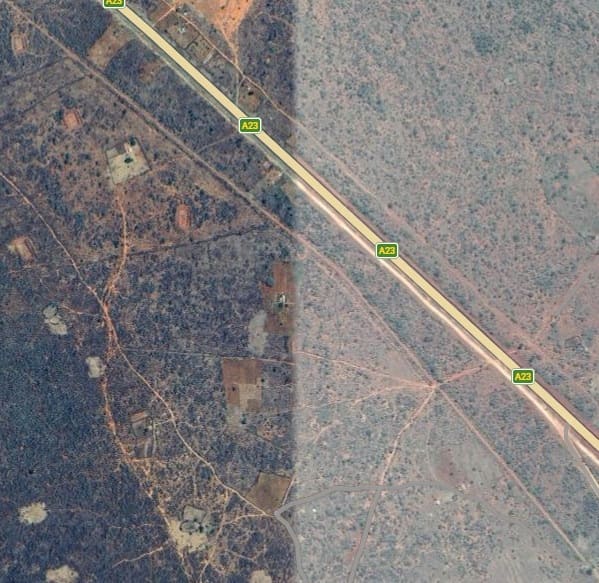
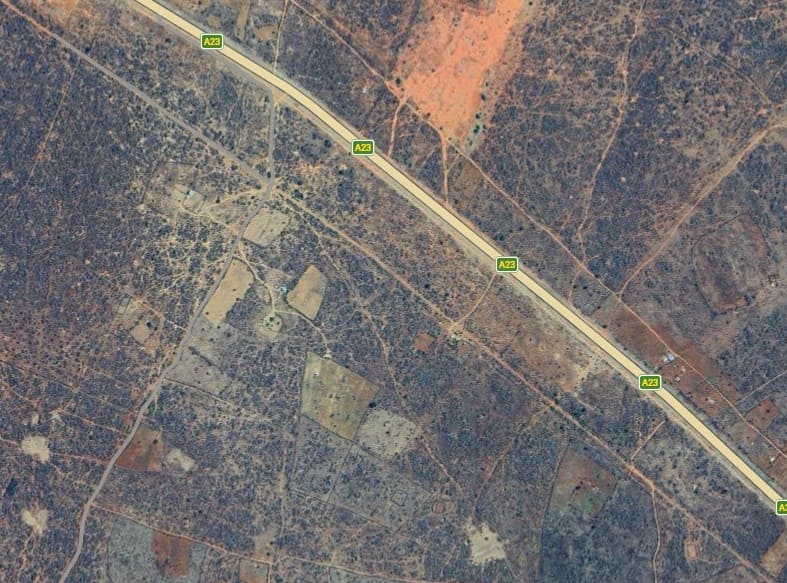
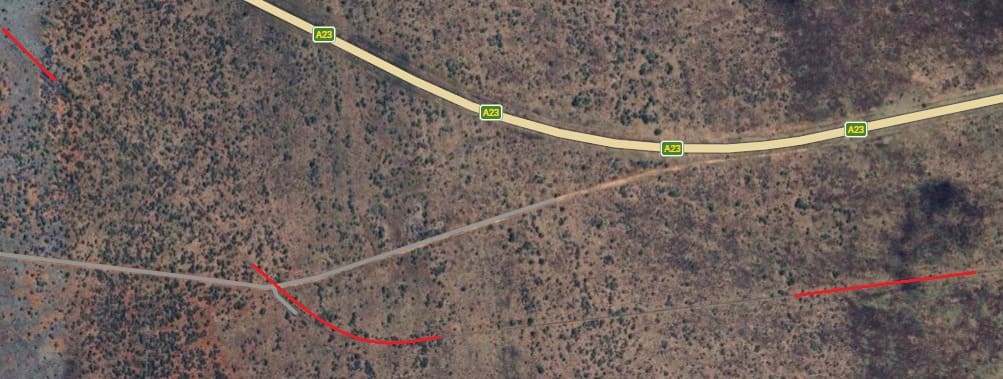
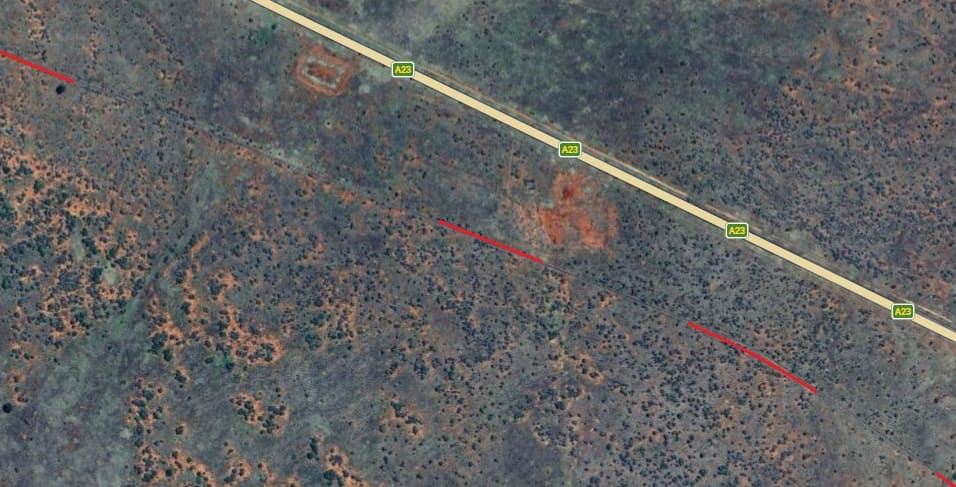
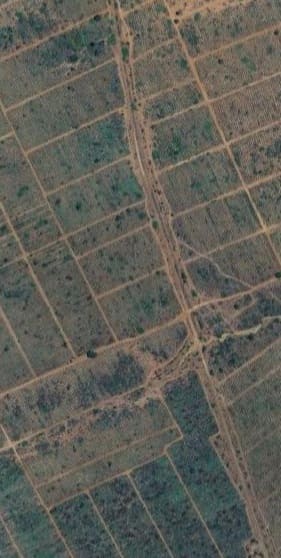
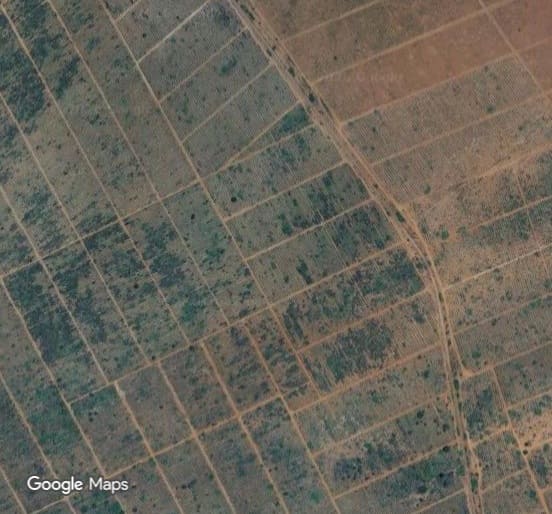
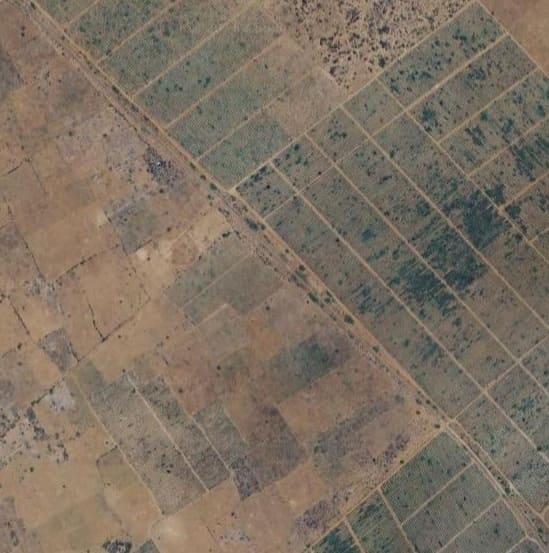
The route of the old railway is relatively easy to pick out on this extract from Google’s satellite imagery. The line runs alongside a minor road heading Southwest to take up a position adjacent to the A23 road.
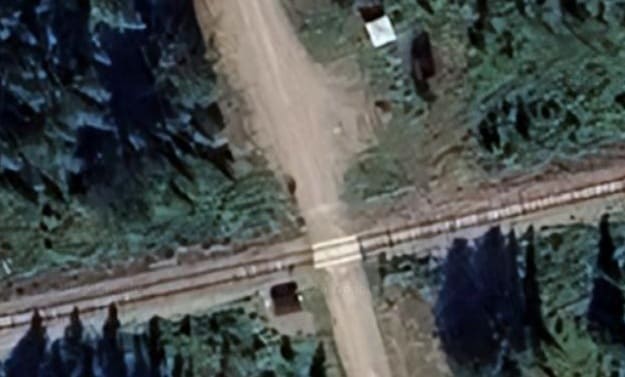
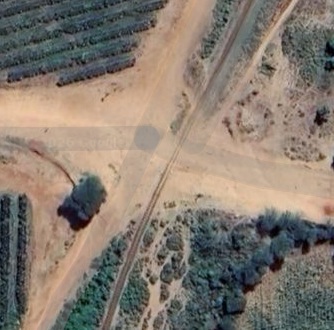
Just beyond the bottom-left of this image the line crosses a minor murram road to the North of the A23.
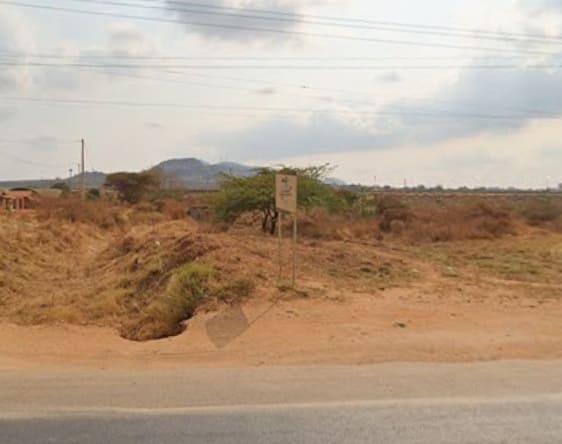
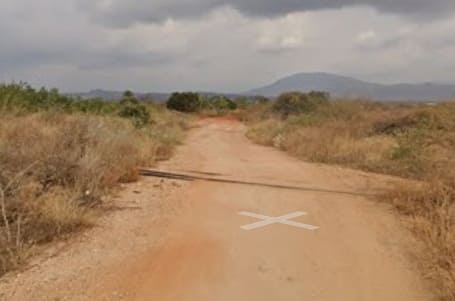
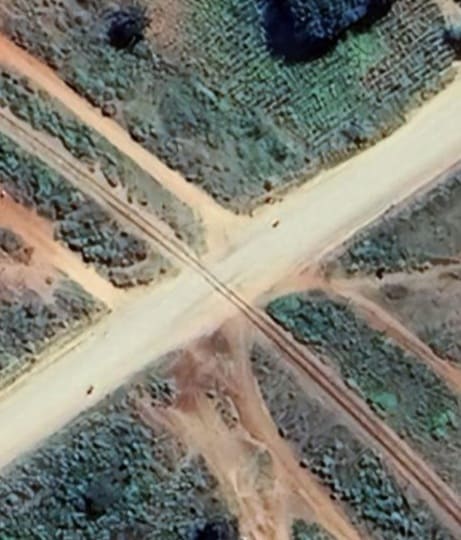
This murram road can be seen at the top-right of the next extract from the satellite imagery. The line can be seen crossing the road in this image from Google Streetview. [Google Streetview, July 2024]
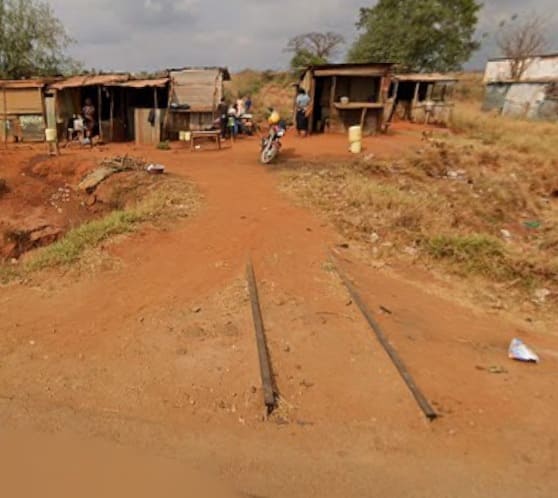
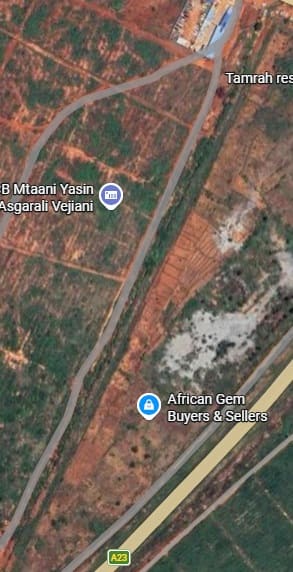
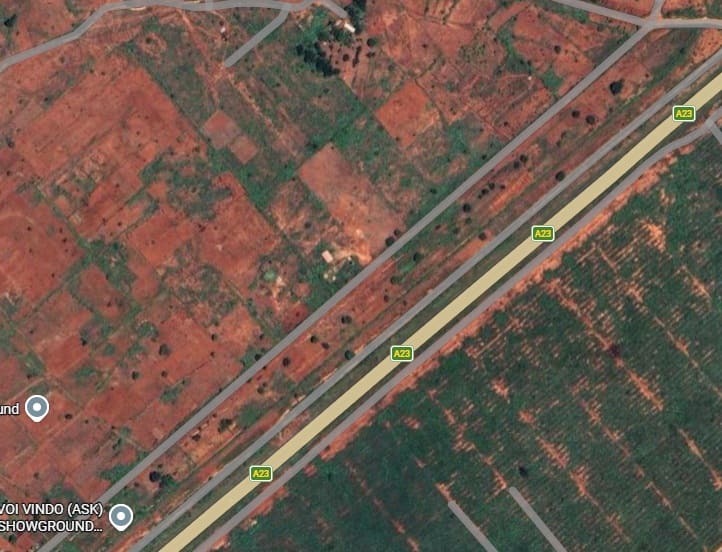
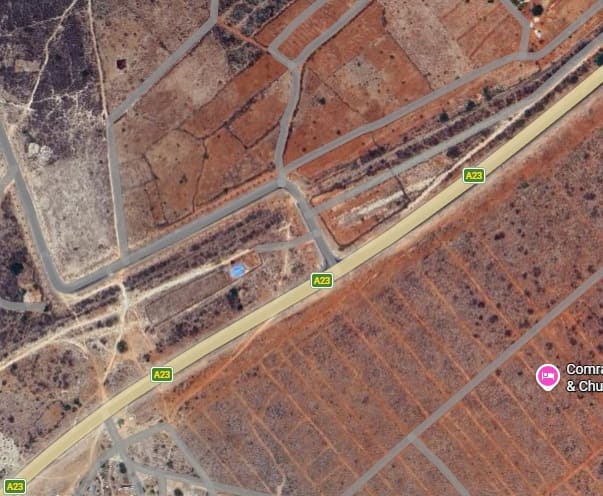
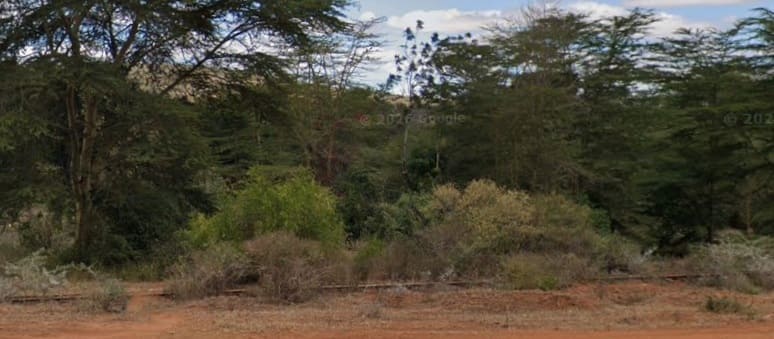
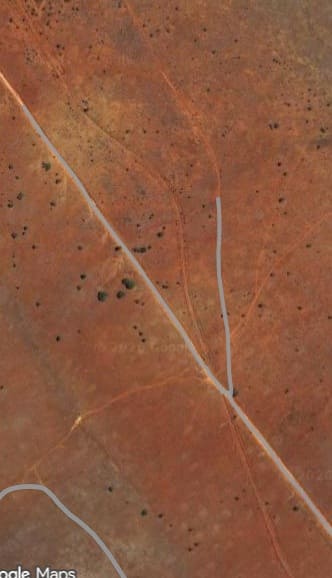
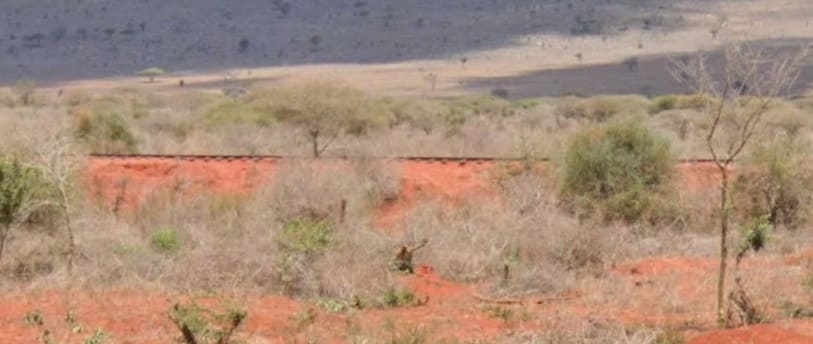
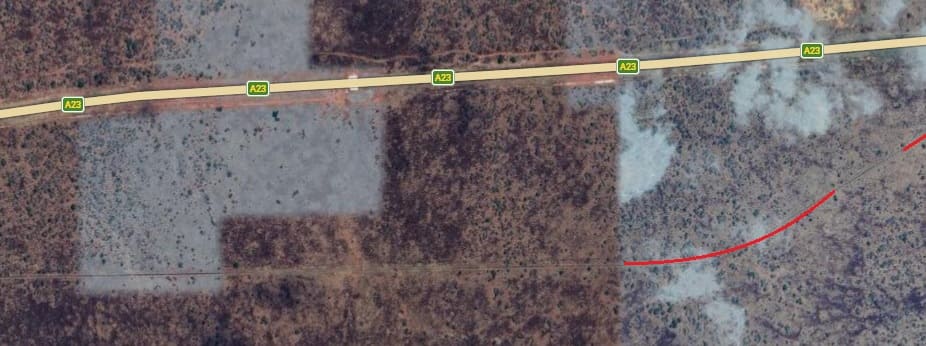
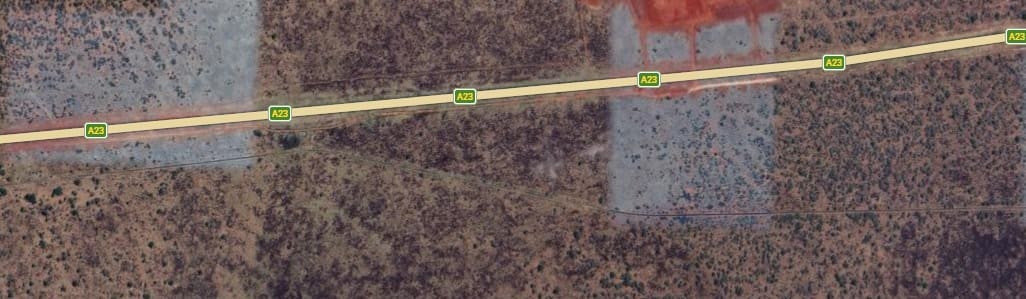
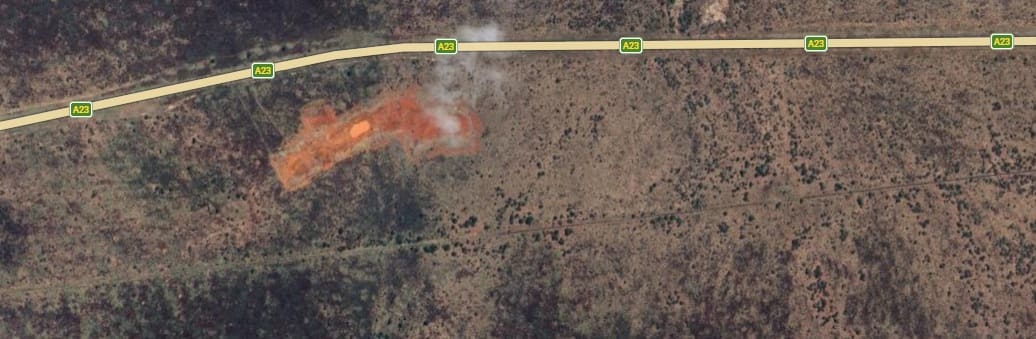
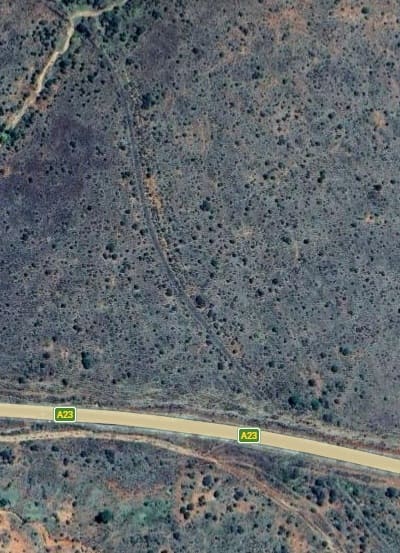
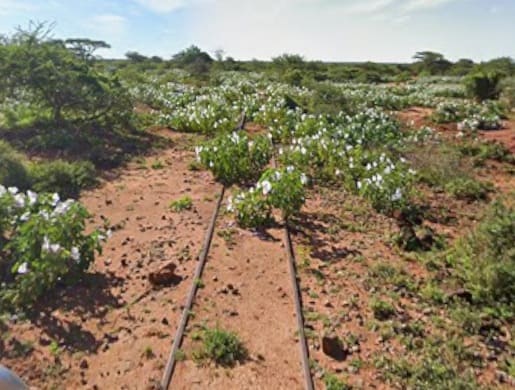
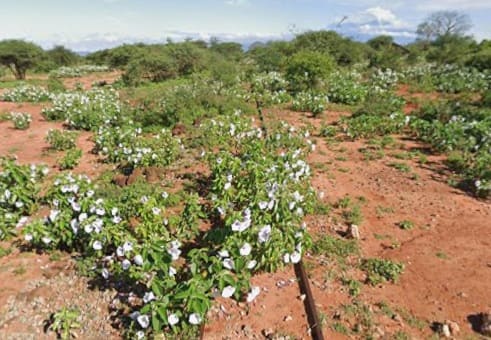
The route of the old railway sits on the Northwest side of the A23 and can be picked out between the two roads shown grey on this satellite image.In this view looking West from the A23, the line can just about be made out as a straight line running approximately across the centre of the image. [Google Streetview, August 2022]
After some distance running close to the A23, the line begins to diverge from it and then crosses a metalled side road as shown in the images below.
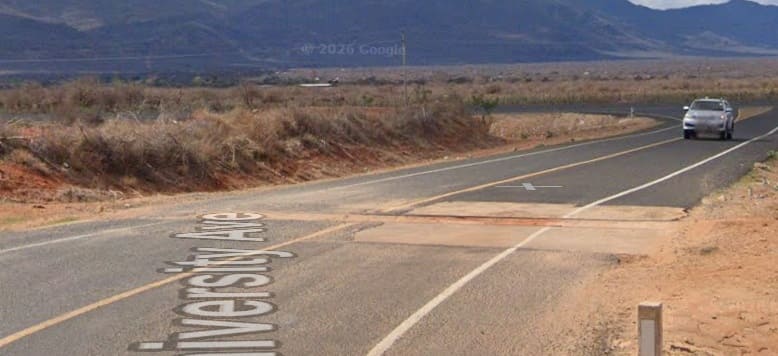
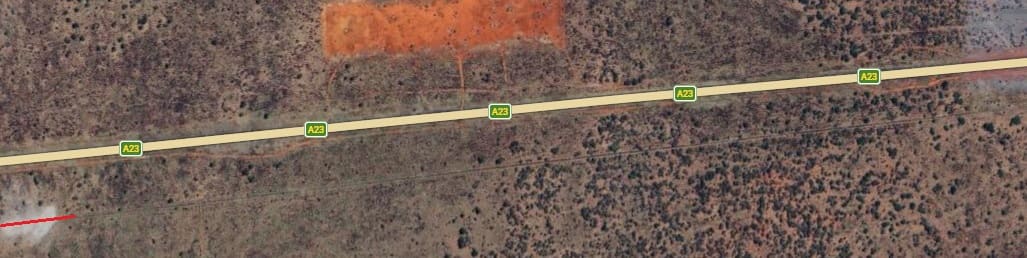
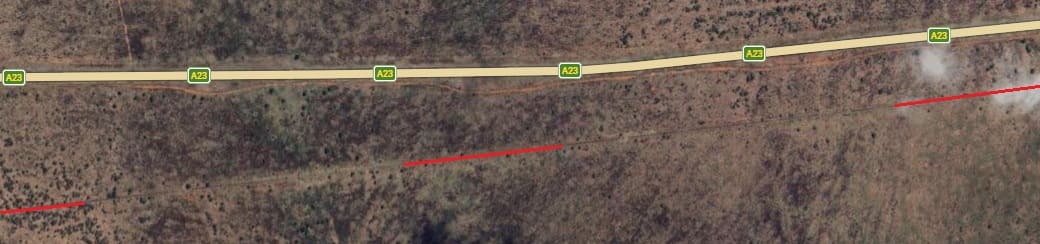
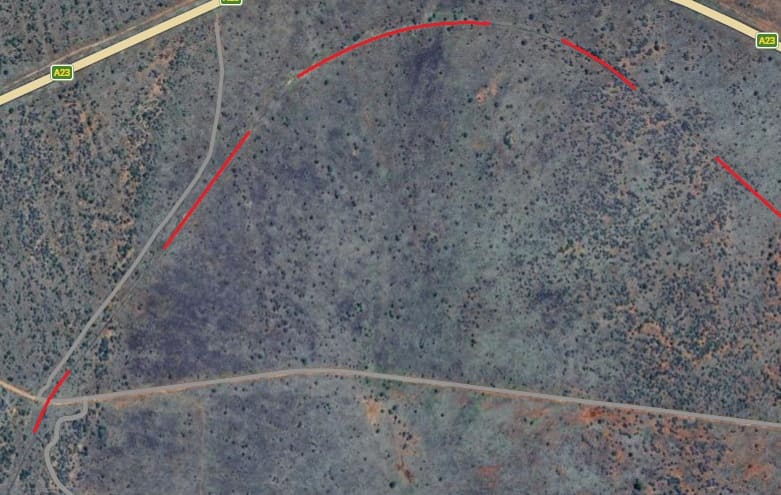
The line and the A23 begin to diverge and the railway crosses a metalled side road close to the A23. The side road is named – Taita-Taveta University Avenue [Google Maps, April 2026]The level-crossing on Taita-Tavita University Avenue seen from the Northwest. The junction with the A23 can be seen beyond the vehicle in the image. [Google Streetview, August 2022]The railway and the A23 follow the same corridor as the land drops gradually away. The line is more of a slave to the contours than the road. The railway route enters top-right and leaves the sateelite image just above the bottom-left corner. [Google Maps, April 2026]The intermittent red line marks the route of the railway. Towards the left of this satellite image, the line bridges the River Voi. [Google Maps, April 2026]
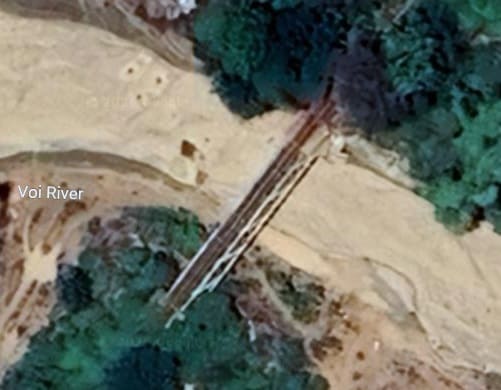
On the left below is a closer look at the Voi River Bridge. [Google Maps, April 2026] On the right is a view along the C104 which appears in the bottom left of the satellite image above.
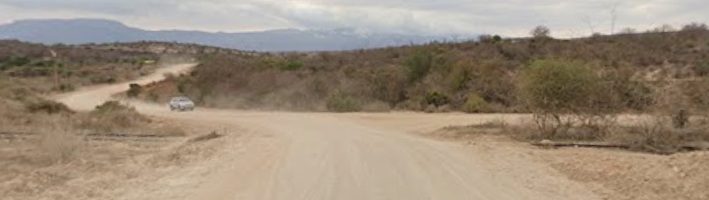
Looking West on the C104, the railway tracks can be seen either side of the road. [Google Streetview, October 2021]
Running Southwest, the line crosses the C104 in the top corner of the next extract from Google’s satellite imagery below. …
The line crosses the C104 at the top-right of this image and runs diagonally Southwest. It can be seen as a fainter line on the nNorth side of what is recorded by Google as a road. In the bottom left corner the line curves to the South and leaves the image just to the right of the bottom-left corner of the image. [Google Maps, April 2026]
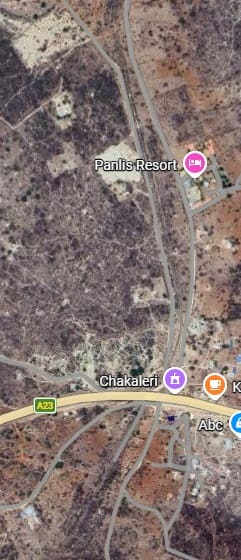
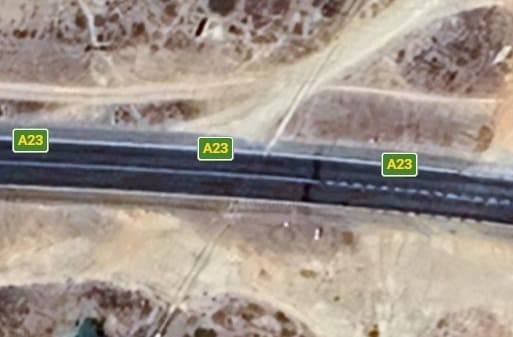
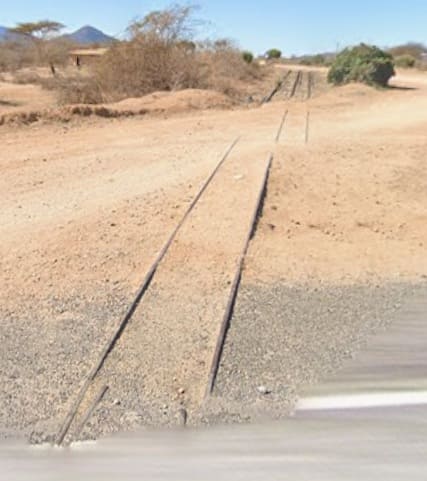
The image on the left below is the next length of the line which runs South to cross the A23 at an ungated crossing. [Google Maps, April 2026] On the right at the top is the closer view of the crossing at the A23. [Google Maps, April 2026] Then below on the right the view North from the A23. [Google Streetview, August 2022] …
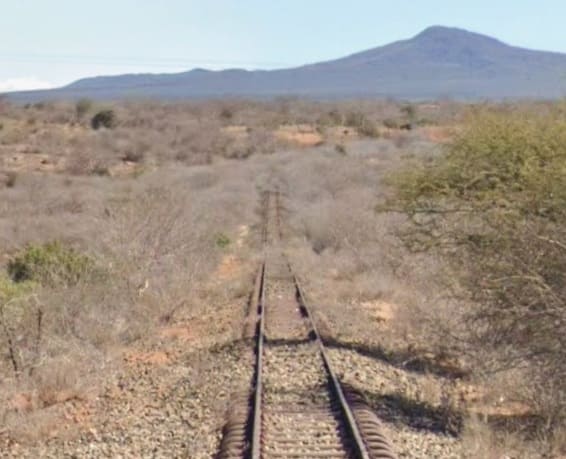
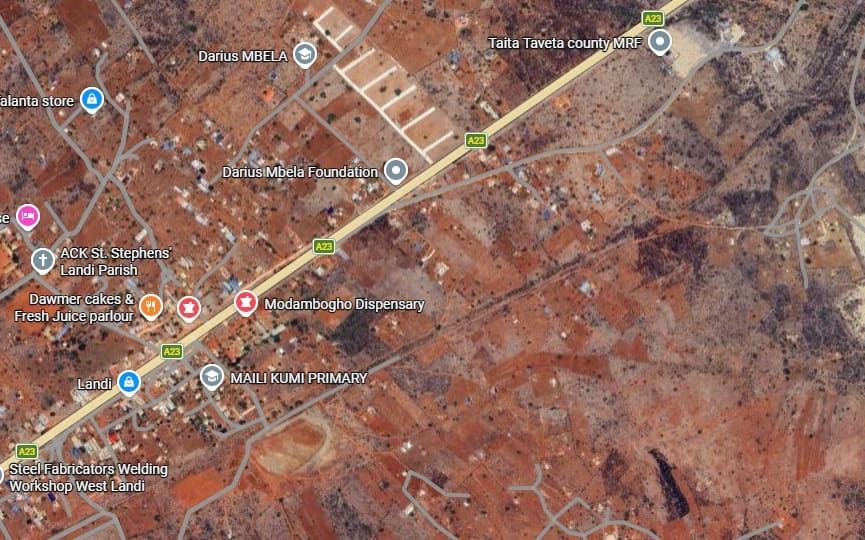
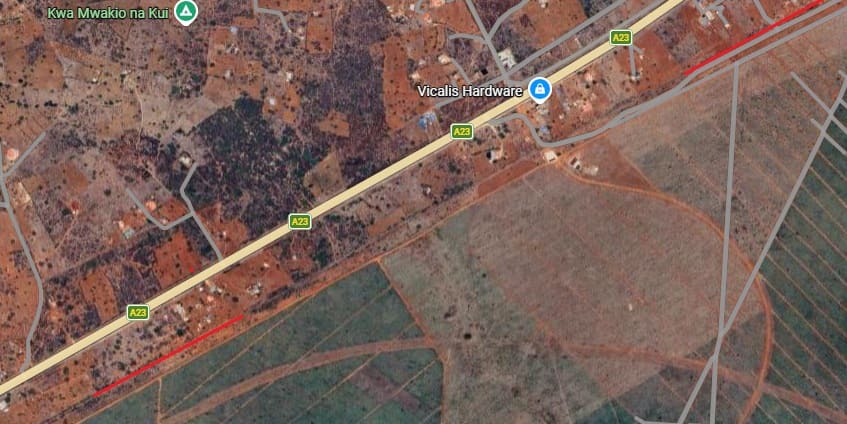
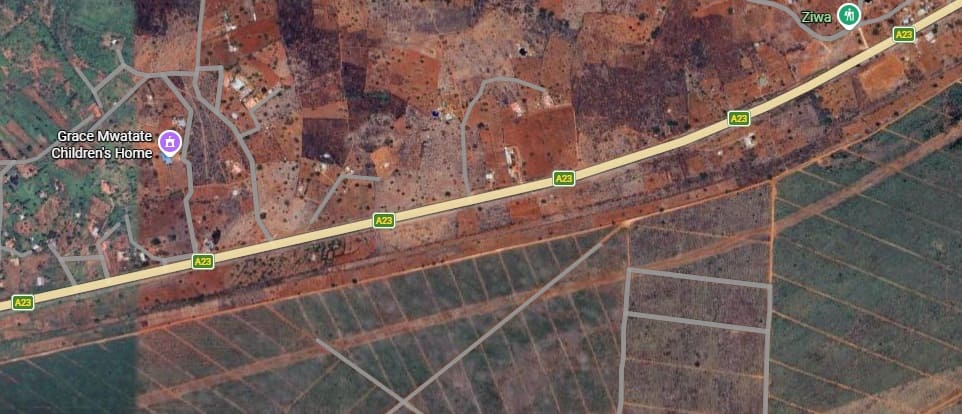
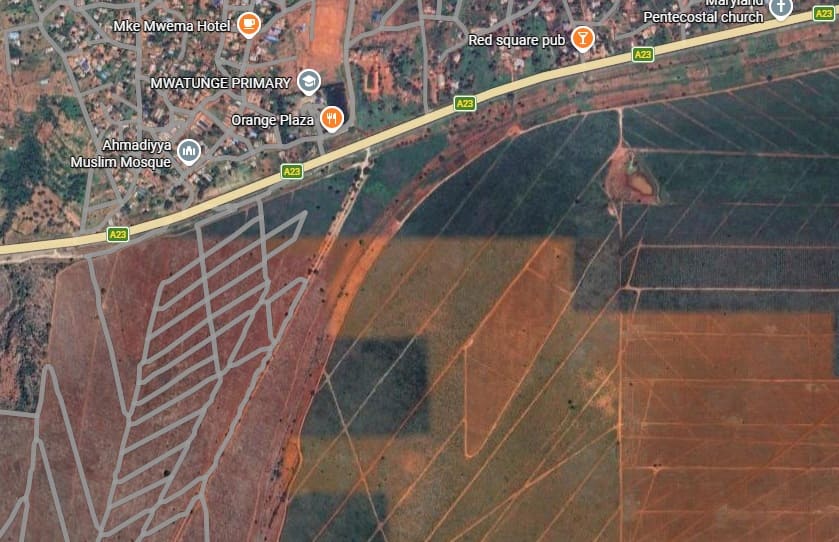
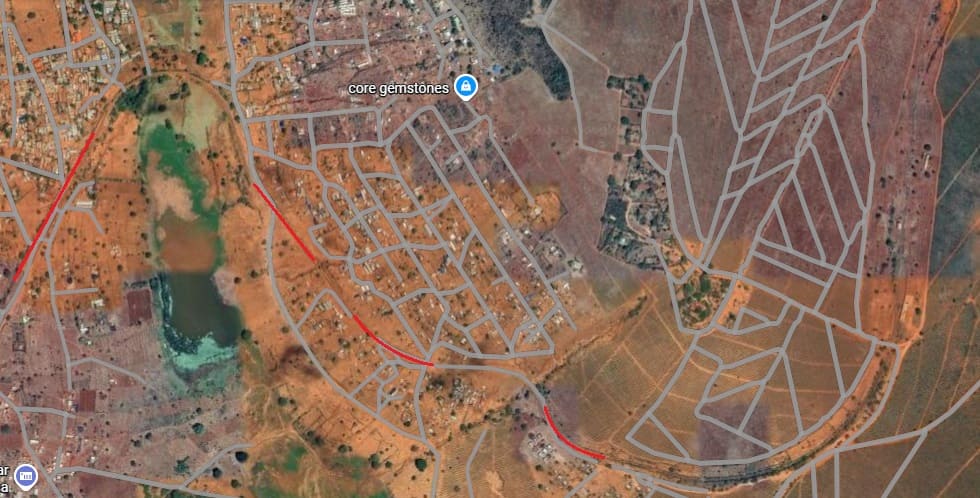
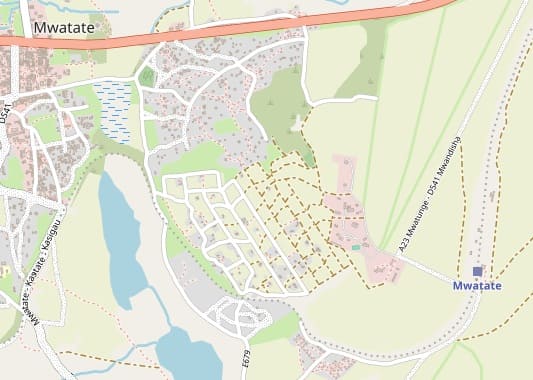
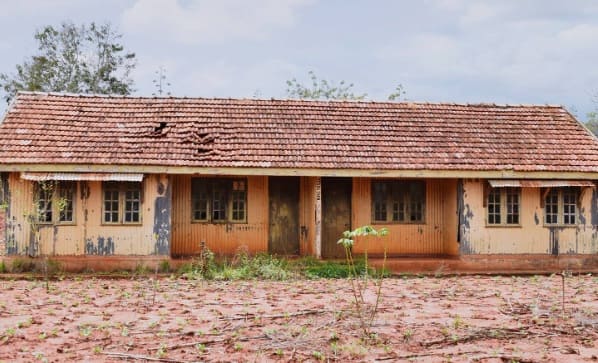
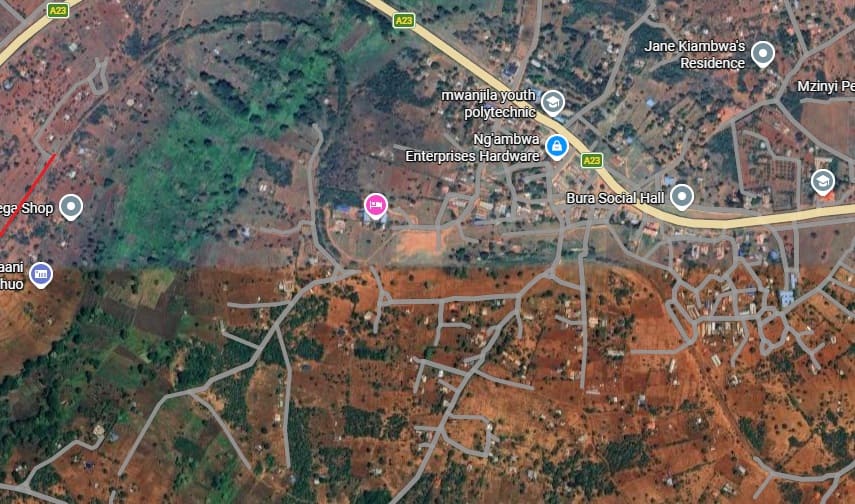
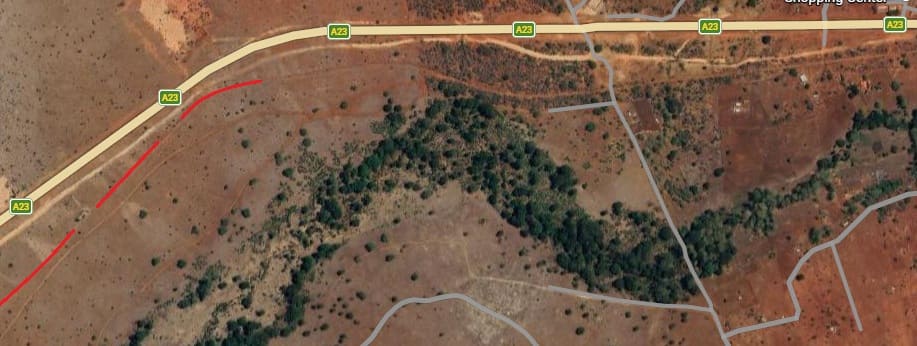
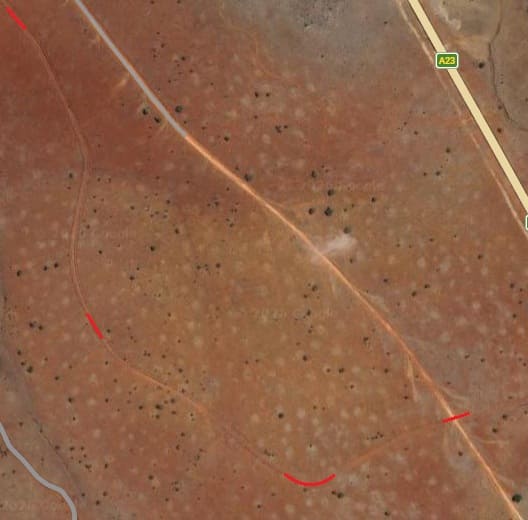
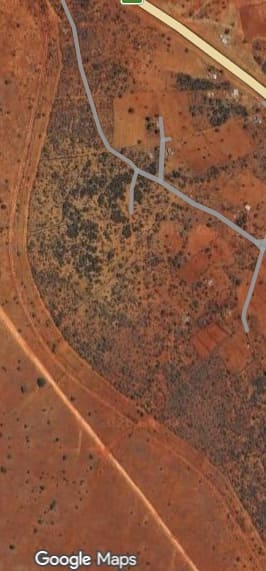
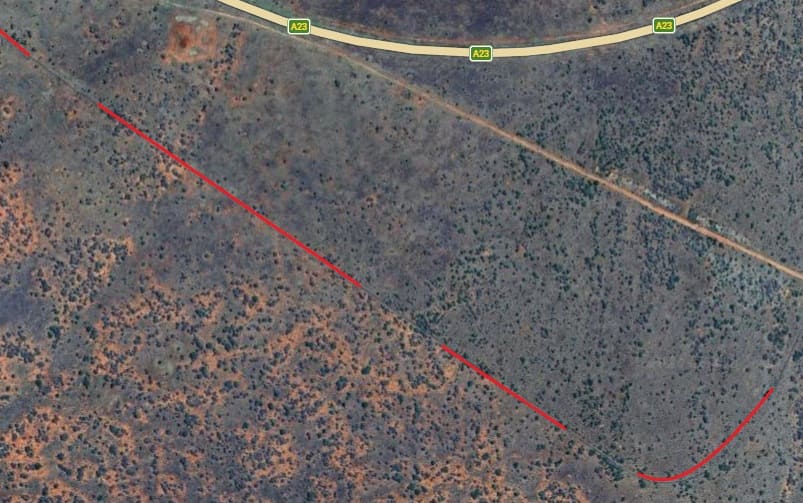
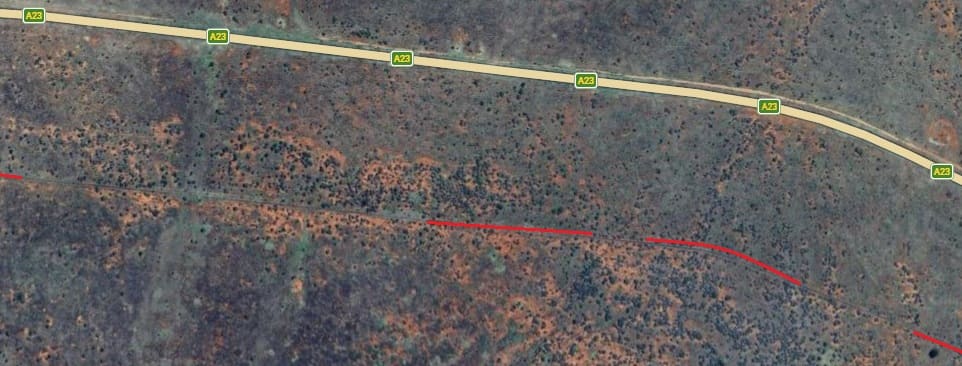
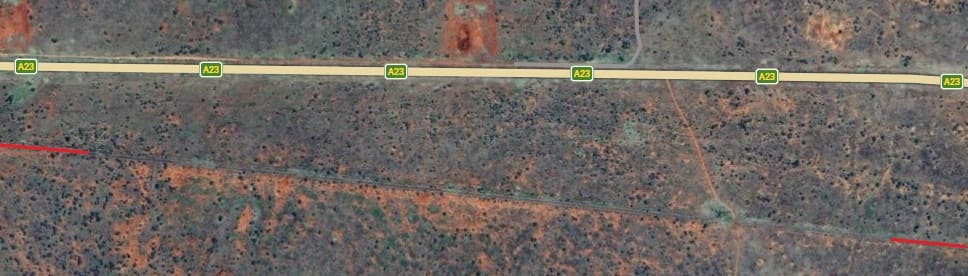
The last image at this location shows the railway heading South from the A23. [Google Streetview, August 2022]Just South of the A23, the line curves away from South to head Southwest once again. It can be seen entering this satellite image at the top-right and then runs diagonally across to close to the bottom-left corner of the image. [Google Maps, April 2026]Perhaps difficult to pickout at certain points on the satellite imagery, the line of the railway has been highlighted by the two red lines. It runs from the top-right of this next extract from Google’s satellite imagery to the bottom-left, running roughly parallel to the A23. [Google Maps, April 2026]Again, in this next satellite image, the line runs diagonally from top-right to bottom left. The greener lined area in the bottom half of this image will be a sisal plantation. The railway runs between this area and the A23. [Google Maps, April 2026]Close to Mwatate (which is just off this satellite image to the West (left)), the line turns southwards. [Google Maps, April 2026]On this next extract from Google’s satellite imagery, the line passes through Mwatate Railway Station on the right side of the image and then wanders sinuously across the image. The intermittent red lines show the route of the line where the image itself, at this scale, is less clear. This is a similar area on OpenStreetMap’s mapping. It shows the location of Mwatate Railway station and the town it is named after. The route of the railway is shown as a dotted line. [6] The station is located inside a private sisal farm and not available to the public. [7]Mwatate Railway Station Building, (c) Chao Tayiana Maina. [7]
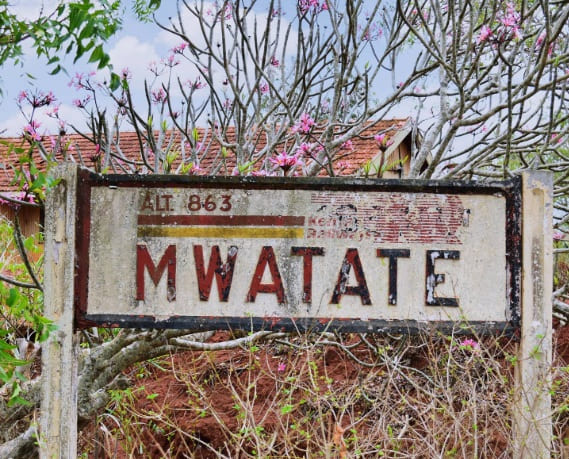
The station nameboard, (c) Chao Tayiana Maina. [8]
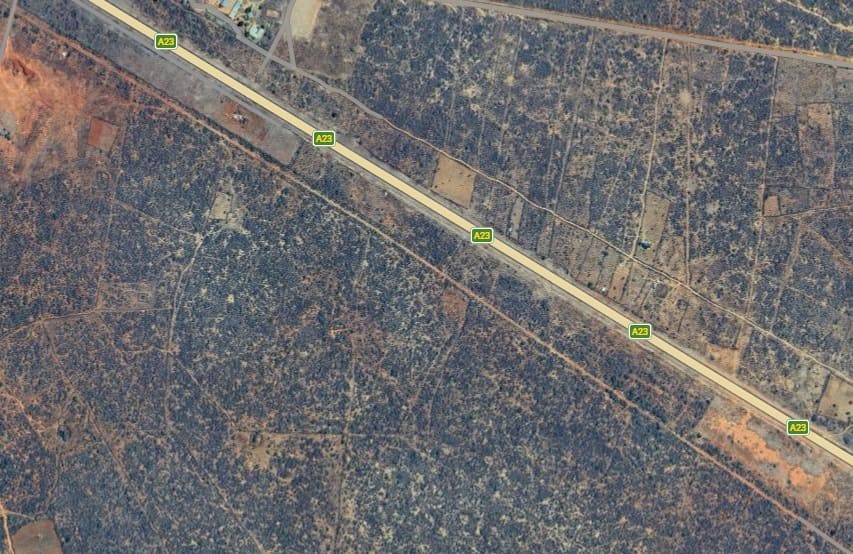
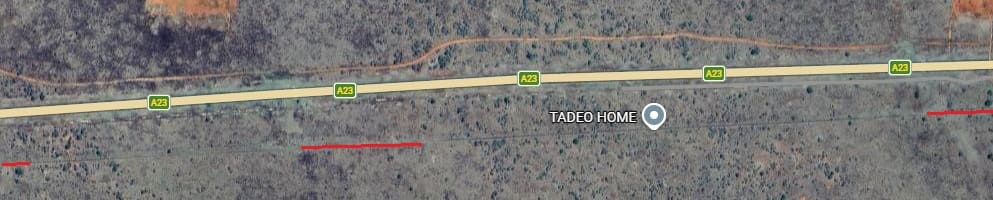
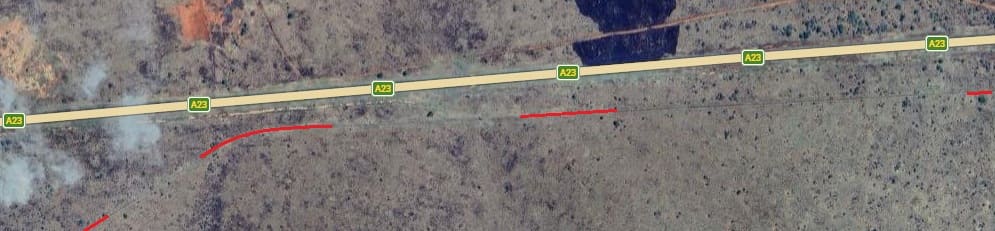
Following on from the last satellite image this next extract shows the line continuing in a generally westerly direction. It continues to seek the easiest route as so curves around following the contours, entering top-right and leaving the image just above the bottom left corner. [Goggle Maps, April 2026]Still heading West, the line runs from the bottom-right to the top-left of this satellite image and leaves the image close to the A23. [Google Maps, April 2026]Continuing West the line follows the A23 but then turns away to the South towards the left of this image. A red line has been added to show the curve of the line, where difficult to distinguish at this scale. It follows the curving grey line to the left edge of the image. [Google Maps, April 2026]Still heading West, the line curves sinuously across this next extract. It enters adjacent to the grey road just above the bottom-right corner of this image and leaves following the red line at the left of the image. [Google Maps, April 2026]After a relatively tight radius curve at the right side of this image, the line runs due West alongside the A23. [Google Maps, April 2026]Looking Southwest from the A23, the line can be seen across a wide sandy strip before the bushland begins. [Google Streetview, August 2022]Again, intermittent red lines mark the route of the line where it is least obvious. [Google Maps, April 2026]
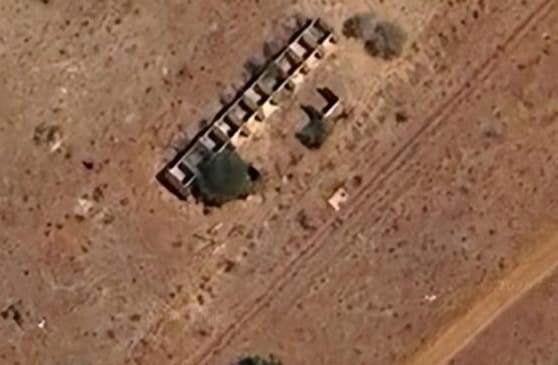
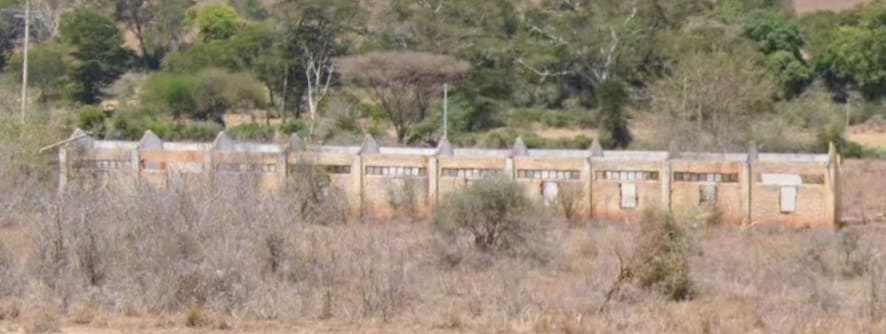
These ruins sit close to the line and appear to have been built to serve the line. They can just be made out towards the left edge of the satellite image immediately above. [Google Maps, April 2026]
The same building(s) as seen from the A23. [Google Streetview, August 2022]Continuing West, the route of the line is relatively easy to pick out. A couple of red line ensure that the eye follows the correct route. [Google Maps, April 2026]
At a slightly larger scale, this extract shows the line turning to the Northwest. Even at this scale the trace is faint, so intermittent red lines are provided to direct the eye. [Google Maps, April 2026]
Two extracts take the line further Northwest. (left image first, then the right). [Google Maps, April 2026]
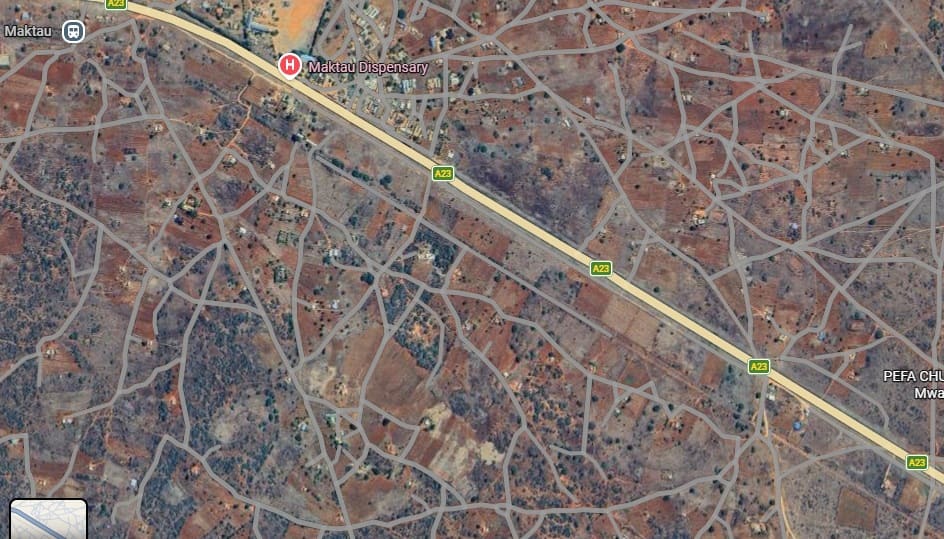
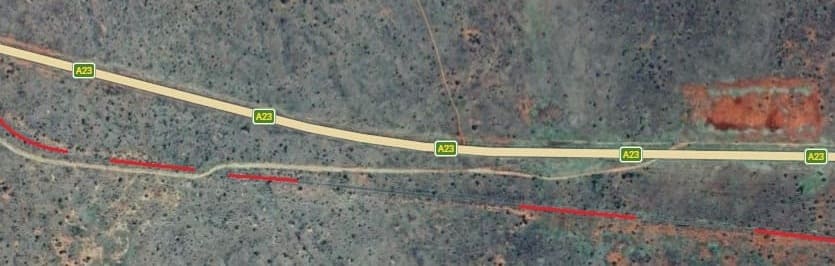
A more West-northwest alignment is followed now, with the line once again close to the A23. [Google Maps, April 2026]The is the line seen from the A23 at the bottom-right of the satellite image above. [Google Streetview, August 2022]The railway continues to run relatively close to the A23. [Google Maps, April 2026]On this next extract the line runs bottom-right to top-left relatively close to the A23. [Google Maps, April 2026]And again here, the line runs bottom-right to top-left relatively close to the A23. [Google Maps, April 2026]And again here, the line runs bottom-right to top-left relatively close to the A23. [Google Maps, April 2026]The line reaches Maktau Railway Station at the top-left of the image. [Google Maps, April 2026]
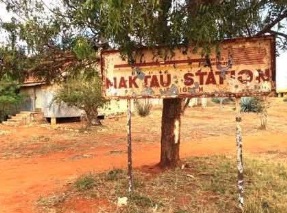
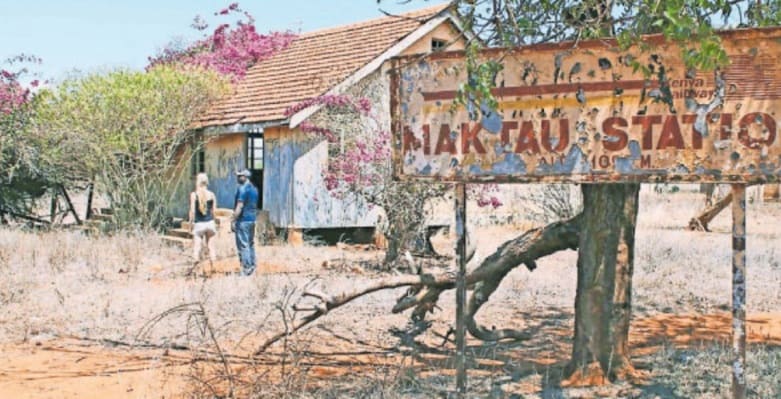
The station sign and the main station building seen from the old railway. [13]
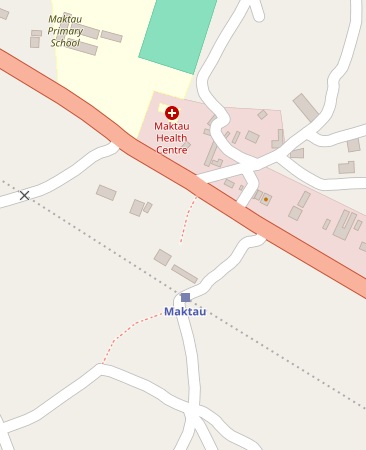
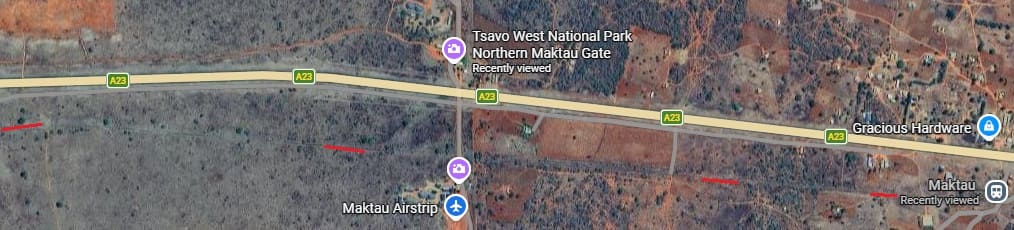
The blue square marks the location of Maktau Railway Station. [12]
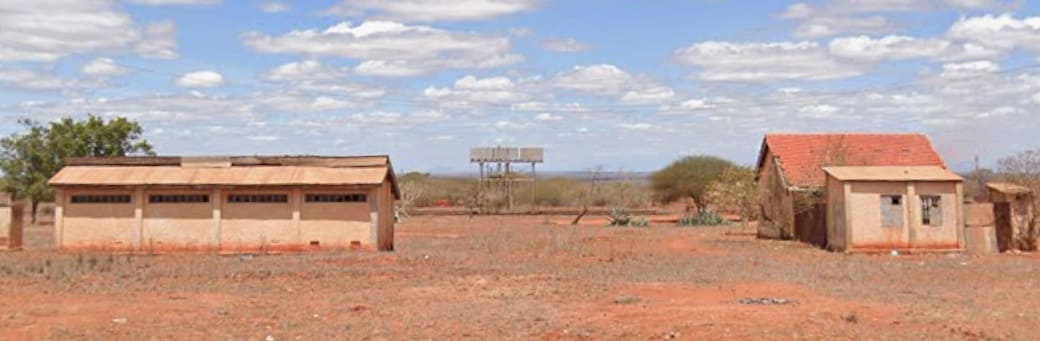
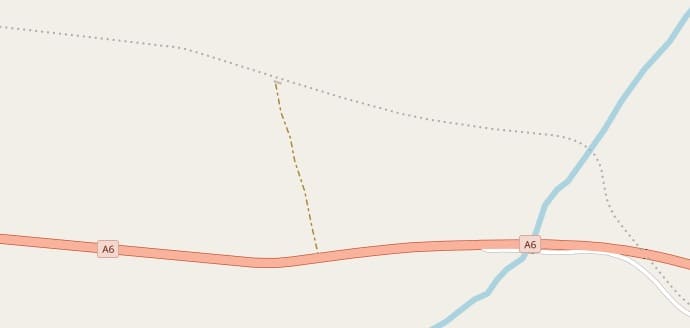
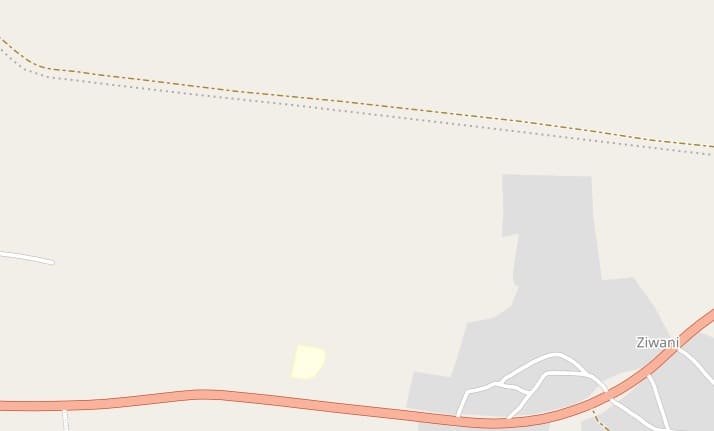
The station buildings seen from the A23. [Google Streetview, April 2024]Railway line close to Maktau. [21]The line leave Maktau in a generally westerly directi, on, running parallel to the A6/A23 but a short distance to the South[Google Maps, April 2026]The line continues to head West, the intermittent red lines clarify its path. [Google Maps, April 2026]The line turns further away to the South. [Google Maps, April 2026]It then returns to its westerly trajectory. [Google Maps, April 2026]The railway and the road converge over this next length of the line, [Google Maps, April 2026]Now much closer together, the road and the old railway run parallel to each other. Both are running in a West-southwest direction, [Google Maps, April 2026]The line continues to run West-southwest while the road turns to the West. [Google Maps, April 2026]The line continues West-southwest. [Google Maps, April 2026]It then turns to the Northwest. [Google Maps, April 2026]And then sweeps round to the South-southwest. [Google Maps, April 2026]The general direction of travel is still westerly, but the line turns to the Northwest. [Google Maps, April 2026]The line continues Northwest. [Google Maps, April 2026]It then turns back closer to the West. [Google Maps, April 2026]Road and rail begin to converge once more. [Google Maps, April 2026]A murram road leaves the A23 and crosses the old railway, then running parallel to if for a distance. [Google Maps, April 2026]This extract from Openstreetmap,com’s mapping shows the next length of the railway which, running Northwest, crosses the A6/A23 (on the right of this map extract) and then runs away to the North of the road before turning West, [14]
This satellite image extract shows the point where the railway crosses the modern A6/A23 towards the bottom-right of the image, The line can then be seen heading North to cross a watercourse. Google Maps, April 2026]
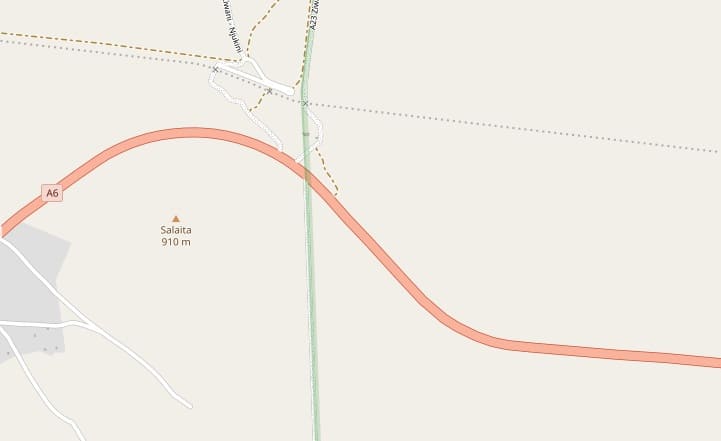
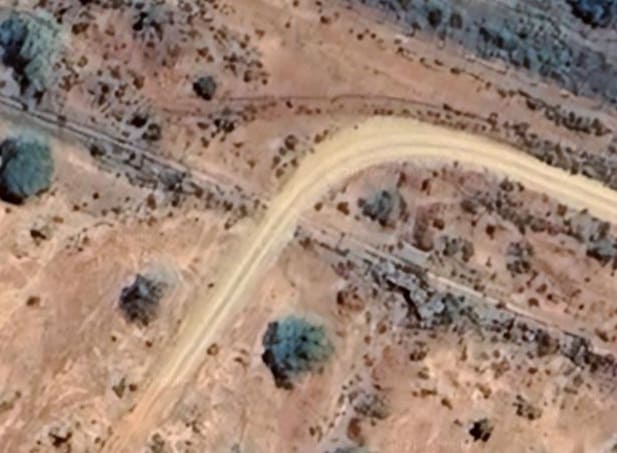
Travelling West-northwest the line crosses the route of the Ziwani-Mtito Andei road which seems to have had a variety of alignments over time. Three crossing points are marked. The most westerly of these appears to still be in use today. Two photographs appear below. [15]The crossing point on the Ziwani-Mtito Andei road. [Google Maps, April 2026]
Two photographs taken on the Ziwani-Mtito Andrei road. That on the left looks back East, that below looks West along the line. [Google Streetview, April 2024]
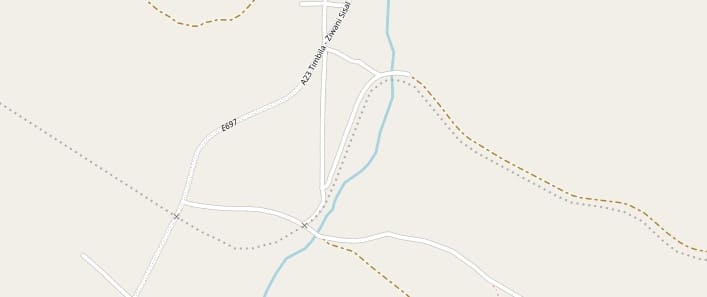
Further West, this is the next length of the line. [16]And this is the next length of the line, bearing first to the Northwest, then South-southwest, then Northwest again. The line can be seen crossing the E697 road towards the left of this extract. [17]Little seems to remain of the bridge which once spanned the waterway, shown on the map above. [Google Maps, April 2026]
Two photographs taken from the E697 level-crossing; that on the left was taken facing East, that below was taken facing West. [Google Streetview, April 2024]
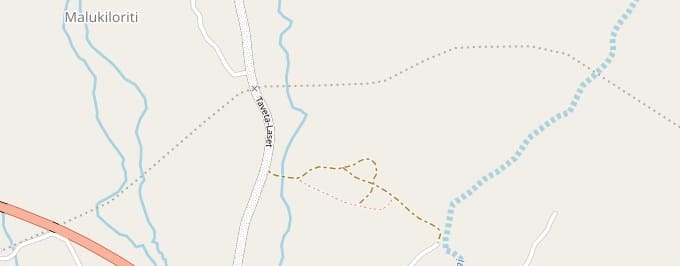
Further West again, the line crosses the Taveta-Laset road before running under the A6/A23. The bridge carrying the main road appears in the bottom-left corner of this map extract. [18]
On the left, a view looking back east along the old railway and below the view looking Southwest along the line. [Google Streetview, April 2024]
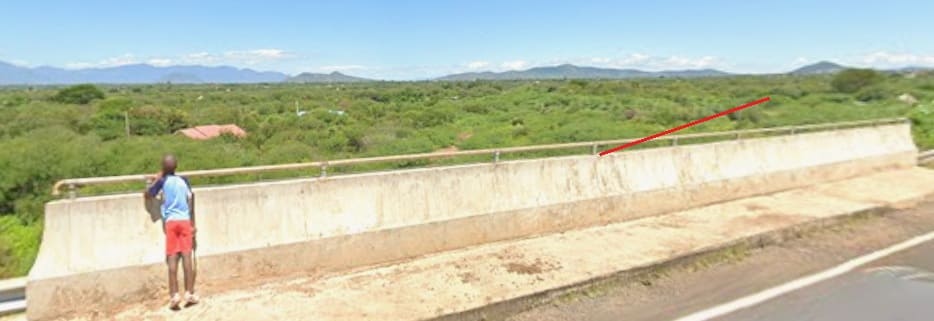
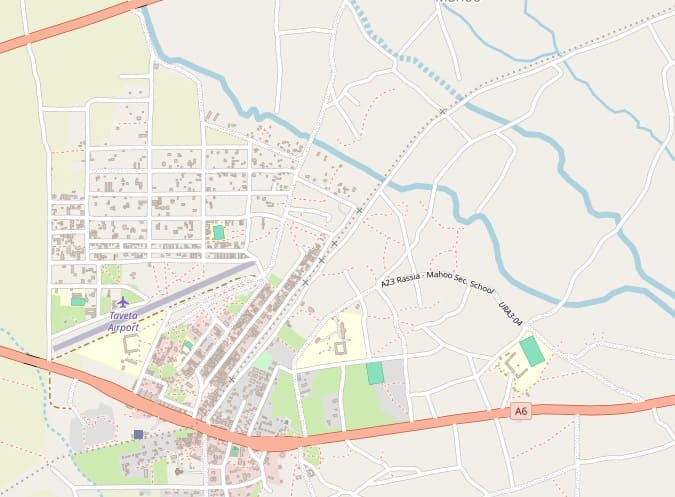
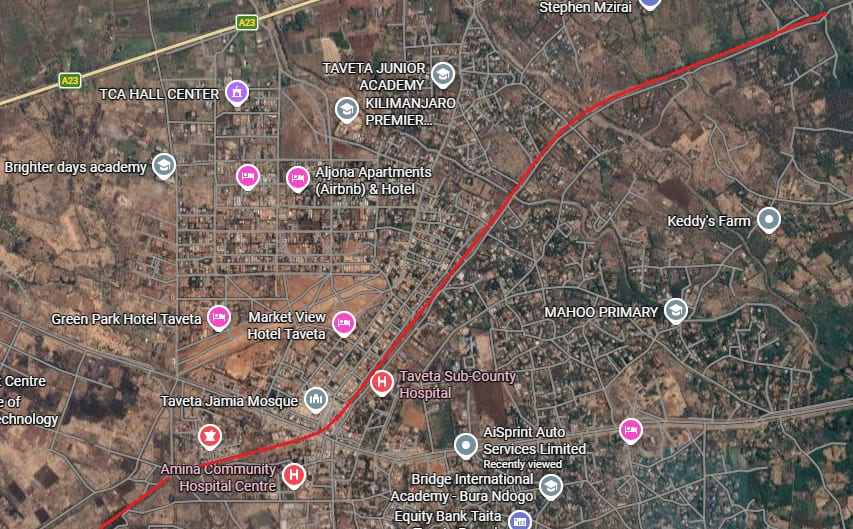
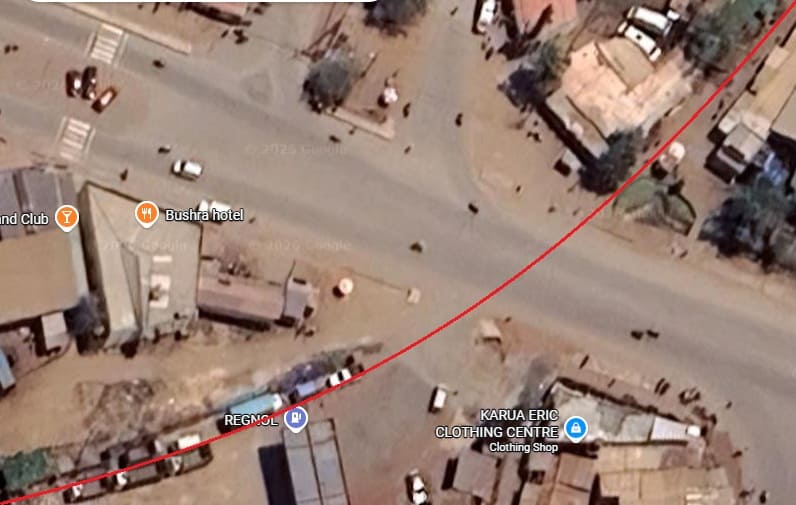
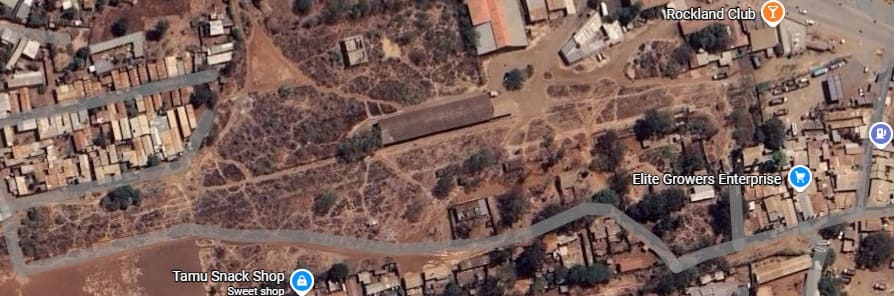
The bridge carrying the modern A6/A23 across the line of the old railway. [Google Maps, April 2026]Looking back, East-northeast along the line of the old railway. There appear to no obvious traces of the line, although, admittedly, photographs only look out from the bridge deck and the A23. [Google Streetview, April 2024]Looking Westsouthwest towards Taveta along the line of the old railway. Again, appear to no obvious traces of the railway. [Google Streetview, April 2024]Taveta as shown on Openstreetmap.com. The Railway Station is marked by the blue square. [11]The red line shows the route of the old railway through Taveta, [Google Maps, April 2026]The road crossing at the Northeast end of Taveta Railway Station site. [Google Maps, April 2026]Looking Northeast from the crossing of the A6 at the Northeast end of the Taveta Railway Station site. [Google Streetview, August 2022]Looking Southwest into the Taveta Railway Station site. While the water tower is visible, the station building is hidden behind the sheds on the right of this image. [Google Streetview, August 2022]Looking Southwest into the Taveta Railway Station site again, this time from just to the Southeast of the rail crossing. While the water tower is still visible, the slight change in the camera location allows the the station building to be seen on the right of this image. [Google Streetview, August 2022]Taveta Railway Station site as shown on Openstreetmap.com. [11]The same area on Google’s satellite imagery [Google Maps, April 2026]
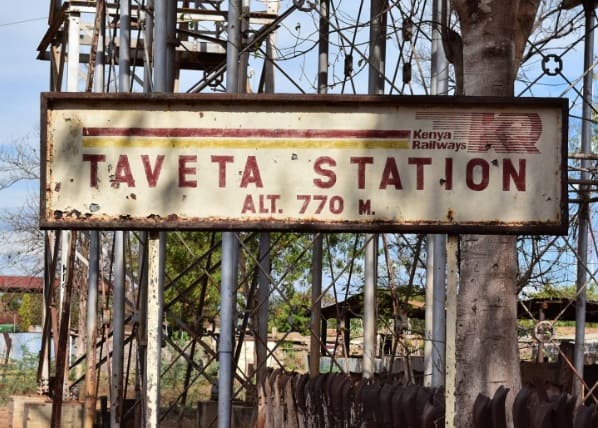
Taveta Railway Station Nameboard, (c) Chao Taylana Maina [10]
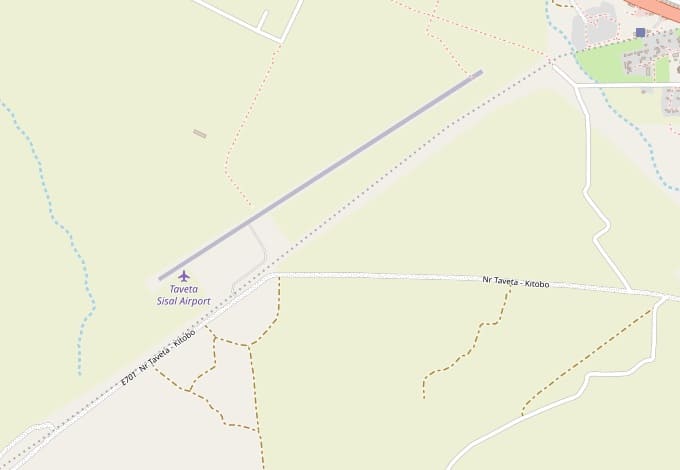
This next extract from the mapping of Openstreetmap,com shows the line of the old railway running Southwest from Taveta Railway Station (again shown by the blue square), then to the Southeast of Taveta Sisal Airport. []
Two images which are typical of the length of line shown on in the map extract above, The first is on the left the second on the right. [Google Maps, April 2026]
This next extract from Openstreetmap shows the next length of the line. [20]
This sequence of extracts from Google’s satellite imagery shows the line running across the map extract above. The first two, on the left and below show the line in the first quarter of the map from the right. The third image is from a location at the third point from the left. The fourth, fifth and sixth images show locations on the left half of the map. [Google Maps, April 2026]
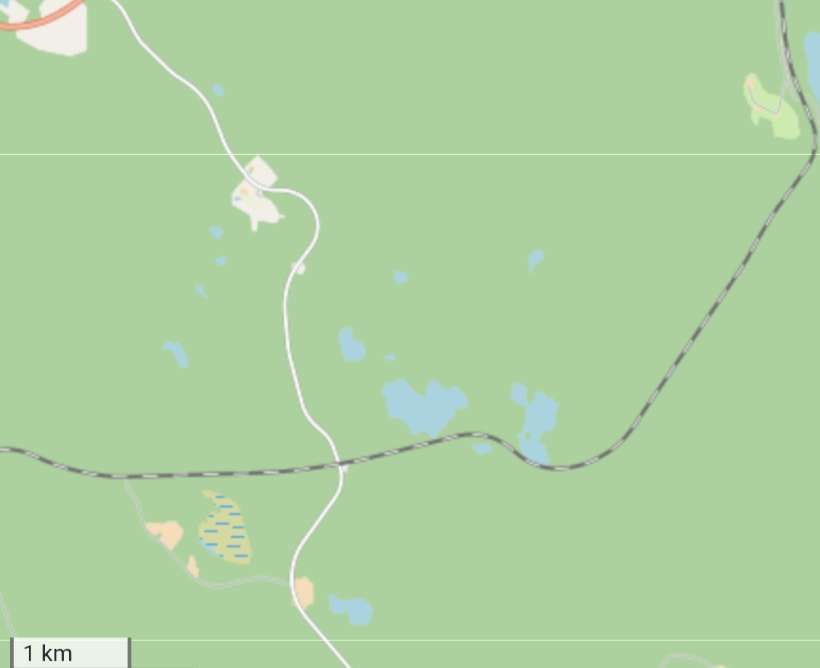
The last six images are extracts from Google’s satellite imagery which come from the length of the old railway shown on the map extract above, [Google Maps, April 2026]This next extract from Openstreetmap shows the line travelling Southwest and crossing the Kenya/Tanzania border (the pink line), [22]
The next four satellite images are relatively typical of the route of the railway across the map extract above.
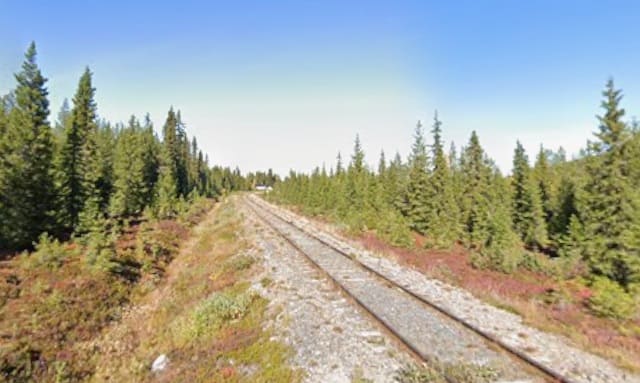
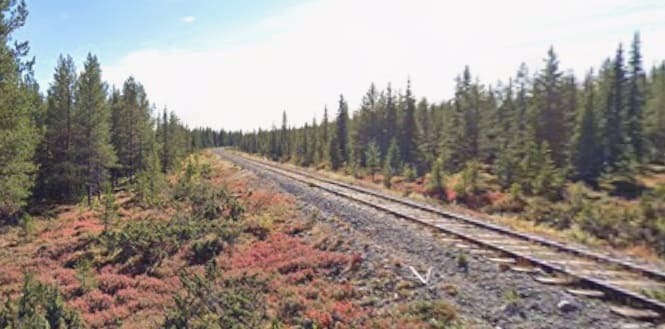
The line can be seen heading from top-right to bottom-left across this satellite image, [Google Maps, April 2026]Similarly, here, the line runs top-right to bottom-left. [Google Maps, April 2026]
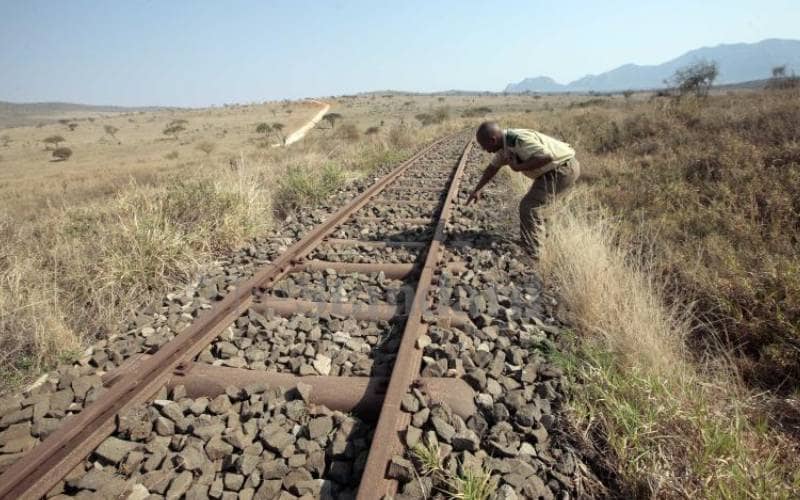
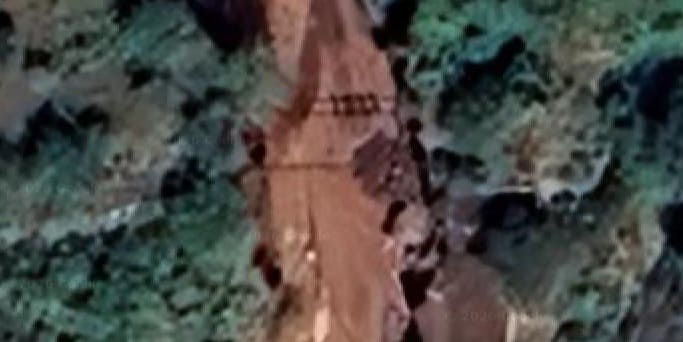
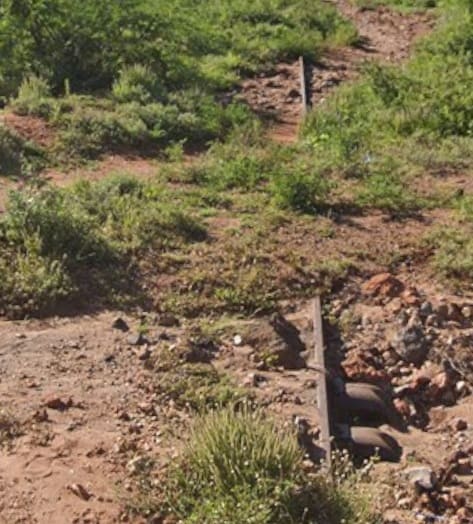
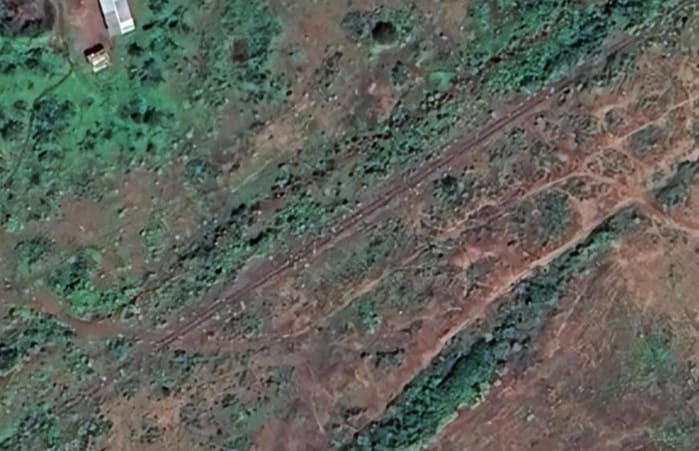
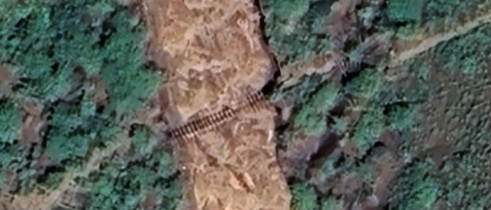
Bridges under the line have in many cases been washed away. The image below shows one such location – here as elsewhere, the railway tracks and metal sleepers span the gap but unsupported.
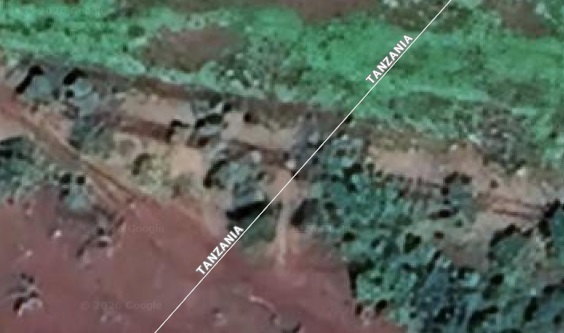
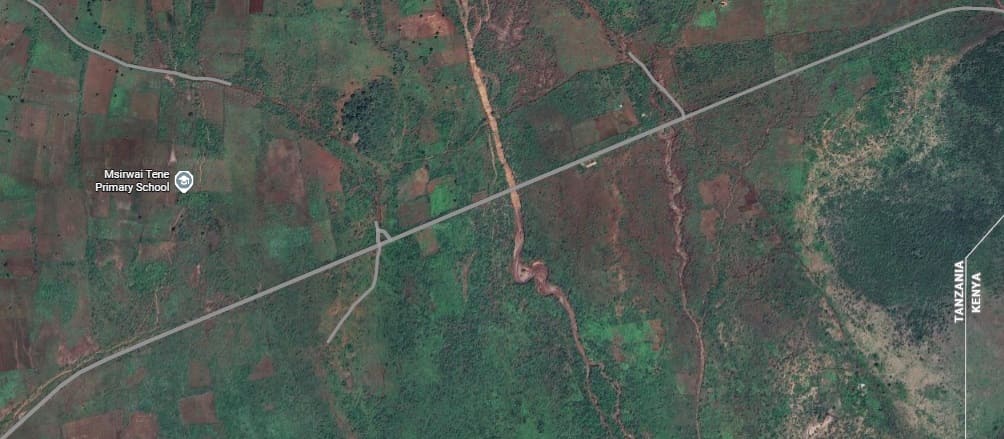
On the left, railway tracks left spanning a gap where a bridge once sat. Below, the railway crosses the international border. [Google Maps, April 2006]
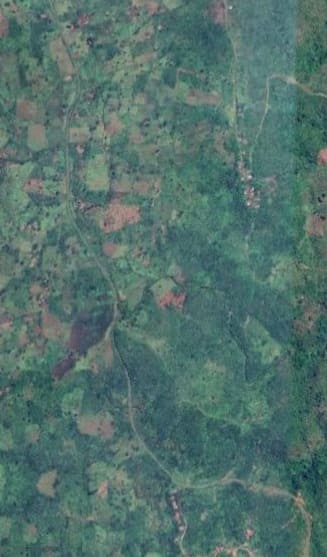
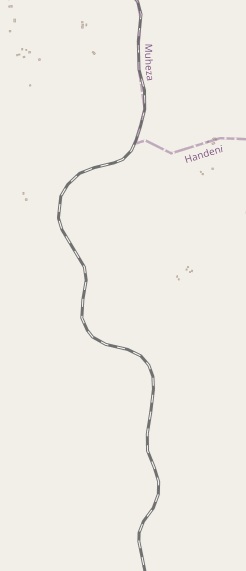
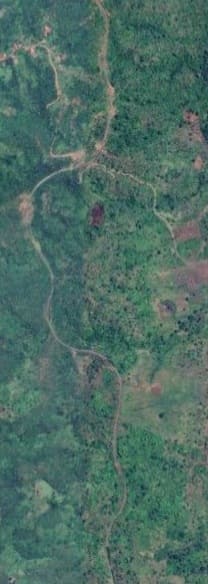
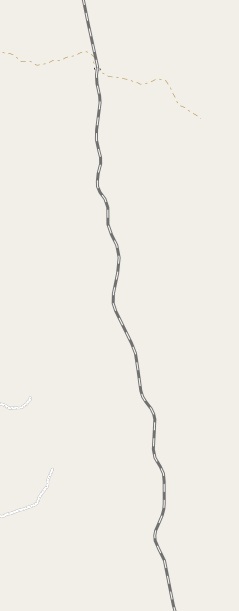
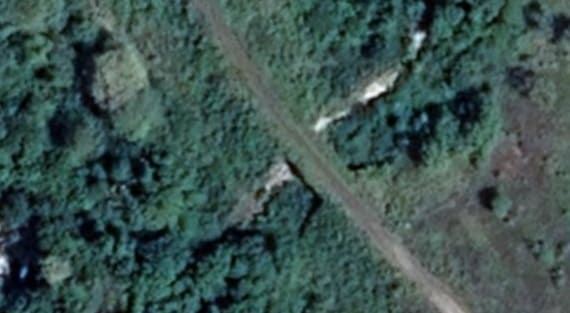
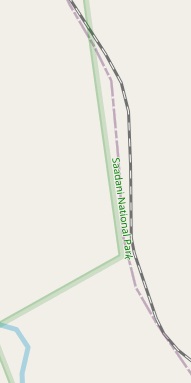
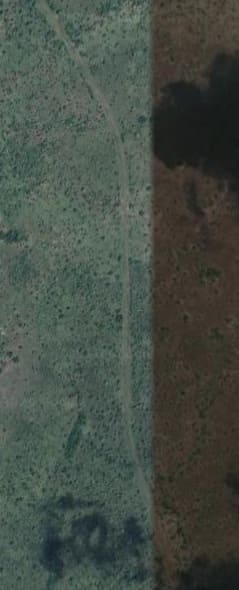
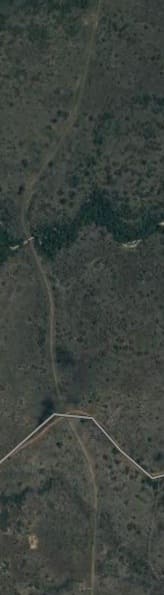
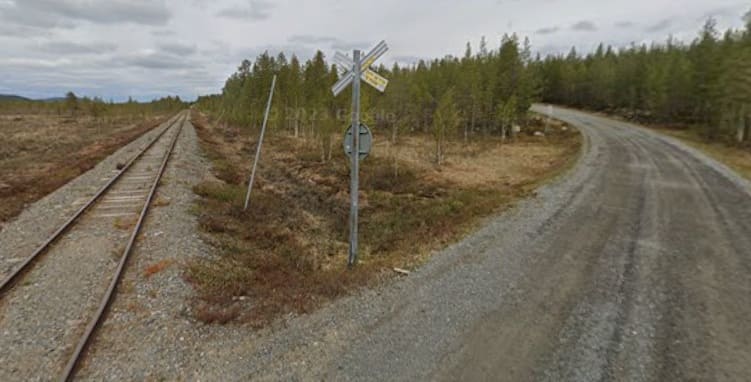
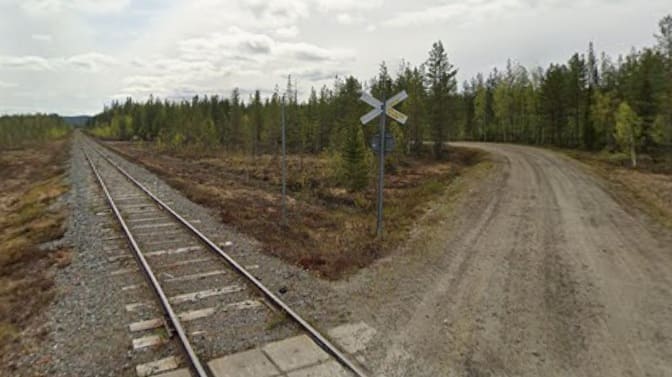
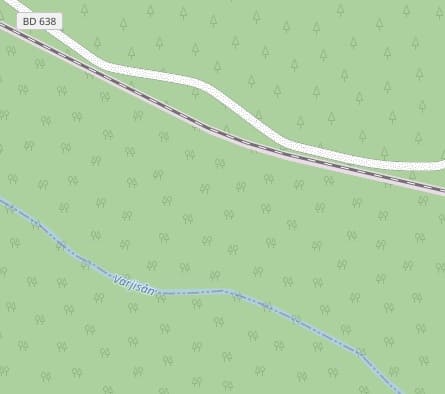
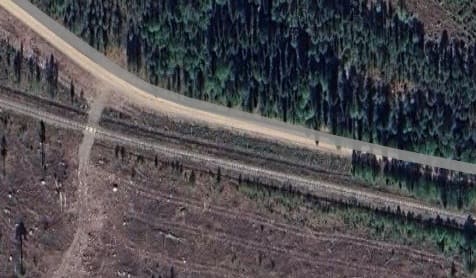
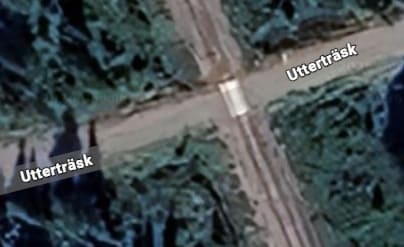
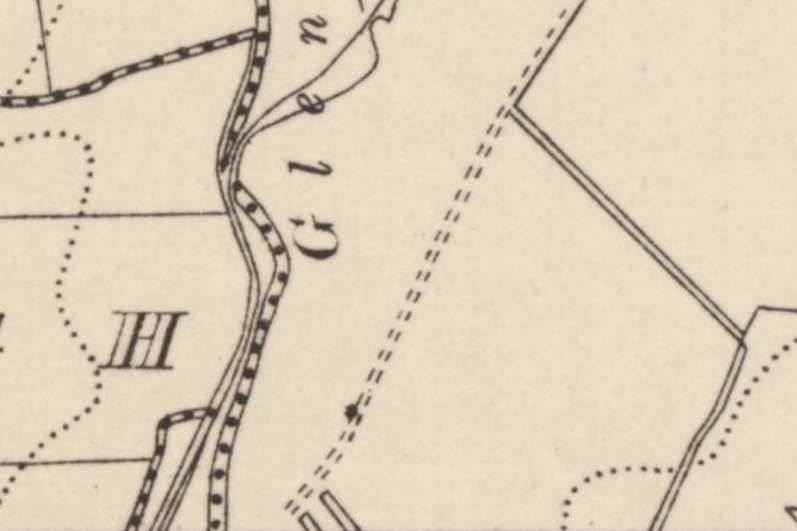
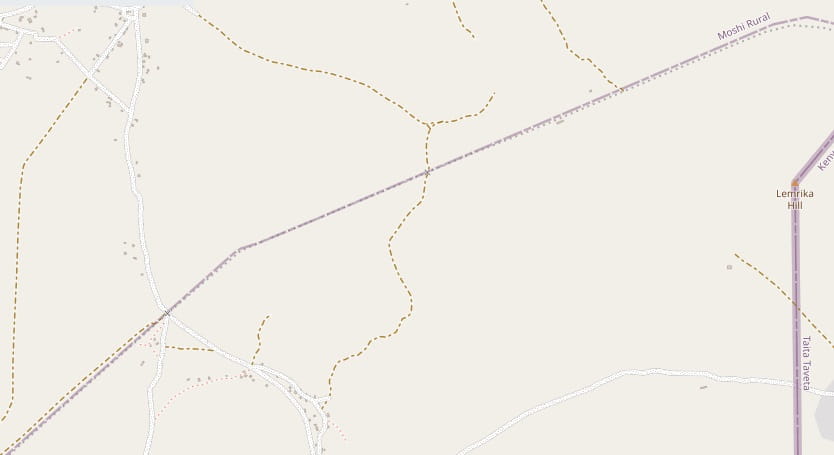
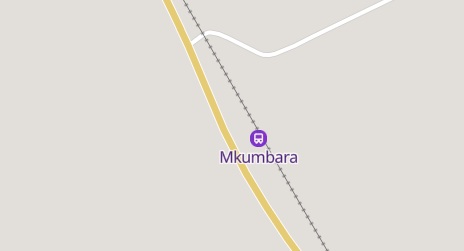
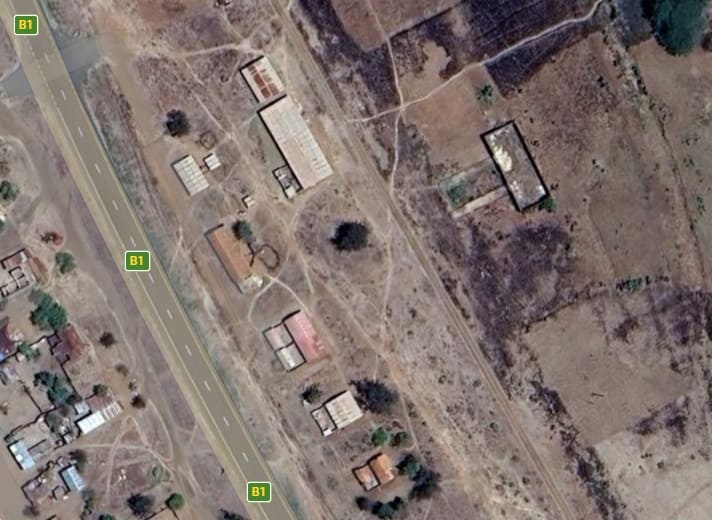
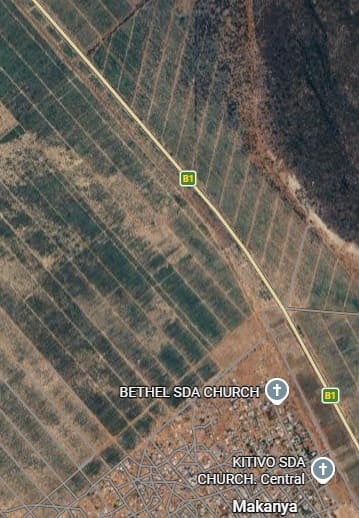
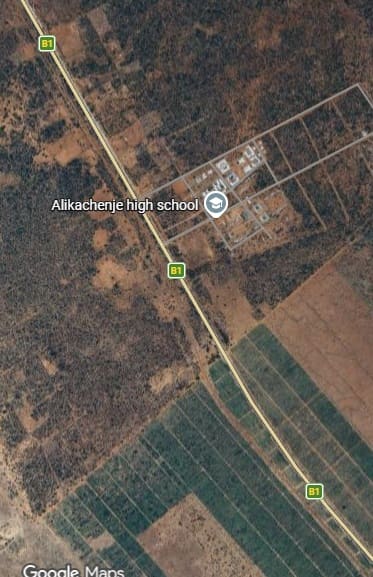
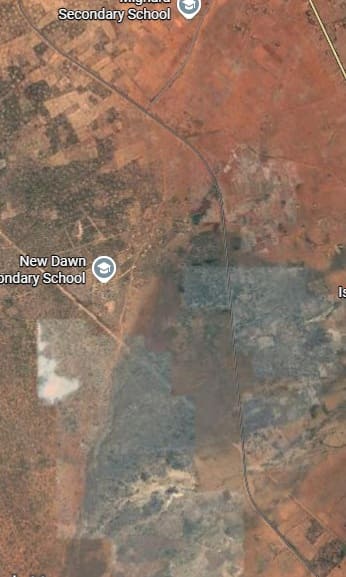
In Tanzania, the route of the railway line follows the border between Moshi Rural and Mwanga provinces in Tanzania. [23]Approximately the same area as it appears on satellite imagery in the 21st century. The route of the old railway is marked by the grey line, approximately at the centre of this image, the route of the line crosses a water course. [Google Maps, April 2026]
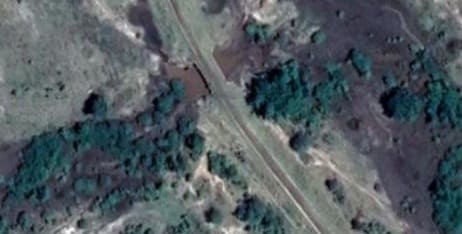
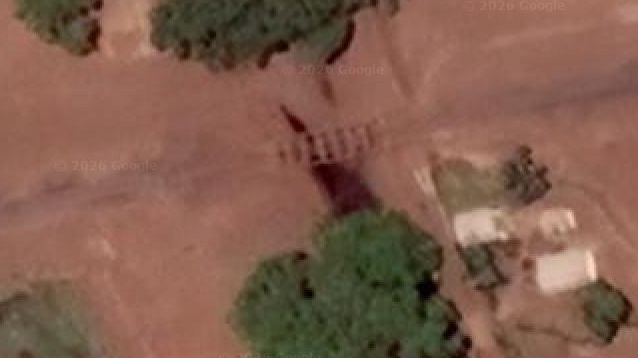
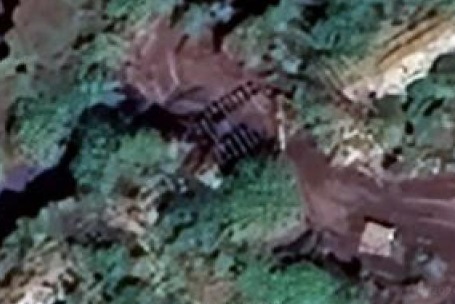
Another example of a river crossing where the the superstructure of the bridge/culvert has been washed away, [Google Maps, April 2026]
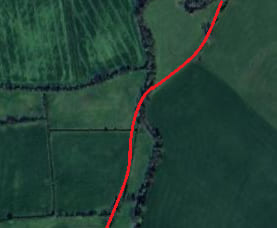
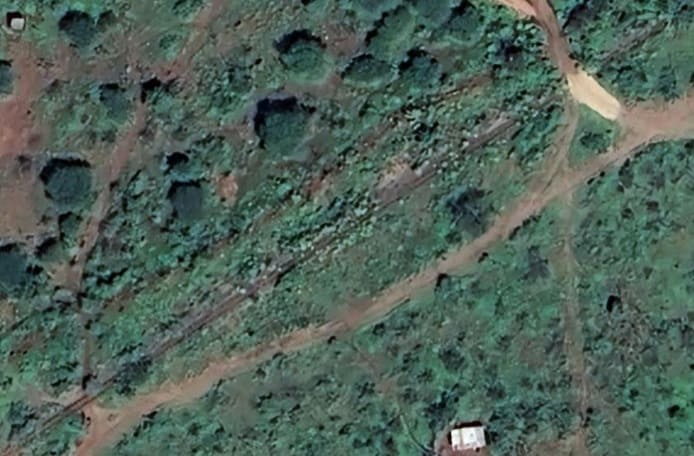
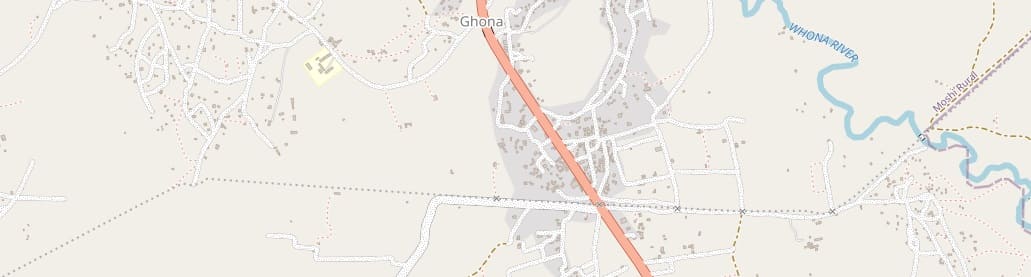
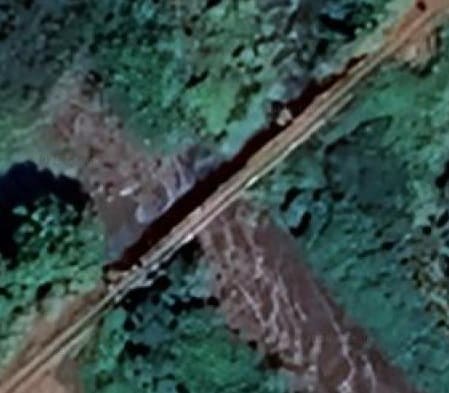
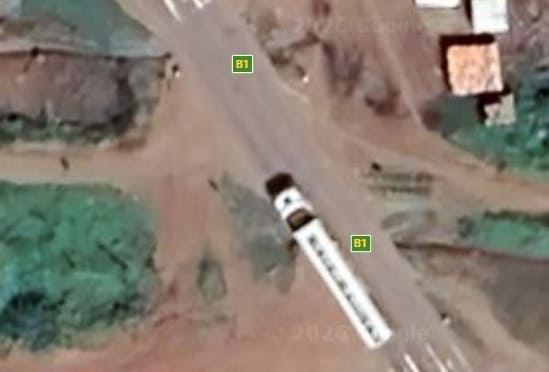
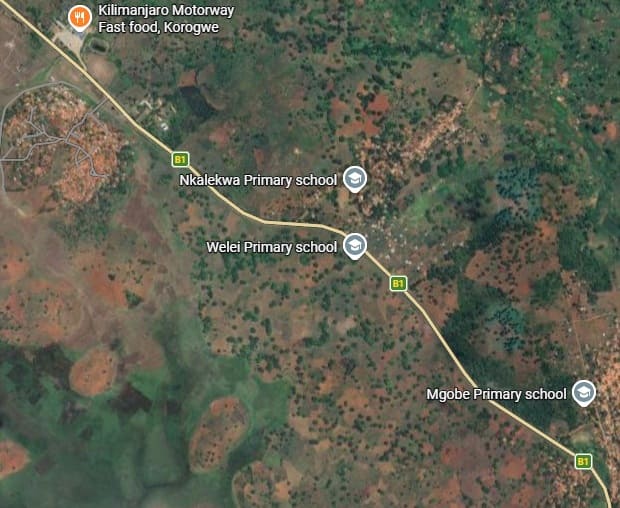
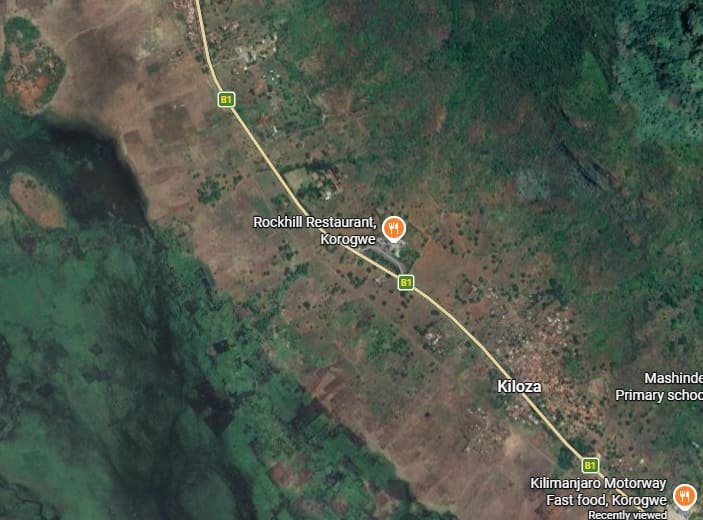
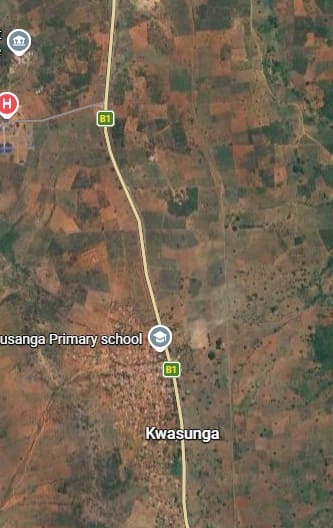
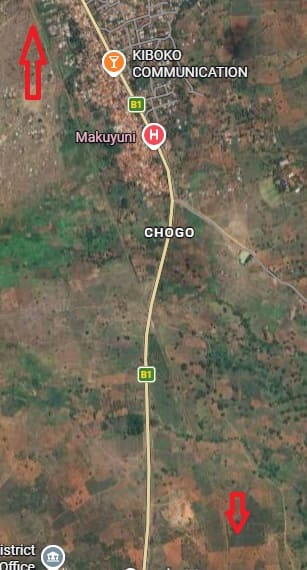
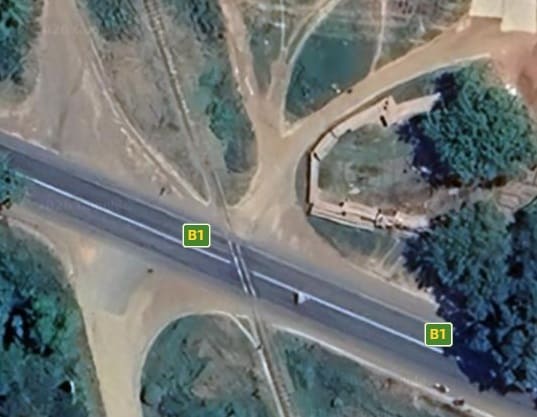
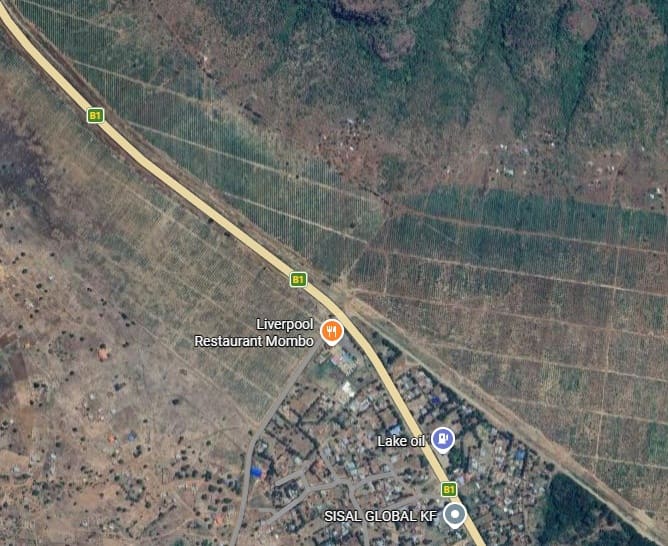
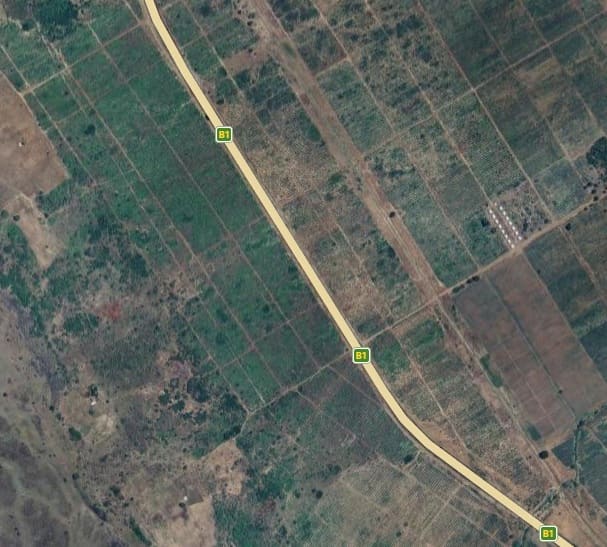
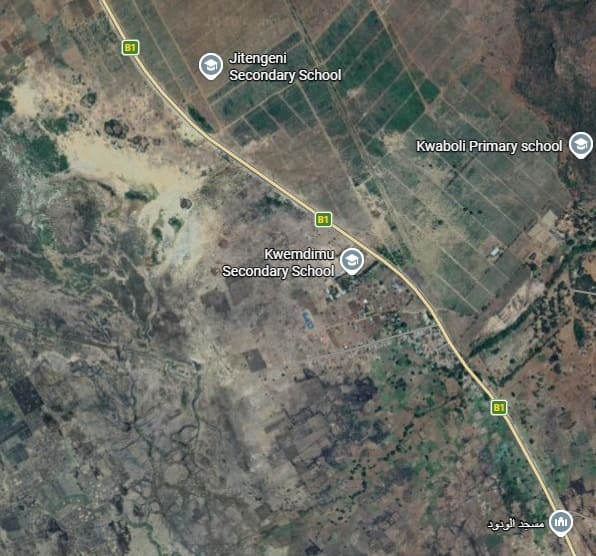
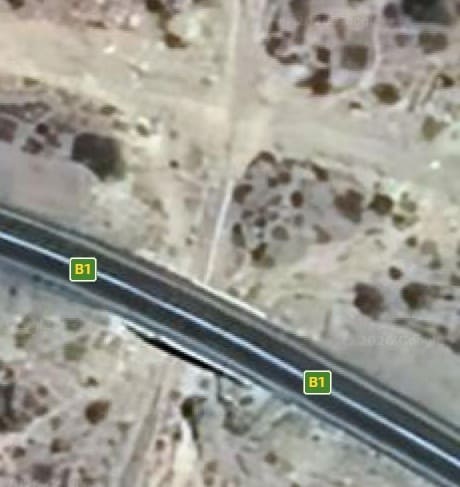
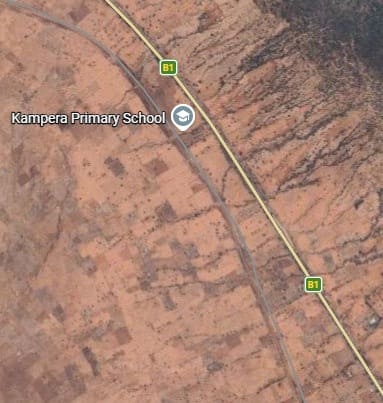
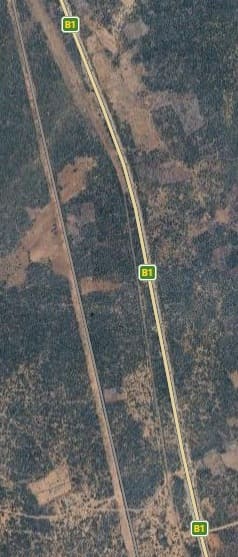
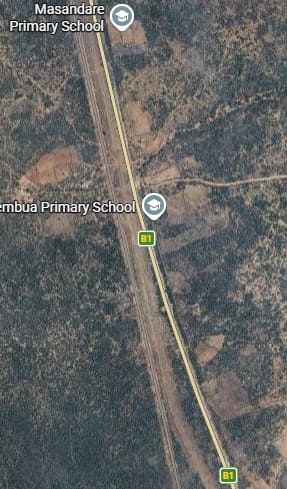
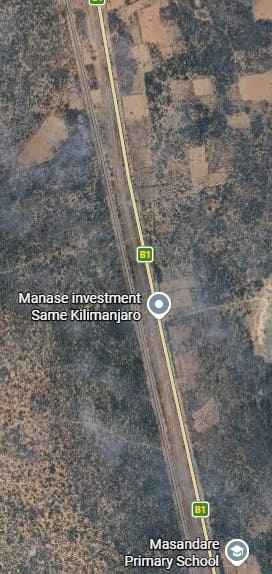
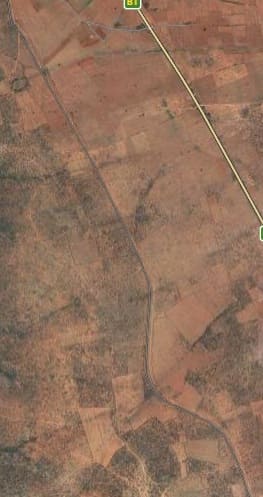
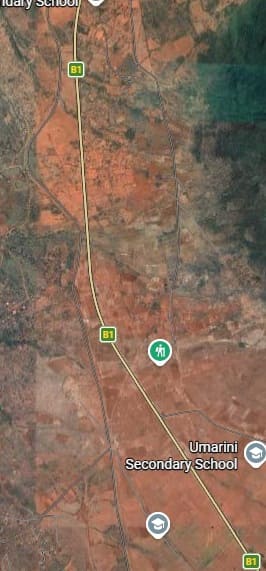
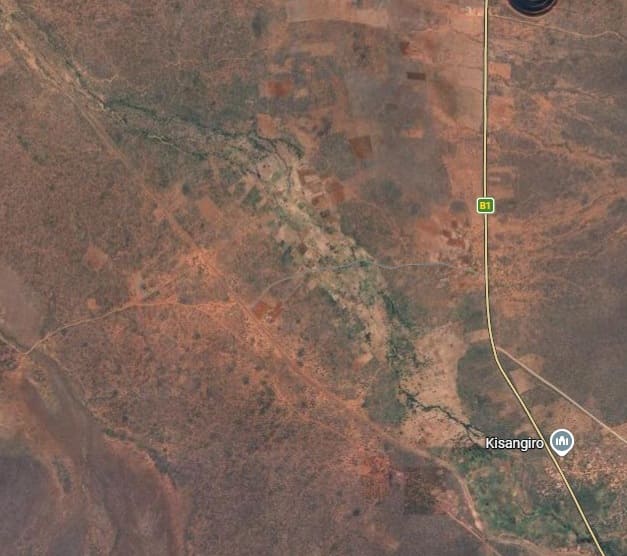
The old railway route can be seen crossing the Whona River in the top-right of this next image, then turning to the West and crossing the T2/B1 on the South side of Ghona and then heading away West and then Southwest. [24]Approximately the same length of the line as appears on the map extract above. The line follows the grey line across the image from the top-right corner along the South side of Ghona, but where the road turns sharply to the South, the lie continues on the same westerly bearing before curving to the Southwest close to the edge of this image. [Google Maps, April 2026]
Now in Tanzania, no Google Streetview images are available.
The bridge crossing the Whona River still stands. Just to the Southwest of this bridge the railway curves round to the West and passes on the South side of Ghona. [Google Maps, April 2026]
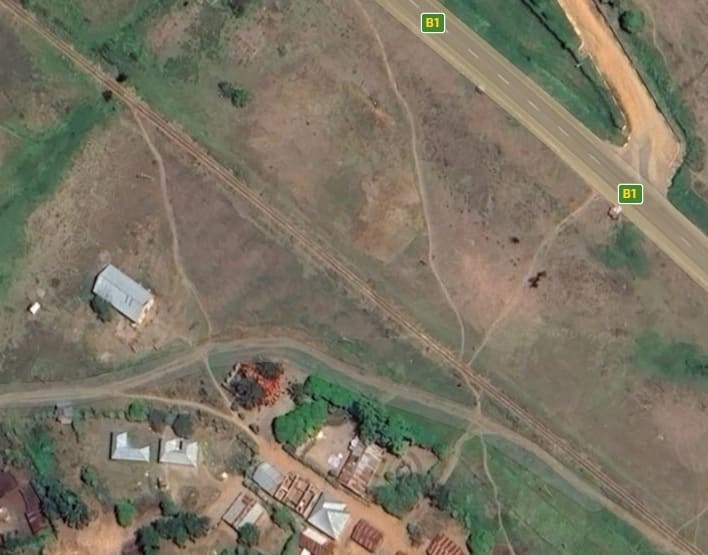
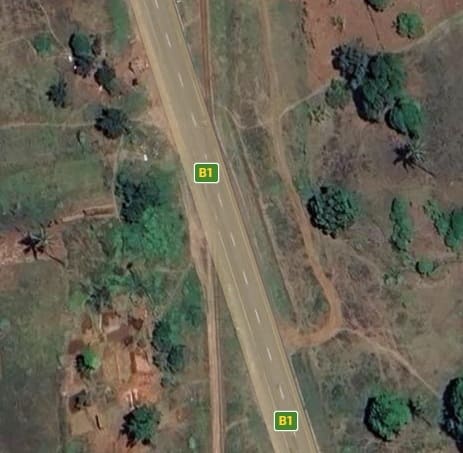
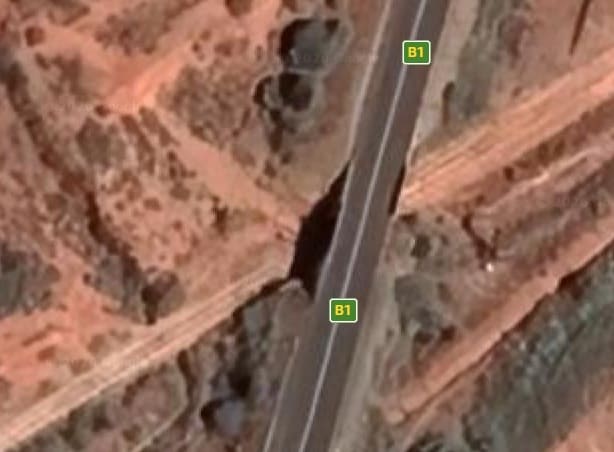
The crossing point on the B1/T2 to the South of the centre of Ghona. Either side of the crossing little is visible of the rails and sleepers of the old railway, but immediately adjacent to the road (on its East side) a short length is visible. [Google Maps, April 2026]
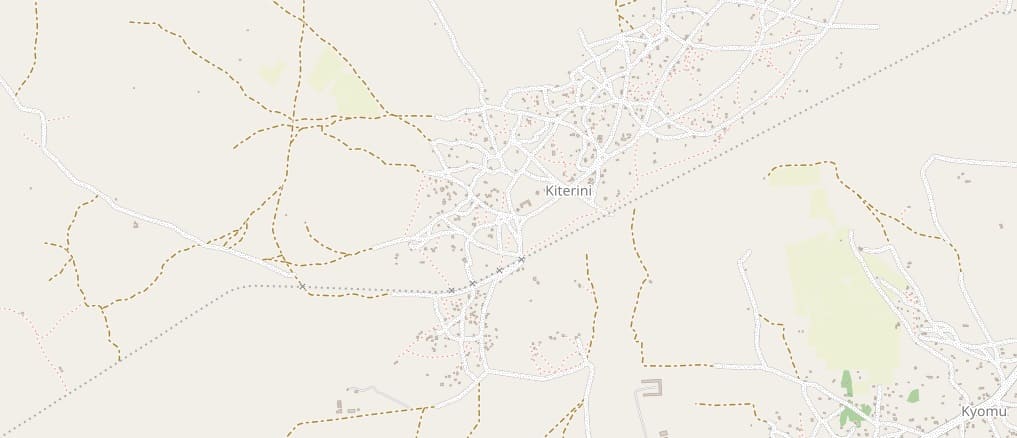
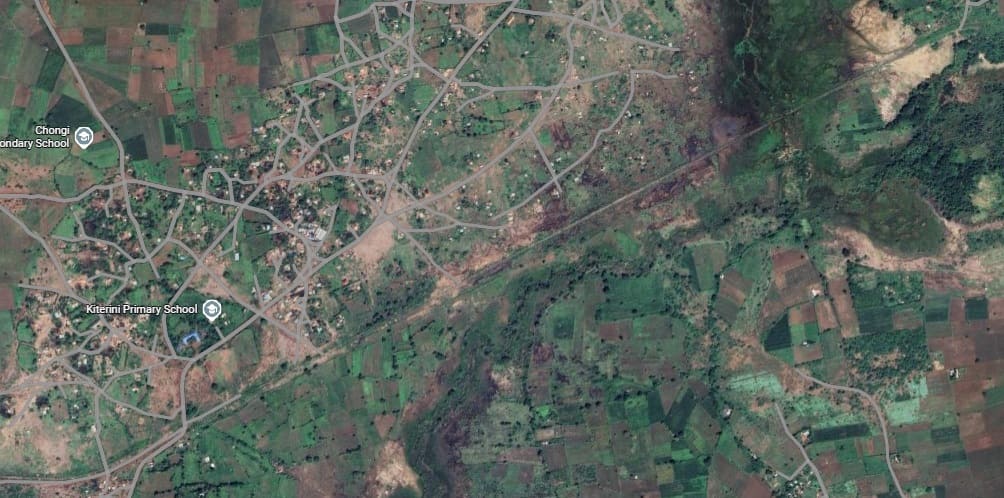
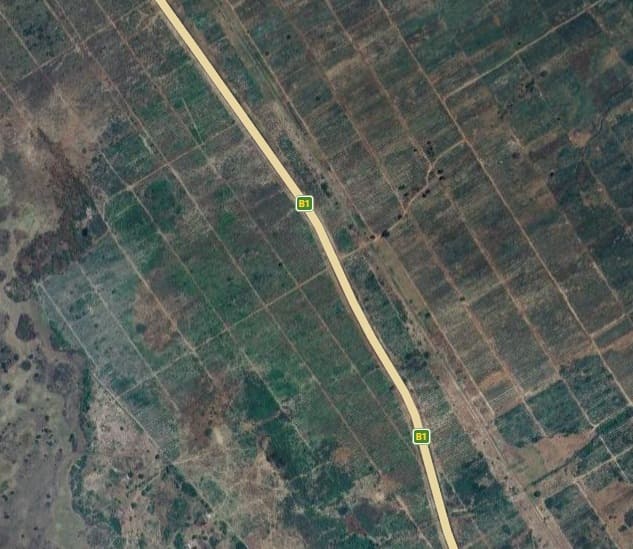
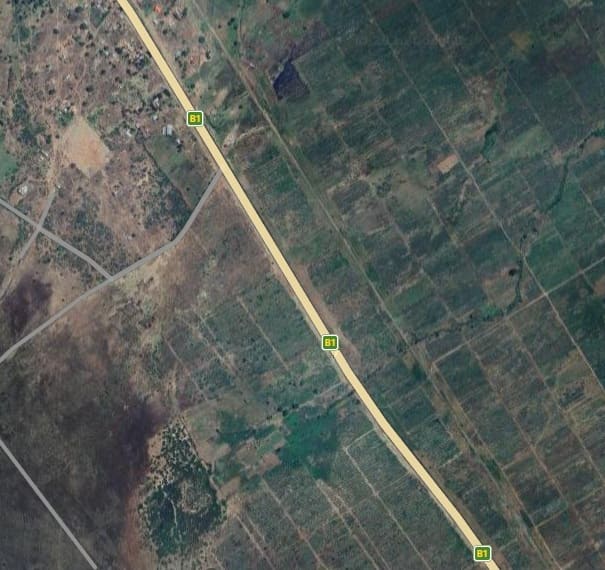
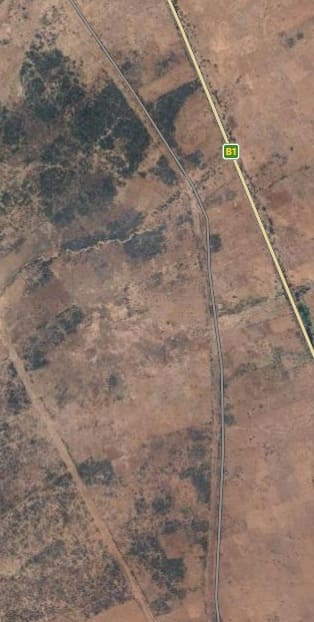
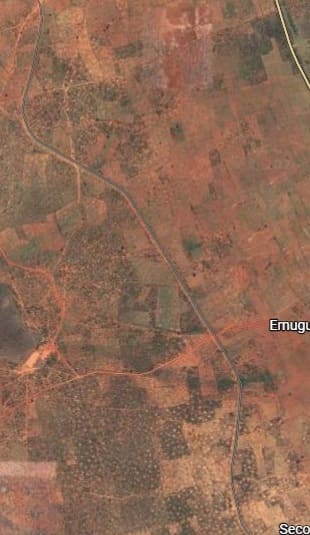
The line heads Southwest from Ghona running to the Southeast of Kiterini. [24]This satellite image covers the first half of the map immediately above. The line continues in a Southwest direction from the top-right of this image to close to the bottom-left where it turns to the West. [Google Maps, April 2026]
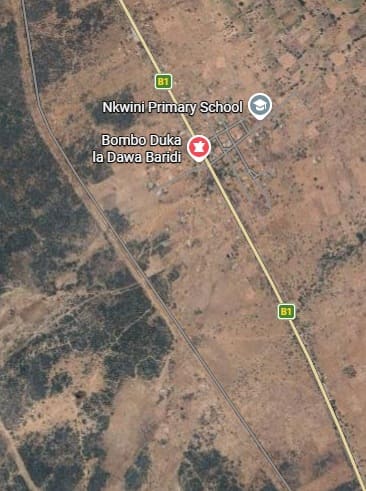
The remainder of the length of the line covered by the Openstreetmap extract above. [Google Maps, April 2026]
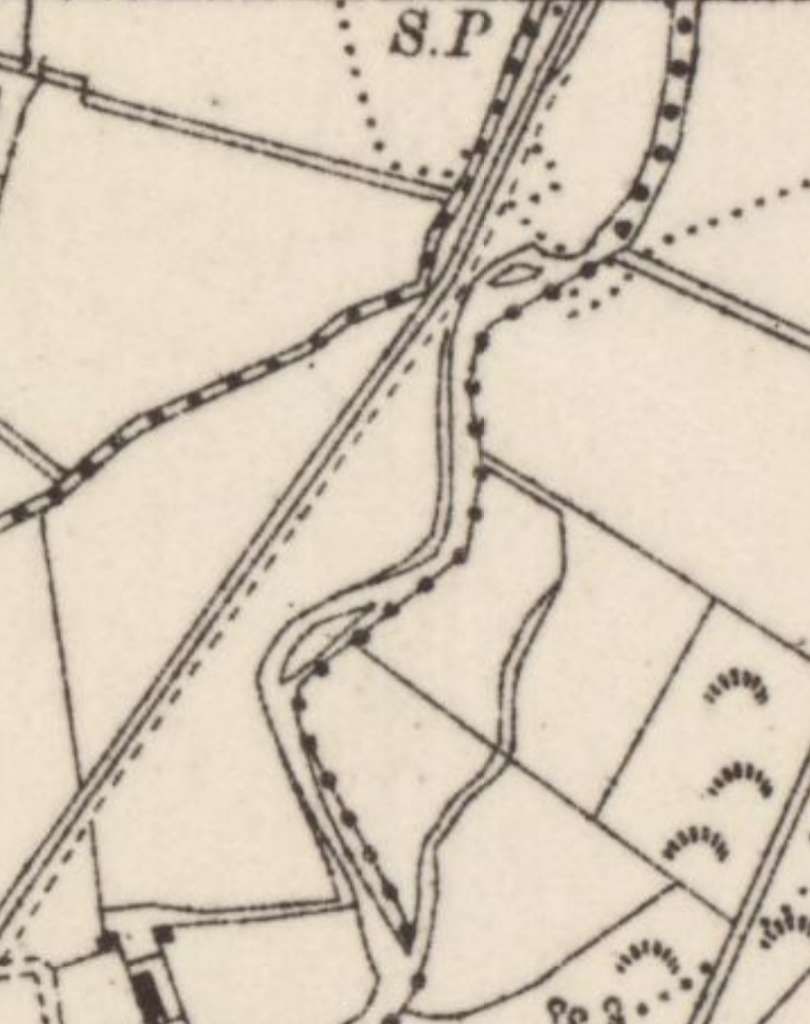
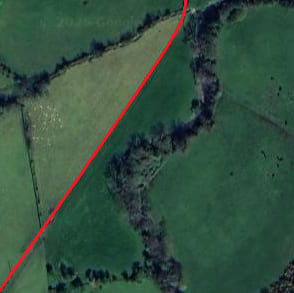
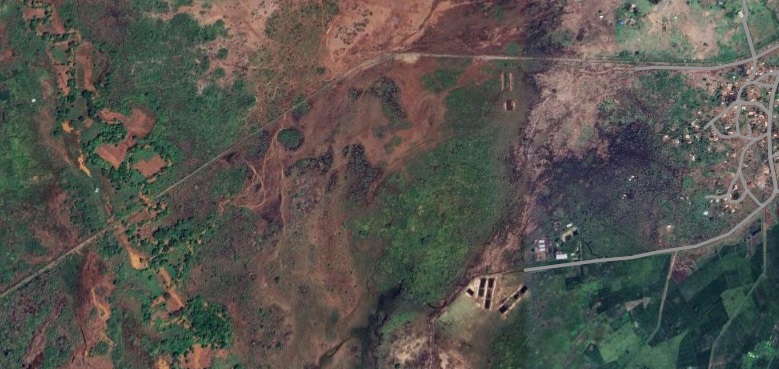
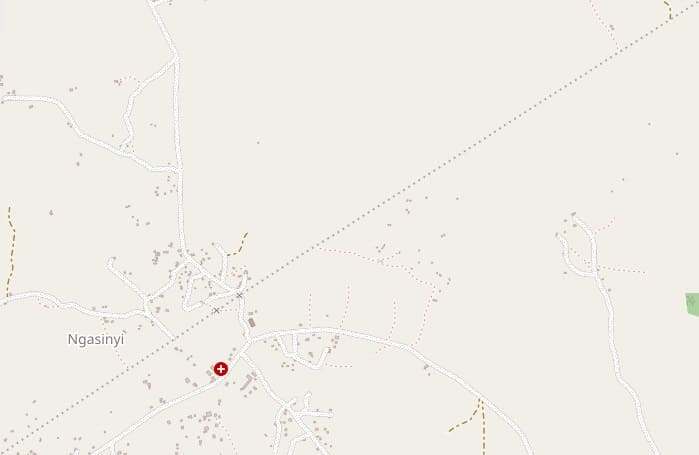
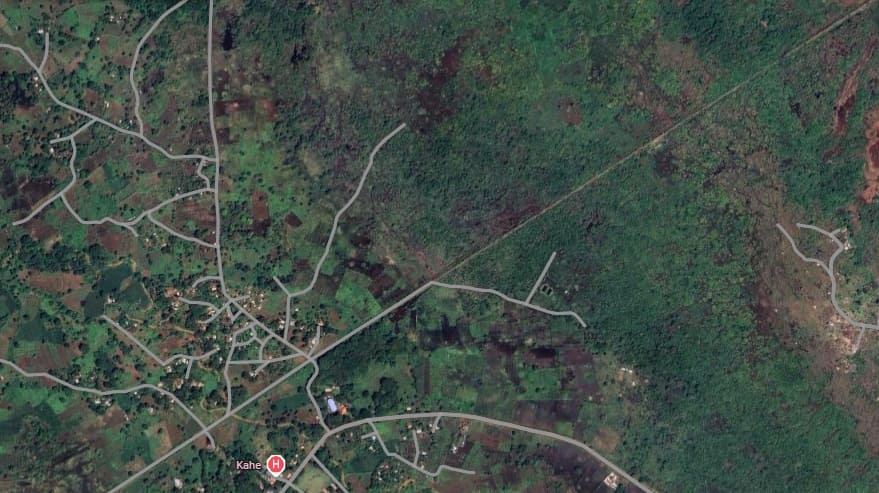
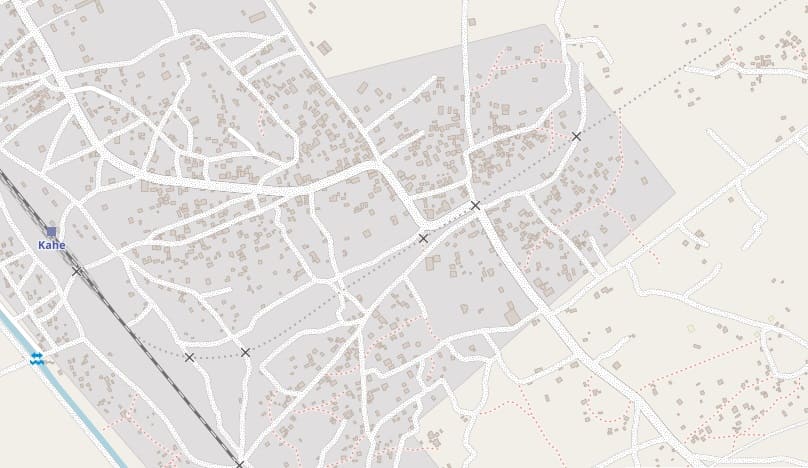
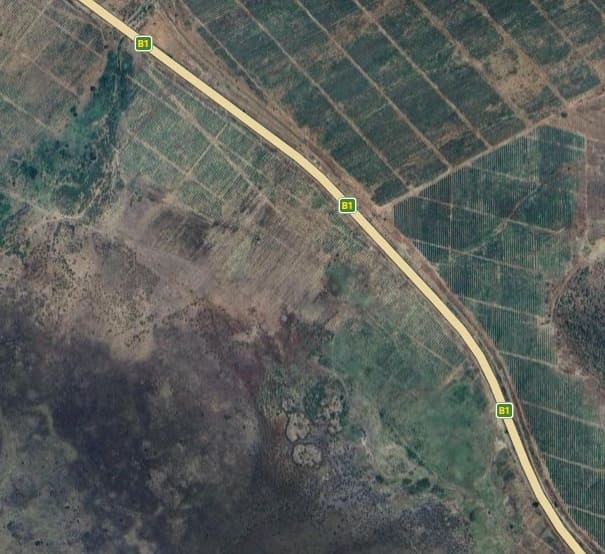
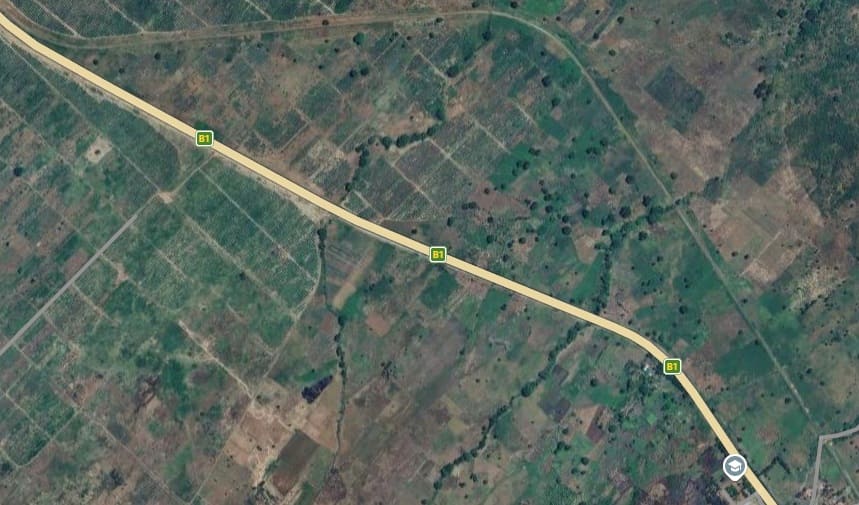
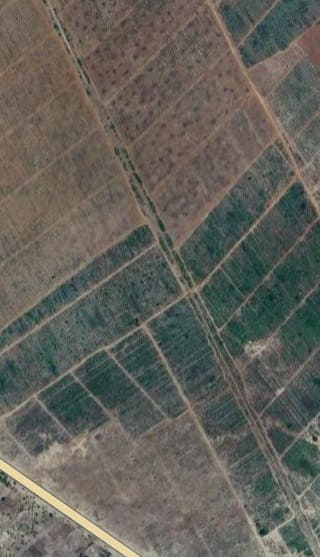
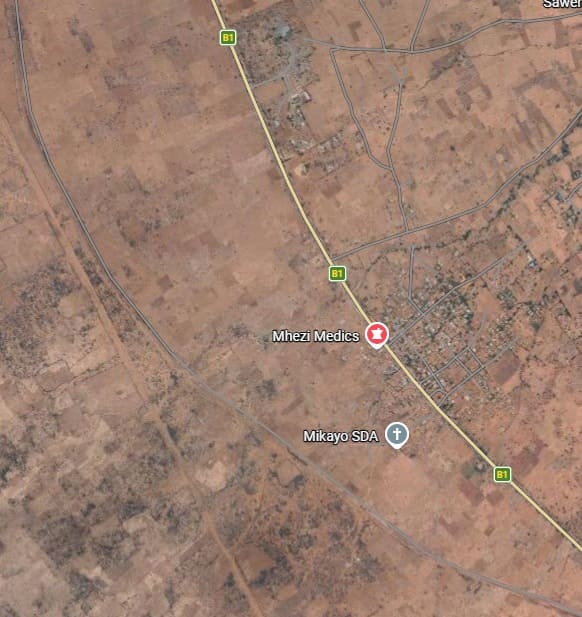
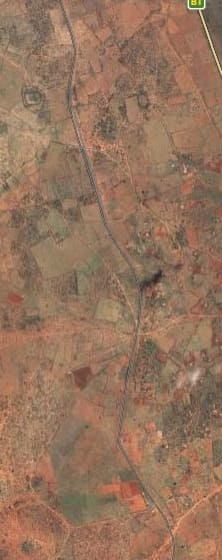
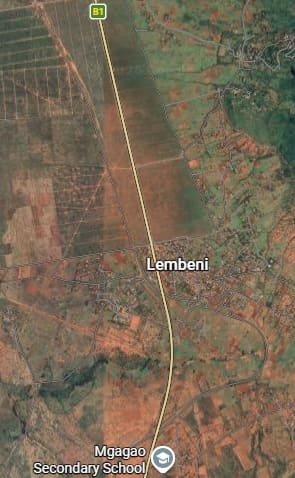
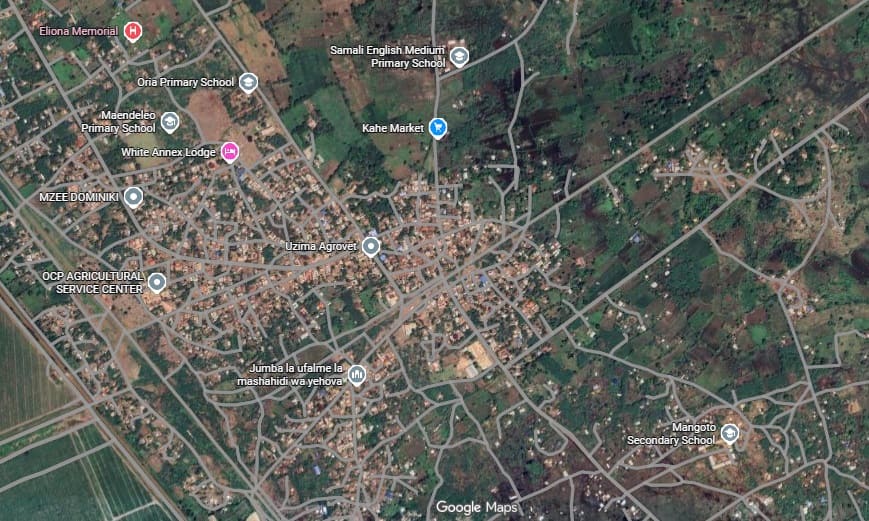
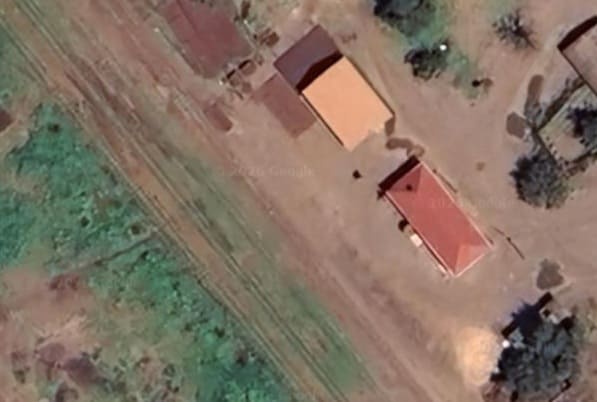
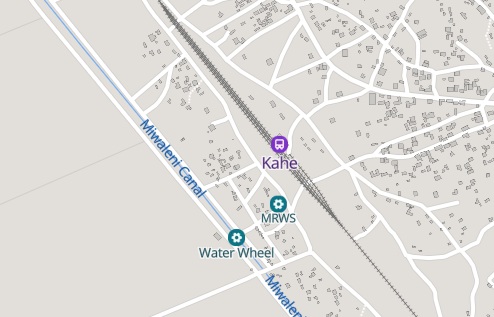
The line continues Southwest through Ngasinyi. [25]A similar area shown on Google’s satellite imagery. The line runs from the top-right to close to the bottom-left of the image. [Google Maps, April 2026]The line runs Southwest down to the Usambarabahn (the Tanga Line) at Kahe. [26]Approximately the same area again, The route of the old railway enters at the top-right apex and runs diagonally on the same bearing to what was a triangular junction with the Tanga Line which runs Northwest across the bottom-left corner of the image. [Google Maps, April 2026]
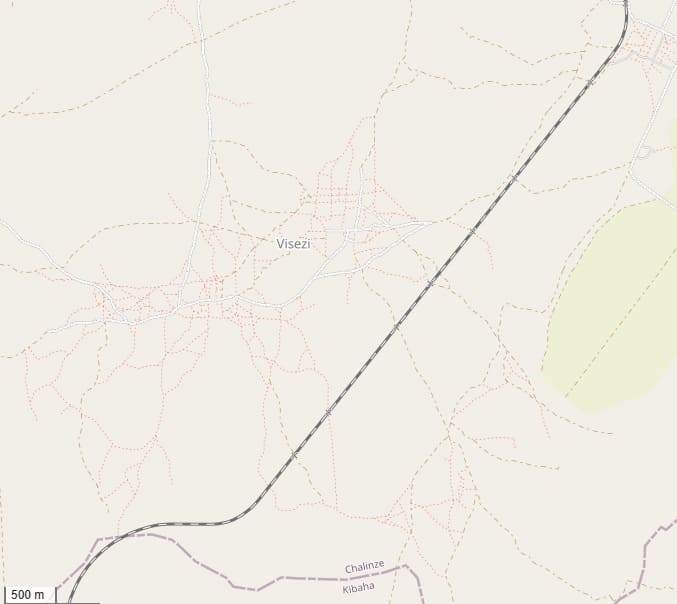
The route of the Usambarabahn from Tanga to Moshi can be followed here [27]
Egyptian National Railways (Al-Sikak al-Ḥadīdiyyah al-Miṣriyyah) is the national railway network of Egypt. Founded in 1854, it is the oldest railway system in Africa and the Middle East. [1] Much of what follows comes from the Wikipedia article about Egypt’s national railway network [1] and from Hugh Hughes book, ‘Middle East Railways’, published by the Continental Railway Circle. [3] Other sources include Grace’s Guide, [6] the Egyptian Government [7] and the Institute of Developing Economies. [8]
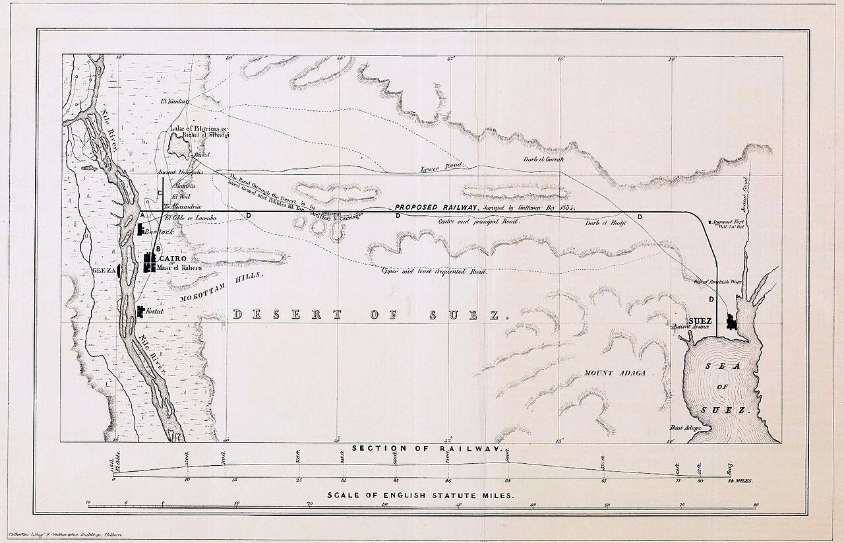
Wikipedia tells us that, “In 1833, Muhammad Ali Pasha considered building a railway between Suez and Cairo to improve transit between Europe and India. Muhammad Ali had proceeded to buy the rail when the project was abandoned due to pressure by the French who had an interest in building a canal instead.” [1] The route of the planned railway is shown in the first image below.
The proposed railway of 1833 which was not built. [1]
“Muhammad Ali died in 1848, and in 1851 his successor Abbas I contracted Robert Stephenson to build Egypt’s first standard gauge railway. The first section, between Alexandria on the Mediterranean coast and Kafr el-Zayyat on the Rosetta branch of the Nile was opened in 1854. [3: p12] This was the first railway in the Ottoman Empire as well as Africa and the Middle East. [4] In the same year, Abbas died and was succeeded by Sa’id Pasha, in whose reign the section between Kafr el-Zayyat and Cairo was completed in 1856 followed by an extension from Cairo to Suez in 1858. [3: p12] This completed the first modern transport link between the Mediterranean and the Indian Ocean, as Ferdinand de Lesseps did not complete the Suez Canal until 1869. [1]
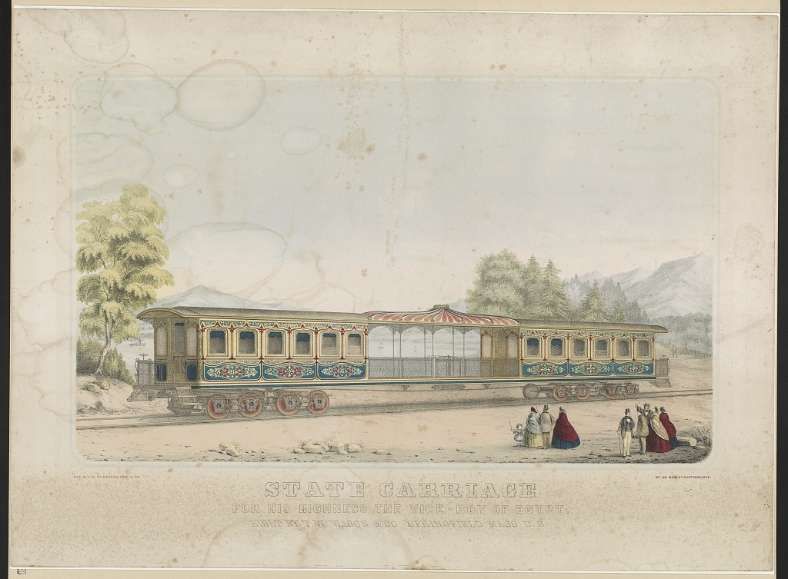
A state carriage by Wason Manufacturing built for Sa’id Pasha for state functions which was included with 161 less ornate railcars sent by the company in 1860. [1][2: p70]
“At Kafr el-Zayyat the line between Cairo and Alexandria originally crossed the Nile with an 80 feet (24 m) car float. [3: p17] However, on 15th May 1858 a special train conveying Sa’id’s heir presumptive Ahmad Rifaat Pasha fell off the float into the river and the prince drowned. [3: p17] Stephenson therefore replaced the car float with a swing bridge nearly 500 metres (1,600 ft) long. [3: p17] By the end of Sa’id’s reign branches had been completed from Banha to Zagazig on the Damietta branch of the Nile in 1860, to Mit Bera in 1861 and from Tanta to Talkha further down the Damietta Nile in 1863.” [1][3: p12]
“Sa’id’s successor Isma’il Pasha strove to modernise Egypt and added momentum to railway development. In 1865 a new branch reached Desouk on the Rosetta Nile and a second route between Cairo and Talkha was opened, giving a more direct link between Cairo and Zagazig. [3: p12] The following year a branch southwards from Tanta reached Shibin El Kom. [3: p12] The network started to push southwards along the west side of the Nile with the opening of the line between Imbaba near Cairo and Minya in 1867. [3: p15] A short branch to Faiyum was added in 1868. [3: p15] A line between Zagazig and Suez via Nifisha was completed in the same year. [3: p12] The following year the line to Talkha was extended to Damietta on the Mediterranean coast and a branch opened to Salhiya and Sama’ana.” [3: p12]
“Imbaba had no rail bridge across the Nile to Cairo until 1891. [3: p17] However, a long line between there and a junction west of Kafr el-Zayyat opened in 1872, linking Imbaba with the national network. [3: p12] From Minya the line southwards made slower progress, reaching Mallawi in 1870 and Assiut in 1874.[3: p15] On the west bank [as far as] Najee Hammady, [then] on east bank of the Nile till Aswan. A shorter line southwards linked Cairo with Tura in 1872 and was extended to Helwan in 1875. [3: p12] In the Nile Delta the same year, a short branch reached Kafr el-Sheikh and in 1876 a line along the Mediterranean coast linking the termini at Alexandra and Rosetta was completed.” [3: p12]
1877-1888
“By 1877, Egypt had a network of key main lines and the Nile Delta had quite a network, but with this and other development investments, Isma’il had gotten the country deeply into debt. For its first 25 years of operation Egypt’s national railway had never even produced an annual report. [3: p13] A Council of Administration with Egyptian, British and French members was appointed in 1877 to put the railway’s affairs in order. They published its first annual report in 1879, [3: p13] and in the same year, the British Government had Isma’il Pasha deposed, exiled and replaced with his son Tewfik Pasha. In 1882, the British essentially invaded and occupied Egypt.” [1]
With these developments, the Egyptian Railway Administration’s (ERA’s) rail network stagnated until 1888, but it also put its management in much better order. [3: p13] “In 1883 the ERA appointed Frederick Harvey Trevithick, nephew of Francis Trevithick, as Chief Mechanical Engineer. [3: p32][5] Trevithick found a heterogeneous fleet of up to 246 steam locomotives of many different designs from very different builders in England, Scotland, France and the USA. [3: p32] This lack of standardisation of locomotives or components complicated both locomotive maintenance and general railway operation.” [1][3: p32]
“From 1877 to 1888, the ERA struggled to keep up with even basic maintenance, [3: p13] but by 1887 Trevithick managed to start a programme to renew 85 of the very mixed fleet of locomotives with new boilers, cylinders and motion. [3: 32] He started to replace the others with four standard locomotive types introduced from 1889 onwards: one class of 0-6-0 for freight, one class of 2-4-0 for mixed traffic, one 0-6-0T tank locomotive for shunting and one class of only ten 2-2-2 locomotives for express passenger trains. [3: p32] Trevithick ensured that these four classes shared as many common components as possible, which simplified maintenance and reduced costs still further.” [1][3: p32]
1888-1914
“By 1888, the ERA was in better order and could resume expanding its network. In 1890, a second line between Cairo and Tura opened. [3: p12] On 15th May 1892, the Imbaba Bridge was built across the Nile, linking Cairo with the line south following the west bank of the river.” [3: p17] Grace’s Guide has the opening taking place in 1891. [6] “The civil engineer for the bridge was Gustave Eiffel. (It was reformed and renewed in 1924 which is still the only railway bridge across the Nile in Cairo.) Cairo’s main Misr Station was rebuilt in 1892. The line south was extended further upriver from Assiut reaching Girga in 1892, Nag Hammadi in 1896, Qena in 1897 and Luxor and Aswan in 1898. [3: p15] With the railroad’s completion, construction began the same year on the first Aswan Dam and the Assiut Barrage, main elements of a plan initiated in 1890 by the government [9] to modernize and more fully develop Egypt’s existing irrigated agriculture, export potential, and ability to repay debts to European creditors.” [10][1]
“In the north in 1891, a link line was opened between Damanhur and Desouk. [3: p12] The line to Shibin El Kom was extended south to Menouf in the same year and reached Ashmoun in 1896. [3: p12] By then a line across the Nile Delta from a junction north of Talkha on the line to Damietta had reached Biyala. [3: p12] By 1898 this reached Kafr el-Sheikh, completing a more direct route between Damietta and Alexandria.” [3: p12][1]
“An important extension along the west bank of the Suez Canal linking Nifisha with Ismaïlia, Al Qantarah West and Port Said was completed in 1904.” [3: p12][1]
“Thereafter network expansion was slower but two short link lines north of Cairo were completed in 1911 followed by a link between Zagazig and Zifta in 1914.” [1][3: p12]
“The first El Ferdan Railway Bridge over the Suez Canal was completed in April 1918 for the Palestine Military Railway. [3: p17] It was considered a hindrance to shipping so after the First World War it was removed. [3: p17] During the Second World War a steel swing bridge was built in 1942 but this was damaged by a steamship and removed in 1947. [1][3: p17]
The First World War (1914-1918) saw an increase in the importance of the railway network to the British Colonial Powers. The outbreak of the Second World War (1939-1945), saw the British increasingly relying on the Egyptian rail network for the transport of equipment, ammunition and soldiers After the war, the next significant moment was the revolution of 23rd July 1952. The new government saw the value of the network for the transport of its citizens and programmed the provision of passenger rolling stock as a priority. The building the High Dam led to a reliance on the railways to transport the necessary construction tools, materials and workers for what was a huge project. [15]
“A double swing bridge [over the Suez Canal][was completed in 1954 but the 1956 Israeli invasion of Sinai severed rail traffic across the canal for a third time. [3: p17] A replacement bridge was completed in 1963 [11] but destroyed in the Six-Day War in 1967. A new double swing bridge was completed in 2001 and is the largest swing bridge in the world. [11] However, the construction of the New Suez Canal has since disconnected the Sinai from the rest of Egypt’s rail network again. Instead of the bridge, two rail tunnels are planned under the canal, one near Ismailia and one in Port Said.” [1]
“Historically, the Palestine Railways main line linked Al Qantarah East with Palestine and Lebanon. It was built in three phases during the First and Second World Wars. Commenced in 1916, it was extended to Rafah on the border with Palestine as part of the Egyptian Expeditionary Force’s Sinai and Palestine Campaign against the Ottoman Empire. The route was extended through to Haifa in Mandate Palestine after World War I, to Tripoli, Lebanon in 1942 and became a vital part of the wartime supply route for Egypt.” [1]
“As a result of the 1947–1949 Palestine war, the Palestine Railways main line was severed at the 1949 Armistice Line. The 1956 Israeli invasion severed Sinai’s rail link with the rest of Egypt was reconnected its rail link with Israel. Israel captured a 4211 class 0-6-0 diesel shunting locomotive and five 545 class 2-6-0 steam locomotives. [12: p137] Israel also captured rolling stock including a six-wheel coach dating from 1893 and a 30-ton steam crane built in 1950, both of which Israel Railways then appropriated into its breakdown fleet. Before being forced to withdraw from Sinai in March 1957, Israel systematically destroyed infrastructure including the railway. [13: p194] By 1963 the railway in Sinai was reconnected to the rest of Egypt but remained disconnected from Israel.” [1]
“In the 1967 Six-Day War, Israel captured more Egyptian railway equipment including one EMD G8, four EMD G12 and three EMD G16 diesel locomotives [12: p136] all of which were appropriated into Israel Railways stock. After 1967, Israel again destroyed the railway across occupied Sinai and this time used the materials in the construction of the Bar Lev Line of fortifications along the Suez Canal.” [1]
“After long service on Israel Railways, the 30-ton crane, 1893 Belgian 6-wheel coach and one of the EMD G16 diesels are all [now] preserved in the Israel Railway Museum in Haifa.” [1]
Egypt’s RailwayMuseum
“Egypt’s railway museum was built in 1932 next to Misr Station (now Ramses Station) in Cairo.[3: p15] The museum opened in January 1933 to mark the city’s hosting of the International Railway Congress. [3: p15] Its stock of over 700 items includes models, historic drawings and photographs. [3: p15] Among its most prominent exhibits are three preserved steam locomotives: [1]
2-2-4 No. 30, built by Robert Stephenson and Company in 1862. Wikipedia says, “The Egyptian connections to Robert Stephenson were very considerable and a wealth of consequential artefacts are in Cairo Railway Museum. This includes what could well be the single most extravagant piece built by the Robert Stephenson Works. This is works number 1295 of 1862 whose artistic design was by Matthew Digby Wyatt. This 2-2-4T for the Egyptian Railways survives with all its fantastical marquetry in the Egyptian Railway Museum at Cairo. It is called the Khedive’s Train;” [14: p7]
0-6-0 No. 986 (originally 189, then 142), built by Robert Stephenson and Company in 1861; [14: p7]
4-4-2 No. 194 (originally 678) built by the North British Locomotive Company in 1905. [14: p7]
Frederick Harvey Trevithick, was the nephew of Francis Trevithick (1812—1877) who was the son of Richard Trevithick. Francis Trevithick was, in 1840, appointed resident engineer on Grand Junction Railway (GJR) between Birmingham and Crewe. He was then appointed, in 1841, as Locomotive Superintendent. In 1843, he was transferred to the new works at Crewe as Locomotive Superintendent of the Northern Division of the LNWR. In 1857, having lost the confidence of certain directors, Trevithick was forced to resign (although given a handsome ‘Golden Handshake’).
Ewald Bloche; Constructing Modern Egypt: Modernization and Development Discourses in the Context of British and Egyptian Water Engineering; p.6-7 (Broken link to a German text – so cannot verify the source.)
Paul Cotterell; The Railways of Palestine and Israel; Tourret Publishing, 1984.
Noam Chomsky; The Fateful Triangle; South End Press, New York, 1983.
Peter Proud & C. Smith eds.; The Standard Gauge Locomotives of the Egyptian State Railways and The Palestine Railways 1942-1945; Railway Correspondence and Travel Society, London, 1946.
NB: Given the way in which some of the images in this article have been displayed, this article is best read/viewed on a laptop or desktop computer rather than a mobile phone. If you need to read it on a mobile, it may be sensible to read it in landscape rather than portrait view.
The featured image is an early German photograph of a train on the Usambarabahn at a typical station location.Thecsoecific location was not recorded.
There is a description of the route of the Usambara Railway or the Tanga Line on-line on the United Republic of Tanzania website: “As the train departs Tanga, it slowly climbs through the rolling hills and lush forests of the Usambara Mountains, offering breathtaking views of the surrounding countryside. Along the way, the train passes through several small towns and villages, each with its own distinct character and cultural traditions. … One of the highlights of the Tanga Line journey is the crossing of the Pangani River, which is spanned by a impressive steel bridge. This engineering marvel, constructed during the German colonial era, is a testament to the ingenuity and determination of the railway’s builders. … As the train continues its journey inland, it winds through the fertile agricultural regions of the Kilimanjaro and Meru districts, passing by vast coffee and sisal plantations. The final destination, the town of Moshi, is nestled at the base of the majestic Mount Kilimanjaro, the highest freestanding mountain in the world.” [5]
“One of the must-see attractions along the Tanga Line is the Lushoto town, a charming community community nestled in the heart of the Usambara Mountains. This picturesque town is known for its traditional architecture, vibrant markets, and stunning views of the surrounding peaks. … Another highlight of the Tanga Line journey is the Amani Nature Reserve, a protected area that is home to a diverse array of plant and animal life. Visitors can explore the reserve’s hiking trails, spot a variety of bird species, and learn about the region’s unique ecosystem. … As you continue your journey, you’ll also have the chance to visit the Vugiri Falls, a stunning waterfall that cascades over the rugged landscape, and the Nduruma River, a popular spot for birdwatching and outdoor recreation.” [5]
Notable cultural and natural attractions close to the line include: the Kilindi Palace, a former royal residence that now serves as a museum showcasing the history and traditions of the Kilindi people; the Magila Monastery, a historic religious site that dates back to the 19th century; various traditional villages; the Mkomazi National Park, a protected area that is home to a diverse array of plant and animal species; the Usambara Mountains, a stunning mountain range that is home to a rich array of endemic plant and animal species; the region’s diverse habitats, from wetlands to forests, provide a rich and varied birdlife for enthusiasts to discover.
In 2018, the Government of Tanzania invested 5.7 billion Tanzanian shillings to rehabilitate the line. As of July 2019, diesel powered cargo trains were leaving Tanga Railway Station again. Passenger transport between Tanga and Arusha was planned to start in September 2019, but has not been commenced as yet. [6]
The line has its terminus in the Port of Tanga. It leaves the Port of Tanga (Hafen von Tanga) to run towards the station. On the satellite image below it can be picked out curving round from the port to the station on Ring Street.
The Port of Tanga is at the top of this extract from Google’s satellite imagery. The station is at the bottom-left of the image on Ring Street. The line can be seen curving between the two. [Google Maps, March 2026]Tanga Railway Station appears in the bottom-left of this MapCarta image, superimposed in red on the map is the line that ran down to the port. It would appear that the line of the railway has been built over at, at least, one point – buildings of the Malindi Hotel sit over the line of the railway. [14]
An early photograph of the port can be found here. [9] The linked postcard image is annotated, “Vintage illustration after a photograph, Usambara Railway, Usambarabahn, German East Africa, at Tanga, Tanzania, 1890s, 19th Century.”
The significant locations along the first stretch of the Tanga Railway (or the Usambarabahn or Usambara Railway) are highlighted on the adjacent schematic map of the line. [6]
The first location that we can easily establish on the satellite images below is the village/town of Maweni, nearly 11 kilometres from Tanga Railway Station.
Pongwe is only a few kilometres along the line. Again no obvious location can be seen on satellite images for any halt/station. Mkanyageni Halt (Reder’s Halt) is also not obvious on the satellite imagery.
Muheza, a more significant township, has a railway station!
The next sequence of images shows the line heading out into the suburbs of Tanga, alongside the A14 and running to the North of the airport before drifting away to the South of the A14.
This series of satellite images show the railway line heading Southwest out of the city of Tanga. for a distance it ran alongside the A14 [Google Maps, March 2026]
Beyond the city limits, the line continues in a south-westerly direction. For the sake of space a smaller scale is used in the satellite images that follow below. …
Maweni is the first identifiable location which appears on the schematic map of the line, even so, it is not possible from Google Maps to identify the location of any halt/station. [Google Maps, March 2026]Pongwe is the next identifiable location which appears on the schematic map of the line, it is not possible from Google Maps to identify the location of any halt/station. [Google Maps, March 2026]The line leaves Pongwe and heads Southwest away from the A14. [Google Maps, March 2026]It turns West from Southwest as it runs into Ngomeni with its Sisalana Cordage Factory, again there is no identifiable location for a railway station. [Google Maps, March 2026]This next length of the line shows it meandering through the landscape, being bridged by the A14 before returning to run close to the A14 but on its North side. {Google Maps, March 2026]Still heading generally in a south-westerly direction, the line runs alongside the A14, passes through Lusanga and heads on towards Muheza. [Google Maps, March 2026]Muheza is a more significant township and it has a clearly identifiable railway station! The location of the station is shown on the larger scale extract from Google’s satellite imagery below. It is close to the point where the A14 turns South away from the line. [Google Maps, March 2026]
Muheza Railway Station sits close to the centre of the town. [Google Maps, March 2026]
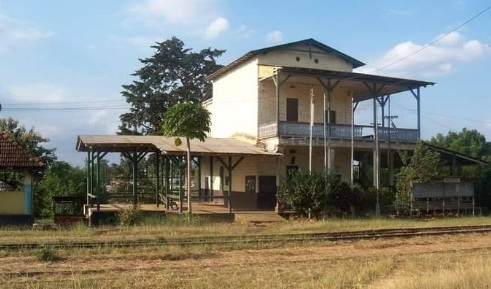
The station location was caught on camera in the late 19th century. It can be found among a series of photographs held by the Getty Foundation, here. [8] The picture is annotated, “Muheza station on Usambara Railway, Usambarabahn, German East Africa, Tanzania, 1890s, 19th Century.”
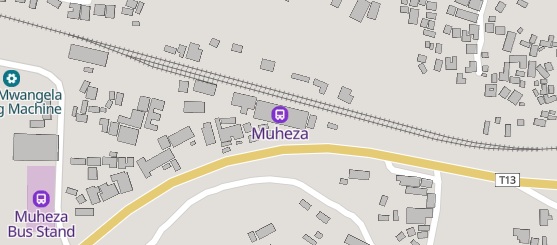
Muheza Railway Station as shown on MapCarta. [15]
The next satellite image extract picks up the railway at the western edge of Muheza close to its secondary school and sees it still running generally in a Southwesterly direction. …
The route of the railway can be picked out as a faint lighter line running top-right towards bottom-left of this extract before turning a little closer to Southsouthwest, leaving the extract at its southern edge. Tengeni is not marked on the satellite image at this scale but is the point where the line of the railway crosses a road at around the two-thirds point across the extract. There is no obvious railway halt at this location. Historically it was an important location on the Usambara Railway because it was the point where the 750 mm gauge Sigibahn met the Usambarabahn. [Google Maps, March 2026]The line continues on this next extract from Google’s satellite imagery. It can be seen entering the extract at the top-right apex, turning first towards the south-southwest before meandering towards the A14 at the third point across the image. It then runs parallel to and on the North side of the A14. Leaving the extract, just to the West of the A14. [Google Maps, March 2026]The line, again, enters this extract in the top-right corner a short distance away from the A14. I have not been able to identify the location of the Mambo Leo Halt. The line runs sinuously just to the Northwest of Mshangalikwa and heads away from the A14 to the West. [Google Maps, March 2026]
There is no obvious location along the line for Kihuhwi but there is a possibility that Zannetiberg Halt was close to what is now the Zeneti Medical Centre. which sits just beyond the western side of the extract immediately below.
The line crosses this extract in an East to West direction from the mid-point on the left of this extract to the bottom-left apex. [Google Maps, March 2026]The line enters this extract just to the Northeast of Zeneti Medical centre, crossing the road to the East of the medical centre at a level-crossing. After a short distance heading West, the line turns to runSouth-southwest towards the location of Mianga Primary School. Close to the school, the line curves to the West and leaves the extract from Google’s satellite imagery just above the bottom-left of the image. [Google Maps, March 2026]Heading West from Mianga the line sweeps left and then right and in doing so joins the line from Dar es Salaam. The line then heads East-northeast, leaving this image at the top-left. The junction is at the centre of this image. [Google Maps, March 2026]
This closer view of the junction is taken from Google Earth. The black lines approximate to the two railway routes but are several metres, at least, out of position. The junction is named on the Schematic map of the line below – Murasi Junction and is recorded as being 65 km from Tanga. [Google Earth, March 2026]
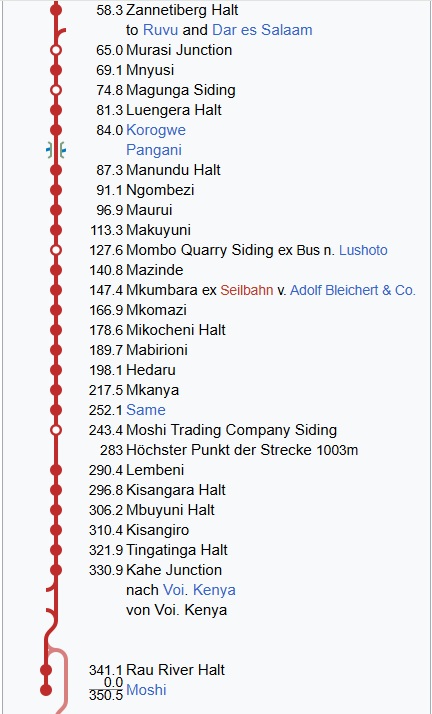
The most notable location at the top of this section of the schmatic map of the line is the railway junction between the line from Tanga and that from Dar es Salaam. – Murasi Junction. Travelling on from Murasi Junction the next location recorded is the town of Mnyusi. [6]
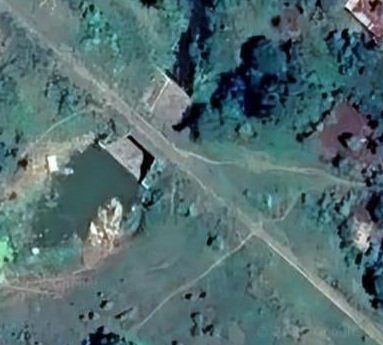
Mnyusi sits at the centre of the satellite image below. The line runs along the Southwest side of the town. There is a significant culvert/bridge carrying the line over the local river.
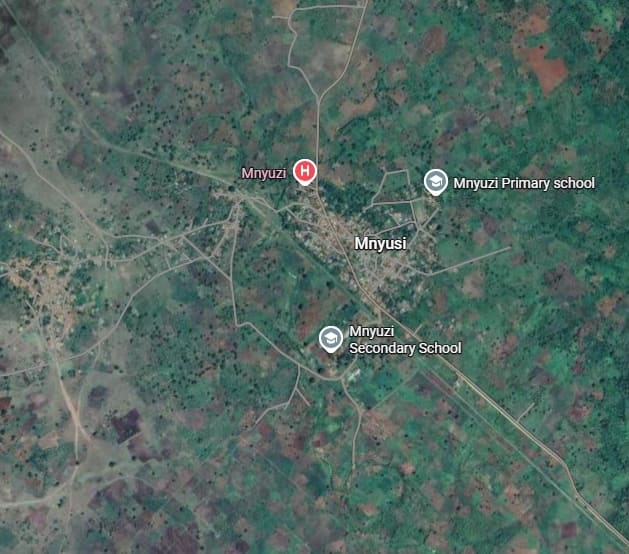
Mnyusi River Bridge {Google Maps, March 2026]
The town of Mnyusi sits on the Northeast side of the railway line. To the Northwest of the bridge/culvert shown above, there is a passing loop and possibly old station buildings. [Google Maps, March 2026]A closer view of the passing loop at Mnyusi. There is a group of three structures which might be, or might have been, railway structures. These are shown in closer detail below. [Google Maps, March 2026]
Three buildings align with the railway at Mnyusi and appear to have been station buildings. [Google Maps, March 2026]
Beyond the passing loop the line continues to head Northwest along the Northeast flank of the Pangani River valley, as can be seen on the next satellite image below.
Mnyusi Railway Station, as shown on MapCarta. [16]The line form Tanga and Dar es Salaam enters this extract from Google’s satellite imagery at the apex at the bottom-right of the image. It runs Northwest to leave the extract centre-top. [Google Maps, March 2026]Again, the line enters this image at the bottom-right apex and runs Northwest, leaving the image at the top, just to the left of centre. [Google Maps, March 2026]In this next extract from Google’s satellite imagery the line again enters bottom-right and runs Northwest to a point just below the top of the image. It then swings round to the West. It runs to the North of a small settlement which is known as Old Korogwe and continues West towards Korogwe itself. Two of the locations noted on the schematic route of the line, Magunga Siding and Luengera Halt have been passed without being noticed! [Google Maps, March 2026]
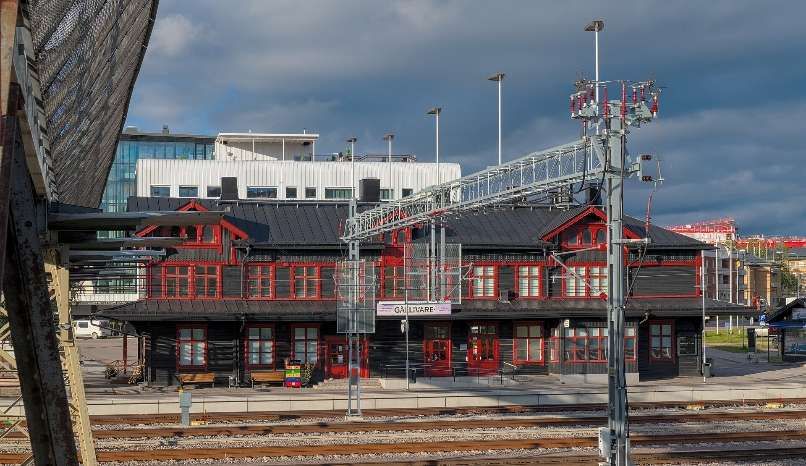
The next extract from the satellite imagery takes the line through Korogwe. The settlement was reached by the line from Tanga around the turn of the 20th century. The construction of the line to the West of Korogwe commenced in 1903. [10]
The line from Tanga approached Korogwe from the East. The railway station
Old-Korogwe Railway Station in May 2022, (c) Vincent Christian. [Google Maps, March 2026] The image below shows the station in the early 20th century. [11]
St. Michael and All Angels Cathedral, Korogwe in 2017. (c) Yohana Joseph Mzuri. [Google Maps, March 2026]
Korogwe is the seat of the Anglican Diocese of Tanga and has a cathedral church dedicated to St. Michael and All Angels. [17] Towards the end of 2025, the Anglican Church of Tanga marked 25 Years as a Diocese and 177 Years of Christianity in the Region.
Another view of St. Michael and All Angels’ Cathedral at Korogwe, (c) Public Domain. The photograph was taken by ‘Acognat’. [18]
Korogwe had a population of 62,032 in 2022. as well as its Cathedral, the town has a teacher training college and a number of secondary schools. [12]
Korogwe Railway Station and the Pangani River as shown by MapCarta. [13]
The town of Korogwe has developed to the West of the railway station. The line curves round the South side of the town.
The railway line runs to the Southeast of the Cathedral and to the South of Korogwe town, crossing the B1 at a level crossing. [Google Maps, March 2026]In this next extract from Google’s satellite imagery, the line enters on the right, just below the top corner close to Korogwe Girls High School and almost immediately bridges the Pangani River. After crossing the river the line runs West as far as Matondoro Primary Scholl before curving tightly round to the North. [Google Maps 26th March 2026]The Pangani River Bridge at Korogwe as it appears on MapCarta. [19]
After turning to the North, the line ran along the West side of the Pangani River and began to turn away to the West. [Google Maps, March 2026]
The next extract shows it heading West on the opposite side of the Pangani River to Msambiasi. [Google Maps, March 2026]
An S-curve interupts the westerly direction of the line, before the line passes through the station at Maurui and turns North to cross the Pangani River once again. Then the line takes a position alongside the B1 travelling Northwest. [Google Maps, March 2026]
Maurui Railway Station [Google Maps, March 2026] and MapCarta. [19]
MapCarta shows both Maurui Station and the bridge over the Pangani River. [19]
The Pangani River Bridge. {google Maps, April 2026]
This next extract follows the line Northwest to Makuyuni. The railway sits adjacent to the B1/T2 throughout this length. [Google Maps, March 2026]
Lutindi Railway Station (?) as it appears on modern satellite imagery {Google Maps, March 2026] Nothing is shown at this location on MapCarta, other than the services (Kilimajaro Motorway Fast Food, Korogwe). Despite the presence of a significant small settlement on the Southwest side of the line, Lutindi is some way to the Northeast of the line.
The line continues Northwest alongside the B1/T2 towards Makuyuni. Note the divergence of road and rail at the top of the extract. [Google Maps, March 2026]
As this next extract from the satellite imagery shows, the separation of road and rail is only enough to allow the railway to pass to the West of Kwasunga. It enters this extract at the bottom arrow, and leaves at the top arrow. In between, the line crosses the B1/T2, as shown below. [Google Maps, March 2026]
On this next extract the line enters at the bottom of the image to the East of Kwasunga and heads North through a couple of shallow bends to exit at the centre-top of the image still on the East side of the B1/T2. [Google Maps, March 2026]
Two arrows again assist in locating the pints at which the line enters and exits this satellite image. The town of Makuyuni is at the top of the extract. the line at road cross below the centre of this image. [Google Maps, March 2026]
This extract from Google’s satellite imagery focusses on the town of Makuyuni. The railway line can be seen entering the image centre-bottom to the West of the B1/T2. It leaves the image top-left to the West of the road. {google Maps, March 2026]
Makuyuni Railway Station is little more than a single-building halt to the Northwest of the town. [Google Maps, March 2026]
The same location on OpenStreetMap. [20]
From Makuyuni the line continues to follow the same bearing – heading North-northwest towards Moshi. … Population density is higher here and the satellite image shows significant areas of farmland. The line enters the image a little to the West of the B1/T2, it diverges from the road to pass to the West of Maduma before then crossing the road once again close to the flag for Kivilicha Primary School. It runs North from that crossing to pass to the East of the flag for Kwampunda Primary School. [Google Maps, March 2026]
On the next extract from the satellite imagery below, the line can be seen more clearly.
The line enters the image to the immediate East of Kwampunda Primary School and then traverses a well cultivated area before passing through Chekelei where, once agin, the railway crosses the B1/T2.
This next extract shows the line running roughly parallel to the B1/T2 in a North-northwest direction. [Google Maps, March 2026]
The line enters this next extract from Google’s satellite imagery immediately to the East of the flag for Mwelya Primary School. It contiues to keep company with the B1/T2, leaving the image to the West of the road. [Google Maps, March 2026]
The town of Mombo appears on this next extract from the satellite imagery. The railway remains to the West of the road but takes much closer order as it runs past the town. It remains close to the road across the remainder of the image.
Across the next extract (below), the railway remains close to the B1/T2, still on its West side. Mombo is a town of relatively significant side. Its population in 2012 was 17,093. That figure increased to 24,080 by the time of the 2022 census. Close to the top of this image road and rail move apart to allow room for Mombo Railway Station. [Google Maps, March 2026]
As this MapCarta image shows Mombo station was large enough to warrant a passing loop on the railway line. [21]Google satellite imagery also shows a turning triangle at Mombo railway station. The station building is towards the top of this extract on the East side of the line. [Google Maps, March 2026]
Continuing North from Mombo Railway Station the line crosses the B1/T2 once again and skirts the Northeast edge of the Mombo Forest Reserve. [Google Maps, March 2026]
The level-crossing to the West of Mombo. [Google Maps, March 2026]
Leaving the forest reserve behind the line closes in on the B1/T2 once again and runs on its Northeast shoulder. On this map extract the line enters at the bottom-right apex and leaves at the top-left apex. [Google Maps, March 2026]The railway is still following the road on this next extract from the satellite imagery. [Google Maps, March 2026]A couple of fields separate road and rail over this next length of the line. [Google Maps, March 2026]Closer order is resumed across this satellite image extract. [Google Maps, March 2026]Road and rail run parallel on this next satellite image. [Google Maps, March 2026]Slightly more interest in this extract from the satellite imagery. Road and rail separate for a short distance before once again resuming closer order! [Google Maps, March 2026]Road and rail remain close through Mazinde and its railway station. [Google maps, March 2026]
MapCarta shows that Mazinde Railway Station is more like a Halt, just s coupls of buildings and no passing loop or goods yard. [22]
Northwest of Mazinde, road and rail continue close together. [Google Maps, March 2026.
Road and rail remain close through Mkumbura. Mkumbura was the location where the Mkumbara to Neu Hornow Cableway/Ropeway, which operated during the German colonial period, met the Usambarabahn. The story of the Cableway can be found here. [23]
Mkumbura Rail Station as shown by MapCarta. [24]
A much closer view of the location of Mkumbura Railway Station. [Google Maps, March 2026]The line continues North-northwest alongside the B1/T2 as far as a point East of Kwemdimu Secondary School. There the BI/T2 begins to drift away from the railway to the Northwest. The railway leaves this extract from the satellite imagery at the centre-top of the image. [Google Maps, March 2026]
Over these two extracts from Google Maps, the line continues heading North-northwest. [Google Maps, March 2026]
The line gradually turns to the North over these two extracts before turning back to the Northwest. The arid landscape appears to be used for Sisal farming. [Google Maps, March 2026]
The line then continues to the Northwest across this next extract. [Google Maps, March 2026]Just a short distance further to the Northwest, the line curves round to head Southwest. [Google Maps, March 2026]The curve then reverses and the line take close order to the B1/T2 once again. [Google Maps, March 2026]And the main road soon begins to drift away again. [Google Maps, March 2026]The line runs from the bottom-right corner of this extract to the top-left corner. The road running to its Southwest is the R293 Langoni-Mkomazi Road. [Google Maps, March 2026]
The line enters the next extract adjacent to the road in the bottom-right corner of the image and follows the road North. At the top of this extract, the road turns East and crosses the railway. The line leaves the image centre-top. [Google Maps, March 2026]
The level crossing at Mkomazi, [Google Maps, March 2026] and below on OpenStreetMap. [25]
Mkomazi Railway Station sits just to the North of the level-crossing shown on the last 3 images. [Google Maps, March 2026][26]
Beyond Mkomazi Railway Station, the railway loops round through West to South. [Google Maps, March 2026]
The line runs South before beginning to curve back through West to North as shown below. [Google Maps, March 2026]
The modern B1/T2 crosses the line by means of a bridge. [Google Maps, March 2026]
The line turns through Southwest to West and then North before running Northeast. As it does so it passes through Buiko Railway Station which is shown on the MapCarta extract below. [26][Google Maps, March 2026]
Beyond Buiko, the railway is back near the Pangani River but running at the top of the eastern/northern valley side. [Google Maps, May 2026]
The line can be seen on this extract from Google’s satellite imagery running Northwest, then West and then Northwest again. [Google Maps, March 2026]The line can still be seen running along the northeastern flank of the Pangani River Valley, seeking as far as possible to keep gradients to a minimum, it follows the contours just above the valley. [Google Maps, March 2026]Taking slightly closer order with the B1/T2, the line continues generally to the Northeast. [Google Maps, March 2026]The line enters this extract from Google’s satellite imagery in the bottom-right corner of the image and leaves centre-top. [Google Maps, March 2026]
The line plots a lonely journey Northnorthwest across these two satellite image extracts. [Google maps, March 2026]
Civilisation of some sort beckons at the top of this next extract. The town is Heraru. Its station sits to the southwest of the town. It is marked by the grey flag on the small image immediately below.
Hedaru Railway Station has a passing loop but otherwise few facilities. [27]
Hedaru Railway Station Building, (c) Beppe Mambretti and shared on Google Maps, May 2021.
As can be seen on this larger extract from Google’s satellite imagery, Hedaru is a relatively significant sized town. The population of Hedaru was 22,972 according to the 2022 national census. [28][Google Maps, March 2026]
Hedaru Station is marked by the red flag on the first of these two images which begin the journey further North and West along the line. [Google Maps, March 2026]
The railway continues to the Northwest, entering this extract in the bottom-right corner and leaving close to the top-left. [Google Maps, March 2026]
The line continues Northnorthwest towards Mkanya and Same. [Google Maps, March 2026]
The landscape is quite barren – the occasional school appears on the maps but otherwise only limited evidence of habitation.
The line then passes through what appear to be Sisal plantations that surround Makanya. [Google Maps, March 2026]
Makanya had a population of 12,980 in 2022. [29] Its railway station was at the South East end of the town.
Makanya Railway Station – two loops off the mainline allowed for trains to pass each other. [30][Google Maps, March 2026]
Beyond Makanya the road and railway run together through the Sisal plantations. Google Maps, March 2026]
The railway and road run close together as they continue North. [Google Maps, March 2026]
The line is now flanked by two roads which gradually converge until all three run close together past Hembua and Masandare Primary Schools. [Google Maps, March 2026]
The line continues North close to the B1/T2 [Google Maps, March 2026]
The journey continues North towards Same. [Google Maps, March 2026]
Same’s population in 2012, was 25,794 inhabitants, in 2022, the number had risen to 34,322. [31] The town is close to the Mkomazi National Park. The railway station is just right of centre towards the top of this satellite image. the majority of the town sits to the North and east of the railway station. [Google Maps, March 2026.
Same in February 2020 (c) Thomas Kimaro. [Google Maps, March 2026]
The two photographs immediately above show Same Railway Station in February 2020.
The station building sits back from the railway tracks with Station Street in between the building and the railway. [Google Maps, March 2026.
These two maps show Same Railway Station in relation to the town of Same. The MapCarta [32] extract on the left shows three lines running through the station. The OpenStreetMap image [33] shows a little more of the town.
The line heads Northwest out of Same. There is about 100 kilometres to go to reach Moshi and [Google Maps, March 2026]
The line is now following the contours to avoid the heaviest gradients. [Google Maps, March 2026]
The B1/T2 is still following the line. [Google Maps, March 2026]
The next town is Lembeni [Google Maps, March 2026]
Careful inspection of the image above shows the line swinging East and then curving round to the West through the town.
Lembeni Bridge and Railway Station [Google Maps, March 2026] [34]
Lembeni Railway Station. [Google Maps, March 2026]
Two views of the rail bridge over the B1/T2 at Lembeni. That on the left was taken by Kassimu Miraji, that above was taken by Allan Kaitila [Google Maps, March 2026
The next extract from the satellite imagery takes the line as far as Kisangara. [Google Maps, March 2026]
Not being able to identify the location of the Railway Halt at Kisangara. One of these two ungated-crossings is as good as any other possible location. [Google Maps, March 2026]
The next location along the line is Mwanga which has no railway station. It does have a bus station! Mbuyuni Halt must have been close to the village. [Google Maps, March 2026]
Kisangiro has its own halt on the railway with a passing loop. [35][Google Maps, March 2026]
Kisangiro Halt was a distance South of the centre of the village at a location where the railway diverged from the road, running West-northwest on the South side of the greener area visible in the top-left of the larger extract above.
The line heads Northwest carful inspection of the image shows it running from South of the greener area and the bottom-right of the image diagonally across the image to the top-left corner. The road runs North. [Google Maps, March 2026]Again, careful inspection of this image shows the line running from the bottom-right corner to the top-left. In doing so it crosses the
The bridges over the Rivu River appear to be a Warren Truss Girder Bridge and a large concrete culvert which takes a lesser branch of the river. [Google Maps, March 2026]
The next significant location along the railway is the town of Kahe which sits at the top of this extract from Google’s satellite imagery. Kahe Railway Station was a junction station. Southest of Kahe Railway Station, the line to Voi in Kenya diverged from the Usambarabahn! [Google Maps, March 2026]Kahe Railway Station is centre-left on this satellite image. The line from Kenya enters at the top-right corner of the image and runs diagonally towards the bottom-left.A similar area on the mapping provided by Openstreetmap.com, which shows the line from Voi meeting the Usambarabahn. [39]
Kahe Railway Station. [36] [Google Maps, March 2026]
The line between Voi and Kahe can be followed here. [40]
We continue North-northwest from Kahe Railway Station. …
Chekereni lies to the Northwest of Kahe and is at the top-left of this next satellite image. This area of Tanzania is noticeably more fertile. [Google Maps, March 2026]Again, the line runs bottom-right to top-left. [Google Maps, March 2026]This next extract from Google’s satellite imagery takes us into the suburbs of Moshi. The line enters bottom-right once again. It leaves the top of the image close to the centre. [Google Maps, March 2026]The railway station in Moshi is a terminus. The line to Arusha heads away to the Southwest. The line from Tanga and Dar-es-Salaam enters from the South. [Google Maps, March 2026]The lines are much clearer on this extract from the OpenStreetMap mapping. [37]
This extract from MapCarta shows the track layout in the vicinity of Moshi Railway Station. [38]
We have reached the end of what was the Usambarabahn. The extension to Arusha came much later. We have also noted, as part of this article, the point where the line between Moshi/Kahe and Voi in Kenya met the Usambarabahn. We will come back to both of those lines on another occasion.
References
M.F. Hill; Permanent Way Volume II: The Story of the Tanganyika Railways; East African Railways and Habours, Nairobi, Kenya; Watson & Viney, Aylesbury & Slough, 1957.
Hans Wettich; The development of Usambara under the influence of the East African Northern Railway and its private branch lines, with special consideration of the Mkumbara-Neu-Hornow cableway; Simion, Berlin 1911. Reprint from: Proceedings of the Association for the Promotion of Industry 90 (1911), Issue 6; via https://publikationen.ub.uni-frankfurt.de/frontdoor/index/index/docId/11924, accessed on 24th February 2026.