I have enjoyed being a member of the Narrow Gauge Society for a number of years. One of the benefits of membership is the regular mailing.
The Narrow Gauge Railway Society sends out a bimonthly mailing in which ‘Narrow Gauge News’ (a full colour A4 update for readers covering what has been happening across a wide range of different narrow gauge lines in both the UK and around the world) is accompanied by one, sometimes two, more detailed studies of contemporary and more historic narrow gauge lines.
In October 2026, the latest mailing included two other A4 ‘bookazines’. The first being a single issue paper recorded as ‘The Narrow Gauge No. 302’ which focusses on various railways at Crystal Palace, written by R. G. Cash. [1]
‘Narrow Gauge No. 302’ – September 2026. [1]
The inside front cover has a map (a public domain image) of the Festival of Empire and Imperial Exhibition of 1911. …
The ‘All Red Route’ was “a somewhat convoluted circuitous route of over a mile with stations near the principal buildings.” [1: p4]
Cash’s paper describes the track and route of the line. 60lb/yard flat-bottomed rail in 30ft lengths was spiked to wooden sleepers on 12″ of ballast. It is believed that it was a 3ft 6in-gauge railway. Trains ran at one-minute intervals in an anti-clockwise direction at a maximum speed of 4mph. Signals were not used.
Cash notes that the builders of the line “were keen to exploit the capabilities of electric traction and confidently laid out the line with gradients steeper than those on the Manx Electric Railway, which may have given the ride something of a ‘roller-coaster’ character, though the low speed would have mitigated this effect. There were also many … scenes and tableaux … which could be seen from the train. … The railway was reported to be ‘Highly successful’ and one of the most interesting features of the Exhibition.” [1: p6]
Rolling Stock – although built as a railway, rolling stock was typical of the electric tramways of the period.
Current collectors protruded from the sides of the trucks, one at the rear of the leading wheel of the motor car and one just behind the trailing wheel of the trailer.
Apparently, the All Red Route (including it power plant) cost £90,000 to build (that is over £70,000 per mile). Each train (moti car plus trailer) could carry 80 passengers around the route of the line in between 15 and 20 minutes. [1: p8]
Cash goes on to consider the costs of the Exhibition and what happened to the rolling stock before discussing:
Other railways that were on use during the Exhibition/Festival;
Pneumatic railways on the site (1864);
Electric pioneers (1881 & 1882);
Hydraulic pioneers (1891);
Looping the Loop! – perhaps the first amusement ride in the UK to invert its riders (1902-1907]
Miniature Railways – a 15in-gauge line which circled the drained basin of the Grand Fountain (1910 and not renewed for the 1911 exhibition). There were later proposals for similar lines in the park through the years, at least one of which was used (between 1990 & 1996).
The Narrow Gauge – Number 303
The second ‘bookazine’ is the September edition of ‘The Narrow Gauge’ – No. 303. In 2026, the Narrow Gauge Railway Society celebrates 75 years serving the narrow gauge world since 1951. This is reflected on the front cover of ‘The Narrow Gauge No. 303’. [2]
‘The Narrow Gauge’ No. 303 – September 2026. [2]
This second volume includes:
Slaggyford Light Rail – Philip Champion (p3-9);
Early Petrol-Electric Railcars in Prussia – David Meller (p10-22);
The Cumbres & Toltec Scenic Railroad: Part 1 – Jim Stancliffe (p23-33); and
A few shorter items.
Slaggyford Light Rail – Philip Champion tells the story of a privately owned 2ft-gauge railway which sat on an ‘island’ in the South Tyne River which was also the location of a caravan site. First in use in 1978, the line was owned by W. G. Horseman. He sold the line in 1981 to Bob Cant who renamed it ‘Slaggyford Lake Railway’. Cant closed the line in 2001 and much later, after his death, his collection was sold by auction (January 2025). Philip Champion includes in his article, information about the various locomotives and rolling stock used on the railway.
Early Petrol-Electric Railcars in Prussia – David Meller provides a survey of various narrow-gauge lines in Prussia before WW1, with some still active up to and beyond WW2.
Meller first introduces us to The Kleinbahn Pogegen–Schmalleningken (Pogegen-Schmalleningken Railway), located in the historic Memelland region of East Prussia, which was a pioneer in using petrol-electric (or benzole-electric) railcars.
Meller points out that details of these first Petrol-Electric Railcars were provided in an article from the 11th February 1909 edition of Elektritechnische-Zeitschrift which is now available online in the Internet Archive. [4]
Illustrations provided by Miller come directly from that article. …
The interior of the driving cab of a Railcar equipped with a Westinghouse engine of the type used on the Pogegen-Schmalleningken Railway. [2: p10][4: p124]A Petrol-Electric Railcar of the Pogegen-Schmalleningken Railway. [2: p12][4: p125]
Meller then turns to the 750mm-gauge Konigsberger Kleinbahn which had three Petrol-Electric Railcars numbered 51, 52 and 53 in its fleet. This line was owned by the same company as the Pogegen-Schmalleningken line (Aktiengesellschaft fur Verkehrswesen – AVG).
In the autumn of 1911, the German electrical giant AEG (Allgemeine Elekricitats-Gesellschaft), the coachbuilder Waggonfabrik L. Steinfurt (based in Königsberg), and the engine manufacturer NAG (Neue Automobil-Gesellschaft) delivered a four-axle prototype railcar to the Königsberger Kleinbahn. Test runs showed that whole electrical and mechanical equipment performed well, vibration was excessive. This was overcome by moving the power unit away from the passenger accommodation.
The revised vehicle entered service in 1914 and was followed by two more.
Next Meller focusses on the Insterburger Kleinbahn which purchased three of the same design of units used on the Konigsberger Kleinbahn and, interestingly, also numbered the Railcars 51, 52 and 53.
He follows this with a look at the Gleiwitz-Rauden-Ratibor Line which seems to have purchased the final member of a batch of seven Railcars of the type used by the Konigsberger Kleinbahn and Insterburger Kleinbahn. This particular vehicle seems to have travelled around a number of venues before arriving at this line. It appears to have been recorded at the ‘Baltic Exhibition’ in Malmö, Sweden in 1914. Meller believes that it may have been seen at other exhibitions at least including the Weimar Bauhaus international architecture exhibition in 1923 and at Stuttgart in 1924. It was bought by the Gleiwitz line in 1925. But, Meller, says there are particularly concerns about this narrative and it is possible that the story of the seven Railcars is more complex!
The photographs included with the text of Meller’s article can be found along with the original German Schweizerische Bauzeitung article on a German discussion forum, here. [6]
The Cumbres & Toltec Scenic Railroad (C&TSR): Part 1 – Jim Stancliffe writes that this railroad was opened in 1971. It is a tourist line and lays claim to being the longest and highest steam-powered narrow gauge railroad in North America. Stancliffe describes the project to revive the line as “arguably, the most ambitious heritage project of its kind in the world at the time.” [2: p23]
As the Denver & Rio Grande Railroad (D&RGR) network entered terminal decline in the year either side of WW2, many of its narrow gauge routes were abandoned. The main passenger service on the narrow gauge was the ‘San Juan‘ which ran daily each way between Samosa and Durango, but it was withdrawn in 1951. The only remaining passenger service was the ‘Silverton‘, which ran as a mixed train, three times a week, each way between Durango and Silverton. [2: p25]
The D&RGR retained the Silverton Branch as a steam hauled summer tourist attraction until 1980. A buyer was sought and found in 1981. The new owner redeveloped the line as the Durango & Silverton Narrow Gauge Railroad (D&SR)
Separately, abandonment of much of the network was pursued by the Railway Company and preservation of a length of the network between Antonio and Chama was considered by New Mexico and then by Colorado. Stancliffe says that, “In July 1970, the states jointly purchased the track and line structures along the 64 mile long route between Antonito and Chama. The purchase included 9 steam locomotives and over 130 freight and works cars. The total cost for the whole package was $547,120. Whilst the purchase included all the yards and buildings at Chama, there were no available facilities at Antonito. These were all still required by the D&RGR.” [2: p27]
Stancliffe goes on to describe the birth of what became the ‘Cumbres & Toltec Scenic Railroad’.
The first train ran on 26th June 1971 but despite the initial air of optimism the deep recession caused by the oil crisis impacted the viability of the Railroad. In parallel there was a need for the two US states to find more effective ways of working together.
Various crises followed; the operating company had its contract terminated and another company was appointed. The volunteer organisation which was maintaining stock was removed from the site and eventually a new volunteer organisation was formed – the Friends of the Cumbres & Toltec Scenic Railroad (The Friends).
The new operating company (Kyle Railways) brought about a change in fortune for the C&TSR. In 1987, ridership was a record 38,721 people, and ridership continued to increase throughout the 1990s. In 1995, the total was 59,871. But by the end of the 1996 season, Kyle Railways, gave up their lease. The next lease holders survived in role only until the end of the 1999 season. After the lease was advertised once again, no suitable applicants applied. In February 2000, The Friends made an offer to run the railroad. The friends set up a not-for-profit company: the Rio Grande Railroad Preservation Corporation (RGRPC). This arrangement only lasted until the end of the 2005 season. Further negotiations saw The Friends forming another non-profit to run the day-to-day operations with capital funding for necessary works being the responsibility of the two states. Various factors meant that this new arrangement lasted only until the end of the 2011 season.
This seems, throughout Stancliffe’s article, to have been the ongoing experience of those running the railway – periods when reasonable progress was being made with passenger numbers being to rise towards a break even position, and then an incident or problem which set things back.
The late 2010s saw fragile good progress destroyed by COVID and in the 2020s a similar set back saw the restaurant kitchens at the intermediate stop at Osier, and dry weather causing significant damage to water supplies along the line.
Stancliffe has set the scene for Part 2 which will follow in a later edition of ‘The Narrow Gauge’.
And finally ….
I hope that this series of notes about the mailing sent out at the end of September 2026 might encourage new interest from non-members in the Narrow Gauge Railway Society.
References
The Narrow Gauge No. 302; the Narrow Gauge Railway Society, September 2026.
The Narrow Gauge No. 303; the Narrow Gauge Railway Society, September 2026.
The featured image for this article comes from the FEVE lines of Northern Spain. It shows a typical DMU in use on the FEVE network, together with a number of single-car units, these vehicles provide services across the network, (c) Elfo del Bosque and licensed for reuse under a Creative Commons licence (CC BY-SA 3.0). [151]
The travel section of the Saturday Guardian Magazine on 23rd May 2023 included a few pages about train journeys in Europe (pages 72 to 77). This is the sixth part of a look at those pages. …
Nicky Gardner is lead author of Europe by Rail: The Definitive Guide (Hidden Europe, £21.99). The 19th edition of the book was published on 22nd June 2026. To order a copy for £19.79 go to guardianbookshop. com. Delivery charges may apply!
The featuredis second part of a look at the coastal routes highlighted by Nicky Gardner focusses on two railways – one in Spain and the other in Italy.
D. Spain: Galicia’s Spectacular Fjords
This railway journey runs from Ribadeo to Ferrol. Best advice is to sit on the right as the train sets out on the journey. This is a 91 mile journey which will take 3hours and 10 minutes. A single ticket will cost about €11.15 single. four trains a day are operated by Renfe.
Nicky Gardner writes:
“This is a superb short journey that follows the western extremity of Europe’s most extensive narrow-gauge rail network, which runs from the French border at Hendaye through the Basque Country and along Spain’s north coast through Cantabria, Asturias and Galicia. I have mixed feelings about the route as a whole, which veers well inland and is often quite humdrum. Hendaye to Ferrol demands 20 hours on trains, but the short ride on the final section is a slow travel adventure running west from Ribadeo, with twists and turns as the train navigates the rugged coastline around Ortigueira.” [1: p77]
“The tacky beach-front development west of Ribadeo is best ignored. Soon we cut away from the motorway and regain the coast, waves breaking to the right and rich eucalyptus forest to the left. There are superb views across the great fjords which are a hallmark of the Galician coast. These are called rías. Look out for Cape Ortegal away to the north. When I rode this route on a mid-winter morning, there were barely a dozen passengers aboard for most of the journey, although numbers picked up on the final half hour as we were joined by shoppers heading into Ferrol.” [1: p77]
“This is the humblest of local trains – those in search of luxury on rails may prefer the El Transcantabrico charter train, which includes Ribadeo to Ferrol as part of a wider seven-night itinerary – at eye-watering prices.” [1: p77]
The train operates as a slow, scenic commuter-style railcar on metre-gauge track. It offers sweeping views of the Atlantic, dramatic eucalyptus forests, and passes directly by the dramatic cliffs and rugged rias (estuaries) of the Rías Altas coast. The journey is only a part of a metre-gauge network which runs West from Bibao. Nicky Gardner suggests that the line between Bibao and Ribadeo is of lesser interest. Other commentators are more positive. “There are two outstanding sections of the Santander to Oviedo section of the railway. Firstly, between Roiz and San Vicente de la Barquera you enter a real wilderness alongside the Rio del Escudo. Secondly, climbing out of Ribadesella towards Oviedo, there is half an hour of very dramatic scenery, cliffs and drops to the river, alongside the River Sella.” [2]
Spain’s FEVE (Ferrocarriles de Vía Estrecha) was a vast,1,250-kilometre network of metre-gauge railways spanning Northern Spain. These lines are now operated by the national rail company Renfe-Feve. The network offers slow, Immersive, scenic travel from Bilbao to Ferrol through the rugged mountains and fishing villages of España Verde. [3]
This MapCarta extract shows the length of the line to the East of Ribadeo. It serves to illustrate the way in which these lines must be seen as an immersive experince of slow travel. The journey is the holiday! [4]
Staying within the length suggested by Nicky Gardner we set off West from Ribadeo. …
Ribadeo Railway Station. [Google Maps, June 2026]
Ribadeo Railway Station seen from the South from the road LU-P-5207 which bridges the line. [Google Streetview, July 2025]At the North end of the station site the line passes over the N-634. [Google Streetview, August 2019]Trains travelling West from Ribadeo set off North from the station, crossing the N-634 before heading West. [Google Maps, June 2026]
On this extract from MapCarta Ribadeo Railway Station is in the very bottom-right of the image – marked ‘A Estacion’ [4]
The line passes in tunnel under the Autovia del Cantabrico (A-8). [Google Maps, June 2026][Google Streetview, August 2023]
The photograph of the tunnel under the Autovia was taken from the minor road which bridges the line just to the East of the tunnel.
A glimpse of the line back towards Ribadeo and an even more fleeting view of the line ahead to the West. both views come from an industrial access road bridge over the line. [Google Streetview, August 2019]
The line East towards Ribadeo from the overbridge carrying the LU-P-5202 road, and the line ahead to the West. [Google Streetview, July 2025]
Typical of the construction of a number of underbridges on the line is this masonry arch structure. It spans a minor road which Goggle sees no need to name. Parapet protection is limited to a tubular steel two-bar fence on both sides of the line. This view is from the South. [Google Streetview, January 2014]
Rinlo is the first station on the route out of Ribadeo. [Google Streetview, July 2025]
The next stop on the line – Os Castros. The short platform is seen here from the Southwest on the approach to the bridge carries the LU-P-5208 road over the line. [Google Streetview, July 2025]
Our first glimpse of one of the two-car DMUs which are part of the fleet serving the line. This is the next stop – seen from the Southwest. The tram/DMU is stationary at the next station on the route – Esteiro. [Google Streetview, July 2025]
The same stop seen on another occasion from the overbridge to the West of the station. [Google Streetview, January 2014]
A little further West, the line bridges a more significant road – Praia das Catedrais. The single span bridge is of concrete construction, possibly of reinforced beams made of prestressed concrete. [Google Streetview, July 2025]
The next stop on the line is Reinante which is followed by Barreiros. [Google Maps, June 2026]
The next significant location on the line in the crossing of the estuary of the Rio Masma near Foz. This view looks from the West and shows the two span arch bridge at the western end of the embankment across the estuary. [Google Streetview, October 2013]
This extract from OpenStreetMap.org shows the immediate area of the Masma estuary/Ria del Foz. The embankment and bridge are shown clearly, so is the tunnel which trains enter soon after crossing the bridge heading Northwest. The Green flag in the top-left of the image is the location of Foz Railway Station. [5]
Foz Railway Station: This is the first passing loop on the single-track line West of Ribadeo. This is easier to make out on the extract from MapCarta. [Google Maps, June 2026]
This Mapcarta extract shows the passing loop at Foz Railway Station. [6]
The next station is just a short distance further along the line – Marzan. It is shown here on the extract from Google’s satellite imagery. [Google Maps, June 2026]
Visible also in this close up of the image is another 2-car DMU either entering or leaving the short tunnel under the N-642. [Google Maps, June 2026]
A closer view from above of Marzan Railway Station. [Google Maps, June 2026]
The station/halt seen from the Southwest on Rua Pena Parda. [Google Streetview, July 2025]
The next significant location is the rail bridge over the estuary of the Rio Ouro close to Bargado, which is one of three bridges in close proximity. [6]
Two of the three bridges are road bridges. [Google Maps, June 2026]
The three-span rail bridge over the Rio Ouro near Bargado. [Google Streetview, July 2025]
North of the Rio Ouro, the line runs through Bargado and into the station at Fazouro, as can be seen on the MapCarta extract above.
Fazouro Railway Station. [Google Maps, June 2026]
Fazouro Railway Station seen from the South. [Google Streetview, July 2025]Fazouro Railway Station seen from the Southeast. [Google Streetview, October 2013]
Looking West from the bridge carrying Camiño Praia over the railway, we can see that the line North of Fazouro begins to run closer to the coastline. [Google Streetview, July 2025]
The next stop on the route is Nois Railway Station/Halt, seen here from the road bridge over the line to the South of the station. [Google Streetview, July 2025]
The location shown by MapCarta. [6]
The line continues Northwest on a straight path. This view is taken from the bridge carrying Estrada Ribela over the line at Moreiras. [Google Streetview, July 2025]
The location shown by MapCarta. [6]
The next station/halt is at Canga de Foz, seen here from the South on Cam. Paralelo a Via. [Google Streetview, July 2025]
Northwest of Cangas de Foz, the line curves over the tightly wooded valley of Rego Real, although close to the N-642 it is well camouflaged by the vegetation. [Google Maps, June 2026]
The line then curves sharply to the North to pass under the Estrada Xeral (N-642). This photograph is taken from the N-642 and shows the line appearing from under the road and then turning back towards the Northwest. [ Google Streetview, July 2025]
The line continues heading Northwest. It is seen here from a minor road running parallel to it. [Google Streetview, August 2019]
Also facing Northwest, this view shows the line running through the eastern suburbs of Burela. [Google Streetview, August 2019]
The station at Burela is another crossing point on the line. [Google Maps, July 2026]
MapCarta also shows the existence of a single siding at the station. [6]
The station in Burela seen from the South, from Rua do Correo. [Google Streetview, August 2025
By this time trains are running very close to the coast. This view from the bridge carrying Estrada Marosa (LU-P-1510) over the line illustrates this. [Google Streetview, August 2025]
MapCarta shows the next length of the line. [6]
A little further to the West, the line dramatically bridges the estuary of the Rio Xunco (c) Jose Enrique Lopez (2018). {google Maps, June 2026]It then reaches the station/halt of Madeiro, seen here from the access road to the South. [Google Streetview, November 2013]
The next stop is in the seaside town of San Cibrao. [Google Maps, July 2026]
San Cibrao as shown by MapCarta. [7]
The station at San Cibrao seen from the Southwest on Estrada Cuina Urbana. [Google Streetview, August 2025]On the West side of the town of San Cibrao the line bridges the Rio Covo. This view is from the North on Ctra. General -San Cipri [Google Streetview, August 2025]
The next stop travelling West is Bidueiros Halt/Station. [Google Maps, June 2026]
After travelling a little further inland, the next stop is LagoHalt/Station which is seen here in a photograph looking West from the LU-P-2602 road. [Google Streetview, July 2025]
Lago Halt on Google’s satellite imagery. [Google Maps, June 2026]
Xove Railway Station is the next when travelling West along the line. [Google Maps, June 2026]
The station as it appears on MapCarta which shows that two loops leave the main running line at the station, one of which allows for passing traffic, there is also a single storage siding which is in use in the Google Maps image above. [7]
A short distance further West is Xove Apeadero Station/Halt.This halt also appears on maps as Xove-Pobo. [Google Maps, June 2026]
The view from the bridge carrying Calle Urbanizacion el Palmeiro across the line at the West end of the station site. [Google Streetview, August 2025]
A few kilometres further West after passing through a series of wooded areas the line dives into tunnel. [Google Maps, June 2026]
The view West from the bridge carrying the minor road over the line which can be seen on the right of the Google satellite image above. [Google Streetview, November 2013]
The tunnel runs almost due West as shown on this extract from OpenStreetMap.org. [8]
The western end of the tunnel is camouflaged by the tree cover and not visible on satellite imagery.
A short distance further West trains stop at Xuances Station/Halt.
Xuances Railway Station/Halt. [Google Maps, June 2026]
Xuances Halt seen from the Northeast. This image is a still from a short video and is low resolution, (c) Ezequiel Donadio, October 2013. [Google Maps, June 2026]
Beyond Xuances, the railway passes under the CG-2.3 road and runs through woods to the South of the road before passing under the LU-862 and running through the woods to the South of that road which eventually is first (according to Google Maps) given the name ‘Estrade Ribadeo’, then ‘De Viveiro a Ribadeo’. Both these lengths of road are named ‘Estrada da Marina’ on MapCarta and ‘Estrada Marina’ on OpenStreetMap.org.
The MapCarta extract below shows the line as it runs through Celeiro, Viveiro and Covas around the estuary of the Rio Landro (Ria da Viveiro).
Ria de Viveiro and the Rio Landra require the railway to run inland to a suitable river crossing point. [9]
Celeiro appears not to have its own halt on the line, Viveiro has two halts – ‘Viveiro Apeadero’ and ‘Viveiro’.
Viveiro Aperdero Railway Station seen from the North, (c) Vanbasten 23 and licensed for reuse under a Creative Commons licence (CC BY-SA 3.0). [12]
‘Viveiro Apeadero’ or ‘Viveiro Apeadoiro’ Halt. [10]
The Halt seen from the East on Camino Alamira. [Google Streetview, October 2015]Seen from the West, this is the viaduct which spans both Camino Alamira and Bo. Campo de Verdes (OpenStreetMap.org shows the second of these two roads as being named ‘Rua Campo de Urraca) to the South of the Halt. [Google Streetview, October 2015]
Immediately after crossing the viaduct to the South of Viveiro-Apeadero Station trans entered a tunnel which took the line to the station throat of the main station in Viveiro.
The tunnel between the two stations in Viveiro. [13]
The railway leaves the tunnel and curves round into Viveiro Railway Sation. The points at the throat of the station can be made out towards the top of this image. This is the view looking Southwest from Rúa Alonso Pérez. [Google Streetview, August 2023]
Viveiro’s main railway station sits to the South of the Ria de Viveiro waterfront. [11]The same area as it appears on Google’s satellite imagery. [Google Maps, June 2026]Viveiro Railway Station building. [Google Streetview, November 2013]Looking West along the platform at Viveiro Railway Station, (c) Certo Xornal and licensed for reuse under a Creative Commons licence (CC BY-SA 2.0). [14]
West of Viveiro Railway Station the line crossed the Rio Landra/Ria de Viveiro via a causeway and bridge.
The bridge across the bay/river at Viveiro. [Google Maps, June 2016
The bridge seen from the Av. Ferrol (LU-540). [Google Streetview, August 2023]
The next station on the line is at Covas (Covas de Viveiro). [15]Covas de Viveiro Railway Station. [Google Streetview, November 2013]Beyond Covas, the line runs parallel to Lugar O Cruceiro with the ocean close by, before it turns inland again to run through a short tunnel and on into forested hills. This view looks West along the line. [Google Streetview, August 2023]
After wandering through the woods, the line passes through Folgueiro Station/Halt and then into tunnel under the village of O Folgueiro. [Google Maps, June 2026]
Folgueiro Station/Halt facing Southeast. The Viaduct carrying the line over Rego de Escourido can be seen in the distance, (c) Martín Rei Leis. [Google Maps, June 2026]
The Village of O Folgueiro sits over the FEVE line’s tunnel. [16]
The next station on the line is Mosende Railway Station. [Google Maps, June 2026]
Mosende Railway Station. [Google Maps, June 2026]
Mosende Railway Station seen from the Northeast on Ave Fraderia. [Google Streetview, June 2025]
North of Mosende, the railway runs under the next forested hill-side in tunnel and wanders around above ground but heavily camouflaged by the forest, then enters another tunnel which runs North-northwest. AT the end of the tunnel trains burst out into open air just short of the LU-862 road.
The line passes under the LU-862 twice after leaving the tunnel. [17]
The tunnel mouth is there in the darkness! [Google Streetview, June 2025]
The line ahead seen from the bridge carrying Lugar O Cruceiro (LU-862). [Google Streetview, June 2025]
There is little to see from the road at the second bridge location the tree canopy obscures the view from the bridge down onto the railway.
Running on the South side of the LU-862, the line crosses the valley of the Rio Sor and enters O Porto do Barqueiro. [18]
The next Halt is at O Vicedo. [Google Streetview, June 2025]
A Satellite image of the station. [Google Maps, June 2026]
Continuing heading West, the line runs immediately alongside the LU-862/AC-862 before swinging left into a tunnel and then bridging the Rio Sor as shown below. [Google Streetview, June 2025]
A short tunnel gives way to a bridge over the Rio Sor before the line enters another tunnel and curves round to the North. [19]The three bridges over the Rio Sor: the railway bridge is furthest from the camera. The bowstring arch viaduct is a wooden deck footpath across the river. The parapets of the LU-862 road bridge can be seen in the right-foreground. [Google Streetview, June 2025]
In tunnel the line swings round through North to North-northeast, before swinging back to the Northwest and entering the Railway Station at O Barqueiro.
The station ‘O Barqueiro’ is on a Southeast-Northwest axis and has a passing loop. [20]
The station seen from the West-Northwest. [Google Streetview, June 2025]
Beyond the station the line turns West and runs in tunnel under O Barqueiro.
O Barqueiro is in the bottom-right of this next OpenStreetMap extract. [21]The line remains in the hills above the coast wandering around to follow the contours of the land. [22]
The next stop is at Loiba near Pimpin on the map extract above. [Google Streetview, December 2013]
This photograph is taken at the bottom-left of the OpenStreetMap extract above. The camera is facing Southwest from the AC-862 at O Fecellido. [Google Streetview, July 2025]
This image heralds the next length of the line on the extract from OpenStrweetMap.org below. O Fecellido in in the top-right of the extract.
The line now seems to be heading generally Southwest, another relatively long tunnel features on this section of the line. [23]On this next length of the line trains pass through Espasante Railway station and then a further tunnel. [24]
The view West from the bridge carrying Luger Abasteira over the Line. [Google Streetview, December 2013]
A short distance after the line is bridged it runs into Espasante Railway Station. [Google Maps, June 2026][25]
Espasante Railway Station, seen from the West. [Google Streetview, July 2025]
The tunnel mouth to the Southwest of Espasante. [Google Maps, June 2026]
The southern portal of the same tunnel. [Google Maps, June 2026]
Breaking out of the tunnel trains travelling West crossed the estuary of the Rio Baleo by means of a bridge and an embankment/causeway.
The Rio Baleo bridge and causeway. [Google Maps, June 2026]
The bridge over the Rio Baleo, (c) Burli 1 (October 2025). [Google Maps, June 2026]
The bridge and causeway seen from the Southeast, (c) Tom Unterwegs (2024). [Google Maps, June 2026]This extract from OpenStrretMap.org shows the route between Rio Baleo and Ortigueira Railway Station. [26]The line crossing the tidal zone of the estuary close to the shore, seen from the AC-862 near A Brea. [Google Streetview, July 2025]
On the approach to Ortigueira Railway Station the line curves to the South passing under three road overbridges. This is the view of the line ahead from the first of those bridges which carries the DR-6123 over the railway. [Google Streetview, July 2013]
This is the view of the line ahead from the second of the two bridges, in Cortés. [Google Streetview, July 2013]
The third of the overbridges carries Estrada da Praia over the line. The site of Ortigueira Railway Station can be seen opening out ahead. [Google Streetview, July 2025]
Ortigueira Railway Station. [Google Maps, June 2026]
Ortigueira Railway Station as it appears on MapCarta. This is one of the more significant stations on the route. [27]
Ortigueira Railway Station building as seen from the East on Av. Juan Luis Pía Martínez. [Google Streetview, July 2025]
To the Southwest of Ortigueira Station the line runs at high level the AC-862.
The view Southwest under the railway line on the AC-862. [Google Streetview, July 2025]
The line just to the Southwest of the bridge above, seen from Rúa Vía Feve. [Google Streetview, July 2013]
To the Southwest of Ortigueira Sation the line turns beyond South towards Southeast before crossing the next bridge and embankment/causeway. Just before reaching the water it passes under both the older and more modern AC-862. [28]
The view from the older road bridge ahead along the line. [Google Streetview, July 2025]
South of the latest bridge and embankment the line passes through Senra Halt and under a couple of accommodation bridges before once again running over an embankment (quite short this time) with the waters of the Ria de Ortigueira on either side, before passing through San Claudio Halt and then accompanying the AC-862 on its journey West. [29]A minor road runs immediately alongside the line with the AC-862 visible to the left of this image. [Google Streetview, July 2025]
The line passes through a short tunnel under the AC-862. [Google Streetview, July 2025]
And runs alongside the AC-862 heading West-northwest. [Google Streetview, July 2025]
The next length of the line turns inland following the valley of the Rio Mere. [30]
As the line turns inland it runs through A Ponte de Mera Railway Station which has a loop to allow services to pass each other. [27]
The same location as it appears on Google Maps satellite imagery. [Google Maps, June 2026]
Two views of A Ponte de Mera Station, both seen from the South. [Google Streetview, July 2013]
South of the Station, the line is carried over the River Mera on a high viaduct. These images show the North end and the South End of that viaduct both seen from the West. [Google Streetview, July 2025]
Given the density of the trees at this location, the viaduct is best seen from the air. Click here and then scroll down through the photographs. [64]
South of the Viaduct, the line continues to follow the west bank of the Rio Mera heading South. [32]
At Raxeiro de Abaixo, the line bridges a minor road, seen here from that road looking East through the bridge. [Google Streetview, July 2025]The Halt at Santa Maria de Mera is marked as ‘O Rio’ on the OpenStreetMap extract. [Google Maps, June 2026]
A short distance South of Santa Maria de Mera Halt the line crosses the steeply sided and wooded valley of Rego de Guitin (a tributary of the Rio Mera. [Google Maps, June 2026]
The line continues South through relatively dense wood land on the Westside of the valley of the Rio Mera. [33]
The line continues South through the hamlet of A Cuqueira following the valley of another tributary of the Rio Mera – Rego de Loureira. [34]
The Halt which serves the hamlet of A Cuqueira is a couple of hundred metres North of the hamlet as can be seen on this satellite image. [Google Maps, June 2026]
The view North from the road bridge over the line at A Cuqueira. The halt is visible a short distance to the North of the road bridge.
Further South, the line follows the West bank of the Rego de Loureira until close to Cerdido. The line then crosses the river before curving to the West, crossing the river again and, after a short tunnel, heading North for a short distance. The line then curves through West to Southwest and enters the station at Cerdido. [35]
The Rego de Loureira is crossed from West to East bank, then the line curves West. [Google Maps, June 2026]
The track layout at Cerdido Railway Station is shown on this MapCarta extract. [36]
The station on Google’s satellite imagery. [Google Maps, June 2026]The station building. [Google Streetview, June 2025]
The line bridges two roads to the South of Cerdido Railway Station. The arched bridge on the left spans the old road, the later bridge on the right spans the modern AC-110. [Google Streetview, June 2025]South of the bridge over the AC-110, the line heads Southwest away from the road and then turns West. [37]
The view Southwest along the line from the minor road overbridge one third in from the right side of the OpenStreetMap extract above. [Google Streetview, June 2025]
The next halt along the line is at Entrambarrias which can be seen at the bottom left of the last OpenStreetMap extract. [Google Maps, June 2026]
There is little of note along this next length of the line. [38]Approximately at the centre of this next length of the line is the hamlet of Labacengos. [39]
The hamlet of Labacengos had its own Halt. [Google Maps, June 2026]
Labacengos Halt seen from the minor road on the hillside above. This view looks Southwest through the site of the Halt which is visible in the distance. [Google Streetview, June 2025]
The bridge over the road at the East end of the halt, seen from the Northwest. [Google Streetview, June 2025]
At the centre of this next length of the line shown as an extract from OpenStreetMap.com, is the Halt at Moeche. [40]
The line heading West-northwest from the overbridge carrying the CP-4904 across the line. [Google Streetview, June 2025]
A short distance to the West this is the view of the line from the track which provides access to the East side of the track at the halt at Moeche. [Google Streetview, August 2019]
The Halt at Moeche, as it appears on MapCarta. [41]
The Halt at Moeche: seen from the East. Pedestrian access to the Halt was from the West where a gravel track left the minor tarmacked road to the Northwest of the line. [Google Streetview, August 2019]An accommodation bridge Southwest of Moeche, seen from the track to the South. [Google Streetview, September 2011]
The line turns South after passing over another local road. As it heads South it passes under another local road and then runs into the Halt at A Palia. [42]
The rail-over-road bridge mentioned first above. [Google Streetview, September 2011]The road-over-rail bridge mentioned above. Google Maps, June 2026]
Before looking at A Palia Halt, it is worth noting the single car DMU on the line just North of the minor road bridge in the last image.
The Halt at A Palia. [Google Maps, June 2026]
The Halt at A Palia seen from the North. [Google Streetview, June 2025]
The line leaves A Palia heading South but then turns first to the West and then to the Northwest before curving round to the South and then West again.
The next length of the line as described above. [43]
Just as the line turns to the North is passes over and then under access roads from the farm seen here. [Google Maps, June 2026]
This photograph is taken from the minor road running on the North side of the line at the left hand side of the image, looking back towards the structure at the centre of the image above. [Google Streetview, June 2025]
Looking back along the line from the next overbridge. [Google Streetview, June 2025]
Looking ahead along the line from the same overbridge. [Google Streetview, June 2025]
The line bridges the next minor road. [Google Streetview, June 2025]
At Vilaverde, the line passes under one village access road. [Google Streetview, September 2011]
And then a second access road bridges the line. [Google Streetview, September 2011]
The line continues heading generally in a westerly direction. [43]
The next halt is at Lamas, shown here with the bridge to its Southwest over the AC-862. [Google Maps, June 2026.
Lamas Halt next to the AC-862. [Google Streetview, June 2025]
The bridge over Rivoira (AC-862) to the Southwest of the Lamas Halt and seen from the North. [Google Streetview, June 2025]
A short distance to the West, the line is bridged by another minor road. [Google Maps, June 2026]
Then it is bridged by a farm access track. [Google Maps, June 2026]
A 180 degree loop takes the line round towards the station at San Sadurnino (just of this extract to the bottom left0. As it runs round the loop it passes under three accommodation bridges and over the Rio Aceiteiro – all shrouded in tree cover. Approaching the station, it is bridged by a minor road at A Casa da Miguela. [44]
The view Southwest along the line towards San Sadurnino Railway Station. [Google Streetview, June 2025]
San Sadurnino Railway Station sits at the top right of this next extract from OpenStreetMap.com. [45]
San Sadurnino Railway station as it is shown by MapCarta, [46] and by Google’s satellite imagery, below. [Google Maps, June 2026]
The Station seen from the South. [Google Streetview, June 2025]
Looking back towards San Sadurnino Railway Station from the bridge carrying the DP-7603 across the railway line. [Google Streetview, June 2025]
The old road bridges the line literally only a couple of metres to the West of the more modern road bridge. Theis view looks ahead down the line from the older bridge. [Google Streetview, June 2025]
Further West the line crosses a minor road by means of this arch bridge. [Google Streetview, June 2025]
Perhaps 800 metres further West the line in bridges by another minor road. This is the view West from the bridge. [Google Streetview, June 2025]
The next length of the line heads West through Pedroso de Naron Halt. [47]
A short distance before reaching Pedroso de Naron Halt the line bridges Aldea Catasol. This image is taken from a point just to the North of the bridge. [Google Streetview, December 2013]
Pedroso de Naron Halt. [Google Maps, June 2026]
The Halt seen from the East. [Google Streetview, December 2013]The Halt from the Southeast on the AC-112 [Google Streetview, June 2025]
To the West of the Halt the AC-112 (Aldea Pedra) bridges the line. This is the view East from the bridge carrying the AC-112 over the line. The halt can be glimpsed, almost hidden by trees, in the far distance. [Google Streetview, June 2025]
The line heading West relatively close to the AC-112 is seen here from the road just to the Northwest of the bridge above. [Google Streetview, June 2025]
This next length of the line shows it continuing to run West, passing through the halt at Sedes and crossing the AG-64 (Autovia Ferrol Villalba), before turning to the South [48]
This view looks back along the line to the East from the Camino da Borrallada de Sedes which runs on the South side of the line. The accommodation bridge in the picture has two ramps on the South side of the line which run parallel to it and the road. [Google Streetview, December 2013]
Further West, the line is bridged by Aldea Carbello which links the Camino da Borrallada de Sedes with the Aldea Placente (AC-112) to the North of the line. [Google Streetview, December 2013]
Looking back East along the line from the bridge carrying the Camino de Vilallonte over the line, and below, looking West from the same bridge. [Google Streetview, June 2025]
The Halt at Sedes sits to the North of the Camino da Borrallada de Sedes, which bridges the line immediately to the West of the Halt. The line then bridges the AG-64 (Autovia Ferrol Villalba). [Google Maps, June 2026]
Two views from the bridge carrying Camino da Borrallada over the line. The first shows the Halt at Sedes, the second shows the bridge over the AG-64. [Google Streetview, December 2013]
A short distance to the South of the AG-64, the line bridges Camino do Monte Aberto/ Lugar Prados. This photograph looks Southeast to Northwest under the bridge. [Google Streetview, June 2025]
As the line continues South it bridges one track and is then bridged by another beofre being crossed by, first Camino da Presa do Rei and Estrada do Trece, before passing through the Halt at As Ferrerias.
Camino da Presa do Rei bridges the line. [Google Maps, June 2026]The view of the bridge from the Northeast on Camino da Presa do Rei. [June 2025]Just to the North of the Halt the line bridges Estrada do Trece. This is a view of the bridge from the South. [Google Streetview, June 2025]
The Halt at As Ferrerias, seen from the North. [Google Streetview, August 2019].
The line continues South-southeast from As Ferrerias Halt. [49]
As Ferrerias Halt seen from the South, from the DP-5404. [Google Streetview, June 2025] The next bridge along the line carries Camino Pena Parda over the line. This view looks South from that bridge which can be found bottom-left on the extract from OpenStreetMap.com. [Google Streetview, December 2013]
Along this next length of the line it passes under another road bridge before entering the site of Xuvia Railway Station. The line is now in the suburbs of Ferrol and wanders its way into the conurbation. [50]
The rail bridge over Estrada San Xiao, seen from the Southeast. [Google Streetview, June 2025]
A satellite image of Xuvia Railway Station. [Google Maps, June 2026]
Xuvia Railway Station seen from the South on Tra. Feve. [Google Streetview, August 2022]
Xuvia Railway Station facing West, (c) Jose Abuin, January 2021. [Google Maps, June 2026]
The bridge over Rua Camino da Revolta. [Google Maps, June 2026] and seen from the South. [Google Streetview, June 2024]
Estradado Feal crosses the line just prior to the line passing through the Halt at O Ponto. [Google Maps, June 2026]
The view Southwest from the bridge. [Google Streetview, July 2025]
O Ponto Halt is at the top-right of this next extract from OpenStreetMap.com. The line continues heading Southwest towards the Ferrol terminus of the line. [51]O Ponto Halt seen from the North end of Lugar Pedregal. [Google Streetview, July 2025]
The next structure to note along the line is a road overbridge which carries Rúa Rio Deza) across the line. This image shows the line looking back towards O Ponto Halt from the bridge. [Google Maps, June 2026] The image below shows the same location from above. [Google Streetview, July 2025]
Looking back along the line from the next bridge which carries Rúa Ortega e Gasset over the line. [Google Streetview, August 2017]
The bridge location. [Google Maps, June 2026]Looking North through the bridge. [Google Streetview, August 2017]
Turning to the South, the line immediately passes through Piñeiros Halt. [Google Streetview, August 2017]
The next bridge carries the AC-566 over the line.Views from the bridge are shown below. [Google Streetview, August 2022]
Looking East and West along the railway. [Google Streetview, July 2025]
The line crosses two major modern highways before entering the O Alto do Castiñeiro Halt. It then wanders through the Ferool suburbs, through Santa Icia Halt and on Southwest towards the terminus. [52]
The line bridges a minor road and then passes over the FE-12 and the Rio de Santa Cecilia. [Google Maps, June 2026]
The bridge over the minor road (Rua Perez Arevalo) and the river. [Google Streetview, August 2022]
The rail bridge over the FE-12, seen from the South. [Google Streetview, July 2025]
The high level bridge carrying the railway also spans the AP-9/E-1 and Rua Santa Tecla before running through O Alto Do Castiñeiro Halt. [Google Maps, June 2026]
The bridge carrying the railway extends across the E-1/AP-9. It is seen here from the East. [Google Streetview, July 2025]It also crosses the Rua Santa Tecla. Seen again looking West. [Google Streetview, June 2025]
The O Alto Do Castiñeiro Halt. [Google Maps, June 2026]
One of the single-car units which provide regular service on the line is seen from the Southeast sitting at O Alto Do Castiñeiro Halt. [Google Streetview, August 2022]The O Alto Do Castiñeiro Halt seen from the bridge carrying the Rúa Bon Xesús which is to the South of the halt. [Google Streetview, June 2025]
The view South from the bridge carrying Rúa Bon Xesús over the line. [Google Streetview, June 2025]
A short distance Southwest, the line is bridged by Camiño Roibo. This is the view of the line ahead from Camiño Roibo. [Google Streetview, June 2025]
Again, only a few hundred metres Southwest the line is bridged by Av. Santa Icia. The next halt bears the same name Santa Icia Halt and is seen here looking West from the road bridge. [Google Streetview, June 2024]
A footbridge crosses the line connecting Rúa Fonte da Cruz to Rúa Estación. The line then crosses Rúa Virxen de Covadonga, seen here from the South. [Google Streetview, June 2025]
This next extract from OpenStreetMap.com shows the line meeting the standard gauge line heding West into Ferrol. [53]
The line next crosses Rúa Marina Española before passing through Virxe Do Mar Halt. [Google Maps, June 2026]
The railway bridge and Virxe Do Mar Halt seen fromt he Southeast. [Google Streetview, June 2025]
The line then crosses Rúa Illa de Arousa. [Google Streetview, June 2025]
The metre-gauge line joins the standard-gauge line to the West of Ponte das Cabras, and the lines run parallel to each other. [Google Maps, June 2026]
The line passes under both the FE-13 and Estrada San Xoan. [Google Maps, June 2026]
The view West from the bridge carrying the FE-13. [Google Streetview, June 2025]
The view West from Estrada San Xoan. Bothe this and the last image show the difference in gauge between the two railway lines. [Google Streetview, June 2025]
The next structure of note is the bridge carrying Rúa do Cabalo Branco over the line. [Google Maps, June 2026]
Looking West from Rúa do Cabalo Branco. [Google Streetview, June 2025]
The final length of the line running into Ferrol Railway Station. Top right of this map extract there are two footbridges crossing the line. These are shown on the first image below. [54]
Two footbridges span the two railways. The first encountered is Nueva Pasarela Peatonal de Santa Marina,
Nueva Pasarela Peatonal de Santa Marina, seen from the Northeast on Loureiros. [Google Streetview, August 2022]
The second footbridge to the West of the first, also seen from Loureiros. [Google Streetview, March 2014]
The station throat of Ferrol Railway Station. The metre-gauge lines remain on the Northwest of the site. The turntable and the buildings with sky-blue roofs are metre-gauge facilities. [Google Maps, June 2026]The remaining length of line can be seen splitting into two sections the first heads into Ferrol Railway Station the other runs outside, to the Northwest of, two railway buildings and an access road. [Google Maps, June 2026]This closer view highlights that the metre-gauge line has three platform faces in Ferrol Railway Station, one of which sits on the Northwest side of the main station complexe, two of which are a double bay on the Northwest side of the standard-gauge platforms. [Google Maps, June 2026]This MapCarta extract shows all of the track/platforms at Ferrol Station but does not distinguish between metre-gauge and standard-gauge lines. [55]Ferrol Railway Station seen from Calle Cardosas to the North. [Google Streetview, June 2025]The Southwest end of the loop outside the platform at the Northwest side of Ferrol Station, (c) Public Domain. [57]Ferrol Rail;way Station Building seen from the South, (c) Pepedo Couto and licensed for reuse under a Creative Commons Licence. (CC BY-SA 3.0). [56]
It is worth noting that the length of the FEVE metre-gauge line covered in this article is the Western ‘half’ of the line. The Eastern ‘half’ will need to be covered elsewhere on another occasi
E. Italy: Along the Calabrian Coast
There are two rail lines which hug the Calabrian Coast and provide a spectacular mix of dramatic cliffs, azure waters, and historic fishing villages. Two lines are worthy of note – one on the Costa degli Dei (Coast of the Gods) and the other, the remote Ionian line.
The Costa degli Dei runs along the coast of the Tyrrhenian Sea on the Northwest of the peninsula between Lamezia Terme and Rosarno, with the breath-taking town of Tropea serving as the center-piece. The line hugs the cliffs, providing uninterrupted views of white sandy beaches and rocky coves.
The Ionian Railway running along the coast of the Ionian Sea on the Southeast coast from Reggio Calabria towards Taranto, is one of the most consistently sea-hugging routes in all of Europe. The route is 473 km long running past capes and bays, passing villages like Melito di Porto Salvo and Brancaleone-Marina.
The Ionian Railway, (c) Arbalete and licensed for reuse under a Creative Commons licence (CC BY-SA 3.0). [61]
It is to a part of this line that Nicky Gardner draws our attention. … The length she recommends runs from Reggio di Calabria to Soverato – about 100 miles. It is covered in around 2hrs 20 mins. A ticket will set you back €11.90 single in 2026. Trains run every 1 to 2 hours. The best views will be seen if you sit on the right side of the carriage when leaving Reggio do Calabria!
The full length of the line was built between 1866 and 1875 to standard-gauge. It runs through the regions of Apulia, Basilicata and Calabria. The dates of opening of the different lengths of the line are tabulated below.
On 13th November 1989 the line between Taranto and Sibari was electrified. The line has also been electrified between Melito di Porto Salvo and Reggio Calabria to allow for the operation of a suburban service. [58]
On 21st February 2013 the station serving Reggio Calabria Airport opened, linking it to the city. On 9 June 2013 the station Melito di Porto Salvo opened in Annà. [58]
Nicky Gardner writes:
“Most tourists on the smart Frecciarossa train down the Calabrian coast decant at Villa San Giovanni to join the ferry to Sicily. From here it is just 15 minutes on to Reggio di Calabria where the fast trains from northern Italy and Rome all terminate. This seems to be the end of the line and the end of Italy. But not quite! For a local railway contours the coast of Calabria, leaving the Strait of Messina to reach Ionian shores.
“No other railway in Europe hugs the coast as consistently as this stretch of the Ionian Railway, part of a longer route which extends all the way to faded Taranto in Puglia, more than 290 miles from Reggio di Calabria.
“This recommended taster of the line follows the coast around the southernmost tip of mainland Italy. It is a route of capes and bays, olives and oleander, the bright drama of a changing coastline and a sharp contrast to the dark forests of Aspromonte that dominate the hills on the left. Away to the right, there is nothing but the sea between here and the Libyan coast!” [1: p77]
The journey starts at Reggio di Calabria Centrale Railway Station. [Google Maps, June 2026]
Reggio di Calabria Centrale Railway Station, (c) Simon Legner and licensed for reuse under a Creative Commons Licence (CC BY-SA 4.0). [59]
“The first station was opened on 3rd June 1866, as southern terminal of the first track of the Ionian Railway to Catanzaro, Crotone, Sybaris and Taranto. In 1881, it was linked to the port with a link from Reggio Lido to Reggio Marittima, the port station. The northern track to Villa San Giovanni, linking the station to the Battipaglia–Reggio di Calabria railway, was completed in 1884.” [60]
A new station building designed by futurist architect Angiolo Mazzoni, was inaugurated on 18th April 1938. It is a one storey structure which faces the sea shore. [60]
Looking South from Via Oronzio Pugliese along the line of the railway to the South of the Centrale Station in Reggio di Calabria. [Google Streetview, September 2024]
Looking North towards the Central Station from the level-crossing on Via Soccorso. [Google Streetview, September 2024]
Looking South along the line from the level-crossing on Via Soccorso. [Google Streetview, September 2024]
Looking South from the level-crossing at Via Gebbione through the Reggio Di Calabria Omeca station. To the left of the line is the large facility owned by Hitachi Rail Italy. {Google Streetview, September 2024]
Reggio di Calabria Aeroporto Railway Station. [Google Maps, June 2026]
The Airport Railway Station as it appears on OpenStreetMap.com. [62]
A dry river channel just to the South of the Airport Railway Station, seen from Via Nazionale S. Gregorio. [Google Streetview, September 2024]
This next OpenStreetMap.com extract shows the dry river bed pictures above and two further similar locations. Spanning the first of these next two dry river beds is another Station, Reggio Calabria San Gregorio Station. [63]
The Station at Reggio Calabria San Gregorio sits over a dry river channel. [Google Streetview, October 2024]Reggio di Calabria San Gregorio Railway Station. [Google Streetview, October 2024]The next dry river channel, seen from Via delle Industrie. [Google Streetview, October 2024]
As the line runs down the coast a series of underpasses allow access under the line. This one is on Via Torrente Filici II. [Google Streetview, October 2024]
Another relatively dry river channel is bridged by the line and by Via Nazionale. this view looks West from the road over the railway towards the sea. [Google Streetview, October 2024]
Another underpass beneath the line takes Via Industriale to the west of the line. This view looks east towards the bridge. [Google Streetview, June 2022]
Via Industriale is top-right on this extract from OpenStreetMap.com which shows the next station on the line – Reggio di Calabria Pellaro. [64]
The Reggio di Calabria PellaroStation as it appears on Google’s satellite imagery. [Google Maps, June 2026]
The Reggio di Calabria Pellaro Station seen from the Southeast, from Piazza Vittorio Veneto. [Google Streetview, October 2024]
Just to the Southwest of Reggio di Calabria Pellaro Station Via Sottolume, seen here looking Northwest towards the railway, seems to burrow under the tracks with very low headroom.It is typical of a number of low=height bridges supporting the line as it runs Southwest along the coast. [Google Streetview, October 2024]
The next length of line as far as Reggio Di Calabria Bocale Station. The underpass on Via Sottolume is just off the top-right of this extract from OpenStreetMap.com. [65]
Towards the top-right of the map extract there is another dry watercourse, seen here looking Northwest from Via Nazionale. [Google Streetview, October 2024]Reggio Di Calabria Bocale Station. [Google Maps, June 2026]
The line continues to closely follow the coast through the next Station at Motta San Giovanni Lazzaro. [66]
The Railway Station at Motta San Giovanni Lazzaro seen from the North Via degli Scalpellini. [Google Streetview, October 2024]This next length of the line continues to hug the coast. Includes one relatively significant tunnel. [67]
Towards the top-left of the map extract above and at the location of another dry river channel (which is just visible as it enters the sea on the right of this image); we see the railway and the Via Nazionale (Strada da Statale 106 Jonica) immediately alongside each other. This is the view Southeast along the line. [Google Streetview, October 2024]
The Northwest portal of the tunnel seen from the Via Nazionale (Strada da Statale 106 Jonica). [Google Streetview, October 2024]
At the Southeast end of the tunnel there is gallery with views out over the ocean. This view looks Northwest from the Via Nazionale (E90) the railway tunnel is on the left of the image below the road. The road itself is in tunnel for a short distance. That tunnel is visible on the right of the image in the distance. [Google Streetview, November 2024]
A local road (Via dei Tritoni) runs parallel to the railway and a lower level. This view looks Northwest along that road. The railway is carried on a viaduct as it approaches the tunnel noted above (which can just be seen at the end of the viaduct). The Via dei Tritoni passes under the last span of the viaduct before the tunnel portal. [Google Streetview, October 2024]
The next length of the line includes another dry river channel and a large rail-served maintenance facility – Officine Grandi Riparazioni di Saline Joniche (OGR) was a major industrial railway maintenance facility. The site was developed (perhaps as early as the 1970s) and inaugurated in 1989 It specialized in the maintenance of railway vehicles for Ferrovie dello Stato (Italian State Railways).After its closure in the early 2000s, the facility has been considered for redevelopment, including plans for a photovoltaic park as of 2024. [68]
This photograph is taken looking Northwest from a location close to the dry river channel (at Saline Joniche) and shows the railway viaduct which spans it. [Google Streetview, October 2024]
Looking Southeast along the E90 with the railway between the road and the sea. the viaduct crossing both road and railway is a rail access to the Officine Grandi Riparazioni di Saline Joniche (OGR) railway maintenance facility. [Google Streetview, June 2024]
The Officine Grandi Riparazioni di Saline Joniche (OGR) railway maintenance facility. [Google Maps, June 2026]
The plant was opened in 1989 but after 12 years of operation, the plant was closed in 2001 as a result of the rationalisation process of the maintenance facilities implemented by the Italian State Railways. The plant remained abandoned, used for some time also for the storage of rolling stock. [69]
An attempt was made to sell the site in 2017, apparently with little success. At that time a TV news report featured the site and the item can be watched on Facebook, here. The video was posted on the Associazione Ferrovie in Calabria Facebook page on 20th March 2017. [70]
Just a short distance Southeast is the Station of Saline di Reggio. [71]
Saline di Reggio Railway Station. [Google streetview, June 2022]
The platforms at Saline di Reggio Railway Station. [Google Streetview, June 2022]The next length of the laine as far as Anna di Melito di Porto Salva Railway Station. [72]The line bridges another access road to the coastal strip to the South of the line, the Northwest abutment of an older bridge can be seen here., together with a pier (to the right. A viaduct at the location spanned (and spans) another dry river bed which sits off to the right of this photograph. This view looks North under the railway line. [Google Streetview, October 2024]
This view looks South from the Via Nazionale and shows the line, running right to left (visible on the right of the image. The greenery here is within the channel of the dry river bed. [Google Streetview, October 2024]
Just a short distance prio to Anna Railway Station, another typical underpass give access to the seashore and Via Lungomare. [Google Streetview, December 2008]
Anna Railway Station. [Google Maps, June 2026]
Anna Railway Station is entered soon after crossing the dry river bed notes above. This view of the station is that seen from the North on Via Strapuntello, which, as can be seen, passes under the railway to meet Via Lungomare. [Google Streetview, October 2024]
The bridge under Anna Railway Station seen from Via Lungomare. [Google Streetview, October 2024]
The length of the line as far as the Station at Melito di Porto Salva. [73]
Another underpass to the Southeast of Anna Railway Station. [Google Streetview, October 2024]
Another dry river channel, seen from close to the seashore with the railway bridge in the distance. [Google Streetview, October 2024]
Looking East along the line from Via Marco Centola which runs parallel to the line on its North side. [Google Streetview, December 2008]
Again looking East along the line this is a view from Via Cristoforo Colombo which also runs on the North side of the railway line. [Google Streetview, November 2024]
The Railway Station at Melito di Porto Salvo. [Google Maps, June 2026]Melito di Porto Salvo railway Station looking West, (c) Benjamin Smith and licensed for reuse under a Creative Commons licence (CC BY-SA 4.0). [74]The line to the East of Melito di Porto Salvo. [75]And on through the stations at Marina di San Lorenzo and Condofuri. [76]
To the East of Melito di Porto Salvo there is another dry river bed which is crossed by the railway and Via Pilati on two adjacent viaducts. as of the mid-2020s the road bridge has been closed for safety reasons.
The road and rail bridges seen for the West in 2010. [Google Streetview, September 2010]
The same view in 2024. [Google Streetview, October 2024]
The railway viaduct seen from Via Pilati at the East end of the road bridge. [Google Streetview, October 2024]
The railway crosses another dry river channel, seen from Via Pilati. [Google Streetview, November 2024]
The railway between he road and the sea, seen from Via Pilati. [Google Streetview, November 2024]
The railway crosses another fry river channel on its approach to Marina di San Lorenzo Railway Station. [Google Streetview, November 2024]
The railway on its approach to the Marina di San Lorenzo Railway Station. [Google Streetview, November 2026]
The Station at Marina di San Lorenzo. [Google Maps, June 2026]
The Marina di San Lorenzo Railway Station seen from the Southwest. [Google Streetview, August 2022]
This is the view from the road crossing on Via Ipponatte shown on the Google Maps image above. It looks West through the Station at Marina di San Lorenzo. [Google Streetview, November 2024]
Tonthe East of Marina di san Lorenzo, the railway bridges another dry water course by means of a two span warren truss girder bridge. This view looks North from the seashore and Via Trinità. [Google Streetview, August 2022]
A number of underpasses allow dry watercourses under the line or take link roads from the coast in land. We show three of them. This the first of the three seen from Via Lungomare on the seashore and looks North. [Google Streetview, February 2021]
The second of the sample bridges. [Google Streetview, February 2021]
The third example is this structure seen from the South on Via Lungomare. [Google Streetview, October 2010]
Condofuri Railway Station. [Google Maps, June 2026]
The railway station building at Condofuri is very similar to that at Saline di Reggio, seen here from the North on Via Prassitele. [Google Streetview, November 2024]
MapCarta shows that there are a number of loops and sidings at Condofuri Railway Station. [77]The line from Condofuri to Bova Marina Railway Station. [78]
East of Condofuri another large dry watercourse is crossed.
Looking East between the viaduct carrying the SS-106 (on the left) and the railway. The length of the truss-girder viaduct is obscured by vegetation. [Google Streetview, November 2024]The length of both viaducts can be seen on this satellite image. [Google Maps, June 2026]
Further East, with road and rail in close proximity a footbridge spans both.
As the line enters Bova Marina, a footbridge spans both the E-90 (SS-106) and the railway (which is on the right of this image). This view looks East along the road.
In Bova Marina the railway bridges both a watercourse and road. The two span viaduct is seen here from the South on Via Marina. [Google Streetview, June 2024]
Another dry watercourse is crossed before trains travelling East enter Bove Marina Railway Station.
Bova Marina Railway Station. [Google Maps, June 2026]Bova Marina Station has long passing loops. [77]
The view West from Corso Umberto across the two bridges at the East end of the railway Station site. [Google Streetview, June 2024]
East of Bova Marina the line continues to hug the coast. [79]The line continues East through Palizzi. [80]It passes through Spropoli without stopping. [81]And then turns Northeast to run through Galati, Brancaleone-Marina and Spatolicchi also without stopping! [82]
Looking back to the West along the line of the railway from a point about a kilometre to the East of Bova Marina Railway Station. [Google Streetview, June 2024]
Looking East at the same location, the railway runs in tunnel through the headland ahead. [Google Streetview, June 2024]
Beyond the headland road and rail accompany each other along the coast. The view looks East from the Via Nazionale. [Google Streetview, June 2024]
Multi-span viaducts across dry watercourses are commonplace along the route. [Google Streetview, October 2020]Looking back in a westerly direction, the railway continues to trundle along the coast. [Google Streetview, June 2024]Via Nazionale enters Palizzi with the railway running alongside both here bridge the Flumara di Palizzi which has a regular water flow year round. [Google Streetview, June 2024]Palizzi Marina Railway Station. [Google Maps, June 2026]Palizzi Railway Station building. [Google Streetview, June 2024]
Looking West through Palizzi Railway Station, (c) Ndr Fnt, March 2023. [Google Maps, June 2026]
Another dry watercourse bridged by the railway. This view looks South from the Via Nazionale. [Google Streetview, June 20204]
East of Palizzi, the line enters a short tunnel under Torre Mozza. [Google Maps, june 2026]
Looking back West from the Via Nazionale above the West portal of the tunnel. [Google Streetview, June 2024]
Looking East from above the East portal of the tunnel. [Google Streetview, June 2024]
Yet another dry watercourse bridged by the line. [Google Streetview, June 2024]
Apart from a number of small dry drainage ditches this is the next significant structure on the line – seen from the E-90 – near Spropoli. [Google Streetview, June 2024]Often. along this length of the line, road and rail run in quite close proximity. [Google Streetview, June 2024]The next signific structure on the line is encountered as the coast begins to turn towards the Northeast. The dry watercourse is named ‘Torrente Aranghia’. Road an rail cross the watercourse in clos proximity. [Google Streetview, June 2026]The line now continues on a Northeast bearing along the coast through Brancalone-Marina and Brancalone. [83]
A drone’s-eye view of another drainage channel to the southwest of Brancaleone-Marina, (c) Giuseppe Billa (July 2020). [Google Maps, June 2026]
Another dry watercourse and a minor road (Traversa VIII Via Zelante) pass under the line close to Brancaleone. This view looks South towards the line along Traversa VIII Via Zelante. [Google Streetview, October 2010]
Brancaleone Railway Station. [84][Google Maps, June 2026]
A trackside view of the railway station building at Brancaleone, (c) Giovanni De Medici Dalle Bande Nere (May 2025). [Google Maps, June 2026]
A roadside view of the same building. [Google Streetview, January 2009]
The next length of the line from Brancaleone to Ferruzzano. [85]
Looking back Southwest towards Brancaleone Railway Station from the level-crossing at Via Vittorio Emanuele III. [Google Streetview, June 2024]
Turning to the northeast at the same road-crossing – this is the view ahead along the line. [Google Streetview, June 2024]
The viaduct which carries the line over Via Tripoli and a dry watercourse. This view looks West under the line. [Google Streetview, June 2024The railway and the E-90 run immediately next to each other for much of this length of the line. This is the location of another dry watercourse on the approach to Marinella looking Northeast. [Google Streetview, June 2024]
Ferruzzano Railway Station as shown on MapCarta and OpenStreetMap.com. [86][87]
Ferruzzano Railway Station. [Google Maps, June 2026]
Ferruzzano Station seen from the North on the station approach road – Via Giacomo Matteotti. [Google Streetview, June 2024]
A Regional train in the station at Ferruzzano, seen from the Northeast on Via Rossini. [Google Streetview, June 2024]
The next length of the railway heading North includes two short tunnels through small headlands. There is a Halt at Africo Nuovo. [88]
To the Northeast of the station at Ferruzzano, the line crosses Via Rossini and a watercourse. [Google Streetview, June 2024]Further to the Northeast and looking tot he Northeast, the line can once again be found in close proximity to the E-90/Strada da Statale 106 Jonica. [Google Streetview, June 2024]Around the first headland, space for the road and railway is tight and there is a short shallow tunnel which carries the road above the line. The Southwest portal of the tunnel is glimpsed here. [Google Streetview, June 2024]
The North portal of the tunnel cannot be seen from the road above it. This is what can be seen from the beach below, looking South. [Google Streetview, November 2017]
Another headland and another tunnel, the South portal is not visible from the road and can only be glimpsed from the beach. [Google Streetview, November 2017]
It is even harder to see the North portal which is hidden just to the left of the white building in this similarly zoomed and therefore grainy photograph. [Google Streetview, June 2024]
The Halt at Africo Nuovo. [Google Maps, June 2026]
The station building at the Halt appears quite run down. [Google Streetview, May 2024]
The line continues North to the next station at Bianco crossing Flumara La Verde. [89]
The rail bridge crossing Fiumara La Verde. [Google Maps, June 2026]A distant view of the bridge, seen from the E-90 to the West. [Google Streetview, June 2024]
Bianco Railway Station as shown by MapCarta. [90]
The crossing at Via Vittorai to the South of the station facing South. [Google Streetview, June 2024]The same road-crossing looking North. [Google Streetview, June 2024]Bianco Station seen from the South on Via Lungo Ferrovia. [Google Streetview, May 2024]Biaco Station building seen from the Southwest on the E-90. [Google Streetview, June 2024]
The underpass at the North end of the station site in Bianco seen from the East on Via Lungo Ferrovia. [Google Streetview, May 2024]
The railway bridge over relatively small watercourse seen from the West on the E-90 (Strade da Statale 106 Jonica). [Google Streetview, June 2024]
Also seen from the E-90 (Strade da Statale 106 Jonica) is this more significant Warren Truss viaduct which spans the Fiumara Bonamico. [Google Streetview, June 2024]Another substantial Warren Truss girder viaduct spanning the Fiumara Careri just a few hundred metres North of the structure above, also seen from the E-90. [Google Streetview, June 2024]
Seen looking Southeast from the Via degli Oleanri another rail bridge spanning an access road to the beach and a small watercourse. [Google Streetview, May 2024]
Looking Southwest from the road crossing at Via Cirillo. [Google Streetview, May 2024]
Looking Northeast from the road crossing at Via Cirillo. [Google Streetview, May 2024]
Bovalino/ bavalino Marina as shown on OpenStreetMap.com. [91]Bovalino Railway Station as it appears on MapCarta. [92]
Bovalino Railway Station. [Google Maps, June 2024]
Bovalino Railway Station with a DMU standing at the platform, seem from Via Lungomare. [Google Streetview, May 2024]
This is the location marked on Google Maps as the station. The platforms extend this far along the line. Is this an error on Google’s part, or was this once the location of the railway station? This view looks North from Via Lungomare. [Google Streetview, May 2024]
The line to the Noertheast of Bovalino Railway Station. [93]
Looking Southwest into the station site from the level-crossing at Travers I Lenza Pelaia. [Google Streetview, May 2024]
Looking Northeast along the line from the level-crossing at Travers I Lenza Pelaia. [Google Streetview, May 2024]
A very short distance Northeast this underpass takes Strade Nuova underneath the line. Low bridges like this are typical on the line. [Google Streetview, April 2021]
A typical underpass for pedestrians in Bovalino, seen from Via Sant’Elena. [Google Streetview, May 2024]
A few hundred metres to the Northeast, this structure permits vehicular access from Via Sant’Elena under the line to the beach. [Google Streetview, May 2024]
On the way Northeast out of Bovalino, the line bridges another watercourse – Vallone Pintammati, alongside Via Treccarlini Ponte. [Google Streetview, April 2024]
Another bridge over an access track and watercourse (Vallone Scio) seen from Via Giacomo Leopardi. [Google Streetview, April 2024]
The next station is in Ardore. [94][95]
The approach to Ardore railway Station seen from the level-crossing on Piazza Giuseppe Marando. [Google Streetview, April 2024]
Just a short distance to the Northeast the line bridges an access road (seen from the Southeast). [Google Streetview, April 2024]
Ardore and its railway station. [Google Maps, June 2026]
Ardore Railway Station appears to be undergoing refurbishment in this view, seen from the Southwest on Strade da Statale 106 Jonica. [Google Streetview, June 2024]
To the Northeast of Ardore Railway Station, the line crosses another access road and dry watercourse, seen here from Via Marina, looking Northwest. There are, along the route of the line, a lot of small structures providing either for pedestrians, vehicles or floodwater, not all of which are shown in this article. [Google Streetview, April 2026]
Some structures clearly need to be recorded, this is another Warren Truss girder viaduct which, alongside the E-90/Strade da Statale 106 Jonica, spans another watercourse – Fiumara di Condojanni. [Google Streetview, June 2024]
This used to be the location of the stazione ferroviaria di Sant’Ilario (Sant’Ilario Railway Station. The station is now closed. This rail side view of the building is taken from the road-crossing just to the Northeast of the building on Via Lungomare. [Google Streetview, April 2024]
The same building seen from the main road. [Google Streetview, June 2024]
The view Northeast from the crossing on Via Lungomare. [Google Streetview, April 2024]
Another significant structure – a Warren Truss girder bridge spanning Fiumara Portiglia. [Google Streetview, April 2024]
Another small structure a few hundred metres to the Northeast. [Google Streetview, June 2024]
Again, a few hundred metres to the Northeast another underpass giving access below the line to the beach. [Google Streetview, June 2024]
Another Warren Truss two-span viaduct spanning Fiumara di GeraceLocri Railway Station is the next station on the line. There are no significant structures or road-crossings between the bridge over Fiumara di Gerace and the station. [Google Maps, June 2026]
The small town of Locri and its railway station. [96][97]
The station building at Locri seen from Via Giuseppe Garibaldi. [Google Streetview, April 2024]
Looking back through Locris Railway Station site for the level-crossing on Viale della Regina. [Google Streetview, April 2024]
Looking Northeast along the line from the same level-crossing. [Google Streetview, April 2024]
Another underpass a few hundred metres along the line to the Northeast, seen from Via Arenile. [Google Streetview, April 2024]
Again, a few hundre metres t oteh Northeast, a single Warren Truss girder bridge carries the line over Via Lungomare and a dry watercourse. The view lokks towards the lien from the Southeast. [Google Streetview, April 2024]
A longer span Warren Truss girder bridge carries the line over Fiumara Novito. [Google Streetview, June 2024]
Looking Southwest from the level-crossing at Via Amedola. [Google Streetview, June 2024]
Looking Northeast from the same road-crossing. [Google Streetview, June 2024]
Looking Northeast along he line from Via Christofore Colombo. [Google Streetview, April 2024]
The town of Siderno and its railway station. [98][99]
Looking back to the Southwest along the line from the level-crossing at Via Tasso. [Google Streetview, August 2022]
Looking forward to the Northeast from the same road-crossing. [Google Streetview, August 2022]
Another road-crossing within a hundred metres of so carries Via Torquato Tasso across the line. This view looks back to the Southwest from the road-crossing. [Google Streetview, April 2024]
Turning to face Northeast, this is the view ahead along the line from the same location. [Google Streetview, April 2024]
Looking back Southeast from Via Genova. There is a track panel stored to the left of this photograph (a point). [Google Streetview, June 2024]
At the same road-crossing, this is the view Northeast towards the railway station in Siderno. [Google Streetview, June 2024]
The view Northeast into the station platforms from Via Christofor Colombo. {Google Streetview, April 2024]
Siderno Railway Station is the large building at the centre of this image, unmarked. [Google Maps, June 2026]Siderno railway Station. [Google Streetview, April 2024]
A short distance Northeast, vehicular underpass carries two lanes of traffic under the line. [Google Streetview, August 2022]
Another Warren Truss girder bridge carries the line over a local road – Lungomare del Palme and a watercourse – Torrente Lordo. [Google Streetview, April 2024]
This and the next image show two similar three-arch structures spanning watercourses. [Google Streetview, June 2024]
In this image a vehicular underpass sits alongside the water course bridges by a more modern concrete structure carrying the railway. [Google Streetview, June 2024]
The line continues Northeast still close to the coast and often flanked by the road closest to the coast. In this case the road is Contrada Grotteria Mare. [Google Streetview, April 2024]
Leaving Siderno behind the line crosses Fiumara Torbido on a multi-span Warren Truss girder viaduct, Seen here from the E-90. [Google Streetview, April 2024]The Northeast end of the same viaduct seen from the Northwest on Via Palmiro Togliatti. [Google Streetview, April 2024]The length of the line from Fiumara Torbido Northeast through the station at Gioiosa Jonica as the line curves round to the East. [100]
Looking back Southwest along the line from Piazza dei Mille in Marina di Gioiosa Ionica. [Google Streetview, April 2024]
Looking Northeast along the line from Piazza dei Mille in Marina di Gioiosa Ionica (towards the station named Gioiosa Jonica). [Google Streetview, April 2024]
Gioiosa Jonica Railway Station. [Google Maps, June 2026]Gioiosa Jonica Railway Station showing the full length of the passing loop and sidings. [101]
Gioiosa Jonica Railway Station seen from Via Fratelli Rosselli. [Google Streetview, April 2024]
An underpass just East-northeast of the station seen from Via Napoli on the North side of the railway line. [Google Streetview, April 2024]
The line ahead seen from the level-crossing on Strada Telegrafo Vecchio. [Google Streetview, April 2024]
The line is carried over another torrent which seems to be unnamed on the various online maps. The structure carrying the line is a three-arched viaduct. It is seen looking North from Via Cristoforo Colombo on the seashore. [Google Streetview, April 2024]
Another torrent is crossed as the line continues to the East-northeast – Torrente Barruca. [Google Streetview, April 2024]
The railway line from Torrente Barruca to Roccella Jonica Railway Station. [102]Along this length the railway runs immediately adjacent to the beach and is penned in by the E-90. There are a number of culverts beneath the line, most of which are camouflaged by vegetation. [Google Streetview, April 2024]
Typical of structures beneath the line on this section is this twin-arched culvert. [Google Streetview, April 2024]
Underpasses are only sufficient to accommodate the smallest of vehicles – this is Via Porto in Roccella Ionica. [Google Streetview, February 2009]
At Roccella Jonica Railway Station mouth a level-crossing takes a link road across the line. This is the view back to the West from the road-crossing. [Google Streetview, April 2024]
Looking East into the site of Roccella Jonica Railway Station. [Google Streetview, April 2024]
Roccella Jonica Railway Station. [Google Maps 2026] Roccella Jonica Railway Station seen from Piazza Mazzone. [Google Streetview, Aprilo 2024]The line to the East of Roccella Jonica Railway Station. [103]Roccella Jonica Railway Station. [104]
The underbridge immediately to the East of the Station, seen from the South on Via Marina. [Google Streetview, April 2024]
Looking East-northeast along Via Porto delle Grazie which is on the South side of the line. [Google Streetview, May 2021]
The embankment of the line is breached at various points to allow for floodwater flows. This concrete underbridge is typical, seen from Via Porto delle Grazie. [Google Streetview, May 2021]
The line Northeast to Caulonia. {105]A two-span Warren Truss girder bridge spans the Fiumara Amusa. [Google Streetview, June 2024]
Arched underpass over Via Mare Jonio, Caulonia Marina on the approach to Caulonia Railway Station. [Google Streetview, April 2024]
Caulonia Railway Station. [Google Maps, June 2026]Caulonia Railway Station building as seen from Strada da Statale 106 Jonica (E-90). [Google Streetview, June 2024]The came building seen from Via degli Emigrati, looking Northwest. [Google Streetview, April 2024]Caulonia Railway Station. [107]The line to the Northeast of Caulonia. [106]The railway spans Via Francesco Genovese and Fuimara Allaro by means of a 6-span Warren Truss girder viaduct. [Google Streetview, April 2024]The same viaduct seen from the E-90. [Google Streetview, June 2024]Another multi-span viaduct carries the railway over Fiumara Precariti. [Google Streetview, June 2024]The railway continues to the Northeast. [108]A two span concrete bridge carries the railway over Fiumara Favaco. [Google Streetview, June 2024]An access road to the E-90 crosses the railway at high level. This view looks bask Southwest along the line from the flyover. [Google Streetview, April 2024]The view Northeast along the line form the same flyover. [Google Streetview, April 2024]A flyover carries the E-90 across the line at high level. This view looks back Southwest along the line. [Google Streetview, April 2024]The view Northeast along the line form the same flyover. [Google Streetview, April 2024]The next station on the route is Riace. [109]Looking Northeast along the line from Via Pescopio. [Google Streetview, May 2021]Contrada Pipedo crosses the line at a level-crossing. This is the view Southwest from the crossing. [Google Streetview, April 2024]From the same crossing this is the view Northeast into the site of Riace Railway Station. [Google Maps, June 2026]Riace Railway Station. [110]Riace Railway Station seen from the South on the E-90. [Google Streetview, June 2024]
An arch-bridge carries the line over Fiumara Guardia – seen from the Via Nazionale. [Google Streetview, June 2024]
OpenStreetMap.com shows the line continuing Northeast alongside the SS106. [111]Contrada Ellera crosses the line at high level. This is the view Southwest from the bridge. [Google Streetview, June 2024]This is the view Northeast from the same bridge. [Google Streetview, June 2024]A short distance further Northeast the line bridges another watercourse which is not named on the online mapping. [Google Streetview, May 2011]The Warren Truss girder bridge carries the line over Fiumara Stilaro. [Google Streetview, June 2024]The same bridge seen from the Northeast (from Strada Provinciale 9) with the line heading back towards Riace. [Google Streetview, May 2024]The view North from the same bridge. [Google Streetview, May 2024]
This next extract from OpenStreetMap.com shows the line continuing to follow the coast and in doing so turning North. As it does so, it passes through Monasterace-Stilo Railway Station. [112]
Lambrosi-sottopassaggio passes under both the railway and Strada Provinciale 9. [Google Streetview, February 2011]The approach to Monasterace-Stilo Railway Station, seen from Via Aspromonte. [Google Streetview, April 2024]
An underpass on the approach to Monasterace-Stilo Railway Station, seen from Via Aspromonte. [Google Streetview, April 2024]Monasterace-Stilo Railway Station. [Google Maps, June 2026]Monasterace-Stilo Railway Station. [113]Closer to Monasterace-Stilo Railway Station, at the points which give access to the passing loop, seen from Via Aspromonte. [Google Streetview, April 2024]Still closer to Monasterace-Stilo Railway Station also seen from Via Aspromonte. [Google Streetview, April 2024]A ide-angle view of Monasterace-Stilo Railway Stationseen from Via Aspromonte. [Google Streetview, April 2024]A closer view of the Monasterace-Stilo Railway Station building seen from Via Aspromonte. [Google Streetview, April 2024]Monasterace-Stilo Railway Station building seen from the West, from Piazza Stazione. [Google Streetview, April 2024]The E-90 crosses the railway at high level to the North of Monasterace-Stilo. This is the view South from the bridge. [Google Streetview, June 2024]The view North from the same bridge. [Google Streetview, June 2024]Further North the line crosses the Fiumara Assi. [Google Streetview, June 2024]Just a short distance further North the line crosses Fiumara di Guardavalle. [Google Streetview, May 2024]The same bridge seen from the East, from the access road to the beach. [Google Streetview, February 2011]Heading North towards the railway station in Guardavalle, this photograph is taken from Via Lungomare on the East side of the line. The passing loop for the station is evident in the two tracks visible here. [Google Streetview, February 2011]
The line North through Guardavalle. [114]
Guardavalle Railway Station. [Google Maps, June 2024]Guardavalle Railway Station. [115]
Guardavalle Railway Station seen from Via Nazionale. [Google Streetview, June 2024]The level-crossing to the North of Guaravalle Railway Station on Via Lungomare, looking South towards the station. [Google Streetview, April 2024]Looking North from the same road-crossing. [Google Streetview, April 2024]A single-arched bridge carries the line over another watercourse. [Google Streetview, May 2024]Another Warren Truss girder bridge, partially hidden by vegetation, carries the line over Torrente San Giorgio. [Google Streetview, May 2024]Another access road to the seashore and another underpass. [Google Streetview, June 2024]
Santa Caterina dell’Jonio is the next station on the route. [116]
Another arched bridge carries the line over a dry watercourse on the approach to the Railway Station. [Google Streetview, June 2024]Via Giosuè Carducci Passes under the line. [Google Streetview, May 2024]Santa Caterina dell’Jonio Railway Station. [117]
Santa Caterina dell’Jonio Railway Station. [Google Maps, June 2026]
Santa Caterina dell’Jonio Railway Station seen from Strada da Statale 106 Jonica. [Google Streetview, June 2024]North of the station another dry watercourse is bridged by an arch bridge. [Google Streetview, May 2024]
Not all underpasses are easy to see on Streetview. Typically they are single-span concrete bridges. [Google Streetview, May 2024]Another typical underpass sits a few hundred yards further North. [Google Streetview, May 2024]And another typical underpass sits a few hundred yards further North. [Google Streetview, May 2024]And another underpass a few hundred yards further North. Not every underpass has been shown in this sequence of photographs. [Google Streetview, May 2024]Another Warren Truss girder bridge carries the line over Torrente Carciamite. [Google Streetview, May 2024]
Badolato is the next railway station as the line runs North. [118]
On the approach to Badolato Railway Station the crosses Torrente Voda by means of another truss bridge. [Google Streetview, May 2024]Badolato Railway Station. [Google Maps, June 2026]
Badolato Railway Station. [119]
The underpass beneath Badolato Railway Station seen from the Northwest. [Google Streetview, May 2024]Badolato Station building seen from the west on the station approach road. [Google Streetview, August 2022]North of the station, the line bridges another dry watercourse. [Google Streetview, Jun 2024]A three-span truss girder viaduct crosses the Fiumara Galliapari, seen from Via Aquilia. [Google Streetview, April 2021]
The three-span truss girder viaduct over the Fiumara Galliapari, seen from the E-90. [Google Streetview, May 2024]
The next station is Sant Andrea dell’Jonio which appears towards the bottom of this extract from OpenStreetMap.com. [120]
This next bridge carries the line over the Torrente Valle Oscura. [Google Streetview, June 2024]A long underpass takes a linkroad from Viale Francesco Lucifero under a road, the railway and then the E-90.Sant Andrea dell’Jonio Railway Station. [Google Maps, June 2026]
Sant Andrea dell’Jonio Railway Station. [121]Sant Andrea dell’Jonio Railway Station building. [Google Streetview, June 2024]
The view back South towards Sant Andrea dell’Jonio Railway Station from the next highway bridge over the line. [Google Streetview, May 2024]
The view North from the same bridge. [Google Streetview, May 2024]
Another Warren Truss girder bridge (2-span) carries the railway over the Fiumara Alaca. [Google Streetview, June 2024]
This next extract from OpenStreetMap.com centres of the Railway Station at San Sostene. [122]
Just before the line enters San Sostene Station, another long underpass takes Via delle Gardenie under the railway. This view faces West along the road. [Google Streetview, August 2022]
The location of the Station/Halt at San Sostene. [Google Maps, June 2026]
Access to the Halt at San Sostene is not celebrious! [Google Streetview, February 2009]
The final length of our journey, running into Soverato. [123]
A three-span viaduct bridges the Fiume Secco. [Google Streetview, June 2024]An overhead view of both the highway and railway bridges. [Google Maps, June 2026]An arched underpass takes Via Enrico Fermi under the line. [Google Streetview, March 2021]
Via Francesco Froiio passes beneath the line by an underpass. [Google Streetview, March 2021]
Via Grazia Deledda also runs under the line. [Google Streetview, August 2022]
A 4-span truss bridge carries the line over another wide watercourse. Much of the structure hidden from the road bridge by vegetation. [Google Streetview, September 2022]
Looking back South from the bridge carrying the SP-124 over the line. [Google Streetview, September 2022]
Looking forward towards Soverato Railway Station. [Google Streetview, July 2023]
Soverato Railway Station and the end of the journey! [Google Maps, June 2026]
The lines approaching Soverto Railway Station seen from Viale Stazione (Strada Provinciala 124). [Google Streetview, July 2023]Soverato Railway Station. [124]
Soverato Railway Station, as it appears on MapCarta. [125]
Soverato Railway Station building is hidden behind trees. [Google Streetview, September 2022]Soverato Railway Station building seen from the North. [Google Streetview, September 2022]Soverato Station, looking South, (c) Nicholas Gemini and licensed for reuse under a Creative Commons Licence (CC BY-SA 3.0)
The journey highlighted by Nicky Garner finishes at Soverato. There is more of the line to see and to write about but that is definitely for another occasion.
And Finally …
To complete this article here are some notes from Grokipedia about the whole line. … [126]
Current Usage
Passenger services on the Ionian Railway are operated by Trenitalia, providing regional (Regionali) and InterCity connections along the line from Taranto to Reggio Calabria Centrale. [129] Regional trains run frequently, with services departing every 1-2 hours during peak daytime periods on weekdays, offering local stops at coastal towns such as Metaponto, Sibari, Crotone, Catanzaro Lido, Roccella Jonica, and Locri. [130] InterCity services connect the full route from Taranto to Reggio Calabria Centrale, as well as northern and southern segments to intermediate points like Sibari or Catanzaro, with approximately 5 daily direct services end-to-end. [131] Typical journey times for the full route vary by service type: InterCity trains cover the distance in approximately 4.5 hours, while regional trains with more stops take 6-8 hours. [131]
Train types include diesel multiple units on the predominantly non-electrified single-track sections, with some electric multiple units or hybrid configurations used on electrified portions near urban areas, including hybrid InterCity services introduced in early 2024. [130][132] Services see a significant boost during peak summer tourism seasons, particularly along the coastal route serving popular destinations in Puglia, Basilicata, and Calabria, though overall ridership remains modest outside holiday periods and is concentrated in key towns like Rossano and Gioia Tauro. [133]
Ticketing is managed through the official Trenitalia app or website, allowing integrated booking for regional and InterCity services with options for digital tickets and refunds. [134] Fares for the full Taranto to Reggio Calabria route typically range from €15 to €35 for standard class, depending on advance booking and service type, with discounts available for youth, seniors, and weekend returns. [131]
Passenger and Freight Traffic
The Ionian Railway primarily facilitates regional passenger services, accounting for the majority of its traffic, while freight operations remain limited and focused on bulk commodities such as agricultural products including olives and citrus fruits, as well as minerals, cement, and cereals transported to and from coastal ports. [135] These freight movements are managed by Mercitalia, the freight division of the FS Italiane Group, which operates diesel locomotives on the largely non-electrified single-track line to handle intermodal cargo like containers and general merchandise linking ports such as those in Crotone and Corigliano Calabro. However, freight volumes have declined significantly since the 1990s, largely due to competition from road trucking and the closure of local industries, reducing the line’s role in high-volume transport. [136]
Overall, the traffic mix on the Ionian Railway is dominated by passengers at approximately 80%, with freight comprising the remaining 20% as of 2018, concentrated at key nodes like Taranto port for export-oriented goods and Crotone for regional agro-industrial shipments. [135] Annual freight tonnage stood at around 500,000 tons as of 2018, primarily supporting local bulk movements rather than long-haul international flows, though the line integrates with EU TEN-T corridors such as the Scandinavia-Mediterranean route via connections at Sibari and Gioia Tauro for Adriatic-Ionian links. [135]
Economically, the railway bolsters tourism through passenger connectivity to coastal destinations and aids agriculture by enabling the distribution of regional products, contributing an estimated indirect impact of about 0.5% to Calabria’s regional GDP as of 2018 via logistics and employment in port-related activities.[35] This role is particularly vital in underserved areas, where rail supports cabotaggio-dominated ports handling over 7 million tons of goods annually at Reggio Calabria alone as of 2018, fostering sustainable transport alternatives despite infrastructure constraints. [135]
Challenges and Future Plans
Operational Issues
The Ionian Railway, running along Italy’s southeastern coast from Taranto to Reggio Calabria, faces significant reliability challenges primarily due to its exposure to natural hazards in the seismically active and geologically unstable Calabrian region. Frequent landslides and flooding, exacerbated by heavy rainfall common in coastal areas, often disrupt operations; for instance, a landslide triggered by recent rains halted train circulation between Reggio Calabria and Melito Porto Salvo for over an hour, resulting in delays of up to 60 minutes for four regional services. [137] Similarly, severe flooding from the Ferruzzano torrent in 2015 destroyed sections of the line near Brancaleone, suspending services entirely and requiring extensive repairs. [138] The railway’s diesel-powered sections, lacking electrification in much of Calabria, are particularly vulnerable to weather-related breakdowns, as diesel locomotives struggle with wet tracks and debris accumulation, leading to prolonged outages. [139]
Underutilization stems from chronic low investment, resulting in outdated rolling stock and infrastructure that fails to attract passengers or freight. Much of the fleet consists of aging diesel trains from the 1980s and 1990s, prone to mechanical failures and offering uncomfortable travel experiences, which discourages usage despite the line’s strategic coastal route. [140] This neglect is compounded by competition from the parallel A2 Autostrada del Mediterraneo highway, which provides faster and more reliable road travel, drawing away both passenger and freight traffic; regional transport plans note that the railway’s heterogeneous track conditions prevent it from effectively competing or complementing the highway. [141] Consequently, the line operates well below capacity, with passenger numbers stagnating amid decades of deferred maintenance. [142] Safety incidents, though rare, highlight vulnerabilities inherent to the single-track configuration and level crossings. A notable 2023 collision in Cosenza province between a regional train and a truck at a level crossing resulted in the death of the train conductor, underscoring concerns over inadequate signalling and barriers on the mostly single-track line, where opposing trains must coordinate closely to avoid conflicts. [143] Reports from the 2010s also include allegations of sabotage in Calabria, such as deliberate interference with infrastructure works near local stations, which delayed operations and raised security issues along remote stretches. [144]
Socio-economic factors further exacerbate operational inefficiencies, as depopulation in the rural and coastal areas served by the railway diminishes passenger demand and complicates staffing. Calabria’s ongoing exodus, with many small towns losing residents to urban centres, has led to reduced ridership on regional services, making the line economically marginal. [142] This trend contributes to staffing shortages at remote stations, where low passenger volumes and isolation deter recruitment, resulting in unmanned facilities and reliance on centralized control that slows response times to disruptions. [145]
Proposed Upgrades
The proposed upgrades for the Ionian Railway focus on addressing infrastructure gaps through electrification, technological enhancements, and capacity improvements, primarily funded by Italy’s National Recovery and Resilience Plan (PNRR) under Mission 3, Component 1, Investment 1.7 for the potentiation, electrification, and resilience of southern railways. [146] These initiatives aim to integrate the line into the EU’s Trans-European Transport Network (TEN-T) Mediterranean Corridor, enhancing north-south connectivity and intermodality with ports like Gioia Tauro. [146]
Electrification efforts target the completion of the approximately 472 km line by 2030, with upgrades covering 573 km including transversals, aligning with EU TEN-T guidelines requiring full electrification of core and comprehensive network lines to support seamless rail operations and reduce diesel dependency. [147] Current projects include the electrification of the Sibari-Crotone section (112 km) and Crotone-Catanzaro Lido section (58 km), involving the construction of 11 electrical substations, overhead catenary installation, and trackside upgrades, with works underway since 2024 and electric train operations expected from late 2026.[128][148] This phase, valued at €438 million and partially financed by the PNRR, extends to the transversal Catanzaro Lido-Lamezia Terme Centrale line for improved regional links. [148]
Modernization includes high-speed upgrades to enable maximum speeds of up to 160 km/h in key segments through engineering adaptations, such as the Cutro Tunnel modification and axle load increases to category C3 for better freight compatibility. [127] Technological enhancements feature the implementation of the European Rail Traffic Management System (ERTMS) Level 2 over 172 km, replacing outdated signaling with computerized command systems to boost safety, regularity, and capacity on the single-track sections.[148] Track doubling initiatives are planned near Crotone and Reggio Calabria from 2025 to 2030, including the restoration of a fourth track at Melito Porto Salvo and new connections like the Sibari bypass, to eliminate bottlenecks and support higher traffic volumes. [127]
Sustainability objectives emphasize a transition to electric rolling stock, projected to cut CO2 emissions by enabling Frecciarossa high-speed services and integrating with Calabria’s regional mobility plans for low-carbon transport. [148][146]
Overall funding for these upgrades forms part of the €2.4 billion allocated by Investment 1.7 across 573 km of southern infrastructure; progress has faced delays from environmental impact assessments and site preparations. [146][149] As of December 2024, some PNRR-funded interventions on the line face cancellation risks. [150]
References
Nicky Gardner; Over Land & Sea: Magical Views and Sea-Hugging Routes on Europe’s Best Coastal Train Lines; in Saturday(the Guardian Magazine), 23rd May 2026, p76-77.
The travel section of the Saturday Guardian Magazine on 23rd May 2023 included a few pages about train journeys in Europe (pages 72 to 77). This is the fifth part of a look at those pages. …
The two pages of Nicky Gardner’s article. [1: p76-77]
Nicky Gardner, lead co-author of the guidebook ‘Europe by Rail’, has championed slow travel across the continent’s most scenic routes. Her writings highlight sea-hugging railways where travellers can take in spectacular coastal panoramas, deep fjords, and dramatic cliffs right from the carriage window. The short Guardian article featuring a few such routes was written by her and is directly quoted here.
5. Europe’s Best Coastal Train Lines
A. Scotland: Coast to Coast
The first line Nicky Gardner chooses to highlight is operated by ScotRail. Travelling the Inverness to Kyle of Lochalsh line will set you back £32 for a single ticket The journey is 83 miles and takes 2hrs 40mins. There are 4 trains a day (only two on Sundays). Sit on the right side first and then switch to the left. …
Nicky Gardner writes:
“There is only one rail route in Britain offering views of both the west and east coasts from a regular local train, and that’s the line from Inverness to Kyle of Lochalsh. For the east coast, look out for Cromarty Firth away to the right as the train approaches Dingwall, about half an hour after leaving Inverness. Later, you have good views of west coast sea lochs as the train runs down to the Atlantic coast at Kyle. And in between you’ll find alliterative desolation aplenty as it pauses at Achnashellach, Achnasheen, Achanalt and Attadale.
“The last 20 minutes down to Kyle bring a magic panorama of coast, headlands and islands. The sun sparkles on Loch Carron with glorious views north to the wild Applecross peninsula. Seals shuffle for safety as we approach Duncraig and all too soon we are pulling into Kyle of Lochalsh.” [1: p76]
“The Kyle of Lochalsh line is a primarily single-track railway line in the Scottish Highlands, from Dingwall to Kyle of Lochalsh. Many of the passengers are tourists, but there are also locals visiting Inverness for shopping, and commuters. All services are provided by ScotRail and run beyond Dingwall to Inverness. In the past there were some through services to and from Glasgow, Edinburgh or Aberdeen. None of the 63-mile (101 km) line is electrified, and all trains on the line are diesel-powered, as are all other trains in the Scottish Highlands.” [2]
When the first section of the Dingwall & Skye Railway opened on 19th August 1870 the area around Strathpeffer area became much better connected. However, because of the resistance of a local landowner, the Dingwall & Skye railway was pushed further North and had to run up a steep gradient (1 in 50) to a much higher line on the valley side. The new line had a station named ‘Strathpeffer’ but it was 2 miles from the spa on a relatively steep road. It would have been so much better had the line been able to follow the valley floor. With Strathpeffer’s rise in popularity it became necessary to build a branch line into the village.
The former station at Achterneed. [Google Maps, June 2026]Looking back towards Dingwall from the road-crossing at Achterneed. [Google Streetview, September 2025]Looking ahead along the line towards Kyle of Lochalsh from the road-crossing at Achterneed. [Google Streetview, September 2025]
The railway bridge over the Black Water at the East end of Loch Garve. The line runs along the South shore of the loch before turning Northwest and running into Garve Railway Station. [Google Maps, June 2026]
Garve Railway Station. [Google Maps, June 2026]
Two Class 158 Diesel Multiple Units (158701 and 158704) operated by Abellio ScotRail pass each other at Garve station’s passing loop, with services bound for Inverness and Kyle of Lochalsh respectively, (c) Sexy Simon and licensed for reuse under a Creative Commons licence, (CC BY-SA 4.0). [3]Looking back into Garve Railway Station from the A835 level-crossing. [Google Streetview, September 2025]
Looking ahead along the line towards Kyle of Lochalsh from the level-crossing on the A835 at Garve. [Google Streetview, September 2025]
The line runs alongside the A835 and then the A832. Alongside the A832, it crosses this forestry access road. A short distance to the West of this crossing the A832 turns away to the Northwest. [Google Streetview, September 2025]
The line then turns to the Southwest to meet the North shore of Loch Luichart and runs West along the North shore before crossing the outfall from Mossford Hydroelectric Power Station. The line can be seen in the bottom-right of this satellite image. [Google Maps, June 2026]
Loch Luichart Railway Station seen from the approach road looking Southwest towards the station. The station sits above the North shore of the Loch at its western end. [Google Streetview, December 2021]
The original station at Lochluichart (called Lochluichart High) was opened by the Dingwall and Skye Railway in August 1871. It sat at a lower level than the present station.
Soon thereafter the line crosses the River Bran. In the 1950s the Conon Valley hydro-electric scheme raised the water level of Loch Luichart which required the railway line to be diverted onto higher ground and a new station to be erected. [Google Maps, June 2026]
The new line was known as the Lochluichart Diversion. It required a replacement bridge over the river. This image shows construction work on the bridge in the 1950s, (c) Am Bailie. [4]
The line ran on the South shore of Loch a’ Chuilinn before turning Northwest to cross the channel of the River Bran at its western end.A satellite image is below. [Google Maps, June 2026] The adjacent image is a drone’s eye view of the same bridge, (c) Brian McInally (August 2021). [Google Maps, June 2026]
Now on the North bank of the River Bran, the line runs West passing Loch Achanalt and through then request stop of the same name.
Achanalt Request stop and the A832. The River Bran runs just below the bottom of this image and just intrudes into it at the bottom-left. From this point on for a reasonable distance the line runs on the South side of the A832, with the River Bran to the South of the line. [Google Maps, June 2026]The next railway station is at Achnasheen just before the next bridge over the River Bran. [Google Maps, June 2026]
Achnasheen Railway Bridge spans the River Bran at the Southwest end of Achnasheen Railway Station. It is a single lattice-girder span of unusually light construction, with masonry abutments. [5]
Then, parallel to the A890, the line runs down the East side of Loch Gowan and continues to follow the River Bran upstream, crossing the River once again on a much smaller structure.
After the line bridges a tributary of the River Bran, this next bridge over the River Bran itself encounters a much smaller river! [Google Maps, June 2026]
The A890 runs to the North of Loch Scaven, the railway on the South side of the Loch. Both continue West-southwest across moorland and woodland.
The former Glencarron Railway Station is surrounded by woodland. The station was known as Glencarron Platform. [6]
Glencarron Platform was opened in 1873 on the Highland Railway’s line from Dingwall to Kyle of Lochalsh, this remote station closed in 1964. It had originally been for the sole use of the landowner but was later opened to all travellers. [7]
Southwest of Glencarron Platform the railway followed the A890 down the valley of the River Carron. The Road was Northwest of the line, the river was to the Southeast of the line.
Further Southwest, a forest access road crossed the line at a level-crossing. [Google Maps, June 2026]The level-crossing seen from the A890. [Google Streetview, September 2025]River, road and railway continue West from the crossing. [Google Maps, June 2026]Further West again, the A890 passes under the railway. [Google Maps, June 2026]This view looks South through the underbridge which was designed only for a single line of traffic. [Google Streetview, September 2025]This view looks North through the same bridge. [Google Streetview, September 2025]
The valley of the River Carron is heavily wooded and the line disappears at times under the canopy. Even Achnashellach Railway Station is difficult to make out from above!
The A890 and the railway run to the Northwest of Loch Dugaill at the Southwest end of the loch the railway crosses the A890 again.
The road crossing to the Southwest of Loch Dugaill. [Google Maps, June 2026]Looking Northeast along the Carron valley towards Dingwall. [Google Streetview, September 2025]Looking Southwest along the Carron valley towards Kyle of Lochalsh. [Google Streetview, September 2025]
The road and the railway run in close proximity for quite a distance.
Both road and rail are close once again at Attadale Railway Station which served/served the Attadale Estate and Attadale Gardens. [Google Maps, June 2026]
Attadale Railway Station. [Google Streetview, September 2025]
The road and railway remain close together for a distance to the South of Attadale Station, passing through Stromeferry Tunnel.
The Strathcarron Tunnel was designed to provide protection for both the railway and the A890. Current arrangements mean that the road is close and traffic diverted to run through the rail tunnel under strictly controlled traffic arrangements. [Google Streetview, September 2025]
The tunnel is a concrete structure which covers both the railway and A890, it protects the railway and road from the cliff above. The tunnel was built in the 1970s. When the Stromeferry Bypass road opened, it met the older road from Strathcarron and in doing so resulted in the closure of the Strome Ferry crossing from Stromeferry to North Strome Pier. [10]
The cutting back of the cliff face for the road resulted in instability and the surface was netted to prevent rockfalls. [11]
Work became necessary on the cliff face, the space for doing this needed the road traffic to be diverted onto the line of the railway. Matting was placed on the railway to allow this and an arrangement that interlocked the railway signalling with the road traffic lights. [11][12]
Looking Northeast through Strathcarron Tunnel during traffic restriction in place in 2018. In this photograph we see that vehicles are running over the line of the railway and controlled by interlocked traffic lights and railway signals. [12]
Since 2012, the Highland Council have been consulting with local people and drawing up a number of plans to alleviate the rockfall problem in the future. “Widening the existing route is now seen as a complete non-starter, although netting on the cliff faces, and regular monitoring of their condition, have kept the road open. The two main proposals remaining are … to redirect the road around the back of the hills from Attadale to Glen Udalain, or to build a bridge at Strome. This second option would also see the pretty lochside village of Lochcarron bypassed, with a new road around the back on the hillside, although doubtless this could be put back as a long term aspiration, with the bridge still built. In both of these options the present road below the cliff would then be converted to a rock trap to protect the railway, with the two ends remaining open for local access.” [13]
Southwest of the Strathcarron Tunnel road and rail run close together along the shore of the loch. [Google Streetview, September 2025]
The close alignment continues for some distance further to the Southwest. [Google Streetview, September 2025]
With the A890 now a little further inland the railway approaches Stromeferry. This view looks back along the line to the Northeast. [Google Streetview, May 2010]Looking ahead towards Stromeferry Railway Station at the same location. [Google Streetview, May 2010]Stromeferry Railway Station. [Google Maps, June 2026]Stromeferry Railway Station seen from the West. [Google Streetview, April 2009]A little further down the coast an approach road to the shore passes under the line by means of a low arch bridge. [Google Streetview, September 2025]The line bridges the mouth of Abhainn Srath Ascaig. [Google Maps, June 2026]It also crosses the mouth of a small lagoon. [Google Maps. May 2026]And then it enters Duncraig Railway Station and across the mouth of another lagoon. [Google Maps, June 2026]Duncraig Railway Station seen from the access road bridge. [Google Streetview, June 2025]The arch bridge over the mouth of the lagoon to the Southwest of Duncraig Station. [Google Streetview, June 2025]Another bridge (smaller this time) over the mouth of another lagoon formed by an embankment carrying the line. [Google Maps, June 2026]The next significant location along the line is Plockton Railway Station. [Google Maps, June 2026]Looking back East along the line from the road bridge over the railway station. [Google Streetview, September 2025]Plockton Railway Station as seen from the road bridge over the Northeast end of the station site. [Google Streetview, September 2025]The Station building seen from the Northeast on Station Road. [Google Streetview, November 2021]The line then crosses another stream as it flows into the loch. [Google Maps, June 2026]The embankment at this location is relatively significant in height, the steam passes under the line via a stone-arched culvert. [Google Streetview, September 2025]At Duirnish Railway Station the line crosses a minor road serving a few properties on the loch shore. [Google Maps, June 2026]Looking Northeast from the road-crossing. [Google Streetview, September 2025]Duirnish Railway Station seen from the Northeast. [Google Streetview, September 2025]Shortly after passing through Duirnish Railway Station the line is bridged by another minor road. [Google Maps, June 2026]Another embankment takes the line across an inlet from the loch. [Google Maps, June 2026]A more substantial structure, this time a steel girder bridge spans the channel through this embankment. [Google Streetview, May 2026]
Looking North from Main Street Bridge. [Google Streetview, September 2025]Looking South from Main Street Bridge. [Google Streetview, September 2025]Two images looking North from The bridge carrying Station Road across the two arms of the railway entering Kyle Station. [Google Streetview, September 2025]
Looking South at the lines to the West of Kyle of Lochalsh Railway Station’s island platform. [Google Streetview, September 2025]A view of the West side of the station in 1939. The ferry to Kyleakin is off scene to the right. A train is leaving for Dingwall and Inverness, with an ex-Highland 4-6-0, (c) Walter Dendy and licensed of reuse under a Creative Commons licence (CC BY-SA 2.0). [14]Looking South at the lines to the East of Kyle of Lochalsh Railway Station’s island platform. [Google Streetview, September 2025]
Sheep ready to be loaded onto a train in the years between WWI and WWII. This is one of a number of images of the Kyle line held by the Museum in Kyle of Lochalsh station building. [15]
B. Ireland: Dublin to Wicklow
Irish Rail operates the Dublin Connolly to Arklow line. The 50 mile journey takes 1hr 45mins and costs only €8.85. There are 6 trains each day with 3 on Saturday and Sunday. Make sure to sit on the left.
Nicky Gardner writes:
“Londoners may be surprised to read that Dublin had commuter trains earlier than the UK capital. Ireland’s first railway ran from Westland Row to Kingstown (now Dún Laoghaire), a stretch of track that is now the prelude to a fine route that extends right down to Wexford and Rosslare in the south-east corner of Ireland. The spectacular coastal section just south of Dún Laoghaire is a remarkable piece of engineering as the railway cuts under Bray Head. It was designed by none other than Isambard Kingdom Brunel, and in many ways resembles his celebrated coastal railway at Dawlish in Devon.
“South of Bray Head, the railway hugs the coast, with fine views of the Wicklow Hills well off to the west and the Murrough Wetlands closer to hand. Coastal purists may opt to stop at Wicklow, but I recommend staying on board to enjoy a short foray through the hills and down the Vale of Avoca, with its lush woodland. Alight in Arklow where the railway regains the coast again.” [1: p76]
The line to Dún Laoghaire (and beyond) is part of the Dublin DART network. It is a fast, frequent, and electrified commuter rail system. Originally it ran only along the coast of the Irish Sea, connecting Malahide and Howth in north County Dublin through the city centre down to Greystones in County Wicklow. The DART servesd32 stations and consisted of 53 route kilometres of electrified railway (46 km (29 mi) double track, 7 km (4.3 mi) single), and carried to up 23 million passengers per year. [16] That original network ahs been expanded.
The adjacent image shows the expanded DART network with the original line shown in green. The route that Nicky Gardner highlights is the line shown Magenta and Green to the South of the centre of Dublin with its terminus at Greystones in Co. Wicklow. [16][17]
Leaving the centre of Dublin, the Southbound DART follows the coast closely all the way to Greystones. Each of the stations on the route South from Connolly Street Railway Station is shown on the extract from Dublin’s schematic transport map above. [17]
Connelly Street Railway Station – the DART platforms serving the line to the South are those at the top-right of the image, with the DART leaving the image on the lower left. The DART runs on a viaduct above the city streets. [Google Maps, June 2026]
Leaving Connolly Street Station heading South, trains on the DART cross the River Liffey at high level The Bridge is known as the Cumann na mBan Bridge, this utilitarian steel-truss viaduct connects Connolly Station on the northside to Pearse Station on the southside. Designed by John Chaloner Smith (engineer to the Dublin, Wicklow and Wexford Railway), the bridge was built between 1889 and 1891. It consists of wrought iron lattice girders on a double row of piers with five spans. The viaduct is approximately six metres above street level and supports two railway tracks. [18]
The bridge carrying the DART over the River Liffey (c) YvonneM and licensed for reuse under a Creative Commons Licence (CC BY-SA 3.0). [20]
A closer photograph of the bridge taken in 2008, (c) KGGucwa (Public Domain) [19] and (below) a satellite image showing the bridge. [Google Maps, June 2026]
After crossing the River Liffey, the DART runs through Tara Station (top-left) and Pearce Station towards the bottom of the image at the centre. [Google Maps, June 2026]
The line continues heading Southeast through Grand Canal Dock Station and Lansdowne Road Station. Just to the South East of Lansdowne Road Station the DART crosses the River Dodder (just off the image to the bottom-right). [Google Maps, June 2026]
The next two stations are Sandymount (top-left) and Sydney Parade (bottom-right). [Google Maps, June 2026]
Nicky Gardner’s focus is on the length of the line to the South of Dún Laoghaire. Immediately to the Southeast of the Station the line passes in tunnel under the central sea front area of the town.
This OpenStreetMap extract shows the tunnel more clearly than some mapping. [21]
Leaving the tunnel to the South East of Dún Laoghaire, the line first head South and passes through Sandycove & Glasthule Station. [Google Maps, June 2026]
Sandy Cove and Glasthule Station facing South, (c) Autarch and licensed for reuse under a Creative Commons licence (CC BY-SA 3.0). [23]Turning Southeast the line continues through Glenageary Station. [Google Maps, June 2026]
Glenageary Railway Station looking Southeast, (c) Doug Lee and licensed for reuse under a Creative Commons licence (CC BY-SA 2.0). [24]
The line continues Southeast through Dalkey Railway Station. [Google Maps, June 2026]
Dalkey Railway Station seen from the Southwest, (c) Andrewrabbott and placed in the Public Domain. [25]
South of Dalkey the line turns through South to South West and follows the coast towards Killiney, shown below. [Google Maps, June 2026]
Killiney Station facing South, (c) William Murhy and licensed under a Creative Commons licence. (CC BY-SA 2.0). [26]
Further to the South the line passes through Shankill Railway Station heading South. [Google Maps, June 2026]
The line continues South from Shankill Railway Station through Woodbrook Railway Station and then Bray Daly Railway Station.
Woodbrook Station is at the top of the first of these images, Bray Daly in the top half of the second. [Google Maps, June 2026]
Woodbrook Railway Station looking South with a Northbound service sitting at the platform. [27]
Bray Daly Railway Station looking South with an IE 29000 Class DMU heading South across the level-crossing at the North end of the Railway Station. [28]
South of Bray Daly Railway Station trains run through storage sidings which hold trains during off-peak hours to provide a peak hour service North through Dublin. As the line heads South through these sidings the line become a single track and heads East at first to run alongside the sea and then curving around Bray Head. The single-track line clings to steep cliffs, offering dramatic views of the Irish Sea as it weaves through historic tunnels. A series of photographs of this next length of the line can be found here. [29]
“The route around the headland was surveyed and engineered by … Isambard Kingdom Brunel, who at the time was engaged with the construction of the Dublin & Wicklow Railway’s line from Bray to the county town of Wicklow further south. The section of line around the headland from Bray to Greystones was first opened in 1855. The line featured several engineering structures, including tunnels and several wooden trestle built viaducts. High maintenance costs and constant damage from the sea resulted in several deviations from the original 1855 route, the first of which involved the construction of new tunnel (No.1) in 1876, however a section of the 1855 alignment was retained as ‘Worthington Siding’ until 1882. The second occurred in 1879 between No.2 and 3 Tunnels, and the final deviation was implemented as late as 1917, which involved the construction of the longest tunnel (No.4) at 1,042 yards long at the southern end of the headland.” [29]
“All of the deviations eliminated the Brunel’s viaducts and cliff sections, the line now taking on the name Brunel’s Folly due to the route’s reconstructions. Today there are four tunnels in total, including some smaller nameless ones. A well maintained pathway between Bray and Greystones overlooks the majority of the railway line.” [29]
Bray Head: the railway ran close to the sea around the headland. [Google Maps, June 2026][30]
The railway around Bray Head, (c) Stuart Fisher (2008) and licensed for reuse under a Creative Commons licence (CC BY_SA 2.0). [31]
The railway is somewhat less dramatically sited as it heads further South, through Greystones and on to Wicklow. [Google Maps, June 2026]
Perhaps it is worth noting that this journey only costs €8.85 single or €17.70 return!
C. Germany: Over the Sea to Sylt
Nicky Gardner suggests that it is best to sit on the left of the train as it leaves Husum to travel to Keitum. A 44 mile journey will cost €21.60 single and take an hour to complete. Trains on the Marschbahn line run hourly and are operated by Deutsche Bahn (DB). [32]
She writes:
“One cannot fail to be impressed by the determination of the Weimar Republic’s engineers and planners who needed to build a railway to Sylt. This sandy outpost of German territory is the largest of the North Frisian Islands. The traditional route to Sylt relied on a ferry from a mainland port on territory which was ceded to Denmark after the first world war. So a causeway was constructed across the Wadden Sea to reach Sylt. It opened in 1927, and a century later the Hindenburg causeway is still car-free – and since mid-April this year it is for the very first time possible to ride a posh ICE train over the sea to Sylt.
“Leaving Husum, a coastal town shaped by the herring trade, we sweep over the town’s harbour on a high bridge. There’s a cluster of fishing boats at the quayside below. Then we glide north over marshlands and meadows, all protected by high dykes to prevent the area from being inundated.
“From the train, you get a real feel for these landscapes with their distant horizons. But the sea seems far away, held at bay by dykes. That changes after Klanxbüll, where the railway turns west and crosses salty mudflats to reach the open sea. Check tide tables and make this journey at high tide – ideally on a stormy day. In such conditions, this is an unforgettable experience. Alight at Keitum, to my mind the nicest village on Sylt. From the station, it is an easy stroll into the village with several cosy cafes and a feast of fine Frisian thatch and gables.” [1: p76-77]
The line to Sylt runs North out of Hamburg. As the train glides gently through the flat expanse of Schleswig-Holstein, picturesque views of green meadows and the Kiel Canal open up. Shortly before arrival, the route offers an unforgettable panorama: the Wadden Sea stretches out before you with its characteristic tidal creeks. [32]
Husum (Nordsee) Railway Station. [Google Maps, June 2026]Husum Railway Station Building is a substantial structure, (c) Mef.ellingen and licensed for reuse under a Creative Commons licence (CC BY-SA 4.0). [34]Hattstedt Railway Station. [Google maps, June 2026]Hattstedt Station seen from the level-crossing at the West end of the station site. [Google Streetview, August 2022]
The next station on the line is in Struckum – although, as can be seen below it appears no longer to be in use as a station. [Google Maps, June 2026]
Looking South through the site of the station from Brückenstraße which bridges the line just off the top of the satellite image of the site. [Google Streetview, May 2022]Looking North from the bridge on Brückenstraße. [Google Streetview, May 2022]
The next station is only a short distance further North in Bredstedt. [Google Maps, June 2026]
Bredstedt Railway Station building seen from the West [Google Streetview, September 2023]
Theis view looks back towards Bredstedt from the bridge carrying Margarethenberg over the line. [Google Streetview, September 2023]Turning through 180°, this view shows the line heading North towards Langenhorn. [Google Streetview, September 2023]Looking back South towards Bredstedt from the level-crossing at Beekensweg. [Google Streetview, May 2022]The line ahead to the North from the same level-crossing. [Google Streetview, May 2022]
The next station is at Langenhorn. [Google Maps, June 2026]
Langenhorn Railway Station seen from the level-crossing at its South end. [Google Streetview, September 2023]
The line continues on a straight alignment just to the West of North. The next image shows the view North along the line at the Dorpstraat level-crossing in Bargum.
Looking North at the Dorpstraat Level-Crossing in Bargum. [Google Streetview, September 2023]
The view North from the railway-crossing on Dorfstraße at Stedesand. [Google Streetview, June 2022]
Looking Southeast from the level-crossing on Dorfstraße in Risum-Lindholm. [Google Streetview, September 2023]
Looking Northwest at the same level-crossing. [Google Streetview, September 2023]
Further Northwest, this is the view along Legerade with the railway alongside. [Google Streetview, September 2023]
The next railway station at Niebüll is in two parts. There is the normal passenger facility towards the top of the adjacent satellite image. To the South of this station is the loading point for the SyltShuttle at Niebüll – Niebüll Autoverladung. It is the point that vehicles travelling to Sylt are loaded onto the shuttle trains – ‘Blue’ or ‘Red’ [Google Maps, June 2026]
Niebull Railway Station building seen from the West. [Google Streetview, May 2022]Looing East across the level-crossing on Gather Landstraße at the North end of the Railway Station site. [Google Streetview, September 2023]Looking Southinto the Station site from the crossing at Gather Landstraße [Google Streetview, September 2023]
North of the Railway Station in Niebull a junction divides the single line heading North from the line serving Sylt which head Northwest. [Google Maps, June 2026]
The line to Sult heads to the left (Northwest) after crossing Gather Landstraße [Google Streetview, September 2023]
Looking Northwest from the level-crossing at Süderende. [Google Streetview, September 2023]The w ide-open, expansive and flat countryside is once again emphasised by this view North from the level-crossing at Süderdeich. [Google Streetview, September 2023]
Klanxbüll, Schleswig-Holstein is the final station on the mainland before the embankment/causeway that takes the railway across the Wadden Sea. [Google Maps, June 2026]
Klanxbüll, Schleswig-Holstein as seen from the level-crossing at the Southeast end of the station site. [Google Streetview, September 2023]
Wide open flat lands on the approach to the Wadden Sea. [Google Streetview, September 2023]
A drone’s eye view of the shuttle service operated by DB (the Red Train) which crosses the embankment leading to Sylt. [35]
The Blue Train covers the same route – it is operated by RDC Deutschland (Railroad Development Corporation). [36]
A drone’s eye view of the shuttle service operated by DB which crosses the embankment leading to Sylt. [35]The first railway station on Sylt is Morsum. [Google Maps, June 2026]Morsum Railway Station seen from the level-crossing at the West end of the station site. [Google Streetview, March 2022]Keitum Railway Station. [Google Maps, June 2026]Train sitting at Keitum Railway Station enroute to Westerland Railway Station. [Google Streetview, August 2025]
Westerland Railway Station on Sylt. Car trains unload and load here. [Google Maps, June 2026][Google Streetview, March 2022]
Westerland is the end of the line and the last kilometre or two from Keitum to Westerland are not particularly scenic. It seems as though Nicky Gardner is happy to get off the train at Keitum. The flat landscape and the significant crossing of the Wadden Sea by train are positive attributes of a line, that to me at least, seems to be less than Nicky Garner promises it will be.
The next article in this series will be the last. It focuses on a line in Northern Spain and a line in Southern Italy.
References
Nicky Gardner; Over Land & Sea: Magical Views and Sea-Hugging Routes on Europe’s Best Coastal Train Lines; in Saturday(the Guardian Magazine), 23rd May 2026, p76-77.
This is the second in a series of articles about the railways of West Cumberland. The first can be found here. [3]
This article is based around the potted history of West Cumberland’s railways written by C. A. Knight and included in his article in The Railway Magazine of November 1954. [1]
Knight explains that the growing importance of Carlisle as a railway centre, sitting as it did on the natural route between England and Scotland and already the terminus of existing and proposed railways meant that it was:
“the obvious route for the improvement of communications between West Cumberland and the rest of the country, in comparison with the alternative route to the south involving the crossing of several estuaries. The Maryport & Carlisle Railway was incorporated in 1837, and was constructed in stages between 1840 and 1845, to provide communication between the points named and also to develop the coalfield between Maryport and Aspatria by facilitating the shipment of coal through Maryport Docks and the transport of coal to other parts of the country through Carlisle. The company enjoyed prosperity from the beginning, and was one of the few early railways to retain its individuality until the Railways Act of 1921. The original single-platform station at Maryport is still in use as part of the [coastal] through route from Carlisle to Carnforth.” [1: p757]
“The extension of railway communication to Workington and Whitehaven was the logical development to connect these two towns with Carlisle. This railway, known as the Whitehaven Junction, and incorporated in 1844, was the result of the enterprise of the second Earl of Lonsdale. It cut across several existing tramways from collieries to the sea, and the rights of passage were protected under the Act of Incorporation. Leaving Maryport in a southerly direction, the line traversed the level sea-shore to cross the River Derwent at Workington, crossing a colliery tramway on the level immediately after leaving Maryport. The mining village of Flimby was the only intermediate station between Maryport and Workington, the station at Siddick Junction was not built until the construction of the Cleator & Workington Junction Railway.”[1: p757 & p759]
“From Workington to Whitehaven, the line, although continuing level, followed the natural line of the coast, involving heavy engineering work in maintaining a formation at the foot of the high ground which runs to the sea. The terminus at Whitehaven was at Bransty, at the north end of the town, and the original station [was, at the time of Knight’s article, used] for carriage cleaning, with the exception of one platform, which [had] been extended to form one side of what is in effect an island platform, and [was] still used for trains to and from the North starting or terminating at Whitehaven.” [1: p759]
“Crossing the line immediately north of Bransty Station, from William Pit on the east to Whitehaven Harbour on the west side, is the sole surviving, [in 1954,] colliery tramway, which [was] still in daily use. In 1848, the railway was extended along the west side of Bransty Station to serve Whitehaven Harbour, and in 1858, a branch was constructed from a junction immediately north of Workington Station to serve Workington Harbour, now known as Merchants’ Quay. Maryport Docks were originally connected to the Maryport & Carlisle Railway, but the Whitehaven Junction constructed its own line to the docks in 1865, thus giving access from the south, and, following an era of amalgamation by the large railway companies, the whole line was absorbed by the London & North Western Railway in 1866.” [1: p759]
“By 1845, the only important place in West Cumberland without railway communication was Cockermouth, a pleasant town serving an agricultural community. The opening of the Cockermouth & Workington Railway in 1847 extended the network of railways which was taking shape. Leaving the Whitehaven Junction Railway [to the] North of the bridge over the River Derwent, this line followed the natural route eastwards along the valley, with many crossings of the winding river. but no other substantial engineering work. The line opened up the coalfield in the Camerton area, and used Workington Station jointly with the Whitehaven Junction. The terminus at Cockermouth was at the east end of the town and [was, in 1954,] the site of the goods station. The extension of the railway in an easterly direction was delayed by reason of the difficult country beyond Cockermouth, but the importance of the line was increased in 1861 by the construction of the Cockermouth, Keswick & Penrith Railway, when it became part of the direct route between the Durham coalfield and West Cumberland.” [1: p759]
“In 1863, the Cockermouth & Workington Railway was extended to the new Workington dock system on the North side of the River Derwent by means of a level crossing at Derwent Junction over the Whitehaven Junction line, and connection was also given by a private line running on the east side of the Whitehaven Junction, from St. Helens Colliery, Siddick, to Workington Dock. The railway was the first in West Cumberland to come into the hands of the London & North Western Railway, in 1866, and with the absorption of the Whitehaven Junction in the following year, the LNWR controlled the whole of the existing West Cumberland lines, although they were isolated from the rest of [their] system and reached by running powers.” [1: p759]
“The extension of railway facilities in a southerly direction from Whitehaven was again largely the result of the enterprise of the second Earl of Lonsdale, who held large interests in a number of collieries in Whitehaven and district, and was anxious to open up communication with other parts of the country. The Whitehaven & Furness Junction Railway. incorporated in 1845, originally was proposed to run from a terminus at Preston Street, Whitehaven, [the goods station in 1954] to a junction with the Furness Railway near Askam, but the scheme was modified in favour of a junction at Broughton, some six miles north of Askam. The railway was completed to Broughton in 1850, but for some years was in financial difficulties. It ran through sparsely populated agricultural country, and the remunerative iron ore traffic from the Cleator and Frizington district, which became such an important factor in the future prosperity of the line, was still undeveloped. In 1852, the single-line tunnel between Corkickle and Bransty Stations, Whitehaven, was opened, and Bransty Station was extended to cope with the influx of traffic from the south. There already existed a physical link between the Whitehaven & Furness Junction and the Whitehaven Junction by a line from Preston Street terminus along the streets of the town to Whitehaven Harbour, thence by the Harbour Commissioners’ lines to the junction with the Whitehaven Junction at Bransty, but this was never used for through traffic.” [1: p759-760]
“With the completion of the encirclement of West Cumberland by coast lines, the possibility of developing the rich iron ore deposits a short distance to the east of Whitehaven, particularly at Egremont and Cleator Moor, came under review. These deposits had been known for many years, but transport difficulties and inadequate mining facilities had restricted their output to the small quantity of ore which could be carted to Whitehaven for shipment. In 1857, the Whitehaven, Cleator & Egremont Railway was opened from Mirehouse Junction, a mile south of Corkickle, on the Whitehaven & Furness Junction Railway, to Moor Row, and thence … to Frizington to the north-east, and Egremont to the south. The result was an immediate improvement in the fortunes of the Whitehaven & Furness Junction Railway, which hauled the traffic from Mirehouse Junction, although it is probable that much of the traffic was short-hauled to Whitehaven Harbour for shipment, thus repeating the history of the coal industry by retaining the same port of shipment but extending the area of operations. The Whitehaven, Cleator & Egremont Railway surmounted the high-lying country by a series of easy curves to Moor Row on a final gradient of 1 in 52.” [1: p760]
“The continued prosperity of the iron ore industry made possible the extension in 1864 of the Whitehaven, Cleator & Egremont Railway from Frizington to Lamplugh. This is even more difficult country, and the improvement in the tractive effort of locomotives would no doubt have had some influence in endeavouring to overcome the gradients from Frizington, where the rise steepens to 1 in 44. Fortunately, the main flow of traffic was downhill, but with the locomotives available there must have been some struggles up the winding approach to Yeathouse, through a wooded cutting. The circle was completed in 1866 by an extension from Lamplugh to Marron Junction, between Brigham and Workington, where the Whitehaven, Cleator & Egremont Railway joined the Cockermouth & Workington Railway, which had been taken over by the L.N.W.R. in the previous year.” [1: p760]
“Development of the iron ore deposits in the Beckermet area, south of Egremont, followed the extension of the line from Egremont to Sellafield in 1869, to form a junction with the Furness Railway. That company was still anxious to carry a greater share of the remunerative iron ore traffic over its own lines, and strongly opposed this extension because it had previously sought powers to extend its own line to Egremont. This last major extension of the Whitehaven, Cleator & Egremont Railway was a fortunate one, as the mines at Ullcoats and Beckermet have been very productive, and now remain as the only iron ore mines still in operation in the area. Its success emboldened the company to seek a further extension from Ullock, between Rowrah and Marron Junction, to Distington, subsequently extended to form a junction with the L.N.W.R. at Parton. The development of the iron ore field in the Lamplugh area had been disappointing, no doubt partly as the result of the circuitous haul to the furnaces, and the new route reduced the distance considerably. A small colliery was opened at Wythmoor, West of Ullock Junction, but the only intermediate station between Ullock Junction and Parton was Distington, where an ironworks was established.” [1: p760]
The Whitehaven, Cleator & Egremont Railway was confident in its own success, rebuffing takeover approaches from the LNWR until the arrival of the Cleator & Workington Junction Railway in 1876.
Knight continues:
“For some time there had been growing concern in the area in view of the virtual monopoly of transport for the heavy industries which was in the hands of the London & North Western and the Whitehaven, Cleator & Egremont Railways. Both served different parts of the district, so that no effective competition between them was possible, and an increase in rates in 1873 brought forward several proposals for competitive lines, notably one from Cleator Moor to Workington. These developments were received with composure by the existing companies, as all the apparently obvious routes were already occupied. There is little doubt that the strongly individualistic traders in the area did not relish the remote control exercised from Euston, and much preferred to deal with locally controlled railways, whose directorate was often identical with their own, possibly to some extent to their mutual advantage.” [1: p761]
“The prospect of a competitive route caused considerable alarm to the directors of the Whitehaven, Cleator & Egremont Railway and in the following year amalgamation with the LNWR was accepted. The Furness Railway, still unable to get a substantial foothold in the area, objected strongly, and in 1878 both sides were more or less satisfied by joint acquisition of the Whitehaven, Cleator & Egremont by the Furness and the London & North Western Railways.” [1: p761]
The Cleator & Workington Junction Railway was essentially built to provide competition to effective monopoly companies in the area.
Knight continues:
“With the exception of two collieries, at Walkmill, between Cleator Moor and Moresby Parks, and later at Oatlands, between Rowrah and Distington the line did not open up any new industrial territory, and was almost entirely, and for obvious reasons, financed from local business sources.
“Construction commenced immediately and the line ran from a junction with the deviated Whitehaven, Cleator & Egremont Railway at Cleator Moor, to a junction with the LNWR at Siddick, north of Workington. It is probable that the promoters would have liked to avoid the LNWR altogether, and make a junction with the Maryport & Carlisle Railway, but even they were daunted by the formidable country to be traversed north of the Derwent valley. As this railway was the last in the field, it was left with little choice in the matter of route, with the result that it was constructed through scarcely populated country involving 11½ miles of line almost entirely on a gradient of 1 in 70. Its purpose was to provide a competitive route from the many small furnaces which were in existence at that time, but the difficult country through which it ran necessitated the main line running past even these, and the works were served by small branches. The headquarters and principal station at Workington were centrally situated, but long-distance passengers were more adequately catered for by the LNWR, which had a more direct route north and south, and the passenger business was principally local.” [1: p761-762]
Workington Central Railway Station which closed to passenger traffic on 13th April 1931 and closed completely to freight traffic in May 1964. The station site included two platforms and a bay platform, serving the Cleator and Workington Junction Railway. It was situated approximately half a mile closer to the town centre than the alternative Workington railway station. The site is now a car park, although the bridge remains.. [1: p762]
Immediately north of Workington Central, a short connection was made from Cloffocks Junction across the River Derwent to the LNWR at Workington Bridge, on the Cockermouth and Workington line, and a little further north, at Dock Junction, a branch diverged in westerly direction, crossing the LNWR and describing an almost complete circle to reach Workington Docks and the Oldside Works.
Knight continues:
“Pursuing its aggressive policy, the Cleator & Workington Junction Railway next turned attention to the limestone so necessary in the production of iron, of which large deposits existed at Rowrah, the summit of the Whitehaven, Cleator & Egremont Railway between Moor Row and Marron Junction. The construction of the Oatlands branch in 1877 gave a much more direct route to Workington, and it was built from a junction at a point just south of Distington, to Rowrah, a distance of some 6½ miles.
“The branch diverges to the west of the main line, but immediately crosses it by an overbridge, and commences to climb in a southerly direction on a gradient of 1 in 44 for two miles. At Oatlands there was a station and the small colliery previously referred to, and the gradient continues for another mile at 1 in 52, when the first summit is reached. A mile and a half falling at 1 in 60 follows, succeeded by another climb just short of a mile at 1 in 46 to reach Arlecdon, the last station on the branch. A little further on the line crosses the Whitehaven, Cleator & Egremont Railway by an overbridge, and turns northwards parallel with it, thus effectively cutting off that line from the quarries at Rowrah Hall and Rowrah Head, and finally making an end-on junction with the little-known Rowrah & Kelton Fell Railway, a private undertaking owned by quarry interests, and serving iron ore mines and limestone quarries to the east of Rowrah.” [1: p763]
“The enterprising spirit of the Cleator & Workington Junction still chafed at the necessity for handing over traffic to the LNWR at the north end of the line, and in 1883, the company reverted to the original proposal to give traffic direct to the Maryport & Carlisle. Proposals were put forward for a line from Workington to Brayton, to exchange traffic at that point with the Solway Junction Railway. This proposal was later modified, no doubt as a result of opposition by the other railway companies, and construction of a line was commenced from Calva Junction, between Workington and Siddick Junction, to a junction with the Maryport & Carlisle at Linefoot, on the branch between Bullgill and Brigham. This had the same effect, except that the Cleator & Workington Junction haulage was slightly shorter, and a small proportion was left to the Maryport & Carlisle.
“The route also was influenced by the prospect of developing the southern fringe of the Maryport – Aspatria coalfield, and collieries were served at Camerton and Buckhill, between Seaton and Great Broughton, and at Alice Pit, near Linefoot Junction. Intermediate stations were at Seaton, now practically a suburb of Workington, and Great Broughton, and the line ran almost parallel with but northward of the LNWR from Workington to Brigham, but at a much higher level. Once again, the Cleator & Workington Junction was faced with the occupation of the obvious route, and heavy gradients and sharp curvature were involved in crossing the area north-east of Workington.” [1: p763-764]
Knight goes on to describe the decline of the local rail network:
“The heyday of the West Cumberland railways was the latter part of the nineteenth century, when the iron ore mines and the small iron works supplied by them were literally in ‘full blast’. In spite of temporary trade recessions from time to time, this situation continued with little diminution during the first two decades of the 1900s. Practically all the lines had passenger services, and even those which had no advertised timetable had workmen’s trains to serve the various works. The services on the interior lines certainly look sparse compared with the present bus timetable, but conditions were vastly different in those days. With the exception of workmen’s travel, which was regular, and the extent of which was known in advance, there was little demand for casual or pleasure travel, and the agricultural workers and the iron-ore miners in the pits, remote from the civilisation of the coast towns, preferred to rely on local relaxation.
“It is not surprising, therefore, that the lines which were built followed the pattern of small railways in other parts of the country. Commencing as a series of local lines to give facilities for the conveyance of traffic to ports for shipment, most of them ultimately became part of larger systems, and lost their highly individual existence. Passengers were usually a secondary consideration, and the lines followed the coastwise routes and the few intersecting river valleys to obtain the easiest formation compatible with the development of the natural resources of the area, sometimes apparently without much regard to the situation of the villages on the route, with the result that some of the stations were a considerable distance from the communities which they served, and this became obvious with the development of passenger road services.
“At the time when the railways were built, the iron industry was spread over a large number of small furnaces, most of which had been sited with a view to the proximity of local ore, but the increased use of imported ore, and improved methods of production in large furnaces, led to the gradual absorption of the small furnaces through their inability to compete, resulting in their closing down and eventual demolition. The industry is now, [in 1954,] centralised at Workington, which is largely supplied with imported ore. The importance of these interior lines has, therefore, largely decreased, and many of the areas served by them became distressed because no alternative employment was available to those whose work had come to an abrupt conclusion.
“The amalgamation of the railways in West Cumberland following the passage of the Railways Act of 1921 was the cause of far-reaching changes. Local management disappeared, and while some local tradition went with it, the railways were enabled to operate as a whole, rather than for the benefit of the constituent companies. Amalgamation, with the consequent cessation of inter-company competition, meant, however, [a new] monopoly against which local industrialists previously fought so strongly, and the prospect of which was, to a large extent, the justification for the construction of the Cleator & Workington Junction, and there is little doubt that the outlook was viewed with somewhat mixed feelings.” [1: p764-765]
“The gradual centralisation of the iron industry was economically sound, but its disadvantages were accentuated by the trade depression of the early 1930s. The smaller furnaces which had survived were closed one by one, and the inhabitants of the locality found their livelihood completely gone, and were without any prospect of employment. Places like Frizington and Egremont, almost entirely dependent upon the iron industry, were particularly hard hit.
“The interior railway lines, immediately affected by any recession in the iron ore industry, became redundant, and the small amount of passenger traffic was quite inadequate to keep them remuneratively employed, with the result that passenger services were withdrawn from all except the coast line north and south and the branch from Workington to Cockermouth. The last-named was retained to serve Cockermouth and Keswick, and to connect these two towns with the main line at Penrith. The steeply-graded Rowrah-Distington branch of the Cleator & Workington Junction was completely removed, as the colliery at Oatlands had been closed, and it was found possible to make a connection between the limestone quarry at Rowrah Hall and the Whitehaven, Cleator & Egremont Joint line, with a consequent increase in the train loading because of the easier gradients. The same connection allowed part of the Cleator & Workington Junction branch from Harrington Junction to Derwent Works, Workington, to be removed, as the heavy limestone traffic was worked through the LNWR connection.
“Apart from the closing of some of the smaller stations for passenger traffic, the situation since the withdrawal of the passenger services on the interior lines has ,[in 1954] remained unchanged, except for the institution of workmen’s services on the Moor Row – Egremont – Sellafield line. The area is now served by the Cumberland Motor Services buses, which provide for local traffic. Great changes have taken place, however, in the economic position of the district. After the depression of the 1930s, strenuous efforts were made to attract light industries, and the success may be measured by the number of firms which have commenced business in many kinds of industry.
“Generally, it may be taken that coal was the driving force, in both an economic and a literal sense, behind the railways of West Cumberland, and although this industry retains an economic importance, the use of coal for locomotives is diminishing. It is, therefore, appropriate that the first use to be made of main-line diesel units in the north-west should be in West Cumberland, where lightweight diesels are to operate between Carlisle, Workington and Penrith. In many ways the district is a microcosm of railway developments in other parts of the country, present or future, for it was first served by small independent local lines, afterwards amalgamated into a larger system, and finally became part of an area suitable for the operation of diesel units, with their facilities for rapid acceleration and quick turn-round at terminals.” [1: p765]
A mix of legacy, pre-grouping, LMS, and early BR standard locomotives worked the region in the 1950s:
Mixed Traffic & Freight Locomotives: LMS Stanier Class 5 ‘Black 5’ 4-6-0s were the undisputed backbone of both passenger excursions and heavy freight along the Cumbrian Coast. LMS ‘Jubilee’ Class 4-6-0s handled principal passenger and express services. WD ‘Austerity’ 2-8-0s & 2-10-0s were deployed for the transport of coal and iron ore from local pits. LMS Ivatt Class 4 2-6-0s & Class 2 2-6-0s were regularly used for lighter passenger duties and banking on steep gradients. [8]
Mineral & Branch Line Engines: LMS Fowler 3F ‘Jinty’ 0-6-0Ts were used for shunting and short-haul mineral trains in the heavy industrial zones of Workington and Whitehaven. LNWR Super D’ Class 0-8-0s were a frequent sight on slow-moving freight trains in the early BR era. [8]
Early BR Region Innovations: BR Standard Class 3 2-6-2Ts were introduced in the early 1950s as modern mixed-traffic branch line tanks. They were utilized across the region’s secondary and cross-country routes. [8] Derby Lightweight DMUs were introduced in the mid-1950s to reduce operating costs and increase passenger numbers on quiet branch lines. [7]
The development of British Rail’s Derby Lightweight diesel multiple units (DMUs) were a significant milestone in UK railway history. They were introduced to West Cumberland in late 1954 as part of the London Midland Region’s modernization scheme. They were the first diesel multiple units built en-masse for British Railways. “Thirteen power trailer sets were built specifically for the West Cumberland area … to operate on three lines: Carlisle to Silloth; … the Carlisle – Maryport – Workington – Whitehaven line; … and the Workington, Cockermouth, Keswick & Penrith line. All would be delivered to Carlisle Upperby depot, some would move to Workington. They would be joined by more sets moved from other LMR schemes. By the time of their replacement by Class 108s in 1969 around 75% of all LMR Derby Lightweight (79xxx series) power cars would have spent time allocated to Carlisle, some of the original routes had closed and their use would spread to other routes from the city.” [7]
Further details of the history of the Derby lightweight DMUs in West Cumberland can be found here. [7]
The sleek, wide-windowed design was highly popular with tourists, and the introduction of these DMUs led to an 80% growth in passenger ticket receipts on some Cumbrian routes. [9]
The travel section of the Saturday Guardian Magazine on 23rd May 2023 included a few pages about train journeys in Europe (pages 72 to 77). This is the fourth part of a look at those pages and includes more reader’s recommendations of journeys by train. It includes a few more uploaded by the Guardian online.
Further Guardian reader’s recommendations for rail journeys can be found here. [2]
4. Readers’ Favourite Railway Journeys– Part B
F. Vintage Locomotives in Tuscany
“We took the Treno Natura from Siena last May for a whole day out in the beautiful Tuscan countryside. It’s a real steam engine with classic coaches. Most passengers were friendly locals: we only encountered two other foreign tourists, a Swiss couple. A band came aboard to entertain us, and an optional walk through vineyards was also available. Fabulous value at only €42 each.” [3][Reader: Nigel Gould]
The Treno Natura (Nature Train) is a restored historic steam train from the 1930s that takes passengers on scenic, slow-paced journeys through the Tuscan countryside, departing from Siena’s main station.
The Treno Natura (Nature Train). [20]
The Treno Natura has a mixed schedule from March through October, to combine a scenic ride with special events like festivals, markets, sagras and food and wine tastings. Departing from Siena, the train alternates routes, taking you to the gorgeous Val d’Orcia, to Asciano, Montalcino and other historic towns, where you can enjoy special food markets, antique markets, festivals or other events. You can also combine your ride with a walk through Italy’s postcard-perfect landscapes, and dine in authentic Tuscan trattorias. [20]
G. Alpine beauty on the Montreux to Interlaken line
“From Montreux station I took the MOB railway to Interlaken. Weaving up through vineyards, Lac Léman shimmers below as the panorama broadens. Suddenly, you’re in pine forests and glimpsing jagged mountain crests. Bridges straddle rushing white water. The clanging and hooting warnings for road crossings. A long tunnel. Then burst into alpine pastures peppered with chalets. Le Pays d’Enhaut. Valleys filled with crisp air, summer cowbells, flowers and crickets – perfect for long walks. Or winter-snow-muffled land, all skis and fondues. Arriving in Château-d’Œx feels like discovering a new world.” [3][Reader: Christian Vassie]
The Montreux to Interlaken line, operated by the GoldenPass Express (GPX), is a 3-hour and 15-minute scenic journey through Switzerland. Thanks to pioneering variable-gauge technology, the train seamlessly connects Lake Geneva to the Bernese Alps without requiring a change of trains at Zweisimmen.
Montreux, Zweisimmen and Interlaken. [21]
As the train winds up the hillside above Lac Léman’s north shore, leaving Montreux behind, the bustle of the ‘Swiss Riviera’ gives way to the tranquil farming country of the Pays d’Enhaut, followed by the upmarket resort of Gstaad, before a gentle descent to Interlaken, between the twin lakes of Thun and Brienz in the Bernese Oberland.
One of our earliest family holidays abroad was a two week stay in Château-d’Œx. I was probably 14 years old at the time. The memories of the alpine pastures and the train at that time are vague. Much later in my 40s we travelled the line again after a night in Montreux and before staying on a caravan site close to Interlaken. A change of train was necessary at Zweisimmen.
This 70-mile route, crosses the röstigraben (the French-Swiss German language border) and links some of Switzerland’s most famous tourist centres.
Caroline Bishop tells us that since the early 2020s there has no longer been a need to change trains at Zweisimmen. The result of something that counts as a technological first. The Montreux Oberland Bernois railway (MOB) and BLS (the two train companies operating the line) were determined to develop a bespoke bogie which could narrow or widen to fit the different widths of the two railways, as well as adjust to their different platform heights. [21]
At Zweisimmen, The train crosses a special gauge-adapting ramp in Zweisimmen at a low speed of up to 15 km/hr. The train’s weight is momentarily relieved, allowing the variable-gauge bogies to slide the wheels closer together or further apart. The carriage is automatically raised or lowered from 35 cm to 55 cm, to align the doors with the different platform heights. Because the railway networks use different electrical voltages 900 V DC and 15 kV AC, a locomotive is attached or detached during the process. It takes just 8 minutes in all with the physical gauge and height changes happening in just a few seconds. [24]
The video below shows the process: [25]
Incidentally, the Golden Pass Line is not the only line to leave the lake shore at Montreux. The line to Rochers de Naye also claims away from the lakeside town. Rochers de Naye is a 2,042-metre-high mountain in the Swiss Alps, towering over Lake Geneva (Lac Léman) and the town of Montreux. It boasts panoramic views of the Alps (including Mont Blanc and the Eiger), it is easily accessible all-year-round by a historic 50-minute cogwheel train from Montreux.
The journey up Rochers de Naye departs from Montreux Station, climbing over 1,600 metres through forests, alpine meadows, and steep rocky ridges. The Montreux–Rochers-de-Naye railway line is an electrically operated rack railway of 800 mm track gauge of 800 mm. The line operates via the village of Glion, on the mountainside above Montreux, where it connects with the Territet–Glion funicular. [22]
Please see here for more about the Rochers de Naye railway. [23]
H. Slow travel at its best: Belgrade to Bar
” The train trip from Belgrade to Bar must be one of the slowest in Europe, taking 11 hours to cover 296 miles. At €23, it was probably the best-value travel money I’ve ever spent. In fact, the train trip was about the only time in my life when I longed for a journey to go slower rather than faster. It took me through some of the most dramatic scenery I’ve ever seen. Passing through deep gorges, canyons and mountain peaks, the train crossed more than 400 bridges and seemed to stop at every village. The Mala Rijeka viaduct was a highlight. The route took in spectacular dams, ancient monasteries and stone houses where old black-clad women waved at us from open kitchen windows. At one point, the passengers got out to feed a herd of goats and once we were overtaken by a mountain cowboy on a galloping horse. For the last part, you can see swimmers and sunbathers on Adriatic beaches.” [3][Reader: Peter]
The railway journey from Belgrade (Serbia) to Bar (Montenegro) is 476-kilometres (296-miles) in length. It features 254 tunnels and 435 bridges, including the Mala Rijeka Viaduct and it descends from the mountains to the Adriatic coast. There are two direct trains, one during the day and one at night. The Daytime Train (‘Tara’): Runs during the summer season. It departs around 09:00/09:45 and arrives in Bar around 21:00. In 2026, a standard second class single ticket costs €24. The best views can be seen when sitting on the right side of the train travelling from Belgrade to Bar.
Belgrade to Bar a multi-national scenic journey. [26]
Camilla Bell-Davies describes the route like this:
“After leaving a sun-drenched Belgrade behind, it’s not long before we’re gazing out at the rolling hills of the verdant Valjevo and Užice wine regions. The scenery becomes more dramatic as the line reaches the Zlatibor mountain range. We’re tempted to get off and explore Tara national park, which has excellent hiking trails and wild camping spots. But we press on, gathering speed past well tended fields and roaming goats.
“We pass through a slice of Bosnia-Herzegovina and back into Serbia again. In 1976, there were no border checks between these Yugoslav republics. Today, stern border guards rap on the carriage door at each crossing and hawkers board the train and sell beer, burek (pastries) and cigarettes.
“After our third border crossing, the pastoral hills swell into Montenegro’s Black Mountains, which dodge in and out of view between the tunnels and bridges. At Kolašin, a town near Durmitor national park, we stop to stretch our legs and peer up at monasteries atop impossible summits. How fun it would be to climb them. Next time, we think, as the long hoot of the train’s whistle signals our departure.
“Within an hour we reach the dizzying Mala Rijeka viaduct. Our train briefly resembles the Hogwarts Express soaring over the Scotland’s Glenfinnan viaduct in the Harry Potter films. After that, the mountains taper to the brutalist blocks of Montenegro’s capital Podgorica – named Titograd from 1946 until 1992. There’s little to recommend it, so we keep going to Virpazar on Lake Skadar, where we stop and spend a day pottering in a boat.” [26]
“Half of the lake falls within Albania’s borders, and the Accursed mountains double up in the reflection of the water. These days the main division is a culinary one: Albania prepares the lake’s carp in a sizzling prune and tomato sauce called tavaë krapi, and Montenegro eats the freshwater fish salted and pickled, which is best tasted right by the water at the Restaurant Silistria.
“The next afternoon, we’re back on the train for the last stretch. At sunset, the Adriatic hoves into view. The sea opens to one side, the oranges and pinks in the sky melting into the water. For the final hour we swing past craggy headlands and sand-swept bays, arriving in Bar as darkness falls.” [26]
The Belgrade to Bar railway was completed in 1976. It was built by the Yugoslav State Railways (JŽ) and was 25 years in the making.
Sections of the railway were completed as follows:
Resnik – Vreoci in 1958
Podgorica – Bar in 1959
Vreoci – Valjevo in 1968
Valjevo – Užice in 1972
Užice – Podgorica in 1976
It is now operated by JŽ’s successor companies, Železnice Srbije (ŽS), Željeznice Republike Srpske (ŽRS) and Željeznička Infrastruktura Crne Gore (ŽICG). [29]
During the 1990s, the line had a chequered history:
In February 1993, the short Bosnian section of the railway was the site of the Štrpci massacre.
Maintenance of the Belgrade–Bar railway suffered from chronic underfunding during the 1990s, which has resulted in the railway deteriorating and becoming unsafe. This culminated in the Bioče derailment, when a passenger train derailed, causing the deaths of 47 passengers. As a result, efforts are being made to thoroughly reconstruct the railway.
The Serbian part of the railway was targeted several times by NATO during its bombing campaign in 1999, seriously damaging portions of the railway.
The small section that passes through Bosnia and Herzegovina was blown up by SFOR ground forces in the late 1990s. [29]
Repair work on the line is progressing gradually. In 2016, Serbia started a thorough reconstruction of its portion of the line in order to restore its original maximum speed of 120 kilometres per hour (75 mph). The first section, between Belgrade and Valjevo (27% of the Serbian part of the line) was completed in 2017. [29]
Since 2017, the Belgrade to Bar railway has undergone targeted, phased overhauls rather than a total route modernization, with hundreds of kilometers of track still awaiting upgrades. Progress has been split between Serbian and Montenegrin territories, heavily backed by the European Union and international loans.
In Serbia:
Resnik–Valjevo Section: Completed in 2017/2018, this USD $80 million upgrade by Russian Railways International rehabilitated a 77.6 km stretch of the railway. It restored maximum passenger speeds to 120 km/hr on this length of the line.
Valjevo to the Montenegrin Border: Engineering and technical documentation for the reconstruction of the remaining 210 km down to the border was initiated. However, construction has remained in the planning phase, with Serbian authorities estimating the total required investment for their remaining sections at €1.5 to €2 billion. [30]
In Montenegro:
Vrbnica–Bar Line Rehabilitation (2016–2020): Technical assistance with – and structural work on – the main Montenegrin corridor were completed with European Investment Bank (EIB) support.
Bar–Golubovci Upgrade: The European Union and the EIB committed a €175.6 million financial package to modernize a key 39 km stretch, improving reliability, safety, and increasing network capacity.
Kos–Trebešica Section: Targeted rehabilitation actions on this highly vulnerable section were launched to prevent bottlenecks and secure the combined maritime-railway transport with the Port of Bar.
Future Upgrades: Montenegro still requires major structural repairs across an estimated 160 km of its portion of the line. [30]
I. Through Italy’s Apennines to Rome from the Adriatic
“The cross-country east-west train trip from Pescara on the Adriatic to Rome is magnificent. It traverses the spine of Italy, single track all the way across the Apennines, stopping at towns such as Sulmona and Avezzano. The scenery changes as the route traverses mountain passes and ridiculous gradients before descending to plains over a period of 3 to 4 hours.” [3][Reader: Stephen]
The railway between Pescara and Rome is a 240-kilometre (150-mile) long railway line, that connects Rome with Tivoli, Avezzano, Sulmona and Pescara. The route operates through the regions of Lazio and Abruzzo. It was built in stages between 1873 and 1888. [9]
The line between Pescara and Popoli opened on 1st March 1873. That between Popoli and Sulmona opened on 1st November 1873. Tivoli to Mandela opened on 10th December1884. Mandela to Cineto Romano opened on 25th November 1885. Rome to Tivoli opened on 1st August 1887. The line between Sulmona and Avezzano opened on 28th/30th July 1888. [10]
A 15 minute introduction to the journey and the trains used on the line. [7]
It seems possible that the great experience that Stephen had on this line is not likely to be available for too much longer. …
Major upgrading of the route has been ongoing throughout the 2020s and was scheduled for completion by 2026. [4] Once all work has been completed, the number of trains covering the route will double and the journey time will drop from 3 hours 20 minutes (at best) to around 2 hours. But it is not at all clear how soon that might be.
The project has faced problems along the way. It was put on hold in October 2023, when Italy missed out on 1.5 billion euros from the EU Recovery and Resilience Fund. Although it seems that “the Italian government is now ready to partly refinance the initiative with 951 million euros. Around 720 million euros were unlocked by the Interministerial Committee for Economic Planning and Sustainable Development (CIPESS) via the EU Cohesion Fund. The remaining 231 million euros are coming from the funds for non-deferrable works.” [6]
On 6th March 2024, RailFreight.com reported that the funding made available by the Italian Government related primarily to the length of the line which is within the Abruzzo region. That scheme is separated into two lots, the first (Lot 1) envisioned the doubling of the line connecting the Interporto d’Abruzzo terminal to Manoppello. Lot 2 entailed laying a second track between Manoppello and Scafa. In total, these lines amount to roughly 13 kilometres of the roughly 240 making up the whole Rome-Pescara line. This is a very small portion of the whole line.
There are two further “lots that still need to be addressed: the Sulmona – Pratola Peligna and [the] Tagliacozzo – Avezzano sections, for which there does not [yet] seem to be any plan.” [6] Original intentions were also to improve the line from the Airport “terminal to Pescara via Chieti. No new decisions have been made for this section either as of yet.” [6]
Railfreight.com note that even after the present schemes are completed much of the route will still be single-track, old and with steep sections and tunnels that do not meet current European standards.
It transpires, even so, that progress has not been without problems. As of May 2026, work on the first two lots mentioned above is underway but the likely completion date is now in 2028.
The low-resolution video below gives an idea of progress made by early 2026: [8]
Work should be completed by 2028 on the two lots which are under contract: Interporto d’Abruzzo – Manoppello and Manoppello – Scafa. [8]
So, perhaps the deduction to be made is that it still might be worth taking a journey along the line for some time to come!
Incidentally, on a journey through Sulmona one should also note the existence of another line which runs from Sulmona to Isernia. It is named ‘Ferrovia dei Parchi’. [11]
Ferrovia dei Parchi
The line is given this name on account of the special nature of the places it passes through. Its spectacular route passes through the Maiella National Park and the Abruzzo, Lazio and Molise National Park. [11]
Opened on 18th September 1897, the Sulmona-Isernia was destroyed by the Germans during World War II. It was rebuilt and relaunched in 1955 as far as Castel di Sangro, and reached Carpinone in 1960. The line, which has never been electrified, has always been linked to steam locomotives. In the 1980s, was allowed to quietly deteriorate with no significant maintenance undertaken. In 1995, ticket offices were closed and several stations were downgraded to mere halts, until eventually, the line’s connection to the line from Pescara to Rome was severed in the early years after the millennium. [11]
Nowadays, the line has been given a new lease of life as a tourist railway. It was superbly engineered when it was built. Despite the mountainous territory through which it runs the Ferrovia dei Parchi climbs gently up the mountainsides using viaducts, curves and tunnels, never exceeding gradients of more than 28%. It is over 128 km in length, 25 km of which are in 58 tunnels. Those tunnels are among more than one hundred engineering works carrying the line including bridges and viaducts. In addition, there are more than 300 aqueducts, bridges, avalanche barriers and overpasses, as well as 21 different stations. [11]
The tourist train runs in the summer months – June to September – booking in advance is advised and packages are available with accommodation in Sulmona included. [12][13]
“The service uses vintage carriages consisting of wagons dating back to the 1930s, such as Corbellini and Centoporte carriages , generally hauled by an FS D.445 diesel locomotive.” [15]
Two photographs of Locomotive D445 ‘Bombardone’ and the early 20th century, wooden-bodied coaching stock. [11]
J. Best way to See the Pyrenees? On a Little Yellow Train!
“Le Train Jaune runs between Villefranche-de-Conflent and Latour-de-Carol in France. ‘Le Canari’, as it’s known locally, climbs to 1,595 metres at Bolquère-Eyne during its spectacular 40-mile (63km) route. Fresh mountain air, breathtaking views and valley-crossing suspension bridges can all be experienced either from the train’s bright yellow open-air wagons or from within the cosy comfort of its carriages. It is the best way to discover the wonders of the Pyrenees. My wife and I went for our honeymoon and fell in love with the little yellow train. [3][Reader: Joe Brownen]
Le Petit Train Jaune. [31]
Highlights on the journey include crossing the UNESCO-listed Gisclard Suspension Bridge, the Séjourné Viaduct, and rolling through the Cerdagne plateau.
The train takes 3 hours for a one-way trip from Villefranche-de-Conflent to Latour de Carol/Enveitg and the cost is €22.50 (or €5 if you got a special summer offer from the “Region Occitanie”). A return trip takes 6 hours minimum (there is a stop of a few hours at the terminus) for €45 full price. (Prices correctly in May 2026.) [16]
The Ligne de Cerdagne, usually referred to as Le Train Jaune is a 1,000 mm (3 ft 3 3⁄8 in) gauge railway. The line serves 22 stations, fourteen of which are ‘request stops’. There are 19 tunnels, the longest of which is the Tunnel du Pla de Llaurar with a length of 380 metres.
Amongst the various structures along the line are the two viaducts over the River Têt which are mentioned above. They are classified as Historic Monuments because of their architectural and technical importance:
The Pont Séjourné, a 236.70 metre-long masonry viaduct in the town of Fontpédrouse. [19]
The line is single-track with passing loops. Trains are powered by electricity at 850 volts DC, supplied by a third rail. The power is supplied by hydro-electric generators on the River Têt. The maximum speed of the train is 55 km/h (34 mph). Modern two-car multiple units are used, as well as older powered cars with trailer carriages. Line maintenance vehicles are stored at Villefranche-de-Conflent. [17]
Construction started in 1903 and the section from Villefranche-de-Conflent to Mont-Louis was completed in 1910, followed by the extension to Latour-de-Carol in 1927. [17]
The website for le Petit Train Jaune can be found here. [32]
References
Readers’Travel Tips: Favourite Train Trips; in Saturday (the Guardian Magazine), 23rd May 2026, p75.
The travel section of the Saturday Guardian Magazine on 23rd May 2023 included a few pages about train journeys in Europe (pages 72 to 77). This is the third part of a look at those pages and focuses on some reader’s recommendations of journeys by train. It includes a few more uploaded by the Guardian online.
“I love the surprise of urban rail. Porto’s metro D line heading south emerges from mundane darkness underground to suddenly skim rooftops and then rattle across the fantastic Eiffel-inspired Dom Luís I bridge. Choosing to walk back across the metal deck is a completely different experience.” [1: p75][12][Reader: Amy]
A map of the Metro in Porto. The yellow line is line D. It runs from Hospital Sãn João to Santo Ovidio. It is the one Metro line that crosses the Rio Douro. [2]
The Porto Metro (Portuguese: Metro do Porto) is the light rail network in Porto. It runs underground in central Porto and above ground into the city’s suburbs. The first parts of the system have been in operation since 2002. The network uses low-floor tram vehicles. [3]
“The Socimi Eurotram (later sold as the Bombardier Flexity Outlook (E)) is an electric tramcar originally designed for the tram system of Compagnie de Transports Strasbourgeois (CTS). Initially produced by Socimi, after the company became bankrupt Eurotrams were manufactured first by ABB Group’s transportation division, then by Adtranz and finally by Bombardier Transportation, who marketed the tram as part of their Flexity Outlook range.” [4]
The bridge was designed by Theophile Seyrig and opened at the end of October 1886. In the 21st century, “the bridge’s upper level is used by pedestrians and by line D of the Porto Metro, whilst the lower level is used by buses, taxis, cyclists and pedestrians. The lower level links to the Porto waterfront, including the Praça da Ribeira and the lower station of the Guindais Funicular, at its northern end, and to Gaia waterfront, with its Port wine lodges, at its southern end. The upper level connects to Porto city centre and São Bento station at its northern end, and adjoins the Serra do Pilar Monastery and the upper station of the Gaia Cable Car at its southern end.” [6]
“In 1879, Gustave Eiffel presented a project to construct a new bridge over the Douro, with a high single deck in order to facilitate ship navigation. This project was rejected due to dramatic growth of the urban population, which required a re-thinking of the limits of a single-deck platform. … A competition was initiated in November 1880, in order to construct a double-deck metal bridge, which included projects by Compagnie de Fives-Lille, Cail & C., Schneider & Co., Gustave Eiffel, Lecoq & Co., Société de Braine-le-Comte, Société des Batignolles (which submitted two ideas), Andrew Handyside & Co., Société de Construction de Willebroek (also two projects) and John Dixon. It was in January of the following year that deliberations by the committee supported the project of Société de Willebroek, a design that cost 369,000 réis and provided better carrying capacity. On 21st November 1881, the public work was awarded to the Belgian Société de Willebroek, from Brussels, for 402 contos. It was to be administered by Théophile Seyrig, the former partner of Gustave Eiffel and author of the project. Seyrig had also designed the Maria Pia bridge that was constructed by Eiffel & cie, hence the resemblance of his new bridge to the Maria Pia bridge. Construction began on the Luis I bridge alongside the towers of an earlier suspension bridge, the Ponte Pênsil, which was disassembled.” [6]
“By 26th May 1886, the first weight experiments began, with the transport of a 2,000 kilograms (4,400 lb) per metre. On 30th October construction of the main arch and upper deck were concluded, resulting in its inauguration the very next day. On 1st November, a toll system began to operate under the administration of the winning company, that was equal to 4 reís per person. The following year the lower deck was inaugurated, completing the project. During its ceremonies, the bridge was blessed by Bishop D. Américo.” [6]
Line D (yellow line) opened on 17th September 2005 between Câmara de Gaia in Vila Nova de Gaia and Pólo Universitário in the North. At the northern end, the São João Hospital and IPO stations, were not brought into service until March 2006 due to safety concerns. At the southern end, the line was expanded until D. João II in May 2008 and then to Santo Ovídio in October 2011. In June 2024, the line was extended southwards by 3.15 km with three new stations added, Manuel Leão, Hospital Santos Silva and Vila d’Este. [3]
The Guardian reader (Amy) speaks of the tram emerging from the darkness of the tunnel before crossing the bridge. The tunnel mouth can be seen in the satellite image immediately below.
This satellite image shows the location mentioned above. Trams emerge from underground on the North side of the Rio Douro and are soon high above city streets such as Escardas do Codecal and Av. Gustavo Eiffel and then crossing the river. [Google Maps, May 2026]
On the South side of the river trams fly over R. da Cabo Simeo and Calcada da Serra before meeting and crossing R. Rocha Leao at level.
Metro line D runs North to South, crossing R. Rocha Leao at level. [Google Maps, May 2026]Looking North towards the Rio Douro from R. Rocha Leao. [Google Streetview, June 2025]Turning through 180°, this is the view South along Metro Line D from R. Rocha Leao. [Google Streetview, June 2025]
The Guardian reader talked of crossing the bridge on the Metro and then walking back over it afterwards!
B. Fjords and Waterfalls in Norway
“I travelled across Norway by rail on the spectacular Bergensbanen, running between Oslo and Bergen, and the unforgettable Flåmsbana branch line. The Bergensbanen crosses the high mountain plateau of Hardangervidda, passing lakes, forests and snow‑covered peaks before descending toward the fjords of western Norway. At Myrdal, I transferred on to the steep Flåmsbana, which drops dramatically to Flåm on the Aurlandsfjord, with waterfalls and sheer-sided valleys at every turn.” [1: p75][12][Reader: Daniel]
The Bergensbanen is a spectacular 496-kilometre railway connecting Oslo and Bergen in Norway. Taking approximately 7 hours, it is Northern Europe’s highest mainline railway, reaching 1,237 metres above sea level. The line runs 4 to 6 times daily, offering stunning views of Hardangervidda mountain plateau and deep fjords.
Trains on the Bergensbanen are operated by Vy. [7] Highlights along the way include Finse (the highest station), Myrdal (transfer to the Flåm Railway), and Voss (a major skiing hub).
The Bergensbanen is actually a 371-kilometre (231 mile) long scenic standard-gauge railway line between Bergen and Hønefoss, Norway. However, the name is often applied to the entire route from Bergen to Oslo, including the Randsfjord and Drammen lines between Hønefoss and Oslo, covering a total distance of 496 kilometres (308 miles). [8]
An article about the Flam railway can be found here. [11]
C. An Electric Gem in Germany
“I took the RB26 train from Berlin-Lichtenberg to Müncheberg and changed for the Buckower Kleinbahn historic narrow gauge railway. Opened in 1930 as an early electric railway, it closed its regular service in the late 1990s. It is now volunteers who run the line that takes you through the rolling hills of Märkische Schweiz in Brandenburg to the pretty spa town of Buckow. Here, I visited the residence of Bertolt Brecht and Helene Weigel on the peaceful reedy shores of Lake Schermützel, before returning refreshed to the Berlin bustle.” [1: p75][12][Reader: Rachael]
The Buckower Kleinbahn railway runs from Buckow to/from Müncheberg a round journey of close to 10km.
The blue line approxi.ates to the route of the preservation railway line. [14]
“The little railway museum in Buckow’s train station building illustrates the history of Buckow’s narrow-gauge railway, as well as of other private and secondary railways, such as the Müncheberg narrow-gauge railway, the Oderbruch train and the ‘Royal Prussian Eastern Line’ (now the RB 26). There are also many exhibits of all sizes and ages, relating to general railroading in Germany.” [13]
“A range of diesel and electricity-powered vehicles from the time between 1920 and 1986 are presented in the outdoor area of the Buckow train station. In addition to this, the old rectifier facility of Buckow’s narrow-gauge railway is home to an exhibition about railway power technology, as well as railway signalling and safety.” [13]
“Buckow’s narrow-gauge railway (Buckower Kleinbhan) with historic vehicles operates on weekends from April to October, and it is inseparably linked to the railway museum. Visitors coming from Berlin can board the museum train at Müncheberg station and are taken to Buckow via Waldsieversdorf with very friendly assistance. Children of all ages get to look over the train driver’s shoulder and interested adults can take part in a training course and obtain a certificate as an honorary train driver of the Buckow narrow-gauge railway.” [13]
“When time is not important, a little-known French railway line allows you to enter Switzerland through the valley of the watchmakers. The line from Besançon in France drifts through the beautiful Jura foothills to Le Locle, a Swiss watchmaking town. No one got on or off at L’Hôpital-du-Grosbois, a byway station en route named after a leprosy hospital. A line that Dr Beeching would probably have closed still delivers you into Switzerland on time. [1: p75][12][Reader: Martin]
The “Watchmakers’ Line” (La Ligne des Horlogers) is a historic cross-border railway connecting Besançon, France, to La Chaux-de-Fonds/Le Locle, Switzerland. Named in honour of the region’s rich horological heritage, it spans the Jura mountains
Winding through the rugged terrain of the French Pays Horloger (Watchmaking Country) and the Swiss canton of Neuchâtel, the line is a marvel of 19th-century railway engineering. It features numerous tunnels and viaducts built to conquer the steep alpine inclines. The route is actively served by TER (Transport Express Régional) trains on the French side and connects seamlessly with the Swiss rail network.
The TER (regional) train takes approximately 1 hour and 15 minutes to cover the 48-kilometre distance. There are around 9 direct trains per day in both directions.
A standard train on the route between Besançon, France and La Chaux-de-Fonds/Le Locle, Switzerland. [16]
From 1st March to 31st October 2021, SNCF Réseau carried out major modernization work on the Horlogers line, a century-old mountain line, which connects Besançon (25) to La Chaux-de-Fonds in Switzerland for a budget of €55.5 million. These works reinforced structures (bridges, tunnels, walls, and trenches), renewed 35 km of track for €49 million (€19.4 million from the French State, €19.4 million from the Bourgogne-Franche-Comté Region, €6 million from INTERREG, and €4.2 million from SNCF Réseau), made the Morteau and Valdahon stations accessible to all for €1.5 million (€0.75 million from the French State and €0.75 million from the Bourgogne-Franche-Comté Region), and modernized the signaling system to allow TER regional trains in the Bourgogne-Franche-Comté Region to continue operating in Switzerland for €5 million (€2.5 million from the French State and €2.5 million from the Bourgogne-Franche-Comté Region). After a complete eight-month service interruption on the line, traffic between Besançon and Morteau resumed on 31st October, and between Morteau and La Chaux-de-Fonds on 23rd December 2021. [15]
The site of La Chaux-de-Fonds/Le Locle consists of two towns situated close to one another in a remote environment in the Swiss Jura mountains, on land not particularly suited to farming. Planned in the early 19th century, after extensive fires, the towns owed their existence to the watchmaking industry. Their layout along an open-ended scheme of parallel strips on which residential housing and workshops are intermingled reflects the needs of the local watchmaking culture that dates to the 17th century and is still alive today.
E. Charmed by the Vienna to Zagreb train
“The journey from Vienna to Zagreb saw mountainous central Europe relax into Balkan charm. Stunning Alpine scenery melted into forest, settling down into rolling hills as we passed through Graz and reached the Slovene border, stopping for an hour’s changeover at the tiny Zidani Most station, where we enjoyed afternoon beers gazing over lush Slovenian countryside. The connection to Zagreb boasted dramatic lake scenery that gave way to farm land, golden in evening light, as we passed into Croatia, soon rattling into its underrated capital. We booked this through Omio, which came in relatively cheaply at £41.” [12][Reader: Matt]
It is possible to get a direct train. According to thetrainline.com, the journey takes about 6 to 6.5 hours, covering roughly 370 km. Tickets can start around €25 to €35. There are normally 11 trains per day travelling from Vienna to Zagreb and tickets for this journey start from £25.89 when you book in advance. [17] The raileurope.com website quotes a lowest fare at under £22.00. [18]
The train journey from Vienna to Zagreb transitions from spectacular Alpine peaks to lush river valleys and rolling Balkan countryside. The journey takes you through southeastern Austria and northern Slovenia before arriving in Croatia. To catch the best views, sit on the left side of the train when departing Vienna to look down into the Semmering valleys. When traveling through Slovenia, sit on the right side to enjoy the best riverside views.
Shortly after leaving Vienna (Wiener Neustadt), the train climbs the Semmering Pass. This is a UNESCO World Heritage site, famous for winding viaducts, tunnels, and panoramic views of steep mountain valleys and dark pine forests.
As you descend from the mountains, you’ll pass through the rolling, green agricultural landscapes and vineyards surrounding the city of Graz.
Crossing the border, the scenery becomes dramatic. The train tracks hug the winding Savinja and Sava rivers, passing through deep gorges and canyons flanked by dense forests and rural villages.
The rugged terrain flattens out into the golden farmlands and charming countryside of northern Croatia before pulling into Zagreb’s main station, Zagreb Glavni Kolodvor.
Further suggestions for rail journeys from Guardian readers can be found in the fourth of this series of articles based around the Guardian Saturday Magazine of 23rd May 2026.
References
Readers’Travel Tips: Favourite Train Trips; in Saturday (the Guardian Magazine), 23rd May 2026, p75.
The travel section of the Saturday Guardian Magazine on 23rd May 2023 included a few pages about train journeys in Europe (pages 72 to 77). This is the second part of a look at those pages. …
My wife and I stay regularly in Nice or in Les Alpes Maritime and have often travelled on the line between Nice, Tende and Cuneo – Le Train des Merveilles. A particular favourite location to stay has been the perched village of Saorge which overlooks a section of the line.
In recent years, the valley of La Roya has experienced devastating flooding. In October 2023, Storm Alex hit the valleys of the Royal and the Vesubie causing catastrophic damage.
The Institut Géographique National published excellent interactive maps showing the Roya and Vésubie valleys before and after Alex. These can be found here. [2]
If it is of interest you can read about the history of the railway line in a series of articles, here, [3] here, [4] here, [5], here, [6] here, [7] here, [8] here, [9] here, [10] and here. [11]
In 2026, the railway line running up the valley of La Roya is open once again. Annabelle Thorpe writes about a journey up the line and about other surrounding areas visited. [1]
It was good to read about the area in the article in the Guardian Saturday magazine. [1]
The two pages of the article in the Guardian’s Saturday magazine on 23rd May 2026. [1]
Annabelle Thorpe travelled the line after it reopened. She writes:
“Back on track last December after a programme of major works closed the line for a year, it’s one of the most spectacular train routes in Europe, a two-hour journey that climbs 1,000 metres in 100km, linking Nice with the medieval town of Tende, surrounded by the soaring peaks of the Mercantour national park.
“It’s barely 10 minutes before the suburbs of Nice begin to melt into low hills, scattered with auburn-roofed villas and copses of chestnut trees. Once the ascent begins, it’s easy to see why maintaining the line, begun in 1883, is a serious task. More than 100 bridges and viaducts – and almost as many tunnels and retaining walls – stitch the track together, along with ingenious helical loop tunnels, which gain altitude by following a series of bends inside the mountain itself.
“It’s a breathtaking ride, the hills gaining height and heft, until a great mountainscape begins to unfold before us; jagged peaks that make the valley road below seem little more than a thin sliver of ribbon.
“Many passengers ride straight up to Tende and set off to hike the mountain trails that lead off from the town. But we want to see a little more, and disembark first at Sospel, a medieval town where the 13th-century Pont-Vieux straddles the Bévéra River. It’s market day and, even in such a small town, there are flower and vegetable stalls, great wheels of cheese and delicious looking breads. We stroll the quiet streets, past crumbling baroque churches and gothic-style houses. It’s amazing to think we are barely an hour from Nice – it feels like we’ve been transported to an entirely different region of France.
The higher we go, the more the feeling of stepping back in time grows. At La Brigue, the gateway to the Mercantour national park, the tangle of medieval streets feel barely raised from their winter sleep; the town only really comes alive in summer, when the hikers arrive. La Brigue’s claim to fame is the Chapel of our Lady of Fountains, a couple of miles outside the town. Named for the seven springs that trickle through the rocks nearby, parts of the church date back to the 13th century, when, legend has it, villagers built it as a sign of gratitude to the Virgin Mary after prayers for a new water source for La Brigue were answered. While the facade is unassuming, the interior is truly extraordinary; its walls and ceiling are covered in 15th-century frescoes by Giovanni Canavesio that are so vivid the church is sometimes called the Sistine Chapel of the Southern Alps.
By the time we arrive in Tende, where the houses cling to the mountainside, we are 800 metres above sea level and there is nothing but wooded slopes leading to high peaks and a crisp, clear silence. We follow the modern main street through the clustered, medieval houses of the old town up to the ruins of Chateau Lascaris, where the views stretch to the distant peaks of the Marguareis massif, the last mountains before Italy. It’s quite a pull, and afterwards we reward ourselves with mammoth croque monsieurs at Stella Alpina – part outdoor equipment shop, part rustic eaterie. Around us, hearty looking chaps in Lycra cycling tops are tucking into pints of lager and platters of local cheese and cured meats.
Much restored, we dip into the Musee de Merveilles, where we learn (through our fractured French) that the area is home to one of Europe’s largest Neolithic and Bronze Age rock-engraving sites. The town’s more recent (relatively speaking) history is tied to the Salt Road, a mule train route between the Piedmontese Alps and the Ligurian coast, used from the middle ages until the 18th century. Built as the last French stop-off along the trade route, it partly explains why a town of such a size was located in such an isolated, mountainous location.” [1: p74-75]
Annette Thorpe’s article goes on to talk of visits to Antibes, Beaulieu-sur-Mer and the city of Nice. Places that feature strongly in our own experience of Nice and its environs and which sit alongside places like Saorge and Menton in our own reminiscences!
The railway from Nice through Tende to Cuneo is as spectacular as Annette Thorpe says. It is an excellent experience which I can highly recommend.
Annette Thorpe concludes:
“That’s the beauty of Nice. It’s both a destination itself and a gateway to very different worlds, all of them just a train ride away. The Train des Merveilles is unarguably the highlight; those extraordinary twists and turns, the grandiose scenery, wild and untouched, so different from the busy streets of Nice. But to pack all of it into one short trip is to make the very most of this diversely beautiful region; a trip des merveilles indeed. [1: p75]
Our visits to the city of Nice have always been in the late Autumn when Mediterranean weather is considerably more mild than in high summer. The added benefit of travel in the late Autumn, is that traffic density on the coast roads is much lower than in the height of the tourist season.
Any visit to Nice should also include a trip on the metre-gauge Chemins de Fer de Provence and, of course, visits to the villages along its route.
References
Annabelle Thorpe; France’s Wonder Train; in Saturday (the Guardian Magazine), 23rd May 2026, p74-75.
The first of the articles, written by Sophia Seymour picks up on a new film about the region around Naples which “reveals rarely visited villas, seismic landscapes and a ‘civilisation buried mid-sentence’ – all accessible by train.” [1: p72]
The article by Sophia Seymour describes a journey made on the ‘Circumvesuviana’ a narrow gauge line around the Bay of Naples. A journey that she chose to make after watching a Gianfranco Rosi film ‘Pompei: Below the Clouds. [1: p72-73][2]
The film had its world premiere in the main competition of the 82nd Venice International Film Festival on 30th August 2025, where it won the Special Jury Prize. It was theatrically released in Italy by 01 Distribution on 18th September 2025. [2][3]
Peter Bradshaw of The Guardian rated the film five stars out of five, calling it “utterly distinctive” and “a ghostly yet luminous cinematic mosaic.” [2]
Sophia Seymour chose to experience the Naples portrayed by Gianfranco Rosi by travelling on the ‘Circumvesuviana’ a narrow gauge line around the Bay of Naples, a train which Rosi says, is “my time machine“.
Rosi chooses to travel on the ‘Circumvesuviana’ beyond the tourist route to Pompei and Herculaneum. “He stays on the train, camera in hand and traverses this seismic landscape – from the Sorrentine peninsula, crowned by Vesuvius in the east, to the lesser-known crates of the Phlegraean Fields in the West.” [1: p72]
The Bay of Naples, Naples, Pompei Herculaneum, Sorrento and Vesuvius. [1: p72]
Sophia Seymour writes:
“Before the Circumvesuviana reaches the archaeological site of Pompei, it skirts the Gulf of Naples, passing through a number of overlooked towns characterised by a stratification of history visible in the architecture. Drawing into the station of Torre Annunziata, Rosi holds the camera on the visible layers of the town’s history: diamond-patterned Roman brickwork cut from nearby volcanic quarries, Doric columns from an excavated Roman villa, and the still-lived-in mid-century housing blocks rising above them. That Roman villa is worth stopping for. Believed to have been built for Poppaea Sabina, the second wife of Emperor Nero, Villa Oplontis feels like a secret discovery. Its frescoes are almost untouched, its colonnade pristine, and on this day, as always, there was scarcely another soul in sight.
Back on the Circumvesuviana, I head east to Somma Vesuviana. A team from the University of Tokyo has been excavating here for decades, slowly uncovering the Villa Augustea, the imperial estate where the Emperor Augustus is believed to have died in AD 14. It was not the great eruption of AD 79 that buried the villa, but a later one in AD 472. The archaeological treasures still buried across the region are so numerous that tomb raiders have long burrowed into the soft volcanic stone looking for loot to sell on.
A second train line, the Cumana, runs in the opposite direction. It departs from Montesanto station in central Naples and heads west, reaching Pozzuoli in 25 minutes. At the end of the line lies a working port city of 75,000 people living in the basin of one of the world’s most geologically active calderas (volcanic craters). The lore surrounding Vesuvius has long overshadowed the dangers posed by the Phlegraean Fields, which rumble daily beneath the city’s foundations.
Stepping off the train at Pozzuoli, I was hit by the pungent sulphuric smoke drifting over the port. I had timed my arrival for a simple lunch at Abbascio ù Mare (a local favourite serving fish landed from the boats that morning) before visiting the Macellum of Pozzuoli, a 2nd-century Roman market near the harbour. Here, I found the clearest record of what is known as bradyseism, the movement of magmatic fluid and gas beneath the surface of the Earth that lifts and lowers the land, sinking entire towns and raising them again centuries later.
Halfway up the ancient columns, I spotted bands of small holes in the stone. These were bored by molluscs when the columns once stood metres below the bay. Rosi’s camera follows the phenomenon underwater, descending into the submerged ruins of nearby Baia, where robed marble figures stand upright on the seabed as shoals of fish drift over mosaics and between their feet.
Between east and west, at the intersection of the Circumvesuviana and the Cumana, lies Naples – known to the Greco-Romans as Neapolis (the new town) because it was new compared with Pompei and Baia. In the centre of the city, at the Museo Archeologico Nazionale di Napoli, Rosi films Maria, the museum’s archaeologist, deep in the storage vaults. This is what he calls the casaforte (the safe of memory) – shelf upon shelf of fragmented marble torsos, legs and busts, the overflow of 2,000 years of excavation.” [1: p72-73]
The Circumvesuviana and the Cumana are two essential, distinct commuter rail networks operated by the Ente Autonomo Volturno (EAV) in the Naples metropolitan area. They serve completely different regions and purposes for both commuters and travelers.
The Circumvesuviana is a 950 mm gauge railway network radiating east and south of Naples, circling Mount Vesuvius. It operates 142 km (88 mi) of route on six lines. It is entirely separate from other national and regional railway lines. It has 96 stations with an average inter-station distance of 1.5 km. [4]
It is the primary way for tourists to reach major archaeological sites like Pompei (Pompei Scavi station) and Herculaneum (Ercolano Scavi station). It also runs to Sorrento, making very busy during the tourist season.
Main departures are from Napoli Porta Nolana, though trains stop at Napoli Garibaldi (underneath the main Centrale station).
Because regular Circumvesuviana trains are heavily used by locals, frequently crowded, and lack air-conditioning, EAV operates the Campania Express during the peak tourist season. This premium service guarantees seating, is air-conditioned, and makes far fewer stops between Naples and Sorrento.
The Cumana is a standard-gauge commuter railway that heads west from central Naples, traveling through the Phlegrean Fields (Campi Flegrei) along the coast to Torregaveta. [6]
It runs through the western districts of Naples (Fuorigrotta and Bagnoli) out to Pozzuoli, Baia, and Fusaro. It is popular for accessing coastal views, the port for ferries to the islands, and local archaeological spots like the Flavian Amphitheater.
The main city centre station is Napoli Montesanto. The Cumana is typically more modern, less crowded, and used more by local commuters than the chaotic, tourist-heavy Circumvesuviana.
Sophia Seymour; Time Travel on the Naples Line; in Saturday (the Guardian Magazine), 23rd May 2026, p72-73.
Peter Bradshaw; Pompei: Below the Clouds review – a ghostly yet luminous cinematic mosaic of Naples crowns a superb trio; in Saturday (the Guardian Magazine), 30th August 2025.
A short letter from Kaj Arnold Larsen, Engineer of Helsinki Tramways was published in The Modern Tramway in June 1951. [1]
It seems that the editors of The Modern Tramway were delighted when examples that bucked the seemingly overwhelming trend of closures could be cited.
K. A. Larsen wrote:
“Service 5 of the Helsinki (Finland) tramway system passes through the centre of the city, traversing the narrow Alexander Street for part of its distance. The passenger frequency in 1948 was 12.5 passengers per car kilometre. In June, 1949, tramway operation of this route ceased and diesel buses were substituted as it was thought that bus operation would be more economical and would speed up the traffic flow. Staff economy was to be effected by using eight buses (i.e., eight drivers and eight conductors) instead of six trams, each with its own trailer (six drivers and twelve conductors). It was soon found that 15 buses, with a total crew of 30. and a 2-minute headway instead of the trams 5-minute headway, were necessary. Street parking had to be forbidden in Alexander Street as the congestion in rush hours was making impossible the working of the 60-seater diesel buses through the street. Even without street parking, the situation was not noticeably relieved.
Faced with this object lesson, the authorities wisely decided to restore the tram service along the route as soon as sufficient cars were available. Trams are now running again, and the traffic is moving without difficulty.
Next year the Helsinki tramways will take delivery of a number of new bogie tramcars of a design which combines the best features of P.C.C. and modern Swiss practice. These cars will have a passenger capacity of 100 and a maximum speed of 38 m.p.h. They will be used with one or two trailers and will replace 30-year-old cars. Extensions to the tramway system are planned and headways are to be decreased.” [1]
Larsen concludes:
“We shall then be able to show the public that higher speed and better acceleration and deceleration can be obtained with trams than with buses and that without bad odour and poisonous gases. We are not unaware of the advantages of oil and trolley-buses and we use them on suitable routes.” [1]
In the 21st century, the Helsinki Tram network are part of the public transport system organised by Helsinki Regional Transport Authority and operated by Metropolitan Area Transport Ltd (Finnish: Pääkaupunkiseudun Kaupunkiliikenne Oy) in Helsinki. The trams are the main means of transport in the city centre. 56.8 million trips were made on the system in 2019. In addition to the older tram network, there is a single light rail line that was opened in October 2023. Although technically compatible with the tram network, the light rail line is separate from the city centre tram network. [2]
The modern tram network in Helsinki. [3]
Public transport in Helsinki was initiated in 1888 by Helsingin omnibussiosakeyhtiö, using horse-drawn omnibuses. “In 1889, Helsingin Omnibussiosakeyhtiö acquired the right to construct tram lines. The next year, the company changed its name in Helsingin raitiotie- ja omnibussiosakeyhtiö (abbreviated HRO). Electric traction was considered as a power source for the new system, but due to lack of funds, and the city council’s negative attitude towards electric trams, the decision was made to use horse-drawn trams instead. The new system was built to a track gauge of 1,000 mm. Test traffic started in December 1890, but the network wasn’t officially opened until June 1891. The capacity of the horse tram system soon proved insufficient, but the conversion to electrified trams was postponed until the price of electrification of the network reached lower levels.” [16] At this time, the network was 8.5 kilometres in length.
“In the latter half of the 1890s, Julius Tallberg acquired the right to construct an orbital tram system around the city that would have linked the existing HRO lines and parts of the city not covered by the HRO lines. After negotiations, Tallberg and his associates transferred the construction permit of the orbital line to the HRO in return for a large number of HRO stock shares.” [16]
“In 1897, HRO received the right to construct an electrified tramway into Helsinki. A call for bids was sent out the following year, and the contract was awarded to the Germany-based O.L. Kummer.” [16] Under the contract, Kummer were required to build and electrify the new network and provide the trams to be used on it. In addition, Kummer had to run the system for up to 3 years to prove the quality of its work. Running the system, resulted in significant profits for Kummer and, as a result, by 1901, HRO had assumed responsibility for operating the tram network. The four lines of the developing network after electrification were all single-track.
Although the single-track lines proved to be inadequate it was some time before the HRO was willing to fund the conversion. In 1906, “the company applied for and received permission to convert their track network into double-track. The contract also specified certain lines that HRO had to operate, as well as certain extensions that had to be built.” [16]
“The contract for converting the tram network into double track was awarded to the Swedish ASEA. Conversion work began in 1908 and was completed in 1910. From 1908 until 1919, ASEA also supplied the HRO with a total of 78 trams and 70 trailers.” [16]
“ASEA (Allmänna Svenska Elektriska Aktiebolaget) was a Swedish industrial company founded in 1883 in Västerås. Renowned for electrical engineering and infrastructure, it produced early industrial robots, transformers, [trams,] and locomotives.” [4]
In 1909, the network expanded to include the island of Kulosaari – a private line owned by Brändö Spårvägsaktiebolag
In 1913, a tram line reached Alppila. In 1914, the network was also expanded into Taka-Töölö and Hermanni.
Another private line (built by Aktiebolaget M.G. Stenius) linked the existing HRO tracks in Töölö to Munkkiniemi and Haaga.
“In 1926, HRO acquired Aktiebolaget M.G. Stenius and, two years later, Brändö Spårvägsaktiebolag also passed into HRO ownership. As a result, HRO again became the sole owner and operator of trams in Helsinki.” [16]
“The tram network reached its apex in 1930, when the network covered a larger area than ever before, … there were 14 lines in operation.” [16]
“At the end of 1944 the City of Helsinki acquired the entirety of HRO, which now became a municipal transport authority under the name Helsingin Kaupungin Liikennelaitos (HKL)” [16]
“During the 1950s a total of 105 Finnish-built double-bogie trams (Karia types HM IV and HM V, Valmet types RM 1 and RM 3) were delivered to the HKL.” [16]
The Karia HM IV was a classic Finnish-built tram that operated in Helsinki during the 1950s and 1960s. Delivered in the mid-1950s, these double-bogie “Mustang” derivatives were foundational in modernizing Helsinki’s local public transport network before the introduction of the modern tram fleets.
Despite the experience of the ‘experiment’ reported by The Modern Tramway in 1951. Helsinki planned on the gradual removal of its trams. … “During the 1960s all plans for expanding the tram network were put on hold while resources were concentrated on the planning of the metro and additional bus connections. At the same time plans were drawn for the termination of the tram network by the year 2000. In 1969 Helsinki city council made the decision that in the future tramlines would be confined to the inner city, while the metro would serve the suburban areas; the tram system would be terminated, at earliest in the year 2000. This decision required the acquisition of new trams to replace the last two-axle trams, the oldest of which dated from the 1920s. Originally the plan was to acquire fairly new second-hand articulated Duewag GT6 trams from Copenhagen, but the deal fell through and in the end new articulated trams were acquired from Valmet (type Nr I) in 1973–1975. These trams were planned to be the last trams to be acquired for traffic in Helsinki.” [16]
The ‘Valmet Nr I’ trams are articulated six-axle vehicles built at the Valmet aircraft factory between 1973 and 1975, they are based on the German Düwag GT6 design. About 50 of these iconic high-floor vehicles remain in regular service across the city’s network. [13]
“During the early 1970s the decision to terminate the tram system was reconsidered and eventually reversed. In 1976, the tram network was expanded for the first time since 1955, when the new connection into Itä-Pasila was opened (then line 2, present line 7). Another expansion was opened in 1980, when tracks in Katajanokka were expanded eastward to a new residential area (then line 5, present line 4). In 1981 another group of articulated trams, based on the Nr I type, were ordered from Valmet. Classified as Nr II, these trams were delivered between 1983 and 1987, allowing the withdrawal of the majority of the 1950s-built trams (types HM IV and RM 1 in their entirety), as well as withdrawal of all trailers.” [16]
“In 1985 the tram network was extended to West Pasila (line 7). In the mid-1980s the tram lines were radically reorganised: line 5 was closed down and the routes of lines 2, 3B, 3T, 4, 7A, 7B, 8 and 10 altered to a smaller or larger degree.” [16]
“The next expansion of the network occurred in 1991, when the connection from Ruskeasuo to Pikku Huopalahti was opened (line 10). In the 1990s wide-ranging plans were made for expansion and improvement of the tram system. These included the Jokeri orbital light rail line connecting Itäkeskus to Leppävaara, extensions of the system to Munkkivuori, Koskela, Viikki, Malmi, Arabianranta and to the harbour areas Jätkäsaari, Munkkisaari and Kalasatama, which were to be freed from shipping activities and to become brownfield sites for residential and office development. In addition to the extensions, the plans included a partially tunneled light rail line linking Erottaja to Pasila via Töölö.” [16]
In 1999, Helsinki purchased a fleet of low-floor Variotram trams from Adtranz (which became Bombardier in 2001). The new generation trams suffered from persistent technical difficulties and the whole batch has to be returned to Germany. To cover their absence the city purchased ten second-hand trams from Mannheim, Germany.
Wikipedia informs us that, “The purchase of the Bombardier trams was never completed due to the reliability problems. Instead, a deal was reached that required Bombardier to keep a certain minimum number of trams in operation. Bombardier opened its own depot in Helsinki for this purpose in mid-2008.” [16]
An articulated, low-floor tram on Kaivokatu, outside Helsinki Railway Station. This tram is a Bombardier Variotram MLRV2, This specific tram, identified by number 225, is shown traveling on line 6T toward Arabia. [My photograph, September 2016]
The purchase of a new series of 40 low-floor trams was initiated in 2007, and the trams were eventually ordered from the Finnish manufacturer Transtech in December 2010. Two photographs of these trams appear below. …
“The extension of the network from Arabia into the new residential development area in Arabianranta (lines 6 and 8) was … opened in 2004. Line 6 was extended from Arabia to Arabianranta in 2004 and line 8 from St. Paul’s church in 2007. The new number 9 line opened on 10th August 2008, connecting Kolmikulma in central Helsinki to East-Pasila and replacing bus line number 17, albeit having been truncated from both ends compared to the initially planned version. This marked the opening of the first new tram line in Helsinki since the (re-)opening of line 2 in 1976.” [16]
“The first phase of the extension of line 8 to Jätkäsaari was opened on 1st January 2012, and the extension of line 9 to the ferry terminal in Jätkäsaari via Kamppi on 13th August 2012.” [16]
Some interesting trams need to be noted:
From the autumn of 2010 to December 2012, a Culture Tram was operated for limited hours on three days of the week (Wed, Thu, Fri) on the additional line no. 5, whose route ran from Ooppera to Linjat via Rautatientori. The Culture Tram had various art exhibitions and performances on board. Highlights included performances by the singers of the Finnish National Opera and concerts as a part of the Flow Festival. The tram is an eight-axle Duewag tram, originally purchased from Mannheim, Germany, and refurbished specifically for this purpose. It is retained as part the fleet and available on charter basis for events that could use the equipment installed in it. [16]
The Pub Tram – Spårakoff is currently under renovation and temporarily unavailable. It is a tram converted into a pub, touring the central sights of Helsinki city centre. The ride features beer, wine, cider, refreshments, fun and great views. There is even a toilet on board. It is an historic HM V type tram converted to be used as a bar! Two photographs appear below. …
A HM V tram which has been kitted out as a pub. [My photograph, September 2016]Another view of the ‘pib tram’ taken late in the evening and a little out of focus. [My photograph, September 2016]
“As of 2 September 2024, the network consists of 11 individually numbered city centre tram lines and one numbered light rail line. Lines 1 and 8 operate on a slightly different route during weekends when they go to the West Harbour terminal, indicated with a “T” suffix on the line number. Lines 3N and 9N are operated on a slightly modified line 3 and 9 route respectively during night time. The light rail line 15 is currently the only tram line in Helsinki to also reach the neighbouring city of Espoo, all other lines travel inside Helsinki only.” [2]
References
K. A. Larsen; Reinstatement of a Street Tramway Route in Helsinki; in The Modern Tramway, Volume 14. No. 162, June 1951, p 138.
Metropolitan-Vickers, – Metrovick – was a British heavy electrical engineering company of the early-to-mid 20th century formerly known as British Westinghouse. Highly diversified, it was particularly well known for its industrial electrical equipment such as generators, steam turbines, switchgear, transformers, electronics and railway traction equipment. Metrovick holds a place in history as the builders of the first commercial transistor computer, the Metrovick 950, and the first British axial-flow jet engine, the Metropolitan-Vickers F.2. Its factory in Trafford Park, Manchester, was for most of the 20th century one of the biggest and most important heavy engineering facilities in Britain and the world. [1]
Stuart Yearsley tells me that “The Metrovick (English Electric/AEI/GEC) trams were not actually produced at the Trafford Park works, on Westinghouse Road, but at the Dick Kerr works, on Strand Road in Preston. This factory continues production of rail vehicles, under the Alstom brand, since the collapse of GEC” – see the comments below.
Metrovick took out a full page advert in The Modern Tramway Volume 15 No. 173, May 1952 [2] and no doubt in other journals as well. Its advert celebrated two significant contracts with which it had been involved:
100 new tramcars for Glasgow; and
35 new tramcars for Rotterdam.
The Metrovick advertisement in The Modern Tramway. [2]
100 New Tramcars for Glasgow
Glasgow Corporation Transport placed an order for 100 new streamlined “Coronation Mk II” (or “Cunarder”) tramcars in May 1946. These iconic double-deck trams, built at the Coplawhill works, began entering service in December 1948. The last of these trams entered service in 1952. They were the last double-decker trams built in Britain and we’re still in service when the Glasgow tram network was finally closed in 1962.
A Glasgow Coronation Mk II (or Cunarder) tram at work in Glasgow in 1952. [2]
Developed from the pre-war Coronation Mark I class, they were slightly longer to allow extra seating. Each car seated 70 passengers (40 upper, 30 lower). They were dubbed “Cunarders” because their sleek, rounded, aerodynamic styling and luxurious interiors resembled the famous Cunard ocean liners. They featured Maley & Taunton bogies, Metropolitan Vickers (Metrovick) electrical equipment, and Fischer bow collectors.
In their advert, Metrovick says that the whole of the electro-pneumatic control equipment and the 400 resiliently-mounted axle-hung motors and resilient gears were supplied by Metrovick.
“Electro-pneumatic control equipment combines the precision of electrical controls with the power of pneumatics. When paired with resiliently-mounted axle-hung motors and resilient gears in railway or heavy transit applications, this system effectively isolates track vibrations and minimizes shock damage, significantly extending the lifespan of the drivetrain.” [5]
Two Mark II Coronation cars survive in preservation:
No. 1297: Preserved and frequently operational at the National Tramway Museum at Crich, Derbyshire.
No. 1392: The final tram of the batch and the last new double-decker built in Britain is preserved as part of the collection at the Riverside Museum in Glasgow.
Between 1950 and 1952, the Rotterdam Electric Tram (RET) modernized its fleet by taking delivery of 35 new single-directional tramcars (numbered 102–135) and 36 matching trailers. Built by the Rotterdam-based manufacturer Allan of Rotterdam, these iconic post-war vehicles were affectionately nicknamed ‘Allans’ by locals.
Unlike older hand-operated cars, they were fitted with modern electrical controls. They were the first series of trams in Rotterdam to provide a designated seat for the driver. They retained the classic design with open central platforms to help with passenger flow. The units’ electrical systems were supplied by the British firm Metropolitan-Vickers (Metrovick). [6]
Most of the 1950-1952 Allan cars were retired around 1970. However, a few preserved units survive today as functioning museum trams, which are occasionally showcased by transit enthusiasts. Four of this series are in the collection of the Rotterdam Public Transport Museum – Nos. 109, 115, 123 and 130. [7]


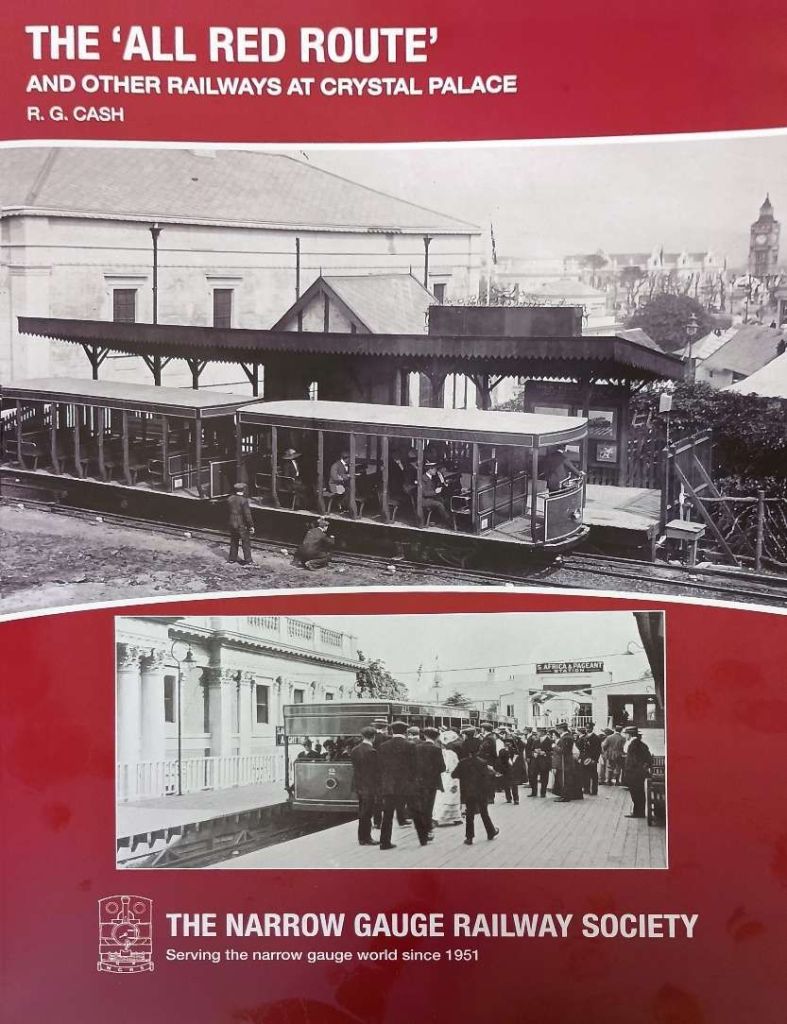
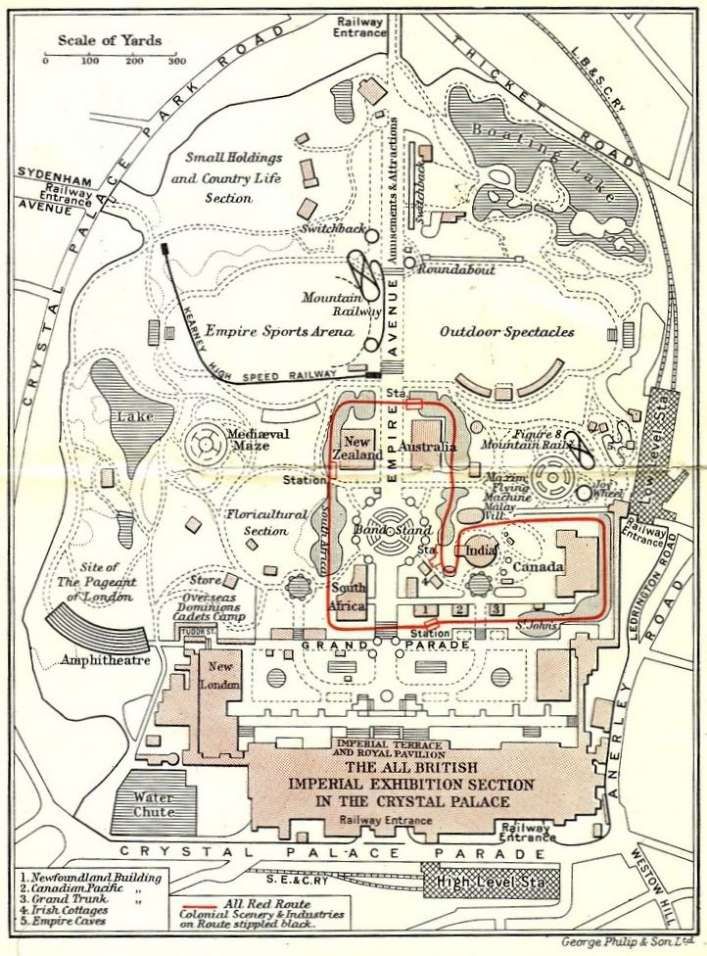
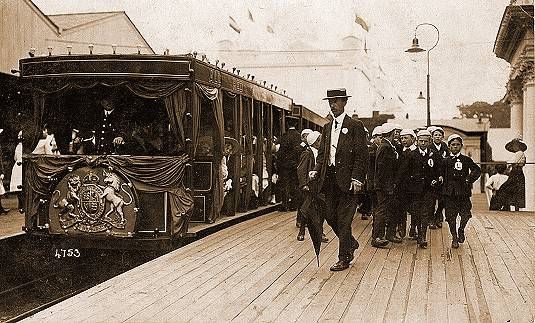
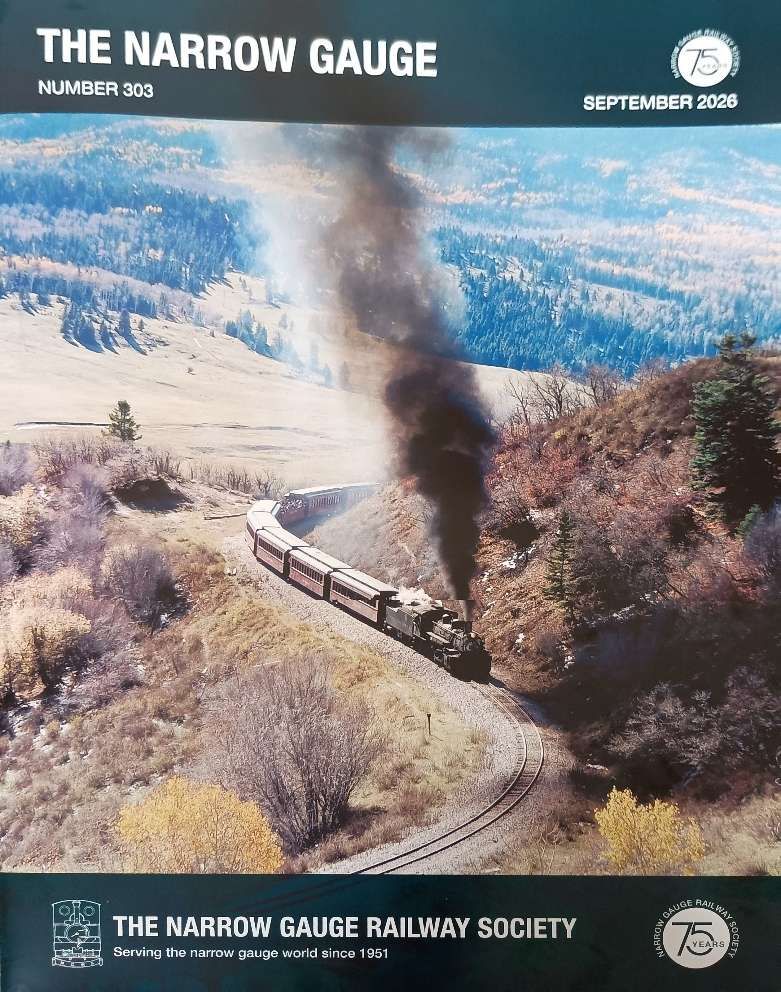
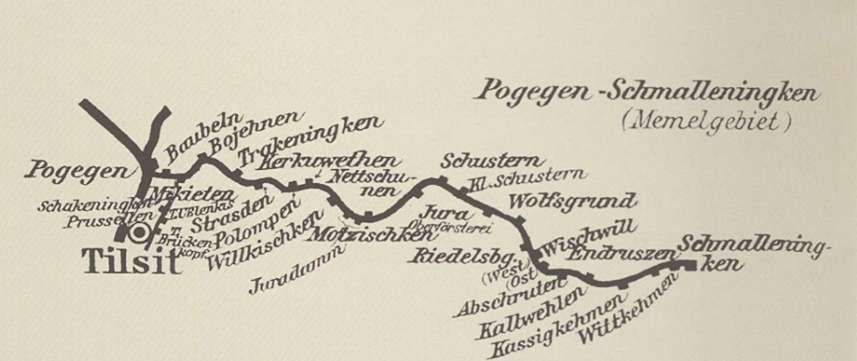
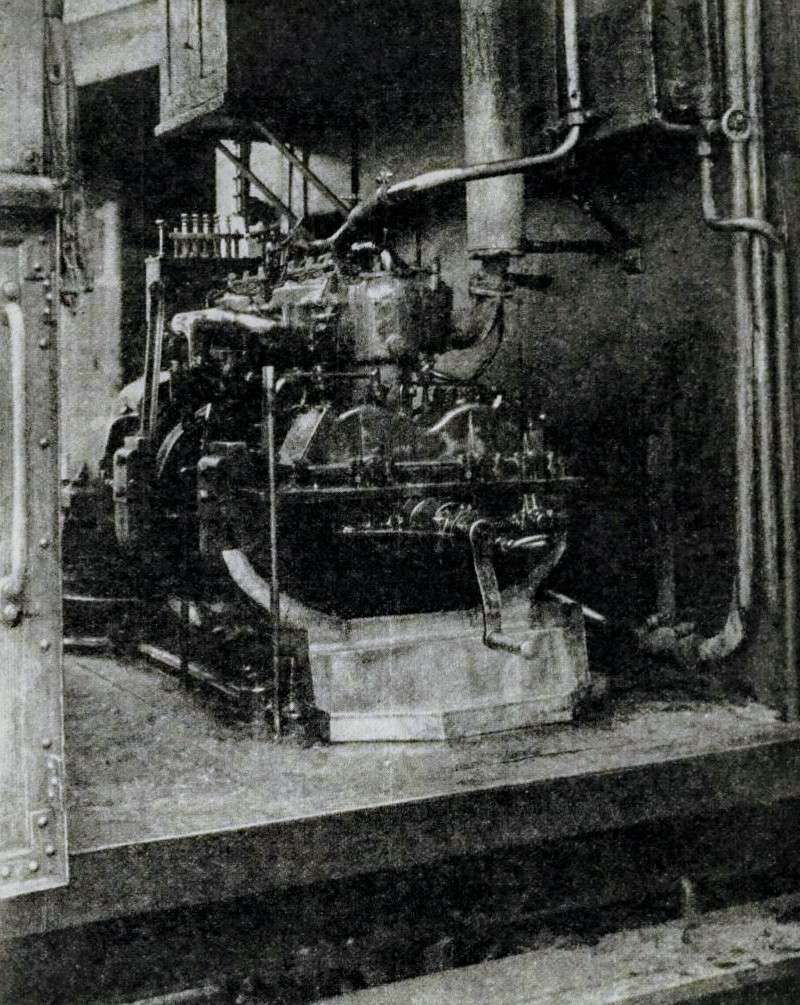
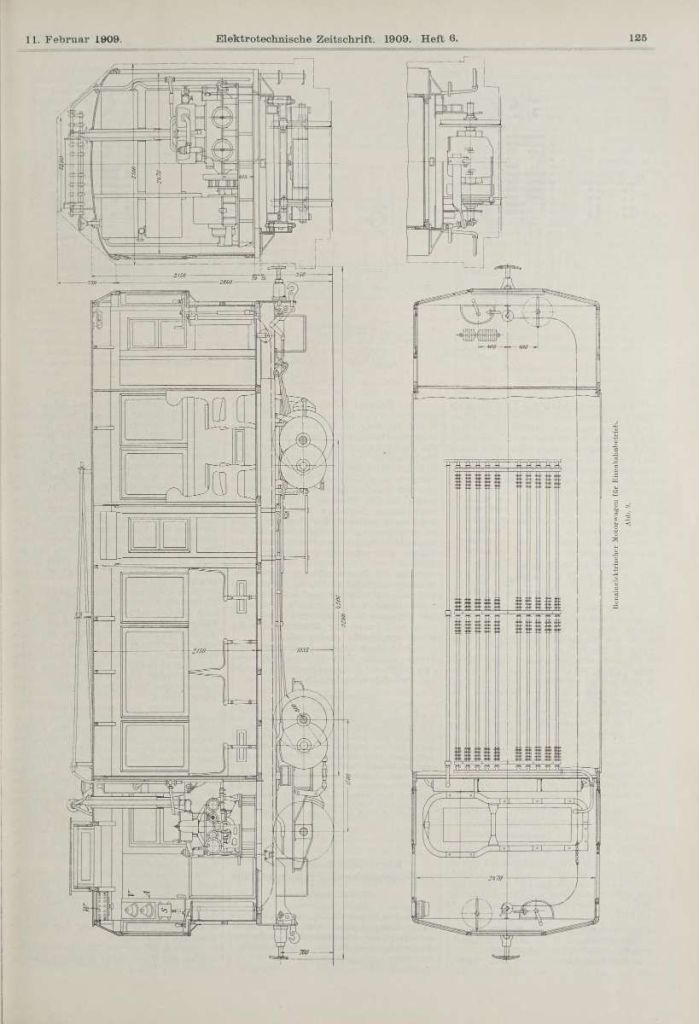
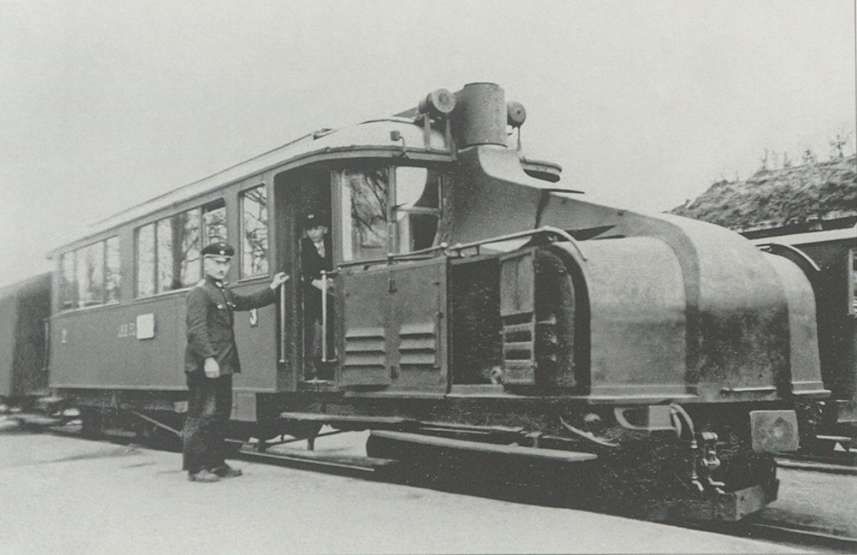
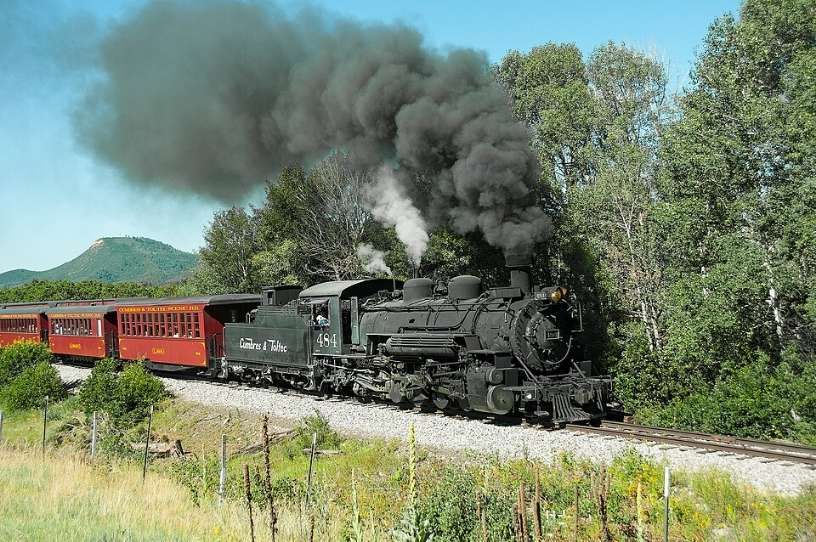
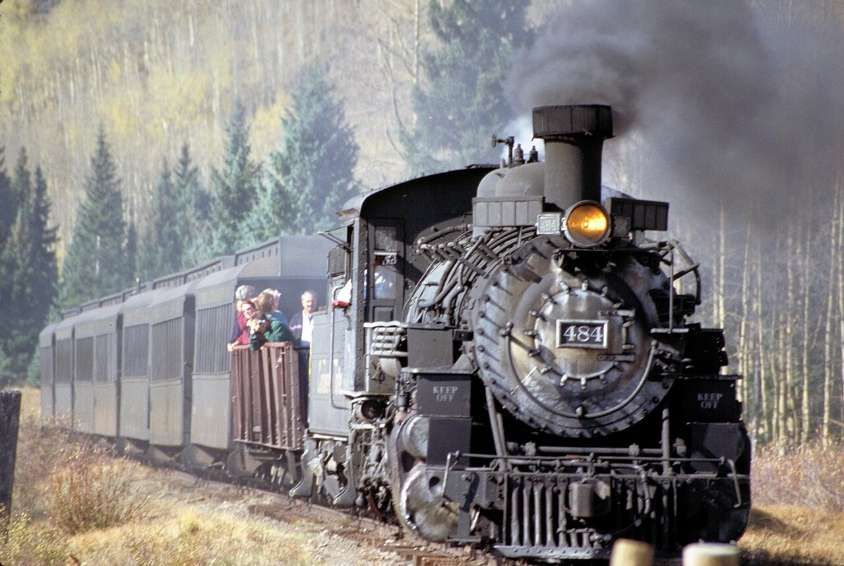
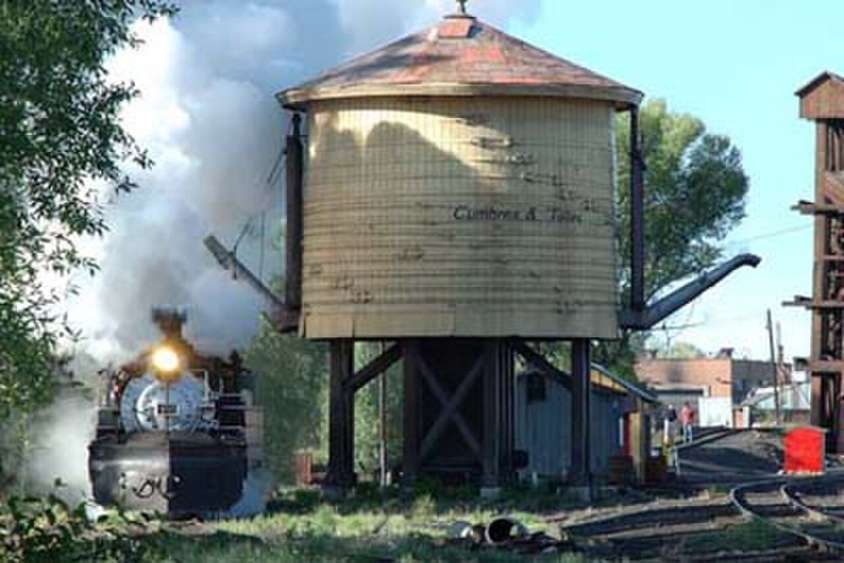
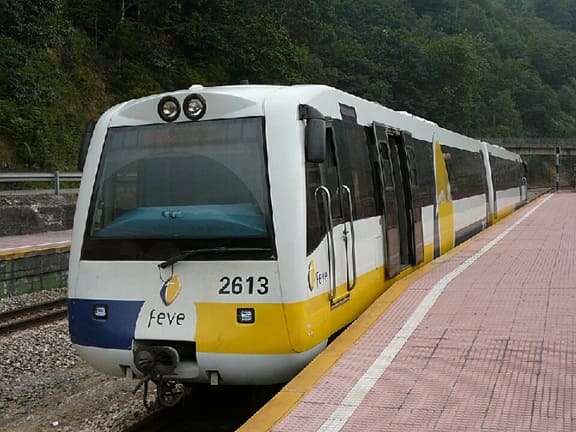
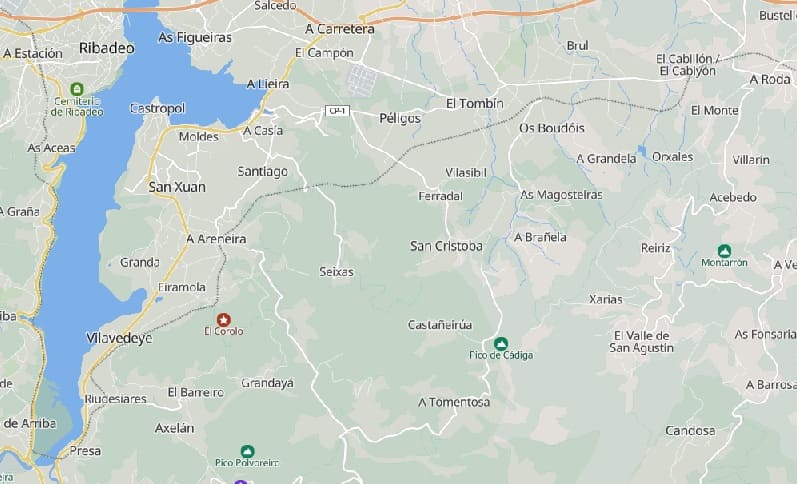
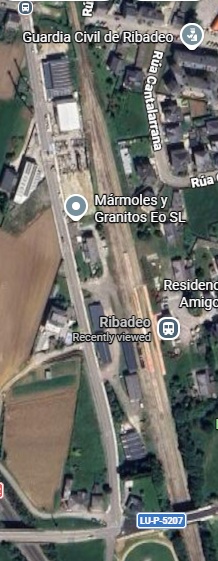
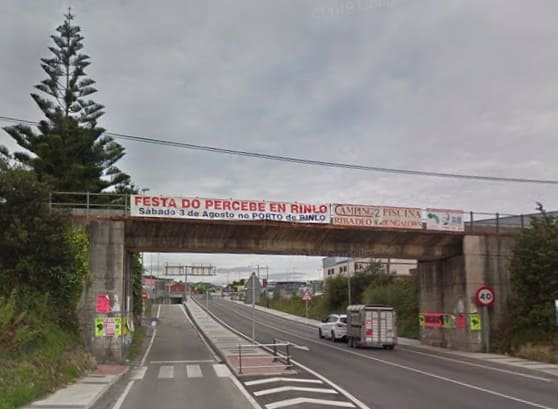
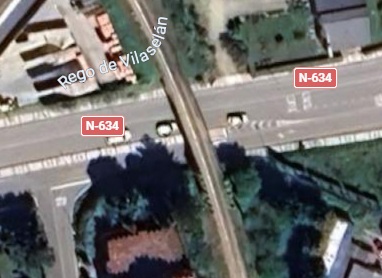
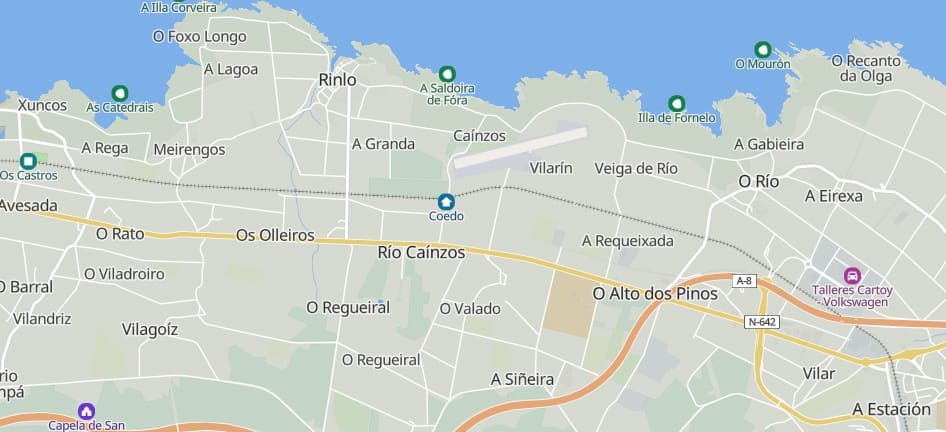
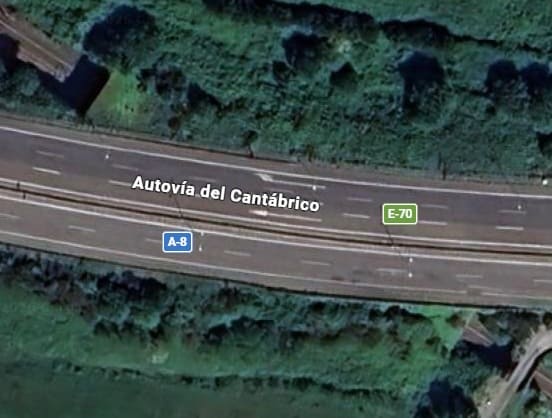
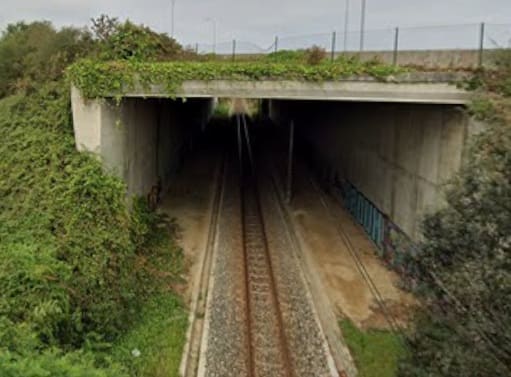
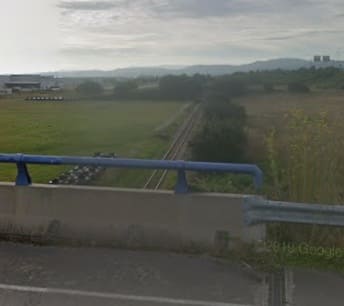
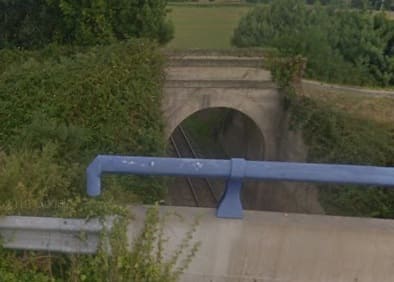
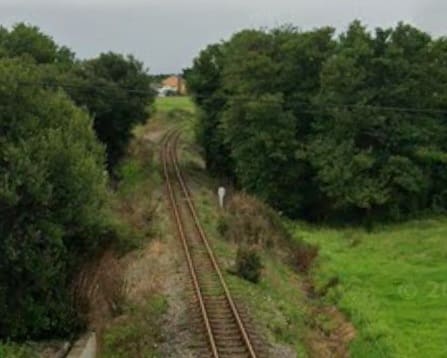
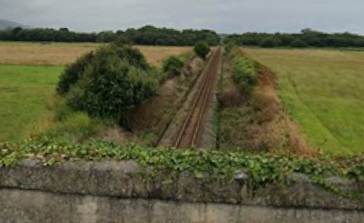
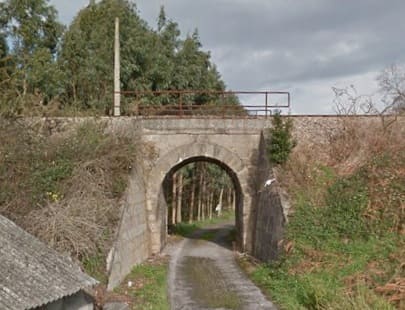
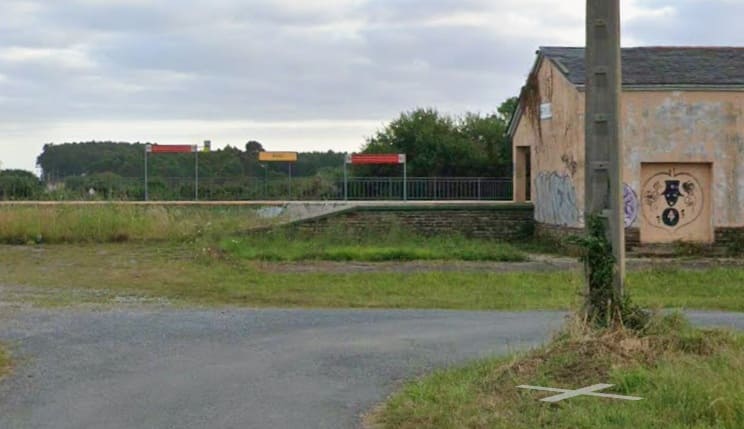
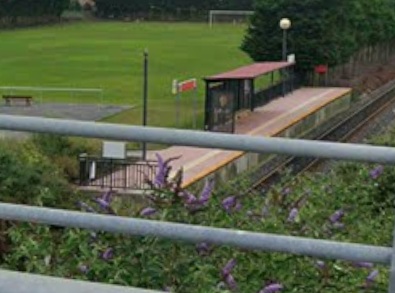
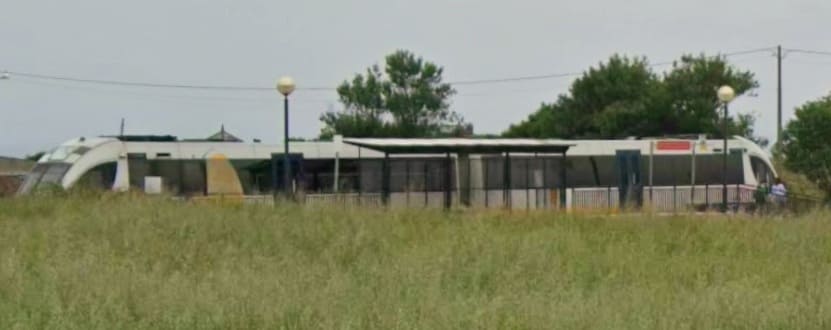
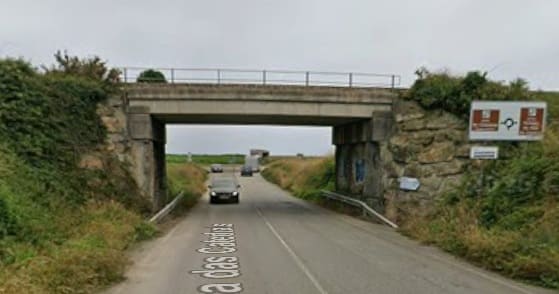
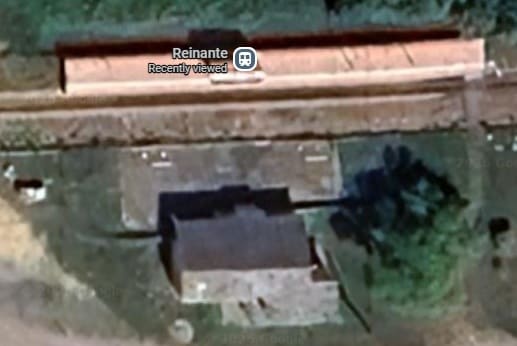
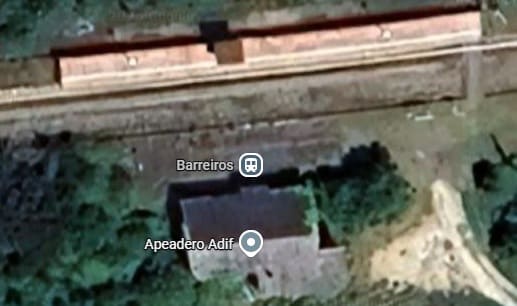
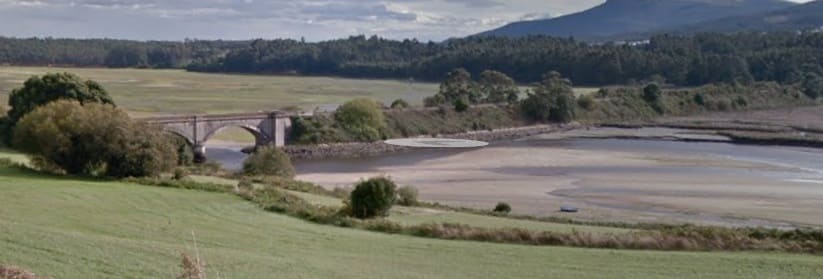
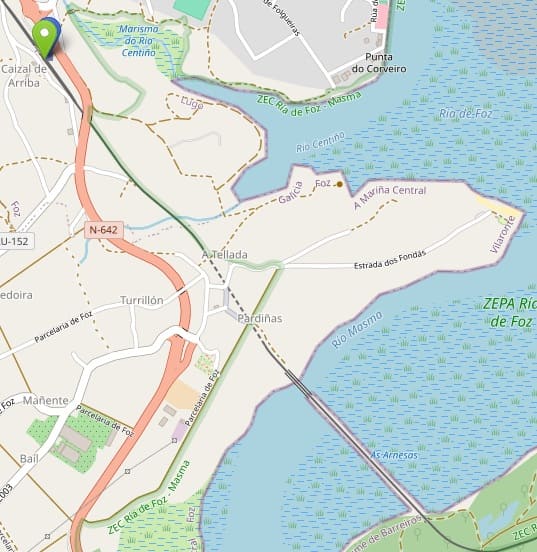
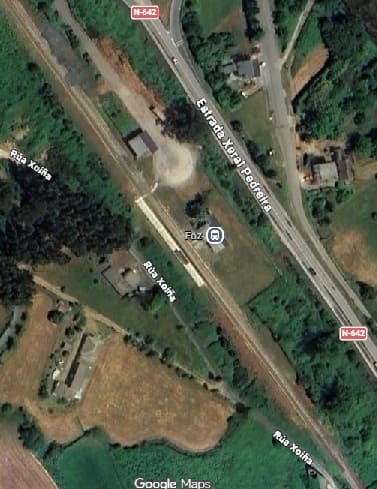
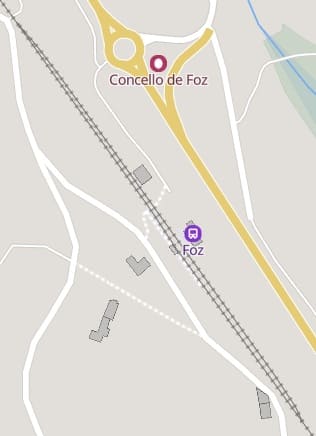
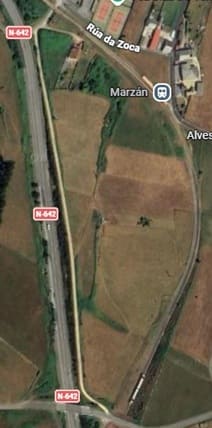
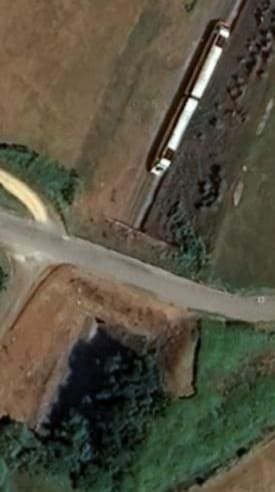

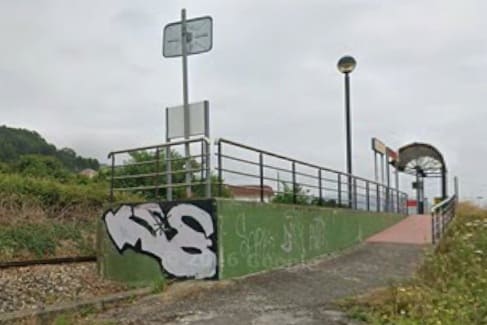
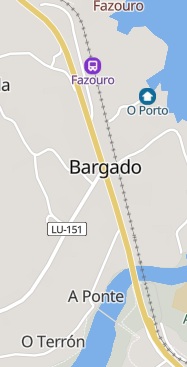
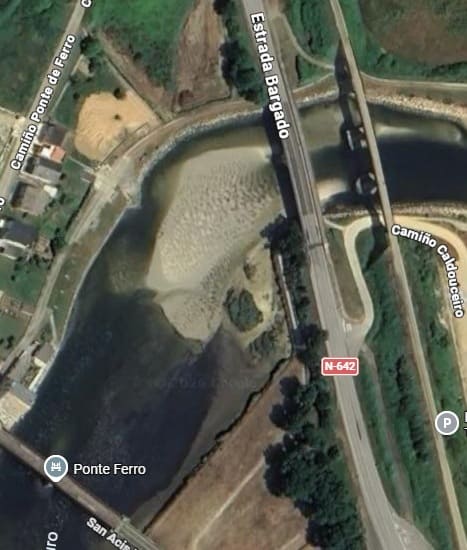
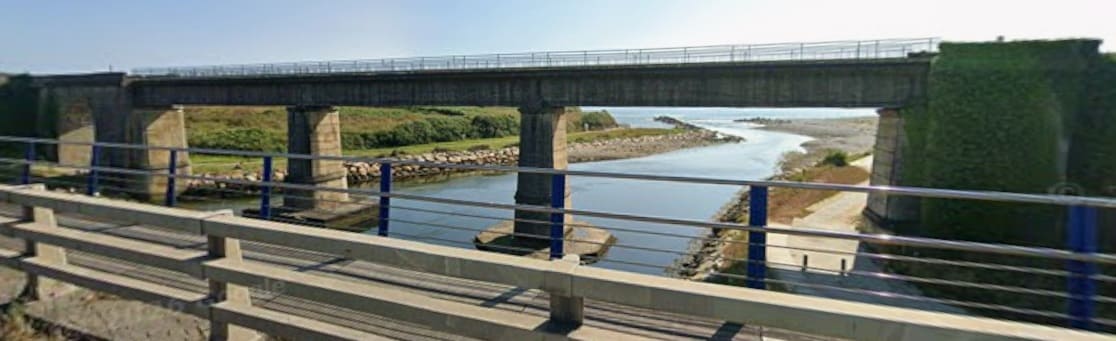
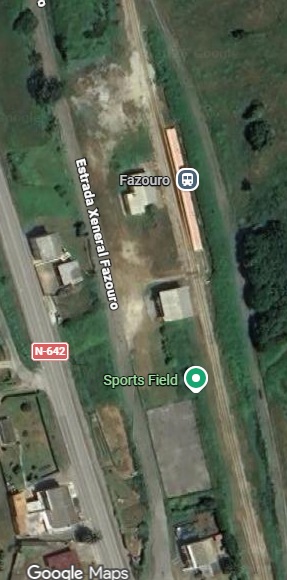
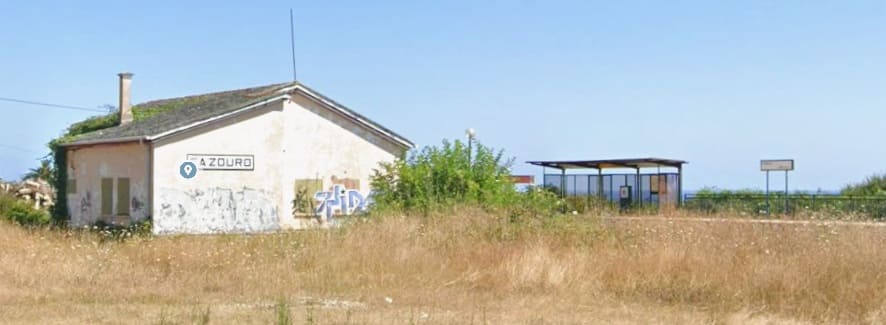
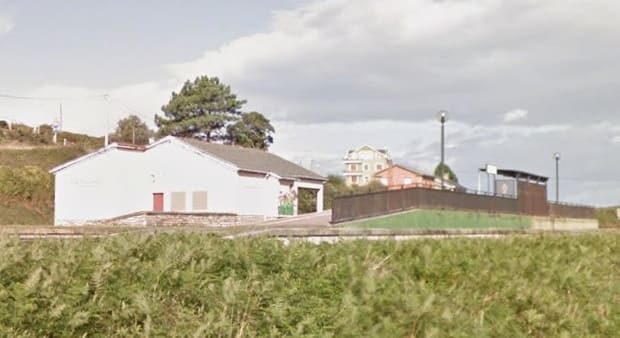
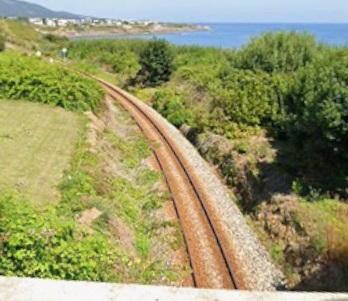
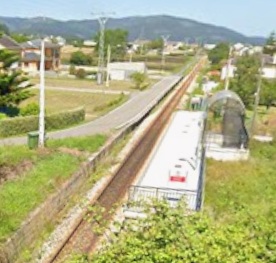

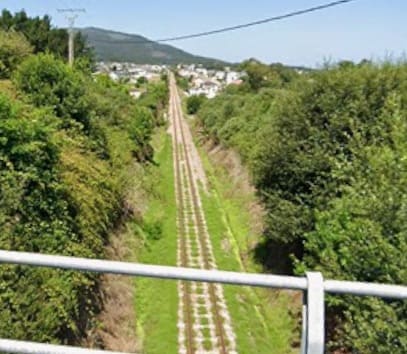
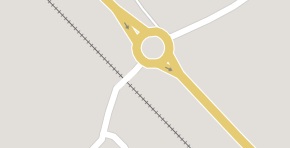
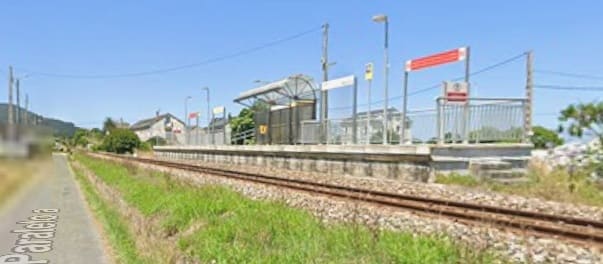
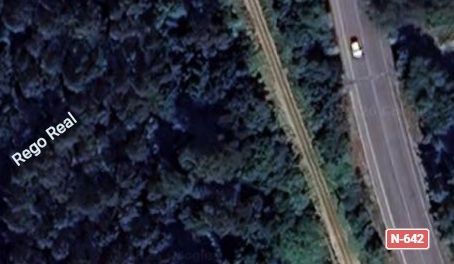
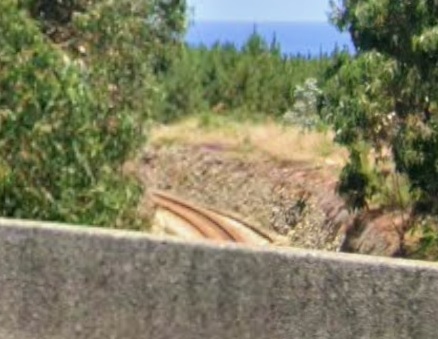
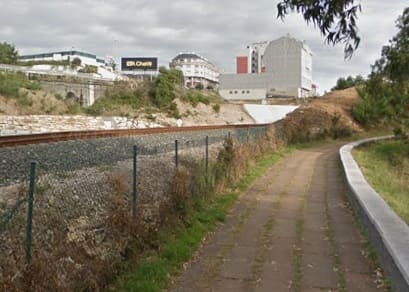
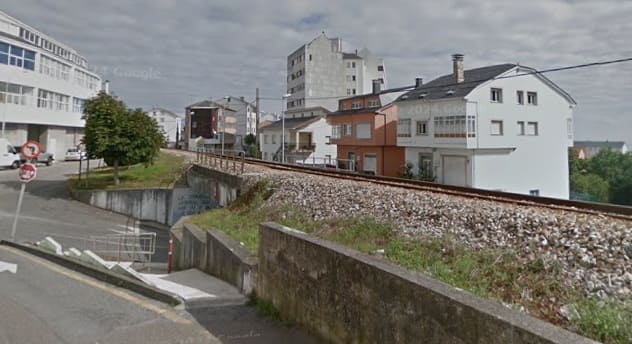
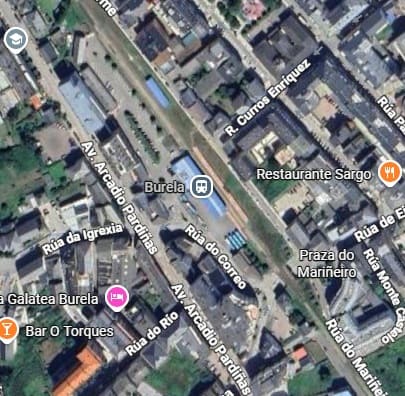
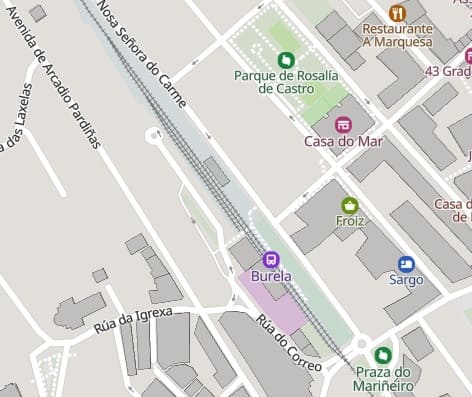
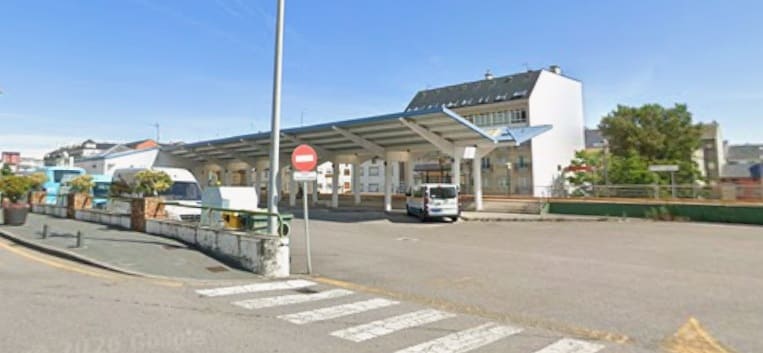
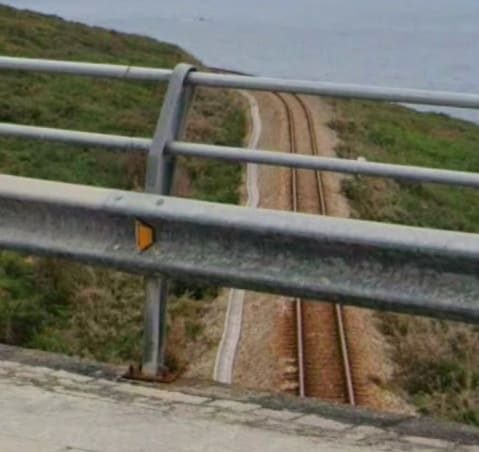
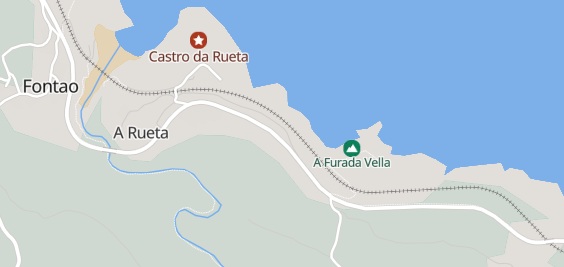
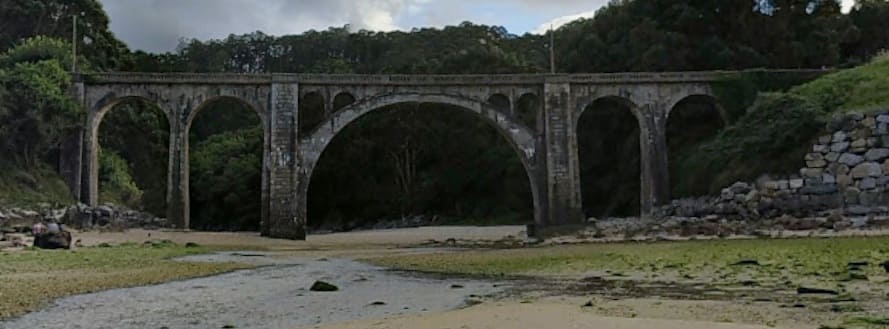
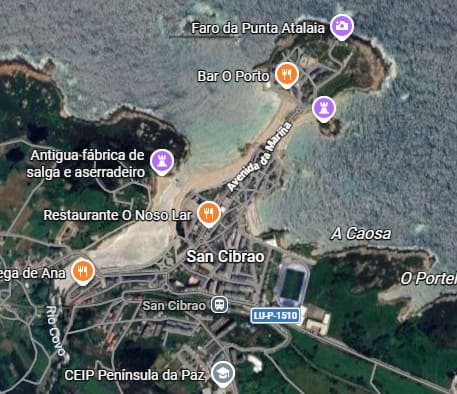
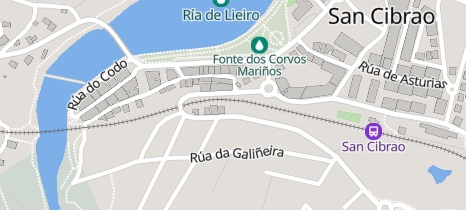
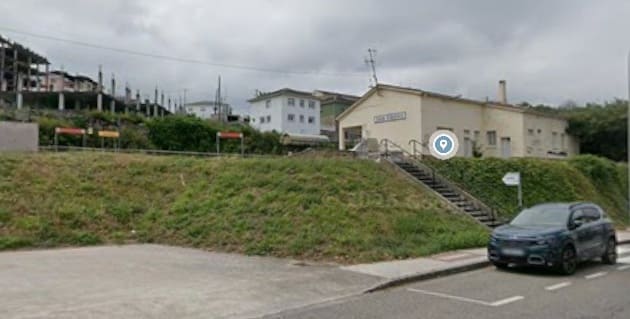
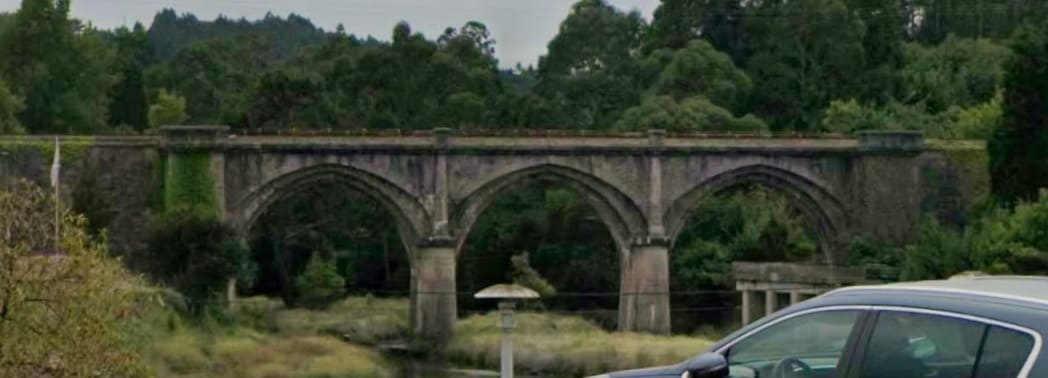
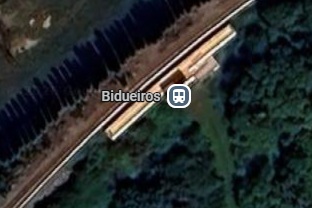
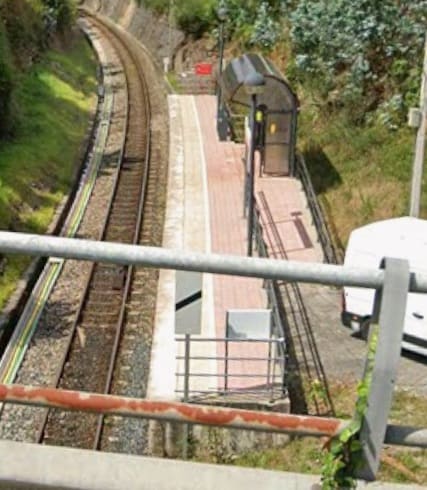
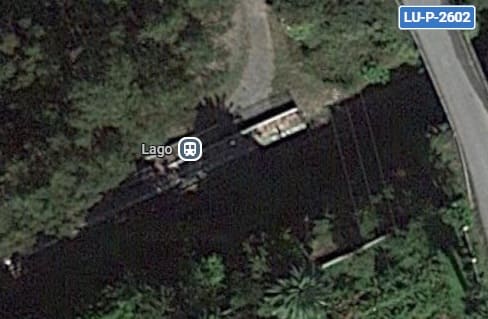
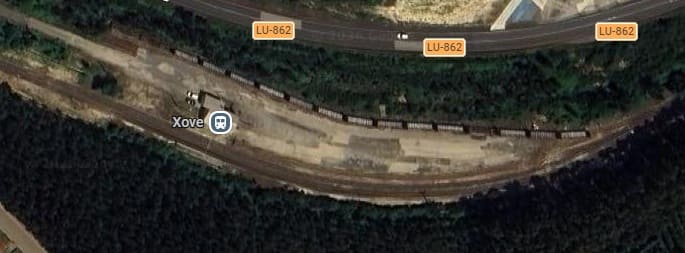
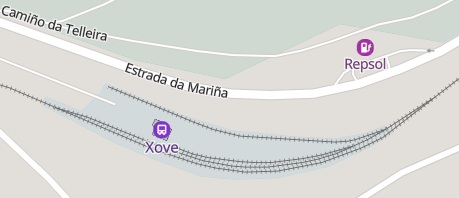
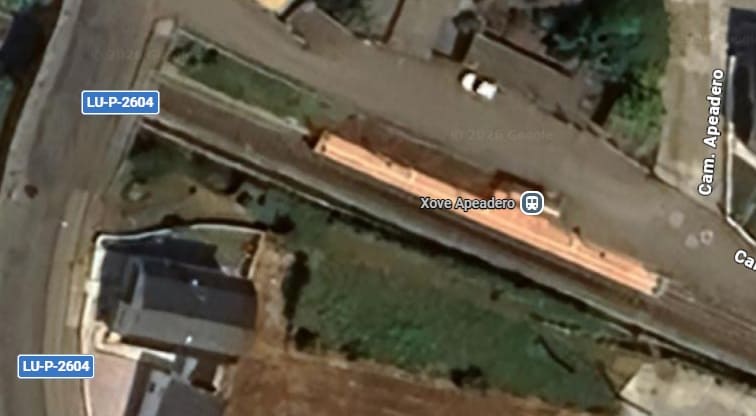
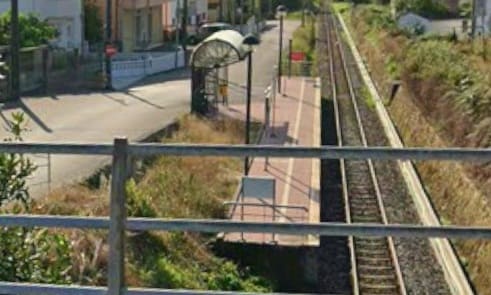
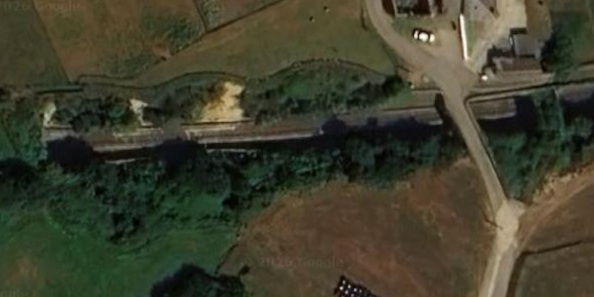
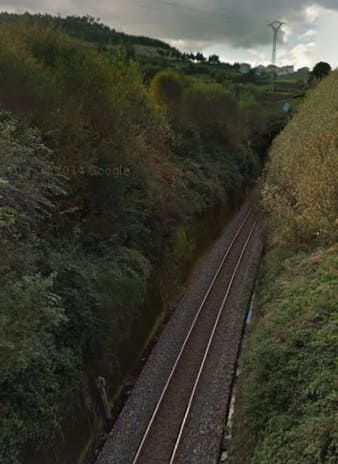
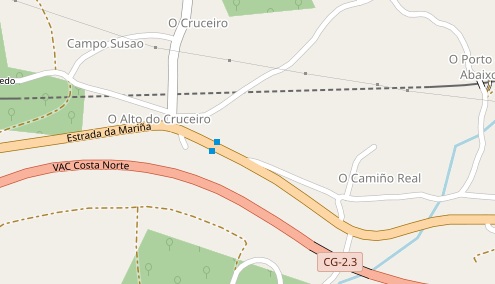
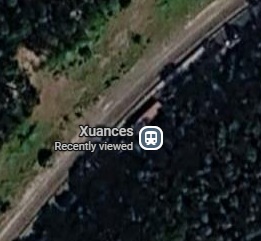
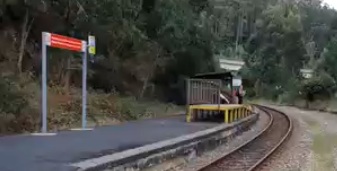
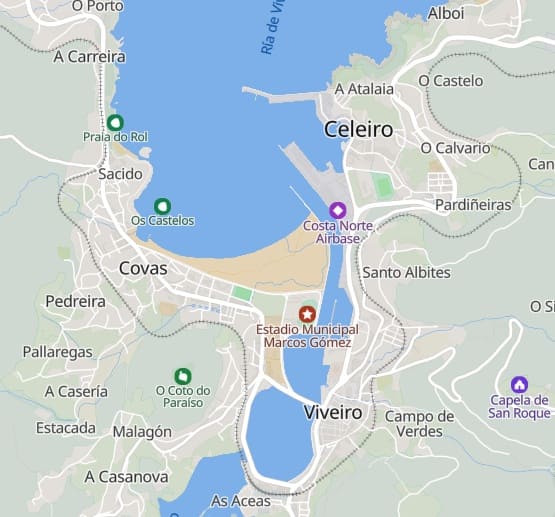
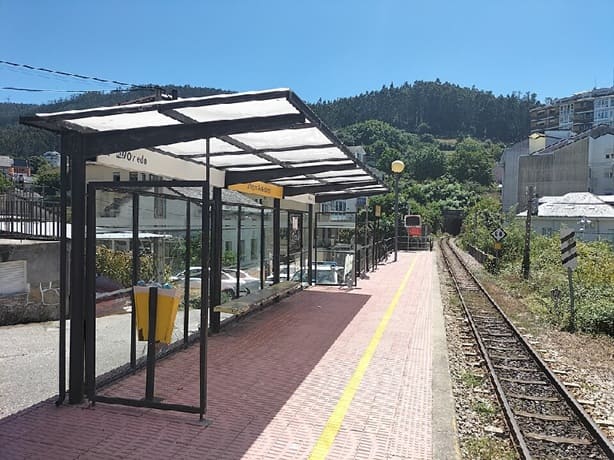
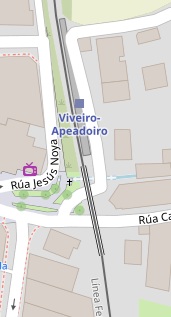
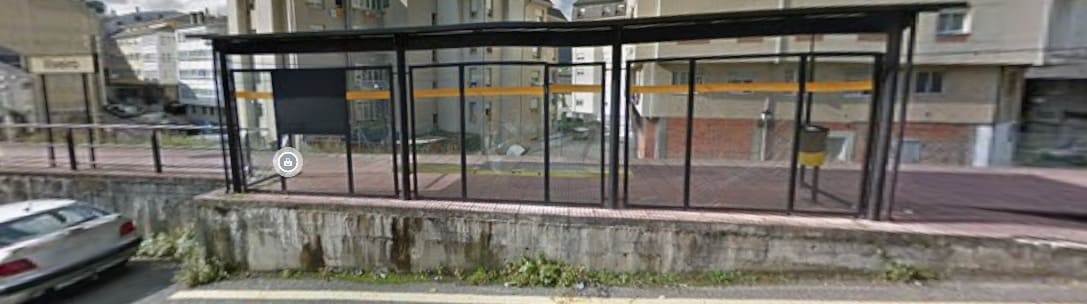
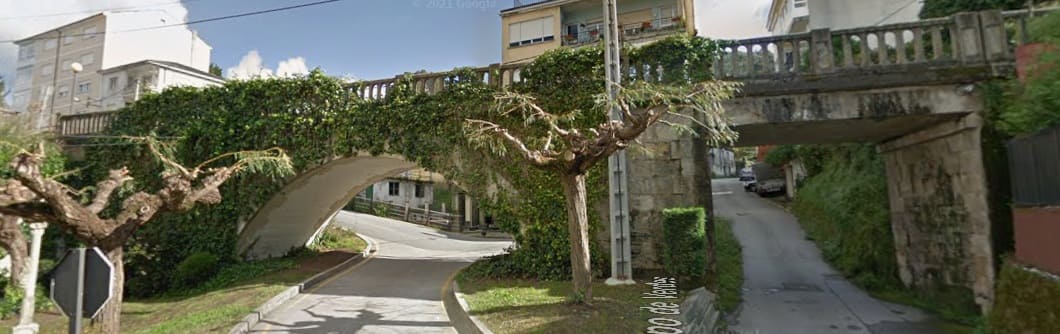
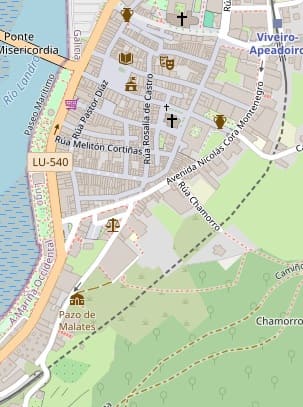
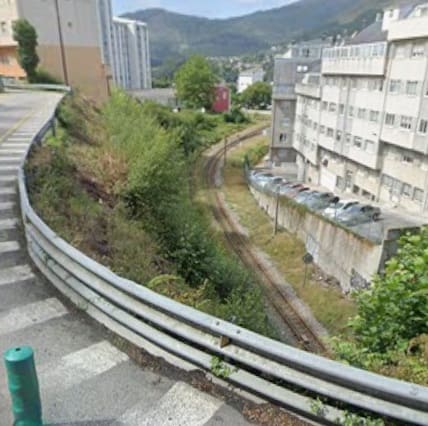
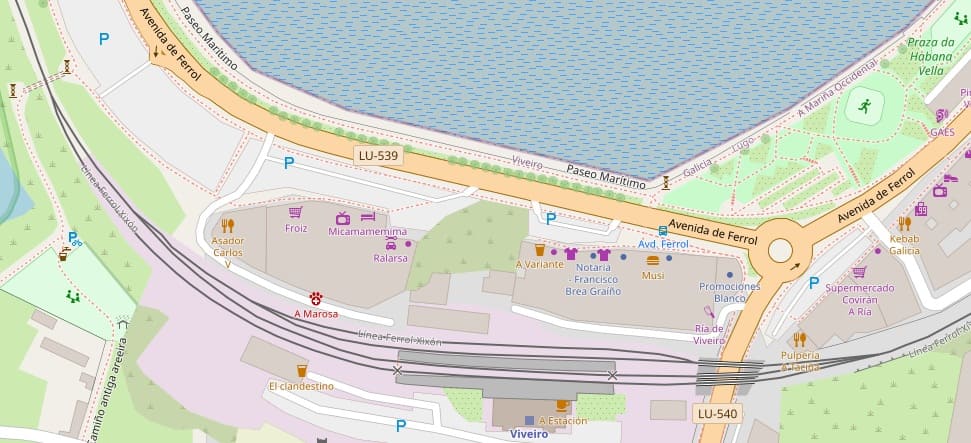

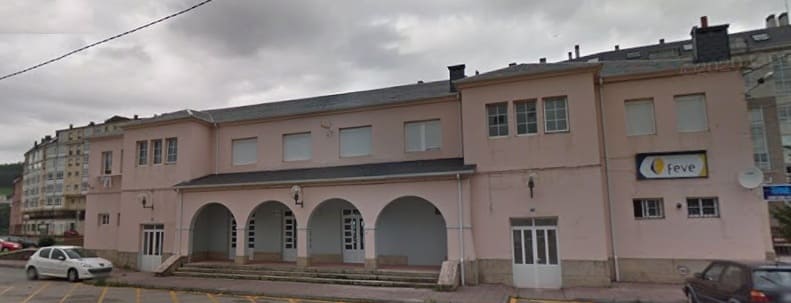
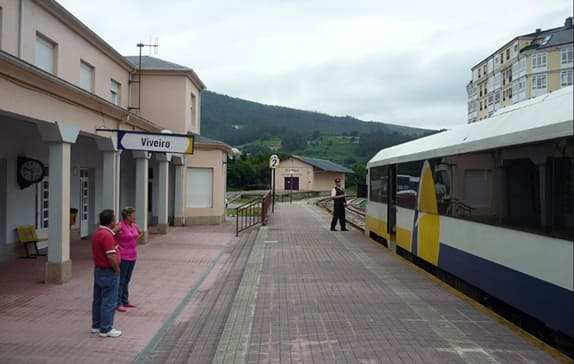
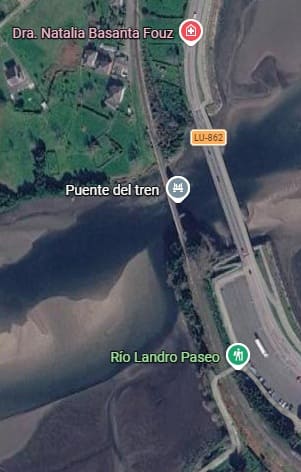
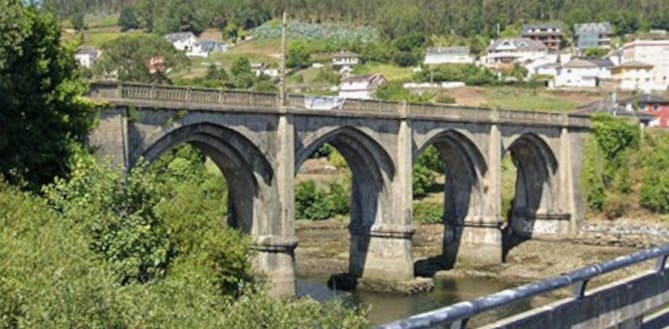
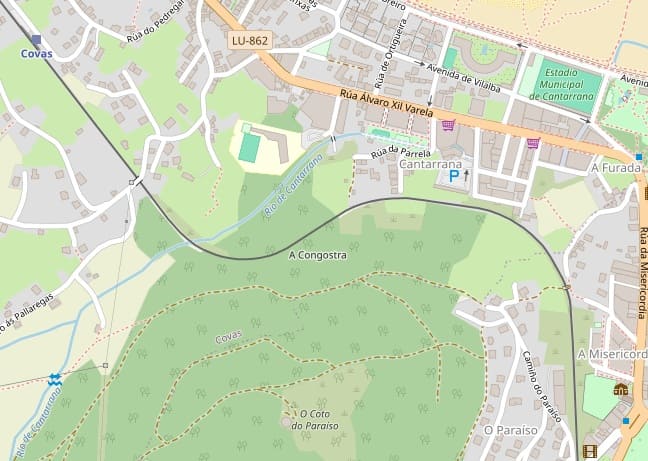
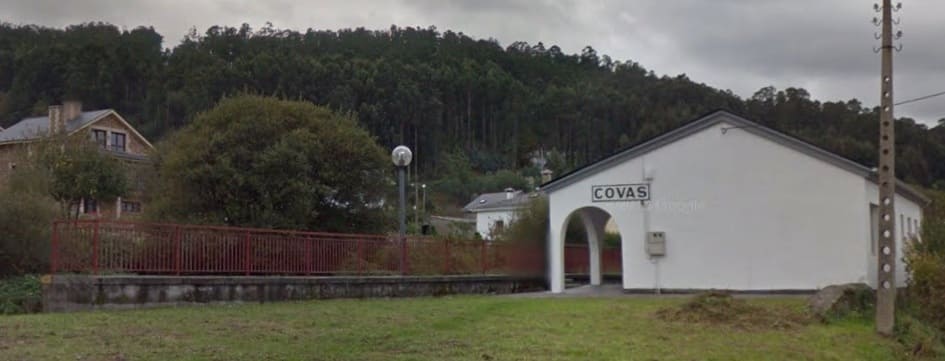
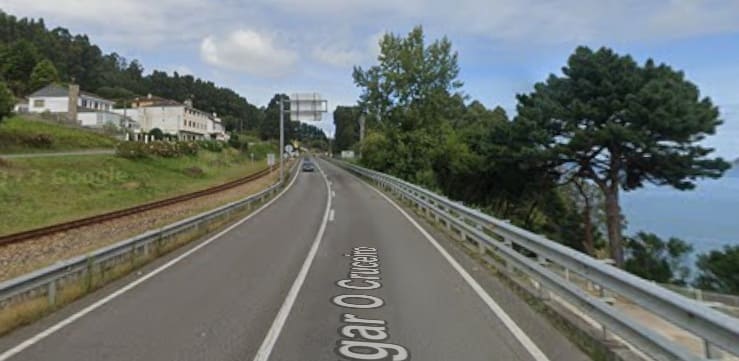
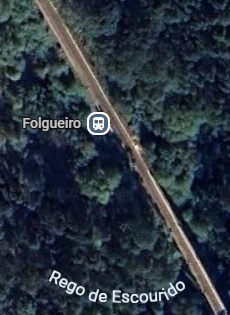
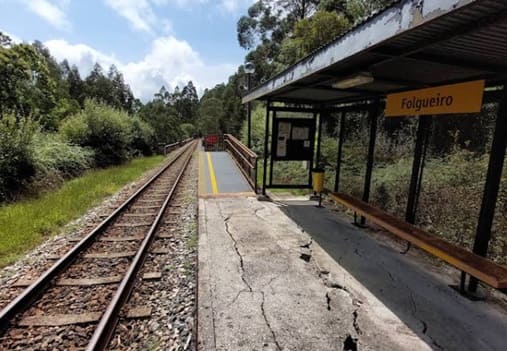
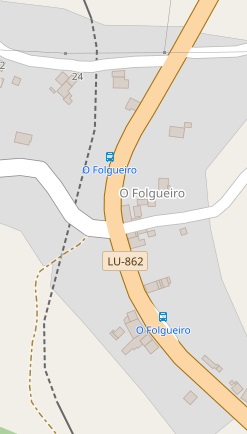
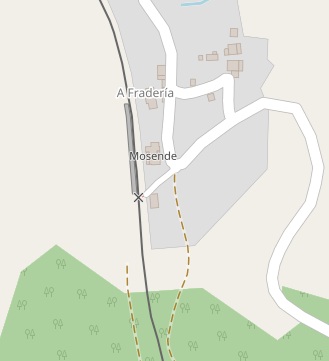
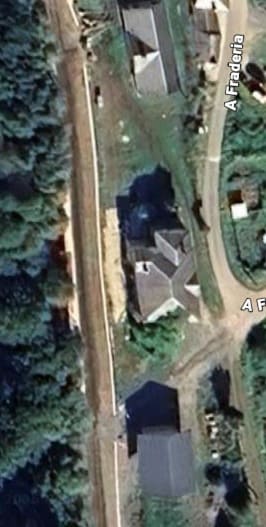
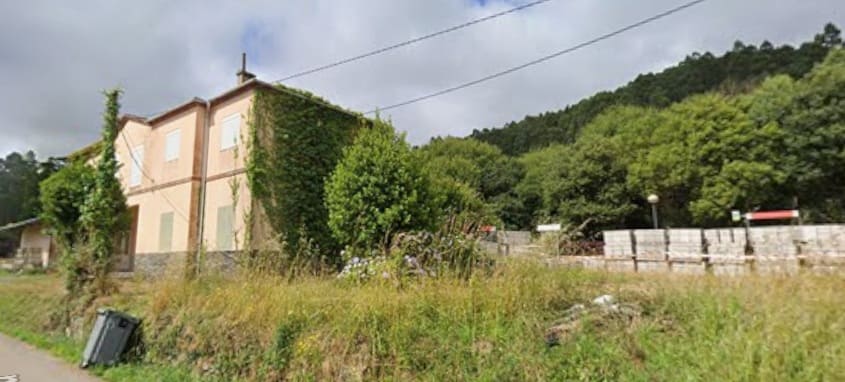
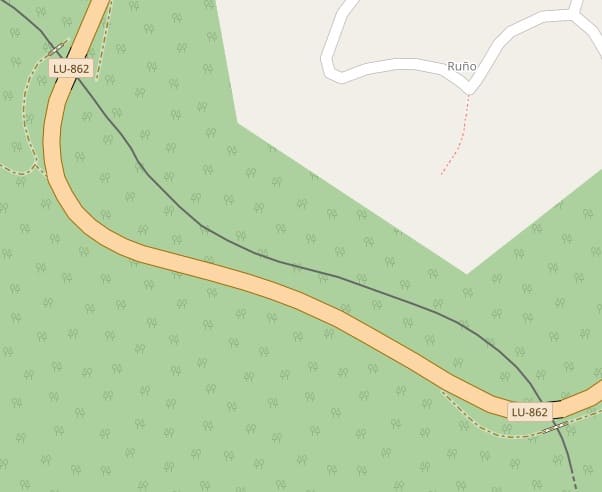
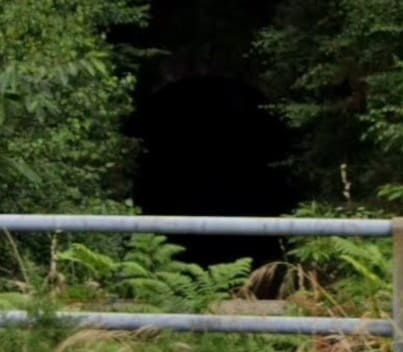
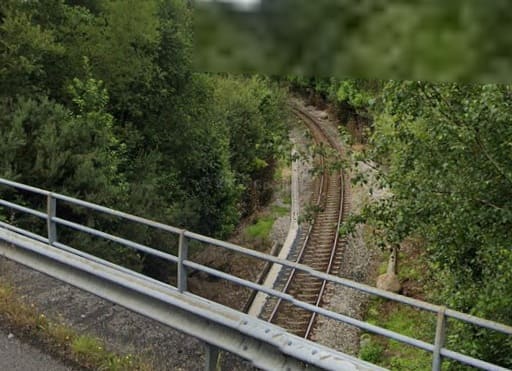


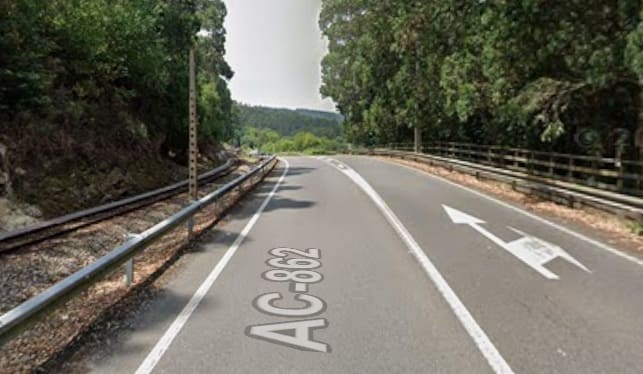
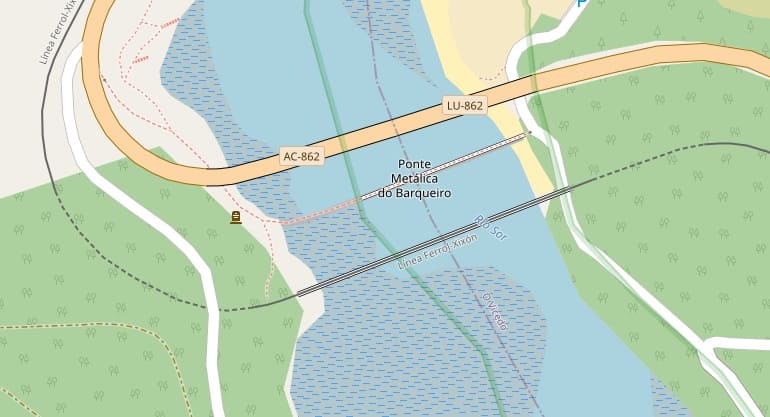
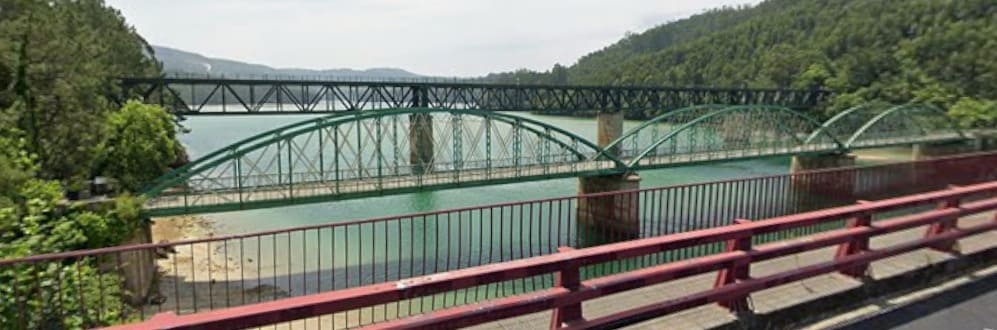
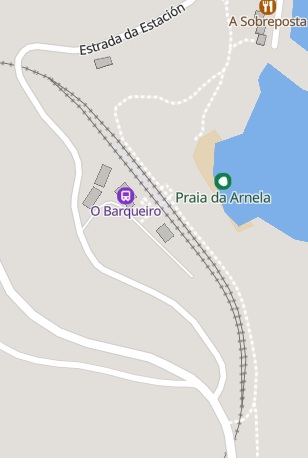
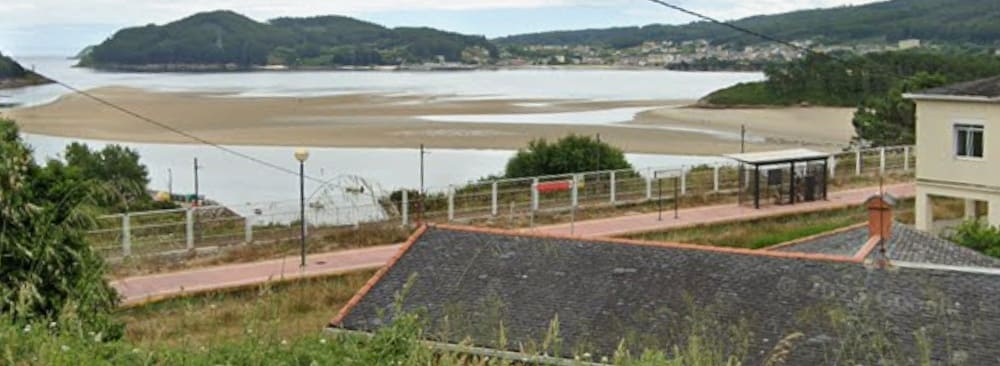
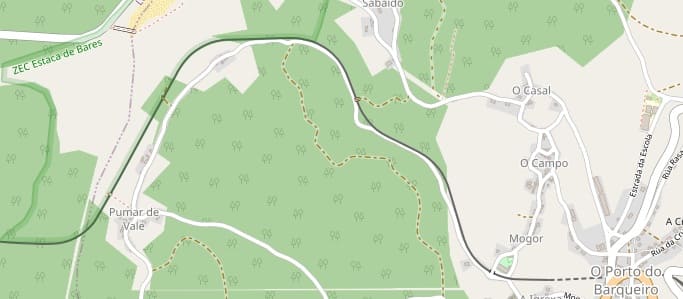
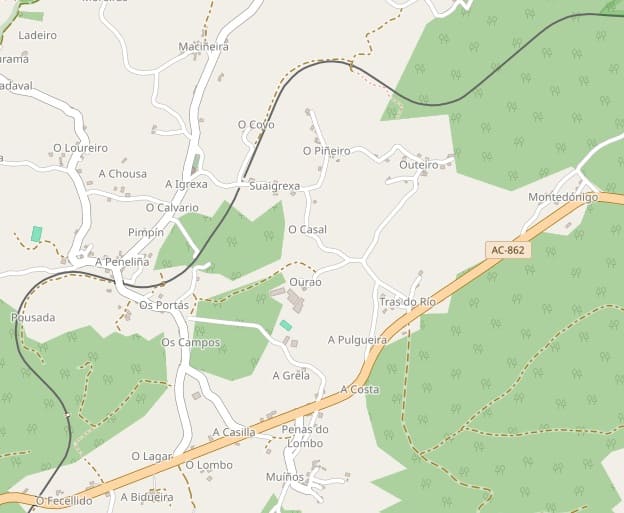
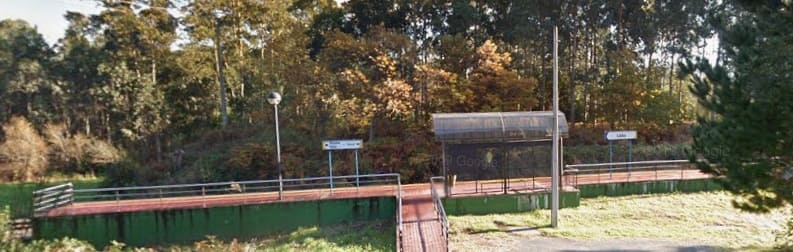
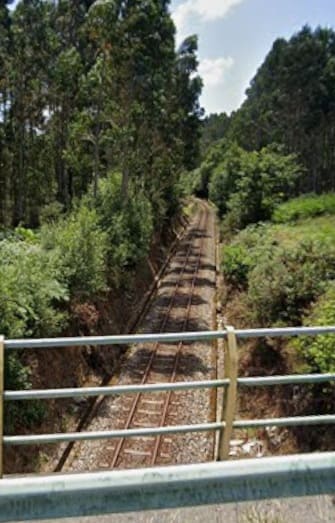
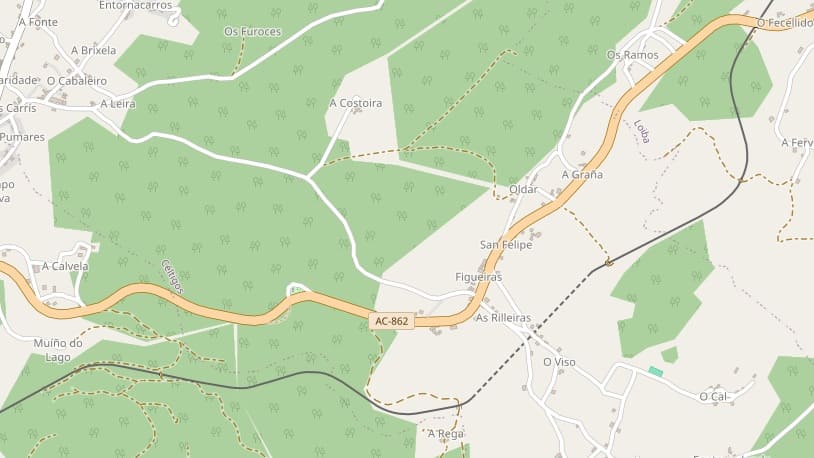
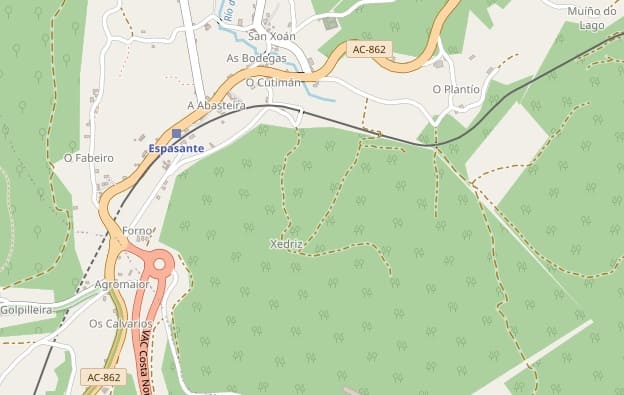
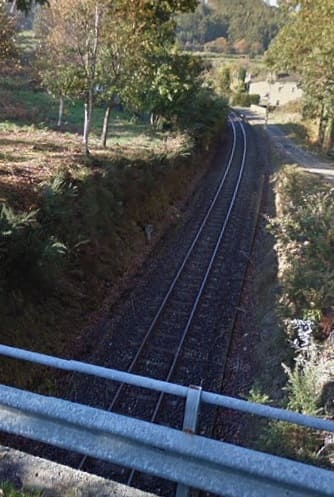
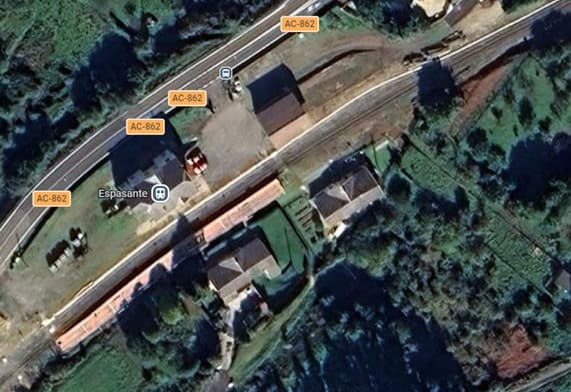
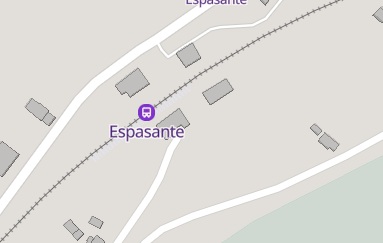
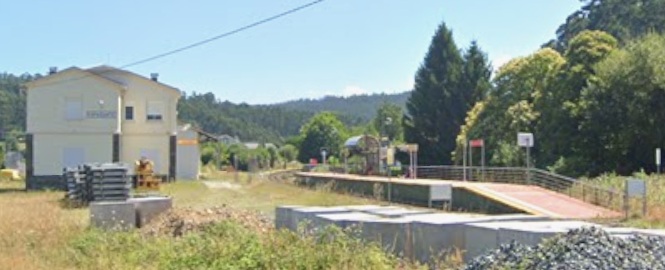
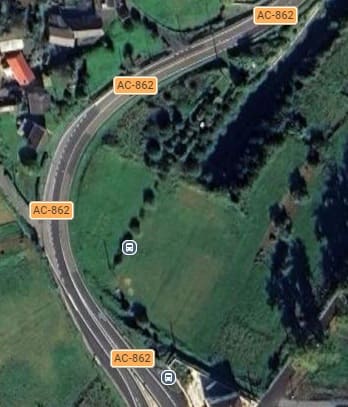
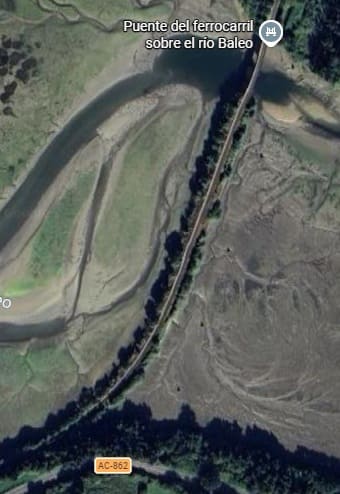
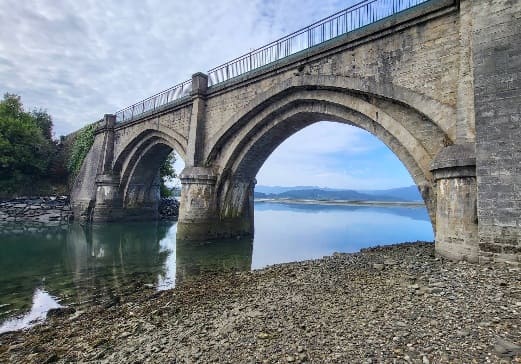
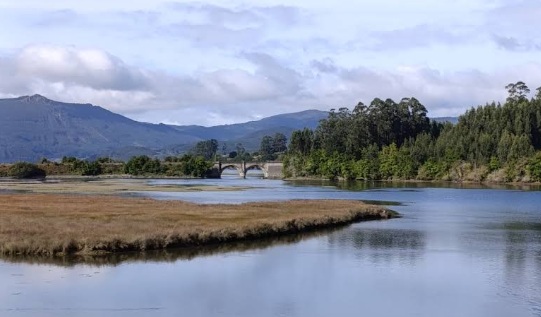
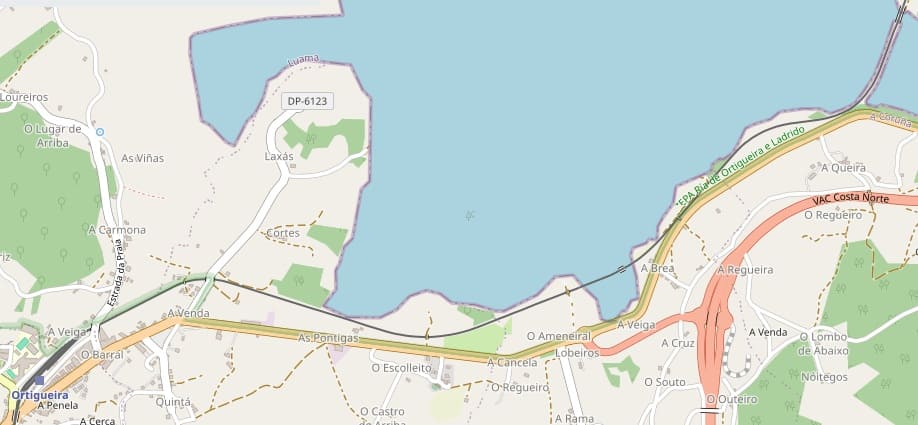
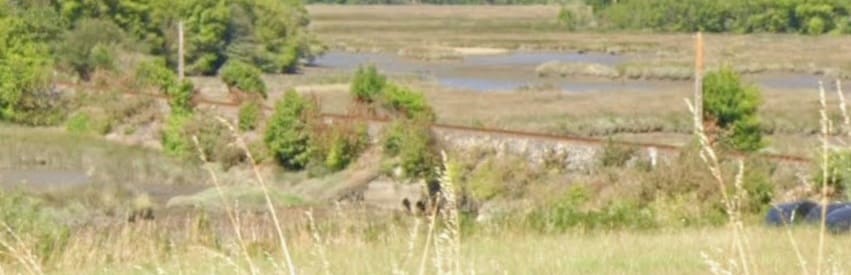
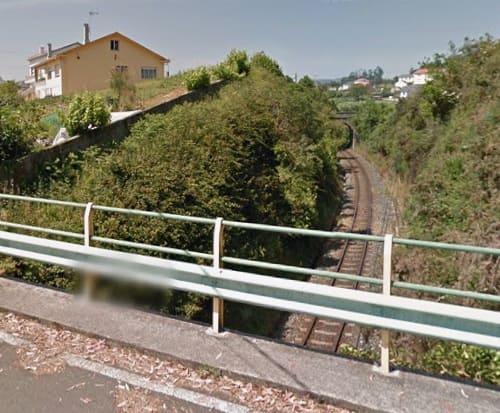
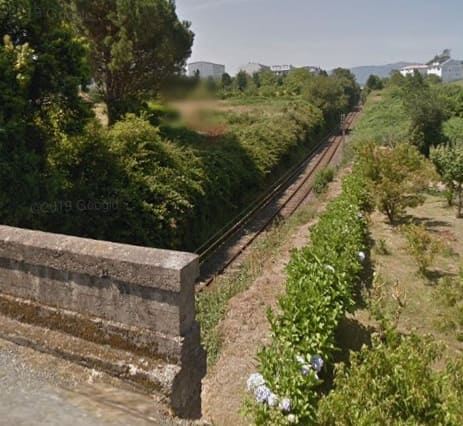
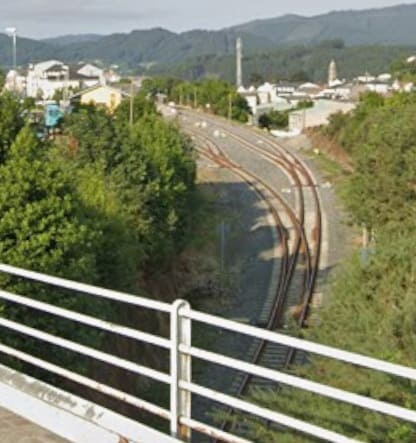

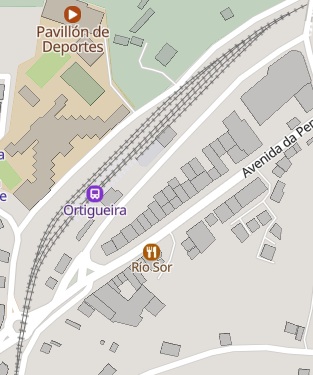
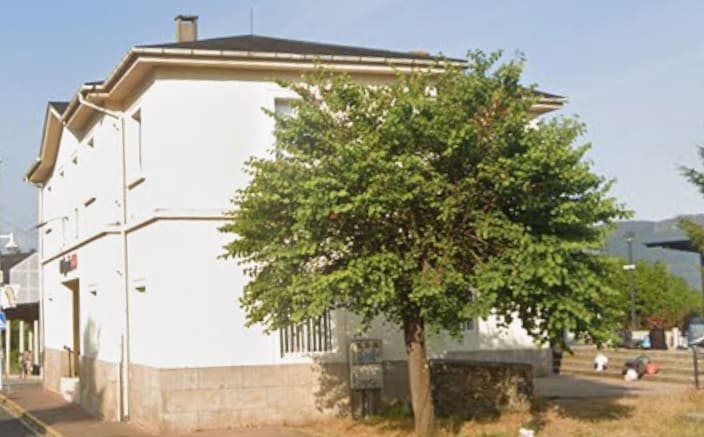

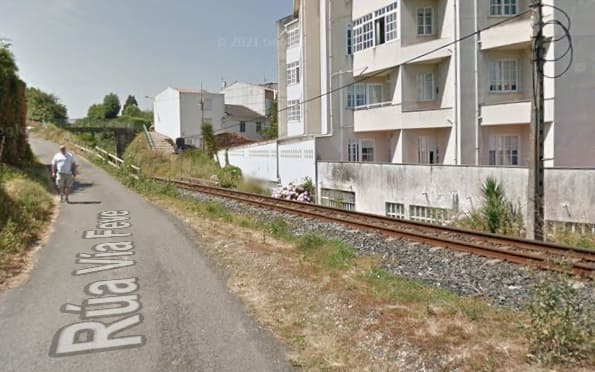
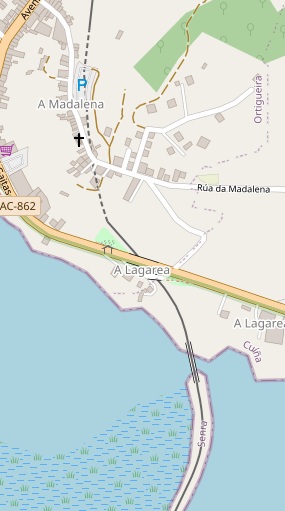
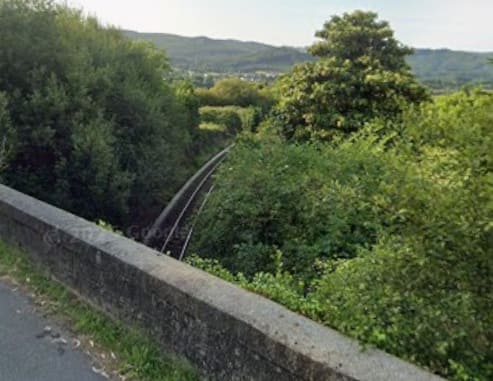
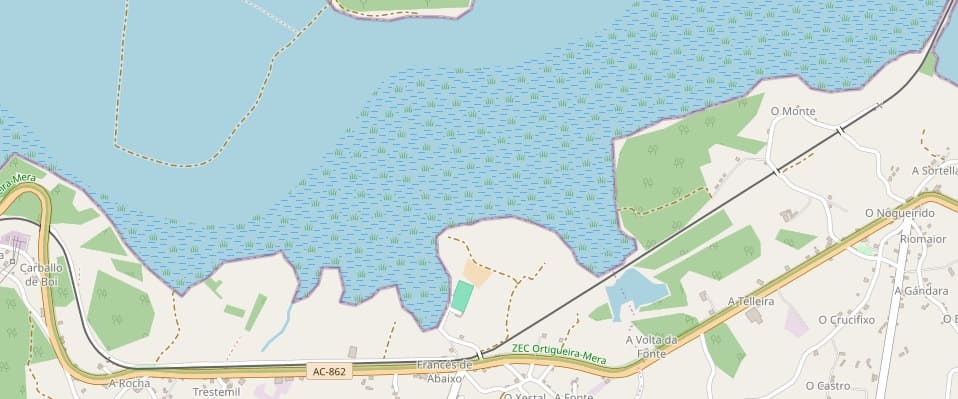
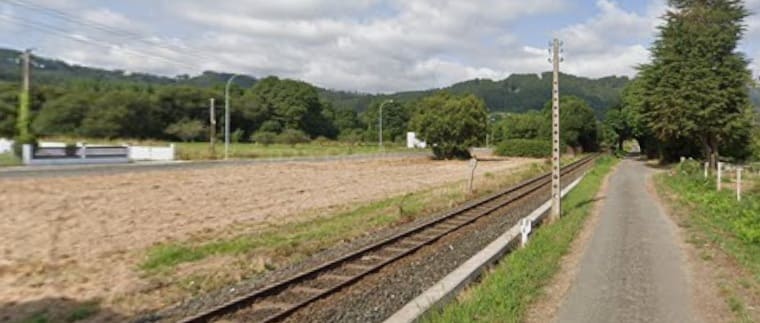
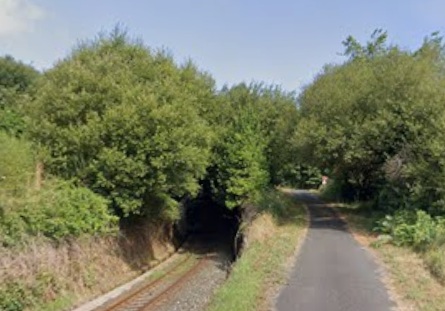
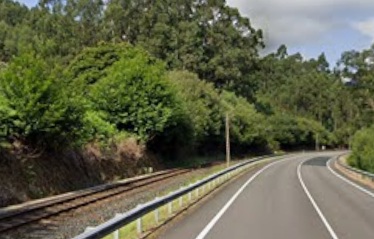
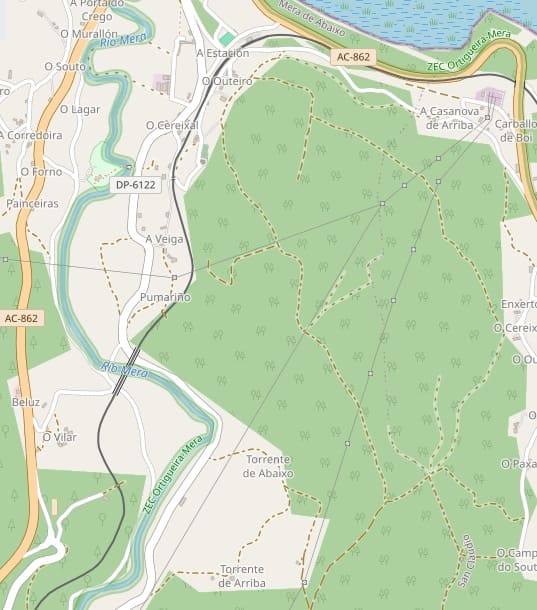
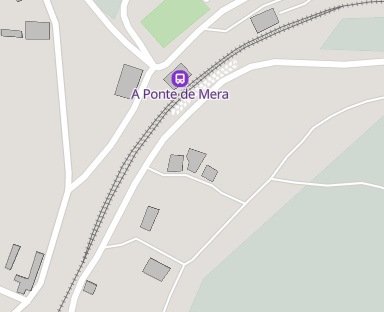
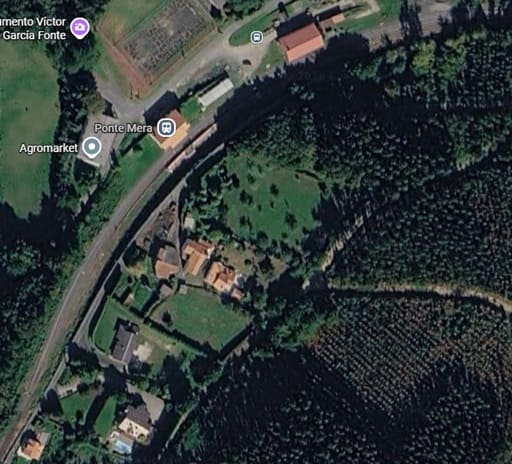
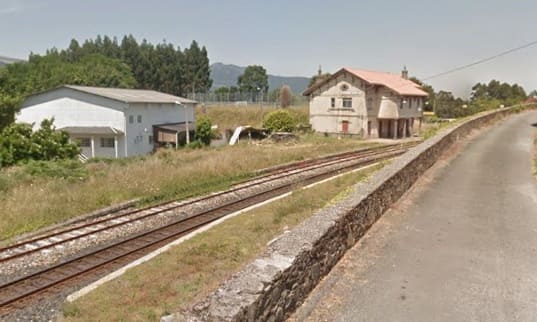
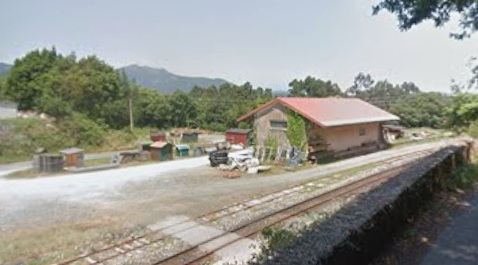
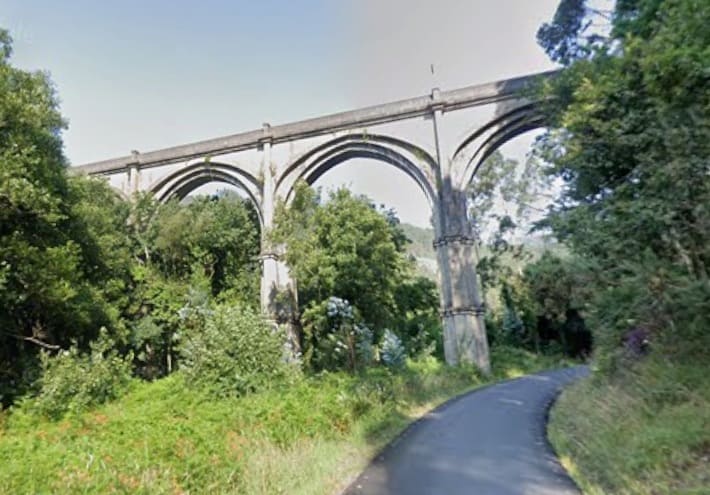

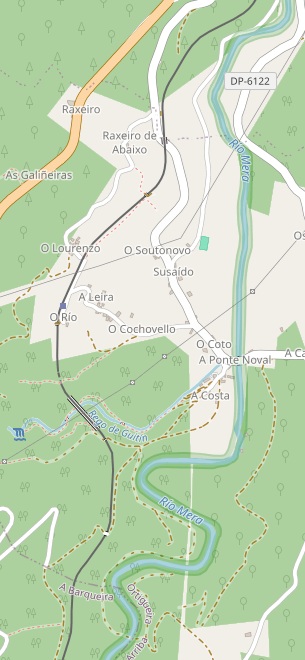
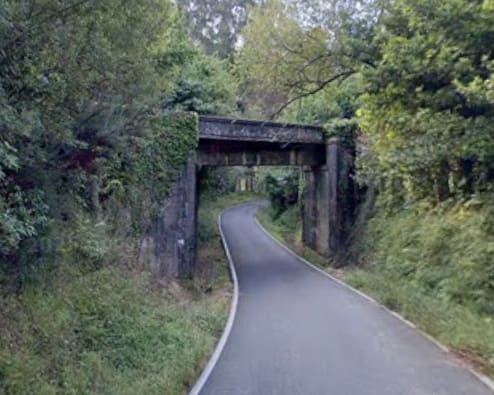
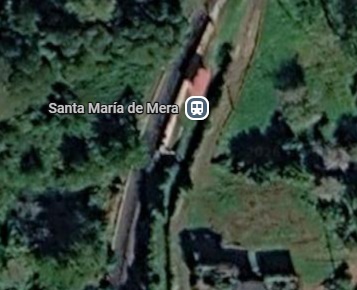
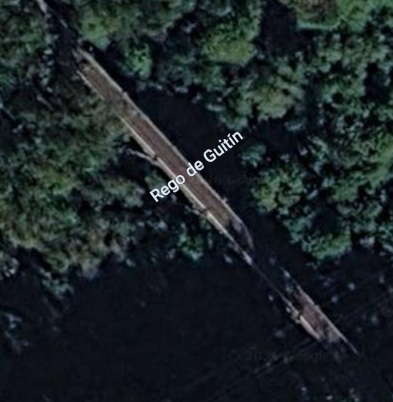
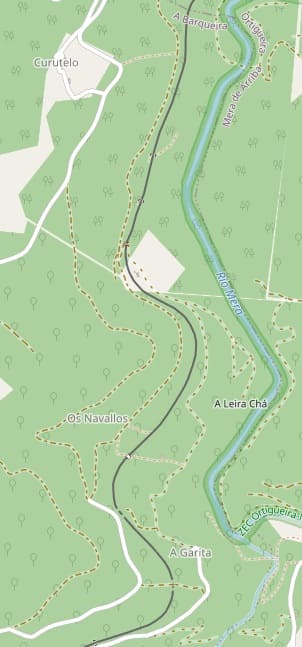
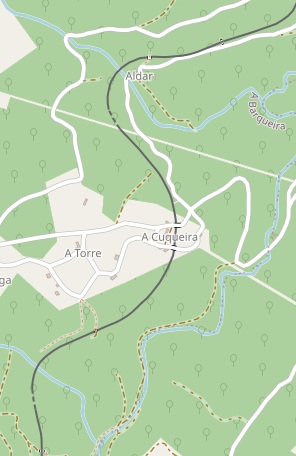
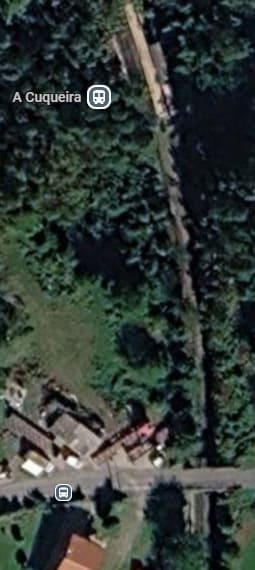
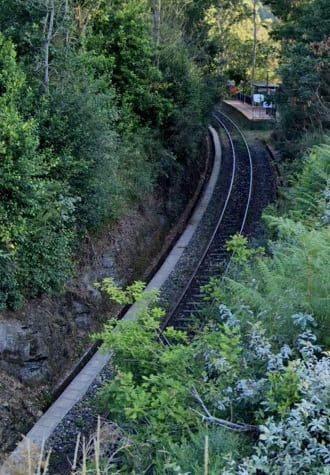
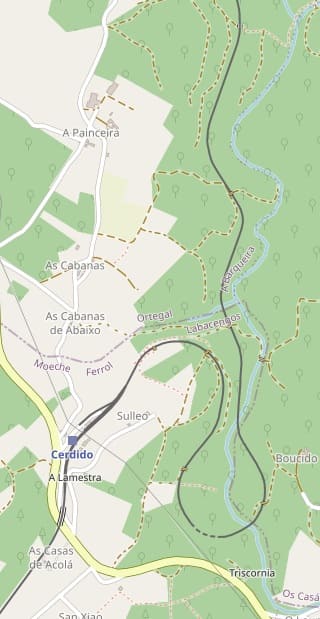

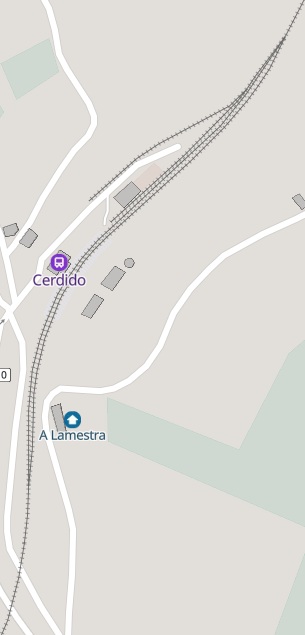
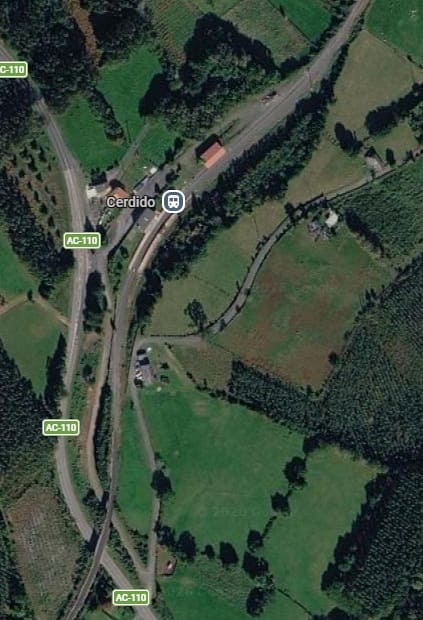
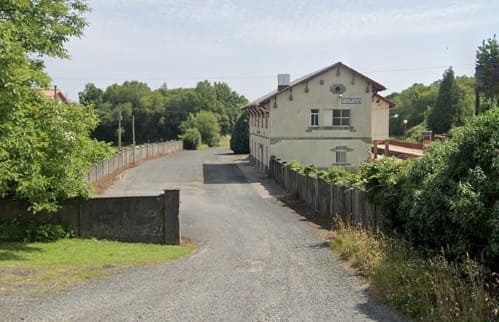
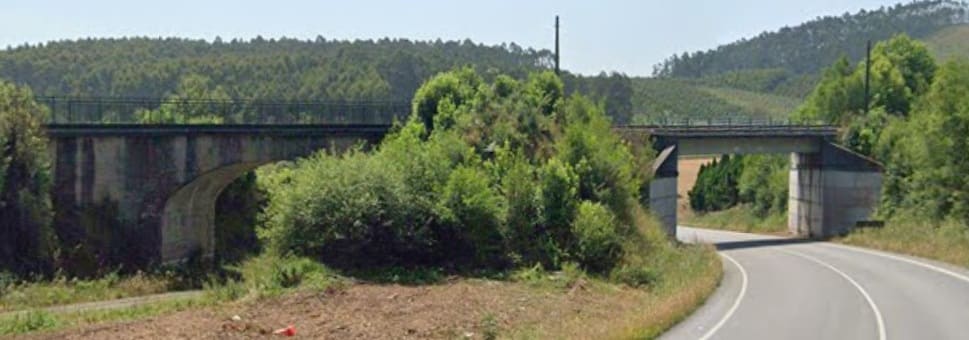
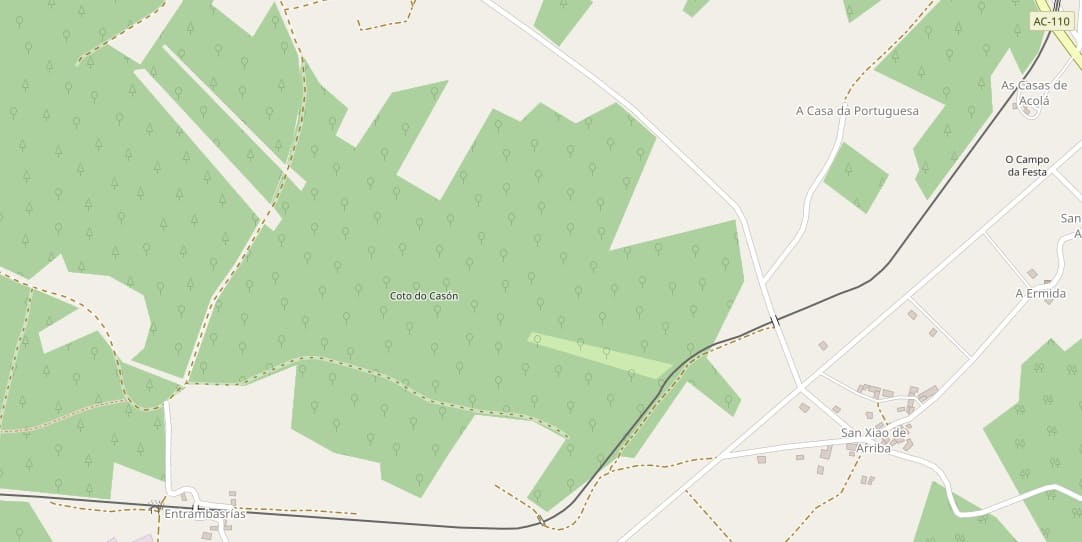
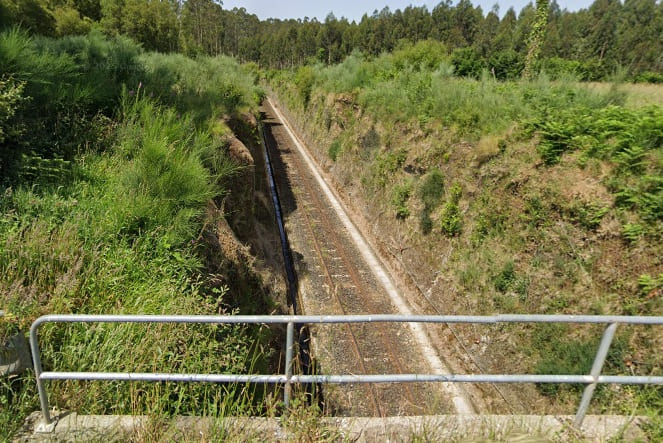
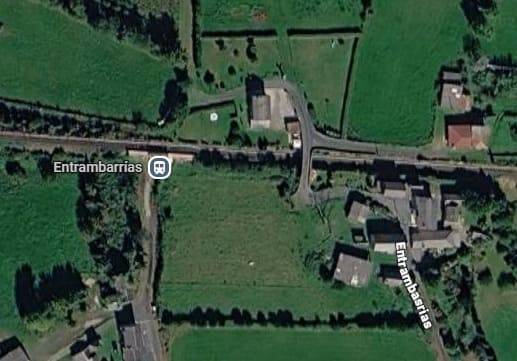
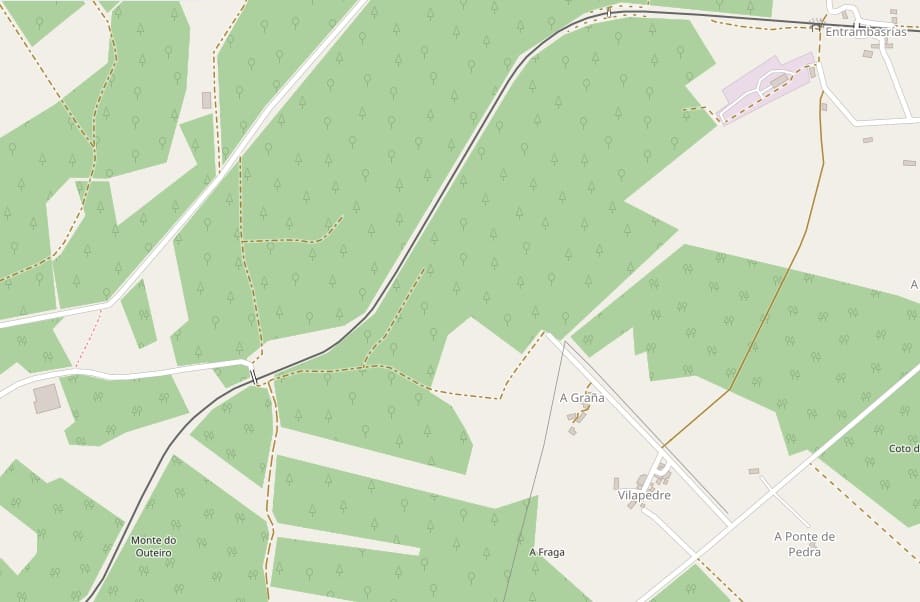
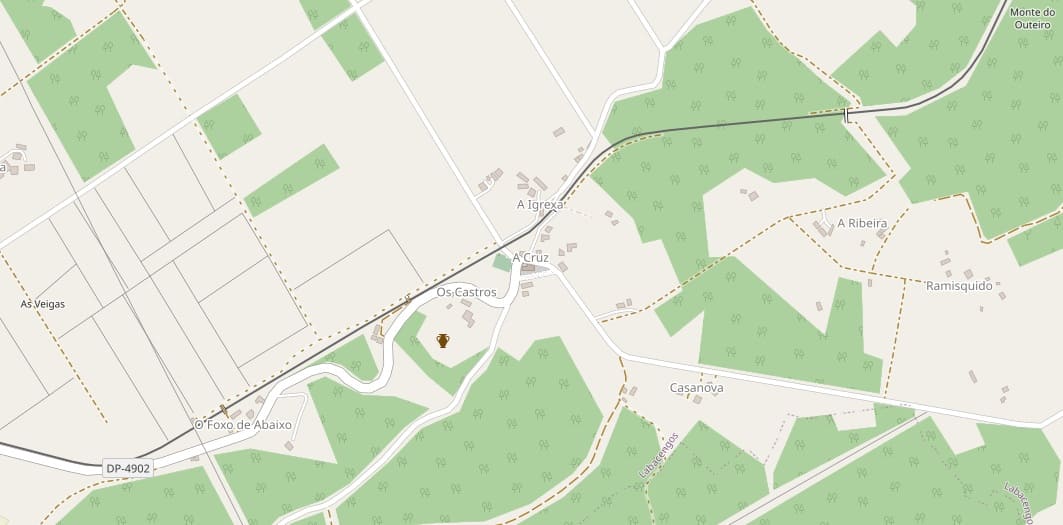
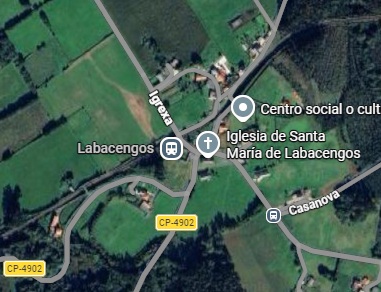
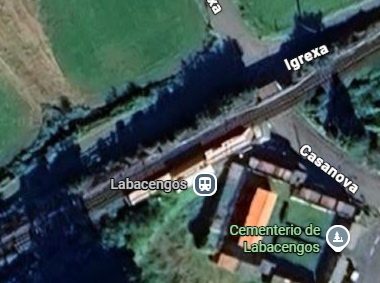
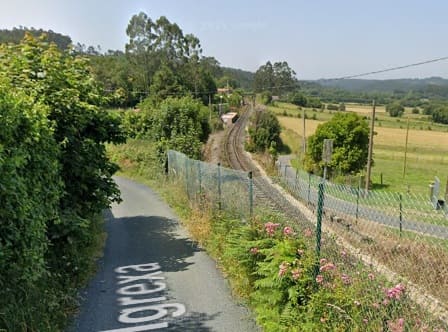
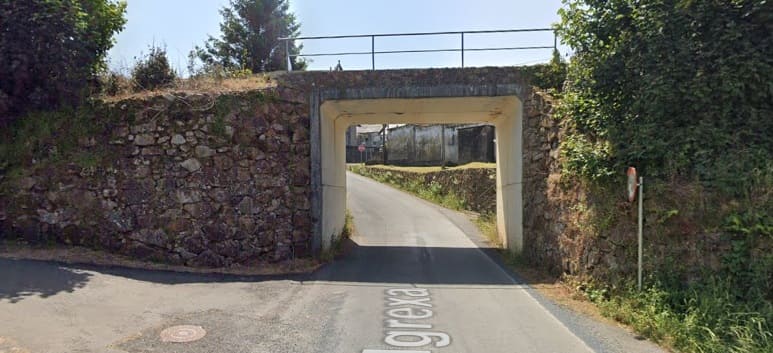
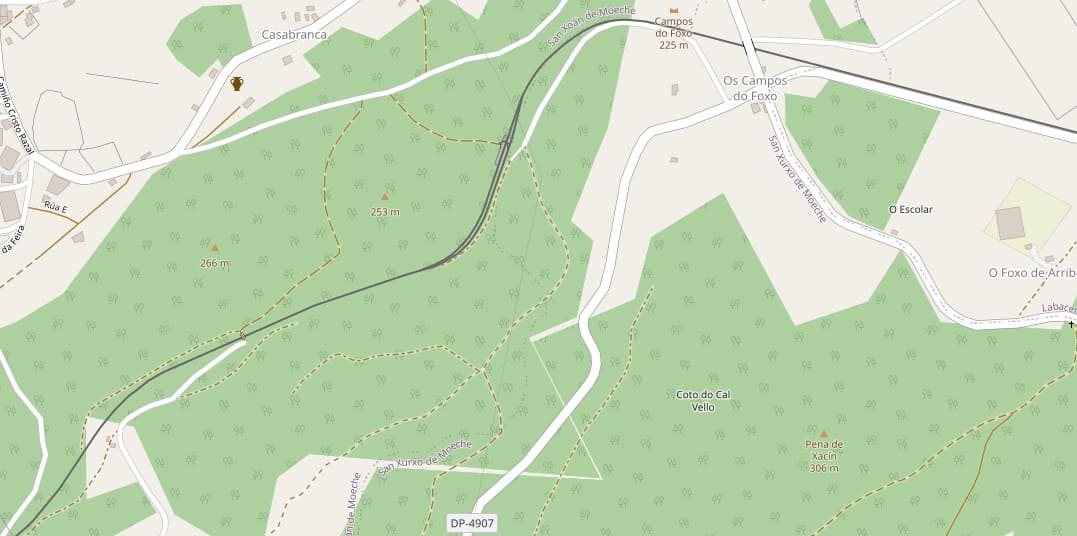
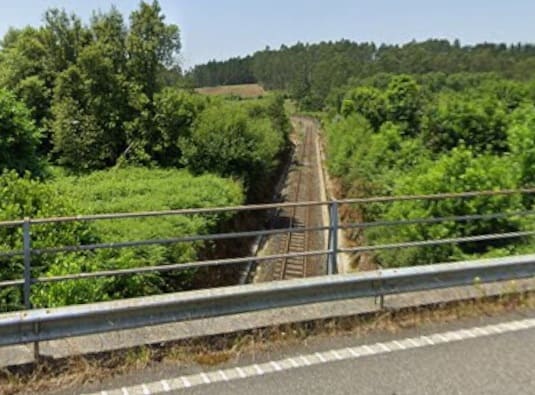
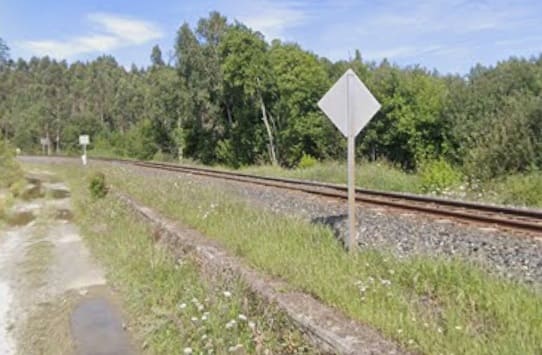
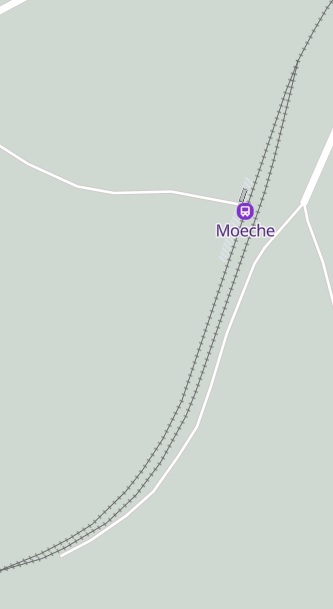
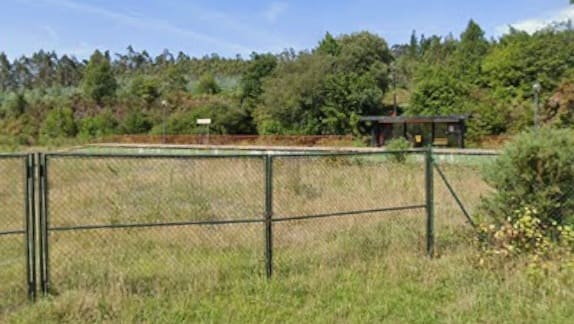
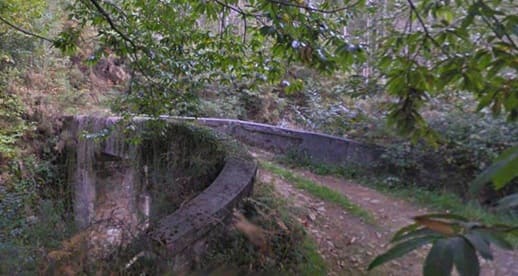
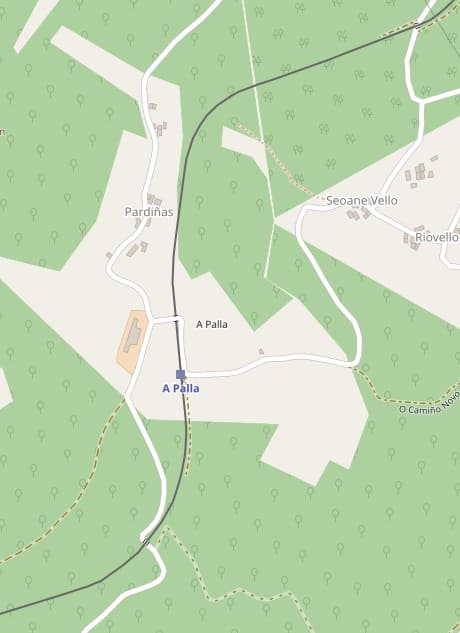
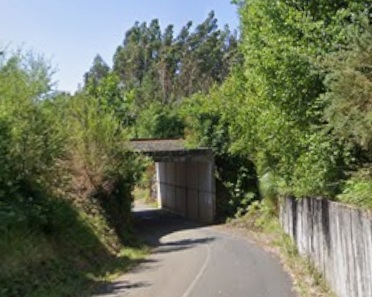
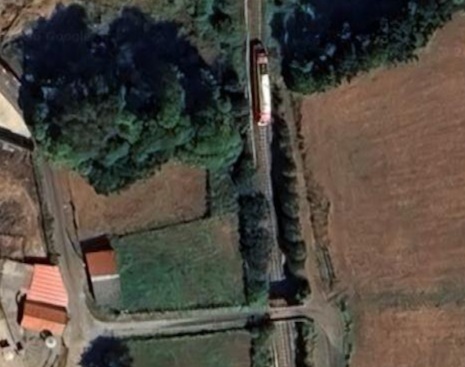
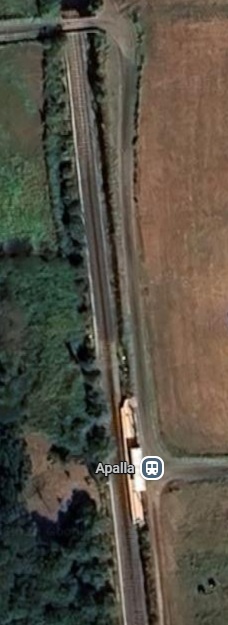
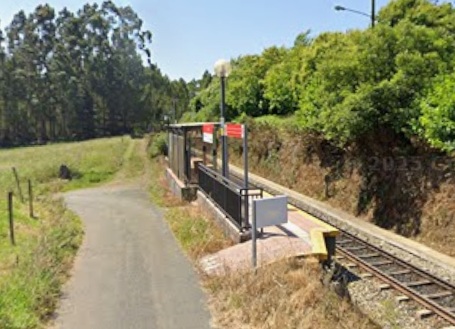
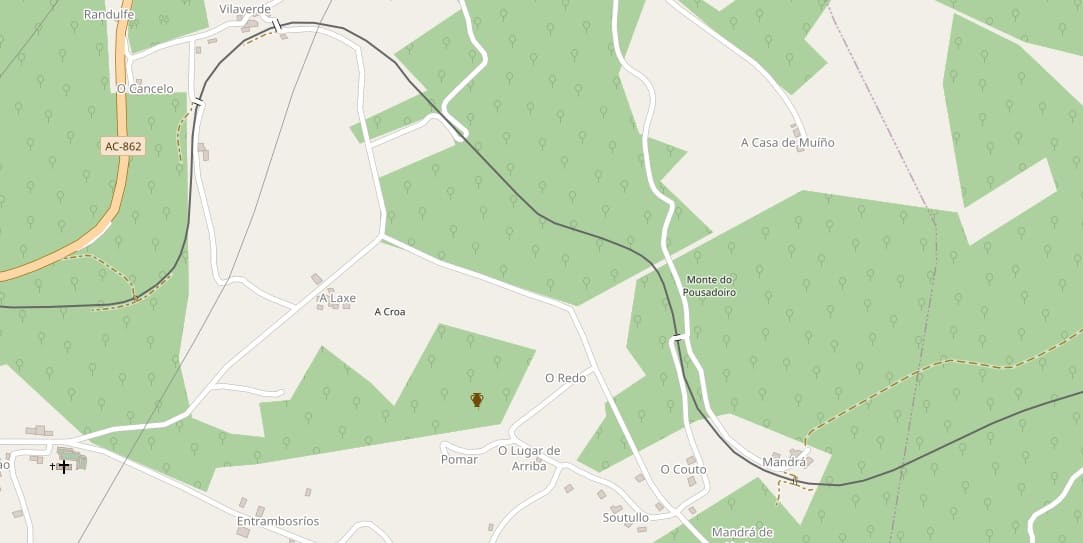
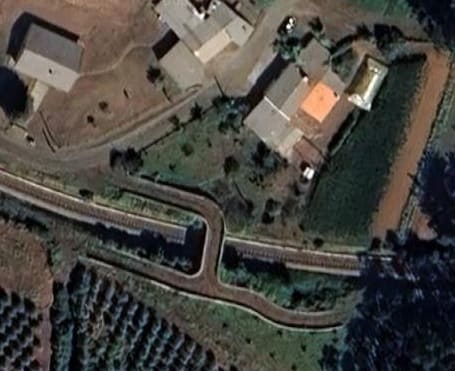
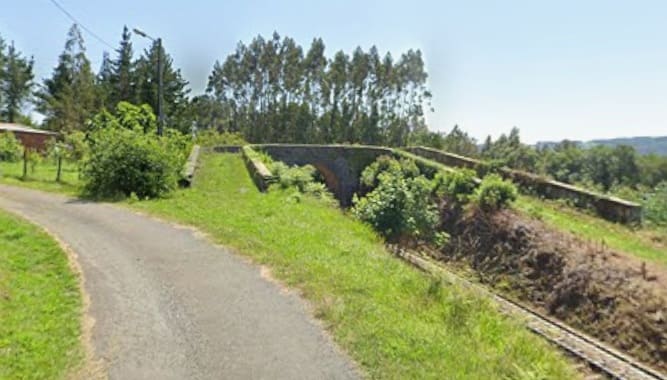
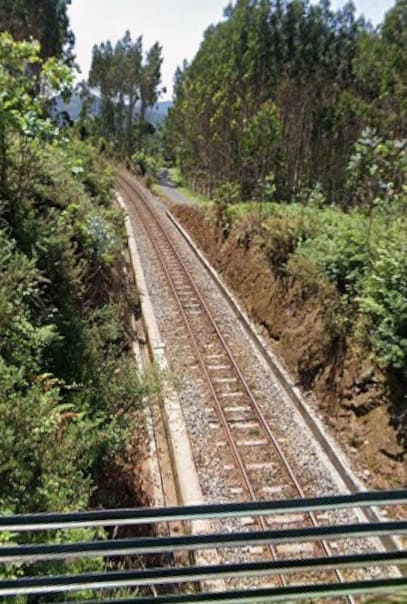
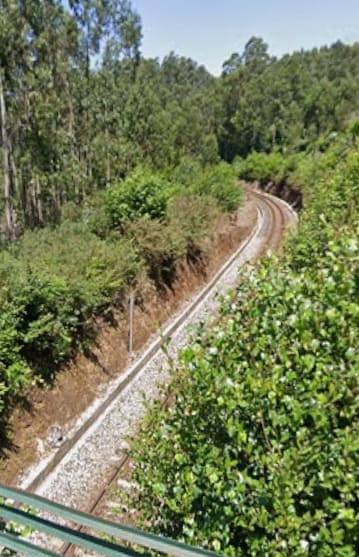
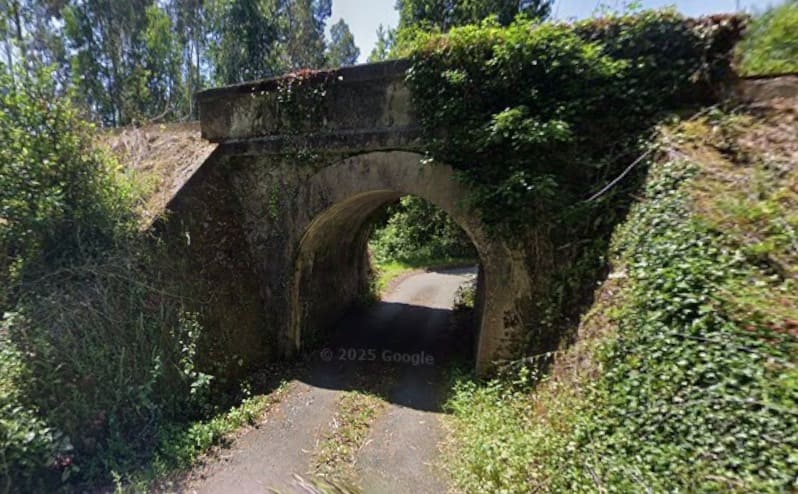
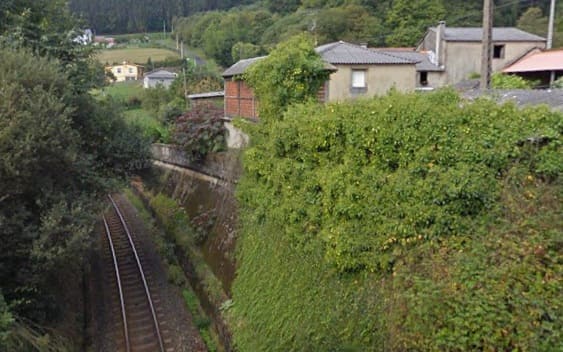
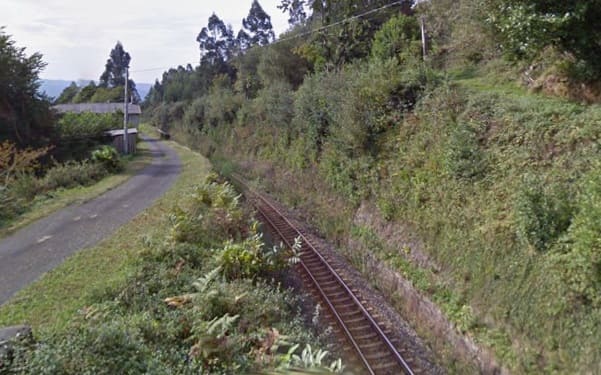
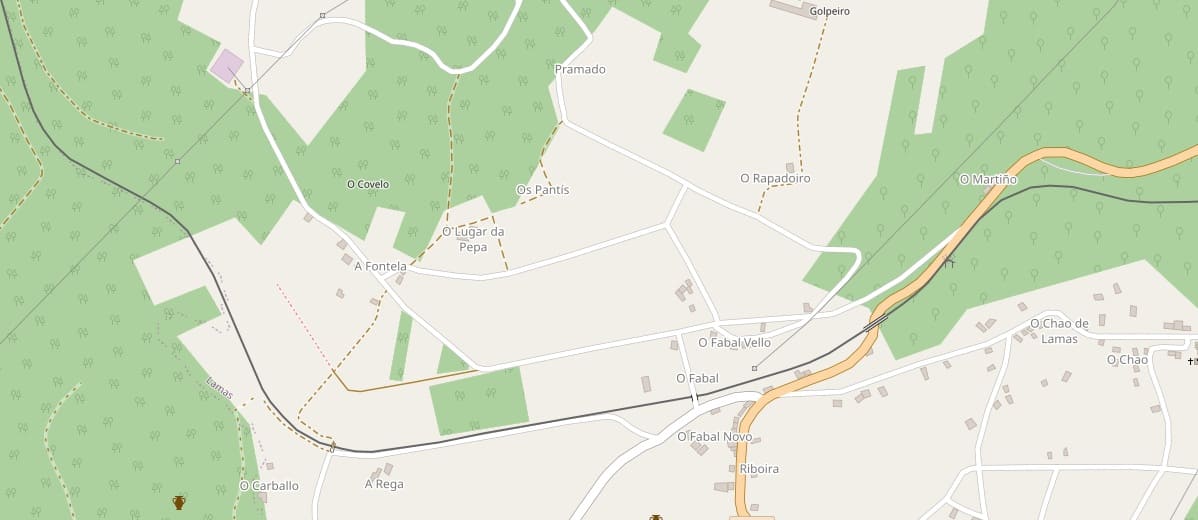
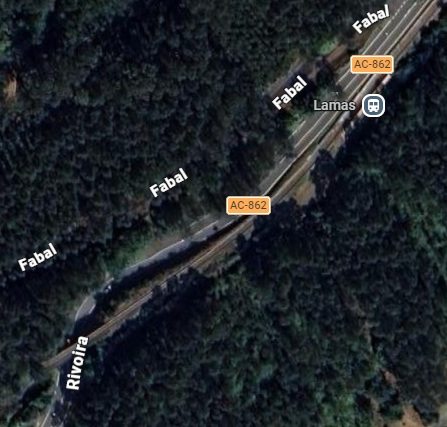
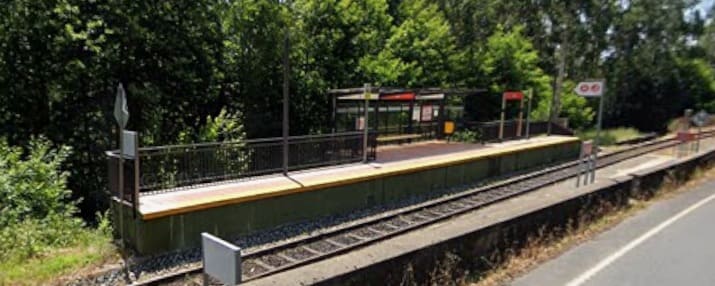
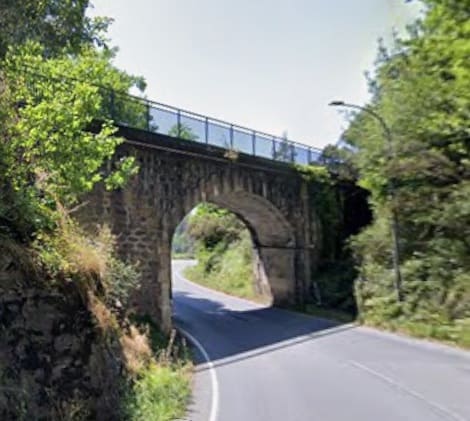

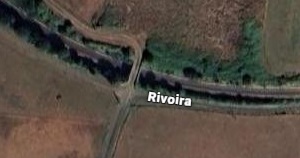
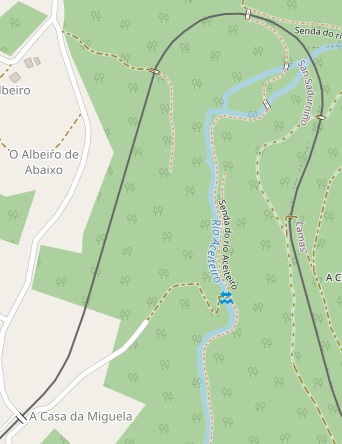
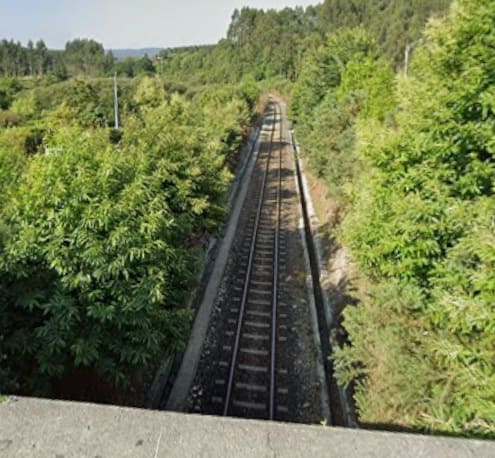
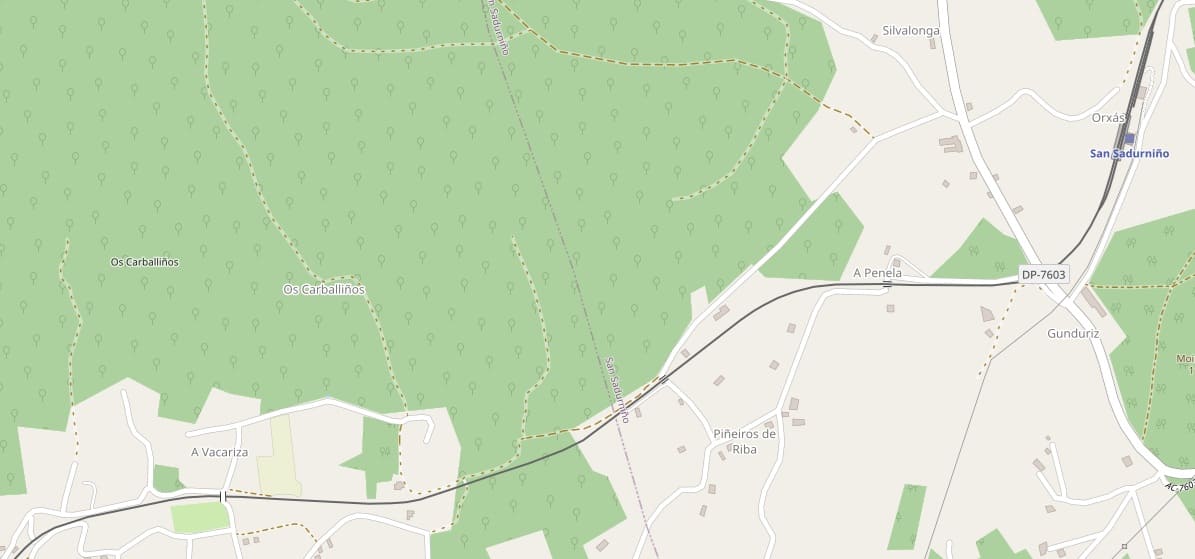

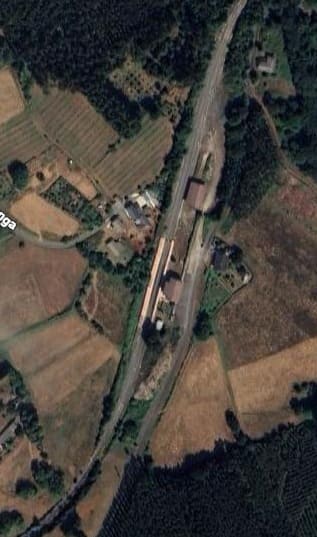
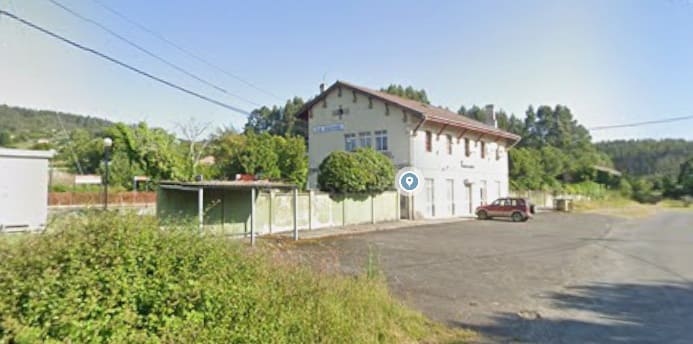
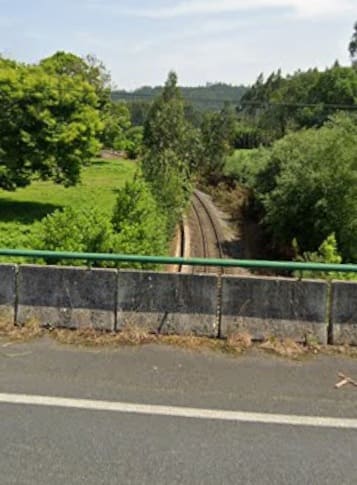
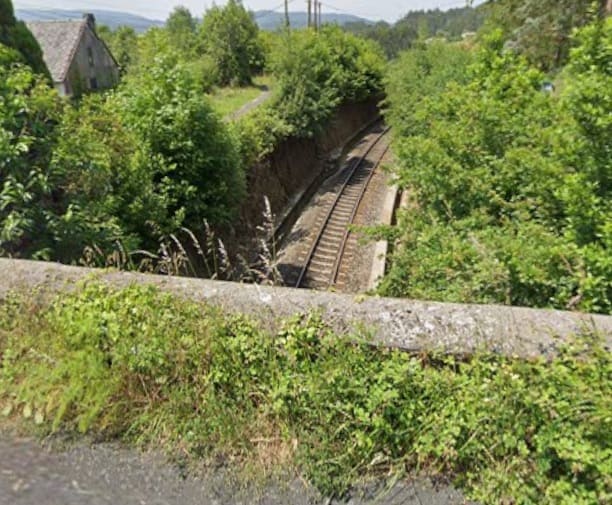
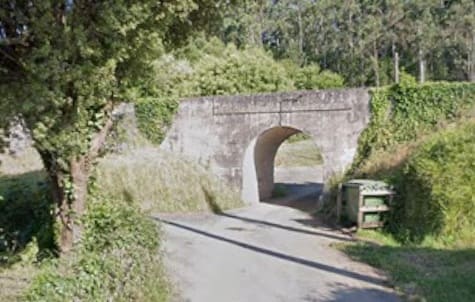
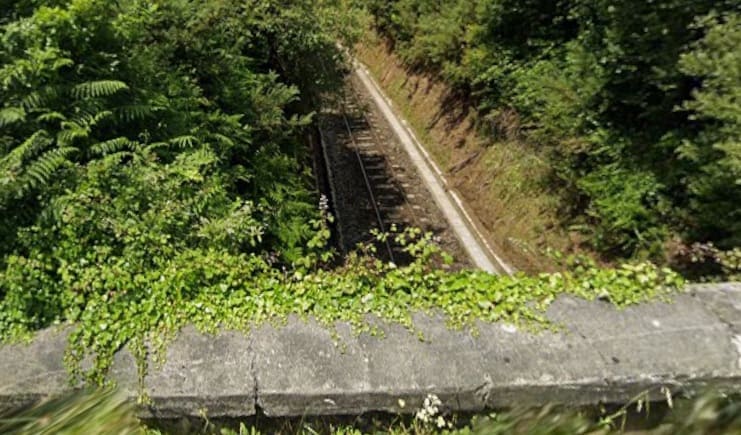
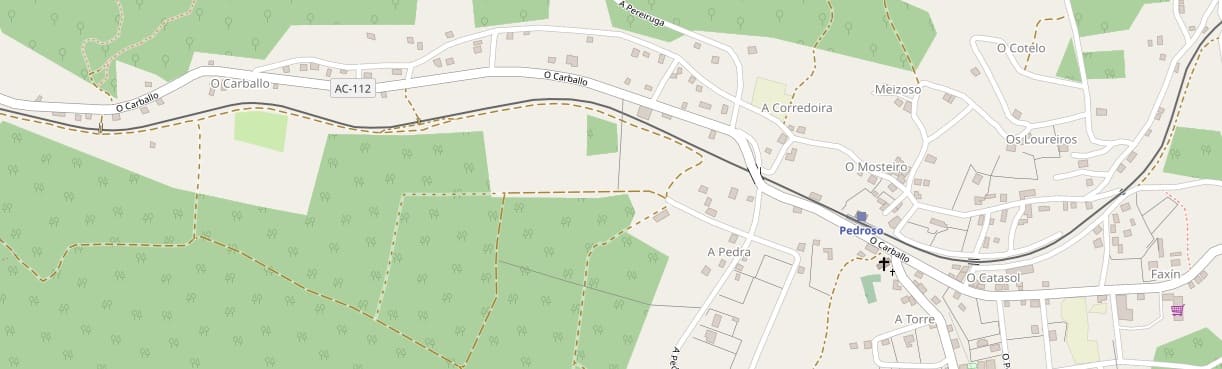
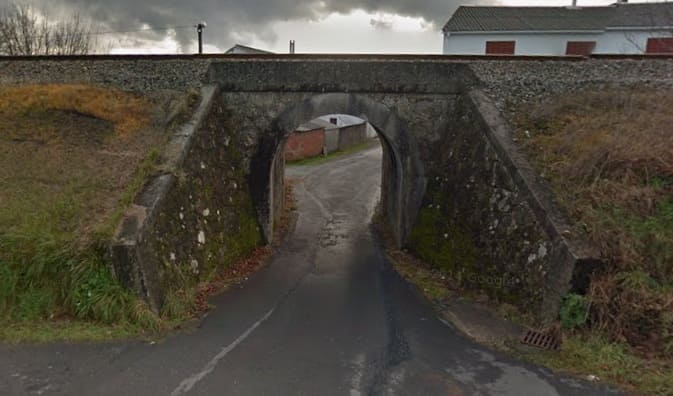
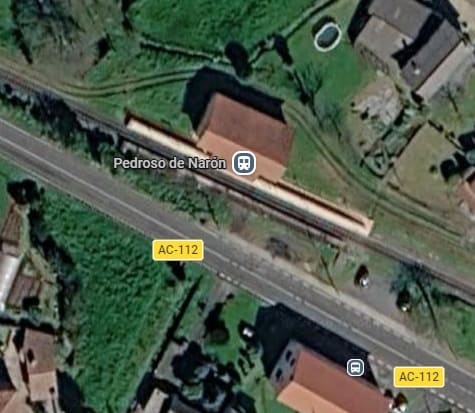
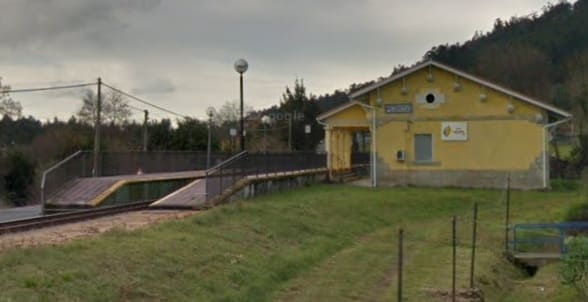
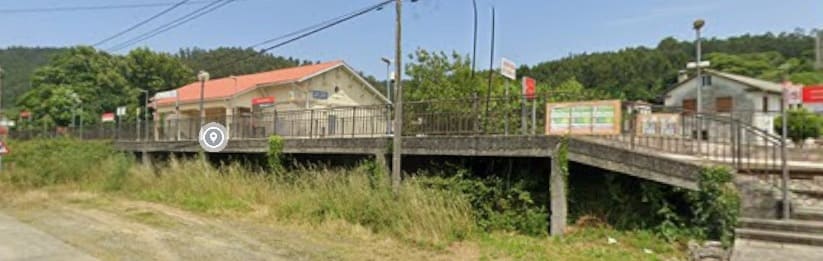
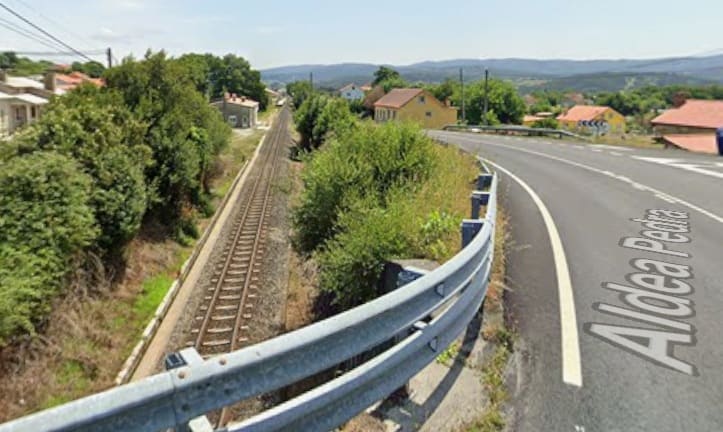
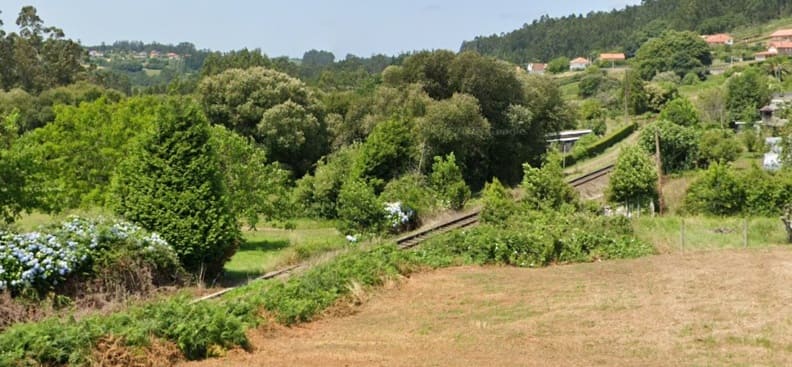

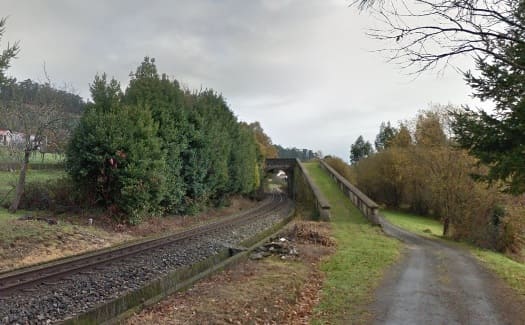
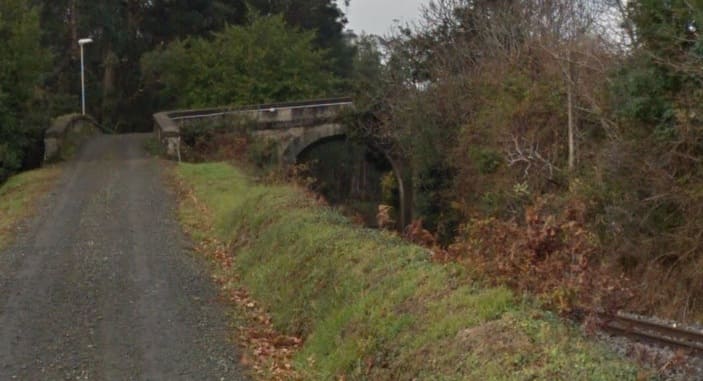
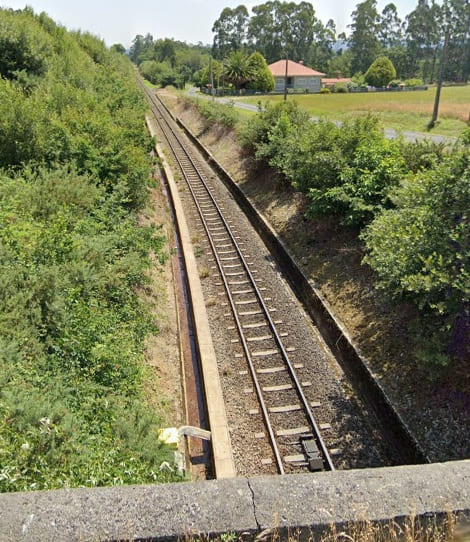
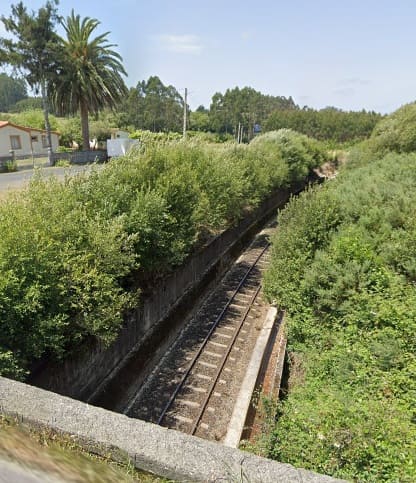
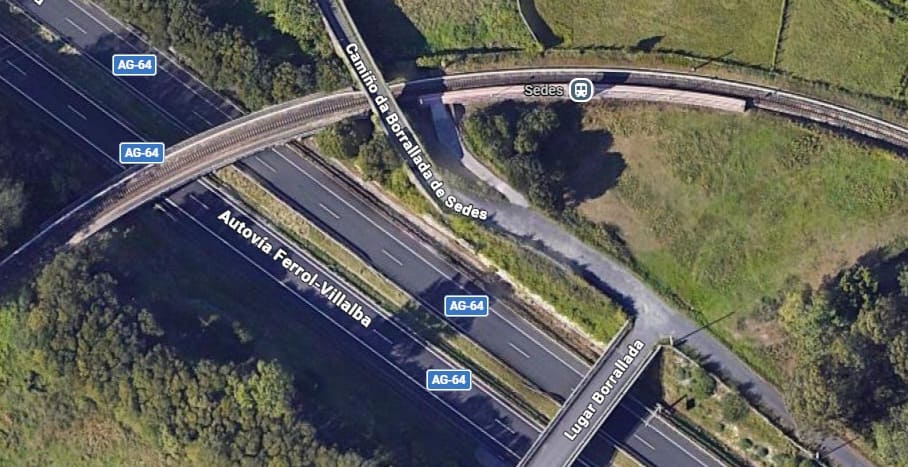
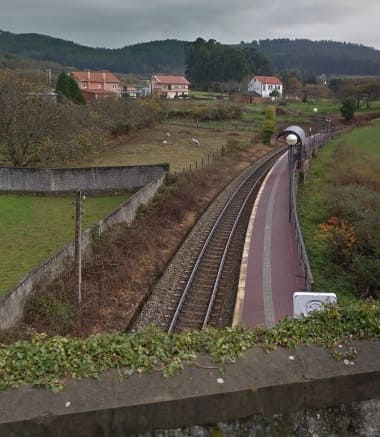
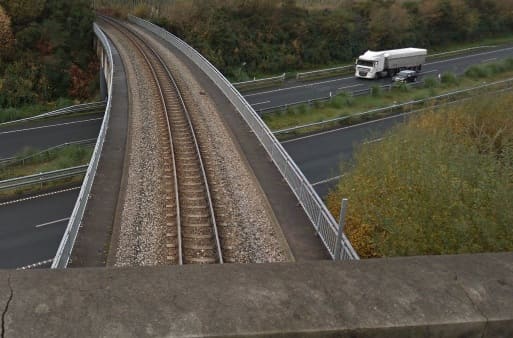
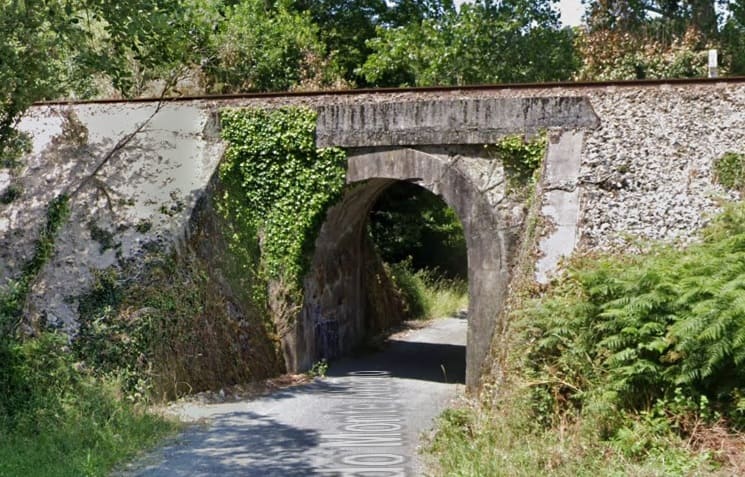
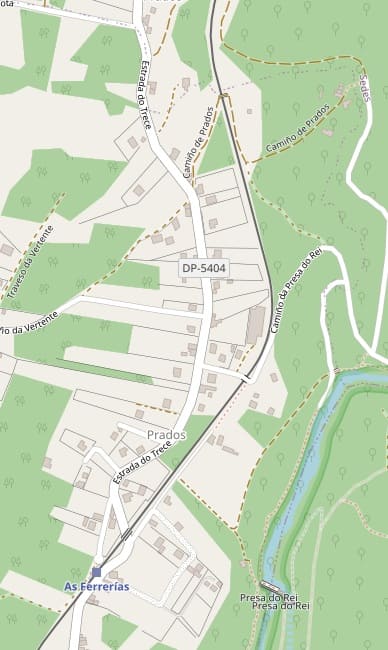
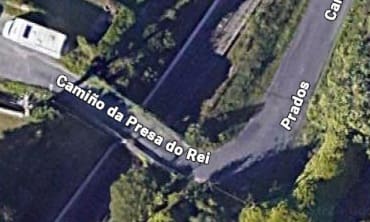
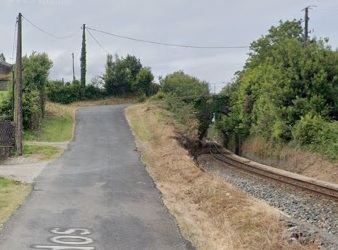
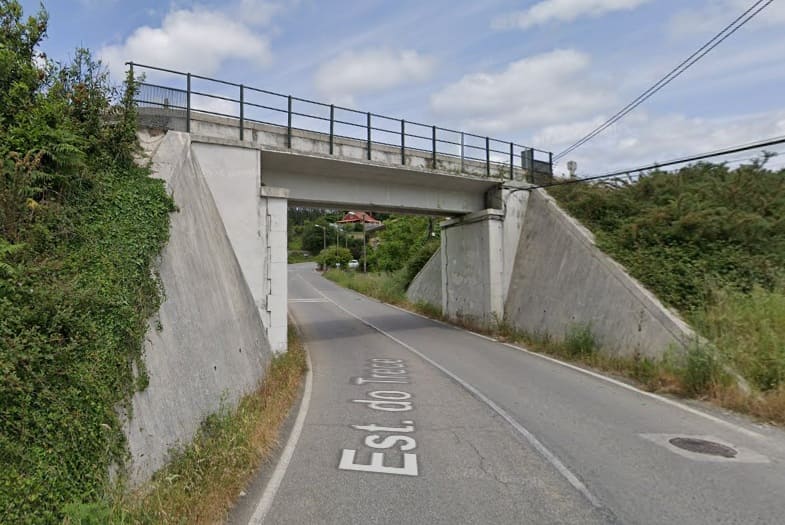
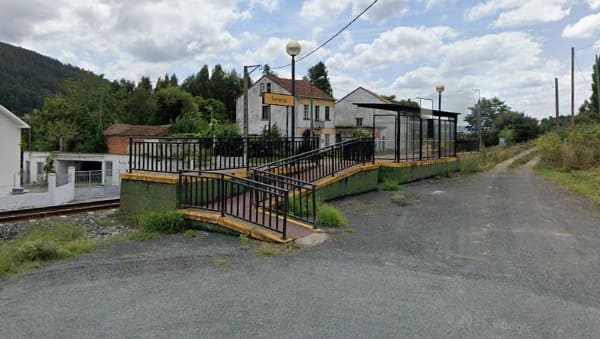
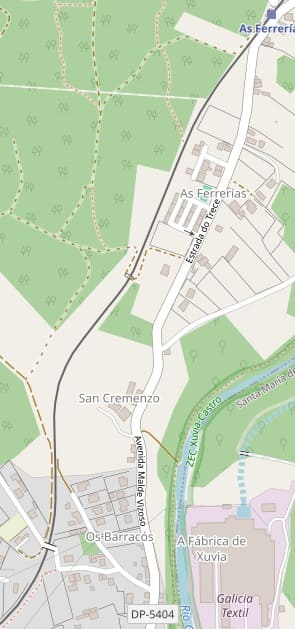
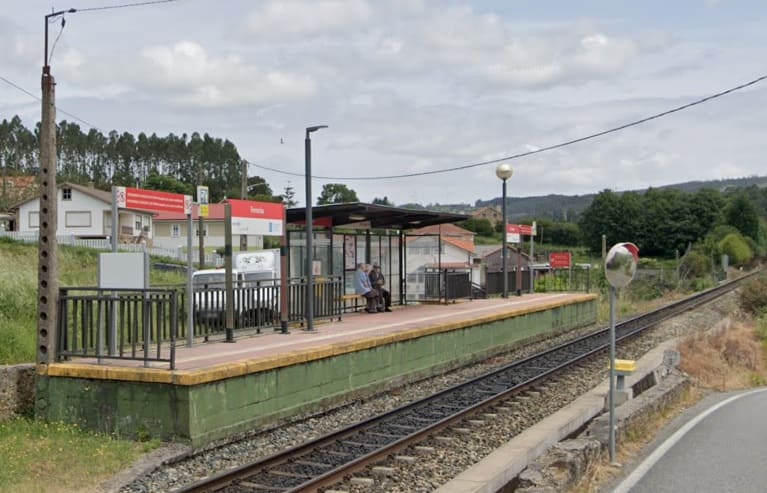
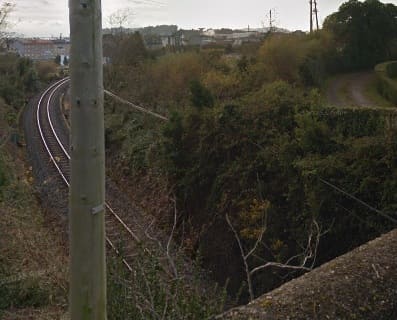

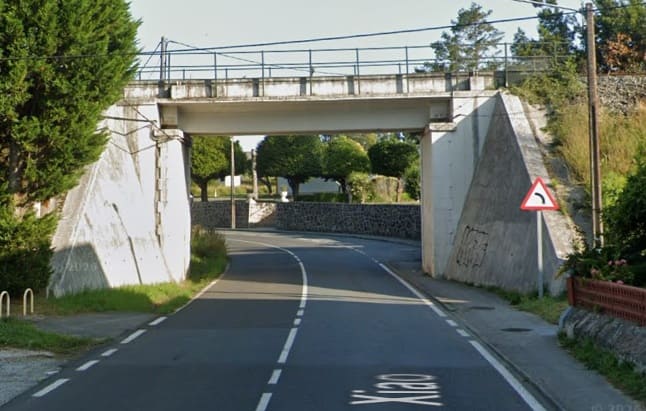
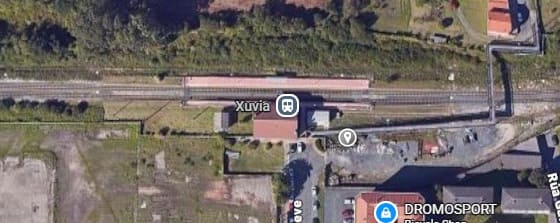
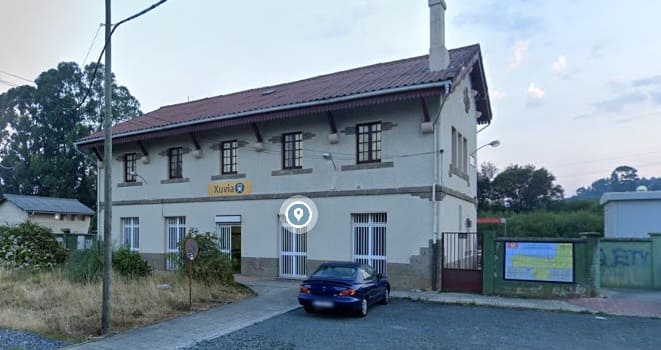
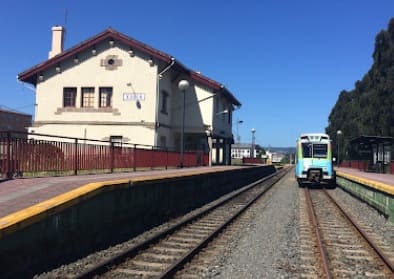
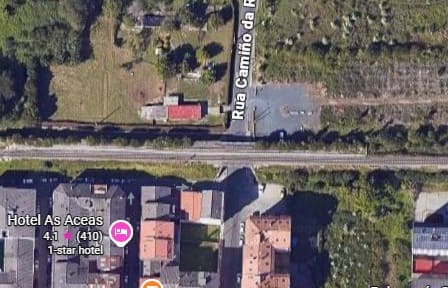
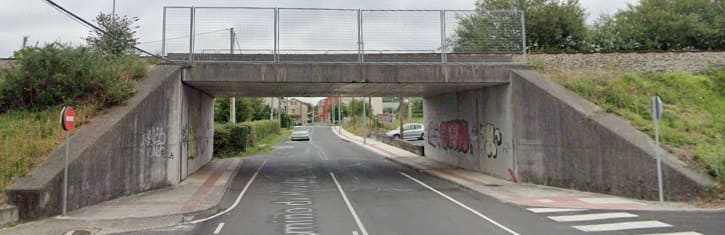
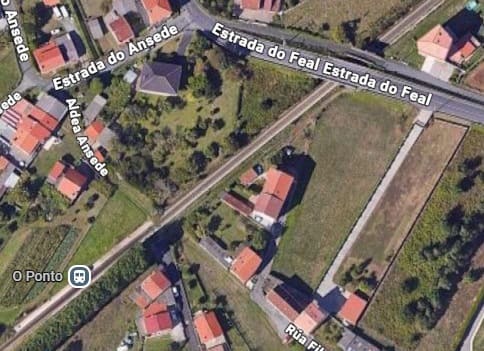
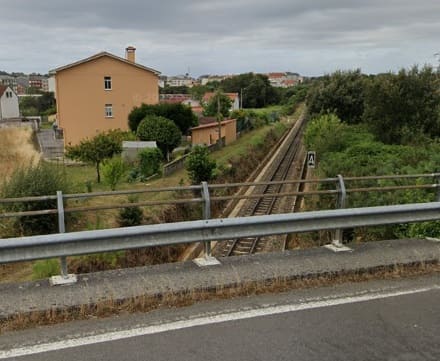
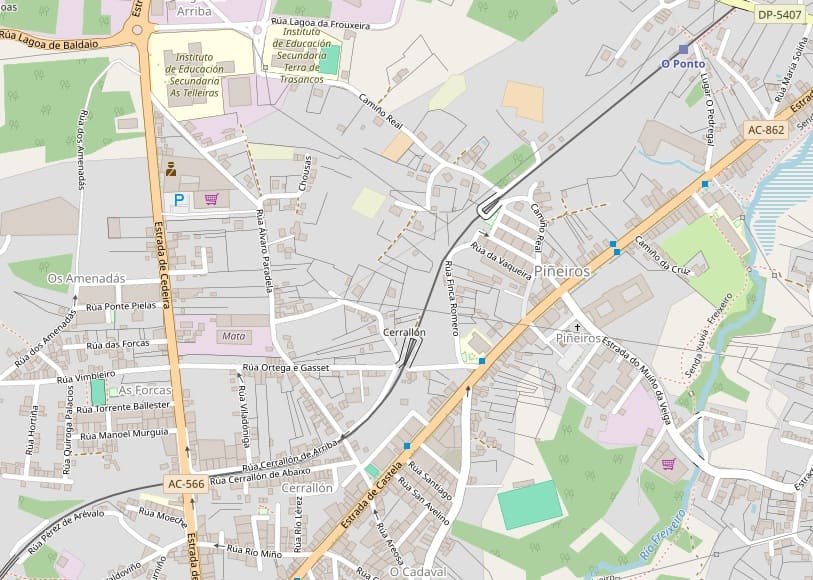
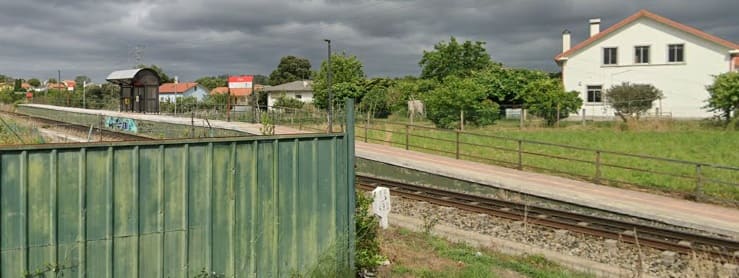
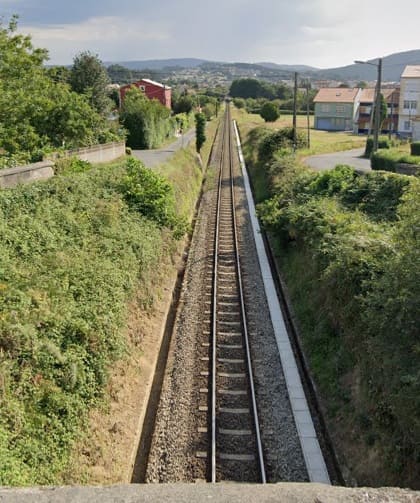
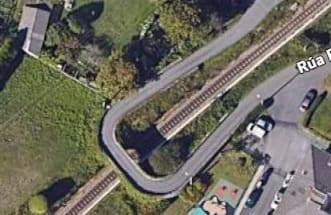
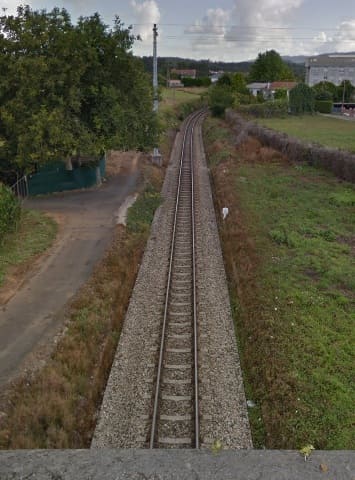
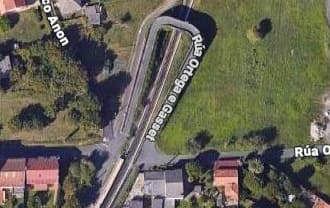
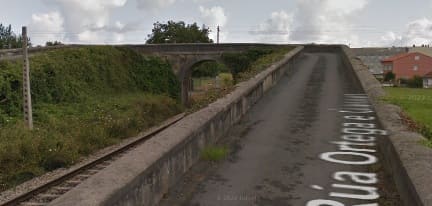

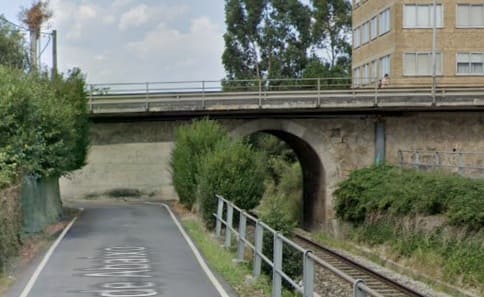
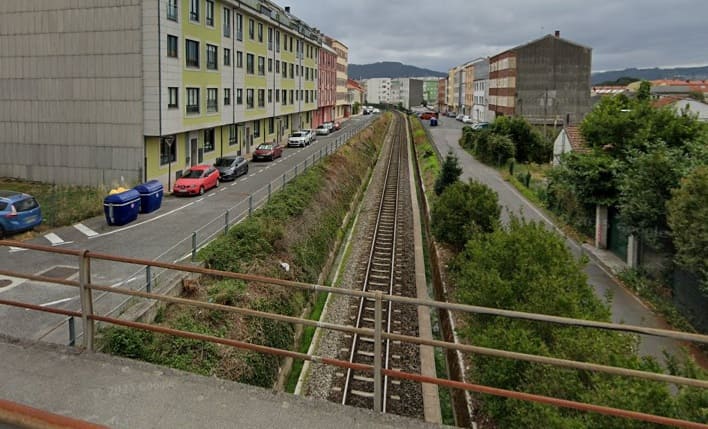
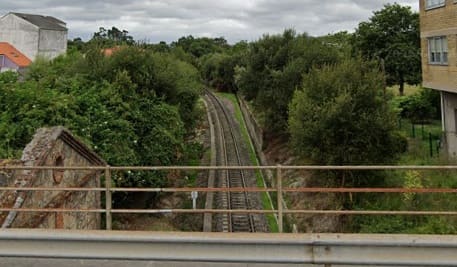

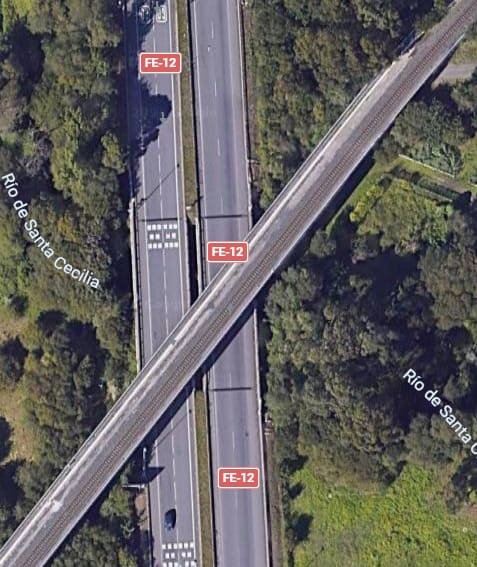
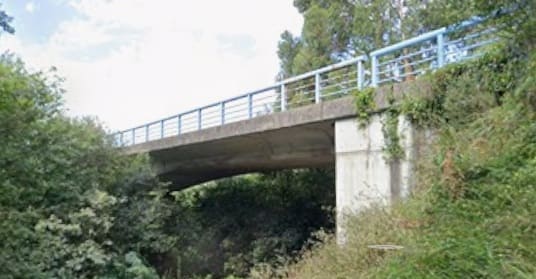
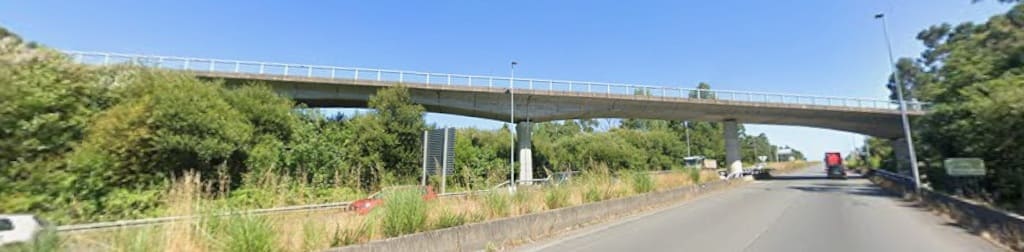
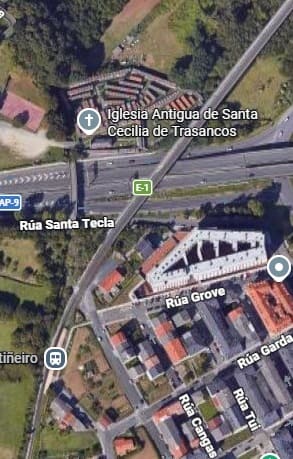
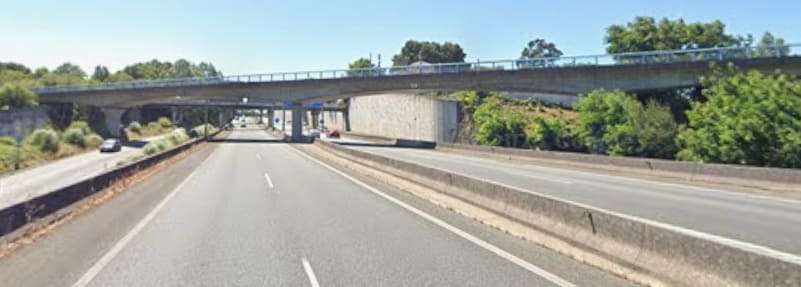
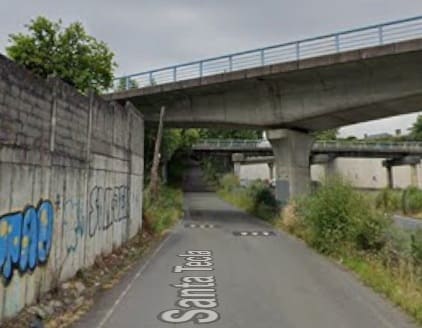
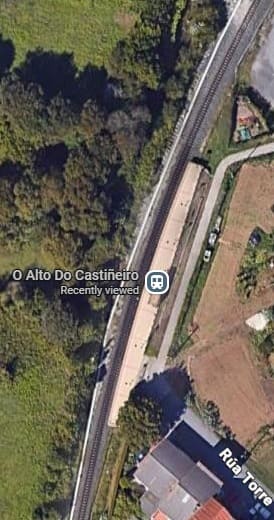
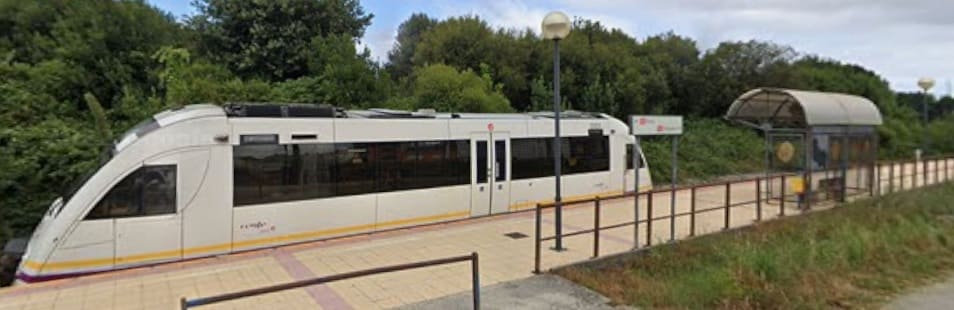
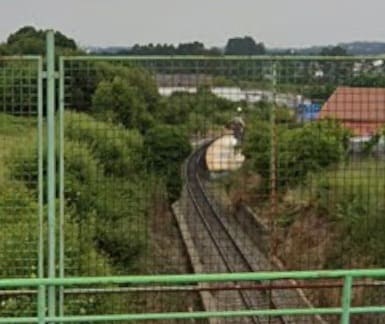
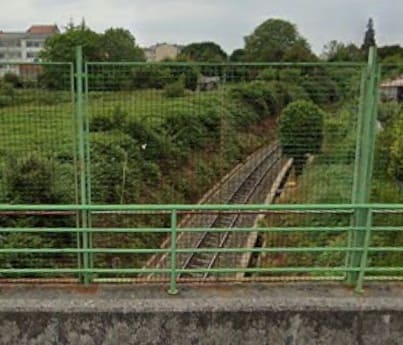
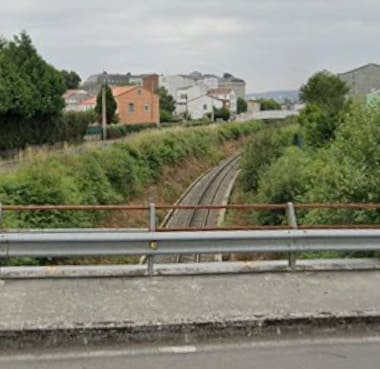
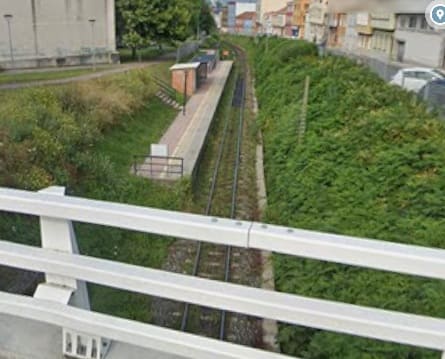
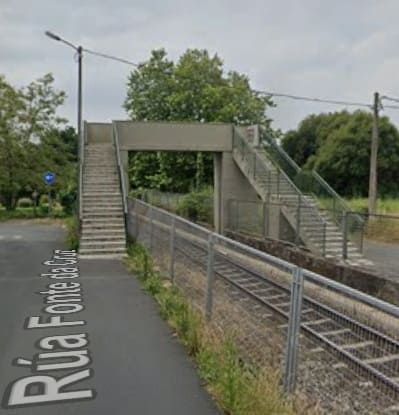
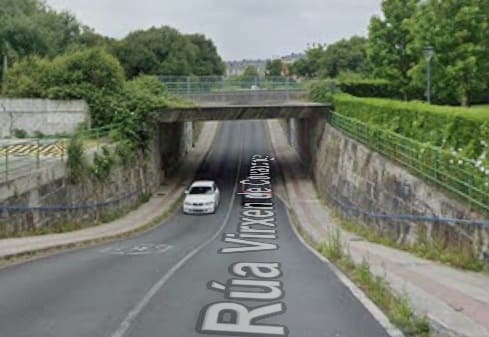
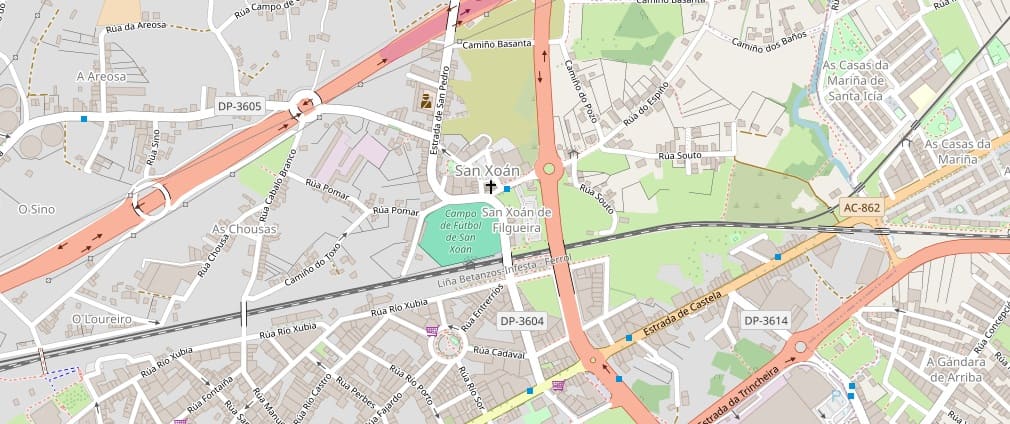
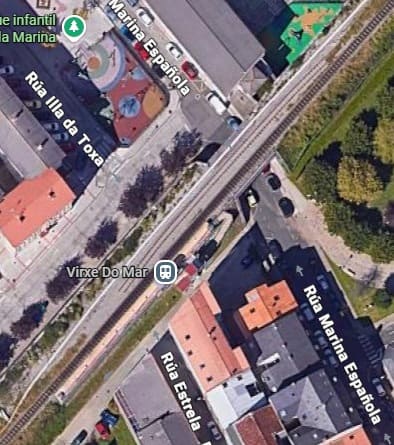
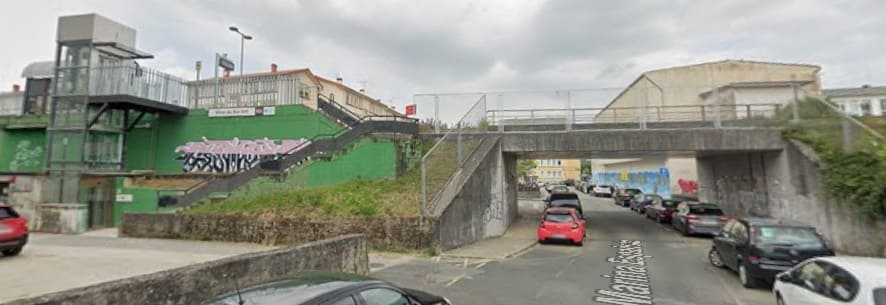
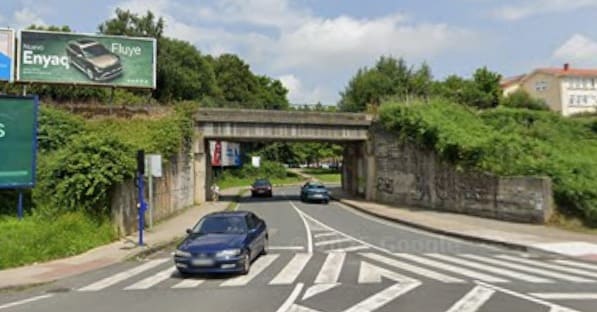
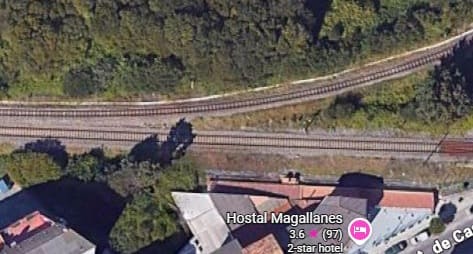
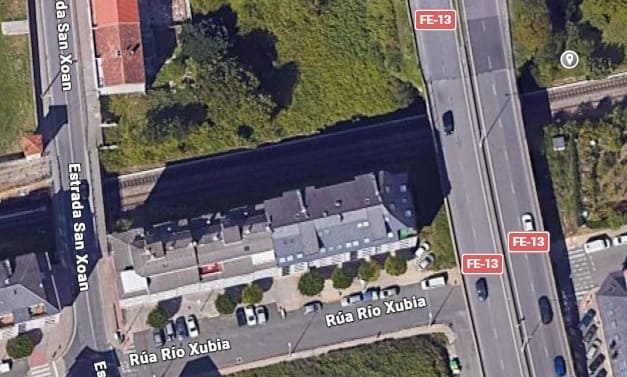
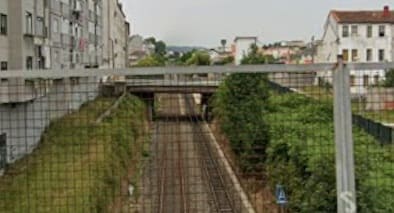
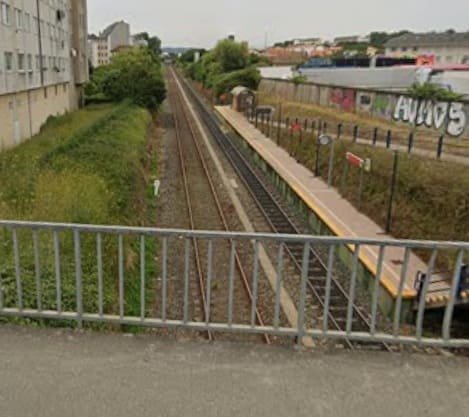
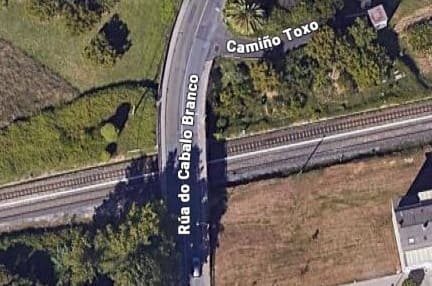
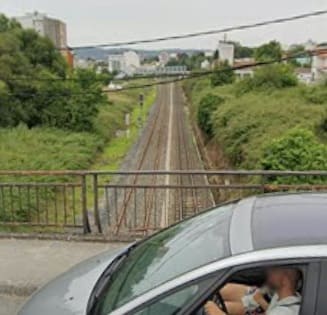
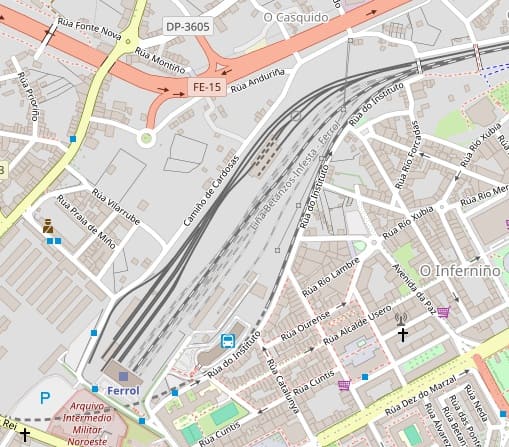
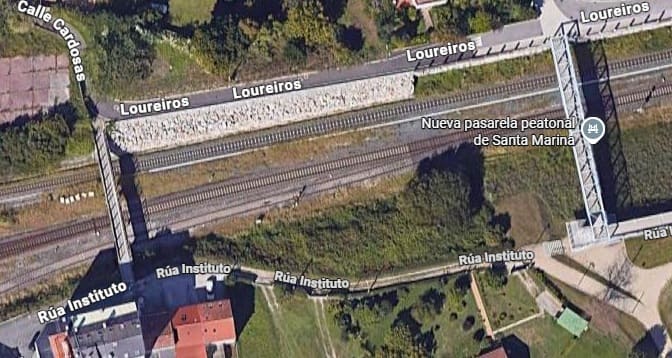
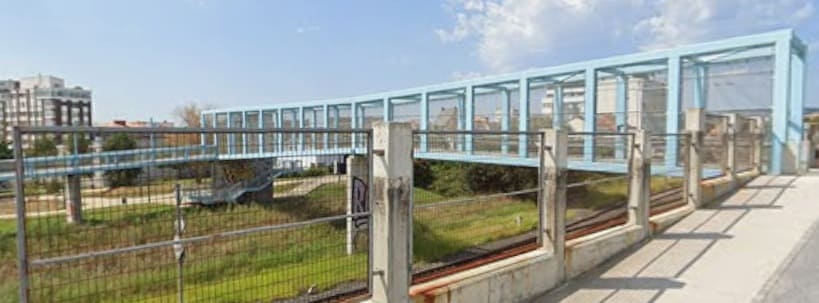
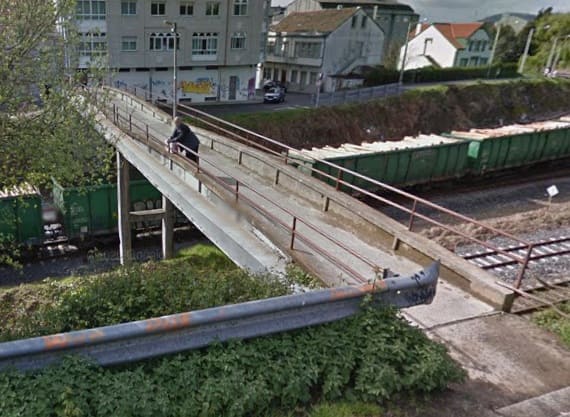
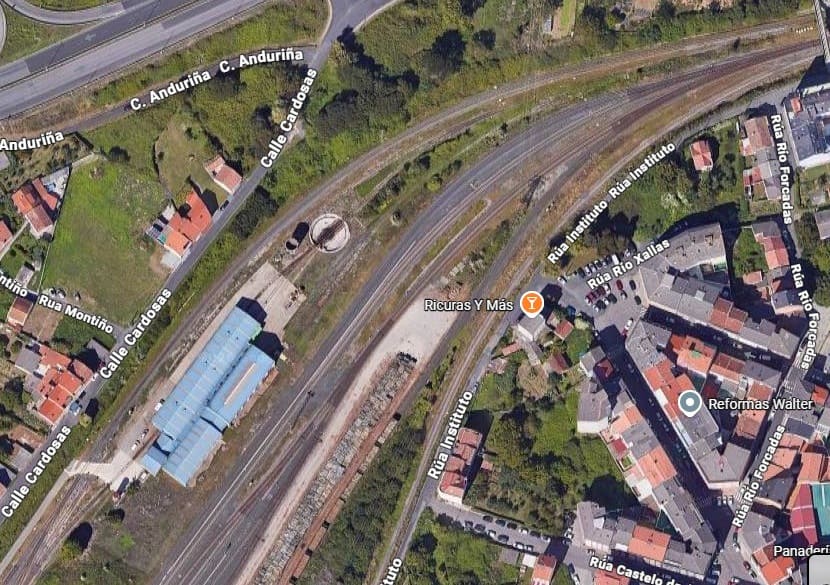
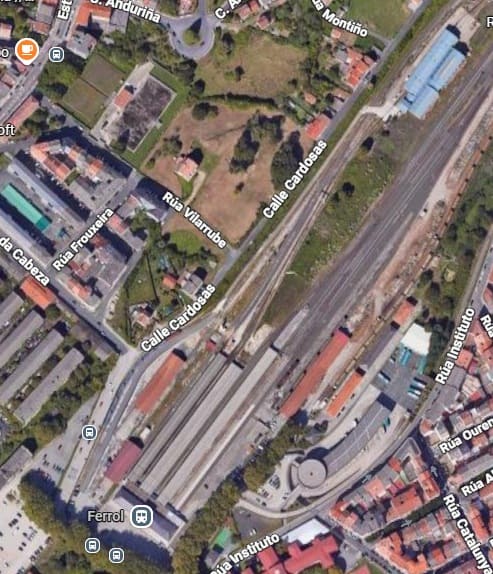
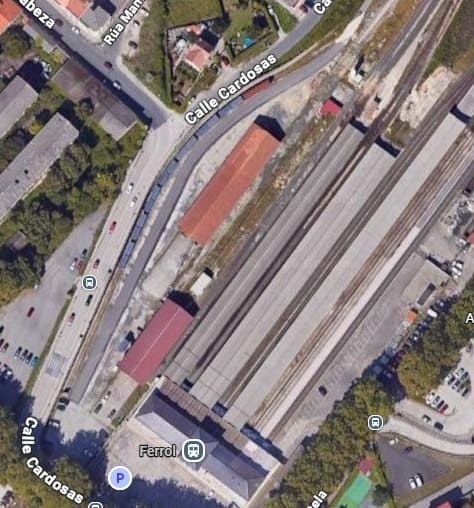
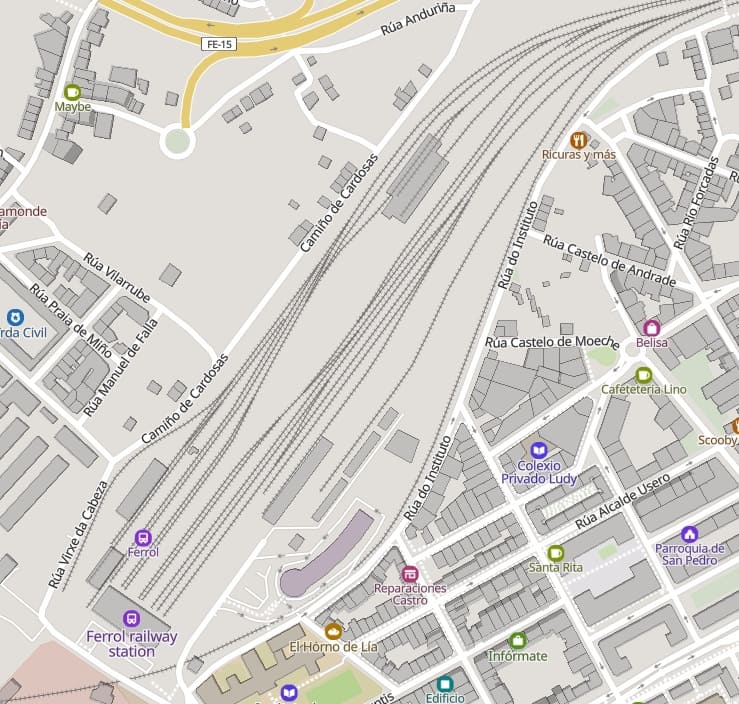
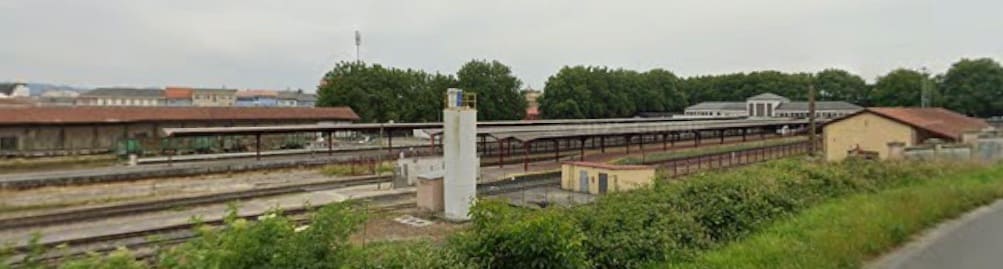
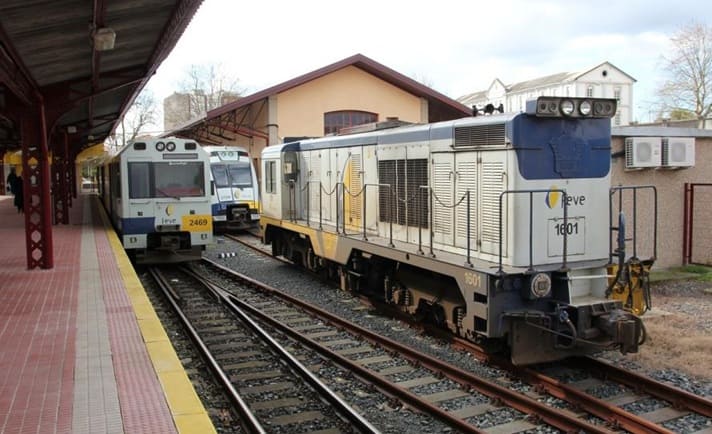
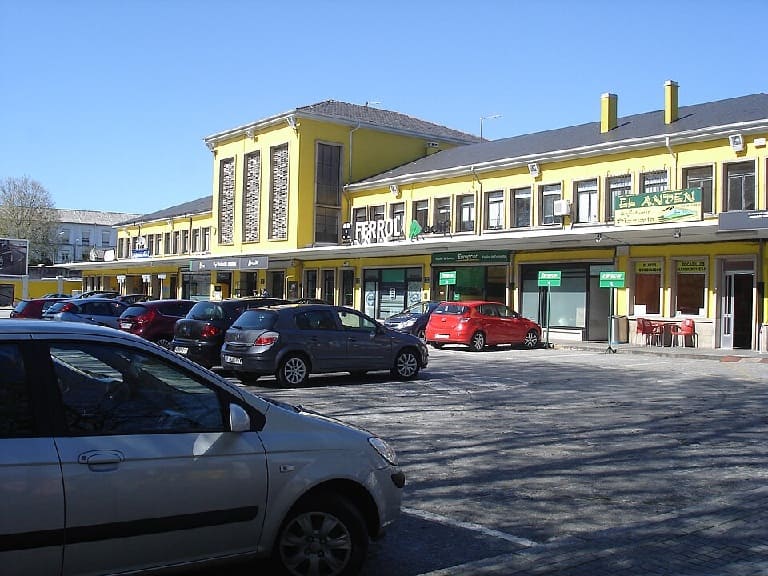
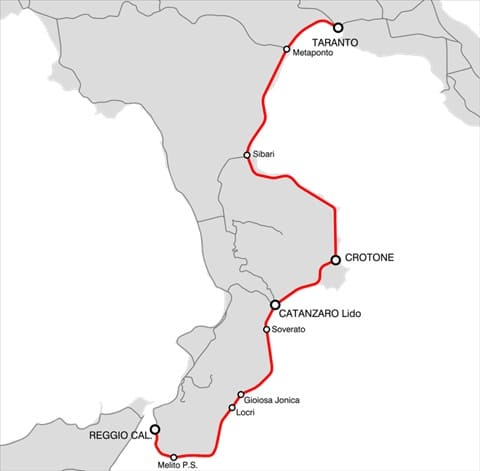
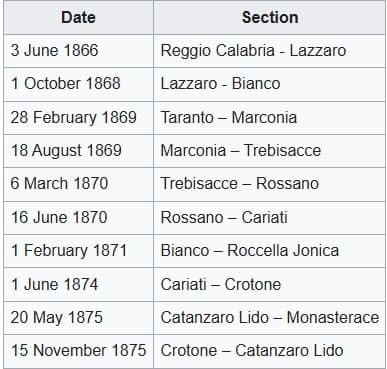
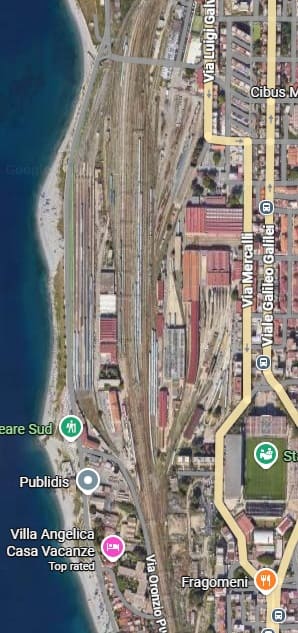
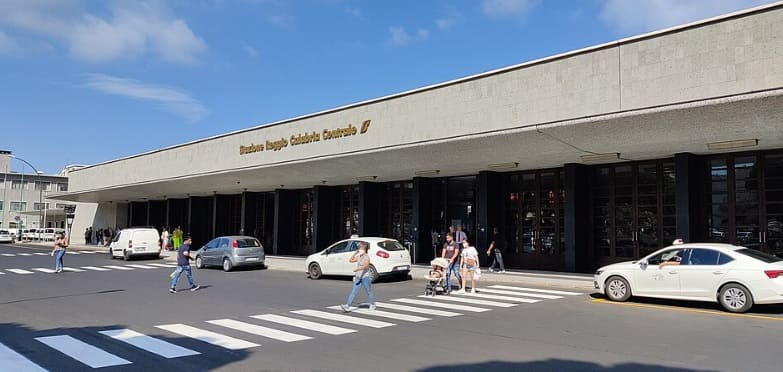
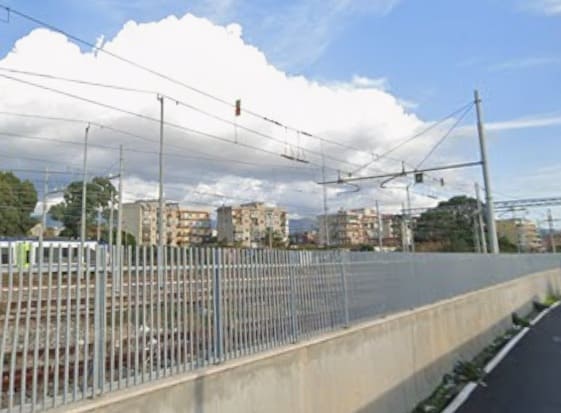
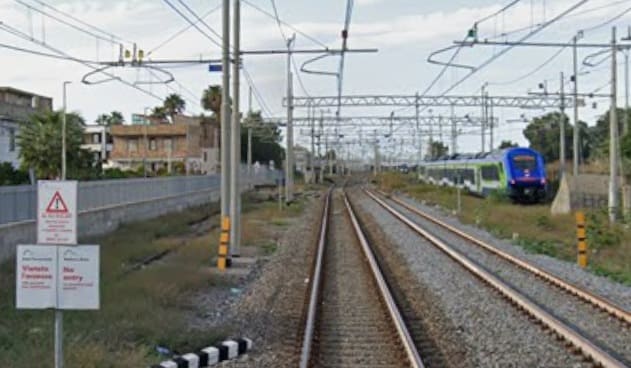
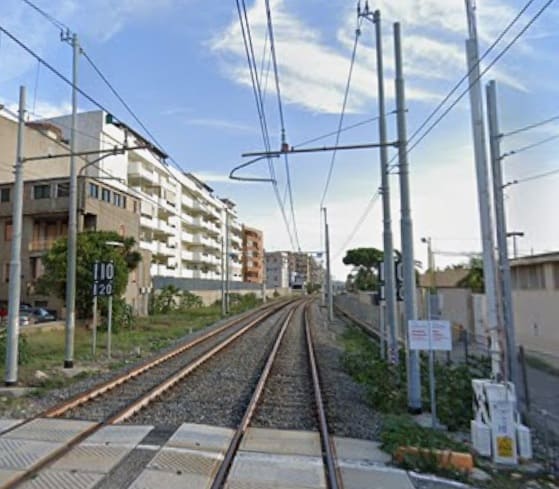
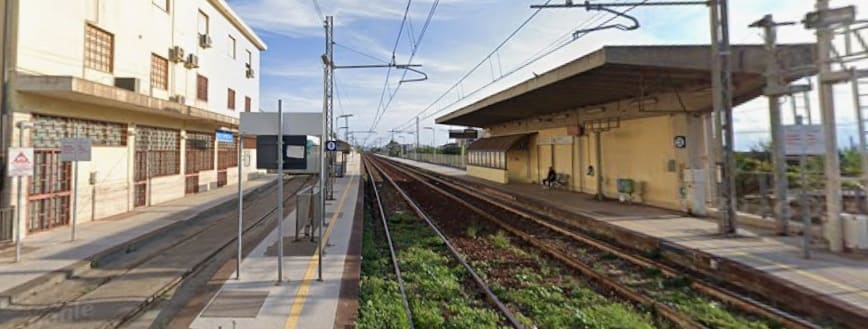
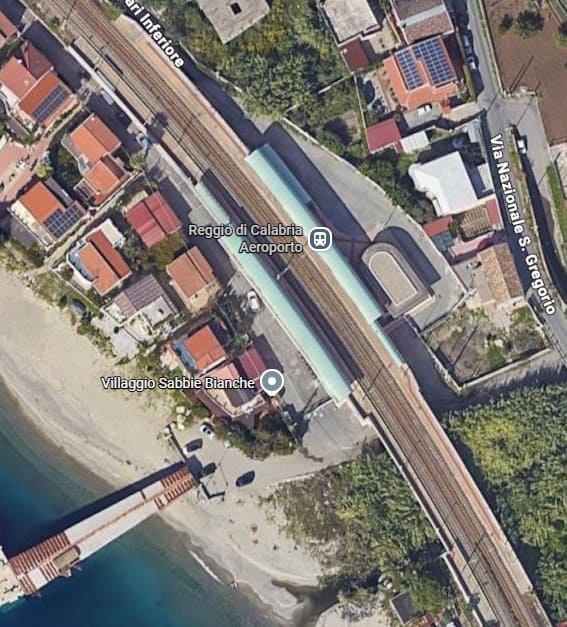
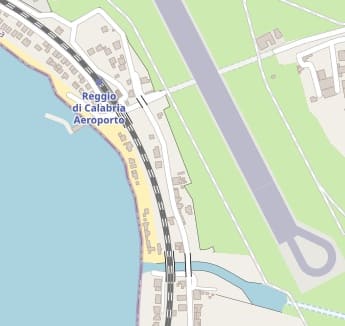
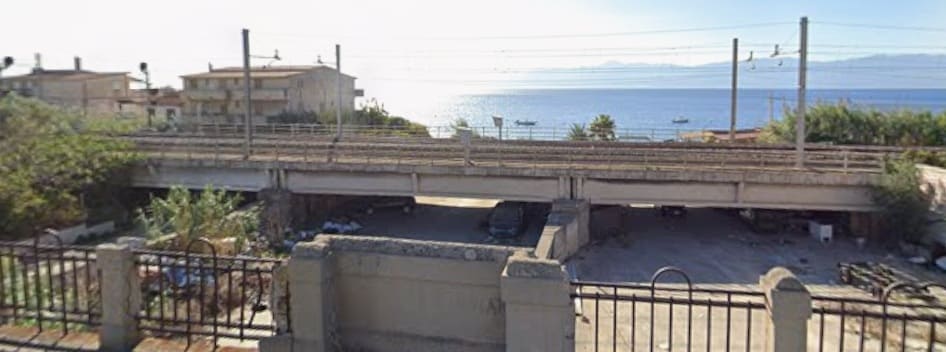
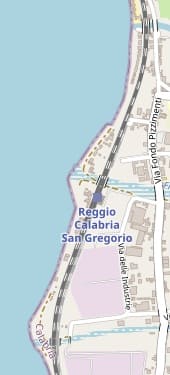
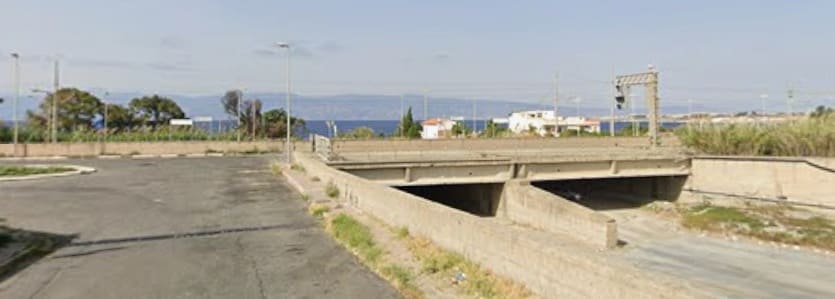
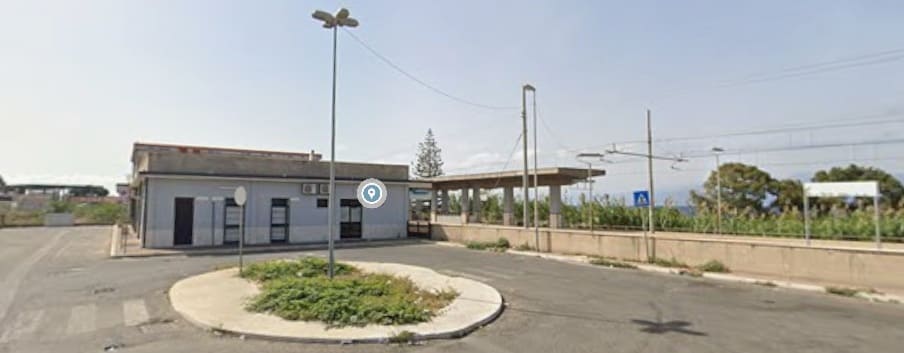
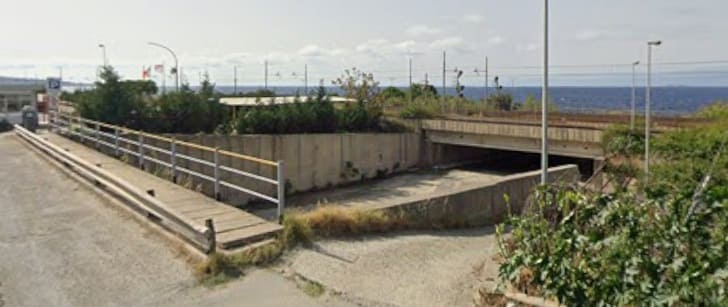
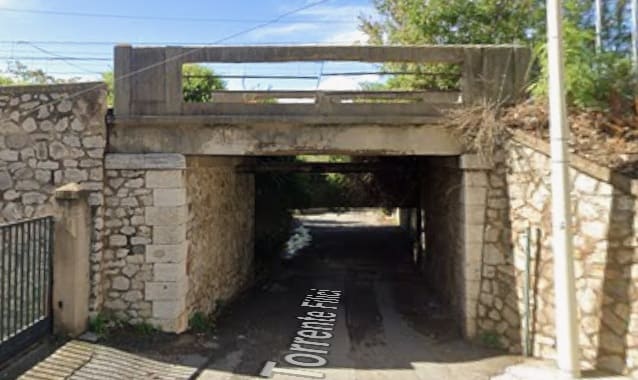
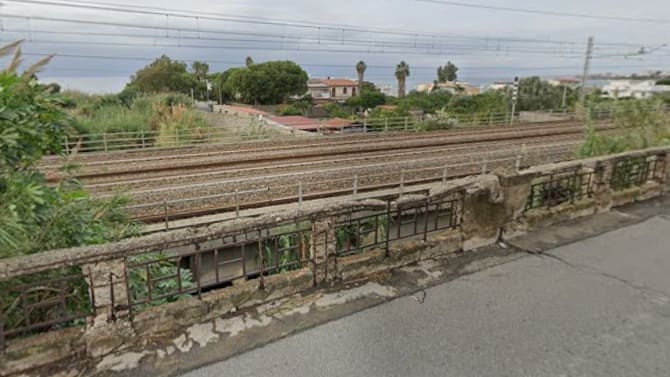
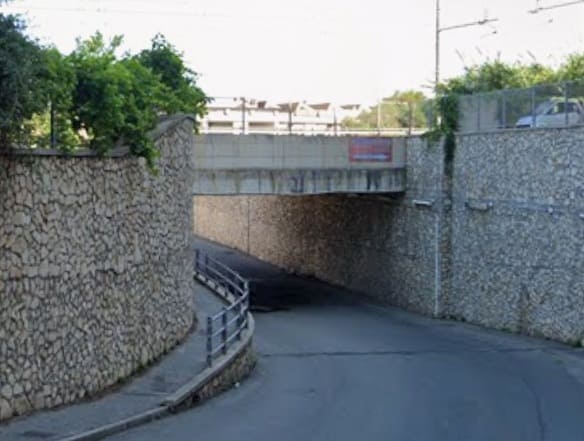


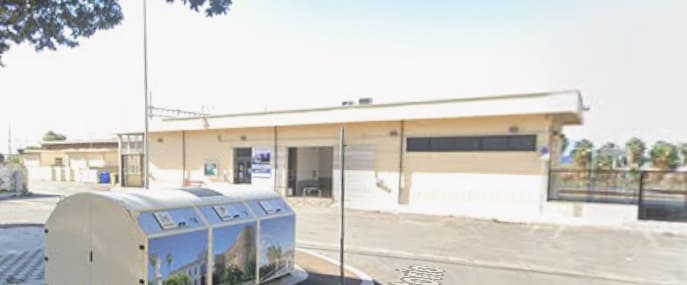
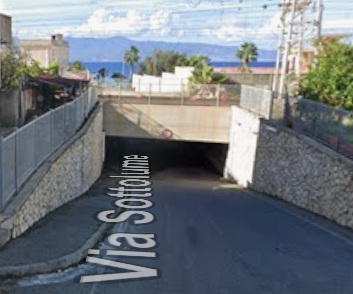
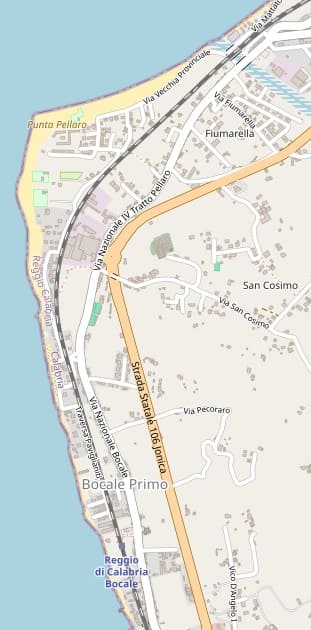
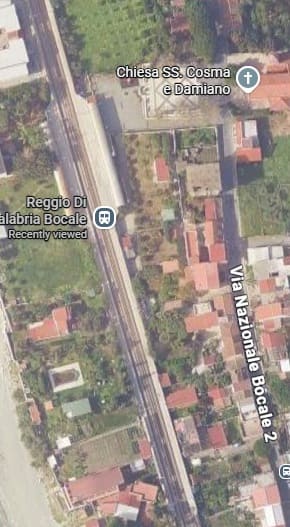
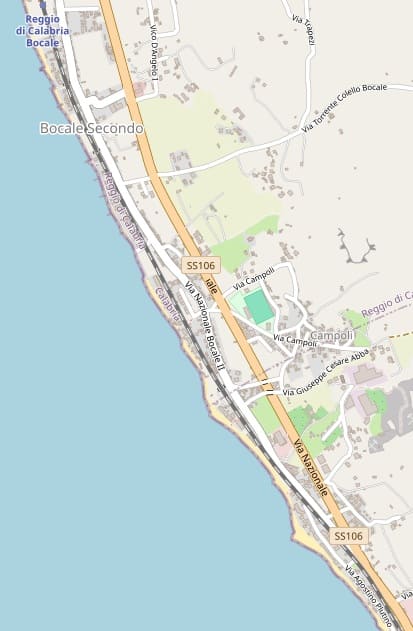
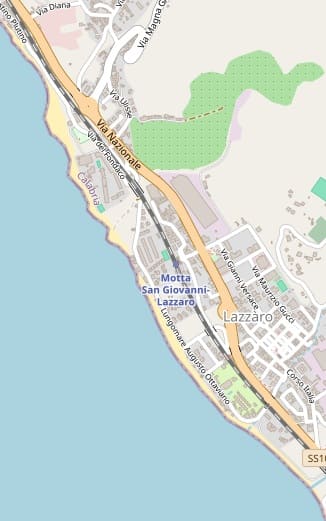
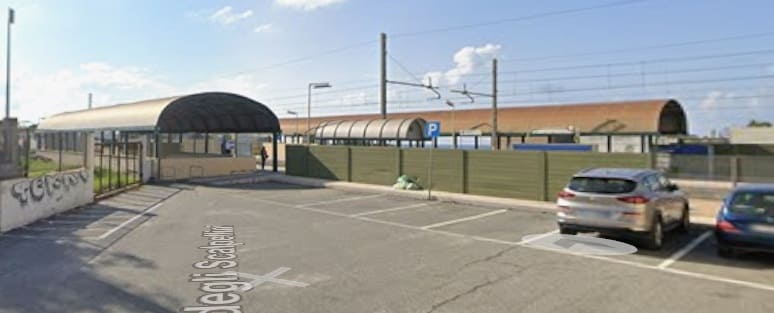
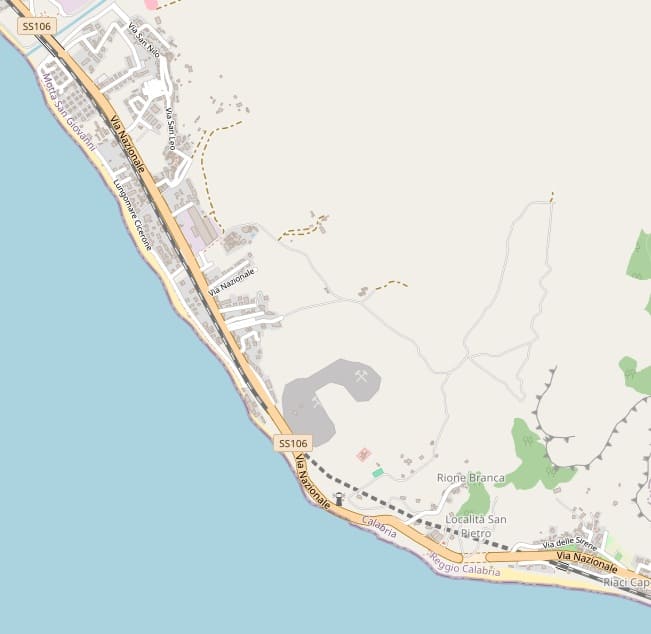
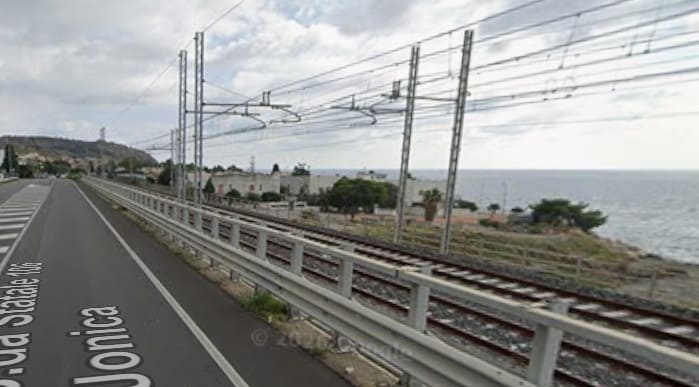
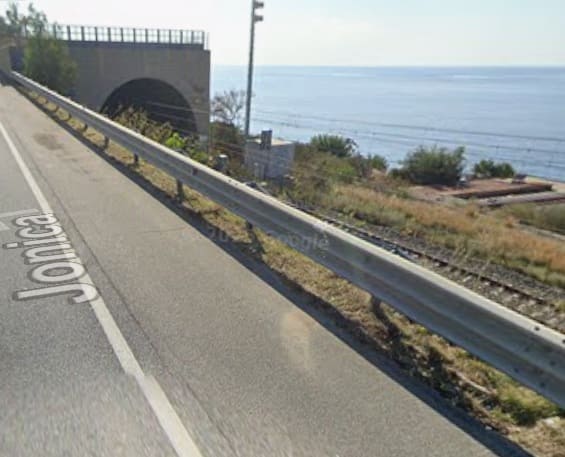
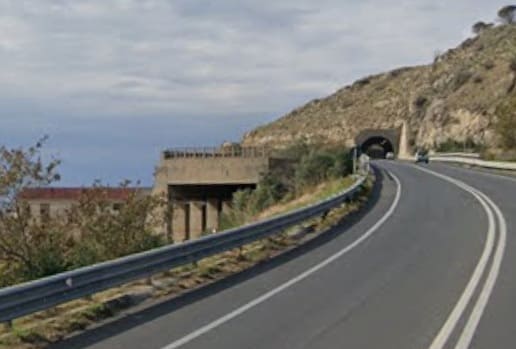
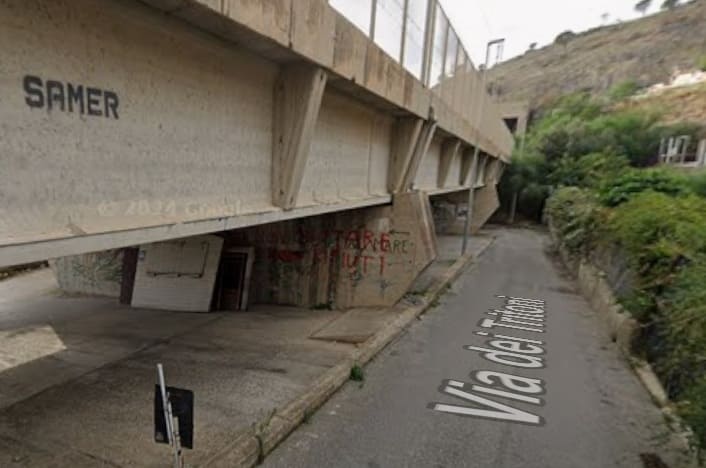
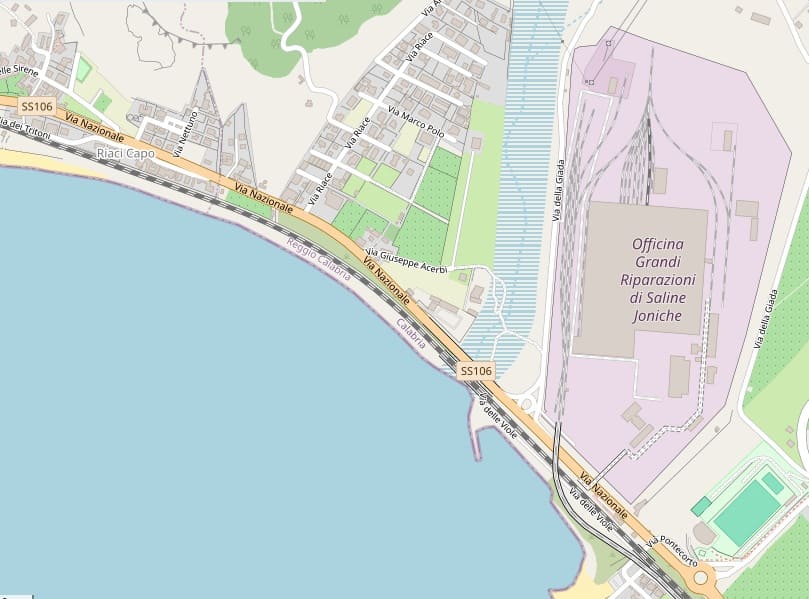

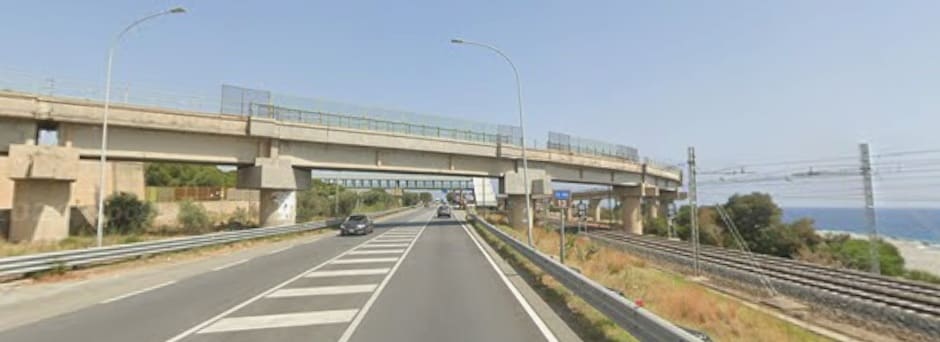
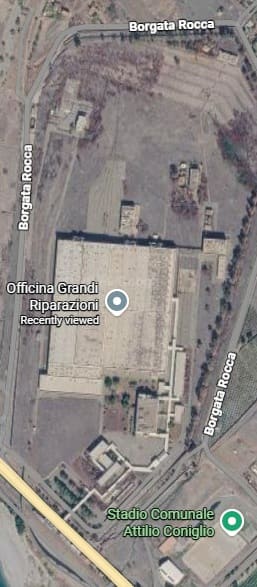
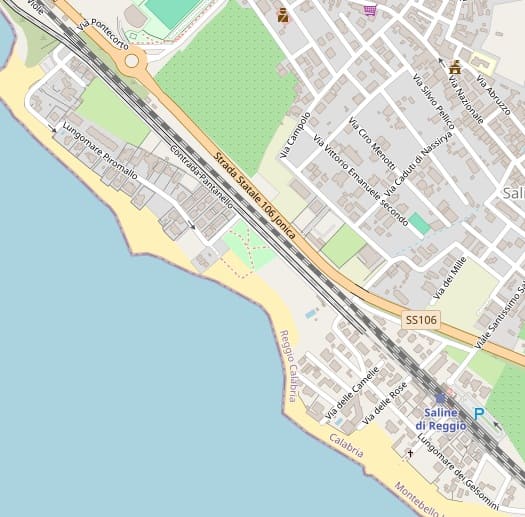
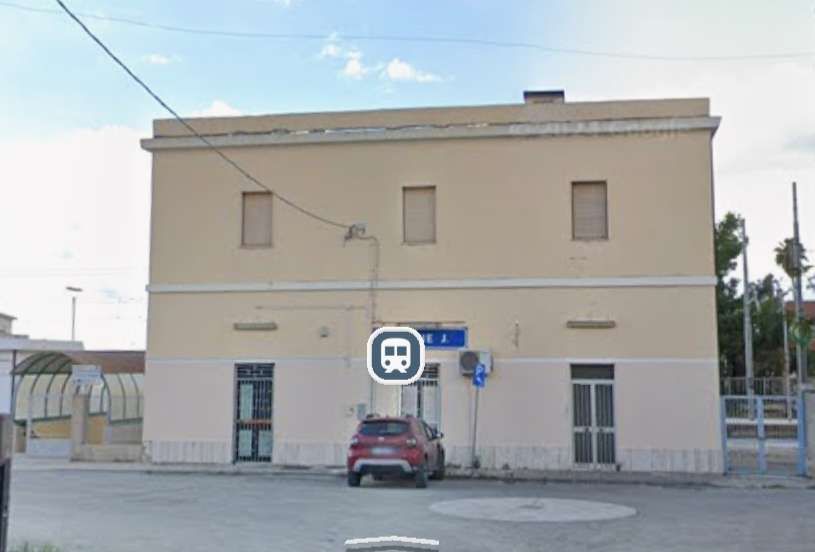
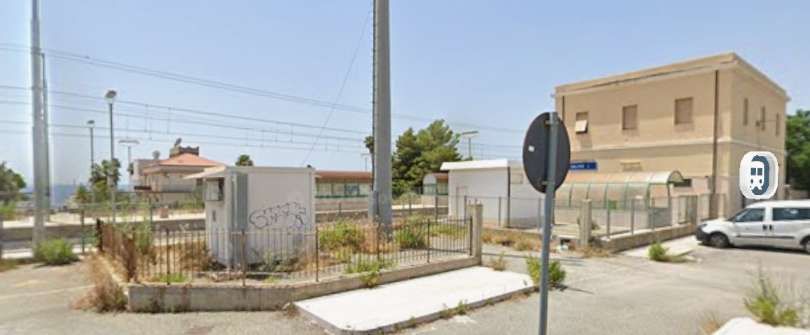
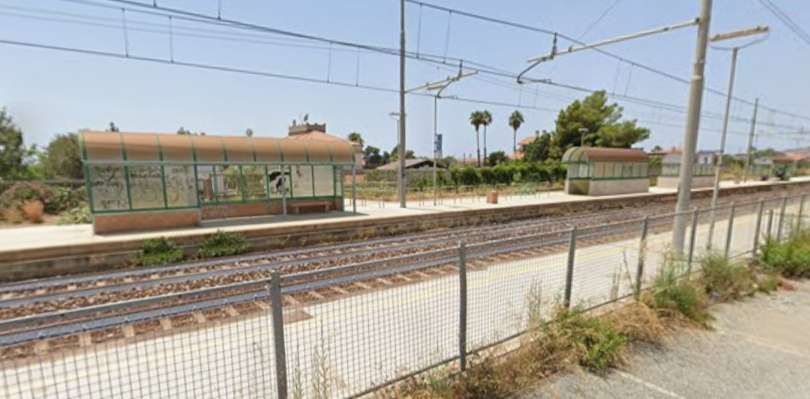
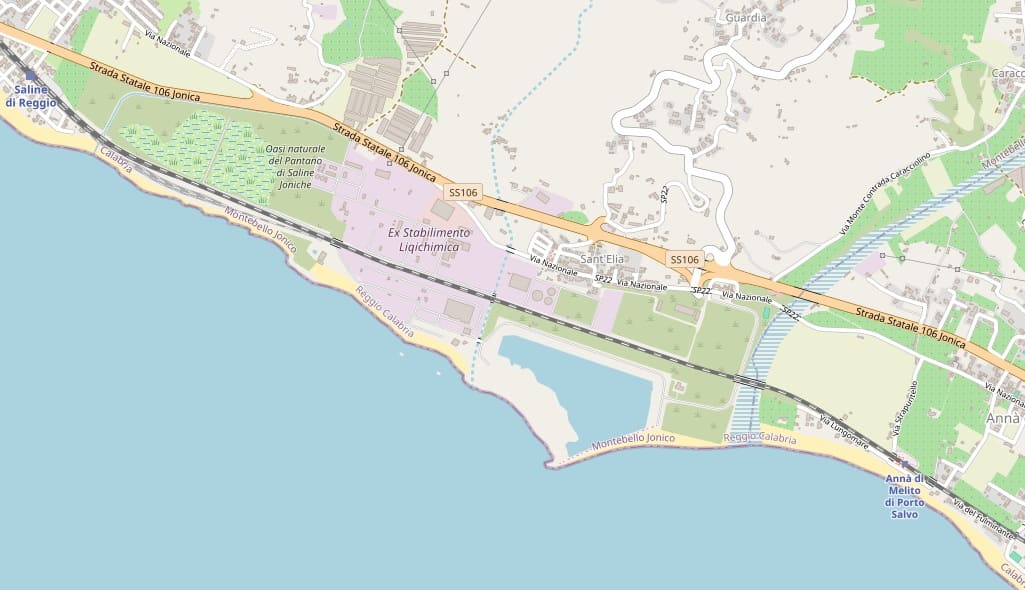
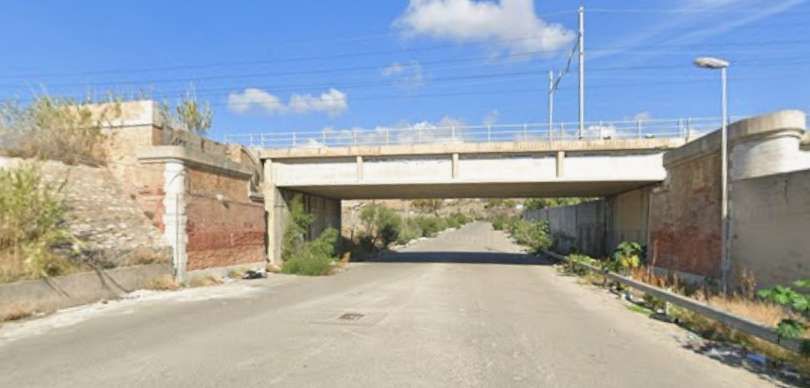
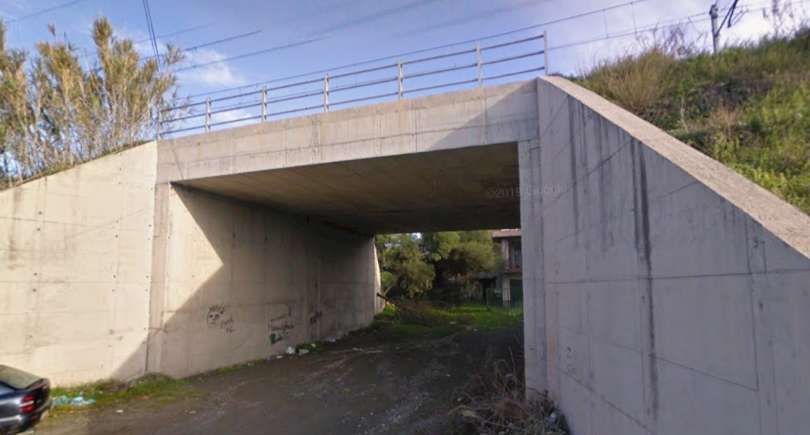
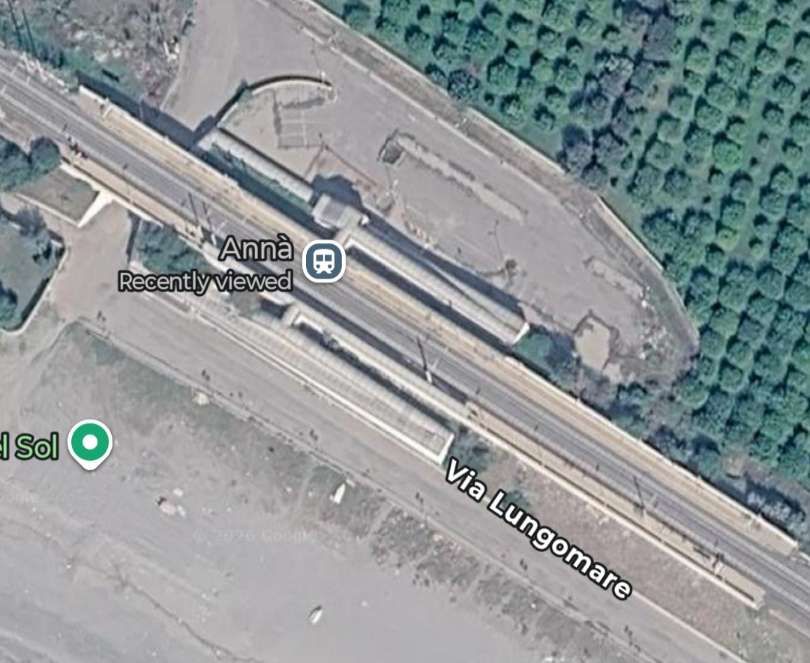
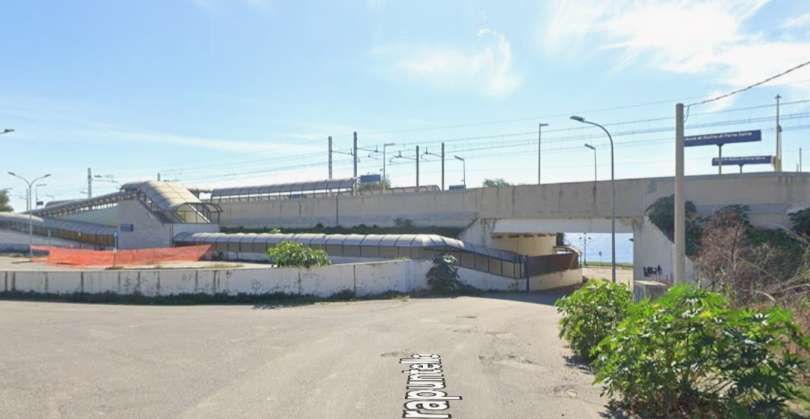
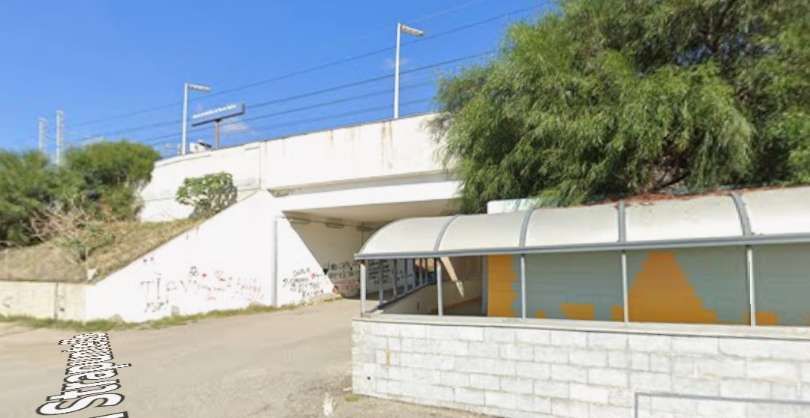
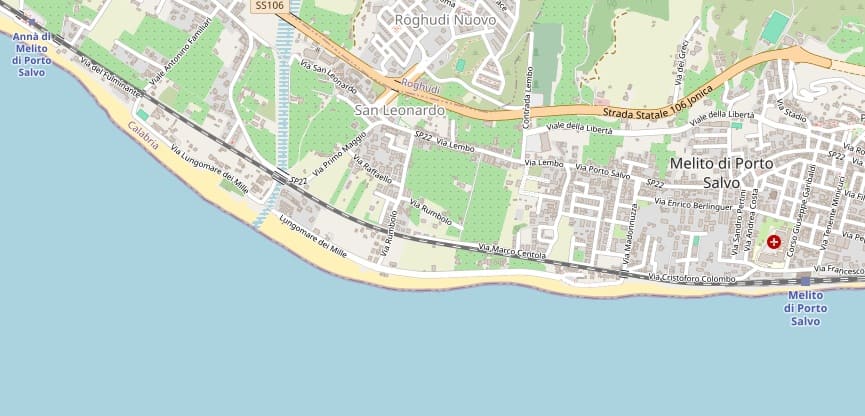
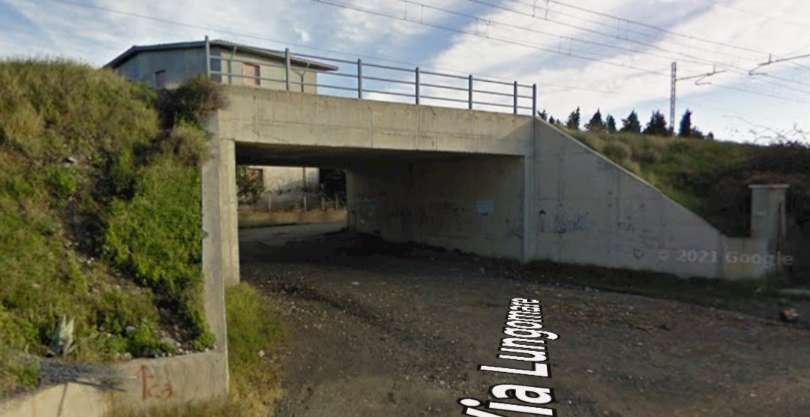
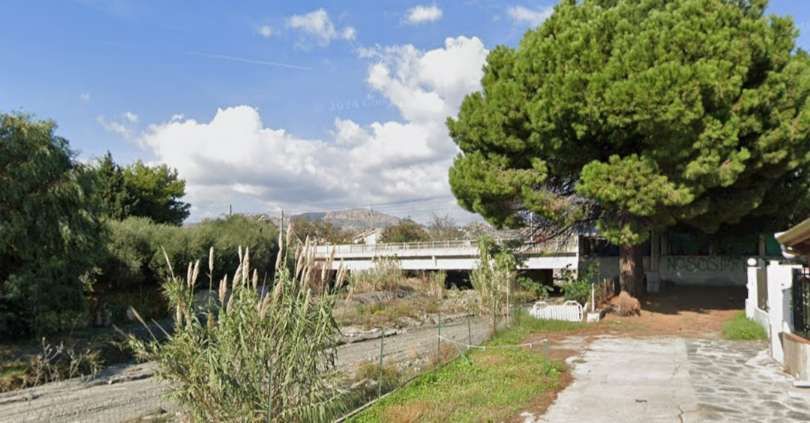
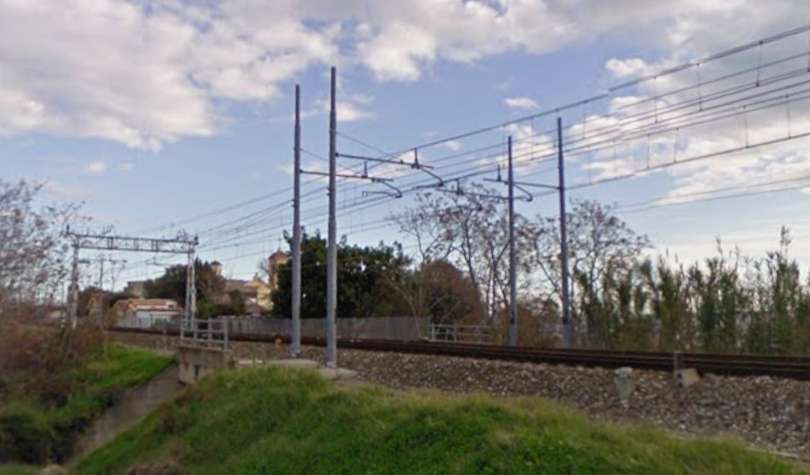
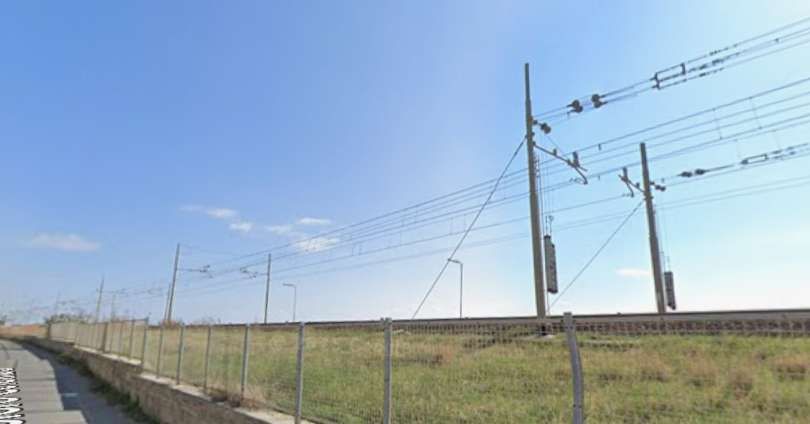
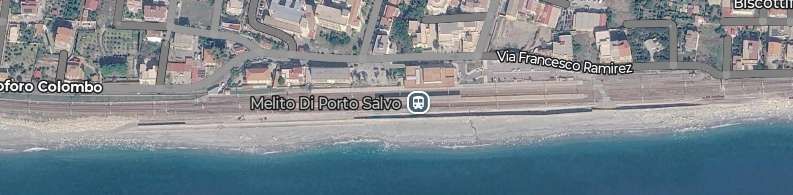
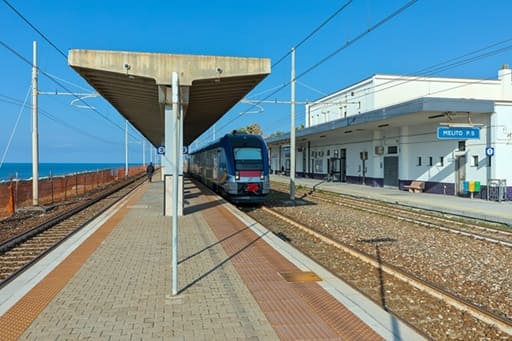
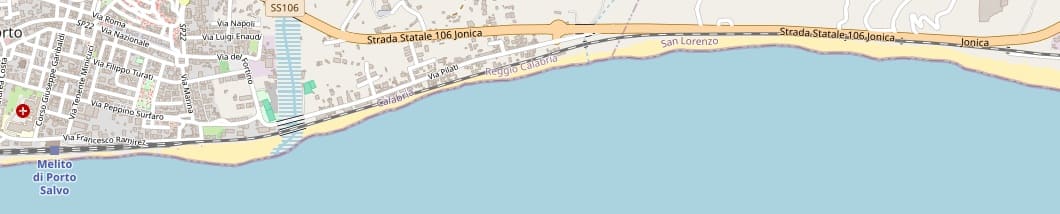
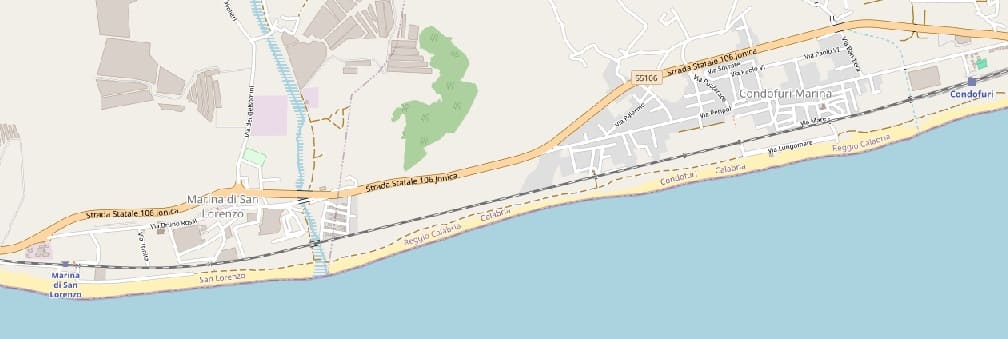
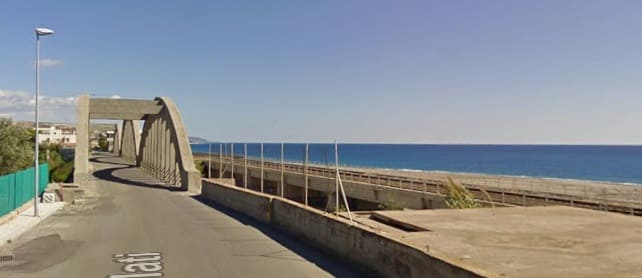
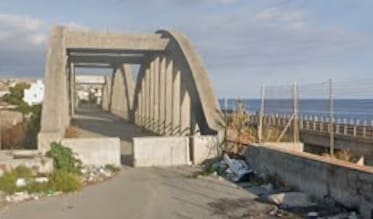
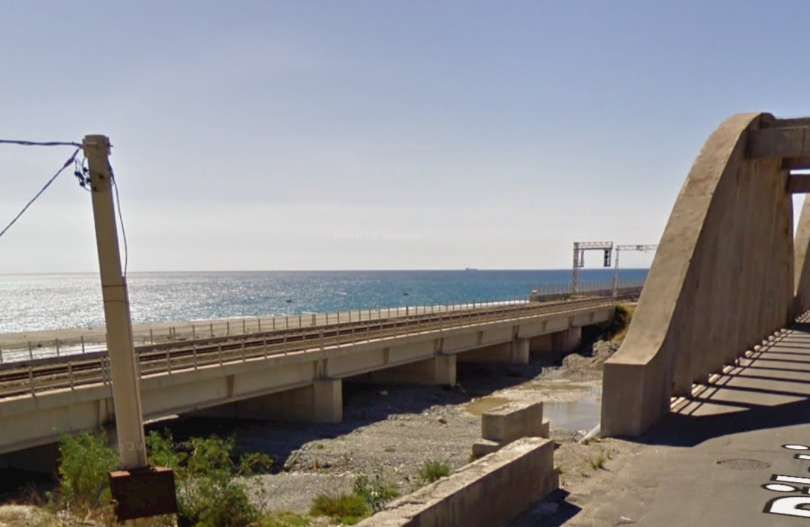
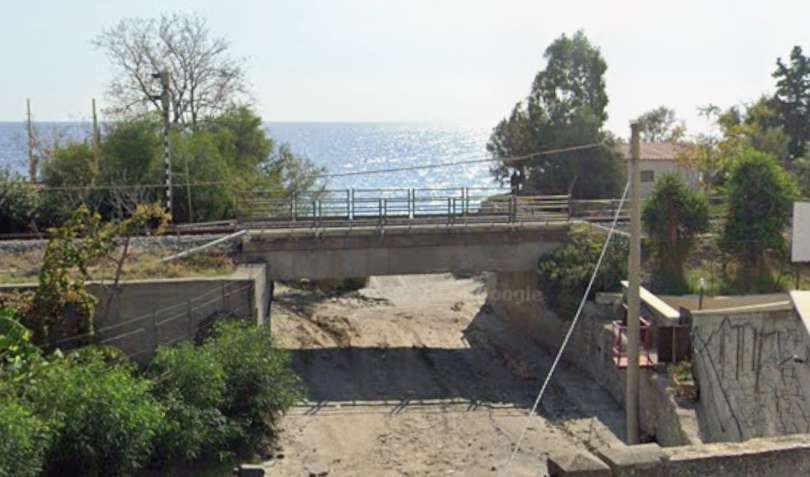
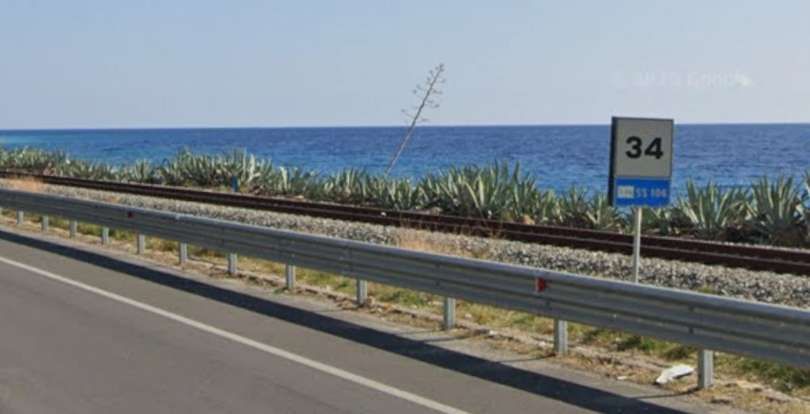
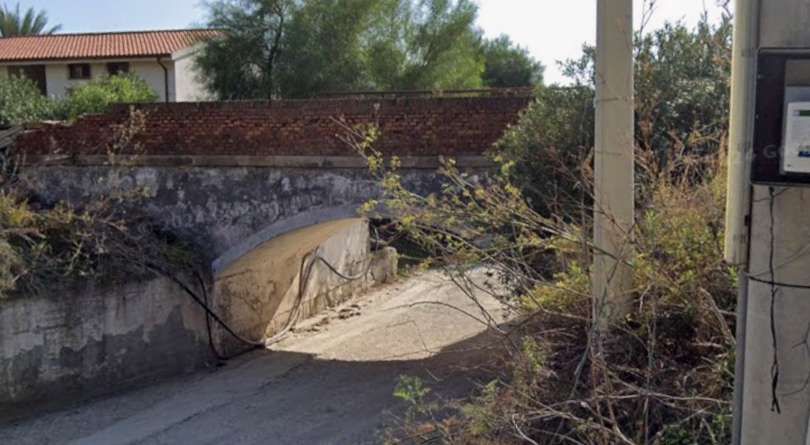
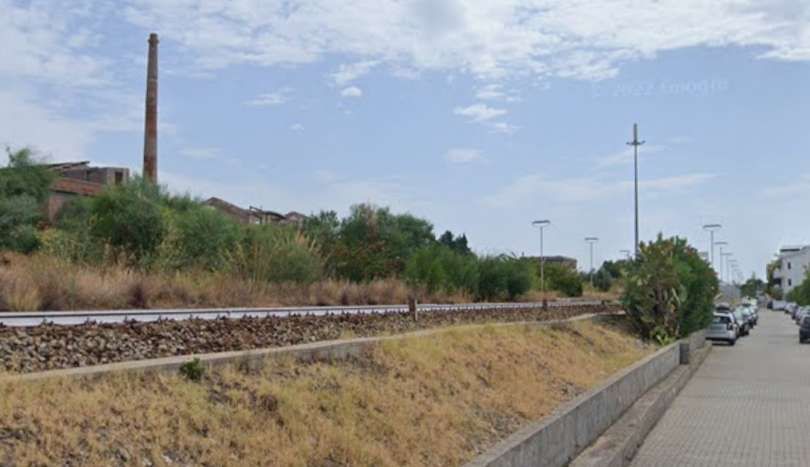
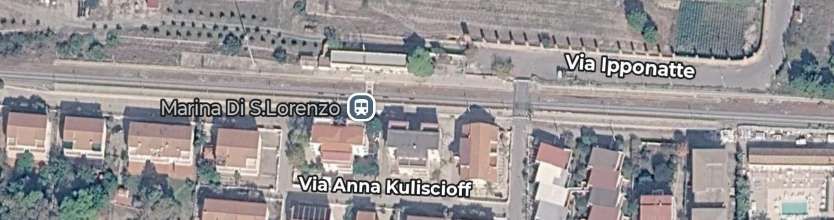
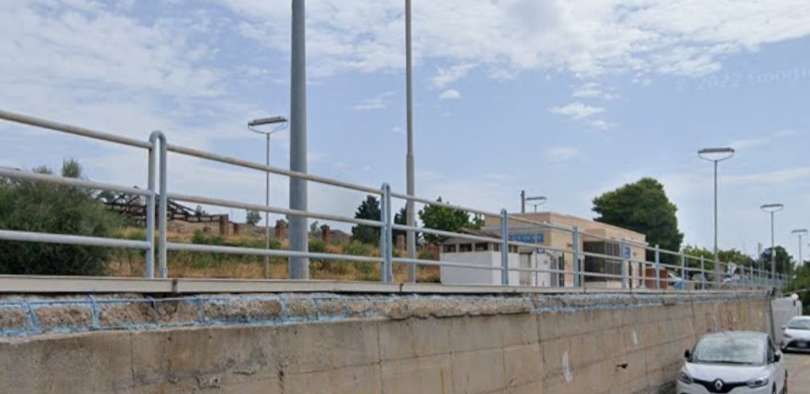
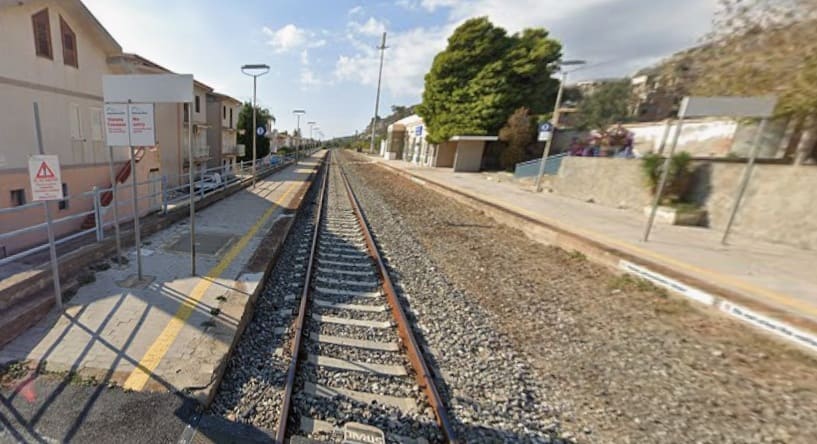
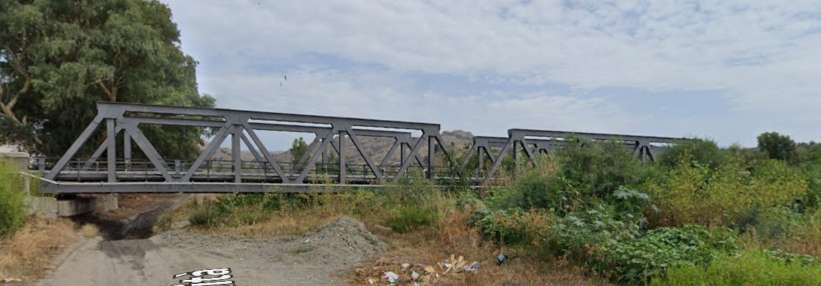
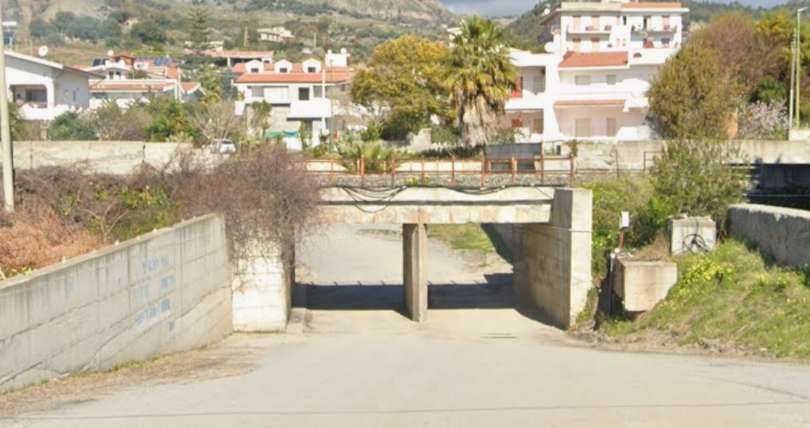
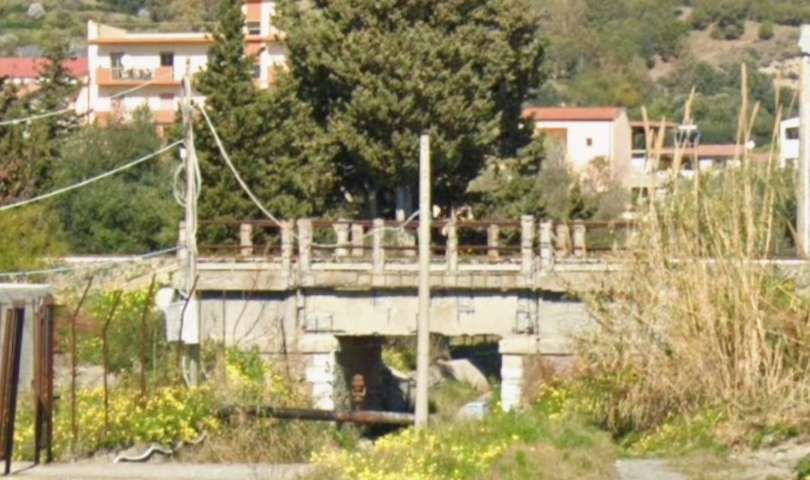
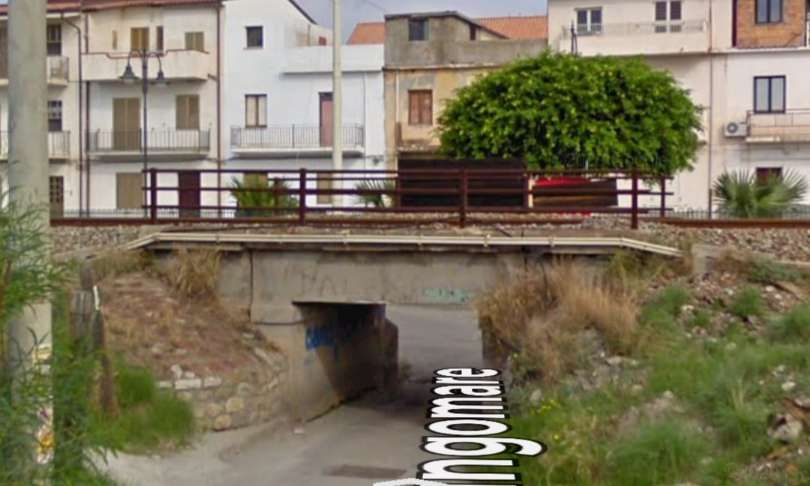
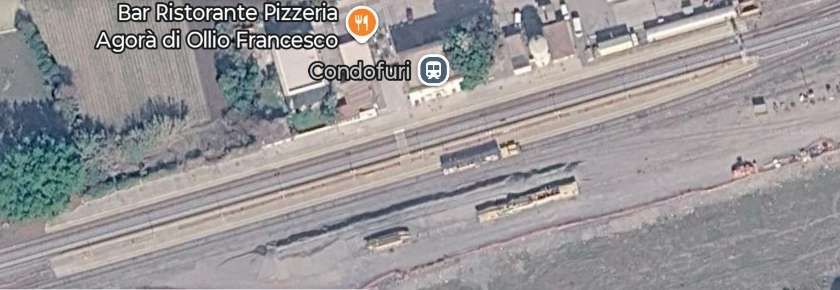
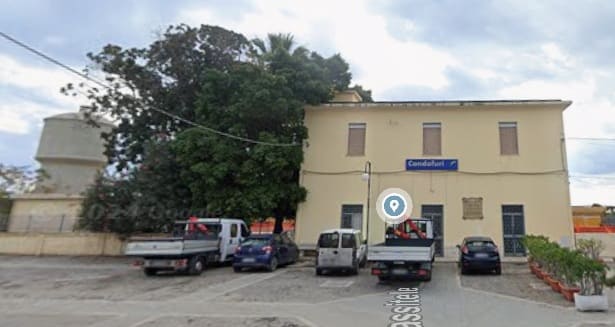
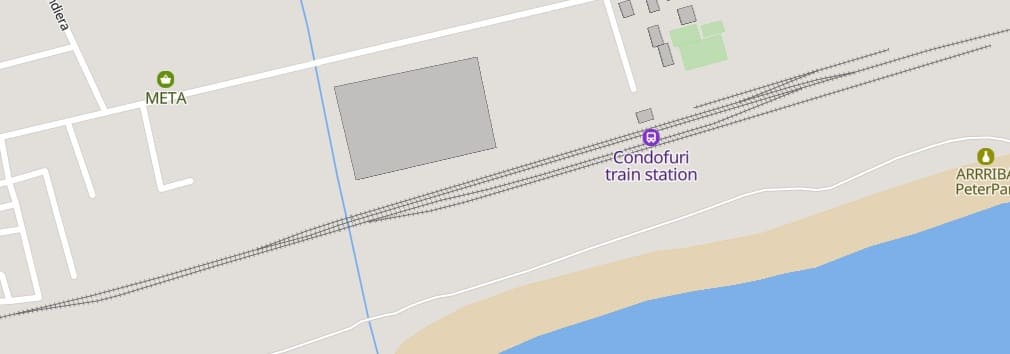

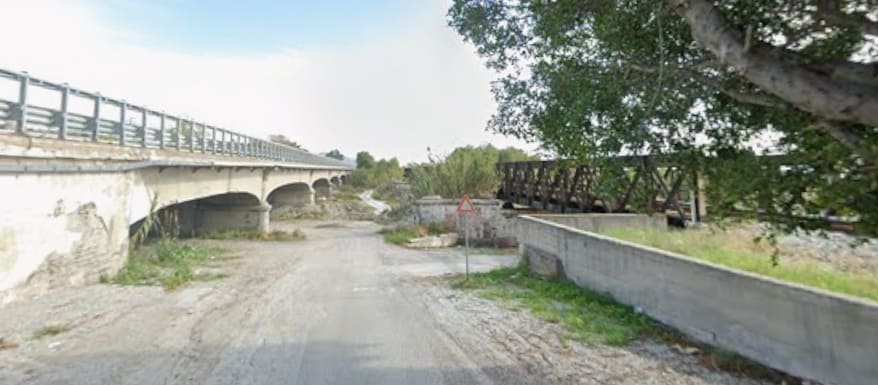
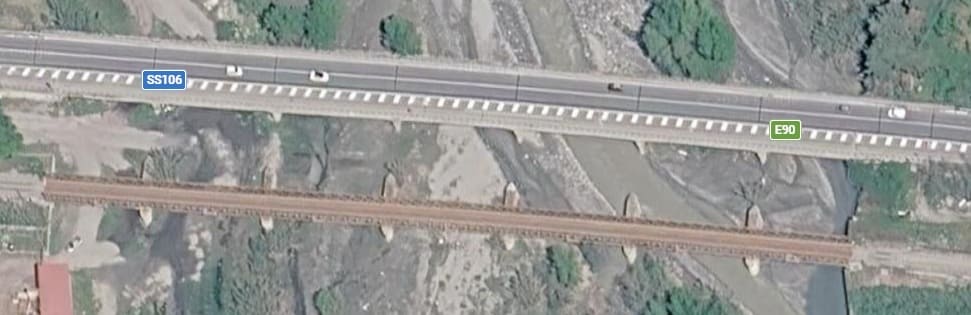
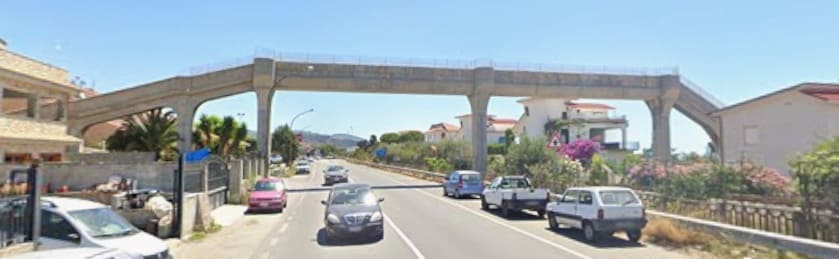
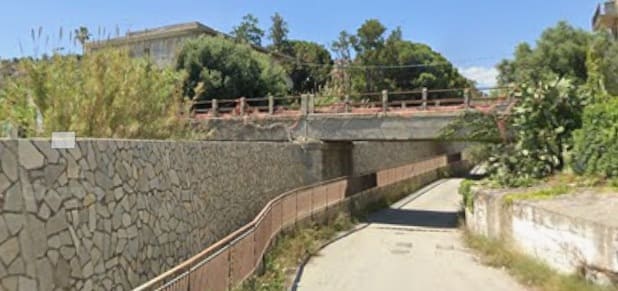
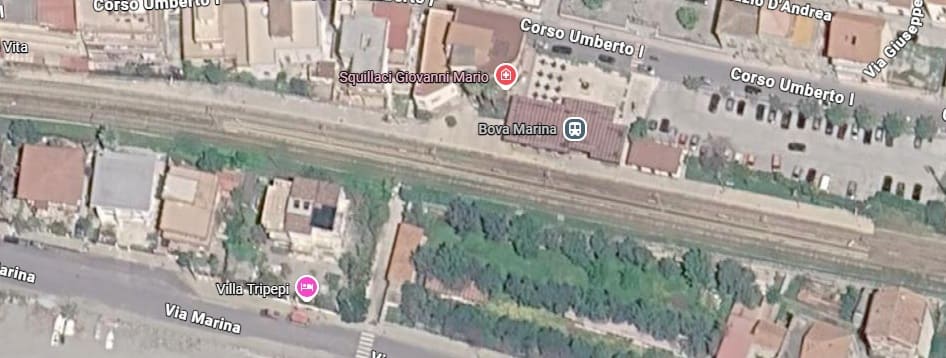
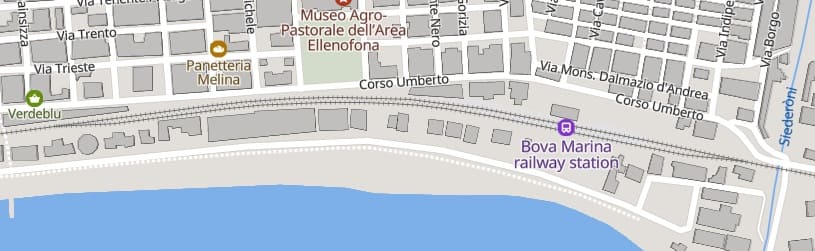
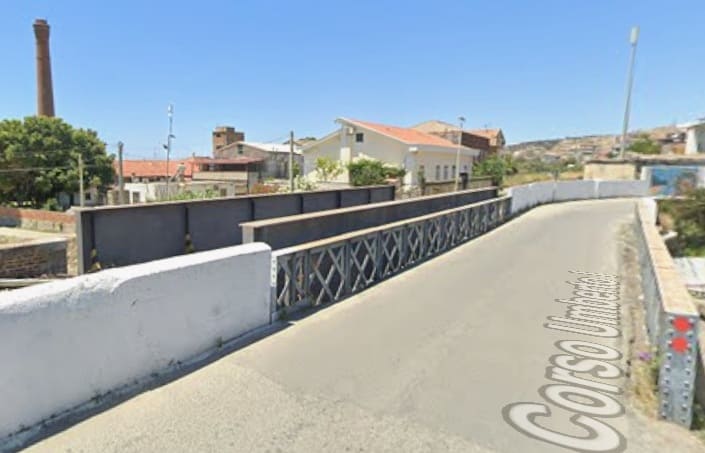
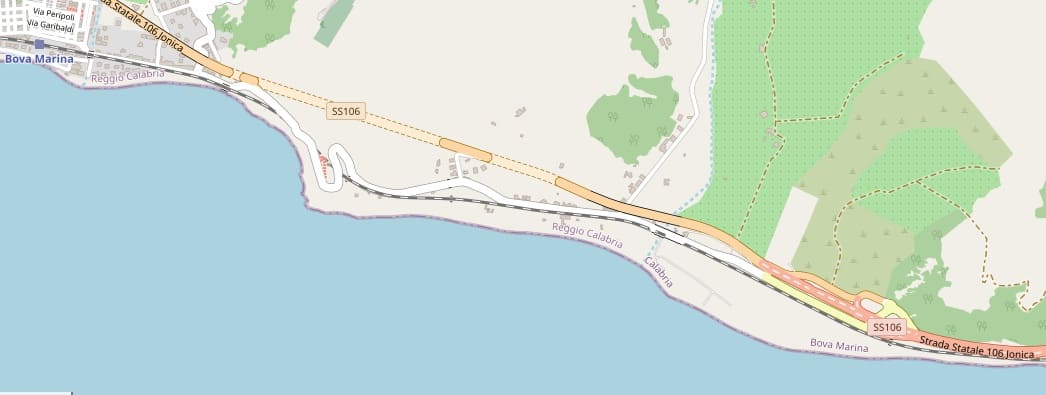
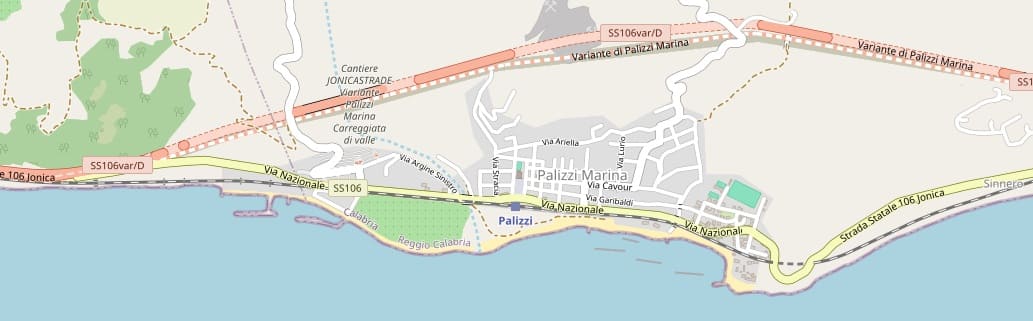
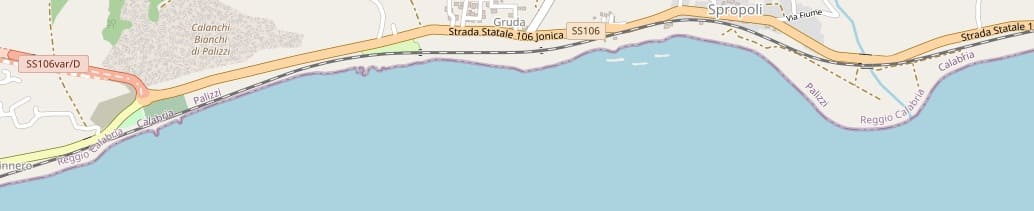
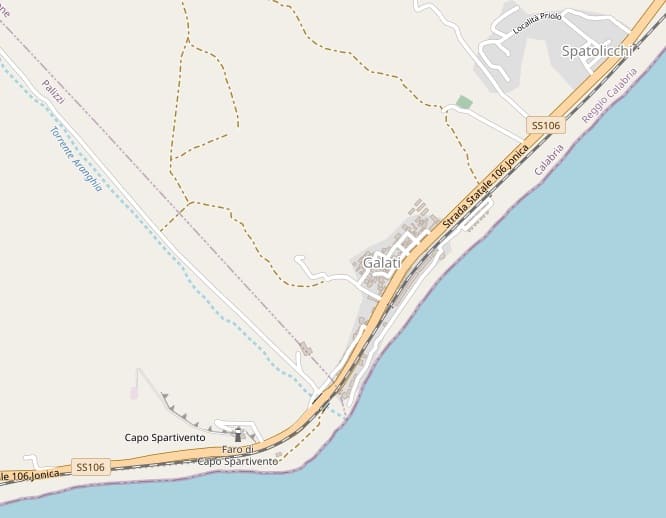
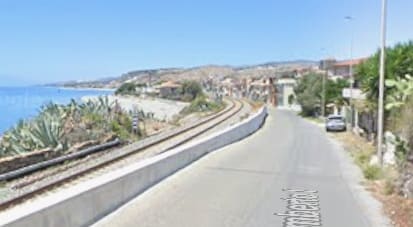
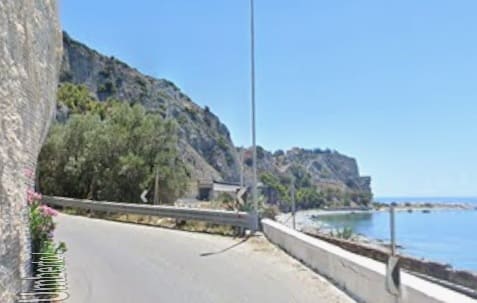
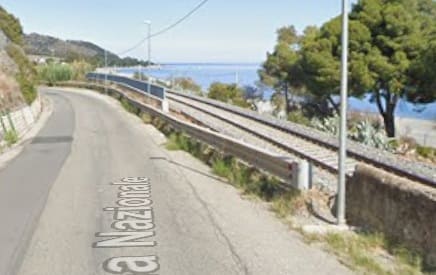
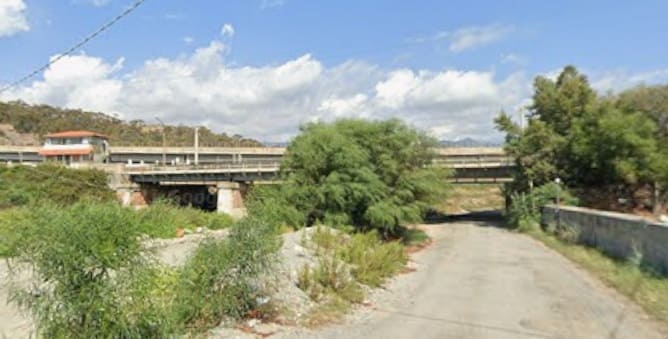
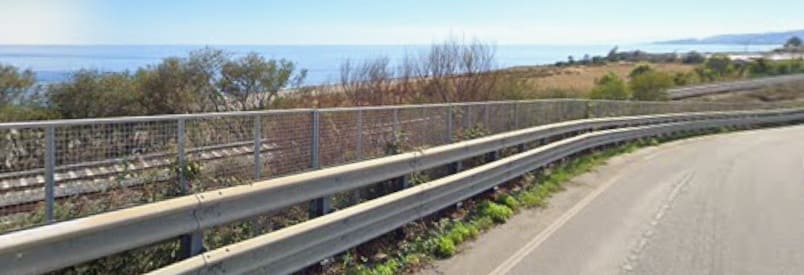
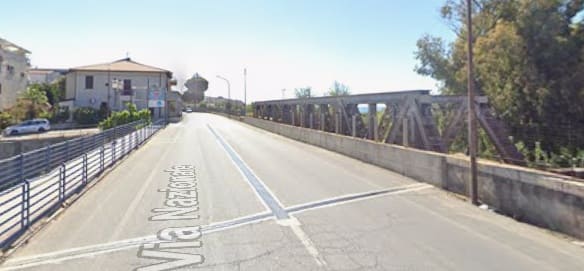
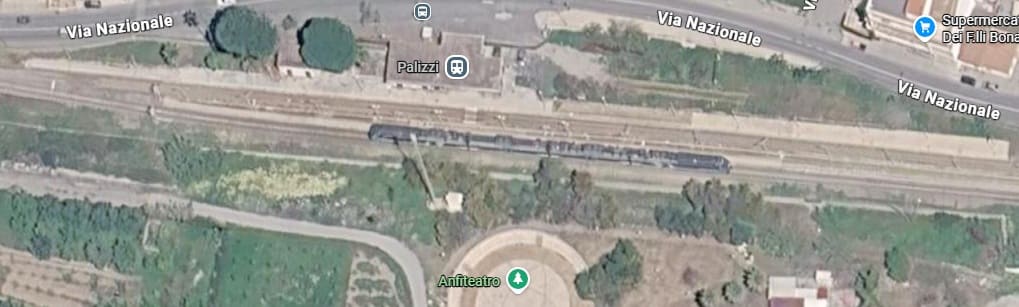
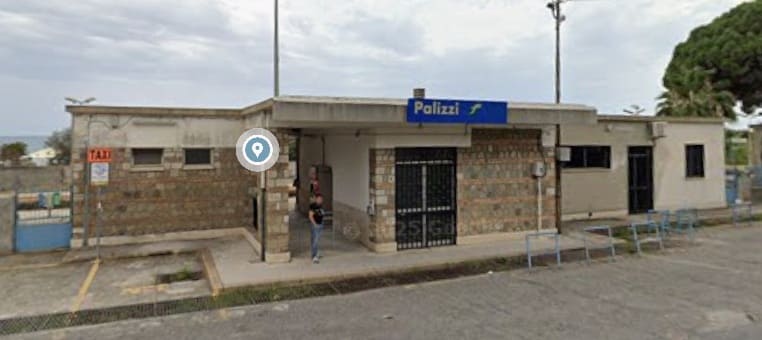
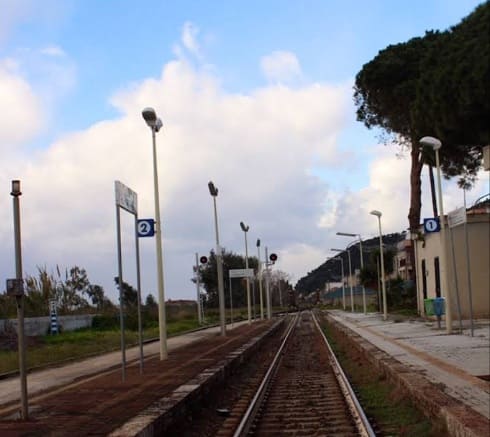
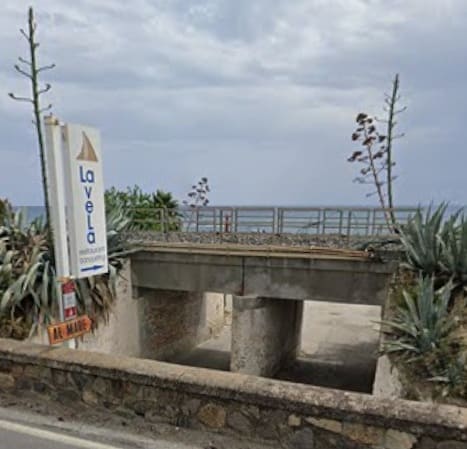
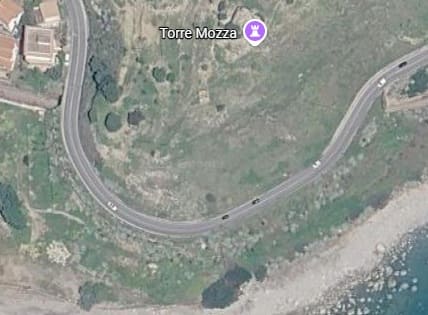
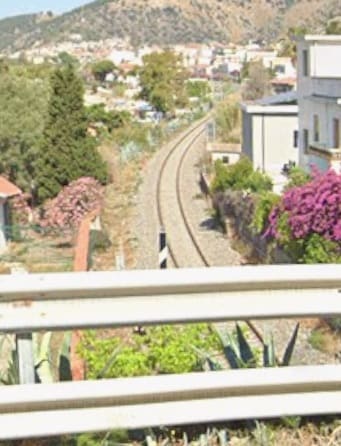
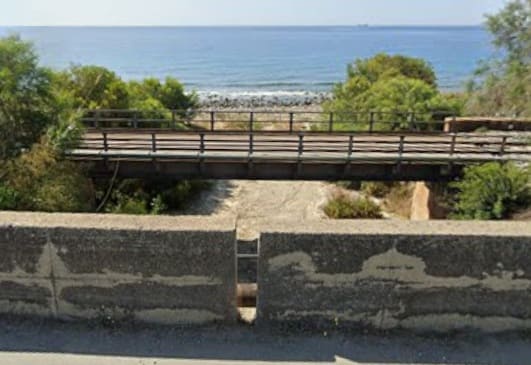
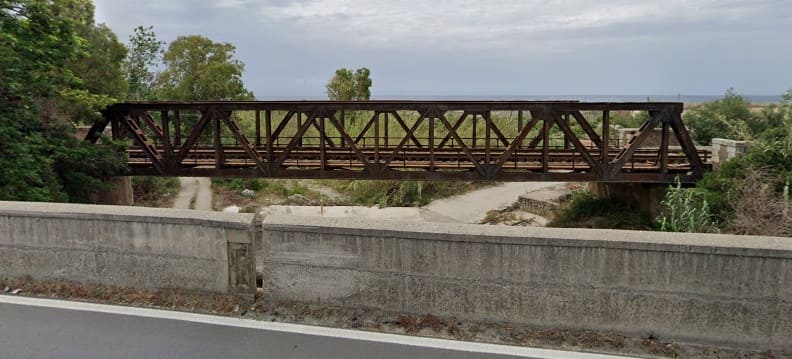

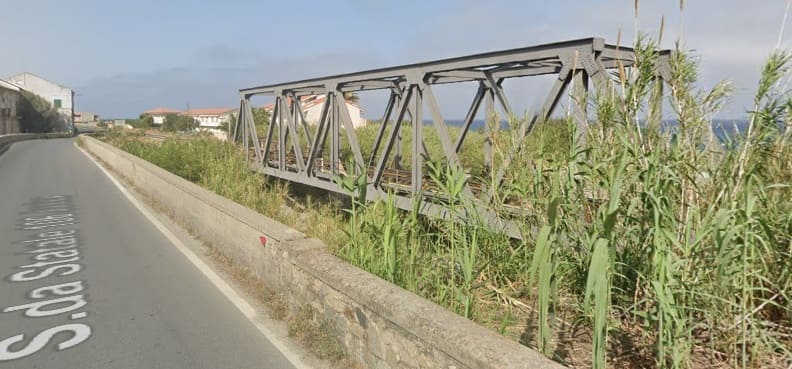
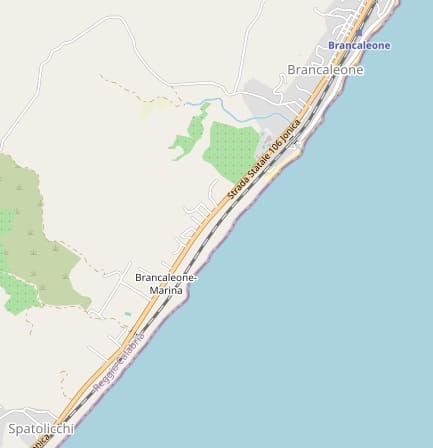
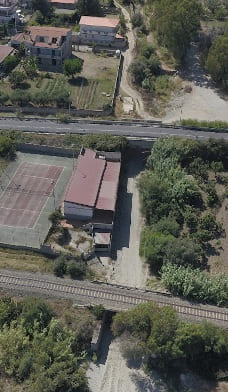
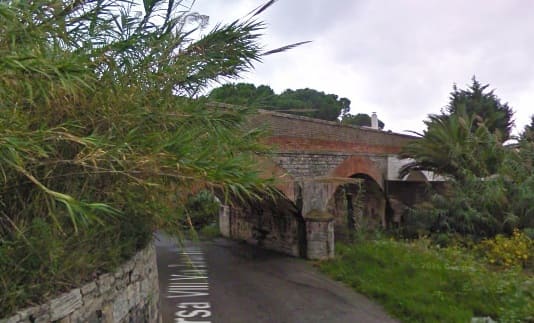
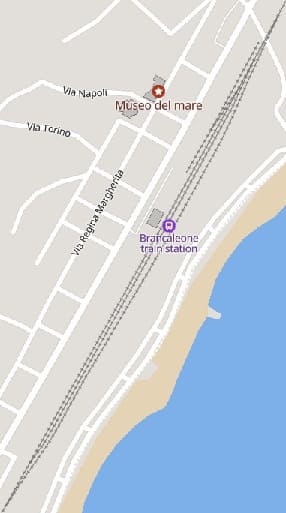
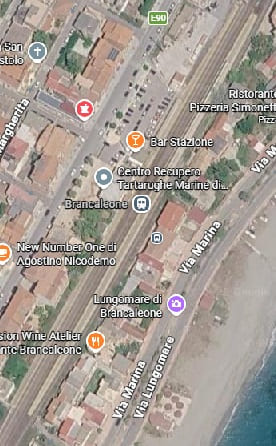
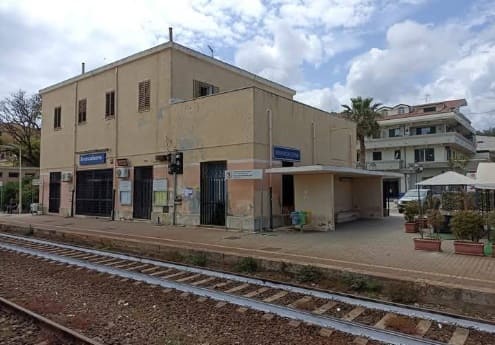
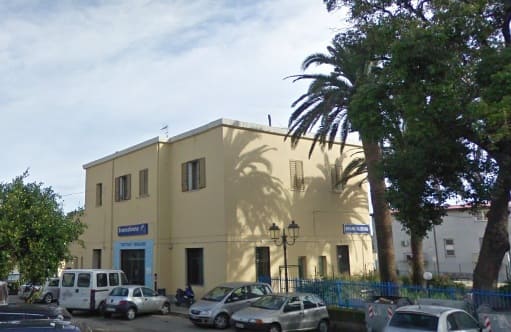
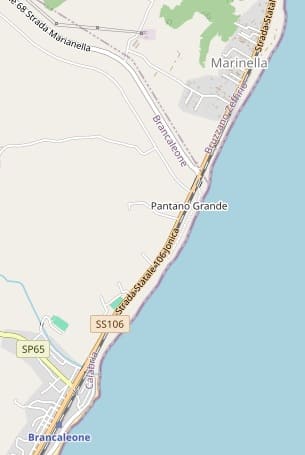
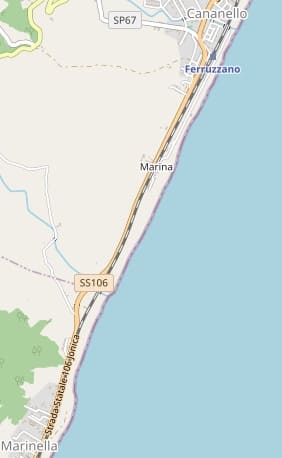
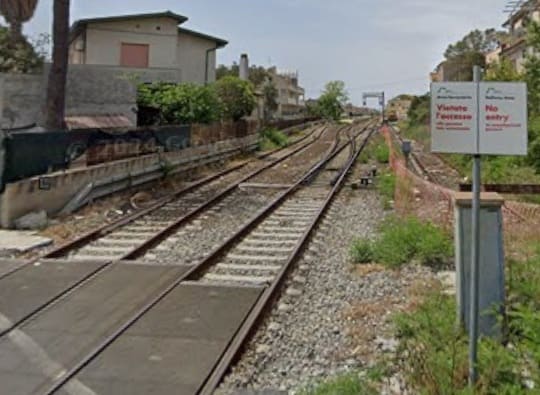
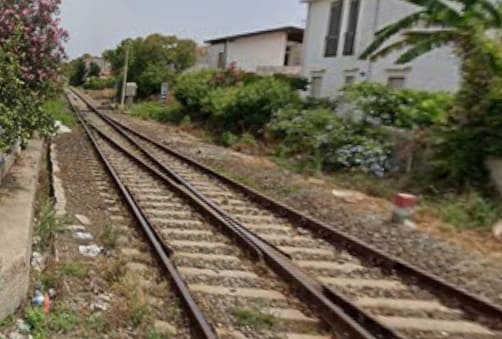
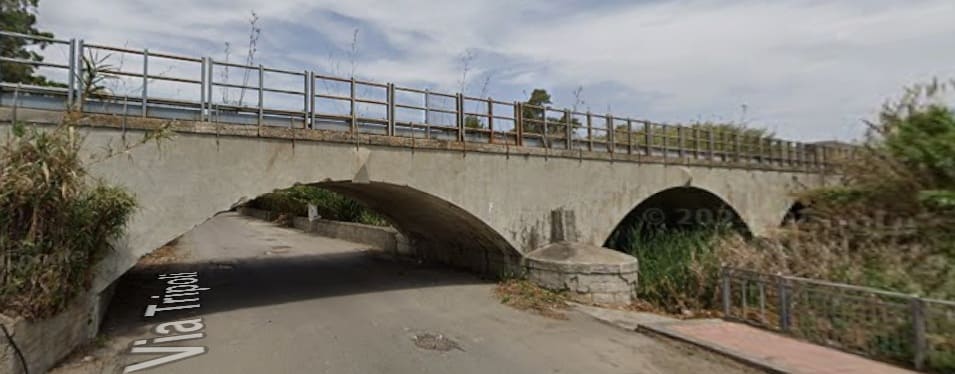
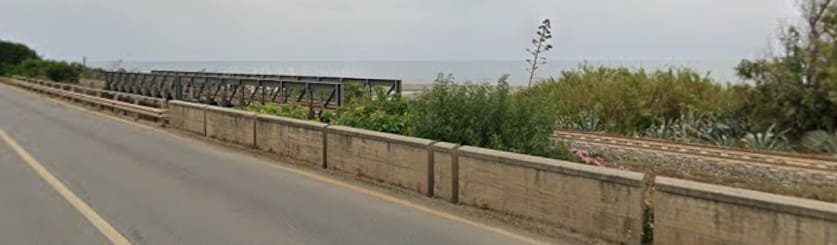
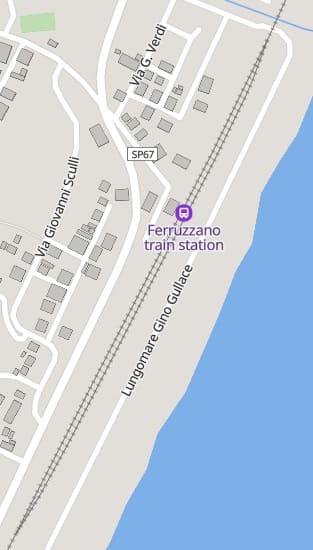
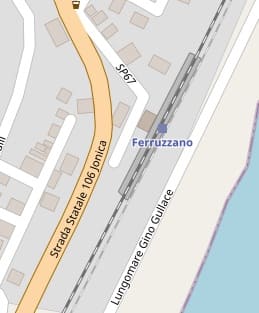
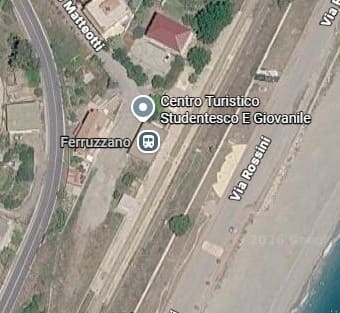
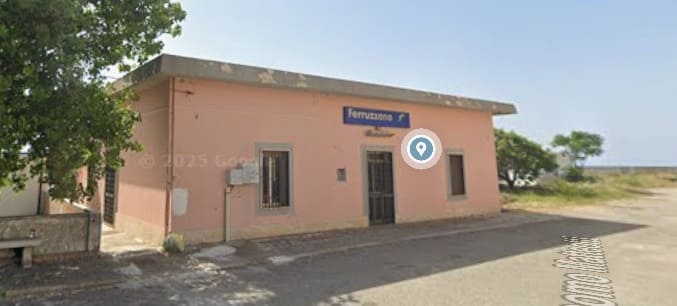
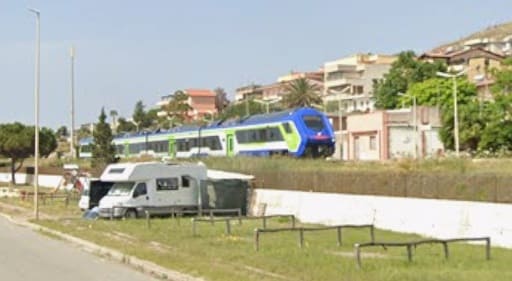
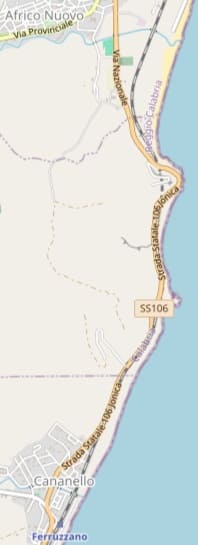
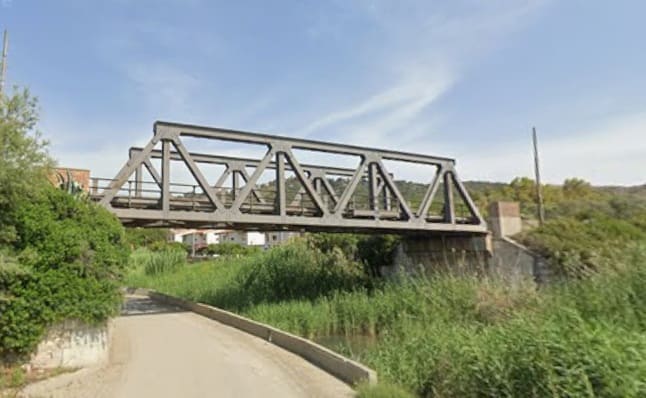
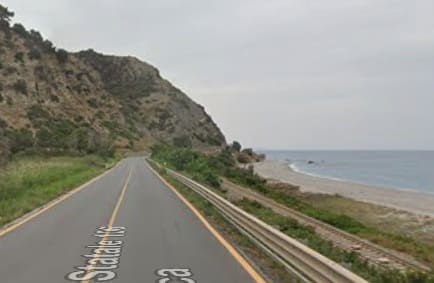
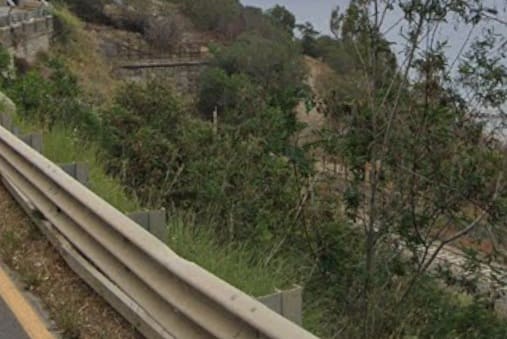
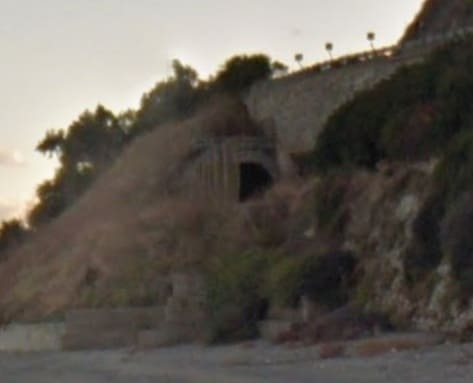
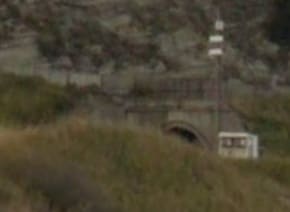
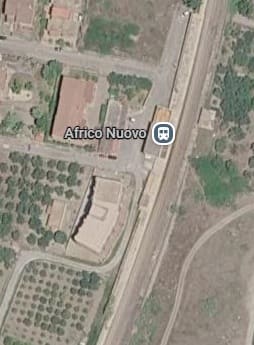
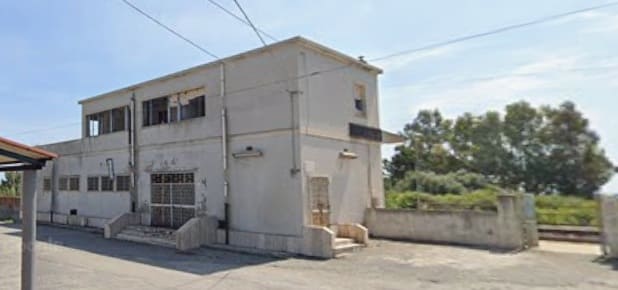
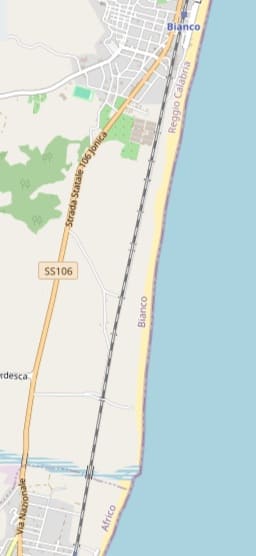
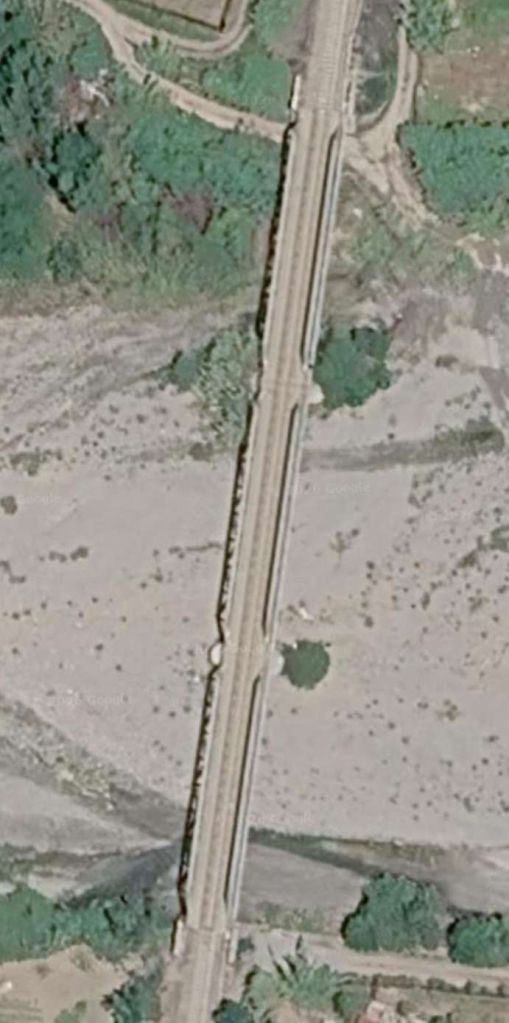
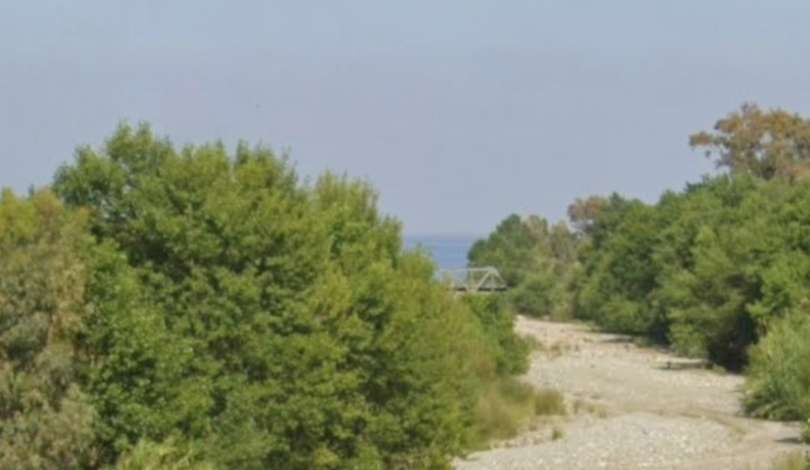
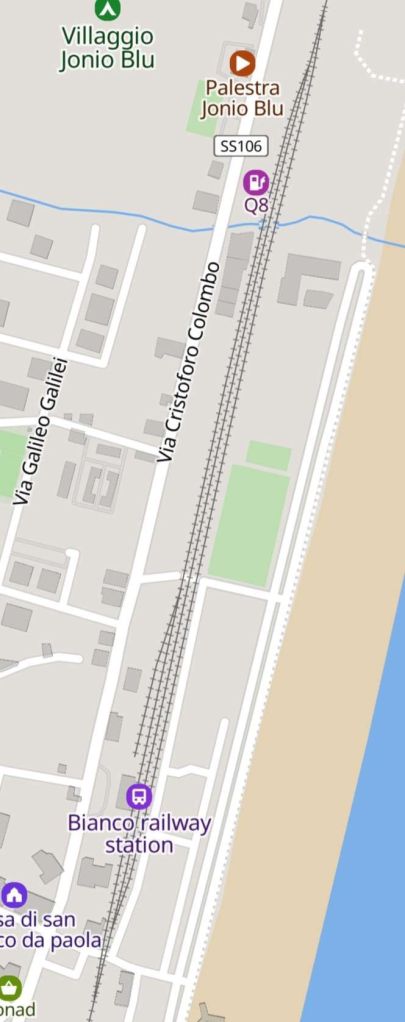
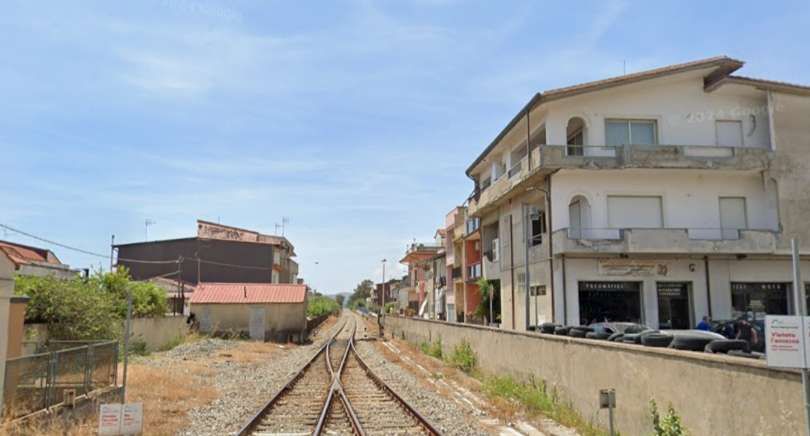
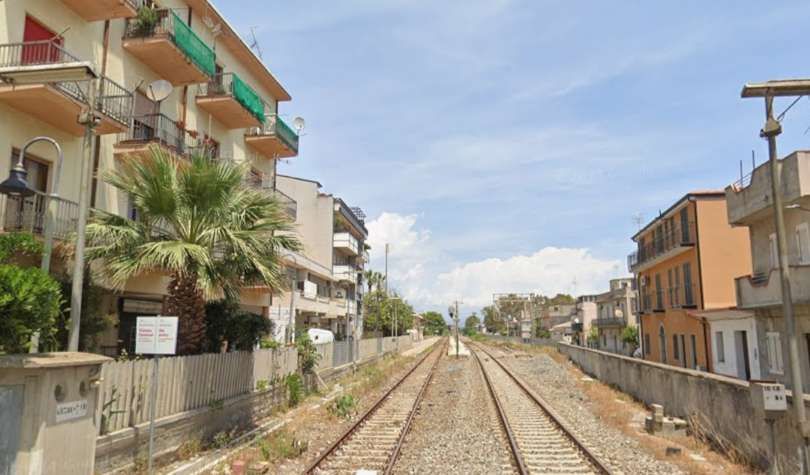
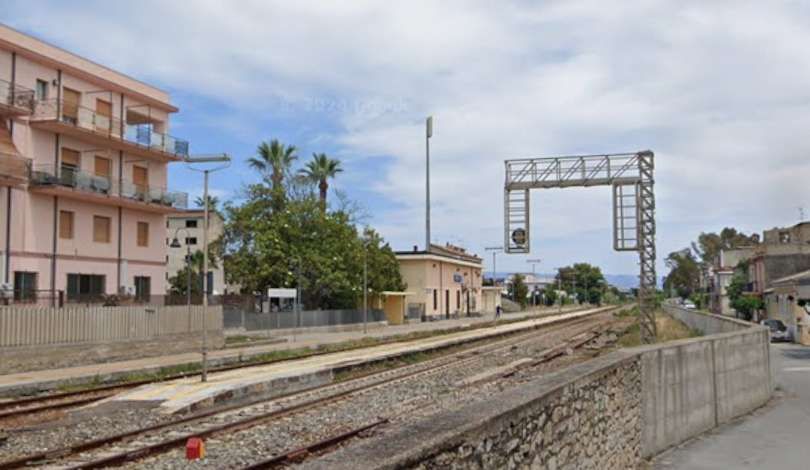
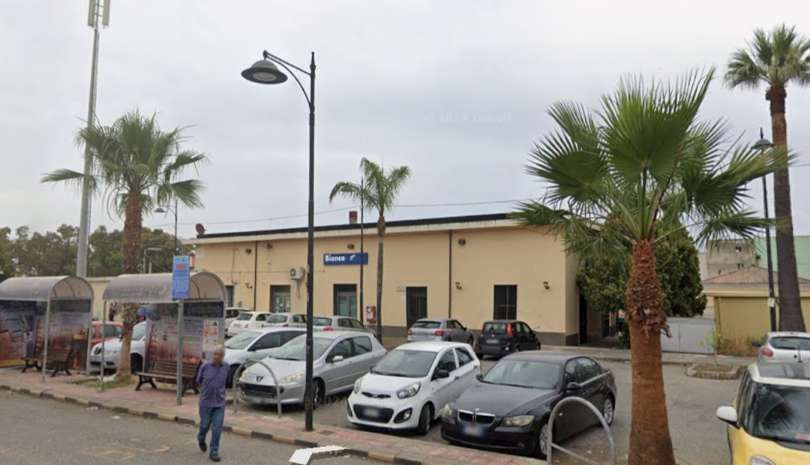
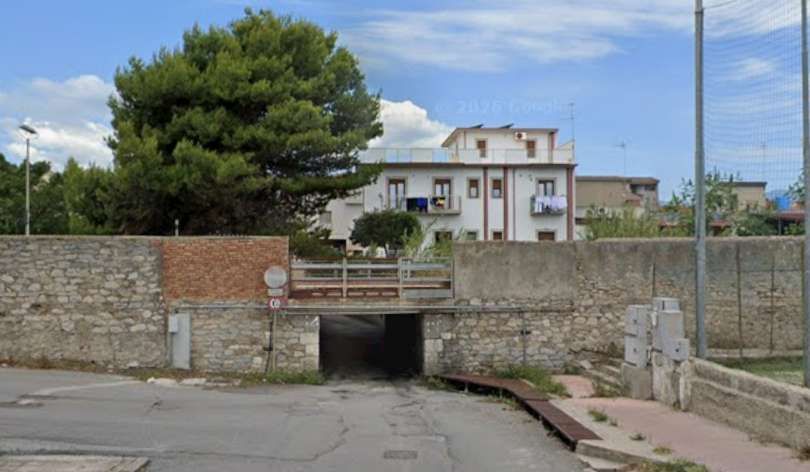
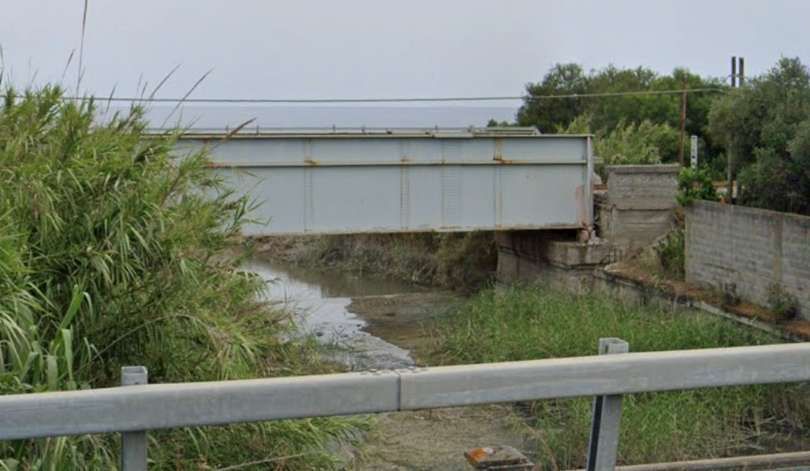
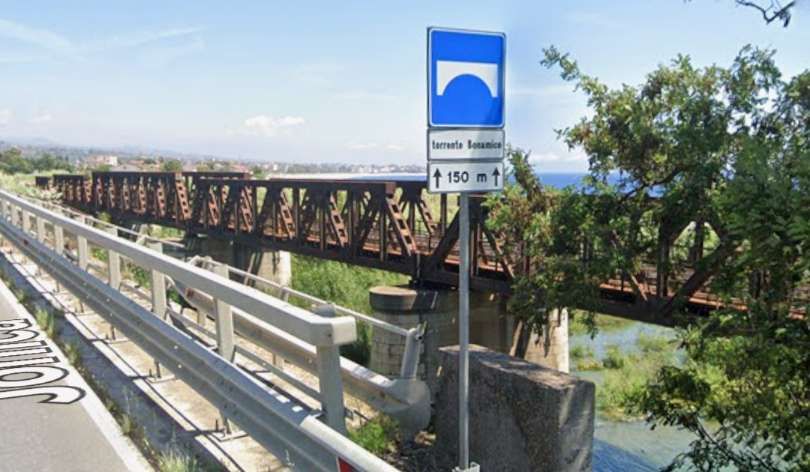
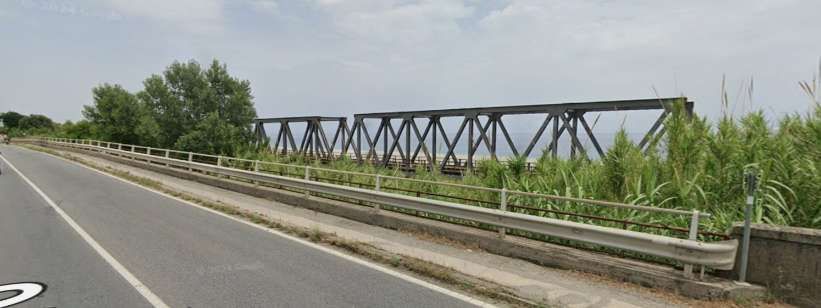
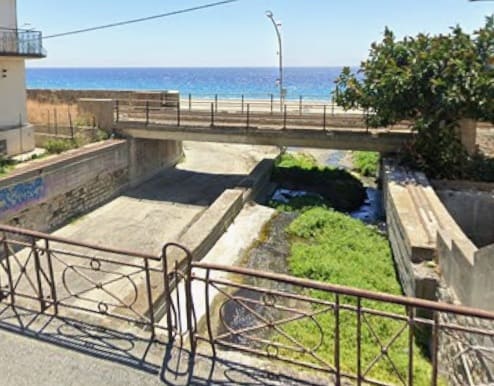
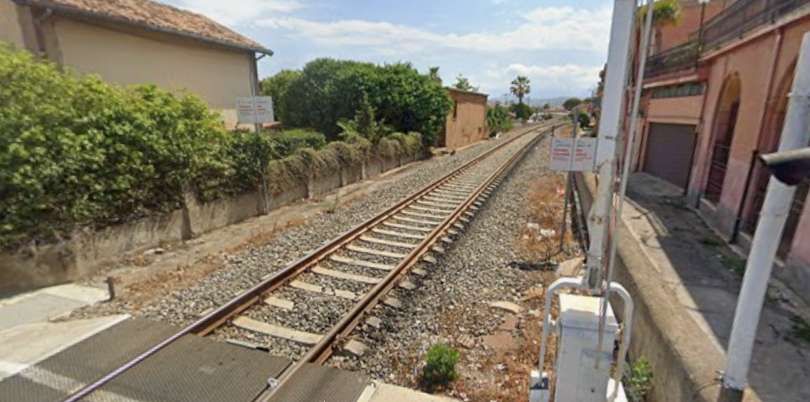
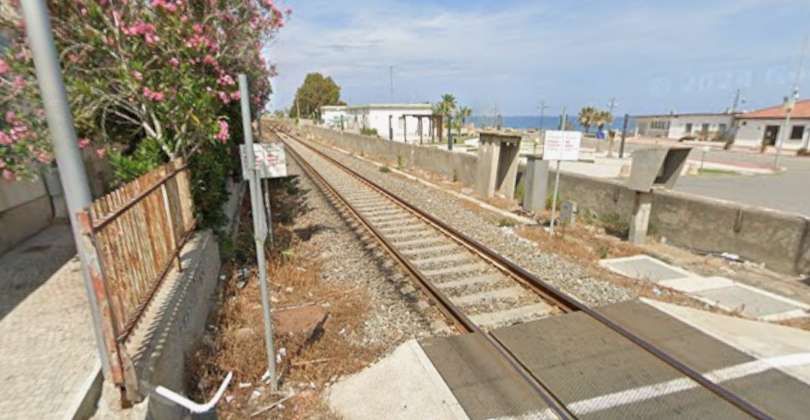
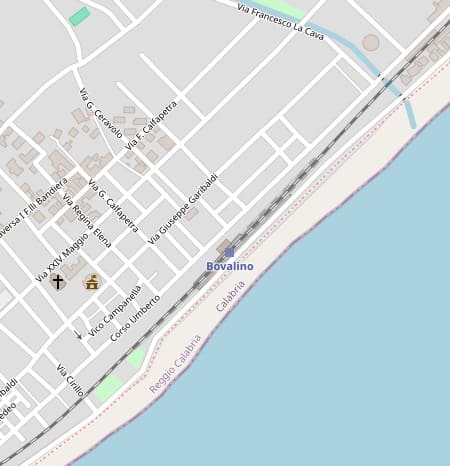
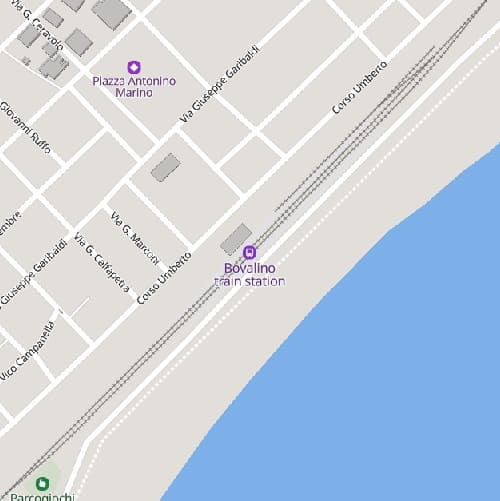
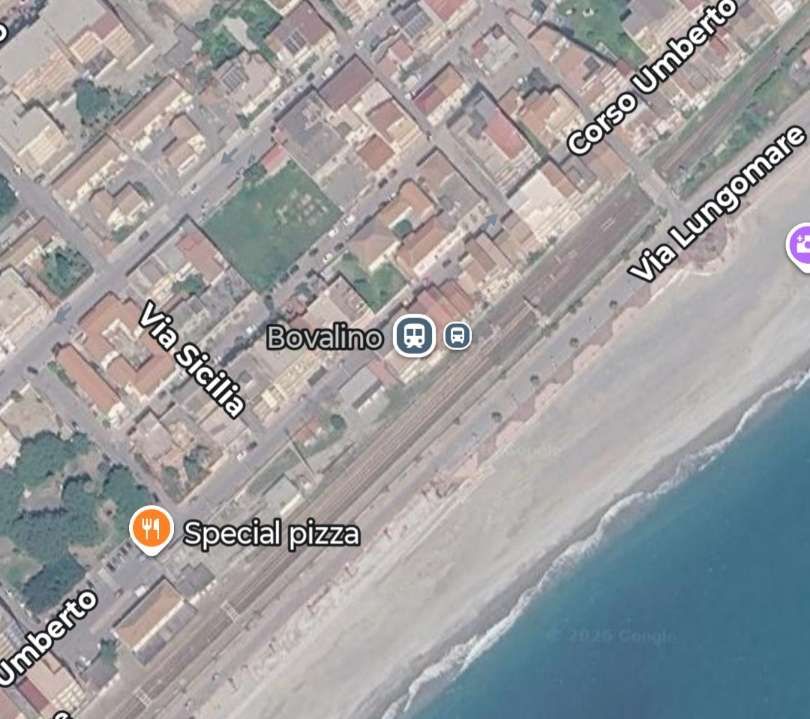
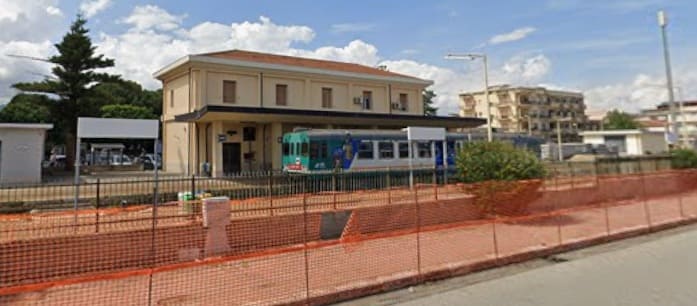
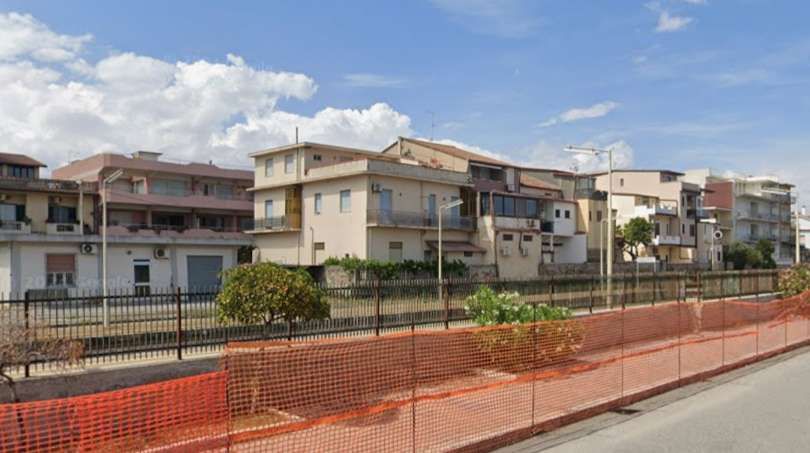
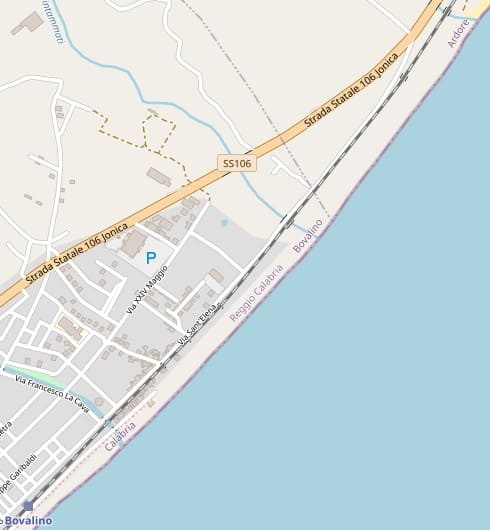
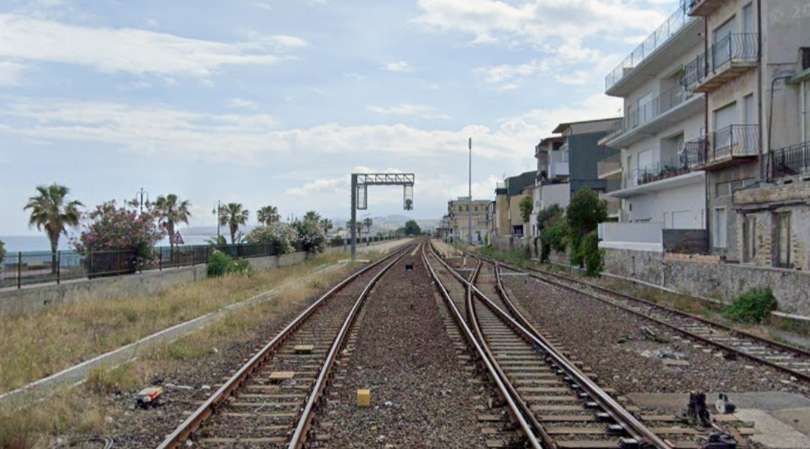
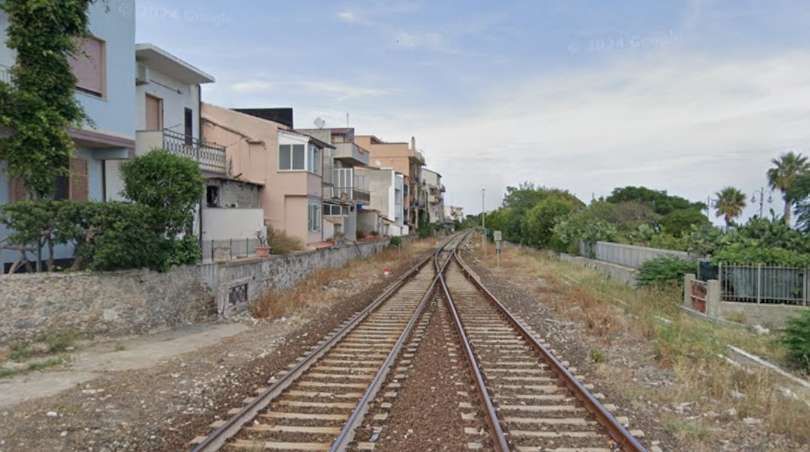
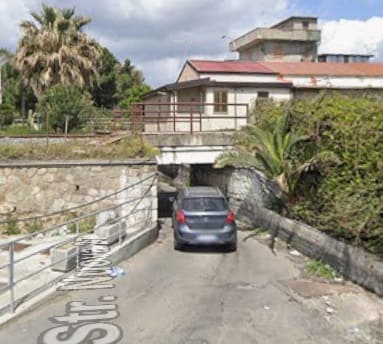
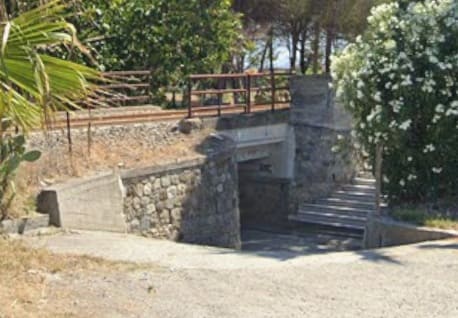
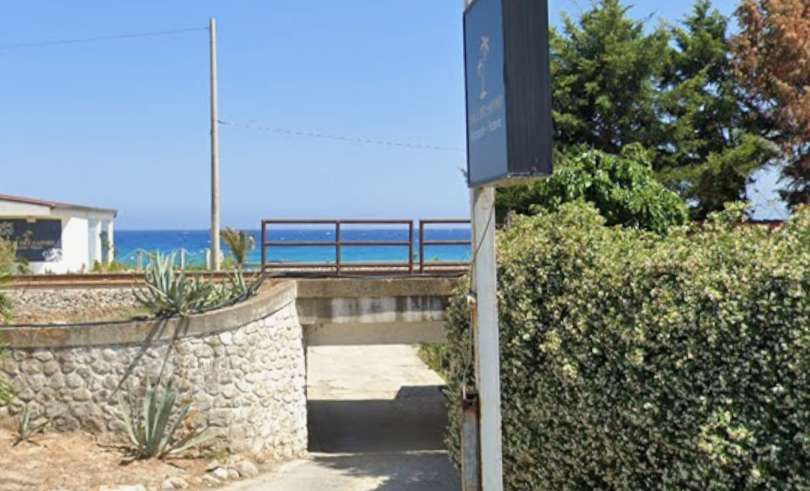
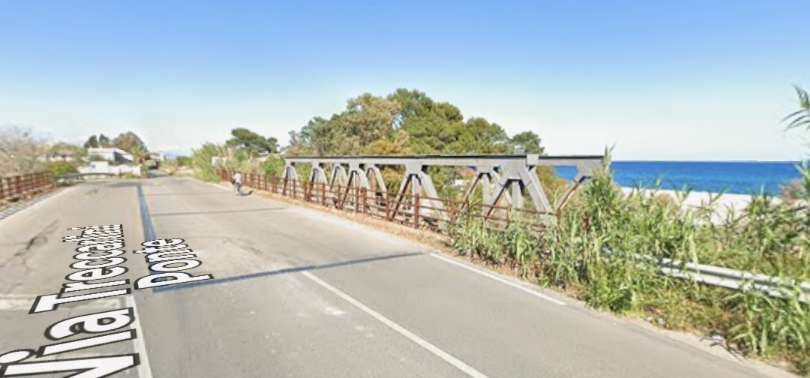
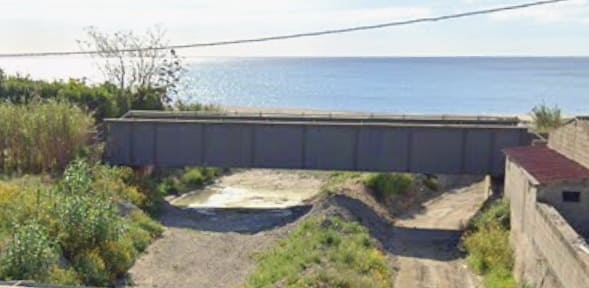
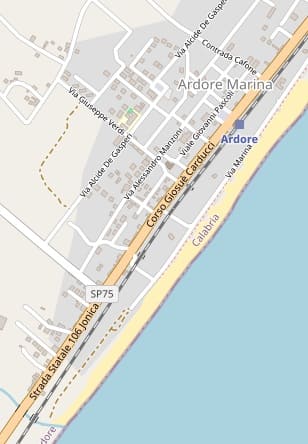
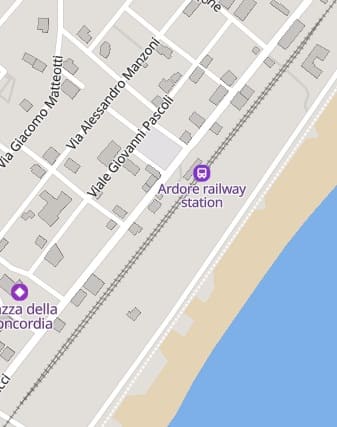
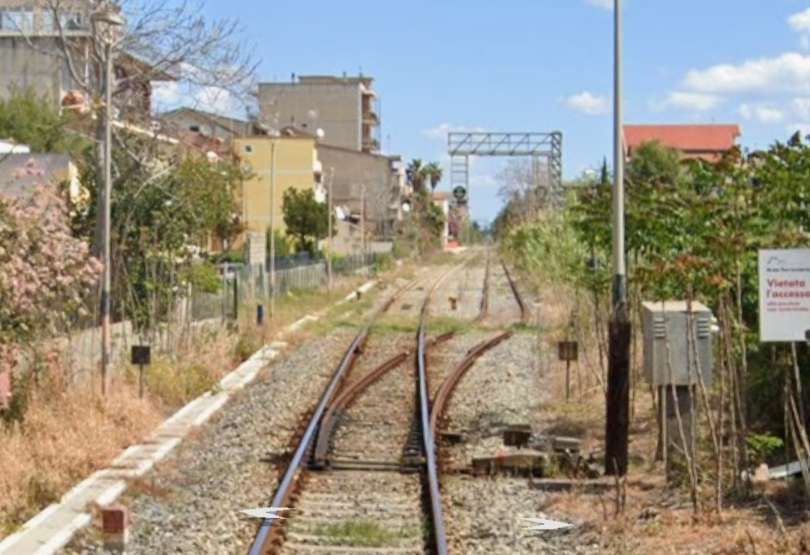
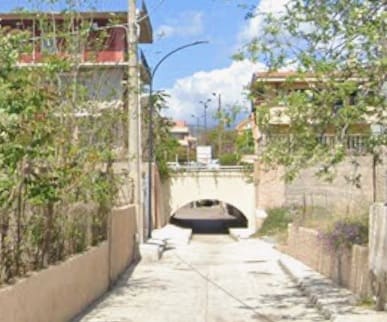
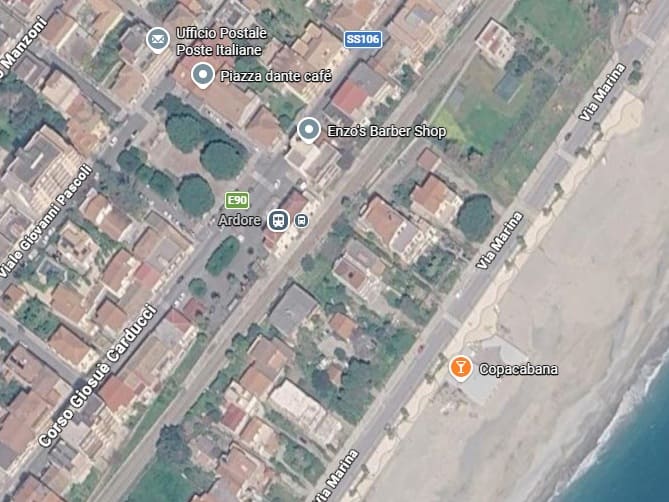
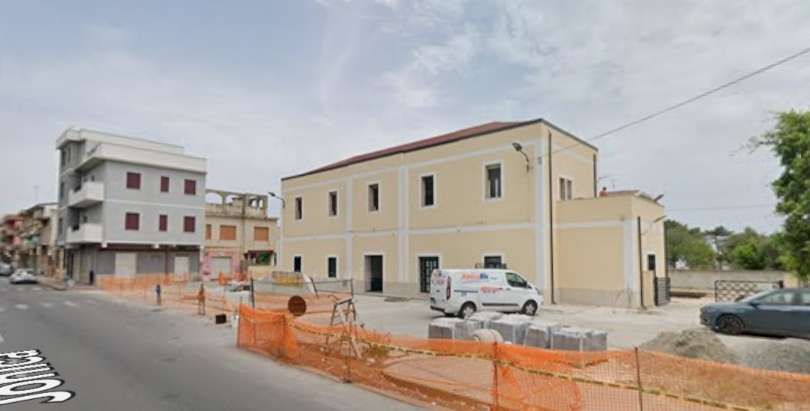
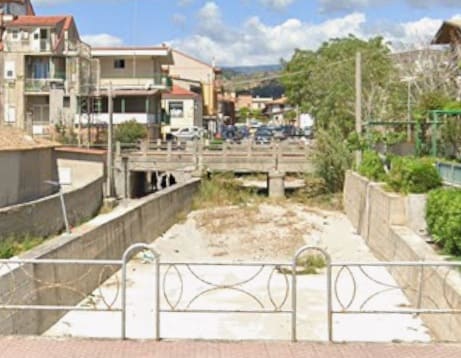
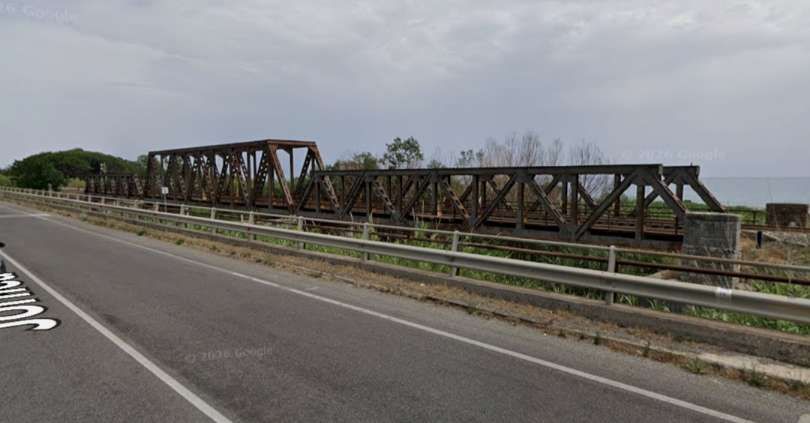
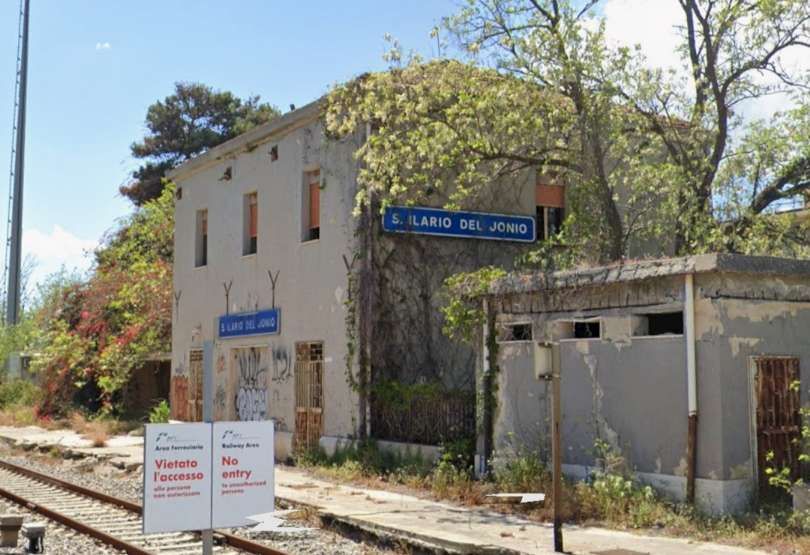
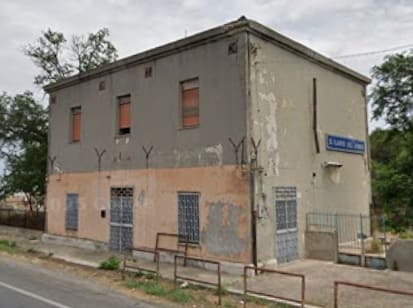
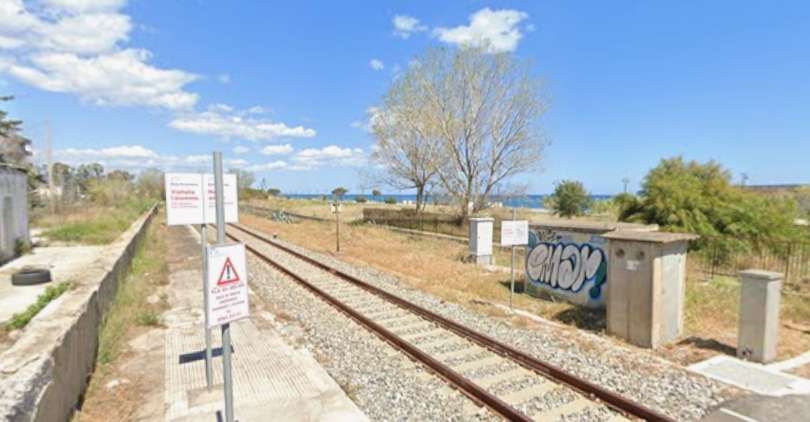
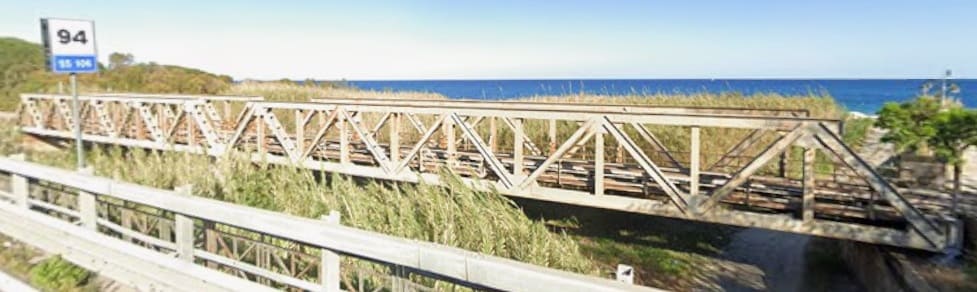
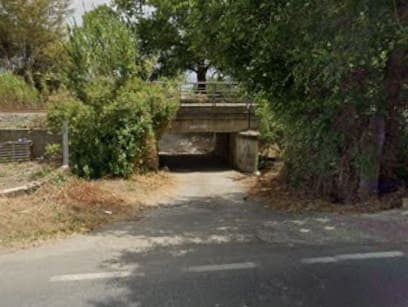
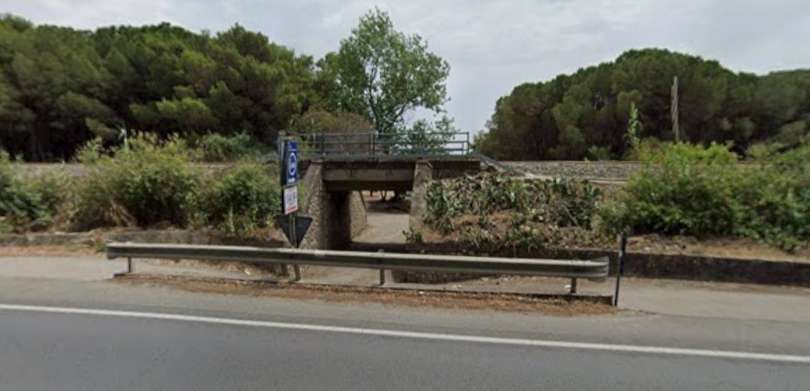
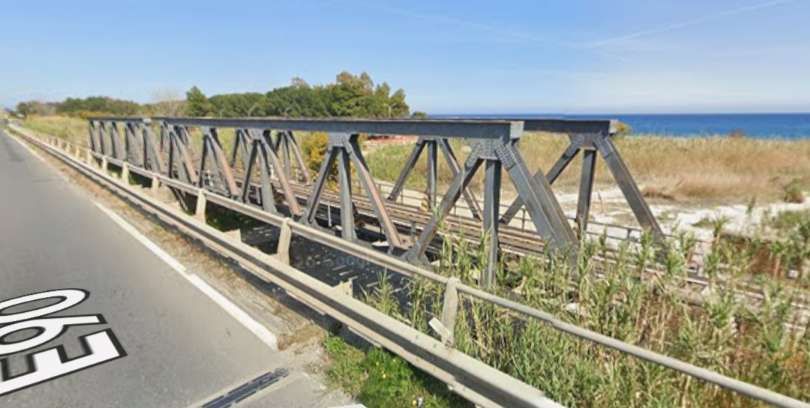
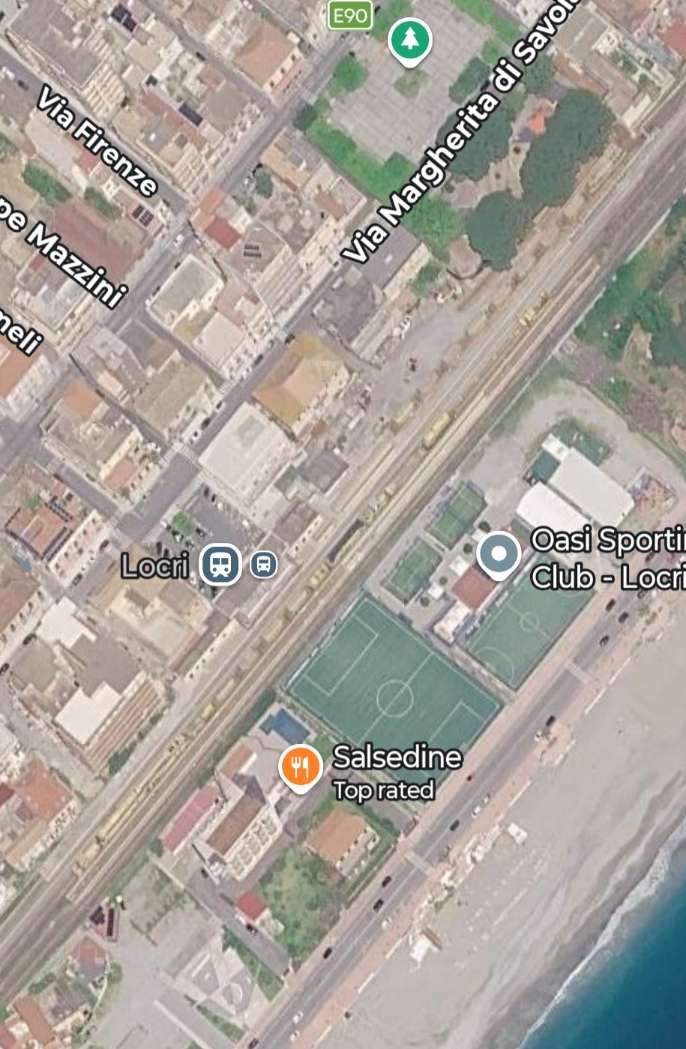
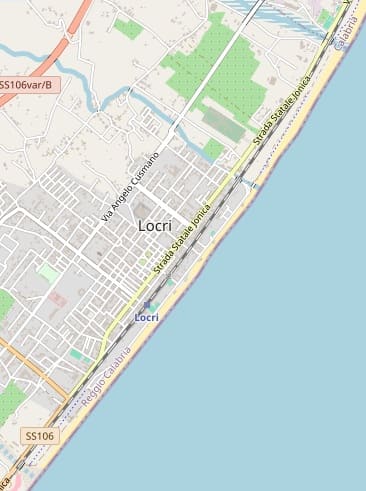
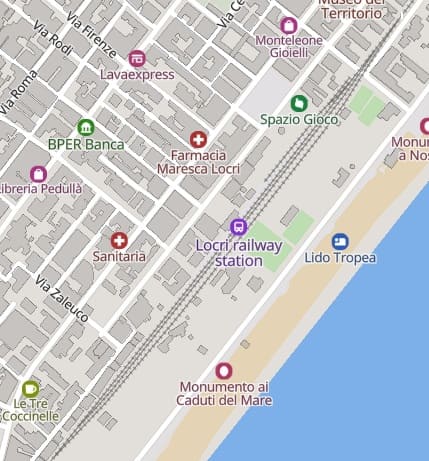
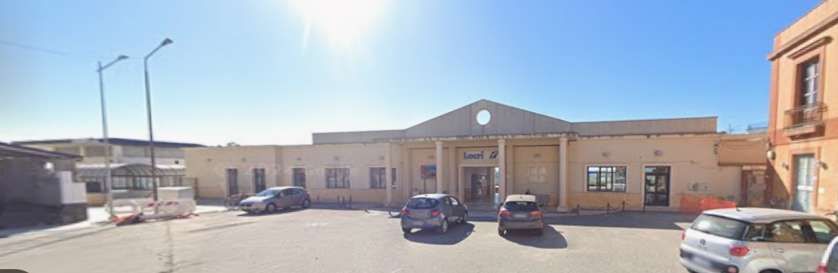
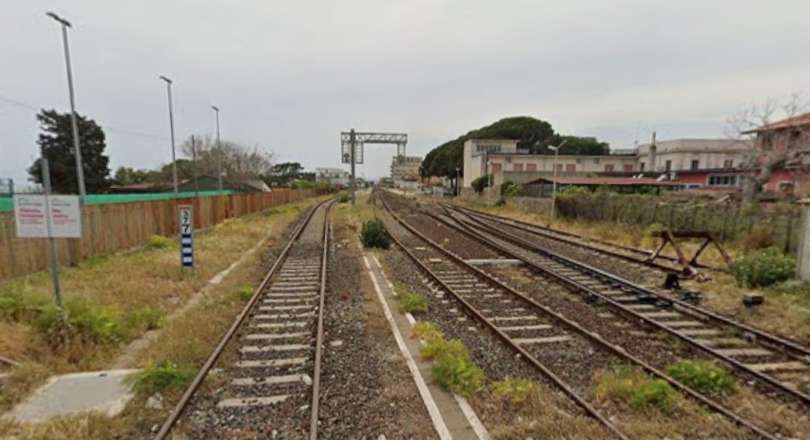
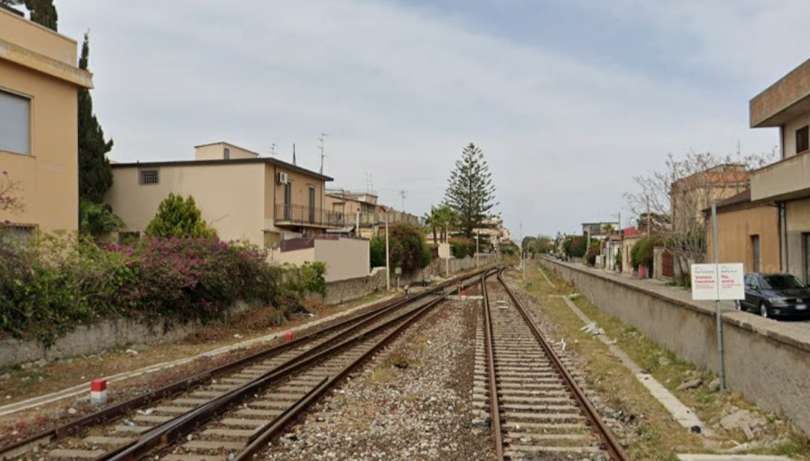
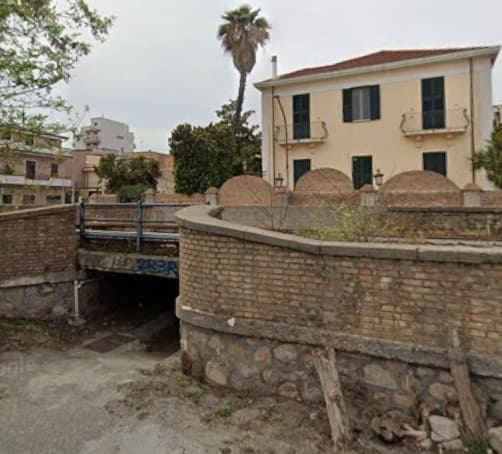
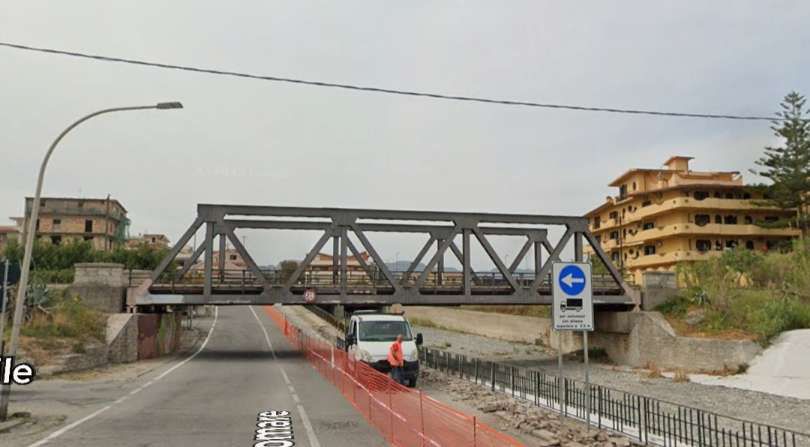
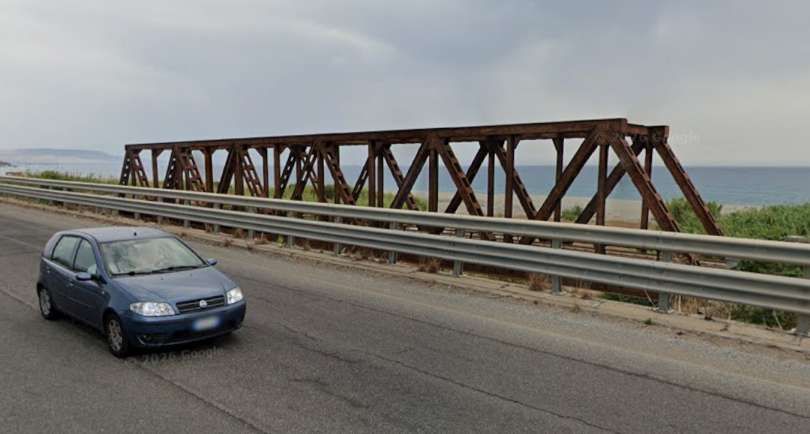
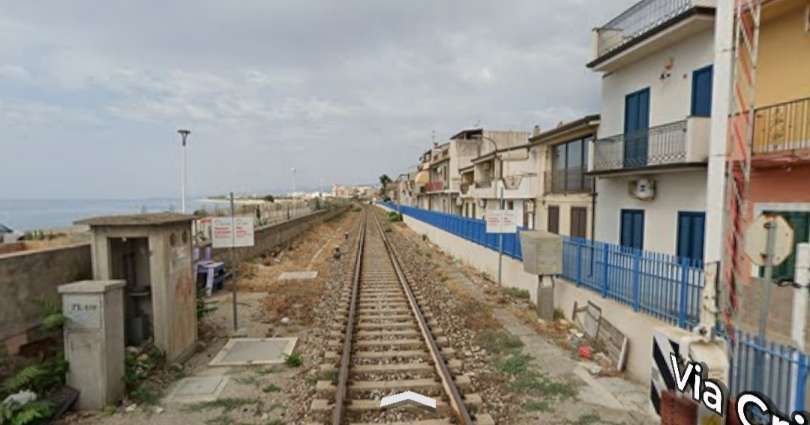
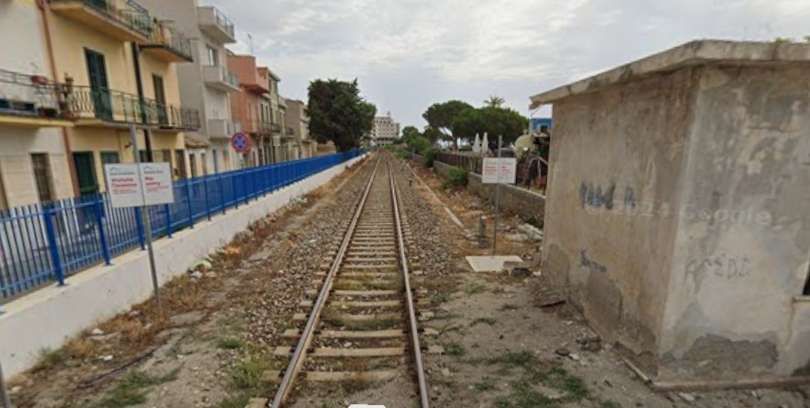
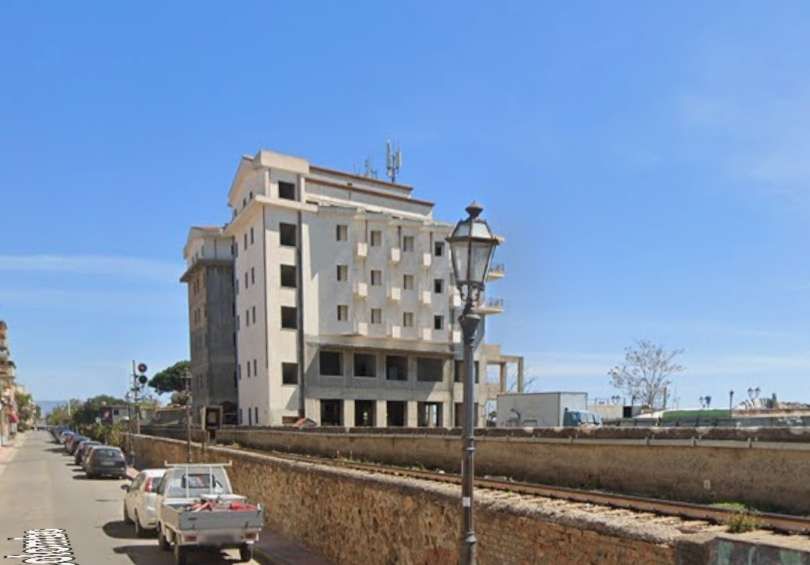
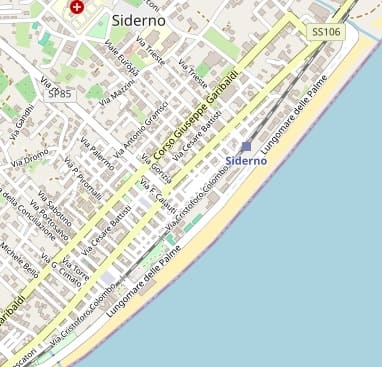
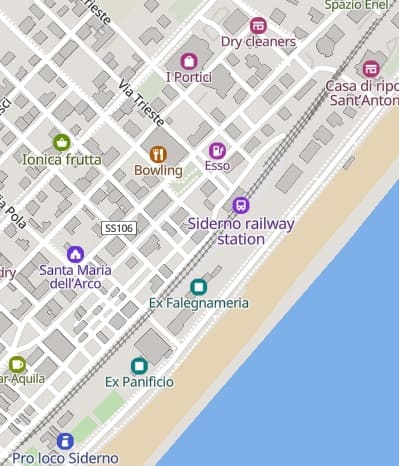
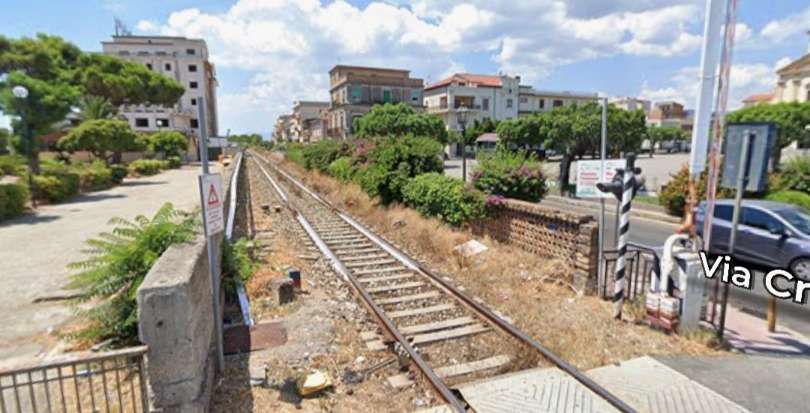
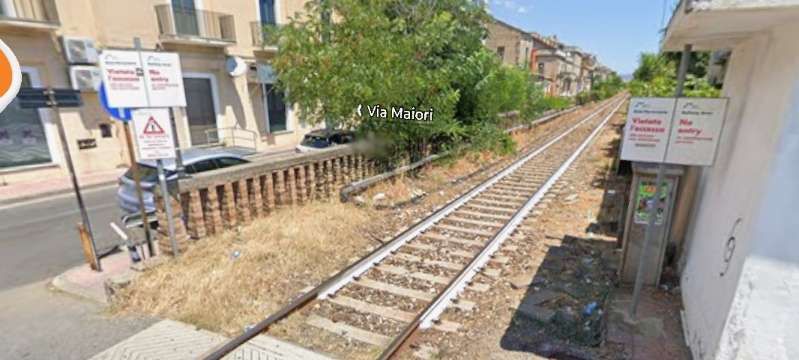
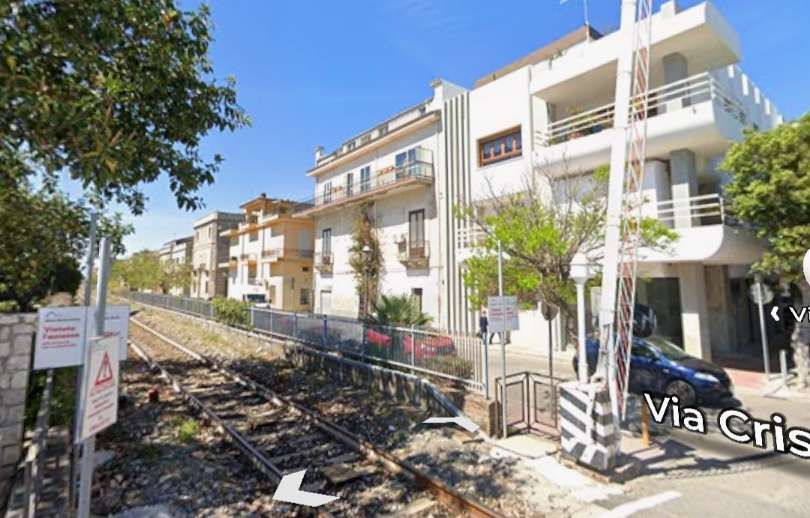
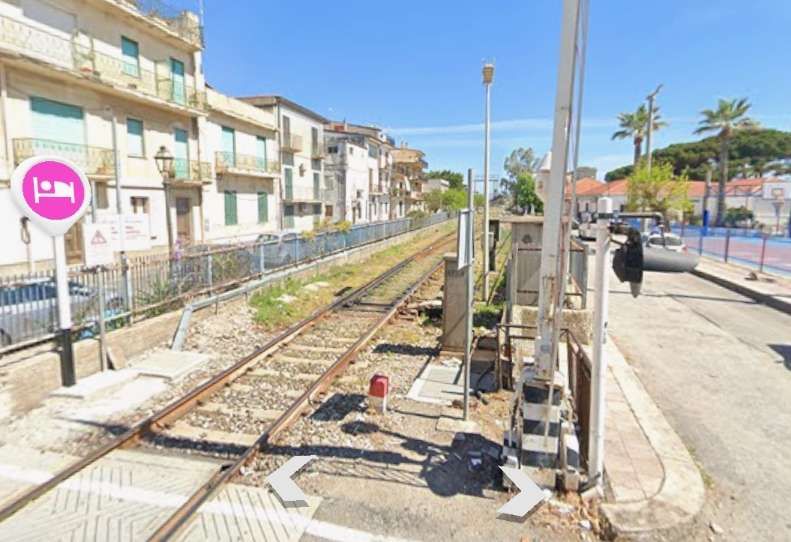
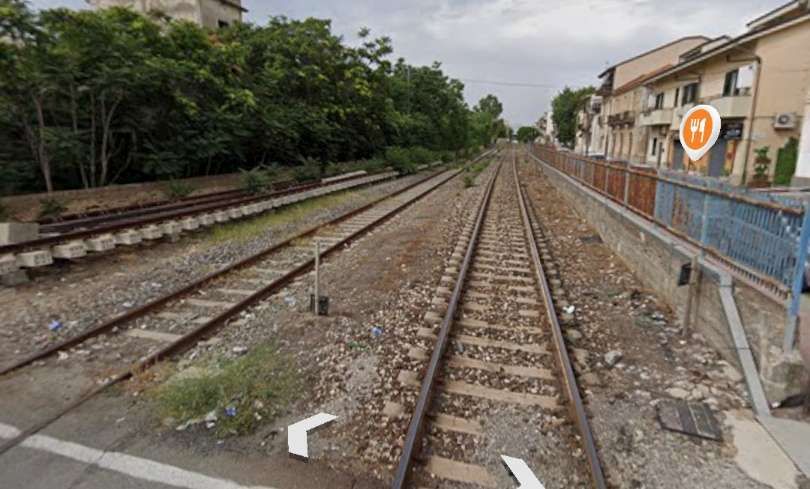
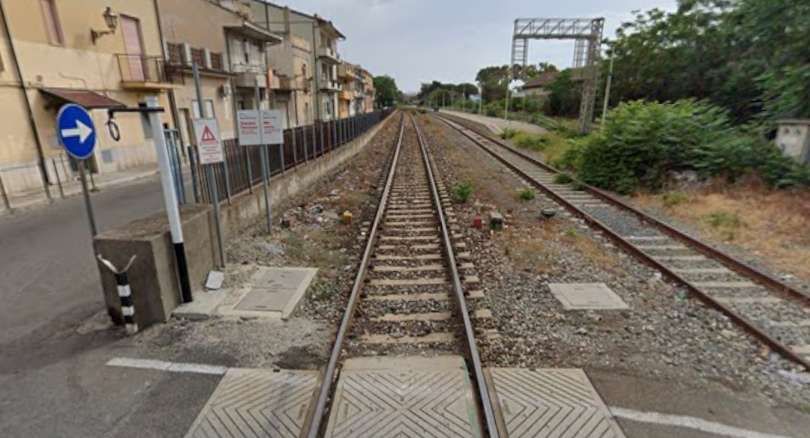
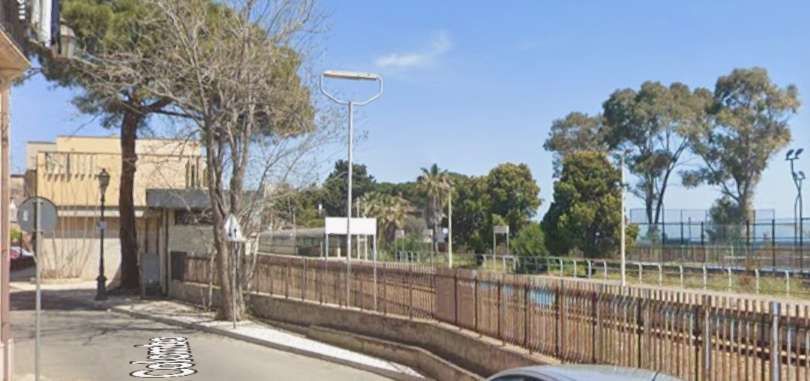
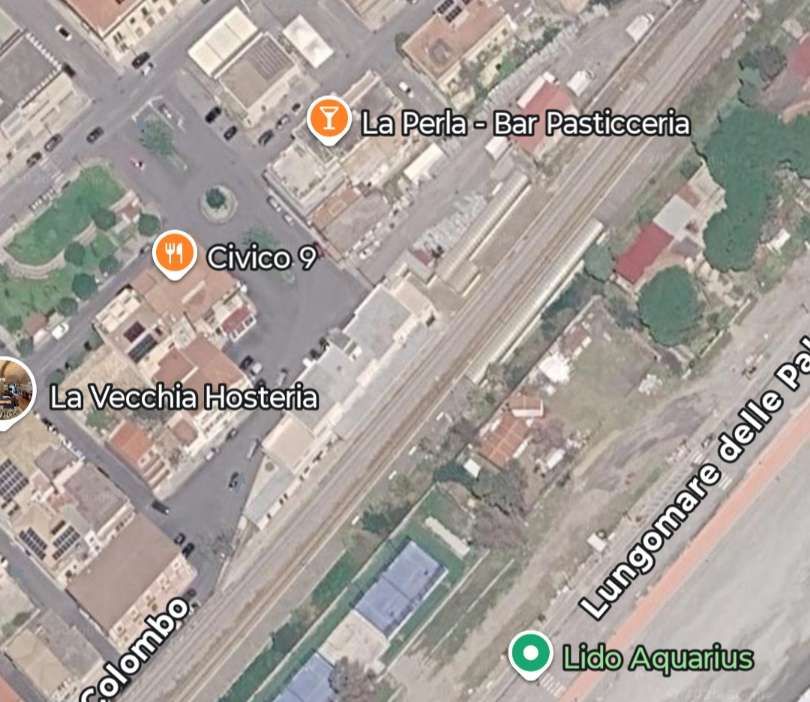
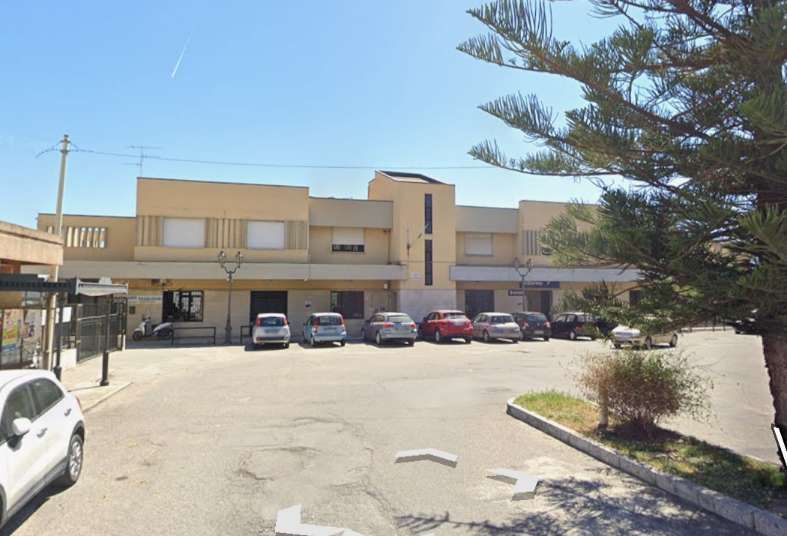
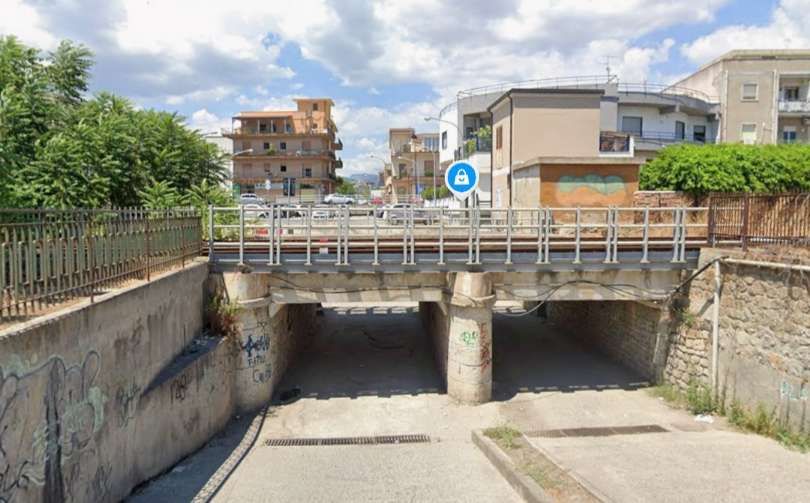
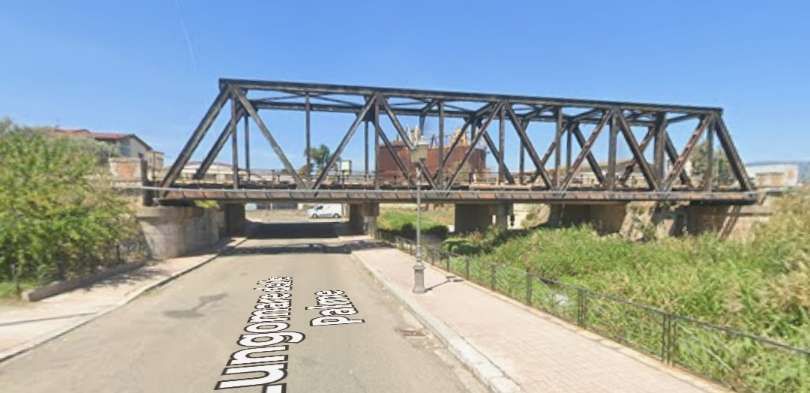
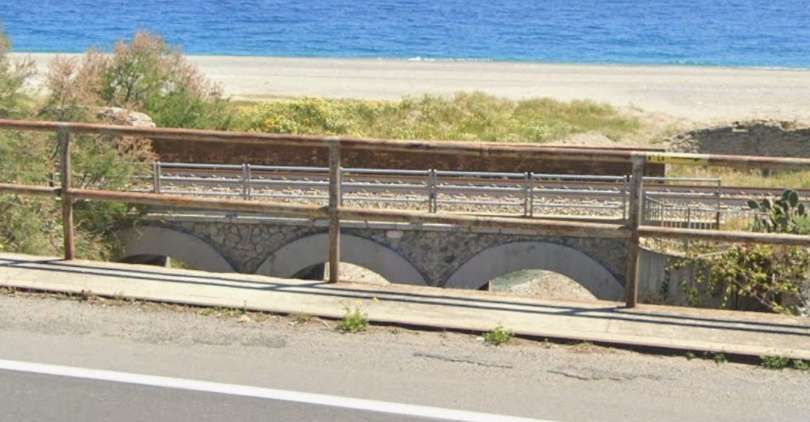
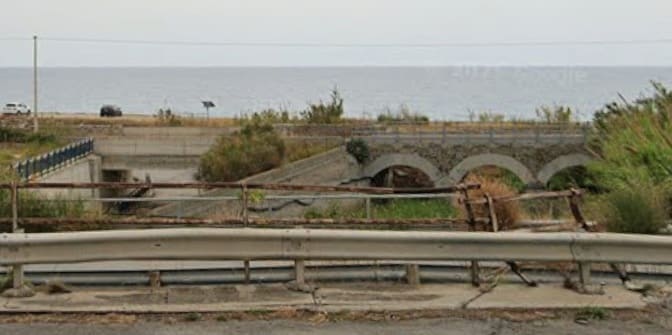
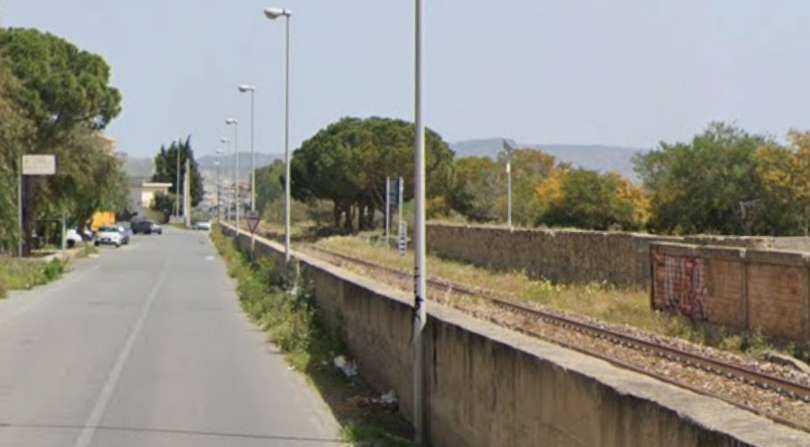
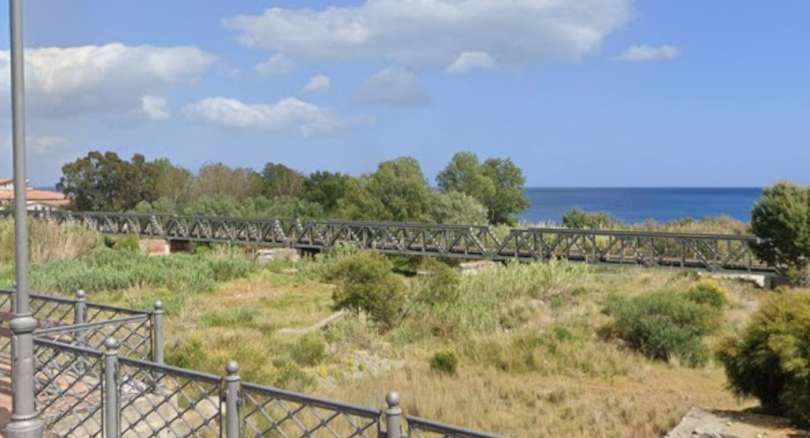
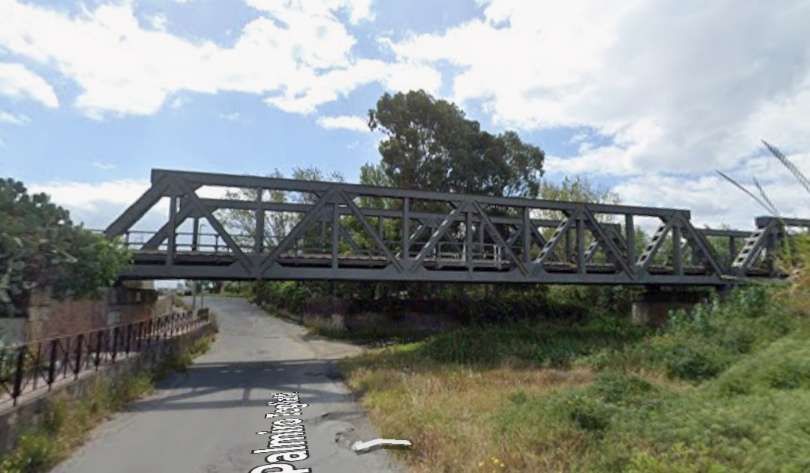
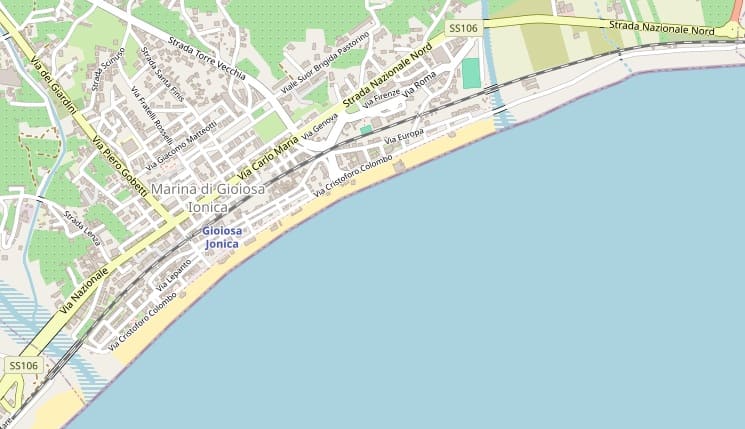
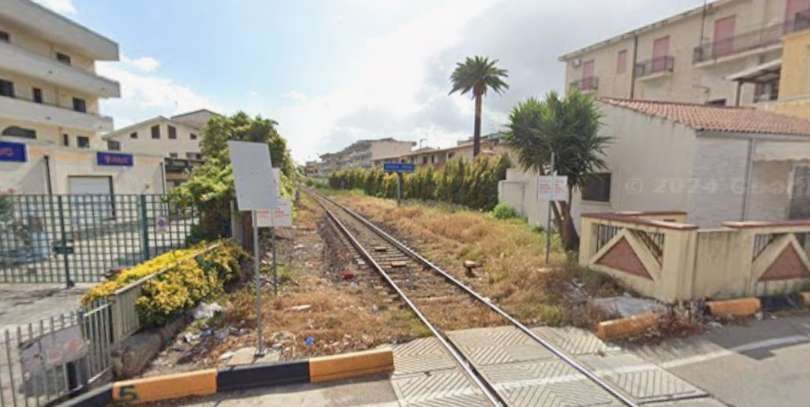
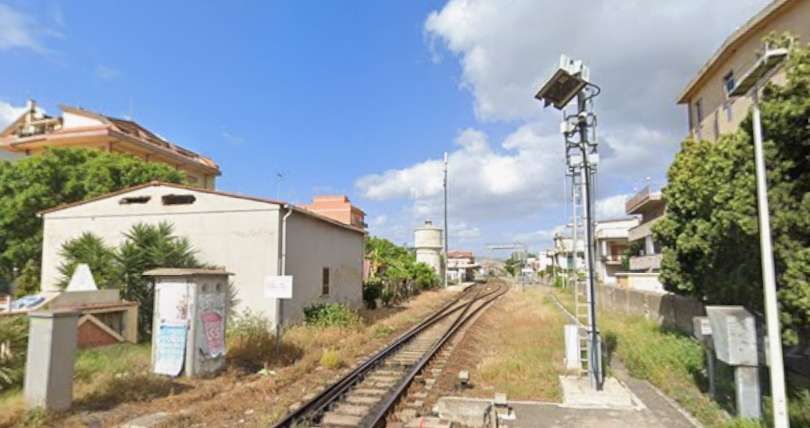
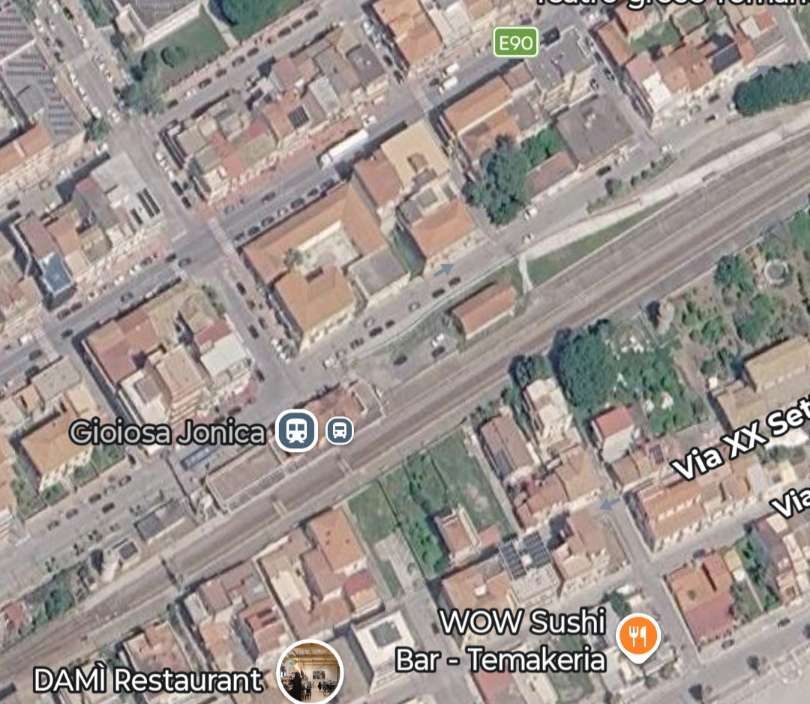
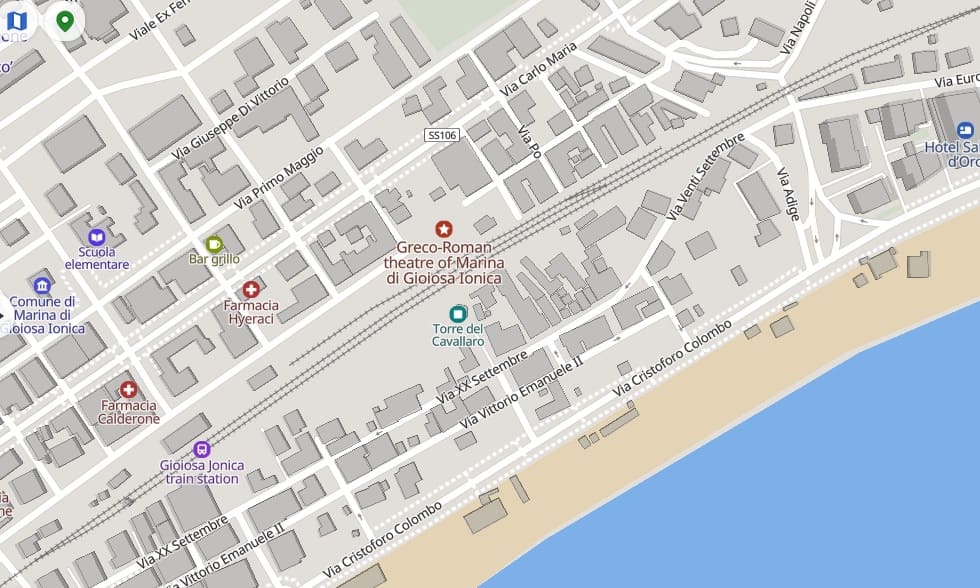
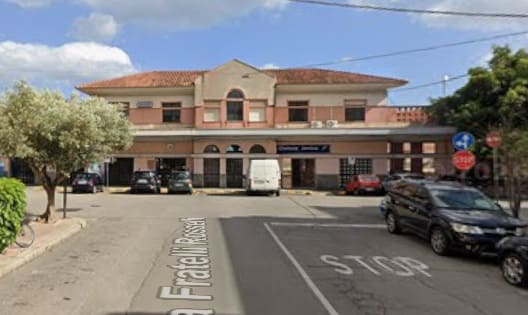
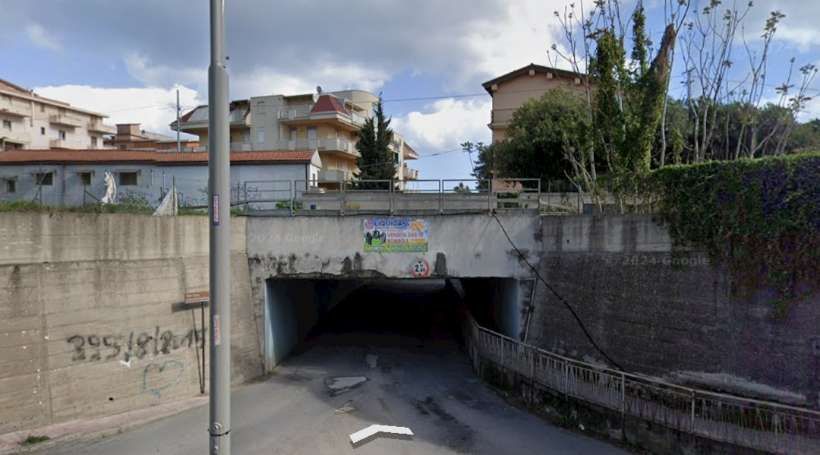
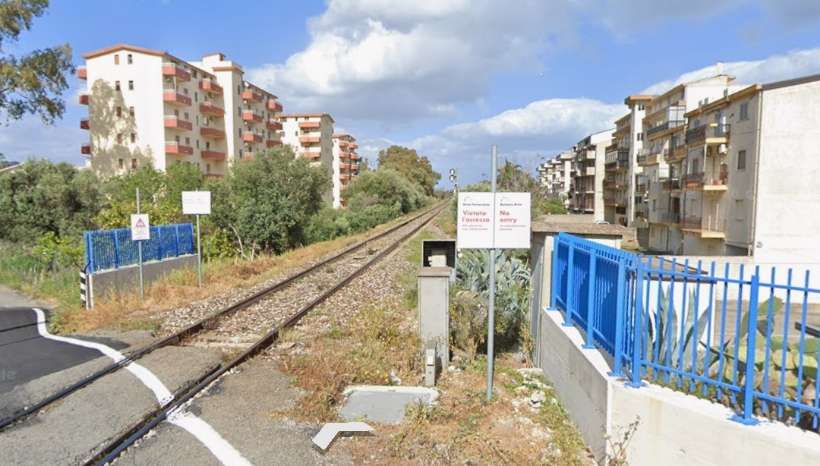
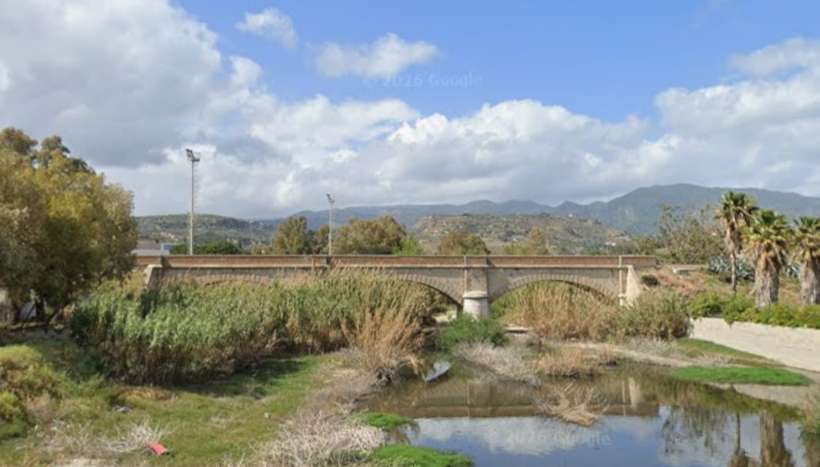
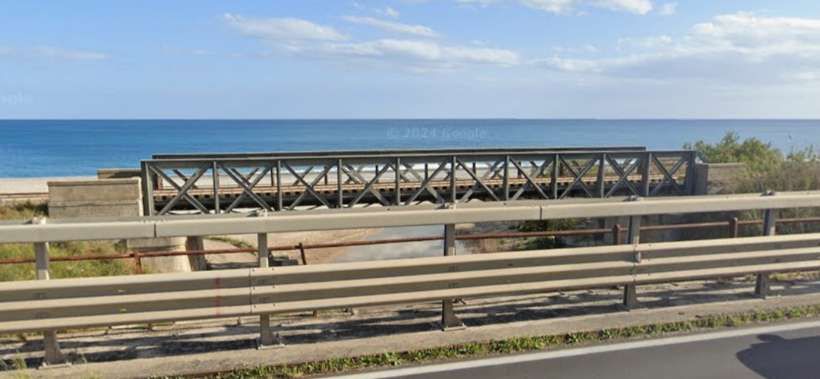
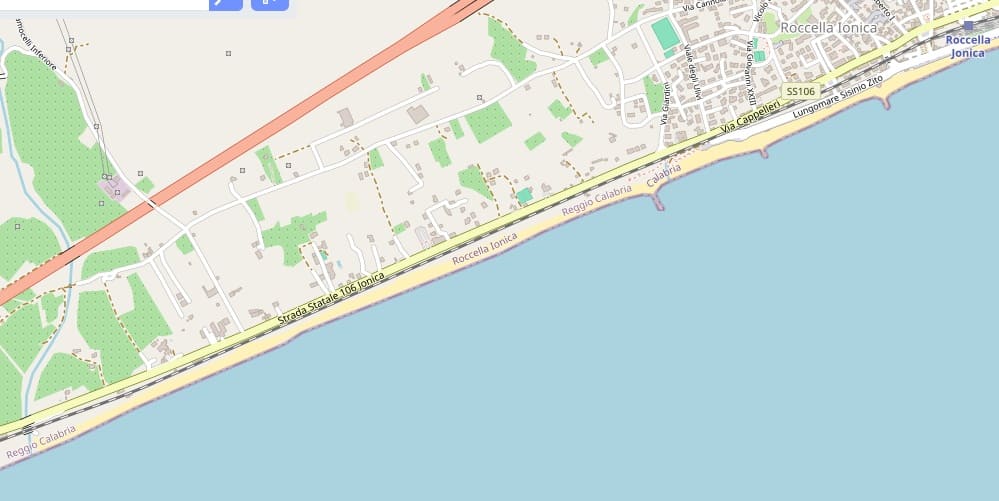
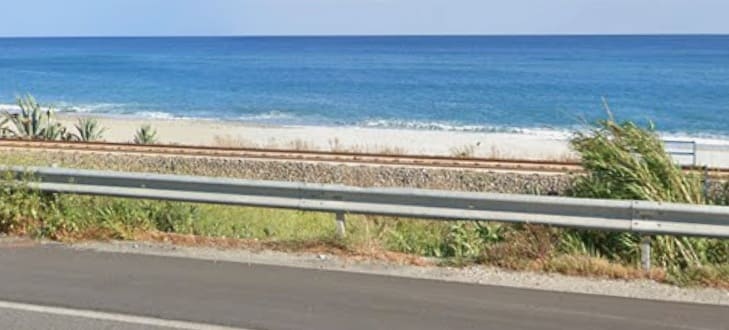
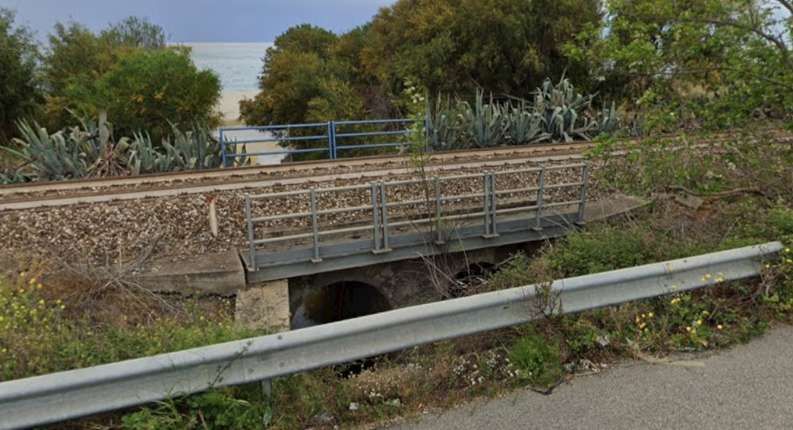
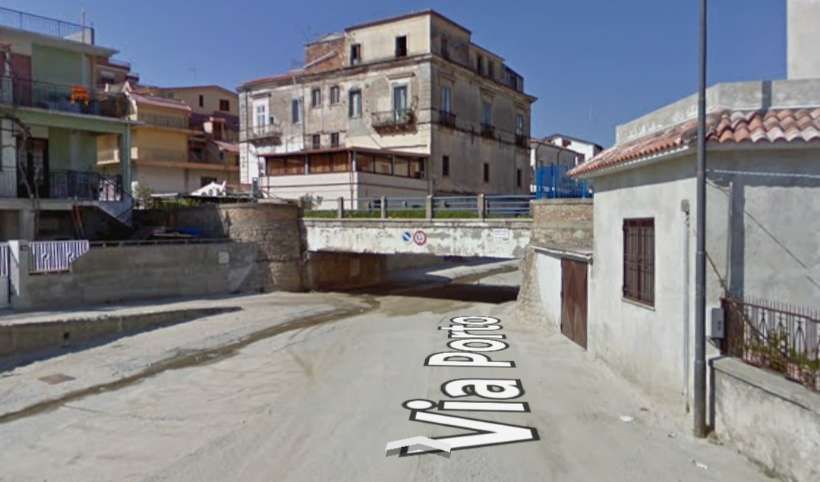
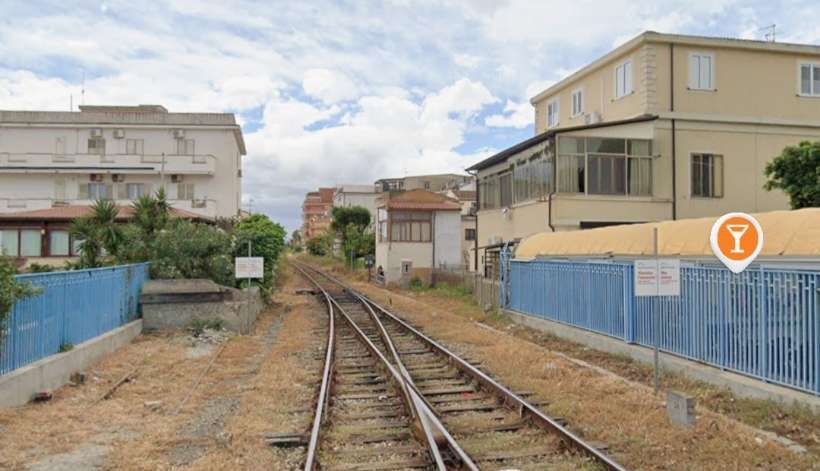
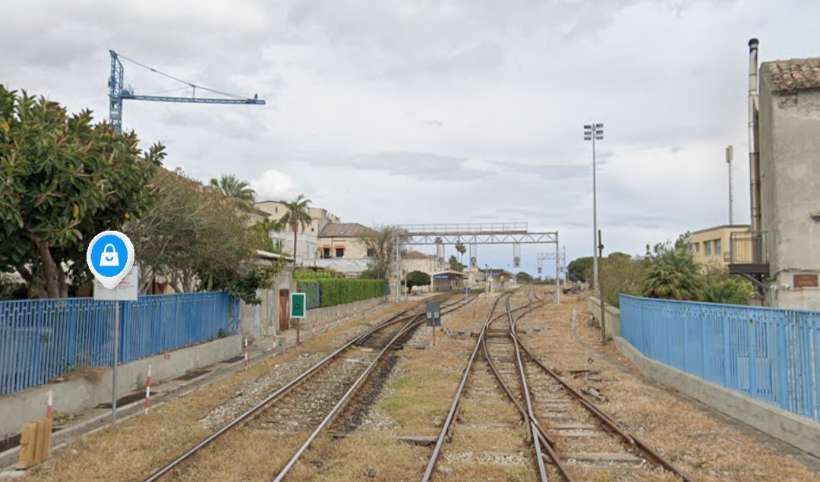
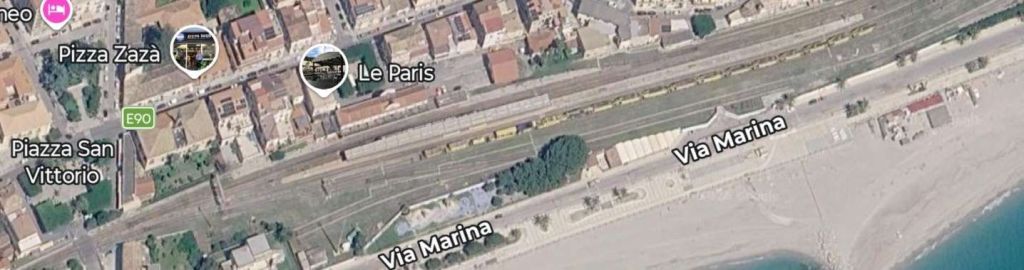
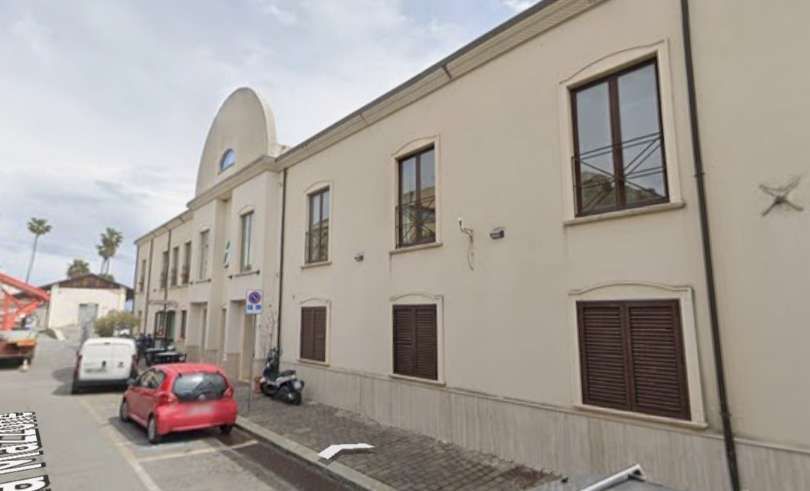
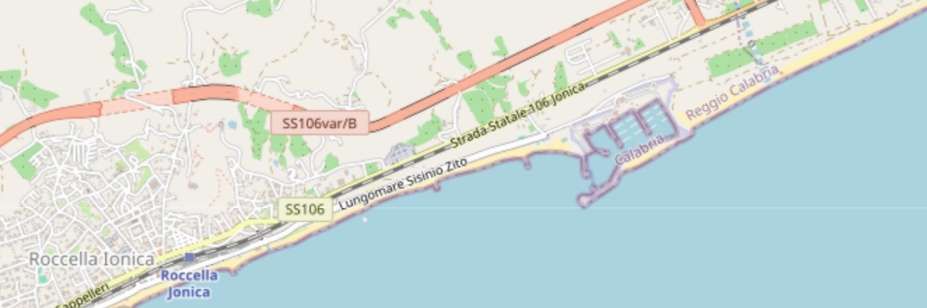
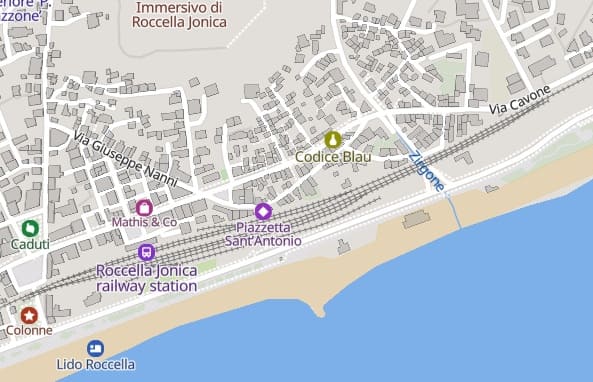
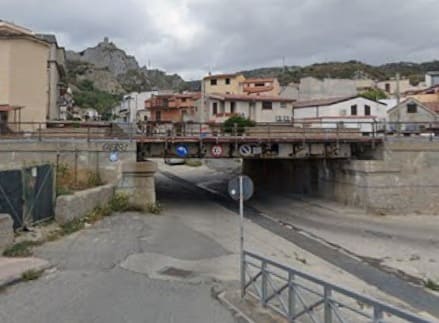
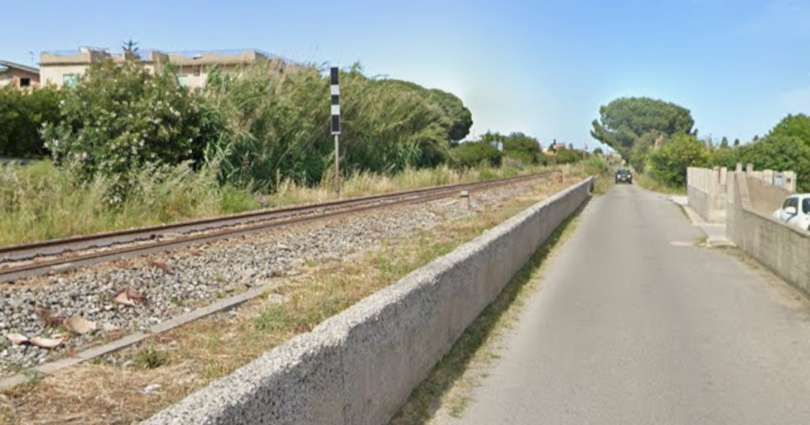
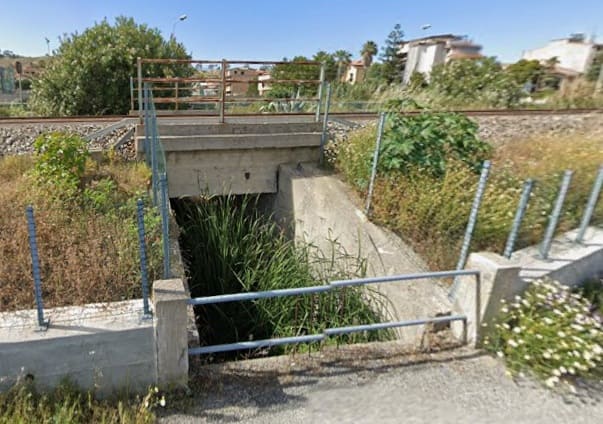
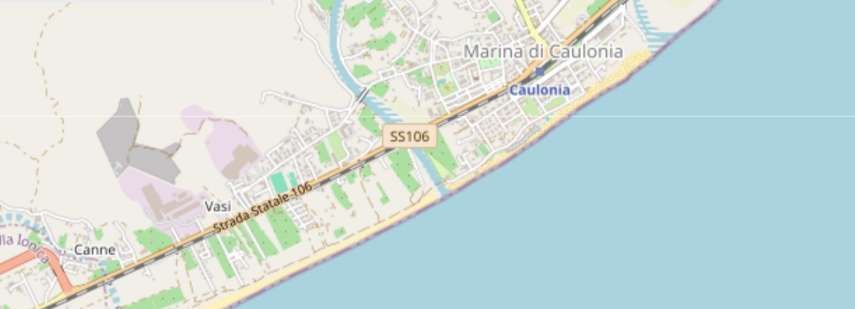
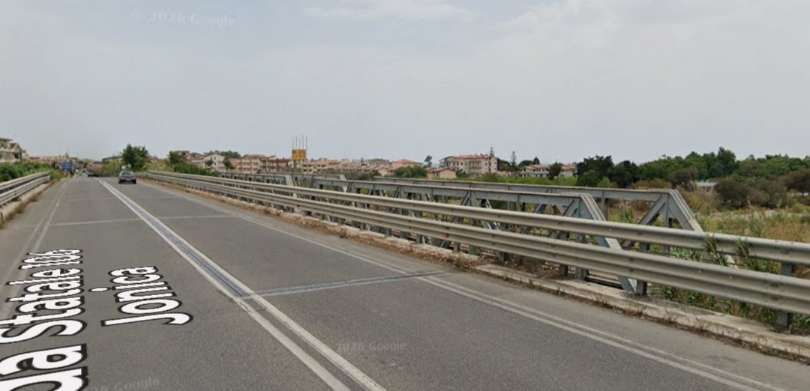
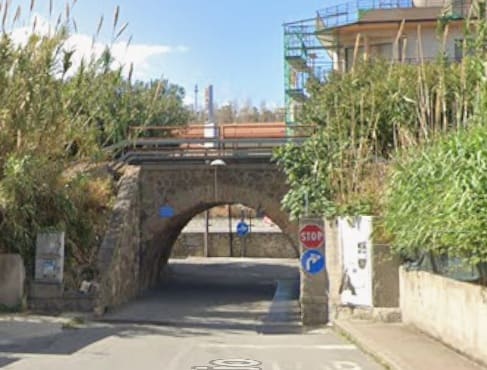
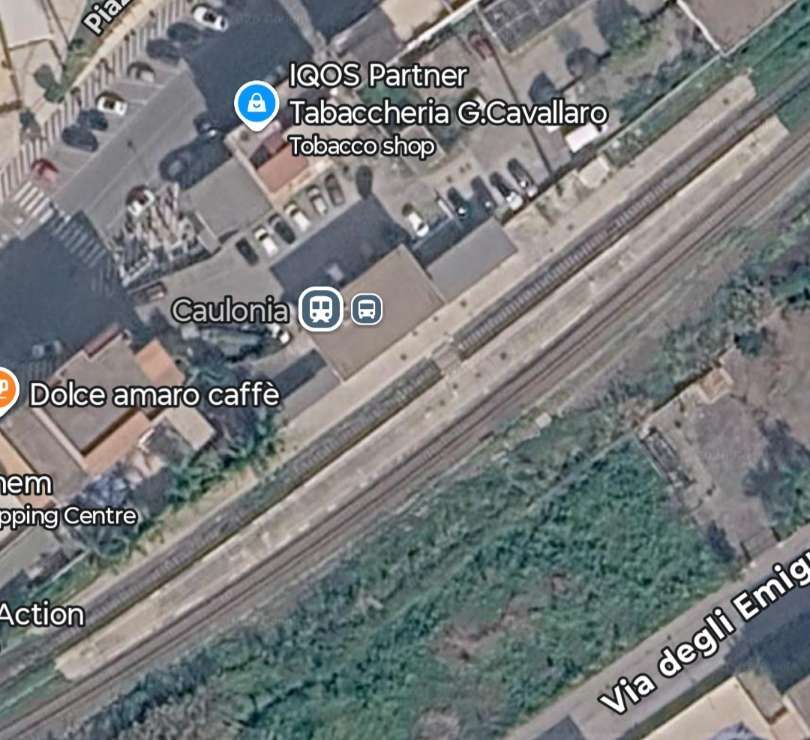
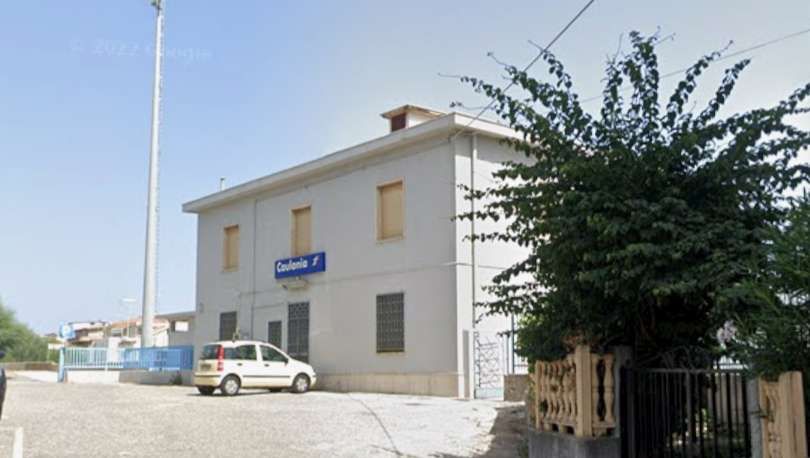
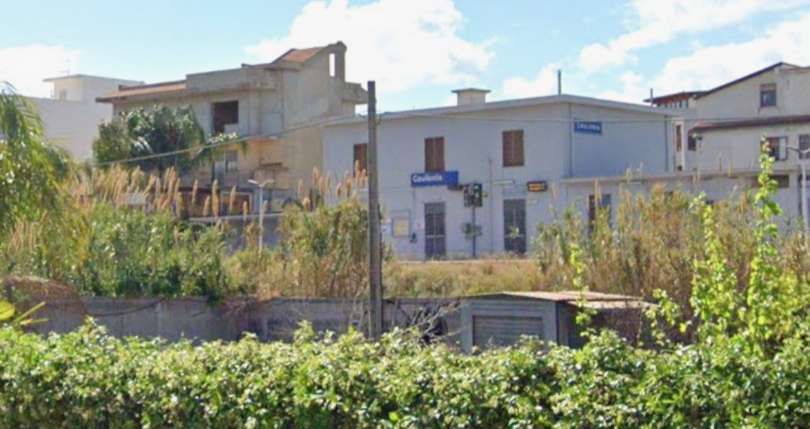
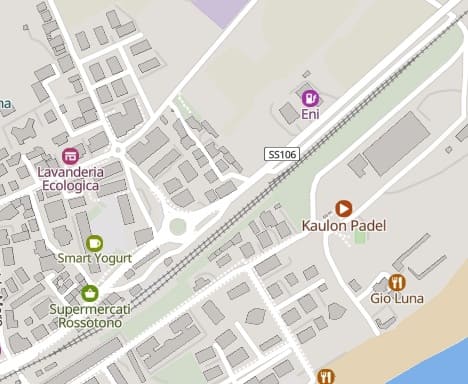
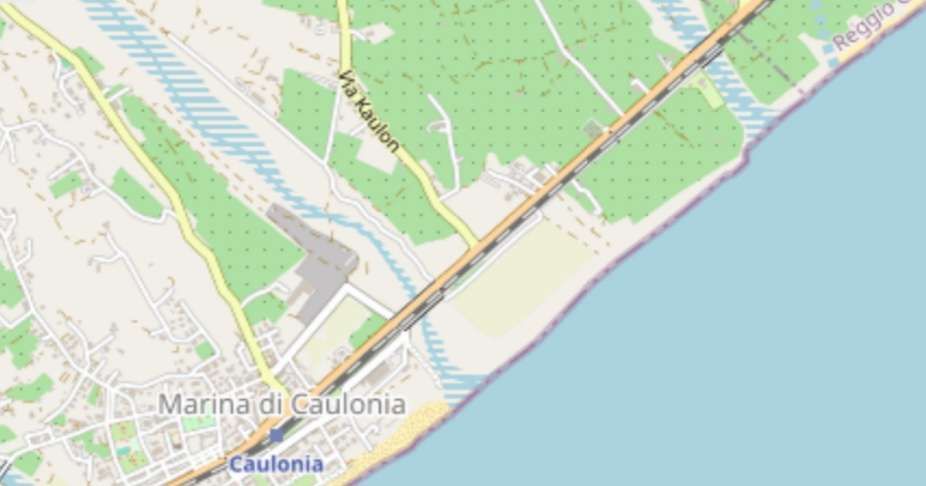
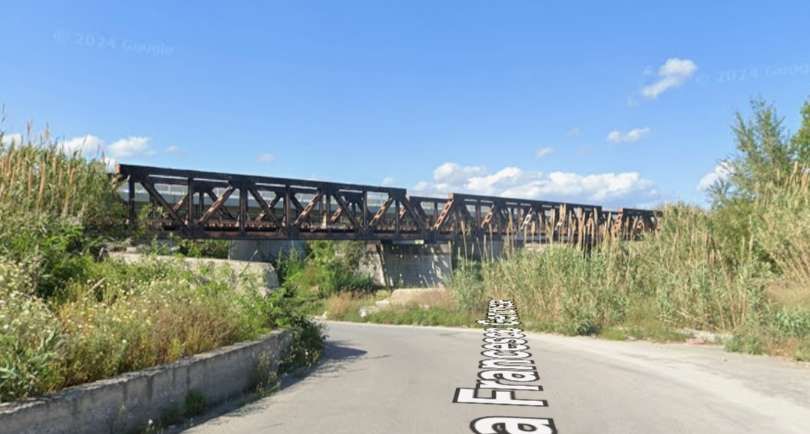
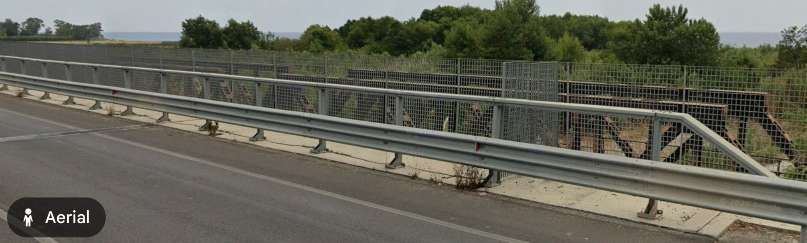
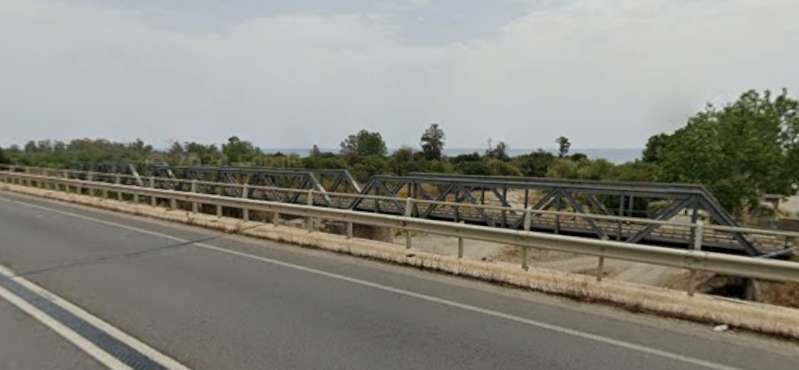
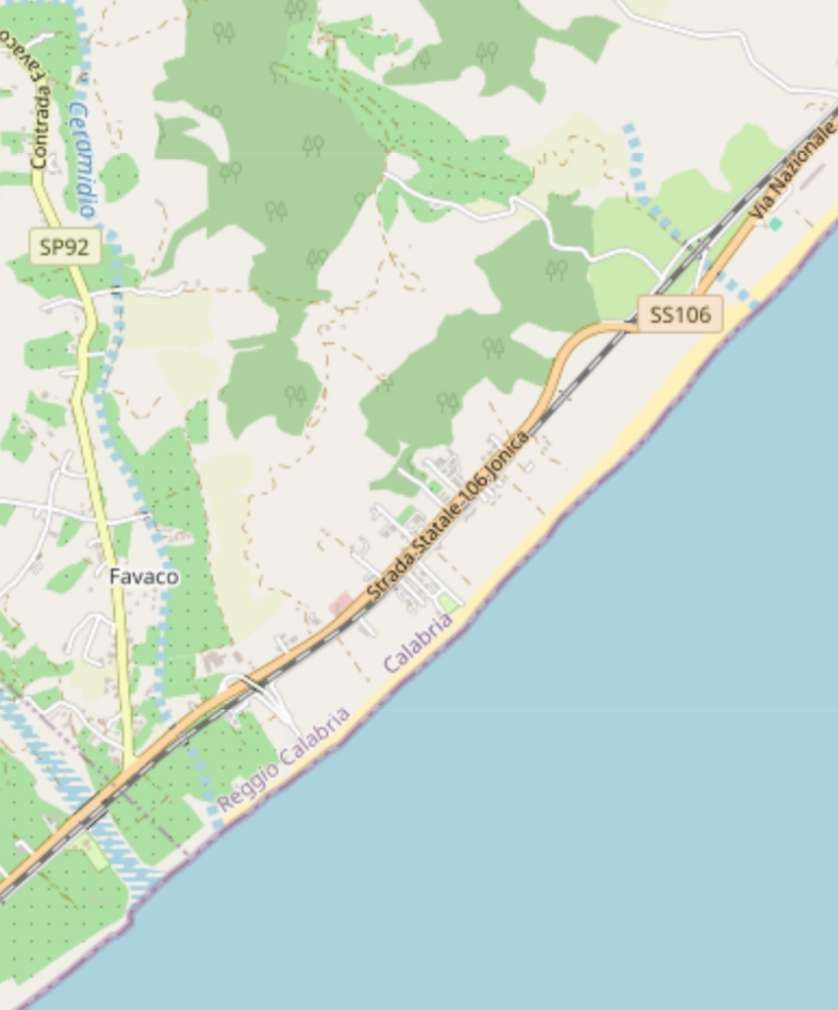
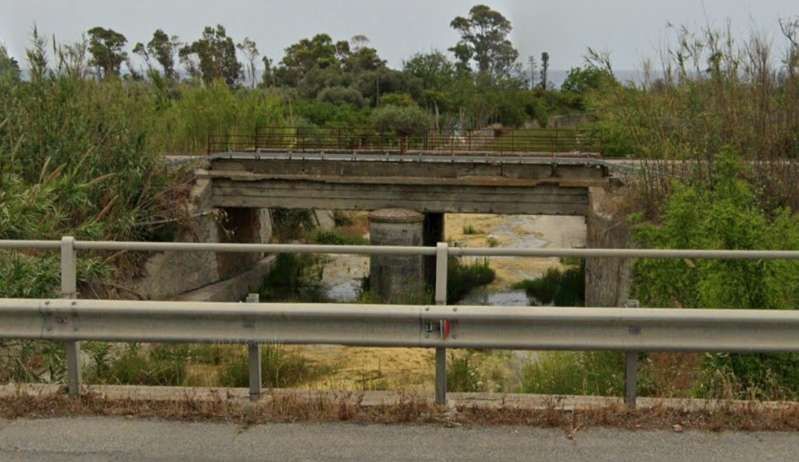
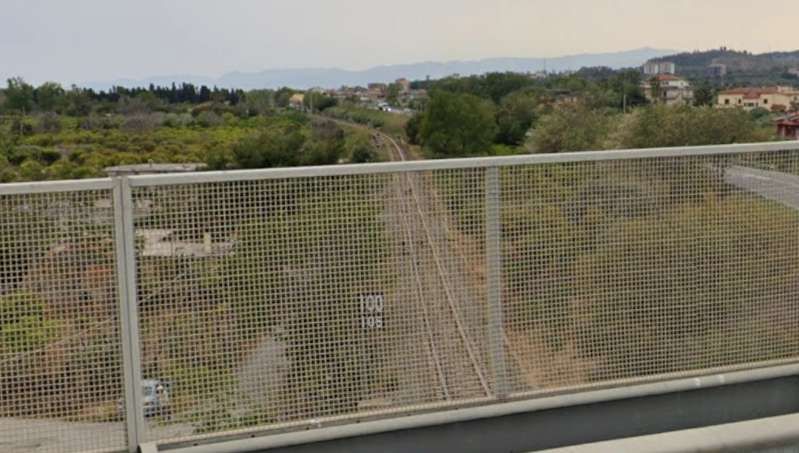
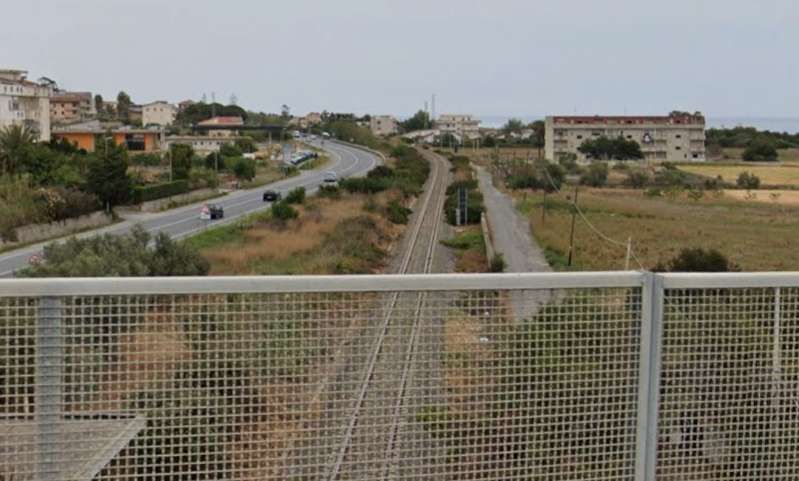
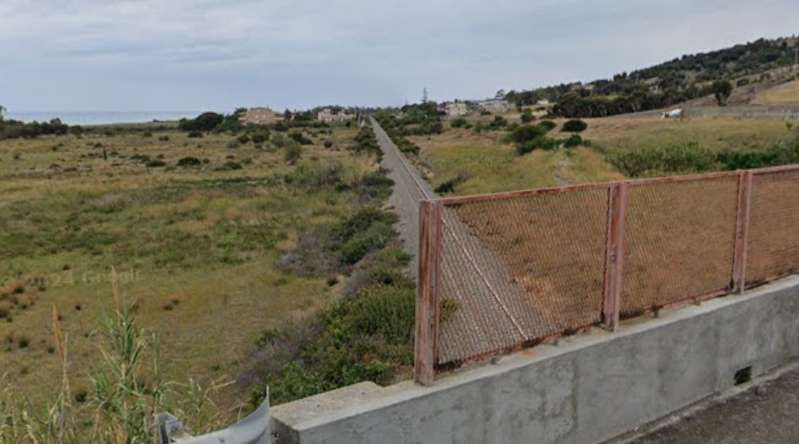
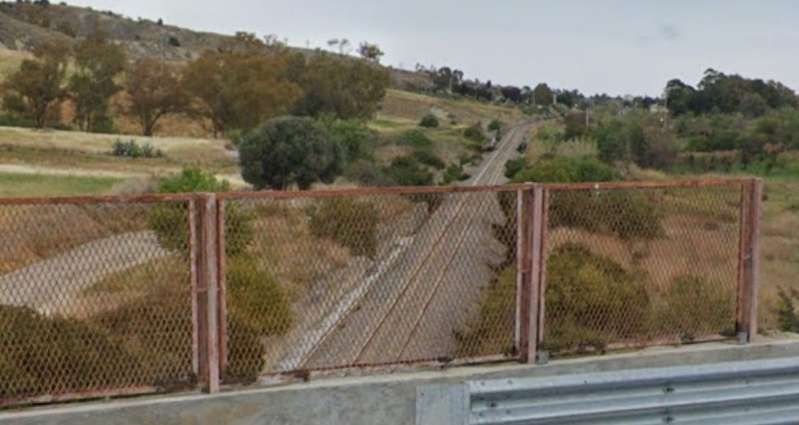
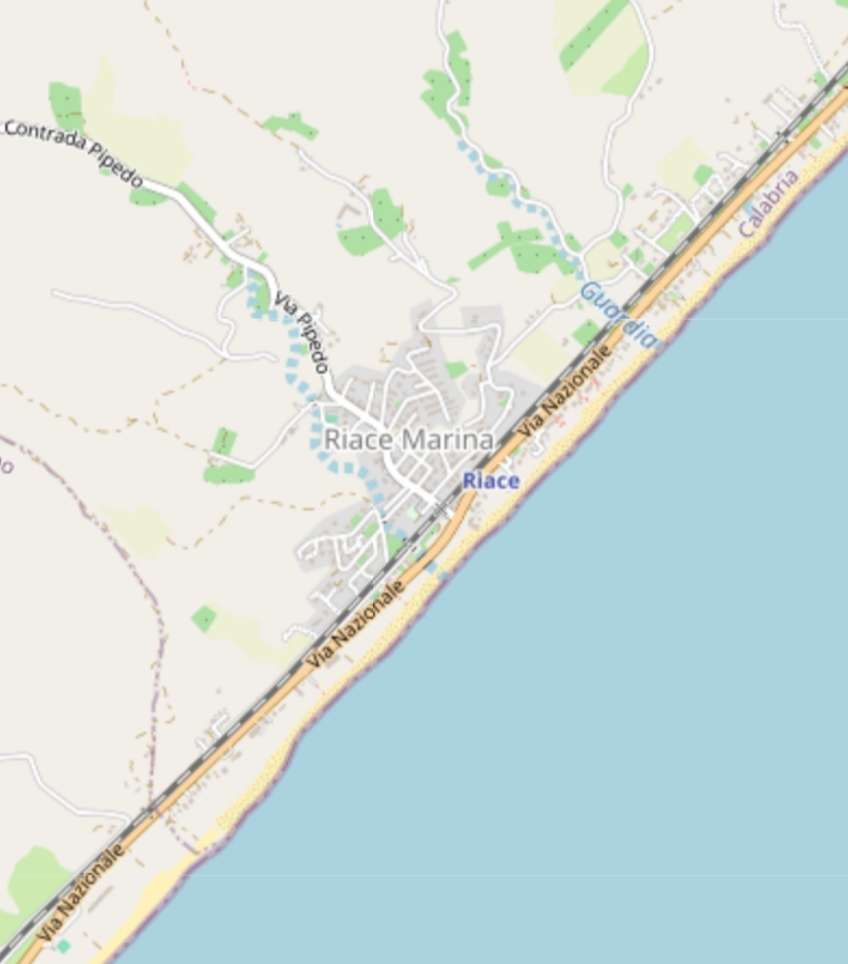
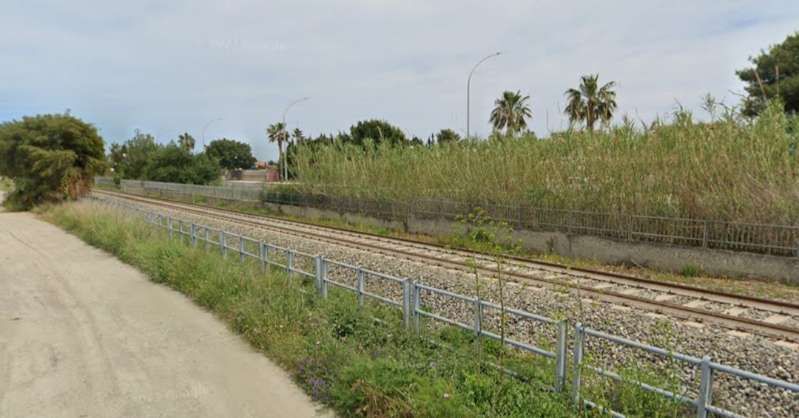
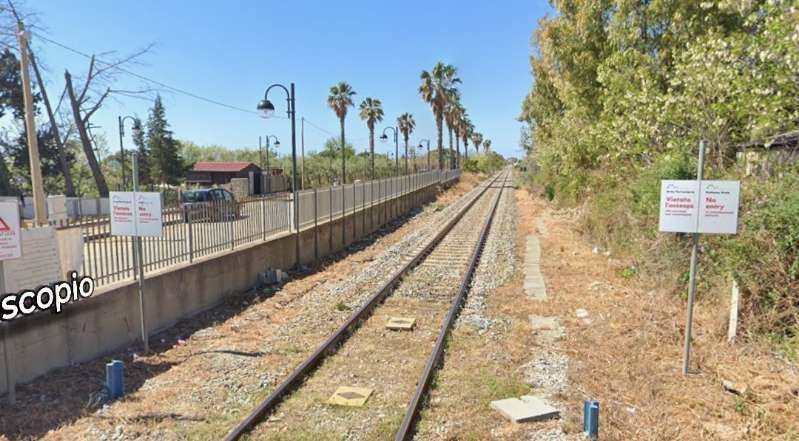
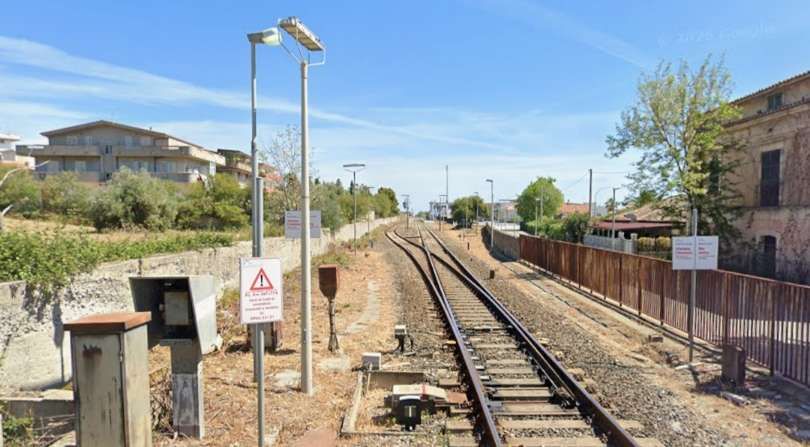
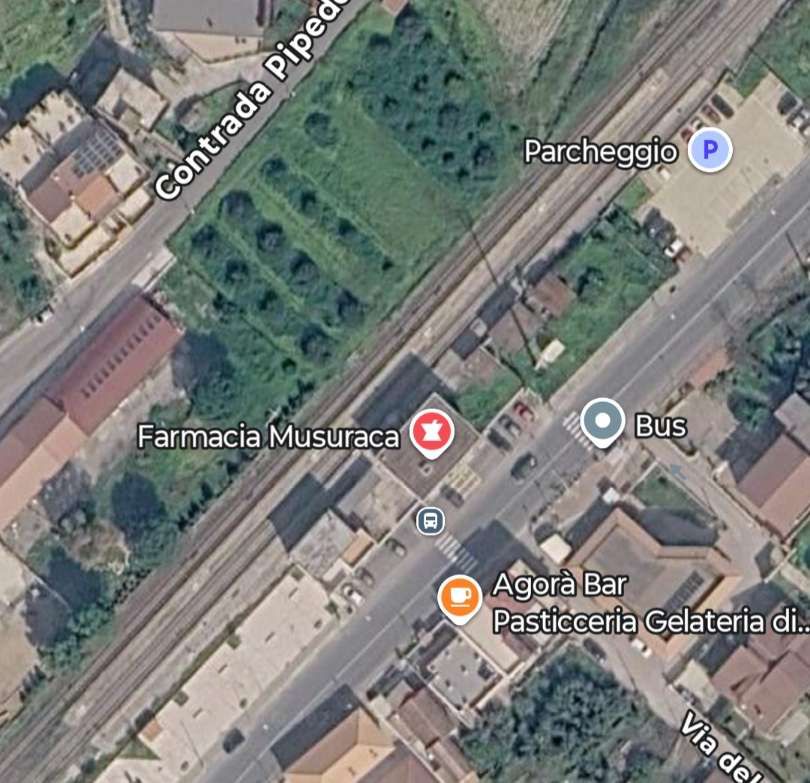
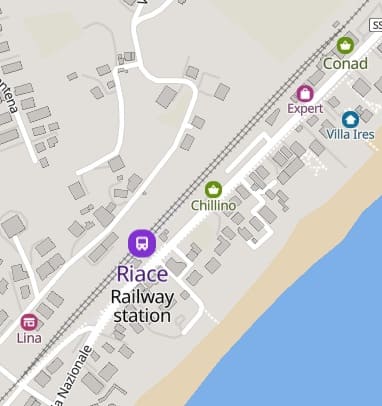
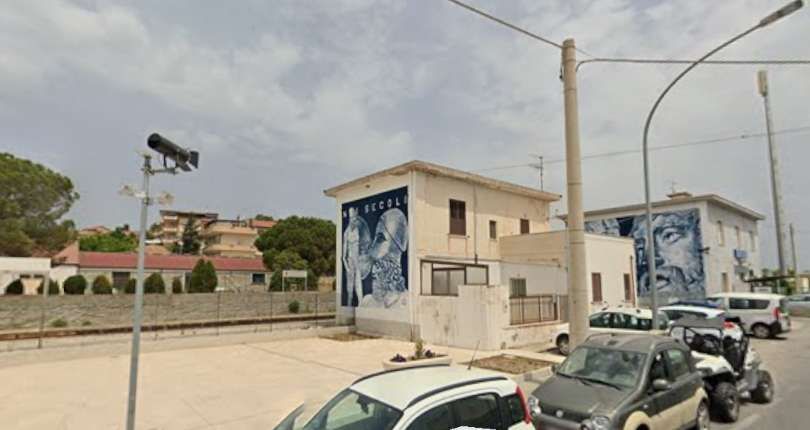
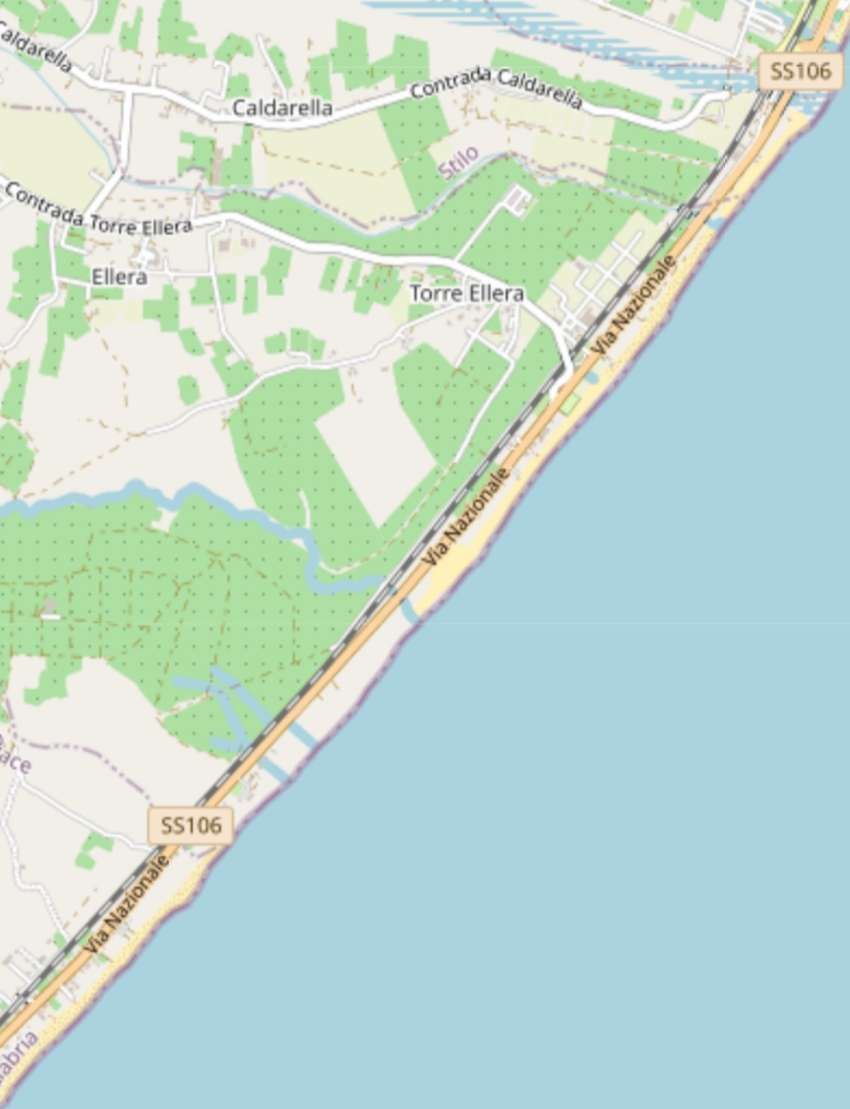
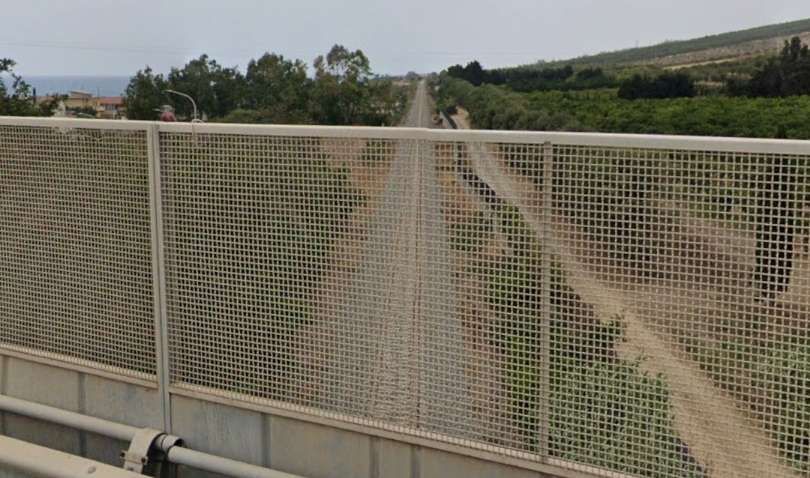
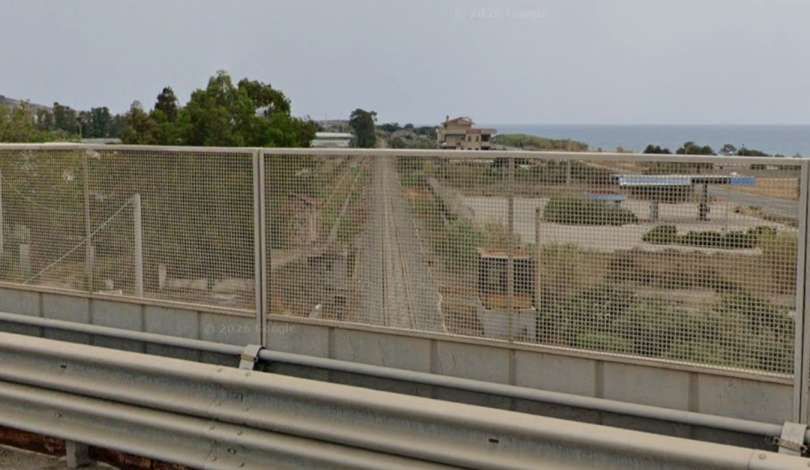
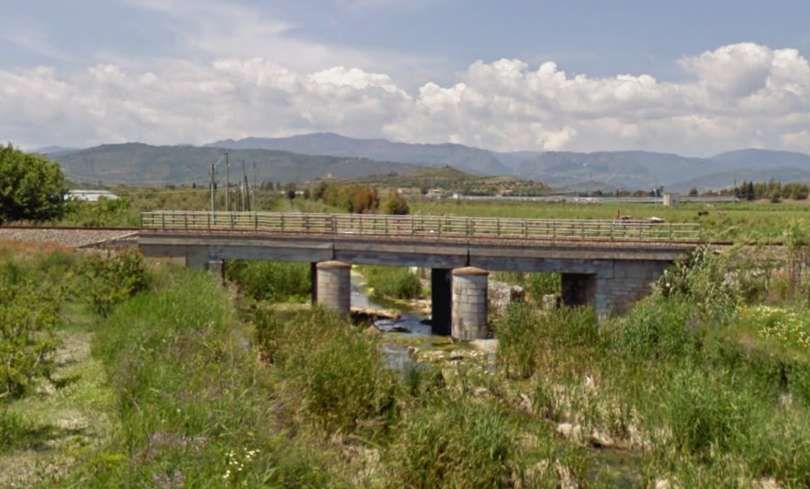
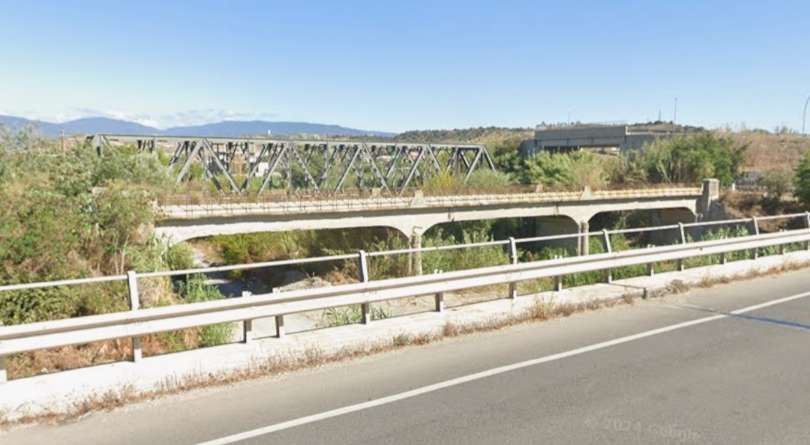
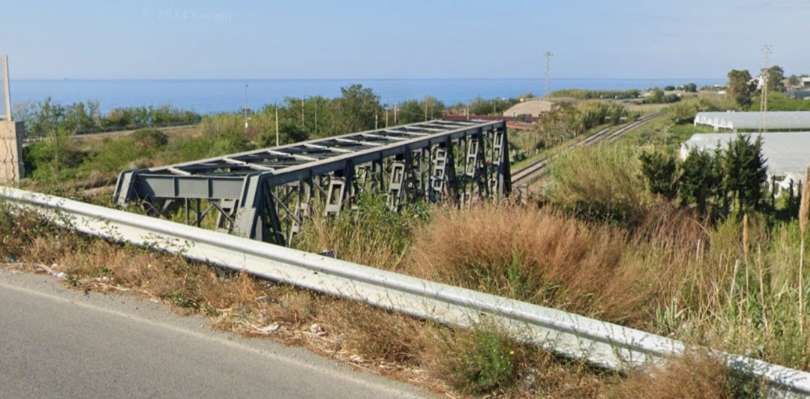
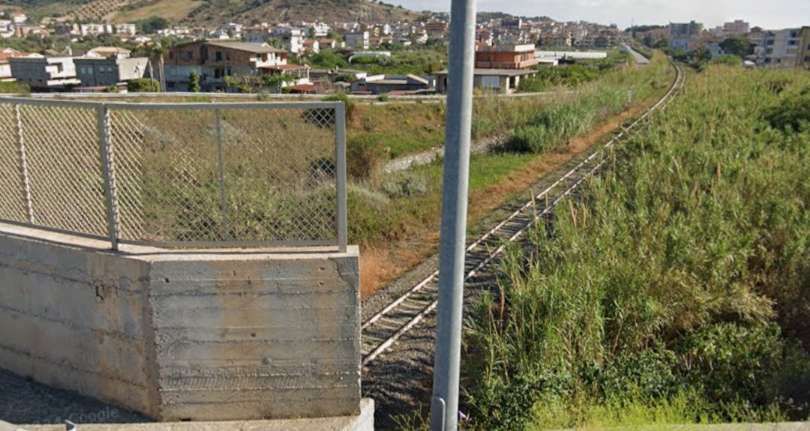
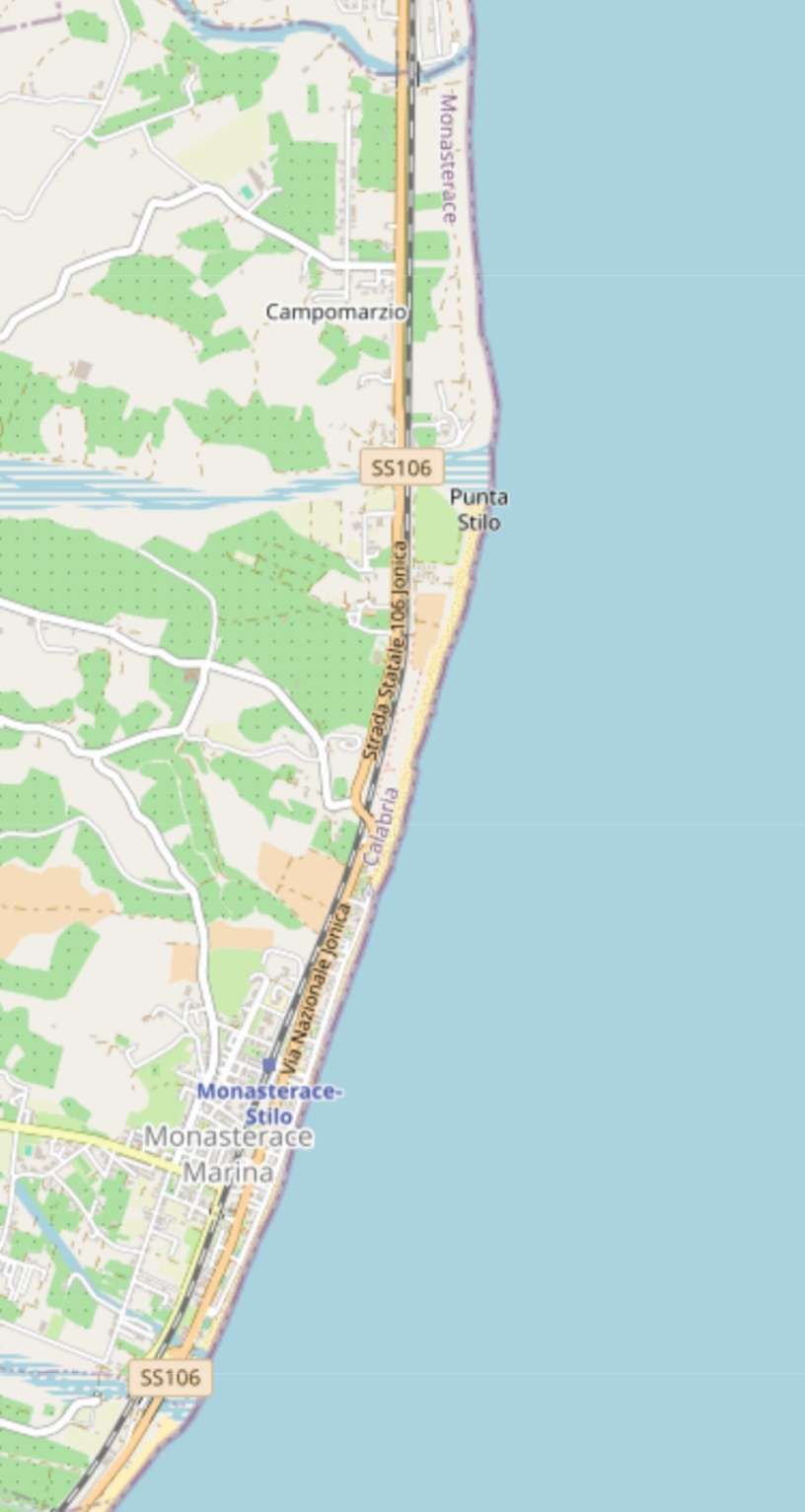
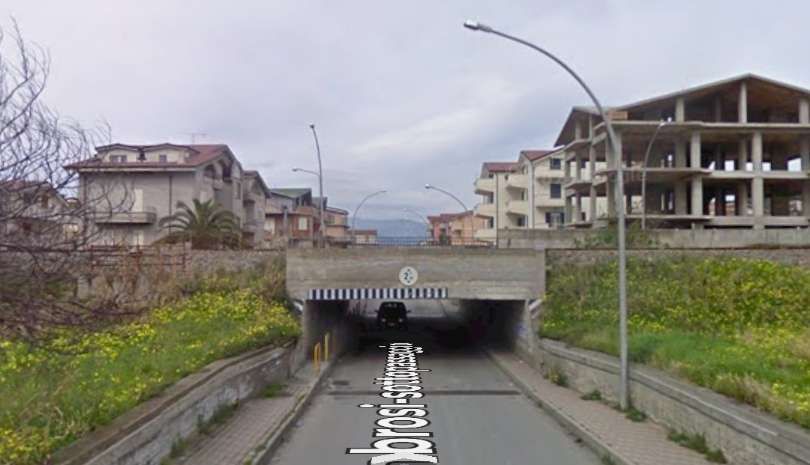
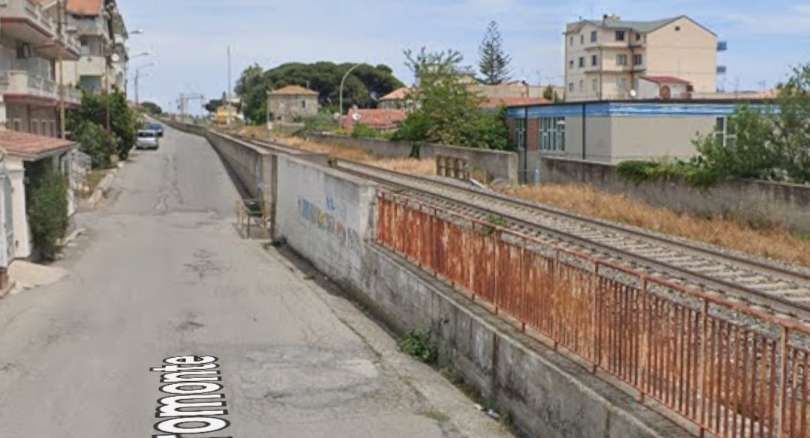
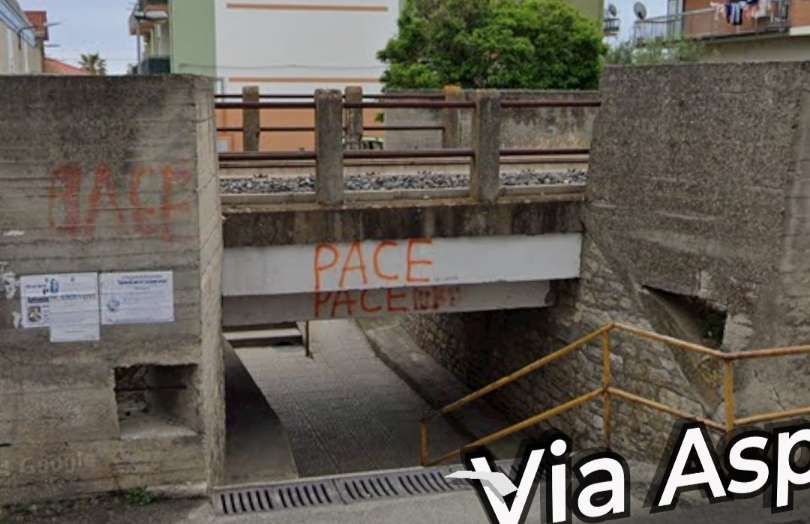
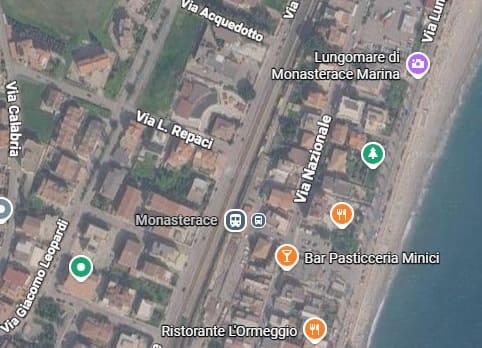
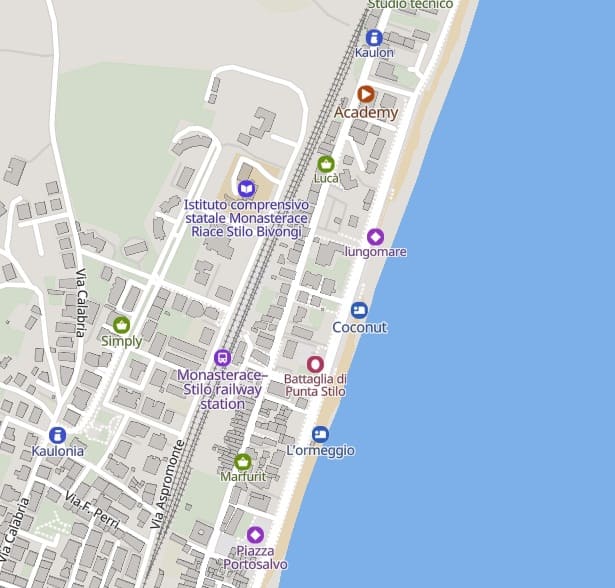
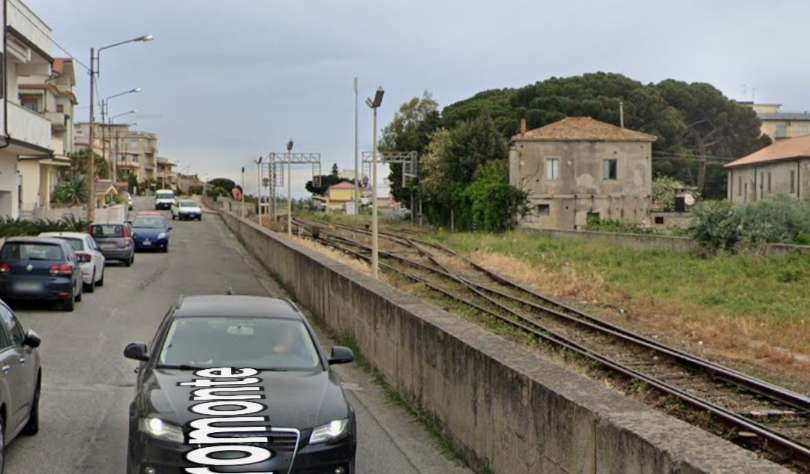
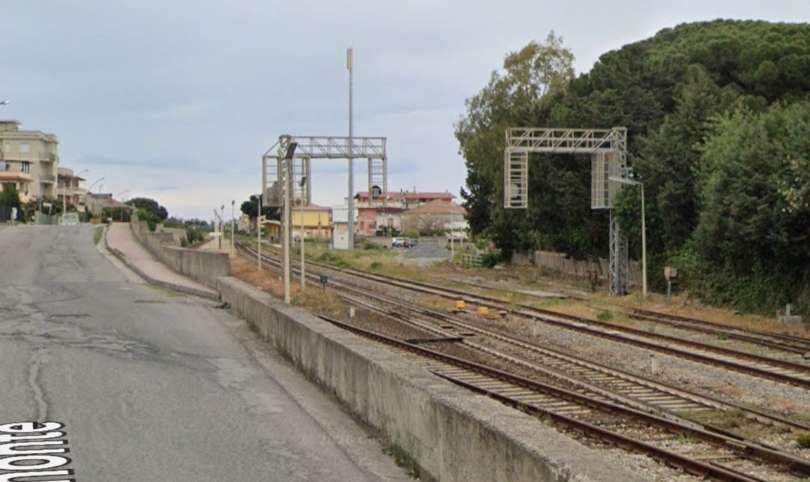
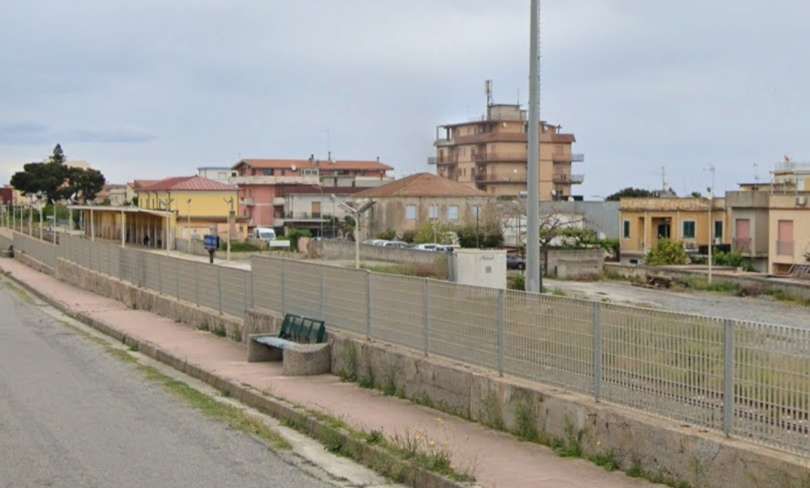
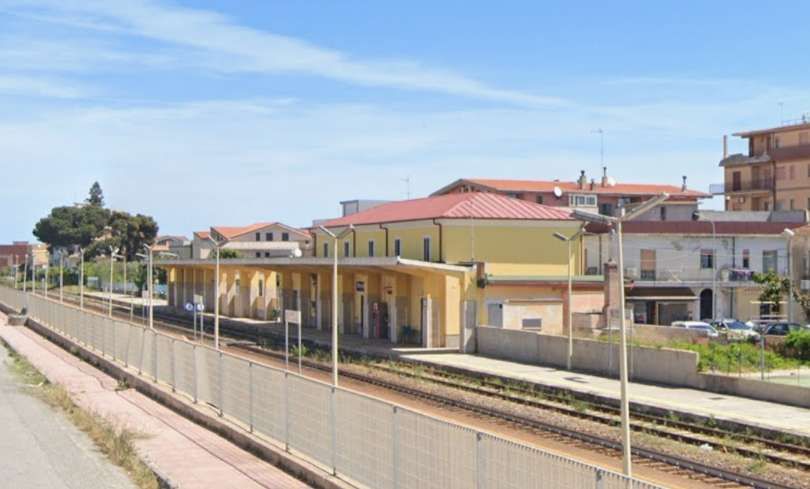
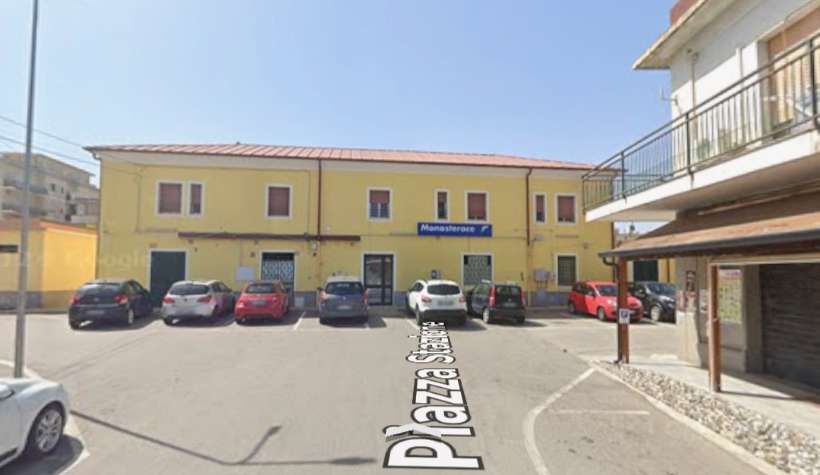
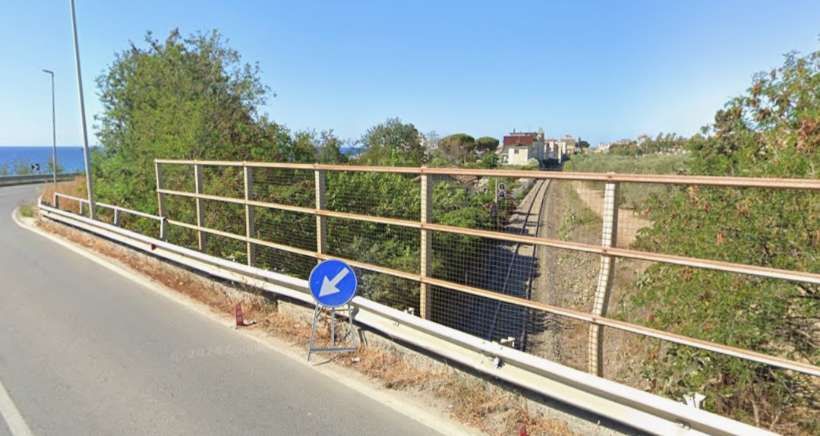
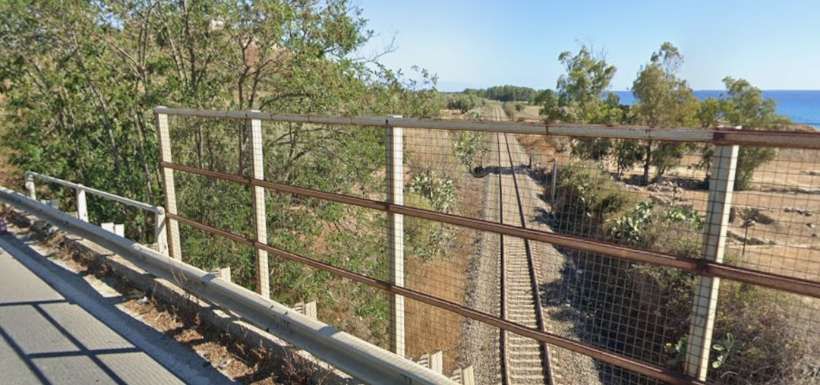
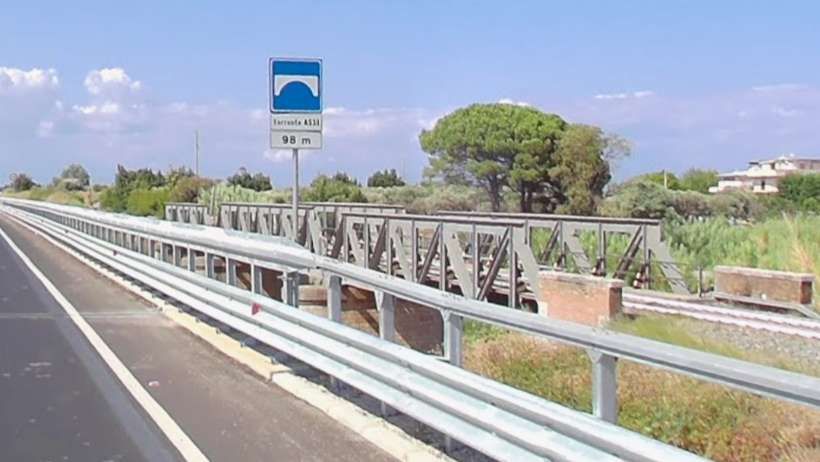
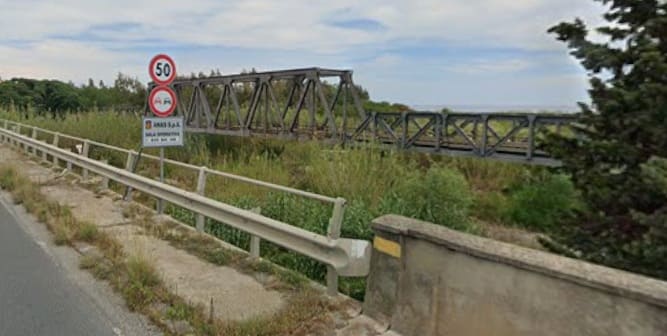
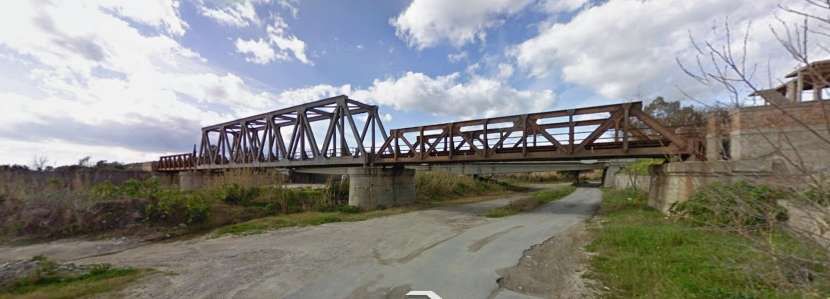
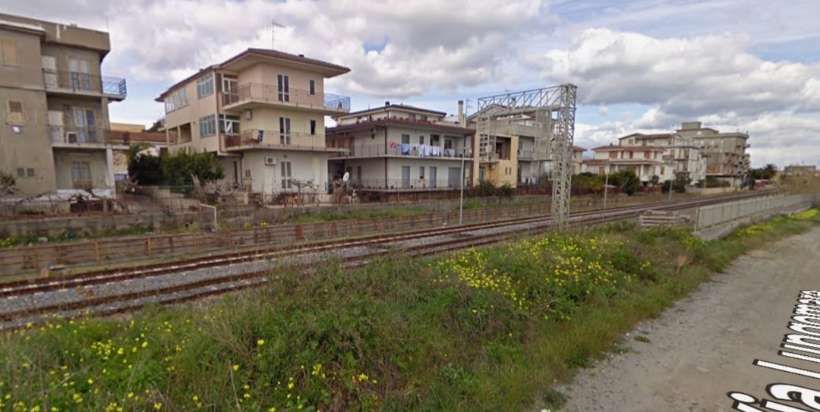
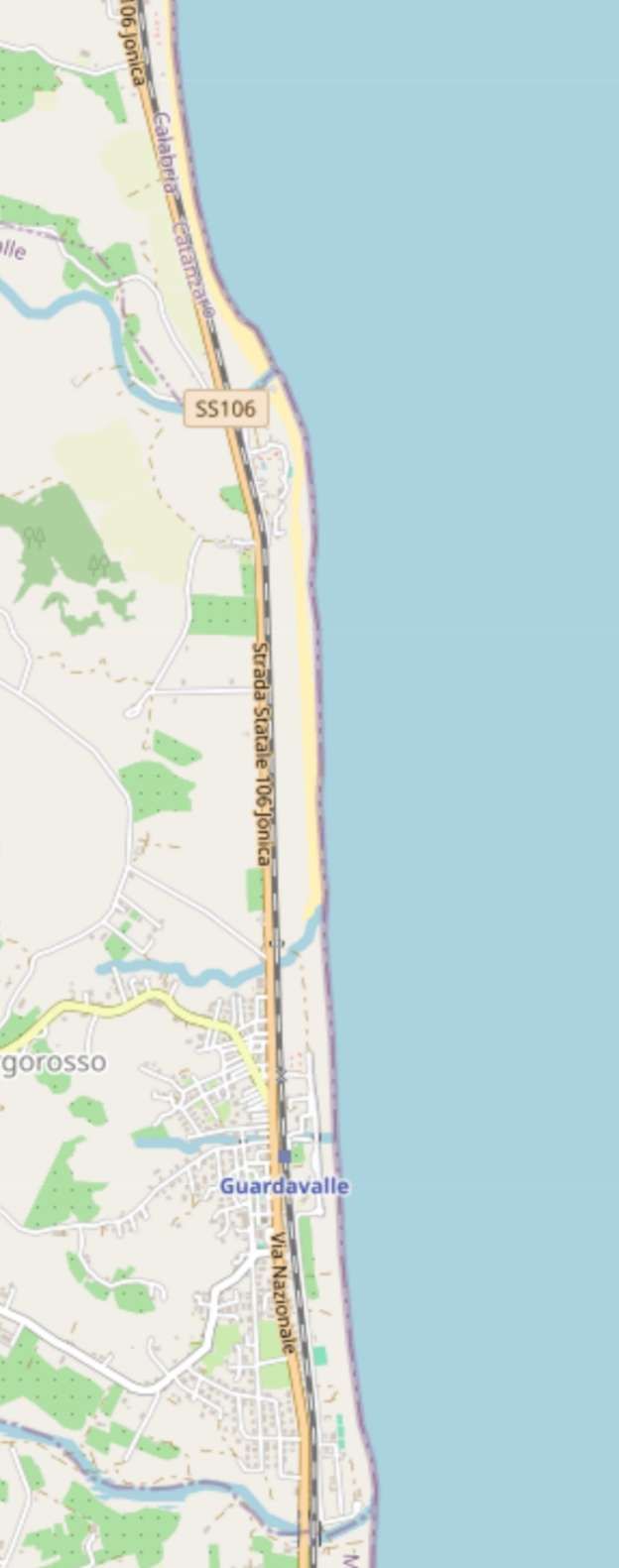
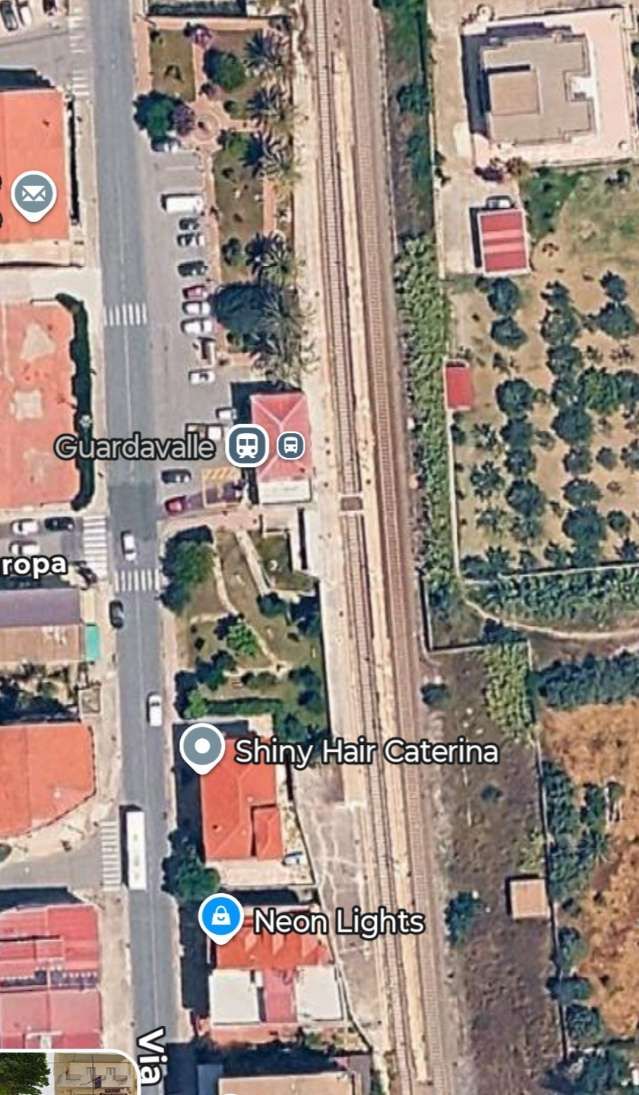
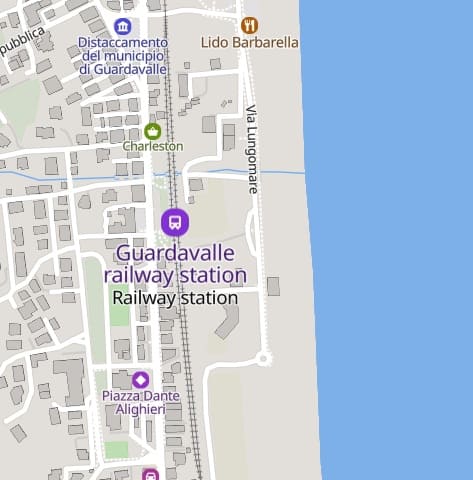
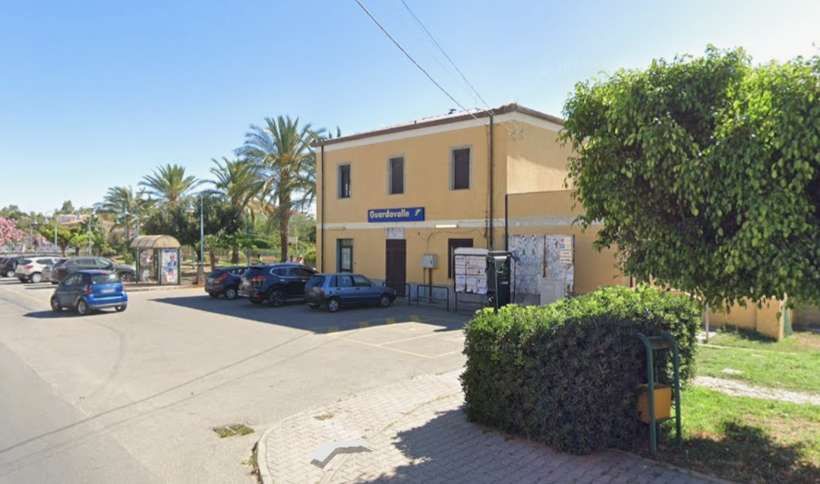
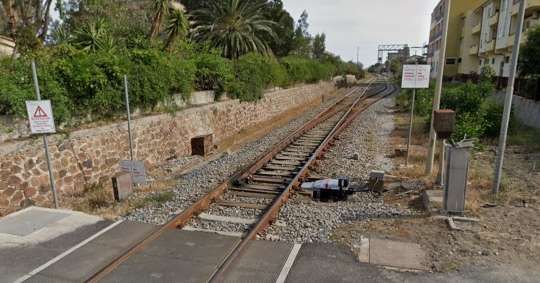
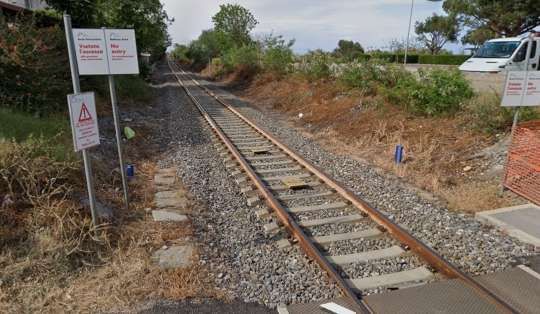
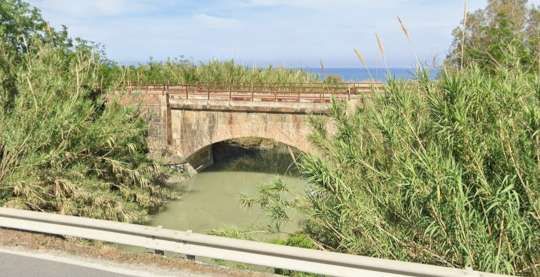
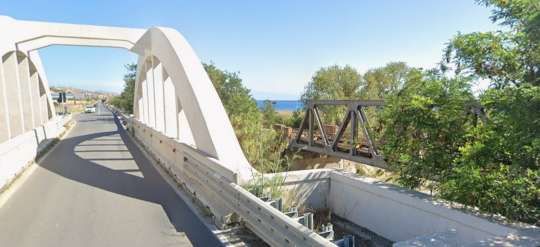
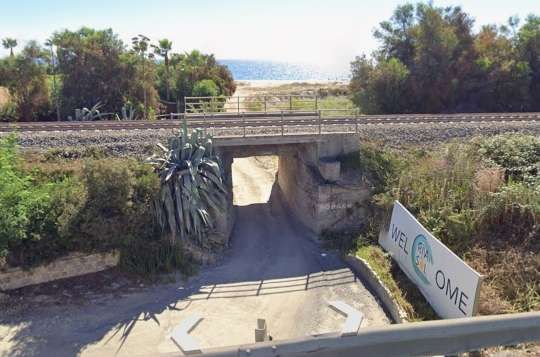
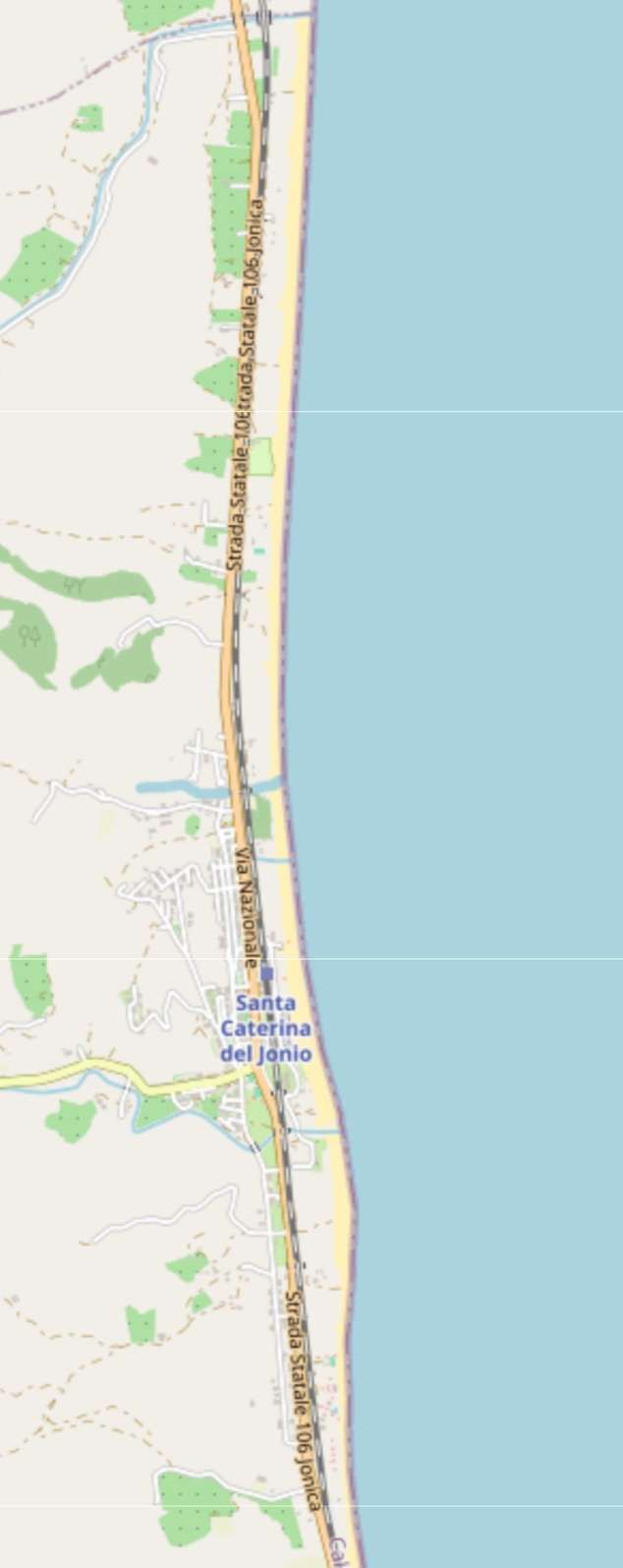
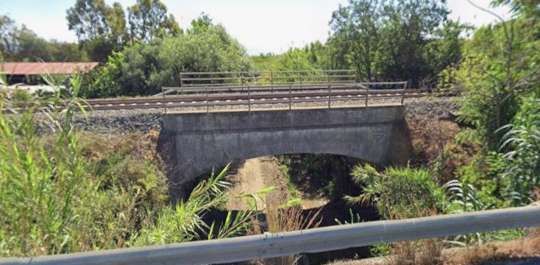
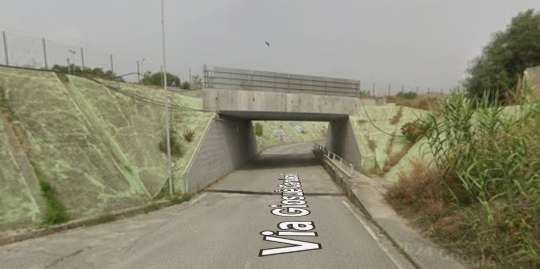
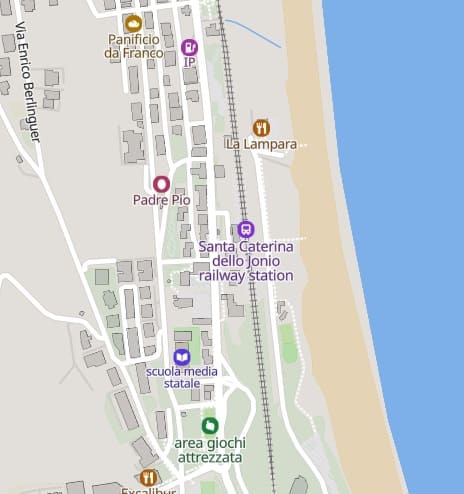
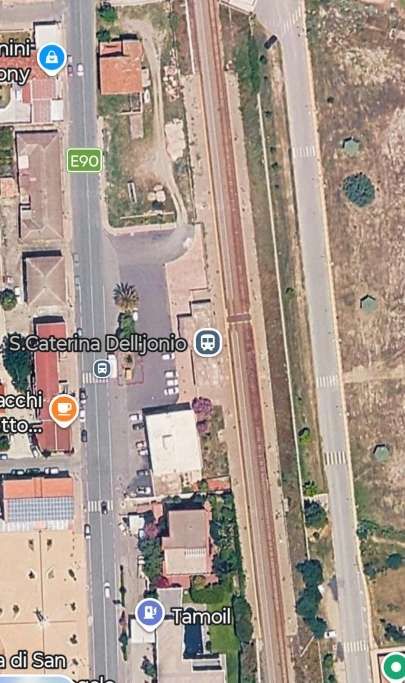
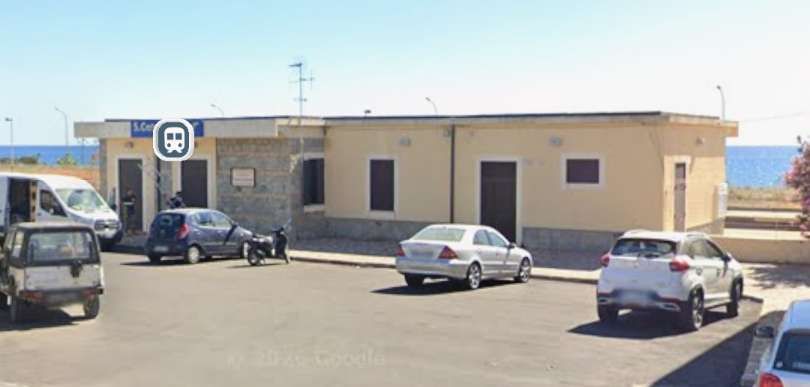
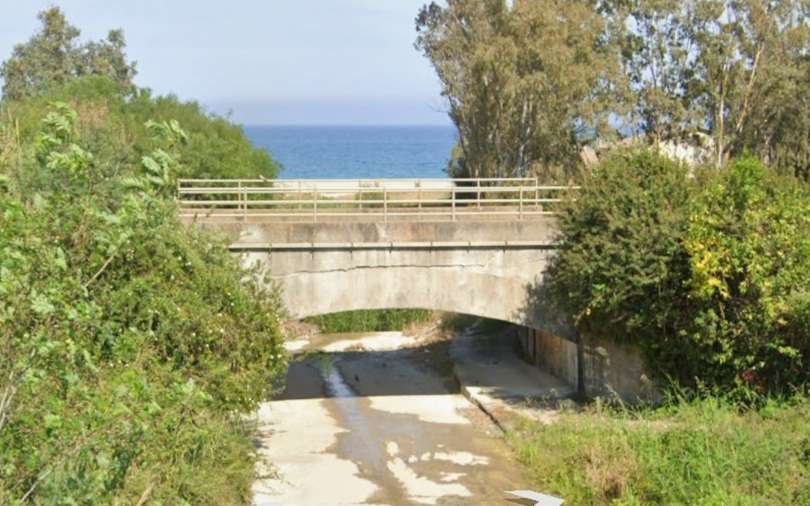
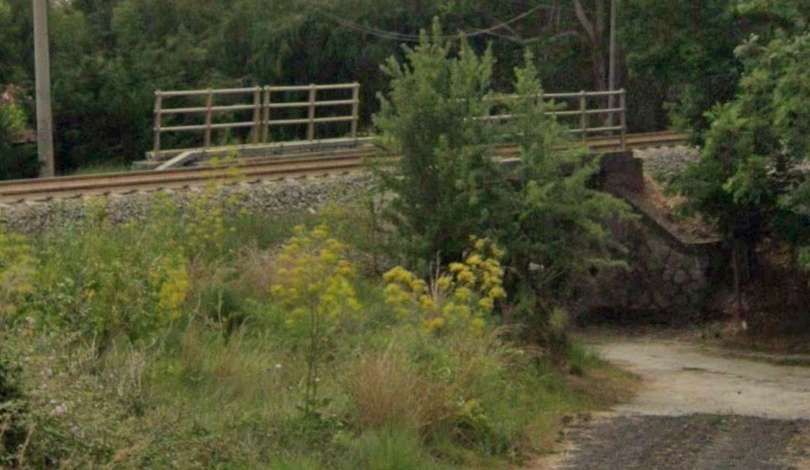
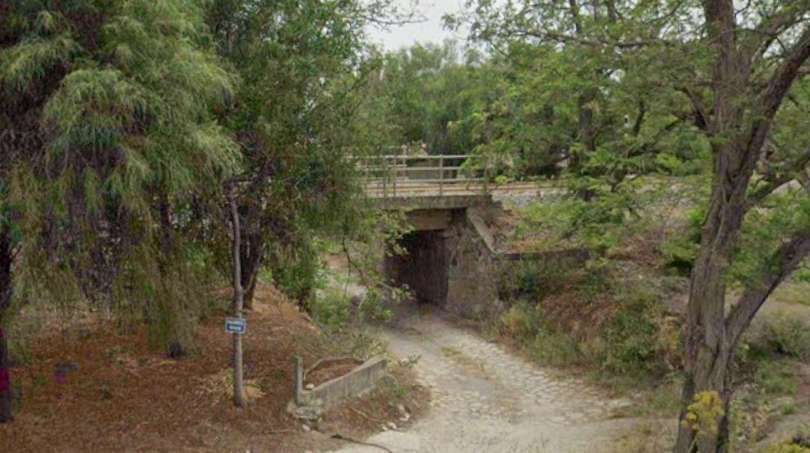
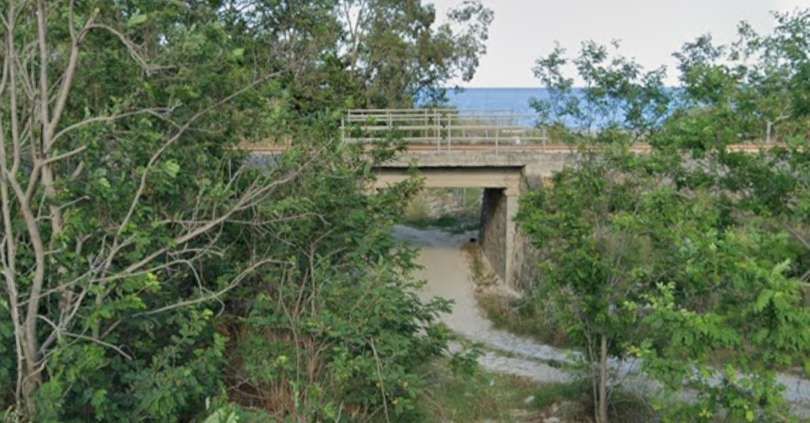
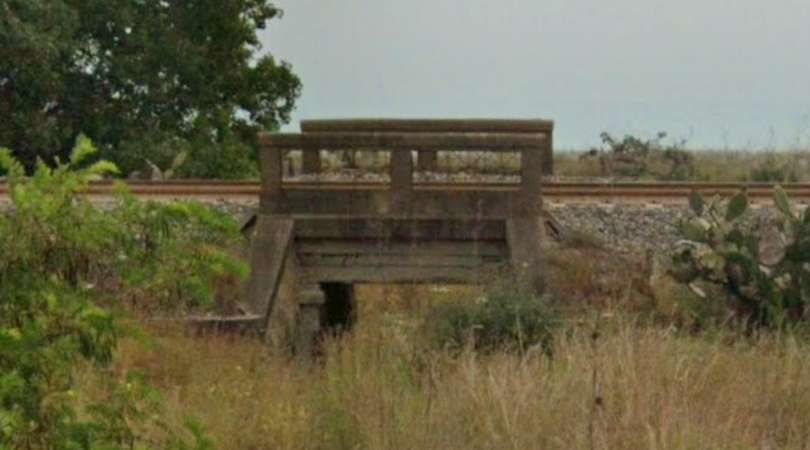
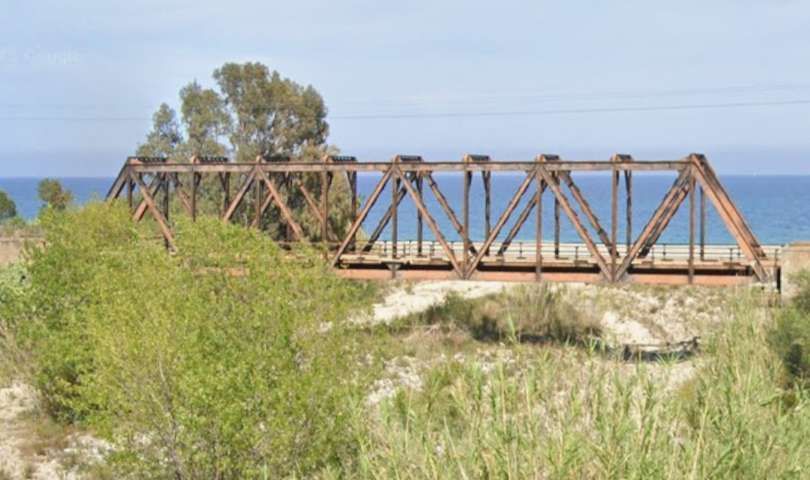
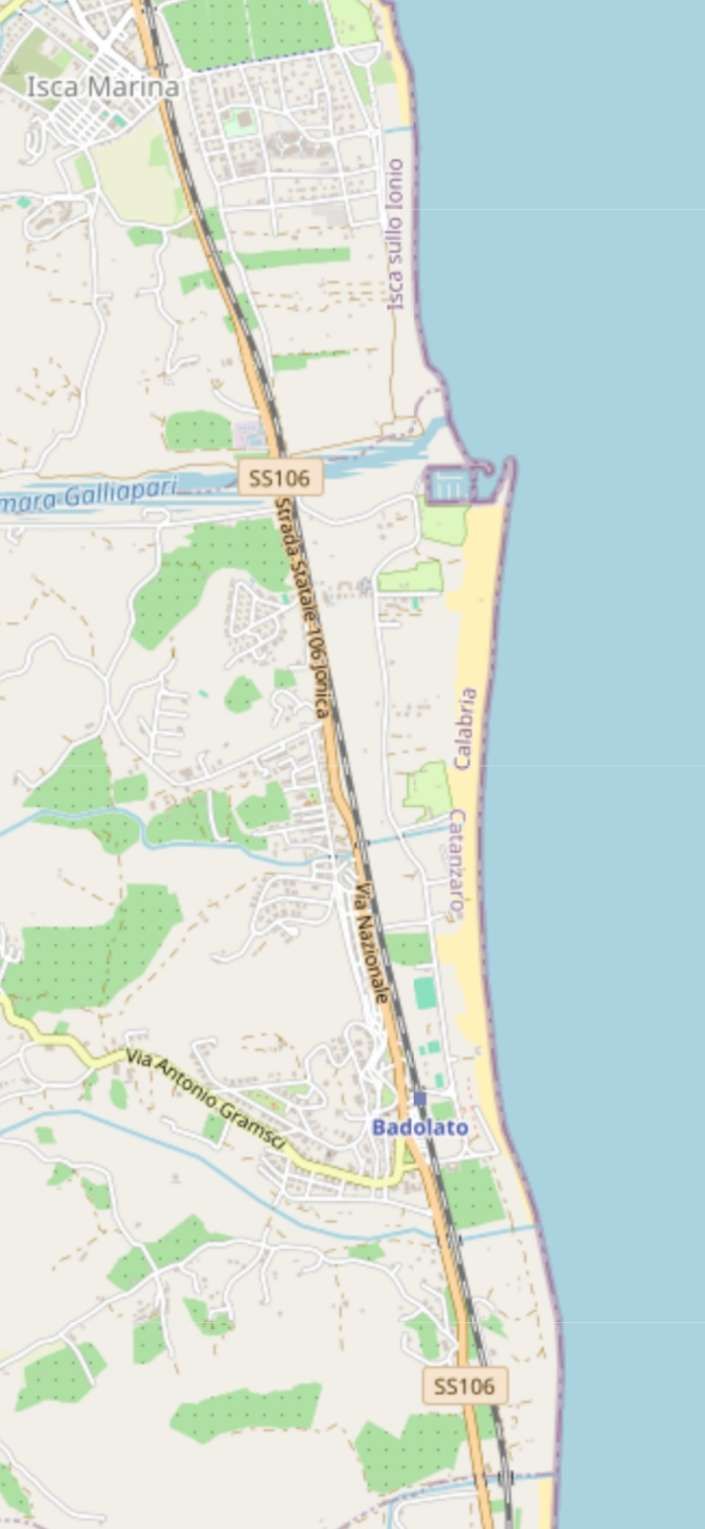
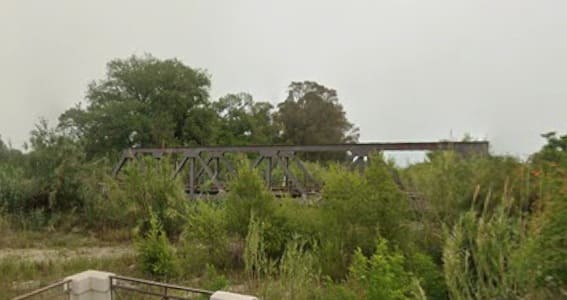
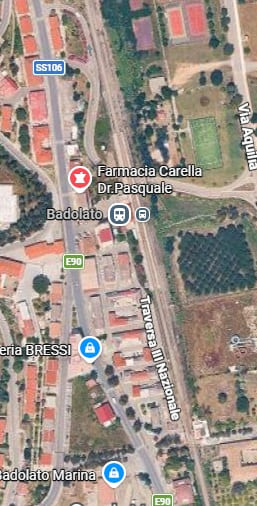
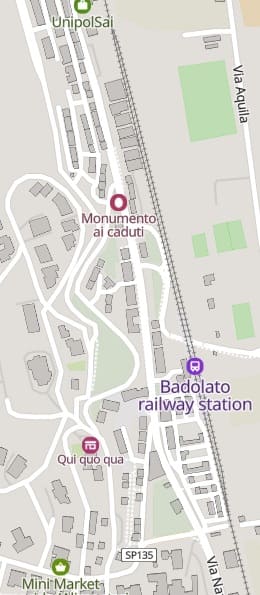
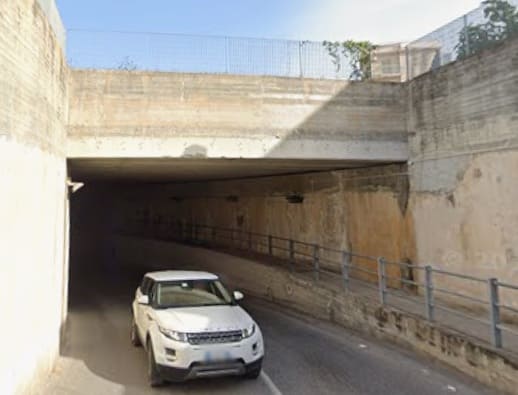
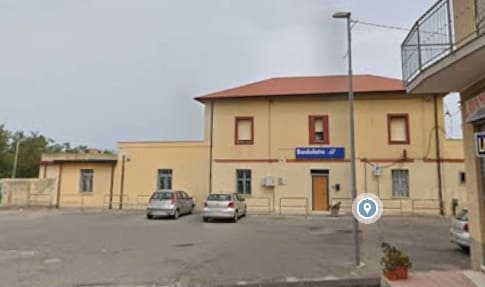
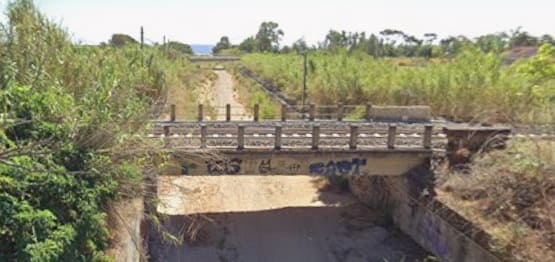
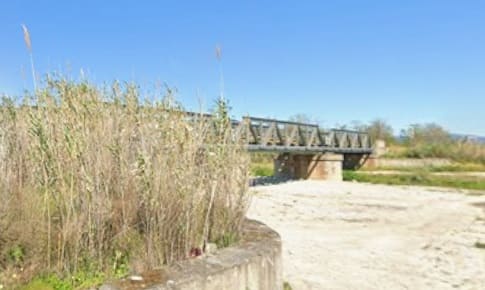
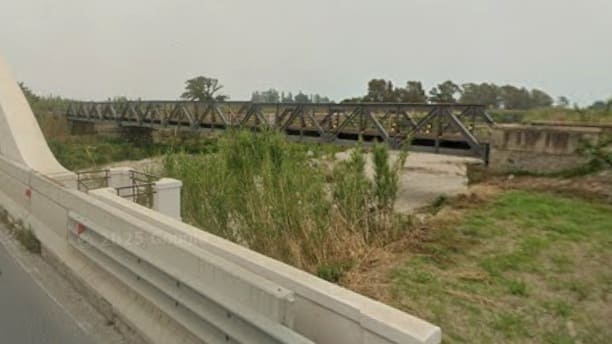
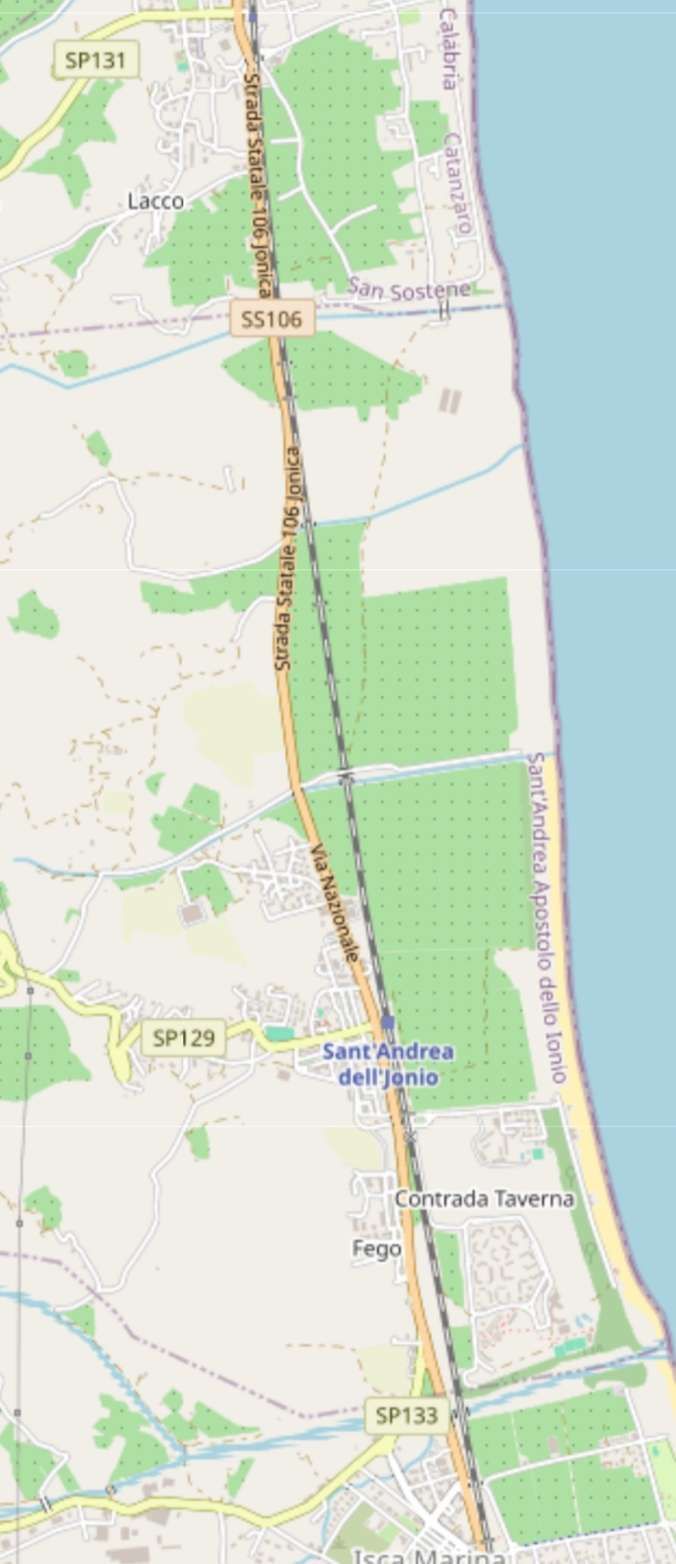
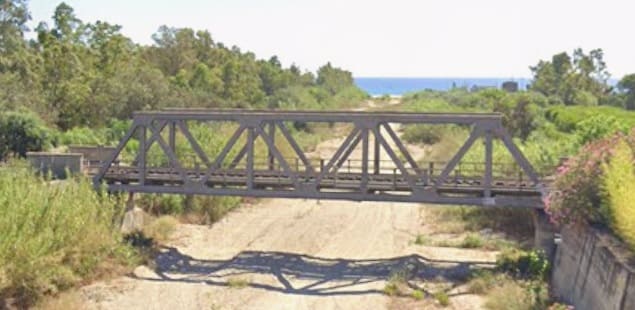
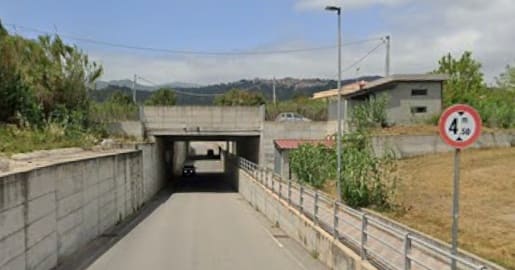
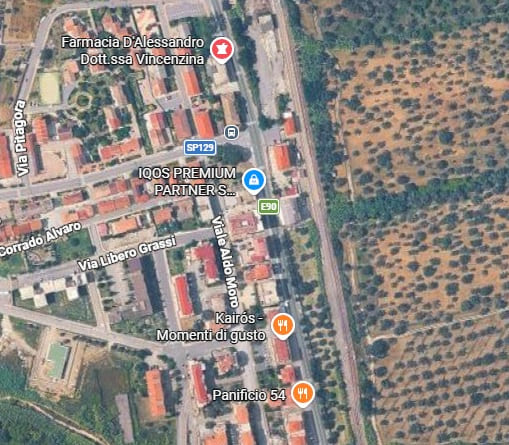
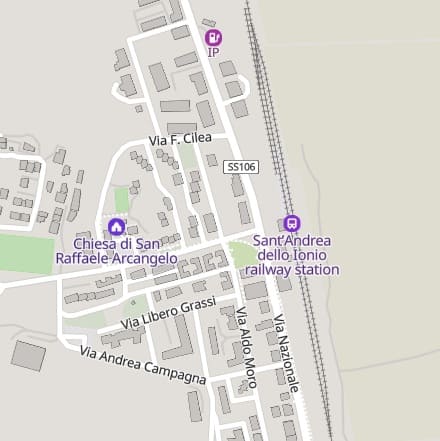
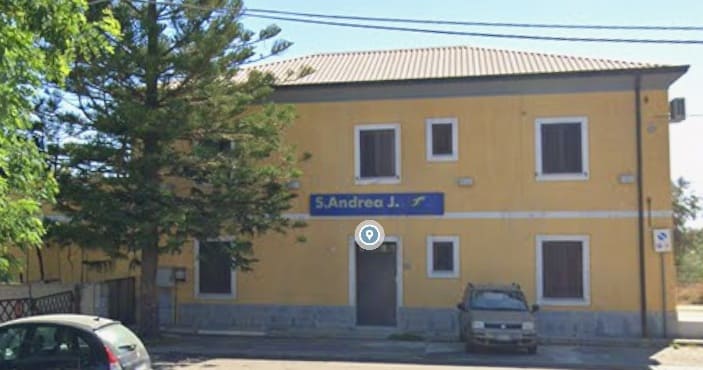
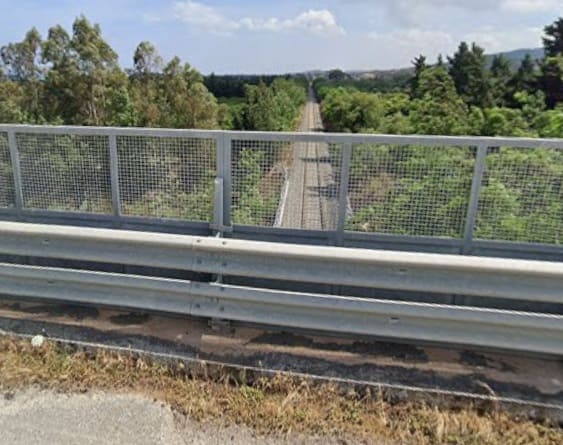
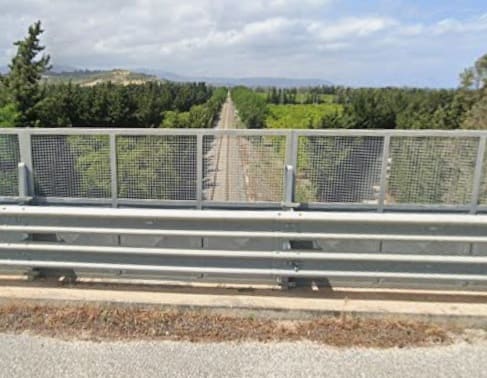
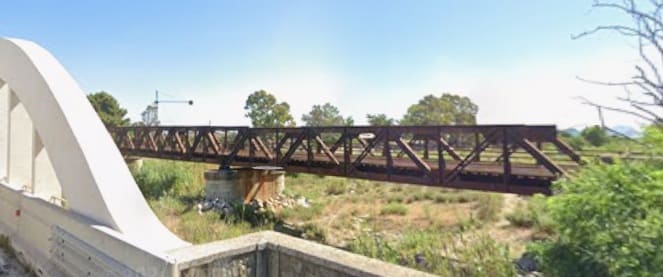
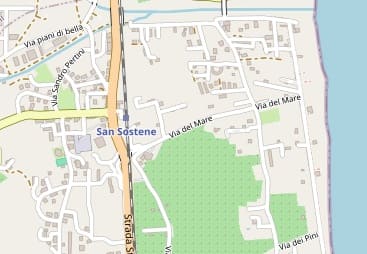
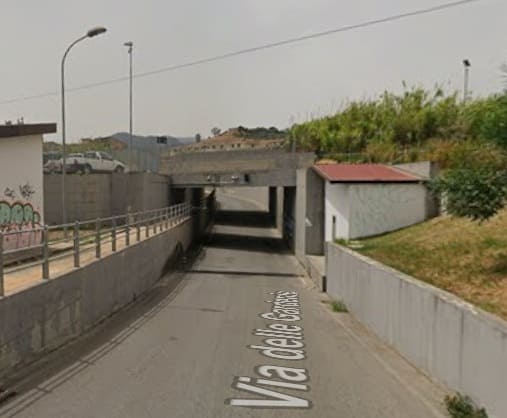
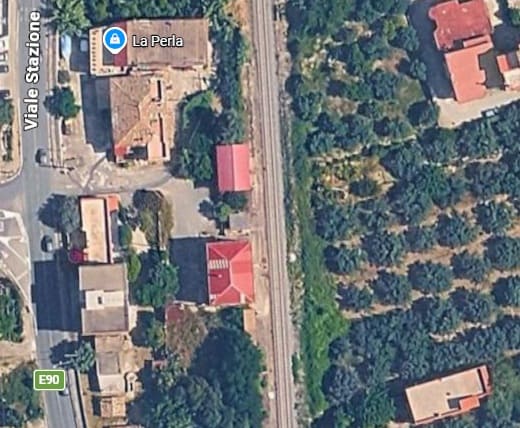
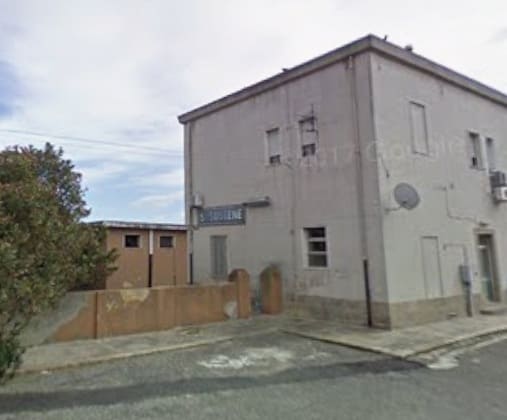
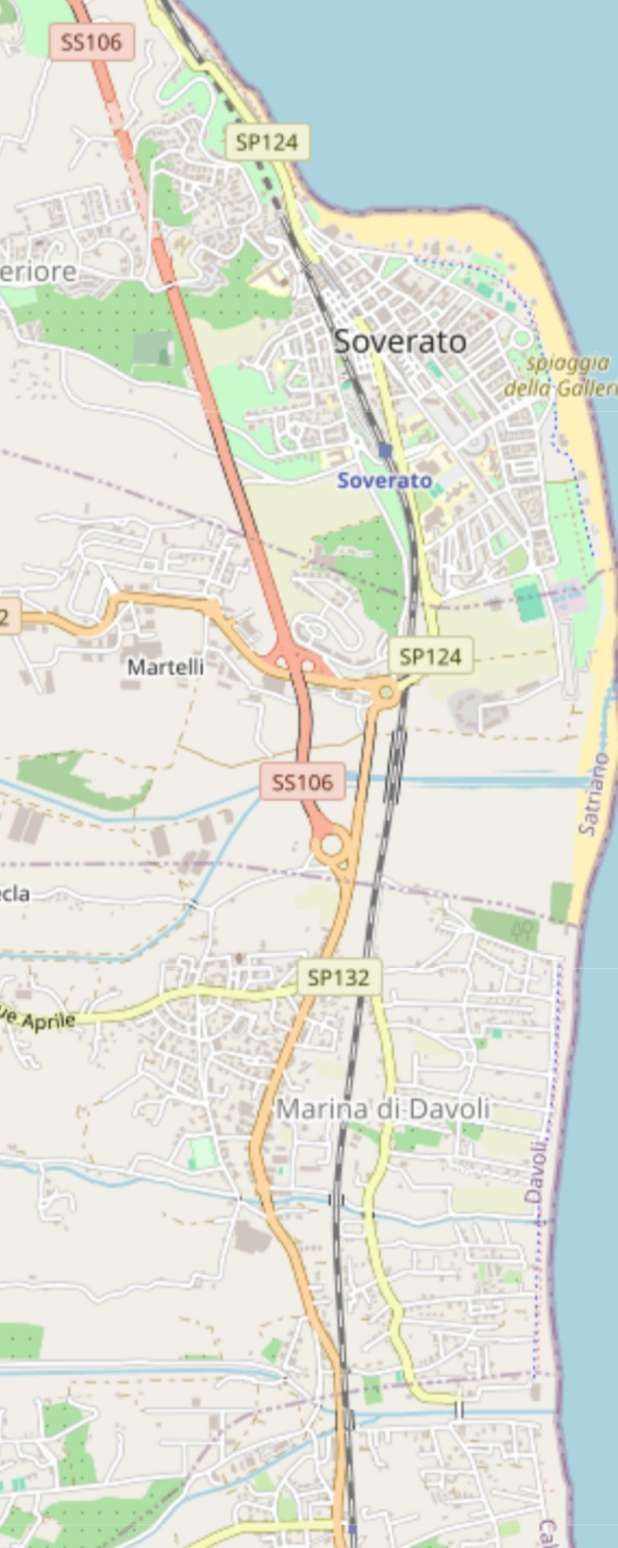
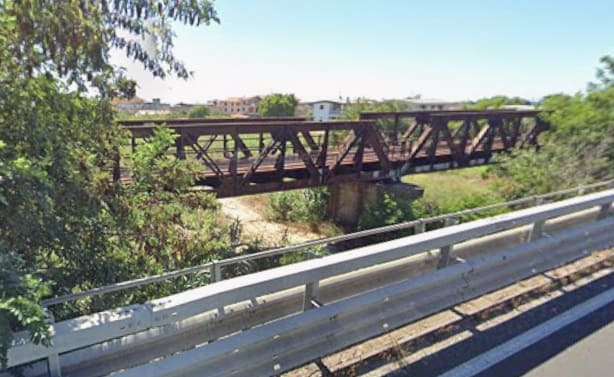
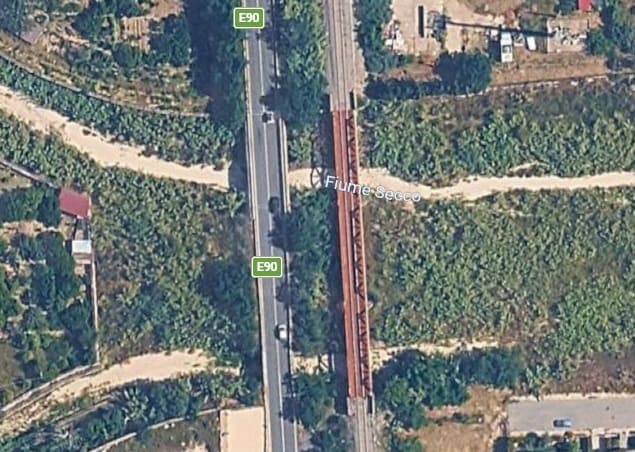
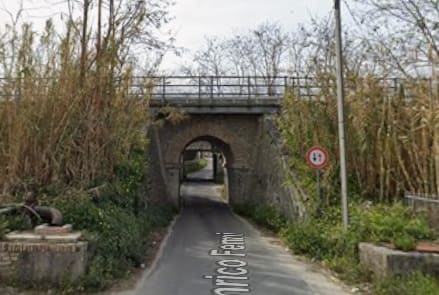
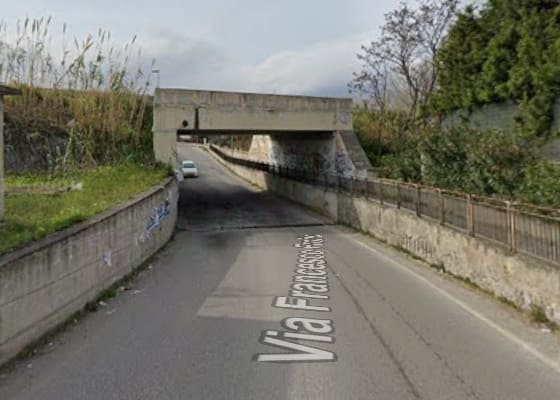
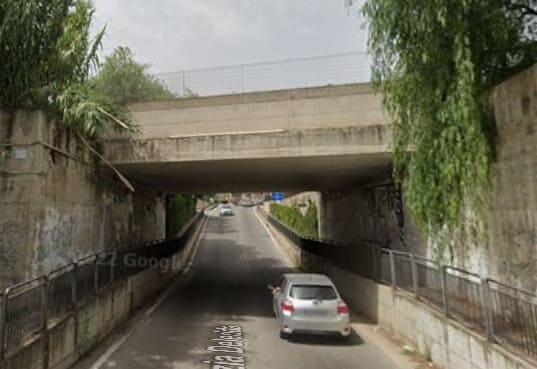
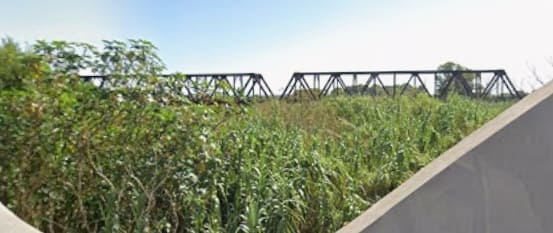
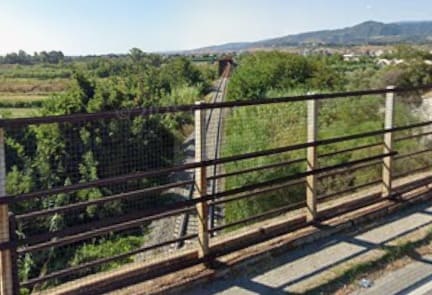
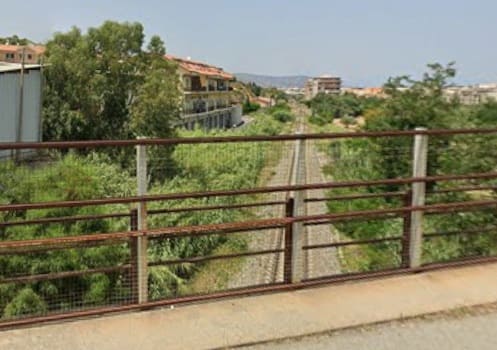
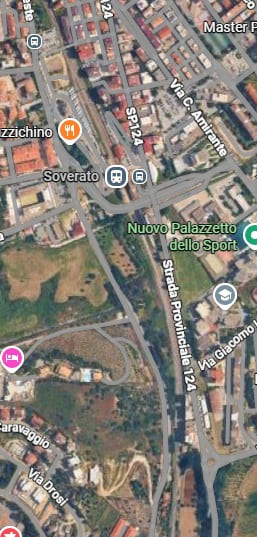
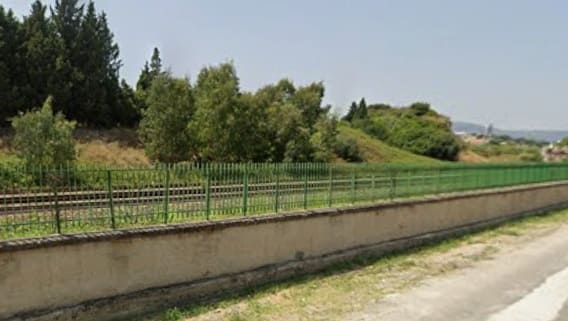
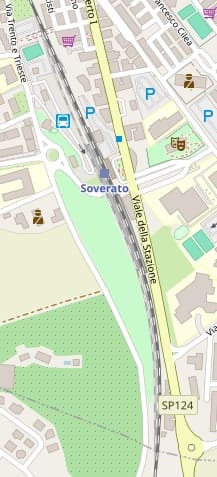
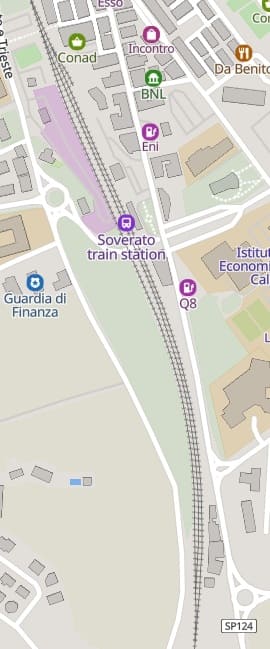
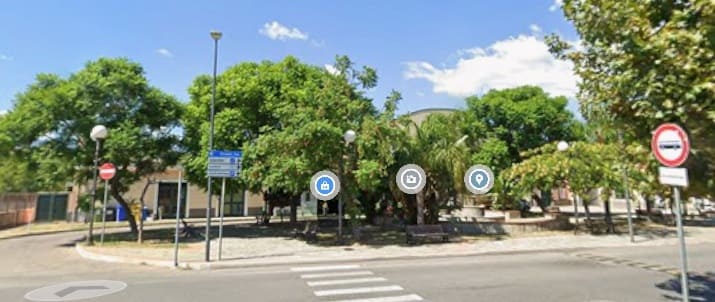
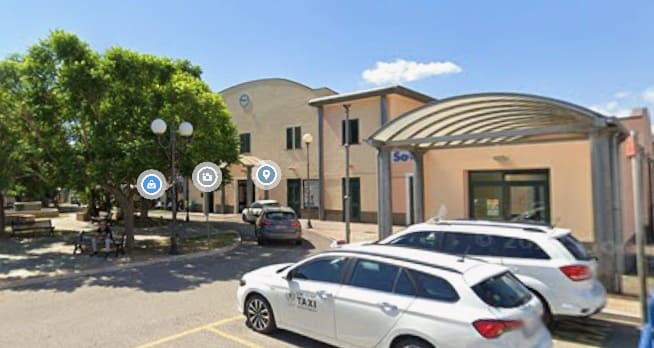
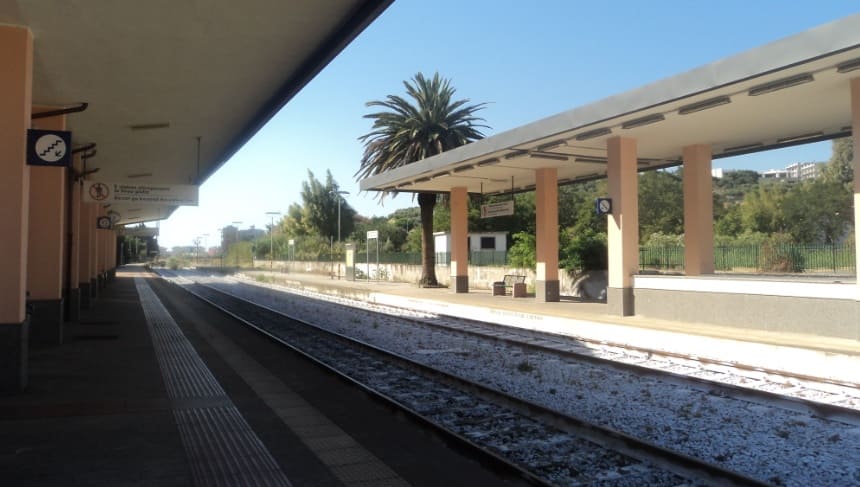
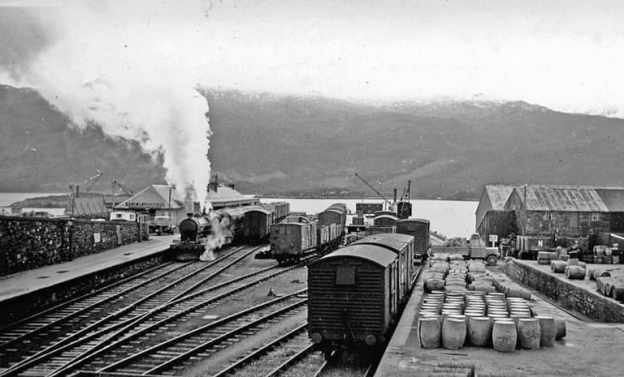
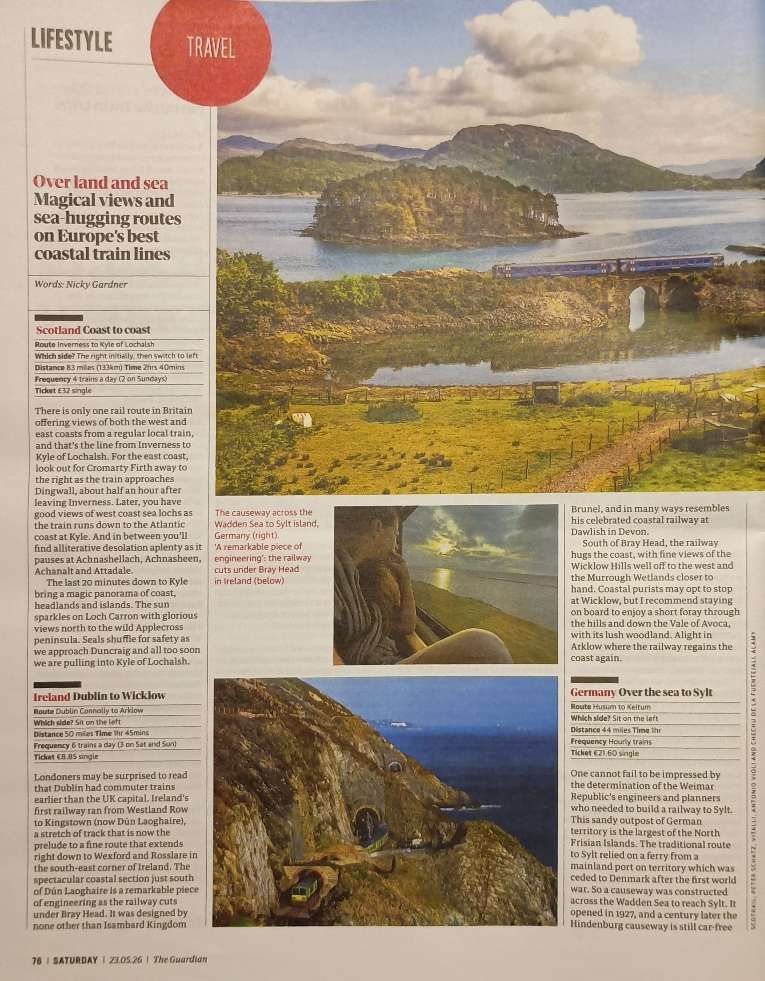
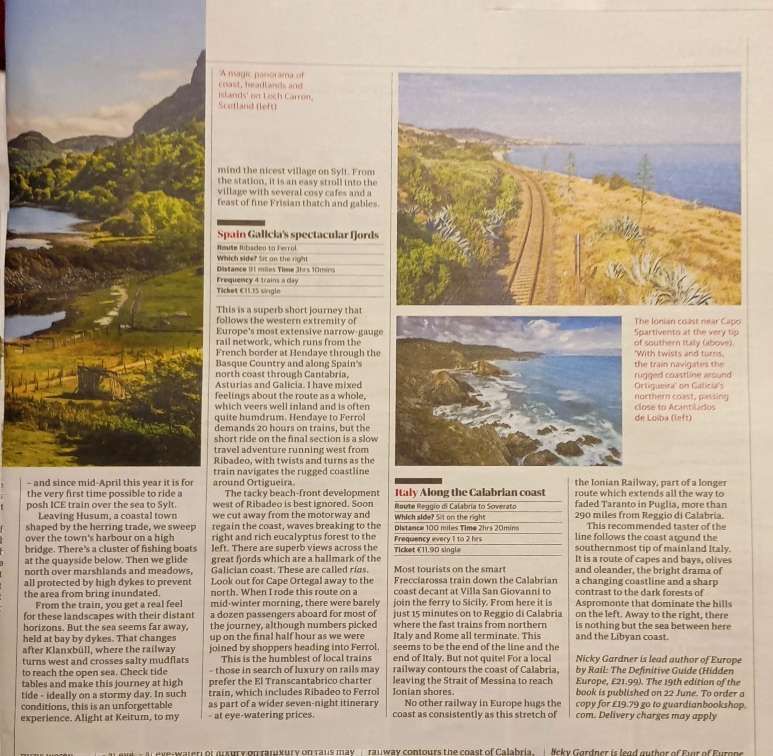
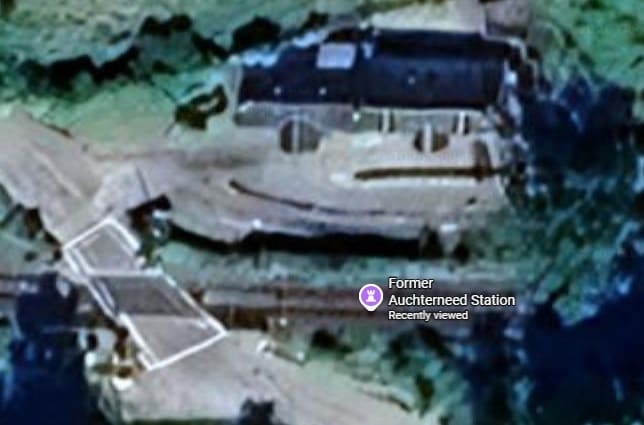
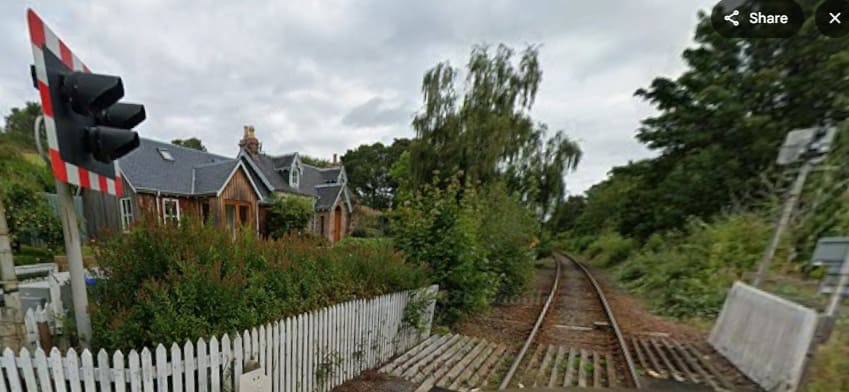
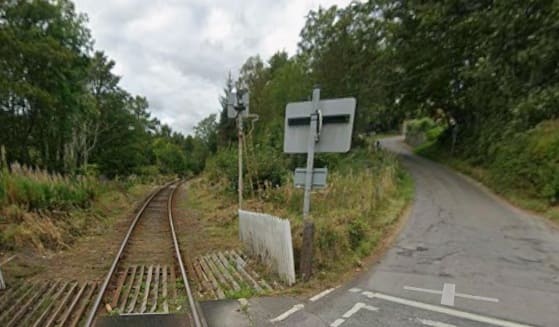
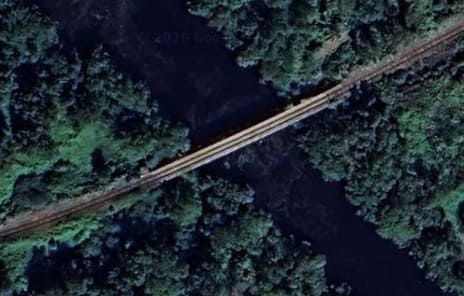
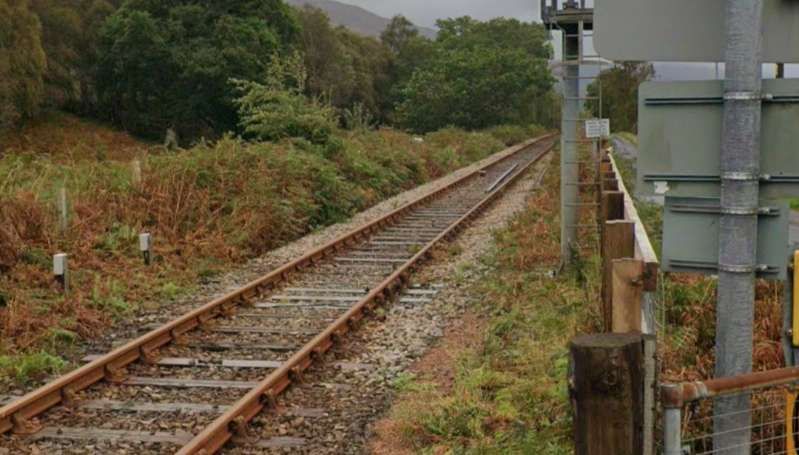
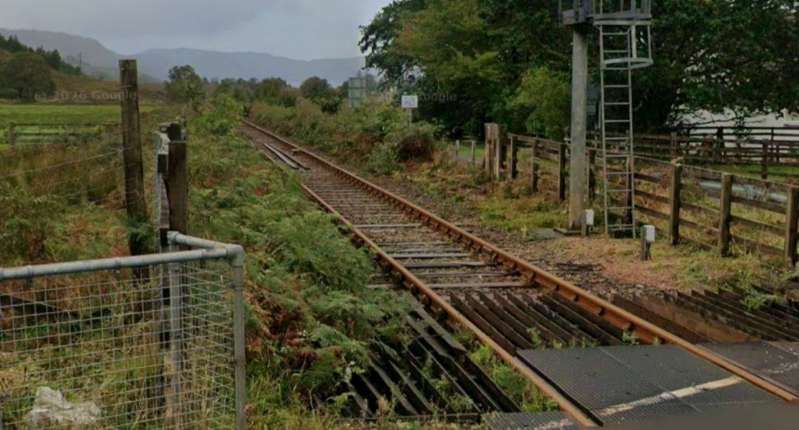
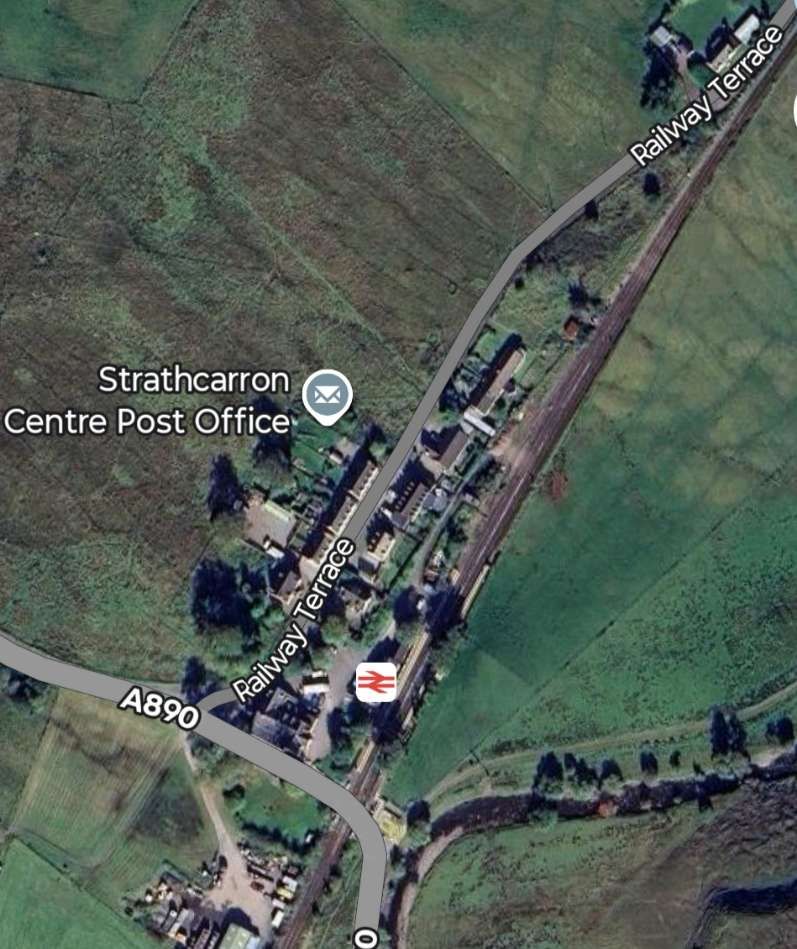
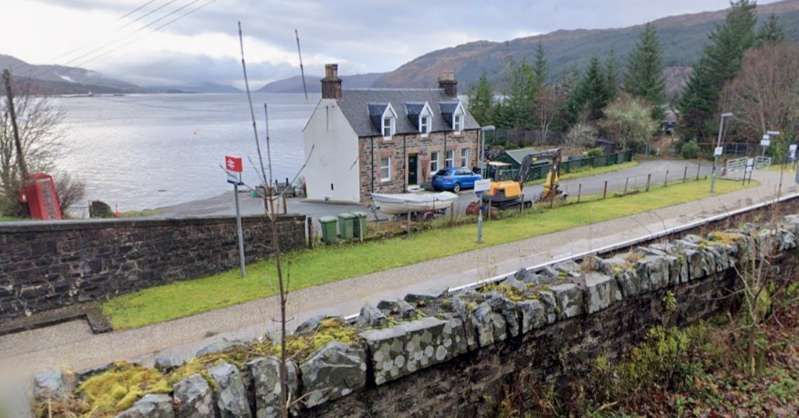
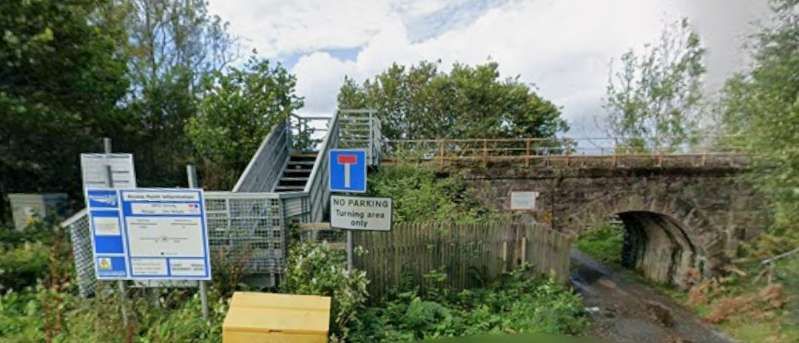
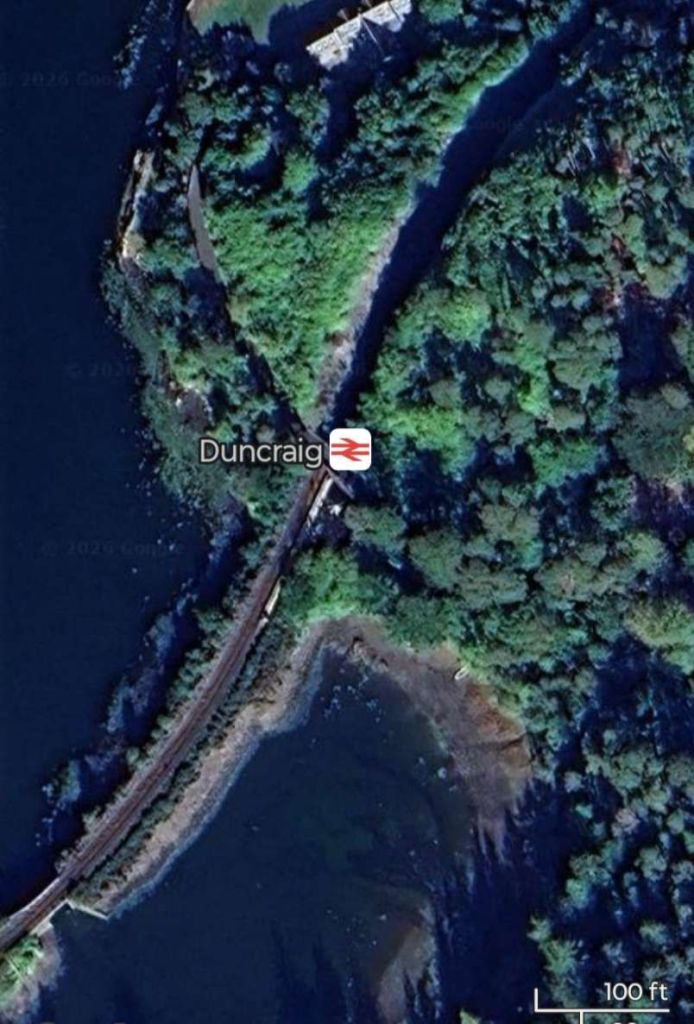
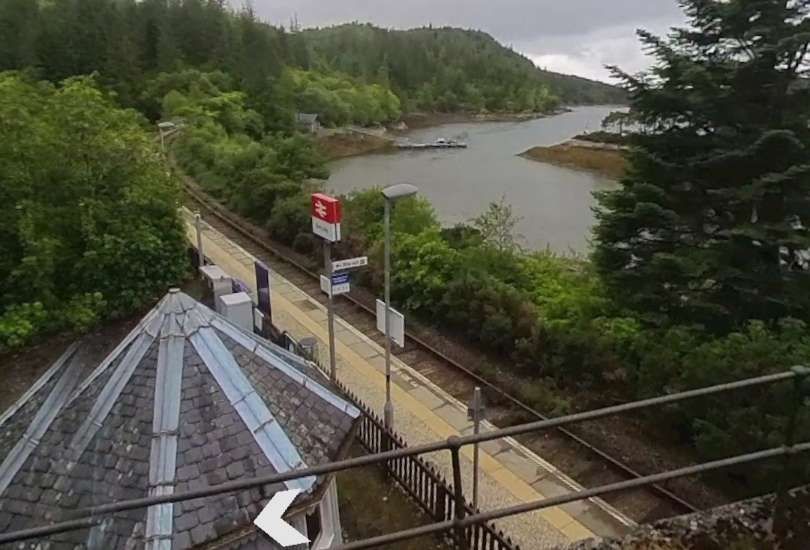
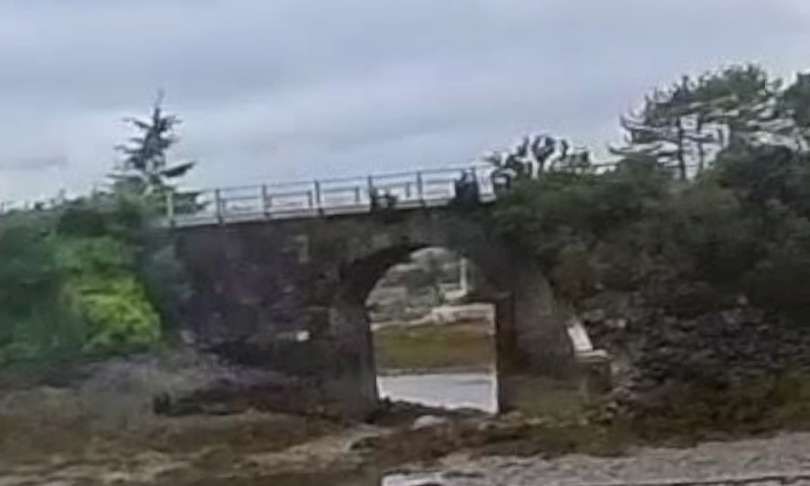
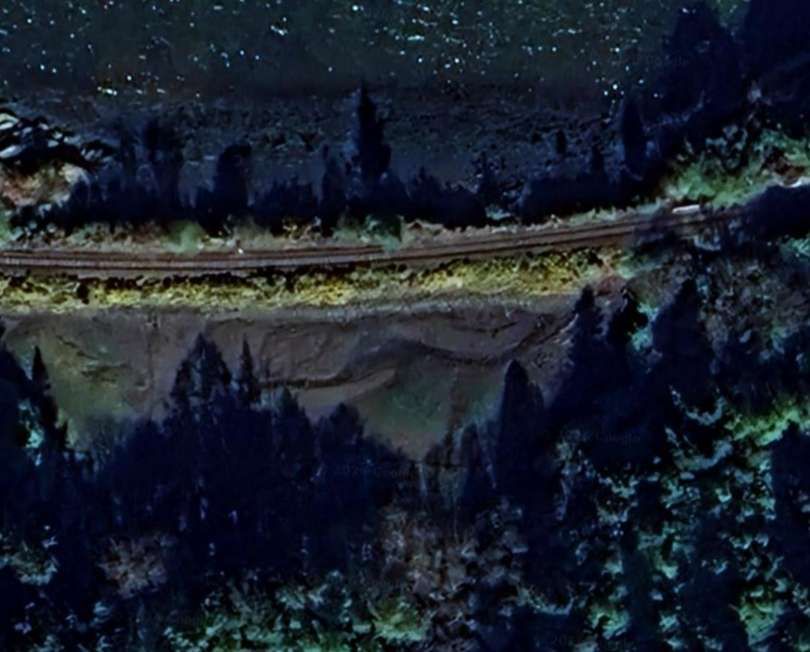
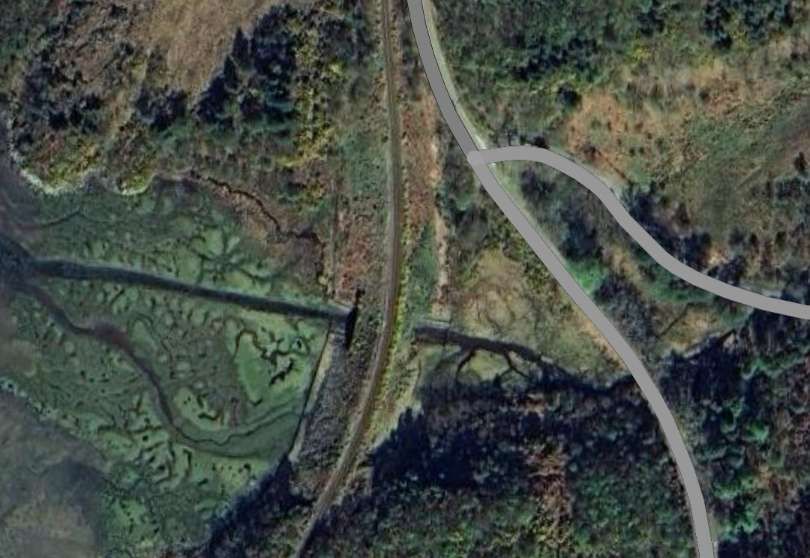
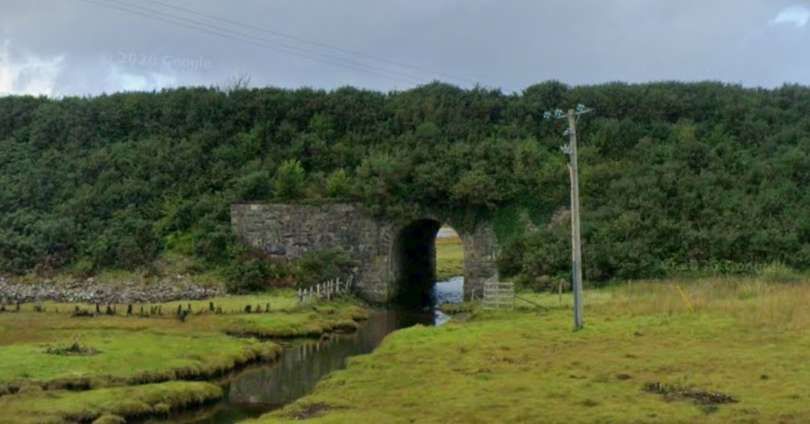
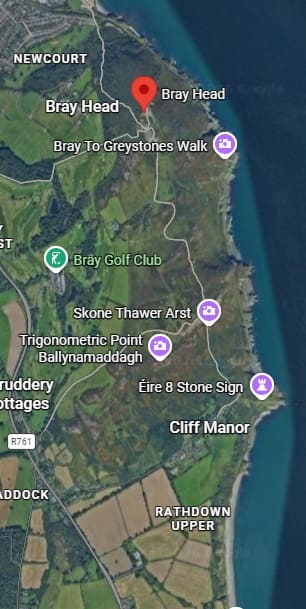
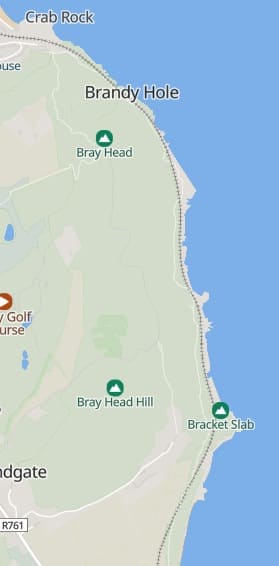
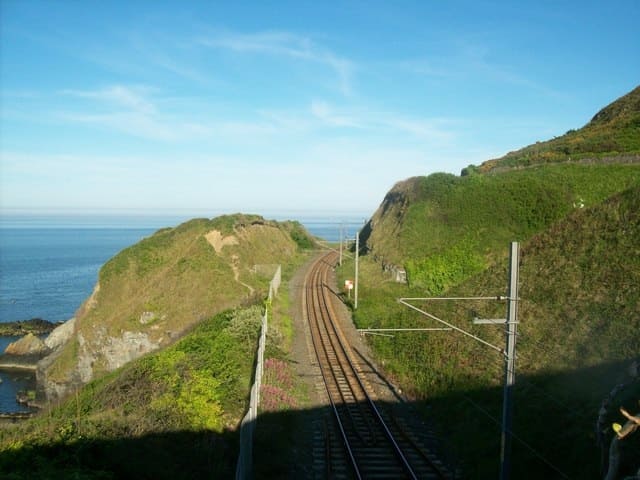
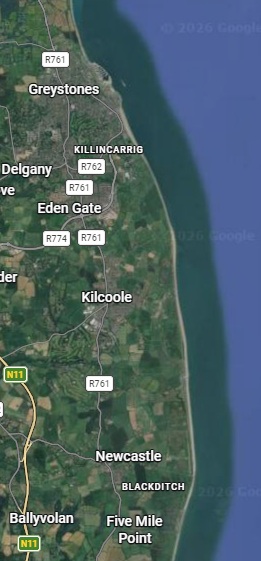
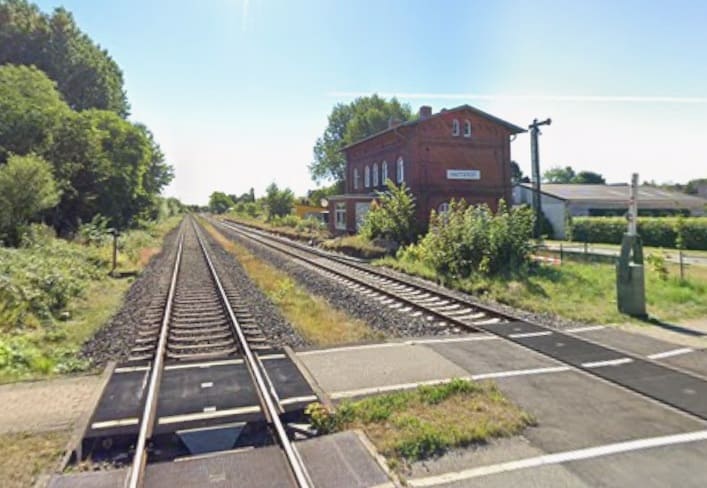
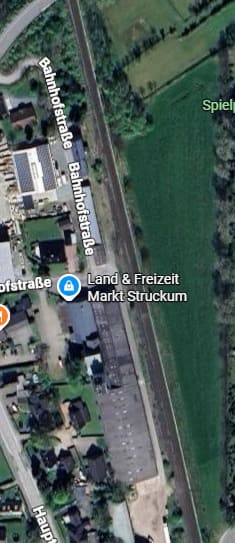
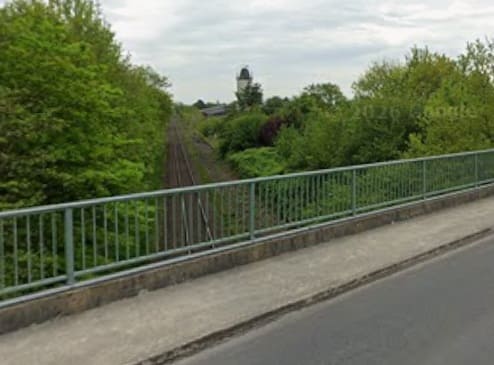
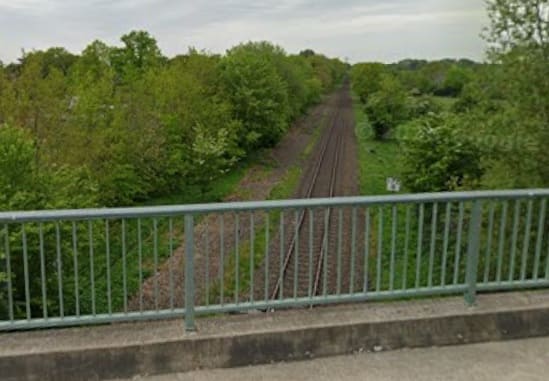
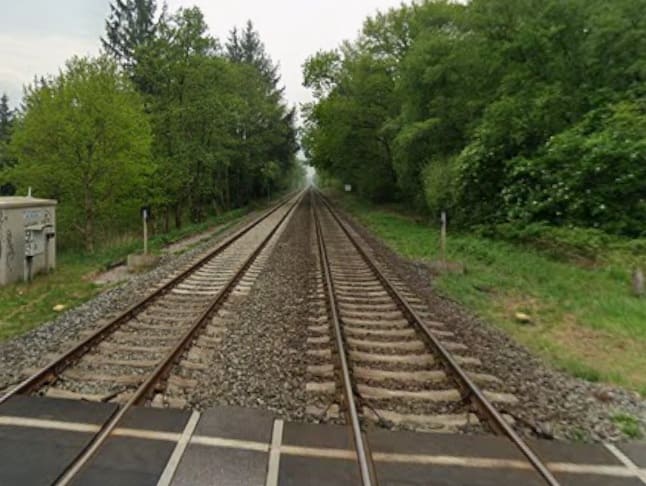
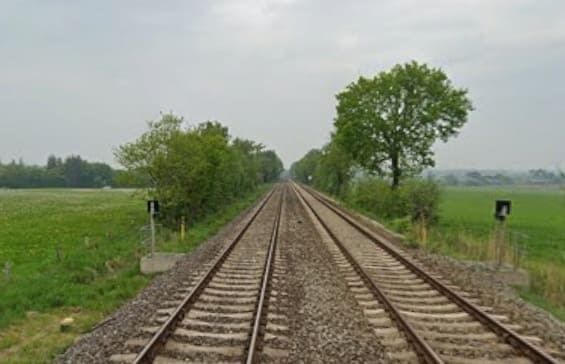
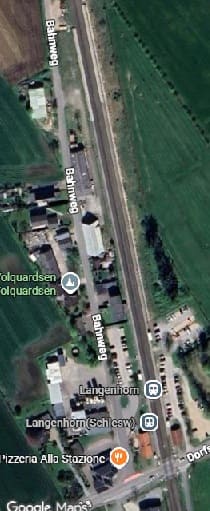
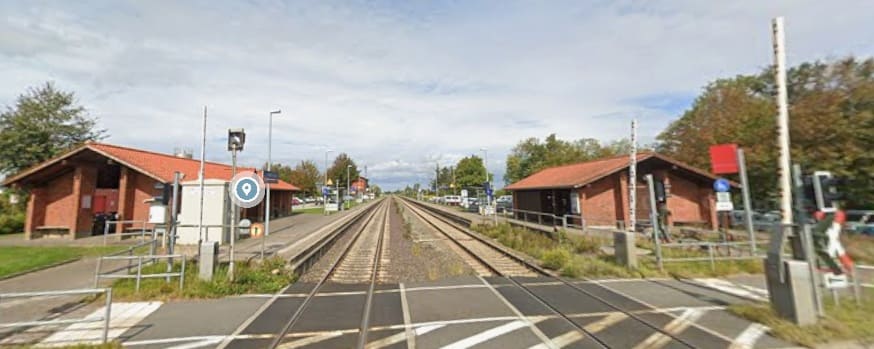
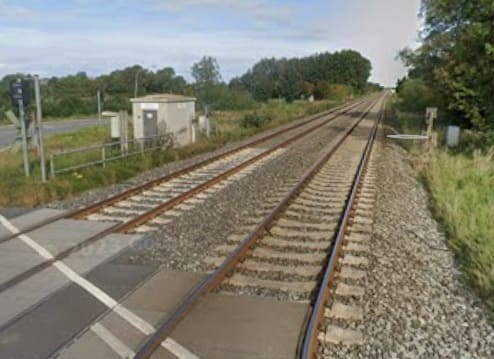
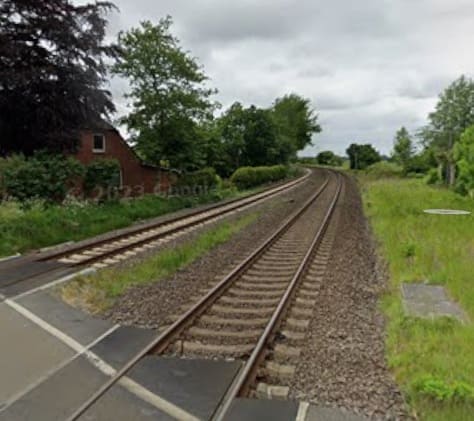
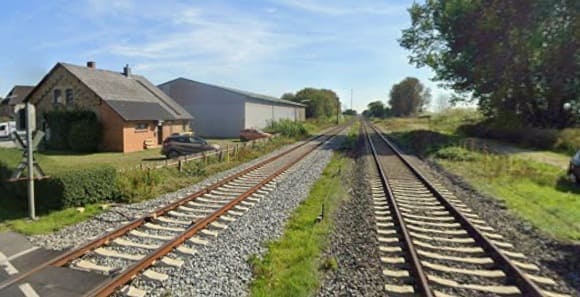
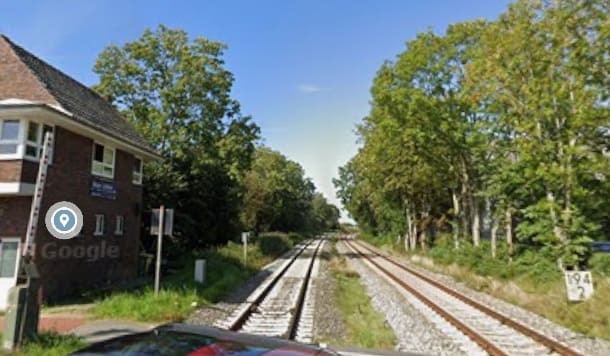
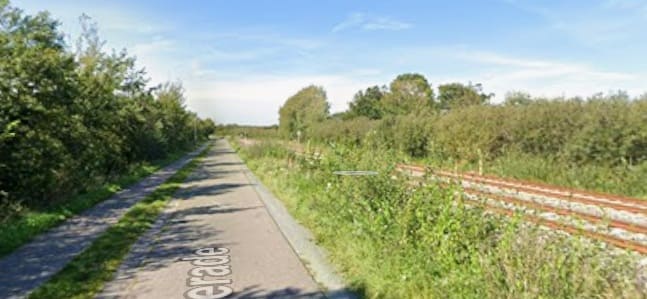
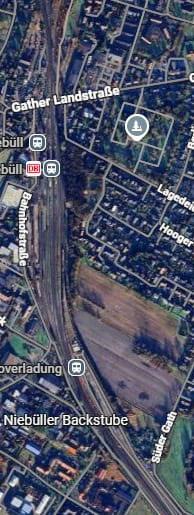
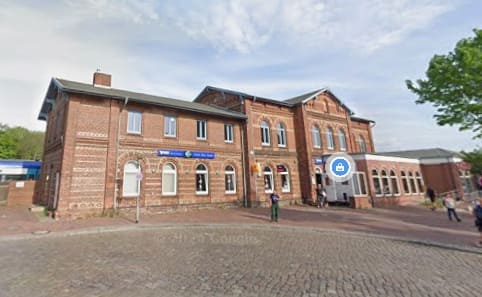
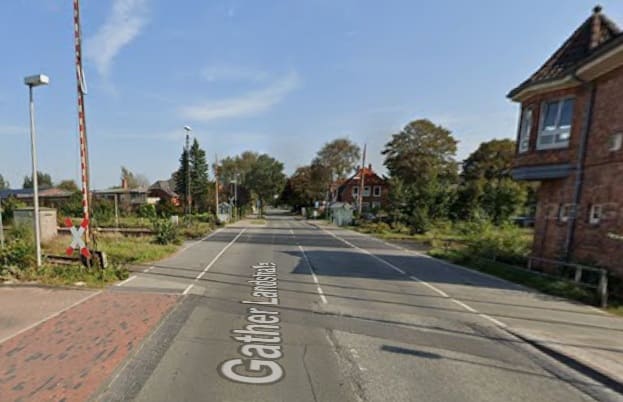

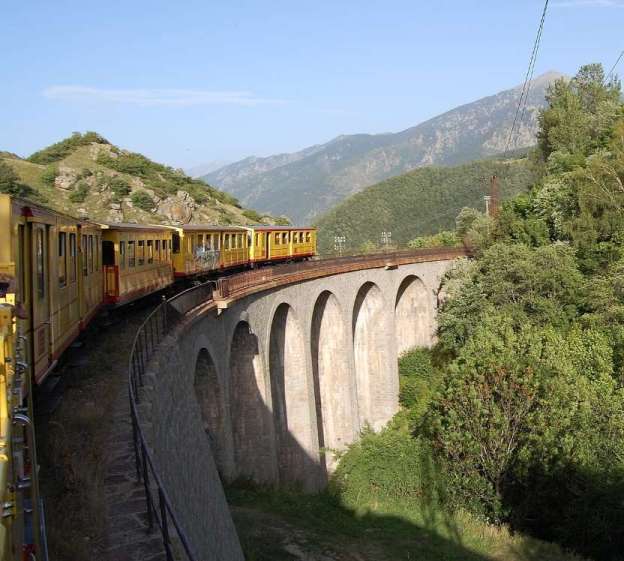
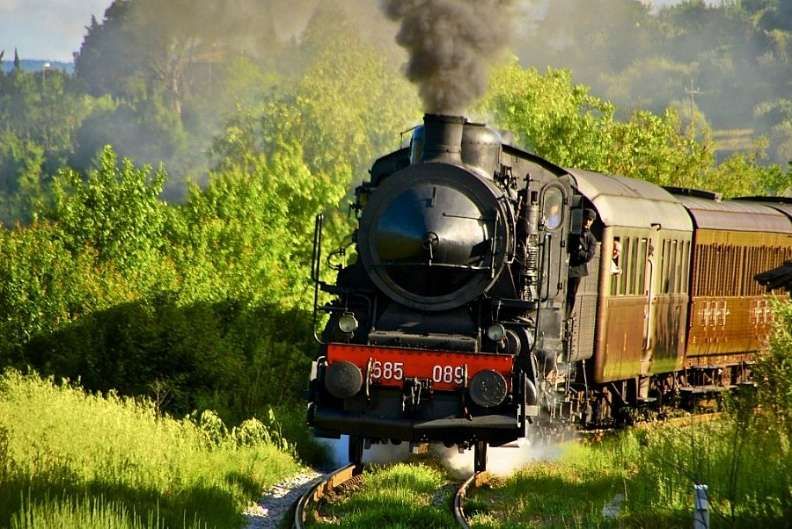
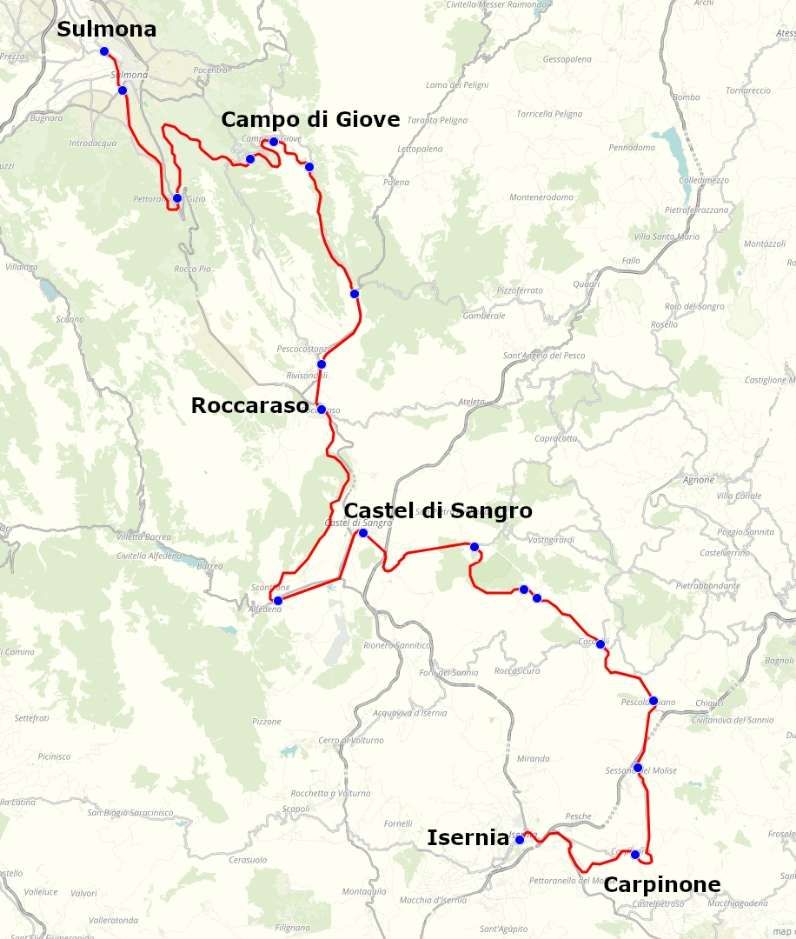
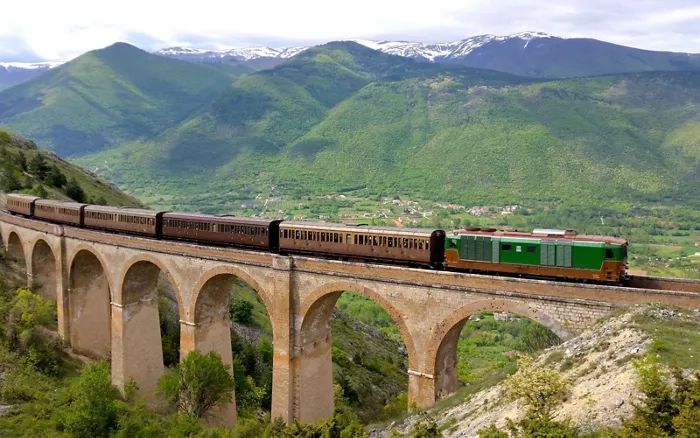
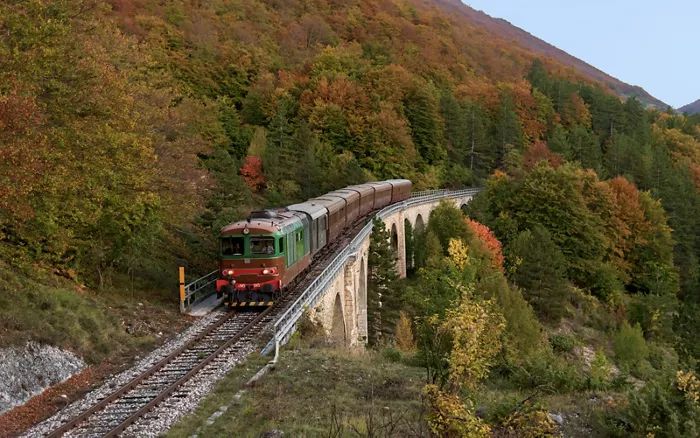
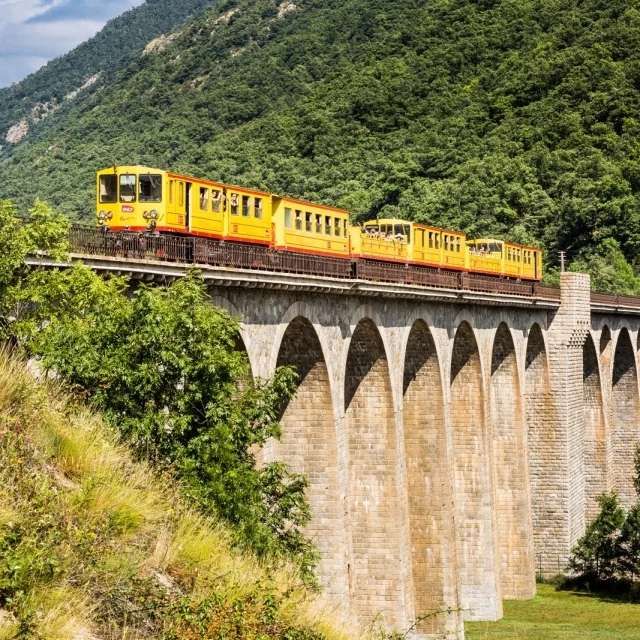
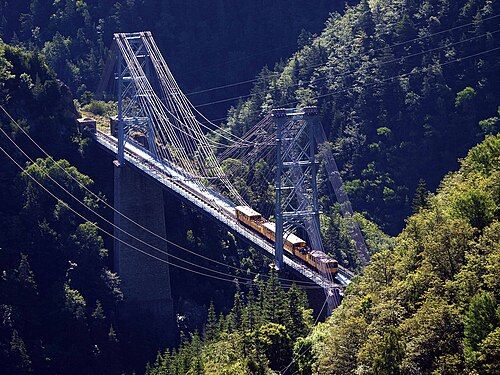
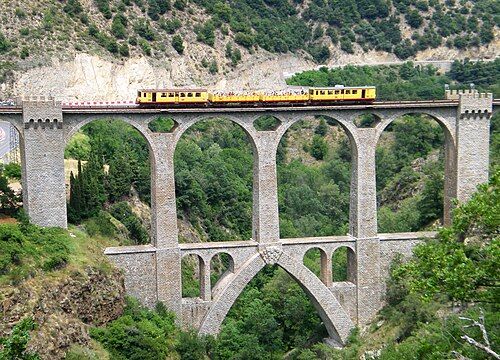
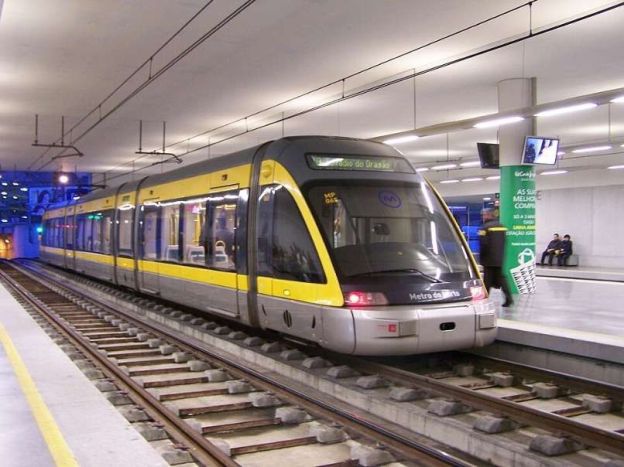
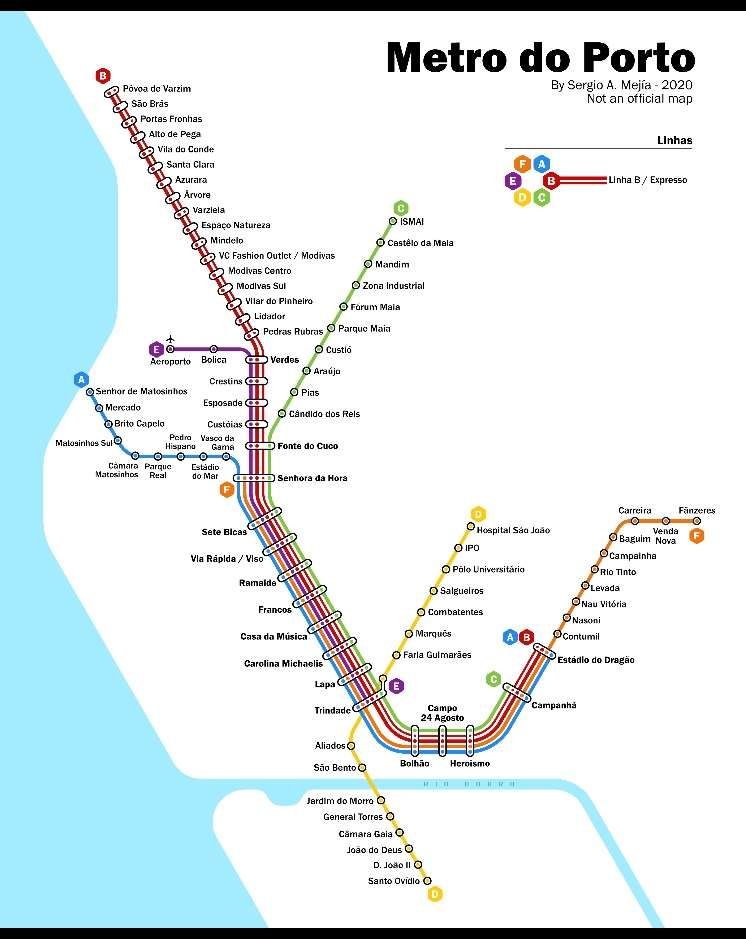
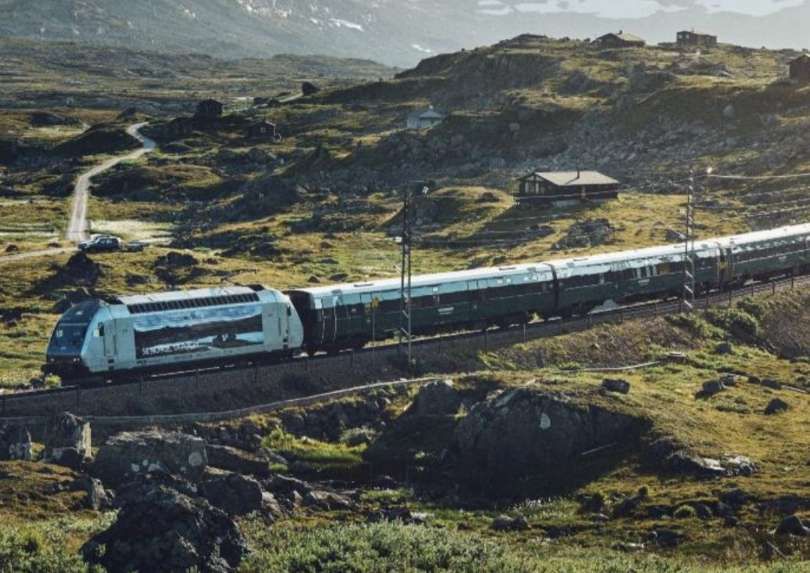
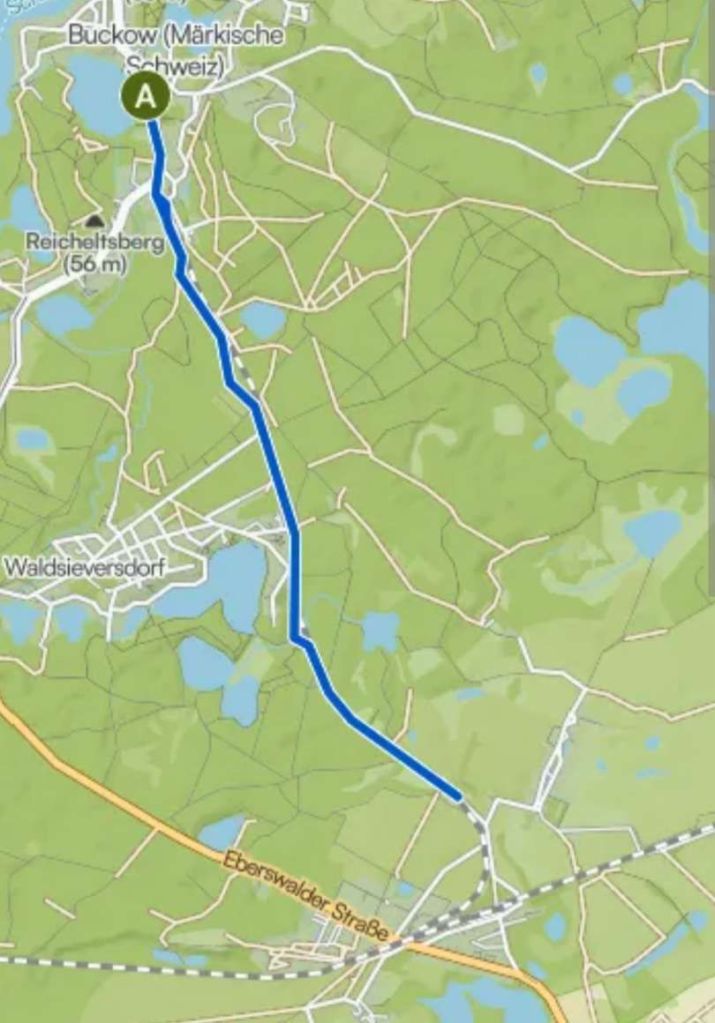
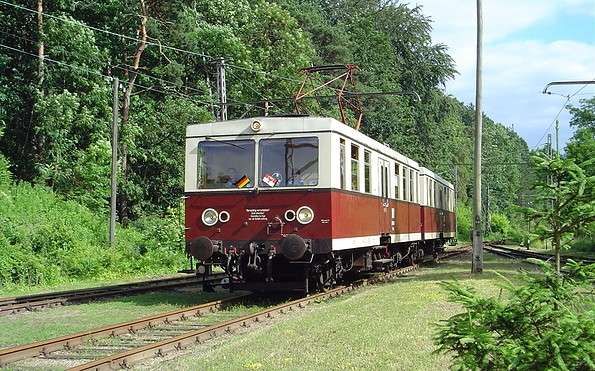
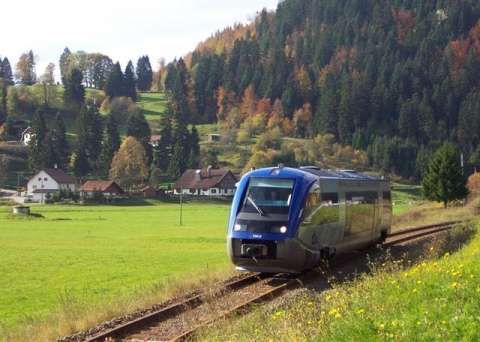
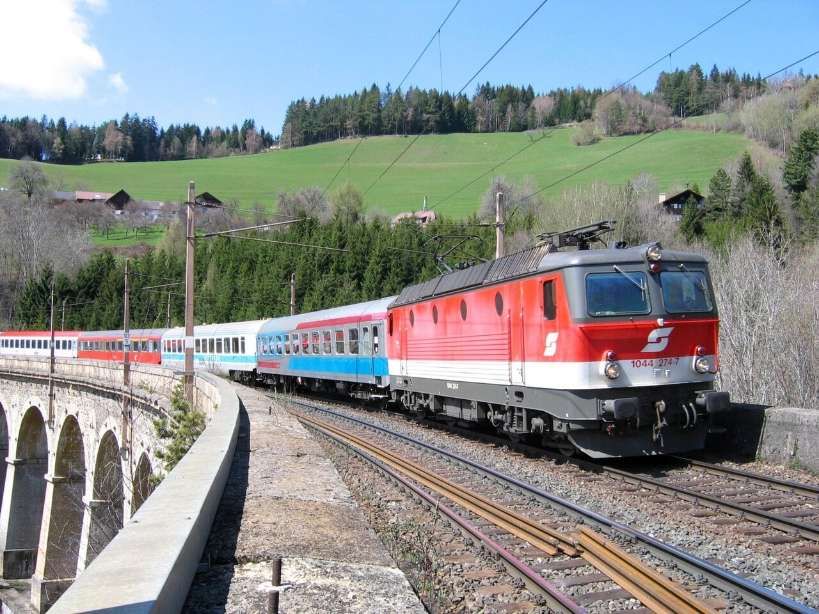
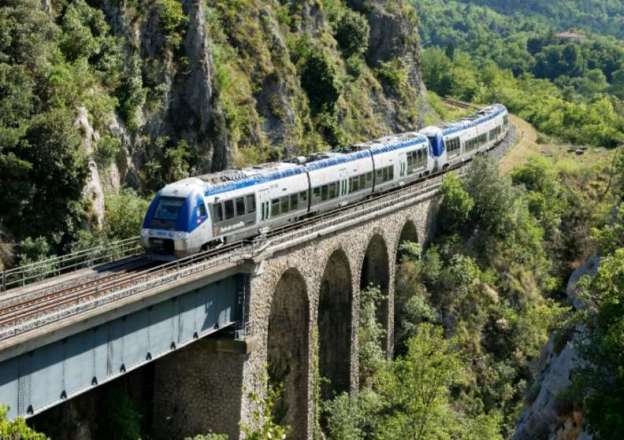
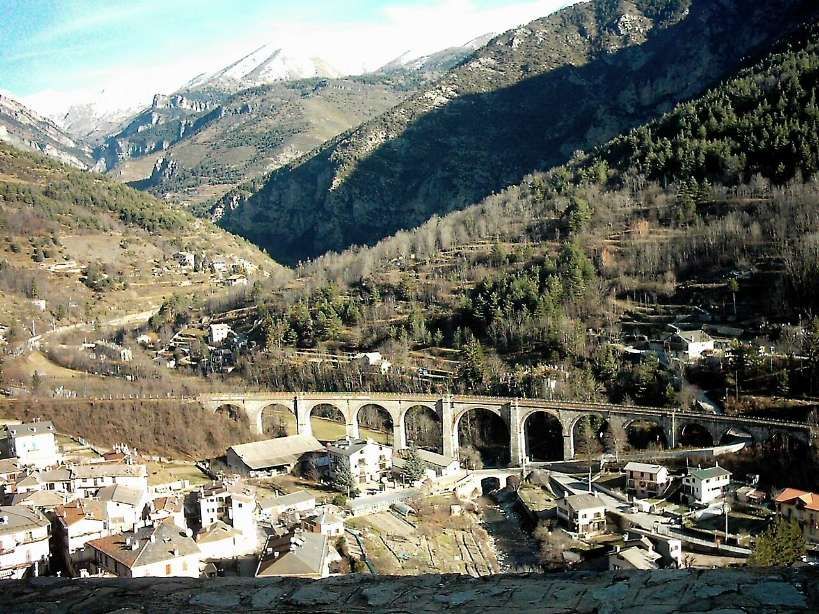
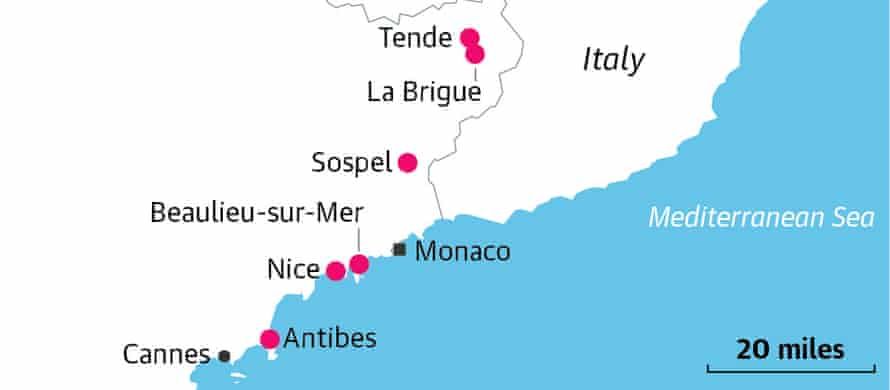
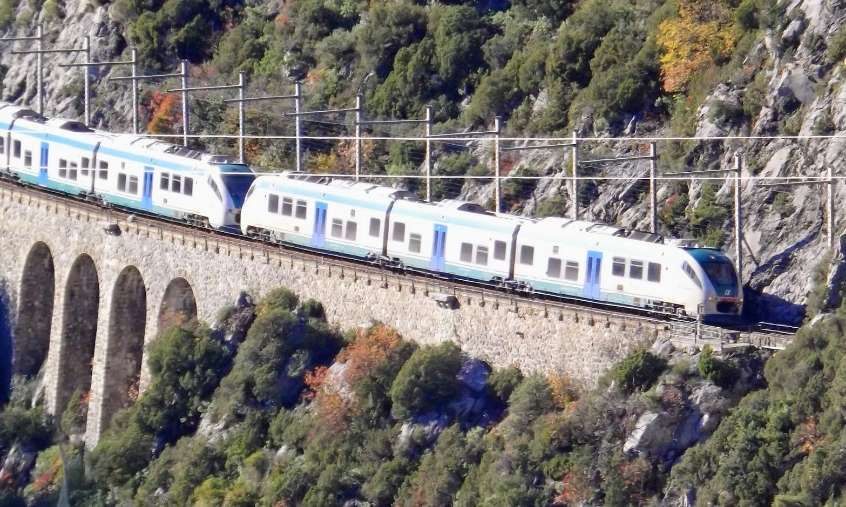
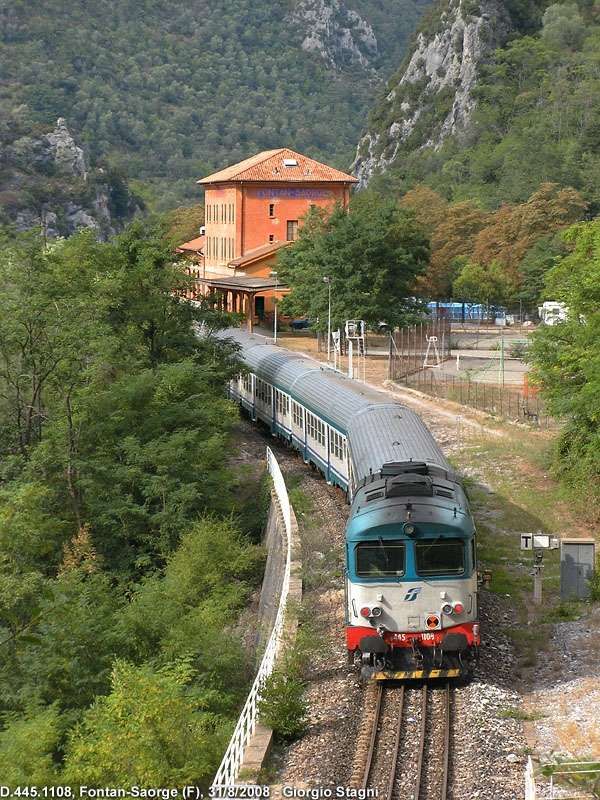
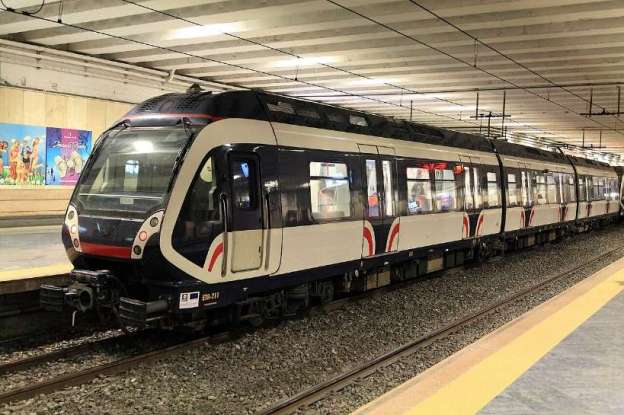
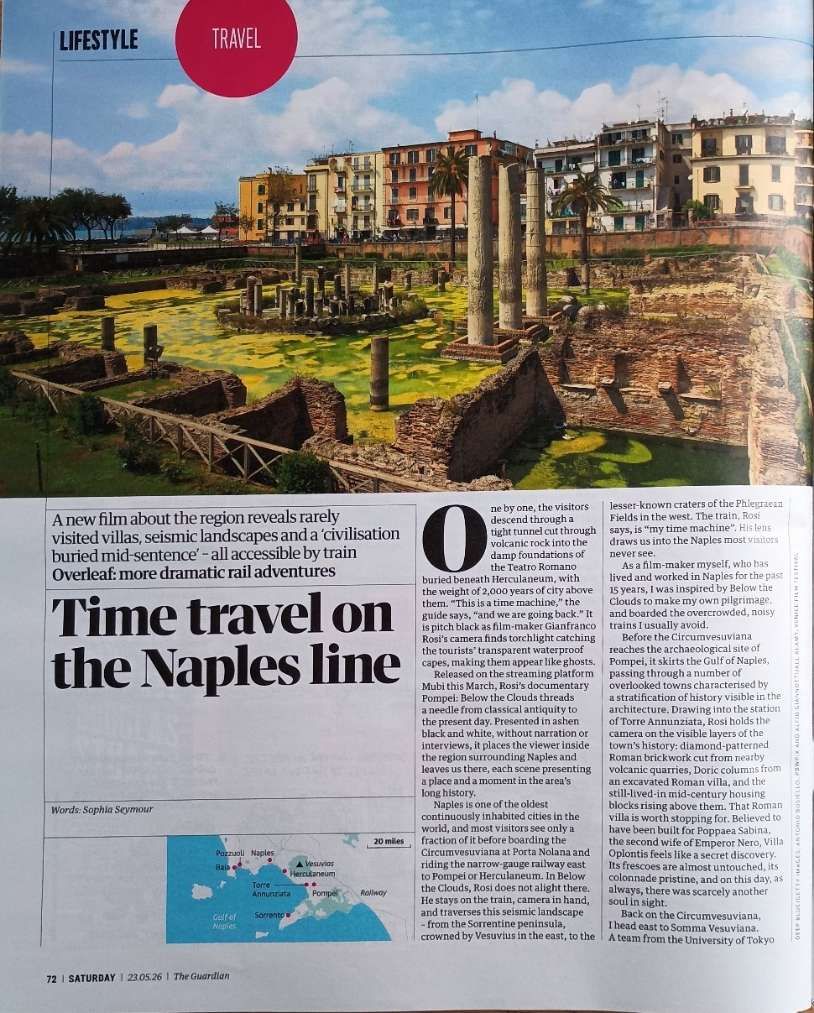
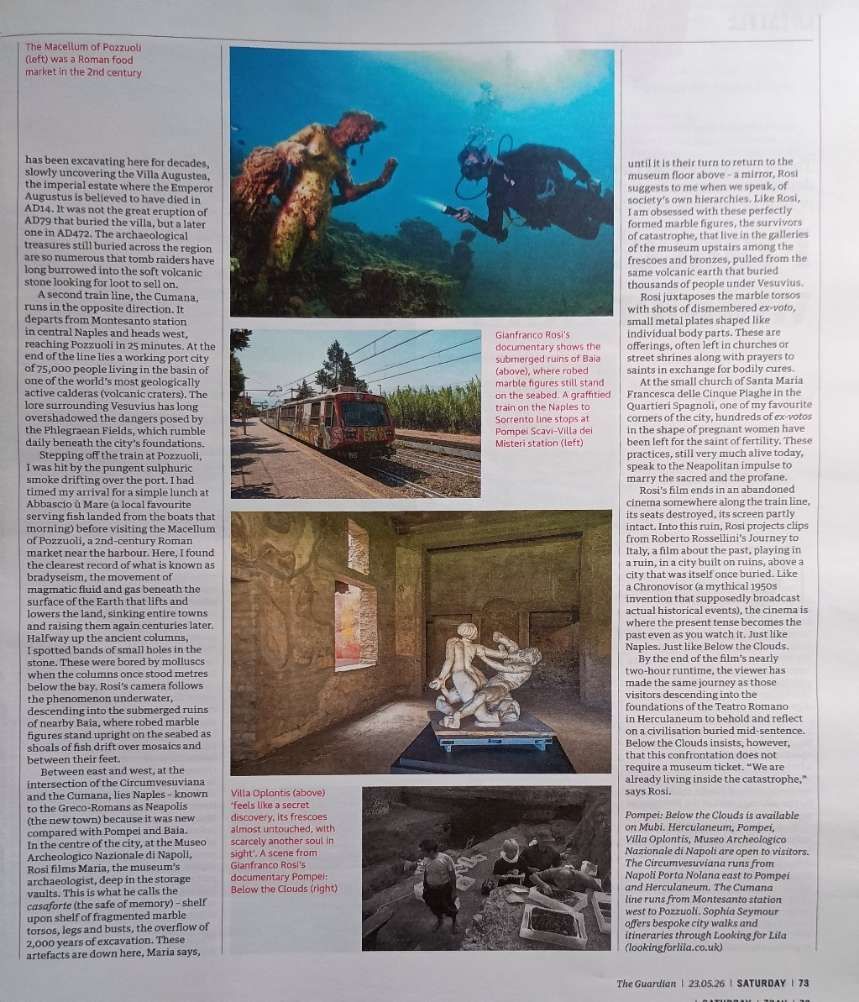
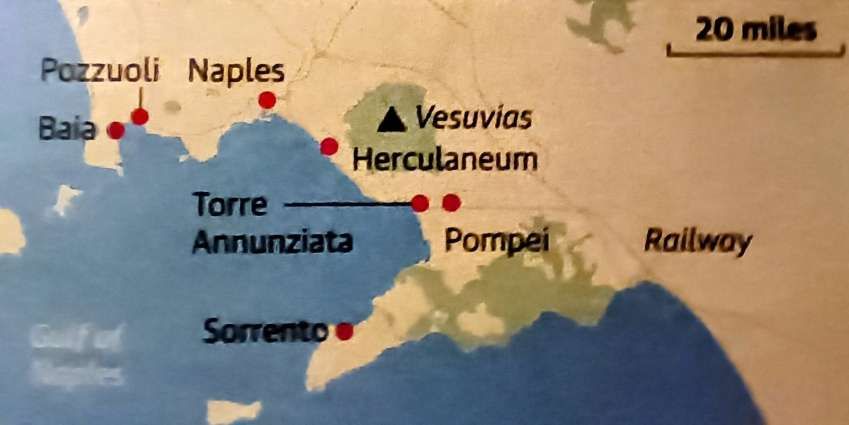
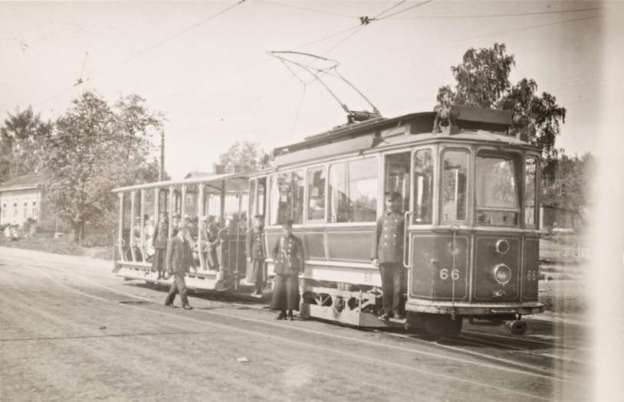
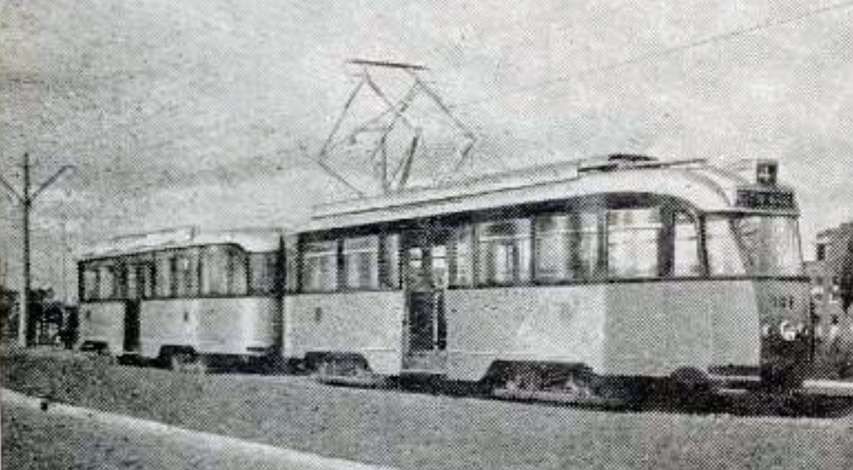


.jpg)


.jpg)


#/media/File:P1020943_Bahnhof_Husum_2019.jpg)


.jpg)
.jpg)
#/media/Dosiero%3AFontan-Saorge_staz_ferr_D.445.jpg)


.jpg)


