The featured image for this article shows a Bagnall saddle-tank engine and train of two 100-seat workmen’s cars in L.N.W.R. livery on the Wolverton and Stony Stratford Tramway.
Wolverton Works
The LNWR works at Wolverton. The tramway crosses this plan on Stratford Road. [13: p19]
An enlarged key to the plan above which details the use of each building on the LNWR Site. [13: p19]
“Mainly by reason of the growth of the London North Western Railway works at Wolverton in the late 1870s, and the establishment of McCorquodale’s printing works alongside in 1878, a scheme to link the old market town of Stony Stratford, on Watling Street, with the London & North Western Western Railway station at Wolverton by means of a light railway began to take tangible form in 1882.” [1: p547]
Wolverton Railway Works was established in Wolverton, Buckinghamshire, by the London and Birmingham Railway Company in 1838 at the midpoint of the 112-mile-long (180-kilometre) route from London to Birmingham. The line was developed by Robert Stephenson following the great success of the Liverpool and Manchester Railway line. [2]
“The Victorian era new towns of Wolverton and New Bradwell were built to house the workers and service the works. The older towns of Stony Stratford and Newport Pagnell grew substantially too, being joined to it by the Wolverton and Stony Stratford Tramway and the Wolverton to Newport Pagnell Line (a branch line), respectively. The trams were … hauled by steam locomotives: the tram cars were certainly the largest ever in the UK and possibly the world.” [2]
After a survey of all possible sites for the London and Birmingham Railway works, “Wolverton was chosen due to its co-location alongside the wharfing facilities of the Grand Union Canal, thereby also enabling the railway company to gain an easy agreement to build a viaduct over the canal company’s land at this point.”
“In 1837, Edward Bury of Bury Curtis & Kennedy of Liverpool was appointed Locomotive Superintendent of the London to Birmingham railway with his headquarters at Wolverton. However, as Wolverton was simply considered to be a repair shop for the engines his Liverpool firm supplied to run on the line, he left the running of the Works to his Shop Foreman.” [3]
It became necessary for expansion to take place to accommodate, service and repair the increasing amount of rolling stock owned by the Company. “A large engine shed was built, said to be cathedral sized, together with all supporting facilities which also enabled the Works” [3] to produce, locomotives in house.
J E McConnell was appointed Superintendent in 1847. He built his first locomotive in 1849. This was “the prototype of the ‘Bloomer’ class (the wheels and works being more exposed the engines became know as Bloomers after Mrs Amelia Bloomer who was trying to reform ladies dress). During his time at Wolverton he made many innovations such as train heating, failsafe braking, hollow axles, boilers, fireboxes etc. Early in 1851, the first Bloomer engines were running.” [3]
Bloomer was a name used to refer to three similar classes of 2-2-2 express passenger locomotives designed by James McConnell. “A total of seventy-four were built between 1851 and 1862. The classes were similar in design and layout but differed in dimensions.” [4]
A LNWR engine No. 602, a Small Bloomer Class Locomotive. The photograph was taken circa. 1868 at Rugby’s coke sheds. The Class was introduced in 1854, they were inside-cylinder inside-frame single-wheelers with 6′-6″ driving wheels. [4]
“In 1859, thirty four engines were transferred from Crewe to Wolverton which involved further expansion of the Works. Under McConnell the Works flourished but unfortunately for him Mr Richard Moon was appointed Chairman of the Company and there was a clash of personalities resulting in McConnell retiring. A year or two after his retirement the engineering works were transferred to Crewe. Before the transfer to Crewe, 165 engines had been built at Wolverton.” [3]
“Expansion of the Works again took place during 1864 when Wolverton became the Carriage Works for the LNWR and the manufacturing shops were converted to enable carriages to be built, painted and repaired. In 1869 two Royal Saloons for Queen Victoria were built at Wolverton. Sadly in 1872 the locomotive shop finally closed and Wolverton became exclusively a carriage works until in 1877 it was the largest in Britain.” [3]
It seems that the original railway main line through Wolverton crossed land which was needed for the expansion of Wolverton Works. Two previous stations had been situated in the original route of the main line. “The first station was built for the opening of the London and Birmingham Railway on 17th September 1838, on the embankment just north of the canal above Wolverton Park. It proved to be temporary as the railway company purchased an additional 13.5 acres to the south, where they built a larger, more permanent station in 1840, at the east end of Church Street.” [8]
To avoid passing through the Wolverton Carriage Works, a railway main line deviation to the east was opened in August, 1881. The present Wolverton Station was built on the new line.
This rather fuzzy extract from the 25″ Ordnance Survey of 1898, published in 1900 shows the extent of the Railway Works at that time. To the West of the Railway Works was the site of McCorquodale’s Printing Works which can just be made out at the left edge of this map extract. The Grand Junction Canal sits between the Works and the Railway Station. [9]
McCorquodale’s Printing Works
McCorquodale’s Printing Works were one of a series of such establishments. McCorquodales built premises in Wolverton in 1878. The firm specialised in registered envelope manufacture, but undertook many other government and security printing contracts. The “history of the company commenced in 1841. George McCorquodale opened a stationers shop in Liverpool which became the Liverpool Printing and Stationery Company Ltd. The company prospered and five years later George opened the first McCorquodale printing works at Newton-le-Willows in Lancashire, specialising in providing a service to the ever expanding railway network.” [5]
Further factories were opened in Glasgow and London in the 1870s. In Wolverton, men were employed in the railway works but their daughters remained unemployed. “Sir Richard Moon, Chairman of the London & North Western Railway had an idea for solving the problem and contacted his friend George McCorquodale and suggested that he build a printing works in the town. George thought it an admirable suggestion and in 1878 he opened his registered envelope factory – success was immediate. The works rapidly increased in size and diversified into printing books, forms and commercial stationery.” [5]
“By 1886, McCorquodales of Wolverton was known as one of the finest printing factories in the country and employed 120 women and 20 men. Most of the girls started work at the age 13 or 14 and were normally employed until they married. Girls were encouraged to remain in the factory as long as possible and a £10 wedding grant was given to those who had completed 10 years service. Until 1909 staff worked a 54 hour week starting at 6am with a half day on Saturday. The company were also quick to provide the best welfare and working facilities in the area, and the staff were provided with dining, reading and recreation rooms. A Good Samaritan Society was started and pension funds paid for holidays and service bonuses.” [5]
Lee tells us that in 1882 a special meeting of Stony Stratford ratepayers considered a proposal to apply to the Board of Trade for an Order to sanction a tramway between Wolverton and Stony Stratford. “The ratepayers approved, subject to the track nowhere exceeding 6 ft. in width. A company was formed, apparently by these local interests, and was incorporated on 4th November 1882, as the Wolverton & Stony Stratford Tramways Co. Ltd. The Chairman was Abraham Culverhouse, and the Secretary John George Ventris Field Johnson. The company failed to get under way, and was placed in voluntary liquidation on 3rd September 1883. One of its few corporate acts seems to have been the granting of consent, two days after it went into liquidation, to the registration of a new company with a similar (but not the same) name.” [1: p547]
“Meanwhile, a Tramways Order had been promoted by Frederick Charles Winby, a civil engineer and contractor, and this was granted on 16th July 1883. It authorised [a tramway] 2 miles 54 chains [in length], mainly of single line, 4 ft. gauge, from the new Wolverton Station (opened in August, 1881) to the northern end of High Street, Stony Stratford.” [1: p547]
Wolverton to Stony Stratford and beyond
From the new station the tramway ran South along the road built to bridge the diversion line and the Canal at the South end of the site of Wolverton Railway Station. This road had once been a footpath.
The fullest extent of the tramway. [1: p549]
The company promoted by Winby took the name, ‘The Wolverton & Stony Stratford & District Tramways Co. Ltd‘. It acquired all the rights and interests of Winby in the Tramways Order of 1883. Lee tells us that “It had an authorised capital of £20,000 in £1 shares, which was increased to £30,000 on 27th October 1883. The latter fact seems to have been forgotten, although it was duly registered and the requisite stamp duty paid. Indeed, the company had very little regard for the niceties of the Companies Acts, and actually varied its corporate name on the Memorandum and Articles of Association respectively. Thereafter, it could never remember the precise title shown on the certificate of registration, which is the one used above. Winby contracted to build the line, and to take part of the price in shares, but the whole arrangement fell through. The company was dormant until 1886, and only 34 shares were issued.” [1: p548]
C.H. Wikinson, a local contractor that promoted a number of schemes in the area (such as a link between Newport Pagnell and Olney), “entered into a contract with the company on 18th August 1886, to build the line for £13,325, and on 8th September 1886. agreed under an indenture to accept £2,000 in shares. The name of the company was changed on 5th October 1886, to the Wolverton, Stony Stratford & District Light Railways Co. Ltd., and its shares were offered for sale. They were taken up by a large number of local [people], and the work proceeded rapidly.” [1: p548]
Lee continues: “The line as authorised in 1883 received Board of Trade sanction on 20th May 1887, in respect of 2 miles 15 chains single line and 40 chains double. It was built to the 3 ft. 6 in. gauge instead of the 4 ft. originally authorised. Public passenger traffic was begun on 27th May 1887, between the Barley Mow Inn, Stony Stratford, and Wolverton Station, with tramway-type steam locomotives hauling very large covered-top double-deck tramcars. The ordinary fare was 2d., with a special cheap rate for workmen, whereas the horse bus that had previously served the route charged 6d.” [1: p548]
Allan Edwards says: Wolverton “grew rapidly to an austere and symmetrical pattern, its housing owned by the railway company and leased to its employees; it seemed almost to be a northern industrial town misplaced in the agricultural heart of England. Stony Stratford meanwhile declined, becoming largely a dormitory town for its now larger neighbour. … By 1880, hundreds of workmen were walking daily to Wolverton from Stony Stratford and the surrounding villages. An alternative form of transport was a horse bus from Stony Stratford but the fare for this was 6d (22p) for a single journey, a price beyond the wage of the workmen of the now London & North Western Railway Co., or the new McCorquodale’s printing works whose average wage was only 30 shillings per week (£1.50).” [13: p15]
The old bus service did not run to a timetable, only travelling when there were sufficient passengers. “Average bus receipts were between £2 and £3 a week, but the tramway takings rapidly became £45 a week, largely by reason of the use of the line made by employees at the Wolverton carriage Works and at McCorquodale’s. Weekly tickets were issued to them at 1 shilling and entitled them to 4 journeys a day.” [1: p548]
Wolverton was a railway town built to accommodate the workers. It has since expanded significantly. Much of the old Works site and the railway ‘village’ of terraced housing form a Conservation Area in the 21st century.
Allan Edwards describes the route of the tramway through Wolverton like this: Outside Wolverton Station goods yard there was a turning triangle on a steeply descending section of road and a link into the station goods yard. From this location, trams “climbed steeply on a right-hand curve to the road bridge over the 4-track railway line where tramway passengers could board outside the overline buildings of the LNWR station. The tramway then continued up and over the lines leading into the railway works. … With its track in the centre of the highway the tramway passed the railway workshops, the town of Wolverton being entirely on the left-hand side. Virtually continuous brick walls to the right sealed off first the LNWR works and then McCorquodale’s printing factory. It was nearly three quarters of a mile before the tramway line abruptly left the town behind, moving to the lefthand side of the road.” [13: p17]
McCorquodale’s Printing Works were beyond the western extent of Wolverton’s railway town. [12]The tramway continued West along Stratford Road. [12]The area today is much more developed! [14]Continuing West along Stratford Road following the route of the old tramway. The Tesco Superstore is behind the brick built buildings on the right of this image. [Google Streetview, September 2023]The old tramway continued along Stratford Road. [Google Streetview, September 2023]And again, further West on Stratford Road. [Google Streetview, September 2023]
The next three images continue to show Stratford Road running along the South side of the site of Wolverton Works. …
[Google Streetview, September 2023][Google Streetview, September 2023][Google Streetview, September 2023]
We are now beyond the West end of the Works site. The next three images show Stratford Road heading West towards a modern roundabout at Old Wolverton Road. …
[Google Streetview, September 2023][Google Streetview, September 2023][Google Streetview, September 2023]
Edwards says that, “The route was almost straight but a fierce hill faced engines travelling towards Wolverton at almost the halfway point of the route where the old road to Wolverton (the remaining buildings of the original hamlet somewhat west of the new industrial town having by this time received the suffix ‘Old’) diverged from the newer, more direct course that the tramway traversed.” [13: p17]
Old Wolverton Road meets Stratford Road at an acute angle. The tramway continued West along Stratford Road. [12]In the 21st century, Old Wolverton Road has been realigned to meet Stratford Road at a roundabout as part of a western bypass around Wolverton. [14]
The next three Google Streetview images take the route of the tramway across the modern roundabout at the junction between Stratford Road and Old Wolverton Road to the original junction between the two roads. …
[Google Streetview, September 2024][Google Streetview, September 2024]Wolverton Park is to the North of the junction in this Streetview image. [Google Streetview, September 2024]
Lee provides just one paragraph which relates to the route travelled. He tells us that “In its maximum form, the undertaking began at the cattle sidings, Wolverton Station, and ran as a single line in the middle of the road through Wolverton. It then kept to its own track for about a mile, on the south side of the road to a point half a mile before the Wolverton Road joins the main Holyhead Road. The line there crossed over the Wolverton Road to its own track on the north side, but transferred once more to the middle of the public road through Stony Stratford. It thus traversed Wolverton Road to the junction, and turned sharply to the right (north west) along the Holyhead Road, here called High Street, and later Watling Street. At Old Stratford, the Deanshanger extension turned even more sharply to the left from Watling Street, and ran on its own track on the left-hand (south-east) side of the road.” [1: p549]
As we have already seen, Edwards description gives a little more detail: “Shortly before entering Stony Stratford the line abruptly cut across to the opposite side of the road. More than one pioneer motorist was apparently taken unawares by the sudden appearance of a steam tram engine and its trailers across his bows!” [13: p17]
This photograph was taken a few hundred yards from Stony Stratford. Allen Edwards says that the line crossed the road just ahead of the camera. A sign was provided as a warning, but apparently the sudden movement of the tram across the road surprised many pioneer motorists. [13: p17]After the junction with Old Wolverton Road Descent to Wolverton Park, the tramway continued West-southwest on Stratford Road. [12]The road and tramway ran to the South side of Wolverton House. [12]And continued West-southwest towards Stony Stratford. [12]This extract from railmaponline.com’s satellite imagery covers much the same length of the Stratford Road as shown in the three OS map extracts immediately above. The A5 dual carriageway is clearly an addition to the landscape. As is the road immediately to its West. [14]Stratford Road facing Southwest with the modern A5 spanning the route of the old tramway. [Google Streetview, September 2024]To the West of the A5 Stratford Road crosses Queen Eleanor Street. [Google Streetview, September 2024]
This next smaller map extract brings the line to the edge of the Ordnance Survey map sheet and shows the beginning of the housing at the eastern edge of Stony Stratford. [12]
Edwards continues his description of the line: “Entering the town the line again took up position in the centre of the road. It had traversed just one mile from Wolverton. After a few hundred yards the road came to a T-junction with Watling Street outside The Forester’s Arms public house.” [13: p17]
This next extract is from the 1923 Ordnance Survey, published in 1925. It shows the tramway heading towards the road junction in Stony Stratford. The tramway depot features in the top left of the extract. [15]The tramway depot as shown on the 1898 25″ ordnance survey. At this time, an additional access from the depot to Wolverton Road ran along what, in the 21st century, is known as St. Mary’s Avenue. There was a loop behind the depot which turned South-southeast running through the depot building and down to Wolverton Road along St. Mary’s Avenue. [21]The old tramway runs Southwest towards the road junction in Stony Stratford. Railmaponline.com shows a loop at the location of the tramway depot, but not the detailed track layout in the depot. [14]Facing towards Stoney Stratford just a couple of hundred yards beyond Queen Eleanor Street. [Google Streetview, September 2024]Continuing down Wolverton Road towards the centre of Stony Stratford. [Google Streetview, September 2024]St. Mary’s Avenue was one of the access points to the Tram Depot. [Google Streetview, September 2024]The main access to the Tramway Depot. [Google Streetview, September 2024]The LNWR track plan of the tram depot at Stony Stratford. It comprised a large shed for holding the tramcars, and a smaller one for the engines and the repair facilities. As far as is known all the repairs were undertaken in situ, but there were few machine tools available. Also in the depot were coaling and watering arrangements for the engines. [17]Looking into the Tramway Depot site from the access road. After the tramway closed the building (behind the garage in the foreground, so not visible) was used as a bus depot [Google Streetview, June 2023]The current building on the site of the tramway depot. [Google Maps, January 2026]Continuing Southwest down Wolverton Road. [Google Streetview, September 2024]Approaching the Junction with High Street, Stony Stratford. The Forresters Arms is on the right. [Google Streetview, September 2024]A passing loop occupied the highway with the tramway turning to the Northwest. On this 1898 survey, the tramway is shown terminating just after the 90° turn onto the High Street in Stony Stratford. [15]This extract from the railmaponline.com satellite imagery includes the length of line in the extract above and extends a little to the West. St. Mary & St.Giles Church, which is just beyond the West side of the OS map extract above can be made out towards the left of this image. [14]
The view Northeast along Wolverton Road in Stony Stratford. The depot is behind the housing in the middle distance. To the left of the camera the tramway ran away to the Northwest. The Forresters Arms is on the left side of the photograph. This image was shared on the Stony Stratford Photos Facebook Group by Edward Corney on 20th November 2018. [22]
Edwards says that at the junction adjacent to the Forresters Arms, “The tramway turned right … to continue northwards beyond The Cock and The Bull hotels for another half mile to terminate outside The Barley Mow public house, the last building in the town.” [13: p17]
Looking Northwest along High Street, Stony Stratford. [Google Streetview, September 2024]The 25″ 1898 Ordnance Survey, published in 1900 does not show the tramway running Northwest along High Street, Stony Stratford. Which suggests that it was removed by the publication date in 1900. We know that the line was active until at least 4th September 1899. [15][1: p549]The line ran Northwest along High Street, Stony Stratford passing the Rising Sun public house and originally terminating at the Barley Mow Public House opposite the town’s Gas Works. [15]This extract from the railmaponline.com satellite imagery shows the length of the route of the old tramway from St. Mary & St. Giles Church (bottom-right) to the River Great Ouse (top-left). [14]The Barley Mow Public House was the terminus of the first length of the line and the point at which the extension to Deanshanger started. The length of Watling Street shown on this OS map extract is within the length of the line shown on the last extract from the railmaponline.com satellite imagery above. [15]St. Mary’s & St. Giles Church, High Street, Stony Stratford [Google Streetview, September 2024]Looking Northwest along High Street from just outside the church. [Google Streetview, September 2024]Further Northwest on High Street, looking towards the River Great Ouse. [Google Streetview, September 2024]Heading towards the River Great Ouse along the line of the old tramway. The Stony Stratford by-pass (Queen Eleanor Street) joins the road ahead of the camera. [Google Streetview, September 2023]
An extension, which opened fully in 1898, continued Northwest from the Barley Mow towards the River Ouse and the County border.
Lee tells us that from the outset, it had been intended to cater also for goods traffic: “this was not begun until March, 1888. A contract was made with the LNWR. to deliver its goods, which was stated to save the main-line railway £500 per annum. With an eye to goods traffic principally, Wilkinson promoted an extension from High Street, Stony Stratford, to Deanshanger, which was sanctioned by Order of 19th July 1887, authorising 2 miles 3 chains of 3 ft. 6 in. gauge. Deanshanger was the location of the Britannia Ironworks, the agricultural implement works of E. & H. Roberts, established in 1820.” [1: p548]
Allan Edwards tells us that, “Leaving The Barley Mow and taking its normal position in the middle of the road the extension travelled straight for almost three quarters of a mile over the embankment that carried the highway across the floodplain of the River Ouse. The river was the county border. Climbing very steeply into the Northamptonshire village of Old Stratford, the line then swung sharp left onto the Buckingham road. A separate depot and workshop for this section of line was established at this corner. … The line then ran parallel to the Buckingham arm of the Grand Junction canal to Deanshanger where it terminated on the village green outside The Fox & Hounds public house. This extension was sanctioned by the Board of Trade on 24th May 1888 and immediately came into public use.” [13: p18]
It seems that a section of 14 chains from the bottom of High Street, across the Great Ouse, to Old Stratford, was built quite quickly and opened later in 1887. “The major portion of the extension was complete at the time a visit to the undertaking was paid by the Civil & Mechanical Engineers Society on Saturday, 12th May 1888, and the party was given a run over the new line. Sanction of the Board of Trade was given on 24th May 1888, to 1 mile 56 chains single and 13 chains double of the Deanshanger extension, and this appears to have been brought into use for public passenger and goods traffic forthwith, extending from Old Stratford to The Green, Deanshanger, near the Fox & Hounds Inn. The intended extension to the Dukes Head Inn was never buiit. From Wolverton to Deanshanger, the through fare was 4d. This section seems to have remained Wilkinson’s property, and to have been leased to the company.” [1: p548]
The road bridge over the River Great Ouse can be seen in the bottom right of this next extract from the 1898 25″ Ordnance Survey. [15]Only a short distance further Northwest at the junction adjacent to the Swan Inn and Smithy in Old Stratford, the tramway extension turned left and soon found itself following the Buckingham Branch of the Grand Junction Canal. [15]This extract from the railmaponline.com satellite imagery covers the same length of the old line as the two extracts from the OS mapping immediately above. [14]The Tramway route crossed the River Great Ouse on the road bridge. [Google Streetview, September 2024]The Tramway turned left at the junction in Old Stratford onto what in the 21st century is called Deanshanger Road. [Google Streetview, September 2024]Heading South-southwest along Deanshanger Road, along what was the route of the extension to the tramway to Deanshanger. [Google Streetview, September 2024]The tramway continued South-southwest alongside the canal. [15]And again the tramway route followed the Buckingham Branch of the Grand Junction Canal. [15]The tramway continued South-southwest as the canal turned away towards the West. [15]This extract from the railmaponline.com satellite imagery covers the majority of the length of the line as shown on the three OS map extracts immediately above. [14]Deanshanger Road facing South. [Google Streetview, September 2024]A relatively tight curve appears to have taken the tramway onto the road to Deanshanger. However, the research that was done to prepare the railmaponline.com representation of the line suggests that the line left the highway and ran on its own formation for a few hundred yards. [18]This extract from the railmaponline.com satellite imagery takes the line as far as the OS map extract above. The route of the old line is shown in this image following the Buckingham Branch of the Grand Junction Canal. A modern public footpath/cycleway is shown taking a tighter curve. Could the alignment of the footpath/cycleway be that of the old tramway? [14]The modern Deanshanger Road joins the A422 as it heads South. The route of the old tramway is probably followed by the tarmac footpath to the left of the no entry sign. It follows the line of the old road. [Google Streetview, September 2024]The footpath shown on the right of this image matches the line of the old tramway. [Google Streetview, September 2024]If the footpath/cycleway is on the line of the old tramway, then the bridge over roundabout is on the line of the old tramway. [Google Streetview, July 2018] Running parallel to the canal but a distance to the South, the tramway/road headed towards Deanshanger. [18] Continuing to the West on the South side of Northfield’s farm and the Buckingham Branch of the Grand Junction Canal the edge of the Ordnance Survey map sheet is reached before the road entered Deanshanger. [18]This final extract from the Ordnance Survey mapping of the turn of the 20th century shows the settlement of Deanshanger with its Iron Works. The tramway terminated adjacent to the Fox & Hounds Inn, the intended extension to the Dukes Head Inn in the bottom-left of this map extract. [19]The remaining length of the tramway as shown on the railmaponline.com satellite imagery. [14]Heading West along the line of the old tramway on Stratford Road. [Google Streetview, May 2023]Further West on Stratford Road. [Google Streetview, May 2023]Approaching The Green, Deanshanger where the tramway terminated. [Google Streetview, May 2023] The line beyond the Fox & Hounds was not built. It was also intended to link the Iron Works to the tramway as shown here. This short link was also never built. Britannia Iron Works was owned by E.H. Roberts. The Iron Works was always satisfied with using the canal for exporting its finished products and could not be persuaded to use the tramway. [20]Krauss Engine and 50-seater tramcar at the Green, Deanshanger, in 1888. [1: p550]
Operation
Edwards tells us that “On Friday 17th May 1887 prior to the Whitsuntide holiday horses pulled the first tram from Wolverton station goods yard to Stony Stratford tram depot. On board were Charles Aveline (the Managing Director) and other officials of the tram company. For the return journey the horses were replaced by one of the two Krauss tram engines. Local school children were given free tickets.” [13: p17]
By 1st September 1887, Lee tells us, “the issued capital was no less than £20,000, which must be regarded as a gross over-capitalisation. Nevertheless, the nominal capital was increased on 21st June 1889, by £5,000, stated to be beyond £20,000, as the nominal increase of 1883 had been forgotten, and additional stamp duty was paid. A further change of name was also made at this period, and became effective on 26th July 1889, whereby the legal title became the ‘Wolverton, Stony Stratford & District Tramroads Co. Ltd.’ Shortly afterwards, the company declared itself insolvent, and went into voluntary liquidation on 4th September 1889. This was not acceptable to the creditors, and by Court Order of 26th October the winding up was made compulsory, and subject to the Court. The undertaking was placed in the hands of the official liquidator on 17th December, and the line was closed. Much of it was never reopened.” [1: p549]
The original portion, between Wolverton and Stony Stratford, was purchased by a syndicate of Bedford businessmen who reopened the Wolverton to Stony Stratford section in November 1891 and it was known as the ‘Wolverton, Stony Stratford District New Tramway’ and this was formally incorporated on 15th September 1893 with a capital of £5000 in £100 shares. The nominal capital was increased by £3000 (30 shares) at the end of January 1907. It ran until liquidation in 1919. The Deanshanger extension never re-opened. [16][1: p551]
Lee continues: “For many years the Stony Stratford terminus was at the Cock Hotel, but by 1910 the line was curtailed to a few yards in High Street, and in 1919 the terminus was at the Foresters Arms. After the first world war, the line was rapidly approaching derelict condition, and the company’s financial difficulties compelled it to go into liquidation on 17th July 1919; George Henry Margrave (then Secretary and Manager) was appointed liquidator. The local authorities refused to take over the line, and it seemed that the service would be finally abandoned, despite the fact that it had been conveying some 700 workmen daily, principally employees of the Wolverton Carriage Works and of the printing works of McCorquodale & Co. Ltd.” [1: p551]
Grace’s Guide continues: “In the early 1920s the line was taken over by the London and North Western Railway (LNWR) who purchased a new W. G. Bagnall tram locomotive. After the LNWR was merged into the London, Midland and Scottish Railway (LMS) the line was soon closed, in 1926.” [16]
After purchase by the LNWR, the tramway was completely re-laid with concrete placed beneath the rails to strengthen them. Lee tells us that “under LNWR management the staff consisted of three drivers, three conductors, one fitter, one bricklayer and two labourers.” [1: p551]
Under LNWR management prior to the ‘grouping’, the surviving rolling stock “comprised three small four-wheel locomotives, five bogie double-deck cars, and two 10-ton coke trucks. The passengers continued to be principally Stony Stratford men employed at the Railway Works or at McCorquodale’s in Wolverton. They then numbered about 600 daily, of whom some 550 were weekly season-ticket holders. Although the number of men employed at the works increased as time went on, the working loss to the L.N.W.R. increased also, on account of the competition of motorbuses which gave a quicker service. In 1926, no fewer than 12 of these vehicles plied between Wolverton and Stony Stratford, and the trams, with their speed limit of 8 m.p.h. were almost deserted. Schemes of electrification were considered by the railway company (by now the L.M.S.R.), but they all proved too costly, and the climax came with the General Strike of that year, when on 4th May the service was suspended, never to be resumed. Latterly, the services (which, according to the railway company’s timetable, were run “subject to the condition of roads and other circumstances permitting”) had comprised about 14 trips each way, with one or two additional on Saturdays. There were three cars in each direction on Sundays. The journey time was 15 minutes. The official abandonment was announced on 19th May 1926, and it was stated that the company had been losing £2,000 a year on the service. Latterly the total takings were only about £30 a week. [1: p553]
The LMS negotiated with Buckinghamshire County Council (BCC) which took over the track in 1927 with the Ministry of Transport’s consent. BCC immediately began lifting the track and reconstructing the road surface. Work began in June 1927, by November 1927 the length between Watling Street and Clarence Road in Stony Stratford was completed. The section between Clarence Road and McCorquodale’s Printing Works was addressed between October 1933 and June 1934.
Rolling Stock– Locomotives
Lee tells us that, “the original locomotives consisted of two German engines supplied by Krauss & Company of Munich to a standard design then used in many continental cities for steam tramways. Some accounts of the line have stated that three, and even four, engines were provided at first, but the Board of Trade Returns to 30th June 1887, show only two, and others (if any) were presumably on loan. They had outside cylinders 8 in. in diameter by 12 in. stroke, wheels 2 ft. 6 in. in diameter, and a 5 ft. wheelbase. The working pressure was 175 lb. per sq. in. and they were non-condensing. Stephenson valve gear was used.” [1: p553]
Edwards tells us that these Krauss locomotives, “with their distinctively European canopies and massive oil lights, soon earned the tramway the nickname ‘the little German‘.” [13: p17]
These Krauss locomotives were similar to tram locomotives sent to the Chiemseebahn in the same year, but smaller. They were rated at 40 hp and were governed to run no faster than 10 mph (16 km/h). Board of Trade regulations also required that the running gear had to be shrouded, steam exhaust had to be directed into condensers to avoid visible steam, smoke as well had to be invisible and had to be almost noiseless. [24]
This is one of the Krauss 0-4-0 metre-gauge tram locomotives built for the Chiemseebahn in the same year as those built for the Wolverton & Stony Stratford Tramway – this is Works No. 1813 of 1887. It is in excellent condition in the 21st century, operable and in frequent service. It is unique – in that this is the only example still working in regular commercial service on the line for which it was supplied. A diesel-powered replica now helps out. [25]
Sadly, unlike the locomotives sent to the Chiemseebahn, the Krauss locomotives supplied to the Wolverton & Stony Stratford Tramway “were found to be unable to handle the heavy passenger rolling stock, and two, more powerful, engines were supplied in 1887 by Thomas Green & Son of Leeds, designed to haul two large passenger cars fully loaded. These had 9 in. cylinders by 14 in. stroke, 2 ft. 6 in. wheels, and a 5 ft. wheelbase; the working pressure was 175 lb. These engines were of the tramway type with atmospheric condensers on the roof. The total loaded weight was 9-9.5 tons. A further locomotive was secured in 1900 from the Brush Electrical Engineering Co. Ltd., Falcon Works, Loughborough, which was generally similar to the Green engines, and had inside cylinders 7.5 in. in diameter by 12 in. stroke. This also worked at 175 lb. pressure and had an atmospheric condenser.” [1: p553]
Thomas Green commenced building tramway locomotives in 1882. [27] These locomotives were initially of the Wilkinson’s patent, built under licence. This design used a vertical boiler and a vertically mounted engine which drove one set of wheels through gears. The second pair of wheels was driven through coupling rods. The exhaust passed through a chamber in the firebox to provide reheat, which in principle would make the steam invisible. The speed governor was an “Allen” paddle type which acted on the reversing gear. [26]
Thirty-nine Wilkinson type trams were delivered before Green’s developed their own design using a horizontal boiler, inclined cylinders and Joy valve gear. These tram engines first appeared in August 1885. The machine quickly evolved such that Green’s tram engines became one of the market leaders. [26][27] It was Green’s own design of tram engine that was supplied to the Wolverton & Stony Stratford Tramway.
Lee continues: “After the acquisition of the line by the LNWR., a four-coupled saddle-tank engine was secured, in 1921, from W. G. Bagnall Limited of Stafford. Excepting that the motion was boxed in, this locomotive was of conventional railway design, without the tramway type casing over the upper works. Outside cylinders were 10 in. in diameter by 15 in. stroke the coupled wheels 2 ft. 9.25 in. in diameter, and the wheelbase 5 ft. The working pressure was only 150 lb. The saddle tank carried 300 gal. of water and the side bunkers had a capacity of 18 cu. ft. The total weight in working order was 16 tons. This engine was finished in standard LNWR. livery. As the standard chimney was found to be too short for the comfort of upper deck passengers, an ugly stove-pipe extension was added.” [1: p553]
The passenger rolling stock consisted of large double-deck covered-top tramway cars which were mounted on bogies; “there were at first five in all, built by the Midland Carriage & Wagon Company, then of Shrewsbury, and these lasted throughout the life of the undertaking. The three of the largest type each seated 100 and were 44 ft. long and 5 ft. 9 in. wide; they were intended for the workmen and were said to be the largest tramway vehicles in the country. ” [1: p554]
Edwards comments that the 44ft long 100-seat tramcars were the largest “to run in this country until the Swansea and Mumbles Railway built their gigantic electric cars many years later. The coaches had two inward-facing benches on the lower deck and a single continuous slatted bench on the upper deck where passengers faced outwards. The upper sides were open to the elements apart from waist-high decency boards above which were fitted canvas blinds.” [13: p18]
Edwards continues: “Capstan-operated brakes were fitted on each end platform, the locomotives also being equipped to operate the trailer braking by pull-rods and chains. The couplings of these cars were attached to the bogie centres. Originally the illumination was provided by oil lamps but acetylene lighting was later installed to be replaced again by conventional Pinsch gas lighting after the takeover of the line by the LNWR.” [13: p18]
Lees says that “Another car, upholstered, accommodated 80 passengers and was 38 ft. long and 6 ft. wide; and one [which] seated only 50 passengers, was 24 ft. 6 in. long, and 5 ft. 9 in. wide.” [1: p554]
Edwards mentions that the 80-seat tramcar had “neither decency boards or blinds on the upper deck as first built and, most unusually and inconveniently, internal landings to the staircases from the platforms. Decency boards and blinds were added later.” [13: p18]
The 50-seat tramcar “was the only one to be fitted with upholstered seating. One presumes that it was intended for use at times when the workmen would not be travelling. None of the tramcars carried external numbers and all of those mentioned were to last the lifetime of the undertaking.” [13: p18]
“A sixth car is shown in the Board of Trade Returns for the year ended 30th June 1888, and continued to feature until 1911. This was a small single-deck open-sided vehicle with curtains, seating 20 passengers, which does not appear to have been used after the closure of the line in 1889. For many years it remained in the depot at Stony Stratford.” [1: p554]
Other Rolling Stock – Goods
In its early years the undertaking had a number of parcel vans and small goods wagons, as well as 10-ton coal and coke trucks, 24 ft. long, also built by the Midland Carriage & Wagon Company. Eight goods trucks were shown in the return to the Board of Trade for 30th June 1888, at the time goods traffic was begun. It seems that goods traffic declined quite early in the history of the undertaking and all the parcel vans and most of the wagons were sold for scrap. Two of the wagons were of interest in having wheels with adjustable flanges so as to be capable of operating either on rail or road. The flanges were in sections and so arranged that they could be withdrawn inside the tread surface. When the train reached the Cock Hotel, they were, hauled off the line by horses to effect delivery at the door of the consignee. Two horses are shown in the company’s stock in 1888 and 1889. In its later years, the traffic was wholly passenger, apart from the carriage of mails.” [1: p554]
And finally
Grace’s Guide says that, “The line was unusual for a British street tramway being entirely worked by steam locomotives; indeed it was the last steam worked street tramway in the United Kingdom.” [16]
References
Charles E. Lee; The Wolverton and Stony Stratford Tramway; in The Railway Magazine, Volume 98 No. 616; Tothill Press, London, August 1952, p547-554.
There is a saying about leopards – I guess you know the one I mean … “Leopards never change their spots”. We use it to talk about someone who has been in prison, or someone who we have caught lying, or someone who has offended us. We can’t believe it when they seem to have changed. And we are convinced that their motives must be odd or that eventually their true base character will show through.
There are other similar phrases:
“Truth will out:” I guess this means that the truth will become known eventually, you can’t hide who you really are for ever. The phrase comes from Shakespeare’s The Merchant of Venice – Launcelot says:
“it is a wise father that knows his own child. Well, old man, I will tell you news of your son: give me your blessing: truth will come to light; murder cannot be hid long; a man’s son may, but at the length truth will out.”
The hidden things we have done and the parts of who we are that we want to hide will always eventually come to the surface and become known.
“Once a thief, always a thief:” … or Once a cheat, always a cheat. These suggest that once you have learned to behave in a particular way you will always revert to type!
I have heard the same formula used in a different way. … “Once a priest, always a priest,” and: “Once a bishop, always a bishop.” … I’ll leave you to decide whether those are positive or negative! … However, what they share is a conviction that a person who’s done a certain kind of job will always have the characteristics of people who do that job, even after he or she no longer does that kind of work.
Is this right? Are we defined by our past?
Hans Christian Anderson tells a very familiar story whose main point is that ugly ducklings can become beautiful swans. We know that ugly caterpillars can become amazing butterflies, tadpoles do become frogs and toads. Things do change.
In our Gospel reading today we hear the story of people being called by Jesus. He chooses them to follow him. James and John, Andrew and Simon Peter.
They encounter Jesus and in so doing are changed for ever.
We don’t know that much about Jesus disciples. We do know quite a bit about Peter. We know that, like James, John and Andrew, he was a fisherman. But we know more than that. What was Peter like?
… Hot-tempered, always making mistakes, a rough diamond, not someone to suffer fools gladly, someone who lived a hard life, a no-nonsense kind of guy. … Perhaps a typical country fisherman.
And then Peter meets Jesus. Something in this person, Jesus, changes Peter for ever. It doesn’t all happen in an instant, but it starts to happen as Peter listens to Jesus speak and when he sees Jesus’ miracles. He is changed as he follows Jesus.
“Peter, I have a job for you, follow me,” Jesus says. Peter I can see the potential in you, I can see who you will become. Peter I want you to be my fisherman now – only you’ll be catching not fish but men and women to be my followers.
And we know how the story ends – this ugly ducking of a man becomes a Swan – he becomes one of Jesus most faithful followers and eventual becomes the leader of the church.
In our Gospel, Jesus does not just call Peter – he calls Andrew, James and John to be his followers. And in just the same way he calls each of us to follow him. Rough diamonds that we are, self-deprecating or over confident, angry or depressed, rude and negative, fearful or fearless, strong or weak, trapped in difficult relationships. All of us called to be his followers, his ambassadors.
And you know, just like Peter, there is potential for change in each of us. Jesus can take me, he can take you, and he can transform us. We no longer need to feel that we are no good – just like Peter we can admit to God our weakness and our failings and then God takes us as we are and makes something special.
Please forgive all the mixed metaphors. … We no longer need to feel like the Ugly Ducking, for God in Jesus sees the Swan that we really are – and as we give ourselves to God – God draws out all the good that is in us. It really is a case for us that a leopard’s spots can change!
The featured image captures the Metropolitan Railway locomotive No. 23 during the London Underground centenary celebrations in 1963. The locomotive is an ‘A’ Class 4-4-0T condensing steam engine, built by Beyer Peacock in Manchester in 1866. It was designed specifically for use on the Metropolitan Railway’s Inner Circle line, where it was intended to limit smoke emissions in the tunnels. It was withdrawn from underground use in 1905 after the lines were electrified. Its appearance in 1963 at Neasden was a special event, marking 100 years of the London Underground. [93]
I received a few very welcome gifts for Christmas 2025. This article is the third in a short series:
Colin Judge; The Locomotives, Railway and History 1916-1919 of the National Filling Factory No. 14, Hereford; Industrial Railway Society, Melton Mowbray, Leicestershire, 2025. [1]
Anthony Burton; The Locomotive Pioneers: Early Steam Locomotive Development – 1801-1851; Pen and Sword, Barnsley, 2017. [2]
Christian Wolmar; The Subterranean Railway: How the London Underground was Built and How it Changed the City Forever (2nd extended Edition); Atlantic Books, 2020. This edition includes a chapter on Crossrail.
Neil Parkhouse; British Railway History in Colour Volume 6: Cheltenham and the Cotswold Lines; Lightmoor Press, Lydney, Gloucestershire, 2025.
3. The Subterranean Railway
Christian Wolmar’s book published by Atlantic is a 2nd extended edition of a book published in 2004, dating from 2020. The chapter about Crossrail is the last chapter of the book on pages p323-342. This article provides a potted history of the London Underground and a quick look at other similar systems around the world, which comes out of reading Wolmar’s excellent book.
“Since the Victorian era, London’s Underground has played a vital role in the daily life of generations of Londoners. ‘The Subterranean Railway’ celebrates the vision and determination of the 19th-century pioneers who made the world’s first, and still the largest, underground passenger railway: one of the most impressive engineering achievements in history. … From the early days of steam, via the Underground’s contribution to 20th-century industrial design and its role during two world wars, to the sleek and futuristic Crossrail line, Christian Wolmar reveals London’s hidden wonder and shows how the railway beneath the streets helped create the city we know today.” [3: back cover]
Simon Jenkins: “A total delight… Brings a much-neglected period of the city’s history splendidly to life.”
Tom Fort, Sunday Telegraph: “I can think of few better ways to while away those elastic periods awaiting the arrival of the next east-bound Circle Line train than by reading [this book].”
Christian Wolmar wrote his preface to the 2nd edition at a time when the London Underground was carrying fewer passengers than at any time since the Second World War. As a result of the Covid-19 pandemic the whole of Transport for London was a on life support. He was concerned enough about the state of the Underground to suggest that the future of the system was in doubt. Writing this article in 2025, his concerns seem to be a little dramatic. It is already quite difficult to remember just how disturbing life in the pandemic really was.
Wolmar comments: “While the crisis caused by the pandemic will eventually be overcome, the situation it will leave behind is mixed. On the positive side, there is much to cheer. Compared with when the first edition of this book was published more than a decade and a half ago, there have been substantial improvements, with new trains, refurbished stations and easier ticketing systems. Crossrail, now to be called the Elizabeth Line, provides the most significant improvement to London’s railway network in a generation, if not since 1906-7 when three Tube lines were opened within a year. The Elizabeth Line is rather misnamed since it is not like the existing Tube services, but rather it is a full-sized railway running under the centre of the capital, built to modern standards of safety and space. Air-conditioned, with platform doors and serving nine large below-the-surface stations in central and southeast London, it will relieve overcrowding on several Underground lines and will give many people far quicker access to the centre of the city than was hitherto possible, as it will obviate the need for many to access the Underground via a mainline station. Although Crossrail’s opening, now expected, though not confirmed, to be in 2021, has been delayed by three years and costs have gone up by at least £3bn to £18bn, Londoners will be amazed when the services start running. It is a genuine twenty-first century railway, quite unlike the dingy Tube lines, and will offer a standard of comfort that is far above that on any other local rail services in the capital.” [3: pxiii]
“Yet, hanging over the future of the London Underground is the concern about whether the peak numbers attained in the late 2010s will ever be reached again. There is no doubt that many people will have discovered the possibility of working at home, at least for part of the week, and therefore passenger numbers are bound to be depleted for some time to come. It goes further than that. The very nature of the central London economy is dependent on the hustle-bustle created by its cafés, restaurants, sandwich bars, cinemas and theatres. If a significant number stop going to work, offices will become empty, and the kind of inner-city decline seen the world over in the post-war car-oriented period will return. We have got so used to complaining about overcrowded trains and buses that we have forgotten that without these vast numbers using public transport, it no longer becomes viable. Therefore, if many of these passengers fail to return to use the system, not only will it reduce the likelihood of further investment and perhaps a return to the dog days of the post-war period described in this book, but also it may result in a much wider loss: the vibrancy and buzz of one of the world’s most successful cities. The London Underground is the beating heart of the capital and when it is ailing, so is London.” [3: pxiv]
On 24th November 2023, passenger numbers exceeded 4 million/day for the first time since the pandemic. [5] This was up 7.6 per cent on the equivalent day in 2022 (24th November 2022), when ridership was about 3.76m.
In 2023/24 daily rider numbers averaged around 3.23 million.
Before the pandemic (around 2019), the London Underground saw much higher usage, with daily ridership often hitting 5 million journeys.
Transport usage in London over the years. [6]
The graph above shows that passenger numbers have been gradually recovering from a very low ebb. The picture is considerably better than Wolmar feared.
Wolmar, in his introduction to the 2nd edition says: “Oddly, even many biographies of London pay little attention to the system hidden anything from thirty to 250 feet beneath its surface. Of course there are many books which concentrate on the engineering achievements of the railway and its haphazard construction. The spectacular feat of building a railway underneath a built-up area, a concept so brave and revolutionary that it took nearly forty years for any other country to imitate it, should not be underestimated. The people who devised and developed the concept were visionaries, ready to risk ridicule and bankruptcy to push forward their ideas. This book explains how they did it, but the achievements of the Underground go way beyond its mere construction. Its role in the development of London and its institutions is probably greater than that of any other invention apart, possibly, from the telephone. Without the Underground London would just not be, well, London. Oddly, that is recognized more often abroad where the famous roundel, the ‘logo’ of the system created long before that word was ever in common parlance, is the emblematic image of the English capital.” [3: p5]
Wolmar says that his book is an attempt “to do justice to the achievement of the Underground pioneers not only for having produced a transport system which, for a time, was unparalleled anywhere in the world, but also for having helped create and transform the city. It tells both their story and that of the system they made, and shows that their achievements go far beyond the realm of transport.” [3: p8]
Chapter 1 – Midwife to the Underground
As Wolmar tells the story, the Underground was a concept invented by Charles Pearson who was born in the late 18th century – October 1793, more than two decades before Napoleon met his Waterloo.
Pearson was the City of London solicitor who set out an idea in a pamphlet in 1845 – “a railway running down the Fleet valley to Farringdon that would be protected by a glass envelope. … The trains were to be drawn by atmospheric power so that smoke from steam engines would not cloud the glass. This, of course, was not the scheme that was eventually built, but Pearson’s concept was certainly the kernel of the idea that was to become the Metropolitan Railway two decades later along broadly the same route.” [3: p9]
It was Pearson who masterminded the financing of the Metropolitan which saved the scheme at the eleventh hour. It could also be argued that had he failed in his mission, the underground may never have been built as other transport solutions became available in following decades. However, Paris Metro (1900) and the New York underground (1904) learnt much from London’s experience.
Before the underground, London was growing too fast and its burgeoning traffic was throttling the life out of the economy. Various schemes sought to address the problem: horse drawn omnibuses; horse drawn trams. Both resulted in an even faster growth in the population. London was “a vortex, sucking in an ever greater proportion of the nation’s population. It was the most exciting city in the world and everyone wanted or needed to live there.” [3: p13] A failure of imagination by railway companies left the immediate areas outside the compact city limits with very few stations. No one appreciated the lucrative market that would develop if it was resourced effectively. The railways as a result had a much lesser effect on London than they did in the regions. [7]
Land values South of the Thames were lower than on the North side of the river and overground services developed alongside urban expansion to the South of the river in a way that just was not possible North of the river. The first of those lines, the London & Greenwich was built on 878 arches and its promoters sought to serve the local population rather than long distant destinations. “The line was soon carrying 1,500 people per day … on trains that ran every quarter of an hour throughout the day. … By the mid-1840s, … 5,500 people were being carried daily. … It was not until the invention at the end of the nineteenth century of tube railways,which ran deep into the London clay,that the underground system was to reach across the Thames.” [3: p15-16]
The popularity of the London & Greenwich Railway showed that railways could successfully be used for short journeys. Pearson’s vision transcended modes of transport, he sought to create affordable housing outside the city linked by affordable transport which would allow even lowly paid workers access to good housing and onto the city for work. Pearson was a campaigning social reformer but faced opposition in most areas where he sought to bring reform. It seems as though “his tenacity, perhaps prompted by these setbacks, brought the scheme for an underground railway to fruition.” [3: p19]
The Royal Commission on Metropolitan Railway Termini of 1846 ruled against the vast majority of proposals seeking to access the core of the City of London. Seventeen of the nineteen proposals were rejected, and only conditional assent to two schemes which were extensions South of the Thames. This commission’s decisions effectively created the need for the underground.
A map of London in 1836 overlaid with the area confirmed by the Royal Commission into which railways should be prevented from entering Map: J Henshall (engraver and printer). Outline: David Cane based on description contained Royal Commission’s report. This image is licenced for reuse under a Creative Commons licence (CC BY-SA 4.0). [27]
The next inquiry took place in 1854-1855. It again rejected the majority of railway schemes but recommended an ‘orbital’ railway connecting the various Termini, the Post Office and the docks, and foreshadowed the Metropolitan Railway.
Pearson’s plan for an underground railway required “bloody-minded persistence … to persuade investors to stump up the money, even though the scheme had been endorsed … by Parliament.” [3: p26]
Chapter 2 – The Underground Arrives
Wolmar takes some time to outline the nefarious practices of the Metropolitan Railway driving their line down the Fleet valley. The Company was not alone in these practices. Wealthy landowners fought either to keep the railway off their land or to maximise the compensation paid. Most people, particularly slum-dwellers, were unable to fight powerful companies. Railways probably picked the alignment of their lines so as to avoid those most able to fight them. They were required to report the numbers of those displaced. The official figure for those displaced on the length from Paddington to Farringdon Street was 307. A contemporary source (Wolmar cites George Godwin) [8] claimed that the actual numbers for the length from King’s Cross to Farringdon Street were 1000 houses demolished with approximately 12,000 people displaced.
However, by 1857, the Metropolitan Railway was struggling to draw together enough finance for the scheme and were closed to winding up the business. Instead, in 1858, they decided to spend £1000 in a final attempt to attract investors. Pearson (not a director of the Company) came to the rescue, persuading the City of London Corporation to invest in the project. It was the congestion on the streets that ultimately convinced the Corporation that the project was necessary. Construction began in 1860 [3: p33]
Despite some significant obstacles to be overcome the line opened officially on 9th January 1863. The first length of the Metropolitan Railway, the world’s first underground railway, was 3¾ miles (6 km) long, running between Paddington (Bishop’s Road) and Farringdon Street.
The first length of the Metropolitan Railway ran between Paddington Railway Station and Farringdon Street. [12]
Apart from various difficulties during construction, Wolmar tells that “the most intractable problem … was for the Underground’s engineers to devise a way of operating trains that did not choke their passengers. As one account puts it, ‘Pearson’s main problem was finding an engine suitable for use underground. The users’ problem was managing to breathe’. [9: p132] In fact it was more Fowler’s problem than Pearson’s and, canny engineer though he was, not all his ideas were sensible. He had originally envisaged that trains should be blown through an airtight container using giant compressors at each terminal but … the problem with such ‘atmospheric railways’ was the difficulty of keeping a tight seal.” [3: p39]
Smoke pollution and steam emissions were a very significant problem. A hybrid system was designedby Robert Stephenson “at Fowler’s behest – known as Fowler’s Ghost – which used bricks as heat storage when in tunnels and operated normally outside, proved to be too unreliable, and was rejected after trials.” [3: p40] Daniel Gooch was then asked to design an engine that would divert steam into a cold water condensing tank. This engine used coke rather than coal to minimise smoke emissions. Coke was, however, proven to be more toxic than coal andthe Metropolitan later reverted to coal. [3: p40]
Pearson died in September 1862, still refusing to accept any reward for his work beyond his salary from the Corporation! His widow, however, was granted an annuity of £250/year despite Pearson not being a Company employee.
Chapter 3 – London Goes Underground
Wolmar tells us that the Metropolitan Railway was very popular. On the first day of timetabled services, 10th January 1863, 30,000 people travelled on the line! The takings that day amounted to £850.
Problems with smoke and steam persisted and complaints increased. The Company installed ventilation shafts between King’s Cross and Edgware Road in the early 1870s. Wolmar comments that these acted like “boreholes whose sudden emission of smoke and steam frequently startled passing horses.” [3: p47] Whatever was tried to alleviate the problem, it remained an issue until electric trains replaced steam in the first decade of the 20th century.
Rather than continuing to employ standard steam locomotives, the Company “ordered eighteen tank locomotives from … Beyer, Peacock. … The key feature was the condensing equipment which prevented most of the steam from escaping in the tunnels although partly this depended on the diligence of the driver who needed to refill the water as often as possible in order to keep it cool. … They were beautiful little engines, painted green and distinguished particularly by their enormous external cylinders. The design proved so successful that eventually 120 were built, providing the basis of traction on the Metropolitan and all the other early ‘cut and cover’ Underground lines until the advent of electrification.” [3: p48]
Instead of steam exhausting up the chimney, it was redirected along pipes back into side tanks where it condensed, for re-use. Although not massively successful, it was an active attempt to address tunnel conditions. [13]
Metropolitan Railway ‘A’ class 4-4-0T locomotive No. 27. These locomotives were first turned out in green. Their later livery was maroon in colour. [14]
Wolmar comments that despite all the problems, “Londoners seemed to have been prepared to venture down to use the line. Indeed, the bad publicity before the opening may even have contributed towards the Metropolitan’s success by lowering expectations so that travellers were then surprised to find it was not quite as bad as they had been led to expect. By the standards of Victorian railway building the Metropolitan was highly successful, even in financial terms. In the first full year of operation, 11.8 million people used the line, more than four times the population of the capital – a daily average, including Sundays, of 32,300, which was a remarkable achievement given the limited route it served. … The peak day in the first year for the Metropolitan was Saturday, 7th March, when Princess Alexandra of Denmark arrived in London for her marriage to the Prince of Wales: 60,000 people, double the usual number, travelled on the line.” [3: p50]
In May 1864 the Metropolitan Railway’s gross receipts were £720/mile/week. The comparative figure for the London, Chatham & Dover, which was the next best performing line, was £80. Profits in the first year were £102,000 and a dividend of 6.25% was paid to shareholders. In its first 44 years the Metropolitan Railway “did not experience a single railway accident resulting in the death of a passenger, which is extraordinary given the intensity of service, the use of steam engines and high passenger numbers. Indeed, according to the definitive history of London’s transport, ‘during the whole period of steam operation, there was no fatal accident to any passenger in these cuttings and tunnels’ [15: p118] caused by a train collision or derailment. The first serious accident on the underground system involved a head-on collision near Earls Court in August 1885 between a District train and a Great Western service, which killed the two crew of the Great Western train.” [3: p54]
The Metropolitan was not just a local passenger line. The GWR ran through passenger trains via Paddington and the Great Northern via King’s Cross to and from Farringdon Street Station. The Metropolitan Railway was also used for freight. In fact, “freight was carried until well after World War Two.” [3: p62]
Wolmar goes on to identify the development of the underground network:
The Metropolitan Railway’s own expansion plans took time to realise (a quarter of a century), but various connections and lines were added to allow the major railway companies in the capital to make use of the line. The short line became even more profitable!
Its success resulted in what Wolmar says were 259 different projects for creating 300 miles of railway. Wolmar says that “if all the lines had been built, four new bridges would have been needed across the Thames and only a quarter of the existing city would have been left standing.” [3: p62]
It seems that the City could not contemplate a free-for-all. It set new parameters for railway schemes in the capital and referred around 20 schemes to a joint committee of both Houses of Parliament. That committee rejected all but four of the lines affecting the Metropolitan. Three were for sections of what would become the inner Circle and one which would allow the company to expand out from Baker Street to the Northwest. [3: p63]
The Metropolitan expanded first by widening (adding tracks) to accommodate heavy traffic loads which were added to by the completion of St. Pancras and its connection to the Metropolitan. It then extended into the City via Aldergate Street to Moorgate (1865). The London, Chatham & Dover Railway crossed the Thames in 1864 and joined the Metropolitan at an extended Farringdon Street Station in 1866. [3: p64]
By 1871 when a connection was made between Snow Hill Junction and Smithfield, there were half a dozen main line railways connected to the Metropolitan Railway and it provided the only North-South cross-London rail route.
While passenger services began to decline in the early years of the 20th century with the advent of more direct bus services, goods trains remained heavy users of the line. “The vital link through the Snow Hill Tunnel fell into disuse in the 1960s but was reopened in 1988 … and is used by heavily loaded Thameslink trains.” [3: p66]
The Metropolitan’s first extension left Baker Street and ran as far as Swiss Cottage in April 1868. This insignificant line became “the start of a major extension of the Metropolitan that would stimulate growth of a whole quadrant of London.” [3: p67]
The Metropolitan began to spread its tentacles, but first London was to get its Circle line. “The line would be controlled by two rival companies, led by railway pioneers who hated each other: James Starts Forbes and Edward Watkins.” [3: p70]
Chapter 4 – The Line to Nowhere
Wolmar says that before completion of the Circle line, the Metropolitan was little more than a tunnel under London. “The Circle changed that. London would, thereafter, have a genuine underground railway with many journeys both starting and ending beneath the streets.” [3: p71]
In 1863, a House of Lords Committee determined “that a connection between the main line termini would best be achieved by extending the Metropolitan eastwards from Moorgate and westwards from Paddington, eventually meeting the Thames.” [3: p72]
A second committee, a joint committee of the Lords and Commons, examined proposals submitted by Sir John Fowler and a series of other schemes and decided in favour of Fowler’s proposals. Three bills were quickly drawn up and we’re on the statute books in July.
Work between Paddington and South Kensington began immediately and by 1868 the line to South Kensington was open. The planned connection to the District line was under construction from Kensington to Westminster. It took 3 years to build and because of the constraints placed on it cost £3 million.
Construction of the Underground was used as a catalyst for reshaping large swathes of London. Reading Wolmar’s description of these changes suggests that it was an excellent excuse for the redevelopment of different areas. [3: p73-85]
Work on the Embankment started in 1869 which was meant to include a stretch of the District line. The District line wanted time to recover from the excessive costs associated with construction between Kensington and Westminster. The Metropolitan Board of Works pressed for the railway to continue construction. It took until 1870 for the District to obtain powers to raise the necessary £1.5 million. But by May 1870, the line was open through to Blackfriars. [3: p75]
Wolmar says that, six weeks after the extension to Blackfriars, the Embankment was opened but “the East and West Ends were very different worlds and it would be another fifteen years before the underground linked them as well.” [3: p76]
Once the line reached Mansion House (July 1871, [16]), services on the District Line ran all the way round to the Metropolitan’s new terminus at Moorgate. Both companies had over-extended themselves. The obvious way forward was for the two companies to merge. However, each company had appointed an individual to lead them out of financial difficulty. The two individuals concerned, J.S. Forbes and E. Watkins, had a shared history that meant cooperation would be extremely unlikely! [3: p76]
Wolmar comments: “Forbes and Watkin were very different characters who had headed rival railways. James Staats Forbes had worked for Brunel on the construction of the Great Western and had gone on to save the London, Chatham & Dover Railway – which had been on a path of almost suicidal expansion and cut-throat competition with the South Eastern – from bankruptcy. He started there as general manager in 1862, taking the railway out of receivership and then going on to stay nearly four decades, the last twenty-five years as chairman and described as a past master in the art of bunkum’, [17] and was, on the surface, an easygoing and cultured character who built up an extensive art collection with the money he made from the railways. He also had a steely backbone that was to help fuel the thirty-year feud with Watkin, who had an even more aggressive and domineering personality. The District’s directors were so desperate to obtain Forbes’s services that they reduced their own allowance by £1,250 in order to pay him a salary of £2,500 without imposing a further financial burden on the shareholders. Forbes became the managing director of the District in 1870 and chairman when he ousted the Earl of Devon a couple of years later. ” [3: p76-77]
Wolmar describes Forbes as a company doctor resolving a legacy of unrealistic expansion. He describes Watkins as a great visionary, ever espousing grand plans. He had access to family wealth and associates who could help promote his railway ambitions. He was a campaigner, seeking the provision of public parks, and pushing for workers to have Saturday afternoons off. He was an MP for a while. Wolmar tells us that, “At one time or another during his long career he was a director of most of the major main line railway companies in England, and he was involved in many railway projects abroad, notably in Greece, and in Canada where his efforts to save the Grand Trunk Railway ensured that the country eventually obtained a transcontinental line.” [3: p77]
Wolmar cites a few sources that described Watkins and which build up a picture of someone who, “was a difficult man to work with. Although he was, at times, extremely affable, he was ruthless and enjoyed nothing more than a good fight, including public disputes with the directors of companies he chaired. His belligerence resulted in a battle with Forbes that lasted for over three decades, but fortunately for Londoners, most of the conflict between the pair was fought out in the Kent countryside. Even today, the pattern of the railway network and the existence of two stations in many modest-sized towns such as Maidstone, Sevenoaks and Margate, serving different London termini, is a reflection of the long battle between the two railways when they were led, respectively, by Forbes and Watkin. Watkin was secretive and abrasive in negotiations, while Forbes, possibly disingenuously, presented himself as more amenable. Forbes refused to bow to pressure from his rival and set out to expand to survive. The ruinous competition, which was to the detriment of both passengers and shareholders of the two railways, only ended when Waking retired in 1894; within five years the two companies had effectively merged.” [3: p78]
Although not as wasteful as in the Kent countryside, Forbes and Watkin’s animosity cost their respective companies dear. The Metropolitan’s expansion eastward came to a halt after connecting with Liverpool Street Railway Station, Bishopsgate and Aldgate in 1876. Cut and cover construction was just too expensive to contemplate further expansion.
James Forbes expanded south-westward, connecting the towns of Ealing, Richmond and Wimbledon to Westminster by 1879. As much of the land was not heavily developed, it was significantly cheaper to build above ground out west than to go underground in central London. The expansion was popular, and facilitated London’s growth to encompass many once separate towns and villages. [17]
Meanwhile, Edward Watkin was creating new branches of his railway, going west and north. His intention was to link his underground section in London to the other railways he owned in the North of England. It was a project which ran out of funds, and ground to a halt 50 miles outside of the capital. [18]
He intended his scheme to be considerably more grand than Eiffel’s scheme in Paris. He planned an hotel, a theatre and restaurants. Eiffel was asked to design the landmark, but declined.
But we have digressed from the time line of the creation of the Underground and slipped away from Wolmar’s story. …
Wolmar tells us that, “The need for the completion of the Circle was apparent from the high usage of the sections that were already built. By 1875, the Metropolitan was carrying 48 million passengers per year, and the District, though continuing to struggle, managed to carry around half that number, still a substantial achievement. Three quarters of these passengers used third class, suggesting they were manual workers and low-paid clerks attracted by the low fares, but interestingly, as it expanded, the Underground managed to attract a substantial body of first-class passengers.” [3: p82]
Interestingly, “rather than the Underground eating into the traffic of its main rival, the horse drawn omnibus, usage of both … increased after the creation of the Metropolitan. The number of omnibus users rose from 40 million in the year of the Metropolitan’s opening to nearly 50 million in 1875.” [3: p83]
There was an early recognition in some locations in London of the need for an integrated transport system. “In some cases, the Underground companies had to subsidize … feeder services in order to boost passenger numbers on their trains. When the District first opened, there was no public transport between Regent Street and Church Lane (now High Street) Kensington, or anything along Park Lane or Palace Road. … In this affluent area of Central and West London people could afford their own carriages. … The District had to guarantee the revenue for the first omnibuses between Victoria and Paddington along Park Lane. Similarly, the Metropolitan paid for services from Piccadilly along Regent Street to what is now Great Portland Street station.” [3: p83]
‘Fun London Tours‘ comment: “with Watkin and Forbes going every which way but round, by the 1880s the government was getting frustrated with the lack of a Circle Line, so a third, separate company was formed to fill in the gaps between the Metropolitan and District Railways. Watkin wasn’t happy with this at all, bought it out and decided to finish the job himself.” [20] This somewhat over simplifies what actually happened..
Wolmar talks of the two companies ailing, and of others trying to fill the gap. A group of city financiers formed the Metropolitan Inner Circle Completion Company (MICCC) in June 1873. They planned to build the link between Mansion House and Bow and to link with three other railways’ metals (the North London, the Great Eastern and the East London [21][23][25]). “This scheme … obtained Parliamentary powers in 1874 [which] prompted a couple of years of wheeling anddealing, with Watkins, as ever, behaving badly.” [3: p84]
When the MICCC failed to raise enough capital, only one solution was left. Forbes and Watkin would have to work together!
Wolmar tells the story: “A contractor, Charles Lucas, compersuaded the two enemies, Forbes and Watkin, to meet and agree a short-term peace agreement in order at last to complete the Circle. They managed to persuade the Commissioners of Sewers to raise their offer to £250,000 and the [Metropolitan Board of Works] to £500,000. Even then, it took an outsider to knock the heads of the two companies together. With several other schemes being put forward by promoters, there was an inquiry chaired by Sir John Hawkshaw who, arbitrating, recommended that the joint scheme by the two existing railways should be selected, presumably on the basis that the involvement of a third party would have led to chaos.” [3: p85]
The first train to travel in a loop around London was at the opening of the final link on 17th September 1884. Public services started on 6th October 1884. It appears to have been chaos! … “In addition to the 140 trains scheduled on the inner Circle in each direction, a further 684 were timetabled to use part of the line, entering at Cromwell Road from the west, Praed Street (near Paddington) from the north-west and Whitechapel from the east. That meant a total of 964, around a hundred more than the line could cope with. The financial arrangements between the Metropolitan and the District were at the root of this attempt to run too many trains as the District essentially paid a fixed fee irrespective of the number of trains it operated.” [3: p87][28]
Wolmar extensively describes the turmoil which occurred on pages 87 to 90 of his book. In addition, financial problems, mostly due to the high capital costs of construction but exacerbated by the route being designed (effectively) by parliamentary commission.bWhen the first short section of the Metropolitan Railway opened there were 9.5 million journeys each year, receipts of £101,000 and a healthy divided for shareholders. “In the first year of operation of the Circle there were 114.5 million passengers. However, that was still not enough to pay adequate dividends given the expenditure on the Circle’s construction and the cost of operating the line.” [3: p90]
Wolmar highlights factors which affected the comparative viability of the underground service and particularly the District line: [3: p90-92]
Cheaper omnibus fares meant that those horse-drawn services were still attractive to the paying customers. Operators could keep prices lower because: turnpike tolls and mileage duties had been scrapped; business rates for the omnibus companies were subsidized; road conditions were much improved along routes followed by the underground as surfaces were renewed as part of the construction of the underground; the railways had to pay a passenger tax for all fares above a penny a mile; new highways had been introduced as part of a city-wide project to create wider and better streets which unblocked congestion; horse-trams were excluded from central London giving free-reign to the omnibuses on the streets. the price of maize for horse-feed dropped considerably in the 1880s.
Completion of the Circle did little to improve the situation for the District (many prospective passengers from South of the Thames could choose their London terminus to avoid having to change onto the Underground)
The geography of the line was not helpful to the District (at the East the progress of trains was held up by watering at Aldgate and congestion ahead on the line, it was often quicker to walk into the City and particularly to the Bank of England which was some distance from any available underground station).
In effect, while the northern section could be profitable, the Southern section may well never be. Ultimately though, Wolmar states, “Underground entrepreneurs … were building a fantastic resource for Londoners whose value could never be adequately reflected through the fare box which was their only source of income.” [3: p93]
Chapter 5 – Spreading Out
In this chapter, Wolmar highlights Sir Edward Watkin’s grandiose vision for the Metropolitan. We have already seen his plans for the Wembley area. He also imagined a line to Worcester and to the Northwest. He dreamt of a line running from the Northwest, through London to the Kent coast and on through a tunnel under the Channel to meet up with one of his French investments which would carry passengers all the way to Paris. He also imagined an extensive suburban network to the Northwest of the City of London. This vision would become known by an unofficial name – Metroland.
Watkin’s original powerbase was the Manchester, Sheffield & Lincolnshire Railway (MS&LR). [3: p96] He was never one to sell himself short. He was an ambitious visionary, and presided over large-scale railway engineering projects to fulfil his business aspirations, eventually rising to become chairman of nine different British railway companies. [30]
His vision for the Northwest suburbs of London was allied to his desire to see his MS&LR connected to the capital. Although other projects did not come to fruition, both Metroland and the MS&LR’s London Extension (opened in 1899 and which became the Great Central Railway) certainly did. [30]
In addition to his railway interests, Watkins was three times an MP before becoming a Baronet. From April to August 1857 he was an MP for Great Yarmouth. He was an MP for Stockport from 1864 to 1868, and for Hythe from 1874 to 1895. He was Baronet of Rose Hill from 1880 until his death in 1901. [30]
Watkins had cultivated relationships in Parliament and across the establishment which meant that his schemes were given credence and considered seriously. Ultimately, however, despite some geological promise and early digging success, [31] Watkin’s Channel tunnel scheme failed because:
military concerns about it being used by invading forces outweighed perceived benefits; [32]
Watkin’s scheme and other similar proposals could not garner sufficient political support in Parliament; [33] and,
insufficient financial support could be envisaged. [35]
I suspect that until electrical technology had developed significantly beyond what was available in the 1880s, a suitable form of propulsion would not have materialised. Problems experienced with steam and smoke on the Underground and no effective method of dealing with those problems having been found, would have meant that Watkin’s scheme would have foundered technically.
This short digression to focus on Watkin’s ultimately unsuccessful Channel tunnel scheme, supported by a series of notes below, shows something of Watkin’s capacity to move from ideas towards practical implementation of large projects through the political process. The suburban area to the Northwest of the City of London and the London extension of the MS&LR benefitted from those skills! [37]
Returning to Wolmar’s book about the Underground and its expansion. … He says that, at least in Watkin’s thinking, his goal of creating what would become the Great Central Railway might more readily be achieved politically by the Metropolitan Railway breaking out of London than for the MS&LR to break in. [3: p96][38: p22]
Watkin first focussed on developing the potential of the short stubby single track line from Baker Street to Swiss cottage. “Once out of the immediate vicinity of central London, the railway was built on the surface, which … was much cheaper. Powers were … obtained for the tunnel to be continued from Swiss Cottage to Finchley Road and then for the railway to run in the open air through to West Hampstead, Kilburn and Willesden Green, which was reached in 1879.” [3: p97]
Harrow was reached in 1880. Within five years the Harrow line reached Pinner. Rickmansworth and Chesham were added by the end of the 1880s.
Aylesbury Railway Station was rebuilt by the Metropolitan by 1892 and the Metropolitan then extended 50 miles from central London. The MS&LR was to connect to the Metropolitan at Aylesbury but Watkins quickly realised that Baker Street would be an inadequate terminus. He pushed for a new terminus at Marylebone, leaving Baker Street to serve suburban services, either stopping there or running onto the Underground.
When Watkins died in 1901, he had not seen the astonishing future of his line and the creation of ‘Metroland’.
Wolmar also covers the history of the East London line which was built to make use of the tunnel built by Marc and Isambard Brunel. This line was something of an anomaly on the London underground map until refurbishment and reopening as part of the London Overground.
We have spent quite a bit of time focussing on Watkins and his schemes (of which the East London became one) Wolmar now turns to look at Forbes’ plans. He “had ambitions for the District to make … incursions into East London, but [would have] to wait until 1902, just two years before his death, when the long-mooted Whitechapel and Bow section finally opened.” [3: p103] It extended to Upminster and opened up areas of what was the Essex countryside.
It was a different story to the West of the City, although with none of the aspirations of the Metropolitan to become a main line. The District spread westwards. Wolmar says that Forbes “looked to Hammersmith, Kew and Richmond as potentially lucrative markets.” [3: p105] Hammersmith was reached in 1874 (10 years after the Metropolitan). It became the area to the West of London best served by the Underground. Three years later, the District reached Richmond (partly using London & South Western Railway metals).
The District reached Ealing in 1879. A connection with the GWR, meant that trains could provide a service from Mansion House to Windsor, although the service was not well-patronised.
Local interests promoted a new company – the Hounslow & Metropolitan high linked Hounslow to the District’s Ealing Branch. It was completed in 1886 and was worked by the District.I
In the South, the line to West Brompton was extended towards the Thames and Putney Bridge and opened in March 1880, just in time for the Oxford and Cambridge Boat Race.
After a campaign by local interests the planned line across Wimbledon Common to Wimbledon was diverted to avoid the Common. Wolmar states: “Apart from an extension to South Harrow and then Uxbridge (the latter actually eventually passed to the Metropolitan), and a loop to South Acton, all completed in the first decade of the new century, this was the end of the District’s expansion westwards.” [3: p108]
Chapter 6 – The Sewer Rats
Arguably, the District did more than the Metropolitan to stimulate suburban development because of the relative density of its lines. The District’s tracks were incredibly busy. By 1880, trains were serving Fulham, Richmond and Ealing. By 1904, the District was carrying 51 million passengers per year and, on average, running nearly twenty trains per hour between South Kensington and Mansion House, with more during the peak. [3: p109]
Wolmar says: “The vexed issues of ventilation had never gone away and remained a source of controversy until the electrification of the lines in 1905.” [3: p110] He allocated a number of pages to a description by the journalist Fred Jane of travel on the Underground in the days of steam. [3: p110-114] Another quoted is R.D.Blumenthal. [3: p114]
“The District … sponsored many bus services, run by contractors, to feed into its system and it made sure that it laid on extra services for special events. … Exhibitions were a major source of traffic and many were held at the then open grounds between the Albert Hall and South Kensington.” [3: p115] Until December 1908, when tolls were abolished, the District controlled access via a pedestrian subway under Exhibition Road from South Kensington station. “The opening of the passage in May 1885 coincided with the start of an Inventions Exhibition and thereafter the District, rather meanly, only allowed it to be used on special occasions. … Many of the … exhibitions … in the 1880s attracted huge crowds, including fisheries (attended by 2.75 million people), health, and ‘colonial & Indian’ (the biggest, which brought in 5.5 million). … After 1886, when the site was developed for what is now Imperial College, the exhibitions moved to Earls Court.” [3: p115]
Passenger traffic on the Underground was enhanced by a booming entertainment industry – theatres and music halls. While Wolmar notes the importance of leisure travellers to the financial health of underground companies, he emphasises the fact that in the case of the underground it was the presence of the railways that brought about demand and significant long-term growth. [3: p117]
Once the main line companies recognised the fact that suburbs were developing around stations on the Underground and the suburban network. “Whole swathes of the Greater London area were filled in as railways focussed on local traffic. In particular, the railways made travel to the outer suburbs such as Croydon, Bromley, Harrow, Wanstead and Walthamstow possible, as no other form of transport could have brought so many people into the capital fast enough.This was mostly a middle class phenomenon. The working classes could not afford the cost of commuting added to the rents which, in most of the areas reached by the railways, were still relatively high.” [3: p119]
The Underground in particular played, “a vital role in stimulating this growth not just because of the suburban incursions made by the District and Metropolitan but also because it took people right into the heart of the City and the West End, whereas rail passengers were left on the fringes. Without the Underground to connect the various termini, the extensive development in the second half of the nineteenth century could never have taken place so quickly. London grew from a population of 2.8 million in 1861 to over 7 million fifty years later. That outward push was further accelerated by the development of a new office economy, centred around the West End which had a burgeoning number of offices and was also establishing itself as London’s premier retail centre. Employment in the City was also expanding, with many former residences being turned into offices, and resulting in more commuting.” [3: p120]
Wolmar comments: “Despite the Underground’s success in attracting custom, until electrification, travelling on it remained an experience which ranged from broadly acceptable to downright awful, depending on the passengers’ stoicism. There was growing pressure from the passengers for better conditions. … While there had been some improvements, such as heaters on trains and station indicators on platforms, during the last few years of the nineteenth century there was a growing clamour for a major improvement of the system. There were suggestions of doubling the District line on its busy section between Earls Court and Mansion House, possibly through a deep tube railway, but this expensive project was never really feasible. Instead, electrification was seen as the only way of making the required modernization.” [3: p123]
In spite of the clamour, and the fact that the first tube railways, the City & South London Railway (which opened in 1890), was electrically powered, [39] the Metropolitan and District railways were slow to embrace the new technology. It was not until 1905, that steam was finally replaced.
Wolmar notes that, “The construction of the second deep tube railway, the Central, which ran parallel to the two main east-west sections of the Circle, together with increased competition from horse buses and the rising price of the high-quality coal which the Underground companies were forced to use in order to limit pollution in the tunnels, meant that by the turn of the century electrification could be put off no longer. The more affluent Metropolitan braved the issue first, installing two conductor rails as test track on a long siding in Wembley Park in 1897. More substantially, in 1898, the District and the Metropolitan made an agreement to conduct an experiment by electrifying the short section of track between High Street Kensington and Earls Court with power being supplied from a third rail. The line was opened to the public in May 1900, offering the chance to ride in the large and very heavy purpose-built six-car electric trains for a shilling. That was not a great bargain since for the past decade Londoners had been able to ride on the City & South London for a mere twopence and the following month the Central opened with the same fares.” [41][3: p124]
The Metropolitan favoured overhead lines, surprisingly Forbes also favour overhead lines, but little did that matter. He was ousted from the board of the District by Charles Yerkes, an American businessman with experience of the use of third rail in the USA. He forced through a third rail policy at the District, and immediately clashed with the Metropolitan. It took the Board of Trade to step in and arbitrate. The judge working for the Board of Trade found in favour of the District’s third rail. [3: p125] The decision was based on the proven technology in use on the City & South London.
The idea of cooperation remained an anathema! It would not be countenanced by the Metropolitan and the District. “The District built an enormous power station at Lots Road on the Fulham and Chelsea border, a site chosen for ease of access for the barges bringing coal along the Thames. … The Metropolitan obtained most of its electricity from a plant at Neasden in Northwest London, where the coal could be delivered easily by rail.” 3: p129]
For 44 years steam operated in cramped tunnels without major mishap! Across the world, the early years of the 20th century saw a number of underground networks constructed – all bar two were operated by electricity. Glasgow: opened in 1896, used stationary steam engines hauling a cable to pull trains; [43] and Liverpool: the trains if the Mersey Railway were steam-hauled from 1886 until electrification in 1903. [44]
By 2nd September 1907 all steam passenger services had been replaced by electric-powered service. All that remained powered by steam were some maintenance trains and overnight freight services which continued until the 1960s. [3: p128]
Wolmar goes on to describe underground systems in:
Budapest: the first line (now known as M1) was built to serve a major exhibition in the main city park in 1896. [3: p129] In fact, this was the first of a number of lines in Budapest. Between 1970 and 1990 the metro was extended with metro line M2 and M3. Metro line M4 was completed in 2014. Since 2014 the length of the entire metro system is 39.4 kilometers and it has 52 stations. … Among the railway’s innovative elements were bidirectional tram cars; electric lighting in the subway stations and tram cars; and an overhead wire structure instead of a third-rail system for power. [45]
Vienna: the idea of an underground railway was mooted as early as 1843 but it was the late 1890s when the Stadtbahn opened. “While there were some tunnel sections on the three lines, most of this steam-operated railway was at street level or above.” [3: p130] … The system was opened in stages between 11th May 1898 and 6th August 1901. [47] Sadly, the Stadtbahn proved to be inadequate, less effective than the city’s tramway network. A series of different schemes were considered over the years. [48] An extended article about the Vienna network can be found here. [49]
A Stadtbahn train at the Josefstädter Straße station with trams in the foreground. [49]
Paris: Wolmar tells us that, “the system which opened in 1900 was electrically powered.” [3: p130] The Paris Metro’s history began with construction in 1898 for the 1900 World Exposition, opening Line 1 on 19th July 1900, to serve the games and boost city mobility, utilizing innovative underground engineering for a largely subterranean system with electric trains, becoming an instant success and rapidly expanding into one of the world’s most extensive urban rail networks by the 1930s. A history of the Paris Metro can be found here. [50]
New York: Wolmar says that the new subway in New York was electrically-powered. “Elevated railways built above roads had proliferated from 1872, being preferred to underground railways on the grounds of cheapness and because of the lack of historic buildings whose aspect would be ruined by unsightly railways. … New Yorkers finally tired of the noisy, steam-hauled trains passing their second-floor windows at all times of the day, and work on a subway system, using electric trains to replace some of them, started in 1901.” [3: p130] “The first underground line of the subway opened on 27th October 1904, almost 36 years after the opening of the first elevated line in New York City. … The 9.1-mile (14.6 km) subway line, then called the “Manhattan Main Line”, ran from City Hall station northward under Lafayette Street (then named Elm Street) and Park Avenue (then named Fourth Avenue) before turning westward at 42nd Street. It then curved northward again at Times Square, continuing under Broadway before terminating at 145th Street station in Harlem.” [52] A detailed history of the New York Subway can be found here. [52]
Wolmar then discusses the results of electrification of the London Underground, which were not as significant as the companies hoped. Nonetheless, “by the early years of the 20th century, London had an extensive, mostly electrified overground network linking in with the Underground. … But the real task was to improve services in central London, given its rapidly growing employment, and this could only be done through … new tunnelling techniques.” [3: p131-132]
Chapter 7 – Deep Under London
Marc and Isambard Brunel developed a shield to build the first tunnel under the Thames. Later, Peter Barlow improved the technique utilising cast-iron circular segments bolted together to form the tunnel as the shield moved forward. [3: p134] It was 20 years after Barlow’s scheme that the first tube tunnel was completed using technology enhanced by a former pupil of Barlow, James Greathead. He perfected a system which allowed concrete to be cast behind the advancing shield preventing collapse.
Under much of London is a thick layer of clay with an overburden of gravel. The clay is relatively easy to cut through. The tube tunnels were bored between 45 ft. and 105 ft. below ground but to avoid any potential conflicts with basements or old foundations the tunnels followed, as much as possible the route of highways. Wolmar says that this was shortsighted as it meant harsh gradients and sharp curves which, although no problem for the shield during construction, were to prove operationally difficult.
The City & South London Railway (C&SLR), the first constructed in this way, opened in November 1890. Its most significant problems were that the electricity supply was inadequate for the demand and the locomotives underpowered.
When opened the line had six stations and ran for 3.2 miles (5.1 km) in a pair of tunnels between the City of London and Stockwell, passing under the River Thames. The diameter of the tunnels restricted the size of the trains, and the small carriages with their high-backed seating were nicknamed padded cells. The railway was extended several times north and south, eventually serving 22 stations over a distance of 13.5 miles (21.7 km) from Camden Town in north London to Morden in south London. [56]
The next line after the City & South London to obtain approval was the Central London line in 1891 and that was quickly followed by a series of applications. “No fewer than six tube railways bills were put to Parliament in 1892 and … a joint select committee was appointed to set out some principles for this type of development. … It agreed that tube railways could use the subsoil under public property without having to pay compensation, which made future developments economically feasible.” [3: p144]
Wolmar notes that, “several schemes which were to form the basis of London’s tube network were given the go-ahead following the committee’s deliberations but all struggled to find money, notably the lines that were to become the Bakerloo and the Northern line’s Charing Cross branch. As Hugh Douglas put it, ‘Acts, acts, acts. They were everywhere in the nineties but where was the cash to implement them?… Commercial enterprises offered far greater returns to investors than railways’.” [58: p 139]
Wolmar describes a complex, convoluted process that promoters of underground schemes had to negotiate, often against a backdrop of a Parliament that was predisposed to side with objectors and doubters. There was also a perception that a left leaning London City Council might at any time in the future municipalize the underground network. It was a decade after the C&SLR was opened that the Central was finally opened. [3: p144-145]
The Central Underground Railway (CLR) in London refers to the Central Line, London’s longest and busiest Tube line, known as the “Twopenny Tube” at its 1900 opening due to its flat two-pence fare, connecting Epping in the east to Ealing Broadway and West Ruislip in the west via central London. It was London’s first Tube to serve the city center and featured early innovations like electric lighting and large ventilation fans. “The CLR opened on 30th July 1900 as a cross-London route from Shepherd’s Bush to Bank. It was extremely well used from the outset, partly because of the flat fare of two old pence (2d), which inspired the name the ‘Twopenny Tube’. The fact that it appealed to shoppers as well as commuters was also crucial. In 1908, the line was extended West to Wood Lane to serve the White City exhibition site, and four years later was extended eastwards from Bank to Liverpool Street. In 1920, the line was further extended West to Ealing Broadway.” [59]
However, the first line to receive Parliamentary consent following the partial success of the C&SLR “was to become London’s only underground line that could accommodate full-size main line trains. Such large tunnels had been ruled out on cost grounds but the Great Northern & City from Moorgate to Finsbury Park was conceived as a bypass to King’s Cross for the Great Northern’s suburban trains. … The line was authorised … in 1892.” [3: p146] It took more than a decade to come to fruition, during which time the Great Northern first lost interest in the project and then became quite hostile to it. Ultimately, it was never used for its intended purpose.
Wolmar cites this as another example of the way in which competition failed to produce a worthwhile outcome. He compares London to Paris, “where the first Metro lines were being built as a network of six lines conceived by the local municipal council.” [3: p146] Lack of strategic planning resulted in this line not being extended beyond Moorgate and it became little more than an historical footnote!
Wolmar complains that the private system of commissioning of these underground lines made any strategic plan impossible and prevented any effective linking of the suburban networks North and South of London. [3: p147]
Another scheme which achieved Parliamentary approval was the Waterloo and City (W&CR). It was designed to take LSWR passengers on from Waterloo Station into the City.
Wolmar comments that, “The most innovatory aspect of the Waterloo & City was that the trains were operated by powered motor coaches at each end, a system that was common in the USA, rather than a separate locomotive. There were four, later five, cars, including the two powered coaches which, apart from the section occupied by the motors, could be used by passengers. This was the first use of such electric multiple units in the UK and it meant that the trains were much lighter, and consequently cheaper to operate. Painted in a chocolate and salmon livery, they looked elegant and were so robust that they lasted forty years. Another innovation was sliding doors which gave access to platforms between the coaches that were protected by folding iron gates.” [3: p149]
The W&CR fulfilled a significant need and was well patronised.
These smaller schemes were not the most significant developments resulting from the Parliamentary committee’s work. These were embryonic forms of the Bakerloo line and the Northern (Charing Cross branch) line. But these were slow to come to fruition. The Central, on the other hand made much more rapid progress. Its funding stream was secure and Wolmar explains some of the intricacy integral to it. One significant innovation was to build stations at “the top of slight inclines which meant that trains automatically were slowed down by the gradient as they approached the station and sent faster on their way on departure.” [3: p151]
After it’s opening in 1900, “people flocked to the [Central] line. Within weeks, 100,000 were travelling on the railway daily. On the day of the triumphal return from the Boer War of the City Imperial Volunteers, who made a state entry into the capital, a staggering 229,000 travelled on the Central. During the early 1900s, the annual total was around 45 million annually, nearly 125,000 daily.” [3: p157] In the 21st century, the Central Line is the second busiest tube line after the Northern with 600,000 users daily on weekdays!
It seems that there were a number of reasons for this success. “First, the line was on a transport artery and took a lot of existing business off both buses and the underground lines. … As its directors had feared when they objected to the building of the Central, the Metropolitan, still steam-hauled, lost out heavily to the new line with its modern electric trains. Secondly, the Central had been built to a high standard. Even the Board of Trade inspector reckoned the stations and passageways were ‘commodious’. Access to the trains was by lift and the bigger stations had three or four – there were forty-eight in the whole system. Thirdly, the line benefited from the growing economy which boosted not only employment but travel to the growing number of shops in Oxford Street; when, in 1908, Harry Gordon Selfridge was building his eponymous store, he wanted Bond Street station to be renamed Selfridges and tried to connect it with a passage under Oxford Street, but in the end was unsuccessful in both enterprises. And finally, the supportive press coverage provided free advertising for the line.” [3: p157-158]
Wolmar notes that, “blessed with such good patronage, the Central, uniquely of the majority underground lines, paid good dividends right from the start. There were such large numbers travelling on the line that the operating expenses only represented just over half the revenue. … The company managed to pay a healthy 4% divided in each of its first 5 years and 3% until its merger into the Underground Group shortly before … the First World War.” [3: p159]
At first, the line used locomotives but it was quickly discovered that their size and weight caused significant vibrations at the surface. Management addressed this in very short shrift and ordered replacement motor coaches which were operational by 8th June 1904.E
The early success of the line led to plans for extensions and also spawned plans from competitors. Another Parliamentary joint committee was set up to evaluate the different proposals.
Chapter 8 – The Dodgy American
We have already encountered Charles Tyson Yerkes. More than anyone else, he was responsible for creating the greatest possible integration across the London Underground network. An American businessman, Yerkes left the USA under something of a cloud. Wolmar gives an account of his life before London and then the convoluted story of his acquisition of the Charing Cross, Euston and Hampstead Railway (eventually to become the Charing Cross branch of the Northern Line) and the way in which that purchase led to him being helped to acquire a majority share in the District line in June 1901. He soon also took on two projects which would become the Bakerloo and the Piccadilly lines. The three projects (Charing Cross, Bakerloo and Piccadilly) opened between March 1906 and June 1907. Wolmar tells us that it would be another 61 years before another deep tube line, the Victoria, was dug under central London. [3: p164-170]
Wolmar notes that “between 1903 and 1907, if one includes the Great Northern & City and the Angel to Euston extension of the City & South London, a staggering twenty-six and a half miles of tube railways were built under London. The construction of each of these railways is a complex and intertwined story of Parliamentary bills, heroic efforts to raise capital, opaque financial deals and amazing feats of engineering and construction, most of which passed off with remarkably few mishaps.” [3: p170]
Wolmar goes on to describe the development of the Baker Street & Waterloo Railway (which became known as the Bakerloo line – which was partly developed by another American,Whittaker Wright before his company fell into bankruptcy. Yerkes bought the partially completed line and merged it with his other interests “to create the Underground Electric Railways Company of London Limited (UERL), which was to run much of London’s transport network until the creation of London Transport in 1933. The UERL gained control of the other two big tube projects: the Great Northern, Piccadilly & Brompton Railway, the central section of the future Piccadilly Line; and the Charing Cross, Euston & Hampstead Railway; … as well as the District Line. That left only the Central, the City & South London and the Metropolitan outside UERL control and before the start of the First World War the first two of these would be incorporated into the empire created by Yerkes.” [3: p173]
Yerkes then set about raising finance and was surprisingly successful. It was during a period when large amounts of American capital were moving into Britain. Without US investors, the tube network would never have been built. Investors in Boston and New York bought nigh on 60% of the shares, with the British taking a third and the rest being bought by Dutch investors. [3: p175]
Even so, Yerkes had to resort to an Edwardian version of junk bonds which were sold on the basis that their value was bound to increase. His scheme brought in the remainder of what was required. He raised £18 million to invest in the Underground. (Investors were to live to regret their decisions!)
It is possible, however, that Yerkes had even more devious plans relating to property. It seems that his underground schemes may well have been a device with which to enhance land values. He seems to have invested in land on and around the proposed routes of underground lines. Wolmar mentions the Finchley Road & Folders Green Syndicate as the most likely vehicle through which Yerkes purchased land. [3: p176][15: Volume 2, p82-84]
Once Yerkes had his investment funds he was quick to proceed with work on the Baker Street & Waterloo line. Apart from being required to rebuild his Oxford Circus station, work proceeded without major incident. The first section of the line (Kennington Road (later Labeth North) to Baker Street).was opened in March 1906. The scheme included a “host of innovations – all of US origin – which helped improve both performance and safety:
automatic signalling using track circuits to indicate when a train was in a particular section of the line, a system that became universal throughout busy sections of Britain’s railways;
a train stop system, a mechanical device which stopped trains automatically if they went through a signal at red;
people management systems which could be reversed at different times of the day, aiding flow to and from lifts and platforms.
Electric multiple units were used from the start of operations
Wolmar notes that the London Evening News called the line ‘Baker-loo’ in an early article and by July 1906 ‘Bakerloo’ was adopted officially by the railway – something that The Railway Magazine deplored. [3: p178]
While 37,000 travelled on the line on its opening day, generally patronage was well below what had been anticipated. Even so, it was “soon extended further south to Elephant & Castle. By June 1907 it had reached Edgware Road to the north and had 11 stations. … The next extensions were not built until 1913, when the line opened to Paddington. Other stations followed despite the outbreak of the First World War in August 1914. New tunnels enabled a connection to Willesden in 1915 and over the London & North Western Railway’s lines as far as Watford Junction two years later.” [60]
The next of Yerkes’ lines to open was the Great Northern Piccadilly & Brampton Railway. Work was done to pull a series of smaller proposed schemes into one larger scheme. Yerkes got construction work started some 5 years after approval by Parliament. But only once a major obstacle in the form of J.P. Morgan was dealt with. Wolmar tells the story of how Yerkes outsmarted Morgan, eventually causing Morgan to withdraw from his involvement with the London Underground. [3: p182-185]
Effectively with the field to himself, Yerkes got on with developing the Underground, “melding various sections of the Great Northern and Brompton schemes into what became the Piccadilly.” [3: p185]
Once on site, the work proceeded without major mishap. The line was effectively complete by the autumn of 1906. It was opened on 15th December 1906. Innovations on the Piccadilly included:
the first functioning railway escalator in London which was opened on 4th October 1911 at Earls Court, between the Piccadilly and District line platforms.
the practice of skipping less-used stations in order to reduce running times. This was a short-lived practice used for stations placed very close to each other.
The modern Piccadilly line is a 45.96 mile (73.97 km) long north–west line, with two western branches splitting at Acton Town, serving 53 stations. At the northern end, Cockfosters is a four-platform three-track terminus, and the line runs at surface level to just south of Oakwood. Southgate station is in a tunnel, with tunnel portals to the north and south. Due to the difference in terrain, a viaduct carries the tracks through Arnos Park to Arnos Grove. The line then descends into twin tube tunnels, passing through Wood Green, Finsbury Park and central London. The central area contains stations close to tourist attractions, such as the London Transport Museum, Harrods, Buckingham Palace and Piccadilly Circus. The 9.51 miles (15.3 km) tunnel ends east of Barons Court, where the line continues west, parallel to the District line, to Acton Town. A flying junction, in use since 10th February 1910, separates trains going to the Heathrow branch from the Uxbridge branch. [62]
The Heathrow branch remains at surface level until the eastern approach to Hounslow West station, where it enters a cut-and-cover tunnel. West of Hatton Cross, the line enters tube tunnels to Heathrow Airport and branches to the Terminal 4 loop or to a terminus at Terminal 5. On the Uxbridge branch, the line shares tracks with the District line between Acton Town and south of North Ealing. Traversing terrain with cuttings and embankments, it continues to Uxbridge, sharing tracks with the Metropolitan line between Rayners Lane and Uxbridge.bThe distance between Cockfosters and Uxbridge is 31.6 miles (50.9 km). [62]
A geographically accurate route map of the Piccadilly line. [62]
The third line, the scheme which was Yerkes’ first investment in London, took time to come to fruition. The Charing Cross, Euston & Hampstead line saw a contractor appointed in 1897 but no work had been undertaken before Yerkes took an interest in the line. Wolmar says that, the company was bought by Yerkes in October 1900 for £100,000. A variety of different plans were considered for the line before a final version of the route was determined. Yerkes decided to seek Parliamentary approval for an extension to Golders Green. Gaining local support took some time and tunneling work only began in September 1903. It was completed by December 1905.
Various preconstruction proposals for the line. [63]
Most things went well during construction, a few things are worth noting:
“There were very few problems with tunnelling, except at Euston where watery sand proved an obstacle.” [3: p189]
At the original Charing Cross terminus, lack of coordination between railway companies caused unnecessary difficulty “because the South Eastern Railway, rather than seeing the arrival of the Tube as a great boon, was more concerned with ensuring that there would be no interference to the cab traffic at the front of Charing Cross.” [3: p189] Apartment, this was resolved when the arched roof of Charing Cross Station collapsed on 5th December 1905. A 3 month closure of the station permitted the tube contractors to dig out the forecourt and erect a steel girder structure over the site of the underground station before replacing the station forecourt.
A final alteration to the route of the line was authorised by Parliament. It “allowed for a split into two branches at Camden Town, with the eastern section, originally planned to go only as far as Kentish Town, stretching as far as Archway. On the western side, permission had been obtained to continue another four miles to Hendon and Edgware, but that extension was not built until the 1920s; a plan to reach Watford never materialized. The Hampstead tube would remain as a separate railway to the City & South London until after the Great War and the name ‘Northern line’, by which both routes are now known, was not used until 1937.” [3: p189]
The line was opened on Saturday 22nd June 1907. 127,000 people took advantage of free travel on the line on that day!
Wolmar notes how the sighting of the terminus of the line at Golders Green was an example of the way in which the building of the tube encouraged the expansion of London. [3: p190-191]
Wolmar explains that the timing of the construction of the tube lines was fortuitous as anything beyond a ten year delay and the growing competition for the motor bus would have discussed investors. Yerkes was an absolutely crucial player in the game. Poor to his involvement, all planned schemes had gained Parliamentary approval, but had stalled through the vagaries of the planning system and by financial difficulties. [3: p195]
Wolmar comments that, “The depth of Yerkes’s achievement is made greater, too, by the fact that he built the central parts of the system, which were the most expensive and technically difficult, rather than bringing in a semi-suburban railway to meet the Circle line at the edge of the capital in the hope of raising revenue to continue work. Moreover, Yerkes bravely raised all the funds in one huge deal. What he told the investors to persuade them to stump up the money is unclear, but the poor souls did not make any money.” [3: p196]
Yerkes died on 29th December 1905 at the age of 68. He did not see the fruits of his efforts. His debts ate up most of his intended bequests. His great legacy, the UERL survived with Yerkes’ banker at the helm.
Wolmar tells us that “When the UERL took over two more tube lines just before the Great War, the City & South London section of what became the Northern, and the Central, it would become known as the Combine, controlling all major underground lines apart from the Metropolitan. Thanks to Yerkes, London had its tube system. Melding it into a coherent network was the task of his successors” [3: p196]
Chapter 9 – Beginning to Make Sense
The laissez-faire approach of the establishment to the Underground, with no central government control or direct planning involvement meant that the Underground was effectively “a random collection of uncoordinated lines.” [3: p197] This had to change and “the next two decades of Underground history were more about consolidation and creating a coherent administrative structure following the exciting Edwardian period of development.” [3: p197]
Wolmar notes that, after WW1, there were significant extensions into the London suburbs and the establishment of the London Passenger Transport Board was a triumph. This period did not need pioneers as such but still needed two significant players who would bring about change:
Educated in America, Stanley was determined to become an engineer. It was arranged for him to start working with the Detroit Citizens’ Street Railway Company (a horse tram operator) when he was fourteen years old. His abilities and ambition helped him progress rapidly and he was made general superintendent by the time he was 28 years of age. Albert Stanley joined the Street Railway Department of the Public Service Corporation of New Jersey as Assistant General Manager in 1903. By 1907, he had been appointed General Manager and had built a reputation as one of the leading managers of urban transit in the U.S. He was appointed General Manager of UERL in 1907 and Managing Director in 1910. [68]
Frank Pick was born on 23rd November 1878 in Lincolnshire, into a devout Quaker family. From 1897, he worked for a York solicitor. He joined the UERL at a junior managerial level in 1906 and eventually became the chief executive of London Transport.
In 1902, Pick earned an honours degree in Law from the University of London. However, that same year he decided on a dramatic career change by joining the Traffic Statistics Office of the North Eastern Railway Company (NERC) under general manager Sir George Gibb. In 1907, Pick was put in charge of publicity. He effectively created this job for himself since, at that time, separate publicity and design departments did not exist. It was in this role that his talents became evident. He changed the look of the new underground system. Pick eliminated the clutter from stations where, until then, commercial advertising could be displayed anywhere. He designated far larger areas for essential Underground signage, including route maps and station names. It was Pick who developed the Roundel.
The Underground Roundel: designed by the publicity department which was managed by Frank Pick. He commissioned the calligrapher Edward Johnston to design a company typeface and by 1917 the proportions of the roundel had been reworked to suit the new lettering and incorporate the Underground logotype. The solid red disc became a circle, and the new symbol was registered as a trademark. [68][69]
George Gibb was managing director of the UREL and appointed both Stanley and Pick as employees before WW1.
Before moving on to Pick and Stanley’s era, we need to consider the period before WW1.
Together with Speyer the UERL chairman and banker, Gibb managed to persuade shareholders that bankruptcy of the network was inevitable unless they agreed to a financial restructuring. They managed to convert £7 million worth of junk bonds (which Yerkes had promised to redeem) into long-term debt, redeemable in 1933 and 1948. [3: p200] (By a strange coincidence, these years were momentous in the future of London’s transport system: the creation of London Transport and it’s nationalisation.)
By the time of the debt rescheduling, Gibb and Speyer were working to reduce costs and increase revenue. Gibb tried to bring the disparate lines under one management. Shareholders resisted this plan. It would be 1910 with Stanley in charge that saw Gibb’s plan come to fruition.
Increasing income from ticket sales would not have occurred without abandoning the flat fare policy in place under Yerkes’ tenure. There was even an attempt in 1907 to harmonise fare policies across the majority of London’s transport undertakings, bus and tram operators were only involved in discussions for a short period before withdrawing. The Underground operators formed a joint committee to generate cooperation rather than competition. This resulted in the creation of: a joint booking system; illuminated ‘UndergrounD’ signs at stations; joint promotional literature; the Roundel (station names shown on a bar across a red circle); next lift indicators; line diagrams inside trains; coordination of lift departures with train arrivals; timetabling trains to run at regular intervals; strip tickets (carnets) which were later dropped and not revived until the late 1990s. (These allowed regular passengers to buy a strip of half a dozen tickets at a small discount, enabling them to avoid the rush hour queues.)
Stanley was instrumental in these endeavours and devoted much time to reducing journey times and delays, and increasing train frequencies. Wolmar says that on the District line “he managed to increase the number of trains from a maximum of twenty-four per hour in 1907 to an amazing forty per hour i.e. just ninety seconds apart by the end of 1911, rather more than today’s maximum of thirty per hour, albeit today’s trains are longer.” [3: p204]
A system of express services was introduced on the Hampstead branch with some trains not stopping between Golders Green and Euston. A system of alternate trains stopping at every other station reduced travel time between termini to 28 minutes. Frequency on tube lines was increased. The Bakerloo ran 34/hour and the Hampstead (South of Camden Town) ran 42/hour. A host of changes on UERL lines meant that the Metropolitan had to respond by increasing services and reducing journey times.
Perhaps the most interesting individual change on the Metropolitan was the introduction of Pullman services. “Two coaches, Mayflower and Galatea (named after the two yachts which competed in the 1886 America’s Cup), were each fitted with nineteen upholstered armchairs at which meals were served. The 8.30 a.m. from Aylesbury reached Liverpool Street at 9.57, suggesting that those who could afford such luxury did not have to be in the office as early as their underlings, who would have started at least an hour before that. People who had been to see a play in London could enjoy a late dinner on the theatre special which left Baker Street at 11.35 p.m.” [3: p205]
Stanley’s agenda was always to unify and integrate all of London’s transport. “Early in 1912, he took a giant step towards that goal by gaining control of the largest bus company, the London General Omnibus Company. … This acquisition not only allowed Stanley to integrate the services in such a way that direct competition against his … underground lines was reduced, but also ensured that he could weaken the remaining three lines outside of his control by using buses to run against them. … After the merger, … the hidden subsidy from buses underpinned the economics of London’s transport system and protected the much weaker finances of the Underground network.” [3: p207]
The result was that on 1st January 1913, the Central and the City & South London became part of Stanley’s empire. The Metropolitan remained independent but took over the Great Northern & City. The Waterloo & City remained in LSWR ownership and thrived.
An effect of the acquisition of the road transport network which was mentioned in passing by Wolmar (and noted above) was the way in which bus and tram network could be adapted to serve as a feeder network for the Underground. The image below shows how these feeder services were advertised.
During the immediate pre-war period, there were several improvements and short extensions to improve connectivity. For example, in November 1912, work to connect the two Oxford Circus stations below the surface.
One major pre-war development was to the Bakerloo line which, having reached Paddington, was extended further outwards. Wolmar says that, “this is the first example of a tube line expanding far out into the open air in order to generate traffic and was to become a model that was later widely adopted, creating a dual role for London’s tube railways as an underground system in the centre and a suburban one outside. Outside the centre, construction, which was mostly on the surface, was, of course, much cheaper and the tube lines were in many respects following in the path of their sub-surface predecessors.” [3: p210]
The District was able to offer day trips to the seaside. A service ran “from Ealing to Southend and included a stop at Barking to change from an electric to a steam locomotive. These day trips to the seaside stimulated the opening of resort cafés which were entirely dependent on this trade.” [3: p210]
Progress was interrupted by WW1. Stanley had negotiated a deal with the LNWR to link underground lines to the LNWR at Watford, and for the LNWR to use technology compatible with the Underground. Work on the Bakerloo line was deemed permitted activity in the war years. By May 1915, Bakerloo trains were running to Willesden and by 1917 to Watford.
Chapter 10 – The Underground in the First World War
Wolmar collates a series of facts and incidents relating to the Underground during WW1:
There were thirty-one bombing attacks on London by Zeppelins or aircraft during the war and a total of 4,250,000 people sought protection on the Underground;
On 17th February 1918, 300,000 crowded onto the system, well above its official capacity;
The greatest social impact of the war on the Underground was the employment of women for the first time – women were essential in keeping the network running, but were not permitted to be drivers or guards on the trains;
The disused platform at Aldwych was sealed off, and in September 1917 over 300 pictures from the National Gallery, about one tenth of the collection were housed there until December 1918;
The miniature post office railway was used to store parts of the collections of the Tate, the National Portrait Gallery, and the Public Records Office.
A spare Underground tunnel in South Kensington was used by the Victoria & Albert Museum and Buckingham Palace.
Wolmar is clear that the Underground was not a primary target for the bombing. It was more affected by the authorities’ decision to suspend all underground and main line traffic during raids than by any consequent damage.
During the war, patronage of the Underground increased “The growth continued throughout the war and by 1917 was causing such overcrowding on the tube system that it engendered widespread criticism in the press and even Parliament. The limitations of the technology as originally designed were beginning to be felt. The attendant-operated lifts were slow and there was a shortage of rolling stock, exacerbated by the difficulty of getting spares during the war, which meant many trains were shorter than normal. … Despite all the problems, overall use of the Underground increased by two thirds during the course of the war, and by the end of the conflict half of all passenger journeys in the capital were on the Underground system. ” [3: p220]
Chapter 11 – Reaching Out
Wolmar states: “The war … marked the end of the pretence that the Underground could be a solely private enterprise; all future work would have a public component in its funding.” [3: p222]
Stanley returned to the Underground after two years in government during the War and became Lord Ashfield of Southwell in the 1920 New Year’s Honours list. Wolmar believes that “the Underground would not have developed so comprehensively and extensively over the next two decades,” [3: p223] without him at the helm.
With the Bakerloo extension completed during the War, the next project was to convert a freight only extension of the Central, which served Ealing Broadway, to passenger use – electrification and the construction of intermediate stations was required. Services on the line were inaugurated on 3rd August 1920. A series of other extensions were mooted:
Golders Green to Edgware on the Hampstead railway;
Shepherd’s Bush to Gunnersbury on the Central (not built);
Extending the District to Sutton (not built);
Linking Highgate with Muswell Hill (not built);
Extending the Piccadilly beyond Hammersmith
With the post war boom turning to recession and with close to 2 million unemployed by 1921, the government brought in legislation (the Trade Facilities Act) to encourage public works that would relieve unemployment through Treasury guarantees. Lord Ashfield put forward a £5 million scheme which included the Hampstead scheme, 250 new carriages, and the linking of the Hampstead and the City & South London to form the Northern Line.
Wolmar says that “the extension to Edgware marked a new departure for the tube railways, the first journey deep into the countryside without an existing main line railway to run alongside, in contrast to the Bakerloo’s line to Watford which ran beside the London & North Western. At last Ashfield was beginning to achieve his ambition of enabling London to grow by creating lines which stimulated development.” [3: p224] In parallel, because he had ownership of many tram and bus routes, Ashfield was able to start what would come to be known as an ‘integrated transport system’.
By this time, Pick was now assistant managing director of the company and engaged the architect, S.A. Heaps [65] to develop a new type of suburban station for the Edgware extension which opened in the summer of 1924. At that time, Edgware was a village with a population of about 1,000 and had a train every 10 minutes which took only 30 minutes to reach the West End! Rapid population growth was to be expected.
Meanwhile, the line South to Morden was opened on 13th September 1926. That opening marked the end of the first post-war Underground expansion programme funded on cheap government money. Wolmar says that this was the first of three times that the Underground benefitted from government measures that encouraged expansion. Rather than being about a commitment to a cheap and efficient transport system, the schemes were all aimed at dealing with unemployment. [3: p228]
The Underground set up what may have been the first ‘park and ride’ scheme. Wolmar talks of an extensive network of single-decker buses from places like Cheam, Sutton, Mitcham and Banstead to take passengers to Morden station. The Company also built a large shed close to the station for commuters to park bicycles and cars.
The Piccadilly was also extended between the wars – Finsbury Park out towards Hertford.
The transport interchange at Finsbury Park was a bottleneck with two railways terminating there. Campaigning started as early as 1919 for an extension to Hertford. Until the mid-1920s this was resisted by the GNR and its successor the LNER as a threat to its suburban passenger traffic, but mounting pressure finally forced the LNER to relinquish its veto and lift its objections to the Underground making an extension. [70]
But there was no money to build an extension. While maintaining this position, Pick and Ashfield bought properties along the line of the proposed route. A recession in the 1920s was at its height in July 1929 when the new Labour government brought in the Development (Loan Guarantees and Grants) Act which guaranteed the payment of interest on capital raised for major works and making the interest paid on a loan over its first fifteen years into a grant. [3: p230-231]
With financial support from the government, the Underground began construction of an extension of the Piccadilly line northwards to Cockfosters and the first section, to Arnos Grove, opened on 19th September 1932. The route to Cockfosters was opened fully on 31st July 1933. [70][71] Cockfosters remains the northern terminus of the Piccadilly Line in the 21st century.
The northern extension of the Piccadilly Line. [72]
The other end of the Piccadilly Line has two branches, one serves Heathrow and the other, Uxbridge. The story of this extension of the Piccadilly Line is relatively complex. “The Metropolitan Railway (Harrow and Uxbridge Railway) constructed the line between Harrow on the Hill and Uxbridge and commenced services on 4th July 1904 with, initially, Ruislip being the only intermediate stop. At first, services were operated by steam trains, but track electrification was completed in the subsequent months and electric trains began operating on 1st January 1905.” [73]
“Progressive development in the north Middlesex area over the next two decades led to the gradual opening of additional stations along the Uxbridge branch to encourage the growth of new residential areas. Rayners Lane opened as Rayners Lane Halt on 26th May 1906. … On 1st March 1910, an extension of the District line was opened from South Harrow to connect with the Metropolitan Railway at Rayners Lane junction east of the station enabling District line trains to serve stations between Rayners Lane and Uxbridge from that date. On 23rd October 1933, District line services were replaced by Piccadilly line trains.” [73][74]
“The expansion of the underground in the first 30 or so years of the 20th century helped spur a [major] suburban boom. Improved transport links allowed people to travel more easily for work and live further away from the centre of London. Property developers built numerous speculative estates around the newly built stations, and other buildings followed, for leisure, education and other needs.” [67] The next few images are illustrations of developments close to Edgware Station at the end of the Northern Line.
Wolmar quotes an example of the kind of profits available to those who invested in land close to Underground stations later in his book: A developer called George Cross “bought seventy acres of farmland in Edgware for just £12,250 and had made a profit of nearly five times that amount within six years.” [3: p255]
Meanwhile, Wolmar tells us, “the Piccadilly’s extensions transformed the districts they served even more rapidly than [other] lines because the transport and economic pre-conditions happened to be just right. By the time they opened, the London Passenger Transport Board (which almost immediately became known as London Transport or LT) had been created and its control of buses and trams ensured the provision of a more coherent and comprehensive network of other transport services linking into the Underground stations.”[3: p232-233]
The gradual climb out of the Depression came at just the right time to enhance suburban growth. With house prices low, the early 1930s saw a housing boom which peaked in 1934.
Around the station at Rayners Lane hundreds of new homes were built including an estate called Harrow Garden Village. Other stations saw similar rapid growth in their immediate areas. “Rayners Lane, which had been a sleepy Metropolitan station with just sixty daily users in 1930, became a big interchange with 11,000 people using it every day a mere seven years later.” [3: p234]
In central London significant changes were taking place. Wolmar notes that “several central London stations had been transformed from modest little entrances, often with poor transfer arrangements between lines, to magnificent modern interchanges. The most ambitious was at Piccadilly Circus, where the Piccadilly and the Bakerloo intersect. Opened in 1928, this was designed by Holden, who created a huge circular tiled hall underneath the roundabout.” [3: p234]
An exploded view of the underground at Piccadilly Circus. As originally built it had a surface booking hall. The development of traffic before and after World War I meant that the need for improved station facilities was acute – in 1907, 1.5 million passengers used the station, by 1922 it had grown to 18 million passengers!
Chapter 12 – Metroland, The Suburban Paradox
As Wolmar describes it, the idea, or concept sold to the public and which quickly became known as ‘Metroland’, was misleading. Advertising encouraged people to move out of the central core of London into a rural idyll which could only be destroyed by the building of estates of homes to accommodate the movement of the population. Wolmar says that while the population of central London declined by around 500,000 between 1901 and 1937, that of the suburbs grew by 2.5 million and the population of Greater London reached 8 million. [3: p245]
A sketch map of the Metropolitan Railway shared by Ian Goldsworthy on the Metropolitan and Great Central Railways, and Metroland Facebook Group on 16th January 2026. [79]
The housing boom intended by the Metropolitan was to become a major social migration from inner London and elsewhere to these rapidly developing suburbs:
Local Councils took advantage of government support to build large, relatively good quality, housing estates. Essentially the programme started in 1920 reached a peak in 1927. [3: p246]
The Metropolitan Line encouraged development on significant tracts of land which it had purchased as part of its expansion. The first was Cecil Park in Pinner. [3: p239]
Other landowners undertook developments encouraged by Bonar’s Law (1923) which offered house-builders a 15% subsidy on house-building costs. [3: p237, p246]
The Wembley exhibition of 1924 and 1925 was a catalyst for developments Northwest of central London which included not only homes but industrial development too. [3: p243-245, p247]
Wolmar mentions, too, the growth of building society savings accounts which left those building societies with money to invest in mortgages and which, as a result, saw deposits for first-time buyers drop from 20% to 5%. [3: p246-247]
The pressure of rapid development brought growing concern that London “might destroy itself by becoming too large.” [3: p254] “Watching the growth of Metroland and other London suburbs, [Pick] began to be concerned.” [3: p253] He began to support an idea that would be one known as “Greenbelt”, an idea that gained currency in the 1930s and which would become the basis of planning policies for London after WW2.
Chapter 13 – The Perfect Organization?
London Transport (LT)(London Passenger Transport Board) was formed under a Labour government in 1933. Wolmar says that this “was the first example of how a public body could be invested with commercial as well as social responsibilities, and carry out both aspects successfully.” [3: p258]
Wolmar continues: “London Transport was the right solution at the right moment, coming at a time when the Depression had alerted governments around the world to the limits of the free market. It represented the apogee of a type of confident public administration run by people imbued with a strong ethos of service to the public and with a reputation that any state organization today would envy. Its birth was a result of the vision and socialist drive of [Herbert] Morrison [as transport minister], but its success during the years leading up to the Second World War was only made possible by the brilliance of its two … leaders, Ashfield and Pick, who became LT’s first chairman and chief executive respectively.” [3: p258]
Wolmar talks of Ashfield and Pick’s working relationships as a “fortuitous and fruitful partnership whose legacy would survive well beyond both men.” [3: p258]
Morrison’s vision of an integrated public transport system for London was shared by Ashfield with one substantial difference. Ashfield was unhappy with the whole idea of public ownership of the network. He won the initial battle. The Labour administration of 1923 chose to implement the previous Conservative administration’s Bill. It meant that, rather than a public network, the Ministry of Transport, advised by local interests would regulate routes. The legislation “did nothing to address the fundamental problem of the absence of integration between the various transport concerns. This lack of coordination meant that the trams and the buses were often rivals to the Underground trains, rather than complementary, and passengers still faced all sorts of difficulties in buying tickets which could take them right across London.” [3: p263]
Once the law was in force, Ashfield focussed on gaining control of the London County Council tram network. Morrison opposed Ashfield and ultimately it was Morrison that triumphed albeit with an amended scheme, not a LCC controlled/owned network but a public corporation. …. Very soon, Ashfield was on board, he realised that “the public corporation was not such a bad compromise. It delivered the unified management that was essential and stopped fruitless competition.” [3: p266]
On 1st July 1933, when London transport formally came into being, “Lord Ashfield became Chairman of the Board, while Pick was appointed chief executive.” [3: p269]
In the early 1930s, “Pick had the job of sorting out five railway companies (the suburban services of the four mainline companies had a complex pooling arrangement with LT), fourteen council-owned tramways, three private tram companies, sixty-six omnibus and coach companies and parts of sixty-nine others.” [3: p269-270]
In 1933, “LT employed over 79,500 staff, which rose to almost 100,000 by 1947. LT … encompassed the whole supply chain, … designed its own trains and buses, ran a myriad of support services such as food production and engineering shops and looked after its employees in a benevolent way.” [3: p270]
By 1933, the Underground was in relatively fine fettle. Many of its central stations had been refurbished, its extensions stretched out into the suburbs and were well-used. Overcrowding was still a problem but, with new rolling stock and an enhanced capacity, many people’s perception of the network was favourable. [3: p271] A New Works programme was to start in 1935, passenger numbers were growing (416 million in 1934) and it had a new headquarters building at 55, Broadway. It was the tallest building in London when it opened in 1929.
55, Broadway – the former headquarters of London Underground and London Transport – is a Grade I listed building on Broadway close to St James’s Park in London. Upon completion, it was the tallest office block in London. In 1931, the building earned architect Charles Holden the RIBA London Architecture Medal. In 2020, it was announced that it will be converted to a luxury hotel. [76]
London Transport occupied the building from 1933 to 1984, followed by its successors London Regional Transport from 1984 to 2000, and Transport for London (TfL) from 2000 to 2020. TfL vacated the building in 2020. … The British Transport Commission (BTC) occupied the eighth and ninth floors from its formation at the end of 1947 until late 1953, when with the abolition of the Railway Executive (RE), the BTC moved into the RE’s offices at 222 Marylebone Road. [76]
The New Works Programme of 1935 was “a joint plan with the railways of which the main elements for the Underground were extensions both eastwards and westwards to the Central; taking the Highgate section of the Northern out to East Finchley and, eventually, High Barnet, Bushey and Alexandra Palace (sadly the latter two were dropped); sorting out the bottleneck between Baker Street and Waterloo; reconstructing several stations including King’s Cross; and various other important ancillary works such as improving the power supply. The total estimate of the cost was £40m, later increased to £45m, financed by money raised with government backing, which meant it cost £330,000 less in interest annually than if it had been borrowed at commercial rates.” [3: p272-273]
It is at this point in his narrative that Wolmar focuses on Pick’s responsibility for the design of the Underground’s publicity literature from 1909. Although not qualified in this field he had an eye for design and established the image of London Transport as we know it. “Every poster had a message to convey which was part of a wider purpose, that of convincing the public that the Underground system was an easy, convenient, fast, reliable and safe form of transport. The legacy of London Underground in commissioning art works is unique among transport organizations or, probably, among commercial business of any kind.” [3: p274]
Perhaps the most enduring image of the Underground was introduced by Pick. Its designer, Harry Beck, was a junior draughtsman for the Underground. It took a while for him to persuade Frank Pick and his publicity committee that his novel design of map was worth supporting. Apparently, he may well have been paid no more than five or ten guineas. His original design did not have the bright colours we know today. It was quickly adapted for issue and, after a trial proved successful, 750,000 were printed for free release to the public. Wolmar says: “The cleverness and durability of Beck’s work is demonstrated by the ease with which nine lines has now become fourteen but still retain the same look. Beck’s stroke of genius was to look at the problem of the map from the passengers’ point of view, rather than in the way for that those running the Underground perceived it. The map tidies up the chaos of the city, giving the impression that the city is of a size and design that is comprehensible to both its inhabitants and visitors.” [3: p279] The Beck map, the roundel and the typeface designed at around the same time established the image of London across the world.
By and large, the Underground kept running throughout WW2, as well as providing shelter during bombing raids. [3: p281]
“The extensive use of bomber aircraft against London and major cities was widely anticipated.” [77]
“Air Raid Precautions (ARP) plans were put in place and 1.25 million people were evacuated from London in August and September 1939, with London Transport heavily involved. … The authorities were reluctant to use the Underground network as a source of shelter, partly due to a misconception that doing so could have a detrimental impact on civilian morale and behaviour. … The ferocity of the Blitz changed everything. On 7th September 1940 the first raid of this near continuous period of bombing left 430 dead and 1,600 injured. This was nearly the same number of casualties as sustained in all the raids on London in the First World War. … Thousands flocked to the natural shelter of the Underground network, forcing a rapid change of policy. Deep-level Tube stations again became dual-purpose spaces, with shelterers bedding down for the night on walkways, platforms and even de-electrified tracks.” [77]
Wolmar comments: “Banning people from seeking protection was always going to be a difficult policy to maintain. Had the authorities built a series of deep shelters elsewhere in the capital, perhaps that line could have held. But they had done little to protect their citizens – brick shelters had beenbuilt in the streets but these were clearly vulnerable to a direct hit and were highly unpopular. The tubes, in contrast, were perceived as safe havens. They were easily accessible and provided companionship and warmth, in what appeared to be a completely safe environment away from much of the noise of aircraft and their bombs, which could only occasionally be heard even underground.” [3: p282-283]
Wolmar also writes of a popular resistance movement to the authorities ban on the use of the underground as shelters. That movement sought proper provision of deep level shelters. Promises were made that new deep level shelters would be built.
“Sheltering in stations became better organised, with improved facilities and ticketing to ensure fairness and avoid overcrowding.” [77]
Gradually the provision at underground stations was regularised and rules were made and, to a greater or lesser extent, enforced. Chemical toilets were eventually provided, a plague of mosquitoes was kept under control. Food and drink began to be provided by underground staff. Refreshment trains became standard across the network, medical posts were provided and libraries appeared at some stations. Wolmar notes that some groups of shelters produced their own newsletters. [3: p283-288]
“Conditions remained basic. For many, this became part of wartime daily life. … Over the next eight months until the Blitz ended in May 1941, around 30,000 civilians in London were killed.” [77]
“By the middle of the Blitz, all seventy-nine tube stations were in use as shelters. There were , too, various redundant or partly built sections of the Underground which had been turned over to the shelters with official blessing, such as the disused stations at South Kentish Town, British Museum and City Road, and the unfinished section of lines at Bethnal green,the largest in the capital with accommodation for 5,000, and Highgate.” [3: p289]
Although provisions for sheltering became more organised, the promised deep level shelters were not available for use during the Blitz. London Transport had been commissioned to “construct eight purpose-built deep-level shelters. These were completed by 1942, by which time air raids on London had significantly diminished. … However, in response to the Allied landings on mainland Europe in June 1944, Nazi Germany launched a renewed air offensive. From July 1944, Germany began using V1 flying bombs, and later V2 rockets, particularly against London and the south east. People again sought refuge in Tube stations and the newly opened deep-level shelters. As Allied land forces advanced and took the German launch sites, the raids came to an end in March 1945. In total, these attacks using V-weapons resulted in over 30,000 casualties.” [77]
“The eight deep-level shelters were built under London Underground stations. Ten shelters were originally planned, holding 100,000 people — 10,000 in each shelter. However, the final capacity was around 8,000 people in each shelter, and only eight were completed: at Chancery Lane station on the Central line and Belsize Park, Camden Town, Goodge Street, Stockwell, Clapham North, Clapham Common, and Clapham South on the Northern line. The other two were to be at St Paul’s station on the Central line, which was not built because of concerns about the stability of the buildings above, and at Oval station on the Northern line, not built because of difficult ground conditions encountered as the work started. The working shaft for the shelter at Oval now functions as a ventilation shaft for the station.” [78]
“After the war, the Goodge Street shelter continued to be used by the army until a fire on the night of 21 May 1956, after which the government decided the shelters were not suitable for use by large numbers of the public or military. The Chancery Lane shelter was converted into Kingsway telephone exchange. … It has since been incorporated into a new residential development. … In 1948, the Clapham South shelter was used to house 200 of the first immigrants from the West Indies who had arrived on the HMT Empire Windrush for four weeks until they found their own accommodation. In 1951, it became the Festival Hotel providing cheap stay for visitors to the Festival of Britain, but was closed after the aforementioned fire in the Goodge Street shelter. The shelter was used for archival storage for some years, but is now a Grade II listed building with pre-booked tours arranged by the London Transport Museum via its “Hidden London” programme.” [78]
“All the shelters, with the exception of Chancery Lane, were sold by the government to Transport for London in 1998. The Clapham Common shelter was leased in 2014 by the Zero Carbon Food company, who use the shelter as a hydroponic farm.” [78]
Wolmar notes that during WW2, women were once again employed in large numbers. This time, however, at the end of the war, many who wanted to, kept their jobs.
He concludes his chapter on the war years with these comments: “The war came at just the wrong time for the Underground, not only halting its investment programme but cutting short its heyday. Had Ashfield and Pick been in control for a few more years of peacetime, they might have created such a robust structure that it could not have been dismantled although financially LT was hamstrung by the arrangements created at its birth and would have needed refinancing had the war not intervened. As it was, within a very short time after the conflict ended, the brilliant reign of Ashfield and Pick would be a distant memory and the system would be in seemingly terminal decline.”[3: p294]
Chapter 15 – Decline – and Revival?
The fifty years after the end of WW2 saw chronic underinvestment and overcrowding. Wolmar comments that “the story of the Underground since the war is a sad tale of missed opportunities, displaying a lack of foresight over the need for new lines and based on the mistaken notion that the usage of the system would decline as a result of the near universal ownership of the motor car. “[3: p295]
Wolmar describes the decision to nationalise London Transport as part of the British Transport Commission (BTC) as disastrous. LT became part of an organisation with a national focus. It was just one arm of the BTC which was controlled by the Treasury. “The Underground consistently lost out in competition for investment because … it had benefited from successive government-funded schemes between the wars, and therefore was in a relatively good state, compared with the railways.” [3: p297]It was hamstrung by a requirement to get BTC approval for any expenditure above £50,000. “It was something of a miracle that the partly built extensions of the Central, both eastward (to Epping) and westwards (to West Ruislip), were completed by the end of the 1940s, thanks to a decision made by the board of LT on the orders of the government before its takeover by the BTC. These extensions aside, the system that was lauded as the best in the world started its long, slow process of decline.” [3: p297]
Wolmar talks of very limited investment in the 1950s, of deteriorating income from bus, tram and trolley bus service and if questionable investment decisions. The 1960s saw increased investment but little expenditure on the existing network. The purchase of much needed rolling stock and preparations for the first new tube line in many years (the Victoria Line) both took precedence over vital maintenance of infrastructure.
The main purpose of the Victoria line was “to relieve congestion on the underground system in central London, which had been recognized as far back as the 1930s. The line which was extended to Brixton in 1971 took twenty-three years to build, from its acceptance as a worthwhile project to the opening of the full line at a cost of £90m, rather than the £38m first estimated for a railway that would have gone four miles further south to Croydon.” [3: p302]
Wolmar says that “the Victoria line was pioneering in one key respect: the trains are driven automatically under supervision from a control centre. The person at the front is really a guard with the ability to make emergency stops and take over driving if there is an equipment failure.” [3: p302-303]
When the BTC was abolished in 1963 and the Underground came under direct control from the Ministry there was little improvement. I. 1963, £1.1 million was made available for improvements to the existing network and about £16.5 million was allocated to the Victoria line and new rolling stock. [3: p303]
In 1970, LT was placed under the control of Greater London Council (GLC), by which time it had suffered from three decades of neglect and had accumulated a debt burden of £270 million. GLC successfully argued that the debt should be written off before it would take over the responsibility for running the system.
The GLC put forward an ambitious programme of investment, £275 million over 10 years. But even so, most of this was spent on trains escalators and lifts rather than on overall station refurbishment. The GLC had a short life, only 14 years or so, it swung between Tory and Labour control at each election which meant rapid changes in policy. Central Government was to decide that the local government in the capital was too strong. The matter came to a head when the GLC sought to address the long-term decline in passenger numbers. In 1981, the new Labour administration intended to reduce the decline. “After flirting with the notion of abolishing fares entirely, the councillors imposed a cut of a third and gave their policy the catchy slogan of ‘Fares Fair’. The long-mooted zonal system of fares was introduced, a move that was to prove more significant in the long term because it allowed for Travelcards, now the routine way for Londoners to travel around the capital. The concept had first been proposed by Yerkes but rejected by successive LT managements on the basis that it would lose revenue, but in fact it was to help generate substantial increases in usage.” [3: p306]
The battles which ensued saw Margaret Thatcher abolishing the GLC. The Fares Fair policy had the immediate effect of increasing daily patronage of the Underground from 5.5 to 6.0 million people. A legal challenge to the policy from Bromley Council was taken, eventually, to the House of Lords which ruled against the policy. The GLC doubled the fares, patronage dropped, the Government insisted that a workaround should be found. A reduction was agreed and implemented in May 1983. But Margaret Thatcher buoyed by an election victory implemented a process which would see the GLC abolished in 1986 along with a number of similar councils further North. In doing so, she effectively renationalised LT putting it under the control of London Regional Transport under the control of the Ministry of Transport.
The GLC “helped bring about the Heathrow extension, the Jubilee Line and the long-deferred modernization of lifts and escalators, and … enabled the introduction of Travelcards. Later, in 2003, control of the Underground was handed back to local government in the form of the Mayor of London.” [3: p308]
Under London Regional Transport, still known by the public as London Transport (LT) the engineering functions of LT were separated into ‘client’ and ‘contractor’ and the contractor roles were put out to competition in the private sector.
Tight Treasury control meant that, more often than not, inadequate monies were made available for the investment needs of the Underground. The cycle of bids was annual which meant that no long-term planning was possible.
Wolmar says that, “The worst two disasters on the Underground system, at Moorgate and King’s Cross, occurred during this period when underinvestment and short-term political interference had almost brought the system to its knees. While that may have been a coincidence in the case of Moorgate, it certainly was not at King’s Cross. Apart from these two catastrophes there has been no Underground accident in peacetime in which more than a dozen people have been killed, a remarkable and proud record for the system during its 140 years.” [3: p309]
He describes the events at Moorgate Station as essentially an unlucky event. But those at King’s Cross were a disaster “that illustrated everything that has gone wrong with the system in the previous forty years since nationalisation. Not only was it eminently preventable, there was a certain inevitability about the disaster. At 7.45 p.m. on 18th November 1987 a fire that had been smouldering for half an hour under the Piccadilly line escalator suddenly erupted into a fireball that killed thirty-one people. The accident and subsequent report by Desmond Fennell revealed a shocking state of affairs in the Underground, symptomatic of an organization in decline. There was a long catalogue of reasons why the fire, probably started by a lighted match from a smoker, spread so quickly: junk, much of it inflammable, had been left under the escalator for years; station employees were allowed to ‘bunk off’ work, either simply not turning up or having extended meal breaks, leaving the concourse severely understaffed; fires were treated as an unavoidable routine hazard rather than as preventable; there had been no training in emergency procedures; and the management was sloppy and remote.” [3: p310-311]
After the accident, management systems were reorganised and modernised. There was a welcome rush of investment funding but within a couple of years, money for routine maintenance and refurbishment was in short supply. Most capital spending was allocated to the Jubilee Line Extension.
By 1997, when the Labour Government was elected, there had been a gradual rise in investment but nothing quite like what was to come. John Prescott implemented a complicated scheme of Private Public Partnership (PPP) which was ultimately to “fail but was nevertheless the catalyst for record levels of investment in the Tube. … The … PPP … represented a part privatisation, … but in a manner so complicated that few people were ever able to understand it.” [3: p313]
Prescott was a late convert to PPP, forced into accepting it by Gordon Brown under some duress – either PPP or no money! Prescott chose the money but had wanted to keep the whole network in the public sector. Wolmar says that the proposed PPP arrangements were “a brave, indeed foolhardy experiment. … While it may have been the wrong plan, the PPP was well-founded. … At last there was an agreed plan to refurbish the Underground by government with guaranteed funding which was, in fact, the most ambitious programme in its history, dwarfing the investment programmes of the 1930s.” [3: p316]
He says that the “sums of money involved were gargantuan. The PPP, which was put forward as a £30bn programme to refurbish the Tube over thirty years, was an unprecedented amount of money, if it could be delivered.” [3: p317]The initial PPP program was proposed as a £30bn, thirty-year project. £455 million was spent on lawyers, consultants, and reimbursed bidders’ costs for creating the contracts. The overall extra cost to the taxpayer, compared to a conventional procurement exercise, was estimated to be at least £1 billion.
What were intended to be thirty year contracts with the three companies all failed before 25% of the time (7.5 years) had passed. During the PPP scheme fiasco (and the day after London had been awarded the 2012 Olympics) the Underground suffered its worst ever catastrophe. On 7th July 2005, suicide bombers detonated bombs on the Piccadilly and Circle Lines and on a bus in Tavistock Square. 52 people were killed and more than 700 injured, many severely.
In 2020, the COVID-19 pandemic brought the system to its knees. At the peak of the pandemic passenger numbers fell to less than 10% of normal, and in 2025/2026 numbers are only gradually recovering!
Wolmar comments that since the first edition of his book was published in 2004, “it is no exaggeration to say that London’s rail network has been transformed.” [3: p321]In summary, the transformation of London’s rail network since 2004, includes significant improvements:
The Thameslink extension allows 24 trains per hour between King’s Cross and Blackfriars.
The London Overground and new Underground trains have increased service reliability and capacity in previously underserved areas.
Major stations like London Bridge, St Pancras, King’s Cross, and Blackfriars have been improved.
But future projects like Crossrail 2 face uncertain prospects due to funding issues.
Chapter 16 – London’s New Subterranean Railway
Wolmar concludes his book with a chapter about Crossrail. He was writing in 2020 in the midst of the pandemic and before Crossrail opened as the ‘Elizabeth Line’. It opened to passengers on 24th May 2022. The system was approved in 2007, and construction began in 2009. Originally planned to open in 2018, the project was repeatedly delayed, including for several months as a result of the COVID-19 pandemic. The service is now named after Queen Elizabeth II, who officially opened the line on 17th May 2022 during her Platinum Jubilee year. Passenger services started a week later. [80]
The line runs for more than 70 miles between Reading in the West and Brentwood in the East. London has always struggled to provide effectively for East-West and West-East journeys because of the way the Thames squeezes the available transport routes into narrow corridors.
In comparing various options the Crossrail Study ascertained that an East-West route with tunnels large enough for main line trains had the best business case. The scheme was slow coming to fruition and the Jubilee Line Extension jumped ahead of Crossrail in the queue for rail funding. There was even a possibility that a line between Chelsea and Hackney would get the go ahead rather than Crossrail. Cross rail won out and LT were asked to prepare a detailed design and a Bill for parliament by Autumn 1991.
The Bill entered committee stage at the end of 1991 and failed to pass scrutiny on the basis that funding had not been secured – the Treasury was opposed to the scheme. Wolmar notes that the scheme was not abandoned but, rather, put on life support and the route of the line was safeguarded. [3: p329] LT was keen to ensure that the £157 million spent on design should not be wasted.
With the election of a Labour government in 1997, John Prescott included the Crossrail scheme in his ten year plan, Transport 2010, which was published in 2000. By this time, a London-wide local government had been set under a Mayor and a Greater London Assembly. Crossrail, as a result had a champion with real clout. [3: p329]
A new study, London East-West Study, was commissioned by the Strategic Rail Authority. It analysed three possible routes and found in favour of a route between Paddington and Liverpool Street stations. Money was promised by the Department of Transport (£154 million) to finalise the route and design the scheme.
The project stuttered forwards, further reviews occurred in the first decade of the new millennium. The notion of funding the scheme with private money was quietly dropped, costs had soared to around £10 billion. Income was anticipated from development above the stations on the route, once the line was built. The Mayor was permitted to place a levy a supplementary rate on businesses with a rateable of £55,000 or more (later increased to £70,000).:that levy raised around £3.5 billion towards the cost of the scheme. Larger landowners/businesses made addition contribution (these included BAA, Canary Wharf and Berkley Homes).
Passage through Parliament was a struggle even though many local interests were in favour of the scheme. A large Parliamentary Committee, which was effectively the planning authority, received the scheme and with it a nine volume Environmental Statement, backed by 14,000 pages of technical assessment. The committee also received 457 petitions from objectors ( ranging from house owners to large corporations.
A similar but shorter process followed in the Lords and the Bill was passed in July 2008 with traffic expected on the new line by 2017.
After the 2010 General Election the incoming Chancellor, George Osborne, ordered another review. This shaved about £1.6 billion off the cost, which had, by then, reached £17.8 billion. The opening date was rescheduled for 9th December 2018.
Wolmar says that “there were two major phases to the project: the carving out and construction of the tunnels, and then the fitting out of the railway and the stations. The tunnelling, which was carried out by eight huge tunnel-boring machines, would be by far the biggest such project built under London since the construction of the Jubilee Line Extension and was on a far larger scale than anything previously undertaken, given the size and length of the tunnels. In all there would be twenty-six miles of main tunnels with a further nine miles of passageways, walkways, shafts and connecting corridors.” [3: p333-334]
Remarkably, there were very few delays experienced as a result of the tunneling work, it was the fitting out, the second part, of the project which brought the delays and the December 2018 deadline being missed.
Some of the stations were, by the summer of 2918, notably Whitechapel and Bond Street, far from being finished. When Wolmar was writing in 2020, the costs of the scheme had risen and an outturn cost of around £18 billion was anticipated. [3: p336]
The actual outturn cost was around £18.8 billion. Around 28% higher than the budget, before work started, of £14.8 billion. The main causes were:
Some Tunneling Complexity: Unexpected geological issues, particularly at Bond Street station, slowed progress.
Contract Management: Splitting the work into too many contracts (36) complicated management.
Integration: Underestimating the integration of different project components between 2016-2018.
Delays: The project was delayed by about three and a half years from its original 2018 target, with the central section opening in stages.
Funding had come from a number of sources, including the Government, Transport for London (TfL), the Greater London Authority (GLA), and London businesses.
The notes immediately above have been pulled together from a number of sources. [81]
In the final few pages of his book, Wolmar notes the relatively high levels of funding which were sustained until Labour’s Sadiq Khan became mayor in 2016. After that date support from the Tory government began to dry up. When Wolmar was writing in 2020 the government had decided that Transport for London (TfL) would be required to run all its services – buses, trams, trains and Underground – with no central government subsidy. But, it is also true that politicians regard the Underground as an essential part of making the capital a world-class city. Improvements in the Underground have been part of a city-wide strategy which has seen very significant improvements in train services under the London Overground banner. Thameslink services have also been greatly expanded.
The Northern line has been extended by the provision of a branch from Kensington to Battersea Power Station. The extension formed a continuation of the Northern line’s Charing Cross branch and was built beginning in 2015; it opened in 2021.
Various improvements still remain in the future. Wolmar mentions:
An extension to the Bakerloo line from Elephant & Castle. Ken Livingstone announced in 2006 that Camberwell could be connected to the Underground within 20 years. [3: p340] Three proposals were considered with the one chosen in 2018 being a line out to Lewisham via the Old Kent Road and New Cross Gate. A second phase, through Hayes to Beckenham Junction is envisaged. However, consultations continue and Wolmar suggests the earliest possible opening date will be in the 2030s. [3: p341] TfL are currently attempting to pull together funding from the line as far as Lewisham. [88]
The proposed line from Elephant & Castle to Lewisham. [88]
Crossrail 2 – has its origins in the Chelsea – Hackney line first put forward in the 1970s. Wolmar says that no trains will run at least until the 2030s. In 2020, the estimated cost was about £30 billion, and its future looked very uncertain. Indeed, by the Autumn of 2020, as part of the Transport for London Funding Agreement, a decision was made to pause further work on the design and development of Crossrail 2. The work undertaken so far was fully documented so that the project could restart when the time was right. TfL continues to manage the Crossrail 2 Safeguarding Directions on behalf of the Secretary of State for Transport and continues to work with stakeholders whose developments are affected by the Safeguarding. This is to ensure it can continue to protect the route until such time as the railway can be progressed. [89]
The proposed route of Crossrail 2. [90]
An extension to the Docklands Light Railway is intended. It would run to Thamesmead and serve the Beckton Riverside and Thamesmead redevelopment areas of East London. In November 2025, the HM Treasury gave approval in the November budget for TfL and the Greater London Authority (GLA) to be loaned money to build the extension. Estimated to cost between £700m and £1.3bn, construction could start in 2027 and the extension could open in the “early 2030s. [91]
TfL have significant future plans for Greater London which also include all modes of non-car transport, too many to list in this overlong article. Plans can be found here. [92]
Wolmar concludes his book by looking back to Charles Pearson’s original vision and claims that with the advent of Crossrail that vision has truly been realised. [3: p342]
Christian Wolmar; The Subterranean Railway: How the London Underground was Built and How it Changed the City Forever (2nd extended Edition); Atlantic Books, 2020. This edition includes a chapter on Crossrail.
Neil Parkhouse; British Railway History in Colour Volume 6: Cheltenham and the Cotswold Lines; Lightmoor Press, Lydney, Gloucestershire, 2025.
“The North London Railway (NLR) company had lines connecting the northern suburbs of London with the Port of London further east. The main east to west route is now part of London Overground’s North London Line. Other NLR lines fell into disuse but were later revived as part of the Docklands Light Railway, and London Overground’s East London Line. The company was originally called the East and West India Docks and Birmingham Junction Railway (E&WID&BJR) from its start in 1850, until 1853.” [22] It is not surprising that the company needed its new name in 1853!
The Great Eastern Railway (GER) was a pre-grouping British railway company, whose main line linked London Liverpool Street to Norwich and which had other lines through East Anglia. It was formed in 1862 through the merger of the Eastern Counties Railway, the Eastern Union Railway, and others. The company was grouped into the London and North Eastern Railway in 1923. [24]
The East London Railway, now the core of the London Overground’s East London Line, is a historic north-south railway using the Thames Tunnel, connecting East London & Docklands to South London, famous for its early use of the Brunel tunnel and later integration into the Tube before becoming part of London’s Overground rail network with extensions to Highbury & Islington, New Cross, Crystal Palace, and Clapham Junction. “The East London Railway (ELR) was created by the East London Railway Company, a consortium of six railway companies: the Great Eastern Railway (GER), the London, Brighton and South Coast Railway (LB&SCR), the London, Chatham and Dover Railway (LCDR), the South Eastern Railway (SER), the Metropolitan Railway, and the District Railway. The latter two operated what are now the Metropolitan, Circle, District and Hammersmith & City lines of the London Underground. The incorporation of the East London Railway took place on 26th May 1865 with the aim of providing a link between the LB&SCR, GER and SER lines.” [26]
Wolmar notes that this was a problem which was to be repeated over a century later when Railtrack was privatised in 1996 and found itself under an obligation to allow trains onto its network without the capacity to cope with them! However, it seems that this might be an over simplification of the issues involved in privatisation. Access magazine’s analysis is that “the atomization of BR created administrative chaos. When BR was dismantled, a unified, military-style command structure was replaced by a heinously complex web of contractual relationships between almost a hundred pieces of the old BR plus numerous subcontractors. Because of the uncertainty of the relationships, contracts attempted to account for all possible future situations with an elaborate system of payments and penalties. This led to an adversarial system in which the parties were frequently sniping at each other, pointing fingers, and demanding compensation.” [29]
“Functions that cried out for integration were separated. First, although Railtrack owned the track, it did not own the maintenance companies. And the maintenance companies did not own the companies that actually did the repair work. Without an effective in-house engineering department, Railtrack was in no position to supervise the contractors. Thus, despite Railtrack’s nominal control, the maintenance and repair companies actually called the shots.” [29]
“Another problem was caused by the separation of train operations from the track. Because Railtrack was required to compensate the TOCs for delays, the companies endlessly squabbled over who was to blame for them. The system for attributing fault was mind-numbingly complex and onerous, involving 1,900 checkpoints, 204 predefined delay causes, and 1,300 delay-attribution points. Railtrack employed fifty people just to account for delays in the Southern region alone. Bitter disputes and legal action ensued.” [29]
“This leads to another explanation for the failure of Railtrack: perverse incentives. The TOCs had an incentive to increase service in response to the boom in traffic in the late 1990s. But since ninety percent of the access fees Railtrack charged to the TOCs were fixed, Railtrack had little interest in approving new train paths or adding additional capacity. Thus, to the consternation of the TOCs, investment in the system languished.” [29]
“The problems were not limited to the private side of the equation. The role the government played in the (mis)management of the railways was considerable. A confused tangle of organizations with overlapping responsibilities oversaw the railways, including the Office of Passenger Rail Franchising, the Office of the Rail Regulator, Her Majesty’s Railway Inspectorate, the British Railway Board, the Rail Passengers Council, and the Transport Secretary. Although these were supposed to complement each other, they produced duplication, paralysis, and turf battles.” [29]
“Labour, which assumed power in 1997, fared little better. It took virtually all of its first term to pass any significant legislation. Eventually, Labor How 5created yet another body, the Strategic Rail Authority, to tackle the ills of the industry. But this simply added one more layer of bureaucracy.” [29]
“Plain old bad management also played a part in privatization’s demise. Many of the people in important positions had little or no experience with railways. Railtrack CEO Gerald Corbett and his successor Steven Marshall had been executives at a food and drink company prior to their association with Railtrack. Old railway hands felt their advice was ignored by newcomers who did not understand the business and had little interest in learning.” [29]
“In the opinion of many, the culture of the railways, carefully nurtured under BR, was destroyed. Employees had to cope with the dismemberment of their beloved paternal organization. Widespread staff cuts bred a climate of fear and the need for many to work excessive hours. A new emphasis on cost-cutting frustrated employees, who felt the economies were irrationally conceived and operationally damaging. A great intangible— pride in their jobs and pride in the railway—deteriorated, and there was considerable nostalgia for the old organization and the sense of belonging it fostered.” [29]
“Culture change, after all, was an explicit goal of privatization. In the view of privatization’s supporters, the railways were a bastion of union militancy and poor public-sector work habits. Although there may be a degree of truth in this perception of the industry’s ills, it cannot be denied that morale under the privatized regime suffered.” [29]
“Railtrack alienated its employees, its investors, its passengers, its regulators, and just about everyone else. Its demise was thus greeted with considerable relief across Britain—it was, opined the Economist, like ‘putting down a very sick dog’.” [29]
Watkins, speaking in the Commons, asked the House “to sanction no new legislation, but merely to enable a number of private individuals, who had done the public service by devoting their time and money to an attempt to solve the question, to provide, as a joint stock company, further money, with a view of solving the question whether the Tunnel could be made or not. …. He … quoted [an article] from The Times of that morning [which] spoke very doubtfully as to whether the continuity of the stratum through which the Tunnel would have to pass was an ascertained fact. Now, the measures were in the same position and of the same thickness on both sides of the Channel, and if any doubt existed as to the reasonable proof of continuity, he thought that would be an argument for allowing the experiments to proceed. At the same time, he was bound to say that the French Tunnel Company, who held a Charter under the French Government, had made about 11,000 soundings of the Channel, and if there had been any fault or any breach of continuity between the two sides of the Channel, the geological presumption was that that fault would have been discovered.” [36]
After Watkin’s scheme failed, several more tunnel bills, in “the period to 1895, … were introduced in Parliament, but all failed to surmount military objections. … Despite British equivocation the French remained enthusiastic about the prospects, none more so than Albert Sartiaux, General Manager of the Nord Railway, who drew up a tunnel scheme in 1904‑6. This attempted to counter military objections by incorporating a viaduct close to the tunnel mouth, which could be disabled in the event of a war. However, attempts to progress the scheme on the British side, in 1907 and 1914, proved unsuccessful. Military and naval objections, together with insular sentiment, remained paramount.” [34]
“With the inter-departmental committee unable to make a firm decision one way or the other, the matter passed to a special ‘scientific’ committee appointed by the War Office. Led by Major-General Sir Archibald Alison, it was asked to report on the military safeguards that would be needed to render the tunnel useless to an enemy power. Unsurprisingly, this committee found in May 1882 that neither Watkin’s project, nor its rival scheme, complied with the suggested requirements. In the process, it became clear that the number of influential tunnel opponents exceeded the number of supporters, the former including the Chancellor of the Exchequer and the Governor of the Bank of England. The public debate culminated in the appointment of a joint parliamentary select committee in 1883, chaired by Lord Lansdowne. Lansdowne was in fact a tunnel supporter, but he was unable to carry his committee with him, and it eventually voted 6‑4 to withhold parliamentary approval of the scheme. The intensification of Anglo-German rivalry then made success less likely.” [34]
“The large sums required, the long gestation period before revenue streams, and often uncertain returns, … historically deterred the private sector from participating in many major transport investments without some form of public sector support.” [34]
Clive Foxell; The Story of the Met and GC Joint Line; Clive Foxell, 2000.
“The City and South London Railway (C&SLR) was the first successful deep-level underground “tube” railway in the world, and the first major railway to use electric traction. The railway was originally intended for cable-hauled trains, but owing to the bankruptcy of the cable contractor during construction, a system of electric traction using electric locomotives – an experimental technology at the time – was chosen instead.” [40]
“The Central line is a London Underground line that runs between West Ruislip or Ealing Broadway in the West, and Epping or Woodford via Hainault in the north-east, via the West End, the City, and the East End. Printed in red on the Tube map, the line serves 49 stations over 46 miles (74 km), making it the network’s longest line. It is one of only two lines on the Underground network to cross the Greater London boundary, the other being the Metropolitan line. One of London’s deep-level railways traversing narrow tunnels, Central line trains are smaller than those on British main lines.” [42]
Starting in 1910, plans were considered for an underground system, but were interrupted by the First World War, which also necessitated closing the Stadtbahn to civilian use. After the war, the economic situation of a smaller and poorer country ruled out continuing with the plan. However, starting on 26th May 1924 the Stadtbahn was electrified, something that many had called for before the war, and from autumn 1925 it was integrated with the tramway rather than the railways. The frequency of trains tripled. Plans for a U-Bahn dating from 1912–14 were revived and discussions took place in 1929, but the Great Depression necessitated abandoning planning. Both in 1937 and after the Anschluß, when Vienna became the largest city by surface area in Nazi Germany, ambitious plans for a U-Bahn, and a new central railway station, were discussed. Test tunnelling took place, but these plans, too, had to be shelved when the Second World War broke out. … Severe war damage caused the Stadtbahn system to be suspended in some areas until 27th May 1945. The redevelopment of stations took until the 1950s. Meanwhile, Vienna was occupied by the four allied powers until 1955, and in 1946 had returned three quarters of the pre-war expanded Greater Vienna to the state of Lower Austria. Two proposals for U-Bahn systems were nonetheless presented, in 1953 and 1954. Increasing car traffic led to cutbacks in the S-Bahn network that were partially made up for by buses. The U-Bahn issue was also politicised: in the 1954 and 1959 city council elections, the conservative Austrian People’s Party championed construction of a U-Bahn, but the more powerful Social Democratic Party of Austria campaigned for putting housing first. The city council repeatedly rejected the U-Bahn idea in the late 1950s and early 1960s. Extensions of the Stadtbahn system had always been discussed as an alternative to building a new U-Bahn. But it was not until the late 1960s, when the Stadtbahn and the Schnellbahn were no longer able to adequately serve the ever-increasing public traffic, that the decision to build a new network was taken. On 26th January 1968, the city council voted to begin construction of a 30 km (19 mile) basic network (Grundnetz). Construction began on 3rd November 1969 on and under Karlsplatz, where three lines of the basic network were to meet, and where central control of the U-Bahn was located. Test operation began on 8th May 1976 on line U4, and the first newly constructed (underground) stretch of line opened on 25th February 1978 (five stations on U1 between Reumannplatz and Karlsplatz). … Since that time the network has been gradually developing. [47]
Stanley A. Heaps (1880–1962) was an English architect responsible for the design of a number of stations on the London Underground system as well as the design of train depots and bus and trolleybus garages for London Transport. [66]
These sources include: the House of Commons Library, [82] the New Civil Engineer, [83] Wikipedia, [84] the office of the Mayor of London, [85] and the BBC. [86]
Over the last few weeks, our lectionary readings have contained a series of revelations about Jesus.
On Christmas Day, we heard John’s revelation of Jesus as “the Word, who from the very beginning was with God and was God but also the Word made flesh living among us.”
At Epiphany, we heard of the wise men and their gifts, showing Jesus to be a king, worthy of worship and one destined to die.
Last week, at Christ’s Baptism we heard God’s revelation: “This is my Son, my beloved, with whom I am well pleased.”
These revelations actually took place over a period of thirty years. But for us, heard in the space of four weeks, they are rather more intense. Each week, we learn more of Jesus’ being and purpose. Today is no different.
Today John announces to the crowd gathered around him at the Jordan “Here is the Lamb of God who takes away the sin of the world.” A few sentences later he says that Jesus is “the one who baptises with the Holy Spirit.” And he goes on to remind everyone that Jesus is God’s son. Then Andrew tells his brother that the Messiah, the Anointed has been found.
Jesus’ appearances seem to come thick and fast, quicker and quicker. Chapters 1 and 2 of John’s Gospel seem to emphasise this. So, in today’s reading: v29: the next day John saw Jesus coming; v35: the next day John watched Jesus walk by; then v43: the next day Jesus decided to go to Galilee; and Chapter 2 v 1: On the next day there was a wedding in Cana of Galilee!
It is almost as though John, the writer of the Gospel is feeling a great deal of intensity as he writes. “I must get this across,” he says to himself, “I must.” He seems desperate to make sure that his readers know Jesus’ credentials as fully and as quickly as he can relay them.
Indeed, after the opening of the gospel it seems to markedly slow down, the intensity drops and the reader has more time to reflect on who Jesus is – through stories and accounts of Jesus’ conversations.
Next week, we return to Matthew’s gospel for a number of weeks and get chance to see how Jesus’s ministry progresses. It’s also an opportunity to see whether he actually lives up to the titles that have been revealed to us over the last few weeks. So it is almost as though our Gospel reading is asking us to take stock of the names, and roles, that have been showered on Jesus. We are invited to take all this information that we have been given about Jesus, make sure we understand what it means and then use this in the coming weeks to help us understand the unfolding story of the next three years of Jesus= life.
In this article, we can only scratch the surface of what John, the Gospel writer, hopes we will understand about Jesus.
“Lamb of God.” John the Baptist expected his listeners to recall pictures from the Old Testament; the lamb provided by God for Abraham to slaughter, the lamb of Isaiah 53, led to the slaughter for the sins of God’s people; the Passover Lamb from Exodus. The word ‘lamb’, for John’s listeners connected strongly with words like ‘sin’ or ‘atonement’ – the way in which we can be reconciled with God despite our wrongdoing.
This Lamb is given by God – a gift from him. We can’t provide for our own atonement, instead God reaches out to us to draw us back to him.
“The Lamb of God, who takes away the sin of the whole world,” says John the Baptist. Jesus will take away all sin, everyone’s sin. There is nothing exclusive or limited. Nothing narrow. No sin too heinous, no wickedness too terrible! Listen to the words of Isaac Watts’ hymn:
Not all the blood of beasts, on Jewish altars slain,
Could give the guilty conscience peace
Or wash away its stain.
But Christ the heavenly Lamb, Takes all our sin away;
A sacrifice of nobler name, And richer blood than they
Believing, we rejoice, To see the curse remove;
We bless the Lamb with cheerful voice, And sing his wondrous love.
“Baptiser with the Spirit.” John the Baptist baptised people into a readiness for the coming of the Messiah. In the early church, baptism initiated people into the family of God. Jesus, however, welcomes us into God’s kingdom by giving the Holy Spirit. Jesus gives us the same gift as he received at his baptism – God’s spirit to guide us and lead us. And this is particularly important every time we baptise someone in our churches. When we baptise we incorporate people into the same family as Jesus, they become children of God, children of the Holy Spirit.
“Son of God.” Jesus’ relationship with God was made explicit at his Baptism. He is loved by God – he is ‘the beloved’. At Jesus baptism we are shown something of the closeness and intimacy between God and Jesus. It is only the one loved by God, the one who was with God, who was God. Only that one can secure salvation – no other.
“Messiah.” At the beginning of the first century, there was intense speculation about the Messiah, the ‘anointed one’. In the Old Testament, anointing was used to describe the way in which people were appointed for special tasks, and given God’s spirit to enable them to carry out this task. People were waiting for a Messiah – a kingly figure embodying God’s rule. Andrew calls Jesus, ‘Messiah’. He recognises Jesus as the long awaited king who would fulfil the Old Testament prophecies and bring about God’s reign on earth.
Lamb of God, Baptiser with the Spirit, Son of God, Messiah – John, the Gospel writer’s names for Jesus. John wants us to carry these names with us as we read his Gospel. It is as though he says to us, “You will only understand my message fully if you realise that this is what I want to show you. Here is the one who by his life and death fulfils these roles and in doing so brings hope.”
As we read the Gospels let’s use these names to inform our reading and to help us understand for ourselves just who Jesus is: Lamb of God, Baptiser with the Spirit, Son of God, Messiah.
The January issue of The Railway Magazine usually focussed on Scotland. The January 1959 edition was no exception. [1] Included in the Magazine were articles by:
H.A. Vallance about The Strathspey Line.
J.W. Grant about Scottish 0-4-4 Tank Engines.
G.H. Robin about The Lanarkshire & Dunbartonshire Railway.
M.D. Grenville about Scottish Railways in 1859.
This article picks up on the article by H.A. Vallance, and begins a journey along the Strathspey line which ran down the valley of the River Spey from Keith towards Abernethy. Initially the line ran Southwest along Strathisla before crossing the watershed to Strathspey.
At much the same time (November 1860) as the Highland Railway promoted its scheme from Forrest to Grantown-on-Spey and on across the Grampians by the Druimuachdar Pass into Strathtay, the Great North of Scotland Railway subscribed £100,000 to a nominally independent scheme was promoted by the Keith & Dufftown Railway. In addition to its subscription, the Great North of Scotland Railway undertook to work the railway.
Vallance tells us that from Dufftown, “the Strathspey Railway was to run north-westwards for nearly four miles to Craigellachie, and thence in a south-westerly direction, through Strathspey, for some 28 miles to Abernethy. Connection with the Inverness & Perth Junction Railway (IPJR) was to be provided by a short branch south of Grantown. The railway was authorised on 17th May 1861 (five days before the IPJR), and the construction of the main line went ahead with all possible speed, but the works on the branch at Grantown were not undertaken.” [1: p4]
The railway between Dufftown and Abernethy opened on 1st July 1863. Two months later, on 9th September, the last section of the IPJR was opened. The lack of a physical link between the two lines meant that the Strathspey line suffered financially. Vallance says that powers for the link were obtained on 5th July 1865, “when the Strathspey Company was authorised to extend its railway from Abernethy to a junction with the line to Perth some two miles north of Boat of Garten. Earlier in the year, the IPJR and its associated companies had been amalgamated, and in June had assumed the title of the Highland Railway.” [1: p5]
The Strathspey trains were extended from Abernethy to Boat of Garten on 1st August 1866, but a dispute with the Highland Railway soon arose with the Highland Railway over costs associated with the junction signal box meant a temporary closure of the link until the dispute could be settled. The link reopened 1st June 1868 on the basis that a separate track would provided for the Strathspey, from the original junction as far as the Station at Boat of Gareth where a physical connection would occur.
The Strathspey line also formed a junction at Craigellachie with the Morayshire Railway which gave a cess Loosiemouth via Elgin. The short connection between the Morayshire Railway and the Strathspey line was opened on 1st July 1863. Vallance notes that once the working agreement with the Great North came into force, “the Morayshire Railway virtually lost its separate identity. The Great North thus secured complete control of a route from Keith to Elgin, but many years were to elapse before through trains between Aberdeen and Inverness ran via Craigellachie.” [1: p5]
An extract from a drawing in H.A. Vallance’s article which shows the length of the Strathspey line from Keith through Dufftown and Craigellachie to Boat of Garten. Great North of Scotland lines are shown solid black, those of the Highland Railway are shown dashed. [1: p4]
On 30th July 1866, “the Great North obtained powers to absorb the Keith & Dufftown and the Strathspey Railways, and the fusion became effective two days later. At the same time, the Morayshire Company was authorised to amalgamate with the Great North as soon as mutually acceptable terms had been agreed; but so involved were its finances that it was not possible to reach an agreement until 1880.” [1: p5]
Keith to Dufftown
This length of the line has become the preservation line, the Keith and Dufftown Railway. Their website is on this link. [41]
In the 21st century, “only a single platform remains in full-time use at Keith Railway Station, though the Dufftown branch platform (numbered 1) is available if required for turning back trains from the Aberdeen direction. … The bays have been filled in, having been abandoned and tracks lifted in the early 1970s after the closure of the Moray Coast Line (for which the station was a terminus). A signal box (which retains the name Keith Junction) remains at the eastern end to control a passing loop on the single track main line beyond the station, the now little-used goods yard (formerly used by trains accessing the nearby Chivas Regal whisky plant) and the stub of the Dufftown branch.” [6]
Further information about Keith Railway Station can be found here. [7]
Vallance describes a journey along the line in 1959. Starting from Keith Station (Junction), “the Craigellachie line ascends Strath Isla for some eight miles, past the single-platform station of Keith Town, Auchindachy, and Drummuir.” [1: p5]
The line continues from Keith Town Station, Southwest towards Auchindachy.
Just to the Southwest of Keith Town Station the line passed under two bridges. The first carries Bridge Street which became the A96. The second [11]Approximately the same area in the 21st century as seen on Railmaponline.com’s satellite imagery. [9]The bridge carrying the A96 over the line as seen from the next bridge down the line. [Google Streetview, October 2014]The bridge carrying Old Town over the line to the Southwest of the A96, seen from the South on Old Town. [Google Streetview, October 2014]
Strathisla Mill sat on the banks of the Isla.
Strathisla Mill on the banks of the River Isla was passed just before the line bridged the river. [12]The same location in the 21st century. The older mill buildings are now part of the Strathisla Distillery complex. [Google Maps, January 2026]The bridge over the River Isla to the South of the mill buildings. [12]The same bridge over the River Isla, in the 21st century. [Google Maps, January 2026]The next bridge along the line. [13]The same location in the 21st century. [Google Maps, January 2026]The same bridge seen from the Southeast. [Google Streetview, October 2014]The same bridge seen from the North. [Google Streetview, October 2014]
Further Southwest another overbridge links the Douglasbrae Lime Kilns to the road network. The main road here is now the B9014.
The next overbridge carried the access road to Douglasbrae Lime Kilns over the River and the railway. [13]The same location in the 21st century. I am not quite sure what I think about the two different names given to the site of what we’re on e the Douglasbrae Lime Kilns – Strathisla Pet Crematorium sounds so much better than Douglasbrae Knackery! [Google Maps, January 2026]Looking back to the Northeast from the bridge carrying the access road. [Google Streetview, October 2014]The bridge carrying the access road, seen from the Southwest on the B9104. [Google Streetview, June 2023]The view Southwest along the line from the access road bridge. [Google Streetview, October 2014]
The line continues Southwest towards Bridge of Maisley.
At Bridge of Maisley the line passed under what is now the B9104, close to a junction with a minor road which first served Maisley Lime Works, before running West on the North side of the River Isla. The railway then bridges the river, crossing from the North bank to the South bank. [13]The same location in the 21st century, the three bridges are still evident. [Google Maps, January, 2026.The bridge which carries the B9014 across the railway, seen from the road to the Northeast of the line. [Google Streetview, June 2023]The view back to the Northeast along the railway. [Google Streetview, June 2023]The view ahead to the Southwest along the line. [Google Streetview, June 2023]The railway bridge over the Isla is hidden by vegetation from the B9014. This is the view from the North on the minor road mentioned above. [Google Streetview, March 2022]The railway remains on the South side of the river for a very short distance before crossing back to the other bank, travelling in a southerly direction. [13]The same location in the 21st century. [Google Maps, January 2026]
A short distance to the South, the line approaches Auchindachy Station.
Auchindachy Station as shown on the 1868 25″ Ordnance Survey, published in 1869. [15]The location of Auchindachy Station as shown on the ESRI satellite imagery provided by the National Library of Scotland (NLS). [16]
Auchindachy Railway Station had two platforms set on a gentle curve. Photographs of the station can be found here. [17]
Turning to look to the Southwest. In 2022, the view along the line was completely obscure by tree growth. The photograph below was taken earlier in the 21st century.
Looking Southwest along the line from the bridge carrying the B9014 over the line. [Google Streetview, August 2011]A short distance further Southwest the railway bridges the River Isla again. [20]The same location in the 21st century. [Google Streetview, January 2026]
In short shift trains heading South entered Drummuir Railway Station. …
Drummuir Railway Station at around the turn of the 20th century. [23]The same location in the 21st century. [Google Streetview, January 2026]
Drummuir station was first opened in 1862 by the Keith and Dufftown Railway. The station was closed to passengers by British Railways in May 1968, but the line remained open for freight and special excursions for some time. It was reopened as a preserved station in 2003 by the Keith and Dufftown Railway Association.
Further pictures of Drummuir Railway Station can be found here. [26]
Immediately Southwest of the site of Drummuir Station the line passes under a road bridge and crosses the Burn of Drumhendry. This is the location at the turn of the 20th century. [27]The same location in the 21st century. [Google Maps, January 2026]Looking back to the Northeast through Drummuir Railway Station. [Google Streetview, September 2011]Looking Southwest from the road bridge, the view ahead is obstructed by foliage but it is possible to seethe Burn of Drumhendry after it has passed under the railway. [Google Streetview, September 2011]The bridge over the Burn of Drumhendry seen from a point to the Northwest of the bridge over the railway. [Google Streetview, September 2011]The next structure along the line, again at the turn of the 20th century. [27]The same location in the 21st century. The railway can just be made out but the route of the road is less easy to pick out so its centre-line is highlighted by the blue line. [Google Maps, January 2026]At the same location, the bridge parapet and the view back along the line towards Drummuir. [Google Streetview, May 2022]At the same location, the other bridge parapet and the view ahead along the line. [Google Streetview, May 2022]
“About a mile beyond Drummuir is Loch Park, a narrow sheet of water lying in a wooded gorge. The railway skirts its southern shore on a narrow ledge at the foot of the precipitous hillside.” [1: p5]
Just before passing the dam at the East end of the Loch the line passes under the road which runs across the West end of Loch Park.
Just before the line passes Loch Park it is bridged once again. [27]The same structure in the 21st century. [Google Maps, January 2026]The tidy looking structure seen from the road to the East. [Google Streetview, May 2022]Looking East back along the line from the bridge. [Google Streetview, May 2022]Looking West along the line from the bridge towards Loch Park. Note the well-kept permanent way but between the railway and the road. [Google Streetview, May 2022]A view from the West looking past the platelayer’s hut towards the road bridge. [Google Streetview, May 2022]This modern satellite image shows the railway running alongside Loch Park. Its route appears as a dark line in the trees immediately adjacent to the Southeast shore of the Loch. [Google Maps, January 2026]A very similar area as it appears on the 25″ 2nd Edition OS Map from the turn of the 20th century. [28]
“From the summit at the western end of Loch Park, the line descends at 1 in 60 into the valley of the River Fiddich, which is crossed on a masonry bridge shortly before Dufftown is reached. ” [1: p5]
The next structure to the Southwest appears on the map extract below. …..
The line passes under what will be the B9014. [29]The same location with the B9104 crossing the line in the 21st century. [Google Maps, January 2026]The bridge seen from the Northeast. [Google Streetview, May 2022]Looking Northeast along the line from the B9014 bridge. [Google Streetview, May 2022]Looking Southwest from the same bridge. [Google Streetview, May 2022]
The next map extract shows the junction close to the Parkmore Distillery, where a branch serving Parkmore Lime Works and Glendullan and Mortlach distilleries left the main line. …
The line to Dufftown continued to the West on the South side of the Parkmore Distillery, while the short branch ran south to serve local industry. At the turn of the 20th century, the Parkmore Limekilns had their own short siding. [30]Approximately the same area in the 21st century. [Google Maps, January 2026]The railway bridge over the B9104, seen from the North. [Google Streetview, May 2022]A view from the South on the B9104. The railway bridge carrying the line over the B9104 is on the left. The access road from rail level down to the road network is on the right. The branch line ran through the area which, in the 21st century, is wooded at the right side of the image. [Google Streetview, March 2022]Glendullan Distillery had its own short siding with the line running towards Mortlach Distillery. [31]Glendullan Distillery is owned by Diageo in the 21st century. The alignment of the old railway siding and branch are shown by the orange lines superimposed on the Google Maps satellite imagery. [9]The line curves round the East side of Dufftown. [32]The route of the line as it appears on the railmaponline.com satellite imagery. [9]The bridge carrying the A941 over the route of the old branch to Mortlach Distillery and over Dullan Water – the Bridge of Crachie. [Google Streetview, June 2023]A closer view of the bridge over rail and river. [32]
The branch only ran a short distance beyond the Bridge of Crachie to serve Mortlach Distillery
The short branch terminated at Mortlach Distillery. [33]A similar area in the 21st century with the railway route superimposed again. [9]
Returning to the main line we see it bridging the River Fiddich. …
The main line bridges the River Fiddich and begins to curve round to the Northwest. [34]The route of the line is again superimposed on the modern satellite imagery. [9]The view looking East from Castle Road (B975) towards the bridge over the River Fiddich. [Google Streetview, September 2025]As the line approached Dufftown Station it passed Glenfiddich Distillery. [35]The Glenfiddich Distillery in the 21st century with the original railways shown as orange lines superimposed on the satellite imagery from railmaponline.com. [9]Looking North alongside Glenfiddich Distillery from Castle Road (B975), the line can be seen in a shallow cutting on its approach to Dufftown Railway Station. A DMU can be made out in the middle left of the photograph. [Google Streetview, September 2025]
A remarkable number of distillery buildings survive in the 21st century in the immediate vicinity of Dufftown. The most famous of these is the Glenfiddich Distillery which continues to produce a significant volume of Whisky. [37]
Parkmore Distillery buildings are no longer used for producing Whisky. They were operational from 1894 but mostly silent from 1931, closing officially in 1988; its well-preserved buildings are now used by Edrington Group for whisky warehousing, with its rare existing whisky valued by collectors and its grounds sometimes hosting whisky experiences. [38]
Glendullan Distillery is a significant but often behind-the-scenes producer of single malt Scotch whisky, primarily for Diageo’s blends like Johnnie Walker, though it also contributes to The Singleton range. Founded in 1897, it operates a larger, modern facility built next to the original, which now serves as storage and workshops after its closure in 1985. [39]
And Mortlach also remains active. It was founded in 1823 and is now owned by Diageo. Its Whisky is a key component in several Johnnie Walker bottlings,and Diageo also markets four Mortlach single malts. [40]
Balvenie Distillery, owned by William Grant & Sons Ltd., sits to the Northeast of the Glenfiddich Distillery on the East side of Dufftown Station. Grant left his employment at Mortlach Distillery to set up his own company in 1886 when the foundations of the new distillery were laid. The distillery remains active. “David Stewart MBE, Balvenie’s Malt Master, is one of the industry’s most experienced experts and began working with William Grant & Sons in 1962. He was the first to create the process that would later be known as wood finishing, whereby whiskies are matured in one type of cask, such as ex-Bourbon barrels, then transferred into a second cask type (such as ex Sherry, Port or Rum), resulting in a greater depth and complexity of the final flavour of the whisky. He received his MBE from Queen Elizabeth II on the 5th of July, 2016, for his services to the Scotch Whisky Industry.” [42]
Kininvie Distillery is a Speyside single malt Scotch whisky distillery in Dufftown, owned by William Grant & Sons, built in 1990 primarily to supply their popular blends like Grant’s and Monkey Shoulder, though it now releases its own single malts, often using shared facilities (mash/fermentation) with its sister distillery, The Balvenie. [43]
Dufftoen Railway Station at the turn of the 20th century. [36]Dufftown Railway Station in the 21st century. It is now the terminus of the preservation line. [9]
Dufftown Railway Station “first opened on 21st February 1862 by the Keith and Dufftown Railway. There was a goods yard to the southwest, which is used for stock storage nowadays. The station closed on 6th May 1968 to passengers. The line for westbound trains was lifted shortly after. Goods traffic ceased around 1991. In 2003, the Keith and Dufftown Association reopened the station and the line as a preserved railway and set up their headquarters at the station.” [44]
Some images of Dufftown Station can be found here [45] and here. [47]
We complete this leg of the journey standing on the platform of the preservation railway at Dufftown Railway Station. The next leg of the journey will take us over the watershed into Strathspey.
References
The Railway Magazine Volume 105 No. 693, Tothill Press, London, January 1959.
H.A. Vallance; The Strathspey Line; in The Railway Magazine Volume 105 No. 693, Tothill Press, London, January 1959, p3-9.
Another snapshot of advertising from the 1950s Railway Magazine. The featured image is the front cover photograph from the December 1952 issue. The adverts in this issue are an eclectic mix of modelling tools, books, railway equipment, chemical elements, British Railways jobs and miscellaneous items. …
J.F. Stringer & Co. Ltd – E.W. Model B Lathe
A Lathe for Model Makers. [1]
“Conceived, designed and manufactured by John Frederick Stringer, the 2.5″ x 8″ EW lathe was first built circa 1946/47, just after the formation of his first company, J. F. Stringer & Co. Ltd. … Due to the economic strictures that prevailed during the early 1950s, the EW was cleverly designed and marketed as the “Convertible”, being available as a basic plain-turning model less backgear and screwcutting that could then be upgraded, as the owner’s finances permitted, with parts that simply bolted on to effect the desired improvements. For the better healed, or those with the opportunities for extra overtime, it could also be had as a complete machine with countershaft and motor ready to tackle a wide range of model and experimental engineering jobs.” [2]
The December 1952 edition of The Railway Magazine carried the advert. We know that it was also carried in the June 1952 magazine with the lathe offered at the same price as in the December issue of the magazine. This was at a time when a skilled man could earn around £9 a week!
Lathes.co.uk tells us that this lathe was “constructed in an absolutely straightforward manner, the EW had a 19.5-inch long, 2.5-inch wide bed of hollow box section (an arrangement that required no corebox), ground on the top surface and feet – and with three bracing ribs up the back face. It was designed for ease of manufacture on a limited range of machine tools – for the original works had only two South Bend lathes, a mechanical hacksaw, an ordinary pillar drill and a small horizontal miller – it is surprising that so much could be done with so little. … [It was] of unusual design, the headstock carried a 0.75-inch diameter spindle, bored through 13/32″ with a No. 1 Morse taper running in plain bearings carried on two entirely separate, box-form, cast-iron posts that were jigged so as to be interchangeable between machines. The top of each post was split, bored and homed honed to form the headstock bearings (the spindle running directly in the cast iron) and the base clamped to the V-edged (dovetail) bed with a transverse through bolt. The spindle carried a narrow, 3-step Z-section V-belt pulley.” [2]
The Advert for the Ericsson Railway Telephone. [1]The Spec. Sheet for the Ericsson phones. [3]A Blueprint for one of the Ericsson phones. [3]
Ericsson Bulletin No 17 describes the phones which it supplied to British Railways.A copy of the article can be found on page 40 of that bulletin. [4]
Overseas Railways
A book produced annually by the Railway Gazette which reviewed the current position and development programmes of railways overseas. The Railway Gazette was, like The Railway Magazine published by the Tothill Press in London.
An Advert for ‘Overseas Railways’ is accompanied by a small advert for The Railway Magazine’s binding services and one advertising ‘Langloco’ books. [1]A whole series of classified adverts filled one page of the magazine.A series of smaller adverts filled another page. Ian Allen Ltd. advertised books for Christmas presents. A turning and screwcutting lathe (the ZYTO) from S. Tyzack & Son Ltd. An advert from H. Rollet & Co. Ltd. suppliers of various metal bars, angles, tubes, sheet and wire. An advert from Foyles Book Shop, from E.B. Length suppliers of magazines and secondhand railway models, and finally, an advert for membership of The Railway Club. [1]An advert from London Transport’s Private Hire Office for excursion buses and coaches sat alongside an advert for Roamer Waterproof Watches and an advert for a book by H.C. Casserley – Locomotive Cavalcade (1920-1951). [1]H.C. Casserley; Locomotive Cavalcade, 1920-1951. [5]An advert for employment opportunities with British Railways. Two opportunites for young men willing to work hard and prepared to make their career with British Railways. The openings were apprenticeships at Motive Power Depots and st British Railways Workshops. [1]
The final advert in the issue was on the back cover. It was placed by ICI advertising a particular ‘rare earth’ metal – Cerium. Rare-earth metals are of growing interest in the 21st century.
Cerium (Ce, atomic number 58) is the most abundant rare earth element, a soft, silvery-grey metal that tarnishes in air. It is used extensively in catalytic converters, glass polishing, alloys, and lighter flints due to its high reactivity and unique catalytic properties, though it’s rarely used in pure form because it oxidizes rapidly and reacts with water, finding applications in products from fuel cells to military optics. [6]
“Cerium was first identified by Jöns Berzelius and Wilhelm Hisinger in the winter of 1803/4. Martin Klaproth independently discovered it around the same time. Although Cerium is one of 14 rare earth elements it was discovered independently of them. There are some minerals that are almost exclusively cerium salts such as cerite, which is cerium silicate. A lump of this mineral had been found in 1751 by Axel Cronstedt at a mine in Vestmanland, Sweden. He sent some to Carl Scheele to analyse it but he failed to realise it was new element. In 1803, Berzelius and Hisinger examined it themselves and proved that it contained a new element.” [6]
“It was not until 1875 that William Hillebrand and Thomas Norton obtained a pure specimen of cerium itself, by passing an electric current through the molten cerium chloride.” [6]
In railways, Cerium is primarily used as an alloying additive in steel components to improve their material properties, such as corrosion resistance, strength, and toughness.
References
The Railway Magazine Volume 98, No. 620; Tothill Press, London, December 1952.
The apostle Paul writes in I Corinthians 1:27 – “But God chose the foolish things of the world to shame the wise; God chose the weak things of the world to shame the strong.”
I want to invite you to travel with me in your imagination, back to another time and place. … If it is helpful, you might want to close your eyes. … It’s an unbelievable place. It has a sense of heavy quietness about it. You might know what I mean. I suppose, it’s like a cathedral. People are talking to each other in hushed tones. … Yet it still feels quiet.
Countless people from every nation under the sun are here. Some splendidly dressed in their finery, some carrying the tools of their trade – blacksmiths, … jewellers, … carpenters. Others, clearly with little money, have made every effort to look their best.
It is the 5th Century BC and as we scan the wide room we can see people of authority and power; Kings of Babylon, Media, Persia and Egypt stand erect and tall with their courtiers in attendance. Other kings and queens from unknown parts of the world are also here – Incas, Aztecs, Chinese, Indian and Ceylonese – everyone is here, with their monarchs standing proud in front of them.
This is no ordinary kind of cathedral, it’s too grand and large for that. The walls – too far away to see, the roof – higher and wider than anything we’ve ever seen. No columns hinder the view. The splendour of the room is beyond telling – it’s as though everything is covered in gold, silver, and precious jewels. … Yet despite all this beauty everything in the room seems to point to its centre.
On a raised platform is a magnificent throne. It’s like looking at the sun – seemingly all of the light in the room comes from that throne – … it is dazzlingly bright. It seems that wherever you are in the room the throne dominates your view.
Then, without any warning, everyone is suddenly aware of someone on that throne – the hushed conversation draws quiet. This is the moment we’re waiting for. … Our host stands up and as they move forward the brightness which had seemed to come from the throne moves too. No one needs to say anything – everyone around us just knows who this is. The whole room is first on its knees, and then flat on its face before God.
Our invitation to the heavenly court, said that God would be announcing his plans. Plans that mean declaring a chosen nation who will know God, and who’ll make God’s character known throughout the world. …
All of the kings and queens are ready – jealously wondering which of them God will choose. …………………. One word from God and everyone is standing once again; eagerly straining to see who it is. … Who has God chosen? …………..
From the back of the hall, somewhere behind the King of Babylon, a scruffy beggar stands and walks unsteadily forward to the throne. Some in the crowd look the other way as he passes, others try to stop him. It is only the voice of God which holds them still.
God welcomes the beggar at the centre of the throne-room and crowns him … ‘The Servant of the Lord‘. … It turns out that he is Israel, one of the small nations that have been conquered by Babylon. Insignificant, unimportant and of no consequence. What is God doing, choosing this non-entity, this tiny country, Israel? ……………..
As you think about that question, take a moment to adjust back to being here, wherever you are now, reading this blog …………….
I have tried to help you to understand the picture that chapters 40 to 55 of Isaiah want us to see.
Israel was a nation on its knees. Its people were in exile, depressed, defeated and angry; … God must have deserted them for ever – or so it seemed. A once proud nation, they were now snivelling with self-pity, full of shame and guilt. … Yet, in Isaiah 40 and 41 it is almost as though God whispers words of encouragement to this beggar Israel as he walks forward through the jealous and condemning ranks of the nations. Listen to his words:
Comfort, comfort my people, says your God. Speak tenderly to Jerusalem, and proclaim to her that her hard service has been completed, that her sin has been paid for.
My people, I took you from the ends of the earth, from its farthest corners I called you. I said, “You are my servant”; I have chosen you and have not rejected you.
So do not fear, for I am with you; do not be dismayed, for I am your God. I will strengthen you and help you; I will uphold you with my righteous right hand.
In Isaiah 42, God presents Israel to the nations as his servant. God confirms his love and protection of Israel and commissions Israel to serve him again.
With hindsight, we know that Israel never lived up to its calling.
As Christians we see these passages of Isaiah pointing forward to another Servant of the Lord, to Jesus. The one who through death and resurrection brings healing to the distressed, binds up the wounded and releases all sorts of captives from prison. In our Gospel reading Jesus receives the same kind of blessing from God:
“This is my Son, the Beloved, with whom I am well pleased.”
But even with Jesus this passage has not been fully fulfilled. Jesus once said: “As the Father sent me so I send you.” Jesus passes on to us both the privileges and responsibilities of being the Servant of the Lord. We are called to bring justice, to be a light to the nations. Ultimately, it is us that God is speaking to in the Isaiah passage. He wants us to hear his encouragement as he picks us up, dusts us down and sets us on our way again.
God knows that we so easily see ourselves as Israel saw itself – depressed and defeated – often struggling with self-pity, and full of shame and guilt. Or at times we see ourselves as right when others are wrong, we seek to build ourselves up at others expense, we cannot hear God’s love for us because we are so busy trying to establish our own reputation against that of others.
And we are no different to Israel. Weak, mis-understood, seemingly at the end of ourselves, seemingly without answers to the problems of our day and if we are not very careful, seeing everyone else as the problems rather than ourselves. Whether it be our lack of numbers, the suffering and injustice of our world or the disregard of spiritual things by so many people, we have no overwhelmingly obvious, argument settling answers to the difficulties that life brings. Yet God speaks to us in the same way as he spoke to Israel. “You are my servants,” he says. God speaks to us in the same way that he spoke to Jesus ….
“My son, my daughter, my Beloved, with whom I am well pleased.”
God wants us to hear his words of comfort, to hold onto them as our own. To listen to his challenge to bring justice, to bring his assurance and to shed his light into the lives of those outside of the church community. God wants us to be those who show love and compassion, who because we are loved by God give space for others to flourish, God wants us to be those who because we are loved do not need to compete for affection and status, a people who build others up rather than tear them down.
The truth is that it is our recognition of our own weakness that will mean that God can work through us to bring healing to our world.
I Corinthians 1:27 – But God chose the foolish things of the world to shame the wise; God chose the weak things of the world to shame the strong.
O God, by the leading of a star you manifested your only Son to the peoples of the earth: Lead us, who know you now by faith, to your presence, where we may see your glory face to face; through Jesus Christ our Lord, who lives and reigns with you and the Holy Spirit, one God, now and for ever. Amen.
Sermon
Today we celebrate the Epiphany. The visit of the Wise Men bringing gifts to the baby Jesus. I’d like us to think about two different aspects of the story this morning.
Firstly, we are told that the Wise Men who came to Jesus were guided by a star.
Second, The Epiphany and the arrival of the Wise Men is the moment when the wider Gentile, non-Jewish, world first engages with the story of Christmas. It is the point at which the birth becomes good news for the whole world, Good news to be shared.
We are told that the Wise Men who came to Jesus were guided by a star throughout their long journey. We use maps to guide us – or at least we used to. Many of us now use some form of satellite navigation to help us find our destination when we are in the car. Jo and I tend to use the directions provided by Google Maps. If you do not have a satnav or a hands-free mobile phone, then you will still rely on a map when you are driving. And a map of some sort is still useful to those of us who enjoy walking. When walking you might also follow a guided route for a country walk – either one on paper or one that has signs, way-markers along the route.
What matters most is that the guide we use is reliable. … We’ve all heard stories of lorries using satellite navigation getting stuck in country lanes or under bridges. … I’ve followed guided walks where either the written description is not good enough, or where someone has maliciously changed the waymarks and I have got lost. …
In life just as in driving or walking we need a reliable guide. A guide that we can trust. We have guides to follow in our Christian lives. The bibles that many of us own, are perhaps our clearest guide for the journey. How familiar are we with our bibles. Do we keep them on the bookshelf and only take them out sporadically? Some of us are overwhelmed by the amazing language of the King James’ Bible and celebrate it as a wonderful work of literature. However, this was not quite God’s intention, when he gave us his word. The beauty of the language, or the excellence of the binding, while of great value, are not what really matters. … It is no good having a map, or guidebook or satellite navigation system and then putting them in view on the mantelpiece or on the dashboard of the car and never using them, never switching them on. They are only valuable if they are used as they were intended to be.
The Wise Men saw the star and chose to follow it. We don’t really know what it was, perhaps a comet that moved gradually across the night sky, night by night. The wise men studied the heavens and when they saw this particular star they knew what it spoke of. But knowing what it was about was not enough. They had to follow where it led. Otherwise, the Star would have been of little value. … So it is, with all that God promises in his word. We need to hear what the bible has to say to us about who we are and how we should relate to others. We need to make God’s word and promises our own. God is with us, and will be with us in the year ahead.
The poem “The Gate of the Year” by Minnie Louise Haskins, was famously quoted by King George VI in his 1939 Christmas broadcast in the early months of World War II: “I said to the man who stood at the gate of the year. “Give me a light that I may tread safely into the unknown.” And he replied. “Go out into the darkness and put your hand into the hand of God. That shall be to you better than light and safer than a known way.” May that Almighty hand guide and uphold us all in uncertain times, enabling us to trust in divine guidance as 2026 unfolds.
So, the Epiphany speaks of God’s guidance.
But it is also so much more! It is the moment when the curtain is drawn aside and the whole world looks in on the birth of the Jewish Messiah. The Epiphany is the point when the Christmas story makes it clear that the Christ-child is not just the Jewish Messiah, but is Saviour of the World. What was once known only to the Holy Family and shepherds at Christmas is made known to a greater and a wider audience in the group of wisemen who visit sometime after Jesus’ birth.
In this season of Epiphany, Jesus is ‘revealed’ as Son of God to the Wise Men who come to worship and give their tribute. Jesus’ Epiphany as Son of God reaches out to all the nations on earth. … So today we celebrate Jesus as our Saviour. As well as him being the Jewish Messiah.
“Come and see,” say the shepherds and the wise men. “Come and follow.” But perhaps most importantly of all; “Go and tell.” ……..
The season of Epiphany is all about mission.
Epiphany is our special season of being sent out as God’s people, guided by the grace and love of God. This season of the Epiphany gives direction to our lives as God’s missionary people. The scriptures call us on to follow Christ, in the way we choose to relate to each other, in living the lives God calls us to, in witnessing to the love of God which conquers all adversity. Epiphany reminds us that people should be able to see in us the life and love of the Christ-child.
Epiphany reminds us that if we follow God’s guidance, in seeking to welcome all. If we endeavour to offer God’s inclusive welcome – welcoming the stranger, welcoming those different from us, welcoming those we find challenging, and those we fundamentally disagree with. If we truly are a welcoming and loving community, quietly and faithfully getting on with the business of being God’s welcoming people, we will become so attractive that we will draw others to faith in Christ.
Just a snap shot of the things appearing in the March 1959 issue of The Railway Magazine. [1]
1. There were adverts on the inside of the front cover – 5 of them. …. [1: pii]
Page ii of the March 1959 Railway Magazine.
The 34th Model Railway Club Model Railway Exhibition was due to take place in Easter Week. It would run from Tuesday March 31st to Saturday April 4th at Central Hall Westminster. On Tuesday provision appears to have been made for the final setting up of layouts, with the exhibition not opening until 12 noon, but the show was to be open until 9.00 pm each evening with an opening time of 10.30am for the remainder of the week.
I wonder what today’s exhibitors and exhibition managers would feel about a show that was 5 days long and a total of 52 hours of operating time? Much of the work setting up for the exhibition must have taken place on the Bank Holiday Monday and dismantling may well have taken place on the Sunday. There must have been quite a few people who gave up a full week’s leave for the sake of the show! Think too of the logistics of providing refreshments for a week-long show!
Getty Images hold a picture of two young boys enjoying a close interaction with some large scale model trams. The image can be found here. [2]
Three of the five adverts on page ii of the magazine related to books. One was for Foyles Bookshop and their newly opened travel bureau in London. Another was for the 5th Edition of ‘World Railways’ – 1,500 railways in 100 countries, 33 underground systems, 291 major manufacturers – published by Sampson Low, London. [3]
Just published in 1959 was O. S. Nock’s, ‘Historical Steam Locomotives’ – An illustrated history of British Locomotives down to the time of the grouping. [4]
And the remaining advert was for the Railway Correspondence & Travel Society’s ‘The Railway Observer’. The advert also highlighted the activities of the RCTS – branches throughout the country, a rail tours library, visits to depots and installations, affiliations to societies overseas and photographic & technical sections!
2. Metrovick Diesel-Electric Traction
Metropolitan Vickers Electrical Co. Ltd took out a full page advert for their new Co-Bo Diesel Electric Locomotive under a banner headline of “Chosen for Midland Region Modernisation.”
The Metrovick Co-Bo Locomotives were assembled at the Company’s Trafford Park works. The motors, generators and auxiliaries were made at their Sheffield works, the control gear at Trafford Park and mechanical parts at the Metropolitan-Vickers-Beyer-Peacock-Ltd., Stockton-on-Tees. [1: piv]
3. Editorial Notes highlight some of the concerns over the readership at the time and changes in the railway world. These included:
Open-Type Coaches on BR – In the correspondence columns of the January issue of the magazine there was a letter critical of the British Transport Commission decision to build no more corridor-compartment stock. The March editorial reflects the magazine’s post bag which asks BR to think again! [1: p147] Wikipedia suggests that the corridor stock was still being built until the mid-1960s, so perhaps campaigners were successful. It is also interesting to note that the Mk 1 corridor-compartment stock were in use on BR lines well into the 1980s and are still in use on heritage lines. … “The British Railways Mark 1 SK was the most numerous carriage design ever built in the United Kingdom. The original number series carried was 24000–26217. From 1983, those carriages in the 25xxx and 26xxx series were renumbered 18xxx and 19xxx. … There were two variants, those built for the Midland, Scottish, and Eastern / North Eastern regions had six seats per compartment, with fold-up arm-rests which folded into the seat-back, while those built for the Southern and Western regions, with their heavy commuter loadings into London, had eight seats in each compartment, and no arm-rests. Seating was of the interior sprung bench type.” [5]
Reservation of Sleeping Berths – apparently, by 1959, it had become common practice for passengers to reserve berths on a number of different sleeper services on British Railways, before finally deciding which service to use. Br brought in revised arrangements on 1st February 1959 which were designed to eliminate disappointment for those who were definitely planning to use a specific service. From February 1959, “Reservations [were] made only on payment of the full fees for the berths required, and three-quarters of this amount [would] be refunded to those who cancel before 4 p.m. on the day before that for which the berths have been booked. No refund [was] be made if cancellations [were] received after that time, except to those whose names [had] been placed on the waiting list, and from whom fees [had] been accepted subject to accommodation being available. Full repayment [was] made to those travellers if berths [did] not become vacant. … The new arrangements [ended] the selfish practice of making alternative reservations on different trains or days.” [1: p147]
London Midland Region Freight Traffic – “At the end of 1958, two-thirds of the business of the London Midland Region of British Railways [was] derived from freight. To attract new – and regain lost – traffic, a comprehensive short-term plan [was] evolved to streamline the whole of its freight transport. [It was planned that, before the mid-1960s, freight handling would] be speeded by [a] reduction in the number of marshalling yards, … from the [then] 111 to 46, and of depots for traffic from 170 to 48; many of those remaining [would] be extensively modernised. The value of the growing door-to-door service, with railhead collection and delivery by road vehicles, [would] be enhanced by the implementation of the plan. There already [were] about 600 regular overnight express freight trains in the Region, and movement [would] be further accelerated as more wagons [were] fitted with vacuum brakes, and diesel locomotives introduced. [It was thought that] if traders and manufacturers [could] be assured of new standards of service and reliability, the plan should show an early and satisfying financial return.” [1: p147] At a similar time, containerised freight was being developed. Wikipedia tells us that “the marshalling yard building programme was a failure, being based on a belief in the continued viability of wagon-load traffic in the face of increasingly effective road competition, and lacking effective forward planning or realistic assessments of future freight.” [6][7]
Handling of Mail/Parcels at Euston – in March 1959 structural alterations were underway which would love facilities for handling outward parcels traffic at Euston Station. By the end of 1959, passengers would be able to approach the booking offices and departure platforms without being delayed/impeded by long trains of barrows. Post Office lettermail , under new arrangements would be brought direct to the parcels office on No. 11 platform for loading into vans. The Railway Magazine reported that “A new building [was] to be provided above the station for the sorting and despatch of railway parcels, which [would] be sent by overhead lifts to the platforms for loading. An overhead conveyor, spanning the main departure lines, [would] take parcel post to the platforms from a new G.P.O. sorting depot.” [1: p148] One wonders whether the proposed arrangements would be similar to the ‘telpher‘ which for a time served Manchester Victoria Station. [8]
Diesels for Scotland – the editor also heralded and welcomed Diesel motive power on the East Coast Main Line North of Newcastle. The welcome was based on the likely acceleration of many services in the Scottish Region. “Between Edinburgh and Aberdeen, for example, almost every start from the principal intermediate stops has to be made up a sharply rising gradient, on which the high starting tractive effort of diesel locomotives would be most welcome. The maximum mileage for diesel power could be obtained by basing the locomotives on Edinburgh, and using them at night for the heavy traffic to and from Newcastle. By day they could work on the Newcastle and Aberdeen services, and perhaps between Edinburgh, Perth and Inverness. The last-named, with its long and steep gradients, is yet another route on which the high tractive effort of diesel locomotives could be used to advantage.” [1: p148]
Improvements to the Hertford North Line – work that could well have taken two or three years had been condensed into the first half of 1959, with a likely completion date in June 1959. Off-peak services between Wood Green and Hertford North had been replaced by buses. Work was phased so that the 6.5 miles from Wood Green to Crews Hill was undertaken in March, the next 8 miles to Hertford being worked on in April, May and June. All services on the branch would then be DMU.s or diesel-hauled “and maximum speeds of 70 mph … permitted. Improvement of the track is an essential preliminary to electrification.” [1: p148]
London Underground – apparently delays to some services had been caused by passengers refusing to move from one train to another when equipment failure has occurred or because a train was running far behind schedule. Lack of information was cited as the cause. London Underground was, in March 1959, installing new train information systems, a move welcomed by The Railway Magazine. [1: p148]
1910 – Rail versus Air – the editor also looked back to 1910 and specifically to the fist flight between London and Manchester. Which was a competitive exercise with a large prize of £10,000 offered by The Daily Mail. The two competitors, Louis Paulhan and Claude Grahame-White, chose to follow the LNWR main line. The company assisted by painting distinctive marks on sleepers to show where branch lines diverged (presumably to ensure the aeroplanes continued on the main line). Apparently, The Railway Gazette at the time said: “The flying machine may possibly become a serious competitor of the railway before very many years. … Both the aviators have been aided and abetted by the Premier Line in such ways as the provision of inspection cars in which to travel over the route beforehand, whilst a special train followed Mr. Paulhan all the way.” [1: p148][1: p167-168, 200]
The route of the London to Manchester flight – along the LNWR main line. [1: p167]
4. Railbuses on Western Region Branches
A short note appeared at the bottom of the pages proceeding the central photographic pages of the magazine. That note marked the introduction of diesel railbuses on the Kemble to Cirencester and Kemble to Tetbury branches of the Western Region on 2nd February 1959. These were the first sections of the Western Region to be served in this way. The railbuses accommodated “48 passengers with a small area for luggage. The services over both branches [had] been intensified. In addition, new halt facilities [were] afforded at Chesterton Lane on the Cirencester branch, and at Church’s Hill, Culkerton and Trouble House on the Tetbury branch.” [1: p172]
The Railway Magazine of March 1959 also included substantial articles:
The Railways of Barrow by Dr M.J. Andrews, [1: p149-157, p200];
Farewell to the ‘Leicesters’ by R.S.McNaught, [1: p158-160, p192];
The first part of Reminiscences of a Locomotive Engineer by George W. Mcard, [1: p161-165]; With 4 ft 7.25 in Wheels by K. Hoole, [1: p168-172];
British Locomotive Practice and Performance part of a long series by O.S. Nock, [1: p185-192];
The second part of Railway Development in Liverpool by M.D. Grenville & G.O. Holt, [1: p193-200];
New Railways in Quebec, [1: p201-203, p206]; and
A full list of British Railways Motive Power Depots. [1: p204-206]
6. Notes and News
Notes & News fill eight pages [1: p210-217] after three pages of letters. [1: p207-209] The Railway Magazine reported that:
Cheaper first class fares on Saturdays would be extended, after an experimental period on services between London and Manchester, to journeys between London and Liverpool, London and Glasgow and London and Edinburgh until the end of April. Return journeys could only be made on the next day or the following Saturday with no breaks in journeys permitted. [1: p210]
Little still remained, in 1959, of the Saundersfoot Railway other than tunnels and a few ruined buildings. Reference was made to an article in The Railway Magazine’s November-December 1946 issue. More can be found about this narrow gauge line in two articles, here [10] & here. [11] There is also a note about the Cambrian Hotel at Saundersfoot. The hotel’s sign bore a shield which contained a gold 2-2-0 tender loco with a wagon on a red background. [1: p210]
Construction work had just commenced on the new Oxford Road Station in Manchester [1: p210-211] and on major alterations to Dover Marine Station in Kent. [1: p211]
Some Western Region Train Services had seen timetable alterations as of January 1959. [1: p211]
More Diesel Services on the North Eastern Region – January 1959 saw the introduction of many additional diesel-powered workings on local services. The early 1959 introductions meant that the switch from steam to diesel on local services was almost complete. [1: p211]
From 2nd February, the 8.15 am up and the 4.45 pm down services between St. Pancras and Nottingham Midland Station were named the ‘Robin Hood‘. [1: p211]
2nd February saw five station closures on the Eastern Region: Offord & Buckden, near Huntingdon; Sturton, and Blyton, between Retford and Barnetby; and Haxey & Epworth, and Walkeringham, between Doncaster and Gainsborough. Greenock Princes Pier and Greenock Lynedoch Stations on the Scottish Region also closed on 2nd February. As did the Upper Port Glasgow goods depot. In the North Eastern Region, from 16th February, Gristhorpe Station, on the Hull-Scarborough line, was closed. On 28th February, the service from Acton Town to South Action was withdrawn and the Station at South Acton was closed to passengers. [1: p211, p212]
The South Wales Transport Bill permitting the closure of the Swansea & Mumbles Railway had its second reading in the House of Lords in February. [1: p212]
The 3 ft gauge Cavan and Leitrim Railway would close on 1st April. More about this line can be found here, [12] here, [13] here, [14] here, [15] here, [16] here, [17] here, [18] here, [19] here, [20] and here. [21] [1: p212]
The Bluebell Line – efforts were being made to establish a preservation society to reopen the Lewes to East Grinstead branch. Volunteers were being sought and an inaugural meeting arranged on 15th March in Haywards Heath. [1: p212] The Bluebell Line became the UK’s first preserved standard-gauge line in 1960, starting with the Sheffield Park to Horsted Keynes section, and later extended to East Grinstead. The first public service ran on 7th August 1960. [22]
Other items included details of: an educational tour by the Scottish Region’s Television Train, [1: p212]; new Electrically-Operated Train Departure Indicators at Shenfield [1: p212-213]; the LNWR Royal Saloon which had been on display at the Furniture Exhibition (January 28th to February 7th) at Earls Court, [1: p213]; the Golden Jubilee of the Stephenson Locomotive Society, [1: p213]; the AGM of the Festiniog (STET) Railway Society and the special trains being organised across the country to get delegates to and from the meeting, [1: p213]; Railway Enthusiasts’ Club Tours, [1: p213-214] news associated with Locomotives. [1: p214-217]
7. The Why and the Wherefore [1: p218-219] includes a series of replies to readers’ letters, particularly:
The North Sunderland Railway – which opened in August 1898 for goods and December 1898 for passengers, and closed on 27th October 1951. [1: p218] The branch ran from Chathill to Seahouses, with an intermediate station at North Sunderland. Chathill was on the main line of the North Eastern Railway between Morpeth and Berwick. The branch was four miles in length and standard-gauge single track. [23]
Water Troughs on the Southern Region – the former Southern Railway had no water Troughs as none of its non-stop runs were long enough to warrant replenishment of water levels. [1: p218-219]
Chalvey Halt (GWR) – was on the G.W.R. branch from Slough to Windsor. It had only a short life: opened on 6th May 1929, and closed on 7th July 1930.
Proposed New Branch to Looe – “a new seven-mile branch from St. Germans to Looe was projected by the Great Western Railway under the £30 million Government scheme of November, 1935, for the construction and improvement of railways, to alleviate unemployment. The branch was to leave the main line to Penzance about 13 miles west of St. Germans Station, and terminate at a station on the high ground at East Looe. The engineering works were heavy, and included a tunnel 2,288 yd. long, west of Downderry, two shorter tunnels, and long viaducts at Keveral and Mildendreath. The construction of the four miles from Looe to Keveral (which included both viaducts and the long tunnel) had been begun by the autumn of 1937, but this section was far from complete, and the remainder of the line had not been begun when the outbreak of war, in September, 1939, caused the works to be suspended.” [1: p219] Early in 1959, construction had not been resumed, and there appeared to be little prospect that the scheme would be revived. The new line was intended to replace the existing line from Liskeard to Looe. [24]
TheStirling & Dunfermline Railway – “was authorised on 16th July 1846, and was opened from Dunfermline to Alloa on 28th August 1850, and from Alloa to Stirling on 1st July 1852. Powers for branches from Alloa to Tillicoultry and to Alloa Harbour were included in the Act of Incorporation, and these lines were brought into use on 3rd June 1851, the former to a temporary terminus at Glenfoot, about half a mile short of Tillicoultry. The line probably was completed in December 1851, but a record of the exact date of opening to Tillicoultry Station does not appear to have survived. The Alloa Harbour branch had passenger services (to Alloa Ferry) only from its opening until the main line was completed to Stirling, some twelve months later. Provision was made in the Act of 1846 for the Stirling & Dunfermline Railway to be leased by the Edinburgh & Glasgow Railway … the lease came into effect on 5th December 1850. The Stirling & Dunfermline Railway was vested in the Edinburgh & Glasgow as from 4th June 1858, under powers obtained on the 28th of that month.” [1: p219] The line was completed throughout in 1952. “A predecessor line, the Alloa Waggonway, had been developed as a horse-operated waggonway in the 18th century, bringing coal from the hinterland to Alloa and Clackmannan harbours; in its day th[at] line was technologically advanced, but it was eclipsed by the modern Stirling and Dunfermline line.” [25]
Closure was a drawn out affair – passenger trains on the Alva branch ceased to run from 1st November 1954. A limited service to Menstrie continued until complete closure on 2nd March 1964. The S&DR Tillicoultry branch, by then regarded as part of the Devon Valley line, closed to passengers on 15th June 1964 and to goods traffic on 25th June 1973.
NBR route passenger trains over the Alloa Viaduct were withdrawn from 29 January 1968, and through goods train operation ceased in May 1968. A limited goods service to supply coal to the stationary steam engine that operated the Forth Swing Bridge from Alloa continued until May 1970.
Passenger services on the Stirling to Dunfermline main line were closed on 7th October 1968; through goods services were closed on 10th October 1979. West of Dunfermline, the line through Dunfermline Upper station served Oakley Colliery until 1986 when the pit closed. The line remained in place as far as Oakley until 1993, but subsequently the majority of the route became Cycle paths in 1999 as National Route 764. Shortly afterwards, studies began for the reopening of the western end of the line from Stirling to Alloa, as part of the Stirling-Alloa-Kincardine rail link. [25]
Enginemen’s Wages and Duties – In March 1959, wages of a first class driver and fireman on British Railways were £11 9s and £9 10s respectively. These rates were the same inside London as outside the London area. “A good day’s work for an engine crew [was] considered to be 140 miles, and on stopping trains most men did] considerably less. If they [did] more than 140 miles, they receive[d] an hour’s pay for each additional 15 miles. They also receive[d] overtime at the usual rate of time-and-a-quarter for time worked over their normal hours of duty, and night pay at time-and-a-quarter, and Sunday pay at time-and-three-quarters, if applicable. The standard basic turn of duty [was] eight hours. At all main-line depots, the duties of drivers and firemen [were] arranged in links, progressing from junior work, such as shunting, to express passenger trains. On the West of England line of the Western Region … a typical example of a week’s roster for a driver [was]:- Monday: 9.30 a.m., spare; Tuesday: 3.30 p.m., Paddington to Plymouth; Wednesday: 8.30 a.m., Plymouth to Paddington; Thursday: 3.30 p.m., Paddington to Plymouth; Friday: 8.30 a.m., Plymouth to Paddington; Saturday: 9.30 a.m., spare. The driver therefore works between Paddington and Plymouth, 225 miles.” [1: p219] £11 9s had the same buying power as approximately £234.50/wk (£12,194/annum) in 2025. [26] (Train driver pay in the UK for 2025 varies significantly by operator, but generally falls between £30,000 and £80,000 annually, with averages around £50,000-£70,000, influenced by experience and location, with London roles and newer deals (like TfL’s £80k for Tube drivers) pushing higher! [27]
References
The Railway Magazine, Tothill Press Ltd, London, March 1959.
This article gives a quick review of the January 1959 issue of the Railway Magazine. …
Editorial Notes
Looking back at past editorials in The Railway Magazine highlights the ongoing debate at the time over the best form of terrestrial travel – road -v- rail.
In the January 1959 issue of the magazine, which saw O.S. Nock assuming the authorship of the long running monthly article, ‘Locomotive Practice and Performance’, the editorial focussed on:
Road and Rail Fares and Services
“It was suggested recently in the editorial columns of a daily newspaper that the time was approaching when long journeys by motor-coach could be made at high speed, over the new trunk roads, ‘at a fraction of the cost of railway travel’. In a reply by letter, Sir Reginald Wilson, a member of the British Transport Commission, pointed out that, in terms of seat-miles of service offered, the train is cheaper than the coach. The reason why railway fares are higher than coach fares is the higher cost incurred by the railways in providing frequent services with enough rolling stock to cater, as far as possible, for peak traffics, and for fluctuations in the number of passengers travelling at all periods. The capital cost of providing rolling stock for morning and evening peak-hour residential traffic is very high. Moreover, much of this stock is not required, or is under-employed, during the greater part of the day.” [1: p1]
It seems as though those promoting road over rail were already perceiving actual costs in a way that would favour road, and in doing so not including at least the infrastructure costs. The argument for the freedom of the road and the travel cost to the consumer at the point of use, would become easier for the road lobby to make as the initial cost of owning a car reduced in relative terms.
Public Reliance on Railways
The editorial also argued that the railways are expected to provide a near universal passenger service when those who provided motor-coach services were free to pick and choose what services they offered. …
“The motor-coach operator can obtain maximum use of his vehicles restricting his services to what reasonably be expected to be booked up. On the other hand, British Railways maintain a long tradition of public service by providing passengers with the means of travelling when they please, without the necessity of reserving seats in advance. The difference between rail and motor-coach fares, which frequently is lessened by cheap travel facilities provided by the railways, does not appear to be a high price to pay for the ability to meet the needs of countless individuals and surges of traffic whose free movement is essential. The extent to which the community depends on the railways to provide reliable transport at short notice probably is not fully realised. The railways have been a part of our national life for so long that the services they render are apt to be taken for granted.” [1: p1]
First British AC Electric Locomotive
The Railway Magazine also reported on the first AC electric locomotive to carry passengers on the line between London and Manchester. The converted Metropolitan-Vickers gas-turbine engine, made its initial run with a passenger train on 26th November 1958 carrying representatives of the Press. This was close to ten years before the eventual demise of steam on the main line in August 1968. The editorial commented:
“On 26th November 1958, representatives of the Press visited the Styal line of the London Midland Region, which is included in the Crewe-Manchester electrification scheme. The special train was operated over the 9 miles between Wilmslow and Mauldeth Road and, although the load was only 100 tons, rapid acceleration to a speed of rather more than 70 m.p.h. was a marked feature of the journey. The locomotive is being used for the training of staff, and other locomotives for public services are being built. Multiple-unit trains will be used for local traffic. Regular electrified services between Crewe and Manchester will start in 1960. By 1963, they will be extended to Birmingham and Liverpool; and it is planned to run electric trains between Euston and Liverpool and Manchester by 1968.” [1: p1-2]
The Metropolitan-Vickers Gas-Turbine Locomotive, British Rail No. 18100, was a prototype main line gas turbine–electric locomotive built for British Railways in 1951 by Metropolitan-Vickers, Manchester. It had, however, been ordered by the Great Western Railway in the 1940s, but construction was delayed due to World War II. It spent its working life as a Gas-Turbine loco on the Western Region of British Railways, operating express passenger services from Paddington station, London. It was of Co-Co wheel arrangement and its gas turbine was rated at 3,000 horsepower (2,200 kW). It had a maximum speed of 90 mph (140 km/h) and weighed 129.5 long tons (131.6 t; 145.0 short tons). It was painted in BR black livery, with a silver stripe around the middle of the body and silver numbers. [2]
Early in 1958 it was withdrawn from service, after a short period of storage at Swindon, the locomotive was returned to Metropolitan Vickers for conversion as a prototype 25 kV AC electric locomotive. As an electric locomotive, it was numbered E1000 (E2001 from 1959) and was given the TOPS classification of Class 80. [2]
As was usual, the January issue of The Railway Magazine focussed on railways in Scotland. …
The Railway Magazine, January 1959. [1: piii]
The Strathspey Line is covered in a short series of articles which can be found here, [7] here, [8] and here. [9]
Notes and News
Perhaps the most significant item of news in this section of the magazine was the demise of Midland and Great Northern line which was confirmed as taking place on Saturday 28th February 1959.
Midland & Great Northern Closure
“The Eastern Region of British Railways has announced that, with the exception of the 15-mile section from Cromer Beach to Melton Constable, the whole of the Midland & Great Northern line will be closed to passengers at midnight on Saturday, 28th February. The sections affected are Saxby to Sutton Bridge (43) miles); Peterborough to Sutton Bridge (27) miles); Sutton Bridge to Melton Constable (40) miles); Melton Constable to Yarmouth Beach (41½ miles); and Melton Constable to Norwich City (214 miles). Bus services throughout the area are to be increased. To improve facilities for seasonal travellers, new signalling will be installed at Vauxhall Station, Yarmouth, and its approaches, to deal with a greater number of holiday trains. Longer platforms, new carriage sidings, and additional amenities also are to be provided. It is hoped to complete much of this work by Whitsun.” [1: p65]
Goods traffic was, as a result, significantly curtailed: “Freight traffic in the area served by the Midland & Great Northern line will be catered for by extended rail cartage facilities from established railhead depots. Spurs affording connection with former Great Eastern lines will be retained. As a result of this planning, freight trains will be withdrawn from the following sections:- South Witham to Bourne; Wisbech North to Sutton Bridge; Sutton Bridge to South Lynn; Gayton Road to Melton Constable; and Melton Constable to Yarmouth Beach. About 77 route miles will thus remain open for freight traffic only, and some 97 route miles will be closed completely.” [1: p65]
The Eastern Region of British Railways estimated that the direct saving from the reorganisation would be £640,000 a year; and taking other factors into account, the total annual saving was likely to be about £1 million.
It is impossible to measure just how significant the negative social impact of the closures was for rural communities in Lincolnshire and Norfolk.
Monmouth
Also included in the Notes was notification of the final closure of routes into Monmouth. …
“The county town of Monmouth is to lose its passenger services, as the two remaining branches are being closed to traffic as from 5th January – the section between Monmouth May Hill and Lydbrook Junction completely. A special last train has been arranged by the Midland Area of the Stephenson Loco-motive Society for Sunday, 4th January. It will leave Chepstow at 11.20 a.m. for Monmouth and Ross-on-Wye, from which it will return by the same route at 1.55 p.m. Thence the train will traverse the Sudbrook branch, for a visit to the Severn Tunnel pumping station, and will complete its tour at Severn Tunnel Junction Station at about 5.30 p.m. Stops will be made en route and an exhibition on the platform of one of the Monmouth stations is planned. The 9 a.m. train from Birmingham to Swansea, via Gloucester, and the 9 a.m. from Swansea to Birmingham, will call specially at Chepstow to connect with the S.L.S. train. The fare for the tour only [was] 10s. 6d., and inclusive of cheap return ticket from Birmingham 22s. 6d., and from Bristol 15s. 6d.” [1: p65-66]
The Why and the Wherefore
Potteries, Shrewsbury & North Wales Railway
In answer to a question from Mr J.M. Duckett, a paragraph about what was to become the Shropshire & Montgomeryshire Railway appeared in the Magazine:
“A railway to connect the Midlands of England with Ireland via a new port at Porthdynllyn, on the Caernarvonshire coast, was projected in 1846, but the scheme came to nothing. An unsuccessful attempt was made to revive it in 1861. In the next year, the West Shropshire Mineral Railway was authorised from Llanymynech to Westbury, on the then recently-authorised Shrewsbury & Welshpool Railway. Eventually this line was modified to extend from Shrewsbury to Llanyblodwell, and the company was amalgamated with the Shrewsbury & Potteries Company, which planned to connect Shrewsbury with Market Drayton and Stoke-on-Trent. The title of the combined undertaking became the Potteries, Shrewsbury & North Wales Railway. It was proposed to extend the line westwards on a mountainous cross-country route from Llanyblodwell to Portmadoc and Porthdynllyn. The company succeeded in building only the section between Shrewsbury and Llanyblodwell, of which the 17 miles from Shrewsbury to Llanymynech eventually became the Shropshire & Montgomeryshire Railway. The remaining 2 miles from Llanymynech to Llanyblodwell passed into the hands of the Cambrian Railways. It frequently has been suggested that, if the complete scheme, including the long and expensive extension to Porthdynllyn, had come to fruition, the Great Northern Railway would have sought running powers over the North Staffordshire Railway to Stoke-on-Trent, or over the London & North Western Railway from Stafford to Shrewsbury, to participate in the traffic passing between the Midlands and Porthdynllyn. Such a step would not have been beyond the bounds of possibility.” [1: p71]
More information can be found here, [5] and here. [6]
References
The Railway Magazine Volume 105 No. 693, Tothill Press, London, January 1959.

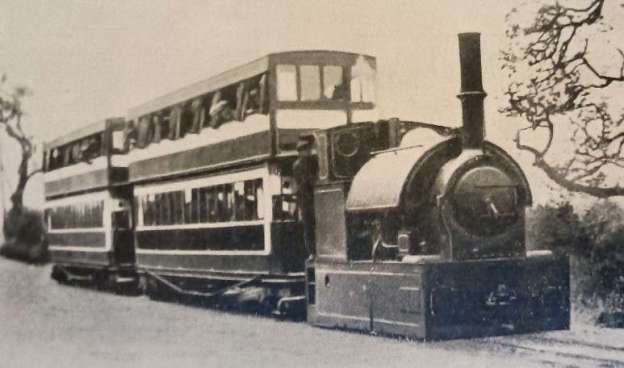
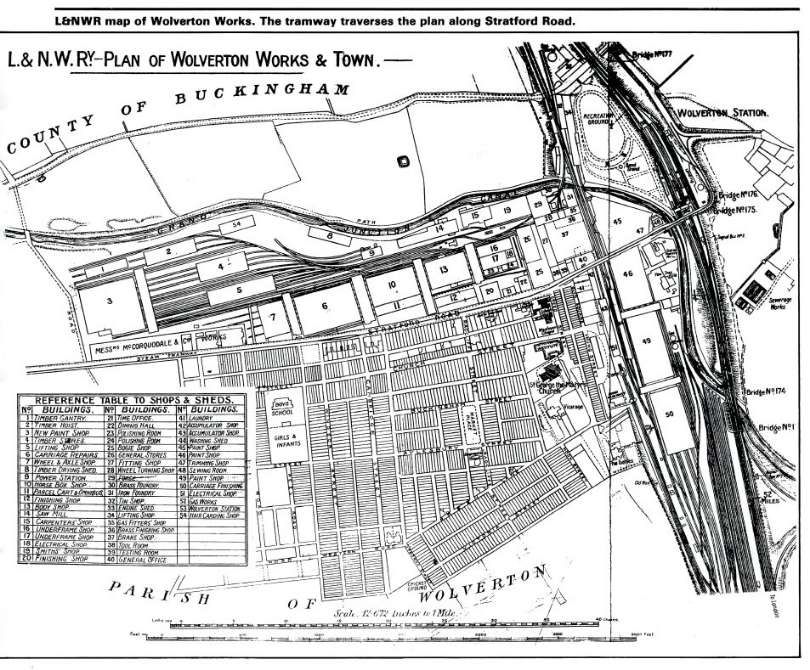
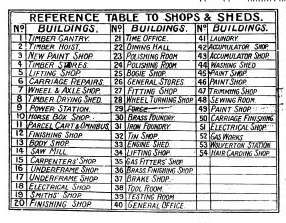
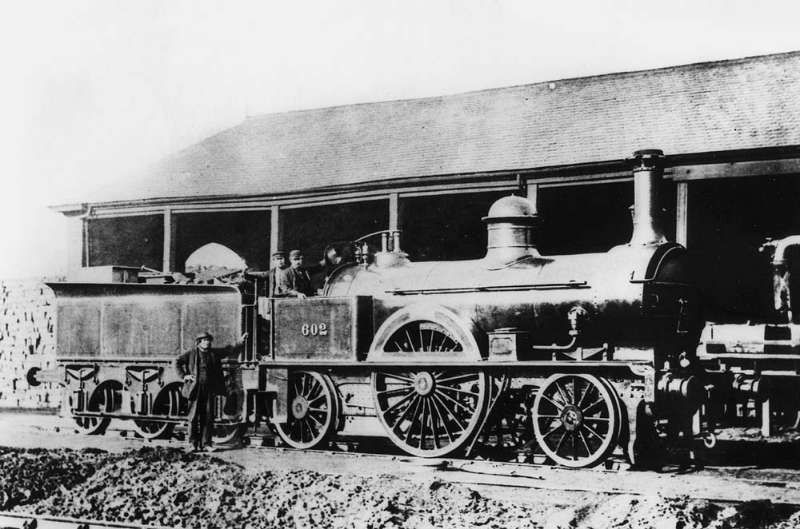
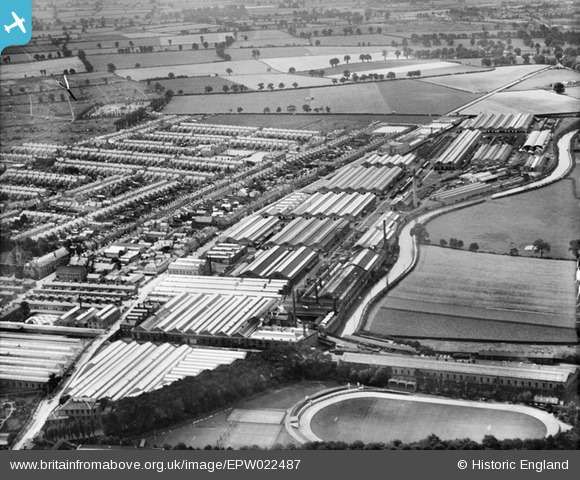
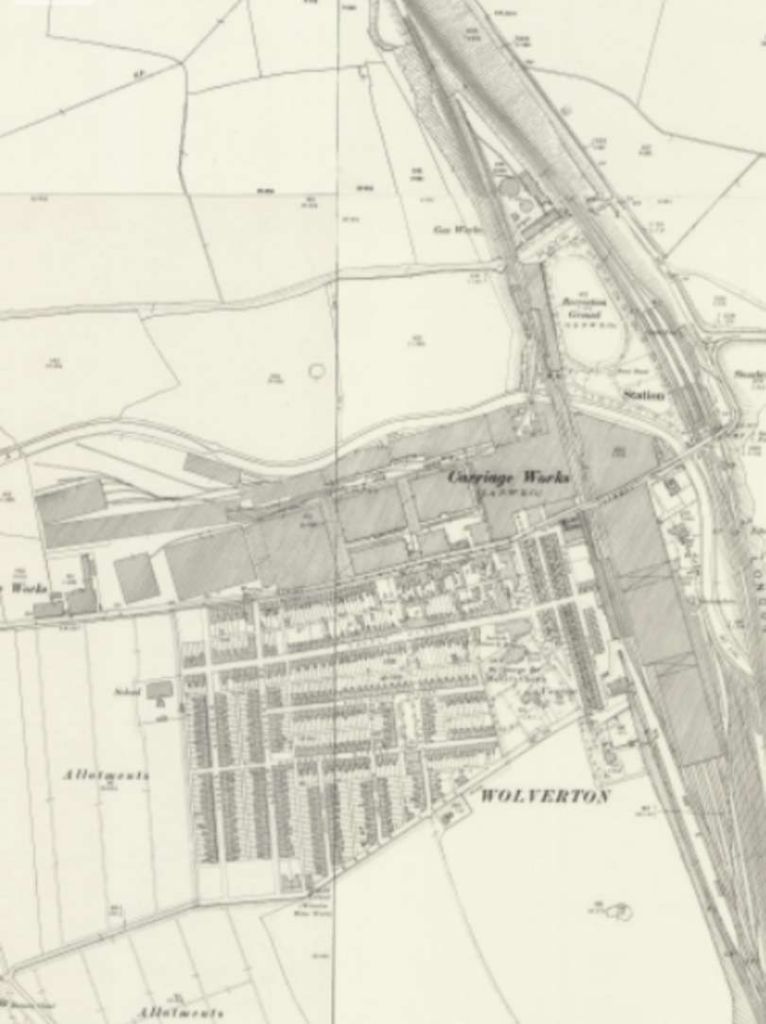
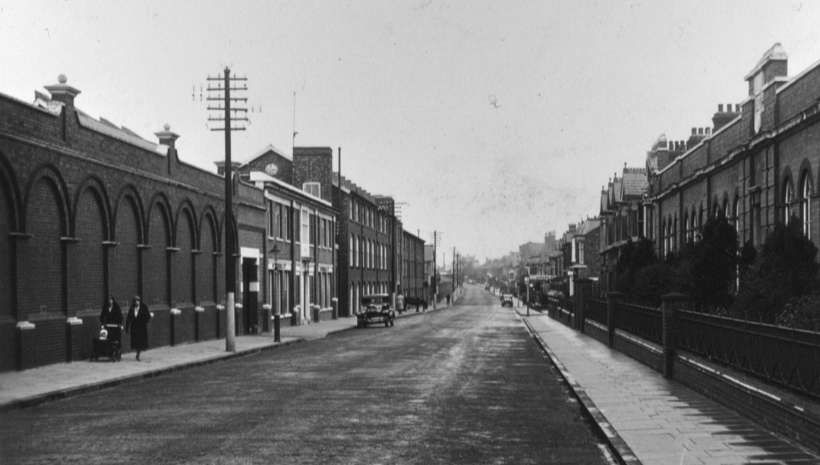
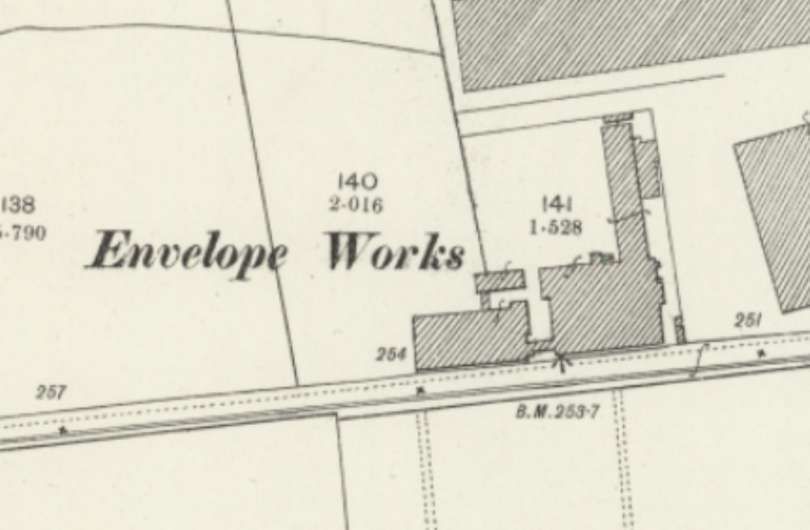

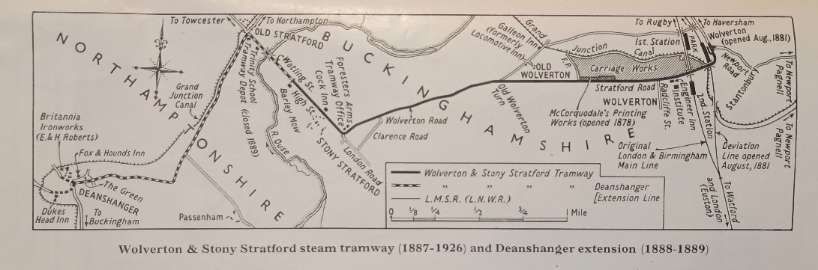
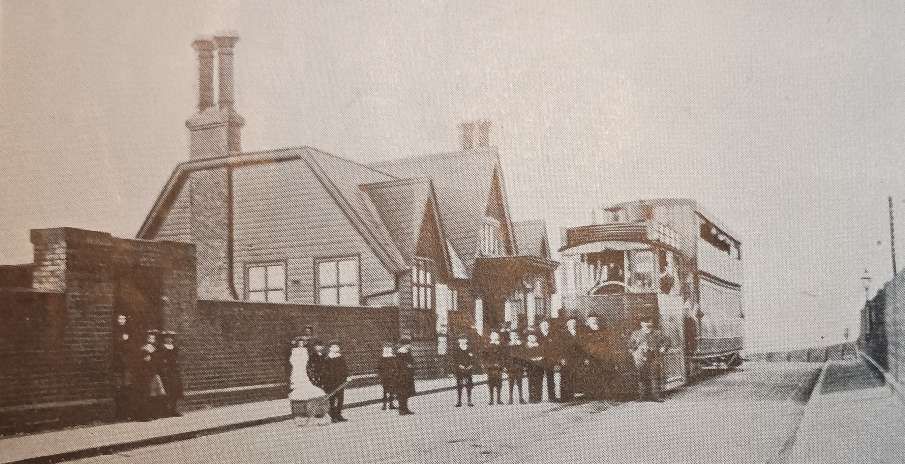
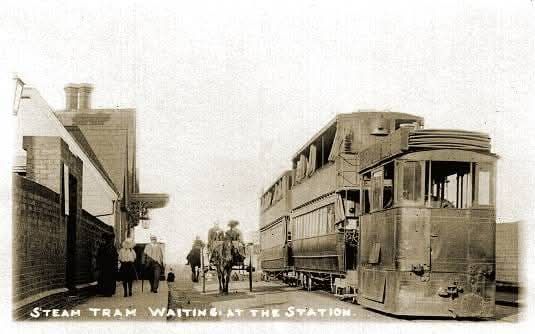
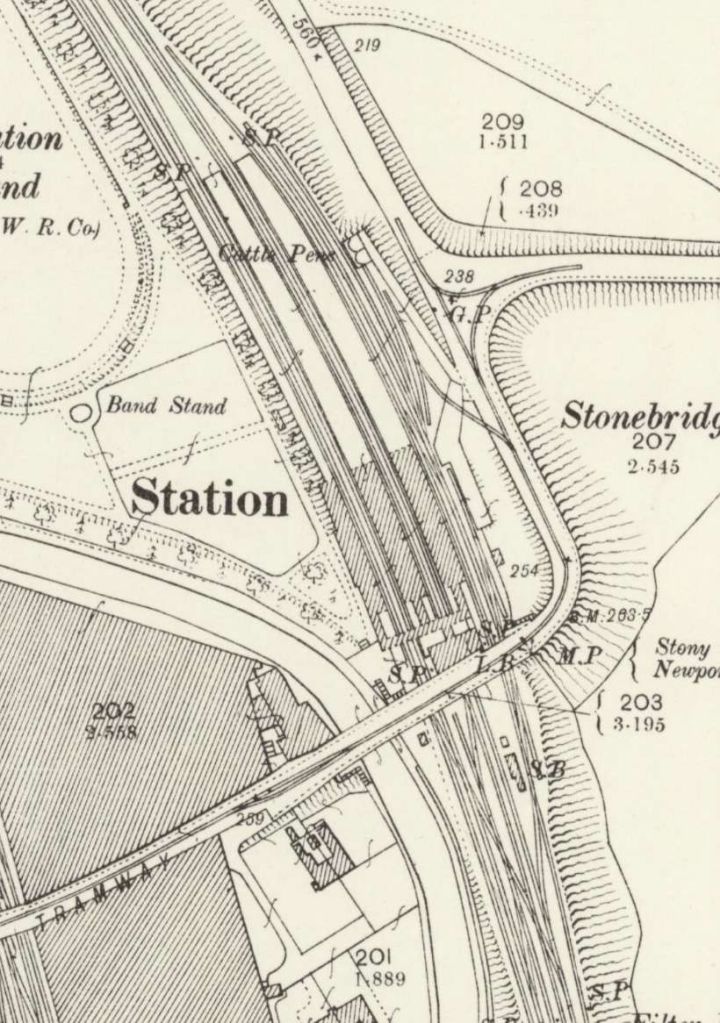
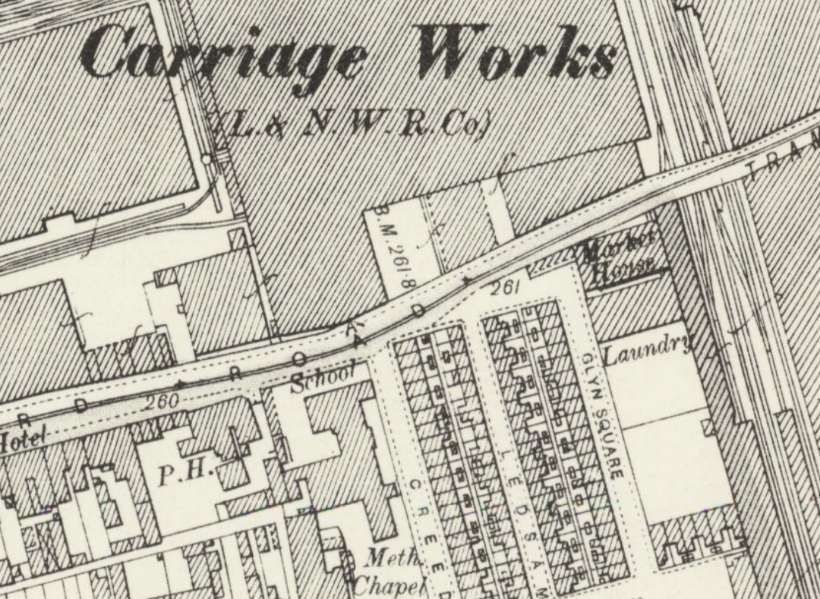
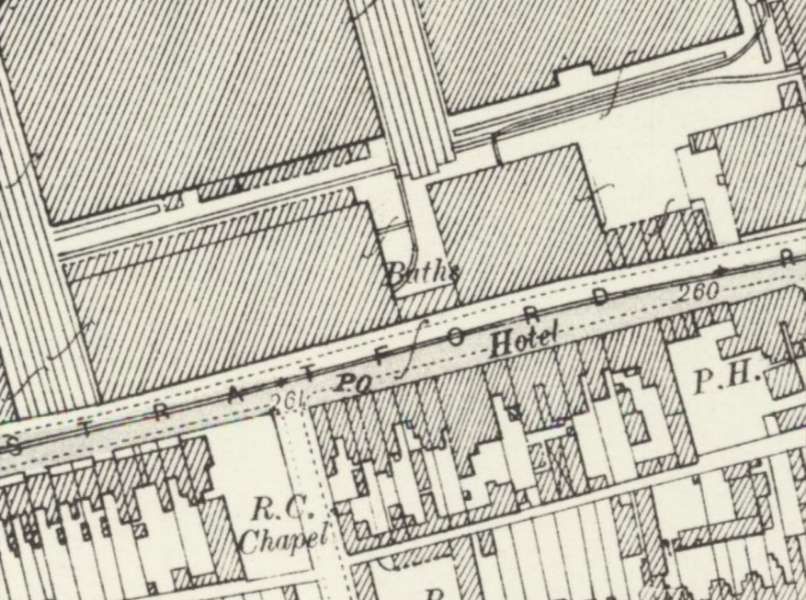
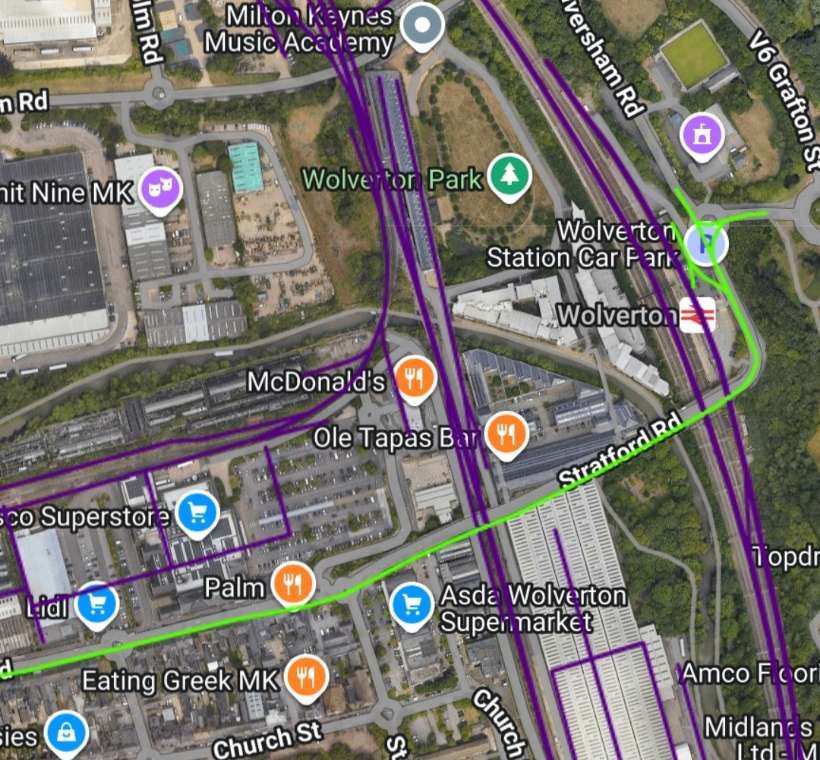
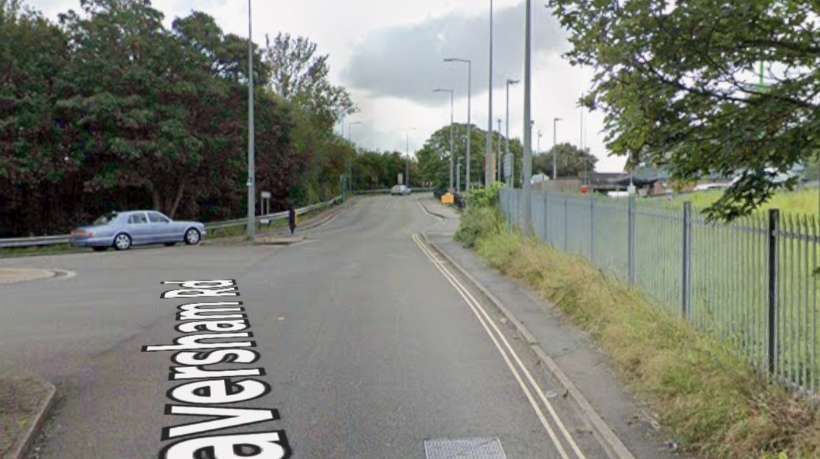
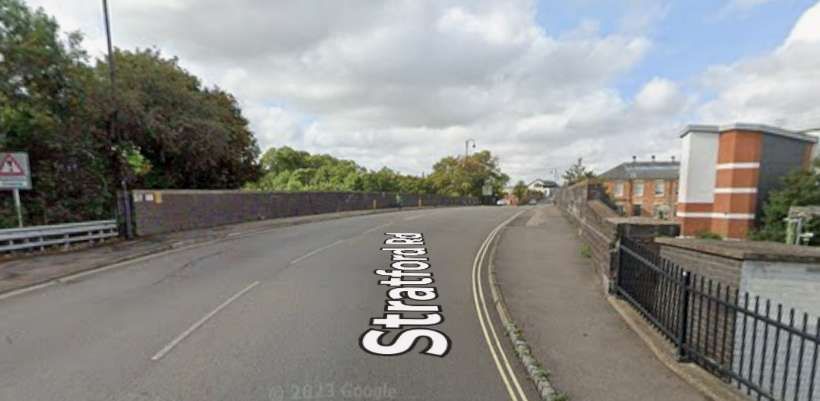
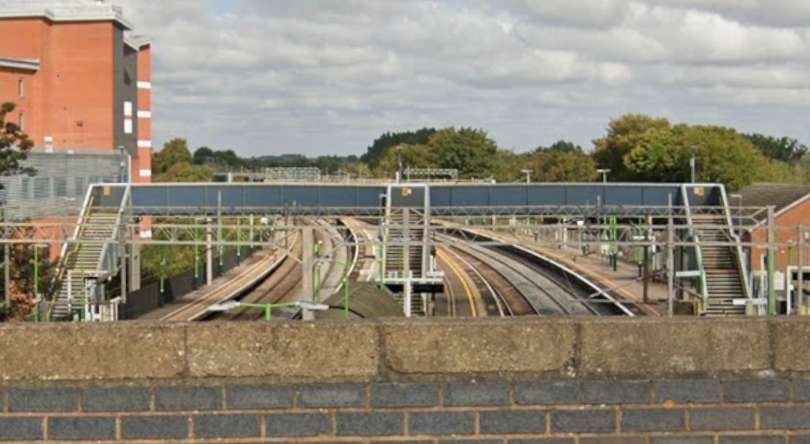
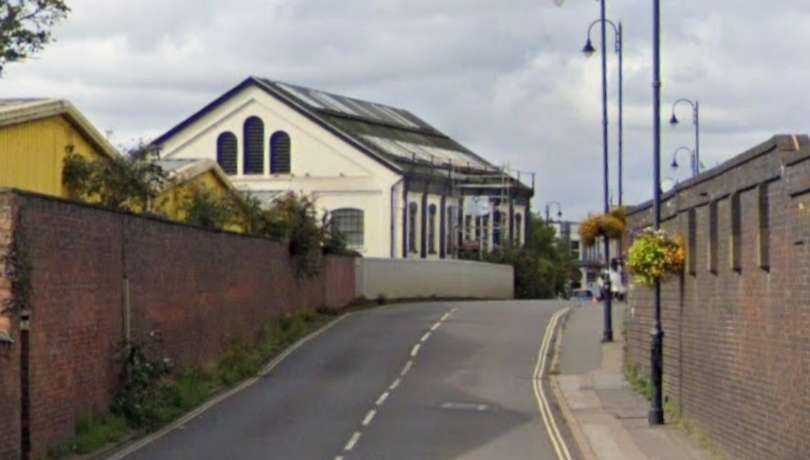
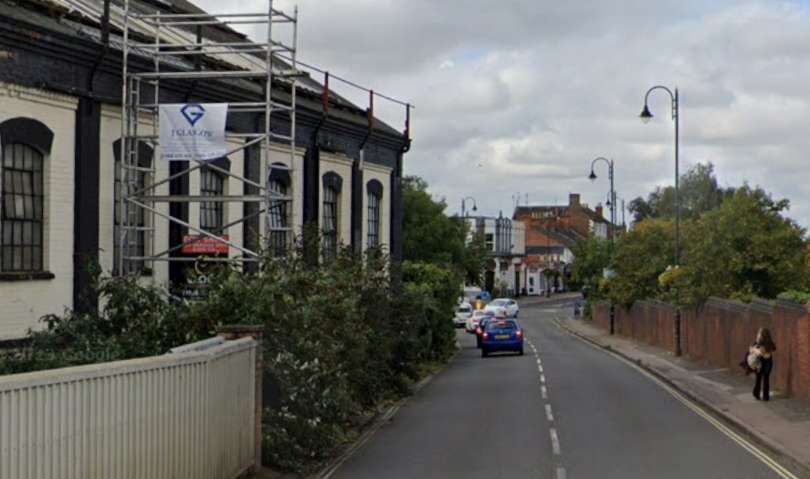
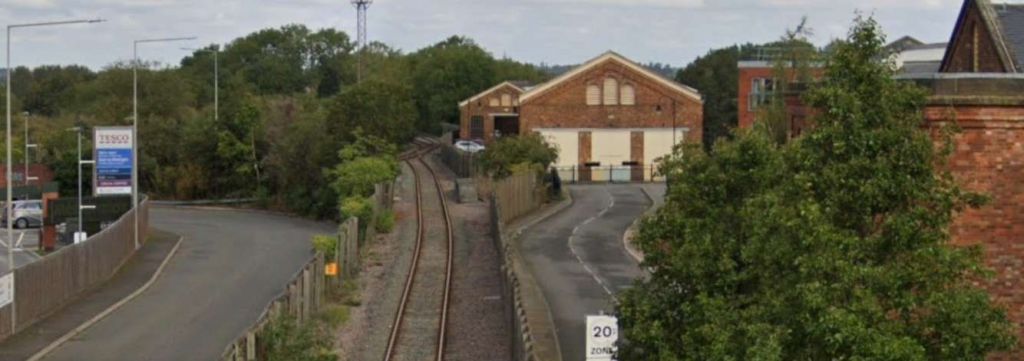
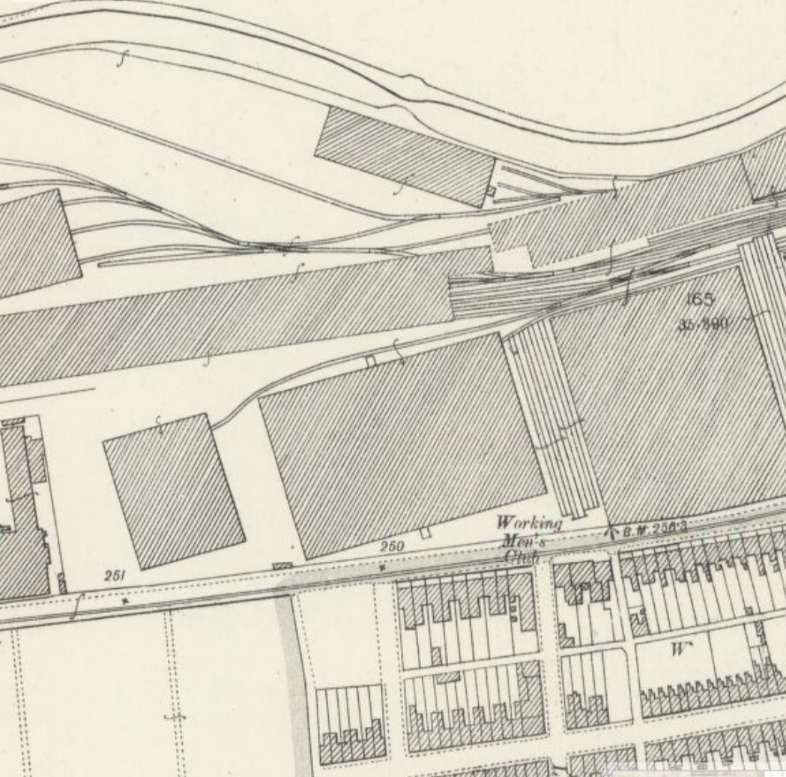
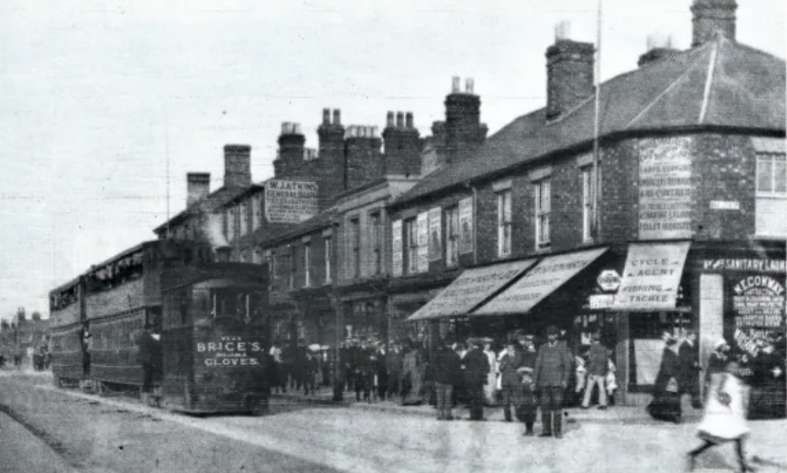
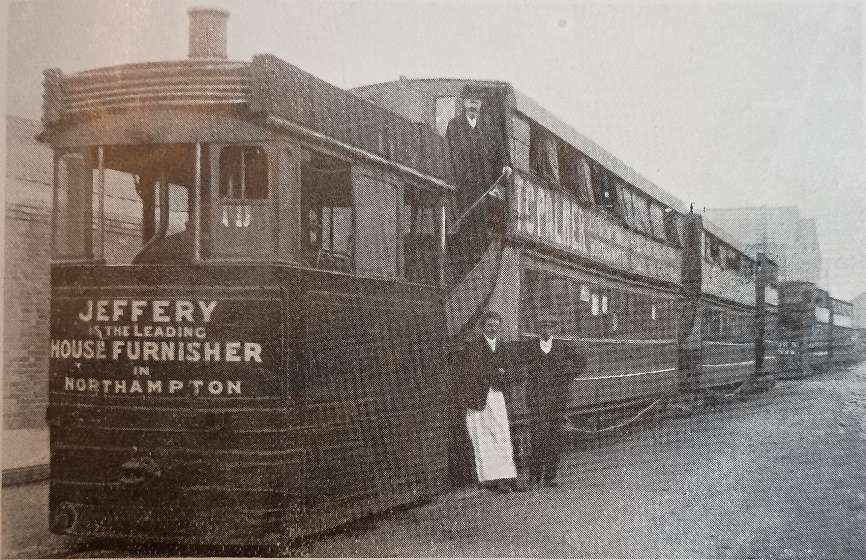
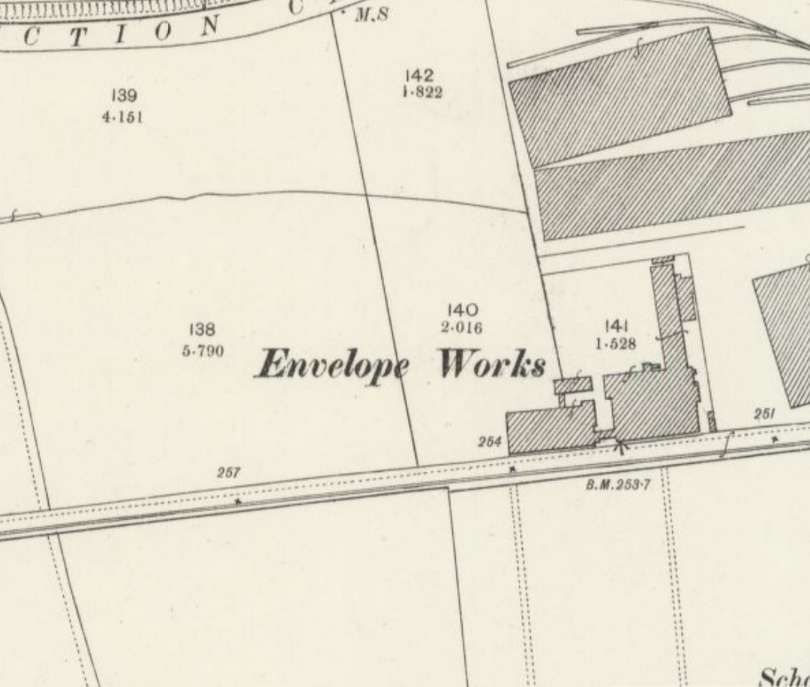
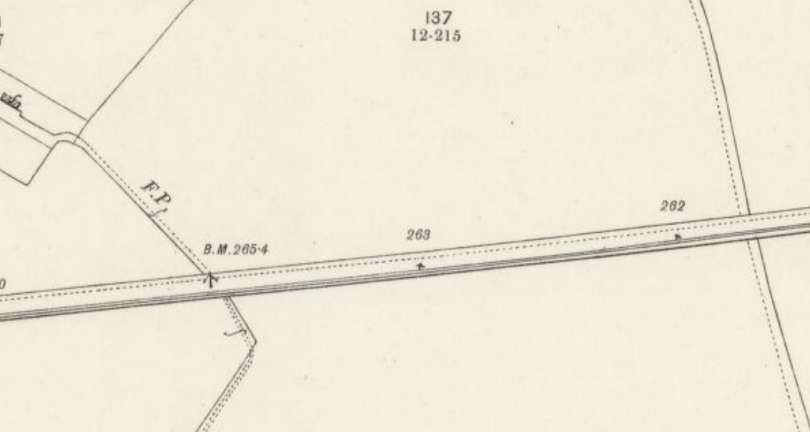
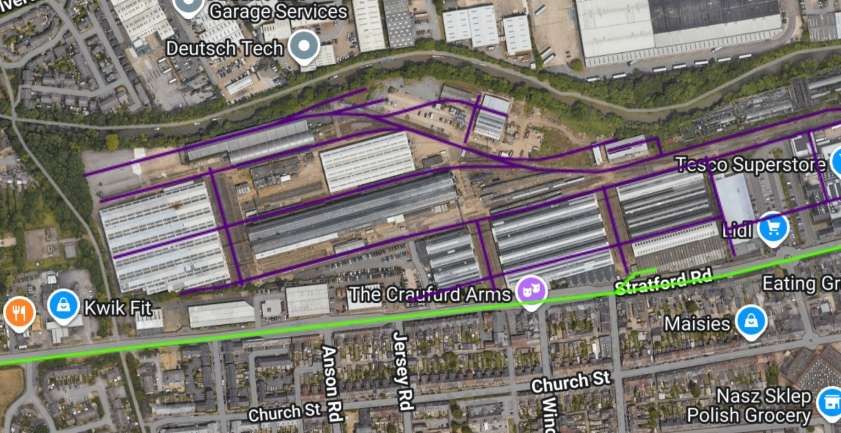
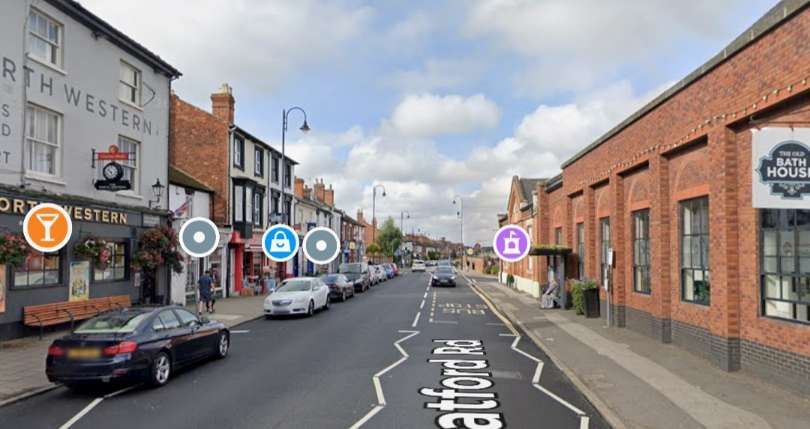
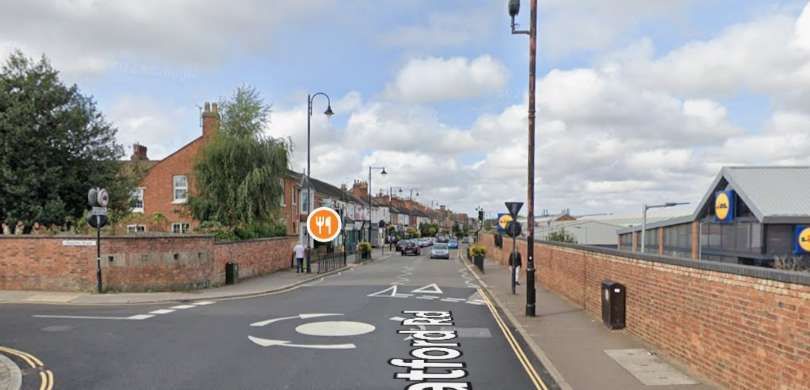
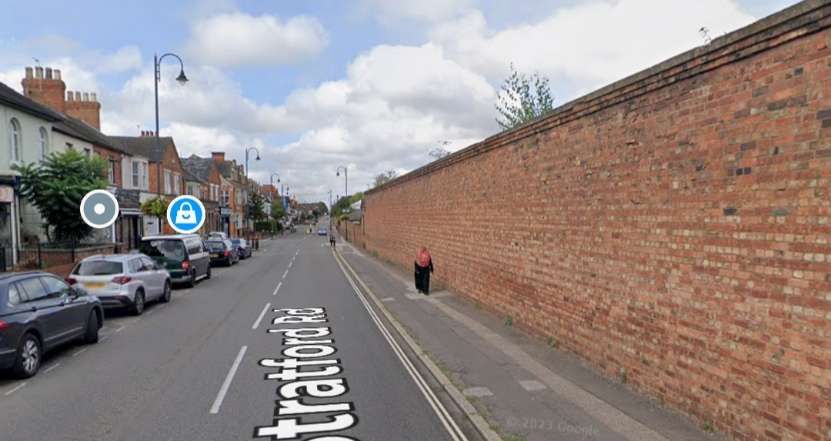
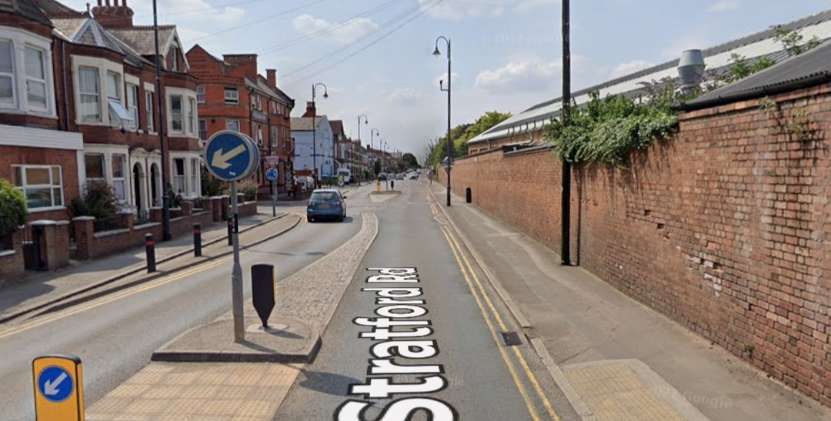
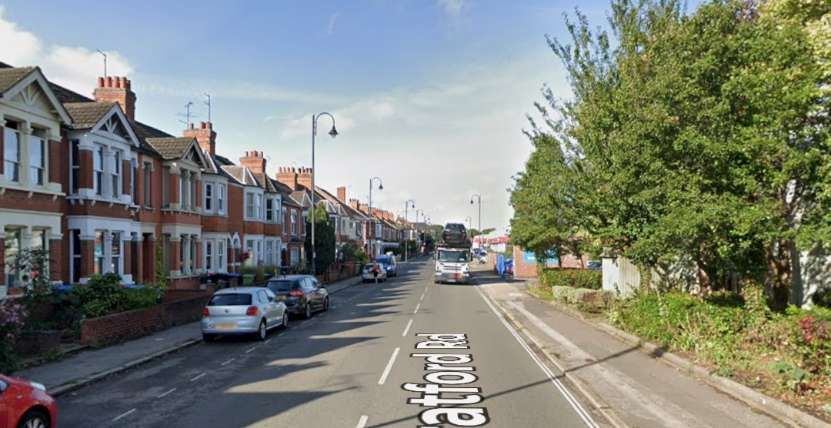
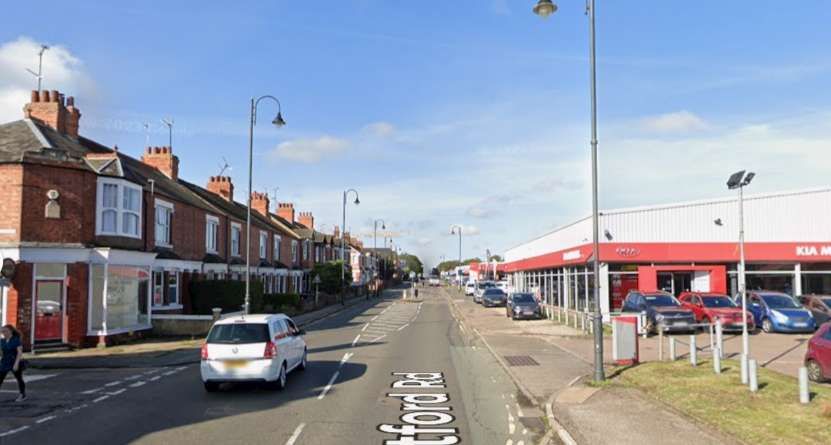
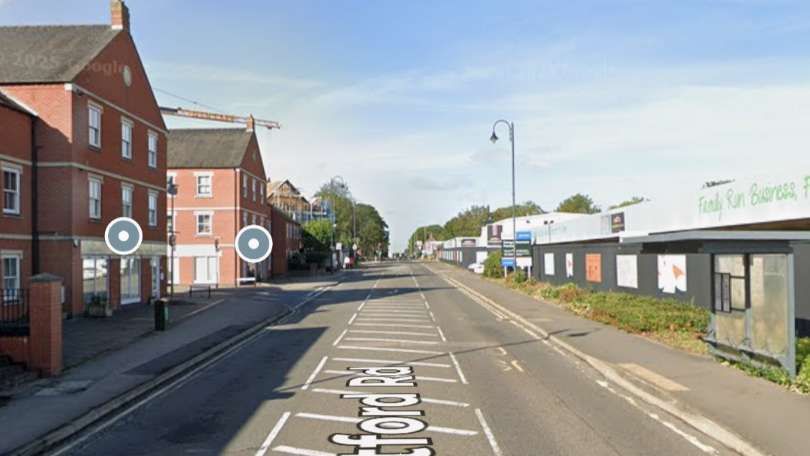
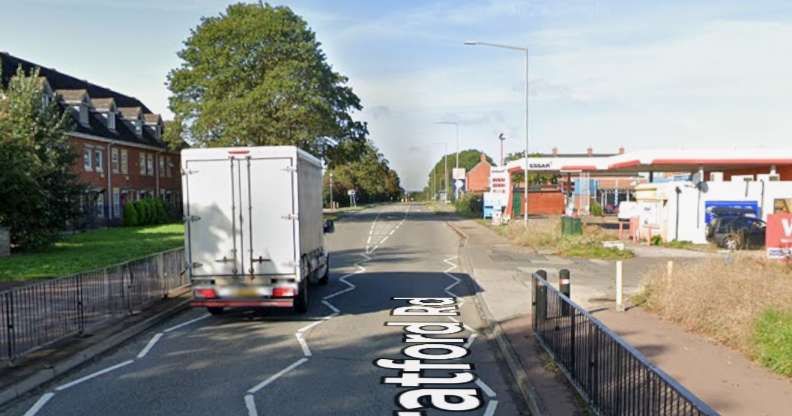
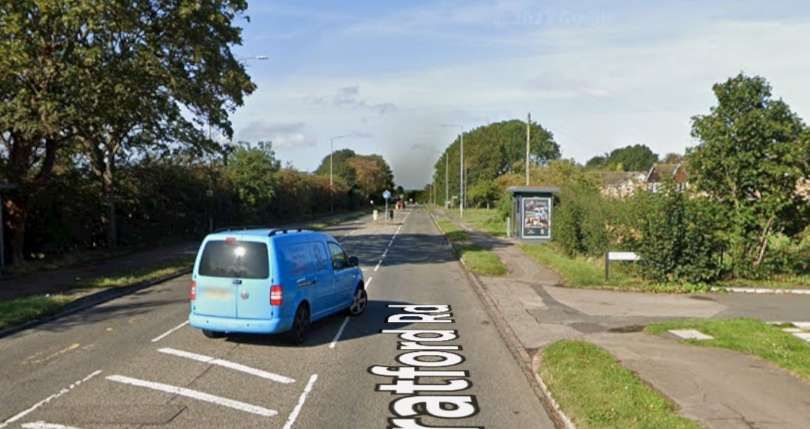
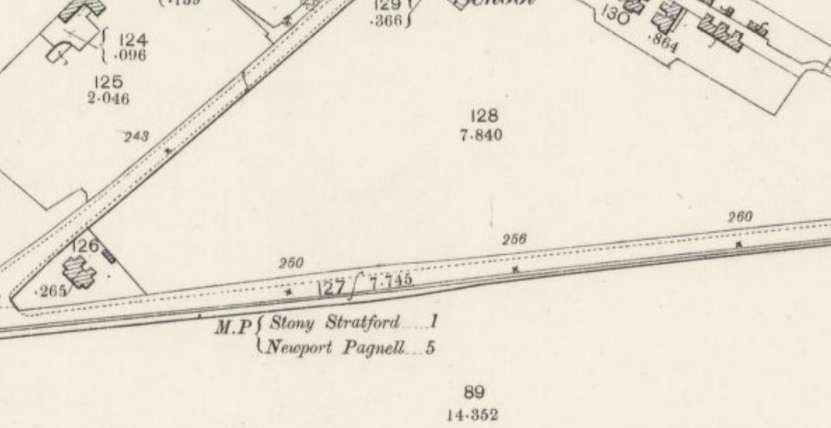
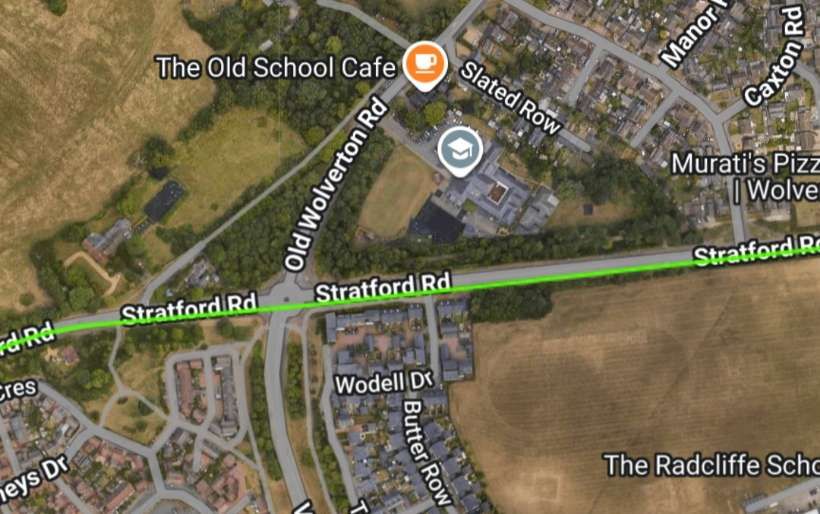
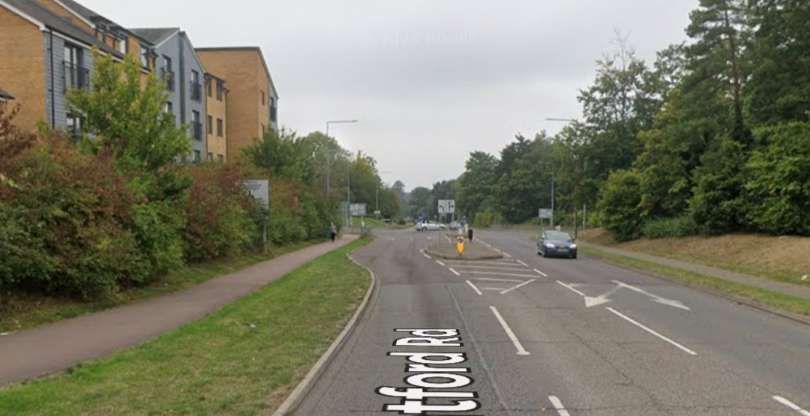
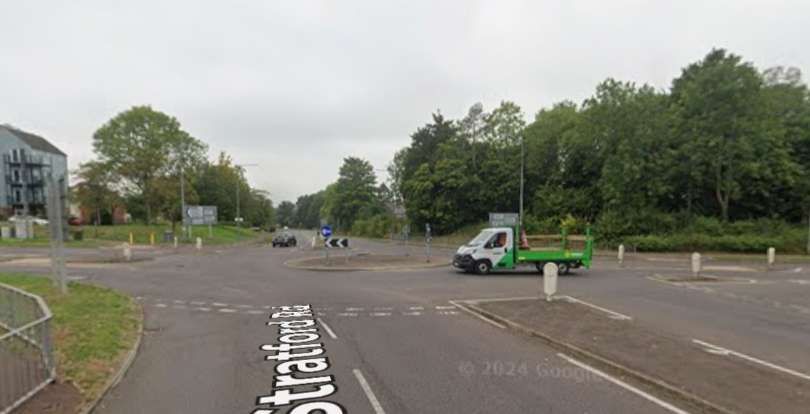
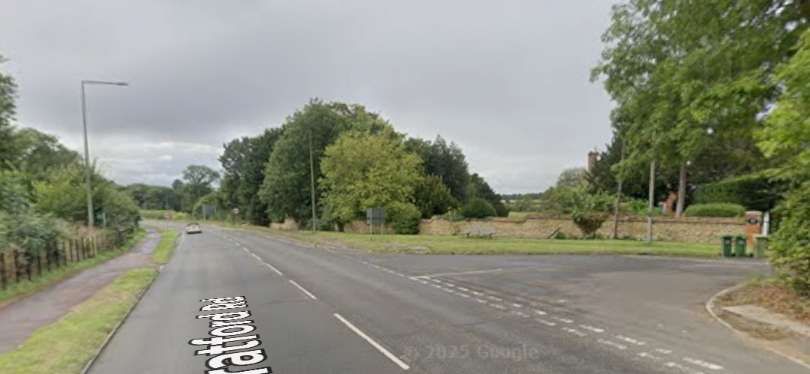
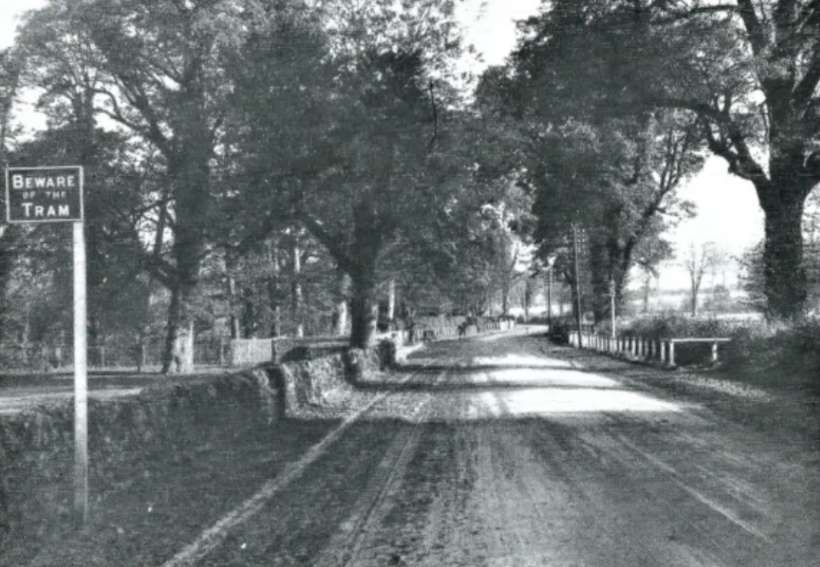
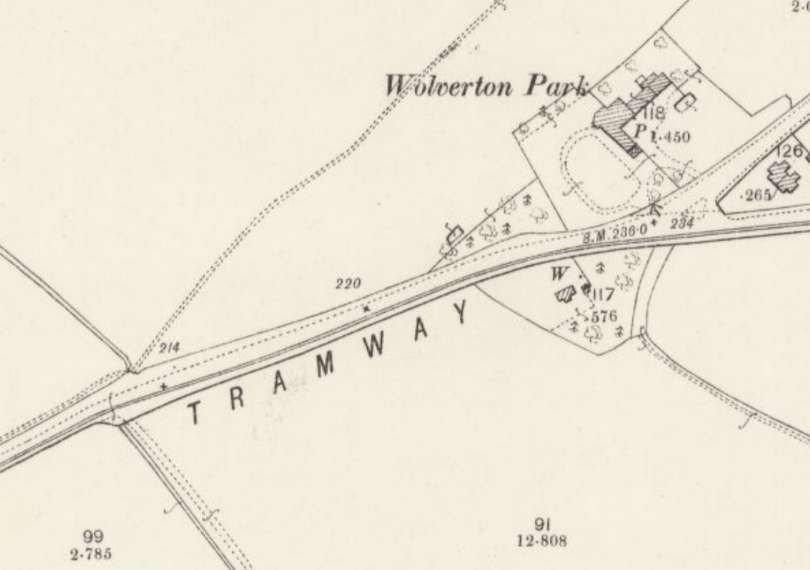
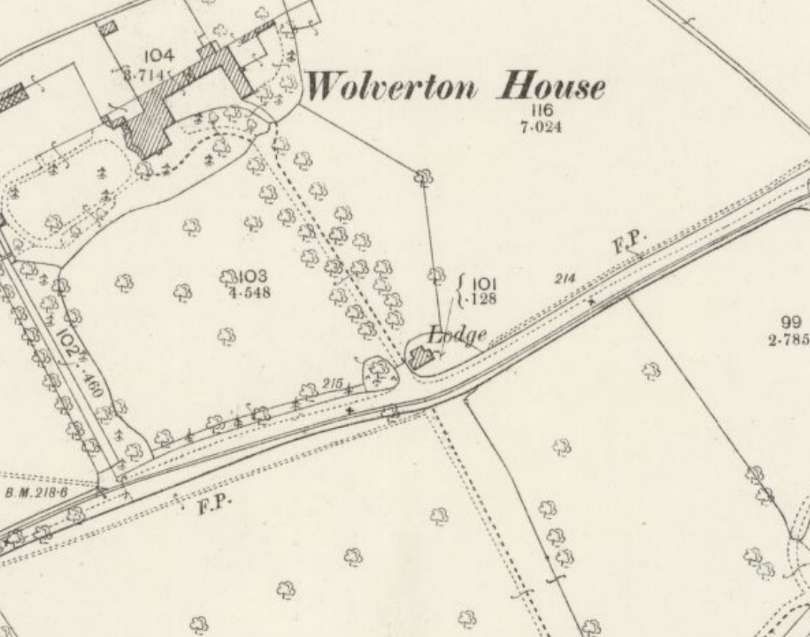
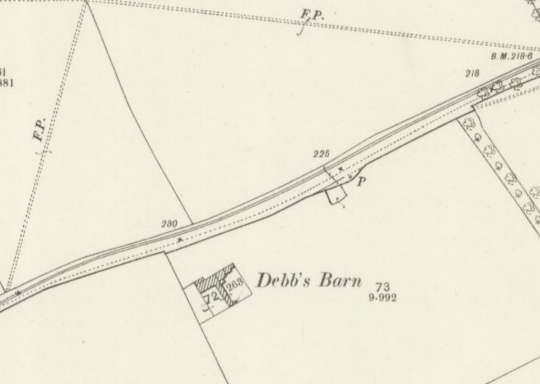
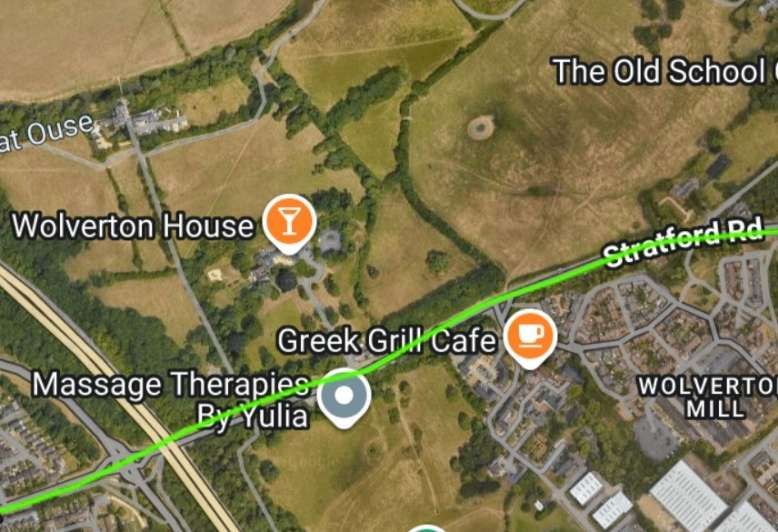
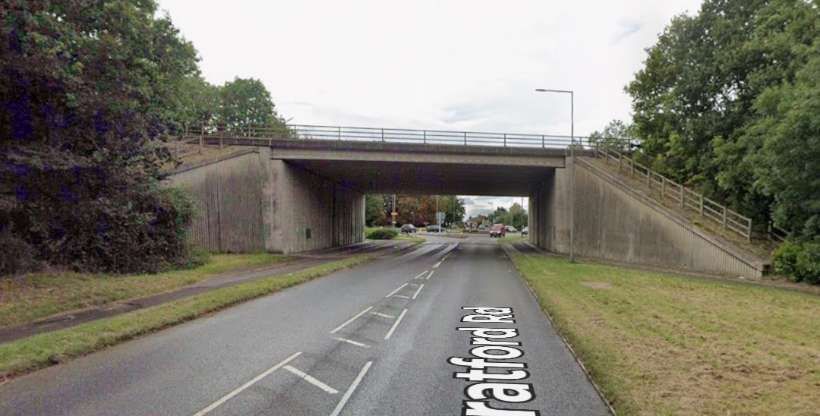
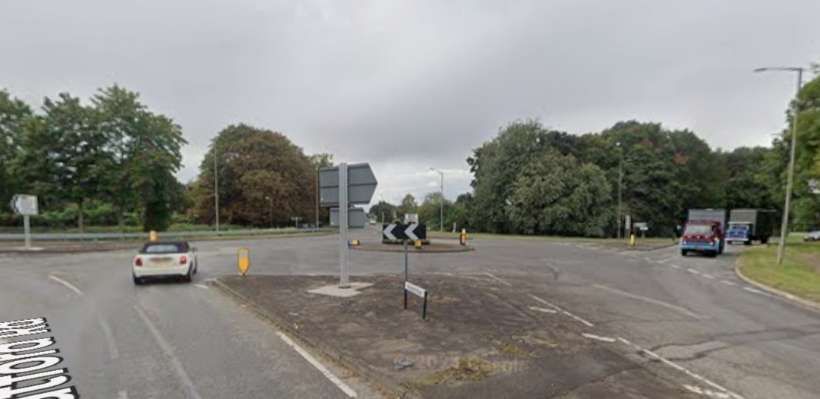
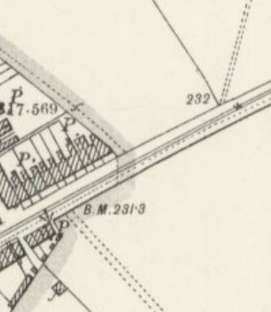

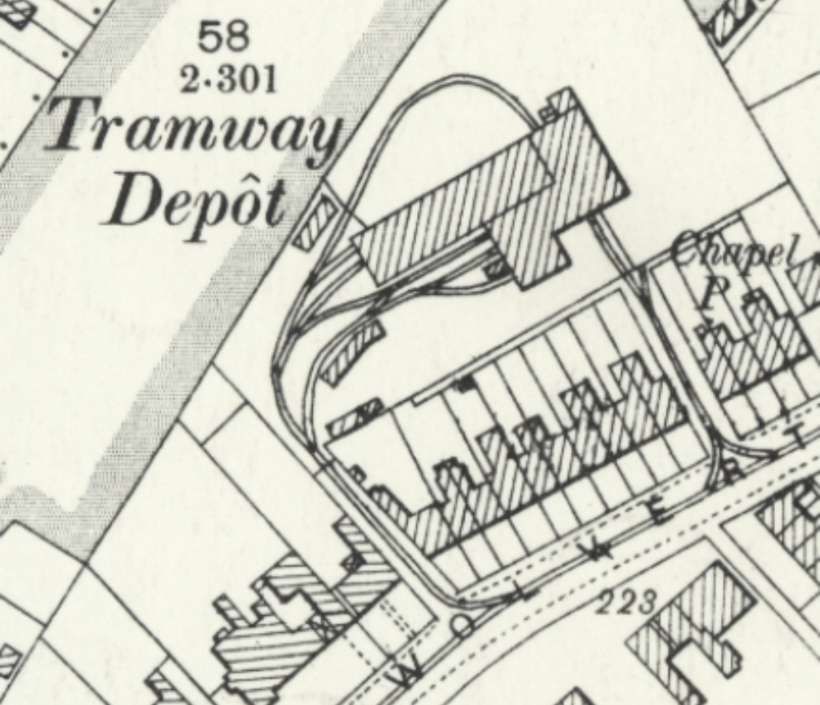
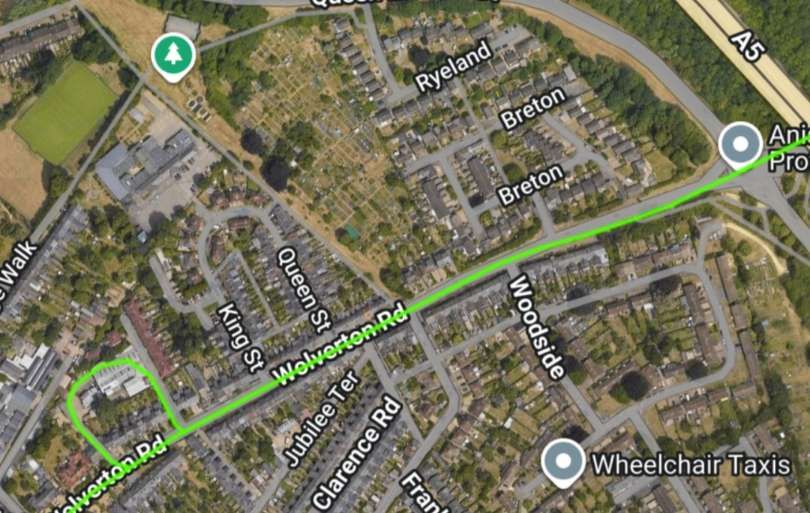

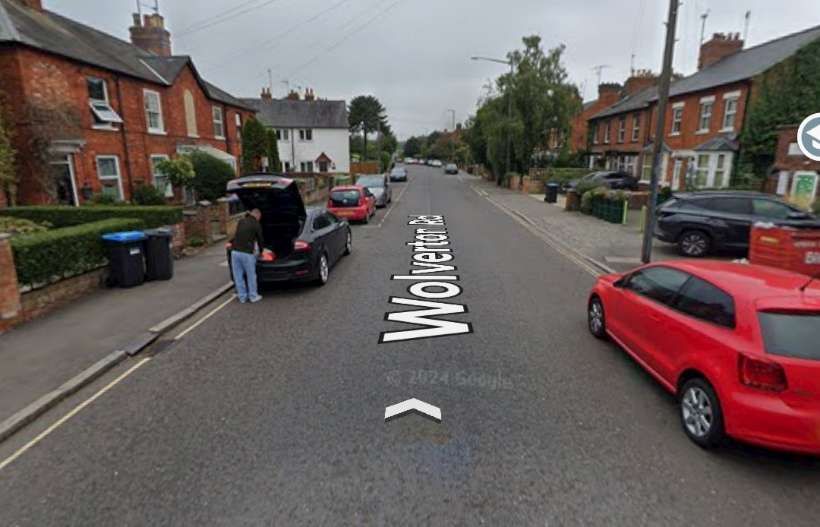
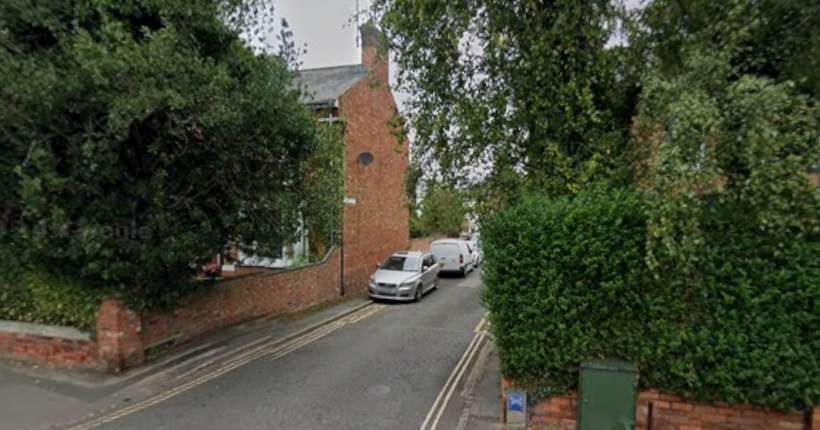
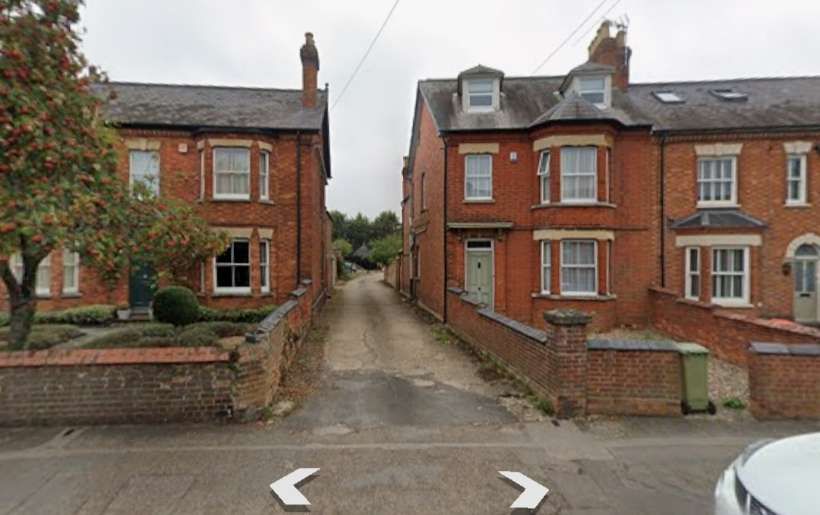
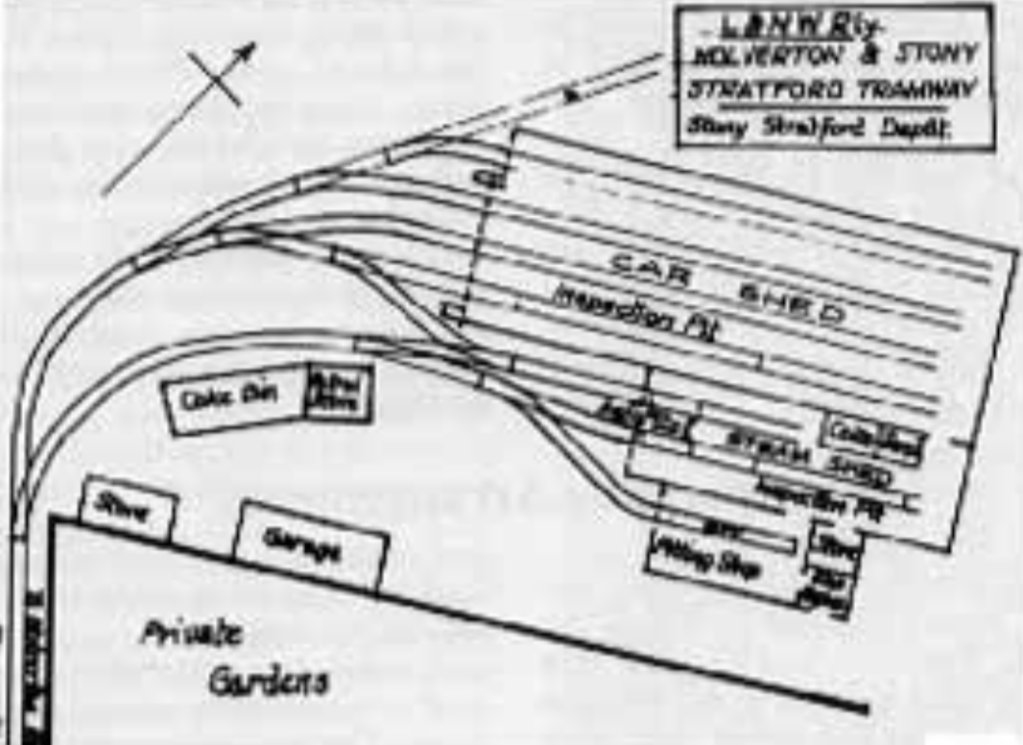
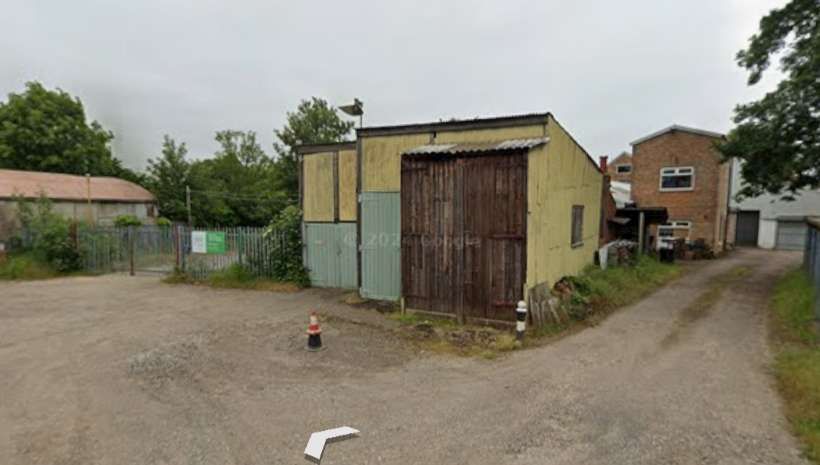
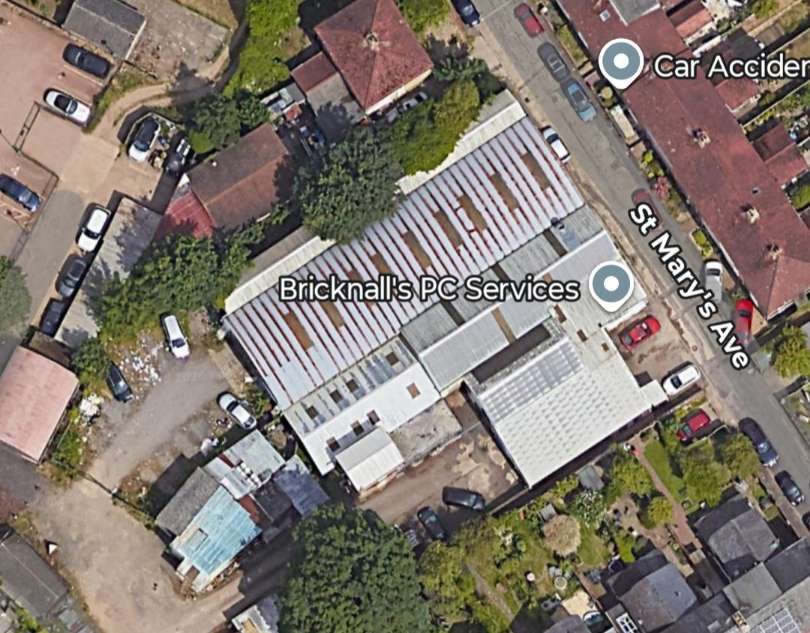
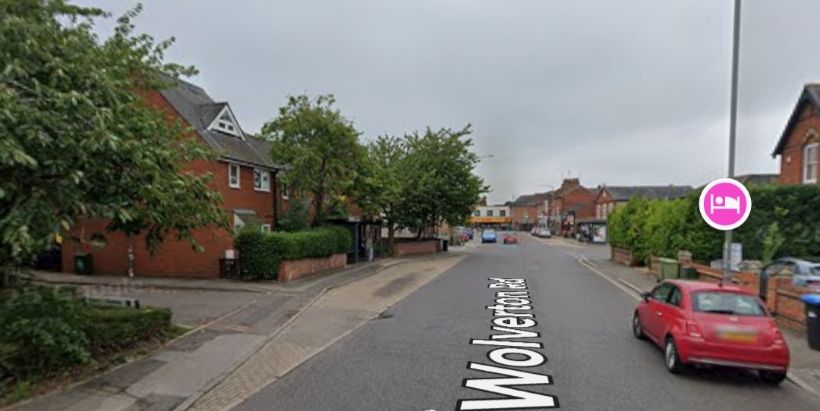
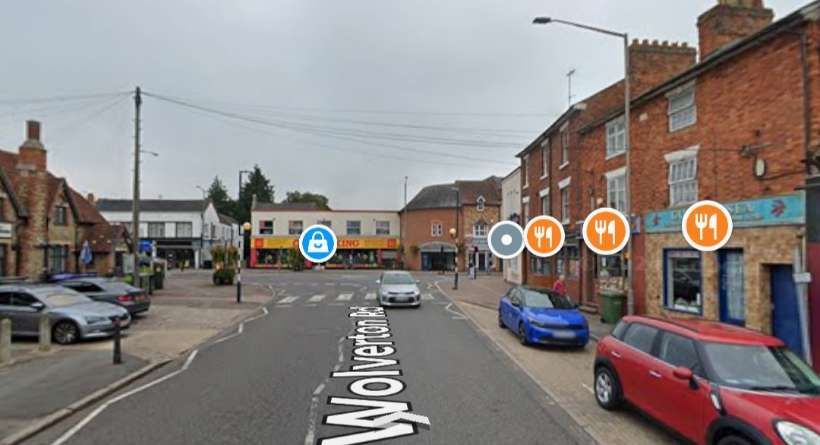
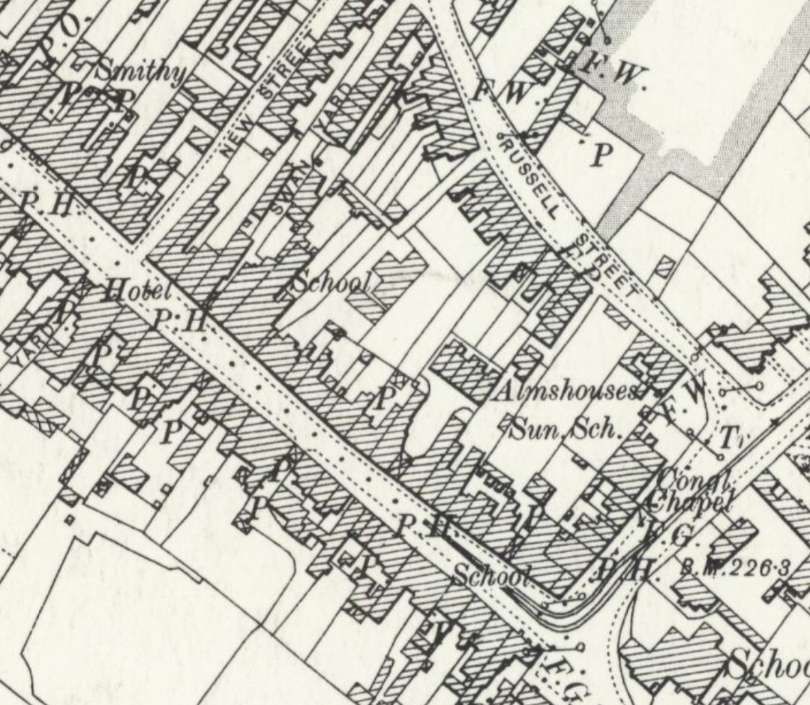
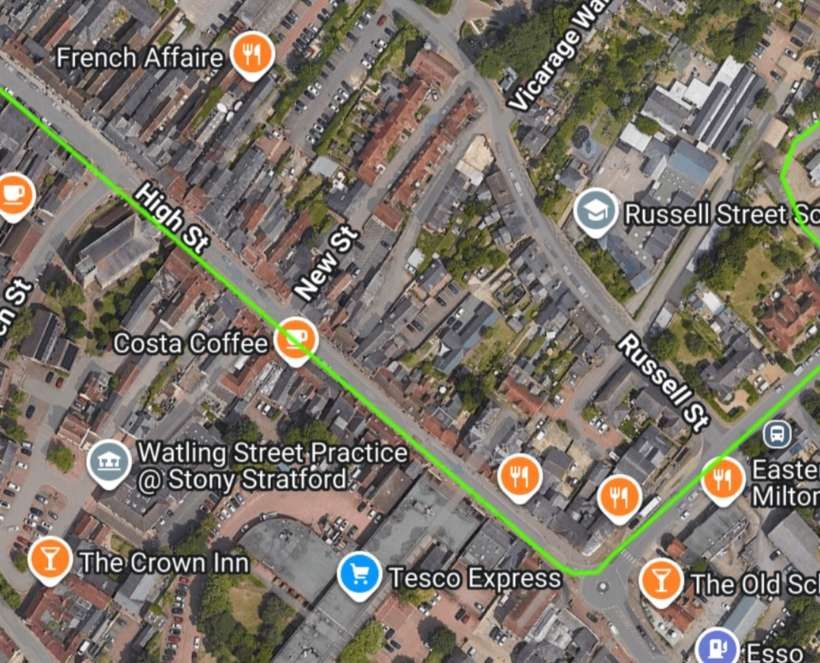
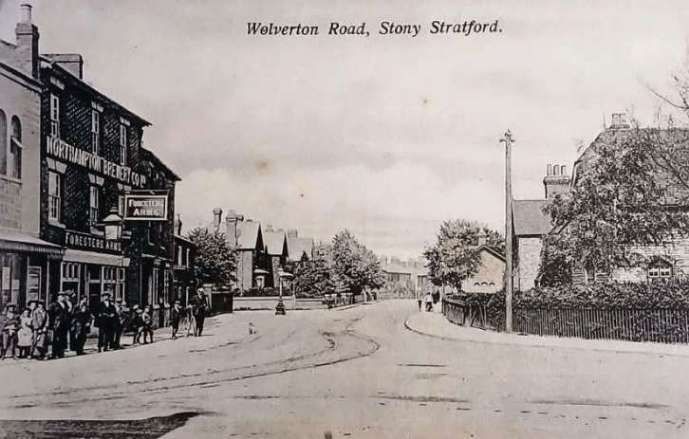
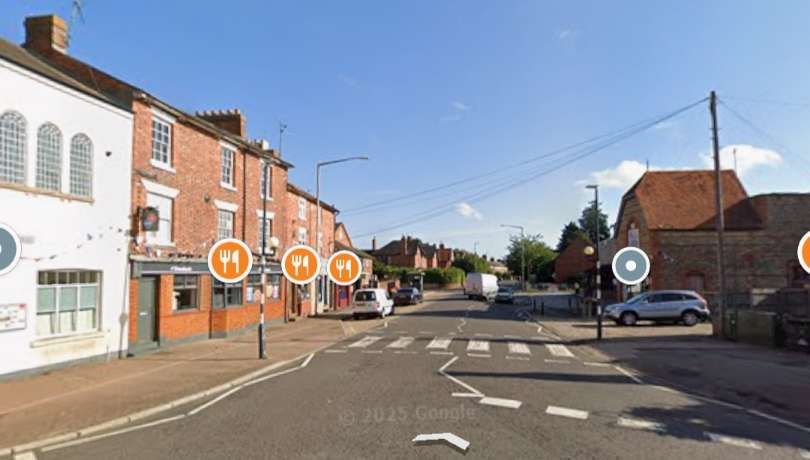
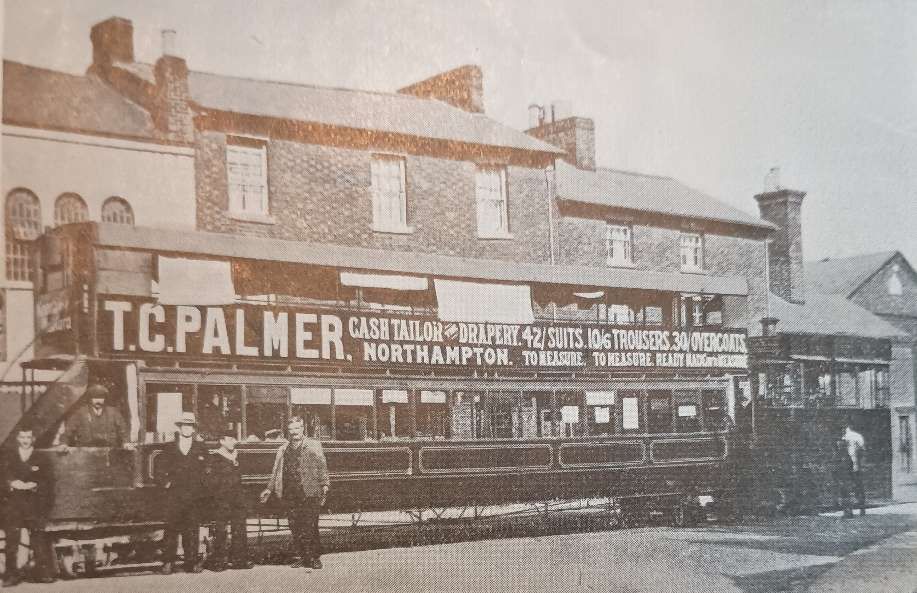
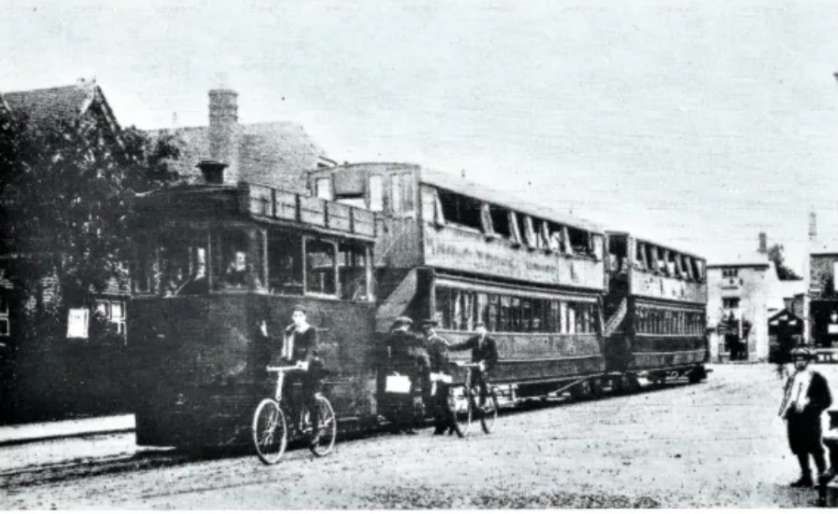
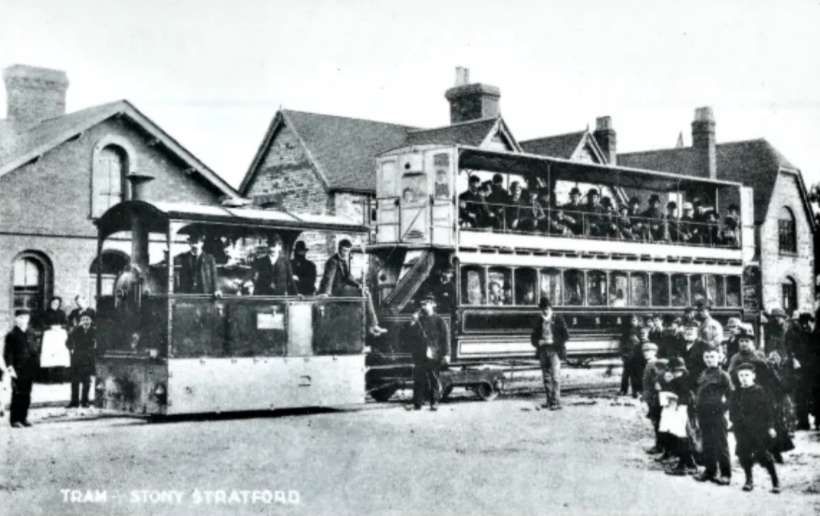
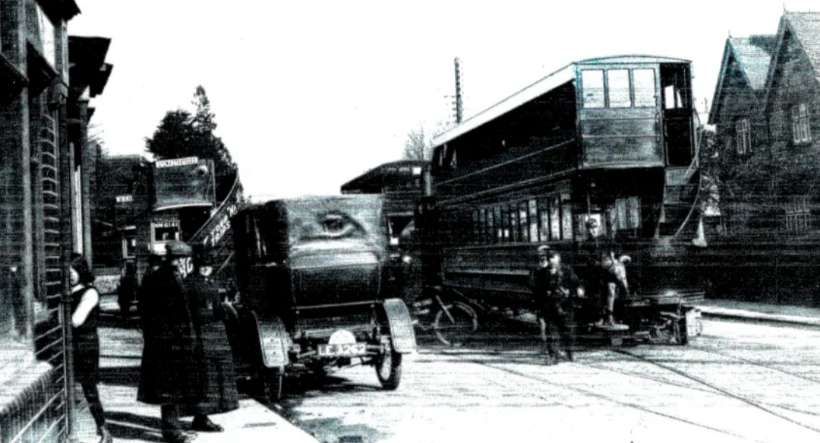
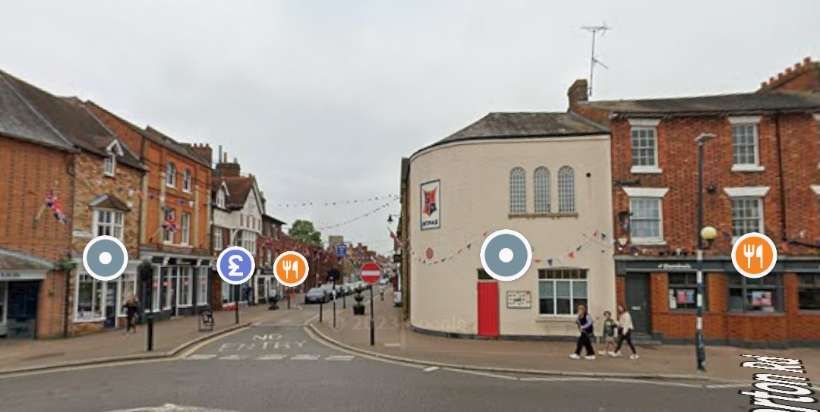
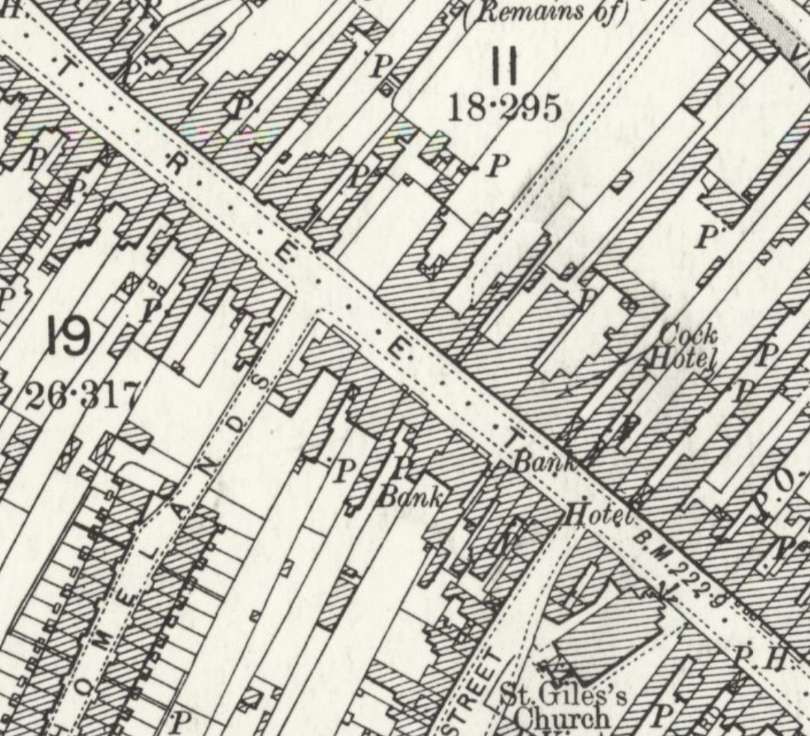
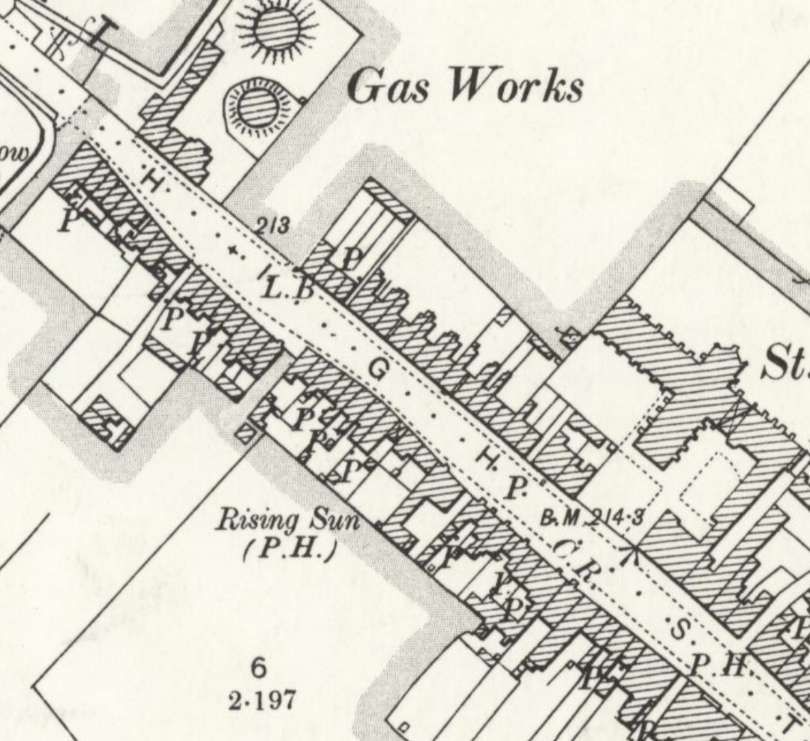
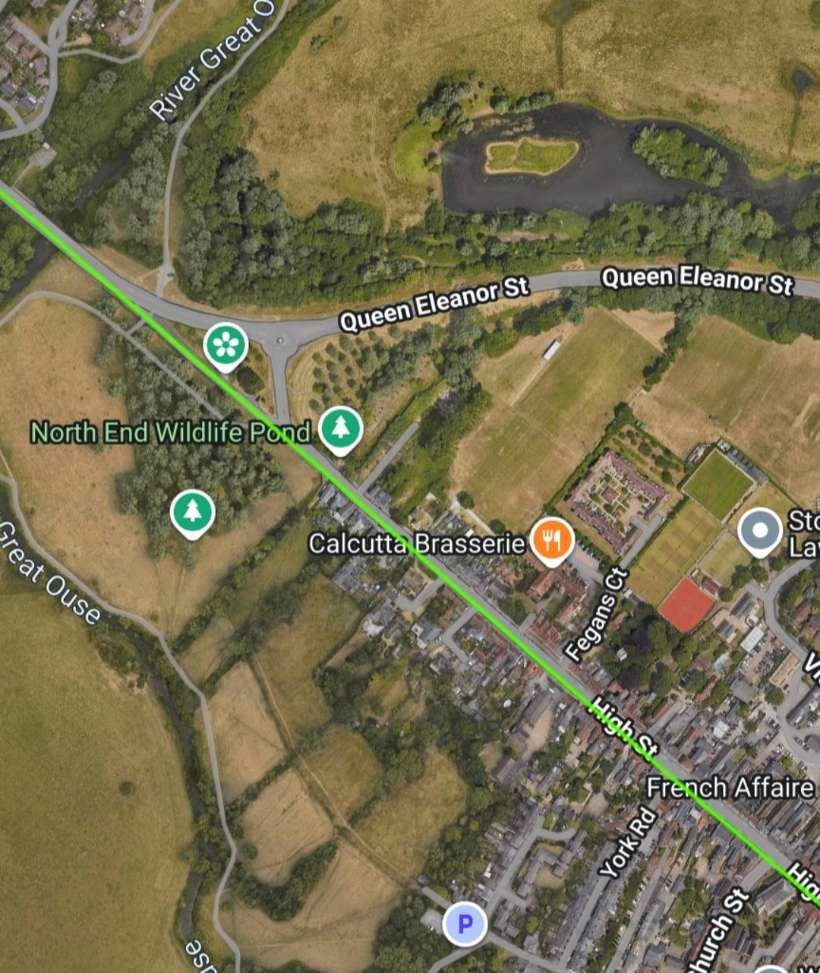
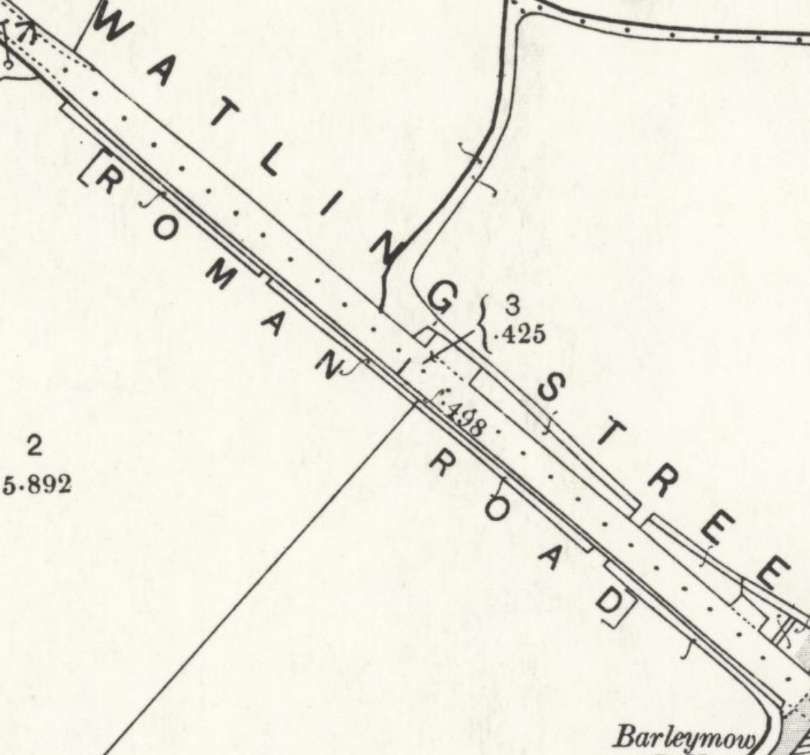
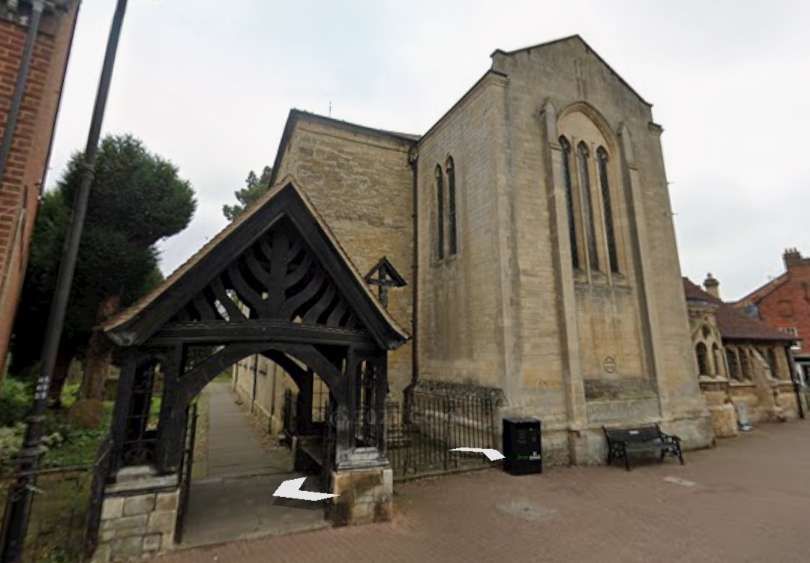
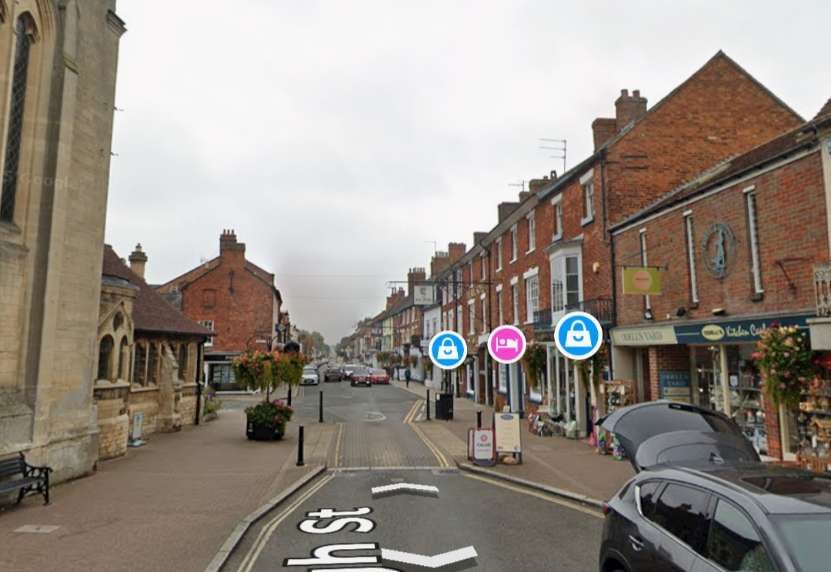
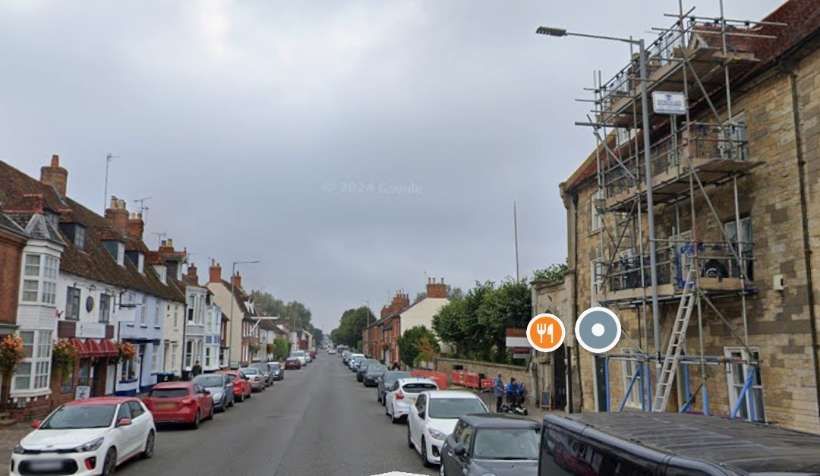
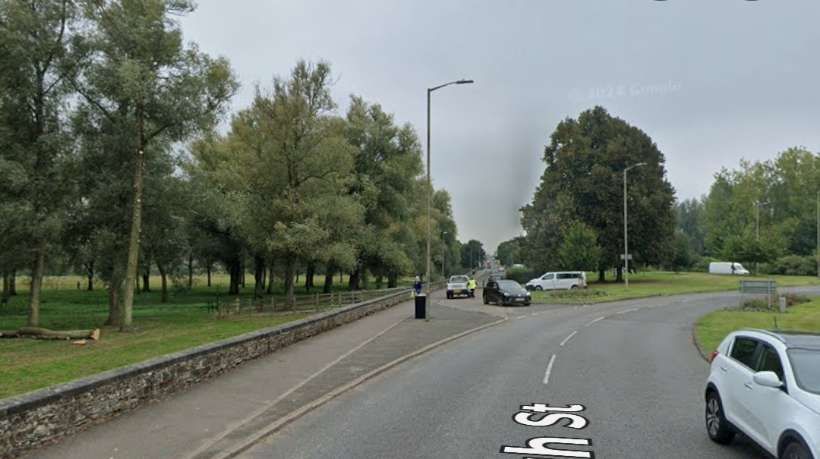
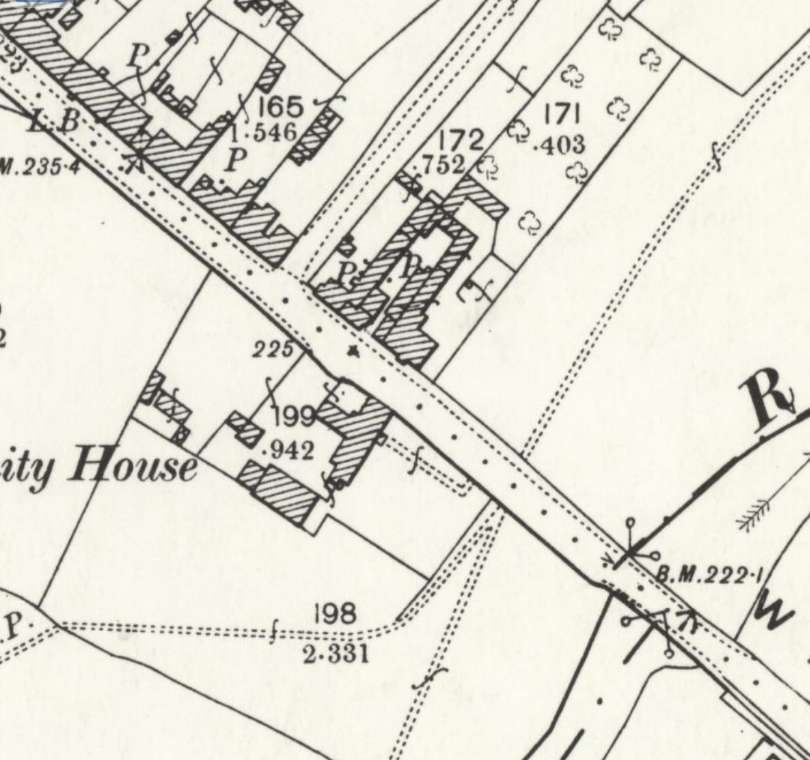
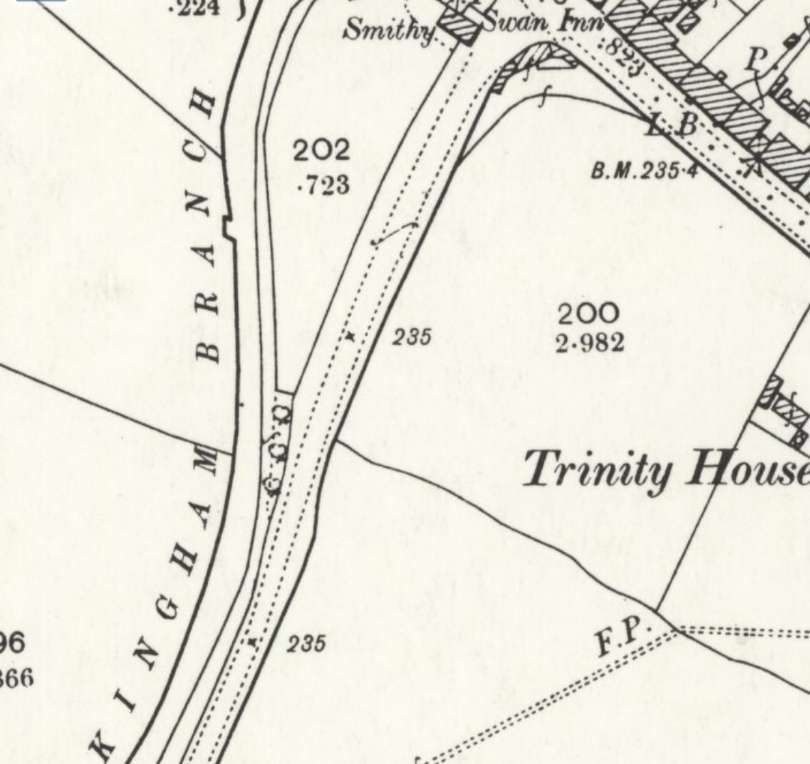
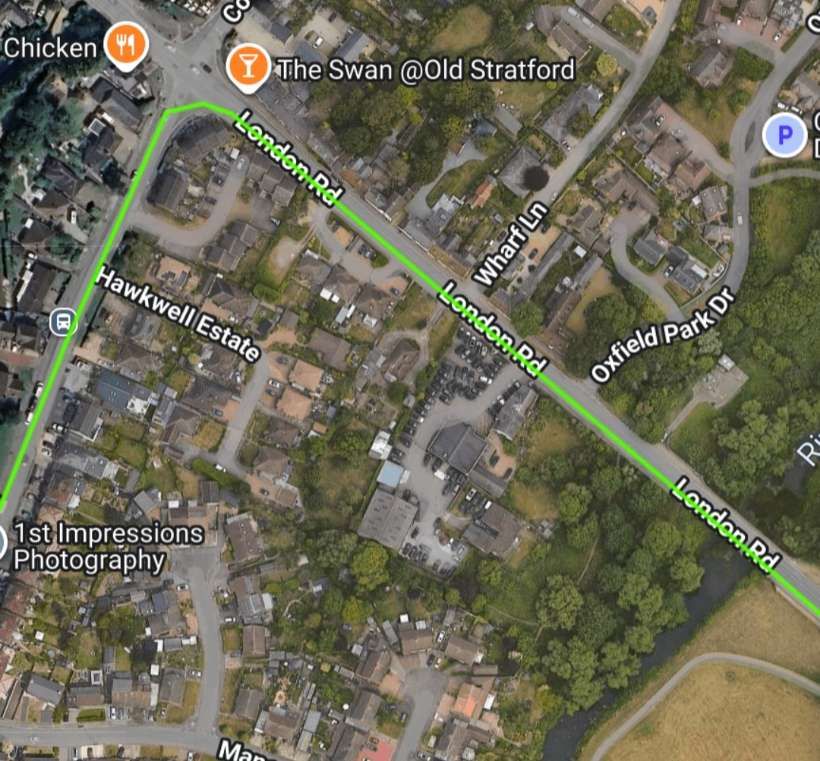
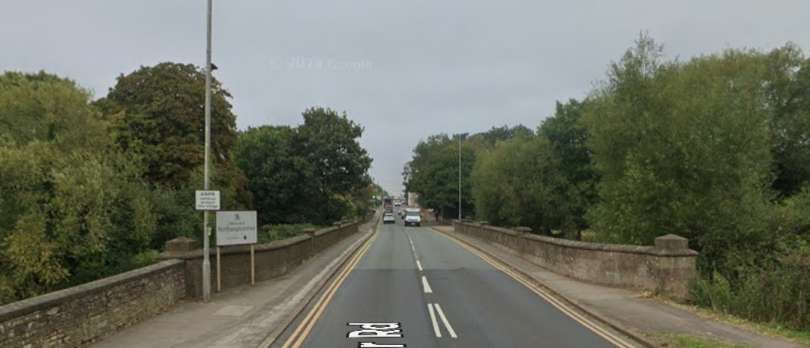
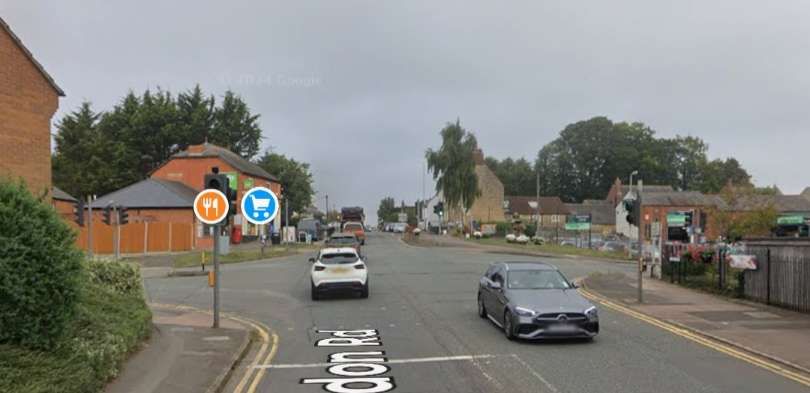
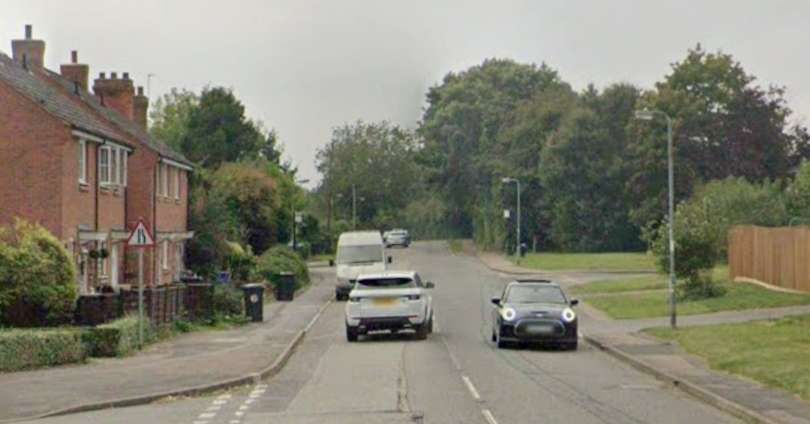
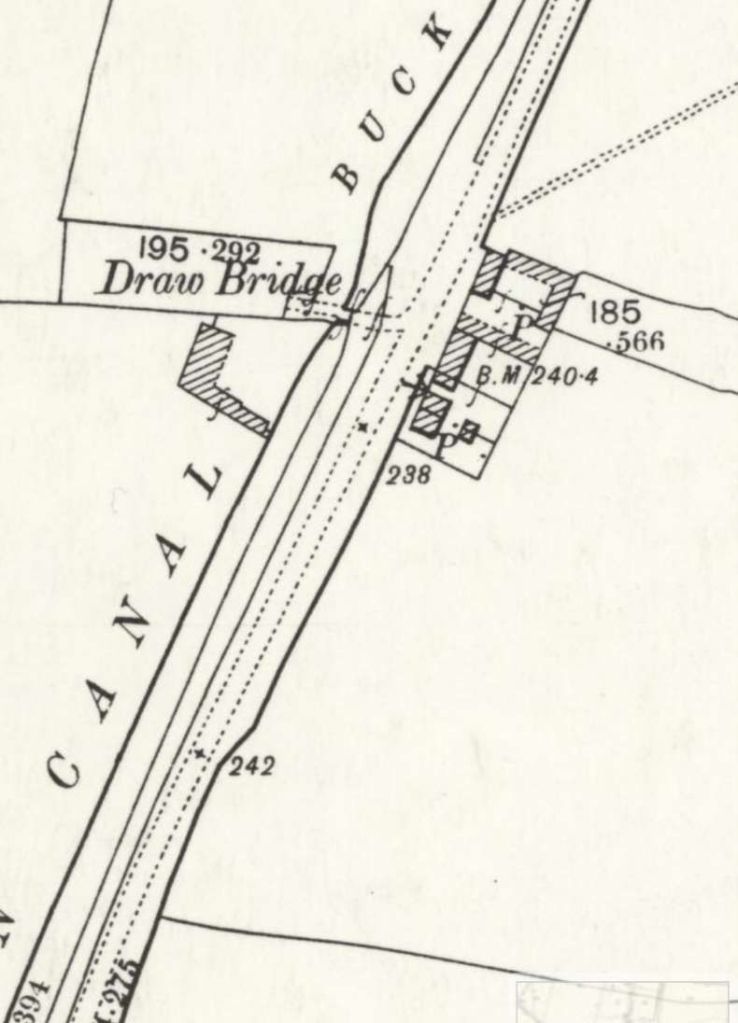
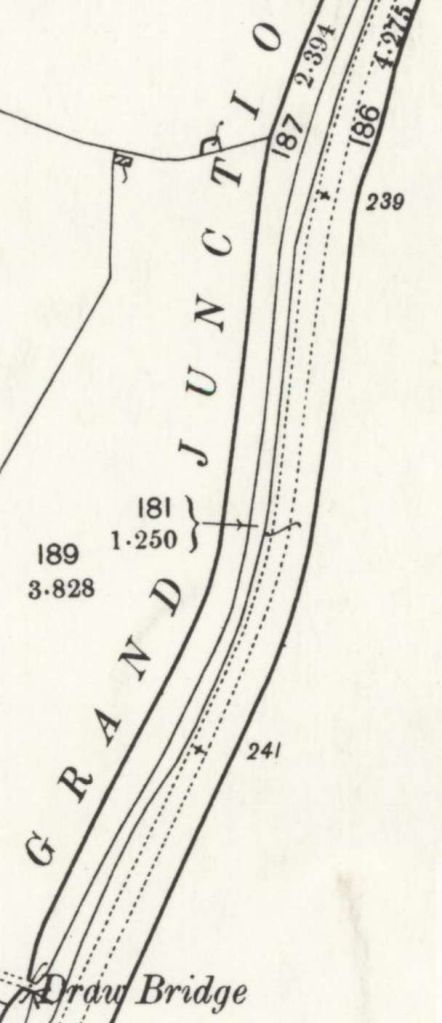
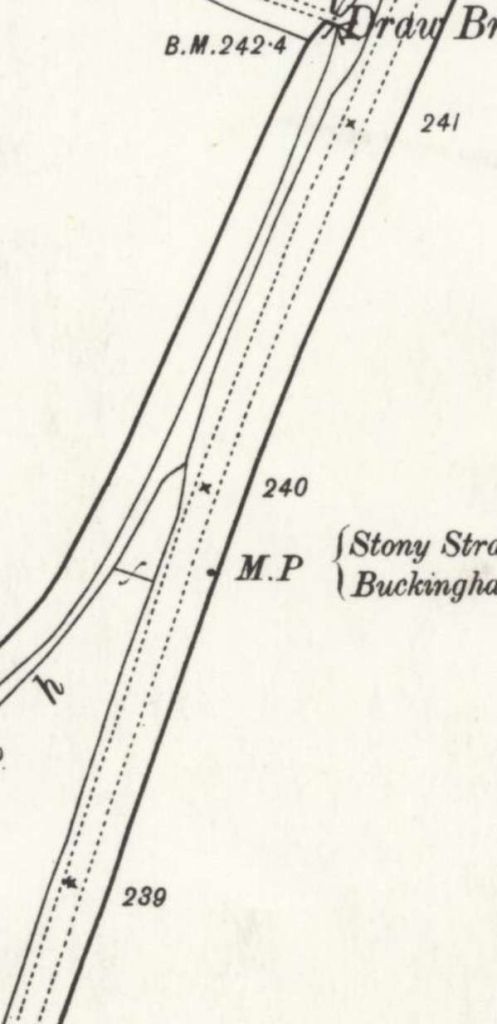
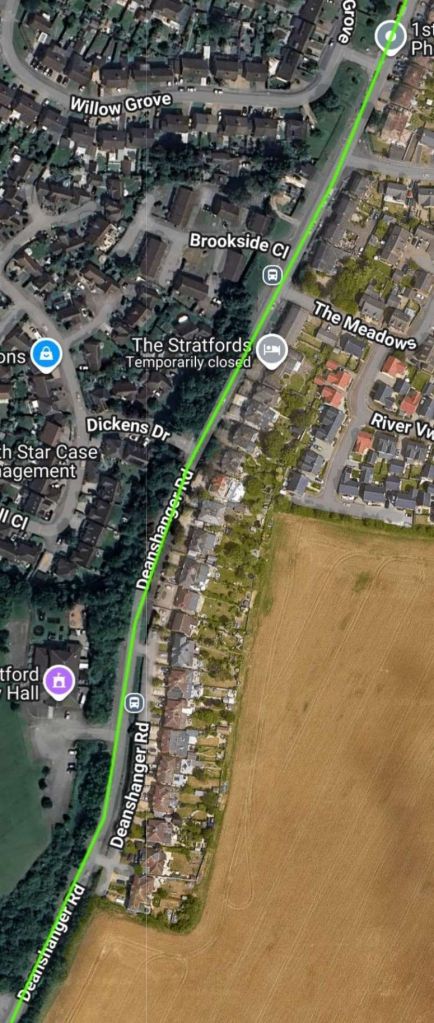
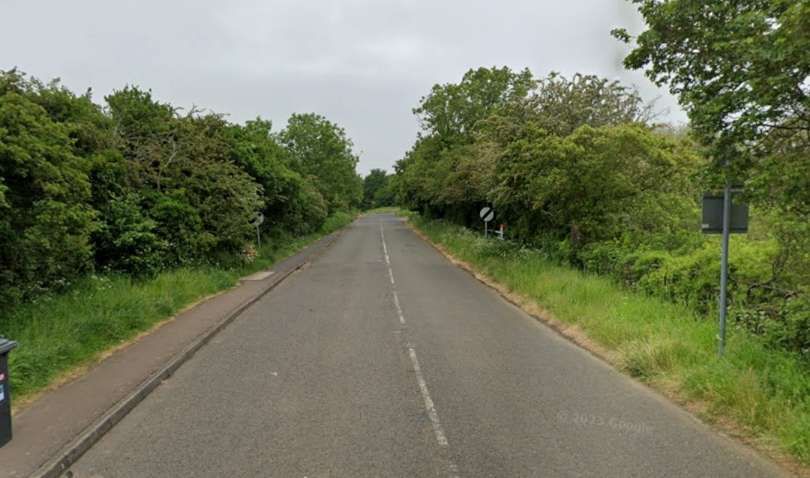
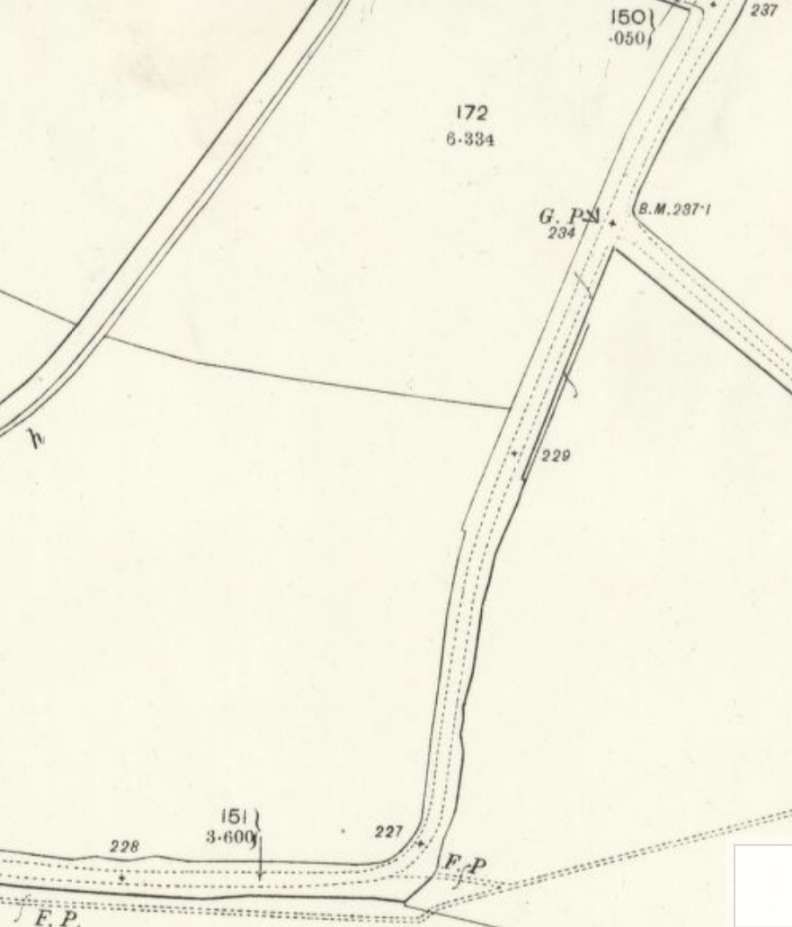
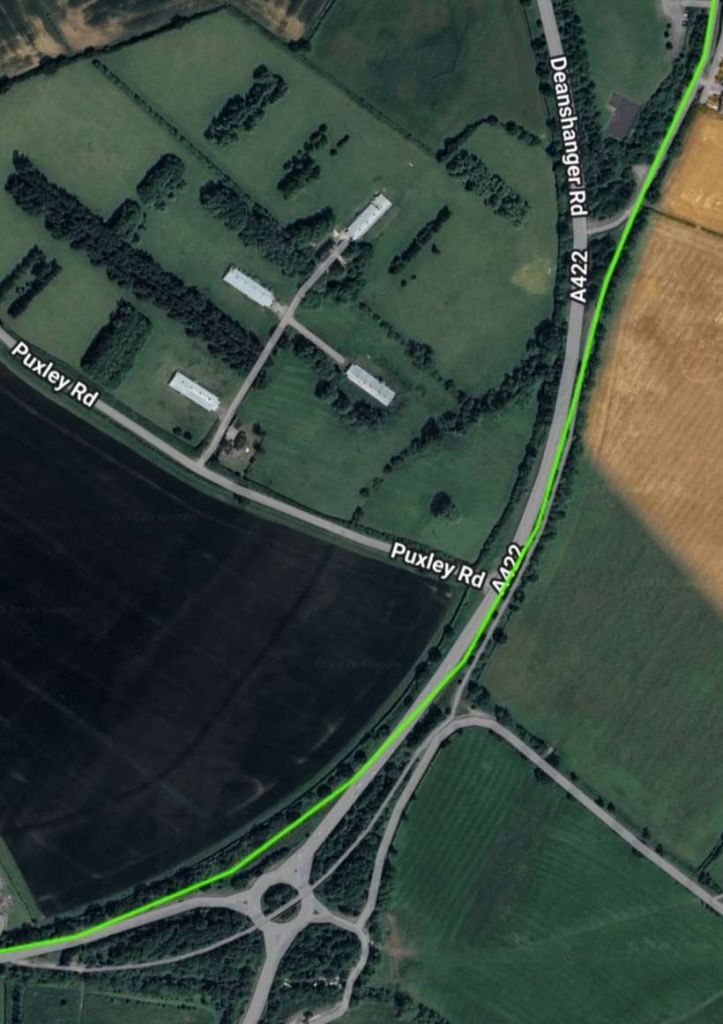
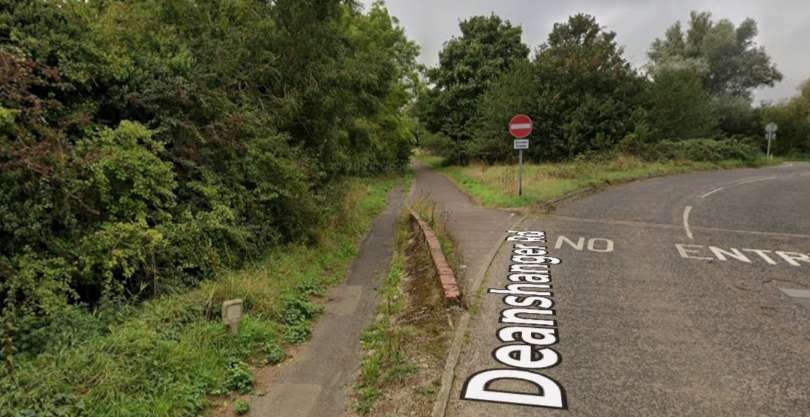

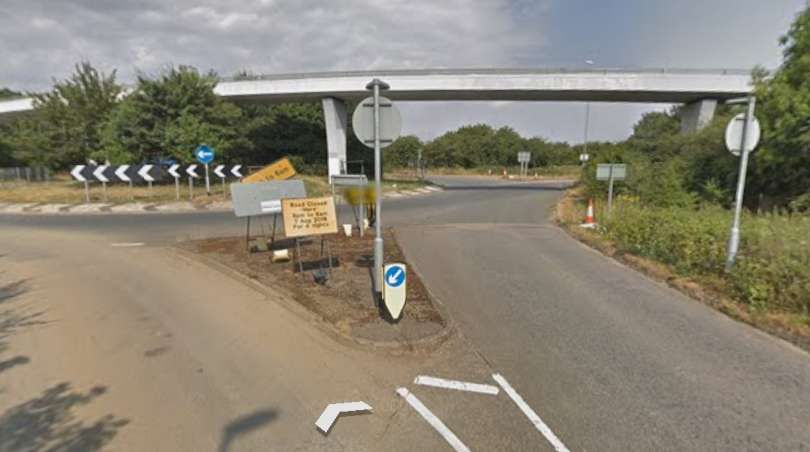
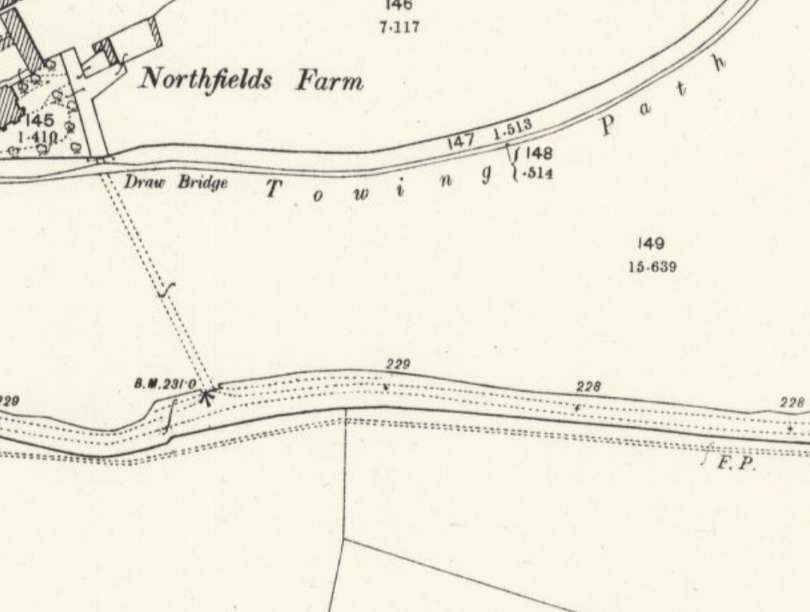
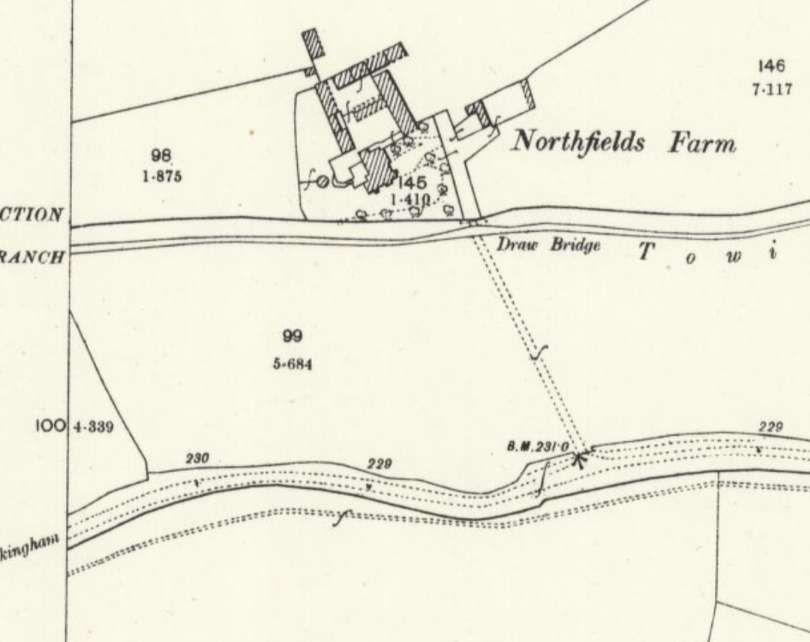
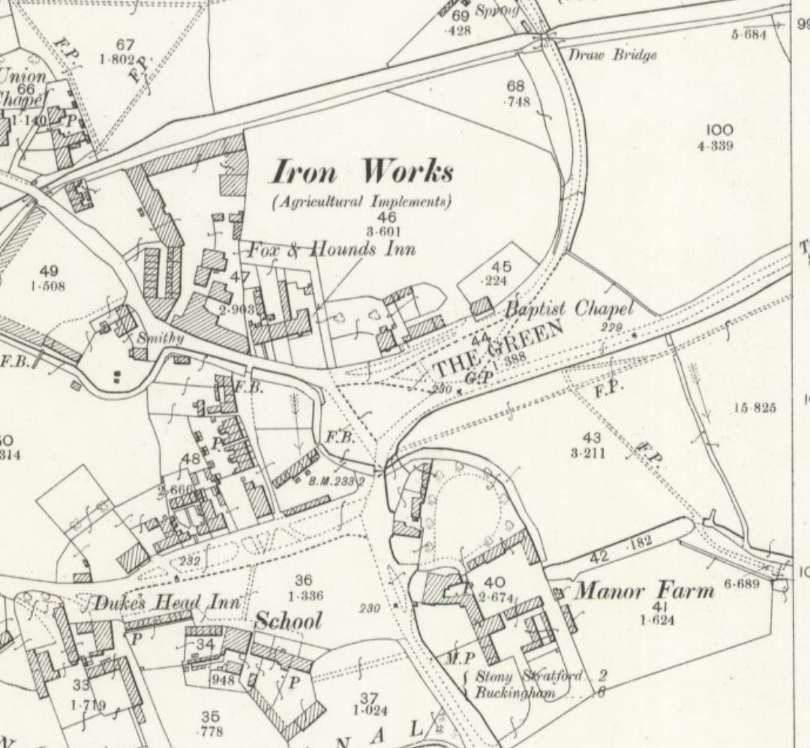
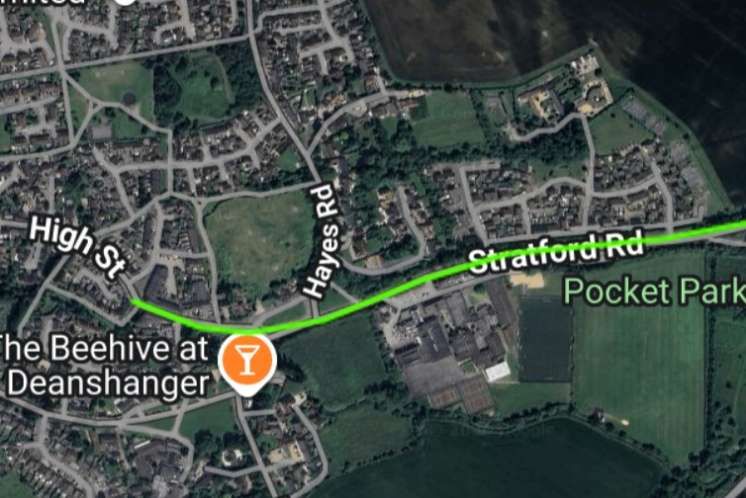
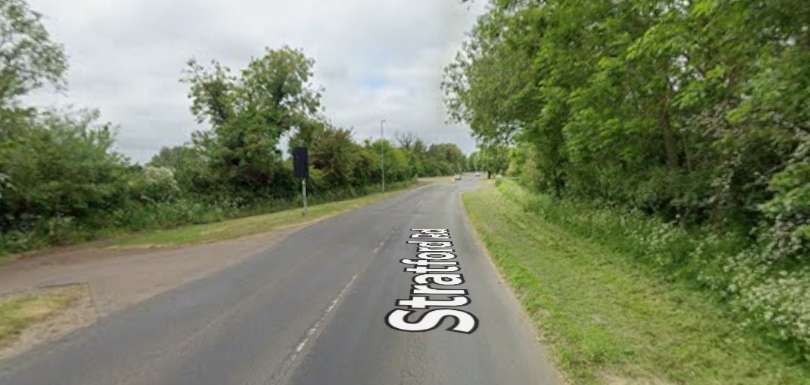
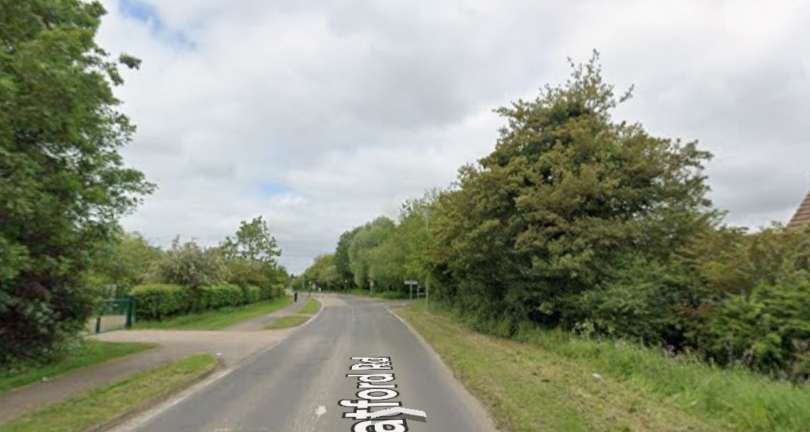
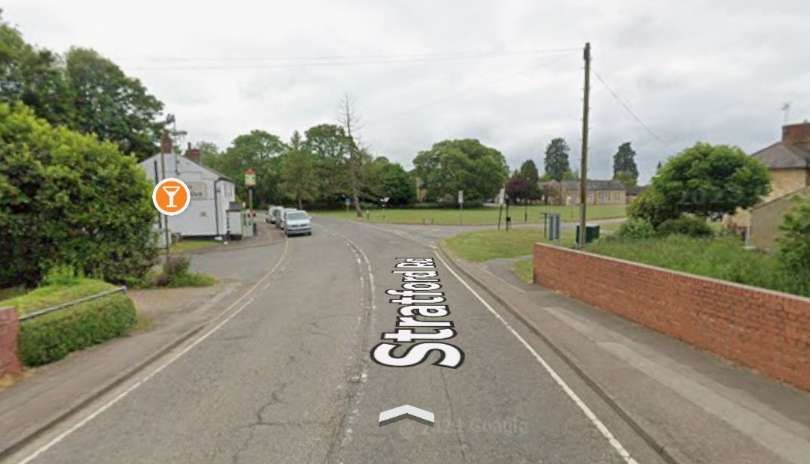
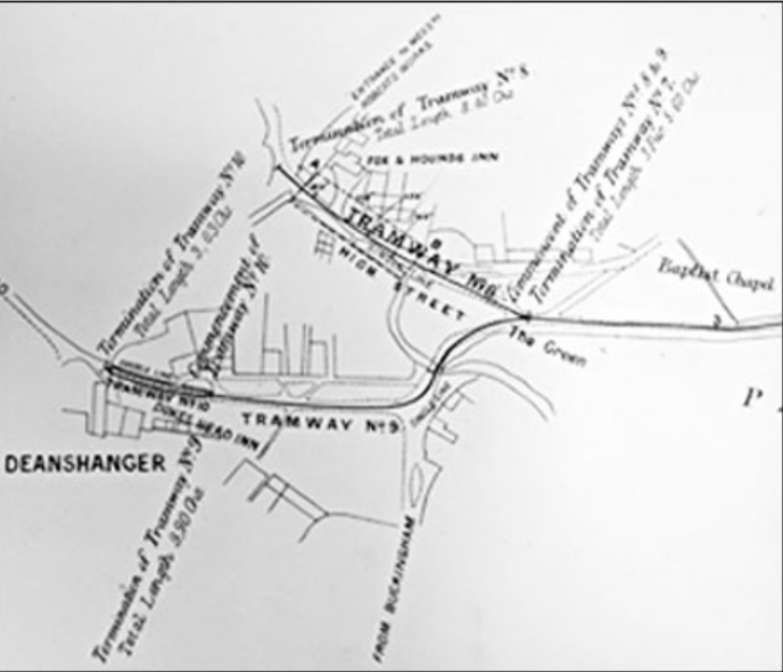
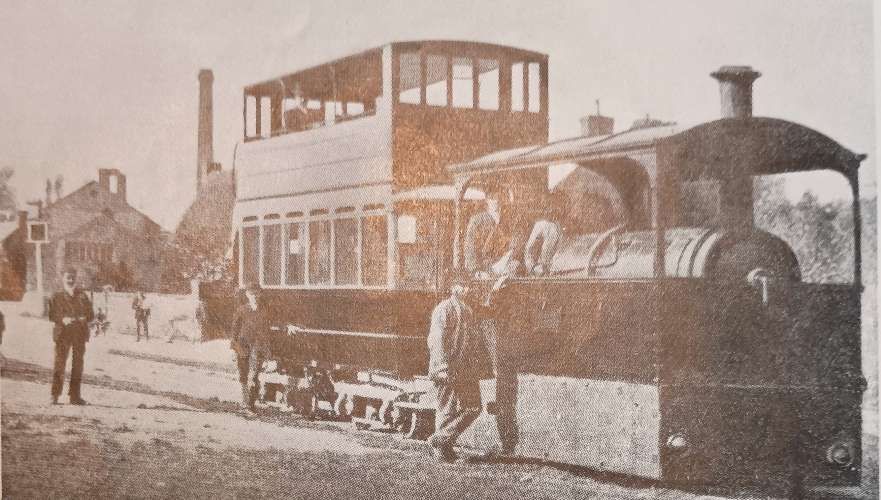
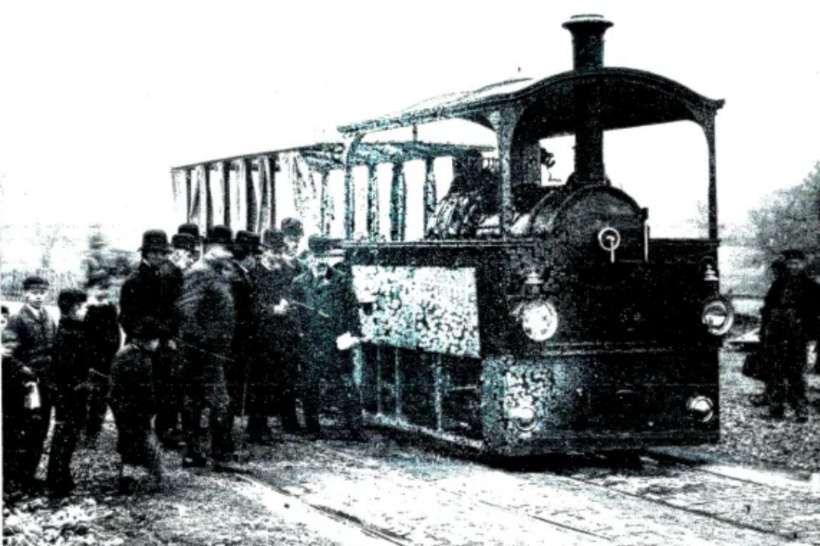
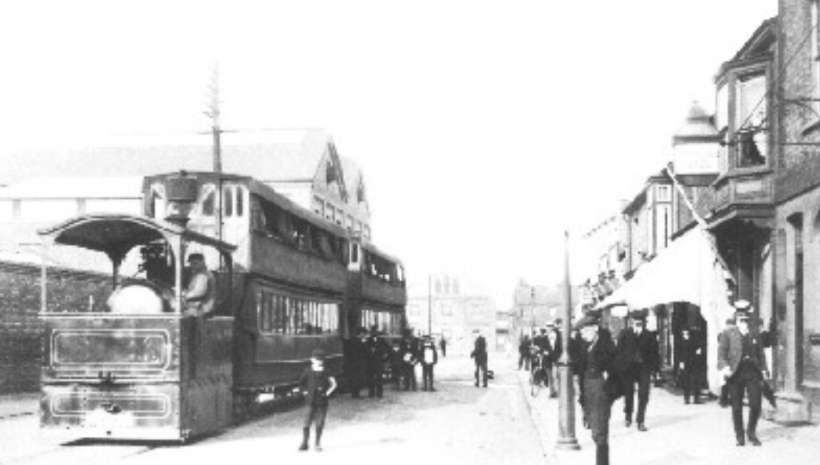
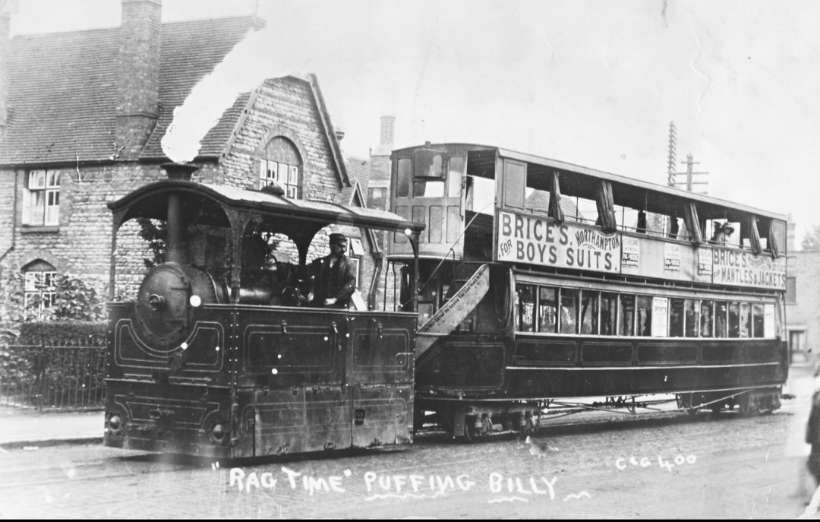
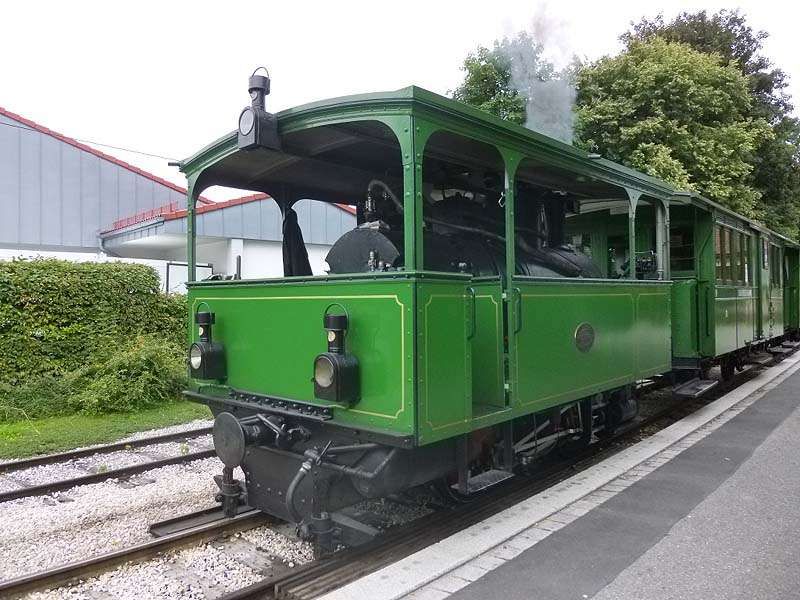
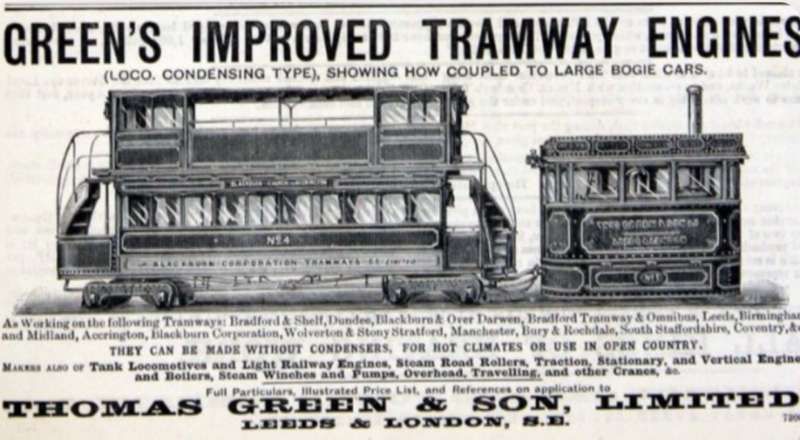
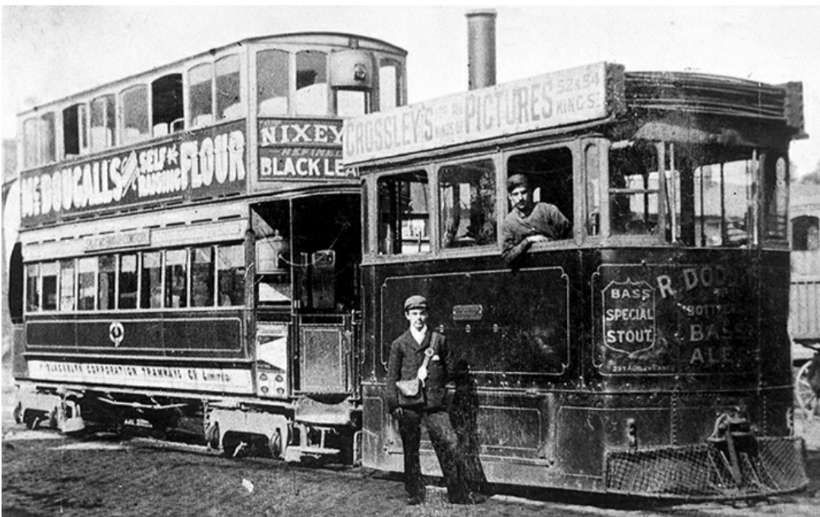
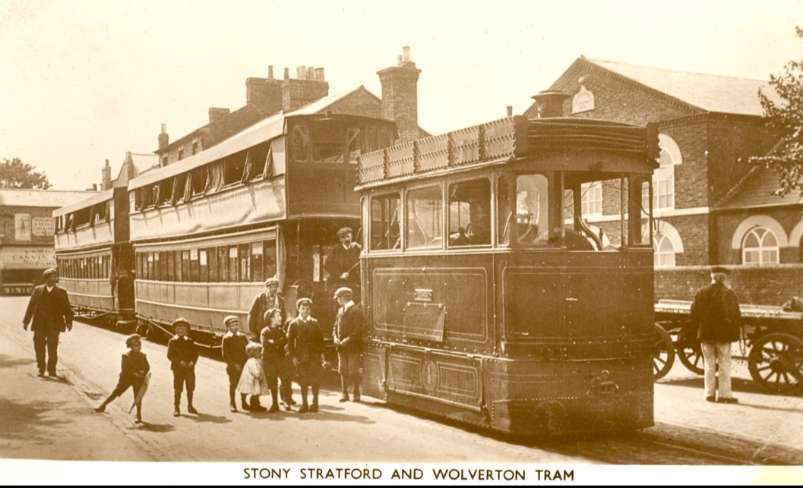
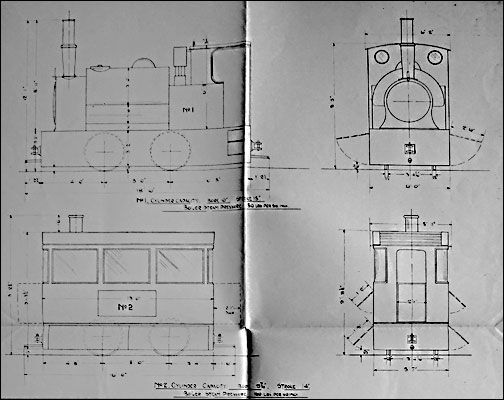
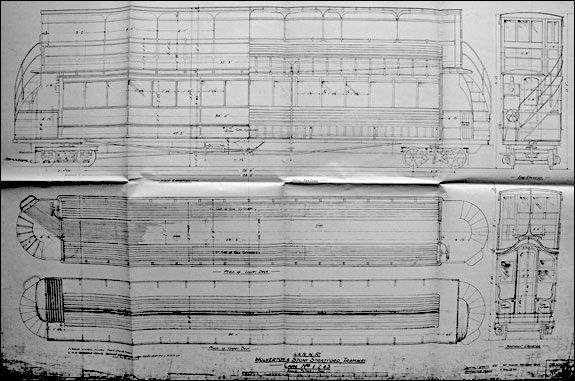
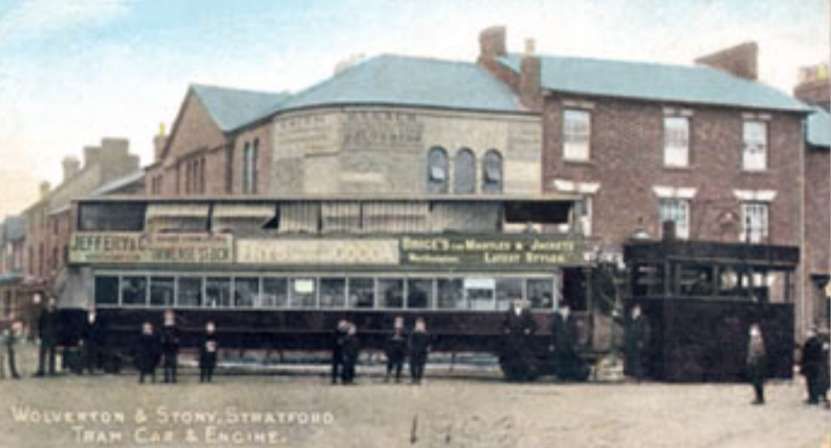
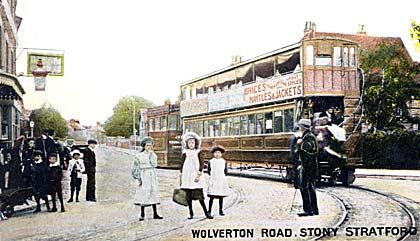
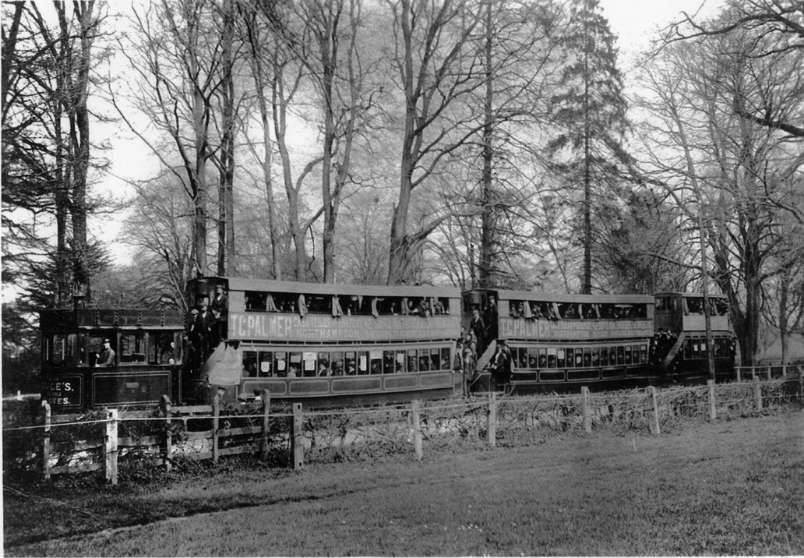
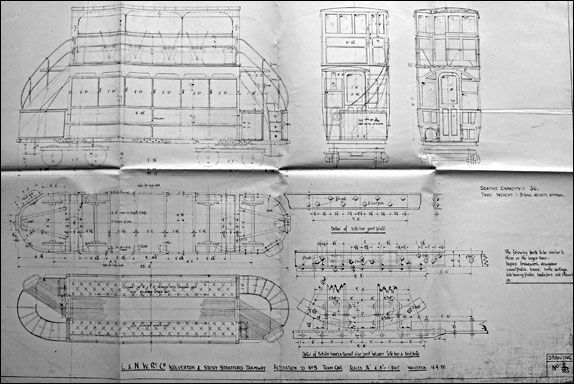

 Hans Christian Anderson tells a very familiar story whose main point is that ugly ducklings can become beautiful swans. We know that ugly caterpillars can become amazing butterflies, tadpoles do become frogs and toads. Things do change.
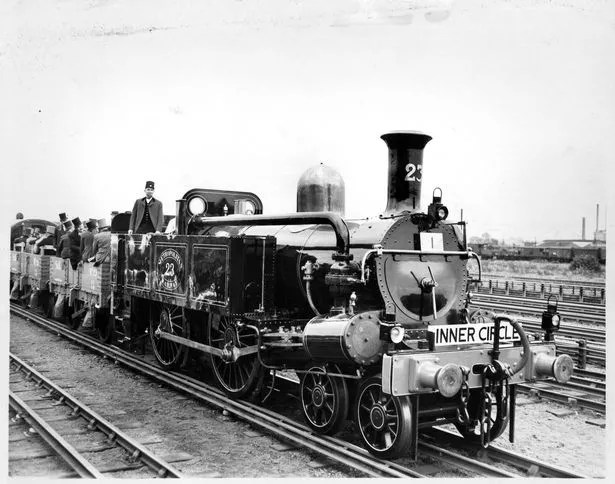
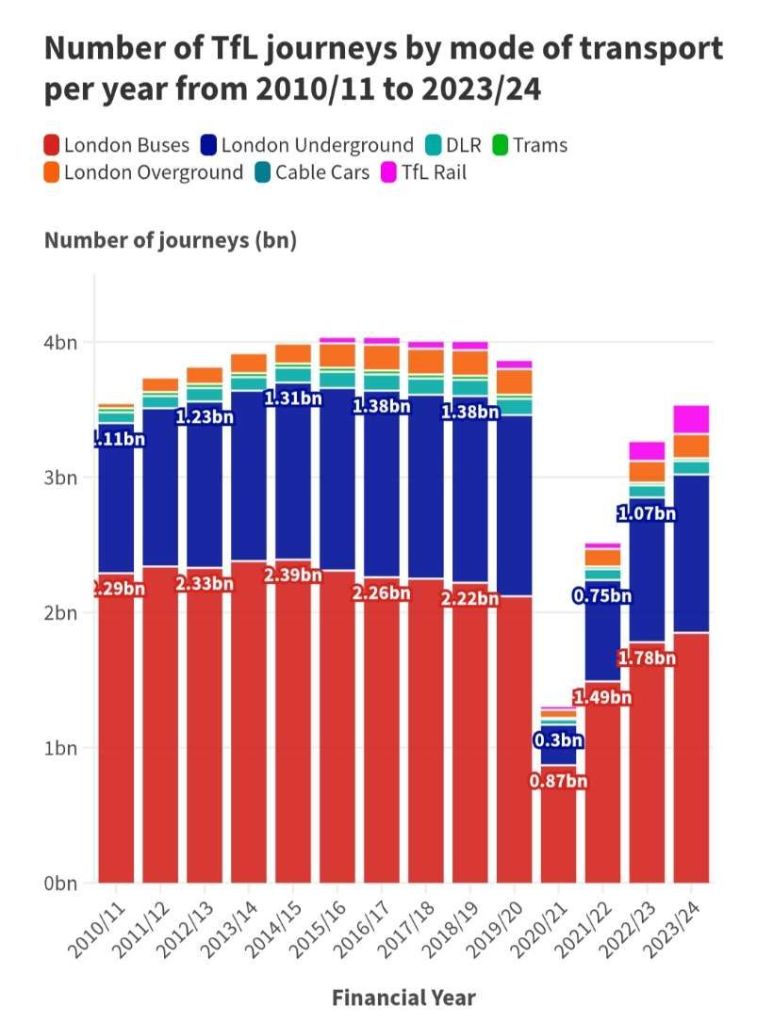
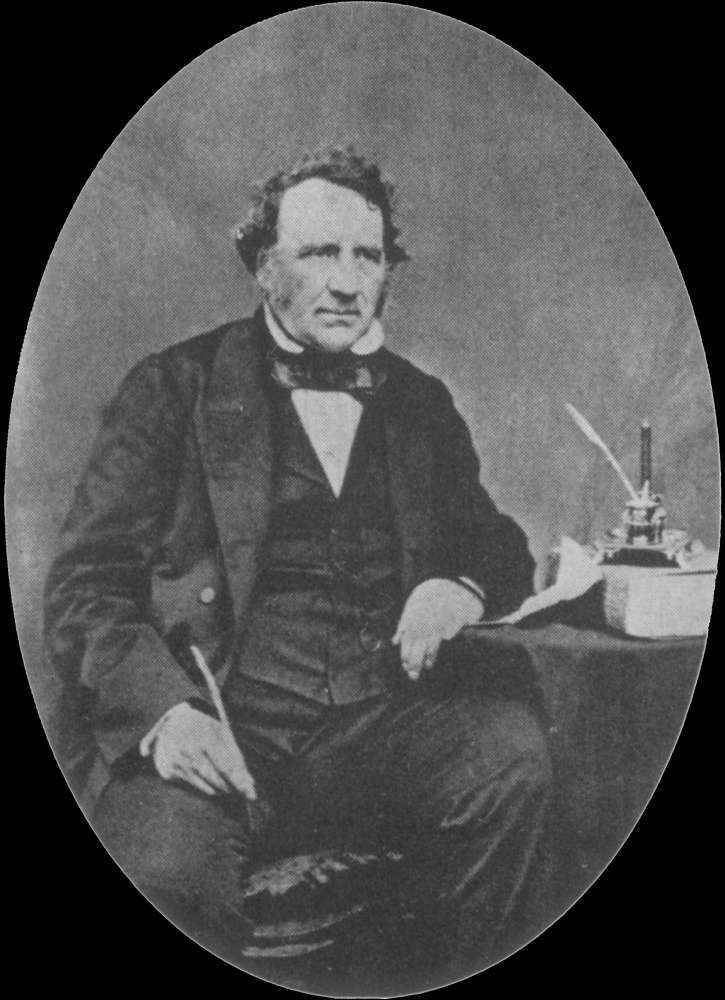
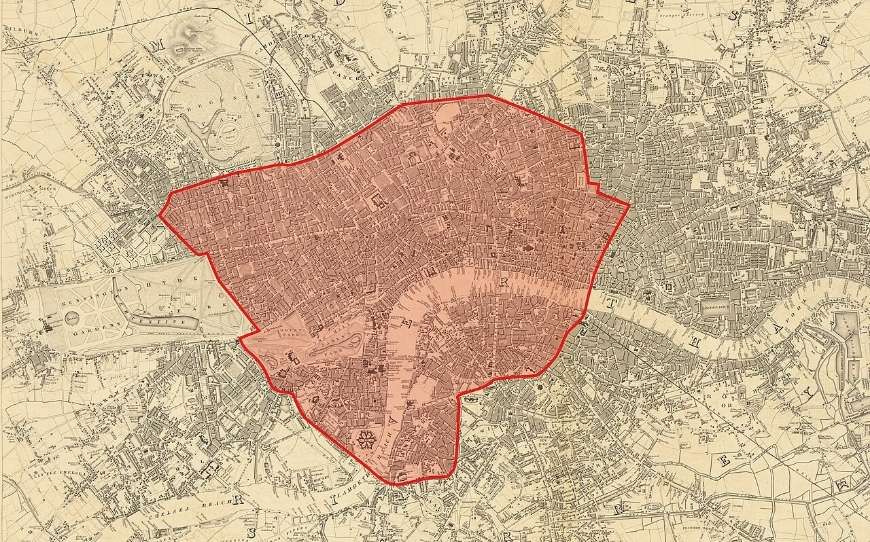
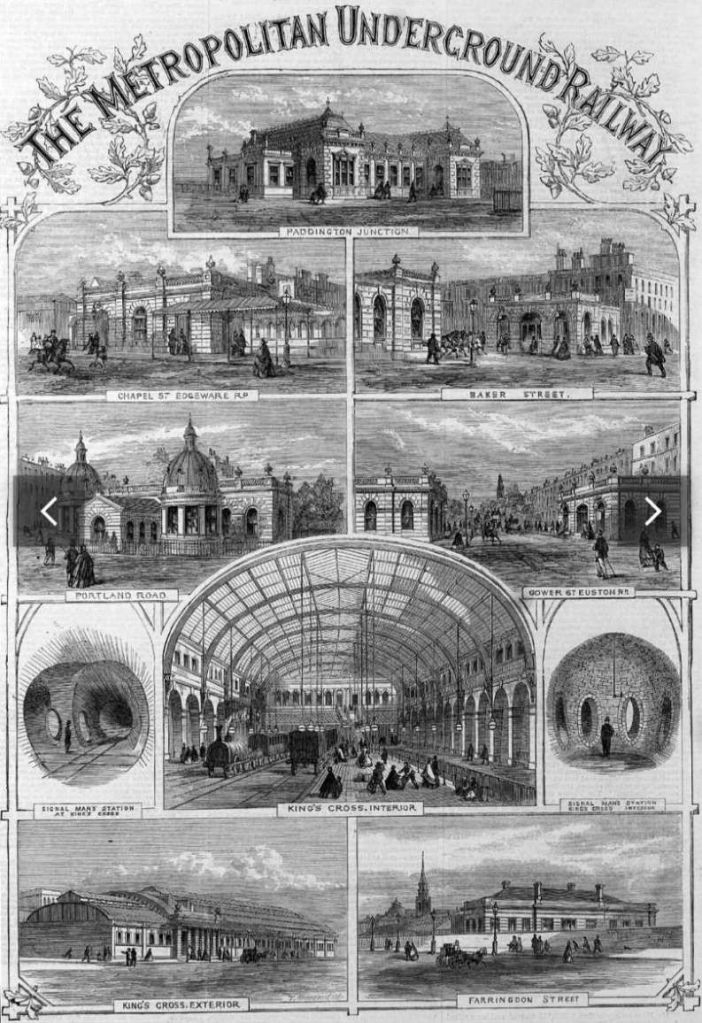
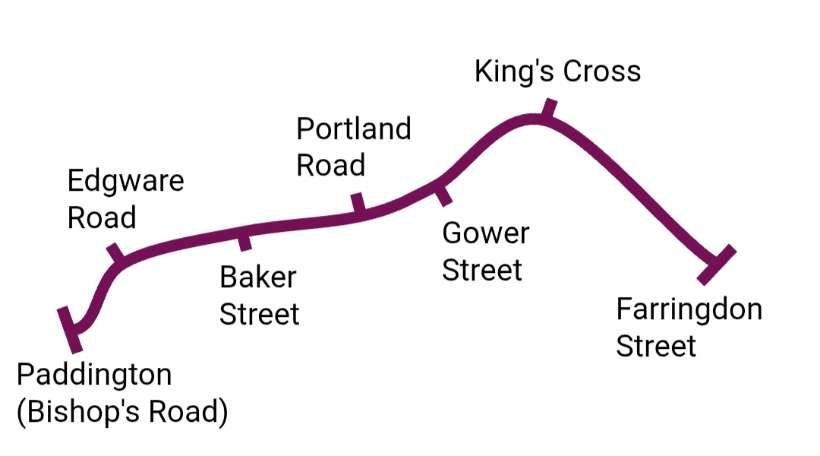
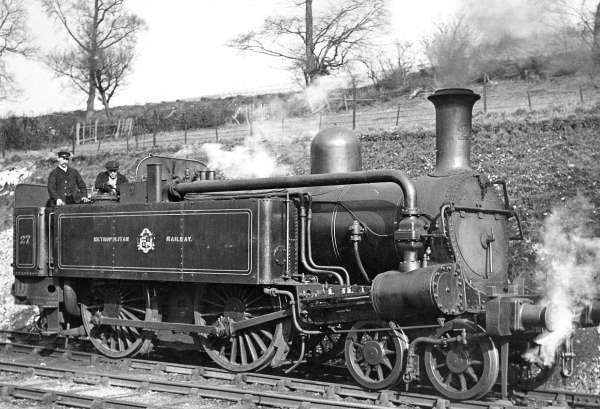
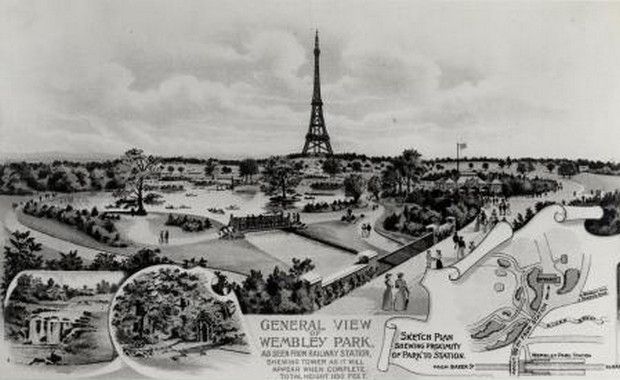
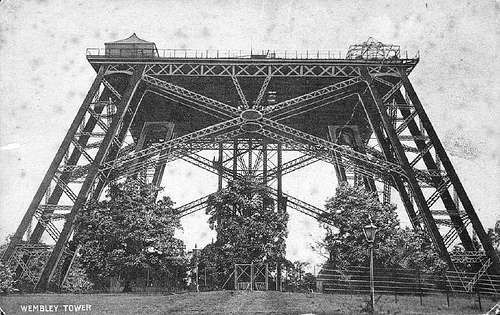
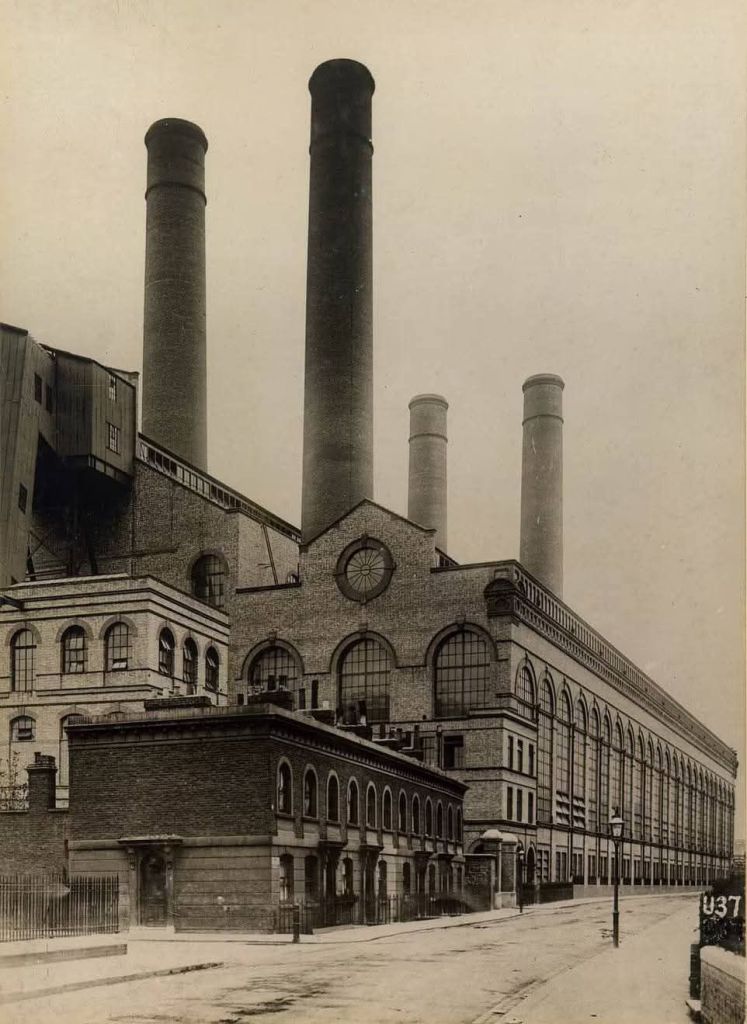
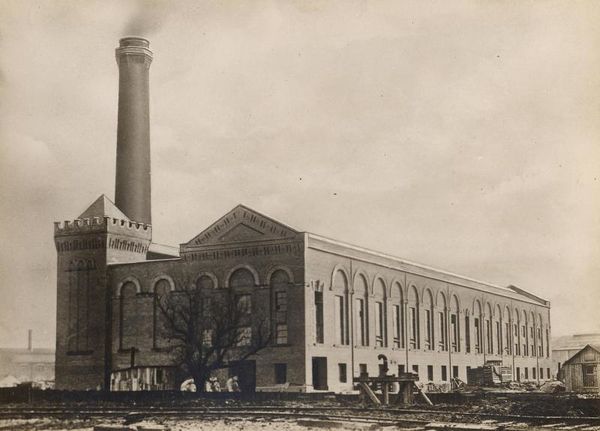
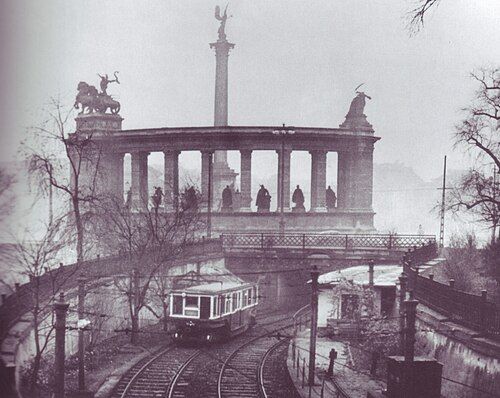
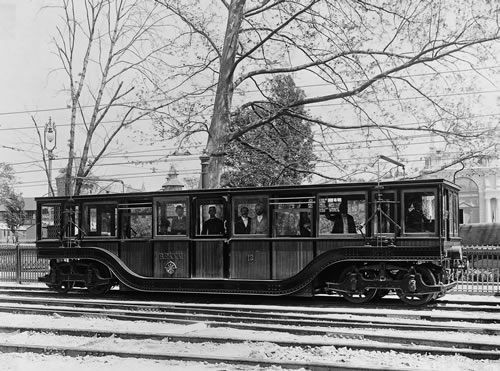
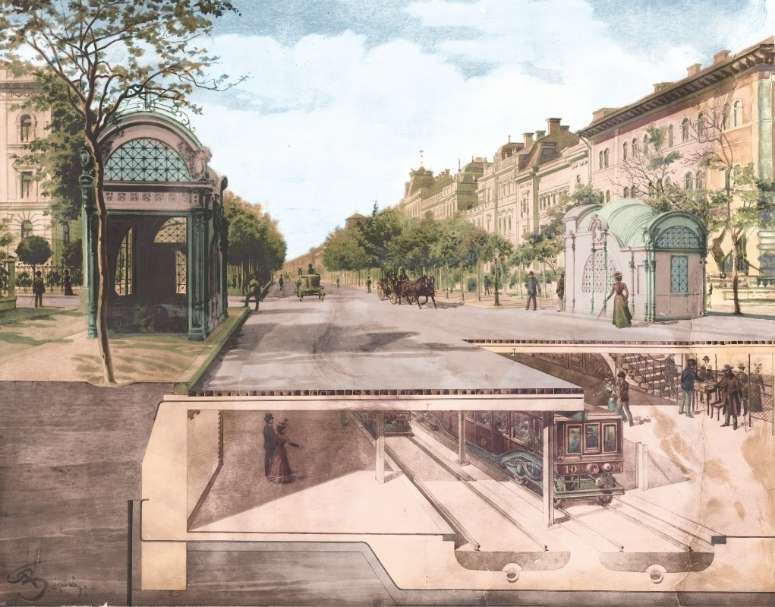
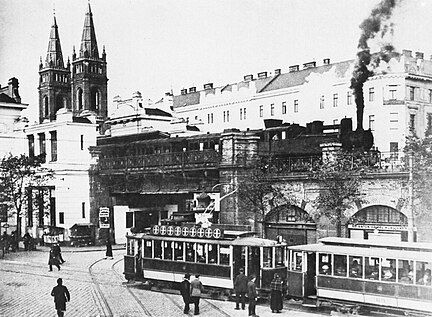
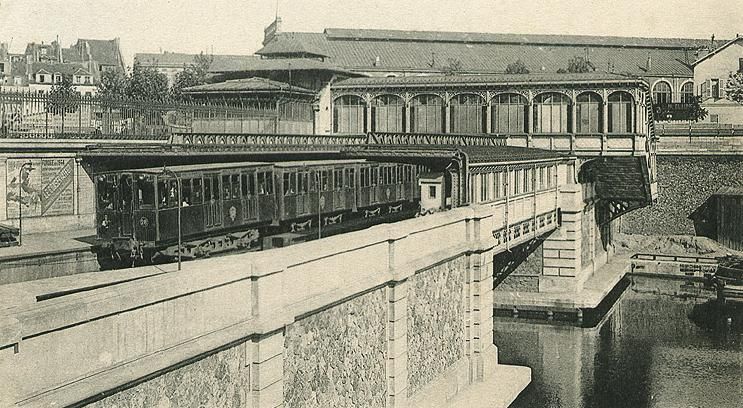
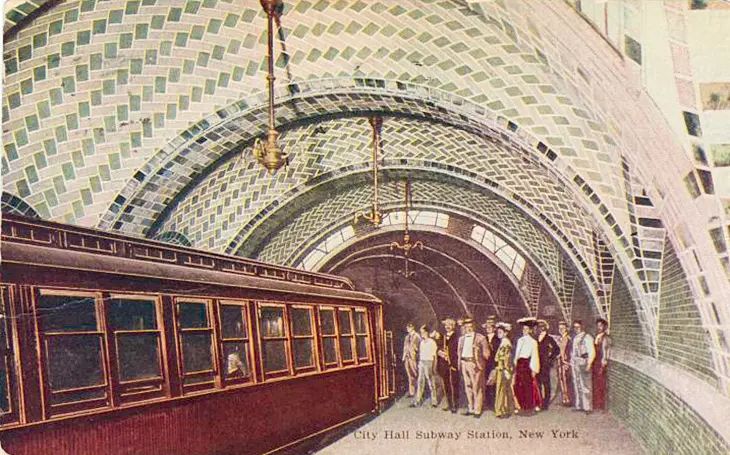
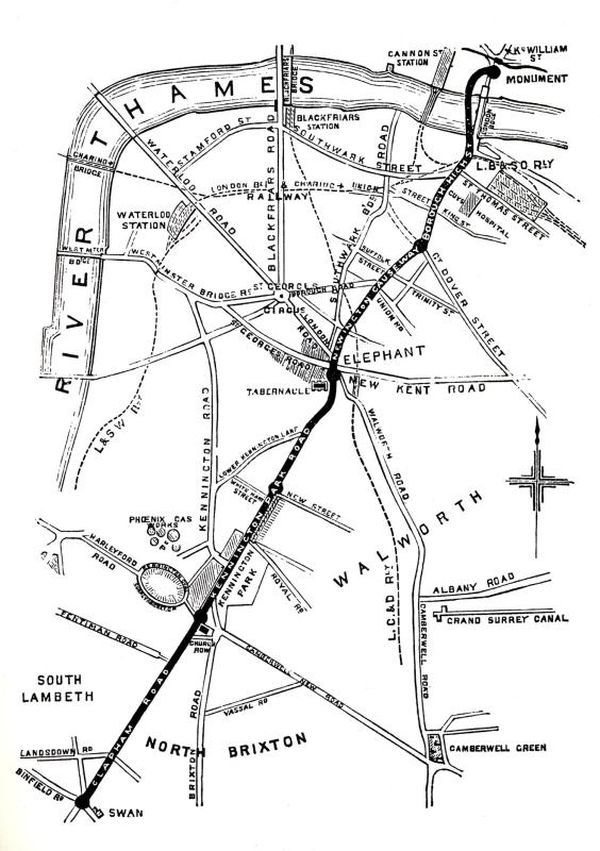
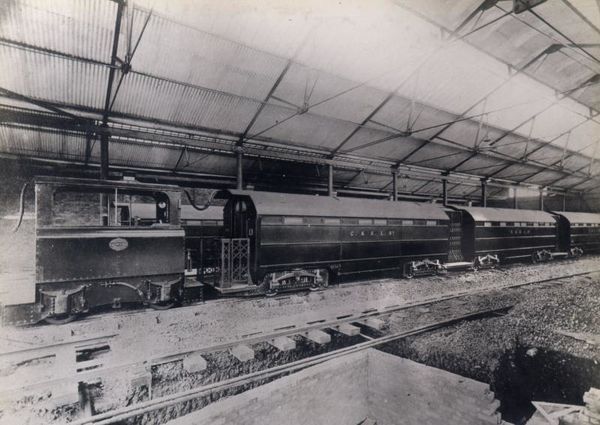
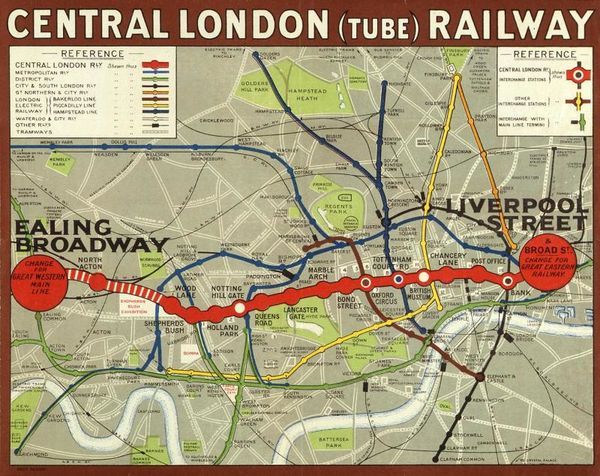
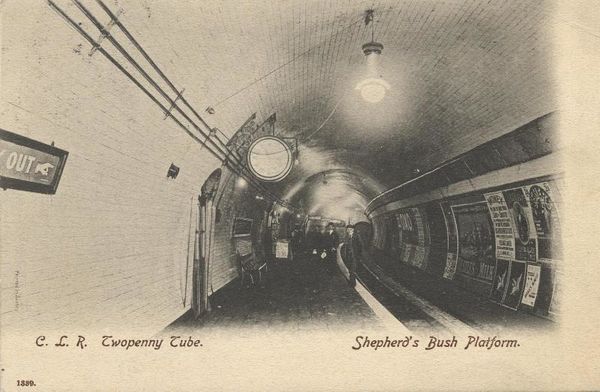
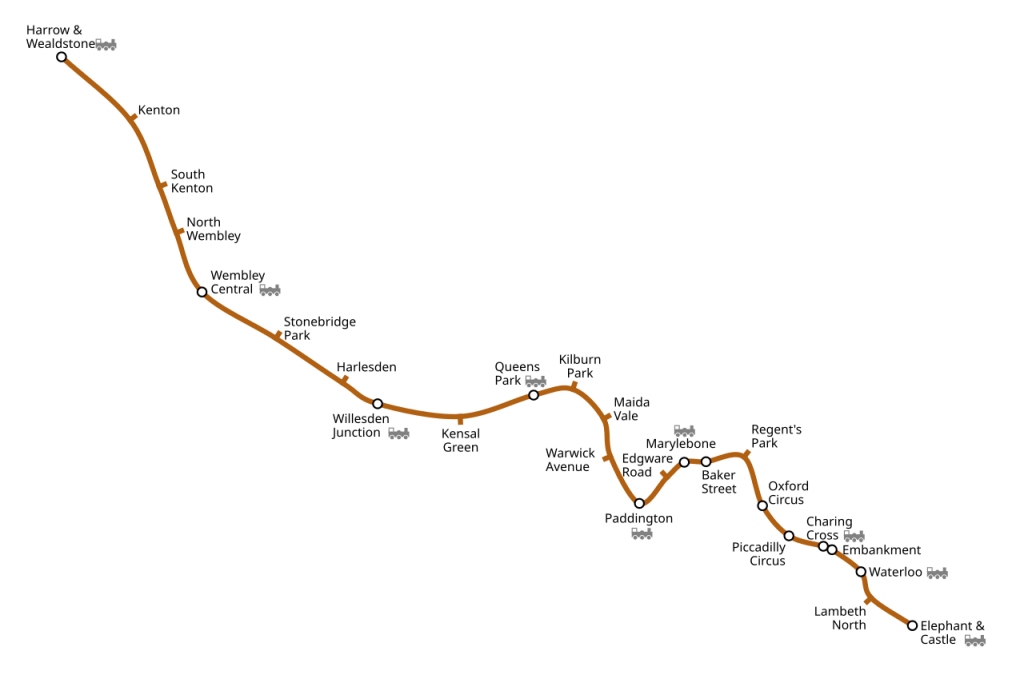
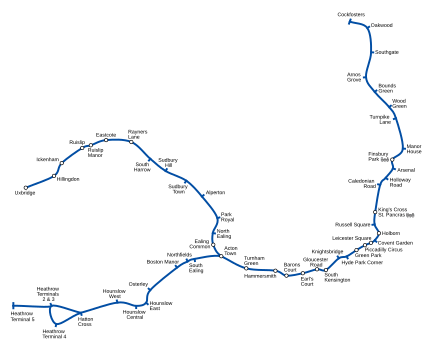
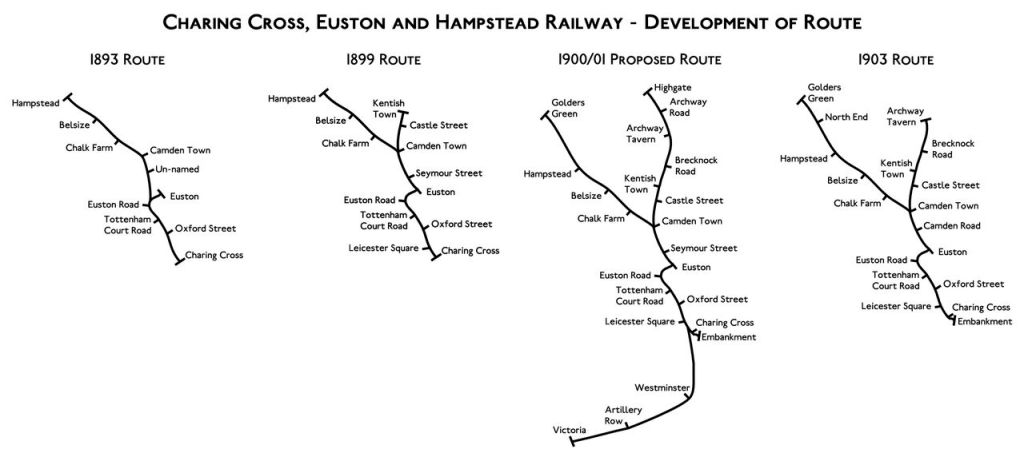
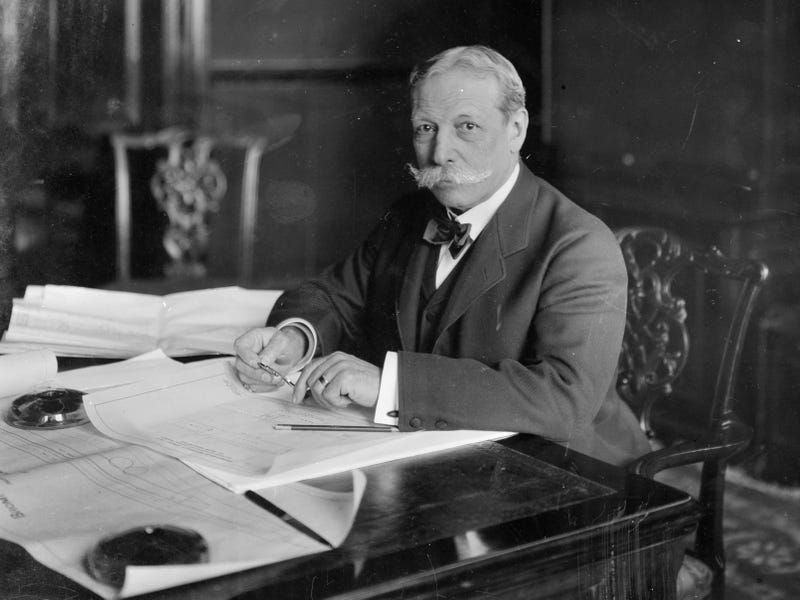
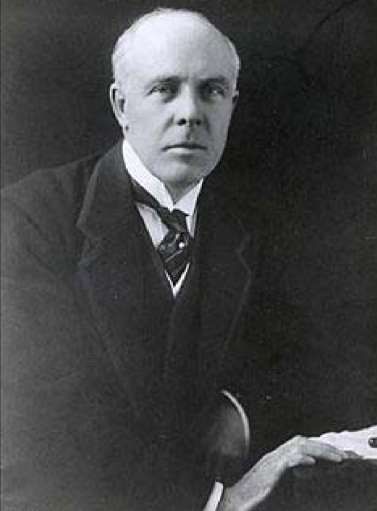
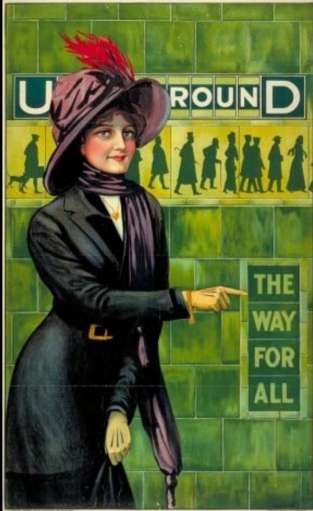
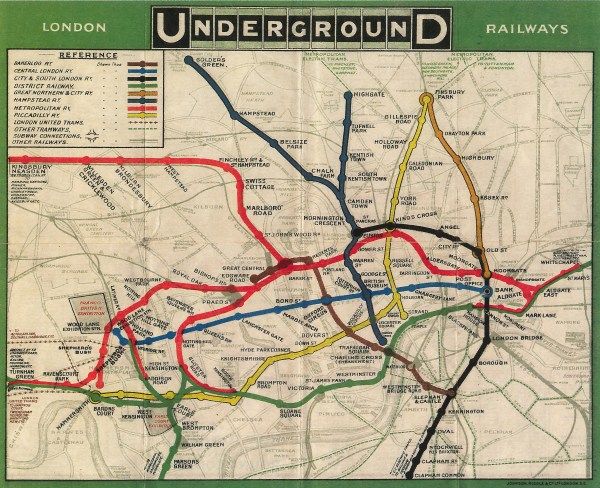
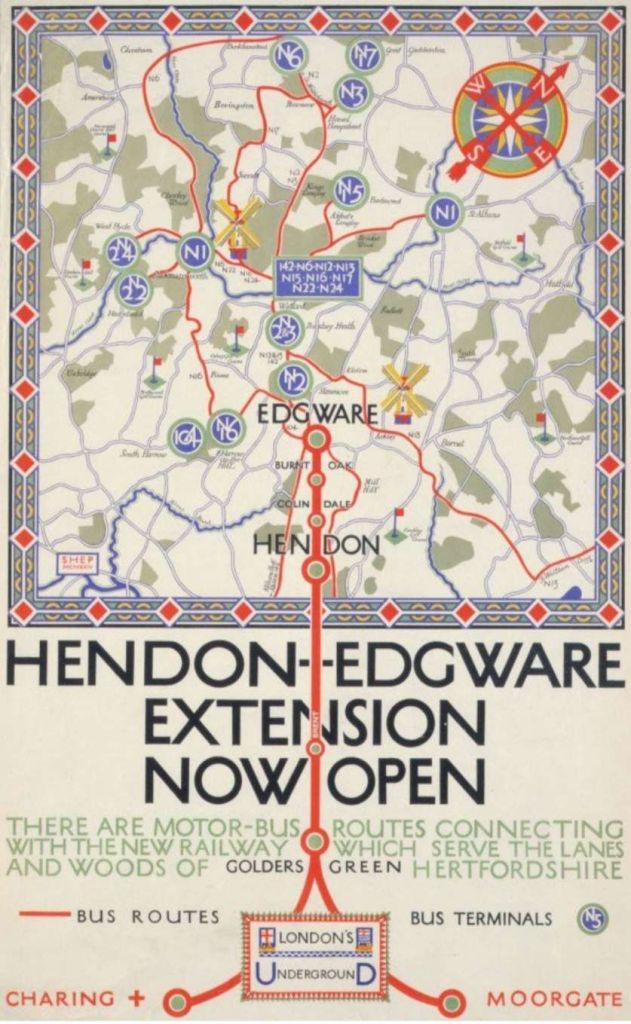
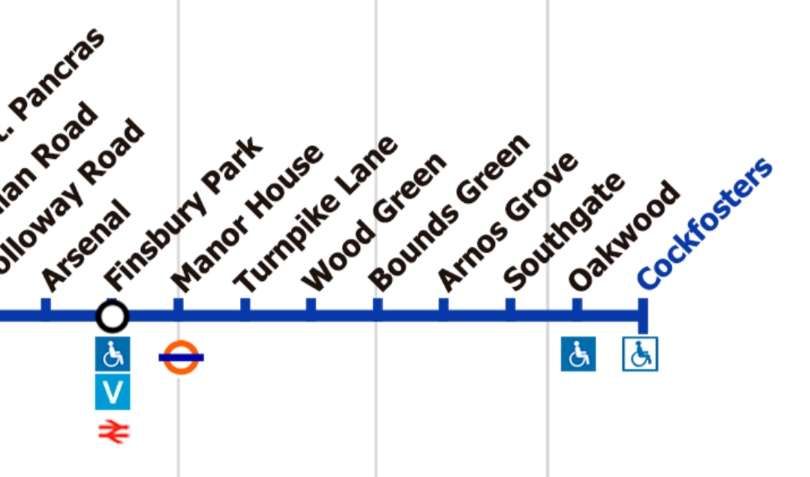
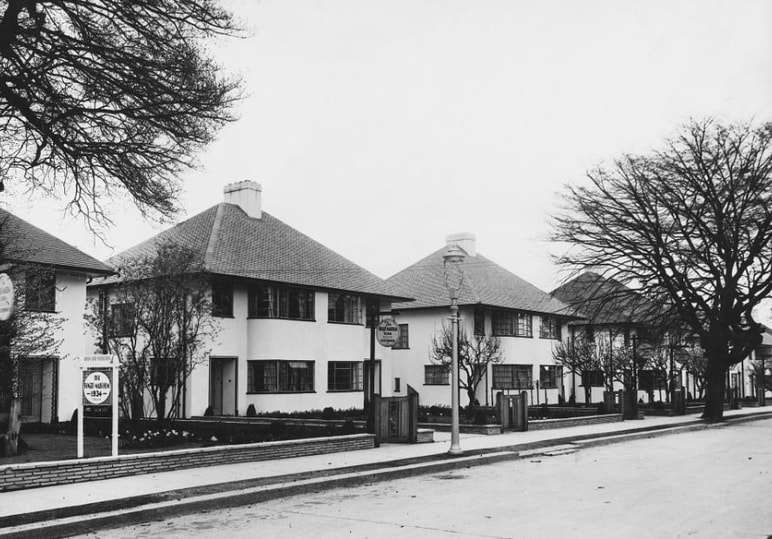
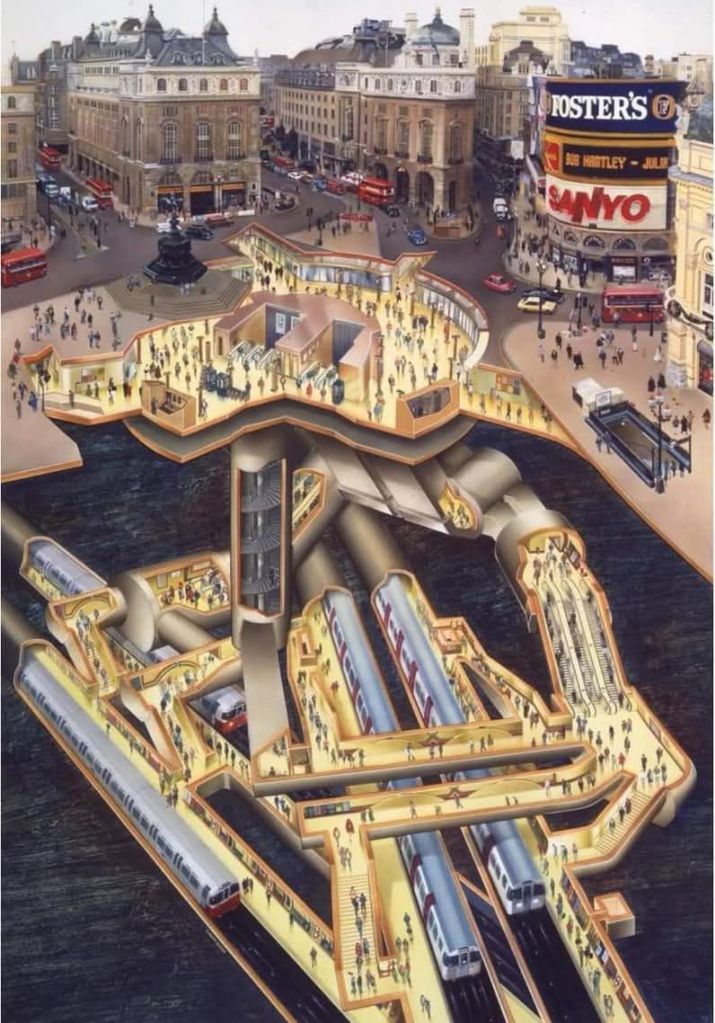
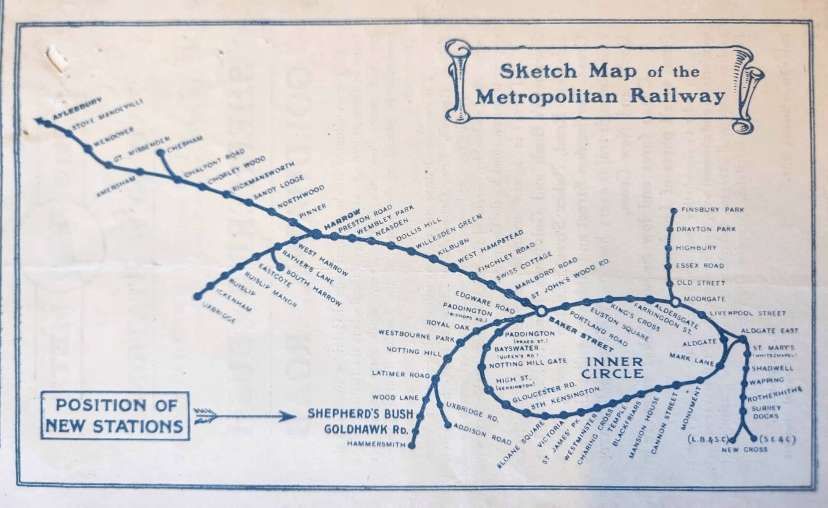
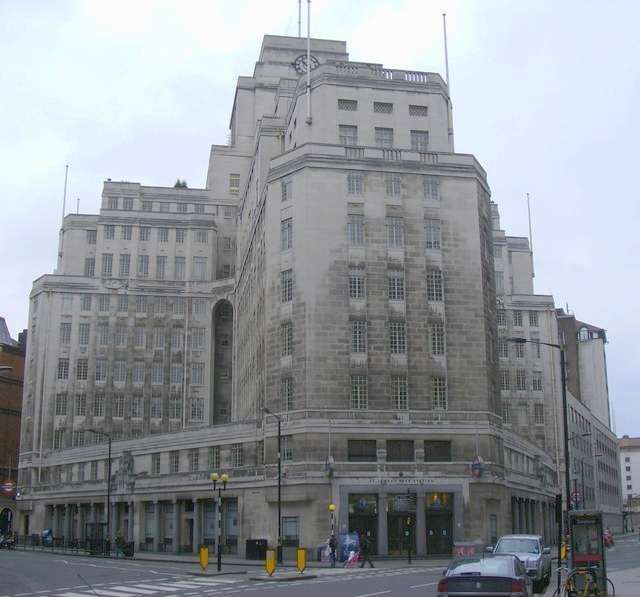
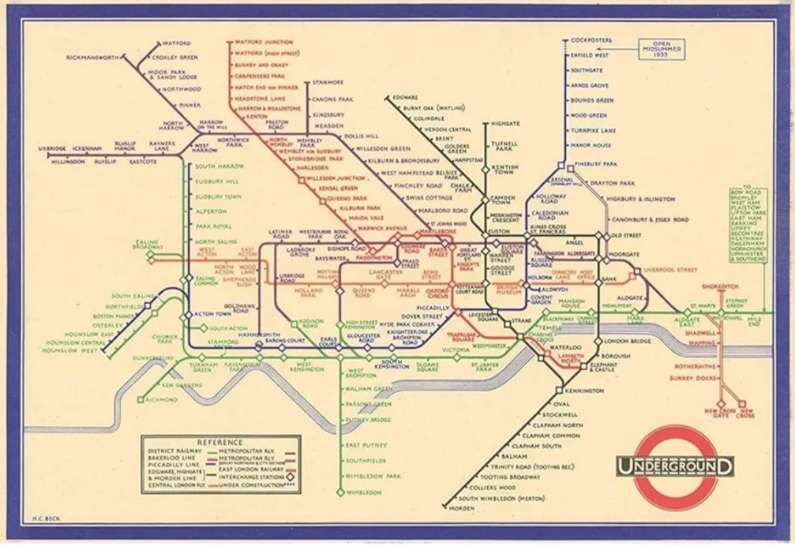
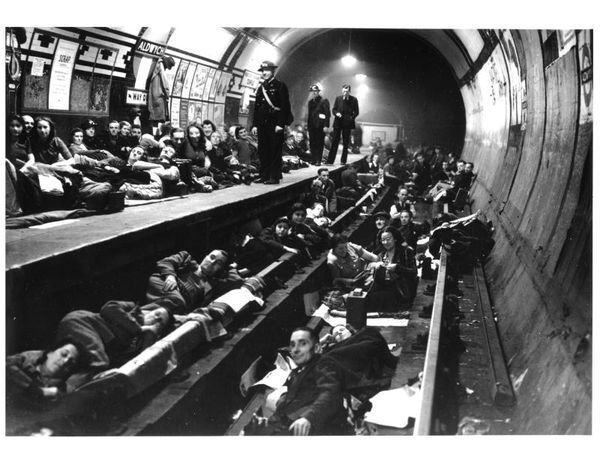
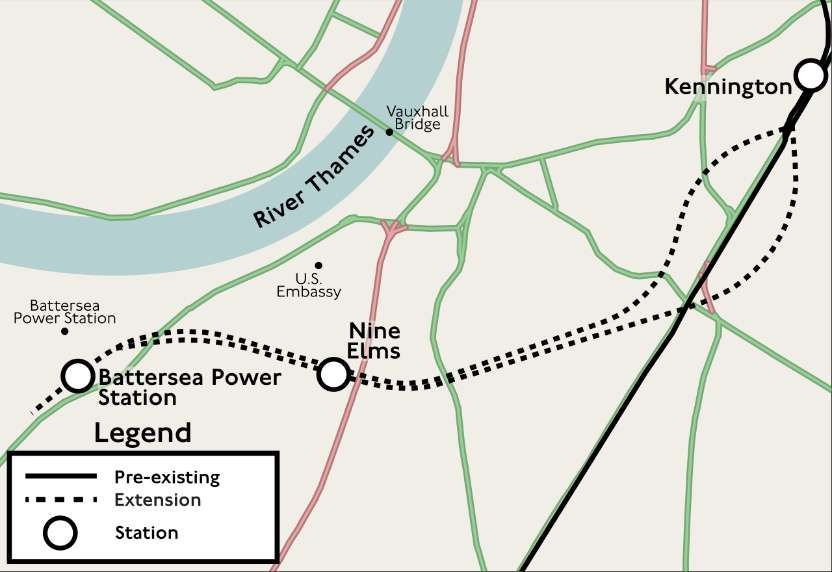
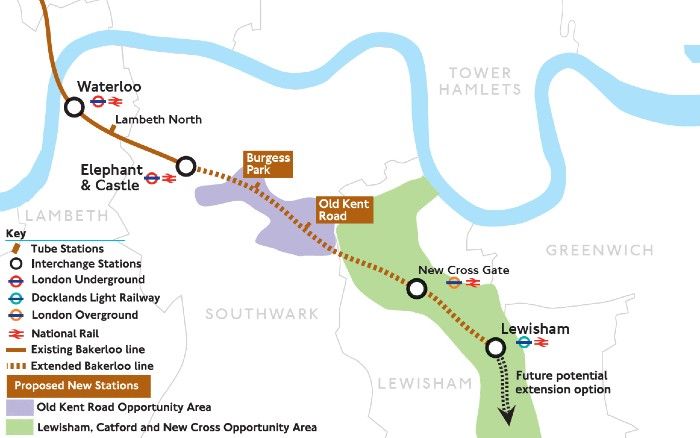
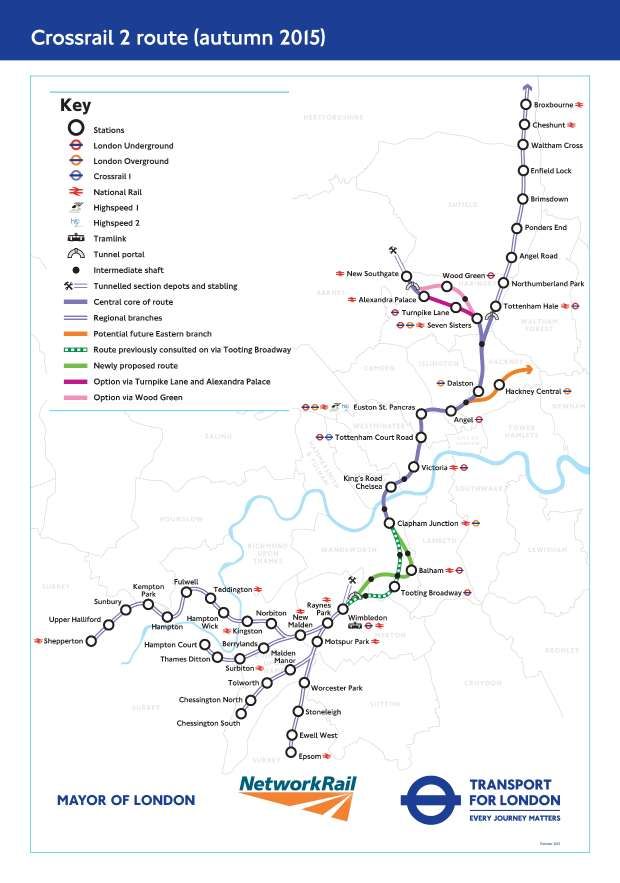
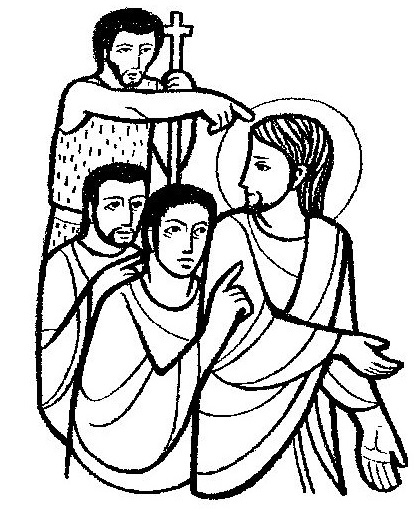
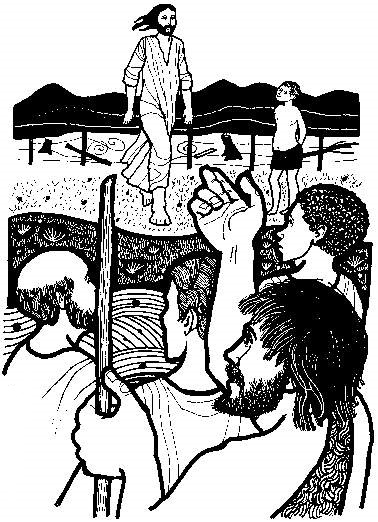
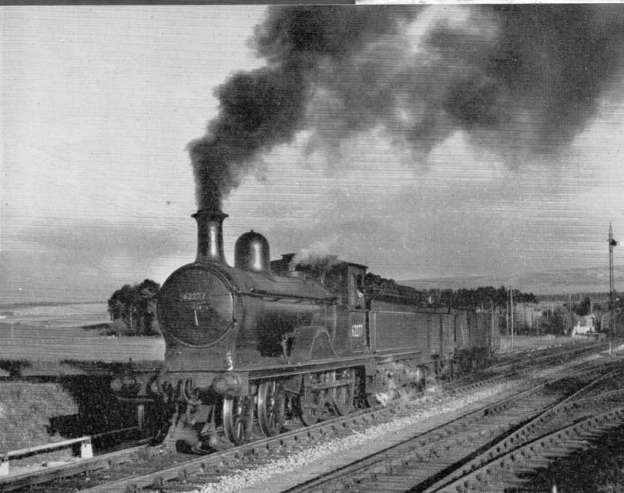
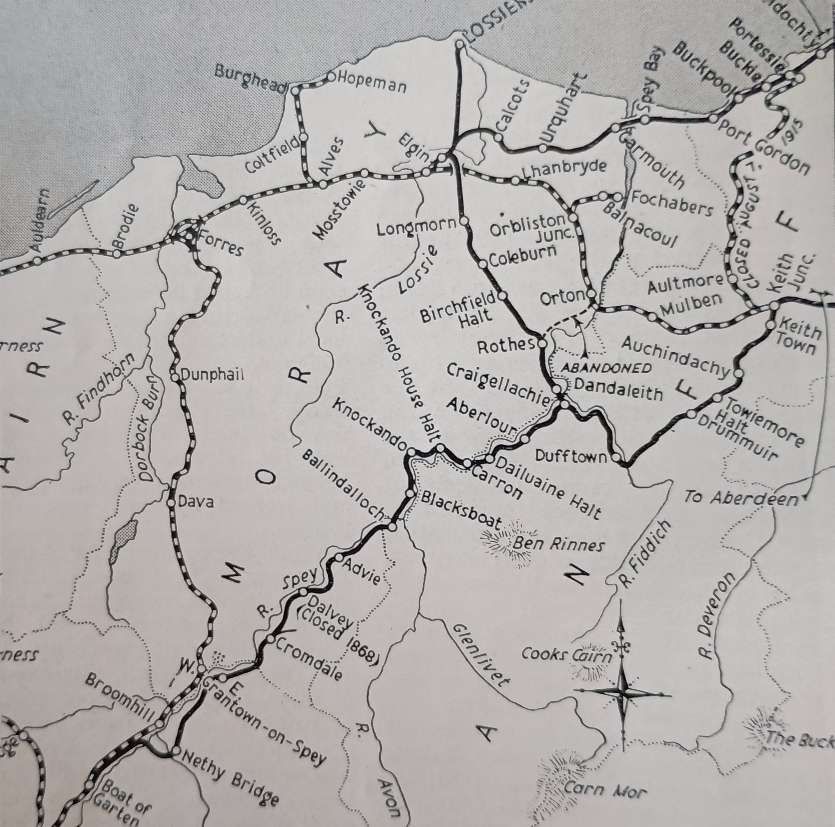
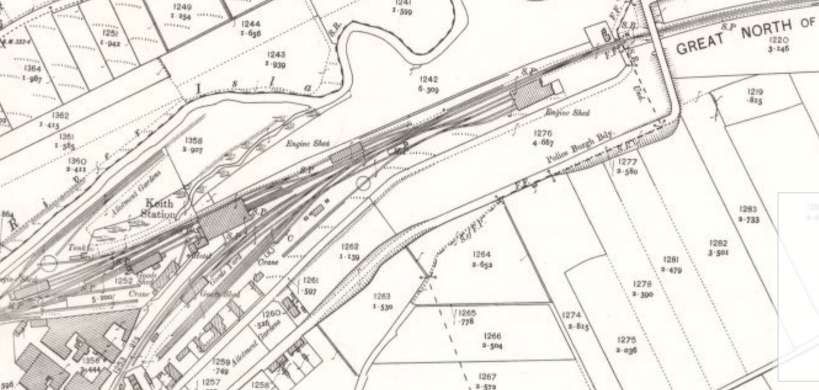
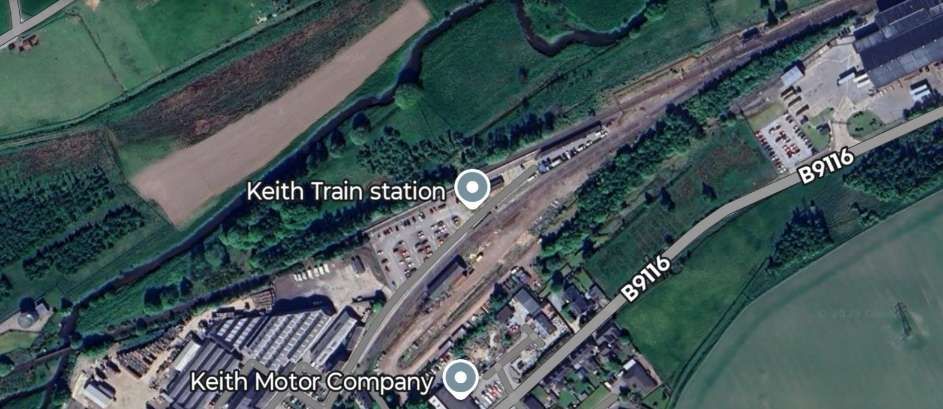
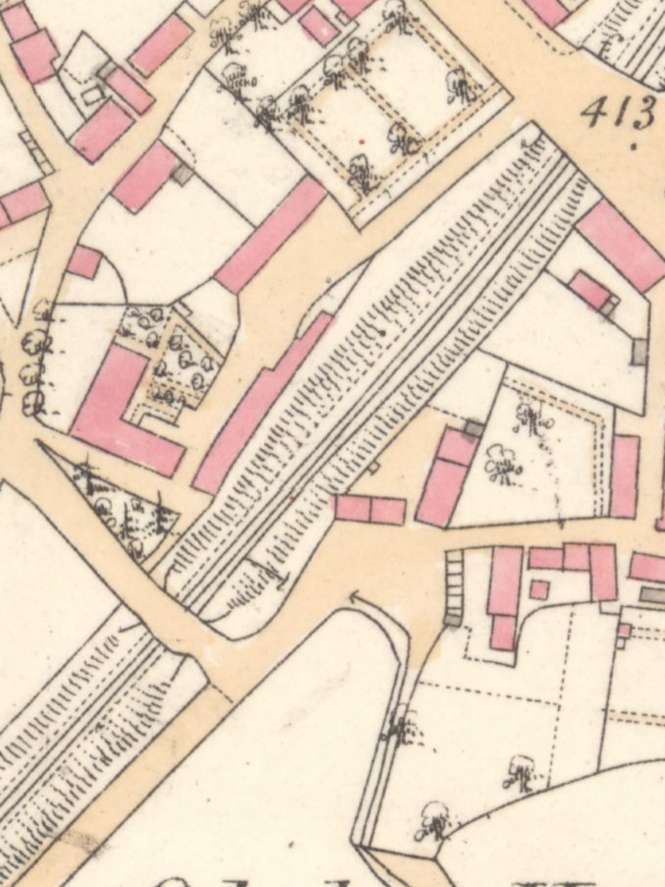
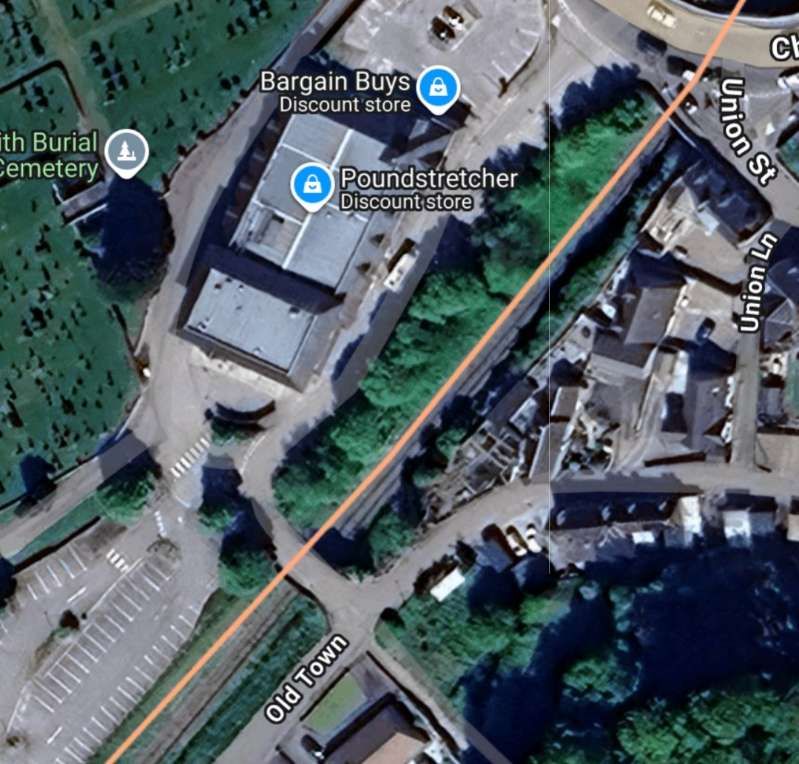
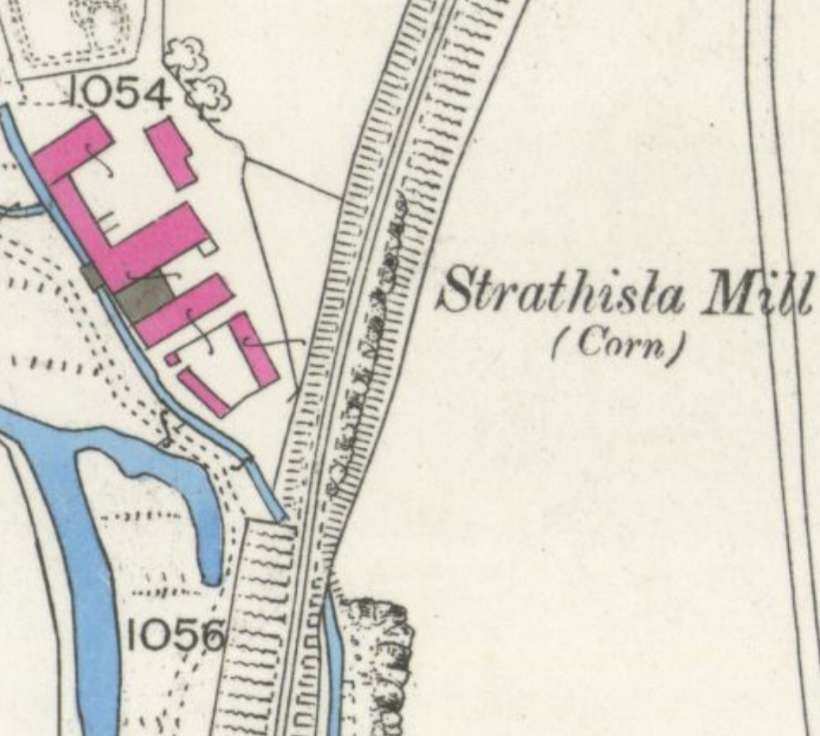
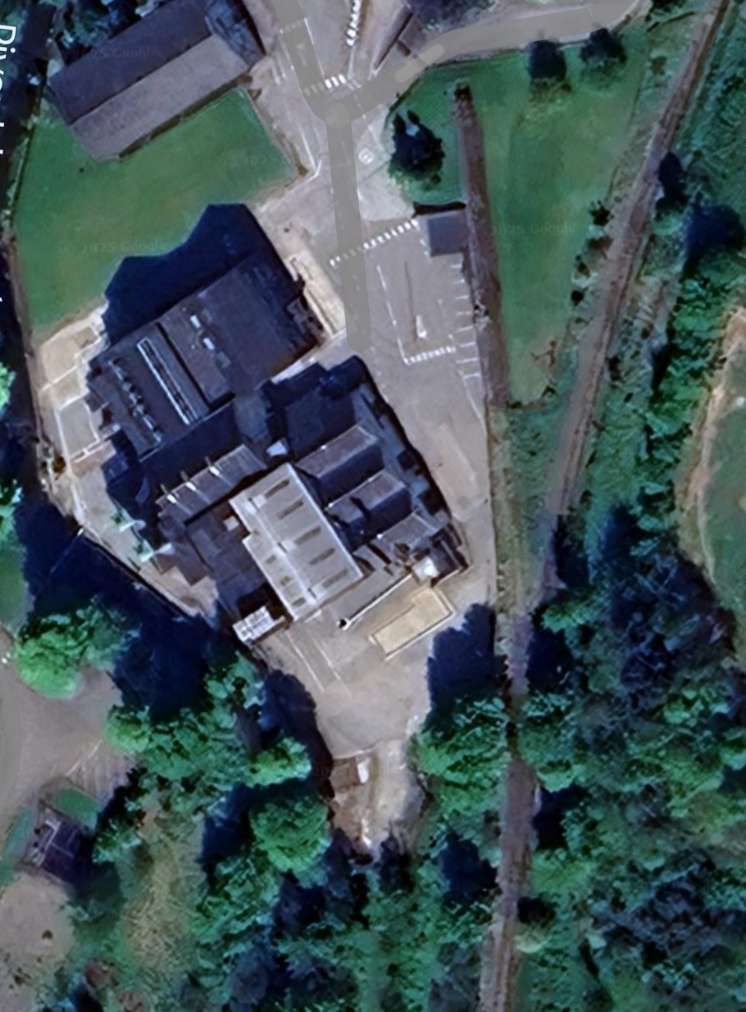
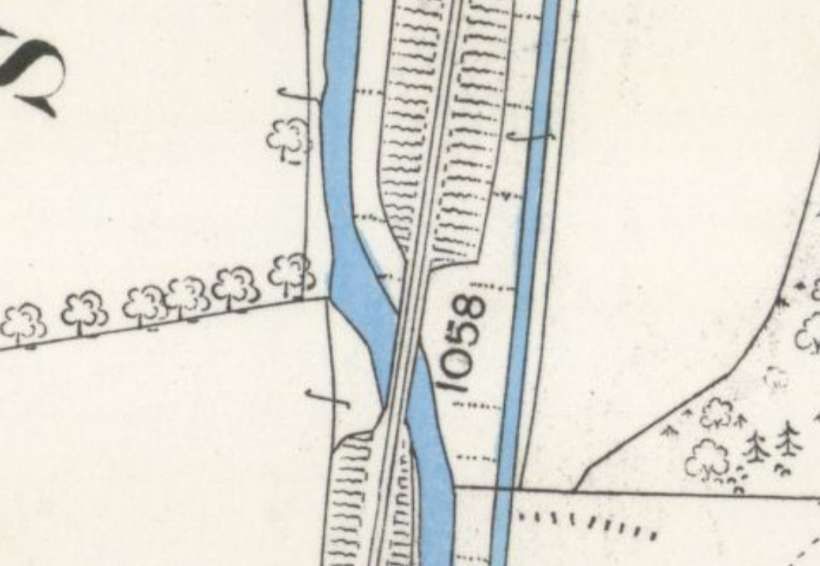
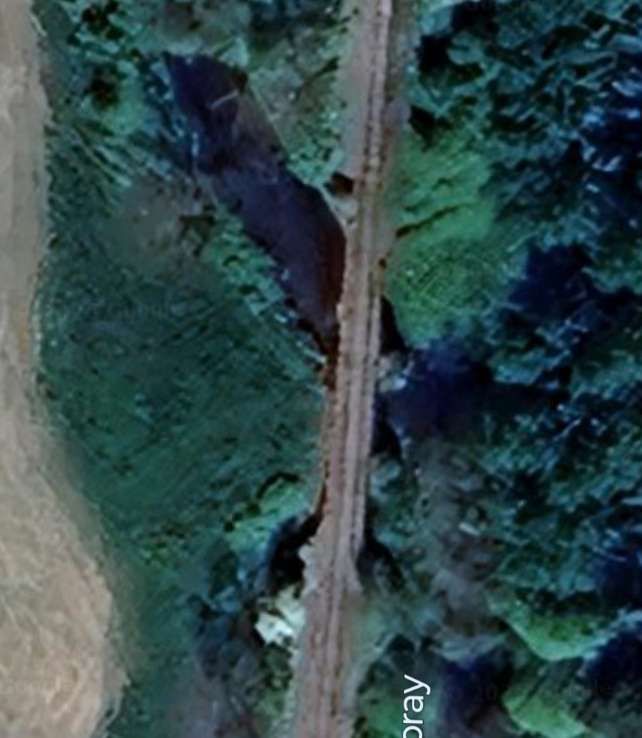
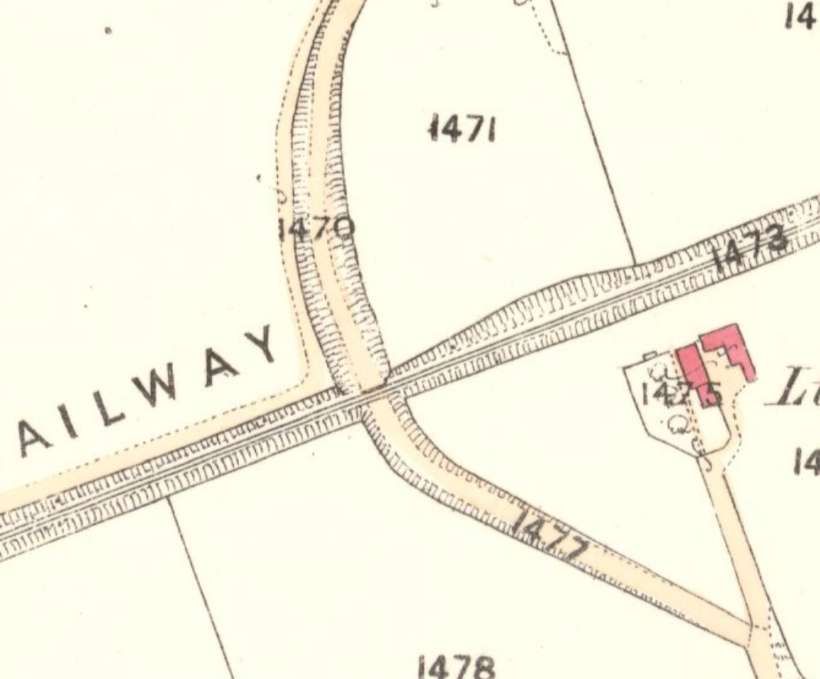
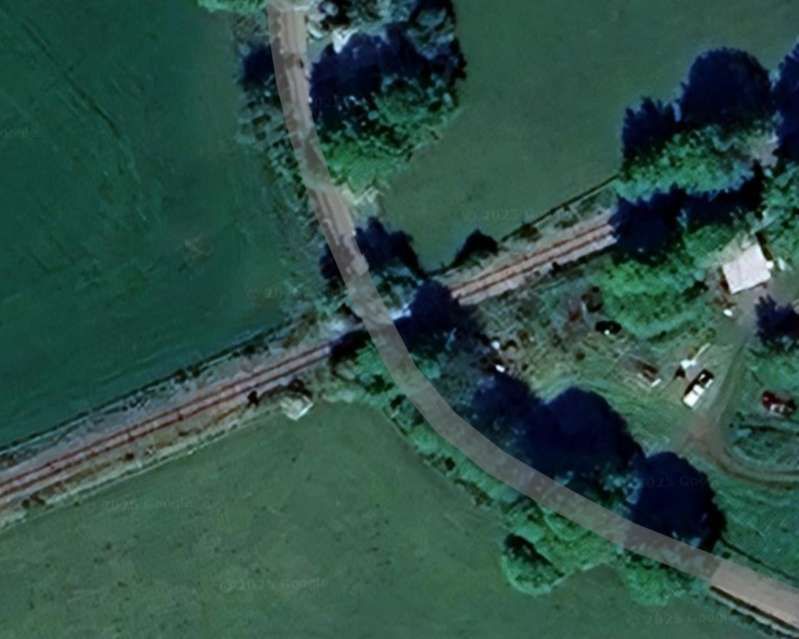
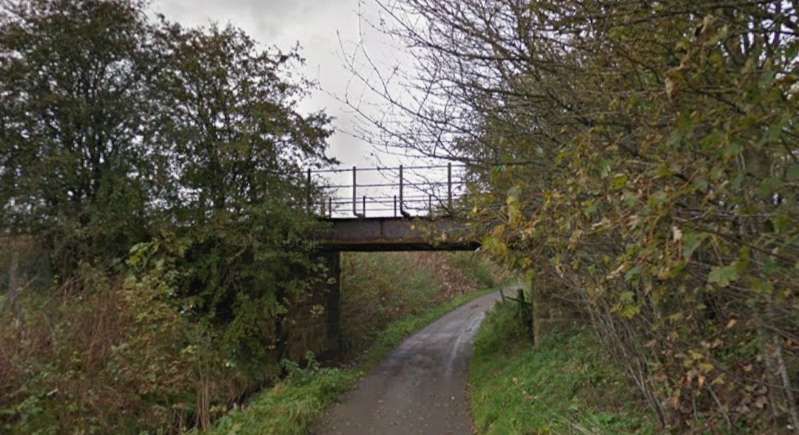
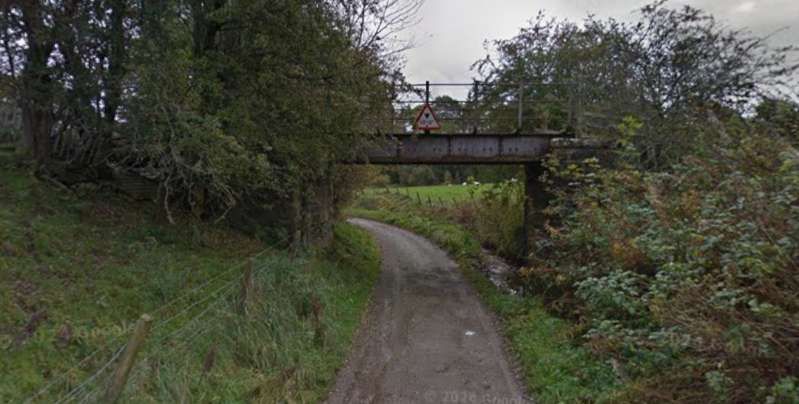
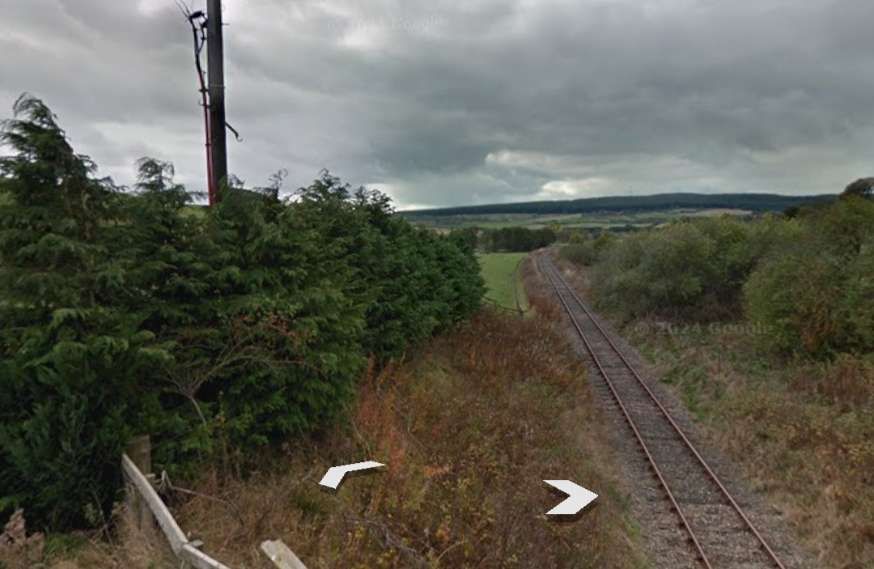
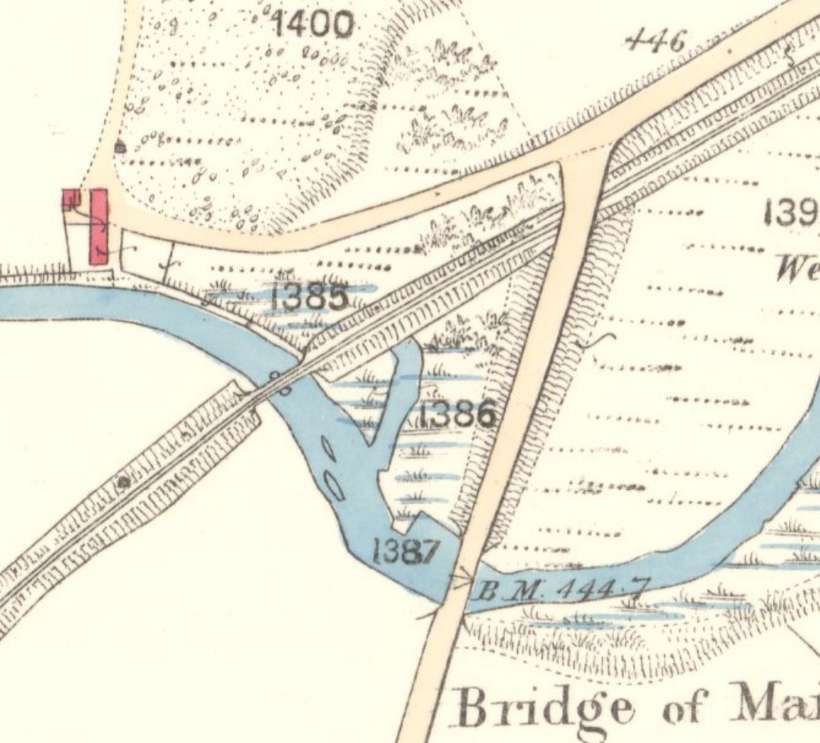
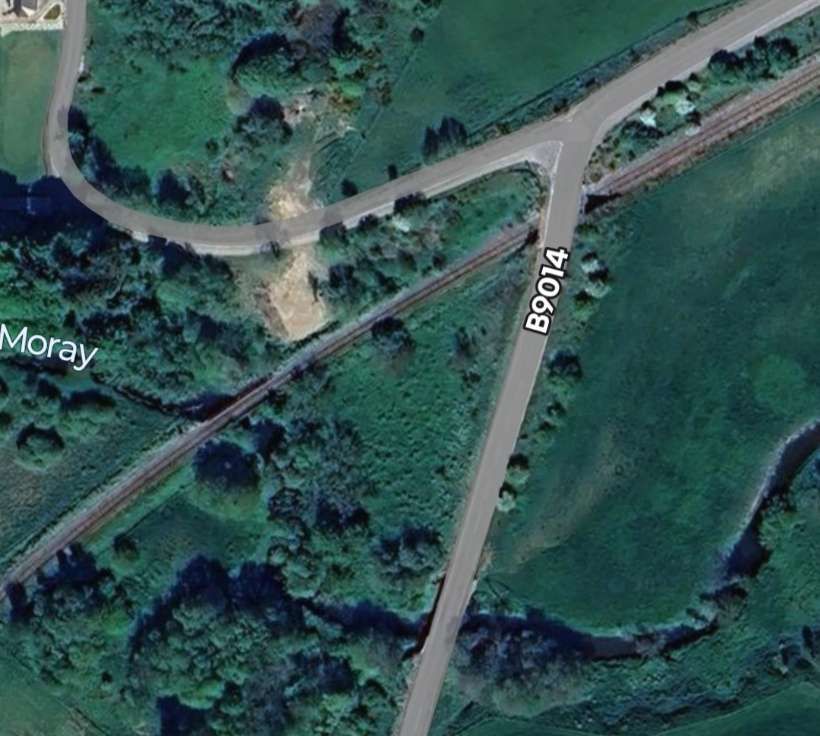

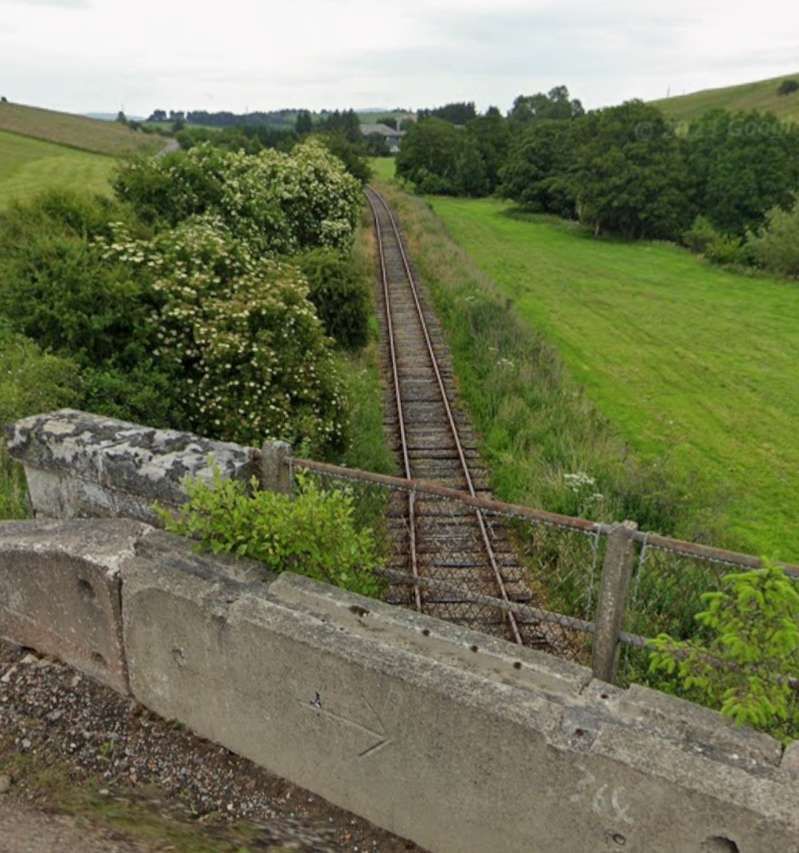
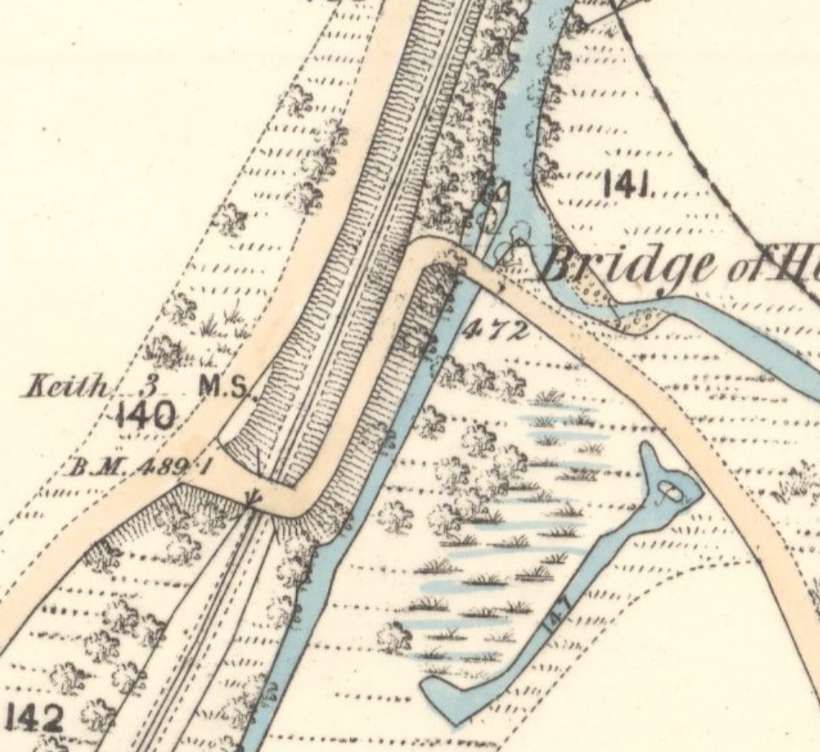
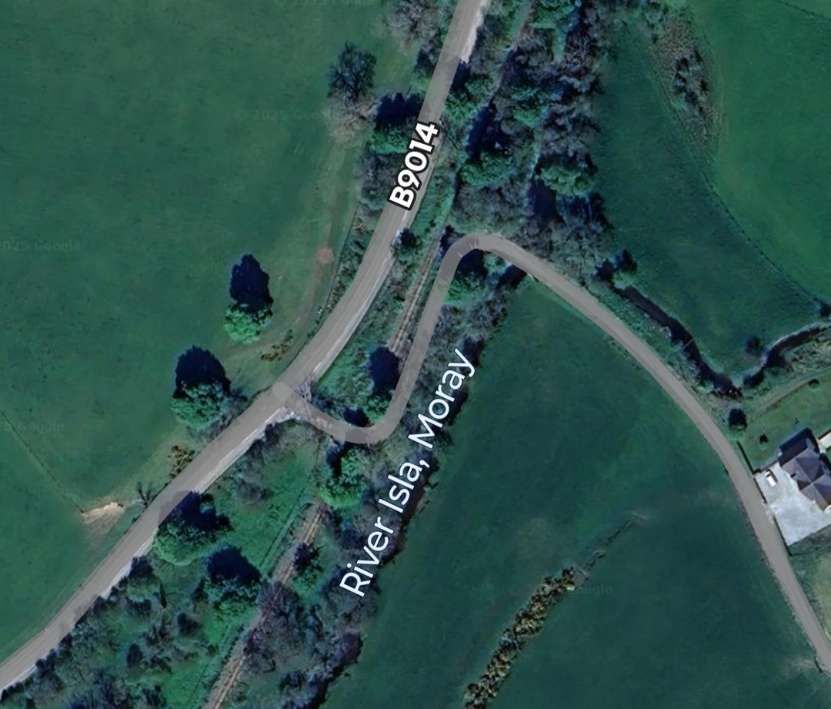
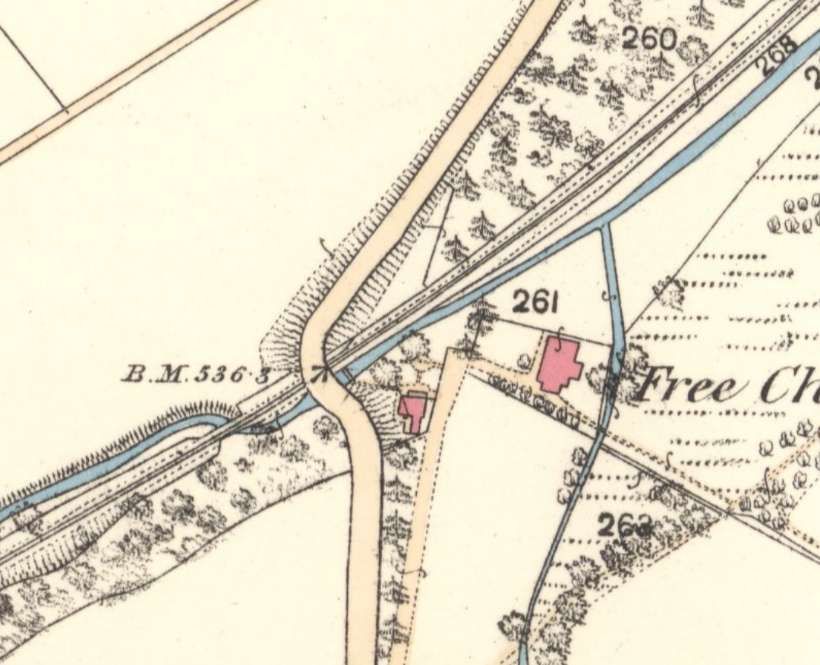
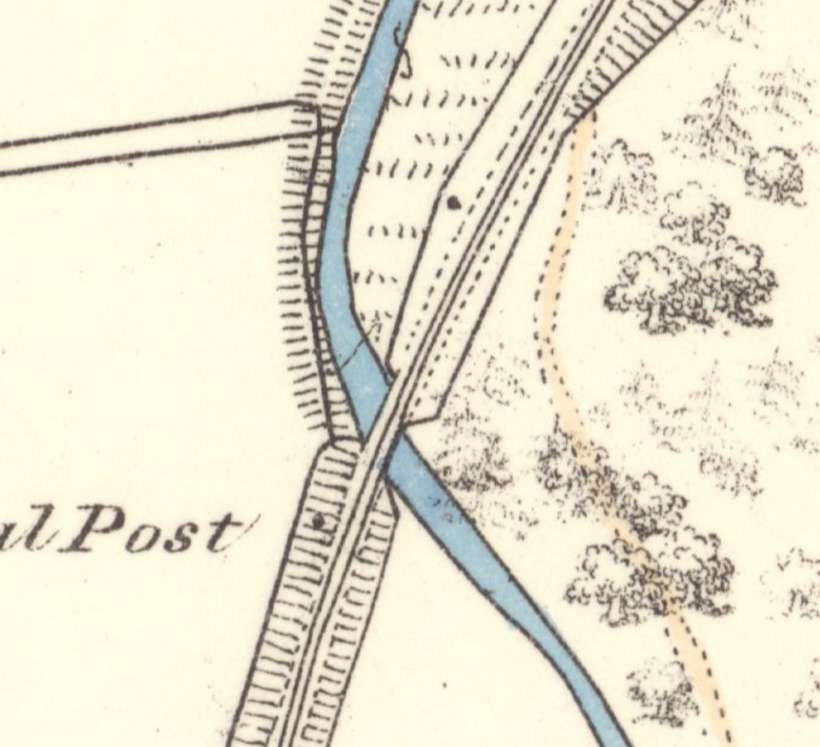
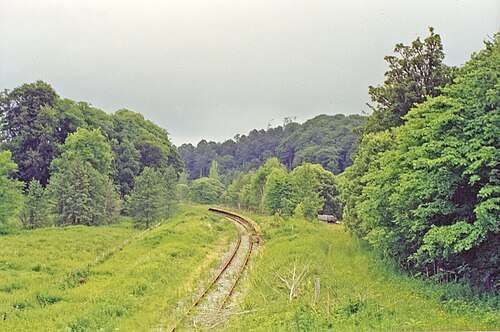
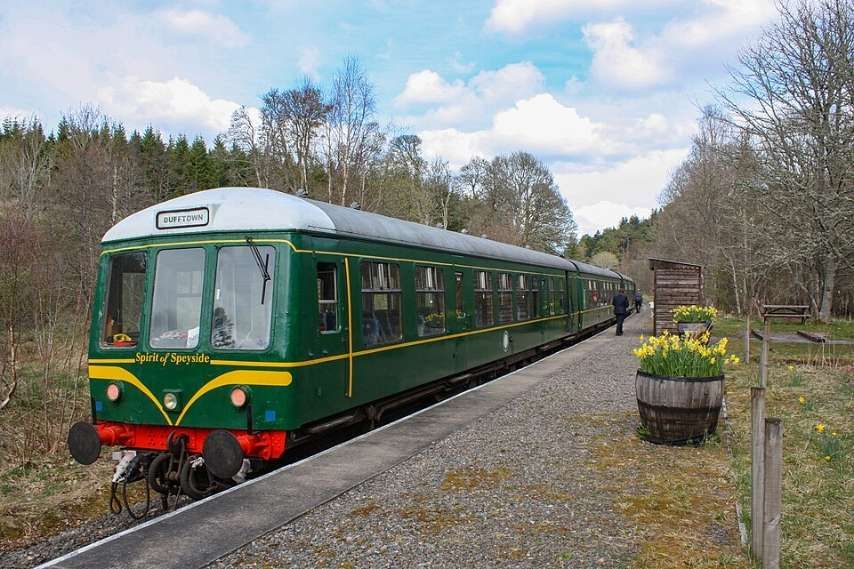
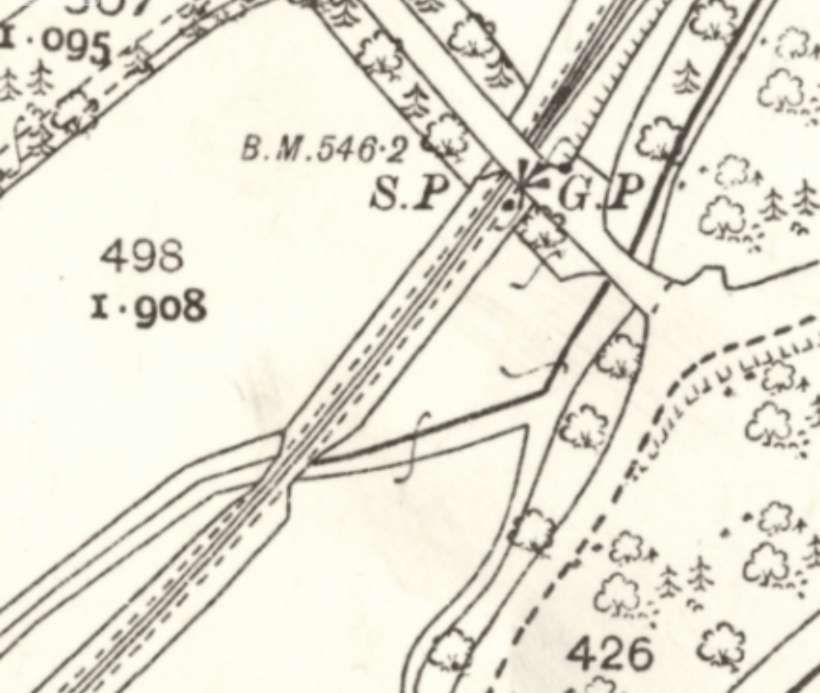
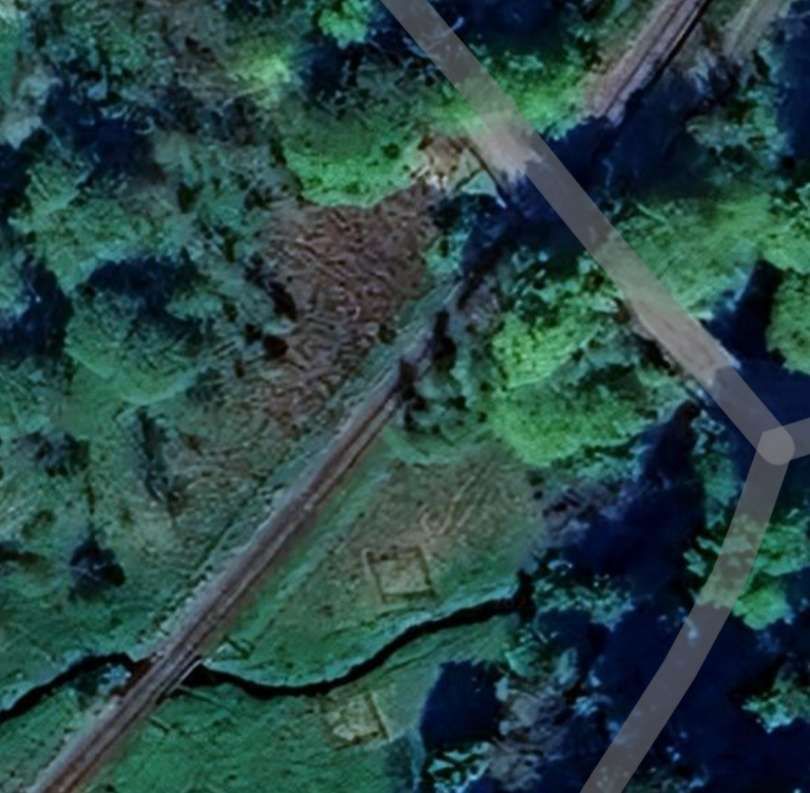


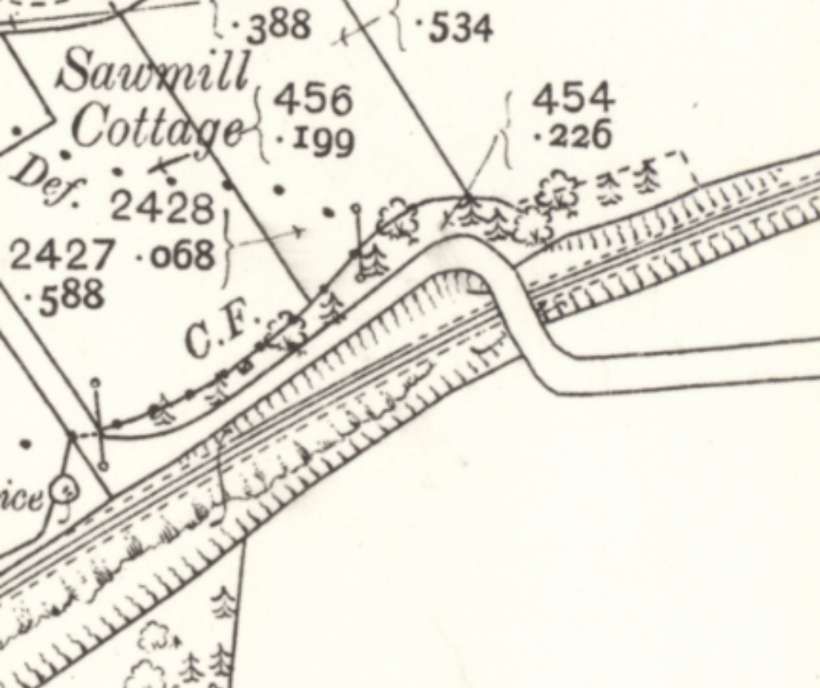
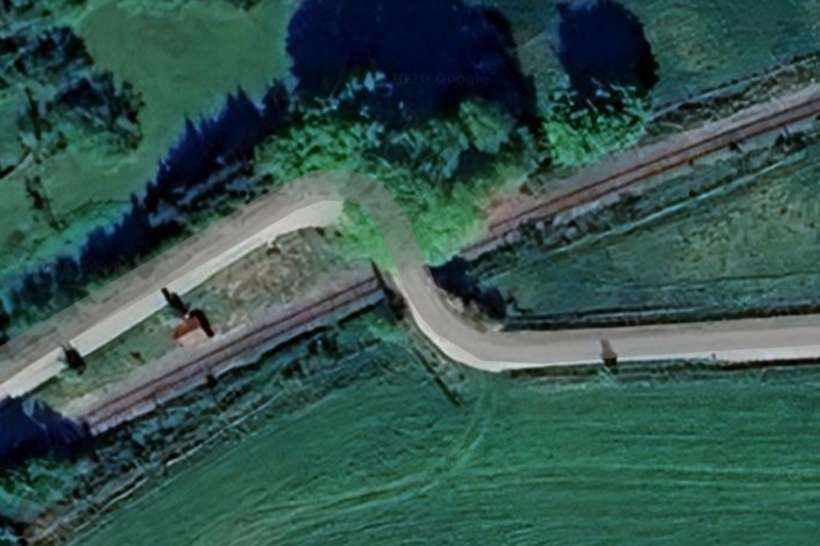
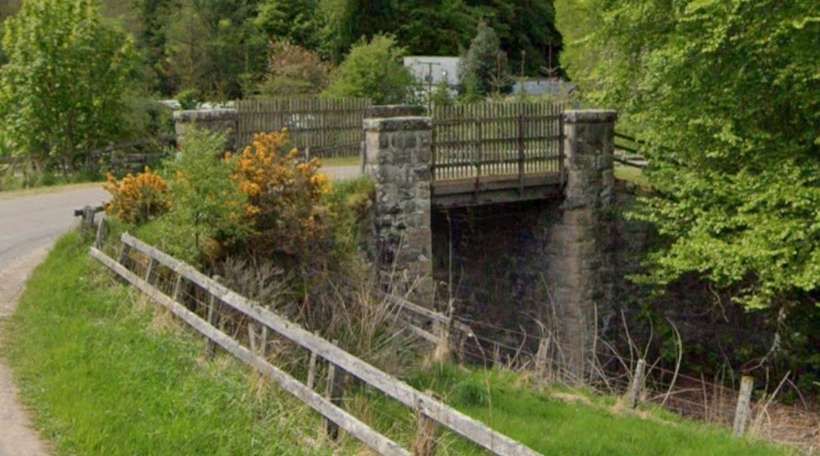
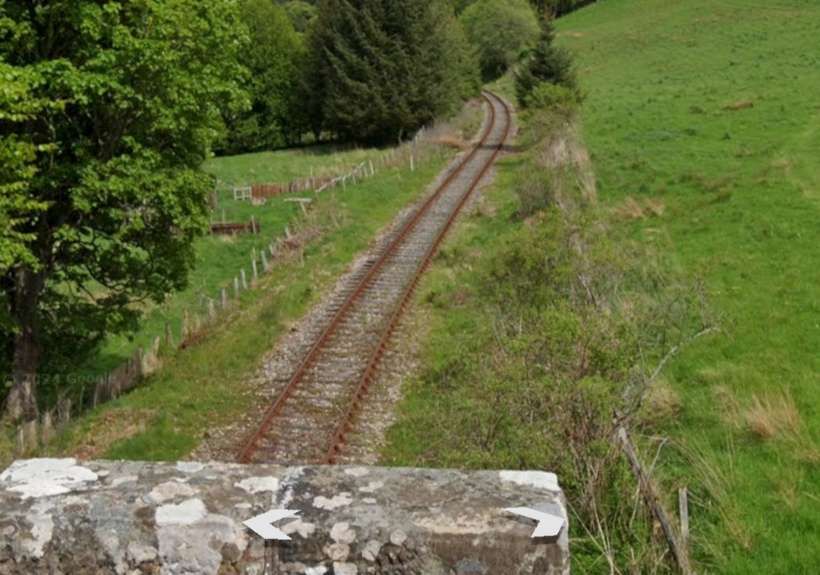
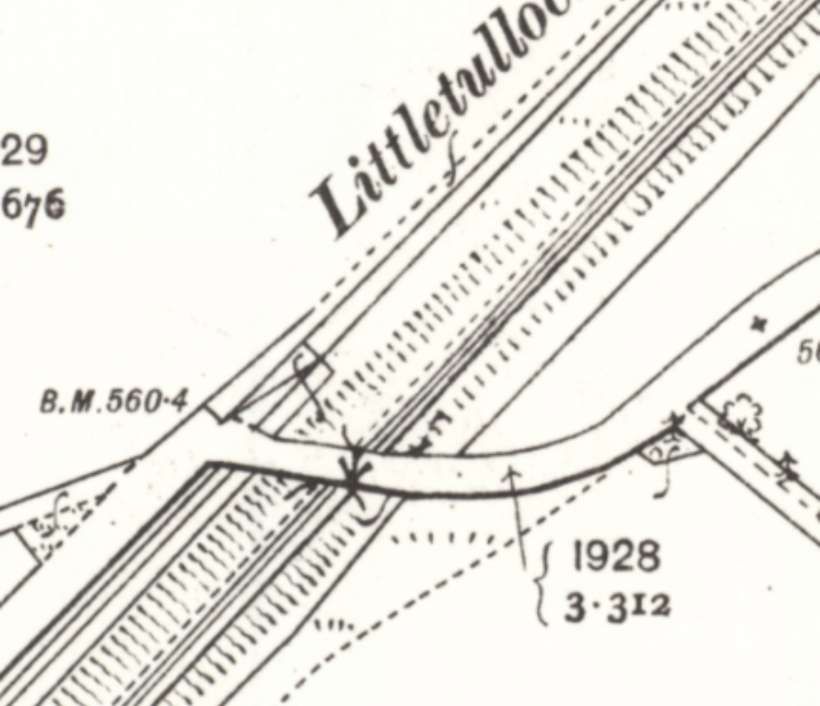
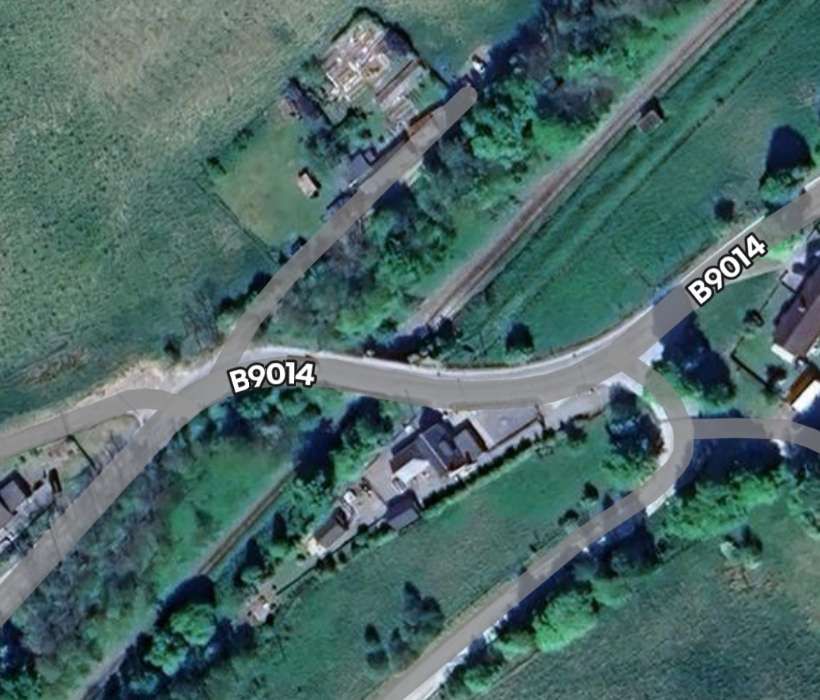

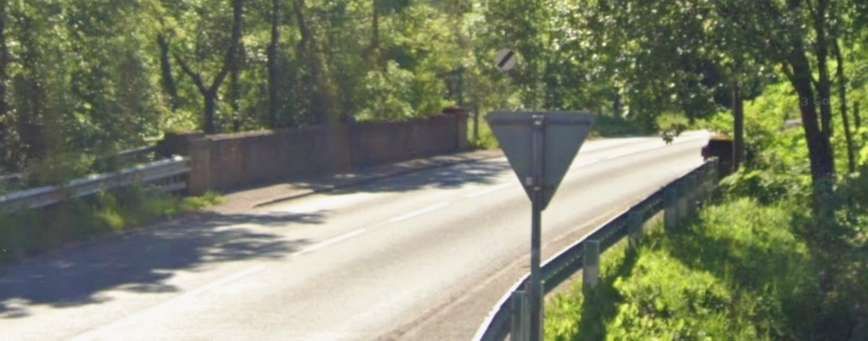
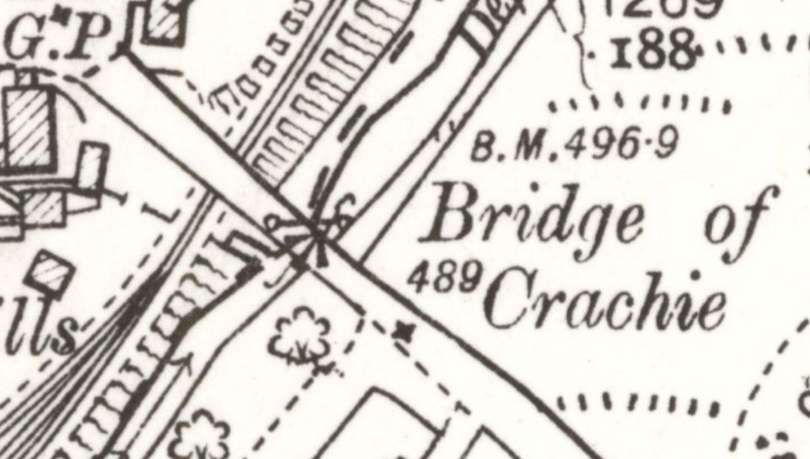
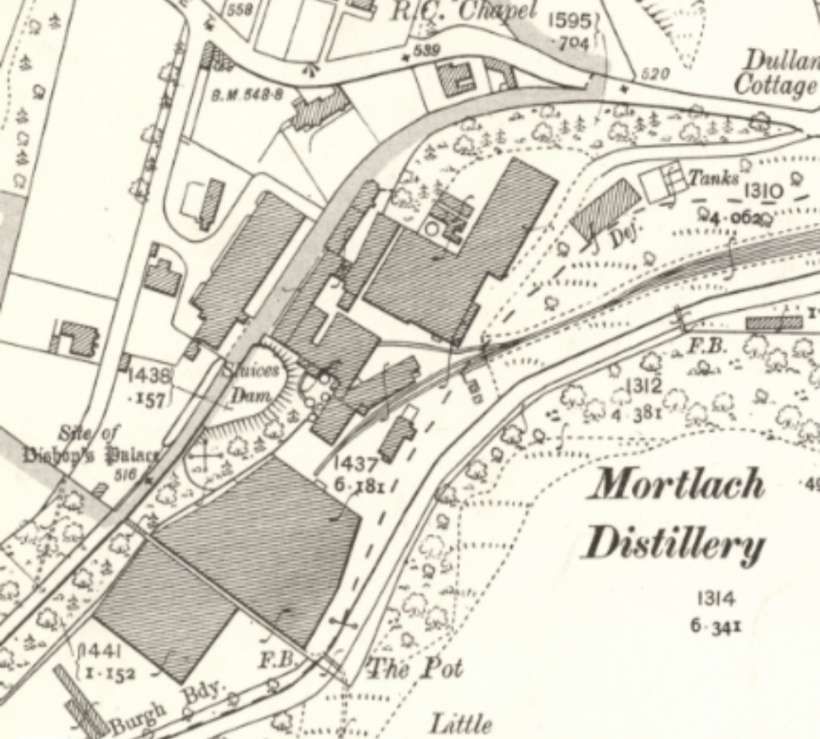

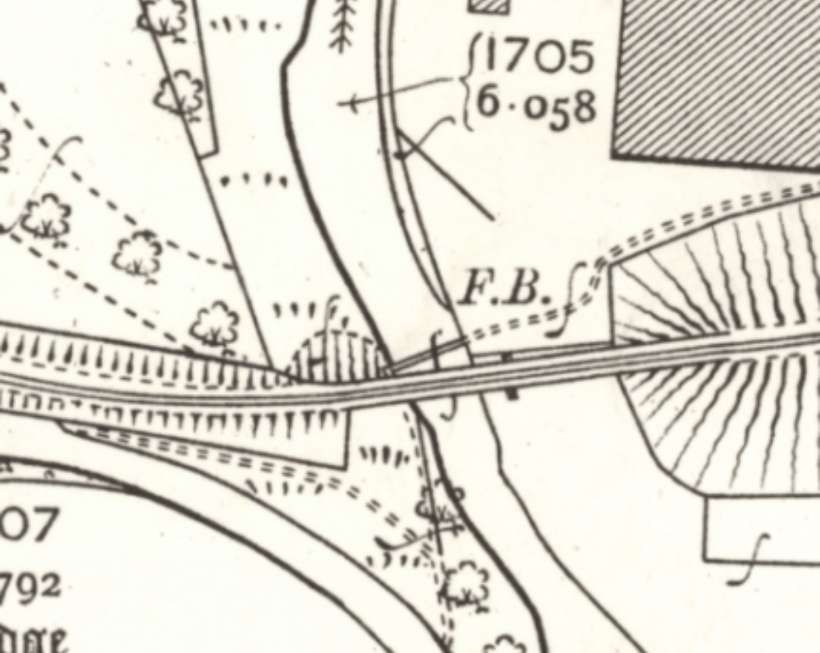
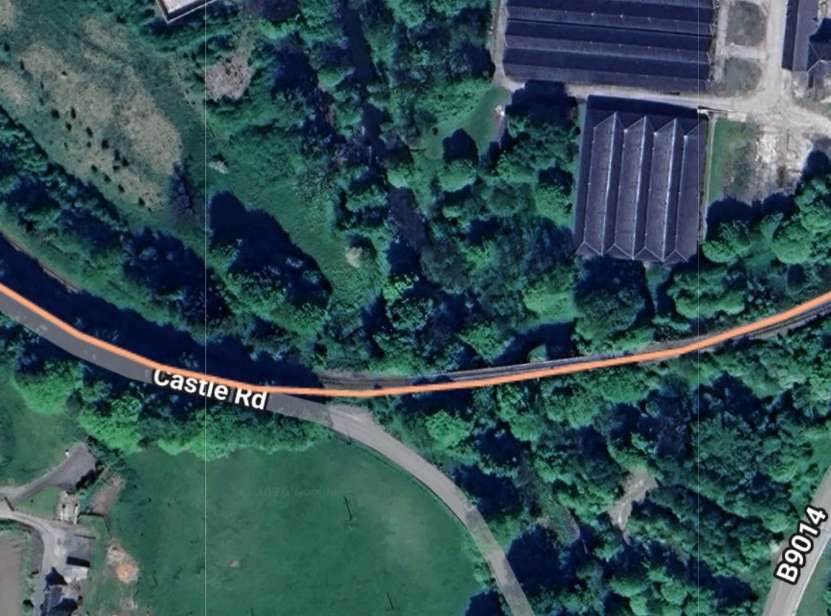
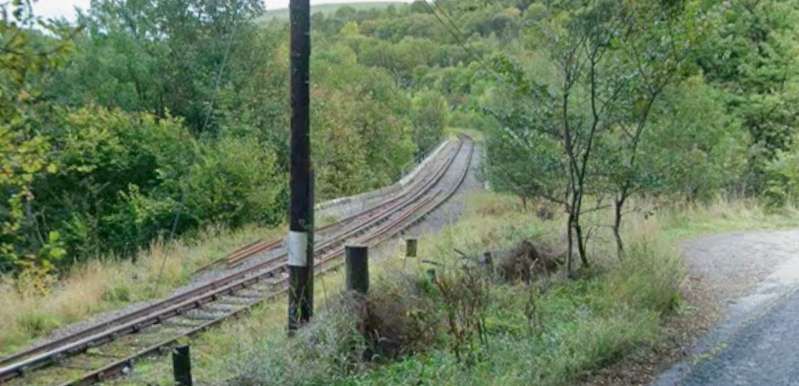
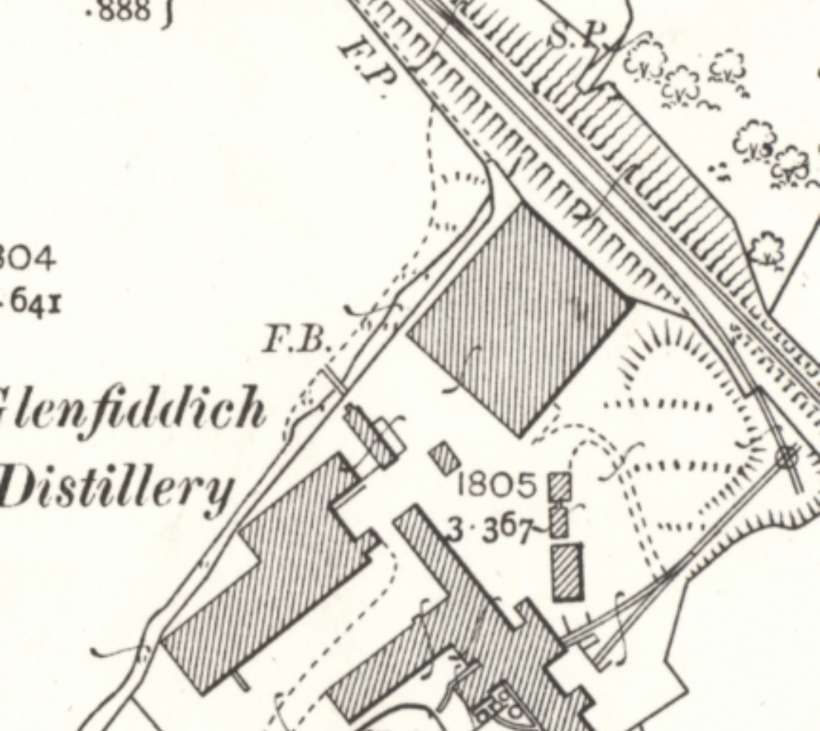
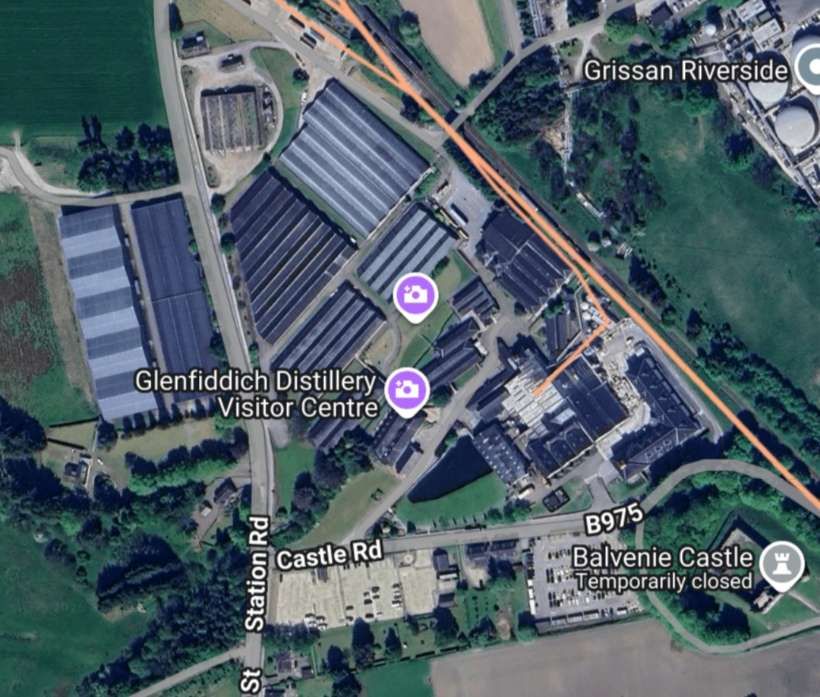




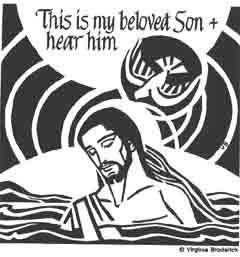






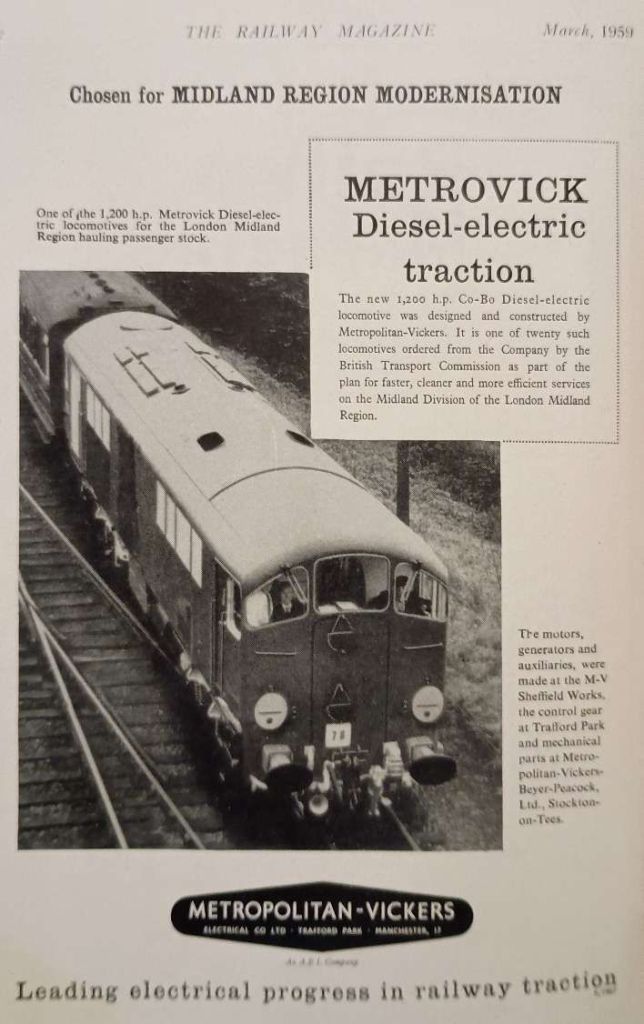



.JPG)
