The length of the Central Line which is covered by this article. The map was drafted in the early years of the 20th century under German colonial rule. The place names are the German spellings. This map is licensed for reuse under a Creative Commons licence (CC BY-SA 3.0). [32]
We start the next length of our journey on the Mittelland Bahn (the Central Line) at Mikese just to the West of the junction with the link line between Tanga and Ruvu.
The town of Mikese sat some distance North of the MGR and over time a significant community grew up around the Railway Station, Kalungwana Mills and the Hospital. That community can be seen on this satellite image, the town was off to the North of this image. Both the two railways appear on this image. The MGR is at the top of the image, the SGR at the bottom of the image. The MGR station building can be be made out centre-top of this image. [Google Maps, June, 2026]The MGR Station at Mikese had a passing loop . This is how it appears on MapCarta. [2]Mikese MGR Station. [Google Maps, June 2026]A much closer view of the MGR station buildings at Mikese. [Google Maps, June 2026]
A dry water channel runs East-West on the North side of Mikese Railway station and is bridged by the murram road which leads North towards the small town of Mikese. The bridge and level-crossing tot he West of the railway station are shown here. [Google Maps, July 2026]
Heading just to the South of West the line heads away from Mikese station. small underbridges provide for water runoff in the wet season. [Google Maps, July 2026]
Another small underbridge/culvert. [Google Maps, July 2026]
These small underbridges occur at frequent intervals along the line. [Google Maps, July 2026]
Another of the small underbridges. [Google Maps, July 2026]
The nest road-crossing is for the road running South from the A7 toward the Standard-gauge line (SGR) on the approach to Mkambarani. [Google Maps, July 2026]
Another culvert under the line on the South side of Mkambarani. The A7 is to the North, a murram road immediately to the South of the line and the SGR only a relatively short distance further South. [Google Maps, July 2026]
Another feeder road which serves the Mahashree Agro Processing Tanzania Limited’s compound crosses the line in close proximity to its junction with the A7. The industrial compound sits immediately on the North side of the SGR. [Google Maps, July 2026]
The A7, the MGR and the SGR take close order on the approach to Morogoro. [Google Maps, July 2026]
Still to the East of Morogoro, the MGR and the SGR bridge a local watercourse. [Google Maps, July 2026]
The line is crossed by another minor road. [Google Maps, July 2026]
A series of three more culverts provide for wet season water flows. [Google Maps, July 2026]
Morogoro Alliance Tobacco is served by the short siding leaving this image top-right. Exchange sidings serve the tobacco plant and CCECC – Kingolwira (Total Fuel Facility) on the left half of this image. [Google Maps, July 2026]
The road-crossing at the West end of the fuel depot. [Google Maps, July 2026]
The SGR (to the North) and the MGR (to the South) running through/past Morogoro. On the right of this image, the point where the two lines cross, is a bridge carrying the SGR over the MGR and it can be seen in the first satellite image below. The next series of images take the MGR through Morogoro and then back to the line of the SGR to the Northwest of Morogoro. [4]
The older MGR is bridged by the SGR closer to Morogoro. [Google Maps, July 2026]
A short distance South if the SGR overbridge, the line crosses another more permanent watercourse. [Google Maps, July 2026]
The next crossing of a local road. [Google Maps, July 2026]
Another watercourse. [Google Maps, July 2026]
Not every road-crossing and watercourse/dry river bed is shown in these photographs, hopefully what is shown gives a good idea of the kind of crossings/bridges on the line.
Another road-crossing. [Google Maps, July 2026]
And another! [Google Maps, July 2026]
On the North side of the line, before reaching Morogoro Railway Station, is the Tanzania Institute of Rail Technology (TIRTEC) Morogoro Campus which is rail served by a dedicated short branch/sidings.
The Tanzania Institute of Rail Technology (TIRTEC) Morogoro Campus. [Google Maps, July 2026]The site of the Institute as it appears on MapCarta. [3]
At the Southwest corner of the Tanzania Institute of Rail Technology (TIRTEC) Morogoro Campus a metalled road is crossed by two lines. That towards the bottom of this satellite image is the TR Central Line, to its North is the branch running into the Institute’s site. [Google Maps, July 2026]
The gateway to the site of the Institute, (c) Aboubakari Jumanne, July 2025. [Google Maps, July 2026]
The Tanzania Institute of Rail Technology (TIRTEC) Morogoro Campus main building, (c) Musa Samwel, October 2021. [Google Maps, July 2026]
At the point where the two lines meet the railway bridges another watercourse (the Ngerengere River) immediately to the East of Morogoro Railway Station throat. [Google Maps, July 2026]
Morogoro Metre Gauge Railway Station. [Google Maps, July 2026]The site of Morogoro Railway Station (MGR) as it appears on MapCarta. [3]
The Metre-Gauge Railway Station is South of the centre of Morogoro, the SGR line runs across the North side of the city.
A much closer view of the Morogoro Railway Station. [Google Maps, July 2026]
Morogoro Railway Station Building, (c) Peter Lazaro, October 2020. [Google Maps, July 2026]
The rail side elevation of the same building, (c) Iman Frank, June 2017. [Google Maps, July 2026]
Morogoro’s legacy Metre-Gauge Railway (MGR) station is no longer used for passenger journeys. The modern Jakaya Kikwete SGR Station built for the new high-speed electric standard gauge rail network sits across the city to the North and now is the main passenger hub for the city.
To the West of the Railway Station a single track heads West across a local road and bridges another watercourse (which appears to be a tributary of the Ngerengere River. Just West of the river, the line divides as shown on the MapCarta image immediately below. [Google Maps, July 2026]Approximately the same area as that which appears on the satellite image immediately above. The more southerly of the two lines is a short branch which serves the Tanzania Tobacco Processors Limited (TTPL) site further to the West. [3]
The first road crossings on the two lines cary them across the Korogwe Raod in Morogoro. [Google Maps, June 2026]
The full length of the short siding/branch serving Tanzania Tobacco Processors Limited (TTPL). [3]Another metalled road is crossed both by the branch (bottom-left) and the main line (top-right) before the mainline continues out of Morogoro. [Google Maps, August 2026]
The A7/T1 road bridges the MGR as it leaves the central area of Morogoro. [Google Maps, August 2026][3]
The next metalled road crossed by the line as it wends its way Northwest is the Ujenzi Road. [Google Maps, August 2026]
The Mazimbu Road is the next metalled road crossing the line. [Google Maps, August 2026]
The railway next bridges another tributary of the Ngerengere River. [Google Maps, August 2026][3]
Still heading generally in the north-westerly direction the line cross a number of murram roads before bridging another dry watercourse. [Google Maps, August 2026]
Another murram road is crossed at level before the line encounters the SGR again. [Google Maps, August 2026]
The modern SGR bridges the MGR. [Google Maps, August 2026]The SGR follows the MGR relatively closely over the next few kilometres. [5]
Apart from murram road crossings and minor culverts, this dry watercourse is bridged by both the MGR and the SGR. [Google Maps, August 2026]
Msinbu has its own halt on the MGR Central Line. [Google Maps, August 2026]
Msinbu is only a small settlement, no provision is made for passing trains.
Over this next length of the route of the MGR it, at first, follows the contours. The SGR, with significantly greater power provided by its locomotives and with much more cash available to invest in the line, take a more direct route. [6]
Again, the line is crossed by murram roads and itself crosses dry watercourses culverted under the track. But little is worthy of specific note apart from the pair of structures over a dry watercourse shown immediately below.
Another dry watercourse which experiences significant water flows in the wet season. [Google Maps, August 2026]
The next feature worthy of note on this next length of the railway is the bridges over the Mkata River about a third into this map extract from the right side. The bridges are shown below. [7]
One arm of the Mkata River is crossed by three structures carrying the MGR, the SGR and the SGR service road. [Google Maps, August 2026]
The MGR made provision for significant flows in the wet season, providing three double box culverts. The SGR saw no need to proved additional flood relief. [Google Maps, August 2026]
The other (main) arm of the Mkata River is also bridged by three bridges carrying the MGR, the SGR and the SGR service road. [Google Maps, August 2026]
A short distance beyond the Mkata River is a halt on the MGR – named Mkata Railway Station. [Google Maps, August 2026]
This time, the SGR also provides a station just a few hundred meters to the West of the MGR halt. [Google Maps, August 2026]
This satellite image is provided primarily for the small consist on the MGR. It appears to be made up of one diesel locomotive and one wagon. [Google Maps, August 2026]
Bothe the Mgr and SGR are now running across open savanna with no significant interruptions and so head Weat on a bearing just South of West for some distance. Occasional culverts permit water runoff in the wet season.
A typical location on the MGR and SGR with culverts provided for wet season flows. [Google Maps, August 2026]
The next station on the MGR is at Kimamba, the next on the SGR is at Kilosa. In between the two are a series of storage sidings on the SGR. [8]Kimamba Railway Station on the MGR as shown on MapCarta. The facilities appear to be much reduced in the view available on Google Maps in 2026. [8]Kimamba Railway Station on the MGR – a passing loop appears to have been retained but the facilities shown on the MapCarta extract have either been removed or are overgrown. [Google Maps, August 2026]
Just to the West of the station at Kimamba a road over-bridge has been constructed which spans both the MGR and the SGR. [Google Maps, August 2026]
Between Kimamba and Kilosa Railway Station on the SGR, a series of sidings run alongside the SGR. The SGR is at high level and bridges a road. The MGR crosses the same road at a level-crossing just to the North of the SGR over-bridge. [Google Maps, August 2026]
The four-track SGR and the single MGR track then span a watercourse. [Google Maps, August 2026]
And a short distance to the West, another watercourse. [Google Maps, August 2026]
Kilosa Railway Station on the SGR sits to the East of the town – the MGR runs to the Northwest of the SGR. [9]Kilosa Railway Station on the SGR with the MGR to its Northwest. [Google Maps, August 2026]Kilosa MGR Station is at the West end of the town. From here the line meanders alongside the Mkondoa River. [9]The SGR crosses the MGR at high-level to the South of Kilosa town. [Google Map, August 2026]Kilosa MGR Station is further West. The SGR can be seen curving away at the top of this image. [10]Kilosa MGR Station. [Google Maps, August 2026]
To the West of Kilosa MGR Station , the line begins to turn to the Northwest, a branch line leaves the main line before it crosses the B127. [Google Maps, August 2026]
The branch line crosses the Mkondoa River on a shared railway/road bridge. [Google Maps, August 2026]
Mkondoa River Bridge, (c) Matanga Eunyo, August 2024. [Google Maps, August 2026]
On the west side of the river both the road and the branch line turn South. [Google Maps, August 2026]
The branch line which crosses the Mkondoa River serves Mikumi and will be covered in a later article. OpenStreetMap.com shows the line heading South, then Southwest and then South again passing close to the village of Mbamba, into the Mikumi National Park, running parallel to the Iringa Road for a short distance before crossing it and running alongside the T16, again heading South. It crosses the T16 close to Msowero and runs on to serve the ‘Kisombero 1’ Sugar Company and then meets the TAZARA line at Msolwa at the boundary of the Nyerere National Park.
We continue on along the Central Line from Kilosa towards Dodoma.
The SGR is once again alongside the MGR but at a higher level. It has passed through a tunnel close to the MGR Station at Kilosa. Here agin we see both lines crossing a dry watercourse with a road between them. [Google Maps, August 2026]
With the SGR a distance away to the North, the MGR crosses a tributary to the Mkondoa River. [Google Maps, August 2026]
Next a dry watercourse is bridged very close to the Mkondoa River which can be seen in the very bottom-left corner of this image. [Google Maps, August 2026]
Road and railway cross close to the bank of the Mkondoa River. [Google Maps, August 2026]
And cross again alongside the river. [Google Maps, August 2026]
Still alongside the river, the MGR passes under a viaduct carrying the SGR from a tunnel across the Mkondoa River at high level. [Google Maps, August 2026]
The MGR then crosses the river on a combined railway/road bridge. [Goggle Maps, August 2026]
The river, the MGR and the SGR can all be seen on this satellite image which is centred on the MGR Station at Mzangaza. [Google Maps, August 2026]
Mzangaza Railway Station with the river beyond, (c) Ali Yüksel, August 2019. [Google Maps, August 2026]
Still on the South side of the Mkondoa River. This drywatercourse would flow north when in spate. It appears to be bridged by a relatively modern structure. [Google Maps, August 2026]
The SGR and the MGR are again close further West. The SGR had the resources to tunnel through a bluff of land whereas the old MGR follows the river edge. [Google Maps, August 2026]
The MGR and the SGR are further apart when the SGR emerges from the North portal of the tunnel. The Mkondoa River can just be seen on the top-right corner of this image. [Google Maps, August 2026]Bopth the SGR and the MGR bridge the next river valley using relatively substantial structures. [Google Maps, August 2026]This next length of the line continues along the valley of the Mkondoa River heading Northwest. Again, the MDr runs with the contours and so follows the river. The SGR follows a more sinuous (smooth) alignment! [11]
Close to Kidete the MGR corsses another relatively significant tributary of the Mkonoa River. It is dry season so very little water flows in the river channel. [Google Maps, August 2026]
A little top the West, the SGR bridge is a more substantial structure! [Google Maps, August 2026]
Kidete Railway Station on the SGR is just a short distance to the Northwest, the MGR can be seen running parallel to the river on the right of this image. [Google Maps, August 2026]All along the route there are dry watercourses that carry runoff in the wet season. Both railways provide for these flows. This is another typical location. The SGR has a single span structure (bottom-left), the MGR has two culverts (top-right). Water flow runs towards the Mkondoa River to the Northeast of this location. [Google Maps, August 2026]Another similar location – here water flows to the North. The Mkondoa River is just off the North of the satellite image. [Google Maps, August 2026]The railways continue head Northwest following the valley of the Mkondoa River. Google Maps now gives the river the name ‘Kinyasungwe River. [12]Godegode MGR Station. [13]Godegode Railway Station on the MGR. [Google Maps, August 2026]To the West of Godegode, both railways and the accompanying road cross another dry watercourse (the Idiri River). At the time the image was taken, the road was closed and its bridge was being rebuilt. [Google Maps, August 2026]The road bridge over the watercourse under reconstruction.[Google Maps, August 2026]
To the Northeast of the SGR and road crossings the MGR crosses the Idiri Riverclose to the Kinyasungwe River – two spans across two different dry beds. The first is a modern concrete structure, the second, below, is older. [Google Maps, August 2026]
The older structure spans a narrower arm of the river. Continuing Northwest, the line crosses further smaller culverts/bridges carry water runoff to the Kinyasungwe River. [Google Maps, August 2026]
Some kilometres further Northwest the line spans another significant dry watercourse. This watercourse is not given a name on either Google Maps of MapCarta. [Google Maps, August 2026]
The MGR continues to follow the river valley. The SGR still running on its South side. There is little worthy of note along this length of the line. [13]Again, the two lines, MGR and SGR, continue to follow the Kinyasungwe River valley. At the top-eft of this map extract the two lines cross another significant dry watercourse.[14]The modern SGR bridge is shown in the bottom-left of this satellite image, the MGR bridge is toward the top-right of the image. [Google Maps, August 2026]
A closer view of the MGR bridge. Just to the Northwest of this bridge the MGR enters Gulwe Railway Station. [Google Maps, August 2026]
The next length of the two railway lines shows two stations the SGR station being to the West of the MGR station at Gulwe. [15]Gulwe Railway Station on the MGR. [Google Maps, August 2026]Gulwe Railway Station as shown on MapCarta. [16]A closer view of Gulwe MGR Station. [Google Maps, August 2026]
The murram road crossing at the Northwest end of Gulwe Railway Station site. [Google Maps, August 2026]
The next length of the line(s) – still following the river running Northwest. [17]
The road-crossing shwn on the MapCarta extract above. [Google Maps, August 2026]
The next length of the line runs through Msagali Railway Station and then turns towards the Southwest. [18]
A murram road passes under the SGR and across the MGR at a level-crossing immediately before the MGR enters Msagali Railway Station. [Google Maps, August 2026]
Msagali Railway Station on the MGR. The SGR and its service road are at the bottom of this satellite image, the MGR Station is at the centre of the image with the MGR running bottom-right to top-left. [Google Maps, August 2026]Msagali Railway Station as shown on MapCarta. It is difficult to make out the three lines shown here when looking at the satellite image above. [18]Beyond Msagali, the line is now drifting to the Southwest. [19]Major provision has been made for wet season flows from South to North across the line of both railways. On the SGR a substantial culvert is followed by two bridges. On the MGR, a single-span bridge is followed by a three-span bridge and then a further single-span structure. These structures are to the East of the Msagali TPS on the map extract above.[Google Maps, August 2026]
A short distance further West (before reaching the Msagali TPS), another culvert is provided beneath each line. [Google Maps, August 2026]
Culverts are provided under the SGR and MGR at regular intervals, suggesting significant wet season runoff on relatively flat ground.
The next length of the SGR/MGR takes the line as far as Igandu. [20]
As mentioned above, culverts continue to be provided relatively frequently to accommodate wet season water flows. [Google Maps, August 2026]
Igandu SGR Station with the MGR running on the North side of the SGR. [Google Maps, August 2026]
The two lines to the Northwest of Igandu. The MGR station sits to the Northwest of the SGR station shown above. [20]Igandu MGR Station. [Google maps, August 2026]
Apart from the regular provision of culverts along the line and a couple of murram road crossings, this more substantive structure is worth noting. Again it carries the line over a dry watercourse. [Google Maps, August 2026]
This next length of the MGR heads North-northwest across open country. There is again little of real note along this length of the line. [21]
The SGR and the MGR continue Northwest immediately adjacent to each other through Mnase. [22]
Although there are buildings close to the MGR, there is no indication on MapCarta or Google Maps that there was/is a railway station on the MGR at Mnase. [Google Maps, August 2026]
There is, however an interesting structure which spans both the MGR and the SGR at Mnase. It appears that provision has been made for a future highway crossing the two railways.On MapCarta’s mapping the structure is marked ‘OP12’ and is shown as being a highway bridge already in use. [Google Maps, August 2026]
Further Northwest this watercourse is marked on the MapCarta extract above. Again, at the time this satellite image was taken, the watercourse was dry. [Google Maps, August 2026]
This next length of the line passes to the North of Chololo and to the South of Kikombo. A railway station on the MGR is provided at Kikombo. once beyond the watercourse at the Northwest end of Kikombo Railway Station site, the MGR and the SGR run immediately adjacent to each other heading Northwest. Apart from more culverts to allow wet season water flow across the line of the railway, there is little further of note on this stretch of the MGR, other than a couple of watercourses towards the top-left of this map extract. [23]
A well-used murram road crossing on the approach to Kikombo Railway Station on the MGR. [Google Maps, August 2026]
Kikombo Railway Station on the MGR Central Line. Note the bogie wagons stored in the siding to the East of the station. [Google Maps, August 2026]Kikombo Railway Station as it appears on MapCarta. [23]A closer view of the bogie-wagons stored at Kikombo Railway Station. [Google Maps, August 2026]A closer view of the station buildings at Kikombo MGR Station. [Google Maps, August 2026]
The murram road-crossing at the Northwest end of Kikombo MGR Station site and, just beyond it to the West, a bridge over a dry watercourse. [Google Maps, August 2026]
Another dry water channel which clearly takes significant flows in the wet season. [Google Maps, August 2026]
Another significant pair of structures crossing a second watercourse. [Google Maps, August 2026]
The next length of the line takes us across the South side of Ihumwa. [24]
Another watercourse is crossed by means of a Warren Truss Girder Bridge, just to the North of the flagged Dodoma TPS on the SGR shown on the map extract above. [Google Maps, August 2026]
Apart from the frequent culverts over dry watercourses this is the next interesting structure over the MGR. It is not shown on MapCarta but appears on Google Maps. It is a structure completed for a dual carriageway outer ring road for Dodoma for which the formation has been completed. [Google Maps, August 2026]
The planned Dodoma Outer Ring Road runs down the East side of Dodoma, starting at Veyula settlement located along the Dodoma –Kondoa trunk road traverses south east towards Ihumwa settlement located along Dodoma-Morogoro trunk road. From Ihumwa, it traverses towards south to the Matumbulu Settlement along Dodoma-Iringa trunk road before then running Northwest around the West side of the city. [25]
A well-used murram diversion from the Outer Ring Road crosses the MGR to the West of the incomplete bridge. [Google Maps, August 2026]
The MGR can be seen on this satellite image just to the North of the SGR yard. This location is about a third into the map extract above from the left side. [Google Maps, August 2026]
Further West the two lines bridge another dry watercourse. This watercourse appears at the left side of the MapCarta map extract above. [Google Maps, August 2026]
This extract from MapCarta shows the MGR and SGR as far as the centre of Dodoma and the MGR station. [26]
Close to the right of the map extract immediately above another dry watercourse is bridged by both railways. [Google Maps, August 2026]
While the SGR bridges the Iyumbu Road dual carriageway further South, the MGR crosses the dual carriageway at a level-crossing. [Google Maps, August 2026]
Another metalled road is bridged by the SGR but crossed at level by the MGR. [Google Maps, August 2026]
Another bridge over the MGR and SGR completed in advance of the construction of a road to link two suburbs of Dodoma. Culverts to handle water runoff continue to appear frequently. [Google Maps, August 2026]
Another metalled road passes under the SGR and crosses the MGR at level. A little further West a more significant structure carries the MGR over another dry watercourse (below). [Google Maps, August 2026]
Another relatively significant pair of structures carry the lines over another watercourse. The MGR and the SGR begin to separate as the centre of Dodoma approaches. The SGR skirts the centre of Dodoma to the South. [Google Maps, August 2026]
With the SGR sliding away to the South the MGR is accompanied on its way into Dodoma for a short distance by a metalled road to the North of the line. This next watercourse also requires relatively significant structures to cope with the likely wet season water flow, [Google Maps, August 2026]
Only a short distance further into Dodoma, two bridges carry the line over the next watercourse. [Google Maps, August 2026]
The MGR crosses the Morena Road (dual carriageway) at a level-crossing. [Google Maps, August 2026]
Closing in on the Dodoma MGR Station the line runs to the North of Kikuyu Avenue (OpenStreetMap and MapCarta have this as Jakaya Kikwete Road), crossing another watercourse and another metalled road (Hazina Road) as it does so. [Google Maps, August 2026]
Industrial units to the North of the line are rail served. [Google Maps, August 2026] [27]
More sidings not easily picked out on satellite imagery. [Google Maps, August 2026][27]
Dodoma Railway Station as shown on Mapcarta. [28]A similar area as shown on the map immediately above. It shows much of the site of the MGR station in Dodoma. [Google Maps, August 2025]A closer view of the main station buildings in Dodoma and the goods yard. [Google Maps, August 2026]Approximately the same area as it appears on OpenStreetMap.org’s mapping. [29]
Dodoma Railway Station on the MGR was constructed by the German occupying powers in the early 20th century.
The Metre Gauge Railway Station in Dodoma, (c) Victor Mikheev 2015, and licensed for reuse under a Creative Commons licence (CC BY-SA 4.0). [30]Another view of the MGR Station, (c) Zenj Online Tv, 2021. [Google Maps, August 2026]A rail-side view of the same building, (c) Ali YÜKSEL 2018. [Google Maps, August 2026]Dodoma Railway Station in 1953. [31: p48]
References
M.F. Hill; Permanent Way Volume II: The Story of the Tanganyika Railways; East African Railways and Habours, Nairobi, Kenya; Watson & Viney, Aylesbury & Slough, 1957.
The Tanganyika Guide, 1953; Information Office, Dar-es-Salaam, 1953. [3rd Edition Revised and Enlarged, 180 pages: earlier editions were – first ed 1936, second prepared 1939, but delayed until 1948.
The featured image for this article is a photograph of East African Railways (EAR) Class 30 steam locomotive No. 3019 ‘Nyamwezi’ at Tabora depot on the Central Line, Tanzania in 1968. Class 30 locomotives were oil-burning 2-8-4 steam locomotives. Built in the 1950s by the North British Locomotive Company in Glasgow, the 26 engines in the Class were named after indigenous tribes across Kenya, Uganda, and Tanganyika (now Tanzania). They were known as the ‘Tribal Class’ of locomotives, (c) Basil Roberts and licensed for reuse under a Creative Commons licence (CC BY-SA 4.0). [44]
The line from Dar-es-Salaam to Kigoma. was known during the German Protectorate as the Mittelland Bahn. “In the March of 1895 the Colonial Department of the German Foreign Office, the Deutsch Ost Afrikanische Gesellschaft and the Deutsche Bank formed a committee to consider plans for a central railway from the coast to Lakes Tanganyika and Victoria. In the June of 1896 the committee submitted a report to the Chancellor, which recommended the immediate construction of a 75-cm-gauge railway from Dar-es-Salaam and Bagamoyo to Morogoro, as the first section of a line to the Lakes. The committee suggested that the construction be entrusted to a reliable firm and that the Reich should offer such aid and subsidies as would induce German high finance to support the development of German East Africa. The report stated that the country which the railway would open up offered ‘all the foundations for marvellous … economic development’.” [1: p84]
So, initial plans were for a 750mm-gauge railway heading inland from Dar-es-Salaam. “In 1894 and 1896 an army engineer, von Schlobach, had found a good crossing of the Ruvu at Mafisi and studied alternative routes from there to Morogoro and Kisaki-north and south of the Uluguru Mountains and the possibilities of navigation on the lower Ruvu. Von Schlobach’s report referred to the Mackinnon Road which had been started in 1876 by Sir William Mackinnon and Sir Thomas Fowell Buxton and ran seventy miles west from Dar-es-Salaam. At the same time as von Schlobach’s survey, a reconnaissance was undertaken of the second section of the railway from Morogoro to Tabora.” [1: p84]
“By the September of 1896, the formation of a company to undertake the building of the railway was almost completed when events took a sudden and unfavourable turn. Herr Kayser, the director of the Colonial Department of the Foreign Office, who had been a strong supporter of the building of the Central Line, suddenly retired. His successor thought differently and urged that the Usambara Bahn be built first. The troubles, financial and otherwise, which beset that railway caused the Central Line project to be pigeon-holed for three years. In the October of 1899, the Kolonial Rath (Colonial Council) resolved that the Central Line be built and urged that an adequate sum for its survey be included in the Budget for 1900. In November 1901, this resolution was confirmed. The Kolonial Rath advocated ‘a railway policy fully conscious of its aim to counter the competition of neighbouring colonies’, and the enactment by the Reichstag of the necessary legislation to enable an early start on the building of the railway.” [1: p84-85]
Hill continues:
“In 1903 the Deutsche Bank formed a syndicate which financed another survey of the alignment between Dar es Salaam and Morogoro. In 1904 the Kolonialwirtschaftliche Komite a group representative of agricultural, commercial and industrial interests in the German colonies – submitted to the Reichstag a memorandum on the importance of building the Central line as a fillip to the increased production of cotton. The argument was won and the Reichstag passed the legislation enabling the building of the railway. On 29th June 1904, the Ost Afrikanische Eisenbahn Gesellschaft was founded in Berlin with a capital of 21 million marks. On the following day the Imperial Government granted the Company the rights of a corporation and a concession to build and run a metre-gauge railway from Dar-es-Salaam to Morogoro. The Reich guaranteed the payment of 3 per cent. interest on the Company’s capital. The concession also entitled the Company to select from a zone, 100 kilometres wide on either side of the railway, 20 square kilometres of land for each kilometre of the railway, and to a free grant of the land selected. The Company also received sole prospecting and mining rights over an area of 1,150 square kilometres, in not more than three blocks, within the 200-kilometre zone. A subsidiary company, the Ost Afrikanische Land Gesellschaft, was formed to administer the Railway Company’s land. Until 1912, the Land Gesellschaft was also concerned with a company which sought to attract tourists by building hotels at Dar-es-Salaam, Tabora and Kigoma; and from 1907 onwards, the railway’s workshops in Dar es Salaam supplied the town with electric light and power.
The Railway Company gave the contract for the construction of the first section of the line to Phillip Holzmann & Co., of Frankfurt-am-Main, a firm of international repute which had recently built the first section of the Baghdad Railway in Asia Minor. Many of the staff of Holzmann & Co. and several of the sub-contractors who had worked in Asia Minor were transferred to German East Africa. Construction started on 9th February 1905, and serious difficulties were soon encountered during the rainy season. The ranges of hills, inland from the coast, composed of clays and marly sandstones, proved to be treacherous, and the crossing of the plain on either side of the Ruvu, which flooded every rainy season, required a greater number of girder bridges on deep foundations than had been expected. There was also a shortage of labour, caused by the outbreak of the Maji-Maji rebellion. Arrangements were made to import indentured Chinese labour, but the difficulty was more sensibly overcome by recruiting large numbers of African labourers, mainly Wanyamwezi. By the standards of the day they were well paid and well fed, their rations including a generous measure of Bombay rice. The Wanyamwezi, cheerful and sturdy, were the mainstay of the labour force and their output of work was a major factor in the progress of the line. At first the rate of construction was by no means spectacular, for the 80 kilometres to Ruvu were built at a mean annual progress of 32 kilometres – at least a great improvement on the Tanga line. Thereafter the advance was far more rapid. Morogoro station was opened to traffic on 16th December 1907, nearly seven months sooner than the date stipulated by the contract. The 200 kilometres of the railway from Dar-es-Salaam to Morogoro were built at the rate of 67 kilometres a year.” [1: p85-86]
There was, in 1905 and 1906, a large rebelliion against German rule . The Maji-Maji rebellion broke out in the Matumbi Hills, near Kilwa in July 1905 and spread throughout the southern part of German East Africa. A hut-tax had been imposed in 1897 with the primary aim of forcing natives to work for planters so as to raise the money to pay the tax. The Reichstag seems to have accepted that the primary cause of the revolt was a reckless increase in the hut-tax and the enforced labour of those who failed to pay it. This was exacerbated by the poor treatment of workers on the plantations and often the ruthless cruelty of the planters. Hill highlights a number of features of the rebellion:
“First was the alliance between several tribes who had not previously been known to co-operate on any basis. Whereas the Germans had always recognised the risk of revolt by a single tribe and were prepared for it, they regarded a concerted conspiracy by several tribes as too improbable to be seriously considered.
“Secondly, the tribes which took part in the rebellion had previously been regarded as peaceable and as most unlikely to cause trouble. It was fortunate that the more war-like tribes – mindful maybe of the experience of the Chagga, the Wagogo and the Wahehe kept aloof from the rebellion.
“Thirdly, the preparations for the rebellion, started more than a year before the out-break at Kilwa, were conducted with such secrecy that no German administrator, soldier, missionary or planter heard a whisper of what was brewing and the Government was taken completely by surprise. The first conspirators were the chiefs and medicine men of two of the smaller tribes, who drew their relations, blood-brothers and fellow clansmen into the conspiracy, and the meetings at which their plans were discussed were held under oath of secrecy.
“The fourth, and the most remarkable feature, gave the revolt the name of the Maji-Maji rebellion. [‘Maji’ is the Swahili word for water] Throughout the disaffected area the natives were convinced that anyone armed with a certain medicine became invulnerable to bullets because the medicine turned them to water. This belief created the dangerous delusion that the Germans could easily be defeated, as the fire power of their weapons would be of no avail. It is not clear whether the story was invented by the original conspirators to spur the tribes into rebellion or whether they themselves were misled by the medicine’s fame.
In any case, the natives were convinced that in the Rufin river there lived a great medicine man in the form of a water monster, and that he dispensed medicine which gave protection against famine, disease and every sort of evil. The original medicine was a mixture of ground maize, sorghum seed and water. Some drank it, some sprinkled it on their bodies, others carried it about in a small tube of bamboo. Before the outbreak at Kilwa the fame of the medicine was widespread and thousands of natives walked far to obtain it from medicine men. The Germans were well aware of this, but it was done so openly that they never suspected that the natives regarded the medicine as more than a protection against the calamities of African life. They never guessed that the natives were also convinced that rifles fired against those protected by the medicine would only spout water, or that the bullets, if fired, would trickle like water from their bodies. The medicine was regarded as far superior to German arms and it was also believed to make women invisible so that they could avoid capture.
“With cries of ‘Maji-Maji’ or ‘Hongo, hongo’ (medicine man), the rebels flung themselves on the German troops. Those whose courage failed were sprinkled with the medicine which soon restored it. In the extreme south-west the natives were also told that if they looked back the medicine would lose its power. How belief in the medicine survived the many and drastic proofs that it was useless against the Germans’ bullets is a mystery. The natives were completely under the influence of the medicine men who, during the early months of the rebellion, concocted one new medicine after another and also asserted that those who seemed to be dead were merely sleeping and would soon arise again with greater strength and courage. … Apart from the underlying causes there is some similarity between the Maji-Maji rebellion and the Mau Mau revolt which broke out in Kenya in 1952. … [However,] by the spring of 1906 the Germans had suppressed the revolt in most of the affected area, but around Songea the task of liquidating the last of the rebel gangs was not com-pleted until the January of 1907. Realising that the extermination of the gangs did little to damp the fire of revolt among the tribesmen, the Germans adopted a ruthless policy designed to make the people realise the consequences of rebellion. They employed a form of total warfare which devastated a vast area of the country. Villages and crops were burnt in order to create widespread famine which became the most potent weapon of the Germans’ armoury. The loss of life in battle, and by the hangman’s rope and bullet in executions, was severe, but it was small in comparison with the death roll caused by famine. It was estimated that about 120,000 natives died as a result of the Maji-Maji rebellion. For many years afterwards an empty and devastated countryside bore witness to the German way of suppressing a revolt in Africa. At least it was effective in subduing the population, for after 1907 there was rarely need for German troops to provide aid in support of the civil power.” [1: p91-93]
Wikipedia tells us that the “Estimates of the numbers who died in the Maji-Maji rebellion vary between 75,000 and 300,000, overwhelmingly from famine. [3: p495] The end of the war was followed by a period of famine, known as the Great Hunger (ukame), caused in large part by the scorched-earth policies used by governor Gustav Adolf von Götzen to suppress the rebellion. These tactics have been described by scholars as genocidal. [4: p310][5: p243] The name may have been the origin of the term for the ‘Mau Mau rebellion’ in Kenya five decades later.” [2]
Returning to the construction of the Mittelbahn, Hill comments that the building of railways through undeveloped country almost invariably provokes controversy and the Central line was no exception:
“Between Dar es Salaam and Morogoro the railway followed a route well to the north of that originally proposed and it was argued that the change was made solely to suit the convenience of construction and without regard to the prospect of development in the country through which the railway passed. There was also criticism of the alignment between Dar es Salaam and Morogoro and of the standard of construction. This criticism was largely justified by [events], for in 1912 extensive realignments on this section were financed by savings from the estimated cost of the line between Tabora and Kigoma. The original light rails – 40-32 lb[/yard] – were then replaced by rails weighing 43-141 lb[/yard], but the job was not finished by the outbreak of the First World War. A section of the track between Dar es Salaam and Morogoro was re-laid with a heavier rail weighing 56-14 lb[/yard].” [1: p86]
Hill illustrates the tendancy to criticise by quoting and article from the Koelnische Volkszeitung of 13th March, 1907:
“This line has been for a long time the stepchild of railway planning in Africa. Obstacles of many kinds have been placed in its way. The construction of this line was justified at the time by declaring that it would open up a part of the colony where existed large acreages of fertile land, cultivated by natives who lived in numerous prosperous villages. Those who sponsored the building of the line stated that it would not cross wild or unpopulated areas, but districts which were already showing an exceptional degree of development. Colonel Gerding, the traveller, described this country, its fertility and the villages in the most glowing colours. Shortly before the Reichstag granted the required funds, in the spring of 1904, it became known, purely by chance, that the Colonial Administration had allowed the Construction Company to follow an entirely different route from the one which had originally been adopted. Concerning the suitability of this new route no information was available and the situation gave rise to certain suspicions. Later the Administration admitted the facts and reassured the Reichstag by the statement that the change of route would in a similar degree permit the exploitation of an area equally fertile and advanced as the one recommended by Colonel Gerding. This explanation, however, was not universally accepted. In fact, some people were of the opinion that the Construction Company would make an additional profit of two or three million marks, as the new alignment would be considerably shorter. On the other hand, they said, the railway could not possibly be of the maximum usefulness, as almost half of the planned alignment would traverse the wholly infertile Makassa steppe.
“Our correspondent, who travelled extensively in the area, confirms the above opinion. He also mentions various misgivings which he had when observing the actual construction work. He writes:
“‘When I travelled from Morogoro to Dar es Salaam in 1906 I had ample opportunity to study the construction work in progress. I was surprised to learn that the northern alignment, which traverses a totally unsuitable and desert-like area, had been given preference over the originally planned southern alignment which would have served fertile and well-populated country. For example: between Morogoro, Km. 224. and Pugu, Km. 22, I found fresh water in three places only-Ngerengere, Ruvu and Pugu. Apart from these localities the line will run through uncultivable and waterless desert. During the rainy season the steppe becomes waterlogged, the waterline reaching the crest of the embankment. Marching through the region of the southern alignment I came across fresh water every 15 or 20 kilometres. All that country was under cultivation. It is quite correct to say that the adopted alignment will be shorter than the original one, but this will be the only advantage resulting from the change.
“I noticed that the Europeans employed by the Construction Company, mainly Greeks, appeared to be without any previous experience of railway construction. The execution of the work suffers accordingly. To give an example: trees, which were an obstacle to the progress of the construction, were felled in a most amateurish fashion and, or so it seemed, easiest to the natives. Many of the trees had been amputated by their crowns; trunks and roots had not been dealt with and were left standing on the embankment. These trees will, of course, go on growing and prove a danger to the earthworks. Also a great deal of dead timber was still lying on the embankment and has only superficially been covered with earth. Due to the heavy rains this will, without a doubt, lead after a while to a breaking away and a sinking in of the earthworks. In my opinion the actual embankment has been constructed at far too steep an angle, and in any case it consists mainly of dry and loose mud which will be washed away. The culverts are not at all adequate; they will soon be blocked and consequently endanger the earthworks. The tunnel constructed at Km. 27 has collapsed three times already and cost several lives. At Km. 18, I noticed that the walls of a 15-metre-high bridge consisted of unmortared stonework not built to resist the pressure of the surrounding ground. In fact this bridge threatened to collapse at several points. Coral rock, which was used as ballast, from Km. 1 to Km. 22, is totally unsuitable for this purpose, as it pulverises rapidly. Suitable ballast could have been transported from the interior but this was not done. The site of the projected station at Morogoro has still not been fixed, which makes it difficult to allocate land to private buyers’.
“So much for our correspondent’s report. He is by no means hostile to colonial railway projects and he has a great deal of experience of local conditions. We hope that Herr Demburg, the Secretary for the Colonies, will soon go out to East Africa, as it is understood he will do, so that he can gain first-hand experience of conditions there, We would give expression to our hope that he will also study there matters connected with the railway project.” [1: p86-88]
Hill assesses the comments made by the unnamed correspondent above, as overstated. Although he accepts that the tunnel (actually from Km. 25.5 – 25.6) had caused a great deal of trouble. He goes on to say that:
“In 1906, the Secretary for the Colonies wrote to the Governor and asked for a full report. As no tunnel of such a length had previously been built in the German colonies, the Secretary thought that full use should be made of the experience gained. Plans and drawings of the tunnel were sent to Berlin. It is difficult to believe that the earthworks were quite as bad as the correspondent alleged, although the Greek sub-contractors on the line were constantly criticised in the Press and by their few German competitors. In 1906, the Railway Company requested the Governor to instruct the District Commissioner at Bagamoyo to arrest and remove a Greek contractor who was said to be at large in the Ngerengere area. He and a partner had contracted to build the earthworks from Km. 140 to Km. 150, but they proved incapable of doing the job satisfactorily. In consequence the contract was cancelled. One of the partners accepted the decision, but the other refused to leave the site and stirred up the native labourers to the extent that several knife fights had occurred. The Railway stated that so far only natives had been involved, but it was feared that worse would happen if the contractor were not removed. Whatever were their failings, there is no doubt that the Greek sub-contractors got on well with the natives and that they were largely responsible for maintaining the large labour force employed on construction which, at peak periods, varied between 15,000 and 20,000 men. The Press and the few German sub-contractors were prejudiced against the Greeks, but the impartial judgement must be that without them the Central Line could not have been so quickly or so cheaply built.” [1: p88]
Hill also points out that the German authorities found dealing with an indigenous labour force complicated after the Maji-Maji rebellion. He provides, as an example, an official report of October 1907 which deals with the suitability of various tribes for employment:
“The Wasagara, who live in the country between Morogoro and Kidete, are inter-bred with immigrants from the coast, and they should on the whole be willing to take on railway employment, but the number of suitable workers from this tribe will never be great.
“The Wagogo in habit the country between Kidete and Kilimatinde. They were thought to be cunning and thieving rascals, but the experience of the writer of this report, when he travelled unarmed and alone through their country, was that they were a peaceable and well-mannered people. The men are tall and strongly built and still wear only skins. Treated well, they should make very good workers.
“The Wanyamwesi and the Wasukuma had taken a liking to construction work and if treated decently these tribes will provide a good source of labour supply.” [1: p88-89]
Hill then indicates that the report goes on to point out that the Government had the duty to introduce an extensive programme of protection for workmen and to ensure that natives were treated in accordance with it. The main points of such an enlightened programme should be:
“Labour should only be signed on by reliable recruiting agents licensed by the Government.
“Labour should be formed into fairly large gangs, led by a picked and intelligent African.
“In order to ensure compliance with labour regulations, both employers and workmen should appear in person before a District Commissioner when being signed on and discharged. Written records should be kept of the terms of contracts. If a native wishes to prolong the period of his contract he should appear before a District Commissioner to whom he should make known his intention. District Commissioners should approve all contracts and regulations concerning wages.
“Doctors, medical orderlies and hospitals should be available to deal with sick workmen. There should be a scheme of workmen’s compensation. In camps, good food and drinking water should be available, as natives prefer a full belly at the end of a working day to a higher wage at the end of a contract.
“If workmen were properly protected and handled, District Commissioners could encourage their people to sign on as workers with an easy conscience and in the knowledge that their districts would not be depopulated. They would be able, in good faith, to tell their people, through the headmen, that it was in the interests of all to build a railway and that the natives themselves would benefit.” [1: p89]
Hill notes also that the report was clear that no force should be employed when recruiting indigenous labour. However he also notes a strongly paternalistic attitude towards the local population:
Natives “should be treated carefully and like children. [They] are not yet great friends of work. They should be told that even in Germany people have to shoulder a certain burden when a new railway is constructed, i.e. their land may be confiscated. The African contribution should be to offer their muscles to help construct the permanent way which is mainly built for their benefit, while the taxpayer at home will have to carry for many years to come the far heavier burden of paying for its construction in hard cash.” [1: p89-90]
Whilst the comments immediately above are somewhat disingenuous and perhaps misleading, there had seemingly been a significant change in attitudes after the Maji-Maji rebellion. Reforms had been introduced and German administrators were becoming more conscious of the need/duty to concern themselves with the rights and interests of native people. Action was taken against Colonial officers that failed to understand the necessity of change.
After the rebellion, the colonial leadership was changed to reflect a more enlightened even if still paternalistic attitude to the governance of the protectorate. The control of the colonial administration in Berlin was moved from the Imperial Chancellor and handed to a new Colonial Office which was placed in the hands of a Dr Dernberg, a banker and economist who immediate after his appointment, travelled to Africa and, to broaden his experience travelled on the Uganda Railway from Mombasa to Kisumu. On arriving in German East Africa, he announced his intention to extend the Mittelland Bahn from Morogoro to Lake Tanganyika. His plans were approved by the Reichstag on 18th May 1908. on 12th July 1908 an agreement was signed between the Railway Company and the Colonial Government. The Company retained all its concessions and was awarded a loan of 80 million marks which was the estimated cost of the extension of the line to Lake Tanganyika.
Hill tells us that:
“As security, the Dar-es-Salaam – Morogoro section of the railway was mortgaged to the Colonial Government. As each section of the extension was completed it was also mortgaged, and 95 per cent. of the Company’s original sharecapital was purchased by the Colonial Government. In consequence the Mittelland Bahn virtually became a state railway operated by the Ost Afrikanische Eisenbah Gesellschaft as a public utility company. This point became of great importance in the settlement, arising from the Treaty of Versailles, after the First World War.
“Dr. Dernburg’s financial plan ensured that funds for the construction of the railway were available when required, and so the delays which had held up the progress of the Tanga line were avoided. The definite decision that the railway be extended to Lake more satisfactory manner than previously, and contractors were assured of work for several years ahead, all of which led to a radical improvement of the rate of progress and of the standards of alignment and construction. From Morogoro to Kigoma heavier rails – 56.12 lb. per linear yard – and sleepers of excellent design were used.
“The Railway Company, in anticipation of the agreement, had arranged for the survey beyond Morogoro in 1906 and 1907. Between Morogoro and Tabora the railway closely followed the old Arab slave route. The only diversion of any importance was the climb up the double step of the “Rift Wall” at Saranda on the ruling grade of one in fifty. The Railway Company also anticipated the signing of the contract for the building of the line, for whereas construction started from Morogoro on 16th June 1908, the contract was not signed until the following month. On 8th July, the Railway Company complained to the Governor that they had received no news of the signing of the contract and that a Railway Commissioner had not been appointed although the Governor had suggested Herr Allmaras. The Company pointed out that unless these matters were quickly settled the construction of the line would be delayed and 2,000 labourers would be idle. The response was a cable from the Colonial Office stating that the contract had been signed in Berlin and authorising the Governor to appoint a Commissioner to represent the interests of both the Government and the Railway Company. On 13th July 1908, the Company agreed to the Governor’s nomination of Allmaras, and he was appointed Eisenbahn Kommissar, a title later changed to Eisenbahn Referent. Railhead was at Tabora on 24th February 1912, and the station was opened to public traffic on 1st July 1912, more than two years ahead of contract time.
“On 12th December 1911, the Reichstag had formally approved the extension from Tabora to Lake Tanganyika. There was considerable doubt about the most suitable terminus on the Lake and alternative surveys aimed for Kigoma, Karema and Bismarckburg, at the southern end of Lake Tanganyika. After the surveyors had found a comparatively cheap and technically admirable way of descent from the central plateau to the Luiche delta, it was obvious that Kigoma, with its well-protected harbour, was the right choice. The Mittelland Bahn reached Kigoma on 1st February 1914, fourteen months ahead of contract time. The rate of progress was greatly aided by the introduction of a mechanical method of plate-laying. Over the 1,048 kilometres from Morogoro to Kigoma, the mean annual progress was 190 kilometres, while the section from Tabora to Kigoma was built at the rate of 266 kilometres a year. The port installations were not finished by the outbreak of the First World War, but they were sufficiently advanced to permit the use of Kigoma as a naval base. By an agreement with the Colonial Government dated 1st April 1913, the Railway Company became responsible for operating the Dar-es-Salaam dockyard, the fleet of coastal steamers and the marine services on Lakes Tanganyika and Nyasa. One of the two steamers ordered by the Railway Company, the Graf von Goetzen was commissioned in time to play a small part in naval operations on Lake Tanganyika. This ship of 1,575 tons was originally built in sections in Germany and assembled at Kigoma. She had an adventurous youth, which ended by scuttling off the mouth of the Malagarasi river. At the end of the war the Belgians salvaged the Graf von Goetzen and towed her back to Kigoma. There she sank at her moorings and lay at the bottom of the lake until she was again salvaged by British engineers. Re-named Liemba the original name of Lake Tanganyika-she was re-conditioned at a cost of £30,000 and [then] played a notable part in the traffic across and around the Lake.” [1: p93-95]
The first train to arrive at Kigoma. [1: facing p94]
Hill notes that construction of the Mittelland Bahn provided nowhere near the same difficulty as was faced by the engineers working on the Uganda Railway. For much of its length, it crossed relatively flat land, generally at around 4,000ft above sea level. Difficulties were encountered crossing the plain either side of the River Ruvu, crossing the Mkata plain, and the Nyahua and Malagarasi rivers. These were all drainage arteries, flooded during the rains, and the heavy black clays made matters more awkward. The building of the bridge over the River Malagarasi was the most notable engineering feat. The 50-metrecentral truss-girder was assembled on pontoons at low water and floated into position on rising flood waters.
One of the spans of the bridge over the River Malagarasi being floated into position. [1: facing p94]
The key problems which were encountered by, or which beset, the Mittelland Bahn were very similar to those encountered by the engineers building and running the Uganda Railway, these included:
Sparsity of population over much of the route: “two thirds of Tanganyika [then German East Africa and now Tanzania] is entirely uninhabited and … two-thirds of the population is concentrated on one tenth of its surface. Along the way of the Central Line there is a fairly high density of population around Dar es Salaam, south of Morogoro and around Dodoma. There is a comparatively small pocket of population at Tabora, and another concentration of people around Kigoma, mainly to the north-east. From Manyoni to Tabora and thence to within a few miles of Kigoma the population is very small and widely scattered. In those circumstances, the maintenance of an adequate labour force was a constant cause of anxiety. It was exceedingly difficult to keep the labour force supplied with food and water and to avoid heavy wastage from sickness in a countryside where tsetse-fly and mosquitoes were dangerous and unrelenting enemies.” [1: p96]
Water was also a problem: There was “either ‘water, water everywhere or not a drop to drink’ or to use, as flood and drought chased each other down the seasons of the year. In the dry lands between Dodoma and Kigoma the transport of food and water to the construction camps was largely undertaken by Sikh and Punjabi contractors, who bought large numbers of native donkeys from Unyaturu, Usandawe and Masailand and, despite the menace of tsetse-fly, made good use of them as pack animals. It was not just a matter of supplying the gangs with drinking-water. In order to maintain a reasonable rate of progress it was essential that bridges and culverts be built well ahead of the plate-layers. That meant the transport of many thousands of tons of cement and water for the masonry.” [1: p96]
Hill tells us that:
“The total cost of the Mittelland Bahn was approximately 111 million marks, involving an interest burden of 4.4 million marks/year at the rate of 4% guaranteed by the Reich. The balance sheets of the Railway Company showed a surplus of revenue over expenditure, exclusive of interest charges, which increased from 94,000 marks in 1908 to 1,778,000 marks in 1913. This surplus was decreased by payments to a Renewals Fund, which rose from nothing in 1908 to 816,000 marks in 1913. During the three years 1911, 1912 and 1913, nearly half of the railway’s revenue was derived from the carriage of construction material, so the prospect of the Mittelland Bahn paying its way after railhead had reached Kigoma was remote. The Railway Company was never able to make more than a small contribution to the interest charges of 4.4 million marks a year which had to be met by the Colonial Government with the aid of the Reich’s guarantee. Early in 1914, the rolling-stock of the Mittelland Bahn consisted of 63 engines, 44 of which were tank engines, 30 passenger coaches, 319 goods wagons, 29 water-trucks, 4 cranes, 39 derricks and 98 trollies. The station accommodation was of a very high standard, Undoubtedly the Mittelland Bahn contributed to the development of the country, but in German times the economic advantage derived from it was considerably less than from the Nordbahn.” [1: p96]
Hill goes on to report on a febrile atmosphere which affected the German authorities as they looked further to the West. The planned Cape to Cairo line and the growing number of British immigrants to the country to the West of Lake Tangayika led to fears that major work would be undertaken by the British to connect much of the area beyond the Lake to the Kisumu to Mombasa line. Concerns were expressed by the German Consul that without further significant rail investment between Lake Tanganyika and Lake Kivu it would be unlikely that the British would be dissuaded from taking the Cape to Cairo line through the areas of Belgian influence and particularly through Stanleyville (modern Kisangani).
The German Consul’s assessment was quoted by Hill:
“”There remains the problem of a link with the Cape to Cairo route. As far as the goods traffic on the Mittelland Bahn is concerned, one has to consider the present economic situation in the area to the north-west of Lake Tanganyika and to the west and north-west of Lake Kivu. A projected extension from Tabora to Ujiji would greatly benefit from any economic development in that area, especially if supported by a feeder line Usumbura to Ishangi and a steamer connection, Ishangi-Kissenji-Bobandana. It is impossible to connect Lake Tanganyika and Lake Kivu by steamer traffic via the River Russusi but only by railway. Such a railway would probably persuade the British to build a link with their own north-south system. Germany has a great interest in such a link, and to ensure that the Cape to Cairo route shall not go through Stanleyville or anywhere else in Belgian territory. If the Cape to Cairo route were eventually to cross Belgian territory, this would only strengthen the British influence in Katanga and the Province Orientale. The construction of a railway from Usumbura to Ishangi and steamer traffic on Lakes Kivu and Tanganyika could make Germany master of the central part of the Cape to Cairo route and also capture for Germany the traffic from the eastern parts of Province Orientale to the south of the Equator. Traffic would go via Ujiji and Dar es Salaam in preference to the more expensive route via Cairo. Germany will, however, be unable to prevent part of the traffic in the Walikali area from making use of the Lake Victoria – Mt. Sabino line and thence to the Mombasa line. By constructing the Usumbura – Ishangi line Germany would be able to capture whatever remains of this traffic. This would also prevent Britain from constructing an extension of their railway from Mt. Sabino via Lake Kivu to Lake Tanganyika.
“For Germany the most favourable solution of these problems would be to divert the British altogether from Lake Kivu and persuade them to use for their Cape to Cairo route the connection via Ujiji and Tabora and a railway to be constructed by Germany from Tabora to Mwanza. However, there appears to be little hope for this solution any longer.” [1: p98-99]
Apparently the Belgian authorities were also alarmed by the increasing number of British settlers in the Katanga region. They were seeking to encourage settlement by Belgian subjects and were hoping to link Katanga with central Congo by rail so as to ensure the transport of minerals to Antwerp on traffic routes solely under Belgian control. They appeared to have accepted that a mistake had been made when they favoured the construction of a rail link between Katanga and Rhodesia.
The German authorities were clearly not willing to be content with the building of the Mittelland Bahn. “The influx of capital had given a false sense of prosperity and imports had risen from £559,403 in 1903 to £1,697,085 in 1909. They continued to rise, and reached £2,515,000 in 1912. A large part of the imports was directly or indirectly concerned with the construction of the railway. There had also been a remarkable increase of exports, which rose from £214,802 in 1900 to £655,904 in 1909 and to £1,570,000 in 1912, but most of them came from around Tanga and along the coastal belt and did not provide a commensurate increase of revenue to the railways.” [1: 99-100]
Hill continues:
“On Rufita Hill at Tabora was the headquarters of a large and efficient organisation for the building of railways. There was a strong feeling that the services of these should not be lost to German East Africa. The tendency to over-estimate the economic potentialities of the country and the urge to develop ‘dormant wealth’ were stronger than ever. There seemed to no difficulty in obtaining the necessary capital from Germany, and so the only question was not whether to build railways but where to build them.
“The north-west corner of Deutsch Ost Afrika, the mountain lands of Ruanda and Urundi, was the most attractive prospect for a railway. There lived nearly half the population of German East Africa in country barely touched by the German economy. In the three Residencies of Ruanda, Urundi and Bukoba, the people were ruled by their chiefs or Sultans, under the light supervision of the German Residents, and they paid virtually no taxes. A line from Tabora to the eastern border of Ruanda-Urundi would be about 500 kilometres long and two-thirds of it would cross easy country. Once the elbow of the Kagera river was reached, there was the great attraction of several hundred kilometres of navigable waterway. Towards the end of 1912, the Governor, Dr. von Schnee, who had just succeeded von Rechenburg, set off with Allmaras, the Railway Commissioner, to examine the prospect for himself. He was followed by a reconnaissance party of surveyors and engineers. During the dry season of 1913, a party of sixteen engineers employed by the contractors prepared detailed plans and estimates. These were submitted to the Colonial Office early in 1914, together with a memorandum which pointed out that the taxes which could be collected from the natives of Ruanda and Urundi would provide an adequate and legitimate financial return on the capital investment. The memorandum also noted that technical and economic reasons, including the avoidance of competition with the Uganda Railway, made it desirable to reach Ruanda direct by railway rather than by crossing the Lake from Mwanza. The scheme was quickly approved and 17 million marks were provided by the 1914 budget. Construction from Tabora started forthwith and the work proceeded after the outbreak of war and during 1915. The earthworks and bridges of the first 120 kilometres were completed and 40 kilometres of rails, which arrived in the last ship to reach Dar-es-Salaam, were laid. In 1917, the Belgians removed 29 kilometres of these rails to continue their Katanga railway to the Lualaba. The sleepers were stacked at Tabora. There remained a short branch of 11 kilometres into a fuel area north of Tabora.” [1: p100]
Later in his book, Hill notes some population figures:
“In the March of 1913, the native population of German East Africa was estimated as 7,641,800, of which 3-5 millions lived in Ruanda-Urundi. The white population was 5,336, of which 4,107 were of German nationality and 90 were British – the British investment in German East Africa was about £1.5 millions. In 1912, the white population also included 268 so-called ‘Colonial English’, mainly from South Africa. The Asian population was nearly 15,000. In 1914, the white population included some 3.500 adult males. Of these about 450 were Government officials, 260 were officers and NCOs of the Defence Force, 450 were missionaries, 300 were engineers and 809 were planters. [1: p109]
Returning to Hill’s account of the railways in German East Africa, Hill says:
“Towards the end of 1913, the proposal to continue the Tanga line to Lake Victoria was finally abandoned. In 1912, the Director of the Railway Company had written: “It seems advisable to leave to the Uganda Railway the further development of the German regions along Lake Victoria. …. More important and mainly for strategic reasons would be the construction of a railway to Lake Nyasa.” In the following year, the Governor wrote: “The valuable districts along Lake Victoria are already opened by the Uganda Railwa. … Vast areas of the Protectorate are still awaiting development. For this reason the good British communications on the Lake must be utilised and rail-ways should be built in other directions.” When war came, the situation changed, and in 1915 German engineers surveyed a line from Isaka, on the route of the Ruanda Railway, to Mwanza.” [1: p100-101]
Hill also notes that, “In 1915, there was a reconnaissance survey for a railway joining the Mittelland Bahn with the Nordbahn. The routes examined lay between Mikese and Kilosa on the Central Line and between Korogwe and Mombo on the Northern Line.” [1: p101]
After many reversals in the first two years of war a British offensive commenced in March 1916 under the leadership of Lieut-General J. C. Smuts. The campaign was reported by Hill as being successful but only “at a terrible cost in human life and suffering.” [1: p146]
British troops entraining for a journey to the front line from a military siding in Nairobi. [1: facing p148]
The Mittelland Bahn was an essential supply line for German forces resisting a British advance from the North and rather then engaging in direct fighting the German command engaged in a series of strategic manoeuvres which were effectively a manage retreat. Destruction of important structures on the Northern line meant British endeavours had to focus on rebuilding damaged infrastructure which slowed any advance. This is not the place for a retelling of the story of the war. Hill devotes many pages to this and refers readers to other works such as the second volume of The History of the Royal Army Service Corps. [1: p157][7]
By the end of 1916, Hill reports:
“The railways, the ports and the principal settled areas of German East Africa had been occupied. Nearly two-thirds of the country was in Allied hands. Nevertheless, Lieut.-General Smuts had not gained any decisive military success against von Lettow-Vorbeck. The summary of the campaign-in The Official History of the Great War, ‘Military Operations, East Africa,’ expresses these views:
“Faced by a wary and able opponent, he [Lieut.-General Smuts] had judged shrewdly and planned skilfully. But in effect his operations, while they had finally wrested from German possession a vast tract of territory, had amounted virtually to a succession of turning movements, resolutely carried through in the face of constant hardship and privation, effectively manœuvring the Germans into continual retreat at little cost in British battle casualties, but falling short, despite all efforts, of the ultimate aim of defeating the enemy.
“Throughout, the Commander-in-Chief had been hampered by the continuously increasing difficulties involved in moving and maintaining his troops on a scale un-precedented, in point of time, numbers and distance, in any previous military operation conducted in similar conditions of climate and terrain.” [1: p164]
The British reached the Mittelland Bahn in July 1916 and discovered that although bridges and rolling stock had been destroyed by the retreating German forces, the permanent way was largely intact. We have noted elsewhere the way in which the narrow-gauge trolley line from Mombo to Handeni was very successfully made operational by using converted road vehicles. [8]
“The South African Pioneers and Motor Transport Companies resorted to a [similar] device. … As the first step towards opening the line, the bridges were only repaired sufficiently to carry motor vehicles. Napier lorries, weighing five to six tons loaded, were used as tractors to pull trailers and open trucks, carrying ten tons of supplies. The 2nd Division was thus able to use the railway almost at once and the rail tractors made it possible to supply the division along the 120 miles of line between Dodoma and Kilosa. It was not for several months that the bridges were restored to a fit state to carry heavy steam locomotives.
With the arrival of the main force at Morogoro and the capture of Dar es Salaam, the same device was used to get the railway going between the two places. The Motor Transport workshops at Mombo and Nairobi converted lorries into rail tractors as fast as possible and eventually 35 of them were shipped to Dar es Salaam from Tanga and Mombasa. The four railway units of Sappers and Miners – the 25th, 26th, 27th and 28th Companies, which formed the Railway Battalion, commanded by Lieut.-Colonel C. W. Wilkinson of the Royal Engineers – tackled the repair of the bridges and the permanent way. The report of the Director of Railways, Sir William Johns, stated:
“On the establishment of through communications for tractors between the Army and the base at Dar es Salaam, the second step was to strengthen the repairs up to heavy engine standard. This duplication and even triplication of repair work delayed the advent of the locomotive to some extent, but the proper feeding of the Army was the first consideration and the rail tractors were successful in dealing with that. In spite of the delays at the port, the first engine and train reached Ruvu on October 4th. Simultaneously the first tractors reached Dar es Salaam from the west and supplies began to go forward from the base. After a few days, the tractors began working from Ruvu westwards, locomotives filling the dump from Dar es Salaam. On the 21st [October], the locomotives began forming a dump some 30 miles beyond Ruvu. On the 27th the Ngerengere river was crossed and a new dump formed on the west bank…. The section of line from Ngerengere to Morogoro (53 miles) was an exceptionally heavy one, with numerous deep nullah crossed by high bridges, all of which had been seriously damaged by the enemy. It was not, therefore, till the 24th of the following month (November) that the train reached Morogoro. Meanwhile the tractors had done their work and the Army was being well fed. The gradual advance of the locomotive had enabled military operations to be resumed in the Dodoma area, tractors released from the lower section being available for transport of supplies farther westward.”
“On the general subject of railway construction in the field, Sir William Johns pointed out the great advantage of the metre gauge standard in East Africa. It was capable of carrying its own constructional material simultaneously with supplies for a large army. ‘The experience of the campaign,’ he wrote, ‘showed that in easy country – and much of the alignment is easy – a metre-gauge line can be laid at the rate of a mile a day and feed an army of 30,000 men.'” [1: p167-168]
Hill concludes his chapter on the war with these comments:
“The magnificent achievement of the technical troops employed on the repair of the Central line is best illustrated by the fact that in little more than three months they restored over 300 miles of vital railway to a state capable of carrying the supplies of Lieut.-General Smuts’ forces advancing south of the line.” [1: p169]
As a result of the Treaty of Peace with Germany, signed on 28th June 1919, Germany renounced all her rights over German East Africa. The Allied powers agreed a mandate which permitted the British to administer the territory which was named the ‘Tanganyika Territory’. Only the small territory of Ruanda-Urundi was placed under Belgian administration.
Hill explains that:
“When the civil administration assumed responsibility for the Tanganyika Railways on 1st April 1919, an immense task of repair and reorganisation had to be tackled and the prospect of the railway system paying its way was dubious and remote. The Northern line (351.7 kms.), henceforth known as the Tanga Railway, had been severely damaged by the Germans. All ten of the major bridges, with aggregate spans of 260 metres, and 23 minor bridges, with aggregate spans of 160 metres, were blown up: most of the water tanks and pumps were destroyed; 30 miles of track were picked up and thrown into the bush, and 60 sets of points and crossings were damaged.
“The Voi-Kahe line (149 kms.) lay mainly within Kenya. It was essentially a military railway built for purposes very different from the working of open-line traffic on a commercial basis.
“On the Central line (1,244 kms.) most of the damage was between Dar es Salaam and Dodoma. The retreating Germans blew up 92 major bridges with aggregate spans of 2,200 metres and 14 minor bridges; more than 100 sets of points and crossings were destroyed, and most of the watering stations were damaged. As already related, temporary repairs were soon effected. The Tanga line was opened for through traffic in the August of 1916 and the Central line was again being worked in the February of 1917. … Nevertheless, the physical damage done to the lines was by no means made good while they were under military control. All efforts were naturally concentrated on military objects and the railway service was regulated accordingly. The maintenance of the permanent way and of buildings was only undertaken in so far as it was necessary. The civil administration, therefore, had to repair the deterioration and destruction of the war, … sort out the consequent confusion and … build up an organisation suitable for peace conditions. The task was not aided by the failure to appoint a substantive General Manager until late in 1920, … nor by the fact that the section of the Central Railway from Tabora to Kigoma was not handed over by the Belgians until the April of 1921. …
“During the last two phases of the East African campaign three lines were built to carry supplies to the forces. From the Central line a branch, 25 kilometres long, was built from Dodoma towards the Great Ruaha, but the rails were soon picked up as they were needed elsewhere. A short tramline in-land from Kilwa was also soon picked up. The Lindi line originally ran from Mingoyo to Mtua. It was later extended for about 44 miles down the creek towards Lindi and then from Mtua through Ndanda to Masasi, giving a total length of about 90 miles. The rails varied in weight from 12 lb. to 20 lb. to the lineal yard, and the steepest grade was 1 in so up from the coast and 1 in 33 down to the coast.” [1; p179-180]
Our focus here is on the Central line. Repairs commenced on the line in 1919. Permanent repairs to the line were completed by the end of 1922, with the exception of a few structures. A great deal of bush clearance had to be undertaken. Repairs to station buildings and staff quarters were required but funding constraints meant that only the most urgent repairs were undertaken.
Towards the end of April 1919, a very serious flood “occurred west of Kidete station on the Central Railway. Nearly four kilometres of the line were under water and for six weeks not a single vehicle was able to travel over this section of the line. That capricious old lady, Mother Africa, then went from one extreme to another, from flood to drought. Another factor which adversely affected traffic on the Central line during 1919 was a famine which afflicted a large part of central Tanganyika. The removal of foodstuffs from the famine-stricken area, which stretched for about 340 kilometres along the railway, was prohibited for the greater part of the year. The loss of down traffic was largely compensated for by the up traffic of foodstuffs dispatched from Dar es Salaam for the relief of the famine. These factors made it very difficult for the Railway Administration to estimate the probable traffic in a more normal year. An official report stated:
“Traffic on the Central line is confined to a few stations, the majority not even paying the wages of the staff, and the country for the most part appearing unproductive. As many stations as possible have been closed and only those kept open which are necessary to avoid excessive runs and to provide crossing places. There are 36 stations open and 18 closed.” [1: p181-182]
Rolling stock on the Central Line
Hill tells us that:
“On the Central line the Tanganyika Railways inherited from the Germans, 20 German goods engines (2-8-0 type) of which six were derelict; 22 German tank engines (2-8-0 type) of which six were derelict; two German tank engines (0-8-2 type); seven German Mallet engines (0-4-4-0 type), of which two were derelict and five were laid up, and six German shunting tank engines (0-4-0 type). In addition there were nine engines of British manufacture which had been brought over from India during the war. Four of them were G-class (Indian) ABR engines (4-8-0 type); one was an F-class (Indian) (0-6-0 type) and four were G-class (Indian) Nizam engines (4-8-0 type). In 1922 the four G-class ABR engines and the F-class engine were packed for return to India. The German goods engines, with bogie tenders, were capable of pulling a maximum load of 16 four-wheeled vehicles over all sections of the line. The German tank engines had less tractive effort and less boiler capacity, and they were only suitable for use on the plateau to the east and west of Tabora. It was estimated that the locomotive stock was sufficient to work one train each way per day between Dar es Salaam and Tabora. By the end of 1921 one passenger train and one goods train ran once a week in each direction between Dar es Salaam and Kigoma, and a mixed train ran once a week in each direction between Dar es Salaam and Tabora. In addition a water train ran once a week along the length of the line. It was also estimated, with unwarranted optimism, that the German goods engines would last for another twelve years, the tank engines for ten years, and that new engines would not be required until and unless the traffic increased to more than a train a day between Dar es Salaam and Tabora, in addition to fuel and construction trains.” [1: p182]
Hill tells us that a significant amount of money was spent on reconditioning the German engines. None were satisfactory and all were scrapped as soon as money was available to buy new British engines.
Other rolling stock was also in poor condition across the three maintenance depots in Tanganyika, 30 wagons had to be completely rebuilt, 400 underwent heavy repairs and 190 light repairs.
Hill says that the German passenger stock was not divided into compartments. The seating was sometimes arranged with a centre gangway and sometimes with a side corridor. Lighting was generally by acetylene or oil-burning lamps. These coaches were renovated, divided into compartments and fitted with electric lighting.
In 1923, the first 38 miles of the Central Line out from Dar-es-Salaam were re-laid with 55-lb British standard track. Also in 1923, six new 4-8-0 tender superheated DL Class locomotives were imported and set to work on the Central Line along with 21 bogie wagons of 25 tons. The workshops were completing new brake vans and passenger coaches.
The DL Class 4-8-0 locomotives were the first British locomotives to be built for the Tanganyika Railways They went into service in 1923. The DL class locos were later known as the EAR 23 class. Their design was derived from the Nigerian Railways Emir class. The six members of the class were built by Beyer, Peacock & Co. in Gorton, Manchester. (c) EAR&H. [1:p297][9]
In 1926, eleven new Mikado engines (2-8-2) were imported from the UK. Two shunting engines were imported in 1927 and seven more in 1929.
An MK Class 2-8-2 Locomotive. These ‘Mikado’ locos went into service in circa 1926. The eleven members of the class were built by Vulcan Foundry, in Newton-le-Willows, Lancashire, (c) EAR&H. [1: p299][10]
Much of the history of the Central Line during the British mandate, until the start of World War II, is covered here. [11] Another article covers the years of World War II and its aftermath, this can be found here. [12]
The Mittelland Bahn (The Central Railway) from Dar-es-Salaam to Mikese
Very early proposals for a railway running out of Dar-es-Salaam can be seen on the plan immediately below. The year is 1891, some considerable time before the substantive MGR was built.
In the 21st century, the metre-gauge railway (MGR) terminus in Dar-es-Salaam is at the Kamata Karaikoo Station, located in the Gerezani area of the Ilala Municipal Council. This temporary MGR station sits about 1.2 kilometres short of the original, closed Central Railway Station. It is one of three different terminus stations in Dar-es-Salaam.
The other two stations are:
The modern Standard-Gauge Railway Terminus which sits adjacent to the old Metre-Gauge Railway Terminus – Central Railway Station.
The Tazara Railway Terminus in Dar-es-Salaam is located in the Vingunguti area of the Ilala Municipal Council, along Julius Nyerere Road near the Mfugale Flyover and the TAZARA Authority Houses.
The original MGR Central Station was a substantial building which opened in 1906.
This relatively modern map extract predates the coming of the SGR and highlights the two main arms of the MGR. This extract comes from a paper published in June 2024. [17]This is the MGR network at the port of Dar-es-Salaam as it appears on MapCarta’s mapping. Top-left of this map extract the old MGR Central Railway Station has been replaced by the SGR facilities. There are also interchange facilities with the Tazara railway in the Main Quay area of the docks. One Tazara siding runs North-South on the East side of Kilwa Road bottom-centre of this image. The other arm of the Tazara network enters bottom-right, to the East of Nelson Mandela Road and then runs parallel to the MGR siding along Main Quay. Bothe the SGR and the Tazara railways will be the subject of future article in the series about Tanzania’s railways. [20]This map of Dar-es-Salaam shows the line of the MGR (and SGR) as it leaves the city centre and heads Southwest. This is an extract from a map based on ‘A Survey of Dar es Salaam’ by J. A. K. Leslie, published in 1963. [21]
We will follow the line in some detail below, but before we do so, here are two extracts from a map compiled, drawn, and printed by the E. A. Survey Group of the British Army in February 1942 which show the Central line heading West from Dar-es-Salaam through Ruvu to a little to the West of Ngerengere. These two map extracts will be used as a reference against which the remainder of this article can be checked.
Two extracts from a single map sheet (SB375) compiled, drawn and printed by the E. A. Survey Group of the British Army in February 1942. These were partially revised and reprinted by 157(E.A & S.R.) Base Survey Coy E. А. E. May 44 Revised and reprinted by N°1 (EA) Reproduction Sec. E.A.E. June 1946. [22]The SGR now sits on what were the running lines of the MGR. The various MGR workshops and sidings remain on the North side of the SGR. a single metre-gauge line heads West from these facilities on the North side of the SGR. The SGR is at high level and just to the west of this extract from Google’s Satellite imagery, the MGR passes under the modern line. [Google Maps, June 2026]
Leaving the City Centre, the MGR (and now also the SGR) crossed what are now Nkrumah Street and Msimbazi Street and then entered Kamata Railway Station as shown on the Google Maps extract below: …
The MGR (and now also the SGR) cross what are now Nkrumah Street and Msimbazi Street and then enter Kamata Railway Station. [Google Maps, June 2026]A closer view of the two railway lines and the two road crossings. The MGR line from the workshops passes under the SGR at the extreme right of this extract from Google’s satellite imagery. It runs next to the MGR line from Malindi Wharf and Main Quay and heads West on the South side of the SGR. The SGR crosses both roads at high level whereas the MGR has a level-crossing at each road. [Google Maps, June 2026]This is the road-crossing at Nkrumah Street. The line from the workshops is more distinct than that serving the port, presumably it currently sees significantly more traffic. [Google Maps, June 2026]
This next image shows the road-crossing at Msimbazi Street. The SGR is at the top of the image, the MGR road-level crossing has the two lines referred to above. The line from the port runs across the bottom of the image. That from the workshops, to the North of the line serving the port. [Google Maps, June 2026]
Kamata railway station is now the terminus for passenger services on the MGR. It sits in the shadow of the high-level SGR line. In this image an MGR locomotive is shunting MGR stock at the station. [Google Streetview, June 2026]Looking into the site of Kamata Railway Station from Msimbazi Street. Pedestrians are crossing the two MGR lines and the SGR passes overhead, (c) Herbert Moshi (2022). [Google Maps, June 2026]
Looking East at Kamata Railway Station. Commuter coaches sit on one of the two lines through in the station, (c) Isaya Thomasi, 2020. [Google Maps, June 2026]
Looking West at Kamata Railway Station with commuters waiting in the evening sun for their train home, (c) Herbert Moshi (2020). [Google Maps, June 2026]
Another evening photograph, this was taken in January 2025. It shows a train on the SGR, a commuter train on the MGR and some stock set aside in a metre-gauge siding, (c) Assistmaster26. [Google Streetview, June 2026]
The Kamata Railway Station site as it is shown on Mapcarta’s mapping. Two line on the North side of the station (at high level) constitute the SGR. The rest of the station and the sidings to the West are part of the MGR. Kamata Railway Station is the terminus for all MGR passenger services running on the Central Line. [23]The yard and workshops at Kamata Railway Station. [Google Maps, June 2026]
The Shauri Moyo Street Level-Crossing. [Google Maps, June 2026]
The Kigogo Road Level-Crossing. [Google Maps, June 2026]
The MGR marshalling yard at Kamata is full in this satellite image. Careful inspection will see abandoned wagons in the top-right of the image. [Google Maps, June 2026]
Abandoned rolling stock adjacent to the MGR at Kamata. [Google Maps, June 2026]
For more about the railways in Dar-es-Salaam please click here. [46]
The high-level SGR and the MGR run immediately adjacent to each other on their way out of Dar-es-Salaam. The MGR runs through Bungoni Railway station. …
Bungoni Railway Station is the first halt on the MGR line leaving Dar-es-Salaam. This satellite image appears to have picked up a commuter train heading into Dar-es-Salaam on the MGR. At this point the MGR is flanked on both sides by SGR lines. The lower of the two SGR lines was still under construction when this satellite image was taken. it leads down towards Main Quay. [Google Maps, June 2026]
Just to the West of Bungoni Railway Station the SGR port branch bridges the MGR and joins the line from the SGR Central Railway Station. [Google Maps, June 2026]
The Nelson Mandela Road MGR Level-Crossing in Bungoni. [Google Maps, June 2026]
Immediately to the West of Nelson Mandela Road is Buguruni Railway Station, (c) Kaiza Bananga (2018). [Google Maps, June 2026]
To the West of Buguruni Railway Station, the MGR passes under the high-level SGR. The is a branch line heading North away from the MGR main line at that point.
After passing under the SGR, a branch line leaves the MGR to the North and serves three stations – Relini, Mabibo and Ubungo Maziwa. [Google Maps, June 2026]
The next few images take us on a diversion along the commuter line in the above satellite image. …
The full length of the branch line to Relini, Mabibo and Ubungo Maziwa is shown on this extract from the MapCarta mapping of Dar-es-Salaam. [20]
The three stations on this short branch are: Relini, Mabibo and Ubungo Maziwa which are shown below: …
Relini Railway Station – Note the trailing stub siding which serves the adjacent container terminal including Africa Global Logistics Tanzania’s base. [Google Maps, June 2026]
A commuter train at Relini Railway Station, (c) JoJane (2018). [Google Maps, June 2026]
Mabibo Railway Station. [Google Maps, June 2026]
A commuter train at Mabibo Railway Station (c) Innocent Samuel Majule (2022). [Google Maps, June 2026.
Ubungo Maziwa Railway Station. [Google Maps, June 2026]
Two photographs of Ubongo Maziwa Railway Station, (c) Hussein Iddy (2021). [Google Maps, June 2026]
We return now to the MGR Central line heading West away from Buguruni Railway Station.
The main access road into Vingunguti from Julius K Nyerere Road bridges bothe the MGR and the SGR. [Google Maps, June 2026]
Beyond the flyover, the SGR and MGR continue in parallel on a West-Southwest bearing towards Karakata Railway Station.
Another commuter train has been picked up on Google’s satellite imagery just to the East of the construction site for the Nija Panda Road bridge. Karakata Railway Station sits just to the West of the bridge. [Google Maps, June 2026]
Karakata Railway Station is the Airport Station on the MGR The Airport sits to the South of Julius K. Nyerere Road which itself is just off this satellite image to the South. [Google Maps, June 2026]
Another flyover carries a road over the two railways in Kipwa. [Google maps, June 2026]
Through Ukonga, the SGR continues to run in a West-Southwest direction without deviation. The MGR, however deviates to the North for a short distance following the contours of the ground.
The MGR deviates to the North to follow the contours. [Google Maps, June 2026]
This extract from the MapCarta mapping highlights the deviation to the North by the MGR that is shown on the satellite image above. It is only for a short distance following the contours of the ground. The SGR goes into cutting along this length. [20]
A view from a MGR commuter train somewhere to the East of Pugu. [27]
Gongo la Mboto Railway Station is little more than a halt. The MGR is still on the North side of the SGR. [20][Google Maps, June 2026]
Another view from a passenger train somewhere on the MGR Central Line, probably also a commuter train to the East of Pugu. [27]
A short distance further to the Southwest the SGR enters Pugu Railway Station. There is a significant length of line with multiple tracks approaching Pugu Station and for a short distance beyond. The MGR follows a more sinuous route tracking the contours into a much smaller MGR Pugu Railway Station.
Both of the flags for the railway stations in Pugu are towards the left of this extract from MapCarta. The MGR station is in the top-left of this image. [20]This satellite image focusses in on the location of the two railway stations in Pugu. The MGR station is top-left and the SGR station buildings are bottom-right. [Google Maps, June 2026]this is the first of a few images which focus-in on parts of the above satellite image. Here we have the road crossing on the MGR which is at the top-right of the satellite image above. Note the abandoned rail vehicles which sit in the top-left quadrant of this image. Both to the Southeast to the Northwest of the road crossing a series on sidings branch away from the running lines. Most of these sidings appear to be overgrown and disused. [Google Maps, June 2026]That series of sidings mentioned above lead to predominantly overgrown sidings with what appears to be a range of abandoned goods vehicles. One set of industrial premises (on the left of this image) may well still be in use. In the bottom-left, the footbridge for the SGR Railway Station can be seen. [Google Maps, June 2022]A closer view of these buildings on the left of the last image shows a number of locomotives which my be in storage, suggesting that these buildings are probably railway workshops. The Business Insider reported in March 2026 that “Tanzania Railways Corporation (TRC) [had] taken a significant step toward building domestic industrial capacity in the railway sector after beginning assembling Metre Gauge Railway (MGR) locomotives locally. This move … positions the country among the few in Africa undertaking such technical work. The project, currently underway at the Pugu Railway Workshop in Dar es Salaam, marks the first time locomotives for the MGR network are being assembled within Tanzania. Officials say the initiative could reduce reliance on imports while strengthening local technical expertise in the rail industry.” [24]The full length of Pugu’s MGR railway station site.An extract from MapCarta shows the site of the station. [20]
Pugu Metre-Gauge Railway Station in 1910. This image was shared by Jack Mutahanamilwa on the Tumetoka Mbali (Tukumbuke Facebook Group on 23rd July 2024. [25]
West of Pugu, the two railways (MGR and SGR) follow the same corridor with the MGR’s route being dictated by the contours of the land and the maximum gradients that steam engines on metre-gauge track could accommodate. The SGR alignment take a more sinuous form. [26]
Just to the West of Pugu MGR station the metre-gauge line turns North and crosses a murram road. [Google Maps, June 2026]
The MGR crosses the Msimbazi River on a steel two-span bridge. A substantial structure is necessitated by high flows during rainy seasons. [Google Maps, June 2026]
Further West the MGR crosses from the Dar-es-Salaam Region to the Pwani region, crossing a bridge over one of the tributaries of the Msimbazi River. [Google Maps, June 2026]
A short distance further West the MGR crosses the SGR service road at level and passes under the SGR. The substantial bridge seems to allow either for and additional metre-gauge line, or for possible flash flooding. [Google Maps, June 2026]
After passing under the SGR, the MGR heads away to the South following the valley of the Msimbazi River, and so for a while follows a significantly different path to the SGR.
In the Kisarawe area and still following the Msimbazi River, the line is crossed by a relatively minor road which heads North to pass under the SGR. [Google Maps, June 2026]
This next extract takes us as far West as Mpiji. The MGR [passes under the SGR at the right side of this extract from MapCarta. The MGR’s path remains dictated by the contours of the land, the SGR is able to smooth out what were once very significant factors in the building of the metre-gauge line. [26]
Still traveling West following the Msimbazi River which is now much decreased in volume, the MGR passes under the SGR again. [Google Maps, June 2026]
Now in the Kiluvya area and North of the SGR, the MGR crosses another murram road. [Google Maps, June 2026]
There is a passing loop at Mpiji which on this extract from Google’s satellite imagery, appears to be occupied by a train of bogie wagons. [Google Maps, June 2026]The same area as it appears on MapCarta. [26]From Mpiji to Soga the MGR and SGR take closer order. [26]
A series of culverts/bridges are provided along the length of both the MGR and SGR to allow for flash flooding in wet seasons. This pair are a little beyond Mpiji where the two lines are much closer together again. [Google Maps, June 2026]
More flood relief culverts/bridges on the MGR and SGR. These last two satellite images and the passing loop at Mpiji age in the vicinity of Bokomnemela. This location is just to the South of a semipermanent lake which overtops in the wet season. [Google Maps, June 2026]
Still in Bokomnemela but further West, another pair of culverts The MGR still runs to the North of the SGR along this section of the route. [Google Maps, June 2026]
Now in the Soga area, another flood relief channel is crossed by a culvert (MGR) and a more substantial structure (SGR). Again, these structures are just to the South of a lake which will overtop in the wet season.[Google Maps, Juna 2026]
Soga is the location of the next stations on both the MGR and the SGR. The long passing loop at the MGR station has a significant amount of bogie goods wagons in storage. [Google Maps, June 2026]
The same location as it appears on the MapCarta mapping. [26]
The MGR station buildings at Soga.[Google Maps, June 2026]
The SGR station building at Soga. [Google Maps, June 2026]
To the West of Soga a bridge has been built over both lines between two murram roads. [Google Maps, June 2026]
Further to the West, a murram road crosses the MGR but not the SGR. [Google Maps, June 2026]
Approximately halfway between Soga and Ngeta, a dry riverbed is crossed by both lines. A relatively small culvert carries the MGR, a larger structure carries the SGR. [Google Maps, June 2026]
The latest Google Maps satellite image covering the Station at Ngeta on the MGR shows construction work underway on the SGR. Note the murram road crossing the MGR just to the West of the station site. [Google Maps, June 2026]MapCarta shows the SGR at this location as being complete. There is no SGR station at Ngeta but there is a passing loop of significant length on the MGR. [26]From Makotopola/Ngeta to Ruvu. [26]
This extract from Google’s satellite imagery shows the murram road at the top-left of the satellite image above. It appears here and in the wider image above that a train has just passed through Ngeta Railway Station on the MGR heading West. [Google Maps, June 2026]
MapCarta shows another road a short distance further Northwest which crosses both railways. [26]
OpenStreetMap shows two separate bridges over the lines at the same location. [28]
Bing’s older satellite imagery only shows the line of the SGR marked but not built. It too shows a road crossing the two lines as above.All these extracts suggest that the road carried over the two lines by bridges built as part of the construction work on the SGR is a new road alignment, rather than a pre-exiting road. [29]
At Kikongo, the MGR passes to the North of the town, the SGR to the South. There is a branch line heading North from the MGR which can just be made out on the satellite imagery. [Google Maps, June 2026]
This MapCarta extract shows the two lines (MGR and SGR) more clearly and it is easy to see the branch line head North. Neither line appears to have a station at Kikongo. [26]
The branch line noted above extends only about 3.5 km North of the MGR main line, to Hua Fu Steel Company Ltd. [30]
Continuing West from Kikongo both the MGR and the SGR reach Ruvu in a relatively short distance, the MGR following a more circumspect route to keep gradients within tolerable limits. Both lines cross a tributary of the Ruvu River.
This two span girder bridge carries the MGR over the tributary.Southwest of the bridge it appears that the MGR runs on a causeway/embankment with relatively marshy land on either side and with a number of culverts to provide relief in the wet season. [Google Maps, June 2026]
On the approach to Ruvu, the MGR and SGR return to running relatively close to each other. In this satellite image, the MGR runs across the top-left corner, The SGR runs from top-right to middle bottom. It has a significant number of long sidings parallel to the runnign lines at this location. [Google Maps, June 2026]
If you were to wander back along the SGR from Ruvu Station to the limits of the station site where lines begin to diverge heading West. This would be the view you would see, (c) Patrick joseph (January 2026). [Google Maps, June 2026]
Ruvu SGR railway station sits to the East of the town. The MGR is running parallel to the SGR a mater of a few 10s of metres to the North. [Google Maps, June 2026]
To the West of the station platforms of the SGR Station a significant culvert permits wet season water flow from the North. At the top-right of this image, the much smaller aperture structure supporting the MGR can be seen. [Google Maps, June 2026]
If you were to wander forward towards the town of Ruvu, along the SGR line beyond the platform limits, at the point where the various tracks come together, this is the view you would see, (c) Patrick joseph (January 2026). [Google Maps, June 2026]
A short distance to the West of the SGR station, trains on the MGR enter the Ruvu MGR Station limits and a series of loops alongside the main line allow for passing traffic and for storage of goods vehicles.
The full length of the Ruvu MGR Railway Station. [Google Maps, June 2026]Ruvu MGR Railway Station as it appears on MapCarta’s mapping. [26]
A closer aerial view of the old station buildings at Ruvu MGR Railway Station. [Google Maps, June 2026]
This satellite image shows the proximity of the town of Ruvu to its MGR station. [Google Maps, June 2026]
The access road into Ruvu from the South is bridged by the SGR and forms a level-crossing with the MGR. [Google Maps, June 2026]
This is the next length of the Central Line – running West from Ruvu to Kwala. Close to Ruvu the MGR and the SGR cross the Ruvu River. Close to the centre-top of this map, the line which heads North to meet the Tanga Line can be seen leaving the MGR. Both the SGR and the MGR run through Kwala but only the MGR has a railway station in the town. [31]Just to the West of the town of Ruvu, the main channel of the Ruvu River is bridged by both the MGR and the SGR. Both railways have had to make their own provision for accommodating wet season river flows. This satellite image shows the river in dry season. but West of the main channel a series of culverts/bridges are provided to accommodate wet season flows. [Google Maps, June 2026]This extract from the OpenStreetMap shows the main river channel and bridges in the bottom-right. Across the full length of this image a series of structures can be seen on both the MGR and the SGR to allow for peak water flows. [32]This extract from Google’s satellite imagery shows the area during the wet season. As is very clear the provision of so many channels to permit the river’s wet season flow to pass Southwest to Northeast under the two railways is essential! [Google Maps, April 2026]
This extract from OpenStreetMap shows the length of the MGR running through the junction with the link to the North. [32]
Approximately the same area in the wet season! Again illustrating the need for so may structures in the flood plain of the river! This extract from the satellite imagery provided by Google shows one of the SGR‘s significant structures, bottom-right. [Google Maps, April 2026]
The metre-gauge branch railway between Ruvu and the Tanga line in the North of Tanzania is covered in a separate article in this series. It can be found here. [33]
As this satellite image indicates, the junction between the Central Line and the later-built link line was once a triangular junction which allowed for train movements in all directions. [Google Maps, June 2026]
Further West the MGR reaches Kwala Railway Station. …
MapCarta shows a passing loop and sidings are present at the MGR Railway Station at Kwala. [31]
But the location bears closer inspection in the light of the development of the Ruvu ICD to the West of Kwala. MapCarta fails to pick up the existence of a branch line which leaves the MGR to the East of the Kwala Railway Station, and, as the image immediately below shows, gradually diverges from the MGR.
Kwala Railway Station was, until recently, not much more than a rural backwater, but in the 21st century it has become an important location on the MGR. In this satellite image a line can be seen leaving the MGR to the North of the main running line. [Google Maps, June 2026]That line can be seen here to the North of the MGR running line. [Google Maps, June 2026]And, as the MHR turns away to the Southwest, the branch line continues West. [Google Maps, June 2026]The line runs into the Ruvu ICD! Details of the site appear below. [Google Maps, June 2026]This image shows the Northeast of the Ruvu ICD site with the line we have just been following entering the site from the East. [Google Maps, June 2026]Ruvu ICD is not noted on MapCarta, but sits just to the West of Kwala. [37]
West of Kwala, both the MGR and the SGR approach the Southwest corner of Ruvu ICD (Ruvu Inland Container Depot). A tarmac road crosses both lines. It bridges the SGR and crosses the MGR at level. [Google Maps, June 2026]
The Ruvu ICD is a major 500-hectare dry port project located approximately 60 km from the Dar es Salaam port. Developed in partnership with SUMA JKT and the Tanzania Ports Authority (TPA), it is designed to relieve congestion at Dar es Salaam. It acts as a specialized holding and processing area for shipping containers, easing the operational burden on coastal port facilities. [34][35][36]
The tarmac access road crosses the MGR at a level crossing. [Google Maps, June 2023]
A murram road crosses the MGR to the Southeast of the Ruvu ICD. [Google Maps, June 2026]
This is another dry water channel which is some distance to the West of the Ruvu ICD. The relatively small bridge structure carrying the MGR is dwarfed by the civil engineering for the culvert under the SGR. [Google Maps, June 2026]
The MGR and the SGR continue to follow the same transport corridor as they head West. This extract from Google’s satellite imagery shows a train heading East on the SGR. [Google Maps June 2026] A closer view of the Marshalling Yard which sits to the West of the Ruvu ICD. MapCarta has yet to show the point-work. [37]Google Maps satellite imagery does not show detail over much of the length of the marshalling yard. A satellite pass with greater definition in the future will improve this. A the right side of this image a short head-shunt is visible on the South side of the SGR running line. The MGR remains on the North side of the MGR and is separated from the SGR marshalling yard by a thin line of vegetation. [Google Maps, June 2026]
To the West of the marshalling yard there is a significant length of the MGR before the next stations at Kidugalo, Ngerengere, and then at Mikese. Both the SGR and the MGR appear on the extract from MapCarta below.
The SGR and the MGR continue to follow the same corridor with the MGR being more beholden to the profile of the land. [38]
The grainy image showing the marshalling yard is typical of what Google Maps offers over the next kilometre or so. Further West Google’s satellite imagery has not been refreshed since the SGR construction commenced. Over the next few kilometres, the satellite images only show the much older MGR Central Line. The detail is less distinct than seen on the satellite images above.
Typically the line follows the contours across relatively open ground and its route is punctured by a series of culverts designed to manage water flows in the wet season. This image shows one of these. [Google Maps, June 2026]
This changes once again as the line closes in on the village of Magindu.
The point at which the satellite imagery improves and is more up-to-date. in these next satellite images the SGR appears to still be under construction, so a new satellite pass will be needed to bring details of the line(s) fully up-to-date. [Google Maps, June 2026]
Both the MGR and the SGR curve to the North to avoid the centre of the village of Magindu. [38]
The village of Magindu and the SGR and MGR. [Google Maps, June 2o26]
A few kilometres West of Magindu, the two lines leave Pwani Region and enter Morogoro Region. The lines pass through Kidugalo. The station at Kidugalo sits on the Northeastern edge of a Sisal plantation.
Kidugalo was a junction station, a branch curved away from the Northwest end of the station site and headed South to serve the Sisal Plantation. Only a short sub of the branch remains as its line is crossed by the SGR. [39]Google Maps is of little help in envisioning what Kidugalo Station site is like, as at the time the satellite images were taken, cloud covered the station site. The route of the old branch line can be seen to the left of this photograph as it turns away to the Southwest and leaves the image towards the bottom-left. [Google Maps, June 2026]This extract from the Bing satellite imagery shows the station site. The old branch line can be see turning away from the MGR main line in the top left of this image. [40]
The Sisal Plantation was served by its own narrow-gauge lines. It was built and operated by the Karimjee Jivanjee family, it utilized small locomotives to transport raw sisal from the fields to estate decortication factories. The estate was bought by the family in June 1920. It was a plantation of both Sisal and Rubber of 292 hectares in size which was purchased for £6,250 sterling. [41]
“By 1924, the firm had acquired six sisal estates and eventually became the third largest sisal producer in the world. The extensive nature of Karimjee Jivanjee Estates’ plantation work can be gauged from the fact that it employed a large army of labourers, numbering between 12,000 and 15,000. It also employed forty European managers, assistants, and engineers comprising English, Germans, Greeks, Italian, Dutch, Swiss, Indian, and Sri Lankan internationals.” [41] Along with the expected industrial buildings, the family provided a hospital with a European nurse in charge. [41]
The narrow gauge lines on the estate were probably of 2ft-gauge. Like many narrow-gauge sisal lines established during the colonial era, use of the Kidugalo railway declined in the latter half of the 20th century. The introduction of synthetic fibres caused the global sisal market to crash, forcing estates to cut costs, neglect track maintenance, and eventually transition their transport needs entirely to road vehicles.
There is little detail available on line about this specific plantation and its railway. However, careful inspection of Google satellite imagery shows that many of the roads on the plantation follow the alignment of the historic railway.
More information about narrow gauge line used on plantations in Tanzania can be found here [43] and here. [42]
Returning to the MGR main line to the West of Kidugalo, the MGR and the SGR run across the North edge of the Sisal plantation before the SGR crosses the Ngerengere River, with the MGR remaining on the North bank of the river and running across the North side of the town of Ngerengere.
The town of Ngerengere with the MGR running round its northern flank on the North side of the Ngerengere River. The MGR bridges the river towards the left side of this satellite image. [Google Maps, June 2026]
The main road North out of Ngerengere crosses the MGR at a level-crossing, just to the East of the Ngerengere River. [Google Maps, June 2026]
The Ngerengere River bridge on the MGR is a truss girder bridge. [Google Maps, June 2026]
The Ngerengere River bridge on the MGR, (c) Joseph Gibson (October 2021). [Google Maps, June 2026]
Another road-crossing on the MGR, this time to the West of the river and on the Northwest side of the town. [Google Maps, June 2026]
To the West of Ngerengere, the two railways come very close together for a short distance. One of the SGR construction camps was placed at this location.
The Yapi Merkezi SGR Construction Camp and both the MGR and the SGR railways. [Google Maps, June 2026]
The Ngererngere River or a tributary of it continues to flow along side the MGR over some distance, on the North side of the line until the MGR bridges it again.
Two MGR bridges over the river. [Google Maps, June 2026]
Another MGR bridge over the river. [Google Maps, June 2026]
Further West, the next crossing of a river sees the MGR cross a tributary by means of the culvert. [Google Maps, June 2026]
Still the same river, and another bridge carrying the MGR. Throughout this last sequence of bridges the SGR line has remained on the South side of the river. [Google Maps, June 2026]
Another more modern structure. [Google Maps, June 2026]
Another culvert over a stream bed which clearly allows for west season water flows. [Google Maps, June 2026]
A further culvert on the MGR’s approach to Mikese Railway Station. [Google Maps, June 2026]
The town of Mikese sat some distance North of the MGR and over time a significant community grew up around the Railway Station, Kalungwana Mills and the Hospital. That community can be seen on this satellite image, the town was off to the North of this image. Both the two railways appear on this image. The MGR is at the top of the image, the SGR at the bottom of the image. The MGR station building can be be made out centre-top of this image. [Google Maps, June, 2026]The MGR Station at Mikese had a passing loop . This is how it appears on MapCarta. [45]Mikese MGR Station. [Google Maps, June 2026]A much closer view of the MGR station buildings at Mikese. [Google Maps, June 2026]
References
M.F. Hill; Permanent Way Volume II: The Story of the Tanganyika Railways; East African Railways and Habours, Nairobi, Kenya; Watson & Viney, Aylesbury & Slough, 1957.
John Iliffe; The Organization of the Maji Maji Rebellion; in The Journal of African History, Volume 8 No. 3, 1967, p495–512.
Dominik J. Schaller; From Conquest to Genocide; in A. Dirk Moses (ed.); From Conquest to Genocide: Colonial Rule in German Southwest Africa and German East Africa. Empire, Colony, Genocide: Conquest, Occupation, and Subaltern Resistance in World History. War and Genocide. Volume 12 (1st ed.); Berghahn Books, New York City, 2010, p310. …. “It is doubtlessly appropriate—probably even important—to understand the German suppression of the Maji-Maji Revolt as genocidal.”
Klaus Bachmann & Gerhard Kemp, Gerhard; Was Quashing the Maji-Maji Uprising Genocide? An Evaluation of Germany’s Conduct through the Lens of International Criminal Law; in Holocaust and Genocide Studies Volume 35 No. 2, July 2021, p243. …… “If the German command’s strategy was to destroy entire settlements (crops, harvests, and food), kill civilians along with combatants, coerce the surrender of entire groups through deliberate starvation, and to intentionally deprive ethnic groups of the leadership that was crucial to their survival — then Germany’s conduct in East Africa deserves the label of genocide.”
Stanleyville is the former name of Kisangani, the capital of Tshopo Province in the Democratic Republic of the Congo (DRC). Established as a trading post in 1883 and named after Sir Henry Morton Stanley, it remains the largest city in the tropical Congo Basin woodlands.
John Fortescue; The Royal Army Service Corps. A History of Transport and Supply in the British Army. Volumes I and II; University Press, Cambridge, 1930-1931.
Hua Fu Steel Company Limited, is an importer and exporter of steel. Between Mar 2025 and Feb 2026, the company recorded an import turnover of $4.09M and export turnover of $517.89K. During that period, the company sourced 93 import shipments and supplied 21 export shipments. Imports were primarily sourced from China and Zambia, while exports were distributed to Mozambique.https://www.marketinsidedata.com/en/company/hua-fu-steel/2cab40ef326069fc9f97572ca0222c47, accessed on 3rd June 2026.
I spent 3 weeks in Uganda in February 2026. This short article picks up on local news reports about developments relating to railways in East Africa early in 2026. …. This article follows on from one published early in December 2025 which can be found here. [3]
The featured image above shows one of the Standard Gauge Railway (SGR) locomotives and its passenger train on the existing network in Kenya. [13]
Uganda
EOI – Uganda – Consultancy Services for the Development/Preparation of the Railway Transport Master Plan – EAC – Railway Rehabilitation Support Project
On 16th February 2026, the African Development Bank Group reported [1] that, the Government of Uganda had received financing from the African Development Fund (ADF) towards the cost of the EAC-Railway Rehabilitation Support Project (Refurbishment of Kampala-Malaba MGR), and intends to apply part of the agreed amount for this Grant to payments under the contract for Consultancy Services for the Development/Preparation of the Railway Transport Master Plan for the Uganda Railwaiys Corporation.
The overall objective of the assignment is for the Consultant to formulate a comprehensive railway transport master plan for the railway subsector in Uganda, including an international/multimodal transport strategy for Uganda 2026-2040.
Government Pushes to Secure 13 trillion UgX loan for Eastern SGR Line
NilePost reported on 19th February 2026 [2] that Uganda is fast-tracking final financing for the Malaba–Kampala Standard Gauge Railway, with talks underway with the Islamic Development Bank to unlock 13 trillion UgX. The project promises faster, cheaper cargo transport and stronger regional trade links!
High Level Discussions with the Islamic Development Bank
High-level discussions with the Islamic Development Bank (IsDB) are seen as a critical step toward ‘financial closure’, which would trigger full-scale construction of the 273-kilometre Eastern Route.
The Minister of State for Works and Transport, Musa Ecweru, hosted an IsDB Appraisal Mission led by Dr. Issahaq Umar Iddrisu, Regional Hub Manager.
Discussions focused on integrating the SGR into a broader 3.9 trillion UgX ($800 million) Country Engagement Framework being finalised by IsDB with Uganda for 2025–2027.
‘This railway is transformative for Uganda and the wider region… time is of the essence; we should close financing early and proceed without delay’, Ecweru told the delegation.
The SGR is a strategic effort to replace Uganda’s century-old Metre Gauge Railway (MGR). Between 2015 and 2023, Uganda partnered with China Harbour Engineering Company (CHEC), but Chinese lenders withdrew due to concerns over connectivity with Kenya’s SGR.
In October 2024, Uganda signed an Engineering, Procurement, and Construction (EPC) contract with Turkish firm Yapı Merkezi, drawing on the company’s experience with Tanzania’s SGR.
Subsequently, Uganda sought diversified financing from European export credit agencies and Islamic finance institutions, including IsDB, to fill the multibillion-euro funding gap.
The railway is designed for electric traction, supporting speeds of up to 120 km/h for passengers and 100 km/h for freight. It will carry up to 25 million tonnes of cargo annually, with 40% of the contract value reserved for Ugandan firms.
Currently, transporting a 40-foot container from Mombasa to Kampala costs about 14.6 million UgX ($3,500) by road. Once operational, the SGR is expected to reduce this to 6.3 million UgX ($1,500) while cutting transit times from several days to under 24 hours. Each train will be able to carry 216 containers—the equivalent of 200 trucks—significantly lowering road maintenance costs and carbon emissions.
Over 60 percent of the railway’s right-of-way has been acquired, with nearly 150 kilometres of land secured across Tororo, Butaleja, Namutumba, Luuka, Iganga, Mayuge, Jinja, and Buikwe districts.
Current efforts focus on the densely populated corridors of Mukono, Wakiso, and Kampala. The government has already invested more than 328 billion UgX in compensation and early works to mitigate risks associated with the project for international lenders.
The Malaba–Kampala line is a cornerstone of the Northern Corridor Integration Projects, linking Uganda to Kenya’s SGR and connecting the Great Lakes region—including Rwanda, South Sudan, and the DRC—to the Indian Ocean.
Bilateral talks with Kenya aim to ensure interoperability between Uganda’s European-standard line and Kenya’s Chinese-built tracks, supporting seamless “port-to-door” rail service. Although a change of traction will be required between diesel and electric systems at the international border
Under a ‘Limited Notice to Proceed’, Yapı Merkezi is already setting up sleeper factories and construction camps along the route, preparing for full-scale construction once financing is finalised.
On 20th February 2026, NTV Uganda reported that the Islamic Development Bank had agreed to inject 410 million euros into the Standard Gauge Railway project for the line from Malaba at the Uganda–Kenya border to Kampala. According to the Ministry of Works and Transport, the funding will cover 272 kilometres of the main Standard Gauge Railway corridor, as well as an additional 232 kilometres of lines linking key industrial hubs across the country. [10]
Uganda Railways Corporation Strategic Plan 2025/26 to 2029/30
Uganda Railways produced their strategic plan for the period to 2029/30 in September 2025. [4]
This somewhat out-of-focus plan shows the current metre-gauge network in Uganda. Only the black-dotted length is at present functional. The red-dotted lengths are in various states of disrepair. [4: p11]Table 1 – Tabulated details of lengths of the railway lines in Uganda. [4: p11]
The Strategic Plan says: “Even with the ongoing efforts to rehabilitate the MGR, much of the railway network remains un-operational, with the few operational sections in poor condition characterised by low handling capacity, limited speeds amid occasional temporary speed restrictions, and low reliability and safety. This has resulted in an over-reliance on road transport in transporting cargo even when rail would be most suited. The impact is the increased costs of transportation that continues to impact productivity, competitiveness and economic growth of Uganda.” [4]
An example of the current condition of the rail infrastructure is the state (in February 2026) of the line close to Pakwach in the North of Uganda.
Pakwach is on the West bank of the Albert (White) Nile. At its immediate location, a loop in the river means that it flows almost West to East with Pakwach on its North side. At Pakwach, there is a significant bridge over the Albert Nile. The two pictures below show the bridge and can be found on Google Maps (February 2026).
The Pakwach Bridge, built in 1965 and commissioned in 1969, is a crucial, aging structure crossing the Albert Nile to connect Uganda’s West Nile region, South Sudan, and Congo. Currently experiencing structural cracks and flooding issues, it is being redesigned by China Communications Construction Company to support modern, heavy, multi-modal transport. The replacement structure will be designed to accommodate both road and rail (metre-gauge and standard-gauge), pedestrian walkways and will also be able to accommodate the largest shipping that might use the Albert Nile. The project aims to facilitate the revival of the Pakwach Riverport (which became ineffective due to the poor headroom of the current bridge), and support regional trade. The bridge condition is very poor and at risk of collapse. Temporary measures are currently being considered to sustain vehicular and pedestrian traffic in the period before the new bridge is designed, built and opened. [6][7]
In early February 2026, as part of a visit to the Murchison Falls National Park we travelled alongside remnants of the old railway to the East of Pakwach on the East bank of the Albert Nile.
Pakwach is at the extreme left of this extract from Google Maps satellite imagery. The old railway crossed the Albert Nile on the bridge at the left of the image and curved around to the East. For the first few hundred yards it ran on the North side of the Arua/Gulu Road. [Google Maps, February 2026]
The railway heading for Gulu runs alongside the Gulu/Arua Road on the East bank of the Albert Nile. The pictures immediately below show remnants of the line which once sat on a low embankment between the road and the river. ….
Like elsewhere in Uganda, the metre-gauge line sat on steel sleepers to avoid the risk of termite damage to wooden sleepers. This and other images show that sections of the embankment have been washed away. [My photograph, February 2026]Another length of the line where the river has washed away a section of the railway embankment when in spare. [My photograph, February 2026]After running alongside the Arua/Gulu Road for a short distance, the old railway drifted away from the road to the North. Its line can just be made out on this satellite image. [Google Maps, February 2026]The line turned further towards North-northeast. Its route can again be picked out starting in the bottom left of this satellite image and running diagonally up the West side of the oil company site on the right of the image. The route of the old railway leaves the image centre-top. An access road to some safari lodges runs immediately to the West of the industrial site and can be seen crossing the line of the old railway, then running alongside it for a short distance before heading away to the North. [Google Maps, February 2026]The murram road mentioned above turns once again to run parallel to the old railway which itself runs Northeast along the boundary of the petrochemical site. [Google Maps, February 2026]We drove along the Bwana Tembo Road after leaving the Gulu/Arua Road and crossed the line a few times at the ‘m’ in ‘Tembo’ on the satellite image. The remains of the old railway continue alongside the road (to its Southeast). [Google Maps, February 2026]We crossed the line at this point (the ‘m’ in ‘Tembo’) three times, the only photograph I have is from before dawn facing South en-route to an early morning safari. [My photograph, February 2026]In amongst the undergrowth, the metre-gauge track can be made out. This location is perhaps one hundred metres to the Northeast of the road junction, taken looking South-southwest from our safari vehicle on our last day near Murchison Falls. [My photograph, February 2026]Further Northeast the old line can be seen swinging away to the East before turning to the North. [Google Maps, February 2026]The flat formation of the old railway can be seen here as it gradually begins to converge with the road. This photograph was taken facing East from the window of the safari vehicle. [My photograph, February 2026]The road and old railway gradually converge as we travel North across this next satellite image. At the flag marking Tangi Safari Lodge, the two are once again immediately adjacent to each other. [Google Maps, February 2026]Closer still to the road, this view looks East again. [My photograph, February 2026]And closer still! [My photograph, February 2026]This next slide shows the route of the old line turning through 180° to run away to the South. Its curved can be seen to the South of the flag of the MCC Student Centre. [Google Maps, February 2026]A final photograph of the line, once again very close to the murram road. [My photograph, February 2026]
Hopefully, these few photographs, together with the images from Google Maps have given some impression of the condition of the metre-gauge line close to Pakwach in the 21st century.
Everything that I have seen of the metre-gauge (with the exception of the line between Torroro and Kampala) is reflected in these most recent pictures.
The Strategic Plan itemises the rolling stock that it owns – a total of 1,420 wagons of different types including flatbeds, tanks, covered wagons among others, and spread across the entire network (including Kenya and Tanzania). However, it says, the URC still faces a big challenge of availability of rolling stock throughout the year with wagon and locomotives availability standing at 40% (505 fit wagons) and 46.5% respectively in the 2023/24 year. “Of the fit wagons, only 35% were flat beds yet they have a higher demand. Table 2 below shows the state of the Corporation’s wagons, plant & machinery as at the end of December 2024.” [4: p12]
Table 2 – Status of URC Wagons, Plant & Machinery as at December 2024 – The table shows that the URC is operating below average in terms of operating stock. Therefore, there is a need to improve rolling stock availability through timely maintenance as well and improvement of facilities at the different maintenance workshops. [4: p12]
The reality is that URC has missed its freight targets by a significant margin over recent years as Table 3 shows.
URC’s performance against targets since 2020. [4: p14]
Table 3 shows that during the period July 2020 – December 2024, the URC network carried a total of 1,150,844 MT against a target of 2,175,170 MT, that is 53%. Of this, 77% were imports while 23% were exports.
Passenger Services
Passenger services were reintroduced under a pilot project in December 2015 as a response to the increasing traffic congestion in Kampala City due to absence of organized public transport. Currently, the passenger train plies four trips daily between Kampala and Namanve. There was a hiatus of around 12 months in the provision of this service while the metre-gauge line between Kampala and Mukono was refurbished, with services restarting in May 2024. “The 30-minute journey has various halts in Nakawa, at Spedag, Kireka, and Namboole, finally terminating at Namanve with an average ridership of 4000 commuters per day.” [4: p15]
Logistics, Warehousing & Terminals
The URC operates three fully licensed, one-stop centres for warehousing, customs clearance, and UNBS checks: Mukono Inland Container Depot, PortBell and Jinja Piers (with the capacity to handle consolidation and
deconsolidation of cargo). Warehousing includes Gulu Logistics Hub, Mukono ICD,
Kampala Good shed, Mbale Good Shed, and Tororo Good Shed. [4: p16]
Challenges
The URC honestly reports a number of challenges which must be addressed in coming years [4: p34-36]
An outdated and inadequate policy, legal and regulatory framework, especially with standards in railway and inland water transport. Particularly, harmonisation of railway policies across the East African region.
Dilapidation of railway transport infrastructure and other assets. The larger portion of the existing MGR network remains in a poor state due to ageing of equipment, dilapidation of the network and out of date technology. In addition, the URC’s regional assets including upcountry stations, staff quarters, offices are in a poor state, poorly managed and left to the oversight of unknown occupants.
An increasing potential demand for passenger services in the Greater Kampala Metropolitan Area. The need for additional passenger stock in good serviceable condition. The need for new feasible passenger routes.
Limited integration with other modes of transport (road, water, air). The need for railway stations to become intermodal hubs is expressed in the strategic plan, but this would require new or replacement stations to be built and there to be a much more structured approach to other transport (boda-boda, matatu and long-distance buses) and a significant improvement in the rail network.
Very limited funding being made available for the URC Strategic Plan priorities. The previous plan set funding targets but only 9% of planned expenditure actually occurred! A serous increase in stakeholder funding is a paramount need for the URC’s future.
The human resource capacity is limited – at the end of March 2025 the URC had only been able to fill about 56% of its agreed staff structure.
Weak data management and reporting frameworks. A lack of a robust monitoring and evaluation system. It is, however, difficult to perceive what could usefully be measured that would produce a meaningful positive impact.
Massive encroachment onto URC land and vandalism of railway materials and property. In some regions of the country, encroachers have secured illegal land titles to URC land and illegal developments have taken place. The URC needs to complete a full survey of its property and must implement a land management strategy.
Public attitude to the railway is poor, many are unaware of its value, advertising of plans and services is poor, and big battles remain to be fought with those who have encroached on its assets
The situation is dire, the future of the metre-gauge seems to be uncertain and bleak!
The strategic plan sets, what must seem to all involved to be, and unobtainable goal: “A developed, adequate, safe, reliable and efficient multi–modal transport system in Uganda.” [4: p38] The fact that the overall goal is unrealistic means it is difficult to give a great deal of credence to any of the intentions which develop from it.
A more effective goal which did not aim at an unobtainable outcome might produce definite steps forward for the existing rail transport network.
Major societal change would be needed to create any form of intermodal transport system. Road transport is in the hands of a myriad of private business concerns all with their own interests and this appears to be very unlikely to change, especially not within the 5 year time frame of the plan.
Perhaps a more focussed and implementable plan is needed. Perhaps limited to improvements in the maintenance of the rail network itself. Perhaps focussing on passenger capacity on the one route currently available with a demonstrable improvement in commuting time on both road and rail as a result of an improved rail service. Perhaps setting realistic goals for the recovery of illegally occupied land over lengths of the metre-gauge line with a significant possibility of being brought back into effective use.
Recent and Upcoming Railway Tenders
UgandaTenders.com lists tendering opportunities for Railway activity in Uganda. These included:
Supply & Commissioning of Ten (10) New Diesel Electric Locomotives and Training of Maintenance & Operation Personnel – the East Africa Community Railway Rehabilitation Support Project (19th December 2025);
Rehabilitation of Malaba-jinja and Port Bell-kampala-kyengera Railway Line Sections Including Support Infrastructure (19th January 2026);
Drainage Improvement works on Kampala – Mukono Railway Line Section (5th March 2026);
Permanent way (Railway line works)(12th March 2026);
Consultancy Services to Develop the National Railway Transport Policy in Uganda – EAC-Railway Rehabilitation Support Project (12th March 2026); and
Consultancy Services for the Development/Preparation of the Railway Transport Master Plan – EAC-Railway Rehabilitation Support Project (12th March 2026).
Kenya
Kenya Railways Blog
In January 2026, the Kenya Railways Blog carried two articles:
A.Statement on Upcoming Railway Developments under the Nairobi Commuter Rail Service to Support AFCON 2027
Following a successful bid to co-host the Africa Cup of Nations (AFCON) in 2027 alongside Uganda and Tanzania, the Government of Kenya is making preparations to host a successful tournament.
In Kenya, the games will be hosted at Nyayo National Stadium, Talanta Sports City Stadium and Moi International Sports Centre, Kasarani. Nyayo National Stadium is designated as a training centre during the tournament because of its central position.
One of the key initiatives being undertaken includes provision of an effective transport solution that will ensure easy access to and from the venues of the soccer event.
With this in mind, the Government intends to construct a railway station adjacent to Nyayo National Stadium and a railway spur line from the Nairobi Central station through Nyayo National Stadium area, Kibera to Talanta Sports City Stadium Stadium.
Kenya Railways is in the process of evicting any illegal occupiers of its land as it prepares for the construction of the line. All illegal structures and property found on the land within the corridor will be removed without further notice, at the cost of the individual or concern that built a structure or placed property on the land.
B. Successful Testride Signals Readiness of Uplands–Longonot–Kijabe MGR corridor
On 23rd January 2026 it reported that on 19th January 2026 that a successful test ride on the Uplands–Longonot–Kijabe Metre Gauge Railway (MGR) line had taken place, signalling renewed readiness to restore services along the critical corridor.
The exercise confirmed the safety, integrity and operational soundness of the restored infrastructure after months of intensive rehabilitation necessitated by severe washaways caused by unprecedented rains in 2024. Works carried out included embankment stabilisation, bridge strengthening, drainage reconstruction and track realignment to improve the corridor’s resilience to extreme weather conditions.
The Uplands–Longonot–Kijabe MGR line forms a key link within the MGR network, supporting passenger movement from Nairobi to Kisumu and freight movement from the Port of Mombasa to Kenya’s hinterland and regional markets across East and Central Africa. Its restoration reinforces Kenya Railways broader strategy of maintaining an integrated, resilient, and efficient rail system.
As the Corporation prepares for the progressive resumption of services along the corridor, the test ride marks not only a technical achievement, but a renewed commitment to reliability, safety and national development.
Kenya Railways Begins Preparations for Naivasha-Kisumu-Malaba SGR Phases 2b and 2c
In an article dated 20th February 2026, Capital FM (Nairobi) reported that Kenya Railways has commenced preparations for the construction of the Naivasha-Kisumu-Malaba Standard Gauge Railway (SGR) Phases 2B and 2C.
The railway operator, in partnership with the National Land Commission (NLC), has deployed survey teams to the proposed Kisumu Terminus site, marking the boundaries for Phase 2B.
In a statement, Kenya Railways said the exercise involves identifying project boundaries, confirming affected land parcels, and measuring land sizes to facilitate the gazettement process.
The survey teams are using Global Navigation Satellite System (GNSS) technology, a modern satellite-based system, to ensure precise and reliable measurements.
The preparatory work marks a key milestone in the expansion of Kenya’s SGR network, which aims to enhance regional connectivity and boost trade along the Nairobi-Kisumu-Malaba corridor. [11]
An SGR locomotive and passenger train on the existing network. [12]
View of Chinese-built Mombasa-Nairobi Standard Gauge Railway (SGR) in Kenya
In a short publicity article dated 21st February 2026, the Chinese newsagency Xinhua uses pictures to describe travel on the SGR in Kenya on 17th February 2026. It can be found here … [13]
“Stretching 472 km from the port city of Mombasa to the capital Nairobi in Kenya, the Chinese-built Mombasa-Nairobi Standard Gauge Railway (SGR) was launched on 31st May 2017. It is the first new railway built in Kenya since independence and a flagship project of China-Kenya cooperation under the Belt and Road Initiative.” [13]
A snapshot of current and planned tenders for railway work.
Consultancy Services For Design Review And Construction Supervision For The Proposed Construction Of Nairobi Railway City Central Station, Public Realm And Other Associated Infrastructure Works (15th January 2026);
Consultancy Services For Design Review And Construction Supervision For The Proposed Standard Gauge Railway From Naivasha \U2013 Kisumu (Phase 2B) (15th January 2026);
Proposed Construction Of Limuru Railway Station And Associated Facilities (23rd January 2026); and
Supply And Delivery Of Rail Fittings And Fasteners For Standard Gauge Railway (SGR) (20th February 2026).
Kenya 2026 Budget Policy Prioritises Rail And Logistics Modernisation
Phillippa Dean of Railways Africa reports [15]that:
Kenya’s 2026 Budget Policy Statement sets out a programme of infrastructure and policy interventions aimed at accelerating economic transformation, lowering the cost of doing business and improving the movement of people and goods. Transport and logistics feature prominently, with rail identified as a key enabler of national competitiveness and regional connectivity.
The Government confirms that it has completed construction of the Miritini MGR Station at the Mombasa Terminus, including a new metre gauge railway link and a railway bridge across the Makupa Causeway. The works are intended to provide seamless first- and last-mile connectivity for Standard Gauge Railway passengers.
As part of efforts to strengthen the transport policy framework, the Government has developed the National E-Mobility Policy to guide the transition to clean and sustainable transport technologies, the National Road Safety Action Plan 2024 to 2025, and the National Logistics and Freight Strategy for horticulture exports.
A comprehensive ten-year infrastructure programme is planned to address existing gaps. This includes dualling 2,500 kilometres of priority highways, surfacing an additional 28,000 kilometres of roads and expanding strategic transport corridors through Public Private Partnerships. Rail development forms part of this wider transport and logistics modernisation agenda.
The extension of the Standard Gauge Railway from Naivasha to Kisumu and onward to Malaba has begun, marking a step towards enhanced regional connectivity. The statement also identifies modernisation of the railway system as a priority within the broader transport and logistics investment framework.
Performance data included in the statement show that the services sector recorded growth of 4.8 percent in the first quarter, 5.5 percent in the second quarter and 5.4 percent in the third quarter of 2025. Within this, the transportation and storage sub-sector expanded by 3.7 percent, 5.4 percent and 5.2 percent respectively, across the same quarters. Growth in the sub-sector was supported by increased activity in road, water and air transport, as well as railway operations.
Transport and logistics investments also extend to the modernisation of Jomo Kenyatta International Airport, the building of a new international airport, development at the Ports of Mombasa and Lamu and reforms aimed at restoring the operational and financial stability of Kenya Airways. Additional priorities include completing port berths, establishing logistics hubs and enhancing maritime safety through programmes such as Vijana Baharia.
The statement highlights the scale of public sector exposure within the rail sector. The cumulative on-lent loan portfolio stands at KSh 1,051.1 billion, of which Kenya Railways Corporation accounts for KSh 547.4 billion, representing 52 percent of the total. This concentration reflects a significant exposure within a single entity.
Overall, the Budget Policy Statement frames the modernisation and expansion of transport and logistics infrastructure, including rail, as essential to connecting markets, reducing the cost of doing business and reinforcing Kenya’s position as an aviation and commercial hub for East and Central Africa. [15]
Freight Trains Poised for Return as Kenya Railways Clears Key Rift Valley Corridor
An article carried by Dawan Africa on 19th January 2026 reported that: [16]
After months of silence on the tracks, freight trains are edging closer to a comeback along the vital Uplands–Kijabe–Longonot railway corridor, offering fresh hope to traders and businesses that rely on rail transport across the region.
Kenya Railways has announced that after heavy rain disruption in April 2024 halted services, the vital Uplands–Kijabe–Longonot railway is ready for freight trains, promising lower costs and stronger regional trade links once slope protection works are finalised. [16]
Kenya Railways Corporation has confirmed that rehabilitation works on the route, which was severely damaged by heavy rains in April 2024, have been fully completed. The disruption forced a suspension of freight services, cutting off a key link in the transport chain between the coast, western Kenya and neighbouring countries.
In a statement issued on Monday, the corporation said the line has undergone successful test runs, clearing it for safe operations.
Engineers are now finalising slope protection works, a precautionary measure aimed at reinforcing the corridor and preventing future damage, especially during periods of heavy rainfall.
“Rehabilitation works on the Uplands–Kijabe–Longonot railway corridor are now 100% complete, with successful test rides conducted to confirm the safety and operational readiness of the line,” Kenya Railways said. “The only remaining activity is slope protection works, which are being finalised to enhance long-term stability and safety.”
While no specific date has been given for the resumption of freight services, the corporation said preparations are already underway. Once operational, the corridor is expected to play a critical role in easing the movement of goods from the Port of Mombasa to Nyanza and Western Kenya, while also strengthening regional trade links with Uganda, Rwanda, the Democratic Republic of Congo and South Sudan.
The announcement signals renewed momentum in Kenya Railways’ broader recovery efforts following weather-related disruptions. It also comes just weeks after the corporation reinstated the Kisumu Safari Train, which had been grounded for nearly a year.
That service was revived in December to meet increased festive season travel demand to the lakeside city, offering passengers a safer and more affordable alternative during one of the busiest periods of the year. Kenya Railways said the move helped ease pressure caused by last-minute bookings and limited transport options.
With freight trains now set to follow suit, the reopening of the Kijabe corridor is expected to reduce pressure on roads, cut transport costs and restore confidence in rail as a dependable backbone for trade and travel across the region. [16]
A Formal Start to Construction of the SGR Extension
Baringo News reports that on 19th March 2026, President William Ruto is scheduled to launch the extension of the Standard Gauge Railway (SGR) from Suswa to Western Kenya, culminating at the Kenya–Uganda border. [17]
A. Uganda to begin construction of its Standard Gauge railway network in April 2026.
In August 2025, Rogers Atukunda wrote of the construction of Uganda’s Standard Gauge railway network commencing in April 2026. His article can be found here. [1]
B. Uganda is to use electric traction for the Kampala to Malaba Standard Gauge Railway Line.
Uganda has recently confirmed that its Standard Gauge line from Malaba/Tororo to Kampala will operate with electric traction to European standards rather than diesel traction to Chinese standards.
The planned regional standard-gauge network includes two lines separating inside the Eastern border of Uganda at Tororo. These then diverge further in the West (at Bihanga) and in the North (at Gulu). The total route length will be 1,724 kilometres subject to change due to design modifications and additional sidings and/or branch lines. [3]
Kabona Esiara of ‘The East African‘ explained in November 2025 that this required detailed negotiations between the railway authorities in Kenya and Uganda. These negotiations commenced in mid-November 2025. [2]
Uganda and Kenya were working on a raft of technical and policy measures to facilitate a seamless SGR system between the two countries as they work in the next few years on parallel finishing of their SGR lines.
Kenya says it will start constructing the Naivasha-Kisumu-Malaba line early in 2026 while construction of Uganda’s Kampala-Malaba should commence in the second quarter of 2026.
C. A series of mis-steps in the development of railways in Kenya and Uganda.
Mary Serumaga, in 2018, said that “the building of standard gauge (SGR) railways in both Uganda and Kenya and the predictable sagas that have ensued are reminiscent of the controversies surrounding the building of the Uganda and Rhodesian Railways in the late 19th and early 20th centuries. Both present a framework within which it is possible finally to understand the limited achievements in development in all sectors (and frankly, underdevelopment in many) and regression in Uganda’s primary education, copper mining and agricultural sectors. Both SGR projects are tainted with suspicion of shady procurement which, if taken together with the track records of the implementers, points to corruption. It would be irresponsible to say otherwise.” [4]
“The route, design, level of service and all other decisions of the Uganda Railway of 1990 were dictated by potential profits for foreign investors (both public and private) and their local agents, and not by notions of public service and the common good of those who would bear the ultimate cost. Return on investment is not a bad thing but the Imperial government also claimed to be acting in the interests of the indigenous populations. … The difference now is that there is no pretence about whether the railways are serving the interests of the general population. The different financial implications presented by the procurement process itself, the selection of routes and the relative cost of engineering in the different terrains, plus the cost of compensating displaced landowners, provide scope for long-running, energy-depleting corruption scandals. From the outset, there has been a lack of confidence that procurement processes for the necessary services would prioritise the interests of the public over the interests of the contractor and would actively exclude the personal interests of the public servants commissioning the works. This is what is triggering the anxiety surrounding the SGRs.” [4]
“Moreover, the choice over whether to upgrade the old railway or to start afresh was not adequately debated publicly. Ditto the options on financing. For the Kenyan SGR, the most costly of the potential routes were reportedly selectively chosen. Several cheaper routes on land allegedly already in possession of the government are said to have been rejected. … There are also questions surrounding passenger service. Do the railways only serve trade or are passengers entitled to this alternative to dangerous road transport?” [4]
“Uganda owns one half of the old East African Railway. Together with the Kenyan leg, it was put under a 25-year management contract. The new owners renamed their new toy Rift Valley Railways (RVR). In 2017, after only twelve years, the governments cancelled the contracts in a move the RVR called an illegal takeover. On the Ugandan end, there were allegations of asset-stripping by previous European concessionaires as well as unpaid concession fees and massive salary arrears caused by RVR. If RVR were to successfully sue the government for cancellation of the contract, their compensation would be the first budget overrun. … The government of Uganda then signed a Memorandum of Understanding in 2014 with the China Civil Engineering Construction Corporation (CCECC), which had submitted a study. It abandoned those negotiations in favour of a second Chinese entity, the China Harbour Engineering Company. In justifying its action, the government questioned the quality of the CCECC’s study, which it said was cut and pasted from pre-existing feasibility studies (something that could have been avoided by following proper procurement procedures). CCECC insists it was a pre-feasibility study requiring less detail than a full-blown feasibility study. Whatever the case, if CCECC had followed through with its suit for US$8 million in compensation, which would have been another massive blow to the budget at inception. Whatever compensation they have agreed to has not been made public but as matters stand, the budget for the eastern leg of the SGR has gone up from CCECC’s proposed US$4.2 billion to CHEC’s US$6.7 billion.” [4]
The remainder of Mary Serumaga’s article which looks back at colonial construction work and draws parallels with 21st century procurement and construction in East Africa can be found here. [4]
D. President Yoweri Museveni’s State of the Nation Address in June 2025.
In June 2025, President Museveni highlighted significant rail developments, advancing the Standard Gauge Railway (SGR) project to link with Kenya and the region, aiming to cut costs and boost trade, while discussing financing for the $2.8 billion Kampala-Malaba SGR and emphasizing participation in the development of the new rail infrastructure. In essence, the 2025 address signalled a push for comprehensive road and railway modernization and expansion, leveraging oil revenues and debt financing to build a robust network for economic transformation. [5] Museveni said, “we are soon finalizing the construction of the 1,443km East African Crude Oil Pipeline (EACOP) from Buliisa to Tanga in Tanzania. The construction of the SGR, which I launched last year, is soon starting,” [5] and “the NRM Government has prioritized infrastructure development especially roads, railways and electricity.” [5] In addition, the government will be focusing on revitalizing metre-gauge lines (like Tororo-Gulu, Kampala-Malaba).
E. Kenya – Additional Madaraka Express Trains for the Christmas period.
Kenya Railways announces additional Madaraka Express trains from 8th December 2025, to 5th January 2026, to meet increased festive season demand. The Nairobi-Mombasa train departs Nairobi at 9:40 AM, arriving in Mombasa at 3:35 PM, while the Mombasa-Nairobi train leaves at 4:30 PM, reaching Nairobi at 10:55 pm. [6]
“The railway operator said the move comes in response to increased demand during the holiday period, when thousands of Kenyans and tourists journey along the scenic Nairobi-Mombasa route. … ‘We are committed to providing a safe and convenient travel experience, and the additional services will help ease congestion while maintaining punctuality’ reads the notice dated 2nd December.” [7]
A report from The EastAfrican, 21st October 2024. [1]
On Monday 14th October 2024, Uganda signed a deal with Turkish firm Yapi Merkezi for the construction of the standard gauge railway (SGR) from Malaba to Kampala, after a 16-year wait.
When completed, the $2.9 billion-dollar electric rail project is expected to reduce transportation costs and increase the efficiency of the rail transport system in Uganda.
Construction of Uganda’s 273km SGR line, expected to be completed in four years, has started without a lender bankrolling the project, and authorities say it will be commissioned in the first week of November.
The EastAfrican has learnt that in this financial year, the SGR was allocated $40.8 million for compensation of project-affected persons. Canon Perez Wamburu, coordinator of Uganda’s SGR Unit, said the total budget is close to $49 million.
The Finance ministry has identified American lender Citi Bank to syndicate a loan of about $3 billion.
Uganda is under pressure from Tanzania and Kenya, which have SGR systems, to build its section to facilitate a synchronised regional rail network. Kenya is also working on extending its SGR line from Naivasha to Kisumu and on to Malaba.
“The two systems will be connected and will be seamless. We support our Kenyan friends in doing that. And the timelines agreed on with the Kenya brothers will be met,” said Gen Katumba Wamala, Uganda’s Works and Transport minister.
He explained that the two countries agreed that by the time the Malaba-Kampala SGR section reaches Kampala, the Naivasha-Kisumu-Malaba section will also be ready.
Uganda plans to develop 1,700km of SGR network covering Tororo to Gulu and Nimule at the South Sudan border, with a spur from Gulu to Pakwach and Vurra at the Democratic Republic of Congo border.
A western line will run from Kampala to Bihanga and Kasese-Mpondwe at the DR Congo border, with a spur southward from Bihanga to Mirama Hills at the Uganda-Rwanda border and another to Muko, Kabale.
Wikipedia tells us that the Ugandan SGR network will be part of a much wider SGR rail network in East Africa:
“The Uganda Standard Gauge Railway is a planned railway system linking the country to the neighboring countries of Kenya, Rwanda, Democratic Republic of the Congo and South Sudan, as part of the East African Railway Master Plan. The new Standard-gauge railway (SGR), is intended to replace the old, inefficient metre-gauge railway system. The entire 1,724 kilometres (1,071 mi) SGR in Uganda will cost an estimated $12.8 billion.” [3]
“This 1435 mm (4 ft 8 1⁄2 in) railway line is intended to ease the transfer of goods between the port of Mombasa and the Ugandan capital of Kampala, and subsequently to Kigali in Rwanda, and to Beni in the Democratic Republic of the Congo and to Nimule and Juba in South Sudan. Goods would travel from Mombasa along the Kenya Standard Gauge Railway to Malaba, at the border with Uganda, and transfer on to this railway system.” [2]
“In March 2019, during a state visit to Kenya, President Yoweri Museveni of Uganda and his host, President Uhuru Kenyatta of Kenya, jointly publicly committed to extend the Kenyan Standard Gauge Railway to Uganda. Completing the critical missing link to the Kenyan SGR would then unlock the funding for Uganda’s Malaba–Kampala line. As of October 2023, the Naivasha–Malaba section of Kenya’s SGR has not been constructed.” [2] It seems that, in October 2024, a renewed commitment has been made to complete the SGR to the border with Uganda.
In Uganda the SGR network will consist of four main sections:
“Malaba–Kampala Section
Also referred to as the Eastern Line, this section will stretch from the border with Kenya at Malaba, through Tororo and Jinja, to end at Kampala. The distance of this section is approximately 219 kilometres (136 mi).[5] The entire Malaba–Kampala section, measuring 273 kilometres (170 mi) with associated train stations and railway yards, is budgeted to cost US$2.3 billion. Once funding is secured, the construction of the Eastern Line is expected to last 42 months.
Tororo–Gulu Section
Also referred to as the Northern Line, this section will extend from Tororo, through Mbale and Lira to Gulu, a distance of approximately 367 kilometres (228 mi). From Gulu, one spur will continue north to Elegu and on to Nimule and Juba in South Sudan. The section in Uganda measures approximately 106 kilometres (66 mi). Another extension stretches from Gulu southwestwards through Pakwach to end at Goli at the Border with the Democratic Republic of the Congo, a distance of approximately 187 kilometres (116 mi).
Kampala–Mpondwe Section
This is referred to as the Western Line. It will start in Kampala and pass through Bihanga in Ibanda District, continuing on to Mpondwe at the border with DR Congo, a distance of about 430 kilometres (267 mi).
Bihanga–Mirama Hills Section
This is also referred to as the Southwestern Line. It will stretch from Bihanga through Ibanda and Mbarara to end at Mirama Hills, at the border with Rwanda, a distance of about 191 kilometres (119 mi).” [2]
The Wikipedia article continues:
“The construction was expected to be financed by the government of Uganda, using borrowed money from the Exim Bank of China. However, the lender has been unwilling to approve the loan until Kenya finalizes the funding arrangement for the Naivasha–Kisumu–Malaba section of its SGR.
In January 2023, the Ugandan government terminated the contract that it had signed with China Harbour Engineering Company (CHEC) to build the Kampala–Malaba section of the Ugandan SGR, on account of ‘failure to execute’ for eight consecutive years.
In May 2023, the government identified Yapı Merkezi Group from Turkey as the new engineering, procurement and construction (EPC) contractor. Funding is expected to be sourced from European banks. Works are expected to commence in 2024 starting with the 273 kilometres (170 mi) Kampala–Malaba section. The funding bank was later identified as Standard Chartered Plc of the United Kingdom.
In July 2023, the Ugandan and Kenyan cabinet ministers of transportation met in Mombasa. The communique issued at the end of the two-day consultations announced that going forward, the two countries will jointly explore funding sourcing for the Naivasha–Kisumu–Malaba portion of the Kenya Standard Gauge Railway. Together, the two countries are seeking at least $6 billion in new funding for their SGR projects from financiers in Europe and the Middle East.
In February 2024, both countries reaffirmed their commitments to build the Naivasha-Kisumu-Malaba section in Kenya and the Malaba-Kampala section in Uganda, starting in 2024. The Ugandan government has contracted the Yapı Merkezi Group from Turkey to build the 273 kilometres (170 mi) section between Malaba and Kampala at a contract price of US$2.9 billion. Work was expected to start in August 2024. As of August 2024, the Uganda government was working on finalizing the engineering, procurement and construction (EPC) documentation and obtaining approvals from relevant government bureaucrats. The construction distance from Malaba to Kampala is now reported as 332 kilometres (206 mi). Construction is expected to begin in [late] 2024.
On 14th October 2024, the government of Uganda signed the EPC documents with Yapı Merkezi to build the Malaba-Kampala section of the Uganda Standard Gauge Railway at a contract price of €2.7 billion (approx. USh10.8 trillion). Construction is expected to take four years and conclude in [late] 2028.” [2]
The Cross-Cultural Foundation of Uganda (CCFU) a non-governmental, not-for-profit organisation that promotes and appreciation of culture as vital for human development that responds to our diverse identities, with support from the European Union and SOGEA SATOM and the Uganda Railways Corporation established the Uganda Railway Museum. [4]
The museum highlights the important role that railways played in Uganda’s history and nation building. It is located along the Jinja-Iganga Highway at the Railway Station in Jinja City. It offers a varied programme that includes heritage theme nights, exploring a locomotive and coach, film recollections/stories, guided tours and access to a cafeteria. Part of the museum has been designed with young people in mind to support their learning and appreciation of Uganda’s history.
Welcome to Uganda’s Railways Museum! This image was posted on the Museum’s Facebook Page on 17th September 2024. [11]
The Museum’s formal opening ceremony took place in March 2022. It is now open for public visits every Tuesday to Sunday, 11:00am – 6:00pm at 5000 Ugandan shillings for adults and 2000 shillings for children.
While there are ongoing government efforts to revamp the railway transport with the rehabilitation of the northern line and the construction of the Standard Gauge Railway. The establishment of the railway museum complements the government of Uganda’s efforts to highlight the importance of railway transport by reinvigorating its interest among Ugandans.
B. Ugandan Old Railway Line Rehabilitation on Track
In January 2024, The EastAfrican reported that Uganda’s planned overhaul of the metre gauge railway to cut transport costs on the Northern Corridor and improve trade competitiveness had entered its final stages, even as the country faced a shortage of equipment, wagons, and trains.
The EastAfrican reported in January 2024 that Spanish firm Imathia Construction had completed replacing steel sleepers with concrete sleepers on the Namanve-Kampala section of the line, which was handed over to the Uganda Railways Corporation (URC) at the beginning of 2024. The contractor then embarked on the final section, Namanve-Mukono.
This would be the second section of the track to be completed after rehabilitation of the Tororo-Namanve line, including the line to Jinja Pier, which was completed a year ago.
While the Malaba-Namanve metre gauge track is now in fair condition, importers, exporters, and shippers remain sceptical about switching to rail, citing a shortage of rolling stock and inefficiency, which has resulted in 90 percent of traffic on the Northern Corridor being carried by road and only about seven percent is carried by rail because of the poor state of rail infrastructure. [5]
Uganda’s General Motors GL30 Locomotives
C. Restoring Uganda’s Railways: The Long Road Ahead.
Rothschild Jobi; Restoring Uganda’s Railways: The Long Road Ahead; in Infrastructure, Travel and Tourism, Uganda, 9th August 2024. [10]
“The Uganda Railways Corporation (URC) is now focusing on restoring railway infrastructure in up-country areas, a step taken months after the successful resumption of limited passenger services on the Kampala-Mukono route. This move comes as part of an effort to address the deteriorating state of the country’s railway system.
Table: Status of Uganda’s main railway lines in August 2024.
In April, the Kampala-Mukono route was reopened, offering passengers a 40-minute journey from Namanve to Kampala in the morning, with a return trip available in the evening. This was seen as a positive development, but it also highlighted the need for broader improvements across the railway network.
URC’s Head of Communications, Mr. John Linnon Sengendo, stated in an interview on Monday that the focus is now shifting to the up-country lines. He emphasized that the aim is to complete the railway network by restoring these lines, which have suffered from neglect over the years.
One such line is the Pakwach railway, which was originally constructed in 1964. It played a crucial role in transporting goods and passengers from Nebbi District. However, by the 1980s, the line fell into disrepair. Despite plans announced in 2005 to repair the Gulu-Pakwach line, it remains overgrown with vegetation, and the infrastructure has deteriorated significantly.
Mr. Daudi Onencan, a 68-year-old farmer in Pakwach, reminisced about the line’s past significance. He noted that the railway provided a cost-effective way for farmers to transport goods to markets in distant districts.
Pakwach District Chairperson, Mr. Robert Omito Steen, highlighted ongoing efforts to revive the railway line due to its importance for transporting bulky goods. Discussions with various line ministries have been ongoing, with the hope that these efforts will lead to the line’s restoration.
In 2016, feasibility studies and bush clearance were carried out to assess the state of the railway lines. These efforts raised hopes for the line’s revival, but the overgrowth has since returned.
Mr. Sengendo mentioned that the study results will inform the government’s next steps. He noted that the Ministry of Works and Transport has sanctioned a company to undertake the study, and the restoration of the railway line is a key objective. The broader SGR (Standard Gauge Railway) project also includes the Tororo-Gulu-Pakwach line.
In Mityana District, residents in several villages are resisting eviction from the railway reserve despite numerous warnings. The railway reserve, now occupied by residential and commercial buildings and gardens, faces challenges as some residents claim they unknowingly purchased land in the reserve from individuals who have since relocated.
Mr. Ssande Kafunda, Chairperson of Bbuye Village, reported that affected residents are seeking advice on how to handle the situation, as they were misled about the land’s status.
Mityana municipal mayor, Mr. Faustine Mukambwe, supports the railway rehabilitation and believes it will boost local development. He urged residents to embrace the project and mentioned that the municipal council is exploring new land for constructing a new abattoir, as the current one is situated in the railway reserve.
In 2014, over 80,000 encroachers on railway reserves in various areas were given 28 days to vacate to allow for railway transport revitalization. Despite these orders, many encroachers remain, although some have relocated.
Progress is being made on the Tororo-Gulu line, with rehabilitation efforts underway. The previously non-existent track is now being upgraded with new tracks, improved drainage systems, and enhanced level crossings.
Regarding the Eastern route, Mr. Sengendo indicated that there are no immediate plans to work on this line but assured that the public will be informed if the need for restoration arises.
Mr. Sengendo also mentioned that the government, through URC, is committed to enhancing both land and water railway infrastructure to improve service for Ugandans. The aim is to reduce transportation costs for both exports and imports, thereby lowering prices for goods and increasing export earnings.
Passenger services are nearing completion on the Kampala-Mukono route, which is expected to be fully operational by September. Work will soon commence on the Kampala-Kyengera and Port Bell routes, funded by the African Development Bank.
For cargo transport, new locomotives and wagons are being acquired to support the expanding network. Plans include procuring multipurpose wagon ferries for routes between Kisumu and Mwanza. The goal is to have both the Metre Gauge Railway and Standard Gauge Railway networks complement each other, as part of the East African Community’s efforts to improve the railway system.
In the Teso Sub-region, Kumi Resident District Commissioner, Mr. Ahamada Washaki, stressed the importance of rehabilitating the railway line. However, much of the railway line in Teso remains vandalized, with key stations deserted. URC’s Mr. Sengendo explained that the line has been non-operational for over 30 years, contributing to its current state. Rehabilitation work by China Road and Bridge Corporation is ongoing on a 375km stretch, with completion expected in two years.” [10]
Uganda Railways Corporation locomotive. [13]
D. Uganda Railways Projects to be Implemented in the Financial Year 2024/2025.
On 21st June 2024, infrastructure.go.ug [6] reported that the Ugandan government was working on their objective of reducing the cost of doing business in Uganda by making improvements to the rail network.
They note the then imminent completion of the Kampala-Namanve project. They highlight ongoing work on the line between Tororo & Gulu, funded entirely by the Ugandan government. They talk of work on the African Development Bank project, which will address some of the unfinished portions of the Kampala-Malaba route. They mention work on the route between Port Bell and Kyengera in Kampala and plans for the acquisition of better passenger carriages and locomotives.
URC board technical committee chairperson, Andrew Muguluma commented in an interview with New Vision that, “Even though Uganda is developing its standard gauge railway at a different pace than other countries, … the country is catching up to the current infrastructure.” [6]
The article on infrastructure.go.ug’s website continues:
“The government has made significant investments in the rail industry, according to Leonard Kerezya, senior principal auditor in the Office of Auditor General, who urged URC top management to conduct engineering audits in order to address risks.n … KAccording to him, due to inadequate infrastructure driving up transportation costs along the northern corridor (the Malaba-Kampala rail line), only 7% of traffic in Uganda travels by rail. This means that over 90% of traffic in Uganda moves by road.” [6]
“The government committed to building a multimodal transportation infrastructure as part of NDP III (FY2020–2025) in order to increase the nation’s competitiveness through investments in better and more affordable transportation.” [6]
In respect of the SGR, they say:
“The Democratic Republic of the Congo, Uganda, Kenya, Rwanda, and other partner states of the Northern Corridor Integration Projects (NCIP) decided last month (May 2024) to pool resources to expedite the Standard Gauge Railway (SGR) project’s development. … The Joint Ministerial Committee on SGR met in Mombasa, Kenya, and decided to take this action. … The transportation ministers restated their determination to finish the remaining SGR portions as soon as possible, from Kenya’s Naivasha to Rwanda, Uganda, South Sudan, and the Democratic Republic of the Congo.” [6]
“Kenya pledged to restart building on the Naivasha-Kisumu-Malaba and Kisumu-Malaba SGR sections, respectively, beginning in July and September of 2024. … Subject to the availability of resources, Uganda is also anticipated to begin building on Malaba-Kamppala in September. The country is currently nearing the conclusion of discussions with Yapi Merkezi, the prospective contractor.” [6] An agreement which, in October 2024, now appears to be in place.
URC is a business entity that answers to the Ministry of Transportation and Works. It was founded to carry out railway, marine, and road services for the carriage of goods and passengers both inside and outside of Uganda, as required by the Uganda Railways Corporation Act, Cap 331. URC’s network of tracks spans 1,266 kilometers in total.
E. Uganda Railways Brochure
Uganda Railways Corporation has produced a glossy 4 page .pdf brochure. [7]
F. A Journey on Kampala’s Newly Reopened Commuter Train
By Kabona Esiara, Correspondent in Kampala, Uganda Nation Media Group [8]
“Five O’clock found me at the station ready for the 5.30pm train, which leaves Kampala city heading eastwards to Namanve, 16 kilometres away.
The Kampala train station, established in the 1920s, hosts the offices, service centre, and waiting and boarding areas, and has worked as the main office for passenger and cargo trains over the years.
Located in the central business district convenient for departing and incoming goods and passengers the station has recently become a beehive of activity after the return of the train.
Booking for tickets is done here. Mornings and evenings are busy, as dozens of passengers throng the station to get a trip worth Ush2,000 ($0.52), much cheaper than the fare of the commuter taxis for the same journey, which is Ush4,000 ($1.05) or more.
On the day I took the train, the line was long and the ticketing officers were picking out people who had smaller denominations of the Ugandan currency – 1,000; 2000 and 5,000 leaving those with big ones to wait.
As 5.30pm approached, the train hooted, sending an echoing sound into the city and signalling the start of the journey. The people in the queue rushed in to find seats.
Inside the coach, the once-tattered seats are now covered in brown leather and thin-inch sponge cushions making them more comfortable than the metal seats of the past.
The fans mounted above the dash of the coaches have been fixed, sending fresh air circulating and improving travellers’ experience. Before they were fixed, a frequent rider on the train says the heat in the coaches was unbearable.
The old, five-coach train snaked through Nakawa, Kireka, Namboole and terminated at Namanve.
For the 16km ride to Namanve, the train spent only 45 minutes, a huge difference from an average of two hours that vehicles, especially public commuter taxis, spend from the CBD to Kazinga near Namanve.
However, Uganda Railways Corporation (URC) is operating old rolling stock, and most of it is in disuse.
There are only five coaches to transport passengers in a city of four million people.
In order not to miss the train, many passengers reach the station early, some by 5.00am for the morning trip and 4.00pm to catch the train that departs at 5.30pm for the evening return journey.
With the market yearning for train services and Kampala struggling to achieve its ambitious plan to shift 20% of the freight and passenger bases to rail, Paul Power, a transport sector commentator based in Kampala, says the city needs $200 million to invest in rail passenger transport.
The money will be pumped into buying rolling stock, constructing stations and improving the safety and security of the railway system in the Kampala commuter railway networks.
‘My understanding is that at least 20% of the market share for rail transport is needed to make the planned standard gauge railway project viable and bankable. I don’t know the latest cost estimate, but I have heard anything from $3 billion to over $12 billion, with electrification’, Mr Power said.
He, however, noted that achieving a 20% market share for railway transport would be challenging, as currently rail transport on the metre gauge railway is less than one per cent of the freight transport market, and passenger services resumed on 1st May 2024, after almost a one year of absence due to track rehabilitation.
‘The rolling stock needed to transport 20 percent of the freight and passenger markets by rail is enormous’, he said.
The government has also to come up with deliberate policies to encourage private investment in the railway to achieve the significant shift from road to rail transport, some of which include subsidies, enforcement of tighter road weight restrictions, restrictions on the type of goods that can be transported on roads.
Uganda’s railway sector is described as not well organised. There is no safety regulator. Laws need to be updated, and there is no sustainable funding model for implementing a modern rail transport system.
According to Power, in Uganda, a strategic direction for the sector is missing, sector targets and objectives need to be defined, and a need to separate infrastructure management from train operations and safety regulation.
‘These challenges are mostly ‘soft.’ Institutional and private investors need clarity on the ‘operating environment’ – that is, rules – before significant investor interest can be mobilised’, he explained.
Uganda’s plan to grow rail freight and passenger traffic got a boost recently, when Italian investors, led by Ambassador Mauro Massoni, expressed interest in constructing a 64km railway line from Tororo to Majanji.
This alternative route on the Northern Corridor is meant to reduce congestion and increase efficiency in the region’s transportation network, as it links to water, railways, and roads.
The planned investment complements the SGR linking Kenya to Kampala, whose construction works are yet to begin. The details of the investment in the proposed route, funding, and implementation timelines have not been made public.
President Yoweri Museveni welcomed the proposal, highlighting the potential for the railway line to cater to traffic from northern Uganda and neighbouring countries, bypassing Kampala.
‘That traffic doesn’t have to come to Kampala. It can go straight either to Kenya or to Tanzania’, the President said, emphasising the project’s strategic importance.
The Italian investors also proposed establishing an academy to train Ugandans in cutting-edge railway construction and maintenance technology, ensuring skills transfer and job creation for the local workforce.
But, amid the challenges, signs that URC is fighting for a piece of the big commuter transport market share are clear. Lately, the train and coaches have been repainted.
Margret Nantume, one of the frequent users of the commuter train, said many people have not embraced the train because of the cost.
‘While I use the train to escape the daily traffic gridlock on the Kampala-Jinja highway, the increase in the train ticket from Ush1,000 ($0.26) to Ush2,000 ($0.52) for every stop is discouraging passengers’, she said.
‘Many people are opting for taxis and boda boda, which are flexible in pricing and charge fares per stop, while others walk to their destinations’.
Recently, URC acting managing director David Musoke Bulega revised the fares upwards to hedge his ticket sale revenues against fuel costs.
The train stops are located at far distances from the main road, which inconveniences passengers and adds to the transport costs to their destinations.
Passengers who live in Seeta and Mukono incur an additional Ush2000 ($0.52) to reach their destinations by taxi, in addition to the train ticket of the same amount, bringing the total to Ush4,000 ($1.05).
Besides, they have to walk 500 metres from the Namanve railway station to the nearest taxi stage.
The walk-to-work measure many households in Uganda have adopted to reduce pressure on their home budgets is also contributing to the reduced number of passengers travelling by train.
When the train stops at Namanve railway station, factory employees in Kampala’s Business and Industrial Park walk for either night shifts or to their homes. A 2021 study commissioned by Friedrich-Elbert-Stifting says 50 percent of workers in Uganda walk to and from work.
But John Leon Sengendo, URC publicist, says every inch of the train coach will be occupied in the coming days, when schools open for the second term.
He also expects passengers who opted for other transport modes to return and new ones recruited, especially when the Namanve-Kyetume line is completed in August [2024].
The Namanve-Mukono section will be the third track to be completed, after the rehabilitation of the Tororo-Namanve line, including the line to Jinja Pier, which was completed two years ago. The Namanve-Kampala section, which was handed over in January this year, was the second to be completed by Spanish firm Imathia Construction, after replacing steel sleepers with concrete beams.
After Uganda Transport Company, a public passenger transportation firm, folded in the 1980s, Kampala was plunged into a disorganised and unreliable transport service run by unprofessional private players.
The government, under pressure to reduce traffic gridlocks, is betting on an efficient railway system to address this challenge. A 2017 World Bank study estimated that traffic jams cost Uganda more than $800 million annually in lost productivity, wasted fuel and increased emissions.
The ultimate plan of URC is to extend passenger services to Mukono, Kyengera, and Port Bell Kampala.
‘We want to alleviate the problem and stress people face with road transport. Our roads are still highly congested, and people spend a lot of time in traffic jams for short distances. With the train service, it will be far smoother and faster. It is a worthwhile endeavour’, said Minister of Works and Transport Katumba Wamala. [8]
F. Uganda Railways Rules Out Electric Locomotives For Now
URN – 24th October 2024. [9]
“The Uganda Railways Corporation (URC) has no immediate plans to deploy electric trains, despite growing calls for a more modern railway system.
Instead, the focus remains on restoring the existing rail network and expanding services, particularly with diesel-powered trains, as part of the country’s railway revitalization strategy according to John Lennon Sengendo, URC’s senior public relations and communications officer.
URC recently completed upgrades on the Kampala-Mukono Meter Gauge Railway (MGR), primarily catering to passenger services. Plans are underway to introduce cargo services soon, while ongoing projects, including the Tororo-Gulu line, aim to enhance the rail system across key regions like Mbale, Kumi, Soroti, and Lira, culminating at the Gulu Logistics Hub.
Additionally, there is significant progress toward the construction of the Standard Gauge Railway (SGR) line between Kampala and Malaba, which will eventually extend to borders with the Democratic Republic of Congo, Rwanda, and South Sudan.
Unlike the planned SGR project, which will be electric, all upgrades on the MGR will continue using diesel-powered trains. According to URC, procurement is underway for diesel multiple units (DMUs), which are trains powered by onboard diesel engines and do not require a separate locomotive.
This decision has sparked debate, particularly as Uganda now generates electricity far beyond current demand. Many question why the country isn’t transitioning to electric trains, given its increased electricity capacity.
“For the improvements we are doing on the MGR network, specifically for the passenger service component, there will not be electrification, at least for now. Electrification will be purely on the SGR,” said Sengendo.
He emphasized that DMUs and electric multiple units (EMUs) are the same. The only difference is that one is electric and the other is Diesel,” he says, adding that the DMUs to be deployed will be able to move at speeds of 120 kilometres per hour, “which is relatively good.”
Furthermore, Sengendo pointed out that cost is a major factor behind the preference for DMUs. While Uganda has abundant electricity, the infrastructure needed for electrification is expensive. “A lot of work and money goes into the installation of the infrastructure, which may not make sense to do on the MGR, yet the government is constructing an SGR, which will be electric,” he explained.
Uganda plans to incorporate feedback from citizens to ensure the DMUs offer both comfort and efficiency, with the manufacturer tailoring them to the country’s specific requirements.
A potential challenge to seamless rail transport across the region lies in Kenya’s SGR, which remains diesel-powered. This could hinder smooth operations between Mombasa and Kampala. Sengendo, however, expressed optimism that by the time Uganda’s SGR is complete, the two countries will have aligned their strategies, possibly considering hybrid rolling stock that can operate on both diesel and electric tracks if Kenya doesn’t electrify its SGR.
Many countries worldwide continue to use DMUs, including the USA, Canada, the UK, Australia, Japan, and several European nations like Germany, Belgium, and Russia. Recent technological advancements have produced diesel-hydraulic engines, which can alternate between diesel and hydraulic power, reducing emissions, noise, and fuel consumption.
Experts note that DMUs offer more flexibility since they can run on electrified tracks, whereas electric trains can only operate on dedicated electric railways. While electrified systems may prove more cost-effective in the long run – typically after about 30 years, depending on electricity costs – DMUs remain a practical and affordable solution for Uganda’s immediate rail needs.” [9]
Uganda has begun restoring a disused branch of a railway line built under the British Empire, which it hopes will offer a cheaper way to transport goods to neighbouring countries. … Work has begun to restore nearly 400 kilometres of the tracks between Tororo in eastern Uganda, near the border with Kenya, and Gulu in the north, near South Sudan.
“Our ambition is to move all long-distance bulk cargo transportation onto rail from roads in a few years because rail is cheaper in terms of cost and time,” a spokesperson for for state-run Uganda Railways Corporation, John Linnon Sengendo, told Reuters news agency.
Uganda decided to revamp the old network after plans to build a separate, modern line failed to secure funding from China.
The government cancelled its contract with a Chinese firm earlier this year and is now seeking a new contractor for the project, which would see the construction of a standard gauge railway linking the Ugandan capital Kampala to the Kenyan border, where it would join up with Kenya’s modern lines.
Another Chinese contractor, China Road and Bridge Corporation, will repair the old line over two years at a cost of 200 billion shillings (50.6 million euros) to the Ugandan government, Sengendo said.
Uganda’s railway network fell into disrepair during the country’s economic collapse in 1970s and early ’80s.
Ugandan officials hope once the link is restored, rail will replace trucks in shipping transit goods to South Sudan and north-eastern Democratic Republic of Congo.
Under its East African Railway Master Plan, the East African Community regional bloc is aiming to revive lines serving Tanzania, Kenya, Uganda and extend them to Rwanda and Burundi. Ultimately it hopes to add South Sudan and Ethiopia to the network too.
A recently relaid section of metre-gauge track in Kampala, (c) Sylvia Katushabe
Uganda’s planned overhaul of the metre gauge railway to cut transport costs on the Northern Corridor and improve trade competitiveness has entered its final stages, even as the country faces a shortage of equipment, wagons, and trains.
The EastAfrican has learnt [that] Spanish firm Imathia Construction has completed replacing steel sleepers with concrete beams on the Namanve-Kampala section of the line, which is expected to be handed over this month, Uganda Railways Corporation (URC) publicist John Lenon Sengendo said, adding that the contractor will then embark on the final section, Namanve-Mukono.
This will be the second section of the track to be completed after rehabilitation of the Tororo-Namanve line, including the line to Jinja Pier, which was completed a year ago. While the Malaba-Namanve metre gauge track is now in fair condition, importers, exporters, and shippers remain sceptical about switching to rail, citing a shortage of rolling stock and inefficiency, which has resulted in 90 percent of traffic on the Northern Corridor being carried by road and only about seven percent is carried by rail because of the poor state of rail infrastructure.
As a result, transport costs are comparatively high on the Northern Corridor, ranging from 20 cents to 25 cents per tonne per kilometre for road transport, while the cost for rail transport ranges from US cents 6 to US cent 12 per tonne per kilometre, depending on the type of cargo.
The shortage of rolling stock is partly blamed on URC. A June 2022 Uganda’s Auditor General after reviewing URC’s asset register, had 521 wagons located in different parts of Kenya.
But only 128 wagons exist, leaving a balance of 393 wagons unaccounted for, raising fears of a possibility of URC overstating its asset values in the financial statements.
[A] URC accounting officer explained that “there were many wagons left in Kenya by RVR (U) Ltd upon concession termination. A repatriation exercise to return these assets to Uganda commenced in July 2021 and by December 2021, a total of 243 wagons had been brought back.”
Under this project, Uganda is to buy 3,000 horsepower locomotives by 2026. The number of Uganda government-owned wagon ferries is also expected to increase from the current two to four, a development set to help URC meet the growing traffic demand on Lake Victoria.
The other financiers are the African Development Bank, which will provide $233.2 million, and the African Development Fund to provide $100.7 million – both concessional loans to finance the construction and purchase of rolling stock, which includes locomotives, wagons and coaches.
URC’s target is to move cargo from road to rail, and we expect to be moving six million tonnes a year.
In its efforts to revamp the metre gauge railway, Uganda is also reviving the route from Tororo in Eastern Uganda to Gulu City in the north. The line is currently under construction. Significantly, the city also hosts the Gulu Logistics Hub, whose phase one is also under construction. … The hub – which will be rail-linked – was planned as a strategic location connecting to the growing markets of Congo and South Sudan.
Kenyan government to spend $731m on new trains, SGR revamp
An SGR cargo train at the Naivasha Inland Container Depot in Kenya. Kenya’s National Treasury report shows Transport ministry will receive $714.7 million for the “Development of Standard Gauge Railway” between July this year and June 2026. [2]
The government of Kenya has stepped up expenditure on the Nairobi-Mombasa standard gauge railway (SGR) with a plan to hit Ksh100 billion ($731.53 million) in the next three years to revamp the line, build new sidings and buy more locomotives and cargo wagons.
A report by Kenya’s National Treasury shows that the country’s Transport ministry will receive an additional Ksh97.7 billion ($714.7 million) for the “Development of Standard Gauge Railway” between July this year and June 2026.
This reverses a trend where the previous government had cut allocations to the SGR and will push the spending related to this line beyond KSh780 billion ($5.7 billion) by June 2026.
Beginning July, the Kenyan government has allocated Ksh37.4 billion ($275.79 million) from the Railway Development Levy Fund (RDLF) for the Nairobi-Mombasa SGR.
A Mombasa-bound SGR passenger train on the extended viaduct in the ‘Maneaters Area’. The line is set at high level to allow the safe passage of wildlife, (c) Wachira Mwangi. [2]
The bulk of the allocation, according to the breakdown shared with the Business Daily from transport, has been earmarked for the acquisition of additional locomotives and freight wagons at a cost of Ksh11.9 billion ($87.1 million).
Kenya last bought its 1,620 locomotives and wagons from China in 2018.
State had no plans for extension – The allocations to transport ministry show that the government had no plans to extend the SGR beyond Naivasha to Kisumu and finally Malaba in the next three years.
The rest of the funds, which have been allocated under the “Mombasa to Nairobi SGR” vote will largely be used to build new feeder lines and rehabilitate the old metre gauge railway (MGR) lines.
Charged at the rate of two percent, the Railway Development Fund (RDF) is levied on all goods imported into the country for home use.
“The purpose of the levy shall be to provide funds for the construction of a standard gauge railway network in order to facilitate the transportation of goods,” reads part of the Miscellaneous Fees and Levies Act which establishes the kitty.
Budgetary allocations for the acquisition of locomotives and wagons are projected to increase to Ksh16 billion ($117 million) in Financial Year 2024/25 and Ksh22.2 billion ($162.4 million) in the Financial Year 2025/26 taking the total allocations for the three years to Ksh50.1 billion ($366.5 million).
Another Ksh5.9 billion ($43.16 million) will be spent on the rehabilitation, remanufacturing or overhaul of locomotives, wagons and coaches, according to a breakdown of the Ksh37.4 billion ($273.6 million) allocation.
The new feeder lines will link some of the sections of the modern railway such as the Mombasa SGR Terminus to critical urban centres.
This includes Ksh4.48 billion ($32.77 million) for the construction of the Riruta-Lenana-Ngong Railway Line and Ksh2.96 billion ($21.65 million) for the construction of a Railway Metro Line linking Embakasi Station and Ruai town.
In the next 12 months, the government will also build a new 2.8-kilometre Metre Gauge Railway (MGR) link from Mombasa SGR Terminus to Mombasa MGR station at a cost of Ksh2.5 billion ($18.29 million).
These funds will also be used to construct a railway bridge across the Makupa causeway that links Mombasa Island to the Kenyan mainland.
New MGR line – A new Metre Gauge Railway (MGR) line linking the Naivasha Inland Container Depot to the existing Longonot Railway Station has been allocated Ksh1.6 billion ($11.7 million) in the next financial calendar.
The construction of a Railway Metro Line connecting Athi River Station to the East African Portland Cement has been allocated Ksh400 million ($2.93 million).
This is projected to rise to Ksh1.17 billion ($8.56 million) in the Financial Year starting July next year and Sh1.36 billion in Financial Year 2025/26.
Another Railway Metro Line connecting Athi River Station to NSSF and Mavoko will absorb Ksh450 million ($3.3 million), a figure that is set to increase to Ksh1.56 billion ($11.4 million) and Ksh1.89 billion ($13.83 million) in 2024/25 and 2025/26.
The money will also be used to rehabilitate the line between Longonot and the Western border town of Malaba, which is aimed at facilitating the movement of cargo from the port city of Mombasa to Uganda.
Also in this border town, which is prone to congestion, the State plans to build Malaba Cargo Handling Yard. Around Ksh474 million ($3.45 million) has been set aside for this project.
Other spending items will be the acquisition of plant and equipment, which shall take up Ksh3.8 billion ($27.8 million) in the next fiscal year, Sh1.1 billion in Financial Year 2024/25 and Ksh600 million ($4.4 million) in the Financial Year 2025/26.
Logistics Hub – A logistics hub is planned for Athi River with the state putting aside Ksh1.125 billion ($8.23 million).
The allocation for this planned logistics hub will reduce to Ksh375 million ($2.74 million) in the year ending June 2025.
Initial plans were to extend the SGR to Uganda; however, this has since stalled with the Treasury not getting funds for the extension to Kisumu and finally to Malaba.
Murkomen at the beginning of this year said the Kenya Kwanza administration in partnership with the Chinese government is keen on extending the SGR from Naivasha’s Mai Mahiu to the border of Uganda through a five-year plan that will see the multibillion-dollar railway line run through Narok, Bomet, Nyamira, Kisumu, and Malaba.
“In the long run, we would like to complete the connection of the SGR from Suswa to Kisumu through Bomet, Nyamira, parts of Kisii and later to Malaba. Later, we can think of upgrading the existing MGR via Nakuru to Kisumu and via Eldoret to Malaba,” he said on December 15, 2022.
With the additional expenditure, the government hopes the country’s most expensive piece of infrastructure will help to grow the economy and improve the standard of living for Kenyans.
The administration of former President Uhuru Kenyatta borrowed Ksh656.1 billion ($4.8 billion) in three tranches for the construction of the two phases of the SGR, contributing to a major build-up of Kenya’s stock of debt.
Kenya will use Ksh11.9 billion ($87 million) to acquire rolling stock that will be used to ferry cargo on the SGR from Mombasa to Naivasha.
Grand $15 billion plan to expand Kenya SGR to Kisumu, Malaba, Isiolo
The standard gauge railway line at the Naivasha Inland Container Depot, a transhipment hub for Kenya’s SGR from Mombasa, which is to extend to the proposed Malaba railway line in Uganda. [3]
Kenya has set sights on a Ksh2.1 trillion ($15.3 billion) plan to extend the standard gauge railway (SGR) to Kisumu, Malaba and Isiolo by the end of June 2027, a government document seen by the Business Daily shows.
According to the plan, the State Department of Transport will build another 2,746 kilometres of the SGR at $15.3 billion, a move that will push the total spend on the modern railway to more than Ksh2.75 trillion ($20 billion).
The plan, lifted from the Jubilee Government’s grand scheme on SGR (so far Kenya’s most expensive project), is part of the Ksh3.42 trillion ($24.9 billion) Lamu Port South Sudan-Ethiopia Transport (Lapsset).
Lapsset is aimed at opening up northern Kenya and revamping the northern corridor by spurring movement within Kenya, South Sudan and Ethiopia.
It is an ambitious scheme that will not only see the modern railway reach the border town of Malaba via Kisumu, as it was initially envisioned, but also Isiolo, Moyale and the island of Lamu.
The line will move from Mariakani in Mombasa County to Lamu to Isiolo. From Isiolo, the SGR will be connected to the northeastern town of Moyale which borders Ethiopia.
From Isiolo, the government will extend the SGR to Nairobi, connecting the country’s capital city and commercial hub to northern Kenya and finally to Ethiopia.
From Naivasha, the SGR is extended to Malaba through Kisumu.
The bulk of the financing for these additional kilometres of the SGR, around Ksh1.8 trillion ($13 billion), will be from external financiers that the document has not revealed while the rest will come from the Kenyan government.
So far, the SGR from Mombasa to Naivasha has been financed by the Chinese at a total cost of Ksh656.1 billion ($4.7 billion)
The longest stretch of the planned SGR, 753.2 kilometres, will be from Isiolo to Nakodok, a small town near the border between Kenya and South Sudan.
The Transport Ministry, headed by Kipchumba Murkomen, has cost this phase of the SGR at Ksh443.2 billion ($3.2 billion).
From Lamu to Isiolo, a distance of 544.4 kilometres, the Ruto administration plans to build the rail line at Ksh348.7 billion ($2.5 billion).
From Isiolo to Moyale, a distance of 475.9 kilometres, the country is expected to use Ksh317.8 billion ($2.3 billion) to build a new SGR line.
The line connecting Mariakani to Lamu of 325.3 kilometres will cost Ksh257.3 billion ($1.8 billion).
Locations on Kenya’s planned SGR network. [3]
There will be another line of 278 kilometres connecting Nairobi to Isiolo that will consume Ksh239.2 billion ($1.7 billion).
Phase 2B of the SGR from Naivasha to the lakeside city of Kisumu will cost Sh380 billion while the last leg, 2C, from Kisumu to Malaba bordering Uganda will take another Ksh122.9 billion ($896 million).
The document from the State Department of Transport reveals what appears like a near-impossible feat of the government wanting to complete the entire transport circuit in four years from 2023 to 2027.
Although the ministry’s document indicates that construction of these railway lines is to begin at the start of July this year, no budgetary allocation has been made for the SGR for the next three financial years.
In 2014, the government entered into a tripartite agreement with the governments of Rwanda and Uganda to construct a standard gauge railway from Mombasa through Kampala to Kigali, Rwanda.
However, the SGR ended abruptly in Naivasha with China reportedly declining to finance the last leg of the modern railway after failing to strike an agreement with Uganda.
The new administration of President Ruto has rekindled plans to complete the SGR.
Through a partnership with the Chinese government, Mr Murkomen said earlier this year the government wanted to extend the SGR from Naivasha’s Mai Mahiu to the border of Uganda through a five-year plan that will see the multibillion-dollar railway line run through Narok, Bomet, Nyamira, Kisumu, and finally Malaba.
“In the long run, we would like to complete the connection of the SGR from Suswa to Kisumu through Bomet, Nyamira, parts of Kisii and later to Malaba. Later, we can think of upgrading the existing MGR via Nakuru to Kisumu and via Eldoret to Malaba,” the CS said in a statement on December 15 last year.
The Transport Ministry has been allocated Ksh100 billion ($729 million) from the Railway Development Levy Fund (RDLF) for the next three years to revamp the existing SGR line from Mombasa to Naivasha via Nairobi and build new sidings.
The money will also be used to buy more locomotives and cargo wagons, which are aimed at improving the freight capacity of the modern railway which is still facing cut-throat competition from trucks.
Plans to revamp the SGR involve mostly building new metre gauge railway (MGR) or rehabilitating them.
New Concrete Sleepers for the Metre-Gauge in Uganda
New Vision reported that, on 1st September 2023, President Yoweri Museveni opened a new Concrete sleeper making facility at Kawolo, Buikwe District, Kampala. The sleepers are to be used in the rehabilitation of the metre-gauge railway line.
The traditional steel sleepers are no longer in favour. Thefts and vandalism mean that alternatives have had to be sought. [6]
The old steel sleepers on the right. The new concrete sleepers in ballast on the left. [7]
The sleepers are being used on the Kampala to Namanve line before being rolled out to other projects. The construction of the factory valued at over 19 million Euros (about 76 billion Uganda Shillings) started in June 2020.
On-going work on the Kampala to Namanve line. [8]
The use of concrete sleepers on the suburban lines will be supplemented by the procurement of diesel multiple units and additional coaches.
“In August 2020, URC said the Government had secured funding from the Spanish government and African Development Bank (AfDB) to the tune of shillings 1.3 trillion to revamp the Metre Gauge Railway by rehabilitating about 250 kilometres from Malaba to Kampala.” [6]
On 1st February 2024, work on the Kampala to Namanve line was close to completion and a predicted opening in March 2024. [9]
Kenya Railways puts proposed Lapsset SGR costs at $16 billion: bulk on Isiolo-Nakodok line
Kenya will need at least Ksh 2.4 trillion ($16 billion) to construct a proposed Standard Gauge Railway (SGR) on the Lamu Port-South Sudan-Ethiopia-Transport (Lapsset) corridor, according to projections by the Kenya Railways Corporation.
According to the parastatal, it would cost Ksh 523.05 billion ($3.49 billion) to build a 544.4 km SGR link to connect Lamu and Isiolo and a further Ksh 476.7 billion ($3.178 billion) to extend the line from Isiolo to Moyale over a distance of 475.9 km.
The largest spending would be on constructing the SGR line from Isiolo to Nakodok town on the border between Kenya and South Sudan over a distance of 753.2 km at a cost of Ksh664.65 billion ($4.431 billion).
Kenya Railways has estimated that a further Ksh 358.8 billion ($2.392 billion) will be required to link Isiolo and Nairobi via SGR over a distance of 278.6 km and a further Ksh 385.95 billion ($2.573 billion) for the 325.35 km stretch between Lamu and Mariakani.
The entire stretch will cover a total of 2,377.45 km, translating into a cost of Ksh 1 billion ($6.667 million) for every kilometre of the SGR.
But the cost of undertaking such a colossal venture, which would be by far the most expensive in Kenya’s history, will be far higher than Kenya Railways’ estimates considering the company did the costing at an exchange of Ksh150/US dollar.
The parastatal has nonetheless expressed confidence in raising Ksh275.9 billion ($1.84 billion) or 11.4 percent of the total project cost by the financial year 2027/28 through funding from the government, collections from the Railway Development Levy Fund (RDLF) and loans.
Kenya in 2014 began construction of Phase 1 of the SGR line between Mombasa and Nairobi covering 472km. Phase 2A Nairobi-Naivasha (120km) was constructed in 2017. The project was funded by a $5.08 billion loan from China.
“The SGR line has led to expansion of the Inland Container Depot (ICD) in Nairobi at Embakasi, and construction of the ICD – Naivasha at Mai Mahiu,” said Kenya Railways.
The firm added: “This has contributed to decongestion of the seaport of Mombasa and facilitated seamless transit of goods destined to Western Kenya and neighbouring countries.”
Already, two studies have been undertaken to explore the feasibility of a Lapsset corridor railway by Japan Port Consultants in 2009 and China Civil Engineering Construction Company (2015). The latter study estimated the cost of the project at $10.4 billion with a financial rate of return of between nine percent and 12 percent.
The proposal to build an SGR line along the Lapsset corridor is however not feasible yet as the Lapsset project has failed to take off due to lack of funding as well as insecurity. Kenya is also facing a huge debt pile which has been worsened by the rapid depreciation of the Kenyan shilling leading to a surge in foreign currency external loans.

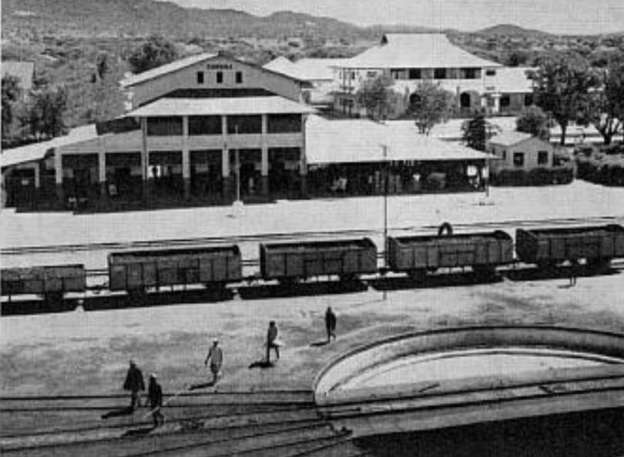
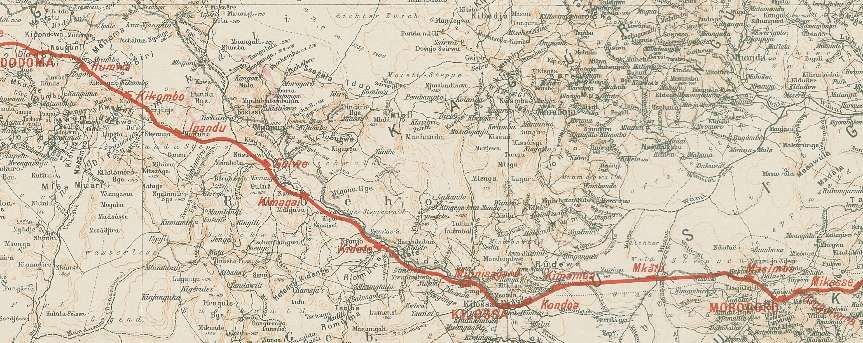
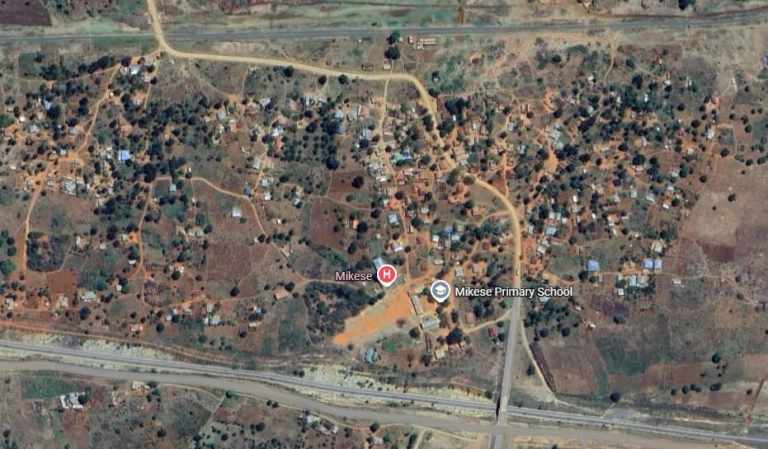
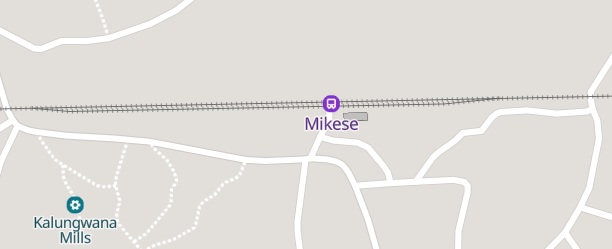
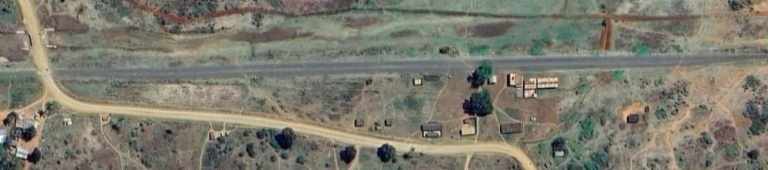
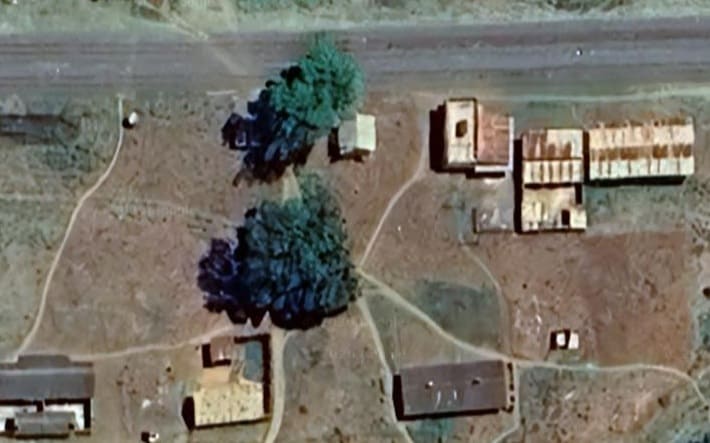
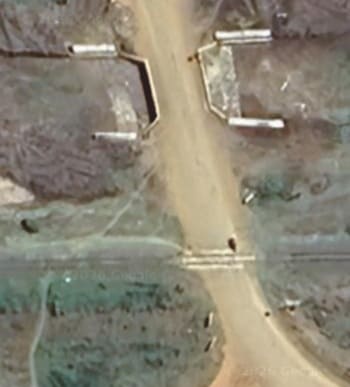
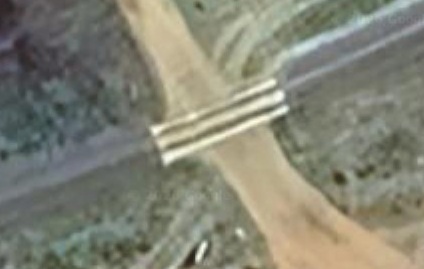
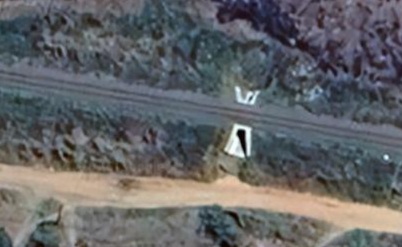
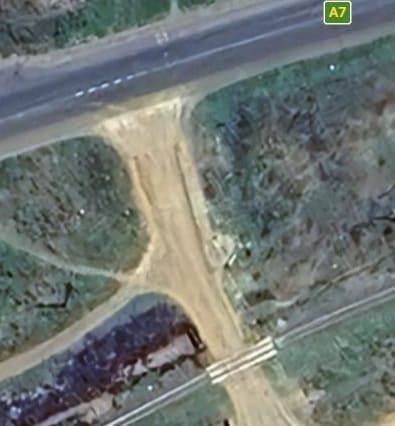
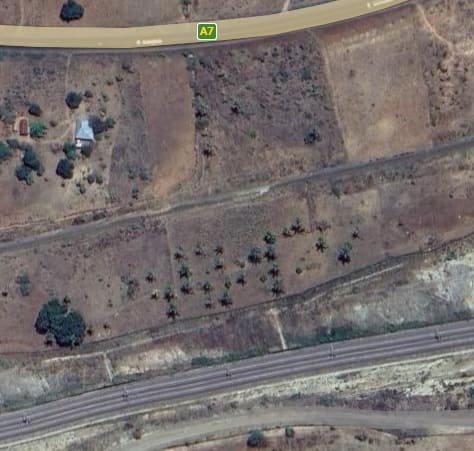
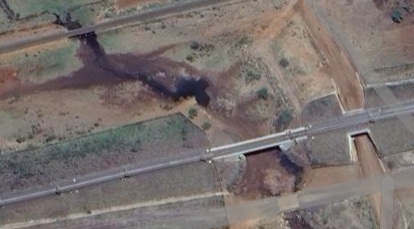
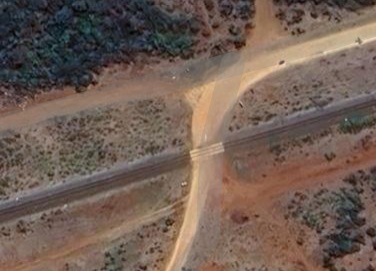
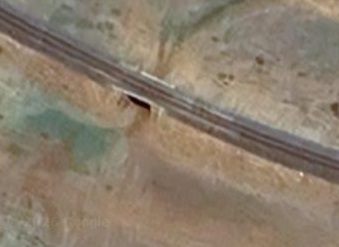
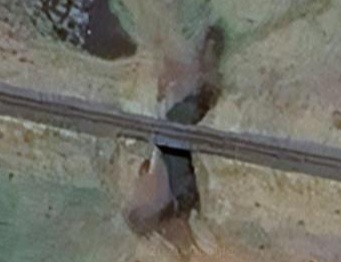
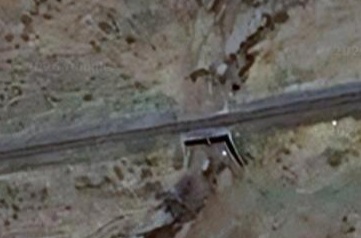
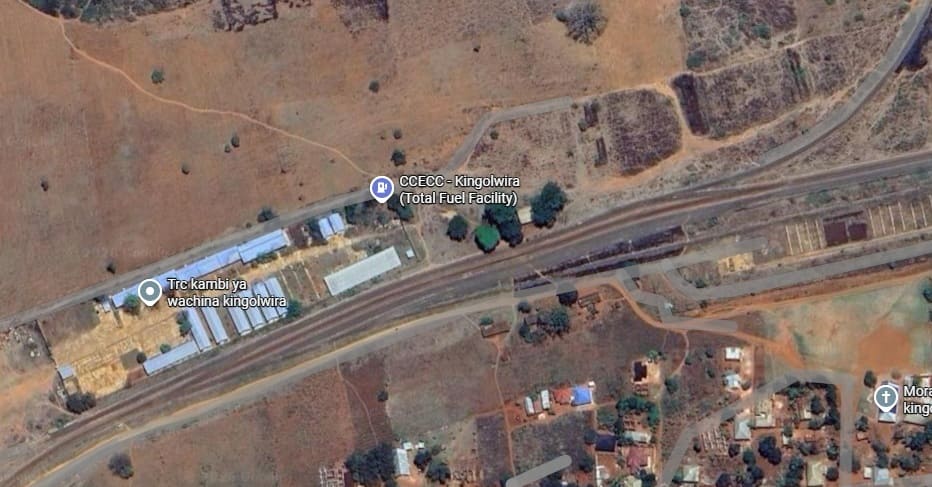
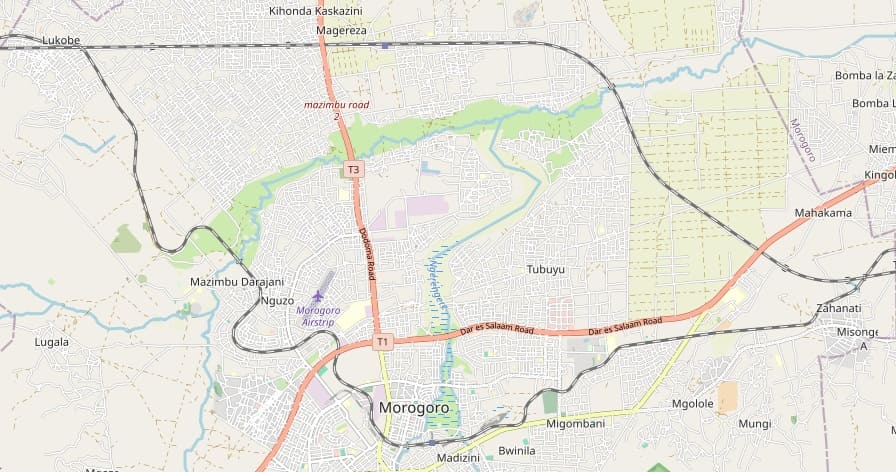
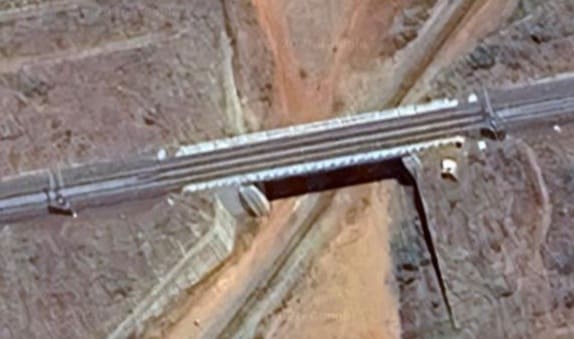
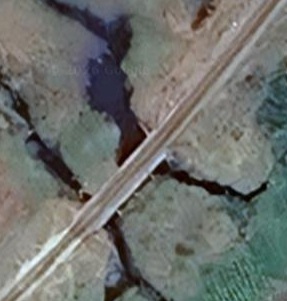
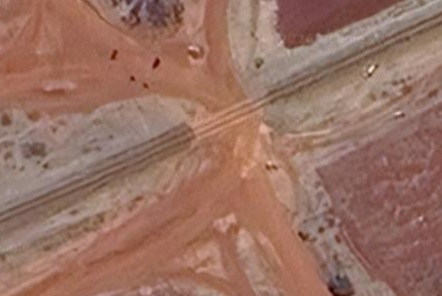
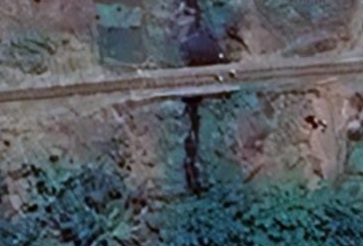
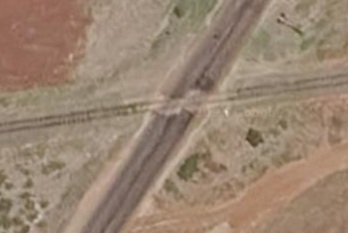
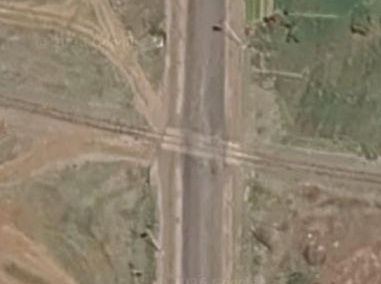
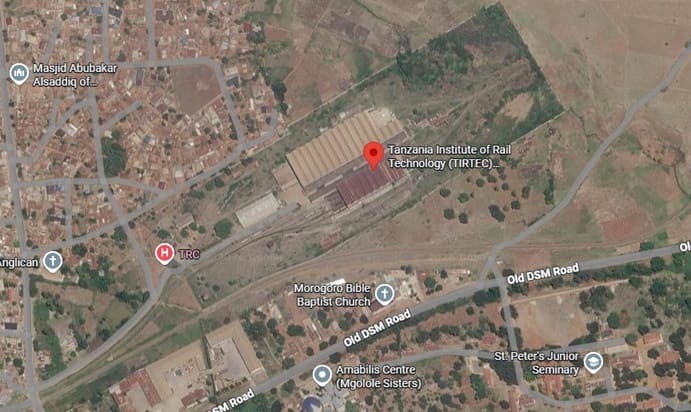
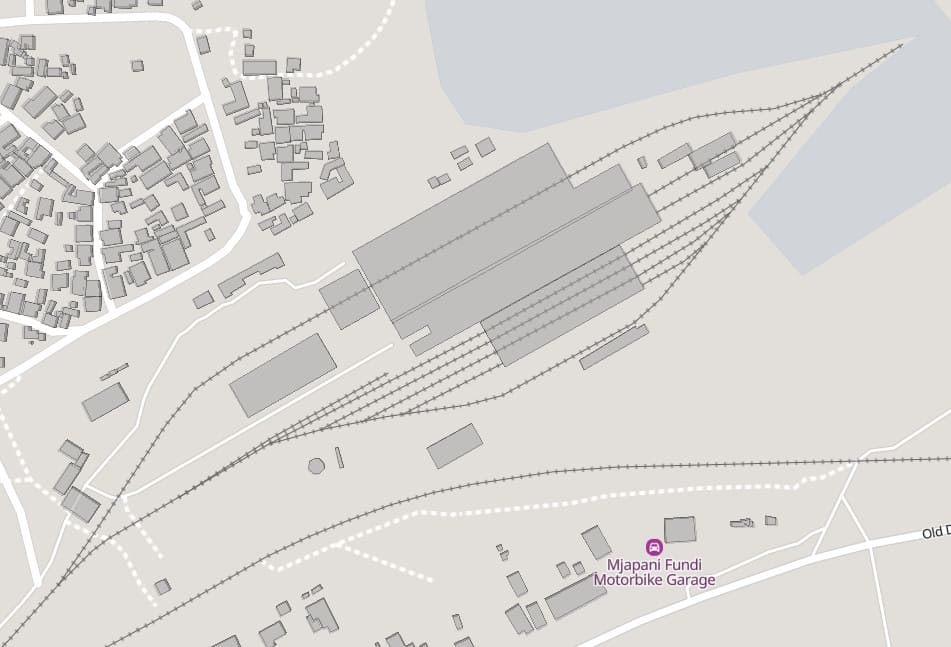
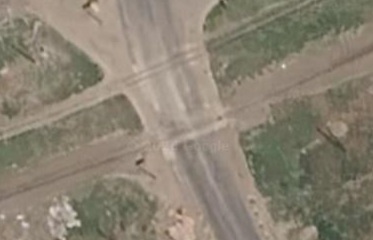
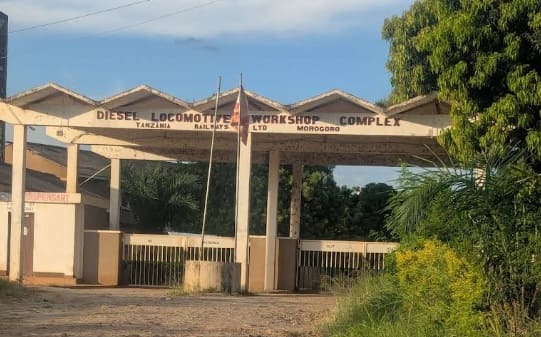
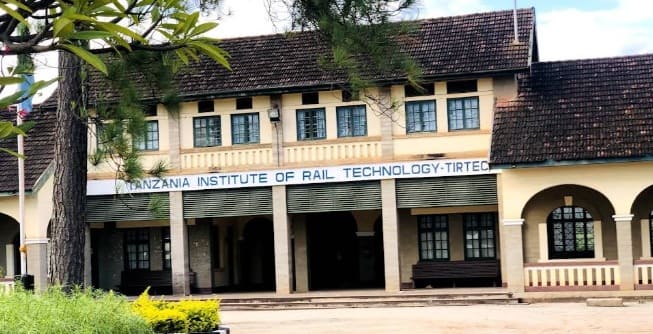
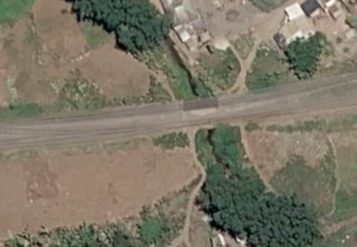

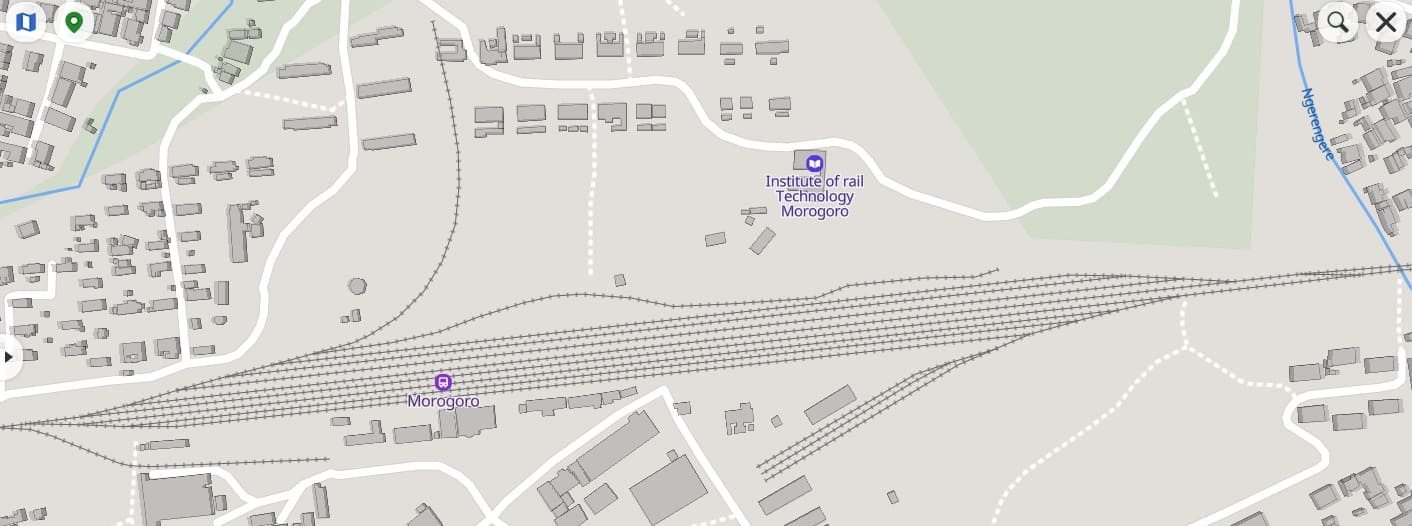
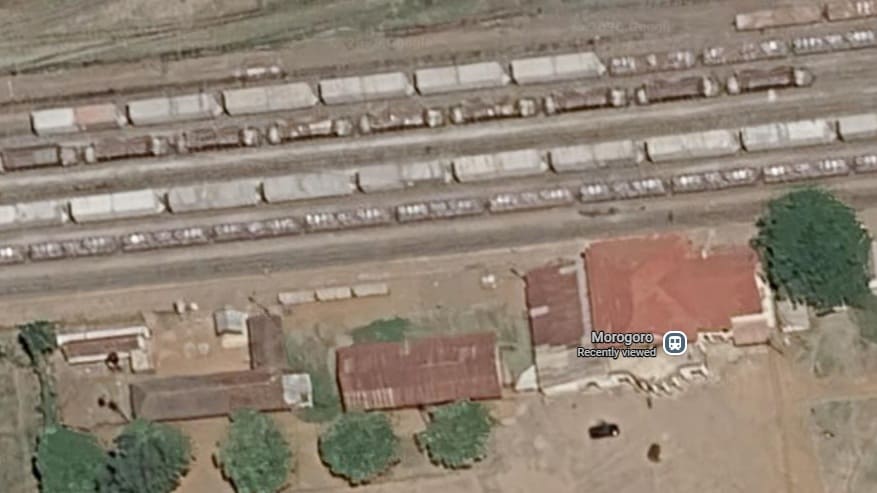
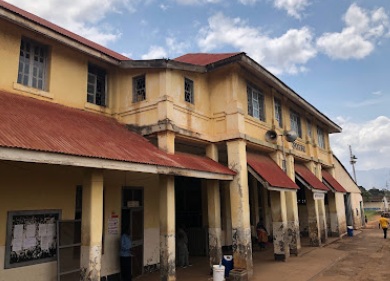
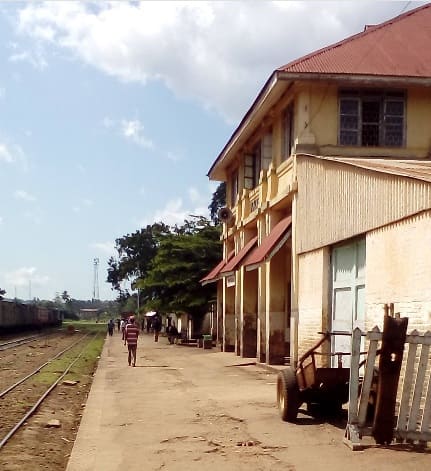
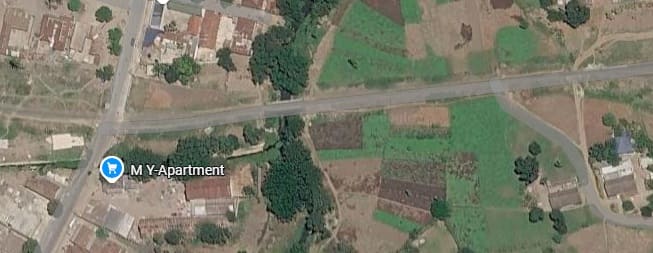
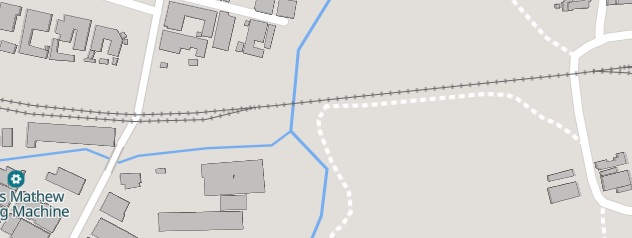
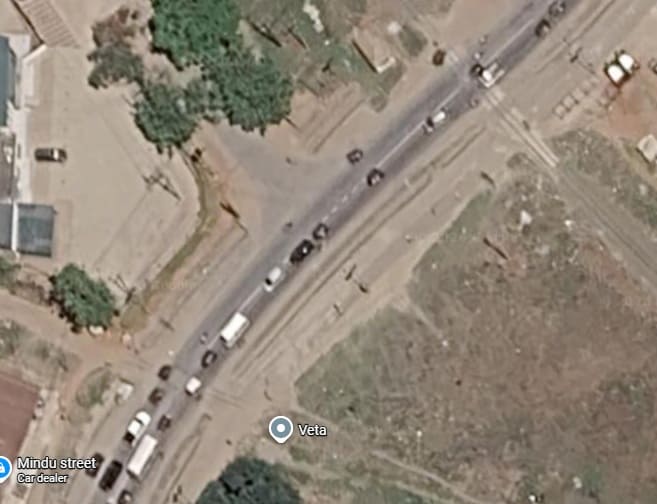
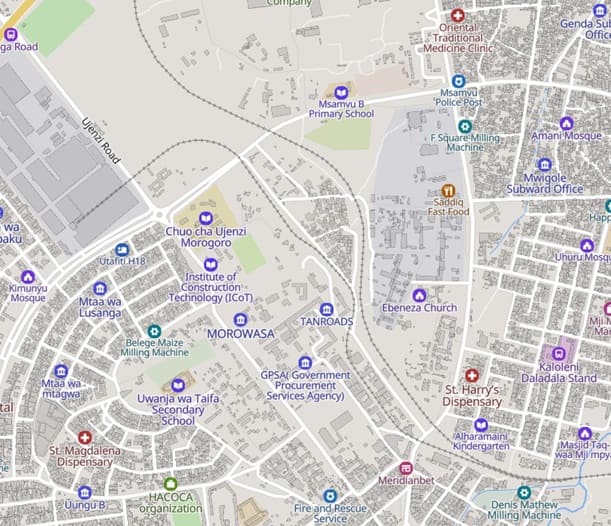
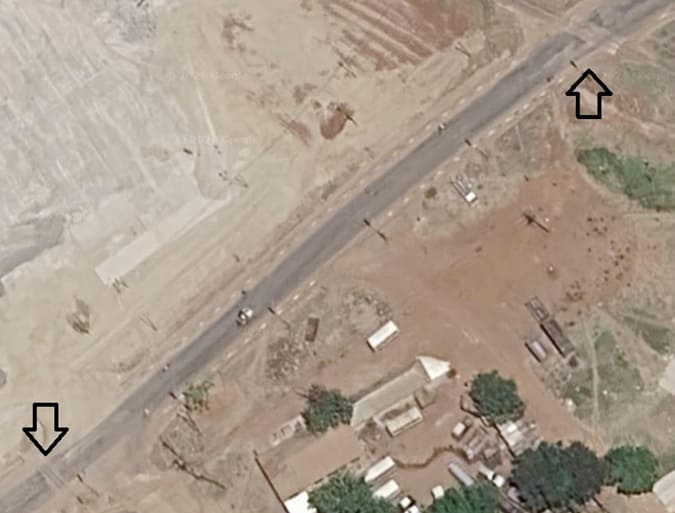
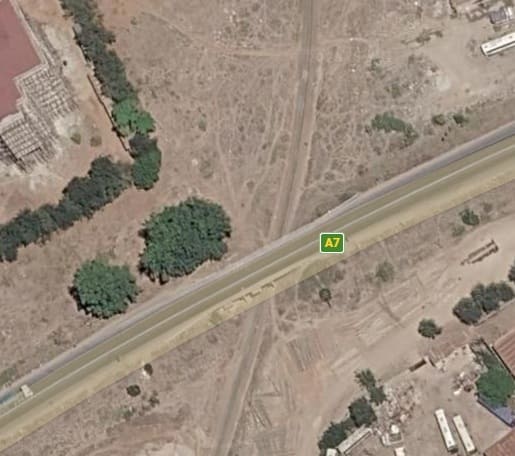
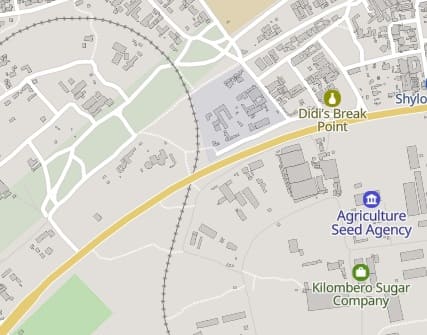
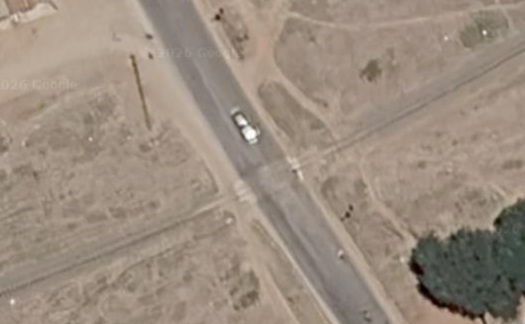
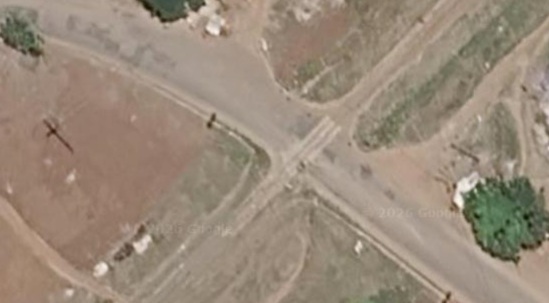
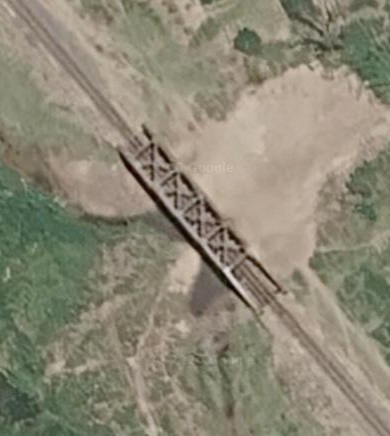
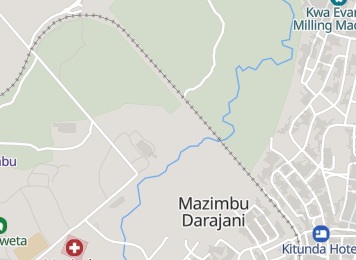
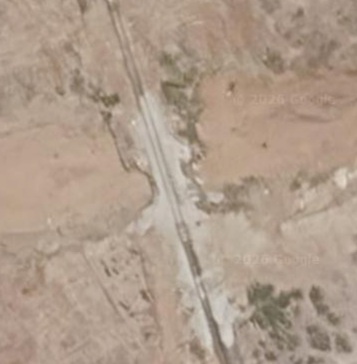
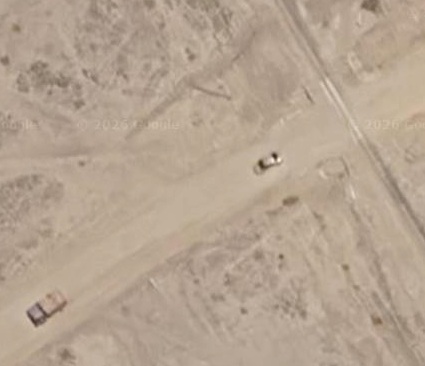
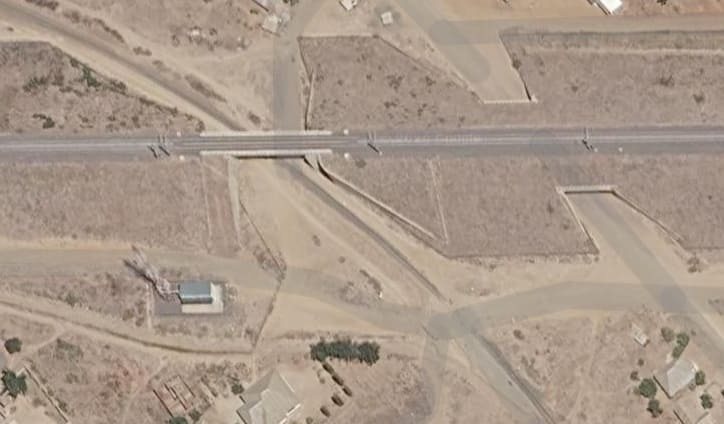
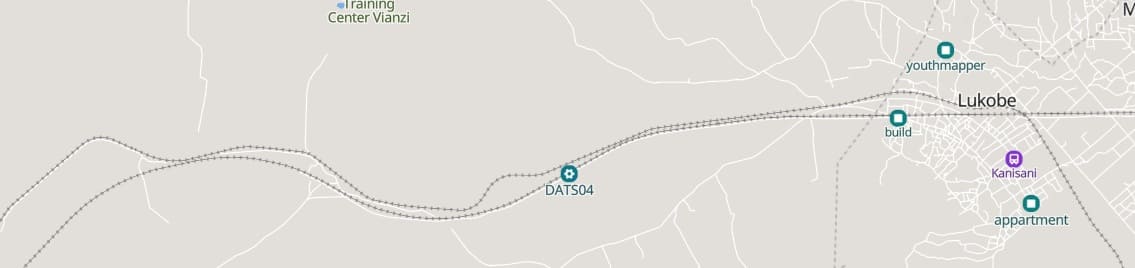
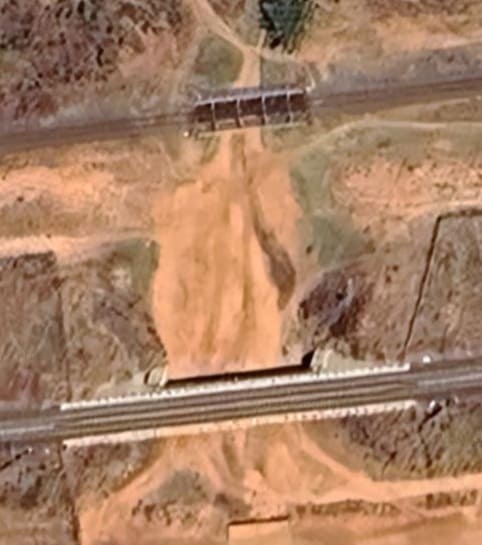
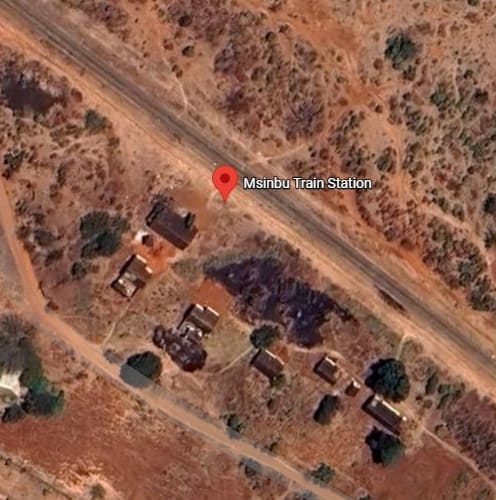
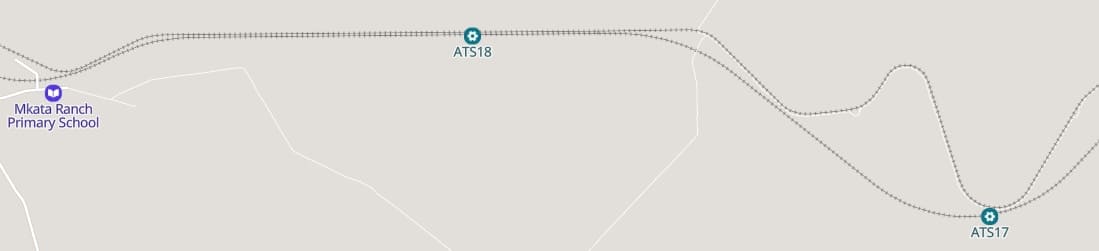
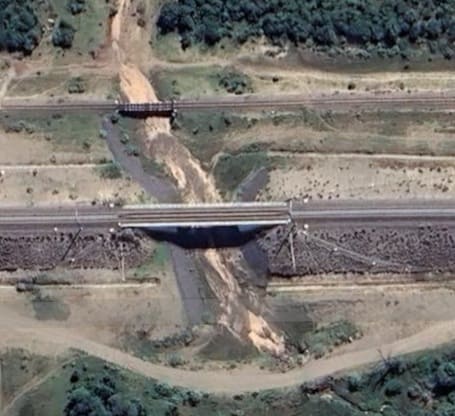
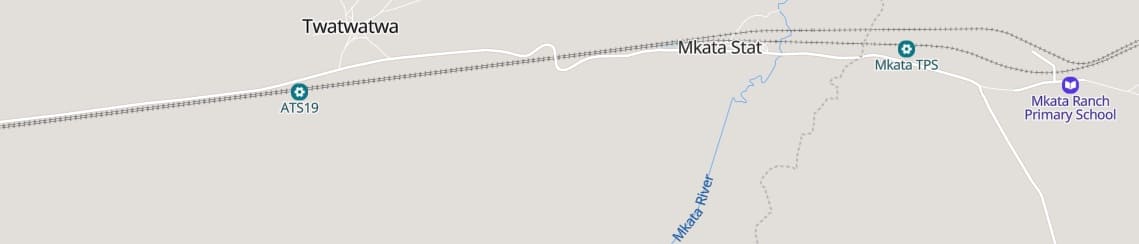
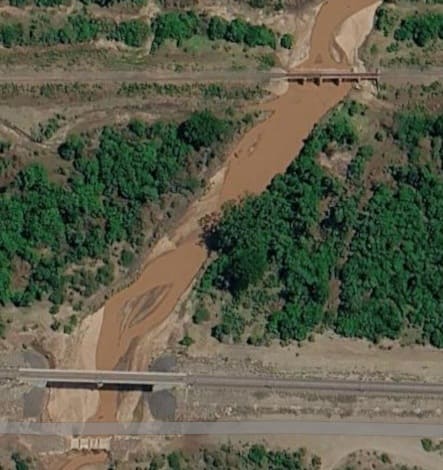
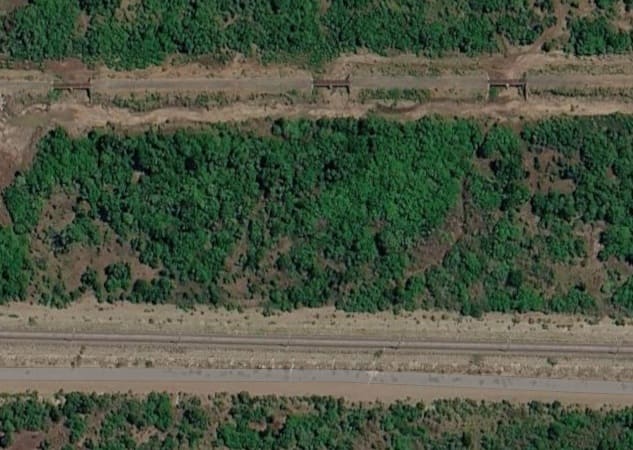
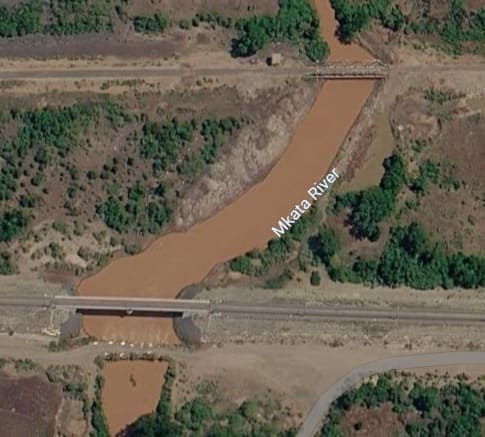
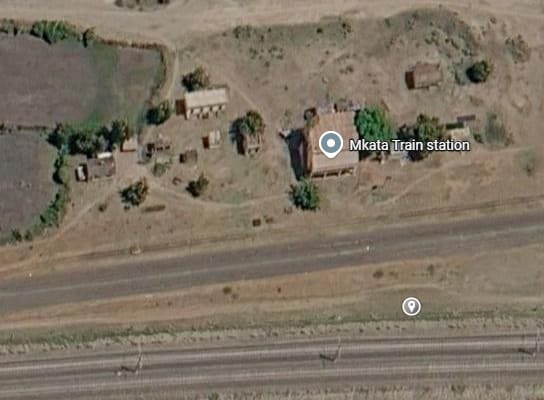
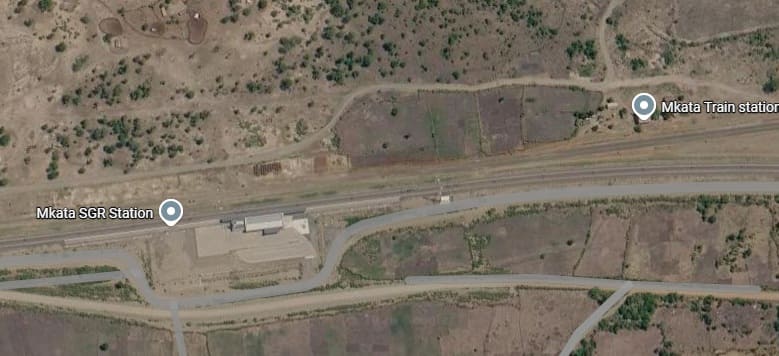
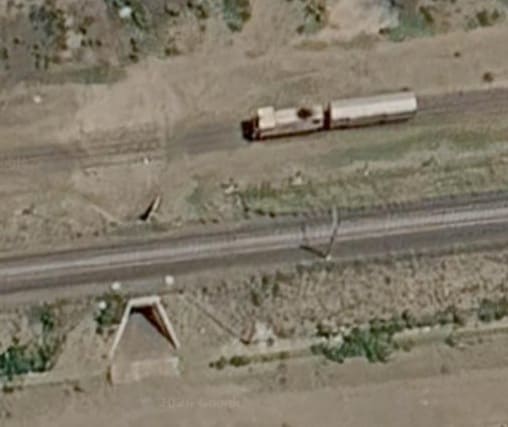
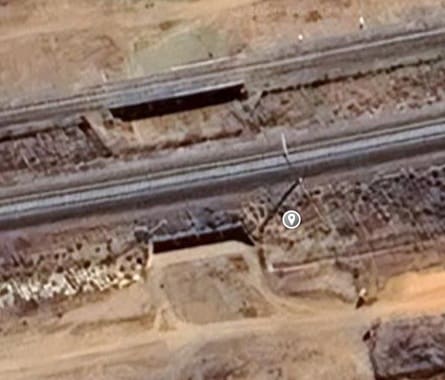
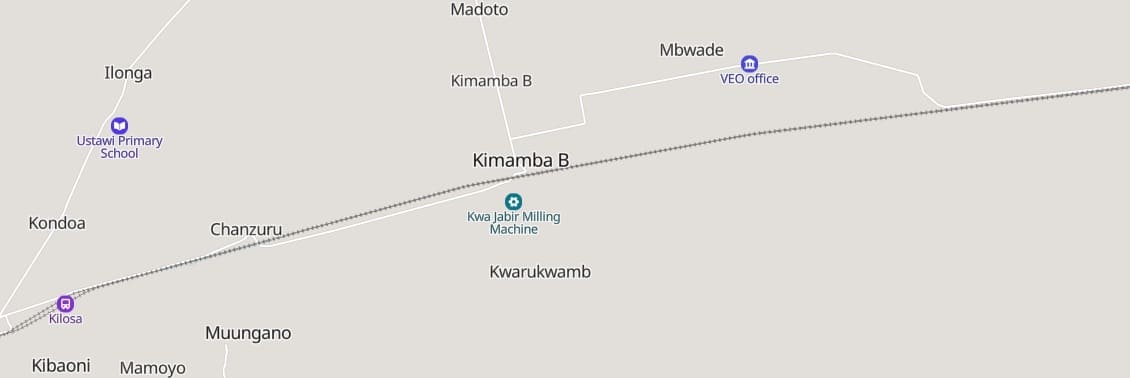
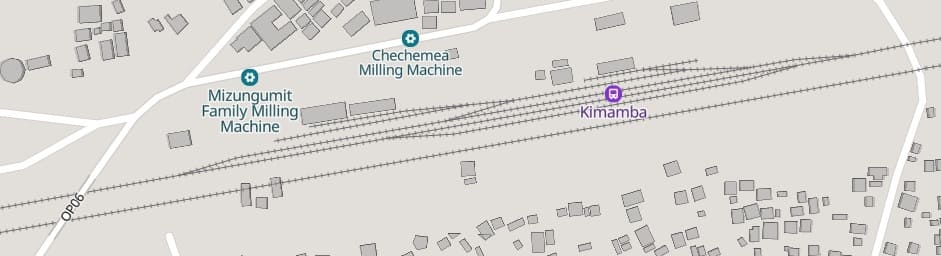
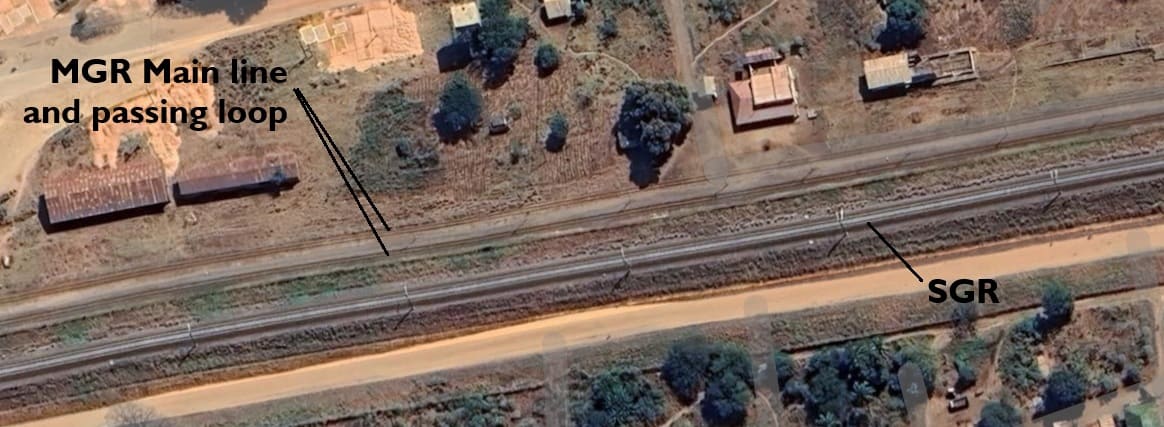

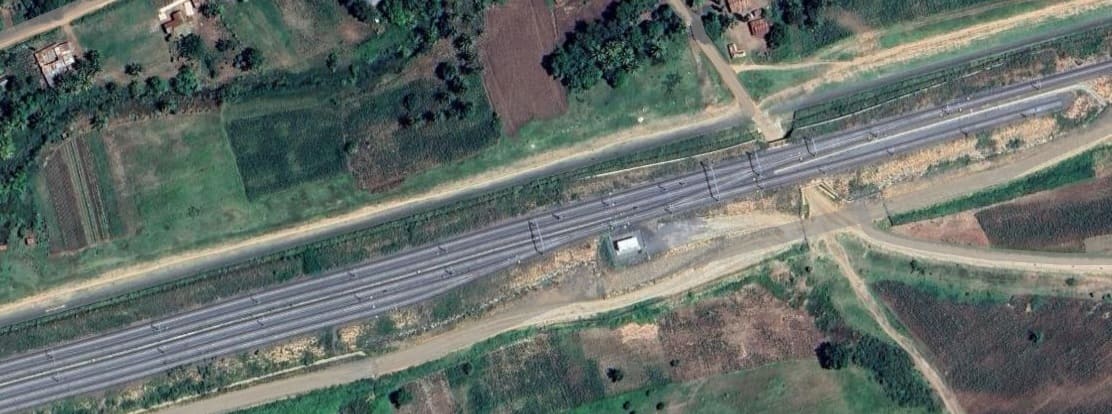
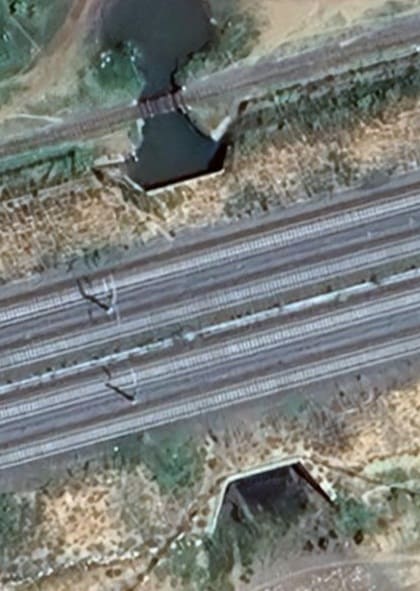
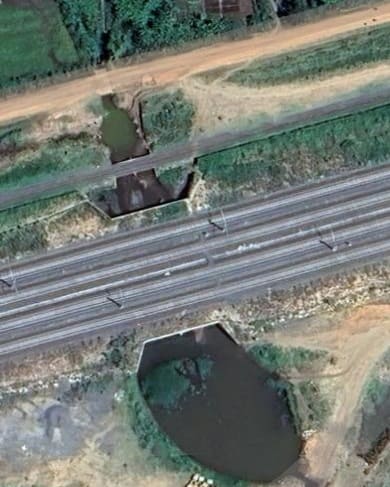
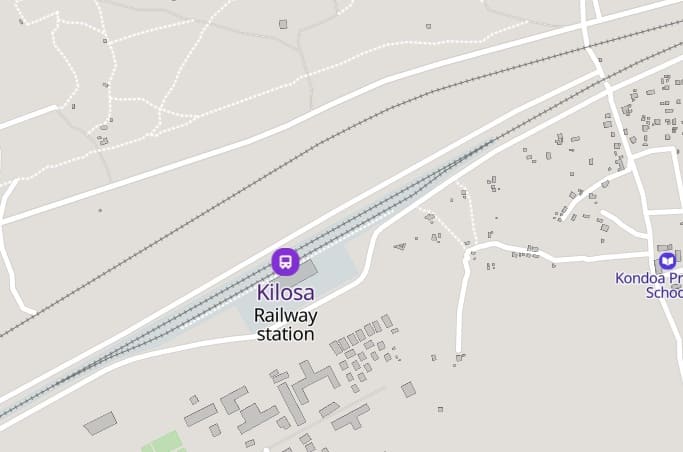
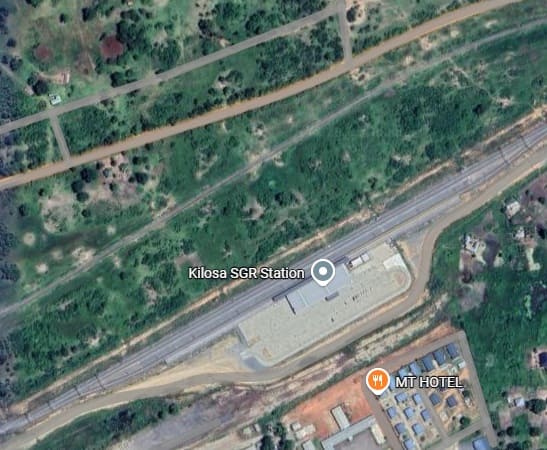
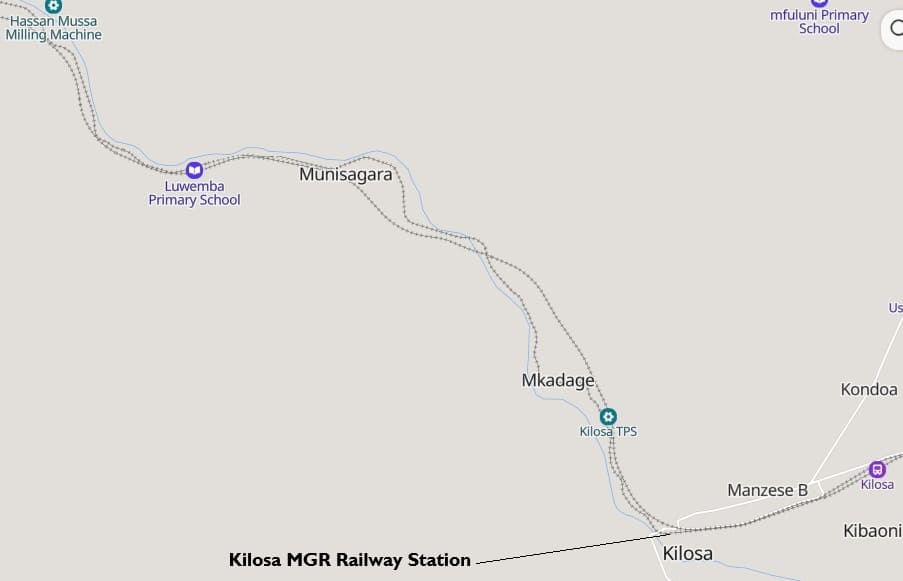
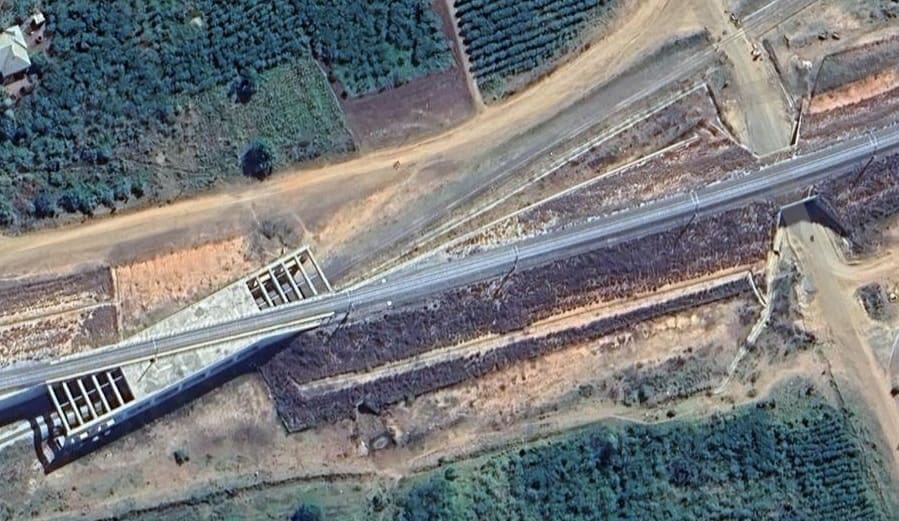
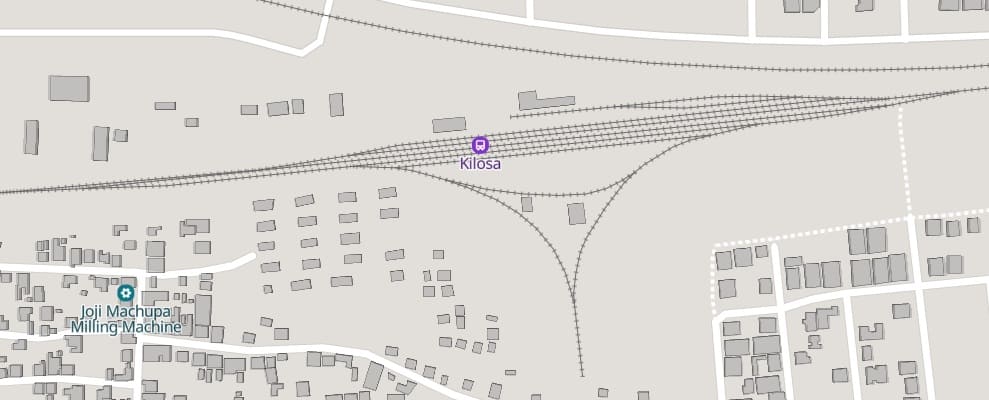
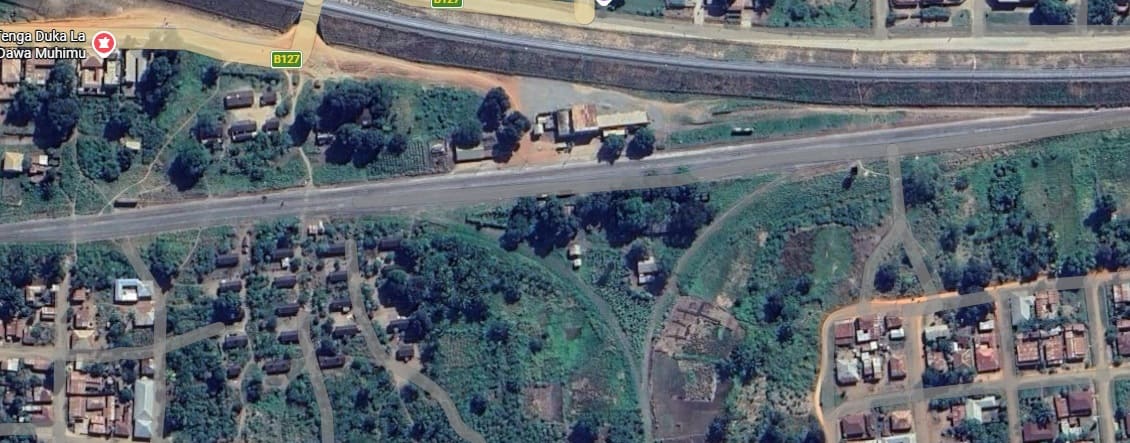
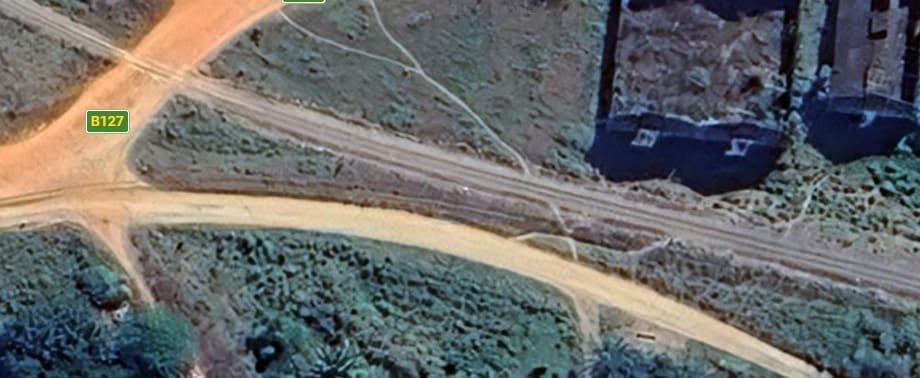
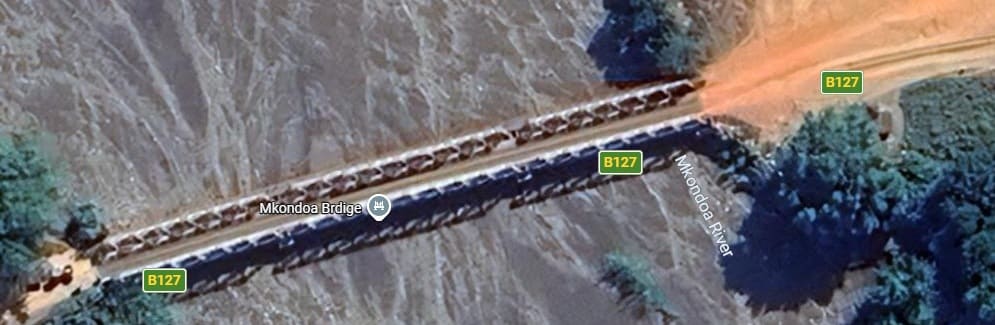
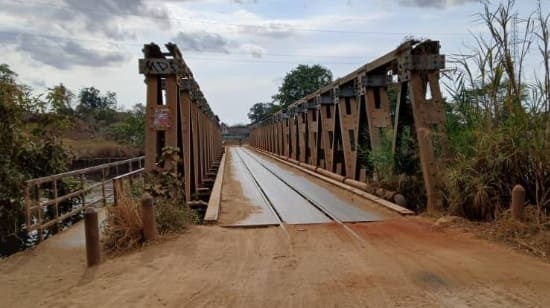
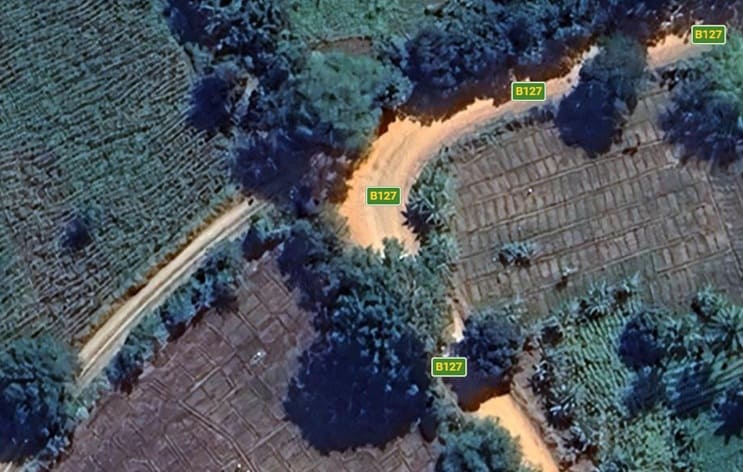
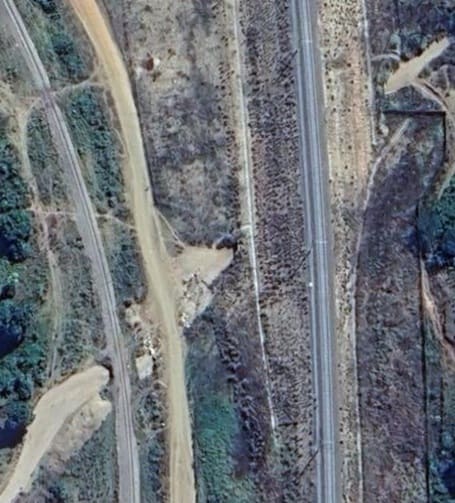
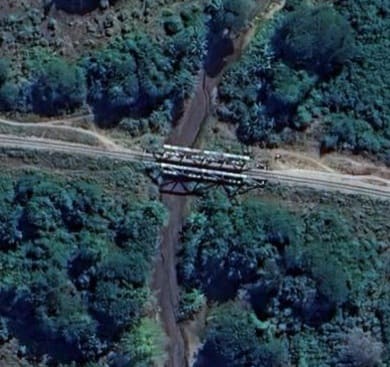
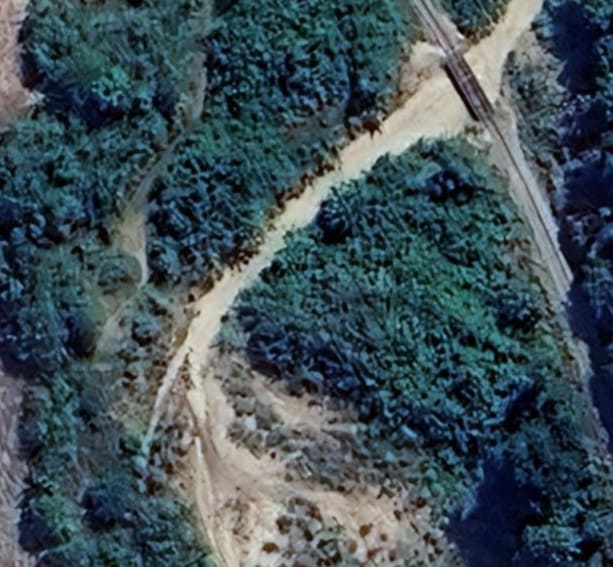
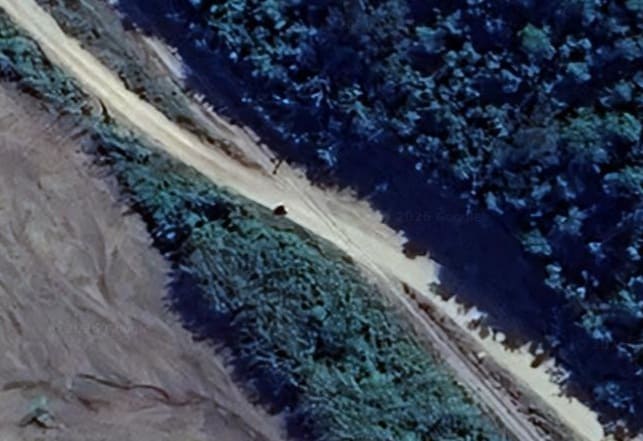
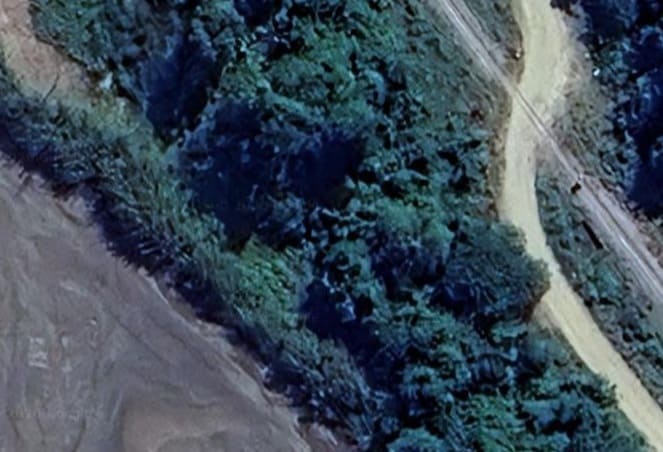
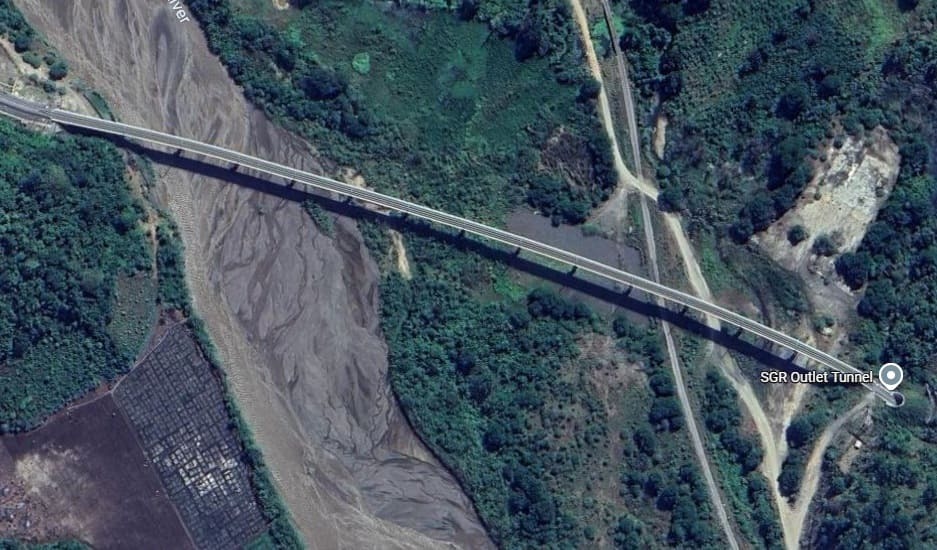
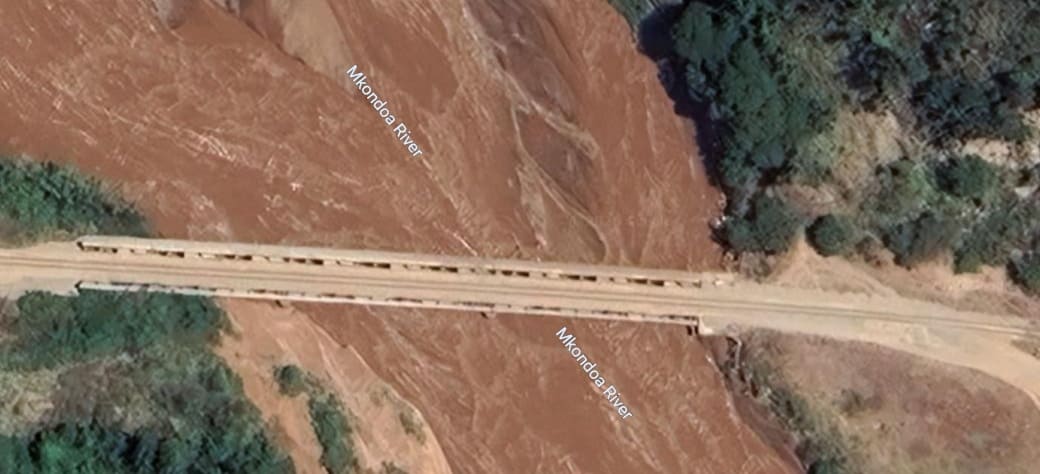
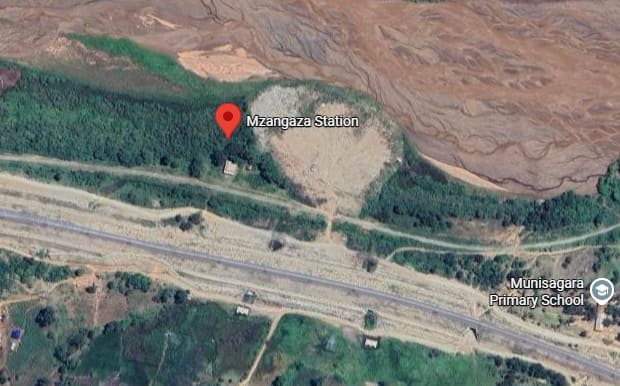
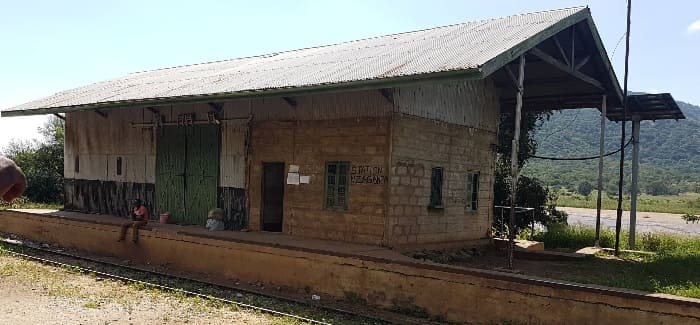
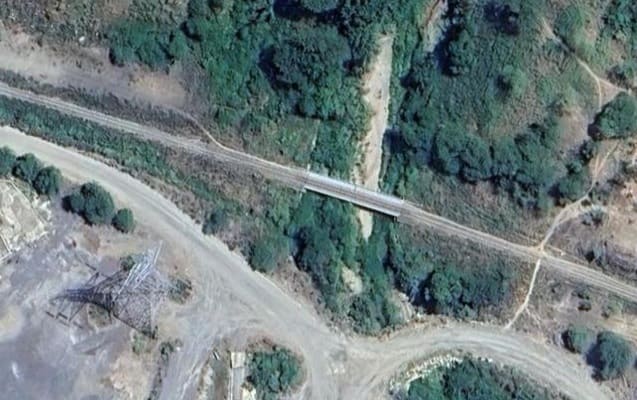
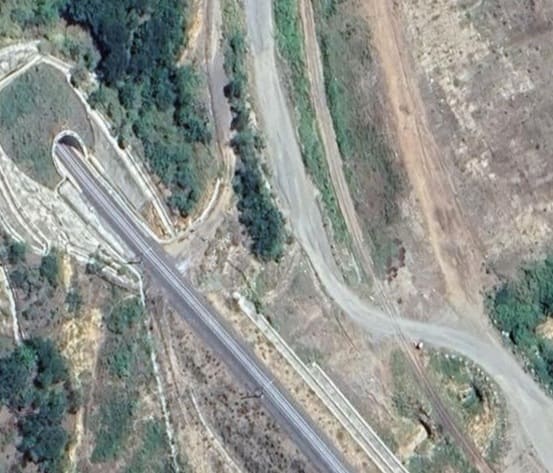
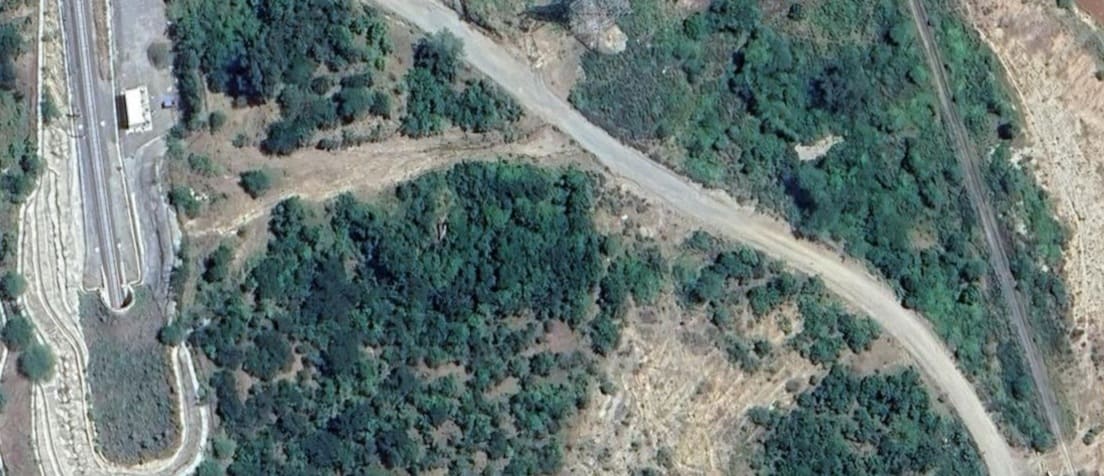
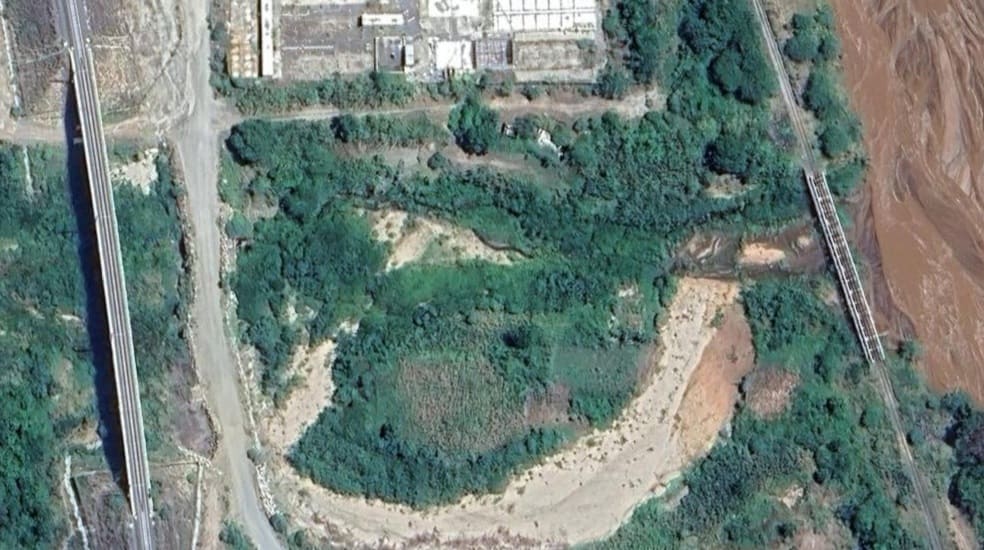
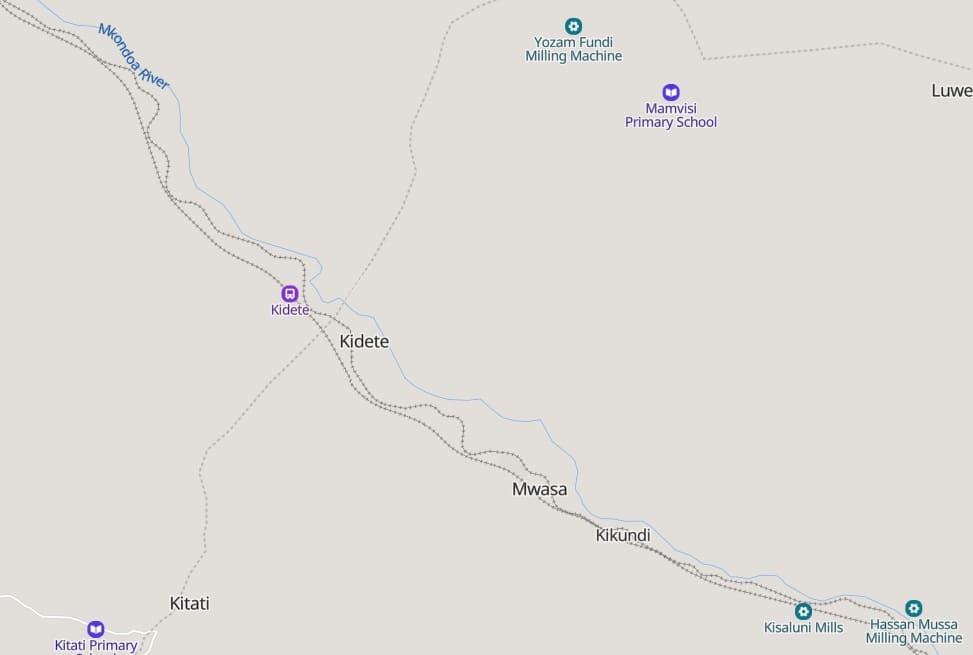
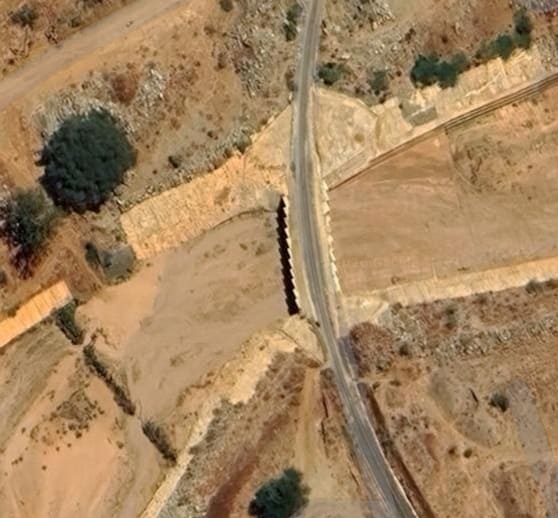
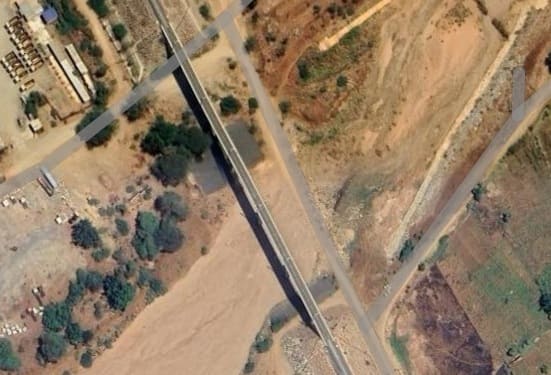
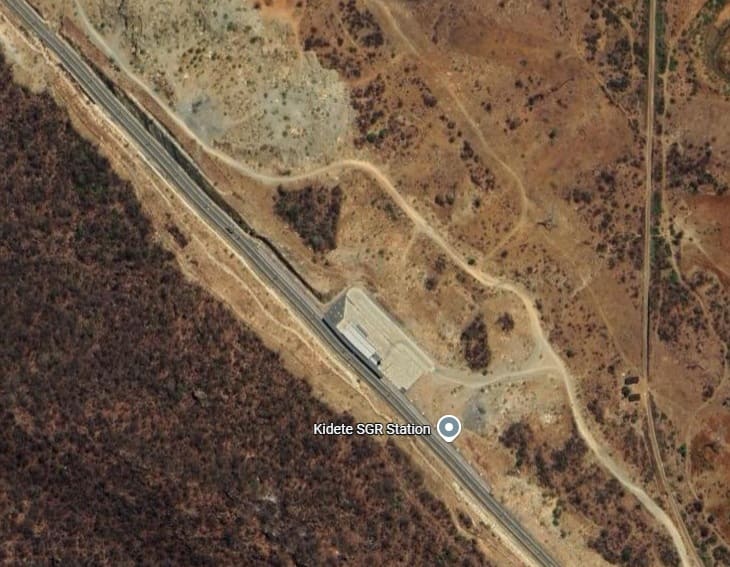
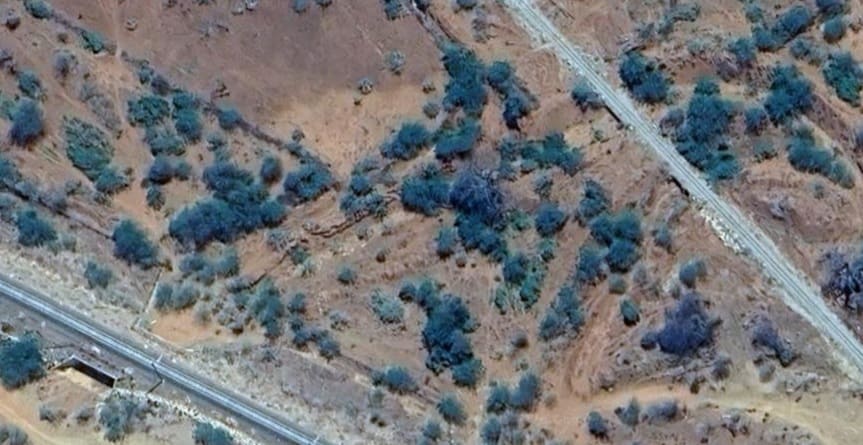
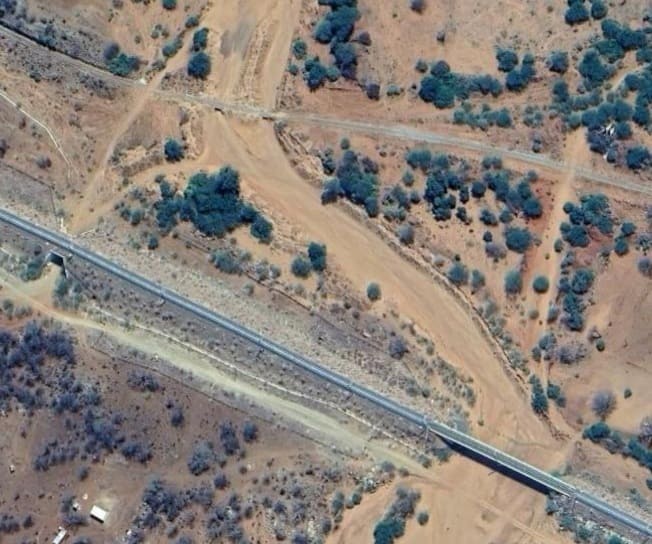
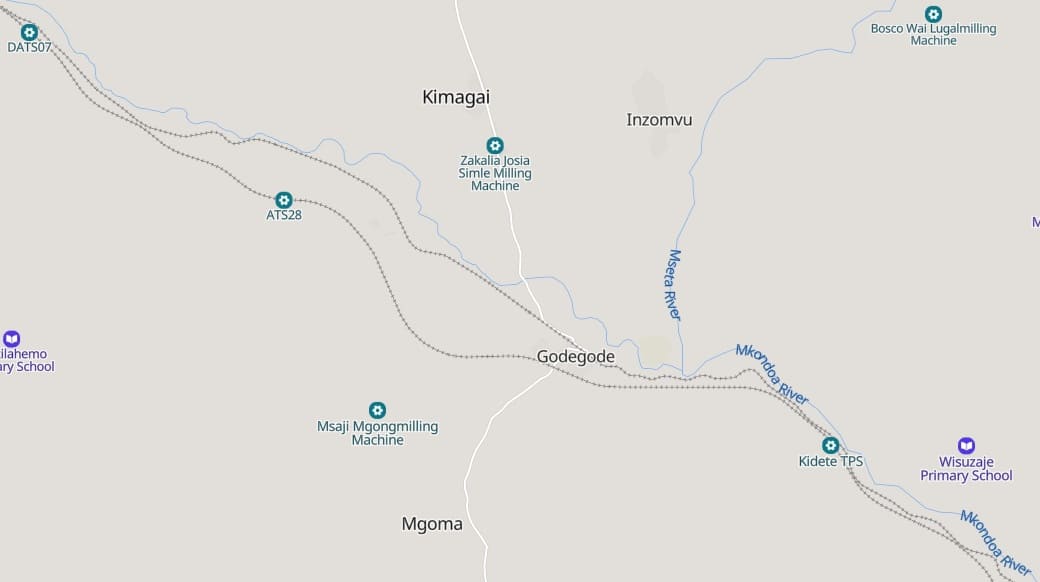
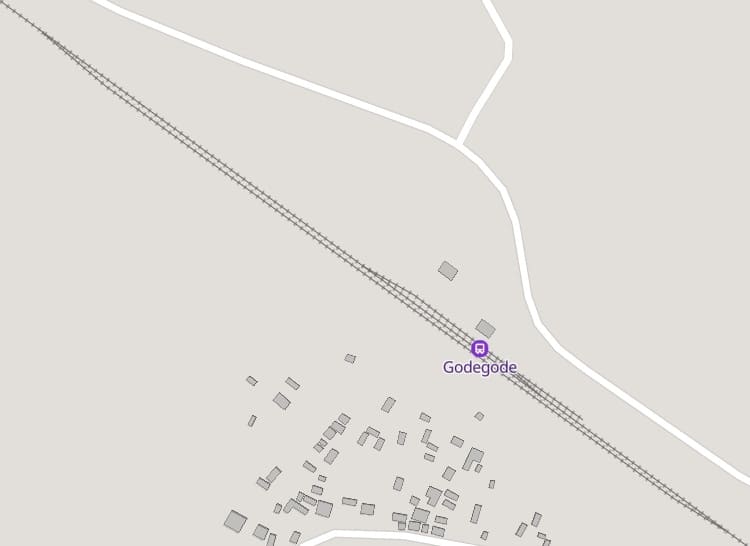
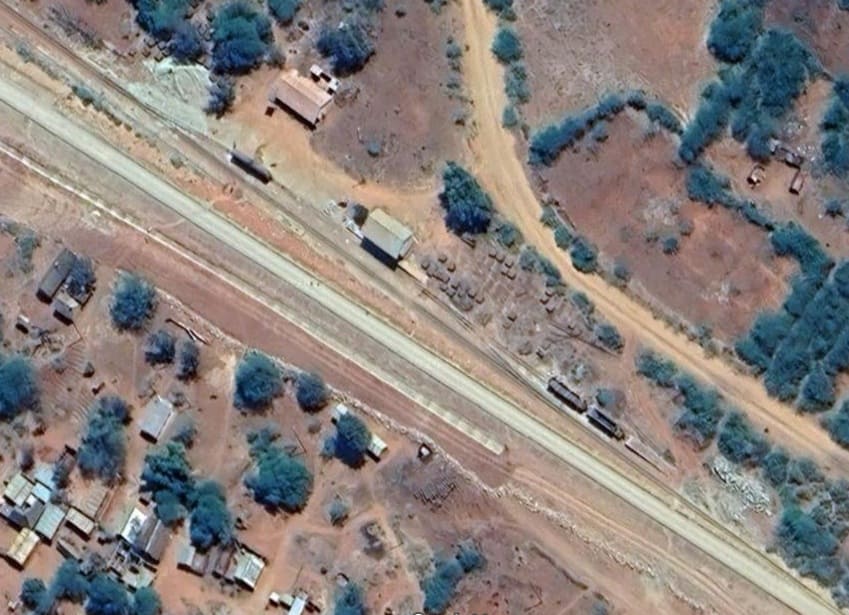
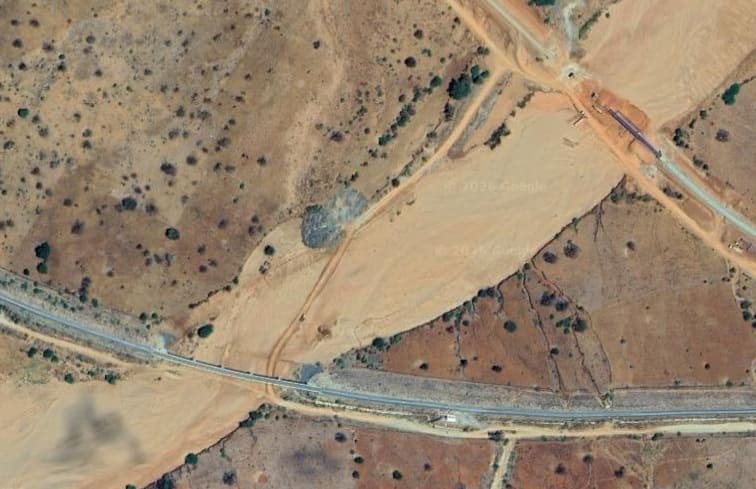
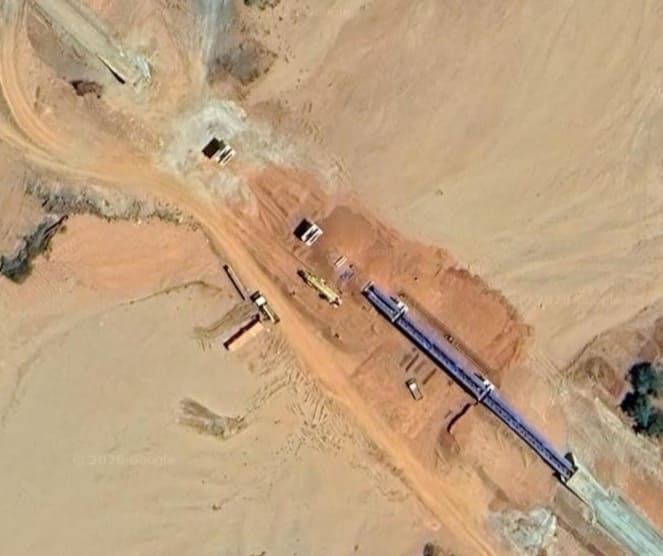
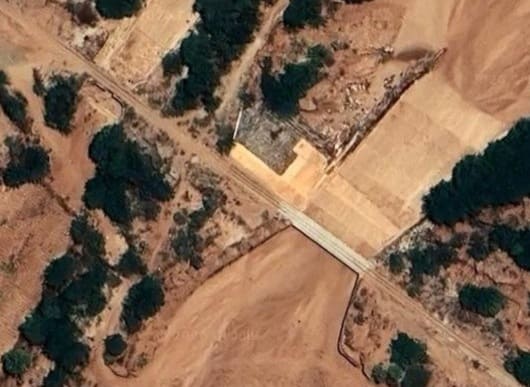
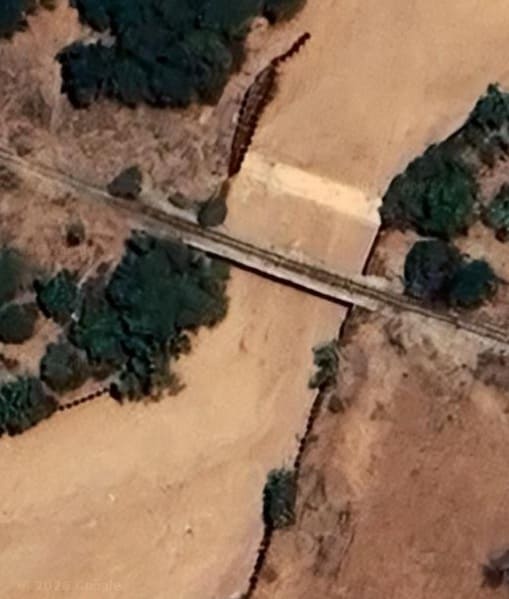
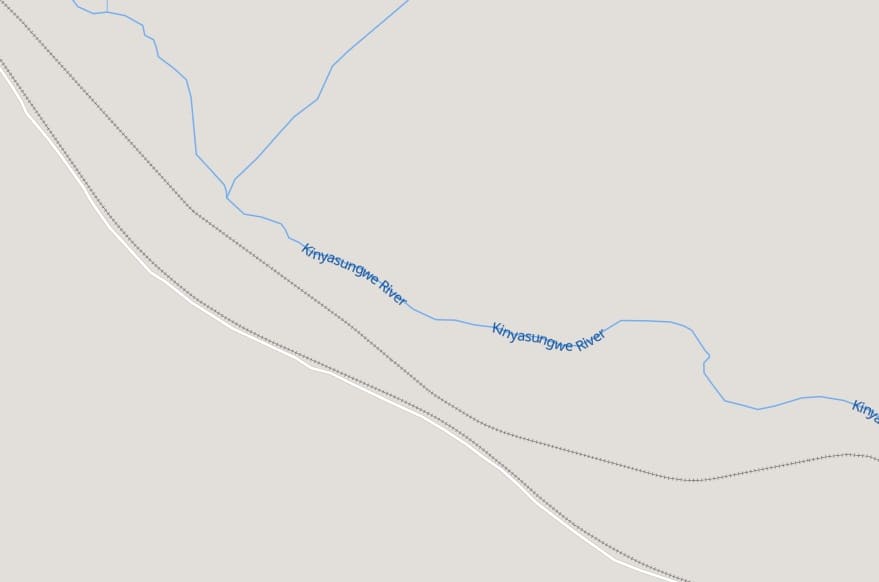
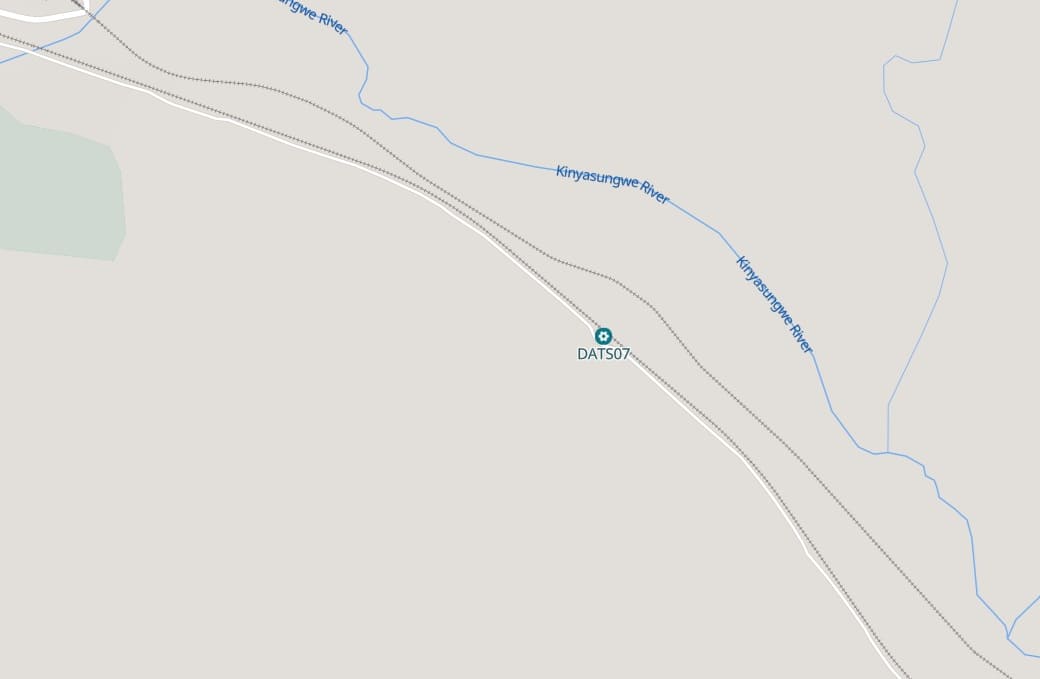
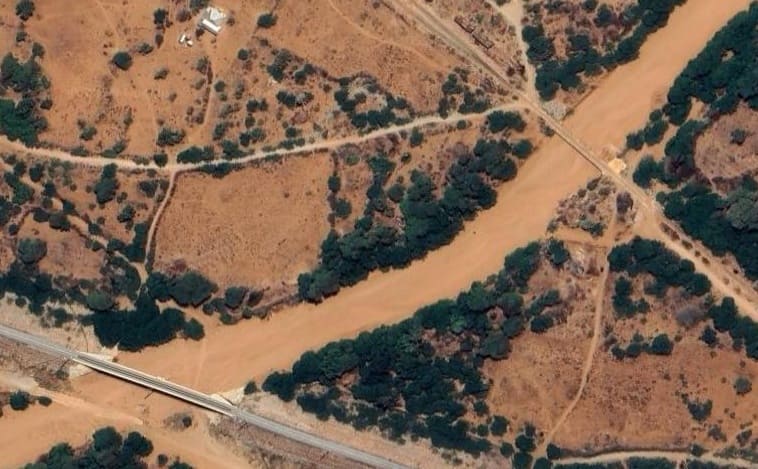
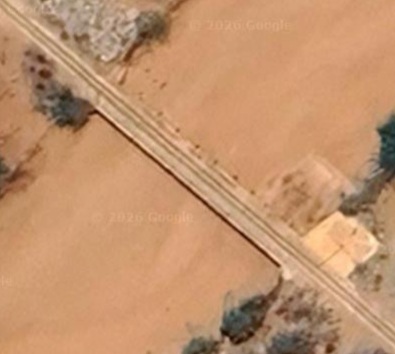
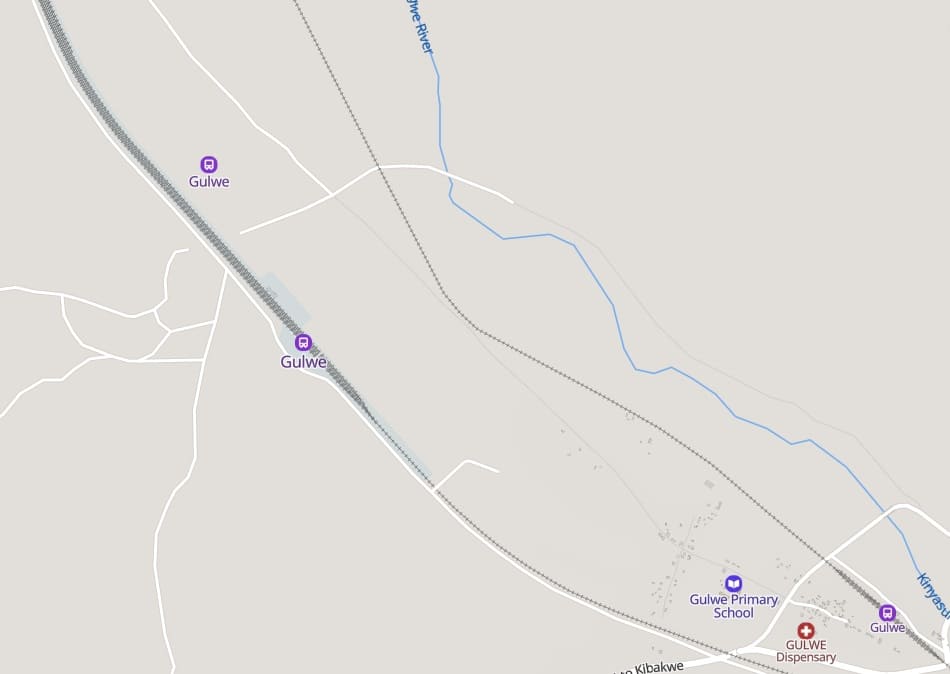
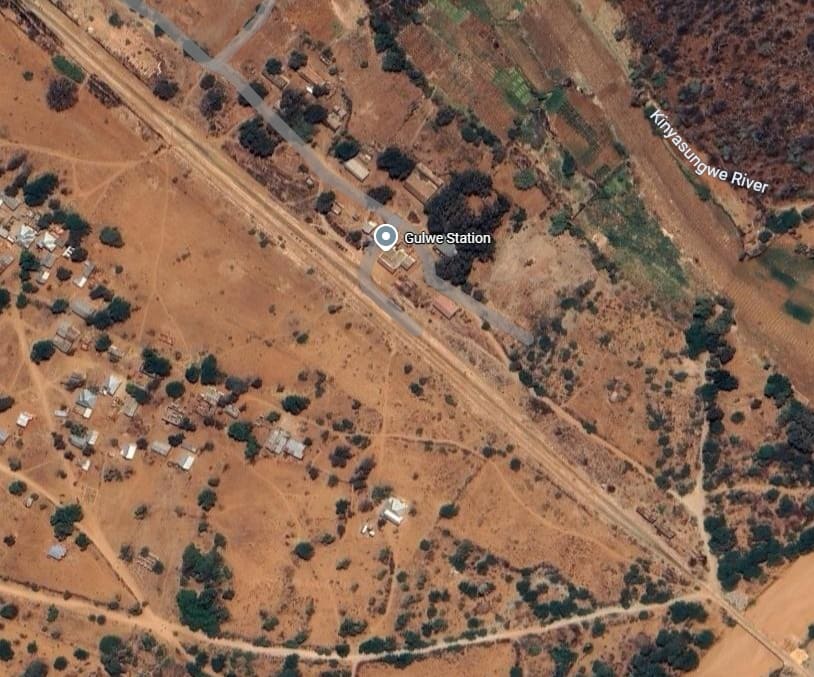
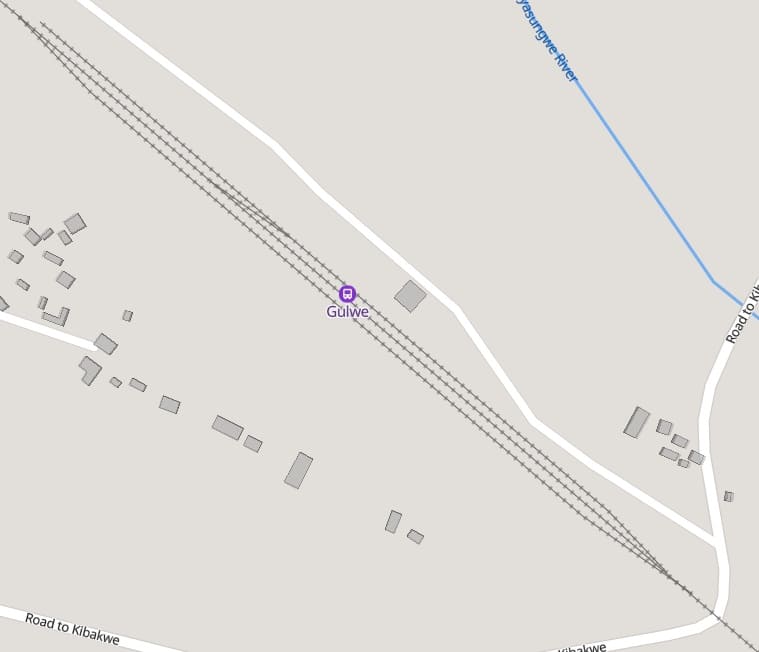
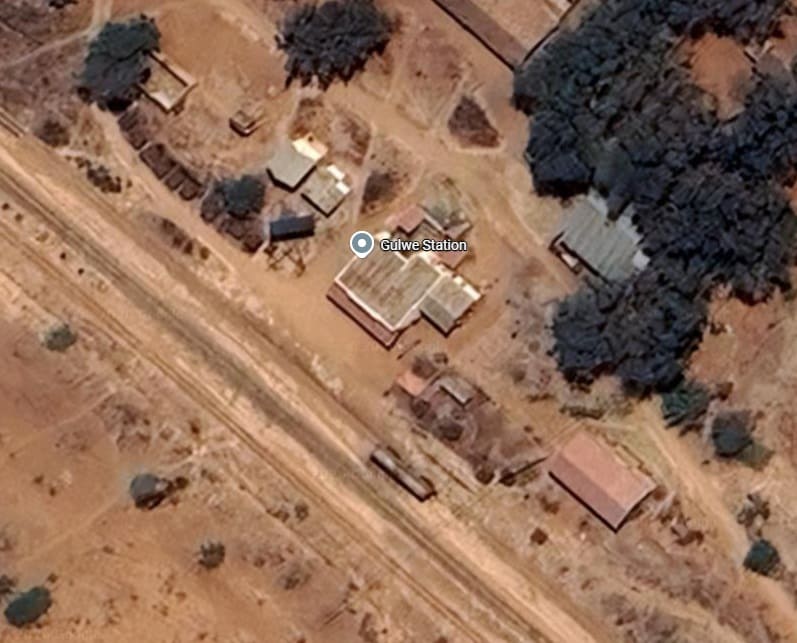
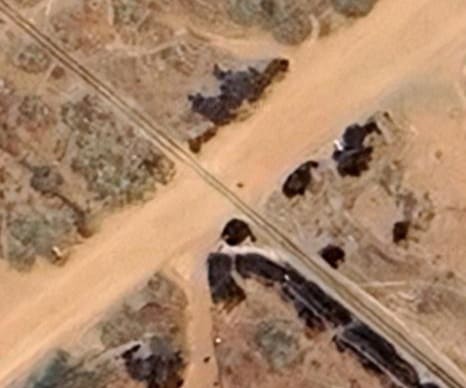
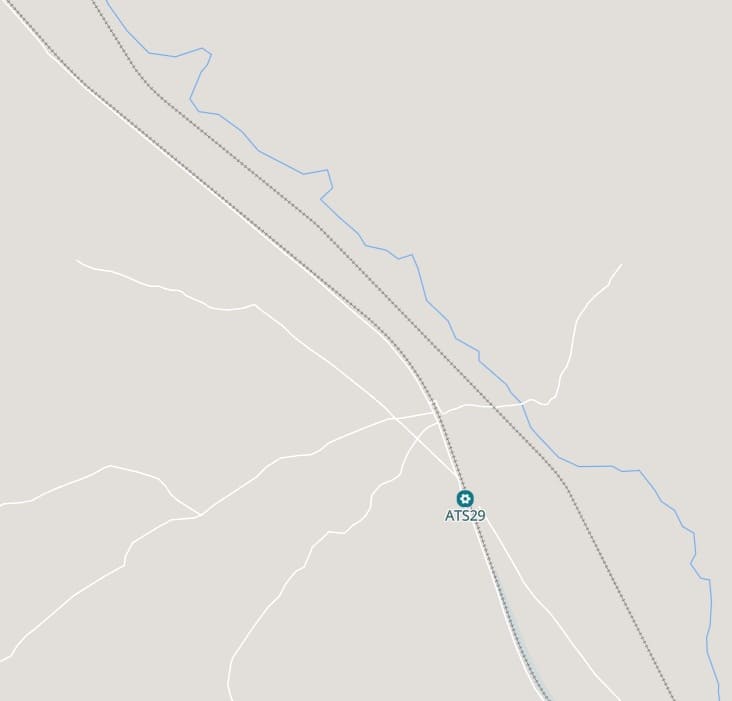
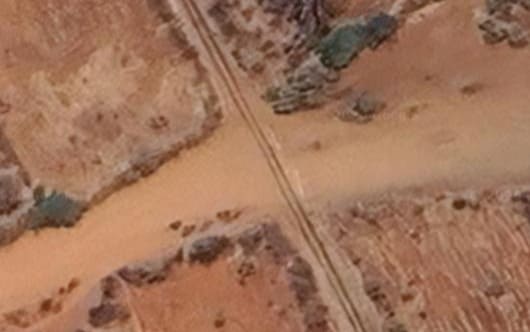
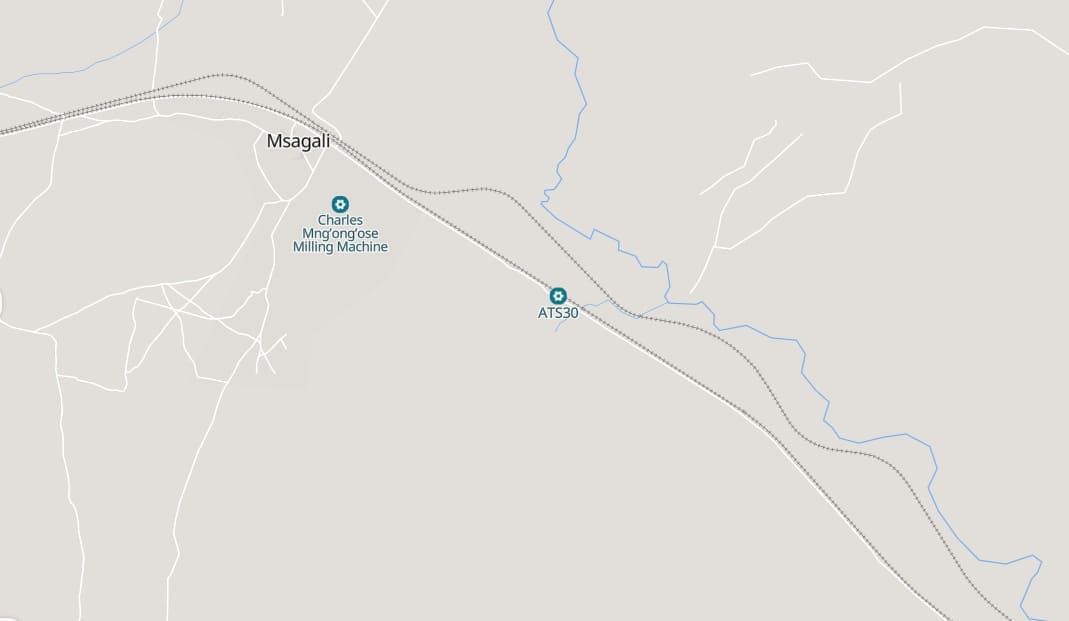
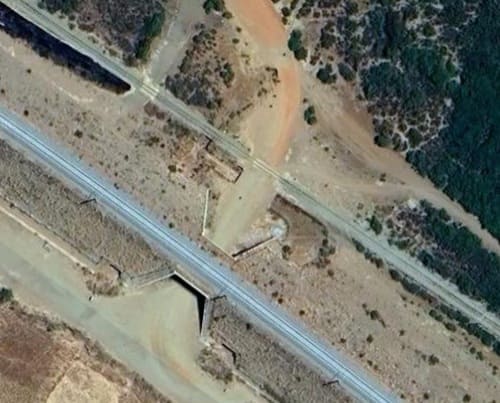
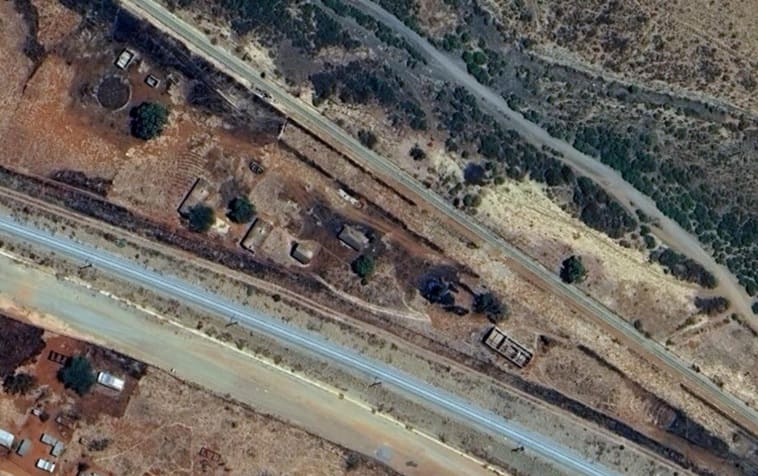
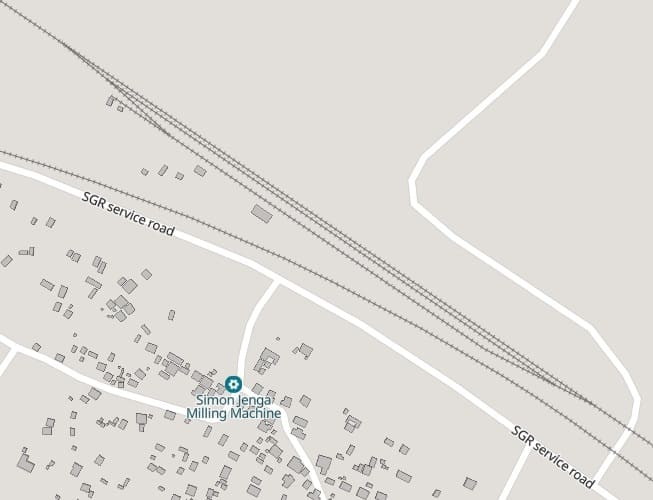

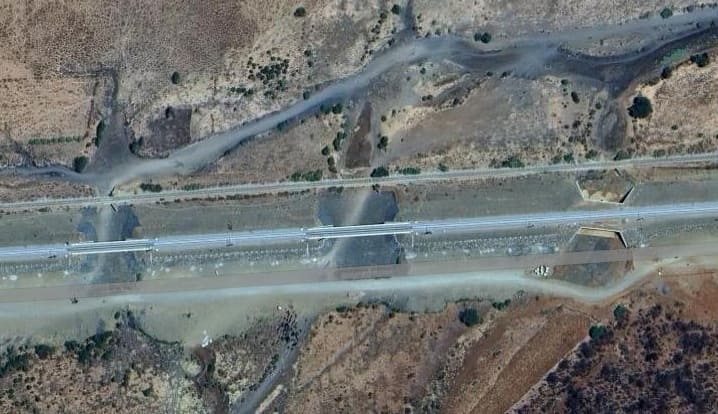
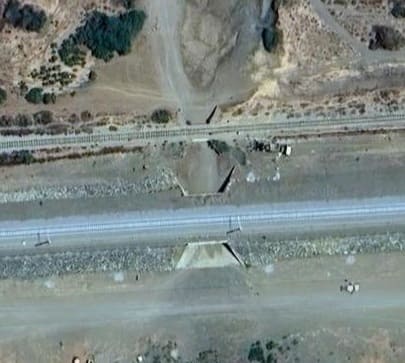
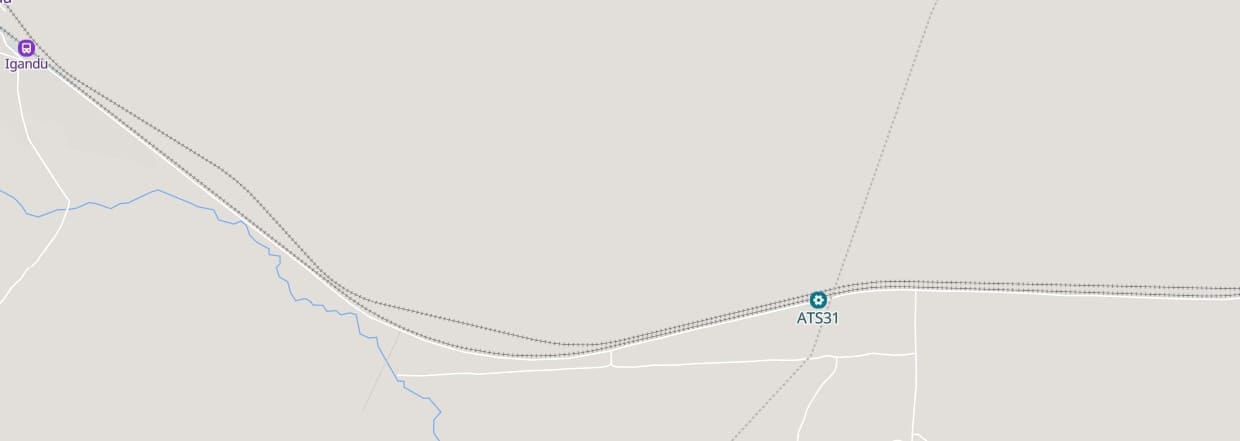
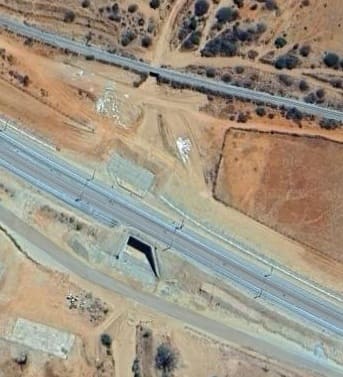
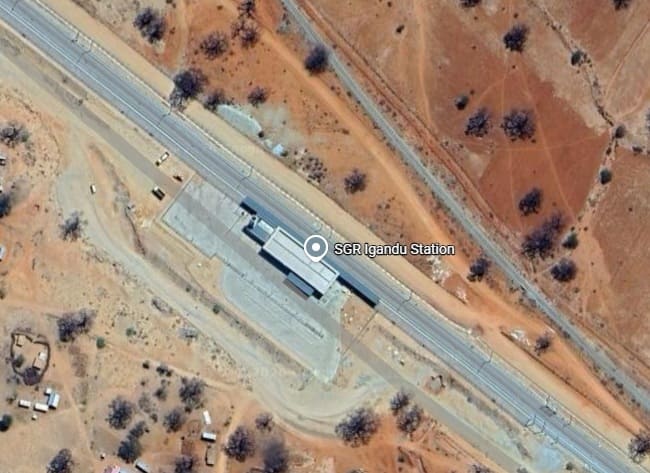
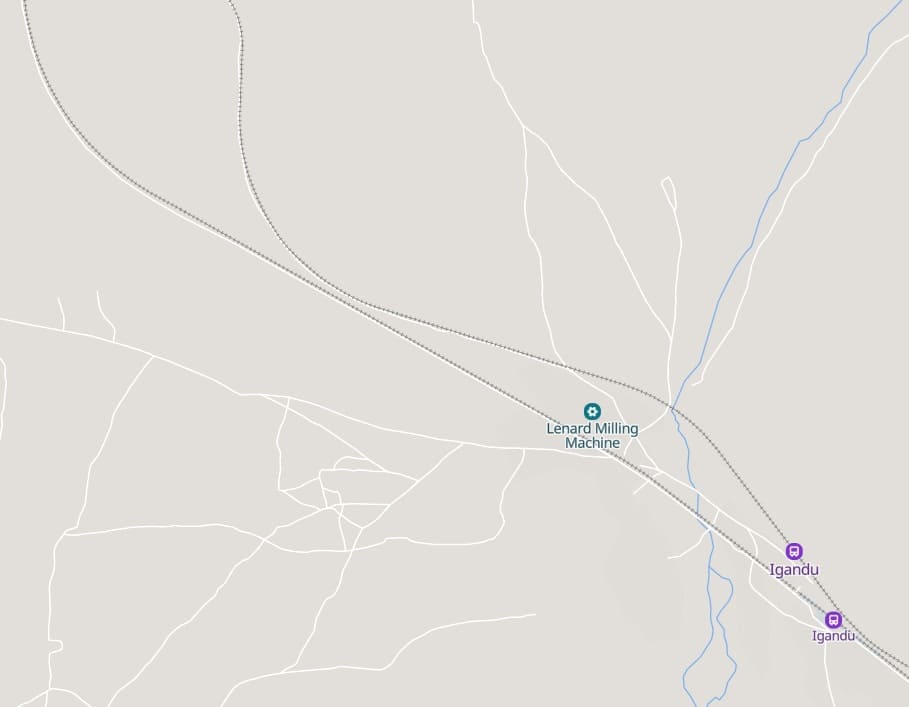
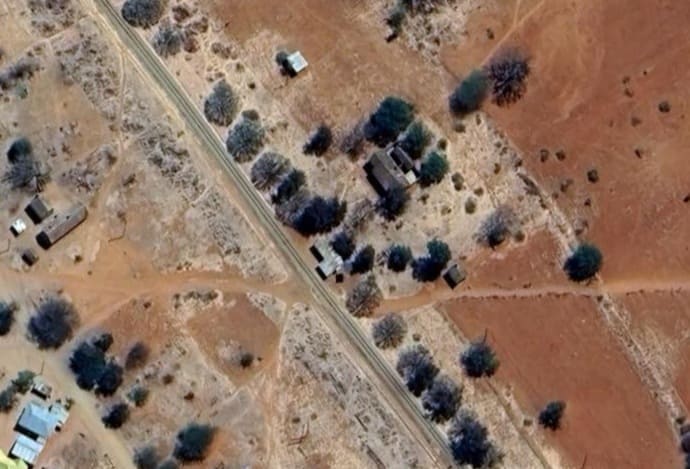
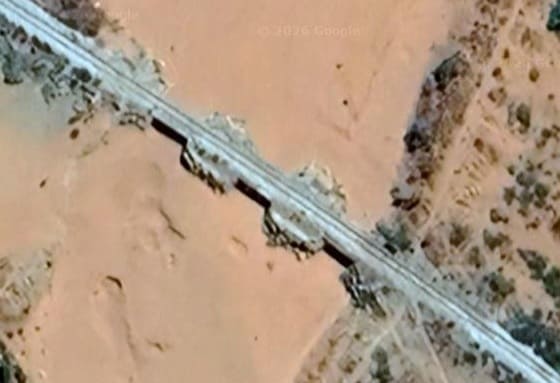
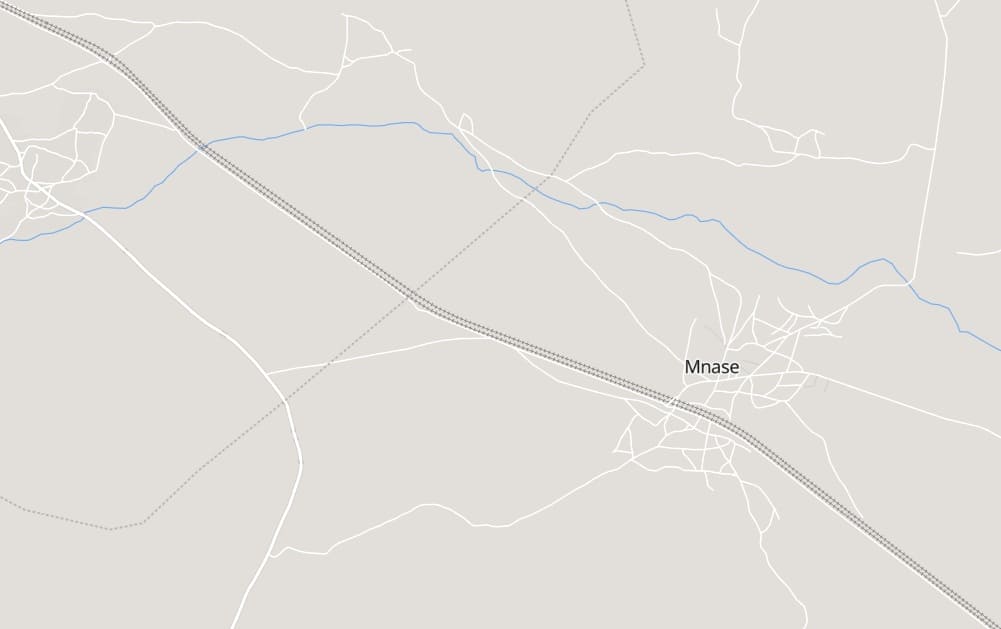
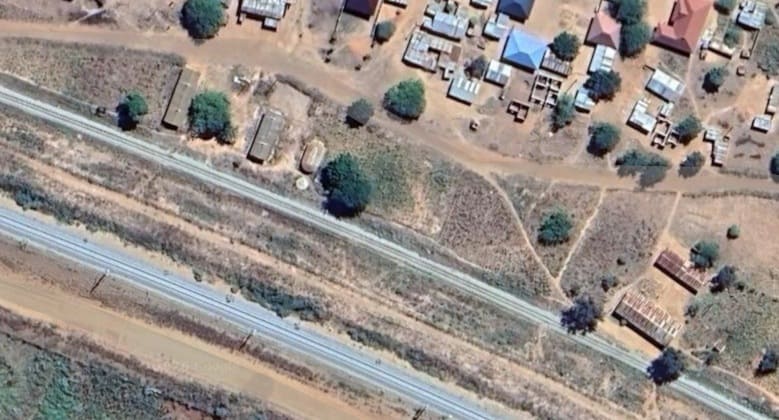
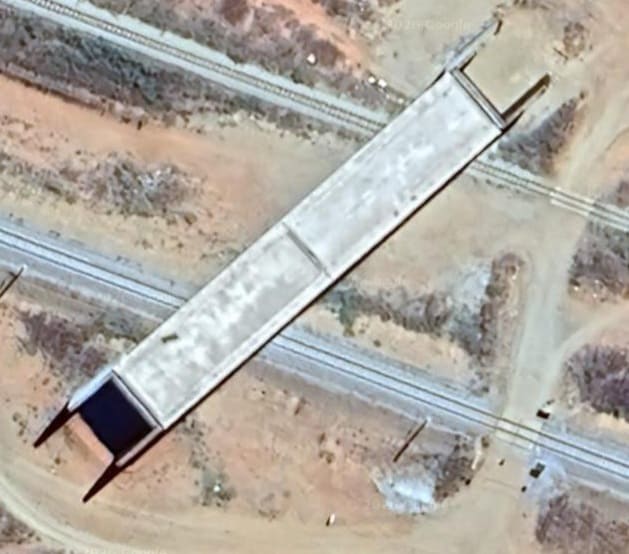
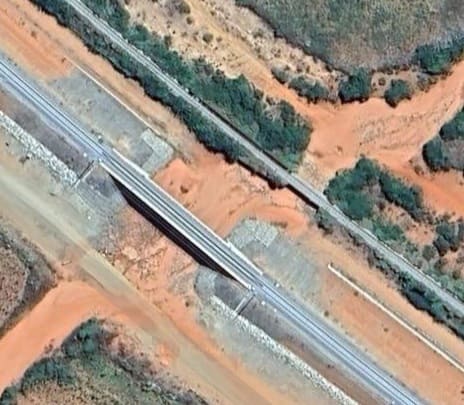
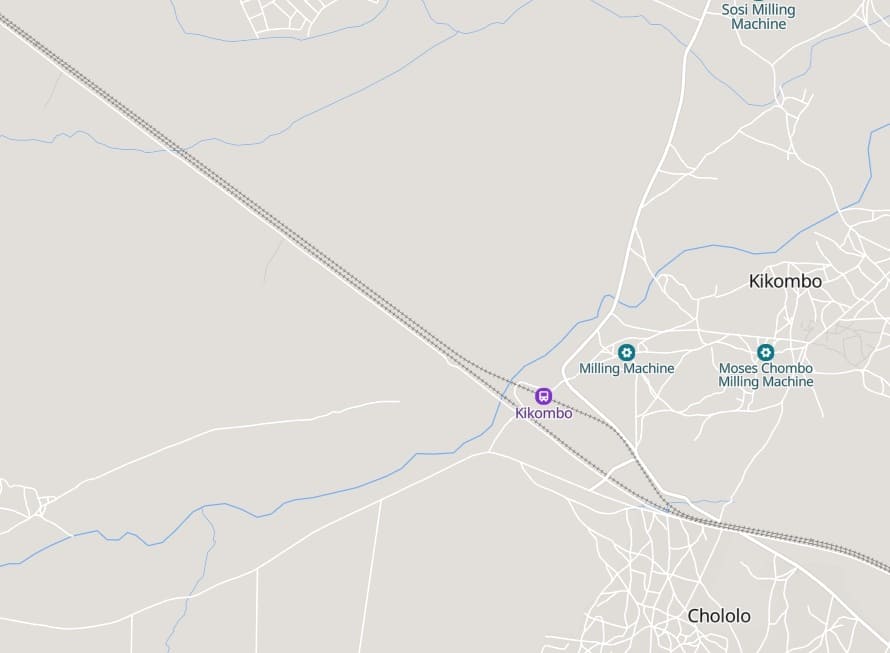
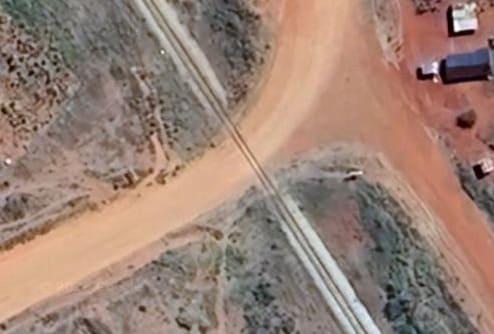
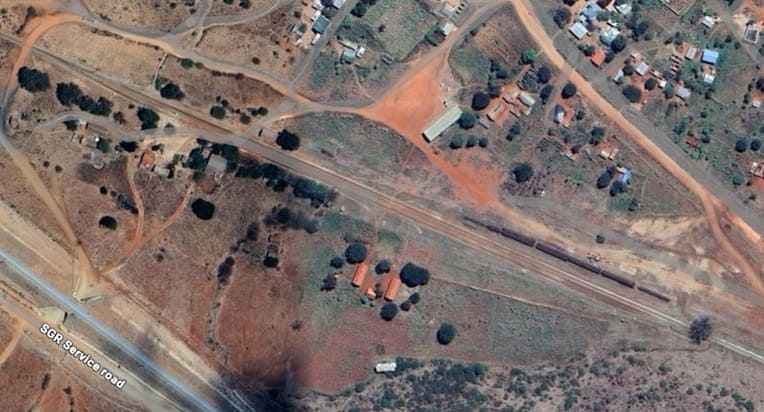
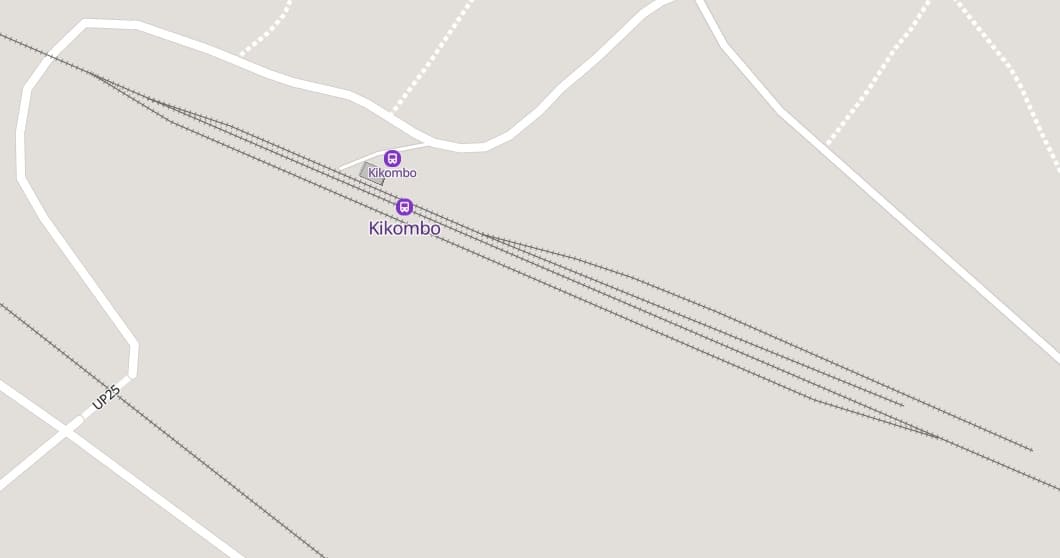
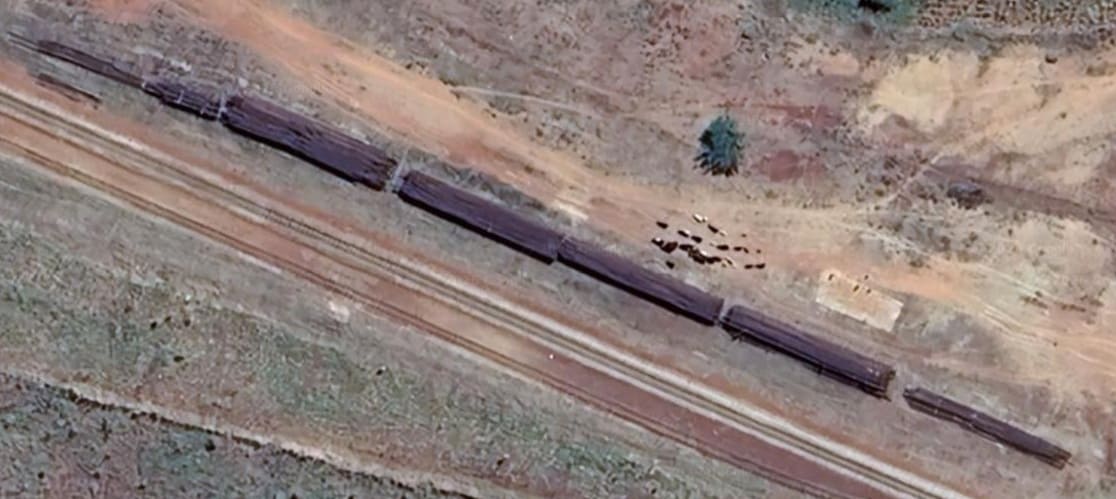
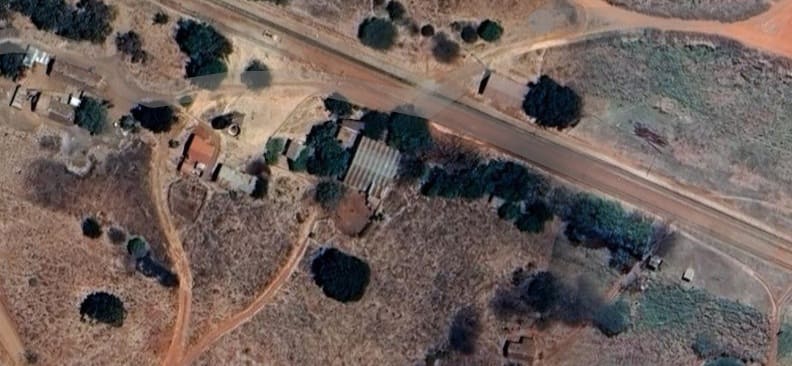
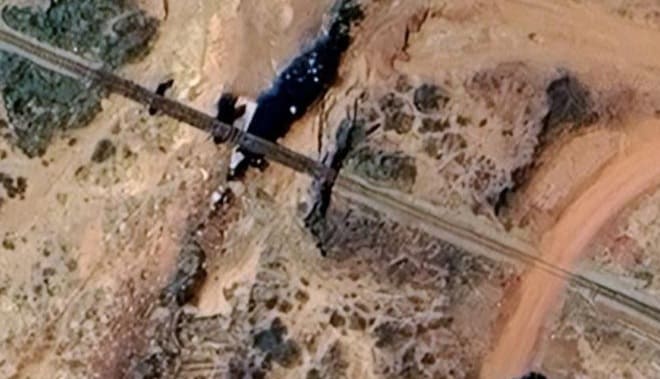
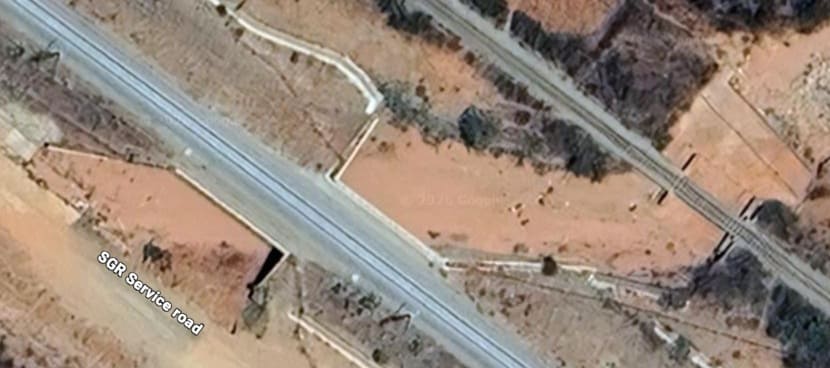
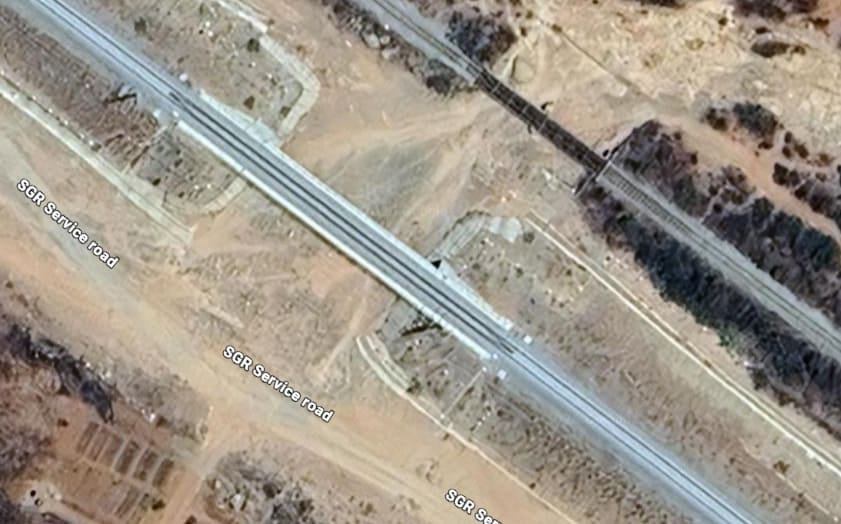
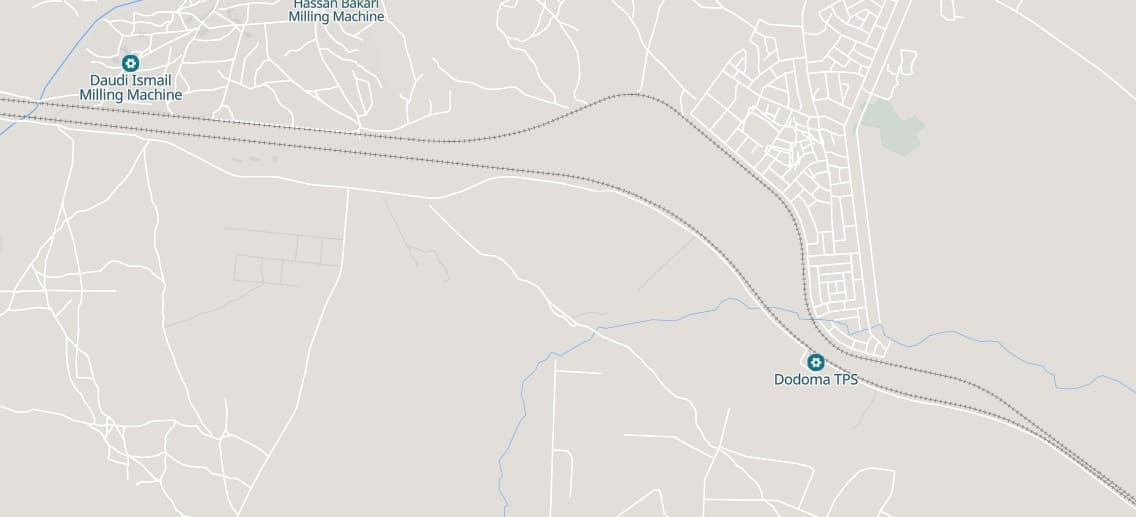
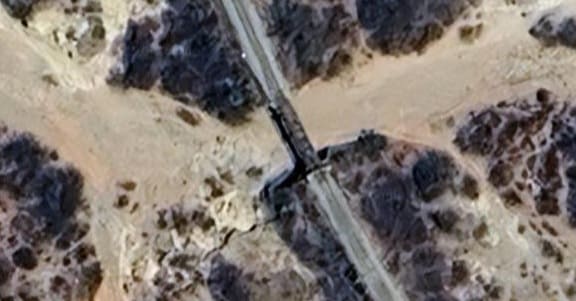
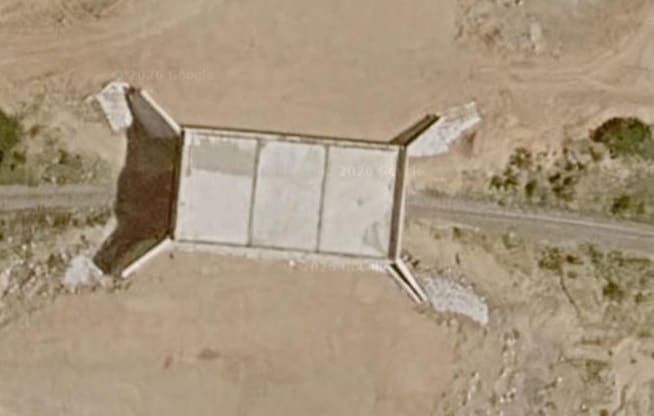
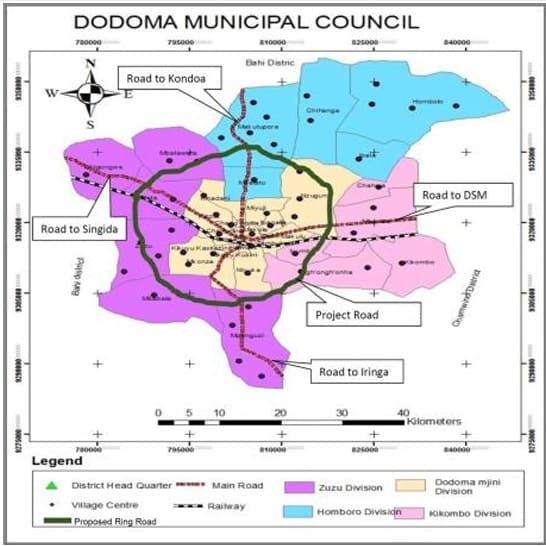
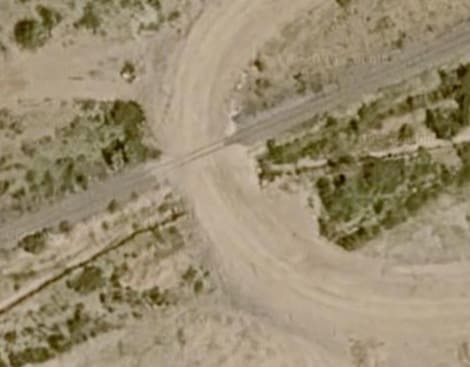
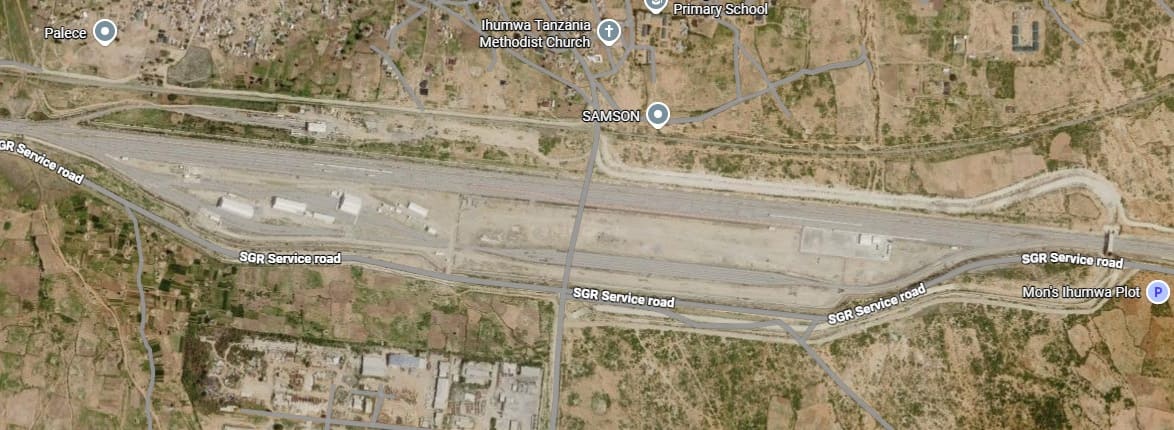
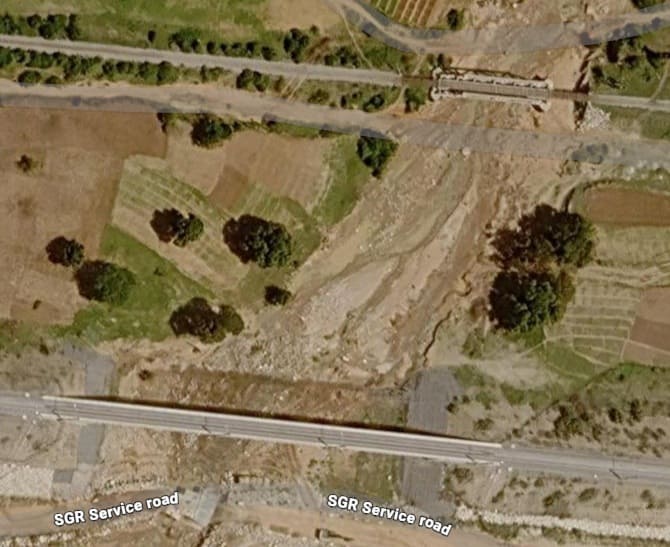
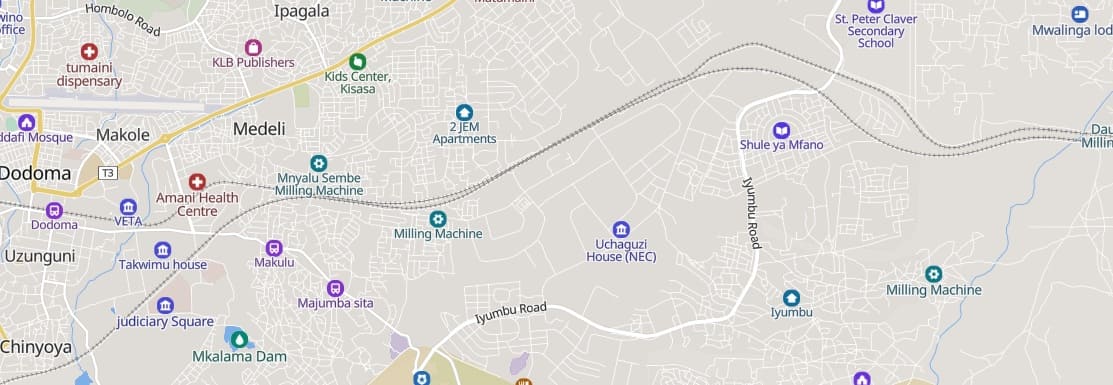
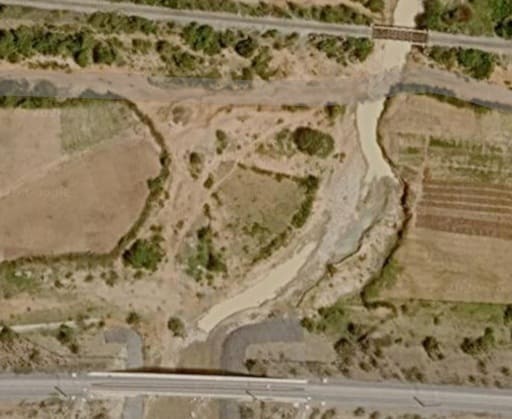
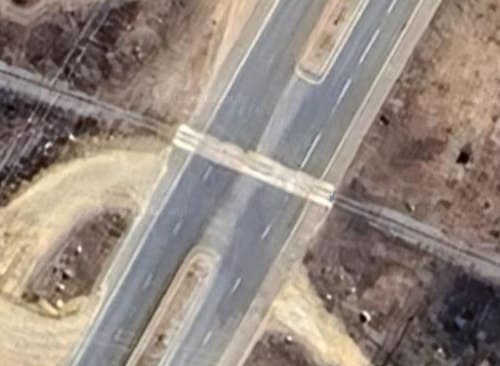
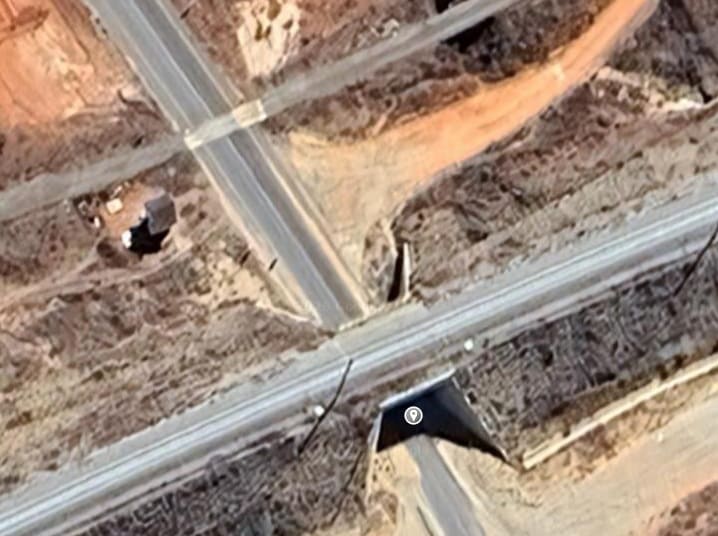
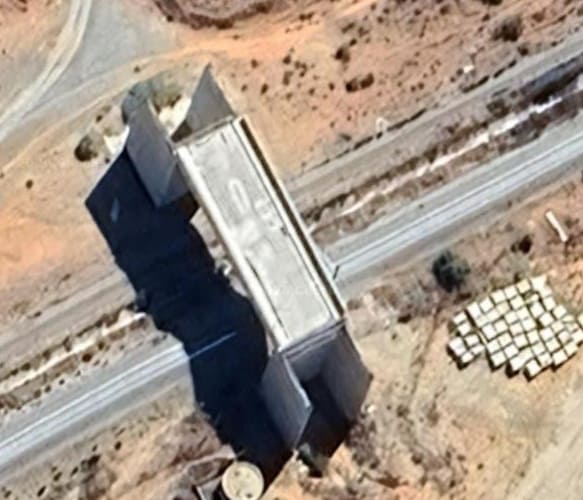
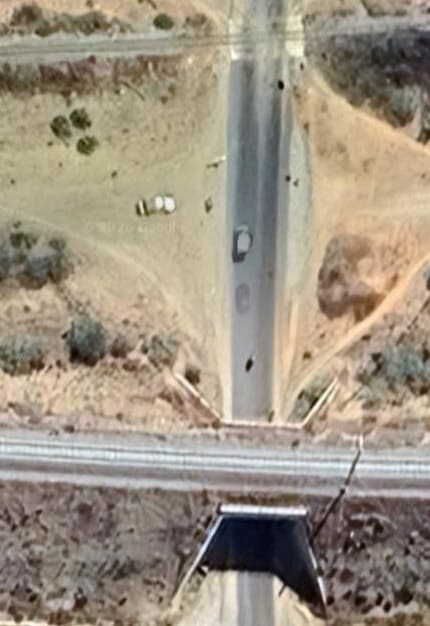
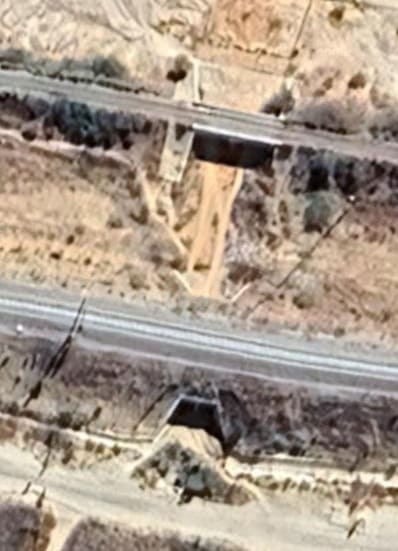
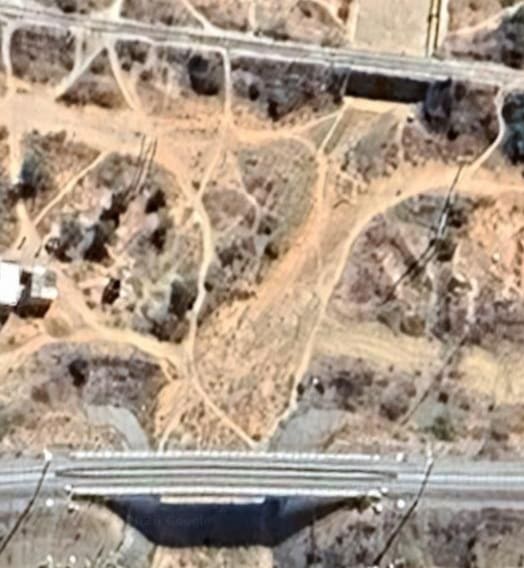
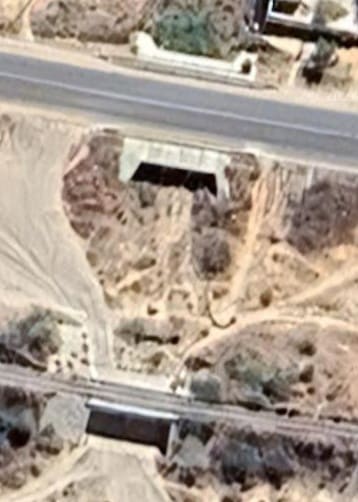
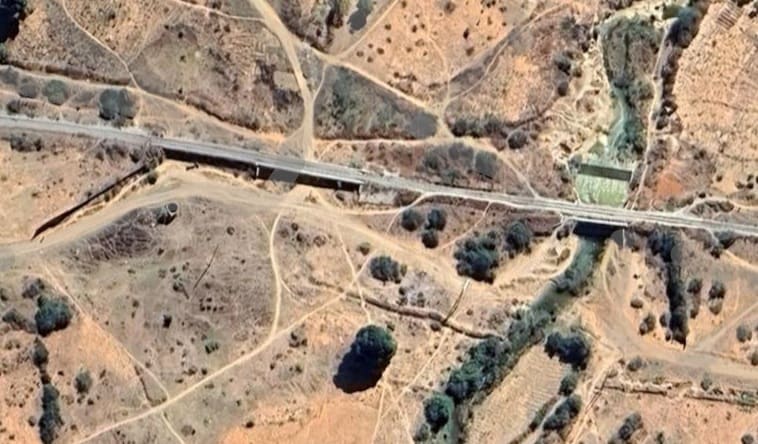
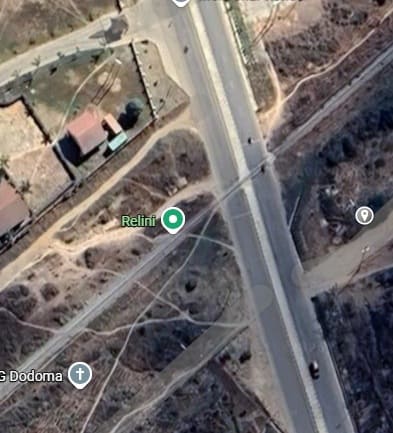
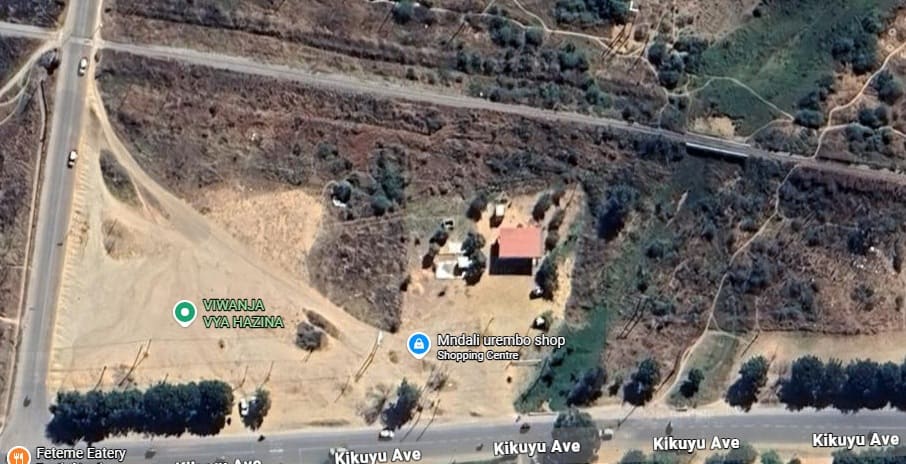
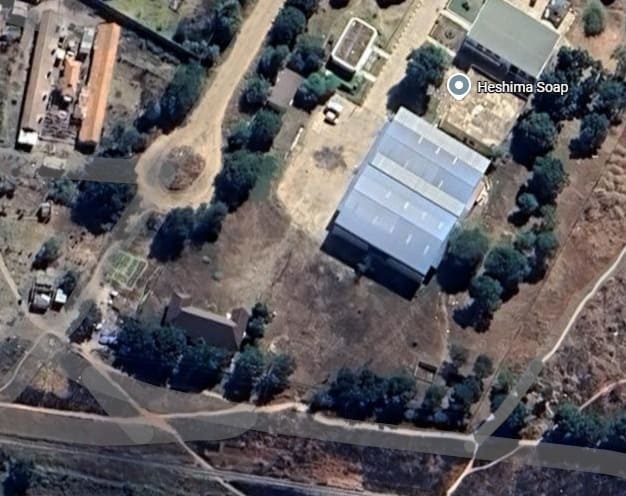
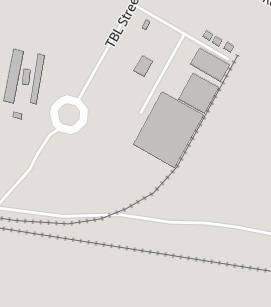
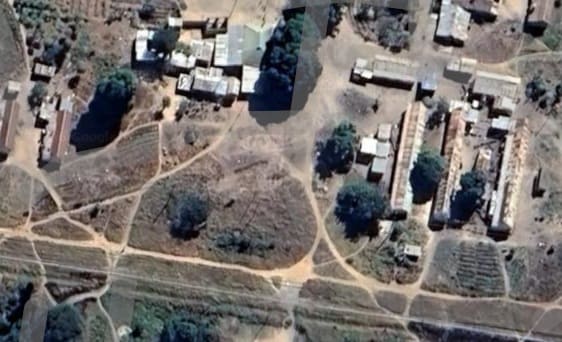
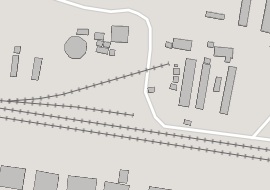
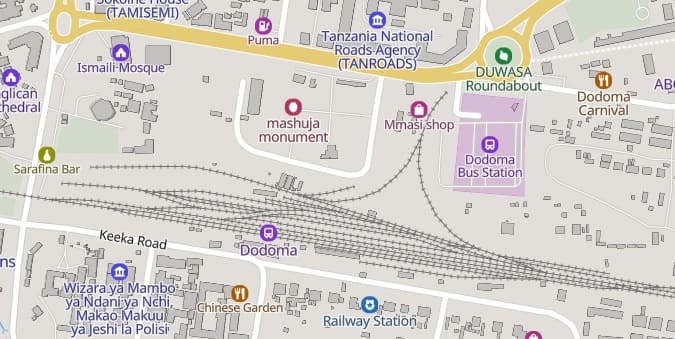
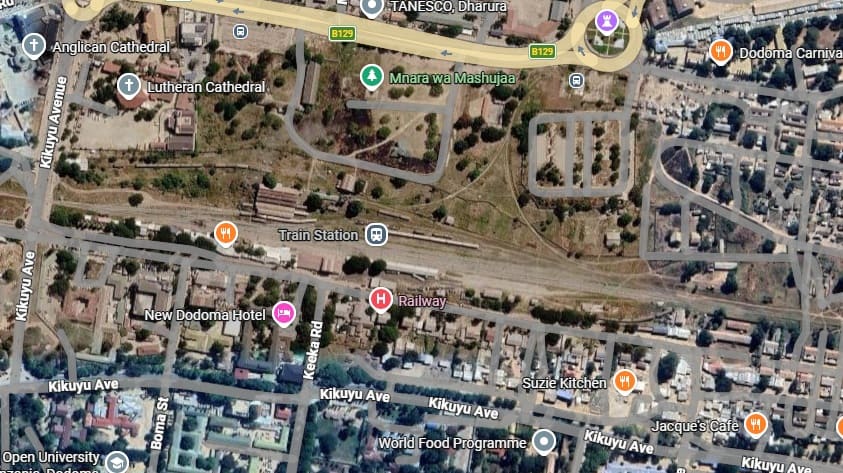
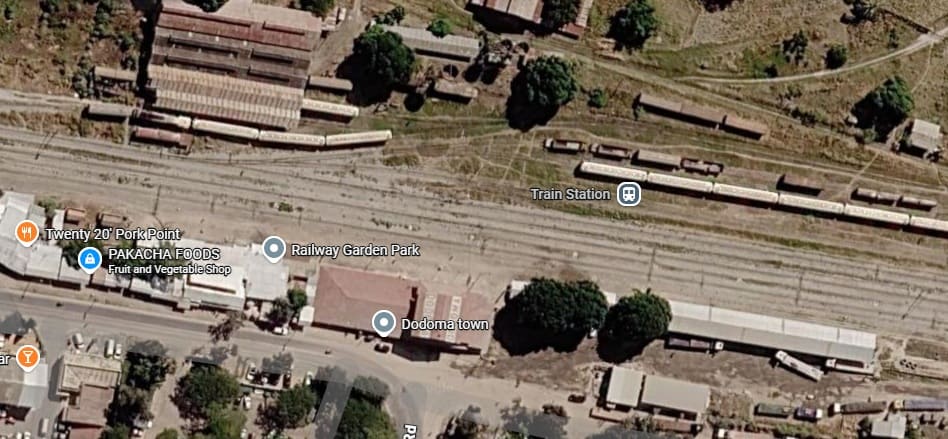
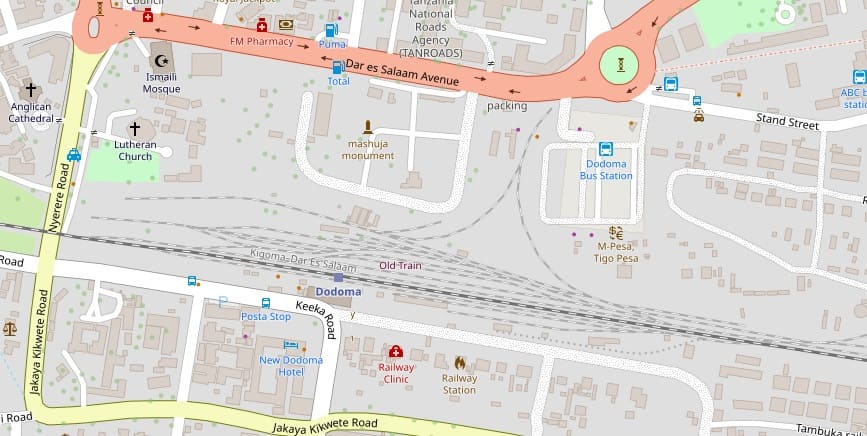
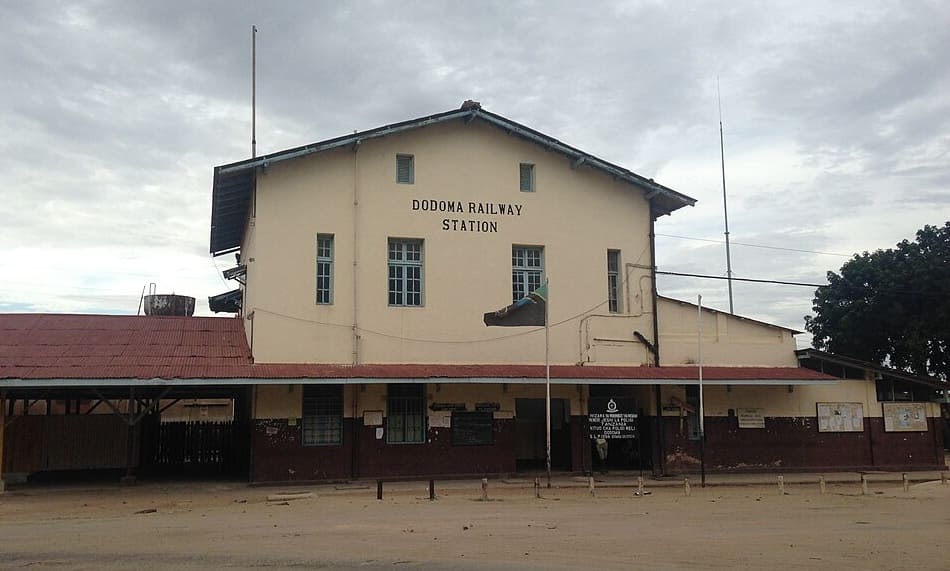
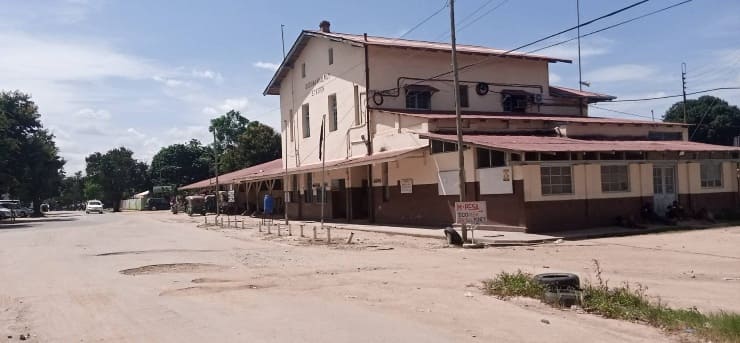
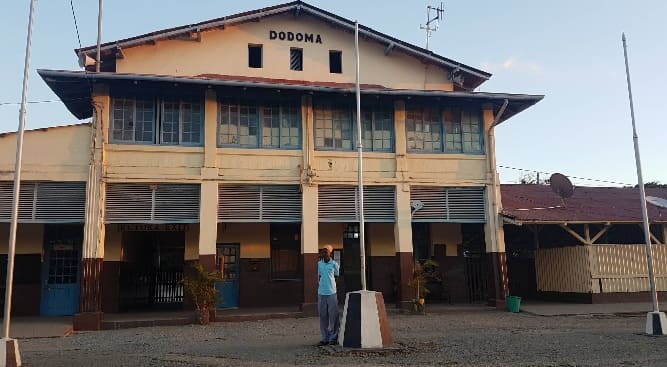
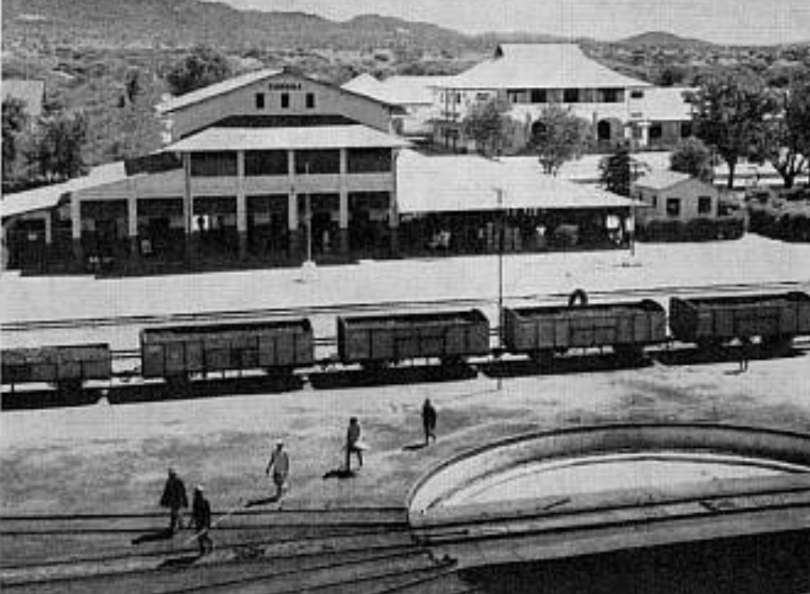
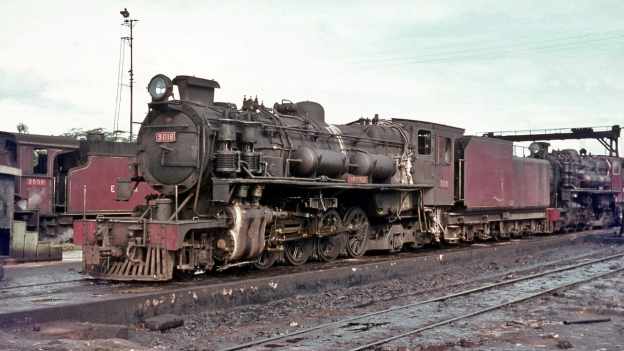
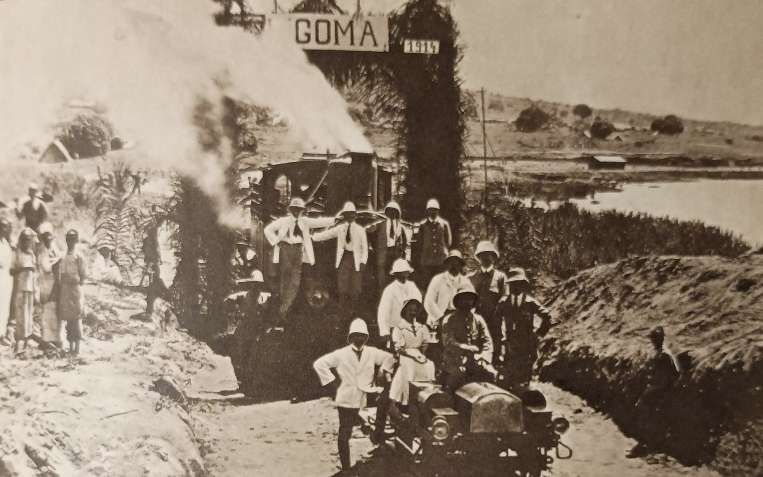
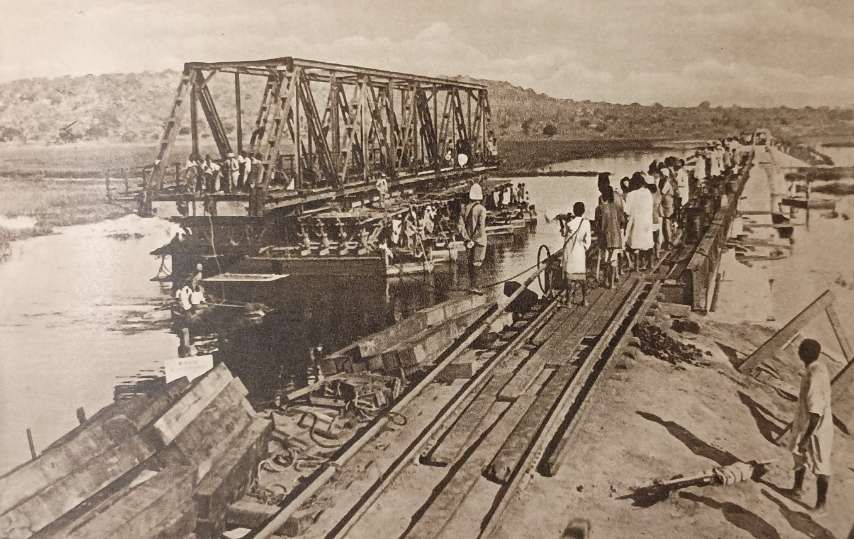
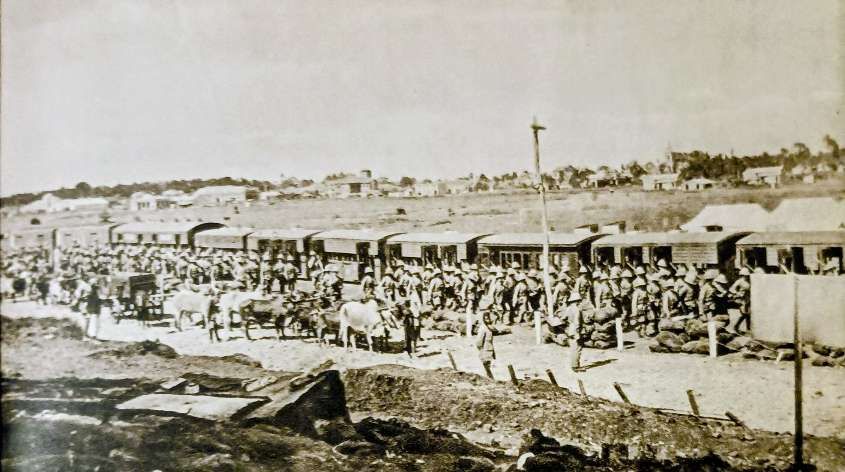
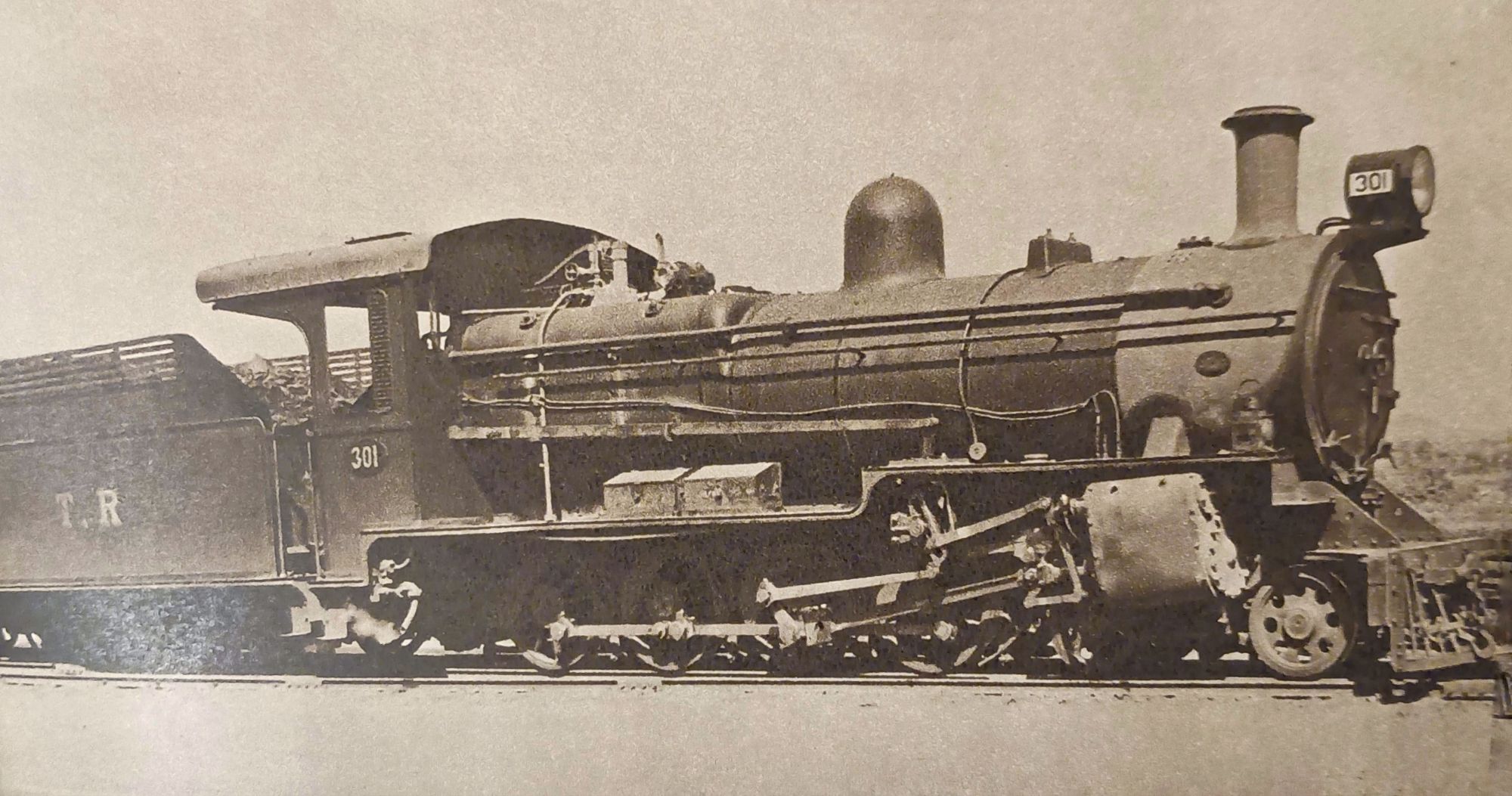
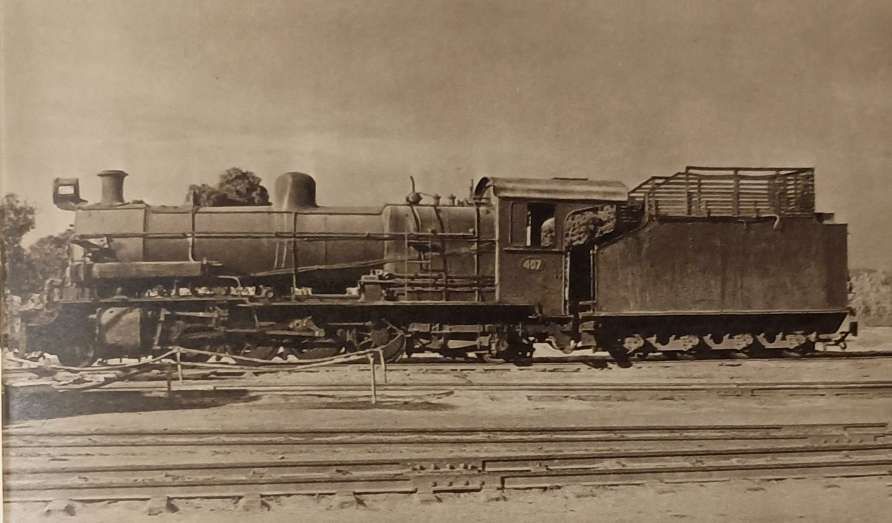
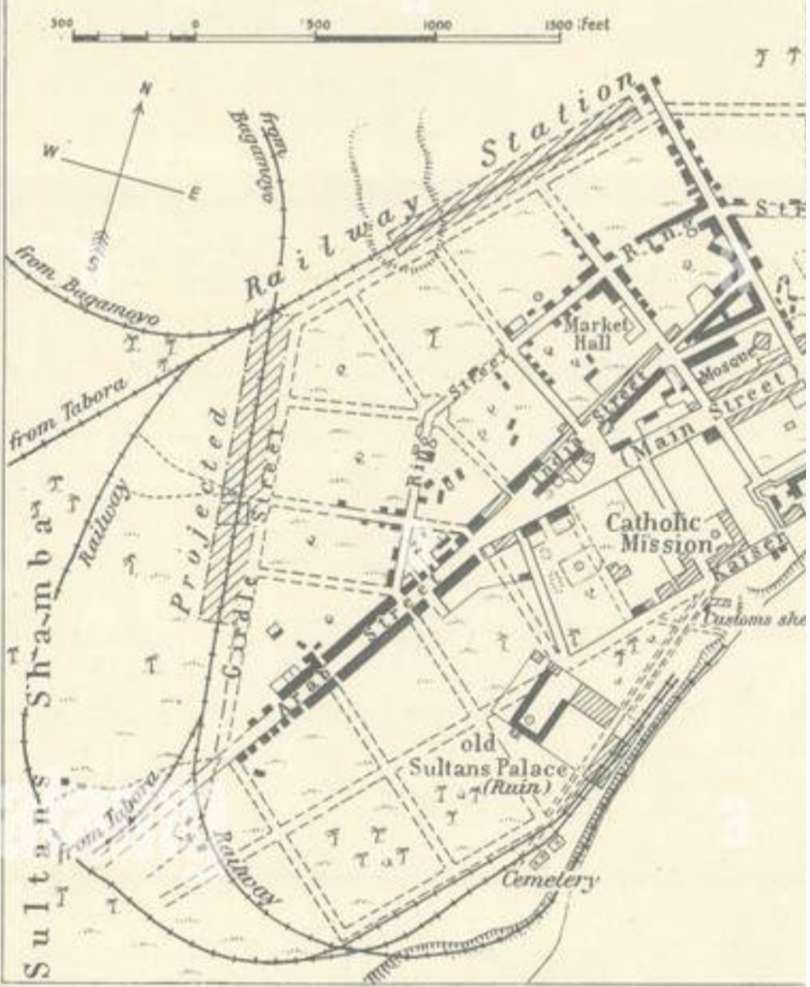
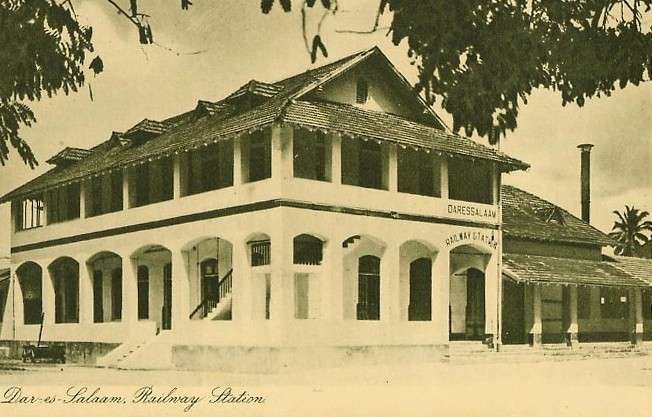
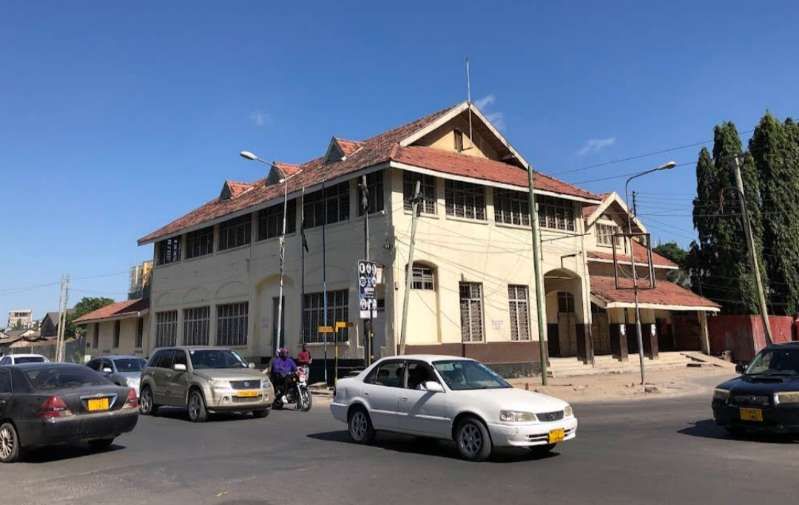
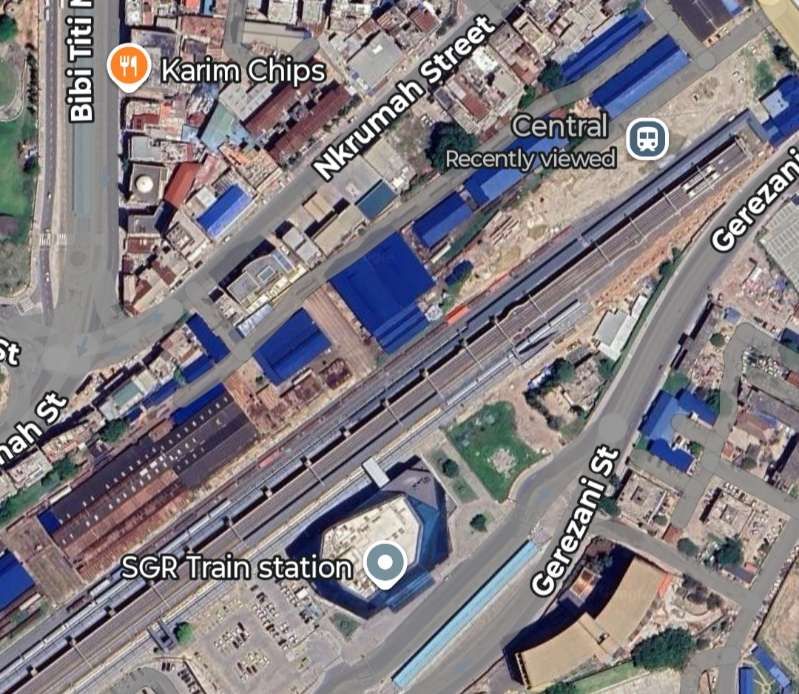
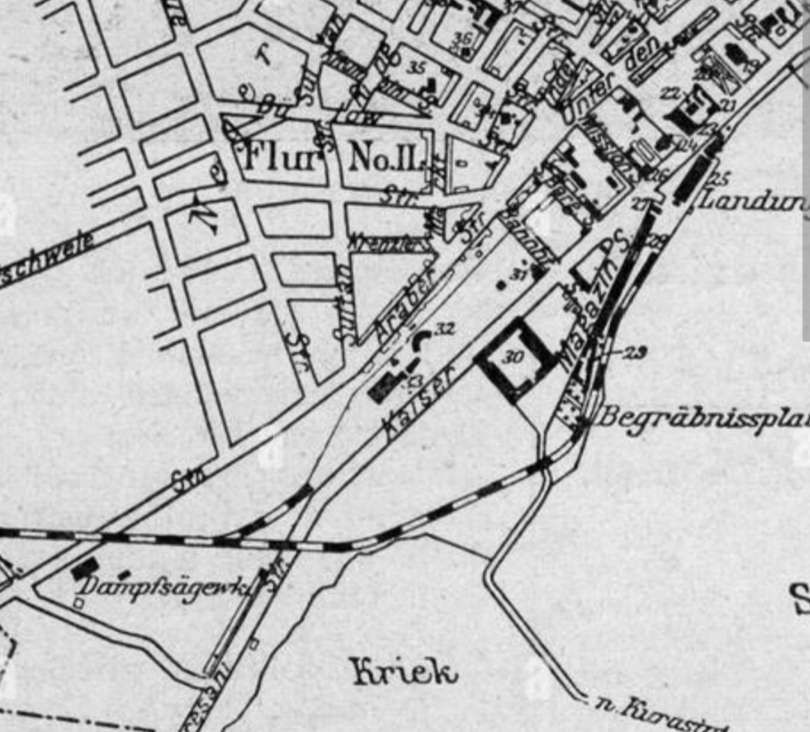
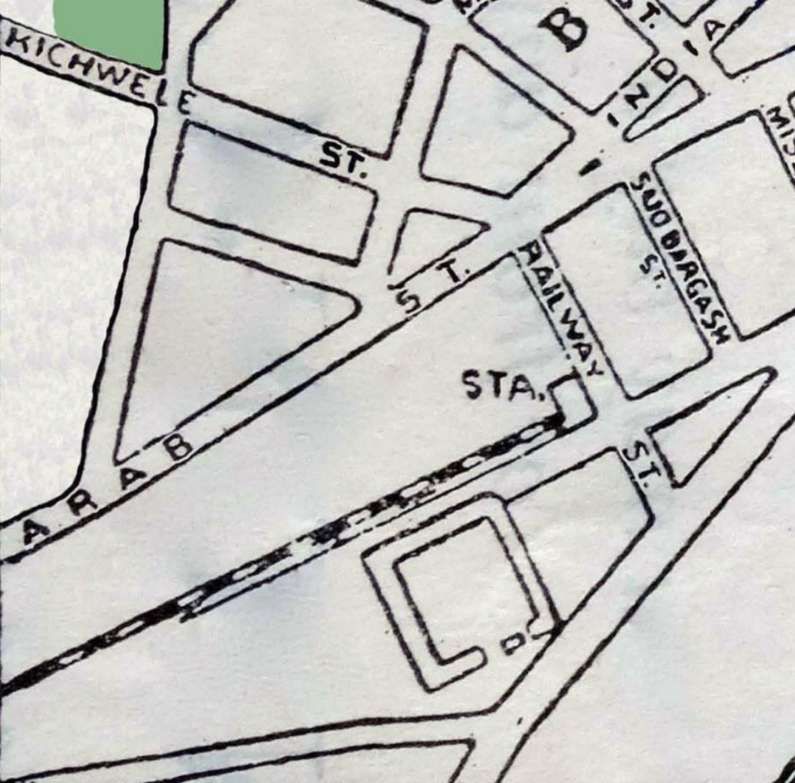
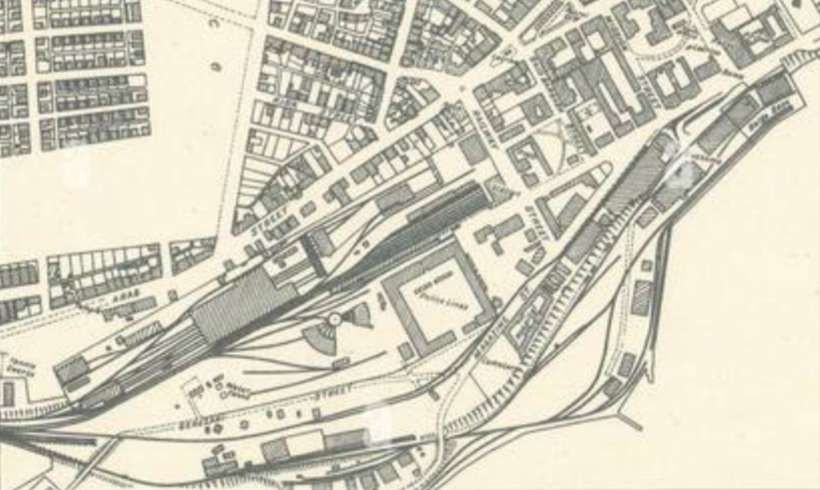
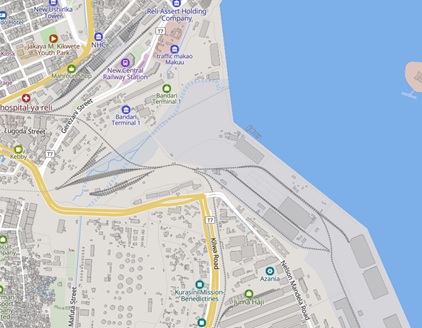
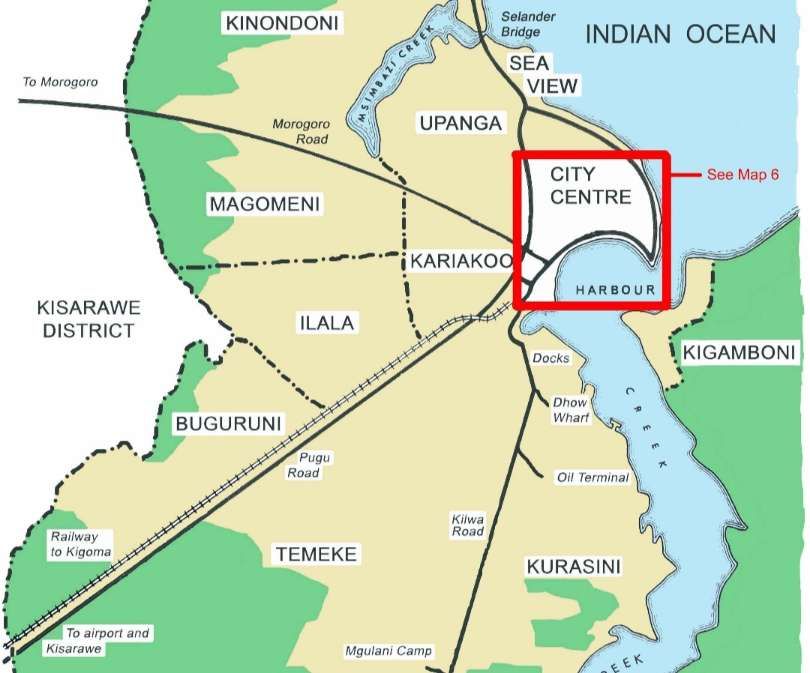
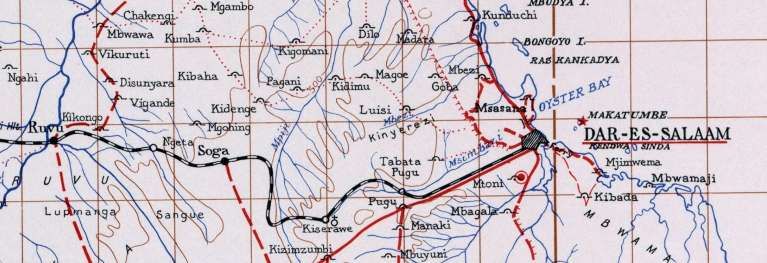
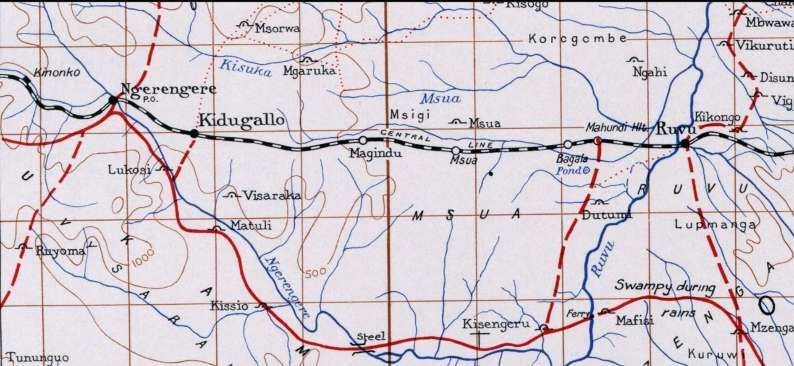
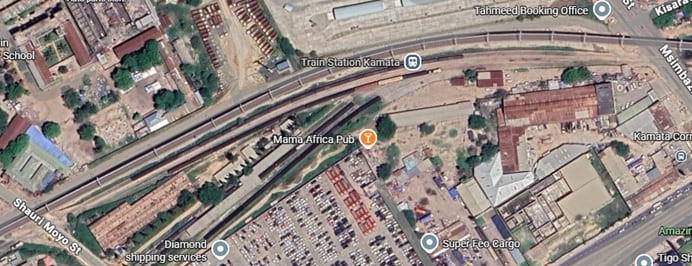
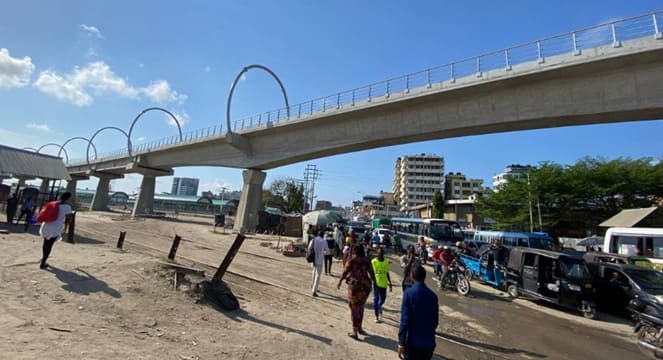
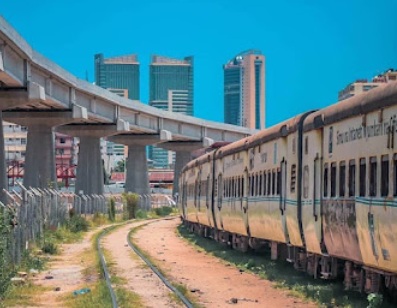
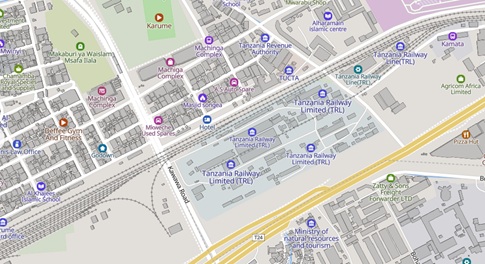
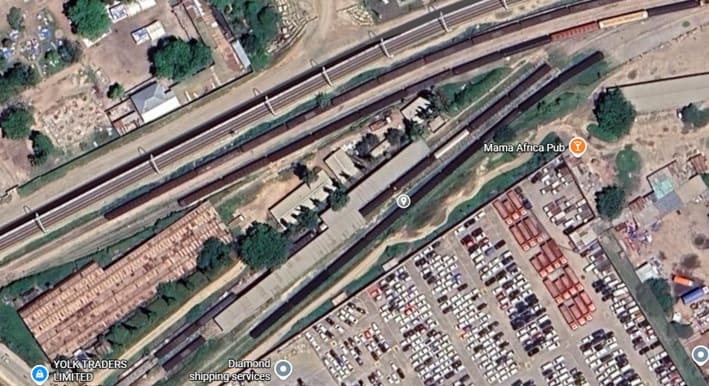
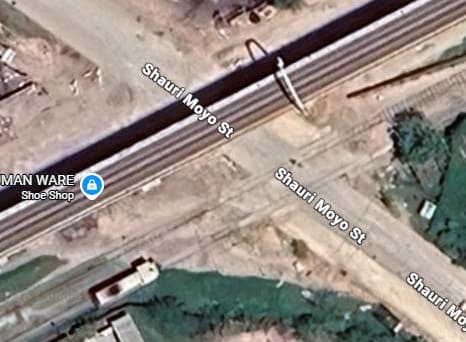
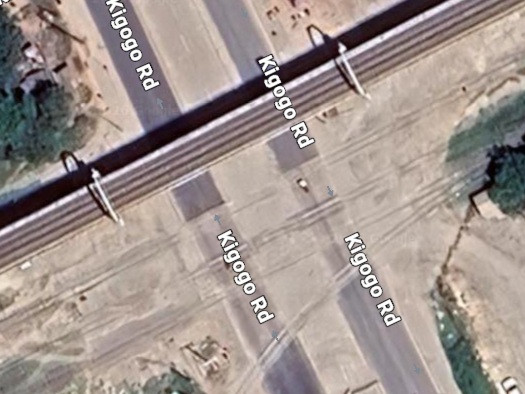
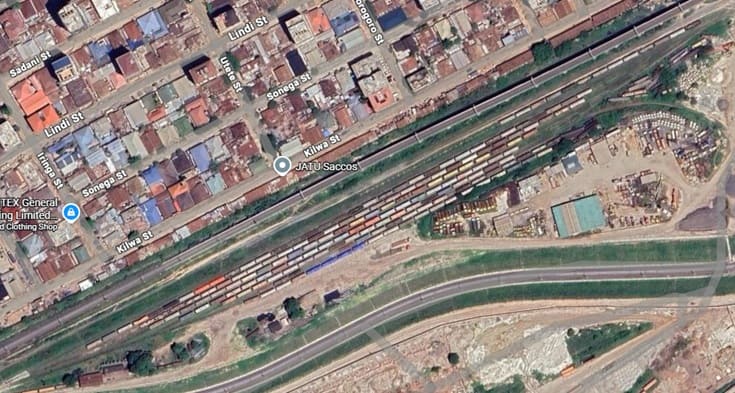
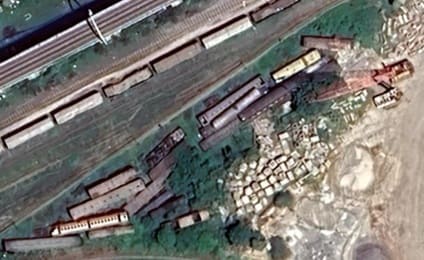
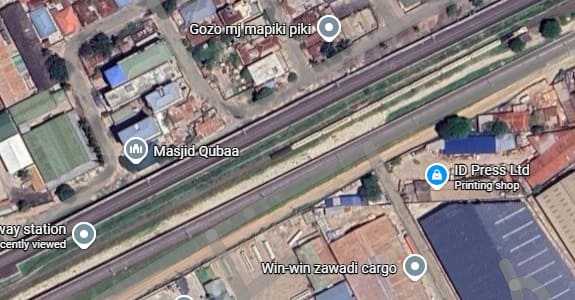
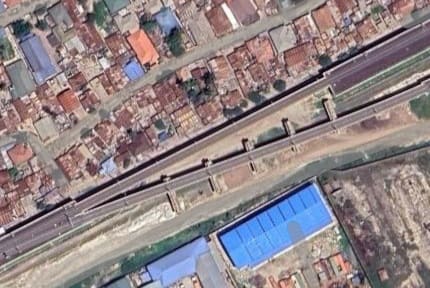
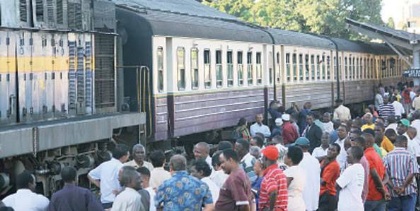
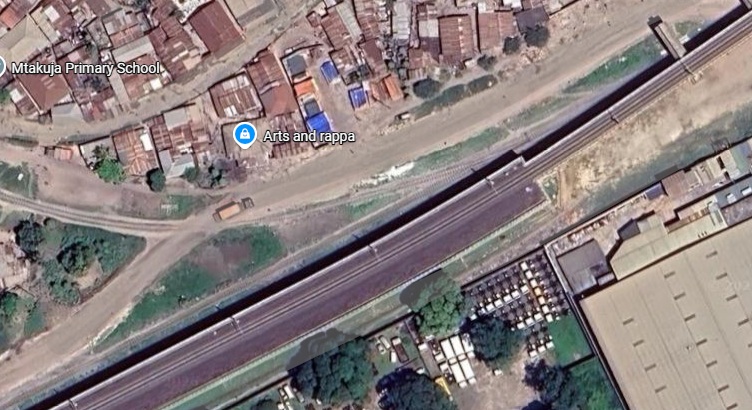
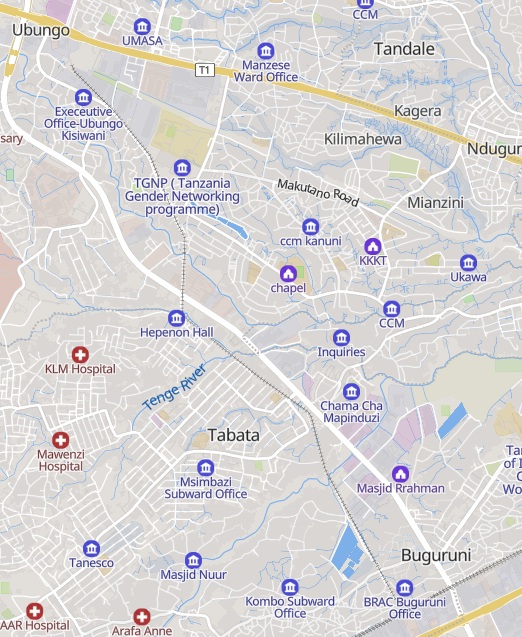
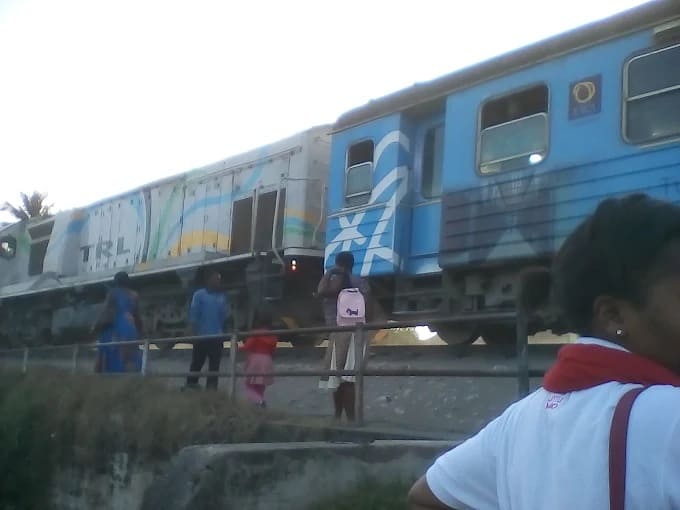
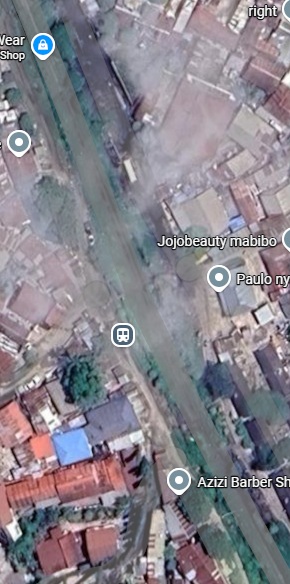
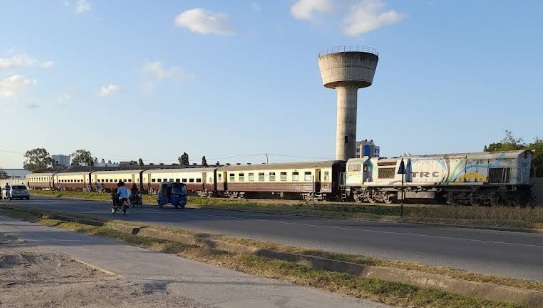
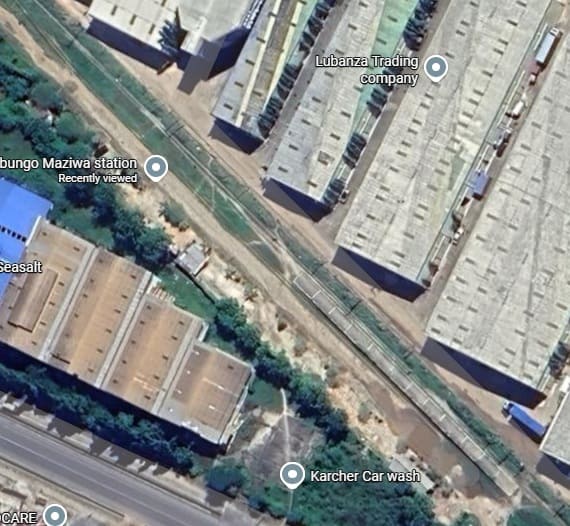
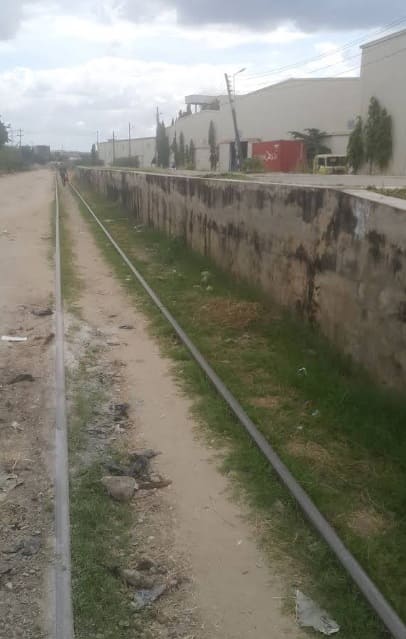
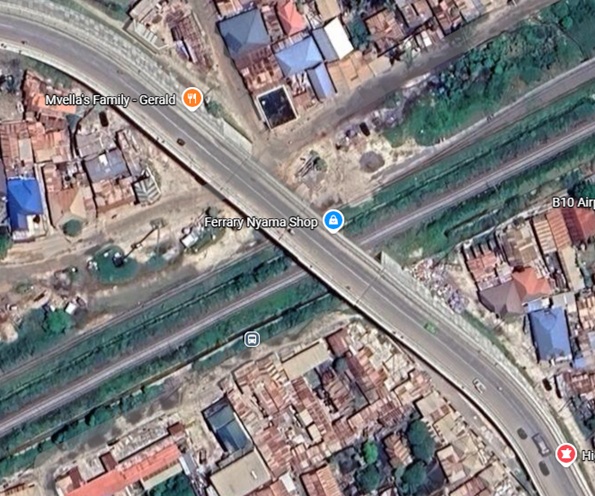
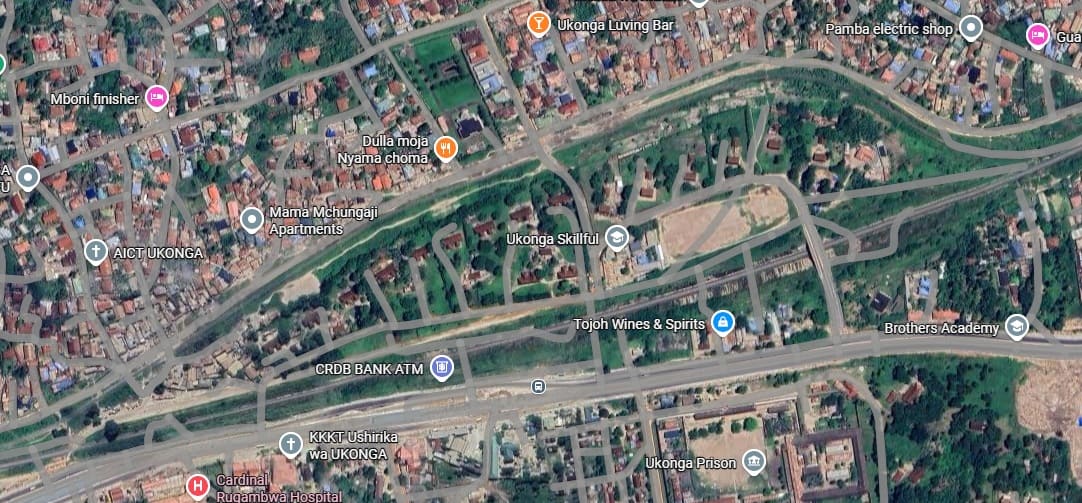
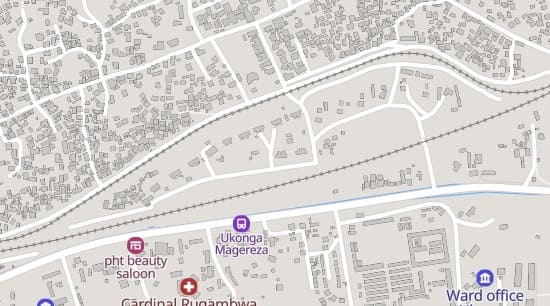
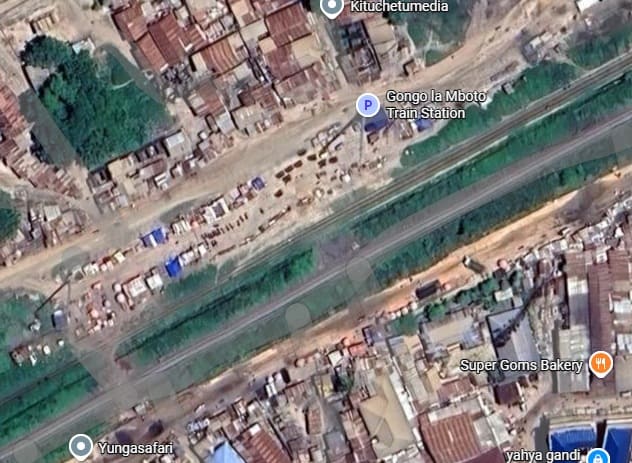
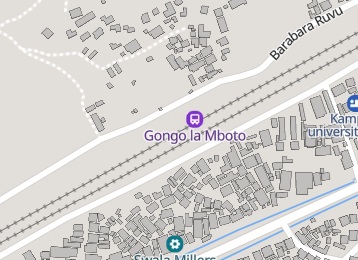
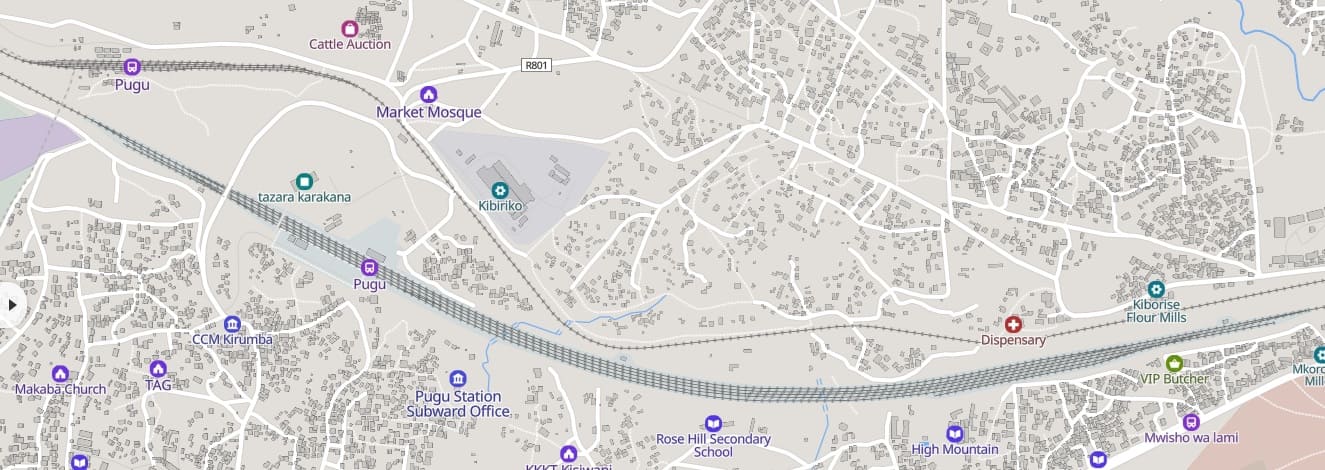
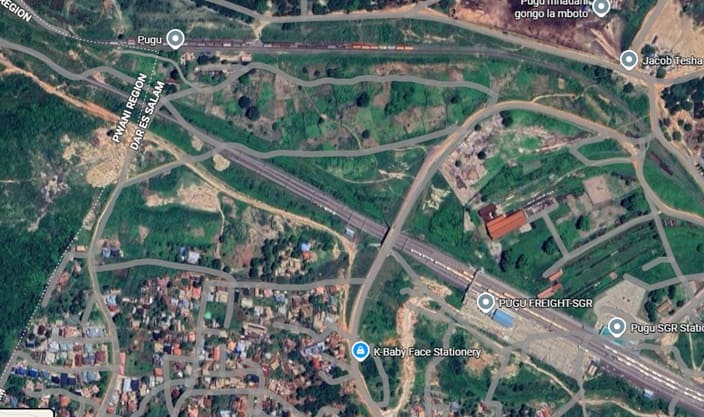
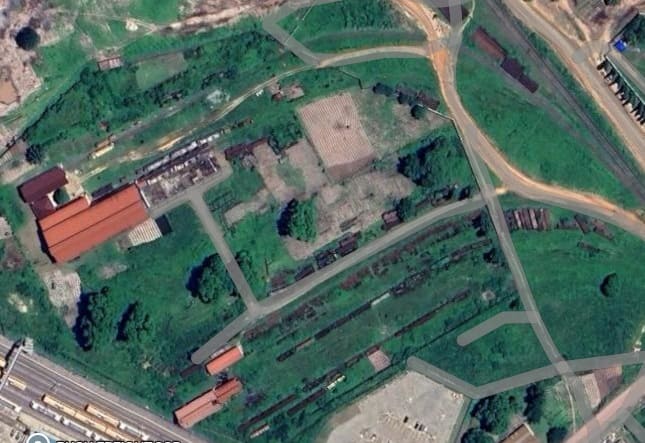
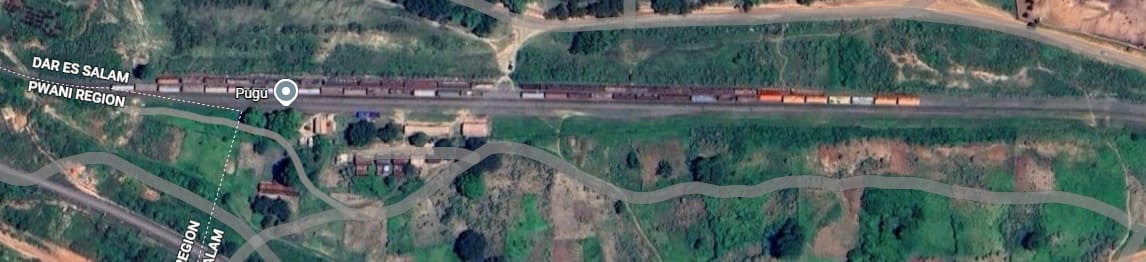
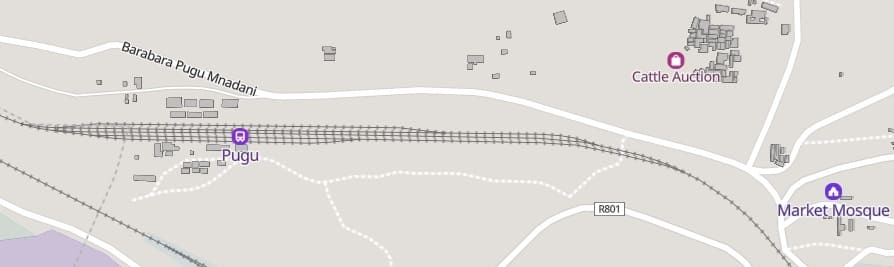
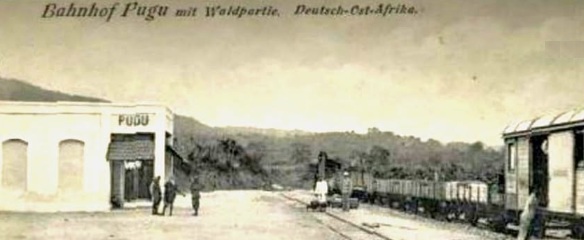
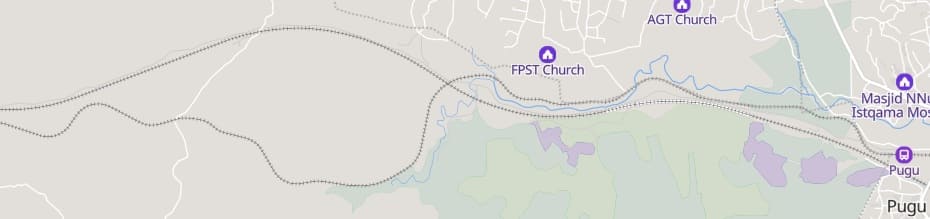
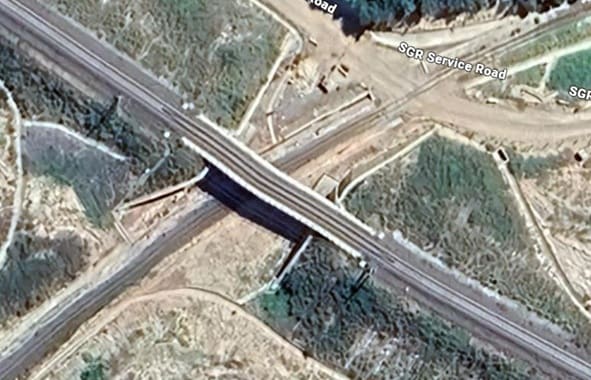
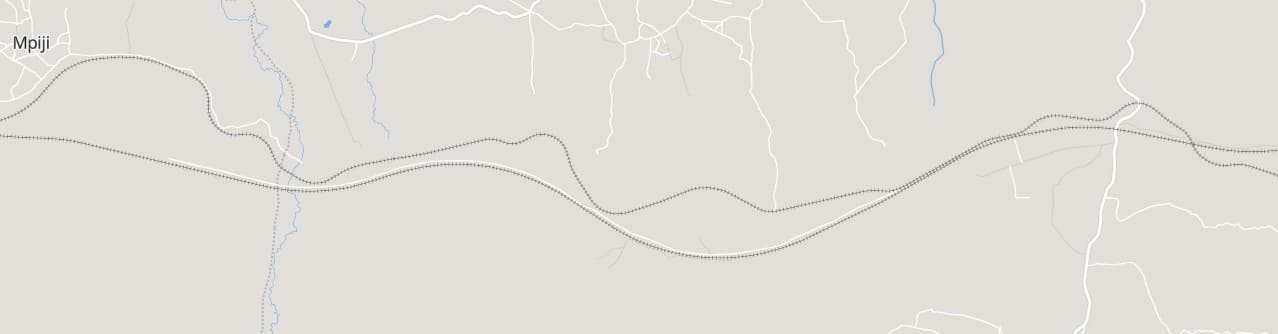
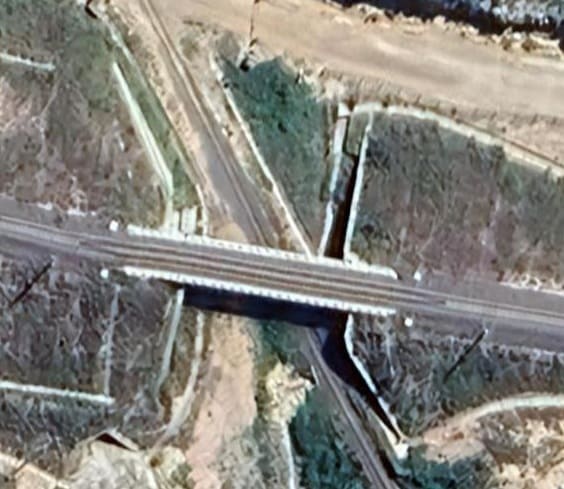
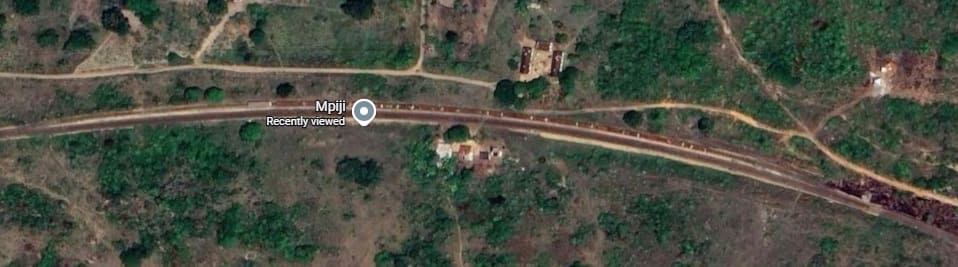
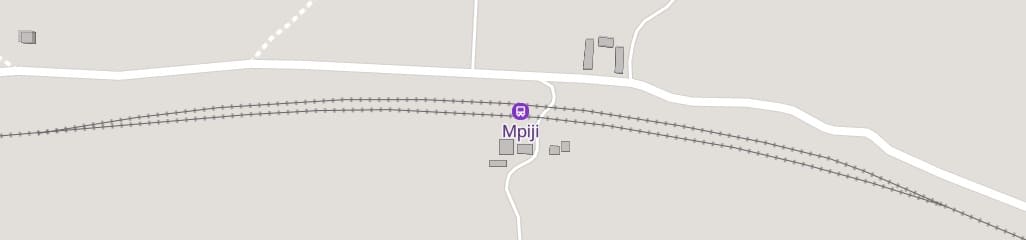
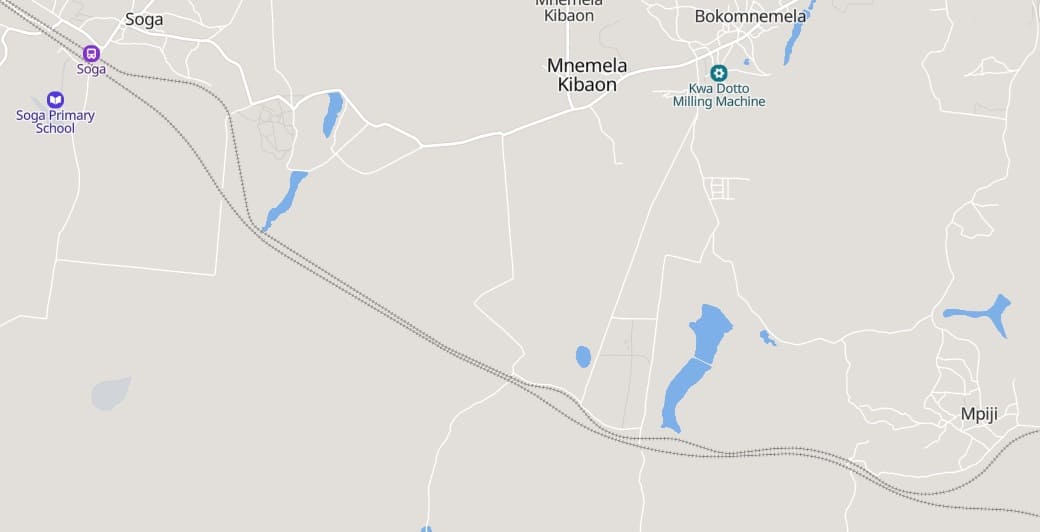
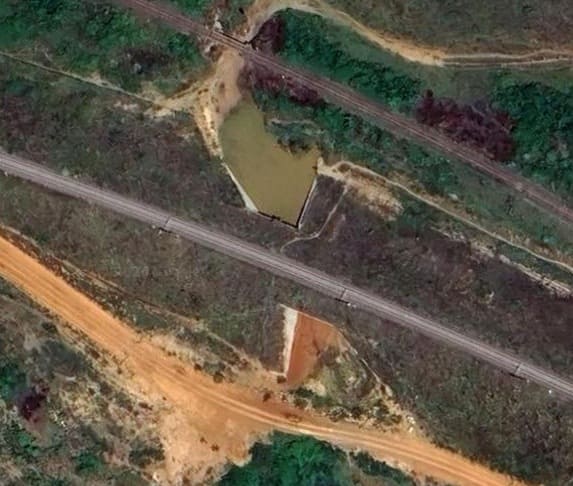
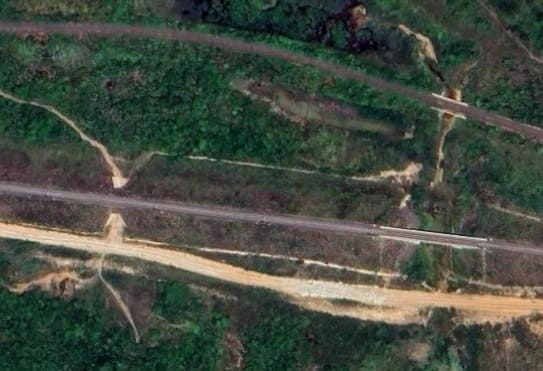
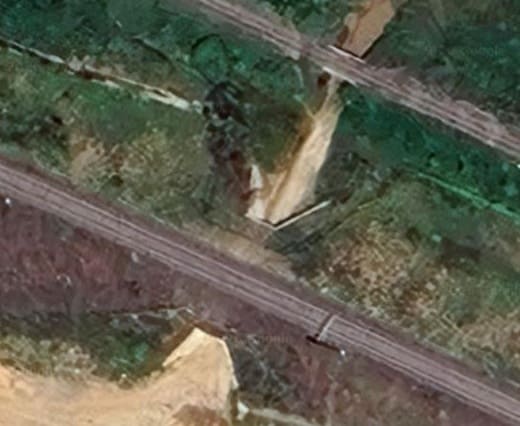
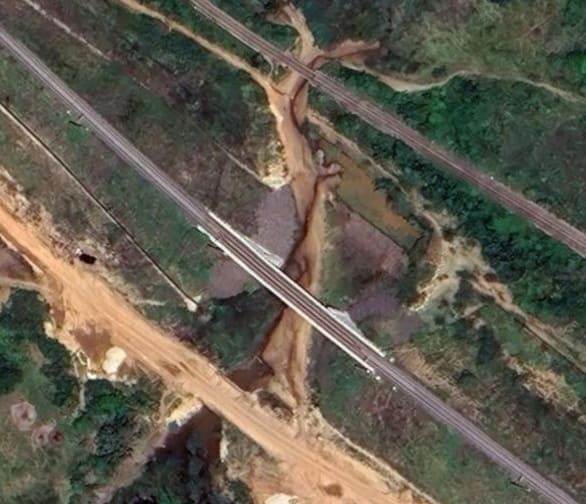
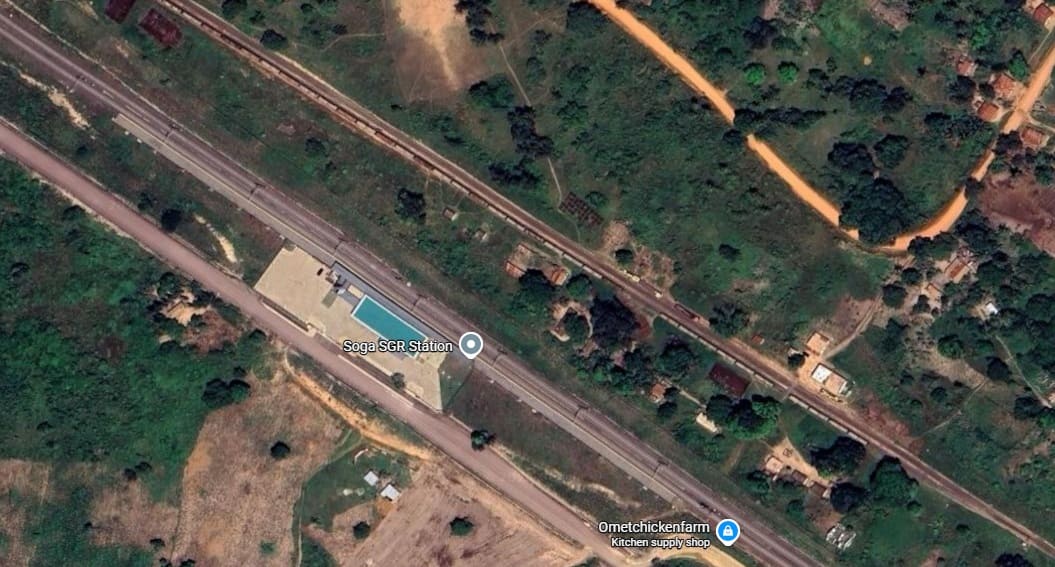
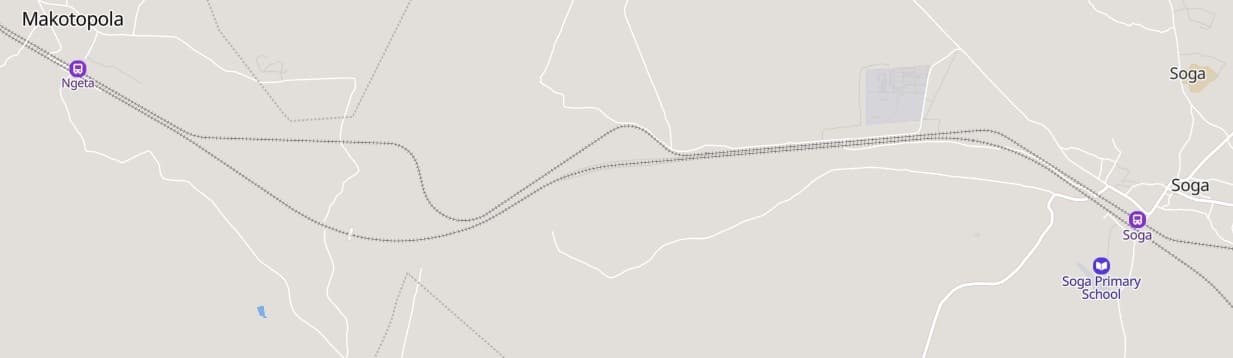
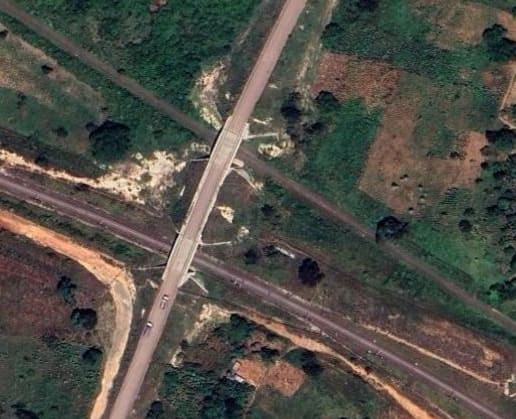
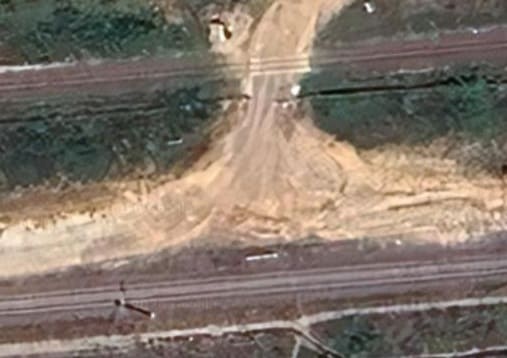
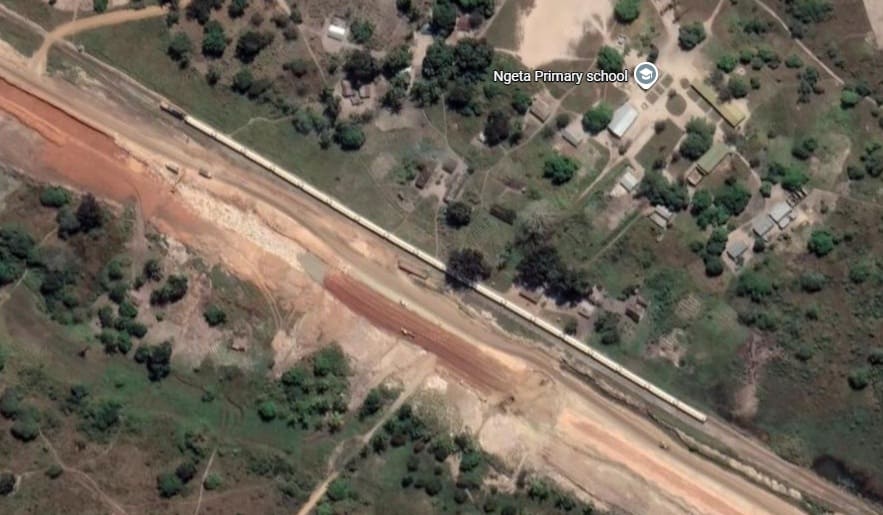
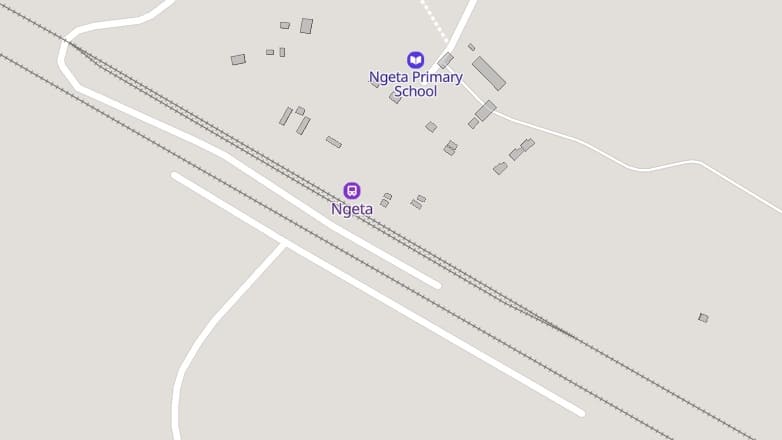
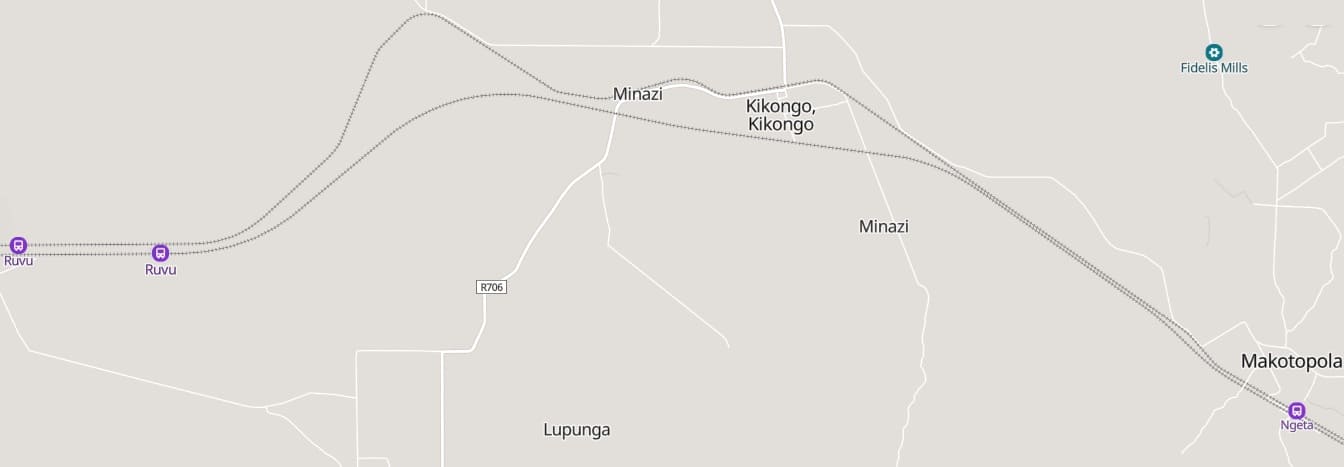
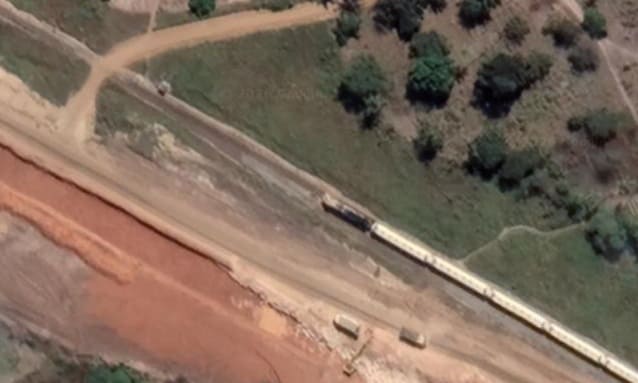
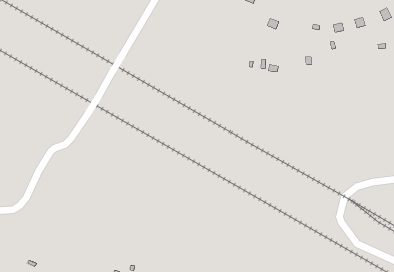
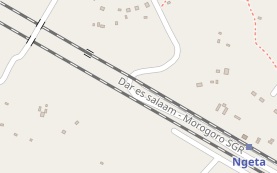
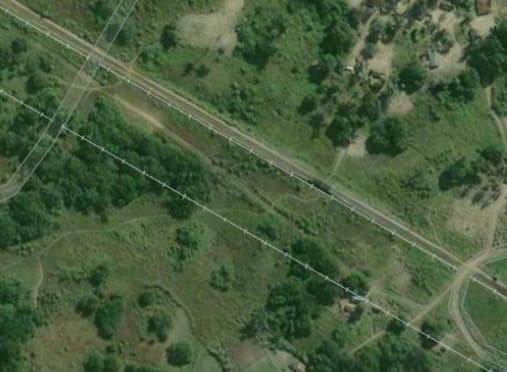
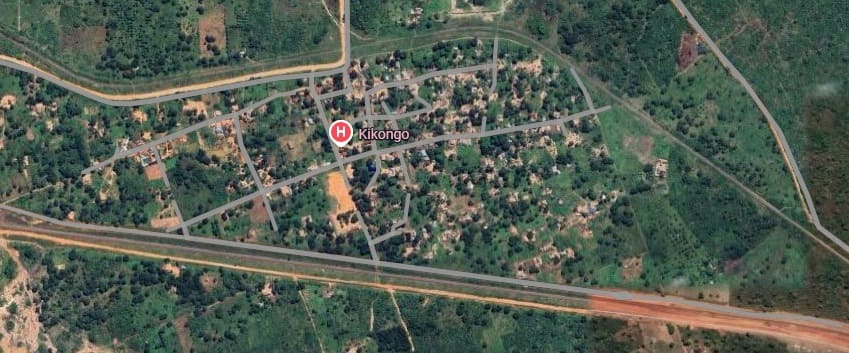
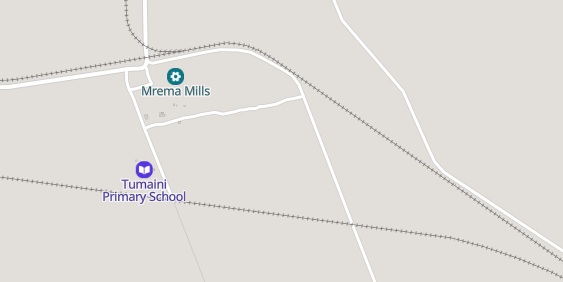
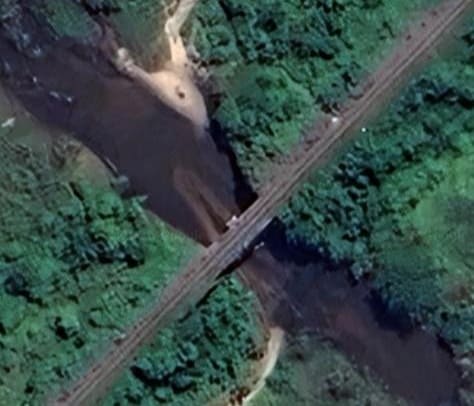
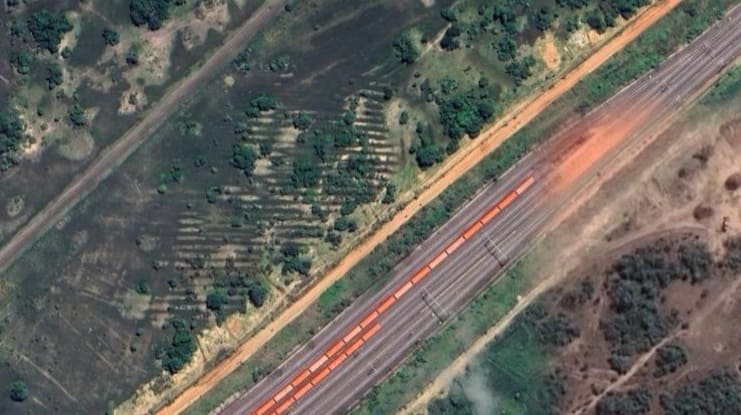
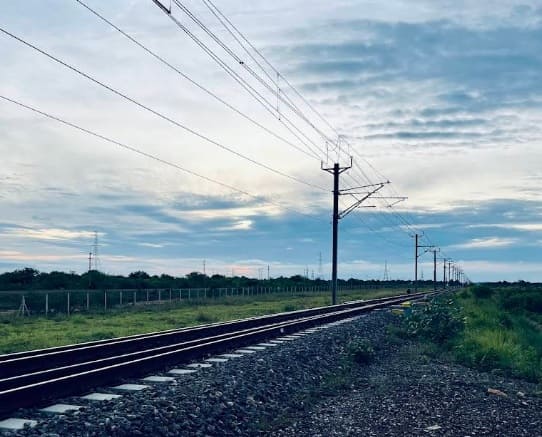
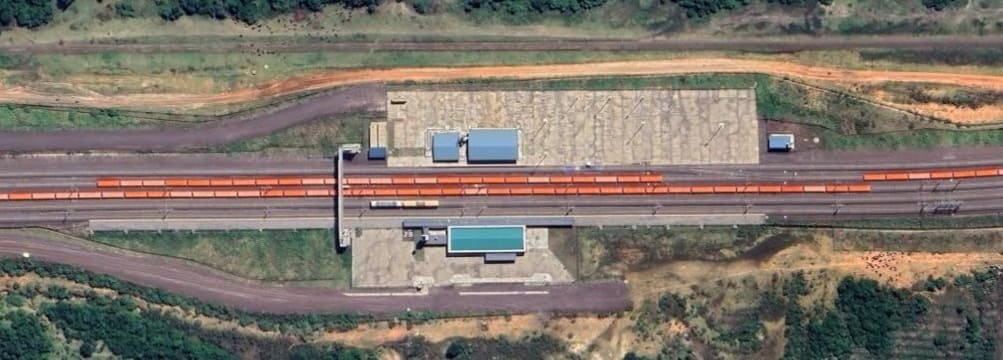
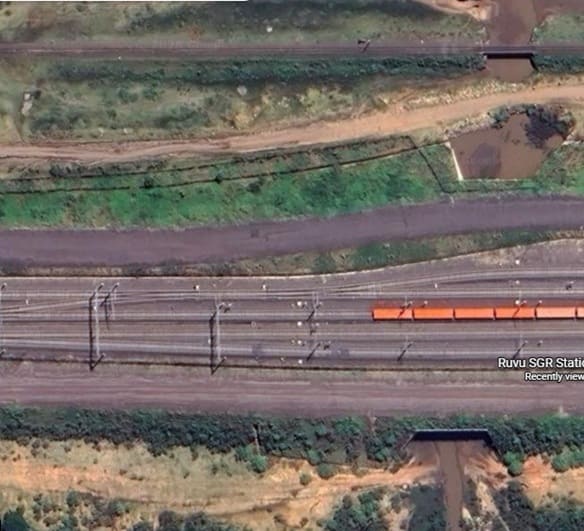
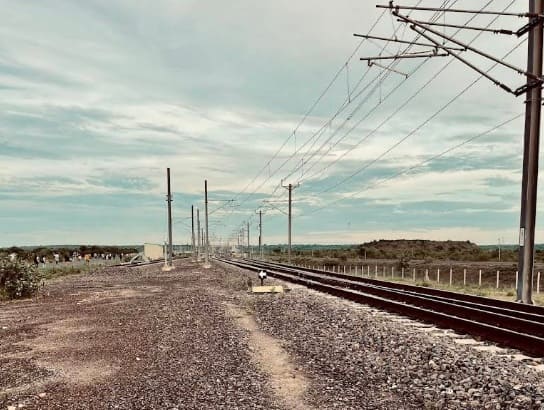

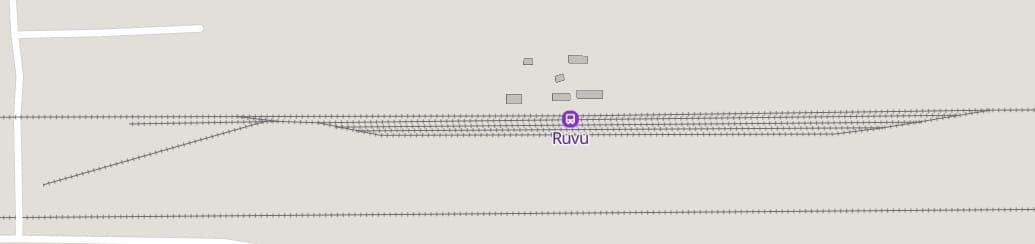
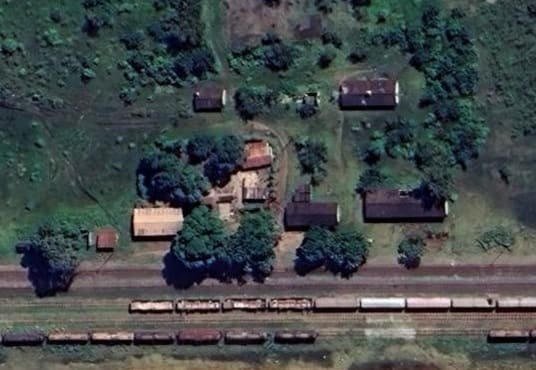
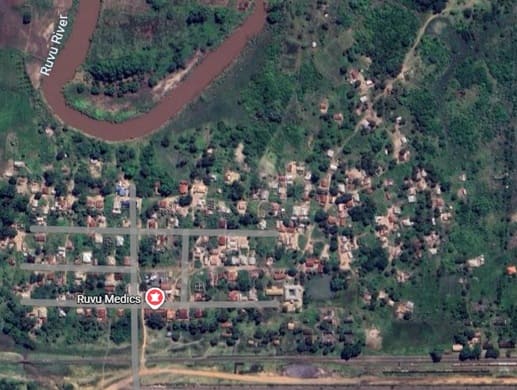
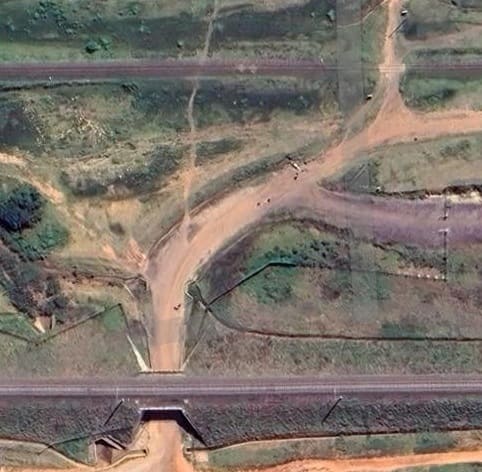
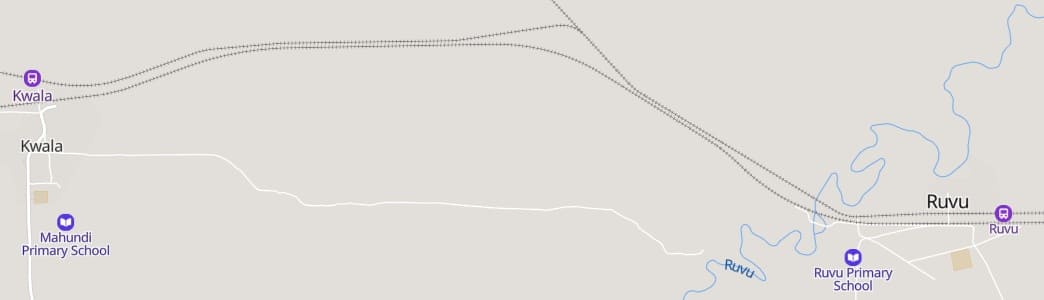
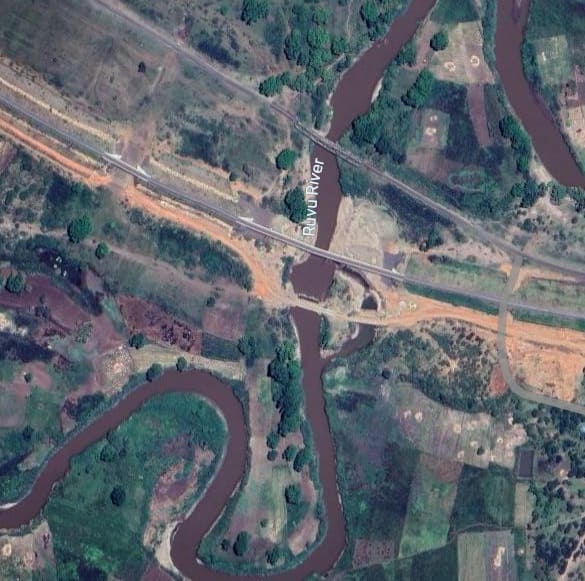
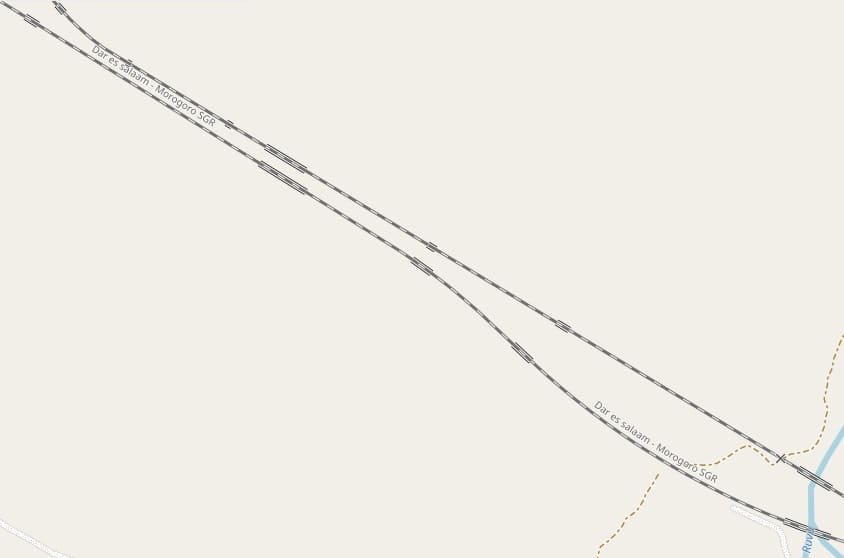
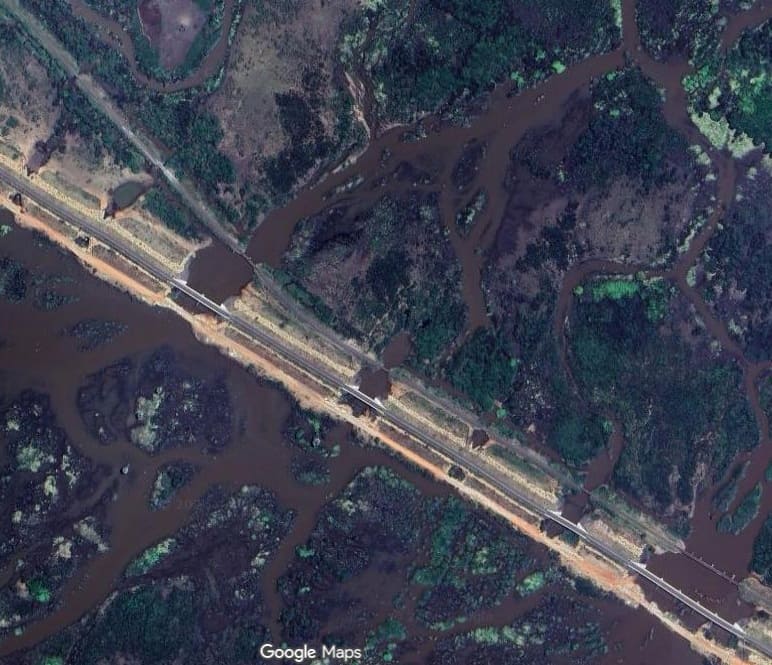
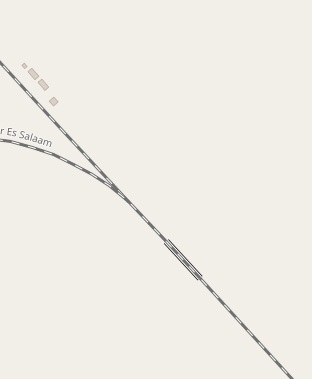
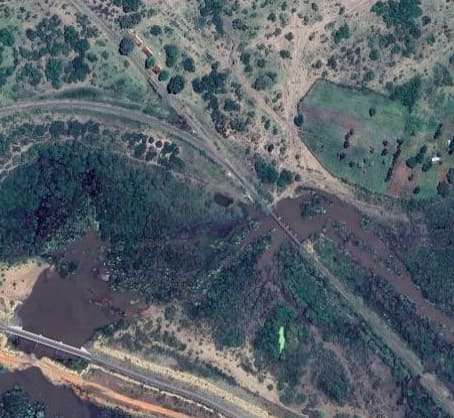
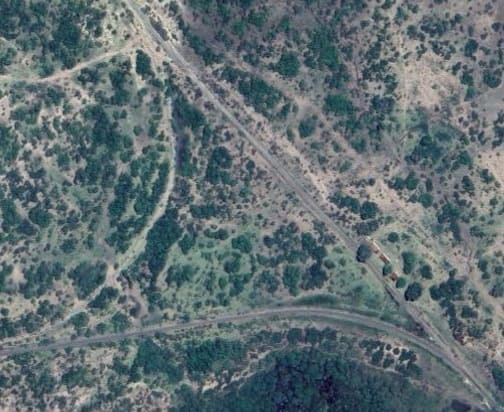
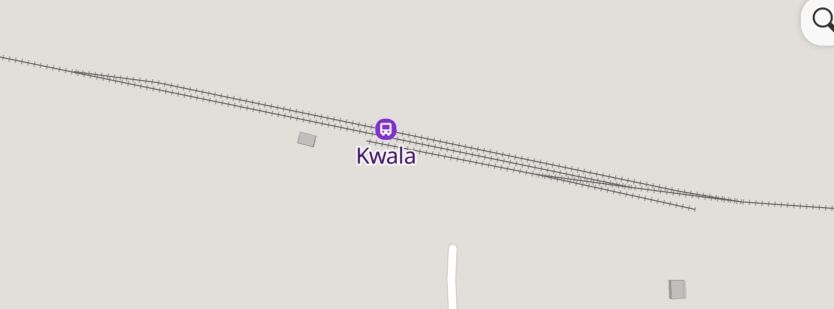
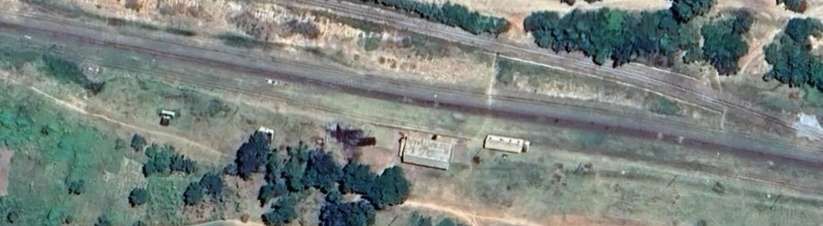
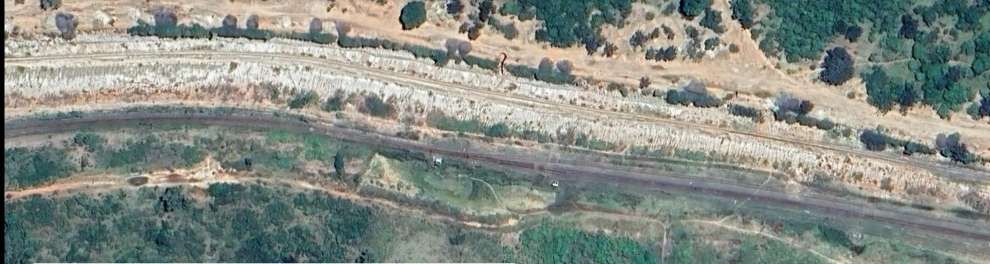
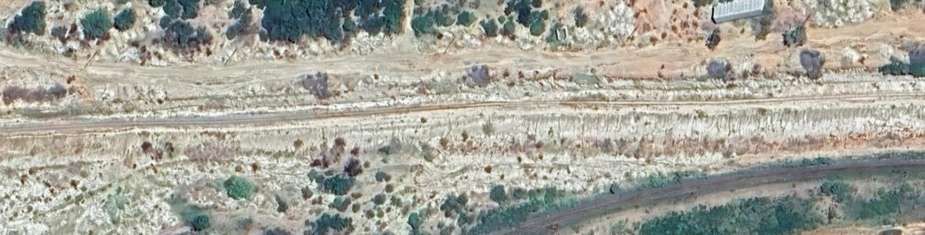
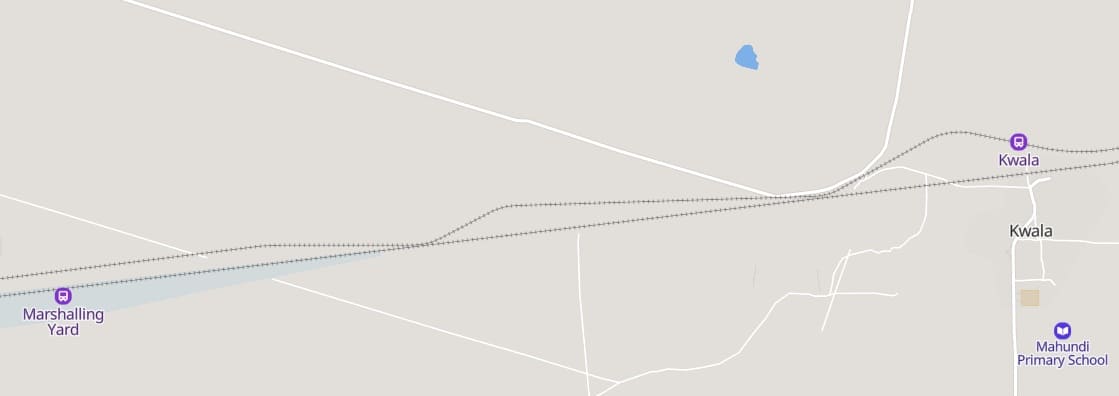
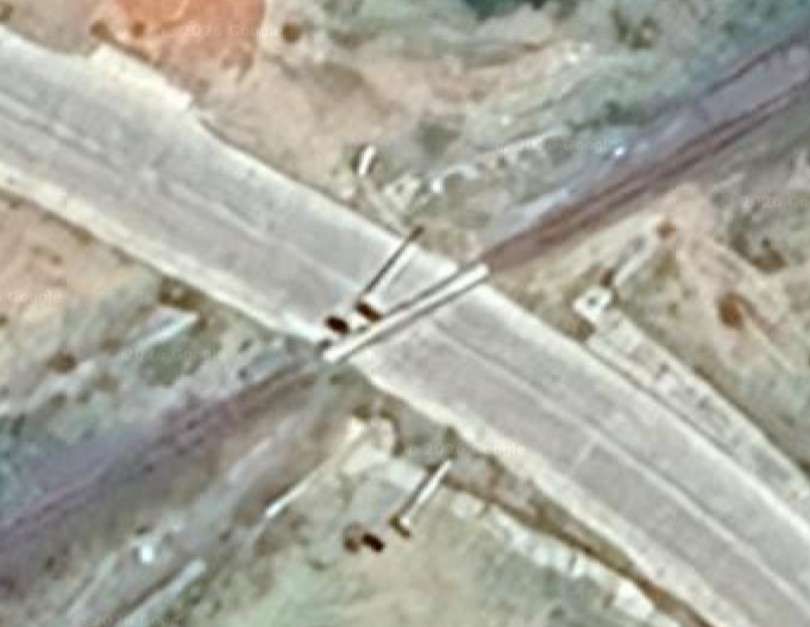
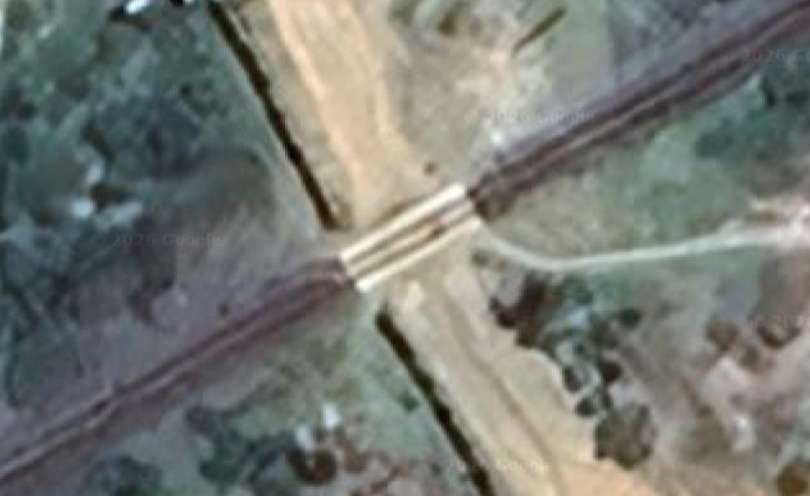
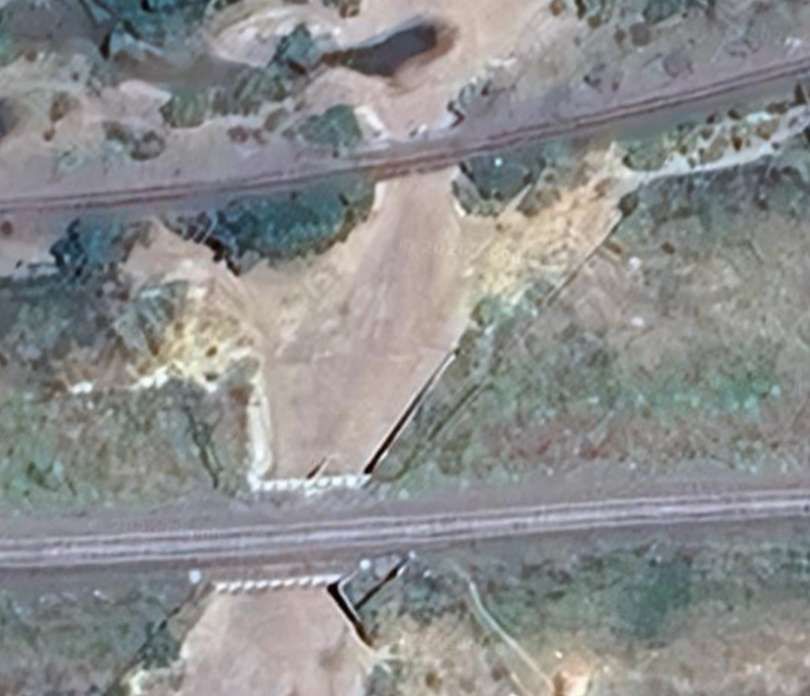
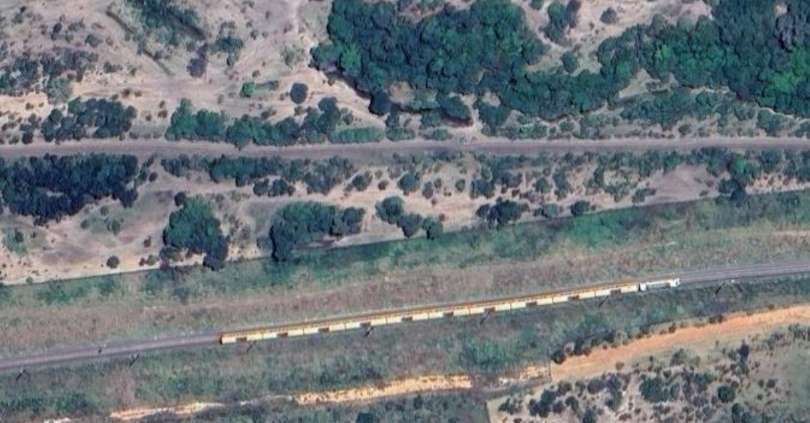
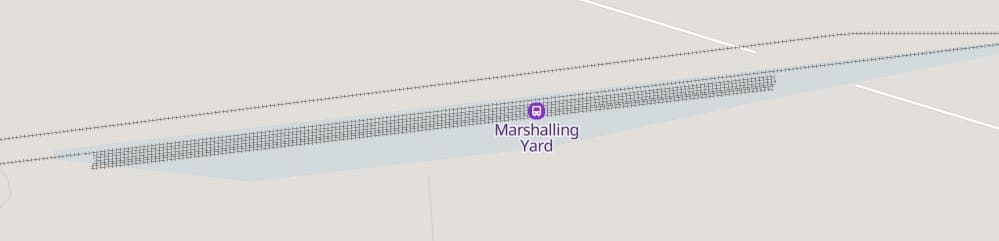
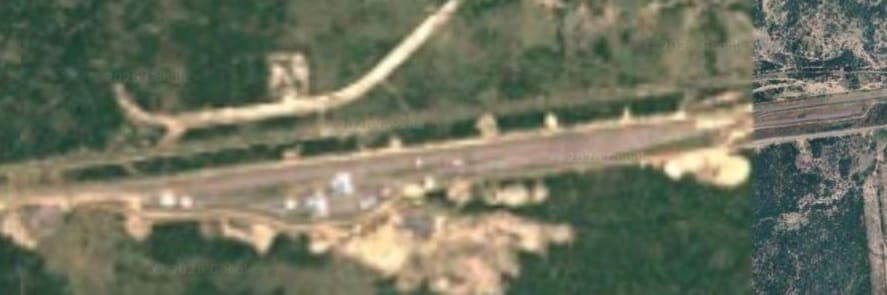
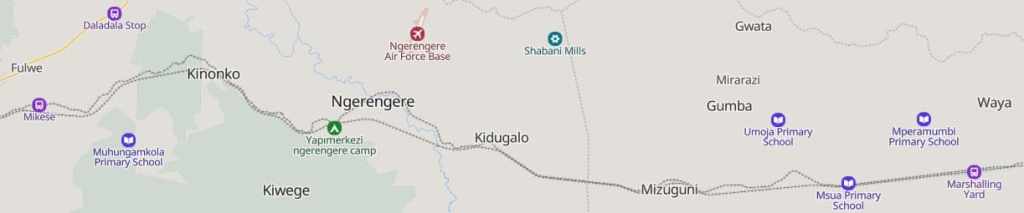
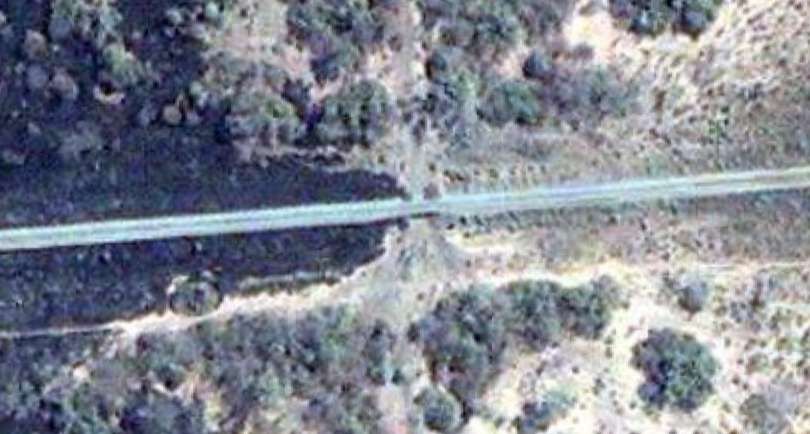
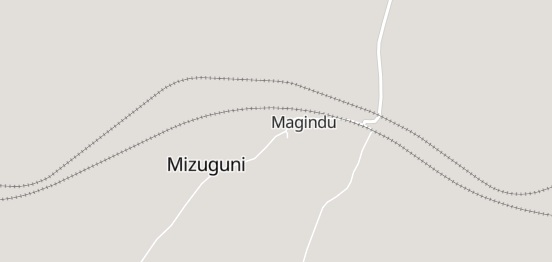
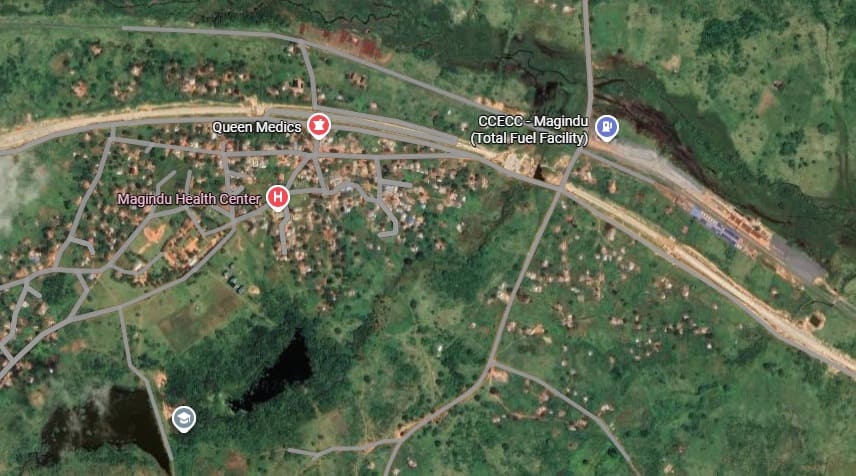
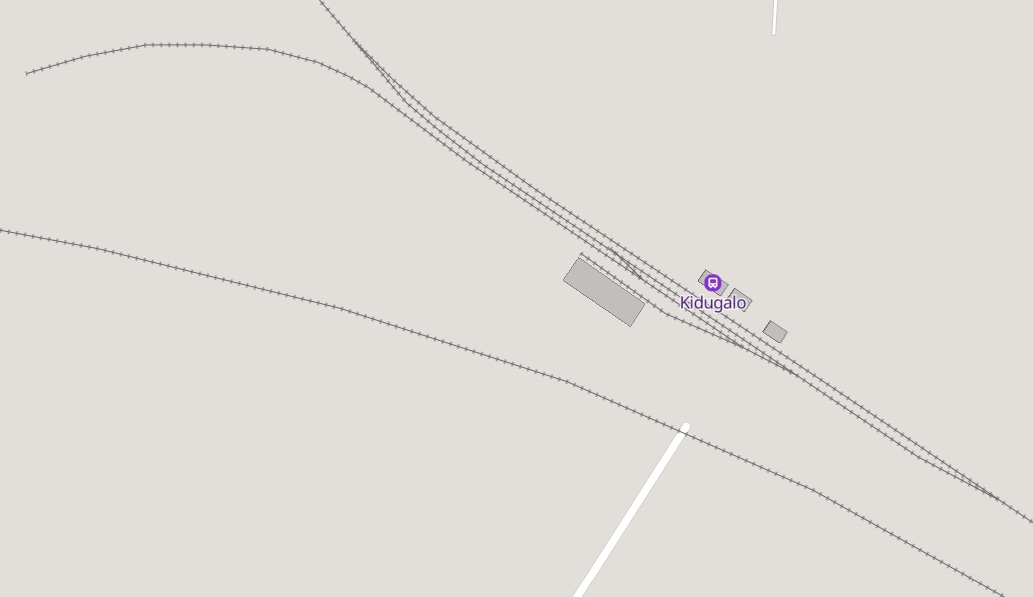
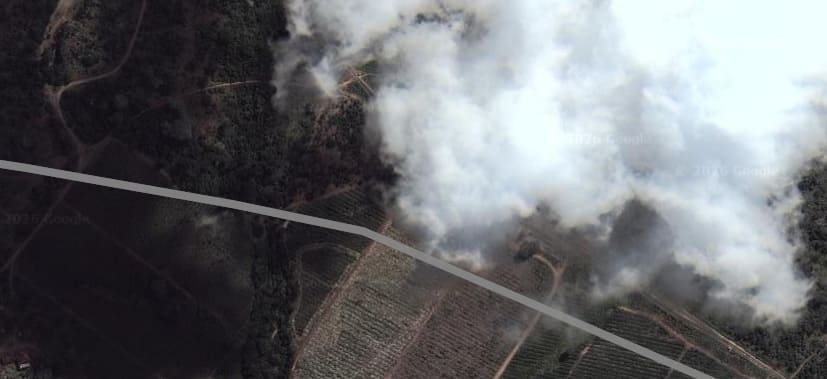
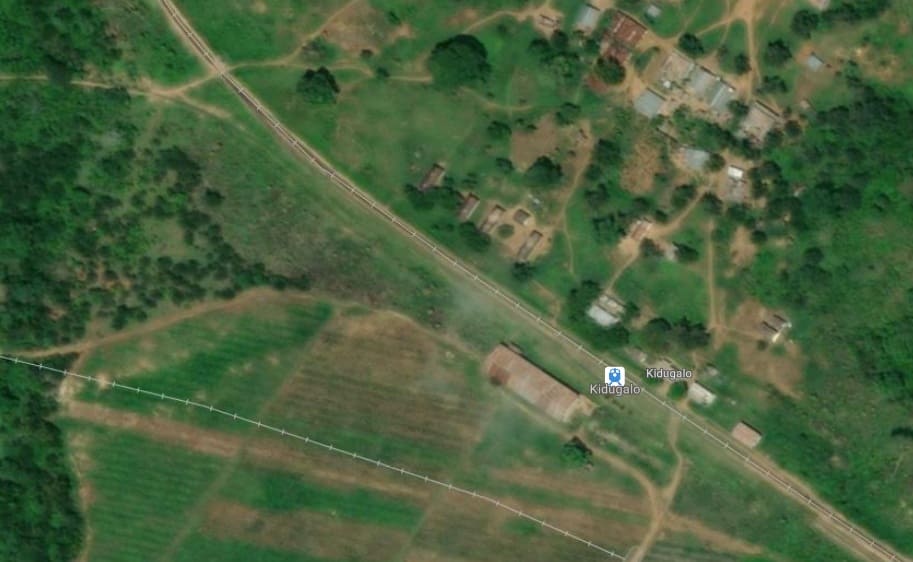
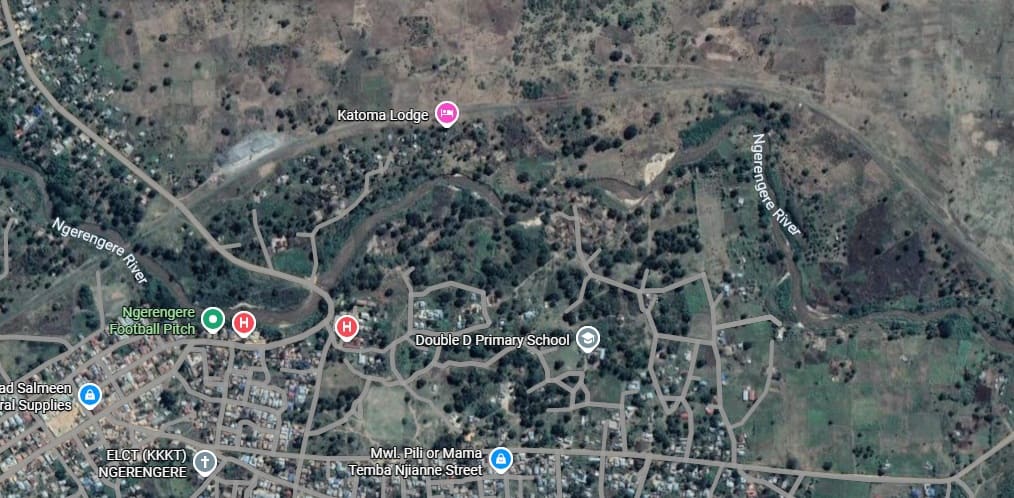
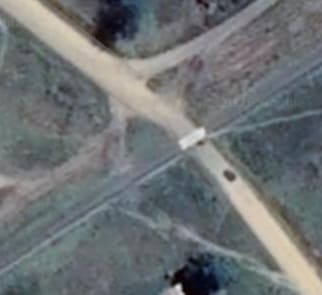
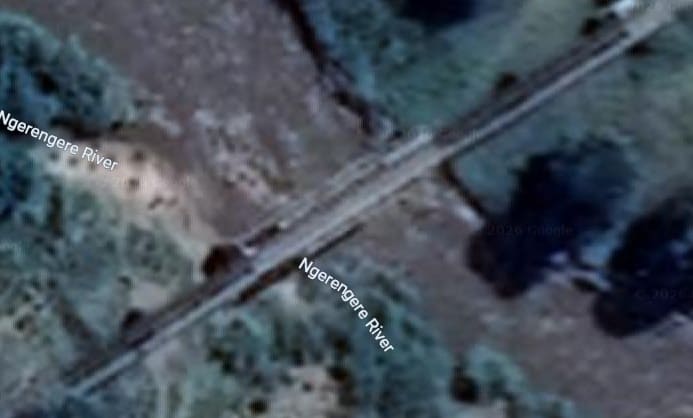
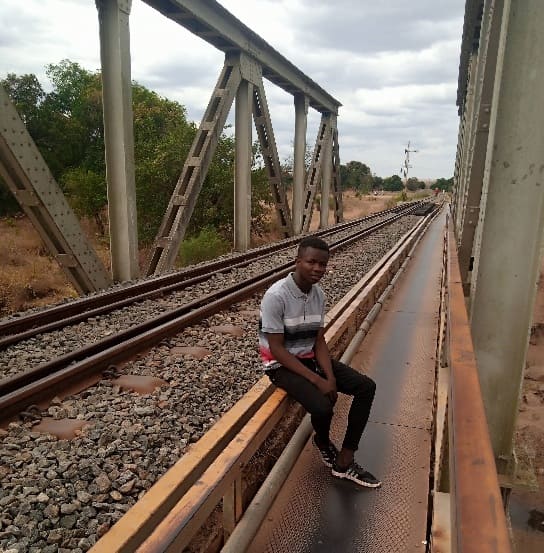
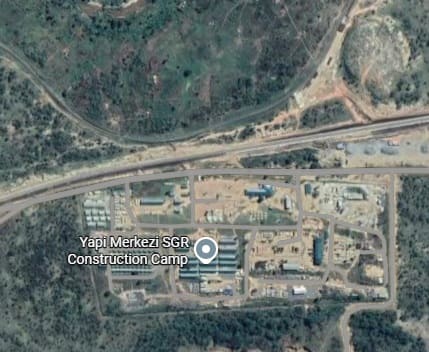
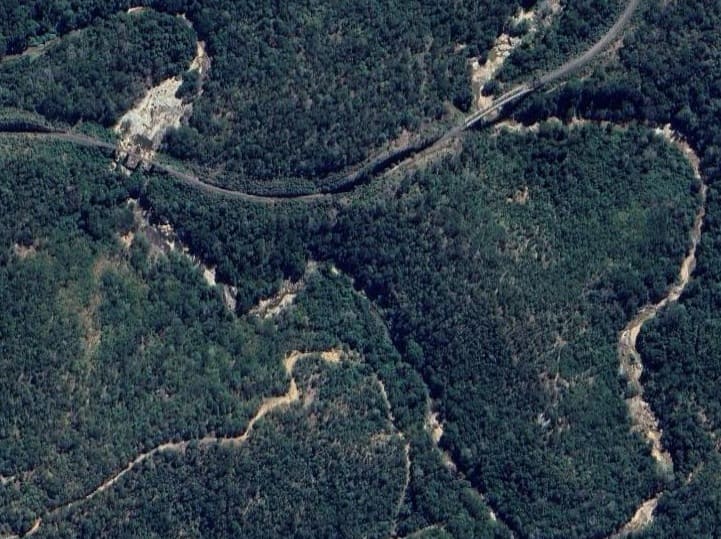
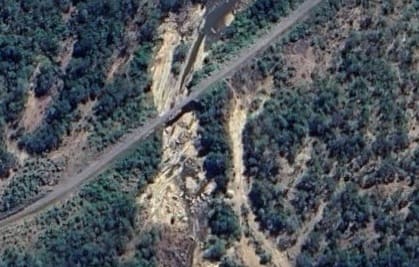
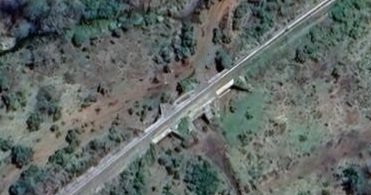
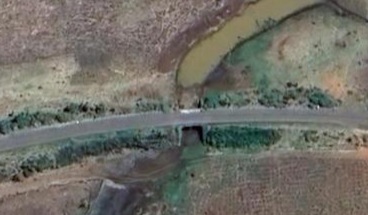
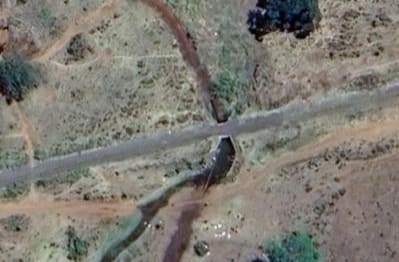
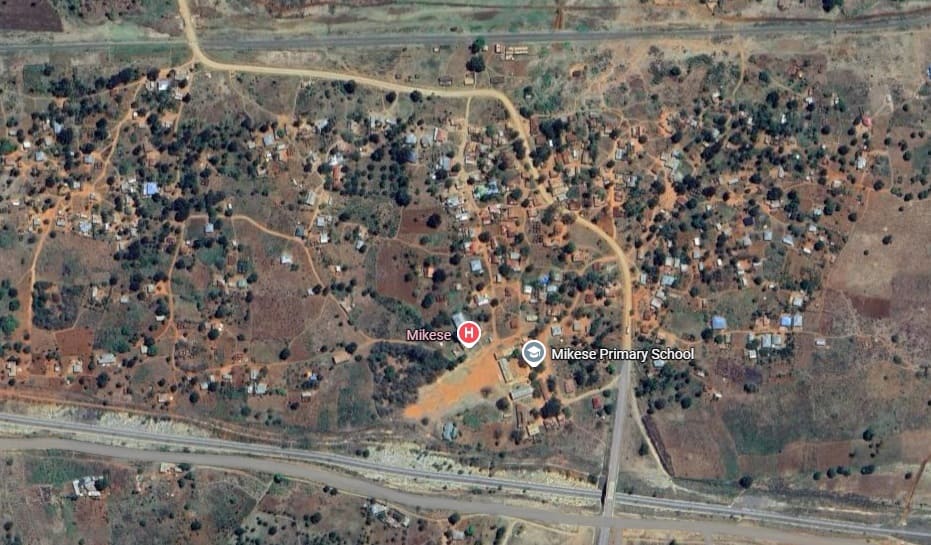
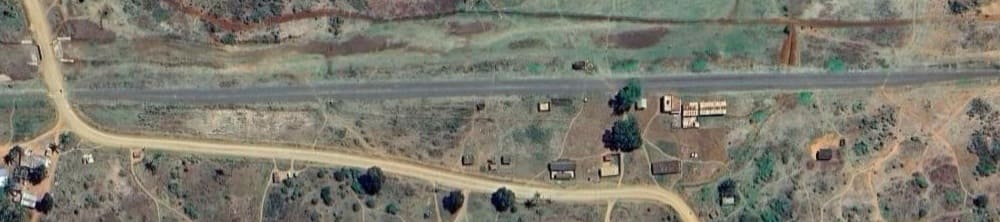

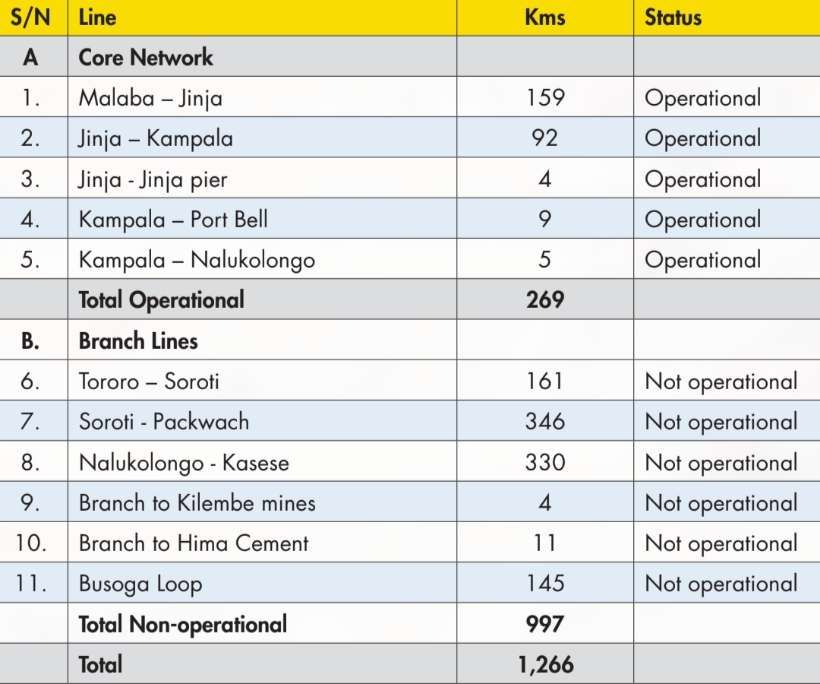
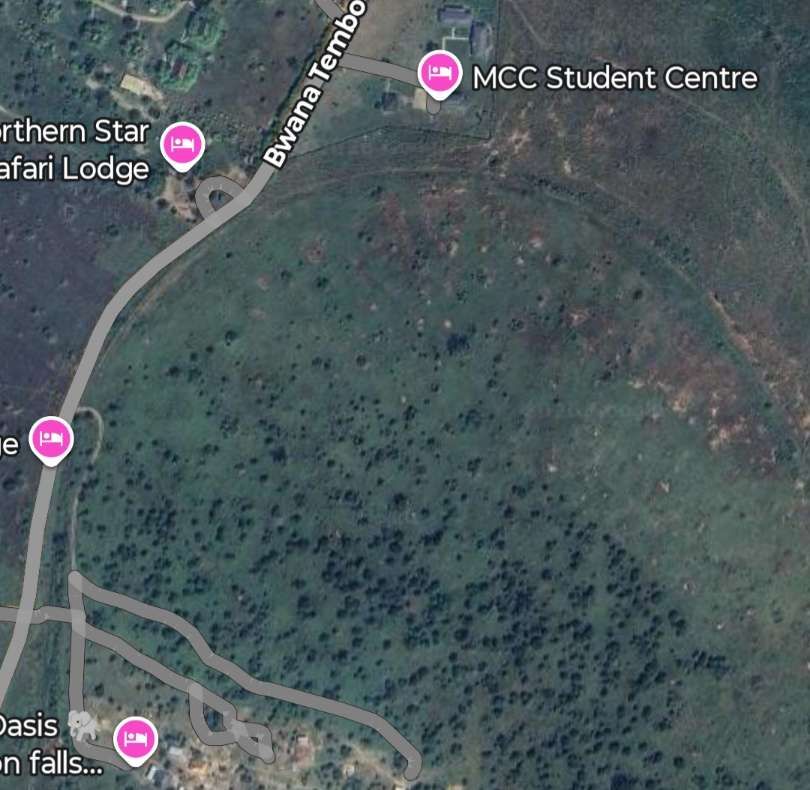
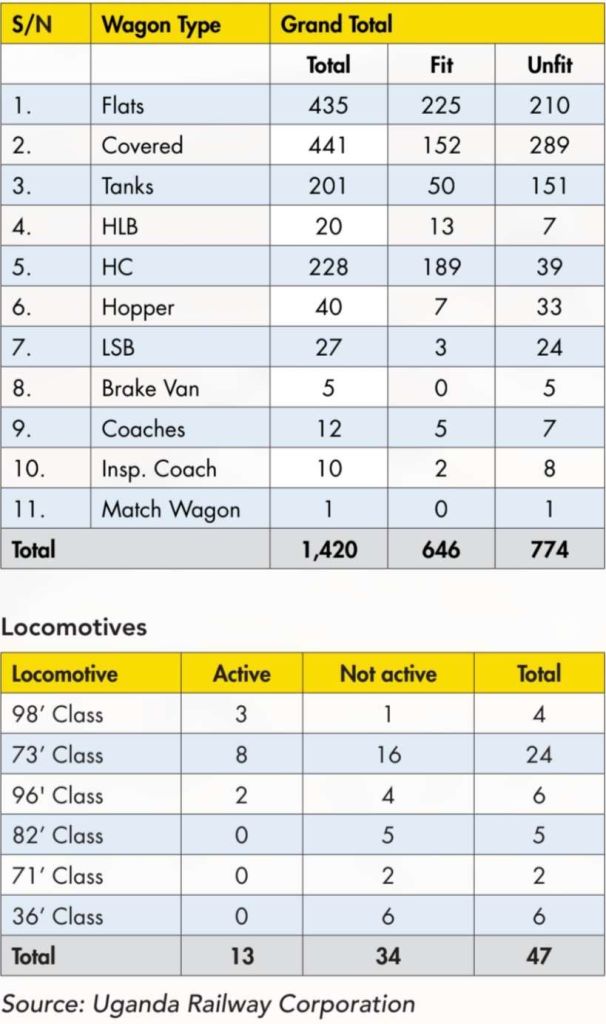





#/media/File:Tanganjikabahn_(%C3%B6stliches_Blatt).png)
.jpg)
.jpg)