This article gives a quick review of the January 1959 issue of the Railway Magazine. …
Editorial Notes
Looking back at past editorials in The Railway Magazine highlights the ongoing debate at the time over the best form of terrestrial travel – road -v- rail.
In the January 1959 issue of the magazine, which saw O.S. Nock assuming the authorship of the long running monthly article, ‘Locomotive Practice and Performance’, the editorial focussed on:
Road and Rail Fares and Services
“It was suggested recently in the editorial columns of a daily newspaper that the time was approaching when long journeys by motor-coach could be made at high speed, over the new trunk roads, ‘at a fraction of the cost of railway travel’. In a reply by letter, Sir Reginald Wilson, a member of the British Transport Commission, pointed out that, in terms of seat-miles of service offered, the train is cheaper than the coach. The reason why railway fares are higher than coach fares is the higher cost incurred by the railways in providing frequent services with enough rolling stock to cater, as far as possible, for peak traffics, and for fluctuations in the number of passengers travelling at all periods. The capital cost of providing rolling stock for morning and evening peak-hour residential traffic is very high. Moreover, much of this stock is not required, or is under-employed, during the greater part of the day.” [1: p1]
It seems as though those promoting road over rail were already perceiving actual costs in a way that would favour road, and in doing so not including at least the infrastructure costs. The argument for the freedom of the road and the travel cost to the consumer at the point of use, would become easier for the road lobby to make as the initial cost of owning a car reduced in relative terms.
Public Reliance on Railways
The editorial also argued that the railways are expected to provide a near universal passenger service when those who provided motor-coach services were free to pick and choose what services they offered. …
“The motor-coach operator can obtain maximum use of his vehicles restricting his services to what reasonably be expected to be booked up. On the other hand, British Railways maintain a long tradition of public service by providing passengers with the means of travelling when they please, without the necessity of reserving seats in advance. The difference between rail and motor-coach fares, which frequently is lessened by cheap travel facilities provided by the railways, does not appear to be a high price to pay for the ability to meet the needs of countless individuals and surges of traffic whose free movement is essential. The extent to which the community depends on the railways to provide reliable transport at short notice probably is not fully realised. The railways have been a part of our national life for so long that the services they render are apt to be taken for granted.” [1: p1]
First British AC Electric Locomotive
The Railway Magazine also reported on the first AC electric locomotive to carry passengers on the line between London and Manchester. The converted Metropolitan-Vickers gas-turbine engine, made its initial run with a passenger train on 26th November 1958 carrying representatives of the Press. This was close to ten years before the eventual demise of steam on the main line in August 1968. The editorial commented:
“On 26th November 1958, representatives of the Press visited the Styal line of the London Midland Region, which is included in the Crewe-Manchester electrification scheme. The special train was operated over the 9 miles between Wilmslow and Mauldeth Road and, although the load was only 100 tons, rapid acceleration to a speed of rather more than 70 m.p.h. was a marked feature of the journey. The locomotive is being used for the training of staff, and other locomotives for public services are being built. Multiple-unit trains will be used for local traffic. Regular electrified services between Crewe and Manchester will start in 1960. By 1963, they will be extended to Birmingham and Liverpool; and it is planned to run electric trains between Euston and Liverpool and Manchester by 1968.” [1: p1-2]
The Metropolitan-Vickers Gas-Turbine Locomotive, British Rail No. 18100, was a prototype main line gas turbine–electric locomotive built for British Railways in 1951 by Metropolitan-Vickers, Manchester. It had, however, been ordered by the Great Western Railway in the 1940s, but construction was delayed due to World War II. It spent its working life as a Gas-Turbine loco on the Western Region of British Railways, operating express passenger services from Paddington station, London. It was of Co-Co wheel arrangement and its gas turbine was rated at 3,000 horsepower (2,200 kW). It had a maximum speed of 90 mph (140 km/h) and weighed 129.5 long tons (131.6 t; 145.0 short tons). It was painted in BR black livery, with a silver stripe around the middle of the body and silver numbers. [2]
Early in 1958 it was withdrawn from service, after a short period of storage at Swindon, the locomotive was returned to Metropolitan Vickers for conversion as a prototype 25 kV AC electric locomotive. As an electric locomotive, it was numbered E1000 (E2001 from 1959) and was given the TOPS classification of Class 80. [2]
As was usual, the January issue of The Railway Magazine focussed on railways in Scotland. …
The Railway Magazine, January 1959. [1: piii]
The Strathspey Line is covered in a short series of articles which can be found here, [7] here, [8] and here. [9]
Notes and News
Perhaps the most significant item of news in this section of the magazine was the demise of Midland and Great Northern line which was confirmed as taking place on Saturday 28th February 1959.
Midland & Great Northern Closure
“The Eastern Region of British Railways has announced that, with the exception of the 15-mile section from Cromer Beach to Melton Constable, the whole of the Midland & Great Northern line will be closed to passengers at midnight on Saturday, 28th February. The sections affected are Saxby to Sutton Bridge (43) miles); Peterborough to Sutton Bridge (27) miles); Sutton Bridge to Melton Constable (40) miles); Melton Constable to Yarmouth Beach (41½ miles); and Melton Constable to Norwich City (214 miles). Bus services throughout the area are to be increased. To improve facilities for seasonal travellers, new signalling will be installed at Vauxhall Station, Yarmouth, and its approaches, to deal with a greater number of holiday trains. Longer platforms, new carriage sidings, and additional amenities also are to be provided. It is hoped to complete much of this work by Whitsun.” [1: p65]
Goods traffic was, as a result, significantly curtailed: “Freight traffic in the area served by the Midland & Great Northern line will be catered for by extended rail cartage facilities from established railhead depots. Spurs affording connection with former Great Eastern lines will be retained. As a result of this planning, freight trains will be withdrawn from the following sections:- South Witham to Bourne; Wisbech North to Sutton Bridge; Sutton Bridge to South Lynn; Gayton Road to Melton Constable; and Melton Constable to Yarmouth Beach. About 77 route miles will thus remain open for freight traffic only, and some 97 route miles will be closed completely.” [1: p65]
The Eastern Region of British Railways estimated that the direct saving from the reorganisation would be £640,000 a year; and taking other factors into account, the total annual saving was likely to be about £1 million.
It is impossible to measure just how significant the negative social impact of the closures was for rural communities in Lincolnshire and Norfolk.
Monmouth
Also included in the Notes was notification of the final closure of routes into Monmouth. …
“The county town of Monmouth is to lose its passenger services, as the two remaining branches are being closed to traffic as from 5th January – the section between Monmouth May Hill and Lydbrook Junction completely. A special last train has been arranged by the Midland Area of the Stephenson Loco-motive Society for Sunday, 4th January. It will leave Chepstow at 11.20 a.m. for Monmouth and Ross-on-Wye, from which it will return by the same route at 1.55 p.m. Thence the train will traverse the Sudbrook branch, for a visit to the Severn Tunnel pumping station, and will complete its tour at Severn Tunnel Junction Station at about 5.30 p.m. Stops will be made en route and an exhibition on the platform of one of the Monmouth stations is planned. The 9 a.m. train from Birmingham to Swansea, via Gloucester, and the 9 a.m. from Swansea to Birmingham, will call specially at Chepstow to connect with the S.L.S. train. The fare for the tour only [was] 10s. 6d., and inclusive of cheap return ticket from Birmingham 22s. 6d., and from Bristol 15s. 6d.” [1: p65-66]
The Why and the Wherefore
Potteries, Shrewsbury & North Wales Railway
In answer to a question from Mr J.M. Duckett, a paragraph about what was to become the Shropshire & Montgomeryshire Railway appeared in the Magazine:
“A railway to connect the Midlands of England with Ireland via a new port at Porthdynllyn, on the Caernarvonshire coast, was projected in 1846, but the scheme came to nothing. An unsuccessful attempt was made to revive it in 1861. In the next year, the West Shropshire Mineral Railway was authorised from Llanymynech to Westbury, on the then recently-authorised Shrewsbury & Welshpool Railway. Eventually this line was modified to extend from Shrewsbury to Llanyblodwell, and the company was amalgamated with the Shrewsbury & Potteries Company, which planned to connect Shrewsbury with Market Drayton and Stoke-on-Trent. The title of the combined undertaking became the Potteries, Shrewsbury & North Wales Railway. It was proposed to extend the line westwards on a mountainous cross-country route from Llanyblodwell to Portmadoc and Porthdynllyn. The company succeeded in building only the section between Shrewsbury and Llanyblodwell, of which the 17 miles from Shrewsbury to Llanymynech eventually became the Shropshire & Montgomeryshire Railway. The remaining 2 miles from Llanymynech to Llanyblodwell passed into the hands of the Cambrian Railways. It frequently has been suggested that, if the complete scheme, including the long and expensive extension to Porthdynllyn, had come to fruition, the Great Northern Railway would have sought running powers over the North Staffordshire Railway to Stoke-on-Trent, or over the London & North Western Railway from Stafford to Shrewsbury, to participate in the traffic passing between the Midlands and Porthdynllyn. Such a step would not have been beyond the bounds of possibility.” [1: p71]
More information can be found here, [5] and here. [6]
References
The Railway Magazine Volume 105 No. 693, Tothill Press, London, January 1959.
I received a few welcome gifts for Christmas 2025. This article is the second in a short series:
Colin Judge; The Locomotives, Railway and History 1916-1919 of the National Filling Factory No. 14, Hereford; Industrial Railway Society, Melton Mowbray, Leicestershire, 2025. [1] This review and notes can be found here. [18]
Anthony Burton; The Locomotive Pioneers: Early Steam Locomotive Development – 1801-1851; Pen and Sword, Barnsley, 2017. [2]
Christian Wolmar; The Subterranean Railway: How the London Underground was Built and How it Changed the City Forever (2nd extended Edition); Atlantic Books, 2020. This edition includes a chapter on Crossrail. [3] The review and notes can be found here. [19]
Neil Parkhouse; British Railway History in Colour Volume 6: Cheltenham and thme Cotswold Lines; Lightmoor Press, Lydney, Gloucestershire, 2025. [4]
2. The Locomotive Pioneers
Anthony Burton’s book published by Pen & Sword is a little older, dating from 2017.
His book comes out of a series of different initiatives that he was involved in as a television journalist and author, such as:
The Past at Work – a series about the remains left from the Industrial Revolution up to 1825 which included two railways (the Middleton Railway and the Stockton & Darlington Railway);
The Rainhill Story – which followed the construction of the replicas of the three engines which took place in the original trials.
A biography of Richard Trevithick – which included seeing more replicas coming to life. He particularly notes a time when he “was invited onto the footplate of the replica of the 1803 engine at the Ironbridge Gorge Open Air Museum and was invited to drive, though, … [he] did nothing more than open and close the regulator but that made it none the less thrilling.” [2: Preface]
He says that these experiences “gave [him] a new appreciation of just how in entice the early engineers were, who has to devise these engines for themselves with no precedents to work on.” [2: Preface]
In his second chapter, Burton navigates us through the complex competitive relationship between Boulton & Watt and Trevithick which seems to have been driven by some very strong egos! He notes the way in which that dispute both strengthened and hampered the development of mobile steam engines on road and rail.
I particularly enjoyed a specific step in the history of steam on the move which Burton says is only sketchily documented – interesting to me as it relates to Coalbrookdale.
“In 1802, Trevithick went up to the famous Darby ironworks at Coalbrookdale to install one of his puffer engines. [5] The letter he wrote from there is remarkable in showing how far he had pushed high-pressure steam in a short time. One has to remember that Watt considered a pressure of 10psi to be more than adequate, but here he was describing an engine working up to 145psi. In a long letter describing the working of this engine he added this intriguing postscript: ‘The Dale Co. have begun a carriage at their own cost for the real-roads (sic) and is forcing it with all expedition.’ The railroad referred to would probably have been one of the tramways linking the works to a wharf on the Severn, along which goods would have been hauled down railed tracks by horses. Some commentators have suggested that the experimental railway locomotive was never built, but there is some evidence that it was completed. The man in charge at Coalbrookdale at that time was William Reynolds and his nephew, W.A. Reynolds, described being given ‘a beautifully executed wooden model of this locomotive’ when he was a boy. He broke it up to make a model of his own, ‘an act which I now repent of as if it had been a sin’. He also recalls the boiler being used as a water tank and seeing other parts of the engine in the yard at a nearby ironworks. A visitor to Coalbrookdale in 1884 also recorded being shown a cylinder, preserved as a relic of the locomotive. None of these relics have survived, but a drawing does exist, dated 1803, simply labelled as the ‘tram engine’, which shows a locomotive fitted with a 4.75-inch diameter cylinder with a 3-foot stroke. For a long time, this was thought to be a drawing for the 1804 engine …, but it now seems more likely to have been for the Coalbrookdale locomotive. So it seems more than probable that an engine was indeed built at Coalbrookdale and if so it can claim to be the world’s very first railway locomotive. The drawing was used as the basis for the replica that now runs at the Blists Hill Museum site.” [2: p14-15]
Burton goes on to follow Trevithick further endeavours, particularly the Penydarren locomotive (although the drawing he provided is unlikely to be a good representation of that locomotive given the height of the bore on a tunnel on the tramway which probably would not have accommodated either the flywheel or the chimney of the locomotive).
Ultimately Trevithick’s locomotive was not used for any significant length of time because it was too heavy for the cast iron L-playe rails use on the tramway in the Taff valley.
Burton notes that ” Trevithick’s importance in the development of the steam locomotive was played down after his death, largely because of the growing reputation of George Stephenson.” [2: p21-22]
Burton’s third chapter focussed on developments resulting from wars with France which significantly increased the price of fodder and resulted in much fewer horses available to operate coal tramways in Leeds and the Northeast of England. Burton takes his readers through the development of the use of Steam on the Middleton Railway and then the work of William Hedley and George Stephenson on industrial railways.
Chapter 4 focusses on the Stockton& Darlington Railway which Burton describes as “in effect, a colliery line that suffered from its predecessors only in the scale of its operations.” [2: p43]
Burton also describes how a breakdown in relationships with William Losh, with whom Stephenson shared a patent for a particular form of cast iron rail, resulting from Stephenson’s recommendation of the use of wrought iron to the Stockton and Darlington Railway board, meant that Stephenson could no longer rely on Losh to build locomotives for him. This, according to Burton, was a significant reason why George Stephenson, Edward Pease and Michael Longbridge decided to set up their own locomotive works. Supported by Pease and Longbridge, George Stephenson and his son Robert Stephenson set up their new works in Newcastle, the first in the world to focus primarily on the building of steam locomotives.
Burton concludes the fourth chapter with these words: “If the Stockton & Darlington was, [as] it is often said to be, a model for later developments, then it was certainly not one without many problems. It remained a hybrid with all the attendant difficulties. Having two companies running the passenger service was not a recipe for smooth working. The locomotives, restricted to moving heavy goods, were built more with the idea of hauling the heaviest loads than with any idea of speeding on their way, but at least the inclines, once initial difficulties had been sorted out, worked well. One other railway was approved in the same year as the Stockton & Darlington opened, the Canterbury & Whitstable, described in [its ] Act as ‘Railway or Tramroad’ … had a number of steep sections, worked by stationary engines, and only used locomotives on short sections. Overseas there were railways being constructed in both Austria, opened 1827, and France, 1828, but both still relied on horses to do the work. The case for the steam railway had not yet been conclusively argued.” [2: p54]
Chapter 5 covers the Rainhill Trials. The early pages of the chapter cover the difficulties that the Liverpool & Manchester Railway had in coming to an agreement over the king of propulsion to be used – stationary engines or travelling engines. Ultimately, the Company decided to undertake a locomotive trial at Rainhill.
A completion was determined to be the best way to proceed and advertisements were placed in the leading northern newspapers. Burton tells us that the conditions entrants had to meet, were exact. “The engine had to ‘effectively consume its own smoke’, which in practice meant that it would have to burn coke not coal. The engine could weigh up to six tons if carried on six wheels and up to four and a half tons on four wheels. The six-ton engine ‘must be capable of drawing after it, day by day, on a well-constructed Railway, on a level plane, a Train of Carriages of the gross weight of Twenty Tons, including the Tender and Water Tank, at the rate of Ten Miles per Hour, with a pressure of steam in the boiler not exceeding Fifty Pounds on the square inch’. The weight to be hauled was to be reduced proportionately with the weight of the locomotive. Other conditions included springing to support the boiler and two safety valves, one of which had to be out of the driver’s reach; the latter clause was a precaution against tampering and boiler explosions.” [2: p63]
Burton then talks his readers through the design and construction of what was to become known as ‘Rocket’. [2: p63-66]
On the first day of the trials Rocket and Sans Pareil made runs at the modest speed of 12 mph while pulling loads. Rocket, running light’ also made a demonstration run at between 15 and 25 mph. It was Novelty that “stole the show, dashing along at great speed and at one point reaching just over 30 mph.” [2: p69]
However, on the second day only one of the locomotive motives was able to complete the required ten double runs up and down the track – Rocket. Burton concludes: “It was as well that the Stephenson engine won as it was the one that contained all the elements that were to be crucial for later development: the multi-tube boiler and separate firebox, exhaust steam blast; and cylinders lowered from their former vertical position. Had Sans Pareil succeeded it could well have been selected if only because it was based on well-established practices and could have been thought more reliable than the rivals. But it was built by an engineer looking back over previous successes, not forward to new developments. Novelty would never have had the power for working a busy line. It was Rocket that proved that a railway really could be worked more efficiently by steam locomotives than by any other means then available. It was the future.” [2: p72]
Chapter 6 is entitled ‘Coming of Age’. Burton highlights two different reactions to the speed of the locomotives. One a nervous and terrified response, the other a sense of exhilaration. The directors of the line couldn’t but be nervous about how the line would be received. The locomotives to be used represented the pinnacle of engineering achievement. The line itself was still a mix of old and new. “Unlike the Stockton & Darlington, which had used a mixture of cast iron and wrought iron rails, Stephenson had this time settled for wrought iron fish bellied rails throughout, but mostly they were still mounted on stone blocks, even though there was no longer any intention to use horses for any part of the traffic. However on some sections, especially over Chat Moss, he had set his rails on transverse wooden sleepers. It was soon discovered that with the heavier, faster traffic of the new line, stone blocks were easily shifted out of place, while the wooden sleepers remained firm. Within seven years of the opening, the stone blocks had all been replaced by the new wooden sleepers that would become the norm for railway construction for many years to come. The changes to the track were important. With an improved permanent way, engineers could feel confident in building bigger, more powerful locomotives. The Liverpool & Manchester would show whether there was a real demand for this kind of transport.” [2: p76]
“It was soon evident that there was a real hunger for rail travel. Up until then, railways had been all about freight, with passenger transport as an afterthought. Now it was becoming obvious that the two types of rail transport were achieving something like parity, and engineers would have to plan accordingly.” [2: p78]
Robert Stephenson was already designing a new series of locomotives named after the first in the class, Planet. Burton goes on to describe the design principles for this new class which was a significant advance over the technology employed on Rocket. He also devotes a few pages to the working replica of Planet which was first steamed in 1992.
Other designers are also covered: Timothy Hackworth, Edward Bury, Foster & Rastrick, and Todd, Kitson & Laird.
Chapter 7 looks across the Atlantic and describes very early developments in the United States. [2: p86-97]
Chapter 8 looks first across the Channel, [2: p p98-105]first at the horse-powered line, the Saint-Etienne a Lyon Railway. Its chief engineer was Marc Seguin, who began experimenting with steam-power after his visit to the Stockton & Darlington Railway. He ordered two locomotives from the Stephenson works in Newcastle, one for testing, and one to work immediately on the line. It seems that Seguin was the first to use a multi-tubular boiler and that Robert Stephenson was the first to combine it with an efficient firebox. Burton tells us that after Seguin, french locomotive development was becalmed for a time.
Burton goes on to write about developments in Russia in which the Hackworth family were to play a part. In the 1830s railways spread to other countries in Europe: Belgium and Germany in 1835; Austria, 1838, the Netherlands and Italy, 1839.
Burton covers developments in Ireland in the same chapter. It entered the railway age with “three lines and three gauges. This meant that two of the three could not order ‘off the peg’ locomotives. … It also meant chaos once a joined-up system was developed. Eventually, a gauge commission was to agree on 5ft 3in as the Irish standard.” [2: p105]
Chapter 9 considers the UK broad gauge and is quite frank about the contradictions that were a part of the personality of the mercurial Isambard Kingdom Brunel. He particularly notes the way in which Brunel could be so exacting in his design of the permanent way yet so contrary in the way he specified locomotives to run on the broad gauge. His appointment of Daniel Gooch as Locomotive Superintendent at the age of 20 (just one week short of his 21st birthday) was an enlightened decision. Gooch was not frightened to challenge Brunel and was the saving of his Great Western Railway. Gooch went on to “design locomotives that would help secure the reputation of the Great Western and the reinterpretation of the initial GWR as God’s Wonderful Railway.” [2: p111-112]
Gooch brought a locomotive from Robert Stephenson’s works originally built for an overseas client at 5ft 6in-gauge Patentee Class locomotive. It was re-gauged to suit Brunel’s broad gauge and became the first successful locomotive on the broad gauge. It was named North Star. Its success encouraged Gooch to “develop the design into a Star class of locomotives. The first of the class, the 2-2-2 Fire Fly went into service in 1840. … On initial trials [it] was recorded as travelling at 58mph while pulling three vehicles. Over the years sixty-two locomotives of this class were built, doing sterling work and the last was retired as late as 1879.” [2: p112-113]
Burton tells us though that the class was not without its problems. But that was not uncommon. “By 1840, there were some thirty works turning out locomotives and few arrived in a condition that allowed them to go straight into service without tinkering or more major adjustments, and servicing and repairs left much to be desired.” [2: p113]
Apparently, Gooch was to go on to develop a larger experimental locomotive, Great Western, with larger, 8ft diameter drive wheels which heralded a new class of which Iron Duke was the first. The class has much larger fireboxes and did not have the large dome of the Firefly class.
Burton tells us that as the GWR expanded westward past Exeter its route took it along the Devon coast through Dawlish, Teignmouth, Newton Abbot and across the edge of Dartmoor. That later length of line required three sections with heavy gradients. Dainton Bank was the most demanding with the steepest length at 1 in 38. There was well-proven technology to address this particular circumstance – cable-haulage by a stationary steam engine. Brunel chose a different option which had mixed success, in 1835 (a failure) and 1840 (a success).
Burton describes the 1840 experiment which was associated with the Birmingham, Bristol & Thames Junction Railway and based on an idea developed by Clegg and improved by Jacob and Joseph Samuda. Over a length of one and a quarter miles, a considerable load was moved using air pressure generated by a stationary steam engine. [2: p114]
Brunel was enthusiastic about the use of this technology (George Stephenson much less so). The technology was first applied on a branch of the Dublin & Kingstown Railway in Ireland, between Kingstown and Dalkley. The system was quite successful. The stationary steam engines created a vacuum behind a piston in a large pipe between the rails. The vacuum sucked the train forward. The system offered potential advantages like speed and efficiency and served for a decade before being replaced. [2: p114-115]
The system was also used in France, on 1.5km length of the Paris to St. Germain Railway which was on a gradient of 1 in 28. The system was technically successful, but the development of more powerful steam locomotives led to its abandonment from 3rd July 1860, when a steam locomotive ran throughout from Paris to Saint Germain. [7]
The London & Croydon Railway also employed the system. It was used on a third track beside the main line. It operated from January 1846 but was abandoned in May 1847.
The use of the system on the branch line in Ireland was enough to persuade Brunel to undertake a much more significant ‘trial’ on his line between Exeter and Newton Abbot. The line between Exeter and Teignmouth was operated as an Atmospheric Railway from September 1847 and to Newton Abbot from 2nd March 1848. Its operation presented problems from the start, with underpowered stationary engines, costly maintenance of leaky leather seals (damaged by tallow-seeking rats and weather), leading to its abandonment in September 1848. [2: p115-117]
Burton comments: “Brunel has been feted as Britain’s greatest engineer, but if he were to be judged purely on his contribution to railway technology it would be difficult to uphold the verdict. His genius can certainly be seen in the civil engineering, culminating in his bridge over the Tamar that brought rails from the rest of Britain to Cornwall. … However logical his decision to build to a broad gauge might have been, it ignored the needs of a national system that was already well under way. … Brunel’s instructions for constructing locomotives for the start of the Great Western were perverse and the atmospheric railway was a costly failure. Looked at solely as a locomotive pioneer, he eouldt be no more than a footnote in most reference books. He was, however, to move on to new worlds, when he famously declared that he saw no reason why the Great Western should stop at Bristol – why not go on to New York? His steamships represented a quite extraordinary achievement and opened up the world to steam navigation. In this he proved himself to be a true genius and worthy of his place in the engineering pantheon.” [2: p117]
Chapter 10 – Valve Gear: A short chapter covers developments in valve gear over the period examined by the book. The simple arrangement of a four-way cock letting steam in or out of the piston was displaced by a number of different inventions. Burton notes:
James Forrester’s 1834 introduction of a new type of valve gear, using two eccentrics on the driving axle, one for forward movement and the other for reverse. [2: p118 & p120]
John Gray’s patented ‘horse leg’ gear of 1838 which was generally ignored by his contemporaries.
William Williams and William Howe appear to have developed a ‘slotted link’ which permitted “the change from forward to reverse to be made smoothly as a continuous operation.” [2: p120] Edward Cook sent Robert Stephenson a model of the new arrangements in August 1942. Their adapted linkage became known as ‘Stephenson Valve Gear’. It was quickly patented by Robert Stephenson. [2: p121]
Stephenson valve gear: the diagram was published in the British Transport Commission’s Handbook for Steam Locomotive Enginemen of 1957 and shows the gear being used in conjunction with a piston valve as opposed to the slide valve of earlier engines, but the general arrangement of the gear remains the same. The forward and backward eccentric rods are suspended from the common reversing shaft and can be raised and lowered by means of a lever on the footplate. The movement is transmitted from the eccentric via the slotted expansion link, allowing for a continuous movement and thus variable cut off, instead of the either/or arrangement of earlier types of where the cut-off point was fixed. [2: p121]
Daniel Gooch was the first to adapt the Stephenson valve gear for his own locomotives. In the Stephenson valve gear ,(see the image above), “the valve spindle is fixed, and the reversing rod moves the expansion link and the forward and backward eccentric rods. In the Gooch system, the arrangement was effectively reversed; the expansion link was attached to a fixed bearing and this time the reversing rod moved the valve rod. It found very little, if any, use other than on the broad gauge lines.
Alexander Allan was the engineer in charge of the Grand Junction Railway’s locomotive works. He devised his own variation on the Stephenson Valve Gear in which the reversing lever moved the eccentric rods, the link and the valve rod.
In Belgium, the first railway opened in 1835 between Brussels and Mechelen. Egide Walschaerts was 15 years old at the time. By the time that he had completed his studies at the University of Liege, the Belgian State Railways had opened workshops at Mechelen. He took a job there and quickly rose to the position of works superintendent. He developed valve gear that worked by a different pattern to the Stephenson valve gear. Walschaert valve gear has “just a single eccentric attached to the eccentric rod, which in turn [is] attached to the expansion link that allows for both reversing and varying the cut-off point. A second system, based on a radius rod attached to both the piston cross-head and the valve spindle, ensures that the lead on the valve remains constant in both directions, regardless of the cut-off point.” [2: p122-123] The Walschaert valve gear was used extensively throughout Europe but not in Britain until the late 19th century.
The Walschaert valve gear: the diagram in the British Transport Commission’s Handbook for Steam Locomotive Enginemen of 1957. Burton tells us that once again, the expansion link is the key to variable cut off. He says that the arrangement is simpler than in the Stephenson valve. [2: p123]
Richard Roberts had a knack for working with machinery and worked at a number of locations picking up knowledge before ending up, in 1814, working with Henry Maudsley (an eminent machine manufacturer). By 1817, Roberts had set up in business for himself in Manchester. Burton tells us that he was soon producing significant machinery: an early planer; a new type of lathe; gear-cutting and slotting machines; and the first successful gas meter. By 1825, he made a self-acting spinning mule which remained in use in the British textile industry until the second half of the twentieth century. In 1828, Roberts “went into partnership with iron merchant Thomas Sharp to form Sharp, Roberts & Co. to manufacture locomotives at their new Atlas Works in Manchester.” [2: p124] … Roberts interest in the company faded, although a brilliant Mechanical Engineer, he was a terrible businessman that ended his days in poverty. Burton tells us about Roberts because it was men like him that made it possible for the celebrity engineers to realise their designs, using templates and gauges to standardise production. “Without men like him, the necessary accuracy of construction for complex valve gears could never have been realised. It is difficult for us to understand just how badly equipped in terms of machine tools even the best workshops were at the start of the railway age.” [2: p124]
Burton entitles his eleventh chapterNew Directions. In that chapter, he highlights:
Developments in railways in North America.
The replacement of stone blocks in Britain with wooden sleepers with metal chairs which maintained the gauge of the track.
A similar arrangement in North America but without the metal chairs which allowed tracks to be laid very quickly with tighter bends, but resulted in a much poorer ride than in Britain.
Locomotive design in North America needing to accommodate poorer track construction and as a result developed locomotives with a greater separation between a front bogie and the drive wheels. The first American standard engines were 4-2-0 locomotives, then 4-4-0 locomotives, and by 1847, the first 4-6-0 engine was in service
The first need in Britain for locomotives from North America. Norris Locomotive Works was at the forefront of locomotive development in North America. Norris locomotives were successful on very steep inclines in North America. The Birmingham & Gloucester Railway which had the 2.5 mile long Lickey Incline with a gradient of 1 in 37, “ordered fourteen engines from Norris, specifically to cope with [that] section of line. They served well as banking engines, joining their more conventional running mates to overcome the obstacle.” [2: p130]
A Norris advert featuring one of their 4-2-0 locomotives. [8] Construction advanced rapidly. In just eleven years, four-wheeled 6.5 ton locos had given way to ten-wheeled locomotives weighing 22 tons. [2: p130] Norris was, by the start of the 1850s, “employing about a thousand men and the works was said to be capable of turning out 159 locomotives a year.” [2: p132]
the way in which Baldwin became the best known of the American manufacturers. Matthias Baldwin started small with a single novelty engine running round a circular track giving rides to passengers. Then he built a locomotive for the Philadelphia, Germantown & Norristown Railroad Co. which was based on the Planet class locomotive supplied by Robert Stephenson & Co. to the Camden & Amboy Railroad. Baldwin inspected the delivered loco, ‘John Bull’ while it was still in pieces. He built a replica but without the leading pony truck. [2: p132]
Baldwin’s move into bigger workshops and that by the end of the next he had built 128 locos. He offered a limited range of three different locomotives, all based on the same design. He worked on standardisation of parts for his locos. He thought that there would be no need for more powerful locomotives than he was producing, but by the 1840s he had to design more powerful locomotives. [2: p134]
Kestler’s rise to prominence in Germany and his willingness to copy Norris’ designs but with alterations based on British practice. All the manufacturers faced the need to produce more powerful locomotives. [2: p135]
Burton’s twelfth chapter focusses on ‘Speed and Power‘. [2: p136-155] He follows developments in the 1840s in Britain. Timetables needed to be published to allow people to plan journeys and James Bradshaw’s Railway Guides came into being (in 1839). Demand for rail transport was increasing at an incredible rate. Requirements for passenger and goods locomotives diverged with dedicated classes of locomotives being developed. Speed was important for passenger services, power to haul the largest load possible was important for goods services.
This twelfth chapter is wide-ranging, showing the relatively slow rate of development in Britain compared to the United States of America noting the problems in Britain caused by the two main line track gauges. Burton looks at developments in braking which culminated with the air brakes, especially the Westinghouse brakes, in the 1860s. He considers developments in continental Europe pointing particularly to the need of the Austro-Hungarian Empire to link its capital (Vienna) with its main seaport on the Adriatic coast (Trieste). The government decided that it needed “arail link between the two, but the line would have to cross the Alps via the Semmering Pass at an altitude of 936 metres. Trains were not required to go quite that high, as a tunnel was created below the summit at an altitude of 878 metres. Even so, the track had to twist and turn and the route out of Vienna had a 29 km section with a gradient that constantly hovered around the 1:40 mark. There was considerable doubt whether any locomotive could manage such a climb, certainly none in existence at that time could have done so. There was talk of relying on fixed engines and cable haulage. A writer to a technical publication pointed out that this was exactly the scenario that had been played out at Rainhill, cable haulage versus locomotive. That had been settled by a trial, so why not have a Semmering Trial?” [2: p151]
Four locomotives were sent to ‘compete’ at the Trial. Burton tells us that these were, Bavaria, Seraing, Neudstadt and Vindobona.
At the trial, “a successful locomotive had to ascend the pass with its train at a speed of 11.5kph and limitations were set that engines should not exceed 14 ton axle load though a very generous boiler pressure for the time was permitted at 120psi. No British companies offered up candidates, but four locomotives by four different European manufacturers were entered.” [2: p151] Burton tells us that these were, Bavaria, Seraing, Neudstadt and Vindobona.
Bavaria: “There were inevitable British connections. The winning entry [Bavaria] came from the company established in 1836 by Joseph Anton Maffei in Munich a company that was to survive in various forms and was still to be at the forefront of locomotive development in the twentieth century. It was designed with the help of the English engineer Joseph Hall. It was unlike anything seen on rails before. There were four axles under the locomotive, the front two mounted on a bogie. All were connected via a mixture of conventional rods and chains. There were a further three axles under the tender, also connected to the drive axles, spreading the tractive effort over engine and tender. The wheels were small, just 3ft 6in diameter and the locomotive managed to haul its 132 ton train up the slope at a very creditable 18 kph, well in excess of the competition target. The three other locomotives also managed to pass the test, but Bavaria was considered the most reliable. This turned out not to be … true in practice, as there were problems with the chain drive almost from the start and it was taken out of service.” [2: p151]
Seraing: “Perhaps the most interesting of the other locomotives came from the John Cockerill Company, which, was by far the most important manufacturing concern in Belgium … by 1840 … it had been taken over by the state, while still retaining the Cockerill name. It was from this factory that the locomotive Seraing was sent to Semmering.” [2: p151]
“Seraing was an articulated locomotive, with a central firebox, and a boiler at each side. The appearance was of two locomotives that had backed into each other and become irretrievably stuck together. A set of four wheels set on a bogie beneath each of the boilers made it possible for this locomotive to have a large boiler capacity, a long overall wheelbase of 27ft, but still be capable of coping with the tight curves of the Semmering. The description of this engine probably sounds familiar; it could, of course, equally well describe the Double Fairlies built for the Ffestiniog Railway. In fact they appear to have been remarkably similar in many respects.” [2: p151-152]
“The Seraing only came third in the competition, but having met the conditions, was bought by the state for 9,000 ducats. The problems that led to its withdrawal were shortage of steam (despite having two boilers) and leakage from the flexible steam pipes.” [9]
Neudstadt: “was built by the Wiener Neudstadt locomotive factory, south of Vienna, the largest locomotive and engineering works in the Austro-Hungarian Empire. It too had two 4-wheel bogies, but a single boiler.” [2: p152]
“The Wiener-Neustadt had two four-wheel bogies, driven by outside cylinders. Power transmission between the axles was by conventional coupling rods. Each bogie was sprung with one set of springs attached to a large beam that equalised the load between the axles; it looks like rather heavy and clumsy way of doing it, but all the weight of it was available for adhesion. Two steam pipes ran down to a set of four telescoping pipes with stuffing-boxes that led steam to the four cylinders. The exhaust steam was routed, via more telescopic piping, to a central pipe that ran forward to the blastpipe in the smokebox. Boiler pressure was 111 psi. Water was carried in side-tanks. … The front bogie had a central pivot, and the rear bogie moved in a radial manner that is not at present clear. According to Wiener the great defect of the locomotive was that the bogies could not move transversely with the respect to the main frame of the locomotive. Presumably this gave trouble with derailments and damaged track.” [9]
Vindobona: “The fourth contender was designed by a Scotsman, John Haswell. Born in Glasgow, he received his early experience at the Fairfield shipyard on the Clyde, before leaving for Austria to help set up the repair works for the Wien-Raaber Railway. He became superintendent of the works, which soon began constructing locomotives and rolling stock as well as repairing them. Their locomotive Vindobona was a rather strange form of 0-8-0, with three axles conventionally placed under the boiler and the other connected by a long connecting rod, under the tender.” [2: p152]
Burton’s twelfth chapter also highlights developments in American design aimed at increasing power in locomotives which were able to accommodate the smaller radius curves on the American network. Baldwin patented a design in 1842 for an unusual type of locomotive. It had “outside cylinders, set at an angle, with long connecting rods to the drive wheels at the rear. These drive wheels were then connected to the other wheels on a form of truck. These were held in a separate frame, and arrangements were made so that the two pairs of wheels could move independently of each other when going round bends. The coupling rods had ball and socket joints to allow for the necessary flexibility.” [2: p153-154]
Baldwin’s patent application (Patent No.2,759) was filed with an accompanying model. The patent was issued on 25th August 1842. It specifically covered a design for a flexible beam truck for the driving wheels of a locomotive. “The goal of the design was to increase the proportion of the engine’s total weight resting on driven wheels thus improving traction and thereby the ability of the engine to pull heavier loads. While then existing locomotives had multiple driven axles, their designs made them unsuitable for use on the tight curves that were common on American railroads at the time. Baldwin’s design allowed for multiple driving wheel axles to be coupled together in a manner that would allow each axle to move independently so as to conform to both to sharp curves and to vertical irregularities in the tracks.” [12][13]
“The new engine was tried out on the Central Railway of Georgia, where it was recorded that the 12-ton engine drew nineteen trucks, loaded with 750 bales of cotton, each weighing 450lb up a gradient of 36ft to the mile with ease. Railroad managers were soon writing in praise of the new design and orders began to flow: twelve engines in 1843; 22 in 1844; and twenty-seven in 1845.” [2: p154]
Baldwin continued to innovate: trying iron tubes instead of copper in boilers. He incorporated developments made by others into his locomotives (e.g. when French & Baird designed a far more efficient stack (chimney) in 1842 (Burton suggests it was 1845), Baldwin adopted it immediately for all of his locomotives). [13]
Later, Baird was to become the sole proprietor of the Baldwin Locomotive Works (in 1866/7). [14]
Burton tells us that Baldwin focussed first on construction of freight locomotives and maximising pulling power. In 1848, he was challenged to make an express locomotive capable of travelling at over 60 mph. He built the Governor Paine in 1849. It was a very different form of 8-wheel engine with a pair of 6 ft 6 in. driving wheels set behind the firebox and a smaller pair of wheels in front of it. The carrying axles at the front of the locomotive were on a conventional bogie.
At the end of his twelfth chapter, Burton comments: “As the 1840s came to an end, the variety of locomotives on lines all over the railway world was remarkable. The number of builders also increased; some small and specialised, others, especially those run by the bigger companies, were developing into massive industrial units employing hundreds and even thousands of workers.” [2: p155]
Chapter 13 – The Works: Burton notes that prior to the opening of the Stockton & Darlington Railway (S&DR) there had been no need for special repair shops as mines already had their own maintenance facilities for their steam piping and winding engines. The S&DR set up its works at Shildon and in doing so set a pattern that was followed by other companies. The Shildon works, “such as they were, consisted of one, narrow building, divided between a joiner’s shop and a blacksmith’s shop with two hearths. There was also an engine shed, which remained roofless for years, which could hold two locomotives. Gradually, more cottages were built and the workforce grew from twenty to fifty men. Machine tools were almost non-existent, consisting of little more than hand operated lathes, and screw jacks for lifting parts for erection. According to an old workman, interviewed in 1872 for the Northern Echo, the place was so cold in winter that tallow from the candles froze as it dripped. The nature of the work ensured that if there was no heating, they were kept warm by their exertions. Wheels were always a problem, frequently cracking, and having to be laboriously hammered on and off the axles. For many years it remained no more than a repair shop, but Hackworth established his own Soho Works for building locomotives close by in 1833. Because of his official duties, he passed over the control to his brother, Thomas, and a local iron founder, Nicholas Downing. By 1840, Hackworth had resigned from the Stockton & Darlington and concentrated solely on Soho. It is interesting to see just how much had changed in a short time.” [2: p156]
By the time Hackworth died in 1850, the Soho works “had developed into a major complex. The main range of buildings consisted of a foundry, with three cupola furnaces, a machine shop and a blacksmith’s shop. There were separate buildings for stores and for the pattern makers and joiners workshops. Unlike the Cockerill works in France, the Soho foundry was not based on a blast furnace fed with iron ore, but on furnaces that were used to melt either pig iron or scrap iron. The wheel lathe was capable of turning wheels up to 10ft in diameter and a boring machine for cylinders up to 8ft diameter. The blacksmiths’ shop had twenty-two hearths, with a fan blast to raise the temperature, and a separate furnace for wheel tyres. The works required skilled craftsmen of all kinds, from machinists to pattern makers.” [2: p156]
Burton goes on to highlight the vital skills of carpenters who had to make wooden patterns for items to be cast – a highly skilled activity which had to be completed to very tight tolerances. Foundry skills and carpentry skills are only examples of a panoply of trades which had to be brought together to achieve the manufacture and maintenance of railway locomotives.
For much larger concerns than the S&DR, works inevitably had to be of truly significant size. The choice of the site for these large works was critical, Gooch prevailed on Brunel to support the proposed Swindon Work. He had to weigh up convenience across the GWR as a whole and selected a location that was not central to the GWR at the time but was situated at the point where a change of locomotive would be required as the profile of the line changed sufficiently to warrant a different class of engine. Gooch’s letter to Brunel is detailed enough to extend to approximately a full page in Burton’s thirteenth chapter. [2: p157-158]
Once a site for a works was chosen there was an inevitable need to provide housing for skilled workers. The S&DR saw the need for some construction work at Shildon and also at their new port, Port Darlington on the Tees which formed the kernel of the urban area that would become Middlesbrough. The GWR created a railway village, New Swindon. Its design needed to be good enough to attract skilled workers and their families. The design of this new community was given to Matthew Rugby Wyatt, the architect of Paddington Station. As the works grew, so did the railway village. By the end of the 1840s it accommodated some two thousand workers and their families. The village grew to include a school, a Mechanics Institute, bath houses and a health scheme. Gas and water were supplied, a brickworks was established, a library and a church were built.
The Swindon works of the GWR began building locomotives in 1846 and it became the centre for all locomotive construction for the broad gauge. By 1847, the wagon department had to be moved to allow expansion of the loco works which in 1847 were completing one new locomotive every Monday morning! Much of the work had to be done by hand. Wrought iron sheets were limited in size. Large objects could only be built by riveting several plates together. Rivets required one man to “push a rivet though the aligned holes and hold the head in place with a heavy hammer. The man on the opposite side would then hammer his end, so that it spread out against the plate, holding the two pieces firmly together. Apart from being hard work, which required speed and precision, it was also incredibly noisy; deafness was a common complaint among boilermakers in later life. The boiler would be made up in short sections that were then butt-ended and joined together.” [2: p163]
“One of the problems in manufacture was wheel construction. … Before 1850, wheel hubs were almost entirely forged by hand. There were various types of spoke, round or square cross section and various methods of attaching them between the hub and the rim. The earliest reference to a lathe specifically designed for turning locomotive wheels appeared in an advert for Nasmyth, Gaskell & Co. in 1839, capable of turning wheels up to 7ft in diameter. Joseph Beattie of the London & South-Western Railway patented a lathe in 1841 that was capable of turning two wheels simultaneously.” [2: p163]
Burton continues to discuss the forging of crank axles for inside cylinder engines. He highlights a major step forward in the manufacture of both railway locomotives and paddle steamers when Jane’s Nasmyth designed a Steam-powered vertical drop hammer.
He goes on to reflect that the work of constructing a locomotive was not organised around a series of standard parts made in a quality controlled way. There was no smooth production line. Rather, disparate groups of workers were “responsible for their particular part of the whole, perhaps consisting of s master craftsman and an apprentice, with one or more labourers.Unifirmity was made more difficult by the absence of standards. ” [2: p164-165]
For example, “centre-to-centre distances for connecting rods were not marked on Crewe drawings until 1859. When a rod was fabricated, it had to be sent to the smithy to be adjusted to fit the actual distance between wheel centres.” [2: p165]
Standardisation was slow to arrive in Britain, perhaps partly because each railway company had its own works. In North America things were different. Railway companies were much more reluctant to set up their own works. They preferred to rely on private manufacturers such as Baldwin and Norris. As early as 1839, Baldwin was stressing the value of standardisation, although it was to be 1860 before standard gauges were introduced.
Burton’s fourteenth chapter focusses on the Great Exhibition of 1851 which had as one of its themes the way in which railways would transform life on every continent of the world. Joseph Paxton’s Crystal Palace was built to hide the exhibition. The building itself reflected the exhibition’s theme of technological innovation. There were some 200 numbered items in the exhibition catalogue which were devoted to railways.
At the time of the Great Exhibition, engineers appear to have agreed that the future for speed on the railways was to be found in locomotives with one driving axles with large wheels. The British scene, however, remained marked by a diversity of manufacturers and products. In America things were different. There was remarkable agreement on what best suited their railroads. The American Standard 4-4-0 locomotive was introduced in the 1830s.
“The 4-4-0 was built continuously through to the end of the 19th century. It handled both freight and passenger assignments, and its use among railroads was nearly universal – so much so that it acquired the name ‘American Standard’, or simply ‘American’. In 1884, 60 percent of all new U.S. steam locomotives were 4-4-0s. … As train lengths and speed increased, the 4-4-0 also grew, with the addition of bigger cylinders, a larger boiler, and a bigger firebox. The 4-4-0 was a well-balanced design with natural proportions. (In other words, the size of the boiler, grate area, firebox, and cylinders were closely matched to its service requirements.) In short, it was hard to build a bad one.” [17]
Classic Trains magazine tells us that it was the widespread application of air brakes in the 1880s that heralded the end of the 4-4-0. “Air brakes made it possible to run longer and heavier trains, and that in turn created a demand for bigger locomotives. Freights that once could have been handled by 4-4-0s soon needed 2-6-0s and 2-8-0s. Passenger trains were put in the charge of 4-6-0s and 4-4-2s. … Once heavier power appeared, major railroads consigned the 4-4-0 to light passenger jobs, often on branch lines, although some short lines continued to use it in freight service. … After 1900 few new 4-4-0s were built, with the very last going to the Chicago & Illinois Midland in 1928. Along with two other Americans received the prior year, the engine was used on a couple of local passenger runs. … By this time, over 25,000 Americans had been built. The 4-4-0 lasted into the diesel era and some examples ran into the late 1950s. Many still exist today in museums and on tourist railroads.” [17]
By 1850, much of what constituted the basic elements of Steam-powered traction was in place. Burton tells us that “there were still innovations to come that would lead to a steady development in all aspects of locomotive power and performance. One of the most important changes in Britain in the 1850s was the change from coke to coal as the main fuel at considerable savings in cost, though it required changes in firebox design. The range of locomotives was increased by the use of steam injectors topping up the boiler while the engine was on the move. These and other changes were improvements rather than revolutionary changes. Perhaps the biggest change of all was not in the railway world itself but in metallurgy, in the manufacture of steel. It would make a great impact on railways as a whole.” [2: p178]
As the decades unfurled, steam-power developed to its zenith in the early 20th century. However, by the 1950s the use of steam-power was in terminal decline across the world. In particular locations it would remain a viable option into the 21st century. Not only was it challenged by factors beyond the rail network: the coming of the mass-produced private car and bus and freight transport by road; but electric power and diesel power would inexorably replace steam on the railways themselves.
Burton concludes his book, which I found to be an enjoyable read: “If one looks back over history it is possible to realise just what an achievement it was to develop the steam locomotive. In the first century since Newcomen’s engine first nodded its ponderous head over a mine shaft, the engine had developed from an atmospheric engine to a true steam engine, but it was still a monstrously large beam engine, rooted to the spot. To turn such an engine into a machine that could thunder across railed tracks at high speed was one of the greatest achievements of the nineteenth century. The pioneers who achieved this feat had no patterns to work from, no precedents to follow and very little in the way of theoretical background to draw on. Yet in just fifty years they transformed the locomotive from an unwieldy contraption, rumbling along at little more than walking speed, to an efficient engine that is easily recognised as having the essentials that would enable it to develop and thrive for another hundred years. It ranks as one of the great achievements not just of their own age but in the whole history of mankind.” [2: p181-182]
Burton’s book concludes with a short Glossary, a Select Bibliography and an Index. [2: p183-192]
References
Colin Judge; The Locomotives, Railway and History 1916-1919 of the National Filling Factory No. 14, Hereford; Industrial Railway Society, Melton Mowbray, Leicestershire, 2025.
Anthony Burton; The Locomotive Pioneers: Early Steam Locomotive Development – 1801-1851; Pen and Sword, Barnsley, 2017.
Christian Wolmar; The Subterranean Railway: How the London Underground was Built and How it Changed the City Forever (2nd extended Edition); Atlantic Books, 2020. This edition includes a chapter on Crossrail.
Neil Parkhouse; British Railway History in Colour Volume 6: Cheltenham and the Cotswold Lines; Lightmoor Press, Lydney, Gloucestershire, 2025.
Puffers: “By the beginning of the nineteenth century Trevithick had already successfully developed his high-pressure steam engine for work in the local mines as a whim engine, hauling men and material up and down the shaft. They became known as ‘puffers’ because of the way the exhaust steam puffed noisily out at each stroke. In a trial against a traditional Boulton & Watt engine to measure their relative efficiency, the Trevithick engine came out the clear winner, which did nothing to improve relations between the two camps. Now Trevithick began working on a puffer that would not merely turn a wheel above a shaft, but would move itself too. His first question was one that we would not even consider today, could a vehicle be moved simply by turning the wheels round, relying on the effect of friction between the wheels and the ground? He settled that matter with a simple experiment by taking an ordinary cart, and, instead of pulling it, simply turned the wheels by hand; it moved. He was now ready to build a prototype. The engine was assembled from a variety of sources; the boiler and cylinder were cast at the works of the Cornish engine manufacturer, Harvey’s of Hayle, an obvious choice as Trevithick had married Henry Harvey’s sister, Jane. The ironwork was prepared by the Camborne blacksmith Jonathan Tyack. Some of the more intricate work was entrusted to Trevithick’s cousin and friend Andrew Vivian, who had his own workshop and lathe.” [2: p9]
“The ‘flexible beam’ referred to heavy iron beams that were connected to each side of the engine’s frame with a vertical, spherical pin so that they could pivot horizontally and vertically in relation to the frame. The beams on each side of the frame moved independently of each other. At each end of the beams were journal boxes for the axles, and these boxes were constructed to an earlier Baldwin patent with cylindrical pedestals that allowed them to rotate vertically inside the beam. The result was that when rounding a curve one driving axle could move laterally in one direction while the other axle could move independently in the other direction thus adapting the wheels to the curve while at the same time keeping the axles parallel to each other. The coupling rods were made with ball-and-socket joints to allow them to adapt to the varying geometry due to lateral axle motion. While this geometry would also result in the coupling rod lengths varying as the axles moved laterally, in actual use the variation was very small – on the order of 1/32 of an inch – and was allowed for via a designed-in slackness in the bearings. The patent was applied by Baldwin to a large number of engines manufactured up until 1859 when the design was superseded by heavier and more advanced engines. … The patent model [was] constructed of wood and metal and … mounted on rails attached to a wooden base. A brass plate attached to the boiler [was] inscribed with ‘M.W. Baldwin Philadelphia’. The boiler [was] painted wood as [were] the cylinders and coupling rods. The engine frame [was] steel, and the wheel rims … made of brass. The key element of the patent, the flexible beams [were] present on the front two axles. The beams and leaf springs [were] made of wood. The vertical pins appear to [have been] made of steel. While the axle journal boxes [were] shown it appears the details of the cylindrical pedestals and other moving parts [were] not modelled.” [12]
I received a few welcome gifts for Christmas 2025:
Colin Judge; The Locomotives, Railway and History 1916-1919 of the National Filling Factory No. 14, Hereford; Industrial Railway Society, Melton Mowbray, Leicestershire, 2025. [1]
Anthony Burton; The Locomotive Pioneers: Early Steam Locomotive Development – 1801-1851; Pen and Sword, Barnsley, 2017. [2] The review and notes can be found here. [7]
Christian Wolmar; The Subterranean Railway: How the London Underground was Built and How it Changed the City Forever (2nd extended Edition); Atlantic Books, 2020. This edition includes a chapter on Crossrail. [3]. The review and notes can be found here. [8]
Neil Parkhouse; British Railway History in Colour Volume 6: Cheltenham and the Cotswold Lines; Lightmoor Press, Lydney, Gloucestershire, 2025. [4]
1. The National Filling Factory No. 14 at Rotherwas
I have an abiding interest in the railways of Hereford and so was delighted to receive Colin Judge’s book as a Christmas present.
Judge’s book focusses on an area to the Southeast of Hereford, surrounding Rotherwas House, which was to become an essential element of the British war effort. Initially, intended to be a reserve filling station, National Filling Factory No. 14 was quickly to become vital when on 1st October 1917, the factory at Morecambe was put out of action by an explosion and a major fire. Later, on 1st July 1918, an explosion at the Filling Factory at Chilwell killed 134 employees, leaving it only able to produce munitions at a much reduced level. No. 14 was critical to the supply of munitions.
The usage of shells during the conflict was frighteningly high, staggering! Judge tells us that during the Battle of the Somme 1,738,000 shells were used, and that at Passchendaele, over 5 million shells were fired. It is difficult to appreciate what those on the battlefield experienced. [1: p4]
This rate of usage demanded an unbelievable level of activity on the home front. 507 acres were purchased for the new factory around Rotherwas House. “The order was then given on the 30th May 1916 to commence the drawings and these were started on the 1st June 1916. The set of drawings for the Amatol section of the factory was finished and sent out to tender on the 12th of June. … Then the remaining drawings, of the Lyddite/Picric area were finished on the 15th of June and again dispatched to the various tenderers … construction [commenced as soon as] the final contractor was chosen.” [1: p15] John Mowlem & Co. Ltd won the contract on the basis of a guaranteed lump sum of £1,200,000 (approx £133,392,000 in 2025!).
Remarkably, in an incredible feat, 3,000 drawings covering the factory and an outpost at Credenhill (an ammunition storage facility) were produced in just a fortnight! All drawn by hand! Even more incredible when a significant design change occurred increasing the required output from the factory from 400 tons of Amatol and 200 tons of Lyddite per week. The new demand was for 700 tons of Amatol and 400 tons of Lyddite each week!
The contract for the construction was signed by both parties on 5th July 1916. Work progressed at speed and the first shell was being filled in the Lyddite area on 11th November 1916. The Amatol side of the factory filled its first shell on 22nd June 1917.
Judge tells us that Mowlem had to assemble the Amatol and Lyddite areas, a huge army ordnance depot (Rotherwas stores), barracks for the guards (alterations to Rotherwas House), hostel accommodation in Hereford for construction workers, stores and barracks at the Credenhill site (6 miles further from Hereford and on the Midland line from Hereford to Hay and Brecon). [1: p18]
The story of the works is copiously illustrated with contemporary plans and photographs and a modern diagrammatic representation of the internal railway system at the factory site. There were more than 27 miles of internal standard-gauge railways! [1: p16-17][5] In addition, the Picric/Lyddite area of the works was served by a significant network of 2ft-gauge lines. [1: p16]
In addition to covering the history of the site during World War 1, Judge describes the fleet of 2ft-gauge locomotives known to be used by John Mowlem &Co Ltd during construction of the site. These included: Kerr Stuart Wren Locomotives, KS2473, KS2474 and KS2477, all built in 1916; and Bagnall works number WB1740. Other locomotives may also have been used during construction: KS1047, KS1142, KS1144, KS 4017, KS 4018.
Judge provides drawings of the Kerr Stuart Wren Class of locomotives [1: p10 & 11] and details/photographs of the Bagnall Locomotive, works No. WB1740. [1: p11-14]
Judge provides notes on the locomotives used at Credenhill [1: p54-63] and at the Rotherwas Site. [1: p77-92] He also includes a chapter which is well-illustrated, focussing on the employees and the operation of the Rotherwas Site.
Chapters headings in Judge’s book are:
Chapter One: Brief History of the Proposed Area for the National Filling Factory No. 14, Hereford.
Chapter Two: Why did Britain need a new National Shell Filling Factory?
Chapter Three: Ministry of Munitions purchase of the land for the National Filling Factory No. 14, Hereford.
Chapter Four: John Mowlem Ltd – the Contractor and his Locomotives used on this site.
Chapter Five: Construction of the National Filling Factory No. 14, Hereford.
Chapter Six: The Great Western Railway, London & North Western Railway and Midland Railway’s involvement in the Factory’s Construction and Operation.
Chapter Seven: Credenhill – Army Ordnance Depot – the NFF Hereford’s Outpost
Chapter Nine: Basic Operations at the Hereford No. 14 Factory, Rotherwas.
Chapter Ten: Details of the Locomotives known to have operated on the internal railway at Hereford No. 14 (Rotherwas) Factory site.
He also includes as an Appendix, a short history of the site throughout the 20th century.
Rotherwas was revived as a Royal Ordnance Factory (Filling Factory No 4) with the onset of the Second World War in 1939, and filled large bombs and 15 inch (38 mm) shells for naval guns. [6]
References
Colin Judge; The Locomotives, Railway and History 1916-1919 of the National Filling Factory No. 14, Hereford; Industrial Railway Society, Melton Mowbray, Leicestershire, 2025.
Anthony Burton; The Locomotive Pioneers: Early Steam Locomotive Development – 1801-1851; Pen and Sword, Barnsley, 2017.
Christian Wolmar; The Subterranean Railway: How the London Underground was Built and How it Changed the City Forever (2nd extended Edition); Atlantic Books, 2020. This edition includes a chapter on Crossrail. [8]
Neil Parkhouse; British Railway History in Colour Volume 6: Cheltenham and the Cotswold Lines; Lightmoor Press, Lydney, Gloucestershire, 2025.
Transport for Greater Manchester (TfGM) has indicated that it is considering a plan to extending the already proposed East Didsbury to Stockport extension of the Metrolink tram network. The extension would utilise the underused railway line between Stockport and Denton.
Talk is of utilising tram-train technology on this possible new extension.
Should this proposal be approved it would link Stockport to Tameside and could also provide a link to Manchester Airport
The Mayor of Greater Manchester, Andy Burnham spoke of bold plans to deliver a decade of growth for Greater Manchester. He said that “developing the Bee Network and delivering better bus, tram and train connections will be fundamental to [that] growth story.” [2]
He continued: “For too long, Denton has been overlooked and by working up the tram-train option to connect Denton and the wider area to the Metrolink is a big step toward unlocking opportunities for local residents and businesses. … We’re committed to extending Metrolink to Stockport and beyond as part of our efforts to connect all our districts to the tram network and delivering a truly integrated transport network for everyone.” [2]
TfGM is already working with Stockport Council to develop a business case for bringing trams to Stockport. The Strategic Outline Case [4] – the first step in the process – is exploring a ‘core’ extension from the existing Metrolink stop at East Didsbury to Stockport town centre. The extension through Denton is not part of those ‘core’ proposals but, “as part of the work on the business case, TfGM is also considering how this may unlock future extensions. One option being worked up includes using tram-train technology – where services can run on both tram and train tracks – to run beyond Stockport town centre along the Denton rail line, connecting the area firmly into the wider Metrolink network including links to Tameside and Manchester Airport.” [2]
Good progress has been made on the first stage of the Stockport Metrolink extension business case, with TfGM now working to complete all required technical work ahead of submission to the Department for Transport in early 2026. Construction on the ‘core’ element of the project could begin by the end of the decade, if approvals and funding are acquired.
Andrew Gwynne, MP for Gorton & Denton, said: “For years I’ve campaigned, alongside the local community, for improved transport links to Denton and across the constituency. I’m delighted that as part of the Metrolink extension plans, TfGM are looking seriously at using the rail line as an option for tram-train services. … Improved connectivity is key to opening up opportunities for our people and communities, and supporting the growth ambitions across the city region.”
Navendu Mishra, MP for Stockport, said: “Since my election to the House of Commons in December 2019, I have been pushing the Government to fund the extension of Manchester’s Metrolink tram network into my constituency of Stockport, and I thank the Secretary of State for Transport, the Chancellor and Transport for Greater Manchester for backing the extension to our town centre. … This will be a significant boost for Stockport’s connectivity and local economy, helping people to get to work, school and healthcare appointments more easily and sustainably as well as unlocking new homes and jobs.” [2]
Leader of Tameside Council, Cllr Eleanor Wills, said: “The options being developed to utilise the Denton rail line to expand Metrolink and better connect Ashton to Manchester Airport via Stockport have the potential to be truly transformational. … The Ashton Mayoral Development Zone is an exciting and vital opportunity to unlock Ashton’s potential, providing new homes and quality jobs. With even better transport links we can set ourselves up to for good growth for many years to come.” [2]
Leader of Stockport Council, Cllr Mark Roberts, said: “I’ve always said when it comes to MetroLink that it should be ‘Next Stop Stockport not Last Stop Stockport’ to the help deliver the ambition we have -the delivery of Metrolink and improving public transport connectivity across the borough and Greater Manchester is something we can all get behind.” [2]
TfGM says: “With Greater Manchester embarking on a decade of good growth, the city region is committed through the Greater Manchester Strategy to developing a transport system for a global city region – with 90% of people within a five-minute walk of a bus or tram that comes at least every 30 minutes.” [2]
In June 2025, the government awarded Greater Manchester £2.5 billion through Transport for the City Regions funding for a pipeline of projects including a tram line to Stockport and tram-train services connecting Oldham, Rochdale, Heywood and Bury, new Metrolink stops and modern new interchanges. … The £2.5 billion is part of a package of investment Greater Manchester is seeking to deliver its growth ambitions in full – with the city region seeking to work collaboratively with Government on exploring new funding models for major transport and other infrastructure projects. [3] As of December 2025, Metrolink is the UK’s largest light rail network, with 99 stops connecting seven of the 10 boroughs of Greater Manchester. Record numbers of people are also getting onboard, with 45.6 million trips made in 2024 – up from 33.5m trips in 2022. [2]
The £2.5 billion investment for the Greater Manchester city-region is targetted at enabling the Bee network become fully-electric, zero-emission public transport system by 2030. Local rail lines will be brought into the Bee Network by 2030, fully integrated bike, bus, tram and train travel for the first time outside London. New electric buses, tram lines, tram stops and transport interchanges are among pipeline of projects which will deliver far-reaching benefits across Greater Manchester. Mayor Andy Burnham said that further progress on the next phase of the Bee Network will now be delivered at an unrelenting pace.
Greater Manchester will create an all-electric local public transport network:
Greater Manchester will bring rail into the Bee Network. “Local rail lines will be integrated with the Bee Network, … the move will see major improvements to stations, including making more fully accessible, as well as capped fares.” [3]
Greater Manchester will deliver major projects to drive green growth. “A pipeline of transport projects – including a tram line to Stockport and tram-train services connecting Oldham, Rochdale, Heywood and Bury, new Metrolink stops and modern new interchanges – will support the delivery of thousands of new homes, skilled jobs and green growth.” [3]
Greater Manchester’s current transport strategy is made up of a number of documents, including:
Greater Manchester Transport Strategy 2040.
A Five-Year Transport Delivery Plan 2021-2026 (including 10 local implementation plans).
Several supporting sub-strategies that all contribute to meeting regional transport ambitions and building the Bee Network.
In 2025, Greater Manchester are currently working on a new strategy – the Greater Manchester Transport Strategy 2050 – that will replace the current documents. [5]
You can find out more about the Greater Manchester Transport Strategy 2040 using these links:
The Greater Manchester Transport Strategy 2050 has been promoted by Mayor Andy Burnham. [8]
“Plans for a subway network in the city centre could become reality by 2050 if Greater Manchester makes good on ambitions set out within its latest rail strategy. … The 48-page strategy sets out a roadmap for the city region’s rail network, which needs to expand to keep pace with a growing population. … Among the highlights is the intention to develop an underground network by 2050.” [8]
“Starting at Piccadilly, where the city wishes to create a subterranean through-station as part of Northern Powerhouse Rail, the underground would provide increased network capacity without significant land take. … Taking Metrolink below ground [could] also minimise the disruption that would be caused if works were to take place at street level and push Manchester towards its target of doubling the number of intercity trips made by rail.” [8]
“The ripple effects of taking the network underground include easing the pressure on the Castlefield Corridor, ‘one of the most overburdened rail routes in the country’, according to the strategy.” [8]
The underground plan is just one part of the strategy for the city-region strategy that also includes upgrading stations, introducing tram-train technology on existing rail lines to widen the Metrolink’s reach, and delivering the Northern Arc – a new line between Manchester and Liverpool that would ultimately form part of Northern Powerhouse Rail. Land around rail hubs in the city region, including a huge development opportunity at Piccadilly similar in scale to that at Kings Cross, could support the delivery 75,000 new homes and unlock £90bn in economic uplift across the North West by 2050.
According to Andy Burnham, “Greater Manchester’s rail network plays a vital role in supporting [its] communities, powering [its] economy, and opening doors to opportunity – but for long has been held back from its true potential. … The way projects and services are planned and delivered is changing, with long needed reform giving the city-region a once-in-a-generation opportunity to reshape rail for Greater Manchester.” [8]
A year after the rail vision was unveiled a more simplified fare system on the Bee Network was announced. Andy Burnham said: “Simplifying rail fares is a key first step in making train travel easier and more accessible and the key to bringing local rail services into the Bee Network from December 2026. … Greater Manchester has a proud railway heritage, and our vision, developed with the industry, is about ensuring that everyone in our city-region can benefit from better connections, more reliable services, and a transport network that meets the needs of future generations.” [8]
Sitting beneath the city-region strategy is the more local SEMMMS (South-East Manchester Multi-Modal Strategy) which was settled in 2001 and the much later SEMMMS Refresh (2018) which identified measures required to meet future transportation needs in the Southeast of the city region centred on Stockport. These measures included: Metrolink/tram-train routes to Marple, Stockport town centre, the airport and Hazel Grove; segregated bus routes and bus priority schemes; improved rail services and new/ improved rail stations; new roads e.g. A6 to M60 Relief Road; new and improved walking and cycling routes and facilities on and off the highway; improved public realm in the district and local centres; creation of connected neighbourhoods that encourage the use of more sustainable forms of transport; the provision of transportation infrastructure needed to be supported by the introduction of smarter choices to encourage the use of sustainable transport. [9][10][11]
An extract from the TfGM plan for transport, looking forward towards 2040. It is intended that a tram-train service will run North from Stockport through Reddish, Denton and Guide Bridge to Ashton-under-Lyne. A similar service is planned to connect from Manchester Airport through Cheadle to Hazel Grove with a link North into Stockport to connect with the line through Denton. This schematic plan also shows the link from East Didsbury into Stockport. [12]
And finally …
Railway-News.com reported on 10th December 2025 that on 9th December 2025, TfGM Launched a Consultation on Future of Public Transport. The consultation invites people who live, work, travel, visit or study in Greater Manchester to help shape the future of the city region’s travel network by giving their views on the new GM Transport Strategy 2050, as well as the GM Transport Delivery Plan (2027-37). [13]
The proposed Plan will set out a framework “for how the Bee Network might be utilised to help Greater Manchester continue to become the growth capital of the UK through to 2050, whilst also addressing inequality and creating a greener city region.” [13]
The Consultation will run until 9th March 2026.
Backed by 2.5 billion GBP in government funding; TfGM’s plans “aim to deliver a number of transport projects through to the 2030s, resulting in what TfGM intends to be a world-class transport system. They will support both overall economic growth and the delivery of the new £1 billion Greater Manchester Good Growth Fund, which will in turn pump-prime a set of projects, drive growth and generation and ensure equal spending across the city region as a whole.” [13]
“The Bee Network is set to begin incorporating rail services by 2028, with TfGM aiming to provide 90% of the city region with five-minute access to a bus or tram that arrives at least every 30 minutes.” [13]
“GM transport strategy and delivery plans include keeping the local transport network safe and reliable via the renewal and maintenance of roads, Metrolink network and rail facilities; simplifying of fares, ticketing, bus services and introduction of new stops and services, as well as interchanges, Metrolink lines and expanded walking, wheeling and cycling networks; and the transformation of all local rail lines by incorporating them into the Bee Network.” [13]
“A detailed delivery programme listing schemes is set out in the GM Transport Delivery Plan 2027 – 2037, which is split into three phases, along with works in the regional centre and a wider ongoing set of works across the city region.” [13]
In addition to online feedback; a series of face-to-face drop-in sessions are planned to take place across Greater Manchester. The documents which are available to read online through clicking on these links:
For an overview of both documents, please click here. [16]
TfGM want to hear from anyone with an interest in the future of transport in Greater Manchester. They outline how you can respond here. [17] The deadline for participation is 9th March 2026.
Returning to where this article started, this is what the consultation draft of the Greater Manchester Transport Strategy 2050 document says about Stockport:
“Stockport town centre: Over the last decade, Stockport Council has spearheaded a £1bn transformation of its town centre. One of the UK’s largest town centre regeneration programmes, it has enabled the town to buck the trend of decline, with successful schemes across leisure, commercial and residential uses. Since 2019 Stockport Mayoral Development Corporation (MDC) has played a powerful role in accelerating this transformation, delivering a residential led masterplan for Stockport Town Centre West. The MDC is a radical new approach to tackling future housing need and the changing role of town centres, delivered through a unique collaboration between the GM Mayor and Stockport Council. It brings together powers devolved to the Greater Manchester Mayor, combined with strong local leadership from Stockport Council and the long-term commitment of the government’s housing agency, Homes England, to deliver an ambitious vision for the future of Stockport town centre. Over the past 6 years in collaboration with its many partner organisations the MDC moved from innovative concept to proven delivery vehicle, with over 170,000 sq. ft. new Grade A offices at Stockport Exchange, 1,200 new homes completed or on site and a state-of-the-art new transport Interchange with two-acre rooftop park. Reflecting this success and the Council’s continued growth ambitions, in 2025 the Council and GMCA agreed to expand the boundary of the MDC to cover the whole of the town centre and doubling its housing target to 8,000 homes by 2040.” [14]
A Strategic Outline Case (SOC) is the first part of developing a business case for major infrastructure projects. The two further stages are the Outline Business Case (OBC) followed by the Full Business Case (FBC). In the case of extending Metrolink to Stockport approval is required from the Department for Transport (DfT) to progress through each stage.
The Railway Magazine of April 1959 carried an article by Anthony A. Vickers about a short branch in Worcester of about 29 chains in length. [1] 29 chains is 638 yards (583.4 metres). The line served Worcester’s Vinegar Works.
After a time operating at their Vinegar Works in Lowesmoor, Worcester, Hill, Evans & Co. decided that a connection to the national railway network was required via the nearby joint Worcester Shrub Hill railway station which at the time served both the Oxford, Worcester and Wolverhampton Railway and the Midland Railway.
“The resultant Worcester Railways Act 1870 allowed Hill, Evans and Co to extend the existing branchline that had served the Worcester Engine Works, from where it crossed the Virgin’s Tavern Road (later Rainbow Hill Road and now Tolladine Road) by a further 632 yards (578 m) to terminate in … the vinegar works. This route required a level crossing at Shrub Hill Road, a bridge over the Worcester and Birmingham Canal, and a second level crossing at Pheasant Street.[3] The Act also permitted a second siding to be constructed that was wholly within the parish of St.Martin, which enabled the branchline to connect to both the local flour mill, and the Vulcan Works of engineers McKenzie & Holland.” [6]
“One of the provisions of the Act, was that signals must be provided at the public crossings to warn the public when trains required to cross. The speed of the latter was also to be limited to 4 m.p.h.” [1: p238]
A.A. Vickers notes that a few years prior to his article, “a Land-Rover was in collision with a train on Shrub Hill Road level crossing. It is understood that legal opinion of the question of liability was sought, and was to the effect that the semaphore signals fulfilled the obligations of the railway to give adequate warning of the approach of a train, and that the attendance of a shunter with red flags was unnecessary. Be that as it may, road traffic pa[id]no heed to the semaphores, being mostly unaware of their significance.” [1: p238]
“The branch was completed in 1872 and was known as the Vinegar Works branch or the Lowesmoor Tramway. As an engineering company, McKenzie & Holland supplied the required shunting locomotive. From 1903, engineering company Heenan & Froude also built a works in Worcester, which was served by an additional extension. After the closure of the flour mill in 1915, post-World War I that part of the branchline was lifted, and the flour mill and original part of the Vulcan Works redeveloped in the mid-1920s as a bus depot. In 1936, Heenan & Froude took over McKenzie & Holland, and hence responsibility for the supply of the private shunting locomotive.” [6]
Post World War II, the Great Western Railway and then British Railways took over supply of the shunting locomotive to the branchline. Supplies to the vinegar works switched to road transport in 1958. The last train on the branchline ran on 5th June 1964, hauled by GWR Pannier Tank engine 0-6-0PT No.1639. The branchline was taken up in the late 1970s.
Although the line was short it had a number of interesting features!
The line crossed the south loop of the junction, and then by a bridge over what A.A. Vickers tells us was, at the end of the 1950s, Rainbow Hill Road (now Tolladine Road). The line then ran through Shrub Hill Engineering Work, curving gradually round towards the Southwest.
Vickers tells us that, “As the time for the daily (weekdays except Saturdays) trip approache[d], a shunter walk[ed] down from Shrub Hill Station, unfasten[ed] the padlocks, and open[ed] the gates at each side of the crossing over Shrub Hill. These protect[ed] the railway track when closed, but [did] not project onto the roadway when opened. When the engine with its train dr[ew] up to a signal protecting a catch point about fifty yards away from the road, the shunter pull[ed] on the road semaphores, which [were] of standard main-line pattern and operated from their posts, and, at a small ground frame beside the track. While the train close[d] the catch point and pull[ed] off the signal protecting it [and ran] slowly down the incline towards the road the shunter flag[ged] the traffic along Shrub Hill to a stand still, and when he ha[d] achieved this he signal[led] to the train to cross. Then, after allowing the road traffic to proceed, the shunter return[ed] the signals to their original position. He then walk[ed] down the track, across a bascule lift bridge, and over a canal bridge, on which the train ha[d] stopped.” [1: p236]
Vickers continues: “The bascule bridge [was] at a factory gate. and the headroom below it [was] about 6 ft. 6 in. [By 1959], only private cars and foot and cycle traffic [used] this entrance. The bridge was last operated many years [before], and one of the basic movements at its fulcrum [had, in 1955,] been immobilised by a concrete wedge which [bore] the date 6th February 1955. The span [was] partly counterweighted, but required a chain and capstan haulage to raise it. The fulcrum contained a complicated arrangement to allow sufficient free space for movement at rail level to occur. First a padlock was unfastened to free a pivoted sleeper which blocked rotation of the fulcrum of a small 18 in. length of rail which was in effect a subsidiary bascule section. When this was raised there was thus an 18 in. gap which allowed the fulcrum of the main span to roll back as the span was raised. The free end of the subsidiary and main span was in each case allowed to slide into an open fish-plate end, the bottom bulge of the rail section having been cut away flush at the end of the span for this purpose. At the main span end the junction [was] fixed by insertion of the fish-bolts.” [1: p236-237]
Adjacent to the railway bridge over the canal there was a road bridge carrying Cromwell Street which by 1959 was unsafe for vehicular use. The red line denotes the route of the branch. The road bridge was replaced by a footbridge. [5]
The view North from George Street, Worcester along the Birmingham & Worcester Canal. The bridge furthest from the camera is the footbridge that replaced Cromwell Road Bridge. The railway bridge beyond it was removed some time ago. [Google Streetview, July 2025]
The level-crossing to the immediate West of the canal only crossed a road of very minor importance (Padmore Street), leading only to a private car park and yard.
The corner of Padmore Street and Cromwell Street in 2025. The blue line shows what was once a through road over the canal. Work was being undertaken on the pedestrian bridge over the canal in July 2025. The red line on the image is the line of the old railway. The building at the left was the Midland Red Bus Depot on Padmore Street. In the 21st century it is the depot for First Bus. [Google Streetview, July 2025]
“While the shunter [was] opening the crossing gate, the engine [was] uncoupled from the train. To allow for this the train, which usually consist[ed] of about eight wagons, [was] marshalled with a brake van at each end. The brakes of the leading van [were] applied and the engine [ran] forwards onto a short spur, on which [was] the remainder of a trailing point which once gave access to a factory on the site [which is 1959 was] occupied by the Midland Red Omnibus Company’s depot. The point leading to this spur [was] sprung to act as a catch point protecting the third level crossing, at Pheasant Street, which is the lowest point on the line.” [1: p237]
The Midland Red Depot was once the site of City Flour Mills. The site was later redeveloped and used by McKenzie, Clunes & Holland, renamed McKenzie & Holland from 1875, then McKenzie & Holland Limited from 1901, for the manufacturing of railway signalling equipment. Worcester operations of that company closed in 1921. A number of railway branch-lines were used to access the site. The site was acquired in 1927 by the Birmingham and Midland Motor Omnibus Company Limited (BMMO—Midland “Red” Motor Services) in preparation for the expansion required to operate the new Worcester City local bus area network due to start the following year. The purchase included an eight-bay, steel-framed corrugated-iron factory sited between the canal and Padmore Street which was converted for use as a bus depot, and part of former railway sidings from the Vinegar Works branch line to be used for outdoor parking. Work to convert the building included removing the wall that faced onto Padmore Street and replacing it with a series of sliding doors to allow vehicle access. ‘MIDLAND “RED” MOTOR SERVICES.’ was painted in large letters above the doors. The new depot opened on 1st June 1928. The garage was extended in 1930 with the addition of two extra bays built over the former railway sidings at the south end of the main building. The new bays were notably wider and, unlike the original building, could accommodate full-height enclosed double-deck buses. [11]
Pheasant Street had a gated crossing, while the locomotive and its short train were negotiating the crossing on Padmore Street, “a shunter from Hill, Evans & Company, for the benefit of whose vinegar factory the whole operation[was] carried out, … unfastened the padlocks and opened the gates at Pheasant Street level crossing.” [1: p237]
At the Pheasant Street level-crossing, the signals were on one post. small somersault arms control road traffic, with central spectacles, and coupled together directly so that one inclines in the wrong direction when ‘off’. They are provided with a central lamp. “When both shunters [were] satisfied that road traffic at the second and third crossings [was] responding to their flags, the guard in the leading brake van release[d] his brakes and allow[ed] the train to run forward down the slope. … The approach to Pheasant Street [was] quite blind, and the train appear[ed] through the gap in the high walls at the side of the road without audible warning at some 20 m.p.h., and [was] gone as quickly through the gap on the other side of the road. The engine follow[ed] at its leisure, to do any necessary shunting before pulling a train back up to Shrub Hill.” [1: p238]
“Hill, Evans & Co was founded in the centre of Worcester in 1830 by two chemists, William Hill and Edward Evans. The pair started producing vinegar, but later the company also produced: wines from raisin, gooseberry, orange, cherry, cowslip, elderberry; ginger beer; fortified wines including port and sherry; as well as Robert Waters branded original quinine which was drunk to combat malaria.” [6]
“As the company quickly expanded, they purchased a 6 acres (2.4 ha) site at Lowesmoor. In 1850 the company built the Great Filling Hall, containing the world’s largest vat, which at 12 metres (39 ft) high could hold 521,287 litres (114,667 imp gal; 137,709 US gal) of liquid. For a century this made the works the biggest vinegar works in the world, capable of producing 9,000,000 litres … of malt vinegar every year.” [6]
“Movement of wagons within the factory [was] carried out by a small road tractor equipped with a cast-iron buffer beam and a hook for towing with the aid of a rope. For this reason the rails in the factory [were] mostly laid in tramway fashion, flush with the surface.” [1: p238]
One of the provisions of the Worcester Railways Act of 1870, under which the line was built, was that signals must be provided at the public crossings to warn the public when trains required to cross the speed of the latter was also to be limited to 4 m.p.h. A few years ago a Land-Rover was in collision with a train on Shrub Hill Road level crossing. It is understood that legal opinion of the question of liability was sought, and was to the effect that the semaphore signals fulfilled the obligations of the railway to give adequate warning of the approach of a train, and that the attend-ance of a shunter with red flags was unnecessary. Be that as it may, road traffic pays no heed to the semaphores, being mostly unaware of their significance.
References
A.A. Vickers; An Unusual Branch at Worcester; in The Railway Magazine, April 1959; London, 1958, p236-238.
The short paragraph immediately below appeared in the February 1952 edition of The Railway Magazine in reply to a question submitted by G. T. Kaye.
“The Nidd Valley branch of the former North Eastern Railway (which was closed to passengers on 31st March 1951) terminated at Pateley Bridge, 14 miles from Harrogate. In 1900, a Light Railway Order was obtained for a 2 ft. 6 in. gauge line from Pateley Bridge to Lofthouse-in-Nidderdale, six miles further up the valley, but the promoters had difficulty in finding the necessary capital. At that time, the Bradford Corporation was about to undertake the construction of reservoirs in the Nidd Valley, and a railway was required to carry materials to the sites. The Corporation took over the powers for the light railway, and extended it for a further 6 miles, from Lofthouse to Angram. The railway was laid to the standard-gauge, and was opened to passengers between Pateley Bridge and Lofthouse on 1st May 1907. The remainder of the line did not carry public traffic. The line was worked by two 4-4-0 tank engines and passenger coaches purchased from the Metropolitan Railway. The passenger services were withdrawn on 31st December 1929, and the line was closed completely some months later.” [1: p143]
It appeared close to the back of the magazine in the section called, “The Why and the Wherefore”. It seemed like a good idea to explore what further information there is available about the Nidd Valley Light Railway. …….
The Website ‘WalkingintheYorksireDales.co.uk’ has a page dedicated to the railway which can be found here. [2]
A number of images relating to the line can be found here. [13]
The Oakwood Press published a book by D. J. Croft about the line. [3: p3]
Croft wrote: “The valley of the River Nidd, in the West Riding of Yorkshire, is nearly 55 miles long, beginning at Great Whernside, and ending at Nun Monkton where the Nidd flows into the River Ouse. However, the area known as Nidderdale extends for only about a half of the length, and forms a compact geographical region of its own. Despite this length, and great scenic beauty, it remains to this day one of the forgotten valleys of the Yorkshire Dales.” [3: p3]
“The area of Nidderdale can be divided into roughly two equal sec tions, with the market town of Pateley Bridge between the two. The first substantial historical accounts of Nidderdale appeared in Domesday Book of 1086. However, some of the local lead mines were worked in the time of the Brigantes, whilst several surrounding localities suggest Roman occupation.” [3: p3]
“Nidderdale has several industries, notably quarrying and lead mining. and a small textile industry. There is also a small slate quarry, a marble quarry, and a long, thin ironstone vein stretching along the valley. Through-out the ages, however, Nidderdale has had prosperity alternating with decline. As the early mining industry began to decline, so textiles became important around the thirteenth century. This too tended to decline by the seventeenth century, and mining became important once more. Unfortunately, the prosperity of the lead mining era passed, and so too did the prosperity of Nidderdale.” [3: p3]
“This period of decline lasted until 1862, when the North Eastern Railway opened its line from Harrogate to Pateley Bridge, thus opening this remote valley to the outside world. Prior to this, the only roads out of the dale had been to Grassington, Riponand Kirkby Malzeard, and the only regular connection with the outside world had been the Nidderdale Omnibus, a double-deck horse bus, linking Pateley Bridge with trains of the Leeds & Thirsk Railway at Ripley. This operated from 1st August 1849, until the opening of the railway, and ran twice daily.” [3: p3]
The approach of the 20th century brought a new prosperity to the valley, which was to last for the next thirty years or perhaps a little longer. Thid was the period when the Nidd Valley Light Railway was active.
The story of the line is the story of the thirteen or so miles between Pateley Bridge and the head of the valley, for it was there “that the Nidd Valley Light Railway was conceived, constructed and closed. All this happened within a period of less than forty years.” [3: p3]
The Story of the Line
Wikipedia tells us that the origins of a railway in the upper Nidd Valley “can be traced back to 1887–88, when Bradford Corporation began to investigate the valley as a source for the public water supply. … Alexander Binnie, who was the Waterworks Engineer for Bradford at the time, and Professor Alexander Henry Green, a geologist from Oxford, visited the area, and Green advised Binnie that the valley was suitable for the construction of large dams. The Bradford Corporation Water Act 1890 was obtained on 14th August 1890, authorising the construction of four dams. … A second Act of Parliament was obtained on 27th June 1892, by which time the four reservoirs were Angram, Haden Carr, High Woodale and Gouthwaite. Gouthwaite Reservoir was designed as a compensation reservoir, to maintain flows in the Nidd further down the valley.” [4][5: p76-77]
The first reservoir, Haden Carr, was completed in 1899, together with a 32-mile (51 km) pipeline (the Nidd Aqueduct) to deliver water to Chellow Heights reservoir on the outskirts of Bradford. [4][5: p79] “Gouthwaite reservoir was built … between 1893 and 1901.” [5: p84-85] The activity in the valley attracted attention from outside the region and a company from London, Power & Traction Ltd applied for a Light Railway Order “to construct a line from the terminus of the Nidd Valley Railway at Pateley Bridge to Lofthouse. … Following a hearing at Harrogate on 9th October 1900, the Light Railway Commissioners awarded an order to Power & Traction for a 2 ft 6 in (762 mm) gauge railway.” [4] Negotiations with Bradford Corporation over a possible £2,000 investment in the scheme ultimately failed. [5: p86]
“In 1903, Bradford invited tenders for the construction of Angram Reservoir, and … reached provisional agreement with the Nidd Valley Light Railway Company to purchase the powers awarded to them to build the light railway. … Bradford wanted to ask the Light Railway Commissioners for permission to increase [the track gauge] to 3 ft (914 mm). … They also wanted to ensure that they bought enough land to allow a standard gauge railway to be constructed ‘at any future time’. The North Eastern Railway, owners of the Nidd Valley Railway, argued that it should be standard gauge from the outset, since they were running excursions to Pateley Bridge twice a week, and these could continue over the Nidd Valley Light Railway. It would also remove the necessity of transshipping goods.” [5: p86]
Then next three map extracts show the railway facilities in Pateley Bridge while the Nidd Valley Light Railway was active. …
A transfer order was eventually granted, “with powers to borrow up to £30,000 to fund the project. In May 1904, the Board of Trade agreed to a change to standard gauge, and borrowing powers were increased to £66,000 in 1908, because of the extra costs of building the wider formation. The document was signed by Winston Churchill, the President of the Board of Trade.” The contractor working on the Anagram reservoir, John Best, “was awarded a contract to build the light railway to Lofthouse for £23,000, and a tramway from Lofthouse to Angram for £5,385.” [5: p86-87]
Then the intrigue began! A contract had been awarded in April 1902 to Holme and King for the construction of a road from Lofthouse to Angram. Bradford Council “had purchased enough land to allow the light railway to be built beside the road, and although Best was awarded a contact for the railway in 1903, it appears that Holme and King built a 3 ft (914 mm) gauge contractor’s railway beside part or all of the road. They had two locomotives on site, both 0-4-0 saddle tanks, one bought second hand some years earlier and moved to the site in spring 1902, after working on several other projects, [5: p87] and the second bought new for delivery to Pateley Bridge. [5: p89] By mid-1904, there was a 6.5-mile (10.5 km) line from Angram, which crossed the River Nidd on a 20-foot (6.1 m) bridge just before it reached Lofthouse.” [4]
So, Best began extending the line towards Pateley Bridge from the River Nidd rather than starting the work again! Wikipedia tells us that “by 13th July 1904, it had reached a level crossing at Sykes Bank, 0.5 miles (0.8 km) below Lofthouse, and work had commenced at several other sites. On that date, a party of 150 members of Bradford City Council, with invited guests, arrived by train at Pateley Bridge, and were transported to Gouthwaite Dam in carriages. Here there was a ceremony in which the Lord Major cut the first sod for the Nidd Valley Light Railway.” [4] The party “proceeded to Sykes Bank, where a train was waiting, which consisted of 15 wagons fitted with makeshift seats, and two locomotives, one of which was Holme and King’s Xit and the other was Best’s Angram. It took about an hour to reach Angram, where there were presentations, and Alderman Holdsworth cut the first sod for the dam. Refreshments were then served and the party returned to Lofthouse by train and to Pateley Bridge by carriage.” [4][5: p90-91]
The narrow gauge had hardly reached Pateley Bridge and Angram begun its regular duties along the line when standard gauge rails began to be laid starting at Lofthouse and working both up and down the line from there. “When the first standard gauge locomotive arrived, it was towed along the road to Sykes Bank by a Foden steam lorry, its flanged wheels making a mess of the road surface. The main line and sidings became mixed gauge for a while, although the third rail was gradually removed from 1906.” [5: p91 & 93] There was a veritable network of rail lines at the Angram Dam site where, as well as a village built for the workers, “the railway terminated in several sidings, which included a locomotive shed. The sidings were at a similar level to the crest of the dam. A branch left the main line and descended to the valley floor, where there was a cement mixing plant and more sidings. This line included a winch-operated incline which descended on a gradient of 1 in 15 (6.7%). Another incline, of 3 ft (914 mm) gauge, ascended the far side of the valley, giving access to Nidd sluice and lodge. A third incline brought rock down to the main line from a quarry, some 2 miles (3.2 km) below the terminus.” [4][5: p93 & 97]
At the other end of the Light Railway, “at Pateley Bridge, the Nidd Valley Light Railway station was to the north west of the North Eastern Railway’s Pateley Bridge railway station, close to the River Nidd. The two were connected by a single track which crossed a level crossing. There were a series of sidings immediately after the level crossing, with the station and more sidings beyond that. A carriage shed and a locomotive shed were located a little further along the valley of the Nidd.” [4]
Ramsgill Village was served by a stationary Bouthwaite which sat on the opposite side of the River Nidd. This map extract comes from the 25″ Ordnance Survey of 1907, published in 1909. [7]
“Best built two-storey stone buildings for the stations at Pateley Bridge, Wath, Ramsgill and Lofthouse. He built a signal box at Pateley Bridge, with the other stations having ground frames and simple signalling. Operation of the line was controlled by the Tyer’s Electric Train Tablet system, and six machines were ordered at a cost of £360. [5: p101] Both intermediate stations had goods sidings on the eastern side of the main track, while Lofthouse had a passing loop and sidings to the west.” [4]
The Station at Wath sat between the village and the River Nidd. The 25″ Ordnance Survey of 1907/1908 and published in 1909. [8]
“Best had a number of locomotives, both 3 ft (914 mm) gauge and standard gauge, which operated over the entire line from Pateley Bridge to Angram during the construction phase. For the opening of the Nidd Valley Light Railway proper, the 6.5 miles (10.5 km) from Pateley Bridge to Lofthouse, Bradford Corporation ordered six open wagons and two brake vans from Hurst Nelson of Motherwell. Locomotives and carriages were obtained second-hand from the Metropolitan Railway in London. These consisted of ten 4-wheeled coaches and two 4-4-0 Beyer Peacock side tank locomotives. All had become surplus to requirements, as electrification of the line had been completed in 1905. The locomotives were fitted with condensing equipment, for working in the tunnels under London, but the price of £1,350 for the pair included removal of this, and the fitting of cabs. All twelve vehicles arrived at Pateley Bridge, with one engine in steam … The locomotives were named ‘Holdsworth’ and ‘Milner’ after two Aldermen who had served Bradford Waterworks since 1898.” [4][5: p101, 102]
“An official opening took place on 11th September 1907, when a train consisting of three carriages and the Corporation saloon were hauled by ‘Holdsworth’ from Pateley Bridge to Lofthouse, with stops at Wath and Gouthwaite reservoir. At Lofthouse the engine was replaced by one of Best’s engines, and continued to Angram where luncheon was served in the village reading room.” [4][5: p102, 105]
“The two locomotives were much too heavy to comply with the Light Railway Order, which specified a maximum axle loading of 6.5 tons. They weighed 46.6 tons in working order, with 36.7 tons carried by the two driving axles. The Corporation applied for an increase in the axle loading, specifying the weight as “over 42 tons”. Milner, the newest of the two locomotives, dating from 1879, [5: p102] did not perform well, and was replaced by a Hudswell Clarke 0-6-0 side tank, also named Milner in May 1909. The original Milner was sold to the North Wales Granite Company at Conwy in 1914. [5: p102, 111] Following discussions with the Board of Trade in 1906, the Corporation and the North Eastern Railway had obtained permission for three passenger trains per week to pass over the goods yard and sidings at Pateley Bridge, so that excursions could continue up to Lofthouse between June and September only. Despite the agreement, when the first excursion was due to make the journey on 14th September 1907, the NER decided not to allow their stock to pass onto the Nidd Valley Light Railway, nor to allow the Corporation engine and carriages to come to their station, and so the passengers had to walk between the two stations. [5: p110] In order to avoid confusion for parcels traffic, Lofthouse station became Lofthouse-in-Nidderdale on 12th December 1907, and Wath became Wath-in-Nidderdale in February 1908 for similar reasons.” [4][5: p107-108]
Work on Angram reservoir was finally completed in 1916. “Bradford Corporation had already obtained an Act in 1913, allowing them to abandon their plans for a reservoir at High Woodale, and instead to build a much larger one at Scar House. It would submerge the site of Haden Carr reservoir, and the Act allowed them to start construction “when appropriate”. The cost of the new works was estimated at £2,161,500, and although three tenders were received, they decided on 14th May 1920 to build it themselves, using direct labour. Scar village was built between 1920 and 1921, consisting of ten hostels for a total of 640 men, a school, canteen, recreation room, concert hall, mission church and some bungalows.” [4][5: p115]
Plans to electrify the railway using hydro-electric power, were considered in March 1920, but rejected as being too expensive. uneconomic. Holdsworth, was taken out of service in 1866 because it was too heavy for the line, but when no buyers could be found, it was used as a stationary steam supply for another 14 years. There were plans to overhaul Milner, to obtain another lighter engine, and to purchase two railmotor cars. Only one railmotor (‘Hill’) was eventually purchased in 1921. It can be seen in the two images immediately below.
“From August 1920, work was carried out to improve the line between Lofthouse and Angram. This included easing the alignment on many of the curves, the addition of loops near Lofthouse and at Woodale, just below the Scar House site, and the construction of a 180-yard (160 m) tunnel near Goyden Pot, which was used by up trains only.” [4][5: p119-122]. “The line at Angram was extended to a small quarry in 1921, along the trackbed of Best’s 3 ft (914 mm) gauge line beyond the dam. Stone was extracted for remedial work, caused by wind and wave erosion of the southern bank of the reservoir near the dam.” [4][5: p123]
Close to the Scar House dam site, “a network of sidings were constructed, zig-zagging down to the Nidd, and back up the other side of the valley. A double track self-acting incline provided access to the Carle Fell Quarry, to the north of the reservoir, and as the quarry was worked, two further inclines were constructed. One was single track, with a winding engine at the top, and around 1930, an incline worked by locomotives was added. Above the later quarry face, a Simplex petrol locomotive worked on a 2 ft (610 mm) track, removing overburden.” [4][5: p118]
Power for the works “was generated using water from Angram reservoir, which was discharged into Haden Carr reservoir. A 4,775-foot (1,455 m) pipeline supplied the turbines. This was later supplemented by a steam generating station. [5: p123-124] Two locomotive sheds were built, one near the village and another on the north side of the River Nidd, with a further two at Carle Fell Quarry. All had two tracks. Twelve four-wheeled carriages were bought from the Maryport and Carlisle Railway, to provide transport for the workers and their families from Scar House to Lofthouse, and a two-track carriage shed was built to the east of the main complex.” [4][5: p125]
“Six locomotives worked in the quarry. Allenby, Beatty, Haig and Trotter were based at the shed at the top of the main self-acting incline, while Ian Hamilton and Stringer were based in a shed at a higher level. Three steam navvies were used to load stone into the railway wagons, and there were nineteen or twenty steam cranes, all of which were self-propelled and ran on the tracks either in the quarry or on top of the dam.” [4][5: p129]
The main engineering work at Scar House reservoir closed to completion in September 1931 but it was not until July 1935 that filling of the reservoir commenced. “The official opening was on 7th September 1936. Scar House, which gave its name to the reservoir, was demolished. A new Scar House was built, at the foot of the incline from Carle Fell Quarry, which provided a home for the reservoir keeper, and a boardroom for official visits. [5: p130-131] A project to re-route the waters from Armathwaite Gill and Howstean Beck through a tunnel and into the reservoir began in May 1929. A 2 ft (610 mm) gauge line was laid, on which two battery-electric locomotives and twelve wagons ran.” [4][5: p131]
Two 0-6-0ST locomotives ‘Gadie’ and ‘Illingworth’, head a goods train on the line. [12]
Decline
“The start of work on Scar House Reservoir led to an overhaul of existing stock. Seven of the original Metropolitan Railway coaches were upholstered and repainted, while the remaining five were used for the workmen. [The] steam railmotor [Hill] … obtained in 1921, … had previously been owned by the Great Western Railway. It … was fitted with electric lights in 1923. It worked on the public section of the railway, and never travelled beyond Lofthouse. Numerous new and secondhand locomotives were purchased, most for use on construction work, but two, Blythe and Gadie, were fitted with vacuum brakes, and so worked goods trains from Pateley Bridge to Scar House, as well as passenger trains between Scar House and Lofthouse and sometimes Pateley Bridge.” [4][5: p133]
“Passenger trains for the residents of Scar village ran on Tuesdays, Thursdays and Saturdays, the mid-week ones connecting with ‘Hill’ at Lofthouse, and the Saturday ones running through to Pateley Bridge. The 1927 printed timetable showed five trains a day between Pateley Bridge and Lofthouse, but also showed the trains onwards to Scar Village, with a note that these were for exclusive use of residents. Saturday trains were hauled by Blythe or Gadie, but were banked at the rear by another engine above Lofthouse because of the steep gradients.” [4][5: p134]
“Traffic returns showed 106,216 journeys by workmen in 1921, and 41,051 by ordinary passengers. The figure for workmen was not declared after 1922, as the accommodation at Scar Village was available. The peak year for journeys was 1923, with 63,020, after which there was a gradual decline, with 24,906 journeys for the final nine months before closure. The line made a total operating loss of £36,435 between 1908 and 1924, and then made a modest profit until 1929. Fares were cut by one third in early 1929, in the face of competition from motor buses, and a decision was taken to close the line in April 1929.” [4][5: p
“An approach to the London and North Eastern Railway to take over the railway was unsuccessful, and on 31st December 1929, the railway closed to public passenger and goods services. The sections below and above Lofthouse continued to be run as a private railway. [5: p135] The Saturday train to Pateley Bridge for the residents of Scar Village continued until 1932.” [4][5: p133]
The line to Angram was severed by the works at Scar House in 1933. “By 1936, with construction completed, the railway was lifted, and a sale was held at Pateley Bridge on 1st March 1937, where everything was sold as a single lot. … At its peak, the Scar House reservoir project had employed about 780 men, and the population of Scar Village had been 1,135. By 1936, there were just eight houses occupied, and seven pupils at the school, which closed on 31st January 1938.” [4][5: p130 & 138]
A Journey along the Line
“The railway began in Pateley Bridge, close to the River Nidd, with the goods yard just to the north of the B6265 road. The passenger station was a little further north, and is now occupied by a road called ‘The Sidings’.” [4]
The Nidd Valley Light Railway Station, Transshipment Yard and Goods Yard at Pateley Bridge. 25″ Ordnance Survey of 1907/08, published in 1908. [9]The Nidd Valley Light Railway Station Platform at Pateley Bridge in 1907. This image was shared on the Railways Around Harrogate & Yorkshire Facebook Group on 18th January 2024 by Ian McGregor, (c) Public Domain. [17]The same area in the 21st century. ‘The Sidings’ is the cul-de-sac directly above the centre-bottom of the image. The new build further to the North is an extension to Millfield Street. [9]The Sidings. [Google Street view, May 2024]The extension to Millfield Street. [Google Streetview, May 2024]The line’s Carriage Shed and Engine Shed sat to the North of the Station. 25″ Ordnance Survey of 1907/08, published in 1908. [9]The same area in the 21st century. The area of the Carriage and Engine Sheds has now reverted to farmland. [9]
The line headed North “along the east bank of the river, and this section of it now forms part of the Nidderdale Way, a long-distance footpath. Wath station was just to the south of the minor road that crosses Wath Bridge, and had two sidings.” [4]
Wath Railway Station was on the South side of the road between the Corn Mill and Wath Bridge. 25″ Ordnance Survey of 1907/08, published in 1908. [14]The same area in the 21st century. ESRI satellite imagery provided by the National Library of Scotland. [14]Looking South from the minor road into the site of Wath Station. The station building is now a private home. [Google Streetview, May 2024]The line North of the minor road was on a low embankment. [Google Streetview, May 2024]
“The footpath leaves the course of the railway before the station, and follows the bank of the river, crossing over the railway trackbed by Gouthwaite Dam.” [4]
The line passed close to the Northeast end of Gouthwaite Dam. 25″ Ordnance Survey of 1907/08, published in 1908. [15]A very similar area in the 21st century. [Google Maps, October 2025]Beyond the North end of Gouthwaite Reservoir, the route of the old railway can be seen from the minor road which links Coville House Farm to Bouthwaite. This view looks South from the road. The route of the old line is beyond the drystone wall in a shallow cutting. [Google Streetview, May 2024]Turning through 90° to face West, the end of the cutting can be seen on the left of this image, the line ran on beyond the tree at the right side of the photograph. [Google Streetview, May 2024]Further North along the same minor road, the old railway ran to the left of the drystone wall, between it and the electricity pole. [Google Streetview, May 2024]
“The trackbed was close to the shore of the reservoir, and the footpath rejoins it after a deviation to the north west. Ramsgill Station was at Bouthwaite, rather than Ramsgill, just to the south of Bouthwaite Bridge, where the Ramsgill to Bouthwaite road crosses Lul Beck.” [4]
Ramsgill Railway Station at Bouthwaite. 25″ Ordnance Survey of 1907/08, published in 1908. [16]Approximately the same area as it appears on 21st century satellite imagery. The line can easily be picked out close to the bottom-right of this image, to the West of the minor road. The station area remains quite distinct! The route of the line continues Northwest on the North side of the minor road which enters centre-left. [Google Maps, October. 2025]The Station Building at Ramsgill Railway Station in Bouthwaite, the main running line was to the right of the building and crossed the road to the right of the camera. [Google Streetview, May 2924]Looking Northwest from approximately the same place these trees sit on the line of the old railway. Just North of the road, the line bridged the stream running through the village. [Google Streetview, May 2924]
“The footpath rejoins the trackbed briefly at Low Sikes, where there was a level crossing over the Ramsgill to Lofthouse road.” [4]
The level crossing adjacent to the River Nidd at Low Sikes. 25″ Ordnance Survey of 1907/08, published in 1908. [18]The same location in the 21st century. Note the gap in the drystone wall bottom-right which sits on the line of the old railway. [18]Looking Southeast along Nidderdale at Low Sikes. The redline approximates to the line of the old railway in the photograph. Foreshortening of the image significantly tightens the curve of the line. [Google Streetview, May 2024]Looking Northwest alongside the River Nidd from Low Sikes. The line ran approximately straight ahead from the sign post in the foreground. [Google Streetview, May 2024]
The next significant location along the line was Lofthouse Station which sat on the South side of the village of Lofthouse, between the road and the river.
Lofthouse Railway Station sat on the Northeast bank of the River Nidd. The railway crossed the River Nidd on a bridge shared with the highway. [6]A similar area in the 21st century. [6]Lofthouse Railway Station building in 21st century, seen from the Southeast. [Google Streetview, May 2024]Lofthouse Railway Station building in 21st century, seen from the Northwest. The railway and platform were on the right of the building. [Google Streetview, May 2024]This road bridge over the River Nidd was once shared with the light railway, the red line shows the route of the line. [Google Streetview, May 2024]Once across the river the line turned sharply to the North to follow the road to Scar House. It followed the West shoulder of the road with the River Nidd off to the East of the road. [Google Streetview, May 2024]
The metalled road is owned by Yorkshire Water but open to the public. The line continued North remaining on the West shoulder of the road.
“The bricked up tunnel can be seen about 2 miles (3.2 km) from Lofthouse, where the road and river turn sharply west. There is a picnic spot near the southern portal of the tunnel.” [4]
Beyond Goyden Tunnel the original line (still used by Southbound trains after the tunnel was built) bears sharply to the West. [Google Streetview, May 2024]Before the tunnel was constructed a short passing loop was provided on the sharp bend. It was not long enough to allow any significant trains to pass but it mitigated the risk of collision! [19]
Images from two different OS sheets surveyed in the late 1920s show the tunnel noted above. [20]
The line from this point on travelled in a westerly direction. Originally the railway ran through the site of Scar House Reservoir as far as Angram Reservoir. Travellers on the railway would have been able to look down and see a small reservoir formed to secure the intake of the pipeline which served Bradford. Its Dam was called the Nidd Intake Dam.
The Nidd Intake Dam and Reservoir. 25″ Ordnance Survey of 1907/08, published in 1908. This reservoir was swamped by the later Scar House Reservoir. [22]This map extract comes from the 6″ Ordnance Survey of 1907 which was published in 1910. The Light Railway has been built but there is no sign of construction work on the Angram Reservoir. [23]A much later OS Map (1956) showing Angram Reservoir with the route of the old railway marked by red dashes. Note that Scar House Reservoir intrudes at the top-right of this map extract. [24]
At Scar Village there is another picnic spot and a car park. The railway followed the most northerly of the two tracks at this point.
A relatively low grade image showing the area close to Scar House Reservoir on which Scar Village was built. The original line of the railway in the track on the northside of the site of the village. The village historical survey report from which this image has been taken provides details (In some depth) of the site of the village and can be found here. [25]
“At Scar Village there is [a] picnic spot and a car park. The railway followed the most northerly of the two tracks at this point. Another track down to the weirs follows the course of one of the zig-zag tracks across the valley. A footpath crosses the dam to the north side of the lake, where the incline to the quarry is still clearly visible. Another road, open to the public on foot, follows the trackbed along the southern edge of Scar House Reservoir, to reach Angram dam. The course of the railway is clearly visible on the modern 1:25,000 Ordnance Survey map for almost the entire length of the railway.”[4]
A short video about Scar Village and the work on Scar House Dam. [21]
References
The Why and the Wherefore; in The Railway Magazine, February 1952; Tothill Press, Westminster, London, p142-144.
I was asked to do a talk for the Association of Shrewsbury Railway Modellers in November 2025. These are the notes and images pulled together for that talk. In many cases, the images included have been used in other articles and rather than creating new image files a link to the original image has been provided in these notes. ………
The featured image above is a view of the NCB-built engine shed near Granville Colliery. After the NCB took over the collieries owned by the Lilleshall Company, Granville Colliery supplied coal to Buildwas Power Station and the coal trains were worked by a range of locos down the 1.5 miles to Donnington. Granville Colliery had a decent sized shed and in later years used Austerity 0-6-0ST tanks but in Lilleshall Company days the bigger engines were the ex-TVR and Barry railway engines. This image and the accompanying text were shared by Marcus Keane on the Telford Memories Facebook Group on 15th September 2015. [38]
The Lilleshall Company
Sir John Leveson became Earl Gower in 1746. His son Granville Leveson Gower became the second Earl in 1754. They owned limestone quarries and coal mines in Shropshire and had significant land holdings across the country.
Granville Leveson Gower was elected to Parliament in 1744. With the death of his elder brother in 1746, he became known by the courtesy title of Viscount Trentham until he succeeded his father as Earl Gower in 1754. He built the earlier Lilleshall Hall, converting a 17th-century house located in the village of Lilleshall into a country residence around the late 1750s. [1]
He remained active in politics until his retirement later in 1794. In 1786, he was created Marquess of Stafford as a reward for his services. He dies in 1803. [1] He took an active interest in the efficient running of his local estates, including those at Sherrifhales, Lilleshall, Donnington Wood, St Georges, Priorslee, Wombridge and Snedshill. [2]
The second Earl’s brother-in-law was Francis, 3rd Duke of Bridgewater, who was the originator of the Bridgewater Canal which carried coal out of his mines in the Manchester area. Earl Gower was introduced to the brothers Thomas and John Gilbert John Gilbert was instrumental in the construction of the Bridgewater Canal. Along with the Gilbert brothers, the second Earl formed the Lilleshall Partnership in 1764. Initially, it focused on improving the extraction and supply of lime for use in agriculture and as a flux in iron-making. [2]
The Earl had a vested interest in producing and delivering limestone as cheaply as possible. The Lilleshall Partnership recognised that a better communication system was required between its widely dispersed sites and in 1765 began the construction of a 5.5 mile long canal. It ran from the Earl’s holdings in Donnington Wood to wharves at Pave Lane and was known as the Donnington Wood Tug Boat Canal.
Large scale iron making began in the parish of Lilleshall in 1785 when a blast furnace was operating at Donnington Wood. The works was started by William Reynolds and Joseph Rathbone. By 1802 there were two furnaces and a third was added in that year.
By 1802, the partnership and its associated companies were dissolved and replaced by The Lilleshall Company which over time developed interests in mechanical engineering, coal mining, iron and steel making and brickworks. The company was noted for its winding, pumping and blast engines and operated a private railway network. It also constructed railway locomotives from 1862 to 1888. [2]
In 1880, the Lilleshall Company became a Public company. After the Second World War its mines were nationalised as was the Lilleshall Iron and Steel Co under the Iron and Steel Act but then denationalised in 1954 and sold back to Lilleshall Company. The company’s railways were closed in 1969. [2]
The Mines
The Friends of Granville Country Park tell us that the Lilleshall Company “sank its first deep mine at Waxhill Barracks in 1818 and another the Freehold pit, at about the same time. The Muxton Bridge pit was opened by 1840. There were over 400 acres of coalpits and waste tips in the area in the 1840s. Their production was running at some 100,000 tons of coal a year with 50,000 tons of iron ore. ” [2]
Map of Muxton Bridge, Waxhill Barracks and Barnyard Collieries. This image was shared by Brian Edwards on the Granville Colliery Facebook Group on 29th September 2022. It shows the rail network prior to the installation of the cutoff line, Granville Colliery sits off the bottom of this image, (c) Unknown. [14]
Granville Colliery
“By 1860, the Granville pit had been sunk and sinking of the Grange (originally the Albert and Alexander) pit began in 1864. Grange Colliery, Granville Colliery, The Muxton Bridge, Woodhouse and Stafford Collieries were known as the Deepside Mines.” [2]
Granville Colliery was nationalised after the Second World War. It remained under National Coal Board control until closure in 1979. At the time of closure it was employing 560 people. This image was shared on the Granville Colliery Facebook Group by Sharon Bradburn on 10th July 2018, (c) Unknown. [4]
“From the late 19th century, coal mining gradually declined. The Waxhill barracks colliery ceased production in 1900 and Muxton Bridge soon after. The Freehold colliery closed in 1928 and only the Grange and Granville collieries survived until nationalisation in 1947. In 1951 the two were connected underground and from 1952 the Grange served mainly to ventilate the Granville. In 1979 the Granville colliery, which employed 560 men, was closed. It was the last coal mine in Shropshire.” [2]
Bob Yate tells us that, “The most prolific of the collieries, [Granville Colliery] supplied the LNWR, GWR and Cambrian Railways with locomotive coal, and latterly also to Ironbridge ‘B’ Power Station. In 1896, there were 177 underground and 67 surface workers. Later the pit had a fairly consistent workforce of around 300 men, but after the closure of the nearby Kemberton colliery in 1967, this grew to 900 men, but shrank again to around 600 in the early 1970s. Meanwhile, the annual output had grown from around 300-350,000 tons to 600,000 tons in the late 1960s.” [25: p16]
An early photograph of Granville Pit, taken from the West in around 1900. This image was shared on the Granville Colliery Facebook Group by Ray Robinson on 20th May 2024, (c) Unknown. [6]
This extract from the 25″ Ordnance Survey of 1881/1882 shows the full length of the Mineral Railway branch from the East side of the map extracts above which show Old Lodge Furnaces. It is worth noting the loop which allowed locomotives to run round their trains just to the West of the Colliery site. [26]
An extract from the ERSI satellite imagery provided by the National Library of Scotland. The two lanes which appear on the map extract above can easily be seen on this satellite image. The line of the old Mineral Railway is also easy to make out. Nothing remains of the old colliery buildings. [27]
A similar extract from the 25″ Ordnance Survey of 1901/1902. In 20 years some changes have occurred. The more southerly of the two colliery buildings has been enlarged and the new tramway/tramroad has been provided onto the spoil heap North of the standard-gauge mineral railway terminus, [28]
This map extract comes from the 1925/1927 edition of the 25″ Ordnance Survey. The screens have been built and some modifications to the internal tramway layout have occurred. [19]
The Colliery site on the 1:10,000 Ordnance Survey published in 1954. The tramway to the spoil heap has been relocated and the buildings on site have been altered. [30]
The colliery site on the 1:10,000 Ordnance Survey published in 1967. A complete refurbishment of the buildings above ground has taken place. The screens building is different and the area to the East of the railway has seen significant reconstruction. An internal tramway can now be seen to the South and East of the standard gauge line. [31]
This extract from the same Ordnance Survey sheet of 1967 shows the wider area close to Granville Colliery and the rationalisation which had by then taken place. The line North off this extract heads for the site of Muxtonbridge Colliery where trains to the Donnington Sidings would once have reversed. The line leaving the extract to the West runs on to the rest of the Lilleshall Company’s network. [31]
By 1970, this was the layout of the lines between the mainline at Donnington and the Colliery. This hand-drawn image appears in Bob Yate’s book. [25: p119]
Having looked at maps showing the Granville Colliery site at different points in its history, some photographs will help us better to envisage the site.
The picture referred to by Cliff Hewitt in his notes above. The image was shared by Cliff Hewitt on the Telford Memories Facebook Group on 1st October 2017. [44]
What appears to be a train of empties at the screens at Granville Colliery. [11]
The same location but after the rail link was severed. This image was shared on the Granville Colliery Facebook Group by Linda Howard on 9th March 2014. [18]
A view of the screens from behind. This image was shared on the Granville Colliery Facebook Group by John Wood on 30th January 2015. [43]
Granville Colliery had its own 2ft 3in narrow gauge railway/tramway underground and close to the main shafts, battery powered locomotives were used below ground. …
Under the head gear at Granville Colliery. Coal was lifted up the shaft and run off to left to what appears to be a tippler. From there the coal went down to the screens. This image was shared on the Granville Colliery Facebook Group on 1st March 2014 by Marcus Keane. [20]
The same lines seen from the opposite direction and from above. This image was shared on the Granville Colliery Facebook Group on 1st March 2014 by Marcus Keane. [21]
Two of the tubs/wagons used underground are seen in this image which was shared by John Wood on the Granville Colliery Facebook Group on 30th January 2015. [23]
Underground, there was an extensive network of 2ft 3in gauge lines which were initially served by horse power but which were later to see a number of dedicated battery-powered locomotives in use.
The underground workshop/garage at Granville Colliery in 1958. Granville had three English Electric battery locos and the garage had battery charging benches on either side of the rails. This image was shared by Cliff Hewitt on 22nd November 2015 on the Granville Colliery Facebook Group. [24]
Granville Colliery had English Electric battery locos, picture is of the loco garage with the 3.3kv battery chargers to the left of frame switchgear to the right & a loco in the background ready for a battery change. This image was shared by Cliff Hewitt as a comment under a post by Ray Pascal, dated 18th November 2015, on the Granville Colliery Facebook Group. [24]
A loco battery changeout. This image was shared on the Granville Colliery Facebook Group on 18th November 2015 by Cliff Hewitt. [24]
Old Lodge Furnaces
In 1824 the company commissioned two new blast furnaces. They were named the Old Lodge furnaces because of their proximity to the site of an old hunting lodge which was demolished in 1820. In March 1825 the Lilleshall Company paid the Coalbrookdale Company £2,392 for the works. George Roden, a stonemason from the Nabb, was paid £425 in 1825 and just over £777 in 1826 for erecting loading ramps and the retaining walls. In 1830 the Donnington Wood and the Old Lodge ironworks together produced 15,110 tons. A third furnace was added in 1846 and two more in 1859. New blast beam engines, manufactured by the Lilleshall Company, were installed in 1862 and the height of the furnaces was increased from 50 to 71 feet at about the same time.
Limestone came, via the canal, from the Lilleshall quarries and the coal (coke) and iron stone from the local pits via an extensive system of tramways, some of which, were later converted to standard gauge railways.
The Old Lodge Furnaces produced cold-blast pig iron of the finest quality, but eventually it could not compete with cheaper iron made elsewhere and in 1888 the last of the Old Lodge furnaces was blown out. The furnaces were demolished in 1905 by Thomas Molineaux Jnr, including a tall chimney 140 feet high by 13 feet diameter, known locally as “The Lodge Stack”. In 1956 the stone was reused for St Mathew’s Church. Thereafter the company concentrated all its iron and steel making at Priorslee.
An artist’s impression of what the Old Lodge Furnaces site would have looked like in its heyday. The view is from the Northeast. The canal arm which served the furnaces can be seen entering the sketch from the bottom-right (the North). The image is a little misleading as it shows narrow-boats on the canal when in fact tub-boats would have been used. The tub-boats would have been drawn by horses. The rails shown as a schematic representation of the rails on the site throughout its history and show an engine shed on the North end of the fun of furnaces. [My photograph, 27th July 2023]
This map extract is taken from the 25″ Ordnance Survey of 1881/1882. The canal arm enters from the top of the extract and railways/tramways are shown in preponderance, with the furnaces themselves in a row running North-South just above the centre of the extract. The line running off the extract to the East heads towards Granville Colliery. The line running off the extract to the South runs to Dawes Bower and Grange Colliery. Of the lines exiting the extract to the West, one, running Northwest (at the top corner of the lower image) is the old tramway link to Lubstree Wharf. There are also two lines leaving the bottom-left corner of the lower image, the lower line runs towards collieries/shafts local to the furnaces and is probably a tramway at a higher level than the upper of the two lines which is in cutting and is the connection from Old Lodge Furnaces into the wider Mineral Railway network belonging to the Lilleshall Company. [46]
This extract from RailMapOnline.com’s satellite imagery shows the area of the furnaces in the 21st century, a little more of the area immediately to the North than appears on the OS map extract above and less on the East-West axis. The turquoise lines are symbolic representations of the tramway network which preceded the mineral railway which is represented by the purple lines. The two tramway routes leading North out of this and the map extract served, from the left: Meadow Colliery (which appears in the first map extract below); Barn Colliery; Waxhill Barracks and Barracks Colliery; and Muxton Bridge Colliery. (That line, from Muxton Bridge Colliery to the site of Old Lodge Furnaces is illustrated on the map extracts which follow the one covering Meadow Colliery). [47]
A view of Old Lodge Furnaces from the East. [4] (This image was first produced in the ‘London Trade Exchange’ of 2nd January 1875. Some of the tramways are visible, as are the coke ovens in the distance, and the engine house on the right, although the engraver has omitted the chimney beside the engine house.) [25: p11]
The site of the furnaces became the main marshalling are for coal wagons from a number of the collieries, but particularly Granville Colliery
The Lilleshall Company Tramway and Railway Networks
A significant network of tramways and later railways served the Lilleshall Company’s interests in East Shropshire.
Bob Yate provides a sketch of the whole of the Lilleshall Company’s network of railways. This extract from the sketch map shows the length of their railways between the Humber Arm and Granville Colliery. The locations shown on this extract are: 3. Old Lodge Furnaces; 8. The Humber Arm Railway; 9. Lubstree Wharf; 10. The Donnington (LNWR) exchange sidings and the Midland Ironworks; 13. Lodge Trip; 19. Granville Colliery; 20. Barn Pits Colliery; 21. Waxhill Barracks Colliery; 22. Muxton Bridge Colliery; 23. Freehold Colliery; and 24. Shepherd Slag Crushing Plant. Yaye does not record Meadow Colliery which was close to the Donnington Wood Canal to the Southwest of Muxton Bridge Colliery and apparently tramway served until its closure. [2: p38]
The northernmost point on the network of tramways/tramroads was a wharf on the Humber Arm of the Newport Branch of the Shropshire Union Canal. That short branch canal ran from Kynnersley to Lubstree close to The Humbers, a hamlet located to the North of the old LNWR mainline through Donnington and on the North side of Venning Barracks, the present base of the 11th Signal Brigade and Headquarters West Midlands, part of the British Army’s 3rd UK Division. The early tramroad North of the old LNWR line was later replaced by a standard-gauge line. The length of tramroad to the South of the LNWR line was eventually abandoned in favour of a standard gauge line to the East.
Approximately the same area as shown on the map extract above, as it appears on the RailMapOnline.com satellite imagery. The purple lines are the approximate line of the Mineral Railway that replaced the tramway we will following first. Satellite imagery shows nothing of the Canal Arm to the North of this image. Heading to the North from here, the line of the canal traverses open fields and then Aqueduct plantation. The trees in the plantation obscure any direct evidence of the old canal arm from above and, similarly, the location of its junction with the Shropshire Union Canal Newport Branch. Significant work has taken place at this location to convert derelict buildings to housing. [47]
The modern home created from the goods shed at Lubstree. [48]
As shown on Yate’s sketch plan above, the line ran South towards the LNWR main line, passing under it by means of the bridge. The LNWR line has been replaced by the A518.
This extract from the 1882 25″ Ordnance Survey shows the point at which the LNWR bridged the Lilleshall Company’s tramway/railway. It also shows the old tramway route continuing to the South-southeast and the later standard-gauge mineral railway curving round to the Northeast to run parallel to the LNWR main line. [49]
This RailMapOnline satellite image shows the features noted on map extract above and shows the dramatic changes which have occurred in the immediate vicinity of the old tramway. The tramway route is not followed by RailMapOnline South-southeast of Wellington Road. It runs Southeast towards Old Lodge Furnaces. [47]
After passing under the LNWR main line, the Lilleshall Company’s Mineral Railway turned Northeast to run alongside the LNWR for a short distance.
This map extract shows the mineral railway curving away from the LNWR mainline. There were exchange sidings at this location and lines which accessed a Timber Yard and the Midland Ironworks, both on the East side of the LNWR mainline. [50]
On the curve on Donnington Sidings looking East. This is the same train as shown on the next picture. This image was shared by Carole Anne Huselbee on the Telford Memories Facebook Group on 14th September 2014. [51]
Donnington Sidings looking Northwest. A rake of empties setting off for Granville Colliery behind an 0-6-0ST locomotive. Wellington Road Crossing is a short distance ahead of the locomotive. This photograph was shared by Carole Anne Huselbee on the Telford Memories Facebook Group on 5th October 2014. [52]
This next extract from the 25″Ordnance Survey of 1882 shows the mineral railway heading Southeast and crossing, first, what is now Wellington Road, and then running parallel to the modern Donnington Wood Way and crossing School Road. [49]
The route of the old mineral railway runs parallel to Donnington Wood Way, approximately on the line of the footpath shown on this Google Maps extract. The red flag marker highlights its route. [Google Maps, July 2023]
A closer view of the point where the mineral railway crossed the old Wellington Road. The photograph below shows a locomotive approaching the level-crossing from the Southeast. [47]
Wellington Road Crossing. The photograph below shows a locomotive entering the level-crossing from the Southeast. This picture was shared by Carole Anne Huselbee on the Telford Memories Facebook Group on 5th October 2014. [53]This crossing was located at what was called the Coal Wharf on the old Wellington Road just over & up from the now Ladbrokes Bookies. The line ran from the pit and approached it via what is now a footpath between “The Fields” (a lane to the houses at the bottom of bell rec.) and Donnington Wood Way then across the first gated crossing at the bottom of School Road and on past the end of what is now Van Beeks Motor Spares to the second crossing. The road was wide so gates with supporting heavy caster type wheels allowed them to open seperately. The photograph shows NCB loco No 10 crossing the main Telford to Newport road (A518) at Donnington in 1975 with a trip working from Granville Colliery to the exchange sidings which were just the other side of the road. The MGR hopper wagons would then be moved by a Class 47 to Ironbridge, with run rounds at both Wellington and Madeley Junction. This image was shared on the Granville Colliery Facebook Group by Peter Bushell on 21st August 2023, The gates in this image are now in use by Telford Steam Railway. (c) Unknown. [7]
Possibly the same locomotive, definitely at the same location as the image above. This image was shared by Phil Neal on the Granville Colliery Facebook Group on 8th August 2017, (c) Unknown. [12]
Locomotive No. 10 (a Hunslet 0-6-0 ) waiting with its train to cross Wellington Road. This photo was shared by Lin Keska on the Telford Memories Facebook Group on 2nd May 2017. [54]
Another view of the School Road Crossing. This photo was shared on the Telford Memories Facebook Group by Carole Anne Huselbee on 8th September 2014. [57]
An 0-6-0ST pulls a train of empties back from Donnington to Lodge and Granville Colliery. It is seen here crossing School Road. This image was shared on the Granville Colliery Facebook Group by Jim Walton on 16th August 2023, (c) Unknown. [13]
From the School Road Crossing the line ran Southeast. Its route is now a public footpath separated from the modern Donnington Wood Way by a hedgeline.
Somewhere Southeast of School Road on 8th September 1969, this view looks Northwest and shows NCB Loco No. 8 hauling empty hopper wagons towards Granville Colliery. This image was shared on Telford Memories Facebook Group by Carole Anne Huselbee on 14th September 2014. [58]
Heading up hill from Donnington towards the Lodge and Granville Colliery. [11]
An 0-6-0ST (possibly No.8) pulls is train of hopper wagons up the direct route from Coal Wharf (Donnington) to Granville Pit (not going via the location of Muxton Bridge Pit) .This image was shared on the Granville Colliery Facebook Group on 10th March 2020 by John Wood. [36]NCB 0-6-0ST No. 8 taking a train of empty hoppers up the line from Donnington. This appears to have been taken on the cutoff link avoiding the need for reversing at Muxonbridge Colliery. This image was shared on the Granville Colliery Facebook Group by John Wood on 20th March 2020. [8]This photograph shows ‘The Colonel’, an 0-6-0ST, running down to the Sidings at Donnington. The image was shared on the Telford Memories Facebook Group by Clive Sanbrook on 27th March 2020. [32]
A later locomotive crossing the same road. This image was shared on the Telford Memories Facebook Group by Carole Anne Huselbee on 15th September 2014. [35]
Having climbed up from the exchange sidings trains of empties entered the area of what was once Old Lodge Furnaces.
By 1970, this was the layout of the lines between the mainline at Donnington and the Colliery. This hand-drawn image appears in Bob Yate’s book. [25: p119]
Granville Colliery’s Diesel Loco (NCB No. 2D?) hauling a rake of empty coal hopper wagons on the lines to the West of Granville Colliery. This photo was shared on the Telford Memories Facebook Group by Carole Anne Huselbee on 5th October 2014. [33]
The original engine shed. This building was demolished and the NCB built a replacement some distance away. It looks in a poor condition. The loco on the left looks like the 0-6-0 Barclay tank No 11 or one of the large ex Taff Vale locos. The one on the right is an unidentified Saddle Tank. This image was sent to me by David Clarke the author of a book about Telford’s railways, (c) Unknown. [37]
A view of the NCB-built engine shed noted in the image above. After the NCB took over the collieries owned by the Company, Granville Colliery supplied coal to Buildwas Power Station and the coal trains were worked by a range of locos down the 1.5 miles to Donnington. Granville Colliery had a decent sized shed and in later years used Austerity 0-6-0ST tanks but in Lilleshall Company days the bigger engines were the ex-TVR and Barry railway engines. This image and the accompanying text were shared by Marcus Keane on the Telford Memories Facebook Group on 15th September 2015. [38]Possibly locomotive No. 8 on shed. This image was shared on the Granville Colliery Facebook Group by John Wood on 20th March 2020. [8]
This view from a location on the spoil heap to the South of the last image shows the later engine shed, built by the NCB, and two locomotives in steam marshalling wagons. The wagons closest to the camera appear to be empties which will probably be pushed towards the colliery screens which are a distance off to the right of this image. The photograph was shared on the Telford Memories Facebook Group by Paul Wheeler on 25th May 2018. [34]
The ‘Colonel’, with a train of full wagons having left Granville Colliery and about to marshall its train for onward movement to Donnington Sidings. [11]
‘The Colonel‘ again! ‘The Colonel‘ was named after Colonel Harrison, Chairman of Harrison’s Grove Colliery. He was also Chairman of Cannock & Rugeley Colliery. After a spell at Area Central Workshops – May 1960 to June 1961, ‘The Colonel‘ went back to Grove Colliery then to Coppice Colliery at Heath Hayes for a few months in 1963 before transfer to Granville Colliery in November 1963. This image was shared on the Telford memories Facebook Group by Metsa Vaim EdOrg on 24th October 2020. [41]
Towards the end of steam, this loco is bringing its train South from the Depot towards the location of the engine shed which is off the picture to the left beyond the stored coal. The locomotive is ‘Granville No. 5‘. This image was shared on the Telford Memories Facebook Group on 15th February 2017 by Lin Keska. [40]
This photograph was taken at a similar location to those above. At the centre of the image is the weighbridge. Granville Colliery itself can be made out on the horizon. The image was shared by John Wood on the Granville Colliery Facebook Group on 30th January 2015. [42]
The Lilleshall network continued to the West and Southwest of Granville Colliery and Lodge Sidings. These next photographs cover the length of the line through Oakengates to Hollingworth Sidings and Stafford and Dark Lane Collieries.
The dotted lines on this sketch map are private railways. The Lilleshall Company’s main line runs from Granville and Grange Collieries in the top-right of the sketch map via Old Lodge Ironworks and Priorslee Furnaces down to Hollinswood. This sketch map was included on the Miner’s Walk website which provides information about the local area. [10]
Grange Colliery, close to Granville Colliery operated independently at first and along with Granville Colliery survived to be nationalised in 1947. In 1951, the two were connected underground and from 1952 Grange Colliery served mainly to ventilate Granville Colliery. [2]
The monochrome photographs included here were taken by a number of different photographers. Where possible permission has been sought to include those photographs in this article. Particularly, there are a significant number of photographs taken by A.J.B. Dodd which appear here which were first found on various Facebook Groups. A number were supplied direct by Mike Dodd, A.J.B. Dodd’s son, who curates the photographs taken by his father. Particular thanks are expressed to Mike Dodd for entering into email correspondence about all of these photographs and for his generous permission to use them in this article. [59]
Grange Colliery as it appears on the 25″ Ordnance Survey of 1901, published in 1902. The railway lines shown in the immediate area of the shafts and slag heaps were internal lines unconnected to the wider Lilleshall Company network. A single line ran to Dawes Bower where transshipment to the standard gauge Lilleshall Company network took place. [60]
The same area as shown on the OS map extract above. This image comes from Google Maps. What appears to be a caravan park on the site of the old colliery is Telford Naturist Club. The buildings to the top-right of the image are the Cottage Boarding Kennels and Cattery. [Google Maps, September 2025]
This extract from the 25″ Ordnance Survey of 1901 shows the point where the branch-line to Grange Colliery met the main Lilleshall line. The line from Grange Colliery enters bottom-right. At the top-right of this extract two sets of lines are shown. The upper lines run towards Donnington sidings, the lower lines connect to Granville Colliery. The lines leaving the top of the extract are local lines serving the area immediately around what were Old Lodge Furnaces. The line leaving the west (left) edge of the extract is the Lilleshall Company mainline to Priorslee and Hollinswood. As can be seen at the centre of the extract, a loco bringing wagons from Grange Colliery would need to cross the mainline before reversing its wagons onto the mainline and, depending on its destination, then head for Donnington or Hollinswood. The sidings shown on this extract were also used for storing wagons before onward transit to their ultimate destination. [61]
A short distance to the West of the sidings at Lodge, a line running North from Donnington Wood Brick and Tile Works met the Lilleshall Company’s main line at a triangular junction. [62]
Donnington Wood Brick & Tile Works were conveniently sited next to reserves of Clay. The Works had their own internal railway with a Self-acting Inclined Plane. [63]
Donnington Wood Brick & Tile Works seen from the air, from the Northeast. This image was shared on the Telford Memories Facebook Group by Marcus Keane on 27th March 2019. [64]
A much closer view of the circular Hoffman Kiln taken in 1966. This image was shared by Marcus Keane on the Telford Memories Facebook Group on 23rd September 2017. [65]
The location of the Donnington Wood Brick and Tile Works plotted on modern satellite imagery from Google Maps. Properties on Cloisters Way sit directly over the site of the Hoffman Kiln. [Google Maps, December 2023]
West along the main line from the short branch to Donnington Wood Brickworks there were sidings adjacent to Rookery Road. I have not been able to find them on any maps.
This extract from the 25″ Ordnance Survey shows the Lilleshall Mainline running South West from the junction which served the Donnington Wood Brick & Tile Works and covers the approximate location of the Rookery Road Sidings. [66]
This view looks East towards the triangular junction serving Donnington Wood Brick Works, (c) A. J. B. Dodd. [59]An 0-6-0ST Saddle Tank participating in track removal at Rookery Road Sidings. This image was shared on the Granville Colliery Facebook Group by John Wood on 28th June 2020, (c) A. J. B. Dodd. [9]
I believe this photograph was taken from a point close to the bridge over Gower Street. It looks East and shows Rookery Road Sidings in the distance, (c) A. J. B. Dodd. [59]
Moss Road/Gower Street Railway Bridge before demolition. This is a photo of a photo which was behind glass, hence the glare. It was shared by Gwyn Thunderwing Hartley on the Oakengates History Group including surrounding areas Facebook Group on 17th July 2018. [68]
The junction for New Yard Engineering Works was adjacent to Wrockwardine Villa. The engine shed is visible bottom-centre of the extract. One of two bridges which crossed the Lilleshall Company’s Railway appears towards the bottom-left of the image. I believe that this was known as the ‘Tin Bridge’. [69]
A very similar area to that covered on the map extract above. The image comes, again, from RailMapOnline.com’s satellite imagery. Wrockwardine Villa is centre-top in this image. [47]
New Yard Engineering Works. … Gower Street runs North-South on the right of the map extract New Works buildings faced East onto the road. The locomotive shed can be seen to the top-left of the image. The workshops which stood alongside it were not built by the time of the Ordnance Survey (1901). [72]
Sketch Railway Plan/Map of New Yard Engineering Works, Gower Street, St Georges showing the layout in 1959. The workshops adjacent to the Engine Shed are shown, top-left. This image was shared on the Oakengates History Group Facebook Group on 1st April 2023 by Gwyn Thunderwing Hartley. [73]
A aerial postcard image of New Yard Engineering Works, the camera is to the Southeast of the Works and as a result shows, at the top-right, the Engine Shed and Workshop. This image was shared on the Oakengates History Group Facebook Group by Gwyn Thunderwing Hartley on 17th February 2019. [74]
The Lilleshall Company mainline curves to the South through the area known as ‘The Nabb’. Two bridges are shown. The one just visible top-right is the ‘Tin Bridge. Prior to the construction of the standard gauge mineral railway a horse-drawn tramway ran North-South through this location, running down the side of the terraced housing adjacent to the bridge. The second bridge appears bottom-left. It was a more substantial structure. [75]
The Tin Bridge again with Diamond Row above and to the right. This photograph was taken during the Lilleshall Company’s last run on their Mineral line, with the Engine ‘Alberta’ in 1959. The Photo was taken by the late Edgar Meeson, cousin of Frank Meeson. The image was shared in the Oakengates History Group and surrounding areas Facebook Group by Gwyn Thunderwing Hartley on 27th January 2021. [78]
This is the second of the two bridges which crossed the Lilleshall Main Line in ‘The Nabb’.The picture looks to the Southwest and comes from the Howard Williams Collection and was shared on the Oakengates History Group including surrounding areas Facebook Group on 27th February 2014 by Frank Meeson. [79]
From this location the Lilleshall Company’s line curved round to the South and crossed Station Hill, Oakengates.
Station Hill, Oakengates at the turn of the 20th century. This postcard view looks West across the Lilleshall Company’s line down the hill towards the centre of Oakengates. The crossing keeper’s beehive hut is visible to the left of the road. This image was shared on the Oakengates History Group Facebook Group on 24th October 2018 by Gwyn Thunderwing Hartley. [81]
Two further images of the Station Hill Crossing. …
Looking South across Station Hill. The beehive keeper’s hut stands across the road from the camera. This image was shared by Gwyn Thunderwing Hartley on the Oakengates History Group Facebook Group on 16th May 2021. [82]
The line crossed Station Hill in Oakengates on the level with the old canal running beneath the road. Looking West from the crossing, train crews would have had a glimpse of Oakengates (Market) Railway Station on the LNWR/LMS/BR Coalport Branch. The station appears on the left of this map extract. [83]
South of Station Hill the line ran at a high level above sidings which served Snedshill Ironworks. The next few images are relatively grainy as they are enlargements from aerial images from 1948. …
The Lilleshall main line runs across the top of the first of these images and behind the house at the top-right of the image. Wagons sit in the sidings associated with Snedshill Ironworks. [84]
On the South side of Canongate, Snedshill Ironworks dominates this map extract. The Shrewsbury to Birmingham main line can be seen entering a tunnel at the bottom-left of this image. Towards the left edge of the extract, the LNWR Coalport Branch runs in cutting crossed by a number of footbridges/access bridges. The Works sidings on the West of the Works terminate on the site, whereas those to the East of the building run off the bottom of the extract to make a junction with the Coalport Branch. The old canal was in use as a reservoir alongside the Works and the Lilleshall Company’s mainline runs alongside that reservoir to its East. [87]
Two further extracts from Image No. EAW013746 taken in 1948 looking East, which show the mineral railway running South passing the Snedshill Ironworks (at the bottom of the first image).
The darker area above the Ironworks is a remaining length of canal with a retaining wall immediately beyond which supports the Lilleshall Company’s main line. [85]
The Lilleshall Company’s main line is on the right side of this image. Canongate can be seen at the top of the image with the reservoir which was once a length of the Shropshire Canal to the South of Canongate alongside the Lilleshall main line. Snedshill Ironworks sidings pass under Canongate and run towards the bottom-left of the image. [86]
Another extract from an aerial image which was taken shortly after those above. The wagons on this image are in the same location as those on the image above. This extract from EAW013752 on the Britain From Above website looks over Snedshill Ironworks (bottom-left), with the short length of canal behind them, towards Priorslee. The Lilleshall Company’s mainline enters just below centre-left and runs at an angle towards the top-right of the image. The Greyhound bridge on the old A5 is alongside the level crossing which took the mineral railway across the A5. The Greyhound bridge took the A5 over the LNWR Coalport Branch (in deep cutting) and a feeder line from/to the sidings at the Snedshill Ironworks which met the Coalport Branch just beyond the bridge. [88]
Lines from Snedshill Ironworks join the Coalport Branch in passing under what became the A5 a little to the South of the Works themselves. The Lilleshall Company mainline crosses the road at level. A short branch runs off towards the Snedshill Brickworks. The GWR line from Shrewsbury to Wolverhampton runs in tunnel from top to bottom of the map extract. [90]
In the 21st century the area covered by the 25″ OS Map extract above has changed considerably. Only the GWR mainline from Shrewsbury to Wolverhampton remains of the lines on the OS Map extract. On this satellite image it is represented by the turquoise line and is running in tunnel. The Greyhound Roundabout has replaced what was the A5 (B5061 in 21st century) bridge over the Coalport Branch. The level crossing shown below, is long gone. The Lilleshall Company buildings have been replaced by Wickes and Aldi! The A442 dual carriageway dominates the area. [47]
This photograph looks across the roof of the Snedshill Brick and Tile Works towards Priorslee Furnaces. This image was shared on the Oakengates History Group Facebook Group on 24th November 2015 by Gwyn Thunderwing Hartley. [92]
Priorslee Furnaces and Steel Works in 1901. The Lilleshall Company’s main line runs diagonally across this map extract from the top-left corner to the bottom-right corner. [93]
Priorslee Furnaces viewed from the Southeast. This image was shared by Paul Wheeler on the Oakengates History Group Facebook Group on 28th November 2017. [94]
An aerial image of the extensive steelworks and slag reduction plant at Priorslee. The blast furnaces were decommissioned in 1958 and the internal system closed. This image was shared on the Oakengates History Group Facebook Group by Lin Keska on 22nd February 2017. [95]
This postcard view of Priorslee Furnaces was taken in 1899. The rail access to the plant is emphasised by the locomotive and wagons in the foreground. The image was shared on the Telford Memories Facebook Group by Lin Keska on 27th June 2020. [96]
Two Lilleshall Company locomotives (Peckett 0-4-0ST No.10 and 0-6-2T No. 3 which was once GWR No. 589) in attendance at the demolition of a 98ft high concrete coal bunker at Priorslee Furnaces circa 1936. This work was taking place as part of the demolition of the former steelworks site. The image was shared on the Oakengates History Group Facebook Group by Gwyn Thunderwing Hartley (courtesy of John Wood) on 1st December 2019. I understand that the original image is held in the Archives of the Ironbridge Gorge Museum Trust. [97]
This extract from the 1882 25″ Ordnance Survey shows the area immediately Southeast of Priorslee Furnaces The Lilleshall Company’s main line split in three directions – to the South it runs into Hollinswood Sidings and up to Hollinswood Junction, where it joins the GWR mainline, Southeast it continues towards Stafford Colliery, and Northeast towards Woodhouse and Lawn Collieries. [98]
The remaining length of the Lilleshall Company’s mainline served Stafford Colliery (passing Darklane Colliery on its way East. This extract is taken from the 1901 25″ Ordnance Survey. Hollinswood Junction on the GWR mainline between Shrewsbury and Wolverhampton just sneaks into the bottom-left corner of this map extract. [99]
Hollinswood Sidings and Hollinswood Junction, to the South of Priorslee Furnaces and Steelworks. The GWR line between Shrewsbury and Wolverhampton runs from the top-left to the bottom-right. The LNWR Coalport Branch enters top-left and leaves the map extract to the left of centre at the bottom of the image. The line turning off the GWR mainline to the South served a series industrial undertakings to the East of the old Shropshire Canal. The Lilleshall Company’s sidings enter the map extract centre-top and meet the GWR mainline at Hollinswood Junction. [100]
This is another area of Telford which has seen dramatic change. The GWR line ‘turquoise’ remains, the LNWR Coalport branch (thicker purple) has long gone. As have all the Lilleshall Company’s lines (thinner purple). The M54, the A442, Queensway and Hollinswood Interchange dominate the modern image. [47]
Locomotive 48516 heading what seems to be a train of empty coal wagons and facing towards Wolverhampton. Hollinswood Sidings can be seen beyond the locomotive. The image was shared on the Telford Memories Facebook Group by Lin Keska on 4th April 2018. [101]
Lilleshall Company Locomotives
The Lilleshall Company operated a number of steam engines which it picked up from various sources and some of which it built itself. The remainder of this article is no more than a glimpse of these locomotives on the Lilleshall Company’s network. The authoritative treatment of the motive power on the Lilleshall Company network is the book by Bob Yate, “The Railways and Locos of the Lilleshall Company.” [25]
Yate tells us that, because the Lilleshall Company’s network was extensive, it needed a considerable number of locomotives to operate it. He continues: “Much of the traffic was heavy, so it comes as no surprise to find that the company turned to acquiring former main line company locomotives for some of their more arduous duties. The total number of locomotives rose from four during the mid-1850s to eight by 1870, down to five by 1875, then six by 1886, increasing to nine in 1900 until 1920 when there were eleven. By the 1930s the number was back down to nine.” [25: p67] After WW2, numbers were reduced to five, and once closure was approaching all five were scrapped and two other locomotives were purchased.
Peckett 0-4-0ST, Lilleshall Locomotive No. 10 at Priorslee, (c) Industrial Railway Society, Ken Cooper collection. This photograph was shared by Andy Rose on the Telford Memories Facebook Group on 29th September 2019. [103]
Former Barry Railway ‘B1’ Class 0-6-2T No. 60 (also ex-GWR No. 251) which when purchased by the Lilleshall Company was given No. 5, photographer not known. This photograph was shared by Andy Rose on the Telford Memories Facebook Group on 29th September 2019. [103]
Lilleshall Company No. 9, an 0-6-0ST locomotive built by Robert Stephenson & Co. Ltd. It was bought by the Lilleshall Company in 1904 and lasted until 1929, (c) F. Jones Collection. This photograph was shared by Gwyn Thunderwing Hartley on the Oakengates History Group Facebook Group on 27th November 2017. [104]
Lilleshall built 0-4-0ST, Constance and Andrew Barclay 0-6-0T No. 11 at New Yard Locomotive Shed. The image was shared on the Oakengates History Group Facebook Group by Gwyn Thunderwing Hartley on 4th April 2021. [105]
Lilleshall Company Locomotive No. 12, (ex-GWR No. 2794) 0-6-0PT sits a New Yard. This photograph was shared by John Wood on the Oakengates History Group Facebook Group on 28th June 2020. [107]
Lilleshall Company Locomotive, Prince of Wales (ex-Lever Brothers, Port Sunlight Railway) 0-4-0ST also sits a New Yard This photograph was also shared by John Wood on the Oakengates History Group Facebook Group on 29th March 2018. [107]
National Coal Board Locomotives
With nationalisation, the NCB took over Granville and Grange pits and continued to use the northern length of the Lilleshall Network until closure of Granville Colliery in 1979. Granville Colliery supplied coal to Buildwas Power Station and the coal trains were worked by a range of locos down the 1.5 miles to Donnington. Austerity 0-6-0ST steam locomotives were the most common form of motive power until steam was replaced by diesel locomotives.
Between 1948 and 1964, 77 new “Austerity” 0-6-0ST locomotives were built for the NCB.
NCB Hunslet Austerity 0-6-0ST Granville No. 5 at School Road Crossing. [108]
When steam was replaced by diesel, the NCB deployed Hunslet 0-6-0DH locos at Granville Colliery. Between 1965 and 1989 well over 50 0-6-0DH shunters were built by Hunslet (Leeds) for the British market. More were also built to a variety of gauges for users abroad in South America, Africa, Europe and the Indian subcontinent. The Hunslet 0-6-0DHs were surprisingly powerful for their size, and their short wheelbase enabled them to operate in locations where other locomotives may struggle. [109]
Typical NCB Hunslet 0-6-0DH locomotives. [110]
Models of the Hunslet 0-6-0DH are produced in OO gauge by Revolution Trains and in N gauge by the N Gauge Society.
CAD 3/4 image of Hunslet 0-6-0DH in 00 Gauge. [110]
What can be seen today?
All of the Granville Colliery buildings have been removed.
All that remains of the Old Lodge furnaces after extensive dismantling and site restoration involving raising of the ground levels are parts of the brickwork of the first three furnaces.
The high walls behind the furnaces are the remains of the furnace loading ramps. On the right of the ramp walls hidden in the trees is a retaining wall in front which was the blowing house. Behind the loading ramps were calcining kilns which were added in 1870 to improve the quality of the iron ore. Remains of the Lodge Furnaces, Tug Boat Canal and other buildings can be seen around Granville Country Park.
The Lilleshall Company Railways have disappeared completely.
G. F. R. Barker; Leveson-Gower, Granville (1721-1803); in Sydney Lee, (ed.); Dictionary of National Biography. Vol. 33; Smith Elder & Co., London, 1893.
The Jim Clemens Collection No. 2 – Steaming Through Shropshire Part 1; B&R Videos; and can be seen on Facebook at https://www.facebook.com/groups/265906436919058/search/?q=locomotive&locale=en_GB. B & R Video Productions produce a series of DVDs which have primarily been created by converting cine-film. One part of their library is the Jim Clemens Collection. These stills from the video are shared here with permission from Michael Clemens who holds the copyright on his father’s work. Michael is an author in his own right and maintains a website: https://www.michaelclemensrailways.co.uk. On that website there are details of all of the books he as published together with quite a bit of downloadable material including working timetables. His most relevant publication to this current article is: Michael Clemens; The Last Years of Steam in Shropshire and the Severn Valley; Fonthill Media Ltd, Stroud, Gloucestershire, 2017. That book contains two photographs which are similar to two of the images shown above (p67).
Many of the photographs taken by A.J.B. Dodd which appear in this article were first found on various Facebook Groups. A number were supplied direct by Mike Dodd, A.J.B. Dodd’s son who curates the photographs taken by his father. Particular thanks are expressed to Mike Dodd for entering into email correspondence about all of these photographs and for his generous permission to use them in this article.
This is little more than a mildly interesting aside. Or perhaps an addendum to the short series about the Line between Wellington and Craven Arms. ….
The small companies that built the different lengths of the railway line between Wellington and Craven Arms struggled to manage their assets without support from the Great Western Railway. The GWR first began to operate the services on the line in the period after each section was opened, before gradually absorbing the companies that owned the different sections of the line.
“Small railway companies reliant on a dominant partner often found that continued independence was not worthwhile.” [1][6]
The Wenlock Railway experienced problems completing their railway through to Marsh Farm Junction/Carven Arms. It was an agreement with the GWR that made completion possible.
“In 1865 the GWR agreed to make an annual payment of £5,000 to the Wenlock Railway as a commuted payment for working the line between Wenlock and Presthope, and this cash inflow enabled the Wenlock Railway to resume construction. By the end of September 1867 the line on to Marsh Farm was thought to be ready, but Colonel Rich for the Board of Trade condemned the rail chairs of 21 lb. and 22 lb., saying they were too light and had to be replaced by 30 lb. chairs. This decision meant that the whole of the track between Presthope and Marsh Farm Junction had to be taken up and relaid at an extra cost of £2,244. On 9th December 1867 Colonel Rich approved of the line, and the entire line from Buildwas to Marsh Farm Junction was opened to passenger traffic on 16th December 1867.” [1][2: p57 & 252][3: p304][4: p112][5: p34]
“The relationship between the Wenlock companies and the GWR was not smooth; the small companies resented the large proportion of income – 42.5% – that the GWR was retaining for working the line, and there were many detailed issues that became contentious. In 1861 the London and North Western Railway had opened its Coalport branch line, and the possibility arose of connecting the Wenlock lines to it, by-passing the GWR. In 1872 plans were prepared for a line from Lightmoor to the LNWR line near Madeley Court; incidentally the line would also link in furnaces at Stirchley, Hinkshay and Blists Hill.” [1]
There were some sound reasons for the line being considered. Had construction taken place the LNWR would have succeeded in gaining access to the full line through Much Wenlock to Craven Arms. The Coalbrookdale Company was, at first, supportive of the scheme. Its support was critical to the viability of the proposal.
The title and introduction to the Act of 21st July 1873. [7][8]
The Act allowed for the construction of two lengths of railway:
The first was four furlongs three chains and fifty decimals of a chain in length, commencing in the parish of Madeley by a junction with the Great Western Railway (Lightmoor to Coalbrookdale Branch) near Lightmoor, and terminating in the said parish of Madeley in a pasture field called Near Moors, numbered 201 on the tithe map of the said parish; [8]
The second was seven furlongs three chains and fifty-four decimals of a chain in length, commencing in the said parish of Madeley by a junction with the said intended railway No. 1 in a pasture field called Near Moors, numbered 201 on the tithe map of the said parish, and terminating in the parish of Stirchley by a junction with the Coalport Branch of the London and North Western Railway. [8]
The “Much Wenlock and Severn Junction (Lightmoor Extensions) Act, got the Royal Assent on 21st July 1873. … The Wenlock companies had relied on the Coalbrookdale Company subscribing a substantial sum to the construction, but now that Company said that the downturn in the Shropshire iron trade meant that they could not do so. There was now no possibility of making the new line.” [1][2: p65-66]
“The Wellington and Severn Junction Railway had long been leased to the Great Western Railway, so that the smaller Company was simply a financial entity. In July 1892 it agreed terms with the GWR and was absorbed by it.” [1][6]
“This left the [other] Wenlock companies in an uneasy relationship with the GWR. In December 1887 the GWR made new proposals for the payments it would make for working the line, but the smaller companies stalled. In fact, the working agreement with the GWR expired at the end of June 1893, but by the end of December 1893 agreement had still not been reached, and the GWR stated that it was not prepared to continue to work the line on the present terms. The GWR offered terms for purchasing the companies, but these were refused. In frustration the GWR threatened to cease working the line. The Wenlock Companies [ultimately had to accept] the GWR terms; the takeover was effective from October 1896.” [1][2: p53]
Ken Jones; The Wenlock Branch. Oakwood Press, 1998.
Ernest F Carter; An Historical Geography of the Railways of the British Isles; Cassell, London, 1959.
Rex Christiansen; A Regional History of the Railways of Great Britain: volume 13: Thames and Severn; David and Charles (Publishers) Limited, Newton Abbot, 1981.
E T MacDermot, History of the Great Western Railway Volume 2: Great Western Railway, London, 1931.
John M. Tolson; In the Tracks of the Iron Masters; in The Railway Magazine, London, July and August 1964.
The first global history of the epic early days of the iron railway. Yale University Press says, “Railways, in simple wooden or stone form, have existed since prehistory. But from the 1750s onward the introduction of iron rails led to a dramatic technological evolution—one that would truly change the world. … In this rich new history, David Gwyn tells the neglected story of the early iron railway from a global perspective. Driven by a combination of ruthless enterprise, brilliant experimenters, and international cooperation, railway construction began to expand across the world with astonishing rapidity. From Britain to Australia, Russia to America, railways would bind together cities, nations, and entire continents. Rail was a tool of industry and empire as well as, eventually, passenger transport, and developments in technology occurred at breakneck speed—even if the first locomotive in America could muster only 6 mph. … The Coming of the Railway explores these fascinating developments, documenting the early railway’s outsize social, political, and economic impact—carving out the shape of the global economy as we know it today.” [1]
Praise
Positive comments made by various readers/critics, marshalled by Yale University Press. …
“One does not have to be a train-spotter to read it: it tells a crucial story of our social and economic history, and does so with recourse to exceptional scholarship.”—Simon Heffer, The Telegraph. [1]
“Written with great confidence and considerable aplomb, The Coming of the Railway is a must for the train enthusiast.”—Jeremy Black, New Criterion. [1]
“With impressive research and superb prose, Gwyn traces the complex evolution of railway technology, finance, and operating practices. . . . [He] succeeds brilliantly.”—Albert Churella, Technology and Culture. [1]
“The nineteenth century was defined by the railway. In this compelling new book David Gwyn weaves together the disparate strands that led to its emergence as the singular new technology of its age; a monumental study, erudite, authoritative, and full of wider historical insights.”—Sir Neil Cossons, former director of the Science Museum London. [1]
“This book is a real eye-opener for rail enthusiasts and scholars with a detailed and well researched account of the dawn of the railways. The rapid advancement in technology in the eighteenth and nineteenth centuries that the railways brought our society is truly astounding.”—Siddy Holloway, historian and presenter. [1]
“A fresh perspective on the early railway story across time and world space, with a wealth of intriguing details. Gwyn ably demonstrates the role played by overlapping technologies, harmonising under the influence of shaping forces.”—Susan Major, author of Early Victorian Railway Excursions. [1]
“The railways were the most important invention of the nineteenth century, but they only emerged thanks to a series of technological developments. This book documents these in a thorough and revealing way which makes it essential reading for anyone interested in the origins of this great invention.”—Christian Wolmar, author of The Great Railway Revolution. [1]
Review
I found this book to be easy to read and yet deeply scholarly. A superb, informative and enjoyable read! It is not too often that you find a railway history book as readable as a novel.
It seems to me that it is possible that the individual chapters are developed from the text of a series of lectures on early railway history. The readable text is backed up by very comprehensive notes and references. There is also a wide-ranging bibliography.
The chapter headings are:
Trade, transport and coal 1767-1815
‘Rails best adapted to the road’: cast-iron rails and their alternatives in Britain 1767-1832
Canal feeders, quarry railways and construction sites
‘Art has supplied the place of horses’: traction 1767-1815
‘The new avenues of iron road’ 1834-1850’You can’t hinder the railroad’
‘You can’t hinder the railroad’
These are intriguing titles for episodes in the development of railways and Gwyn ensures that there is no myopia, no unwarranted focus just on developments in the United Kingdom.
His chapter on Coal Carriers quickly looks beyond the Stockton and Darlington Railway, first to changes in the Northeast and then to Lancashire and Scotland, before looking across the Channel to France and particularly to the railways of Saint Etienne in the Massif Central. He then directs his readers to events in Prussia; to Pennsylvania; and then to Australia!
In fact it was long-lasting developments in the New South Wales coalfield “which ultimately enabled Newcastle in Australia to take over from Newcastle upon Tyne as the largest coal-exporting harbour in the world. [2] The New South Wales coalfield also remained a stronghold of steam traction into the 1980s, just as the wooden way could still be seen in operation on Tyneside many years after the iron road first appeared. Coal-carrying technologies die hard.” [1: p212]
In his chapter on Internal Communications (1815-1832) Gwyn invites his readers to consider two markedly different railways which set the scene for the development of long-distance railways. The Cromford and High Peak Railway in England and the Budweis-Linz horse railway in the Austrian Empire. These two lines had very little in common technically but both sought to connect places at the opposite ends of one jurisdiction. … Long distance railways were seen as feasible: no longer was the ambition solely to connect mines, quarries and factories with navigable water. Railways began to serve rural areas and market towns, and offered a variety of services, including passenger transport.
He highlights the place in that process of development of the tramroads in the Welsh Marches: linking Brecon to the Wye Valley and Kington; and linking Abergavenny to Hereford. Although not in themselves of national significance, they contributed to the growing belief that longer distances could be embraced as rail technology advanced.
“In 1810, Thomas Telford surveyed, and William Jessop approved, a proposal for a ‘cast-iron railway’ from Glasgow to Berwick-on-Tweed, over 125 miles in length, the first credible proposal for a railway connecting the east and west coasts of Britain.” [1: p214] “In 1814, the French engineer Pierre-Michel Moisson-Desroches (1785-1865) urged Napoleon to build seven national railways from Paris. In 1817 the radical English schoolteacher, author and publisher Sir Richard Phillips (1767-1840) anticipated double-track railways connecting London with Edinburgh, Glasgow, Holyhead, Milford, Falmouth, Yarmouth, Dover and Portsmouth, drawn either by horses at 10 mph or by Murray-Blenkinsop locomotives at 15. [3: p75-76] By the 1820s these were becoming a serious possibility.” [1: p214]
During 1824 and 1825, 30 schemes for railways were presented to Parliament. The financial crash of 1825 put paid to most of them. The most ambitious would have connected London, Liverpool, Manchester, Birmingham, South Wales and Edinburgh! [4]
There was no failure in imagination, a scheme was proposed, for example, to build a railway from the Chagres River to Panama City. Gwyn explains that this was one of several speculative schemes to link seaports to their hinterlands. It was eventually built as ‘The Panama Canal Railway’, which runs alongside the Panama Canal from near the city of Colón to Panama City, crossing the Chagres River and the Continental Divide, with the primary passenger route running between Panama City and Colón. Incidentally, while a daily passenger service was suspended during the 21st century pandemic, the railway is of historical significance and still operates, sometimes offering special tours for cruise ship passengers. It was conceived to provide a connection between the Atlantic and Pacific oceans. Like other early railways it was conceived as a grand project. These projects required imagination and demonstrated the potential for railways to unite distant parts of a country, even if they weren’t immediately profitable.
Other proposed schemes mentioned by Gwyn linked: Newcastle to Carlisle; Manchester to Hull; Limerick to Waterford. These speculative schemes created space for the Liverpool and Manchester Railway to be successfully promoted.
However, what was contributed by the Cromford and High Peak Railway in England and the Budweis-Linz horse railway in the Austrian Empire was not so much about imagination as about practicalities. They demonstrated that “a considered scheme did have the potential to attract capital, as well as state support (or to do without it), and to bring together an engineering team capable of creating an iron road to unite distant parts of the country, even though one was not profitable for years and the other struggled to be completed.” [1: p232]
So it was that by the 1820s and early 1830s railways were for the first time being built to meet a needy in regional economic life, rather than purely serving a locality by connecting a mineral region with navigable water.
Gwyn points to three completed schemes designed to connect seaports to their hinterland, carrying passengers as well as goods – the first main lines. Two were in the USA and one in the UK – the Baltimore and Ohio, the Charleston and Hamburg and the Liverpool and Manchester.
The backers of the Liverpool and Manchester had deep pockets and needed them. The £600,000 that the line cost (£19,355/mile) was twice the cost per mile of the Baltimore and Ohio and twelve times the cost per mile of the Charleston and Hamburg. [5] Interestingly, there was a real imbalance in the contributions made by investors from Manchester and Liverpool. While the Exchequer made £100,000 available as a government loan and Manchester investors contributed £12,000, this from Liverpool provided £488,000! [6][7][8]. The difference in funding allowed the Liverpool and Manchester Railway to be considerably more robust!
Although the Liverpool and Manchester was definitely the first intercity main line railway, the three schemes developed in parallel and were completed only a matter of a few short years apart. Nevertheless, the opening of the Liverpool and Manchester Railway on 15th September 1830 was to be remembered in British and world history. “Previous transport undertakings in the United Kingdom had been inaugurated by local bigwigs, but, on that day of watery sun, Liverpool saw a gathering of continental European nobility such as had not been assembled since the Congress of Vienna rubbing shoulders with the British political elite. Not only was the guest of honour the Prime Minister and war hero, Arthur Wellesley, First Duke of Wellington (1769-1852), but four future British prime ministers were also present, and Sir Henry Brougham, the very embodiment of the ‘philosophic Whig’, was to be Lord Chancellor before the end of the year. Guests of rank, and in some cases of intellect and distinction also, included six earls, two marquises, six viscounts and over twenty other members of the peerage, though only one bishop. Some other guests were people in the public eye, like the writer and actor Fanny Kemble and the polymath Charles Babbage (1791-1871).” [1: p258]
International representation was also strikingly significant with important guests from Russia, Hungary, the United States of America.
Gwyn tells us that it was the opening of the Liverpool and Manchester Railway, rather than the Stockton and Darlington Railway, that took centre-stage as an epoch-defining moment. It represented “a shift in scale and ambition that surpassed both the earlier generation of iron railways and all but the longest canals and turnpikes. Not only was it entirely steam-operated, but its locomotives themselves were the design precursors of nearly all that followed. Another step change was the way that passenger facilities were set out and managed; its stations showed the way forward for railway companies in the years to come. Above all, it broke with most predecessor railways in England in that it was built not to carry coal or some other mineral, but to serve the globalised economy of cotton. It connected two great industrial centres, one an ocean-serving port, the other a manufacturing town. Its architecture celebrated what the railway embodied, not only the empirical philosophy which identifies successful solutions to technical problems but also Britain’s role as the ‘mart of nations’.” [1: p260]
In addition to the price per mile of the three first main line railways, Gwyn quotes the cost of others:
The Dublin and Kingstown (Dun Laoghaire) cost £60,000 per mile, much more even than the Liverpool and Manchester;
The Leicester and Swannington Railway, a mere £7,740.24;
The New York and Harlem was the costliest per mile in the USA at $141,333, a consequence of having to build a very solid road using stone sleepers through the middle of a built-up area;
Otherwise the most expensive American railway for its route length had been the Pontchartrain in Louisiana, at $72,000 a mile; it was only 4.5 miles long but was double-track throughout and ran through a swamp.
The Boston and Lowell cost $70,000;
The Mohawk and Hudson, $63,568;
The soundly built Baltimore and Ohio cost $38,232;
The Tuscambia, Cortland and Decatur, making its way over more than 45 miles of Alabama, along a single line of strap rails, was built for no more than $8,840 per mile!
Gwyn continues to look at the forms of finance which applied in different jurisdictions. …
In the UK, a variety of private finance arrangements were made among these were some railways funded by local subscription, not necessarily by wealthy individuals, some through provincial joint-stock banks and London banking houses. Interestingly “Quaker finance played an important part: Dublin and Kingstown was a Quaker initiative, as the Stockton and Darlington had been. In the north-east of England, where coal ownership and political power had always been virtually synonymous, Joseph Pease’s election to the reformed House of Commons in 1832 meant that the influence of the Society of Friends now extended to parliament.” [1: p270]
In the USA, capital finance was difficult to obtain. Most railroads raised capital through the services of an intermediary selling bonds to the money markets of London. Gwyn points out the significant role of Quakers, particularly through the banking houses of Philadelphia. He suggests that this was a significant factor in that city becoming a railway hub so very early in the development of railways in the USA.
Rail development in the USA in the first half of the 1830s greatly surpassed that in the UK and Europe. Many lines in the USA were built using wrought-iron straps on timber rails and as a result kept construction costs to a minimum. Whereas most bridges in the UK were built with masonry, brick and steel, in the USA timber was used most often.
The use of horses increased, in absolute terms, in the 1830s. “Horses were used where traffic did not justify locomotives or where mechanical traction was forbidden, such as in built-up areas, either absolutely or during the hours of darkness or through covered bridges. Short-haul movement and shunting was often carried out by horses. … Many well-established railways had no need to convert to locomotive operation if traffic did not increase. The independent carriers who operated the trains on many systems often had neither the means nor the need to use them.” [1: p276][9: p152, 245, 569]
As the 1830s unfolded there were still railways being designed and built with horse-operation in mind examples include – the Ffestiniog in North Wales, the Bratislava-Trnava railway in Hungary. Gwyn notes that while many applications for horse power continued through the middle of the 19th century, the times were very definitely changing, “by mid-century, recognisable national [rail] networks were becoming evident in some countries, connected with seagoing ships carrying textiles and foodstuffs across oceans.” [1: p285] Nothing could be what it once was. Steam power was already, by 1850, dramatically reordering the world!
The European railway network in 1850. … There was a marked difference between England and the rest of Europe in 1850, but that would not last, national networks across Europe would continue developing throughout the century. [1: p293]
In the final chapter of the book- ‘You can’t hinder the railroad’, Gwyn muses on the impact of the coming of the railway. “The coming of the railway was not the least of the many changes that characterised the long and tumultuous period of modernisation we call the ‘Industrial Revolution’, which in turn paralleled convulsive alterations in political order across the world in the late eighteenth and early nineteenth centuries. The close, often complicated, relationship between mechanical capacity and governmental, military, economic and social developments has formed a theme of this study but what is also evident is that the railway also had a profound imaginative impact.” [1: p315-316]
Charles Dickens, ‘Dombey and Son‘ “famously recalls the building of the London and Birmingham through Camden. Here ‘the first shock of a great earthquake had, just at that period, rent the whole neighbourhood to its centre’, bringing ‘dire disorder’ in its short term but opening a ‘mighty course of civilisation and improvement’. Narrative events reflect Dickens’s ambiguity; the defeated Carker is killed by a train whereas Mr Toodle finds a steady job which he loves as a locomotive stoker, and then driver.” [1: p315]
Gwyn sees that same ambiguity in J.M.W. Turner’s ‘Rain, Steam, and Speed – The Great Western Railway‘.
Thomas Cole’s, painting, ‘Rain in the Catskills‘ seems to portray the railway as an unobtrusive part of the landscape, the wild and the utilitarian coexisting, yet Cole wrote that “the railway made the human body ‘merely a sort of Tender to a Locomotive Car, its appetites & functions wait on a Machine which is merciless & tyrannical’.” [10]
Gwyn affirms that “Speed, dispatch and distance fed the imagination as well as the bank balance.” [1: p318] Victor Hugo was “delighted by the way … speed turned flowers and cornfields into swathes of colour and made nature dance before his eyes.” [1: p318][11]
Ralph Waldo Emerson saw these changes as disturbing – the railroad had seemingly eroded and reordered nature. Yet he was drawn to this new technology. On his way home to the USA in 1833, he “filled an idle hour in Liverpool by visiting the railway, where he ‘saw Rocket and Goliath and Pluto and Firefly and the rest of that vulcanian generation’. He even listened patiently to Jacob Perkins … expounding on his locomotive proposals. [12: p190-191]] When he rode behind a ‘teakettle’ on the Boston and Worcester the following year, like Booth he sensed ‘hitherto uncomputed mechan-ical advantages’. [12: p305] If he deprecated the way the railroad had coarsened the fabric of American life and contributed to its materialism, he nevertheless came to hold bonds or stock in at least six American concerns, affording him the financial security to develop and expound his philosophy of a universe composed of nature and of soul.” [1: p319]
Gwyn goes on to quote Henry David Thoreau and John Ruskin who both loathed and were drawn to this developing technology. He notes that George Eliot (Mary Ann Evans) depicts the clash of old and new in the novel Middlemarch.
Gwyn concludes his book with this final paragraph: “For George Eliot … the railway came to Middlemarch at the same time as parliamentary reform and cholera, and she understood that the unknown was rarely welcome. Princes, ecclesiastics and philosophers variously welcomed or feared the coming of the railway, but she also sensed a profound if barely articulate concern that it meant no good to the waggoner or the labourer. All that Caleb Garth can do is persuade Hiram Ford and the smockfrocks that they shall do no more ‘meddling’, because ‘you can’t hinder the railroad’. On that, at least, all came to agree.” [1: p321]
Gwyn tells us that “The shipping of coal from rail-served harbours remains important in the USA, Australia, India and China to this day. Railways retain an advantage over roads carriers, particularly where long overland distances are involved.” [1: p352]
R. Phillips; A Morning’s Walk from London to Kew; J. Adlard, London, 1817.
See for example: P. R. Reynolds; The London & South Wales Railway Scheme of 1824/25; in South West Wales Industrial Archeology Society Bulletin No. 95, p3-7.
“In 1830 £1 was worth $4.56. The Liverpool and Manchester cost £600,0000, the Baltimore and Ohio $4,000,000, the Charleston and Hamburg a mere $951,140, though still considerably in excess of the original estimate of $600,000 (D.A. Grinde; Building the South Carolina Railroad; in South Carolina Historical Magazine Vol. 77 No. 2, 1976, p91). Only eight other engineering projects in the United Kingdom had cost more than the Liverpool and Manchester: the Royal Canal in Ireland, the Worcester and Birmingham, the Grand Junction, the Birmingham and Liverpool Junction and the Caledonian canals, Plymouth Breakwater, Sheerness Dockyard and Kingstown Harbour.” (A. W. Skempton {ed.); Biographical Dictionary of Civil Engineers Volume 1 – 1560-1830; Thomas Telford and Institution of Civil Engineers, London, 2002, p834-6).
R. H. G. Thomas; The Liverpool and Manchester Railway;, Batsford, London, 1980, p29
A. W. Skempton {ed.); Biographical Dictionary of Civil Engineers Volume 1 – 1560-1830; Thomas Telford and Institution of Civil Engineers, London, 2002, p690.
P. Reynolds; Railway Investment in Manchester in the 1820s; in Journal of the Railway & Canal Historical Society No. 211, 2011, p38-48.
F. C. Gamst; Early American Railroads: Franz Anton Ritter Von Gerstner’s ‘Die innern Communicationen’ (1842-1843); Stanford University Press, Stanford, California, 1997.
A. Wallach; Thomas Cole’s ‘River in the Catskills’ as Antipastoral‘; in The Art Bulletin, Vol. 84 No. 2, 2002, p334-350. “The Canajoharie and Catskill was an unsuccessful concern and had already closed following a bridge collapse by the time the painting was completed.” [1: p362]
Contre Vaudois: Journal de la SuisseRomande; 16th July 1892, p1-2.
R. W. Emerson; Journals of Ralph Waldo Emerson, Volume 3, 1833-1835; ed. E. W. Forbes & W. E. Forbes, Houghton Mifflin, London and New York, 1910.
On 27th September 2025 we marked the bicentenary of the Stockton & Darlington Railway which is accepted the world over as one of the most significant developments in the history of railways, the precursor of all that was to follow in the development of railway networks throughout the world. That day, Locomotion No. 1 (a replica appears in the featured image above) pulled a long train along the Stockton and Darlington Railway. …………
The logo for the series of events across the country to mark this significant anniversary. [46]
Andrew Wilson, writing in 2002, said that the Stockton & Darlington Railway (S&DR) “was incorporated in 1821. With the line from Stockton to Shildon opening on 27th September 1825. The S&DR became the world’s first steam-operated railway, although passenger services were initially horse-drawn; regular steam-powered passenger services commenced in 1833. In 1843 the line was extended to Bishop Auckland, and Barnard Castle was reached in 1856. Additional lines were soon planned, and one of these the South Durham & Lancashire Union Railway sought to link Bishop Auckland and Tebay so that coke from the Durham coalfields could be easily moved to the Furness ironworks, and iron-ore moved back to Cleveland.” [1: p13]
The Institution of Civil Engineers says that “The Stockton and Darlington Railway (S&DR) was the first passenger railway to use steam trains to transport passengers.” [4] The Company started operations at the end of September 1825 and was eventually taken over by the North Eastern Railway in 1863 when “it consisted of 200 route miles (320km) and around 160 locomotives.” [4]
Network Rail says: “On 27th September 1825, the world’s first passenger train, hauled by George Stephenson’s Locomotion No.1, carried more than 400 people along the Stockton and Darlington Railway. The landmark event drew crowds of up to 40,000 people and marked the birth of modern passenger train travel.” [46]
Darren Caplan, chief executive of trade body the Railway Industry Association, said: “It is hard to overstate the benefits that the railway has brought, and continues to bring, not just to the UK, but also globally, since 1825. Rail networks don’t just keep people connected, they also play a crucial role in spurring economic growth, creating jobs, boosting sustainability, and bringing together local communities.” [46]
The Encyclopedia Brittanica speaks of the S&DR as “first railway in the world to operate freight and passenger services with steam traction.” [6]
The Friends of the Stockton & Darlington Railway say that the S&DR “demonstrated to the wider world that such a railway could be a technical and financial success. The S&DR made possible the railways that were to follow such as the Liverpool & Manchester Railway. … It was therefore the birthplace of the modern railways that we know today.” [5]
Asked, ‘What’s so special about the S&DR?’ Neil Hammond, the Chair of the Friends of the Stockton & Darlington Railway, said, “We would argue that it’s the railway that got the world on track.” [7]
J. S. Jeans, writing in 1875, somewhat effusively called the S&DR, “the greatest idea of modern times.” [9] (His book appears in the adjacent image.)
According to Hammond, the S&DR, for the first time, brought together various elements of engineering and ideas for what a railway could be, which gave the rest of the world a blueprint for how to build a recognisably modern railway. Anthony Coulls of the National Railway Museum said that, “It set the DNA for the railway system.” [7]
From the outset, it was much more than just a way of conveying coal, unlike many of the other early railways. Transport of other goods and regular passenger services were intrinsic to its operation and purpose. “It used a combination of horses, stationary steam engines and steam-powered locomotives to pull wagons along its 26 miles, from the coalfields of County Durham to the port on the River Tees at Stockton, via the then-village of Shildon and market town of Darlington. Signalling systems, timetables and the idea of stations were all developed by the S&DR.” [7]
“While there had been earlier wooden waggonways, metal plateways and the use of steam engines, it was the coming together of engineering excellence with the motivation, vision and financial backing, mainly from Darlington’s Quaker families, in particular Edward Pease, which made the S&DR a significant milestone in the creation of what we now think of as the modern railway system. It required business people to recognise the potential role of the railway for communities and businesses beyond the mineral industries and to invest in a service that anyone (the public) could buy into and make use of. In return, unlike earlier mineral waggonways, the rail infrastructure would be a permanent fixture with a regular service linking populated areas and so attract additional businesses and industries resulting in population growth and movement. … By 1830, the S&DR was already a network of main and branch lines and had demonstrated to others building railways elsewhere in the UK and abroad, the model of a permanent, profitable steam powered public railway.” [8]
Coulls said that “Engineers travelled from across Britain and the world to see the the railway in action, to replicate its successes and learn from its mistakes. Bigger railways, such as the Manchester to Liverpool line, followed soon after and within a decade there was a global ‘railway mania’, akin to the rapid development and impact of the internet in the 20th Century.” [7]
He continued: “The S&DR was not the first railway and it was rapidly eclipsed. But it proved the practicality of the steam locomotive pulling trains over long distances.” [7]
There have been quite a number of detractors over the years and questions have been raised about the true place of the S&DR in railway history. As Coulls said, “it was not the first railway and it was rapidly eclipsed.” [7]
What we do know is that at least 400 people (maybe 600) travelled by train on the Stockton and Darlington Railway on 27th September 1825 and we know that around 40,000 people turned up to witness the event. [46] What is it that makes that event remarkable enough to be seen as the moment that the modern railway was born?
Lets first, make sure that we have understood the story on the Stockton & Darlington Railway Company: …
A Short History of the Stockton & Darlington Railway
Coal Reserves in Co. Durham
Coalfields in the United Kingdom in the 19th century. [103]
The Durham Coalfield is continuous with the Northumberland Coalfield to its North. It extends from Bishop Auckland in the South to the boundary with the county of Northumberland along the River Tyne in the North, beyond which is the Northumberland Coalfield. [106]
The two contiguous coalfield areas were often referred to as the Durham and Northumberland Coalfield(s) or as the Great Northern Coalfield. [108]
Three major ‘measures’ of Coal exist(ed) in the Durham Coalfield:
A closer focus on the Durham Coalfield: from a pamphlet printed by the National Coal Board in the 1950s, courtesy of ‘Mining History UK’, www.mhuk.org.uk. [106]Early Collieries tended to be sited as close as possible to major rivers. This is true of the Durham Coalfield – along both the Tyne and the Wear. The Tees appears bottom-right in this sketch map and was outside the extent of the Durham coalfield. [104]The Durham Coalfield: showing the mining areas developed before 1800. Proximity to river courses was paramount in keeping transport costs as low as possible. It is noticeable again that the River Tees and Stockton and Darlington were well outside the coalfield to the South. [104]This drawing highlights the extended areas of coal mining in 1800-1825 and 1825-1850. The areas concerned remain significantly to the North of the River Tees (and, indeed, Darlington and Stockton). [104]A cross-section of the Coalfield looking North. [104]
THe UK was the first country to develop its coal resources to any appreciable extent. The Durham Coalfield was among the first to be worked. The initiative came largely from the Bishops of Durham. The accounts of the See of Durham between 1274-1345 include a reference to the profits of the Bishop’s coalmines. By the middle of the fourteenth century mining had become well established at Whickham and Gateshead on the south side of the Tyne. “In 1366-1367 coal from Winlaton was bought by Edward III for the works at Windsor Castle. Coalpits were also in operation at Ferryhill, Hett and Lanchester before 1350. However, the cheapness of transport enjoyed by the pits close to the rivers gave them a big advantage and even at the beginning of the seventeenth century, almost all the large collieries were along the Tyne. Development of the Wear valley reserves led to the increasing importance of Sunderland as an exporting port, and by the time of the Civil War, the town had become, next to Newcastle, the biggest centre of the trade in the British Isles. The growth in the trade from the Tyne was phenomenal. In the year ended at Michaelmas, 1564, almost 33,000 tons of coal were shipped from Newcastle: in 1685, the tonnage was 616,000 almost 19 times as much.” [106]
Development of the industry in South Durham did not lag much behind the rest of the County. “As far back as the fourteenth century, part of the Bishopric of Durham south of Bishop Auckland was being successfully worked for coal. The Upper Wear Valley between Durham City and Bishop Auckland was in the Middle Ages the most populous part of the county because of the lead mines in the district. The coal consumed came from small workings sprinkled all through the valley and J. U. Nef, in his book ‘The Rise of the British Coal Industry’, estimates that by the middle of the seventeenth century there must have been twenty or thirty pits within an area of about 150 square miles. Every manor of any size had its own pits.” [106]
In more recent times, production from the Durham coal mines increased from about 26 million tons in 1877 to the highest recorded figure of almost 56 million tons in 1913. Just after the 1st World War there were 170,000 miners at work in the Durham coalfields. Since then, however, production has declined significantly. By the late 20th century production, with the closure of mines during the middle years of the century, production fell rapidly. The last mine in the Durham Coalfield closed in 1994. [107] The last in the Northumberland Coalfield (Ellington Colliery) closed in 2005. [108]
A few things to note:-
Coal Output – according to Sunnyside Local History Society, prior to the introduction of tramroads and then railways the combined output of the Northumberland and Durham coalfields was around 2,000,000 tons of coal per annum. [109] By 1850, the output was around 5,800,000 tons. By 1865, the coal exported from the combined coalfield was about 6,400,000 tons per annum. The railways and, prior to them, the tramroads enabled this dramatic increase, markedly increasing productivity and reducing costs. [110]
The location of Darlington and Stockton – both are some distance outside the Durham Coalfield. It is reasonable to ask what it was that meant that a railway route via Darlington to Stockton on the River Tees was considered to be the best route for the export of coal from the Southwest area of the coalfield. In practical terms, although the River Wear penetrated the Durham Coalfield close to the deposits in the Southwest, it was not navigable for much of its length. This meant that the distance to the port at Stockton (where the Tees was navigable) was shorter than the distance to Sunderland. The coal that was produced in the Southwest of the coalfield was either for local use or travelled by pack horse routes across the higher ground between the River Wear and the River Tees, or were carted on poorly surfaced roads to Stockton. It was natural, therefore to look to improve the route already used, rather than seek out significantly different alternative routes to the North and East. Landowners in the Southwest of the coalfield would only be able to exploit the coal reserves under their land once an economically sustainable transport method could be devised.
Pack horses – could carry about an eighth of a ton each. [111]
Tramroads – dramatically increased the capacity which a single horse could pull, from around 1 ton over uneven and poorly maintained roads to around 10 tons/horse. The problem, in the early 1800s, was to cost of horses and fodder. The Napoleonic Wars resulted in a dramatic increase in the cost of fodder and horses became more scarce as a result of the demands made by the wars. Landowners needed cheaper ways to transport coal to the ports for onward transport to London and the South. [112]
Canals – a number of different schemes were considered but foundered because of cost or the level differences involved in reach mines in the Pennine hills. If viable, they would have dramatically increased the load which could be pulled by one horse to as much as 30 tons! [111]
Steam railways – initially saw the amount of freight carried as 80 tons/locomotive (the amount pulled by Locomotion No. 1 on its inaugural trip on the Stockton and Darlington Railway). [113] And would go on to be able to move 100s of tons in single trains as the technology improved.
The Development of the Stockton & Darlington Railway
Until the 19th century, coal from the inland mines in southern County Durham used to be taken away on packhorses. Then later by horse-drawn carts as the roads were improved. [47]
A number of canal schemes failed.
Promoters included George Dixon, John Rennie, James Bradley and Robert Whitworth. [117]
The River Tees was straightened in the early 19th century through the creation of two cuts, the Mandale Cut (1810 – 220 yards long, saving over 2 miles of journey) and the Portrack Cut (1831 – 700 yards long), significantly improving access to Stockton’s port. [47]
Also in the early 19th century, another canal was proposed to take coal from the mines in the Southwest of Co. Durham to Stockton. The proposed route bypassed Yarm and Darlington and the scheme was resisted by Edward Pease and Jonathan Backhouse, both of Darlington. [47] It was at a meeting held in Yarm to oppose the construction of the canal that a tramroad was proposed. [48: p16] The Welsh engineer George Overton advised building a tramroad. He carried out a survey [49: p45-47] and planned a route from the Etherley and Witton Collieries to Shildon, and then passing to the north of Darlington to reach Stockton. The Scottish engineer Robert Stevenson was said to favour the railway, and the Quaker Edward Pease supported it at a public meeting in Darlington on 13th November 1818, promising a five per cent return on investment. [48: p16-17][49: p55 & 63] Approximately two-thirds of the shares were sold locally, and the rest were bought by Quakers nationally. [50: p33, 52, 79–80, 128][51][52][53: p223] A private bill was presented to Parliament in March 1819, but as the route passed through Earl of Eldon’s estate and one of the Earl of Darlington’s fox coverts, it was opposed and defeated by 13 votes. [11][54]
This plan, drawn by George Stephenson shows the original tramroad proposed by George Overton and George Stephenson’s own proposals for a railway. [118]
The first submission of a bill for what became the Stockton & Darlington Railway was deferred because of the death of George III. A revised bill was submitted on 30th September 1820. The route had to avoid the lands of Lord Darlington and Viscount Barrington. [49: p64-67][54]
The railway was unopposed this time, but the bill nearly failed to enter the committee stage as the required four-fifths of shares had not been sold. Pease subscribed £7,000; from that time he had considerable influence over the railway and it became known as “the Quaker line”. The Stockton and Darlington Railway Act 1821 (1 & 2 Geo. 4. c. xliv), which received royal assent on 19th April 1821, allowed for a railway that could be used by anyone with suitably built vehicles on payment of a toll, that was closed at night, and with which land owners within 5 miles (8 km) could build branches and make junctions;[49: p70][50: p37] no mention was made of steam locomotives. [48: p19][54]
What does seem significant, with the benefit of hindsight, is the way that this new railway initiated the construction of more railway lines, causing significant developments in railway mapping and cartography, iron and steel manufacturing, as well as in any industries requiring more efficient transportation. The railway(s) produced a demand for railway related supplies while simultaneously providing the mechanisms which brought significant economies of scale and logistics to many manufacturers and businesses [54][56][57]
This graph shows just how significant industrial growth was in the period before 1870 The vertical scale is logarithmic and we are focussing only on the period from 1800 to 1870. Each element of the industrial economy is set to a value of 100 in the year 1700. By 1800 the metals and mining sector had grown to 4.6 times its value in 1700, by 1870 it had risen to 618 times the 1700 value. The very rapid rise is due primarily to improvements in technology of which the railways were a dominant part. [119]Edward Pease and George Stephenson, (c) Public Domain.
“Edward Pease (1767-1858) was the chief inspiration and founder of the S&DR, in choosing a railway rather than a canal, in promoting its route, via Darlington, and adopting steam locomotive power.” [58: p13] Edward Pease had some concerns about George Overton’s competence in respect of railway construction. He turned to George Stephenson who had proven himself to be an excellent engine-wright at the Killingworth collieries, for advice. [54] In addition, Pease invested £7,000 (as much as £750,000 today) of his own money to overcome cashflow problems
A early share certificate (1823) for the Stockton and Darlington Railway. [127]
Pease also undertook, with fellow Quakers, what was perhaps the first targeted national sale of shares. They sought a wider involvement in share ownership beyond those immediately involved with their project.
On 12th May 1821 the shareholders appointed Thomas Meynell as chairman and Jonathan Backhouse as treasurer; a majority of the managing committee, which included Thomas Richardson, Edward Pease and his son Joseph Pease, were Quakers. The committee designed a seal, showing waggons being pulled by a horse, and adopted the Latin motto Periculum privatum utilitas publica (“At private risk for public service”).[49: p73][50: p184] By 23rd July 1821, it had decided that the line would be a railway with edge rails, rather than a plateway, and appointed Stephenson to make a fresh survey of the line, [49: p74][54]
The seal of the railway company was designed in 1821. It is clear that, at that time at least, the planned railway was not intended for steam propulsion or passenger use.
The Latin motto is Periculum privatum utilitas publica (At private risk for public service). [54]
Stephenson recommended using malleable iron rails, even though he owned a share of the patent for cast iron rails. Malleable iron rails formed about 65% of the railway but cast iron rails were used at junctions and on the remainder of the line. [4][59: p74][60]
By the end of 1821, Stephenson “had reported that a usable line could be built within the bounds of the Act of Parliament, but another route would be shorter by 3 miles (5 km) and avoid deep cuttings and tunnels.” [48: p20]
“Overton had kept himself available, but had no further involvement and the shareholders elected Stephenson [as] Engineer on 22nd January 1822, with a salary of £660 per year. [49: p79-80] On 23rd May 1822 a ceremony in Stockton celebrated the laying of the first track at St John’s Well, the rails 4 ft 8 in (1,422 mm) apart, [61] the same gauge used by Stephenson on his Killingworth Railway.” [48: p20][54] This was altered to 4 ft 8½ in to reduce binding on curves. [120: p19]
“Stephenson advocated the use of steam locomotives on the line. [48: p19] Pease visited Killingworth in mid-1822 [62: p154] and the directors visited Hetton colliery railway, on which Stephenson had introduced steam locomotives. [49: p83] A new bill was presented, requesting Stephenson’s deviations from the original route and the use of “locomotives or moveable engines”, and this received royal assent on 23rd May 1823 as the Stockton and Darlington Railway Act 1823 (4 Geo. 4. c. xxxiii).[49: p85-86] The line included embankments up to 48 feet (15 m) high, and Stephenson designed an iron truss bridge to cross the River Gaunless. The Skerne Bridge over the River Skerne was designed by the Durham architect Ignatius Bonomi.” [59: p75][65][54] George Stephenson’s bridge over the Gaunless suffered flood damage and had to be rebuilt – the directors of the railway company instructed Stephenson to consult Bonomi about the construction of Skerne Bridge – Bonomi designed a stone arch bridge, with a single arch spanning the river and two smaller flood arches over the paths either side. Bonomi’s bridge is still in use today. “Being the oldest railway bridge in continuous use in the world, it is a Grade I listed building.” [68]
By 1823, Stephenson and Pease had opened Robert Stephenson and Company, a locomotive works at Forth Street, Newcastle, from which the following year the S&DR ordered two steam locomotives and two stationary engines. [49: p95-96][54]
This highlights another way in which the S&DR was very much of its time and looked different from a modern railway: It only used locomotives (or horses) on the level sections of the line. Inclines were operated by a combination of gravity and steam-power from stationary engines.
“On 16th September 1825, with the stationary engines in place, the first locomotive, ‘Locomotion No. 1’, left the works, and the following day it was advertised that the railway would open on 27th September 1825.” [49: p105][54]
The Opening of the Line
Wikipedia tells us that “the cost of building the railway had greatly exceeded the estimates. By September 1825, the company had borrowed £60,000 in short-term loans and needed to start earning an income to ward off its creditors. A railway coach, named Experiment, [71] arrived on the evening of 26th September 1825 and was attached to Locomotion No. 1, which had been placed on the rails for the first time at Aycliffe Lane station following the completion of its journey by road from Newcastle earlier that same day. Pease, Stephenson and other members of the committee then made an experimental journey to Darlington before taking the locomotive and coach to Shildon in preparation for the opening day, with James Stephenson, George’s elder brother, at the controls. [49: p105-106] On 27th September, between 7 am and 8 am, 12 waggons of coal [74] were drawn up Etherley North Bank by a rope attached to the stationary engine at the top, and then let down the South Bank to St Helen’s Auckland. A waggon of flour bags was attached and horses hauled the train across the Gaunless Bridge to the bottom of Brusselton West Bank, where thousands watched the second stationary engine draw the train up the incline. The train was let down the East Bank to Mason’s Arms Crossing at Shildon Lane End, where Locomotion No. 1, Experiment and 21 new coal waggons fitted with seats were waiting.” [49: p109-110]
Between 450 and 600 people travelled behind Locomotion No. 1, most in empty waggons but some on top of waggons full of coal. Wikipedia tells us that “brakesmen were placed between the waggons, and the train set off, led by a man on horseback with a flag. It picked up speed on the gentle downward slope and reached 10 to 12 miles per hour (16 to 19 km/h), leaving behind men on field hunters (horses) who had tried to keep up with the procession. The train stopped when the waggon carrying the company surveyors and engineers lost a wheel; the waggon was left behind and the train continued. The train stopped again, this time for 35 minutes to repair the locomotive and the train set off again, reaching 15 mph (24 km/h) before it was welcomed by an estimated 10,000 people as it came to a stop at the Darlington branch junction. Eight and a half miles (14 km) had been covered in two hours, and subtracting the 55 minutes accounted by the two stops, it had travelled at an average speed of 8 mph (13 km/h). Six waggons of coal were distributed to the poor, workers stopped for refreshments and many of the passengers from Brusselton alighted at Darlington, to be replaced by others.” [49: p110-112][54][59: p85]
Wikipedia continues: “Two waggons for the Yarm Band were attached, and at 12:30 pm the locomotive started for Stockton, now hauling 31 vehicles with 550 passengers. On the 5 miles (8 km) of nearly level track east of Darlington the train struggled to reach more than 4 mph (6.4 km/h). At Eaglescliffe near Yarm crowds waited for the train to cross the Stockton to Yarm turnpike. Approaching Stockton, running alongside the turnpike as it skirted the western edge of Preston Park, it gained speed and reached 15 mph (24 km/h) again, before a man clinging to the outside of a waggon fell off and his foot was crushed by the following vehicle. As work on the final section of track to Stockton’s quayside was still ongoing, the train halted at the temporary passenger terminus at St John’s Well 3 hours, 7 minutes after leaving Darlington. The opening ceremony was considered a success and that evening 102 people sat down to a celebratory dinner at the Town Hall.” [49: p112-114]
The story of the opening day illustrates effectively that the line was not hauled throughout by steam locomotives and relied significantly on stationary steam engines for managing movements on steep inclines.
Early Days
“The railway that opened in September 1825 was 25 miles (40 km) long and ran from Phoenix Pit, Old Etherley Colliery, to Cottage Row, Stockton; there was also a 1⁄2 mile (800 m) branch to the depot at Darlington, 1⁄2 mile (800 m) of the Hagger Leases branch, and a 3⁄4 mile (1,200 m) branch to Yarm. [49: p106] Most of the track used 28 pounds per yard (13.9 kg/m) malleable iron rails, and 4 miles (6.4 km) of 57 1⁄2 lb/yd (28.5 kg/m) cast iron rails were used for junctions.” [49: p89-90][54][79] To put this in context, modern railway rails typically weigh between 40 to 70 kg/m (88 to 154 lb/yd), with heavier rails used for higher speeds and axle loads. In Europe, a common range is 40 to 60 kg/m, while in North America, it’s more common to see rails in the 55 to 70kg/m (115 to 154 lb/yd) range. The heaviest mass-produced rail was 77.5 kg/m (171 lb/yd). [78][79][80]
The full length of the Stockton & Darlington Railway in 1827 – modern railways are shown as red lines. [54][81]
The S&DR was “single track with four passing loops per mile; [48: p27] square sleepers supported each rail separately so that horses could walk between them. [59: p74] Stone was used for the sleepers to the west of Darlington and oak to the east; Stephenson would have preferred all of them to have been stone, but the transport cost was too high as they were quarried in the Auckland area. [49: p91] The railway opened with the company owing money and unable to raise further loans; Pease advanced money twice early in 1826 so the workers could be paid. By August 1827 the company had paid its debts and was able to raise more money; that month the Black Boy branch opened and construction began on the Croft and Hagger Leases branches. During 1827, shares rose from £120 at the start to £160 at the end.” [49: p138-140][54] Horses could haul up to four waggons. Dandy Waggons were introduced in mid-1828. A Dandy Waggon “was a small cart at the end of the train that carried the horse downhill, allowing it to rest while the train descended under gravity. The S&DR made their use compulsory from November 1828.” [48: p27][49: p154-156][54]
“The line was initially used to carry coal to Darlington and Stockton, carrying 10,000 tons [82] in the first three months and earning nearly £2,000. In Stockton, the price of coal dropped from 18 to 12 shillings, and by the beginning of 1827 was … 8s 6d.[49: p117, 119] At first, the drivers had been paid a daily wage, but after February 1826 they were paid 1⁄4d per ton per mile; from this they had to pay assistants and fireman and to buy coal for the locomotive. [49: p132] The 1821 Act of Parliament had received opposition from the owners of collieries on the River Wear who supplied London and feared competition, and it had been necessary to restrict the rate for transporting coal destined for ships to 1⁄2d per ton per mile, which had been assumed would make the business uneconomic. There was interest from London for 100,000 tons a year, so the company began investigations in September 1825. In January 1826, the first staith opened at Stockton, designed so waggons over a ship’s hold could discharge coal from the bottom. [49: p120-121] About 18,500 tons of coal was transported to ships in the year ending June 1827, and this increased to over 52,000 tons the following year, 44.5% of the total carried.” [49: p136][54]
Locomotives
“The locomotives were unreliable at first. Soon after opening, Locomotion No. 1 broke a wheel, and it was not ready for traffic until 12th or 13th October; Hope, the second locomotive, arrived in November 1825 but needed a week to ready it for the line – the cast-iron wheels were a source of trouble. [49: p118-119, 142] Two more locomotives of a similar design arrived in 1826; that August, 16s 9d was spent on ale to motivate the men maintaining the engines. [49: p118-119, 142] By the end of 1827, the company had also bought Chittaprat from Robert Wilson and Experiment from Stephenson. Timothy Hackworth, locomotive superintendent, used the boiler from the unsuccessful Chittaprat to build the Royal George in the works at Shildon; it started work at the end of November.” [49: p116, 142-143][54] A drawing of the Royal George appears below.
The boiler was a plain cylinder 13 ft. long and 4 ft. 4 in. in diameter. There were six coupled wheels 4 feet in diameter, and the cylinders, which were placed vertically at the end opposite to the fire place, were 11″ diameter, the stroke of the piston being 20 inches. The piston rods worked downward and were connected to the first pair of wheels. [122]
Problems with the locomotives may have seen the railway reverting to the use of horses but for the fact that Pease and Thomas Richardson were partners with Stephenson in the Newcastle works. Locomotives were clearly superior to horses when they were working. In his book, Tomlinson showed that coal was being moved by locomotive at half the cost of using horses. Rolt could not imagine the company reverting to horses. [83] Robert Young states that the company was unsure as to the real costs as they reported to shareholders in 1828 that the saving using locomotives was 30 per cent. Young also showed that Pease and Richardson were both concerned about their investment in the Newcastle works and Pease unsuccessfully tried to sell his share to George Stephenson. [50: p61-63][54][84]
“New locomotives were ordered from Stephenson’s, but the first was too heavy when it arrived in February 1828. It was rebuilt with six wheels and hailed as a great improvement, Hackworth being told to convert the remaining locomotives as soon as possible. In 1828, two locomotive boilers exploded within four months, both killing the driver and both due to the safety valves being left fixed down while the engine was stationary.” [49: p146-148][54]
Hackworth redesigned locomotive wheels – cast-iron wheels used to fracture too easily. His solution was the first use of “a system of cast iron wheel with a wrought iron tyre shrunk on. The wheels were made up in parts because the lathes in the Shildon workshops were too small to turn up the rims when fixed upon the axle. They were dotted with plug holes to ensure sound castings and reduce unnecessary weight. This new wheel type was very efficient and so was used on nearly every engine on the S&DR and on other railways for many years.” [124: p157-8][125: p30].
He designed the spring safety valve. He perfected the blast pipe and again it was to be used on many engines subsequently. Perhaps the most important invention was the blast pipe which ensured that boiler pressure was always maintained; thus curing the lack of steam found in Stephenson’s earlier engines.
Hackworth lagged Royal George’s boiler with strips of mahogany to insulate it. “Royal George” was built for coal traffic and so was designed to be strong and with good tractive adhesion suitable in all weathers and the blast pipe doubled the amount of useful work [it] could do.” [124: p228]. The ‘blast pipe’ discharged exhaust steam through a converging nozzle blast pipe in the chimney, greatly increasing combustion intensity and steam production.
“The S&DR was designed to be operated by travelling locomotive and through the skills of Timothy Hackworth, it was here that the locomotive engine became reliable and efficient. Through his work for the S&DR, confidence in the use of locomotives was gradually built up so that other embryonic railway companies were also prepared to embark on their use. By the time the Liverpool and Manchester line opened in 1830 the S&DR had 12 locomotives and by 1832 it had 19.” [125: p2]
“The surviving documentation suggests that without Hackworth’s promotion of the locomotive and his key developments such as the plug wheel and blast pipe which allowed the practical and ultimately successful implementation of locomotive power on the S&DR for all to see, then the railways that followed would have significantly delayed the use of travelling locomotives. Hackworth cast enough doubt in the Director’s minds of the Liverpool & Manchester Railway about the dangers and short comings of rope pulled inclines, that they organised the Rainhill Trials only months before opening in order to test the power and efficiency of various locomotives. … From 1828 when the locomotives were proven technology (thanks to Hackworth’s design of the Royal George the previous year), there was a growth in locomotive engineering companies in England, and by 1830, also in America and France.” [125: p3]
“Perhaps there was no man in the whole engineering world more prepared for the time in which he lived. He was a man of great inventive ability, great courage in design, and most daring in its application…” (The Auckland Chronicle, 29th April 1876 referring to Timothy Hackworth)
Passengers
Wikipedia tells us that “passenger traffic started on 10th October 1825, after the required licence was purchased, using the Experiment coach hauled by a horse. The coach was initially timetabled to travel from Stockton to Darlington in two hours, with a fare of 1s, and made a return journey four days a week and a one-way journey on Tuesdays and Saturdays. In April 1826, the operation of the coach was contracted for £200 a year; by then the timetabled journey time had been reduced to 1 hour 15 minutes, and passengers were allowed to travel on the outside for 9d. A more comfortable coach, Express, started the same month and charged 1s 6d for travel inside. [49: p122-126] Innkeepers began running coaches, two to Shildon from July, and TheUnion, which served the Yarm branch from 16th October. [49: p126-127] There were no stations: [87: p117] in Darlington the coaches picked up passengers near the North Road Crossing, whereas in Stockton they picked up at different places on the quay. [49: p130] Between 30,000 and 40,000 passengers were carried between July 1826 and June 1827.” [49: p131]
“The Union” started operating on 16th October 1825 and ran between Stockton and Yarm. [121]
Innovation occurred relatively quickly, the company decided that it needed to provide hostelries (pubs) close to its coal depots. Tickets were sold in various locations but, significantly, in the pubs closest to pick up points. The practice mirrored what happened with stagecoaches.
Perhaps a more significant change seems to have happened almost organically. … Some of the buildings at coal depots began to provide space for passengers to wait along with other goods to be carried by the railway. … Heighington was a wayside location on the railway. It had a coal depot, and the S&DR built a public house in 1826-1827 to oversee the coal depot. Historic England describe the building as a proto-railway station, built before the concept of the railway station had fully developed. [123] This was the first such structure on the railway.
This was one among a number of loading and unloading depots which would evolve into the now familiar railway architecture such as goods and passenger stations. [125]
Developing Understanding
In truth, a lot of work went into getting three different forms of traction to harmonise – horse, inclined plane and locomotives on a single line. This was further complicated by the fact that it was a public railway that anyone could use subject to payment and an agreement to abide by any rules. The increasingly popular use of the single line also meant that rules had to be established for giving way and the ‘first past the post’ system was adopted. Signalling considered (but blocked by local landowners), [128: p12] warnings were sounded on the approach to level crossings, braking systems improved and sleepers made heavier. There was no past experience to learn from, no book to consult and the duties of railway officials had yet to be clearly defined. [124: p121]
“The S&DR led the way in devising a system to run a public railway. It was here that passenger timetables evolved, baggage allowances were created, rules made regarding punishment for non-purchase of tickets, job descriptions for railway staff evolved and signalling and braking developed and improved for regular use. The S&DR also recognised the need for locomotives of a different design to haul passengers rather than heavy goods and the need to provide facilities for passengers and workers at stations – all before 1830.” [125: p2]
The Stockton & Darlington’s regulations were initially laid down in ten ‘rules’ set out in the company’s Act of Incorporation of 19th April 1821, which established fines for those failing to preserve order and security on the railway. These were of a fairly general nature. [128: p12-13]
Two rules had attached to them the massive (for the day) fine of £5, these required wagons to be especially constructed for the railway, to bear the owner’s name and wagon number in 3-inch high lettering, and to allow the company to gauge wagons if it felt necessary.
By July 1826, these rules were supplemented by 24 byelaws and rules concerning wagons taking to sidings, all of these suggesting that there were shortcomings in the original rules which were discovered as an early result of operational experience. [128: p67-68]
After the launch date in 1825, other advances followed rapidly. “The growth of health and safety, the administration of running a regional railway, … and, [critically,] commercial success that would reassure other investors that it was safe to invest in their own regional railway that would soon form part of a national and then international railway network. The first purpose-built goods station (as opposed to coal and lime which went to the depot down the road) was opened in Darlington 1827. … [It formed] the inspiration for the later 1830 warehouse at Liverpool Road Station in Manchester which still survives.” [125]
“Many aspects of the line were still unproven technology when they came to be used in the context of a public regional railway. Until it could be proven (and the launch of 1825 went some way to do that with enough customers ready to pay for the service to immediately allay fears of money losses), that the line had to work first before it could be expanded. It was up to the S&DR to find a way forward as new problems arose. [Much of that responsibility fell on Timothy Hackworth’s shoulders.] … Through the hard knocks of money shortages, operating difficulties and the limitations of contemporary engineering, the S&DR had discovered what would be necessary [to run a railway] by the start of 1829, at a time when the L&MR was still vacillating over vital traction and operating decisions.” [126: p11-12]
A Change in Passenger and Goods Services
It was 1833, before the passenger railway service began to become something like we would recognise today. By 1833, it had become obvious that the competing needs of passengers and goods under an open access model needed to be managed. Network management, capacity and overall co-ordination were increasingly seen as important. As the network expanded, the conflicts increased. Until 1833, passenger services were run by external contractors. In 1833, the S&DR took on this responsibility directly.
The railway changed from a kind of ‘public road’ on which all-comers could transport goods and passengers to a system where services were co-ordinated, managed, timetabled and run by the Company.
The S&DR established a permanent rail infrastructure providing a regular service transporting both goods and passengers. In this particular sense, the S&DR was truly the launch of a modern railway network. Managed, timetabled services for passengers and goods made possible the rapid expansion of railways in the 19th century across the globe, together with attendant huge worldwide social and economic change.
In a railway context, everything was being done for the first time:
the keeping of general records; various statistical and financial records; employment of staff and rules; at first all drivers were self-employed and paid their firemen themselves.
Engine shed maintenance records; the need for dedicated general goods facilities; all arrangements for passengers; the management and supply of first coke and then coal for use by steam engines. ….
The S&DR, from the official launch in September 1825, “was at the forefront of technology in terms of operating locomotives regularly and over a relatively long stretch of line, it was to the S&DR that other embryonic railway companies looked to. Railway engineers and promoters from other parts of the UK, France, and the USA attended the opening ceremony in 1825. Two of those distinguished French guests went on to found France’s first public railway. Others were to visit the S&DR Works in the years that followed including engineers from Prussia who took copious detailed notes on Hackworth’s experiments. Hackworth himself shared his results widely (often at the request of Edward Pease) and organised trials at the request of engineers from other companies who were torn between the use of canal versus railway, or horse versus locomotive, or stationary versus travelling engine. The S&DR was at its most influential until around 1830.” [125: p2] A very short period of time!
Beyond 1830, “there were significant technological achievements … such as the delivery of Russia’s first locomotives to the Tsar in the 1840s from Hackworth’s Soho Works in Shildon, the continuing evolution of the first railway towns at New Shildon and Middlesbrough and the delivery of gas to the works in New Shildon in 1841 before anywhere else in the country apart from Grainger Town in Newcastle. Further the grouping of internationally important structures with later pioneering structures (such as at North Road in Darlington or at Locomotion in Shildon) provides an insight into those rapidly developing days of the early railway and add value to each other.” [125: p3]
The First ‘Railway’ Town – New Shildon
Shildon was, at the start of the 1820s, just a tiny hamlet, (c) National Library of Scotland. [105]The same area South of Bishop Auckland as it appears on Stephenson’s survey of 1821. Shildon still appears as a tiny hamlet. [118]On Dixon’s Plan of 1839, there is new housing, the S&DR’s Shildon Works, bottom left, and Timothy Hackworth’s Soho Works, top right. [129]New Shildon has developed significantly by the time of this map extract. A significant number of streets are now present, and both the railway works and Hackworth’s Soho Works have expanded. Note Shildon’s Railway Station at the right side of the image. [130]By the 21st century New Shildon has completely swallowed the original hamlet of Shildon and urban sprawl has devoured all of the land North to Bishop Auckland. [Google Maps, August 2025]
The Second ‘Railway’ Town – Port Darlington and Middlesbrough
The ongoing story of the railway company is one of strong growth particularly in the carriage of goods. It opened its own port near the mouth of the River Tees.
The S&DR played a significant role in the rapid expansion of Middlesbrough. Initially a farming community of around 25 people at the beginning of the 19th century, it transformed into a major iron and steel producer, “spurred by the arrival of the Stockton and Darlington Railway and the discovery of iron ore in the Cleveland Hills. This rapid expansion led to a significant population increase and the development of a new town, planned by Joseph Pease and others, centred around a gridiron street pattern and a market square. [85][86] Middlesbrough had only a few houses before the coming of the railway, [87] but a year later had a population of over 2,000 and at the 2011 census had over 138,000 people. [88][89] Port Darlington was first established, as shown on the left of the image below, which also shows the gridiron street pattern in what would become Middlesbrough, the new town on the right of the image. [95]
Port Darlington’s staithes are on the left of this development plan, the fan of sidings and the staithes can be seen close to the red dot. This plan also shows the planned gridiron street pattern in the new town, on the right of the image behind the wharfs where ships could be loaded and unloaded. [95]The same area in the 21st century, the red dot provides continuity between these two images. A single rail siding still serves the area which had the staithes and some of the gridiron pattern of streets remains. The first house was completed in the New Town in the Spring of 1830. [Google Maps July 2025]
We have already noted the staithes built at Port Darlington to allow more mechanised loading of ships. These staithes were ingeniously designed, even if health and safety was not as paramount as perhaps it should have been. The Port of Middlesbrough describes the operation: “Staithes were elevated platforms for discharging coal and other materials from railway cars into coal ships for transport. … A steam engine hoisted a wagon full of coal off the line and about 20 feet into the air, where it landed on a gantry. A horse then pulled the wagon along the gantry and out over the water. At the end of the gantry, the wagon was strapped into a cradle and, with a man clinging to it, was swung in an arc on to the ship below. Here, the man unbolted the bottom of the wagon and the coal fell into the hold. Finally, the weight of the next full wagon swinging downwards caused the empty wagon and the man to swing upwards back to the gantry.” [95]
Plans from the port authority are shown below. It is difficult to imagine the process described from looking at these plans. It may be that the plans show a later design of staithe.
One of the staithes at Port Darlington/Middlesbrough Dock. [95]A closer view of the staithe shown in the image above. [95]
The years after 1827 (once Company finances were on a sound footing)
A series of different extensions and branches to the S&DR appeared over the period from 1827. [54] “In 1830, the company opened new offices at the corner of Northgate and Union Street in Darlington. [49:p189] Between 1831 and 1832 a second track was laid between Stockton and the foot of Brusselton Bank. Workshops were built at Shildon for the maintenance and construction of locomotives. [49: p235-236] In 1830, approximately 50 horses shared the traffic with 19 locomotives, but travelled at different speeds, so to help regulate traffic horse-drawn trains were required to operate in groups of four or five.” [54] The rule book stated that locomotive-hauled trains had precedence over horse-drawn trains. Even so, accidents and conflict occurred. The practice was to allow private use of the line by industries that it served, “some horse drivers refused to give way and on one occasion a locomotive had to follow a horse-drawn train for over 2 miles (3 km). [49: p383-384][50: p91-94] The committee decided, in 1828, to replace horses with locomotives on the main line, starting with the coal trains, but there was resistance from some colliery owners.” [54]
“After the S&DR bought out the local coach companies in August 1832, a mixed [locomotive-hauled] passenger and small goods service began between Stockton and Darlington on 7th September 1833, travelling at 12–14 miles per hour (19–23 km/h); locomotive-hauled services began to Shildon in December 1833 and to Middlesbrough on 7th April 1834. [49: p384-385][50: p68] The company had returned the five per cent dividend that had been promised by Edward Pease, and this had increased to eight per cent by the time he retired in 1832.” [50: p87-88][54]
In 1835, the S&DR partnered with the York & North Midland Railway (Y&NMR) to form the Great North of England Railway (GNER) to build a line from York to Newcastle which along the would run along the line of the S&DR’s Croft branch at Darlington. Pease specified a formation wide enough for four tracks, so freight could be carried at 30 miles per hour (48 km/h) and passengers at 60 mph (97 km/h), and George Stephenson had drawn up detailed plans by November 1835. [48: p64-65][54] The Acts of Parliament enabling the scheme were given royal assent on 4th July 1836 (Darlington to Newcastle) and 12th July 1837 (Croft to York). The railway opened for coal traffic on 4th January 1841 using S&DR locomotives, and to passengers with its own locomotives on 30th March 1841. [48: 67-69][54][87: p93-94]
A patchwork of different schemes was to follow:
By February 1842, a passenger service between Darlington and Coxhoe supported by an omnibus service to Shincliffe on the Durham & Sunderland Railway. [87: p165]
Early in 1842, the Shildon Tunnel Company opened its 1,225-yard (1,120 m) tunnel through the hills at Shildon to the Wear basin and after laying 2 miles (3.2 km) of track to South Church station, south of Bishop Auckland, opened in May 1842. [49: p435-437]
In 1846, the S&DR installed Alexander Bain’s “I and V” electric telegraph to regulate the passage of trains through the tunnel. [90: p52-53]
The SD&R provided a 3 1⁄4 hour service between Darlington and Newcastle, with a four-horse omnibus from South Church to Rainton Meadows on the Durham Junction Railway, from where trains ran to Gateshead, on the south side of the River Tyne near Newcastle. [48: p74]
By 1839, the S&DR track “had been upgraded with rails weighing 64 lb/yd (32 kg/m). [91: p415] The railway had about 30 steam locomotives, most of them six coupled, [91: p419] that ran with four-wheeled tenders with two water butts, each capable of holding 600 imperial gallons (2,700 L; 720 US gal) of water. [91: p422] The line descended from Shildon to Stockton, assisting the trains that carried coal to the docks at a maximum speed of 6 mph (9.7 km/h); the drivers were fined if caught travelling faster than 8 mph (13 km/h), [91: p415, 422] and one was dismissed for completing the forty-mile return journey in 4 1⁄2 hours. [59: p136-137] On average there were about 40 coal trains a day, hauling 28 waggons with a weight of 116 tons. [91: p423] There were about 5,000 privately owned waggons, and at any one time about 1,000 stood at Shildon depot.” [54][91: p417-418]
Wikipedia continues: “The railway had modern passenger locomotives, some [still] with four wheels. [91: p421-422] There were passenger stations at Stockton, Middlesbrough, Darlington, Shildon and West Auckland, and trains also stopped at Middlesbrough Junction, Yarm Junction, Fighting Cocks and Heighington. [91: p416] [A significant improvement on early passenger practice.] Some of the modified road coaches were still in use, but there were also modern railway carriages, some first class with three compartments each seating eight passengers, and second class carriages that seated up to 40. [91: p416][92] Luggage and sometimes the guard travelled on the carriage roof; [49: p423] a passenger travelling third class suffered serious injuries after falling from the roof in 1840. [49: p400] Passenger trains averaged 22–25 mph (35–40 km/h), and a speed of 42 mph (68 km/h) was recorded. Over 200,000 passengers were carried in the year to 1st October 1838, [91: p419] and in 1839 there were twelve trains each day between Middlesbrough and Stockton, six trains between Stockton and Darlington, and three between Darlington and Shildon, where a carriage was fitted with Rankine’s self-acting brake, taken over the Brussleton Inclines, and then drawn by a horse to St Helen Auckland. [91: p418] The Bradshaw’s railway guide for March 1843, after South Church opened, shows five services a day between Darlington and South Church via Shildon, with three between Shildon and St Helens. Also listed were six trains between Stockton and Hartlepool via Seaton [94] over the Clarence Railway and the Stockton and Hartlepool Railway that had opened in 1841.” [87: p146-147][54]
During the 1830s, Port Darlington quickly became overwhelmed by the volume of traffic (both imports and exports) and work started in 1839 on Middlesbrough Dock which was laid out by William Cubitt and capable of holding 150 ships! It was “built by resident civil engineer George Turnbull. [89] … After three years and an expenditure of £122,000 (equivalent to £9.65m at 2011 prices), the formal opening of the new dock took place on 12 May 1842. [49: p437][89] The S&DR provided most of the finance, and the dock was absorbed by the company in 1849.” [49: p508][54] The S&DR was, by 1849, a well established and very significant company.
Ongoing Developments
Political manoeuvring to secure a route from London to Scotland via the Northeast continued during this period and the S&DR saw its stocks in the GNER increase in value before a new concern, the Newcastle and Darlington Junction Railway (N&DJR) bought out the GNER.
The S&DR also secured interests in the Wear Valley, [4] [54] a line to Redcar and Saltburn, a branch to a mine at Skelton, [4][54] a line to Barnard Castle, a route (South Durham and Lancashire Union Railway (SD&LUR)) over Stainmore Summit to Tebay, [54] and, through running rights over the Eden Valley Railway (EVR) and the Lancaster & Carlisle Railway (L&CR), to Penrith. “The S&DR opened a carriage works south of Darlington North Road station in 1853 [98] and later it built a locomotive works nearby to replace its works at Shildon [which was] designed by William Bouch, who had taken over from Hackworth as Locomotive Supervisor in 1840, it completed its first locomotive in 1864.” [54][87: p8][99] The inclines, built when stationary engines were used, were bypassed by lines on gentler grades. By the early 1860s, the S&DR had a significant network, even having absorbed the EVR and the SD&LUR. [54]
“With 200 route miles (320 km) of line and about 160 locomotives, [100: p167] the Stockton and Darlington Railway became part of the North Eastern Railway on 13th July 1863. Due to a clause in the North Eastern and Stockton and Darlington Railways Amalgamation Act 1863 (26 & 27 Vict. c. cxxii) the railway was managed as the independent Darlington Section until 1876, when the lines became the NER’s Central Division. [87: p9][48: p133] After the restoration of the dividend in 1851, by the end of 1854 payments had recovered to 8 per cent and then had not dropped below 7 1⁄2 per cent.” [50: Appendix 1][54]
I guess that we might easily be able to agree that the Stockton & Darlington Railway was of great local significance. It significantly reduced the cost of coal supplied to Stockton and Darlington. It temporarily enhanced the Port at Stockton before moving that trade downstream to Middlesbrough. It dramatically improved the speed of supply of larger quantities of coal. It made the town and Port of Middlesbrough. It linked the industries of Cumbia and Cleveland allowing speedy transport of coal and iron-ore to the different industries. It improved passenger travel East-West and began with others the development of North-South travel freight and passenger train travel. ……
But how has the Stockton & Darlington Railway transcended the local and become internationally significant? ……
Why Is the Stockton & Darlington Railway So Important?
So, what is the case? Was the S&DR the first real railway?
As 2025 got underway, this question prompted me to look at what is known of railway history in the period from 1800 to 1850, and led to the writing of an article (online) about railway developments during that period. The article is entitled ‘The Mother of All Inventions‘. [2]
September 2025 marked the bicentenary of the Stockton & Darlington Railway (S&DR) and, very naturally and most appropriately, major events were planned across the UK, and enthusiasts across the world planned their own commemorations. In this context, it is, at the very least, worth considering what the S&DR can and cannot justifiably claim for itself. In fact, Anthony Dawson in an article in Steam Railway Magazine in February 2025 suggested that we best get to understand the importance of the S&DR, perversely, by considering what cannot be claimed for it. [3] What follows below is based around that article by Anthony Dawson.
Dawson says: “while every enthusiast would arguably agree that the [S&DR] is special and that the bicentenary of its opening is a landmark worthy of celebration, how many of us truly understand why the [S&DR] is so momentous? Indeed, putting the Stockton & Darlington’s importance into context isn’t exactly straightforward, nor can it be boiled down to a particular ‘first’. Therefore, to understand why the Stockton & Darlington is so important, we need to look at what it wasn’t.” [3]
He goes on to suggest that, to paraphrase Winston Churchill, “while the [S&D] was not the beginning, it was the end of the beginning. Although it wasn’t the first of anything, as early railway historian the late Andy Guy put it, it was ‘better than the first’.” [3]
Was the Stockton & Darlington the first railway?
Perhaps that question can only be answered once we have agreed a definition of a ‘railway’. Collins Dictionary offers three definitions: a railway is the steel tracks that trains travel on; a railway is a company or organization that operates railway routes; and, a railway is the system and network of tracks that trains travel on. [10] Accepting these definitions would rule out a number of early ‘railway-like’ systems based on stone and wood.
The Collins dictionary definitions are very narrowly drafted. Dawson points us to Dr Michael Lewis’ definition: A railway is “a prepared track which so guides the vehicles running on it that they cannot leave the track”. [3][11] This short, simple definition allows for the inclusion of the Diolkos and other rutways of the Classical World, [12][13] possible rutways in Wiltshire (circa 300CE), [13] Cornwall (circa 1550s), [13][14] rutways in 19th century Australia, [15] and the guide-pin railways developed in Germany and Austria in the Middle Ages. Lewis’ definition includes ‘railways’ “before the late 18th Century, [often] private … with rails essentially of wood or occasionally of stone, with carriage only of goods in vehicles propelled by horse- or by man-power, and with a variety of methods of guiding the wheels. ” [11]
Dawson comments that, “The earliest evidence for ‘railways’ in this country comes from the Lake District when German-speaking immigrants led by Daniel Hochstetter introduced them to silver mines at Caldbeck during the reign of Elizabeth I. These railways consisted of longitudinal planks which guided an iron pin secured to the bottom of a four-wheel mine cart, working rather like a slot-car. … But the first [‘true’] railway in England was very likely that built by Huntingdon Beaumont in 1604 to carry coal from his pits at Wollaton near Nottingham down to the River Trent. It was made entirely from wood and greatly improved the transport of coal for onward shipping by water. So pleased was Beaumont with this new technology, he invested heavily in four similar railways around Newcastle, which were built to carry coal down to the Tyne. Beaumont, however, failed to break into the local market. This, coupled with heavy investment in his new railways and his lavish lifestyle, led him to being declared bankrupt, ending his days in a debtors’ prison.” [3]
Dawson goes on to say that, “following the turmoil of the English Civil War and Commonwealth period, wooden railways began to spread across Shropshire where they took on the name ‘Railed Way’ and the North-East where they were known as ‘Waggonways’ – two different names for the same idea. Indeed, as excavations on the first railway in Scotland – the Tranent to Cockenzie Waggonway of 1722 – have shown, there was very little new in the technology of a wooden railway. It [was] essentially a giant ladder laid on the ground. They used old ideas to provide a solution to a new problem.” [3]
The coming of the 18th century heralded a transport revolution. Dawson says: “The early waggonways carried largely coal and other minerals down to a staithe or wharf on a river or canal for onward shipping. Thus, they grew hand in hand with the canal network and many canal companies even owned their own waggonways as feeder lines. There was a transport revolution on the roads as well with the growth of turnpikes. Taken together, [these events] … fed and fuelled industrialisation and growing urbanisation, particularly in the North of England. Improved transport links meant coal could go to market quicker. It meant it was cheaper at the point of sale, which meant greater profits and, in turn, greater demand.” [3]
Various forms of ‘railway’ were clearly well established by the advent of the 19th century. The S&DR was clearly not the first railway.
If not the first ‘railway’, was the Stockton & Darlington the first to use iron rails?
Iron was first used in a ‘railway’ context as protective plating for the early wooden ‘railways’. Lengths of cast iron plate were nailed to the running surface of wooden rails, probably first in Coalbrookdale. Wooden rails were wearing too quickly and the iron covers improved longevity. It was a simple logical next step to move from cast-iron plate to cast-iron bars and then to either cast iron edge rails or cast iron L-shaped ‘tram-plates’. Cast-iron rails were common by the 1790s, their only real fault was that they were brittle and often broke under load. Indeed, when Trevithick’s early locomotive ‘Pen-y-darren’ made its maiden run on the Merthyr Tramroad in 1804, it was noted that the cast-iron rails were not robust enough for the heavy locomotive and a number broke. [16]
Dawson says that “What was needed was a superior type of rail … made from wrought iron. First rolled in any quantity in 1820 at Bedlington Iron Works, the Stockton & Darlington was probably the first railway to use wrought-iron rails on a large scale. Due to distrust of the new material, half of the line was laid with cast iron and half with wrought. It was a major technological breakthrough and one crucial to the development of the locomotive.” [3]
It may well be that around two thirds of the length of the railway used wrought iron rails and one third had cast iron rails. Cast iron was used for the chairs which sat on the sleepers.
A section of the original Stockton & Darlington Railway track, including the rail, chairs and sleepers, at Preston Park Museum circa. 1962 (c) Bruce Coleman, courtesy of the Shildon Archive [133]
So, it seems that the Stockton & Darlington was not the first to use iron rails but that it was important in the taking of the next technological step of employing wrought-iron rails. “Bedlington Ironworks, in Blyth Dene, Northumberland … is remembered as the place where wrought iron rails were invented by John Birkinshaw in 1820, … with their first major use being [on] the Stockton and Darlington Railway. [17] Birkinshaw’s wrought-iron rails were rolled in 15ft lengths.
If not the first railway and not the first to use iron, was the S&DR the first railway authorised by Act of Parliament?
The first Act of Parliament for a railway was obtained by Charles Brandling for what became the Middleton Railway. It ran from coal pits at Hunslet down to the River Aire. The Act received Royal Assent in 1758. A significant number of Acts of Parliament relating to railways preceded the S&D, including this small selection: [18]
The Llanelli Railway and Dock Act, 1802 and the Monmouth Railway Act 1810. [134][135]
1802: The Llanelly Railway and Dock Act;
1803: The Croydon, Merstham and Godstone Iron Railway Act;
1804: The Ellesmere Canal, Railway and Water Supply Act;
1805: The Surrey Iron Railway Act;
1808: The Kilmarnock and Troon Railway Act;
1809: The Bullo Pill Railway Act; the Gloucester and Cheltenham Railway Act; the Lydney and Lidbrook Railway Act;
1810: The Monmouth Railway Act; the Severn and Wye Railway and Canal Co. Act; The Severn Tunnel Act;
1811: The Hay Railway Act; the Llanvihangel Railway Act; the Penclawdd Canal and Railway or Tramroad Act; the Severn and Wye Railway and Canal Co. Extension Act;
1812: the Anglesey Railway Act;
1813-15: the Usk Tram Road;
1817: the Mansfield and Pinxton Branch;
1818: the Kidwelly and Llanelly Canal and Tramroad Company Act; the Kington Railway Act;
1819: the Leeds and Liverpool Canal Branch and Railway Act; the Plymouth and Dartmoor Railway Act;
1820: the York and North Midland Railway Act; and the Plymouth and Dartmoor Railway (Crabtree and Sutton Pool Branch) Act. [18]
All these and more received their Royal Assent in advance of the S&D at some great expense. Dawson explains that “getting such an Act was very expensive and required having a Parliamentary Agent and introducing a Private Members’ Bill. It would then have to go through both Houses and committee stage and, unless the Bill could demonstrate it was for the public good, could be thrown out at any stage. It was a big risk, but ultimately worth it. Even though the Middleton had an Act, it didn’t mean it was a public railway. It was owned by the Brandlings, to carry their coal to market. It wasn’t open to any other users, and wasn’t a public right of way.” [3]
Not the first railway, not the first to use iron, not the first railway to received Royal Assent through an Act of Parliament. …Was, then, the S&D the first public railway?
All the railways built in the 17th and 18th centuries were private railways, built over private land. Dawson notes that, “or a railway to be public – to be public right-of-way – that meant it needed an Act of Parliament. It also meant that, until 1825 when the law was changed, an Act was also needed to form a joint-stock company.” [3]
Lake Lock Rail Road was the first public railway in England. It opened in 1798. [132]
The first public railway in England was the Lake Lock Rail Road (LLRR), which opened in 1798. It linked collieries near Wakefield to the Aire & Calder Navigation. The LLRR qualifies as a public railway “because it was open to any user upon payment of a toll and because its capital was held in publicly traded shares. … The LLRR didn’t operate the railway itself, but rather allowed colliery owners to run their own trains on it, for which a toll was paid.” [3] The LLRR can claim another first! As well as being “probably the world’s first public railway, it was also owned … by the world’s first public railway company.” [21]
If you are unhappy with the idea of the LLRR being the first public railway, Then perhaps you would have to accept the Surrey Iron Railway as the next contender for the title – It required an Act of Parliament and incorporated in 1803 and fully open at the latest by 1806.
The first public railway carrying passengers – The Swansea and Mumbles Railway. [131]
The first passenger-carrying public railway in the United Kingdom was opened by the Swansea and Mumbles Railway at Oystermouth in 1807, using horse-drawn carriages on an existing tramline. [19][20]
The first public railway in Scotland was the Kilmarnock & Troon Railway (K&TR) which finally opened in 1812. Like the LLRR, it operated as a toll road, so that independent carriers could place wagons on it, and pay for the facility. [22]
We have established that the Stockton & Darlington was not the first public railway. Given what we have already discovered, our next question needs to be one about the intentions of the designers and directors of the Stockton & Darlington.
Was the Stockton & Darlington the first to be designed and built with mechanical operation in mind?
Here we have to start from an ambivalent position. … It depends! … Do you see hydraulic power as a form of mechanical power? If your answer is ‘Yes’, then the first length of railway to be operated mechanically is one known to have existed in Sweden in the late 1600s, where a waterwheel was employed to haul wagons up an incline. By the end of the 1700s, this technology was in use in Mas-sachusetts (on the South Hadley Canal) for a rail-based lift for canal boats linked with practice at Ketley, Shropshire at that time but assisted by power from a water wheel. There was another ex-ample at Bad Gastein in what is now Germany. [114][115: p87 & p337][116] The water-powered haulage of wagons up an inclined plane in the UK was initially limited to one location in Devon alt-hough the practice was used much later in North Wales. [115: p87-88]
If we set aside waterpower, perhaps the S&DR could stake a claim to be the first publicrailway designed to be worked mechanically. But it definitely was not the first to be operated mechanically. … (More of that later).
Setting aside waterpower, was the S&DR the first railway designed to be operated mechanically? … Again the answer is ‘No!’ … Early inclines were self-acting, water power could support this but, as Gwyn tells us, experience on the Ketley Incline led Reynolds, when carrying out a survey for a canal to connect the Oakengates collieries with the River Severn, to conclude that the wastage of water from locks “would be prohibitive, and after much hesitation and a public competition, he and the other shareholders resolved on a modification of the Ketley system, but with fixed steam engines on its three inclined planes, at Donnington Wood, Windmill Farm and Hay. Instead of locks at the summit as at Ketley, reverse railed slopes were constructed into docks permanently kept in water, and the cradles were equipped with overlapping wheels which ran on ledges on the docksides to maintain them in a horizontal position. The engines were used to draw boats and cradles out of the docks and to haul up the main incline if necessary. All three were built to a hybrid design by Reynold’s protégé, Adam Heslop. These were the first locations in the world where railed vehicles were moved by steam. They were operational by 1793.” [115: p89]
The top of the Hay Inclined Plane as drawn by Agustín de Betancourt. [136]Rendered isometric views of the 3D CAD model of the top area/winding house of the Hay Incline. [136]
This was followed by a significant section of the Lancaster Canal crossing the Ribble Valley. In 1803, steam-powered inclines were used “to connect the northern and southern ends of the Lancaster Canal. Its three inclined planes were each equipped with a high-pressure 6-horsepower 13-inch cylinder engine costing £350 and made by Summerfield and Atkinson, a local foundry which offered ‘patent steam engines’, and which also built the waggons. The first was installed in May of that year. In June, a 6-horsepower steam engine was installed on a plateway incline to haul spoil on the construction of London Docks.” [115: p89]
From the turn of the nineteenth century a number of shorter inclines were being steam-operated or steam-assisted. Examples include: an incline at Wellington Quay on the North bank of the Tyne (where George Stephenson was employed for a time), 1802/1803; an incline at Glynneath, connecting Aberdare Ironworks with Neath Canal, 1805; Bewicke Main (Urpeth) Colliery, 1805. [115: p89-91]
Three years prior to the opening of the Stockton & Darlington Railway George Stephenson designed and built another railway (the Hetton Colliery Railway) which, like the Stockton & Darlington “used a combination of stationary engines, rope haulages and level sections worked by locomotives.” [3] However, the Hetton Colliery Railway was a private, not a public railway:- “The Hetton Colliery Railway was an 8-mile (13 km) long private railway opened in 1822 by the Hetton Coal Company at Hetton-le-Hole, County Durham. … The Hetton was the first railway to be designed from the start to be operated without animal power, as well as being the first entirely new line to be developed by … George Stephenson.” [25]
Again, if we set aside hydraulic and discrete uses of stationary steam-power, it seems that the Stockton & Darlington was the first ‘public‘ (rather than ‘private‘) railway to be designed and built with steam power in mind. This, perhaps, feels as though we are making some headway. … The Stockton & Darlington was the first ‘public‘ railway to be designed and built with steam power in mind. … That is definitely a ‘first’ isn’t it. ….
Was the Stockton & Darlington the first railway to use steam power?
Surely, given that the S&DR was the first public railway designed for mechanical operation, that must mean that it was the first to use steam-powered engines. Mustn’t it?
Nothing is that simple!
The Middleton Railway in Leeds, was using steam power by 1812: “In 1812, it introduced the worlds first commercially successful steam locomotives which were designed and built in Leeds. These locomotives incorporated one of the most significant advances in the design of the steam locomotive – namely the twin cylinder engine which eliminated the need for the cumbersome flywheel employed on earlier single cylinder engined locomotives.” [24][34][35][36]
Incidentally, because it was the first railway to regularly use steam locomotives, the Middleton Railway also “lays claim to other firsts; they employed the first regular professional train driver in the world, a former pit labourer named James Hewitt. More tragically, a 13 year old boy called John Bruce was killed in February 1813 whilst running along the tracks – almost certainly the first member of public killed by a locomotive.” [36]
The Kilmarnock & Troon Railway first used steam power in 1817: in 1817 the Duke of Portland acquired a locomotive for the K&TR named ‘The Duke‘, which was the first use of steam locomotive power in Scotland. Its use was however discontinued in view of frequent breakages of the cast-iron rails on the line. [23] … Notes in The Railway Magazine of January 1950, suggest that this was only a hiatus in the use of this locomotive on the K&TR: In his ‘Story of the Life of George Stephenson‘, Samuel Smiles noted the discontinued use of ‘The Duke‘, but later, in his ‘Lives of the Engineers Volume III’ he appears to have secured further information, viz: “The iron wheels of this engine were afterwards removed, and replaced with wooden wheels, when it was again placed upon the road and continued working until the year 1848.” [43: p59][44: p139] This is supported by W. J. Gordon, writing in 1910, who says of the K&TR: “on it was placed the Killingworth engine with the chain gearing bought by the Duke of Portland from George Stephenson in 1817. The iron wheels of this remarkable engine broke down the cast-iron rails, for it thumped horribly, but, instead of being withdrawn from duty, as usually reported, it had its iron wheels taken off and replaced by wooden ones; and with wooden wheels it worked the traffic-mineral, goods and passenger-until 1848, for so many years in fact that it has been confused with or mistaken for the old St. Rollox, one of the first engines of the Glasgow & Garnkirk, which it in no way resembled.” [43: p59-60][45: p188-190]
Gordon appears to “have picked up and recorded a local railway tradition about the locomotive. It is difficult to credit that an old Killingworth-type engine was re-furbished in 1839 or later, after two decades of disuse, but this seems to be the only way of reconciling the various scraps of evidence. No trace has been found of any other Kilmarnock & Troon locomotive.” [43: p60]
It would be impossible to argue that the K&TR was built with steam power in mind, however, the K&TR was definitely the first use of steam-power on a public railway in Scotland. It could also be argued that this was the first use of steam power on a public railway in the United Kingdom. This was eight years before the Stockton and Darlington first used steam-powered trains.
However, neither of these could justifiably make a claim to be the first to use steam on a revenue earning railway. That accolade must go to the Merthyr Tramroad (otherwise known as the Pen-y-Darren Tramway and associated with the Pen-y-darren Ironworks, in Merthyr Tydfil) a bit earlier in the 19th century, on 21st February 1804 to be more precise, and to a locomotive designed by Richard Trevithick.
“In 1802, Trevithick took out a patent for his high-pressure steam engine. To prove his ideas, he built a stationary engine at the Coalbrookdale Company’s works in Shropshire in 1802, forcing water to a measured height to measure the work done. The engine ran at forty piston strokes a minute, with an unprecedented boiler pressure of 145 psi.” [26]
It seems that the experiment in Shropshire led to Trevithick experimenting with creating steam railway locomotives. He had already designed and built a road locomotive, ‘Puffing Devil‘. [27]
In 1802, the Coalbrookdale Company in Shropshire built a rail locomotive for him. [28] The death of a company workman in an accident involving the engine is said to have caused the company to not proceed to running it on their existing railway. [29]
The drawing above has been used as the basis of all images and replicas of the later ‘Pen-y-darren’ locomotive, as no plans for that locomotive have survived. It cannot be an exact sister of the later locomotive because there is a tunnel on the Pen-y-darren Tramway which would have required a lower chimney and a smaller flywheel. [3]
The S&DR was not the first railway to use a steam locomotive. However, the S&DR saw a step change in the use of steam power. … “Prior to 1825 no one had ever attempted to run a locomotive as far as George Stephenson did; the furthest they had ever run was a few miles.” [3] George Stephenson had such faith in steam power “that he designed and built a steam railway to be worked by locomotives not just for a couple of miles but for tens of miles” [3] – twenty six miles in all!
We have established that the S&DR was the first ‘public‘ (rather than ‘private‘) railway to be designed and built with steam power in mind. We have seen that while not the first to use steam-power, it was the first to be so confident in the new technology to believe that it could be used over significant distances.
We have noted, in passing, that the majority of different railways in use prior to 1825, were designed to carry coal or iron ore and some other ancillary forms of freight.
Can we say that the Stockton & Darlington was the first to carry fare-paying passengers over any significant distance?
Dawson tells us that “unofficial passenger carrying goes back into the 18th Century, on what were private mineral lines. The first public railway, as authorised by an Act of Parliament and which authorised the railway to do so was the Swansea & Mumbles Railway of 1807. This was a horse-drawn service, working to a timetable and, in 1812, saw the first railway station open in Swansea.” [3]
He continues: “The first passenger service on a public railway in Scotland was in 1813, on the Kilmarnock & Troon [Railway]. Again, it was horse-worked but like the Stockton & Darlington tickets could be bought from local inns along the line – as well as refreshments and parcels left there to be carried by the railway as well. There was a long history of public passenger railways before 1825. … Therefore, the Stockton & Darlington was tapping into an existing idea.” [3]
David Gwyn says: “In April 1807 the first known public railway passenger service was inaugurated, enabling tourists to enjoy the beauties of Swansea Bay along a plateway opened the previous year to carry limestone from the Mumbles to the copper smelters, and coal and manure in the opposite direction. Such services were soon found on railways in the border country, Scotland and the English West Country. Some carriers offered pleasure carriages for hire. Well-heeled people could now make railway journeys in order to enjoy attractive scenery, and humbler folk could travel by train to buy and sell – both Dr Griffiths plateway from the Rhondda to Pontypridd and the rail section of the Somerset Coal Canal to Radstock were used by women taking farm produce to market.” [115: p71-72]
Gwyn goes on to say that, “Carriers offering passenger services for wealthy tourists built specially designed vehicles, including long-wheelbase carriages on the Sirhowy, hauled at 6 or 7 mph, and on the Oystermouth.” William Chapman suggested in 1813 that ‘long carriages, properly constructed, and placed on two different sets of Wheels, viz. 8 in all, may take 30 or 40 people with their articles to market’.” A ‘market caravan’ on the Plymouth and Dartmoor had fireplaces to keep passengers warm, and there was also an open carriage with an awning. The Kilmarnock and Troon had a coach called ‘the Caledonia’, another called ‘the boat’, then one variously described as ‘an enormous Gypsy caravan’, ‘the Czar’s winter sledge’ and a ‘Brobdingnagian diligence’.” On other systems, humbler passengers rode on unconverted waggons, perhaps for the price of some beer money to the haulier or some other acknowl-edgement, or paid a fare to travel in a coal waggon which had been brushed out, and had planks inserted to serve as seats.” [115: p73]
Let’s tighten up the question. …
Was the S&DR the first to use steam for passenger trains?
Again we have to ask what criteria this should be judged by. Dawson says, “Yes, the opening train of the Stockton & Darlington was indeed pulled by a locomotive, and … included a purpose-built passenger carriage and passengers travelling in coal waggons, but that was a one-off event. It wasn’t the start of a regular steam-worked passenger service. Indeed, the Stockton & Darlington’s passenger service was horse-worked until 1833.” [3]
It was only after a number of years of operating passenger services that the economic potential for steam powered passenger services was recognised by the S&DR and it introduced its own steam hauled passenger services in 1833. It should be borne in mind that, “Although the S&DR made use of steam locomotives from its opening day, it can also be seen to represent a transitional stage of railway development in which stationary engines and horse-drawn vehicles were also utilised. Although [George Stephenson’s] ‘Locomotion’ represents a notable development [in] the earlier pioneering work of George Stephenson and others, it is fair to say that the subsequent work of Timothy Hackworth, the first Superintendent Engineer of the S&DR, proved the supremacy of the steam locomotive over other forms of motive power.” [37]
We have already noted in passing that passengers were carried on a number of earlier steam powered trains:
on 21st February 1804, Trevithick’s locomotive pulled a train of coal wagons which carried workmen (over 11 tons of coal, five wagons and 70 men) over the length of the line and it was also proposed to couple a private carriage begin the engine; [38][39]
Trevithick’s ‘Catch Me Who Can‘ of 1808 was pioneering in two ways – it was the first purpose-built passenger locomotive, as well as the first to haul fare-paying passengers; [33] and,
steam-powered trains on the Middleton Railway and associated lines also carried passengers, informally from very early days, formally by around 1834. [40]
We also have to note that the first regular steam-worked passenger service was to be established in May 1830 on the Canterbury and Whitstable Railway, which incidentally issued the first ever season tickets in 1834. [41] That line “was worked by a combination of stationary engines and a single locomotive – the now preserved Invicta, designed and built by Robert Stephenson & Co in Leeds immediately after Rocket.” [3]
In September 1830, the Liverpool and Manchester opened with a timetabled steam-powered passenger service. So, the S&DR cannot claim to be the first steam-powered passenger service.
If we accept that all of this is true, that the S&DR was not the first in any of the ways already discussed. What can we say about the S&DR which justifies the place it holds in the popular mind and in the eyes of technical specialists, journalists and railway enthusiasts around the world?
What is so special about the Stockton & Darlington Railway?
It is clear that the Stockton & Darlington Railway would not have existed without the, at least, two centuries of railway development which came before it. As Dawson says, “During those two centuries, crucial ideas and crucial technologies were worked out from the track to locomotives, to carrying passengers and legal structures. So, while the Stockton & Darlington wasn’t really the first of anything, it was the culmination of that previous development and evolution. It represents the bringing together and synthesising of existing ideas into a new concept. A public railway, authorised by Act of Parliament, to carry passengers, to use steam locomotives and use iron rails. In many ways it was, as Andy Guy noted in 2016, ‘better than the first’.” [3]
The Museum at Hopetown, Darlington says that, “The Stockton & Darlington was by no means the first railway, but its opening in 1825 marked a very significant step in the development of railways by bringing together two features for the first time:the concept of a public railway, available to all, for transport of passengers and goods; andthe use of steam locomotives.” [37]
On that first journey on 27th September 1825, made by the locomotive, ‘Locomotion No. 1‘, driven by George Stephenson, a large number of wagons filled with coal, flour and passengers were hauled along the line. There was a passenger carriage called ‘Experiment’ present which carried the railway’s directors. 300 passenger tickets were sold officially. However, a total amount of nearly 700 passengers were crammed into the wagons and the total load on that day was about 80 tons! [42]
There was clearly a sense that something momentous was happening that day and history has proven that to be the case.
And that initial success, together with that of the neighbouring Hetton Colliery Railway, meant that George Stephenson had demonstrable experience in the use of steam locomotives and places on which to trial his continued development of the technology.
As Dawson says, the S&DR “wasn’t the first. It wasn’t the first railway, it wasn’t the first steam railway, nor was it the first main line railway. But what it did do was put the railway squarely on the map and in the public consciousness showing what a steam-worked railway could do, laying the foundations for everything that came afterwards.” [3] It was a critical link in the chain of developments that brought about our modern railways. “The Liverpool & Manchester and the birth of main line railways as we know them simply wouldn’t have happened without the Stockton & Darlington Railway.” [3] It placed George Stephenson at the forefront of the development of railway technology and gave him space to test and modify locomotive design.
In that context, However, we must acknowledge the strength of debate underway between 1825 and 1829.
In this four-year period there was an intense debate about whether locomotive power or stationary engines were best.
Stephenson ascribed to the use of fixed engines where gradients were both short and steep. Others argued for the use of a variety of different fixed engines. The directors of the Liverpool & Manchester Railway challenged Stephenson’s proposals for the use of locomotives. This resulted in a number of studies taking place. The first of these took place on the S&DR and reported that rope haul-age would be suitable for the Liverpool & Manchester, with the proviso that it could cause problems at level crossings and at junctions.
A second study based at the Bolton & Leigh Railway and at the Middleton Railway also found in favour of the use of stationary engines for the Liverpool & Manchester spaced at no more than 2-mile intervals, with goods and passengers changing from one system to another at locations dictated by the gradient or by the length of rope in use. That study saw the value of locomotives for light loads but estimated that the rate per ton per mile for heavier loads would be 2/3 of a penny cheaper with stationary engines rather than locomotives.
There was a worldwide proliferation of the use of stationary engines from the second half of the 1820s into the 1830s.
The complexity of use of the stationary engines over significant distances, the necessary transshipment of goods and passengers to suit the technology eventually brought the director of the Liverpool & Manchester to the conclusion that provided locomotives could meet specific criteria then they should be used for the longer lower gradient length (35 miles) of the railway.
There is little doubt that the experience of working the S&DR and the rapid development in loco-motive technology which resulted gave Stephenson and Hackworth a clear advantage over any competition. But it must be remembered that the ‘ordeal’ at Rainhill was as much about the choice between stationary engines and mobile locomotives as it was about which was the best locomotive.
Both Hackworth and Stephenson entered locomotive for the Rainhill Trials Stephenson’s expertise, honed by experience on the S&DR and built on a fastidious attention to detail which saw all parts of Rocket tried and tested as part of a component review, resulted in Rocket significantly out-performing all its competitors (including Hackworth), but perhaps of greater significance, the debate over the use of locomotives or stationary engines had been conclusively resolved in favour of the locomotive.
Locomotive design was developing so quickly that after 1831, Rocket became design-expired and was only used on engineers’ trains and for other secondary duties! [137] [115: p144-171]
To summarise, … the S&DR:
Was a significant step forward on a journey to technological advancement and in the history of transport. The S&DR made a critical contribution to the history of the world, not just to the development of railways. It:
Demonstrated the Feasibility of Steam Railways as a means of transport of goods and passengers over significant distances. It proved that steam-powered trains could be a practical and profitable means of transport, not just for coal but also for passengers.
Inspired Global Growth: The S&DR’s success led to a surge in railway construction both in Britain and around the world, as other countries sought to replicate its model. Initially, it gave confidence to a number of investors in railways. After the opening of the S&DR, people knew that they would be investing in proven technology, not risking their money on what was no more than an experiment.
Brought About Technological Innovation: The S&DR pioneered various railway technologies, including signaling systems, timetables, and station layouts, which became standard practices in the railway industry.
Had a Significant Economic Impact: The railway transformed the Tees Valley into an industrial powerhouse, facilitating the transport of goods and people, and contributing to the growth of new industries and towns.
Had a Manifest Social Impact: The S&DR made travel more accessible to people of all classes, leading to increased social mobility and cultural exchange.
Created a Legacy: The S&DR is considered the “birthplace of the modern railway system” and its legacy continues to be celebrated through museums, heritage sites, and ongoing research.
By the time Richard Trevithick died in 1833 the first main lines were extending across Britain. By the time of George Stephenson’s death in 1848, the railway mania was in full swing. Soon the world would be crisscrossed by parallel iron rails, and nothing would ever be the same again. Places once considered perilously distant could be reached in hours.
However, if the S&DR had not opened in 1825, somewhere else would have taken its place as the birth-place of modern railways within a matter of a few short years. It was however, the tipping point when one excellent technology of tramway and tramroad gave way to what we now call the railway..
Industries would soon transport their goods across the globe with ease.
Industrial output grew exponentially. … Cities were reshaped now that people didn’t have to live within walking distance of work.
Businesses could be more productive than ever before with reliable means of communication. News of events in far-off places could be on the breakfast table the following day.
Railways would drive wars and revolutions.
Railways also made going on holiday accessible to ordinary people.
Railways were celebrated in literature music and film.
The new need for consistent timekeeping across the country meant that Greenwich Mean Time (GMT) was adopted as standard – even time itself would be spiked to the iron way.
And here we are, 200 years later in a world that Trevithick and Stephenson would barely recognize. Perhaps the best way to end would be with a quote attributed to Stephenson found in Smile’s biography of George Stephenson and told to Smile by John Dixon. …
“The time will come when railways will supersede almost every other form of conveyance in this country when mail coaches will go by railway and railroads will become the great highway for the king and all his subjects. I know there will be great and almost insurmountable difficulties to be encountered but what I have said will come to pass as sure as you live.” [George Stephenson]
References
Andrew Wilson; The Stainmore Route and the Eden Valley Line; in Rex Kennedy (ed.); Steam Days, Red Gauntlet Publications , Bournemouth, Forest, January 2002, p13-30.
J. S. Jeans; Jubilee Memorial of the Railway System. A History of the Stockton and Darlington Railway and a Record of Its Results; Longmans, Green & Co., London, 1875. (later 1974 ed., p74).
M. J. T. Lewis; Railways in the Greek and Roman World, in A. Guy & J. Rees, J. (eds.); Early Railways. A Selection of Papers from the First International Early Railways Conference; (PDF); Newcomen Society, London, 2001, p8–19; via https://web.archive.org/web/20110721083013/http://www.sciencenews.gr/docs/diolkos.pdf, accessed on 26th March 2025.
David Gwyn and Neil Cossons; Early Railways in England: Review and summary of recent research; Historic England, Discovery, Innovation and Science in the Historic Environment Research Report Series No. 25-2017; via
“The first railways in England probably date, at earliest, from the second half of the 16th century and were associated with mines where German-speaking miners were employed. Smith-Grogan 2010 suggests that several Cornish rutways might date back to the 1550s and be associated with Burchard Cranich and Ulrich Frosse. The West-Country mining engineer Sir Bevis Bulmer (1536-1615) was familiar with Agricola’s De Re Metallica (Skempton 2002), and another possible literary conduit is Sebastian Munster’s Cosmographia Universalis, published in German in 1544 and in Latin in 1550. This includes a woodcut of a hund on flanged wooden rails in a mine at Ste Marie/Markirch in Alsace (Lewis 1970, 51).” [12: p20]
G. Smith-Grogan; Rutways in Cornwall; in Early Railways 4, Fourth International Early Railways Conference; Newcomen Society, London, 2010.
J. Longworth and P. Rickard; Plateways, Steel Road Rails, Stoneways, and Rutways in Australia; in Early Railways 6, Sixth International Early Railways Conference; Newcomen Society, London, 2016.
“Designed and built by Matthew Murray, four of these locomotives were built for use in Leeds, where they lasted – despite one blowing up – until the early 1830s. Three were built for use around Newcastle-upon-Tyne; three under licence for use near Wigan, and one for service in South Wales. A working model was sent to the Tsar of Russia and copies were built in modern-day Belgium and Poland. This means not only were they the first locomotives in commercial use, but the first built in any number and the first to be used in many countries around the world.” [3]
The design of this early locomotive address one particular problem associated with these early locomotives: “Colliery manager John Blenkinsop focussed on a particular problem with locomotives on cast-iron rails, specifically that an engine light enough to run on the tracks without breaking them would have trouble with the weight of the wagons and the often steep gradients of the track. Blenkinsop relaid the track on one side with a toothed rail – patented in 1811 – and approached engineer Matthew Murray to design a locomotive with a pinion to mesh with the rail. The resulting Salamanca became the first commercial steam locomotive to operate successfully in 1812.” [36]
Maurice W. Kirby; The Origins of Railway Enterprise: The Stockton and Darlington Railway 1821–1863; Cambridge University Press. 2002.
In the 19th century members of the Society of Friends travelled to attend regular meetings and came to know Quakers elsewhere, this leading to marriages and business partnerships. The Society of Friends published guidance on conduct that included honesty in business matters, and this gave Quakers the confidence to invest in the dealings of a devout member. [50: p52, 79–80, 128]
“In the mean time, a bill is to be brought into Parliament to carry a rail-way from Bishop Auckland to Darlington and Stockton. Mr. Stevenson … has been called … to give an opinion as to the best line. The work is estimated at 120,000l., a great part of which is already subscribed.” [53: p223]
Thomas Thomson, ed.; Durham Coal Field; in Annals of Philosophy. Vol. XIII.; Baldwin, Cradock and Joy, London, March 1819.
“From [1825] on, an abundance of maps, plans, diagrams and technical drawings were created to enable railways to be planned, constructed and operated; to be changed, developed and regulated; to attract business and passengers; and to provide railway staff with a range of specialist tools.” [56]
Diana Collecott; The Arrival of Quakerism in Teesdale; in The Quaker Line: A study to understand the importance of the Quaker community to the Stockton & Darlington Railway; compiled by the Friends of the Stockton & Darlington Railway (FSDR), supported by Historic England, 2022/3, p7-14; via https://www.sdr1825.org.uk/wp-content/uploads/2023/12/The-Quaker-Line-Alan-Townsend-Ed.pdf, accessed on 14th July 2025.
L. T. C. Rolt; George and Robert Stephenson: The Railway Revolution; Penguin, 1984.
Malleable iron rails cost £12 10s and cast iron rails £6 15s per ton at that time, but malleable iron rails could be less than half the weight for the same strength. [59: p74]
“Smiles [62: p160] states that early tramroads had rails 4 ft 8 in (1,422 mm) apart, but Tomlinson [49: p82–83] questions this, stating that the most common gauge of the early tramroads and waggonways was about 4 ft (1,219 mm), and some, such as the Wylam Waggonway, had the rails 5 ft (1,524 mm) apart. The gauge of the S&DR was given in early documents as 4 ft 8 in (1,422 mm), but the distance between the rails was later measured as 4 ft 8+1⁄2 in (1,435 mm), and this became the standard gauge used by 60 per cent of railways worldwide. The difference of 1⁄2 inch (13 mm) is a mystery.” [54][63: p75][64]
“The Skerne bridge was shown on the reverse of the Series E five-pound note that featured George Stephenson, issued by the Bank of England between 1990 and 2003.[66] Allen [48: p22] and Tomlinson [49: p93–95] state that Bonomi was directly appointed by the directors after Stephenson had ignored suggestions to consult him, but Rolt [59: p75] does not mention this.” [54]
“Smiles [62: p166] has an image of this railway coach and describes it as ‘a somewhat uncouth machine’, even though the Illustrated London News had discounted in 1875 an earlier publication of Smiles’ image, stating that coach used on the opening day was a similar to a road coach. [72] Tomlinson [49: p109–110] describes the coach as having a table, cushioned seats and carpets, and criticises the Smiles image for the lack of roof seats, having the wheels outside the coach frame and says that the drawing in Smiles does not look like a vehicle that was built for £80 (approximately £8300 in 2023). [73]
Railway Jubilee at Darlington; Illustrated London News. 2nd October 1875, p342.
UK Retail Price Index inflation figures are based on data from Gregory Clark; The Annual RPI and Average Earnings for Britain, 1209 to Present (New Series); MeasuringWorth, 2017, via https://measuringworth.com/datasets/ukearncpi accessed on 15th July 2025.
“These waggons (known as wagons after about 1830) [75] were designed to carry a Newcastle chaldron (pronounced ‘chalder’ in Newcastle) of coal, about 53 long cwt (5,900 lb; 2,700 kg). This differed from the London chaldron, which was 36 bushels or 25+1⁄2 long cwt (2,860 lb; 1,300 kg). [49: p120][76]
A. A. Jackson; The Railway Dictionary: An A-Z of Railway Terminology; Alan Sutton, 1922, p322.
Bill Griffiths; A Dictionary of North East Dialect; Northumbria University Press. 2005, p30.
An imperial or long ton is the same as 1.016 metric tonnes and 1.120 short tons, the US customary unit.
Compare Tomlinson (49: p141–142) and Rolt (59: p143).
Robert Young; Timothy Hackworth and the Locomotive; Locomotive Publishing Co., London, 1923 – republished by The Hackworth Society/The Book Guild Ltd., 2000 in PB.
A. N. Mackay, ed.; A History of North Eastern Railway Signalling; North Eastern Railway Association, 2016.
Francis Whishaw; The Railways of Great Britain and Ireland Practically Described and Illustrated (2nd ed.); John Weale, London,1842.
“Passenger accommodation was sometimes classified as inside and outside following the practice on stage-coaches; express trains with premium fares were known as first-class trains. The S&DR introduced third class accommodation on some trains in 1835 as people unable to afford a second class ticket had been walking along the tracks.” [93]
Charles Edward Lee; Passenger Class Distinctions; in the Railway Gazette, London, 1946.
Bradshaw’s Monthly General Railway and Steam Navigation Guide; March 1843, p16
A. Guy; Better Than First: the Significance of the Stockton & Darlington Railway, 1821-30;(unpub paper given at the Friends of the S&DR Conference June 2015).
José Ignacio Rojas-Sola & Eduardo De la Morena-De la Fuente; The Hay Inclined Plane in Coalbrookdale (Shropshire, England): Geometric Modeling and Virtual Reconstruction; Symmetry 2019, Volume 11, No. 4, p589; https://doi.org/10.3390/sym11040589; via https://www.mdpi.com/2073-8994/11/4/589, accessed on 20th August 2025.
M.R. Bailey & J.P. Glithero; The Engineering and History of Rocket; National Railway Museum, London and York, 2000.

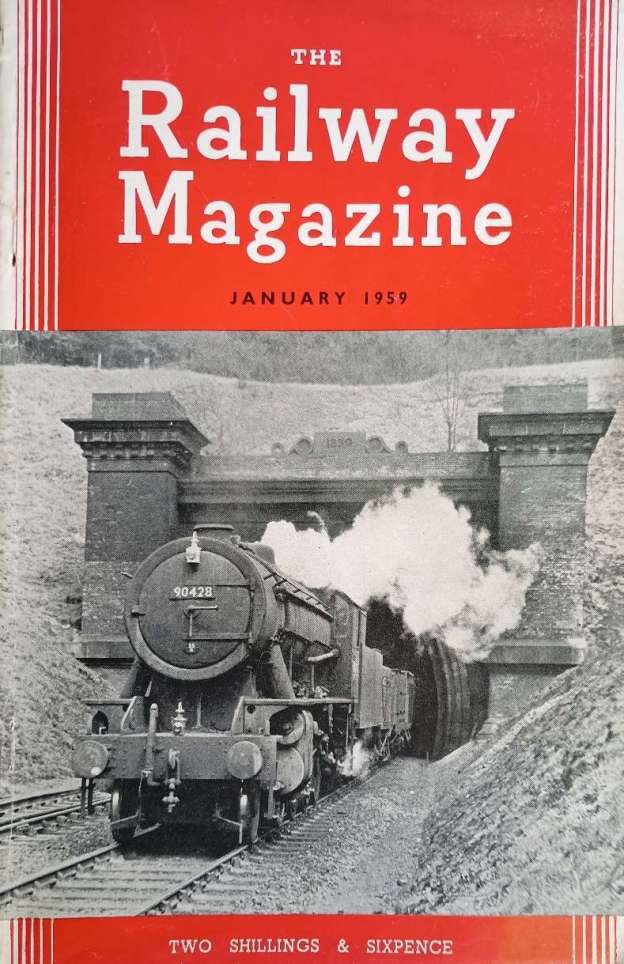
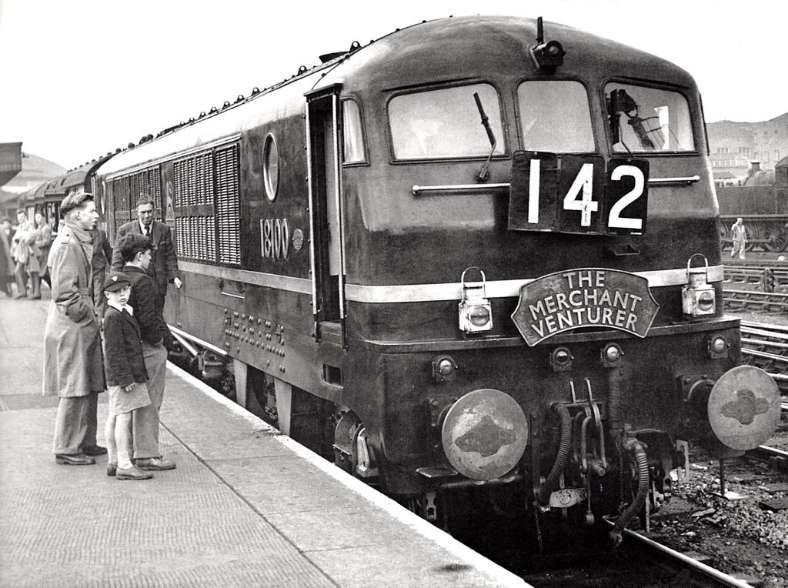
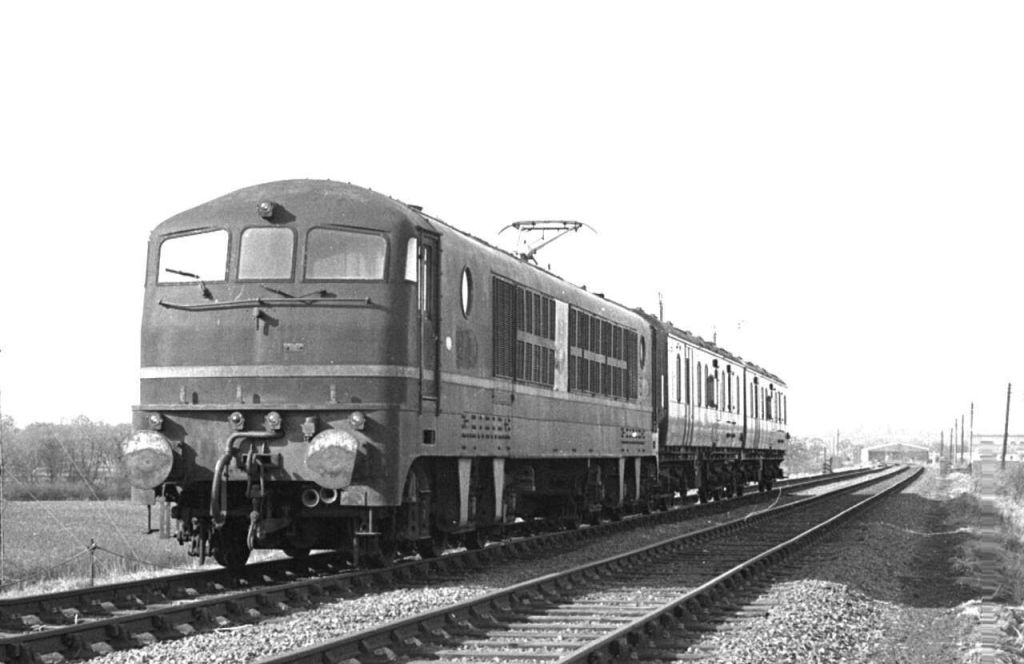
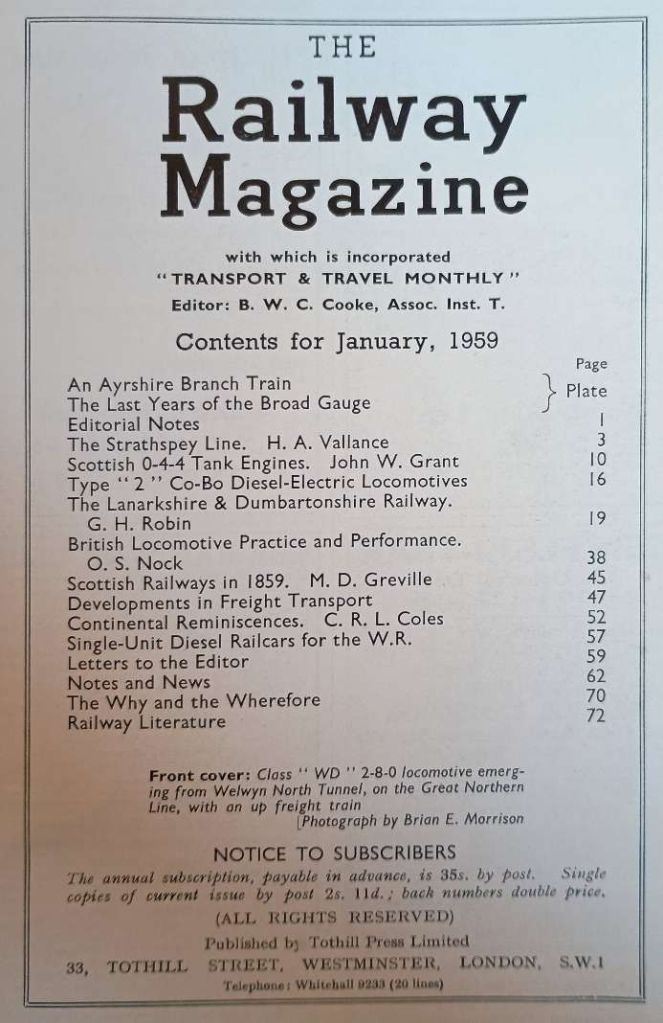
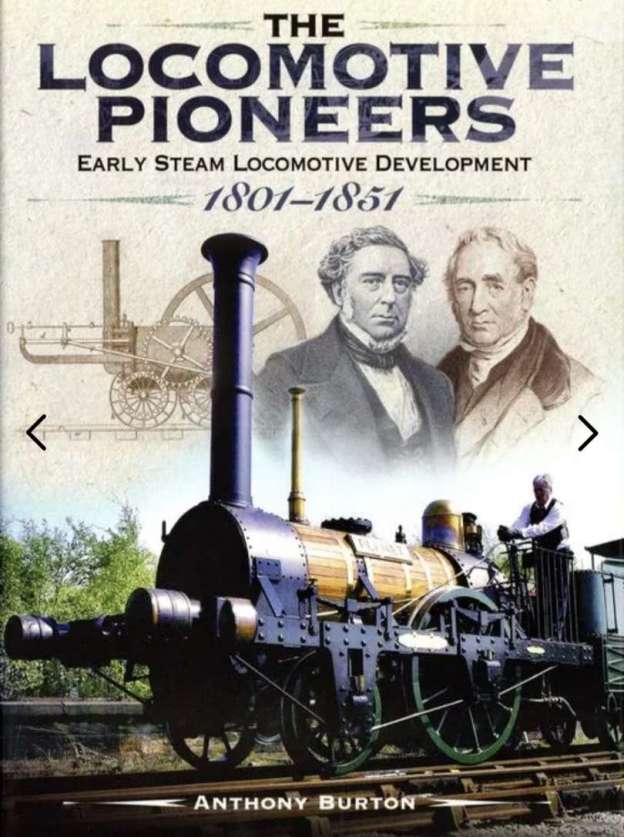
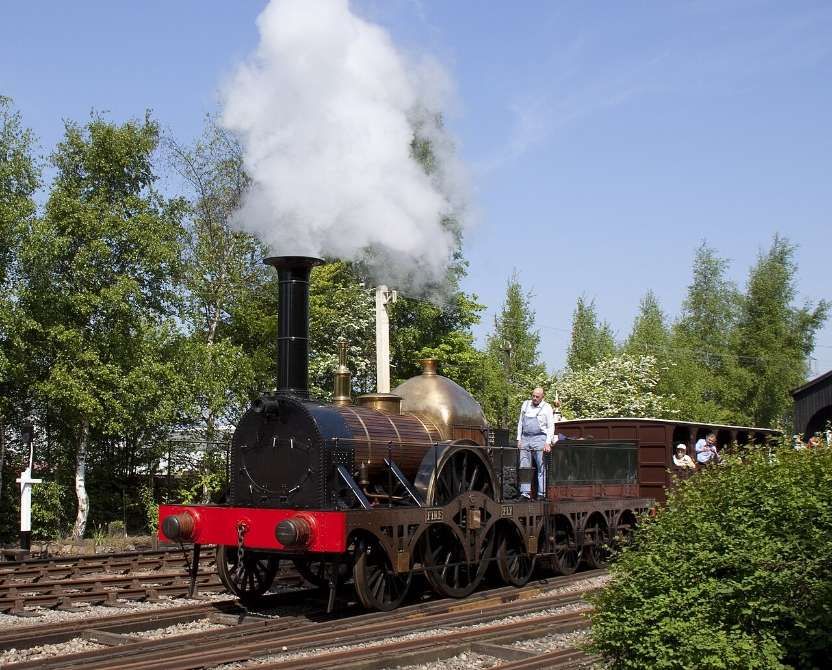


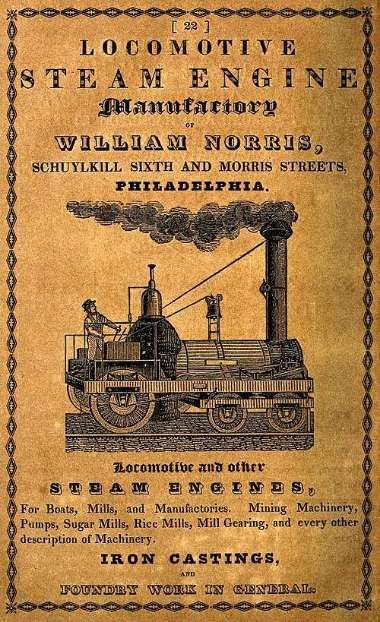
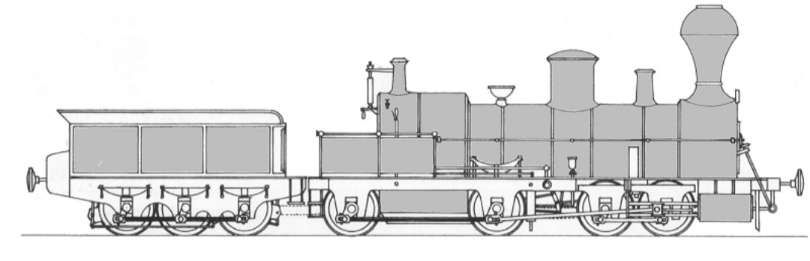
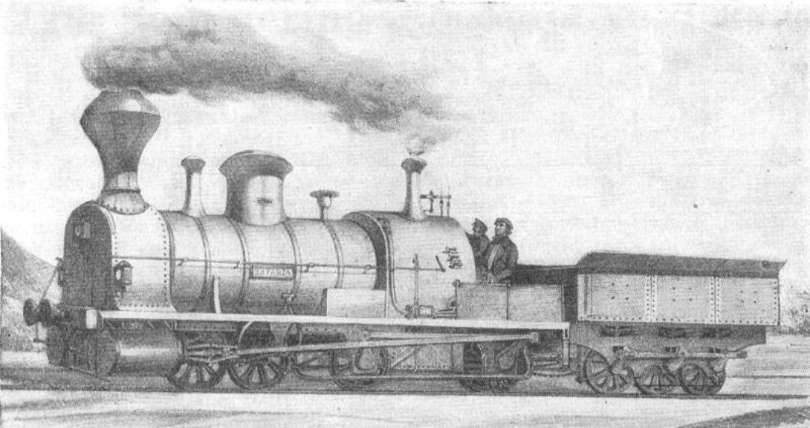
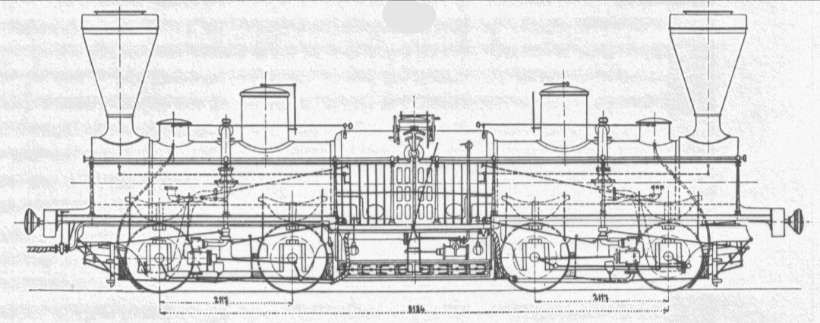
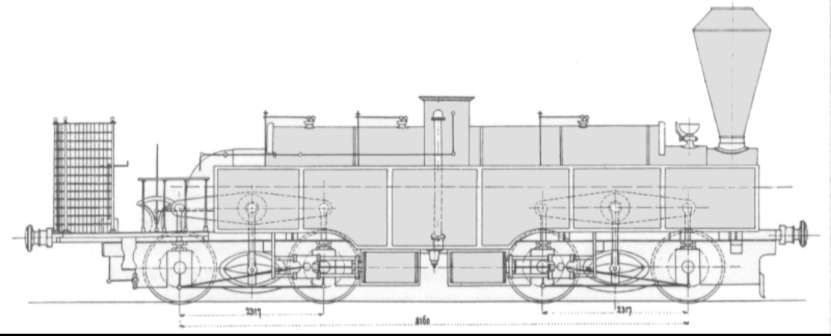
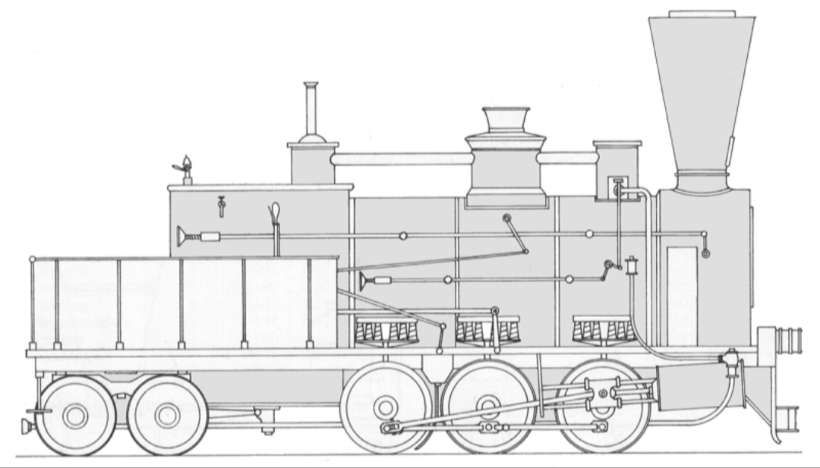
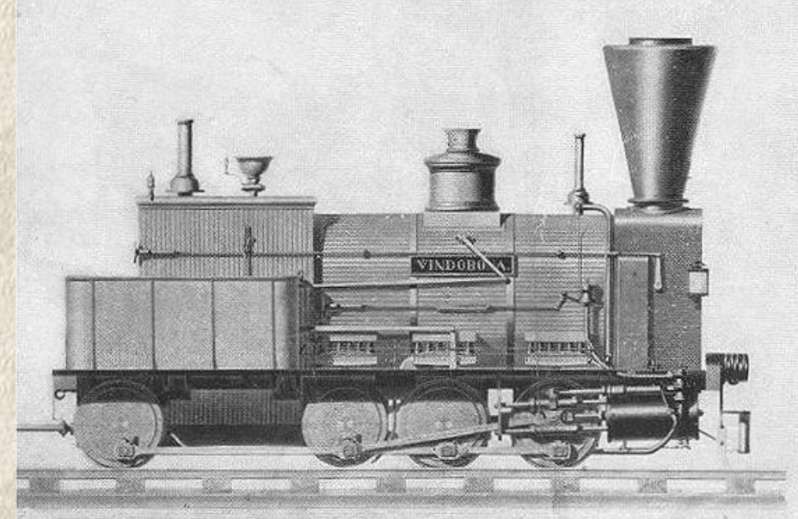
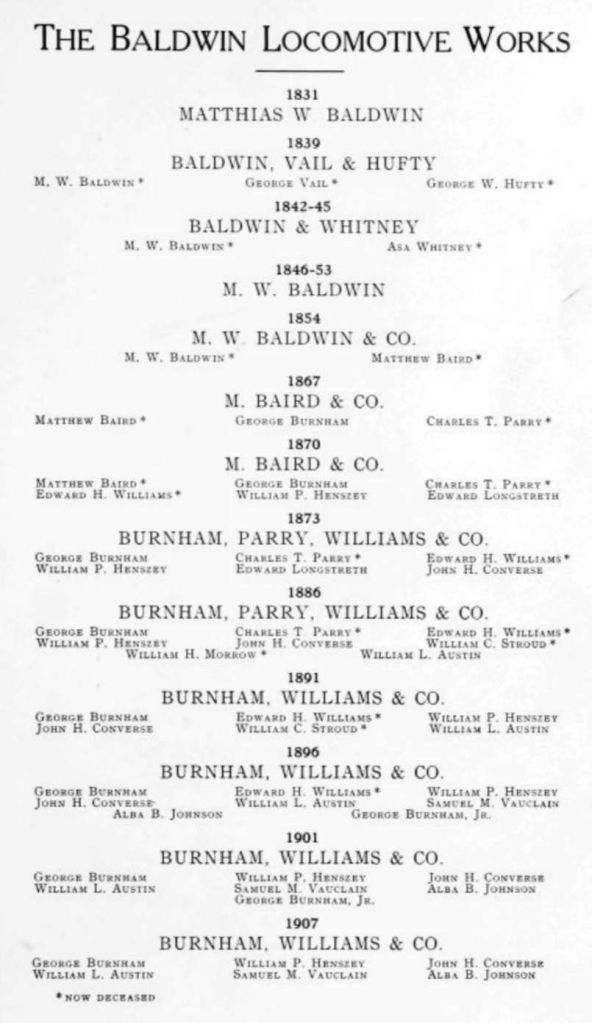
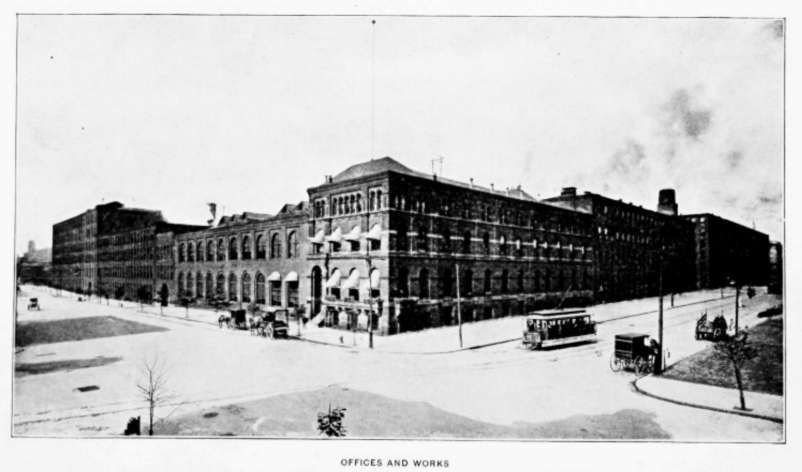
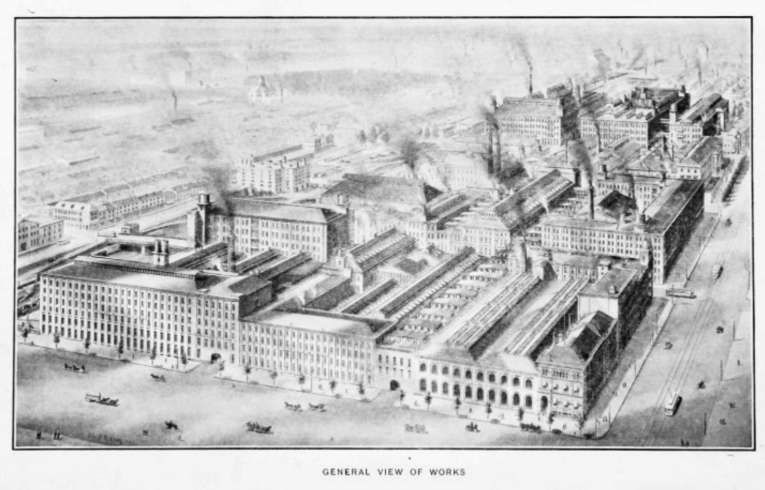
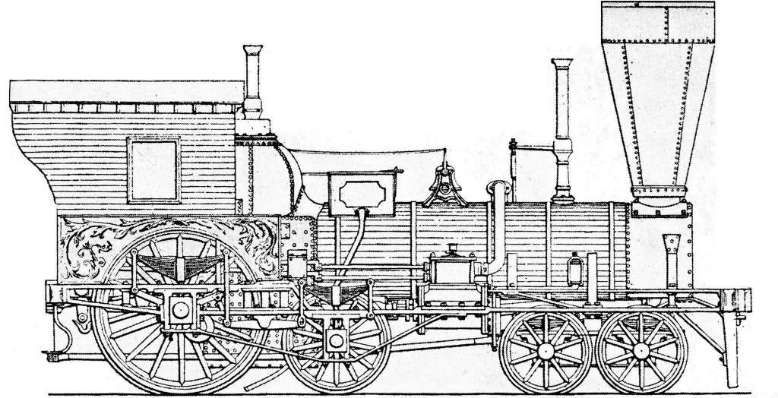
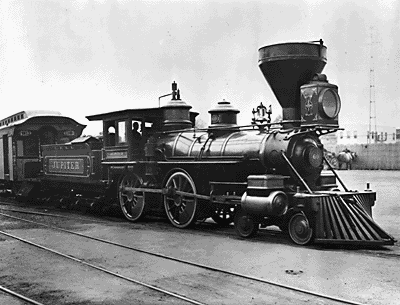
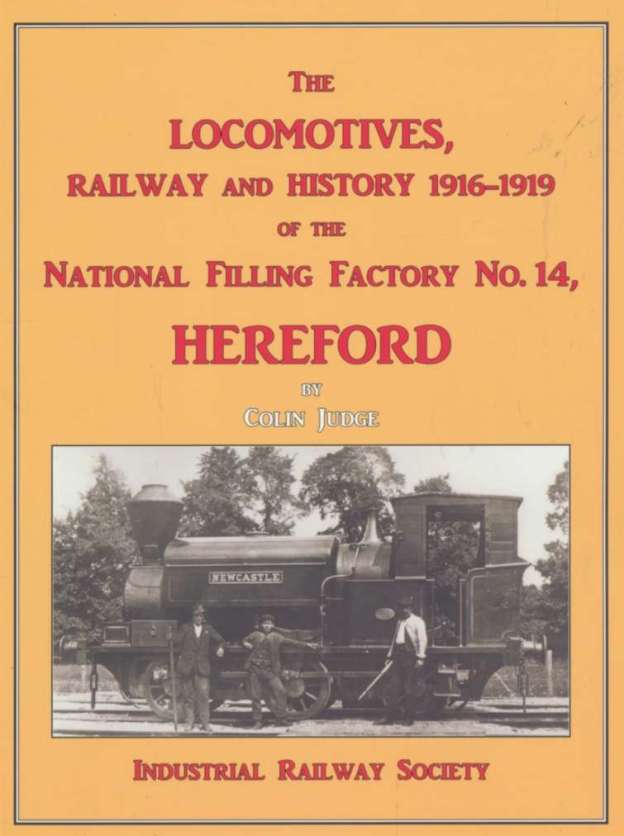
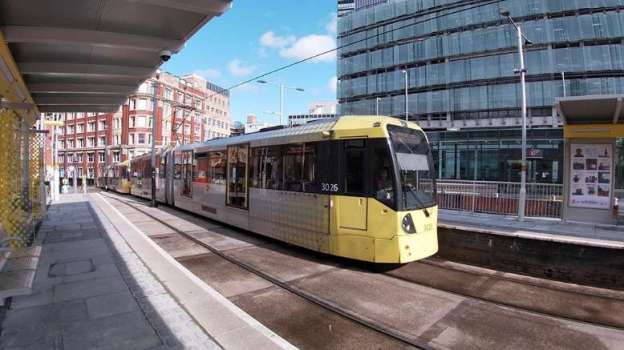
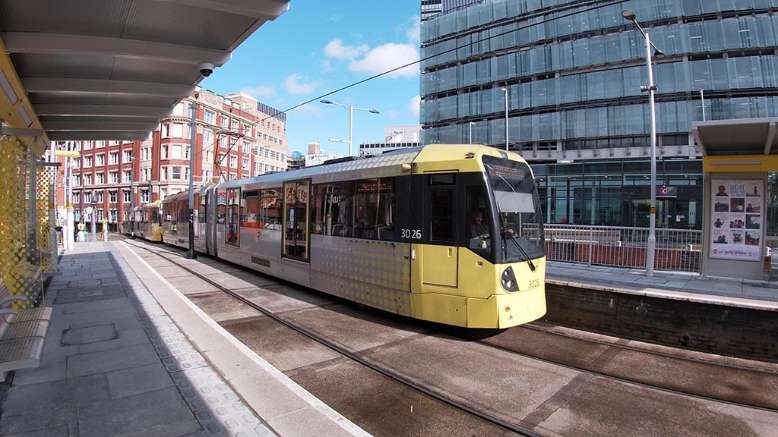

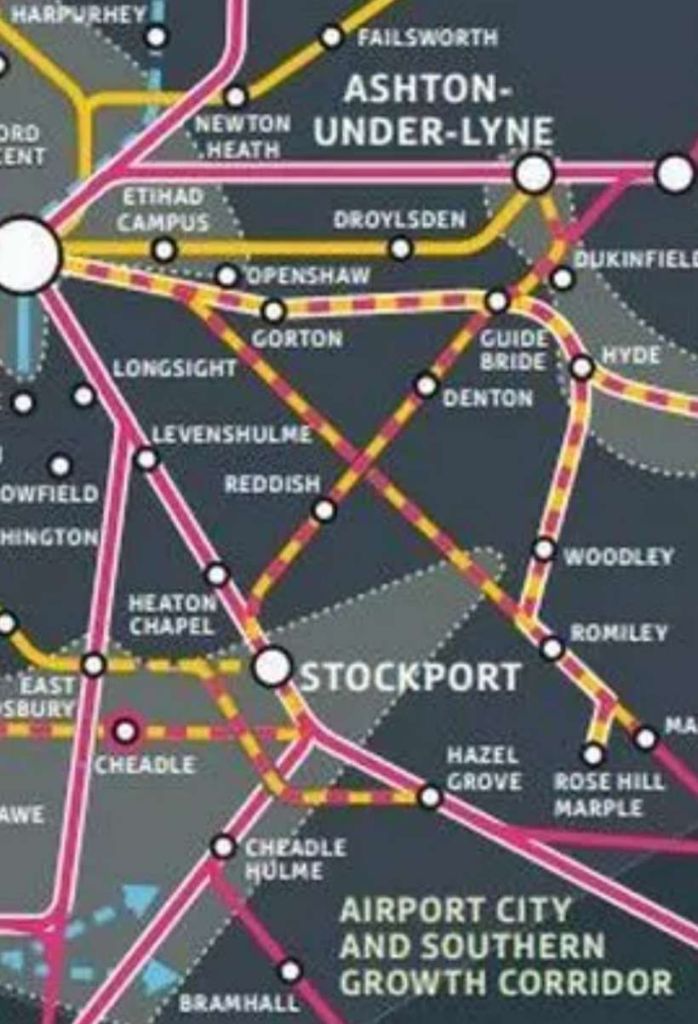
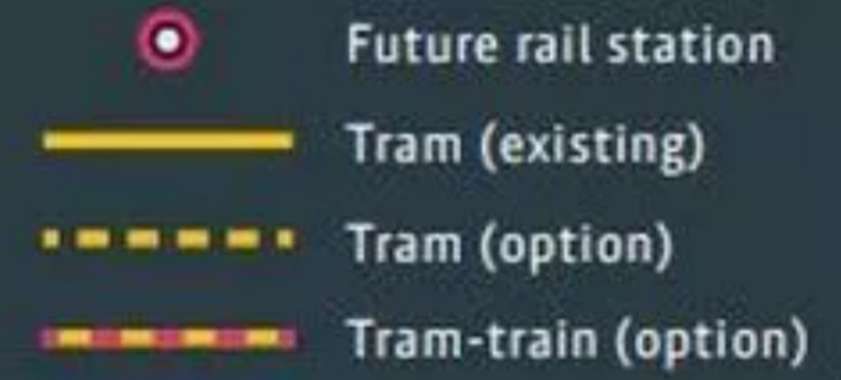
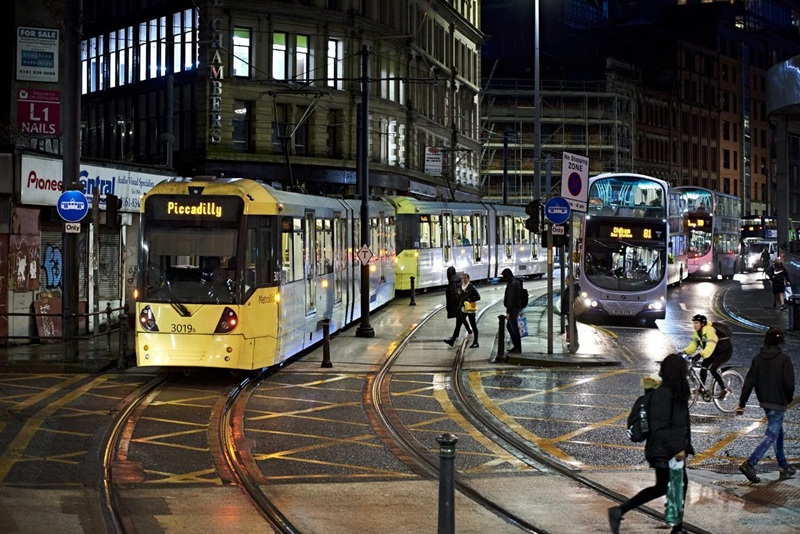
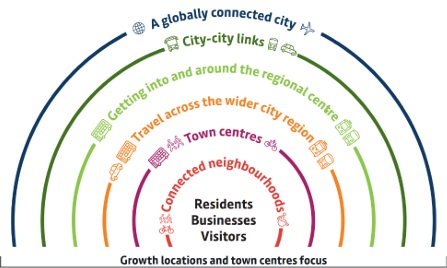
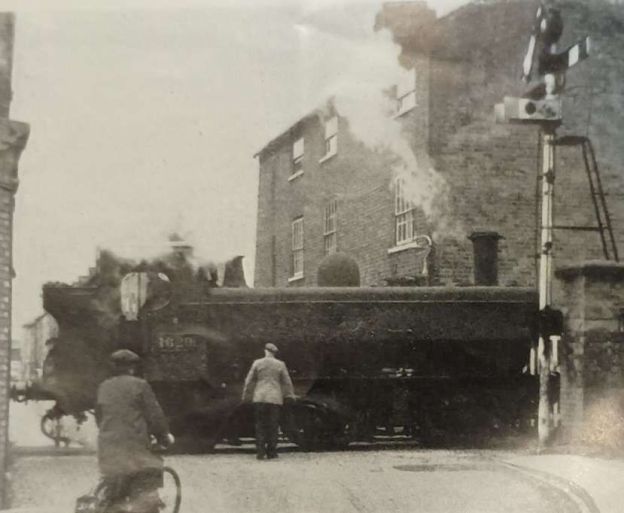
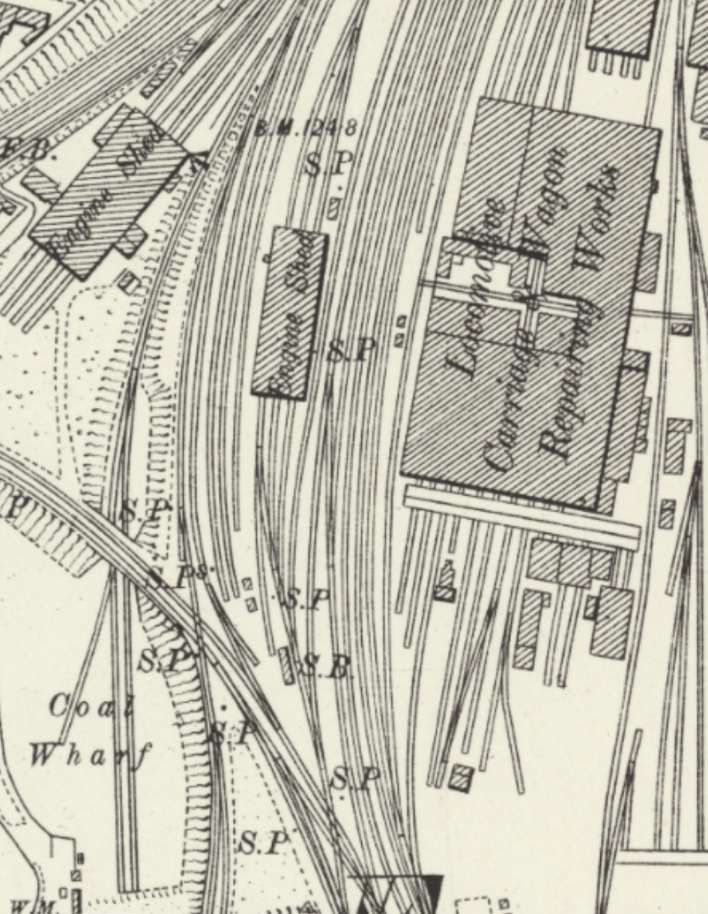
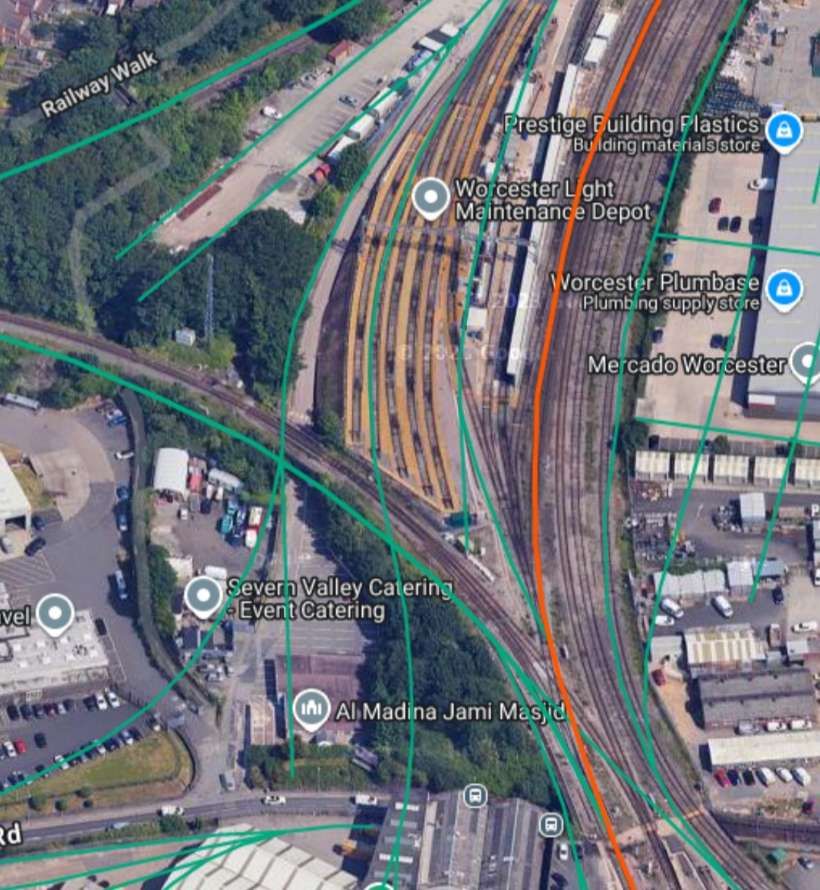
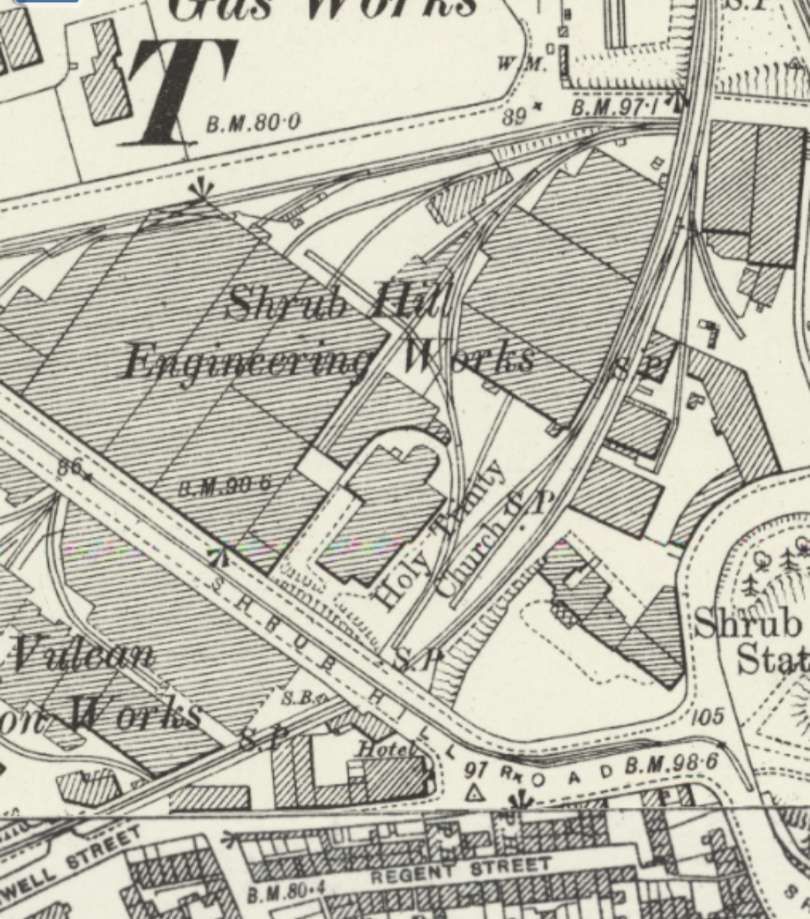
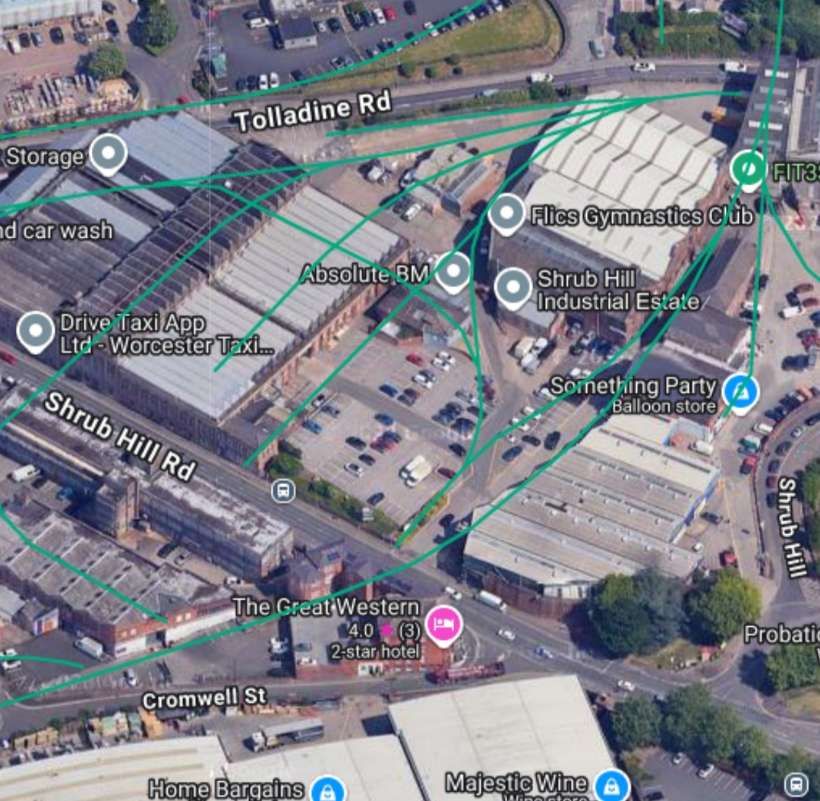
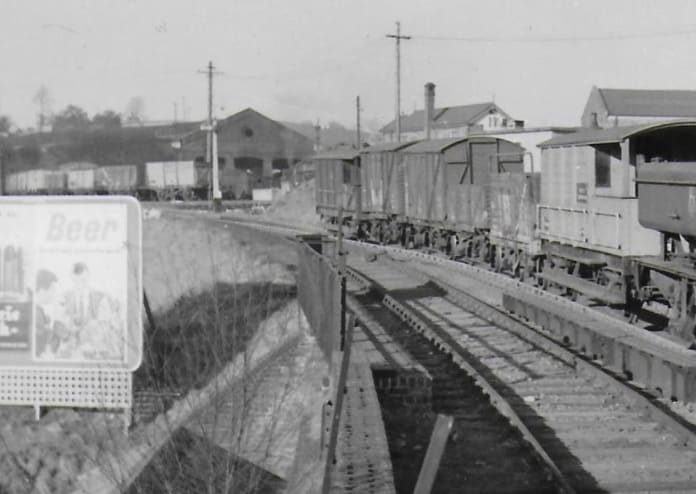
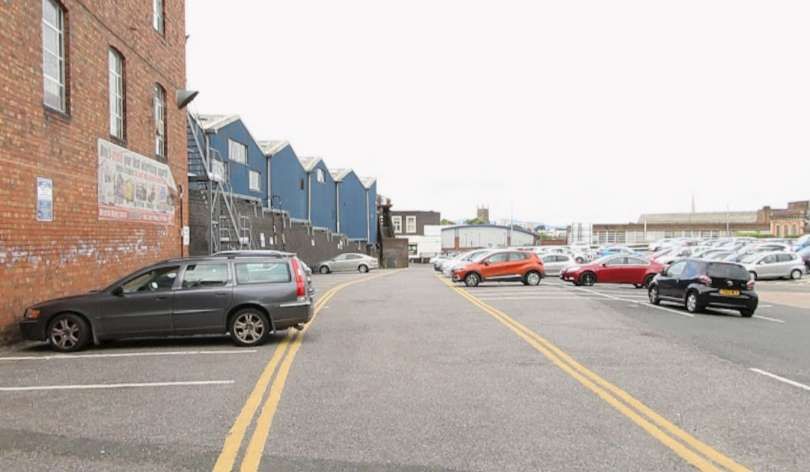
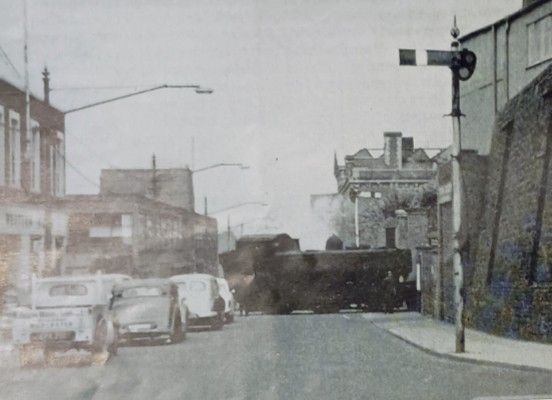
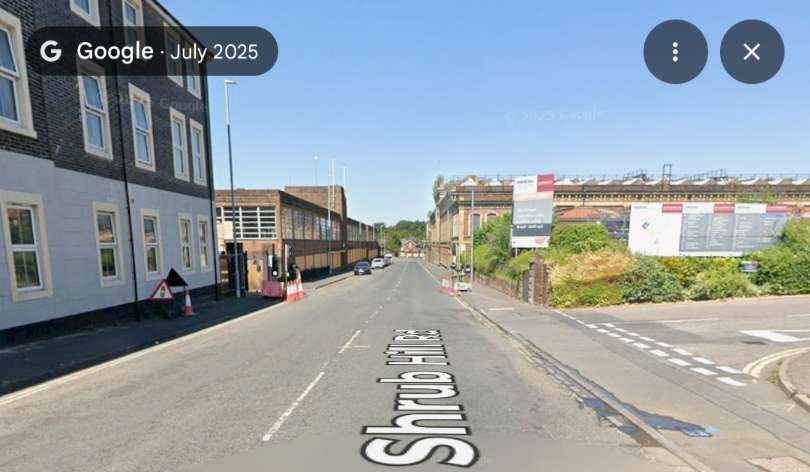
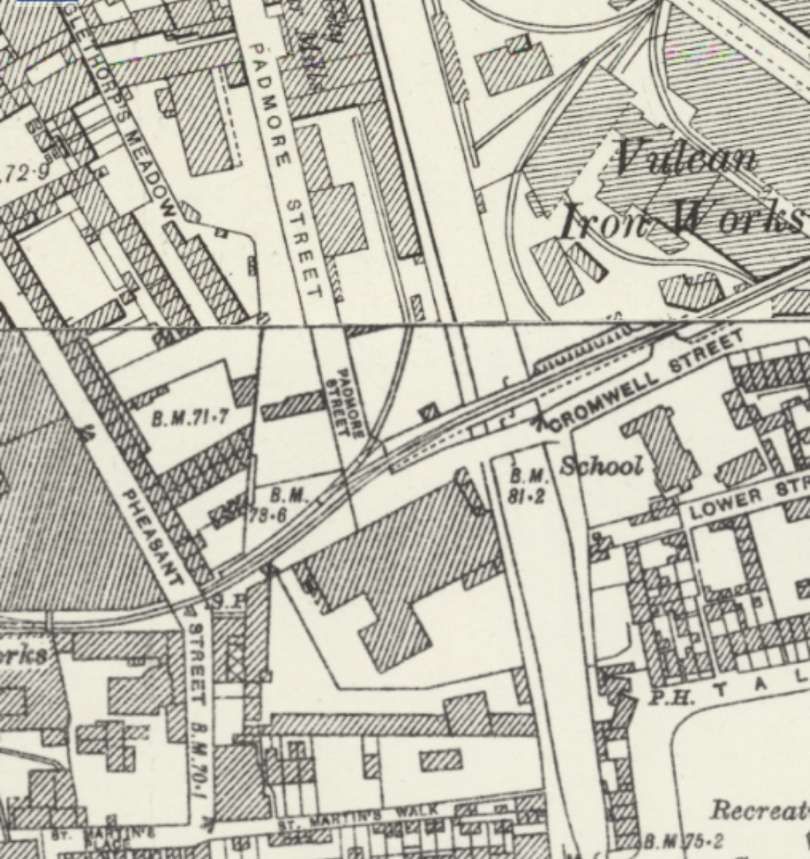
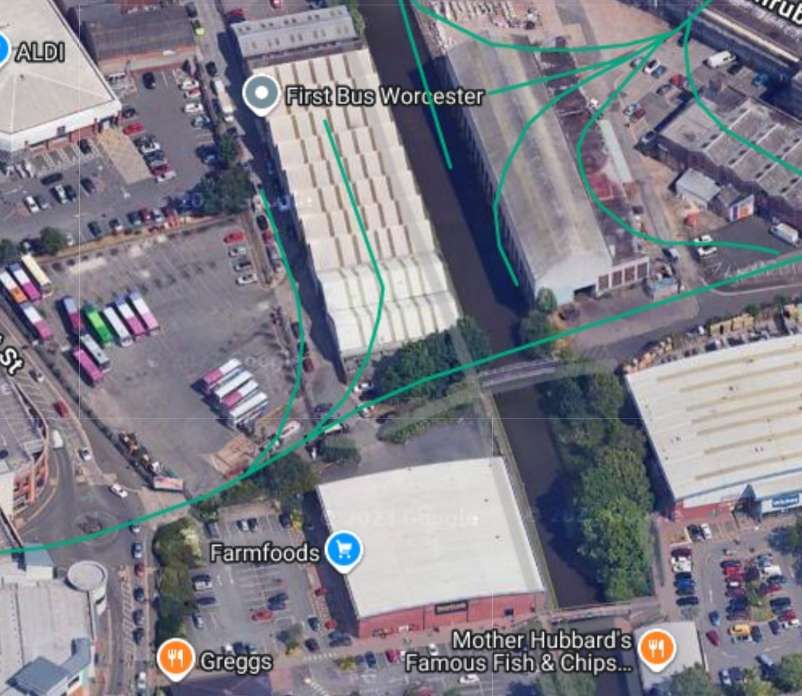
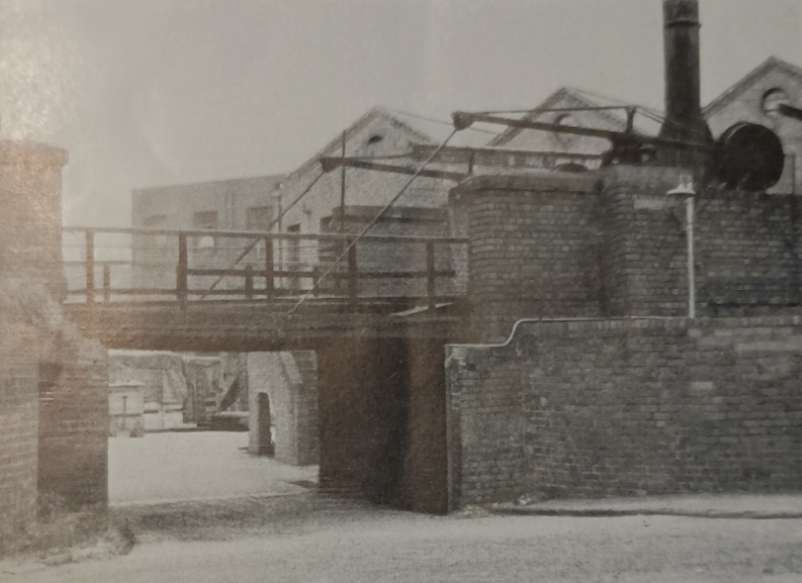
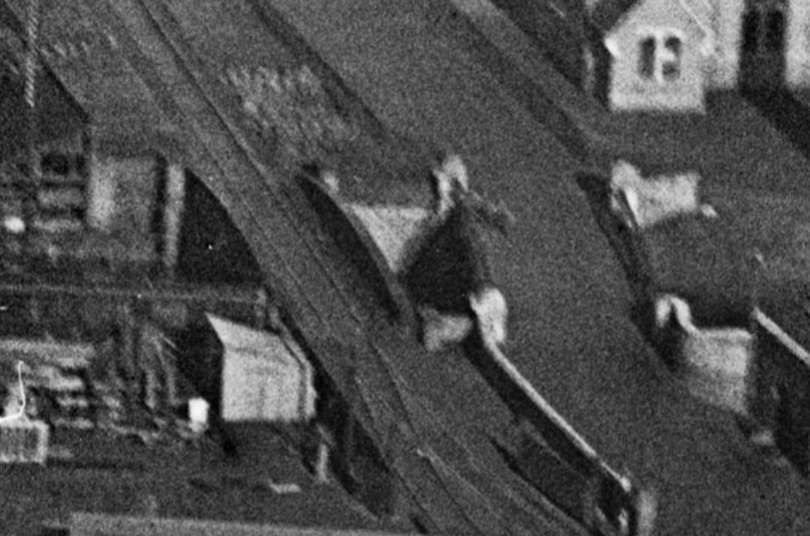
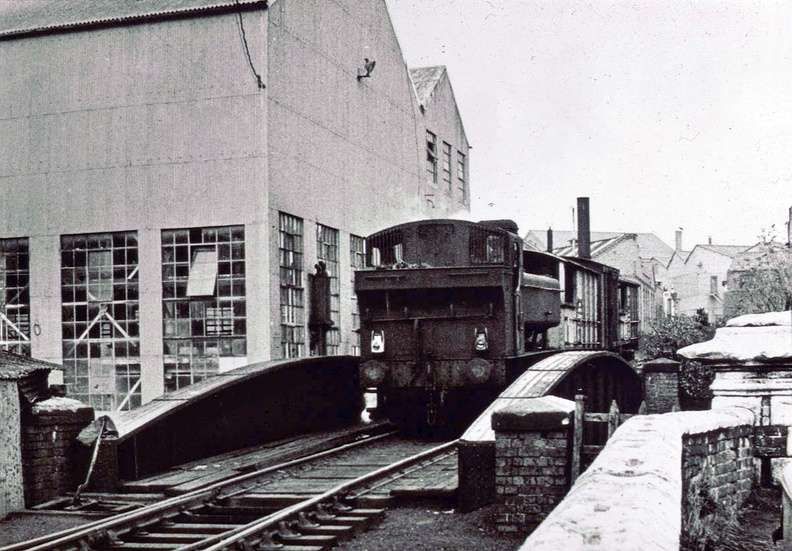
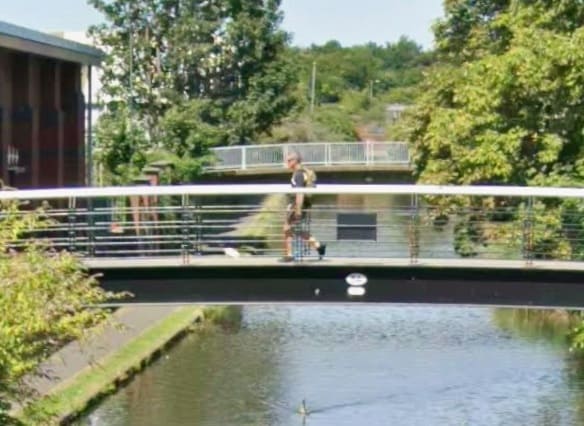
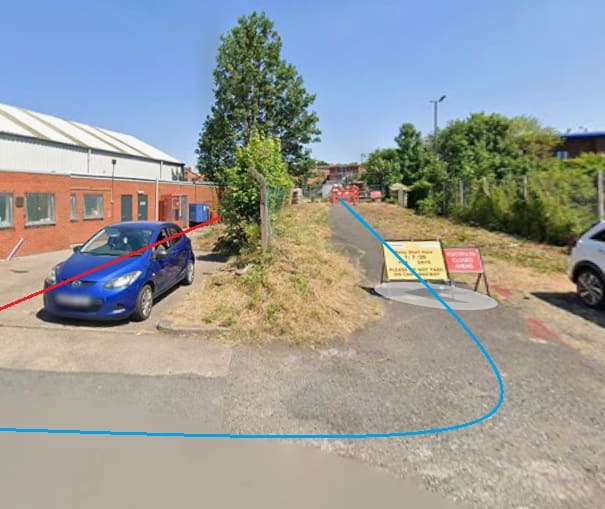
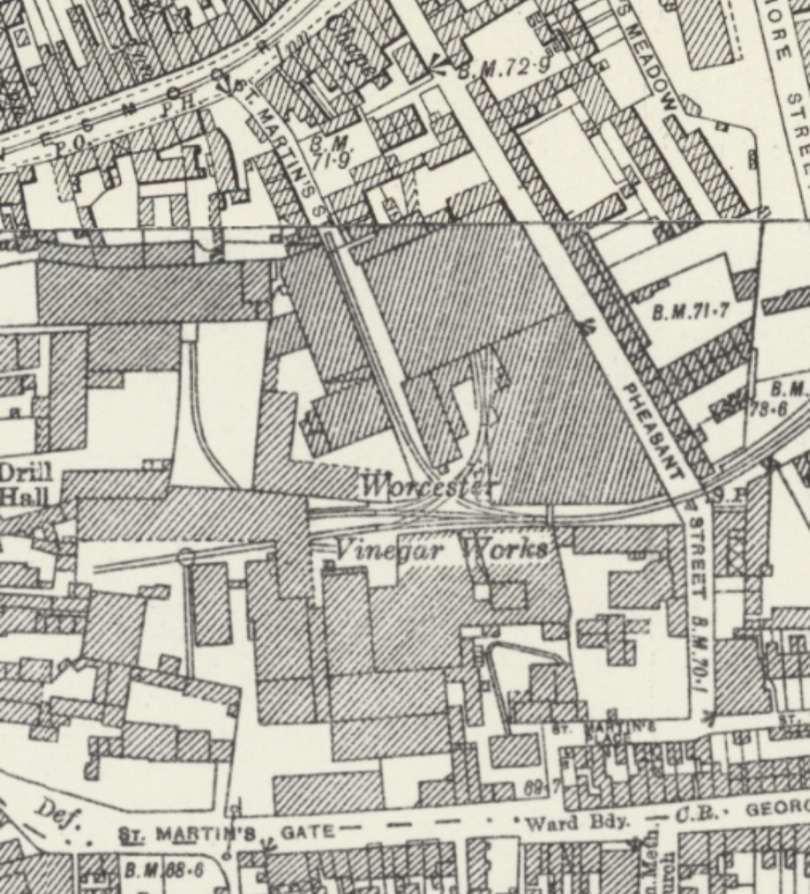
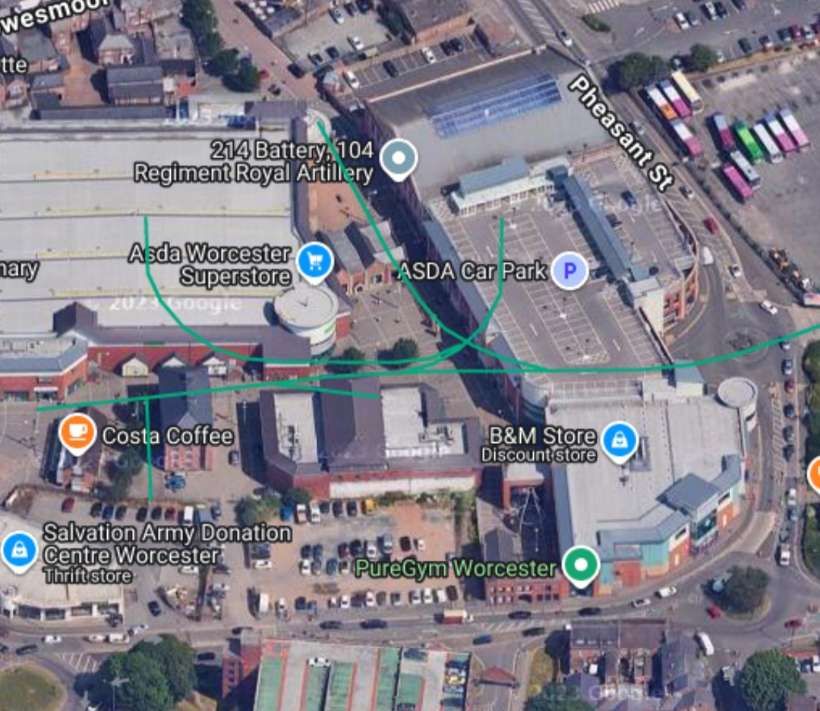
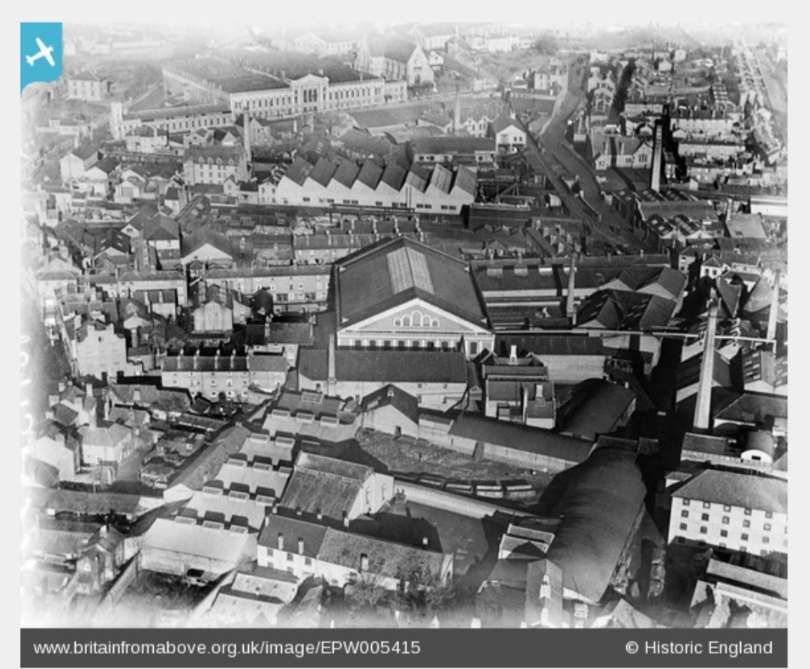
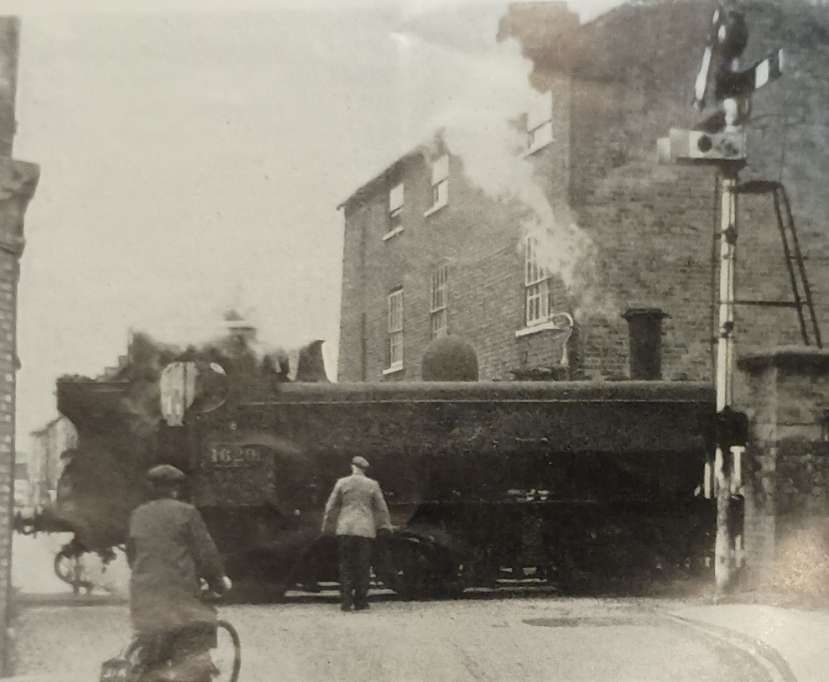
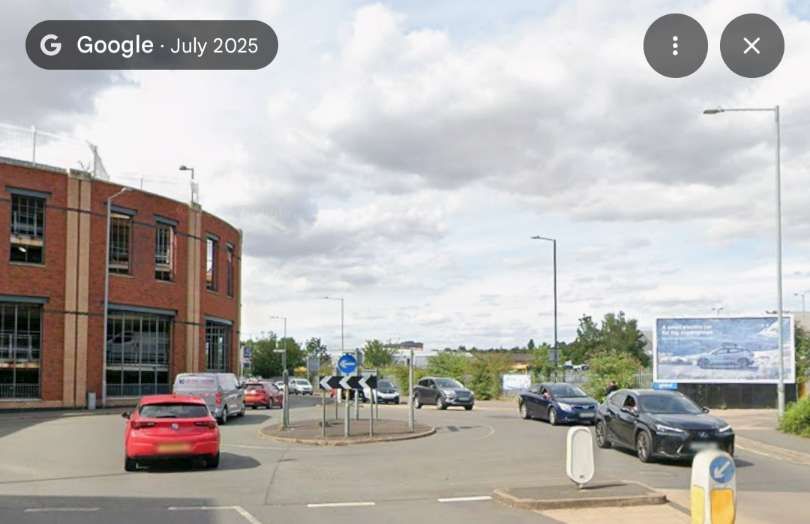
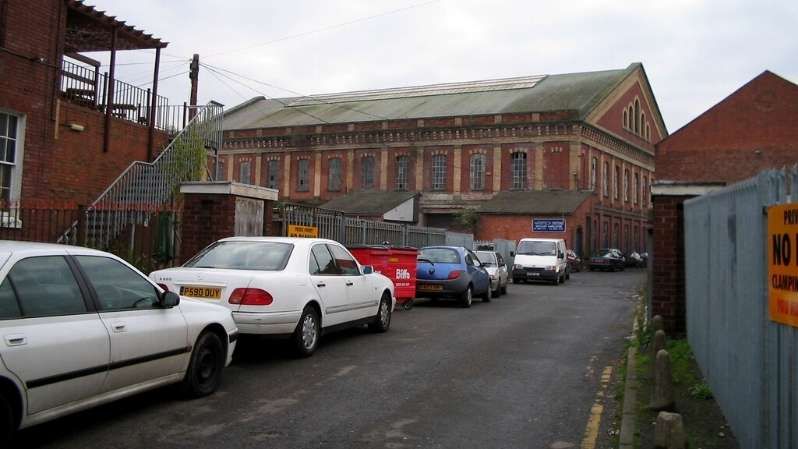
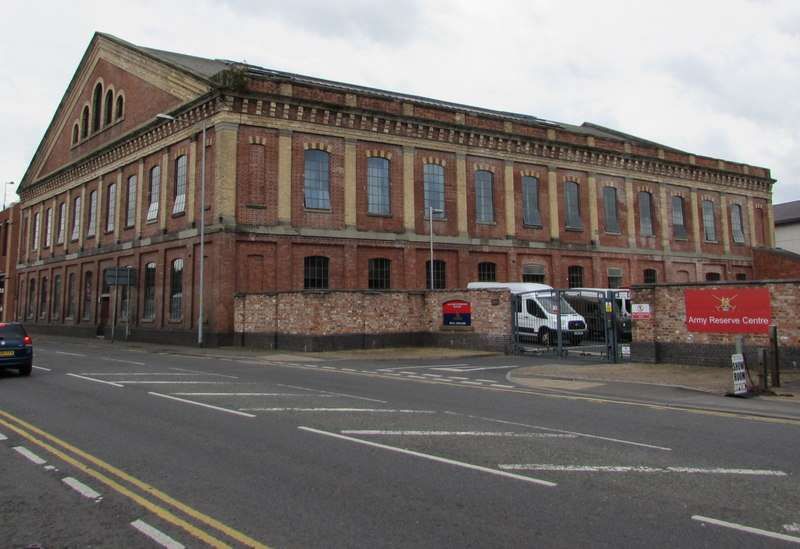
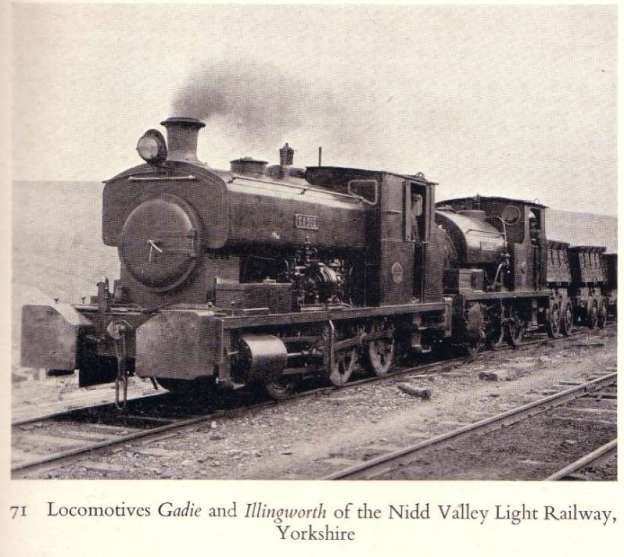
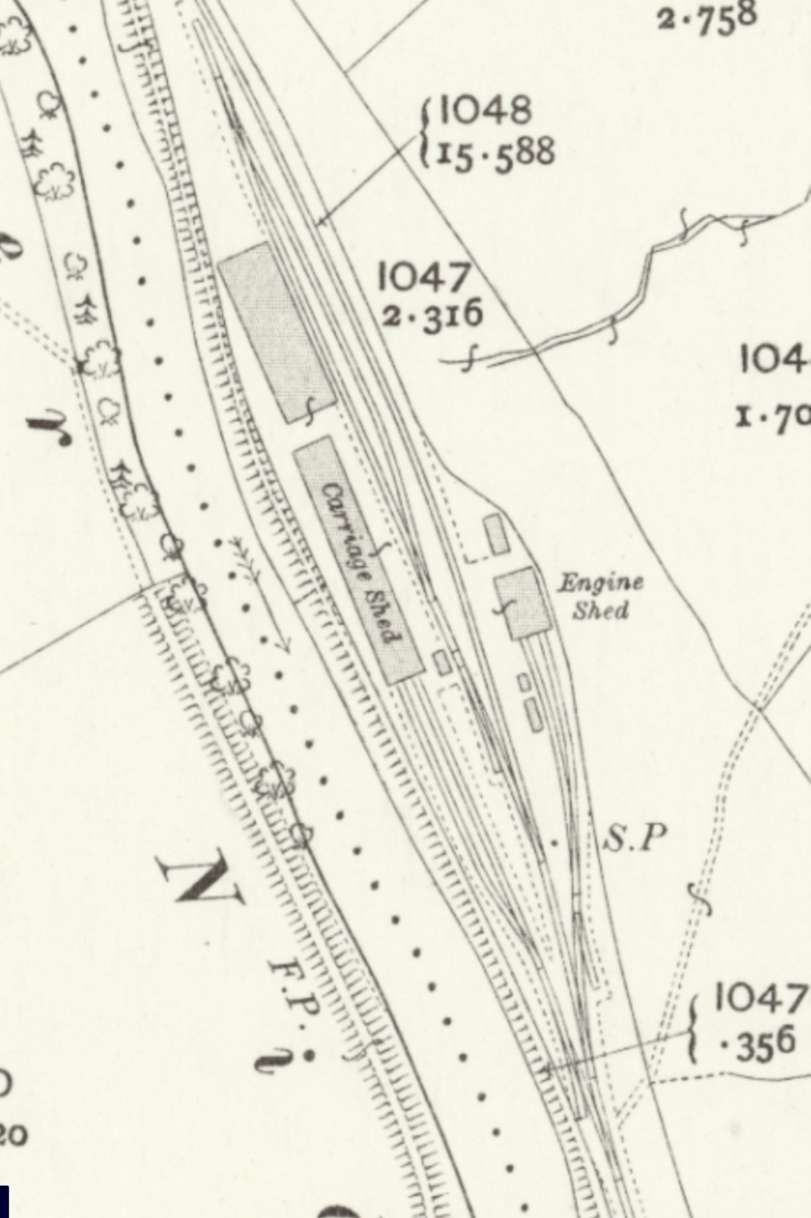
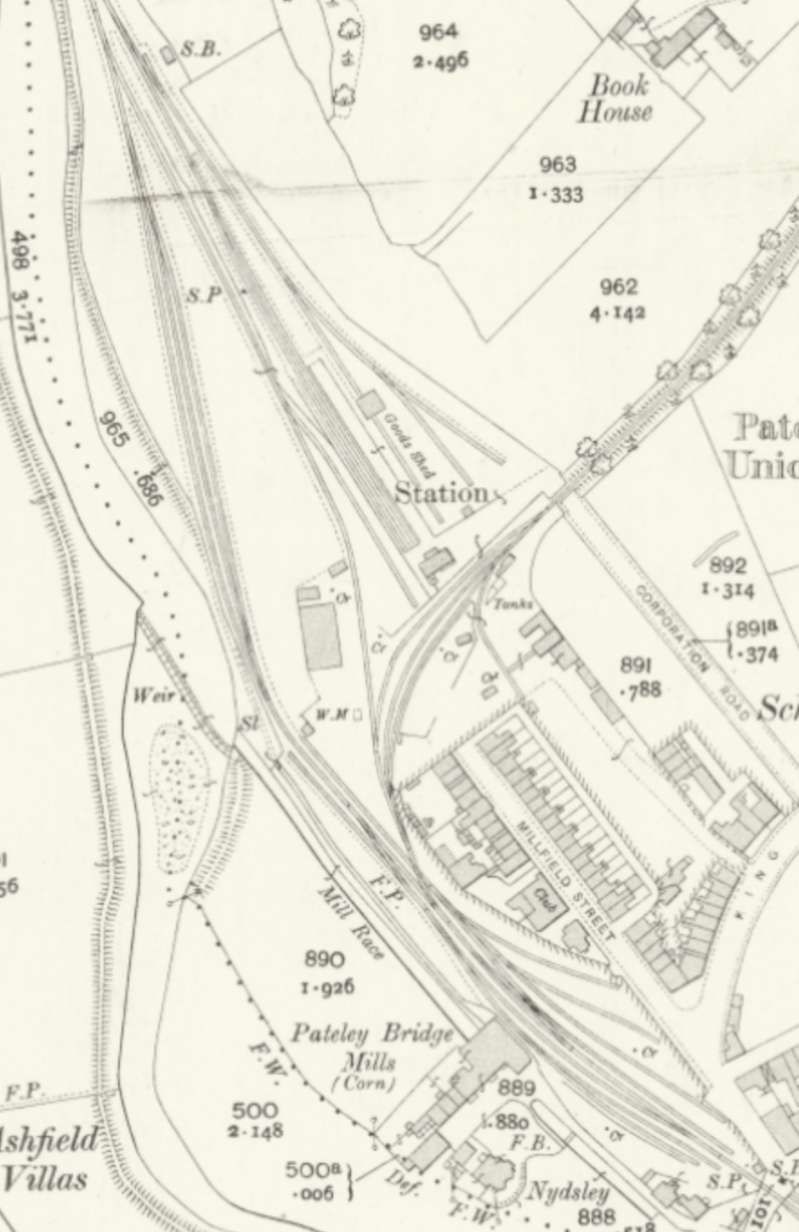
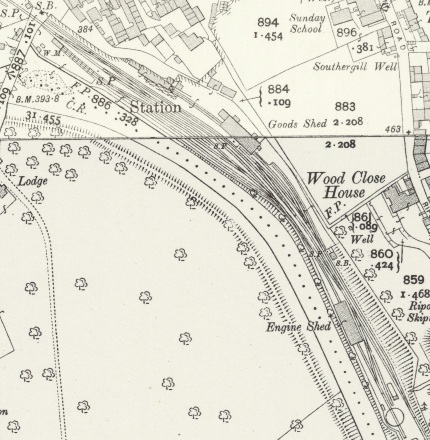
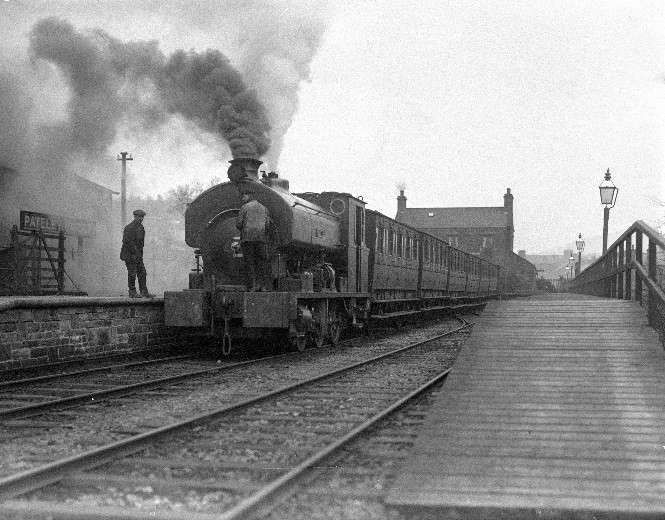
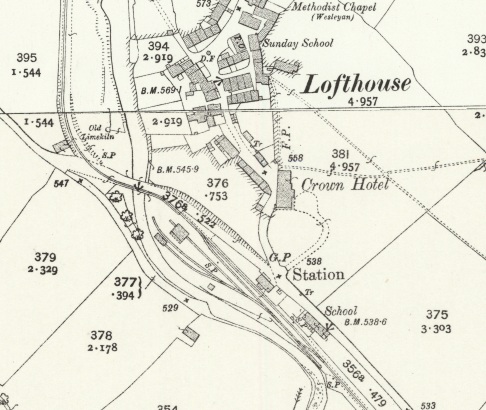
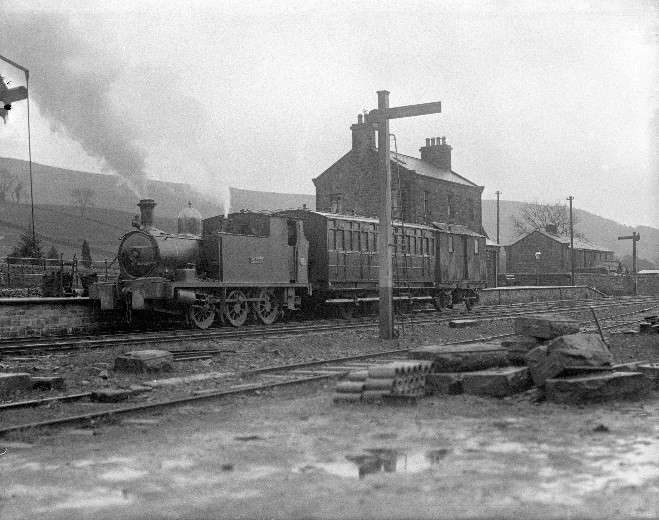
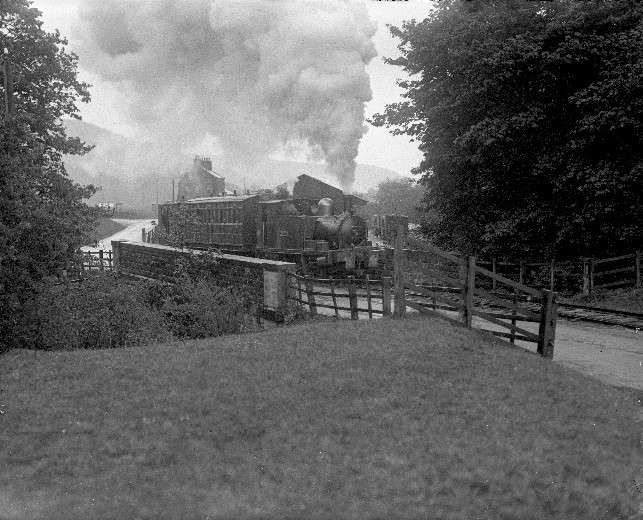
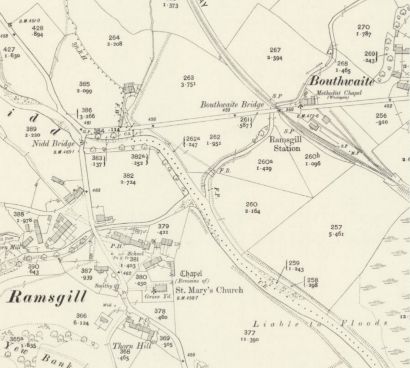
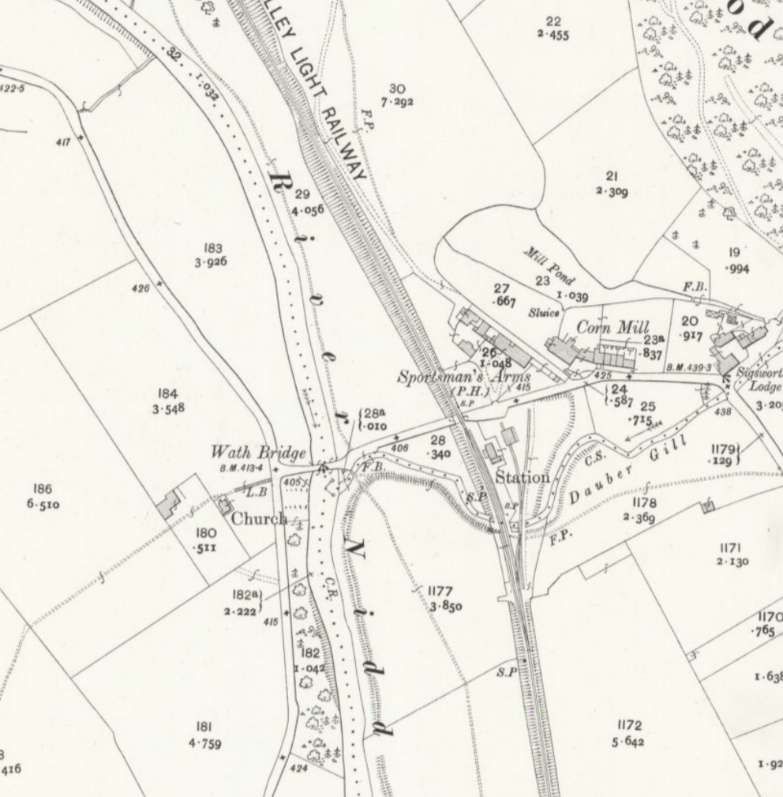
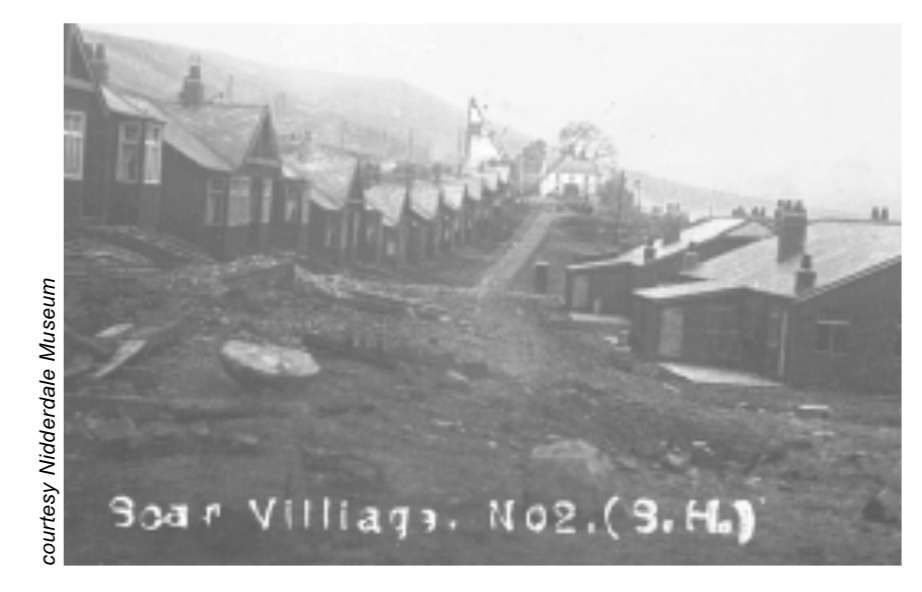
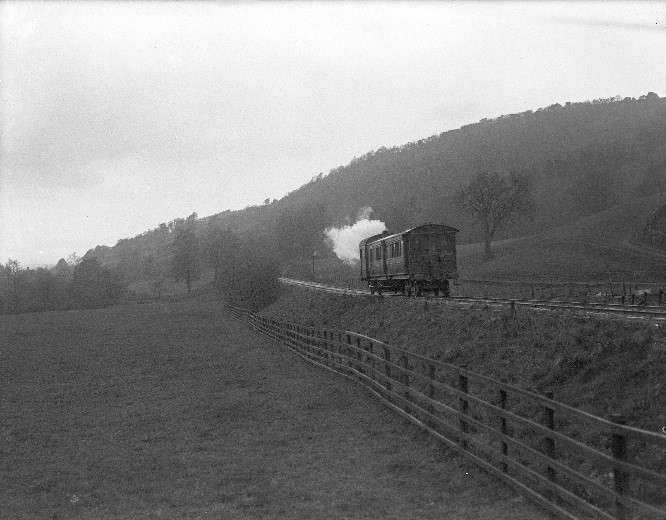
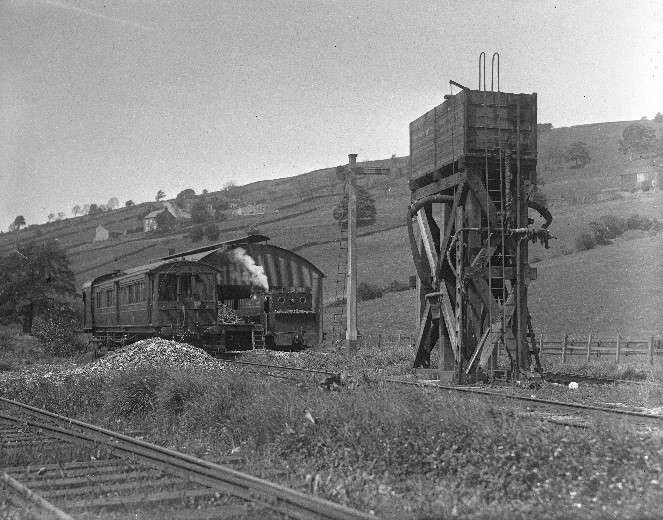
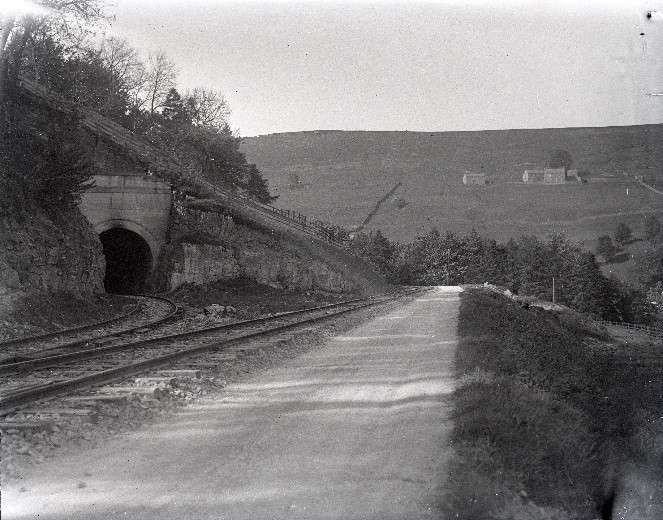
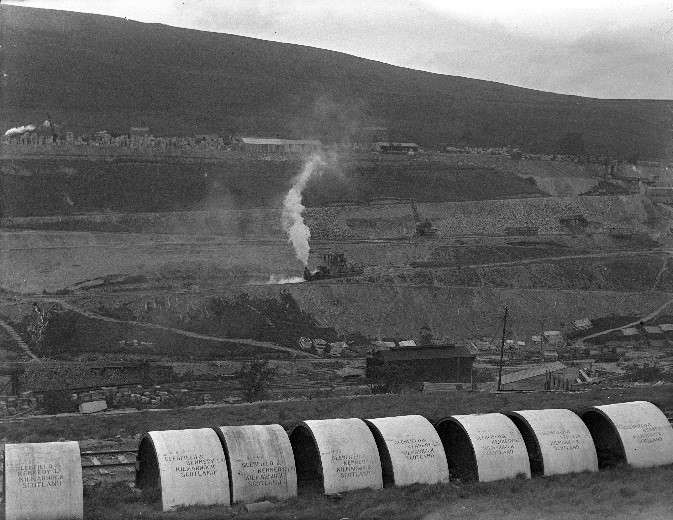
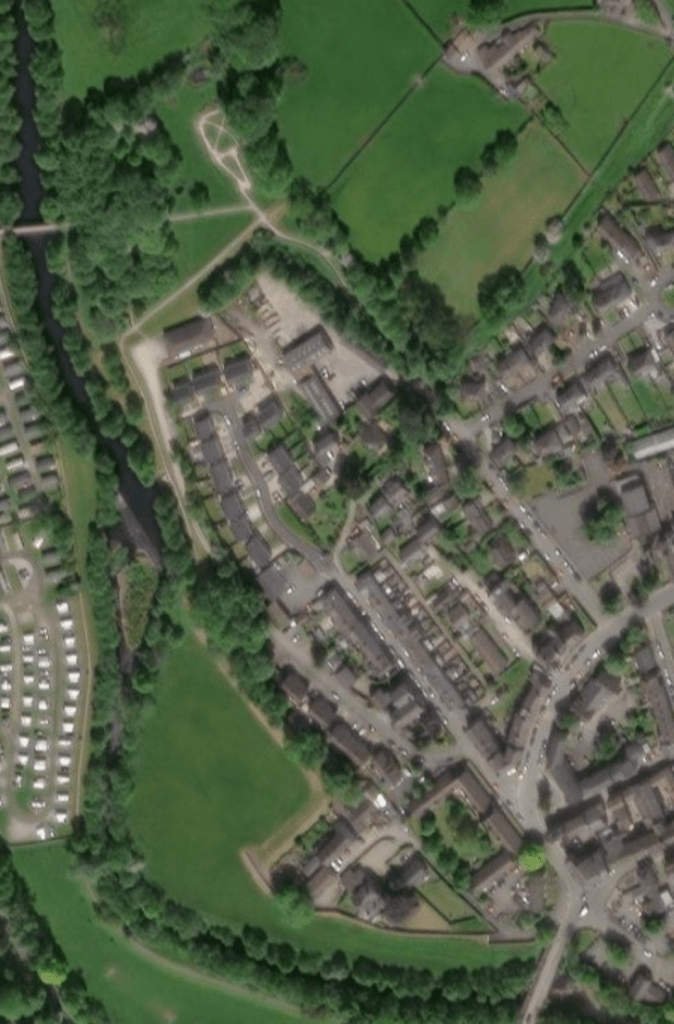
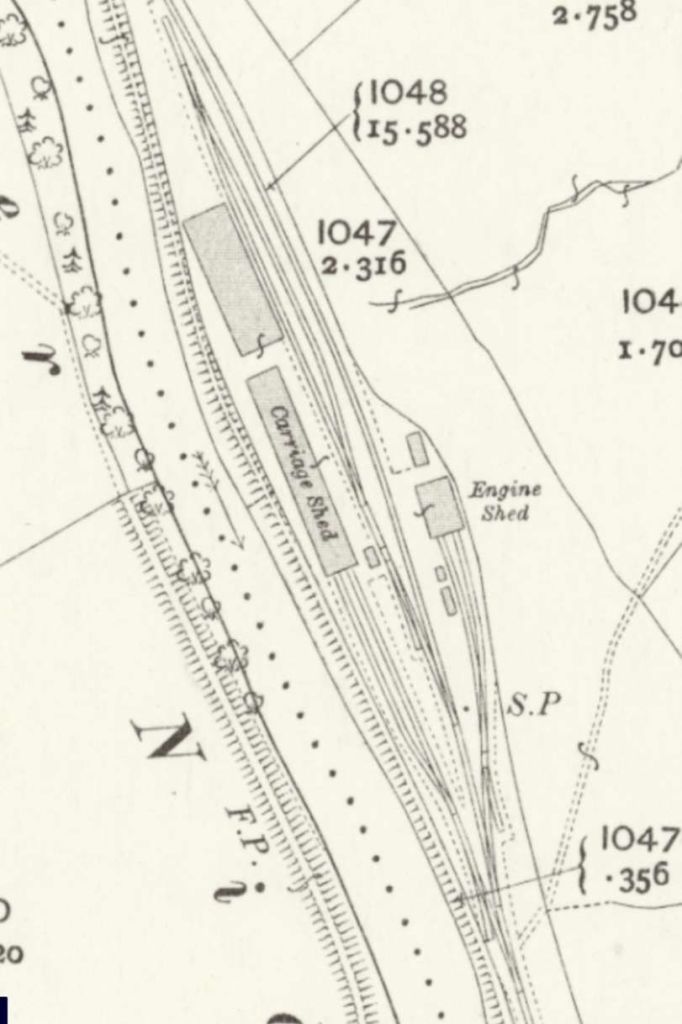
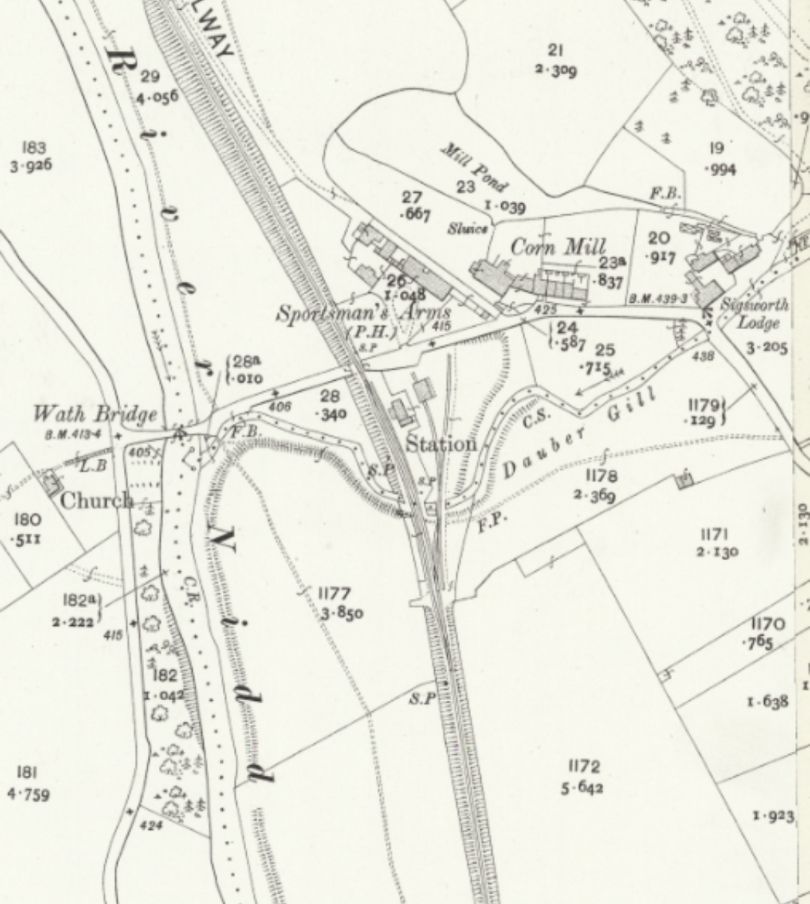
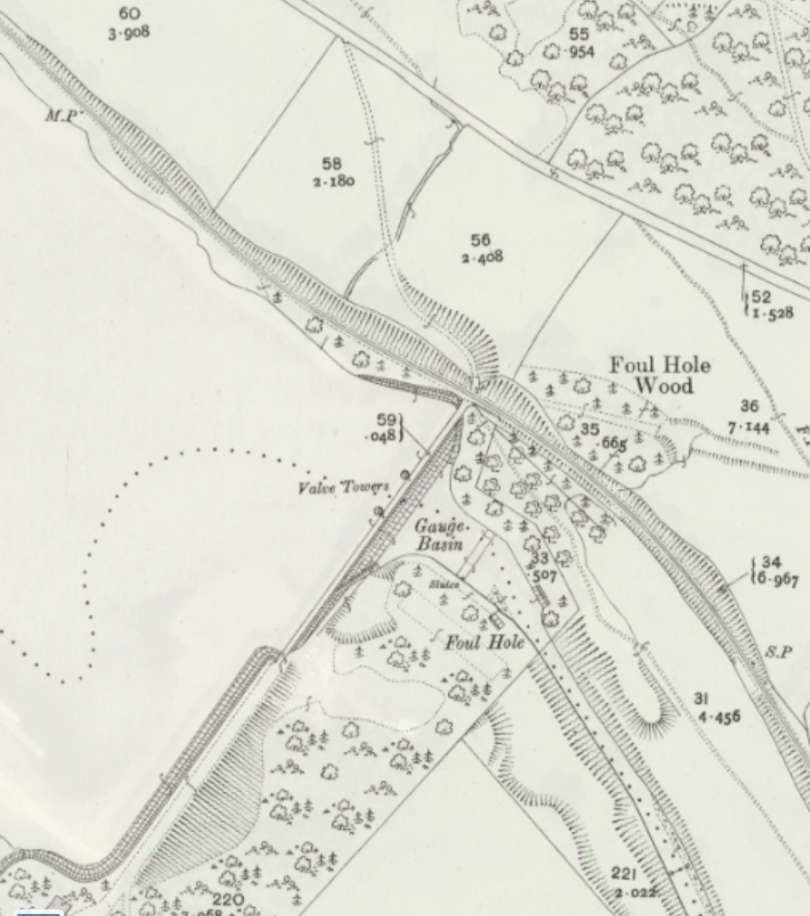
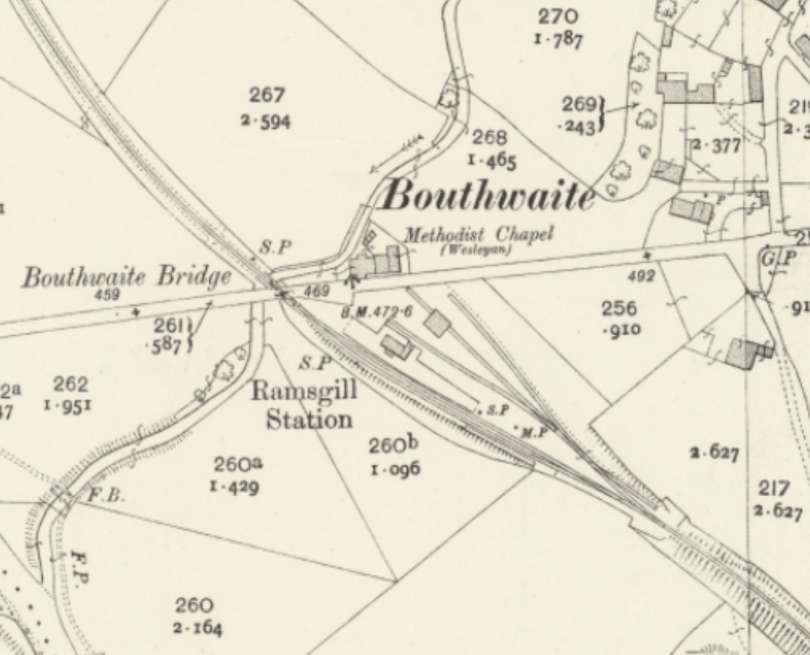
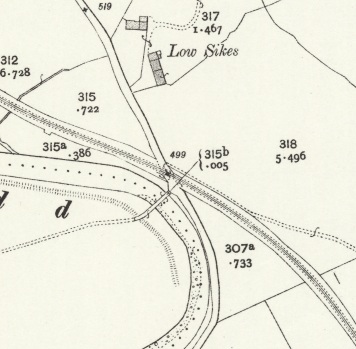
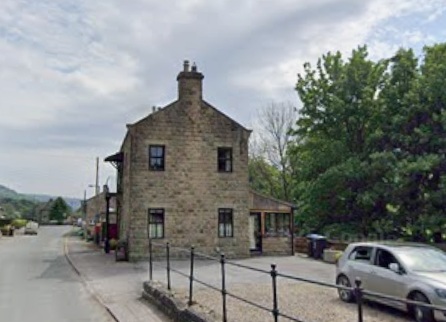
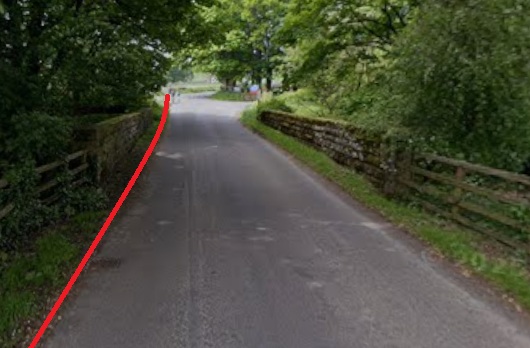
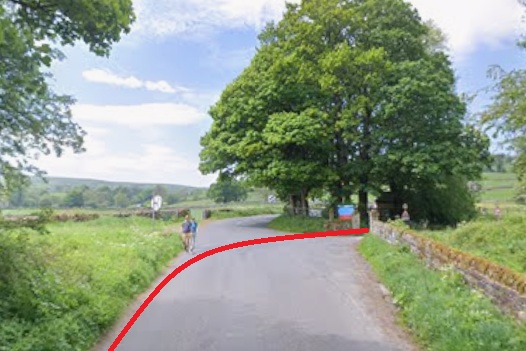
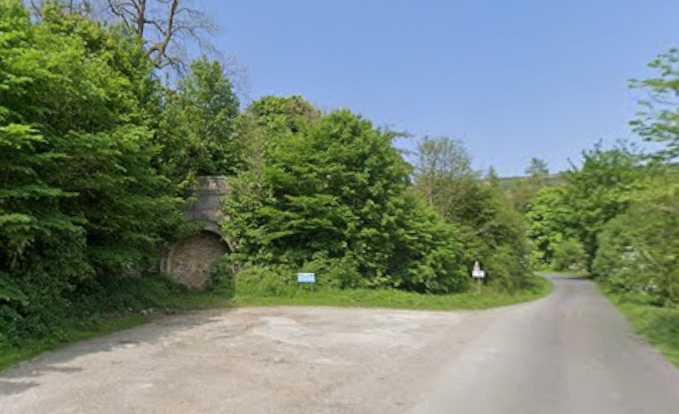
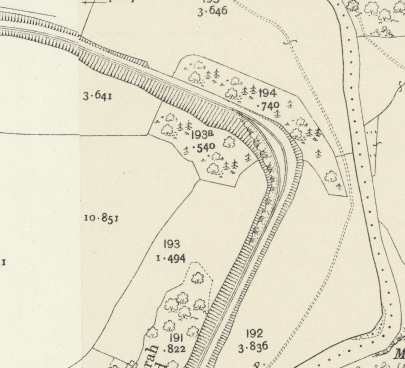
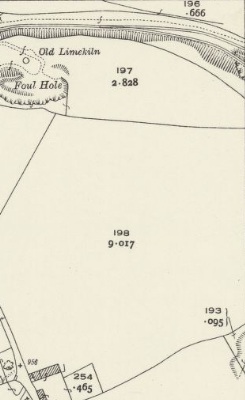
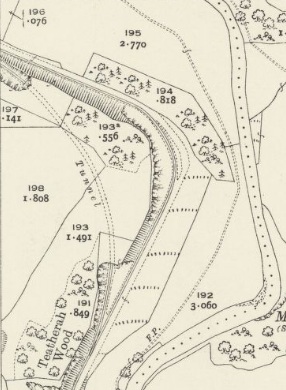

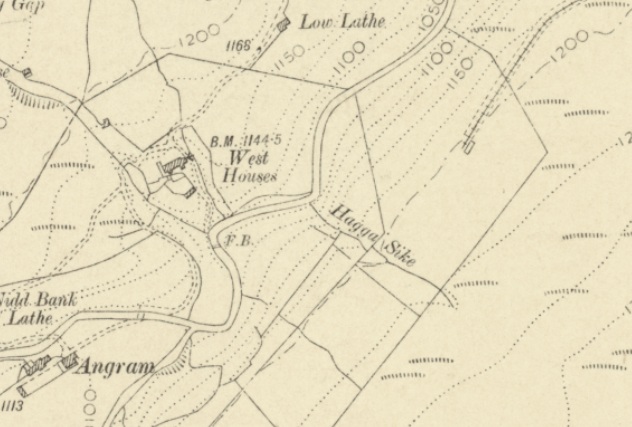
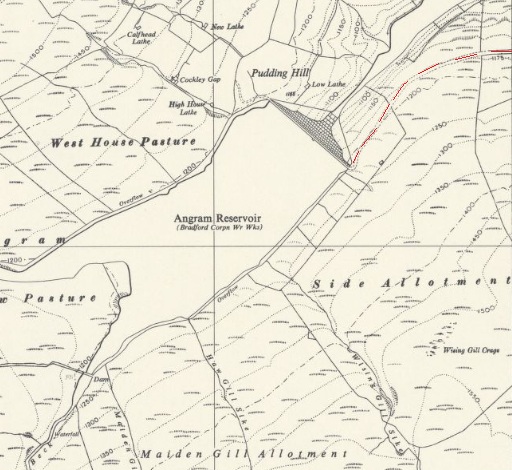
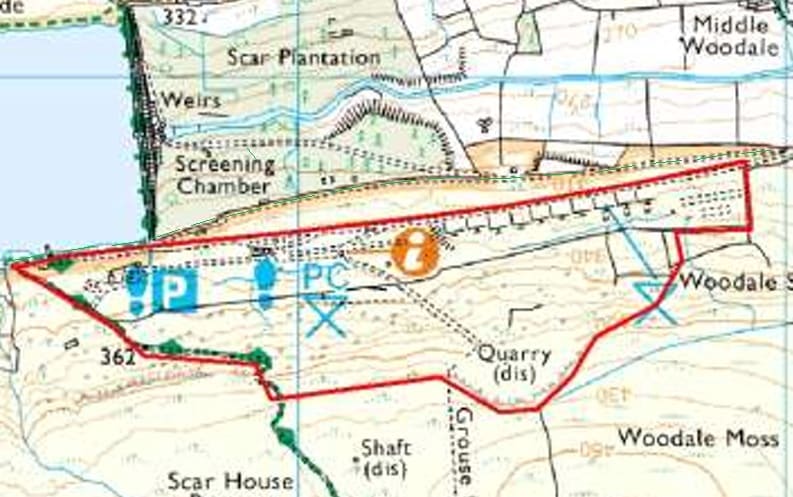
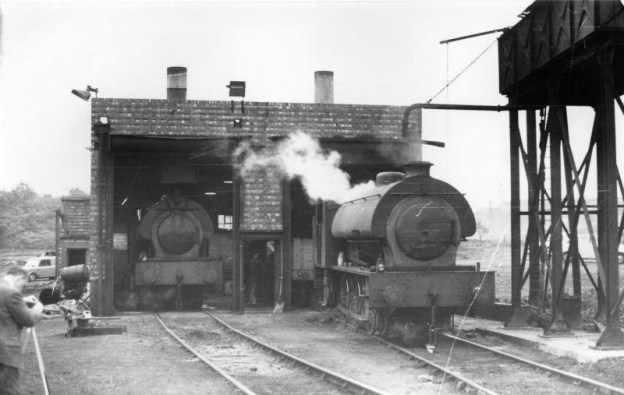
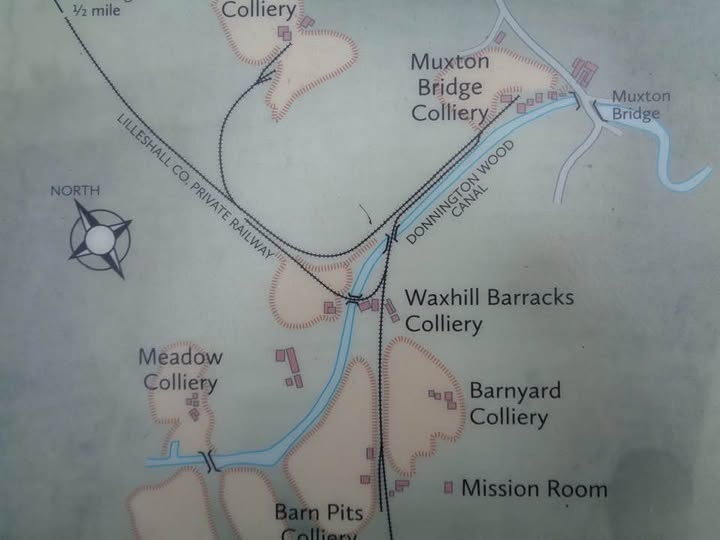
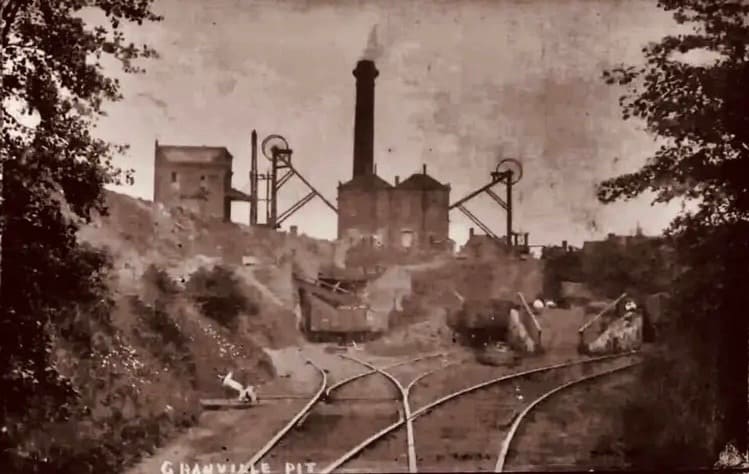
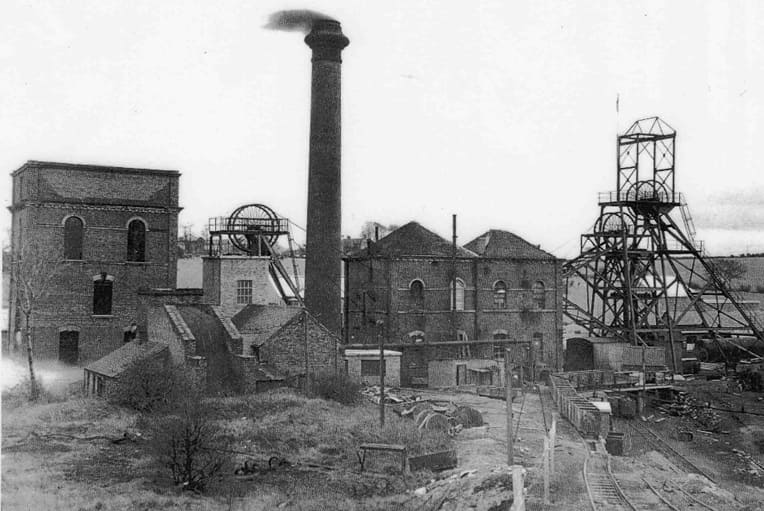
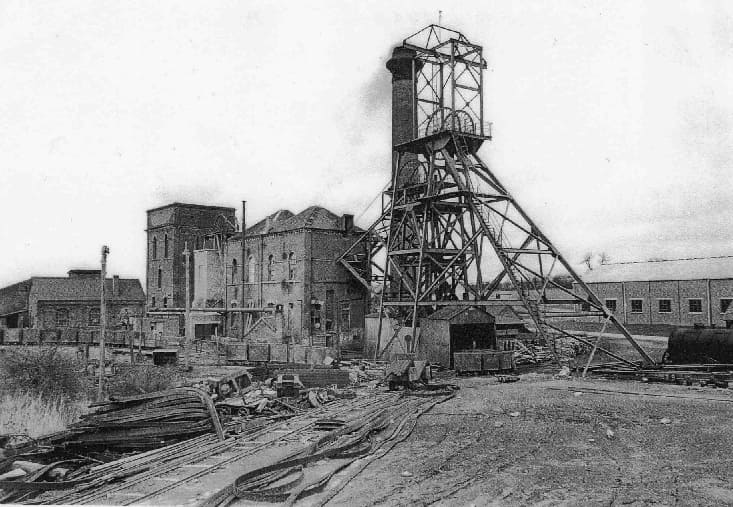
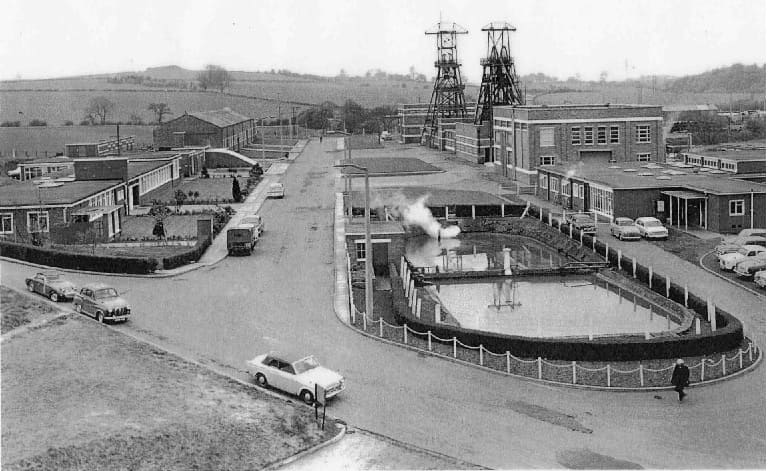
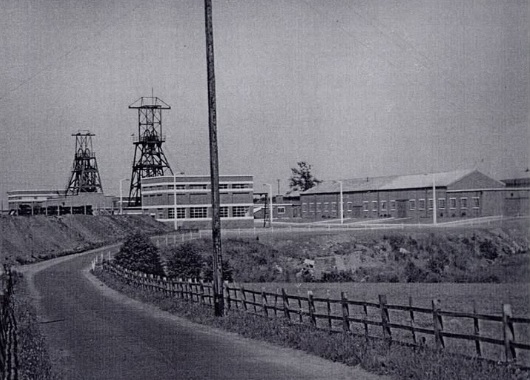
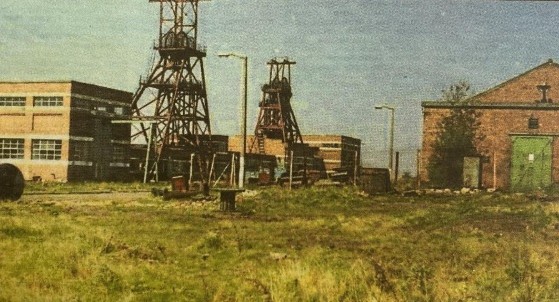
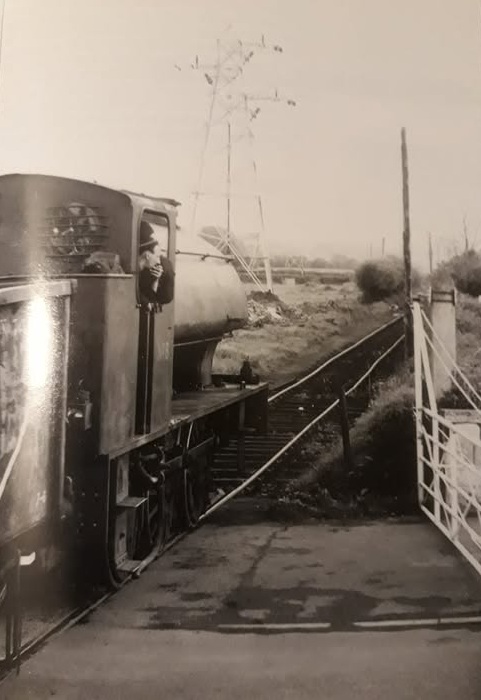
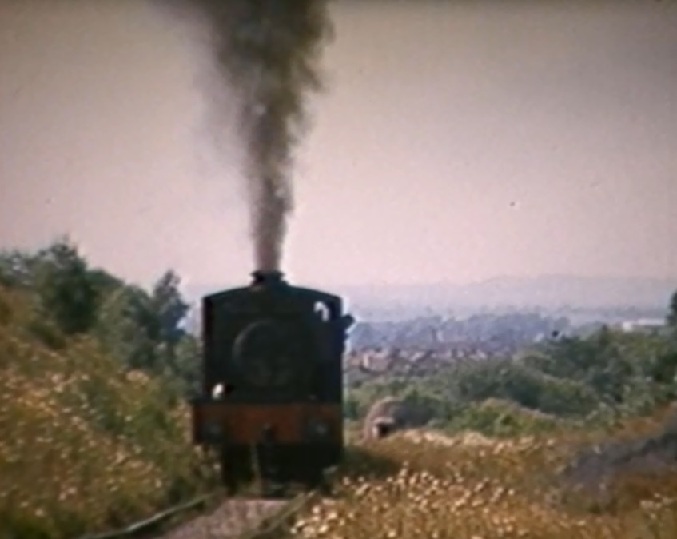
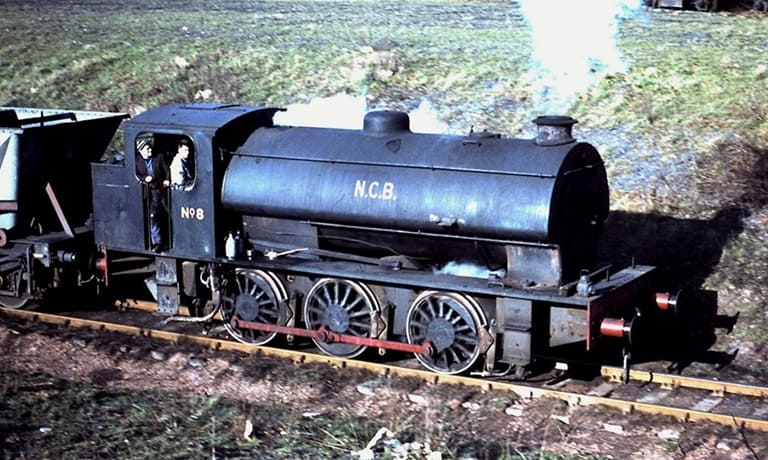
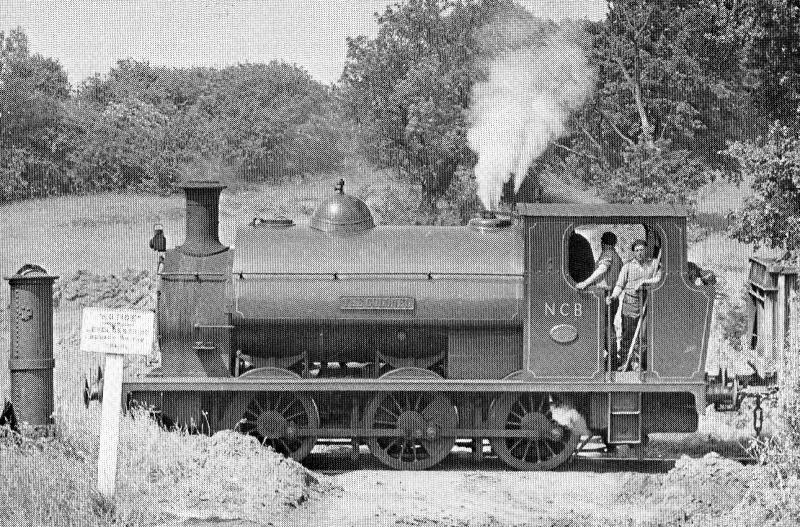
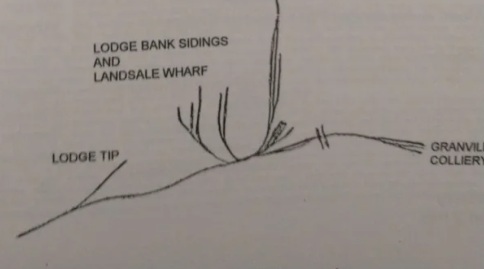
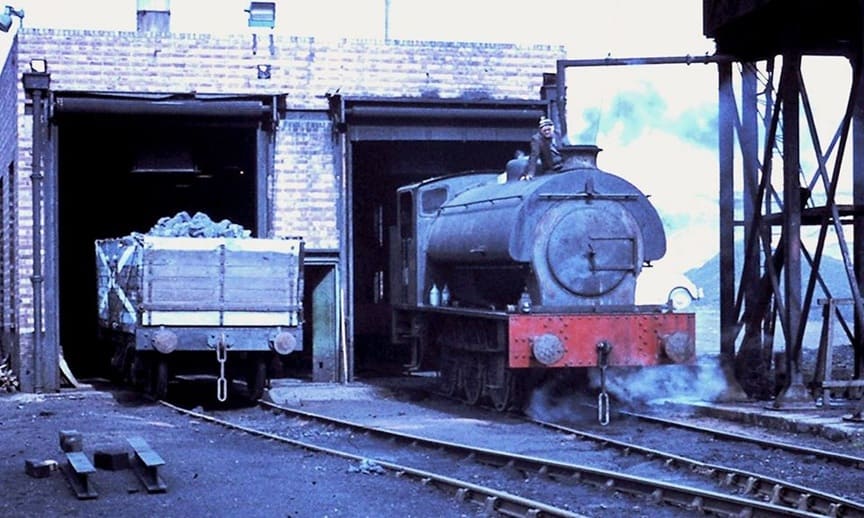
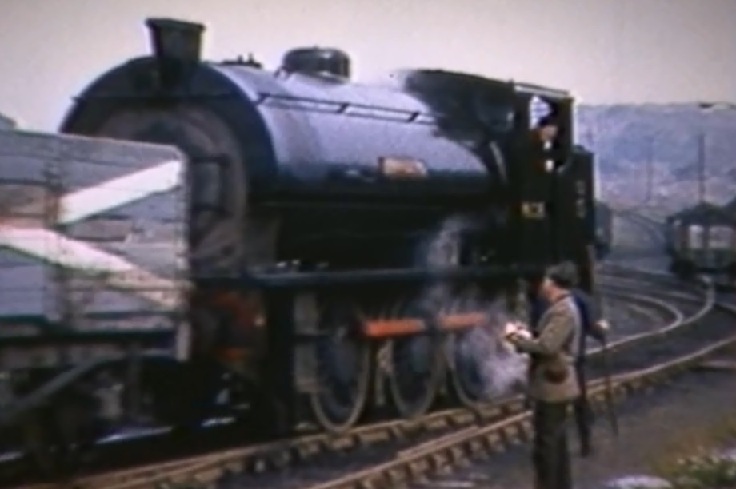
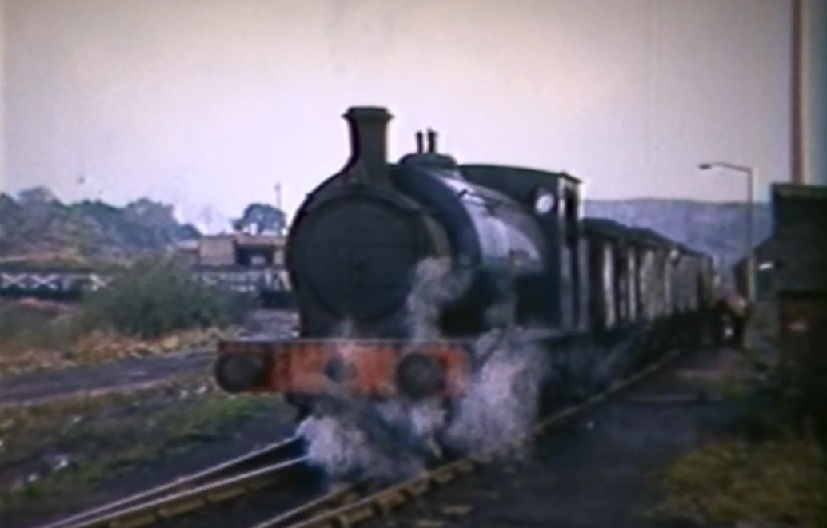
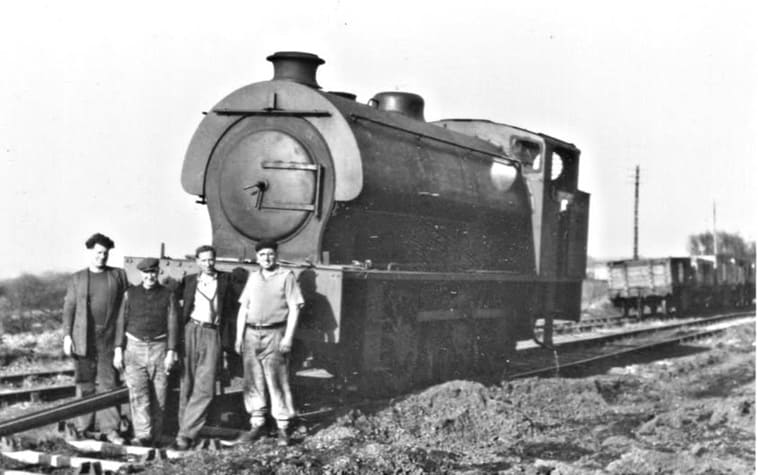
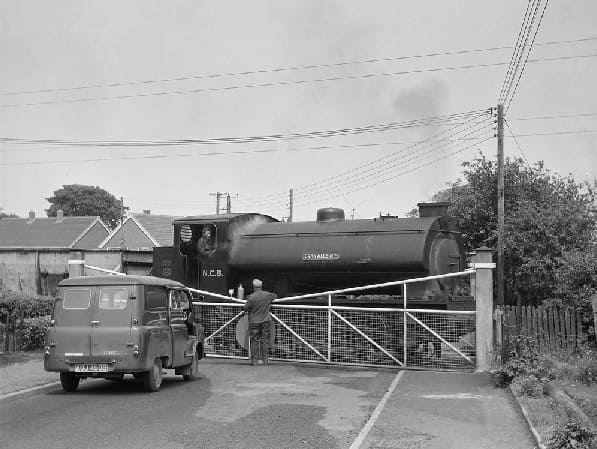
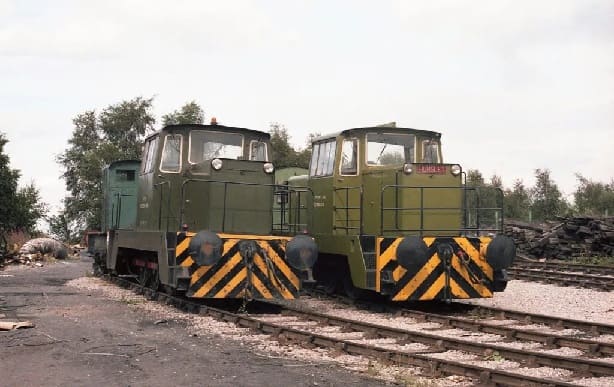
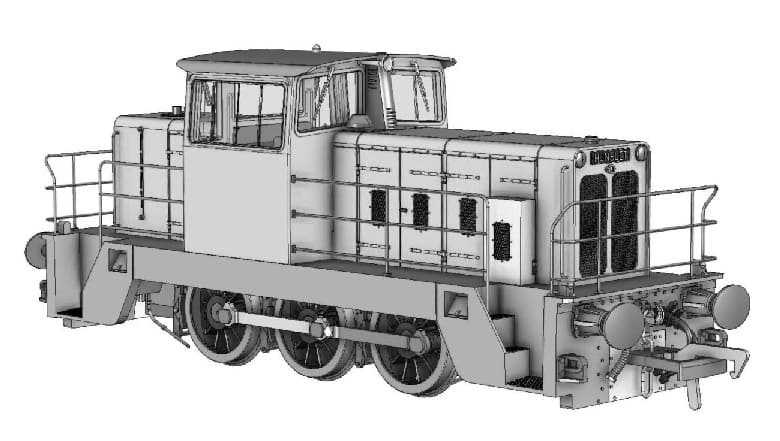
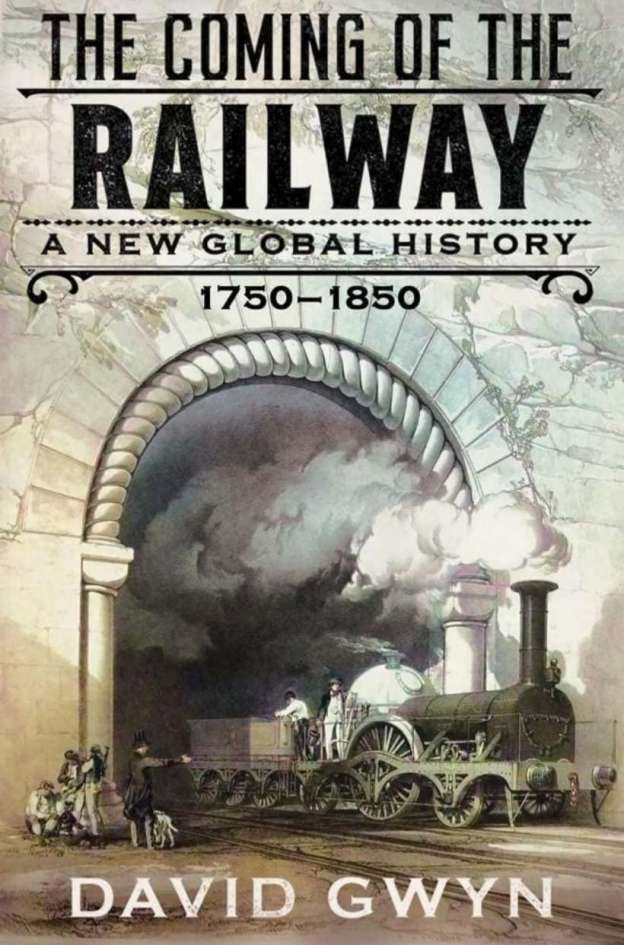
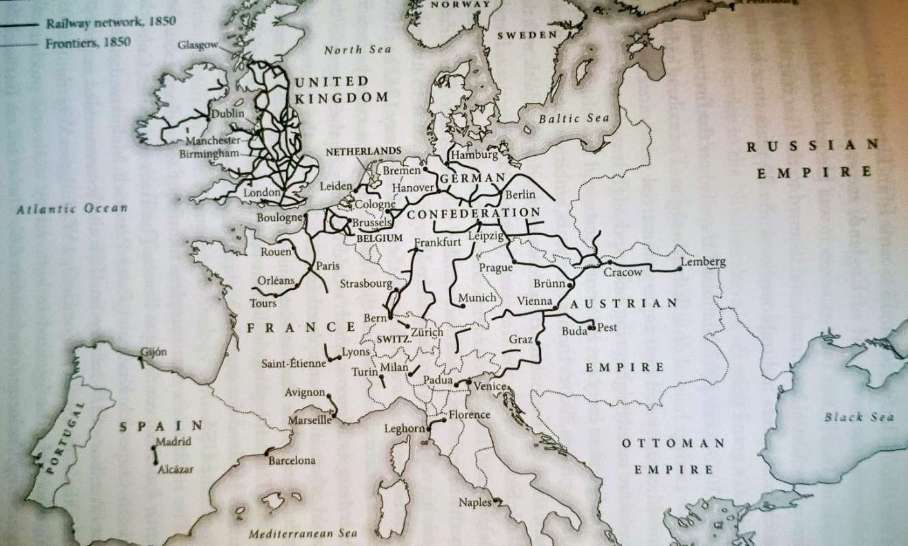
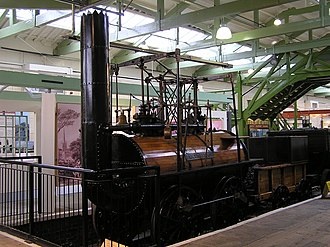

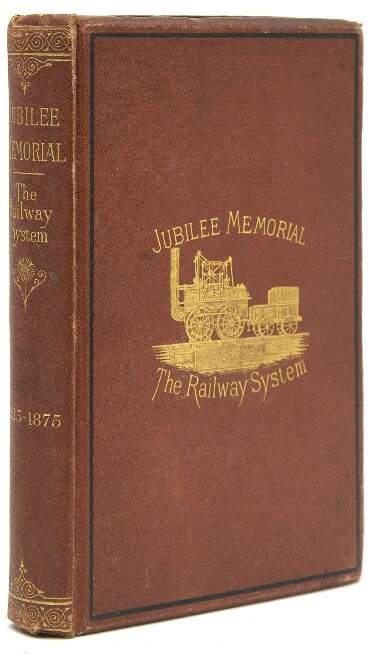
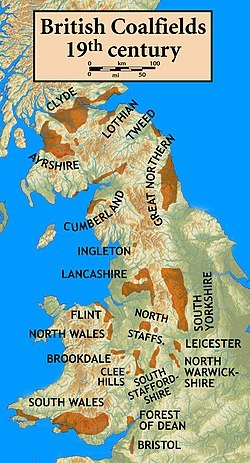
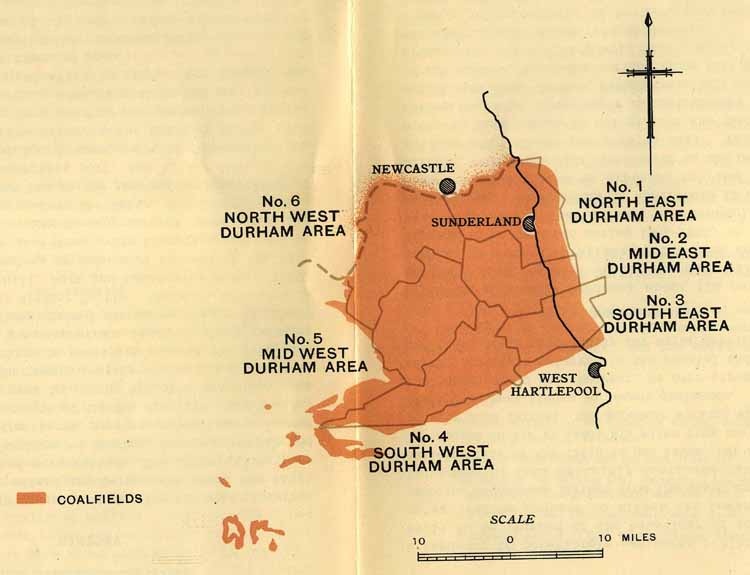
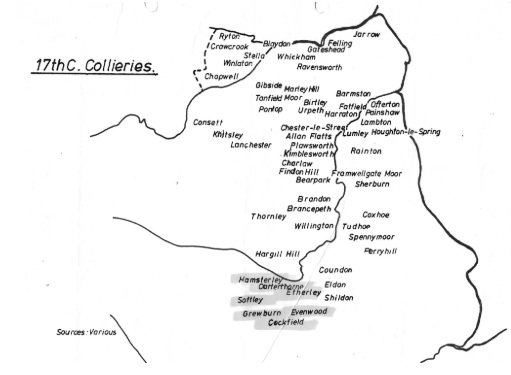
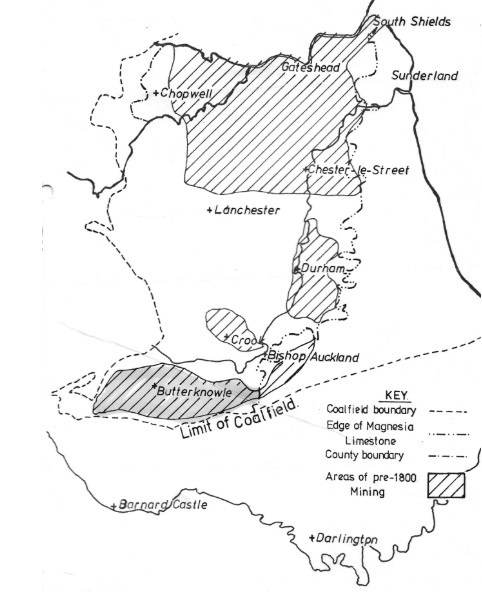
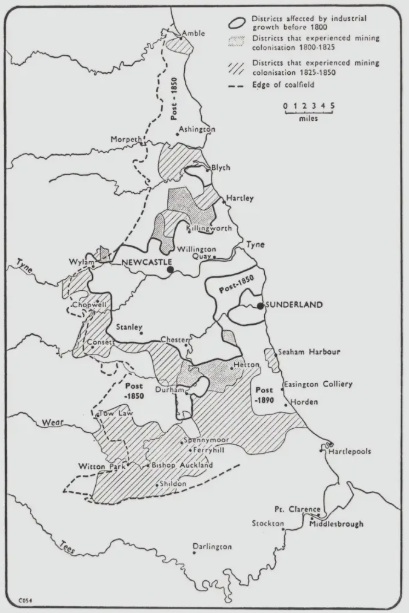
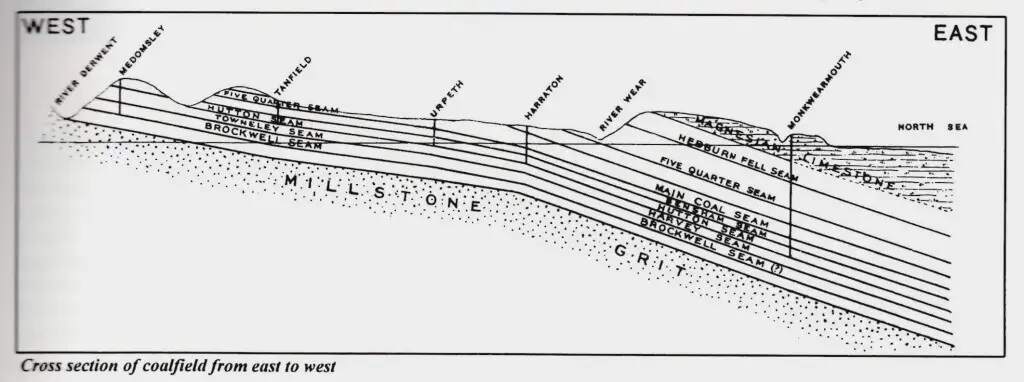
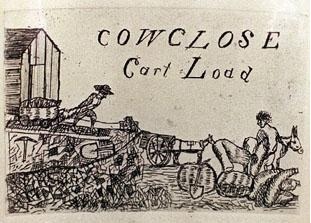
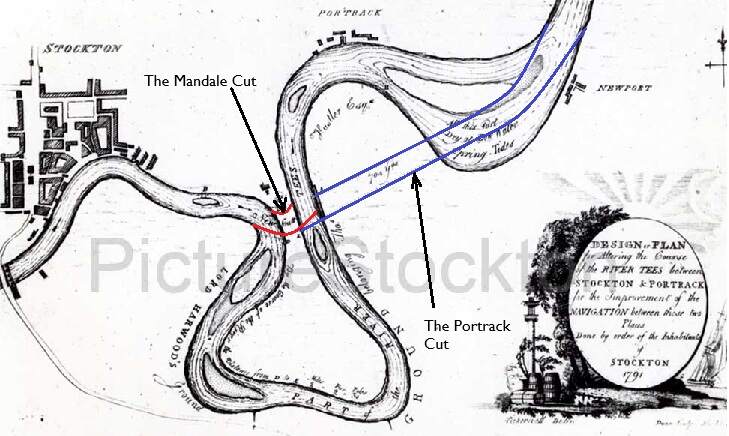
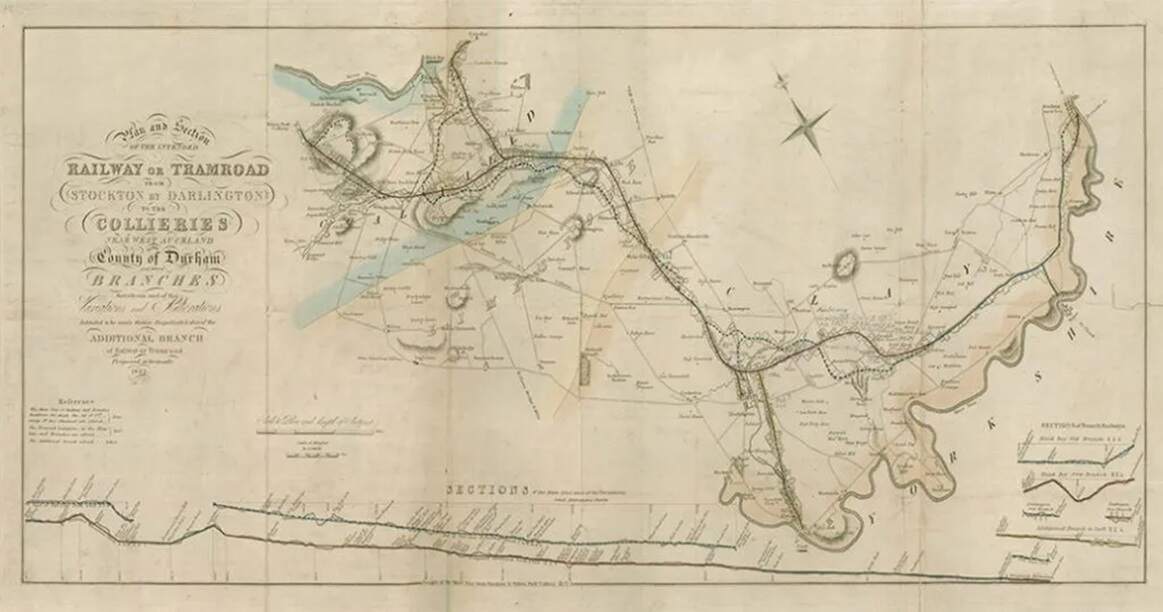
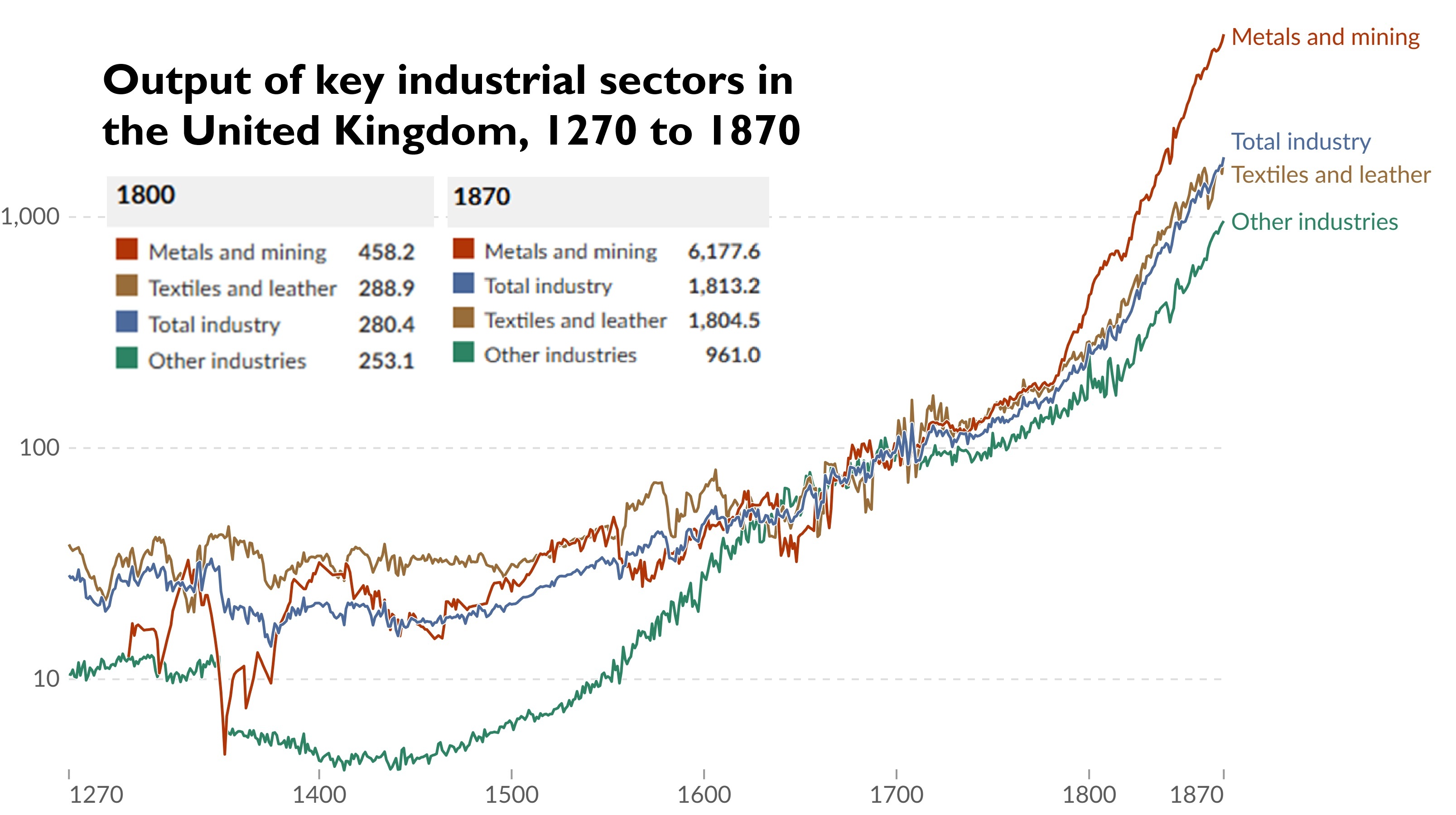
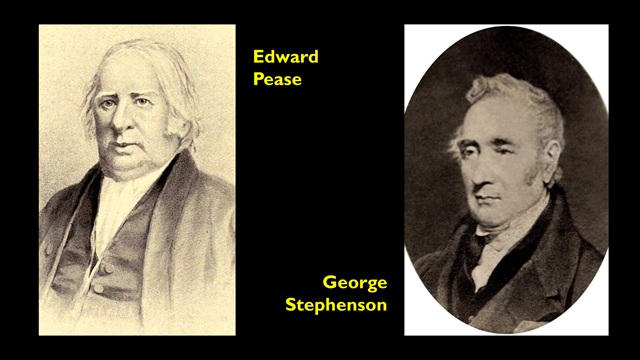
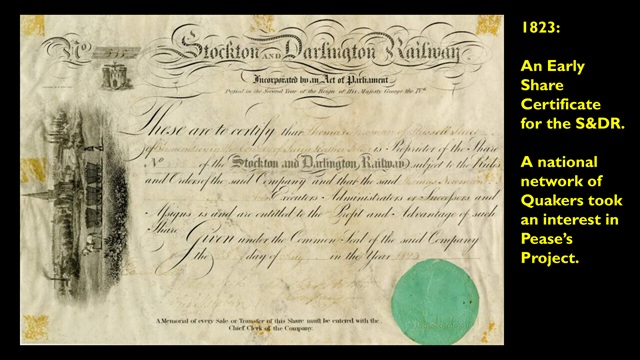
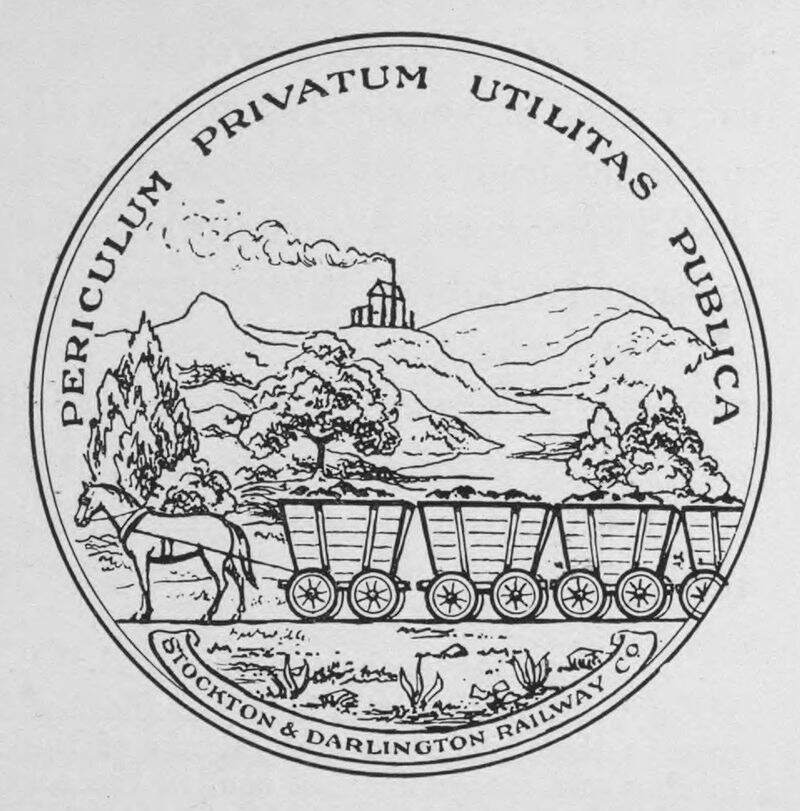
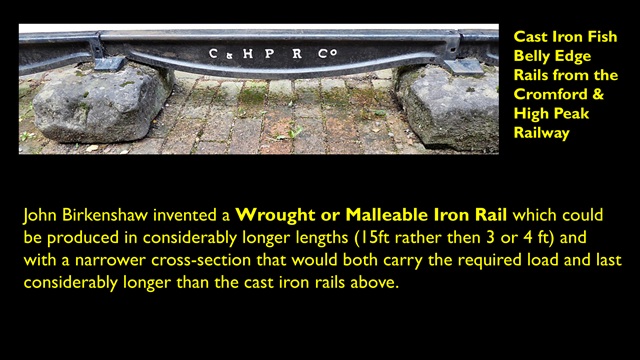
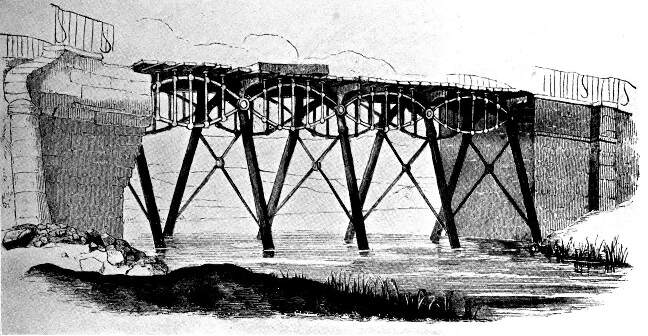
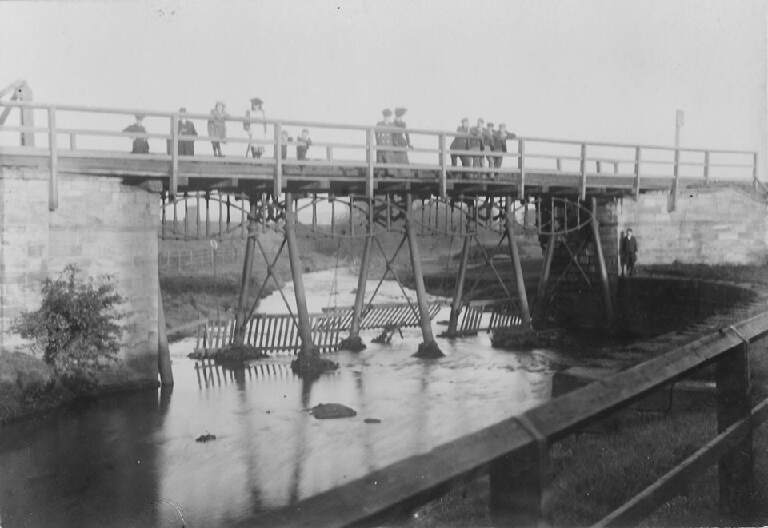
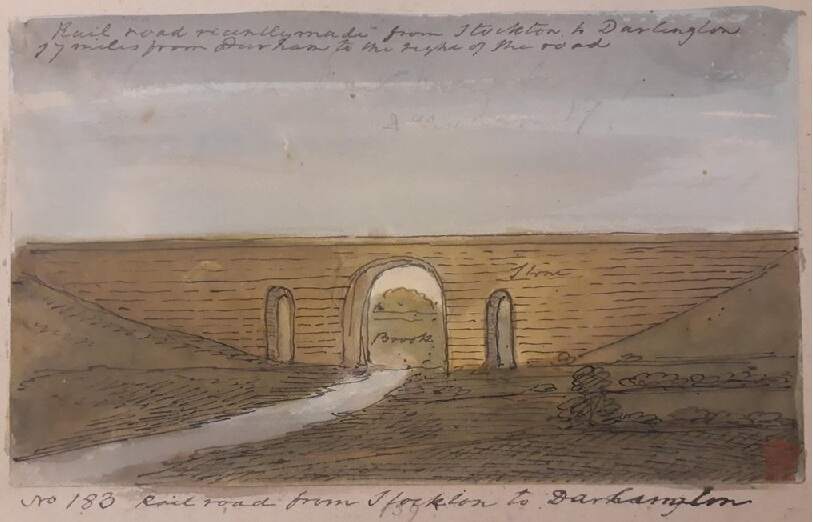
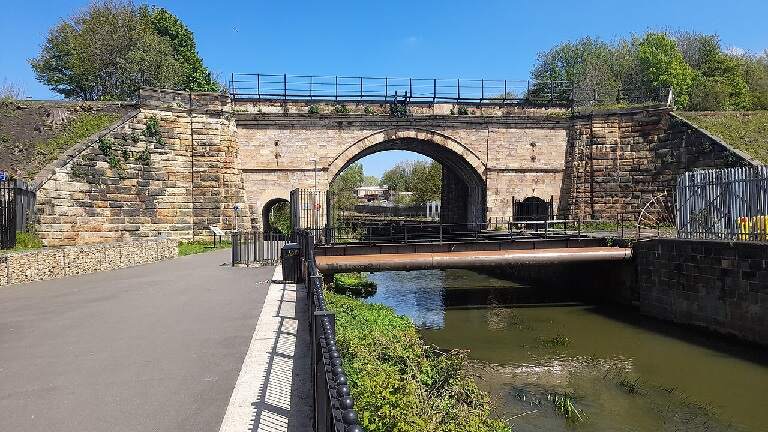
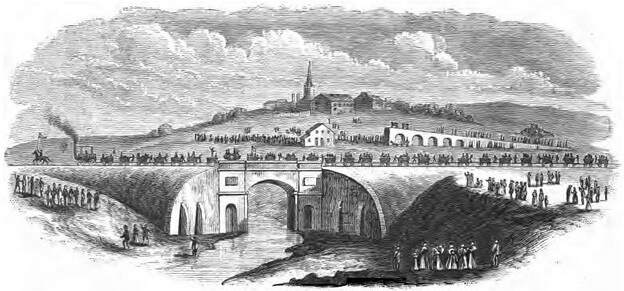
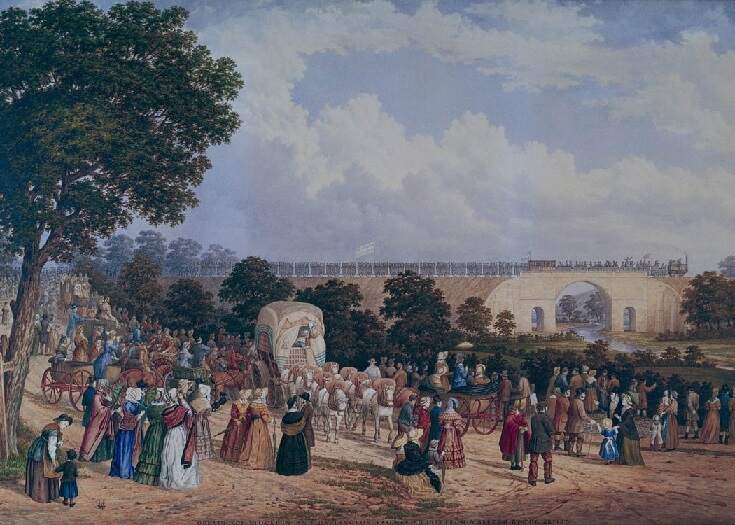
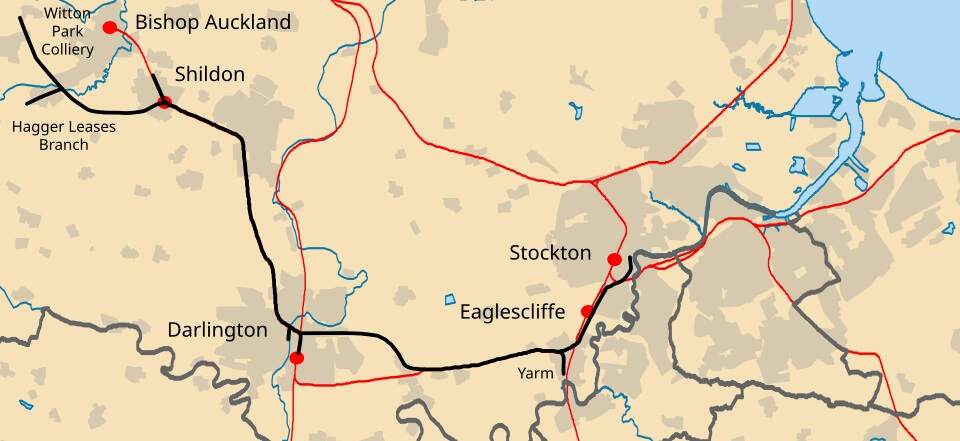
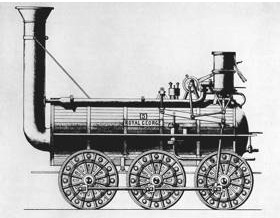
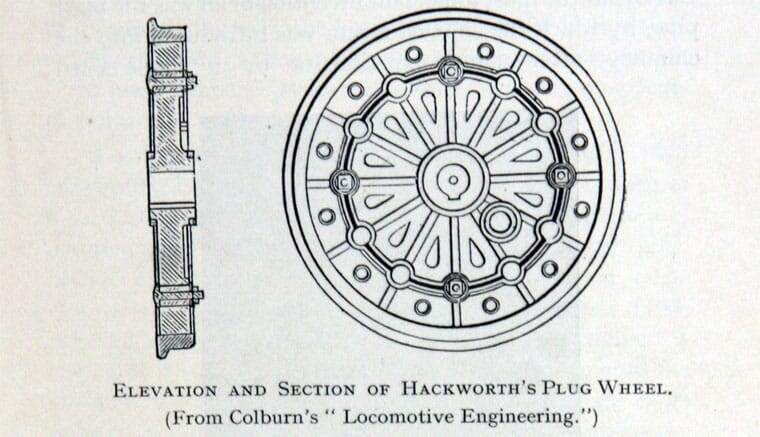
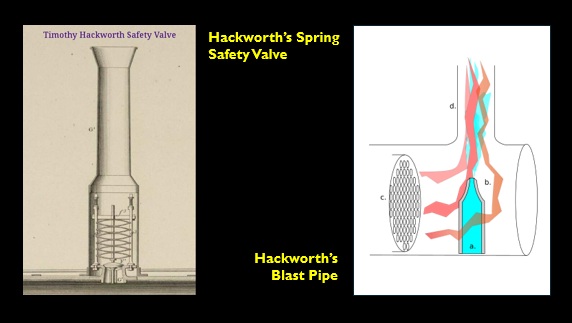
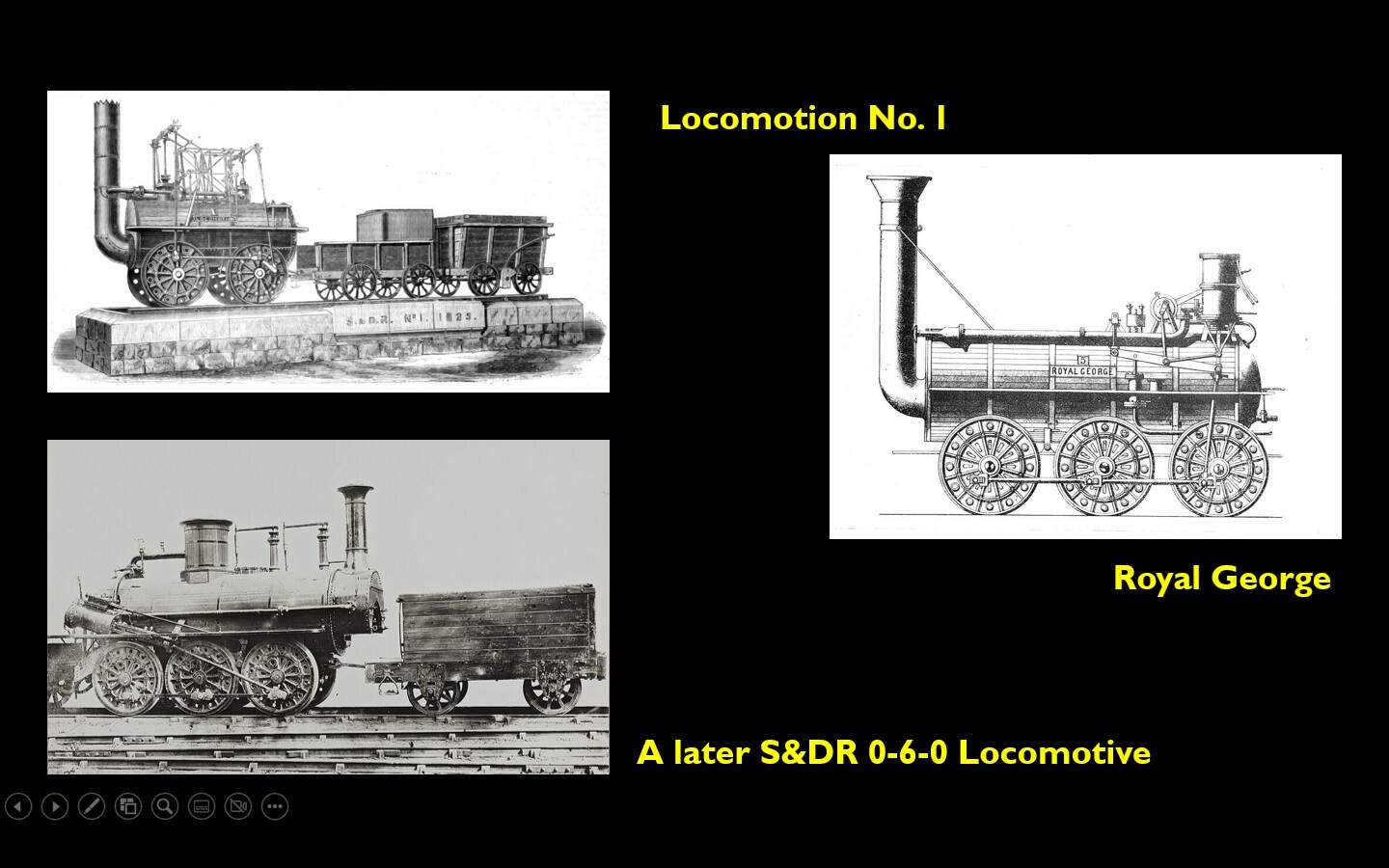
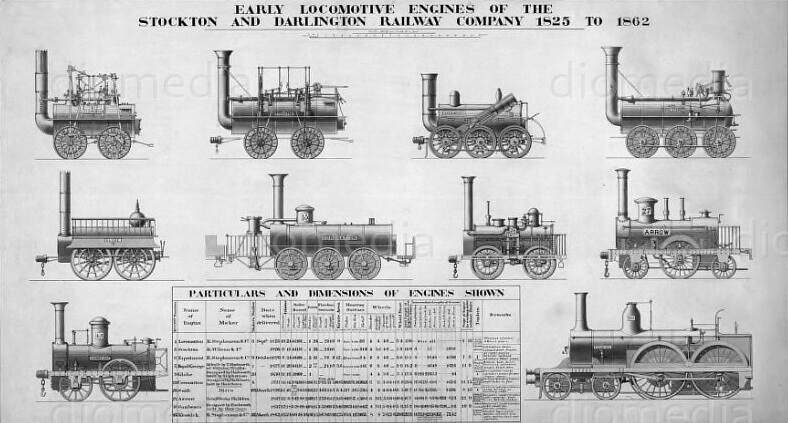
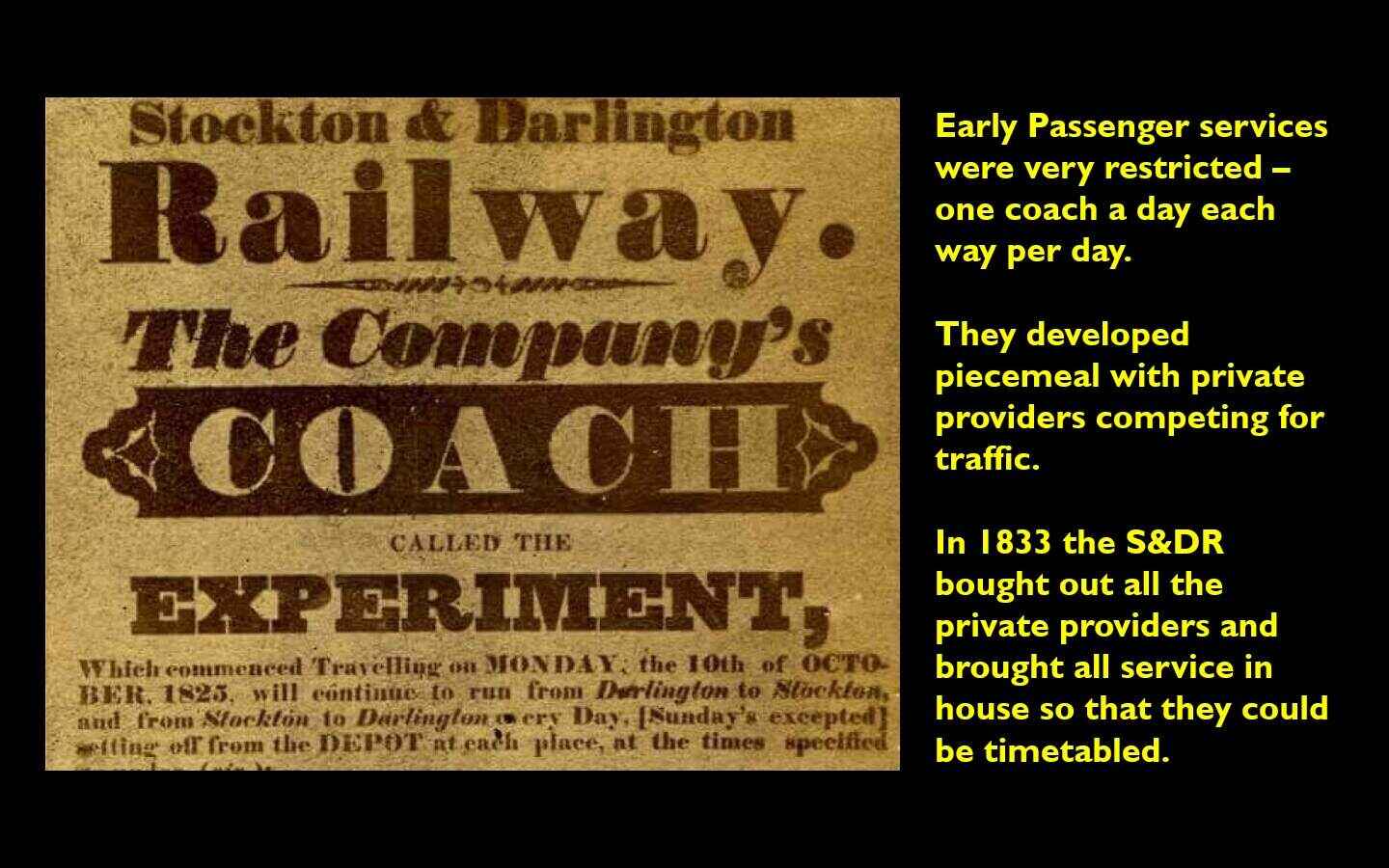
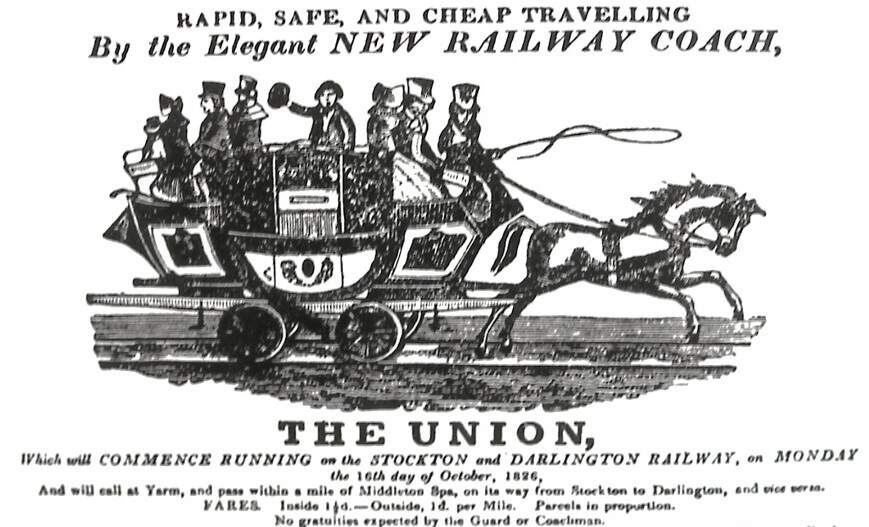
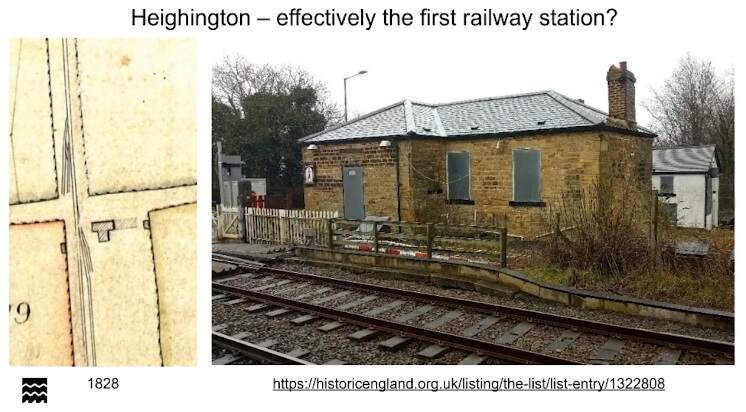
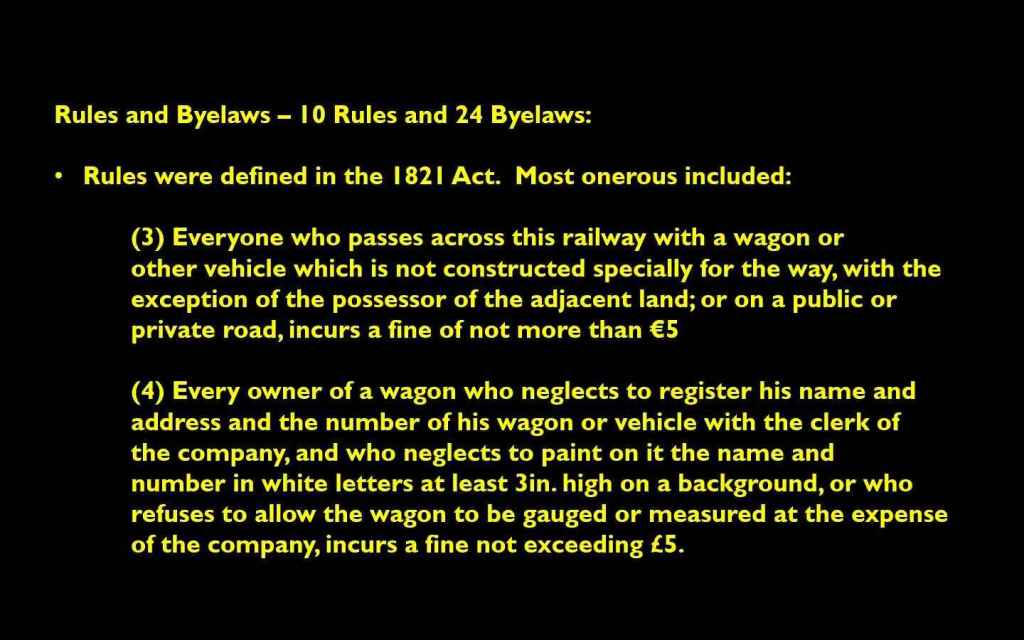
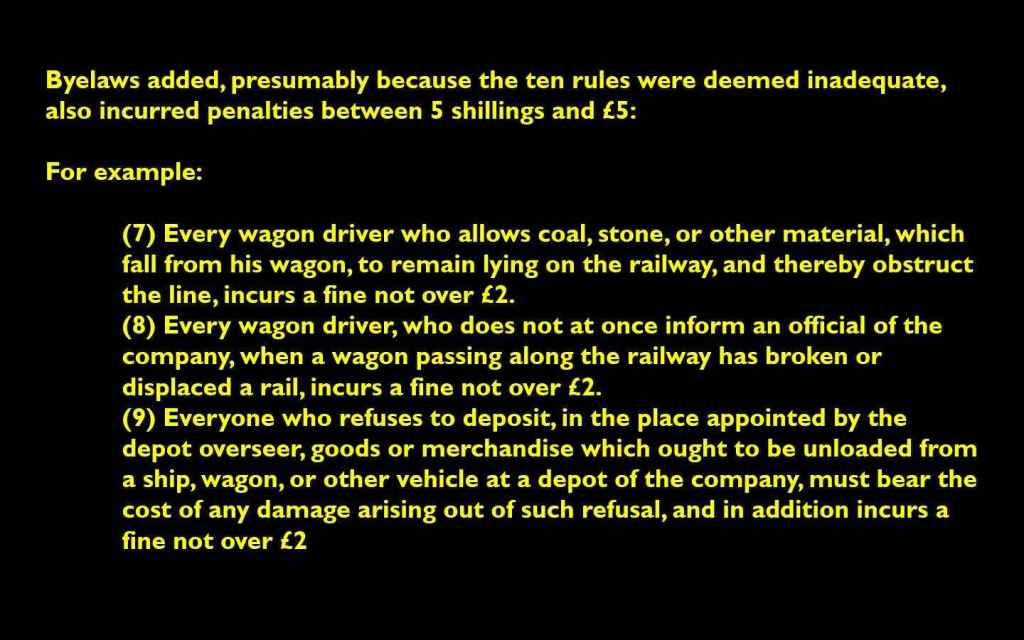
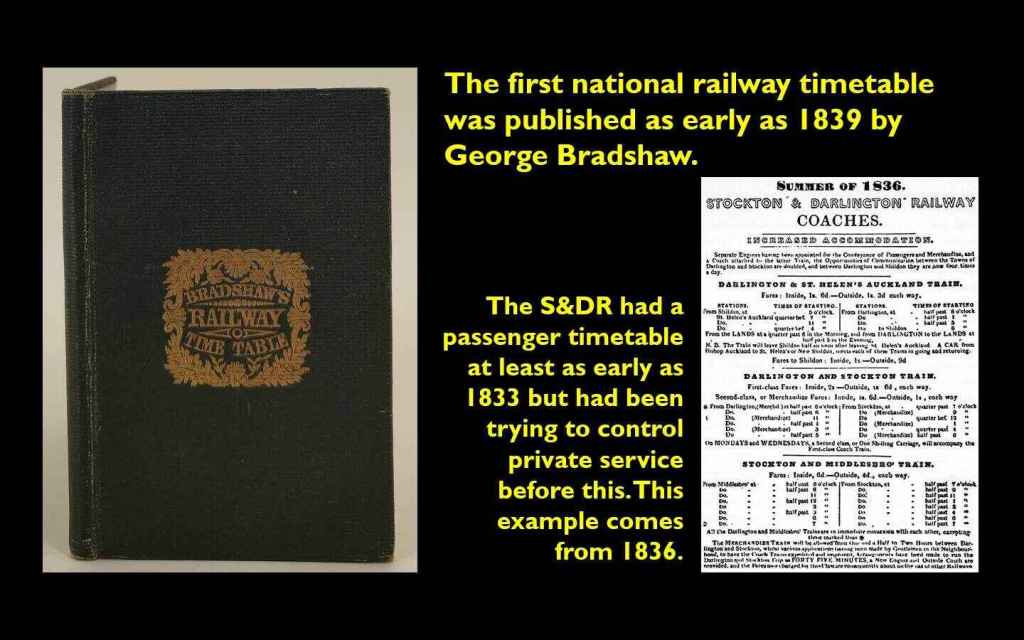
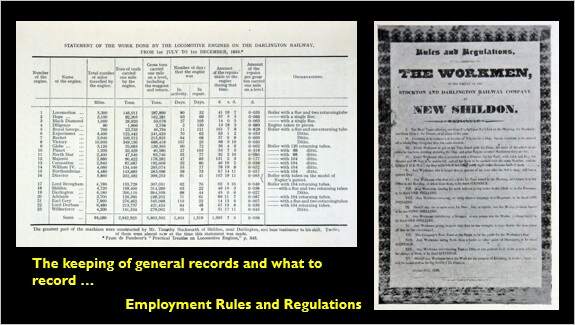
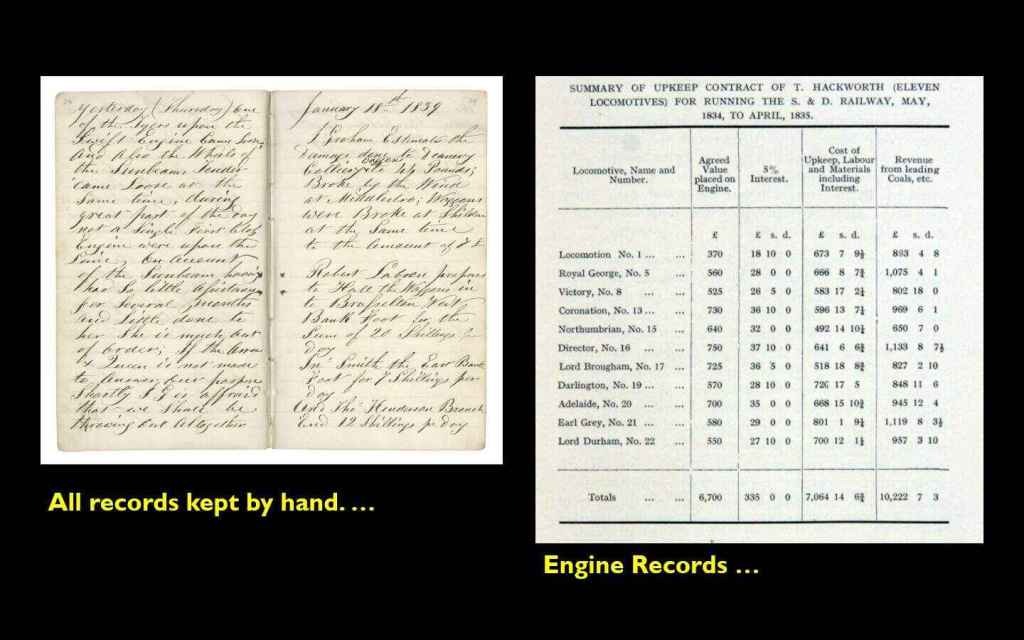
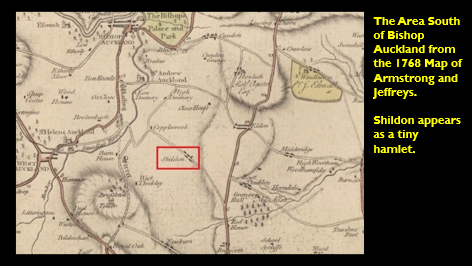
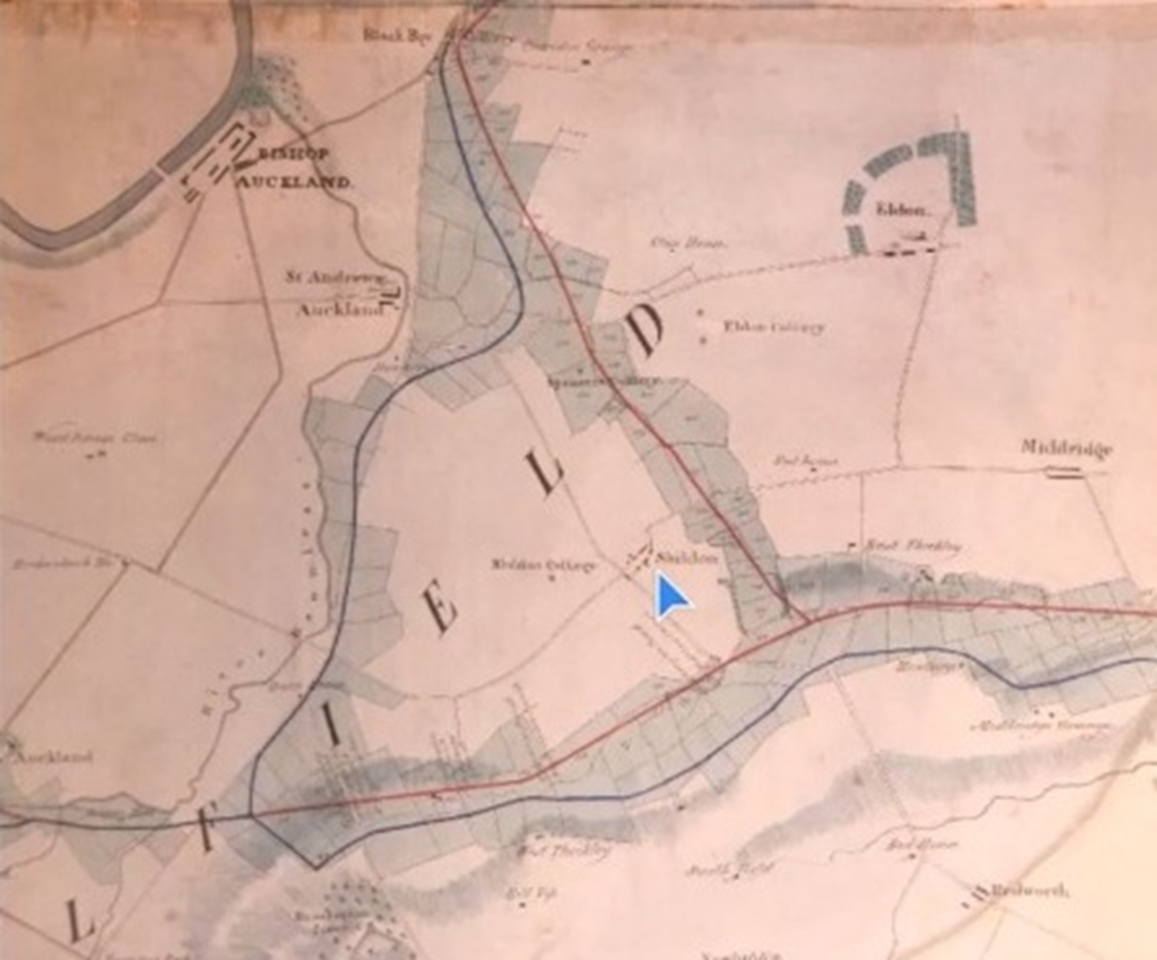
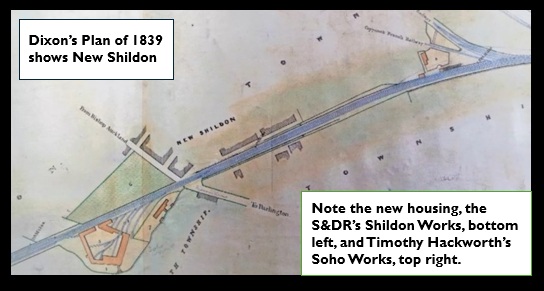
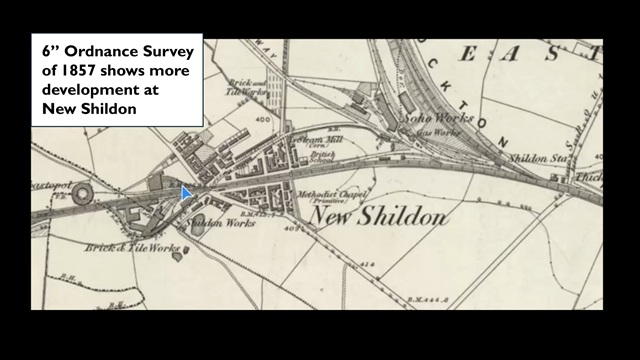
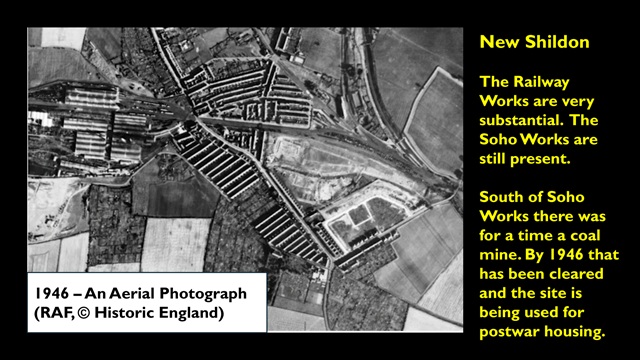
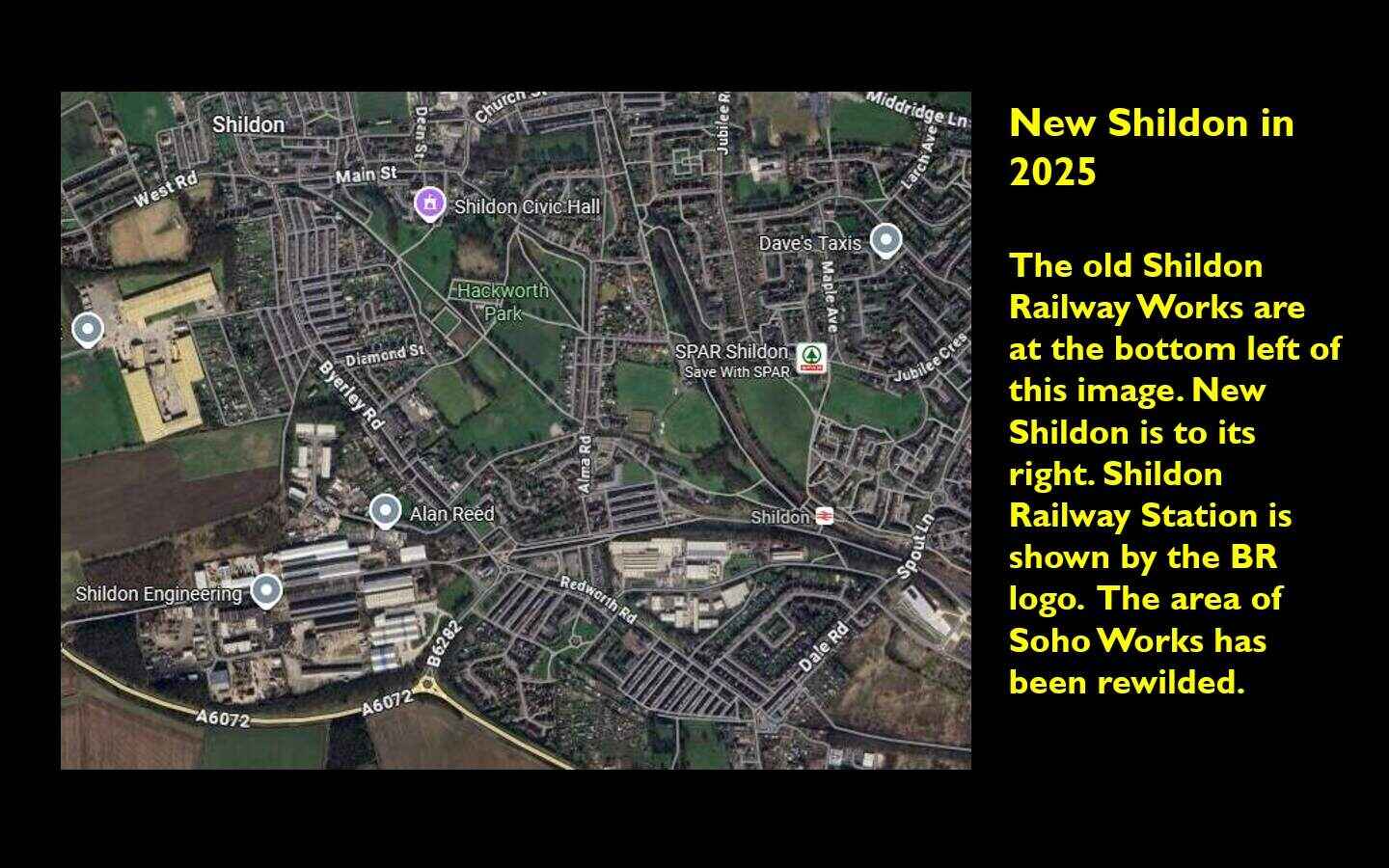
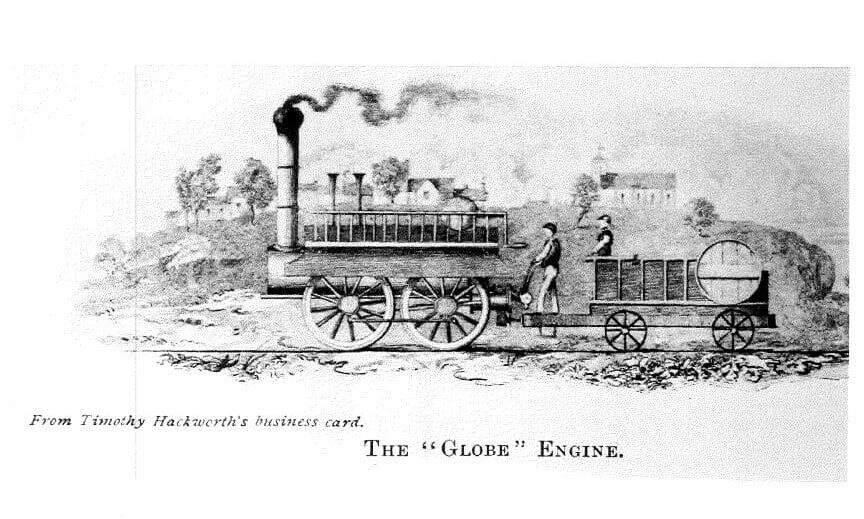
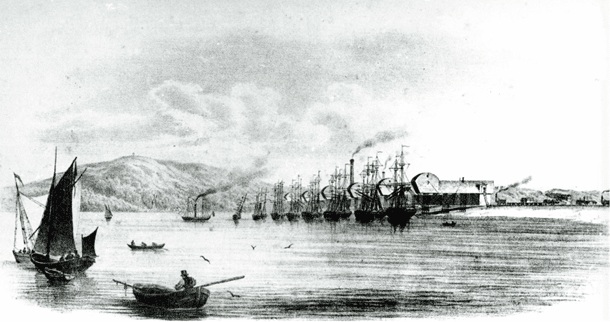
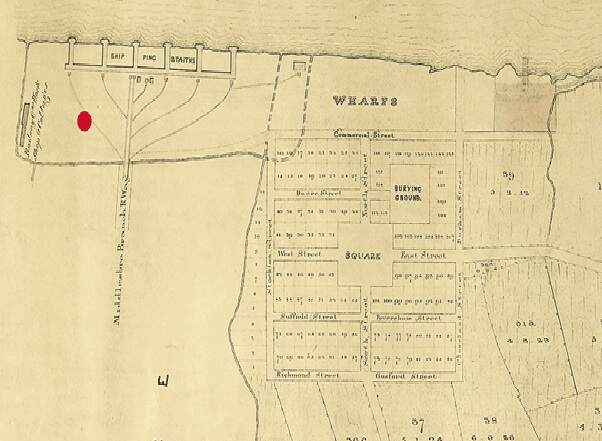
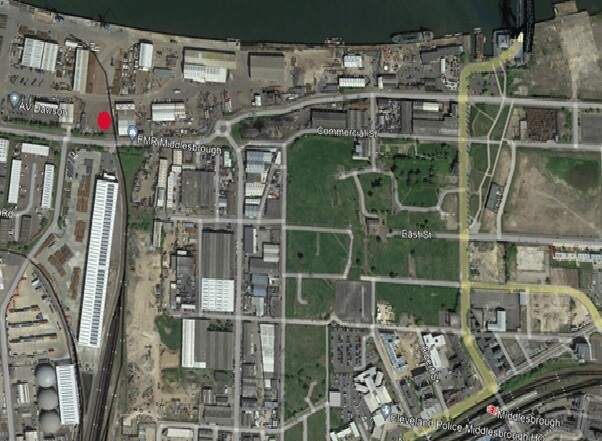
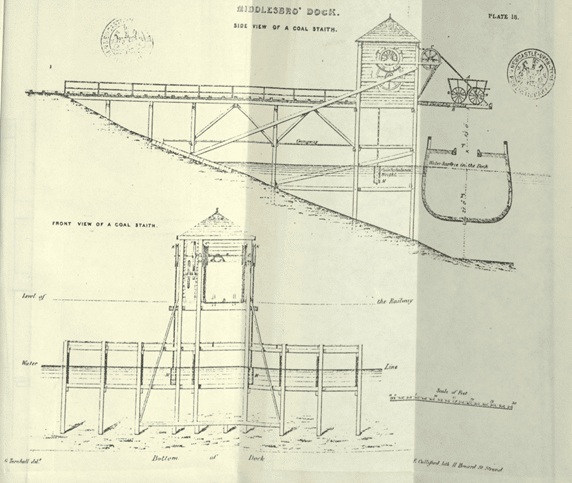
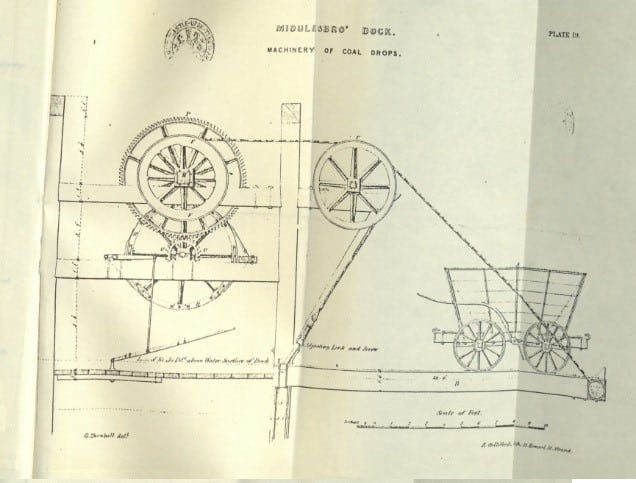
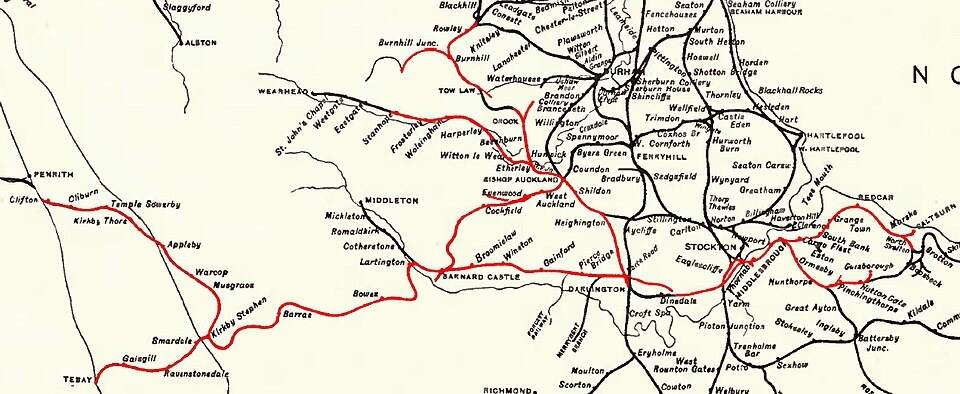
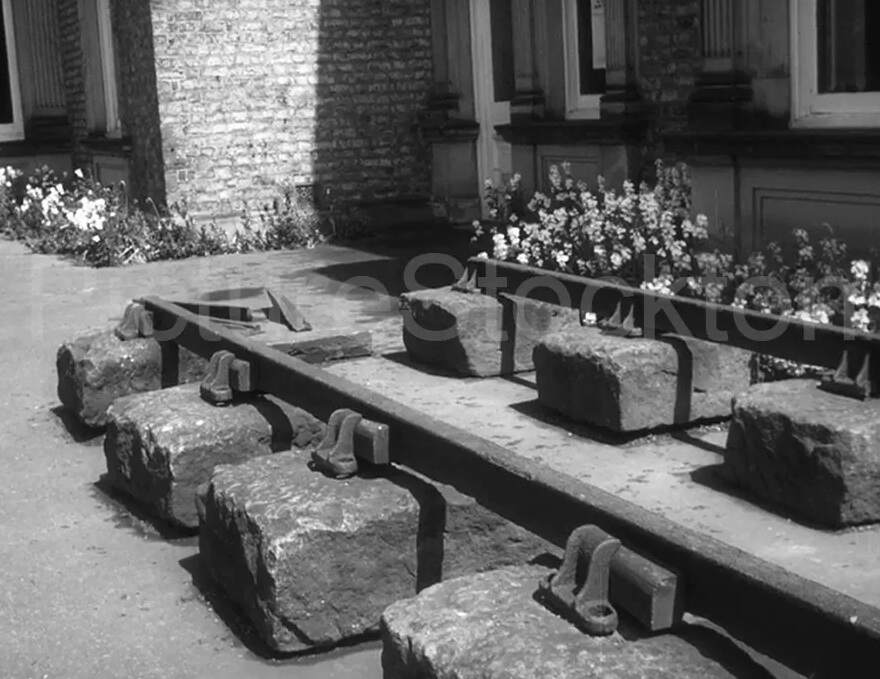
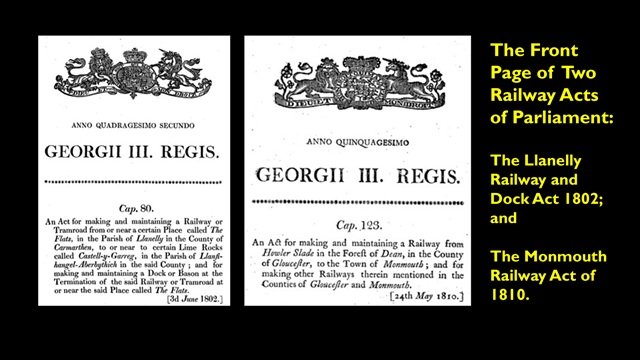
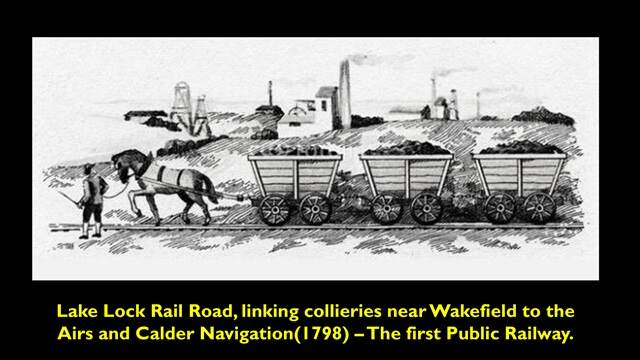
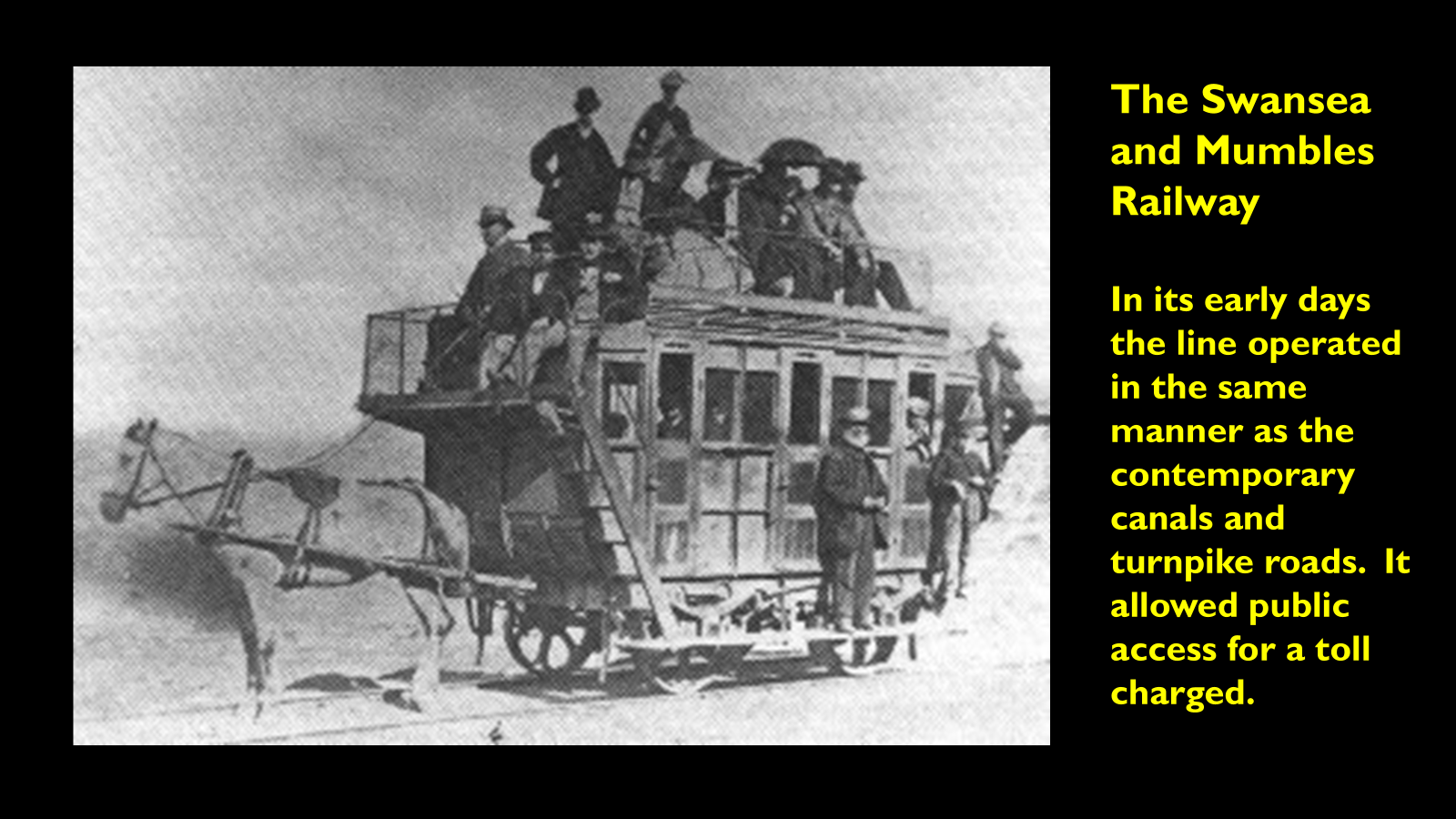
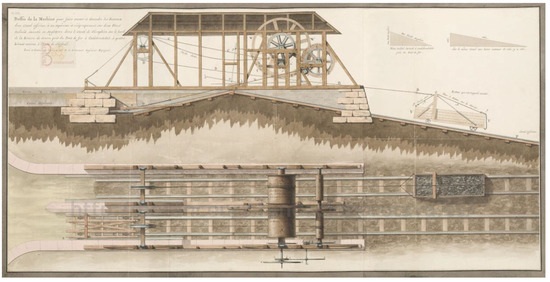
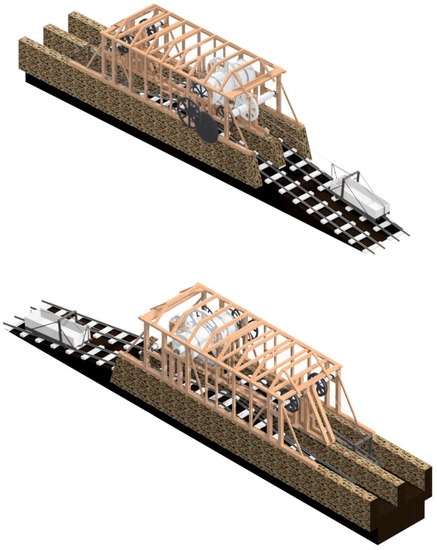
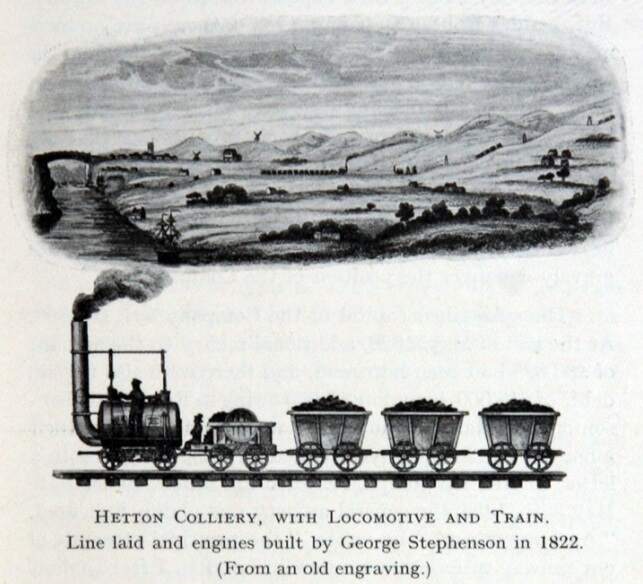
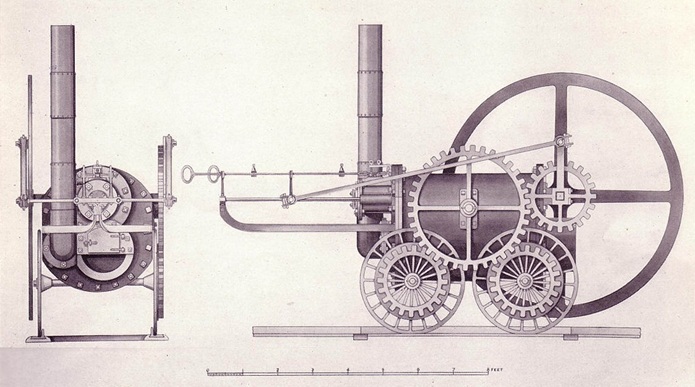
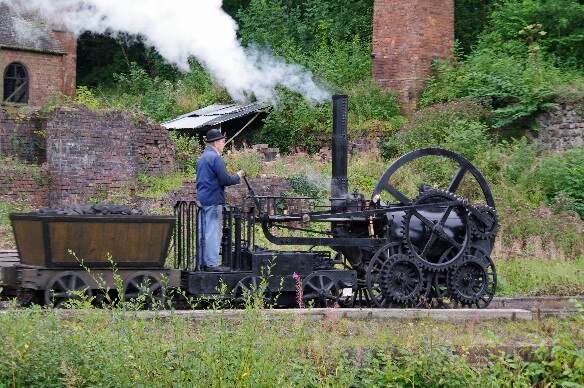
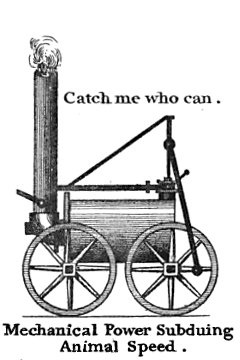
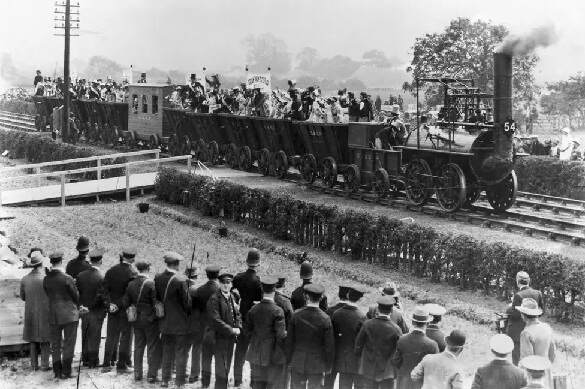
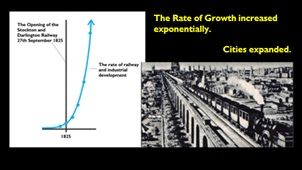
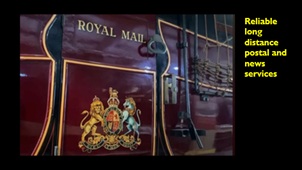
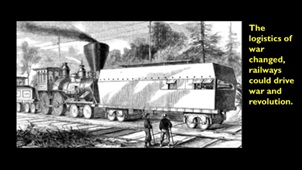
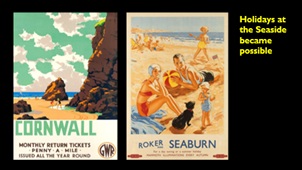
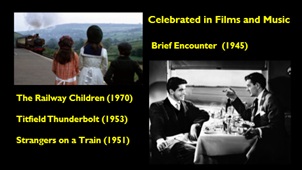
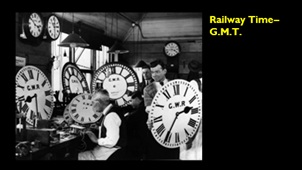
 Roger Farnworth

.jpg)
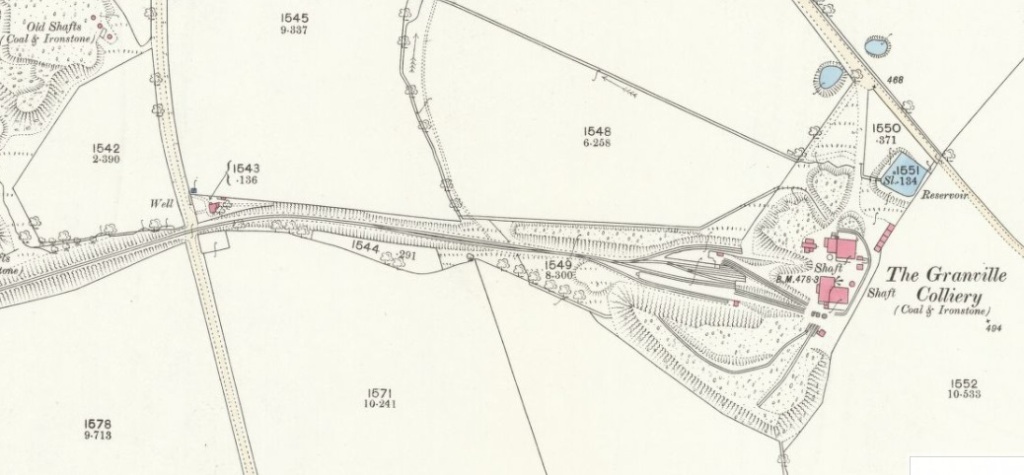
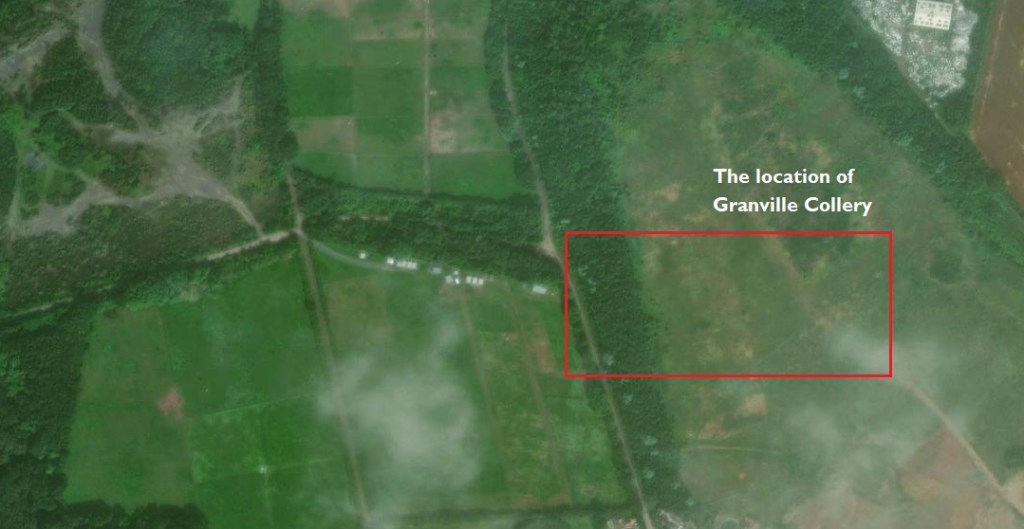
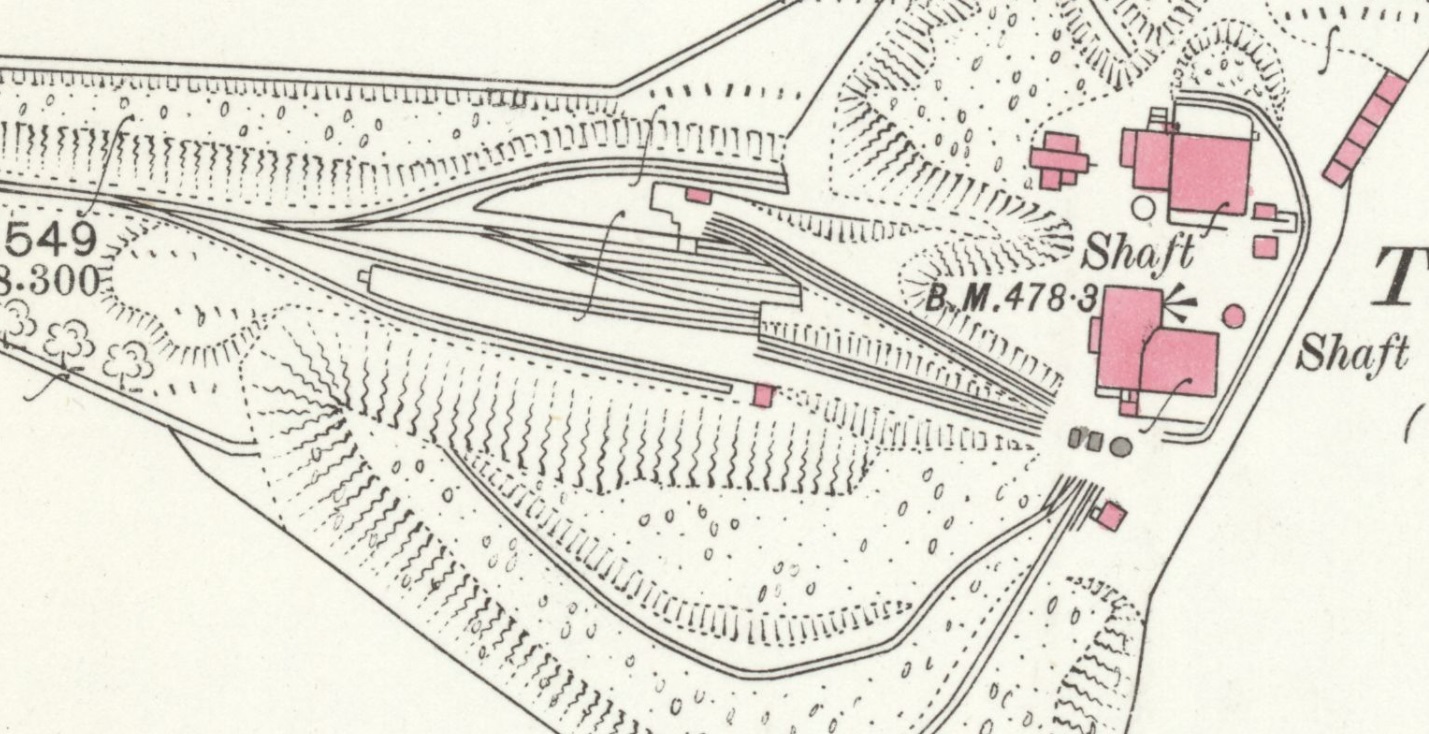

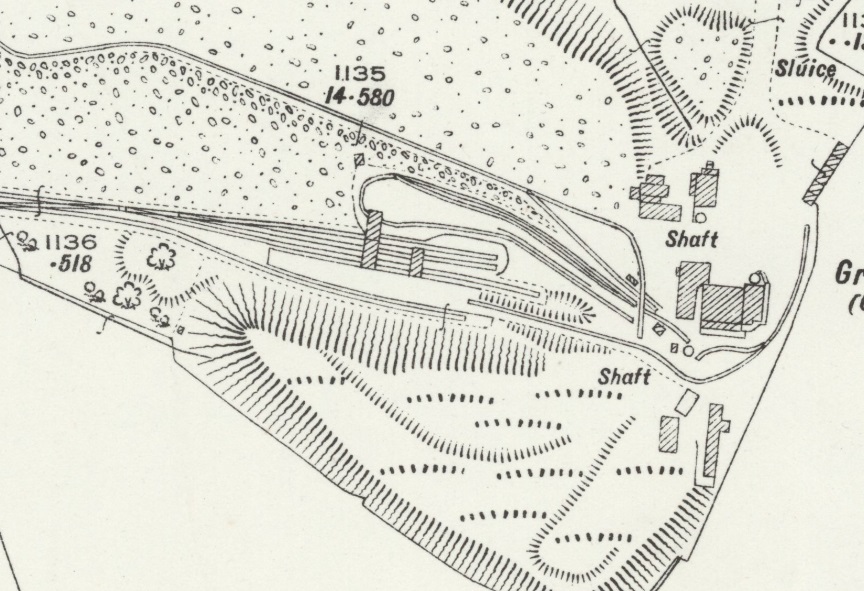
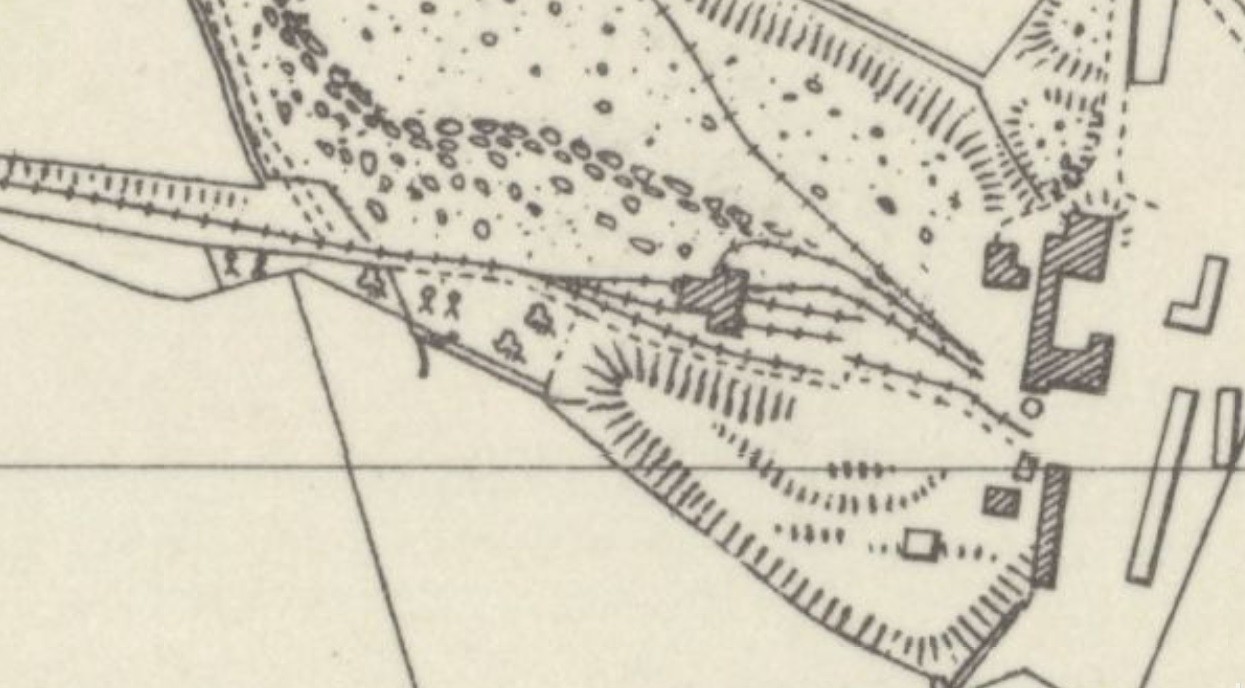
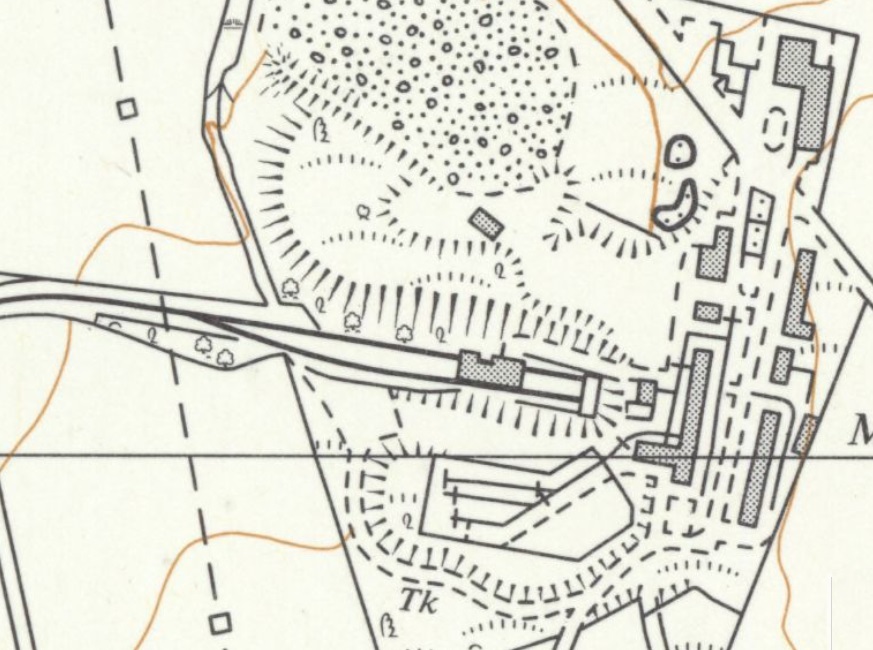


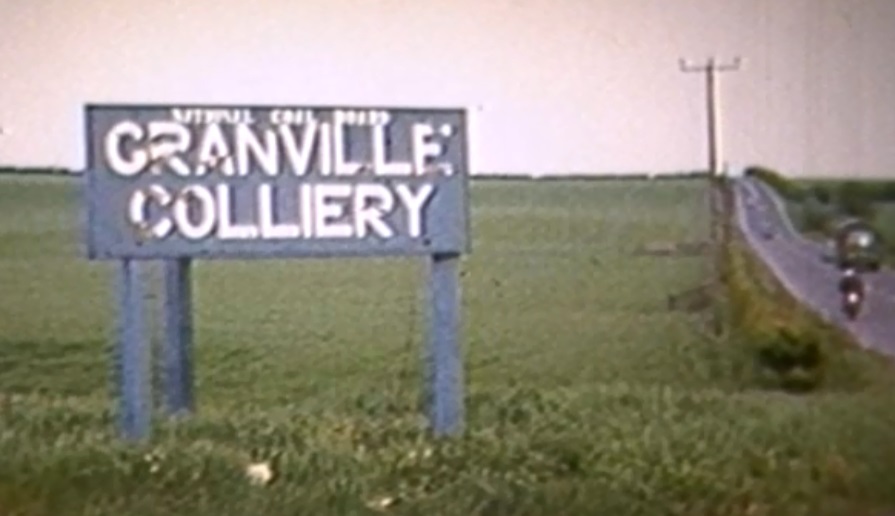

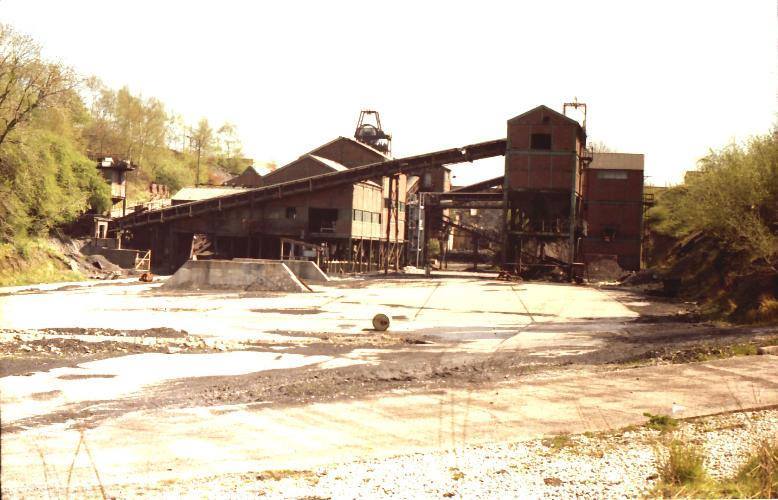



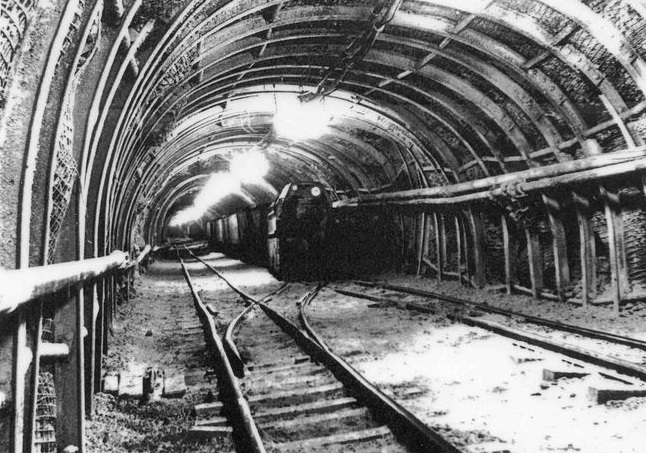
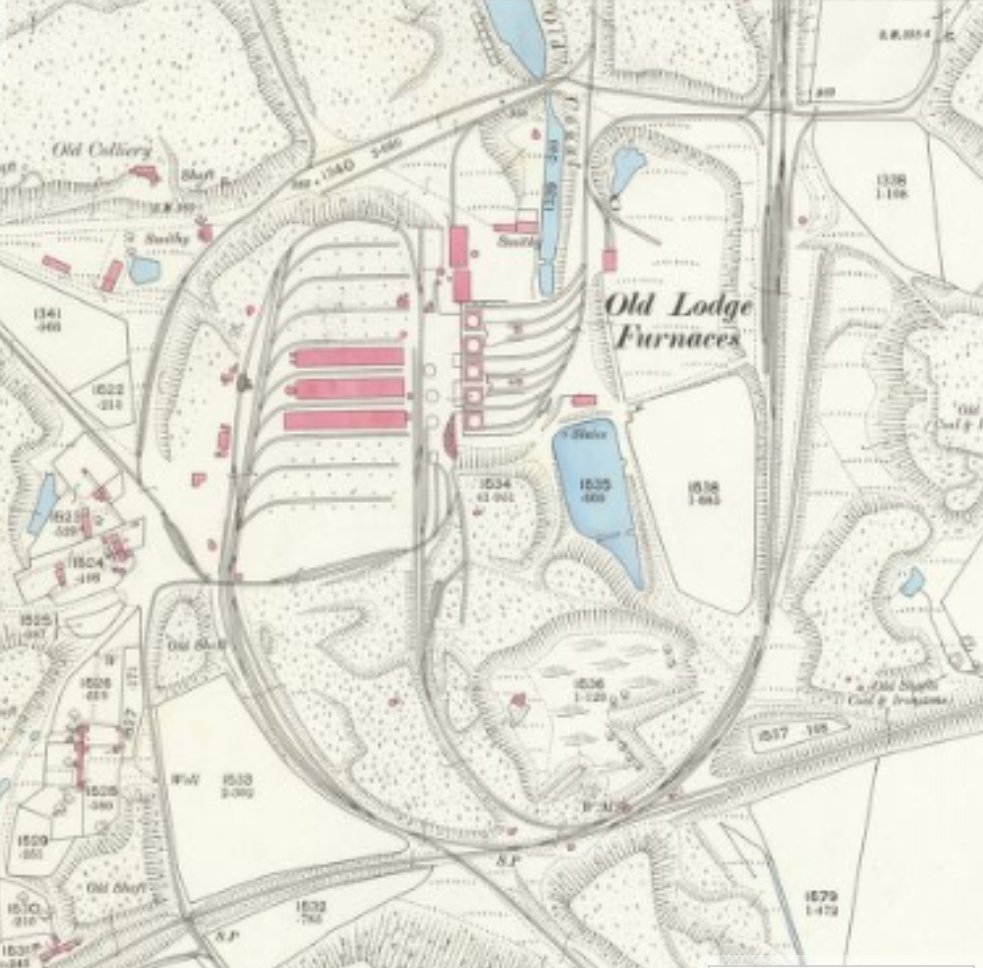
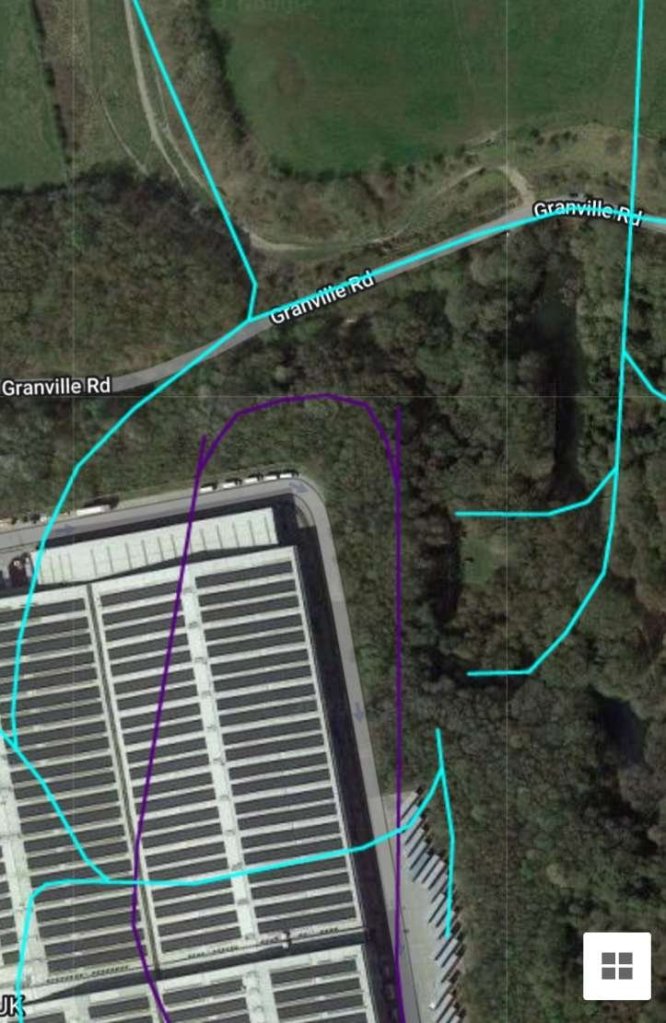

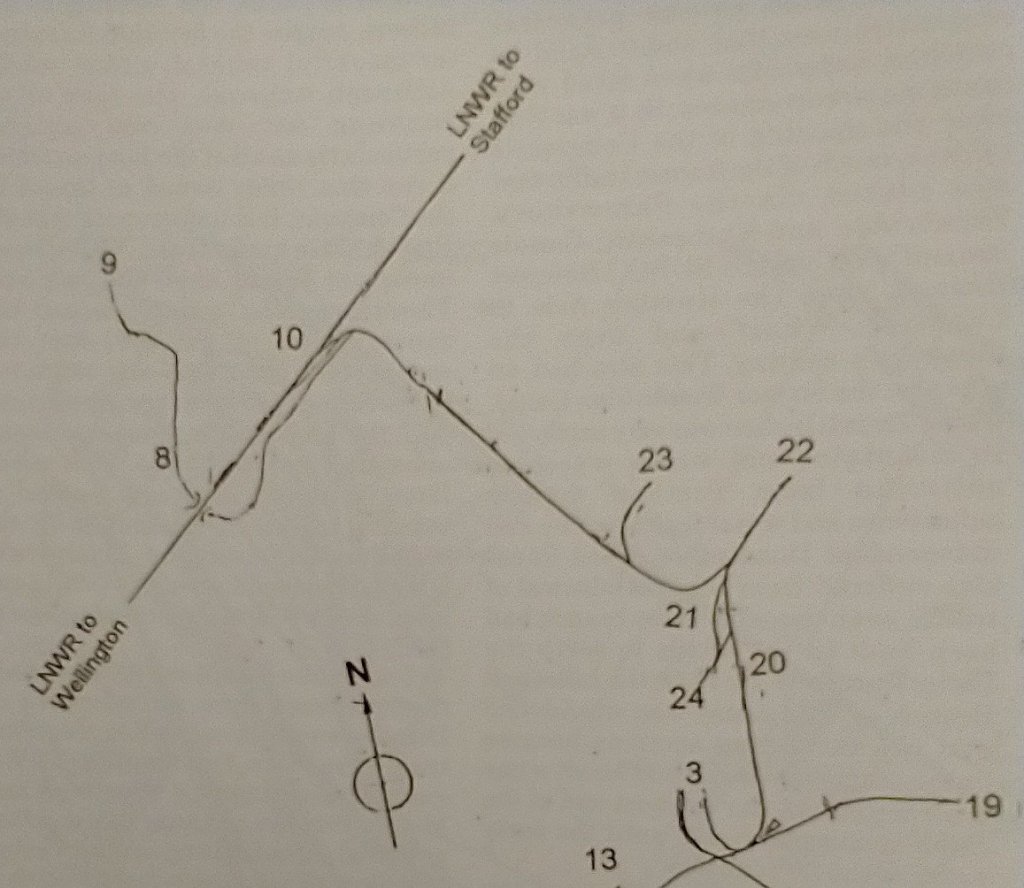
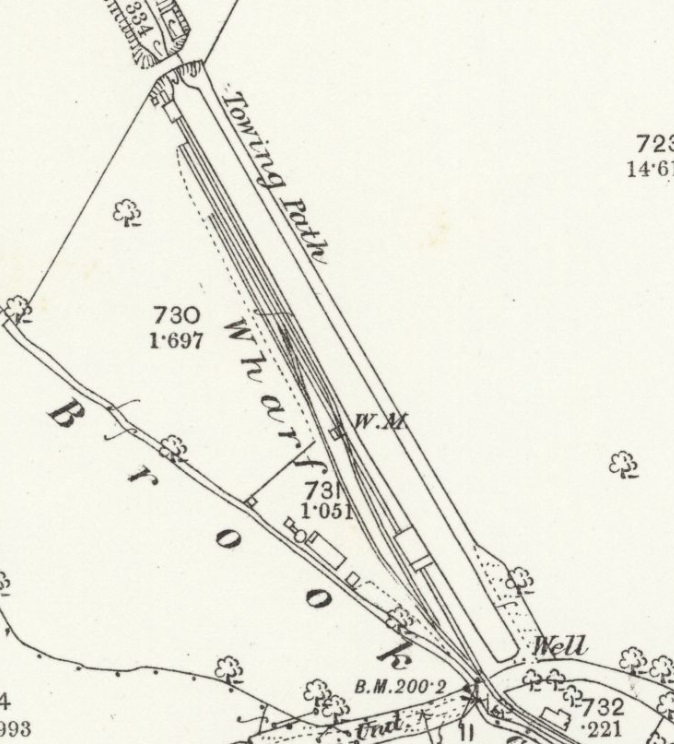
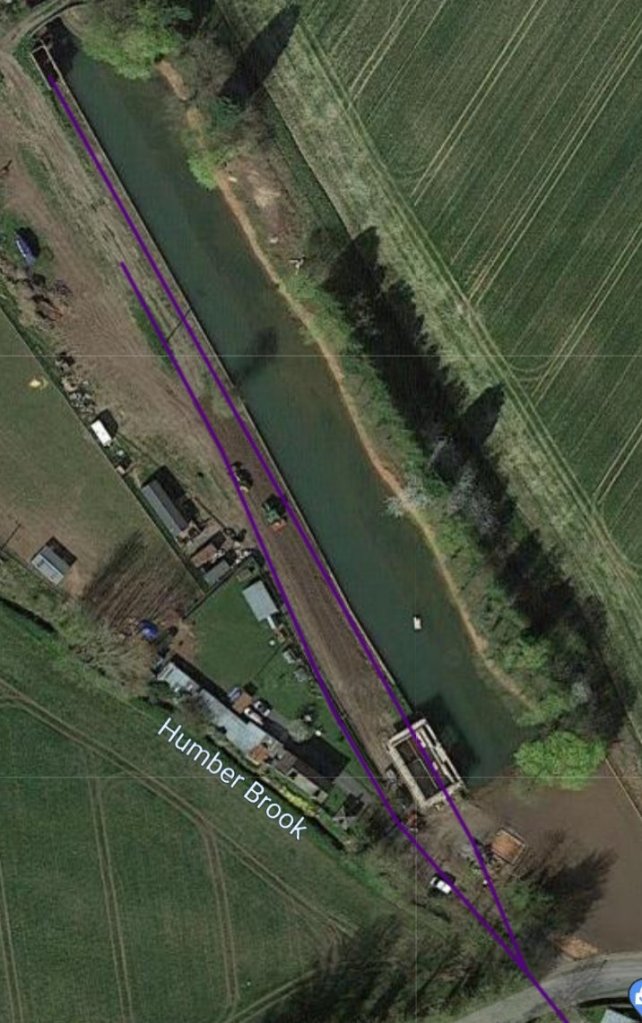

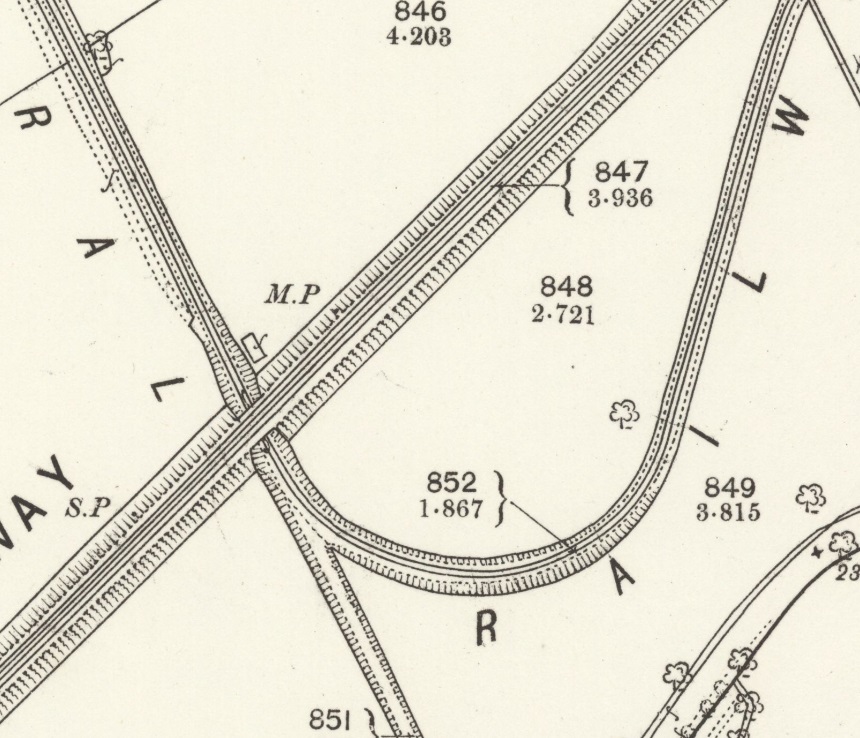
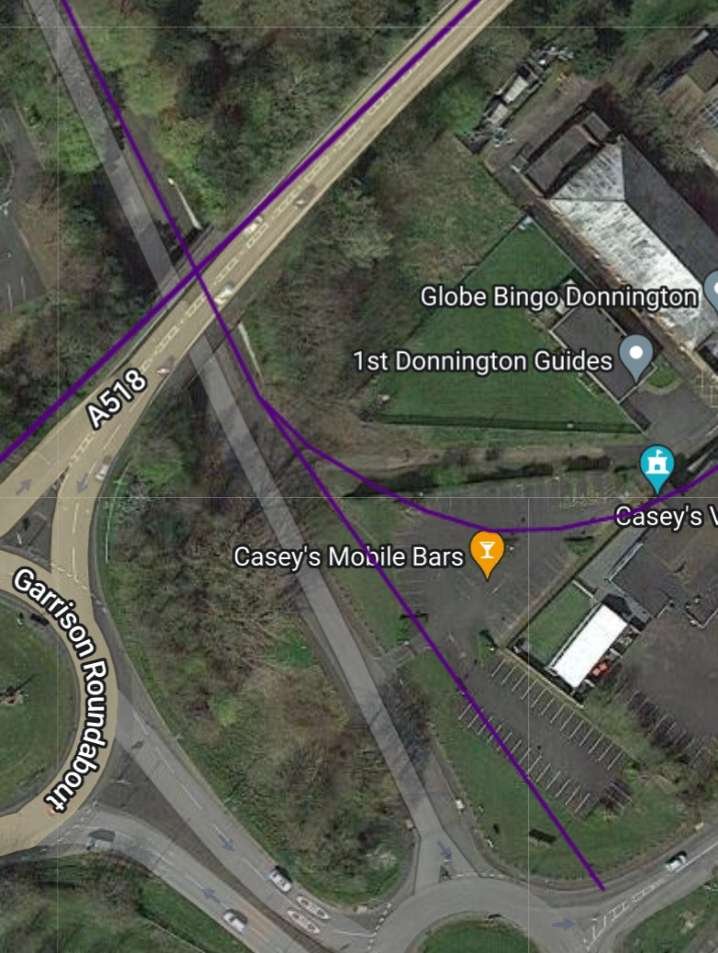
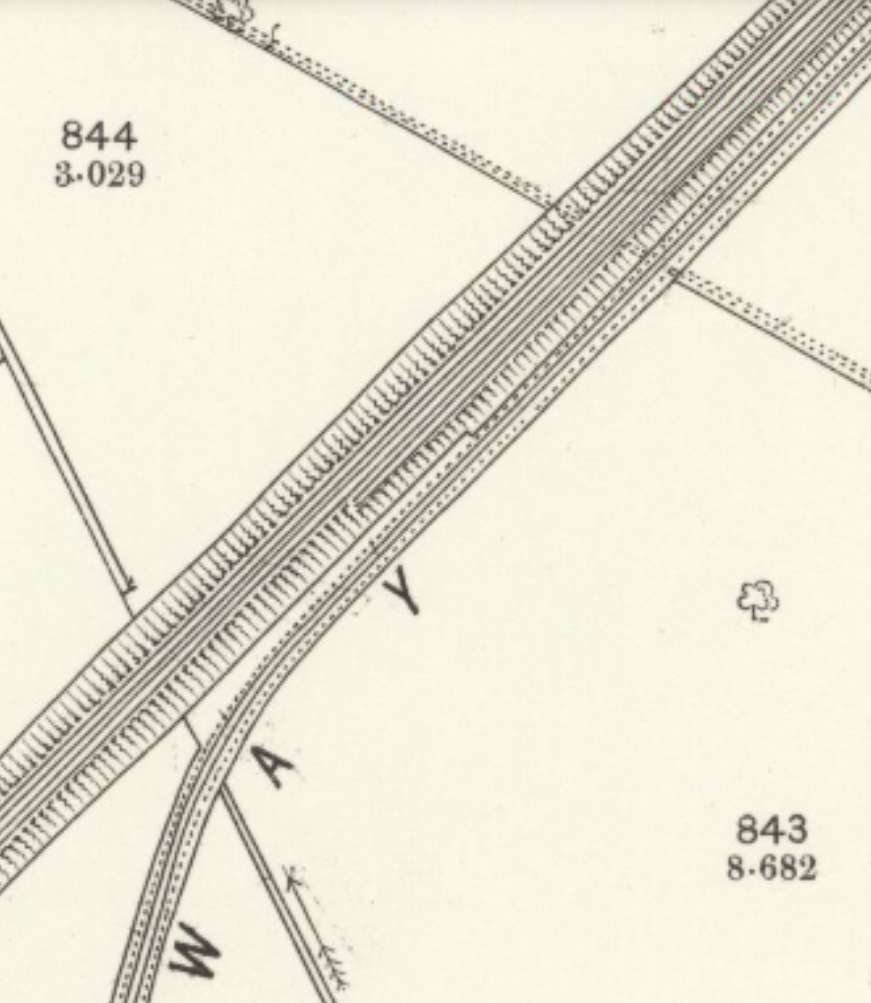
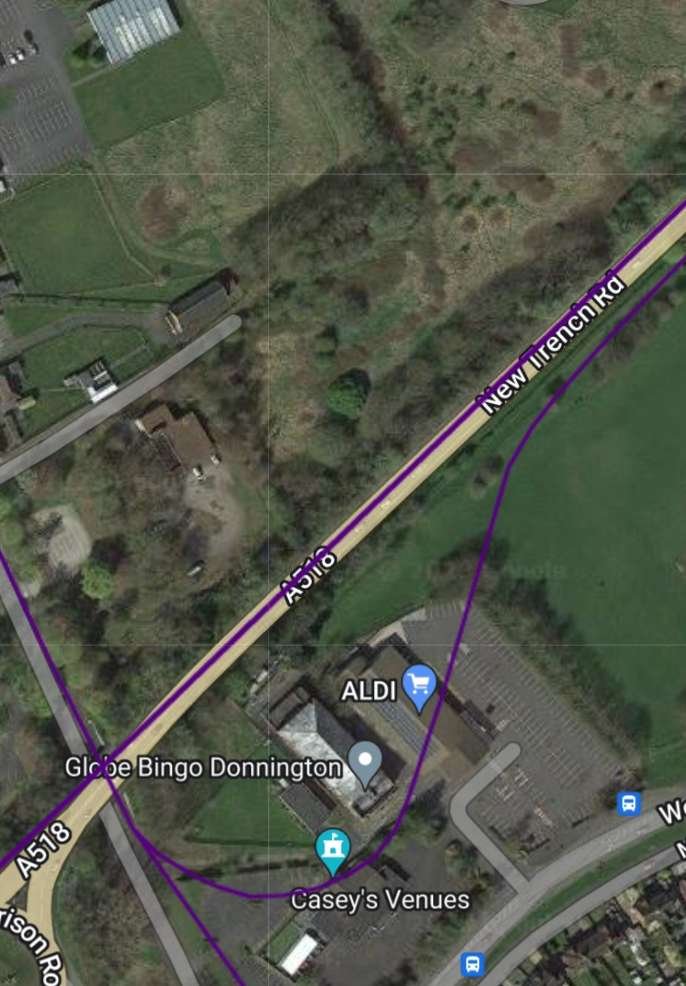
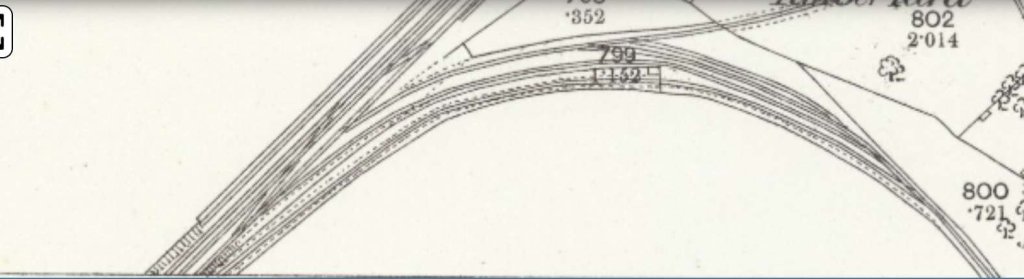
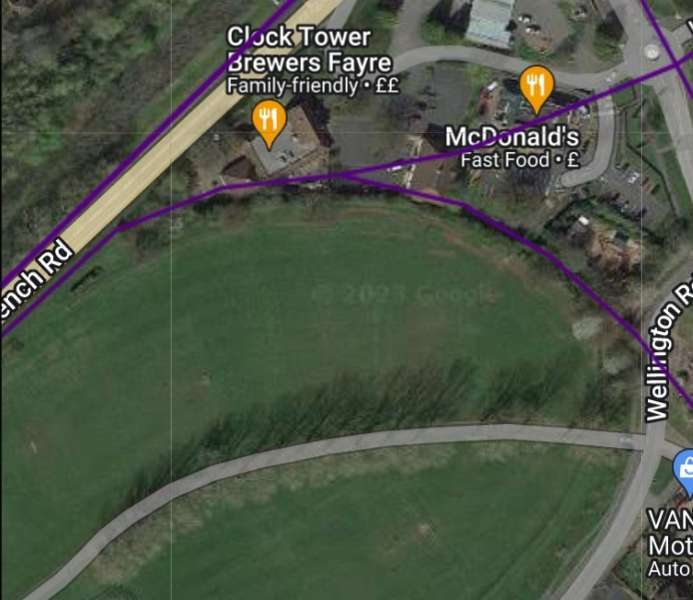

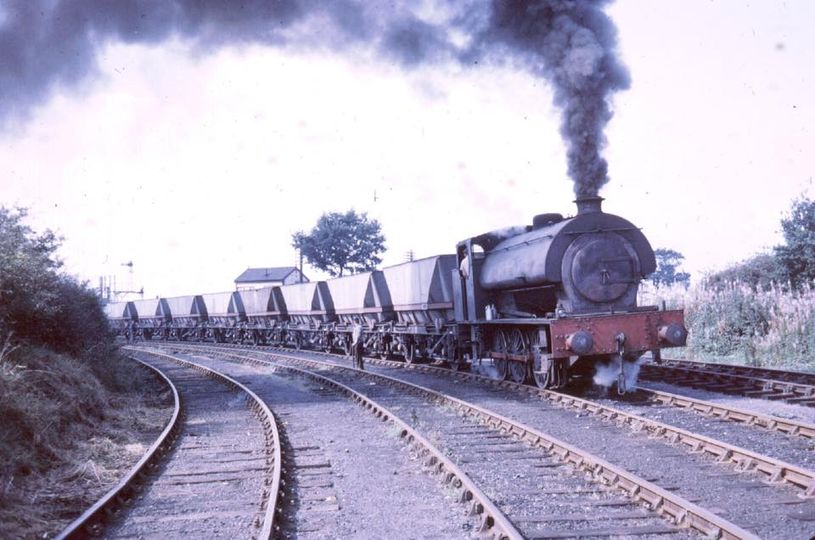
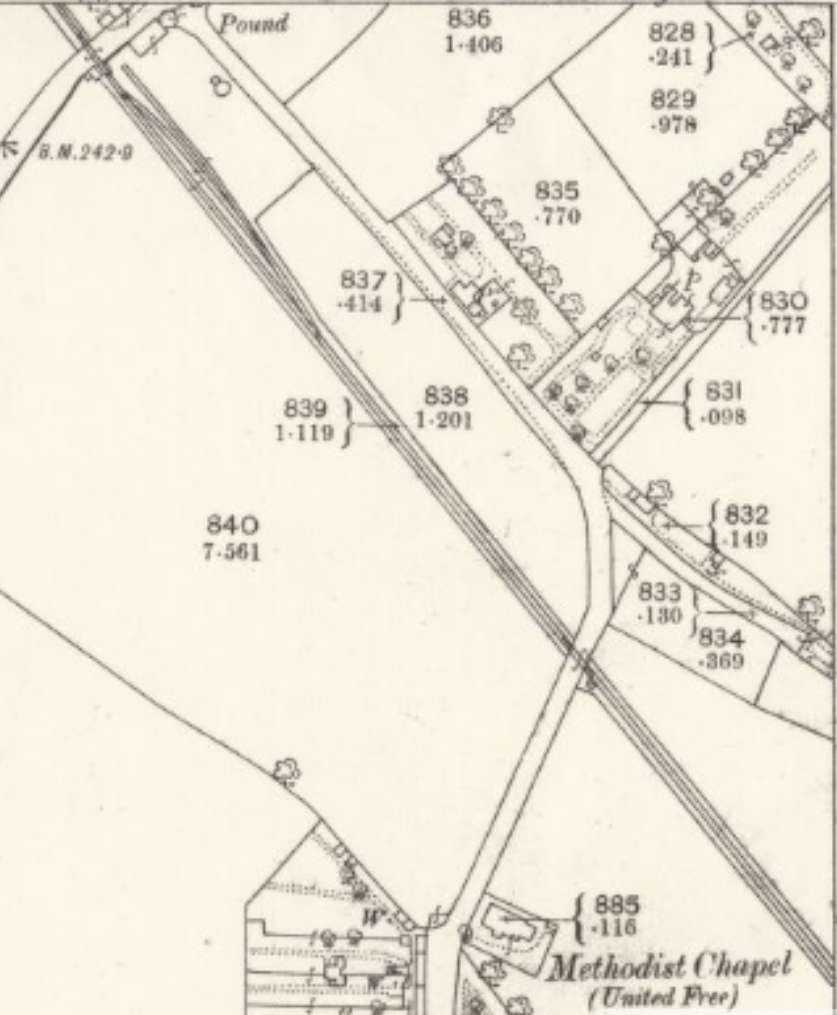
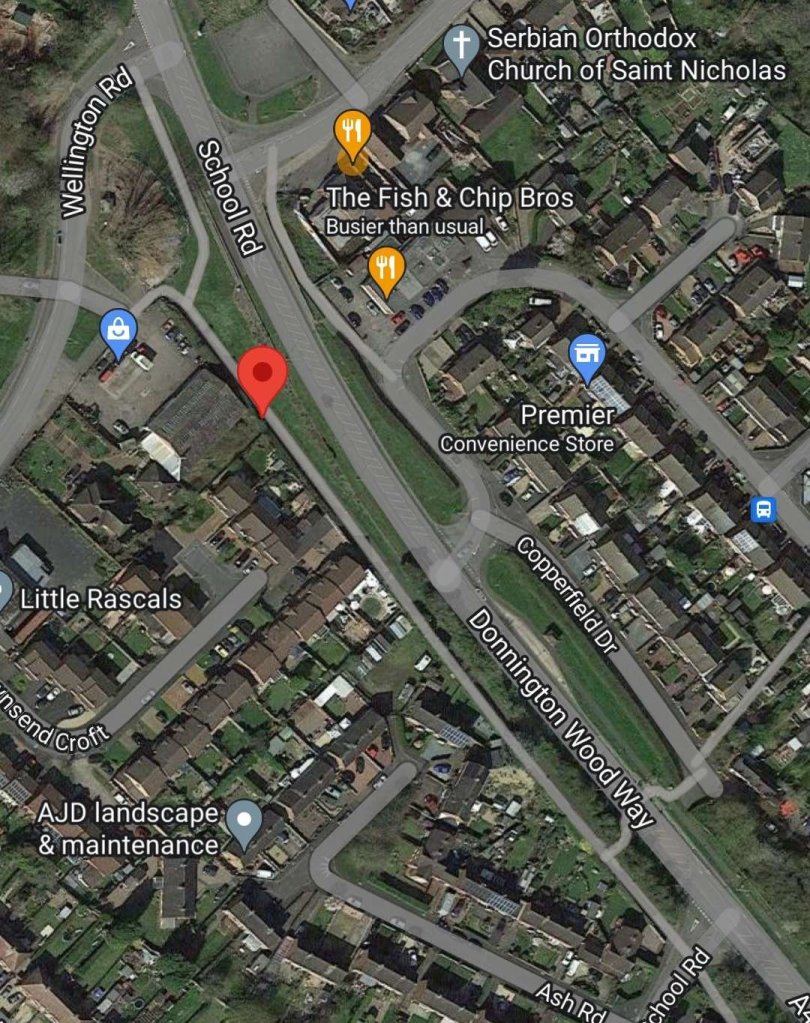
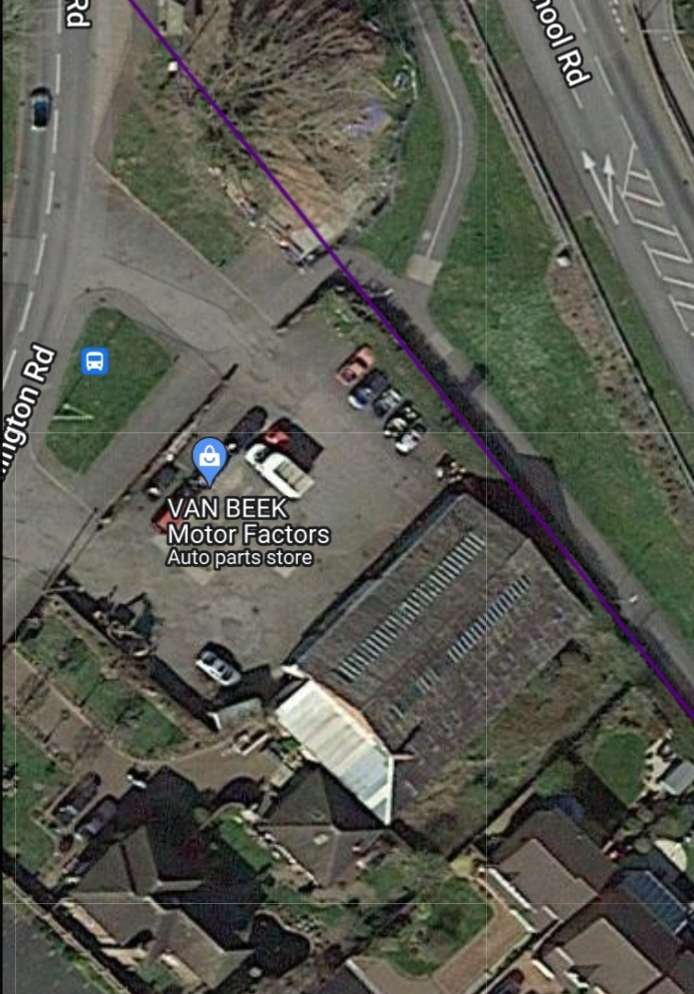
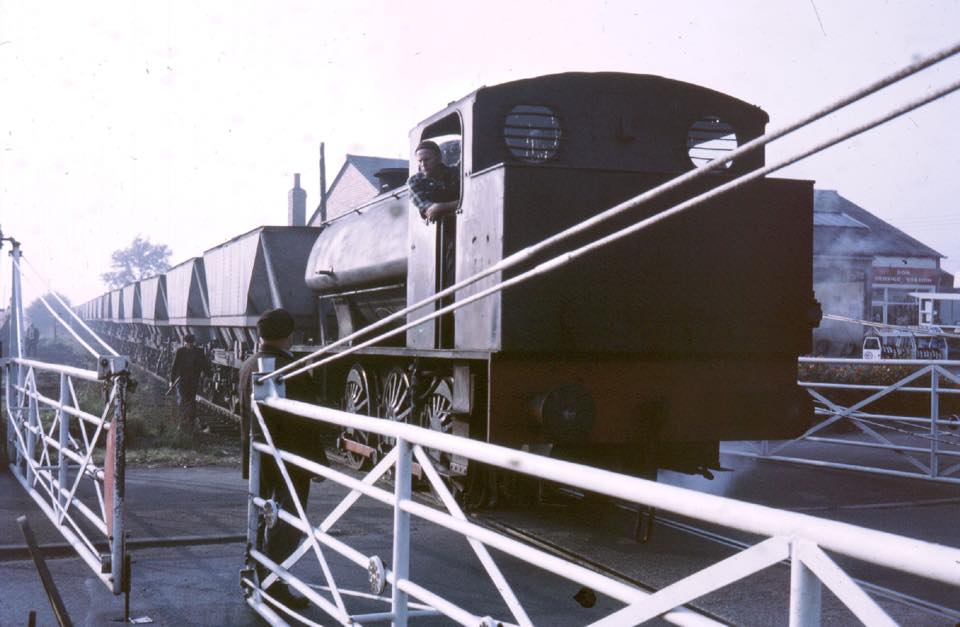
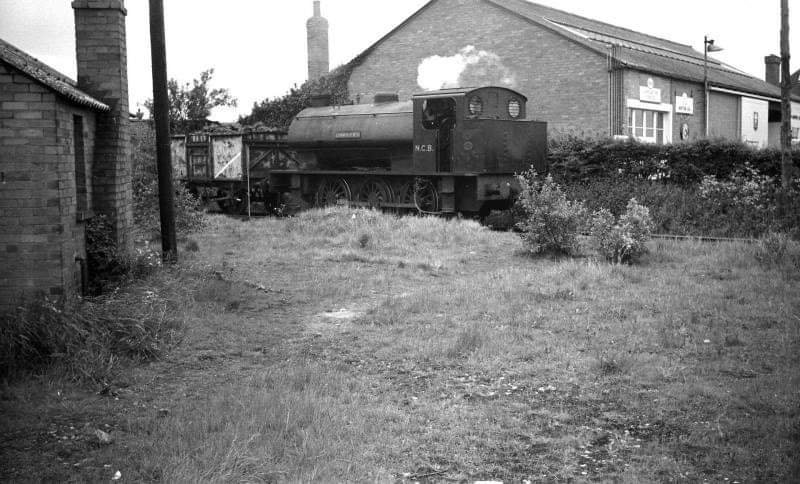

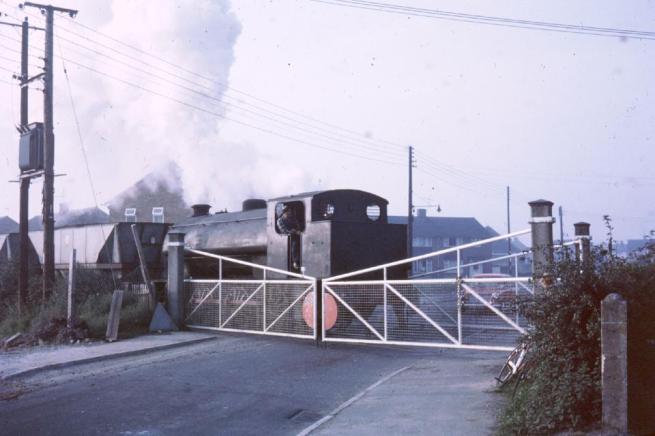


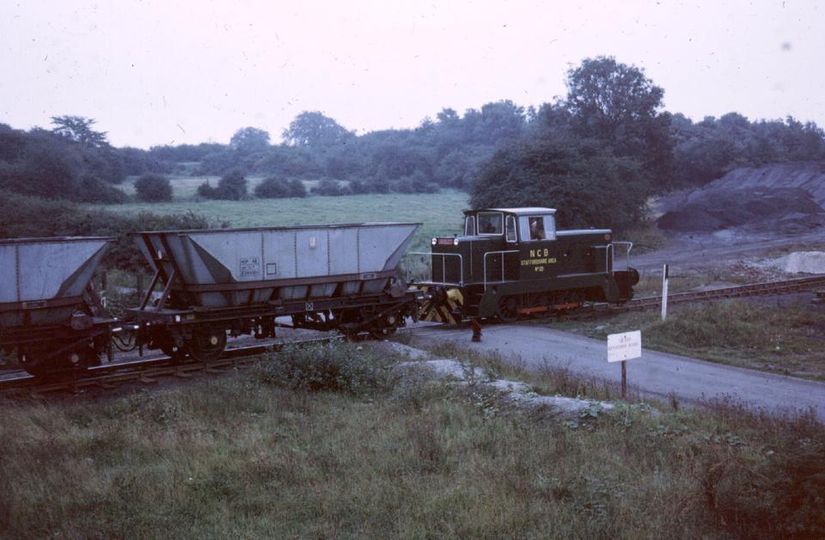
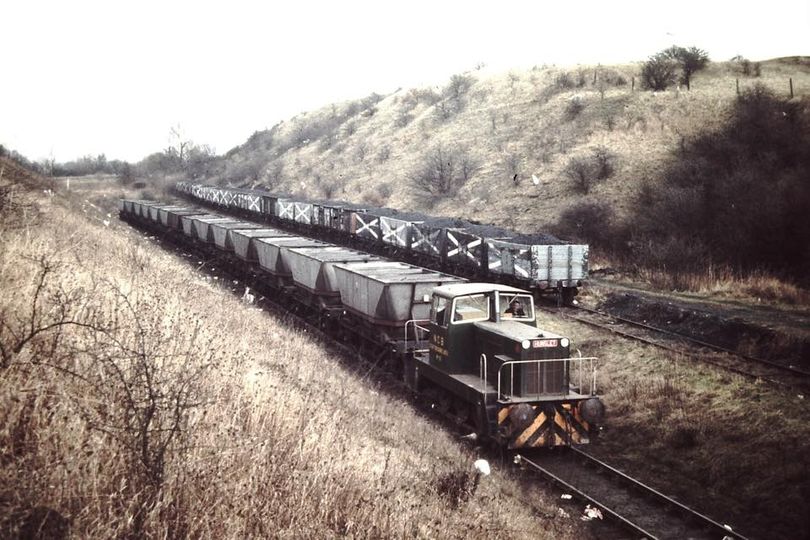


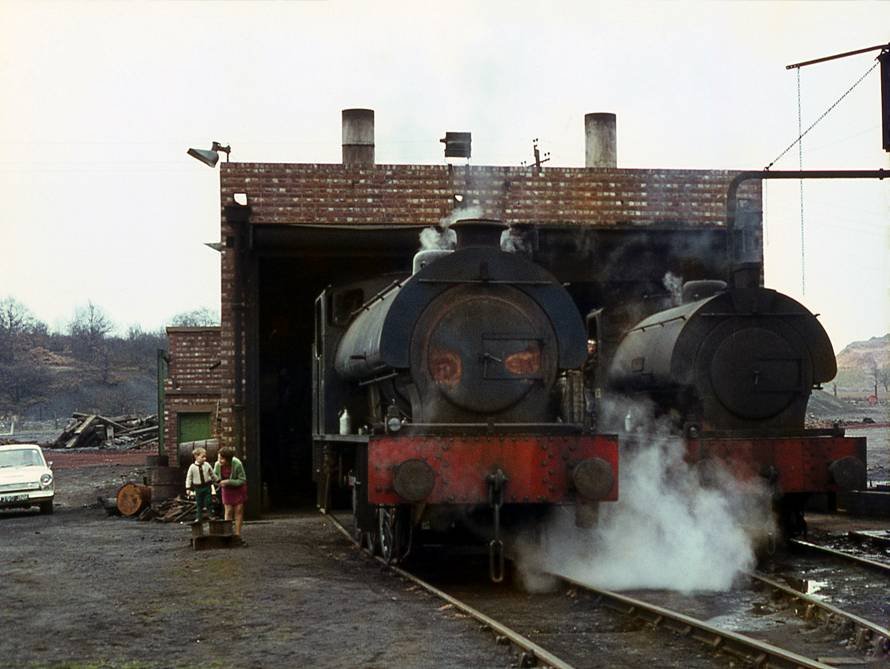

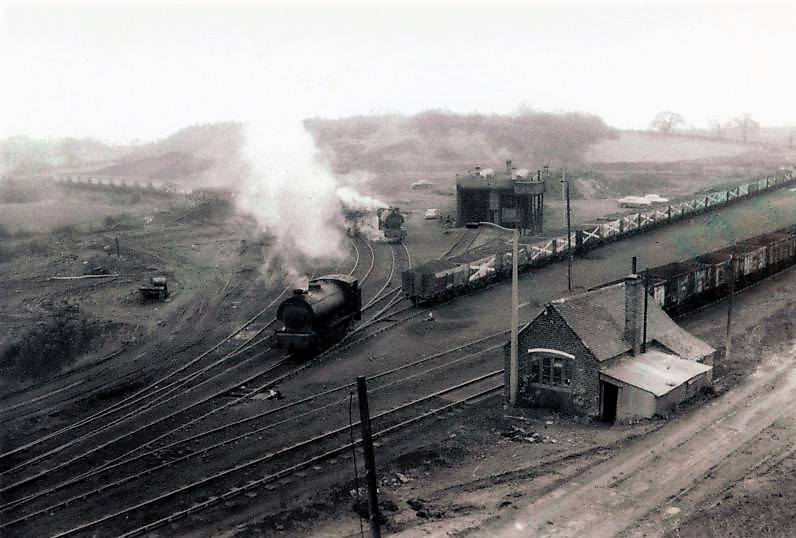
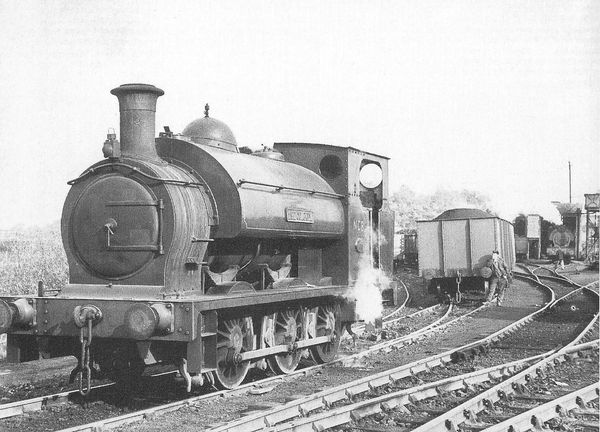
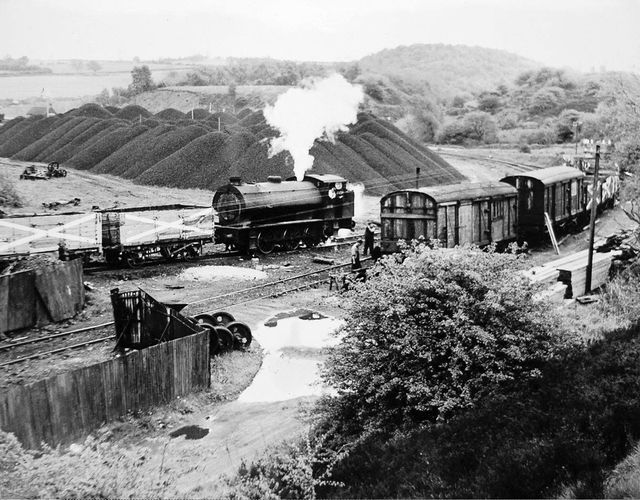
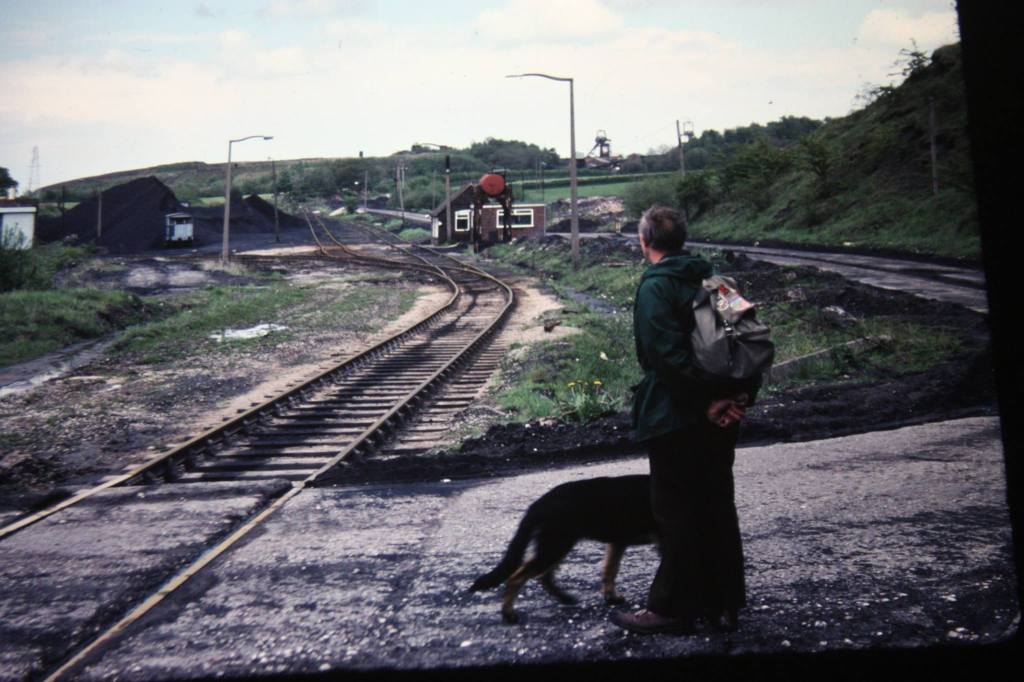

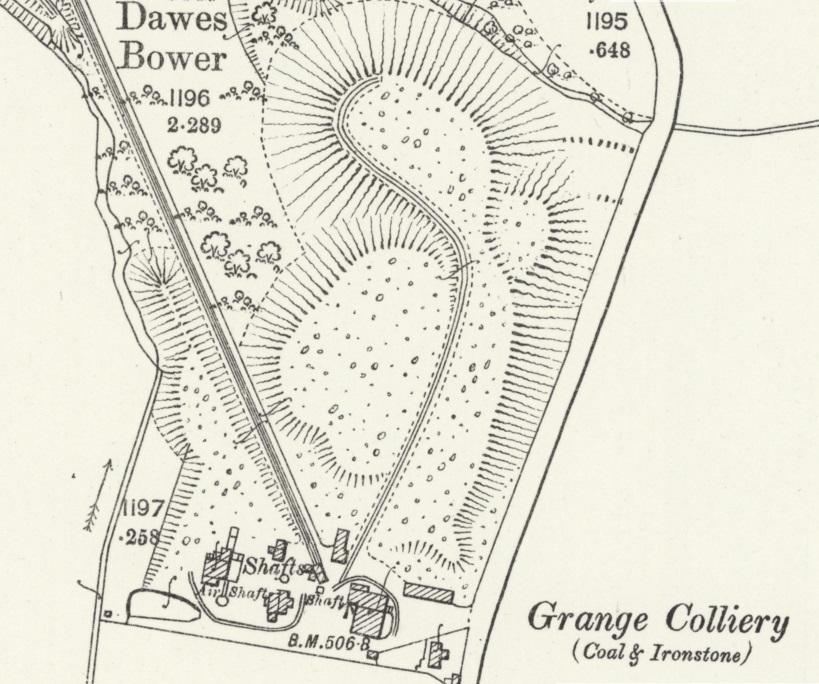


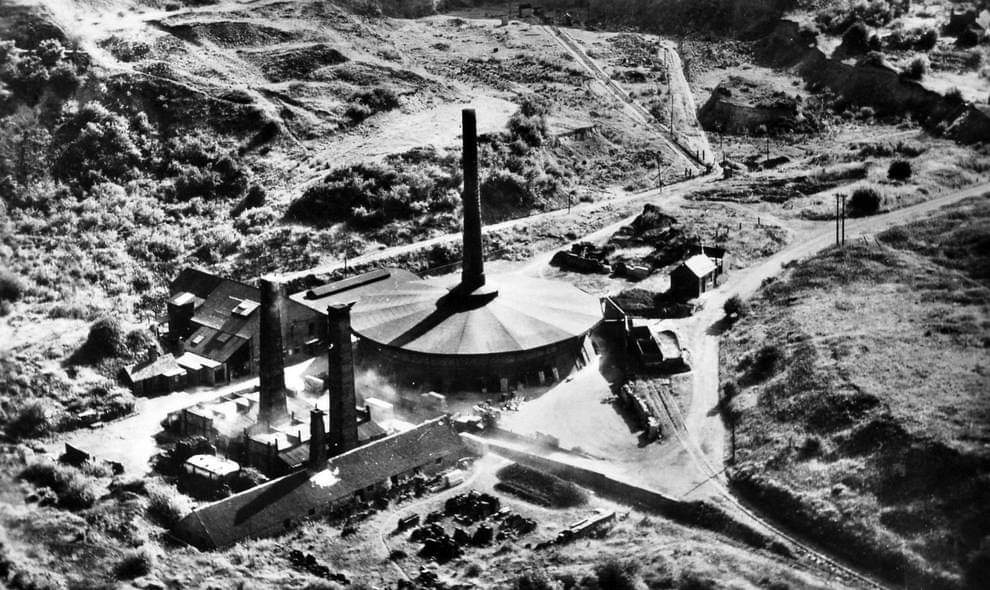


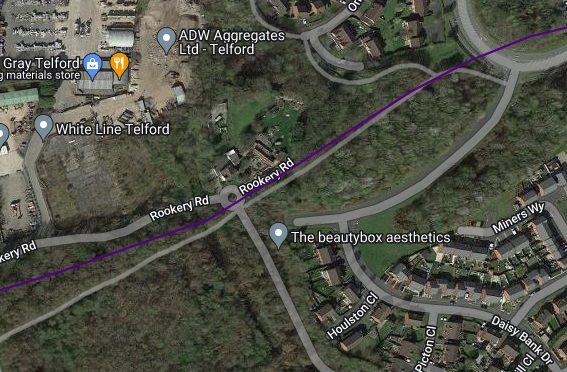
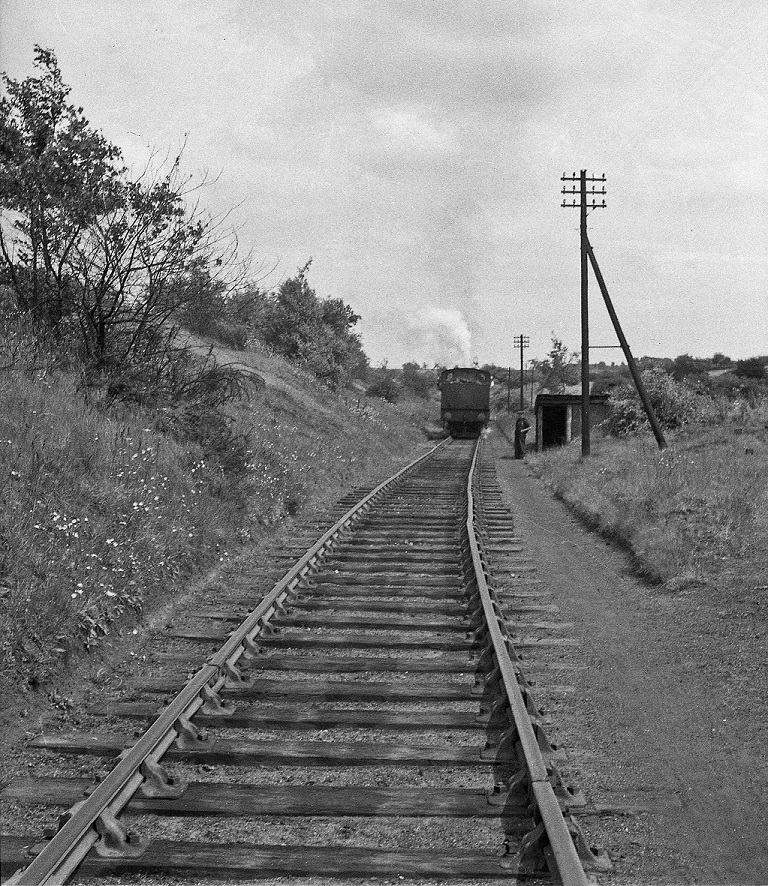


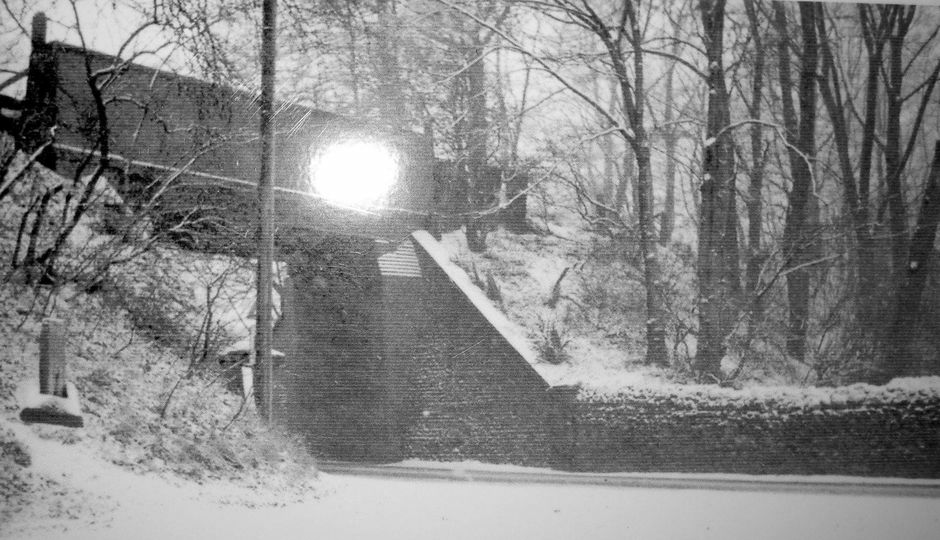
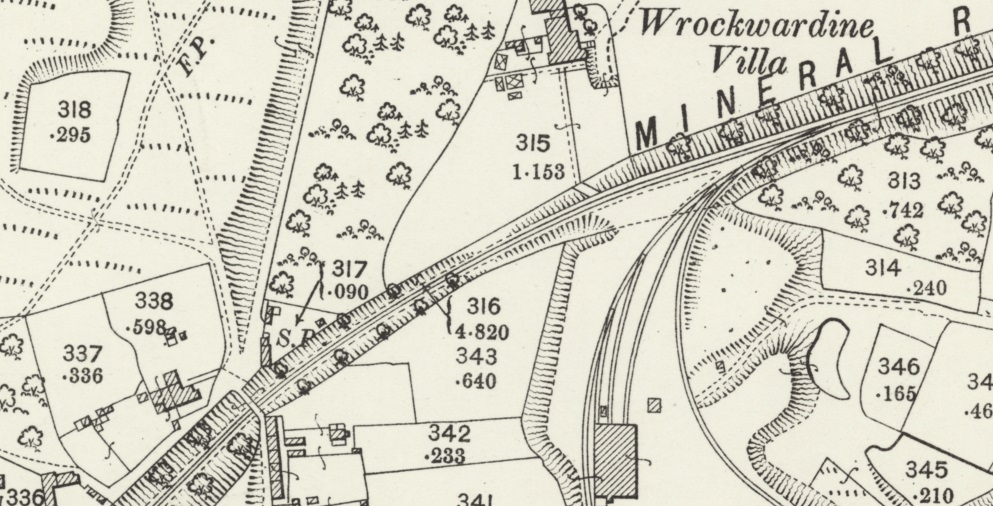
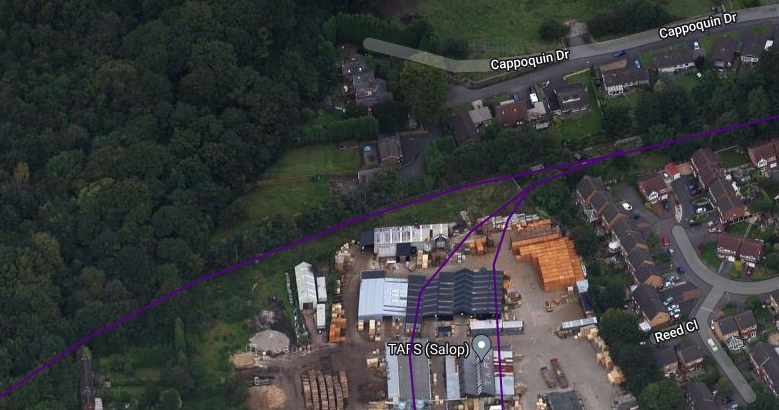


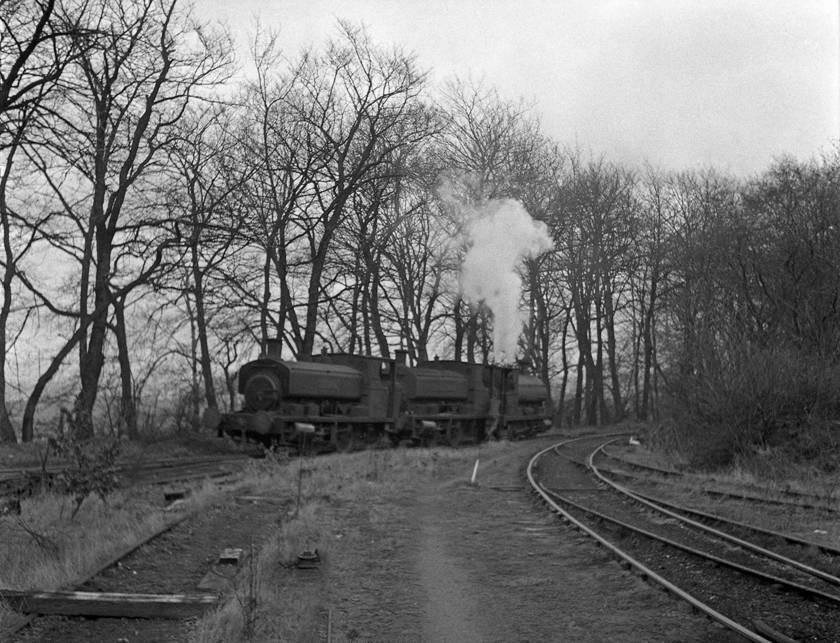
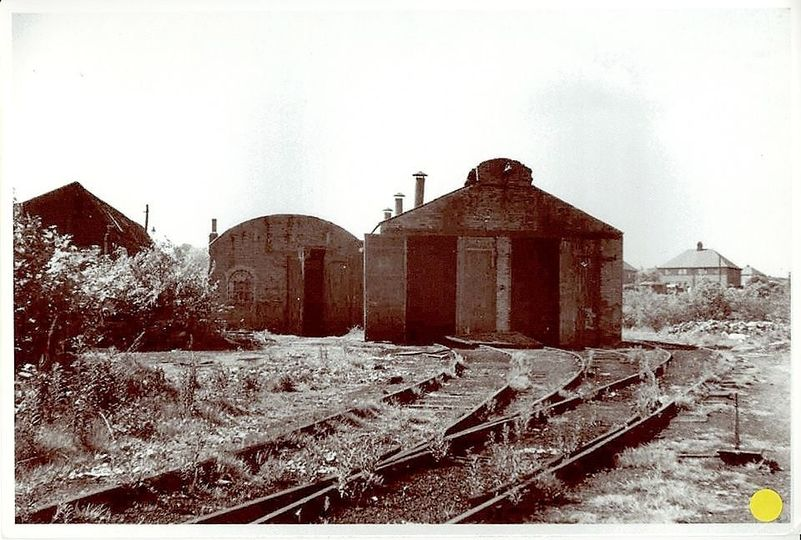
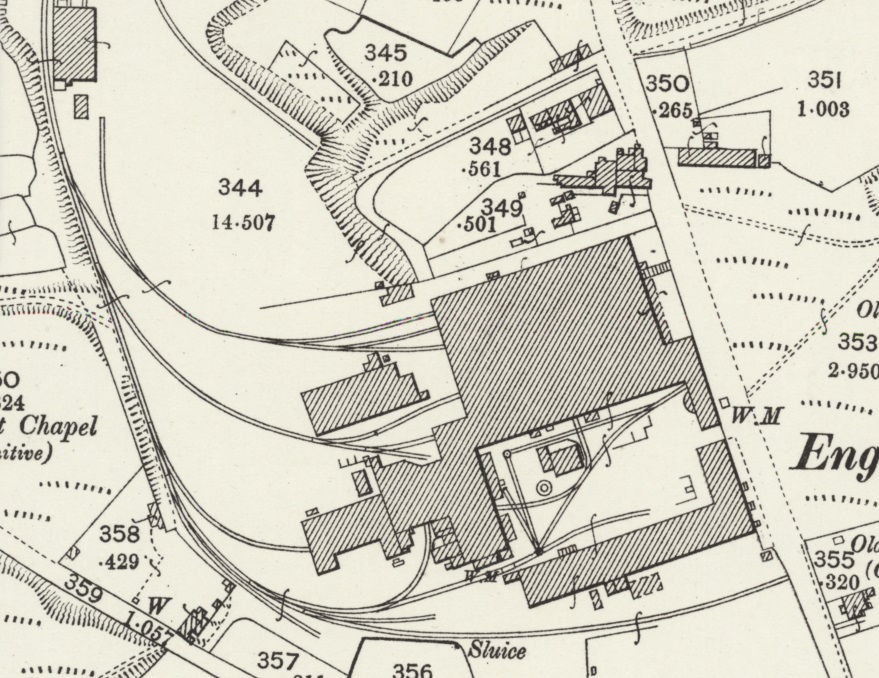
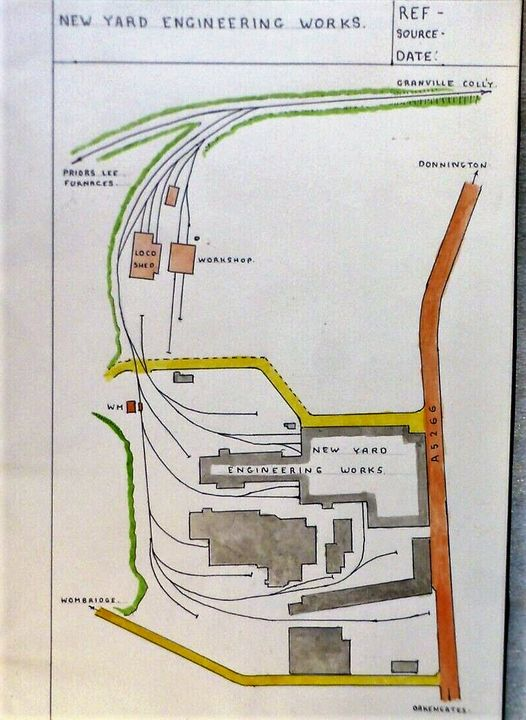
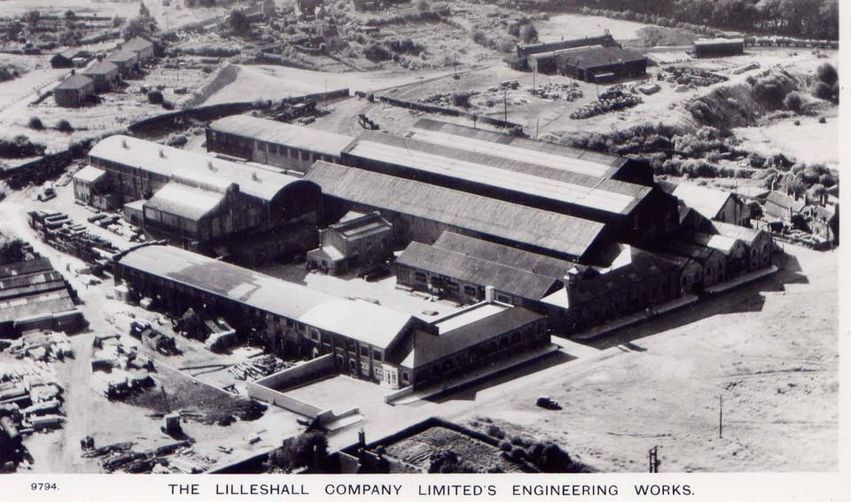
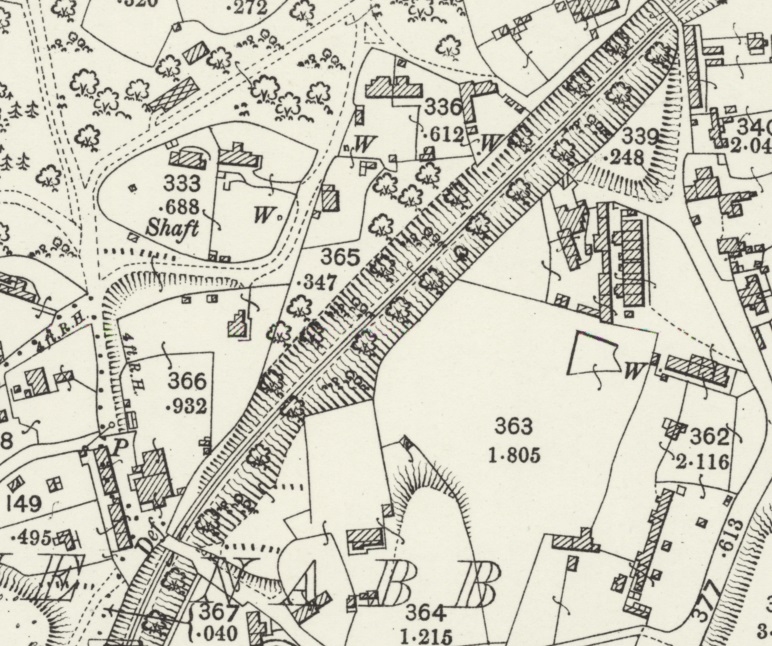

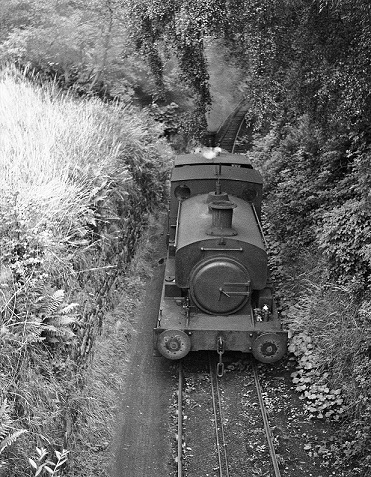
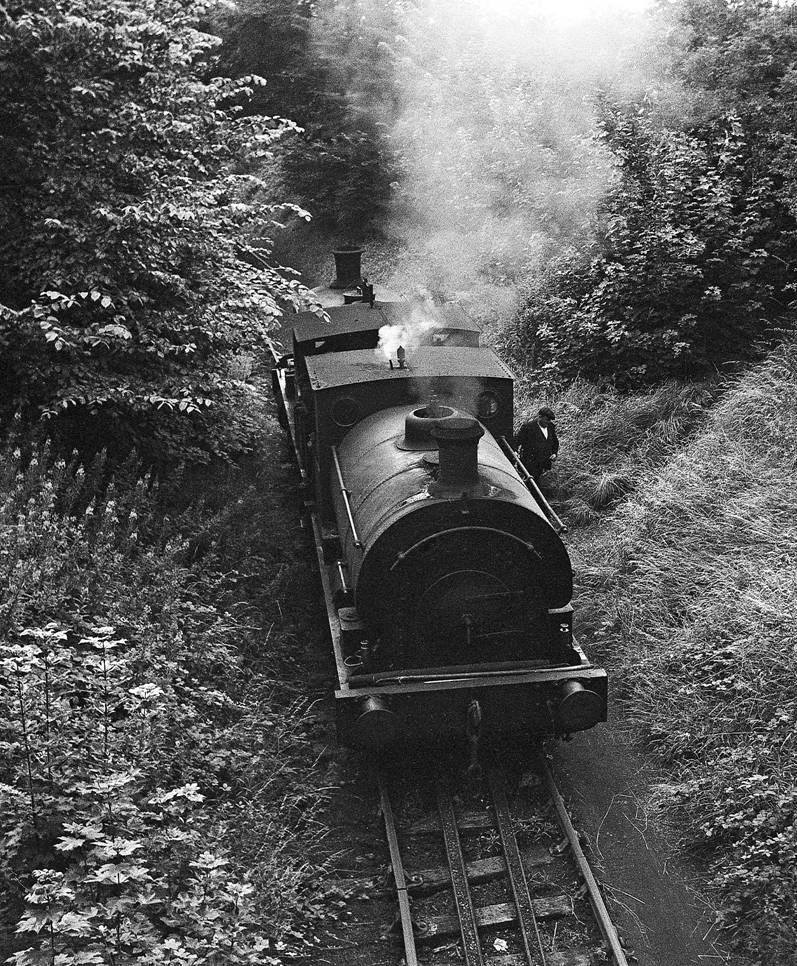
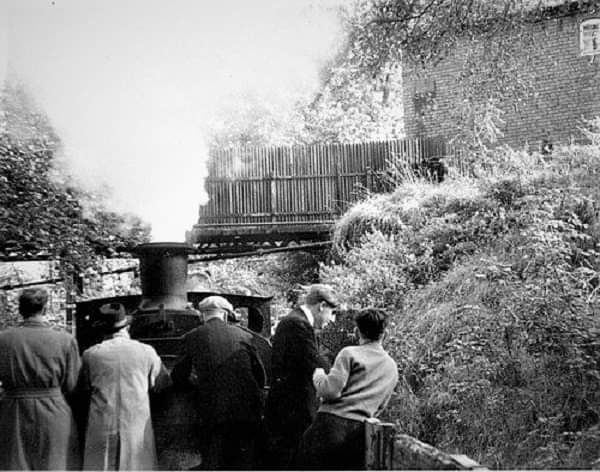
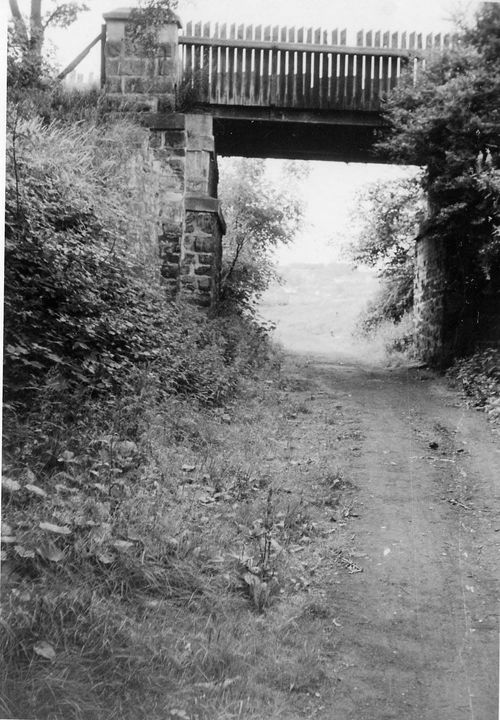
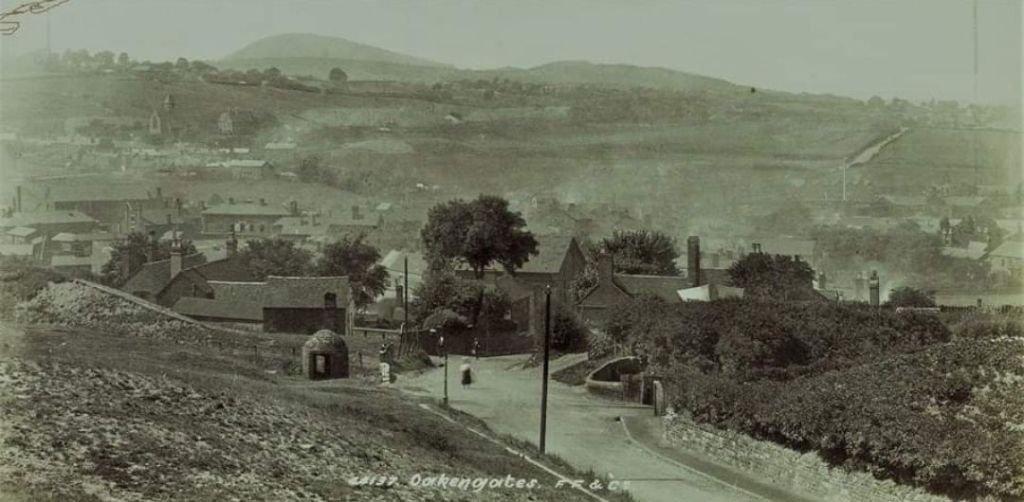

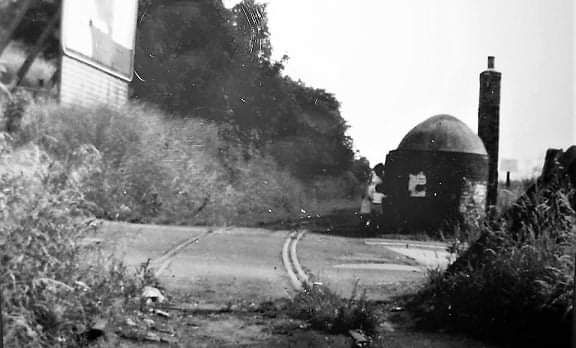
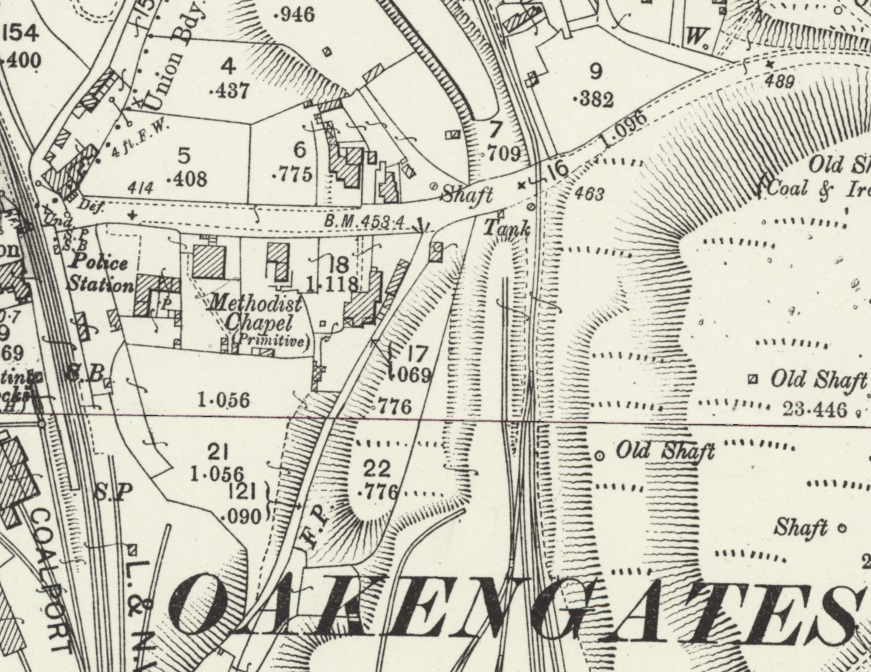
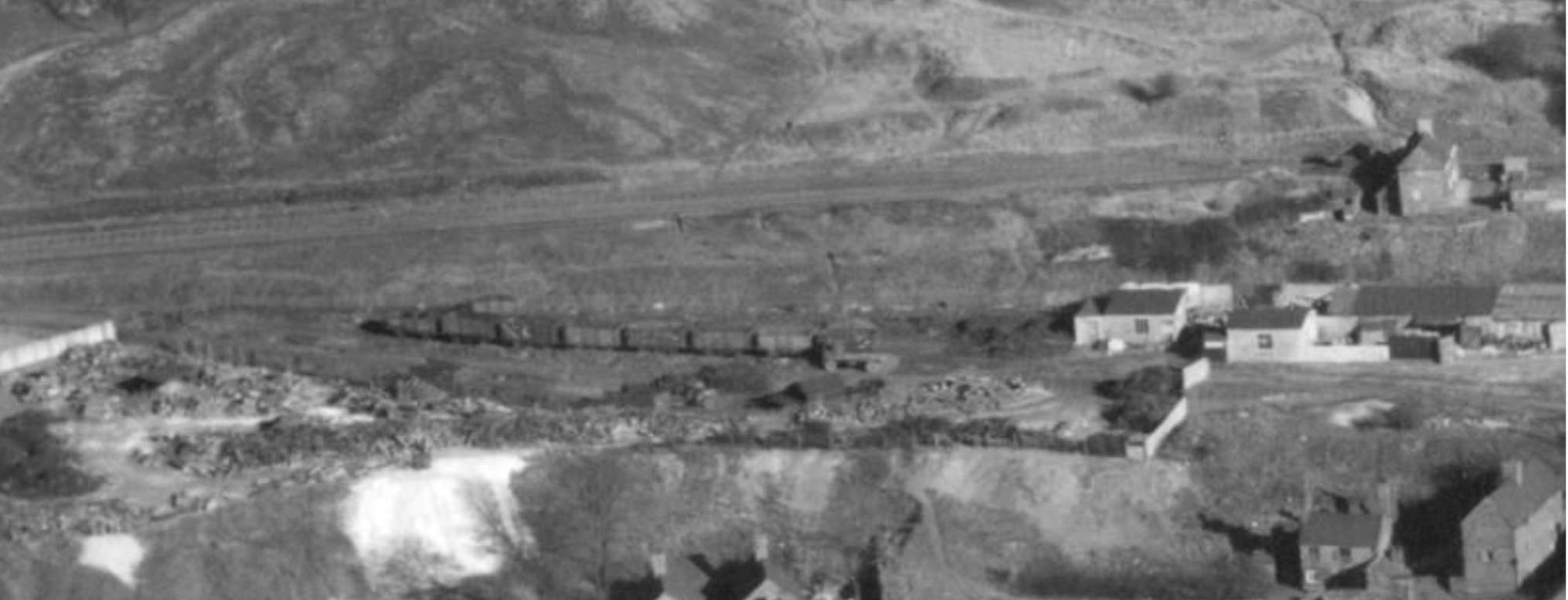



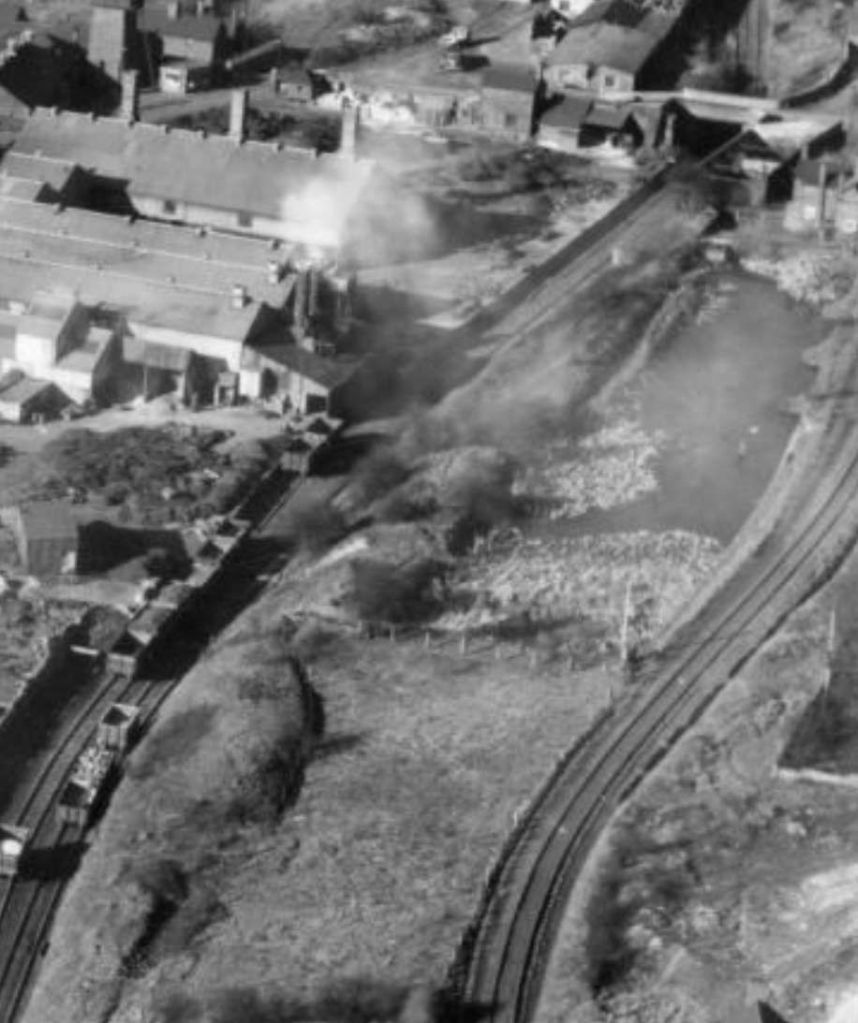


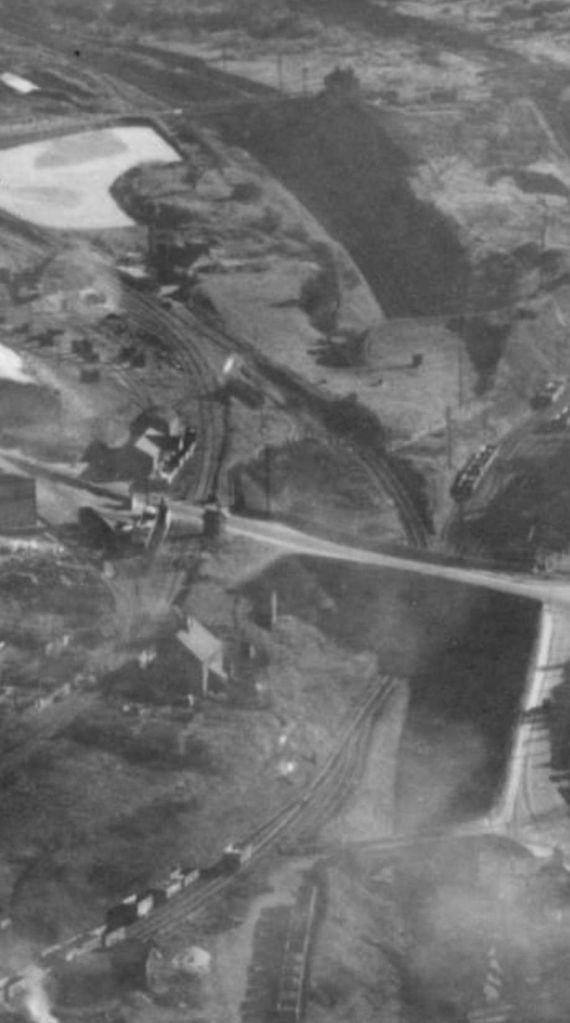
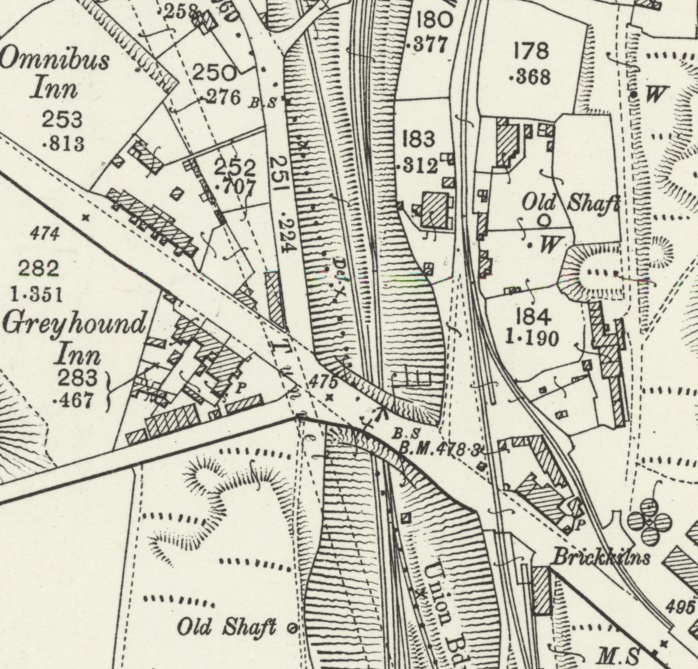
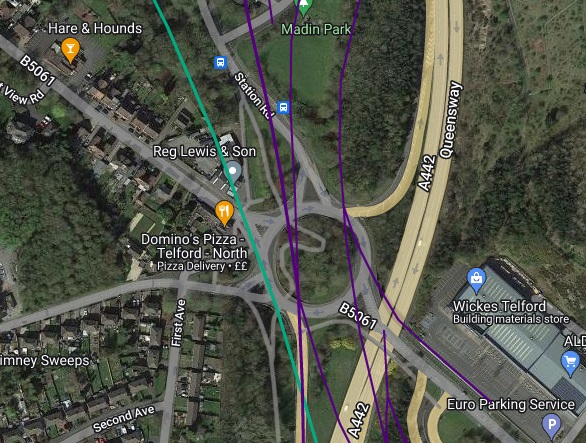
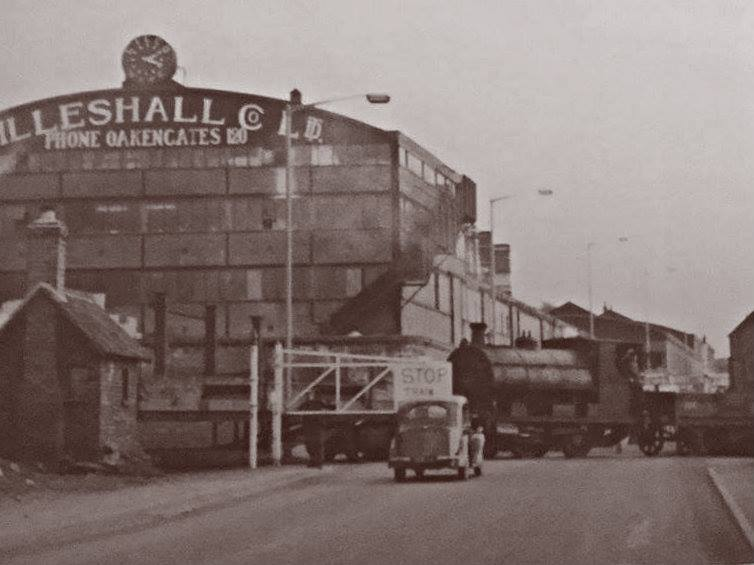


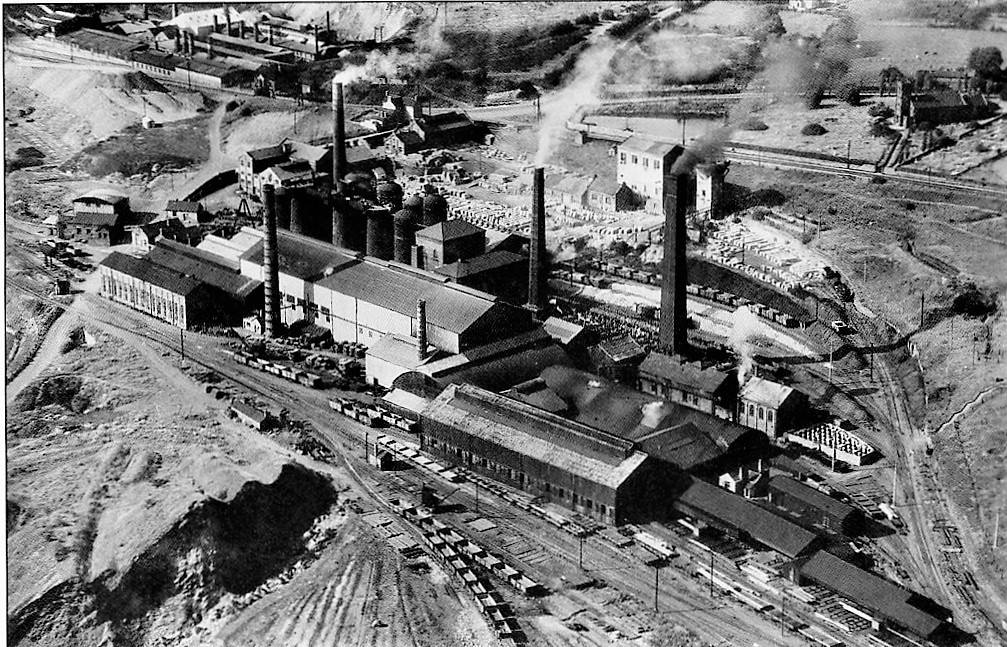
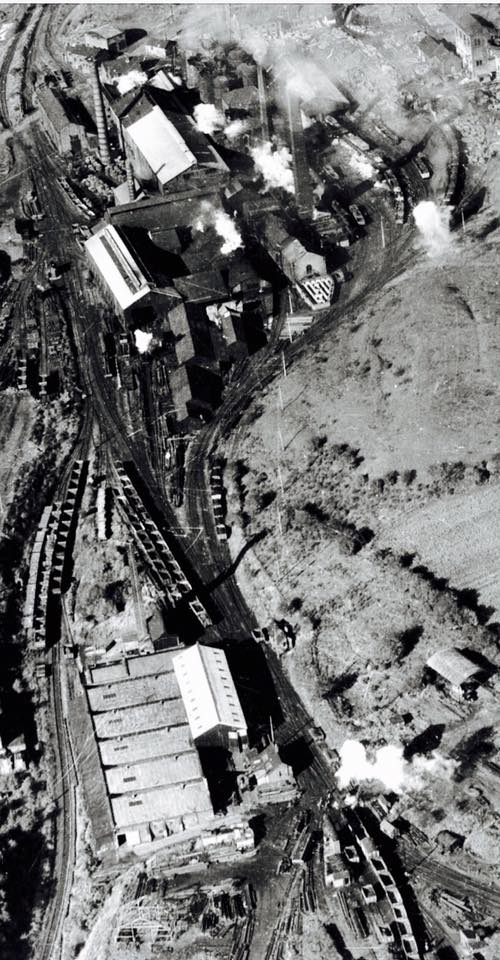
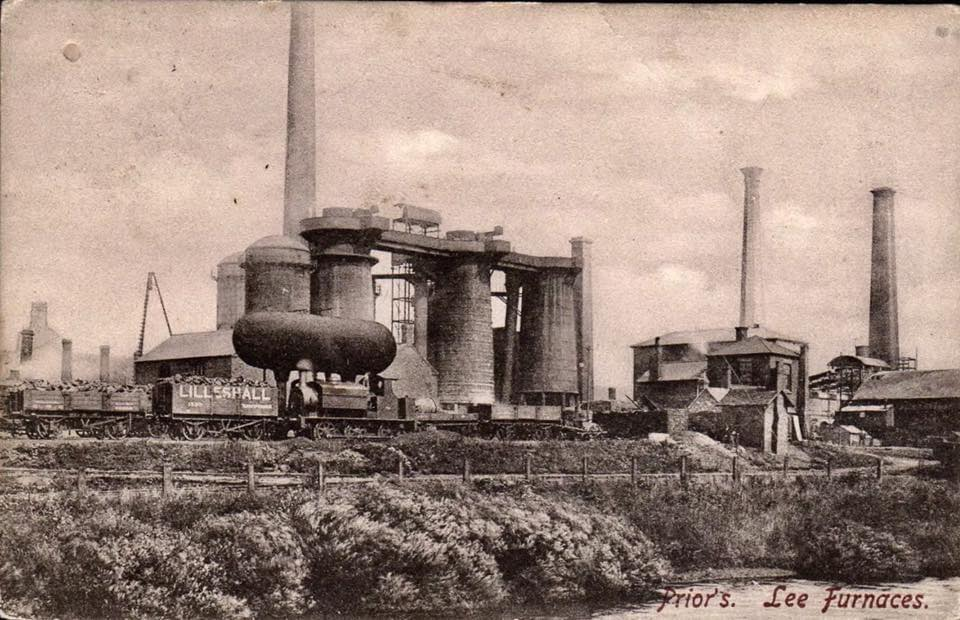

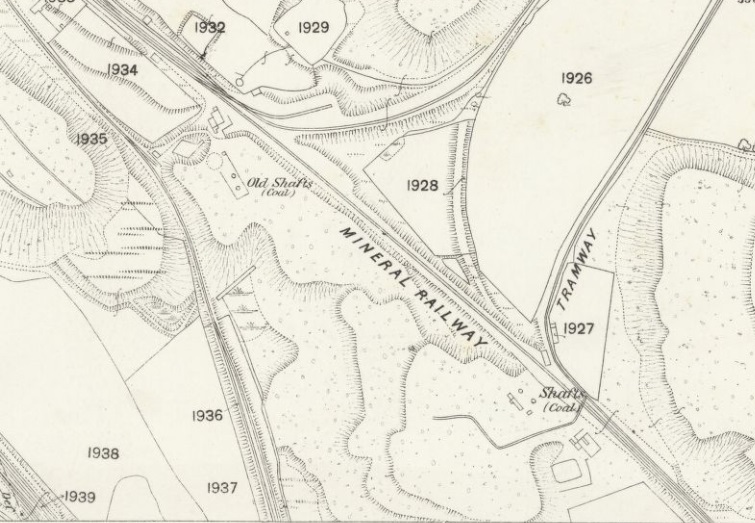
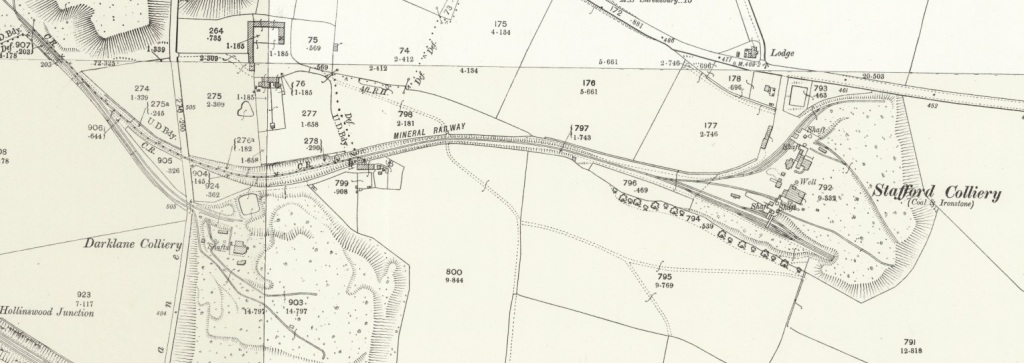

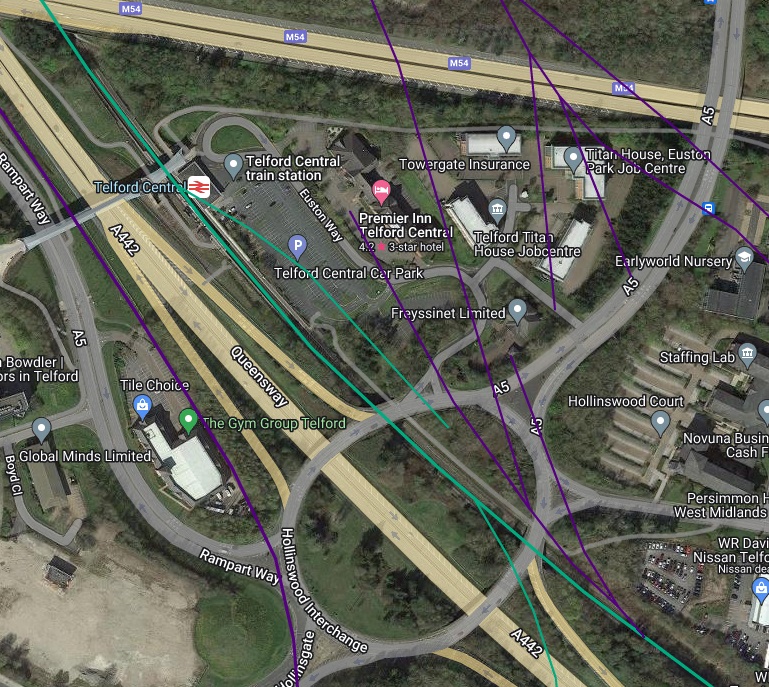


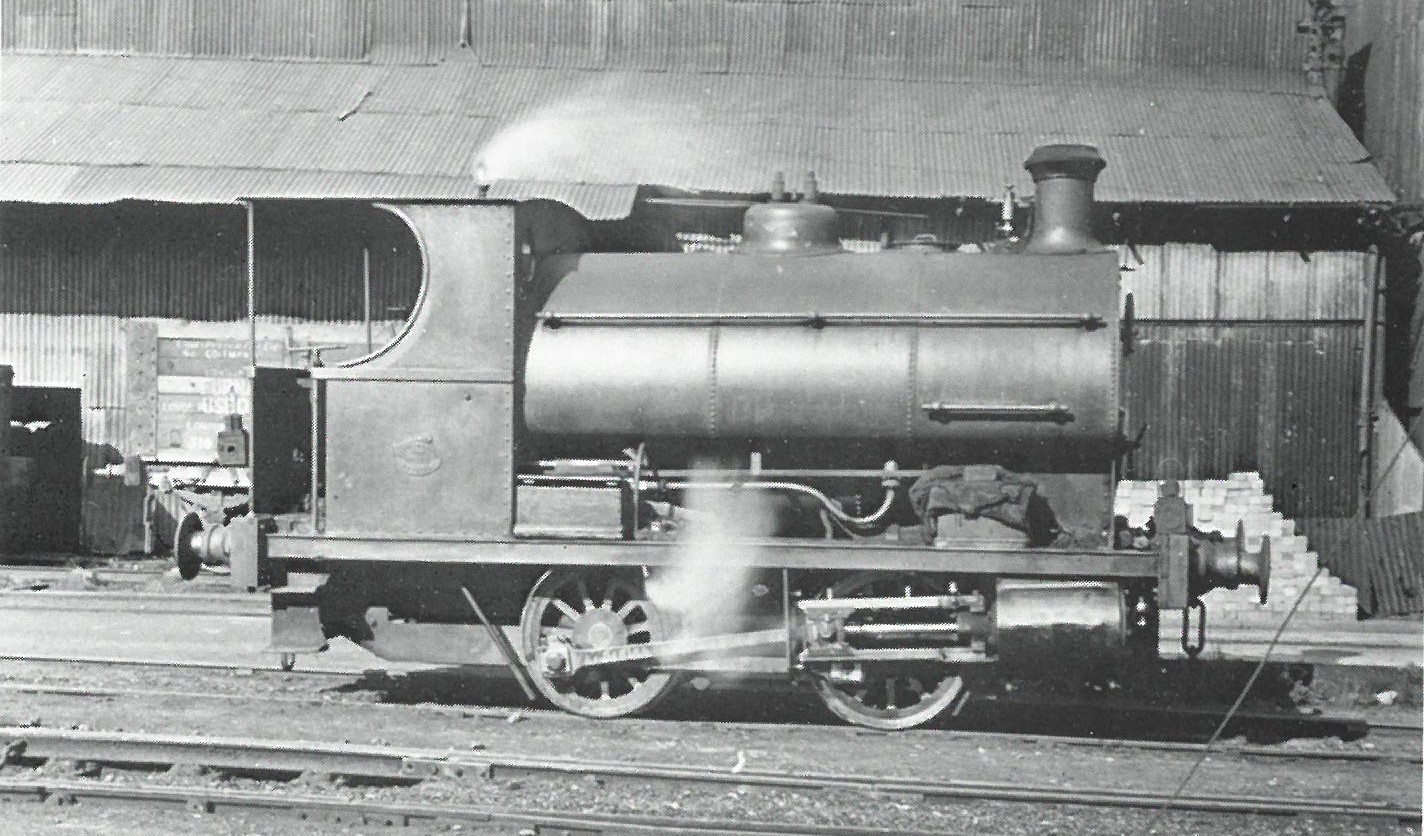

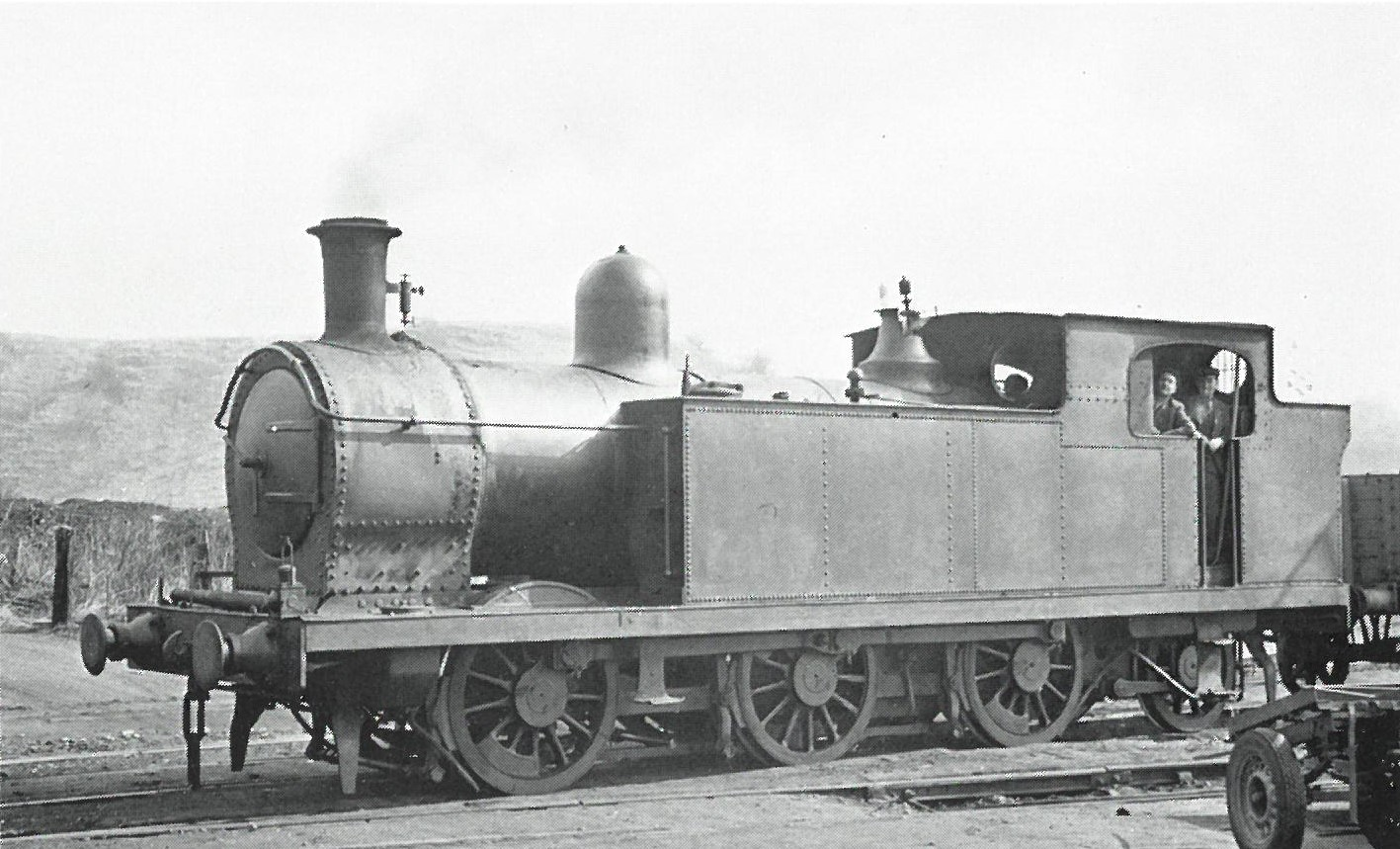
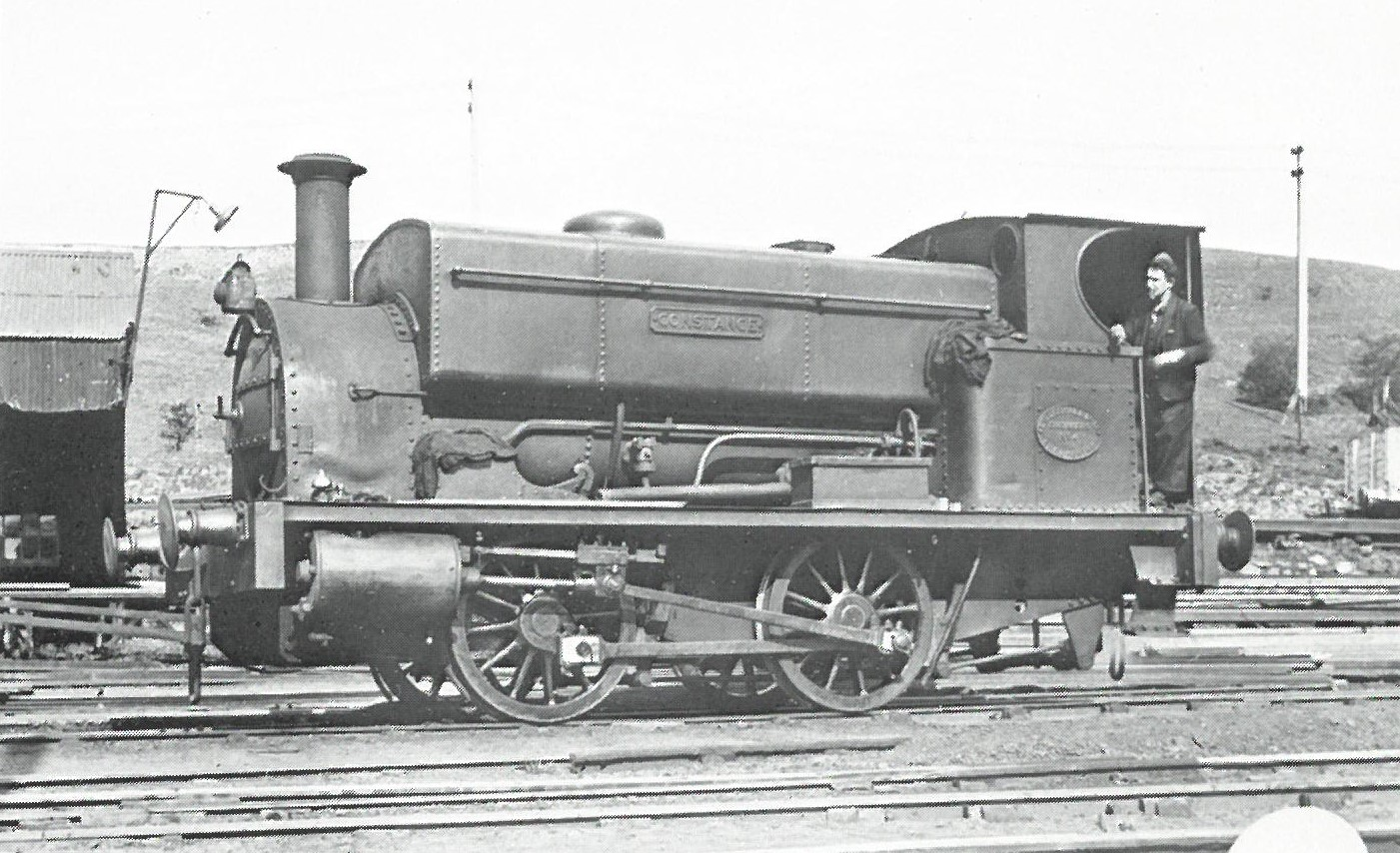
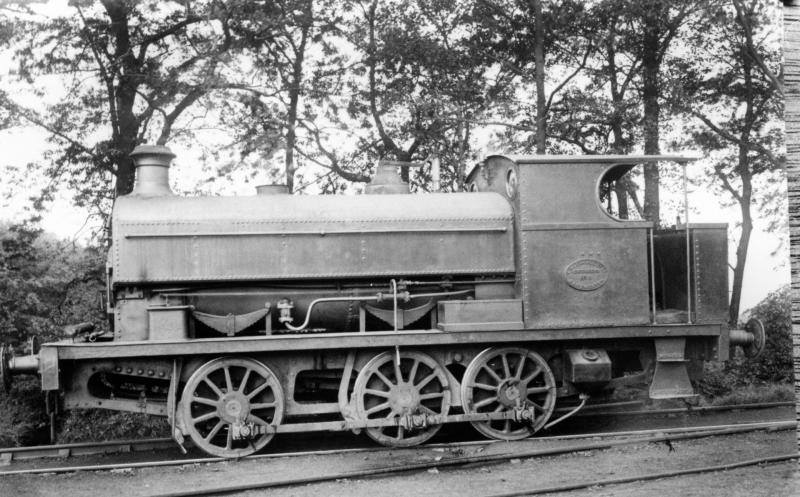
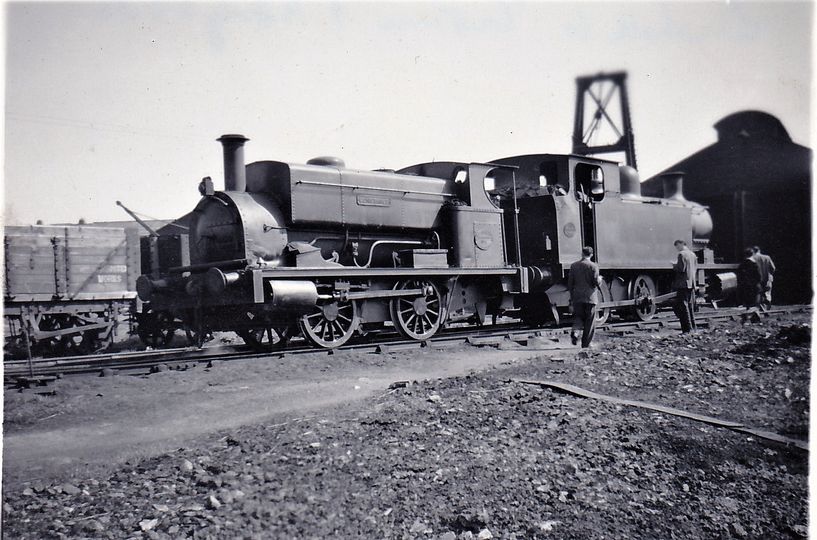

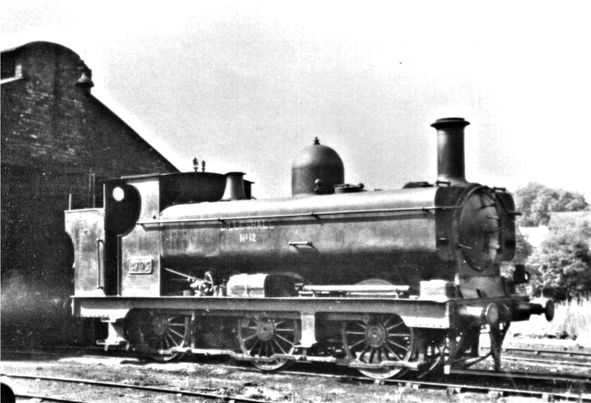
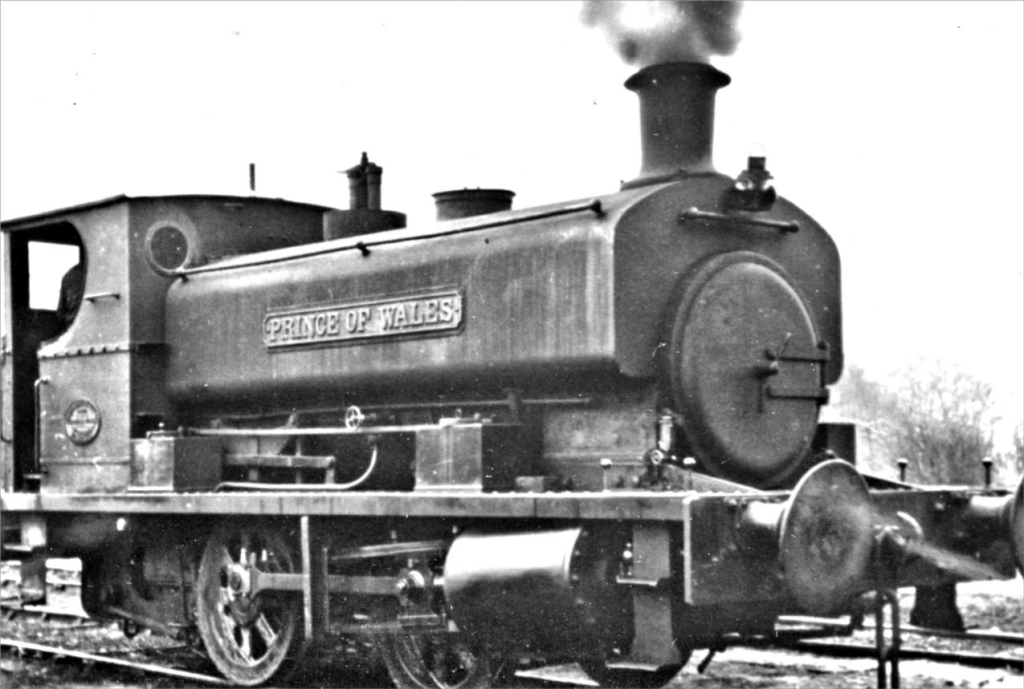


.jpg)


.jpg)