The Metropolitana di Genova is, in 2024, a single-line, double-track light rapid transit system that connects the centre of Genova, Italy with the suburb of Rivarolo Ligure, to the north-west of the city centre. It runs through to Brignole Railway Station in the East of the city. In 2024, the service is managed by Azienda Mobilità e Trasporti (AMT), which provides public transport for the city of Genoa. [1]
The Metro is a 7.1 kilometres (4.4 mi) long 1,435 mm (4 ft 8 1⁄2 in) (standard gauge) double-track line and is electrified with overhead lines at 750 volts DC. It has a direct connection with Trenitalia’s mainline railway station, Principe. [1]
The origins of a subway in Genoa date back to the beginning of the twentieth century; in 1907 Carlo Pfalz, who had already designed the Zecca-Righi Funicular, [2] was the first to explore the construction of an underground railway with electric traction. Several projects, including that of the engineer Angelo Massardo and those of Renzo Picasso (1911 and 1930), were proposed without being realized. Instead, a tram system at surface level was built which ultimately was abandoned in 1966. An attempt to introduce an alternative means of transport was made on the occasion of the International Exhibition of Marine and Maritime Hygiene of 1914: it was a ‘Telfer’, an elevated monorail that connected the Port (Giano Pier area) to the exhibition area in Piazza di Francia, in front of the Brignole station. The infrastructure was then abandoned and finally demolished in 1918. [1]
An article about the Telfer can be found here. [3]
The underground ‘Metro’ was built in a series of phases. “The first section, opened on 13th June 1990 in time for the 1990 FIFA World Cup, was 2.5 kilometres (1.6 miles) [6] between the stations of Brin and Dinegro. [7] The line was extended to Principe in 1992, [6] to San Giorgio-Caricamento in 2003, [6] to De Ferrari (the underground station at Piazza De Ferrari) in 2005, [6] and to Brignole in 2012.” [8]
Since 2024, citizens of Genoa have been able to use the subway free of charge without any time restrictions.[9]
Stations
Brin Station – is currently (2024) the Northwest terminus of the line. It is situated along Via Benedetto Brin in the neighbourhood of Certosa in Rivarolo Ligure, a suburban area in the north-western outskirts of Genoa, Italy. The station, currently the terminus of the line, is located just west of the tunnel mouth on the line from Dinegro station. [10] It is built on a viaduct, which allows for the line to be extended to the north.
The station was designed by architect Renzo Piano, the station’s official opening took place on 13th June 1990. [10]
Dinegro Station is located under Via Milano, adjoining the Piazza Dinegro from which it derives its name, in the Fassolo area of Genova. It is just East of the business district of San Benigno and close to the ferry terminal.
Darsena Metro Station is located on Via Antonio Gramsci close to Piazza della Darsena. ‘Darsena’ translates to ‘dock’ in English. The station serves the old port area of the city. [15]
San Georgio Station is located under Piazza della Raibetta beside the Palazzo San Giorgio, after which it is named. It is in the Old Harbour area near the Aquarium of Genoa. It was opened together with Darsena Station on 25th July 2003 and saw its first trains on 7th August 2003. [17]
The tracks of the San Giorgio station run beneath the Piazza Caricamento underpass and its underground architecture is similar to the model adopted for the Principe and Darsena stops, that is, with the tracks on the sides of the single central platform. During 2006, some electronic display boards were installed to inform users of the arrival times of trains. [17]
Sarzano/Sant’Agostino Station is located in the historical centre of Genoa. The main entrance is in the Piazza di Sarzano near the Church of St. Augustine, now deconsecrated and turned into a museum, with a second entrance on the Mura della Marina, the old seawall. It opened on 3rd April 2006. [19]
De Ferrari Station is close to Teatro Carlo Felice, Galleria Mazzini, the Doge’s Palace, and Via XX Settembre. It opened on 4th February 2005. It was originally designed, like others, by Renzo Piano with finishing touches by Renzo Truffelli. This used to be the last station on the line until the easterly extension towards Genova Brignole Railway Station opened in 2012. [21][22]
The entrance to de Ferrari Station. [23]Platform level at de Ferrari Station. [€23]
Corvetto Station – In March 2024 3Ti Projeto announced that the design of Corvetto Station had been approved by the municipality. Work is expected to cost around 38.3 million Euros and be completed late in 2024 or early in 2025. [24][25][26]
These two images show the 3Ti Projeto design for Corvetto Station. [24]
Brignole Station – sits close to the main line Brignole Station to the West of the city centre. It opened in 2012. [27]
Wikipedia tells us that Genova is just (in 2024) bringing a fourth generation of trams into service. The three previous generations each served the city well.
First Generation Rolling Stock – consisted of 6 sets of articulated cars, built by Ansaldo, and introduced in 1990. They were derived from the Zurich Tram 2000 tram used in Switzerland, but altered for standard gauge running. Each vehicle had two sections with one central articulation. They were supported on three bogies The two outer bogies were motorised. The vehicles were bidirectional and had four sets of doors on each side. They had blue seats in a transverse arrangement. The train were numbered 01 to 06. [1][29]
Second Generation Rolling Stock – was made up of a group of 12 trains. Numbered 12 to 24. Like the first generation, each train was made up of two sections resting on three bogies, with the outer two motorised. The trains were bidirectional with six doors on each side, and the seats were arranged longitudinally. The trains were built by Ansaldo and introduced in 1992. [1][30]
Third Generation Rolling Stock – these trams/trains significantly differ to the previous two. They were delivered by Hitachi Rail Italy in 2016. There are 7 trains numbered 31 to 37. The trains are longer than previous generations at 39 metres and four articulated sections with five bogies. Of the five bogies, the central three are motorised. There are a total of four doors per side of the bidirectional sets. [1][31]
Fourth Generation Rolling Stock – In anticipation of the planned extensions (see below) and considering the now thirty-year service of the first generation trains, in 2020 the Municipality obtained a loan of 70 million Euros to purchase 14 new generation trains. [32] In 2021, Hitachi Rail signed the contract to supply the new trains on a rolling programme, monthly by month, to coincide with the inauguration of the Brin-Canepari and Brignole-Martinez routes. [33]
In June 2024, Sustainable Bus E-magazine reported that the first of these new units had arrived in Genoa. [26]
New tram/train No. 42. [26]
The new units will be numbered 41 to 54. “Each of the 14 new vehicles is made up of four half-cars, resting on five bogies, for a total length of 39 metres, will be able to accommodate up to 290 passengers, will be bidirectional, and will also run in double formation for a total length of 78 metres and a capacity of 580 passengers.” [26]
“In order to ensure greater operating flexibility, these trains will also be able to operate in double traction with the 7 third-generation vehicles, the 31-37 series delivered in 2016, currently in service.” [26]
The new units entry into service will “allow the scrapping of the 6 first-generation trains, series 01-06, … the average age of the fleet will thus be lowered from 18.5 years to 9.8 years. The 10-series trains (11-22 series) built between 1991 and 1995 will be kept in operation.” [26] The fleet will therefore consist of the 21 trains of the 30, 40 and 10 series trains.
Extensions to the Network
In 2022, the Railway Gazette reported that Genova municipality had approved plans for a 3 km western branch of the metro with four stations, linking Fiumara with the city centre. [4]
The western extension of Genoa’s Metro is shown in blue. [4]
In September 2024, the city secured 74.5 million Euros to significantly expand the Metro network as shown on the map below. [5]
The planned Metro network for Genoa (Genova) as reported in September 2024. [5]
As can be seen in the map above these significant additions to the network include a length up the Val Bisagno of elevated railway (SkyMetro).
The planned SkyMetro, running up the valley of the River Bisagno. [34]
The planned investment is over 400 million Euros at 2022 prices. Genoa will receive 418.9 million Euros to finance the SkyMetro of Val Bisagno, the extension of the metro from Brin to Via Canepari and work associated with the Rio Maltempo. The majority of the new money (398.8 million Euros) is intended for the construction of the SkyMetro.
During rush hour, the new line will be able to transport eighty percent of the valley’s users, resulting in a significant reduction in the production of exhaust fumes from private cars. It will be seven kilometers long and will have a neutral energy balance thanks to the photovoltaic system mounted on the roof, which will make the SkyMetro partially sustainable. The project will reach as far as Molassana but the city has every intention to take the scheme further, as far as Prato. [34]
Veronica Pallotta; Metropolitane: Genova, Comune e Ferrovie siglano accordo per il prolungamento verso Canepari; in Ferrovie.Info (in Italian), 30th December 2020, accessed on 24th February 2022.
This article covers the northern half of the line and has a quick look at the motive power and rolling-stock used.
Another article covers the history of the Line and the southern half of its route. It can be found here. [18]
This article covers the length of the line from Sardorella to Casella. [1]A topographical map of the route. [1]Perhaps a little clearer than the topographical map. [2]
We restart our journey from Genoa to Casella at Sardorella Halt. …
The railway is on three different levels on the hillside at Sant’Olcese. The first accommodates the Chiesa Halt, the tunnel above opens out onto the second level. The third level hosts the Tullo Halt.
A photograph of a later elettromotrice travelling on this curve can be found here. [17] In the linked image, unit A12 is shown on the curve from Casella Deposito to the Vittorio Veneto bridge (over the River Scrivia). It was shared by Gian-Paolo Codebo on the Sei de Casella se… Facebook Group on 7th May 2020.
During Construction steam power was employed by the contractor and there are images around which show at least one excursion event that was steam hauled prior to the Line’s formal opening.
Two pictures can be found on the first article in this series, here. [18]
In that first article, we noted that the electric supply was originally 2400V DC. “The first electric locomotives were supplied by Breda, numbered 1 to 3. They were 360 horsepower Bo-Bo locomotives with an innovative Breda-Somarini energy recovery system, unique in Italy. In addition to the motive power, 4 third-class carriages (Nos. 50-53); 3 mixed first-third class carriages (Nos. 20-22) and 16 freight wagons of various types were delivered in 1926, well before the railway opened.” [1]
Unless noted otherwise, the paragraphs below are translated/paraphrased/amended from the Italian Wikipedia page about the Genoa (Genova) to Casella Railway. [21]
Locomotives
At the commencement of the service on the railway, the three locomotives mentioned above were supplied by Breda and numbered 1 to 3. [21]
On 23rd August 1937, two of the locomotives were destroyed in an accident near Vicomorasso in which five people lost their lives. [22: p67]
This accident meant that replacement locomotives were required. Three electric locomotives were purchased from the Società Veneta. They had been built by MAN in 1913 for the Montebelluna – Asolo and Montebelluna – Valdobbiadene tramways in Veneto which closed in 1931. [21]
One of the locomotives mentioned in the paragraph above at Stazione di Caerano sometime between 1913 and 1931 in Montebelluna, at [23]
“These locomotives entered service in 1939, initially maintaining the original numbering (053, renumbered 055 in 1943, 054 and 056), after conversion of the original power supply system from 975 V DC to 2400 V DC.” [1]
Locomotive 28 and 29 were built in 1924 for the Adriatic-Appennino Railway. The electrical equipment was supplied by TIBB of Vado Ligure; the body and bogies were made by Carminati & Toselli of Milan. Originally, they were part of a 1922 order for 14 locomotives of 950 mm gauge for the Sangritana Railway. Two (Nos. 28 and 29) were sold to Ferrovia Genova Casella (FGC) – No. 28 in 1956 and No. 29 in 1960. [22: p98 & 184] Conversion was necessary as the locomotives required a gauge change and modification from freight/baggage locomotives to passenger locomotives.
The two locomotives entered service in 1962. No. 29 is currently the oldest electric locomotive still in operation in Italy and is used in composition with three carriages (C22-C103-C104) as a historic train used on charters. No. 28 was placed in storage in 1975 and finally decommissioned and dismantled in 1998. [21][22: p184]
Electtromortices A1, A2 and A3 were built in 1929 for the Ferrovia della Val di Fiemme (Ora – Predazzo), similarly by TIBB and Carminati & Toselli. These were transferred on the closure of the Ora – Predazzo line in 1963 to the Ferrovie Genoa Casella. [21][1]
Elettromotrice A1 while employed by Ferrovia della Val di Fiemme (Ora – Predazzo) at Ora depot. [25]
A1 was painted blue/cream in 2011 with AMT logos. It was used for ordinary trains until 2019 and in 2022 it was set aside awaiting significant maintenance. [21]
A2 was reconditioned and returned to its 1929 condition. It re-entered service in June 2018. In that December it was involved in an accident but emerged with little damage. In September 2019, further restoration work was completed and from February 2020 it was undertaking a regular historic train service, usually being timetabled for Saturday running. [21][26]
A3 was built by Gleismac/EAA, after having suffered serious damage in an accident at Sardorella in 1974. It returned to service in 1983. It remained in service until 1999. After it was withdrawn, it doesn’t 12 years in storage before ultimately being dismantled in 2011. [21]
Elettromotrices, A1, A2 and A3 were part of a batch of about thirty electric locomotives which were built by Carminati and Toselli of Milan. Twenty-three of these were very similar to each other. being produced between 1924 and 1940. Three of this batch of locos (A1-A3) were deployed on the Ora-Predazzo line and on its closure came to the FGC. [21]
In addition, two 420 horsepower locomotives (max. speed 45 km/hr), B51 and B52 with Bo-Bo running gear were also transferred to the FGC in the early 1960s. [1]
Also from Val di Fiemme came six bogie-carriages, two longer coaches numbered C101 and C102 and four of shorter carriages, numbered from C103 to C106. [1]
Elettromotrices A4-A7 were built in 1957 on the chassis and bogies of locos built by TIBB/Carminati & Toselli in 1926 for the Spoleto-Norcia railway. That reconstruction was undertaken by Casaralta-TIBB. It saw the application of new electrical equipment and the adoption of a new rounded body, typical of the mid-20th century. These elettromotrices transferred to Genoa in 1970 with the closure of Spoleto-Norcia line. They entered regular service, re-numbered A4-A7, between 1971 and 1973 after gauge-conversion from 950mm to metre-gauge. [21]
Units A6 and A7 were visually the same as units A4 and A5.
Elettromotrice A6 at work on the line before it was set aside. [10]
Units A4 and A7 were scrapped (in 2014 and 2016 respectively), while A5 was restored to running order in February 2010, with the installation of fully electronic speed measuring devices and a dead man’s device, the application of a cream/blue anti-graffiti film and new AMT logos. It was taken away for restoration in 2022, and finally A6 has been shelved for over 10 years awaiting restoration. [21][22: p191]
Electric locomotives A8-A10 were built in 1993 by Firema-Officine di Cittadella at the request of Ferrovia Genova-Casella, they have identical bodies to the decommissioned A3. However, A8 uses the TIBB bogies from B51, the A9 those from B52 and the A10 those from A3. This last unit also has a body slightly different from the others due to the lower window line. [21]
Elettromotrices A11-A12 were built in 1998 by FiReMa-Officine di Cittadella at the request of Ferrovia Genova-Casella. They have a body identical to the A10. A11 underwent a restyling in 2011 with the application of cream/blue anti-graffiti film and new AMT logos and is currently used in regular service. A12 is also back in service after an extraordinary overhaul of the bogies. [21][22: p198]
Locomotive D1 was built in 1964 on behalf of the German railways by the manufacturer Gmeinder & Co. by adapting the MaK V100 standard-gauge locomotive to metre gauge, it was numbered V52 902 (later 252 902) and used on the 28 km long Mosbach-Mudau metre-gauge line. When it’s service on that line came to an end (2nd June 1973), it was first converted to standard-gauge by Gmeinder and used by Sudwestdeutsche Eisenbahngesellschaft (SWEG) which put it to work on the Breisach-Endingen-Riegel line (numbered VL46-01). In 1986, it was sold to the Gleismac company which converted it to metre-gauge and then sold it to the FGC. It was used to haul construction and passenger trains during the renovation of the overhead line. It was then set aside at Casella Deposito for over 10 years until in 2008 it was sent to Monopoli where it was rebuilt by 2014 and it returned to service on the line in November 2015. [33][34]
Locomotive D1 responsible for a single coach. [9]And here with two coaches. [9]And here, escaping from a tunnel portal. [19]
Other Rolling Stock
We have already picked up some snippets of information about coaching stock and wagons. …
When the line opened there were “4 third-class carriages (Nos. 50-53); 3 mixed first-third class (Nos. 20-22) and 16 freight wagons of various types (delivered in 1926, well before the railway opened).” [1]
We also noted that, along with the B51 and B52 locos “from Val di Fiemme came six bogie-carriages, two longer coaches numbered C101 and C102 and four of shorter carriages, numbered from C103 to C106.” [1]
The following information is gleaned from H Rohrer’s detailed website about Italian railways. That website can be found here. [35]
Coaches C20-C22 were built by Breda and supplied in 1926, of which C22 was renovated by FGC in 1960 and C21 was renovated by Gleismac in 1979-1980. An image of Coach 22 can be found here. [36]
Coaches C50-C53 were built by Breda and supplied in 1926. An image of Coach C50 can be found here. [37] An image of refurbished Coach C53 can be seen here. [38]
Coaches C101-C102 were long-wheelbase bogie coaches, built by Carminati Toselli and supplied in 1929. These were later renovated by Gleismac between 1980 and 1983. An image of Coach 101 in original condition can be found here. [39] The renovated Coach 101 can be seen here. [40]
Coaches C103-C106 were short-wheelbase bogie coaches built by Conti (?) and supplied in 1929 (?). Of these C105 and C106 were later renovated by Gleismac between 1980 and 1983. The original Coach 104 can be seen here. [41] A refurbished Coach C106 can be seen here. [42]
Coaches C60-C62 were built by Citadella Firema and supplied in 1996/1997. An example can be seen here. [43]
The Genova–Casella railway is a 24.3 km narrow gauge railway that connects Genoa to Casella, a village in the mountains inland from the city. [1] The stations on the line are shown in the graphic immediately below:
The Route of the Line. [1]
This article covers the history of the line and a journey along the southern half of the railway (Genoa to Sardorella). The second article covers the northern half of the railway and its rolling stock. That second article can be found here. [16]
When it is operating, “the line operates nine trains per day and it is used for both commuting and tourist purposes; it crosses three valleys and was opened in 1929. While it is owned by Liguria Region, it has been operated since 2010 by AMT Genova.” [1]
“At the end of the nineteenth century, a direct railway link between Genoa and Emilia Romagna was proposed, as an alternative to the Turin–Genoa railway. The railway had to start from the Port of Genoa and cross the Ligurian mountains to reach Piacenza railway station and Borgotaro. It was intended to be a fast, long-distance line primarily for goods.” [1]
“As a result, SAFEL (Società Anonima Ferrovie Elettrici Liguri) considered the construction of a local passenger line, complementary to the Genoa-Piacenza freight line. Its purpose was to connect the city centre to all the small municipalities and holiday resorts of the Ligurian hinterland … The first section of this network was the Genoa-Casella line.” [1]
“The original project was planned with a bifurcation to provide a branch towards Busalla and a line to Torriglia, which in a second phase would be extended to Piacenza.” [1]
These were just the first proposals from SAFEL. It considered a wide range of other schemes intended to follow on from their successful completion. A start was made when, in 1908, “SAFEL applied to the Ministry for a concession for the construction of the Genoa-Casella line. This concession was obtained on 17th June 1915. Like most of the local railways of the time, the line was almost entirely single-track and had a tortuous alignment (in order to follow the topography of the Ligurian mountains). Electrification was part of the original plans and the 950 mm track gauge was chosen to minimise infrastructure costs in accord with a directive from the Council of Public Works which recommended the adoption of an ‘Italian metric gauge’ (950 mm) for railways unlike the true metric gauge (1000 mm) adopted for tramways.” [1]
“To allow the construction of a connection at Manin with the Genoa tram network , the operating company presented a variation to the project, approved by the Higher Council of Public Works, which sanctioned the adoption of the 1000 mm gauge. This connection, however, although reported in the first design tables, was never built.” [12 – translated from Italian]
“The coming of the First World War imposed a long postponement to the construction of the railway line. It was not until 28th February 1921 that the final agreement between the Government and SAFEL was signed, which gave the permitted a start to construction work.” [1 – translated/adapted from Itailan] “On 26th June 1921 the first stone was laid. The construction of tunnels, bridges, and station buildings was entrusted to the ‘Consorzio Cooperative Liguri di Produzione e Lavoro tra Combattenti’, which gave work to thousands of former soldiers and workers who remained unemployed after the first world war. The construction was entirely financed with private funds.” [1]
“On 26th June 1921 the first stone was laid. The construction of tunnels, bridges, and station buildings was entrusted to the ‘Consorzio Cooperative Liguri di Produzione e Lavoro tra Combattenti’, which gave work to thousands of former soldiers and workers who remained unemployed after the first world war. The construction was entirely financed with private funds.” [1]
Construction work proved to be complex. The section from Genoa to Trensasco required steep gradients. To facilitate construction, “a 1.2 km-long cable car was installed in order to transport building materials from the Bisagno River valley. The cable car system lifted materials over a height of 450 m. Electric excavators and crushers (modern machinery at the time) were also adopted to produce the necessary sand and cement on site.” [1]
“In 1924 the S.E.N. (Società Elettrica Nazionale), a subsidiary of the Ernesto Breda industries, was awarded a contract for the laying of track, the construction of the overhead line, the construction of electrical substations, and for the supply of rolling stock.” [1]
“Meanwhile, resources were expended on pursuing a succession of extension projects, some of which were very unlikely. This resulted in ongoing financial instability and a slowing of the construction work already on site.” [1]
“The first tracks were laid in 1926 starting from Vicomorasso, with the help of a Mallet-type steam locomotive purchased by the Ferrovie dell’Appenno Centrale, but operations were interrupted due to lack of funds.” [1]
“Work resumed in 1927 thanks to a grant from the Municipality of Genoa and the National Bank. The Breda company was asked to complete the remaining civil engineering work in addition to the electrification of the line and the laying of the track (the bridge between the two Fontanassa tunnels, the Cicala and Puin viaducts).” [1]
“On 7th June 1928, the steam locomotive used in the construction of the line made an inspection trip to Casella pulling a passenger car with the Podestà of Genoa, Sant’Olcese, Serra Riccò and Casella on board. It was welcomed by the citizens in celebration along the way. Only on 2nd October 1928 was the first electric train – reserved for two hundred members of the Italian Electrotechnical Association which in those days held its annual congress in Genoa – able to travel the entire line.” [1]
“On 1st September 1929 the official inauguration took place. … Due to the lack of external funding, the ambitious projects planned for a Ligurian railway network were never fulfilled – Casella became the terminus.”[1][2]
The electric supply was originally 2400V DC. “The first electric locomotives were supplied by Breda, numbered 1 to 3. They were 360 horsepower Bo-Bo locomotives with an innovative Breda-Somarini energy recovery system, unique in Italy. In addition to the motive power, 4 third-class carriages (Nos. 50-53); 3 mixed first-third class carriages (Nos. 20-22) and 16 freight wagons of various types were delivered in 1926, well before the railway opened.” [1]
In 1930, “the Vittorio Veneto bridge over the River Scrivia [was constructed], but the railway was not immediately extended along the route.” [1][3]
“In 1933, even though the railway was operating at full capacity with a high numbers of passengers and freight, SAFEL was on the verge of bankruptcy. … The company had invested heavily in the extension projects without [paying] off outstanding debts with Breda and banca Nazionale del Lavoro, which had financed much of the construction of the line. … In 1934 SAFEL was declared bankrupt after a court trial, and the management of the railway was acquired by the Lazzi bus companies.” [1]
“On 23rd August 1937, two of the locomotives were destroyed in an accident near Vicomorasso. … Three [replacement A1-1A locos] were purchased, … built by MAN in 1913 for the Montebelluna – Asolo and Montebelluna – Valdobbiadene tramways [which] closed in 1931. … The machines entered service in 1939, … after conversion of the original power supply system from 975 V DC to 2400 V DC.” [1]
“During the Second World War the railway experienced its period of maximum use, since numerous families were evacuated to the area to the North of Genoa and the train operated both for passengers and for freight. … At the end of the conflict, both the infrastructure and the rolling stock were seriously damaged by intensive use and poor maintenance, so much so that use of the line was suspended and in 1949 it was placed under Government Commissioner Management.” [4: p16 – translated/adapted from Itailan]
“In 1953 the line was extended from the Casella depot to the town. … Since 1975, the railway has undergone complete … renovation, with the replacement of the rails, the electrical substation and the functional restructuring of the depots.” [4: p16 – translated/adapted from Itailan]
In 1956, a locomotive (No. 28) with a power of 355 kW with a maximum speed of 50 km/h was acquired from the Sangritana Railway; in 1960 another unit (No. 29) and spare parts were acquired. “The locomotives were part of a contract of fourteen four-axle locomotives built in 1924 with electrical equipment and bogies supplied by TIBB and case made by Carminati & Toselli. Originally narrow-gauge at 950 mm, they were converted to [metre-gauge].” [1]
“The ‘Casella train’ remains one of the few secondary Italian railways still in use because not only does it serve a route for which there is no alternative road network, but it also is a tourist attraction (the route intersects numerous hiking trails, including those to the Forts of Genoa and a stretch of the Alta Via dei Monti Liguri) and has low operating costs.” [4: p16 – translated/adapted from Itailan]
In the four-year period 1997-2000, the line was entrusted to the Italian State Railways to achieve a technical-economic recovery, and from 1 January 2001 it became the property of the Liguria Region.][4: p16 – translated/adapted from Itailan]
“Starting from the terminus at Manin, the route winds its way out of the city: running along a stretch of the Val Bisagno, it serves the localities of S. Pantaleo, Cappuccio, Campi, Pino Soprano, Torrazza, before passing through the Trensasco tunnel into Val Polcevera and reaching the terminus at Casella, in Valle Scrivia.” [4: p16 – translated/adapted from Itailan]
The Route
The terminus in Genoa is the Genova Manin railway station, located above the Piazza Manin and can be reached via a flight of steps or by bus No. 64.
In subsequent satellite images, red dots will only be used where the route of the railway is less clear than it might be. The next 5 satellite images take us as far as the Ex-Chiesa San Pantaleo where the Via San Pantaleo passes under the railway.
Close to Ex-Chiesa di San Pantaleo the Via San Pantaleo passes under the railway. Google Maps, November 2024]The stone-arched underpass which takes Via San Pantaleo under the railway, Luca Spinelli (2018). [Google Maps, November 2024]
The next sequence of 7 satellite images takes us to the San Antonino Halt.
This was an industrial railway in the valley of the Bisagno River (Torrent). The Binario Industriale della Val Bisagno, also known as La Ferrovia delle Gavette, was in use from 1926 until 1965. It was a standard-gauge line and was 4.7km in length.
A translation from the Italian Wikipedia site: “The area of the lower Bisagno valley was developed at the end of the nineteenth century thanks to marble works at the monumental cemetery of Staglieno and a flourishing of agriculture; the area of Marassi experienced a strong expansion at the beginning of the 20th century with:
the construction of the general fruit and vegetable market in Corso Sardegna;
the municipal stadium;
the workshops for the production of city gas with the gasometer built in the “Gavette” area of the Municipal Gas and Water Company (AMGA) located near Ponte Carrega;
the new municipal slaughterhouses in the Cà de Pitta area located in Piazzale Bligny.” [7][8]
Contracted out in 1925, the railway was built at an initial cost of about 2 million lire and served the new commercial and industrial settlements that had sprung up in the valley. [7][9]
This low definition image shows the route of the railway up the Valley of the Bisagno. It comes from a public participation brochure: ‘Trasporto Pubblico Locale in Valbisagno: un percorso di partecipazione’. [10]A schematic drawing of the route of the railway which shows the main connections to the line. [7 – translated from Italian]
“The line, single-track and not electrified, was mainly equipped with normal 36 kg/metre Vignoles rails placed on ballast, with the exception of the sections shared with road traffic, notably in Piazza Giusti and Corso Sardegna, where there were counter-rails.” [7][9]
“The track branched off from the Terralba freight yard, near Piazza Giusti, entered the Corso Sardegna, along which the general fruit and vegetable markets were located, then turned left entering Via Cagliari, reached Piazza Carloforte and continued along Via del Piano, running alongside the municipal stadium and prisons.” [8 – translated from Italian]
The Italian Wikipedia article adds a little to the information in the last paragraph. … On the Corsa Sardegna, the line was doubled to allow wagons to be left alongside the market area for loading and unloading. “After passing the market, the track crossed the road diagonally towards the Bisagno, … passing through a specially built archway in the building that, in the 21st century, houses the sports facility on Via Cagliari, through which it emerged at Corso Galliera. … Once in Piazza Carloforte, the track continued along Via del Piano, which was constructed at the same time as the railway, running alongside the municipal stadium and the prison , where trains carrying prison carriages sometimes stopped.” [7][9] The places mentioned in this paragraph appear in the images below.
“The line continued up the left bank of the Bisagno, connecting to a number of factories. 3.7 km from its southern terminus a branch to the right which immediately curved round to cross [what became] the main line, Via del Piano and River Bisagno on a reinforced concrete bridge (Ponte G. Veronelli – which stood until destroyed during the flood of 1993); after crossing the river the line entered directly into the Gas Works, crossing, at ground level, the UITE (Unione Italiana Tramvie Elettriche) tramway Line No. 12, Genoa – Prato.” [8 – translated from Italian]
Italian Wikipedia tells us that the factories mentioned above which sat between the prison and the branch to the gasworks were: a plant for the repair of railway tanks and the NU “Volpara” plant for the incineration of urban waste. [7][9]
‘Trasporto Pubblico Locale in Valbisagno: un percorso di partecipazione’ [10] included the Volpara, Gavette and Guglielmetti Workshops and municipal waste treatment facilities, in its list of concerns which benefitted from the new railway. [10]
The next series of images cover the length of the line referred to in the paragraph above.
The line continued North from the prison, on the left (East) bank of the River Bisagno. On the West side of Piazzale Marassi and then Via Rino Mandoli. [Google Maps, November 2024]Looking North on Via Rino Mandoli. [Google Streetview, August 2024]The bridge over the next length of the Bisagno connecting Via Rino Mandoli to the right bank of the river is a footbridge Ponte Staglieno. [Google Maps, November 2024]Via Rino Mandoli in the 1960s, with the railway and the river to the left. This image was shared on the C’era una volta Genova Facebook Group by Luigi Carlo Piccardo on 25th April 2018. [26]The bridge in this view looking North on Via Rino Mandoli is Ponte Staglieno. [Google Streetview, August 2024]The line continued North along the left bank of the river. [Google Maps, August 2024]The bridge in this view looking North on Lungobisagno Istria is Ponte Federico Campanella. [Google Streetview, August 2024]This next length of the River Bisagno is now culverted but was not in the days when the old railway was in use. [Google Maps, November 2024]Upstream of the culvert, the river runs East-West for a short distance. Just visible at the top of this extract from Google Maps is the Southwest corner of the cemetery. [Google Maps, August 2024]The Lungobisagno Istria passes under the gyratory at this location. The railway once ran along the line of the top of the retaining wall to the left of the underpass. [Google Streetview, August 2024]The River Bisagno looking West from alongside Luongobisagno Istria in the early 1960s. Lungobisagne Istria again, also facing West in Staglieno and taken circa. late 1960s. The old railway was still in place at that time. The image below locates this view in the 21st century. [22]A similar location in the 21st century, at the Northeast end of the underpass. Some of the buildings on the far side of the river are recognisable in both images. [Google Streetview, August 2024]Turning through 180° we again see road, river and railway curving round to the East. This is the same curve in the river bank as appears in images above. The view from the mid-20th century this time extends beyond the cemetery which appears in the images below as far as the church tower on the hill on the far side of the river. Careful inspection of the two Google Streetview images below will identify the same church on the horizon in each photograph- Chiesa di San Bartolomeo Apostolo di Staglieno which sat above and to the Northeast of the cemetery. This image was shared on the C’era una volta Genova Facebook Group by Alessandro Platone on 30th May 2019. [24]The old railway continued on the left bank of the River Bisagno at the side of Lungobisagno Istria with the cemetery on the right bank. [Google Maps, November 2024]Two views of the cemetery from Lungobisagno Istria the old railway would have been in the foreground close to the parapet wall probably where the vehicles are parked. [Google Streetview, August 2024]Jung R42C 0-6-0 Diesel Locomotive No. 2 pulling a convoy from Terralba towards Gavette in 1961. The Staglieno cemetery is in the background. [14]The old railway continued on the left bank of the river. [Google Maps, November 2024]In the 21st century, the River Bisagno is bridged by the E80 Autostrada on a high concrete viaduct. It was in this area that the branch swung away from the river bank to the East(through the wooded area, bottom-right) before turning to cross the railway line on the river wall and bridge the river on the diagonal. [Google Maps, November 2024]The E80 above the River valley. [Google Streetview, August 2024]Looking upstream along the River Bisagno towards the gasworks. The line of the railway which continues North on the left bank of the river can easily be seen. The line which arced round to cross the River to the gasworks is not visible. This image was shared on the C’era una volta Genova Facebook Group by Georgia Mellini on 15th March 2021. [28]
Italian Wikipedia also gives a description of the branch line to the gasworks: which curved in a wide arc before crossing the Via del Piano. It then “crossed the Bisagno engaging the G. Veronelli bridge, with 9 spans and 8 piers, built in reinforced concrete by the Società Italiana Chini.” [7][9]
The remaining length of the line (approximately 1 km) ran along the left bank of the river to slaughterhouses near the Falck steelworks in Cà de Pitta. [7][8][9][10] There was also a shorter-lived branch which served a cement works to the East of the river.
The head of the line! The branch serving the cement works is shown in green. [31]
The line on the left bank of the Bisagno served the Falck Steelworks (adjacent to the SS45 in the top-left of this image), and a cement works (which was located in the industrial area North of the wooded area to the bottom-right of the image. [Google Maps, November 2024 – but note that the steelworks is under redevelopment at the end of 2024]The gasworks site is off to the left of this image which looks North along the left bank of the River Bisagno. The railway ran close to the dwarf wall which acts as the parapet to the wall at the river’s edge. [Google Streetview, August 2024]Further North, the railway ran under the location of the parked vehicles at the river’s edge. [Google Streetview, August 2024]The Falck Steelworks site in 2020, seen from the right bank of the Bisagno. [Google Streetview, September 2020]
The picture of the site of the steelworks brings us to the end of our journey along this industrial railway.
It was commented at the time of the construction of the line that through “the use of this rapid and economical means of transport, the potential of the gasworks can be significantly increased, at the same time reducing the costs for the transport of coal and by-products of the works themselves by approximately 1 million lire per year. … There will also be indirect advantages since the roads along the right bank of the Bisagno, currently congested by the transit of vehicles of all kinds, with great and evident danger to public safety, will be partially cleared and consequently the maintenance costs of said roads will also be reduced. The implementation of the industrial track will also contribute profitably to transforming a large area of land, still inaccessible a few years ago, and give it a new and fruitful industrial impulse. … Not to mention that the operating, maintenance, depreciation, etc. costs will weigh on the budget of the Municipality to a minimal extent since private companies will also contribute to the maintenance costs of the railway.” [10: p18 – quoting the Genoa Magazine of 1926 – translated from Italian]
“The management of the railway line was entrusted to the Municipality through its Municipal Gas and Water Company (AMGA), which had three Breda-built steam engines and, subsequently, also a three-axle Jung R42C diesel locomotive, while the wagons were owned by the FS (Ferrovie Della Stato) which made them available to the Municipality.” [8 – translated from Italian]
Two of the three Breda-built steam locomotives owned by AMGA which worked the line. Here they are in charge of a train of fruit and veg wagons outside the market on Corso Sardegna. [7]
AMGA certainly owned two diesel locomotives which are shown below.
“Any train travelling along the line was escorted by a shunter (an operative on the ground), equipped with a red flag, and, normally, also by a traffic policeman on a cyclist or motorcyclist who had the task of stopping the traffic. Particularly spectacular were the long trains of coal wagons destined for the Officine Gas delle Gavette for the production of town (city) gas.” [8 – translated from Italian]
Italian Wikipedia tells us that “the line was decommissioned in 1965 as a result of the use of methane gas instead of town gas, thus ceasing its need for it by AMGA, now the sole user of the plant after road transport had replaced rail transport to the slaughterhouses and the market.” [7][10]
‘Telfer’ or ‘Telfere elettrico’, was a monorail railway line built in Genoa in 1914, the first of its kind built in Italy. The name was derived from the English term ‘telpher’. [1]
In this case, the ‘Telfer’ was a monorail. Examples of telphers in the UK include one at Manchester Victoria Railway Station which is described here. [6]
The term has more normally been used for the moving element of a beam crane used in warehouses or other industrial settings. [6]
Given the Telfer’s link to the English word ‘Telpher’ then strictly speaking ‘Telfer’ should be assumed to apply to the moving element of this short term transport solution in Genoa which could itself, perhaps, be considered to be a monorail.
The Telfer was installed for the Italian Colonial International Exhibition of Marine and Marine Hygiene which opened in May 1914 and closed in November of the same year. [7]
In an historical period when European powers were involved in colonial expansion. The stated aim of the Exhibition was to show the developments in the sectors of hygiene and maritime trade, but ultimately it was an opportunity for Italy to celebrate its colonial conquests! [7]
The Telfer connected Piazza di Francia (the south-eastern part of the current Piazza della Vittoria) to the Giano pier of the port, near the new Harbour Master’s Office. It was managed by UITE (Società Unione Italiana Tramways Elettrici).
The Telfer was originally intended for Milan, to connect Milan with the residential area of Milanino, approximately 8 km from the city. That project never came to fruition.
Instead, a shorter version was built in just 100 days for the Exhibition in Genoa. The Telfer entered service on 18th June 1914 and served throughout the time of the exhibition. It was later modified for the transport of goods, in particular coal, from the port to the factories located along the Bisagno. It continued to function throughout the period of the First World War but was dismantled in 1918.
Italian patents for the system were held by BBB (the Badoni Bellani Benazzoli Company of Milan). [4]
The Italian Wikipedia tells us that “the line was traversed by a single, symmetrical train, which ran on its own track formed by a beam raised from the ground, with a running rail at the top and two lateral ones for support and guidance. For the support piers, reinforced concrete was used. … The monorail beams were of an inverted T section, 85 cm wide at the base and 190 cm in height, over which Vignoles 36 kg/m rail was fixed on oak stringers. … Along the lower edges of the inverted T beams, two guides for the horizontal wheels were provided, made from L-shaped bars. … The items of rolling-stock sat astride the beam and were supported by hooded double-edged central wheels. They had lateral appendages extended downwards for the guide rollers.” [1]
“Seats were arranged in four longitudinal rows, two on each side, stacked in steps, with the backrests on the inside. Each ‘carriage’ had 38 seats and 12 standing places, or with the seats folded down a standing capacity of 80 passengers could be achieved. There were three access doors on each side. … The ‘locomotive’ had four 700 mm wheels, all powered, each connected to an AEG Thomson-Houston 40 hp 500 V engine regulated by controller as used for electric trams. The brake was compressed air with a double shoe for each wheel.” [1]
“As the driver’s position in the train was at the centre of the convoy (the locomotive was at the centre of the train), automatic safety devices were placed to stop the train at the station. The entire convoy when fully loaded carried about 350 people and weighed 80 tons. All the rolling stock was built by Carminati & Toselli of Milan.” [1]
The Route of the Telfer Monorail
A map from around 1914 (shown in full above) shows the route of the line. Segments of the line follow together with appropriate supporting images.
The Telfer’s Northeast terminus was in the southern corner of Piazza d’Armi above the River (Torrent) Bisagno, close to the Bezzecca Bridge which at the time was the first structure spanning the river North of its outfall into the Mediterranean. Piazza d’Armi became Piazza di Francia and later Piazza Della Vittoria.
Piazza Della Vittoria with its triumphal arch is at the top of this extract from Google’s satellite imagery. [Google Maps, November 2024]
The route crossed the Corso Aurelio Saffi by means of a 26 metre span skew bowstring concrete arch bridge and ran straight down the West side of the river channel on the road known as Via del Feritore at that time. The line hugged the base of the high retaining wall and, in doing so, curved round to the West.
The Telfer passed through the Stella Batterie by means of widened windows. [1][3: p103]
The line then ran straight to the landward end of Pier Giano, cutting across the stretch of water in front of the Cava baths like a viaduct. A curve as tight as 50 metre radius took the Telpher onto the pier and the line continued for some 370 metres. [1]
The entire route was just over 2.2 km in length, with an average height above ground of 4 m. Except for the short stretch on the Giano pier, which was made of wood, the route was fabricated in reinforced concrete and was supported on a total of 72 piers. A third of the piers sat directly in the sea. [1]
The route was travelled at a speed of 20-30 km/h and was completed in about seven minutes. [3] The train ran every half hour from 9:00 to 24:00, A single ticket cost 1.00 lire (about 3.70 euros today), a return ticket 1.50 lire (about 5.50 euros today), there were concessions for shareholders, military personnel, children and groups. [1][3: p99]
http://www.uwrbancenter.comune.genova.it/sites/default/files/quaderno_arch_2011_03_21.pdf, accessed on 16th November 2024, p17. …..”The first monorail in Europe: On 14th June 1914, the first monorail built in Europe was inaugurated in Genoa. It was built for the International Exhibition that occupied the area of the current Piazza della Vittoria and Via Diaze hosted numerous exhibitions set up inside pavilions designed largely by the architect Coppedè. The “Telfer elettrico” (or “suspended or aerial railway”) connected the “aerial” station, located inside the Exhibition, to the port, at Molo Giano, where the exhibition pavilion of the Consorzio Autonomo del Porto was located. The Telfer was 2227 m long and followed, approximately, the route of the current Viale Brigate Partigiane and part of the current Aldo Moro flyover: to cross the final part of Corso Aurelio Saffi a parabolic bridge with a span of 28 m was built, a true “work of art”. The Telfer consisted of a monorail suspended on wooden or concrete beams resting on triangular-shaped supports and an electric traction train that moved in both directions, placed astride the beam and composed of a central locomotive that drove two or four carriages. The carriages had a capacity of 46 seats or, alternatively, 80 standing places. The Telfer reached a maximum speed of between 20 and 30 km/h and took eight minutes to complete the entire journey. It was built in one hundred and fifty days of actual work and had seen the employment of more than six hundred workers. It could have been used, after the closing of the exhibition, for the transport of people or goods, but unfortunately the war events imposed the dismantling of the monorail and the partial reuse of the materials.”
Bibliography
Enrico Pieri, Il “Telfer” di Genova, in Strade Ferrate , n. 16, ottobre 1983, pp. 22-27.
Marco Marchisio, Il Telfer di Genova, in Tutto treno & storia, n. 14, novembre 2005, pp. 30-43.
Lorenzo Bortolin, TELFER, la monorotaia di Genova, in I Treni Oggi, n. 16, gennaio 1982, pp. 20–21.
Cornolò Ogliari, Si viaggia anche … così, Milano, Arcipelago edizioni, 2002, ISBN88-7695-228-4.
Stefano Percivale (da un progetto di), Genova com’era Genova com’è, Genova, Fratelli Frilli Editori, 2008.
Franco Rebagliati, Franco Dell’Amico, Giovanni Gallotti e Magno Di Murro, Il Telfer, in In tram da Savona a Vado 1912-1948, L. Editrice, 2012, pp. 68–71, ISBN 978-88-95955-73-5.
Massimo Minella, Il Telfer, una monorotaia sull’acqua, in 1914 – L’Esposizione Internazionale di Genova, De Ferrari, Genova, 2014, pp. 99–111. ISBN 978-88-6405-564-0.
The Principe–Granarolo rack railway (Ferrovia Principe-Granarolo) is a rack railway that connects Via del Lagaccio, near the Genoa Piazza Principe railway station, to the Granarolo hills. The line is sometimes erroneously described as a funicular. The line is managed by AMT Genova, which manages the city’s public transport. [1]
Work on the Principe–Granarolo rack railway started in 1898, and operation commenced in 1901. The line’s unusual track gauge and passing loop arrangement, both common in funiculars but rare elsewhere, have suggested to some that the line may have started life as a funicular and been converted to rack operation; however the line’s owners have dismissed this theory. [1][2][3]
The line’s cars were totally rebuilt in 1929, with new body and mechanical equipment, and the line was rebuilt in 1976. [1][3]
In 2002, Car 2 was sent away for an overhaul, but the bankruptcy of the original contractor and the involvement of a replacement in an alleged bribery scandal meant that the overhaul was not completed and the car returned to the line until March 2019. The overhaul included the replacement of the car floor, lighting, safety systems, electric drive, air conditioning and a new driver’s seat. Between 2002 and 2019, service was provided by Car 1 operating alone. AMT now plans to use the rebuilt car to double the service frequency to every 15 minutes. [1][4]
In November 2024, AMT Genova were undertaking significant maintenance work and the line was closed. On 8th November, they explained that the rack railway was “temporarily down due to an electrical problem with the motor of the upstream traction axle. The restoration activities have already started. Updates on the resumption of service will follow. … During rack downtime, the G1 replacement bus is active.” [5]
Built to 1.2 metre-gauge, the rack railway is 1,130 metres (3,710 ft) in length, and rises 194 metres (636 ft) with a maximum gradient of 21.4%. It uses the Riggenbach rack system and is electrified at 550 V DC. The single central passing loop uses fixed points, and the two cars have double-flanged wheels on one side and unflanged wheels on the other side, thus ensuring that each car keeps to its own side in the loop. [1][2]
The line serves 9 stops, including the two terminals, and, until the closure in early November 2024 for maintenance work, it operated an irregular timetable, with cars departing each terminus between every 30 and 40 minutes. [6]
A Journey Down the Line
We start at the head of the line at Granarolo. The first photograph shows Car No. 1 resting at Granarolo before its next journey South.
The Zecca–Righi funicular (Funicolare Zecca–Righi) connects Largo della Zecca, on the edge of the historic city centre, with several stations on the slopes of the hill called del Righi , in the Castellaccio area, on the slopes of Mount Peralto. [1][4]
The line consists of a single metre-gauge track with a single crossing point. It rises 279 metres over1,428 metres and has an average gradient of just over 19%. The 42mm traction cable moves at 6 metres/second which means that the route can be covered in 12 minutes. The two articulated cars have 33 seats with a total capacity of 150 people. The ballast cable in 24mm in diameter. [4][10]
In 1890 the city of Genoa was convinced by Franz Joseph Butcher and his son Teodoro (Swiss citizens) to invest in a funicular railway which ran North from Largo Zeccan in tunnel as far as the church of San Nicola and then in the open, Northeast to Castellaccio. On 25th August 1890 the city offered the concession for this project to the Buchers. [5: p53]
Bücher himself decided to give the line the name “Funicolare del Righi” borrowed from the Swiss rack railways of Mount Rigi (pronounced Righi in German), which Bucher had already built in his homeland, and whose tourist success inspired him to design the one in Genoa. [6] The hilly area near the final station in the Castellaccio area has since then been commonly called the Righi, or simply Righi. [4]
On 28th February 1891 the Società di Ferrovie Elettriche e Funicolari (SFEF) was established in Kerns , with a share capital of 1,500 Lire. On 29th October 1892 a preliminary project was drawn up by the engineers Luigi Mignacco and Carlo Pfaltz; the latter, an Austrian, had already worked on the Gotthard tunnel and the Giovi branch. By 1894, when the work was nearing completion, the company capital was taken over by AEG. [4][5: p55]
The northern half of the project, which was simpler to build, was inaugurated on 28th September 1895. The tunnelled section was completed in February 1897. (It seems, however, that a final completion certificate and testing was not formally provided until January 1912). [5: p57]
For some time the two sections effectively ran as independent systems sharing the San Nicola station where passengers had to transfer between cabins. AEG eventually brought these and other concerns together in the Unione Italiana Tranvie Elettriche (UITE) company in September 1901. [5: p62]
In 1906, the driving positions in the cars were enclosed to protect the operators from the elements. After the First World War and until the Second World War, the lower terminus was called Piazza Corridoni, in due course this became known as Largo della Zecca. [4][5: p69]
The 1920s saw the replacement of the cars and the improvement of the traction system which permitted the establishment of a new intermediate stop under Corso Carbonara, (opened on 1st January 1930). [4][5: p70-72]
In 1937, at the San Nicola crossing station, an original level crossing was replaced by a walkway that allowed people to step over the tracks and the cable. Between the wars both passenger and freight traffic increased significantly. During the Second World War, the bombings of 7th November 1942 caused heavy damage to the upper system, forcing its closure, while the tunnels of the lower one were converted into an air raid shelter. [4][5: p75]
After the Second World War the funicular was opened in two stages. The section above San Nicola in 1945, the remaining length in 1946. The San Simone stop was reactivated in July 1958 and the Madonnetta stop in September 1959. [4][5: p75]
After the War, the funicular was reopened in two phases. The length above San Nicola in 1945, the remainder in 1946. The stop at San Simone was reopened in July 1958 and that at Madonnetta in September 1959. [5: p78-79]
The Italian Wikipedia site tells us that the two parts of the system were not unified until the 1960s. The San Nicola Station became a crossing point rather than X double terminus. The Righi Station was moved 34 metres and built with viewing platforms above the terminus. The old wooden chalet with housed the terminus was dismantled. In addition to the total reconstruction of the route, the rolling stock was replaced. The Bell company of Lucerne completed the works in November 1964 but, due to a dispute with the ministerial commission that should have inspected the works, the funicular only entered service on 28th February 1966. [4][5: p81-89]
Changes in regulations meant that at the end of the 1980s, it was necessary to install an additional braking system; that and other work was undertaken between 1987 and 1990. The works involved the reconstruction of the track and the platforms of the stations, (lengthened to allow the use of new carriages that were longer than the previous ones), and of the mechanical parts as well as an increase in automation. The funicular returned to service in March 1990. [4][7][8]
After 20 years of service, on 1st April 2010 the Zecca-Righi funicular closed again for a 20 year overhaul. It was closed untill 27th November 2010. During this closure, significant changes were made to the system, which was equipped with two new 458 kW engines. The carriages were repainted and their interiors were completely redone: real glass was fitted to the windows, the seats were no longer made of plastic but of fabric, the doors were no longer opened by compressed air but electrically. The ticket machines were removed from inside the carriages to be positioned at the various stations and a video surveillance system was installed both at the stations and inside the cabins. Numerous rollers along the tracks and the pulleys were changed. [4][5: p89-91][9]
We travelled on this funicular on 12th November 2024. The photographs of this funicular in the galleries below were all taken by me on 12th November. Hopefully they give a reasonable impression of the journey up and back on the line.
Car No. 2 at the bottom station.The view North into the tunnel from the funicular car prior to the start of the journey.Arriving at the crossing point at San Nicola. A central platform separates the two cars.Continuing North from San Nicola.At Madonnetta the line curves towards the Northeast.A walkway follows the tracks along the next length of the line.The footbridge over the line at Via PreveThe bridge over the line at San Simone.On the steep grade close to the summit station.Running into the summit station at RighiThe car in which we travelled up the line.A second view of the same car at the summit station.Within the summit station after the departure of the funicular car. Noted the cable wheels and cables.The view Southwest down the line from the access platform at the summit station.The driver’s control panel at the lower end of the car.The driver’s view down the line prior to departure.In transit towards San Simone.Closer to San Simone.San Simone Station.Nearing San Nicola.The central platform at San Nicola.Departure into the tunnel at San Nicola.The tunnel is lit throughout its length.The funicular car at rest after completing its journey down the line.
B. Sant’Anna Funicular
The Sant’Anna funicular (Funicolare Sant’Anna) connects Piazza Portello, on the edge of the historic city centre, to the Corso Magenta. [2]
The funicular was opened in 1891, and was initially water-driven, with water filling a ballast tank under the carriage at the top station, and emptying at the bottom. The line was converted to electric operation in 1980, and was again modernized in 1991 following a fire that destroyed the top station. [2]
From 1st December 2021 it has been free to use courtesy of the Municipality of Genoa and AMT.[2]
We travelled on the Sant’Anna Funicular in both directions on Monday 11th November 2024.
The view North up the Sant’Anna Funicular from inside the passenger car. [My photograph, 11th November 2024]The passing loop at the halfway point on the Funicular with the second car travelling down the line. [My photograph, 11th November 2024]A side elevation (wide-angle) of the funicular car at the top of the journey. [My photograph, 11th November 2024]The same car shown in a three-quarter view. [My photograph, 11th November 2024]Just prior to the return journey down the funicular to the old city. [My photograph, 11th November 2024]The view South down the Sant’Anna Funicular from inside the passenger car. [My photograph, 11th November 2024]This closer view shows the cable, guide rollers and the 1.2 metre-gauge track. [My photograph, 11th November 2024]The funicular car at the bottom terminus of the line. [My photograph, 11th November 2024]
The line is currently (2024) managed by AMT Genova. These are its operational details:
These operational details are provided by AMT Genova. [2]
C. Quezzi Funicular
The Quezzi Funicular/Elevator (Ascensore inclinato di Quezzi) is a public inclined elevator with variable slope in the Quezzi quarter of Genoa which sits North of the heart of the city. It opened in May 2015 and connects the lower terminus at Via Pinetti to the terminus at Via Fontanarossa, with an intermediate stop at Portazza. [11]
We were unable to visit this funicular during our visit to Genoa in November 2024. There is some uncertainty in my mind as to whether it is actually a funicular.
The elevator/funicular is managed by AMT Genova. It has a total length of 131 metres (430 ft), of which the lower 27 metres (89 ft) are in a tunnel, the middle 23 metres (75 ft) in a cutting, and the remainder on an elevated rail. The lower section has a gradient of 44%, transitioning to a gradient of 30% in the upper section. The single car is designed to tilt, in order to maintain the floor leveled, despite the change in gradient. [11][12][13]
These are the details of the line: [11][12][13]
The details of the line provided by Wikipedia. [11]The Ascensore inclinato di Quezzi. [14],
AMT Genova describes the system as an ‘elevator’ that consists of a single cabin that moves along two parallel steel beams that act as a runway; the cabin is tilting to adapt to the variable slope track while maintaining the horizontal position. … The runway is characterized by two different inclinations of 44.13º and 30.33º and by a connecting section. The use of different gradients is a national innovation for inclined elevators for public use. It limits the amount of excavation and causes less impact on the immediate environment. They believe that the system is truly sustainable as it:
is equipped with solar panels to power the cabin lighting and ventilation.
has low-energy LED cabin lighting.
has a high-performance cabin air conditioning system.
it runs on load-bearing wheels in Vulkosoft, a special high-tech material, resistant to abrasion and specifically designed to minimize noise emissions and the transmission of vibrations.
has three stations, each equipped with sound diffusion systems and variable message panels for public information.
incorporates pedactyl paths and tactile maps for the blind and visually impaired.
complies with current legislation on the removal of architectural barriers.
The three stations are: Pinetti, Portazza and Fontanarossa. 1 cabin is used which is accessible to disabled people. [14]
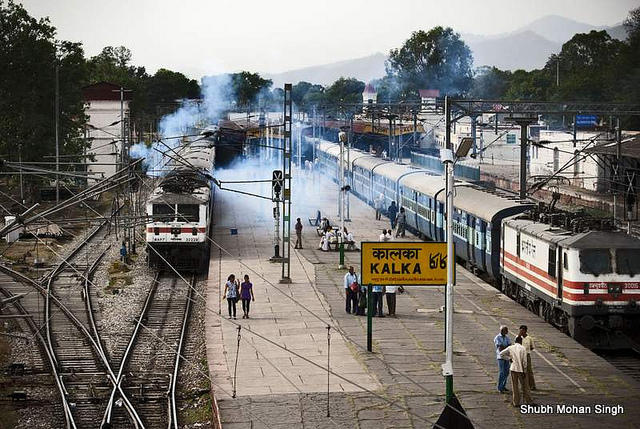
Huddleston looks at a number of different sections of the network and after looking at what he has to say about each we will endeavour to follow those railway routes as they appear in the 21st century. We will go into quite a bit of detail on the journey along the Kalka to Shimla narrow-gauge line. The featured image at the head of this post was taken at Taradevi Railway Station on the Kalka to Shimla line, (c) GNU Free Documentation Licence Version 1.2. [29]
Shikohabad to Farrukhabad
This branch line had, in 1906, recently been opened. Huddleston describes it as being 65 miles in length, running through the district of Manipuri from Shekoabad [sic] to Farukhabad on the River Ganges. Until 1906, Farukhabad [sic] had “only been served by the metre gauge line which skirts the river to Cawnpore.There was lots of traffic in the district and both the broad and metre gauge lines completed for it, whilst the river and canals and camels compete with the railways.” [1: p40]
The journey from Shikohabad to Farrukhabad. Indian Railways spellings of the two locations differ from those used by Huddleston in 1906. [4]
We start this relatively short journey (of 63 miles) at Shikohabad Junction Railway Station. “The old name of Shikohabad was Mohammad Mah (the name still exists as Mohmmad mah near Tahsil and Kotwali). Shikohabad is named after Dara Shikoh, the eldest brother of Emperor Aurangzeb. In its present form, the town has hardly any recognisable evidence of that era. Shikohabad was ruled under the estate of Labhowa from 1794 to 1880.” [5] “Shikohabad Junction railway station is on the Kanpur-Delhi section of Howrah–Delhi main line and Howrah–Gaya–Delhi line. It is located in Firozabad district in the Indian state of Uttar Pradesh.” [6] The station opened in1866. “A branch line was opened from Shikohabad to Mainpuri in 1905 and extended to Farrukhabad in 1906.” [7]
Shikohabad Junction Railway Station, Uttar Pradesh. [Google Maps, October 2024]Shikohabad Junction Railway Station (c) Mohit Yadav. (2022)Shikohabad Junction Railway Station (c) Anshu Yadavv. (2021)
Trains from Shikohabad set off for Farrukhabad in a southeasterly direction alongside the Delhi to Kolkata main line. In a very short distance as the railway passed under a road flyover (Shikohabad Junction Flyover) the line to Farrukhabad moved away from the main line on its Northside.
The rail bridge carrying the Farrukhabad line over the Lower Ganga Canal seen from a point to the North alongside the canal. [Google Streetview, May 2023]Looking East-Northeast along the railway towards Farrukhabad from the AH1 Flyover. [Google Streetview, May 2023]Basdeomai, Uttar Pradesh. The covered way either side of the underpass is typical of many locations where local roads cross railways. This view looks Northwest across the railway. [Google Streetview, May 2023]looking Southwest along the railway. [Google Streetview, May 2023]Looking Northeast along the railway [Google Streetview, May 2023]
The first stopping point on the line is at Burha Bharthara. As can be seen immediately below, it is little more than a ‘bus-stop’ sign!
Burha Bharthara, (c) Dev Kumar. (2018)Burha Bharthara. [Google Maps, October 2024]
Very soon after Burha Bharthara, trains pull into Aroan Railway Station which is a little more substantial that Burha Bharthara having a single building with a ticket office.
Aroan Railway Station, (c) Rajput Boy. (2019]Aroan Railway Station. [Google Maps, October 2024]
Takha Railway Station is next along the line.
Takha Railway Station. [Google Maps, October 2024]The view East-northeast from Takha Railway Station, (c) Ketan Gupta. [October 2021 – Google Maps]
A couple of hundred meters short of Kosma Railway Station, the line crosses the Karhal to Ghiror Road at a level-crossing.
The level-crossing which takes the line across the Karhal to Ghiror Road, seen from the South. [Google Streeview, October 2023]Looking East from the level-crossing towards Kosma Railway Station. [Google Streetview, October 2023]
Kosma Railway Station provides a passing loop to allow trains travelling in opposite directions to cross.
Kosma Railway Station. [Google Maps, October 2024]Kosma Railway Station, (c) Rajat Singh, April 2023. [Google Maps, October 2024]The railway bridges an irrigation canal, (another arm of the Lower Ganga Canal (?)), a little to the East of Kosma Railway Station. [Google Maps, October 2024]
A short distance further to the East is Tindauli Railway Station, after which the line crosses another arm the Lower Ganga Canal.
Tindauli Railway Station. [Google Maps, October 2024]Another arm of the Lower Ganga Canal. [Google Maps, October 2024]
Further East the line crosses a number of roads, most now culverted under the line.
This is a view East from one of the more minor crossing points near Auden Padariya (not far West of the junction on the approach to Mainpuri) which has yet to have an underbridge constructed and still had its crossing gates in 2023. [Google Streetview, May 2023]Passing under the Auden Mandal- Kharpari Bypass, the line meets the line from Etawah before running into Mainpuri Junction Railway Station. [Google Maps, October 2024]Mainpuri Junction Railway Station. [Google Earth, October 2024]Mainpuri Junction Railway Station, (c) Surabhl Study. (2022)Mainpuri Junction Railway Station, (c) Narendra Singh Chauhan. (2023)Mainpuri Railway Station seen from the level-crossing on the Mainpuri-Kishni Road at the station limits. [Google Streetview, May 2023]
To the East of Mainpuri Railway Station, the next station is Mainpuri Kachehri Railway Station, just to the East of the Sugaon to Husenpur Road.
Mainpuri Kachehri Railway Station. [Google Maps, October 2024]Mainpuri Kachehri Railway Station, (c) Protkarsh Kumar – still from video (2022), [8]Mainpuri Kachehri Railway Station, (c) Protkarsh Kumar – still from video (2022), [8]
The next station was Bhongaon Railway Station which had a passing loop to allow trains to cross.
Looking East towards Bhongaon Railway Station from a couple of hundred metres to the West of the Station. [Google Streetview, May 2023]Bhongaon Railway Station. [Google Maps, October 2024]Bhongaon Railway Station. [9]Bhongaon Railway Station. [9]Just at the East end of the station site the Aligarh-Kanpur Road (Grand Trunk Road) crosses the line at level. This is the view from the level-crossing, East towards Farrukhabad. [Google Streetview, May 2023]A short distance further East the line passes under the newly constructed Bypass. This view looks back under the modern viaduct towards Bhongoan Railway Station. [Google Streetview, May 2023]
Continuing on towards Farrukhabad, it is only a matter of a few minutes before trains pass through Takhrau Railway Station, where facilities are basic, and Mota Railway Station where facilites are a little more substantive.
Takhrau Railway Station building. (c) Pankaj Kumar, August 2017. [Google Maps, October 2024]Mota Railway Station, (c) Vinod Kumar, May 2023. [Google Maps, October 2024]
The Railway then bridges the Kaali Nadi River and passes through Pakhna Railway Station.
The railway bridge over the (c) Shiv Shankar, January 2020. [Google Maps, October 2024]Pakhna Railway Station. [Google Maps, October 2024]Pakhna Railway Station, (c) Gaurav Singh. (2021)Pakhna Railway Station, (c) Gaurav Singh. (2021)
The next stop is at B L Daspuri (Babal Axmandaspuri) Station.
Babal Axmandaspuri Railway Station. [Google Maps, October 2024]Babal Axmandaspuri Railway Station, (c) Rajat Singh (September 2023). [Google Maps, October 2024]
Another short journey gets us to Nibkarori Railway Station.
Nibkarori Railway Station. [Google Maps, October 2024]Nibkarori Railway Station seen from the Northeast, (c) Rakesh Verma (July 2021). [Google maps, October 2024]
The next stop is at Ugarpur Railway Station.
Ugarpur Railway Station. [Google Maps. October 2024]Ugarpur Railway Station, (c) Desh Deepak Dixit (December 2017). [Google Maps. October 2024]
Not much further along the line we enter Shrimad Dwarakapuri Railway Station.
Shrimad Dwarakapuri Railway Station. [Google Maps, October 2024]
As the line reaches the town of Farrukhabad it turns sharply to the North.
On the South side of Farrukhabad the line turns to the Northwest. [Google Maps, October 2024]
It then enters Farrukhabad Junction Railway Station from the Southeast.
Farrukhabad Junction Railway Station. [Google Maps, October 2024]Farrukhabad Railway Station (c) Anil Yadav7883 (2022)Farrukhabad Railway Station (c) Qazim Khan (2022)Farrukhabad Railway Station (c) Provas Rautroy (2021)
Farrukhabad sits on the River Ganges. It is a historic city with a rich culture defined by the traditions of Ganga-Jamuni Tehzeeb (Ganges-Yamuna Culture), [10] which amalgamates aspects of Hindu and Muslim cultural practices, rituals, folk and linguistic traditions. [11] The city was begun in 1714, and Mohammad Khan Bangash (a commander in the successful army of Farrukhsiyar, one of the princely contenders for the Mughal throne, who led a coup which displaced the reigning emperor Jahandar Shah) named it after Farrukhsiyar. It soon became a flourishing centre of commerce and industry. [12]
Initially, under the colonial state of British India, Farrukhabad was a nodal centre of the riverine trade through the Ganges river system from North and North-West India towards the East. [12] Farrukhabad’s economic and political decline under British rule began with the closure of the Farrukhabad mint in 1824. [11]
Farrukhabad, according to the 2011 census had a population of 1,885,204. This was just under four times its size in 1901. Its population is predominantly Hindu. [13]
At the time of the 2011 Census of India, 94.96% of the population in the district spoke Hindi (or a related language) and 4.68% Urdu as their first language. [14]
Tundla to Agra
“From Shekoabad, it is only a matter of 22 miles to Tundla but very few people would ever hear about Tundla, if it was not for the fact that it is the junction for Agra. …Agra would have been on the main line if the East Indian Railway had the original intention been followed of taking the line across the Jumna river at Agra and then following its right bank into Delhi; but, instead of doing this, it was decided … to build only a branch to Agra, and to run the main line on the left side of the Jumna. … If we want to visit Agra, we must change at Tundla and go along the 14 mile of the branch line.” [1: p41]
Huddleston tells us that:
“Approaching Agra … from Tundla you see [the Taj Mahal] first on your left-hand side, wrapped in that peculiar atmospheric haze that adds charm to every distant object in the East, a charm even to that which needs no added charm, the marvellous and wonderful Taj Mehal [sic]. As you rapidly draw nearer it seems to rise before you in solitary dazzling grandeur, its every aspect changing as the remorseless train, which you cannot stop, dashes on. Once catch your first glimpse of the Taj and you have eyes for. nothing else, you feel that your very breath has gone, that you are in a dream. All the world seems unreal, and the beautiful construction before you more unreal than all. You only know it is like something you have heard of, something, perhaps, in a fairy tale, or something you have read of, possibly in allegory, and you have hardly time to materialise before the train rattles over the Jumna Bridge, and enters Agra Fort station.
There on one side are the great red walls of the fortress within a few feet of you, and there on the other side is the teeming native city, with its mosques and domes and minarets, its arches and columns and pillars. its thousand and one Oriental sights, just the reality of the East, but all quite different to everywhere else. … There are things to be seen in Agra that almost outrival the Taj itself, such, for instance, as the tomb of Ihtimad-ud-Daula, on the East bank of the river, with its perfection of marble carving, unequalled in delicacy by anything of the kind in the world. There are delightful places nearby of absorbing interest, as, for example, Fatehpur Sikri, and its abandoned city of palaces; there is enough in Agra and its vicinity to glut a glutton at sight seeing, but we must go back to the railway and its work. The Jumna Bridge, of which we have talked, belongs to the Rajputana Railway; the rails are so laid that both broad and metre gauge trains run over it, and above the track for trains there is a roadway.
But this is not sufficient for the needs of Agra, though supplemented by a pontoon bridge which crosses the river half a mile further up the stream. The trade of Agra first attracted the East Indian Railway, then came the Rajputana Malwa, and then the Great Indian Peninsular. Each of the latter two lines wanted a share, and the East Indian had to fight for its rights; to do its utmost to keep to the Port of Calcutta what the rival lines wanted to take to Bombay. Another railway bridge became a necessity, a bridge that would take the East Indian Railway line into the heart of the native city instead of leaving it on its outskirts, and the East Indian Railway began to construct it.” [1: p42-43]
In 1906 the new bridge over the River Jumna was under construction, due to be completed in early 1907. Huddleston describes the bridge under construction thus:
“The bridge will consist of nine soane of 150 ft., and there will be a roadway under the rails; the bridge is being built for a single line, and all the wells have been sunk to a depth of 60 ft , or more. The work … commenced in September [1905], and it is expected that the bridge will be completed in March 1907. It need only be added that the site selected for this new connection is between the existing railway bridge and the floating pontoon road bridge, and the chief point of the scheme is that, when carried out, the East Indian Railway will have a line through the city of Agra, and a terminus for its goods traffic in a most central position, instead of being handicapped, as it now is, by having its goods depôt on the wrong side of the river. Mr. A. H. Johnstone is the East Indian Railway engineer-in-charge of the work.” [1: p43]
We start the journey along this short branch in the 21st century at Tundla Junction Railway Station.
Tundla Railway Station. [Google Earth, October 2024]Tundla Railway Station (c) Amit Kumar (2023)Tundla Railway Station (c) Bikram Dhara (2022)
We head Northwest out of the station alongside the main line to Delhi.
Looking West towards Tundla Junction Railway Station from the South side of the lines. The closest rail line is the branch to Agra. [Google Streetview, July 2023]
The first station along the branch was Etmadpur Railway Station.
Etmadpur Railway Station. [Google Maps, October 2024]Etmadpur Railway Station, (c) Harkesh Yadav, March 2021. [Google Maps, October 2024]
The line to Agra next passes under the very modern loop line which allows trains to avoid Tundla Station.
Looking West, back towards Etmadpur Station under the modern relieving line bridge. [Google Streetview, June 2023]
The next photograph shows the older single track metal girder bridge a little further to the West of Etmadpur with the more modern second line carried by a reinforced concrete viaduct.
Seen from the North side of the line looking South, the older single track metal girder bridge with the more modern second line carried by a reinforced concrete viaduct. [Google Streetview, June 2023]
The line curves round from travelling in an West-northwest direction to a West-southwest alignment and then enters the next station on the line, Kuberpur Railway Station.
Kuberpur Railway Station. [Google Maps, October 2024]Kuberpur Railway Station seen from the approach road to the North. [Google Streetview, June 2023]Kuberpur Railway Station building seen from the platform, (c) sanjeev kumar, May 2018. [Google Maps, October 2024]A low definition view of the line heading West towards Agra as seen from the modern concrete viaduct carrying what I believe to be Agra’s Ring Road (a toll road). [Google Streetview, June 2023]
As we head into Agra, the next station is Chhalesar Railway Station.
Chhalesar Railway Station. [Google Maps, October 2024]Chhalesar Railway Station (c) Sabha Shankar, June 2018.Chhalesar Railway Station (c) Rohit Jaiswal, August 2023.
From Chhalesar Railway Station the line continues in a West-southwest direction towards the centre of Agra. The next station is Yamuna Bridge Railway Station.
Yamuna Bridge Railway Station Agra. [Google Maps, October 2024]Yamuna Bridge Railway Station, Agra, (c) Ashish Yadav, February 2022.Yamuna Bridge Railway Station, Agra, (c) Hasharema International Private Limited, September 2024.
South West of Yamuna Bridge Railway Station a series of bridges cross the River Yamuna.
Bridges across the River Yamuna. [Google Maps, October 2024]
The ‘Yamuna Railway Bridge’ crossing the River Jumna/Yamuna at Agra was opened in 1875, and connected ‘Agra East Bank Station’ to ‘Agra Fort Station’. The bridge carried the Bombay, Baroda and Central India Railway (BB&CIR) Metre Gauge ‘Agra-Bandikui Branch Line’, the East Indian Railway (EIR) and ‘Great Indian Peninsula Railway (GIPR) Broad Gauge lines. [18]
The first bridge over the Yamuna River at Agra. It is the more southerly of the two bridges shown on the 1972 map of Agra below. [17]A map of Agra in 1962 which shows the two Yamuna River Bridges in place by then. Some of the significant features of the city can be identified clearly on this map: Agra Fort and its adjacent railway station appear close to the first Yamuna Bridge; the Taj Mahal is to the South East of the bridge on the South bank of the river; the Tomb of Itmad-ud-Daulah can be seen to the East of the river just North of the Strachey Bridge; a number of railway stations can also be picked out around Agra City. [20]
The ‘Strachey Bridge’, to the North the older bridge at Agra, was opened in 1908. It was a combined Road and Railway bridge and constructed by the ‘East Indian Railway Company’ (EIR). The bridge was named after John Strachey who planned & designed the bridge. The 1,024 metres (3,360 ft) long bridge was completed in 1908, taking 10 years to complete since its construction commenced in 1898. The ‘Agra City Railway Station’ was thus connected by the bridge to the ‘Jumna Bridge Station’ on the East bank. This Broad Gauge line became the ‘EIR Agra Branch Line’. [18]
The Strachey Railway bridge over the Yamuna River, The two-tiered bridge facilitated simultaneous movement of road traffic at the bottom level and rail transport at the upper level. Though the bridge is still in use today, it’s closed for road traffic and is used only by railways. This bridge appears on the satellite image above, on the South side of the Ambedkar Road Bridge. [19]
Once the Strachey Bridge (this is the one about which Huddleston speaks at length above) was opened in 1908. The EIR had access to the heart of the city and particularly to Agra City Station. We will look at City Station a few paragraphs below. But it is worth completing a look at the bridges over the Yamuna River with the bridge which replaced the first Yamuna River railway bridge.
Huddleston comments: “Delhi is one of the most important junctions on the East Indian Railway. The Rajputana Malwa, the North Western, Southern Punjab, Oudh and Rohilkhand and Great Indian Peninsular Railways all run into Delhi. There is a regular network of lines in and around, and the main passenger station is that belonging to the East Indian Railway. All the railways run their passenger trains into the East Indian Railway station, and most of the goods traffic passes through it also. For some years past Delhi has been in a state of remodelling; the work is still going on, and it will be some time before it is completed.” [1: p43]
He continues: “When you alight on one of the numerous platforms at Delhi station, there is a feeling of elbow room; the whole station seems to have been laid out in a sensible way. You are able to move without fear of being jostled over the platform edge, everything looks capacious, and especially the two great waiting halls, which flank either side of the main station building. These are, perhaps, the two finest waiting halls in India; passengers congregate there, and find every convenience at hand, the booking office, where they take their tickets, vendors’ stalls, where they get various kinds of refreshments, a good supply of water, and, just outside, places in which to bathe; a bath to a native passenger is one of the greatest luxuries, and he never fails to take one when opportunity offers.” [1: p44]
Wikipedia tells us that “Delhi Junction railway station is the oldest railway station in Old Delhi. … It is one of the busiest railway stations in India in terms of frequency. Around 250 trains start, end, or pass through the station daily. It was established near Chandni Chowk in 1864 when trains from Howrah, Calcutta started operating up to Delhi. Its present building was constructed by the British Indian government in the style of the nearby Red Fort and opened in 1903. It has been an important railway station of the country and preceded the New Delhi by about 60 years. Chandni Chowk station of the Delhi Metro is located near it.” [21]
Delhi junction Railway Station was the main railway station in Delhi at the time that Huddleston was writing his articles.
Delhi Junction Railway Station. [Google Maps, October 2024]Delhi Junction Railway Station as it appears on OpenStreetMap. [21]Delhi Junction Railway Station. [22]The Red Fort, Delhi (c) M F Music. (2023)Jama Masjid, Delhi (c) Md Asif. (2022)New Delhi Railway Station is marked on this OpenStreetMap extract with a blue flag, it is just a short distance Southwest of Delhi Junction Railway Station which is marked by a grey train symbol to the top-right of the map extract and named ‘Old Delhi’. [23]
Delhi, Ambala (Umbala) and Kalka
The East Indian Railway proper terminated at Delhi Junction Railway Station but the railway company also operated the independently owned Delhi-Umabala-Kalka Railway.
“A railway line from Delhi to Kalka via Ambala was constructed by the Delhi Umbala Kalka Railway Company (DUK) during 1889 and 1890 and operations were commenced on March 1, 1891. The management of the line was entrusted to the East Indian Railway Company (EIR) who were able to register a net profit in the very first year of operation. The Government of India purchased the line in 1926 and transferred the management to the state controlled North Western Railway. After partition, this section became part of the newly formed East Punjab Railway and was amalgamated with the Northern Railway on 14th April 1952.” [3]
The terminus of this line is at Kalka, 162 miles from Delhi. Huddleston tells us that, “In the beginning of the hot weather, when the plains are becoming unbearable, Kalka station is thronged with those fortunates who are going to spend summer in the cool of the Himalayas, and, when the hot weather is over, Kalka is crowded with the same people returning to the delights of the cold season, very satisfied with themselves at having escaped a grilling in the plains. Therefore, nearly everyone who passes Kalka looks cheerful, but, of course, there is the usual exception to the rule; and in this case the exception is a marked one. All the year round there is to be seen at Kalka station a face or two looking quite the reverse of happy, and, if we search the cause, we find it soon enough. The sad faces belong to those who have reached Kalka on their way to the Pasteur Institute, at Kasauli; Kasauli is in the hills some ten miles from Kalka. It is at Kasauli that Lord Curzon, when Viceroy, established that incalculable boon to all the people of India, a Pasteur Institute. Formerly, when anyone was bitten by a mad dog, or by a mad jackal, and such animals are fairly common in the East, he had to fly to Paris, and spend anxious weeks before he could be treated-some, indeed, developed hydrophobia before they could get there, or got there too late to be treated with any hope of success. Now, instead of going to Paris, they go to Kasauli.” [1: p44-45]
The western approach to Deli Junction Railway Station. The station is on the right of this satellite image. The lines to the New Delhi Railway Station leave the image to the South, to the left of centre. The line to Kalka leaves the image towards the top-left. [Google Maps, October 2024]The view West from the bridge carrying Pul Mithai over the railway. The lines entering the photograph from the left are those from New Delhi Railway Station. Those ahead begin the journey to Kalka. [Google Streetview, February 2022]Looking West from Rani Jhansi Road/Flyover. It may be difficult to make out, but the line to Kalka curves away to the right. [Google Streetview, February 2022]
The first station beyond the junction shown in the photograph above is Sabzi Mandi Railway Station.
Heading North-northwest out of Delhi, trains pass through Delhi Azadpur Railway Station, under Mahatma Gandhi Road (the Ring Road), on through Adarsh Nagar Delhi Railway Station and under the Outer Ring Road.
Looking North-northwest from Mahata Gandhi Road. [Google Streetview, April 2022]Looking North-northwest from the Outer Ring Road. [Google Streetview, April 2022]
Outside of the Outer Ring Road the line passes through Samaypur Badli Railway Station which is an interchange station for the Metro; across a level-crossing on Sirsapur Metro Station Road; through Khera Kalan Railway Station and out of the Delhi conurbation.
Looking North-northwest from Sirsapur Metro Station Road Level-Crossing. [Google Streetview, April 2022]
The line runs on through a series of level-crossings and various stations (Holambi Kolan, Narela, Rathdhana, Harsana Kalan) and under and over modern highways before arriving at Sonipat Junction Railway Station.
A typical view from another level-crossing looking North-northwest along the line.[Google Streetview, April 2022]
Sonipat Junction Railway Station provides connections to Gohana, Jind and Palwal. [24]
(c) Mohit, March 2022. (c) Arvind, August 2021.(c) Rahul Singh, February 2019.
Northwest of Sonipat Railway Station a single-track line diverges to the West as we continue northwards through Sandal Kalan, Rajlu Garhi (North of which a line diverges to the East), Ganaur, Bhodwal Majri, Samalkha, Diwana Railway Stations before arriving at Panipat Junction Railway Station.
Panipat Junction Railway Station was opened in 1891. It has links to the Delhi–Kalka line, Delhi–Amritsar line, Delhi–Jammu line, Panipat–Jind line, Panipat–Rohtak line connected and upcoming purposed Panipat–Meerut line via Muzaffarnagar, Panipat–Haridwar line, Panipat-Rewari double line, via Asthal Bohar, Jhajjar or Bypass by the Rohtak Junction Panipat-Assoti Double line via Farukh Nagar, Patli, Manesar, Palwal. 118 trains halt here each day with a footfall of 40,000 persons per day. [25]
(c) Pintoo Yadav, May 2021.(c) Sunil j, January 2023.
Just to the North of Panipat Junction Railway Station a double-track line curves away to the West. Our journey continues due North parallel to the Jammu-Delhi Toll Road.
A view North along the line from one of the access roads to the Jammu-Delhi Toll Road. [Google Streetview, June 2023]
North of Panipat the line passed through Babarpur, Kohand, Gharaunda, Bazida Jatan Railway Stations while drifting gradually away from the Jammu-Delhi Toll Road.
Kohand Railway Station (c) Vikas Haryana (2012)Gharaunda Railway Station (c) Rohan Khodlyan (2021)
Beyond Bazida Jatan Station, the line turns from a northerly course to a more northwesterly direction before swinging back Northeast to a more northerly route. It then passes through Karnal Railway Station before once again swinging away to the Northwest and crossing a significant irrigation canal, passing through Bhaini Khurd, Nilokheri, Amin Railway Stations and then arrives at Kurukshetra Junction Railway Station.
North of Kurukshetra Junction the line passes through Dhoda Kheri, Dhirpur, Dhola Mazra, Shahbad Markanda (by this time running very close to the Jammu-Delhi Toll Road again), and Mohri Railway Stations before it bridges the Tangri River.
The Tangri River Railway Bridge seen from NH44, the Jammu-Delhi Road. The photograph is taking facing Northwest. [Google Streetview, June 2023]
Not too far North of the Tangri River the line enters Ambala City and arrives at Ambala Cantt Junction Railway Station.
Ambala Cantt Junction Railway Station. [Google Maps, October 2024]Ambala Cantt Junction Railway Station (c) Charan Singh (2021)Ambala Cantt Junction Railway Station (c) Ashish Jha (2022)
Ambala (known as Umbala in the past – this spelling was used by Rudyard Kipling in his 1901 novel Kim) is “located 200 km (124 mi) to the north of New Delhi, India’s capital, and has been identified as a counter-magnet city for the National Capital Region to develop as an alternative center of growth to Delhi.” [26] As of the 2011 India census, Ambala had a population of 207,934.
Travelling further North towards Kalka, trains start heading Northwest out of Ambala Cantt Railway Station. and pass through Dhulkot, Lalru, Dappar, Ghagghar Rauilway Stations before crossing the Ghaggar River and running on into Chandigarh.
The Ghaggar River Railway Bridge seen from the Ghaggar Causeway to the Northeast of the railway Bridge. [Google Streetview, June 2022]
Chandigarh Junction Railway Station sits between Chandigarh and Panchkula. it is illustrated below.
North of Chadigarh the flat plains of India give way to the first foothills of the Himalayas. What has up to this point been a line with very few curves, changes to follow a route which best copes with the contours of the land. Within the city limits of Chandigarh, the line curves sharply to the East, then to the Southeast as illustrated below.
The route of the railway between Chandigarh and Kalka to the immediate North of Chandigarh Railway Station. [Google Maps, October 2024]
The line then sweeps round to the Northeast.
The route of the line is again marked by the thick blue line on this next extract from Google’s satellite imagery. [Google Maps, October 2024]It is possible to glimpse the line from the Chandigarh-Kalka Road (NH5) at various points. This image looks from the road into Chandimandir Military Station. The bridge over the access road which can be seen above the gates carries the line to Kalka. [Google Streetview, June 2022]
The next railway station is that serving the military base, Chandi Mandir Railway Station. The line continues to the Northeast, then the North and then the Northwest before running into Surajpur Railway Station.
A glimpse of the railway North of Surajpur. The camera is facing West across the railway which is on a low metal viaduct. Kalka is some significant distance away off the right of this photograph. [Google Streetview, June 2023]
The line continues to sweep round to the Northeast before crossing the Jhajra Nadi River.
The Jhajra Nadi River Bridge seen from the Southeast on Jhajra Nadi Road. [Google Streetview, June 2023]
The line then runs parallel to the Jhajra Nadi River in a Northeasterly direction on its North bank before swinging round to the Northwest and entering Kalka Railway Station.
Kalka Station. [1: p40]An East Indian Railway Mail Train leaving Kalka. [1: p43]Kalka Railway Station. [Google Maps, October 2024]Kalka Railway Station as illustrated on the IndiaRailInfo.com website, (c) Shubh Mohan Singh. The train on the right is, I believe, the ‘Himalayan Queen’.Kalka Railway Station, (c) Saumen Pal (2022)The end of the broad gauge at Kalka Railway Station, (c) Janet Hartzenberg (2022)
The broad gauge terminates at Kalka and the journey on into the Himalayas is by narrow-gauge train.
Kalka to Shimla
Huddleston comments: “Simla [sic] is full of hill schools, and Kalka often sees parties of happy children returning to their homes; a common enough sight in London, perhaps, but in India quite the reverse. In India, European school children only come home for one vacation in the year, and that, of course, is in the cold season when they get all their holidays at a stretch. Many of them have to journey over a thousand miles between home and school. Needless to say, the railway is liberal in the concessions it grants, and does all it can to assist parents in sending their children away from the deadly climate of the plains. … At Kalka you change into a 2 ft. 6 in. hill railway, which takes you to Simla, the summer headquarters of Government, in seven hours. If you are going up in the summer, don’t forget to take thick clothes and wraps with you, for every mile carries you from the scorching heat of the plains into the delightful cool of the Himalayas, and you will surely need a change before you get to the end of your journey. … Kalka is 2,000 ft. above sea level, Simla more than 7,000 ft., therefore, the rise in the 59 miles of hill railway is over 5,000 ft., and the fall in the temperature probably 30 degrees Fahrenheit.” [1: p45]
Train of Bogie Coaches about to leave Kalka for Shimla. [1: p44]A portion of the sinuous course of the Kalka-Shimla line’s climb into the Himalayas. [1: p45]
The plan is to try to follow the line of the railway as it climbs away from Kalka Railway Station. First a quick look at the narrow gauge end of Kalka Railway Station.
The North end of Kalka Railway Station is devoted to the narrow-gauge line to Shimla. [Google Maps, October 2024]The narrow-gauge platforms at Kalka Railway Station seen from the Northwest. [Google Streetview, January 2018]The Kalka-Shimla Line. Kalka station throat looking Southeast into the station complex. [Google Streetview, January 2018]
The two views above were taken from the rear of a Shimla-bound train. This will be true of many subsequent photographs of the line.
Looking back towards Kalka Station from alongside the Diesel Shed. [Google Streetview, January 2018]The Kalka-Shimla line winds its way through Kalka. [Google Maps, October 2024]The line continues to switch back and forth on its way to the first station at Taksal. [Google Maps, October 2024]Taksal Railway Station. [Google Maps, October 2024]Taksal Railway Station looking West. [Google Streetview, November 2017]Taksal Railway Station looking East. [Google Streetview, November 2017]From Taksal Railway Station the line continues to wander around following the contours, gaining height as it does so. The route can relatively easily be picked out on this satellite image. One length of tunnel has been highlighted in red. [Google Maps, October 2024]The Western Portal of the tunnel marked above. [Google Streetview, January 2018]The Eastern Portal of the tunnel marked above. [Google Streetview, January 2018]The line continues towards Shimla following the contours and continuing to rise into the hills. Its course runs relatively close to National Highway No. 5 (NH5)
Koti Railway Station and tunnel portal just at the northern limits of the station. [Google Maps, October 2024]
Train arriving at Koti from Kalka (c) Meghamalhar Saha. (May 2024)The tunnel portal at Koti (c) Divyansh Sharma. (April 2021)
Koti Tunnel (Tunnel No. 10) is 750 metres in length. Trains for Shimla disappear into it at the station limits at Koti and emerge adjacent to the NH5 road as shown below.
Koti Tunnel (Tunnel No. 10). [Google Maps, October 2024]The Northeast portal of Tunnel No. 10(Koti Tunnel). [Google Streetview, January 2018]Leaving the tunnel the line runs on the West side of the Kalka-Shimla Road (NH5). It can be seen here a couploe of metres higher than the road. [Google Streetview, June 2023]
For some distance the line then runs relatively close to the NH5. on its Northwest side and increasingly higher than the road. The central image below shows road and rail relatively close to each other. The left image shows the structure highlighted in the central image as it appears from the South. The right-hand image shows the same structure from the North. The structure highlighted here is typical of a number along the route of the railway.
For a short distance the line has to deviate away from the road to maintain a steady grade as it crosses a side-valley.
The line runs away North of the NH5 to allow gradients to remain steady. Top0-left of this image is a wayside halt serving the communities in this vicinity and as the line turns to cross the valley and return towards the NH5, there is a bridge carrying the line over the valley floor. [Google Streetview, October 2024]
The Halt and bridge shown in the image above on an enlarged extract from the satellite imagery. [Google Maps, October 2024]
The Halt. [Google Streetview, January 2018]The stone-arched viaduct to the Northeast of the Halt, seen from the platform. [Google Streetview, January 2018]
Tunnel No. 12 is only a short tunnel relatively close to the NH5. This is the West portal. [Google Streetview, January 2018]The East Portal of Tunnel No. 12. [Google Streetview, January 2018]Tunnel No. 13. [Google Maps, October 2024]Tunnel No. 14. [Google Maps, October 2024]
The sort tunnels above are typical of a number along the line. Tunnel No. 16 takes the railway under the NH5.
The NH5 climbs alongside the railway line which can be seen on the left of this image. around 100 metres further along the line Tunnel No. 16 takes the railway under the road. [Google Streetview, August 2024]The line crosses under the NH5 at the bottom left of this satellite image and can be seen following the contours on the Southside of the road across the full width of the image, leaving the photo in the top-right corner. [Google Maps, October 2024]Looking back down the line towards Kalka through Sonwara Railway Station. [Google Streetview, January 2018]Again looking back towards Kalka the structure that the train has just crossed is given its own sign board. It appears to be a 4 span stone-arched viaduct. [Google Streetview, January 2018]
The next tunnel on the line (No. 18) is a semi-circular tunnel.
Tunnel No. 18The first portal , facing Southwest, encountered by Shimla-bound trains.The exit portal also facing Southwest.
Tunnels No. 21 and No. 22 are shown below. The first image in each of these cases is the line superimposed on Google Maps satellite imagery (October 2024). The other two images, in each case, are from Google Streetview, January 2018.
Immediately beyond the station the line is bridged by the NH5 and then enters another tunnel.
The short tunnel to the North of Dharampur Himachal Railway Station which perhaps carried the original road, (c) Balasubramaniam Janardhanan. (Video still, April 2022) {Google Maps, October 2024]The same bridge and short tunnel. [Google Streetview, January 2018]The line running North beyond the tunnel. [Google Streetview, January 2018]
After a deviation away to the North, the railway returns to the side of the NH5. Tunnels No. 27 and 28 take the line under small villages. Another tunnel (No. 29) sits just before Kumarhatti Dagshai Railway Station.
Kumarhatti Dagshai Railway Station. [Google Maps, November 2024]Kumarhatti Dagshai Railway Station, (c) Faizan Ahmed. (2020)Kumarhatti Dagshai Railway Station, (c) Bhushan Saini. (2023)Kumarhatti Dagshai Railway Station building. [Google Streetview, January 2018]
As trains leave Kumarhatti Dagshai Railway Station, heading for Shimla, they immediately enter Tunnel No. 30.
Tunnel No. 30 is a short straight tunnel which takes the railway under the village and NH5. [Google Streetview, January 2018]
Two short tunnels follow in quick succession, various tall retaining walls are passed as well before the line crosses a relatively shallow side-valley by means of a masonry arched viaduct.
A short viaduct to the East of Kumarhatti Dagshai Railway Station. [Google Streetview, January 2018]
Tunnel No. 33 (Barog Tunnel) is a longer tunnel which runs Southwest to Northeast and brings trains to Barog Railway Station.
Barog Tunnel, Southwest Portal. [Google Streetview, January 2018]Barog Tunnel Northeast portal opens out onto Barog Railway Station. [Google Streetview, January 2018]Barog Railway Station. [Google Streetview, January 2018]
Now back on the North side of the NH5, the line continues to rise gently as it follows the contours of the hillside. Five further short tunnels are encountered beyond Barog (Nos. 34, 35, 36, 37 and 38) before the line runs into Solan Railway Station.
Solan Railway Station. [Google Maps, November 2024]A railcar at Solan Station, (c) N Nozawa. (2023)Solan Railway Station, (c) Vikas Chauhan. (2021)
Immediately to the Eat of Solan Railway Station trains enter Tunnel No. 39 and soon thereafter Tunnels Nos. 40, 41 and 42 before crossing the NH5 at a level-crossing.
Level-crossing on the main Kalka-Shimla Road. [Google Streetview, January 2018]
Further tunnels follow on the way to Salogra Railway Station.
Salogra Railway Station was oriented North-South approximately.
Looking North through Salogra Railway Station. [Google Streetview, January 2018]Salogra Railway Station buildings seen from the South. [Google Streetview, January 2018]Salogra Railway Station sign, (c) Travel More. (2015)
A further series of relative short tunnels protects the line as it runs on the Kandaghat Railway Station.
Tunnel No. 51, typical of many short tunnels on the line. [Google Streetview, January 2018]Approaching Kandaghat Railway Station. [Google Streetview, January 2018]Kandaghat Railway Station. [Google Streetview, January 2018]The stone-arched viaduct carrying the line over the NH5 (Kalka-Shimla Road) at the North end of Kandaghat Railway Station. [Google Streetview, July 2024]
Tunnels Nos. 56 and 57 sit a short distance to the East of the viaduct above. the line now accompanies a different highway which turns off the NH5 close to the viaduct.
The next significant structure is the galleried arch bridge below.
More tunnels, Nos. 58 to 66 are passed before the line crosses another significant structure – Bridge No. 541 – and then runs through Kanoh Railway Station.
Bridge No. 541 seen from the aine approaching it from the South. [Google Streetview, January 2018]Bridge No. 541 seen from its West end. [Google Streetview, January 2018]Kanoh Railway Station. [Google Maps, November 2024]Kanoh Railway Station, (c) Saumen Pal. (April 2022). [Google Maps, November 2024]
After Kanoh Station the line passes through a further series of short tunnels (Nos. 67-75) before meeting its old friend the NH5 (the Kalka to Shimla Road) again.
The Kalka to Shimla Railway line viaduct seen from the Southwest on the adjacent NH5 (Kalka-Shimla Road). [Google Streetview, July 2024]
Beyond this point the line passed through Tunnels Nos. 76 and 77 before arriving at Kathleeghat Railway Station.
Kathleeghat Railway Station.
Kathleeghat Railway Station. [Google Streetview, January 2018]Kathleeghat Railway Station. [Google Streetview, January 2018]Kathleeghat Railway Station. [Google Streetview, January 2018]
Immediately the Northeast of Kathleeghat Station the line enters Tunnel No. 78 under the Kalka-Shima Road (NH5) and soon heads away from the road plotting its own course forward toward Shimla through Tunnels Nos. 79 and 80, before again passing under the NH5 (Tunnel No. 81). Tunnels Nos 82 to84 follow and the occasional overbridge before the next stop at Shoghi Railway Station.
Shoghi Railway Station. [Google Maps, November 2024]Shoghi Railway Station, (c) Muhammed Riyas. (2022)Shoghi Railway Station, (c) Abhishek Dhiman. (2020)
North East of Shoghi Station the line turns away from the NH5 and passing though a series of short Tunnels (Nos. 85-90) finds it own way higher into the hills before passing through Scout Halt and into a longer Tunnel (No. 91).
Tunnel No. 91, seen from the track alongside Scout Halt, (c) Iqbal Singh. (2019)Scout Halt, seen from the South Portal of Tunnel No. 91. [Google Streetview, January 2018]The North Portal of Tunnel No.91. [Google Streetview, December 2017]
North of Tunnel No. 91, the line enters Taradevi Railway Station which sits alongside the NH5.
Immediately North of the station the line passes under the NH5 in Tunnel No. 92 and then runs on the hillside to the West of the road. It turns West away from the road and passes through Tunnels 93 to 98 before entering Jutogh Railway Station.
Jutogh Railway Station. [Google Maps, November 2024]Jutogh Railway Station. [Google Streetview, January 2018]Jutogh Railway Station, (c). Manoj Rai. (2022)
Leaving Jutogh Railway Station, the line turns immediately through 180 degrees and runs along the North side of the ridge on which the town sits. Tunnel No. 98 is followed by a short viaduct.
This viaduct sits just east of Tunnel No. 98, above the Shima-Ghumarwin Road. Just a short distance towards Shima, the same road climbs steeply over the railway which passes under it in Tunnel No. 99. [Google Streetview, January 2018]
east of the road, Tunnel No. 100 is followed by a long run before an overbridge leads into Summer Hill Station.
Summer Hill Railway Station looking back towards Jutogh Station. [Google Streetvoew, December 2017]Summer Hill Railway Station looking towards Shimla. [Google Streetvoew, December 2017]
Beyond Summer Hill Station, the line immediately ducks into Tunnel No. 101 which takes it under the ridge on which Summer Hill sits and then returns almost parallel to the line whch approached Summer Hill Station but to the East of the ridge. It runs on through Tunnel No. 102 to Inverarm Tunnel (No. 103) which brings the line into Shimla.
Inverarm Tunnel (No. 103) Western Portal. [Google Streetview, January 2018]Inverarm Tunnel (No. 103) Sotheast Portal. [Google Streetview, January 2018]The incline on the approach to Shimla Station. [Google Streetview, January 2018]The incline on the approach to Shimla Station. [Google Streetview, January 2018]Shimla Railway Station. [Gpgle Streetview, January 2018]Shimla Railway Station. [Google Maps, November 2024]Shimla Railway Station, (c) Agrim Maurya. (2022)Shimla Railway Station, (c) Shishu Ranjan. (2022)
Shimla is the end of this journey on first the East Indian Railway and its branches and then the line to Kalka before we travelled the narrow gauge Kalka to Shimla Line.
Wikipedia tells us that “the Kalka–Shimla Railway is a 2 ft 6 in (762 mm) narrow-gauge railway. … It is known for dramatic views of the hills and surrounding villages. The railway was built under the direction of Herbert Septimus Harington between 1898 and 1903 to connect Shimla, the summer capital of India during the British Raj, with the rest of the Indian rail system. … Its early locomotives were manufactured by Sharp, Stewart and Company. Larger locomotives were introduced, which were manufactured by the Hunslet Engine Company. Diesel and diesel-hydraulic locomotives began operation in 1955 and 1970, respectively. On 8 July 2008, UNESCO added the Kalka–Shimla Railway to the mountain railways of India World Heritage Site.” [28]
References
G. Huddleston; The East Indian Railway; in The Railway Magazine, July 1906, p40-45.

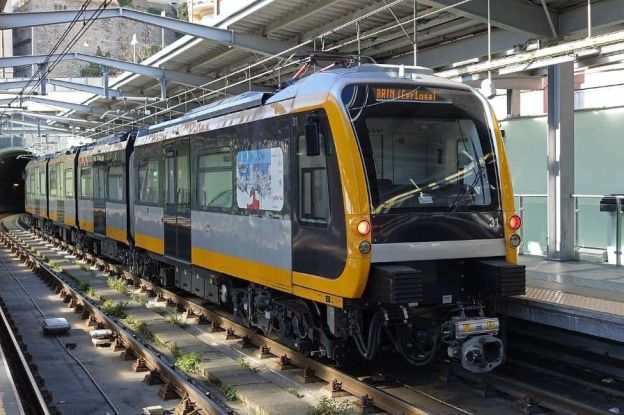
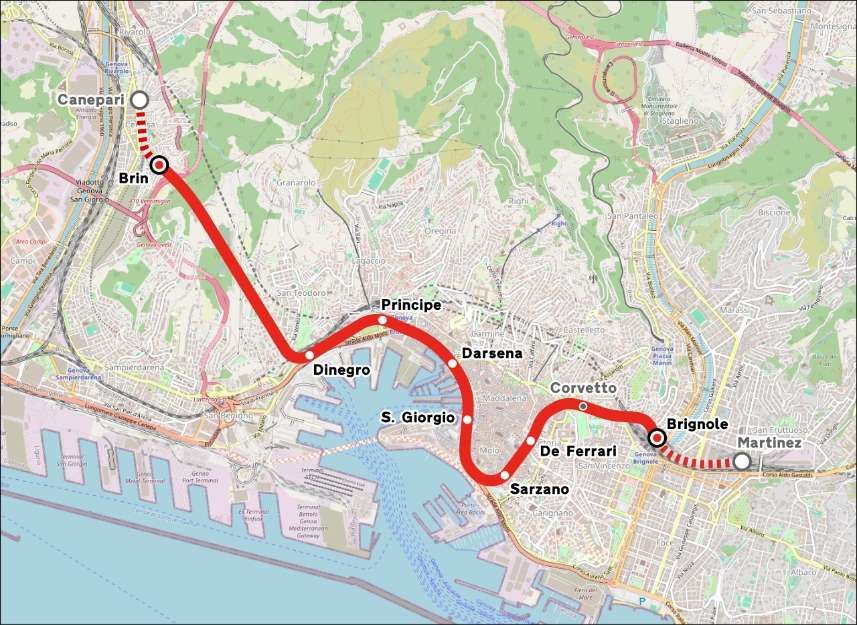
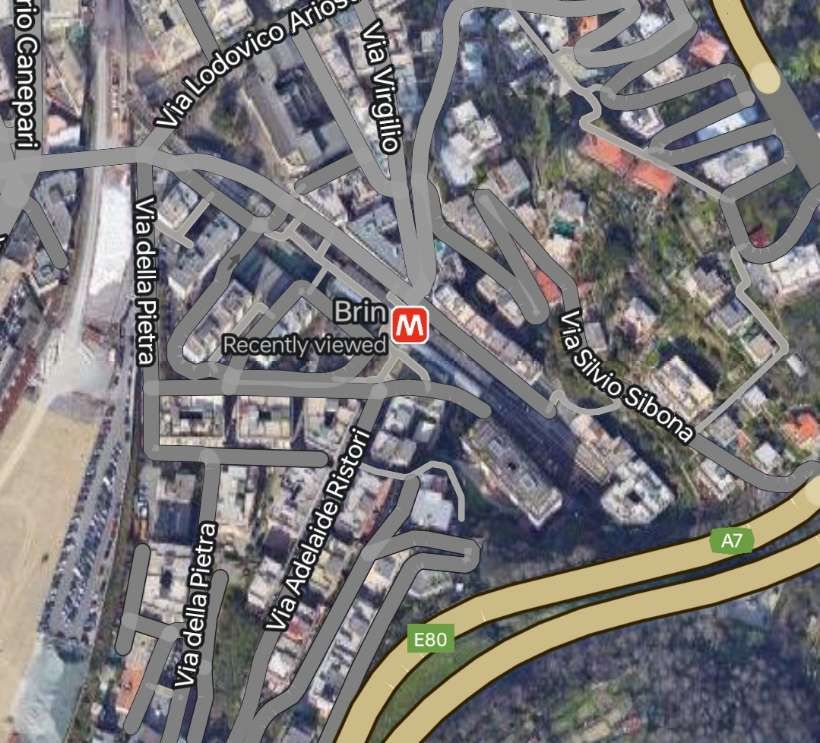
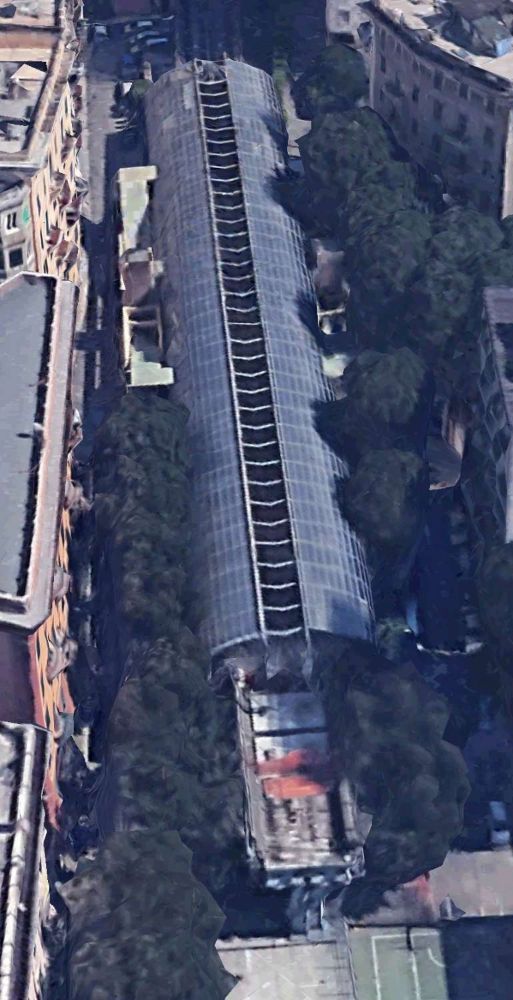
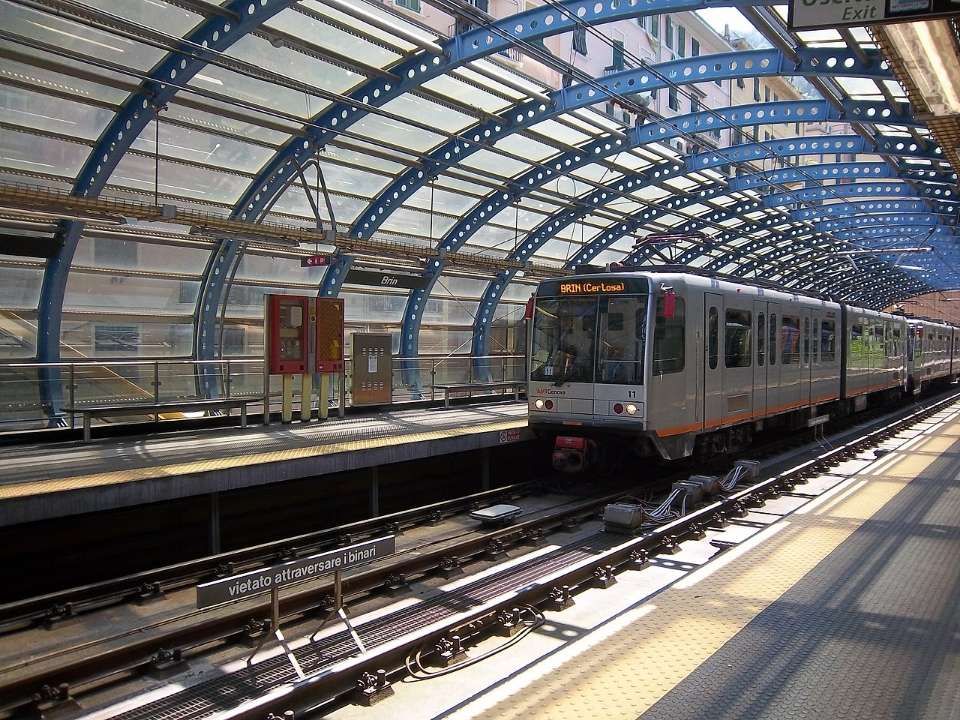
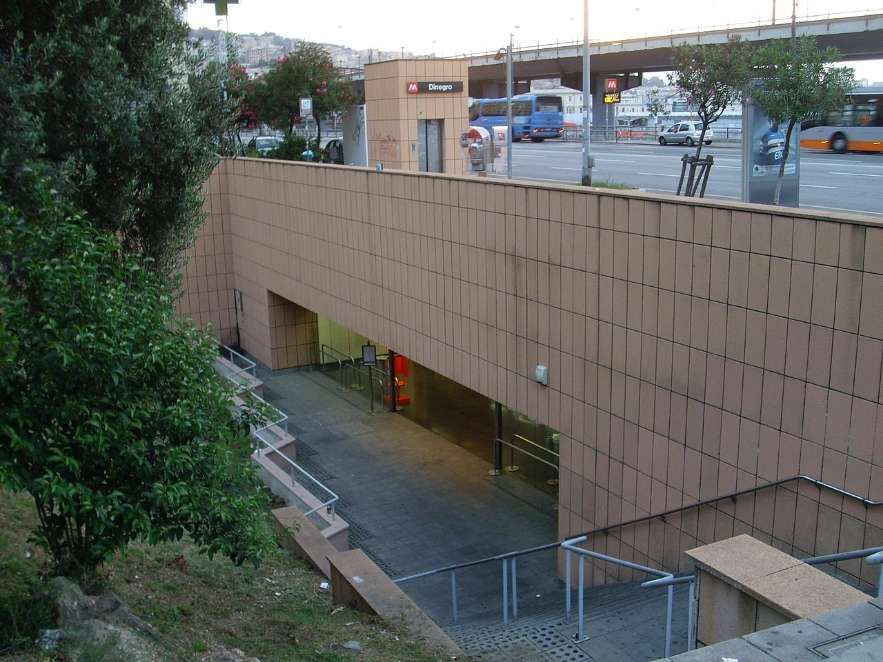

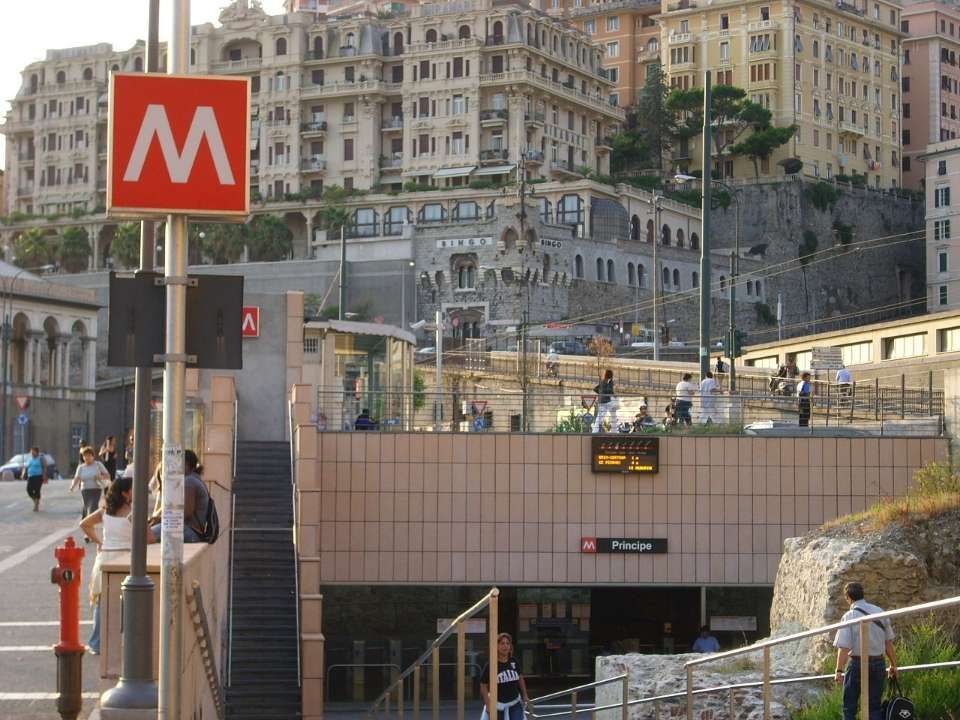
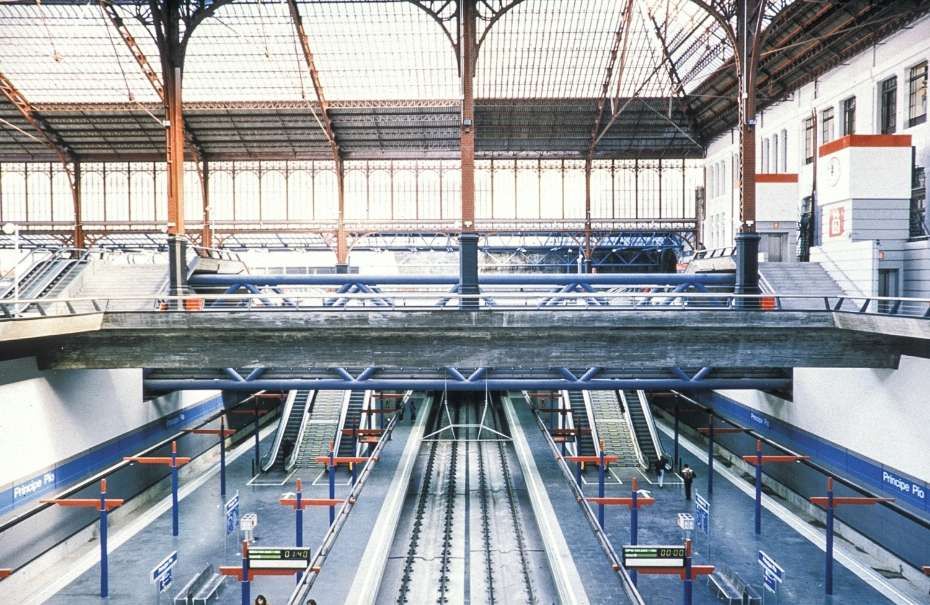
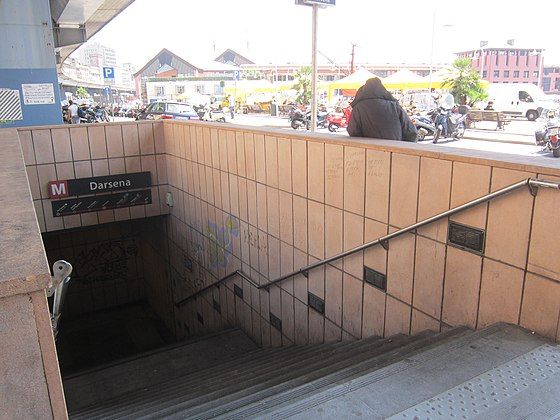
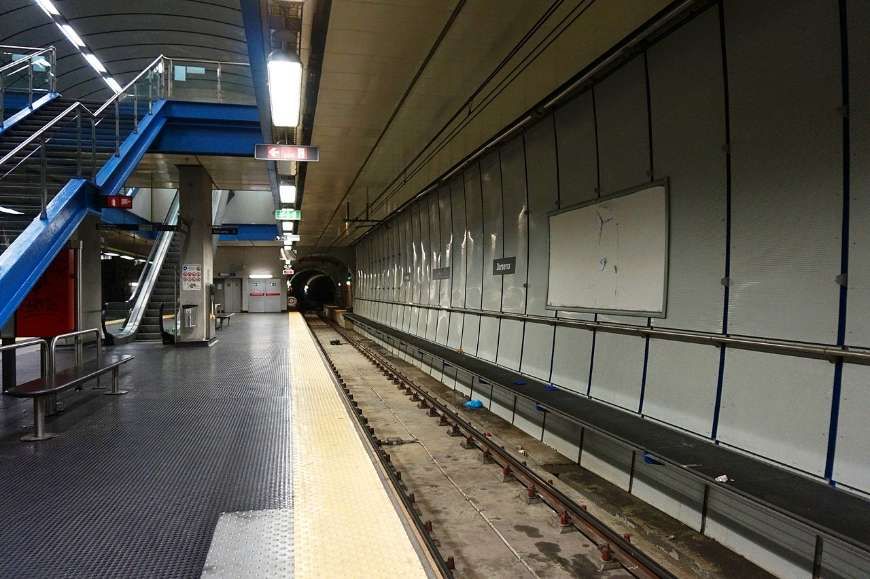
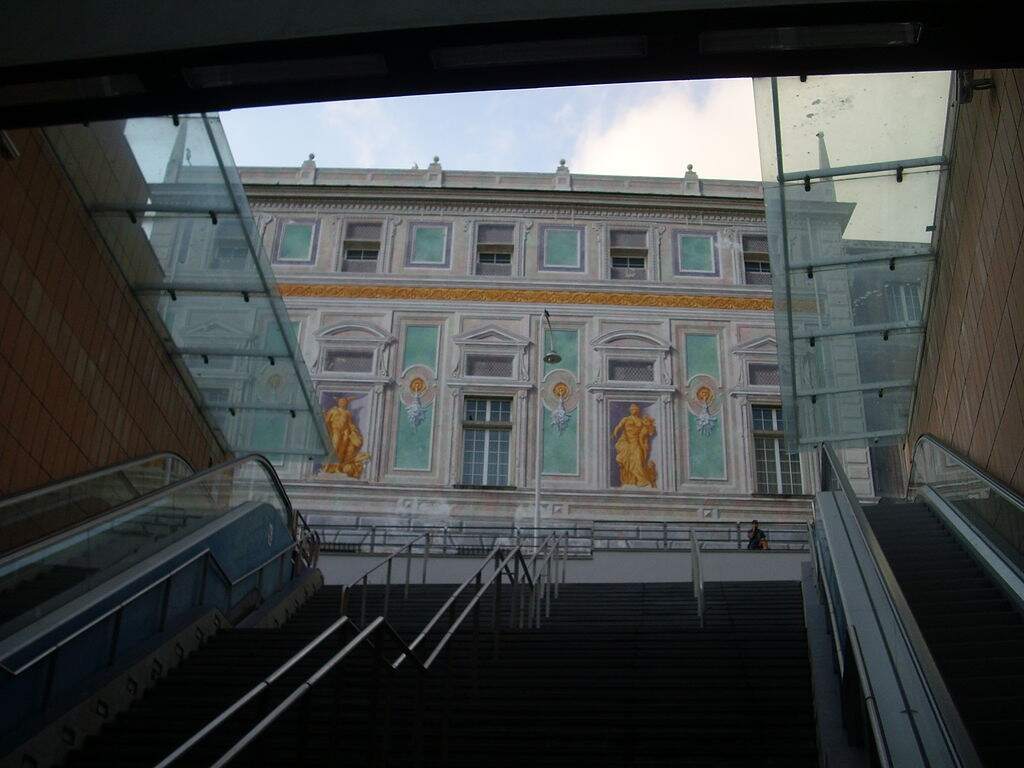
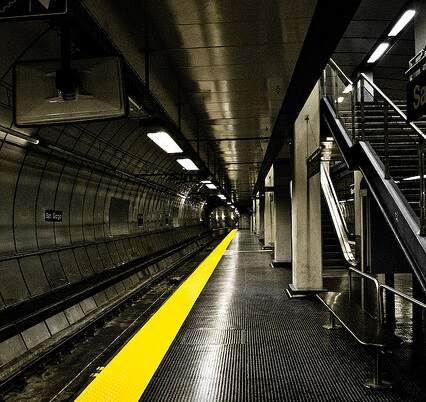
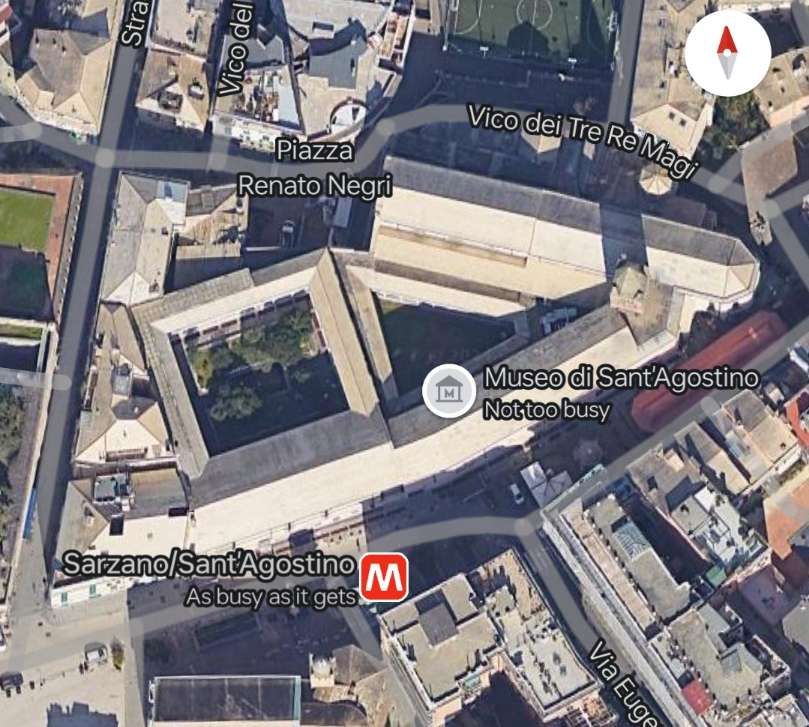
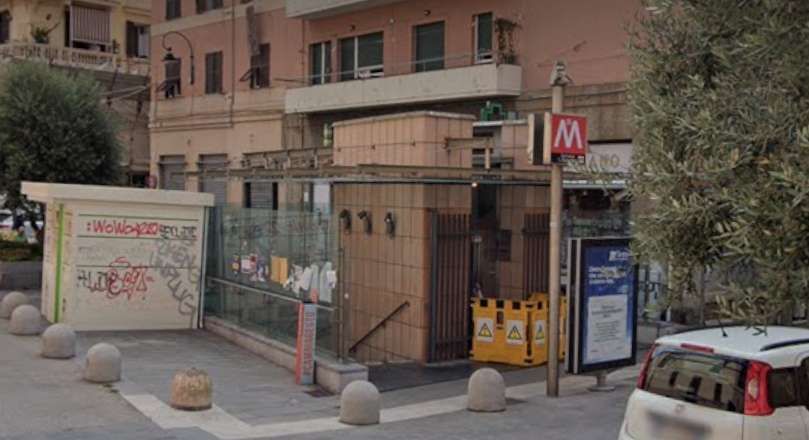

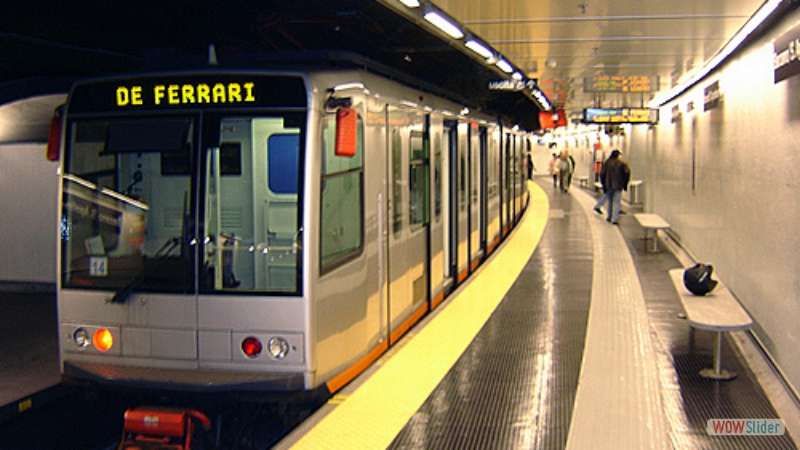
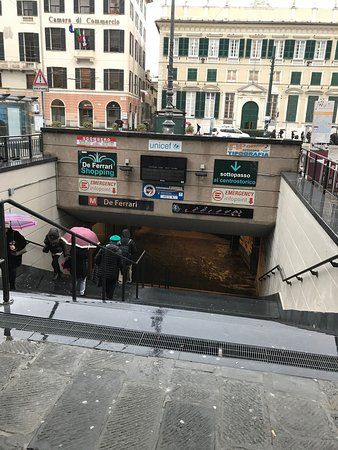
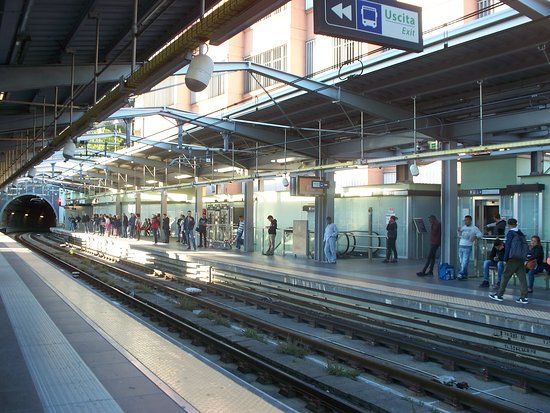
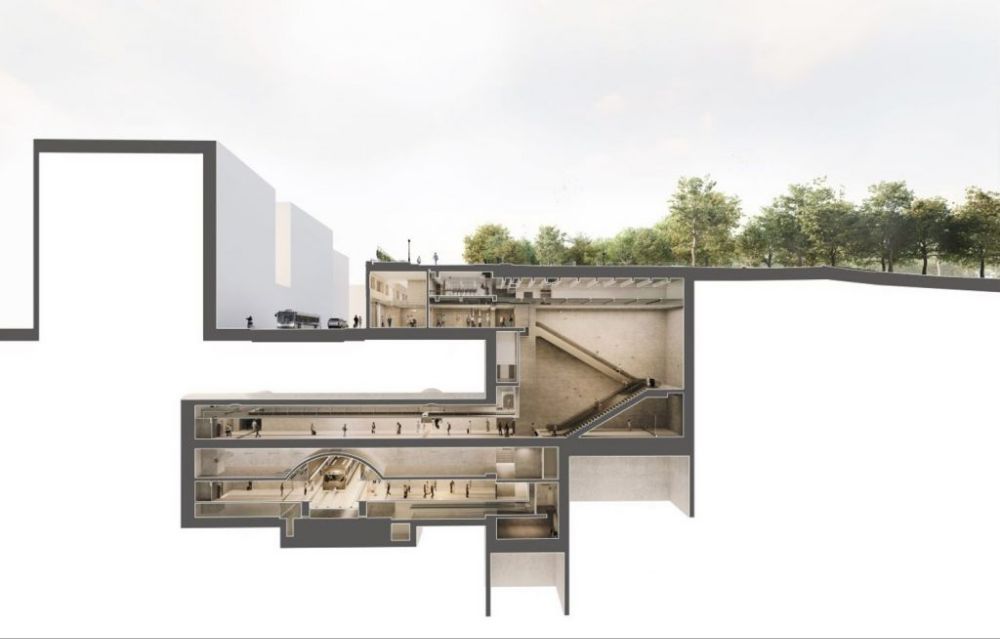
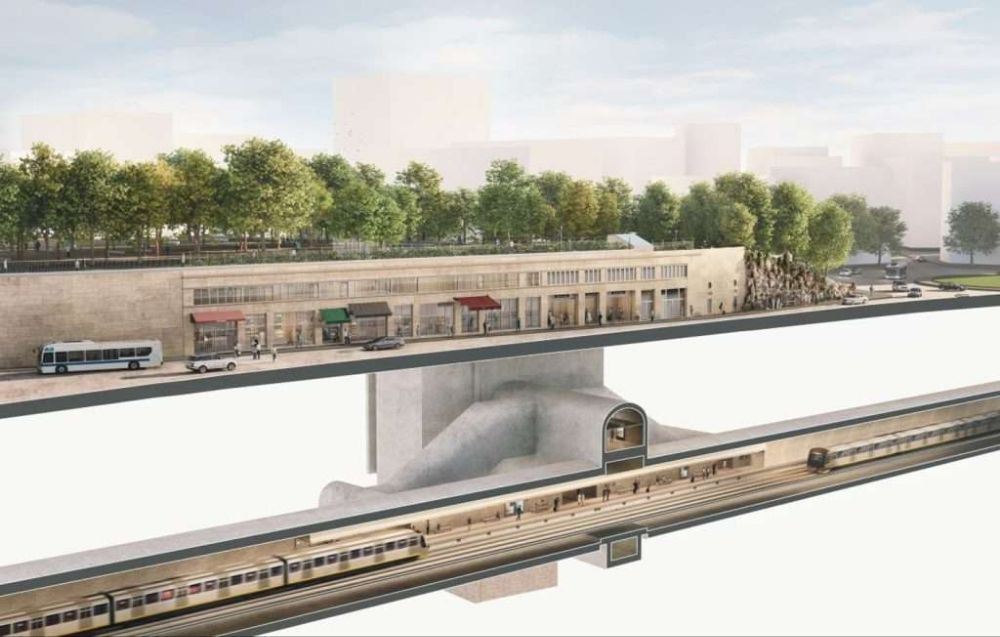
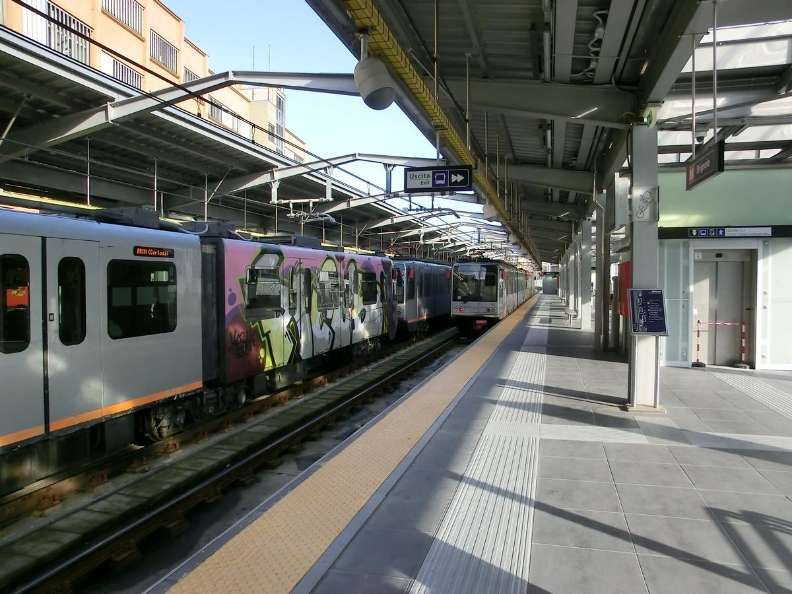
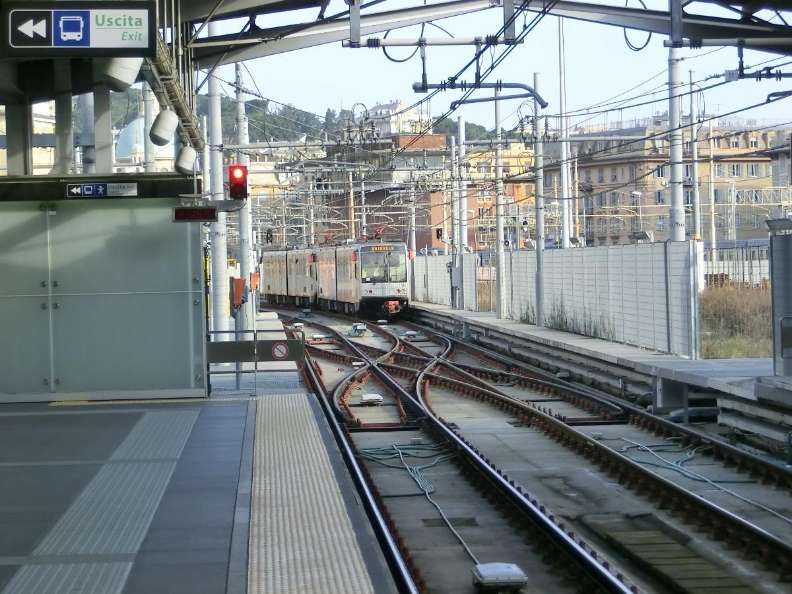
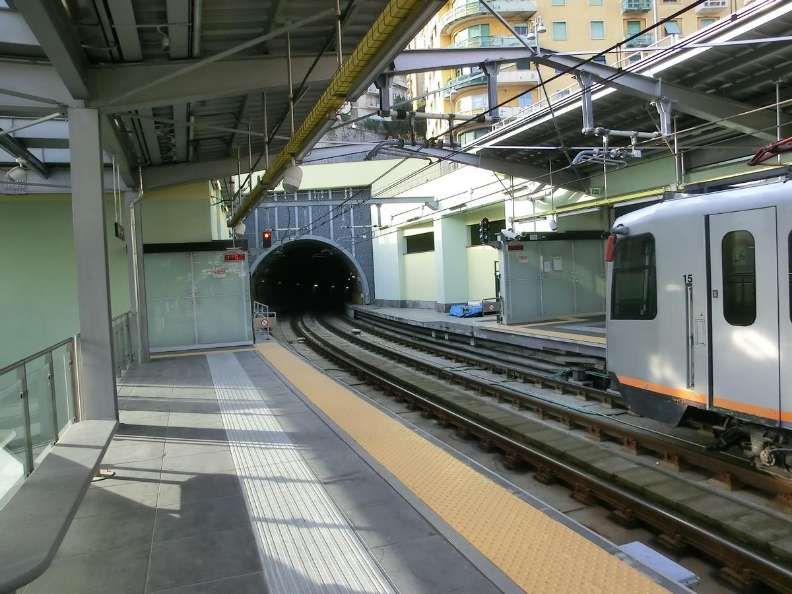
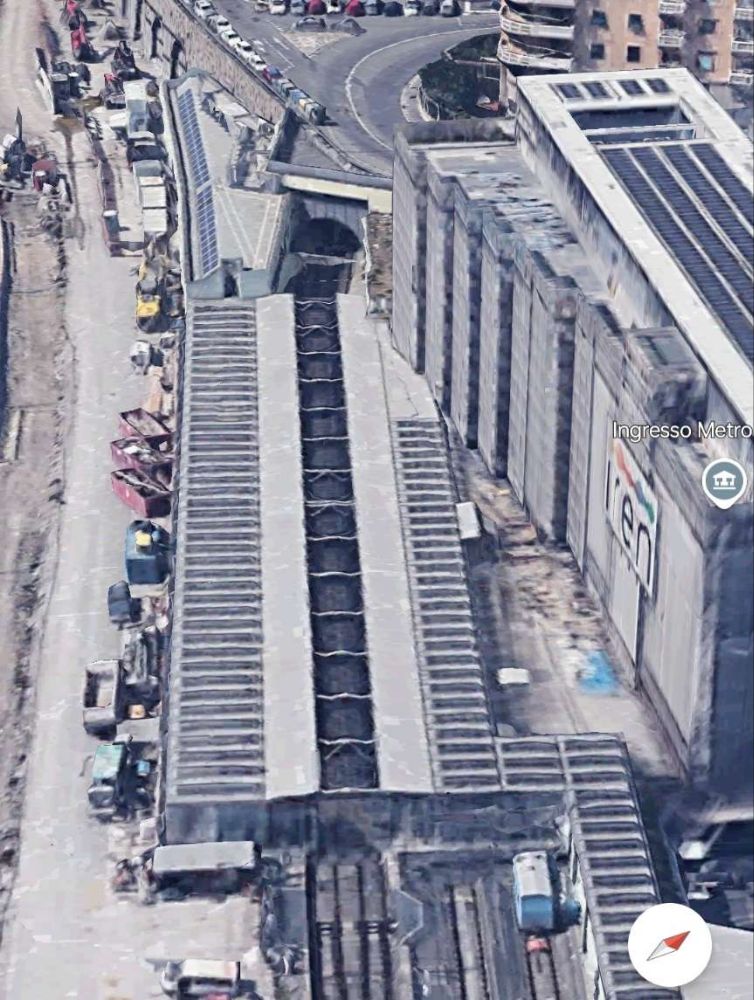
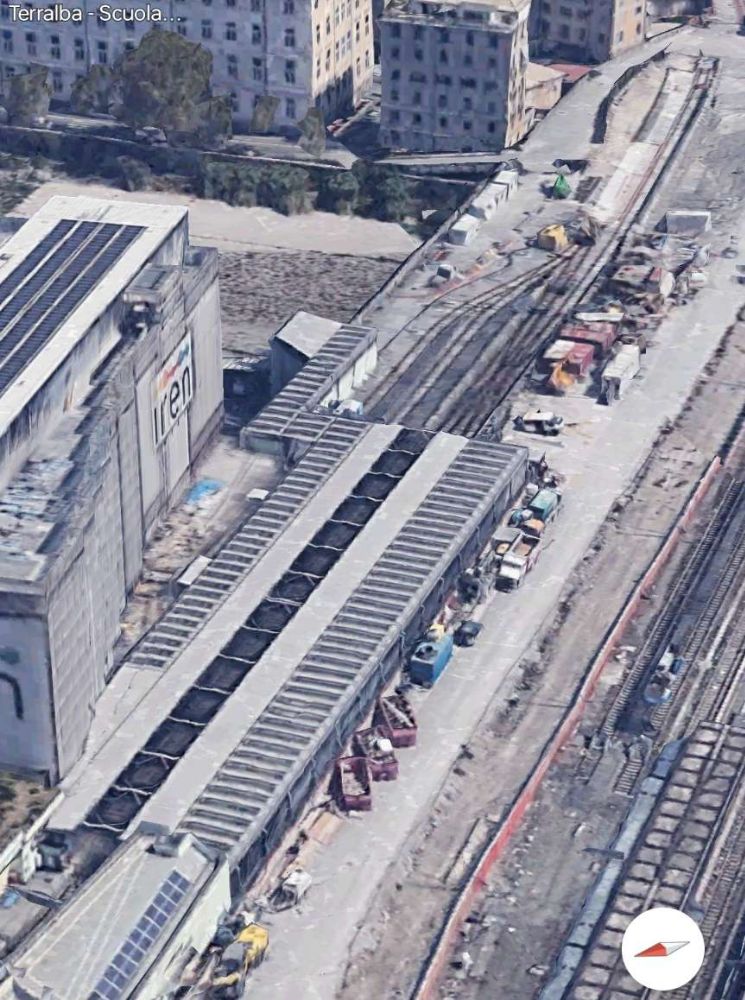
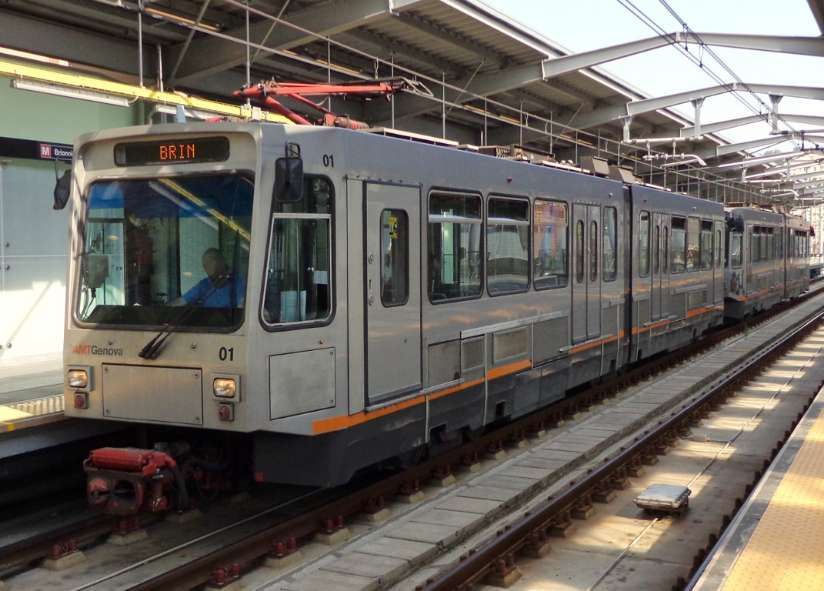
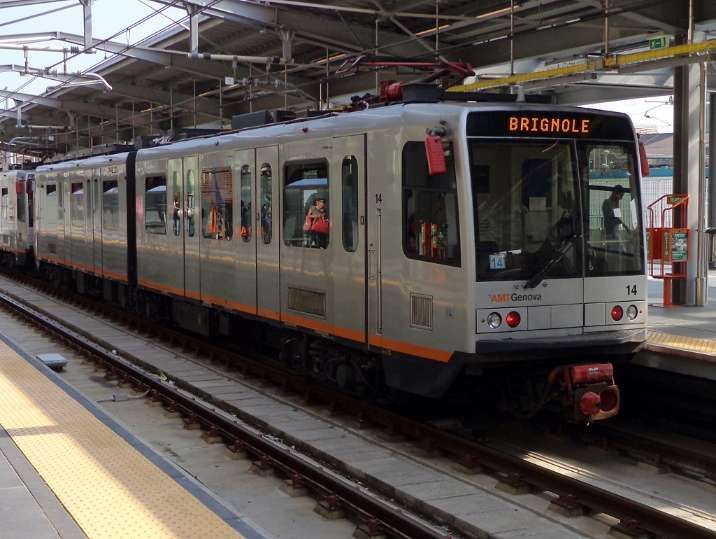
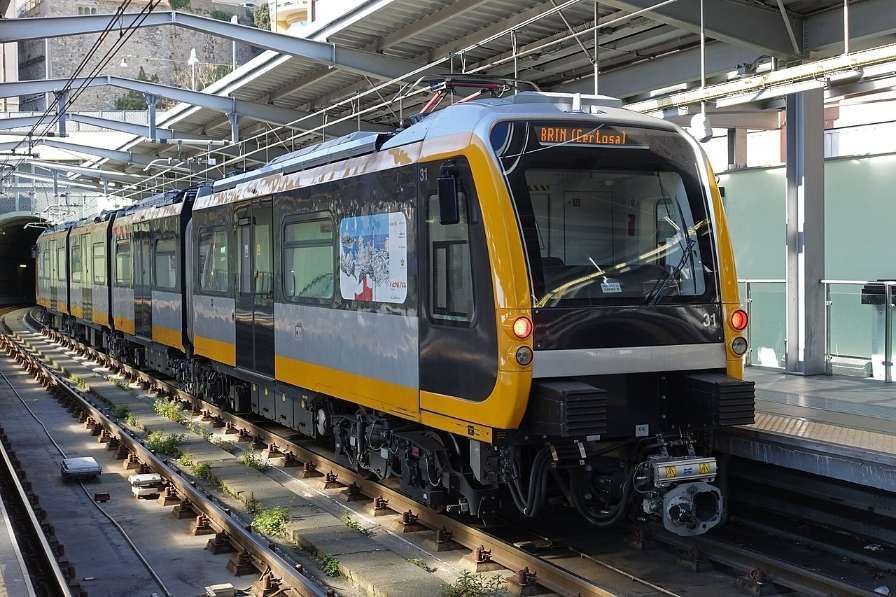
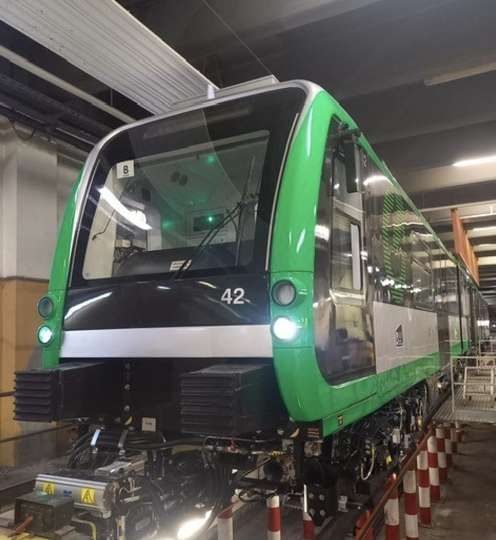
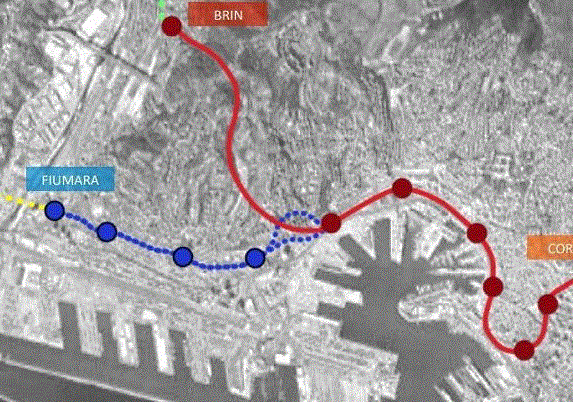
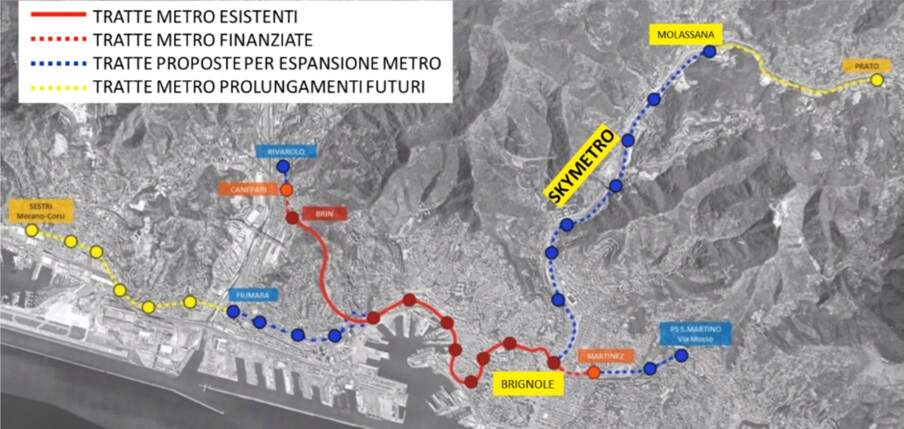
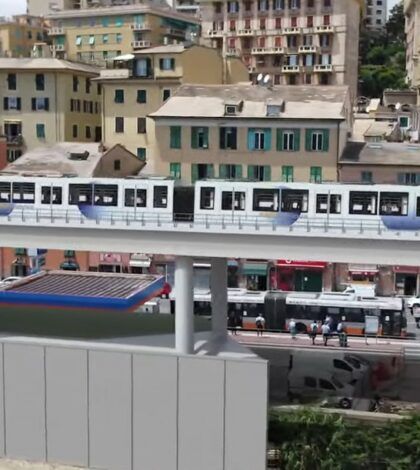
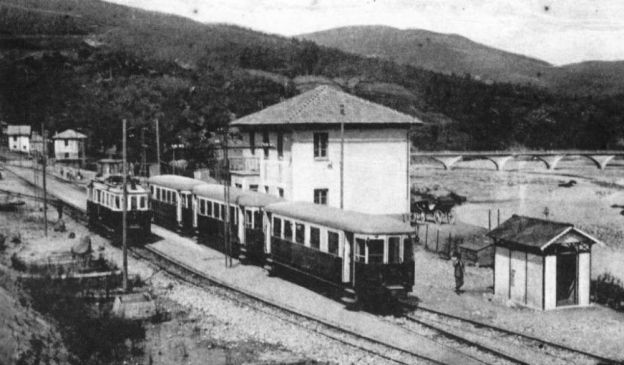
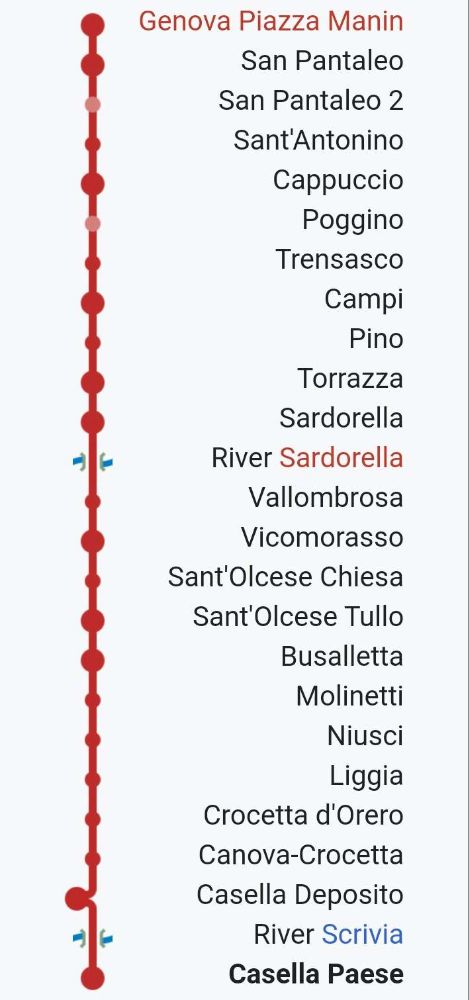

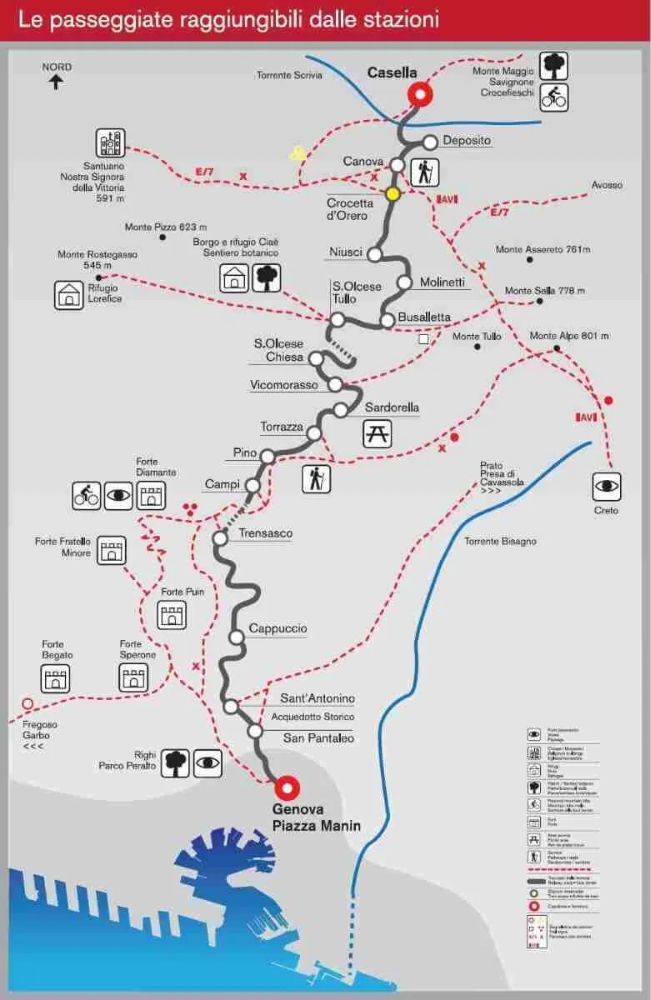
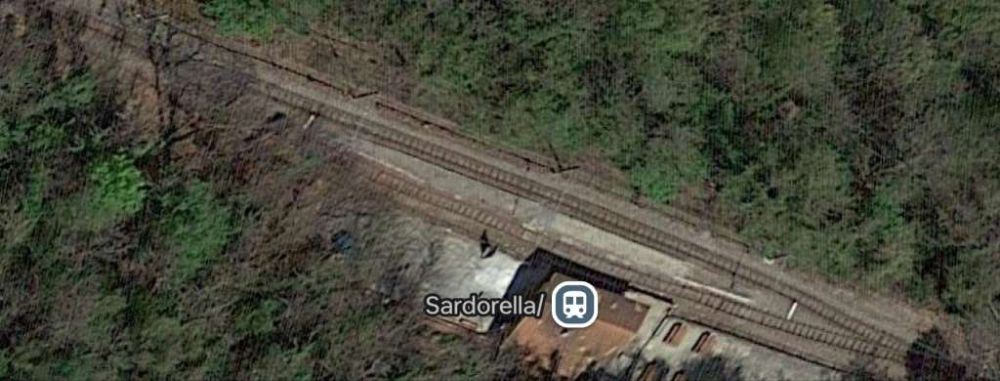
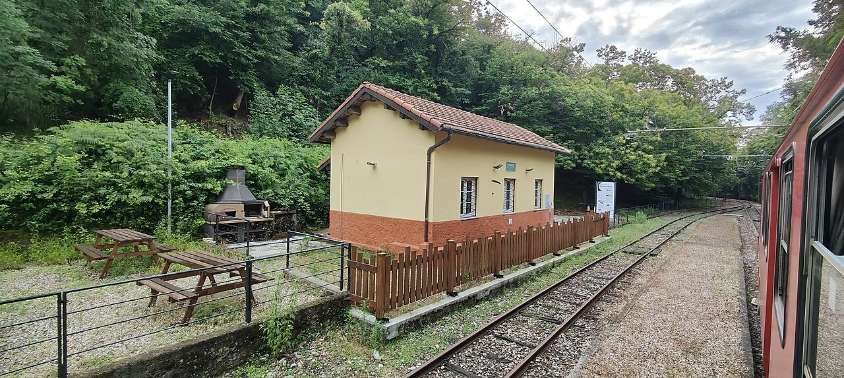
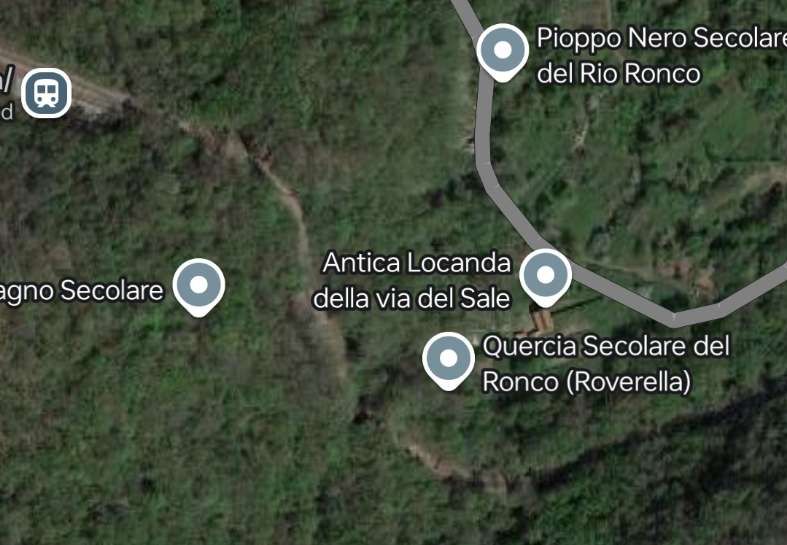
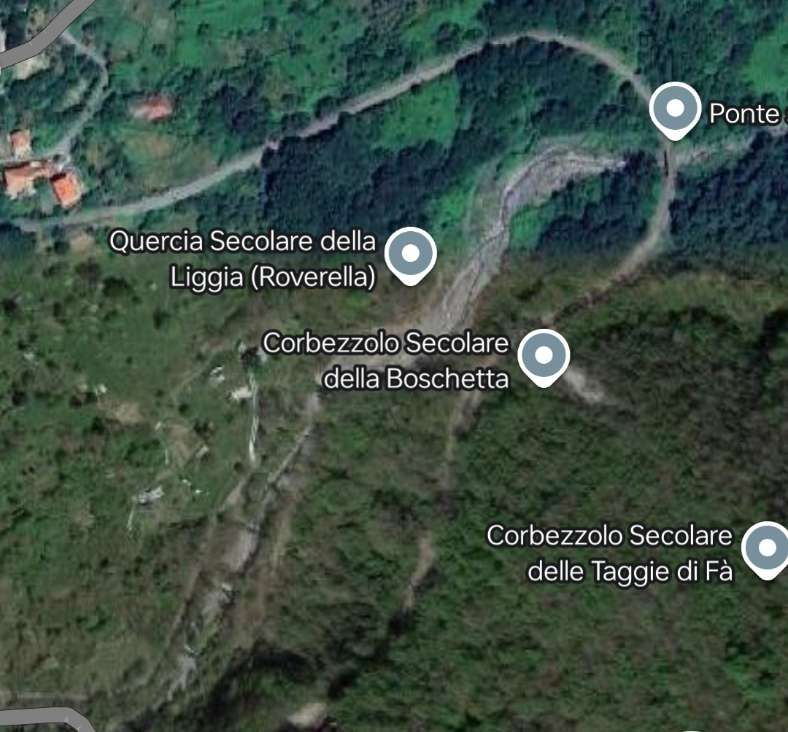
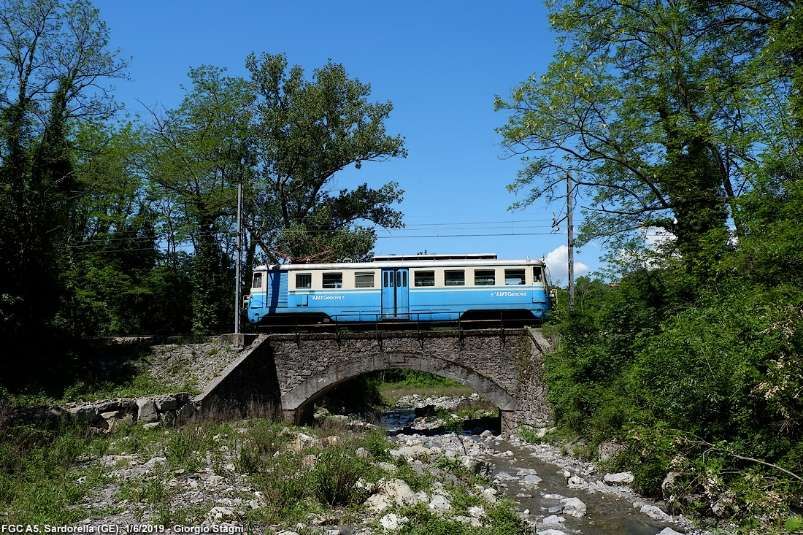

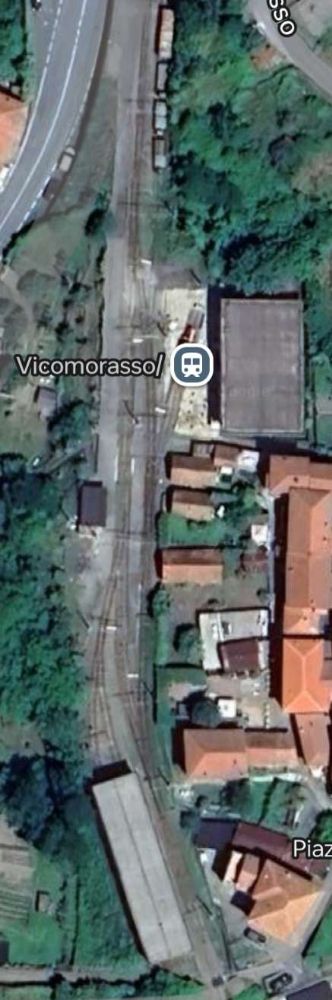
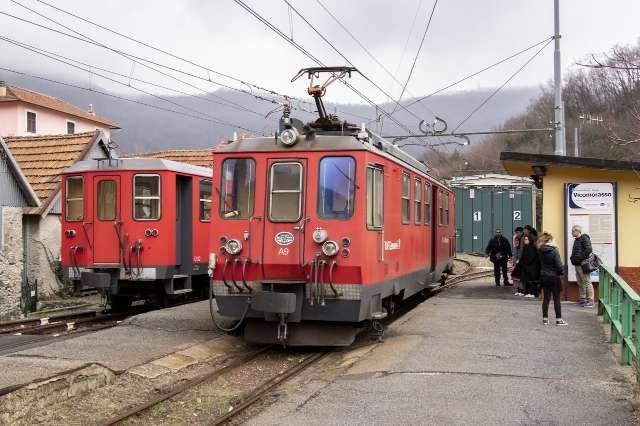
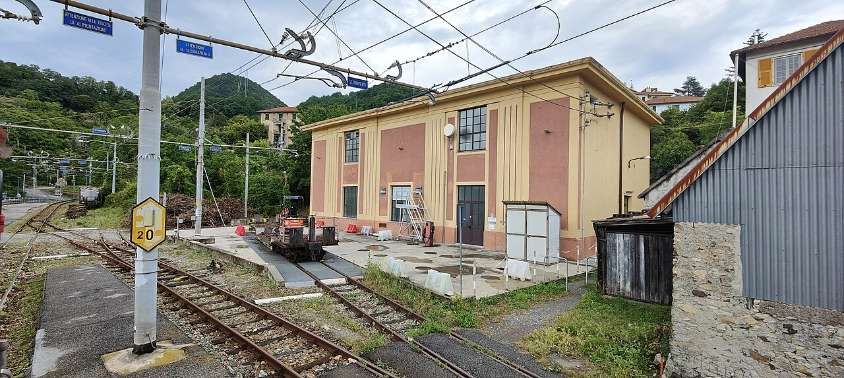
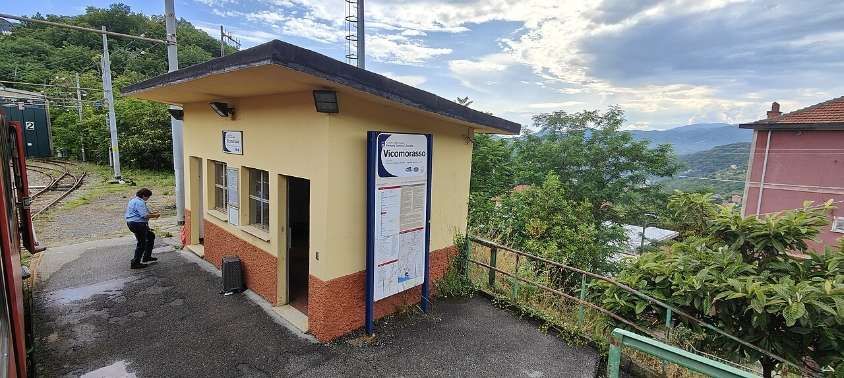
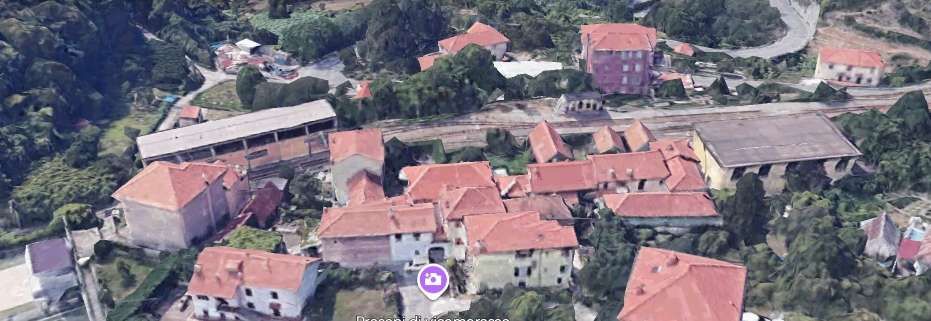


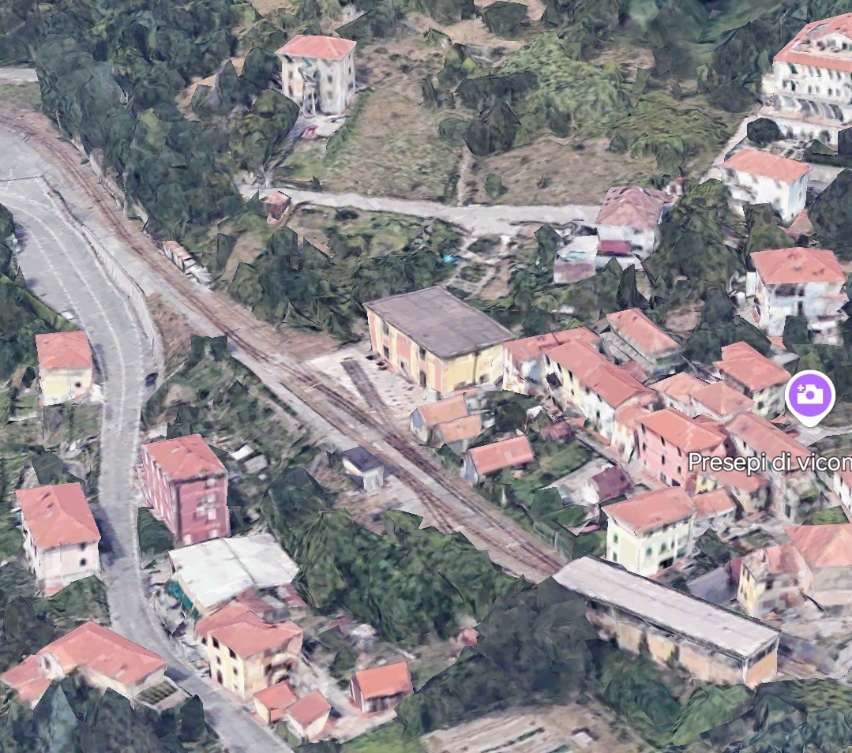
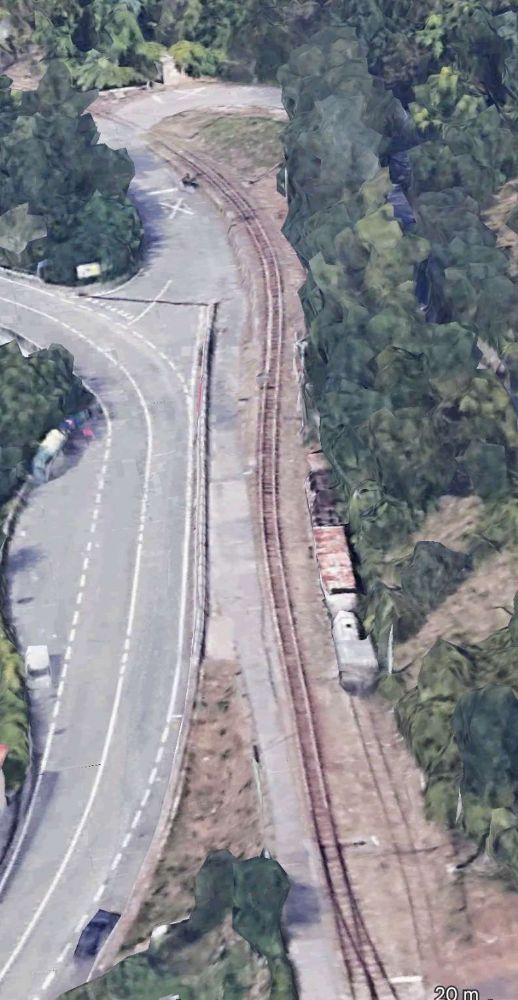
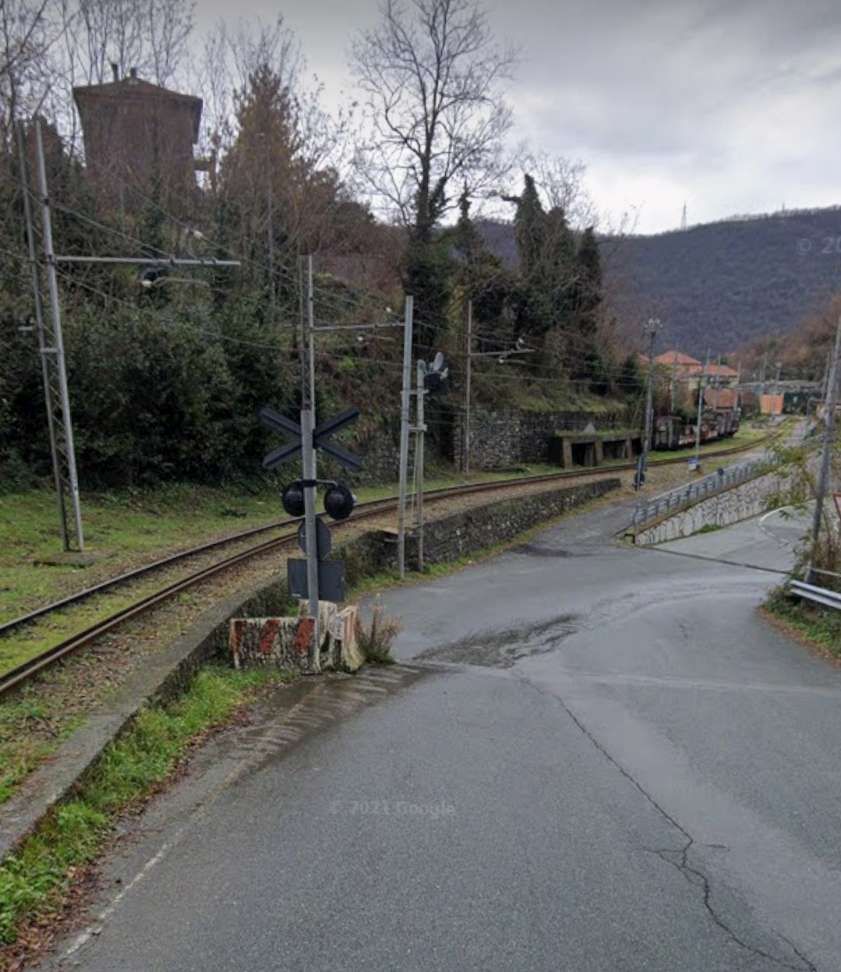
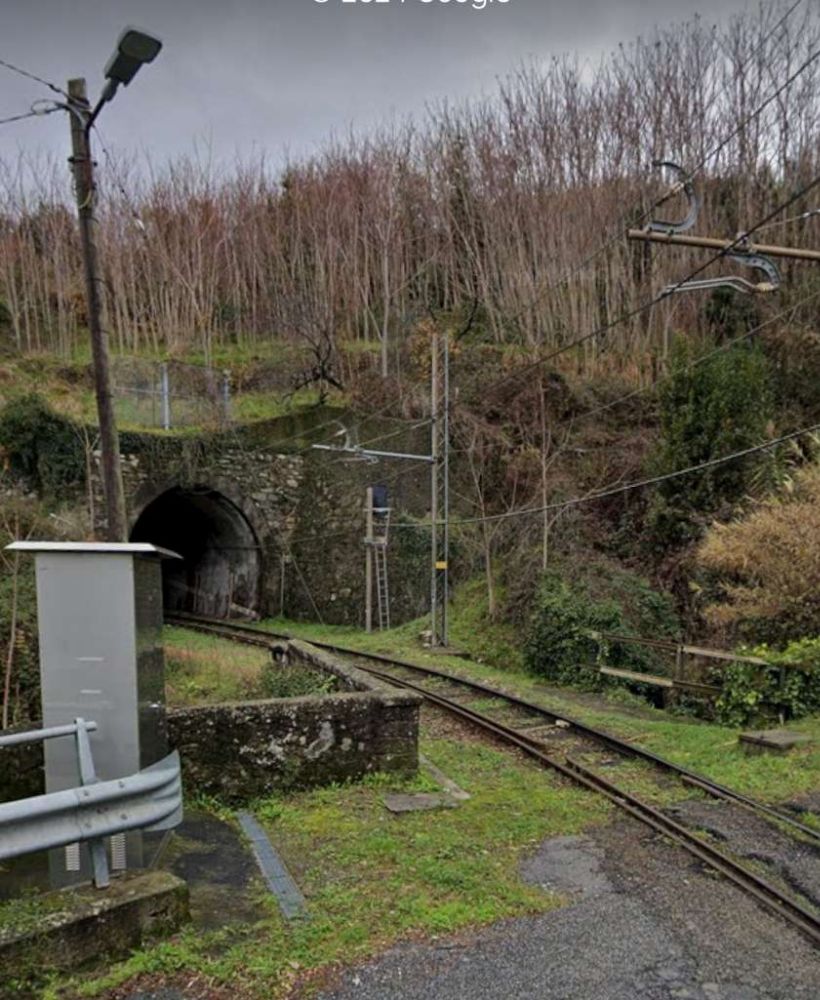
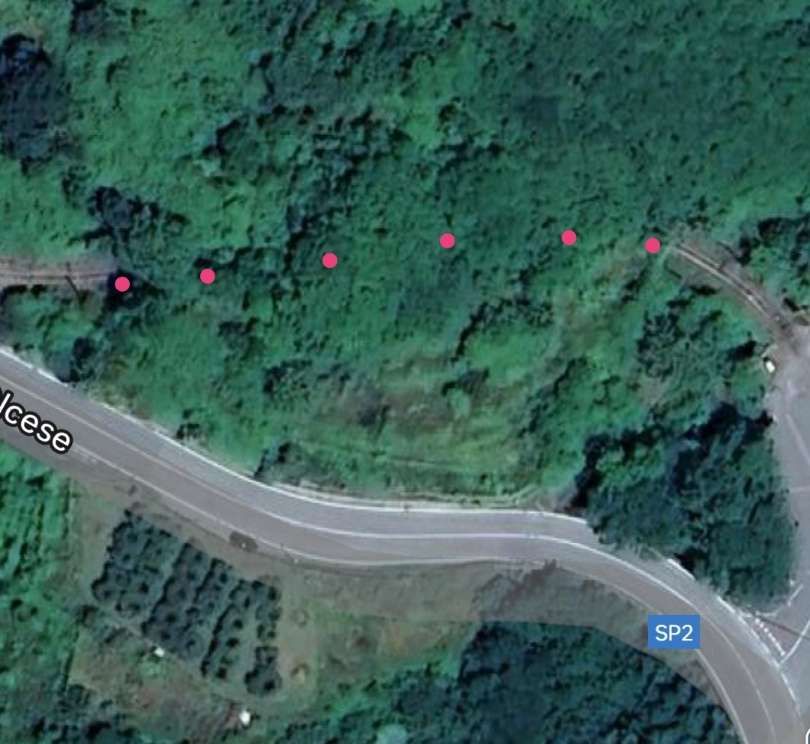
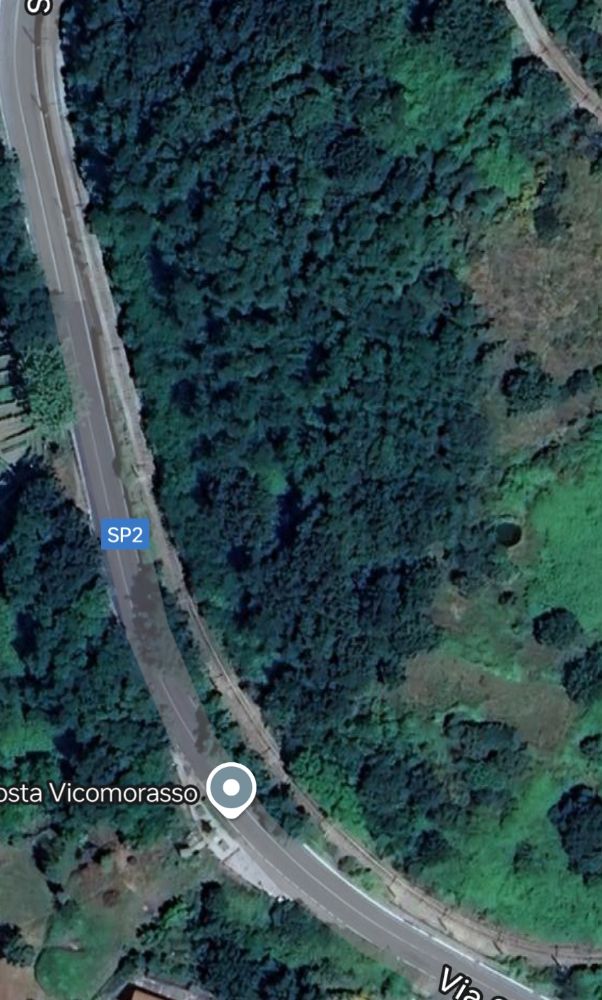
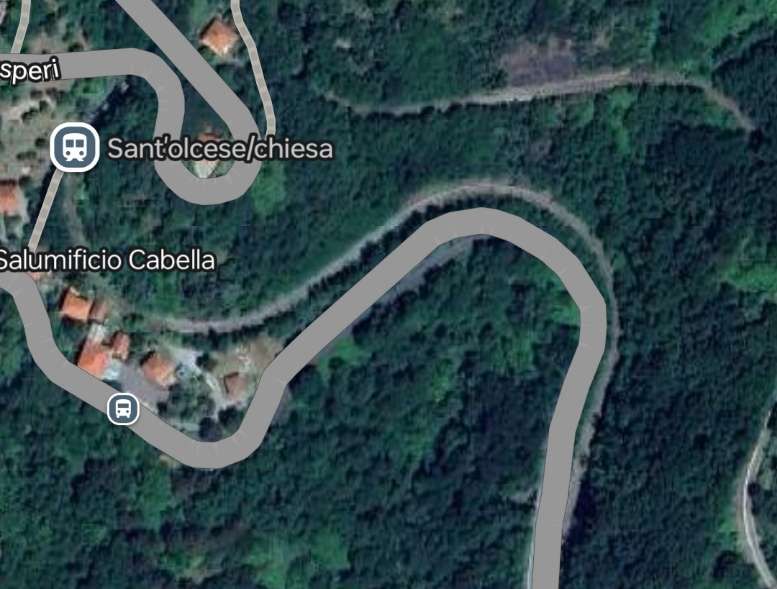
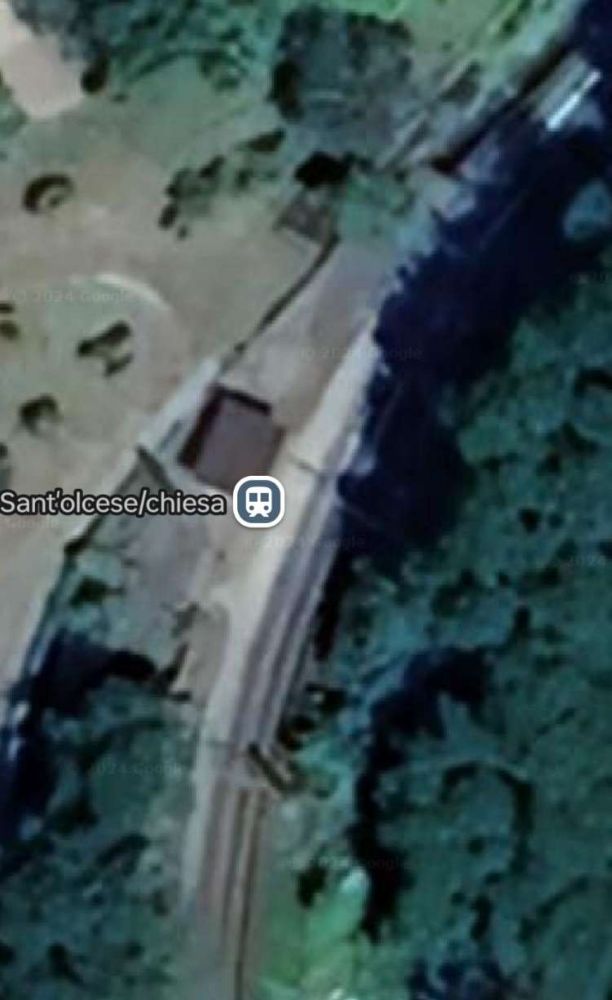
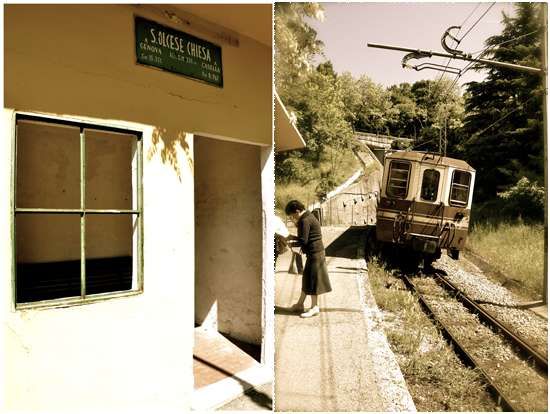
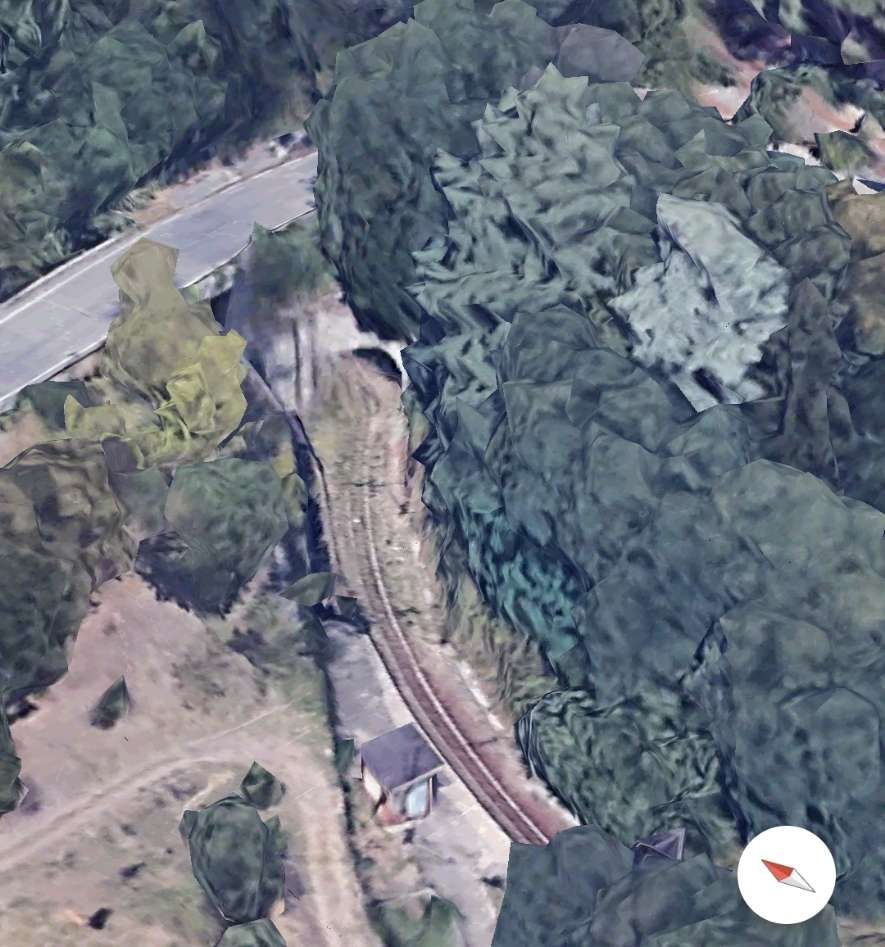
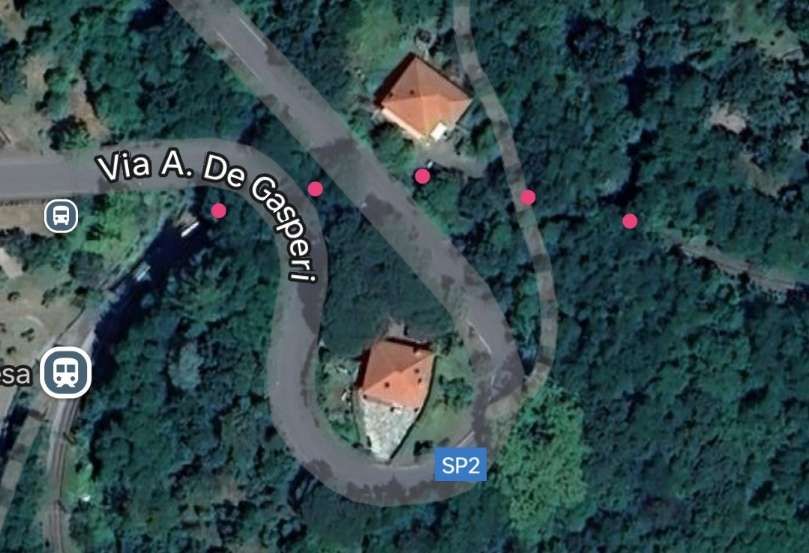
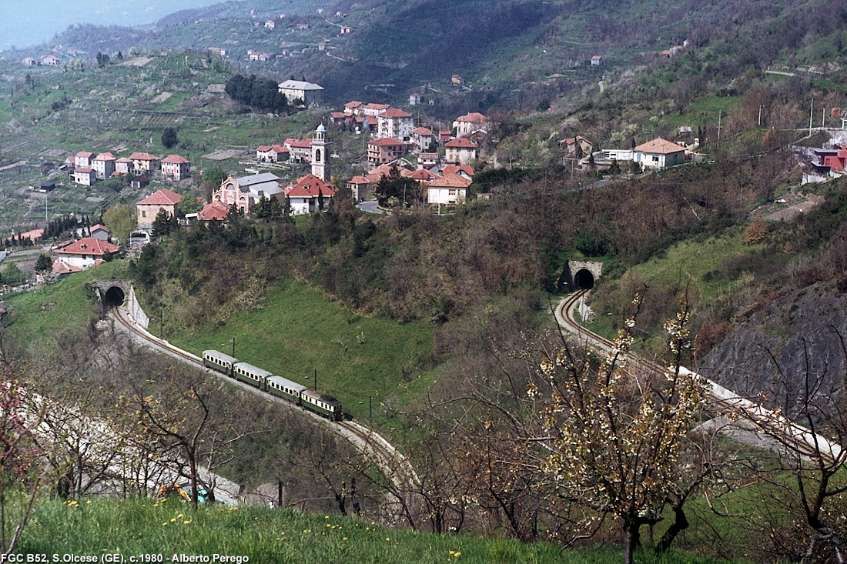
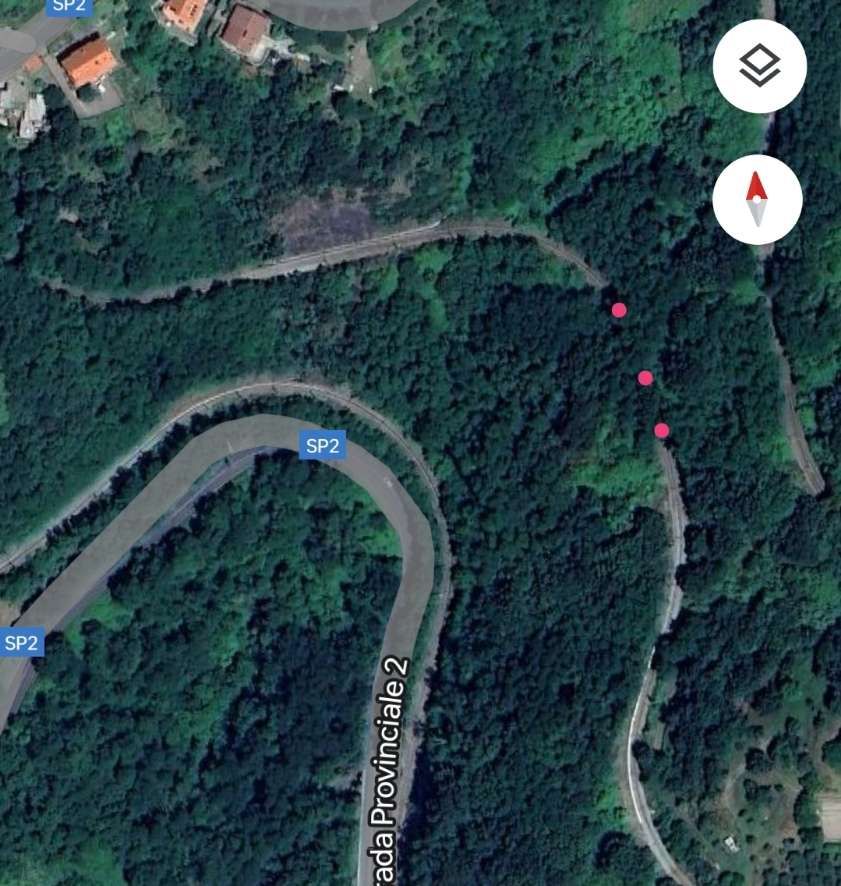
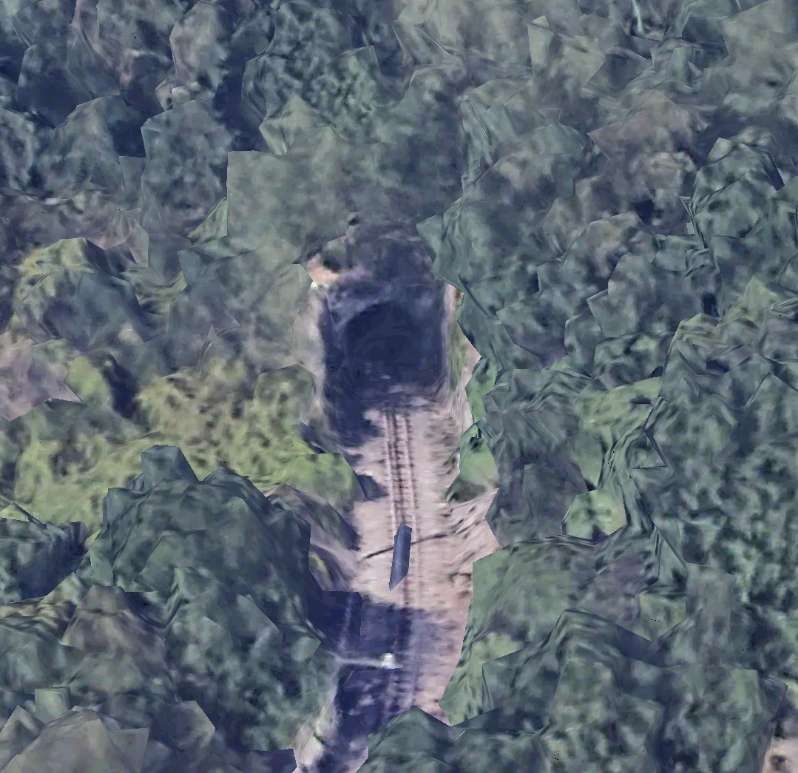
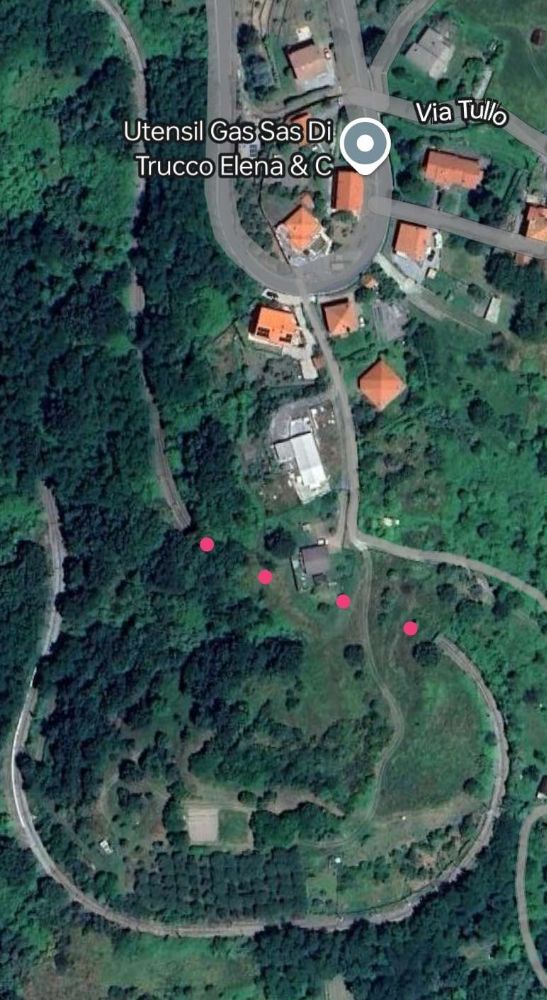
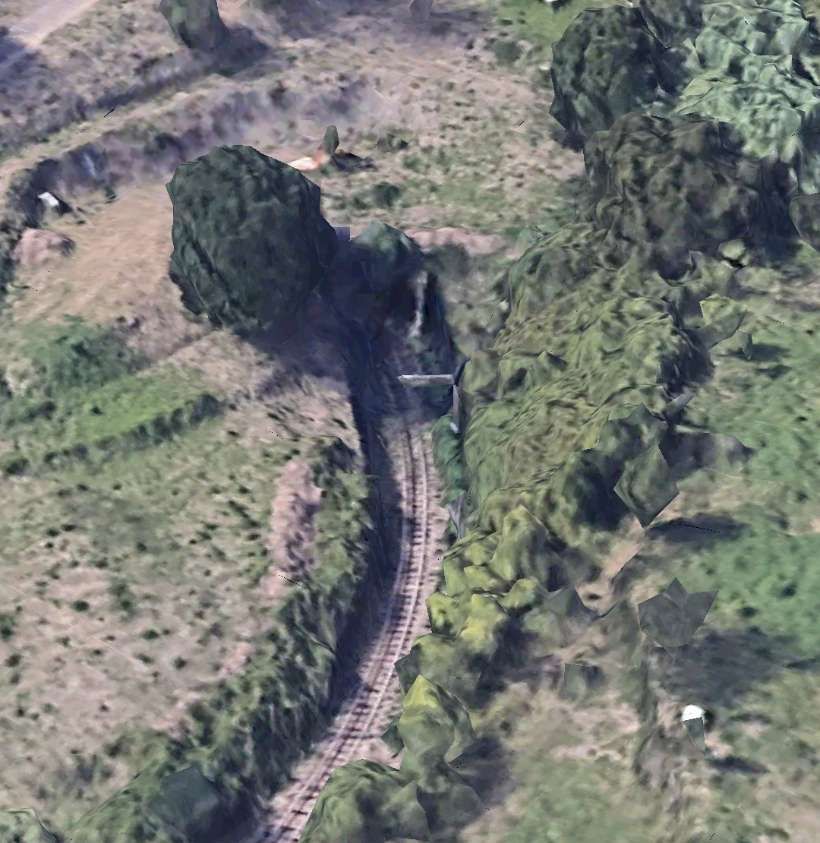
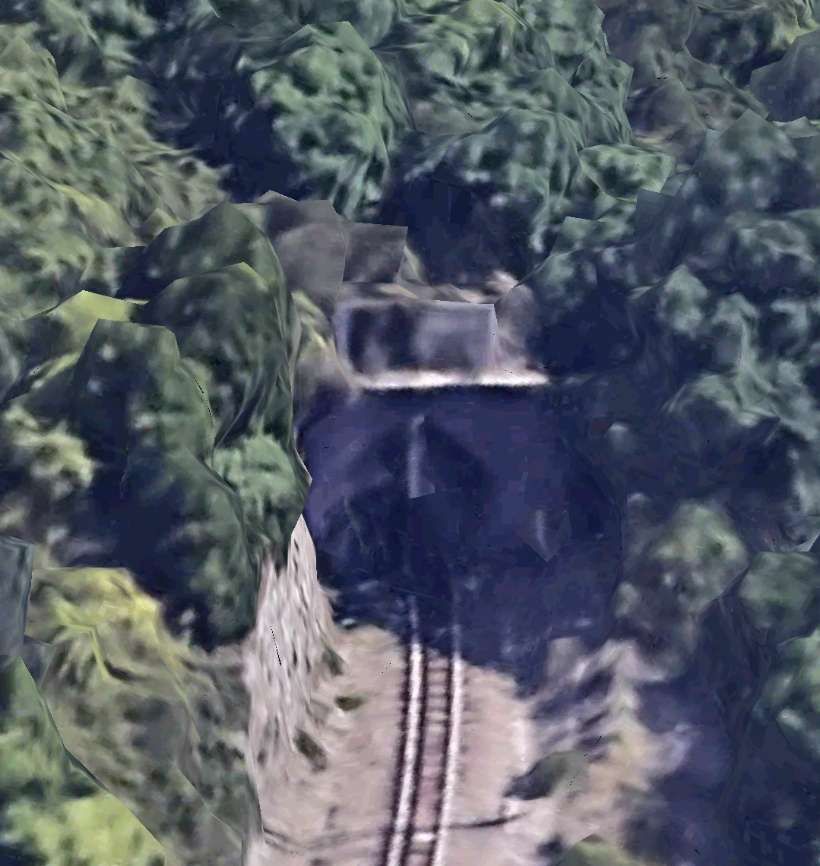
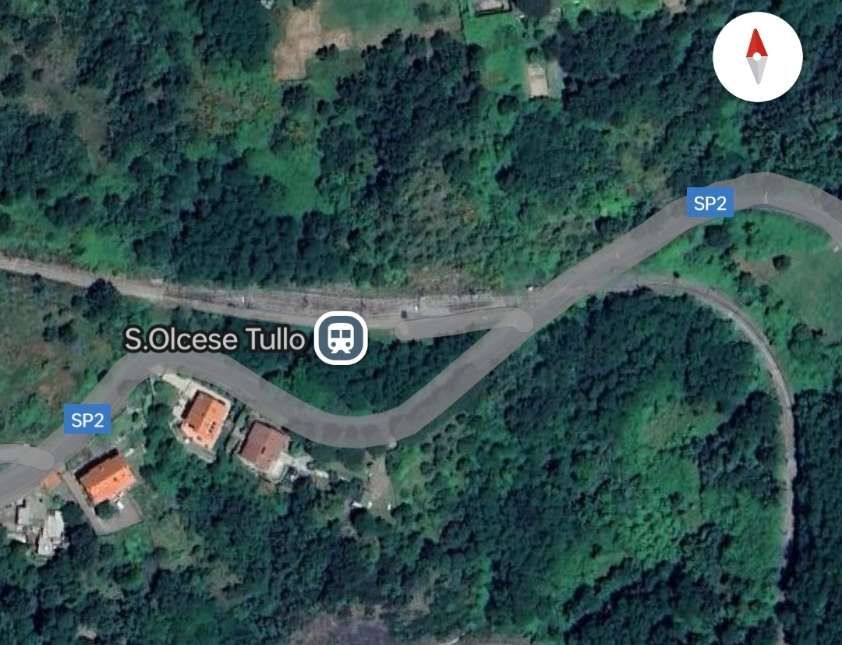
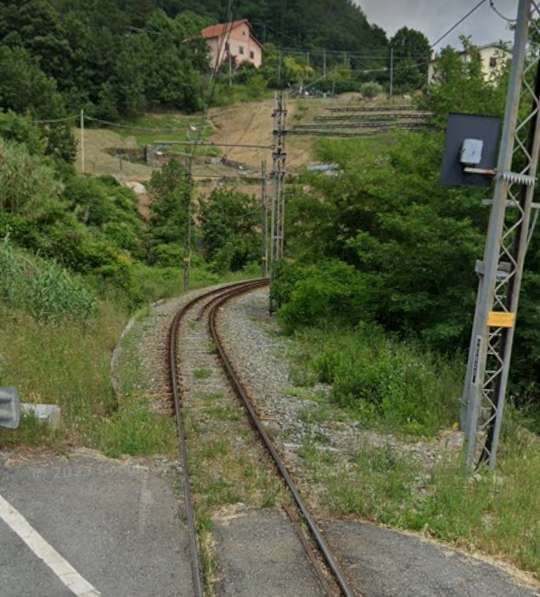
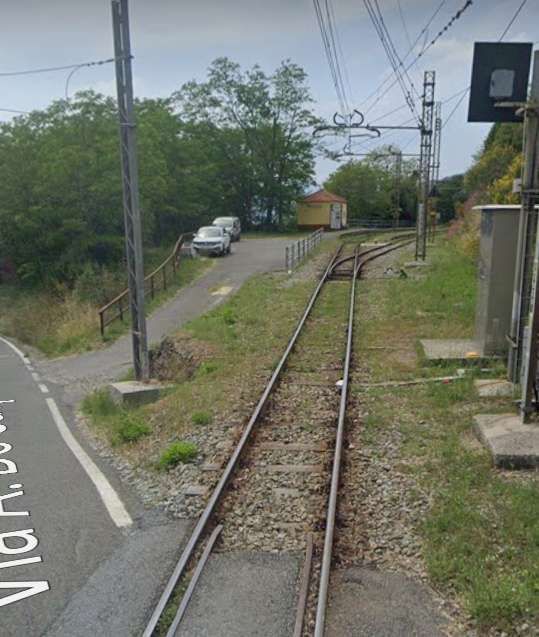
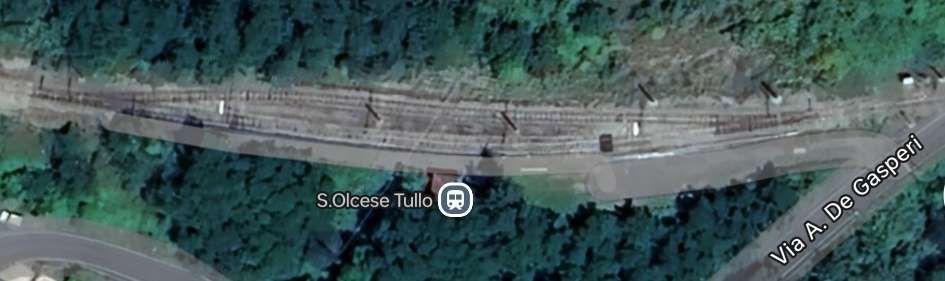
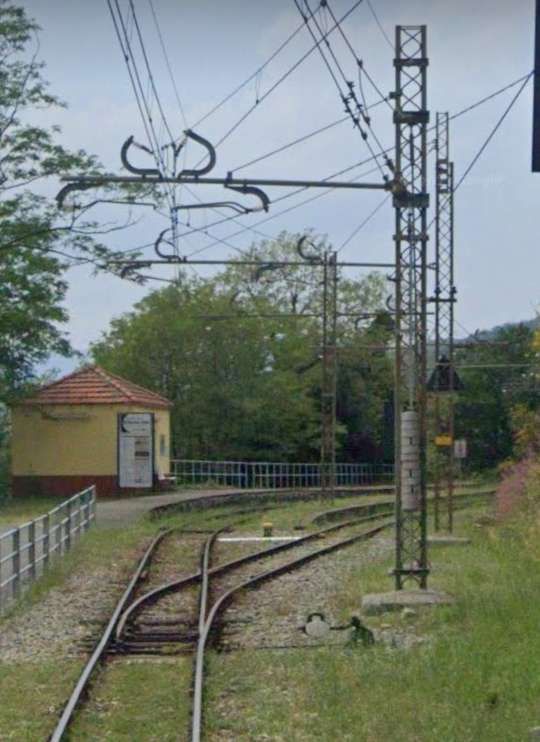
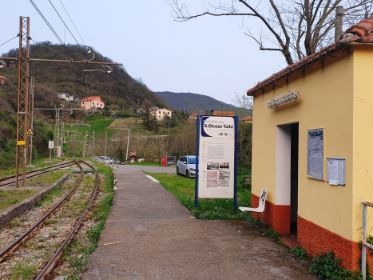
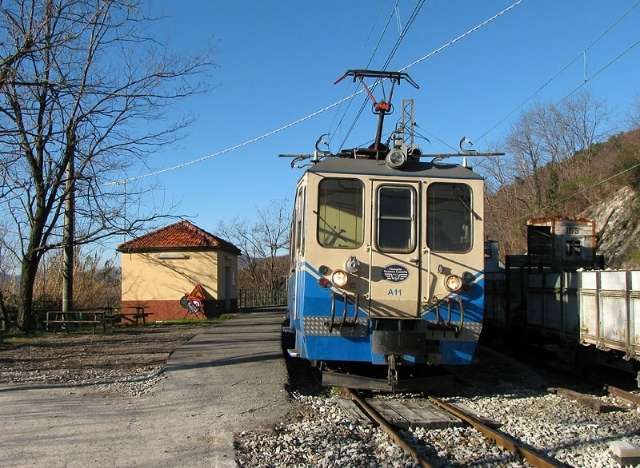
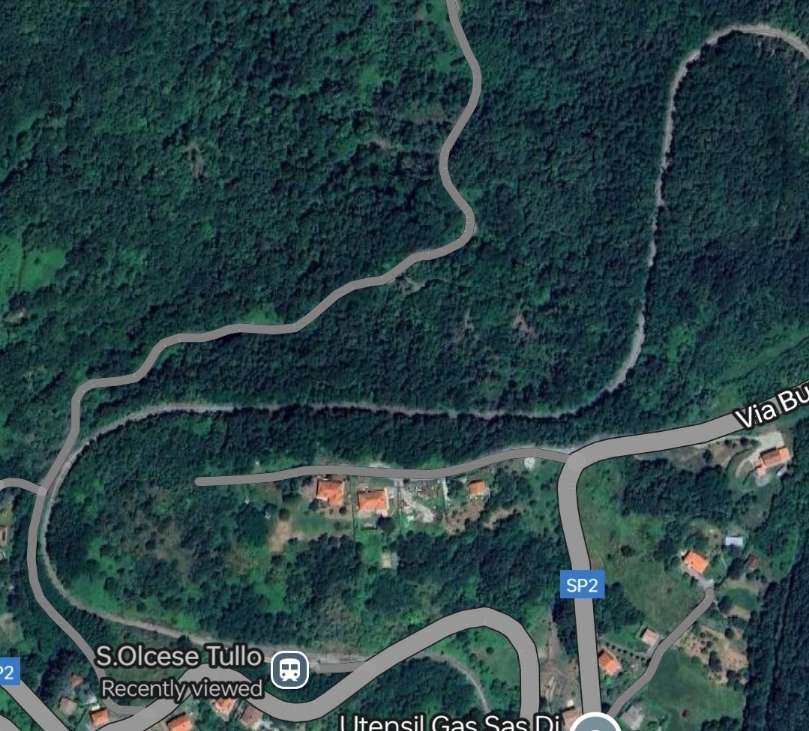

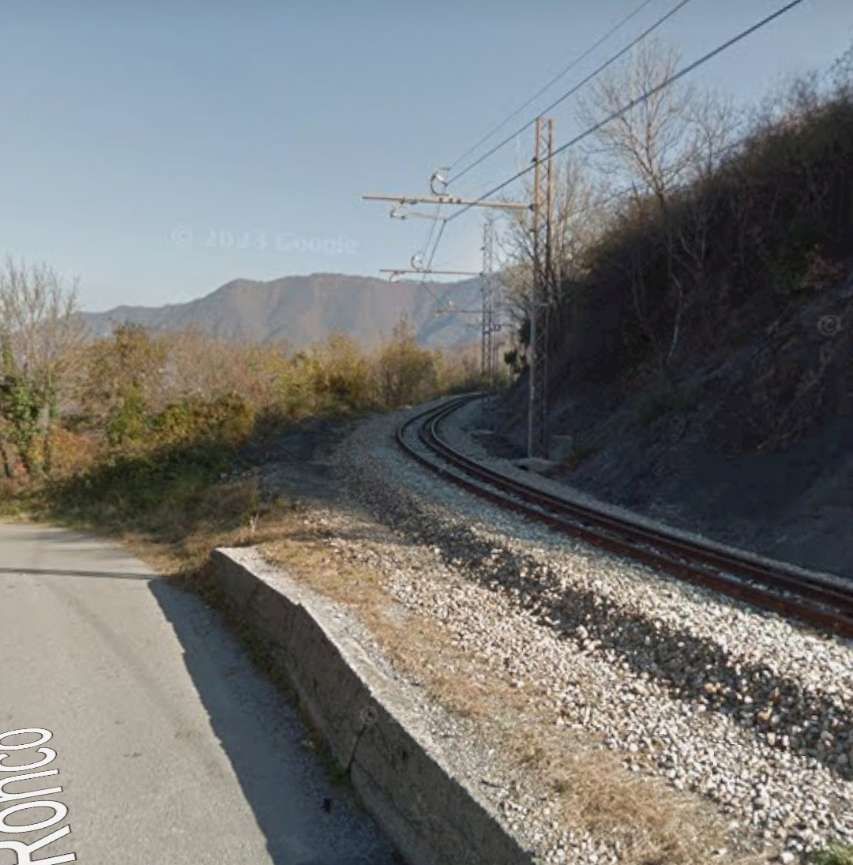
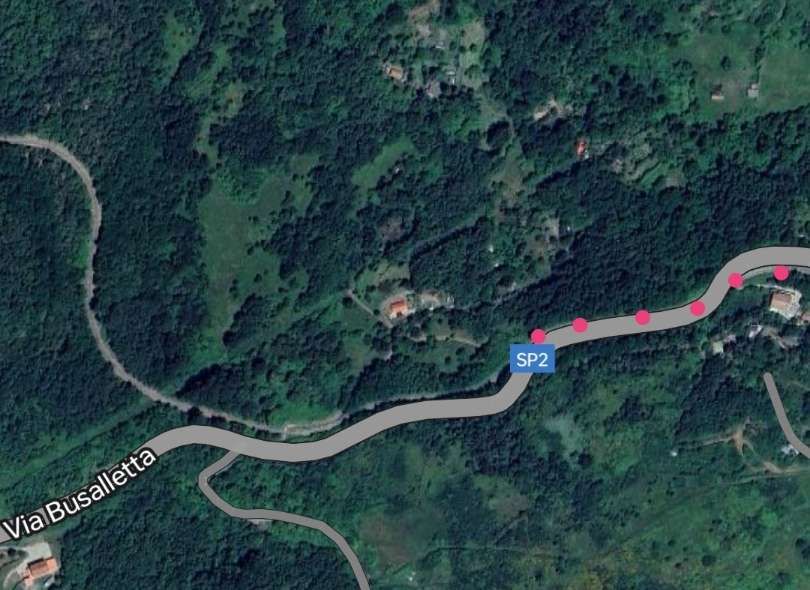
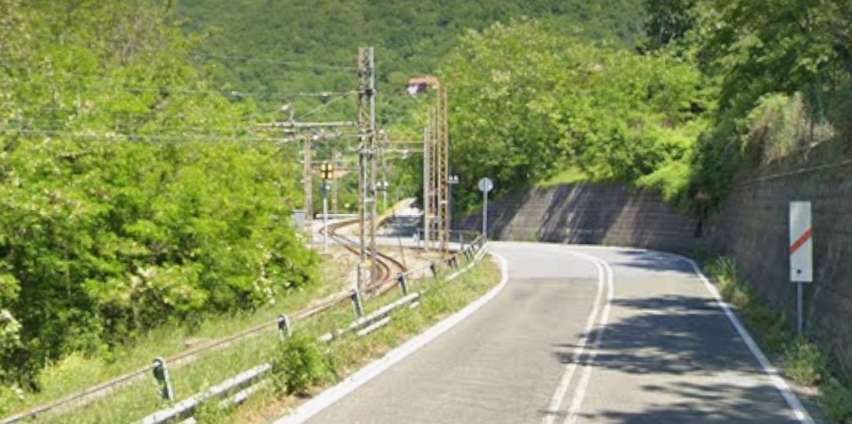
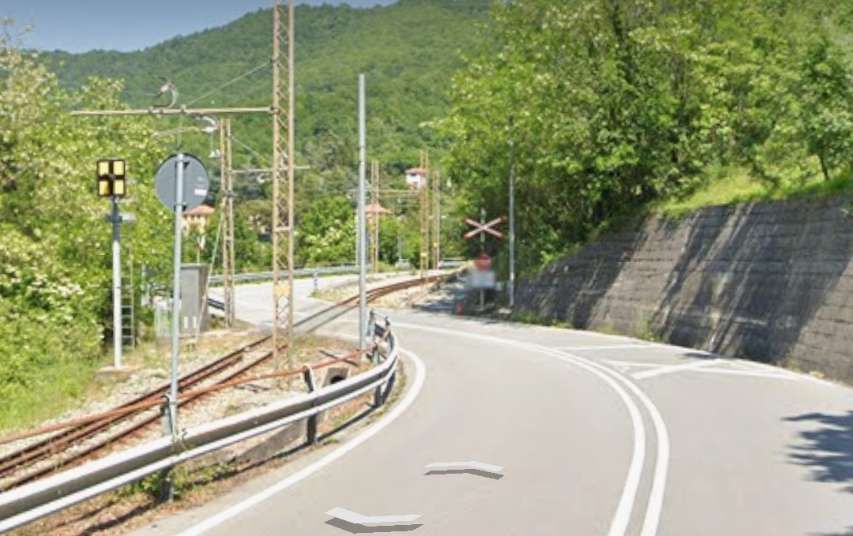
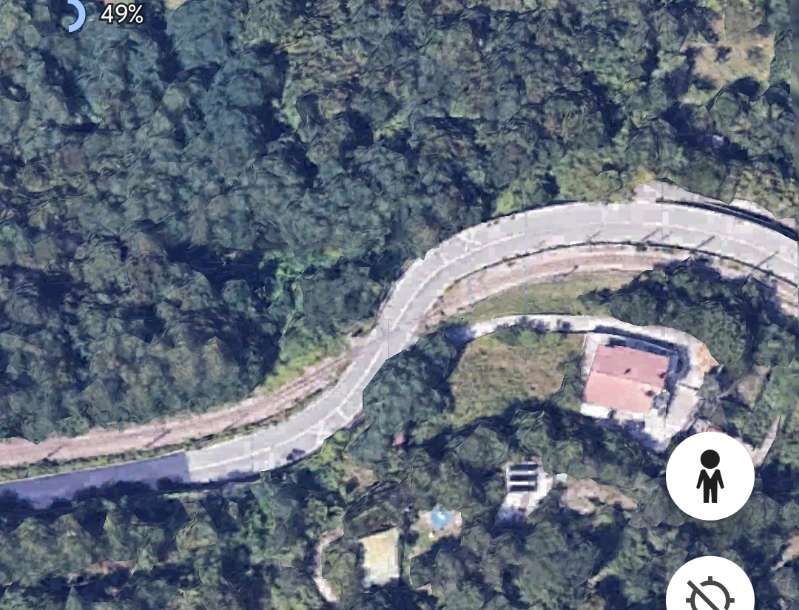
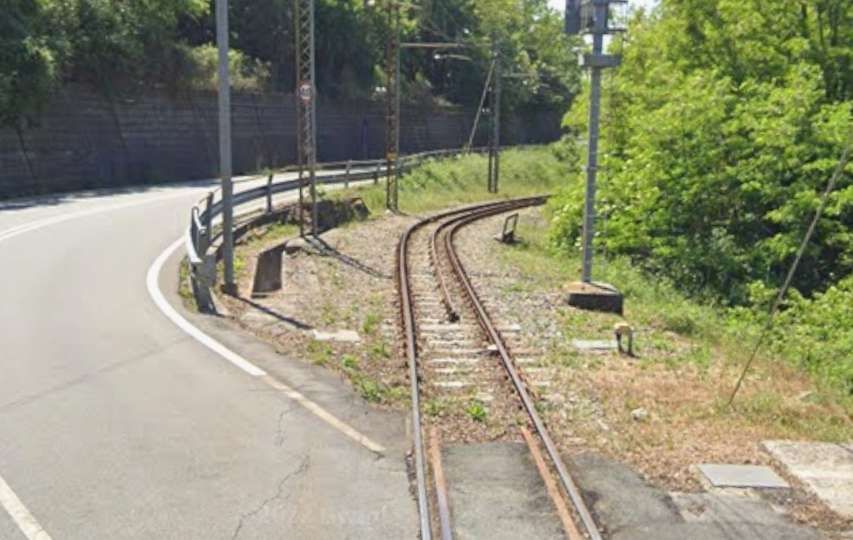
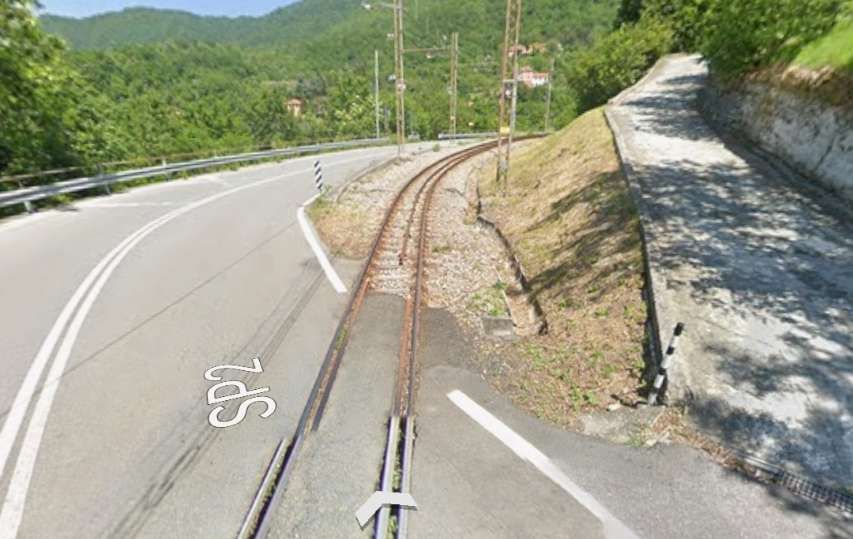
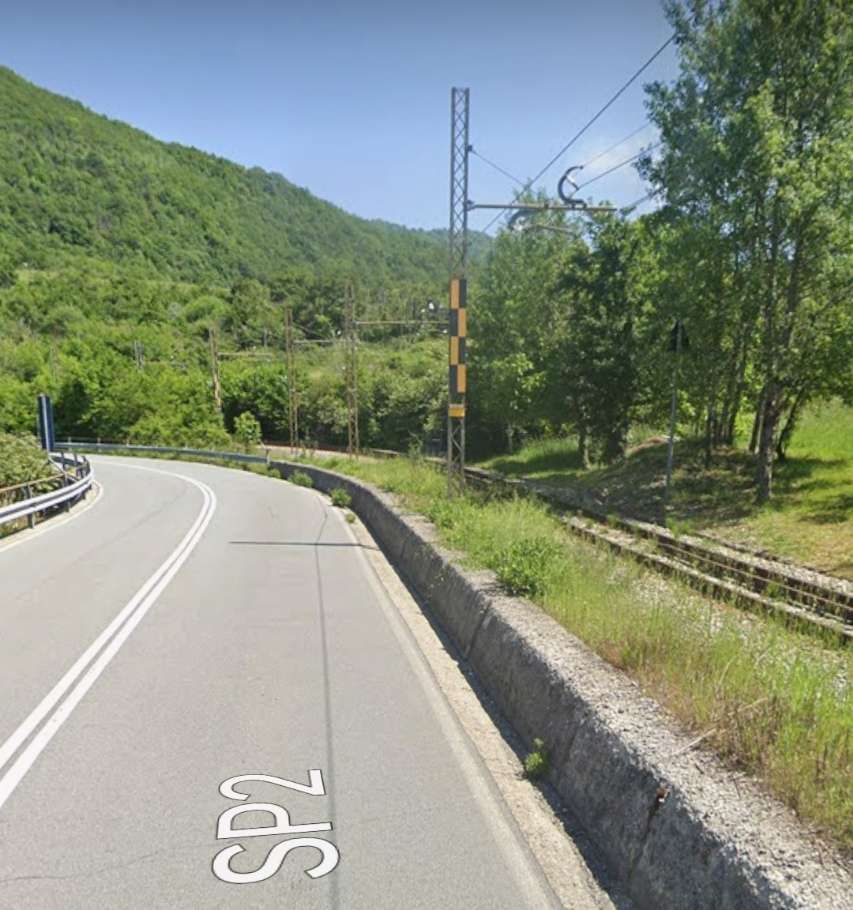
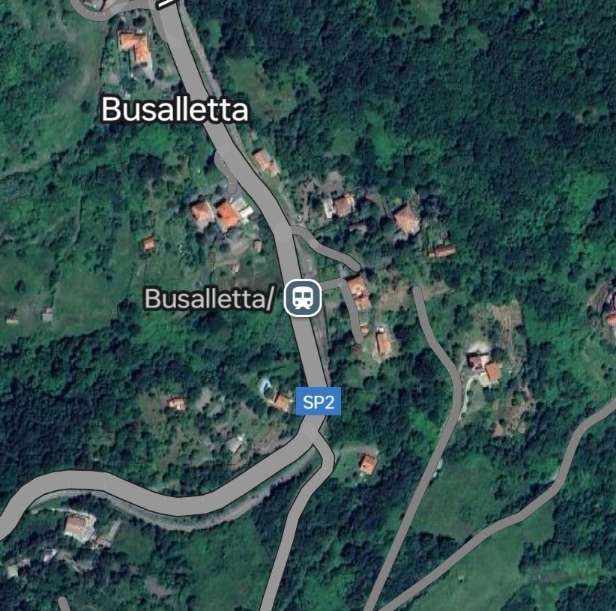
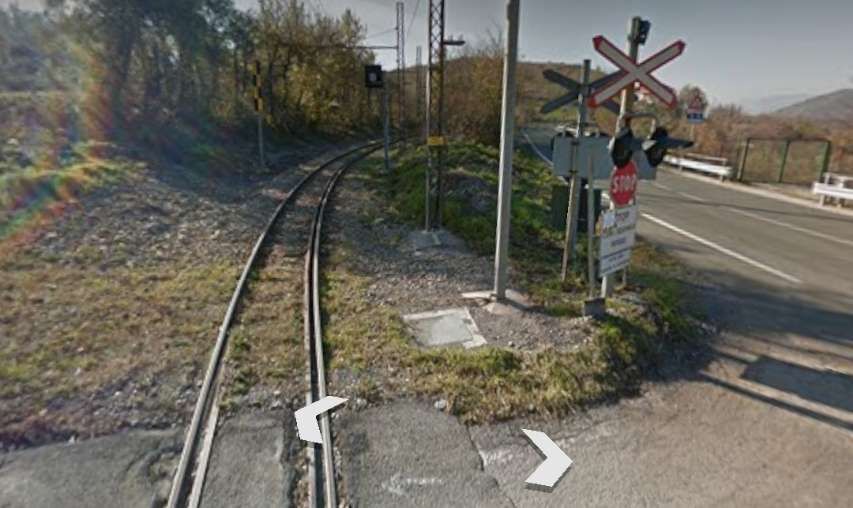
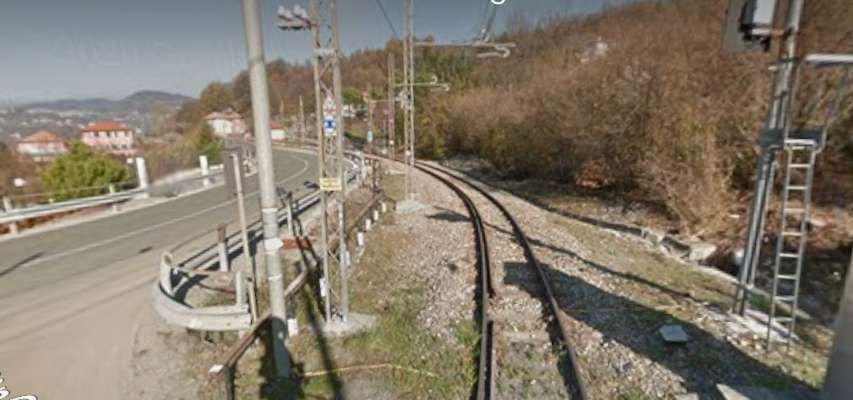
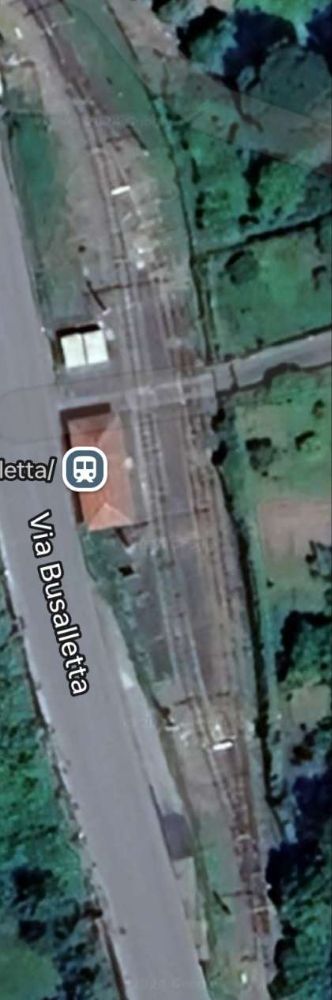
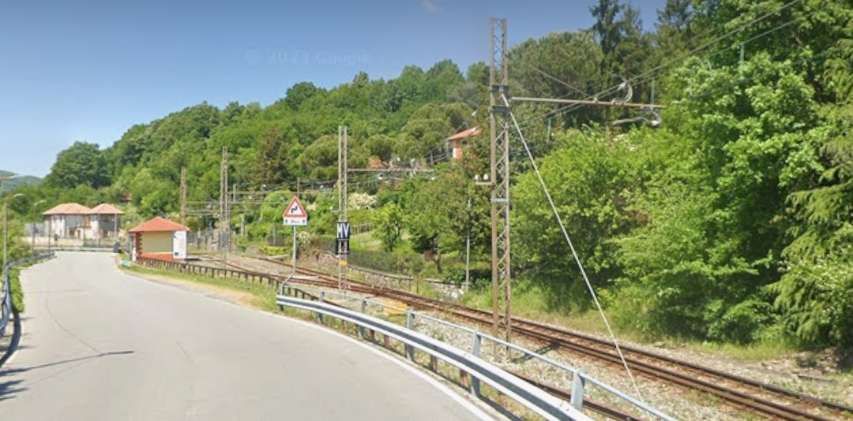
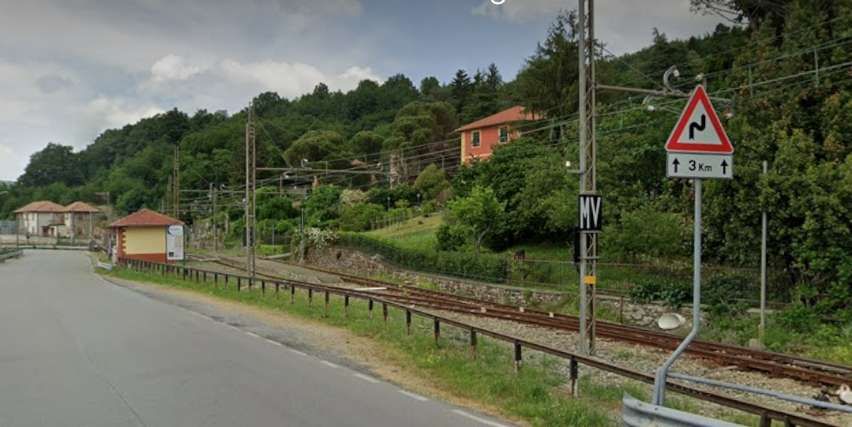
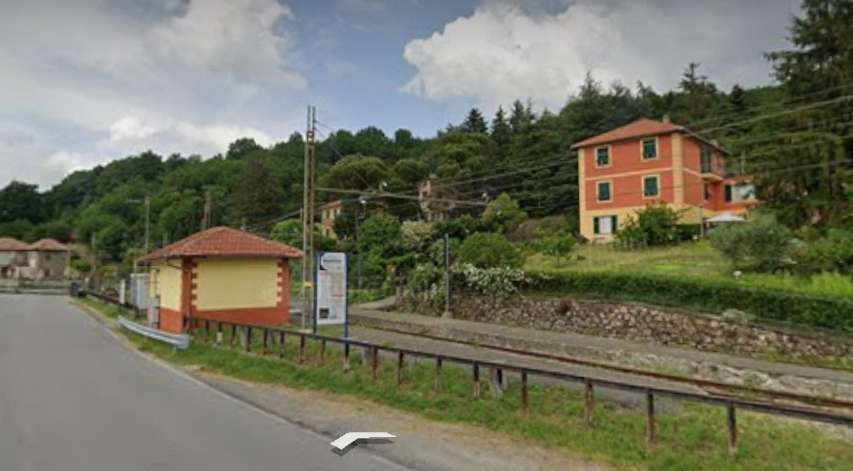
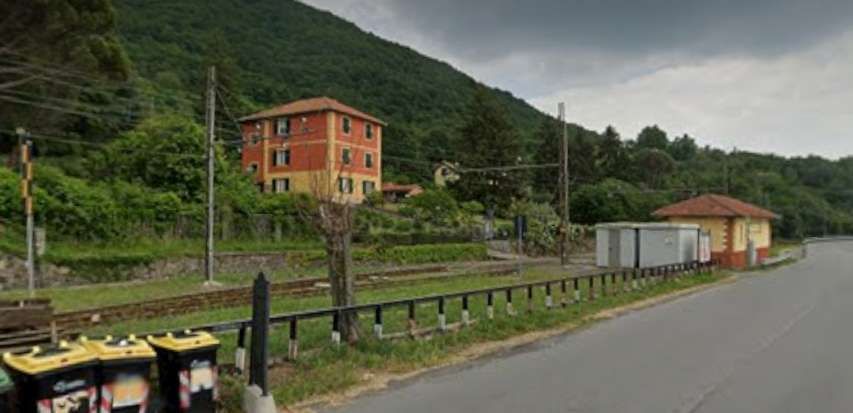
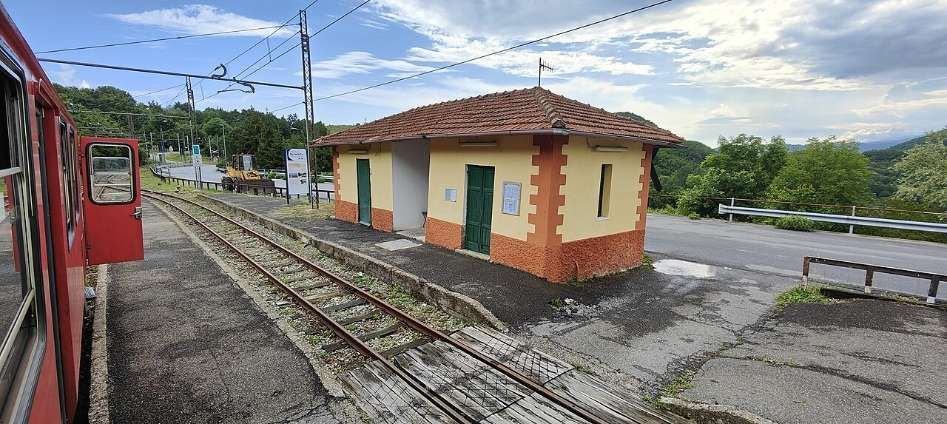
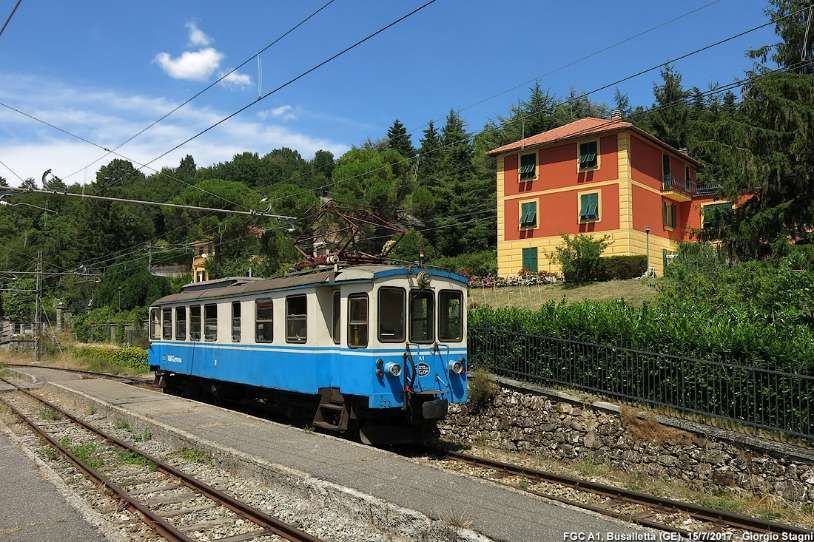
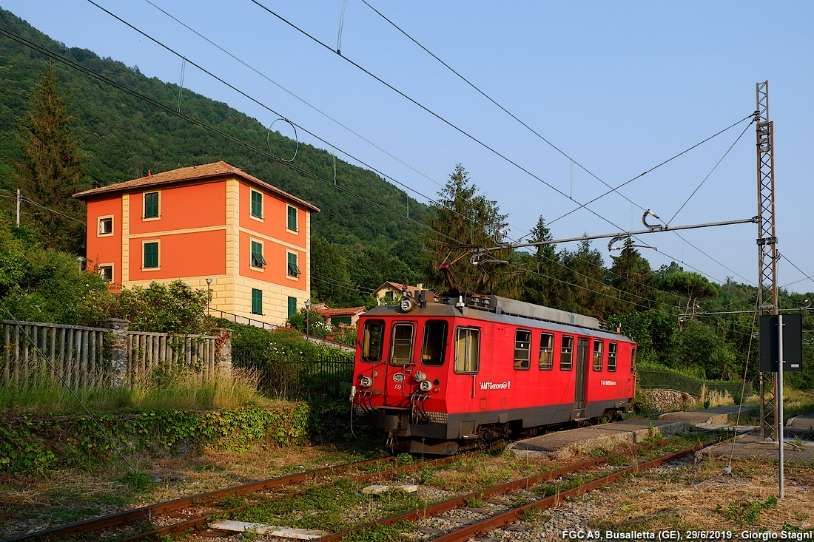
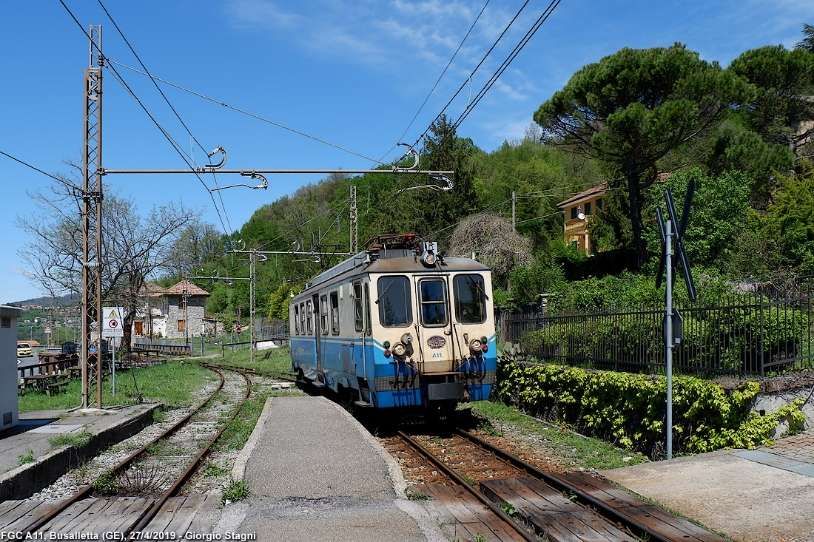


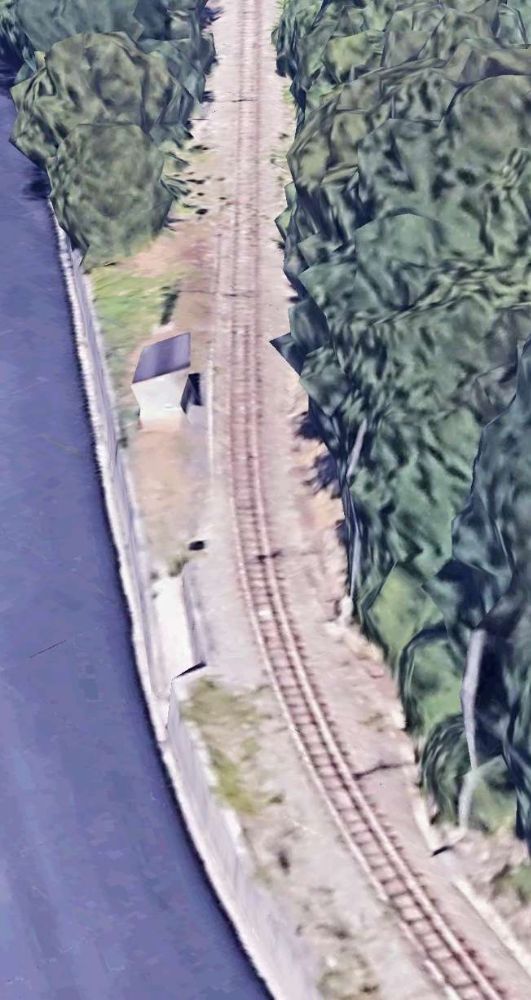
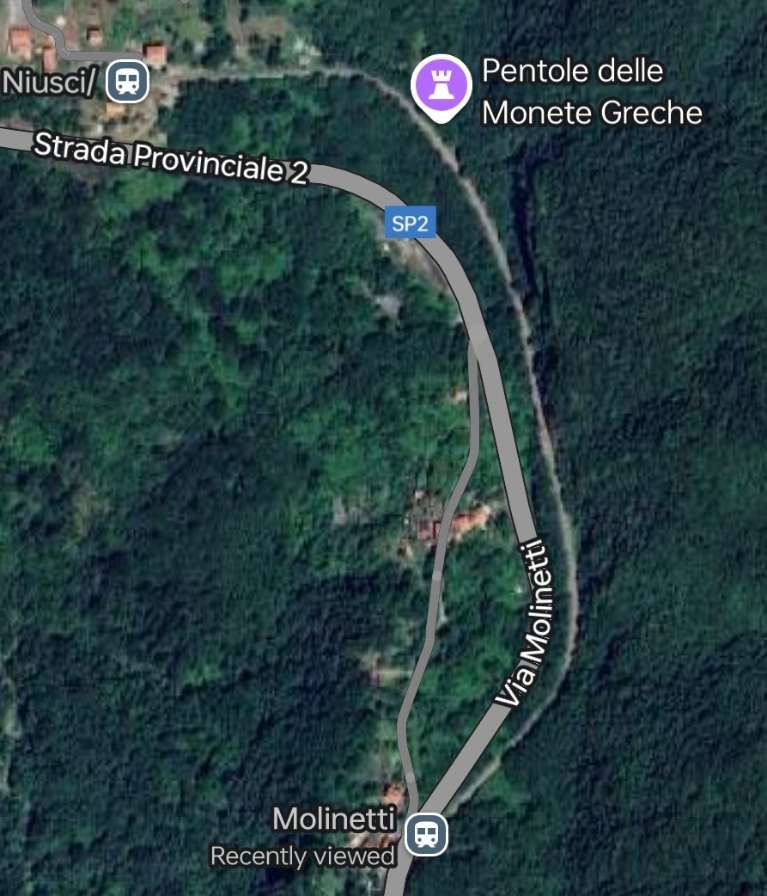
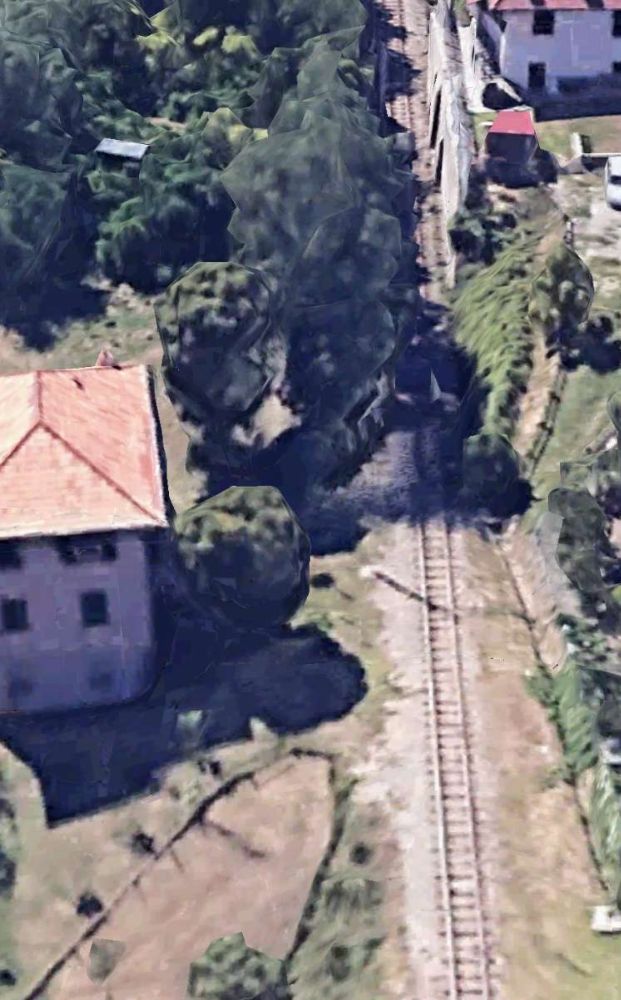
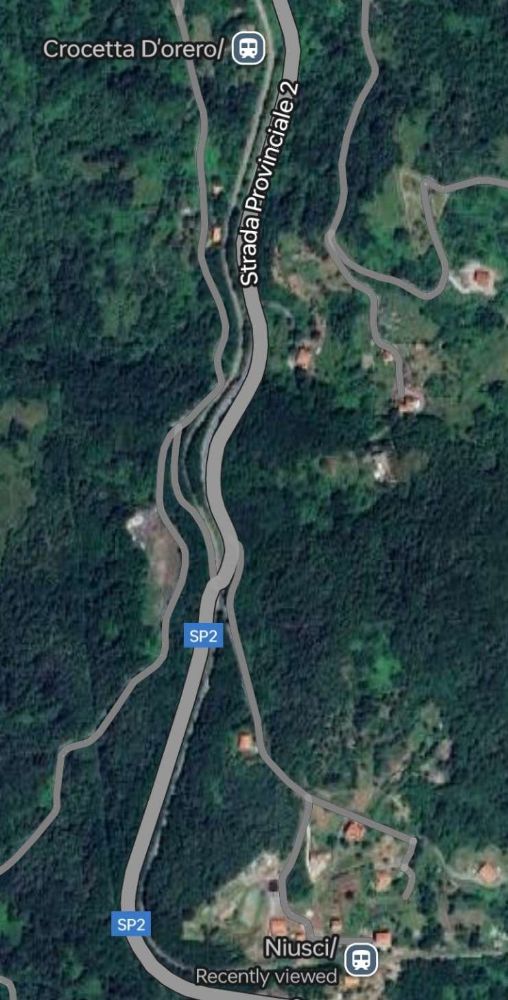
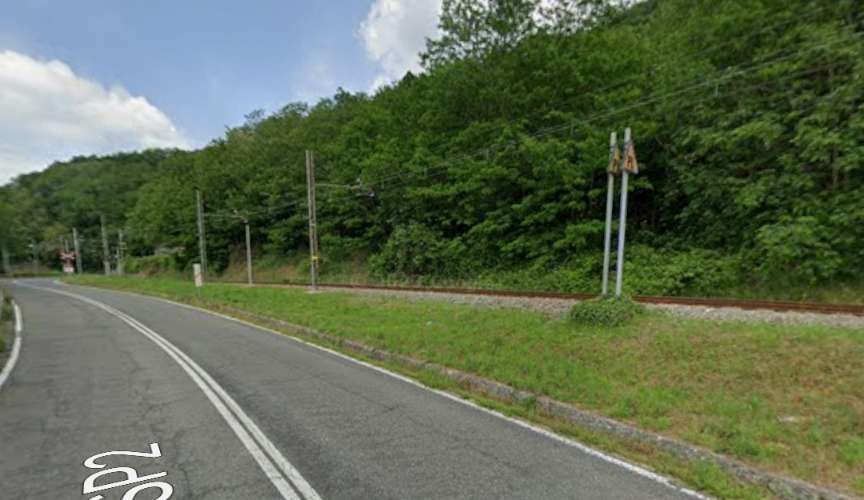
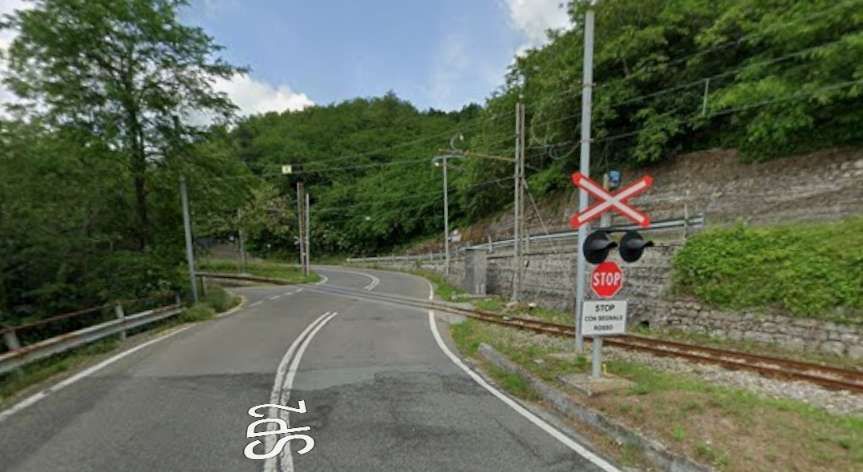
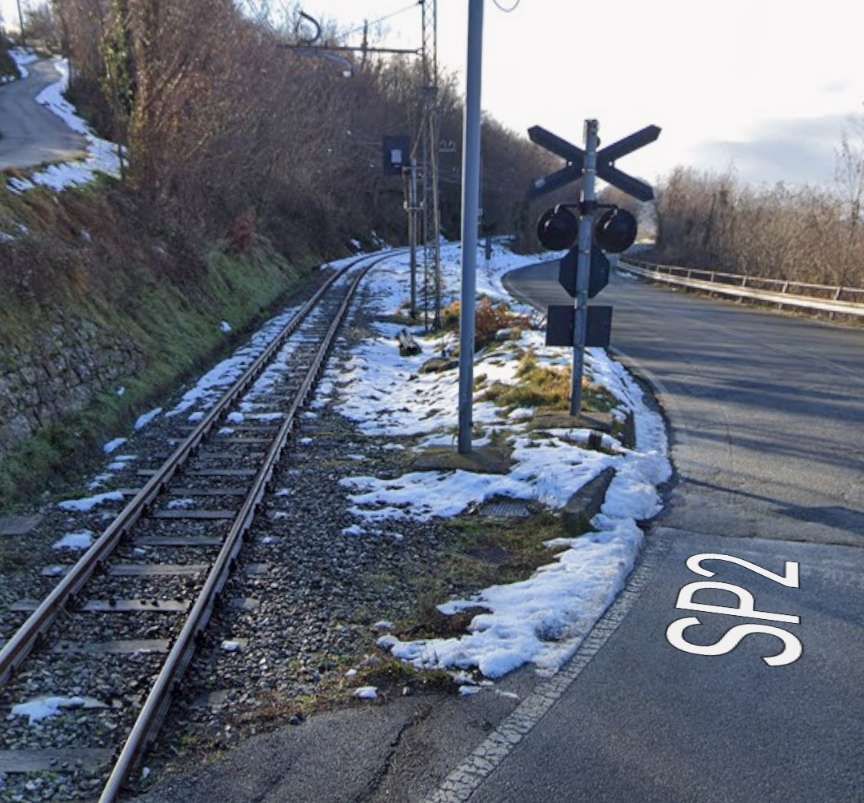
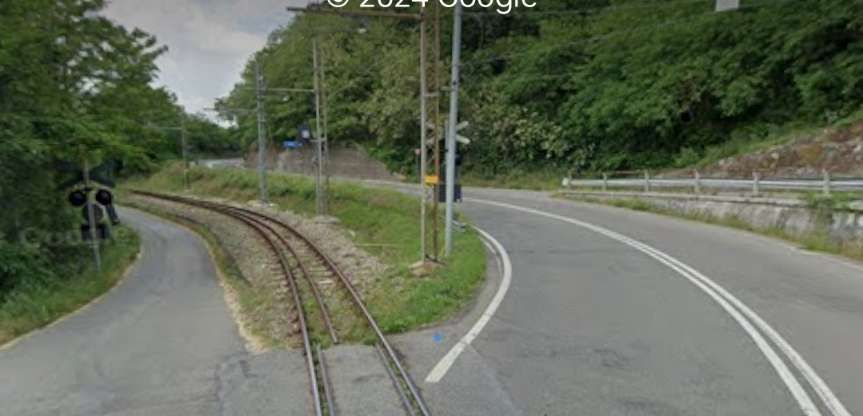
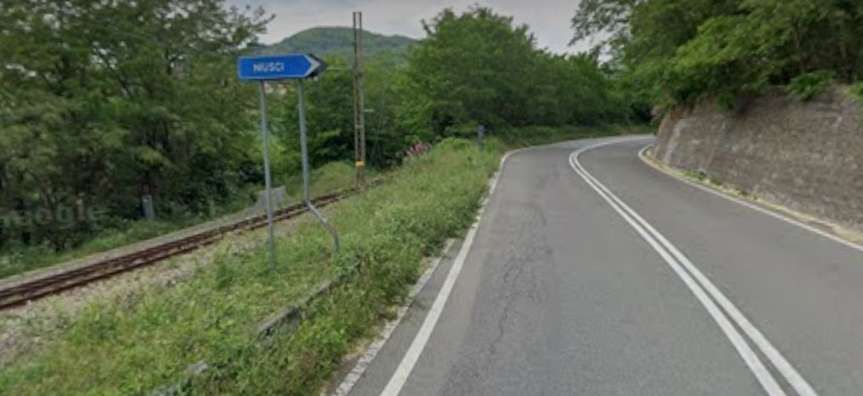
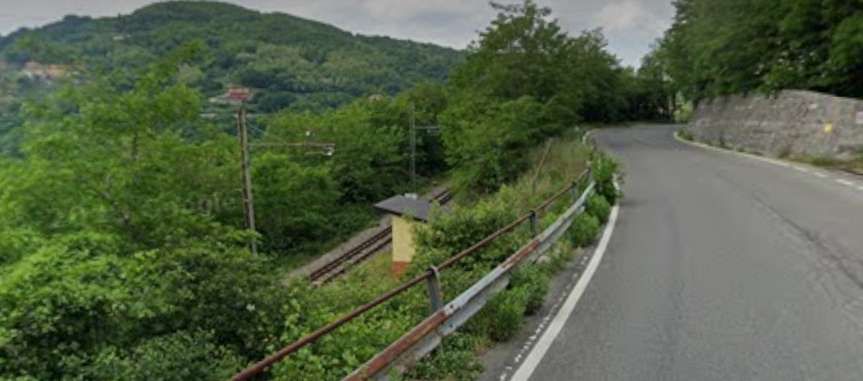
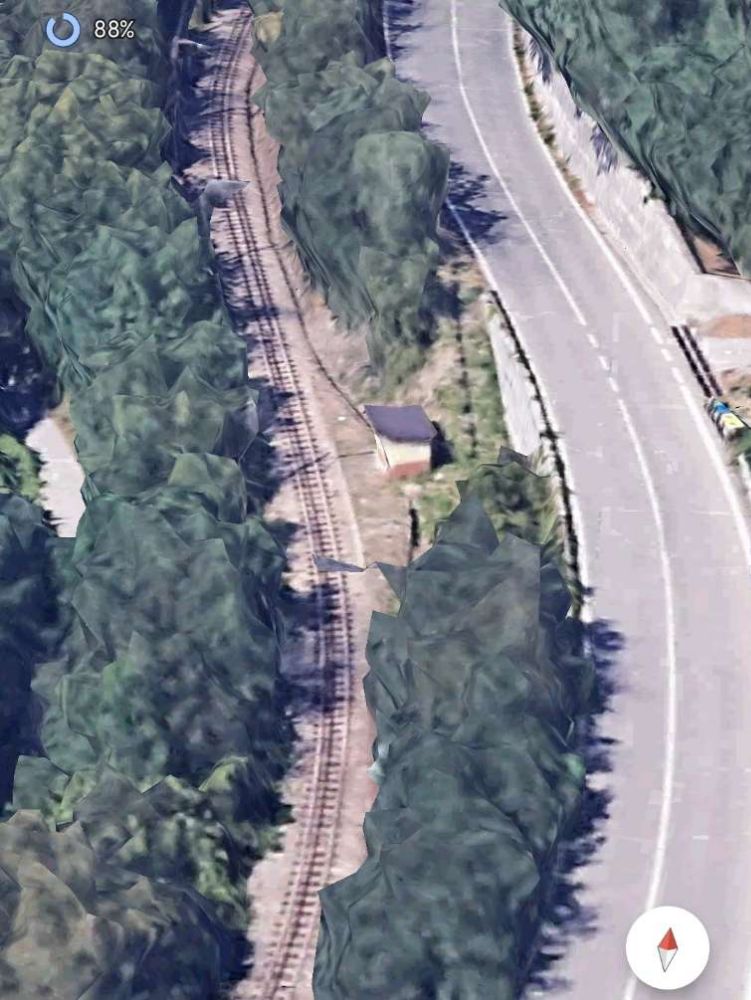
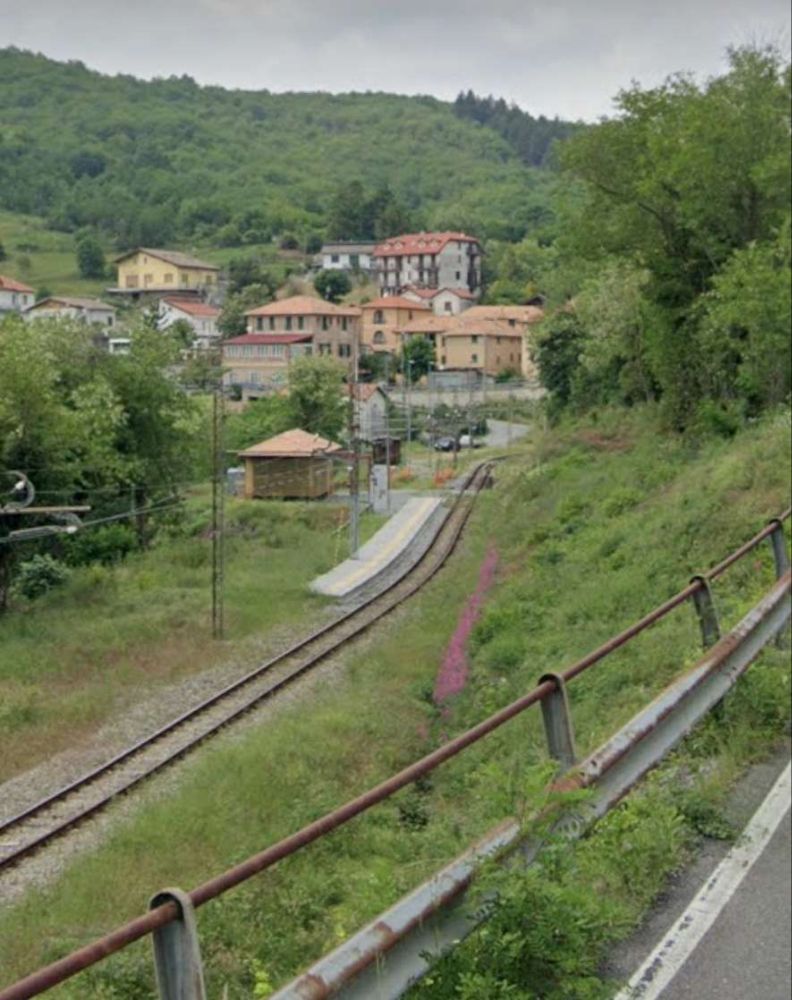
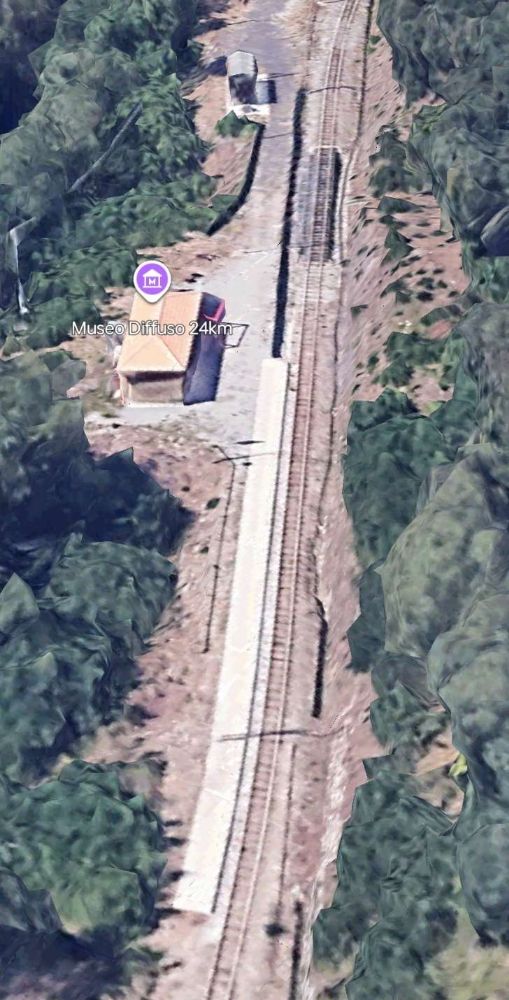
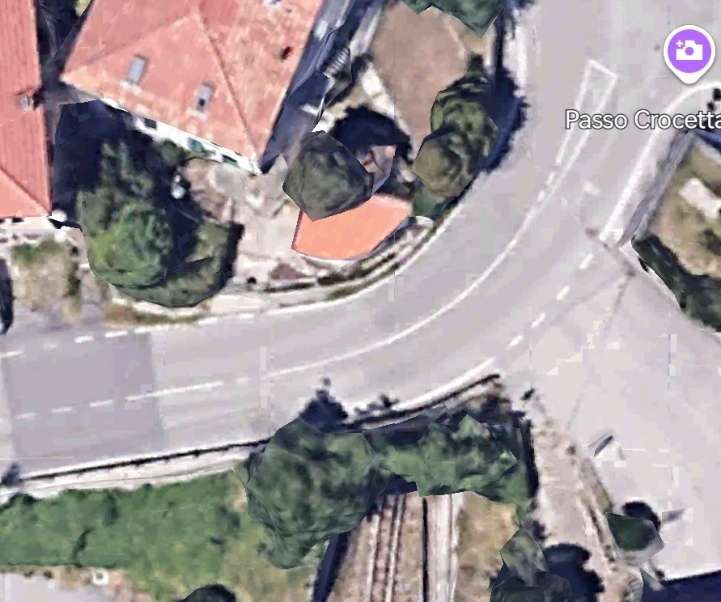
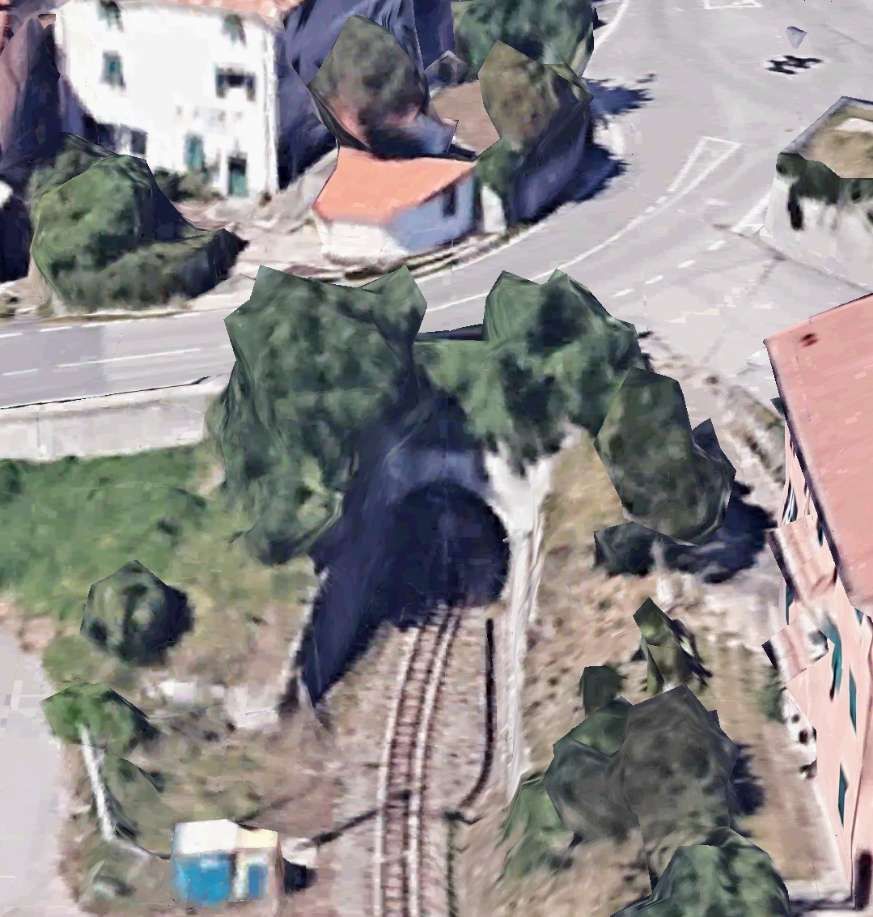
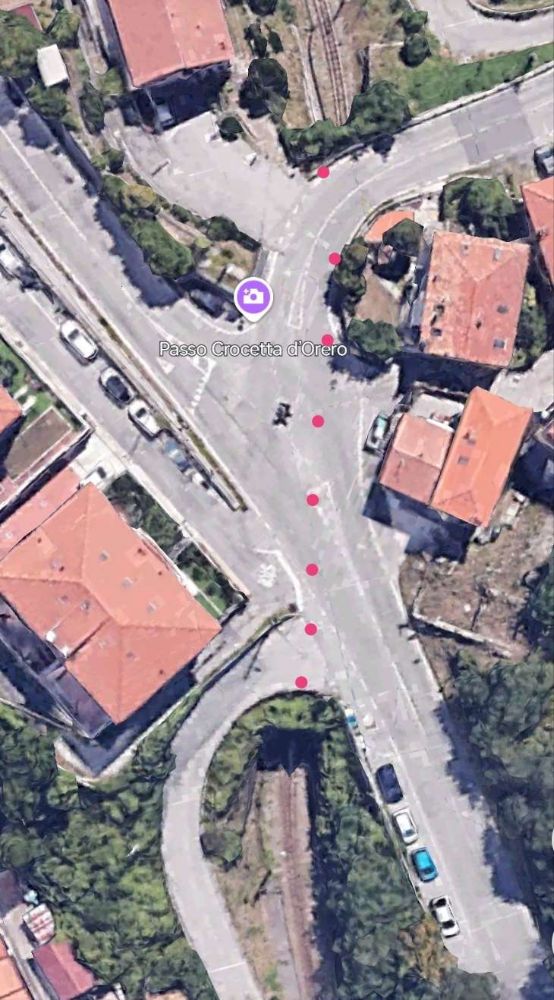
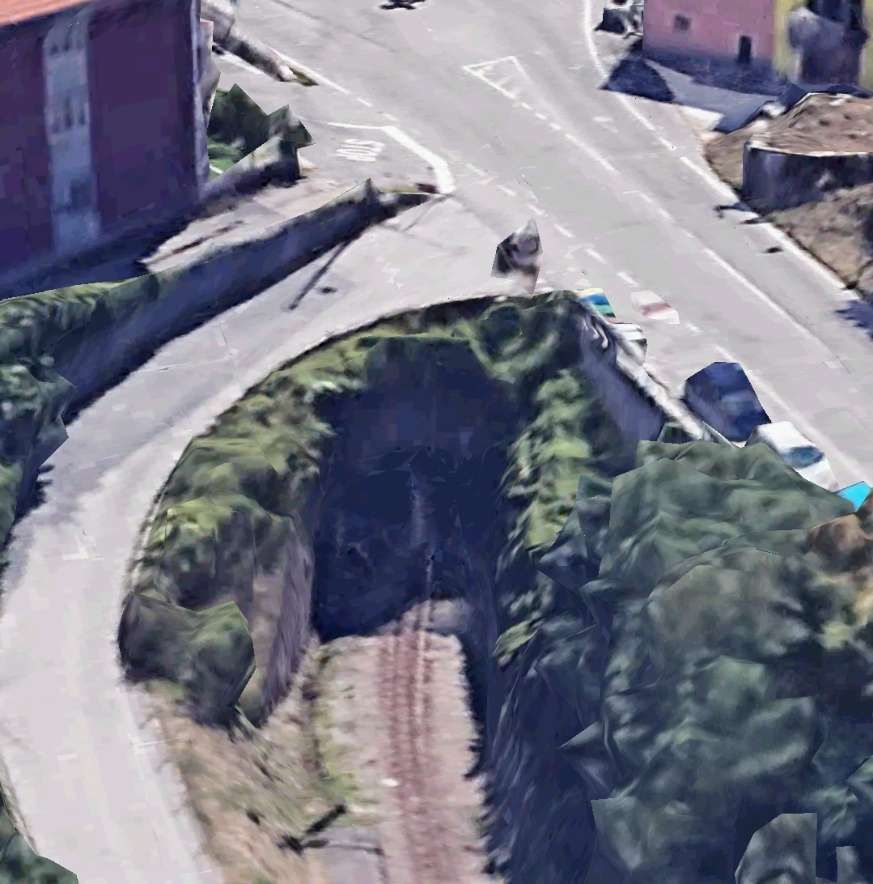
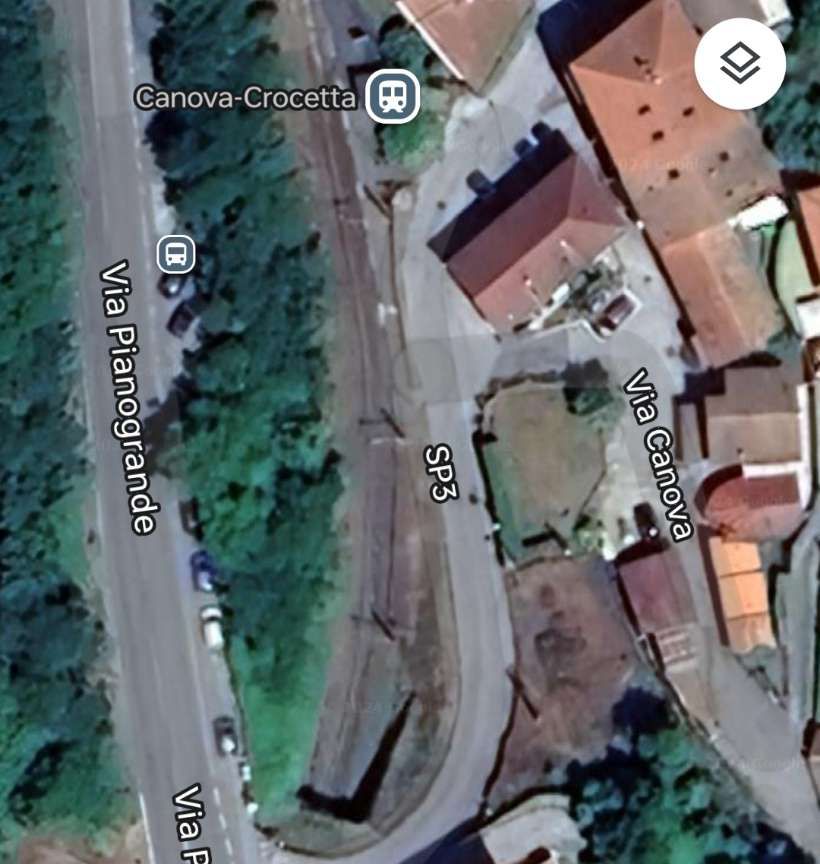
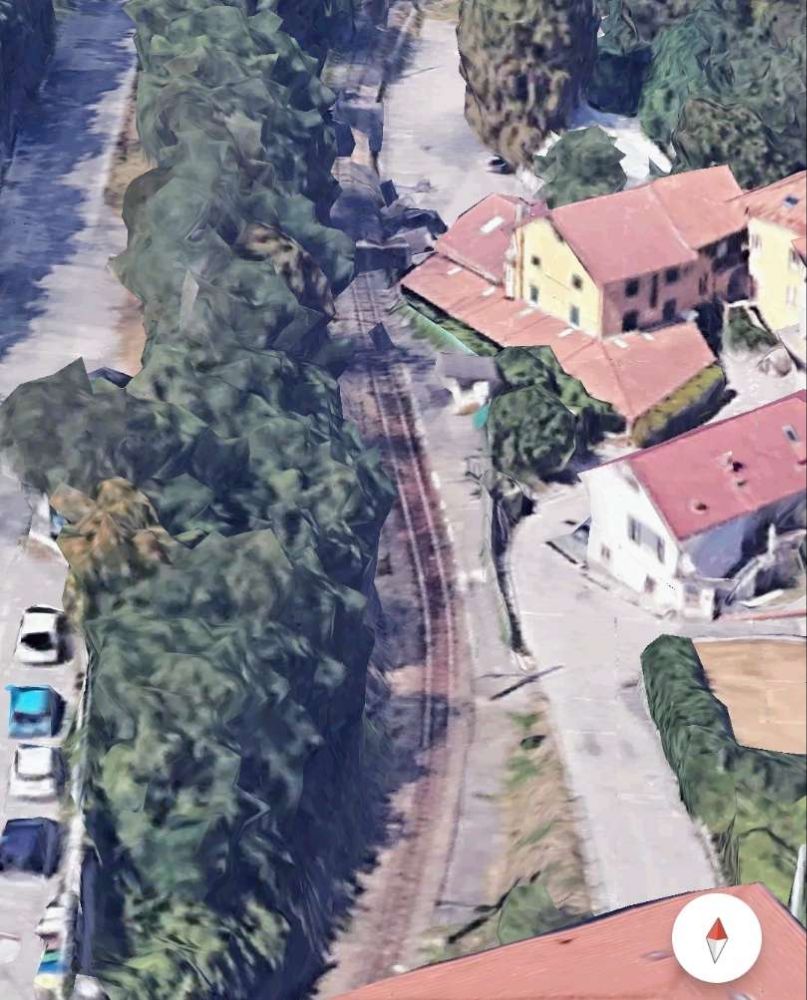
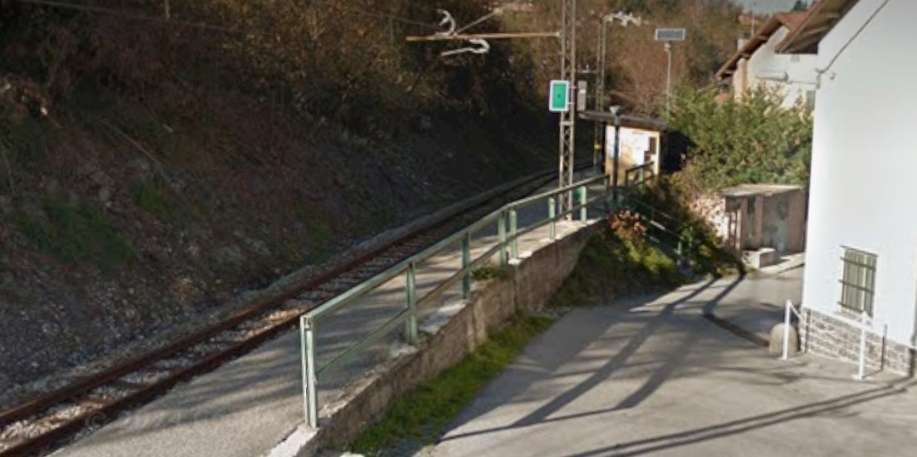
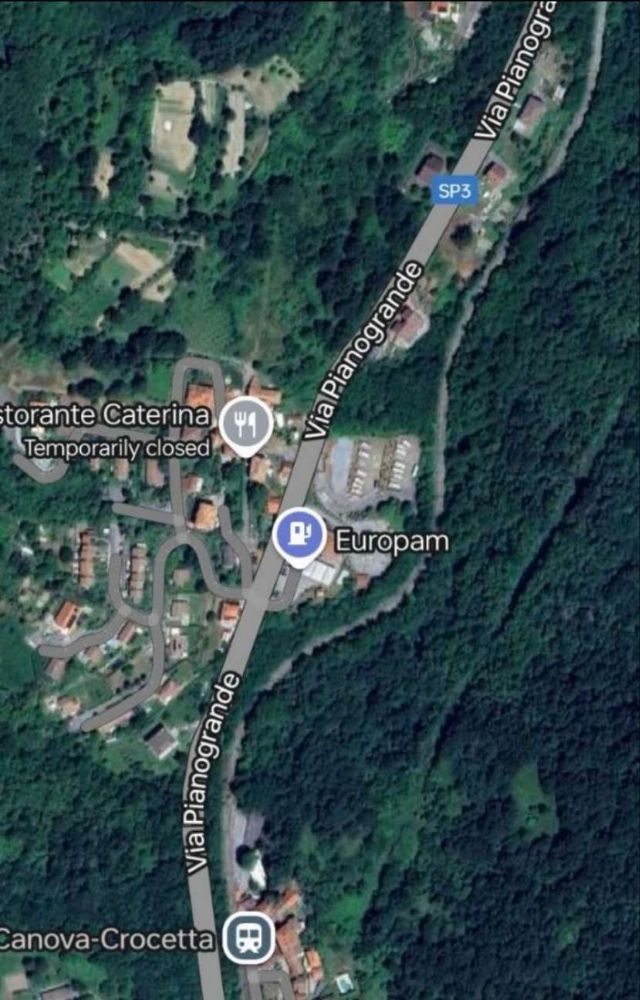
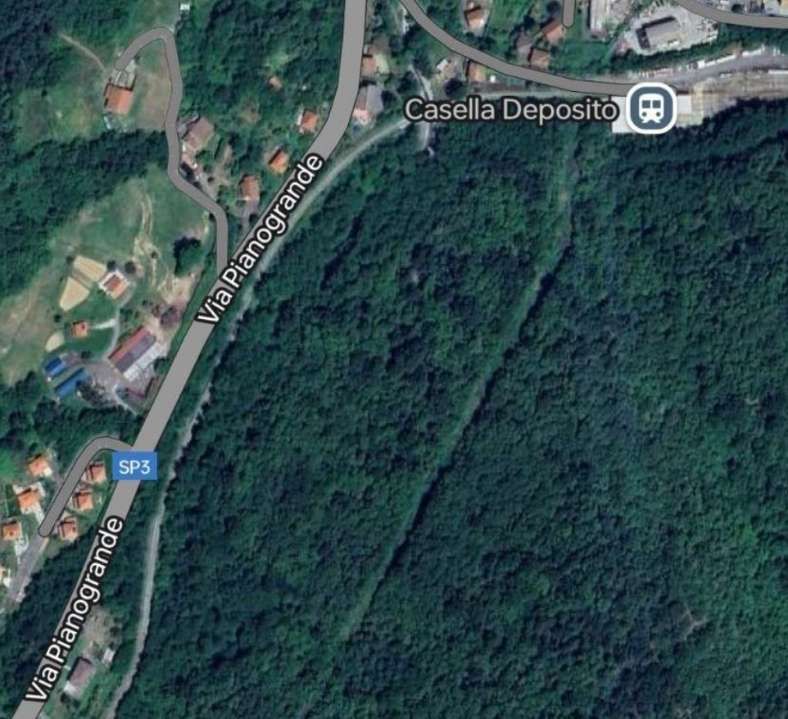
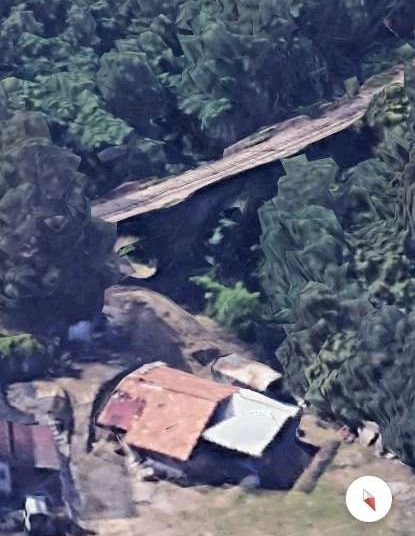

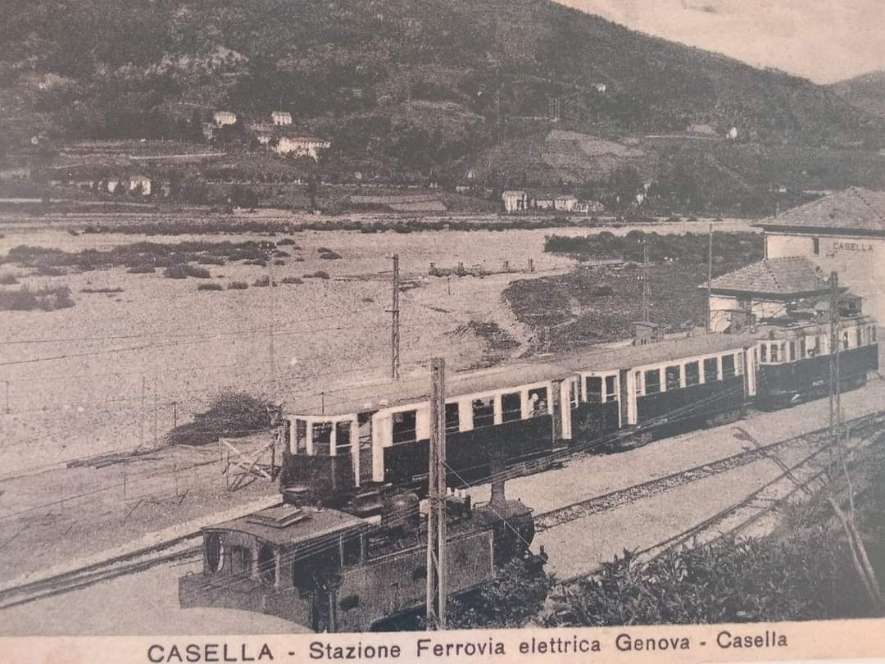
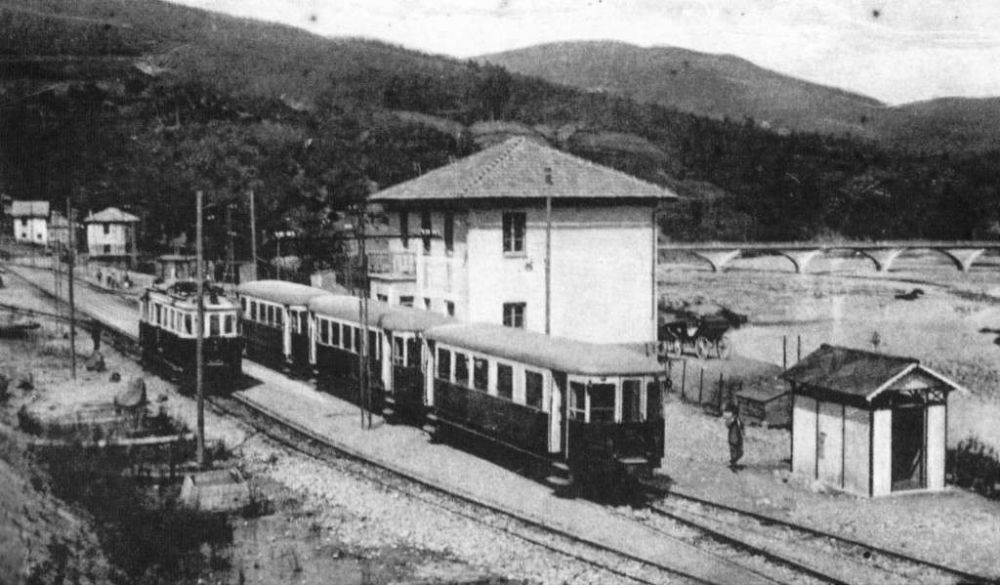
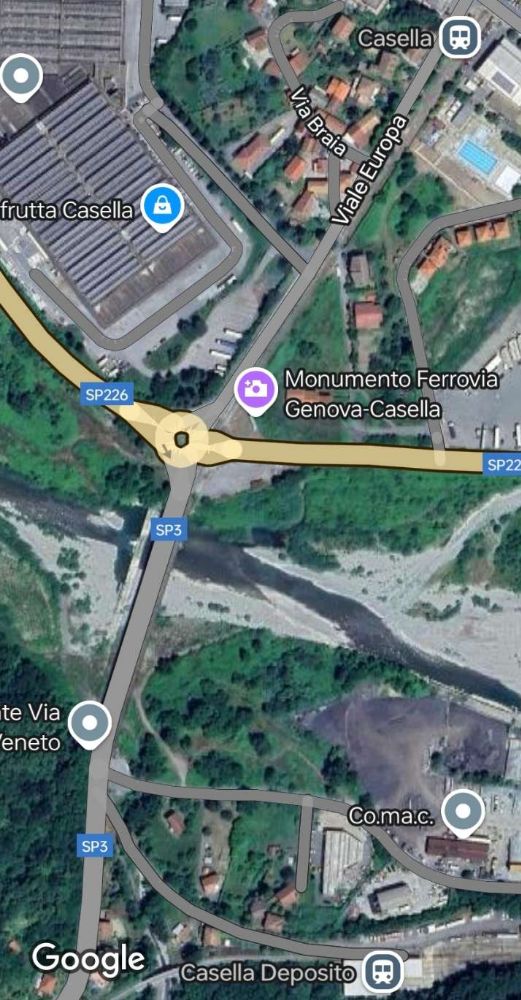
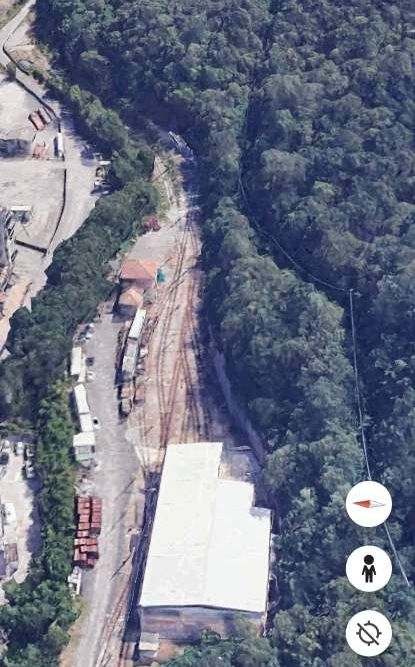
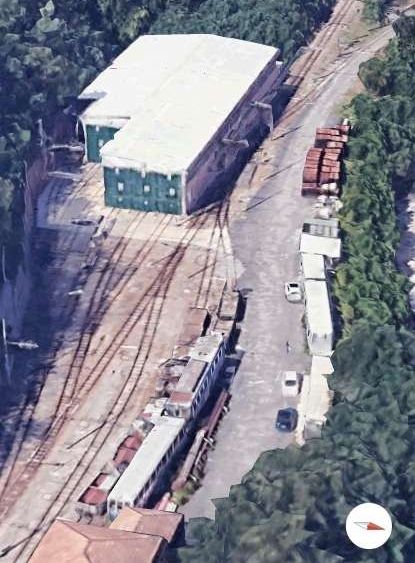
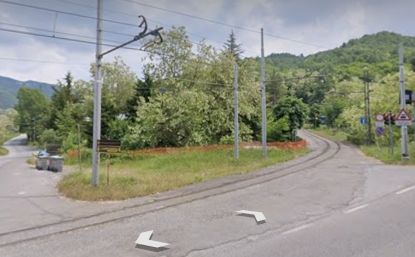
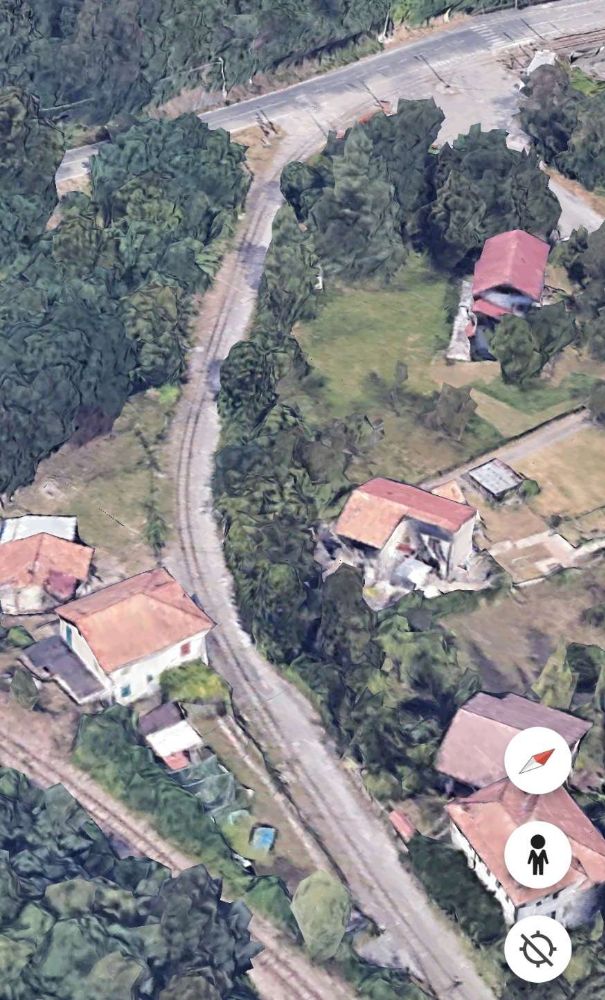
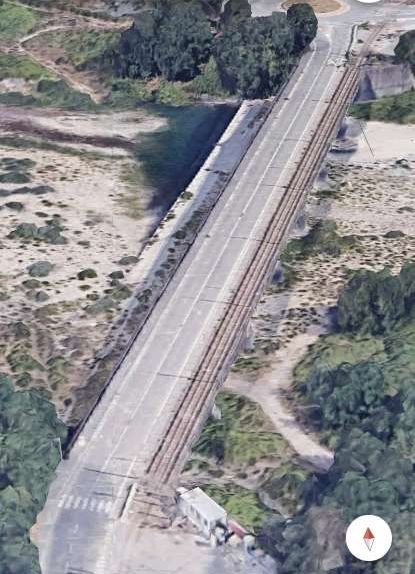
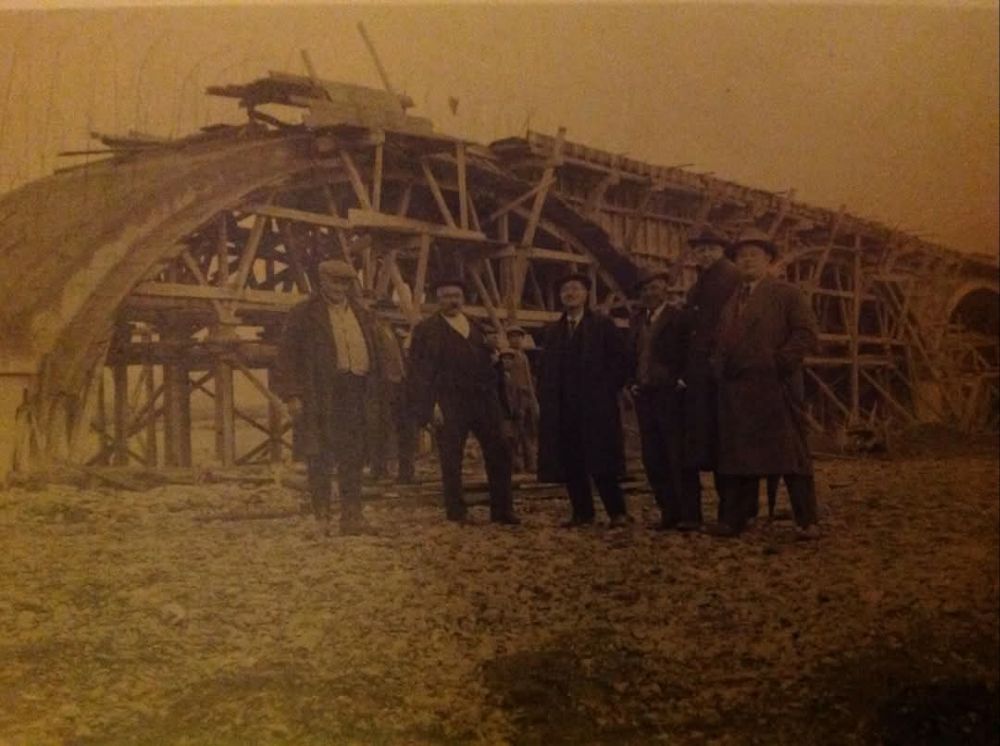
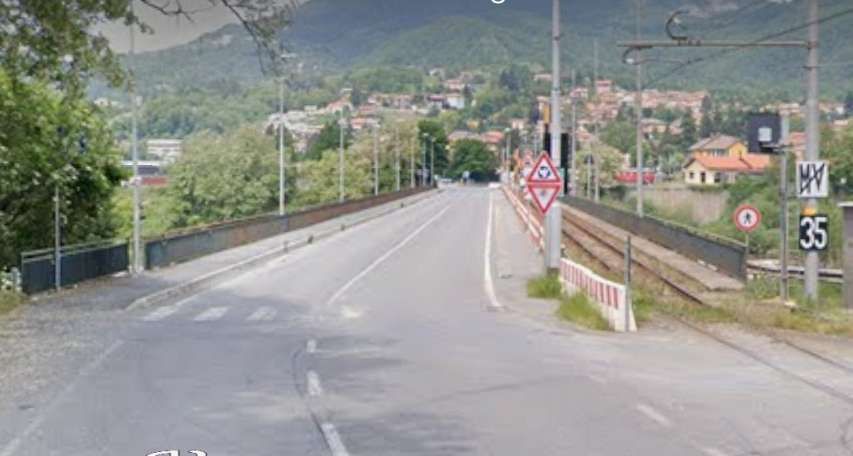
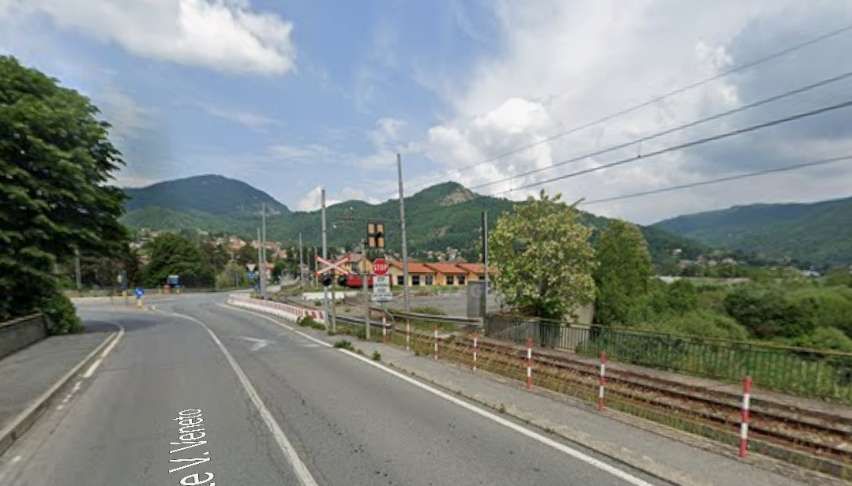
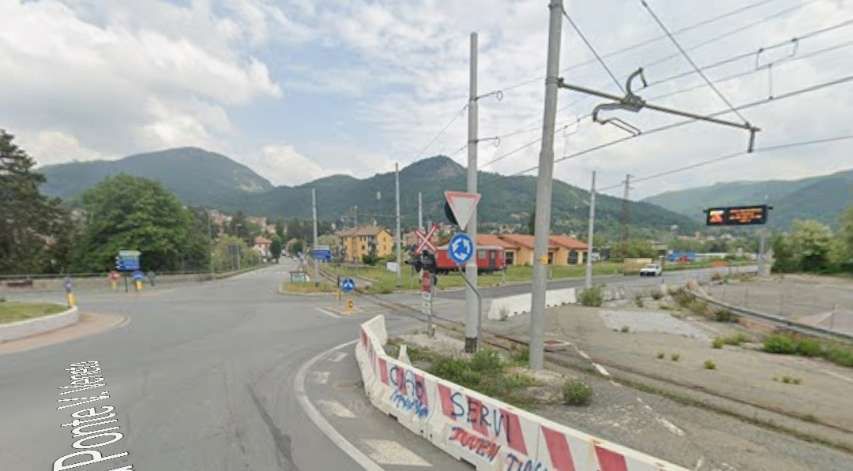
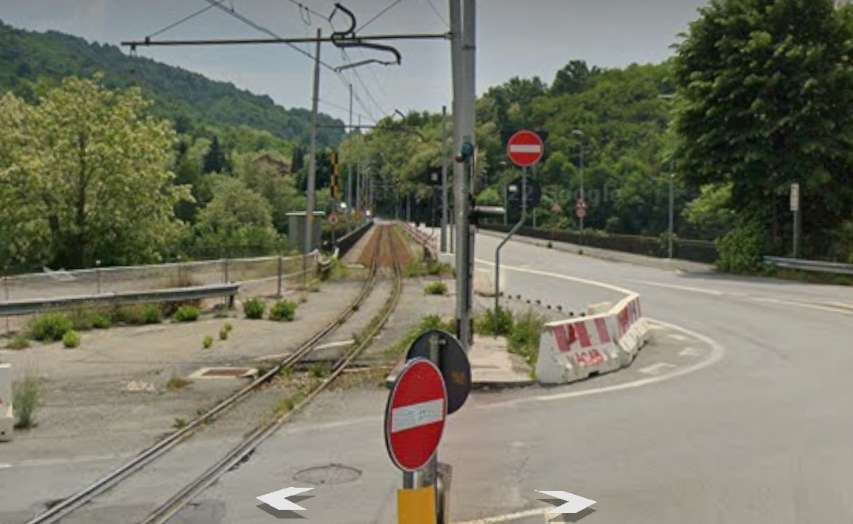
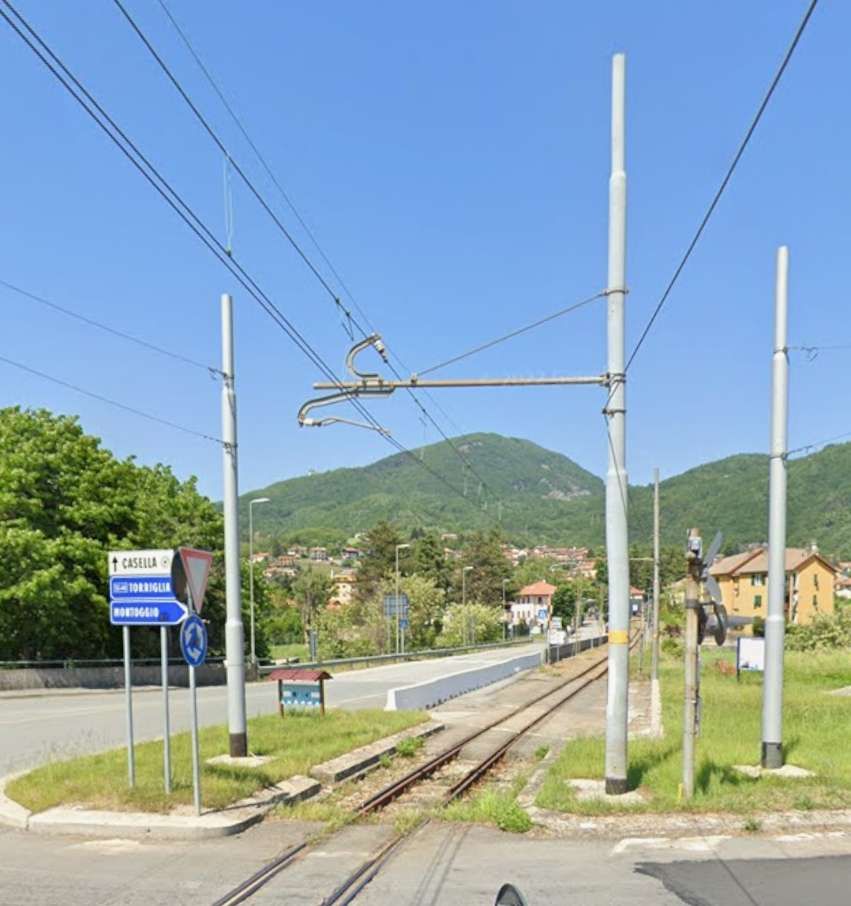
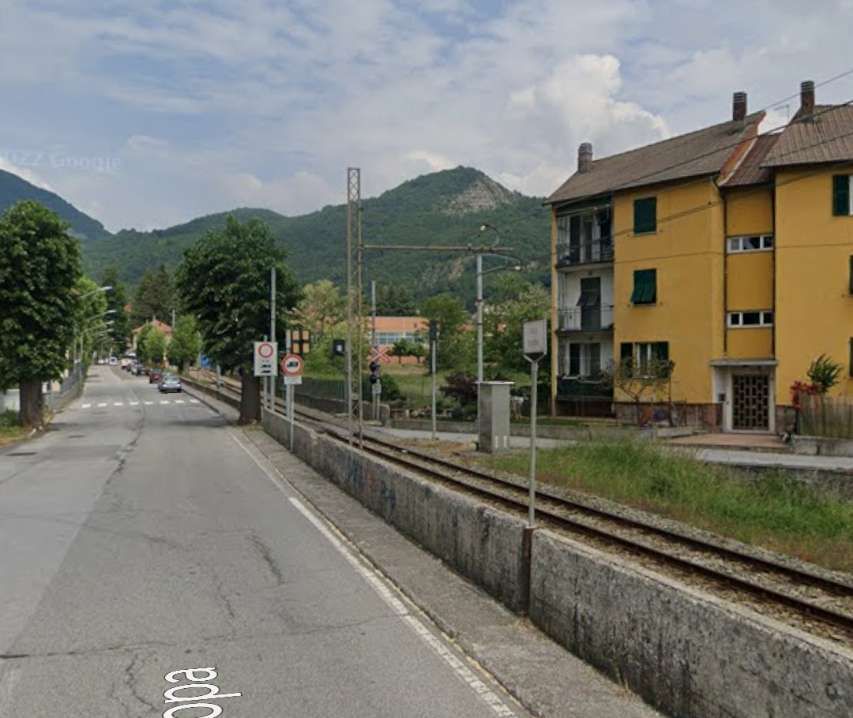
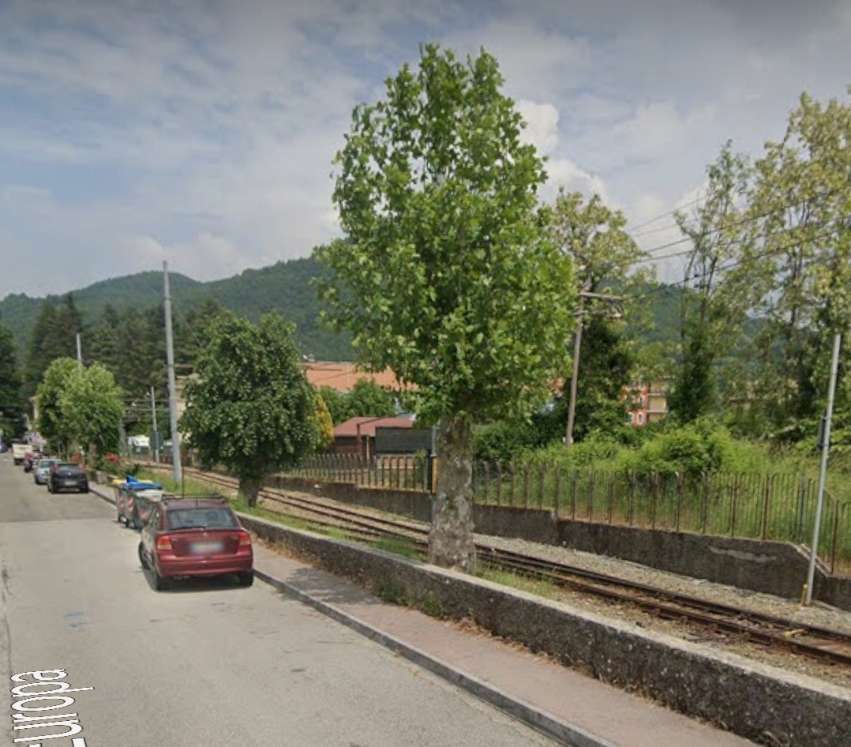
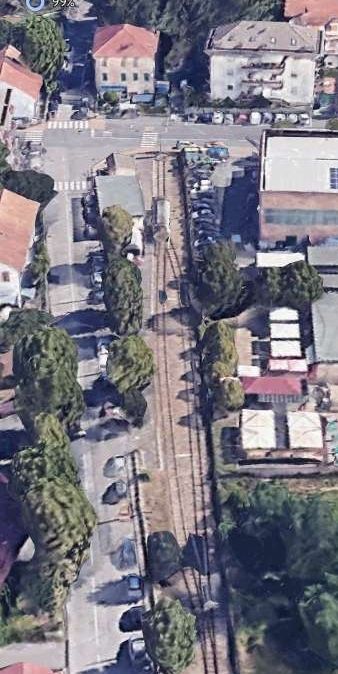
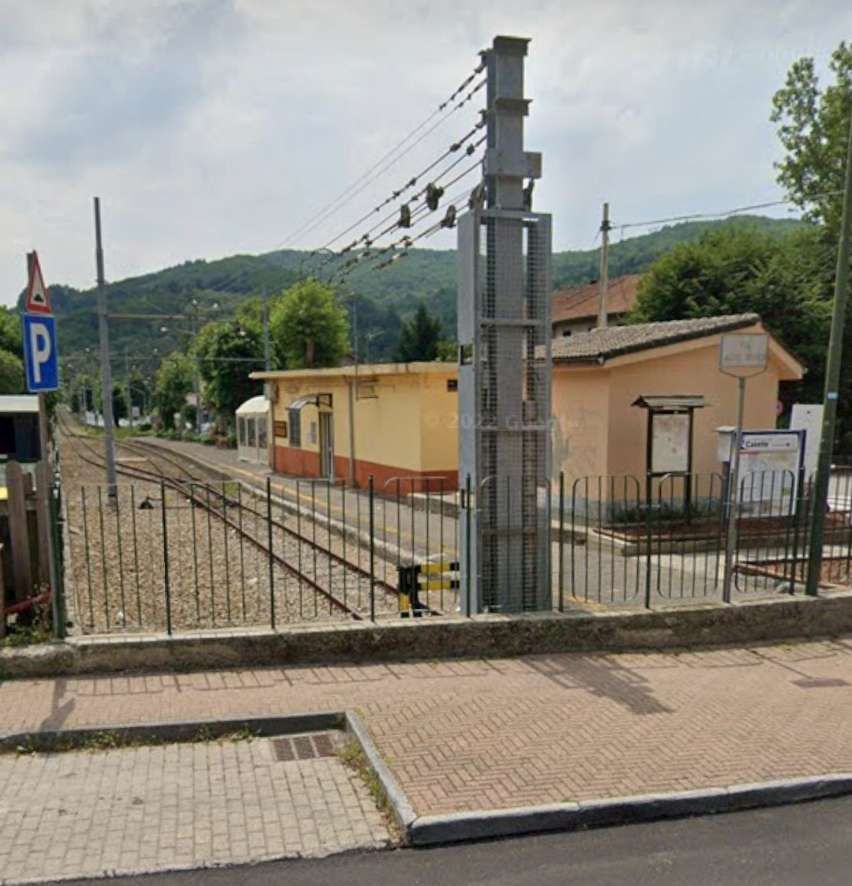
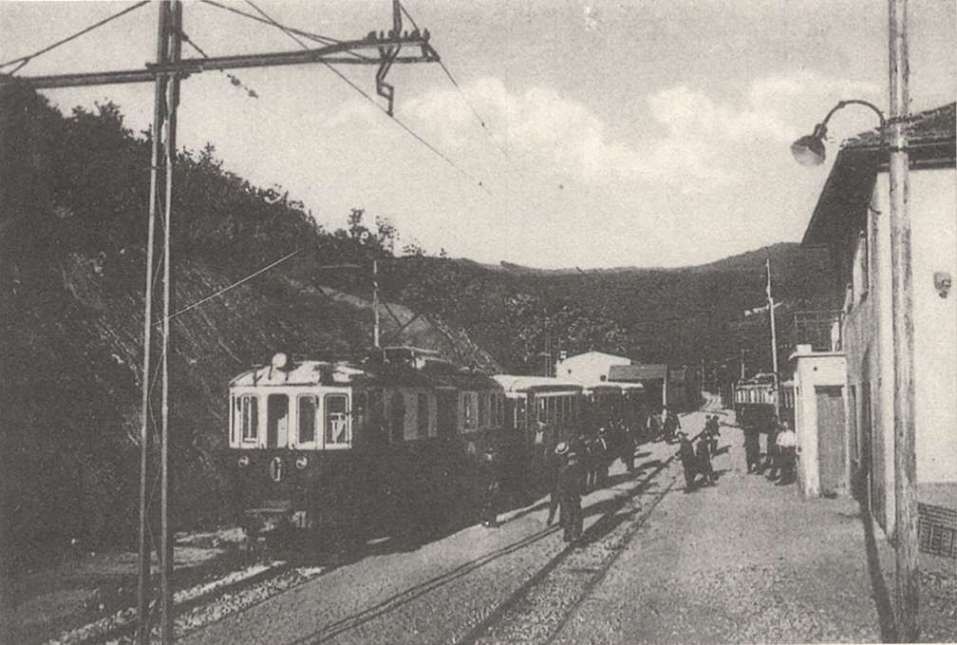
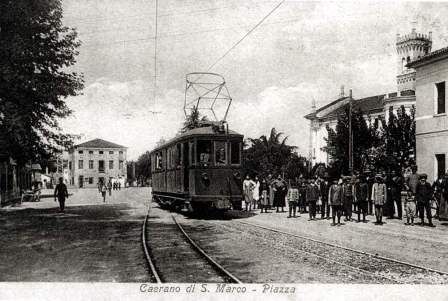
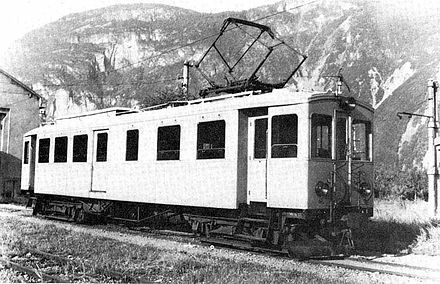
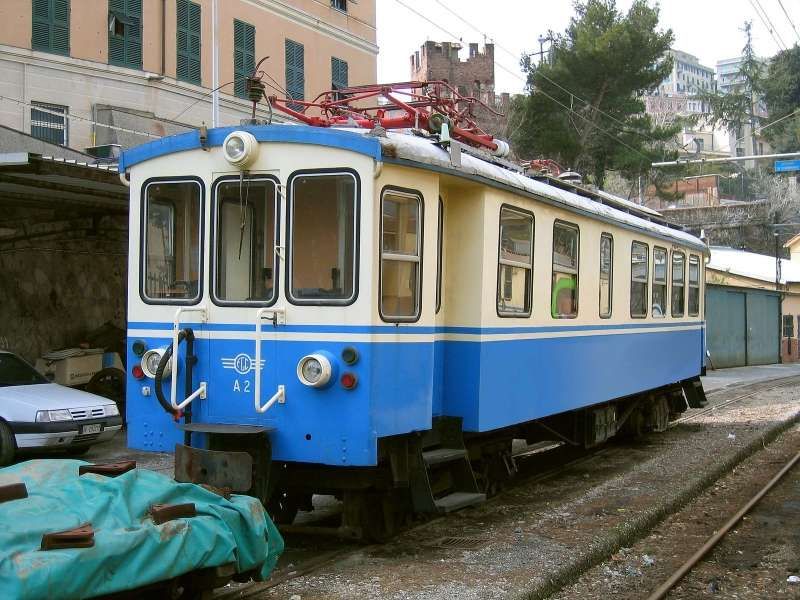
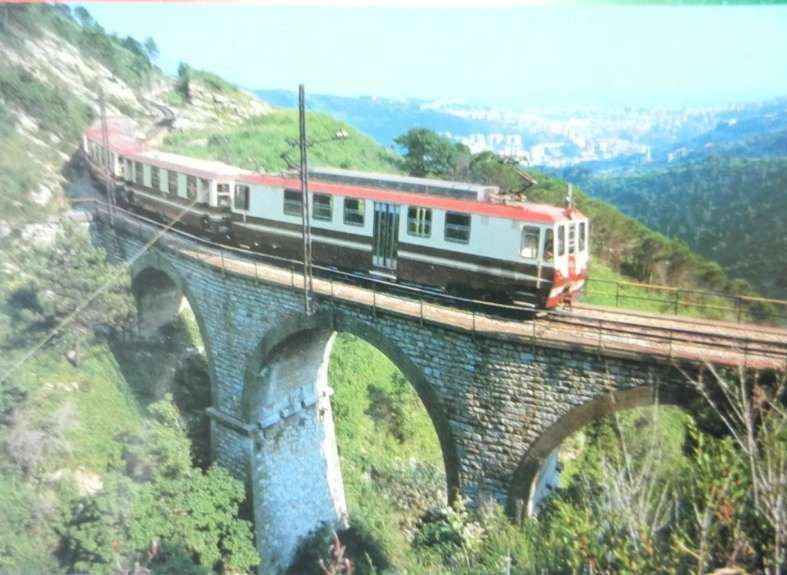
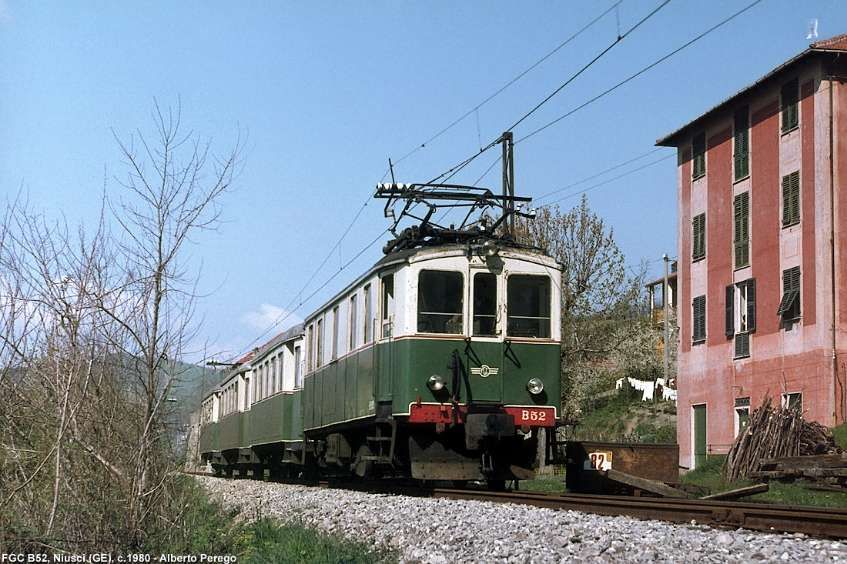
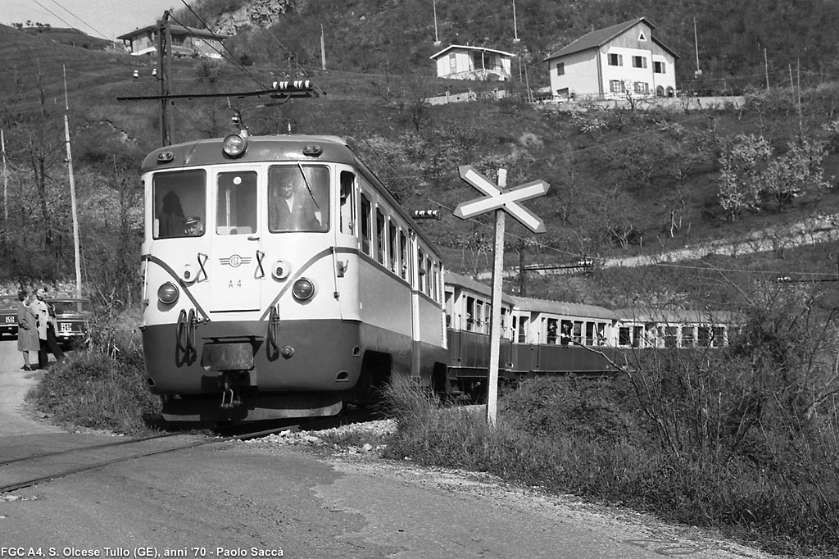
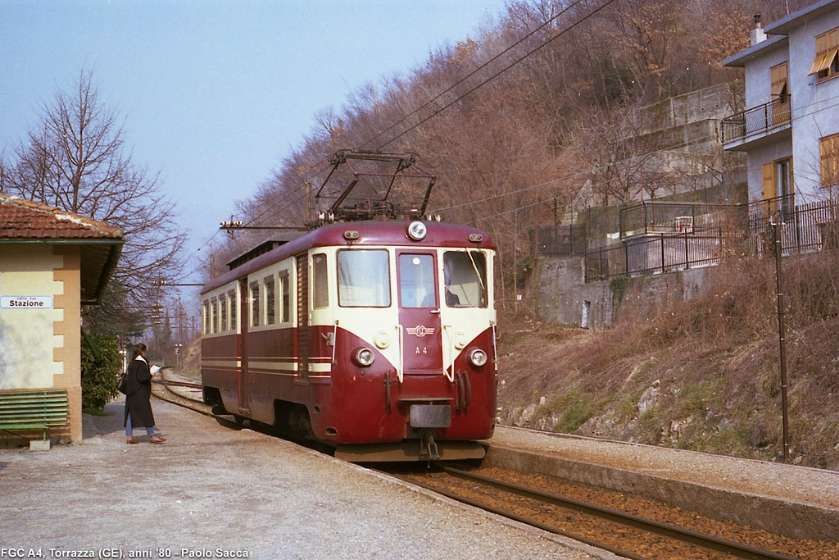

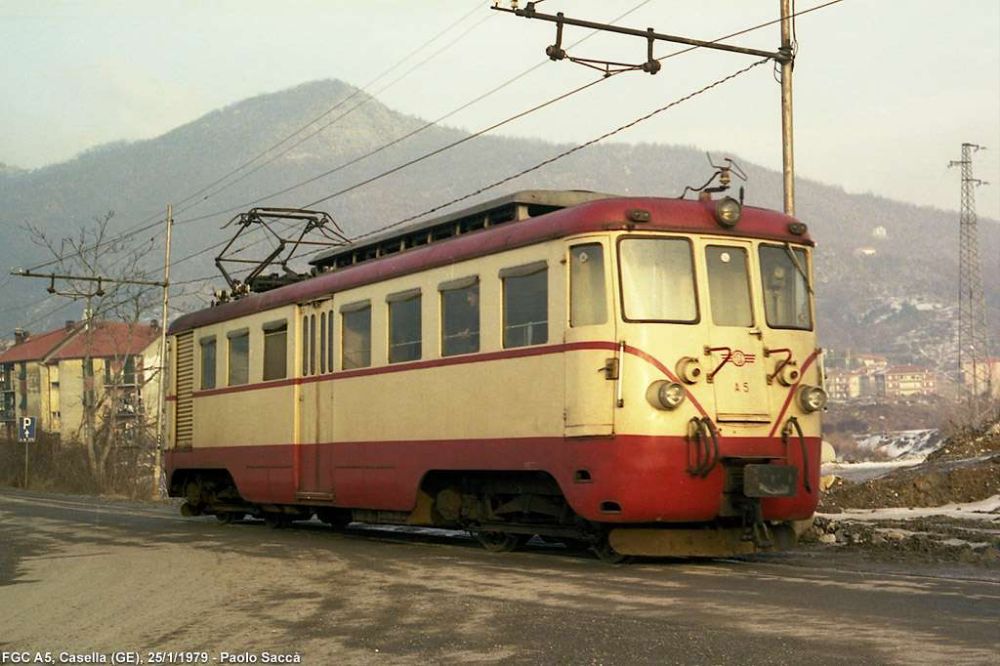
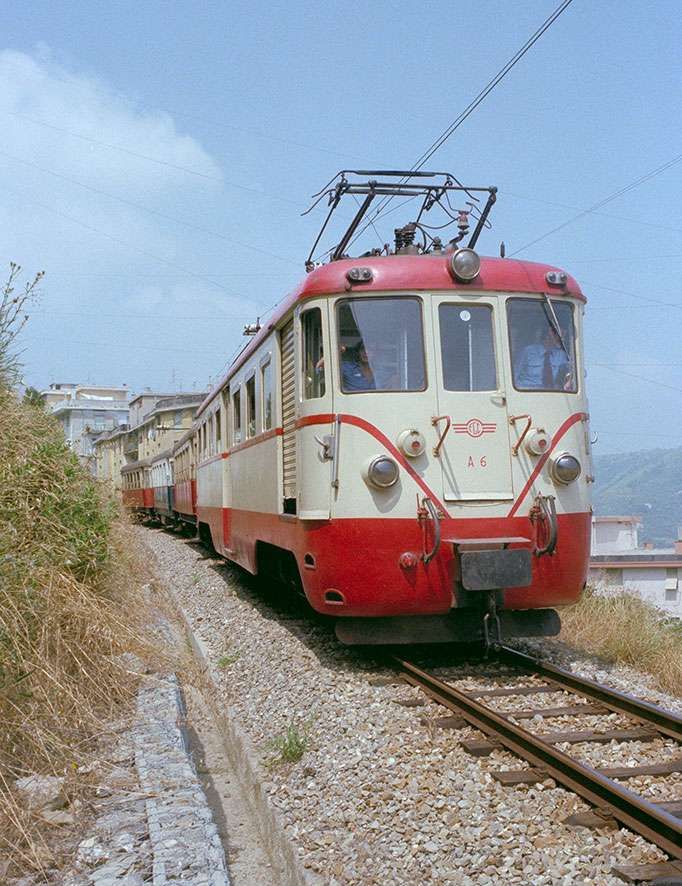
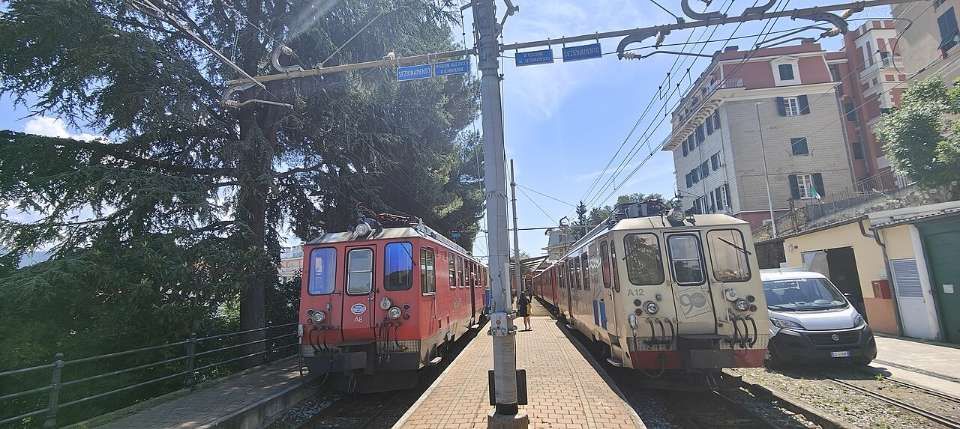
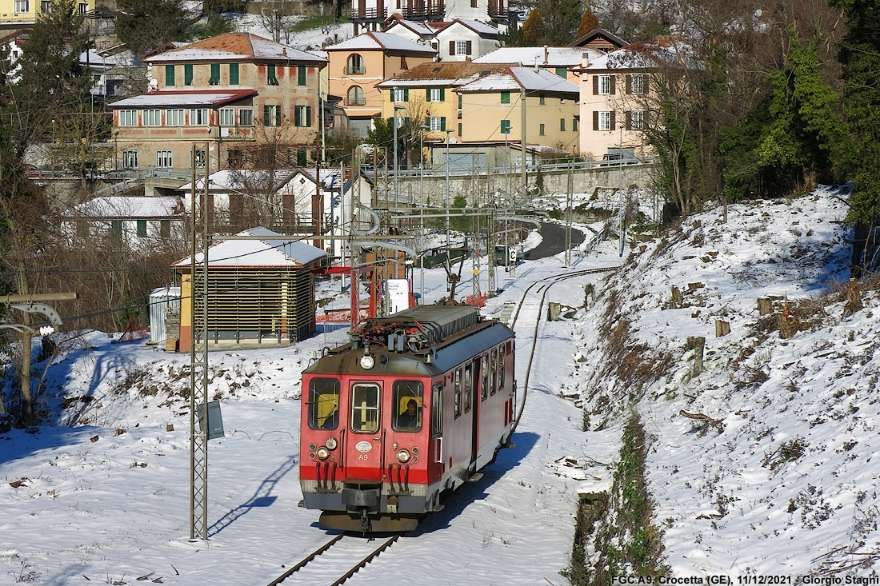
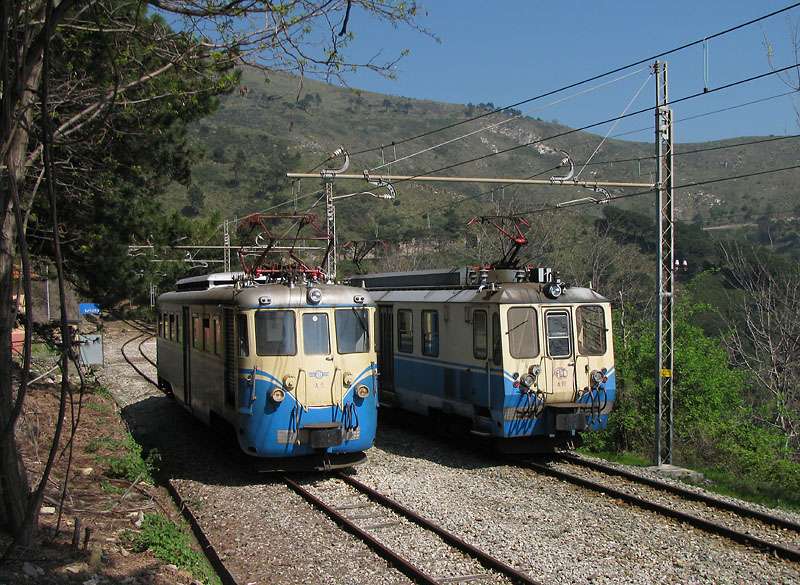
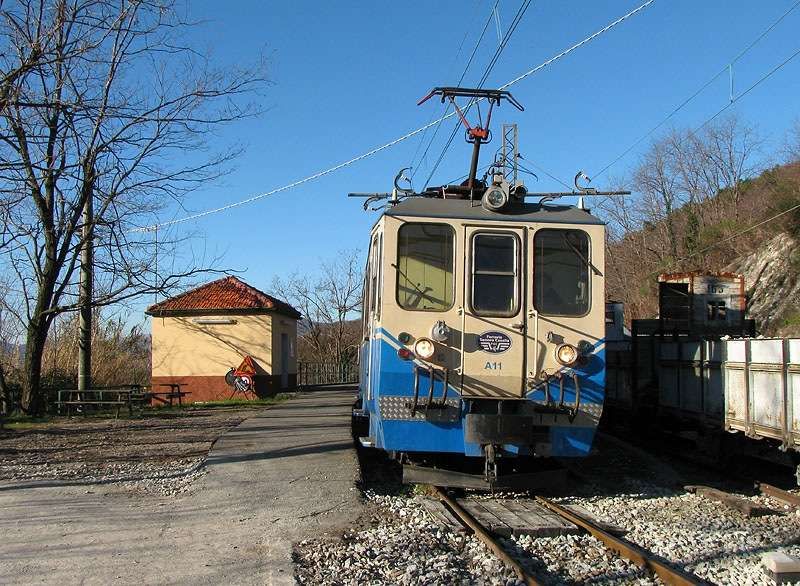
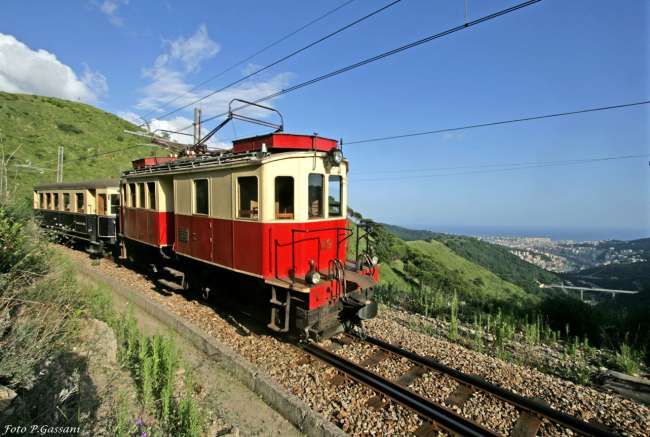
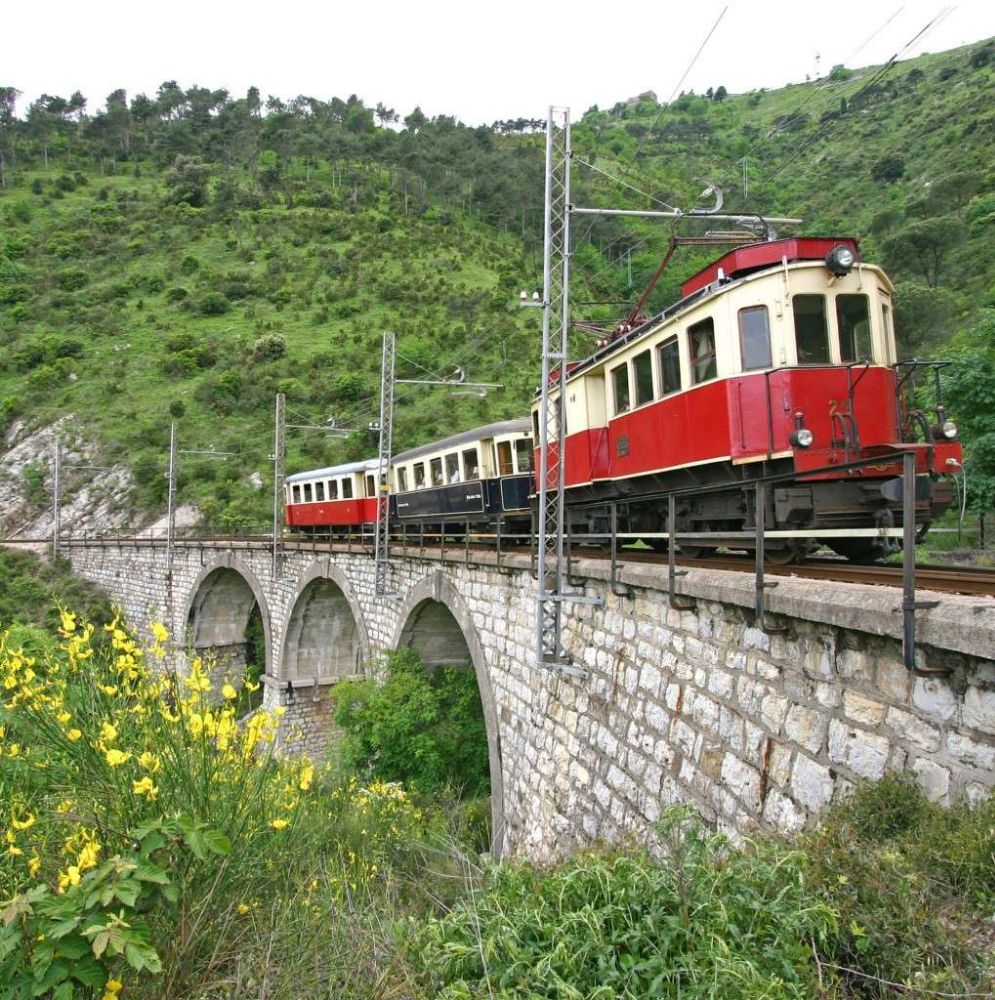
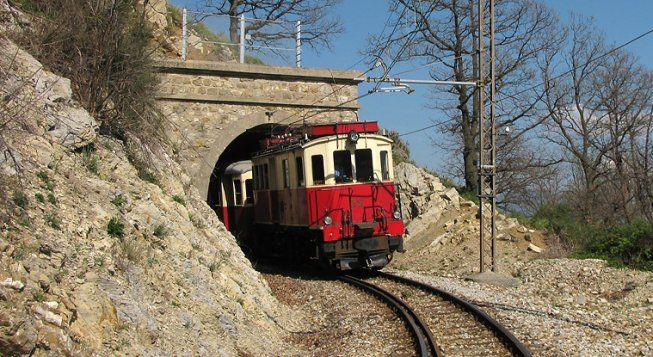
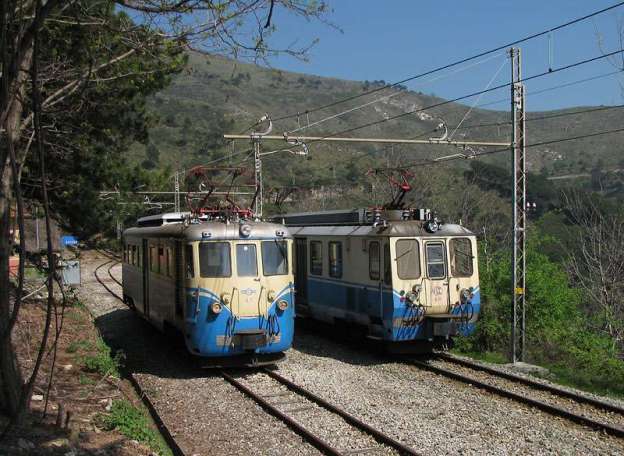
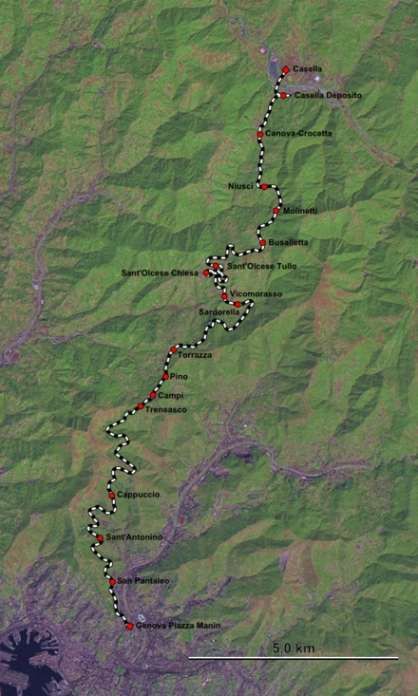
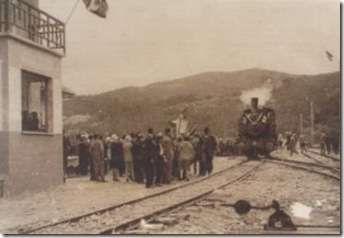
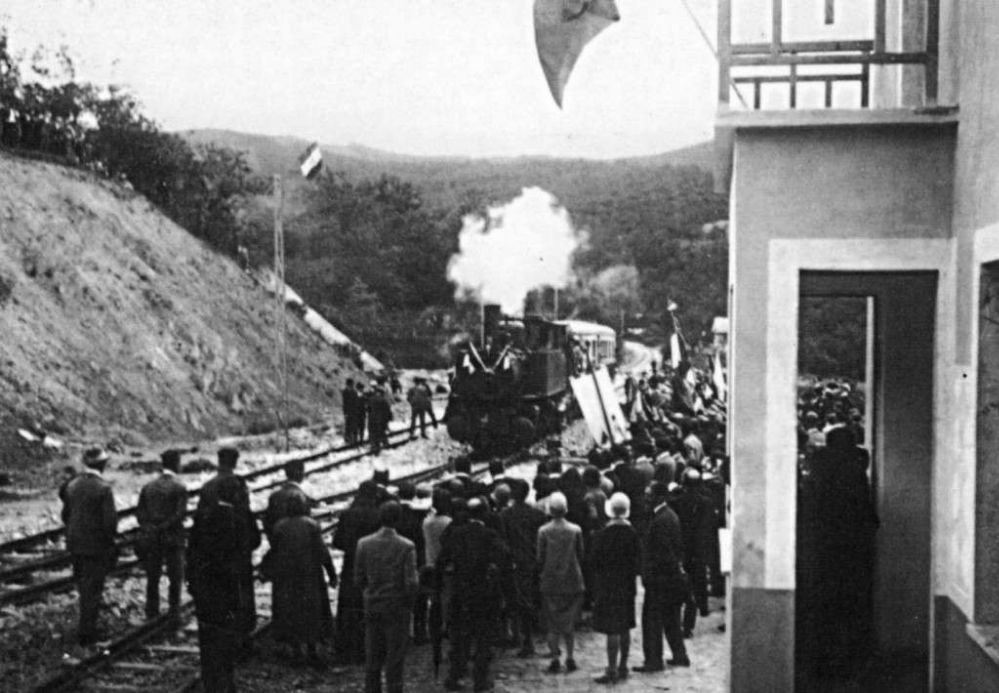
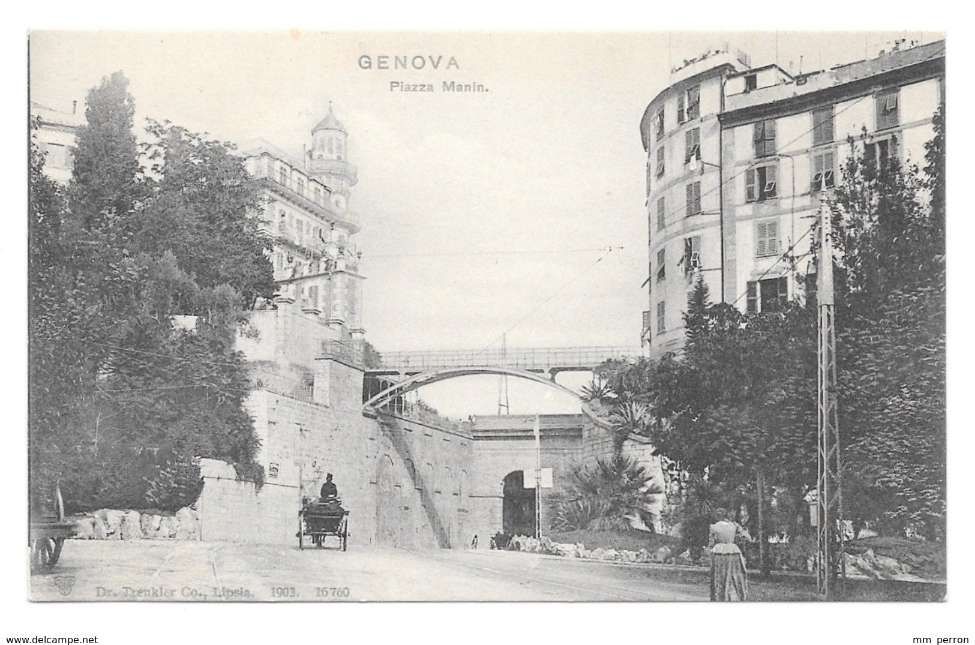
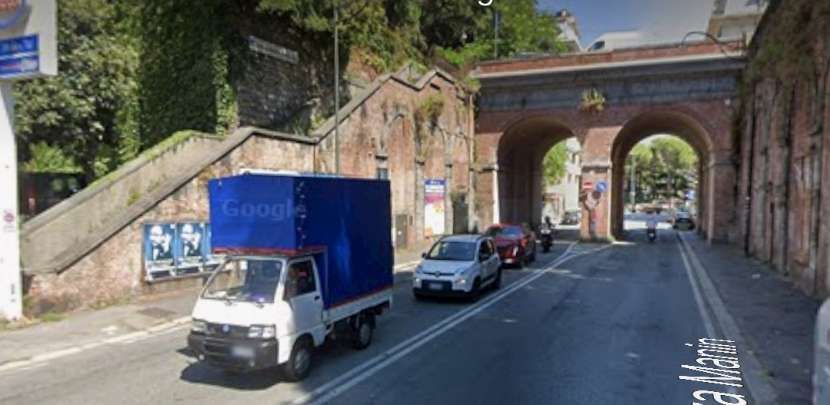
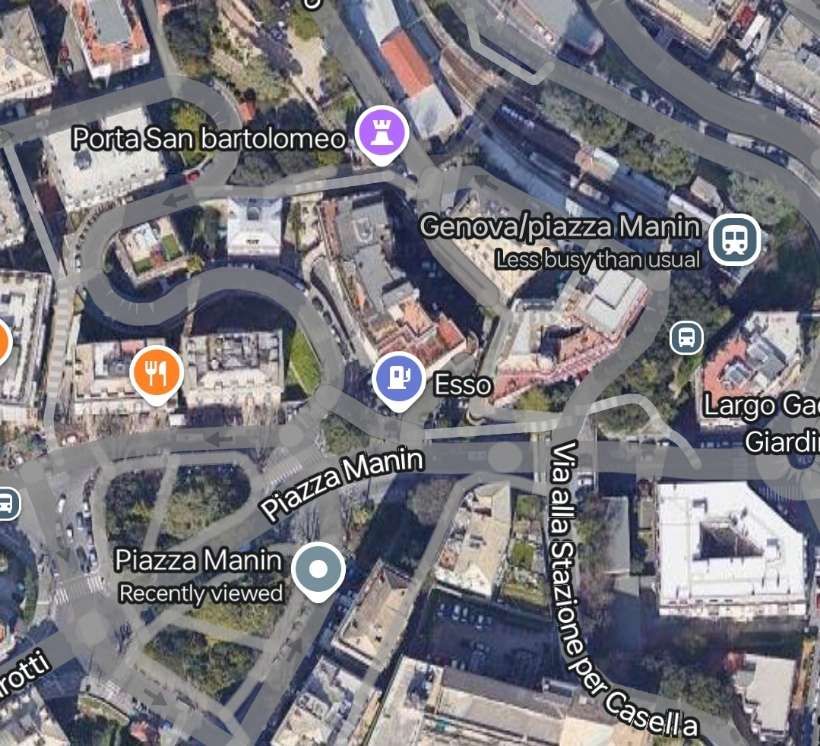
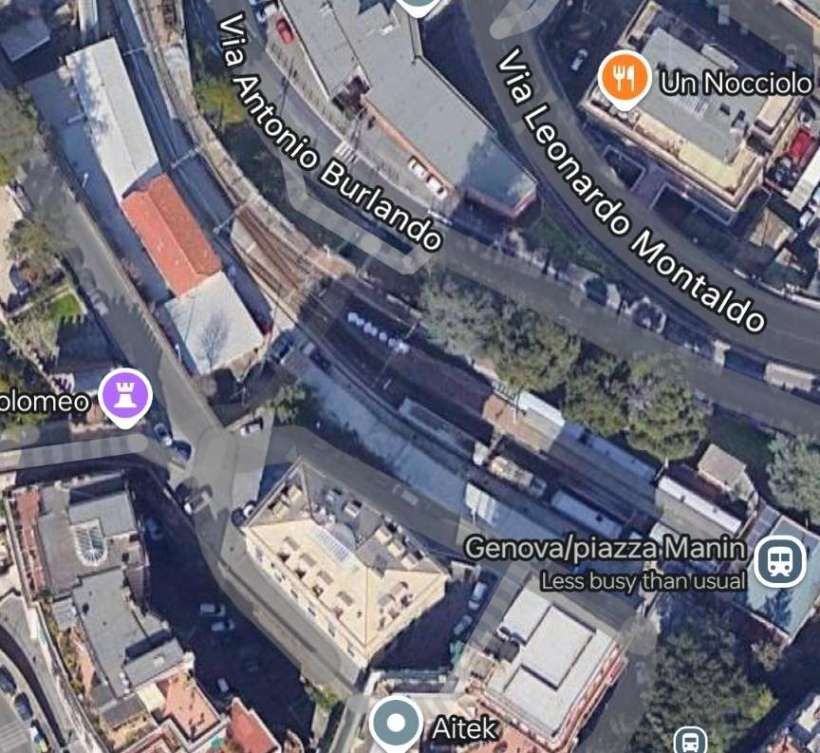
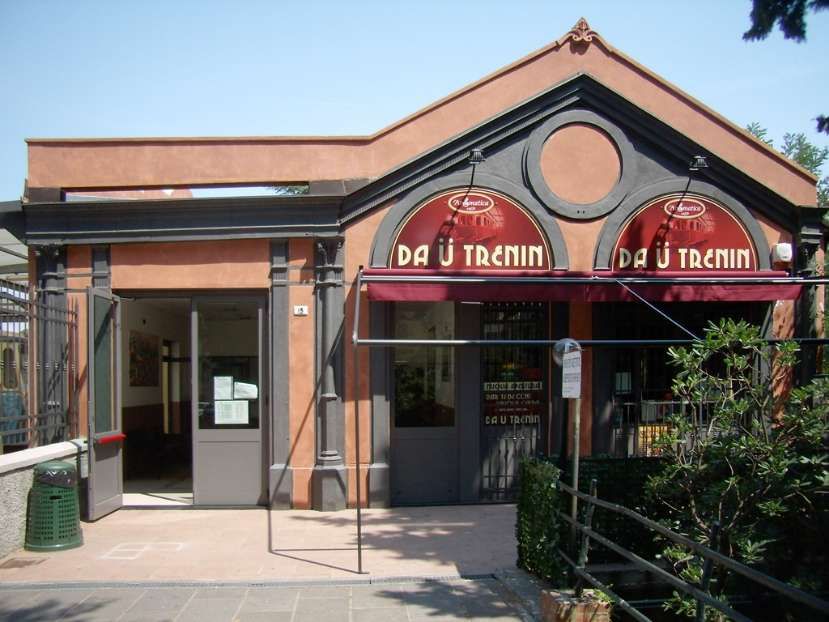
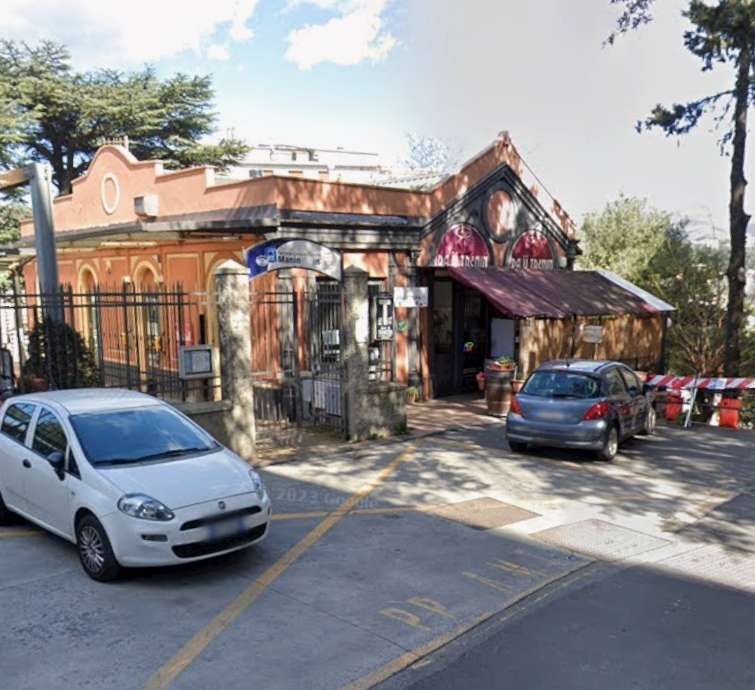
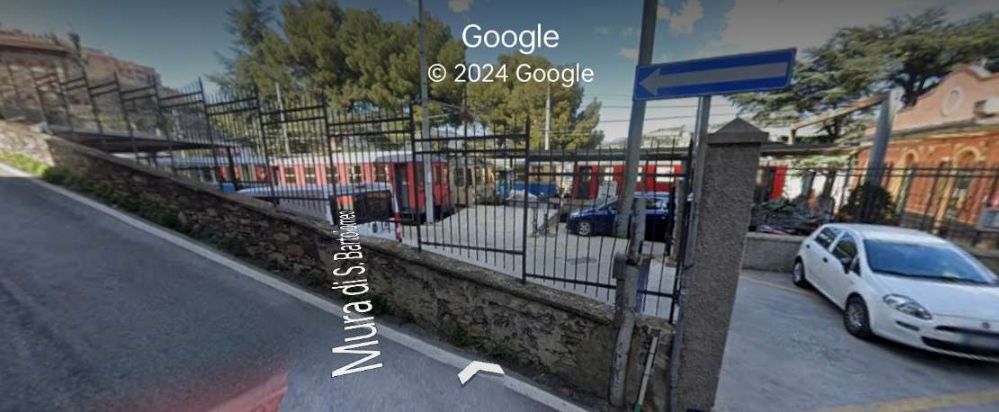
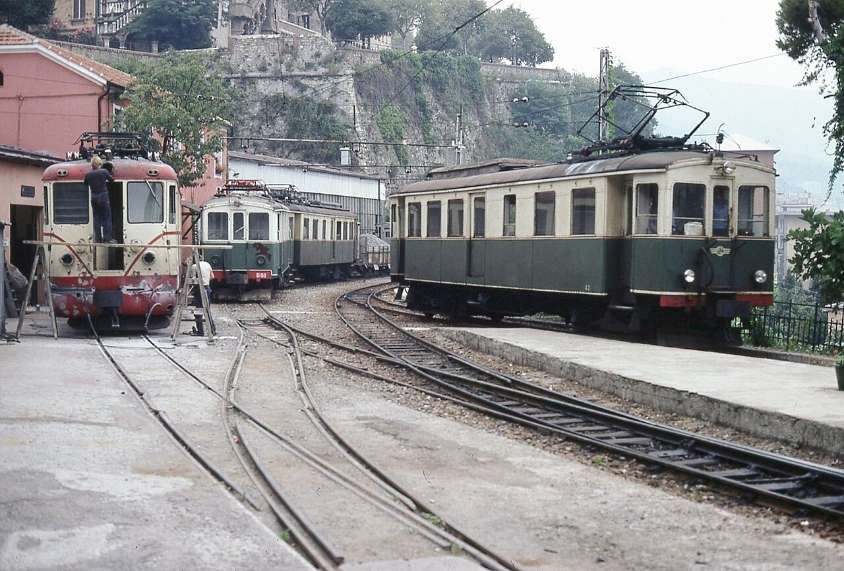
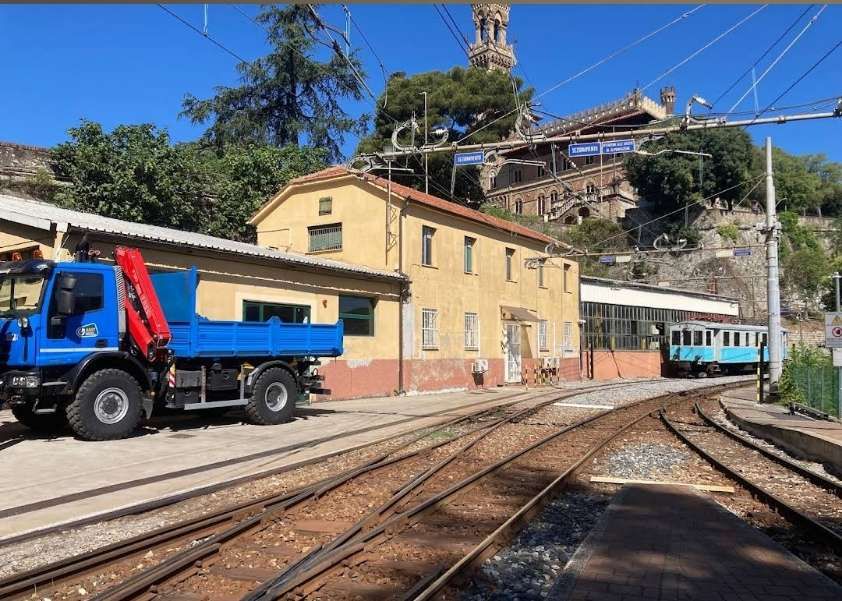
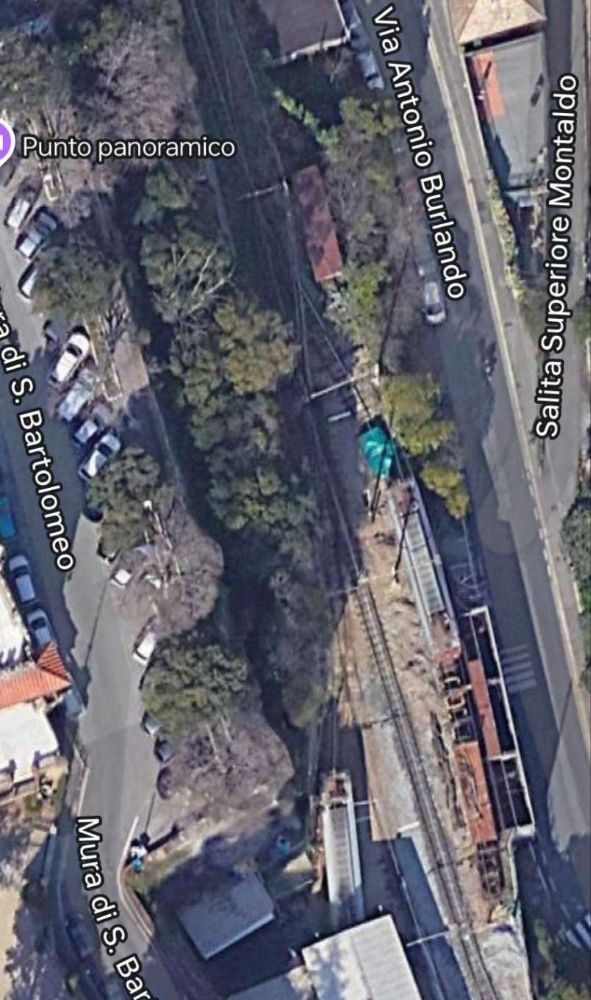
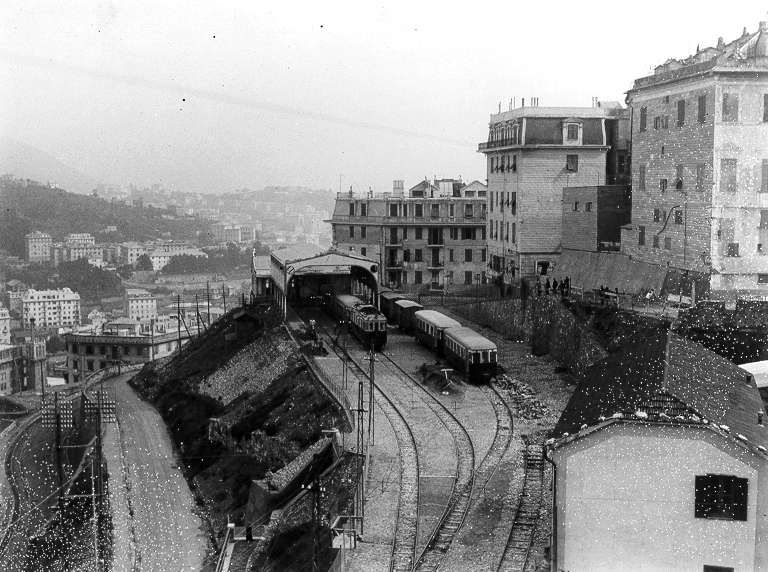
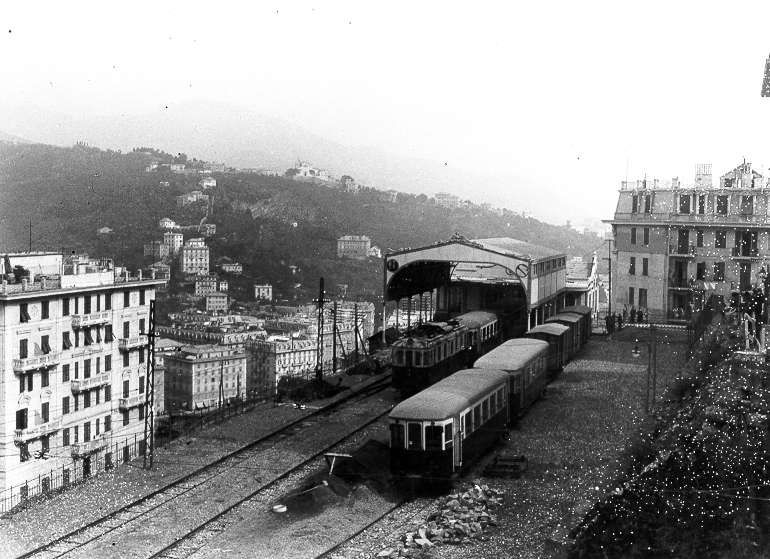
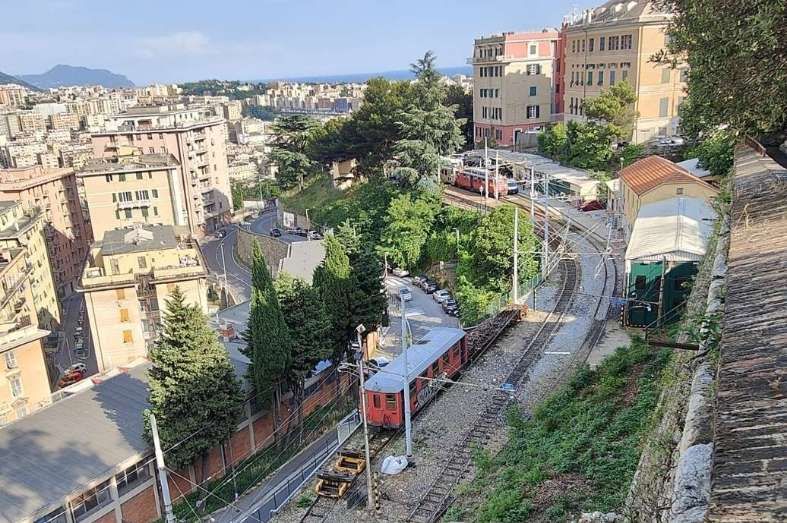
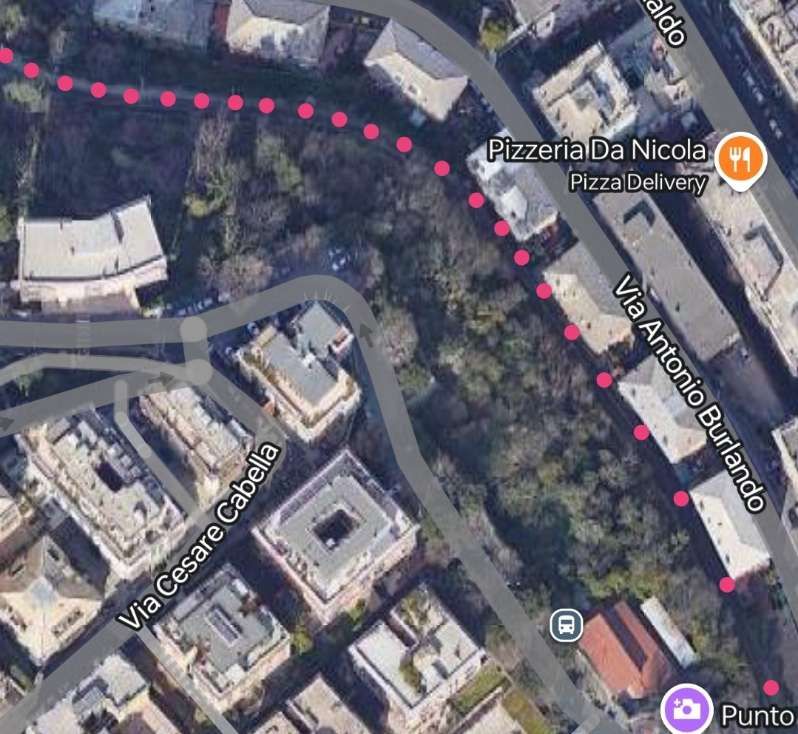
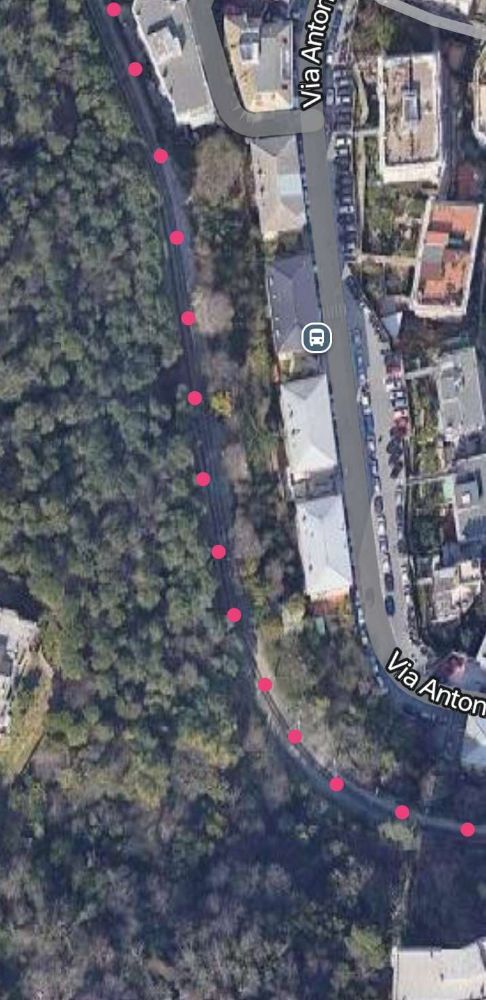
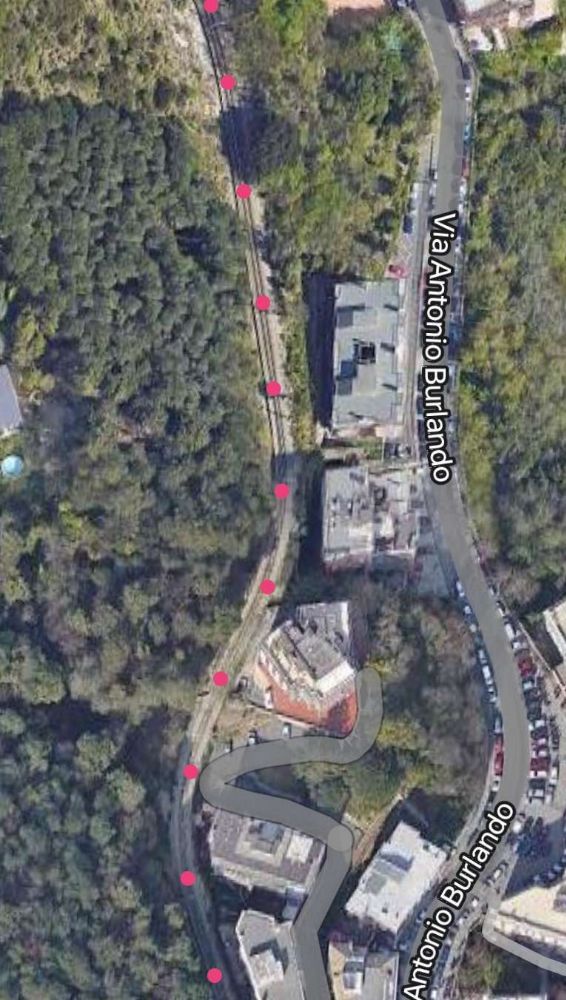
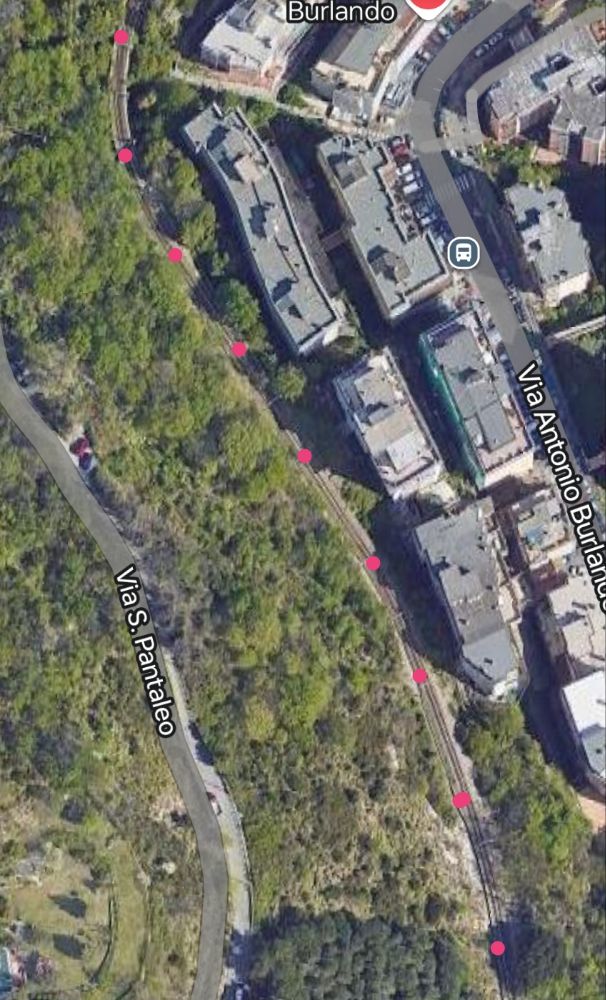
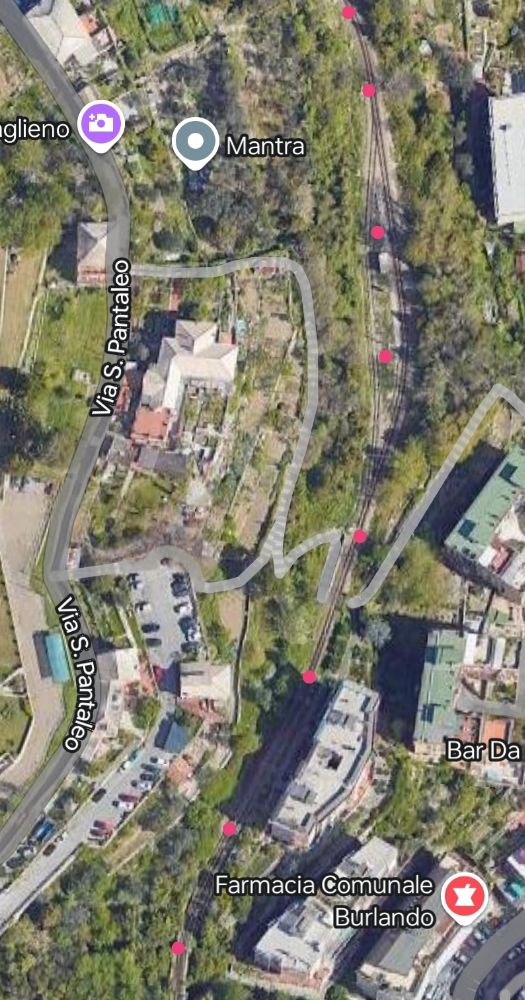
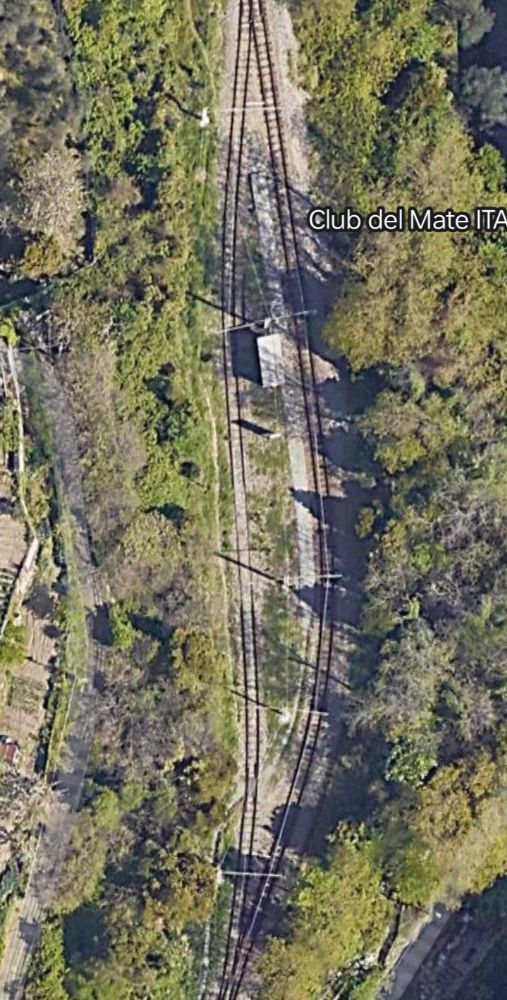
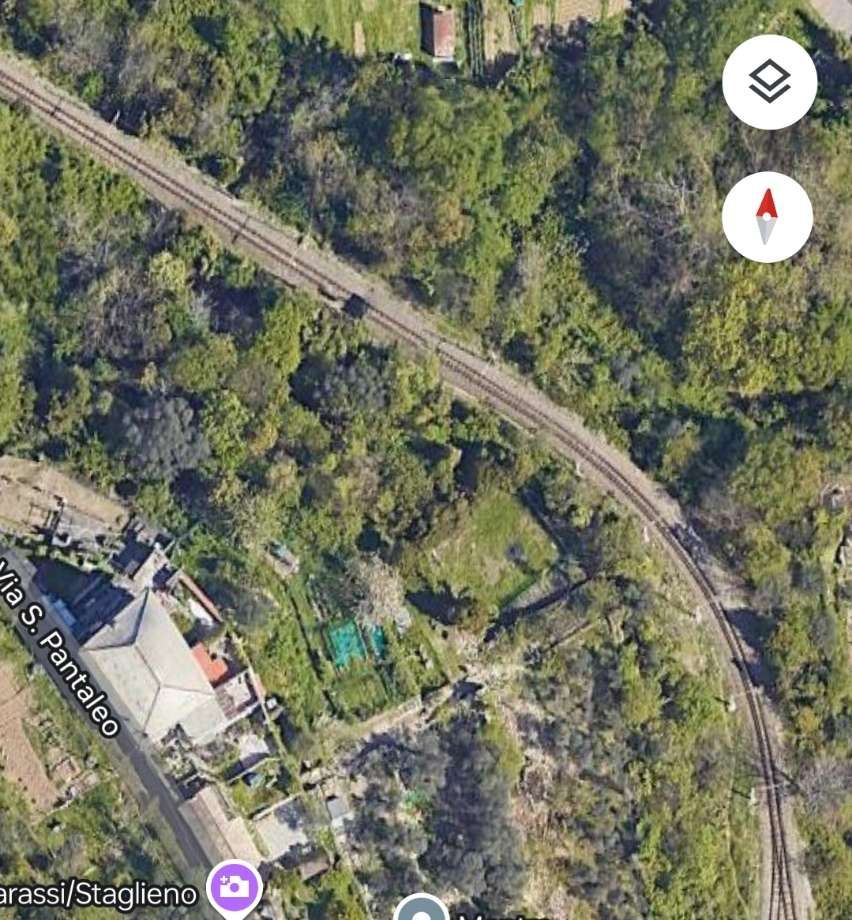
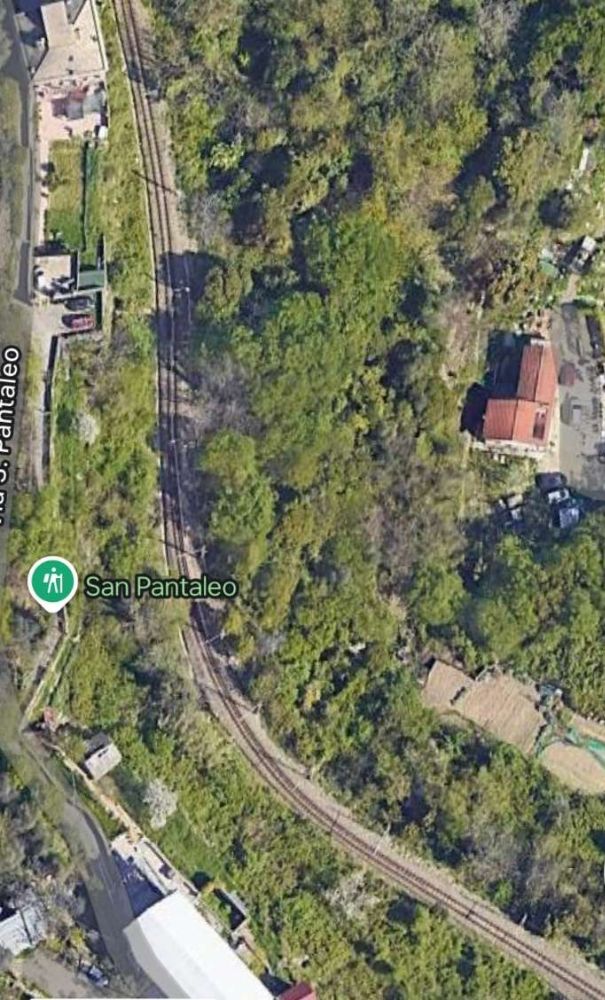
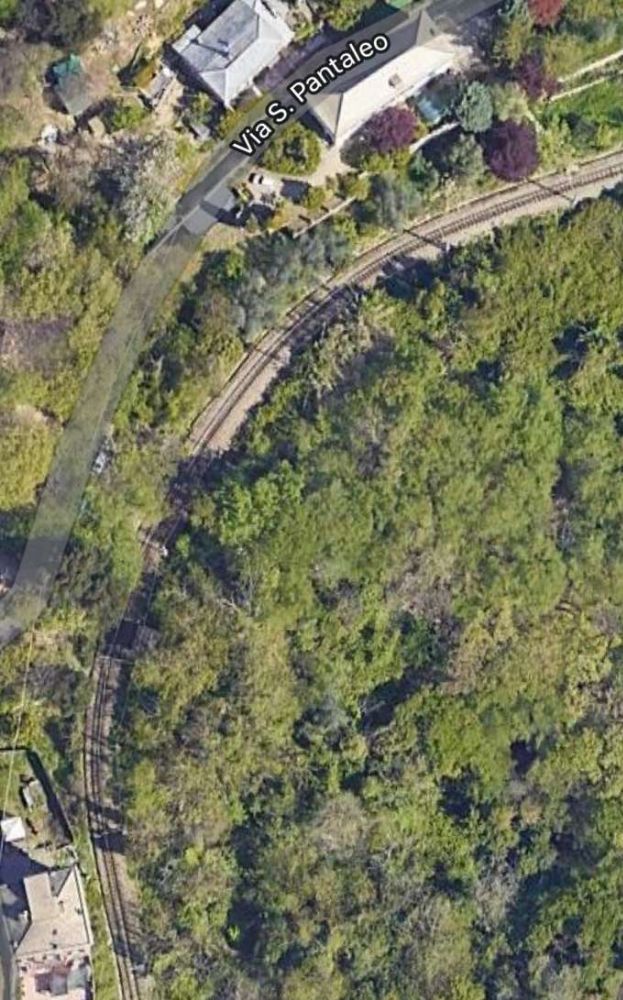
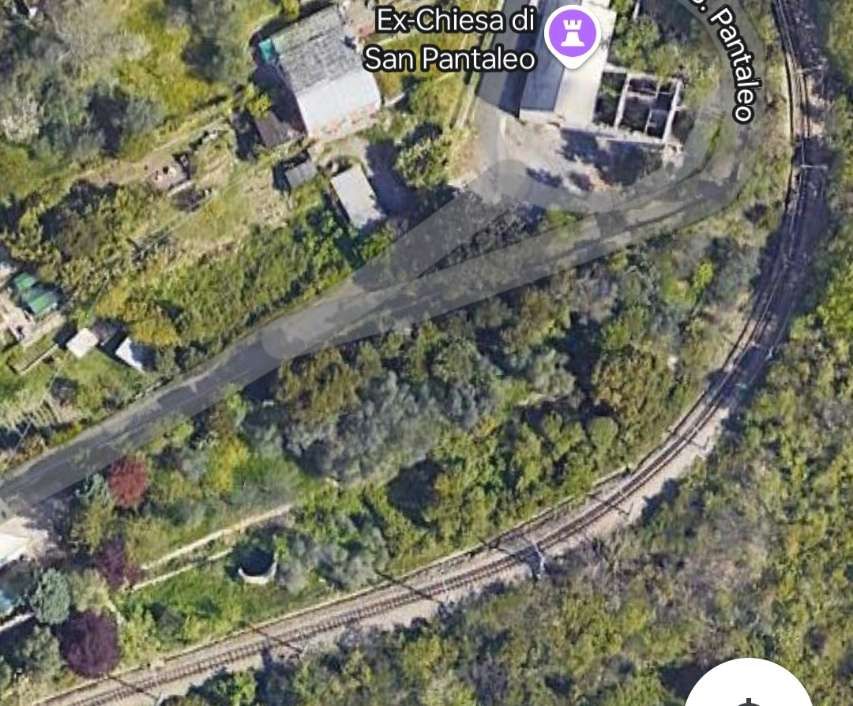
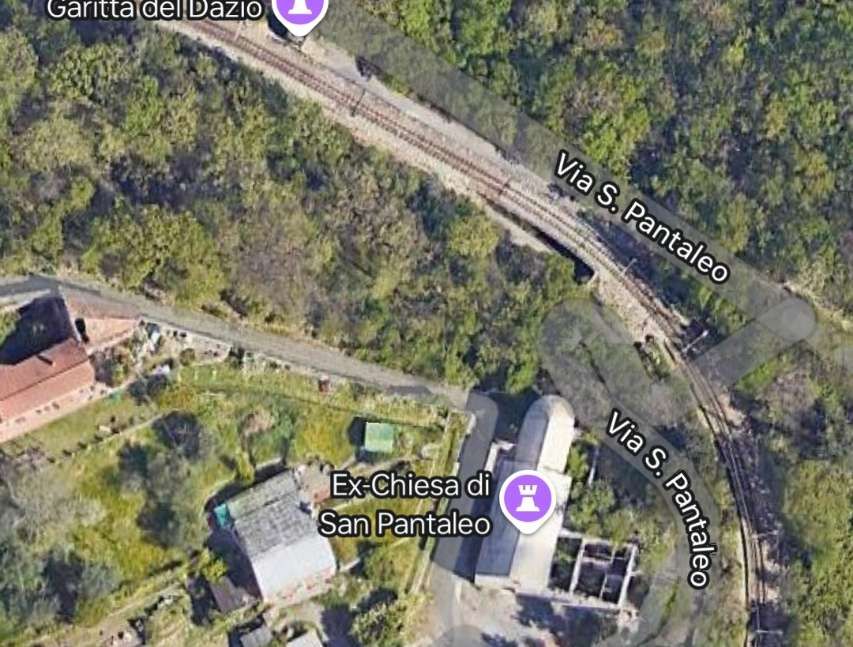
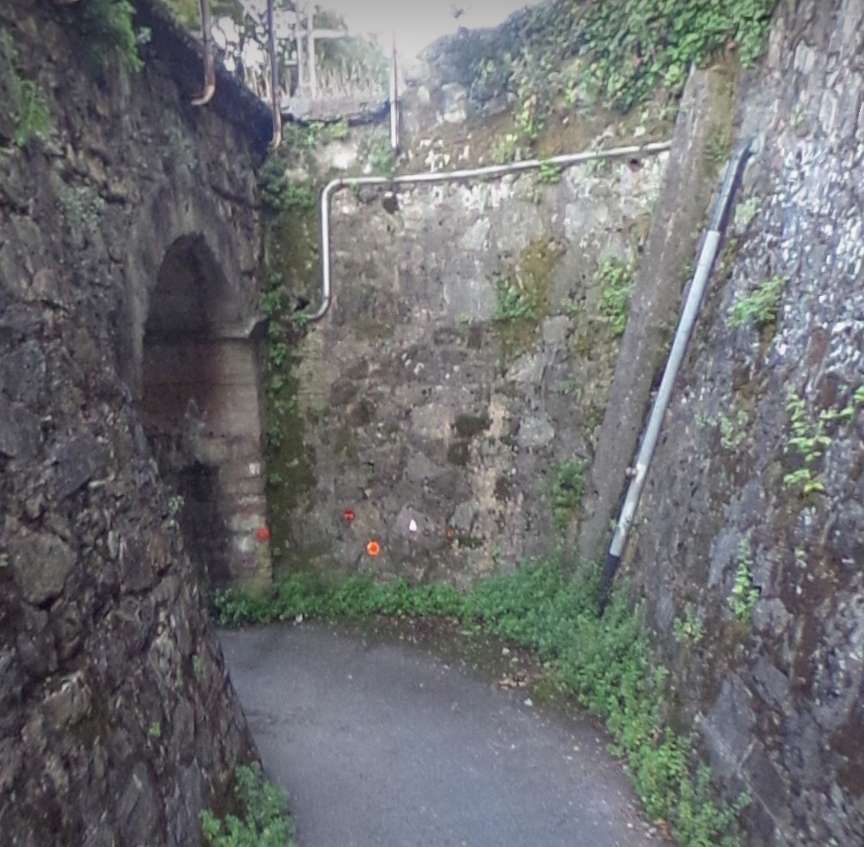
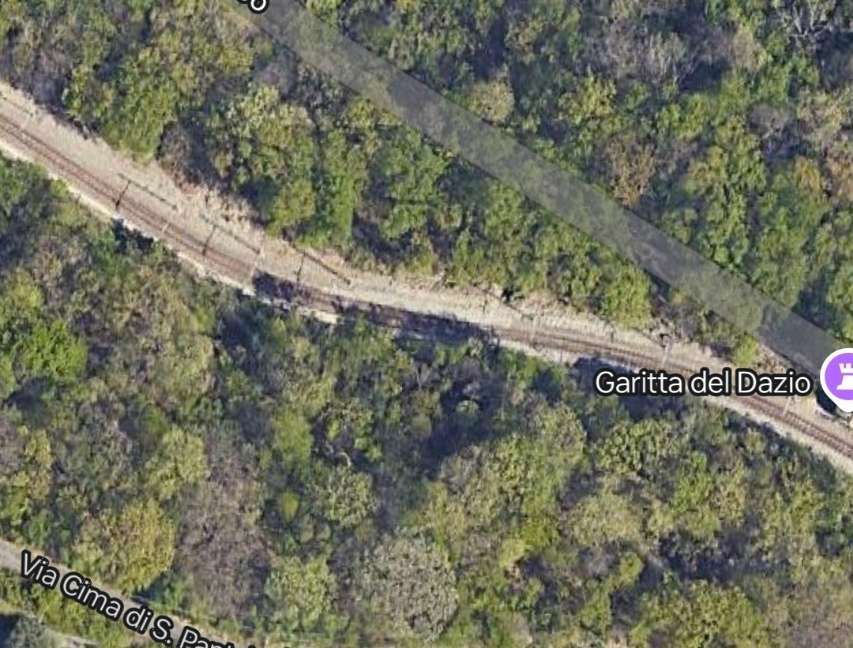

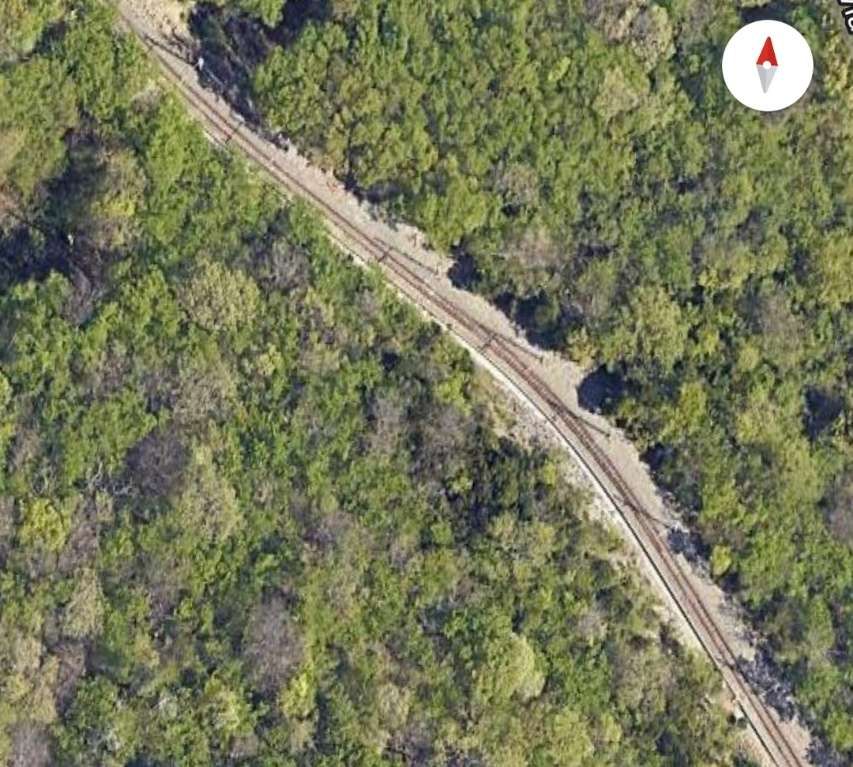
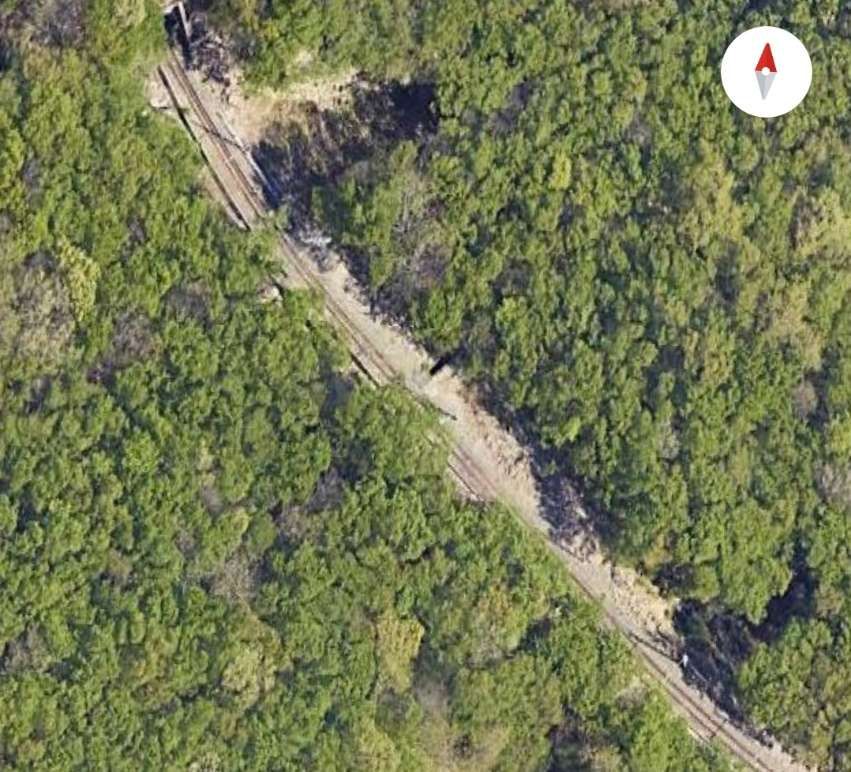
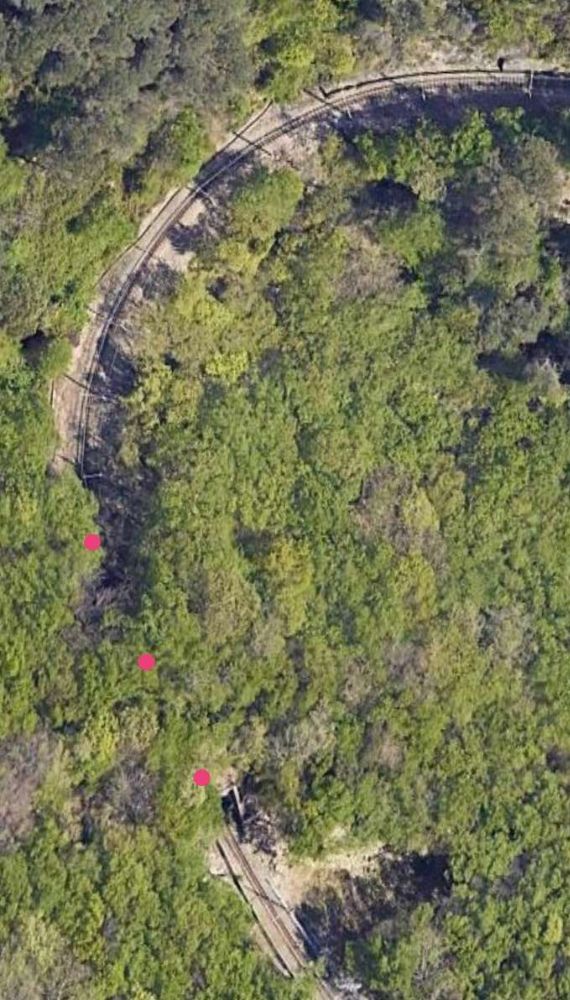
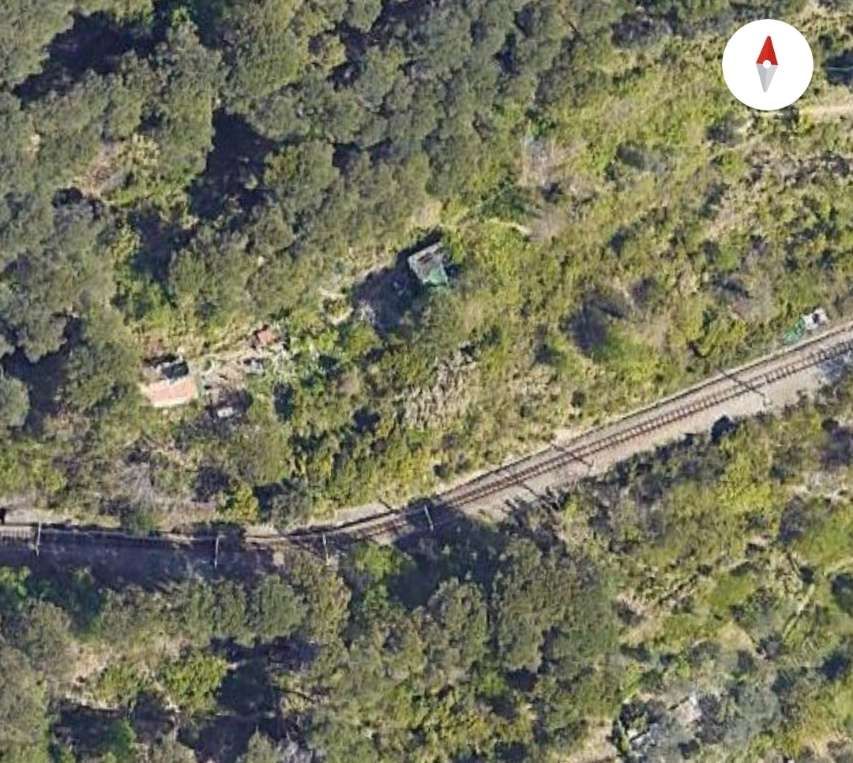
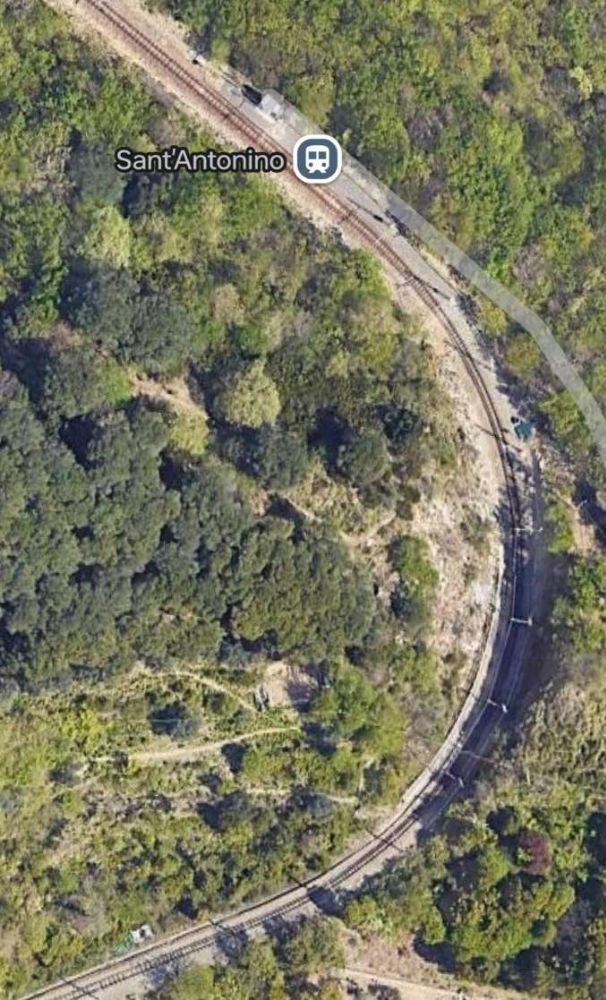
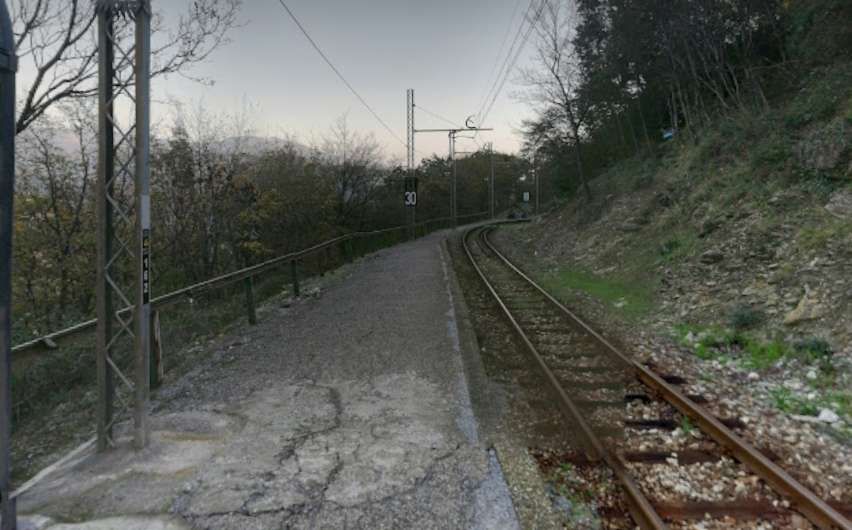
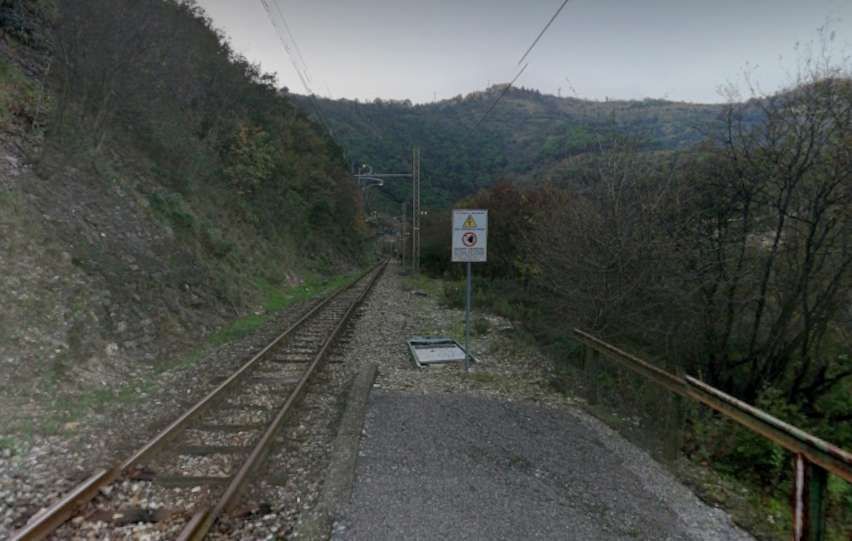
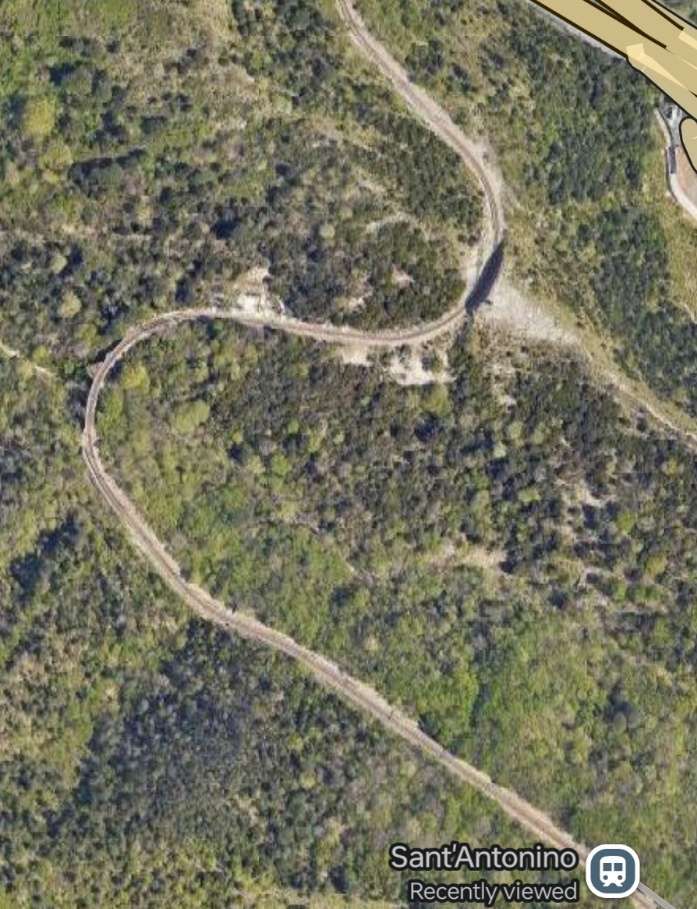
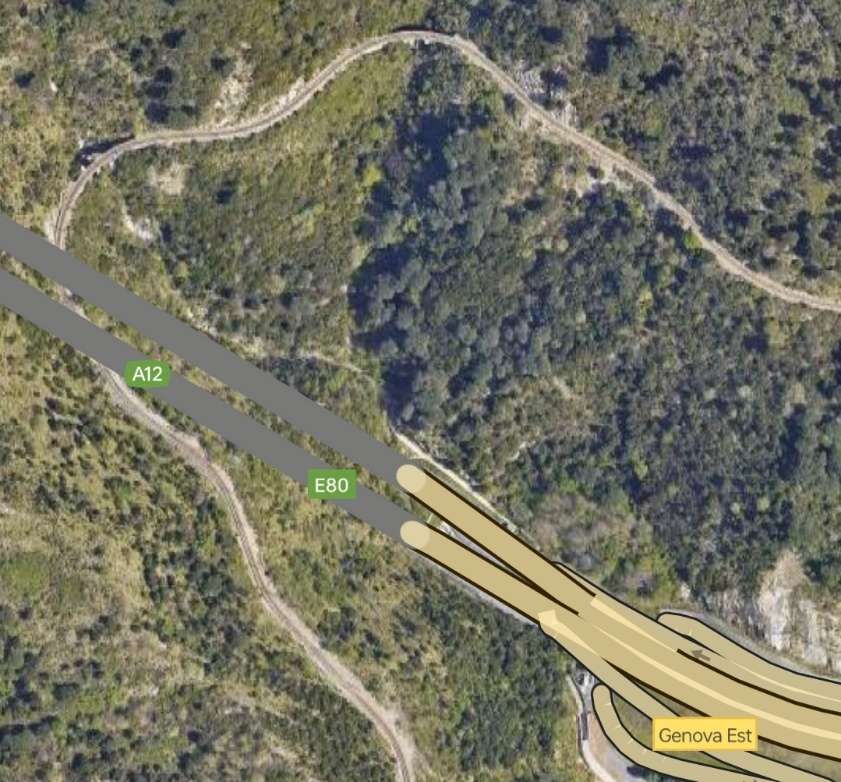
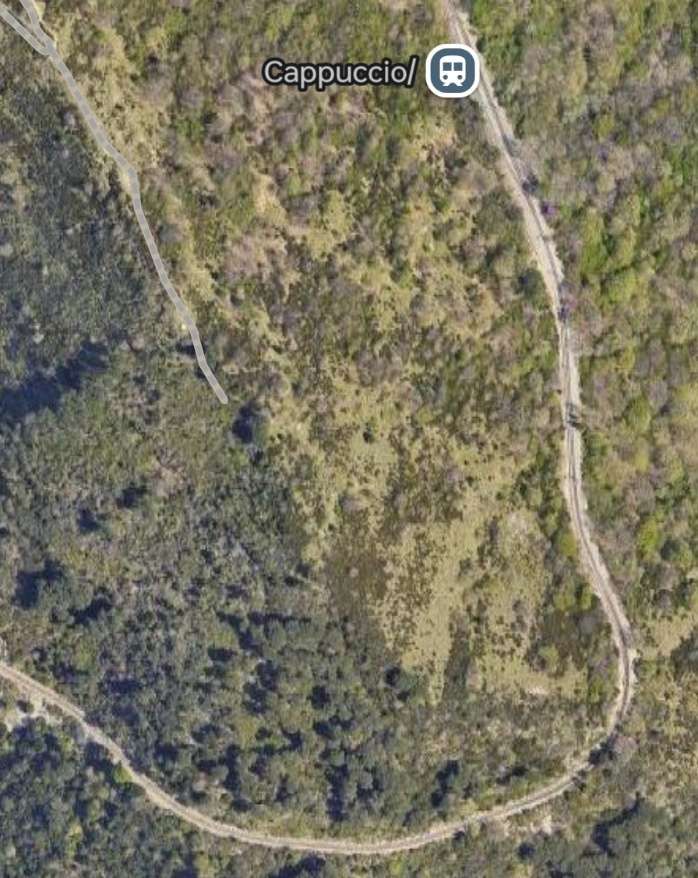
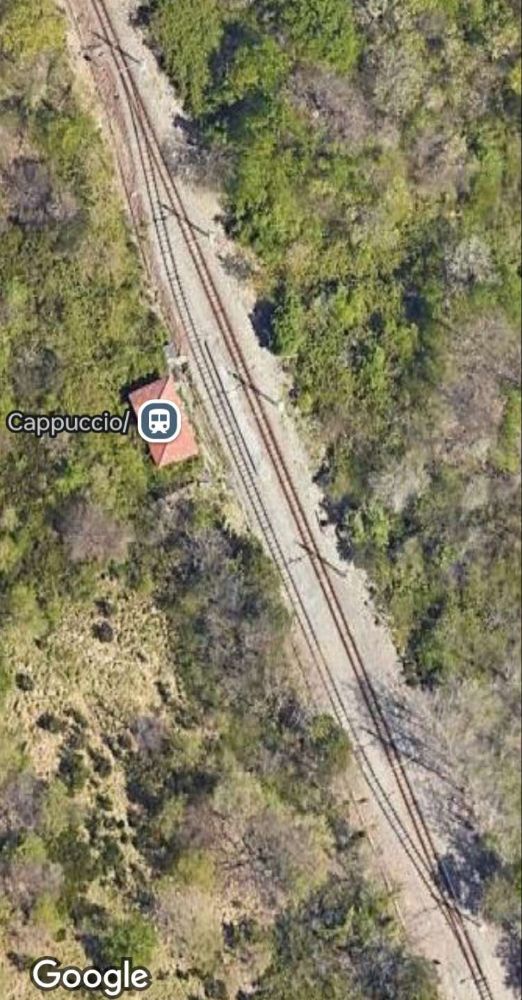
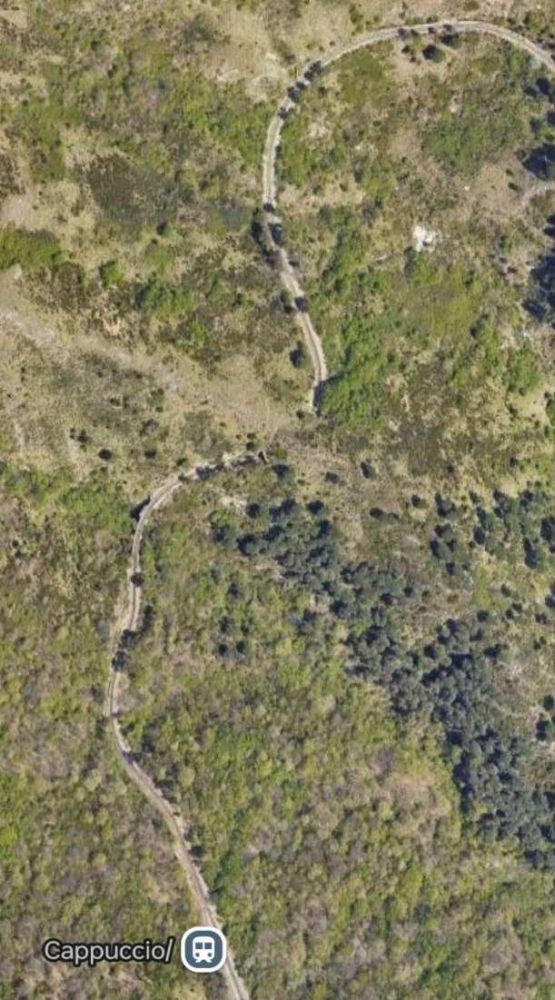
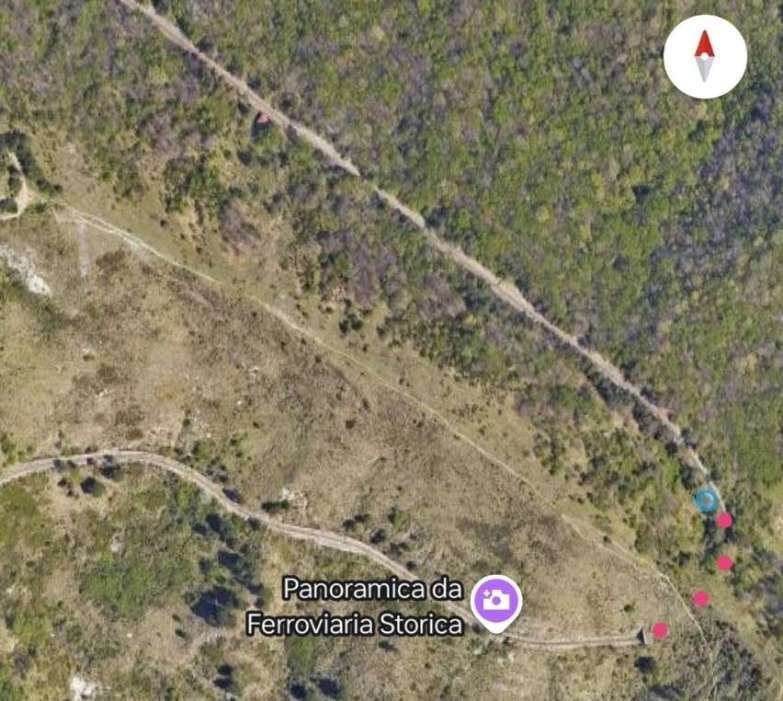
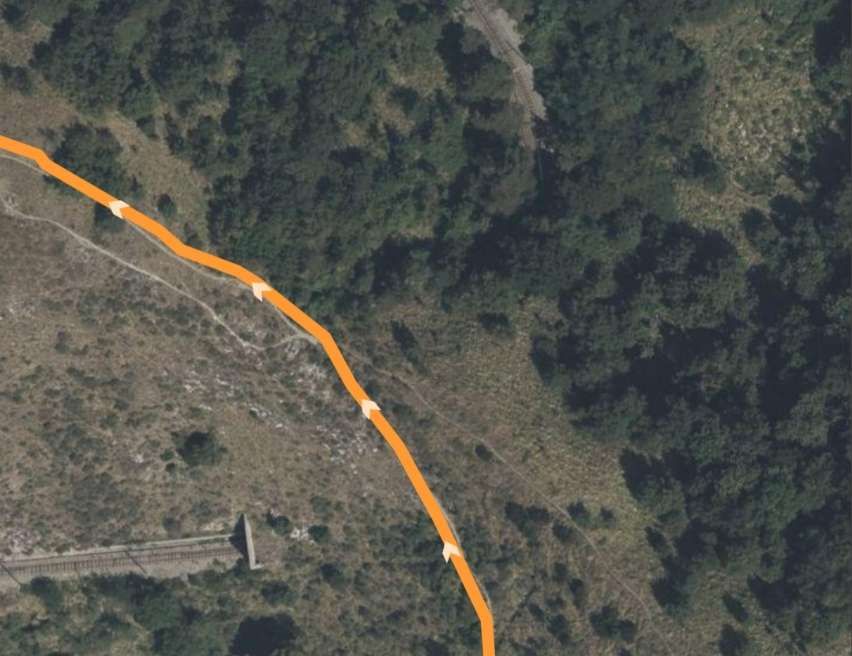
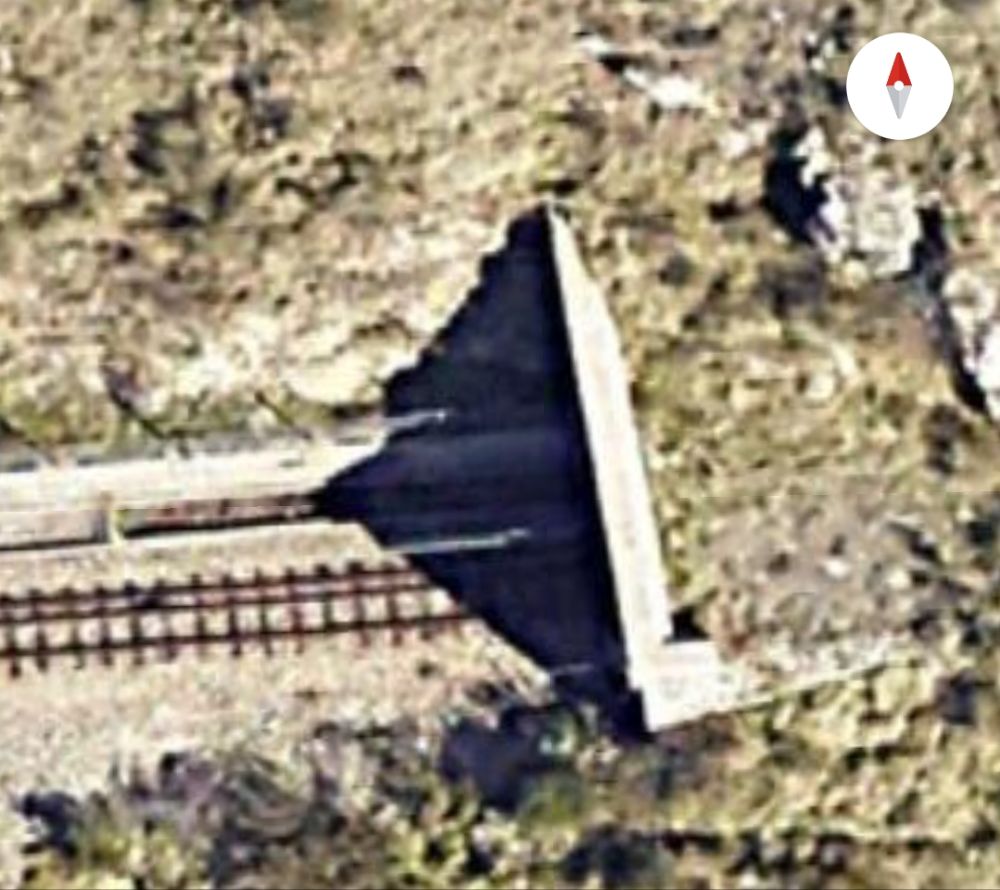
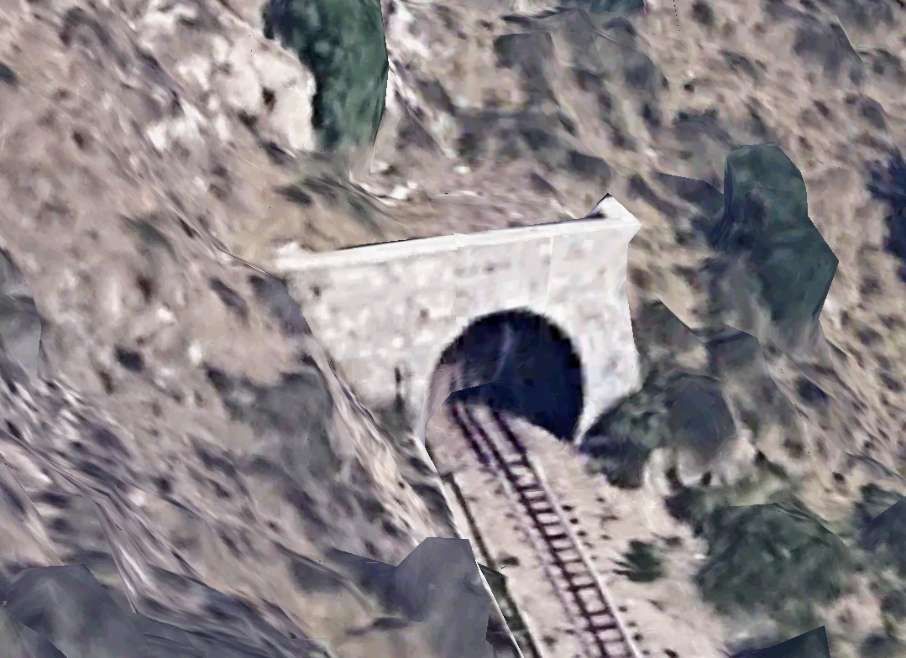
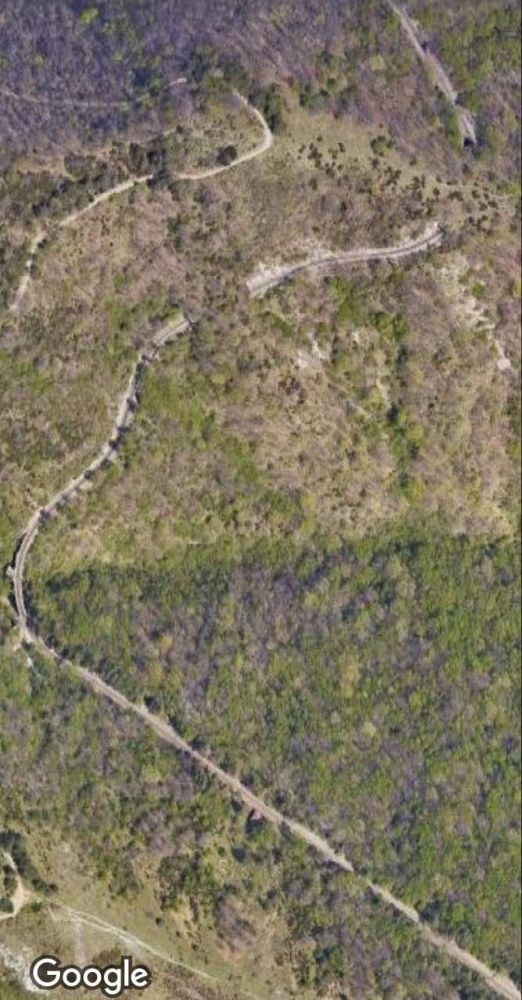
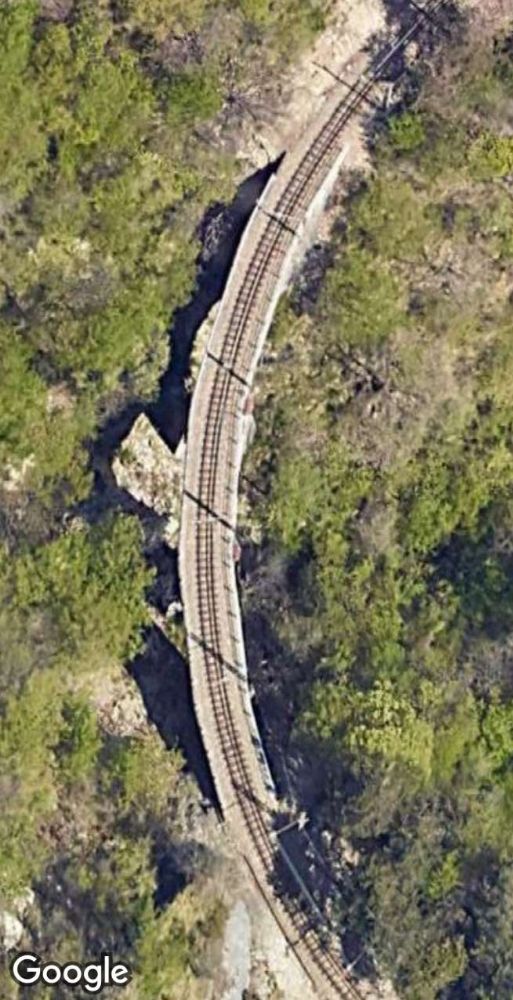
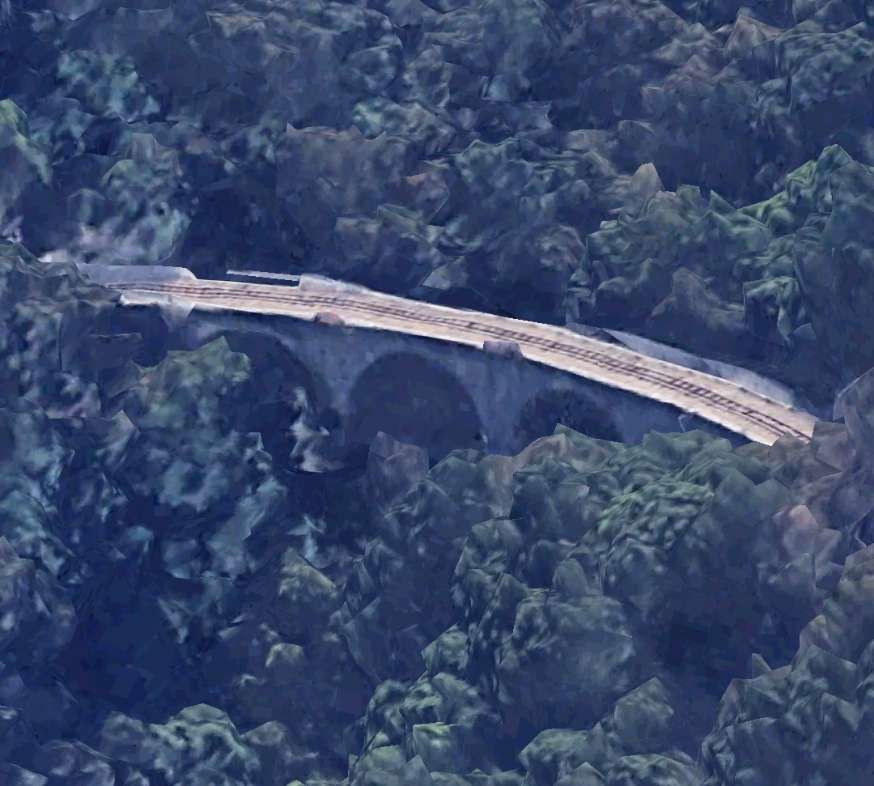
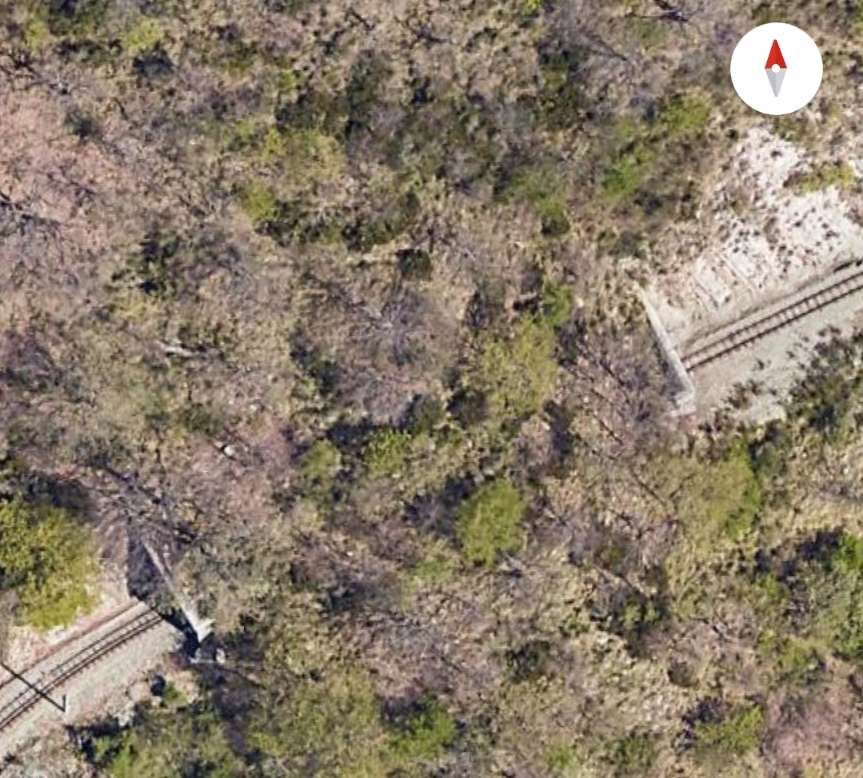
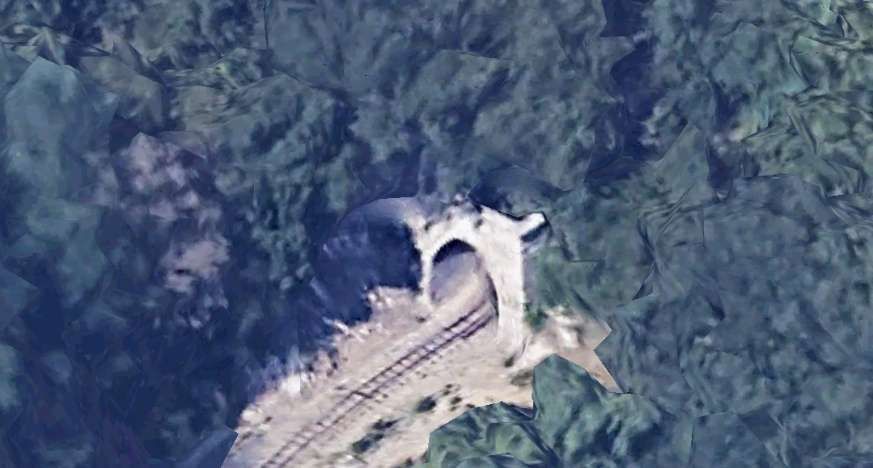
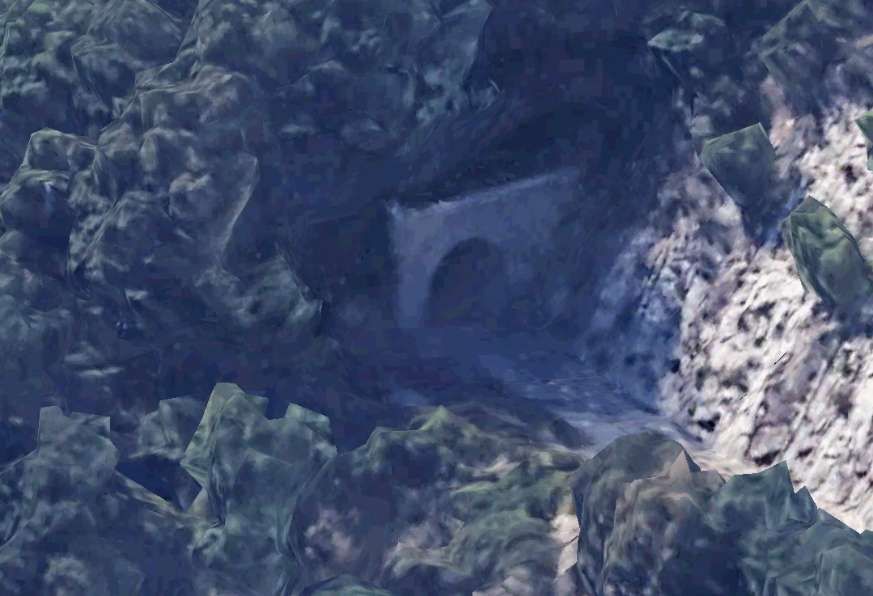

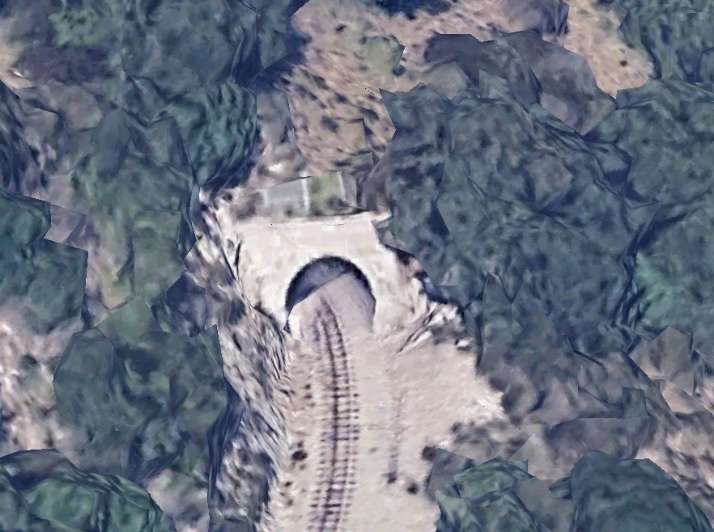
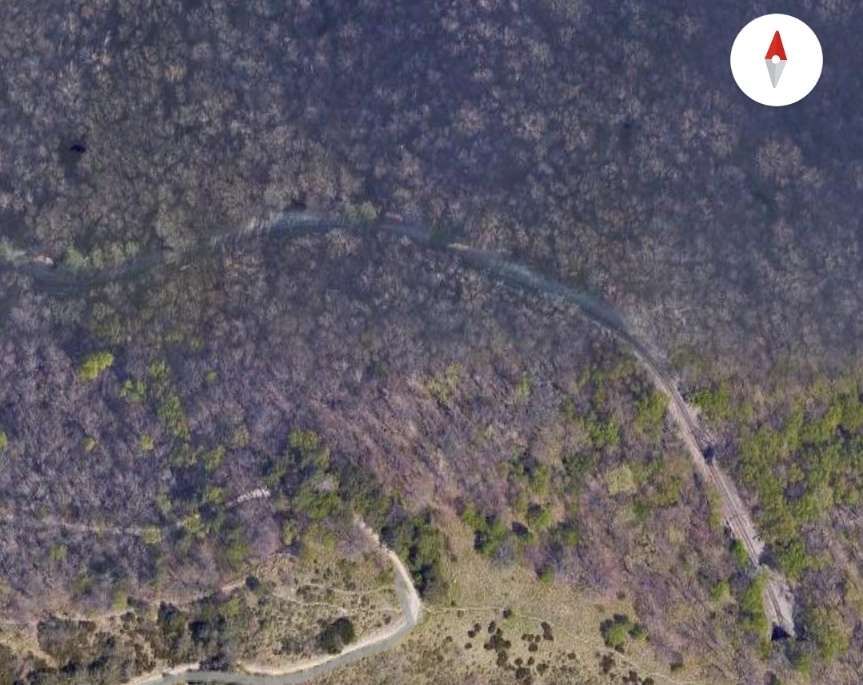
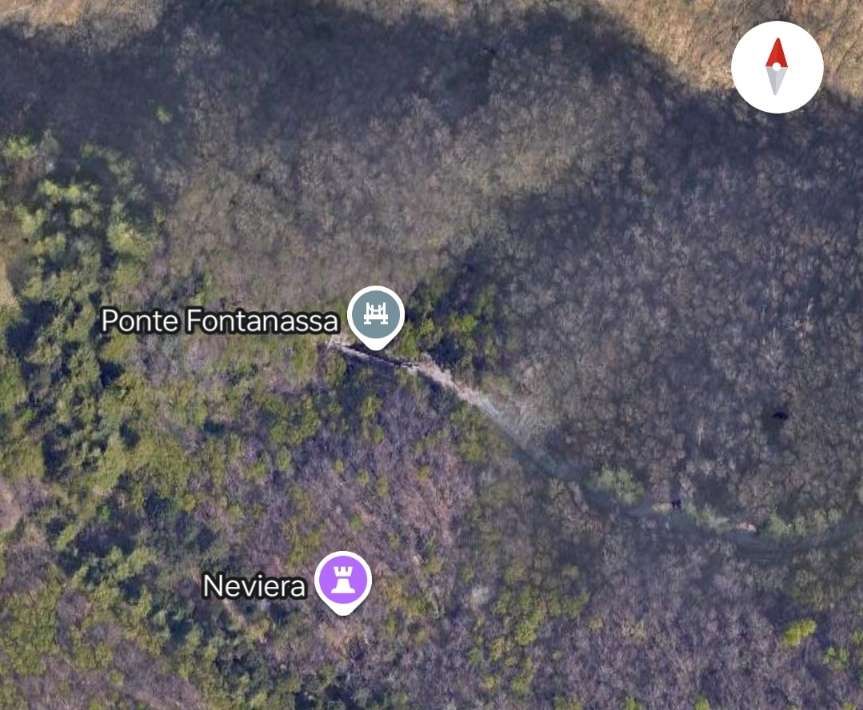
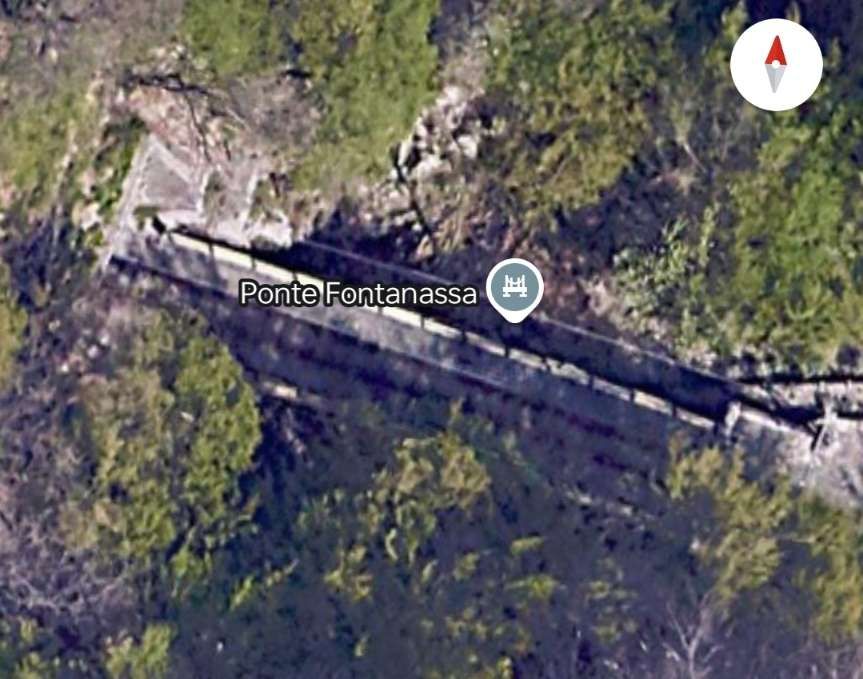
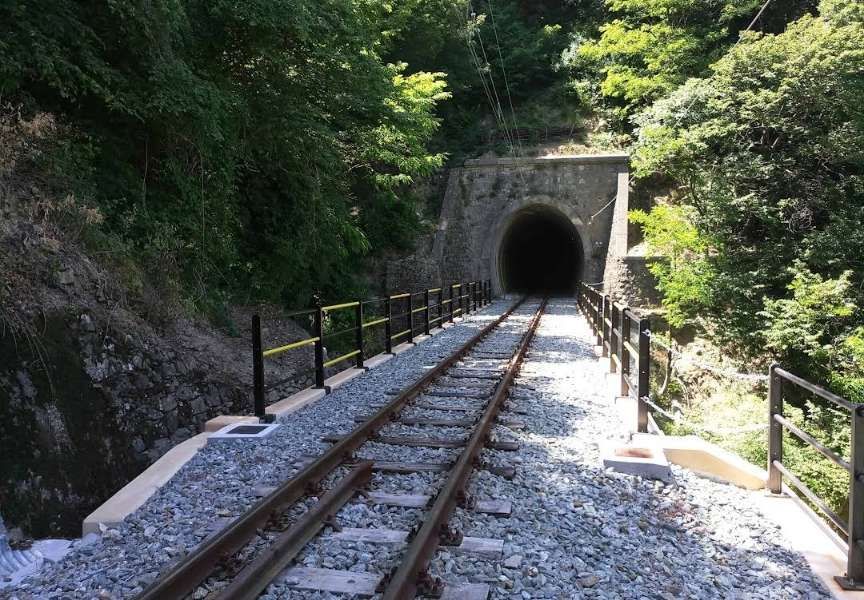
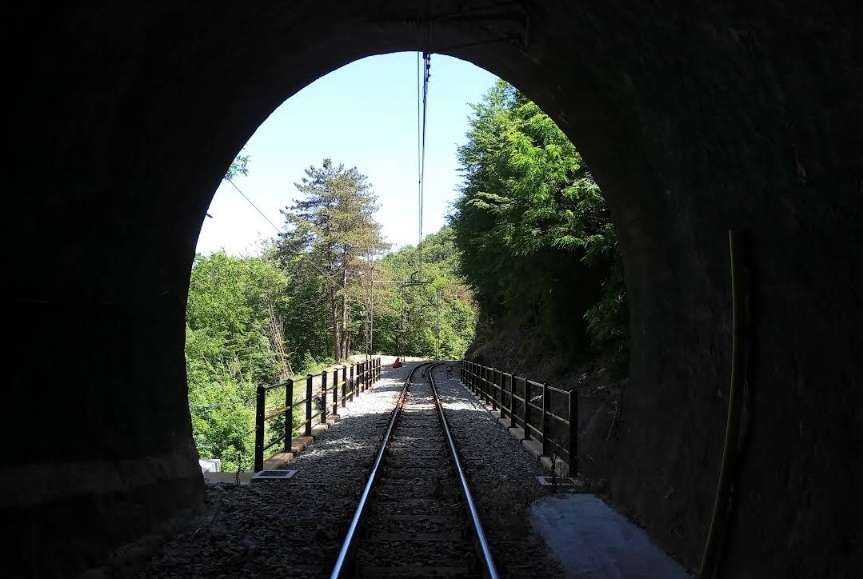
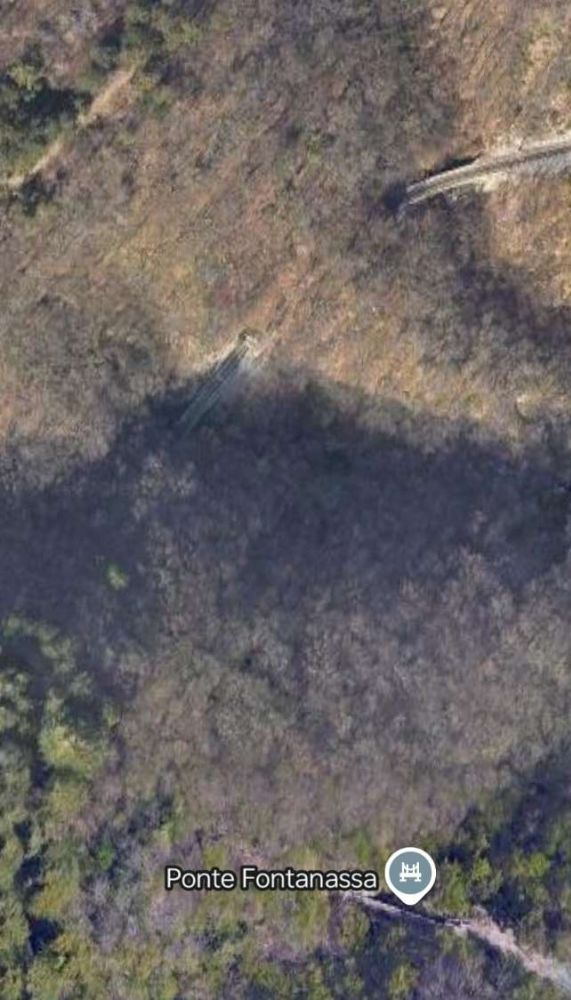
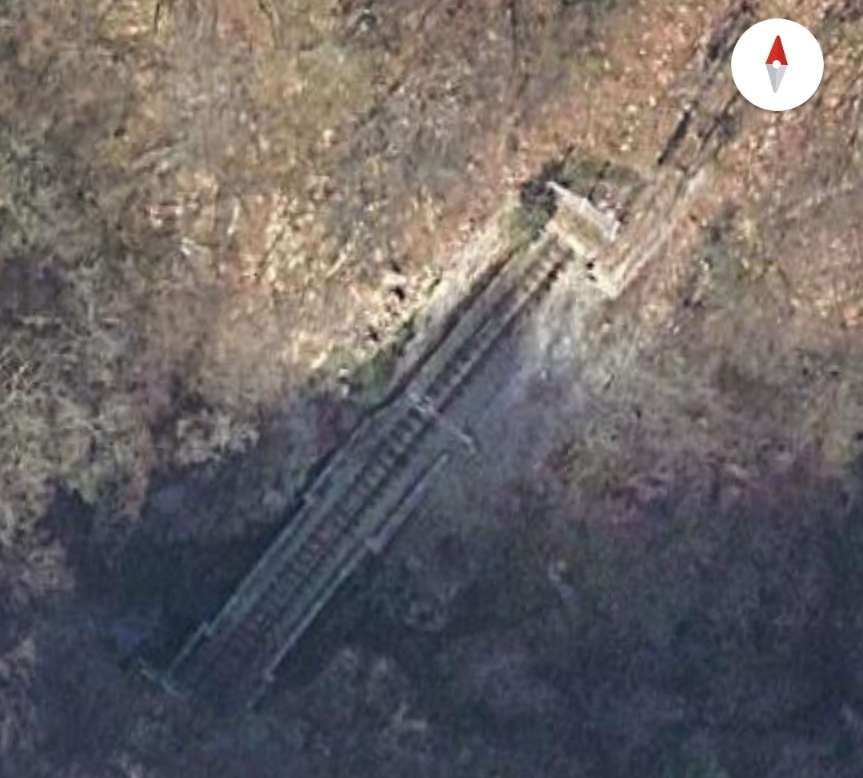
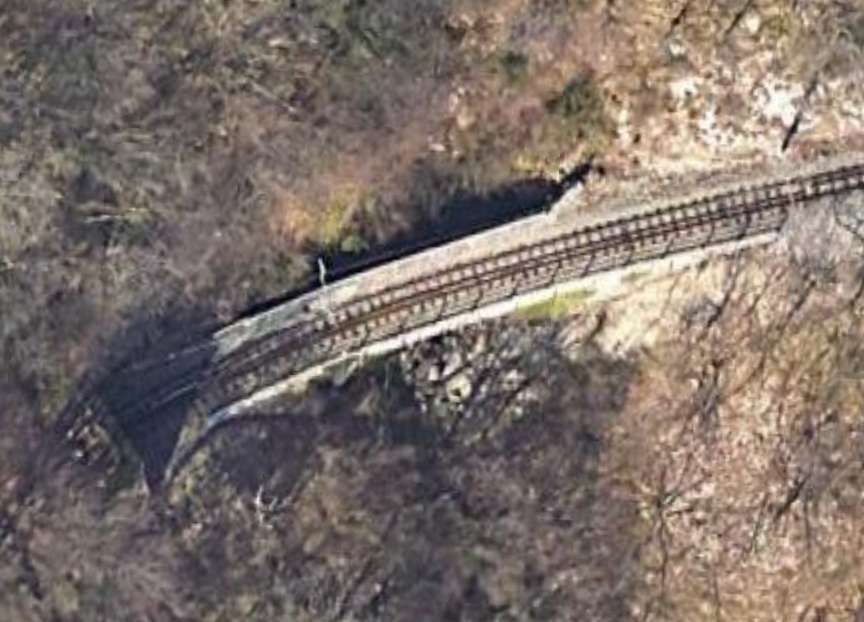
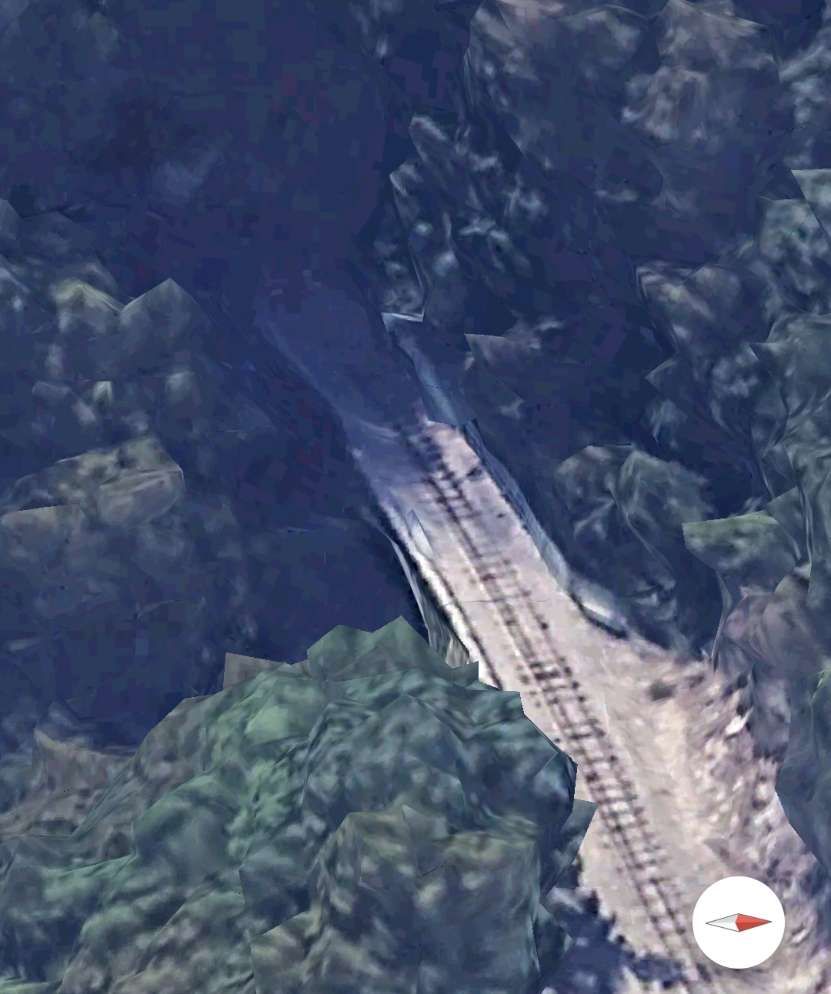
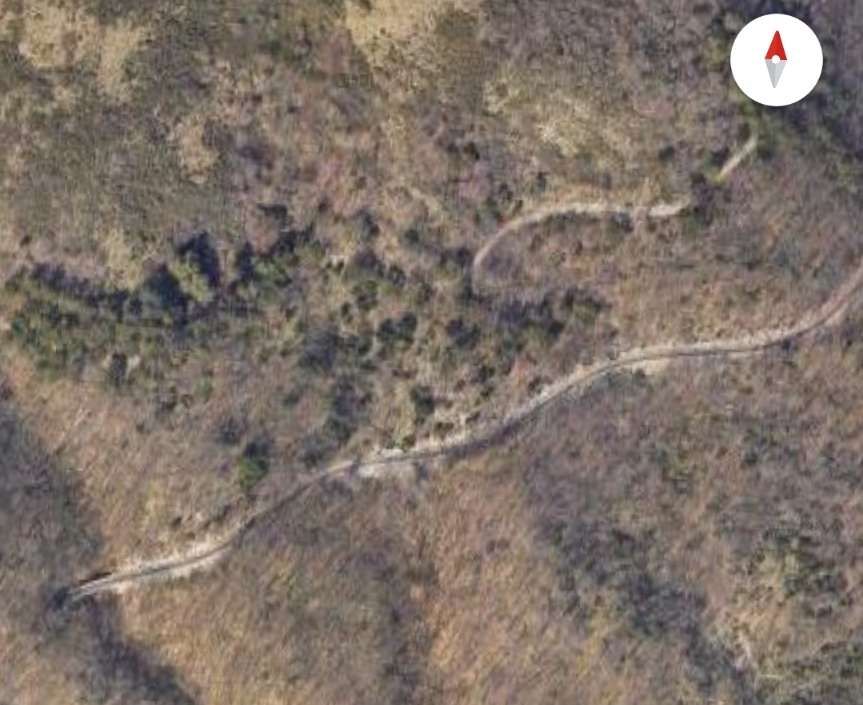
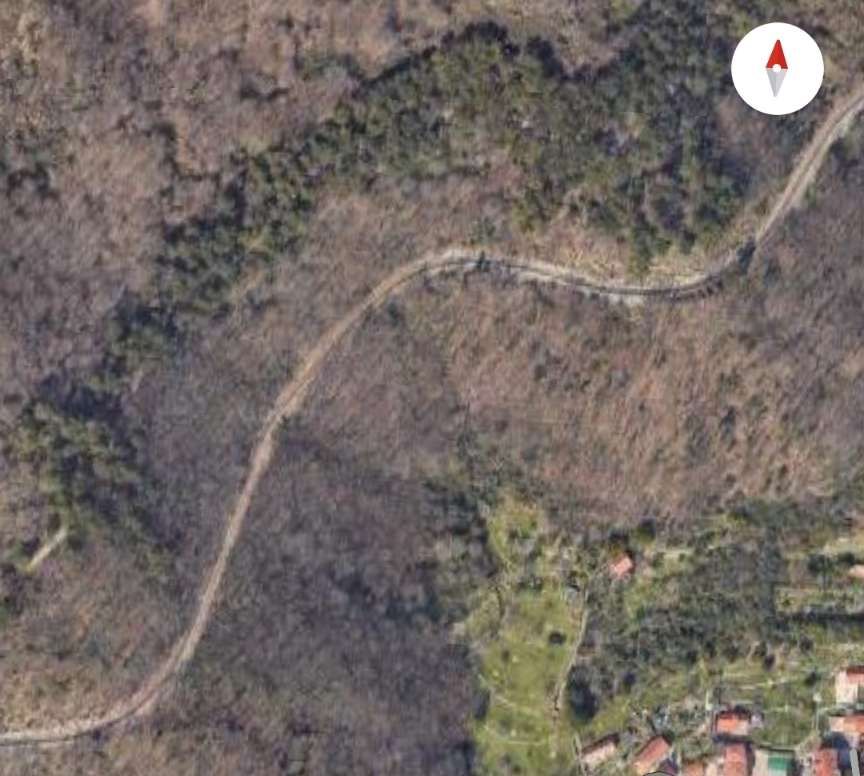
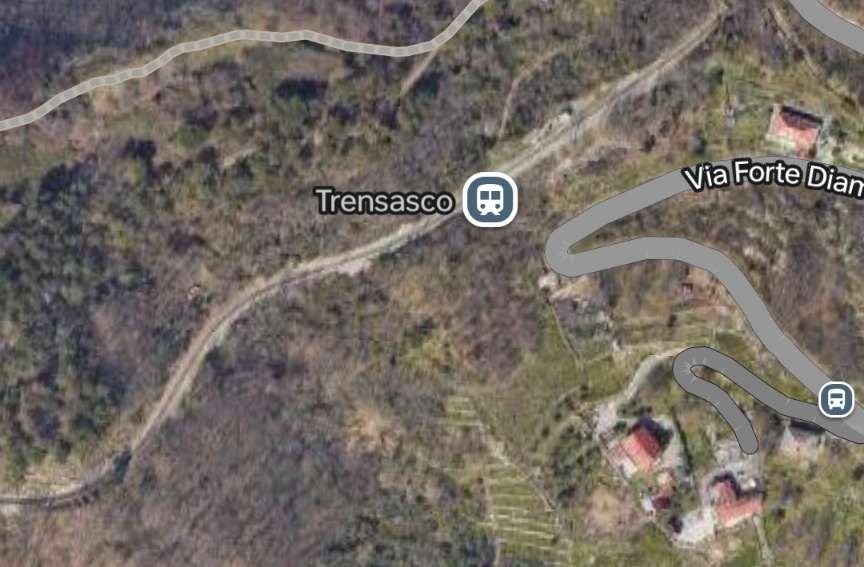
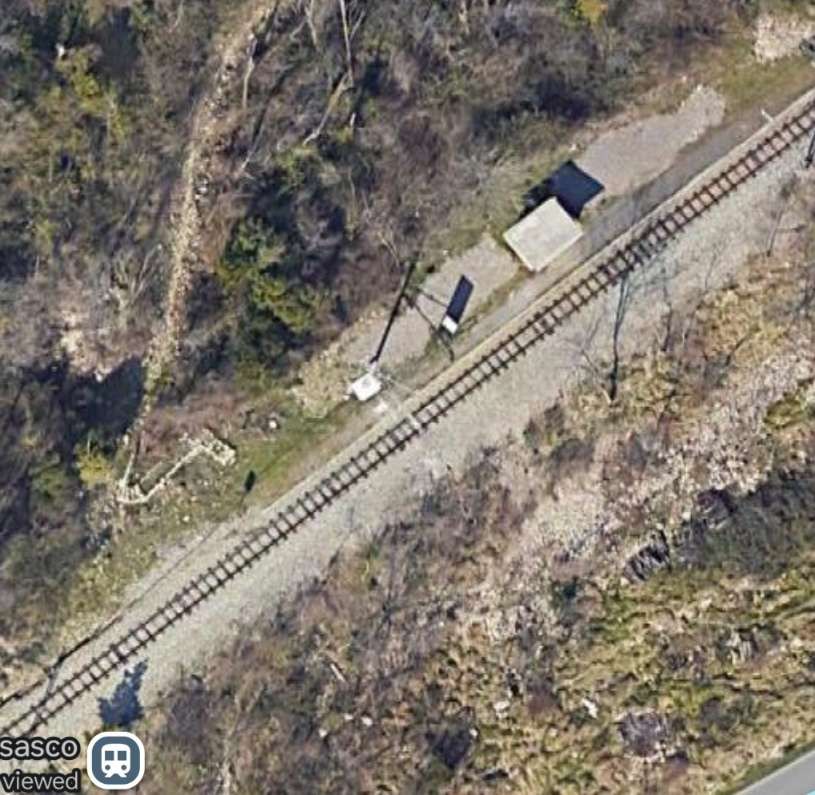
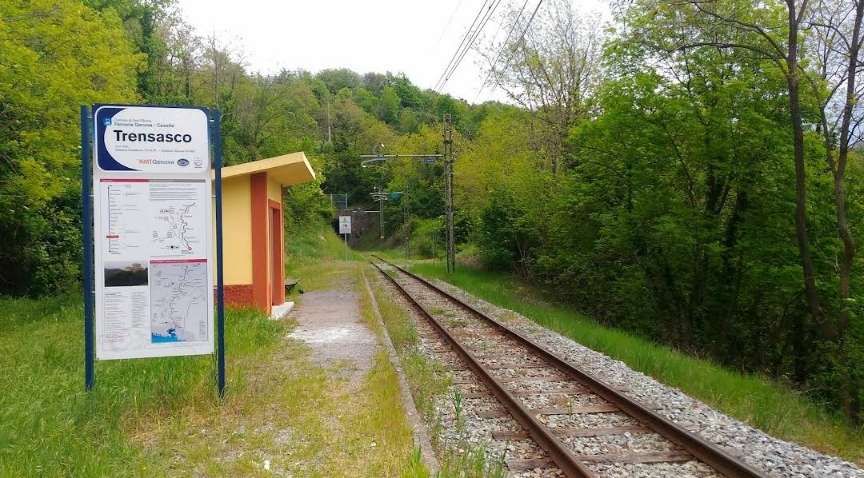

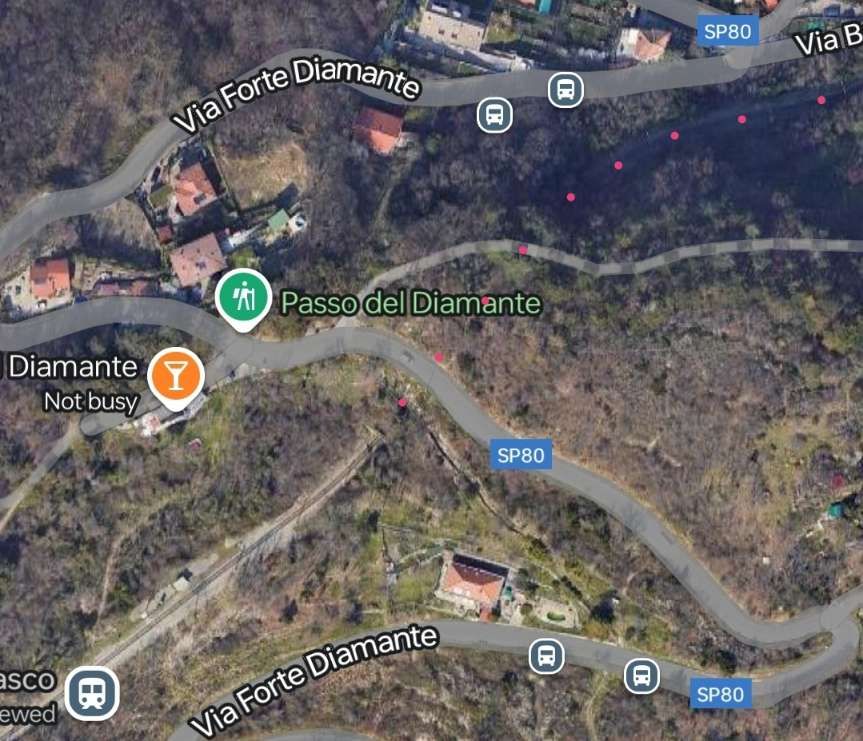
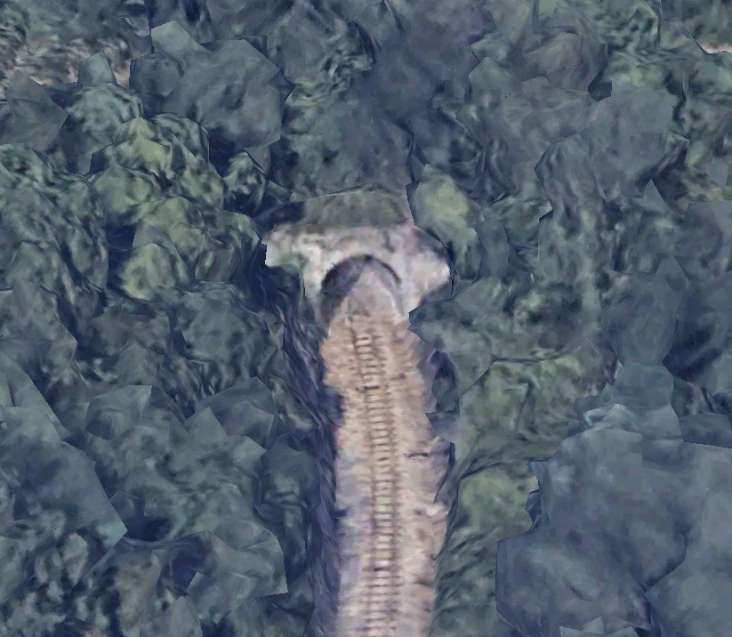
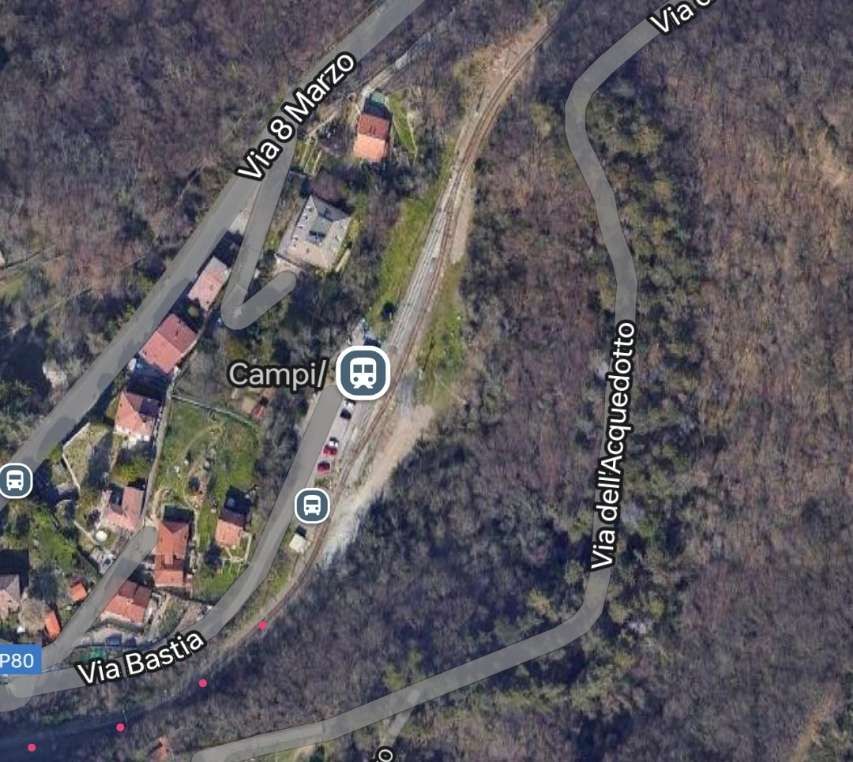
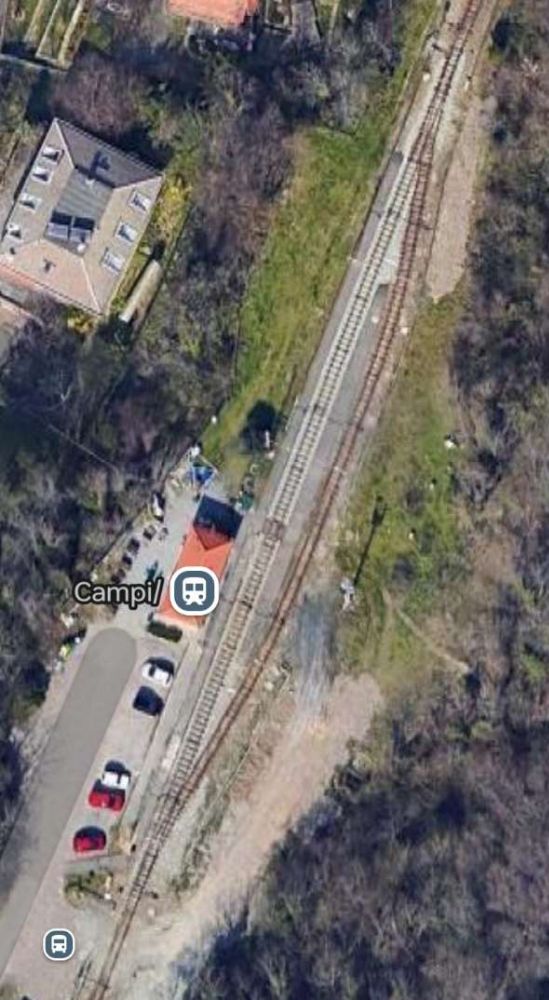
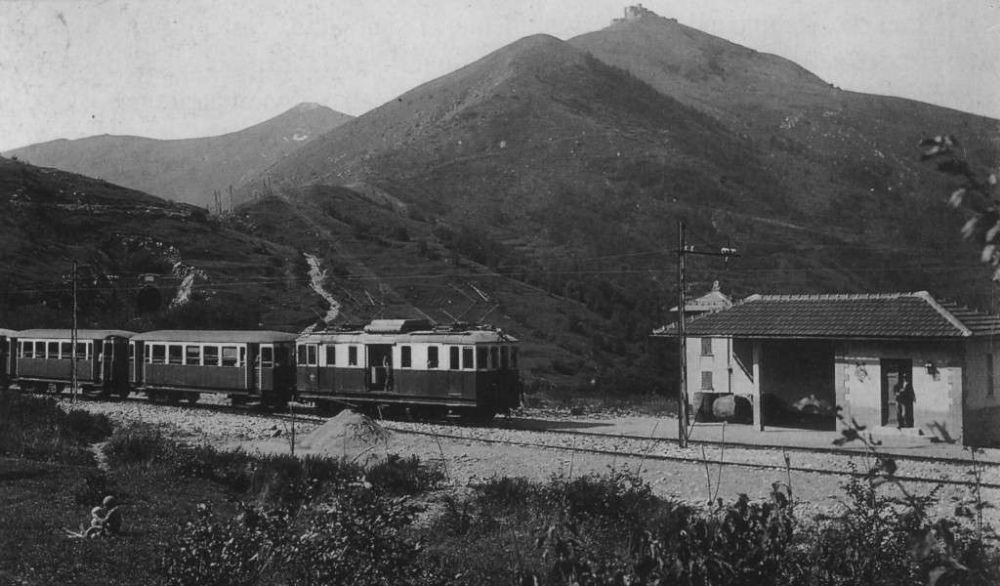
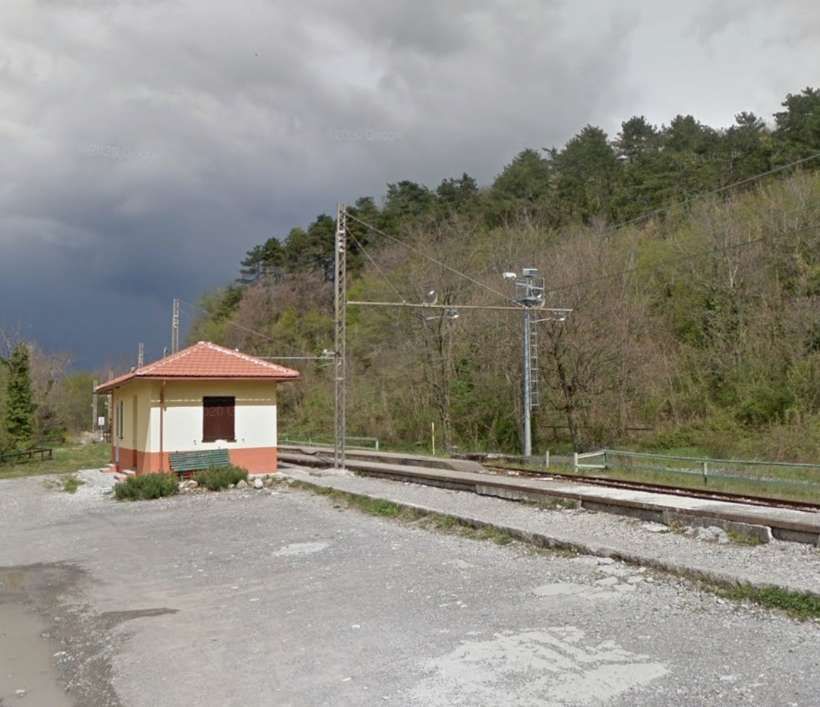
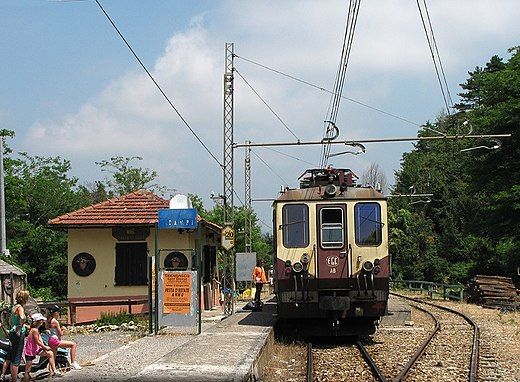
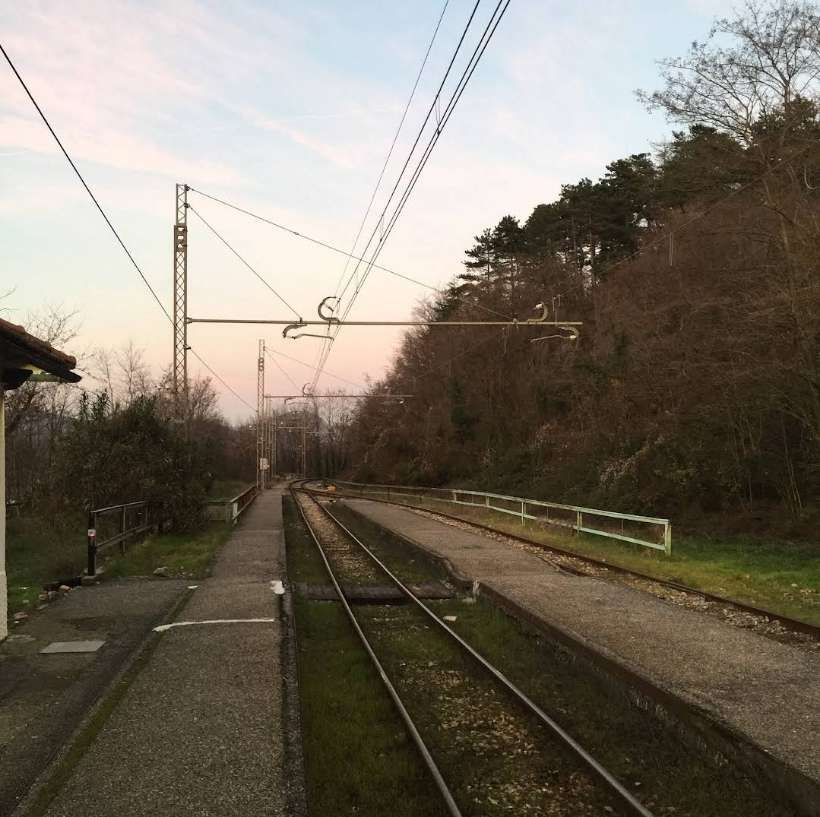
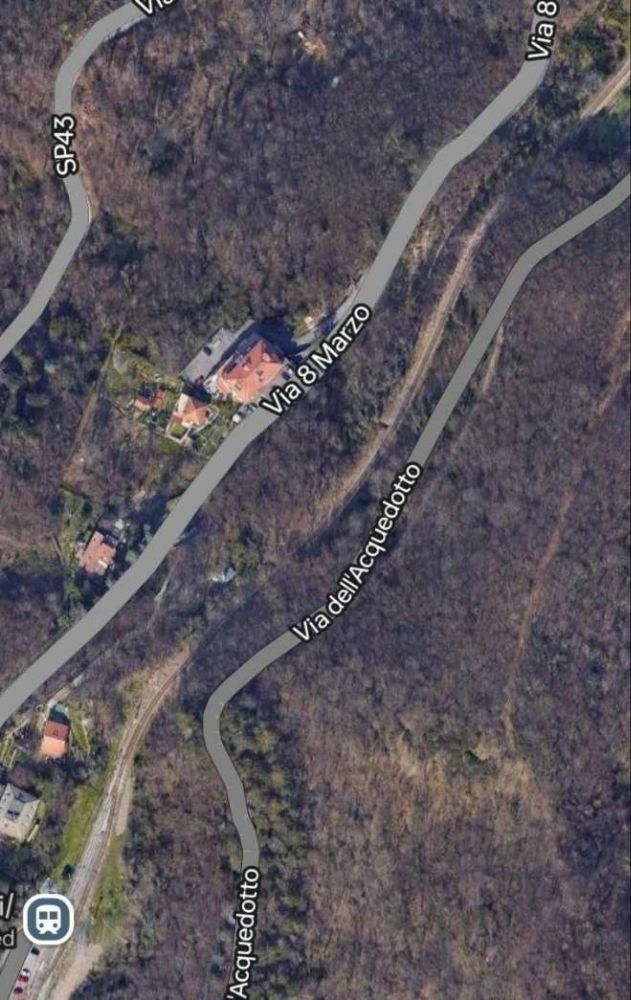
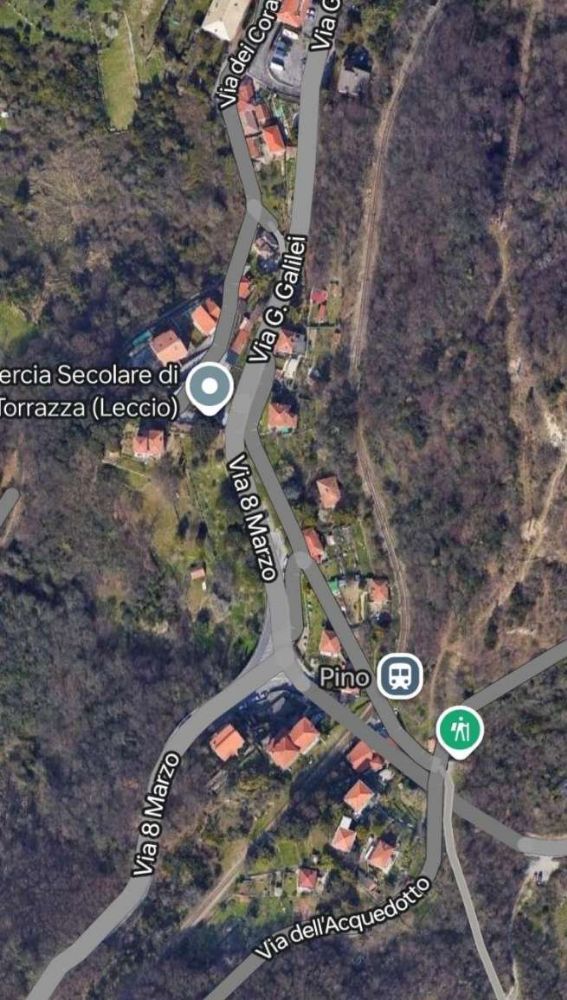
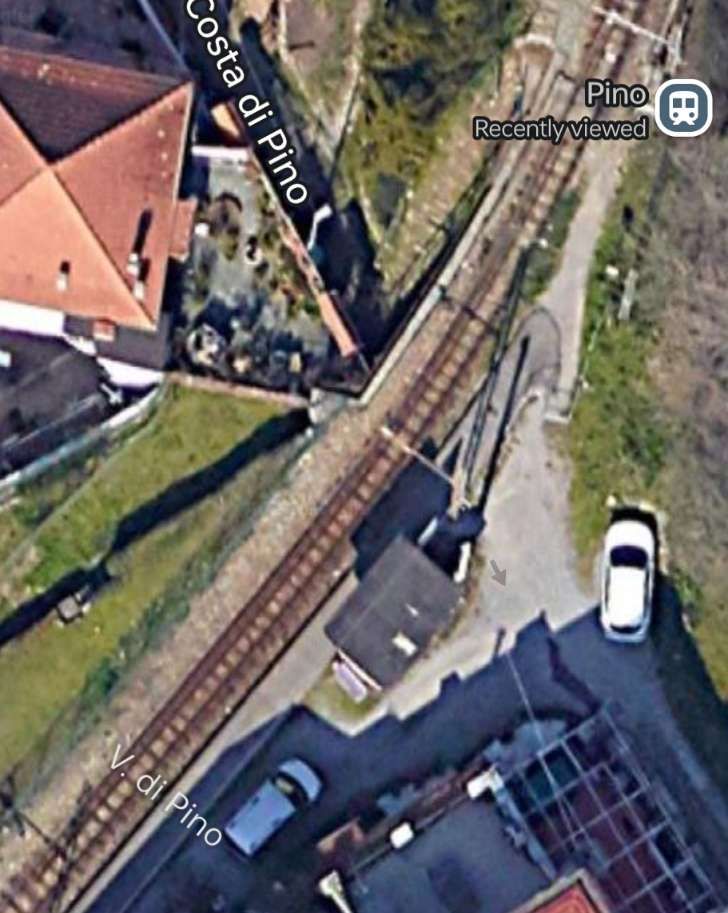
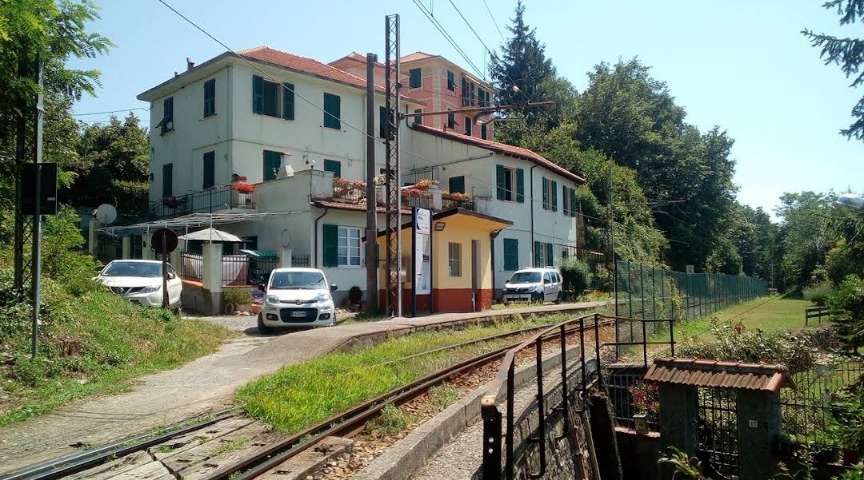
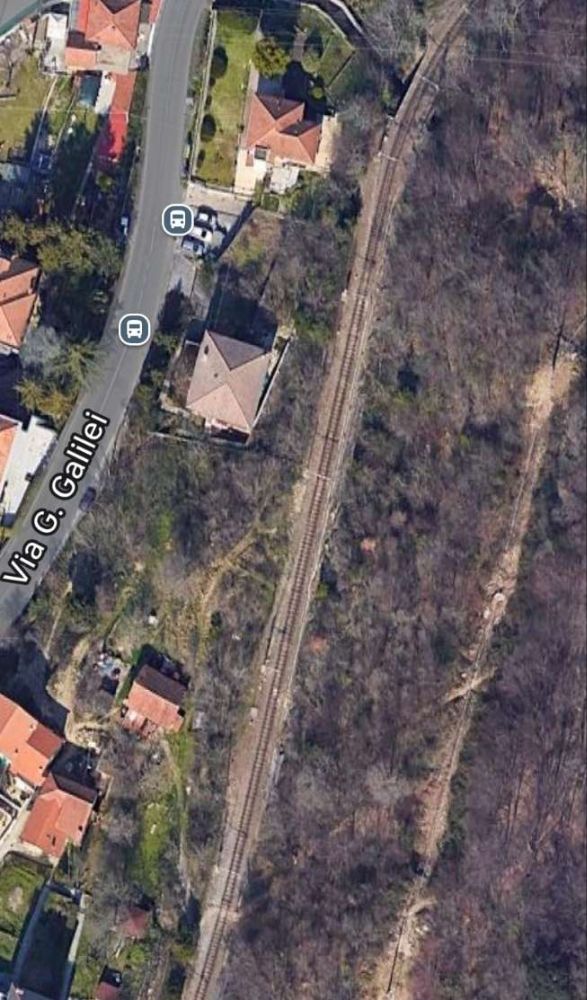

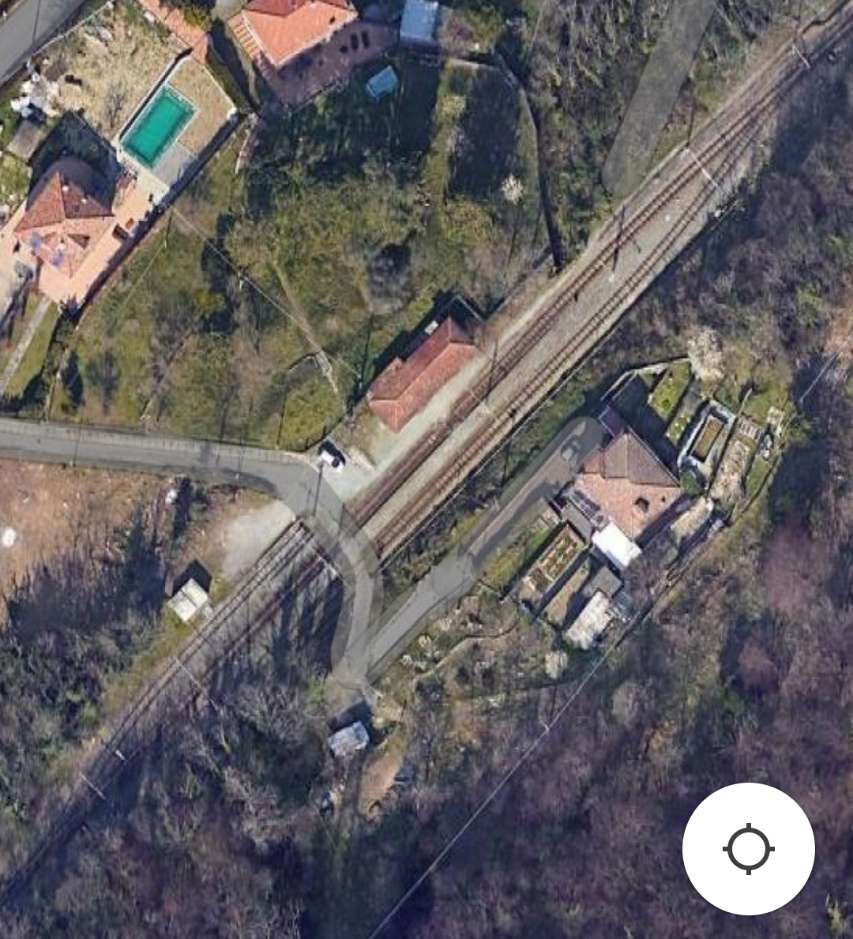
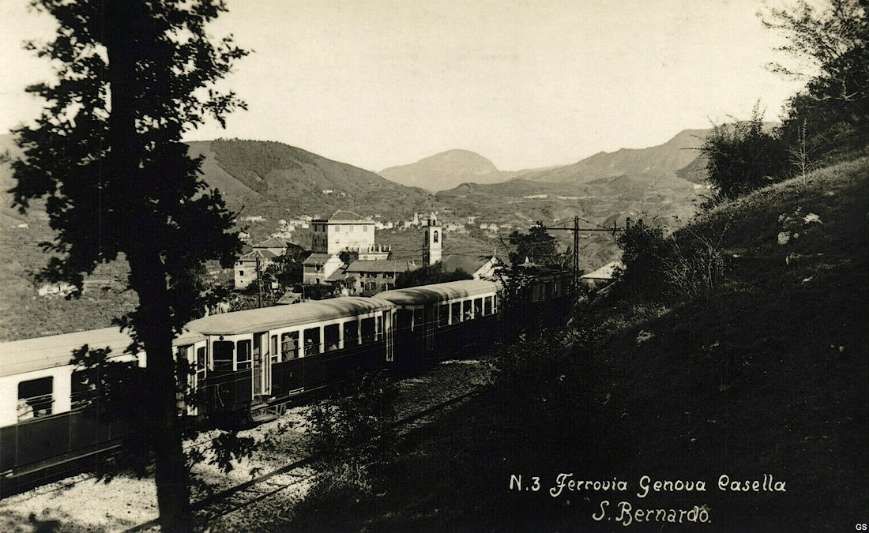
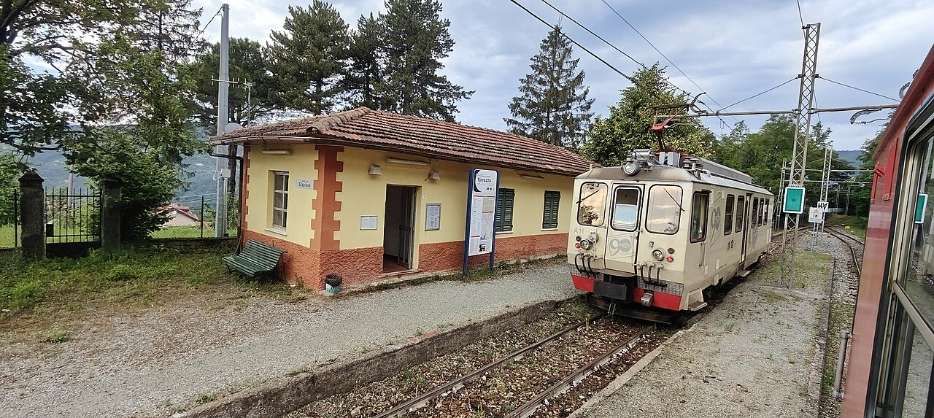
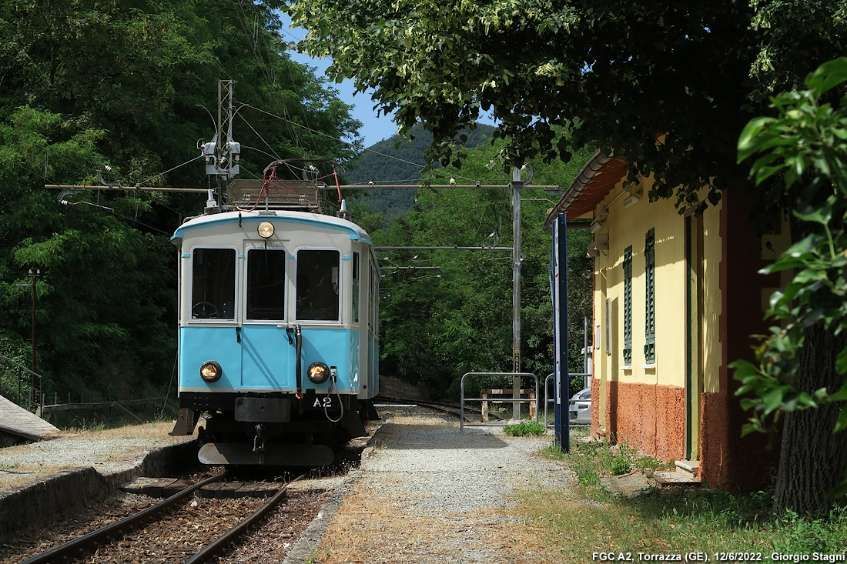
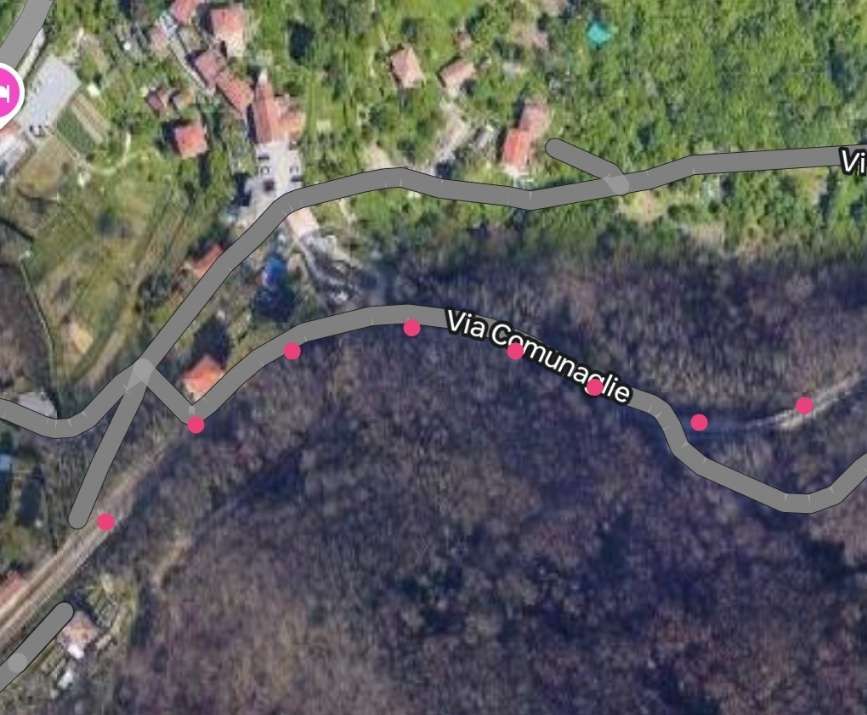
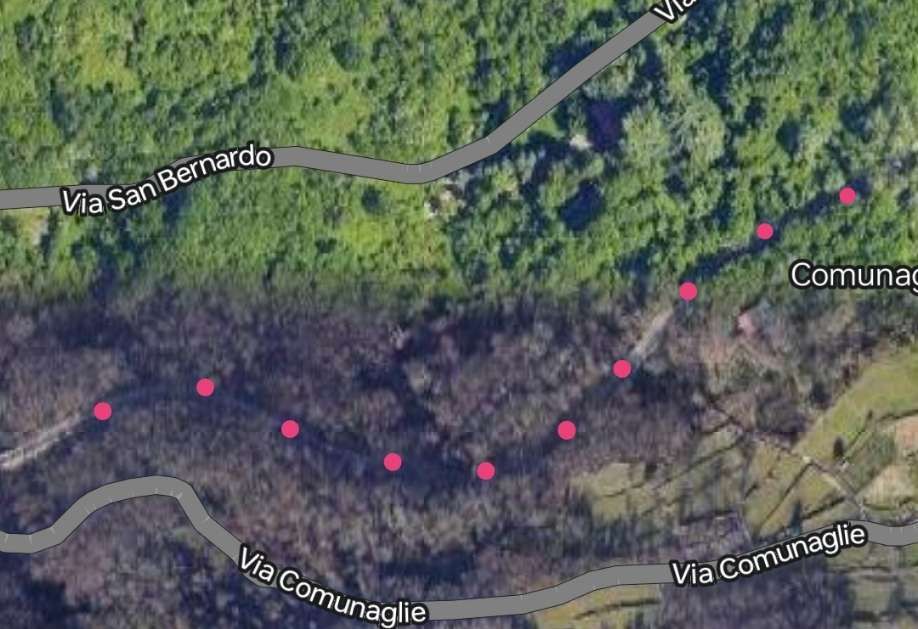
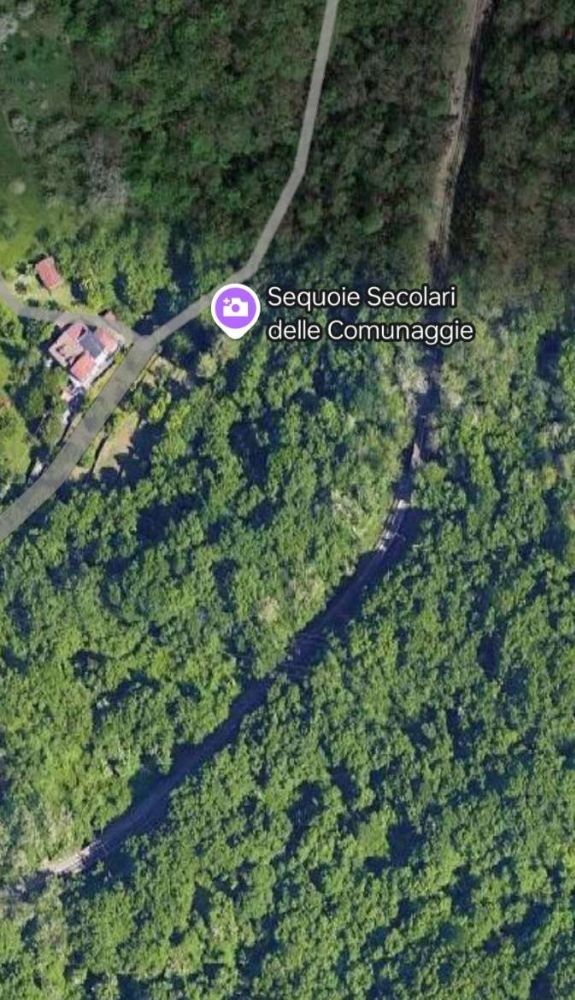
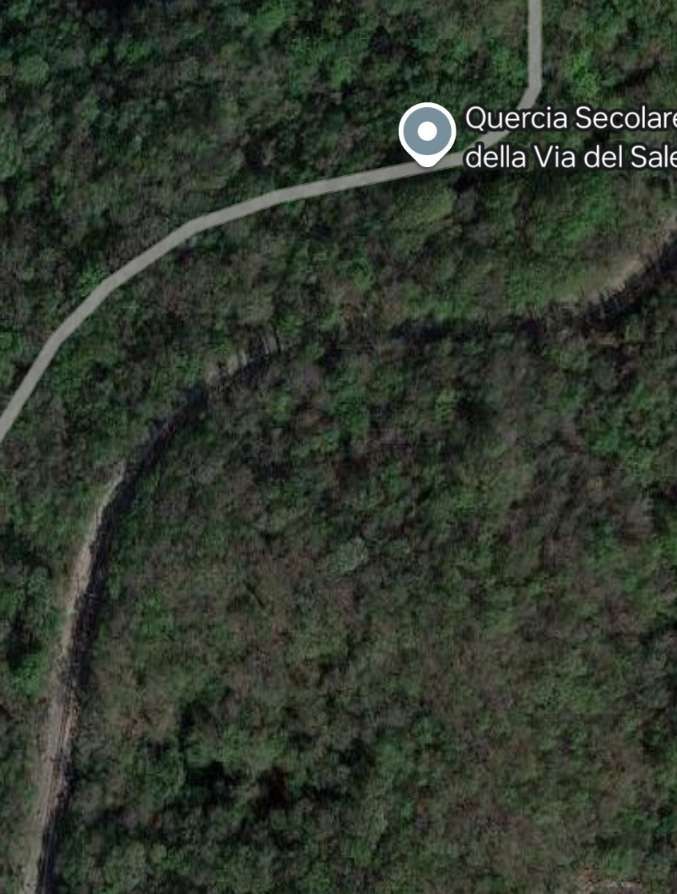
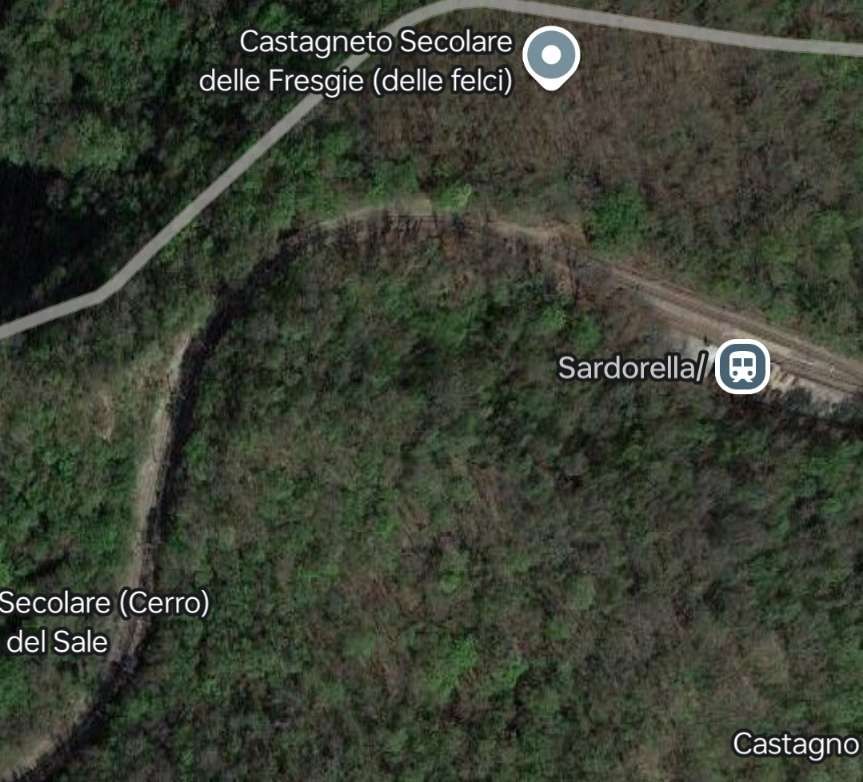
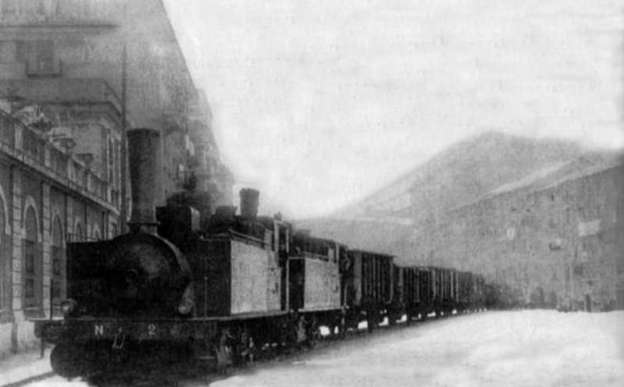
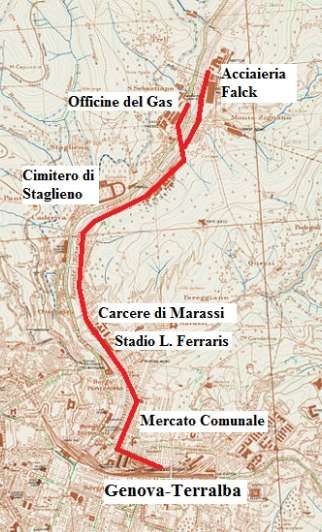
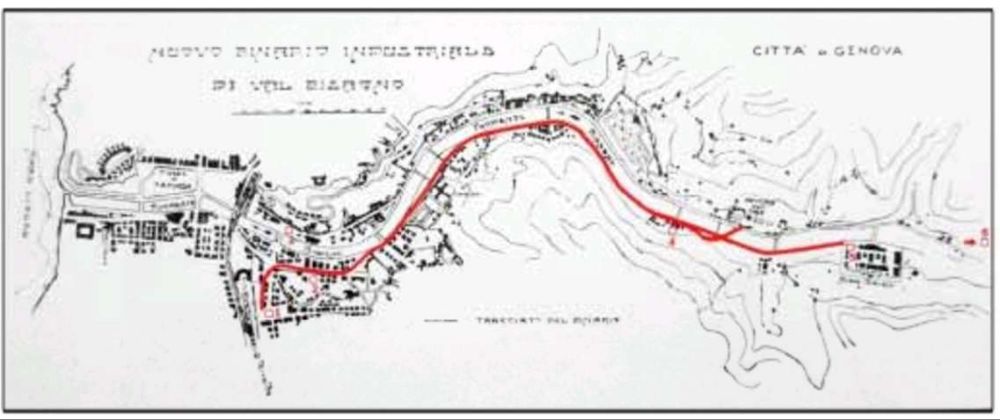
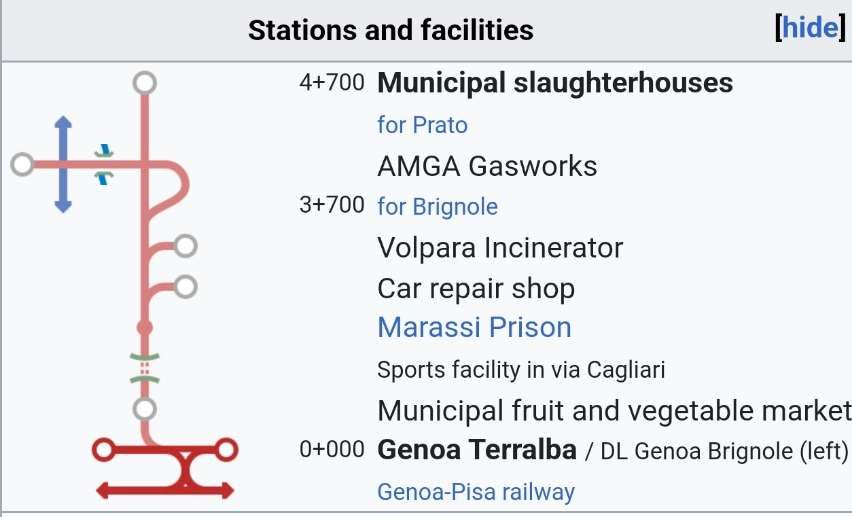
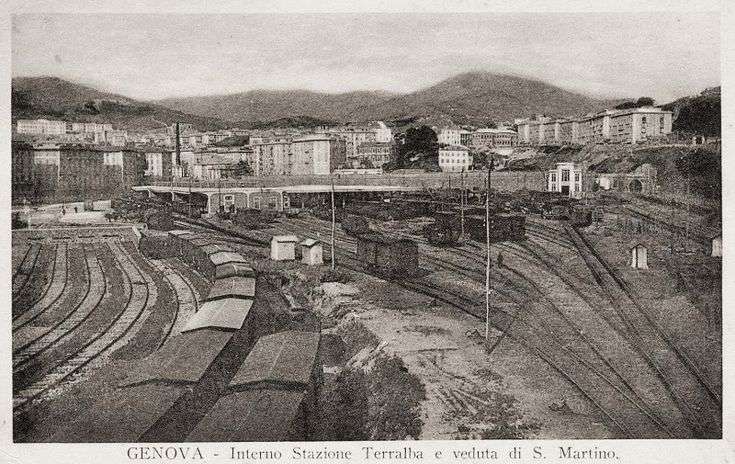
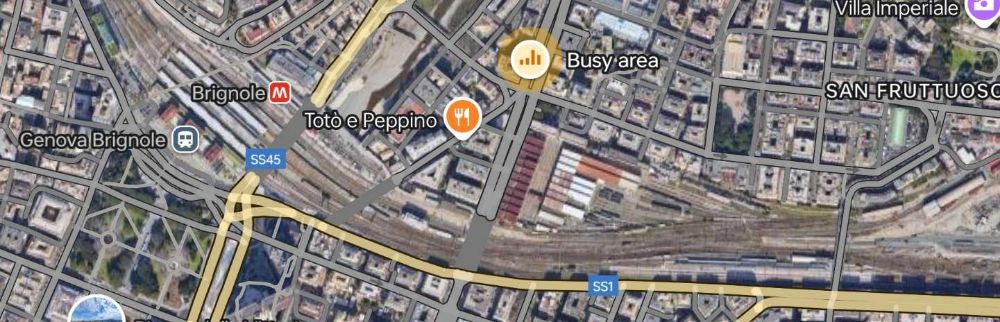
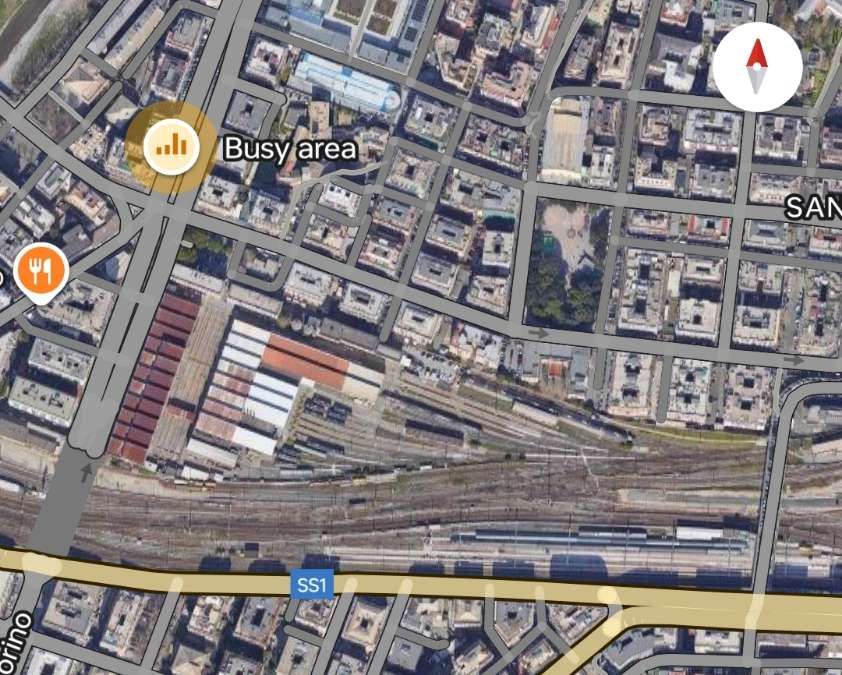
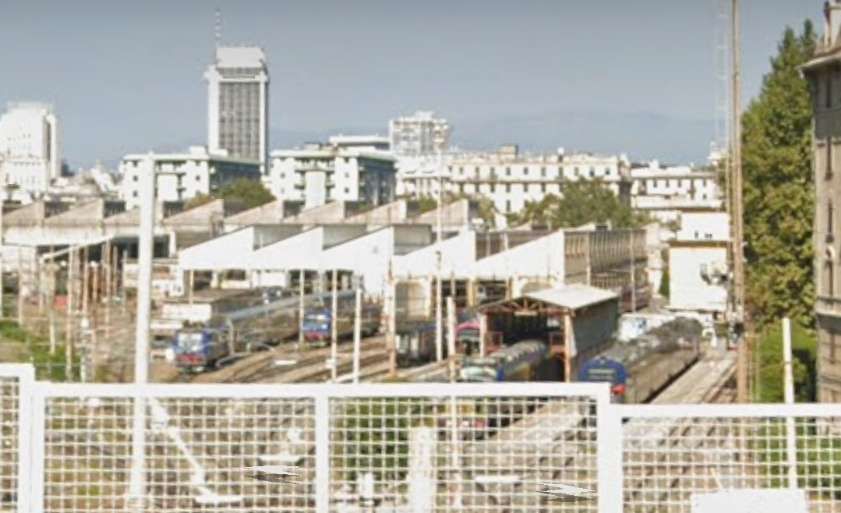
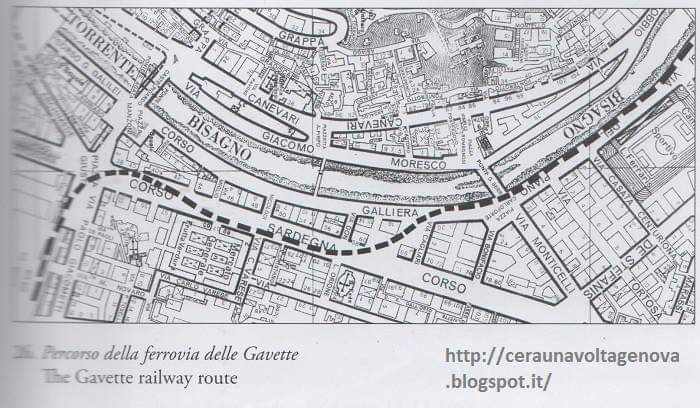
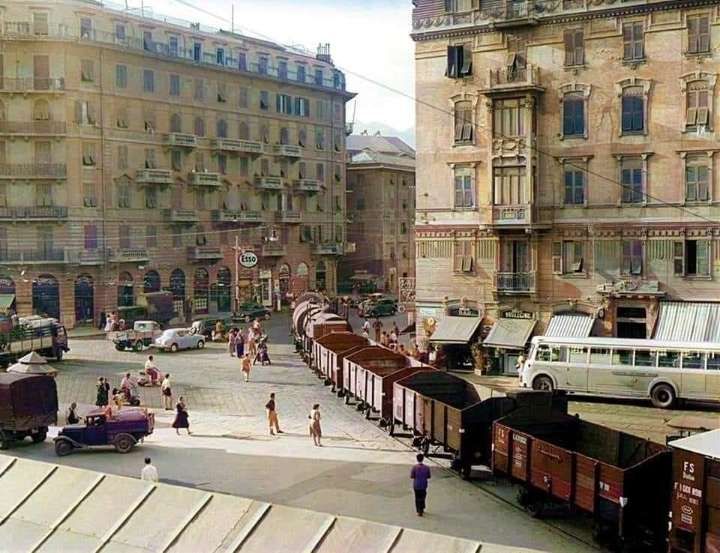
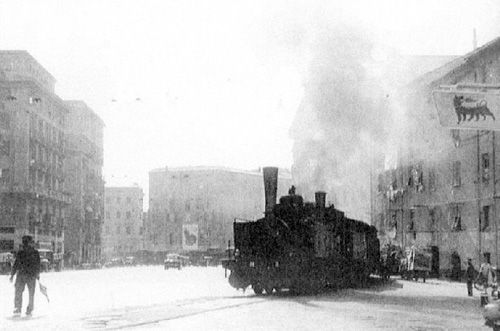
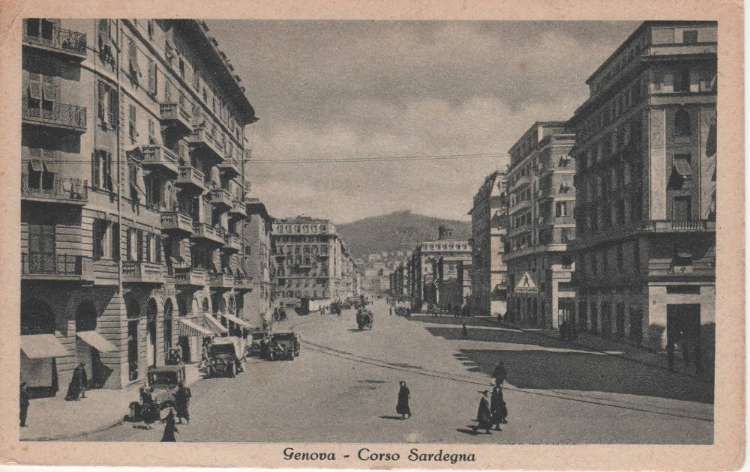
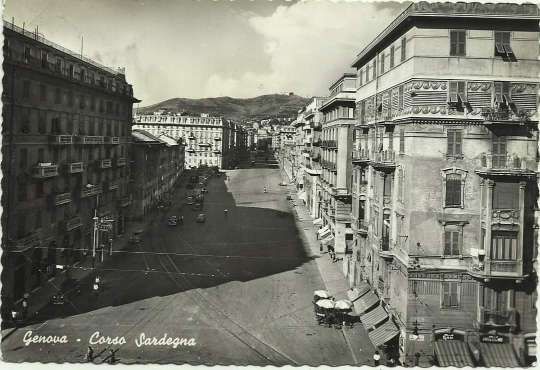
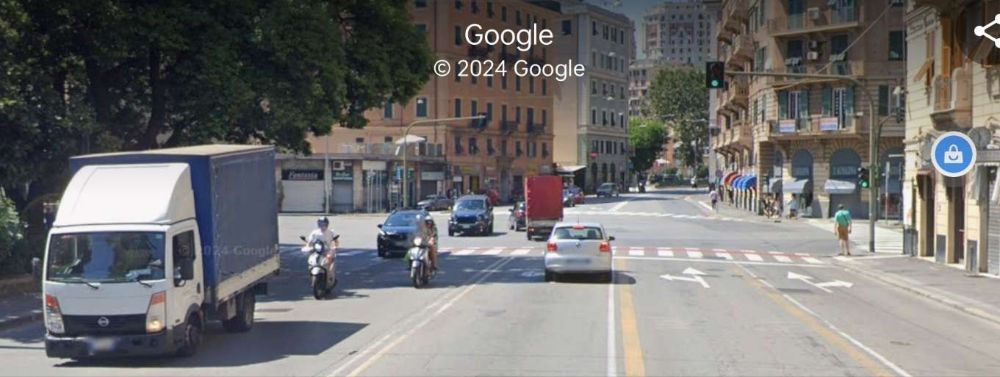

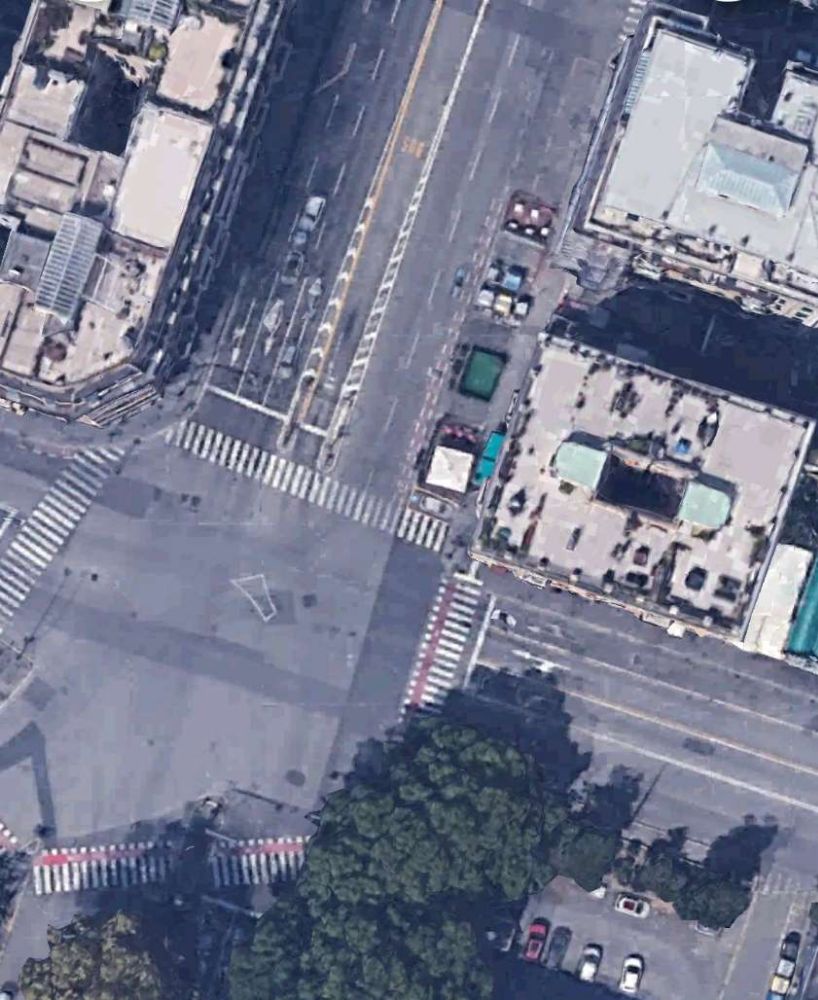
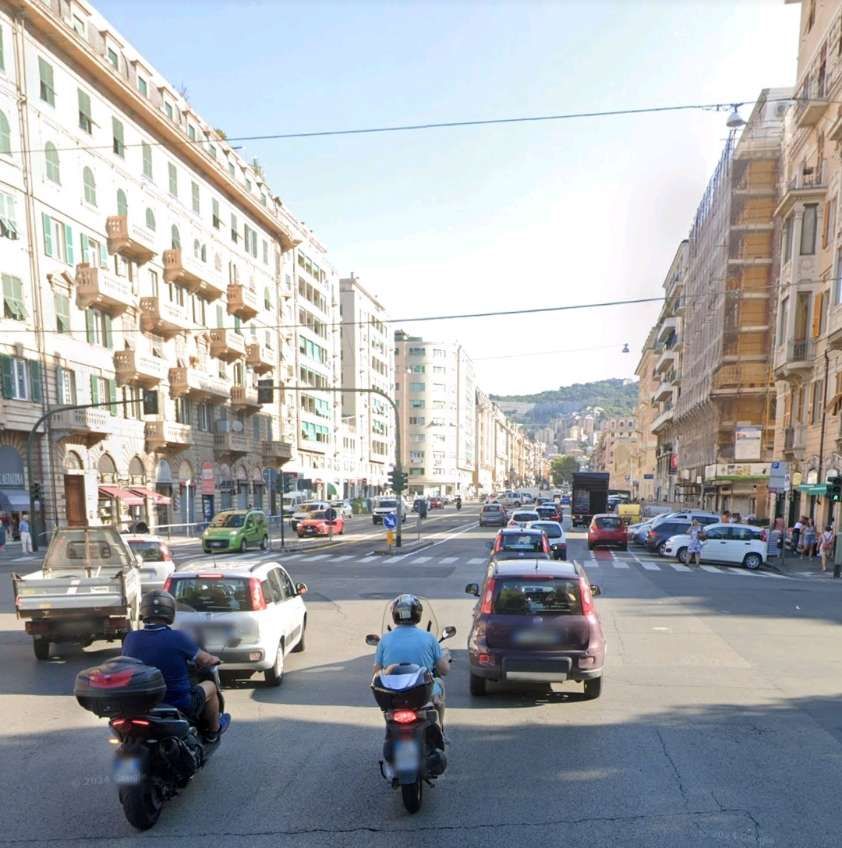
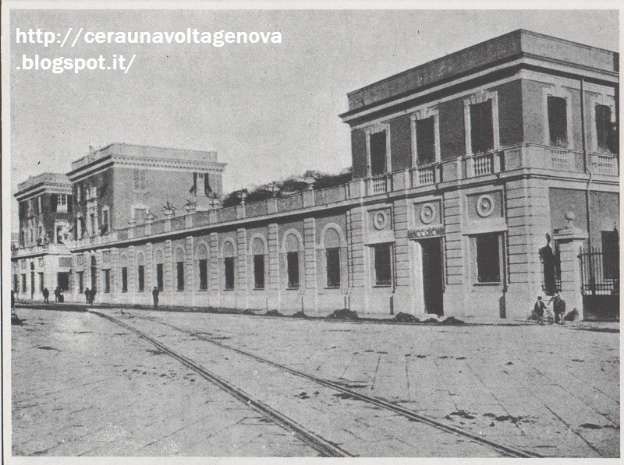
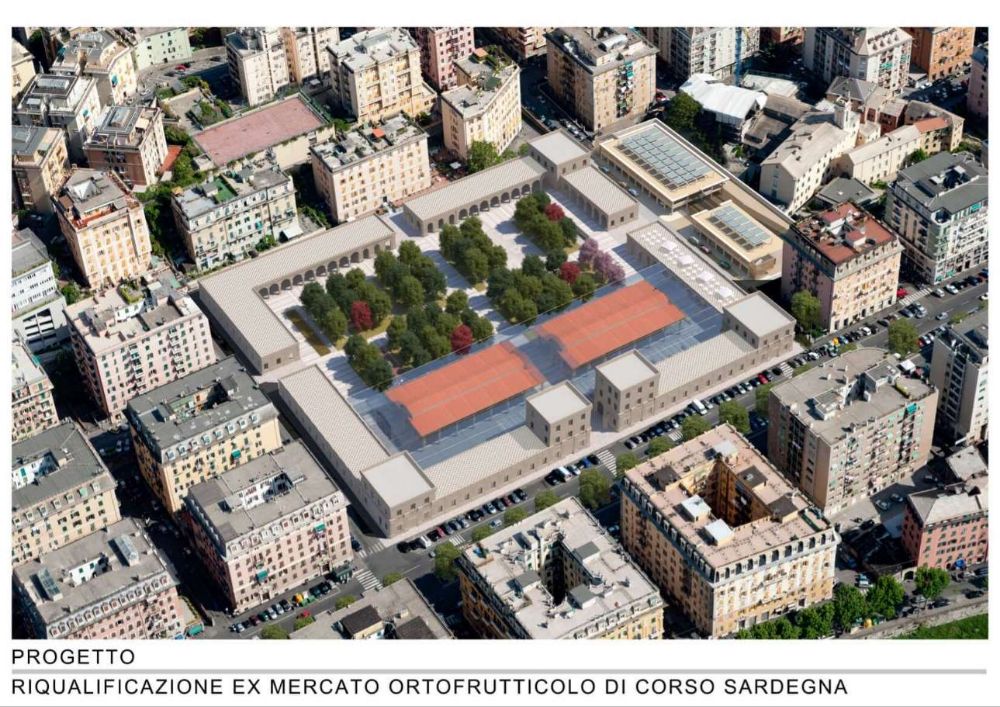
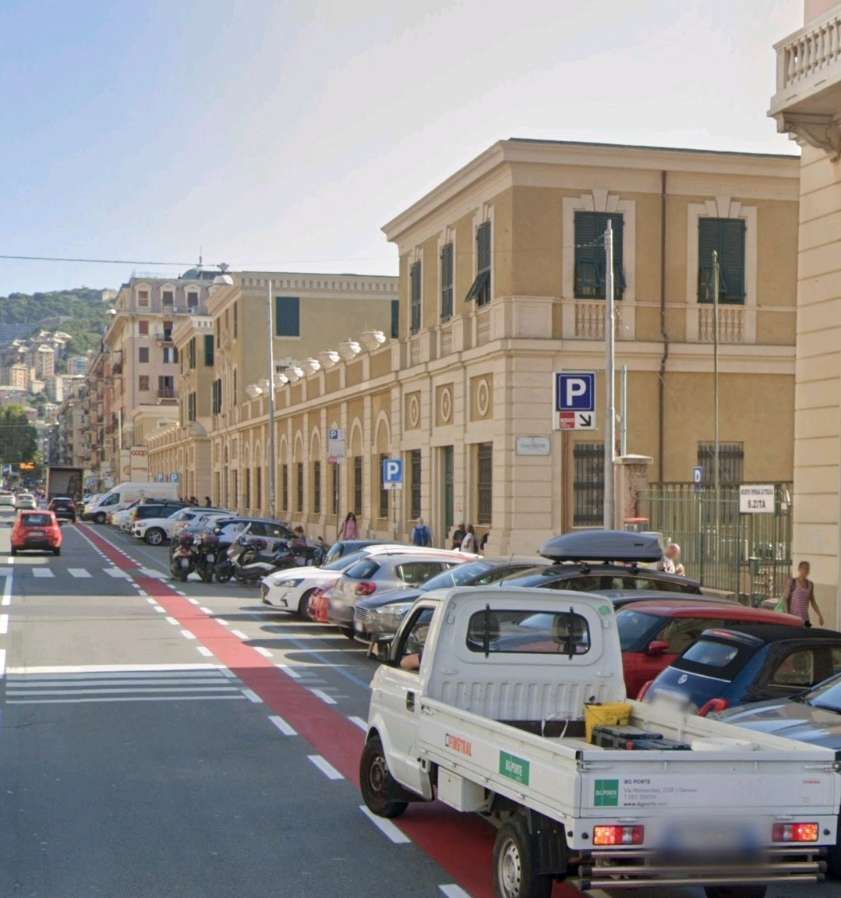
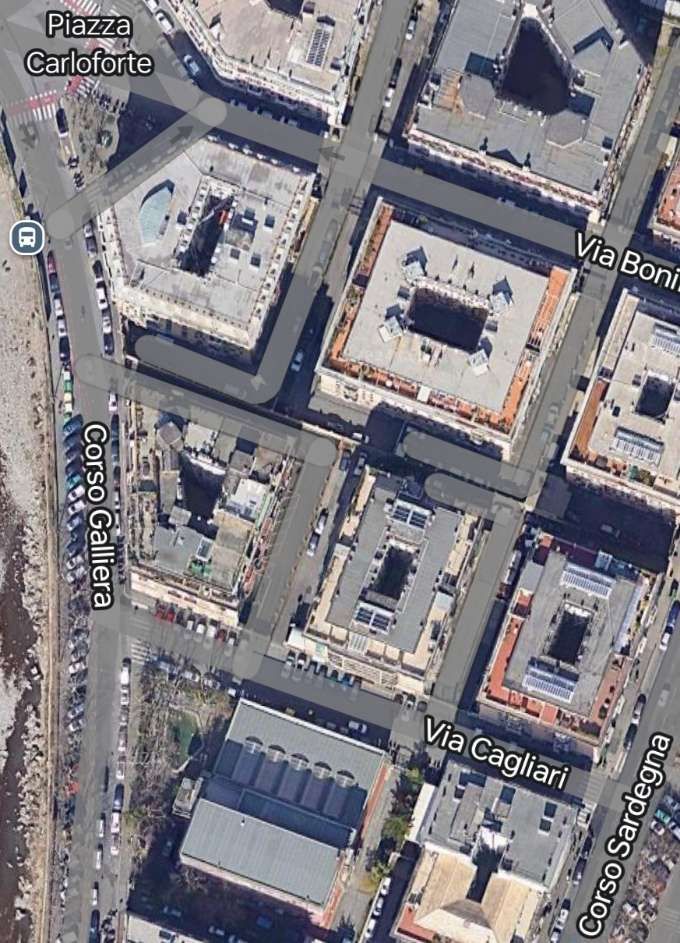
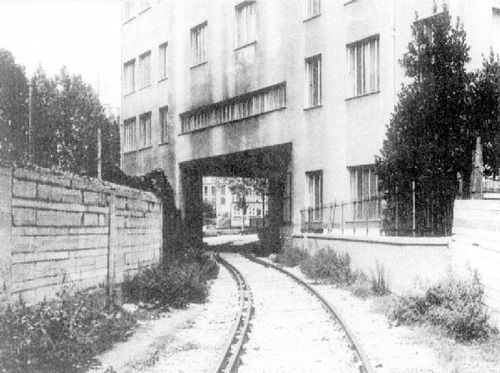
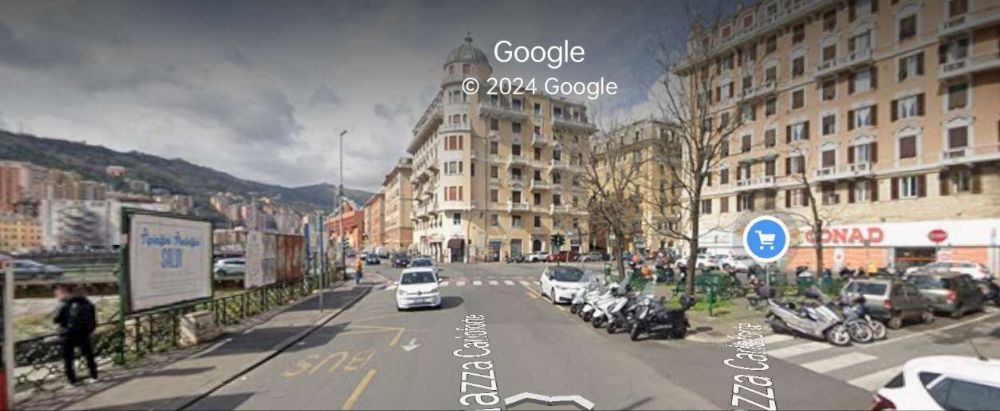
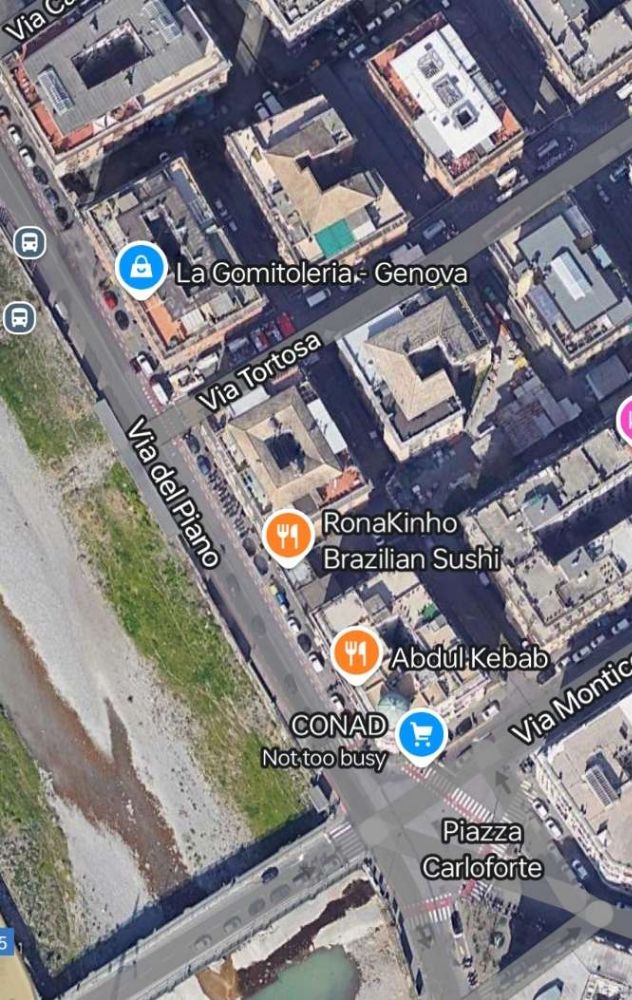
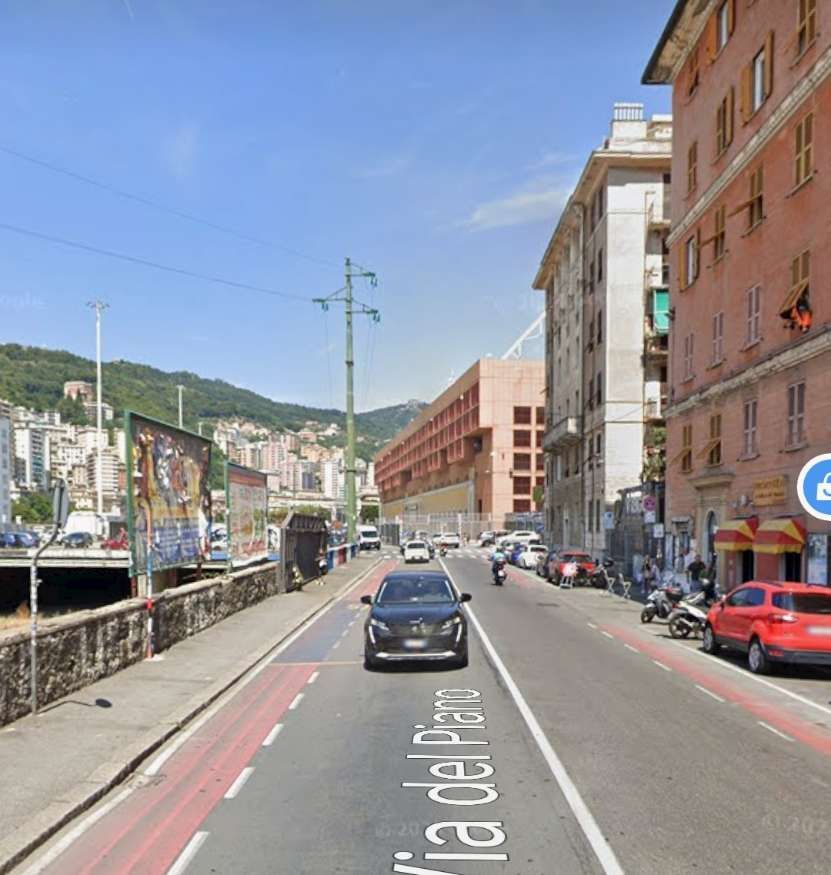
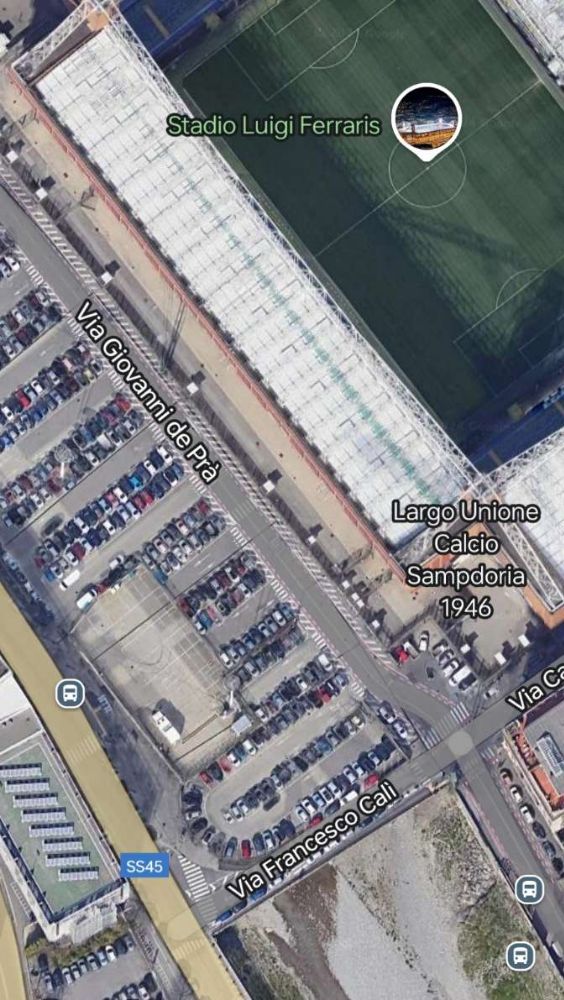
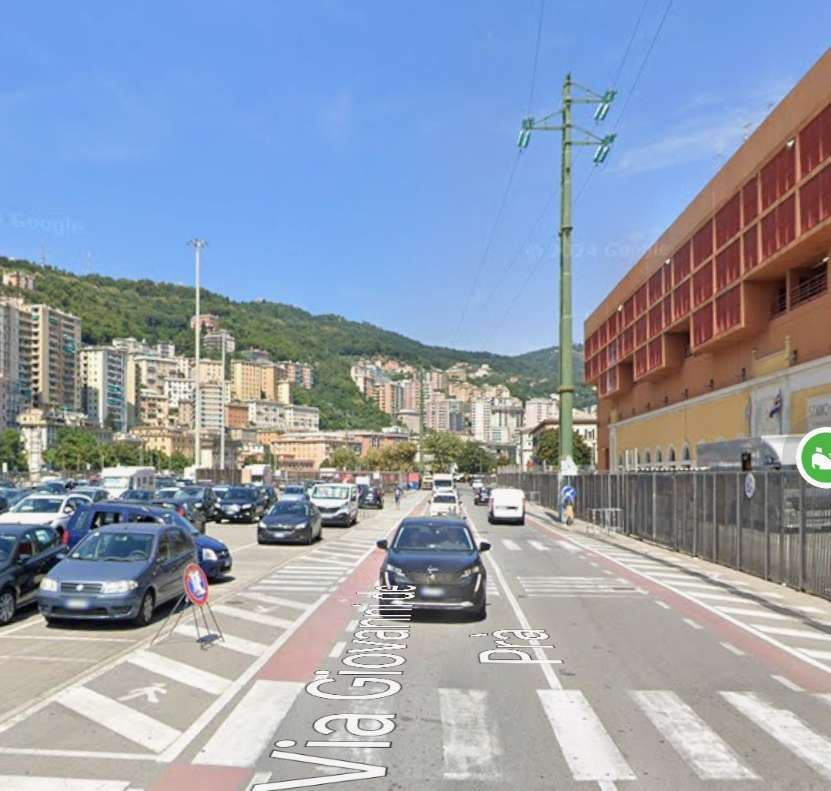
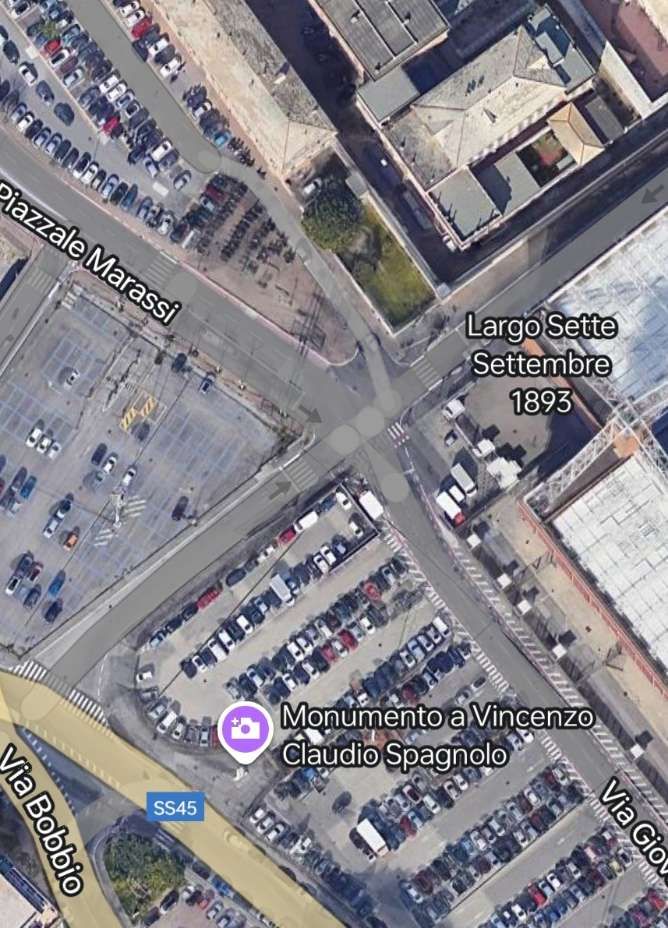

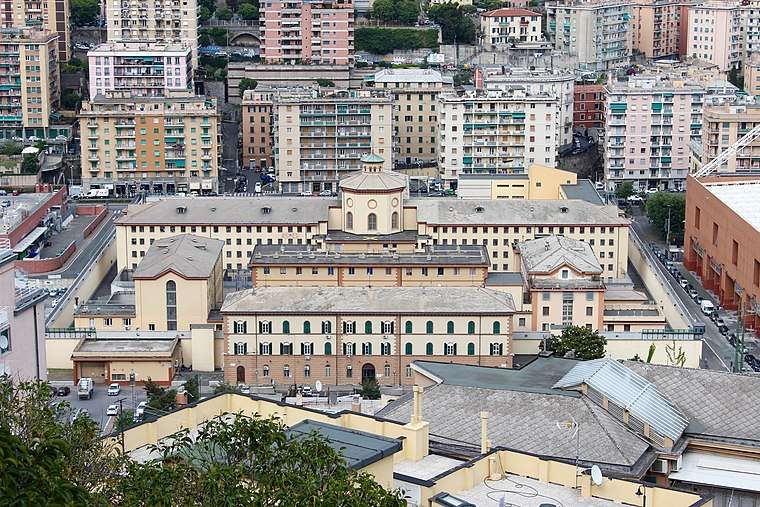
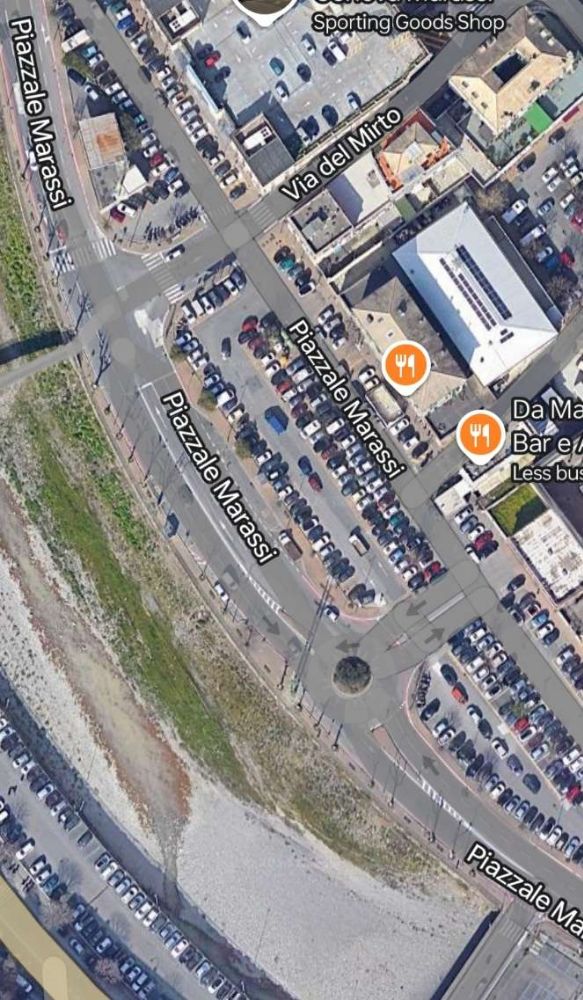
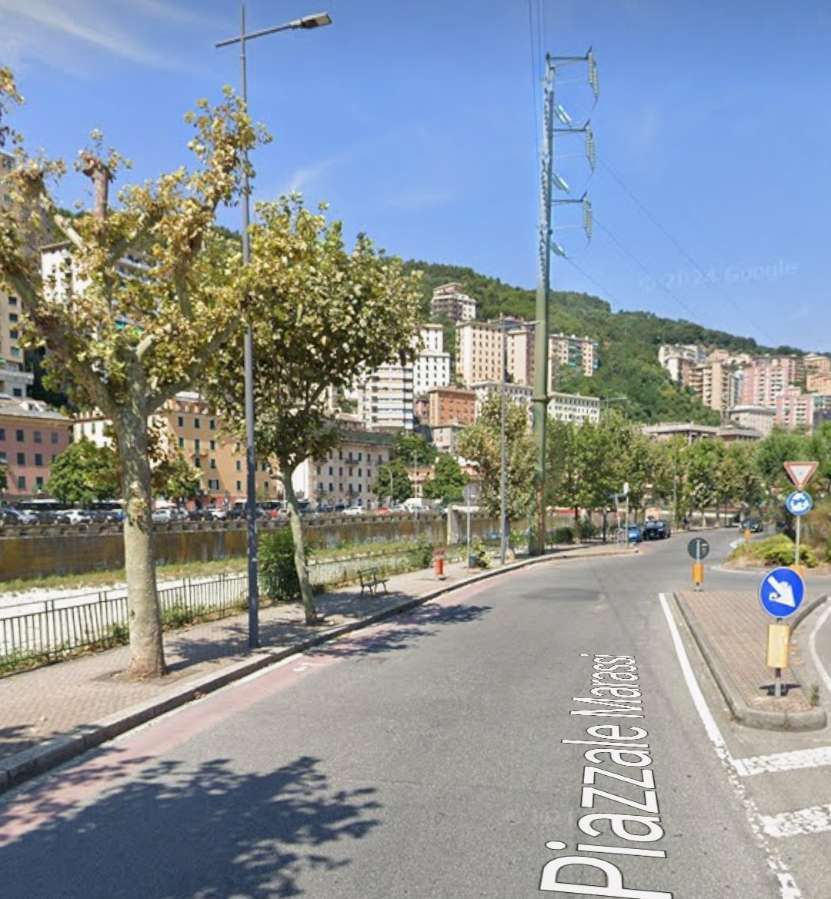
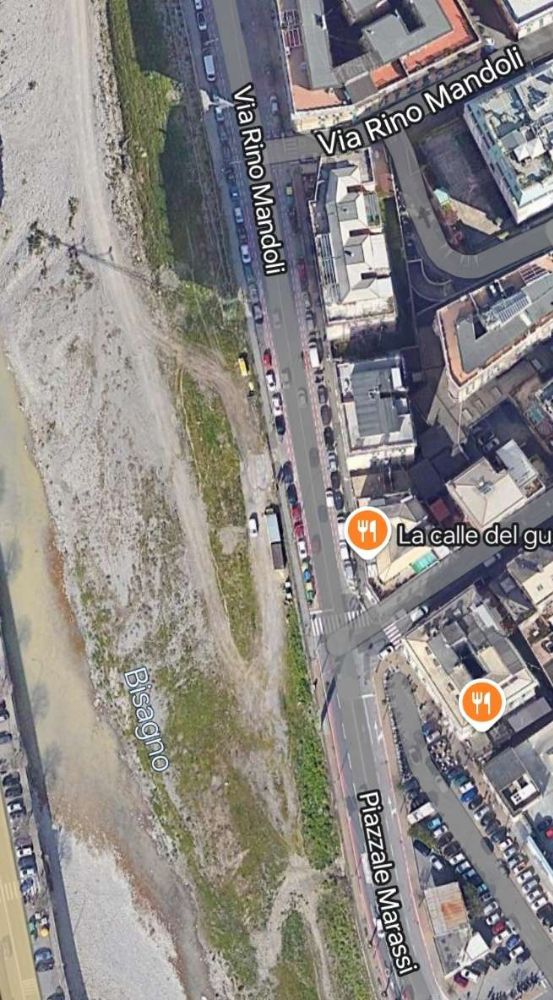
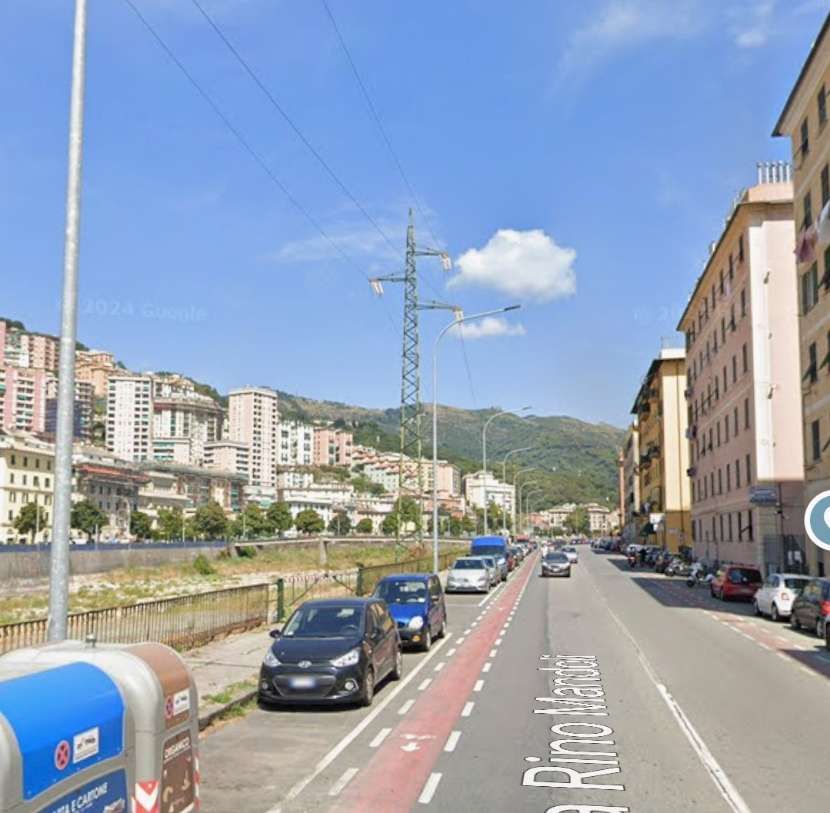
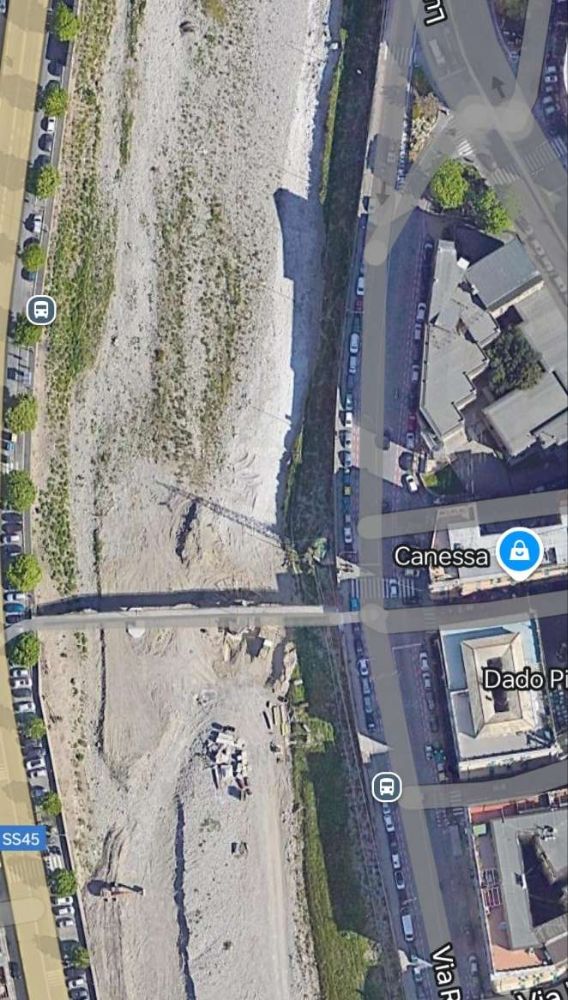
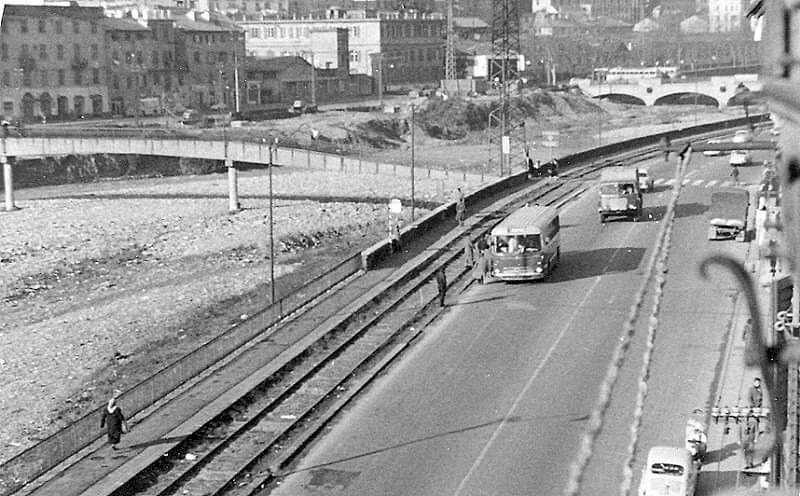
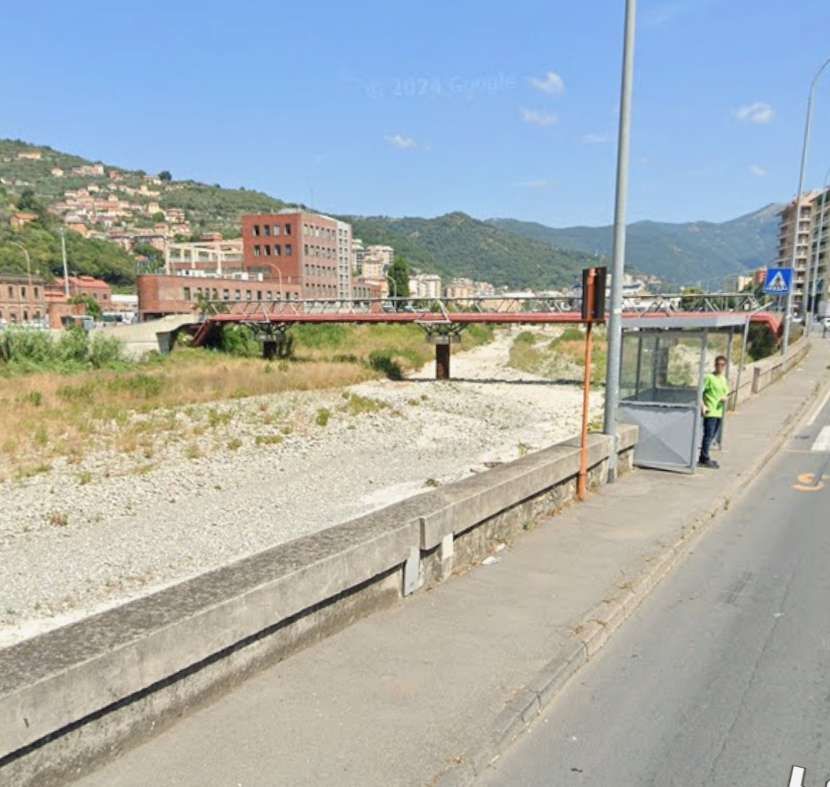
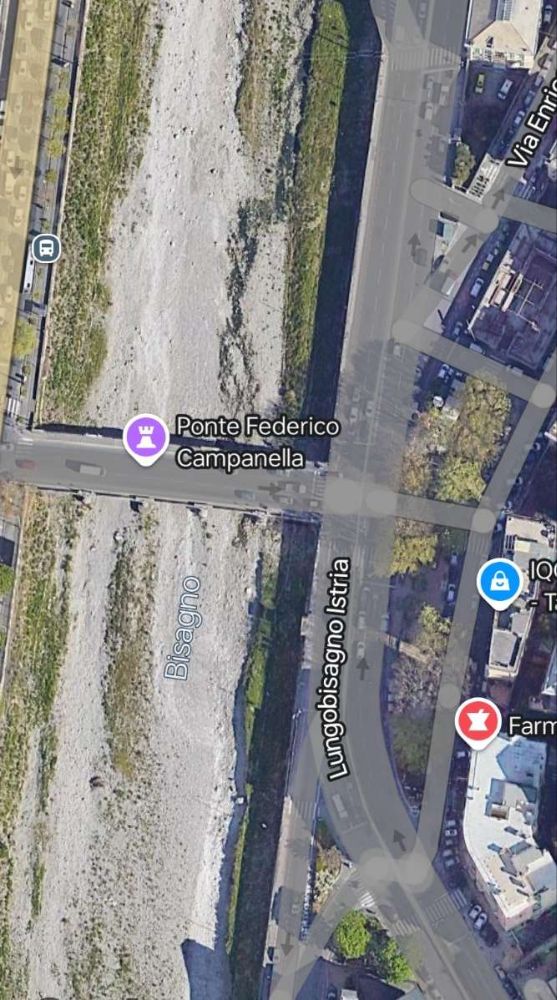
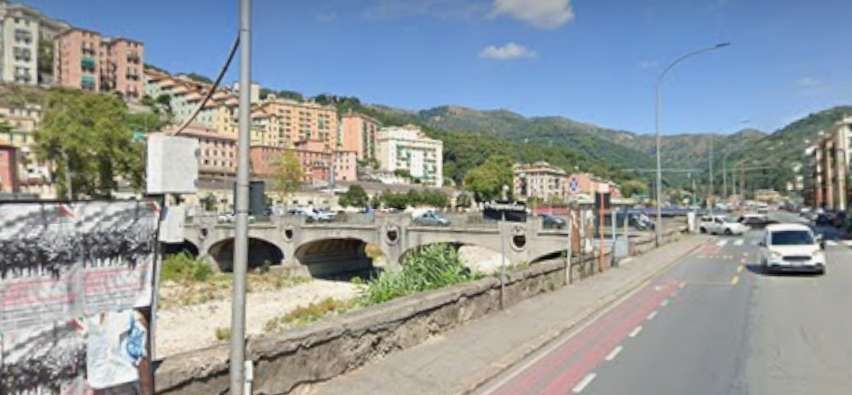
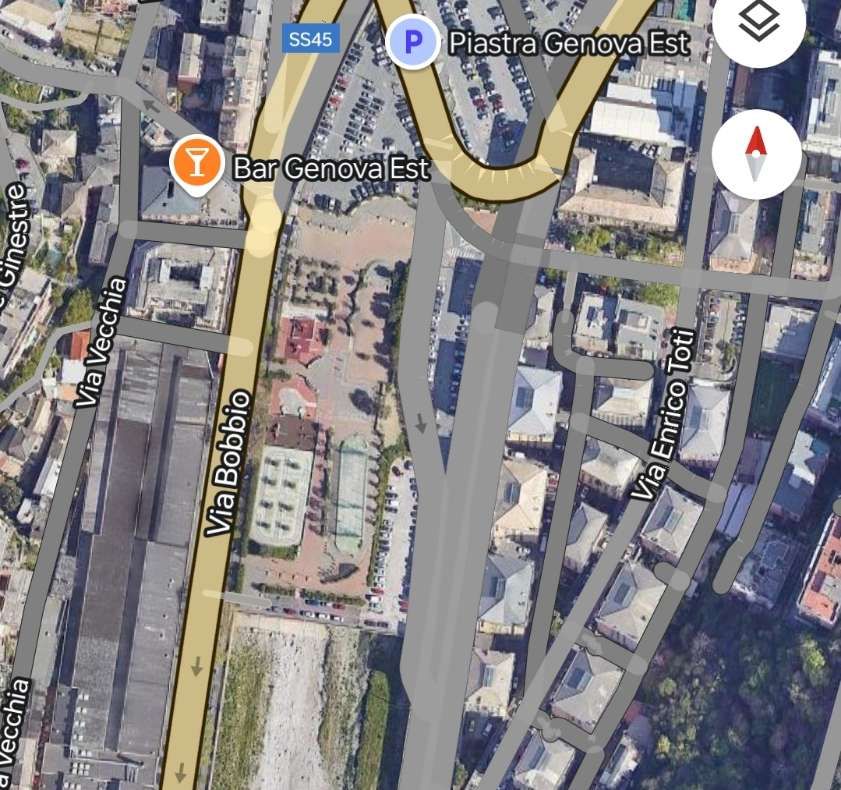
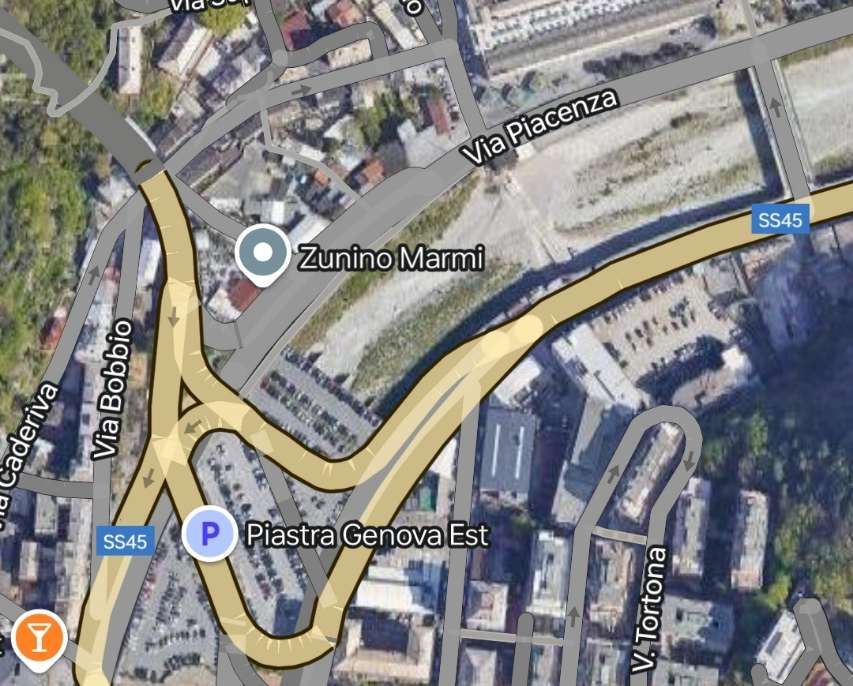
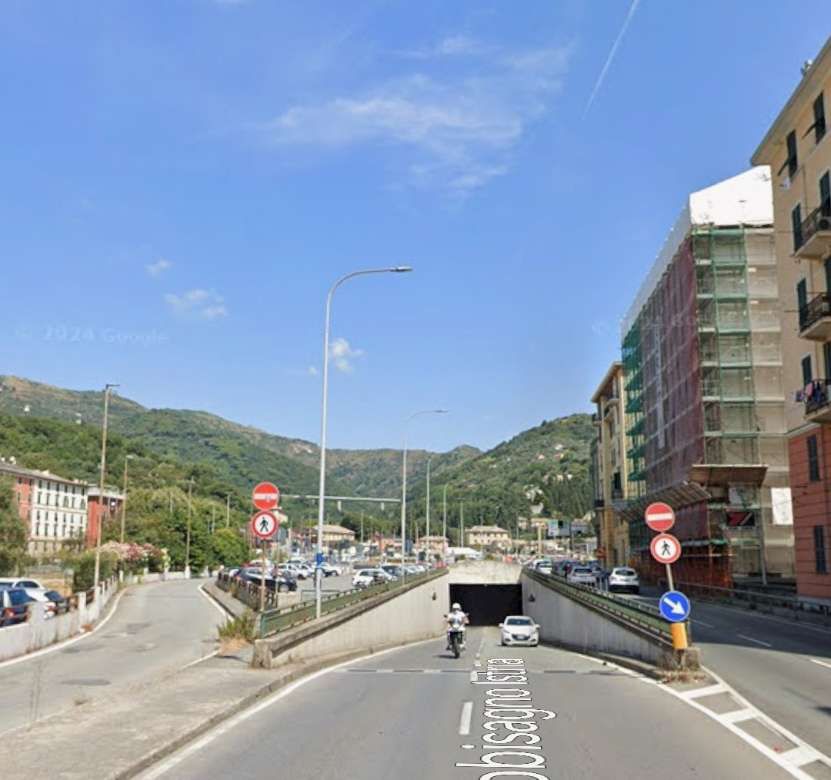
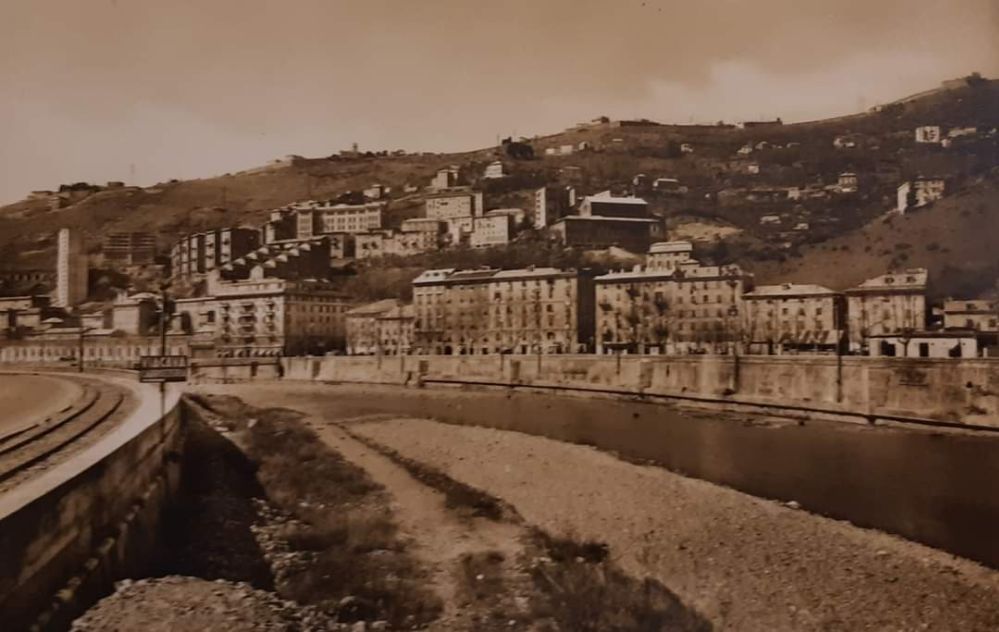
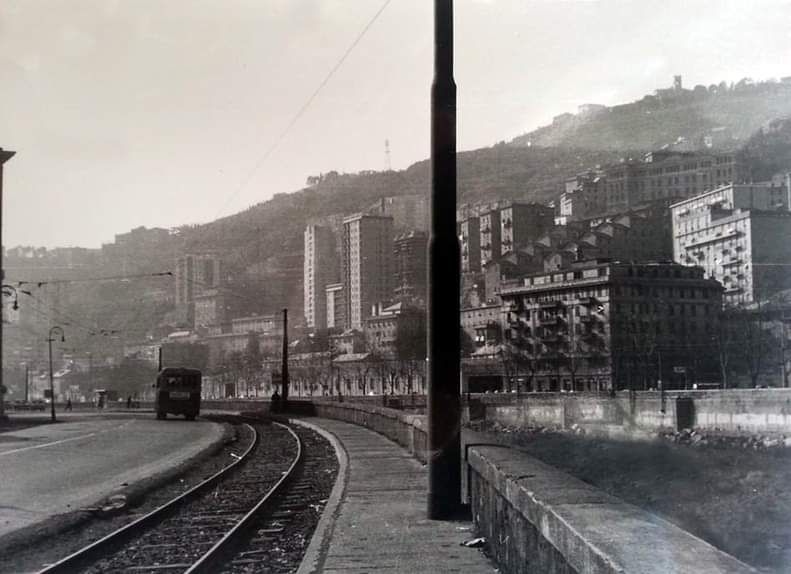
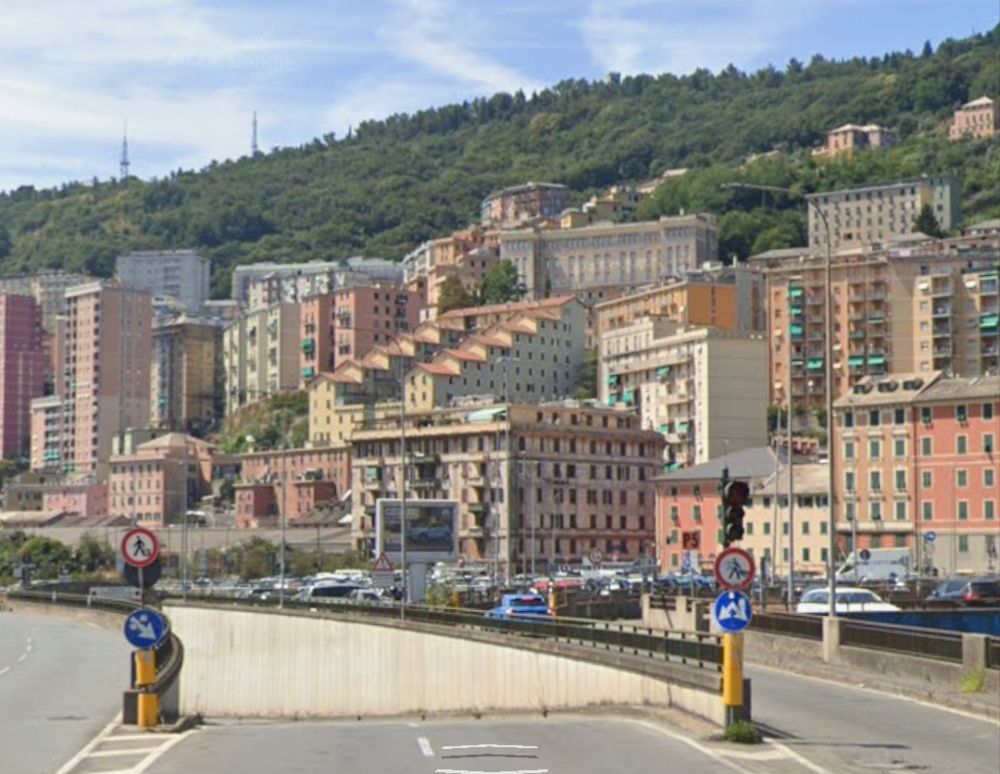
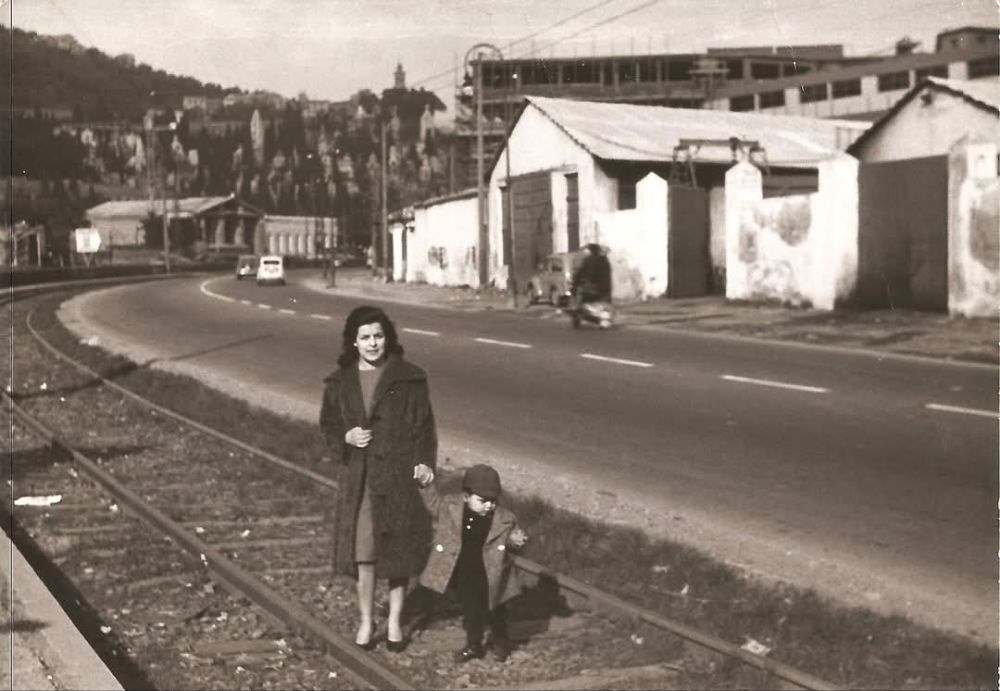
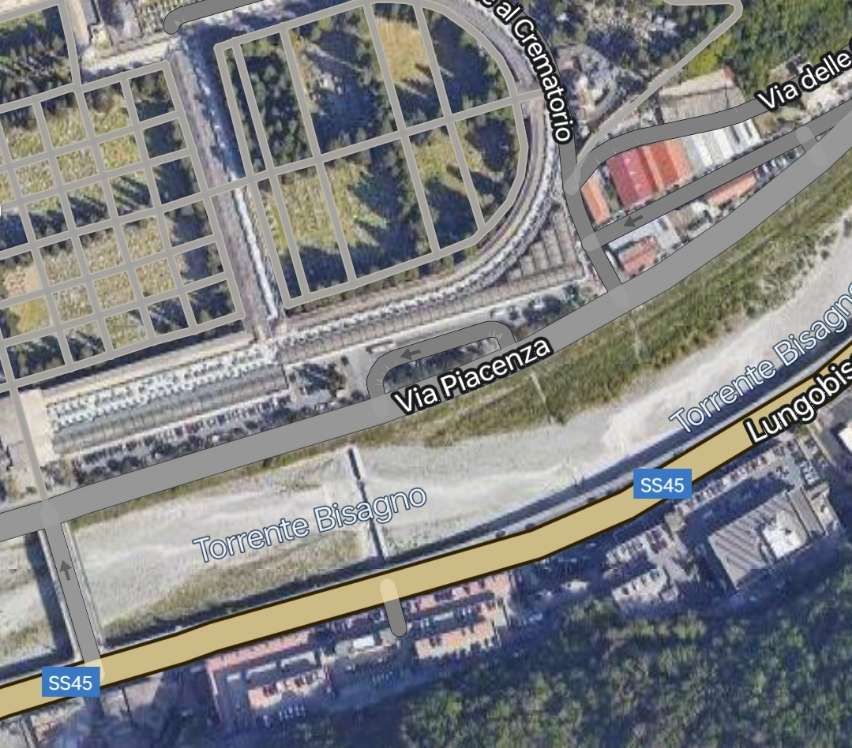
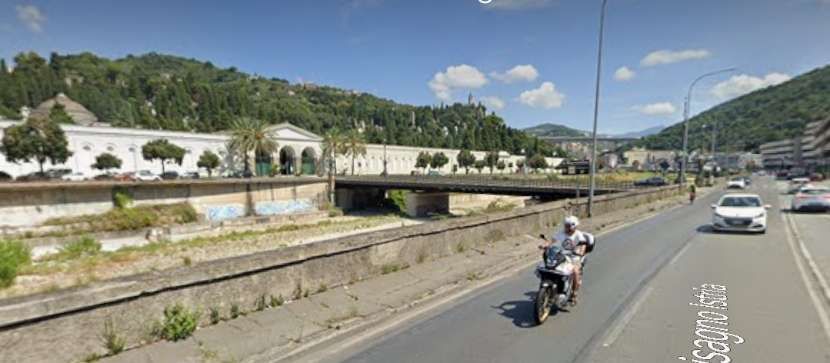
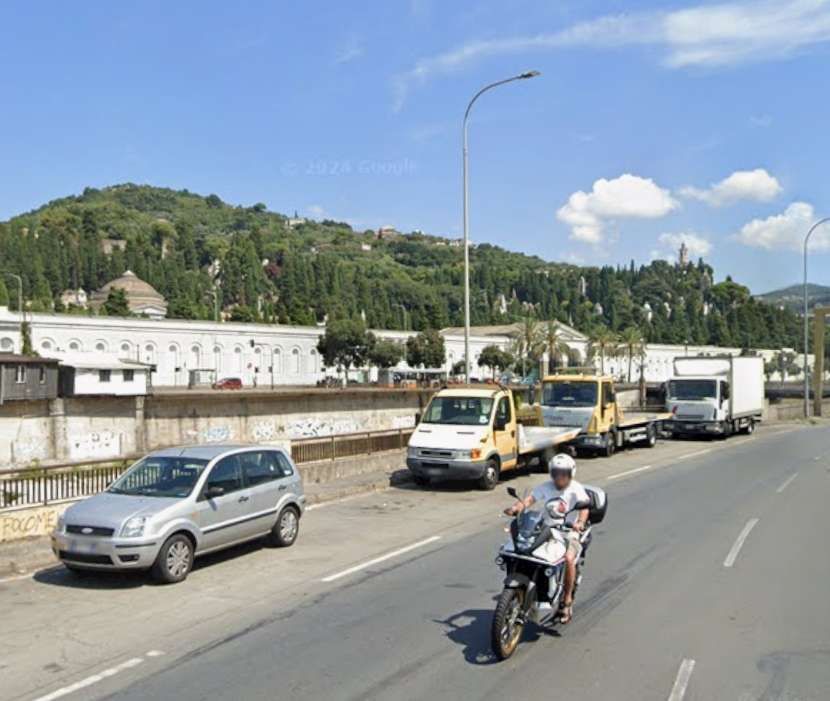
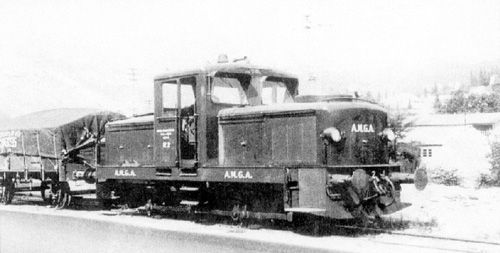
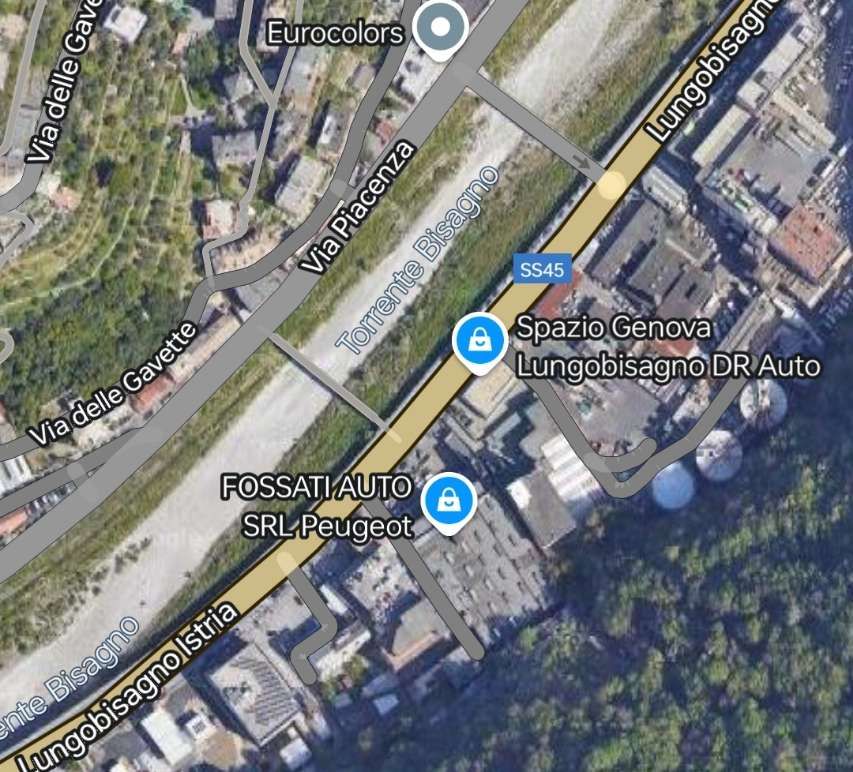

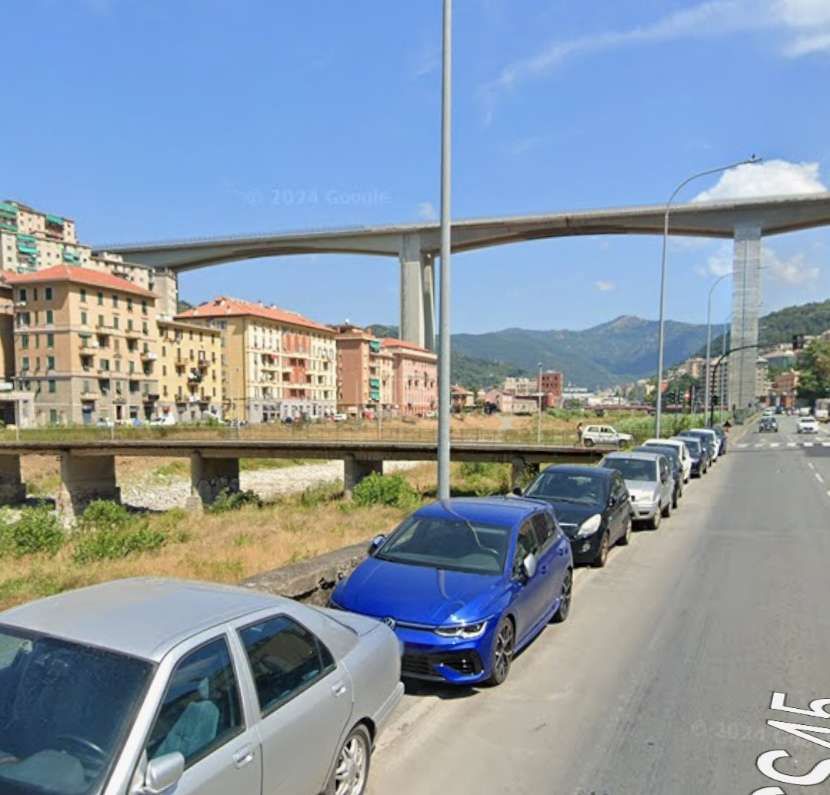
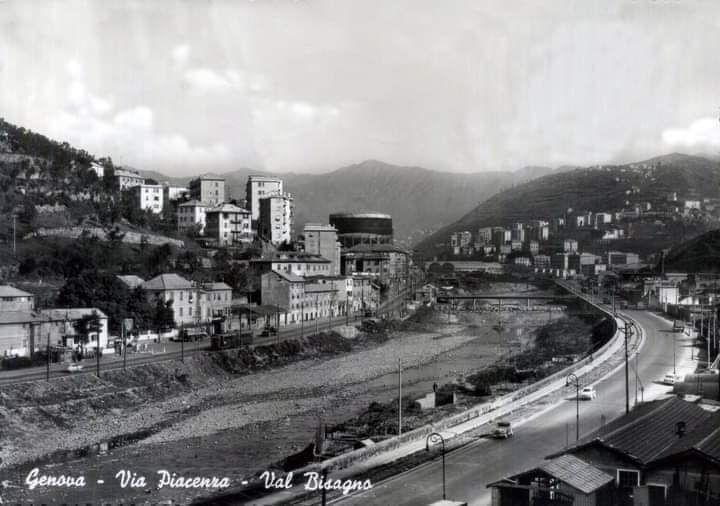
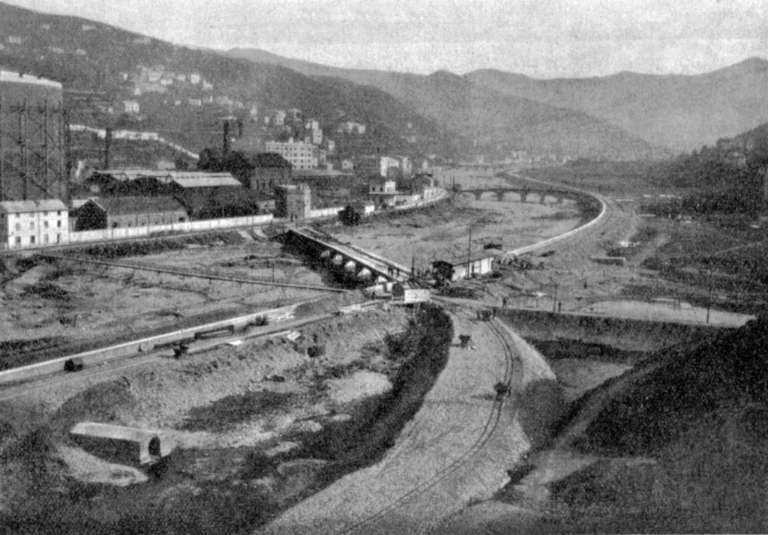
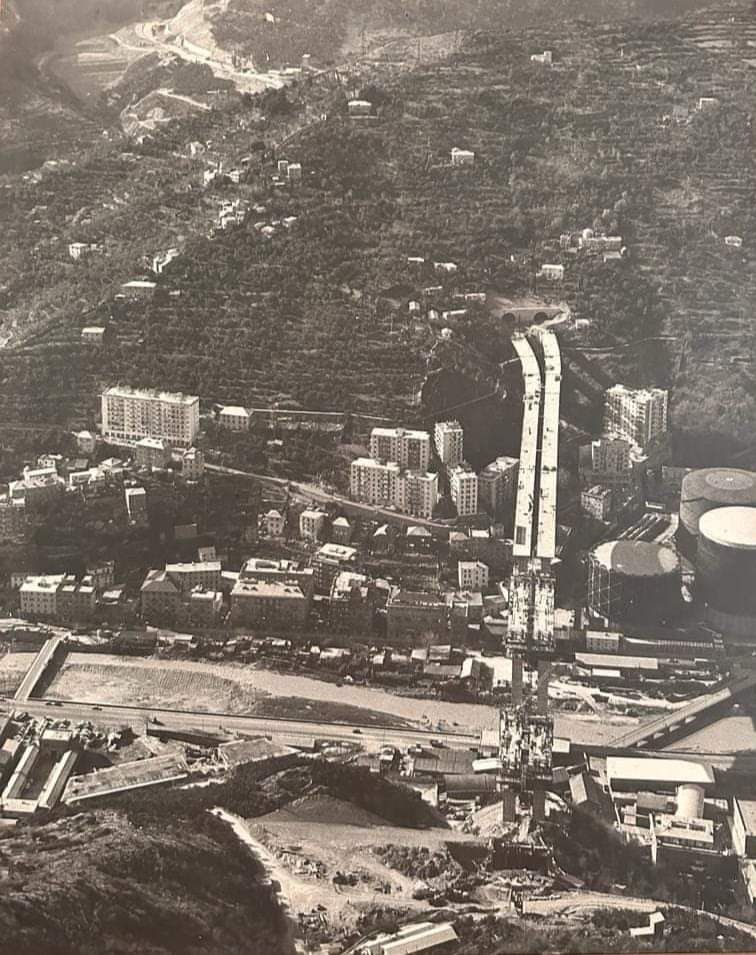
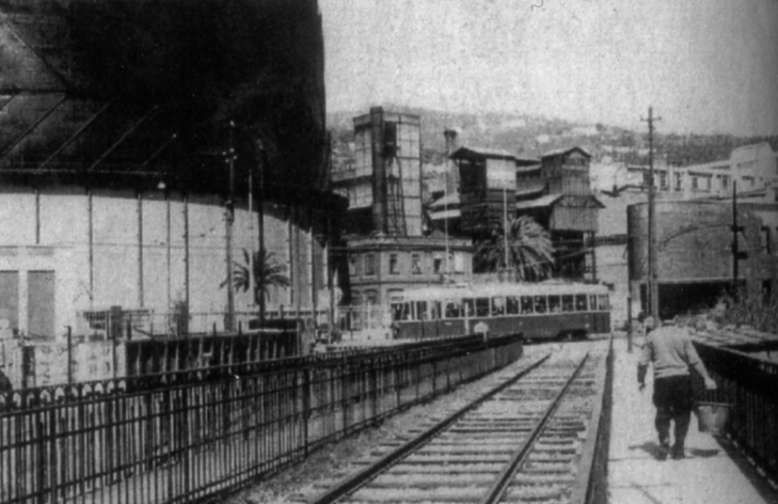
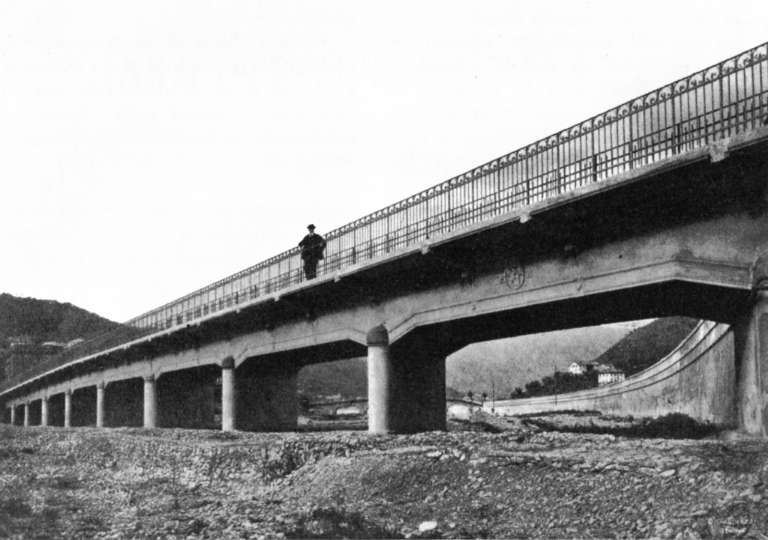
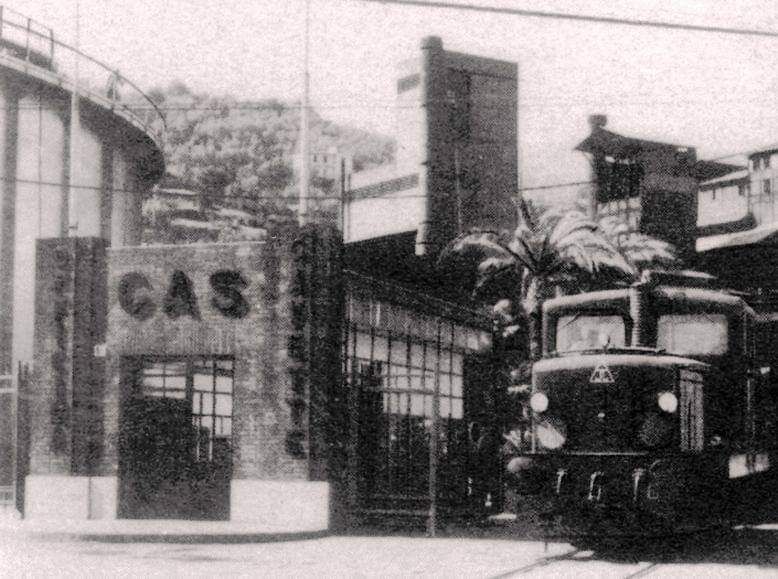

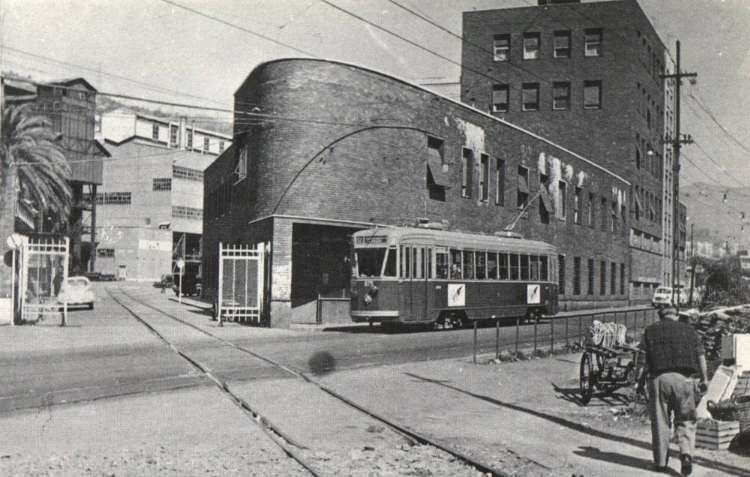
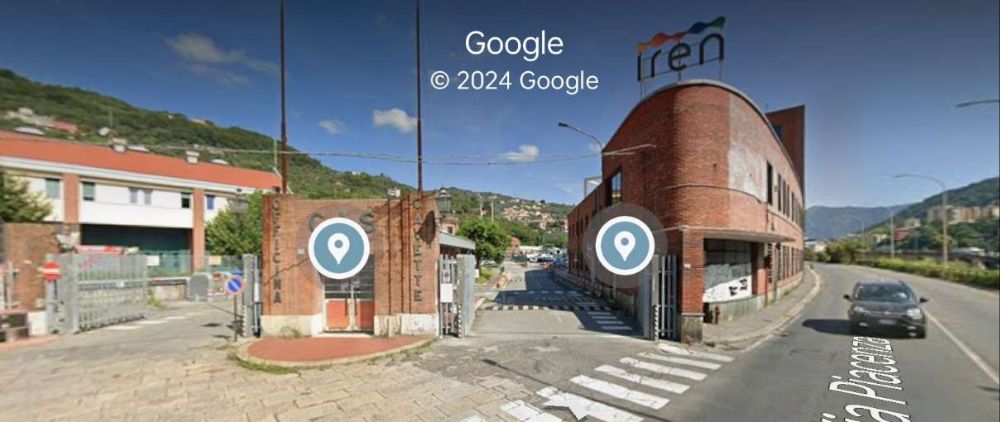

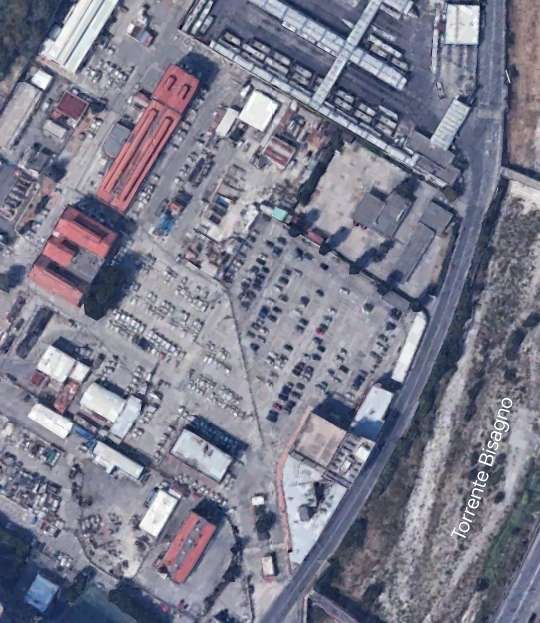
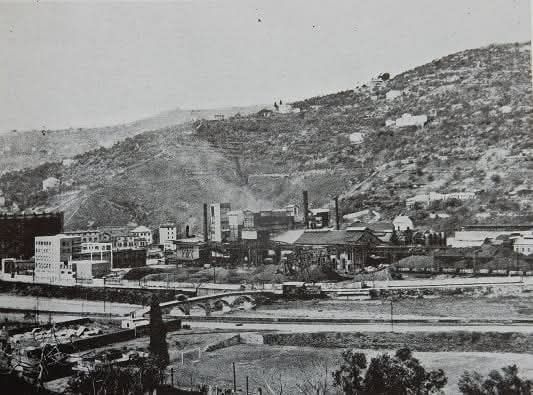
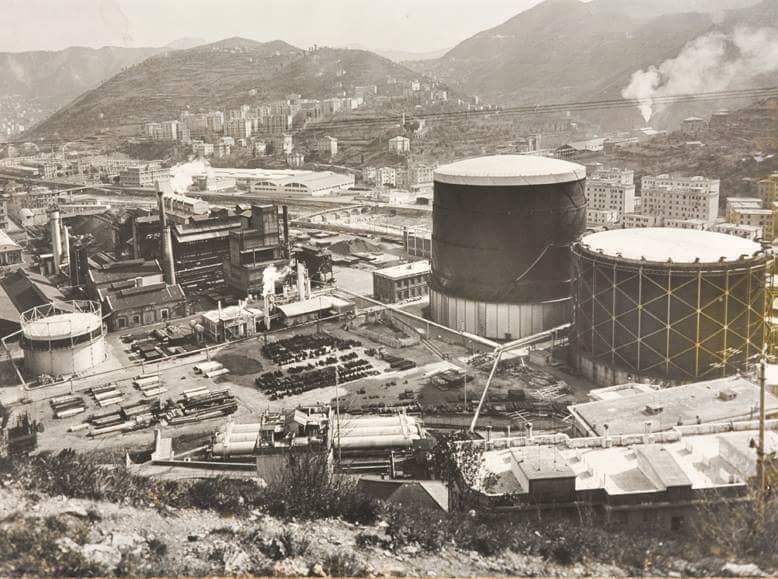
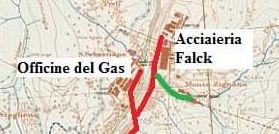
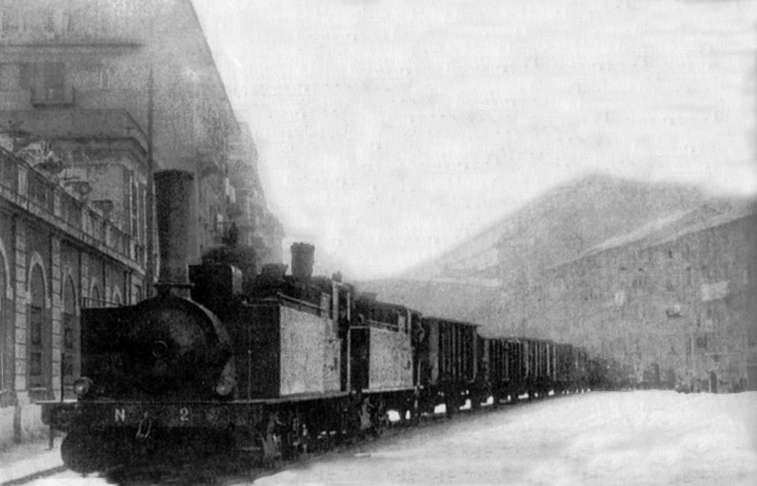
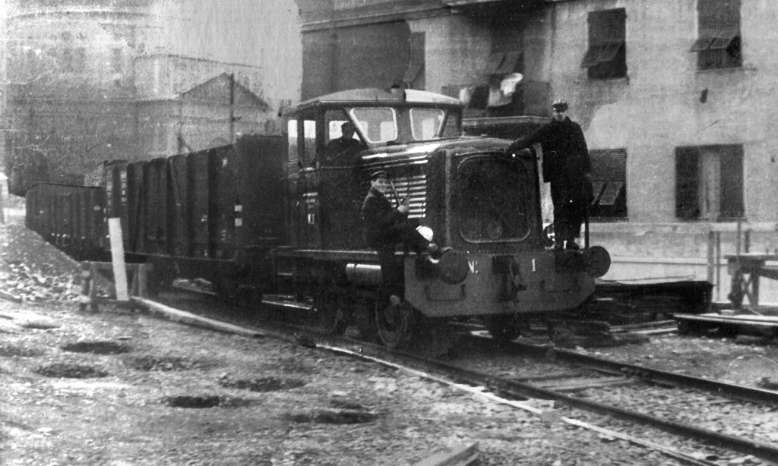
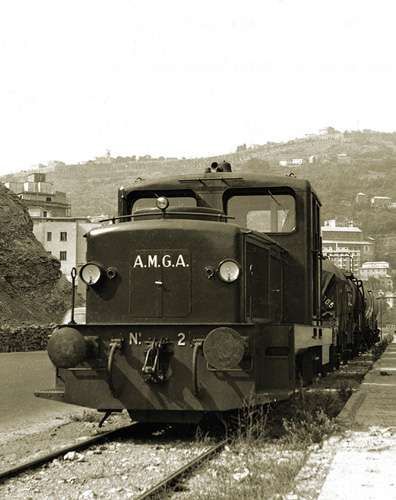
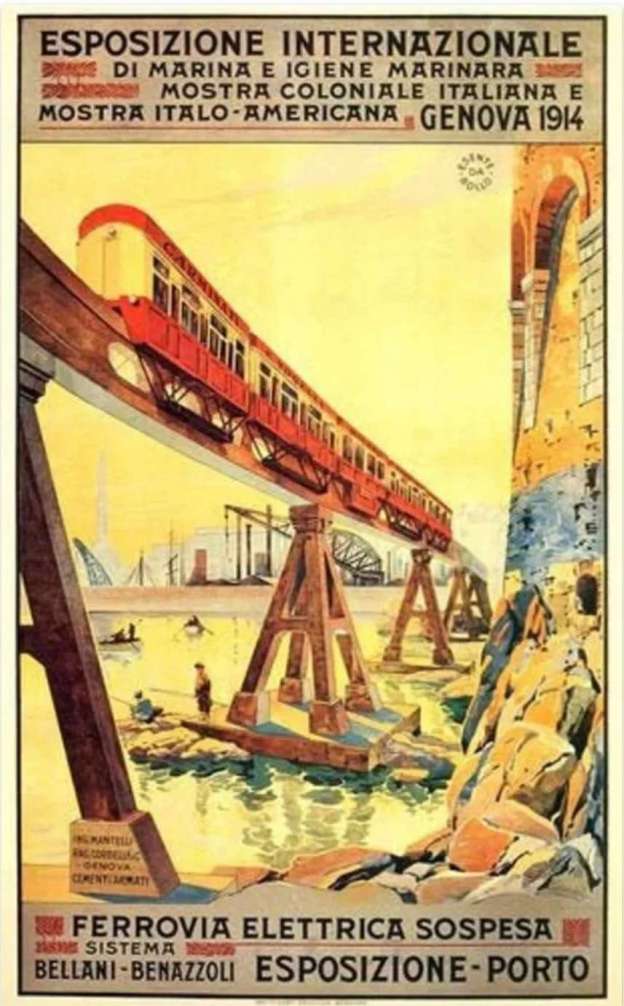
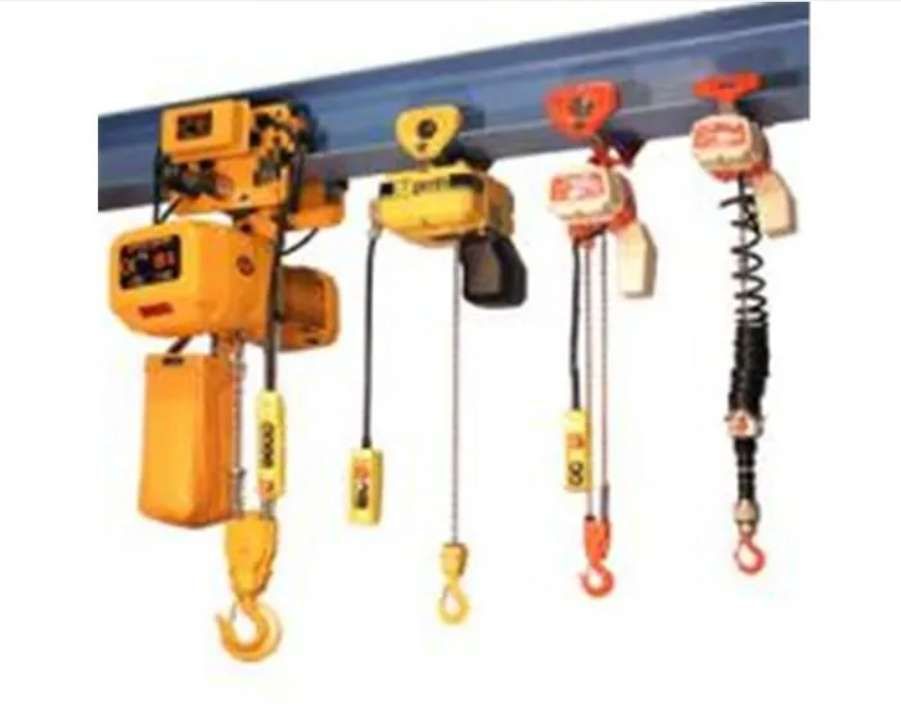
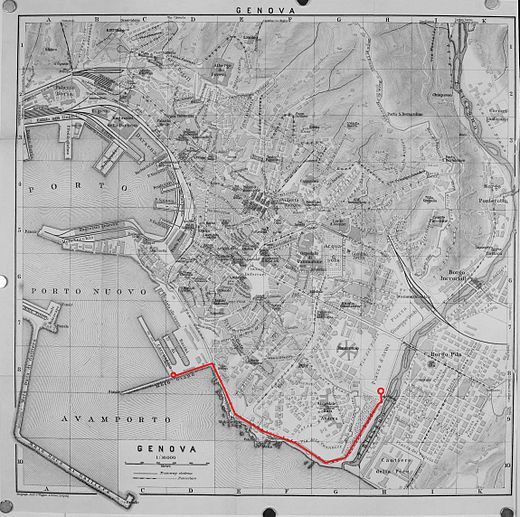
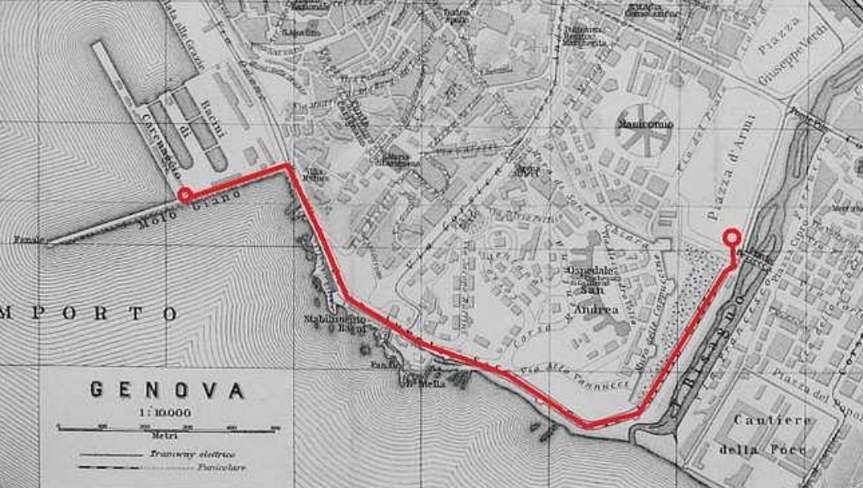
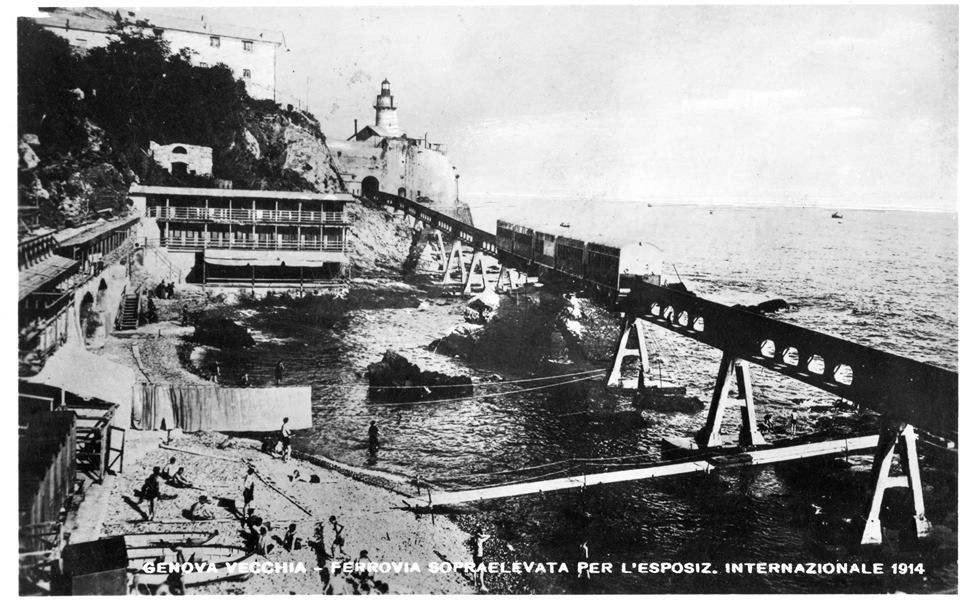
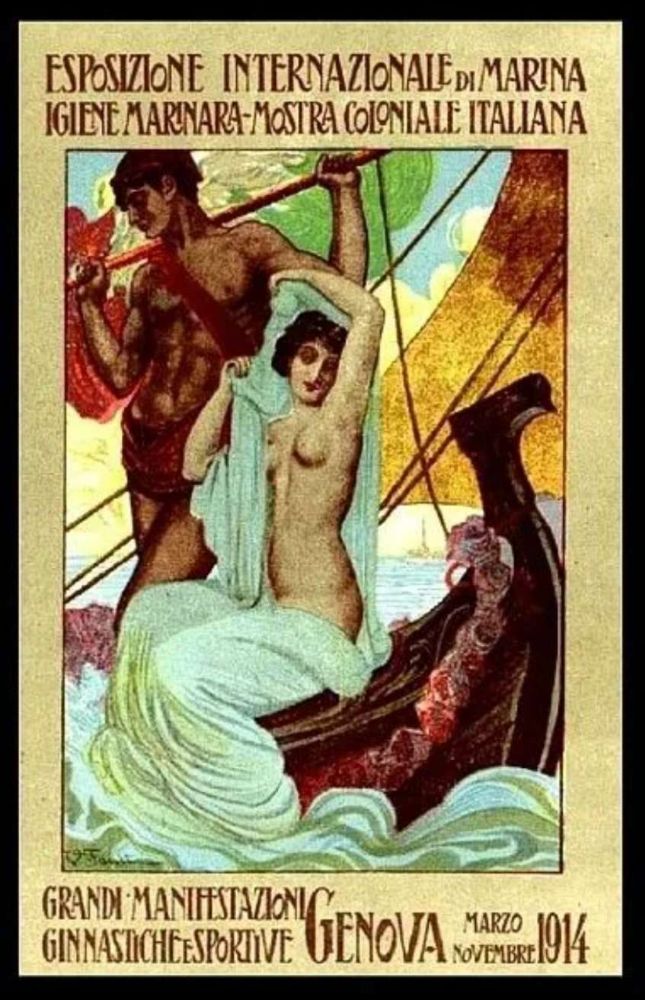
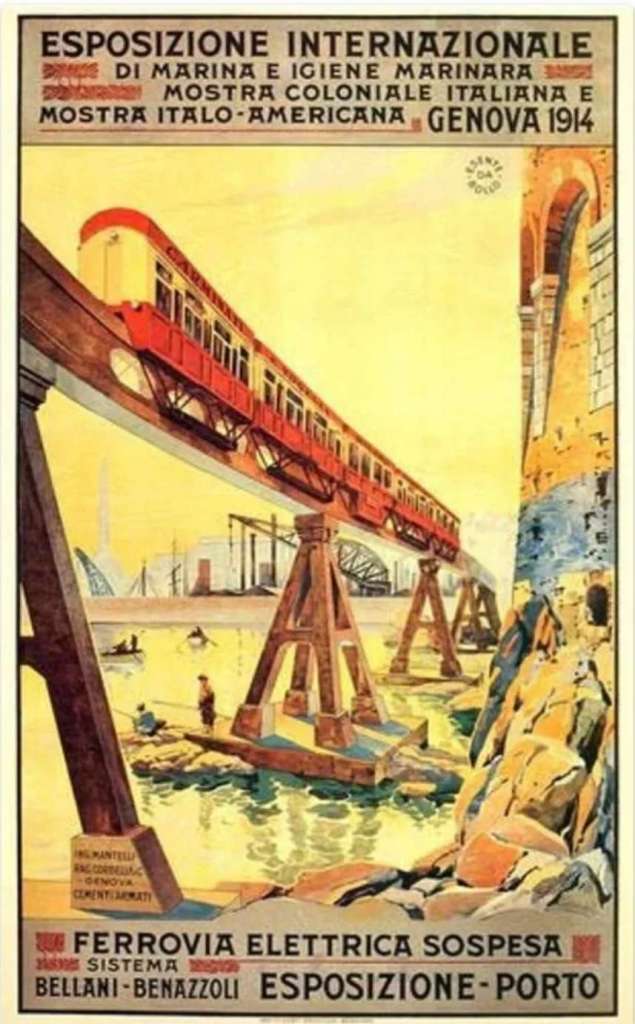
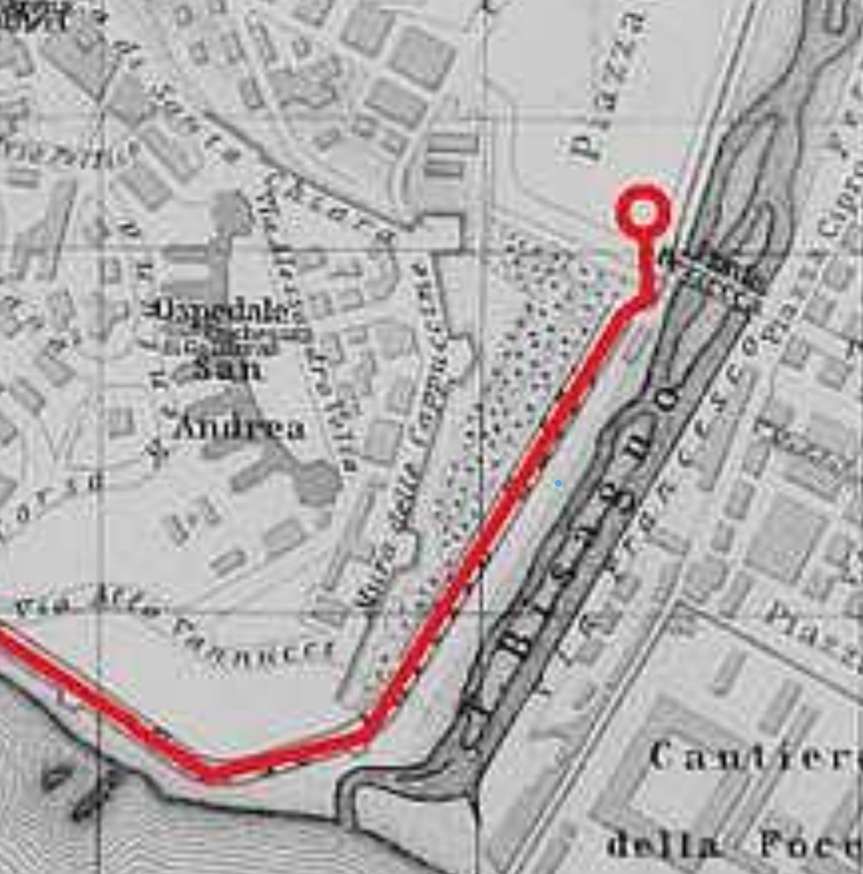
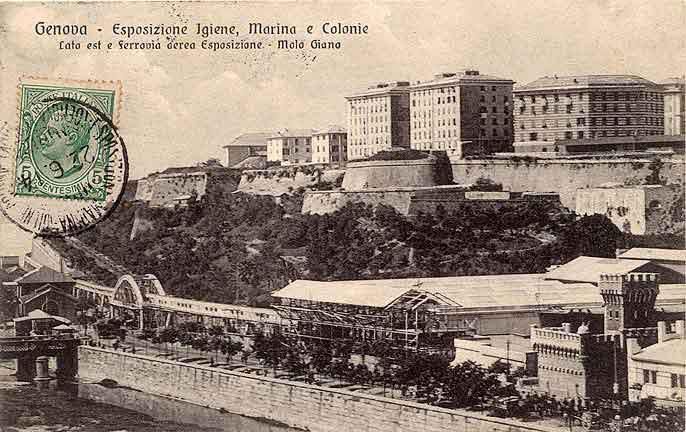
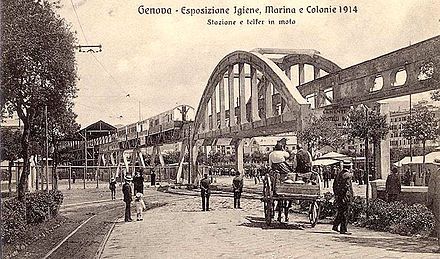
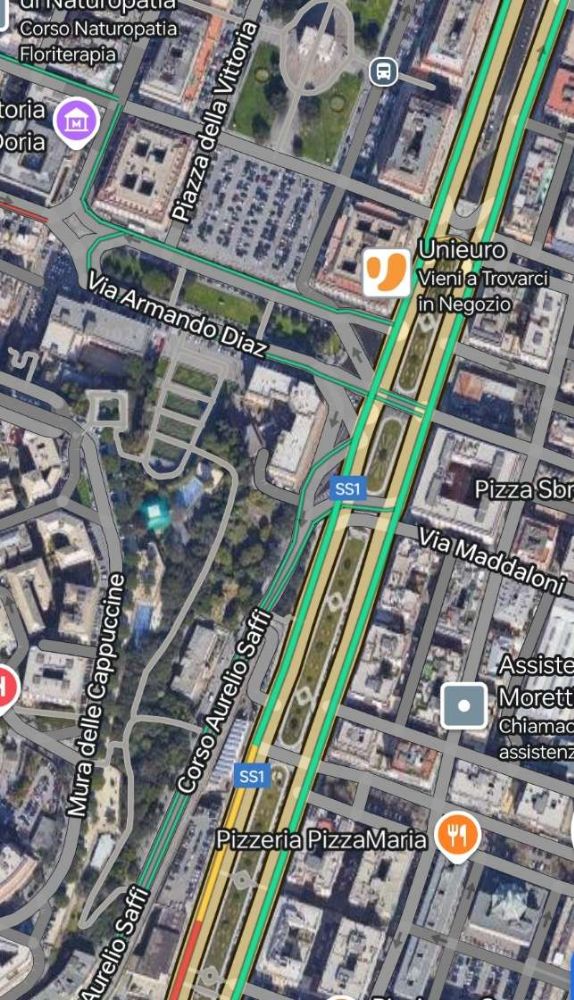
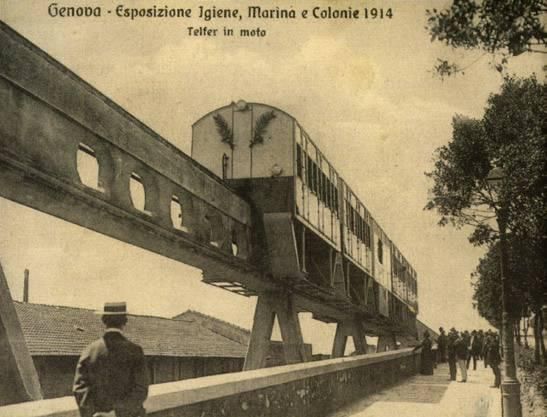
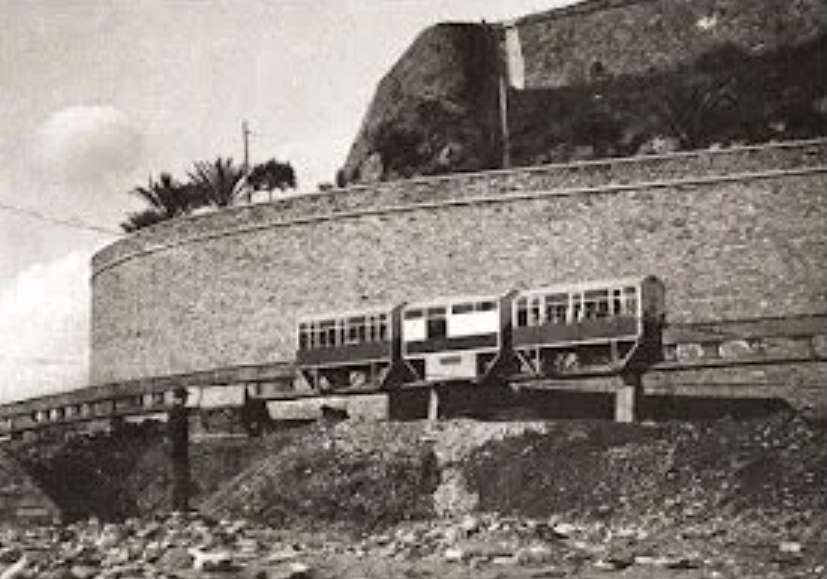

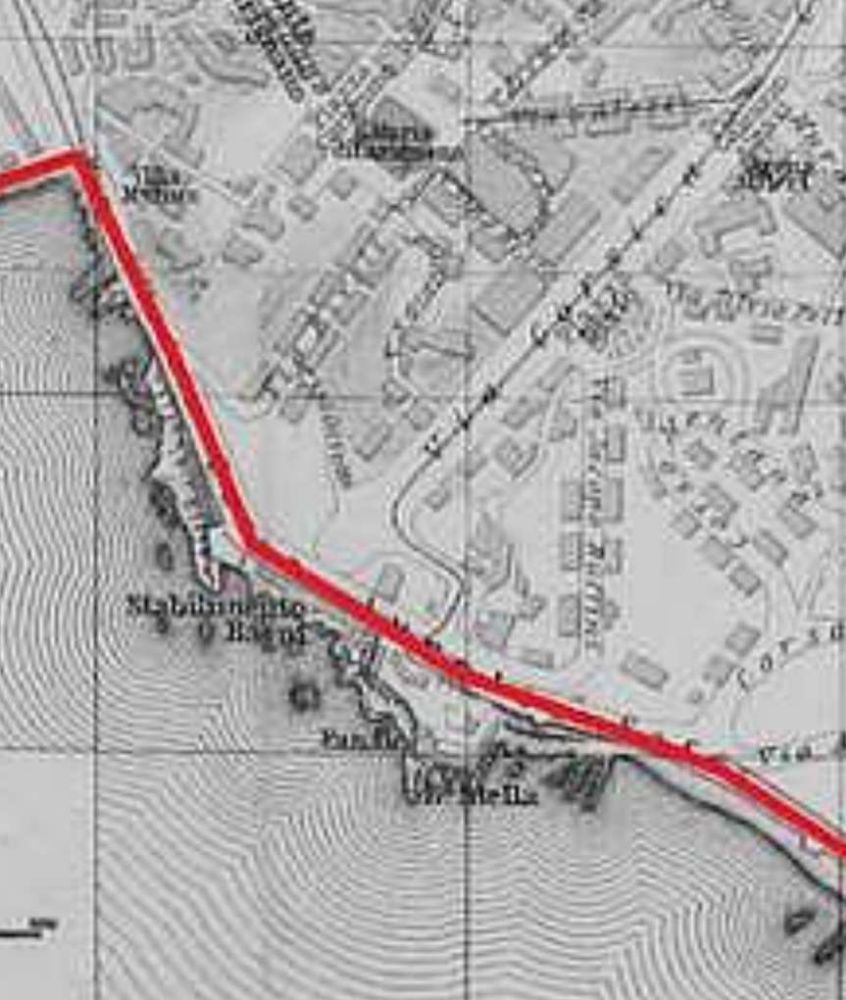
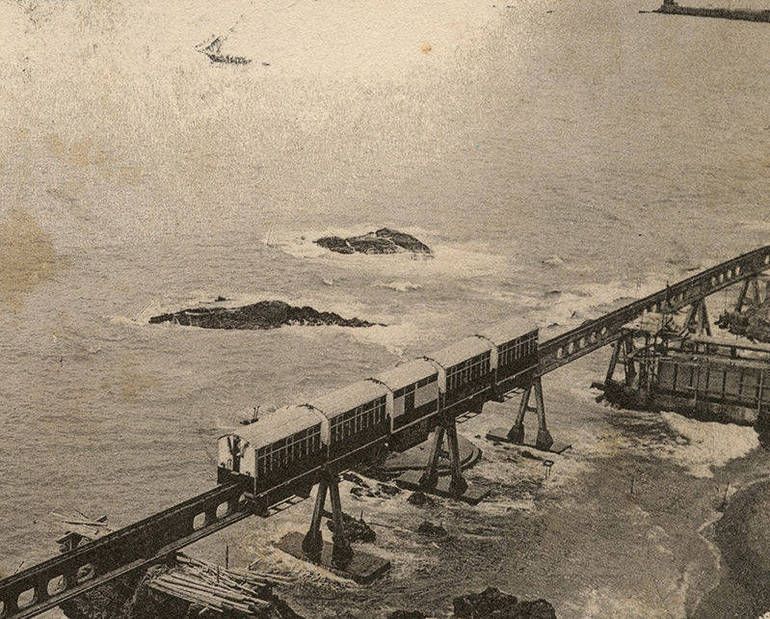
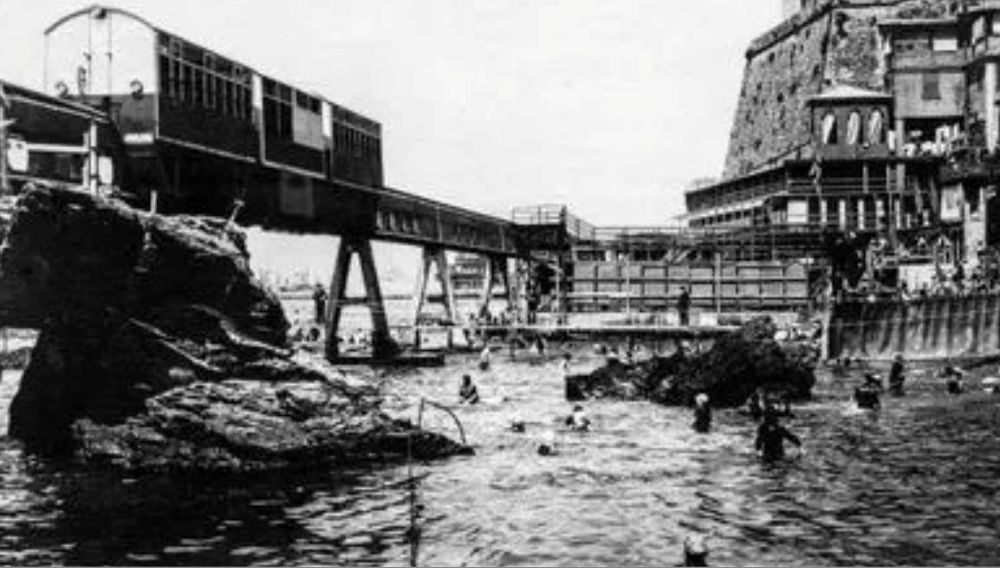
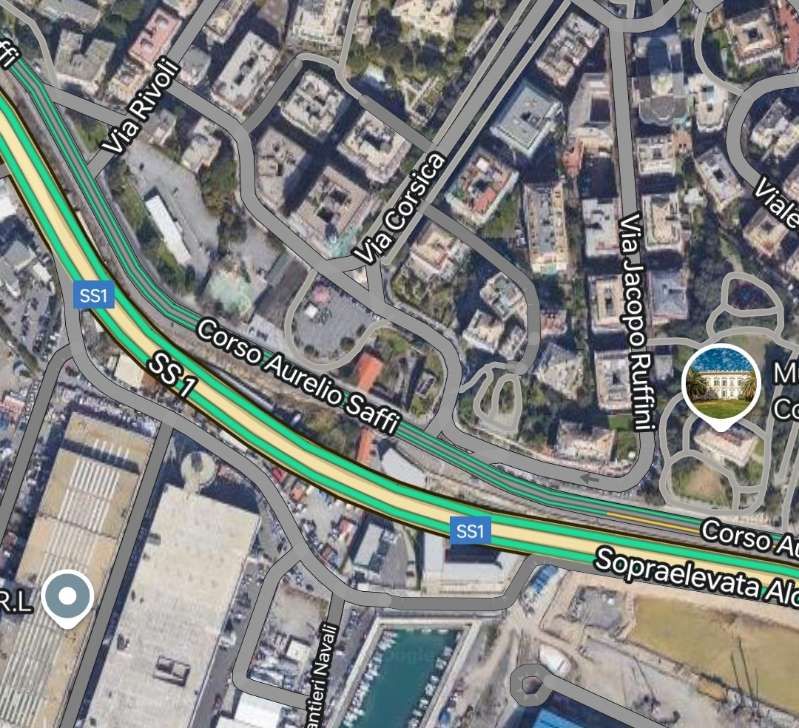
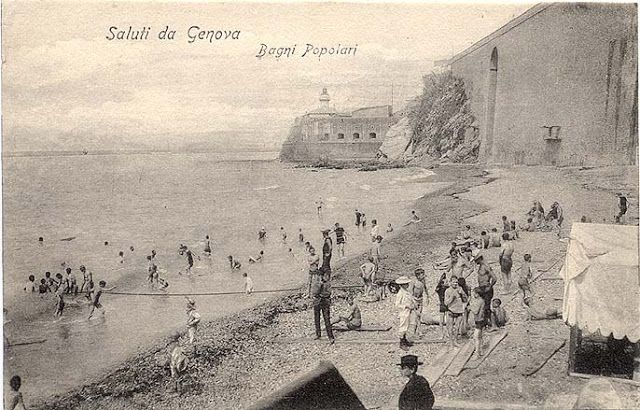
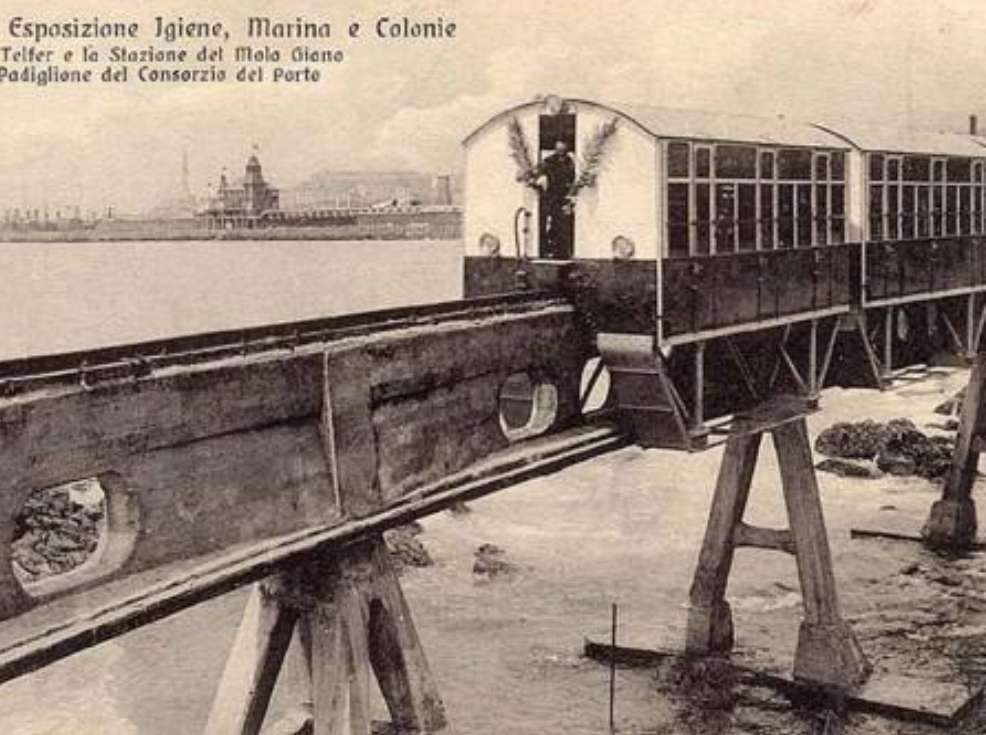

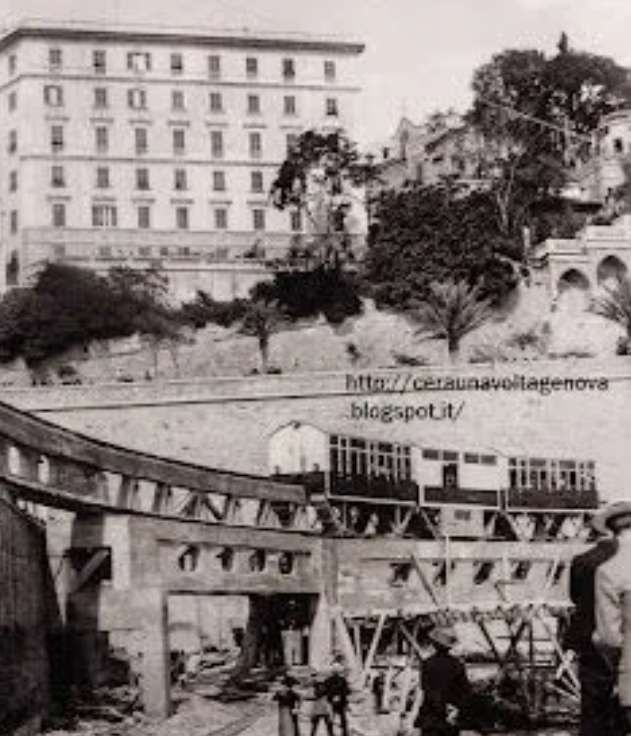

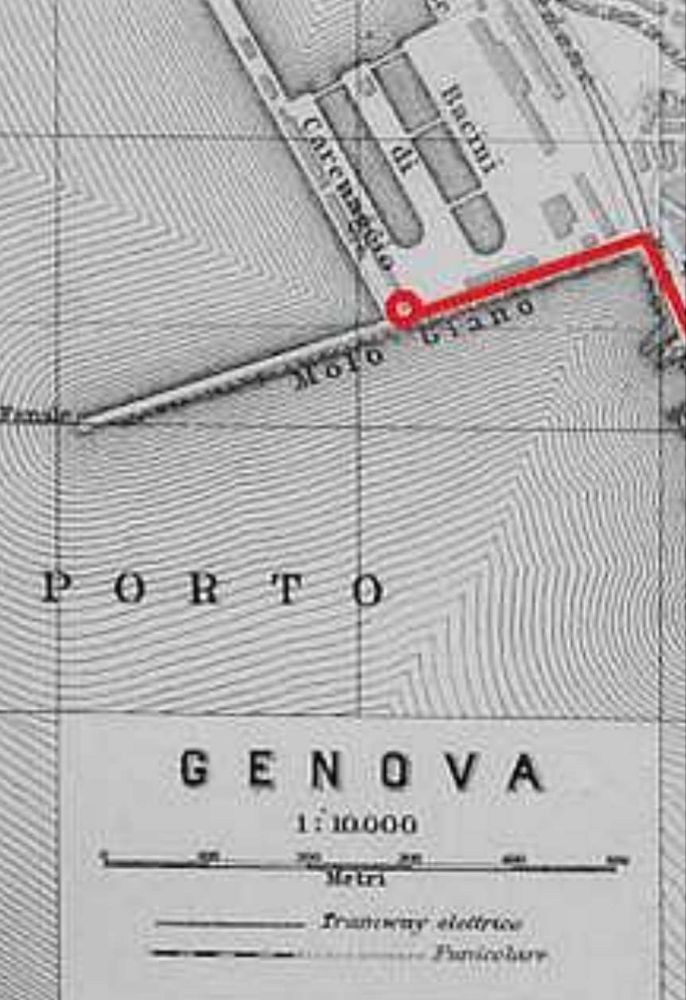
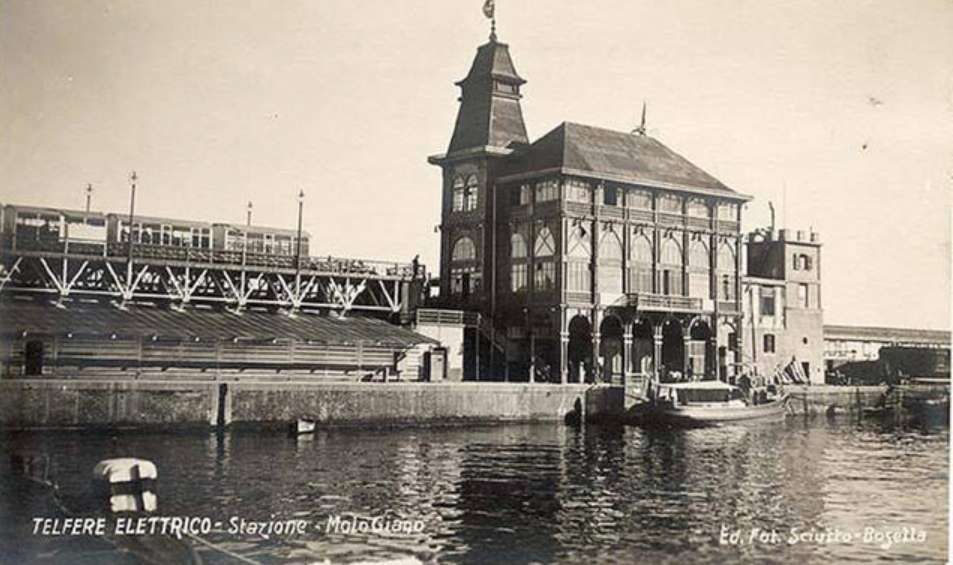
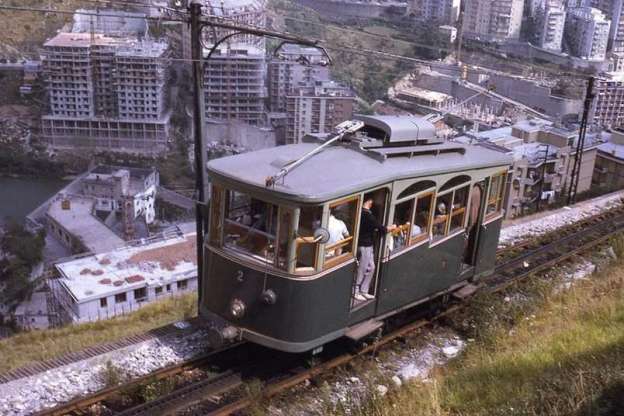
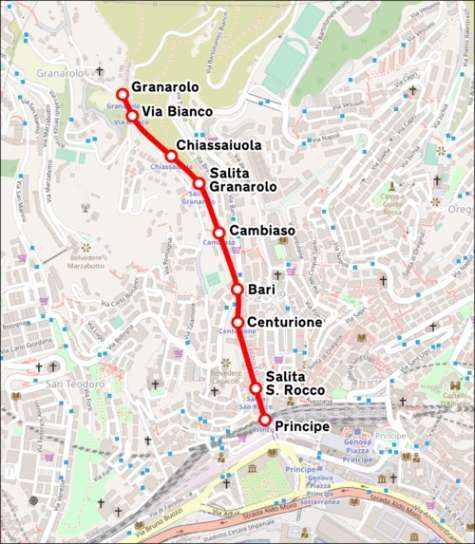
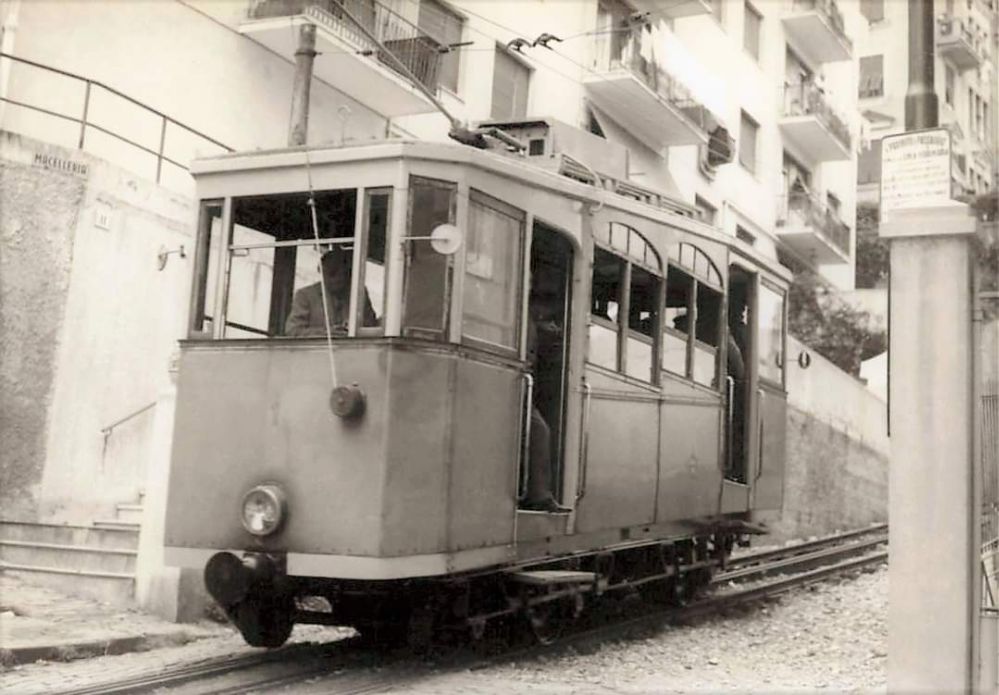
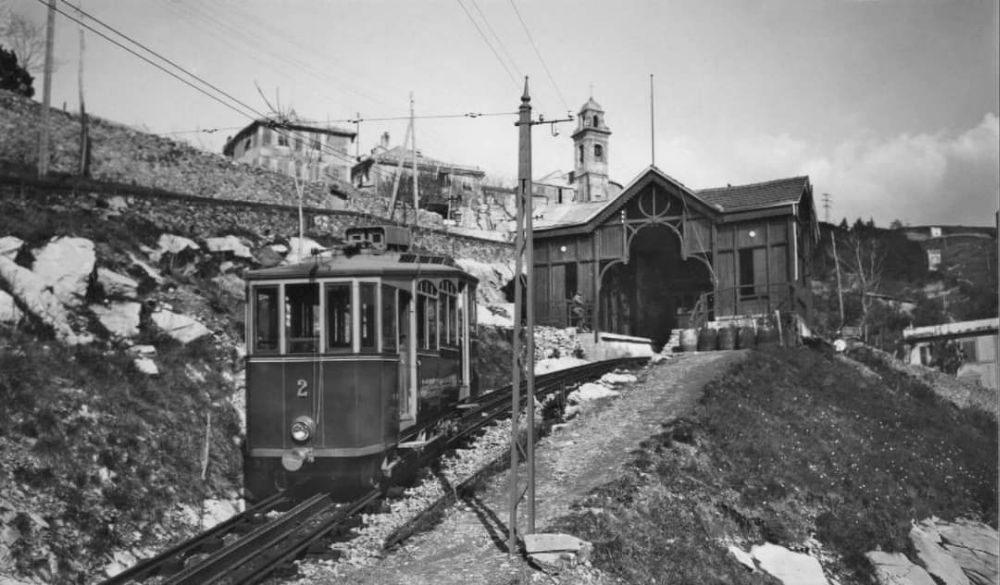
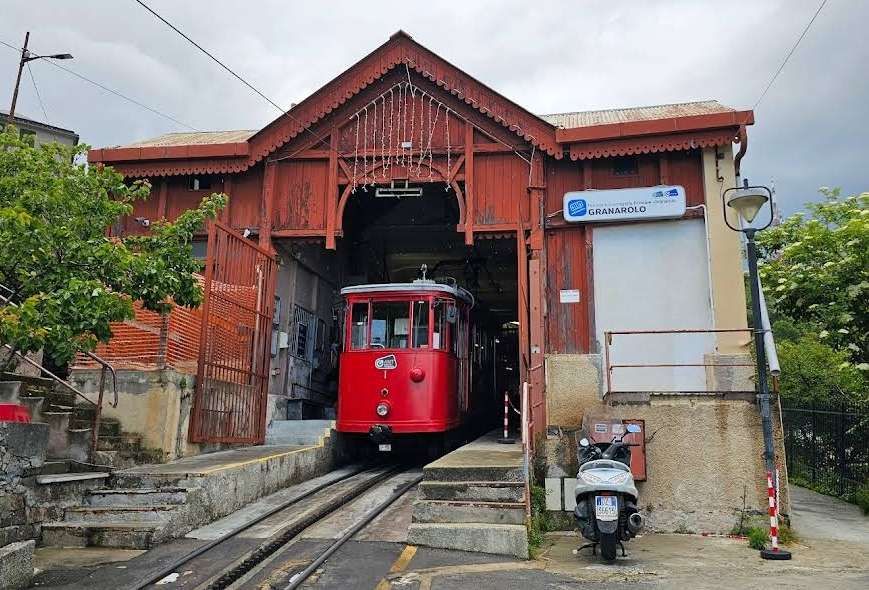
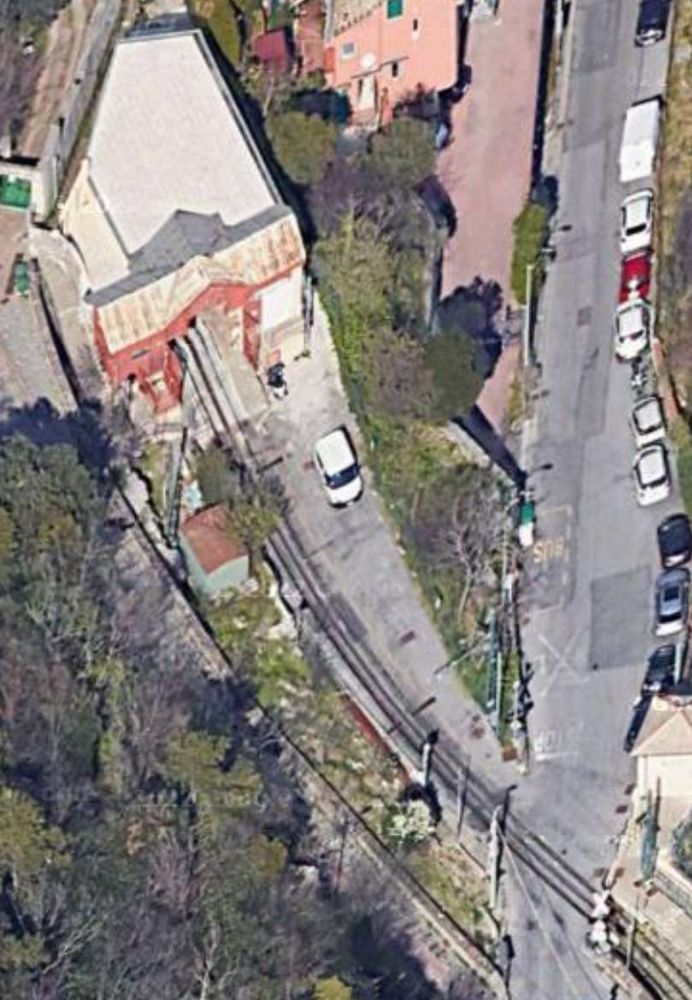
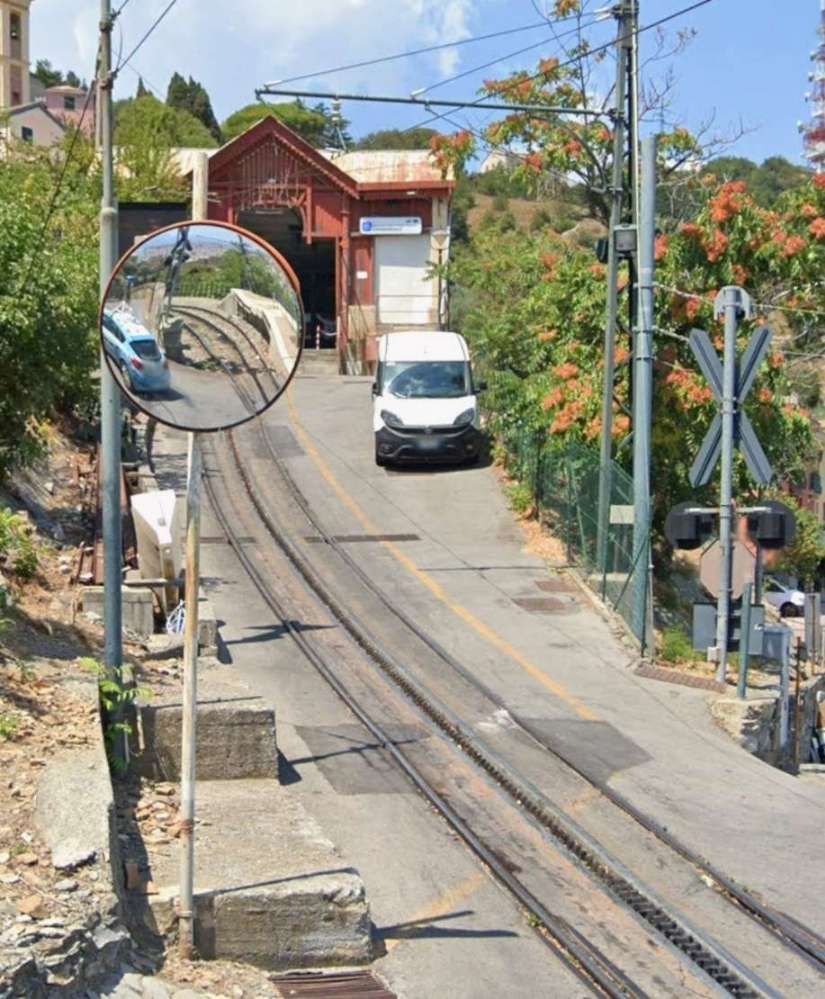
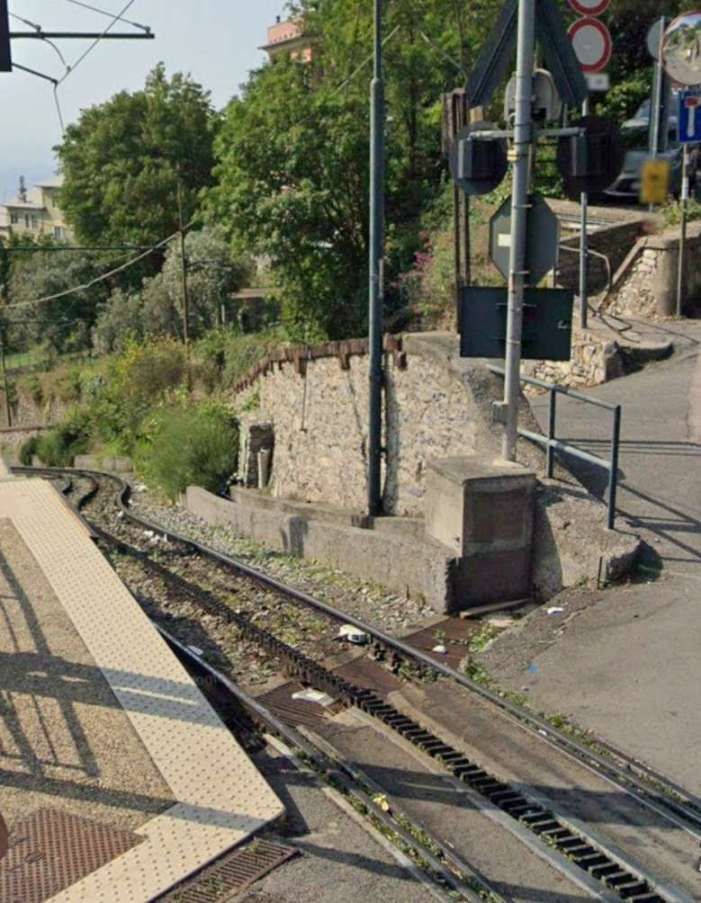
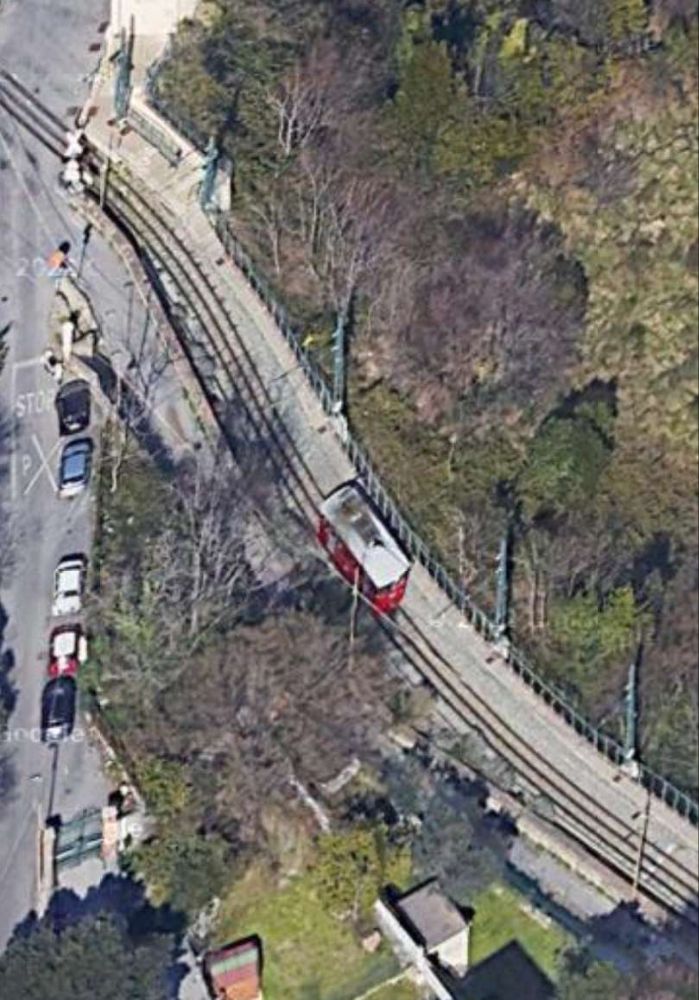
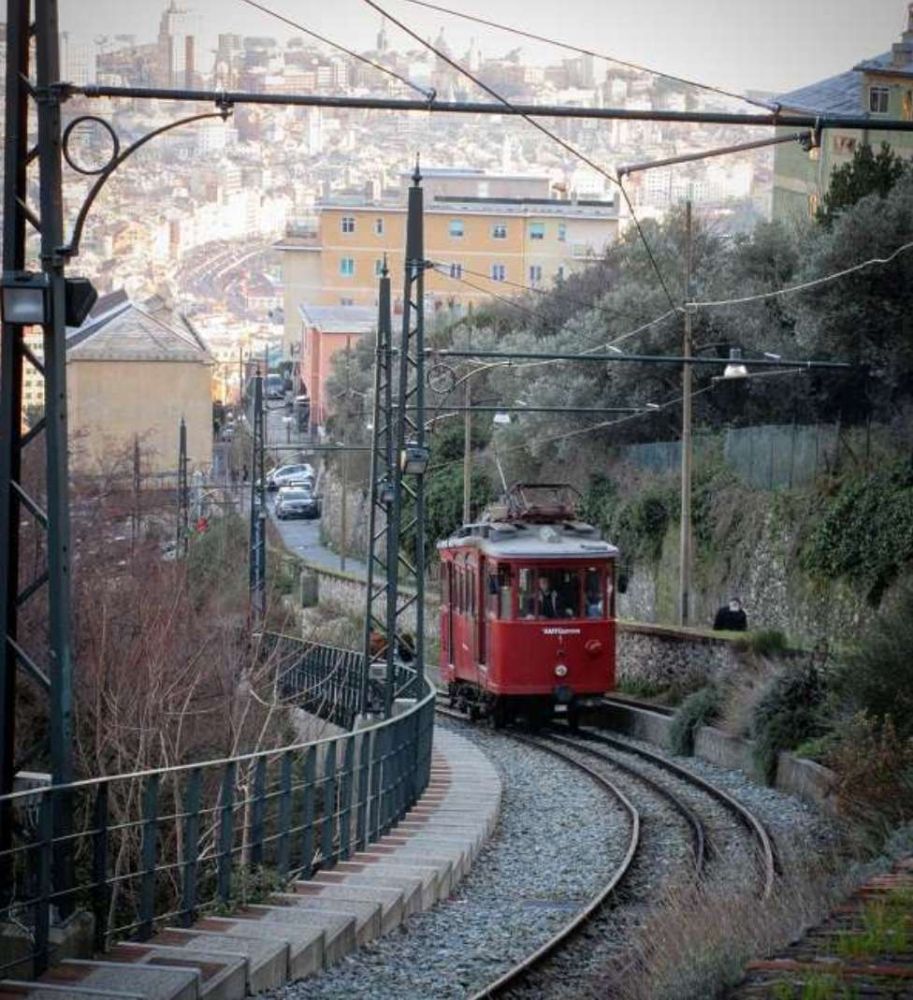
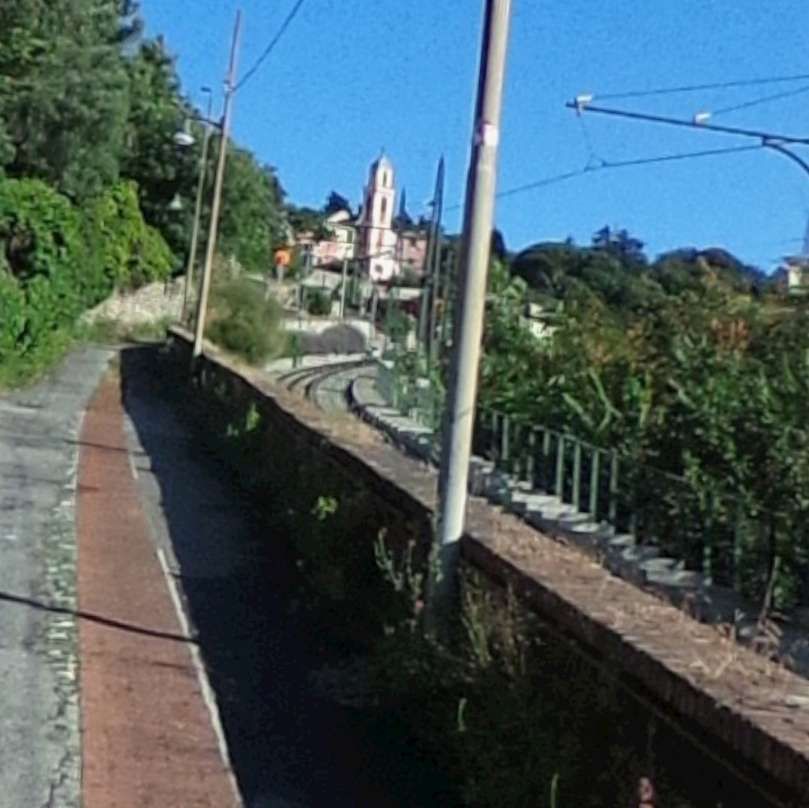
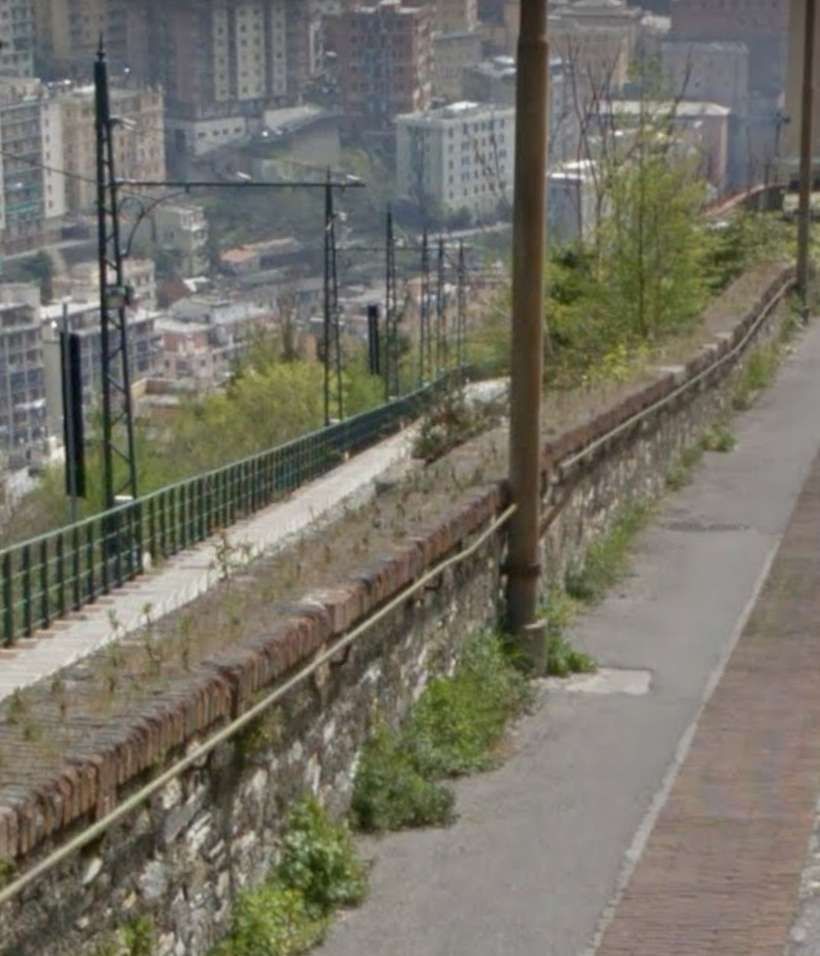
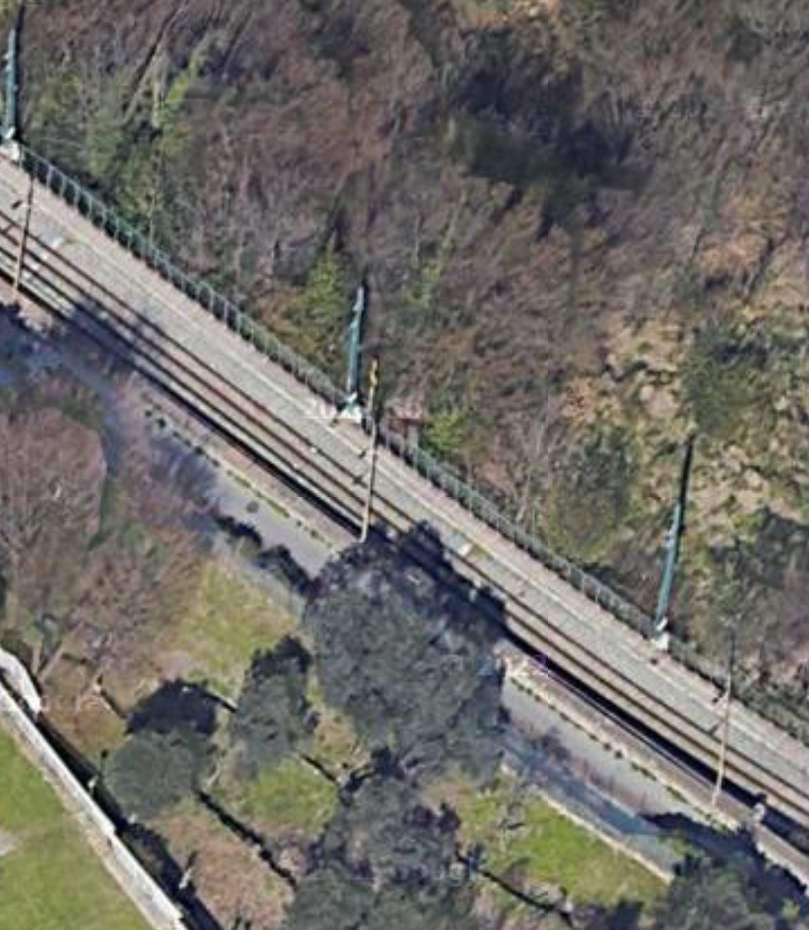
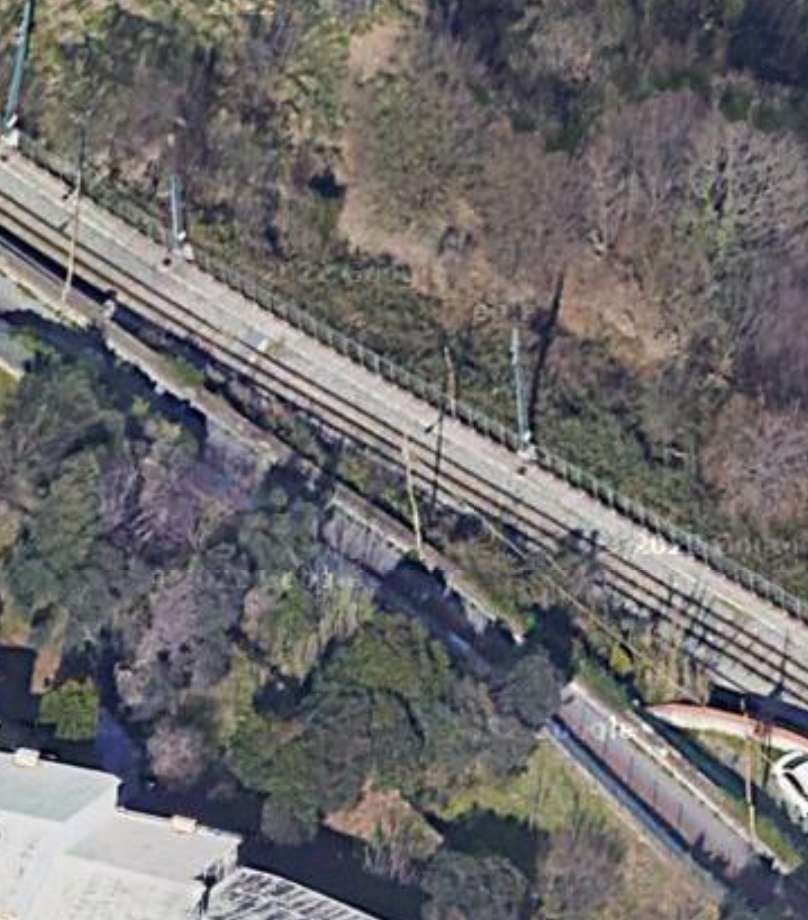
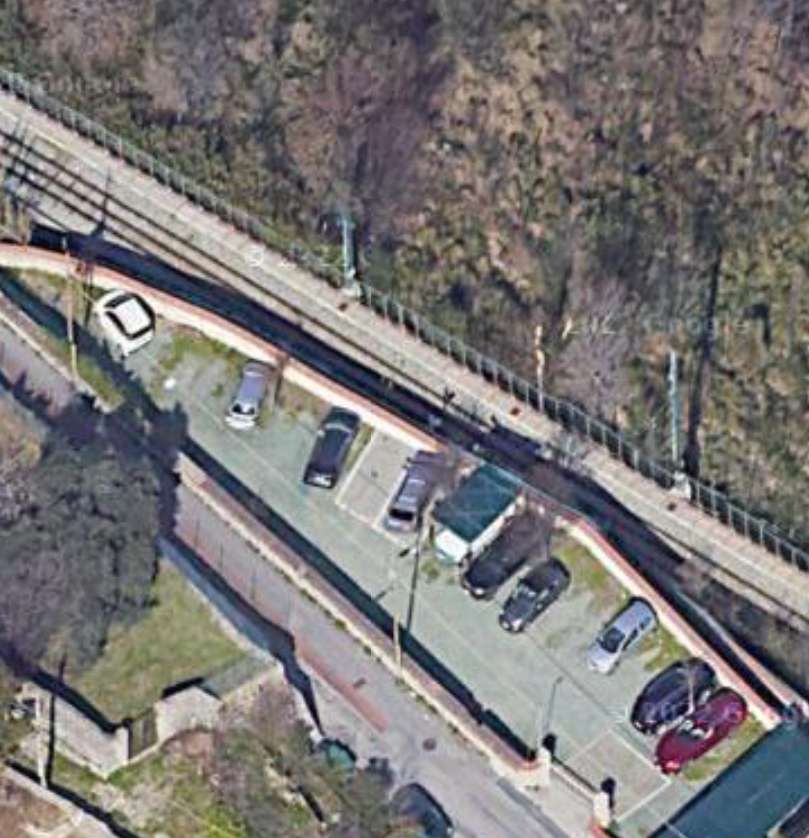
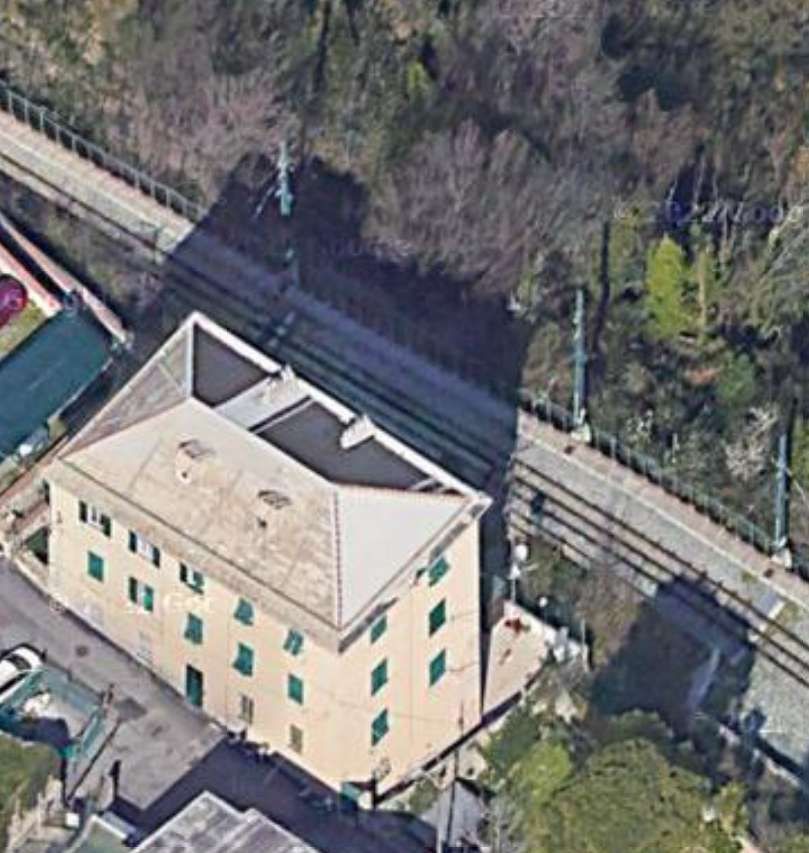
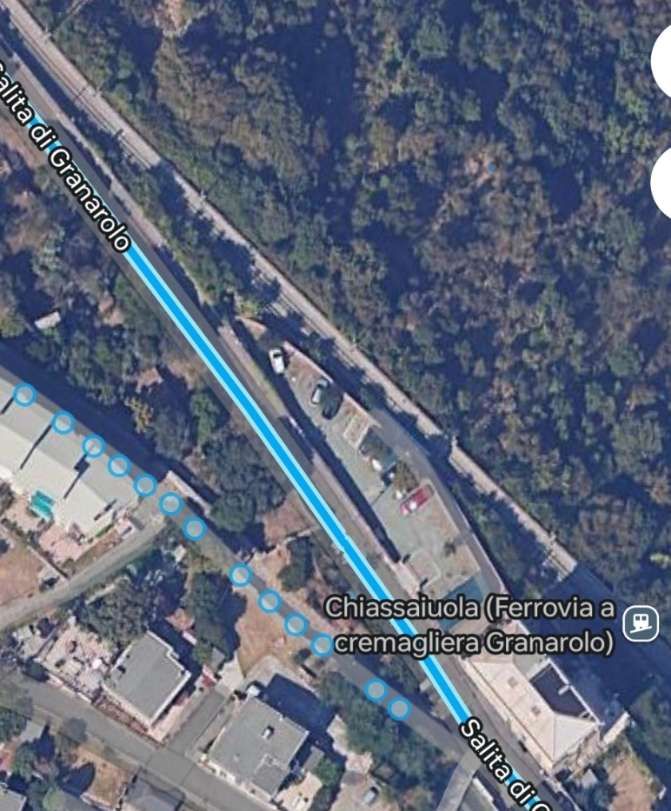
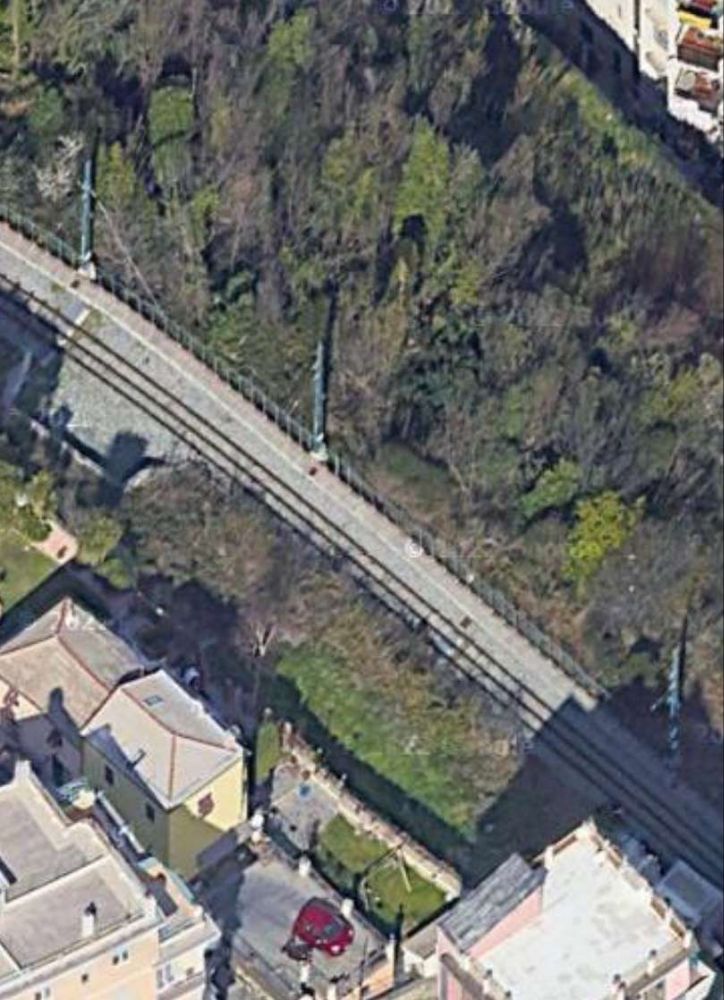
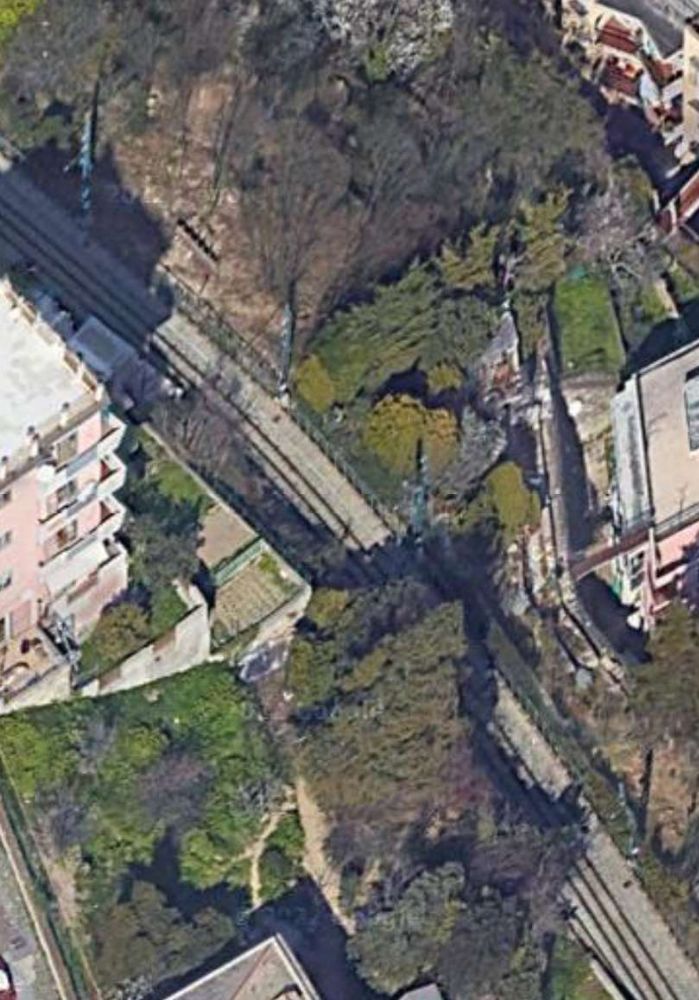
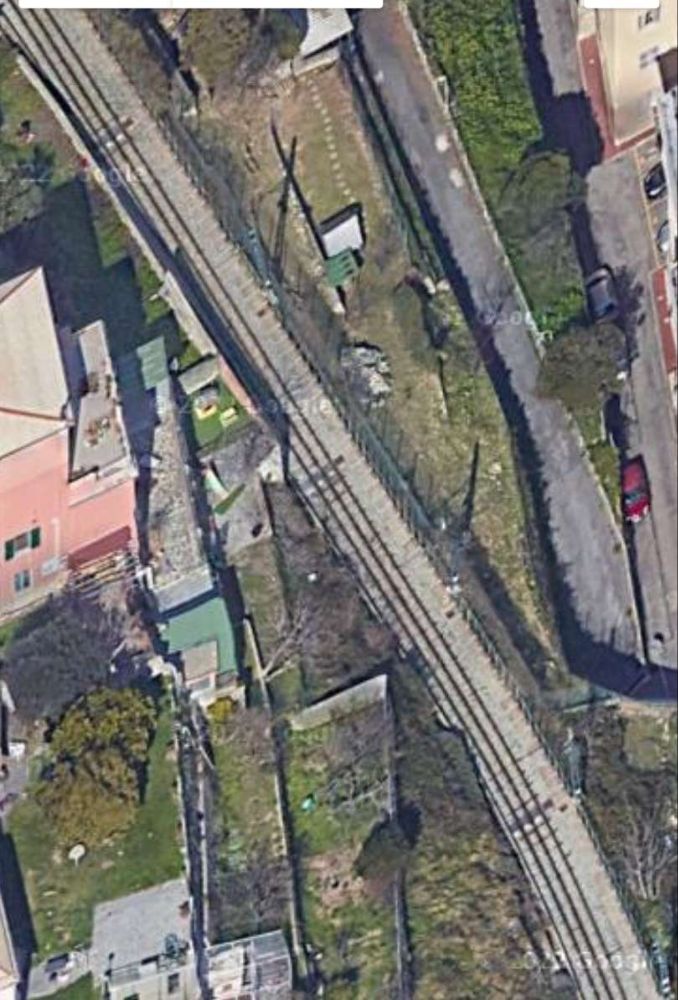
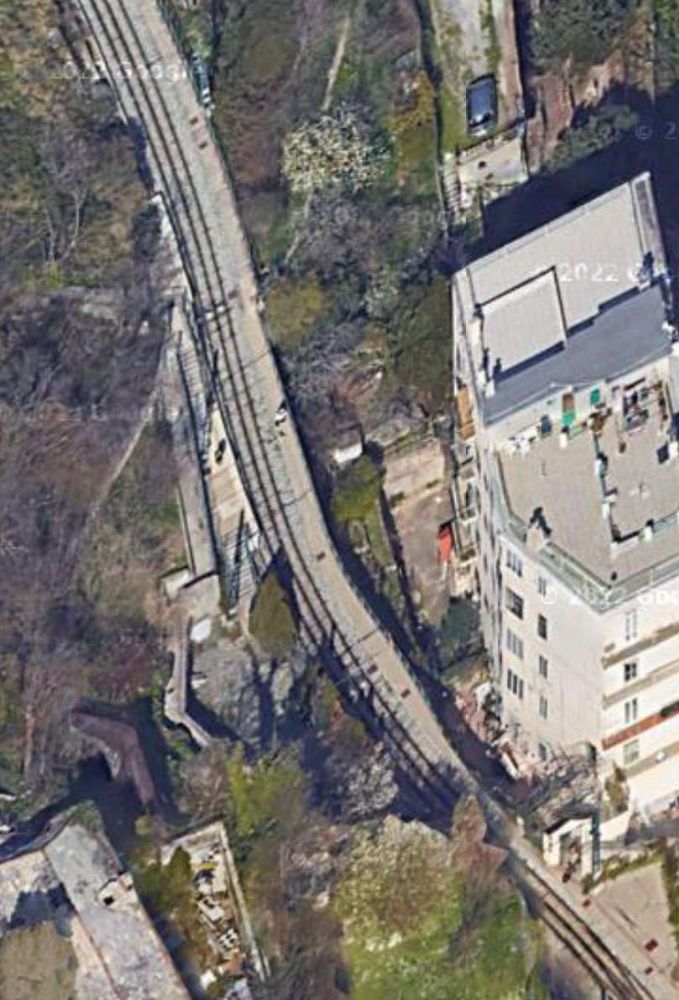
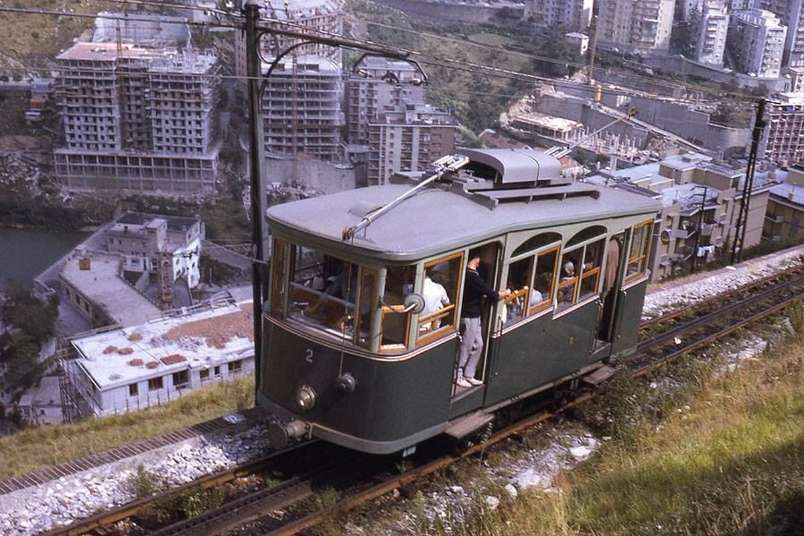
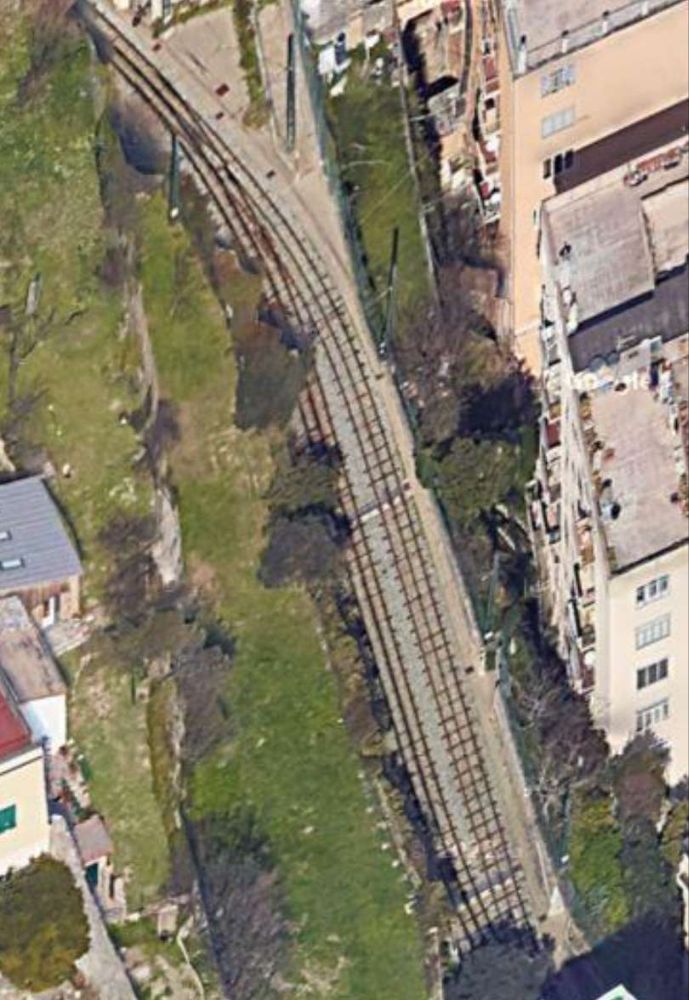
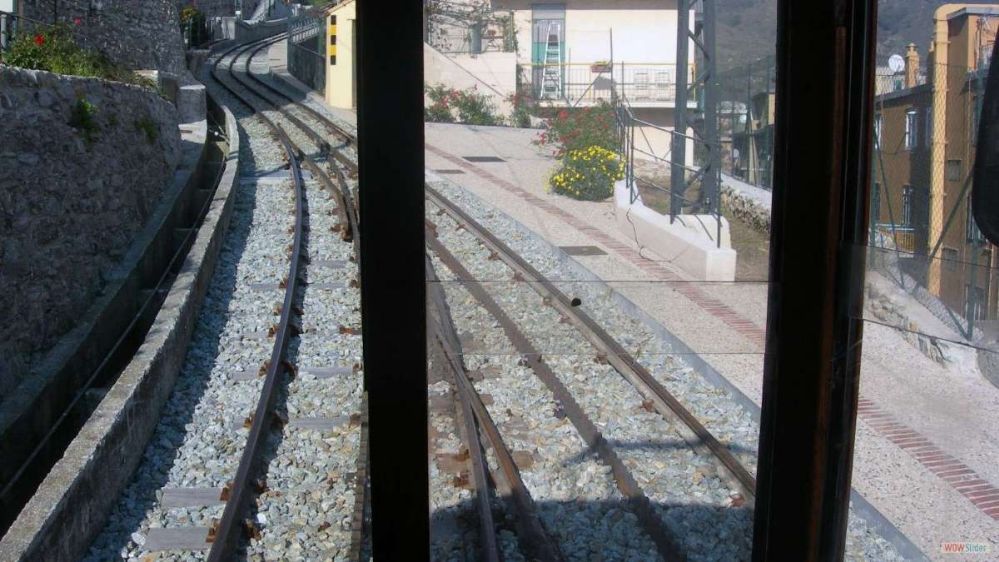
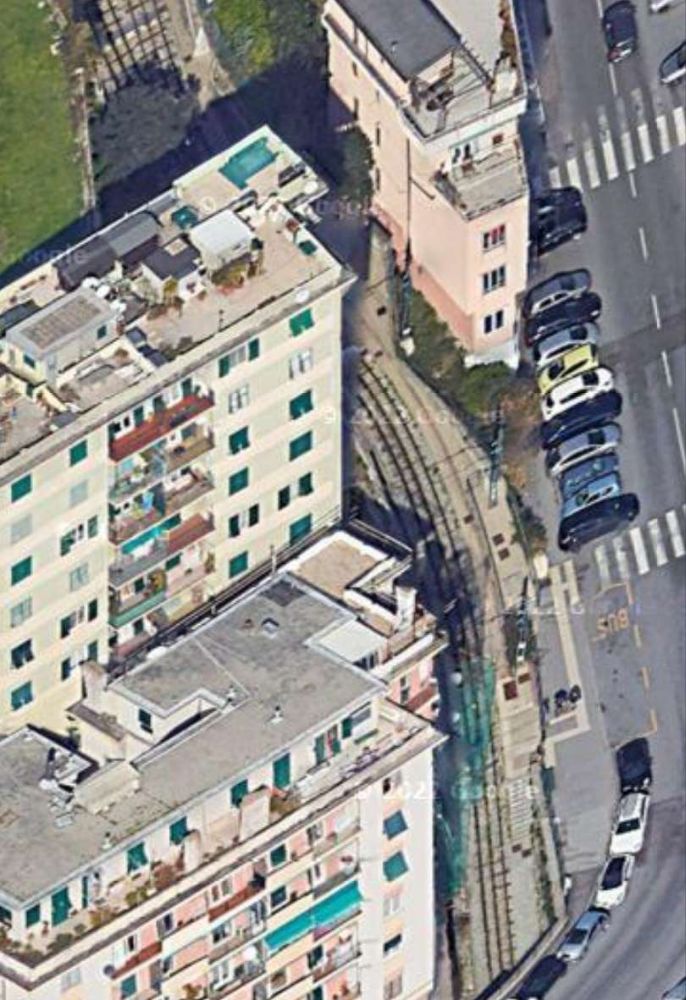
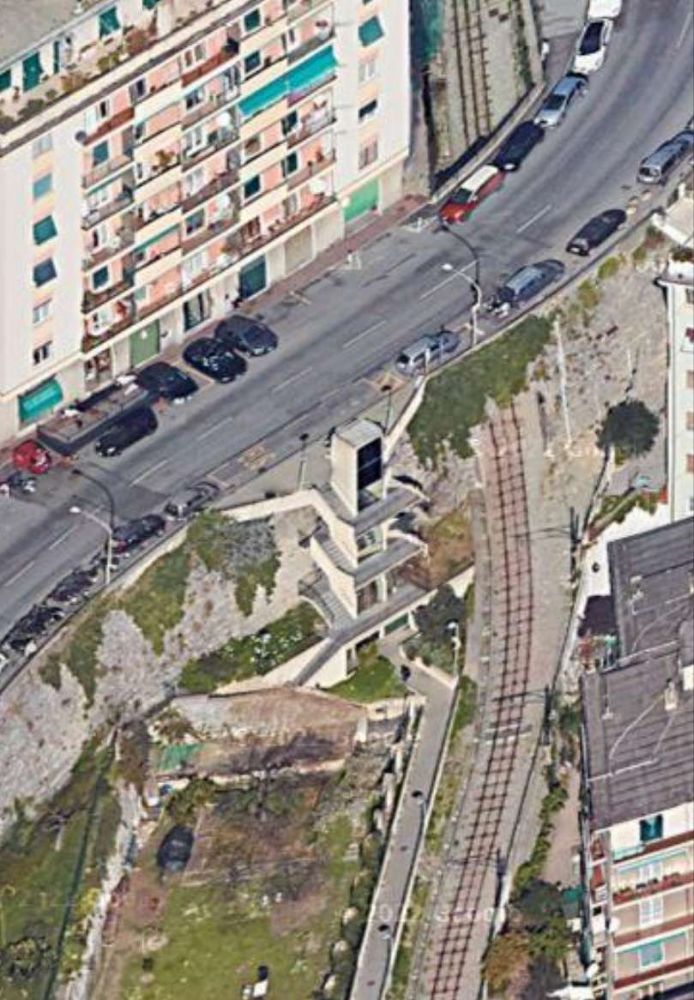
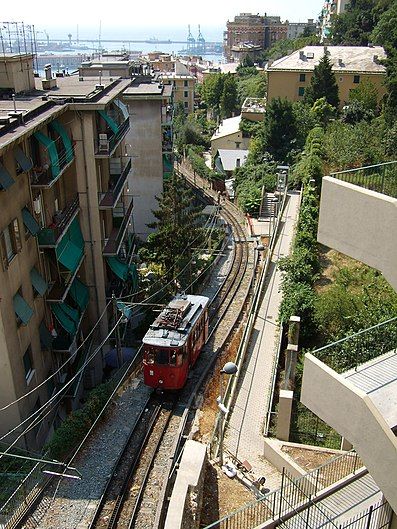
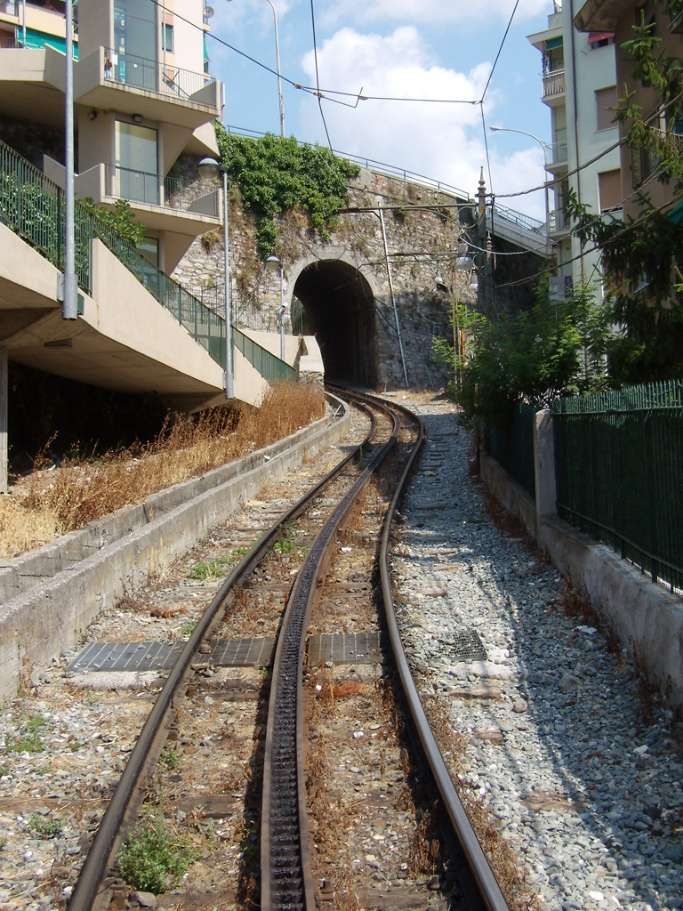
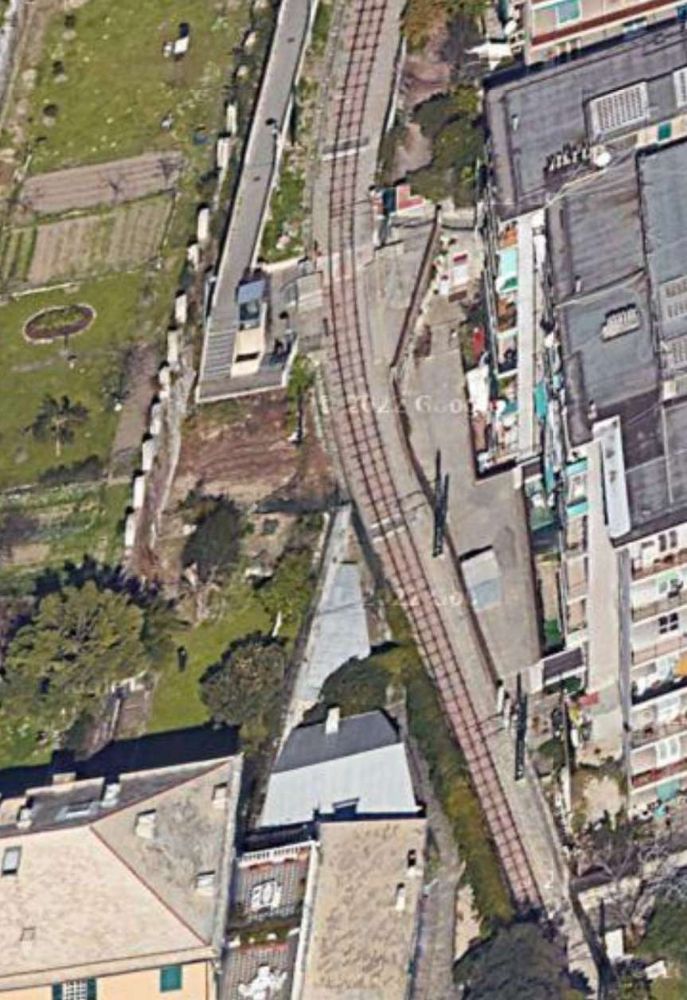
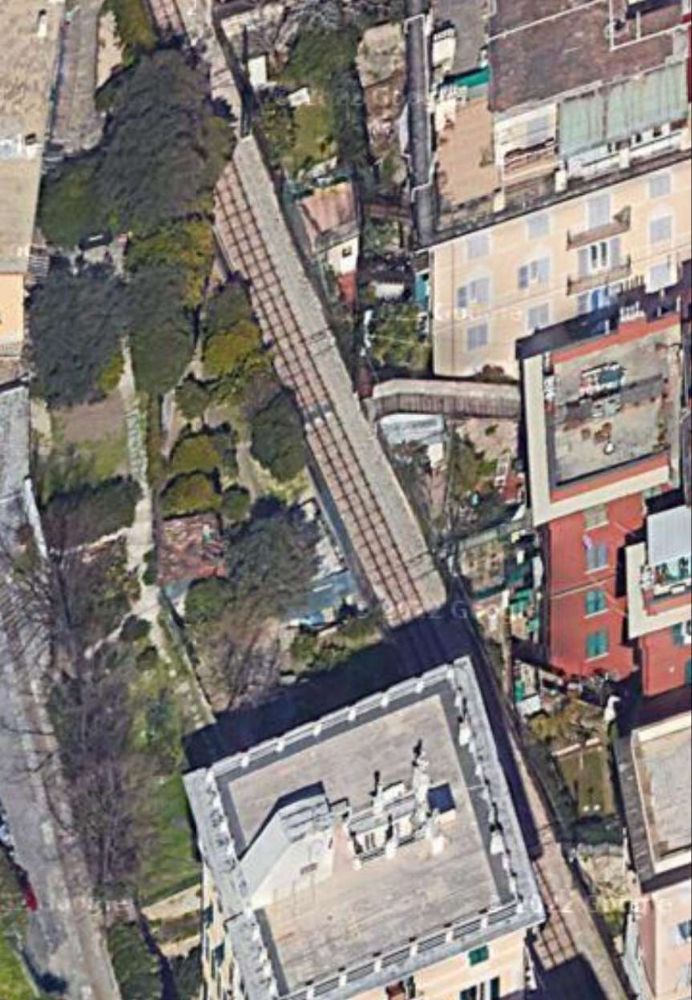
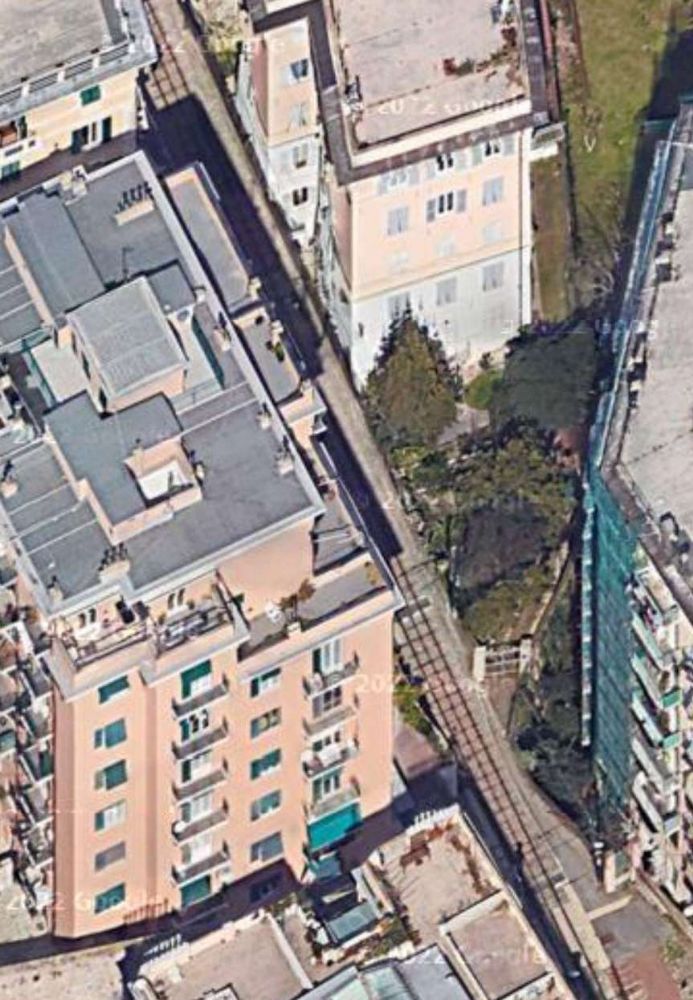
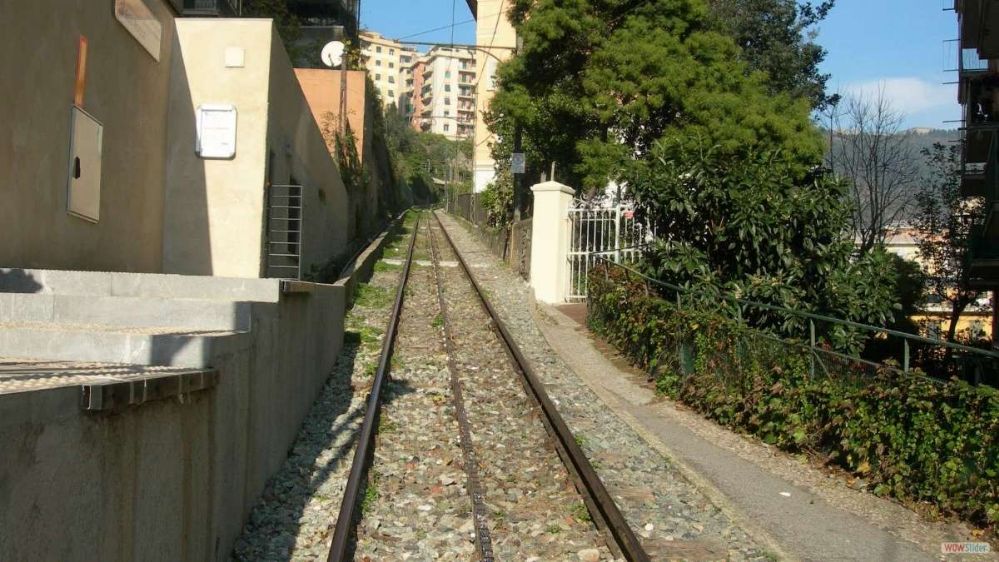

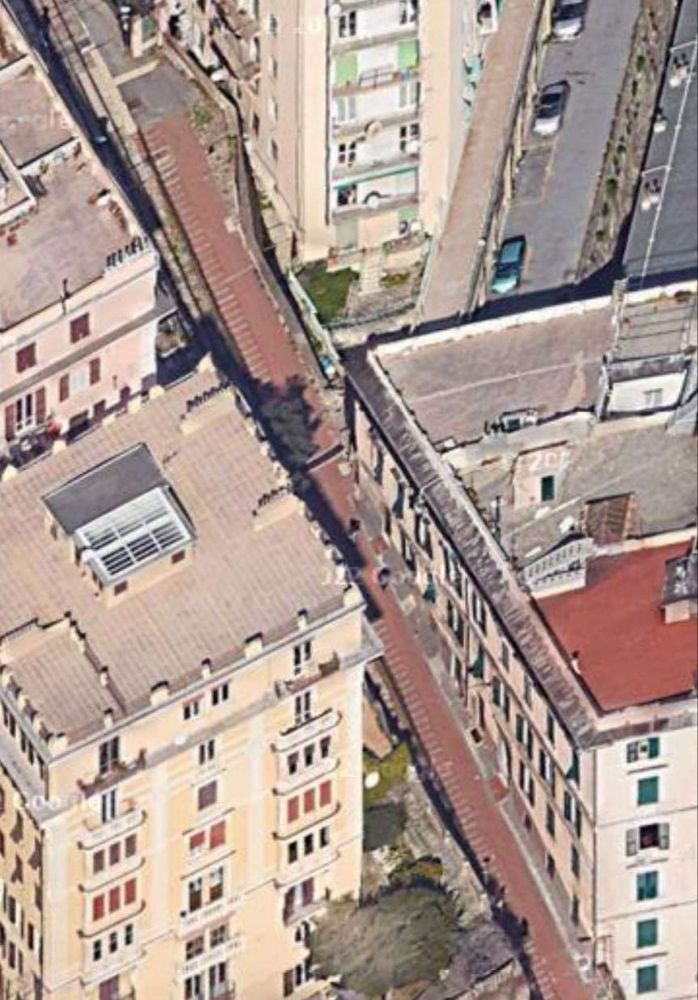
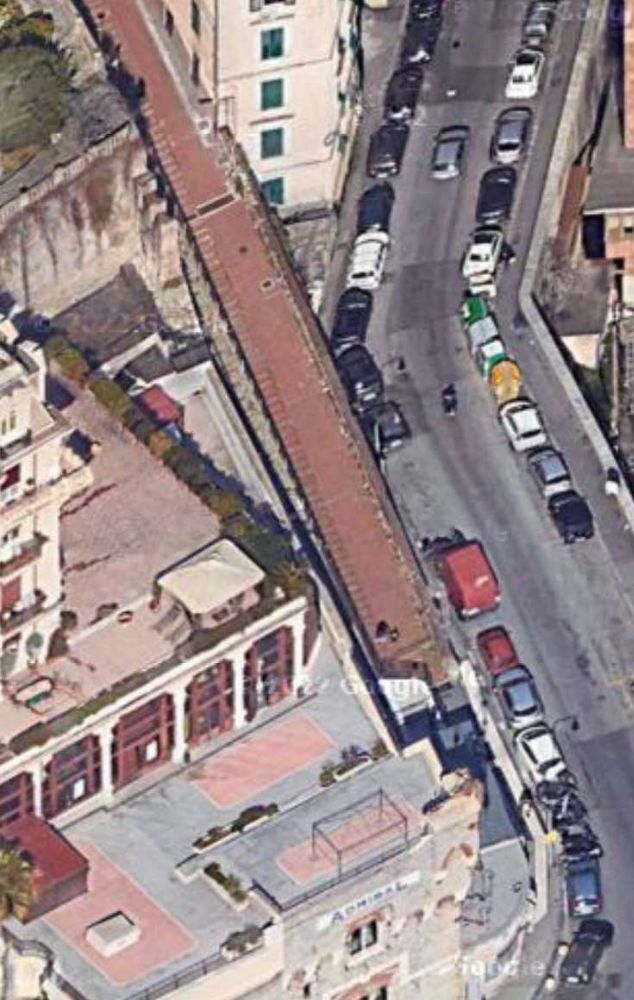
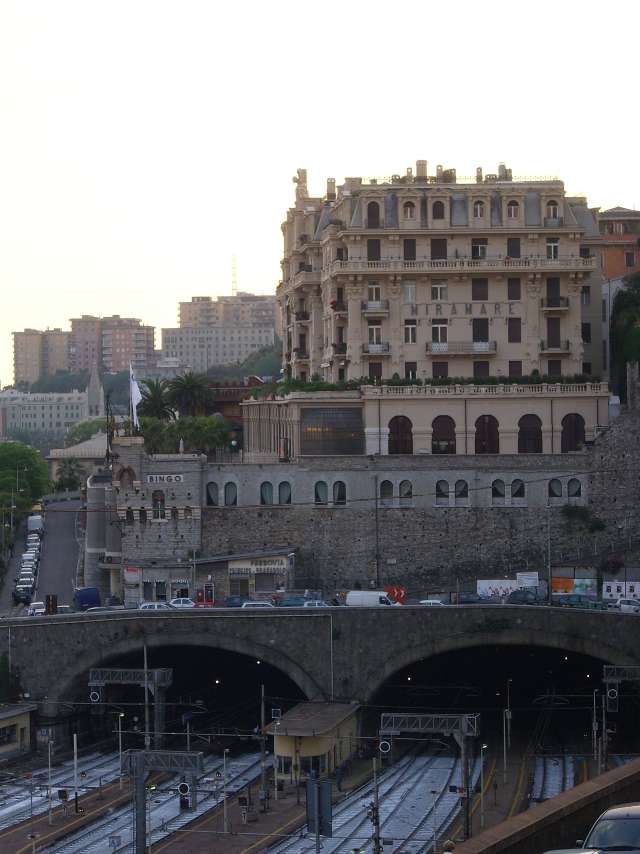
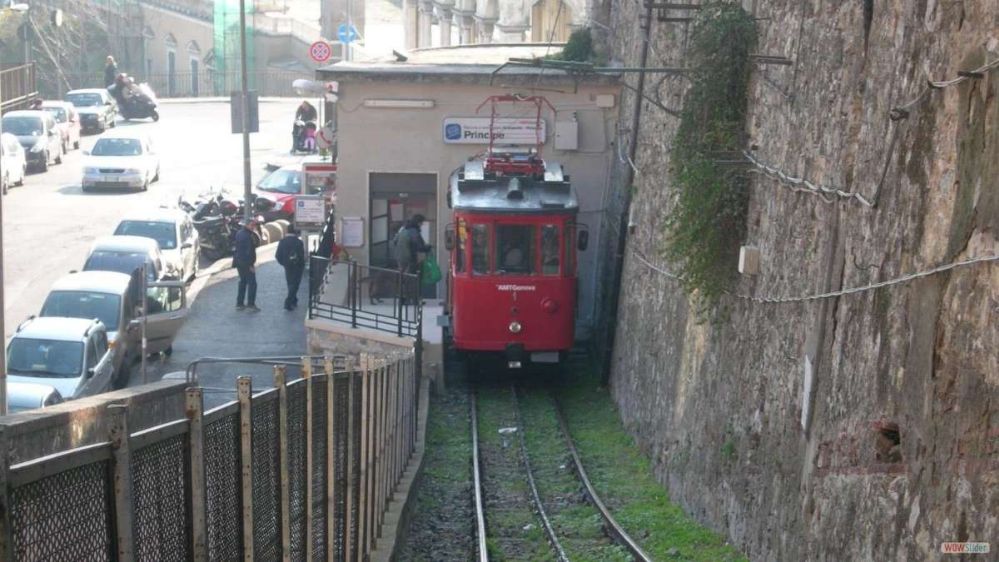
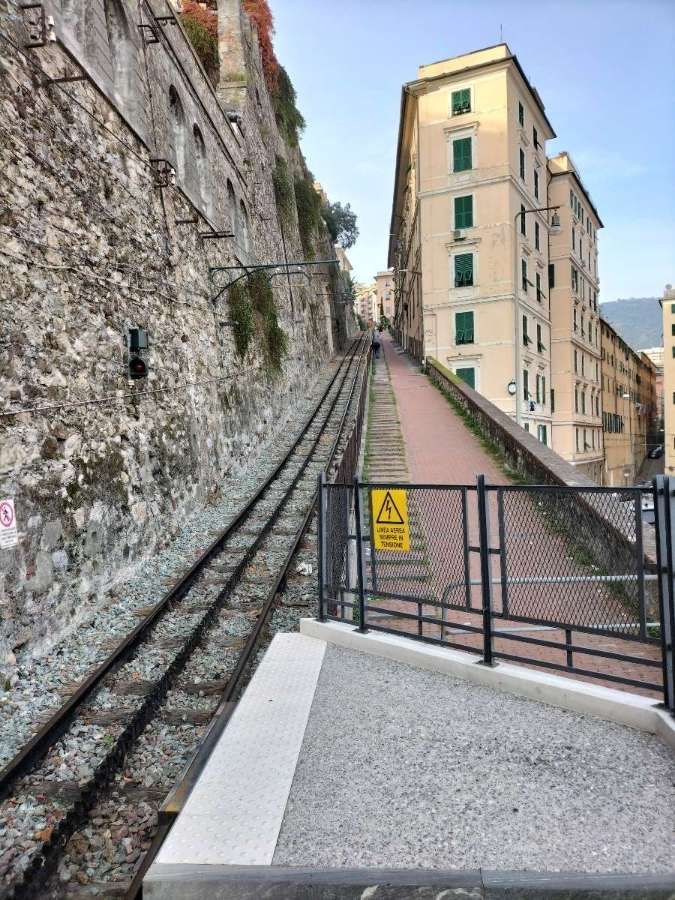
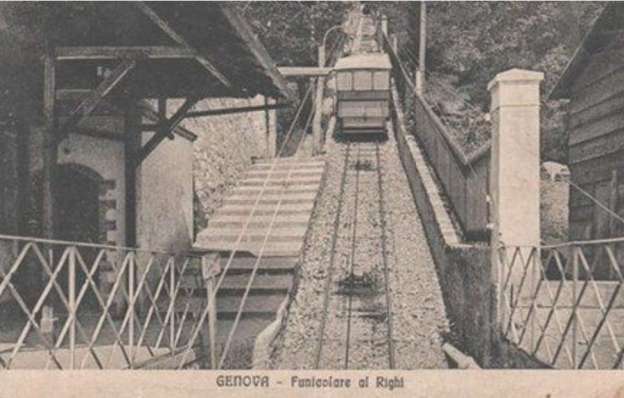
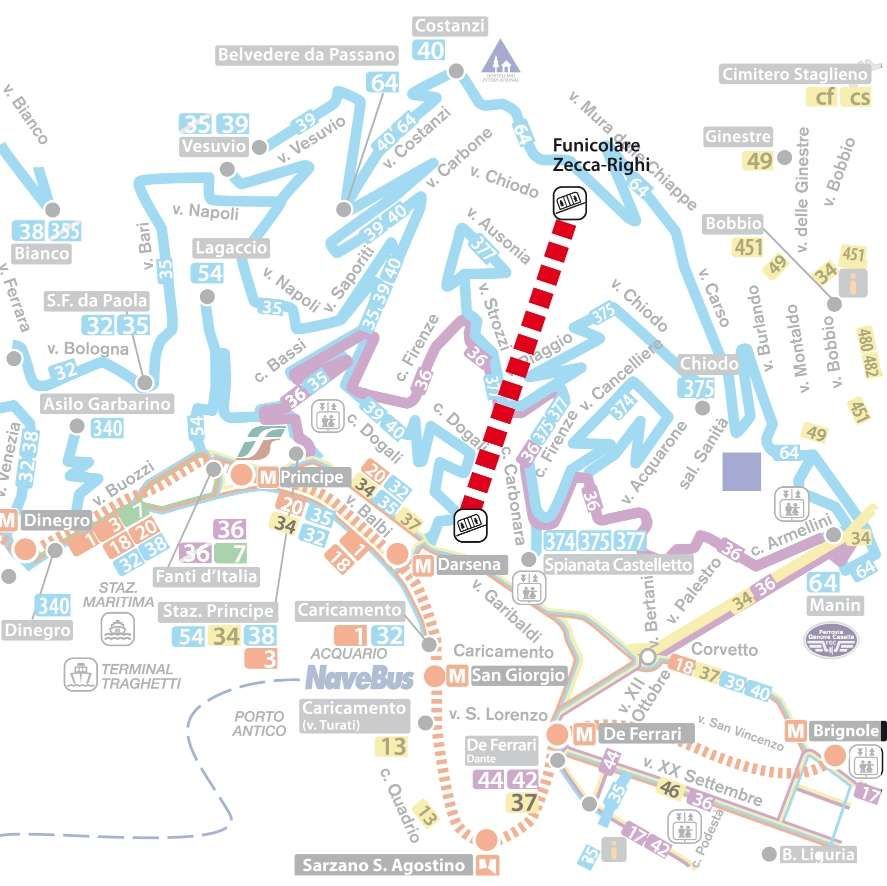
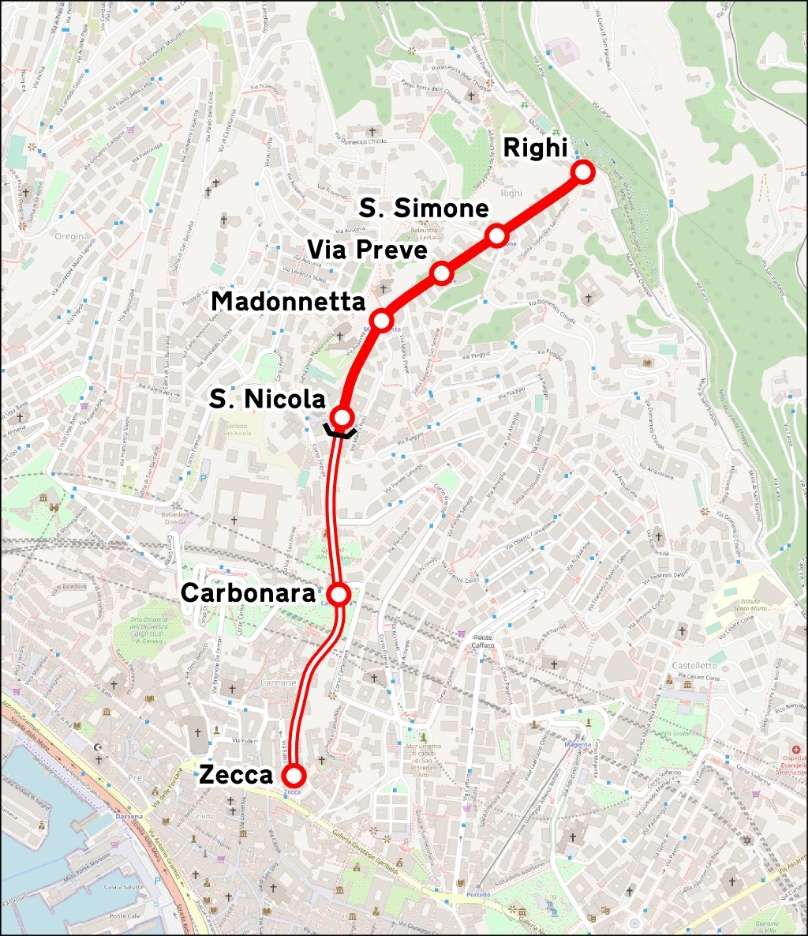
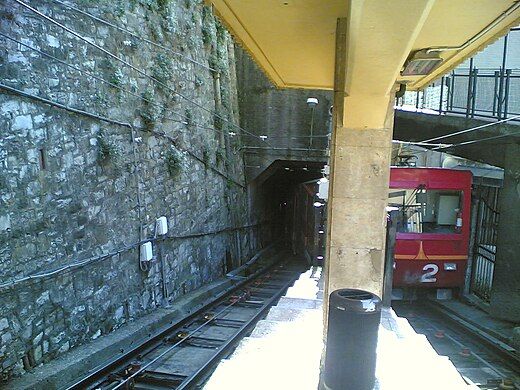
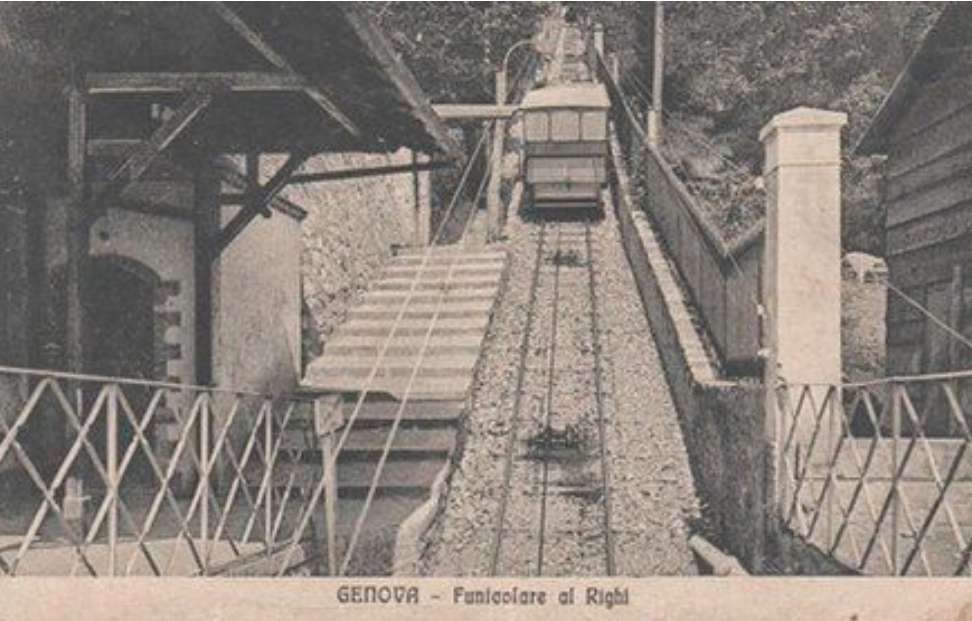
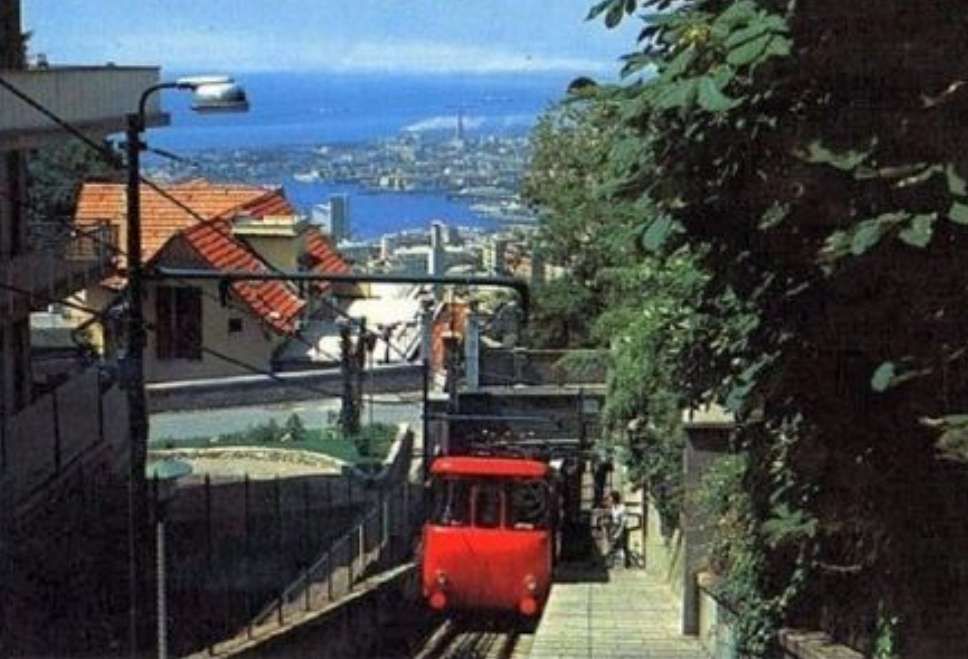
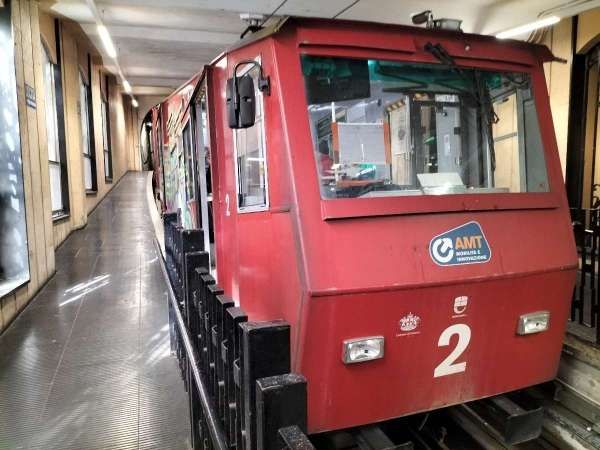
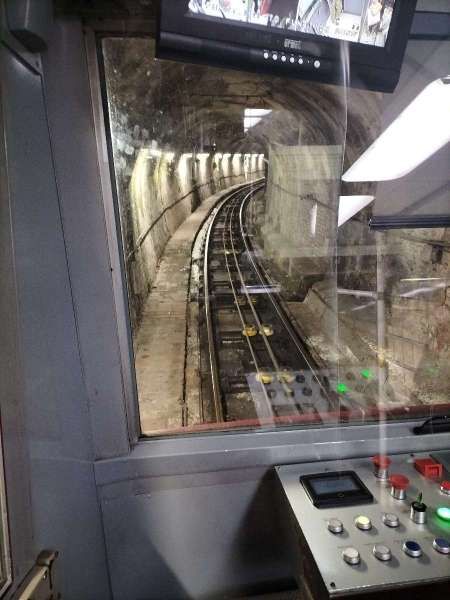
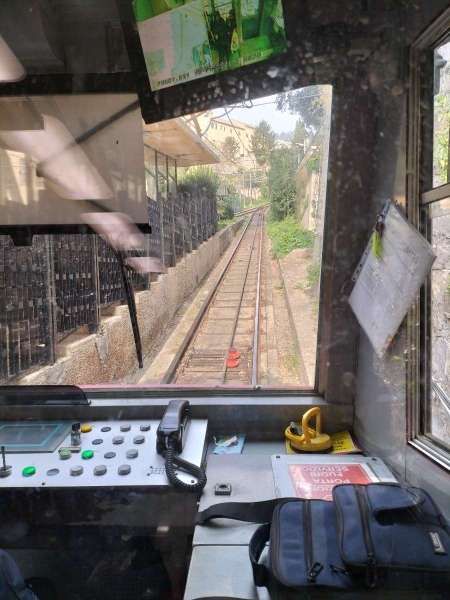
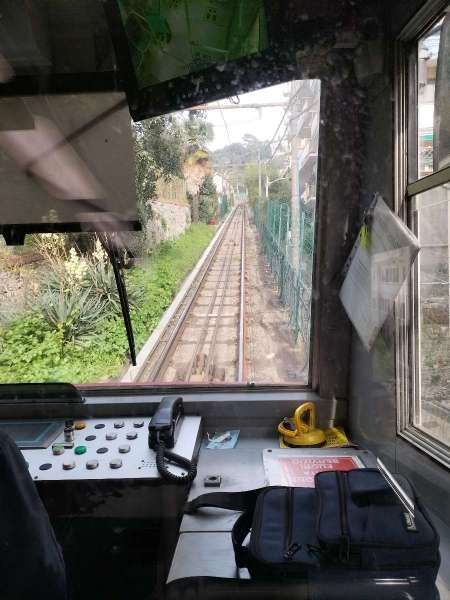
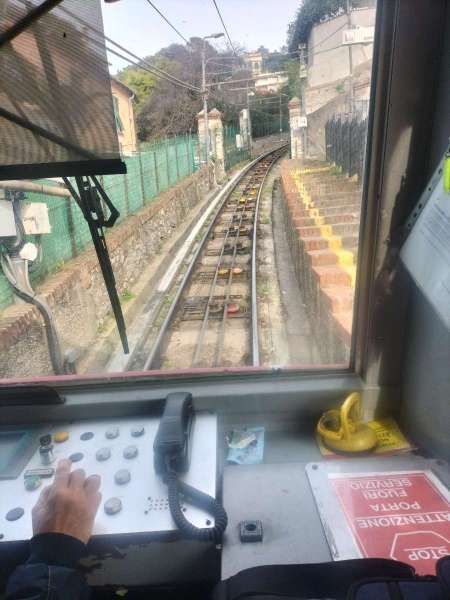
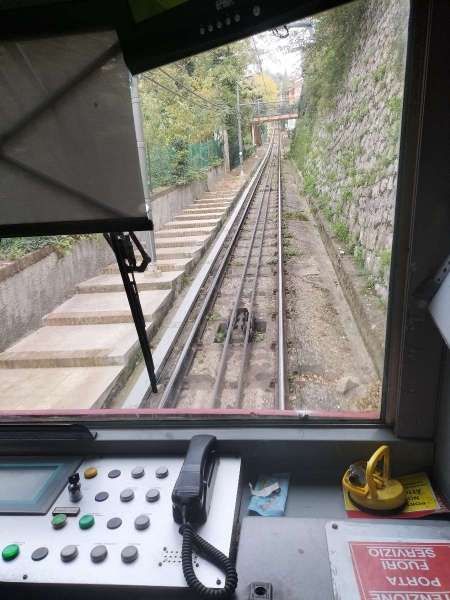
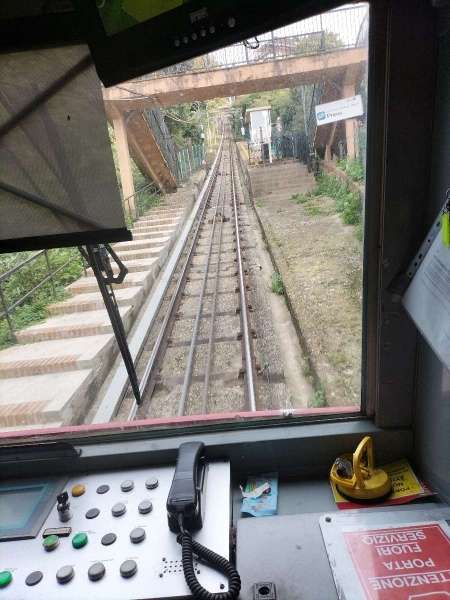
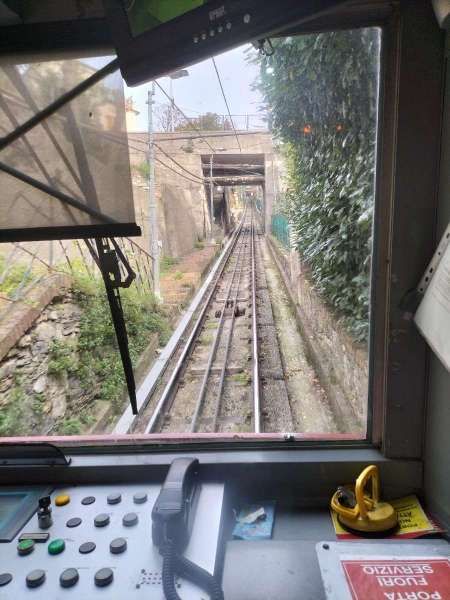
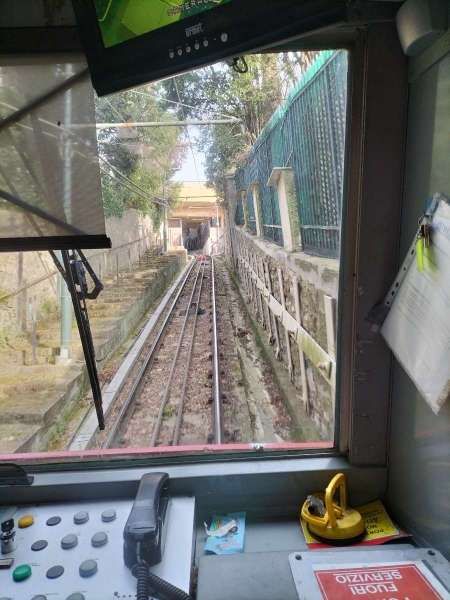
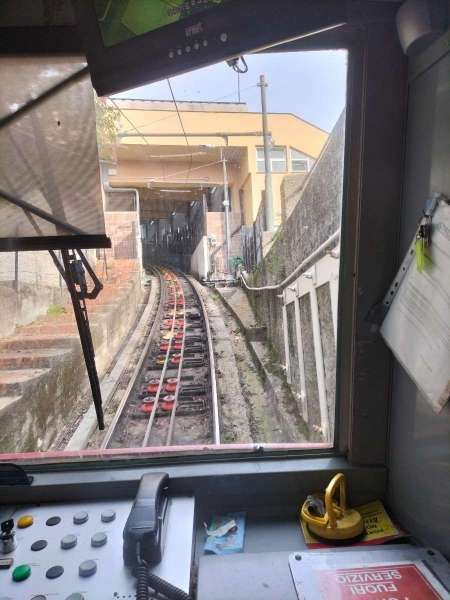
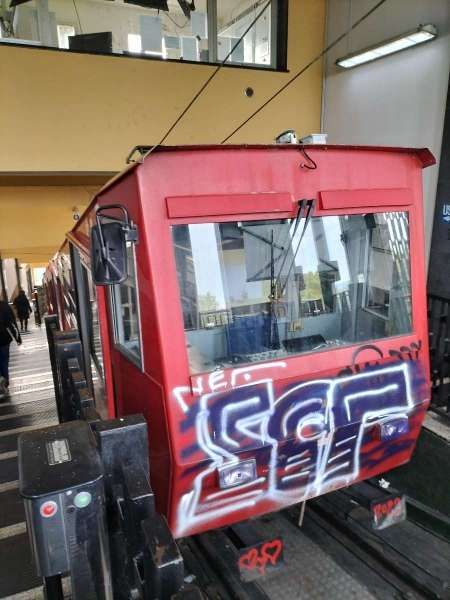
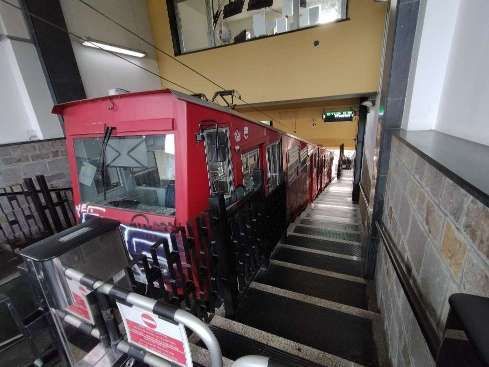
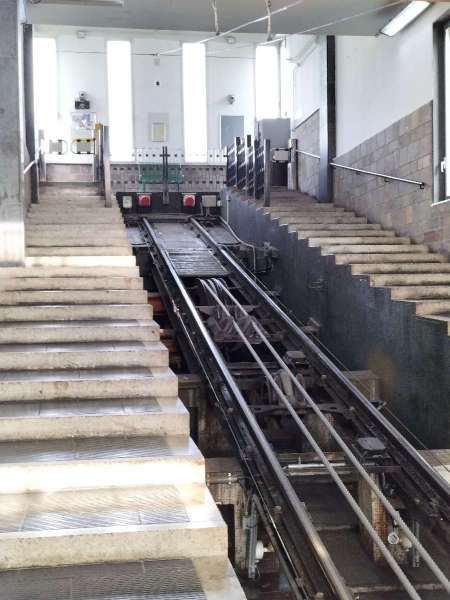
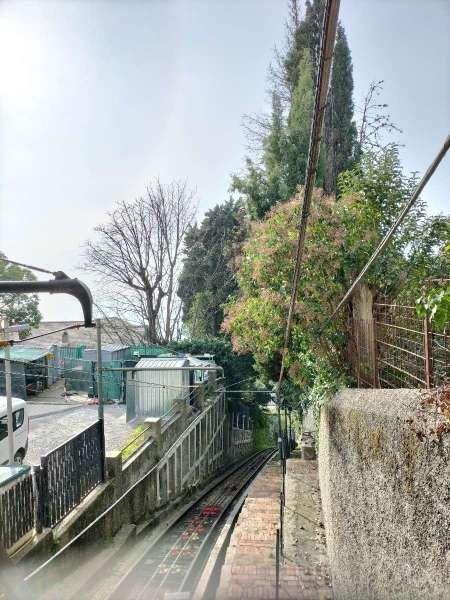
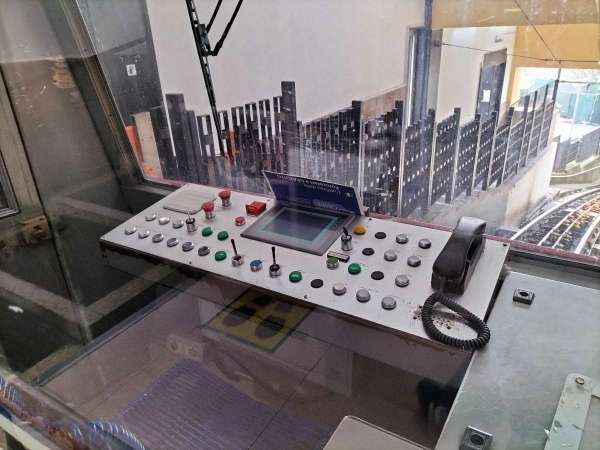
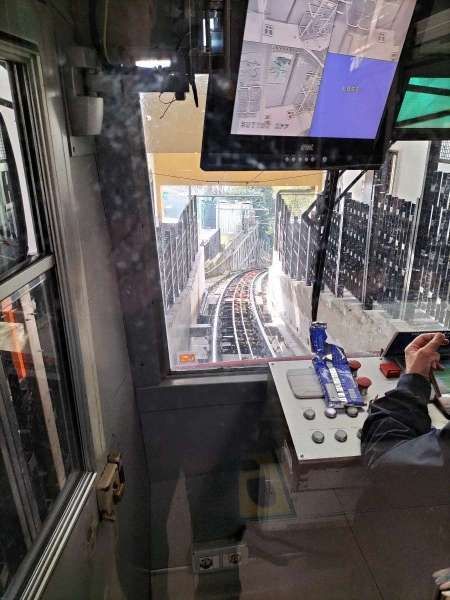
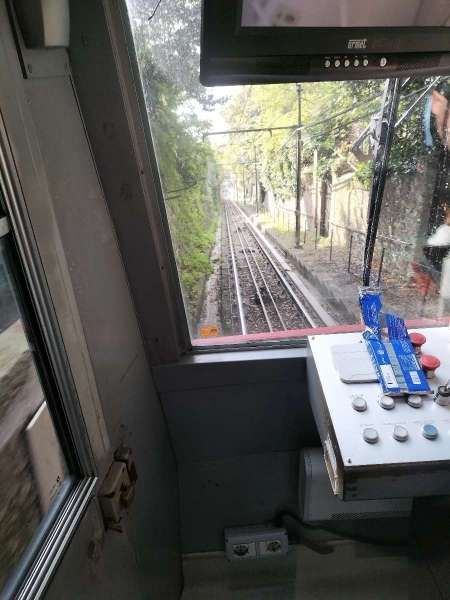
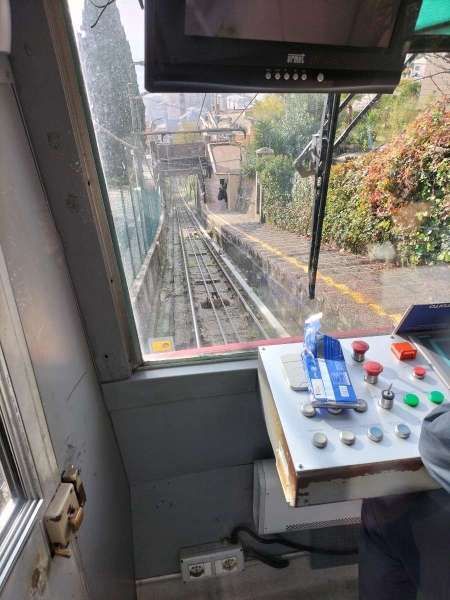
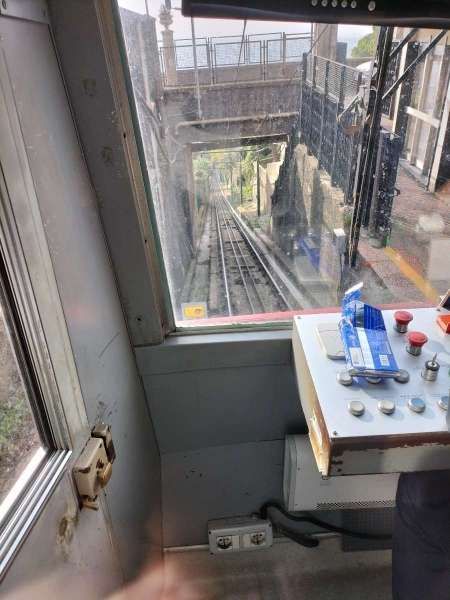
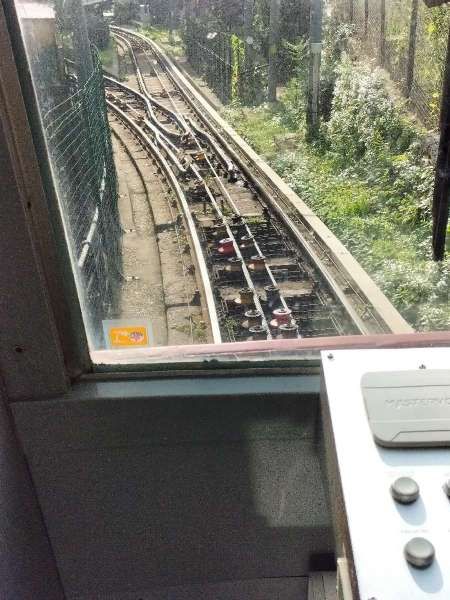
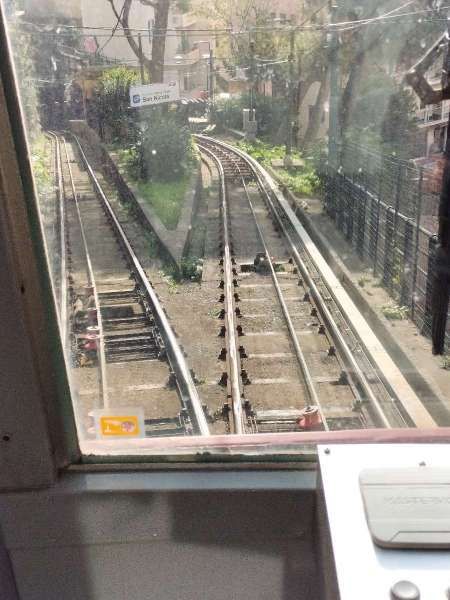
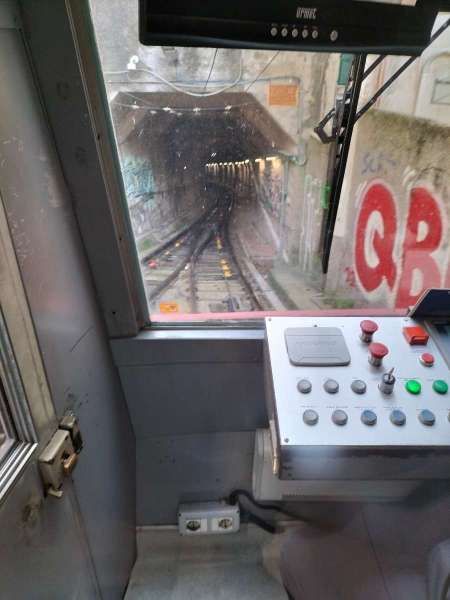
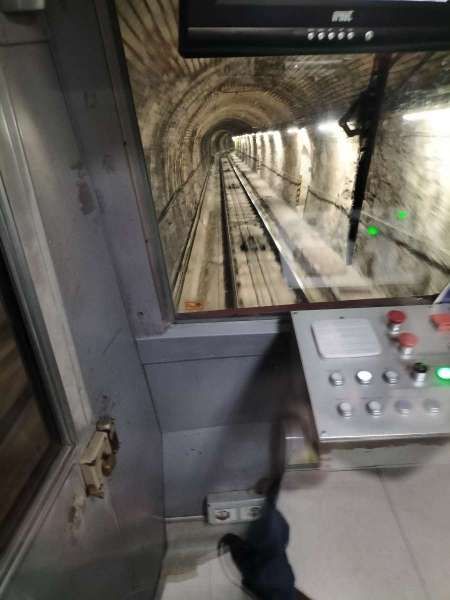
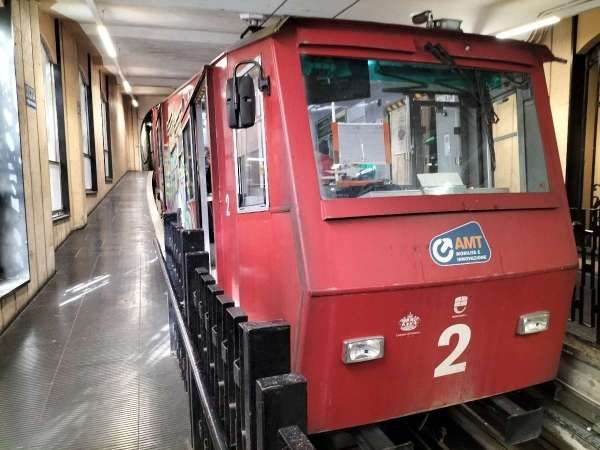
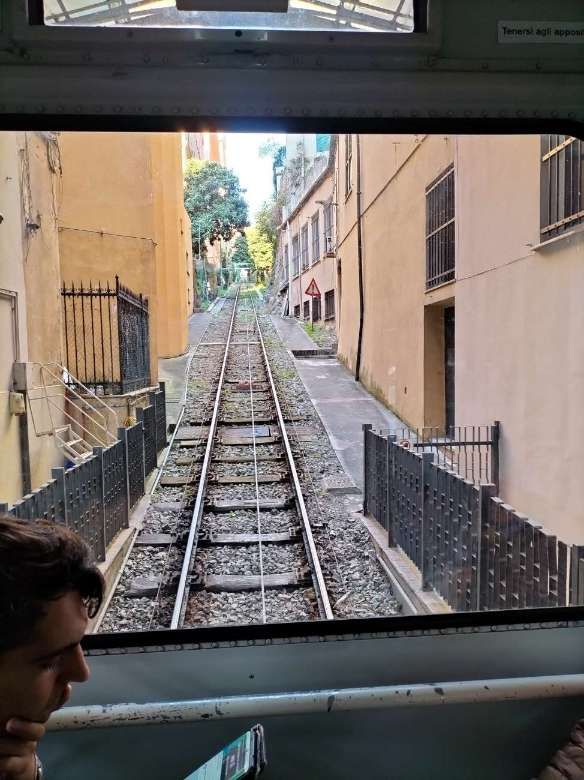
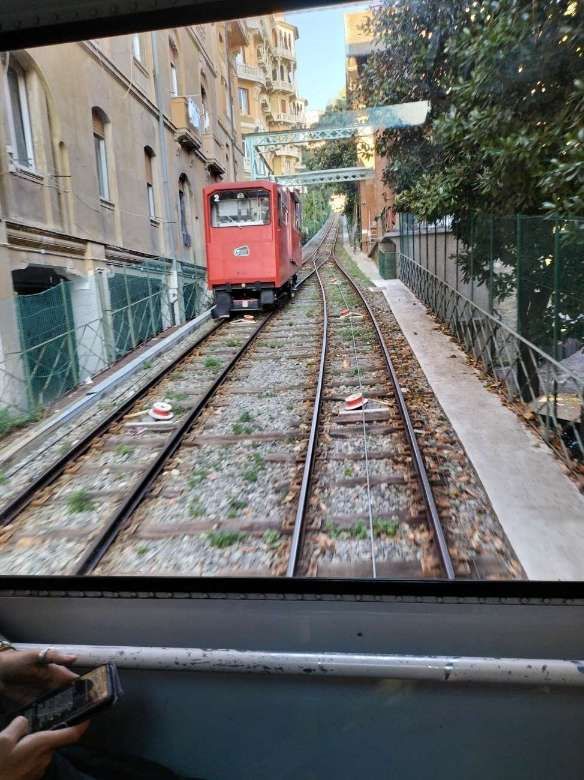
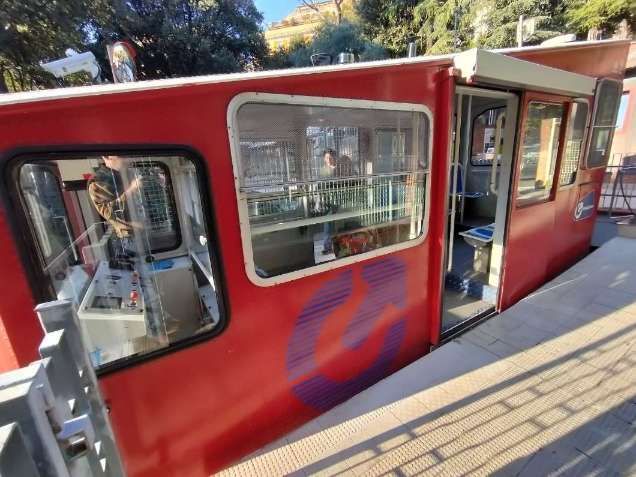
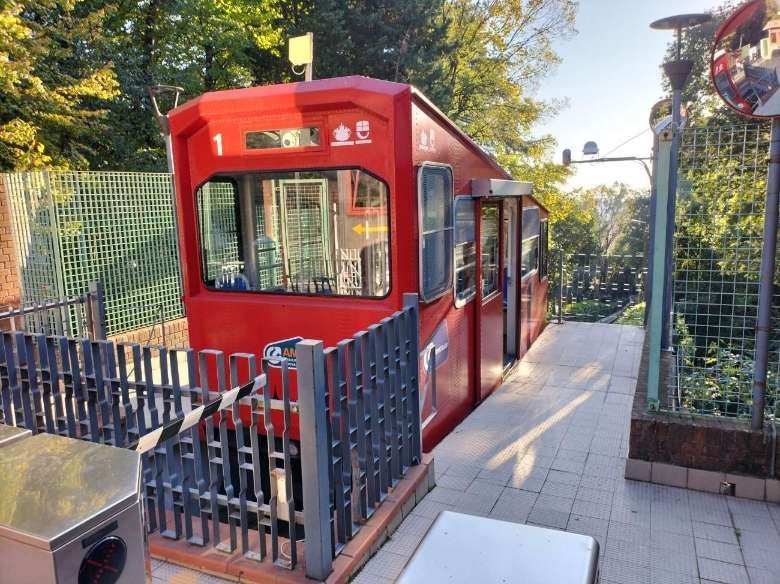
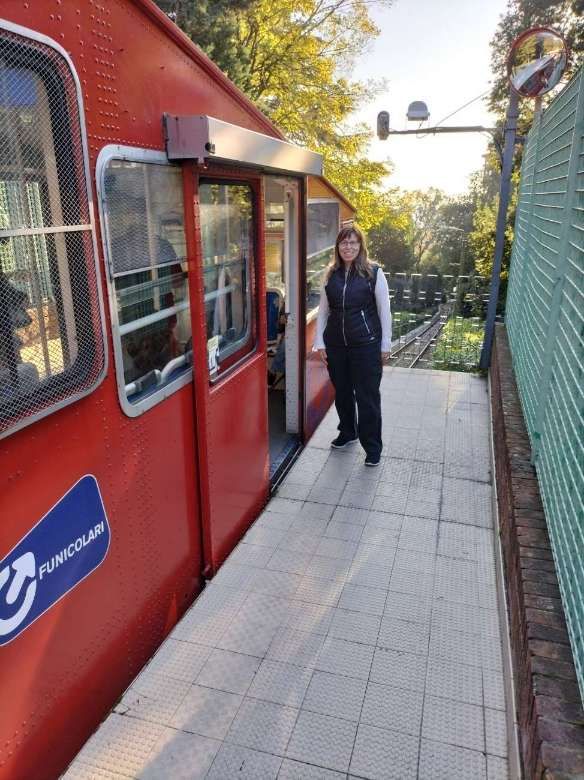
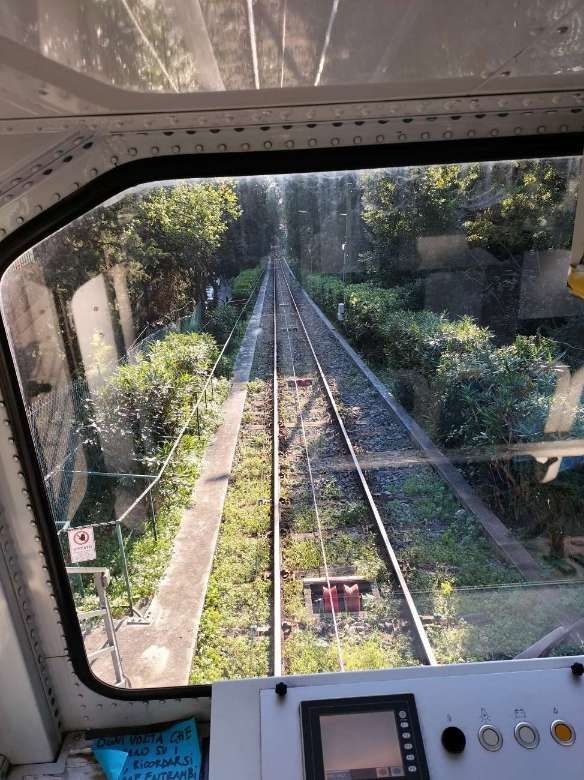
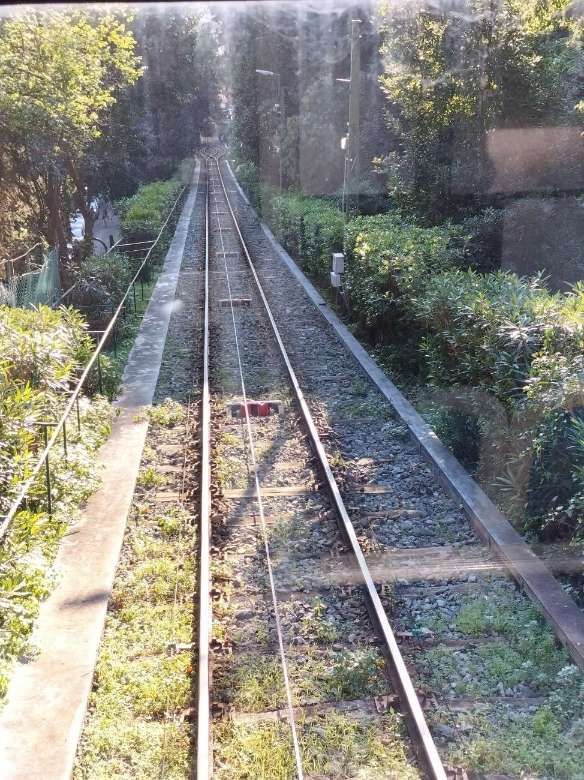
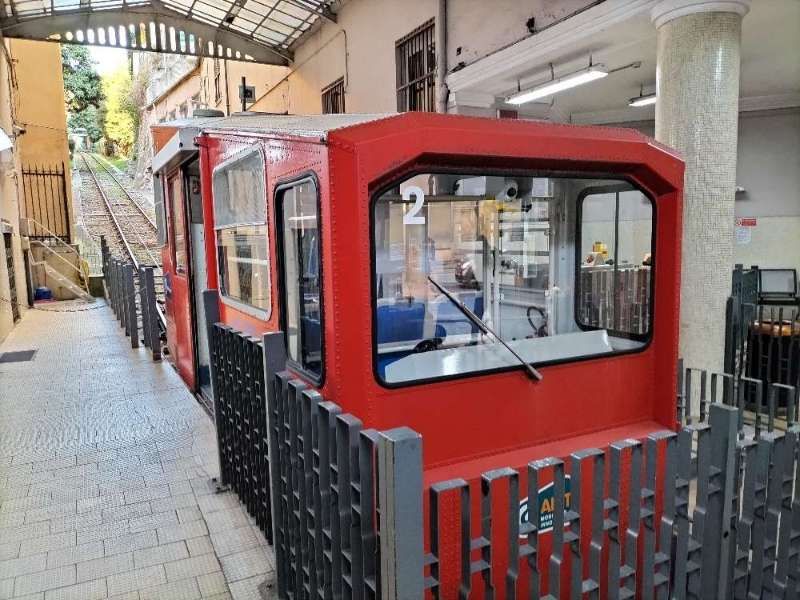
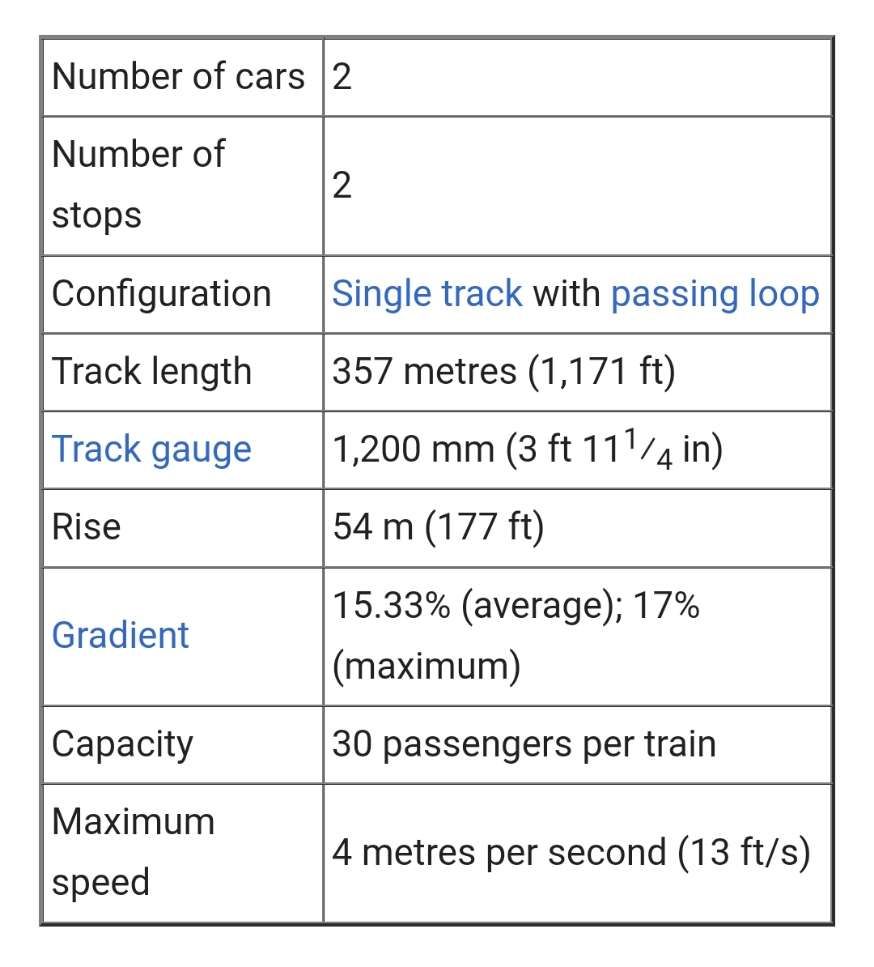
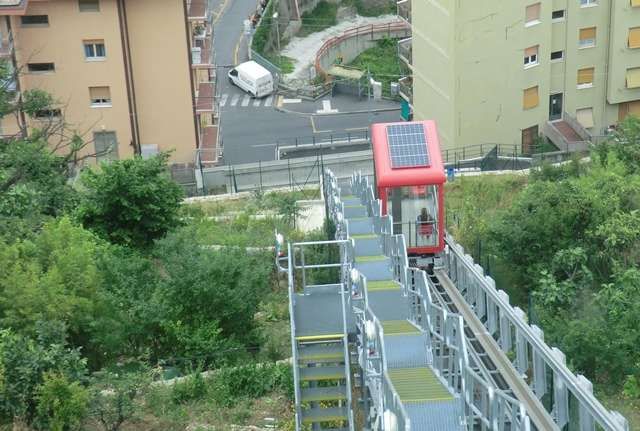
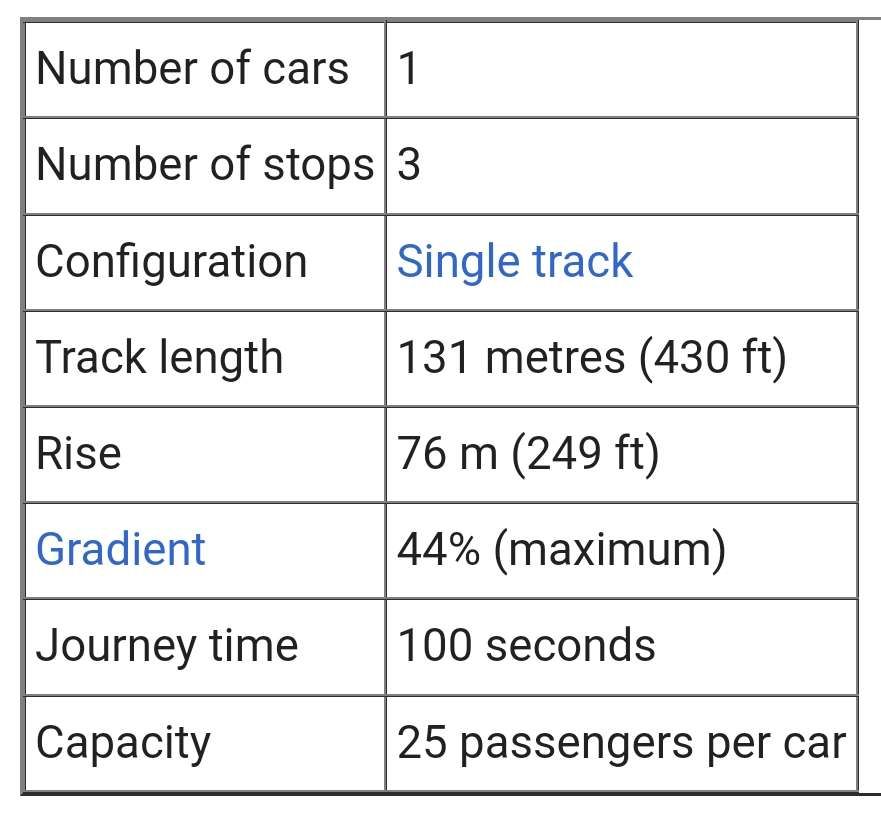
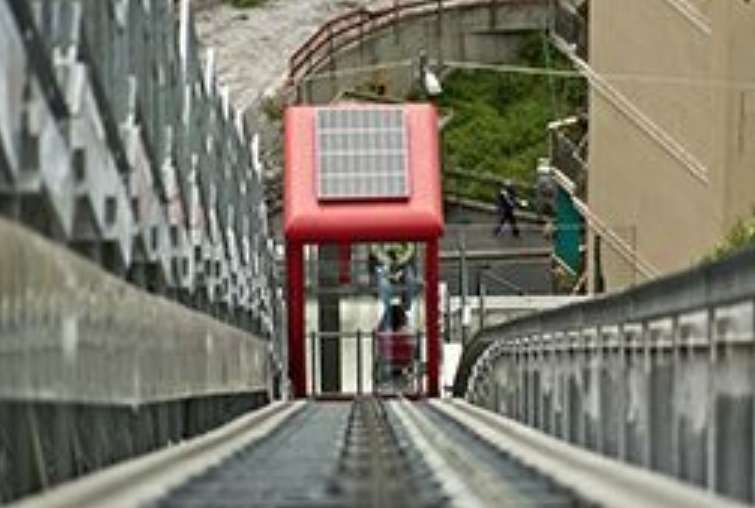
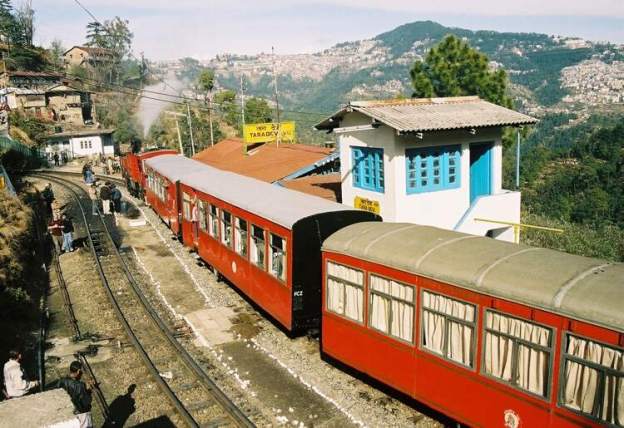
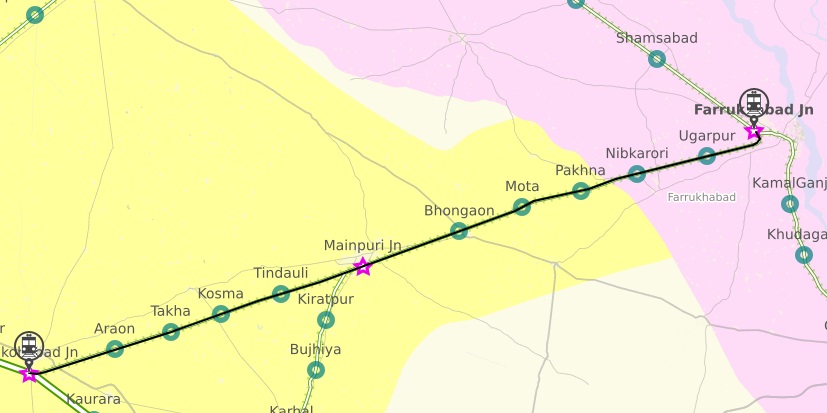
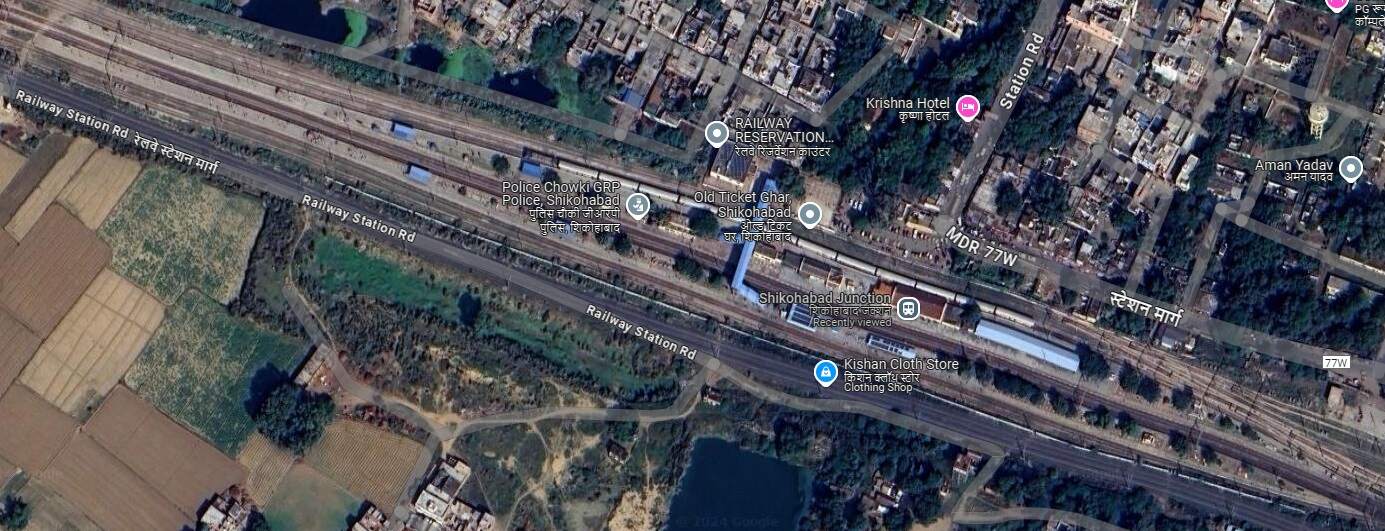
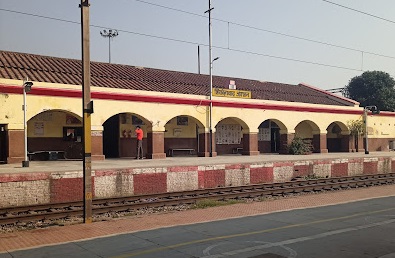
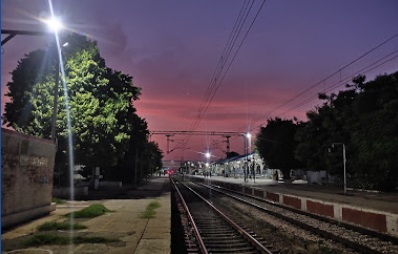
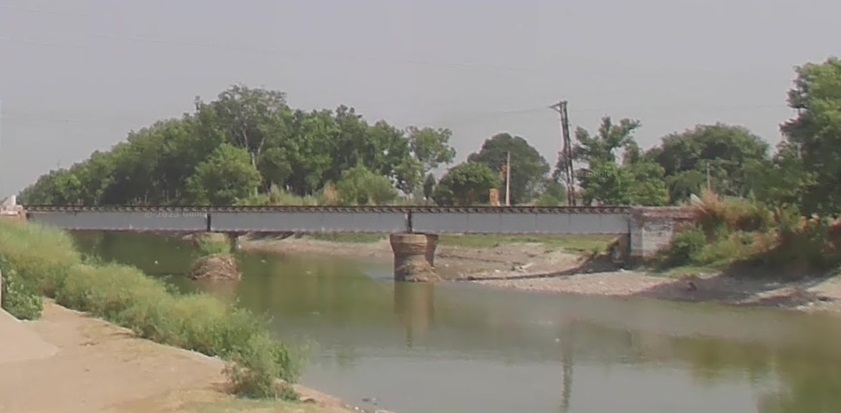
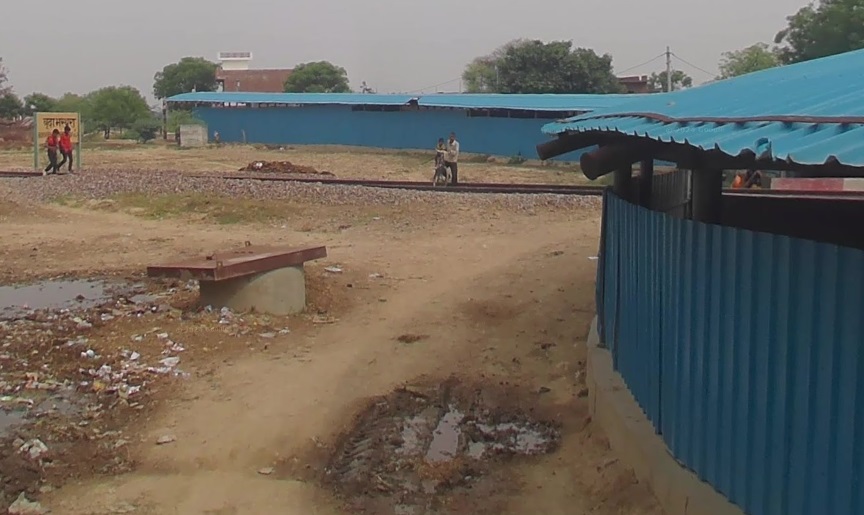
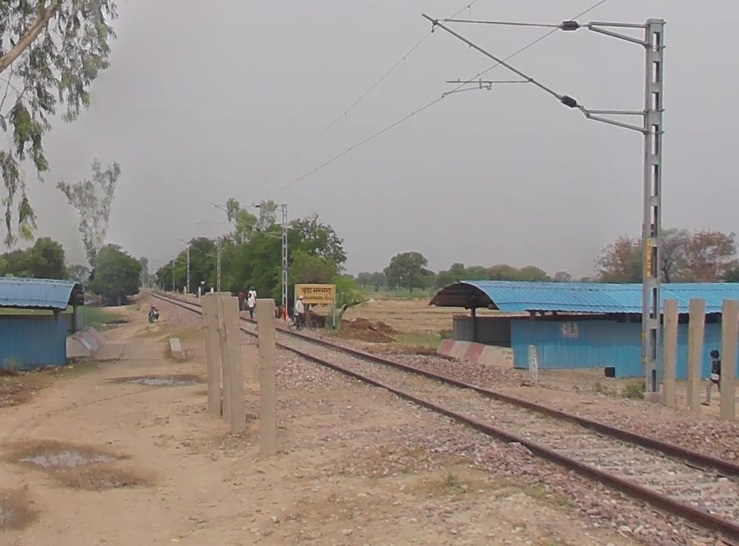
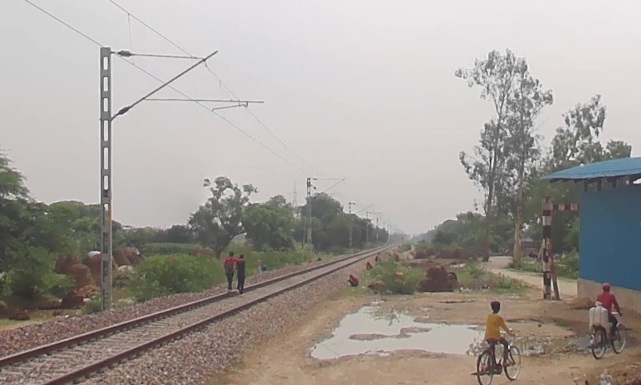
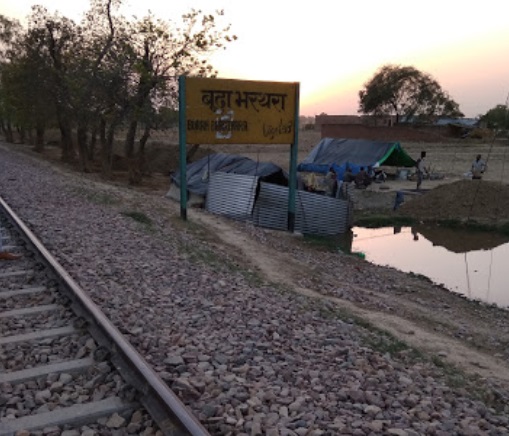
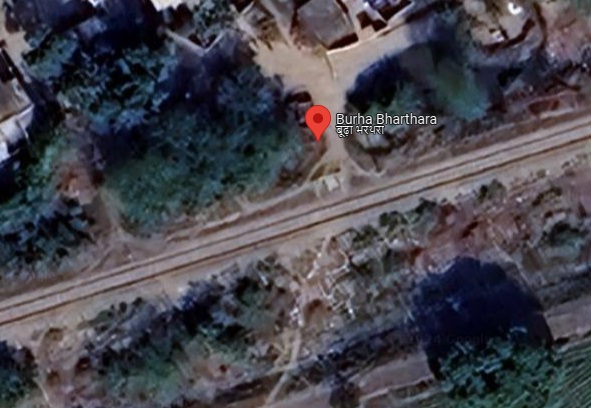
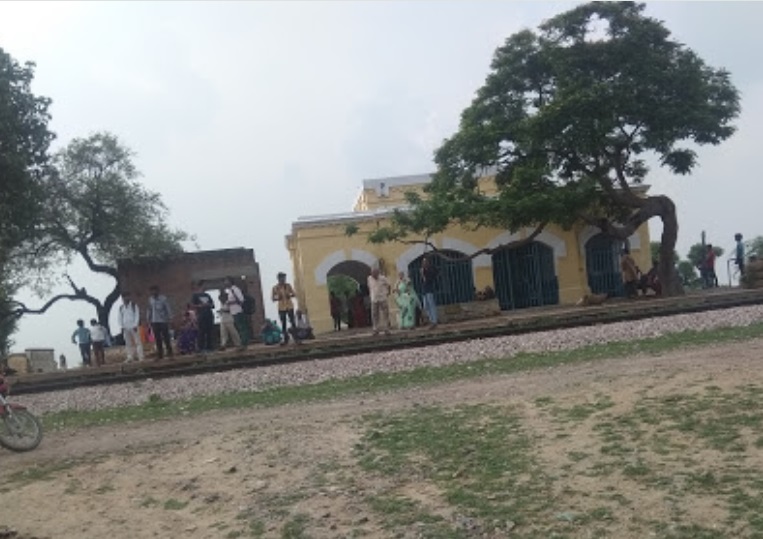
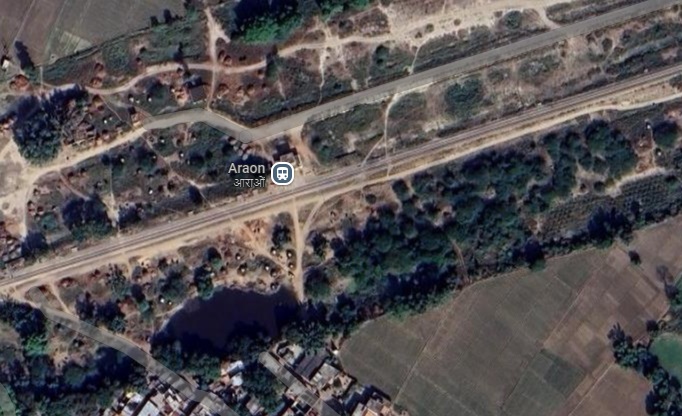
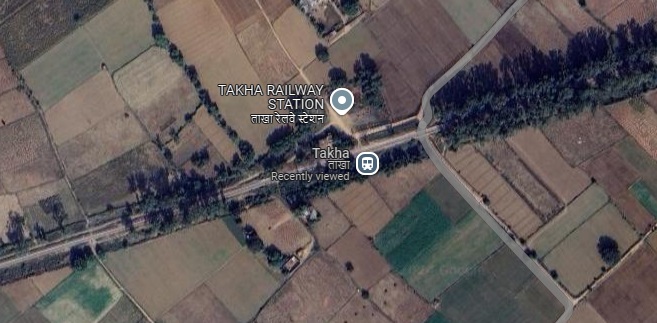
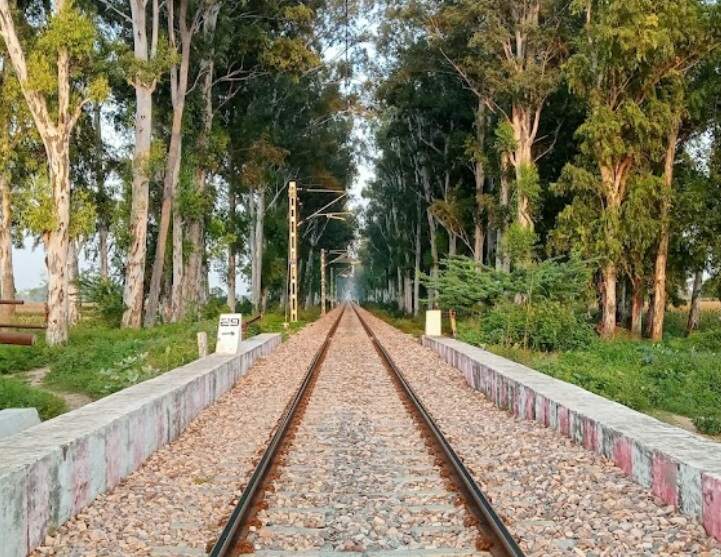
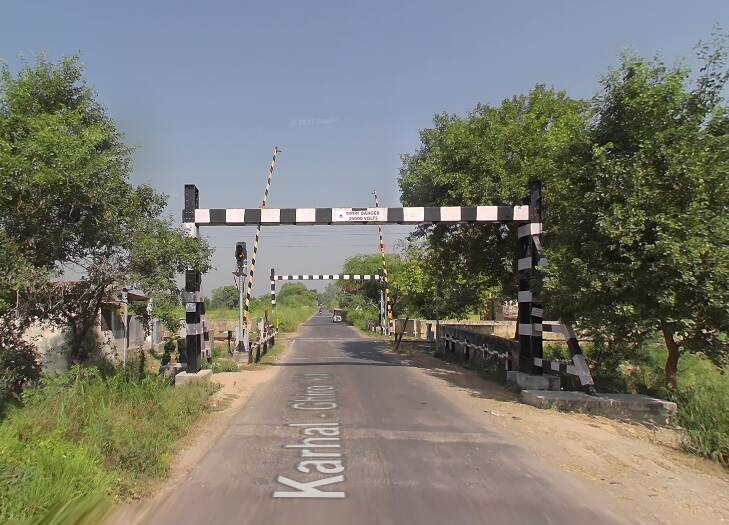
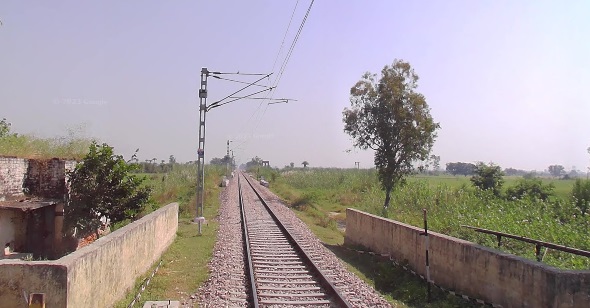
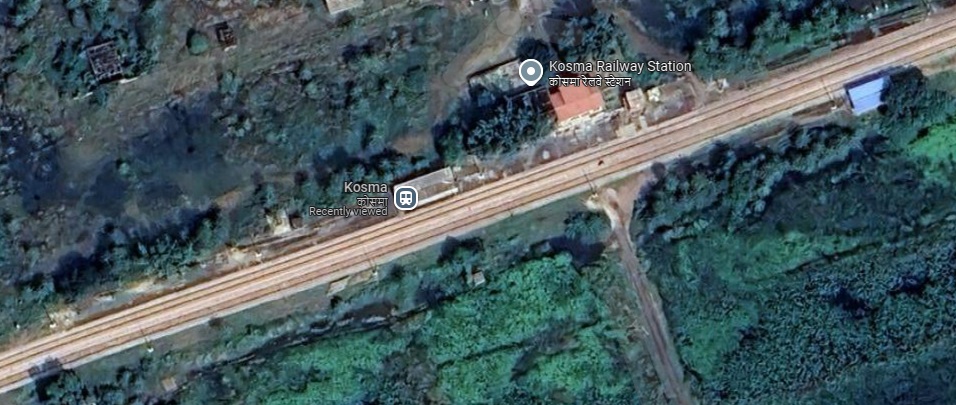
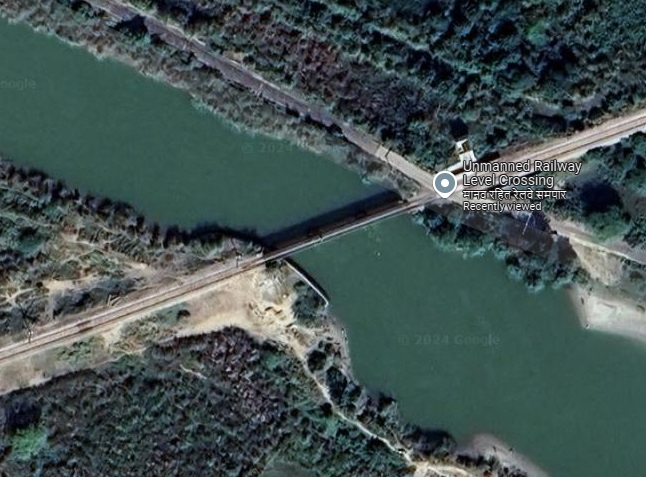
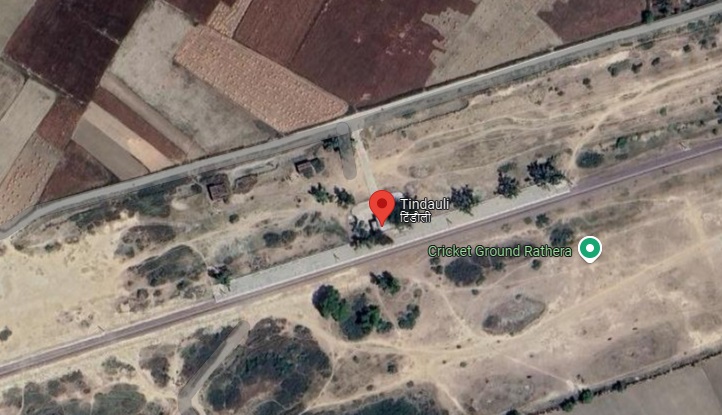

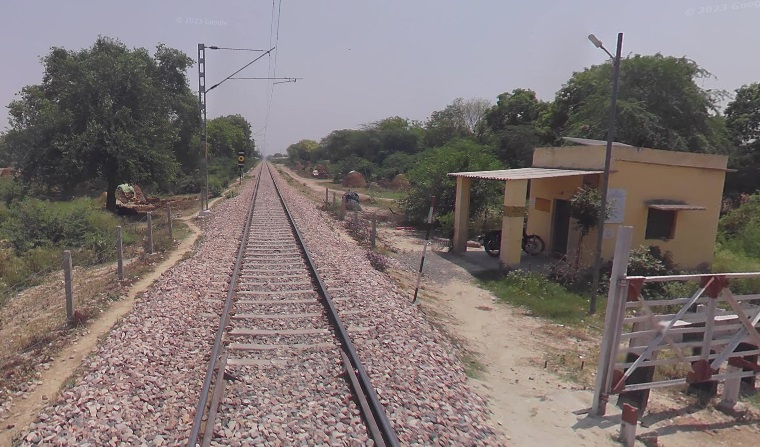
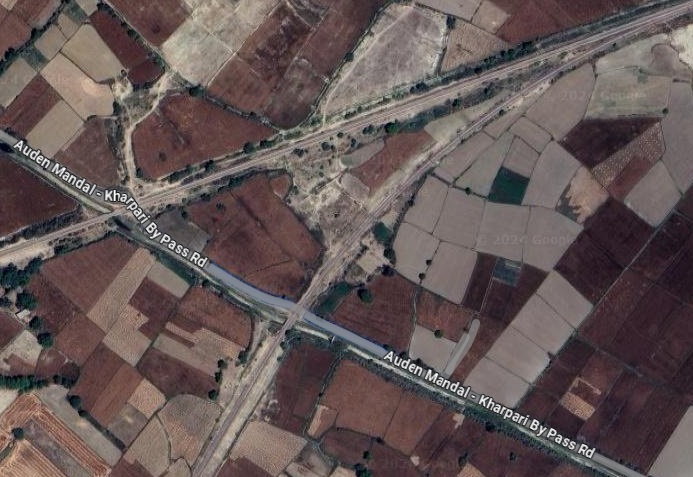
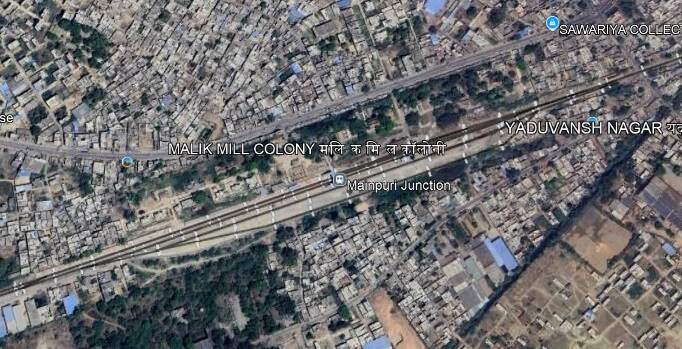
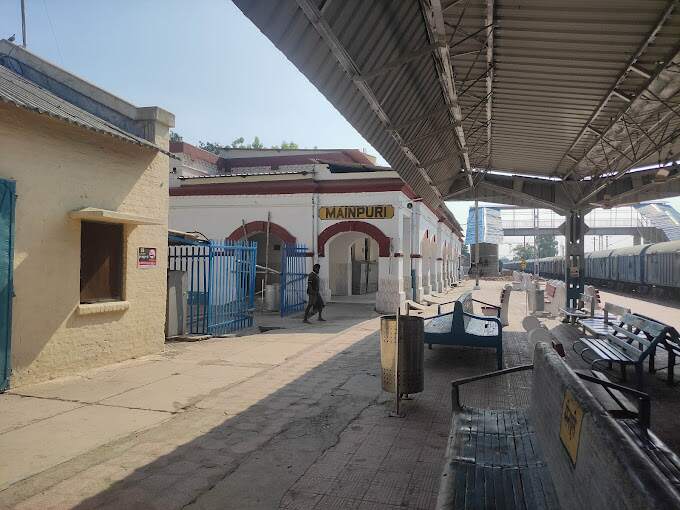
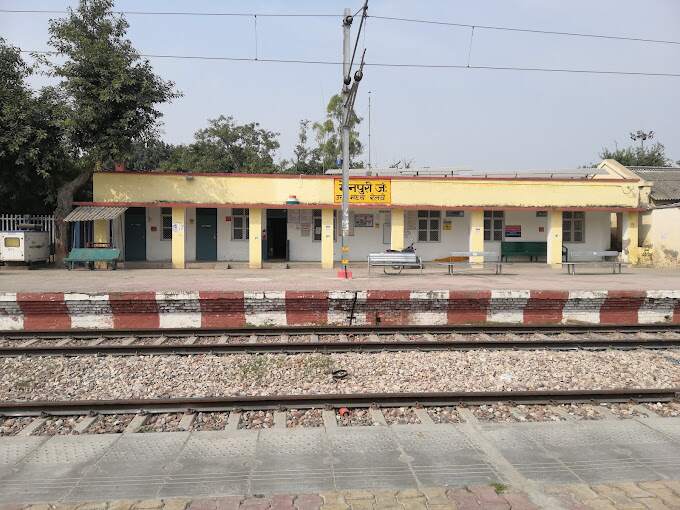
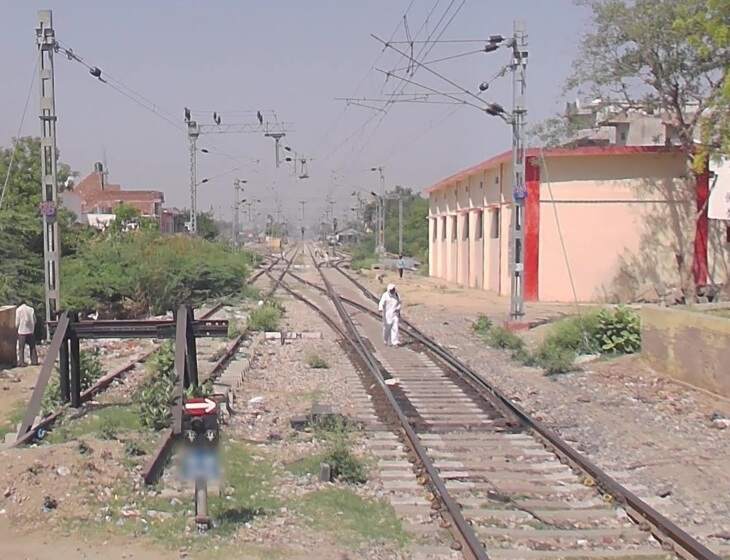
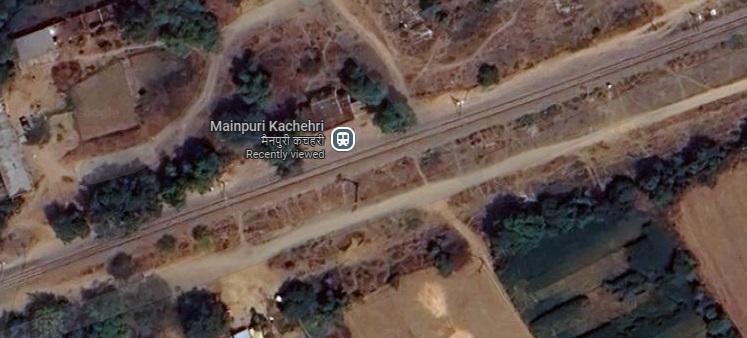
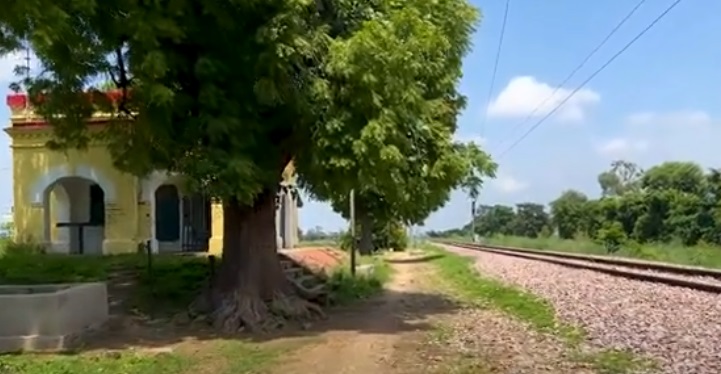

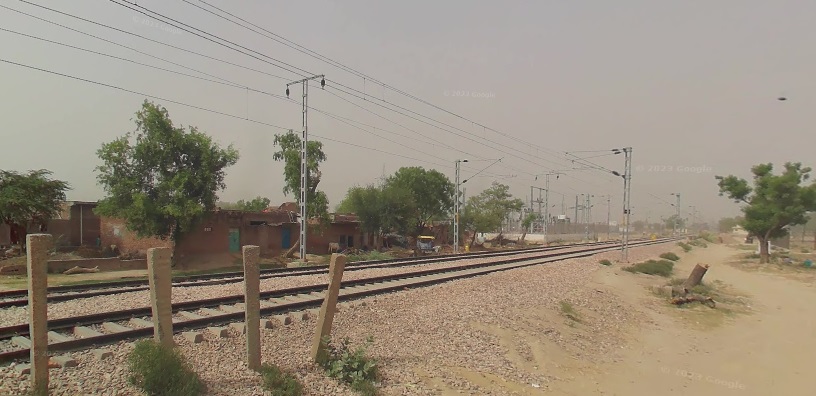
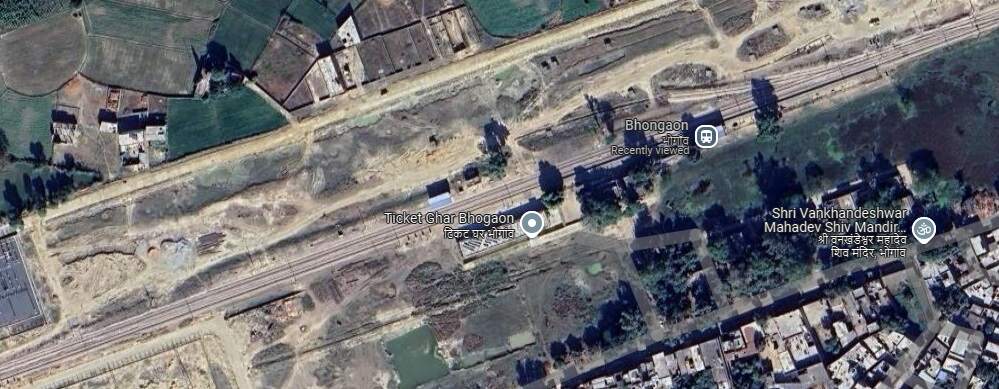
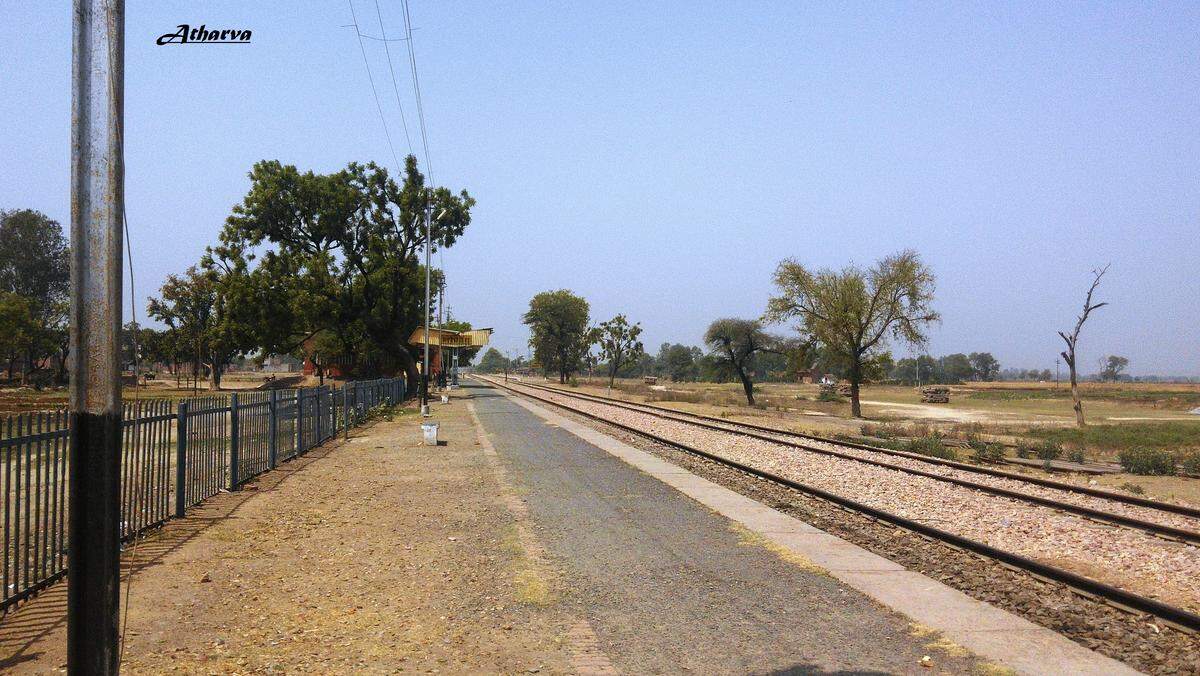
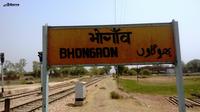
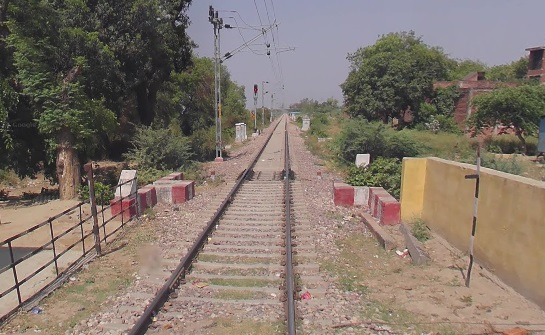
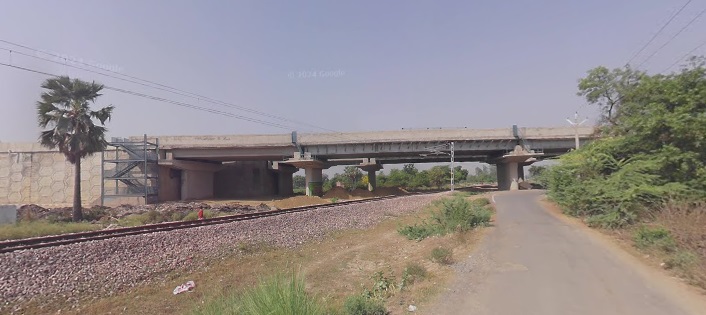
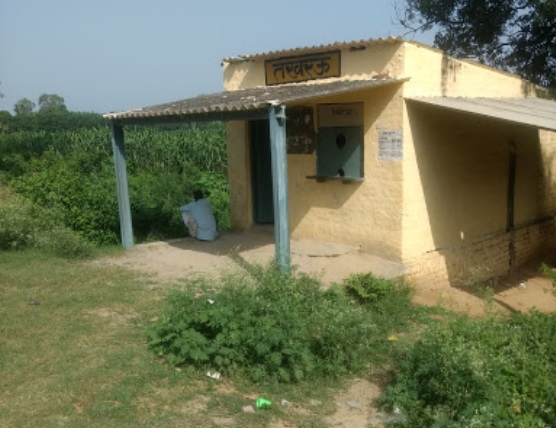
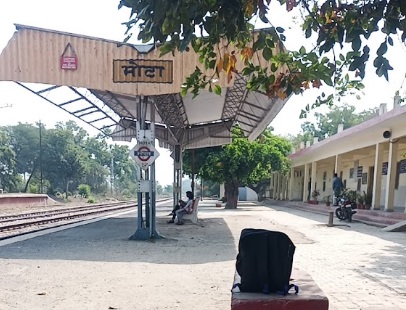

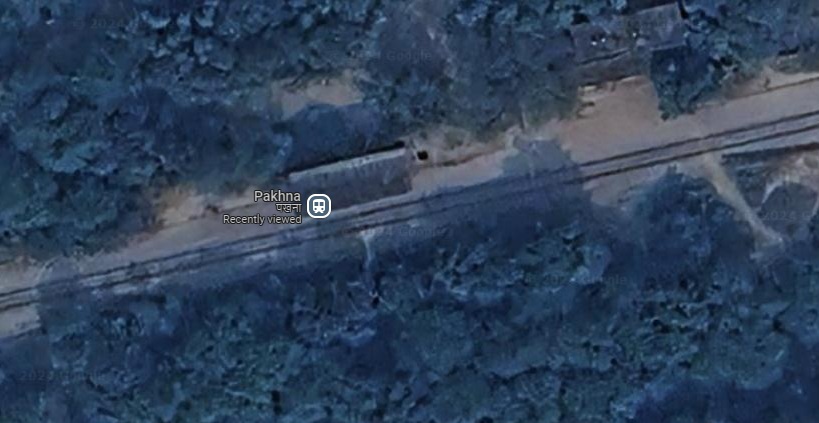
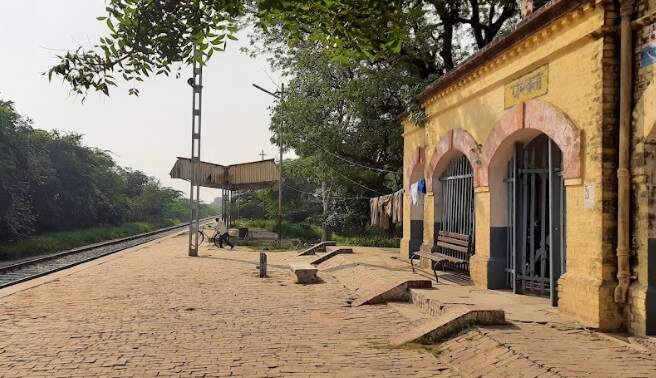
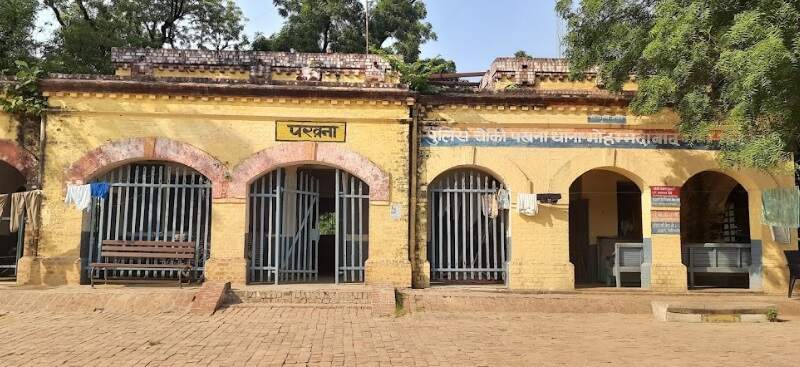
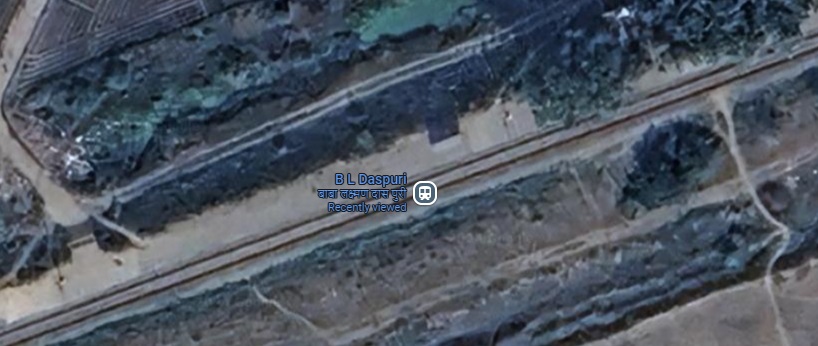
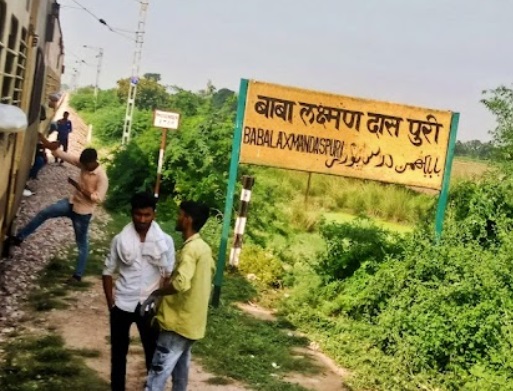
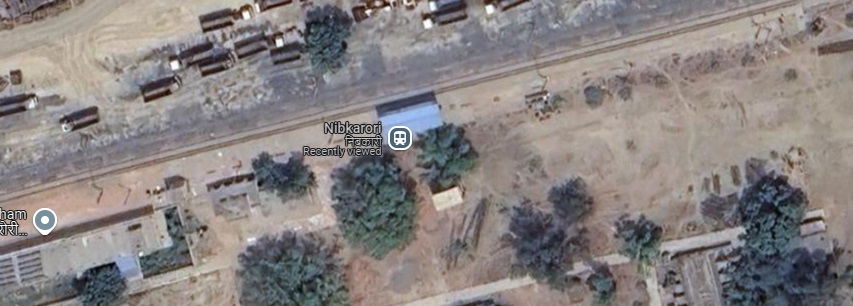
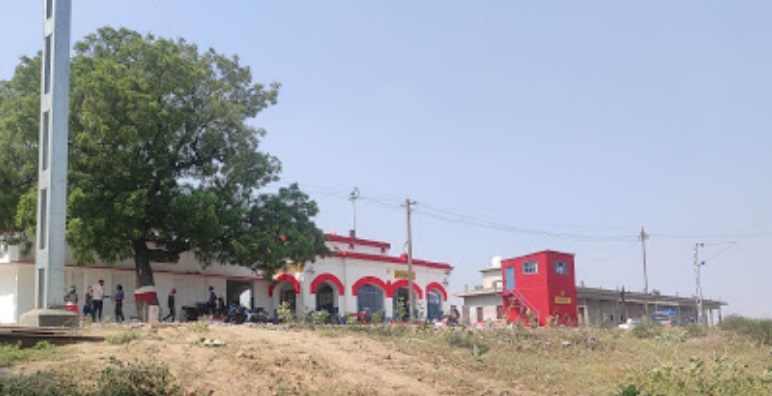
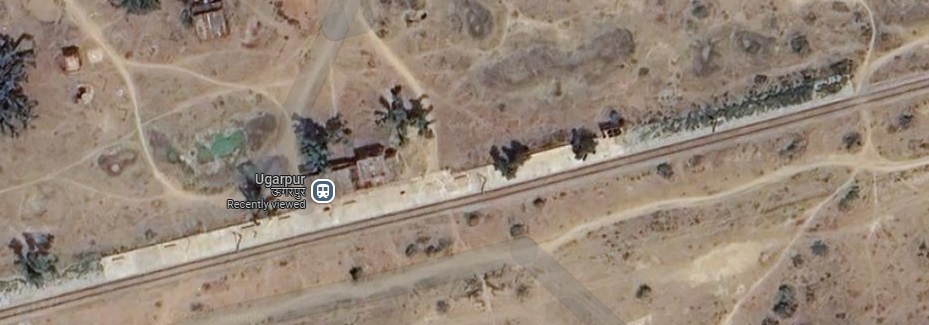
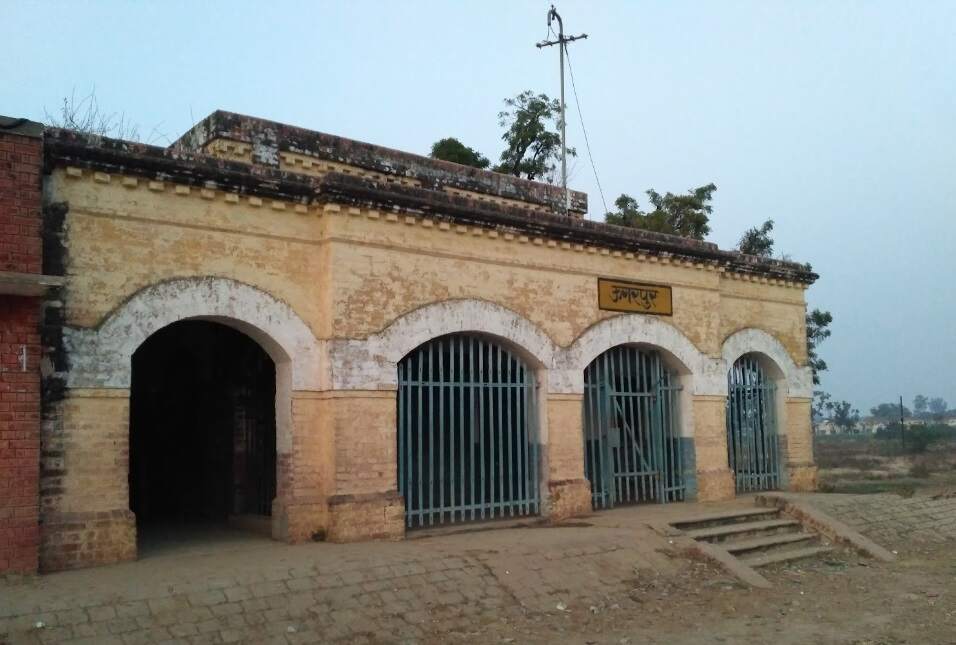
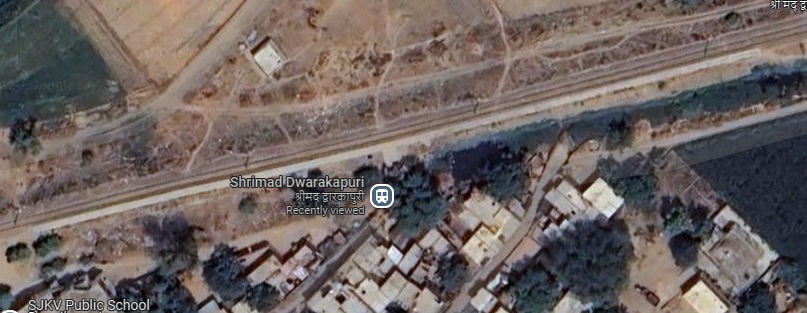
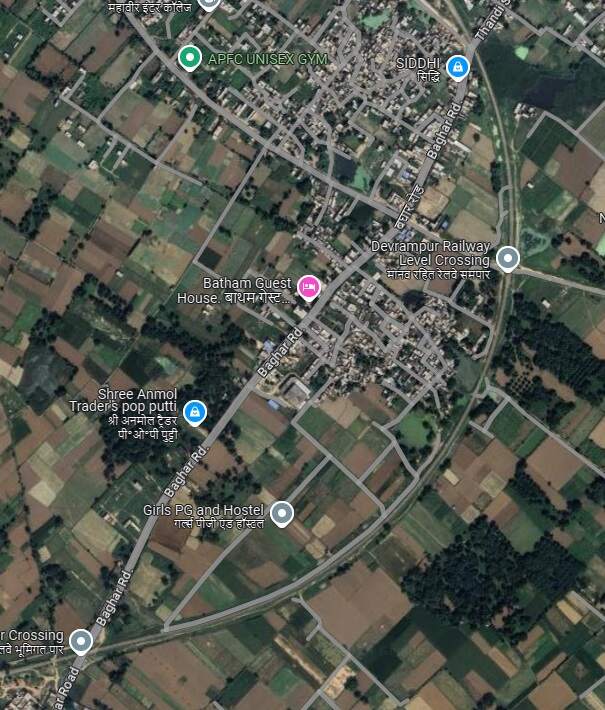
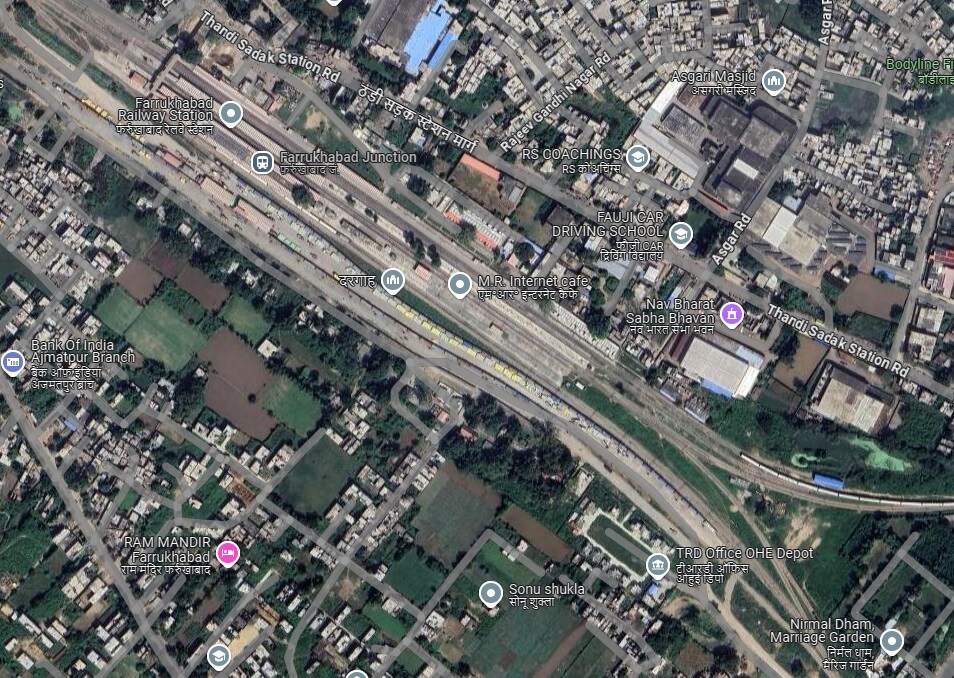
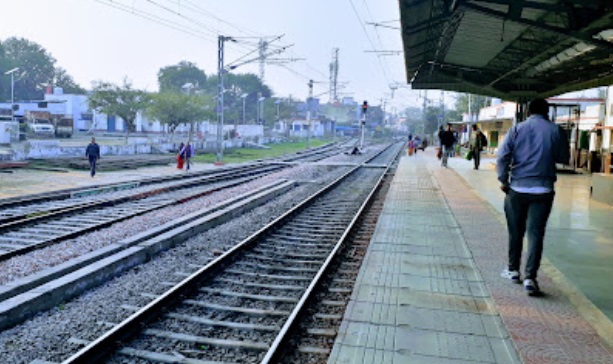
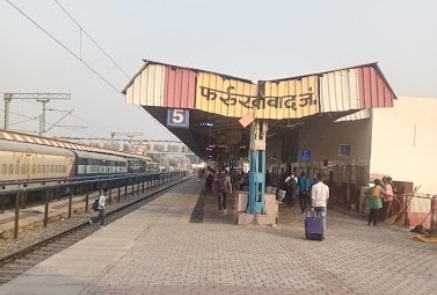
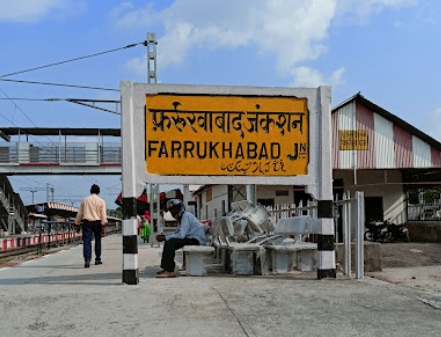
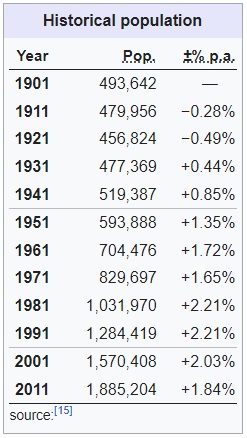
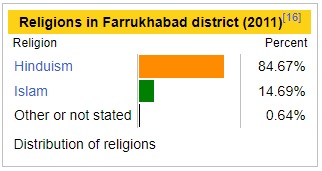
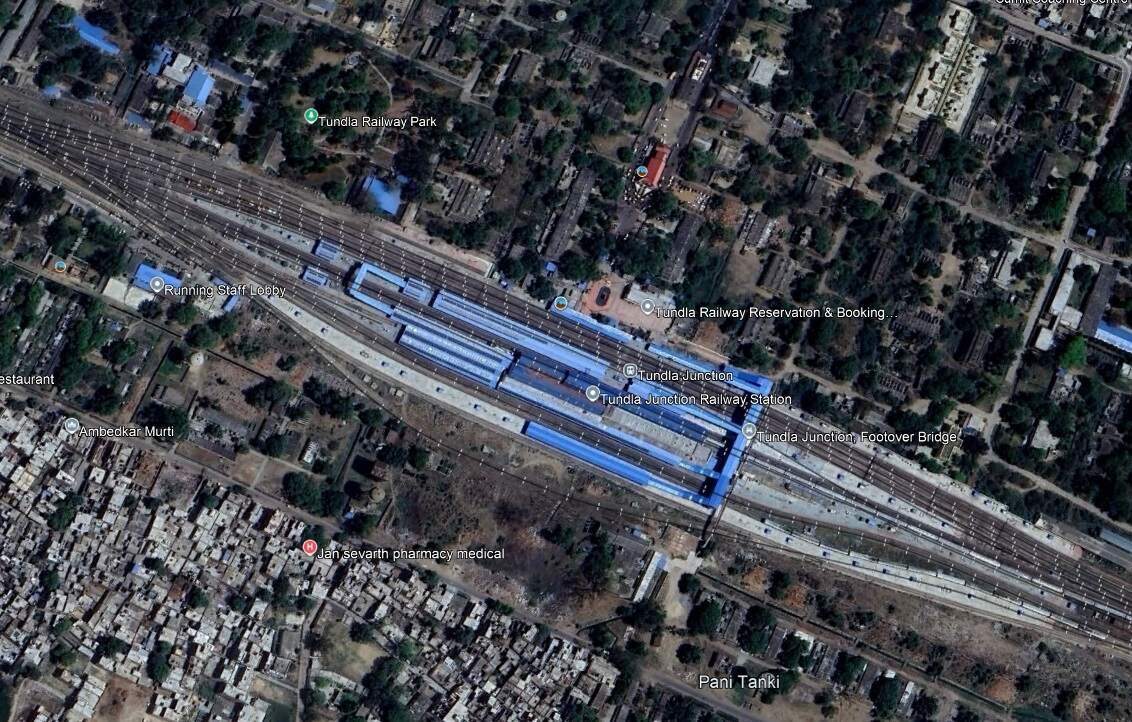
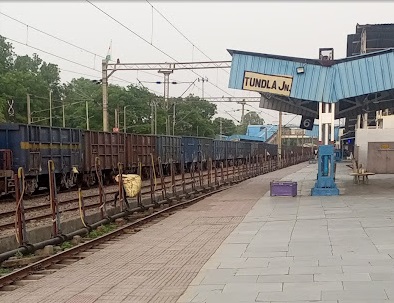
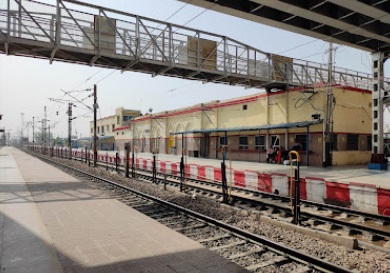
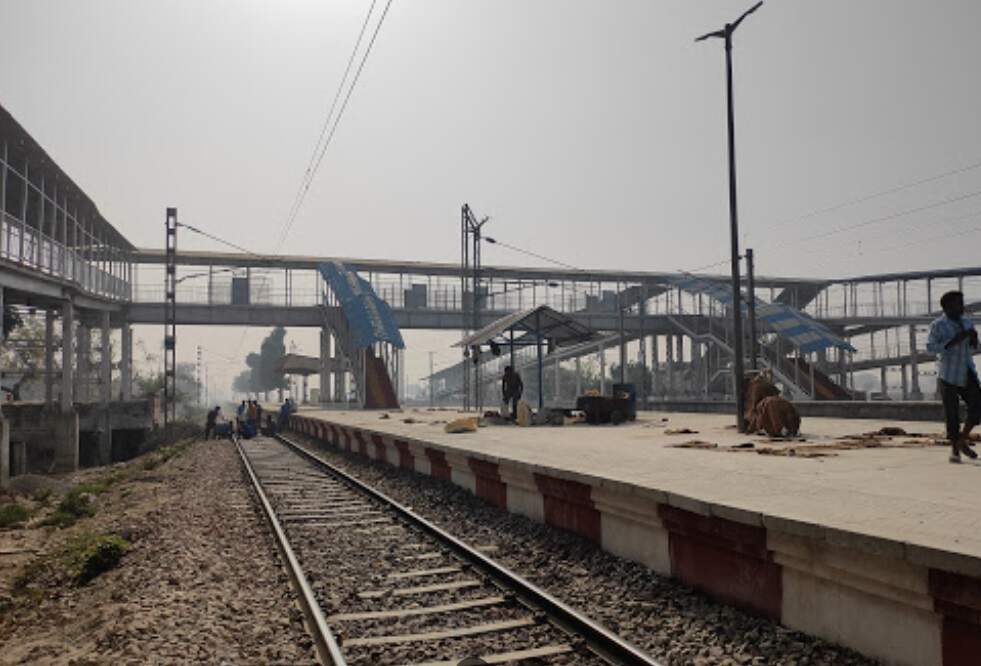
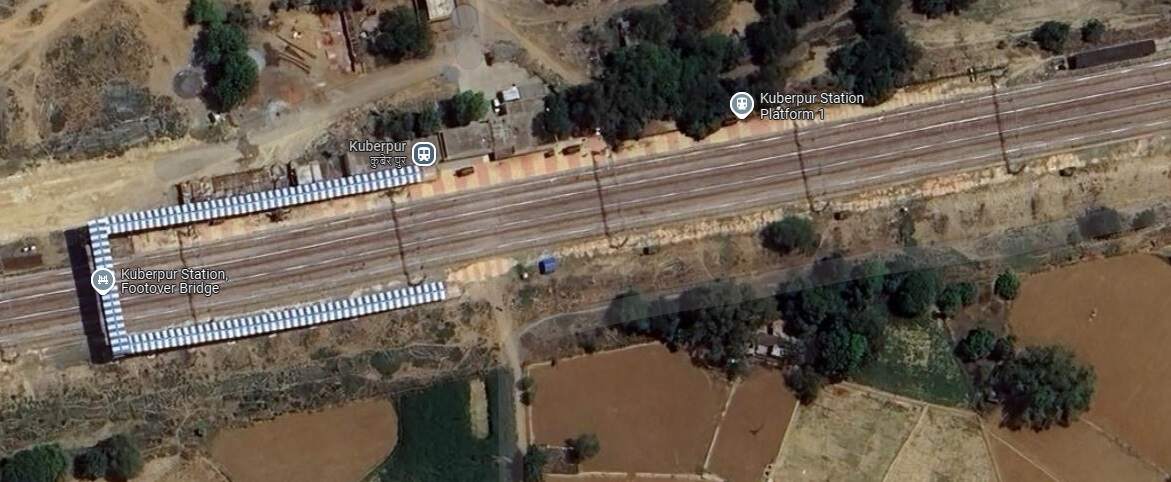
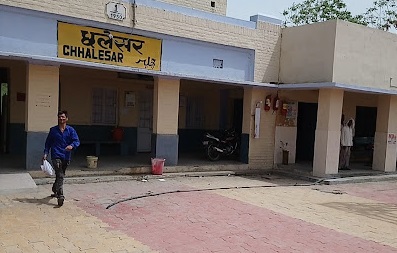
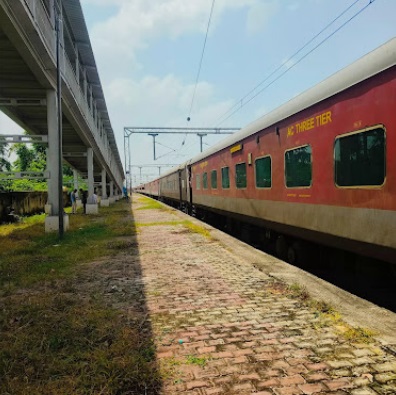
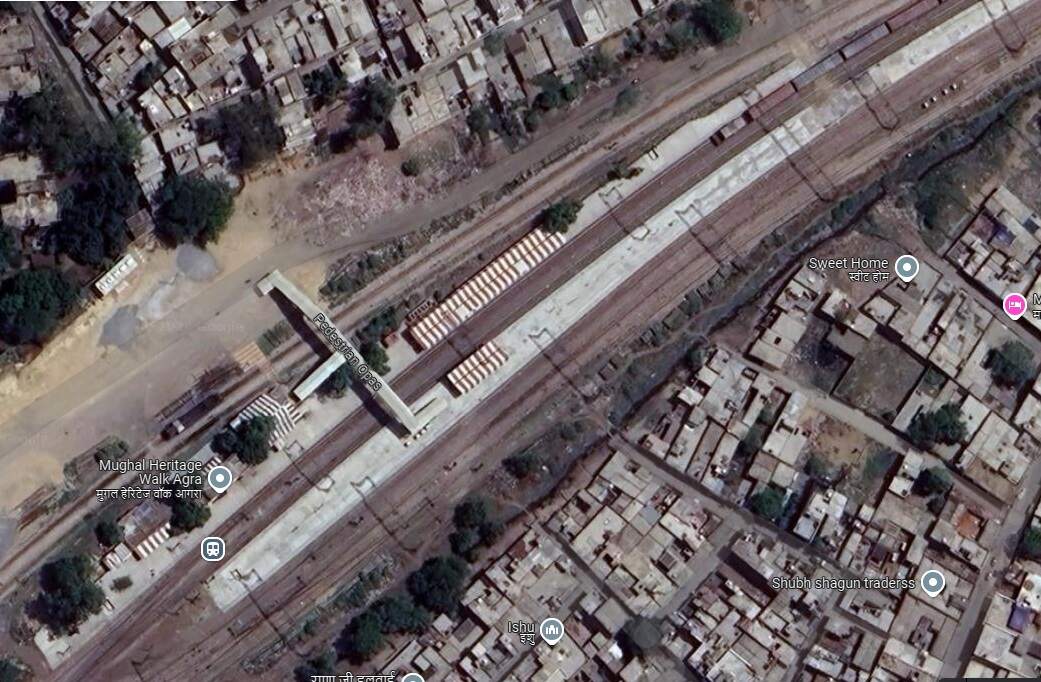
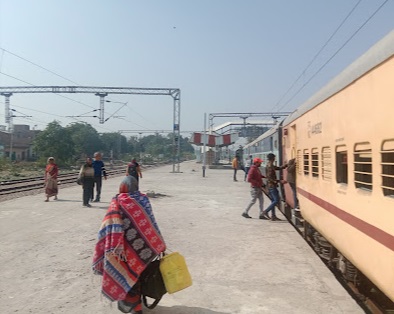
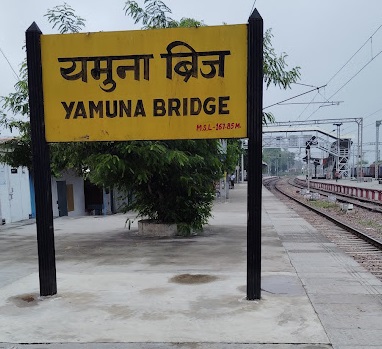
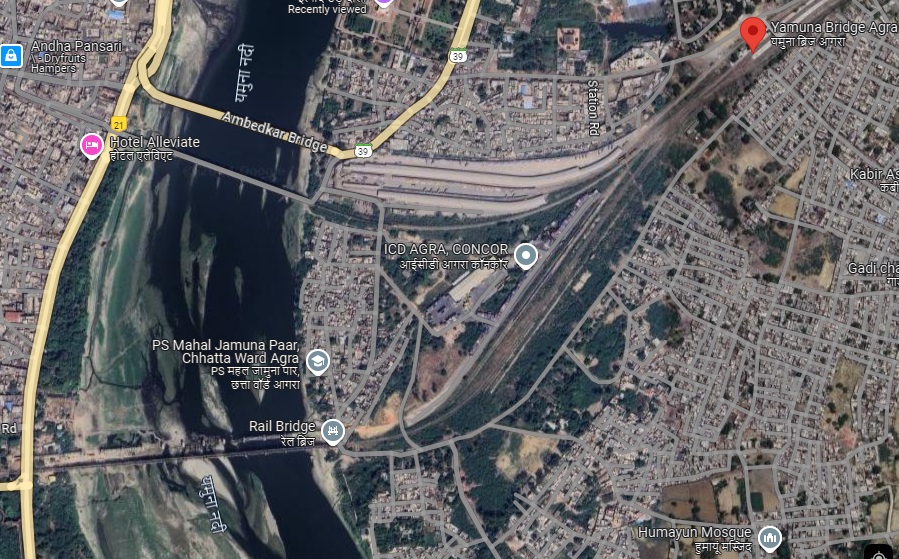
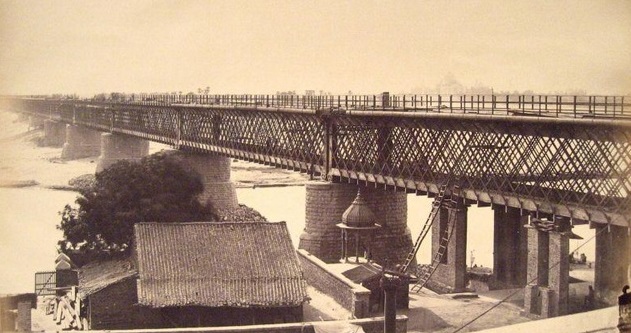
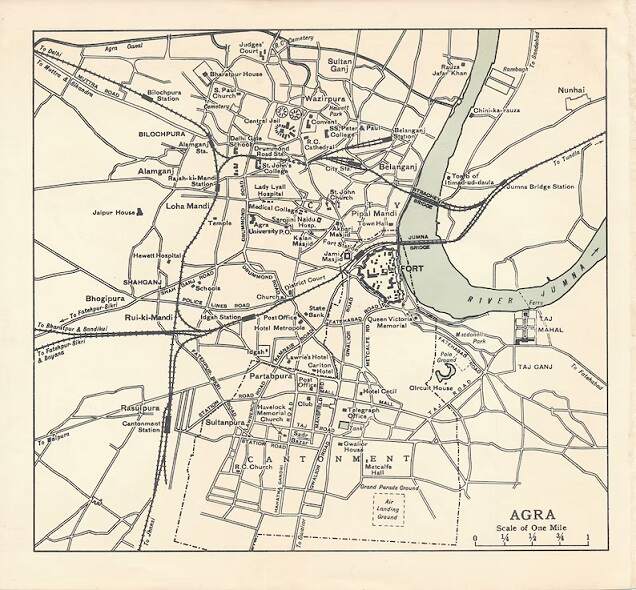
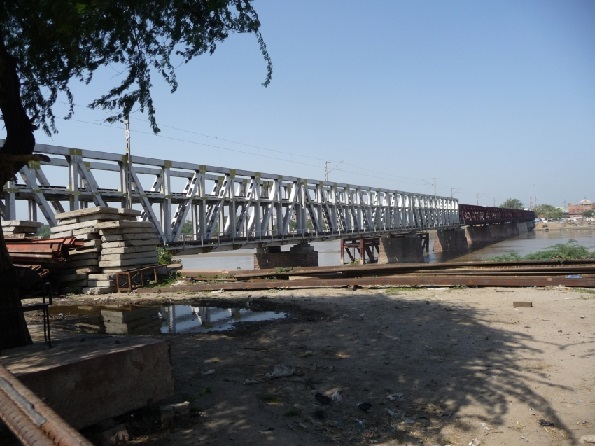
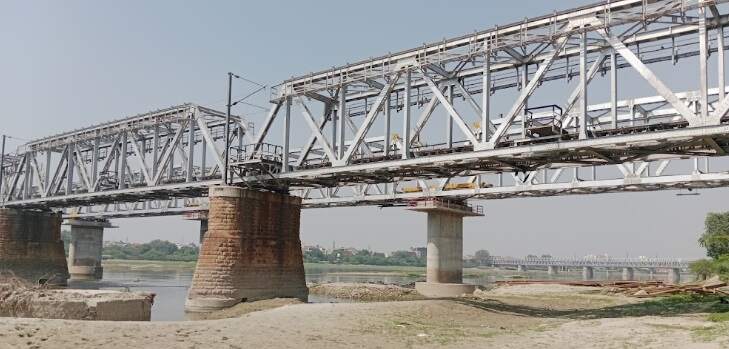
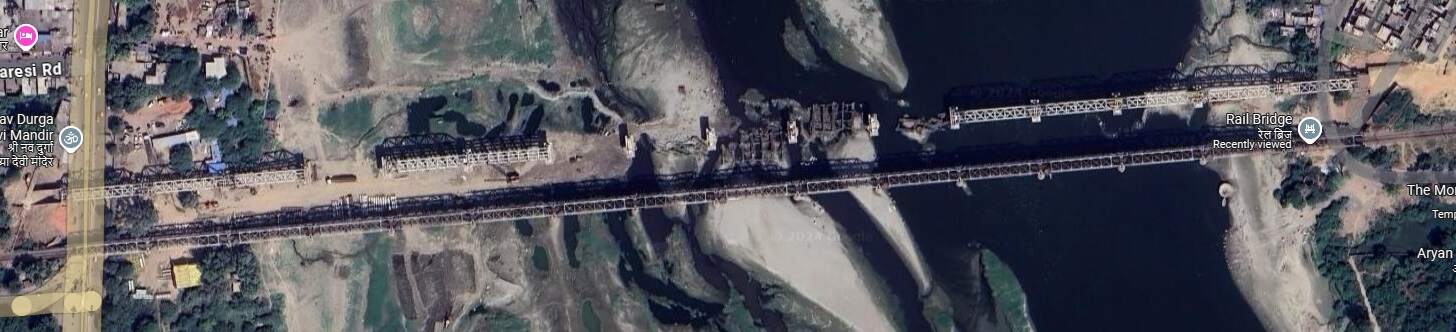
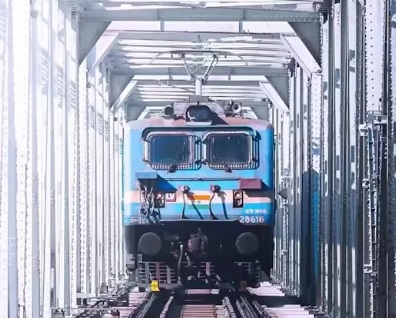

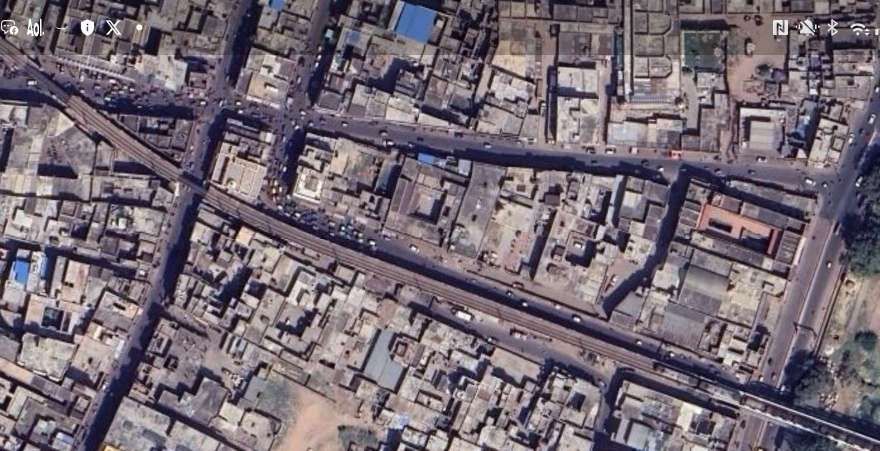
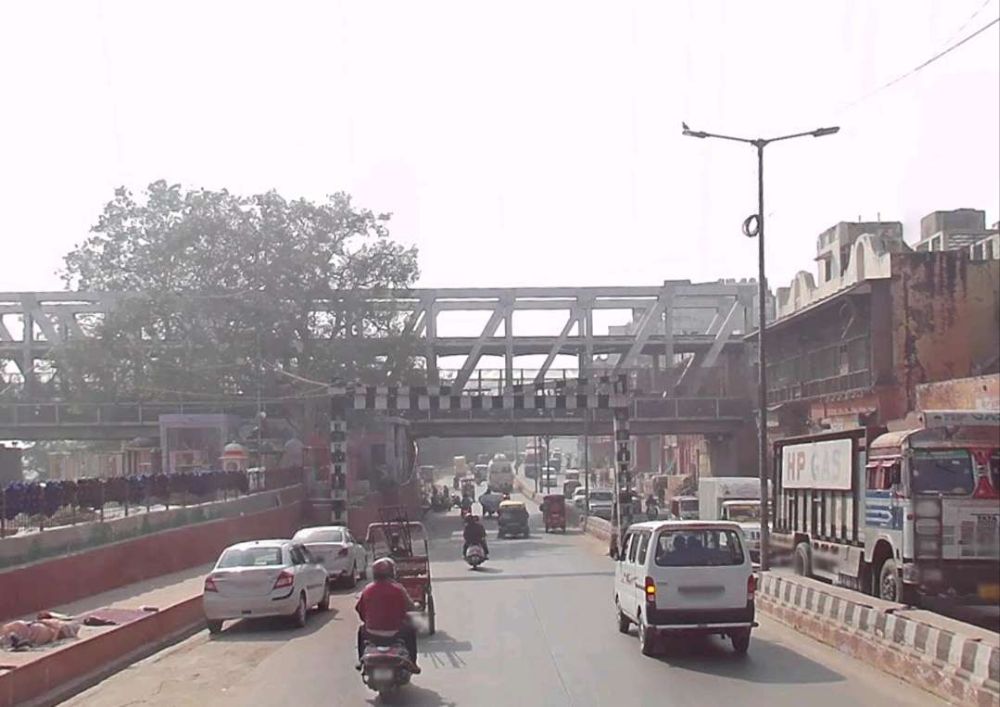

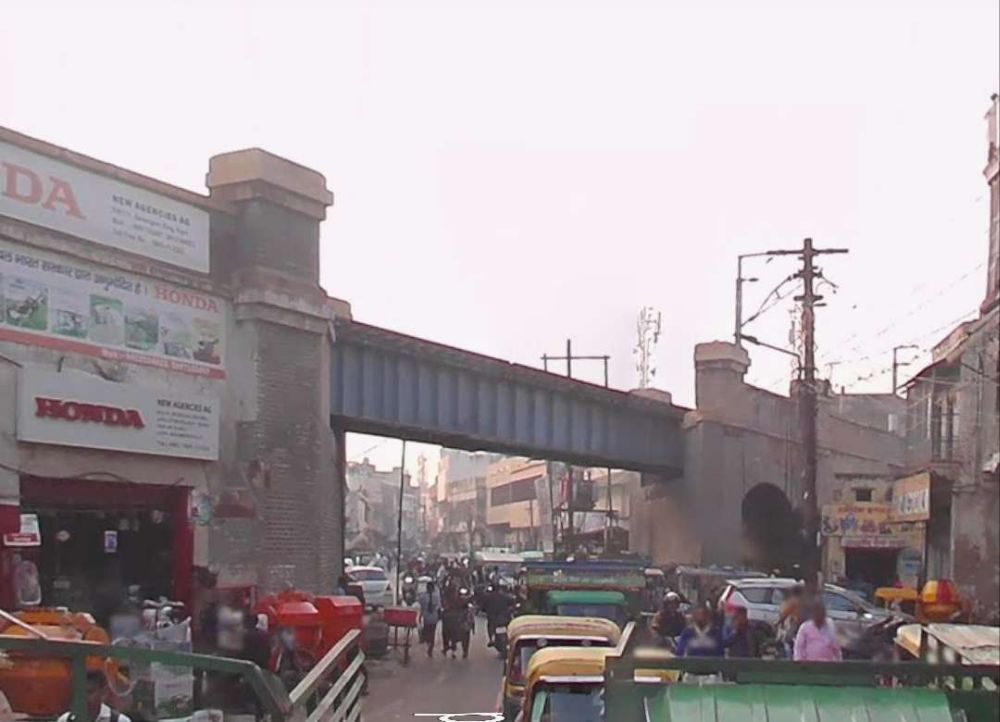
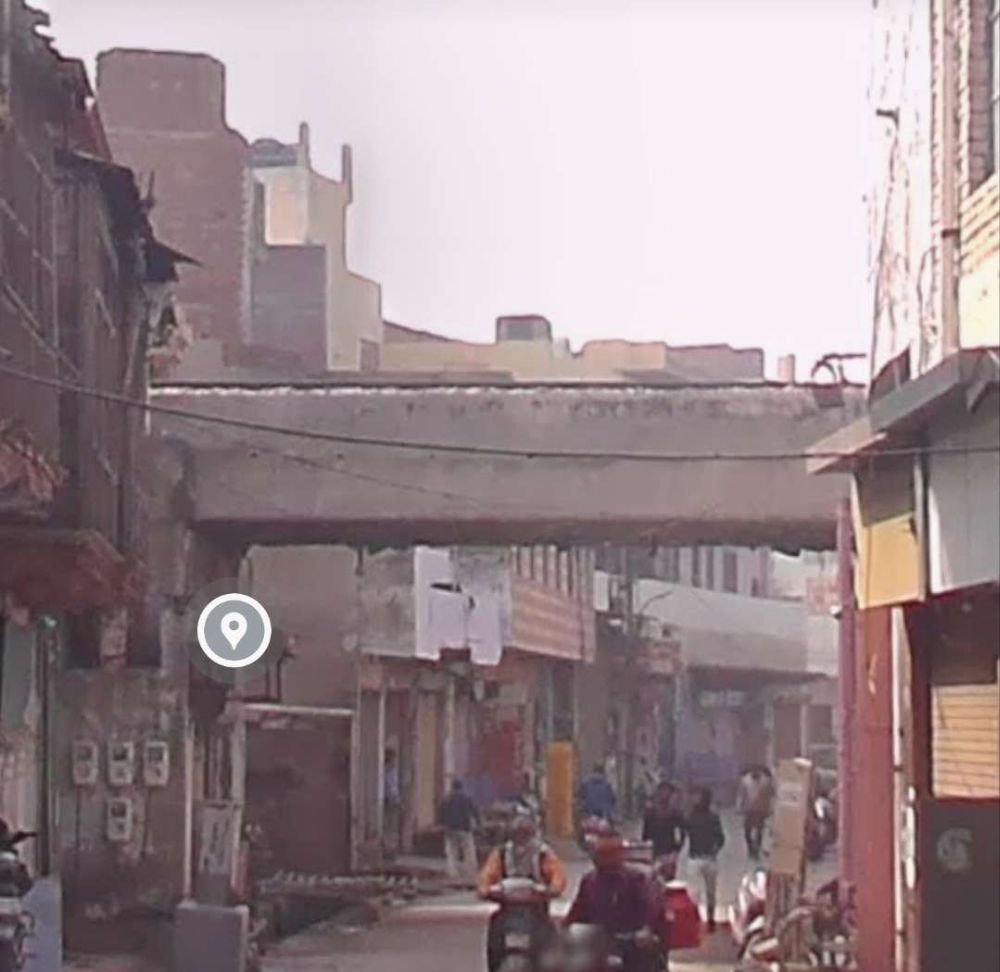
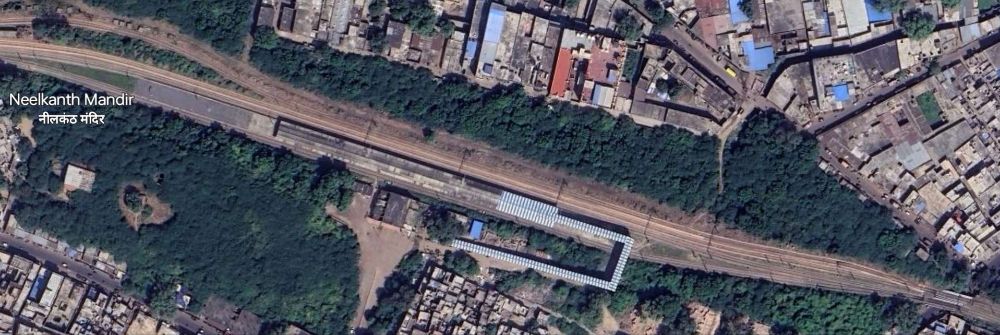
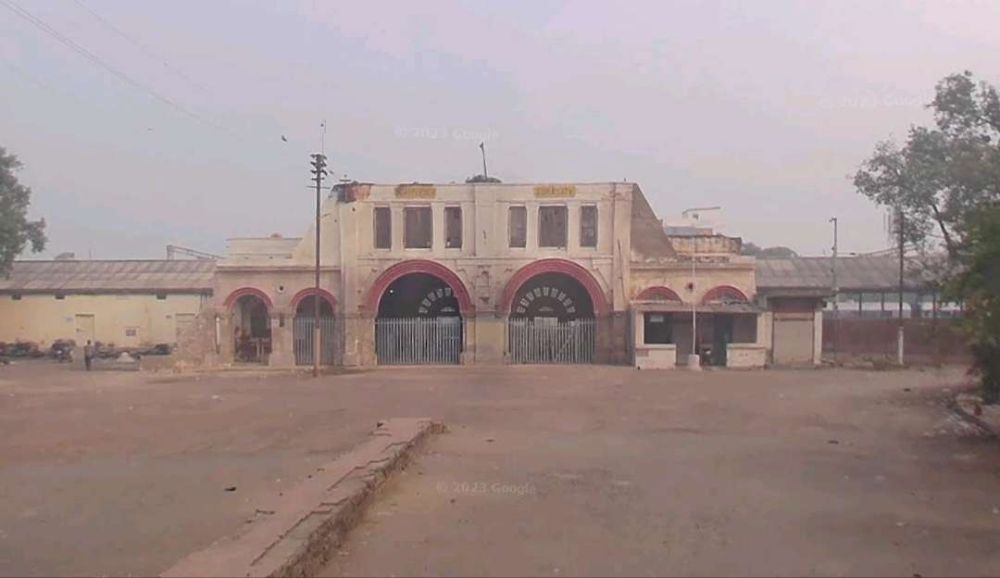
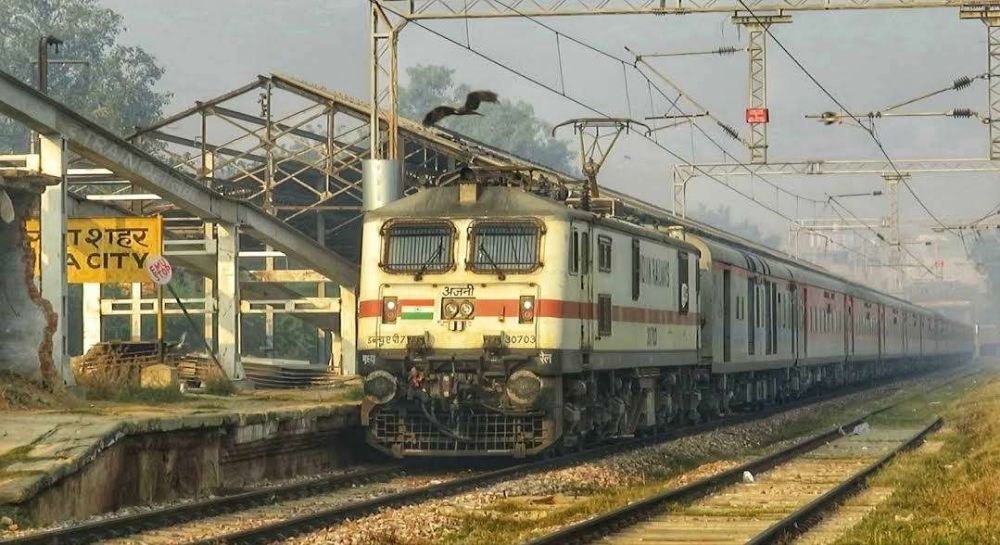
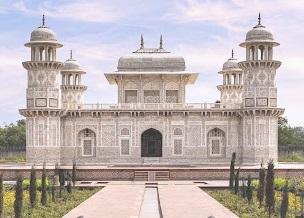
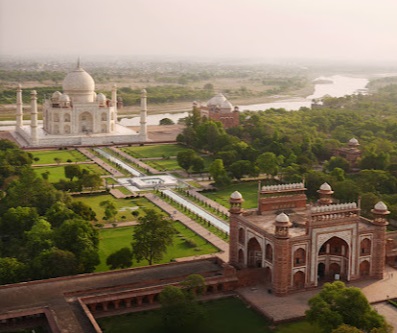

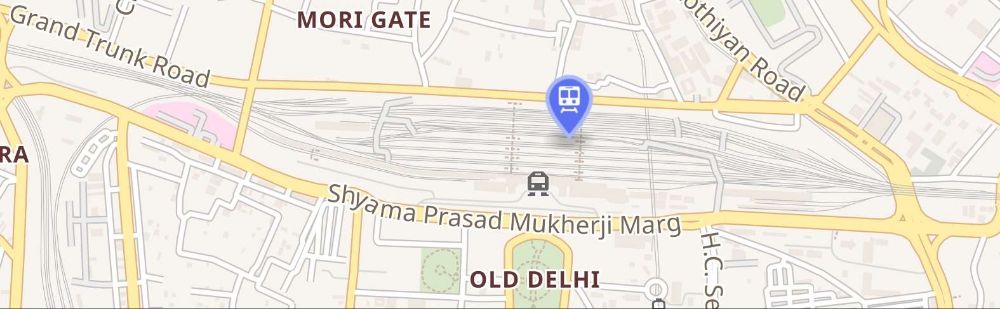
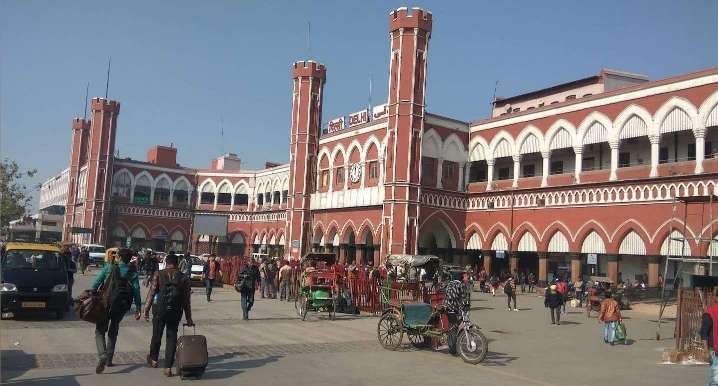
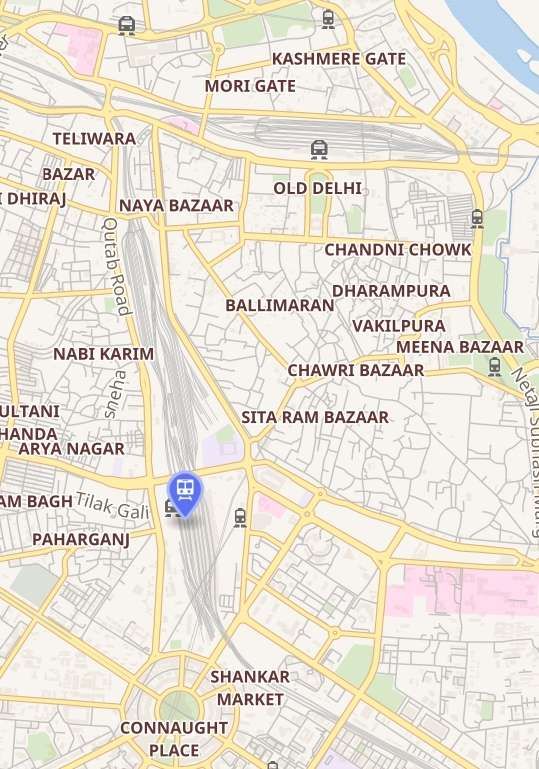
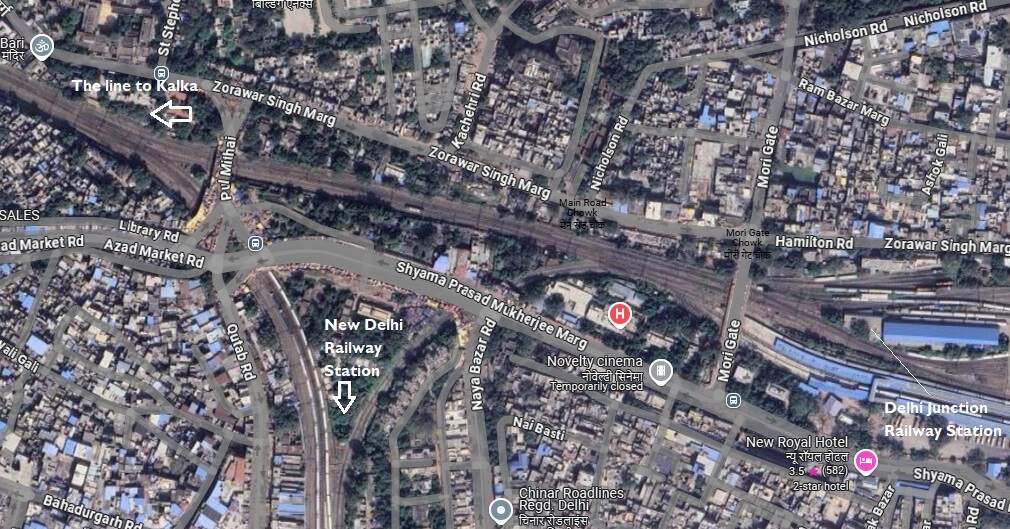
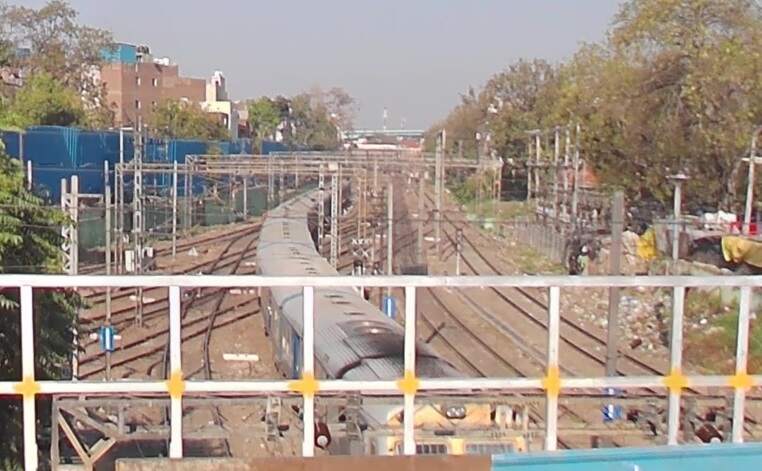
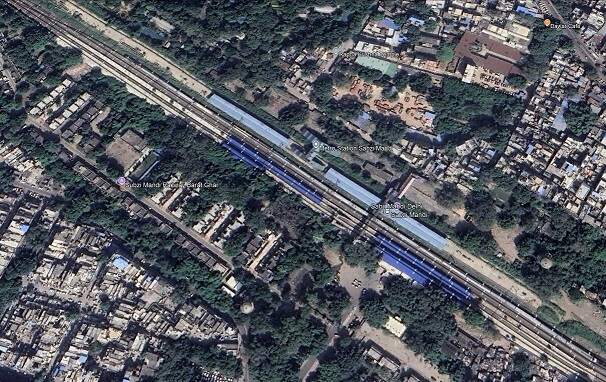
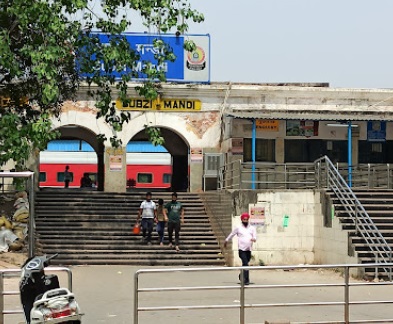
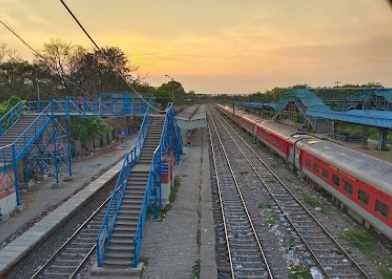
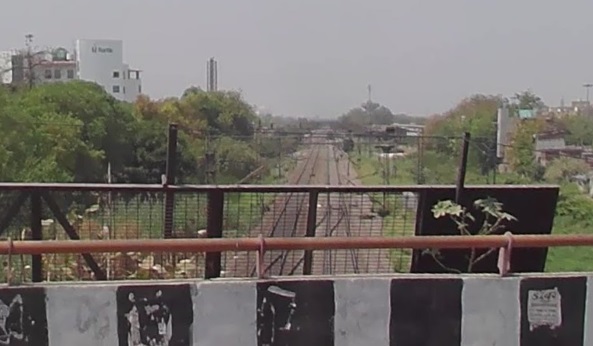
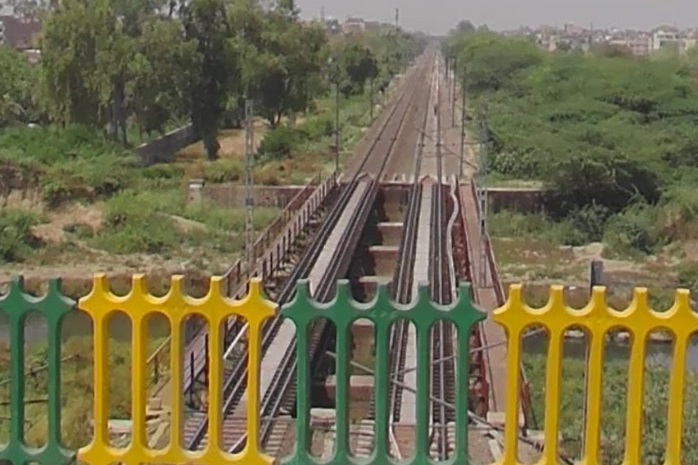
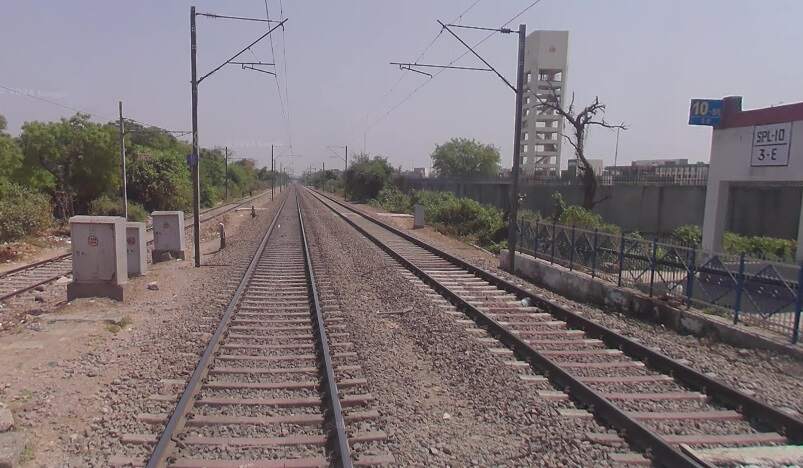
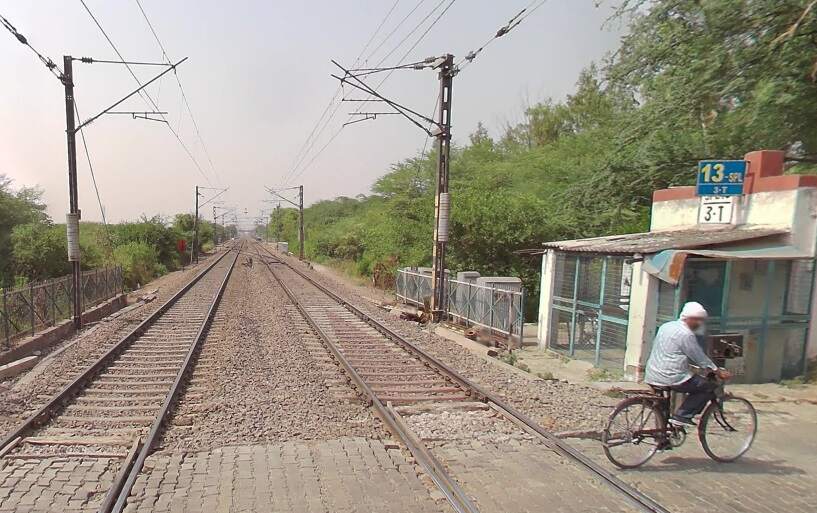
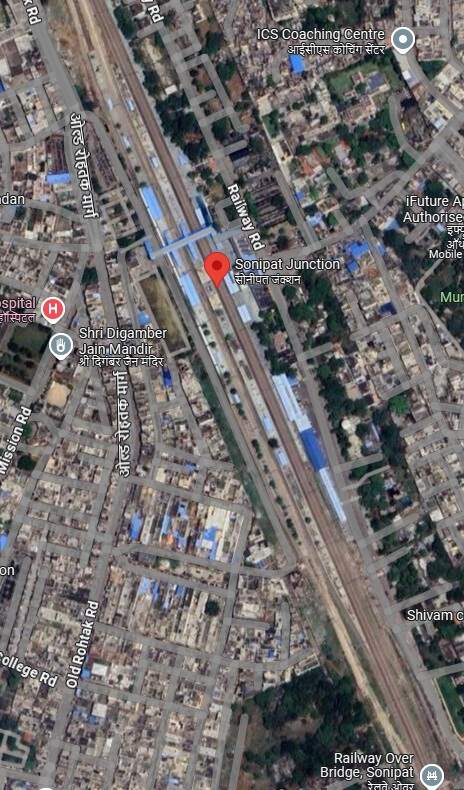
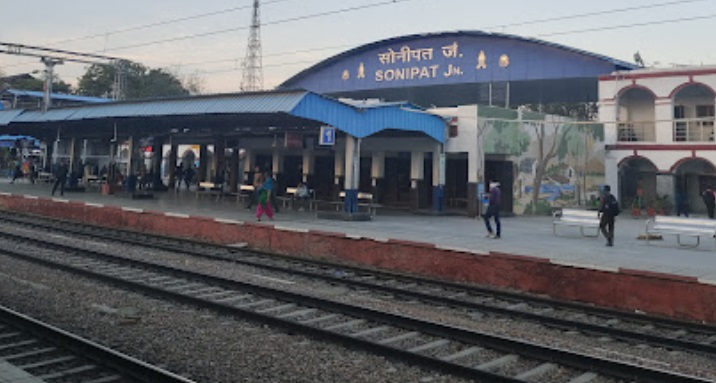
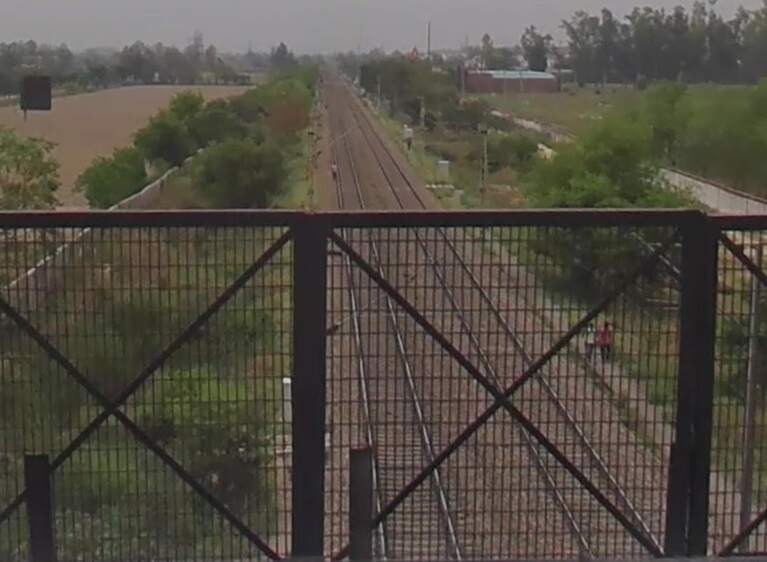
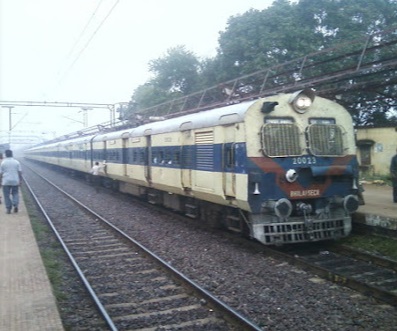
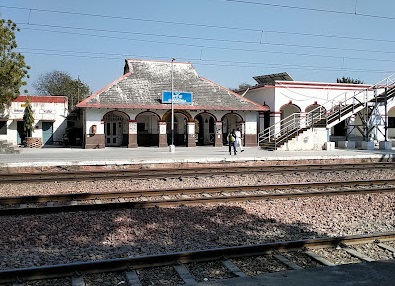
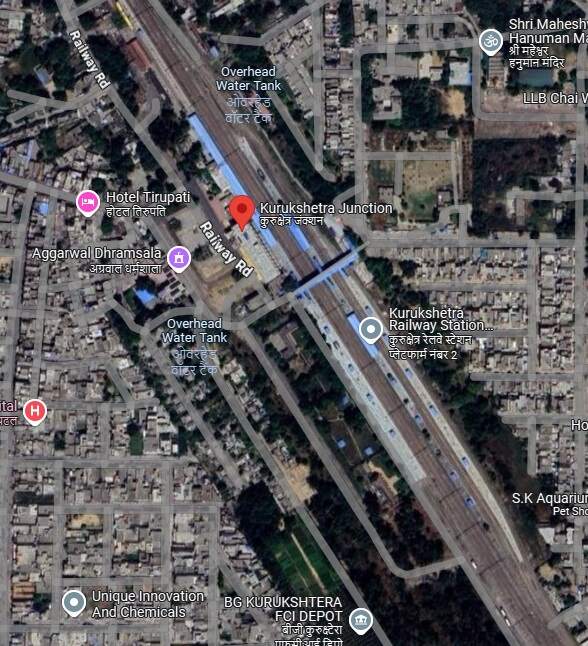
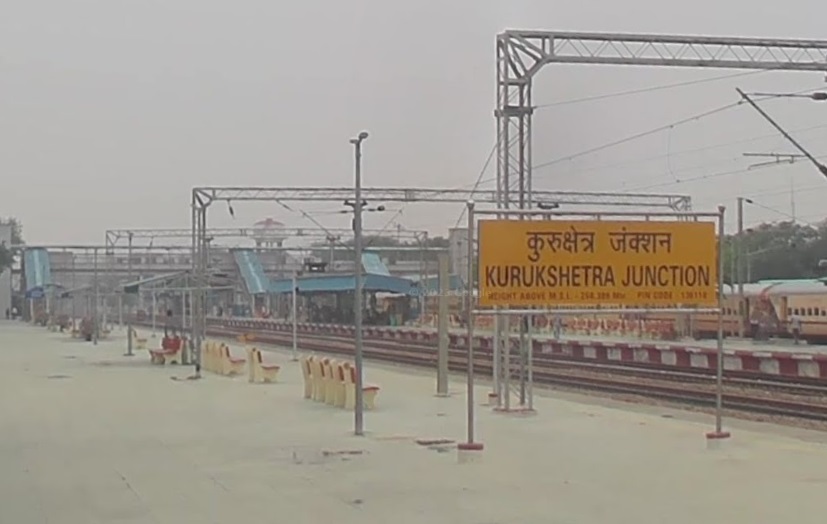
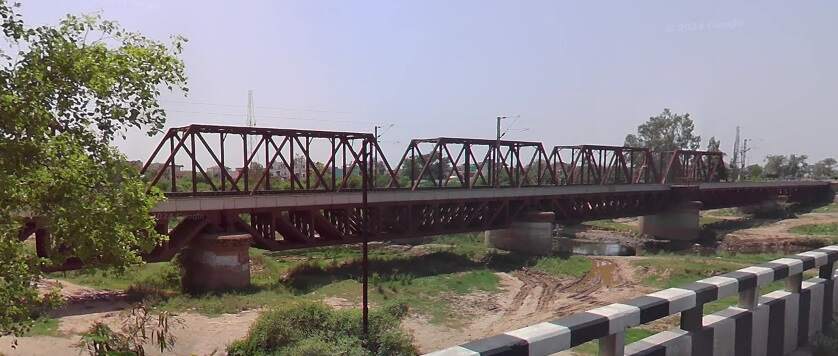
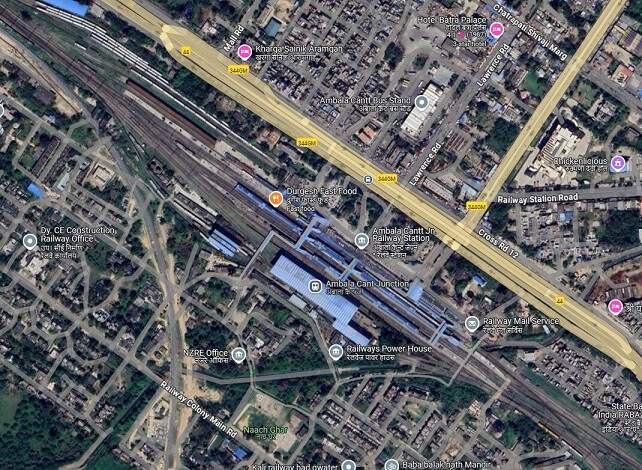
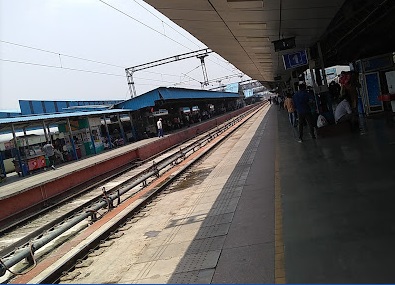

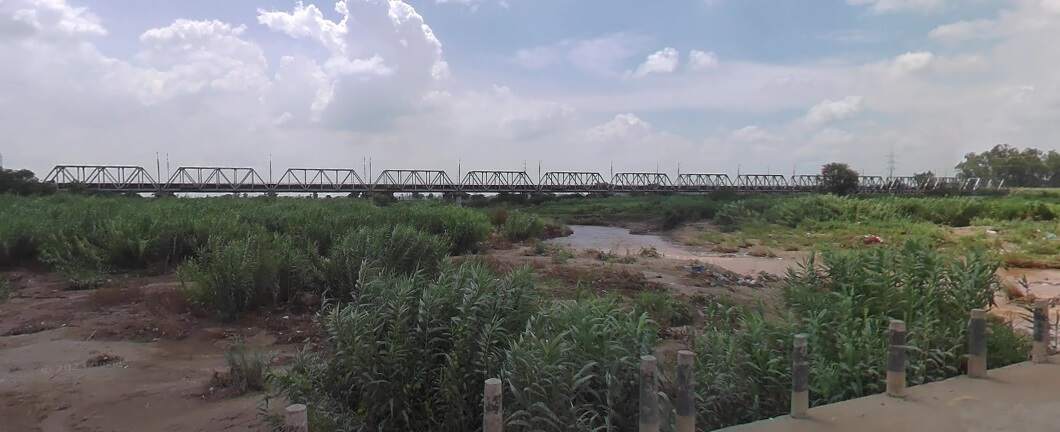
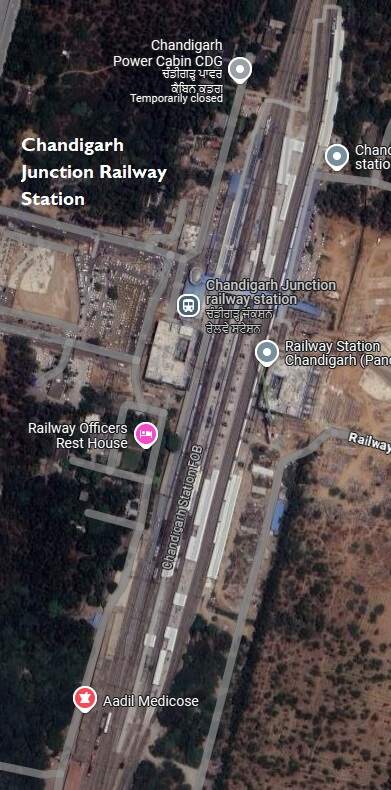
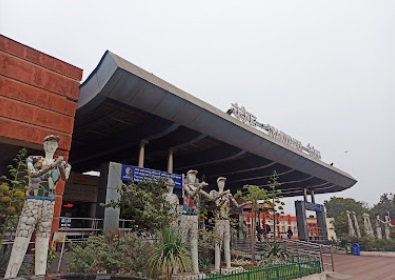
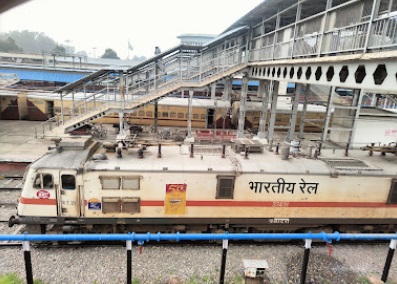
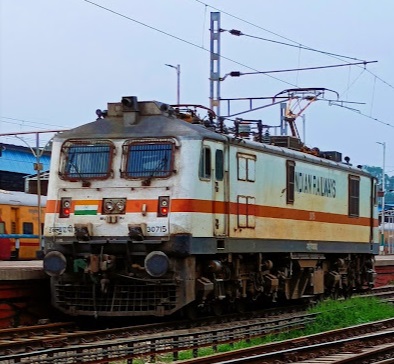
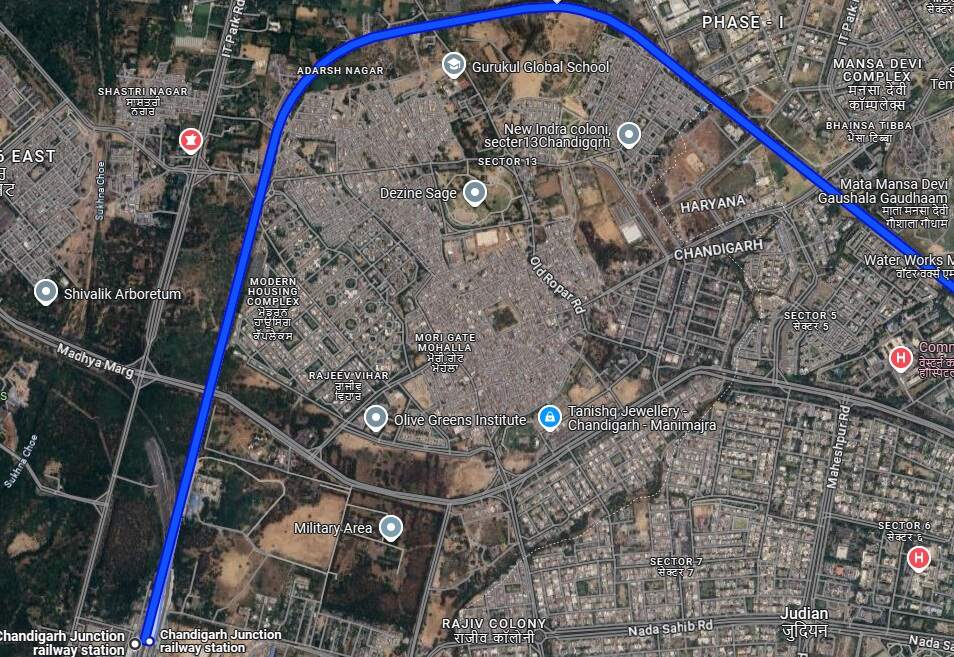
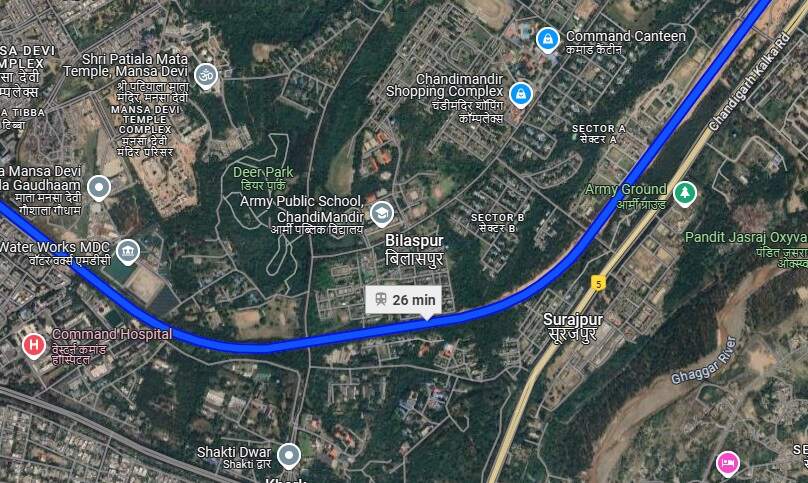
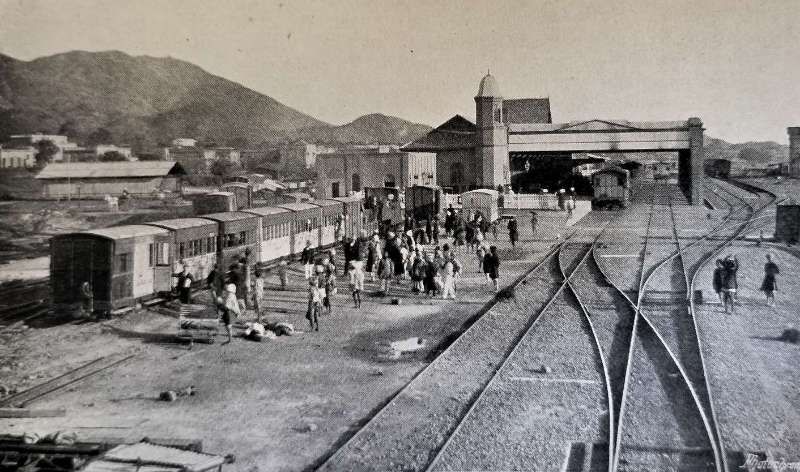
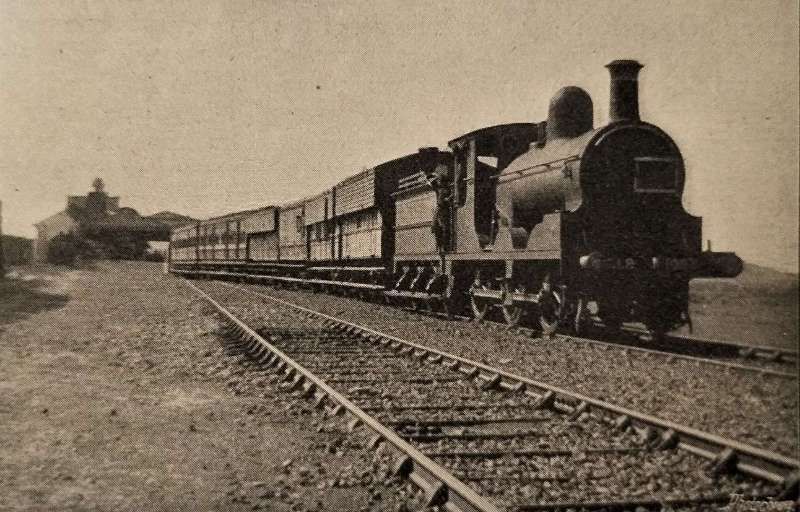
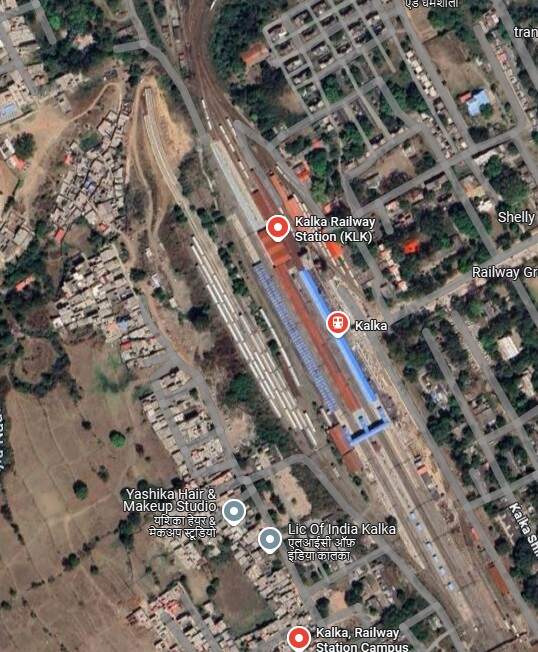
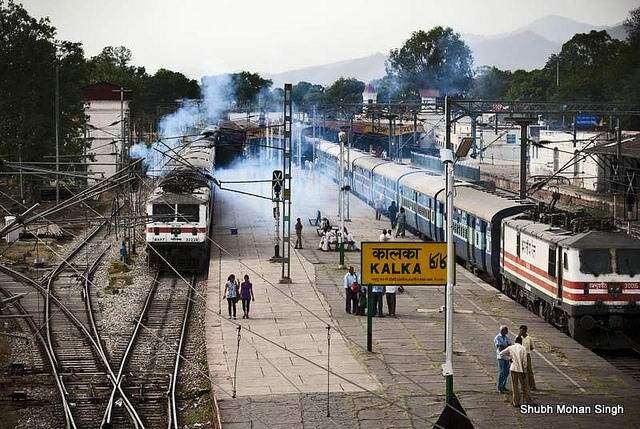
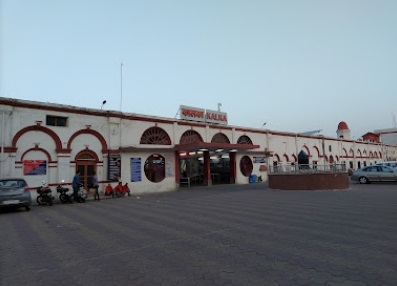
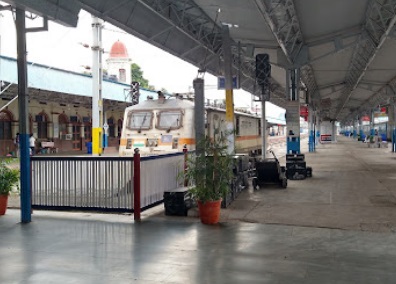
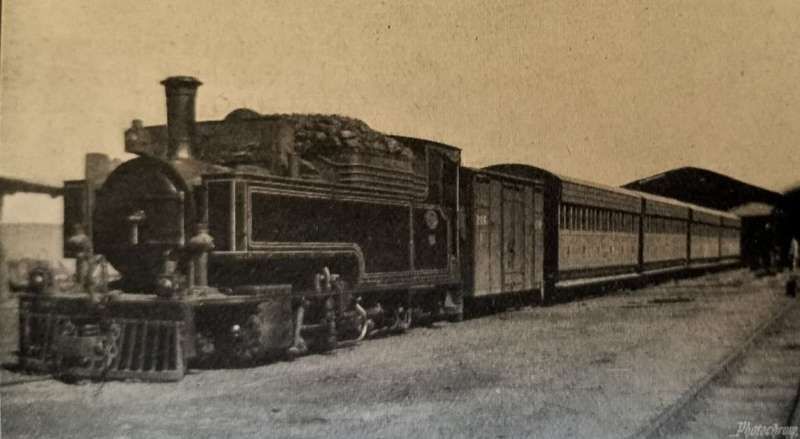
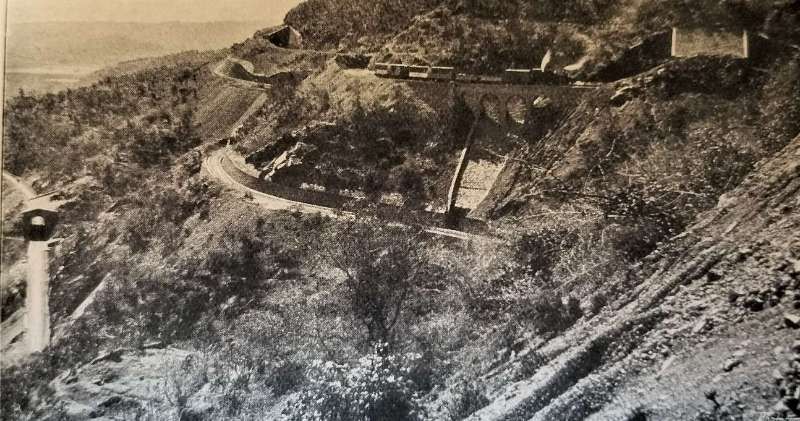
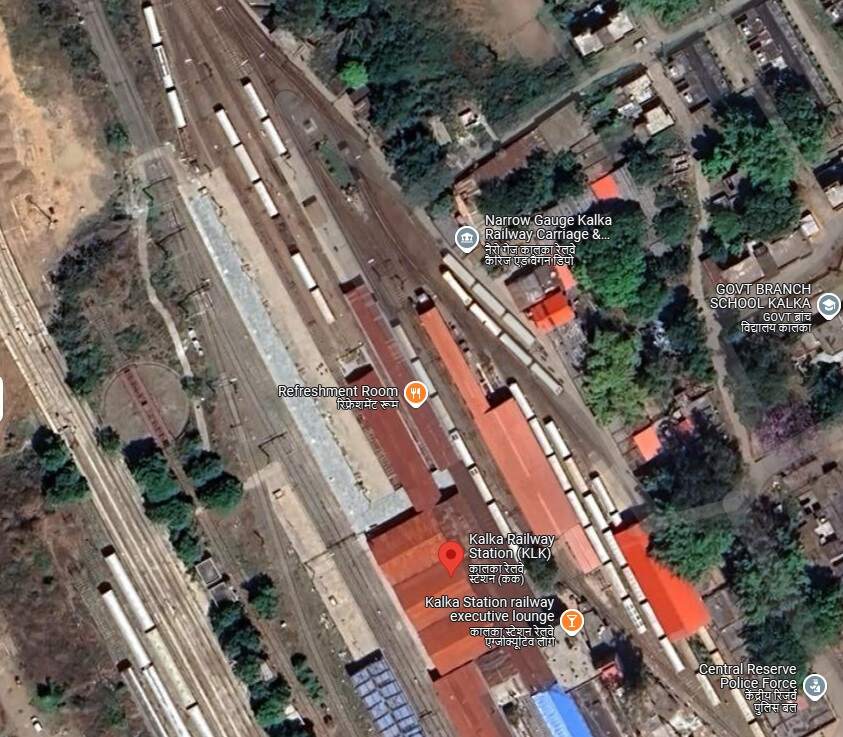
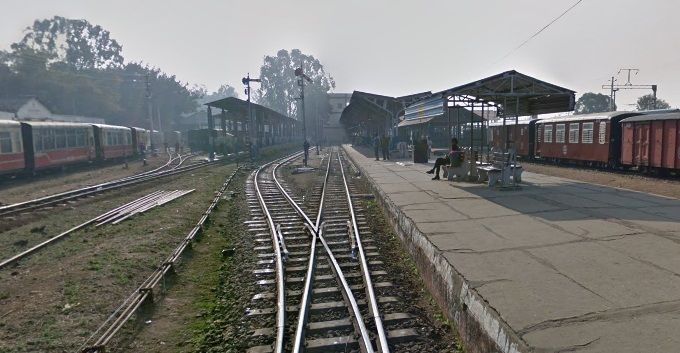
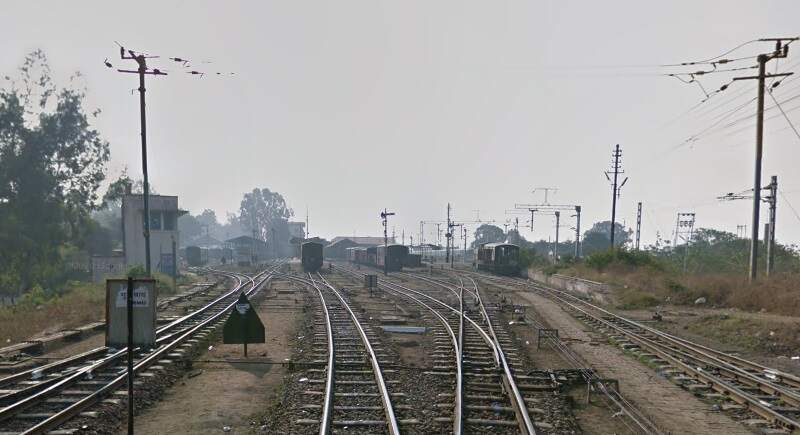
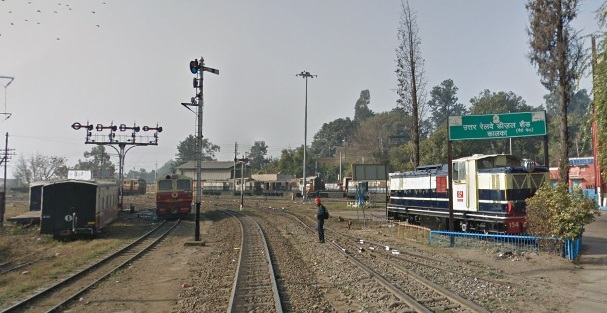
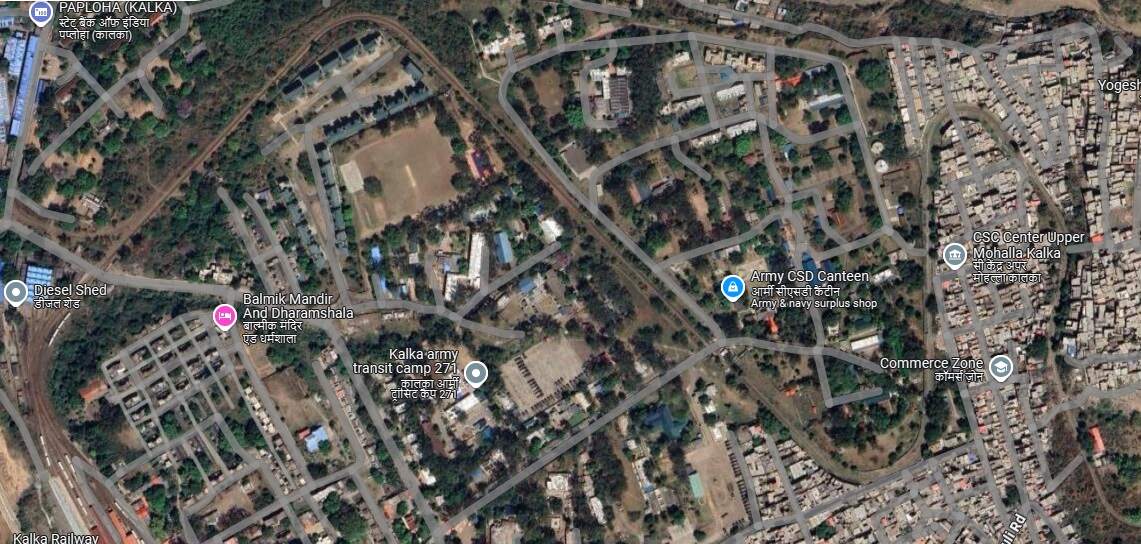
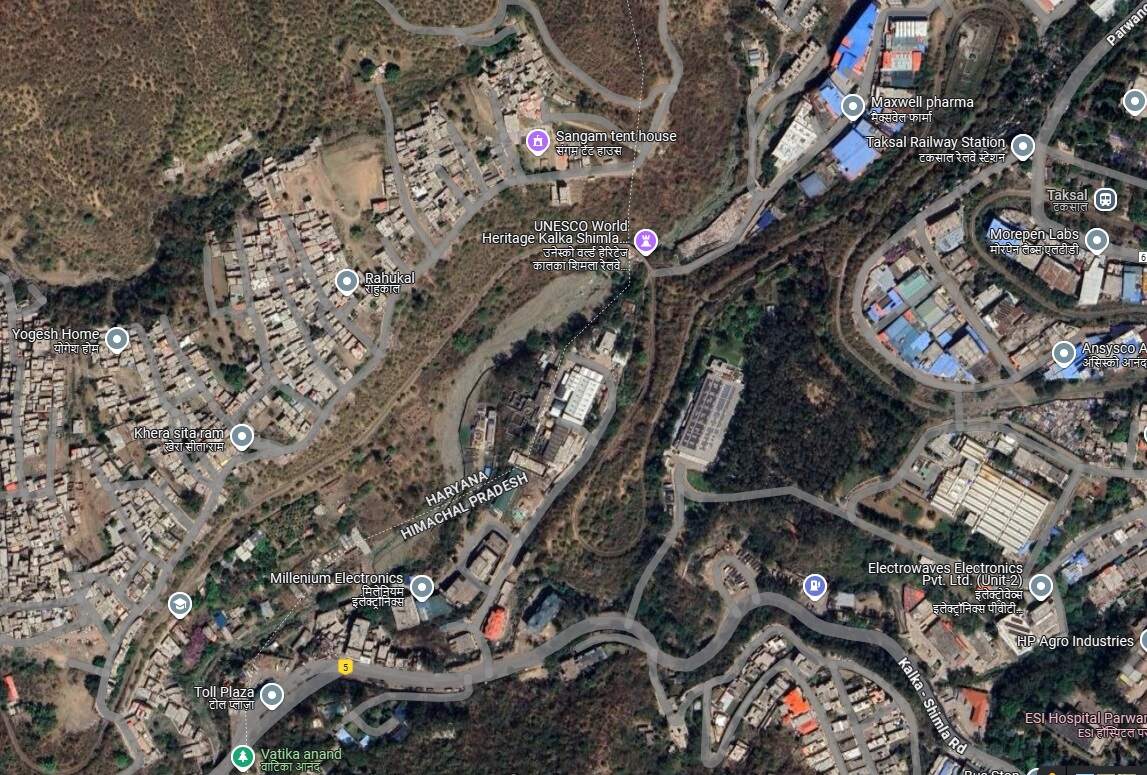
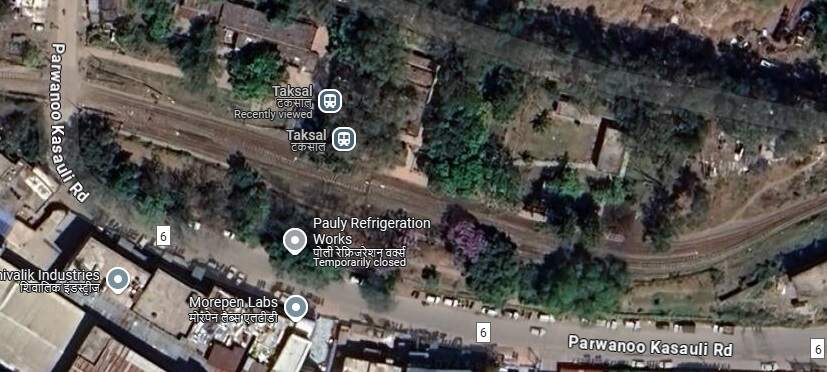
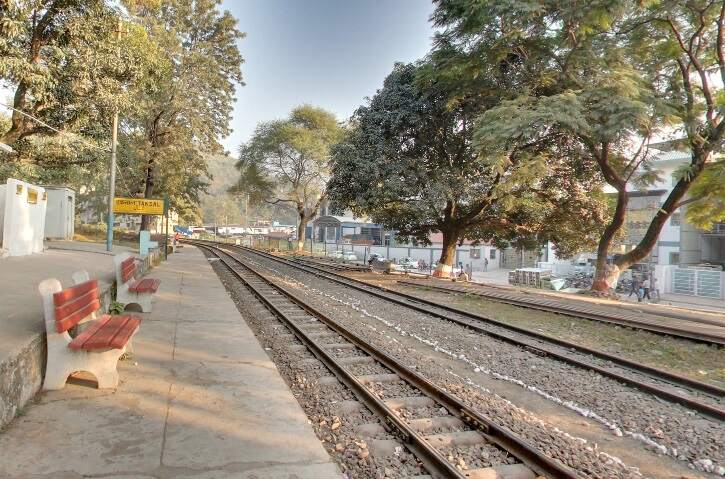
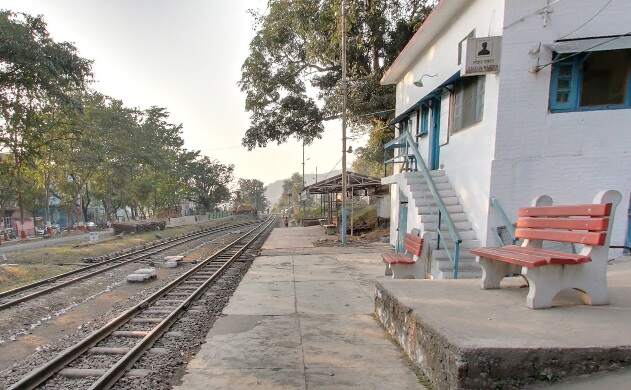
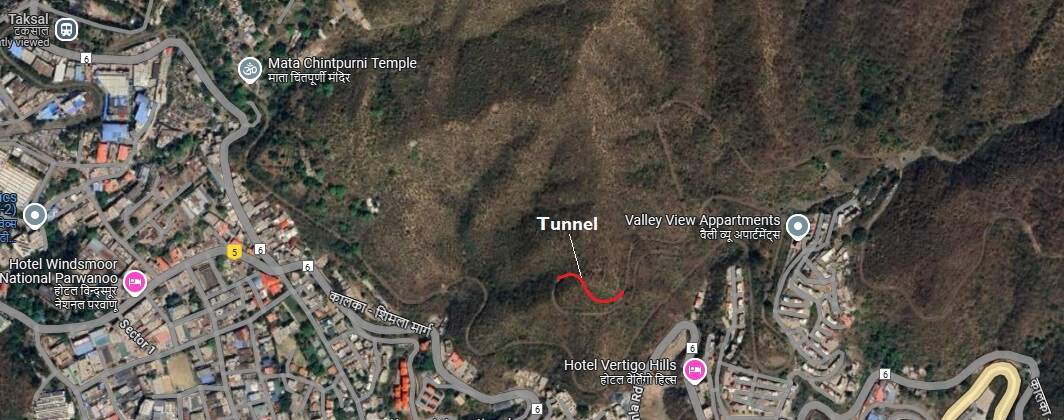
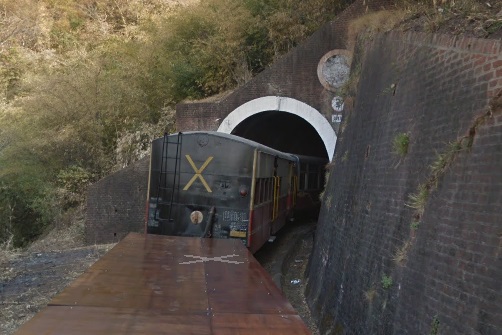
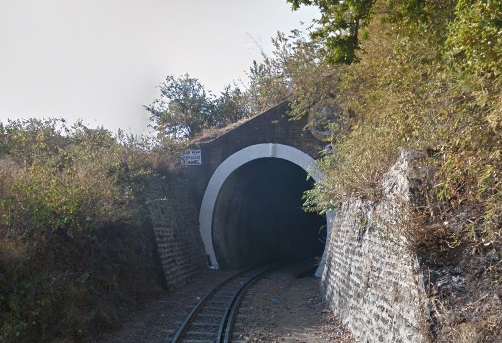
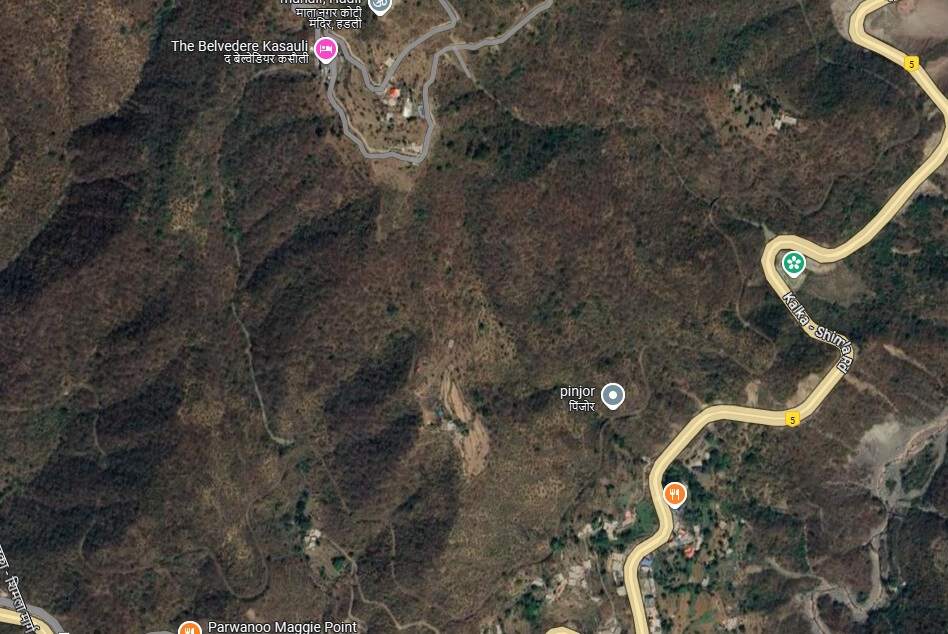
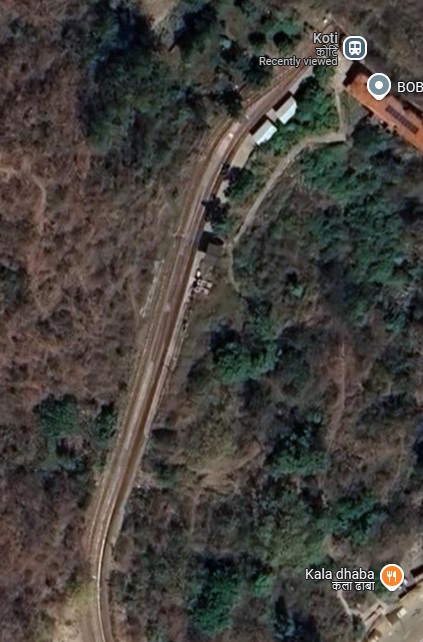
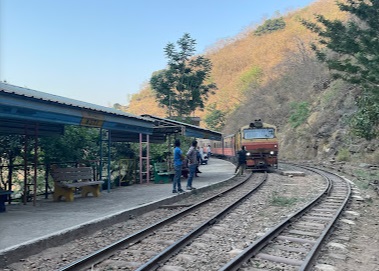
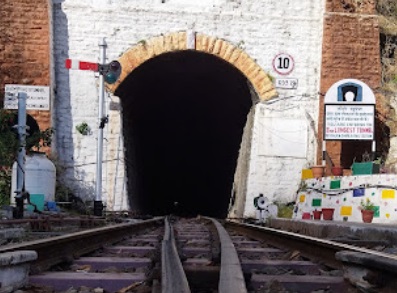
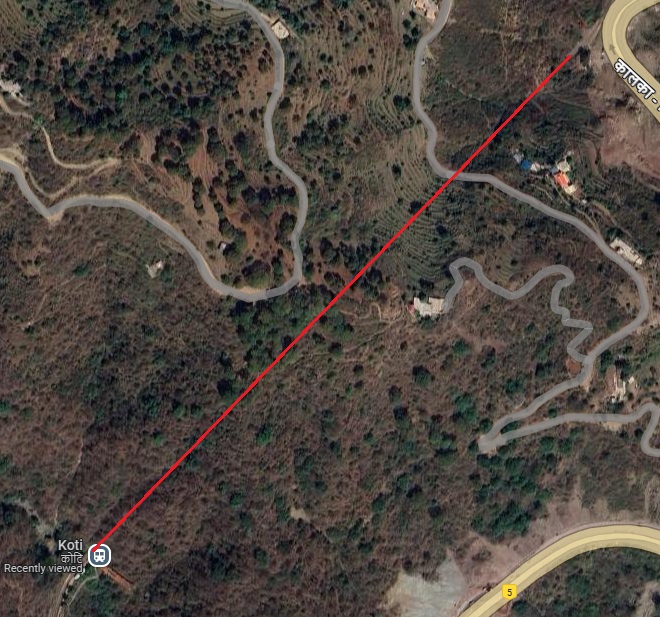
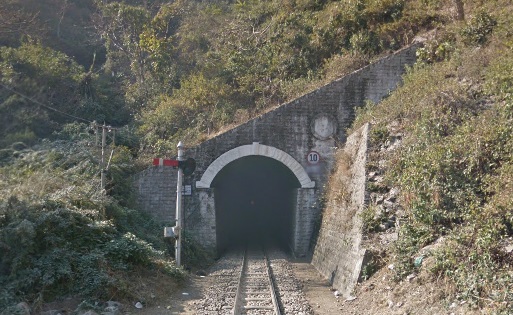
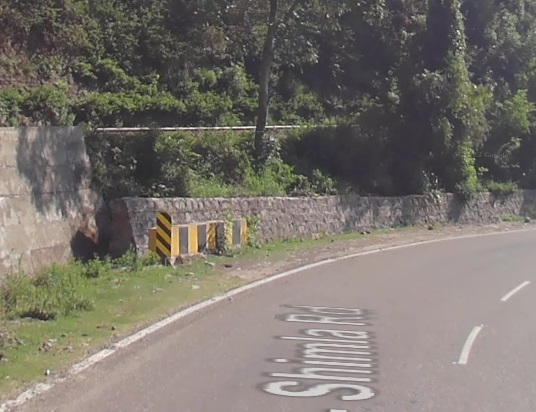
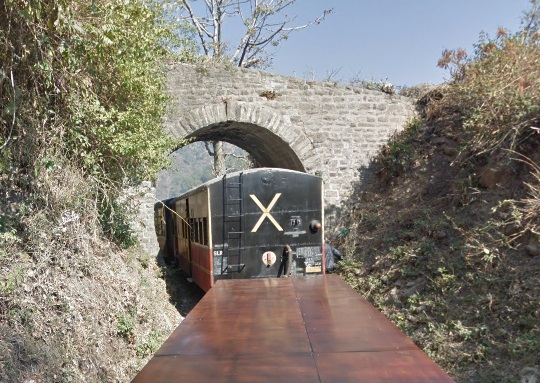
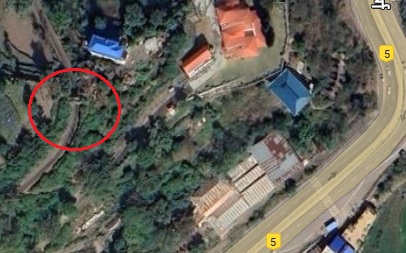
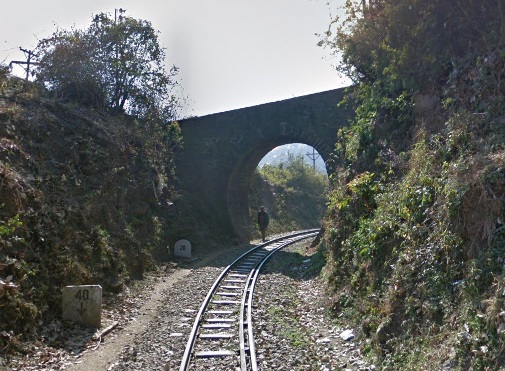
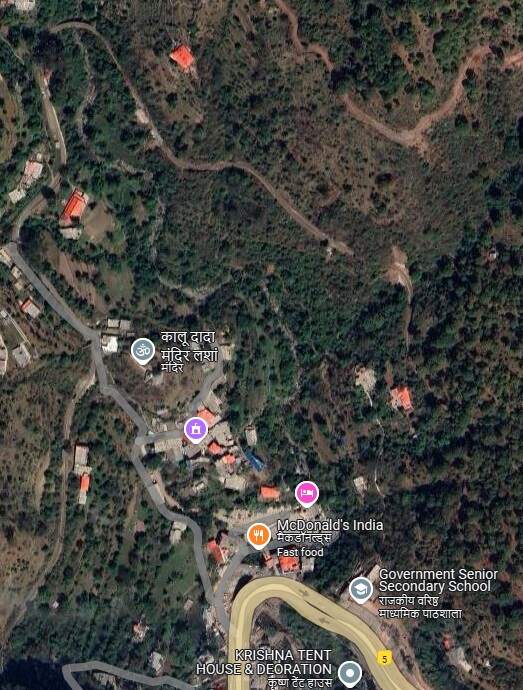
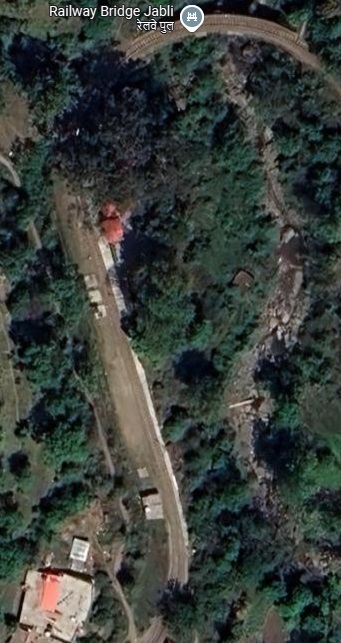
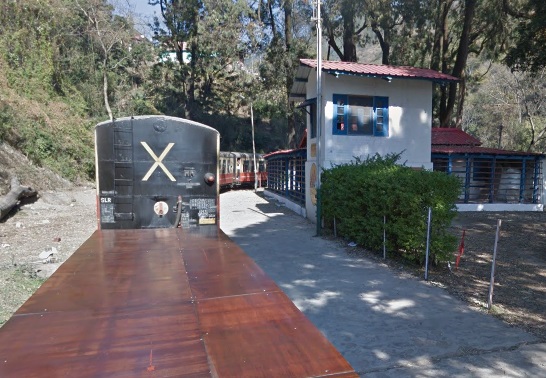
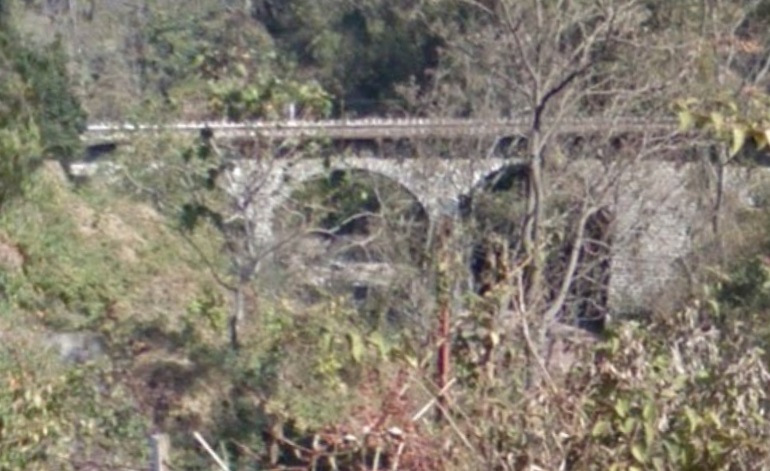
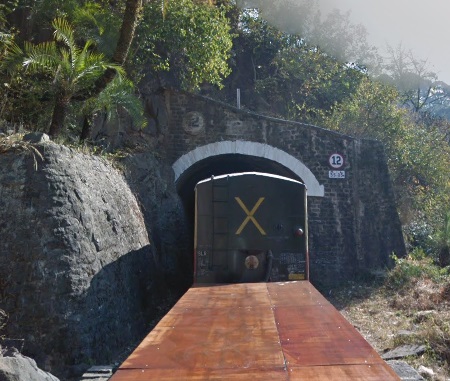
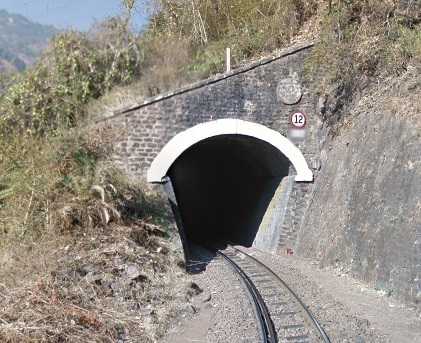
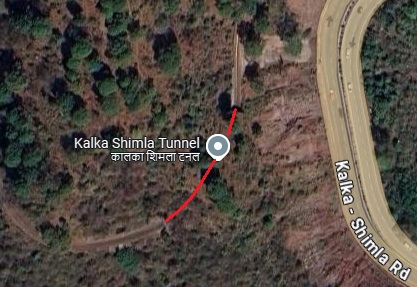
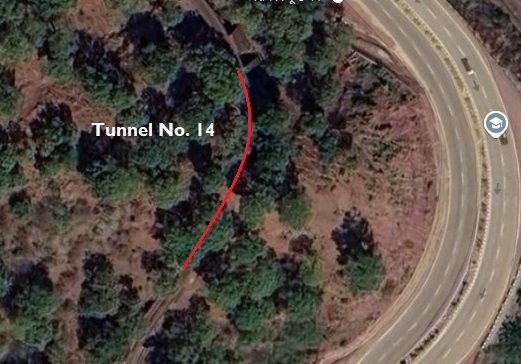

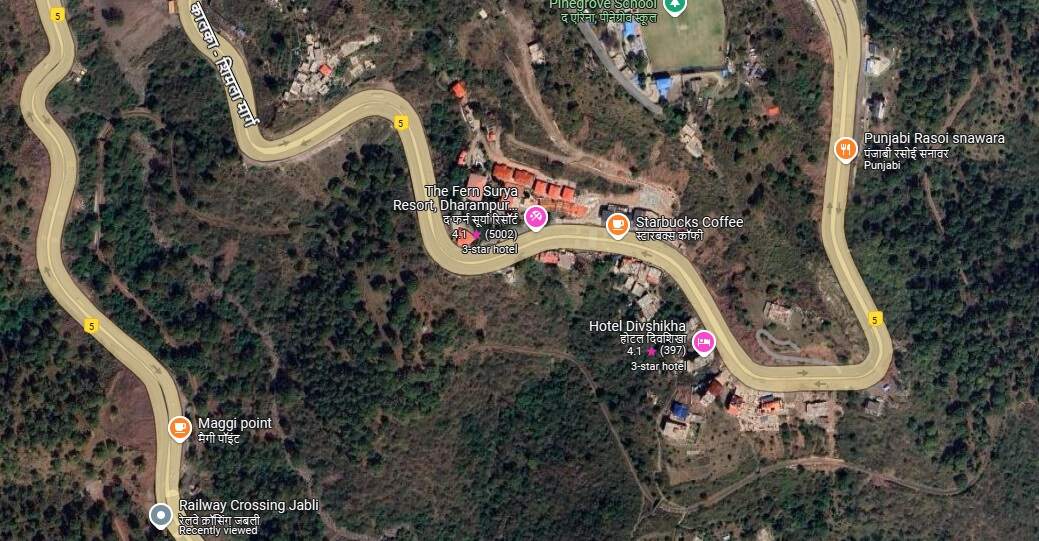
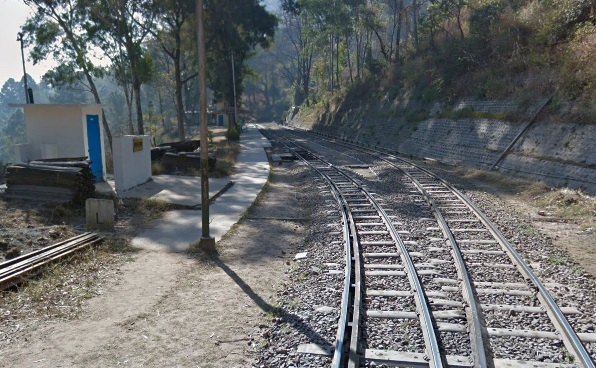
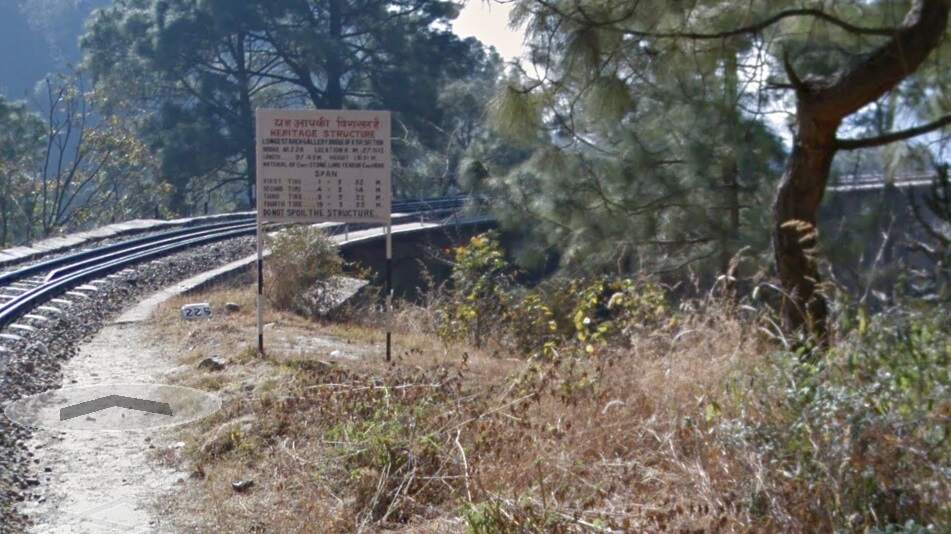
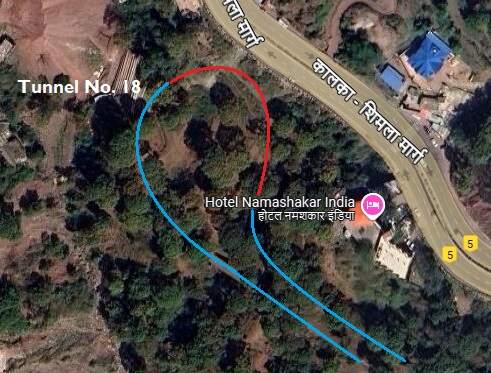
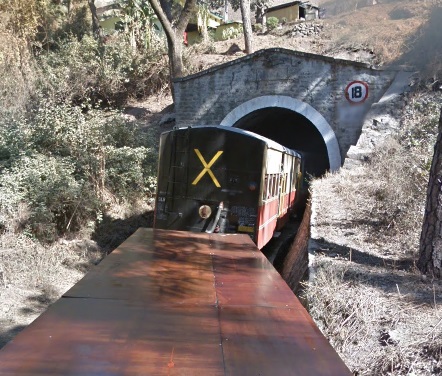
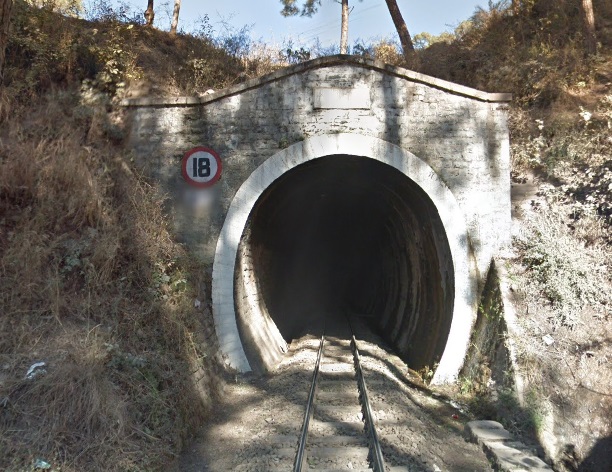
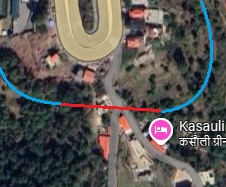
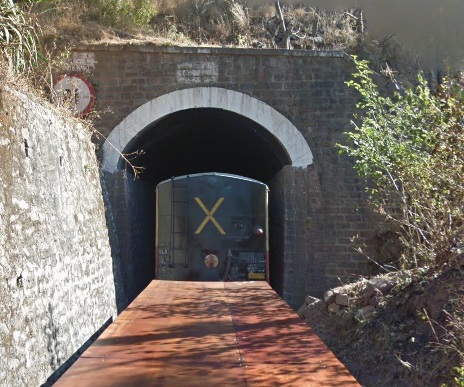
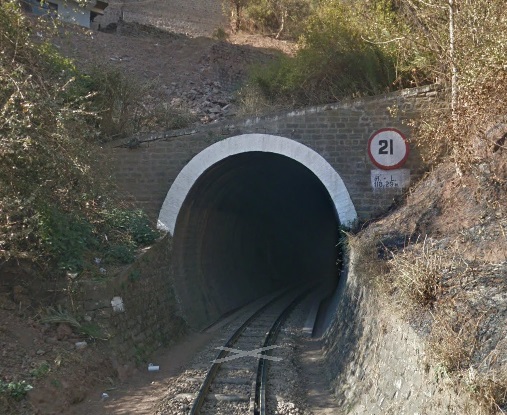
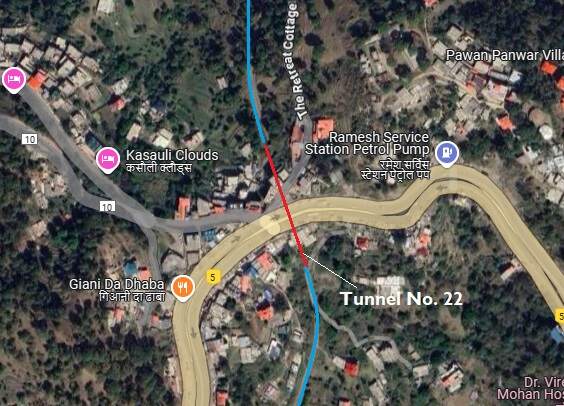
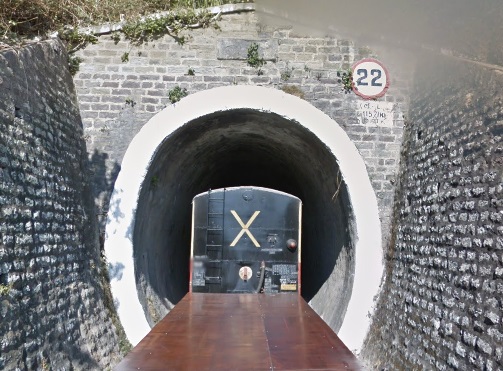
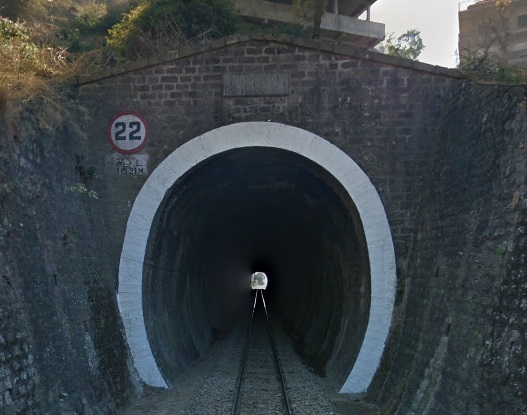
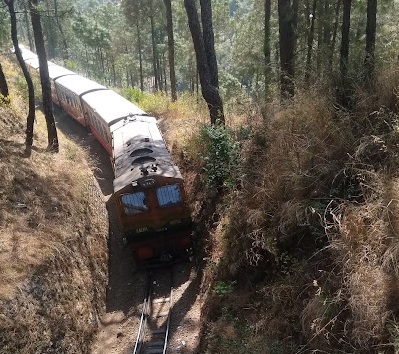
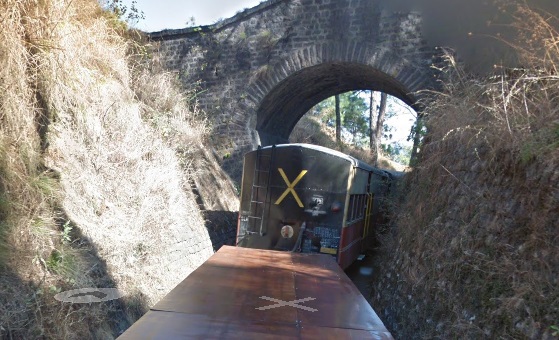
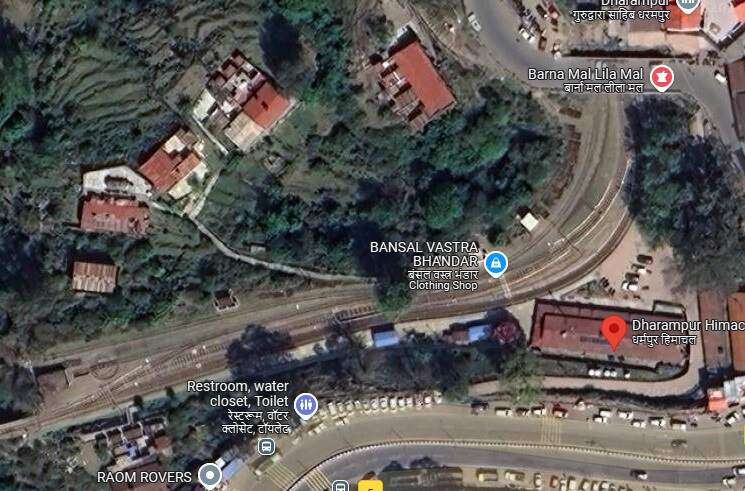
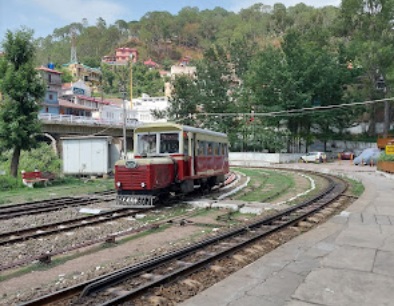
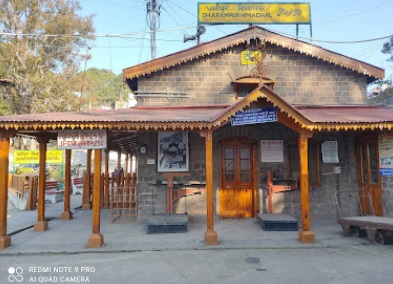
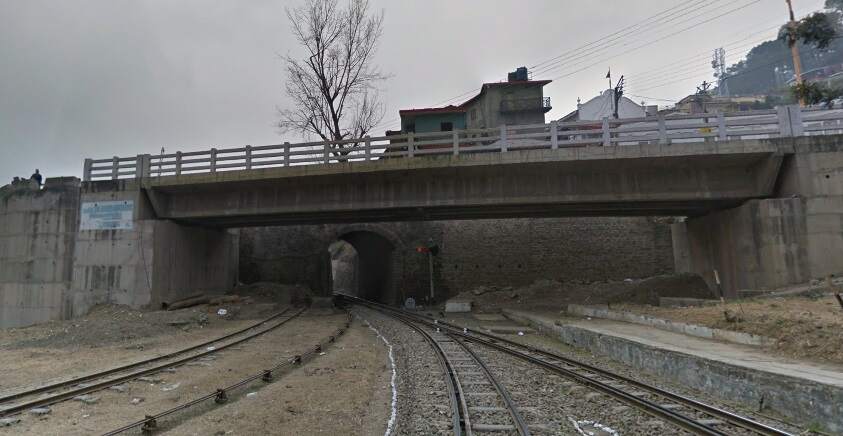
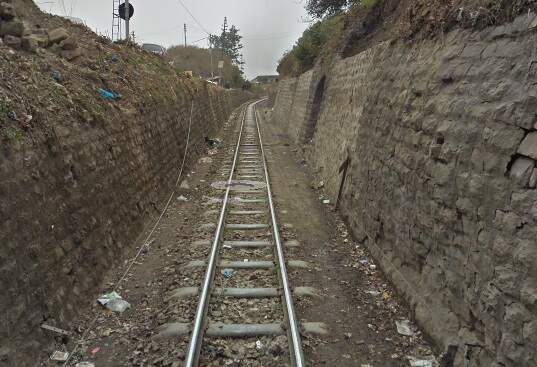
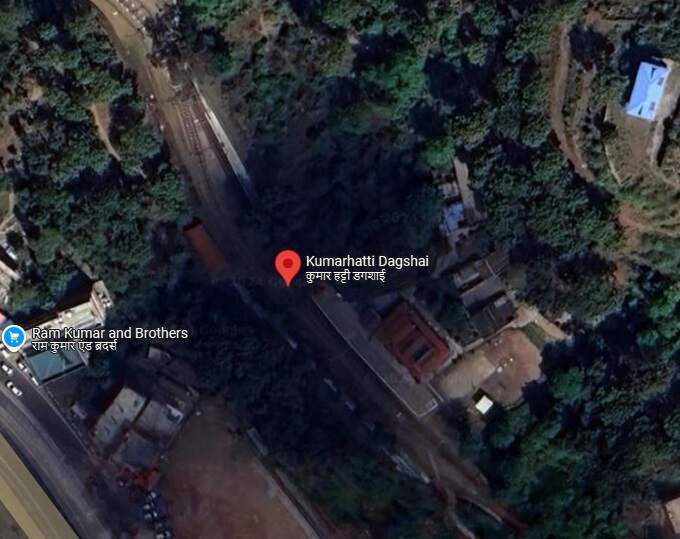
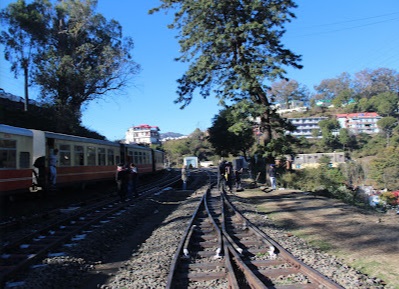
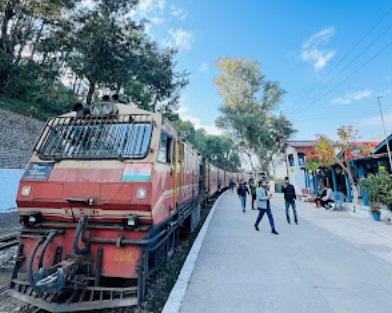
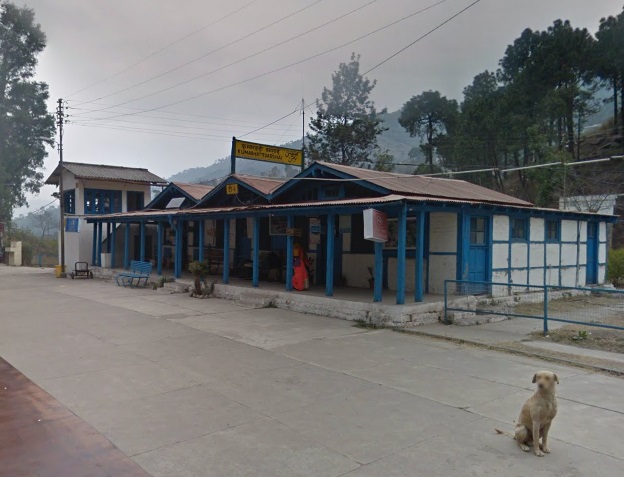
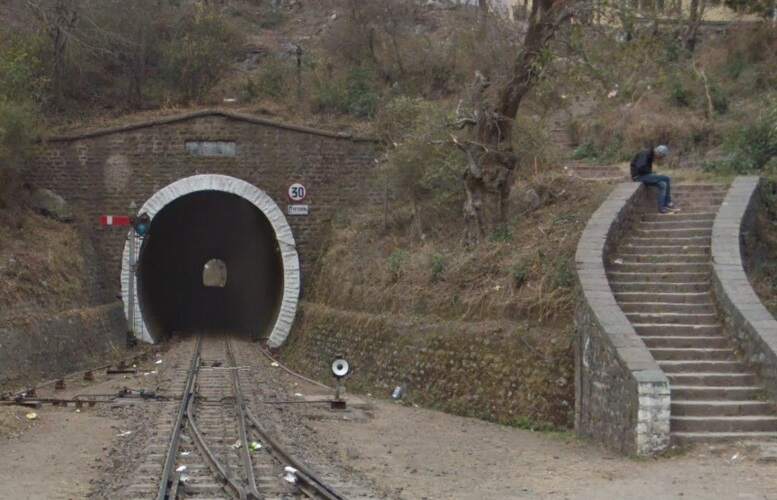
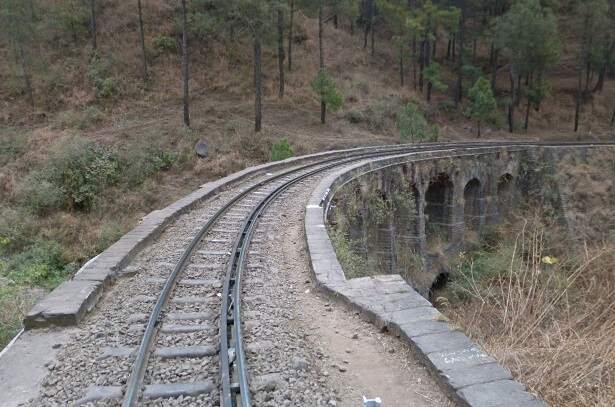

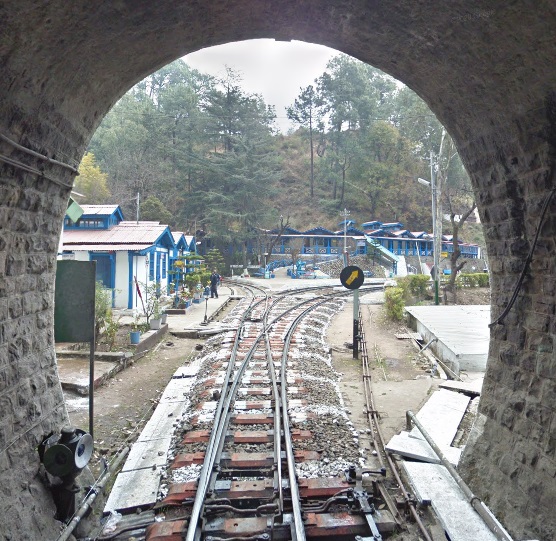
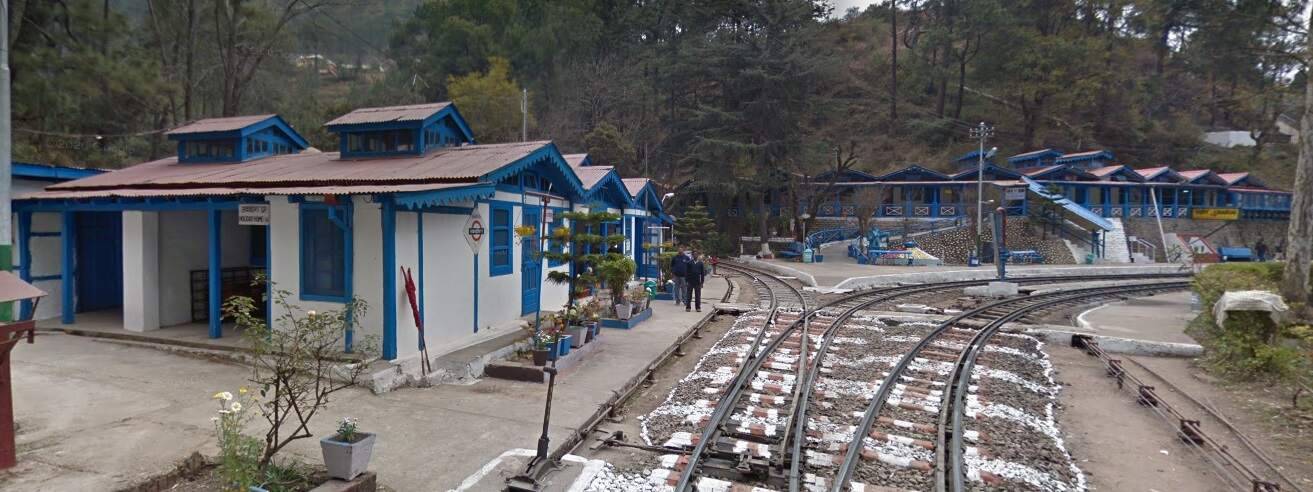
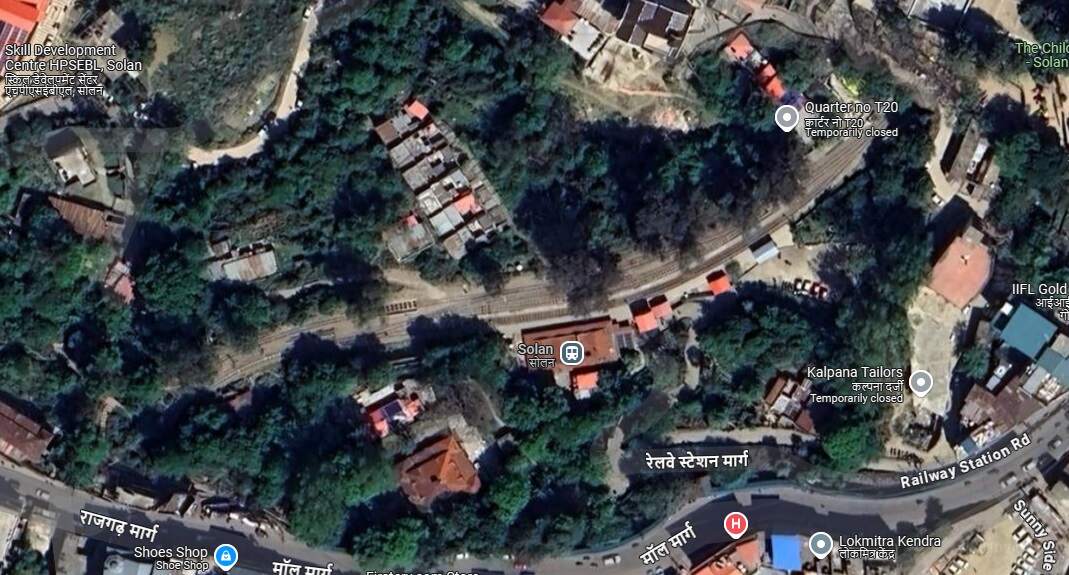
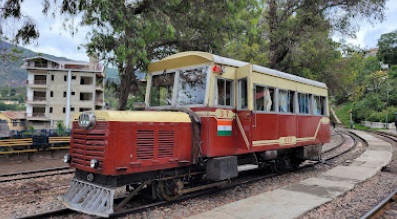
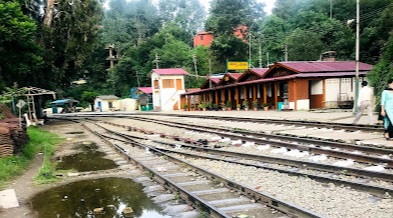
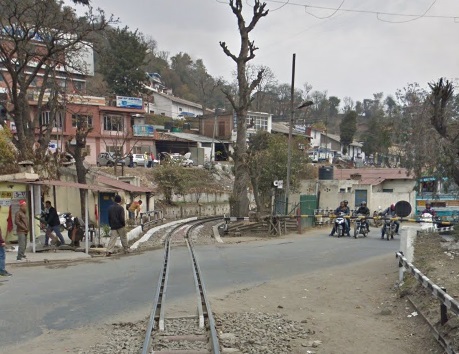
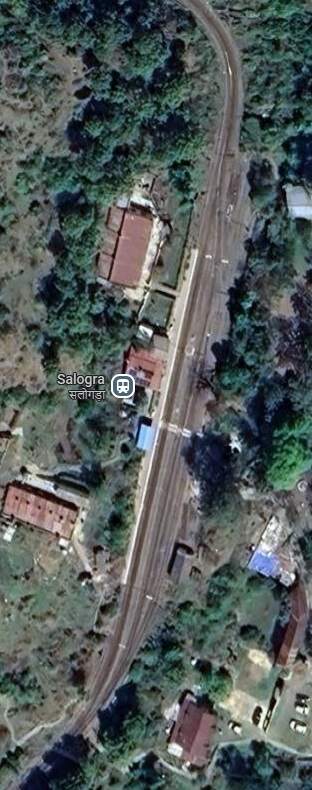
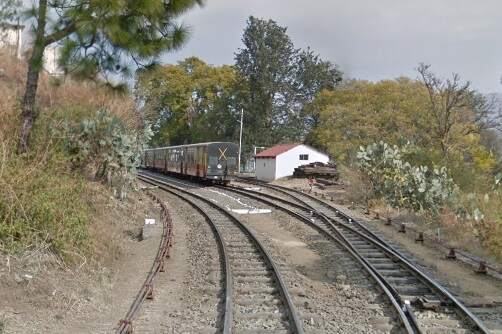
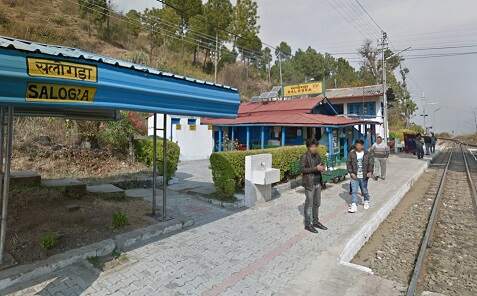
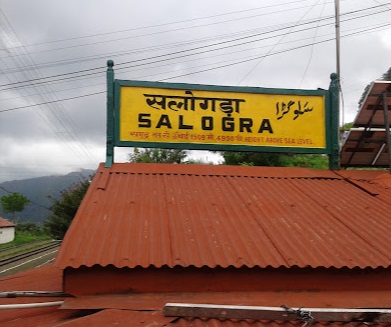
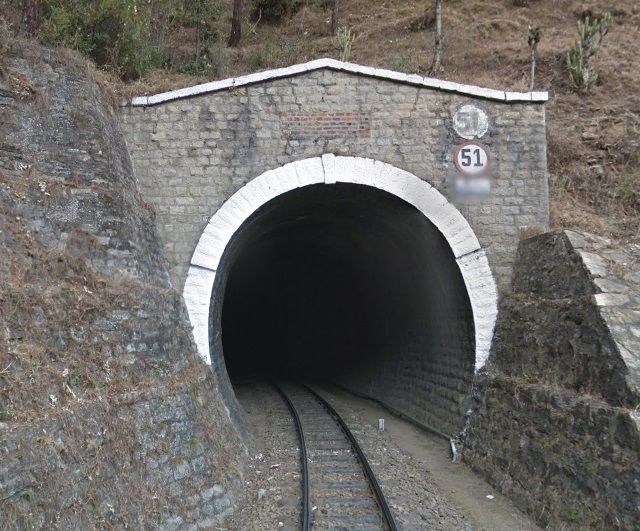
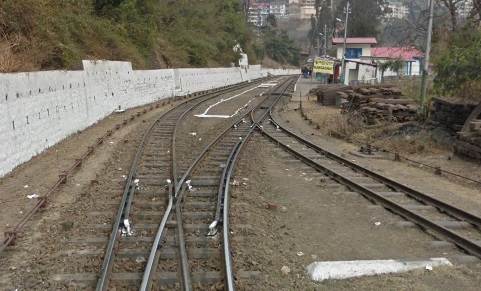
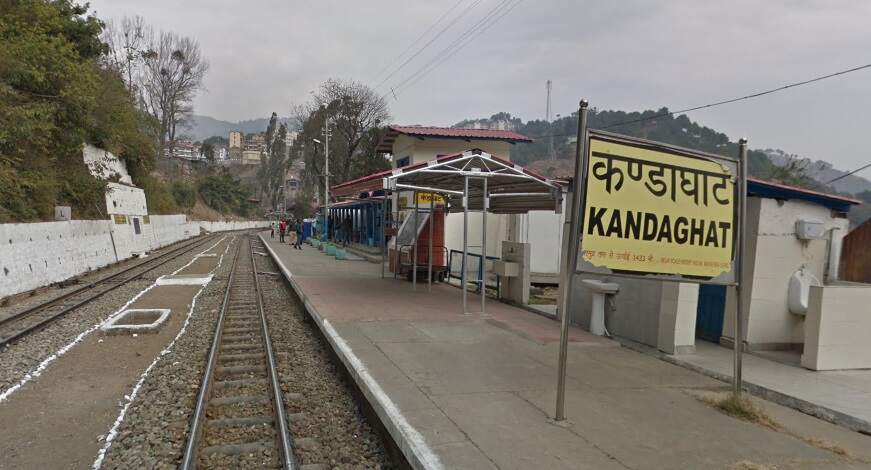
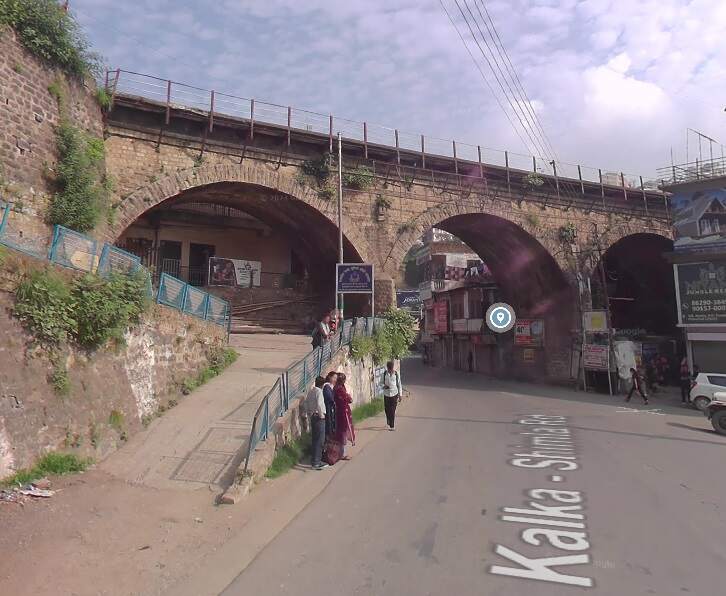
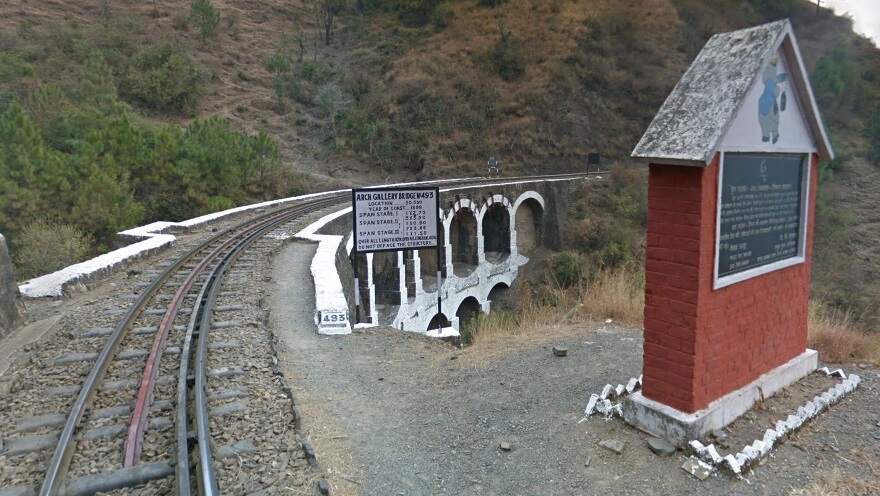
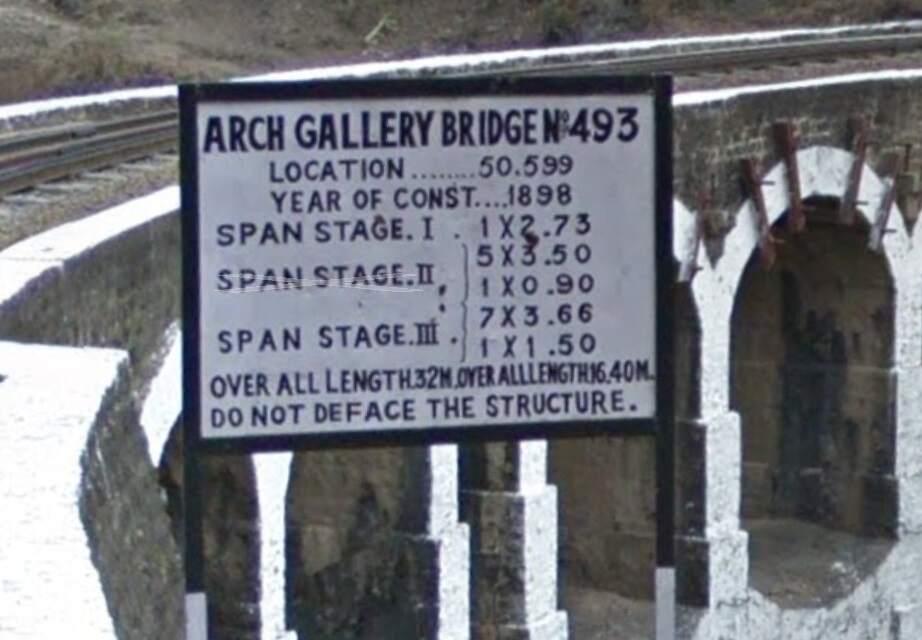
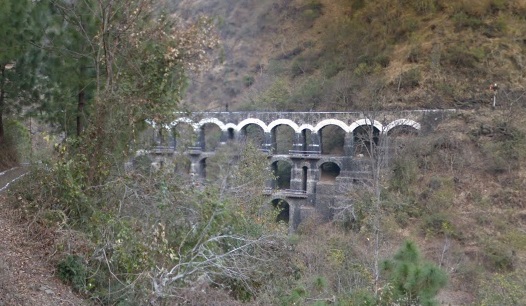
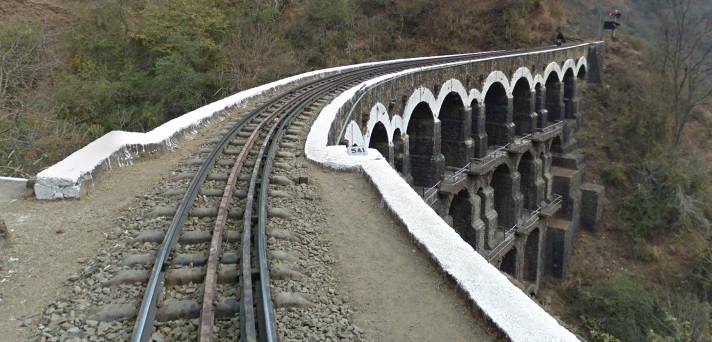
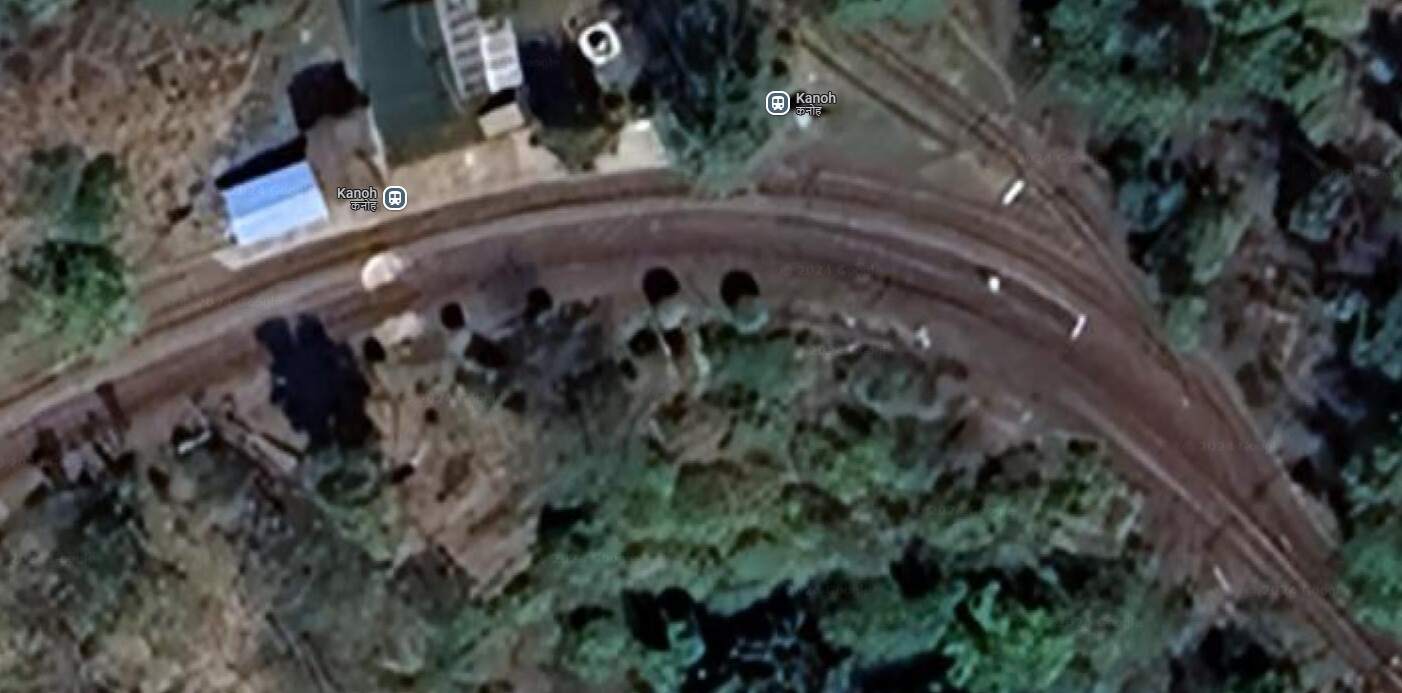
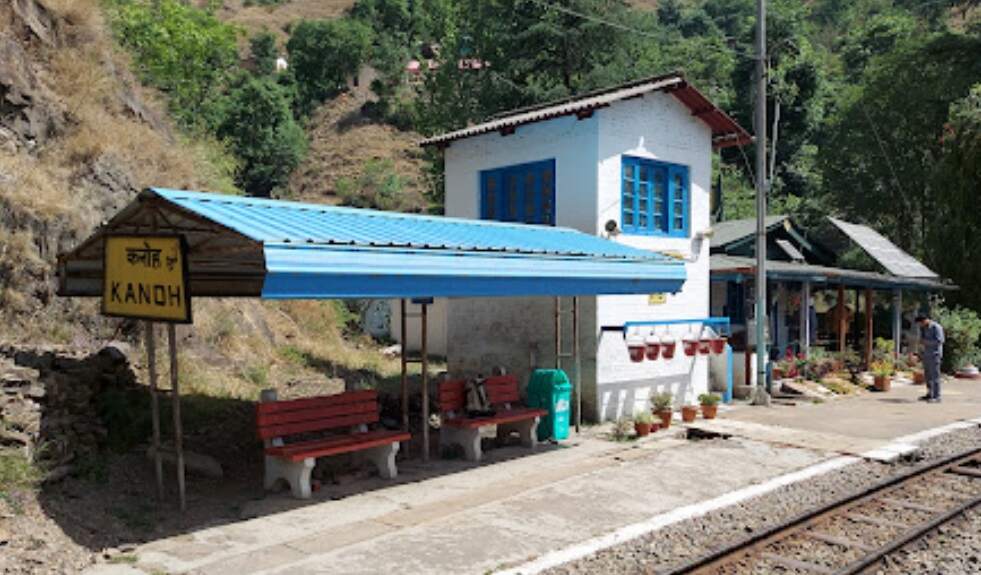
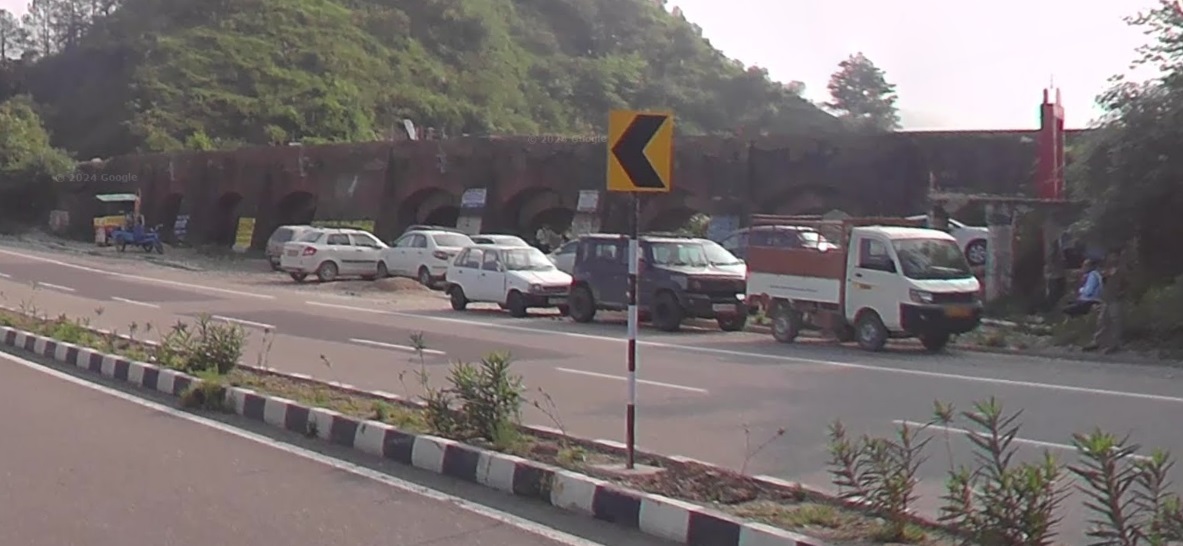
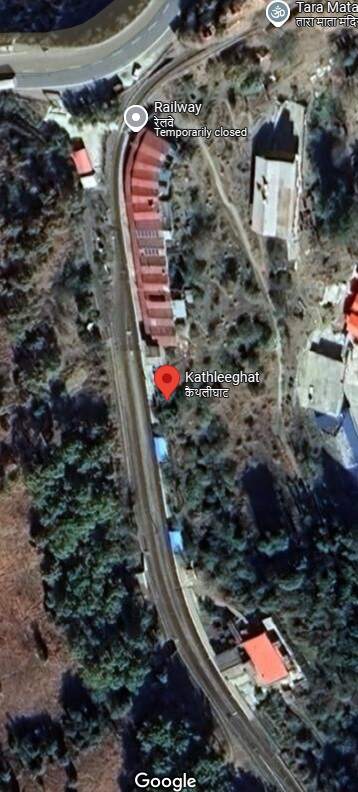
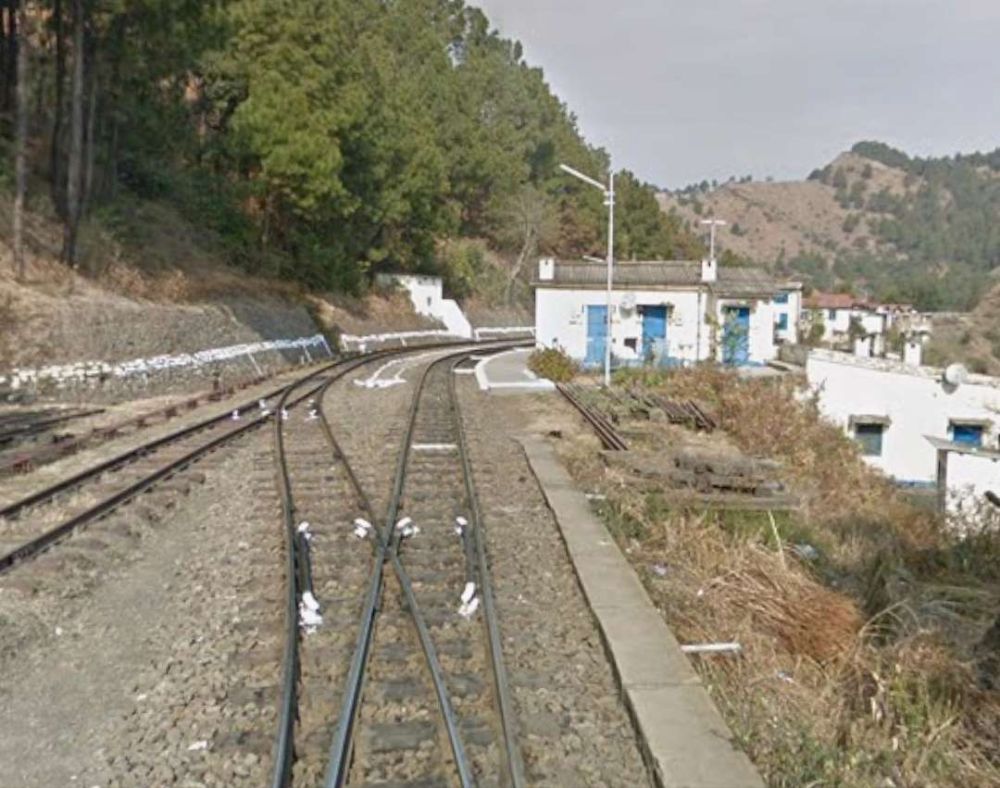
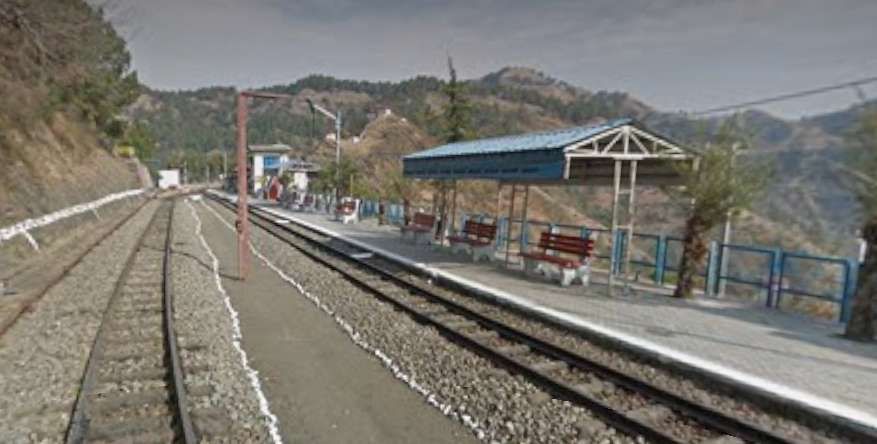
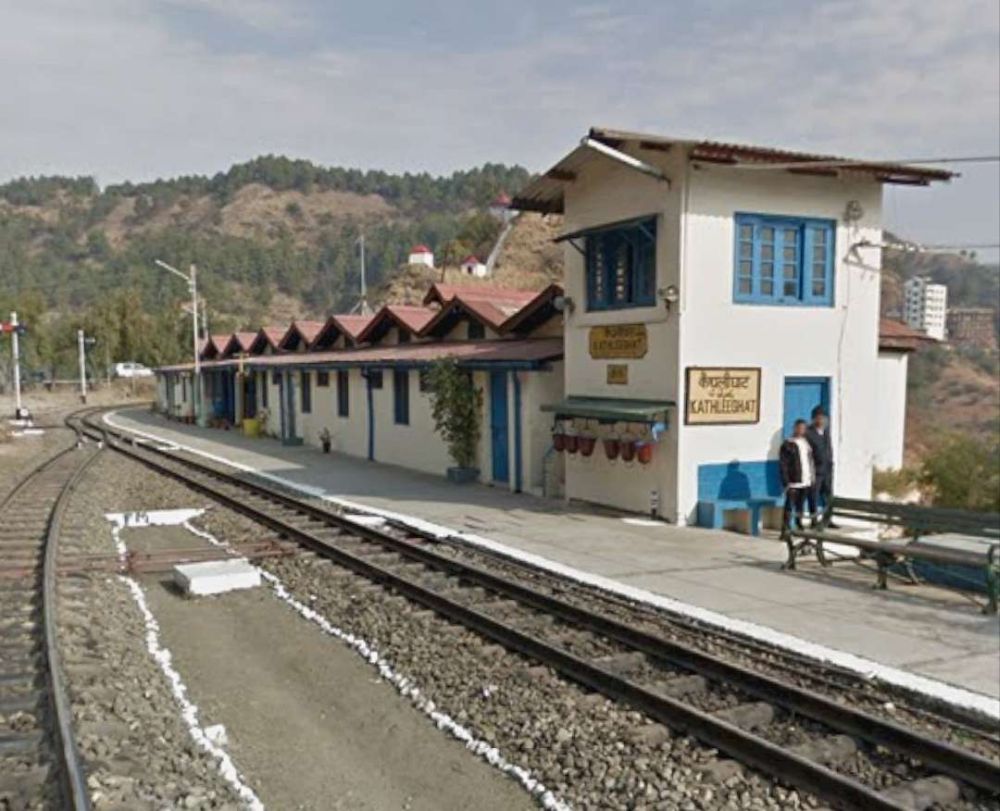
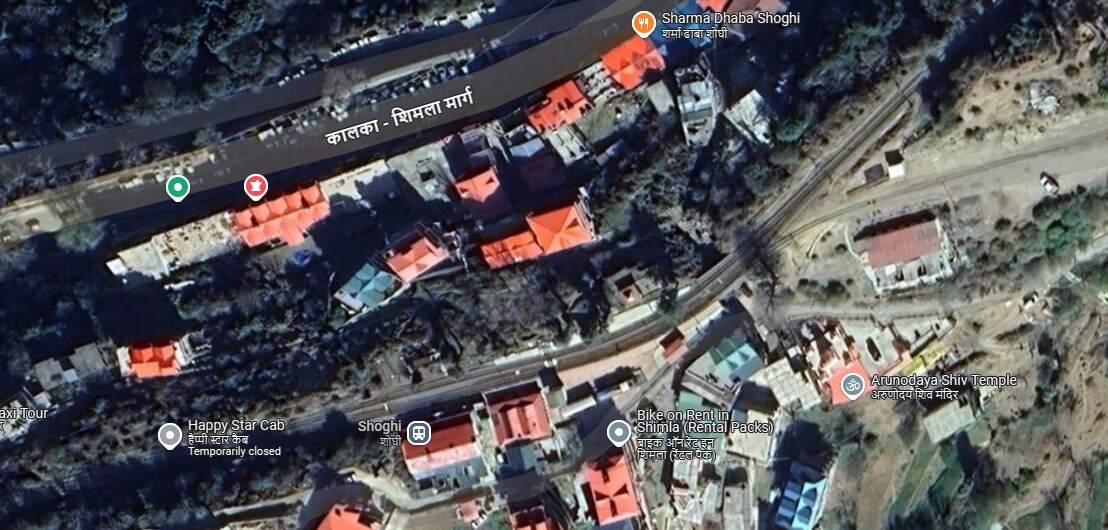
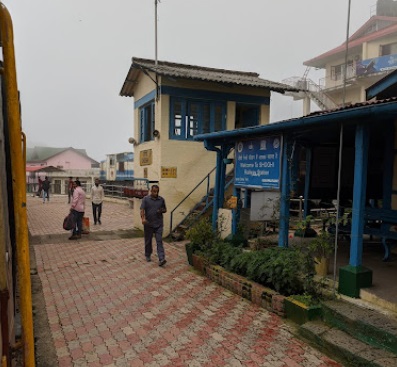
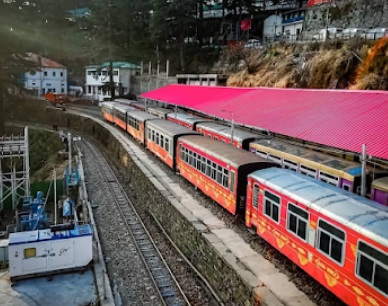
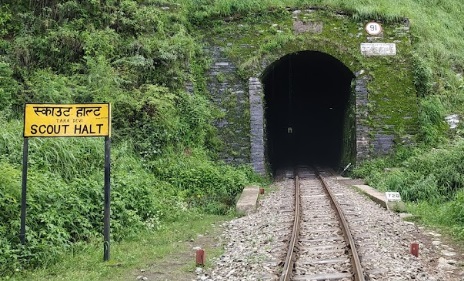
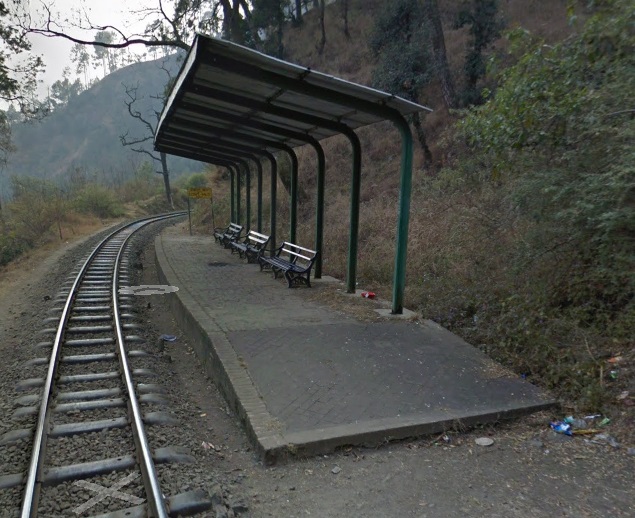
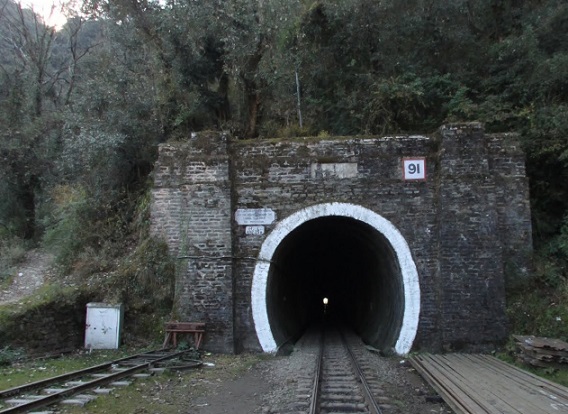
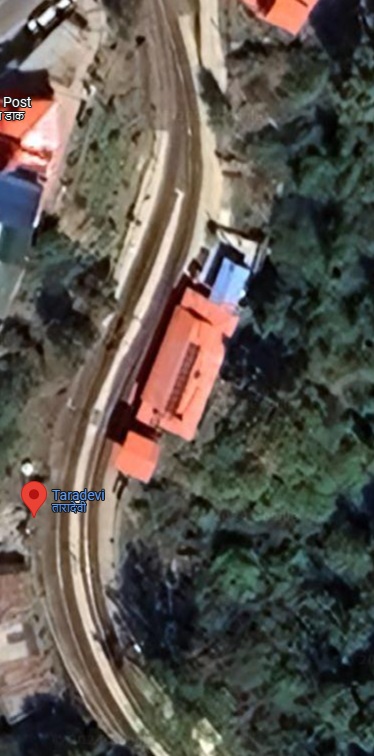
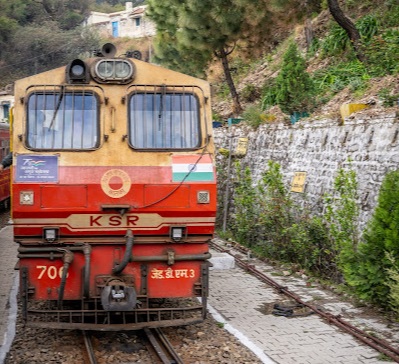
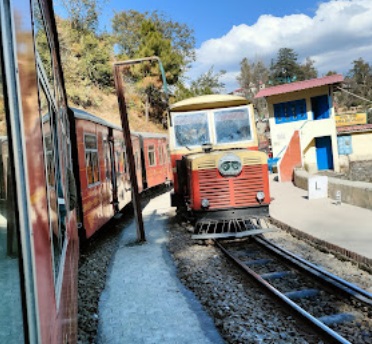
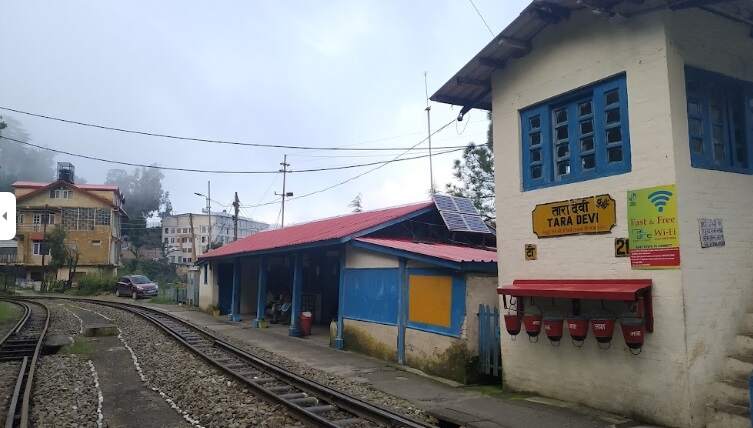
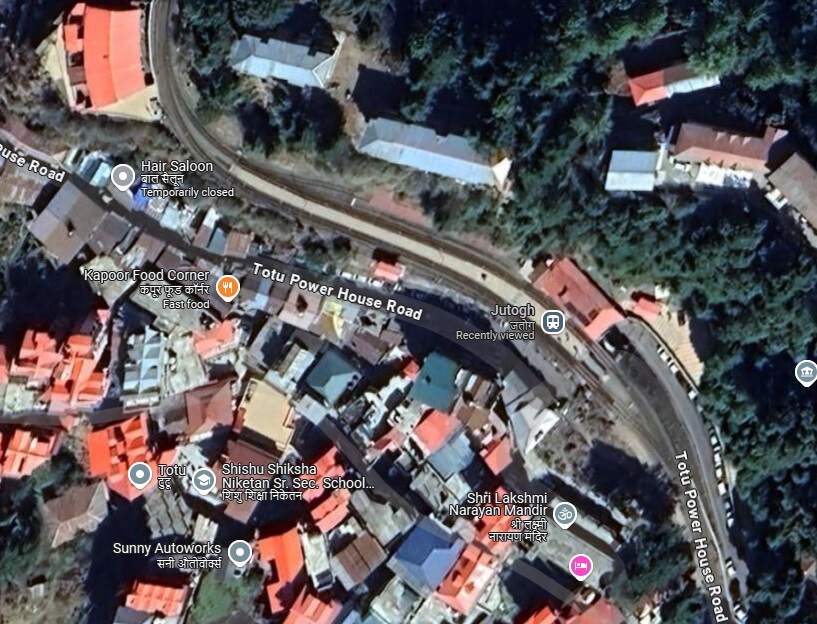
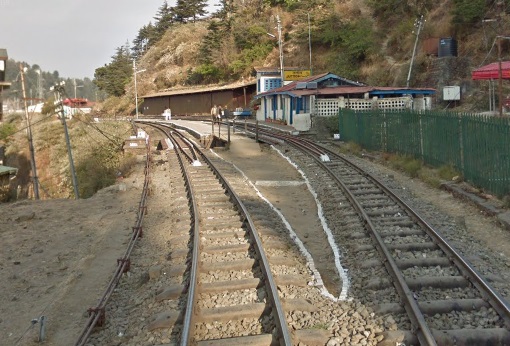
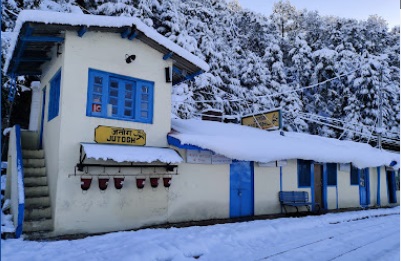
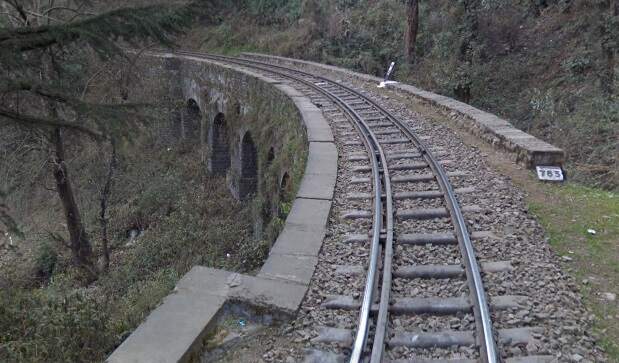
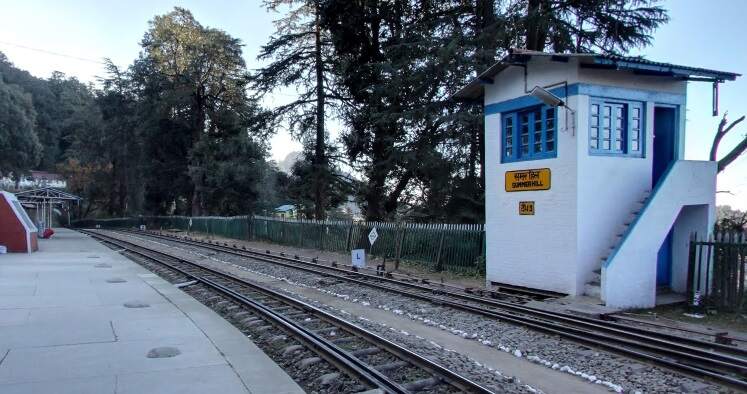
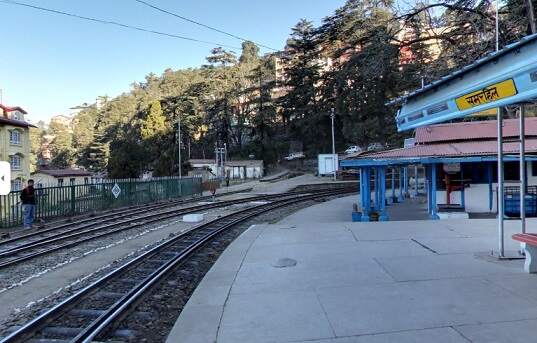
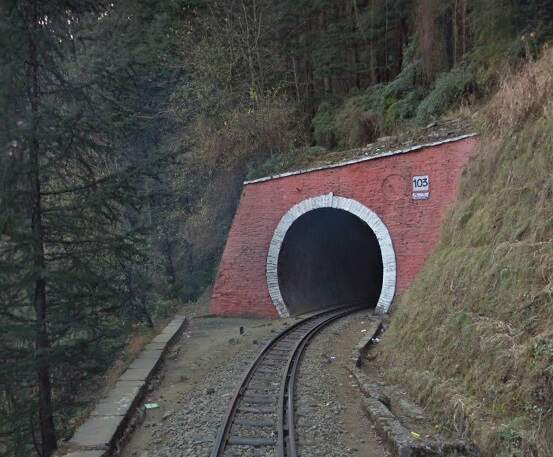
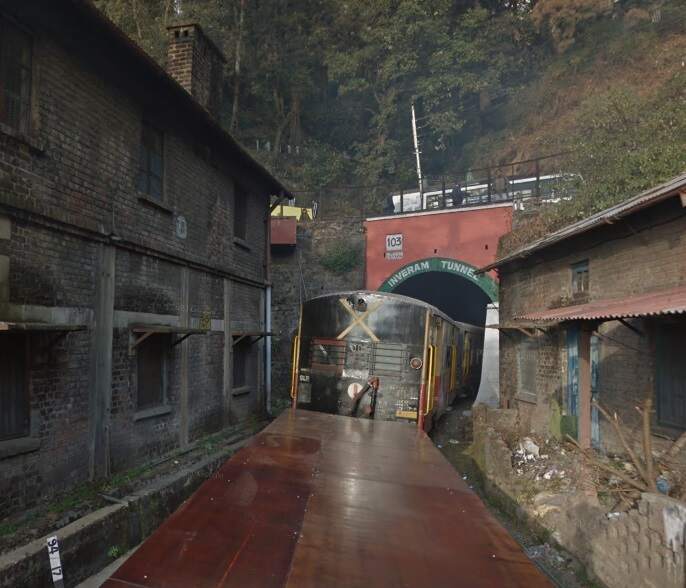
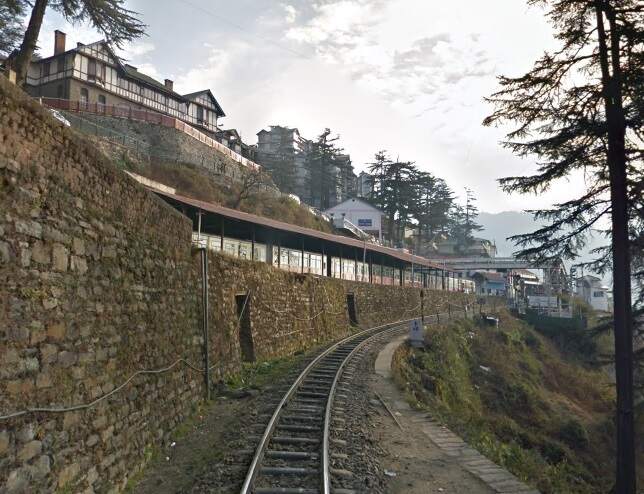
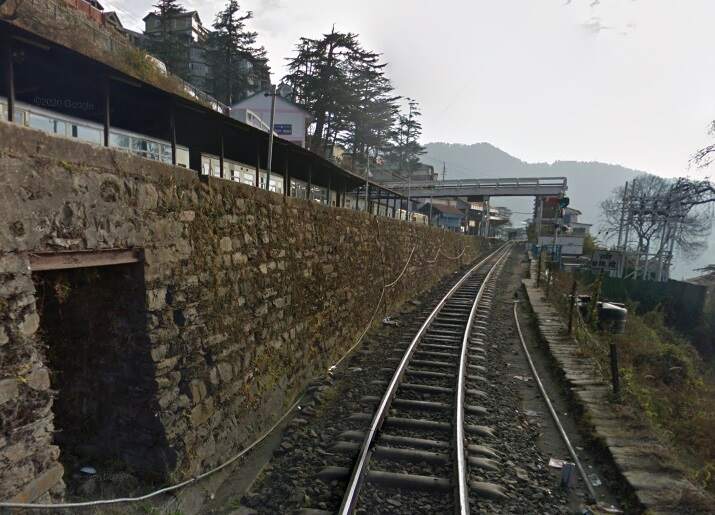
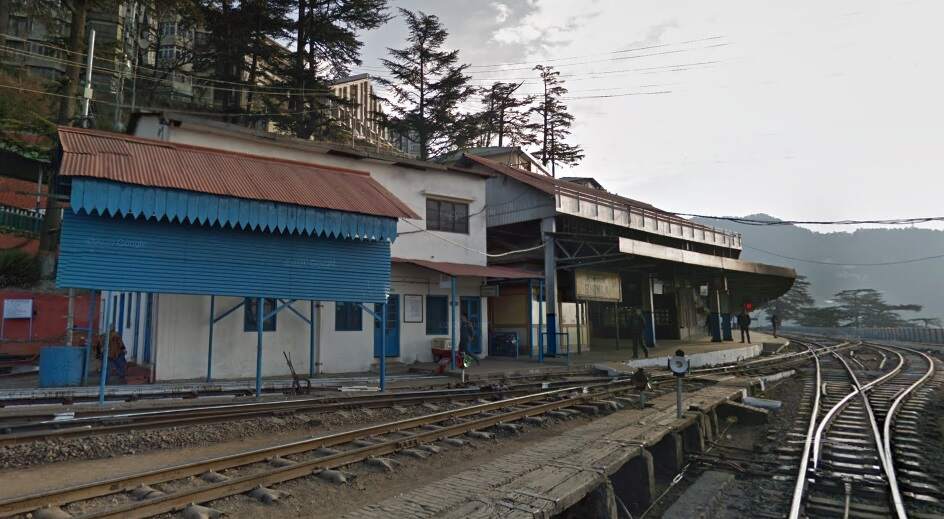
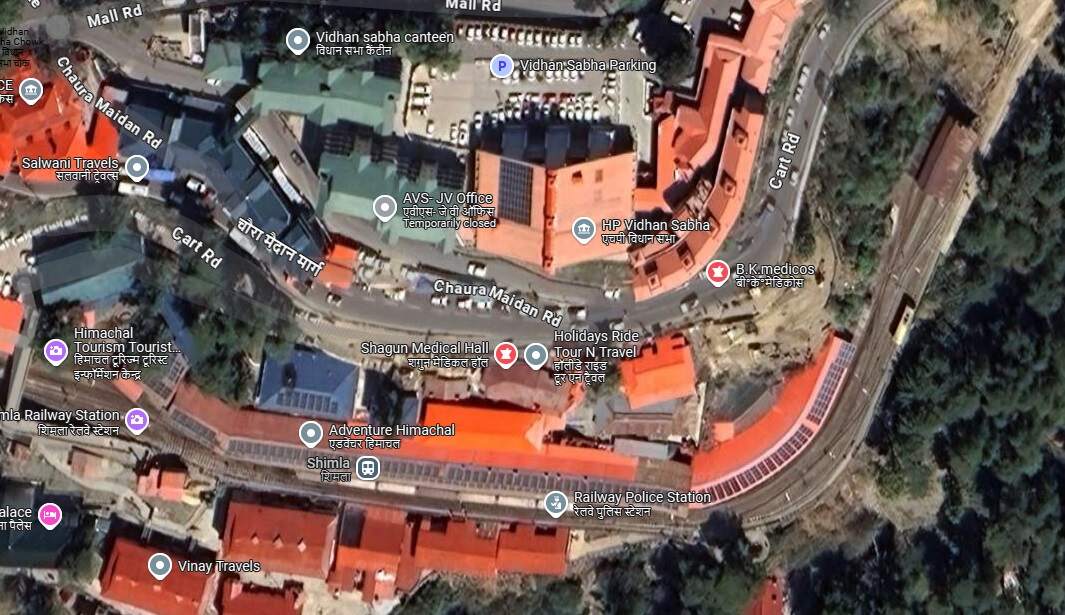
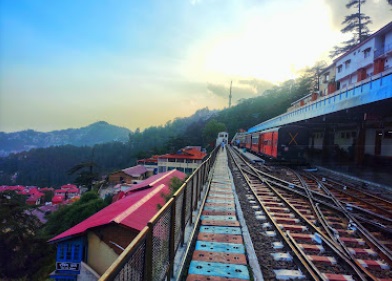
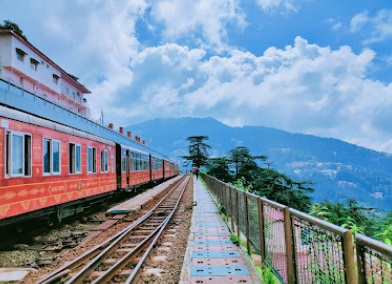
 Roger Farnworth
#/media/File%3AL04_163_Hp_Dinegro%2C_ET_37.jpg)

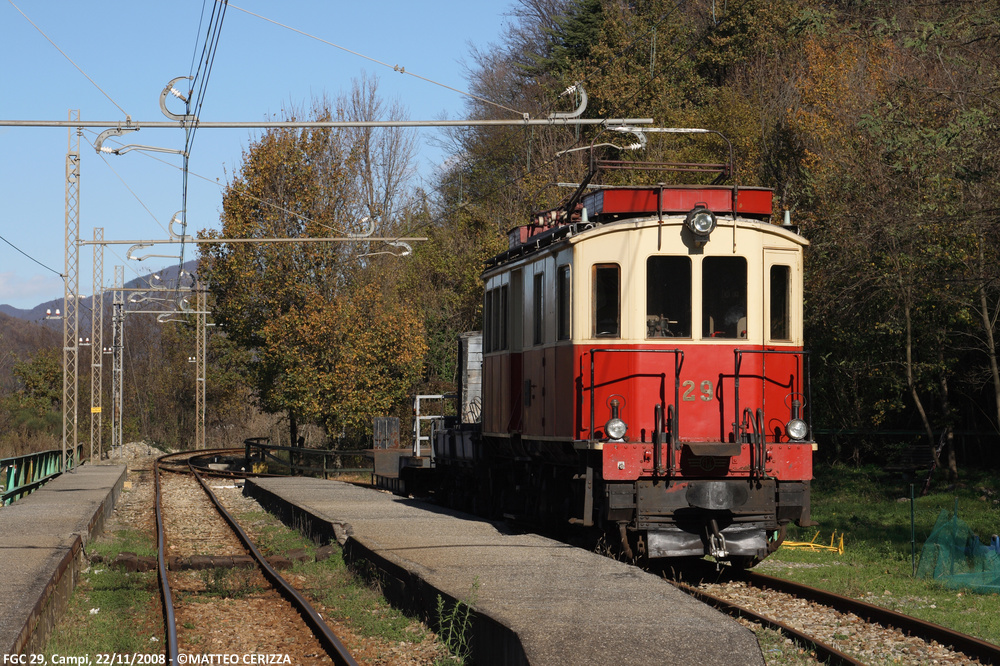
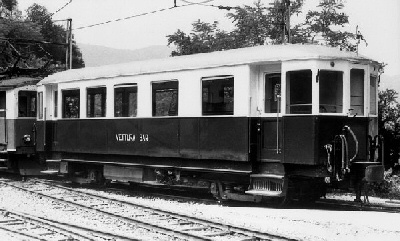
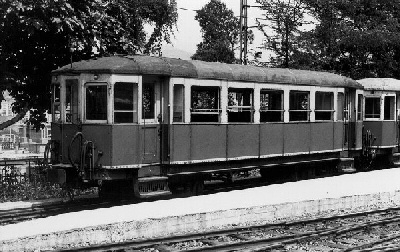
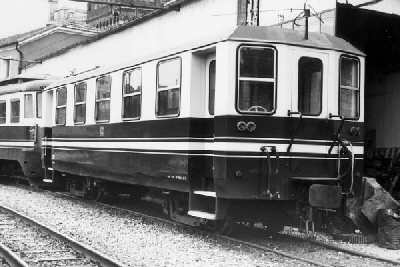
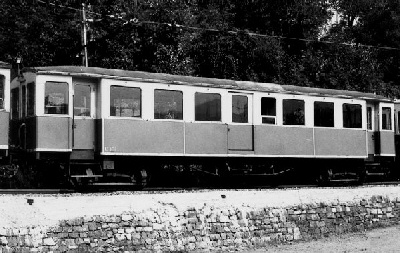
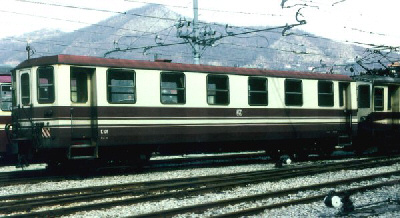
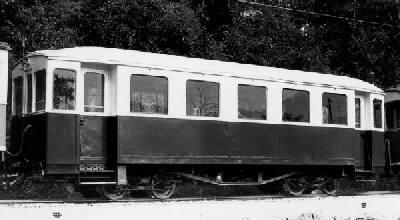
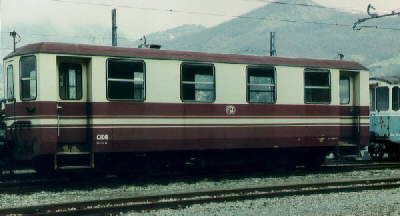
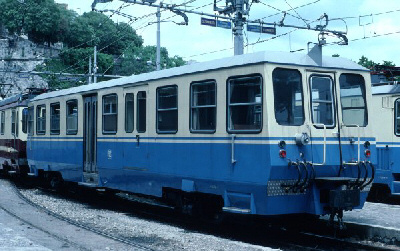


_a_Torrazza.jpg)


_P2060637.jpg)