In Part 1, we looked at the railways in the North of Namibia, that article can be found here. [4] This article covers lines which left Windhoek and covered the South of the country.
After the aerial image immediately below, the next three images form a kind of ‘tryptic’ which shows the TransNamib train yard and station at Windhoek. Taken together they show the full site. …
The railway line from Windhoek to Nakop is 869 kilometres (540 miles) long. The section between Karasburg and Keetmanshoop was completed in 1909. In 1912, the 500 kilometres (310 miles) connection between Karasburg and Windhoek was completed, and the extension to Upinhton (South Africa) was built in 1915.
Windhoek
Aris
Rehoboth
Tses
Keetmanshoop
Karasburg
Nakop (border)
Upington
We start our look at the main line to the South, in Windhoek at the South end of the Railway Station site. …
The southern end of Windhoek Railway Station, seen from John Meinert Street. [Google Streetview, 2023]The line South, from John Meinert Street. [Google Streetview, 2023]A satellite image showing the railway South of John Meinert Street. [Google Maps, June 2025]The next length of the line to the South, to a point South of the B6. [Google Maps, June 2025]The bridge carrying the railway across the B6. [Google Streetview, 2024]
Although it does not look like it as yet, the line South of Windhoek Railway Station climbed relatively steeply as it meandered South. … As we will soon see, the landscape South of Windhoek is different to that to the North of the city.
The line to the South of the B6 curves round the residential area of Schmerenbeck Street. [Google Maps, June 2025]The line then crosses the Gammams River and under David Hosea Meroro Road. [Google Maps, June 2025]The triangular junction visible in this image gives access to the branch line to Gobabis. [Google Maps, June 2025]The line then passes under the B1. [Google Maps, June 2025]Looking South from the B1. [Google Streetview, 2024]Then the line(s) cross the Arebbusch River. [Google Maps, June 2025]The next road to bridge the line is the C26. [Google Maps, June 2025]The view from Mandume Ndemufayo Avenue (C26) back towards Windhoek Railway Station. [Google Streetview, 2024]The view South from Mandume Ndemufayo Avenue towards the hills. [Google Streetview, 2024]The line passes under the city’s Western Bypass. [Google Maps, June 2025]This view looks North-northeast under the Western Bypass towards Windhoek Railway Station. [Google Streetview, 2024]Looking South from the Western Bypass. [Google Streetview, 2024]The line passes once again under the B1 as the hills draw closer. [Google Maps, June 2025]The view South-southeast along the line from the bridge carrying the B1. [Google Streetview, 2022]
The line continues to wind its way into the hills passing under the B1 once again.
The line has deviated away from Birmingham as it finds its own way into the hills. It returns to pass under the modern road again. [Google Maps, June 2025]The view South from the bridge carrying the B1. The line enters a very short tunnel just to the South of the modern road. [Google Streetview, 2022]The B1 continues to climb as it heads South. The railway takes a different path as it gains height. It crosses over the B1 by means of this bridge. [Google Streetview, 2022]
Some kilometres further along the line it again crosses the B1. This time the road bridges the line. …
Both road and railway continue their journey South. Here their paths cross once again close to Aris Railway Station. [Google Maps, June 2025]Looking back along the line to the North from the bridge carrying the ,B1 over the line. [Google Streetview, 2022]And from the same bridge looking Southwest into Aris Railway Station. [Google Streetview, 2022]
The community of Aris and its railway station are shown in a YouTube video. …
Aria Railway Station. [9]
South of Aris Railway Station,two tracks run in parallel as far as Aris Quarry.
Part of Aris Quarry appears at the bottom left of this satellite image. The other significant part of the Quarry sits to the Southeast on the East side of the B1. [Google Maps, June 2025]At Aris Quarry Google Maps shows three bogie hopper wagons at a short wharf. [Google Maps, June 2025]T
The line continues South towards Rehoboth. …
Quarry land sits on the East side of the line at the top of this next satellite image. A dry water ourselves can be seen across the image. It is bridged by the line. [Google Streetview, June 2025]A closer image of the truss girder bridge crossing the dry river bed. [Google Maps, June 2025]
The next two satellite images show the line heading further South. …
For a short distance the B2 runs close to the railway. The railway then crosses two more dry watercourses. [Google Maps, June 2025]The view from the B1 at the top of the satellite image immediately above looking West. The railway line can be seen between the road and the mountain. [Google Streetview, January 2024]The bridge over the first dry river. [Google Maps, June 2025]The bridge over the second of the two watercourses. [Google Maps, June 2025]
The next three satellite images take the line further South, running on its own course with the B1 away to the East. …
Close to the bottom of this image the railway crosses the Oanob River’s watercourse on a causeway with a short trestle bridgeThe truss girder bridge over the dry watercourse of the Oanab River. [Google Maps, June 2025]
More satellite images take us further South. The first two of these extracts from Google’s satellite imagery shows the line running past the Omeya Golf and Residential Oasis. More about this relatively recent development can be found here [6] and here. [7]. The second of these is a sales video produced to attract investors and house sales.
Four satellite images take the line South to a point where it once again runs alongside the B!. [Google Maps, June 2025]Looking Southwest from the B1 just to the North of its junction with the D1427. The railway can be seen in the background behind the closest trees. [Google Streetview, 2022]
Over the next 3 or 4 kilometres the line and the road run in parallel, with little worthy of note, Before the railway moves away to the West of the road once again. …
The line crosses four dry watercourses before turning towards the East. [Google Maps, June 2025]Running Southeast the line follows the fourth of the watercourses and passes under the B1. [Google Maps, June 2025]Looking North-northwest along the line from the bridge carrying the B1. [Google Streetview, November 2023]Looking Southeast from the same bridge towards Rehoboth. [Google Streetview, November 2023]
The line wanders its way through the hills to the East of the B1 passing from the Khomas Region of Namibia into the Hardap Region. It runs through a number of small townships close to the Usip River before entering Vogelpan where Rehoboth Railway Station was sited.
Just a short distance to the South of Vogelpan, the railway turns East to cross the Usip River. ….
Looking East from the C25, the line can be seen curving away to the East and crossing the channel of the Usio River. [Google Streetview, August 2024]
Just to the South of the location of the photograph immediately above, the C25 itself turns East and crosses both the Usip River watercourse and then the railway.
Looking North-northwest from the ungated crossing on the C25, along the railway back towards Vogelpan. [Google Streetview, August 2024]Looking Southwest from the same crossing on the C25, along the railway. [Google Streetview, August 2024]
The railway runs down the East side of the River Usip passed its confluence with the Oanob River. It then continues alongside the Oanob (less than 1 kilometre to the East of the river).
The railway then crossed the Oanob River and a tributary in quick succession. [Google Maps, June 2025]
The first bridge (on the left) crosses the Oanob, the second (on the right, crosses the tributary). [Google Maps, June 2025]
The line then continues, pretty much in a South-southeast direction for some considerable distance with little to remark on. It passes close to Duinevelde on its way South before reaching Kalkrand.
The railway is seen here (from a minor road to the West of the line) approaching Kalkrand from the North. [Google Streetview, August 2024]Kalkrand and its railway Station. [Google Maps, June 2025]Kalkrand Station and passing loop. [Google Maps, June 2025]
Southeast of Kalkrand the line and the B1 run in parallel. …
Road and rail together head Southeast. [Google Maps, June 2025]Looking East from the B1, the railway can be seen on a parallel course. [Google Streetview, December 2023]The dunes of the Kalahari desert appear in the top right of this satellite image. [Google Maps, June 2025]The railway flirts with the edge of the dunes. [Google Maps, June 2025]
The line continues in a generally Southeasterly direction along the edge of the Kalahari Desert before beginning to swing round to the South and heading into rougher terrain where its route is dictated by the contours. …
Sidings some distance to the South of Kalkrand. [Google Maps, June 2025]These two structures carry the line over watercourses in the hills [Google Maps, June 2025]
Further South and again on flatter terrain the line passes under the C20. …
Looking North-northwest along the line from the bridge carrying the C20. [Google Streetview January 2018]Looking Southeast along the line from the same bridge. The various storage tanks on the horizon are associated with Agrimark, an agricultural and retail store, part of the Agrimark, Namibia network. Adjacent to it, between the Fish River and the B1 and on the West side of the Fish River is an area of irrigated fields. [Google Streetview, January 2028]Agrimark’s storage facility heralds the arrival of Southbound strains in the town of Mariental. [Google Maps, June 2025]Looking North from an ungated crossing on a minor road North of Mariental. [Google Streetview, December 2023]Looking South from the same crossing. [Google Streetview, December 2023]Further South, the line bridges a dry watercourse which is a tributary of the Fish River. [Google Maps, June 2025]The bridge in the above satellite image as seen from the B1. [Google Streetview, December 2023]Immediately North of Mariental, the crosses another minor road at an ungated crossing. This view looks North along the line. [Google Streetview, December 2023]Looking South towards Mariental from the same crossing. [Google Streetview, December 2023]Mariental Township with the Railway Station at the centre of the satellite image. [Google Maps, June 2025]
The next two extracts from Google Maps satellite imagery cover the length of the railway station site. …
These two images show the station site at Mariental. [Google Maps, June 2025]Mariental Station building. [Google Streetview, December 2023]The station building at Mariental seen fromt he Southwest. [Google Streetview, December 2023]Immediately South of Mariental, the B1 and the railway run South side by side. [Google Maps, June 2025]The railway seen from the B1 to the South of Mariental. [Google Streetview, January 2018]A series of different culverts and bridges support the line over historic channels most of which are dry. [Google Streetview, December 2023]The next road crossing is that for the C18. It is another ungated crossing and this is the view looking North along the line. [Google Streetview, August 2024]And this is the view South along the line at the same crossing. [Google Streetview, August 2024]Looking Northwest from the ungated crossing over the D1068 at Asab. [Google Streetview, December 2023]Looking Southeast from the D1068 into the station at Asab. [Google Streetview, December 2023]Asab Trading CentreSidings/Station and River. [Google Maps, June 2025]Looking North from the B1 along the Asab River watercourse with the railway bridge close to the centre of the image. [Google Streetview, December 2023]
The line continues Southeast from Asab. …
Looking North from the D3919Looking Southeast from the D3919The line continues Southeast towards Tses on a shallow embankment with bridge openings for run-off water over dry watercourses. [Google Streetview, December 2023]Tses Township, the B1 and the railway. [Google Maps, June 2025]Tses Station and Sidings. [Google Earth, June 2025]Tses River Bridge. [Google Earth, June 2025]Looking Northeast from the bridge carrying the B1 along the line, back towards Tses. {Google Streetview, December 2023]Looking ahead to the Southwest from the same bridge. [Google Streetview, December 2023]
The line continues in a generally Southwards direction. Again, when hills are encountered it curves its way along the contours to limit gradients. …
Another glimpse of the line from the bridge carrying the B1 across the outfall channel from the Van Rym Dam on the approaches to Keetmanshoop. [Google Streetview, December 2023]
Keetmanshoop is the next significant settlement on the line. …
4-8-0 Locomotive Class 7A, No. 1011 was built by Neilson & Co, of Glasgow, Scotland, as works no 4930 in 1896, it was brought to Keepmanshoop in 1980 to be plinthed. The first Class 7 locomotives were commissioned by the Cape Government Railways and delivered by Dübs & Co of England in 1892. Follow-up batches were built by Sharp, Stewart & Co, Neilson, Reid & Co, and North British Locomotive Company. They had a wheel arrangement of 4-8-0, coupled wheels of 3’6 3/4″ (1086mm diameter) and Stephenson link valve gear. The engines were originally powered by saturated steam, but many were later reboilered and converted to use superheated steam. Modifications such as larger boilers, increases in cylinder diameters and larger cabs resulted in the reclassification of the locomotives as Class 7A, 7B, 7C, 7D, 7E and 7F. More information and photographs can be seen here. [16]
More modern facilities at Keetmanshoop Railway Station. [Google Maps, June 2025]A view of these modern facilties from the Southwest on Darn Viljoen. [Google Streetview, December 2023]The yard and turning triangle at Keetmanshoop Station. [Google Maps, June 2025]The view of the yard from the corner of 3rd Street and 12th Avenue. [Google Streetview, December 2023]
While Keetmanshoop railway Station sits approximately on an East-West alignment is is approached bey means of a sharp curve from the North and trains leaving to the South take a sharp curve to the South within the township.
The line continues to the South. … First five images following the line South and Southwest as far the point where the B4 bridges the line.
A series of five images following the line, first along Railway Street and then at an ungated crossing, all photographs are taken looking Southwest. [Google Streetview, December 2023]The length of line covered by the images above. The B4 crosses the line at the bottom of the image. [Google Maps, June 2025]
Two pictures now taken from the bridge carrying the B4 over the line.
Looking North from the B$ towards Keetmanshoop. [Google Streetview, December 2023]Looking South along the line ahead. [Google Streetview, December 2023]Looking Southwest along the line from an ungated crossing to the South side of the B4. [Google Streetview, December 2023]Looking Southwest along the line from another ungated crossing to the South side of the B4. [Google Streetview, December 2023]The B4 and the railway run parallel, perhaps around 100 metres apart. This photograph shows the line running parallel to the road. Google Streetview, December 2023]Another view looking Southwest, this time from the ungated crossing which takes the C12 dirt road over the line. [Google Streetview, January 2018]The last image showed a passing loop to the Southwest of the C12. This satellite image shows the full length of the loop. [Google Maps, June 2025]
The railway turns to the West as it approaches the junction at Seeheim.
The railway continues to run parallel to the C12/M28 for some considerable distance. Close to Grunau the C12/M28 meets the B1 which crosses the line at 90°.
Looking East-southeast from the bridge carrying the B1 over the railway, the passing loop at Grunau is just ahead. [Google Streetview, 2024]The railway station/passing loop at Grunau to the East of the B1. [Google Maps, June 2025]Grunau Railway Station, (c) Pgallert (2010) and licenced for reuse under a Creative Commons Licence (CC BY-SA 3.0). [17]
East of Grunau, the line runs parallel to the B3 in a southeasterly direction. …
The line bridges the dry watercourse of the Hom River and other watercourses as it head Southeast. [Google Maps, June, 2025]The Hom River Railway Bridge, seen from the B3 Bridge over the same watercourse. [Google Streetview, 2022]Two further structures carry the Railway over dry watercourses on the run into Karasburg. [Google Streetview, The railway enters Karasburg from the North West, curving round to close to a North-South alignment through the railway Station and then sharply curving round to the Northeast as it leaves the town. [Google Maps, June 2025]The view South towards Karasburg Railway Station from the ungated crossing at Hendrik Snyman Street. [Google Streetview, January 2024]Karasburg Railway Station. [Google Maps, June 2025]The turning triangle at Karasburg. [Google Maps, June 2025]
Karasburg Railway Station: passenger platform/building (note the painted edge of the platform) and goods shed. The pictures below come from 1914/1915 and show different aspects of Karasburg Railway Station at that time.
Karasburg Railway Station in 1914/1915. [18]The engine shed in 1914/1915. [18]Pointwork at Karasburg Railway Station. [18]
As we have already noted the line South of Karasburg Station curves sharply to the Northeast and passing under the M21.
Looking West from the bridge carrying the M21 over the railway at Karasburg. [Google Streetview, September 2024]Looking East from the bridge carrying the M21 over the railway at Karasburg. The curve shown on the last image continues as the railway turns to the Northeast. [Google Streetview, September 2024]East of Karasburg the line runs Northeast alongside the B3 before head East on the South side of the road. [Google Maps, June 2025]
For some distance the line runs along the South side of the B3. separating from it close to Nuwefontein. The B3 crosses to the East side of the Ham River, with the railway remaining on the West side of the river, before crossing it close to De Villiersputs. Near Grondorner, the line crosses the D237 and bridges a tributary of the Ham River before running alongside the D237 in a Southeasterly direction. After a number of kilometres, the D237 turns away to the South and the line continues in a generally easterly direction.
Meandering to the north and then again to the East the line of the B3 once again and runs on its South side towards Ariamsvlei, the border with South Africa and Nakop, beyond the border in South Africa.
Ariamsvlei Railway Station and marshalling yard. [Google Maps, June 2025]The view East into the site from the B3. Google Streetview, January 2024]Ariamsvlei turning triangle and border post which is just about 10 kilometers from the border with South Africa. Nakop is beyond the border. [Google Maps, June 2025]
Beyond Ariamsvlei is the border crossing at Nakop and the South African town of Upington.
Windhoek-Gobabis
Next we look at a line which ran East from Winhoek. … The railway line from Windhoek to Gobabis is 228 kilometres (142 miles) long and was completed in 1930. [10]
Windhoek (capital – junction)
Neudamm
Omitara
Gobabis (branch railhead)
The line to Gobabis leaves the Windhoek-Nakop line at a triangular junction and headed East.
The Windhoek-Gobabis line leaves the line to Nakop in the Southern suburbs of Windhoek. [Google Maps, June 2025]
These next fourteen satellite images show the line wandering back and forth through the Windhoek suburbs. …
These fourteen extracts from Google’s satellite imagery take the Gobabis line to a point to the East of Sam Nujoma Drive. [Google Maps, June 2025]Looking South-southwest from Andries de Wet Street along the line of the railway towards Windhoek Railway Station, showing the substantial bridge under construction in 2024. [Google Streetview, 2024]
The journey beyond Andries de Wet Street continues, the next satellite images cover larger areas than the ones above. ….
This sequence of three images takes the line out into open country beyond the Avis River. [Google Maps, June 2025][The truss girder bridge which carries the railway over the B6 and the channel of the Avis River. [Google Streetview, January 2024]
The line continues in a generally easterly direction, although the contours of the terrain mean that the railway has to meander back and forth to find the most advantageous route. These next extracts from Google’s satellite imagery show the way that the line picks its way through the landscape. …
This sequence of four extracts from Google’s satellite imagery takes the line as far as Finkenstein. [Google Maps, June 2025]The railway station close to Finkenstein Estate/Village. [Google Maps, June 2025]The view Southwest from the D1527 along the railway towards Windhoek. Google Streetview, January 2024]Looking Northeast into the railway station site from the D1527. [Google Streetview, January 2025]A little further to the Northwest on the D1527, this is the view looking Northeast into the goods yard at the station. [Google Streetview, January 2024]
These two images indicate the area of the Finkenstein Estate/Village and current proposals for new housing and a new major road.The location of the railway Station can be seen at the top-left of the satellite image. The lighter swathe of ground curving across the top half of the satellite image is the construction site for the new road. [5][Google Maps, June 2025]
The line continues East from Finkenstein. At the right side of this satellite image the railway passes under the B6. [Google Maps, June 2025]Looking Northwest from the B6 along the line towards Finkenstein Station and Windhoek. [Google Streetview, January 2024]Looking Southeast from the B6 the line is curving to the South. The older road bridge is visible alongside the B6. Not too far ahead, out of shot are the construction works for the road that will replace the B6 as a main artery. [Google Streetview, January 2024.
Almost immediately after passing under the B6, the line begins to swing round from a Southwestern trajectory to the Northeast and then the East before passingunder the B6 again.
Looking Northeast from the bridge carrying the B6 over the line. The line can be seen curving round to the East. [Google Streetview, January 2018]
The line heads generally in an easterly direction and after some kilometeres runs alongside the Seeis River. …
The railway bridges the Seeis River and then runs alongside both the river and the B6. [Google Maps, June 2025]
Stocking close to the South bank of the Seeis River, the line passes to the North of Sonnleiton Village before rejoining the B6 close to Windhoek Airport, and passing to the South of the airport and then running immediately alongside the B6.
The railway seen looking North from the B6. [Google Streetview, January 2024]
Both road and rail pass just to the North of the settlement of Seeis where an old railway station was sited, and then over the River Seeis.
The Seeis River Railway Bridge seen looking North from the B6. [Google Streetview, January 2024]
The video below shows the settlement, its station and its bridge. ….
YouTube video of Seeis and its station and railway bridge. [19]
Beyond Seeis the railway continues alongside the B6 in a Northeasterly direction. The railway then turns further Northwest and leaves the B6, finding its own path towards Gobabis. It crossed the D1535 at an ungated crossing. The D1535 then runs alongside the railway heading Northeast before crossing the railway again at another ungated crossing. Both road and railway cross the Wit Nossob River and run along its North bank, crossing tributaries enroute before passing to the North of the Otjivero Reservoir and Dam.
The Otjivero Reservoir and Dam. The railway runs on the North side of the D1535. [Google Maps, June 2025]
Beyond the Dam, the railway follows the C29 heading East. it pulls away a little to the North to create room for Omitara Railway Station.
Omitara Railway Station. [Google Maps, June 2025]Omitara Railway Station, (c) Arche-foto, Burkhart Rüchel, and licenced for reuse under a Creative Commons Licence, (CC BY-SA 3.0). [20]
Northeast of the station the railway passes under the C29, continuing to run East-northeast and then East, and then Southeast, before returning to run alongside the B6 once again. Following the line on satellite images has become increasingly difficult.
This photograph looks along the line to the East from the ungated crossing over the D1658 at Grunental. As can be seen the line is significantly over grown by grasses. [Google Maps, June 2025]Looking East at the ungated crossing over the D1663, the line seems to be disappearing into the sand. {Google Streetview, January 2024]Looking West at the old station site at Witvlei. [Google Streetview, January 2024]Looking East at the old station site at Witvlei. [Google Streetview, January 2024]Witvlei Railway Station in 2018, (c) Hp.Baumeler and licenced for reuse under a Creative Commons licence, (CC BY-SA 4.0). [21]Looking back West along the apparently little used line towards Windhoek from the bridge carrying the B6 across the line. [Google Streetview, January 2024]Looking East from the same bridge, the line is almost indistinguishable from the surrounding grassland. [Google Streetview, January 2024]
The railway continues to the East, with the B6 running parallel to it on the North side.
Looking East along the line at an ungated crossing on a minor road.The B6 can be seen over to the left. [Google Streetview, January 2024]
The line begins to turn to the Southeast before crossing the Black Nossob River. …
Looking Southeast from the C30 along the line towards the Black Nossob River. [Google Streetview, January 2024]The railway bridge over the Black Nossob River close to Gobabis. [Google Maps, June 2025]Gobabis: the Black Nossob River, Reservoir and Dams are on the left side of the satellite image. The railway bridge over the Black Nossob can just be picked out in the extreme top left of the image. The railway flanks the reservoir and lake before passing under the B6 and then, after the B6 has turned through 90, under the B6 (Gobabis Bypass).Looking West from the B6 bridgeLooking East from the B6 BridgeLooking Northwest from the Gobabis Bypass (B6).Looking Southeast from the Gobabis Bypass (B6).Looking Northwest from Heroes Lane/Creamery Lane, GobabisLooking Southeast from Heroes Lane/Creamery Lane, Gobabis
The 6 images immediately above show the railways approach to Gobabis Railway Station.
Gobabis Railway Station. Its turning triangle can be seen at the right side of this satellite image. A series of sidings are the end of the line, these are just Southeast of the turning triangle. [Google Maps, June 2025]Gobabis Railway Station Buildings. [Google Maps, June 2025]Gobabis Railway Station Building, (c) Hp. Baumeler and licenced for reuse under a Creative Commons Licence (CC BY-SA 4.0). [22]Plinthed at Gobabis Railway station is this 5 man railway inspection car (c) Hp. Baumeler and licenced for reuse under a Creative Commons Licence (CC BY-SA 4.0). [23]Also plinthed at Gobabis Railway station is this small flatbed wagon, (c) Hp. Baumeler and licenced for reuse under a Creative Commons Licence (CC BY-SA 4.0). [24]
Gobabis is the end of the line. There are plans on the drawing board for a Trans-Kalahari Railway Line which would extend East from the current livestock railhead at Gobabis and may well be electrified. [25][26][27]
Seeheim-Lüderitz
The final length of line to be looked at is that from Seeheim to Lüderitz. The railway line from Seeheim to Lüderitz is 318 kilometres (198 miles) long. The connection between Lüderitz and Aus was completed in 1906, and the extension to Seeheim was completed in 1908. [1] The service between Aus and Lüderitz was decommissioned in 1997, due to poor track condition, and there is no regular passenger service between Seeheim and Aus. … The line to Lüderitz was rehabilitated in the 2010s and was scheduled for reopening in 2017. Test trains ran to Lüderitz in 2014 and Lüderitz Harbour in 2018. [2]
We begin this journey from Seeheim Railway Junction. …
Seeheim Railway Junction. [Google Maps, June 2025]
Just a short distance Northwest along the line from the junction is Seeheim Railway Station.
Seeheim Railway Station in very early days. [30]The train yard at Seeheim in the 21st century. The Skaap River is just to the South of the Yard. [Google Maps, June 2025]A short distance beyond the limits of the old railway station the line crosses the Fish River close to its confluence with the Skaap River. This is a very early postcard image of the railway bridge over the river. A modern image of the bridge in the distance on this postcard can be seen here. [29] [30]The bridges over the Fish River in the 21st century. [Google Maps, June 2025]After crossing the Fish River the railway follows its North bank. [Google Streetview, June 2025]It crosses a couple of tributaries before heading away from the river into the hills. [Google Streetview, June 2025]
After some distance winding through the hills, the railway line crosses the D463, bridges a dry watercourse and crosses an open area of sand before again winding its way through more hills, heading Northwest. The next image shows the location of Sandverhaar Railway Station and Bridge.
Sandverhaar Railway Station and Bridge. [Google Maps, June 2025]Sandverhaar Railway Station, (c) Matthias Bruhin & Hp.Baumeler and licenced for reuse under a Creative Commons Licence (CC BY-SA 4.0). [28]
A little further West the line crosses the dry watercourse of the Gurib River and close to Alte Kalkofen Lodge passes through the site of what was Simplon Railway Station.
Immediately to the West of Simplon Station, the line crosses the D462 and then, for a short while runs alongside the B4.
At Goageb, the line passes under the B4 before entering the Railway Station.
Looking Northwest from the first bridge at Goageb carrying the B4 over the line. [Google Streetview, December 2023]
Goageb Railway Station. [Google Maps, June 2025]
The Station building and water tower at Goageb, seen from the Southwest. [Google Streetview, December 2023]The platform, station building and water tower at Goageb, seen from the Northwest. [Google Streetview, December 2023]
The bridge carrying the railway over the Konkiep River, seen from the bridge carrying the B4 over the river. [Google Streetview, December 2023]Looking back towards the railway’s bridge over the river. [Google Streetview, January 2018]Looking Northwest from the bridge carrying the B4, along the line of the railway. [Google Streetview, January 2018]
After passing under the B4 the railway turns North-northwest and runs alongside the B4 for a few kilometres before the road turned away toward the North. The railway then turns to the Southwest.
A relatively short passing loop is provided seemingly in the middle of nowhere! [Google Maps, June 2025]
These next few pictures give a sequence of satellite images or views in sequence along the line.
An igneous rock intrusion alongside the lineA dramatic S-curve on the line. Another unnamed passing loopThe line running South of and close to the B4Looking South from the B4 along the D446 we can see an ungated crossing . The railway is around 100 metres from the B4 at this location.A memorial has been placed at the site of a prisoner of war camp from the First World War to the East of the town of Aus.The Camp near Aus for German prisoners of war 1915-1919, (c) Public Domain. [31]Immediately to the South of the Kriegsgefangenen Denkmal, the war memorial, there are a series of sidings/passing loop on the railway as shown here. [Google Maps, June 2025]A gantry crane, cabins and water tower are present at this location. [Google Streetview, January 2024]
It is only a short distance from this location to the township of Aus. The railway passes, first, under the C13 and then into Aus.
The view Northwest from the C13 towards Aus. [Google Streetview, January 2024]Aus Railway Station. [Google Maps, June 2025]Looking Southeast, this photograph shows the railway line curving round into Aus Railway Station. [Google Streetview, December 2023]The Southeast end of Aus Railway Station site. [Google Streetview, December 2023]The station approach at Aus. [Google Streetview, December 2023]
Northwest of the railway station, the line crosses the C13 again, this time at an ungated crossing.
Looking Southeast from the ungated crossing on the C13 towards Aus Railway Station. [Google Streetview, December 2023]Looking Northwest along the line from the ungated crossing on the C13 – Aus church is prominent in this photograph. [Google Streetview, December 2023]
West of Aus the railway passes through the hills. The next image looks backthrough those hills towards Aus.
Looking back towards Aus we can see the line meandering through the hills. [Google Streetview, November 2021]Looking ahead along the railway line from the same location. [Google Streetview, November 2021]
The next station on the line was at Garub. The station is no longer in use.
Garub Railway Station: the station hose and water tower remain standing. [Google Maps, June 2025]Garub Railway Station building in the early 1900s, (c) Public Domain. [32]
This image of Garub station house and water tower is embedded here from fineartamerica.com. [33]
To the West of Garub the B4 and the railway run in parallel. The line passes through another abandoned stations at Tsaukaib, Haalenburg, Rotkop and Grasplatz.
The abandoned Railway Station at Haalenburg, looking West. [Google Streetview, December 2023]The abandoned Railway Station at Grasplatz, looking West. [Google Streetview, December 2023]
At Kolmanskop there is an entire derelict mining station which once had its own railway station.
Kolmanskop seen from the B4 with the railway visible in front of the buildings.Kolmanskop mining village. The diamond mine was to the South of the village. [Google Maps, June 2025]
As well as its railway link to Lüderitz, Kolmanskop was “the terminus of two private narrow-gauge electrified railway lines that served the diamond mining industry further south. One ran 119 kilometres (74 mi) via Pomona to Bogenfels. It was completed in 1913 but destroyed during World War I in 1915 by South African troops. The other railway line, 7 kilometres (4.3 mi) long and completed in 1920, led to Charlottental. Both were powered by a 1.5 megawatts (2,000 hp) power station in Lüderitz, then assumed to be the largest in Africa.” [1][34][35]
Kolmanskop is only a short distance from the Atlantic Ocean. The B4 and the railway find their own way down to the coast at Lüderitz.
The railway meanders down to the coast following the contours to keep the gradient to a minimum. On the way it passes through a turning triangle. It not obvious why the turning triangle is located at this point on the railway. However, not far beyond the triangle there are a series of sidings/loops which are shown in the image below.
Goods transfer sidings/loops close to Lüderitz. [Google Maps, June 2025]Just short of Lüderitz, the Atlantic is on the left of this photograph, the railway on the right. [Google Streetview, January 2024]Looking West along the railway towards the centre of Lüderitz. [Google Streetview, January 2024]Further along the line and looking North. [Google Streetview, January 2024]Looking North from the ungated crossing at Bay Street. The platform of the passenger station is just ahead. [Google Streetview, January 2024]
A photograph looking Southwest through the station can be viewed here. [37]
The engine shed and yard in Lüderitz are to the Northeast of the station platforms. [Google Maps, June 2025]The gates to the port at Lüderitz seen from Hafen Street. [Google Streetview, January 2024]The Port of Lüderitz. [Google Maps, June 2025]An aerial view of the port. [36]
“At first glance appearing to be no more than an offshoot of the picturesque and spectacular Callander & Oban Railway, the Killin Railway was a wholly independent company in its own right for the first 37 years of its working life. The Killin Railway Company endured for almost all of its independent years under the patronage of one of Scotland’s wealthiest men. The local people promoted the village railway company in 1881 and the line was run under their management from its official opening on 13th March 1886 until its independence was reluctantly conceded to the LMS from 1st June 1923. In absorbing the Killin Railway Company the LMS accepted some £12,000 of debt accumulated over the years of its independence and paid the remaining shareholders just 8% of the face value of their original investment, in full settlement of the enforced transaction. During the years of independence and before they were absorbed into the LMS, the train services of both the Killin and the adjacent Callander & Oban Companies were worked by the Caledonian Railway Company as integral parts of its system.” [1: p624-625]
Gavin Campbell, the Marquis of Breadalbane & Holland held 438,558 acres of land in his estates in Argyllshire and Perthshire, spread across much of central Scotland. He was the prime mover in the development of the branch line to Killin Village.
Wikipedia tells us that “On 1st June 1870, the Callander and Oban Railway opened the first portion of its line. Shortage of cash meant that the original intention of linking Oban to the railway network was to be deferred for now. The line opened from the former Dunblane, Doune and Callander Railway at Callander to a station named Killin, but it was at Glenoglehead, high above the town and three miles (5 km) distant down a steep and rugged track.” [2][3]
“The difficult local terrain prevented any question of the line to Oban passing through Killin, and local people were for the time being happy enough that they had a railway connection of a sort; indeed tourist trade was brought into the town. The Callander and Oban Railway had in fact been absorbed by the Caledonian Railway but continued to be managed semi-autonomously. The Caledonian was a far larger concern that had money problems, and priorities, elsewhere. Nevertheless, as time went on, extension of the first line to Oban was resumed in stages, and finally completed on 30th June 1880.” [2]
Elton tells us that, “At the time that the story of the village railway began, Killin was a remote rural community that had for many years relied for its prosperity on providing a market place for the produce of the Highland farmers from the surrounding lands. Those farmers were largely tenants of the Marquis and although there is no doubt that he had their well-being in mind as well as that of the villagers of Killin, the commercial possibilities were also under his consideration when he moved the promotion of the village railway and concurrently founded the Loch Tay Steamboat Company. The village of Killin also served as a convenient overnight stop for animal drovers and their herds consisting predominantly of sheep. Situated near the lower, western, end of Loch Tay, a number of ancient overland paths met naturally near the village.” [1: p625-626]
“The traditional commerce of Killin had been seriously eroded when, in 1870, the Callander & Oban Railway had reached the head of Glen Ogle. … The C&O was able to offer to the traditional customers of Killin a more direct access to the great livestock markets of southern Scotland. The station at the head of Glen Ogle, given the name Killin, was the northern terminal of the C&O from 1st June 1870 until August 1873. On that date the line was extended for seventeen miles to a temporary terminal at Tyndrum. From Tyndrum the C&O line eventually reached Oban, being ceremonially opened to that place on 30th June 1880. Prior to that, the Highland Railway Company had built a branch line, from its Perth-Inverness main line at Ballinuig, to Aberfeldy and this line also attracted livestock trade away from Killin. It was at one time believed locally that the branch line would be extended from Aberfeldy to Kenmore and perhaps on to Killin itself but this was never seriously considered by the Highland Company. Nevertheless, as built, the branch line gave better and cheaper access to the immense markets of Perth and Edinburgh and attracted traffic from the C&O terminal at Glenlochhead.” [1: p626]
“The people of Killin petitioned the Callander and Oban company for a branch line, but this was refused, and when the Caledonian Railway itself was persuaded to obtain Parliamentary authority to build the branch, the Bill failed in Parliament.” [2]
Under the leadership of the Marquis of Breadalbane, the people of Killin decided to build a railway themselves. “The first meeting of the local railway took place on 19th August 1882, in Killin. Making a branch to join the Callander and Oban [Railway (C&O)] at its “Killin” station would involve an impossibly steep gradient, but a line was planned to meet the C&O further west and at a lower altitude. Even so, the branch would be four miles (6.4 km) long with a gradient of 1 in 50. It could be built for about £18,000. At the Killin end, the line would be extended to a pier on Loch Tay, serving the steamer excursion traffic on the loch.” [2][4][5]
Elton tells us that before the 19th August 1882 meeting took place, the Marquis of Breadalbane “sought the advice of civil engineer John Strain. In 1877 Strain had successfully undertaken to survey and engineer the last section of the C&O. This 24 miles of railway, from Dalmally to Oban, had presented him with many difficulties. Following Strain’s recommendation Breadalbane explained to the villagers at the meeting that the proposed new line would branch from a junction on the C&O some 2½ miles down the line from the existing Killin station at the head of Glen Ogle. A new station would be placed within the village itself and the line would be extended 1 miles to a station on the shore of Loch Tay. A pier for berthing the steamships plying the loch was to be built with facilities for handling passengers, live-stock and general cargo, adjacent to the Loch Tay station. The Marquis had formed the Loch Tay Steamboat Company, whose steamships and those of succeeding companies would serve on the loch until 1939.”
The ruling gradient of the proposed new line would be a demanding 1 in 50. John Strain had estimated the cost of building the line at £18,000 (£3,428 per mile). Detailed forecasts of the potential traffic indicated that only a modest income could be expected for distribution to shareholders (£365 per annum). The Marquis “invited those attending the meeting to invest in the railway, adding that he would match pound for pound the money raised. … In the three weeks after the initial meeting no more than £370 was subscribed to the funds of the new company. Mr. A. R. Robertson, who had been appointed Company Secretary, estimated that the total potential investment from the area was unlikely to exceed £4,000. This figure assumed the most strenuous of canvassing and included the promise of £1,000 from Sir Donald Currie, a resident of Aberfeldy. Mr. Robertson, as the manager of the Killin branch of the Bank of Scotland, was in a unique position to assess the probable local investment.” [1: 627]
There was a clear local determination to bring the scheme to fruition. In kind commitments were made locally in exchange for shares in the new line. The Marquis “donated all of the required land and sleepers for the track whilst the Caledonian and C&O Companies supplied the rails, all in return for shares in the village company. The C&O Company itself bought 1,200 shares and that encouraged many smaller investors. The Caledonian Railway arranged to work the line for the first three years for 55% of the receipts but stipulated that the annual turnover should not be less than £2,377. There was not one objector to the scheme and the potentially ruinous promotion of a Parliamentary Bill was thus avoided. Instead, only a Board of Trade Certificate for the construction was required and that was received on 8th August 1883. Prior to that the embryonic Killin Railway Company had already sought tenders to construct the line. The board of directors consisting of Lord Breadalbane himself, Charles Stewart, Sir Donald Currie, John Willison and Col. John Sutherland obtained nine quotations in all. These ranged from the highest at £22,442 6s 3d down to one of £13,783 8s Od, quoted by Messrs. Α.& K. MacDonald of Skye. The company secretary, who had no profound knowledge of railways, calculated that if the directors accepted the lowest tender, the total cost of getting the line into full working condition would be £28,552. The total assets available to the company at that point in time, having exhausted all sources and allowing for borrowings of £5,200, had reached an impressive £20,801. John Strain was again consulted and advised that the line could not be built for anything like the price of the lowest tender. Nevertheless, the temptation of saving such capital was too great and the MacDonalds’ tender was accepted by the village board.” [1: p627]
Inevitably, work on the project gradually fell behind and ultimately the MacDonald’s contract had to be terminated. The work was passed to John Best, of Glasgow. “Towards the end of February 1885, Strain reported that 73% of the earthworks and 84% of the culverts, creeps and bridgework had been completed.” [1: p628] The Board of Trade inspection eventually took place in early 1886 and the ceremonial opening took place on 13th March 1886. Public services on the line commenced on 1st April 1886.
The junction station on the C&O was half-a-mile from the nearest road and was far more complex than required. The station was of substantial proportions. “A single and an island platform provided three faces, two of which served the up and down lines of the C&O respectively. The remaining face … was kept exclusively for the use of the village line train. Two sidings and a crossover system were installed on the village line side. A passenger overbridge was built in 1908, while two cottages for station staff and a goods shed completed the facilities. The station complex was controlled by two signal boxes containing a total of 48 levers, 22 in the West box and 26 in the East. The junction station was set on a gradient of 1 in 138, at an elevation of about 800ft above sea level.” [1: p630]
Elton’s date for the construction of the footbridge is called into question by the OS Map extract below which was surveyed in 1899 and shows a foot bridge already in place at that time.
In 1935, the West Signal Box at Killin Junction was closed and the East Signal Box took control of the whole station layout. On Saturday 22nd October 1938, “Lt. Col. Wilson (Ministry of Transport) reported that the West Junction box had been closed and the facing points at the southern end of the main crossing loop were now motor operated by primary battery from the East Junction box, with an auxiliary tablet instrument for the section to Luib provided on the Down platform. To provide connections at the south end of the station Branch platform, a new 9-lever ground frame was provided, electrically controlled from the East Junction box, and which also slotted the running signals which applied to movements into and out of the Branch platform at its south end. Such moves were relatively infrequent, although the Branch Platform line formed a convenient third loop for trains crossing. The platform was mainly used for the shuttle service on the Killin Branch, which was worked by a train staff and one engine in steam. On account of the long and steep downward gradient towards Killin, interlaced lines named “live” and “dead” roads were formerly provided, with facing points at both ends. Ascending trains used the left-hand interlaced line, in which there were self-acting catch points. These “live” and “dead” roads had now been removed. Shunting was prohibited along the branch unless the engine was at the lower end. A similar prohibition applied to the single line towards Luib, where the gradient also fell steeply. The signal arrangements were as on the plan, with three new track circuits, separately indicated in the East Junction box, which had a frame of 28 levers, all in use with correct locking and control.” [66]
More photographs of the station can be found on Ernie’s Railway Archive on Flickr …. here, [10] here, [11] here, [12] here, [13] here, [14] here, [15] here, [16] and here. [17]
In the image above, the Callander and Oban Railway is on the right of the signal box, the Killin Branch is to the left of the box. The line down to Killin was steeply graded (1 in 50) down to the village.
The two lines ran in parallel for a short distance but increasingly at different altitudes. [19]The same are as shown on the 21st century ESRI satellite imagery provided by the NLS. [19]
The branch continued heading Northeast towards Killin, passing to the North of Wester Lix and bridging a minor tributary of the River Dochart.
To the Northeast of the main road the railway remained predominantly on embankment. A cattle creep sat a few hundred metres Northeast of the road bridge. It can be seen in the top right of the last OS Map extract. The next significant structure carried the line over the Allt Lairig Cheile, another tributary of the River Dochart.
This next extract from the 25″ Ordnance Survey of 1899, published in 1900 includes the over the bridge over Allt Lairig Cheile, bottom left, and above it a small infectious diseases hospital. In the top-right corner of this extract was the next significant structure on the branch line which spanned Allt na Lice another tributary of the River Dochart. [23]A very similar area in the 21st century, as it appears on the ESRI satellite imagery from the NLS. [23]
The large building which appears on the satellite image above is Acharn Biomass.
This picture of Acharn Biomass’ site was taken by Coconut Island Drones in November 2024. [24]
Acharn Biomass Plant is an electricity production plant owned by Northern Energy Developments. It has a 5.6 MW capacity. [25]
A short distance Northeast along the line, a pair of sidings were provided at Acharn. This Acharn is not to be confused with a hamlet of the same name on the south shore of Loch Tay towards its East end. That Acharn is a hamlet in the Kenmore parish of the Scottish council area of Perth and Kinross. It is situated on the south shore of Loch Tay close to its eastern end. The hamlet was built in the early 19th century to house workers from the surrounding estates. [27]
This Acharn is adjacent to Acharn Forest. Most of the forest is a mixed conifer plantation with pockets of broad-leaved woodland and open moorland. [28] The sidings at Acharn served the farm and were situated on the north side of the single line, they opened with the Killin Railway in 1886. The sidings ground frame was released by the branch train staff. Owing to the gradient, the sidings were only worked by Down direction trains. They were removed in 1964. Colonel Marindin (Board of Trade – 12th February 1886) noted in his inspection of the Killin Branch, that there were no main line signals at the location of the Sidings. [30]
Elton describes the station at Killin: “three sidings were provided for the expected livestock and freight traffic and we’re controlled by a ground frame. The station buildings were of a simple nature (as they were at Loch Tay) and the station itself was set on a gradient of 1 in 317. Two cottages were provided in the village for railway staff.” [1: p630]
A camping coach was positioned here by the Scottish Region from 1961 to 1963. [64]
Elton continues: “The line extended a further 1.25 miles to a single platform at Loch Tay. A branch a little before Loch Tay station extended on a sharp curve along the pier that served the steamers.” [1: p630]
Again, Elton continues: “At Loch Tay was a small engine shed, with water and fuel facilities for the locomotive working the branch. Considering that one of the objectives in building the line was to recapture the lost livestock traffic, nothing was done to provide learage accommodation for farm animals at either the village or the junction stations. Naturally, this discomfited passengers using the line but in any case the way to the big livestock markets was many miles further over the C&O than from Aberfeldy and the animal traffic was never recovered to any great extent.” [1: p630]
Looking Southwest along pier Road, the railway formation is on the left. [Google Streetview, March 2010]Looking Northeast on Pier Road with the railway formation on the right. [Google Streetview, March 2010]Loch Tay Railway Station as shown on the 1899 25″ Ordnance Survey, published in 1900. This map extract shows the station, the sharply curved line extending out onto Killin Pier, the sawmill/timber yard, and, to the Northeast of the station, the engine shed which was kept open through to the closure of the branch in the 1960s. [59]The same area in the 21st century with the pier line and the station line superimposed as black lines. [59]A very early view over Loch Tay Railway Station, looking towards Killin. Rolling stock sits at the station platform while one of the two ‘Pus’ allocated to the line by the Caledonian Railway shunts Killin Pier, (c) Public Domain. [63]The Station building at Loch Tay (c) Unknown. [60]A low resolution copy of a drawing of Loch Tay Railway Station building, (c) Unknown. [60]This image shows BR 2-6-4T Locomotive No. 80093 in steam at Loch Tay Engine Shed, (c) Unknown. [61]
The Callander Heritage Centre writes of the locomotive above: “In 1885, Caley locomotive designer and engineer, Dugald Drummond, was commissioned to build a special small tank engine which could be used on the Killin branch. After much research into the line, its gradients, curves and so on he decided upon an 0-4-2 saddle tank type locomotive. The design was based on the popular 0-4-0 “Pug” tanks which were widely used for dockside and colliery work. Once the plans were prepared two such locomotives were built at the Caledonian Railways St Rollox locomotive works in Glasgow before being sent up to the branch. … With its tall, straight stovepipe chimney the little engine soon became known as the coffee pot amongst the local villagers who would often gather on the station platforms when the train was due just to marvel at its sheer size and power. It may have only been a small engine by comparison to the larger mainline giants, but to the people of Killin nothing could have beaten their blue pug.” [55]
Elton tells us that the original intention had been for 0-4-0ST locos to provide the motive power but Drummond quickly became convinced that 0-4-0 wheel arrangement would be inadequate. “The heavy grading of the line, together with the severe curve weight distribution essential on the Loch Tay pier, resulted in the two locomotives being given an 0-4-2ST wheel arrangement. The water and fuel capacities on the engines were increased to assist adhesion on the 1 in 50 ruling gradient and they were fitted with a Westinghouse braking system as an additional safety feature. Built at the Caley’s St. Rollox works, the engines carrying the numbers 262 and 263 – were of distinctive appearance and, in their Caley blue livery, became popular with the Killin villagers. They were known as the ‘Killin Pugs’ but were soon found to be unsuitable for working the village line, both being withdrawn from it as early as 1889. They were found work elsewhere on the Caley system, surviving the groupings and remaining in service almost into nationalisation.” [1: p631]
Thanks to Ben Alder for pointing me to The Model Railway News which carried an article about one of these locomotives written by J. N. Maskelyne in its July 1938 edition. The article was a result of a request made to the LMS for design details of the locomotives. The request resulted in delivery of four large blue prints and a copy of the small official weight-diagram, together with a letter in which regret was expressed that no general arrangement drawing of the engine could be found. The prints showed, respectively, the frames, the cab, the smokebox, and the saddle-tank: on carefully scrutinising these prints, Maskelyne concluded that “in all probability, no general arrangement drawing was ever made. [His conclusion was that] except for the items mentioned above, all the details on this engine were standard, or, at least, common to other types of engines and that the order for her construction was accompanied by a set of blue prints, similar to that which I had received, and a ‘Material List’, setting out all the details required, and referring to drawings already issued to the works.” [58: p184]
With the aid of the four blue prints, and a photograph, taken by Mr. J. E. Kite, Maskelyne produced general arrangement drawings for the locomotives.
Front Elevation of Ex-Caledonian LMS 0-4-2ST Locomotive, original number 253, LMS No. 15001. In 1938 the locomotive was stationed at Inverness for shunting duties.In Killin Branch days the locomotive was painted in the standard blue passenger locomotive colours of the Caledonian Railway. In 1938, the locomotive was painted in unlined black with LMS on the saddle tank and number ‘15001’ on the bunker sides. [58]Elevation of the same locomotive. [58: p182]
Maskelyne notes that “the dimensions of this engine [were] very small; her coupled wheels [were] 3 ft. 8 in., and the trailing wheels, which [were] of “disc” type, [were] 3 ft. diameter. The boiler barrel [was] 10 ft. 9 in. long, and ha[d] a mean diameter of 3 ft. 8 in. it contain[ed] 138 tubes of 14 in. diameter, and [was] pitched with its centre-line 5 ft. 41 in. above rail level.” [1: p183]
“The firebox inner shell [was] 3 ft. 6 in. square, and the grate area [was] 10.23 sq. ft. The heating surface of the tubes [was] 632 sq. ft., and that of the firebox [was] 52 sq. ft., making a total of 684 sq. ft. The working pressure [was] 140 lb. per sq. in. The cylinders ha[d] a diameter of 14 in. and a stroke of 20 in., and the tractive force [was] 10,600 lb. The saddle-tank [held] 800 gallons of water, the bunker 2.25 tons of coal. In working order, the weight [was] 31 tons 4 cwt. 2 qr., with 25 tons 17 cwt. available for adhesion, and the engine [would] take a minimum curve of 41 chains radius. The height of the top of the chimney [was] 10 ft. 10½ in. above rail level.” [58: p183-184]
It became necessary, after just a few months of operation to review the basis on which the C&O provided services on the line. It was abundantly clear after that time that the agreed minimum level of receipts (£2,377 per annum) would not be met. “A new working agreement with the Caledonian came into operation on 1st April 1888. The Caley undertook to work the Killin line at cost initially for a period of five years. Additionally, it agreed to contribute £525 pa towards the general running cost of the village line. In practice the Caledonian deducted the operating costs at source and sent the balance on to the Killin company.” [1: p631]
Late in the 1880s, “the ‘Pugs’ were replaced by altogether more powerful tank engines of 0-4-4T wheel configuration, again designed under Dugald Drummond. … Two were allocated for use on the Killin line and locomotives of this type and their subsequent developments provided most of the motive power on the village line until the 1950s.” [1: p631]
In the 1950s, under BR ownership, the Caledonian 0-4-4Ts were replaced by a variety of different locomotives. Ultimately the standard service on the line was provided by standard BR 2-6-4T 4MT locomotives. This was possible because of the earlier closure of the line Northeast of Killin and there being no need to accept the limitations on weight and wheelbase demanded by the Loch Tay pier. Passenger accommodation on train services was provided by a single four compartment brake coach and services often ran as a mixed train with goods wagons attached to the single passenger-carrying vehicle.
The sponsorship of the short Killin Branch by The Marquis of Breadalbane protected the little line from the worst of the political winds affecting the railway world. He became ill while travelling to a Caledonian Railway board meeting. Elton tells us that he “died at the Central Hotel, Glasgow on 19th October 1922, at the age of 71. His nephew, Mr Iain Campbell, who succeeded to the title, was not disposed to regard the Killin village line as anything other than a financial liability. … The death of the Marquis left the management of the village company in the hands of the two remaining local directors, Messrs. Campbell Willison and Alan Cameron. They were fiercely determined to retain control of their line in the face of what they at first believed was a move to absorb the Killin village line by the Caledonian Company. Ultimately, they received the approach from an organisation, quite unknown to them, calling itself the London, Midland & Scottish Railway. They immediately adopted a defensive position, rejecting an offer which accepted all the accumulated debt of the village company and offered £1 in cash for every £100 of Killin Company stock. The audacity of this rejection, from such a minor outpost of its ‘shotgun’ empire, came as something of a surprise to the LMSR authorities. The villagers did not at first comprehend that an Act of Central Government would ultimately give them no choice in the matter. Nevertheless, after some negotiation the offer to the villagers was eventually raised to £8 per £100 of stock as well as taking on the £12,000 of debt. The Killin Railway Company ended as it had begun with a meeting in the Village Hall. This was held on 19th March 1923 and the takeover was enacted on the following 1st July, on which date the Caledonian and C&O Companies also came under the wing of the LMSR.” [1: p632]
Elton continues: “Under the regime of the LMS the Killin branch, as it now became, changed very little. However, in September 1939, immediately after the outbreak of World War II, the line between Killin Village and Loch Tay was closed to both passenger and freight traffic. The Loch Tay pier was dismantled and the remaining steamships were withdrawn at the same time. The line to Loch Tay remained in place as the engine shed and refuelling facility were used until the line closed. The Loch Tay section did enjoy a brief renaissance in 1950. A hydro-electric scheme was installed near to the site of the former Loch Tay station and the branch was heavily engaged in transporting the necessary materials to the development site.”
It is remarkable that the line, taken over a such a high cost by the LMS in 1923, was to provide its service to the village for a further 42 years in the face of improving roads and the rapid development of the motor vehicle. It’s fate was intimately tied to that of the line between Dunblane and Crianlarich Lower Railway Station. The closure of the main line was included in the ‘Beeching Plan’ published on 25th March 1963. Elton tells us that “The freight service between Killin Junction and the village station was withdrawn on 7th November 1964 in anticipation of the closure which was finally scheduled for 1st November 1965. It was perhaps an irony that an ‘Act of God’ preempted the plans of man. On 25th September 1965, an apparently minor rock fall occurred in Glen Ogle, blocking the ex-C&O main line. This resulted in the immediate cessation of all services on the route. On examination of the fall BR engineers found that it was of a much more serious nature than it had at first appeared. The estimated cost of repair was £30,000 and … was not considered a viable proposition.” [1: p632]
The last train on the Killin Branch ran on 27th September 1965. “The locomotive, BR 2-6-4T No.80093, gathered together the varied collection of rolling stock that had accumulated at the lower end of the line over the years. The massive locomotive needed two journeys from the village to Killin Junction to clear the stock, a motley collection consisting of three assorted passenger coaches and thirteen goods wagons. The conditions on the 1 in 50 climb out of the village were wet and greasy. Perhaps the miserable weather reflected the mood of the villagers on that now far-off day when they were deprived of the little railway that their forebears had fought so hard to win and retain over a period of 82 years.” [1: p632]
References
Michael S. Elton; Killin Village Railway; in BackTrack Volume 14 No. 11, November 2000, p624-632.
David Ross; The Caledonian: Scotland’s Imperial Railway: A History; Stenlake Publishing Limited, Catrine, 2014.
John Thomas; The Callander and Oban Railway; David & Charles, Newton Abbot, 1966.
John Thomas and David Turnock; A Regional History of the Railways of Great Britain: Volume 15: North of Scotland; David & Charles (Publishers), Newton Abbot, 1989.
This image was kindly shared with me by Ben Alder on 10th April 2025.
This image was kindly shared with me by Ben Alder on 10th April 2025.
Andrew McRae; British Railways Camping Coach Holidays: A Tour of Britain in the 1950s and 1960s; Scenes from the Past: No. 30 (Part Two), Foxline, 1998.
Ivan Kirillovich Elmanov (Russian: Иван Кириллович Эльманов) was a Russian inventor. During 1820, in Myachkovo, near Moscow, he built a type of monorail described as a road on pillars. [3] The single rail was made of timber balks resting above the pillars. The wheels were set on this wooden rail, while the horse-drawn carriage had a sled on its top. [3] This construction is considered to be the first known monorail in the world. [5][6] The horse-drawn carriages travelled on an elevated track. One project envisaged using them to transport salt on Crimea. [9]
Russia was a pioneer in the design and construction of monorails, from early horse-drawn models to later electrical and magnetic levitation systems. [2] Sadly, Elmanov could not find investors to fund for his project and stopped working on the monorail. In 1821, Henry Palmer patented his own (similar) monorail design in the UK. [2][3]
On Elmanov’s monorail railway, the wagon rolled on a special rail on wheels mounted on a frame, so the vehicles had no wheels but virtually contained the rail. [9]
Later examples of early (pre-1900) Russian monorail proposals include:
In 1836, Prince Beloselsky-Belozersky [8] proposed another monorail design which contained two rows of wheels on mounted on a pillar structure; [2][3]
In 1872, a monorail designed by Lyarsky was shown at the Polytechnic Exhibition in Moscow; [2][9] (This was 4 years before the construction of a steam-powered monorail for the United States Centennial Exposition in the USA); [3]
In 1874, Alexei Khludov [10] constructed a monorail for transporting wood; [2][9]
In late 1899, Russian engineer Ippolit Romanov built a prototype of an electric monorail in Odessa, modern-day Ukraine. “In 1897, he presented a functional model of his monorail at the meeting of Russian technological society. This idea was approved by the society, and an experimental electric monorail was built in 1899. In 1900, Empress Maria Fedorovna approved the building of an 0.2 kilometres (0.12 mi) long electric monorail in Gatchina. The monorail was tested on 25th June 1900. The monorail carriage … moved at a speed of 15 kilometres per hour (9.3 mph).” [2] “The cars weighing 1600 kg were made like the trams of that time and were suspended on a truss metal overpass at a height of at least 750 mm from the ground. Based on the published photographs, it can be assumed that the overpass was temporary and rested on long beams laid on the ground. … The car bogies were two-axle, with one running wheel with a diameter of 120 mm. Each bogie also had two pairs of horizontal guides and stabilizing wheels. Two motors with a capacity of 6 kW each operated on direct current with a voltage of 100 V. The electric drive control system provided for the possibility of regenerative braking. Power was supplied from a contact wire on the beam, the beam itself served as a second wire. … On 25th June 1900 (according to V. Nikolaev – 29th June), the monorail was tested. During the tests, the monorail moved with a load of up to 3200 kg (i.e. 2 times the tare weight of the carriage), with this load the speed was 15 km/h. It was noted that the carriage moved smoothly, without jerks and jolts. … According to the journal “Zheleznodorozhnoe Delo” No. 38,1900, the Romanov system … had advantages over foreign designs known at that time. The asymmetrical suspension scheme on an open beam, on the one hand, allowed this beam to be made fairly light and cheap, and on the other hand, allowed the bogies and drive to be made reliable and easy to maintain. … Romanov also put forward the idea of automatic driving of the monorail. In the magazine “Niva” No. 30, 1900 in an article about this monorail it was written: “Since the movement is produced by electrical energy transmitted along a copper wire along the entire route, then this same energy can be used to automatically divide the entire route into sections on which only one train can be at a time. Each train can approach the one in front no more than a certain distance, for example, about 1.5-2 miles. When the distance between trains decreases to this limit, then the train behind stops, although, of course, if necessary, a special device can bring the trains closer to each other to the desired distance. Acceleration or deceleration can be done automatically, so that the inattention or carelessness of the driver is corrected independently of him.” [3]
Oleg Izmerov; The Unknown Russian Monorail; via https://izmerov.narod.ru, accessed on 19th February 2025.
Oleg Izmerov; The death of sensations or strange episodes in domestic monorail history; via https://semafor.narod.ru/3_2001/monor.html, accessed on 19th February 2025. This article covers later developments in Monorail technology in Russia.
V. V. Chirkin, O. S. Petrenko, A. S. Mikhailov, Yu. M. Galonen; Passenger Monorails (in Russian); in Mashinostroenie (Mechanical Engineering), 1969, p240. [see [6] below]
“The source (book) provides basic information on the structure and operating features of monorails. It analyzes the most typical difficulties that arise when solving problems related to transport in modern large industrial centres, developing areas with unfavorable climatic conditions, and finding transport vehicles for direct communication between the centres of large cities, cities with airports, recreation areas, etc. It examines the selection of the main parameters and determination of the technical characteristics of the rolling stock and fixed devices of monorails. It analyzes the design features of the chassis, suspension systems, and stabilization of the rolling stock of existing and designed monorails. … A comparison is made of the technical and economic indicators of monorails and other types of transport, and recommendations are given for the selection of rational areas of application of monorail transport. … The book is intended for a wide range of engineering, technical and scientific workers in urban, industrial and other types of transport, as well as workers engaged in transport engineering.” (Translated from Russian) (https://www.logistics-gr.com/index.php?option=com_content&id=23626&c-72&Itemid=99)
I am indebted to ‘David’ for an update on the Plevin owned railway land in Mossley. …
It is a few years since I wrote a series of articles about the Micklehurst Loop which can be found on this blog. Circumstances have since changed at what was the Plevin site. Plevin’s relocated in 2024 to another site and their yard has been gradually deteriorating since then.
The original series of articles can be found here. [1] Following the link takes you to the latest blog post on the theme (which will be this one), scrolling down the webpage will bring you to the start of the series. My articles about the line follow the line from Stalybridge to Diggle. You will note that there are a number of addenda to the main series of articles.
When we walked the line as exercise during COVID it was not possible to gain access to Plevin’s site. Plevin’s property was covered in the second of four substantive articles about the line which can be found here. [2]
This coloured version of the 25″ Ordnance Survey of 1890/1891 was published in 1894. It shows Mossley’s stations on the Micklehurst Loop. At the top of the image the passenger station stands on embankment with the station building a little to the South on the East side of the line. The goods station which primarily consisted of the large goods shed is towards the bottom of the map extract. The railway and yard sit high above the Huddersfield Narrow Canal. [4]A closer satellite view of Plevin’s site in 2025 – this is the latest view of the site available on Google Maps. The lighter roof is that of the old goods shed the darker grey roofing is over later buildings built over the running lines of the Micklehurst Loop. [Google Maps, January 2025]The same buildings but this time as seen on Google Earth 3D imagery seen from the South. This is the current view on Google Earth at the beginning of 2025. [Google Earth 3D, January 2025]
‘David”s report on 28dayslater.co.uk is a comprehensive look at the site and its history. That report can be found here. [3] ‘David’ kindly sent through some of his photographs, of which a selection appear below.
‘David’ commented in January 2025 that the site is suffering some vandal damage now that no security is provided. A fuller impression of the site and its condition in 2025 can be gained by consulting David’s post on 28dayslater.co.uk.
In July 1923, The Railway Magazine carried an article about the Callander & Oban Railway (C&O) written by G.F. Gairns. [1]
Gairns commented that the C&O constituted the third of the three great mountain lines: the Perth-Inverness line of the Highland Railway; the West Highland Line of the North British Railway; and the Callander & Oban Railway (including the Ballachulish Extension).
The Callander & Oban Railway. [1: p11]
A short series of four articles about the Ballachulish line can be found here, [2] here, [3] here, [4] and here. [5]
The C&O had previously been written about in the Railway Magazine, specifically in the issues of September 1903, August 1904, and August and September 1912. Gairns leaves the detailed history to those previous articles, apart from a brief introduction, and focusses in 1923 on a journey along the line from Stirling to Oban and to Ballachulish.
An excellent presentation of the various scenes which preceded the Callander & Oban Railway can be found in the early pages of John Thomas’, ‘The Callander & Oban Railway‘. [62: p1-26]
Ultimately, an agreement was signed between the Scottish Central Railway (SCR) and the Callander & Oban (C&O) was signed on 17th December 1864 which affirmed that the SCR would subscribe £200,000 to the scheme. “The C&O was to have nine directors, five appointed by the Scottish Central and four by the promoters. The line was to be ‘made, constructed and completed in a good, substantial sufficient and workmanlike manner, and without the adoption of timber bridges and culverts’. … The rails were to weigh 75 lb per yard and were to be laid in 24 ft lengths on larch sleepers placed at an average distance of 3 ft.” [62: p26-27]
As part of the agreement, once at least 20 miles of line directly connected to the Dunblane, Doune & Callander Railway had been constructed and passed by the Board of Trade, the Scottish Central Railway undertook work it in perpetuity, on the basis that it would receive half of the gross revenue.
The Callander & Oban Railway bill was drawn up and presented in Parliament in January 1865. … The bill sought:
“First, a Railway commencing about Five Furlongs South-westwards from the Schoolhouse in the Town of Oban called the Oban Industrial School, and terminating by a Junction with the Dunblane, Doune and Callander Railway, about One and a Half Furlongs Eastward from the Booking Office of the Callander Station of the Railway.
Secondly, a Tramway commencing by a Junction with the Railway above described about One Furlong South-westwards from the said Schoolhouse, and terminating on the Pier on the East Side of the Harbour of Oban about Two Chains Eastward from the South-western end of the said Pier.” [62: p27]
148 railway bills were passed in a two-day session of Parliament on January 1865. These included the C&O and the Dingwall & Skye Railway. Both these schemes had a similar primary purpose – to reach ports on the West Coast of Scotland to give the fishing trade access to markets in the rest of Scotland and further South.
Thomas comments: “The Callander & Oban Railway Act was passed on 8th July 1865. The first sod was not cut for over fourteen months. Five years were to pass before a revenue-earning wheel was to turn on the line (and on only 17½ miles at that), and it would be fifteen years before a train entered Oban. … But even before the Act was passed sweeping changes had transformed the railway political scene. Ten days earlier, on 29th June, the Scottish Central had won permission to take over the Dunblane, Doune & Callander as from 31st July 1865; and the Central had enjoyed its new-found gains for one day. On 1st August 1865 the Central itself had been absorbed by the Caledonian, which acquired all its assets and liabilities including the obligation to finance and operate the Callander & Oban. At the outset the C & O directors found themselves with formidable new masters.” [62: p28]
As much as the Callander & Oban had looked attractive to the Scottish Central. “It was not at all attractive to the Caledonian, whose shareholders, had no stomach for squandering cash among the Perthshire hills. … The 1861 census had shown that Oban and Callander between them possessed fewer than 3,000 inhabitants, and the scattered hamlets between the two could produce barely a thousand more. The certain dividends lying in the coal and iron traffic of the Clyde Valley were infinitely preferable to the nebulous rewards from the fish and sheep of the West Highlands.” [62: p29]
From the beginning there was a faction on that Caledonian board which wished to drop expansion towards Oban at the earliest opportunity, “but the terms of the SCR-Caledonian amalgamation agreement forbade such a course. And there was another reason, if a negative one, why the Caledonian should use caution. The amalgamations of 1865 had given the Edinburgh & Glasgow to the North British, which as the result had now penetrated deep into traditional Caledonian territory – Glasgow and the Clyde coast; and the North British already possessed and exercised running powers into Callander. If the Caledonian abandoned its awkward foster-child on the Callander doorstep, it was reasonable to suppose that the North British would attempt to pick it up.” [62: p29]
The Callander & Oban directors had undertaken to find £400,000 along the route of the railway. This proved to be a monumental task. Their first attempts brought in 201 individual shareholders who subscribed for a total of £56,360 worth of shares! The C&O may well have been stillborn had it not been for the appointment of John Anderson as the Secretary to the C&O.
Given palpable hostility between the directors, Anderson “was left to conduct the line’s affairs single-handed.” [62: p32] Thomas goes on to describe in some detail the different methods he used to achieve progress. The machinations involved need not, however, detain us here
Gairns writes:
“The Callander and Oban Railway Company was constituted in 1865. The Dunblane, Doune and Callander Railway was already in existence, having been opened in 1858. The Callander and Oban line was opened: Callander to Killin Junction, 1870; Killin Junction to Tyndrum, August, 1873; thence to Dalmally, May, 1877; and to Oban, July, 1880. At Balquhidder, at first known as Lochearnhead, the line from Crieff makes connection. This route, with connecting lines, was opened, Perth to Methven, 1838; Methven Junction to Crieff, 1866; Gleneagles (previously Crieff Junction, 1856; Crieff to Comrie, 1893; Comrie to St. Fillans, 1901; St. Fillans to Balquhidder (Lochearnhead), 1905. The Callander and Oban line has always been worked by the Caledonian Company, and is now [1923] included in the London Midland and Scottish Railway.
Dunblane is the ordinary junction for theCallander and Oban line, but trains which are not through to or from Glasgow use Stirling as their southern terminus. In some instances, ordinary Caledonian main line engines work the trains to and from Callander, the special C. and O, engines being attached or detached there, though this is mainly a traffic arrangement, convenient in the case of certain trains. At Dunblane there is an island platform on the down side, thus enabling branch trains to wait on the outer side to make connections. To Doune is double track, and the country mainly pastoral. Thence to Callander is single line, controlled by electric train tablet, as is the whole of the Callander and Oban line. The scenery continues to be of lowland character, though picturesque, but signs of the mountain country beyond show themselves. Between Doune and Callander is an intermediate crossing place – Drumvaich Crossing – to break up the long section of nearly 7 miles between stations. The original line diverged into what is now the goods station at Callander, the present station having been built when the Oban line was made. Callander station is distinctly picturesque, an ornamental clock tower surmounting the footbridge, and the station buildings being neat and attractive, while the platforms are decorated florally. It also has refreshment rooms on the platforms. On the up and down sides there are short bay lines from which locals can start as required. For down trains there is also a ticket platform, half a mile or so short of the station, but this is now used only by a few trains.” [1: p10]
Wikipedia tells us that “closure [for Callander Station] came on 1st November 1965, when the service between Callander and Dunblane ended as part of the Beeching Axe. The section between Callander and Crianlarich (lower) was closed on 27th September that year following a landslide at Glen Ogle.” [8]
This is an embedded link to a Flickr image of Callander Railway Station (seen from the road bridge at the East end of the Station) in 1973, (c) David Christie. [10]A very similar view in the 21st century. [Google Streetview, October 2016]The road bridge at the East end of Callander Raiway Station in 1967 (Ancaster Road Bridge). (c) J.R. Hume, Public Domain [11]Callander Railway Station forecourt in the 1940s, seen from the East. This image was shared on the Callander Heritage Society Facebook Page on 18th December 2023, (c) Public Domain. [12]A similar view in the 21st century. [Google Streetview, October 2016]Lookin West from Callendar Railway Station after the lifting of the rails. The tall signal box allowed for visibility beyond Leny Road Bridge which is just off the scene to the left. This image was shared on the Callendar Heritage Facebook Page on 27th September 2023. [14]
The old railway passed under Leny Road, Callander at the western end of the station site. The first image below shows the alignment of the railway looking Northeast from Leny Road. The pelican crossing marks the location of the old bridge. The second image shows the public footpath which follows the old railway to the South side of Leny Road.
The location of Leny Road Bridge, Google Streetview, July 2023]The location of Leny Road Bridge, Google Streetview, July 2023]
The first length of the railway to the West of Callander is shown on the RailMapOnline.com image below.
The route of the Callander & Oban Railway to the West of Callander as shown on the satellite imagery provided by RailMapOnline.com. Loch Lubnaig is at the top-left of this image. [15]
This embedded image from the Canmore National Record of the Historic Environment looks Northeast along the Callander & Oban railway towards Callander Railway station. The Bowstring Girder Bridge in the foreground is mentioned by Gairns below. The stone-arch bridge in the distance is the bridge that carried Leny Road over the old railway, (c) J.R. Hume. [16]
Gairns mentions the Pass of Leny and the Falls of Leny, below. The falls are shown on the map extract immediately below. The Falls can be seen in the right half of the extract.
The Falls of Leny and the Callander & Oban Railway. Note that the river – Garbh Uisge – is crossed twice by the railway. These bridges were bowstring Girder bridges like that seen above. [17]
This image is embedded from Flickr and shows one of the two girder bridges shown on the map extract above. The photograph was taken shortly before the closure of the line. (c) locoman1966. [18]
Gairns continues:
“Crossing the River Leny [Garbh Uisge] by a bowstring girder bridge, mountain country is entered in the Pass of Leny, and Ben Ledi and Ben Vane on the one side (the former skirted by the line), Ben Each, and, in the distance, Ben Vorlich, on the other, give evidence of the nature of the country traversed. The Falls of Leny can be seen on the right providing the intervening foliage is not too full. St. Bride’s Crossing, at the head of the Pass of Leny, is now only used as a crossing place at periods of special pressure. For nearly two miles the line then proceeds along the western shore, and almost at the water’s edge of Loch Lubnaig ‘the crooked lake’. A short distance beyond St. Bride’s Crossing is Craignacailleach Platform, used by children of railway servants going to school in Callander the 5.40 a.m. from Oban and the 6.45 pm from Callander, daily except Saturdays. At the picturesque little station of Strathyre, both platforms are adorned by ornamental shrubs, and on the up side there is a fountain, rockeries, rustic gate ways, etc.. lending further interest to this pretty station among its beautiful natural surroundings.
Before reaching Strathyre station the River Balvag is crossed. It keeps close company with the railway until near Kingshouse Platform, where a glimpse is had of the hills encircling Loch Val. Kingshouse Platform is used as a halt, trains calling as required, for the convenience of visitors to the Braes o’ Balquhidder.” [1: p10-11]
The adjacent RailMapOnline.com satellite image shows the railway running up the West side of Loch Lubnaig. Strathyre, mentioned by Gairns above, can be seen to the North of the Loch.
This portion of the old railway has been metalled to support its use as National Cycleway No. 7. South of the Loch, there is now a car park close to the upstream of the two bridges noted above.
The old railway formation is now the National Cycle Route No. 7. The blue line marks the route of the railway. The River Garbh Uisge is to the right of this North facing photograph. [Google Streetview, March 2009]Another North facing view, this time alongside Loch Lubnaig. The tarmacked cycle route follows the line of the old railway. [Google Streetview, May 2022]
North of Loch Lubnaig, the old railway ran North through Strathyre, first crossing the river to the East bank and few hundred metres short of the Railway Station.
This extract from the 6″ Ordnance Survey of 1898, published in 1901 [19] shows the small village of Strathyre, its railway station and the bridge over the River Leny [Garbh Uisge].
Looking South from the main platform at Strathyre Railway Station towards Callander in September 1956, (c) T. Morgan and made available for use here under a Creative Commons Licence (CC BY-SA 2.0). [20]Looking back through the station site from a minor road just to the North. [Google Streetview, July 2023]Looking North along the old railway from the same minor. [Google Streetview, July 2023]
North of Strathyre the line continued North-northeast towards Balquhidder.
RailMapOnline.com again – the satelitel image shows the route of the line North from Strathyre through Balquidder. [15]
King’s House Inn on the modern A84 had its own Halt – Kingshouse Platform. This was a request halt serving both King’s House Inn (just to the east of the line) and the road to Balquhidder Glen (to the west). The halt was built at the expense of the King’s House Inn. It was a single platform, on the east side of the line, with a waiting shelter. Both platform and building were built in timber. Traffic handled included passengers, children using the school train and milk churns. As can be seen below, the halt was located south of the road to the glen.
Kingshouse Platform (Halt) as shown on the 6″ Ordnance Survey of 1898, published in 1901. [21]Looking back along the line towards Strathyre from the road up the Glen. [Google Streetview, July 2023]Looking Northeast along the line towards Lochearnhead Railway Station from the road up the Glen. [Google Streetview, July 2023]
A short distance Northeast of Kingshouse Platform was Lochearnhead Railway Station sited some distance South of the community of the same name.
Lochearnhead Railway Station. [22]Lochearnhead Railway Station as it appears on the 25″ Ordnance Survey of 1898, published 1901. [23]The same location in the 21st century, as it appears on the ESRI satellite imagery provided by the NLS. The old railway ran from bottom-left to top-middle of this extract. [24]
The station was renamed Balquhidder Station on 1st July 1904, when the line to Crieff, Gleneagles and Perth was completed. The station then became the junction station. The branch came in from the North, paralleled by the Oban line for some distance, from the head of Loch Earn. Balquhidder station had an island platform on the up side to provide for connecting trains. A new station was built on the branch to serve Lochearnhead village. [25]
Balquhidder Railway Station looking Southwest towards Callander on 27th September 1961. The branch line was off to the left of this image, (c) Ben Brooksbank and authorised for reuse under a Creative Commons Licence (CC BY-SA 2.0). [26]
Gairns continues:
“Leaving Balquhidder the Oban line climbs steeply along the hillside as it finds its way up Glen Ogle, overlooking, in the ascent, the Crieff line as it follows the shores of Loch Earn eastward, and giving views over the waters of the Loch, amidst their mountain setting, which are said to be the finest in the British Isles. … Nearly 8 miles separate Balquhidder and Killin Junction stations, though there is an intermediate crossing – Glenoglehead. This was the site of the original Killin station, before the opening of the Killin Branch Railway. The whole length of ‘gloomy’ Glen Ogle – a wild rocky valley, four miles in length, described as the Khyber Pass of Scotland – is traversed, with its rocky boulder-strewn slopes, the railway being carried in places on brick or masonry viaducts around the face of the rock where the cutting of a ledge was well-nigh impossible. For most of the ascent the view from the train is down almost precipitous slopes, continued upwards on the other side.” [1: p11]
The Oban line runs South to North on this extract from the RailMapOnline.com satellite imagery. The branch turns away to run East along the North side of Loch Earn which just peeps into this satellite image at the bottom-right. [15]Four pictures of Glen Ogle Viaduct. The first was taken from the opposite side of the valley, (c) Euan Reid, Octobr 2024. [Google Maps, November 2024]Summer (c) Craig McArdle. (2023)Autumn (c) Sky T. (2021)Winter (c) Ken Schwart (2022)This next extract from RailMapOnline.com’s satellite imagery shows that to the North of Glen Ogle the old railway turned to the West. The line entering the extract from the top and meeting with the Callander & Oban Railway is the Killin Branch. [15]
Gairns continues:
“At the northern end of the Pass the line curves westward, overlooking the Loch Tay branch which runs from Killin Junction to the little town of Killin, with an extension of about a mile to a pier on Loch Tay to connect with the railway steamers which serve the whole length of the Loch, glimpses of which are had from the Oban train. The branch is on a lower level and its track can be seen for a long distance from the main line. The branch railway is one of very heavy gradients. At Killin Junction it makes connection with the main line which has descended from Glenoglehead to meet it. The station here has the usual island platform on the up side, to accommodate the branch trains clear of the main line.” [1: p11-12]
Looking South towards Lochearnhead, the A85 and the route of the old railway run immediately adjacent to each other alongside Locham Lairig Cheile which is just off the right side of this photograph. [Google Streetview, May 2022]Looking North towards Glenoglehead Crossing at the smae location as the image above. Lochan Lairig Cheile ican be picked out on the left of the image. [Google Streetview, May 2022]
Glenoglehead Crossing permitted two trains on the line to pass each other.
A Google Maps satellite image extract showing the location of Glenoglehead Crossing in the 21st century. It was once known as Killian Railway Station (even though over 3 miles from Killin) and was at that time the northern terminus of the Callander & Oban Railway. [Google Maps, November 2024]
From Glenoglehead the line dropped down to Killin Junction. The two map extracts above come from the same 6″ Ordnance Survey sheet surveyed in 1899 and printed in 1901. [27]
The location of Glenoglehead Railway Station with the original station building in private hands. [Google Streetview, May 2022]The route of the old railway descending from Glenoglehead. [Google Streetview, May 2022]The line ran West on the Southern slopes of Glen Dochart. {Google Streetview, May 2022]An enlarged extract from the 6″ Ordnance Survey of 1899 showing the location of Killin Junction. [27]A similar length of the line on the RailMapOnline.com satellite imagery. [15]Killin Junction Railway Station and Signal Box. This view looks Southwest through the station towards the Signal Box. This image is one of a number which scroll across the screen on [28]Killin Junction Railway Station. This view looks Northeast. The image is one of a number which scroll across the screen on https://railwaycottagekillin.co.uk/history [28]
Just to the Southwest of Killin Junction the line was carried over the Ardchyle Burn on a stone viaduct – Glendhu Viaduct.
Glendu Viaduct carried the old railway over the Ardchyle Burn, (c) Richard Webb and made available for resue under a Creative Commons Licence (CC BY-SA 2.0), [29]
A short distance to the West of the viaduct, a farm acess track was carried over the railway on a stone arched bridge.
Farm access bridge over the old railway. This image was shared on the Re-Appreciate the Callander & Oban Line Facebook Group by John Gray on 6th October 2018. [32]
Along the length of the old railway between Killin Junction and Luib Railway Sation two more structures are worthy of note. First, Ledcharrie Viaduct at around the half-way point between Killin Junction and Luib spans the Ledcharrie Burn. [33] The second is Edravinoch Bridge which was a girder bridge which once spanned the Luib Burn. The aboutments remain but the girders were removed for scrap on closure of the line. [34] Bothe the pictures below were taken by John Gray and shared by him on the Re-Appreciate the Callander & Oban Line Facebook Group on 4th October 2018. John Gray’s photographs are reproduced here with his kind permission.
Ledcharrie Viaduct. [33]Edravinoch Bridge. [34]
The next station on the old railway was Luib Railway Station in Glen Dochart.
River, road and railway in close proximity at Luib Railway Station. The 6″ Ordnance Survey of 1898, published in 1901. [30]The site of Luib Railway station is, in the 21st century, Glen Dochart Holiday Park. [15]
This view looking West from Luib Railway Station is embedded from Ernie’s Railway Archive on Flickr, (c) J.M. Boyce. Note the signal box and the stone water tower base. [31]The old road alignment and under bridge to the West of the Luib Railway Station site. [35]Just to the West of Luib Railway Station the line crossed what became the A85. There is no clear indication on the groud of the location of the bridge as road improvements have swept away the vestiges of the old railway in the immediate vicinity. [Google Maps, November 2024]
Gairns continues:
“Westward past Luib to Crianlarich, Glen Dochart is traversed, with the River Dochart, until it merges into Loch Iubhair, succeeded in turn by Loch Dochart, and the public road, for company close alongside. Here splendid views are hard on both sides, bare mountain slopes being relieved by wooded areas, while rushing burns and streamlets add further interest. On both sides are peaks of considerable height, notably Ben Dheiceach (3,074 ft.) to the North, Ben More (3,843 ft.) immediately ahead, and Stobinian (3,821 ft.) to the South, with many others in the distance.
Crianlarich is important as it provides for interchange traffic with the West Highland line to Fort William and Mallaig, which here crosses. The stations are within a short distance, and there is siding connection for interchange goods traffic. The Callander and Oban station is a neatdouble-platformed station with rather attractive buildings on the down side, Just beyond the station the North British Railway crosses by an overbridge, and Crianlarich Junction is then reached, this controlling the connection with the West Highland line.” [1: p12-13]
Two different railways crossed at Crianlarich. The Callander & Oban Railway ran East-West. The West Highland Line ran North-South. The East-West line and station were opened on 1st August 1873 by the Callander and Oban Railway. This was the first railway station in Crianlarich. The station was originally laid out with two platforms, one on either side of a crossing loop. There were sidings on the south side of the station. After the West Highland Railway opened in 1894, Crianlarich could boast two railway stations. The West Highland Railway crossed over the Callander and Oban Railway by means of a viaduct located a short distance west of the Lower station. The West Highland Railway’s Crianlarich station was (and still is) located a short distance south of this viaduct. [36]The two lines plotted on the modern satellite imagery provided by RailMapOnline.com. The blue line being the Callander and Oban Railway, the red line being the West Highland Line. The link line between the two stations/railways was put in by the West Highland Line and is shown in red. [15]
Crianlarich Junction was situated half a mile west of Crianlarich Lower station. Opened on 20th December 1897, the junction was located at one end of a short link line that ran to Crianlarich station on the West Highland Railway. There were two signal boxes: “Crianlarich Junction East” (32 levers) and “Crianlarich Junction West” (18 levers). Following closure of the line east from Crianlarich Lower, the line between there and Crianlarich Junction was retained as a siding, with the link line becoming the main line for trains to and from Oban. [37]
Crianlarich Lower Railway Station on the Callander and Oban Railway. The picture appears to have been taken in circa. the 1920s. Note that by this time the second platform and the loop had been removed. It is also [possible to see the high level viaduct which carried the West Highland line over the road (A85), the Callander and Oben Railway and the River Fillan. This image was shared by Brian Previtt on the Disused Stations Facebook Group on 25th October 2024, (c) photographer not known, Public Domain. [38]
The line to the West of Crianlarich Junction remains in use in the 21st century.
Gairns continues his description of the line:
“Onwards through Strath Fillan magnificent views are had, and for some miles the West Highland line runs parallel, but on the opposite side of the valley, climbing up the hillside, after crossing the viaduct over the River Fillan until both lines are almost on the same level, with the valley between. Both lines have stations at Tyndrum (a favourite mountain resort), though these are some half-a-mile apart. The Callander and Oban station is a neat tree-shaded [location], with the goods yard at a lower level.” [1: p13]
The Callander & Oban Railway’s Tyndrum Railway Station sat to the South of the Hotel which the West Highland Line’s station to the North. [39]
Wikipedia tells us that Tyndrum Lower Station “opened on 1st August 1873 as a terminal station. This was the first railway station in the village of Tyndrum. Until 1877, it was the western extremity of the Callander and Oban Railway. In 1877, the Callander and Oban Railway was extended from Tyndrum to Dalmally. Concurrently, the station was relocated 301 yards (275 m) west, onto the new through alignment. The new station was on a higher level, as the line had to climb steeply to reach the summit about 0.6 miles (1 km) to the west. The old terminus then became the goods yard. The through station was originally laid out with two platforms, one on each side of a passing loop.” [40]
Tyndrum Lower and Upper Tyndrum Railway Stations can be seen on this extract from RailMapOnline.com’s satellite imagery. The image shows the route(also in blue) of a tramroad which served Tyndrum Lead Mines and Glengarry Lead Smelter (a little to the East of Tyndrum). After the closure of the smelter transfer to wagons of the Callander & Oban Railway took place at Tyndrum Lower Railway Station. [15]Tyndrum Lower Railway Station in 2015 – a single platform Halt. The platform is on the North side of the line. This view looks East toward Crianlarich, (c) Alex17595 and made available under a Creative Commons Licence (CC BY-SA 4.0). [41]Looking West along the line from the access road/carpark at Tyndrum Lower Railway Station. [Google Streetview, April 2011]
Gairns’ description of the line continues:
“Passing Tyndrum station a final view is had of the West Highland line [before] it turns its course northwards, while the Callander and Oban line makes a long sweep southwesterly through Glen Lochy, wild and bare. An intermediate crossing, Glenlochy breaks the 12-mile run from Tyndrum to Dalmally. Approaching the rather pretty station at the latter place, Glen Orchy is joined, fine views being had along it. Dalmally, at the foot of Glen Orchy, has been described as ‘the loveliest spot in all that lovely glen’. A short run of less than 3 miles crossing the Orchy and rounding a bay on Loch Awe, and incidentally giving beautiful views up the Loch, and Loch Awe station is reached, right on the water side, and with a pier alongside for the steamers which ply along the Loch. For four miles or so the line runs high on the base at Ben Cruachan and follows the shores of the Loch through the gloomy Pass of Brander in which the waters of the loch merge into the brawling River Awe most turbulent of Highland salmon streams, Three miles beyond Loch Awe station the Falls of Cruachan Platform is a convenience for visitors to the celebrated Falls, a glimpse of which is had from the train in passing. The crossing place is, however, Awe Crossing, a mile or so beyond. A further run of 41 miles and Taynuilt is reached, beyond which the shores of Loch Etive are followed to Connel Ferry, a run of 64 miles, with one intermediate station – Ach-na-Cloich – and providing lovely views over the loch and the hills and mountains. beyond.” [1: p13]
Glenlochy Crossing, which Gairns describes as “An intermediate crossing, Glenlochy breaks the 12-mile run from Tyndrum to Dalmally.” This image shows what is recorded on the 6″ Ordnance Survey of 1898, published in 1900. [41]The same location as it appears in the 21st century on the ESRI satellite imagery provided by the NLS. The site of Glenlochy Crossing is in the trees close to the centre of this image. which runs diagonally down the centre portion of the imageof this image. The A85 runs to the West of the old railway’s route which runs diagonally down the centre portion of the image. The River Lochy passes immediately to the West of Glenlochy Crossing (left of centre). [41]
Glenlochy Crossing was a passing loop opened in 1882 to increase the capacity of the line. It broke the singl-track section between Tyndrum Lower and Dalmally. The building shown just to the East of the line was similar to that found at other crossings (such as Drumvaich Crossing and Awe Crossing0. It combined a railway cottage with a signal cabin. When first built the loop had two trailing sidings one at each end of the loop. We know that the loop was lifted in 1966 when the building was also demolished. There is still a footbridge across the River Lochy which gave access to the Crossing but that is now locked against public access. [42]
The Callander & Oban Railway closely followed the South bank Of the River Lochy, only turning away to the South to cross Eas a Ghaill (a tributary which approached the River Lochy from the South) by means of Succoth Viaduct.
Succoth Viaduct. This is an embedded link to an image on the GetLostMountaineering.co.uk webpage. The viaduct carries what was the Callander & Oban Railway over Eas a Ghaill. [43]
The line runs almost due West from Succoth Viaduct at a distance from the River Lochy until it reaches Dalmally Railway Station.
Dalmally Railway Station as it appears on the 6″ Ordnance Survey of 1897, published in 1900. [44]Dalmally Railway Station as it appears on the satellite imagery provided by RailMapOnline.com. [15]Looking West through Dalmally Railway Station, this mage was shared by Donald Taggart on Google Maps, (c) Donald Taggart (March 2020)A similar view of the station buildings at Dalmally from Platform No. 2, (c) Anna-Mária Palinčárová. (June 2017), shared by her on Google Maps.
This photograph was taken from the Road overbridge at the West end of Dalmally Railway Station site, (c) inett (November 2017) and shared on Google Maps.
the road overbridge at the West end of Dalmally Station site seen from the ned of Platform No. 1, (c) Marian Kalina (November 2017) and shared on Google Maps.
The Station approach, seen from the West, Dalmally. [Google Streetview, November 2021]The road over the bridge at the West end of Dalmally Railway Station site. [Google Streetview, May 2022]
West of Dalmally the line ran on towards a viaduct which crossed the River Lochy at Drishaig. However, we need to note that the road layout in this immediate area is considerably different to what was present at the turn of the 20th century.
The Southeast approach to the viaduct over the River Orchy as it appears on the 1897 Ordnance Survey, published in 1900. [46]The smae area as it appears on the 21st century RailMapOnline.om satellite imagery with two roads appearing where non were evident at the turn of the 20th century. [15]The view East from the bridge carrying the A819 over the railway. [Google Streetview, November 2021]The view West from the bridge carrying the A819 over the railway. [Google Streetview, November 2021]
Just a short distance to the West, the line crossed the River Orchy at the East end of Loch Awe.
Further West of Dalmally, the line bridged the River Orchy at Drishaig. The mineral Railway which branched off the Callander & Oban Railway at Drishaig served the Ben Chruachan Quarry which was high on the East flank of Ben Chruachan. [45]The same location as it appears in satellite imagery in the 21st century. [15]An aerial image of Lochawe Railway Bridge with the A85 bridge behind. This aerial image was shared on Google Maps in September 2022, (c) Kevin Newton. [Google Maps, November 2024]Lochawe Railway Bridge seen from ground level. This image was shared on Google Mpas in April 2021, (c) Wojciech Suszko. [Google Maps, November 2024]
The Ben Cruachan Quarry Branch was standard-gauge and ran North from Drishaig. It is shown here as it appears on the 6″ Ordnance Survey of 1897, published in 1900. The line North from Drishaig appears on the map extract on the left. [47]
Ben Cruachan Quarry itself, shown on the next 6″ OS Map Sheet. The quarry was on the eastern slopes of Ben Cruachan. The full extent of the quarry’s internal railways is not shown. [48].
Ben Cruachan Quarry was multi-levelled and was accessed by the railway which zig-zagged to gain height. The RailScot website rells us that”The ground frame for this short Ben Cruachan Quarries Branch (Callander and Oban Railway) was released by a tablet from Loch Awe station for the section to Dalmally. The quarry had its own pair of 0-4-0ST locomotives.” [49]
Just a short distance Southwest of Drishaig was the Lochawe Hotel which had its own railway station alongside the Loch.
Lochawe Railway Station and Hotel in 1897 as shown on the 6″ Ordnance Survey sheet of that year. [50]The same location as shown on the satellite imagery of RailMapOnline.com. [15]A postcard view of Lochawe Railway Station and Hotel, (c) Public Do9main. [52]Lochawe Railway Station in 2015. The removed second platform can be seen easily, (c) Tom Parnell and licenced for reuse under a Creative Commons Licence (CC BY-SA 2.0). [51]
The line ran across the North shore of Loch Awe to a Halt named for the Falls of Cruachan – Falls of Churachan Platform.
The Falls of Cruachan Platform as shown on the 6″ Ordnance Survey of 1897. [50]The same location in the 21st century. There is a significant hydro electric scheme at this location which has a visitor centre and its own Railway Station – Falls of Cruachan Railway Station. [15]A train approaching Falls of Cruachan Railway Station from the West in 2024, (c) Alex Morgan. (July 2024)The Falls of Cruachan Railway Station sat immediately above and t the North of the A85, (c) Alex Morgan. (July 2024)
The line continues West/Northwest along the Northside of the River Awe. It crosses the river just North of The Bridge of Awe. Just prior to reaching the Viaduct the line bridged the minor road which served properties on the North side of the River Awe.
The bridge over the minor road mentioned above – seen from the Southwest. [Google Streetview, May 2022]The bridge over the minor road mentioned above – seen from the Northeast. [Google Streetview, May 2022]
A matter of not much more than a couple of hundred metres to the West of the minor road, the line bridges the River Awe.
The Bridge of Awe with the Railway Viaduct just to the North, as they appear on the 6″ Ordnance Survey of 1897, published in 1900. [53]
The same location on RailMapOnline.com’s satellite imagery. [15]An aerial image of the railway viaduct. [54]
The railway viaduct over the River Awe. Network Rail Undertook a £3.5m project to refurbish Awe viaduct in 2024/25. The viaduct is a three-span wrought iron viaduct, completed in 1879. During the 7-month project, engineers replaced the timber deck (which supports the track). They removed the old paint, carry out repairs to the metallic parts of the structure and repainted those parts of the structure to protect against rusting. [54]
Over the river, the line heads for Taynuilt.
The A85 runs directly alongside the line on the approach to Taynuilt. This photograph looks Northwest along the road/railway. [Google Streetview, May 2022]Taynuilt village and Railway Station as they appear on the 6″ Ordnance Survey of 1897. [53]The same length of the line as it is shown on the RailMapOnline.com satellite imagery. [15]
On the way into Taynuilt the line crosses a minor road which serves the East end of the village. That road can be seen at the righthand side of the satellite image and the map extract above.
The minor road bridge seen from the Northwest. [Google Streetview, Novermber 2021]The minor road bridge seen from the Southeast. [Google Streetview, May 2022]
The next bridge spans the railway adjacent to Taynuilt Railway Station it carries the B845.
The view East along the line from the B845 overbridge. [Google Streetview, May 2022]The view West from the B845 into Taynuilt Railway Station. [Google Streetview, May 2022]The view East from Taynuilt Railway Station to the bridge carrying the B845 over the line, (c) Robert Hamilton (October 2017). [Google maps, November 2024]Taynuilt Railwaty Station forecourt. [Google Streetview, November 2021]The view East from the A85 towards Taynuilt Railway Station. [Google Streetview, May 2022]The view West from the A85. [Google Streetview, May 2022]
A little further to the West the railway passes under the A85 again.
The bridge over the railway in 1897. [53]The bridge over the railway in 2024. [53]Looking West along the A85 showing the parapets of the bridge over the Callander & Oban Railway. {Google Streetview, November 2021]
The line now drops down to the shores of Loch Etive and in due course arrives at Auch-na-Cloich.
In 1897, the station at Auch-na-Cloich bore the name ‘Ach-na-Cloich, as the 6″ OS map extract shows. It bore that name right through to closure on 1st November 1965. [55][56]The remaining buildings at Ach-na-Cloich, seen from the public road adjacent to Loch Etive. [Google Streetview, April 2011]
The line continues to hug the shore of Loch Etive passing over the A85 a couple of local roads on its way to Connel Ferry Railway Station.
The next bridge over the A85,seen from the Northwest. [Google Streetview, November 2021]
The next image comes form Gairns’ article in The Railway Magazine and shows a train approaching Connel Ferry from the East.
In its heyday when it served a branch to Ballachulish, Connel Ferry Railway Station had three platforms, a goods yard and a turntable. Later this was reduced to just the single platform, after the branch closed in 1966, [64] as it remains today. [63][65]
As we have already noted, the journey along the branch can be followed by reading articles elsewhere on this blog. We will continue our journey with Gairns along the main line to Oban. ….
Gairns continues
“At Connel Ferry, junction for the Ballachulish line, there is a wide island platform serving the up and down main lines, and a single platform on the up side designed for branch trains, though generally these use the main platform to facilitate passenger and luggage transfer. The station has sidings and [a] goods yard. Its height above the village entails high viaducts both on the Oban line and on the approach to the famous Connel Ferry bridge, crossed by Ballachulish trains. Fine views are had of the bridge from the Oban line as it pursues its course high up on the hillside until it cuts inland to attain the summit of Glencruitten. This is at the top of the 3-mile incline at 1 in 50 by which the line zig-zags down to reach the shore at Oban, giving views now over Oban and the landward hills above it, and then, with final sweep round, over the Kerrera Sound and Kerrera Island, to the mountains of Mull and the Firth of Lorne.
Before reaching the terminus a stop is usually made at Oban ticket platform, adjacent to the goods yard and engine shed. Oban station has picturesque build ings surmounted by a clock tower, and the circulating area is adorned with hanging flower baskets. Refreshment and dining rooms are provided. The three main platforms are partly covered by a glazed all-over roof, though their outer curved portions are open. Alongside are two open arrival platforms permitting cabs, &c., to come directly alongside the trains, The station is immediately alongside the steamer pier and harbour premises, the location being peculiarly convenient to the principal hotels, the sea front, and the Corran Esplanade.
Oban – ‘a little bay’ – so widely favoured as a holiday resort, as a boating and yachting centre, and as headquarters for touring the Highlands and the Hebrides in all directions, has been described as the ‘Charing Cross of the Highlands’. Whether readers will agree with this as a happy choice or not, it certainly justifies it as a great steamer traffic and touring centre. Messrs. David MacBrayne, Ltd., operate steamers between Oban, the Sound of Mull and Tobermory to Castlebay and Lochboisdale (‘Inner Island Service’), Ardrishaig via the Crinan Canal, to Staffa and Iona, to Ballachulish, Kentallen and Fort William, and thence via the Caledonian Canal to Inverness, besides many local trips and excursions.” [1: p13-15]
Connel Ferry is the last station before Oban. The railway line runs behind (South of) Connel and then turns away from the coast and the A85.
The line Southwest of Connel Ferry Railway Station, as shown on railmaponline.com’s satellite imagery. [15]This extract from the 6″ Ordnance Survey of 1897, published in 1900 shows the next bridge on the line where a local road passes under the railway. [66]A similar area in the 21st century. [Google Maps, December 2024]The bridge shown on the Ordnance Survey extract and on the modern satellite image from Googlee Maps. This view looks Northwest along the lane under the bridge from the Southeast. [Google Streetview, November 2021]Looking Southeast along the lane this time. Google Streetview, November 2021]The next length of the line as shown on the 6″ Ordnance Survey of 1897, published in 1900. [66]
Trains encounter a number of accommodation bridges/underpasses which allow field access under the line of the railway. The one shown below, at the highest magnification possible from the public highway, is typical of one type of culvert.
A narrow lane approaches the railway from the Northand an underpass sits to the East of the road where there is a slight gaps in the trees. [Google Maps, December 2024]A typical farm/field access under the railway. [Google Streetview, November 2021]
Just a short distance Southwest is another underpass, this time of stone arch construction.
A further underbridge constructed as a stone arch. [Google Streetview, June 2011]The narrow highway is in the top-left of this staellite image – the stone-arch bridge is just to the right of centre. [Google Maps, December 2024]The next length of the line as shown on railmaponline.com’s satellite imagery. [15]
Another few hundred metres to the Southwest a further underpass is a girder bridge.
The highway and the railway are in close proximity at this location. [Google Maps, December 2024]Looking Southeast under the railway, rather than being a stone arch this underpass is a girder bridge. [Google Streetview, June 2011]
The next underpass is a stone arched structure.
The next underpass is only just visible from the road. [Google Streetview, June 2011]It is located bottom-right of this image. [Google Maps, December 2024]
These two locations appear on the 6″ Ordnance Survey of 1897. …
The next length of the railway as shown on the 6″ Ordnance Survey of 1897, published 1900. [67]These two extracts (this and the one above) from the 6″ Ordnance Survey take us as far along the railway as the last railmaponline.com satellite image above. [68]The railway cottages in the 21st century. [Google Streetview, November 2021]The railway cottages in the 21st century. [Google Maps, December 2024]The next loength of the line as it appears on railmaponline.com’s satellite imagery. The outskirts of Oban can be seem on the left of the image. [15]Two extracts from the 6″ Ordnance Survey take us almost as far at the length of line on the railmaponline.com satellite imagery above. [68]This third extract from the 6″ Ordnance Survey completes the length covered by the railmaponline.com satellite image above and covers the length on the right on the satellite image below. [69]The final length of the line into Oban as shown by railmaponline.com. [15]This extract from the 6″ Ordnance Survey of 1898 covers the length of the line on the bottom half of the satellite image above. [69]Looking South out of Oban along the A816, Soroba Road, The railway crosses the road on a simply supported girder bridge. [Google Streetview, May 2022]This extract from the 6″ Ordnance Survey of 1898 shows the final length of the line and the two stations (passenger and goods) which existed at the turn of the 20th century. [69]The same area as it appears on Google Maps in the 21st century. Glenshellach Terrace marks the north side of what was the Goods Station. [Google Maps, December 2024]
Running into Oban the line is crossed by three road bridges:
For the sake of completeness, we note that Gairns’ narrative returns to Connel Ferry for commentary on the Ballachulish Branch.
“Commencing at Connel Ferry station, the branch train reaches the famous bridge by a viaduct approach over the village of Connel Ferry. The Connel Ferry bridge, claimed to be the Forth Bridge’s ‘biggest British rival’, was opened for traffic on 21st August 1903. The bridge, which is of cantilever type (hence the analogy suggested with the Forth Bridge), has a length of 524 ft. between the two piers, the clear span being 500 ft., and the headway above high-water level, 50 ft. Extreme height from high water to the topmost point of the bridge is 125 ft., while the middle span, carried by the two cantilever spans, has a length of 232 ft. This bridge not only enabled a district hitherto most inconveniently situated in regard to rail traffic to be placed in communication with the Callander and Oban Railway at Connel Ferry, but provided a means of crossing Loch Etive, where previously a very lengthy detour had to be made to get from one side to the other, the only alternative being a very uncertain ferryservice,
The difficulty having been solved from the railway point of view, there still remained the problem of providing for the transit of motor-cars and other road vehicles across the Loch, and for several years after the opening of the bridge the Caledonian Railway Company conveyed private motor-cars across the bridge by placing them on flat trucks and hauling them, passengers included, by road motor vehicles adapted to run on rails across the bridge.
This … was continued for a considerable time, but, several years ago, the Caledonian Railway Company adopted the alternative method of adapting the bridge also for the passage of motor vehicles, cycles, etc., under their own power. There is not, however, sufficient room for a roadway clear of the railway track, so that it is necessary to restrict the passage of road vehicles to periods when no train is signalled. At eachend of the bridge, therefore gates under the control of the bridge keeper, are provided to close the bridge to road traffic when a train is due, and the tablet instruments are controlled by electric circuits in connection with the road gates, to ensure that unless the gates are properly closed, a tablet cannot be used. The roadway over the bridge comes close up to the rails, there being just sufficient room for a vehicle to pass between the rails and the side of bridge, and the bridgekeeper has to see that vehicles from both directions are not allowed on the bridge at the same time. These facilities apply only to private motor-cars and horse-drawn vehicles, and not trade vehicles, of either class. Cyclists and pedestrians also use the bridge. In each case the crossing of the bridge is subject to toll, the men in charge at the Connel Ferry and Benderloch ends acting as toll-keepers. … In August [1922], the bridge was used by 6,009 foot passengers, by 852 motor-cars, and by 290 cycles. [1: p15-16]
Gairns continues:
“Passing North Connel halt, at the North end of the bridge, the line follows the shore to Benderloch station. At Barcaldine Crossing a platform is provided, where trains call as required. So far, the country traversed has been ‘comparatively’ flat and uninteresting, but as it crosses a peninsula to reach the shores of Loch Creran, mountain vistas again open up. Short of Creagan station the line crosses the Narrows to the Loch by a two-span girder bridge with approach viaducts, fine views being had on both sides.
Again crossing a peninsula. Appin is reached, and for the remainder of the journey the line follows closely the shores of Loch Linnhe. As it curves round after leaving Appin station, a good view is had of the ruins of Castle Stalker. Alongside the Loch splendid views are had, and Duror and Kentallen stations are sufficiently picturesque to harmonise with the general character of the scenery. At Ballachulish Ferry station tickets are collected, and the line then curves round to follow the shores of Loch Leven to the terminus at Ballachulish. This is a neat two-platformed station, with dining and refreshment rooms, and the district is impressively mountainous. A short distance from the station is a small harbour, whence a David MacBrayne steamerused to ply three times daily to and from the Kinlochleven wharf of the British Aluminium Company, for goods, passenger and mail traffic. This steamer service has now been withdrawn, a road having been built by German prisoners during the [First World War] and opened for traffic at the end of [1922].” [1: p16]
As noted close to the start of this article, the Ballachulish Branch has been covered extensively in an earlier series of articles which can be found here, [2] here, [3] here, [4] and here. [5]
Gairns goes on to reflect on the use of the Callander and Oban line. He says that its use is “complicated by the fact that its gradients are systematically so severe.” [1: p16] Indeed 1 in 50 gradients occurred:
“several times for considerable distances, curves are numerous, and in several places reduced speed is necessary owing to the danger of tumbling rocks, notably alongside Loch Lubnaig in Glen Ogle and the Pass of Brander, and automatic alarm wires are erected on some stretches, a fall of rock encountering them causing warnings to be given in adjacent signal cabins and watchmen’s huts, and putting the special signals to danger. On the steep grades both goods and passenger trains are operated under special restrictions, stops being made at the summits and brakes tested, or, on goods trains, a proportion pinned down before descending. Mountain mists and fogs, occasional torrential rainstorms or cloudbursts and other ‘episodes’ peculiar to mountain lines, also complicate the working at times. But even in winter there is a steady traffic in meeting the transport needs of the wide areas rendered accessible by this line, of the various townships and villages (many are centres for other places within a considerable radius), country houses, castles and large estates, and in carrying mails, supplying coal and, in due season, conveying cattle and other live stock.
The winter train services are, naturally, much reduced as compared with those of the summer, but even the winter service provides four through trains each way daily, a local each way between Oban and Dalmally, and several additional trains between Callander and Glasgow. Sleeping cars and through carriages are provided between Euston and Oban in winter on Fridays only from London, returning on Mondays. The down vehicles are conveyed on the 8.25 a.m. from Stirling, due in Oban at 12.15 p.m. It is also possible to reach Oban at 4.45 p.m. from London by the 11 p.m. from Euston the night before, and by the 5 a.m. from Eustonat 9.50 p.m., the same night, though not, of course, with through carriages.” [1: p16-17]
Gairns goes on to cover train movements on the line in some detail. While the copious detail he provided need not detain us here, it is worth noting the care with which connections to the various railway branches, steamer and motor-coach services associated with the main line were arranged. There were also a significant number of excursions and tours to suit passenger’s differing budgets.
Gairns’ final paragraph concentrated on the motive power in use on the line in the early 1920s and is worth recording here:
“The locomotives generally employed are the well-known ‘Oban’ 4-6-0s, with 5-ft. coupled wheels, together with Mr. Pickersgill’s new ‘Oban’ class recently introduced, though odd trips are taken by 0-6-0 goods engines, which also render assistance on the steep grades. On the Killin branch and the Ballachulish extension 0-4-4 tank engines of the 4 ft. 6 in. class are used. Between Dunblane and Callander main line 4-4-0 locomotives from Glasgow or Stirling and 0-6-0 goods engines are used, as well as the Oban 4-6-0s on the through trains, a change being sometimes made at Callander. The Callander and Oban line and the Ballachulish extension are controlled by electric train tablet apparatus. Ordinary train staff is used on the Killin branch.” [1: p18]
References
G.F. Gairns; The Callandar and Oban Railway; in The Railway Magazine, London, July 1923, p10-17
John Thomas; The Callander &Oban Railway: The History of the Railways of the Scottish Highlands – Vol. 4; David St. John Thomas Publisher, Nairn, Scotland, 1966, 1990 and 1991.
‘Telfer’ or ‘Telfere elettrico’, was a monorail railway line built in Genoa in 1914, the first of its kind built in Italy. The name was derived from the English term ‘telpher’. [1]
In this case, the ‘Telfer’ was a monorail. Examples of telphers in the UK include one at Manchester Victoria Railway Station which is described here. [6]
The term has more normally been used for the moving element of a beam crane used in warehouses or other industrial settings. [6]
Given the Telfer’s link to the English word ‘Telpher’ then strictly speaking ‘Telfer’ should be assumed to apply to the moving element of this short term transport solution in Genoa which could itself, perhaps, be considered to be a monorail.
The Telfer was installed for the Italian Colonial International Exhibition of Marine and Marine Hygiene which opened in May 1914 and closed in November of the same year. [7]
In an historical period when European powers were involved in colonial expansion. The stated aim of the Exhibition was to show the developments in the sectors of hygiene and maritime trade, but ultimately it was an opportunity for Italy to celebrate its colonial conquests! [7]
The Telfer connected Piazza di Francia (the south-eastern part of the current Piazza della Vittoria) to the Giano pier of the port, near the new Harbour Master’s Office. It was managed by UITE (Società Unione Italiana Tramways Elettrici).
The Telfer was originally intended for Milan, to connect Milan with the residential area of Milanino, approximately 8 km from the city. That project never came to fruition.
Instead, a shorter version was built in just 100 days for the Exhibition in Genoa. The Telfer entered service on 18th June 1914 and served throughout the time of the exhibition. It was later modified for the transport of goods, in particular coal, from the port to the factories located along the Bisagno. It continued to function throughout the period of the First World War but was dismantled in 1918.
Italian patents for the system were held by BBB (the Badoni Bellani Benazzoli Company of Milan). [4]
The Italian Wikipedia tells us that “the line was traversed by a single, symmetrical train, which ran on its own track formed by a beam raised from the ground, with a running rail at the top and two lateral ones for support and guidance. For the support piers, reinforced concrete was used. … The monorail beams were of an inverted T section, 85 cm wide at the base and 190 cm in height, over which Vignoles 36 kg/m rail was fixed on oak stringers. … Along the lower edges of the inverted T beams, two guides for the horizontal wheels were provided, made from L-shaped bars. … The items of rolling-stock sat astride the beam and were supported by hooded double-edged central wheels. They had lateral appendages extended downwards for the guide rollers.” [1]
“Seats were arranged in four longitudinal rows, two on each side, stacked in steps, with the backrests on the inside. Each ‘carriage’ had 38 seats and 12 standing places, or with the seats folded down a standing capacity of 80 passengers could be achieved. There were three access doors on each side. … The ‘locomotive’ had four 700 mm wheels, all powered, each connected to an AEG Thomson-Houston 40 hp 500 V engine regulated by controller as used for electric trams. The brake was compressed air with a double shoe for each wheel.” [1]
“As the driver’s position in the train was at the centre of the convoy (the locomotive was at the centre of the train), automatic safety devices were placed to stop the train at the station. The entire convoy when fully loaded carried about 350 people and weighed 80 tons. All the rolling stock was built by Carminati & Toselli of Milan.” [1]
The Route of the Telfer Monorail
A map from around 1914 (shown in full above) shows the route of the line. Segments of the line follow together with appropriate supporting images.
The Telfer’s Northeast terminus was in the southern corner of Piazza d’Armi above the River (Torrent) Bisagno, close to the Bezzecca Bridge which at the time was the first structure spanning the river North of its outfall into the Mediterranean. Piazza d’Armi became Piazza di Francia and later Piazza Della Vittoria.
Piazza Della Vittoria with its triumphal arch is at the top of this extract from Google’s satellite imagery. [Google Maps, November 2024]
The route crossed the Corso Aurelio Saffi by means of a 26 metre span skew bowstring concrete arch bridge and ran straight down the West side of the river channel on the road known as Via del Feritore at that time. The line hugged the base of the high retaining wall and, in doing so, curved round to the West.
The Telfer passed through the Stella Batterie by means of widened windows. [1][3: p103]
The line then ran straight to the landward end of Pier Giano, cutting across the stretch of water in front of the Cava baths like a viaduct. A curve as tight as 50 metre radius took the Telpher onto the pier and the line continued for some 370 metres. [1]
The entire route was just over 2.2 km in length, with an average height above ground of 4 m. Except for the short stretch on the Giano pier, which was made of wood, the route was fabricated in reinforced concrete and was supported on a total of 72 piers. A third of the piers sat directly in the sea. [1]
The route was travelled at a speed of 20-30 km/h and was completed in about seven minutes. [3] The train ran every half hour from 9:00 to 24:00, A single ticket cost 1.00 lire (about 3.70 euros today), a return ticket 1.50 lire (about 5.50 euros today), there were concessions for shareholders, military personnel, children and groups. [1][3: p99]
http://www.uwrbancenter.comune.genova.it/sites/default/files/quaderno_arch_2011_03_21.pdf, accessed on 16th November 2024, p17. …..”The first monorail in Europe: On 14th June 1914, the first monorail built in Europe was inaugurated in Genoa. It was built for the International Exhibition that occupied the area of the current Piazza della Vittoria and Via Diaze hosted numerous exhibitions set up inside pavilions designed largely by the architect Coppedè. The “Telfer elettrico” (or “suspended or aerial railway”) connected the “aerial” station, located inside the Exhibition, to the port, at Molo Giano, where the exhibition pavilion of the Consorzio Autonomo del Porto was located. The Telfer was 2227 m long and followed, approximately, the route of the current Viale Brigate Partigiane and part of the current Aldo Moro flyover: to cross the final part of Corso Aurelio Saffi a parabolic bridge with a span of 28 m was built, a true “work of art”. The Telfer consisted of a monorail suspended on wooden or concrete beams resting on triangular-shaped supports and an electric traction train that moved in both directions, placed astride the beam and composed of a central locomotive that drove two or four carriages. The carriages had a capacity of 46 seats or, alternatively, 80 standing places. The Telfer reached a maximum speed of between 20 and 30 km/h and took eight minutes to complete the entire journey. It was built in one hundred and fifty days of actual work and had seen the employment of more than six hundred workers. It could have been used, after the closing of the exhibition, for the transport of people or goods, but unfortunately the war events imposed the dismantling of the monorail and the partial reuse of the materials.”
Bibliography
Enrico Pieri, Il “Telfer” di Genova, in Strade Ferrate , n. 16, ottobre 1983, pp. 22-27.
Marco Marchisio, Il Telfer di Genova, in Tutto treno & storia, n. 14, novembre 2005, pp. 30-43.
Lorenzo Bortolin, TELFER, la monorotaia di Genova, in I Treni Oggi, n. 16, gennaio 1982, pp. 20–21.
Cornolò Ogliari, Si viaggia anche … così, Milano, Arcipelago edizioni, 2002, ISBN88-7695-228-4.
Stefano Percivale (da un progetto di), Genova com’era Genova com’è, Genova, Fratelli Frilli Editori, 2008.
Franco Rebagliati, Franco Dell’Amico, Giovanni Gallotti e Magno Di Murro, Il Telfer, in In tram da Savona a Vado 1912-1948, L. Editrice, 2012, pp. 68–71, ISBN 978-88-95955-73-5.
Massimo Minella, Il Telfer, una monorotaia sull’acqua, in 1914 – L’Esposizione Internazionale di Genova, De Ferrari, Genova, 2014, pp. 99–111. ISBN 978-88-6405-564-0.
Huddleston looks at a number of different sections of the network and after looking at what he has to say about each we will endeavour to follow those railway routes as they appear in the 21st century. We will go into quite a bit of detail on the journey along the Kalka to Shimla narrow-gauge line. The featured image at the head of this post was taken at Taradevi Railway Station on the Kalka to Shimla line, (c) GNU Free Documentation Licence Version 1.2. [29]
Shikohabad to Farrukhabad
This branch line had, in 1906, recently been opened. Huddleston describes it as being 65 miles in length, running through the district of Manipuri from Shekoabad [sic] to Farukhabad on the River Ganges. Until 1906, Farukhabad [sic] had “only been served by the metre gauge line which skirts the river to Cawnpore.There was lots of traffic in the district and both the broad and metre gauge lines completed for it, whilst the river and canals and camels compete with the railways.” [1: p40]
The journey from Shikohabad to Farrukhabad. Indian Railways spellings of the two locations differ from those used by Huddleston in 1906. [4]
We start this relatively short journey (of 63 miles) at Shikohabad Junction Railway Station. “The old name of Shikohabad was Mohammad Mah (the name still exists as Mohmmad mah near Tahsil and Kotwali). Shikohabad is named after Dara Shikoh, the eldest brother of Emperor Aurangzeb. In its present form, the town has hardly any recognisable evidence of that era. Shikohabad was ruled under the estate of Labhowa from 1794 to 1880.” [5] “Shikohabad Junction railway station is on the Kanpur-Delhi section of Howrah–Delhi main line and Howrah–Gaya–Delhi line. It is located in Firozabad district in the Indian state of Uttar Pradesh.” [6] The station opened in1866. “A branch line was opened from Shikohabad to Mainpuri in 1905 and extended to Farrukhabad in 1906.” [7]
Shikohabad Junction Railway Station, Uttar Pradesh. [Google Maps, October 2024]Shikohabad Junction Railway Station (c) Mohit Yadav. (2022)Shikohabad Junction Railway Station (c) Anshu Yadavv. (2021)
Trains from Shikohabad set off for Farrukhabad in a southeasterly direction alongside the Delhi to Kolkata main line. In a very short distance as the railway passed under a road flyover (Shikohabad Junction Flyover) the line to Farrukhabad moved away from the main line on its Northside.
The rail bridge carrying the Farrukhabad line over the Lower Ganga Canal seen from a point to the North alongside the canal. [Google Streetview, May 2023]Looking East-Northeast along the railway towards Farrukhabad from the AH1 Flyover. [Google Streetview, May 2023]Basdeomai, Uttar Pradesh. The covered way either side of the underpass is typical of many locations where local roads cross railways. This view looks Northwest across the railway. [Google Streetview, May 2023]looking Southwest along the railway. [Google Streetview, May 2023]Looking Northeast along the railway [Google Streetview, May 2023]
The first stopping point on the line is at Burha Bharthara. As can be seen immediately below, it is little more than a ‘bus-stop’ sign!
Burha Bharthara, (c) Dev Kumar. (2018)Burha Bharthara. [Google Maps, October 2024]
Very soon after Burha Bharthara, trains pull into Aroan Railway Station which is a little more substantial that Burha Bharthara having a single building with a ticket office.
Aroan Railway Station, (c) Rajput Boy. (2019]Aroan Railway Station. [Google Maps, October 2024]
Takha Railway Station is next along the line.
Takha Railway Station. [Google Maps, October 2024]The view East-northeast from Takha Railway Station, (c) Ketan Gupta. [October 2021 – Google Maps]
A couple of hundred meters short of Kosma Railway Station, the line crosses the Karhal to Ghiror Road at a level-crossing.
The level-crossing which takes the line across the Karhal to Ghiror Road, seen from the South. [Google Streeview, October 2023]Looking East from the level-crossing towards Kosma Railway Station. [Google Streetview, October 2023]
Kosma Railway Station provides a passing loop to allow trains travelling in opposite directions to cross.
Kosma Railway Station. [Google Maps, October 2024]Kosma Railway Station, (c) Rajat Singh, April 2023. [Google Maps, October 2024]The railway bridges an irrigation canal, (another arm of the Lower Ganga Canal (?)), a little to the East of Kosma Railway Station. [Google Maps, October 2024]
A short distance further to the East is Tindauli Railway Station, after which the line crosses another arm the Lower Ganga Canal.
Tindauli Railway Station. [Google Maps, October 2024]Another arm of the Lower Ganga Canal. [Google Maps, October 2024]
Further East the line crosses a number of roads, most now culverted under the line.
This is a view East from one of the more minor crossing points near Auden Padariya (not far West of the junction on the approach to Mainpuri) which has yet to have an underbridge constructed and still had its crossing gates in 2023. [Google Streetview, May 2023]Passing under the Auden Mandal- Kharpari Bypass, the line meets the line from Etawah before running into Mainpuri Junction Railway Station. [Google Maps, October 2024]Mainpuri Junction Railway Station. [Google Earth, October 2024]Mainpuri Junction Railway Station, (c) Surabhl Study. (2022)Mainpuri Junction Railway Station, (c) Narendra Singh Chauhan. (2023)Mainpuri Railway Station seen from the level-crossing on the Mainpuri-Kishni Road at the station limits. [Google Streetview, May 2023]
To the East of Mainpuri Railway Station, the next station is Mainpuri Kachehri Railway Station, just to the East of the Sugaon to Husenpur Road.
Mainpuri Kachehri Railway Station. [Google Maps, October 2024]Mainpuri Kachehri Railway Station, (c) Protkarsh Kumar – still from video (2022), [8]Mainpuri Kachehri Railway Station, (c) Protkarsh Kumar – still from video (2022), [8]
The next station was Bhongaon Railway Station which had a passing loop to allow trains to cross.
Looking East towards Bhongaon Railway Station from a couple of hundred metres to the West of the Station. [Google Streetview, May 2023]Bhongaon Railway Station. [Google Maps, October 2024]Bhongaon Railway Station. [9]Bhongaon Railway Station. [9]Just at the East end of the station site the Aligarh-Kanpur Road (Grand Trunk Road) crosses the line at level. This is the view from the level-crossing, East towards Farrukhabad. [Google Streetview, May 2023]A short distance further East the line passes under the newly constructed Bypass. This view looks back under the modern viaduct towards Bhongoan Railway Station. [Google Streetview, May 2023]
Continuing on towards Farrukhabad, it is only a matter of a few minutes before trains pass through Takhrau Railway Station, where facilities are basic, and Mota Railway Station where facilites are a little more substantive.
Takhrau Railway Station building. (c) Pankaj Kumar, August 2017. [Google Maps, October 2024]Mota Railway Station, (c) Vinod Kumar, May 2023. [Google Maps, October 2024]
The Railway then bridges the Kaali Nadi River and passes through Pakhna Railway Station.
The railway bridge over the (c) Shiv Shankar, January 2020. [Google Maps, October 2024]Pakhna Railway Station. [Google Maps, October 2024]Pakhna Railway Station, (c) Gaurav Singh. (2021)Pakhna Railway Station, (c) Gaurav Singh. (2021)
The next stop is at B L Daspuri (Babal Axmandaspuri) Station.
Babal Axmandaspuri Railway Station. [Google Maps, October 2024]Babal Axmandaspuri Railway Station, (c) Rajat Singh (September 2023). [Google Maps, October 2024]
Another short journey gets us to Nibkarori Railway Station.
Nibkarori Railway Station. [Google Maps, October 2024]Nibkarori Railway Station seen from the Northeast, (c) Rakesh Verma (July 2021). [Google maps, October 2024]
The next stop is at Ugarpur Railway Station.
Ugarpur Railway Station. [Google Maps. October 2024]Ugarpur Railway Station, (c) Desh Deepak Dixit (December 2017). [Google Maps. October 2024]
Not much further along the line we enter Shrimad Dwarakapuri Railway Station.
Shrimad Dwarakapuri Railway Station. [Google Maps, October 2024]
As the line reaches the town of Farrukhabad it turns sharply to the North.
On the South side of Farrukhabad the line turns to the Northwest. [Google Maps, October 2024]
It then enters Farrukhabad Junction Railway Station from the Southeast.
Farrukhabad Junction Railway Station. [Google Maps, October 2024]Farrukhabad Railway Station (c) Anil Yadav7883 (2022)Farrukhabad Railway Station (c) Qazim Khan (2022)Farrukhabad Railway Station (c) Provas Rautroy (2021)
Farrukhabad sits on the River Ganges. It is a historic city with a rich culture defined by the traditions of Ganga-Jamuni Tehzeeb (Ganges-Yamuna Culture), [10] which amalgamates aspects of Hindu and Muslim cultural practices, rituals, folk and linguistic traditions. [11] The city was begun in 1714, and Mohammad Khan Bangash (a commander in the successful army of Farrukhsiyar, one of the princely contenders for the Mughal throne, who led a coup which displaced the reigning emperor Jahandar Shah) named it after Farrukhsiyar. It soon became a flourishing centre of commerce and industry. [12]
Initially, under the colonial state of British India, Farrukhabad was a nodal centre of the riverine trade through the Ganges river system from North and North-West India towards the East. [12] Farrukhabad’s economic and political decline under British rule began with the closure of the Farrukhabad mint in 1824. [11]
Farrukhabad, according to the 2011 census had a population of 1,885,204. This was just under four times its size in 1901. Its population is predominantly Hindu. [13]
At the time of the 2011 Census of India, 94.96% of the population in the district spoke Hindi (or a related language) and 4.68% Urdu as their first language. [14]
Tundla to Agra
“From Shekoabad, it is only a matter of 22 miles to Tundla but very few people would ever hear about Tundla, if it was not for the fact that it is the junction for Agra. …Agra would have been on the main line if the East Indian Railway had the original intention been followed of taking the line across the Jumna river at Agra and then following its right bank into Delhi; but, instead of doing this, it was decided … to build only a branch to Agra, and to run the main line on the left side of the Jumna. … If we want to visit Agra, we must change at Tundla and go along the 14 mile of the branch line.” [1: p41]
Huddleston tells us that:
“Approaching Agra … from Tundla you see [the Taj Mahal] first on your left-hand side, wrapped in that peculiar atmospheric haze that adds charm to every distant object in the East, a charm even to that which needs no added charm, the marvellous and wonderful Taj Mehal [sic]. As you rapidly draw nearer it seems to rise before you in solitary dazzling grandeur, its every aspect changing as the remorseless train, which you cannot stop, dashes on. Once catch your first glimpse of the Taj and you have eyes for. nothing else, you feel that your very breath has gone, that you are in a dream. All the world seems unreal, and the beautiful construction before you more unreal than all. You only know it is like something you have heard of, something, perhaps, in a fairy tale, or something you have read of, possibly in allegory, and you have hardly time to materialise before the train rattles over the Jumna Bridge, and enters Agra Fort station.
There on one side are the great red walls of the fortress within a few feet of you, and there on the other side is the teeming native city, with its mosques and domes and minarets, its arches and columns and pillars. its thousand and one Oriental sights, just the reality of the East, but all quite different to everywhere else. … There are things to be seen in Agra that almost outrival the Taj itself, such, for instance, as the tomb of Ihtimad-ud-Daula, on the East bank of the river, with its perfection of marble carving, unequalled in delicacy by anything of the kind in the world. There are delightful places nearby of absorbing interest, as, for example, Fatehpur Sikri, and its abandoned city of palaces; there is enough in Agra and its vicinity to glut a glutton at sight seeing, but we must go back to the railway and its work. The Jumna Bridge, of which we have talked, belongs to the Rajputana Railway; the rails are so laid that both broad and metre gauge trains run over it, and above the track for trains there is a roadway.
But this is not sufficient for the needs of Agra, though supplemented by a pontoon bridge which crosses the river half a mile further up the stream. The trade of Agra first attracted the East Indian Railway, then came the Rajputana Malwa, and then the Great Indian Peninsular. Each of the latter two lines wanted a share, and the East Indian had to fight for its rights; to do its utmost to keep to the Port of Calcutta what the rival lines wanted to take to Bombay. Another railway bridge became a necessity, a bridge that would take the East Indian Railway line into the heart of the native city instead of leaving it on its outskirts, and the East Indian Railway began to construct it.” [1: p42-43]
In 1906 the new bridge over the River Jumna was under construction, due to be completed in early 1907. Huddleston describes the bridge under construction thus:
“The bridge will consist of nine soane of 150 ft., and there will be a roadway under the rails; the bridge is being built for a single line, and all the wells have been sunk to a depth of 60 ft , or more. The work … commenced in September [1905], and it is expected that the bridge will be completed in March 1907. It need only be added that the site selected for this new connection is between the existing railway bridge and the floating pontoon road bridge, and the chief point of the scheme is that, when carried out, the East Indian Railway will have a line through the city of Agra, and a terminus for its goods traffic in a most central position, instead of being handicapped, as it now is, by having its goods depôt on the wrong side of the river. Mr. A. H. Johnstone is the East Indian Railway engineer-in-charge of the work.” [1: p43]
We start the journey along this short branch in the 21st century at Tundla Junction Railway Station.
Tundla Railway Station. [Google Earth, October 2024]Tundla Railway Station (c) Amit Kumar (2023)Tundla Railway Station (c) Bikram Dhara (2022)
We head Northwest out of the station alongside the main line to Delhi.
Looking West towards Tundla Junction Railway Station from the South side of the lines. The closest rail line is the branch to Agra. [Google Streetview, July 2023]
The first station along the branch was Etmadpur Railway Station.
Etmadpur Railway Station. [Google Maps, October 2024]Etmadpur Railway Station, (c) Harkesh Yadav, March 2021. [Google Maps, October 2024]
The line to Agra next passes under the very modern loop line which allows trains to avoid Tundla Station.
Looking West, back towards Etmadpur Station under the modern relieving line bridge. [Google Streetview, June 2023]
The next photograph shows the older single track metal girder bridge a little further to the West of Etmadpur with the more modern second line carried by a reinforced concrete viaduct.
Seen from the North side of the line looking South, the older single track metal girder bridge with the more modern second line carried by a reinforced concrete viaduct. [Google Streetview, June 2023]
The line curves round from travelling in an West-northwest direction to a West-southwest alignment and then enters the next station on the line, Kuberpur Railway Station.
Kuberpur Railway Station. [Google Maps, October 2024]Kuberpur Railway Station seen from the approach road to the North. [Google Streetview, June 2023]Kuberpur Railway Station building seen from the platform, (c) sanjeev kumar, May 2018. [Google Maps, October 2024]A low definition view of the line heading West towards Agra as seen from the modern concrete viaduct carrying what I believe to be Agra’s Ring Road (a toll road). [Google Streetview, June 2023]
As we head into Agra, the next station is Chhalesar Railway Station.
Chhalesar Railway Station. [Google Maps, October 2024]Chhalesar Railway Station (c) Sabha Shankar, June 2018.Chhalesar Railway Station (c) Rohit Jaiswal, August 2023.
From Chhalesar Railway Station the line continues in a West-southwest direction towards the centre of Agra. The next station is Yamuna Bridge Railway Station.
Yamuna Bridge Railway Station Agra. [Google Maps, October 2024]Yamuna Bridge Railway Station, Agra, (c) Ashish Yadav, February 2022.Yamuna Bridge Railway Station, Agra, (c) Hasharema International Private Limited, September 2024.
South West of Yamuna Bridge Railway Station a series of bridges cross the River Yamuna.
Bridges across the River Yamuna. [Google Maps, October 2024]
The ‘Yamuna Railway Bridge’ crossing the River Jumna/Yamuna at Agra was opened in 1875, and connected ‘Agra East Bank Station’ to ‘Agra Fort Station’. The bridge carried the Bombay, Baroda and Central India Railway (BB&CIR) Metre Gauge ‘Agra-Bandikui Branch Line’, the East Indian Railway (EIR) and ‘Great Indian Peninsula Railway (GIPR) Broad Gauge lines. [18]
The first bridge over the Yamuna River at Agra. It is the more southerly of the two bridges shown on the 1972 map of Agra below. [17]A map of Agra in 1962 which shows the two Yamuna River Bridges in place by then. Some of the significant features of the city can be identified clearly on this map: Agra Fort and its adjacent railway station appear close to the first Yamuna Bridge; the Taj Mahal is to the South East of the bridge on the South bank of the river; the Tomb of Itmad-ud-Daulah can be seen to the East of the river just North of the Strachey Bridge; a number of railway stations can also be picked out around Agra City. [20]
The ‘Strachey Bridge’, to the North the older bridge at Agra, was opened in 1908. It was a combined Road and Railway bridge and constructed by the ‘East Indian Railway Company’ (EIR). The bridge was named after John Strachey who planned & designed the bridge. The 1,024 metres (3,360 ft) long bridge was completed in 1908, taking 10 years to complete since its construction commenced in 1898. The ‘Agra City Railway Station’ was thus connected by the bridge to the ‘Jumna Bridge Station’ on the East bank. This Broad Gauge line became the ‘EIR Agra Branch Line’. [18]
The Strachey Railway bridge over the Yamuna River, The two-tiered bridge facilitated simultaneous movement of road traffic at the bottom level and rail transport at the upper level. Though the bridge is still in use today, it’s closed for road traffic and is used only by railways. This bridge appears on the satellite image above, on the South side of the Ambedkar Road Bridge. [19]
Once the Strachey Bridge (this is the one about which Huddleston speaks at length above) was opened in 1908. The EIR had access to the heart of the city and particularly to Agra City Station. We will look at City Station a few paragraphs below. But it is worth completing a look at the bridges over the Yamuna River with the bridge which replaced the first Yamuna River railway bridge.
Huddleston comments: “Delhi is one of the most important junctions on the East Indian Railway. The Rajputana Malwa, the North Western, Southern Punjab, Oudh and Rohilkhand and Great Indian Peninsular Railways all run into Delhi. There is a regular network of lines in and around, and the main passenger station is that belonging to the East Indian Railway. All the railways run their passenger trains into the East Indian Railway station, and most of the goods traffic passes through it also. For some years past Delhi has been in a state of remodelling; the work is still going on, and it will be some time before it is completed.” [1: p43]
He continues: “When you alight on one of the numerous platforms at Delhi station, there is a feeling of elbow room; the whole station seems to have been laid out in a sensible way. You are able to move without fear of being jostled over the platform edge, everything looks capacious, and especially the two great waiting halls, which flank either side of the main station building. These are, perhaps, the two finest waiting halls in India; passengers congregate there, and find every convenience at hand, the booking office, where they take their tickets, vendors’ stalls, where they get various kinds of refreshments, a good supply of water, and, just outside, places in which to bathe; a bath to a native passenger is one of the greatest luxuries, and he never fails to take one when opportunity offers.” [1: p44]
Wikipedia tells us that “Delhi Junction railway station is the oldest railway station in Old Delhi. … It is one of the busiest railway stations in India in terms of frequency. Around 250 trains start, end, or pass through the station daily. It was established near Chandni Chowk in 1864 when trains from Howrah, Calcutta started operating up to Delhi. Its present building was constructed by the British Indian government in the style of the nearby Red Fort and opened in 1903. It has been an important railway station of the country and preceded the New Delhi by about 60 years. Chandni Chowk station of the Delhi Metro is located near it.” [21]
Delhi junction Railway Station was the main railway station in Delhi at the time that Huddleston was writing his articles.
Delhi Junction Railway Station. [Google Maps, October 2024]Delhi Junction Railway Station as it appears on OpenStreetMap. [21]Delhi Junction Railway Station. [22]The Red Fort, Delhi (c) M F Music. (2023)Jama Masjid, Delhi (c) Md Asif. (2022)New Delhi Railway Station is marked on this OpenStreetMap extract with a blue flag, it is just a short distance Southwest of Delhi Junction Railway Station which is marked by a grey train symbol to the top-right of the map extract and named ‘Old Delhi’. [23]
Delhi, Ambala (Umbala) and Kalka
The East Indian Railway proper terminated at Delhi Junction Railway Station but the railway company also operated the independently owned Delhi-Umabala-Kalka Railway.
“A railway line from Delhi to Kalka via Ambala was constructed by the Delhi Umbala Kalka Railway Company (DUK) during 1889 and 1890 and operations were commenced on March 1, 1891. The management of the line was entrusted to the East Indian Railway Company (EIR) who were able to register a net profit in the very first year of operation. The Government of India purchased the line in 1926 and transferred the management to the state controlled North Western Railway. After partition, this section became part of the newly formed East Punjab Railway and was amalgamated with the Northern Railway on 14th April 1952.” [3]
The terminus of this line is at Kalka, 162 miles from Delhi. Huddleston tells us that, “In the beginning of the hot weather, when the plains are becoming unbearable, Kalka station is thronged with those fortunates who are going to spend summer in the cool of the Himalayas, and, when the hot weather is over, Kalka is crowded with the same people returning to the delights of the cold season, very satisfied with themselves at having escaped a grilling in the plains. Therefore, nearly everyone who passes Kalka looks cheerful, but, of course, there is the usual exception to the rule; and in this case the exception is a marked one. All the year round there is to be seen at Kalka station a face or two looking quite the reverse of happy, and, if we search the cause, we find it soon enough. The sad faces belong to those who have reached Kalka on their way to the Pasteur Institute, at Kasauli; Kasauli is in the hills some ten miles from Kalka. It is at Kasauli that Lord Curzon, when Viceroy, established that incalculable boon to all the people of India, a Pasteur Institute. Formerly, when anyone was bitten by a mad dog, or by a mad jackal, and such animals are fairly common in the East, he had to fly to Paris, and spend anxious weeks before he could be treated-some, indeed, developed hydrophobia before they could get there, or got there too late to be treated with any hope of success. Now, instead of going to Paris, they go to Kasauli.” [1: p44-45]
The western approach to Deli Junction Railway Station. The station is on the right of this satellite image. The lines to the New Delhi Railway Station leave the image to the South, to the left of centre. The line to Kalka leaves the image towards the top-left. [Google Maps, October 2024]The view West from the bridge carrying Pul Mithai over the railway. The lines entering the photograph from the left are those from New Delhi Railway Station. Those ahead begin the journey to Kalka. [Google Streetview, February 2022]Looking West from Rani Jhansi Road/Flyover. It may be difficult to make out, but the line to Kalka curves away to the right. [Google Streetview, February 2022]
The first station beyond the junction shown in the photograph above is Sabzi Mandi Railway Station.
Heading North-northwest out of Delhi, trains pass through Delhi Azadpur Railway Station, under Mahatma Gandhi Road (the Ring Road), on through Adarsh Nagar Delhi Railway Station and under the Outer Ring Road.
Looking North-northwest from Mahata Gandhi Road. [Google Streetview, April 2022]Looking North-northwest from the Outer Ring Road. [Google Streetview, April 2022]
Outside of the Outer Ring Road the line passes through Samaypur Badli Railway Station which is an interchange station for the Metro; across a level-crossing on Sirsapur Metro Station Road; through Khera Kalan Railway Station and out of the Delhi conurbation.
Looking North-northwest from Sirsapur Metro Station Road Level-Crossing. [Google Streetview, April 2022]
The line runs on through a series of level-crossings and various stations (Holambi Kolan, Narela, Rathdhana, Harsana Kalan) and under and over modern highways before arriving at Sonipat Junction Railway Station.
A typical view from another level-crossing looking North-northwest along the line.[Google Streetview, April 2022]
Sonipat Junction Railway Station provides connections to Gohana, Jind and Palwal. [24]
(c) Mohit, March 2022. (c) Arvind, August 2021.(c) Rahul Singh, February 2019.
Northwest of Sonipat Railway Station a single-track line diverges to the West as we continue northwards through Sandal Kalan, Rajlu Garhi (North of which a line diverges to the East), Ganaur, Bhodwal Majri, Samalkha, Diwana Railway Stations before arriving at Panipat Junction Railway Station.
Panipat Junction Railway Station was opened in 1891. It has links to the Delhi–Kalka line, Delhi–Amritsar line, Delhi–Jammu line, Panipat–Jind line, Panipat–Rohtak line connected and upcoming purposed Panipat–Meerut line via Muzaffarnagar, Panipat–Haridwar line, Panipat-Rewari double line, via Asthal Bohar, Jhajjar or Bypass by the Rohtak Junction Panipat-Assoti Double line via Farukh Nagar, Patli, Manesar, Palwal. 118 trains halt here each day with a footfall of 40,000 persons per day. [25]
(c) Pintoo Yadav, May 2021.(c) Sunil j, January 2023.
Just to the North of Panipat Junction Railway Station a double-track line curves away to the West. Our journey continues due North parallel to the Jammu-Delhi Toll Road.
A view North along the line from one of the access roads to the Jammu-Delhi Toll Road. [Google Streetview, June 2023]
North of Panipat the line passed through Babarpur, Kohand, Gharaunda, Bazida Jatan Railway Stations while drifting gradually away from the Jammu-Delhi Toll Road.
Kohand Railway Station (c) Vikas Haryana (2012)Gharaunda Railway Station (c) Rohan Khodlyan (2021)
Beyond Bazida Jatan Station, the line turns from a northerly course to a more northwesterly direction before swinging back Northeast to a more northerly route. It then passes through Karnal Railway Station before once again swinging away to the Northwest and crossing a significant irrigation canal, passing through Bhaini Khurd, Nilokheri, Amin Railway Stations and then arrives at Kurukshetra Junction Railway Station.
North of Kurukshetra Junction the line passes through Dhoda Kheri, Dhirpur, Dhola Mazra, Shahbad Markanda (by this time running very close to the Jammu-Delhi Toll Road again), and Mohri Railway Stations before it bridges the Tangri River.
The Tangri River Railway Bridge seen from NH44, the Jammu-Delhi Road. The photograph is taking facing Northwest. [Google Streetview, June 2023]
Not too far North of the Tangri River the line enters Ambala City and arrives at Ambala Cantt Junction Railway Station.
Ambala Cantt Junction Railway Station. [Google Maps, October 2024]Ambala Cantt Junction Railway Station (c) Charan Singh (2021)Ambala Cantt Junction Railway Station (c) Ashish Jha (2022)
Ambala (known as Umbala in the past – this spelling was used by Rudyard Kipling in his 1901 novel Kim) is “located 200 km (124 mi) to the north of New Delhi, India’s capital, and has been identified as a counter-magnet city for the National Capital Region to develop as an alternative center of growth to Delhi.” [26] As of the 2011 India census, Ambala had a population of 207,934.
Travelling further North towards Kalka, trains start heading Northwest out of Ambala Cantt Railway Station. and pass through Dhulkot, Lalru, Dappar, Ghagghar Rauilway Stations before crossing the Ghaggar River and running on into Chandigarh.
The Ghaggar River Railway Bridge seen from the Ghaggar Causeway to the Northeast of the railway Bridge. [Google Streetview, June 2022]
Chandigarh Junction Railway Station sits between Chandigarh and Panchkula. it is illustrated below.
North of Chadigarh the flat plains of India give way to the first foothills of the Himalayas. What has up to this point been a line with very few curves, changes to follow a route which best copes with the contours of the land. Within the city limits of Chandigarh, the line curves sharply to the East, then to the Southeast as illustrated below.
The route of the railway between Chandigarh and Kalka to the immediate North of Chandigarh Railway Station. [Google Maps, October 2024]
The line then sweeps round to the Northeast.
The route of the line is again marked by the thick blue line on this next extract from Google’s satellite imagery. [Google Maps, October 2024]It is possible to glimpse the line from the Chandigarh-Kalka Road (NH5) at various points. This image looks from the road into Chandimandir Military Station. The bridge over the access road which can be seen above the gates carries the line to Kalka. [Google Streetview, June 2022]
The next railway station is that serving the military base, Chandi Mandir Railway Station. The line continues to the Northeast, then the North and then the Northwest before running into Surajpur Railway Station.
A glimpse of the railway North of Surajpur. The camera is facing West across the railway which is on a low metal viaduct. Kalka is some significant distance away off the right of this photograph. [Google Streetview, June 2023]
The line continues to sweep round to the Northeast before crossing the Jhajra Nadi River.
The Jhajra Nadi River Bridge seen from the Southeast on Jhajra Nadi Road. [Google Streetview, June 2023]
The line then runs parallel to the Jhajra Nadi River in a Northeasterly direction on its North bank before swinging round to the Northwest and entering Kalka Railway Station.
Kalka Station. [1: p40]An East Indian Railway Mail Train leaving Kalka. [1: p43]Kalka Railway Station. [Google Maps, October 2024]Kalka Railway Station as illustrated on the IndiaRailInfo.com website, (c) Shubh Mohan Singh. The train on the right is, I believe, the ‘Himalayan Queen’.Kalka Railway Station, (c) Saumen Pal (2022)The end of the broad gauge at Kalka Railway Station, (c) Janet Hartzenberg (2022)
The broad gauge terminates at Kalka and the journey on into the Himalayas is by narrow-gauge train.
Kalka to Shimla
Huddleston comments: “Simla [sic] is full of hill schools, and Kalka often sees parties of happy children returning to their homes; a common enough sight in London, perhaps, but in India quite the reverse. In India, European school children only come home for one vacation in the year, and that, of course, is in the cold season when they get all their holidays at a stretch. Many of them have to journey over a thousand miles between home and school. Needless to say, the railway is liberal in the concessions it grants, and does all it can to assist parents in sending their children away from the deadly climate of the plains. … At Kalka you change into a 2 ft. 6 in. hill railway, which takes you to Simla, the summer headquarters of Government, in seven hours. If you are going up in the summer, don’t forget to take thick clothes and wraps with you, for every mile carries you from the scorching heat of the plains into the delightful cool of the Himalayas, and you will surely need a change before you get to the end of your journey. … Kalka is 2,000 ft. above sea level, Simla more than 7,000 ft., therefore, the rise in the 59 miles of hill railway is over 5,000 ft., and the fall in the temperature probably 30 degrees Fahrenheit.” [1: p45]
Train of Bogie Coaches about to leave Kalka for Shimla. [1: p44]A portion of the sinuous course of the Kalka-Shimla line’s climb into the Himalayas. [1: p45]
The plan is to try to follow the line of the railway as it climbs away from Kalka Railway Station. First a quick look at the narrow gauge end of Kalka Railway Station.
The North end of Kalka Railway Station is devoted to the narrow-gauge line to Shimla. [Google Maps, October 2024]The narrow-gauge platforms at Kalka Railway Station seen from the Northwest. [Google Streetview, January 2018]The Kalka-Shimla Line. Kalka station throat looking Southeast into the station complex. [Google Streetview, January 2018]
The two views above were taken from the rear of a Shimla-bound train. This will be true of many subsequent photographs of the line.
Looking back towards Kalka Station from alongside the Diesel Shed. [Google Streetview, January 2018]The Kalka-Shimla line winds its way through Kalka. [Google Maps, October 2024]The line continues to switch back and forth on its way to the first station at Taksal. [Google Maps, October 2024]Taksal Railway Station. [Google Maps, October 2024]Taksal Railway Station looking West. [Google Streetview, November 2017]Taksal Railway Station looking East. [Google Streetview, November 2017]From Taksal Railway Station the line continues to wander around following the contours, gaining height as it does so. The route can relatively easily be picked out on this satellite image. One length of tunnel has been highlighted in red. [Google Maps, October 2024]The Western Portal of the tunnel marked above. [Google Streetview, January 2018]The Eastern Portal of the tunnel marked above. [Google Streetview, January 2018]The line continues towards Shimla following the contours and continuing to rise into the hills. Its course runs relatively close to National Highway No. 5 (NH5)
Koti Railway Station and tunnel portal just at the northern limits of the station. [Google Maps, October 2024]
Train arriving at Koti from Kalka (c) Meghamalhar Saha. (May 2024)The tunnel portal at Koti (c) Divyansh Sharma. (April 2021)
Koti Tunnel (Tunnel No. 10) is 750 metres in length. Trains for Shimla disappear into it at the station limits at Koti and emerge adjacent to the NH5 road as shown below.
Koti Tunnel (Tunnel No. 10). [Google Maps, October 2024]The Northeast portal of Tunnel No. 10(Koti Tunnel). [Google Streetview, January 2018]Leaving the tunnel the line runs on the West side of the Kalka-Shimla Road (NH5). It can be seen here a couploe of metres higher than the road. [Google Streetview, June 2023]
For some distance the line then runs relatively close to the NH5. on its Northwest side and increasingly higher than the road. The central image below shows road and rail relatively close to each other. The left image shows the structure highlighted in the central image as it appears from the South. The right-hand image shows the same structure from the North. The structure highlighted here is typical of a number along the route of the railway.
For a short distance the line has to deviate away from the road to maintain a steady grade as it crosses a side-valley.
The line runs away North of the NH5 to allow gradients to remain steady. Top0-left of this image is a wayside halt serving the communities in this vicinity and as the line turns to cross the valley and return towards the NH5, there is a bridge carrying the line over the valley floor. [Google Streetview, October 2024]
The Halt and bridge shown in the image above on an enlarged extract from the satellite imagery. [Google Maps, October 2024]
The Halt. [Google Streetview, January 2018]The stone-arched viaduct to the Northeast of the Halt, seen from the platform. [Google Streetview, January 2018]
Tunnel No. 12 is only a short tunnel relatively close to the NH5. This is the West portal. [Google Streetview, January 2018]The East Portal of Tunnel No. 12. [Google Streetview, January 2018]Tunnel No. 13. [Google Maps, October 2024]Tunnel No. 14. [Google Maps, October 2024]
The sort tunnels above are typical of a number along the line. Tunnel No. 16 takes the railway under the NH5.
The NH5 climbs alongside the railway line which can be seen on the left of this image. around 100 metres further along the line Tunnel No. 16 takes the railway under the road. [Google Streetview, August 2024]The line crosses under the NH5 at the bottom left of this satellite image and can be seen following the contours on the Southside of the road across the full width of the image, leaving the photo in the top-right corner. [Google Maps, October 2024]Looking back down the line towards Kalka through Sonwara Railway Station. [Google Streetview, January 2018]Again looking back towards Kalka the structure that the train has just crossed is given its own sign board. It appears to be a 4 span stone-arched viaduct. [Google Streetview, January 2018]
The next tunnel on the line (No. 18) is a semi-circular tunnel.
Tunnel No. 18The first portal , facing Southwest, encountered by Shimla-bound trains.The exit portal also facing Southwest.
Tunnels No. 21 and No. 22 are shown below. The first image in each of these cases is the line superimposed on Google Maps satellite imagery (October 2024). The other two images, in each case, are from Google Streetview, January 2018.
Immediately beyond the station the line is bridged by the NH5 and then enters another tunnel.
The short tunnel to the North of Dharampur Himachal Railway Station which perhaps carried the original road, (c) Balasubramaniam Janardhanan. (Video still, April 2022) {Google Maps, October 2024]The same bridge and short tunnel. [Google Streetview, January 2018]The line running North beyond the tunnel. [Google Streetview, January 2018]
After a deviation away to the North, the railway returns to the side of the NH5. Tunnels No. 27 and 28 take the line under small villages. Another tunnel (No. 29) sits just before Kumarhatti Dagshai Railway Station.
Kumarhatti Dagshai Railway Station. [Google Maps, November 2024]Kumarhatti Dagshai Railway Station, (c) Faizan Ahmed. (2020)Kumarhatti Dagshai Railway Station, (c) Bhushan Saini. (2023)Kumarhatti Dagshai Railway Station building. [Google Streetview, January 2018]
As trains leave Kumarhatti Dagshai Railway Station, heading for Shimla, they immediately enter Tunnel No. 30.
Tunnel No. 30 is a short straight tunnel which takes the railway under the village and NH5. [Google Streetview, January 2018]
Two short tunnels follow in quick succession, various tall retaining walls are passed as well before the line crosses a relatively shallow side-valley by means of a masonry arched viaduct.
A short viaduct to the East of Kumarhatti Dagshai Railway Station. [Google Streetview, January 2018]
Tunnel No. 33 (Barog Tunnel) is a longer tunnel which runs Southwest to Northeast and brings trains to Barog Railway Station.
Barog Tunnel, Southwest Portal. [Google Streetview, January 2018]Barog Tunnel Northeast portal opens out onto Barog Railway Station. [Google Streetview, January 2018]Barog Railway Station. [Google Streetview, January 2018]
Now back on the North side of the NH5, the line continues to rise gently as it follows the contours of the hillside. Five further short tunnels are encountered beyond Barog (Nos. 34, 35, 36, 37 and 38) before the line runs into Solan Railway Station.
Solan Railway Station. [Google Maps, November 2024]A railcar at Solan Station, (c) N Nozawa. (2023)Solan Railway Station, (c) Vikas Chauhan. (2021)
Immediately to the Eat of Solan Railway Station trains enter Tunnel No. 39 and soon thereafter Tunnels Nos. 40, 41 and 42 before crossing the NH5 at a level-crossing.
Level-crossing on the main Kalka-Shimla Road. [Google Streetview, January 2018]
Further tunnels follow on the way to Salogra Railway Station.
Salogra Railway Station was oriented North-South approximately.
Looking North through Salogra Railway Station. [Google Streetview, January 2018]Salogra Railway Station buildings seen from the South. [Google Streetview, January 2018]Salogra Railway Station sign, (c) Travel More. (2015)
A further series of relative short tunnels protects the line as it runs on the Kandaghat Railway Station.
Tunnel No. 51, typical of many short tunnels on the line. [Google Streetview, January 2018]Approaching Kandaghat Railway Station. [Google Streetview, January 2018]Kandaghat Railway Station. [Google Streetview, January 2018]The stone-arched viaduct carrying the line over the NH5 (Kalka-Shimla Road) at the North end of Kandaghat Railway Station. [Google Streetview, July 2024]
Tunnels Nos. 56 and 57 sit a short distance to the East of the viaduct above. the line now accompanies a different highway which turns off the NH5 close to the viaduct.
The next significant structure is the galleried arch bridge below.
More tunnels, Nos. 58 to 66 are passed before the line crosses another significant structure – Bridge No. 541 – and then runs through Kanoh Railway Station.
Bridge No. 541 seen from the aine approaching it from the South. [Google Streetview, January 2018]Bridge No. 541 seen from its West end. [Google Streetview, January 2018]Kanoh Railway Station. [Google Maps, November 2024]Kanoh Railway Station, (c) Saumen Pal. (April 2022). [Google Maps, November 2024]
After Kanoh Station the line passes through a further series of short tunnels (Nos. 67-75) before meeting its old friend the NH5 (the Kalka to Shimla Road) again.
The Kalka to Shimla Railway line viaduct seen from the Southwest on the adjacent NH5 (Kalka-Shimla Road). [Google Streetview, July 2024]
Beyond this point the line passed through Tunnels Nos. 76 and 77 before arriving at Kathleeghat Railway Station.
Kathleeghat Railway Station.
Kathleeghat Railway Station. [Google Streetview, January 2018]Kathleeghat Railway Station. [Google Streetview, January 2018]Kathleeghat Railway Station. [Google Streetview, January 2018]
Immediately the Northeast of Kathleeghat Station the line enters Tunnel No. 78 under the Kalka-Shima Road (NH5) and soon heads away from the road plotting its own course forward toward Shimla through Tunnels Nos. 79 and 80, before again passing under the NH5 (Tunnel No. 81). Tunnels Nos 82 to84 follow and the occasional overbridge before the next stop at Shoghi Railway Station.
Shoghi Railway Station. [Google Maps, November 2024]Shoghi Railway Station, (c) Muhammed Riyas. (2022)Shoghi Railway Station, (c) Abhishek Dhiman. (2020)
North East of Shoghi Station the line turns away from the NH5 and passing though a series of short Tunnels (Nos. 85-90) finds it own way higher into the hills before passing through Scout Halt and into a longer Tunnel (No. 91).
Tunnel No. 91, seen from the track alongside Scout Halt, (c) Iqbal Singh. (2019)Scout Halt, seen from the South Portal of Tunnel No. 91. [Google Streetview, January 2018]The North Portal of Tunnel No.91. [Google Streetview, December 2017]
North of Tunnel No. 91, the line enters Taradevi Railway Station which sits alongside the NH5.
Immediately North of the station the line passes under the NH5 in Tunnel No. 92 and then runs on the hillside to the West of the road. It turns West away from the road and passes through Tunnels 93 to 98 before entering Jutogh Railway Station.
Jutogh Railway Station. [Google Maps, November 2024]Jutogh Railway Station. [Google Streetview, January 2018]Jutogh Railway Station, (c). Manoj Rai. (2022)
Leaving Jutogh Railway Station, the line turns immediately through 180 degrees and runs along the North side of the ridge on which the town sits. Tunnel No. 98 is followed by a short viaduct.
This viaduct sits just east of Tunnel No. 98, above the Shima-Ghumarwin Road. Just a short distance towards Shima, the same road climbs steeply over the railway which passes under it in Tunnel No. 99. [Google Streetview, January 2018]
east of the road, Tunnel No. 100 is followed by a long run before an overbridge leads into Summer Hill Station.
Summer Hill Railway Station looking back towards Jutogh Station. [Google Streetvoew, December 2017]Summer Hill Railway Station looking towards Shimla. [Google Streetvoew, December 2017]
Beyond Summer Hill Station, the line immediately ducks into Tunnel No. 101 which takes it under the ridge on which Summer Hill sits and then returns almost parallel to the line whch approached Summer Hill Station but to the East of the ridge. It runs on through Tunnel No. 102 to Inverarm Tunnel (No. 103) which brings the line into Shimla.
Inverarm Tunnel (No. 103) Western Portal. [Google Streetview, January 2018]Inverarm Tunnel (No. 103) Sotheast Portal. [Google Streetview, January 2018]The incline on the approach to Shimla Station. [Google Streetview, January 2018]The incline on the approach to Shimla Station. [Google Streetview, January 2018]Shimla Railway Station. [Gpgle Streetview, January 2018]Shimla Railway Station. [Google Maps, November 2024]Shimla Railway Station, (c) Agrim Maurya. (2022)Shimla Railway Station, (c) Shishu Ranjan. (2022)
Shimla is the end of this journey on first the East Indian Railway and its branches and then the line to Kalka before we travelled the narrow gauge Kalka to Shimla Line.
Wikipedia tells us that “the Kalka–Shimla Railway is a 2 ft 6 in (762 mm) narrow-gauge railway. … It is known for dramatic views of the hills and surrounding villages. The railway was built under the direction of Herbert Septimus Harington between 1898 and 1903 to connect Shimla, the summer capital of India during the British Raj, with the rest of the Indian rail system. … Its early locomotives were manufactured by Sharp, Stewart and Company. Larger locomotives were introduced, which were manufactured by the Hunslet Engine Company. Diesel and diesel-hydraulic locomotives began operation in 1955 and 1970, respectively. On 8 July 2008, UNESCO added the Kalka–Shimla Railway to the mountain railways of India World Heritage Site.” [28]
References
G. Huddleston; The East Indian Railway; in The Railway Magazine, July 1906, p40-45.
The June 1922 issue of The Railway Magazine celebrated its Silver Jubilee with a number of articles making comparisons between the railway scene in 1897 and that of 1922 or thereabouts.
In celebrating its Silver Jubilee, The Railway Magazine was also offering, in its June 1922 edition, its 300th number.
Reading through the various celebratory articles, a common theme encountered was statistical comparisons between 1897 and 1922.
This started in the first few words of J.F. Gairns article, Twenty-five Years of Railway Progress and Development: [1]
“Railway mileage in 1897 was officially given as 21,433 miles for the British Isles, of which 11,732 miles were double track or more. In the course of the past 25 years the total length of railway (officially stated as 23,734 miles according to the latest returns available) has increased by 2,300 miles, and double track or more is provided on no less than 13,429 miles. Detailed figures as to the mileage laid with more than two lines in 1897 cannot be given; but there are now about 2,000 miles with from three to 12 or more lines abreast. Therefore, while the total route mileage increase is not so great indeed, it could not be, seeing that all the trunk lines and main routes except the Great Central London extension were completed long before 1897, and additions are therefore short or of medium length – there has been a very large proportionate increase in multiple track mileage. As the extent to which multiple track is provided is an important indication of traffic increase, this aspect calls for due emphasis. … The total paid-up capital of British railways, including in each case nominal additions, has increased from £1,242,241,166 to £1,327,486,097, that is, by some £85,000,000, apart from the cost of new works, etc., paid for out of revenue.” [1: p377]
Gairns went on to highlight newly constructed railways during the period which included:
The London Extension of what became the Great Central Railway in 1899;
The Cardiff Railway at the turn of the 29th century, which “involved a number of heavy engineering works. … Nine skew bridges, five crossing the Merthyr river, three across the Glamorganshire Canal, and one across the River Taff. Near Nantgawr the River Taff [was] diverted. The various cuttings and embankments [were] mostly of an extensive character. Ten retaining walls, 12 under bridges, 10 over bridges, a short tunnel and a viaduct contributed to the difficult nature of the work.” [2]
The Port Talbot Railway and Docks Company, which “opened its main line in 1897 and reached a connection with the Great Western Railway Garw Valley line the following year. A branch line to collieries near Tonmawr also opened in 1898. The lines were extremely steeply graded and operation was difficult and expensive, but the company was successful.” [3]
The London Underground, which had its origins in “the Metropolitan Railway, opening on 10th January 1863 as the world’s first underground passenger railway. … The first line to operate underground electric traction trains, the City & South London Railway… opened in 1890, … The Waterloo and City Railway opened in 1898, … followed by the Central London Railway in 1900. … The Great Northern and City Railway, which opened in 1904, was built to take main line trains from Finsbury Park to a Moorgate terminus.” [4] Incidentally, by the 21st century, “the system’s 272 stations collectively accommodate up to 5 million passenger journeys a day. In 2023/24 it was used for 1.181 billion passenger journeys.” [4]
Many Light Railways “by which various agricultural and hitherto remote districts have been given valuable transport facilities.” [1: p377]
Brackley Viaduct was one of many heavy engineering works entailed in the construction of the GCR extension to London which opened formally on 15th March 1899. It was built to carry the railway across the Great Ouse and the river’s flood plain, the 22 arch 755 foot viaduct was perhaps the most striking piece of architecture on the London Extension. It was demolished in the late 1970s. [1: p377][10]
Gairns goes on to list significant lines by year of construction:
“In 1897, the Glasgow District Subway (cable traction, the first sections of the Cardiff and Port Talbot Railways, and the Hundred of Manhood and Selsey, and Weston, Cleveland and Portishead Light Railways were brought into use.
In 1898, the Lynton and Barnstaple narrow gauge (1 ft. 11 in.), Waterloo and City (electric tube, now the property of the London and South Western Railway), and North Sunderland light railways, were added.
In 1899, … the completion and opening of the Great Central extension to London, the greatest achievement of the kind in Great Britain in modern times.
In 1900, the Rother Valley Light Railway was opened from Robertsbridge to Tenterden, and the Sheffield District Railway (worked by the Great Central Railway) and the Central London electric railway (Bank to Shepherd’s Bush) were inaugurated. …
In 1901 the Bideford, Westward Ho! and Appledore (closed during the war and not yet reopened), Sheppey Light (worked by South Eastern and Chatham Railway), and Basingstoke and Alton (a “light” line worked by the London and South Western Railway, closed during the war and not yet reopened), were completed.
In 1902, the Crowhurst and Bexhill (worked by the South Eastern and Chatham Railway), Whitechapel and Bow (joint London, Tilbury and Southend – now Midland – and Metropolitan District Railways, electric but at first worked by steam), Dornoch Light (worked by Highland Railway), and Vale of Rheidol narrow gauge (later taken over by the Cambrian Railways) railways were opened.
[In 1903], the Letterkenny and Burtonport Railway (Ireland), 49 miles in length 3 ft. gauge; [the] Llanfair and Welshpool, Light (worked by Cambrian Railways), Lanarkshire and Ayrshire extension (worked by Caledonian Railway), Meon Valley and Axminster and Lyme Regis (worked by London and South Western Railway), Axholme Joint (North Eastern and Lancashire and Yorkshire – now London and North Western Railways), and Wick and Lybster Light (worked by Highland Railway) railways were opened.” [1: p377-378]
A number of the lines listed by Gairns are covered in articles on this blog. Gairns continues:
In 1904, the Tanat Valley Light Railway (worked by the Cambrian Railways), Great Northern and City Electric (now Metropolitan Railway), Leek and Manifold narrow gauge (worked by North Staffordshire Railway but having its own rolling-stock), Kelvedon, Tiptree and Tollesbury Light (worked by Great Eastern Railway), Mid-Suffolk Light and Burtonport Extension Railways were opened.
1905 saw the Cairn Valley Light (worked by Glasgow and South Western Railway), and Dearne Valley (worked by Lancashire and Yorkshire Railway, now London and North Western Railway) railways opened.
1906 includes quite a lengthy list: part of the Baker Street and Waterloo electric (now London Electric), Bankfoot Light (worked by Caledonian Railway), Amesbury and Bulford Light (worked by London and South Western Railway), Burton and Ashby Light (Midland Railway, worked by electric tramcars), Corringham Light, North Lindsey Light (worked by Great Central Railway), Campbeltown and Machrihanish (1 ft. 11 in. gauge), and Great Northern, Piccadilly and Brompton (now London Electric) railways.
In 1907, the Charing Cross, Euston and Hampstead Railway(now London Electric) was added.
In 1908, the Bere Alston and Callington section of the Plymouth, Devonport and South Western Junction Railway, worked with its own rolling-stock, was opened.
In 1909, the Strabane and Letterkenny (3 ft. gauge) Railway in Ireland. Also the Cleobury Mortimer and Ditton Priors Light, Newburgh and North Fife (worked by North British Railway), and part of the Castleblaney, Keady and Armagh Railway (worked by Great Northern Railway, Ireland) in Ireland.
In 1910, the South Yorkshire Joint Committee’s Railway (Great Northern, Great Central, North Eastern, Lancashire and Yorkshire – now London and North Western – and Midland Railways) was opened.
1911 saw passenger traffic inaugurated on the Cardiff Railway, and the Shropshire and Montgomeryshire Light, East Kent, and Mawddwy (worked by Cambrian Railways) lines opened.
In 1912 the Cork City Railway was opened, the Dearne Valley line brought into use for passenger traffic, and a section of the Derwent Valley Light Railway opened.
In 1913 the Elsenham and Thaxted Light Railway (worked by Great Eastern Railway) was opened, and a part of the Mansfield Railway (worked by Great Central Railway) brought into use for mineral traffic.
Then came the war years, which effectively put a stop to much in the way of new railway construction, and the only items which need be mentioned here are: a part of the old Ravenglass and Eskdale, reopened in 1915 as the Eskdale Railway (15 in. gauge), and the Mansfield Railway, brought into use for passenger traffic (1917). The Ealing and Shepherd’s Bush Electric Railway, worked by the Central London Railway, was opened in 1920.
A lengthy list, but including a number of lines which now count for a great deal, particularly in regard to the London electric tube railways, … It must be remembered, too, that except where worked by another company and as noted, most of these lines possess their own locomotives and rolling-stock.” [1: p378-379]
Despite the extent of these new lines, Gairns comments that it is “the extensions of previously existing railways which have had the greatest influence.” [1: p379] It is worth seeing his list in full. It includes:
“In 1897, the Highland Railway extended its Skye line from Stromeferry to Kyle of Lochalsh, and in 1898 the North British Railway completed the East Fife Central lines. 1899 was the historic year for the Great Central Railway, in that its London extension was opened, giving the company a main trunk route and altering many of the traffic arrangements previously in force with other lines. Indeed, the creation of this ‘new competitor’ for London, Leicester, Nottingham, Sheffield, Manchester and, later, Bradford traffic, materially changed the general railway situation in many respects. In the same year, the Highland Railway direct line, from Aviemore to Inverness was opened, this also having a considerable influence upon Highland traffic. In 1900 the London, Brighton and South Coast Railway completed the new ‘Quarry’ lines, giving an independent route from Coulsdon to Earlswood.
In 1901, the Great Western Railway opened the Stert and Westbury line, one of the first stages involved in the policy of providing new and shorter routes, which has so essentially changed the whole character of Great Western Railway train services and traffic operation. In that year, also, the West Highland Railway (now North British Railway) was extended to Mallaig, adding one of the most scenically attractive and constructionally notable lines in the British Isles. The Bickley-Orpington connecting lines of the South Eastern and Chatham Railway, brought into service in 1902, enabled trains of either section to use any of the London termini, and this has essentially changed the main features of many of the train services of the Managing Committee.
In 1903, the Great Western Railway opened the new Badminton lines for Bristol and South Wales traffic, a second stage in the metamorphosis of this system. In 1906 the Fishguard-Rosslare route was completed for Anglo-Irish traffic, while the opening of the Great Central and Great Western joint line via High Wycombe materially altered London traffic for both companies in many respects. The same year saw the completion of connecting links whereby from that time the chief route for London-West of England traffic by the Great Western Railway has been via Westbury instead of via Bristol.
The year 1908 provided still another Great Western innovation, the completion of the Birmingham and West of England route via Stratford-on-Avon and Cheltenham.
In 1909 the London and North Western Railway opened the Wilmslow-Levenshulme line, providing an express route for London-Manchester traffic avoiding Stockport. In that year also the Thornhill connection between the Midland and the then Lancashire and Yorkshire Railway introduced new through facilities.
In 1910 the opening of the Enfield-Cuffley line of the Great Northern Railway provided the first link in a new route for main line traffic to and from London, though this is even yet only partially available, and opened up a new suburban area for development. The same year saw the advent of the Ashenden-Aynho line, by which the Great Western Railway obtained the shortest route from London to Birmingham, with consequent essential changes in the north train services, and the inauguration of the famous two-hour expresses by that route and also by the London and North Western Railway.
In 1912 the latter railway brought into operation part of the Watford lines, paving the way for material changes in traffic methods, and in due course for through working of London Electric trains between the Elephant and Castle and Watford, and for electric traffic to and from Broad Street and very shortly from Euston also. In 1913 part of the Swansea district lines were brought into use by the Great Western Railway, and in 1915 the North British Railway opened the new Lothian lines. [1: p379-380]
Many of the changes over the 25 years were far-reaching in character others were of great local significance, such as station reconstructions, widenings, tunnels, dock/port improvements and new bridges.
New long tunnels included: Sodbury Tunnel on the GWR Badminton line; Ponsbourne Tunnel on the GNR Enfield-Stevenage line; Merstham (Quarry) Tunnel on the LB&SCR ‘Quarry’ line.
Reconstructed/new/enlarged stations included: Victoria (LB&SCR); Glasgow Central (CR); Manchester Victoria (L&YR); Waterloo (L&SWR); Birmingham Snow Hill (GWR); Euston (LNWR); Crewe (LNWR) and Paddington (GWR)
Among a whole range of Capital Works undertaken by the GWR, was the new MPD at Old Oak Common. The LNWR’s new carriage lines outside Euston and the Chalk Farm improvements were significant, as were their system of avoiding lines around Crewe.
The MR takeover of the LT&SR in 1912 and their works between Campbell Road Junction and Barking are noteworthy. The L&SWR undertook major electrification of suburban lines, built a new concentration yard at Feltham, and made extensions and improvements at Southampton.
The LB&SCR’s widenings/reconstructions of stations on the ‘Quarry’ lines, which enabled through trains to run independently of the SE&CR line through Redhill were of importance. As we’re the SE&CR’s works associated with the improvements at Victoria, the new lines around London Bridge, the new Dover Marine Station and changes throughout their system.
The GCR London Extension is equalled in importance by the High Wycombe joint line and the GCR’s construction and opening of Immingham Dock in 1912. Gairns also points out that the NER and the H&BR works associated with the King George Dock in Hull should not be forgotten.
Also of significance were some railway amalgamations and some other events of historic interest between 1897 and 1922. Gairns included:
In 1897, the Manchester, Sheffield and Lincolnshire Railways name changed to ‘Great Central Railway’.
In 1899, the South Eastern and Chatham Joint Committee was set up.
In 1900, the Great Southern & Western Railway took over the Waterford & Central Ireland Railway and absorbed the Waterford, Limerick & Western Railway in 1901.
In 1903, the Midland Railway took over the Belfast & Northern Counties Railway.
In 1905, the Hull, Barnsley & West Riding Junction Railway & Dock Company became the Hull & Barnsley Railway; the Great Central Railway headquarters were moved from Manchester to London.
In 1906 the Harrow-Verney Junction section of the Metropolitan Railway was made joint with the Great Central Railway.
In 1907, the Lancashire, Derbyshire & East Coast Railway was amalgamated with the Great Central Railway; the Dublin, Wicklow & Wexford Railway became the Dublin & South Eastern Railway; and the greater part of the Donegal Railway was taken over jointly by the Great Northern of Ireland and Midland (Northern Counties section) under the County Donegal Railways Joint Committee.
In 1912, the London, Tilbury & Southend Railway was taken over by the Midland Railway.
In 1913, the Great Northern & City Railway was absorbed by the Metropolitan Railway.
Gairns also noted “the now almost universal provision of restaurant cars and corridor carriages of bogie type, Pullman cars upon many lines, and through carriages providing a wide variety of through facilities, culminating in the introduction last year of direct communication without change of vehicle between Penzance, Plymouth and Aberdeen, Southampton and Edinburgh, etc.” [1: p382]
In the period from 1897 to 1922, there had been essential changes to traffic characteristics:
“notably in the abolition of second-class accommodation by all but a very few lines in England and Scotland, though it is still retained generally in Ireland and to some extent in Wales.” [1: p382]
“the generous treatment of the half-day, day and period and long-distance excursionist, who in later years has been given facilities almost equal, in regard to speed and comfort of accommodation, to those associated with ordinary traffic.” [1: p383]
Gairns also provides, in tabular form, comparative statistics which illustrate some remarkable changes over the period from 1827 to 1922. His table compares data from 1897, 1913 and 1920.
Table showing comparative statistics for 1897, 1913 1920 and, in the case of cash receipts and expenditure, 1921. The year of 1913 was probably chosen as it was the last full set of statistics available prior to the start of the first World War. [1: p383]
In commenting on the figures which appear in the table above, Gairns draws attention to: the decline in numbers of second class passengers, the dramatic fall and then rise in the number of annual season tickets; the rise and then fall in tonnages of freight carried by the railways; and the significant increase in turnover without a matching increase in net receipts.
In respect of season tickets, Gairns notes that “whereas in 1897 and 1913 each railway having a share in a fare included the passenger in its returns, in 1920 he was only recorded once. … [and] that in later years the mileage covered by season tickets [had] considerably increased.” [1: p383]
He also comments on the way that in the years prior to the War, local tramways took significant suburban traffic from the railways, whereas, after the War, that traffic seemed to return to the railways.
Gairns also asks his readers to note the limited statistical changes to goods traffic over the period and to appreciate that in the 1920 figures freight movements were only records once rather than predicted to each individual railway company.
In respect of gross receipts and expenditure, he asks his readers to remember that in 1920 the Government control of railways under guarantee conditions was still in place and to accept that, “the altered money values, and largely increased expenditure (and therefore gross receipts) figures vitiate correct comparison, so that the 1897 and 1913 figures are of chief interest as showing the development of railway business.” [1: p383]
‘Articulated’ Sleeping Car, East Coast Joint Stock, designed by H.N. Gresley and built at Doncaster. [1: p382]Two different Pullman Cars. The top image illustrates a First Class car on the SE&CR, the lower image shows a Third Class car on the LBSCR. [1: p384]
Gairns goes on to show rolling-stock totals for 1897 and 1920. …
Steam Loco numbers increased from 19,462 to 25,075; ElectricLoco numbers rose from 17 to 84; Railmotor cars rose from 0 to 134; Coaching vehicles (non-electric) increased from 62,411 to 72,698; Coaching vehicles (electric, motor and trailer) rose from 107 to 3,096; Goods and mineral vehicles rose from 632,330 to 762,271.
A GWR Steam Railmotor and Trailer Car. [1: p385]
“In 1897 the 17 electric locomotives were all on the City and South London Railway, and 44 of the electric motor cars on the Liverpool Overhead, and two on the Bessbrook and Newry line, with the 54 trailer cars on the City and South London, and seven on the Liverpool Overhead.” [1: p383-385]
Gairns notes as well that by 1922 there was a “widespread use of power for railway signalling with its special applications for automatic, semi-automatic and isolated signals.” [1: p385]G
Gairns completes his article with an optimistic look forward to the new railway era and the amalgamations that would take place as a result of the Railways Act, 1921. Changes that would come into effect in 1923.
References
G.F. Gairns; Twenty-five Years of Railway Progress and Development; in The Railway Magazine, London, June 1922, p377-385.
The Cardiff Railway in The Railway Magazine, London, April 1911.
This is the second article in a series about the Border Counties Railway. The first can be found here. [3]
An online acquaintance pointed me to a film made in the mid-1980s, ‘Slow Train to Riccarton’ which records something of the lives of people associated with this railway line:
The film shows different lengths of the line and records a number of people speaking about their life on and around the line.
This first image is a still from the film which denotes where we are starting this next length of the journey along the line. A few more ‘stills’ will help to locate us as we travel along the line.
The line travelled on, Northwest from Chollerton, much of the time in deep cutting as far as Dallabank Wood, by which time it was running on a northerly course. Soon after the wood, the line turned towards the Northwest, passed under the local road (Dalla Bank), crossed a short but high embankment under which Barrasford Burn was culverted, and entered Barrasford Railway Station.
The red line shows the route of the old railway immdiately to the North of Chollerton Railway Station. [Google Maps, October 2024]The cutting South of Dalla Bank, Facing towards Chollerton in 2013, (c) Mike Quinn and licensed for reuse under a Creative Commons Licence (CC BY-SA 2.0). [15]The line continued on as marked by the red line under Dalla Bank and on to Barrasford Station which was located at the top left of this extract from Google’s satellite imagery. [Google Maps, October 2024]The view along the old railway line North-northwest from Dalla Bank. [Google Streetview, August 2023]Barrasford Railway Station name-board. [2]
Barrasford Railway Station opened on 1st December 1859 by the North British Railway. The station was situated on a lane to Catheugh, around “200 yards northeast of the centre of Barrasford village. A siding adjoined the line opposite the platform and there was a further loop to the northwest. Both of these were controlled by a signal box, which was at the northwest end of the platform. The station was host to a camping coach from 1936 to 1939.” [4]
“Barrasford station was closed to passengers on 15th October 1956 but remained open for goods traffic until 1st September 1958, although it was downgraded towards an unstaffed public siding.” [4]
A short distance Northwest of Barrasford Railway Station, was Barrasford Quarry which was provided with its own siding.
The line Northwest of Barrasford Railway Station. [Google Maps, October 2024]The track bed of the old railway a little to the Northwest of Barrasford Railway Station, looking back along the line towards the station in December 2013, (c) Mike Quinn and licensed for reuse under a Creative Commons Licence (CC BY-SA 2.0). [12]Looking back towards Barrasford Station from Chishill Way. The line was carried at high level over the road. Only the embankments remain. [Google Streetview, August 2023]A wintertime view along the old railway to the West from the East side of Chishill Way, in December 2013, (c) Mike Quinn and licensed for reuse under a Creative Commons Licence (CC BY-SA 2.0). [13]Looking West from Chishill Way. The railway embankment is to the right of the trees. [Google Streetview, August 2023]The track bed further West from Chswell Way, in December 2013, (c) Mike Quinn and licensed for reuse under a Creative Commons Licence (CC BY-SA 2.0). [14]Barrasford Quarry Sidings and Tramway. [7]Tarmac’s quarry at Barrasford is a much larger affair in the 21st century. [Google Maps, October 2024]The entrance to Barrasford Quarry. The red line indicates the approximate route of the old railway which is treelined to the West of the quarry road and through open fields to the East of the quarry road. The siding was on the North side of the line. [Google Streetview, August 2023]Just to the Northwest of Barrasford Quarry Siding was a branch line to Camp Hill, Gunnerton Quarry.This branhc was about 2 miles in length and is recorded on some maps as an old Waggonway. [8]The same location in the 21st century with the old railways superimposed. [Google Maps, October 2024]
The Camp Hill Branch as shown on satellite imagery from Railmaponline.com. The branch was a short industrial line serving a relatively small quarry to the North of Barrasford Quarry. It appears to have been disused by 1920 as one of the local OS Map sheets across which the line travels shows the line lifted by that time and referred to as an ‘Old Waggonway”. The line is present on map sheets surveyed in 1895.
A short section of the Camp Hill Branch Line as shown on the 1920 25″ Ordnance Survey which was published in 1922. [18]
A little further to the Northwest, the access road to Short Moor crossed the old railway. Just before that lane there was another stone bridge which gave access between fields either side of the line.
Stone bridge Southwest of the Short Moor access road in December 2013, (c) Mike Quinn and licensed for reuse under a Creative Commons Licence (CC BY-SA 2.0). [28]Two bridges crossed the line close to Short Moor. [29]
A distant view from the Southwest of the bridge carrying the access road to South Moor which is on the left of this image. The stone-arched bridge is just to the right of centre. [Google Streetview, April 2011]
Further to the Northwest, the line as shown on the railmaponline.com satellite imagery. {17}The line ran on to the Northwest and this is the next significant point on the old railway. Close to Chipchase Castle the line was bridged by a minor road. [20]The view across the old railway bridge from the Northeast. [Google Streetview, June 2009]This next roadoverbridge carries an access road over the Border Counties Railway close to Kiln Plantation shortly before the highway turns away from the railway to the West along the North side of the plantation. [21]The view from the South of the road bridge in the map extract above. [Google Streetview, April 2011]The same structure in a photograph taken by Paul Hill and shared by him on the Border Counties Railway Facebook Group on 17th August 2020. [23]
A short distance to the Northwest another access road runs off the highway and crosses the Border Counties Railway.
This map estract shows the lane leading to Comogon in 1920, which was carried over the old railway by means of a private access bridge. [24]The access road is private and this is the closest view of the old line at this location that is possible. The red lines show its route which was in a slight cutting to the right of the access road and a slight embankment to the left of the road. [Google Streetview, April 2011]Wark Railway Station as shown on the 25″ Ordnance Survey of 1895. [25]The view Southeast along the Border Counties Railway through Wark Railway Station. [Google Streetview, June 2009]The Goods Shed at Wark Railway Station. [Google Streetview, June 2009]Wark Signal Box when still in use. It sat just Northwest of the station platforms. This image was shared by Ian Farnfield on the Border Counties Railway Facebook Group on 6th April 2022. The provenance of this image is not known. [26]Wark Signal Box in the 21st century. This image was taken by Ian Farnfield and shared by him on the Border Counties Railway Facebook Group on 6th April 2022. [26]
A short distance Northwest from Wark Railway Station the Border Counties Railway passed under another minor road.
This next extract from the 1895 25″ Ordnance Survey shows that bridge mentioned above crossing the old railway. [27]The bridge mentioned above. [Google Streetview, July 2023]
From this point, the line turns to a more northerly direction as this next extract from the railmaponline.com satellite imagery shows. An accommodation track and Blind Burn next passed under the line of the railway. The image below shows the location.
The view Northeast along Piper Gate towards what was a bridge carrying the Border Counties Railway over the Burn and road. [Google Streetview, Aril 2011]
Northwest of Piper Gate a private access road follows the track bed to a private dwelling. Further North another access track passed underneath the line (shown in the first map extract below)
Continuing North from Countess Park alongside the River North Tyne, the Border Counties Railway reaches Redesmouth Railway Station which was a junction station.
Redesmouth as shown on the OS Explorer Map Sheet. The dismantled railways can easily be seen. The Border Counties Railway bears Northwest from the Station and crosses the River North Tyne.
The two images immediately above focus on the railway infrastructure at Redesmouth which spreads over quite a large site surrounding the hamlet of Redesmouth. [Google Maps, October, 2024] [36]
Lawrence begins his article about the relatively newly refurbished Shrewsbury Railway Station by remarking on the debt Shrewsbury Station owes to the construction of the Severn Tunnel: “it is to the Severn Tunnel that Shrewsbury owes the position it claims as one of the most important distributing centres in the country if not the most. In telephonic language, it is a “switch board,” and those on the spot claim that more traffic is interchanged and redistributed at Shrewsbury than even at York.” [1: p461]
At the Southeast end of the station site, rails predominantly from the South and West converge. At the Northwest end of the station lines predominantly from the North and East meet to enter the Station.
Lawrence highlights the origins of different trains by noting the “places in each direction to and from which there are through carriages.” [1: p461]
From the South and West: London, Worcester, Dover, Kidderminster, Minsterley, Bournemouth, Cheltenham, Portsmouth, Cardiff, Bristol, Swansea, Penzance, Torquay, Weston-super-Mare, Southampton, Carmarthen, and Ilfracombe.
From the North and East: Aberystwyth, Criccieth, Barmouth, Llandudno, Dolgelly, (all of which are more West than East or North), Manchester, Leeds, Liverpool. York and Newcastle, Glasgow and Gourock, Edinburgh, Perth and Aberdeen, Chester and Birkenhead.
Lawrence comments that “these are terminal points, and separate through carriages are labelled to the places named; but, of course, the actual services are enormous: Penzance, for instance, means Exeter, Plymouth, and practically all Cornwall; and London, means Wolverhampton, Birmingham, Leamington and Oxford. And the bulk of these through connections only came into existence – and, in fact, were only possible – after the opening of the Severn Tunnel.” [1: p461-462]
Before 1887, the Midland Railway “had something like a monopoly of the traffic between North and West, and Derby occupied a position analogous to that occupied by Shrewsbury today, but, of course, on a much smaller scale. In 1887, the North and West expresses were introduced by the London and North Western Railway and the Great Western Railway, and then Ludlow, Leo- minster, Hereford, and a host of sleepy old world towns suddenly found themselves on.an important main line.” [1: p462]
From Manchester and Liverpool, Lawrence says, “the new route not only saved the detour by way of Derby, but incidentally substituted a fairly level road for a very hilly one. There are now nine expresses in each direction leaving and arriving at Shrews-bury, connecting Devonshire and the West of England and South Wales with Lancashire and Yorkshire.” [1: p462]
Shrewsbury Station was erected in 1848, and was the terminus of the Shrewsbury and Birmingham Railway, constructed by Mr. Brassey. It was enlarged in 1855, and practically reconstructed in 1901.
The current Historic England listing for the Station notes that it opened in 1849 and was extended circa 1900. The architect was Thomas Penson Junior of Oswestry. The building is “Ashlar faced with Welsh slate roof. Tudor Gothic style. 3 storeys, though originally two. 25-window range, divided as 4 principal bays, articulated by polygonal buttresses with finials. Asymmetrical, with tower over main entrance and advanced wing to the left. 4-storeyed entrance tower with oriel window in the third stage, with clock over. Polygonal angle pinnacles, and parapet. Mullioned and transomed windows of 3 and 4 lights with decorative glazing and hoodmoulds. String courses between the storeys, with quatrefoil panels. Parapet with traceried panels. Ridge cresting to roof, and axial octagonal stacks. Glazed canopy projects from first floor. Platforms roofed by a series of transverse glazed gables. The building was originally 2-storeyed, and was altered by the insertion of a lower ground floor, in association with the provision of tunnel access to the platforms.” [6]
Lawrence says that the building “possesses a handsome façade and is of freestone, in the Tudor Gothic style. Unfortunately, its imposing frontage is not shewn to the best advantage, as the station lies literally in a hole. Previously to 1901 there was direct access from the roadway to the platforms; but the principal feature of the 1901 alteration was the excavation of the square in which the station was built to a depth of 10 or 12 feet, in order to allow the booking offices, parcels offices, etc., to be on the ground floor, under the platforms, and passengers thus enter the station from a subway, wheeled traffic approaching the platform level by means of a slope. On one side frowns the County Gaol, on the other is the Castle, now a private residence. All around and in front are small shops, for the approach is only by way of a back street.” [1: p462]
A satellite image showing Shrewsbury Prison, the Railway Station, the River Severn and Shrewsbury Castle. [Google Maps, September 2024.
Shrewsbury Gaol is more normally referred to as Shrewsbury Prison, but you may hear it called ‘The Dana’. It was completed in 1793 and named after Rev Edmund Dana. The original building was constructed by Thomas Telford, following plans by Shrewsbury Architect, John Hiram Haycock.
“William Blackburn, an architect who designed many prisons, also played a part in drawing up the plans for a new prison. It was Blackburn who chose the site on which the prison is built. Blackburn was influenced by the ideas of John Howard, … a renowned Prison Reformer. … Howard visited Shrewsbury in 1788 to inspect the plans for the new prison. He disliked some aspects of the designs, such as the size of the interior courts. … Consequently, redesigns were undertaken by Thomas Telford who had been given the position of Clerk of Works at the new prison the previous year. Shrewsbury Prison was finished in 1793 with a bust of John Howard sitting proudly above the gate lodge. He gives his name to Howard Street where the prison is located.” [7]
The gatehouse of Shrewsbury Prison with the bust of John Howard above. [7]
Shrewsbury Castle was commissioned by William the Conqueror soon after he claimed the monarchy and was enlarged by Roger de Montgomery shortly thereafter “as a base for operations into Wales, an administrative centre and as a defensive fortification for the town, which was otherwise protected by the loop of the river. Town walls, of which little now remains, were later added to the defences, as a response to Welsh raids. … In 1138, King Stephen successfully besieged the castle held by William FitzAlan for the Empress Maud during the period known as The Anarchy [and] the castle was briefly held by Llywelyn the Great, Prince of Wales, in 1215. Parts of the original medieval structure remain largely incorporating the inner bailey of the castle; the outer bailey, which extended into the town, has long ago vanished under the encroachment of later shops and other buildings. … The castle became a domestic residence during the reign of Elizabeth I and passed to the ownership of the town council c.1600. The castle was extensively repaired in 1643 during the Civil War and was briefly besieged by Parliamentary forces from Wem before its surrender. It was acquired by Sir Francis Newport in 1663. Further repairs were carried out by Thomas Telford on behalf of Sir William Pulteney, MP for Shrewsbury, after 1780 to the designs of the architect Robert Adam.” [10]
At the time of the writing of Lawrence’s article in The Railway Magazine, the castle was owned by Lord Barnard, from whom it was purchased by the Shropshire Horticultural Society. The Society gave it to the town in 1924 “and it became the location of Shrewsbury’s Borough Council chambers for over 50 years. The castle was internally restructured to become the home of the Shropshire Regimental Museum when it moved from Copthorne Barracks and other local sites in 1985. The museum was attacked by the IRA on 25 August 1992 and extensive damage to the collection and to some of the Castle resulted. The museum was officially re-opened by Princess Alexandra on 2 May 1995. In 2019 it was rebranded as the Soldiers of Shropshire Museum.” [10]
Lawrence continues to describe the Railway Station building: “Inside, one notices how the prevailing style of architecture of the front is carried into every detail of the interior. All the windows of waiting room and other platform offions are in the peculiar Tudor style, and the whole interior is graceful and handsome. The excavation of the station square involved the removal of a statue erected to the memory of one of the foremost citizens, Dr. Clement, who lost his life in combating the cholera in the early [1870s]. It was removed to the ‘Quarry’, a place of fashionable public resort.” [1: p462]
“The two main platforms are of considerable length, 1,400 and 1,250 ft. respectively, and each of them can accommodate two trains at once. The station was designed with this object in view, being divided into two block sections by a cabin, from which the whole of the station traffic is controlled. There are seven cabins in all, the most important of which contains 185 levers.” [1: p462-463]
“The lines approaching the station are laid out in curves of somewhat short radius, and the system of o guard rails is deserving of notice. Instead of being in short lengths, as is frequently the case, they are in apparent continuity with the respective facing points, and any derailment seems to be impossible. The new station is built over the river, and consequently the bridge which formerly carried only the permanent way was considerably widened – more than trebled in width, in fact. The platforms are supported by piers driven 25 ft. below the bed of the river by hydraulic pressure.” [1: p463]
Lawrence continues: “Looking across the river, the stationmaster’s house, ‘Aenon Cottage’ it is now called, is seen on the opposite bank, a house which has had a very chequered history. It started life as a thatched cottage; then it became a public house; then a ‘manse’, the residence of the Baptist minister. Then it was altered and enlarged and afforded house room for the Shropshire Union Railway and Canal Offices, and has now entered upon another phase of its railway history as the residence of Mr. McNaught, the stationmaster.” [1: p463] I have not been able to determine the exact location of this property.
Lawrence shares details of McNaught’s employment history with the railways, including periods as Stationmaster at Craven Arms and Hereford before arriving at Shrewsbury in 1890. Under McNaught at Shrewsbury were a joint staff of 160, including 16 clerical and 25 signalmen. Additional non-joint staff included clerical staff in the Superintendent’s office and the carriage cleaners.
At Shrewsbury there were locomotive sheds of the LNWR (57 engines and 151 staff) and the GWR (35 locomotives and about 110 staff).
The station was 171.5 miles from Paddington, the fastest scheduled journey was 3 hr 28min. The route via Stafford to London was 9 miles shorter than the GWR route, the fastest scheduled train in 1905 did that journey in 3hr 10min.
Lawrence notes that “the really fast running in this neighborhood is that to be found on the Hereford line, the 50.75 miles being covered in 63 min.” [1: p464]
Lawrence comments that beyond the station site, “The town of Shrewsbury is not the important place it once was. … Shrewsbury was the centre whence radiated a good deal of warlike enterprise. All this glory has departed, and Shrewsbury has not been as careful as its neighbour, Chester, to preserve its relics of the past. The walls have almost gone, railway trucks bump about on the site of the old monastic buildings, public institutions of undoubted utility but of very doubtful picturesqueness have replaced abbey and keep and drawbridge and its very name has disappeared into limbo. … (‘Scrosbesberig’).” [1: p465]
But, it seems that its importance as a railway hub in someway makes up for other losses of status: During a typical 24 hour period, “there are 24 arrivals from Hereford, 21 from Chester, 18 from Crewe, 18 from Wolverhampton, 13 from Stafford, 7 each from Welshpool and the Severn Valley, 4 from Minsterley, and 2 local trains from Wellington. There are thus 114 arrivals, and the departures are 107, making a total of 221. But a considerable number of these trains break up into their component parts when they reach Shrewsbury, and are united with the fragments of other trains in accordance with the legend on their respective destination boards, so that the total number of train movements is a good deal in excess of the nominal figure.” [1: p465]
Lawrence talks of Shrewsbury as the starting point for GWR trains to make a vigorous attack upon North Wales and similarly as the starting point for their rivals to make a descent upon South Wales. For 115 miles, all the way down to Swansea, the they had local traffic to themselves. Trains ran on the Shrewsbury and Hereford Joint line for twenty miles, as far as Craven Arms, a journey which took about half-an-hour. Trains then commenced on a leisurely run of 3 hours 5 min to 4 hours 40 min. Much of the line was single and stops were numerous. Lawrence remarked that, in the early part of the 20th century, “the fastest train from Swansea stops no less than fourteen times, eight booked and six conditional. This is the favourite route from the north to Swansea, for the scenery along the line is pretty, and, as far as alignment goes, it is much more direct than any other, although the Midland obligingly book travellers via Birminghamand Gloucester.” [1: p466]
Lawrence continues: “The only purely local service in and out of Shrewsbury is that to the little old-world town of Minsterley, 10 miles away, served by four trains each way daily. … The Severn Valley branch connects Shrewsbury with Worcester. The latter city is 52.25 miles away, but there is no express running. It forms no part of any through route. … Two hours and a half is [the] … allowance for 52 miles.” [1: p466-467]
Of interest to me is the time Lawrence quotes for the 63 mile journey from Manchester to Shrewsbury, 1 hour 45 minutes. The shortest train journey from Manchester to Shrewsbury in the 21st century is from Manchester Piccadilly to Shrewsbury, which takes about 1 hour and 9 minutes, although a more typical journey would take more like 1hour 40 minutes. The distance is, today, quoted as 57 miles. There are currently 20 scheduled services on a weekday (15 of which are direct) from Manchester to Shrewsbury. In the opposite direction, there are 37 scheduled rail journeys between Shrewsbury and Manchester Stations (with 17 being direct).
Improvements to Shrewsbury Station Quarter
In 2024/25 Shropshire Council is undertaking work in front of Shrewsbury Railway Station. Work began in June 2024. [20]
Two artists impressions of the work being done in 2024/25 conclude this look at Shrewsbury Station at the start of the 20th century.
Two drawings showing the improvements underway at the time of writing. [20]
References
J.T. Lawrence; Notable Railway Stations, No. 34 – Shrewsbury: Joint London and North-Western Railway and Great Western Railway; in The Railway Magazine,London, December 1905, p461-467.

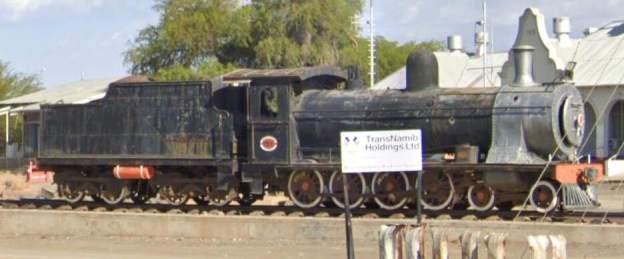
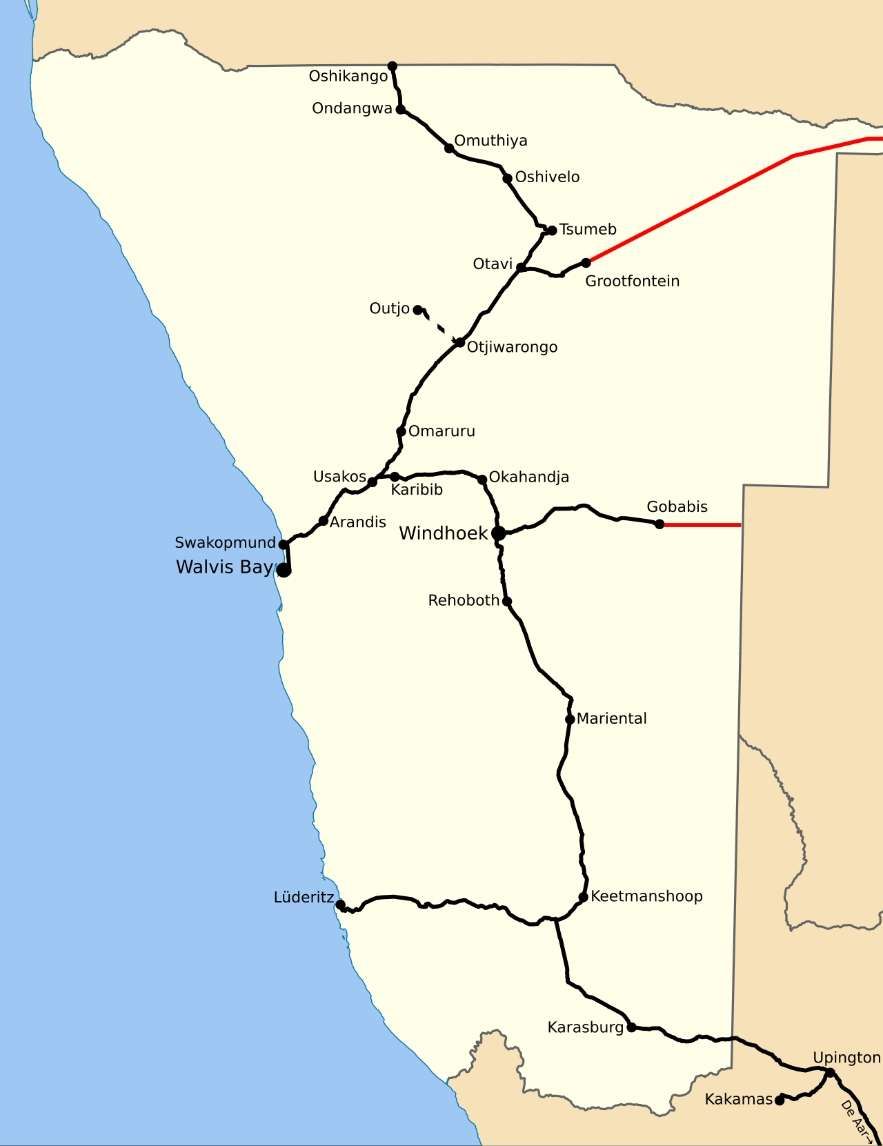
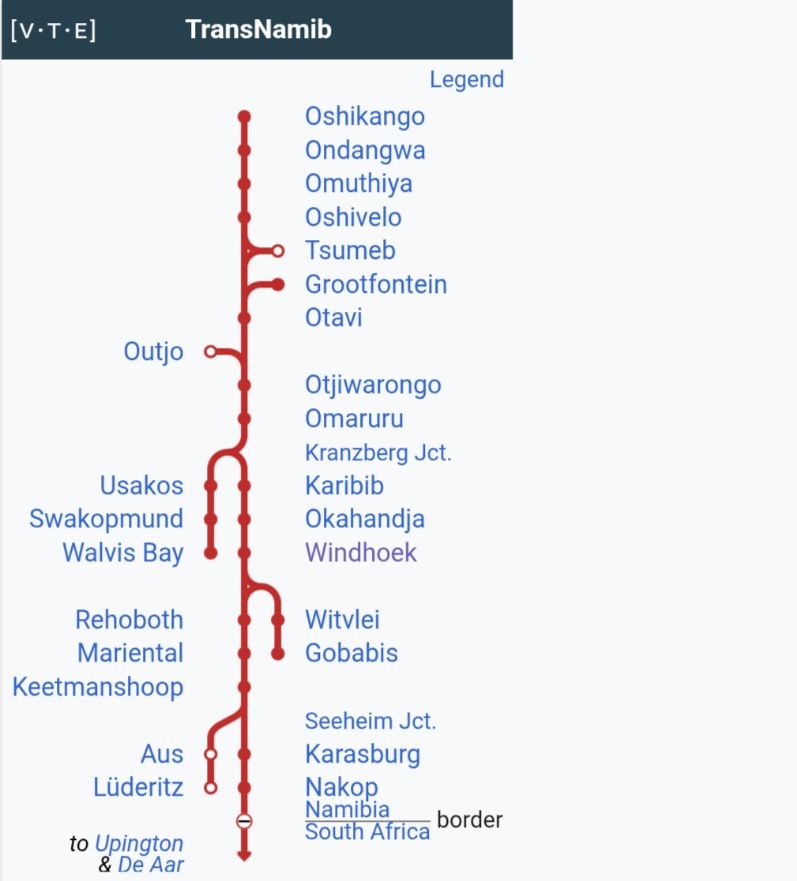
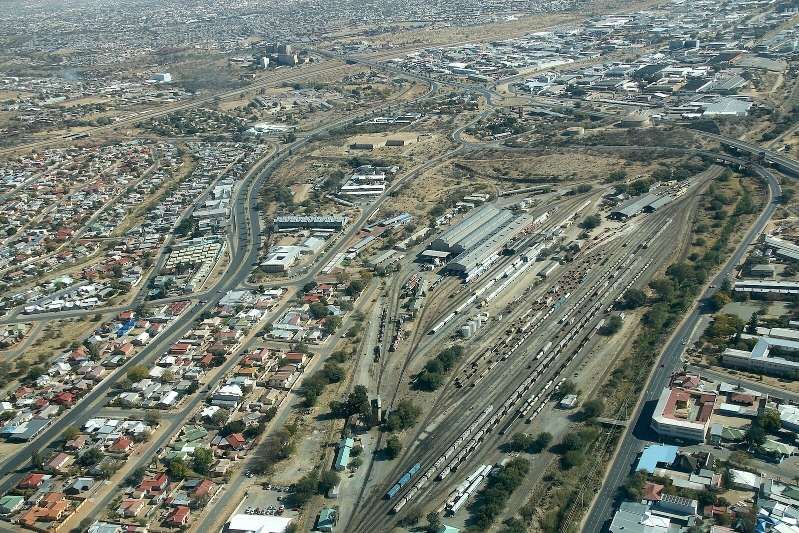
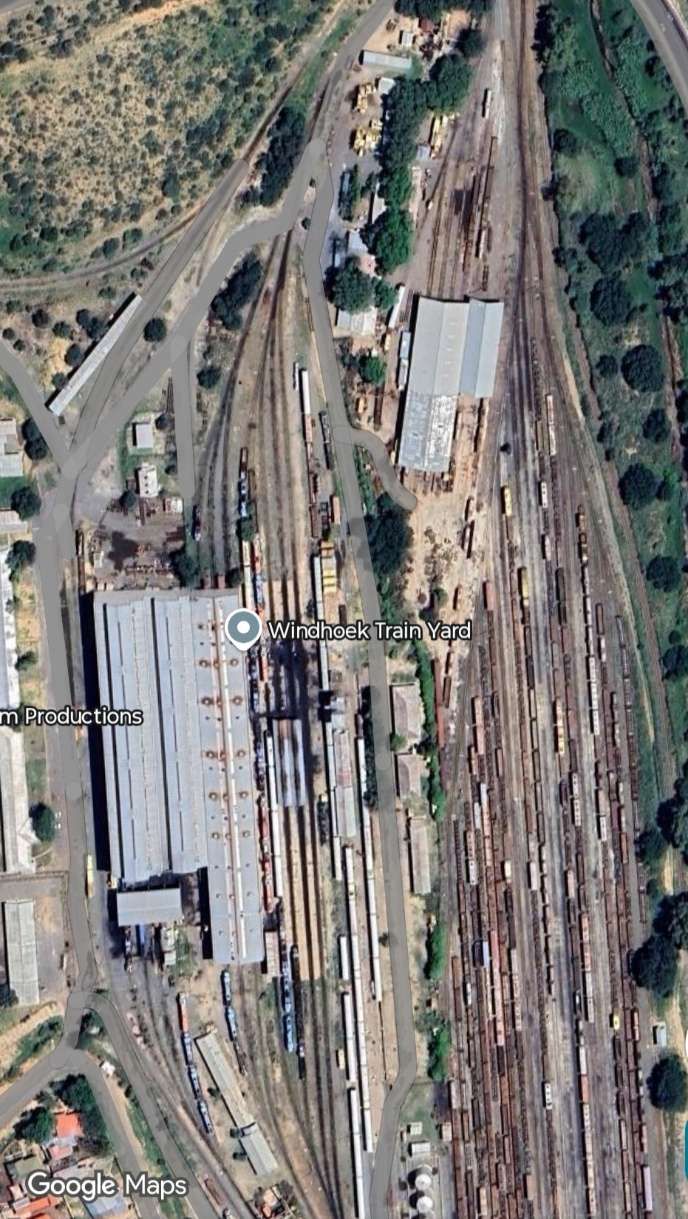
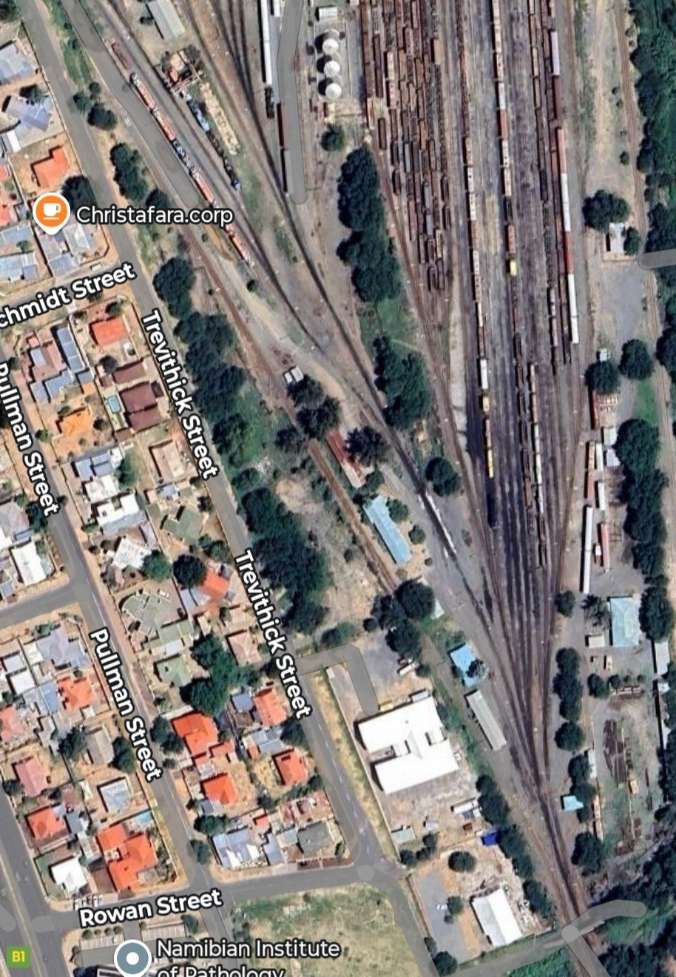
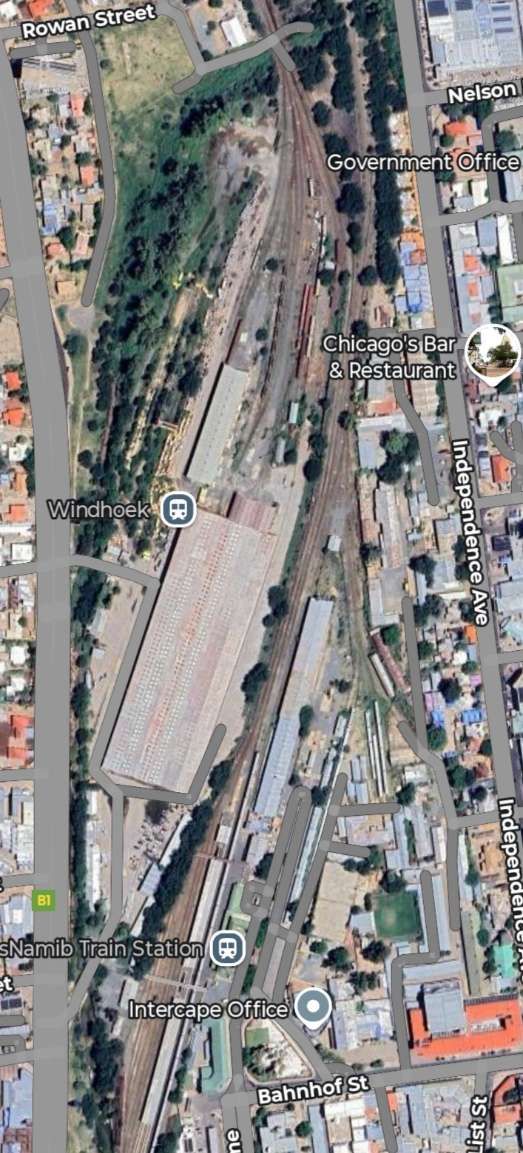
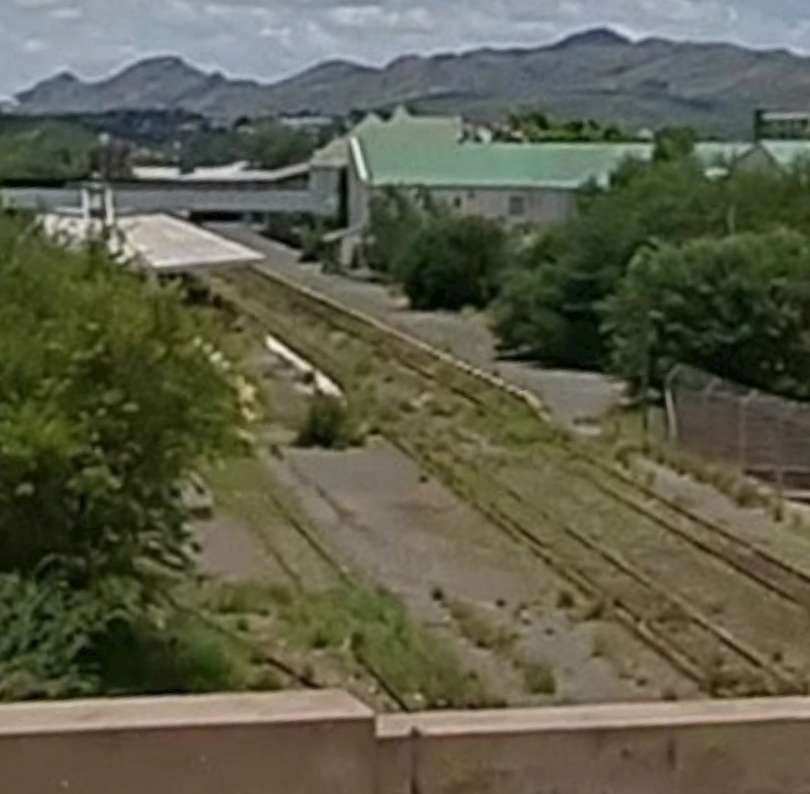
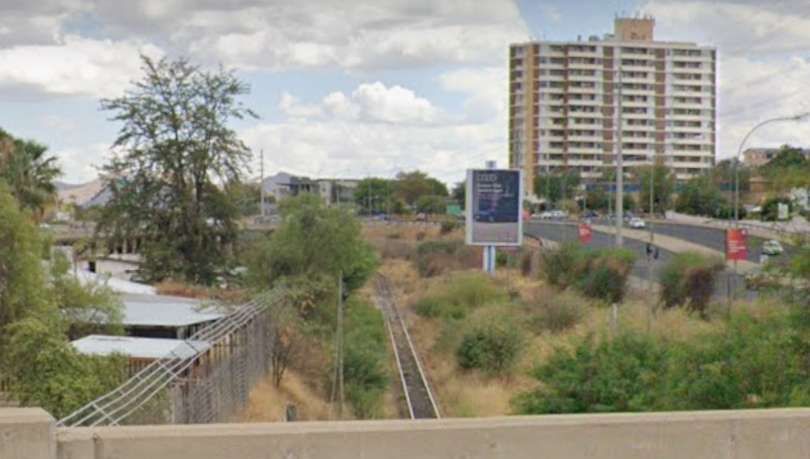
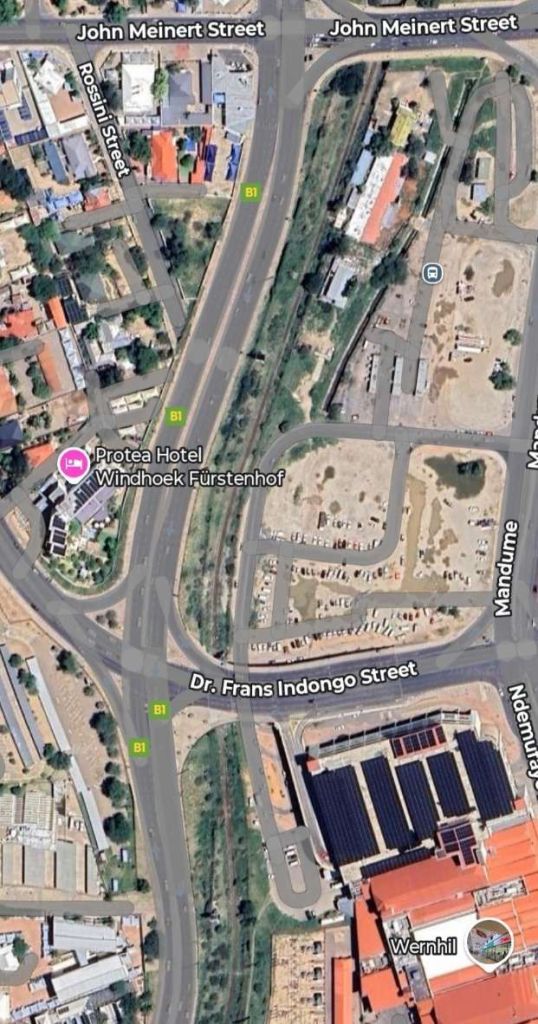
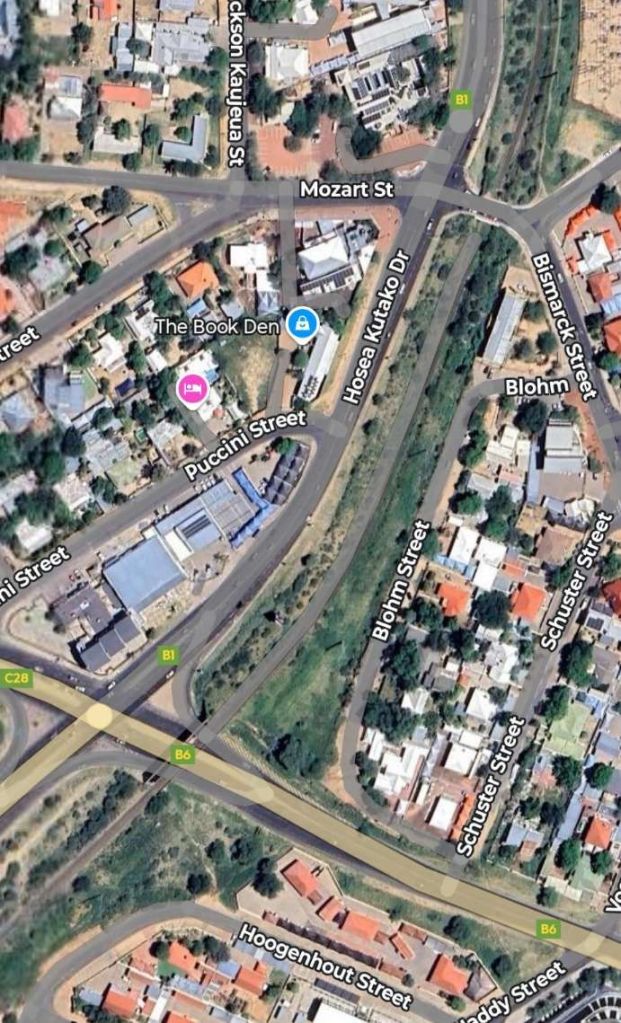
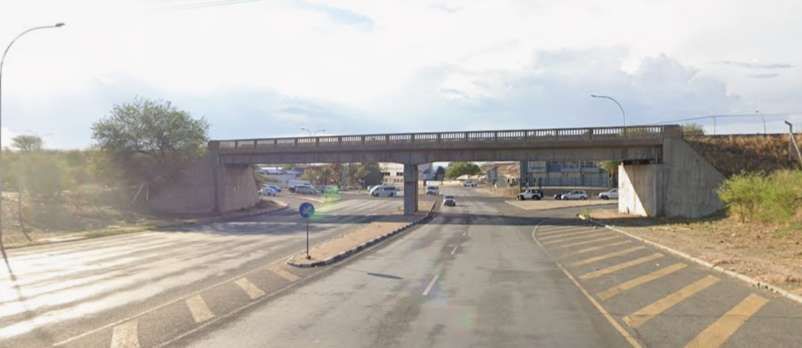
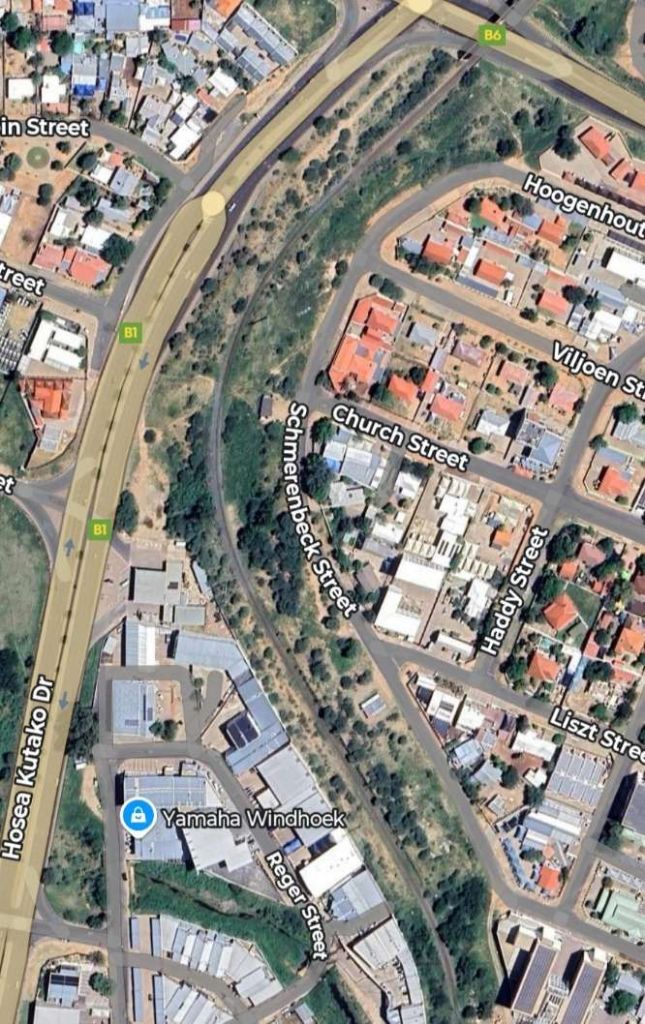
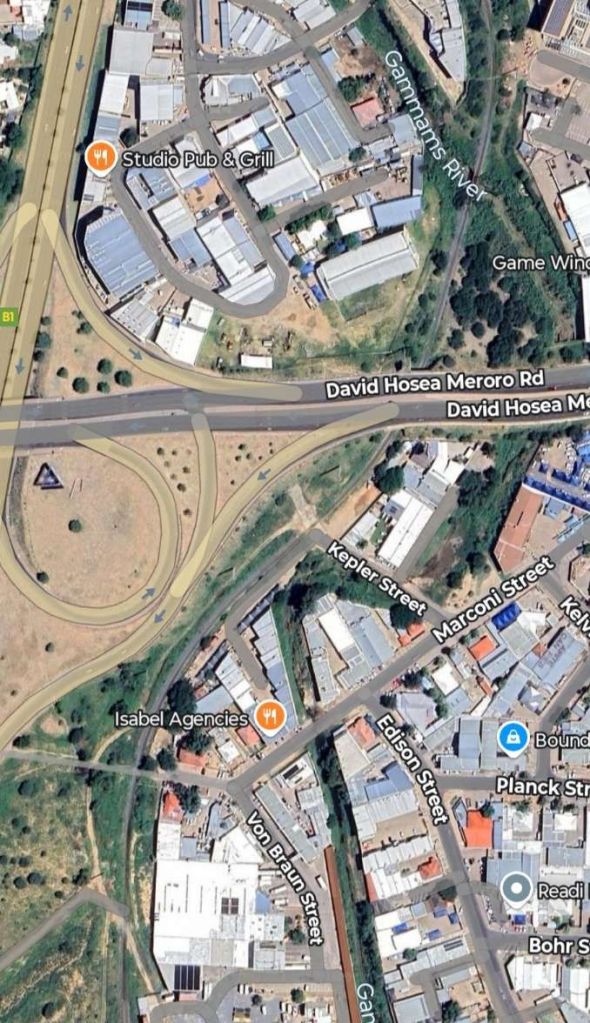
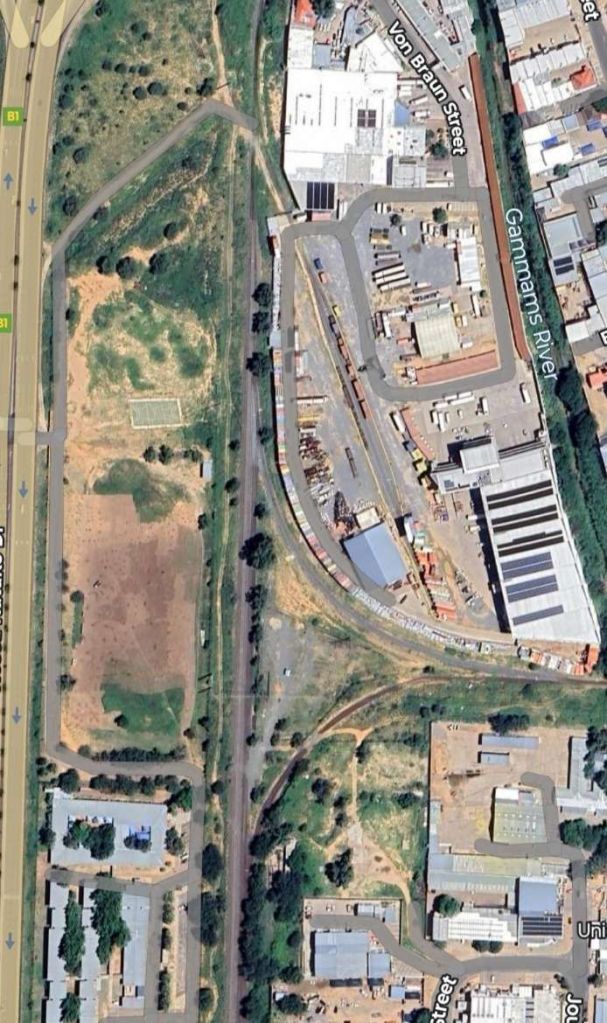
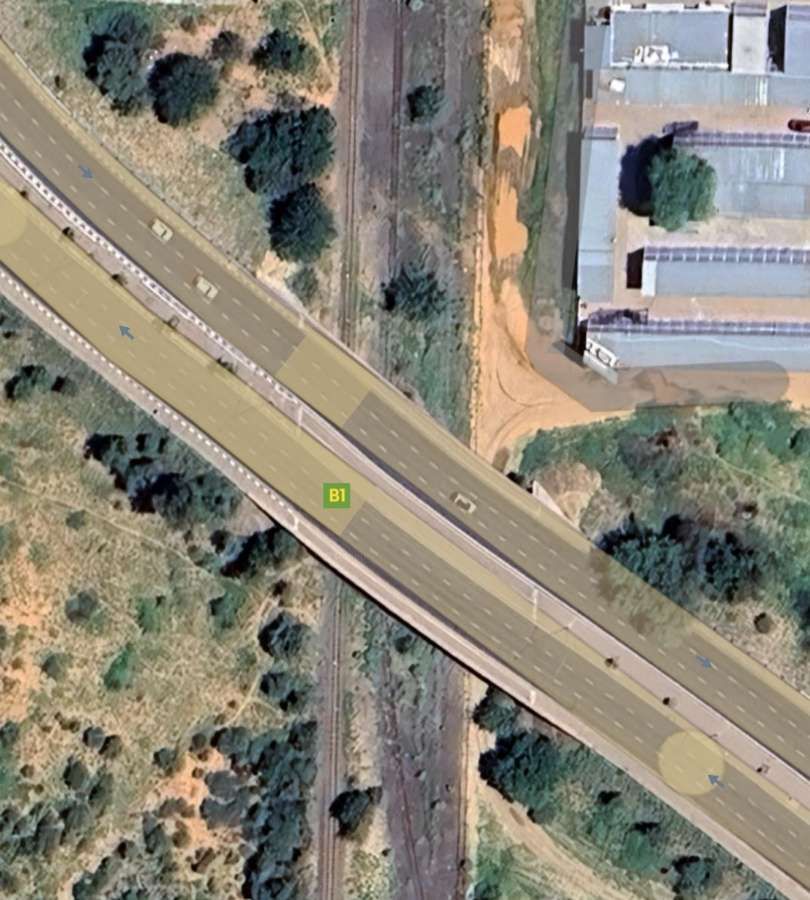
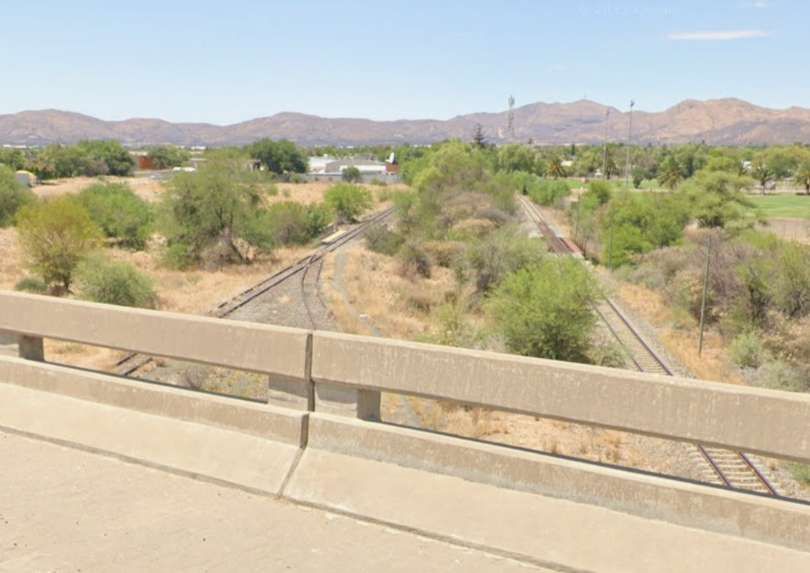
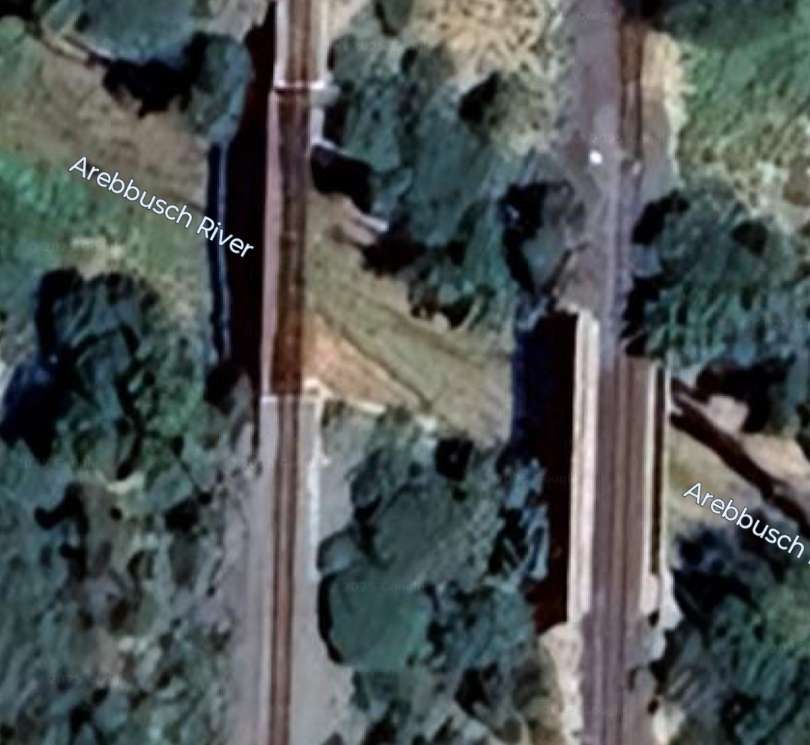
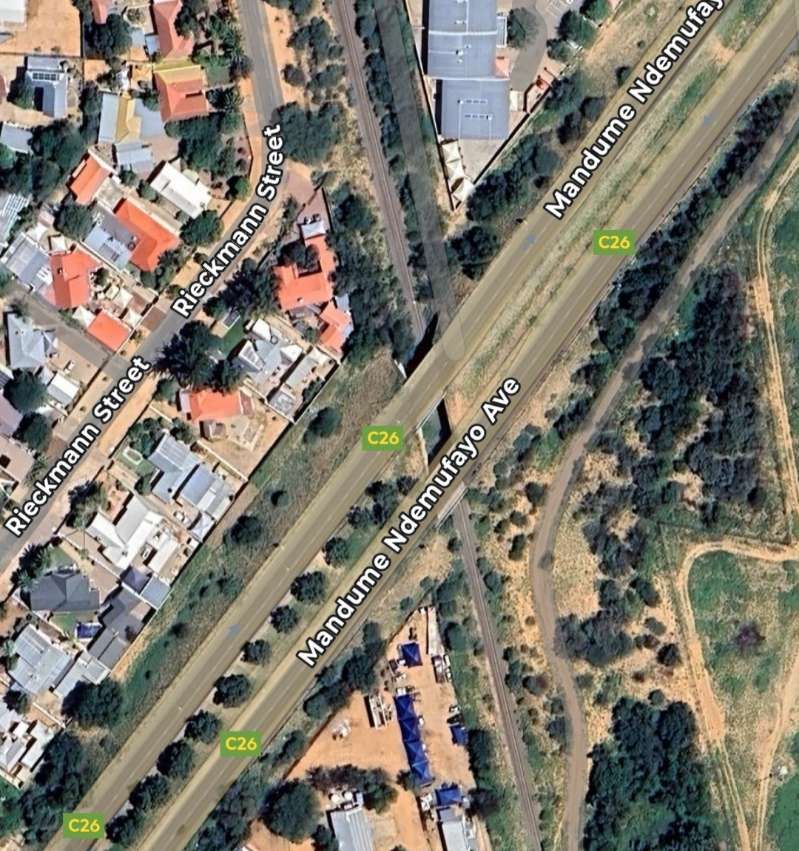
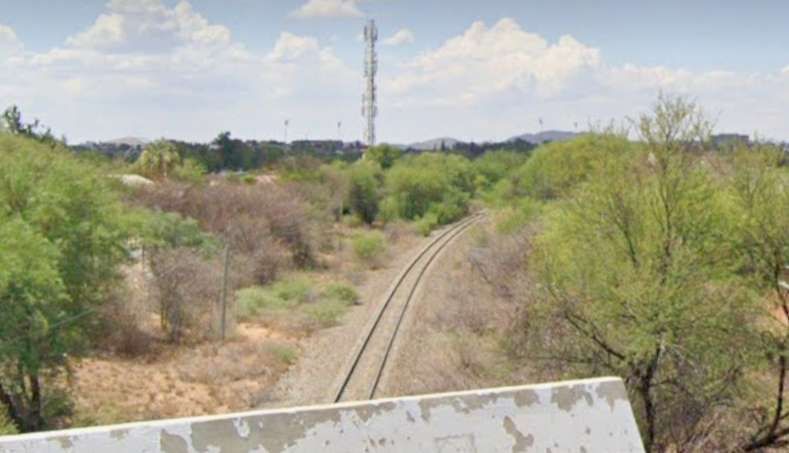
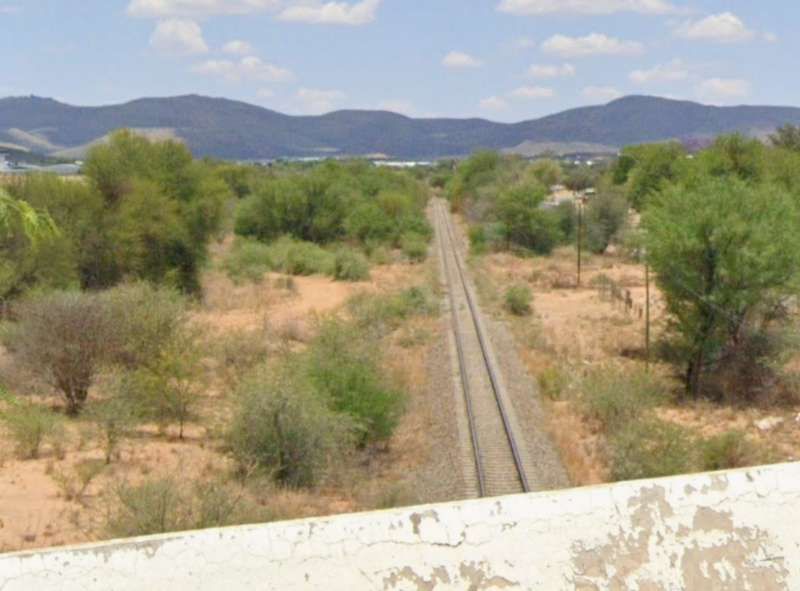
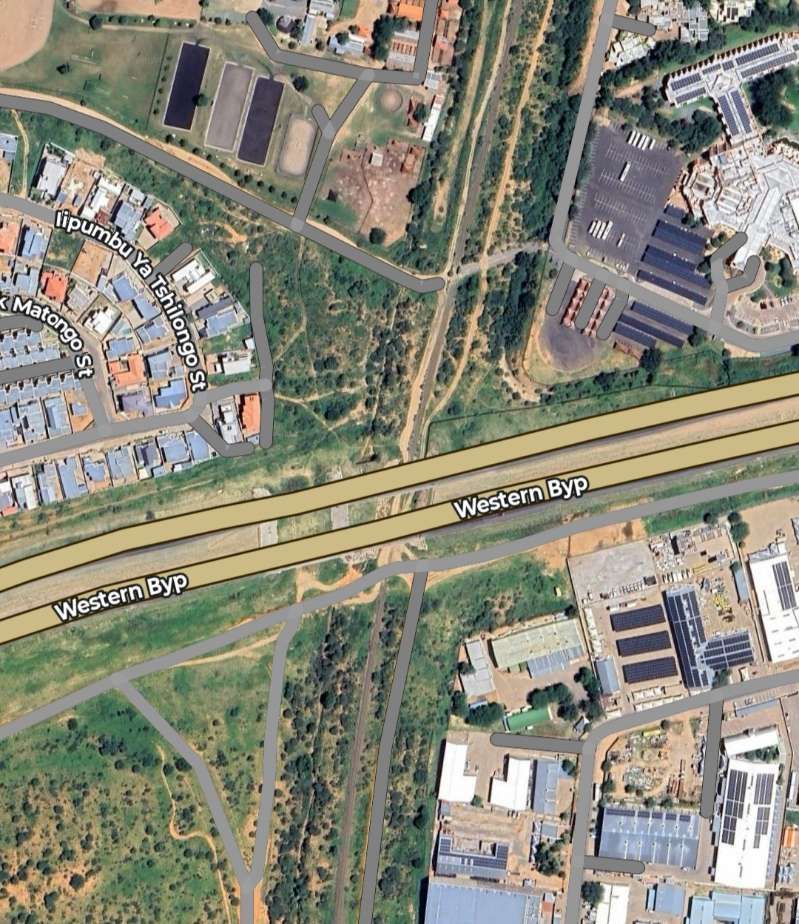
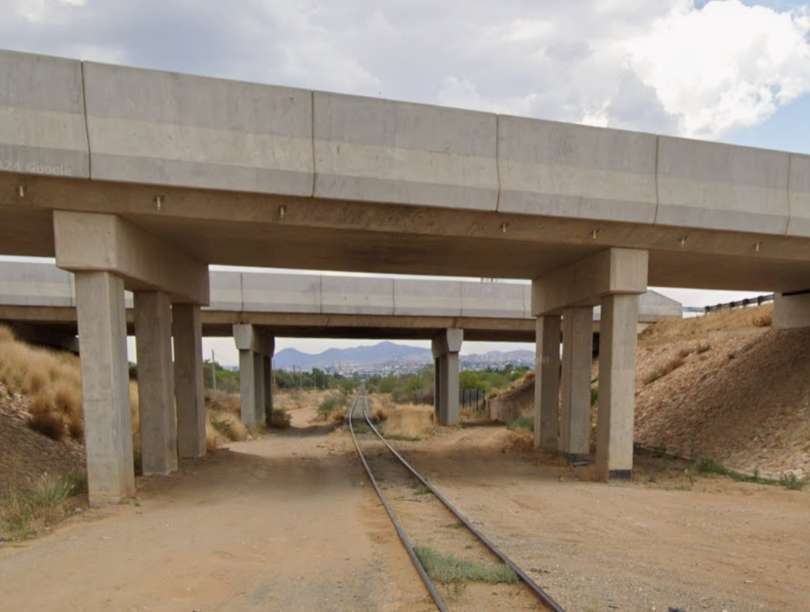
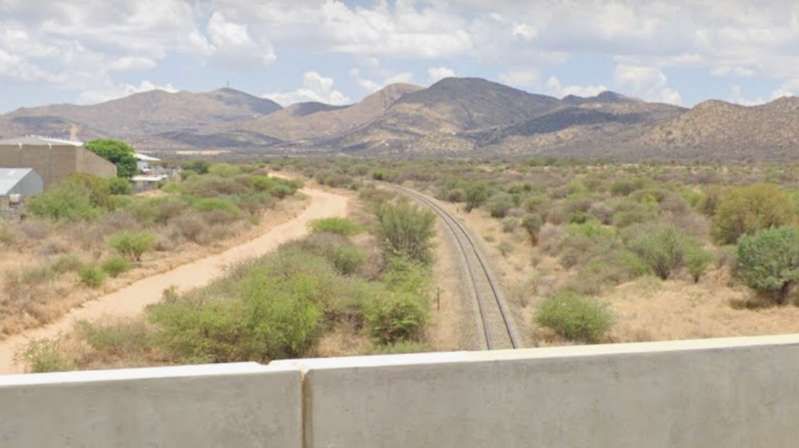
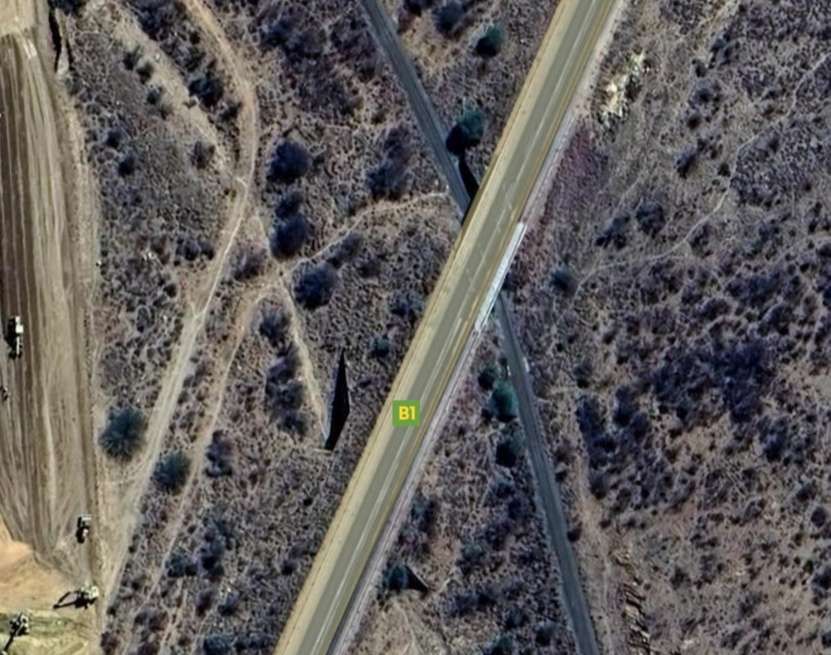
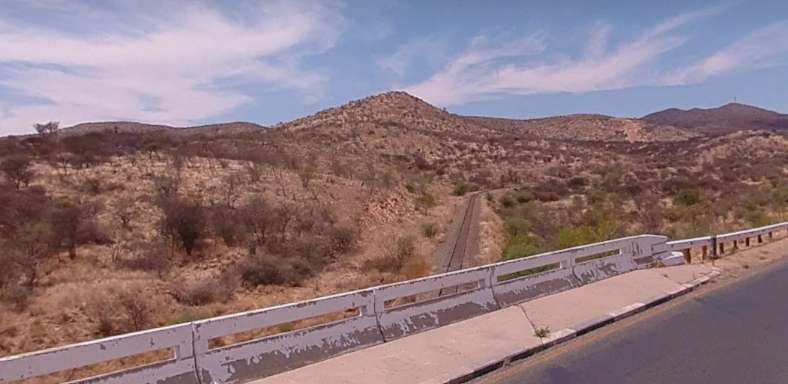
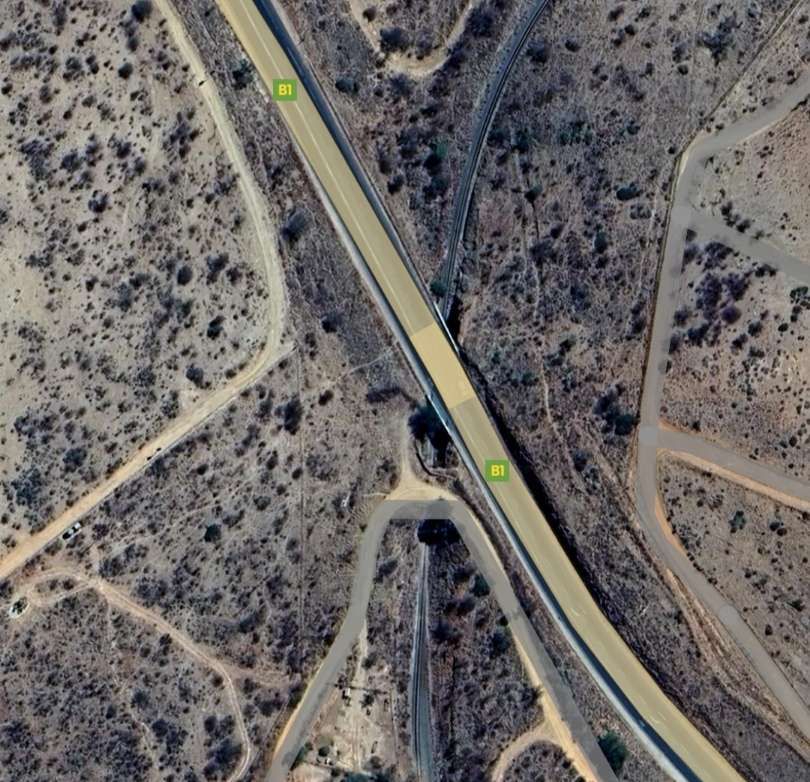
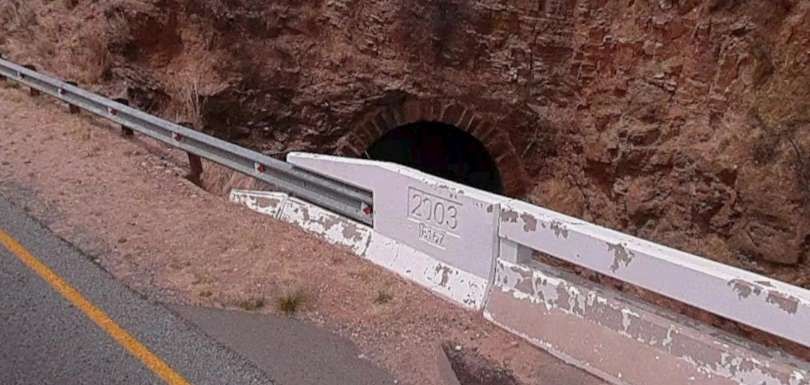
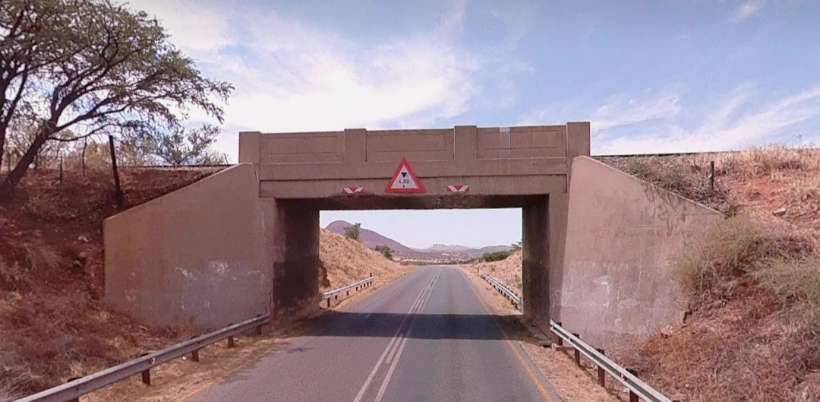
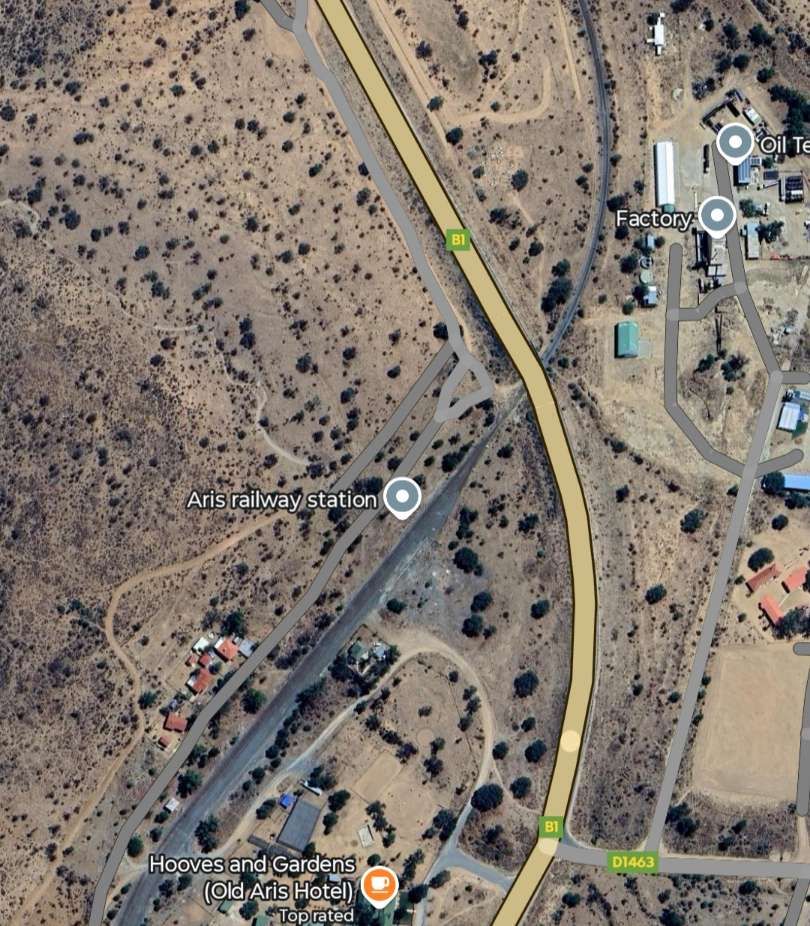
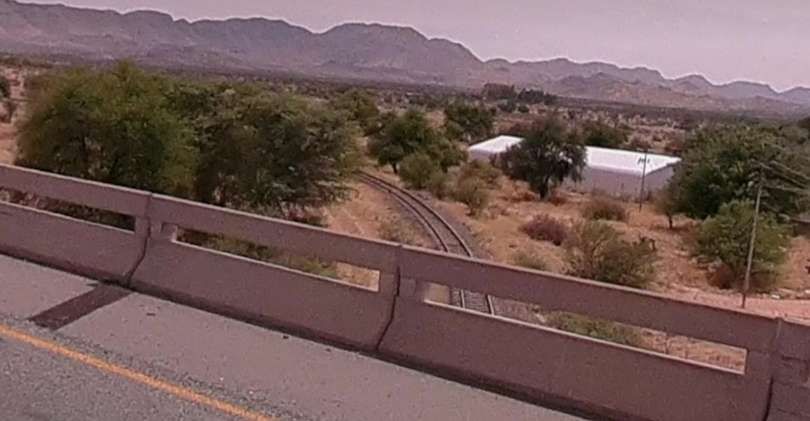
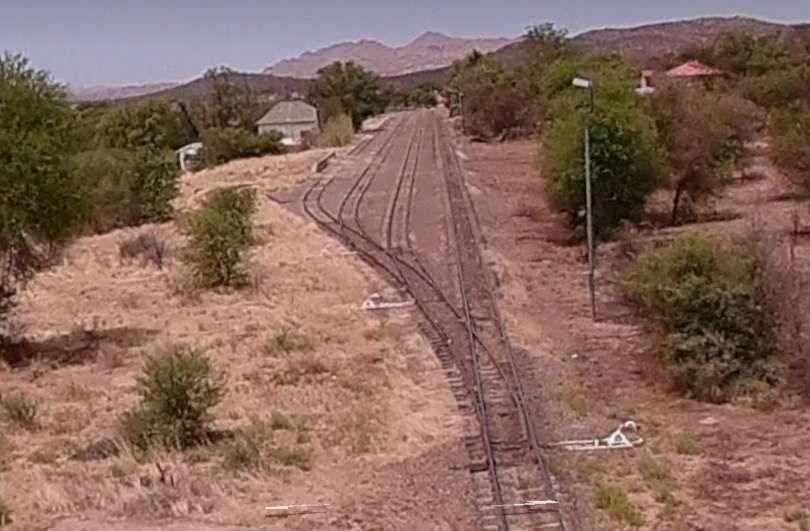
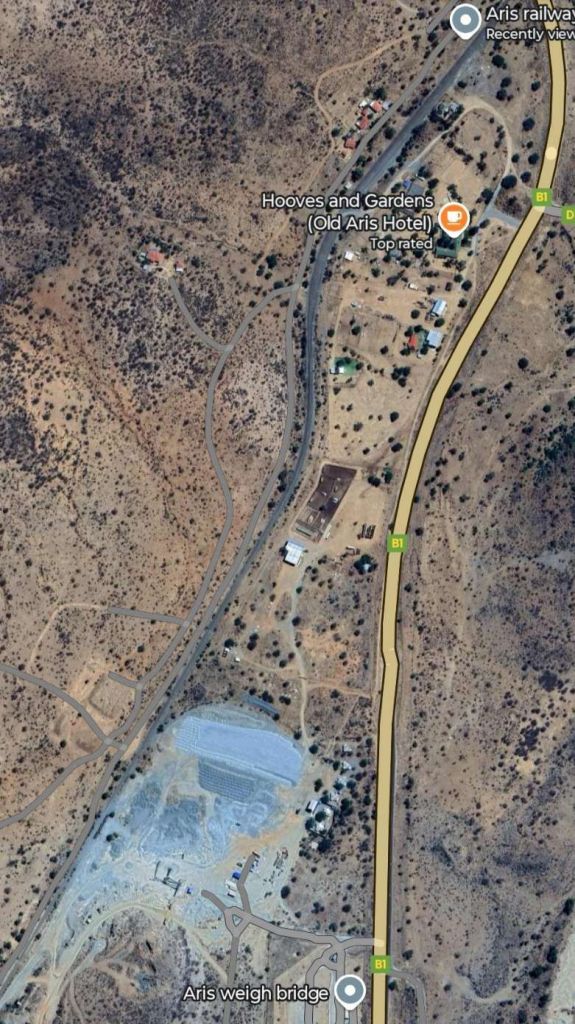
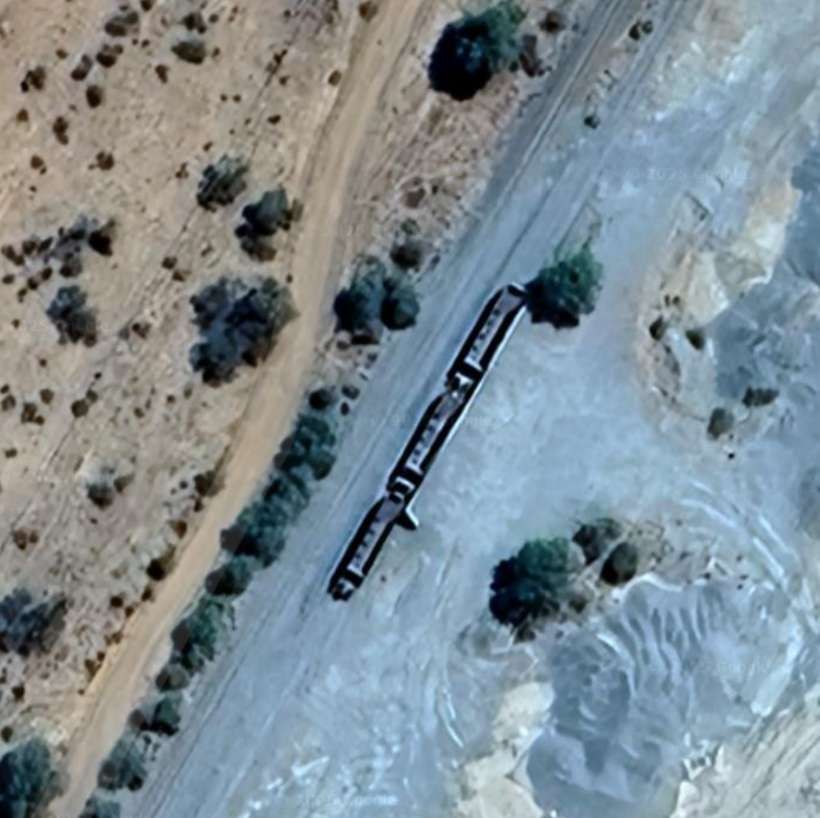
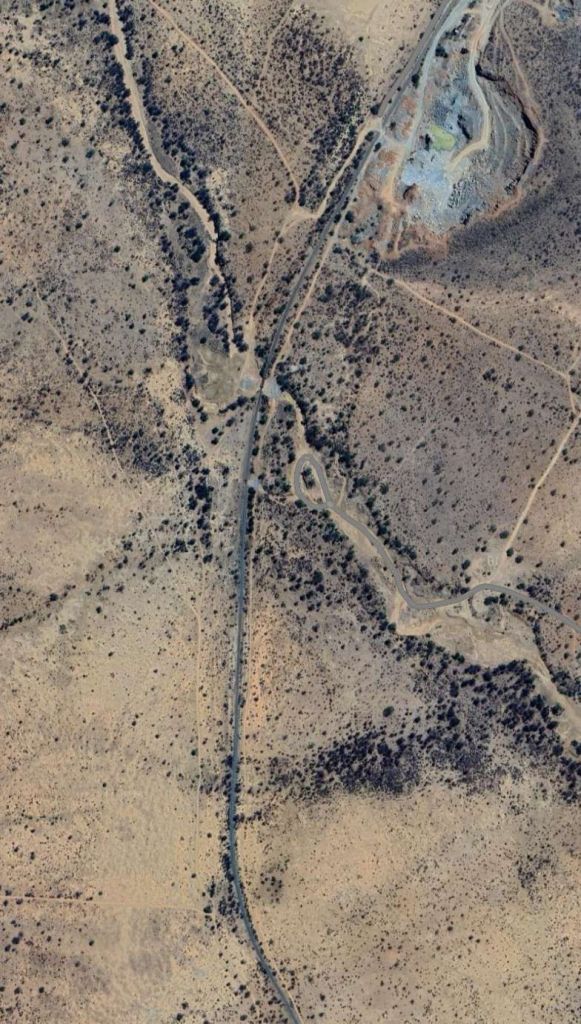
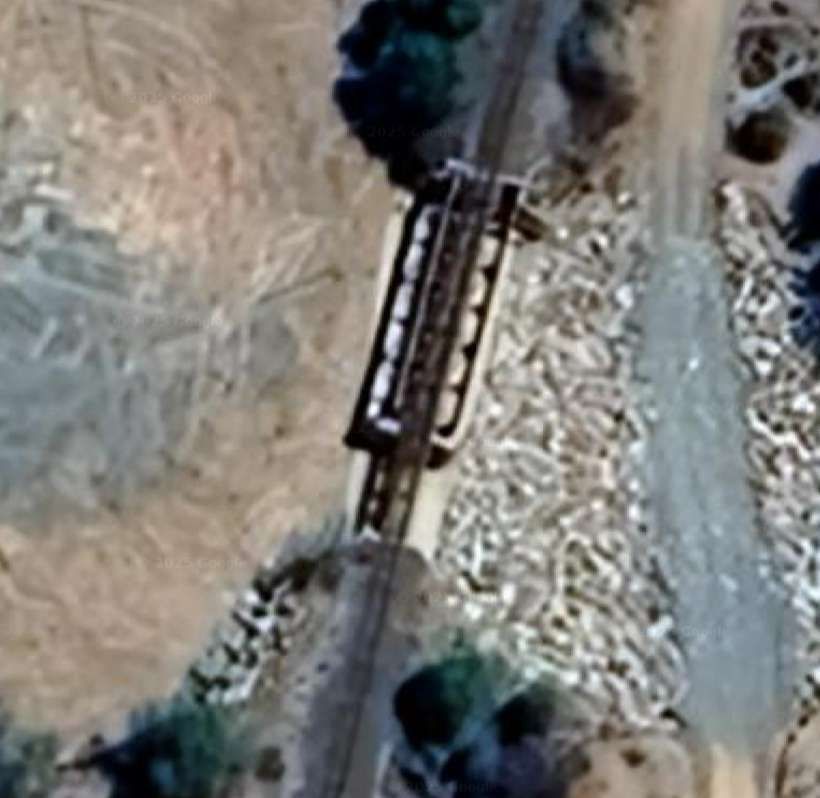
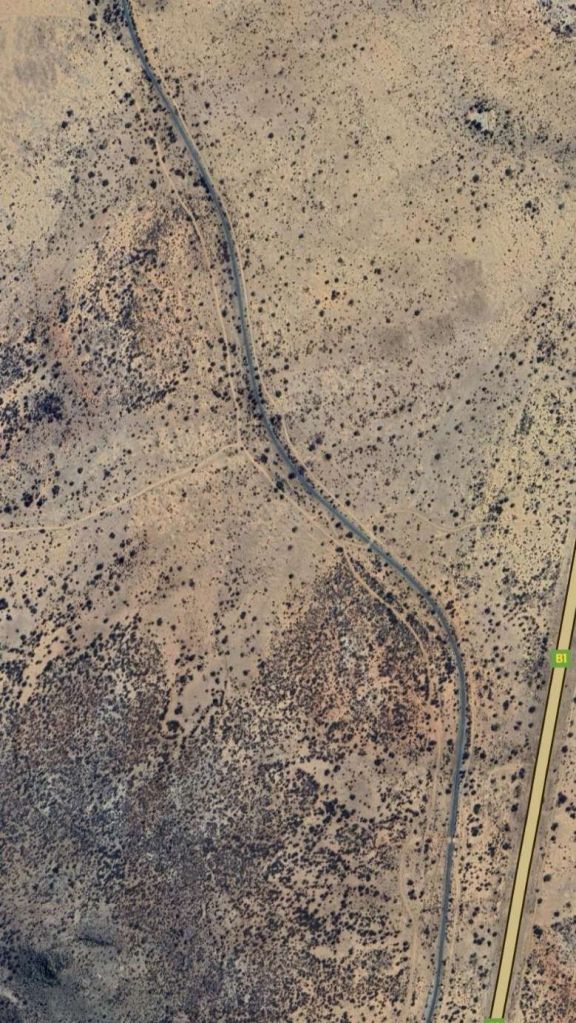
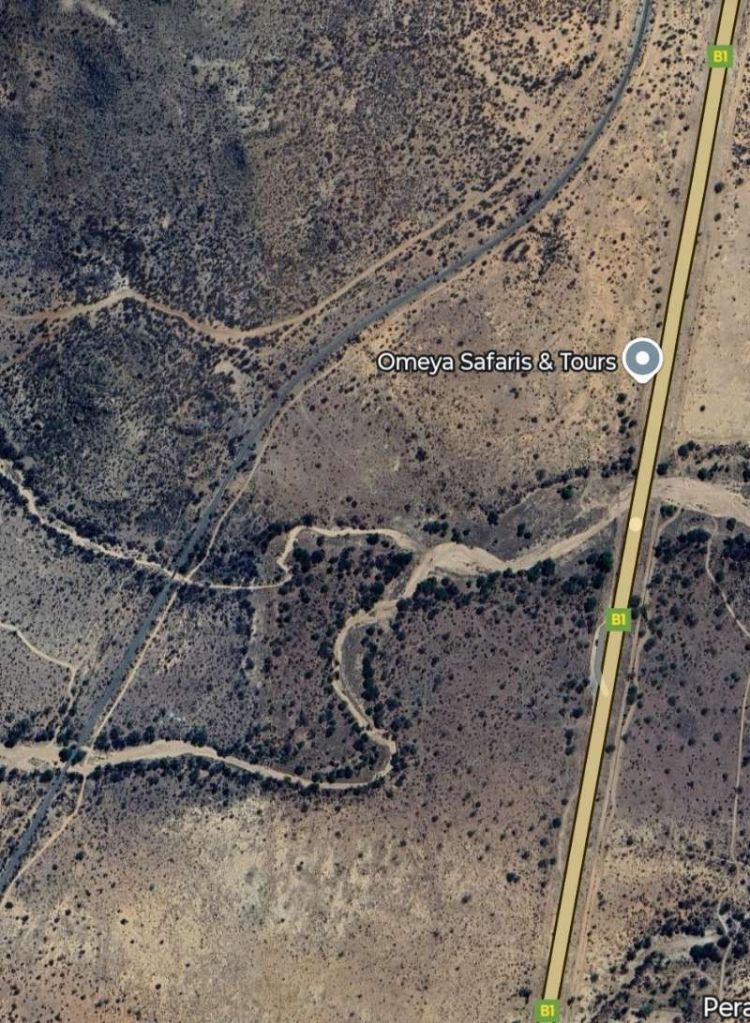
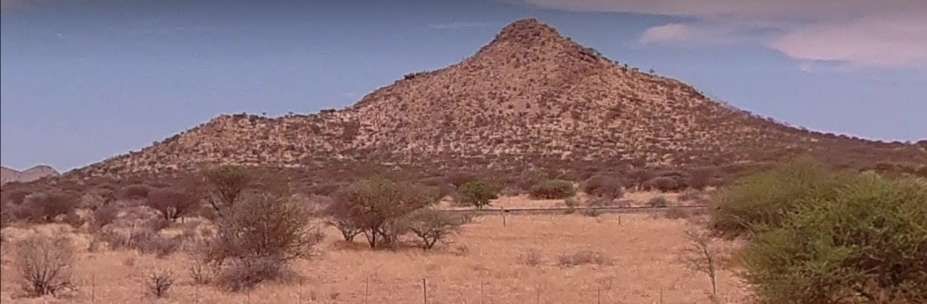
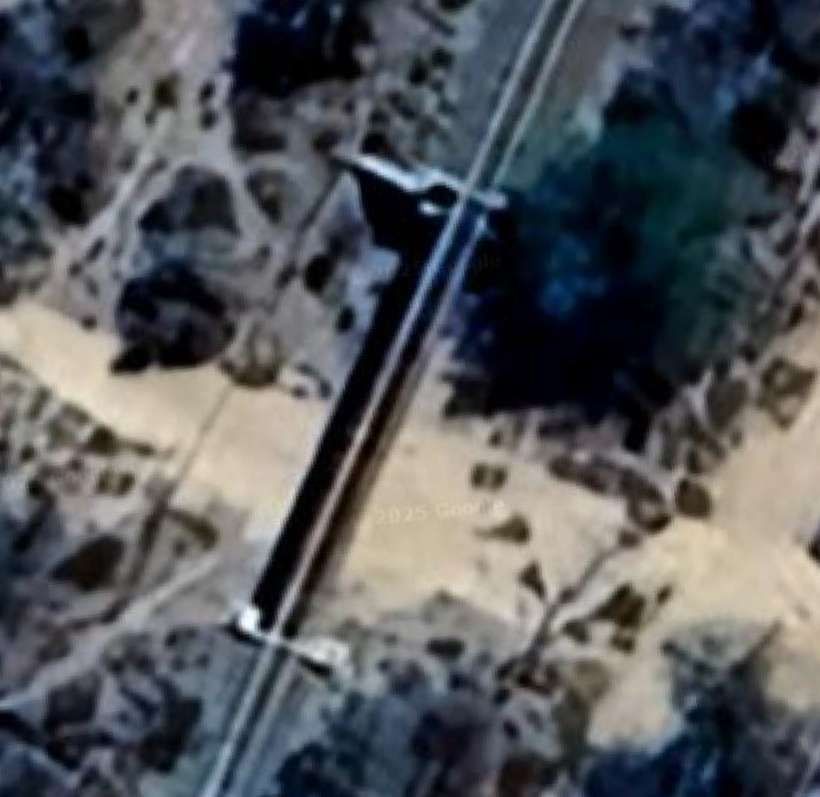
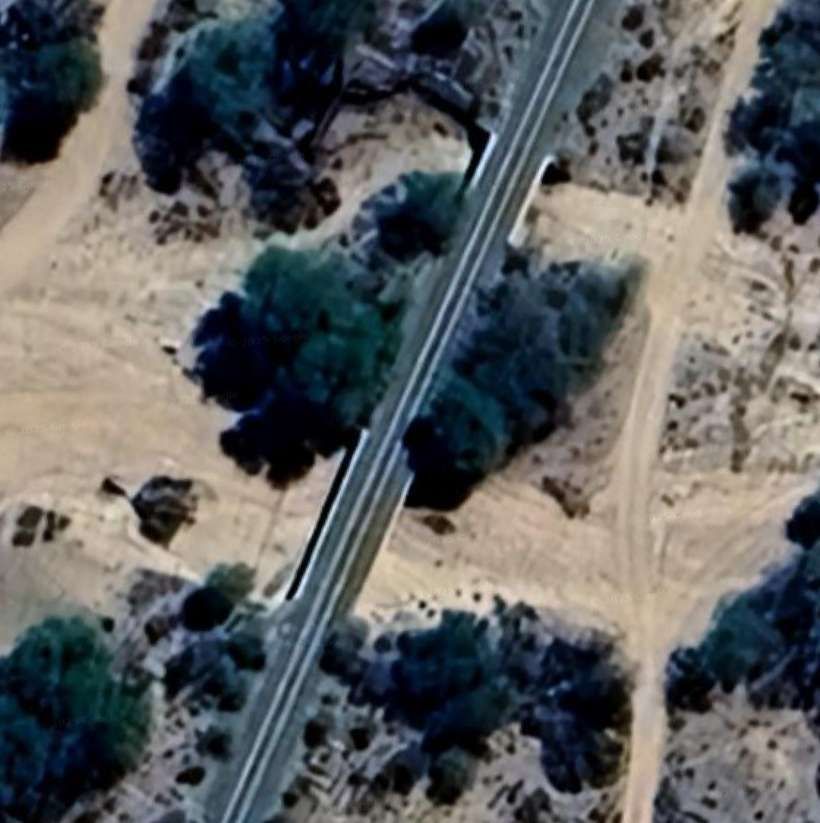
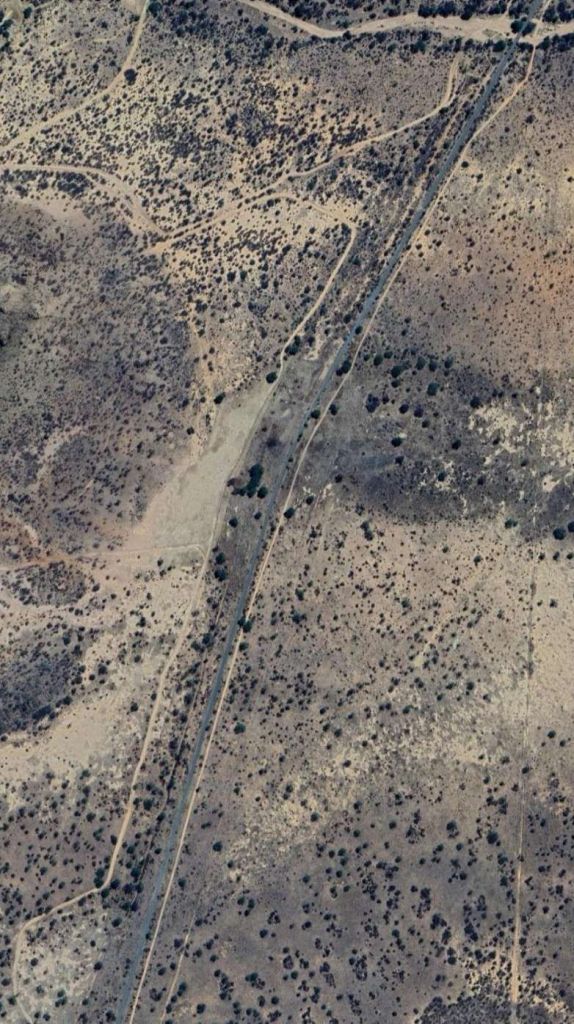
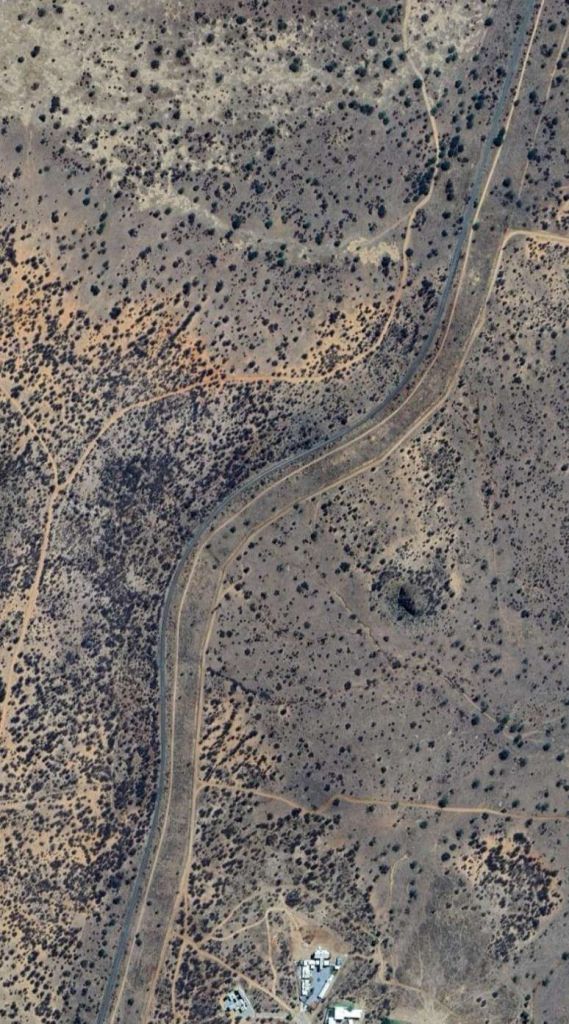
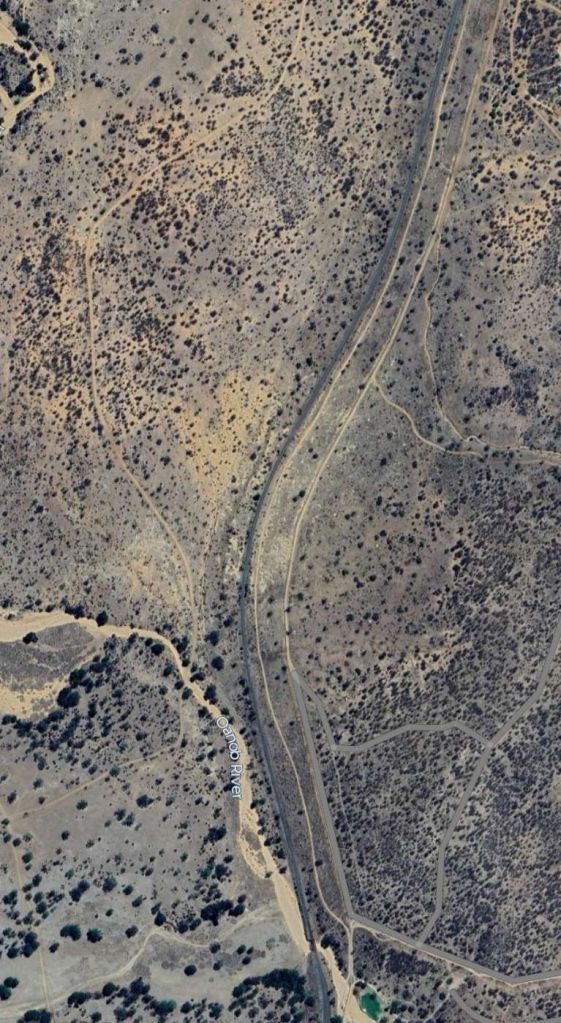
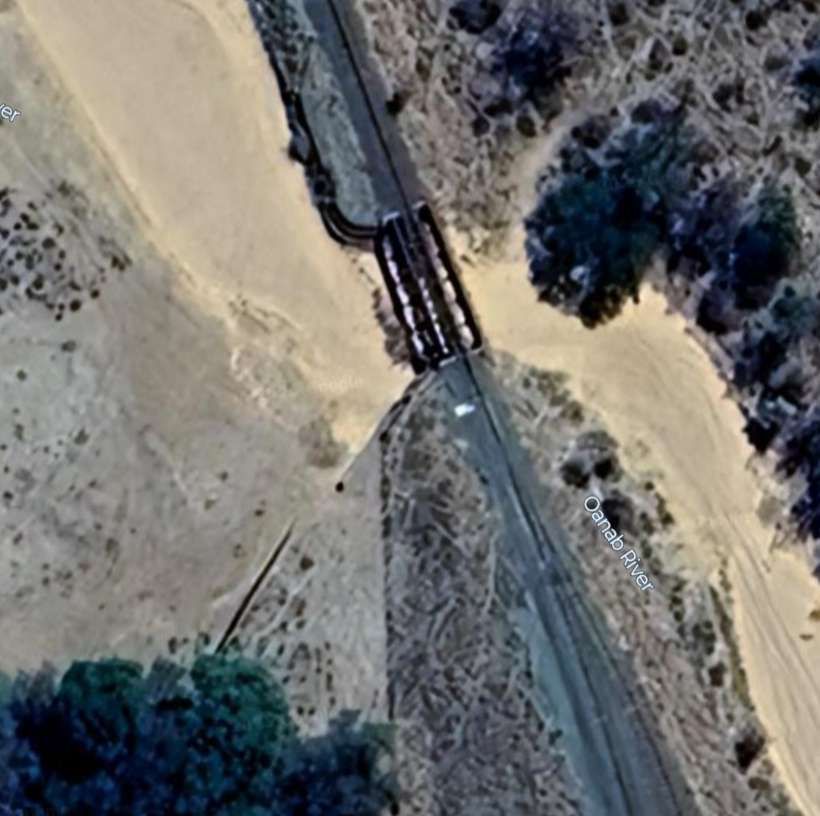
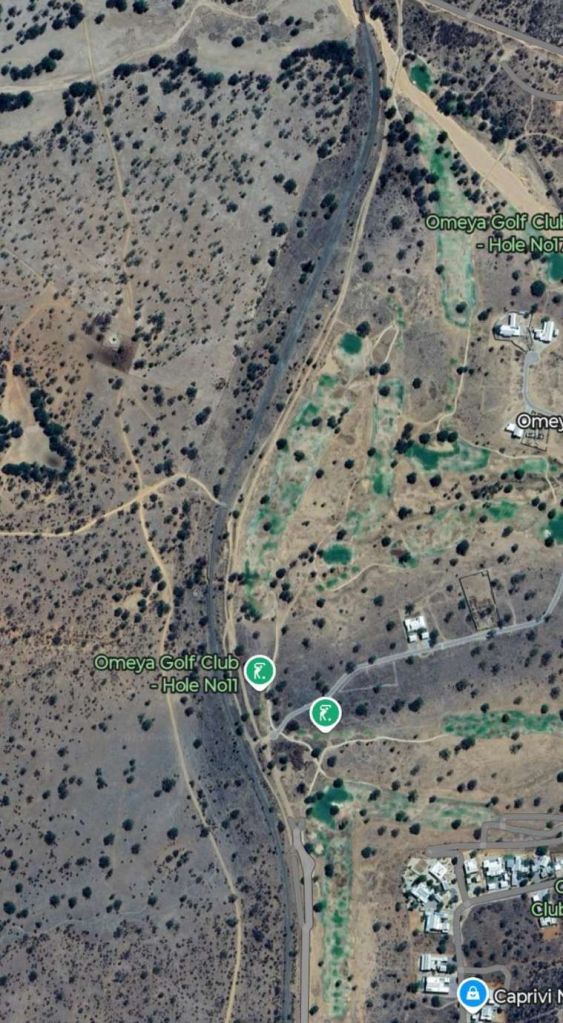
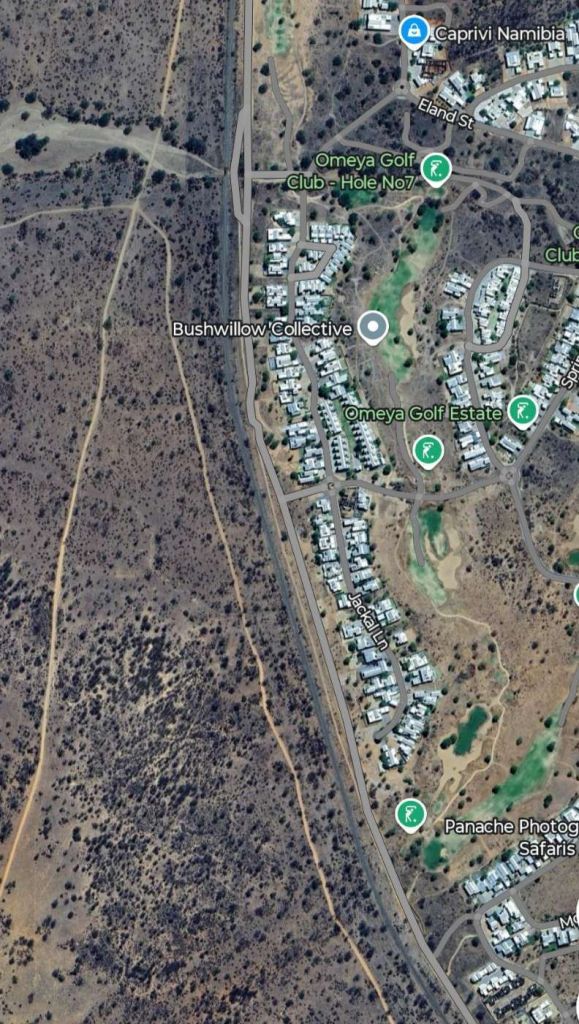
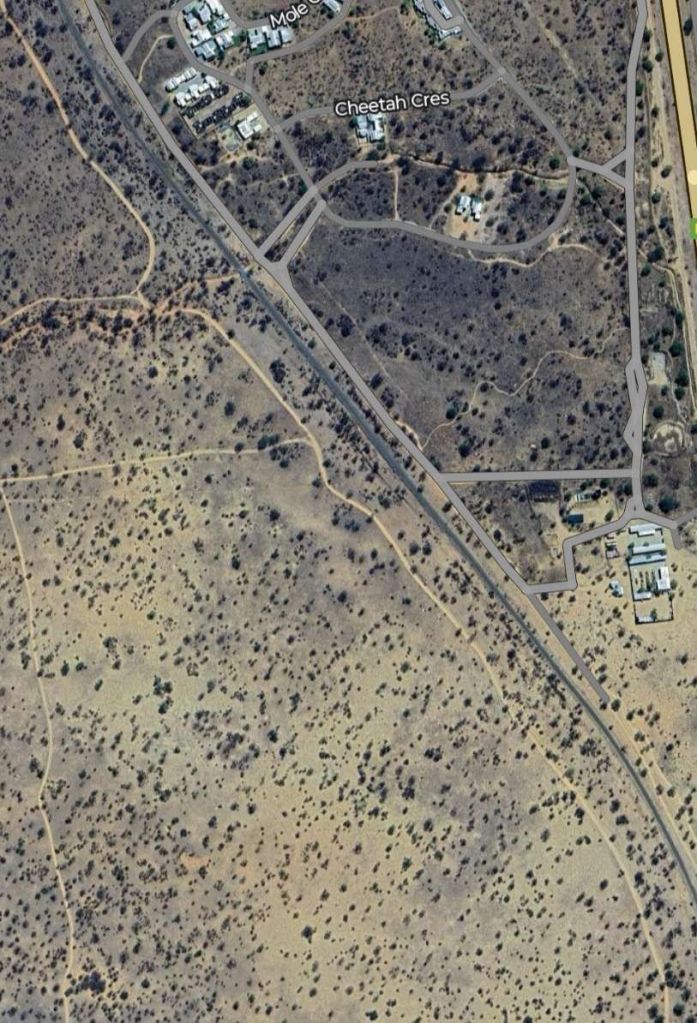
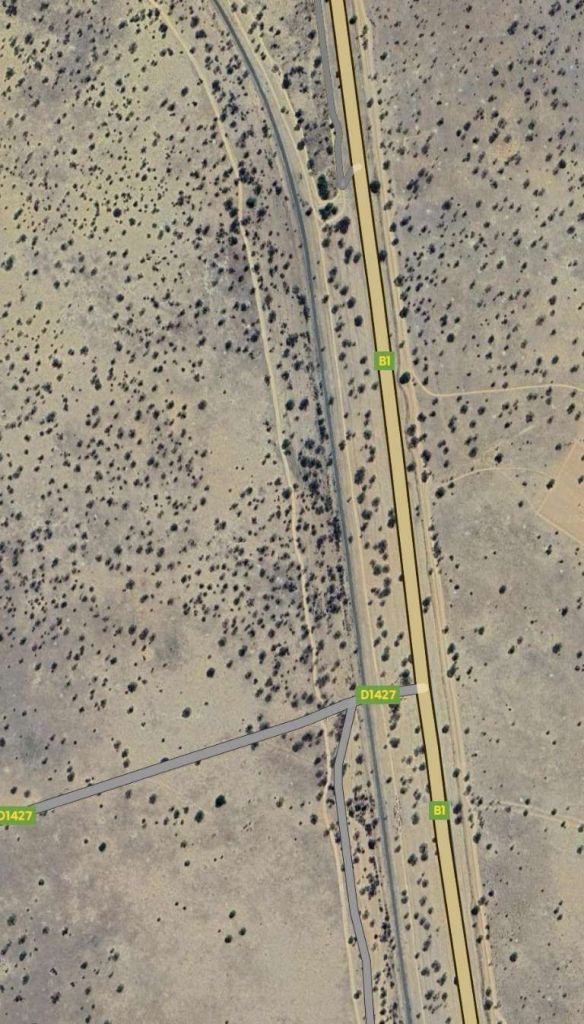
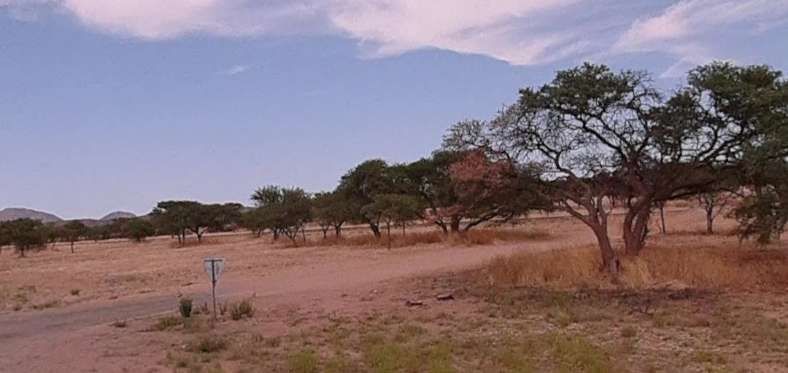
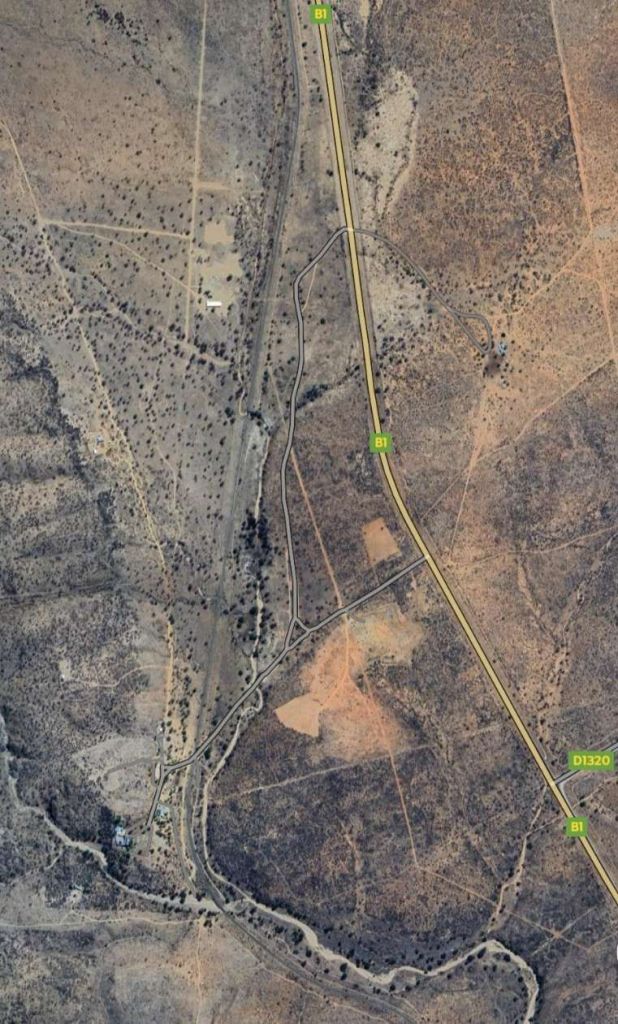
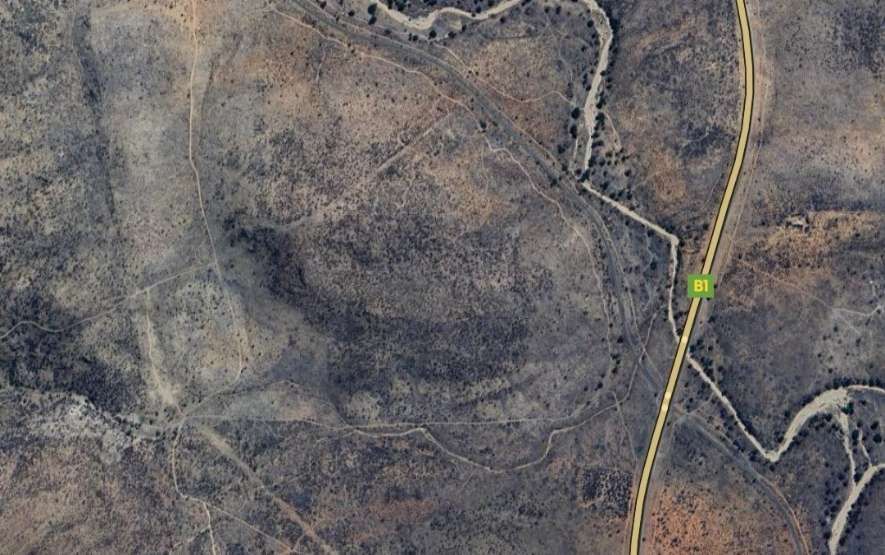
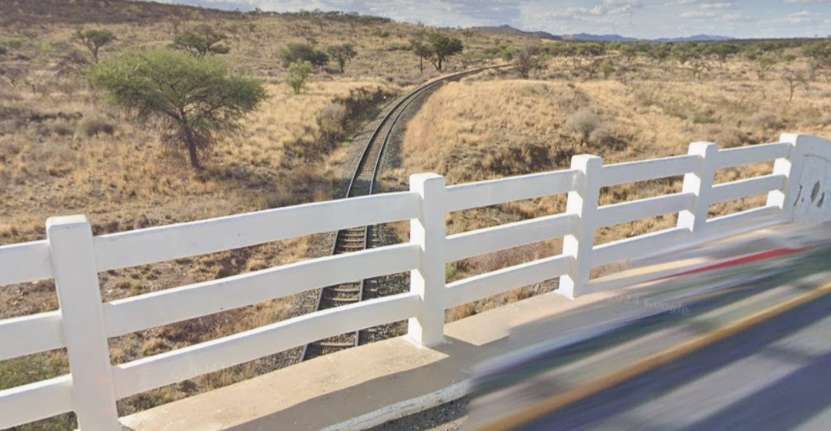
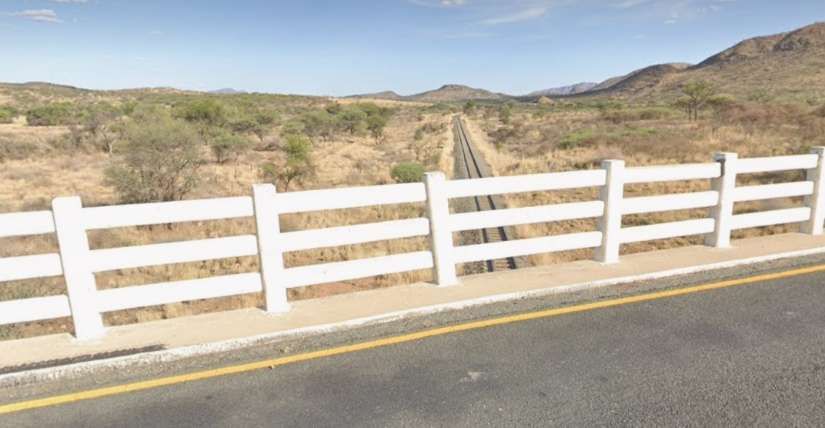
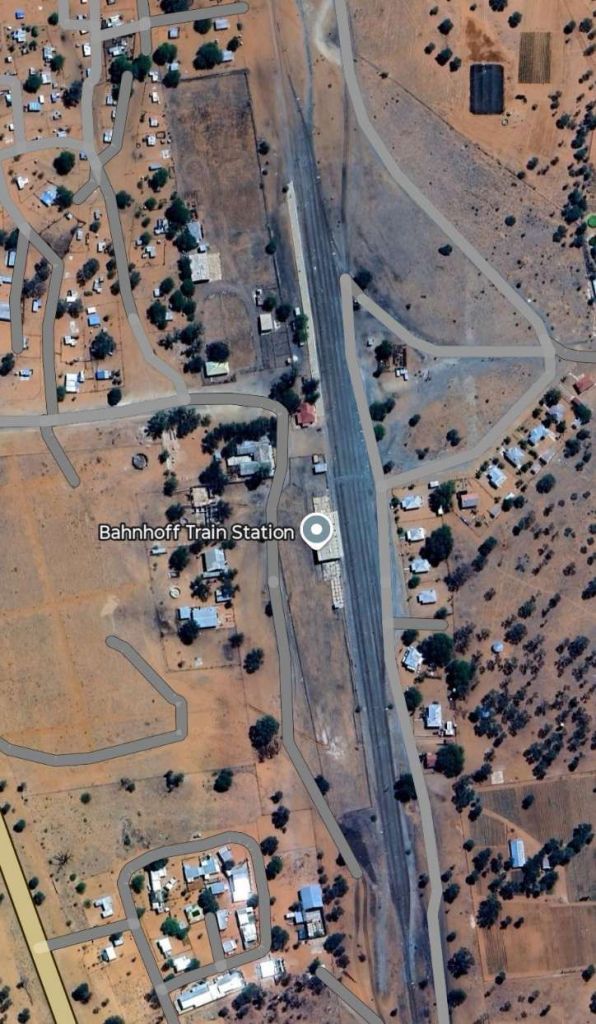
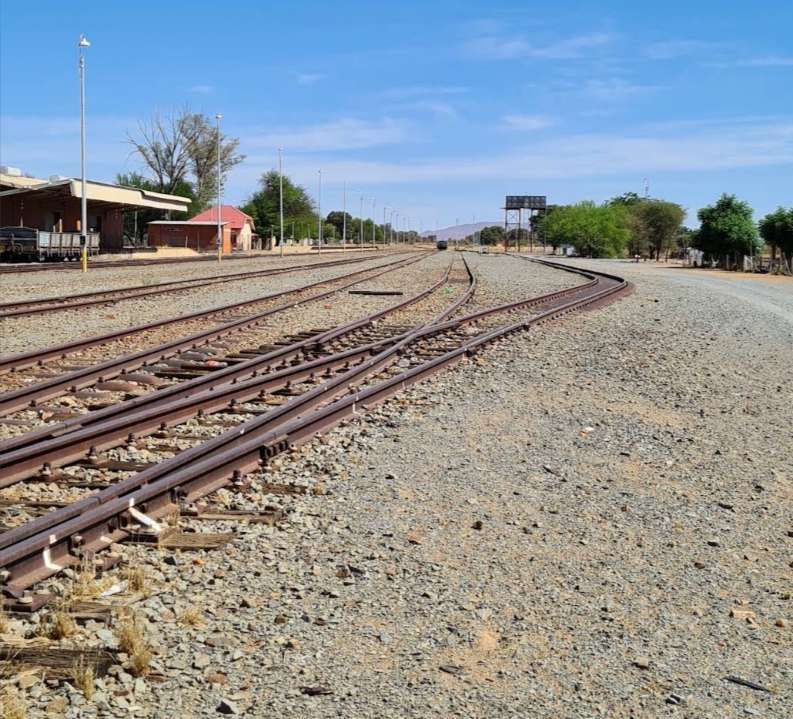
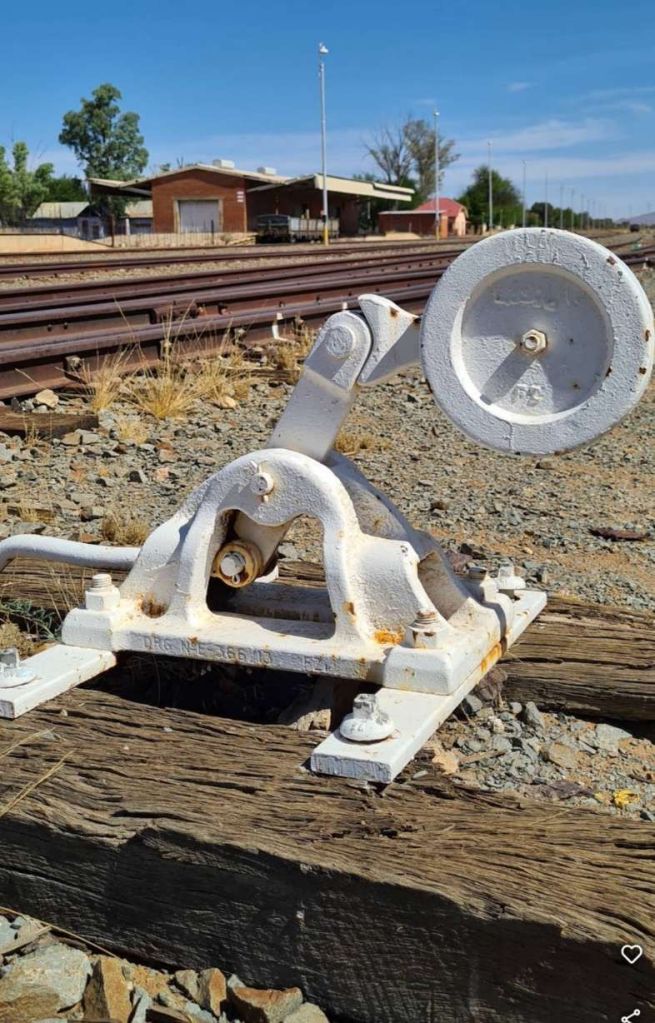
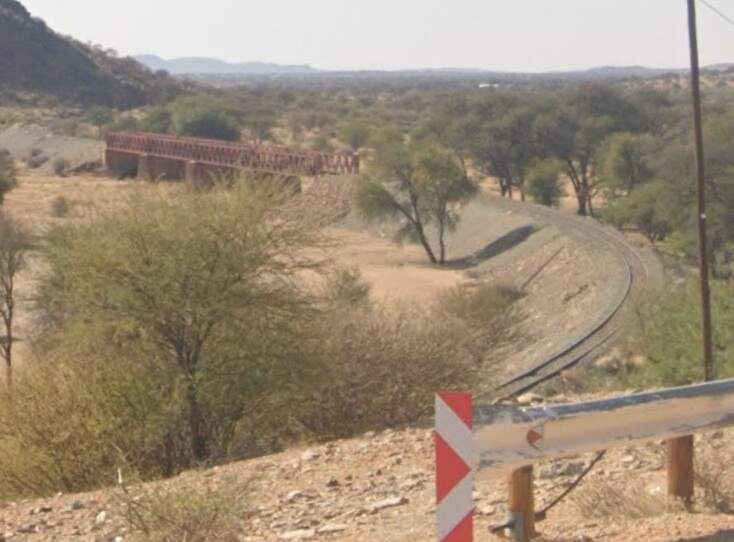
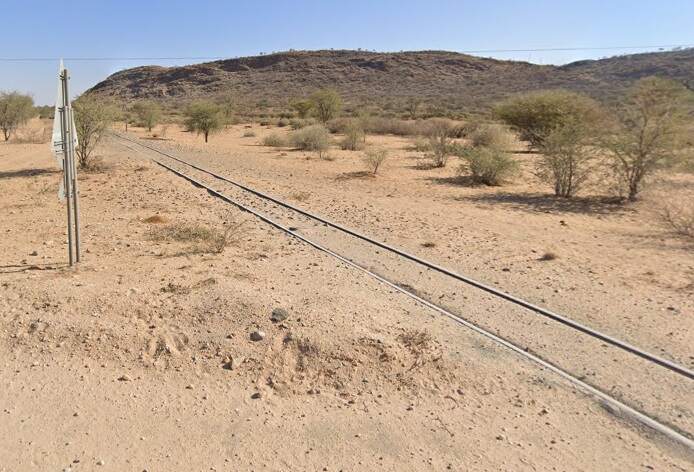
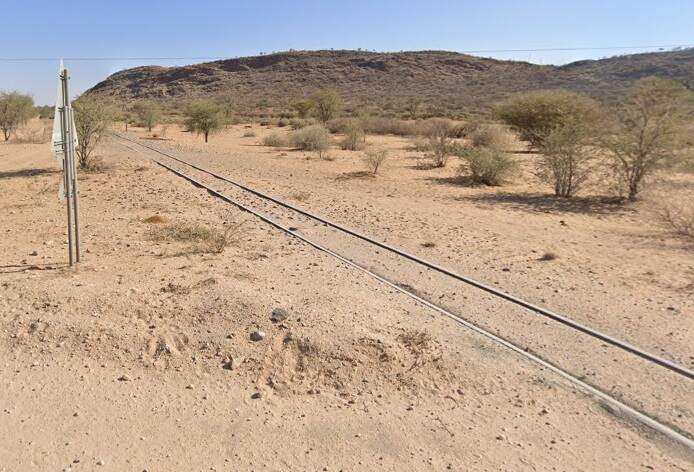
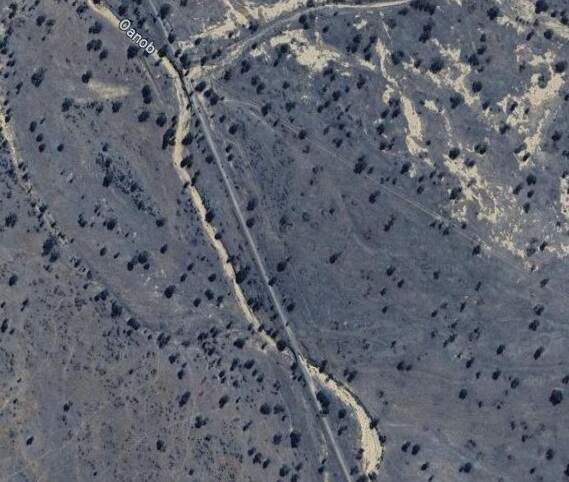
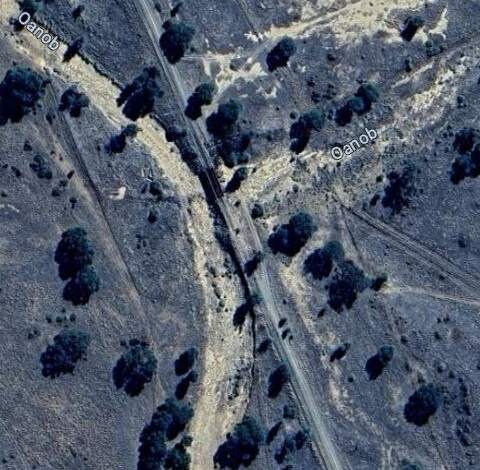
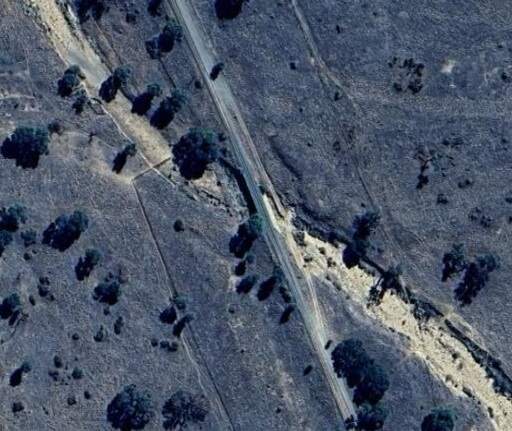
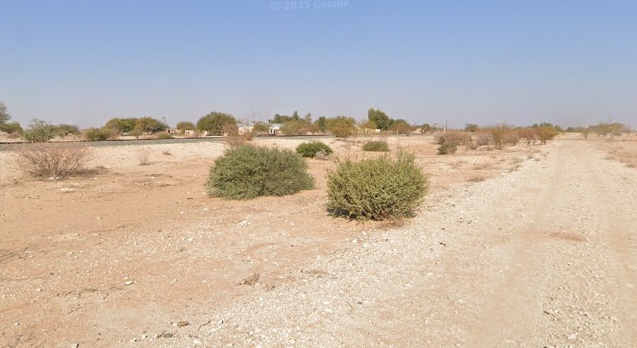
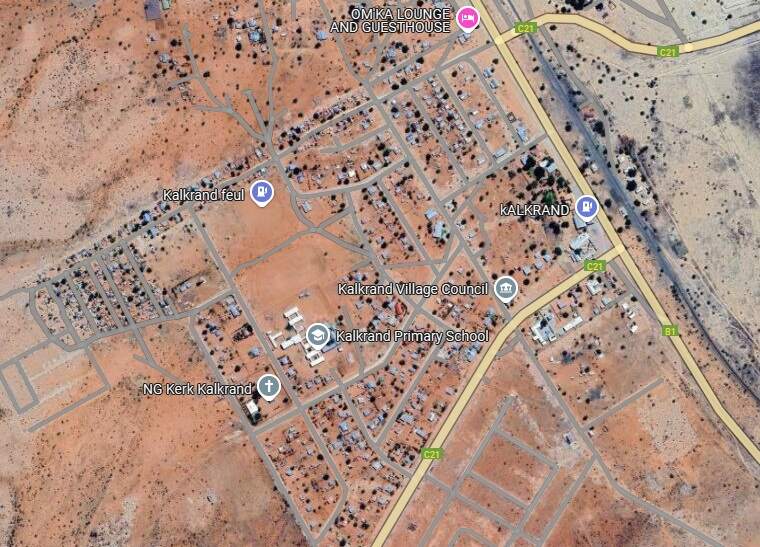
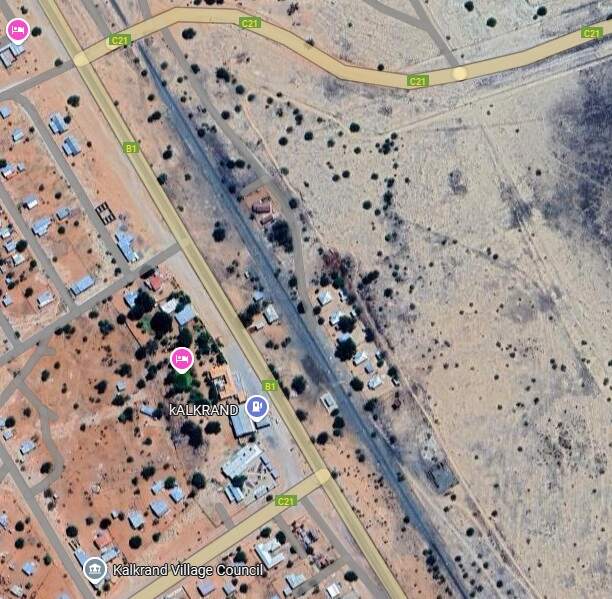
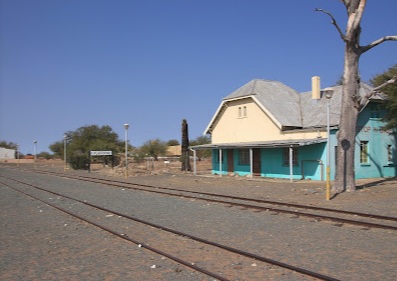
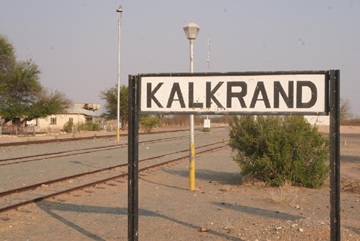
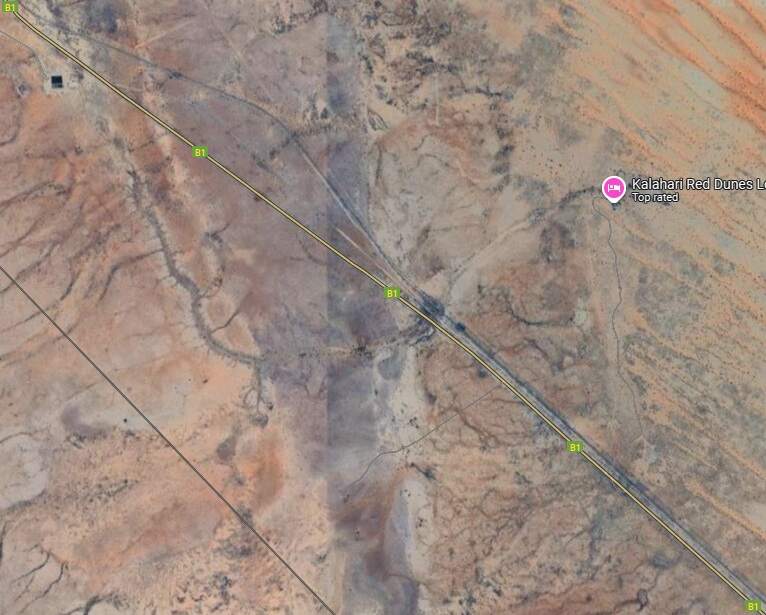
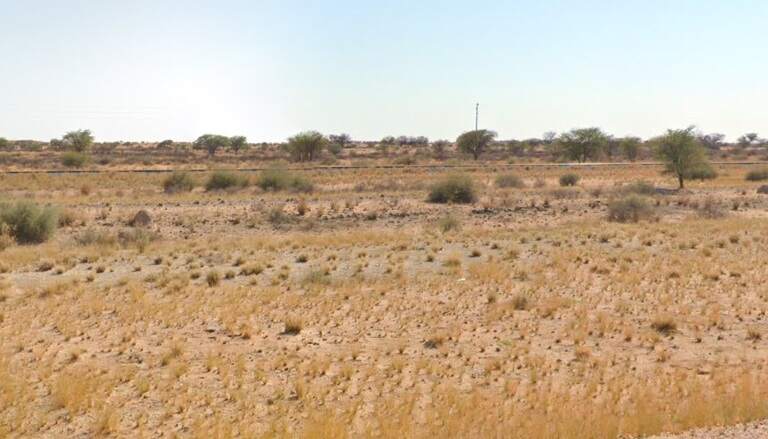
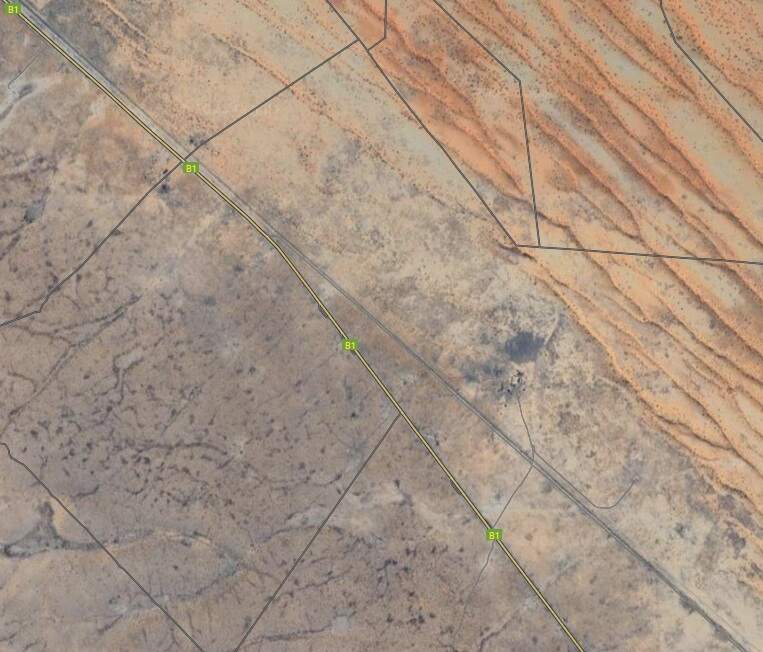
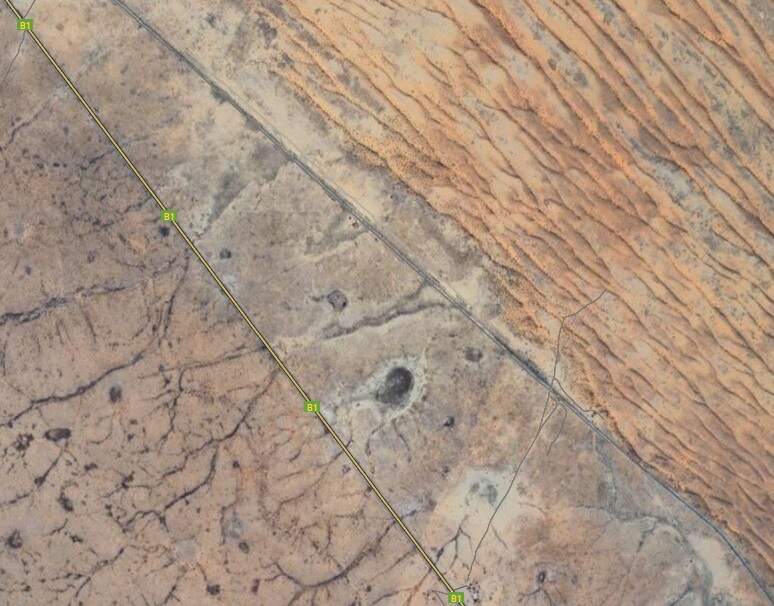

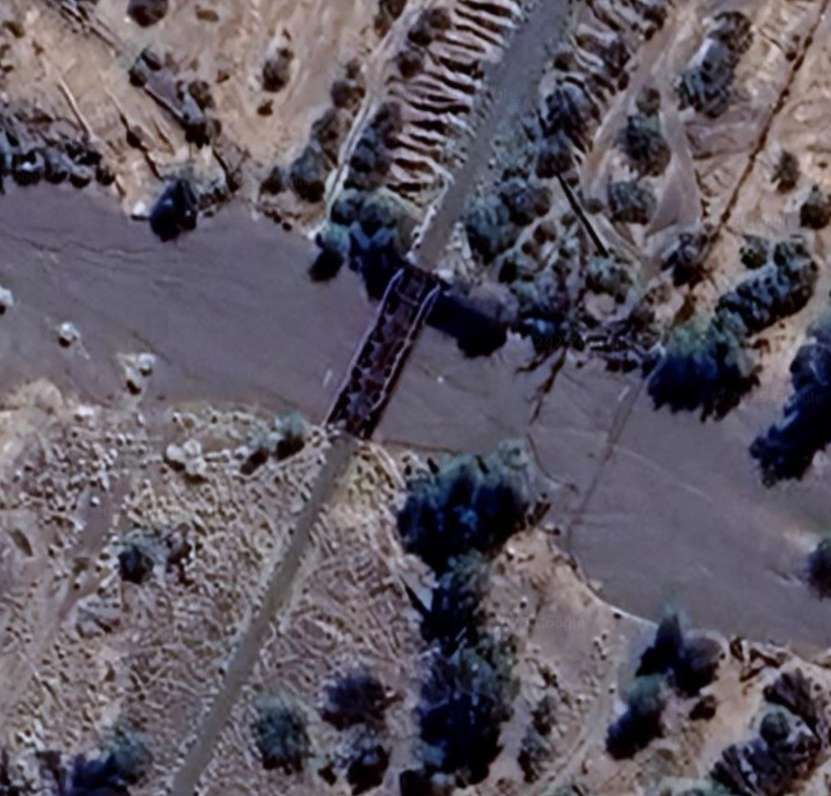
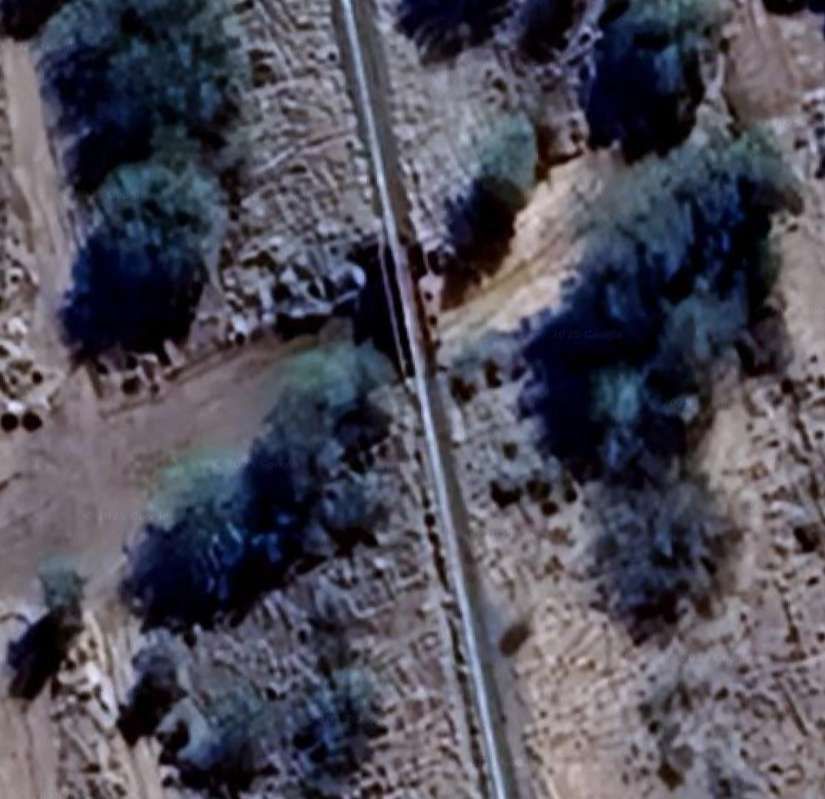
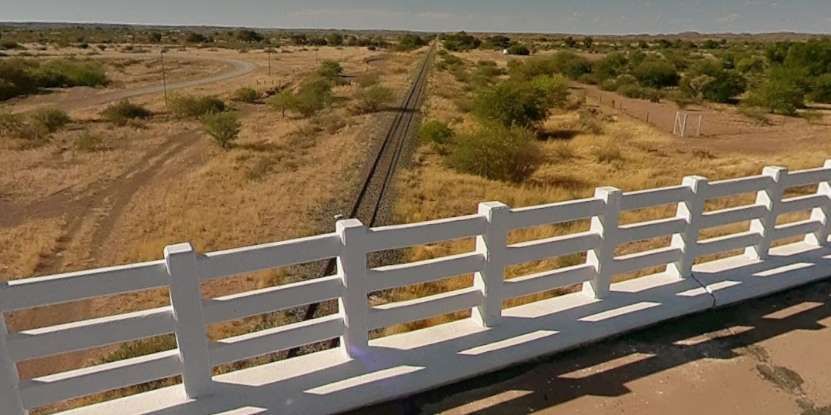
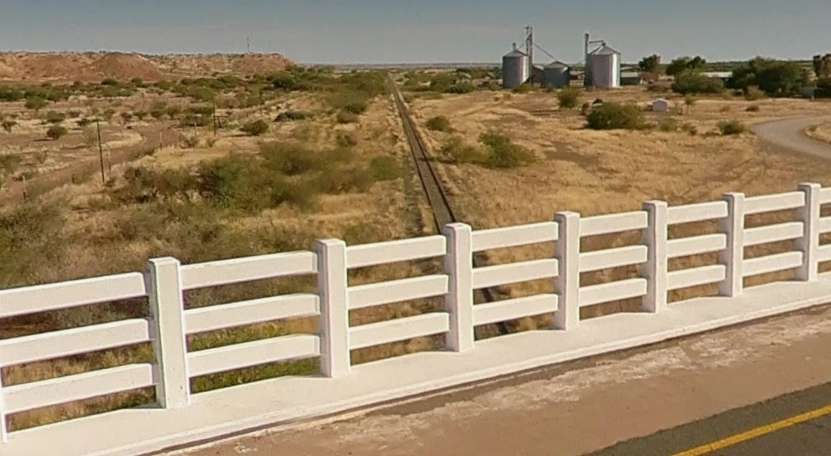
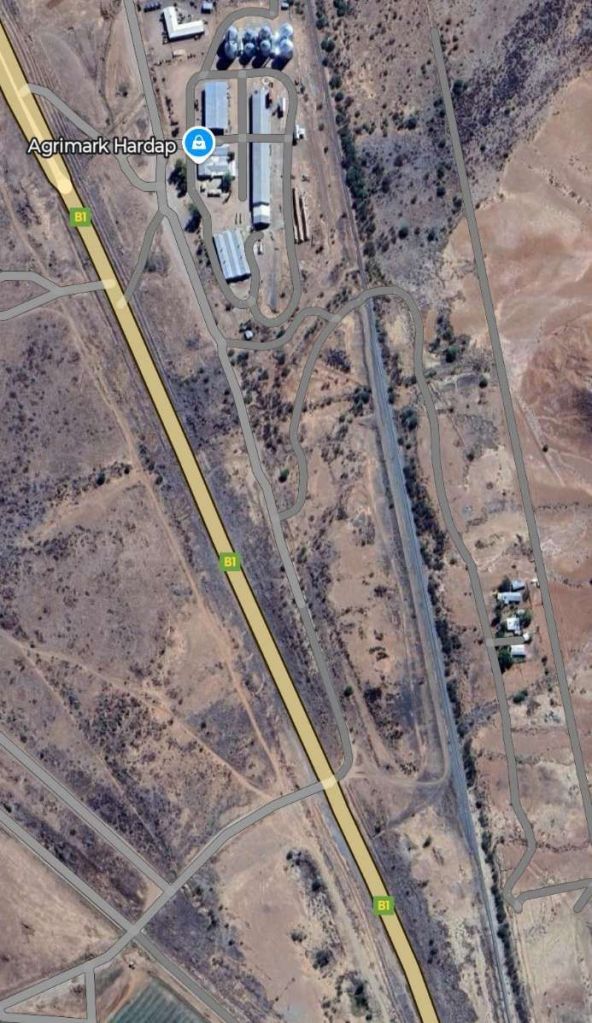
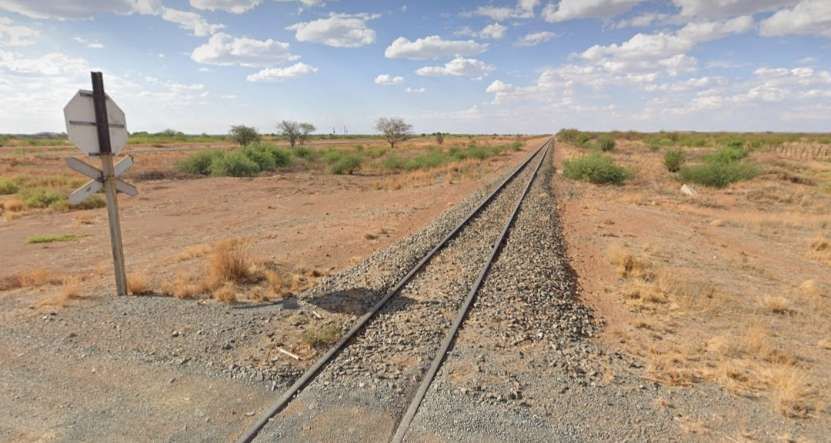
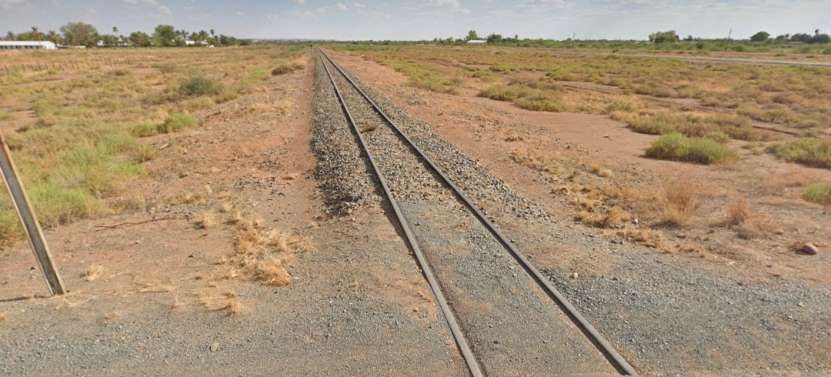
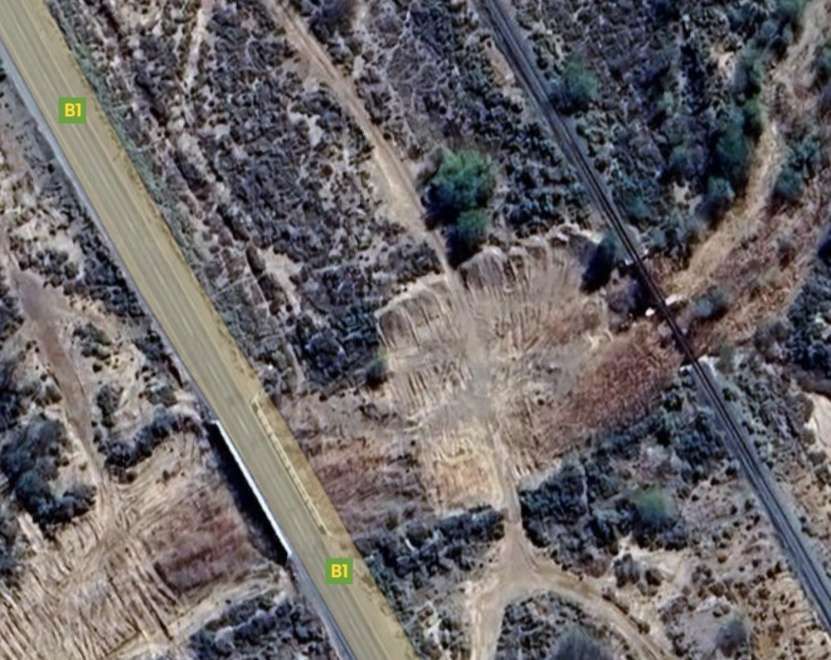
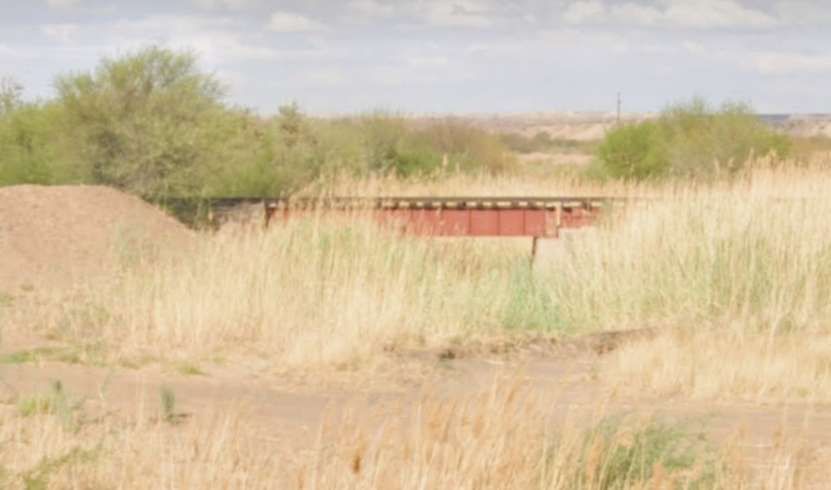
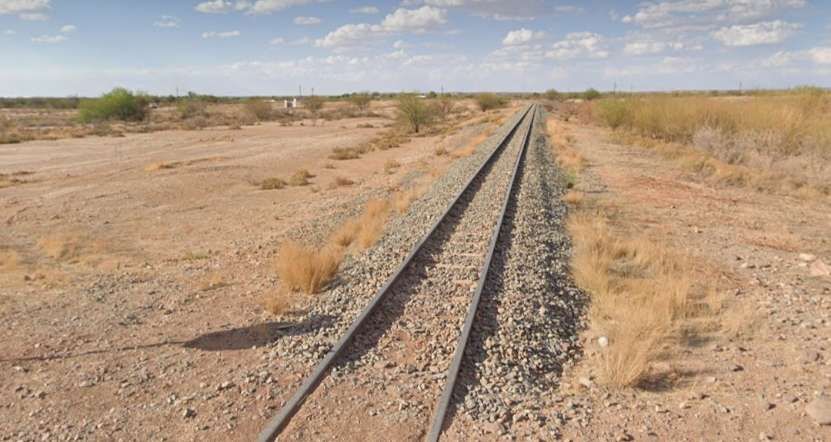
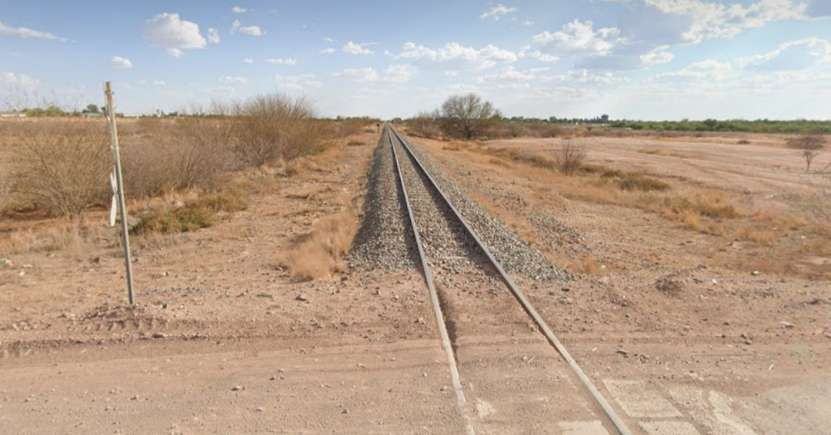
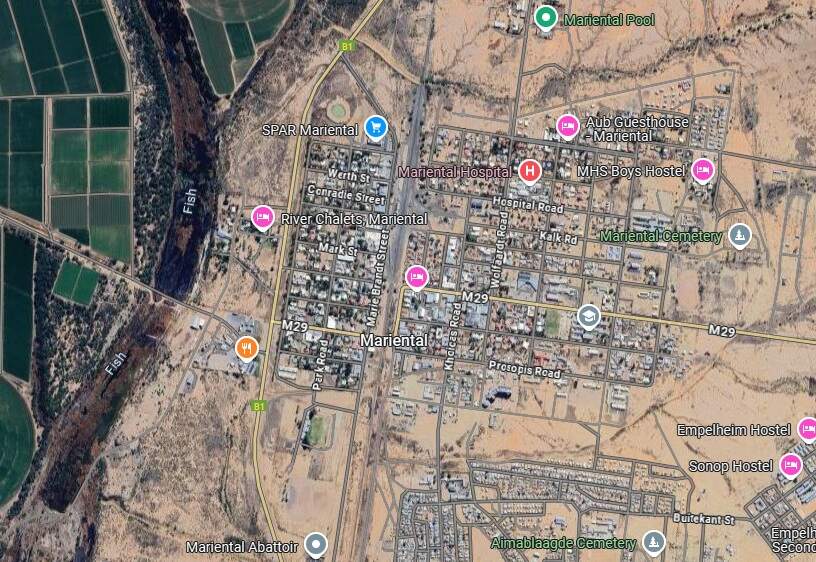
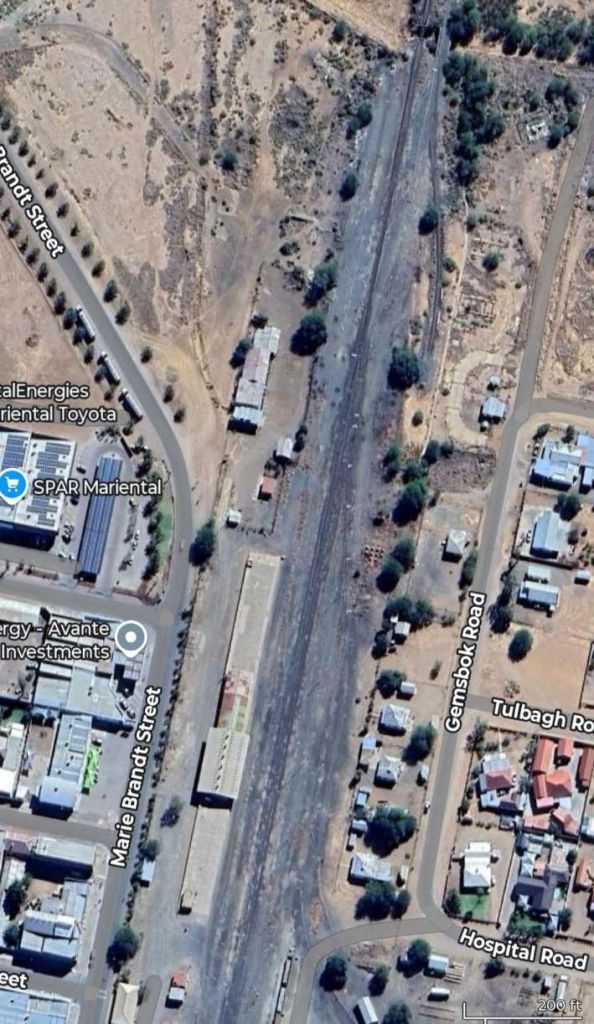
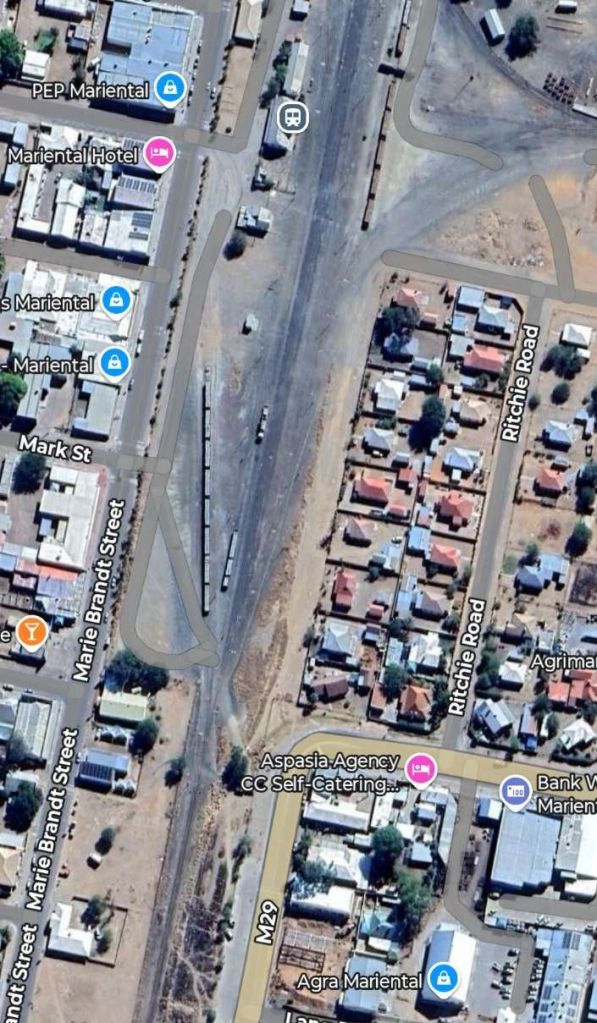
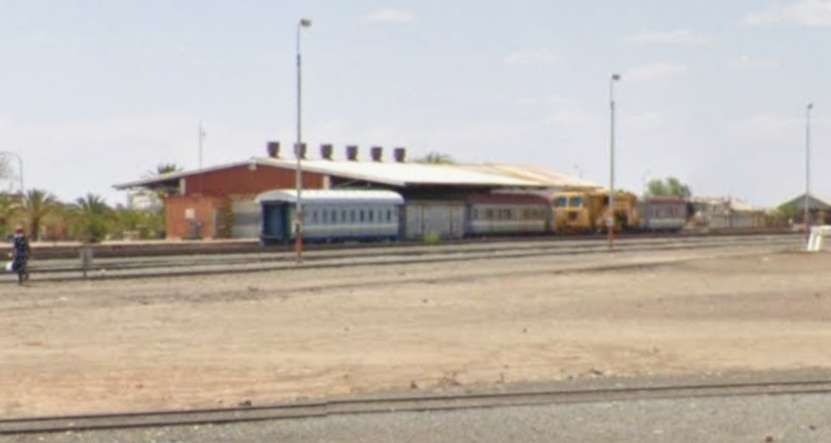
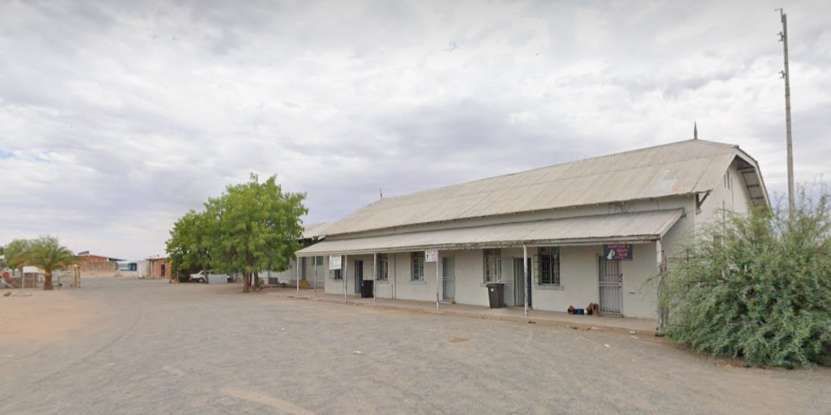
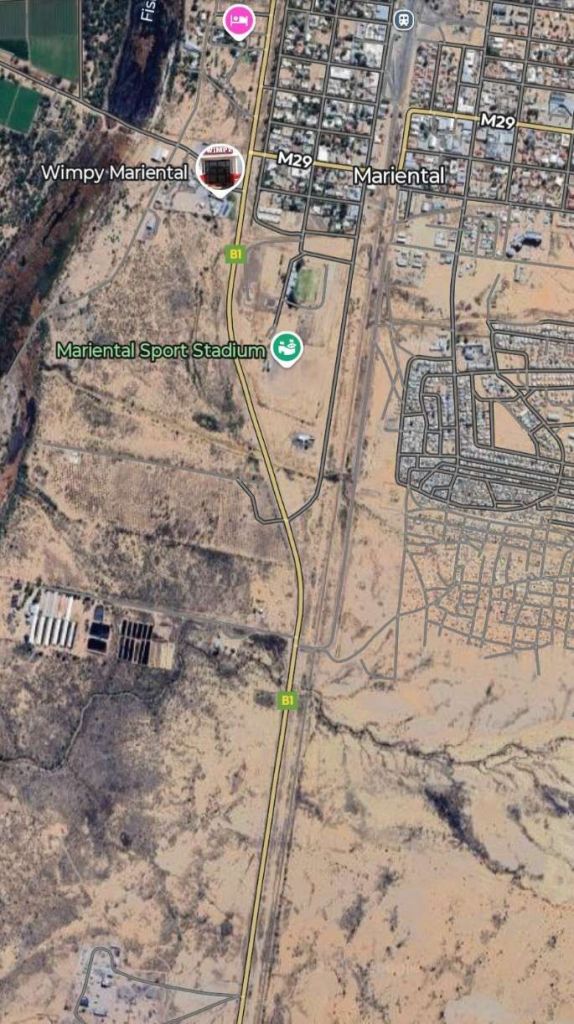
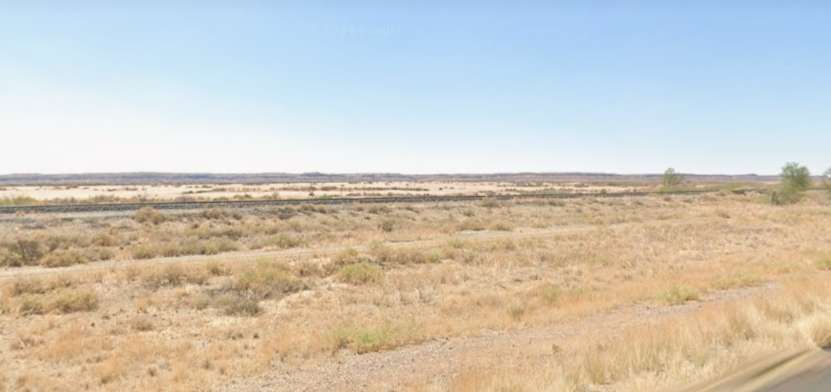
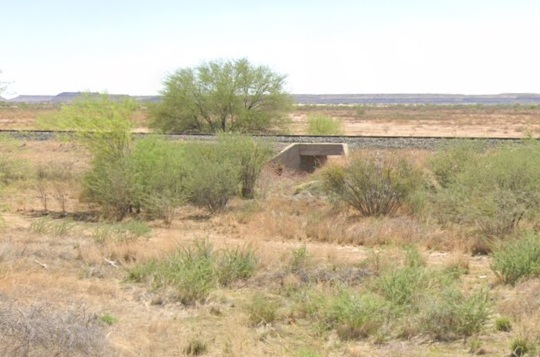
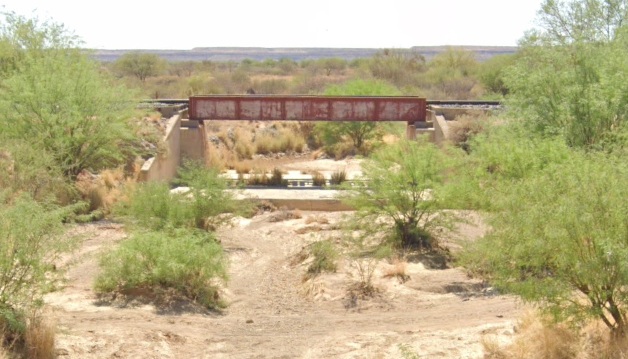
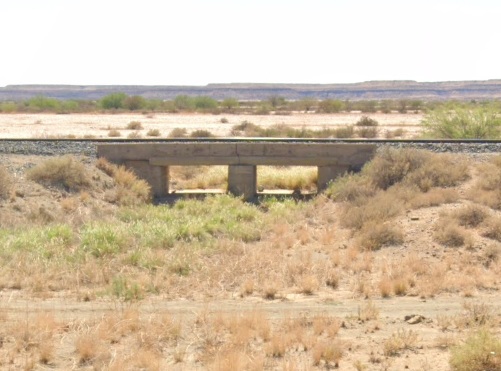

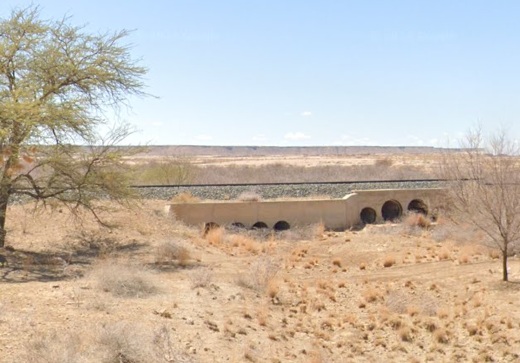
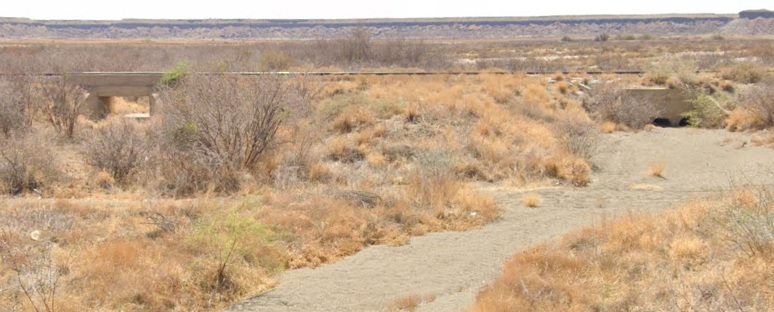
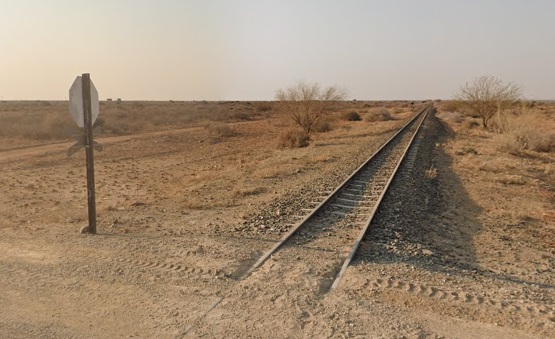
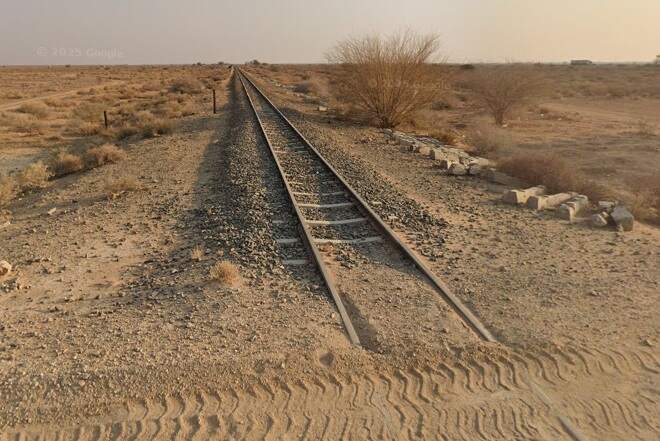
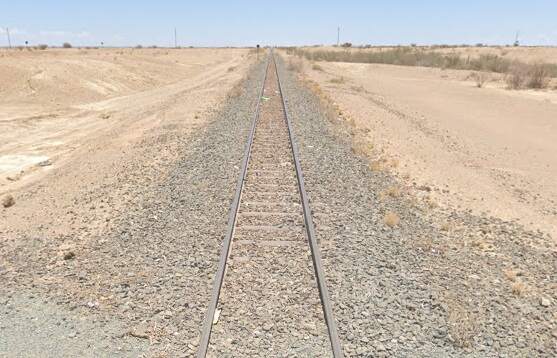
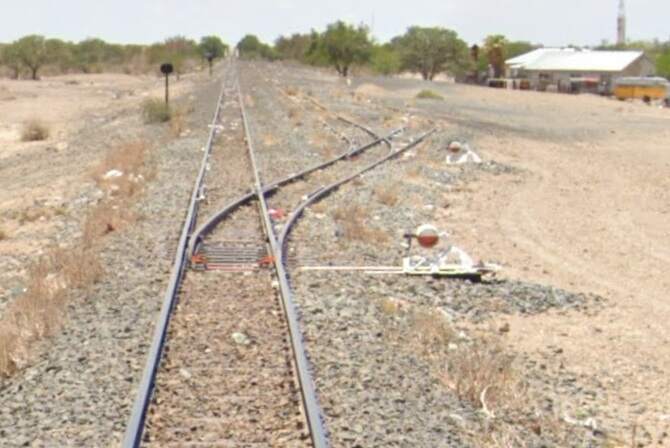
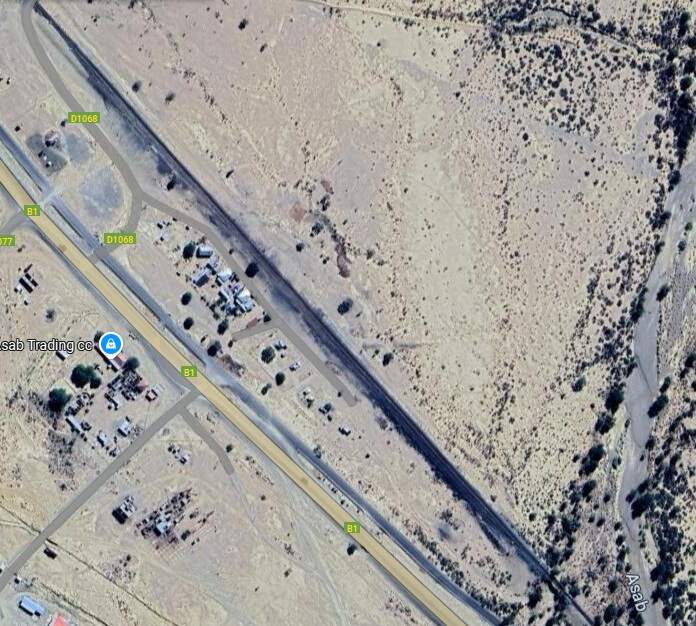
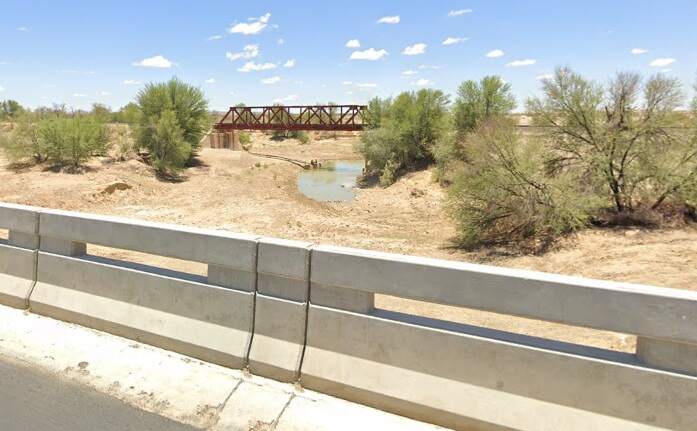
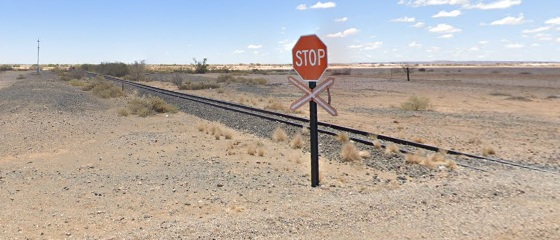
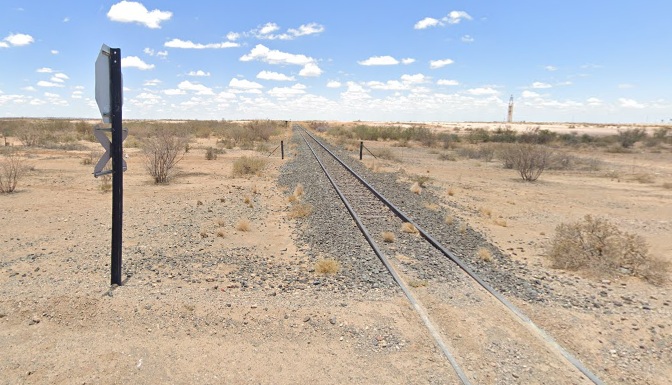
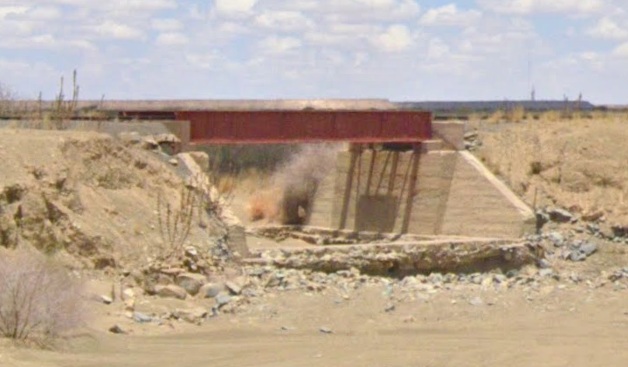
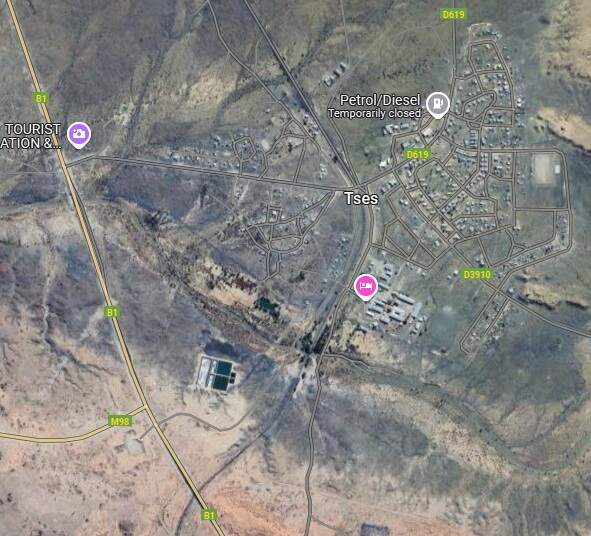
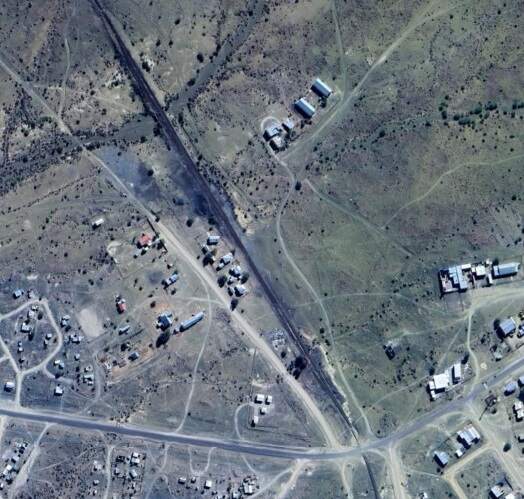
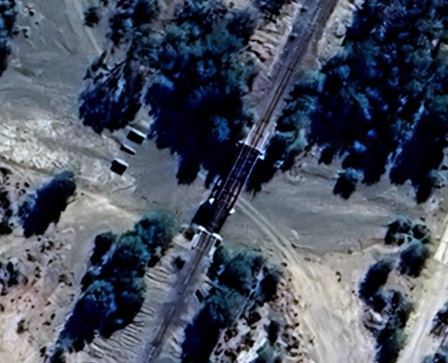
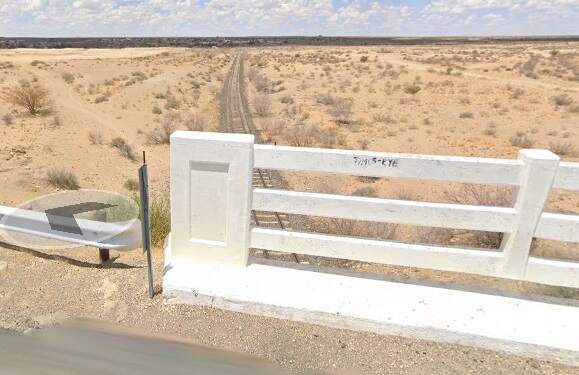
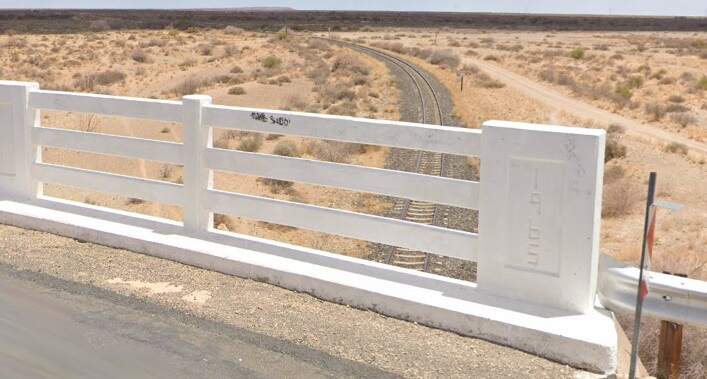
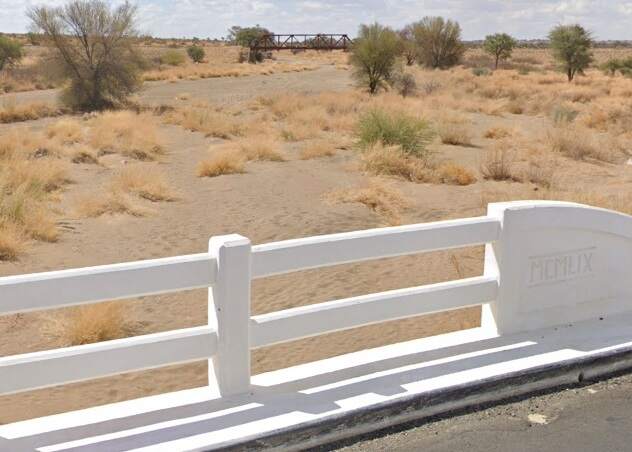
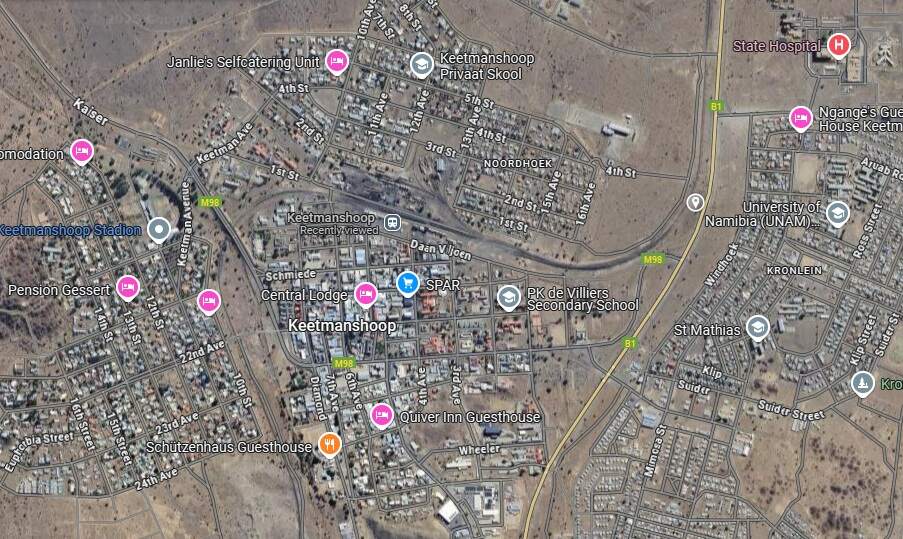
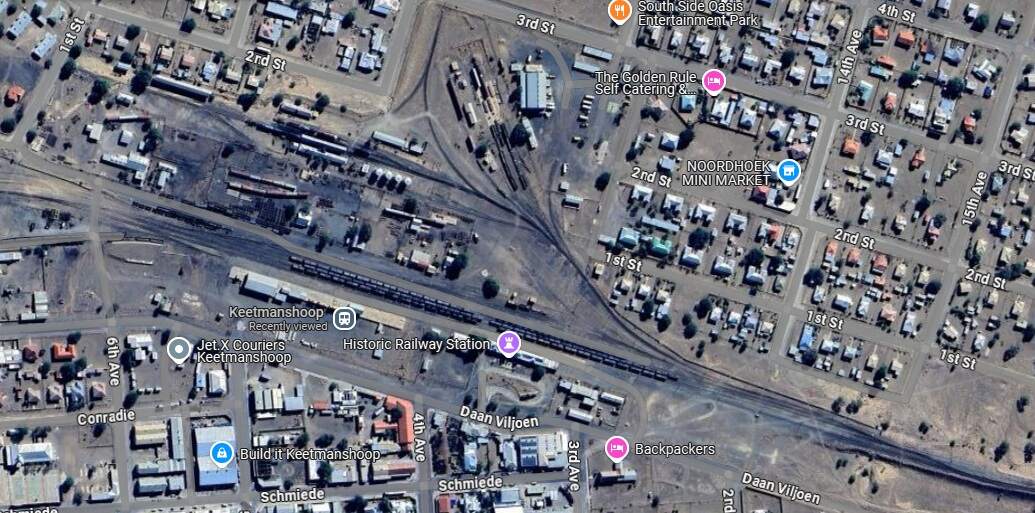
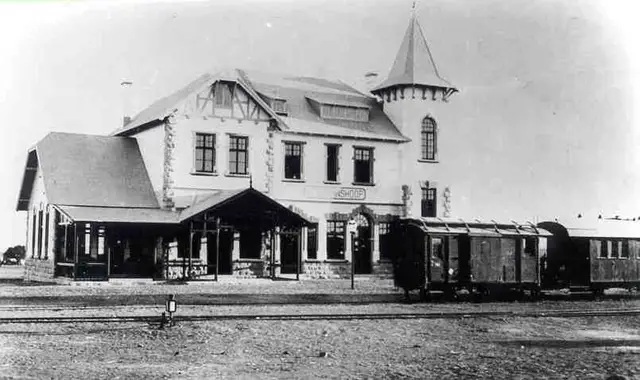
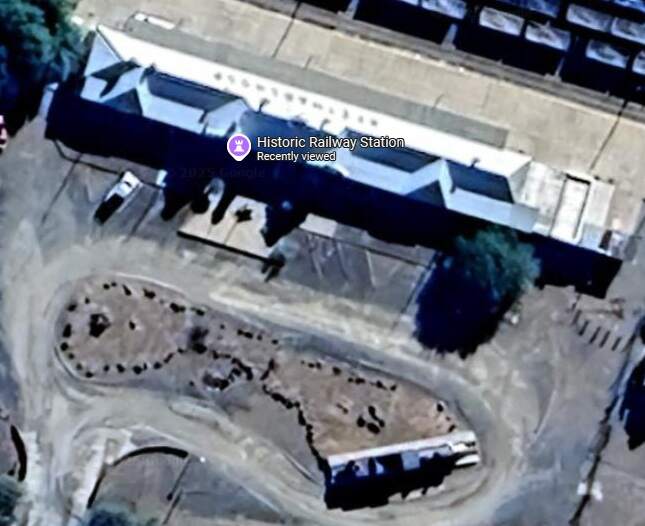
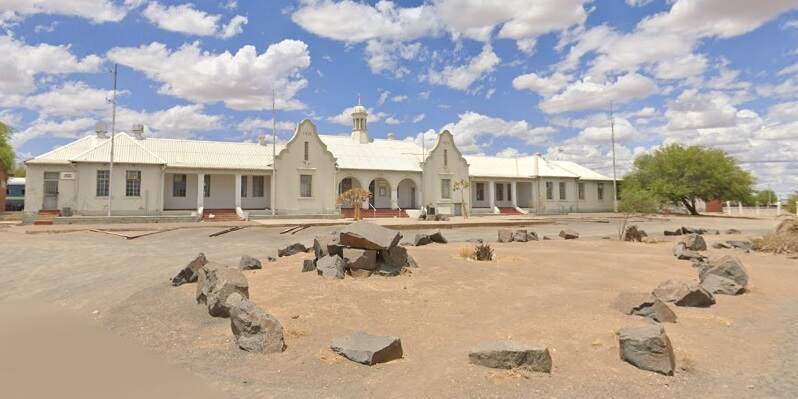
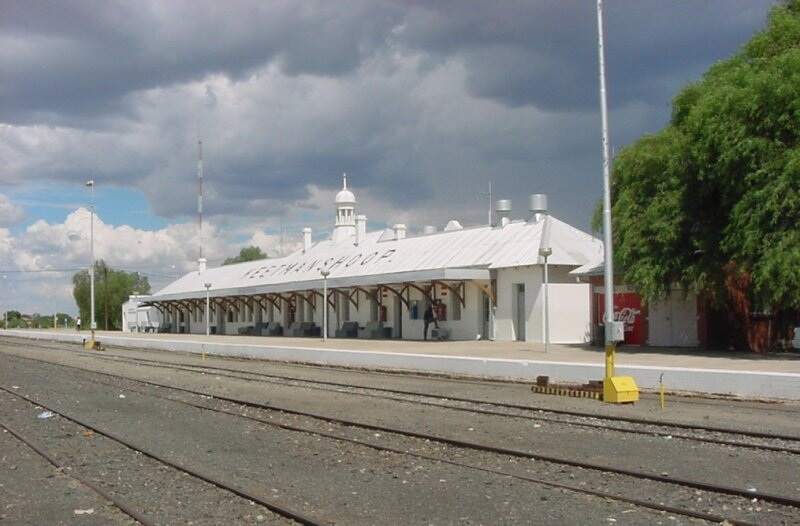
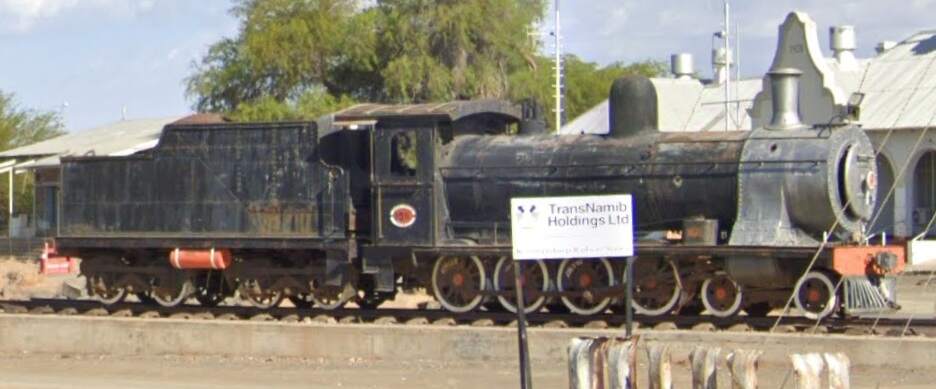
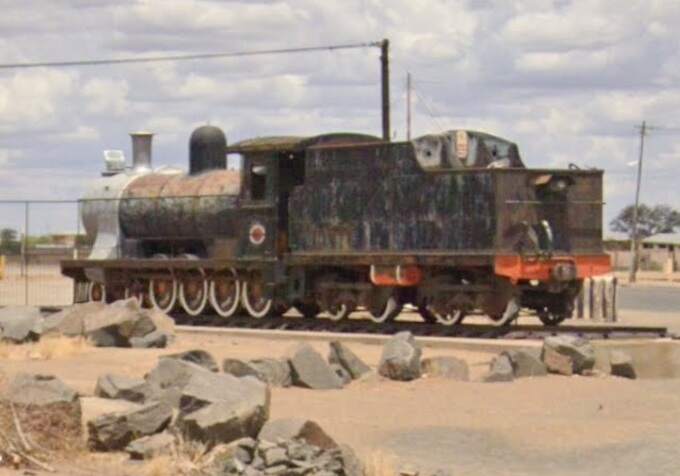
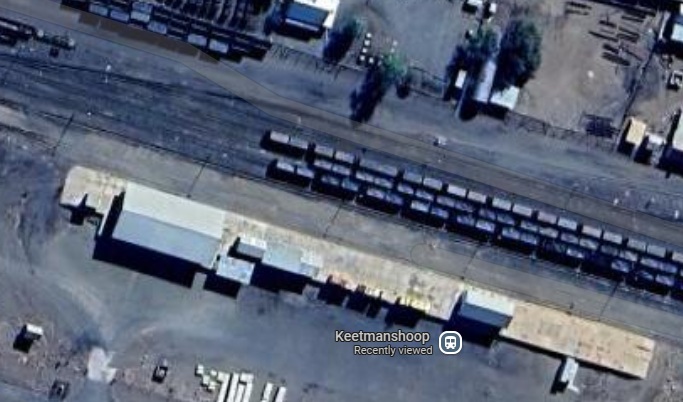
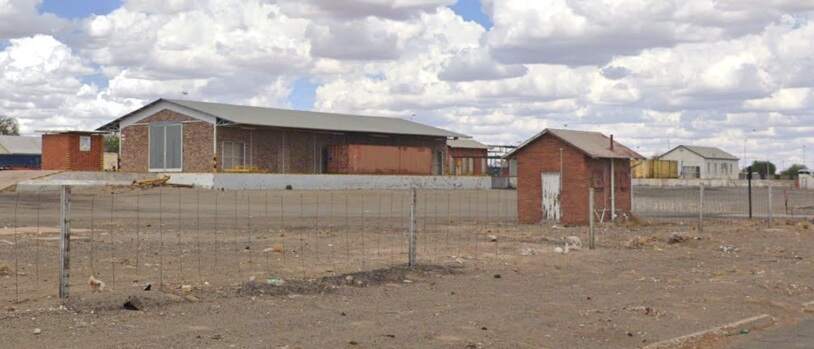
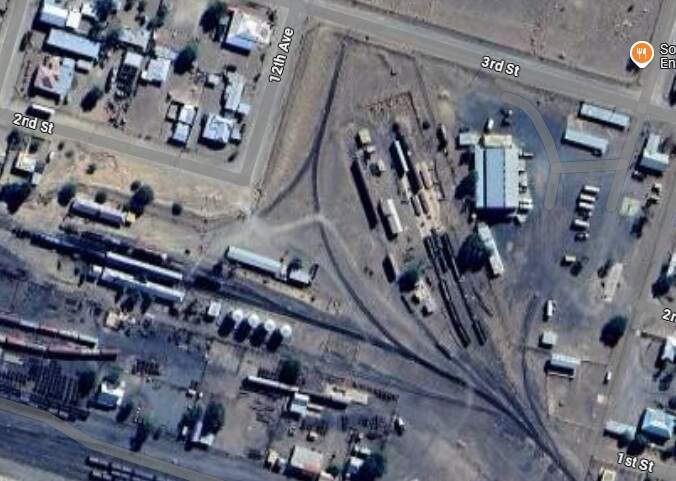
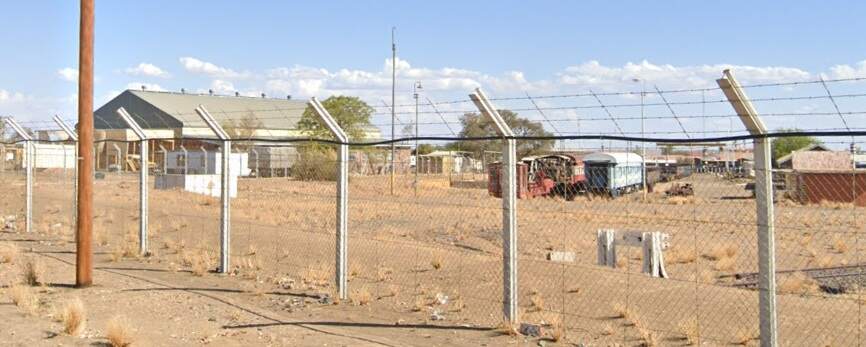
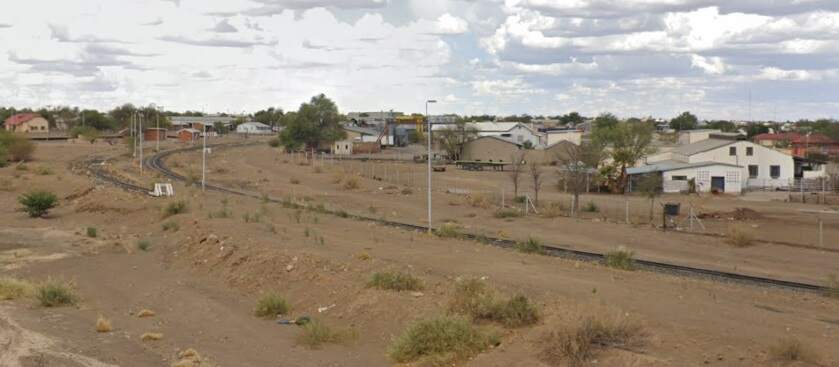
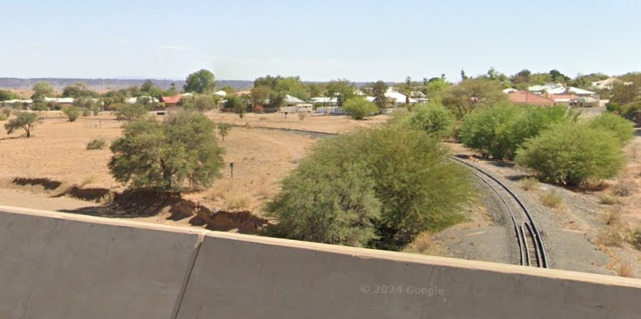
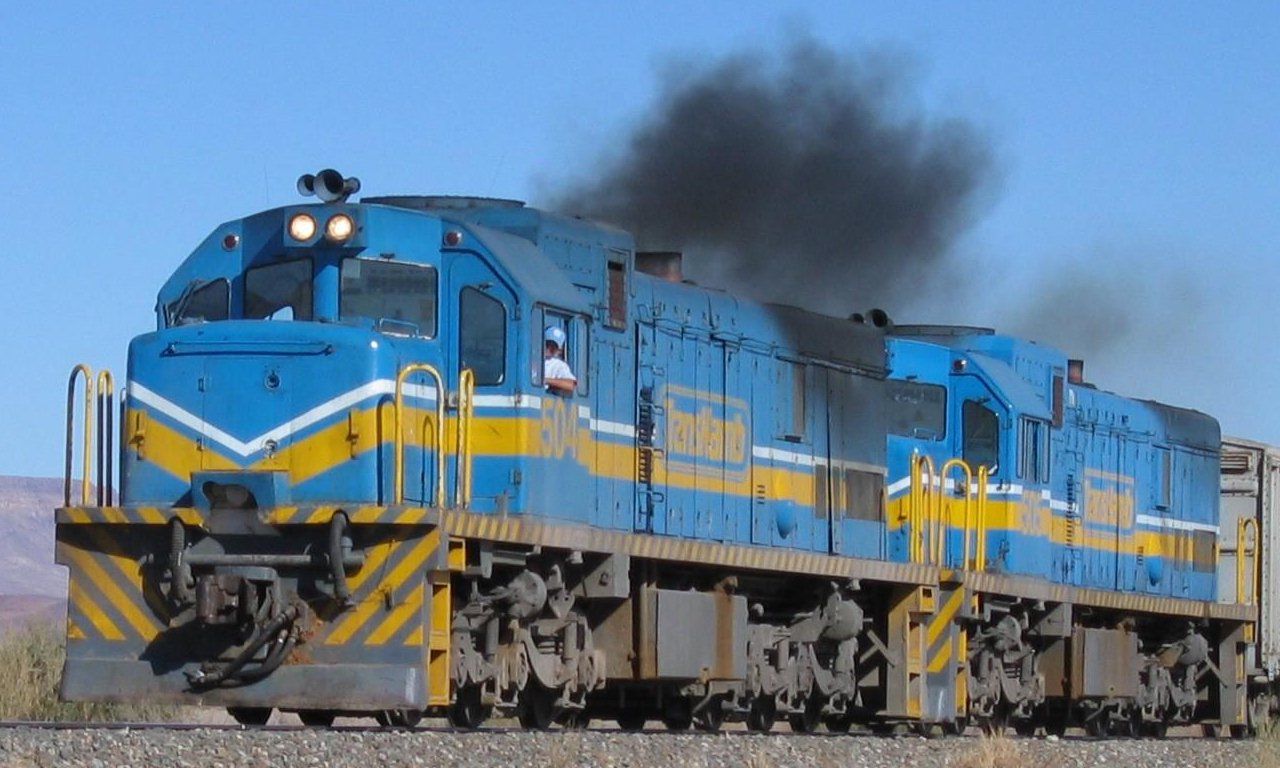
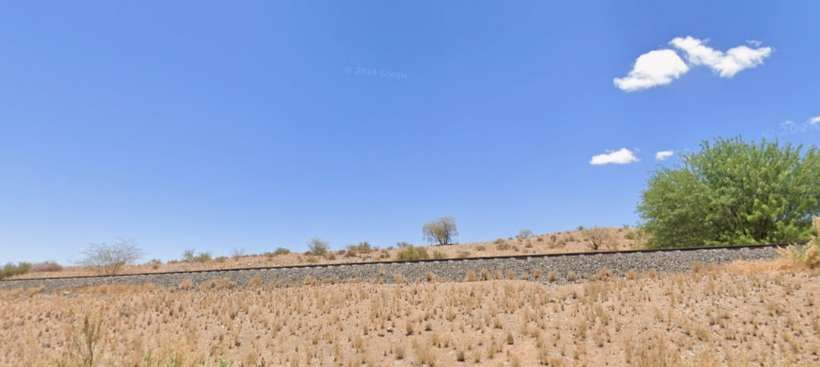
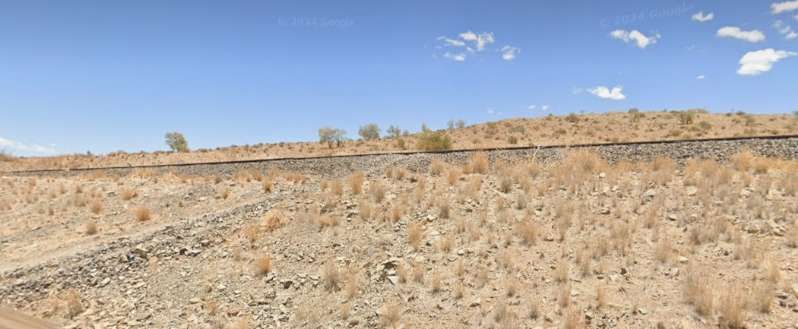
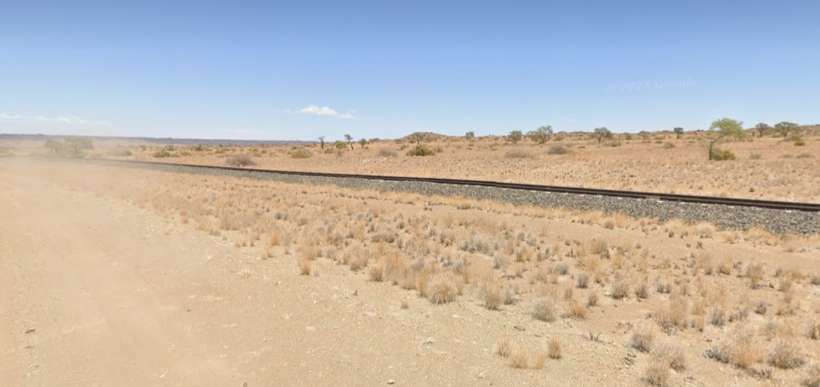
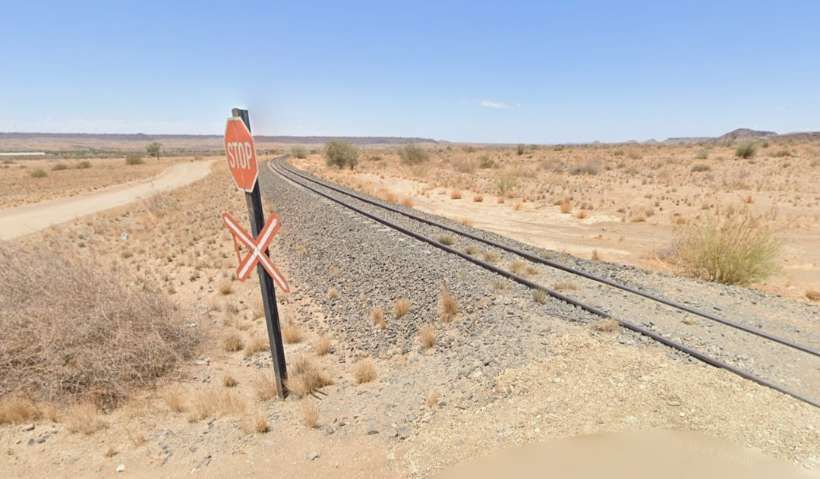
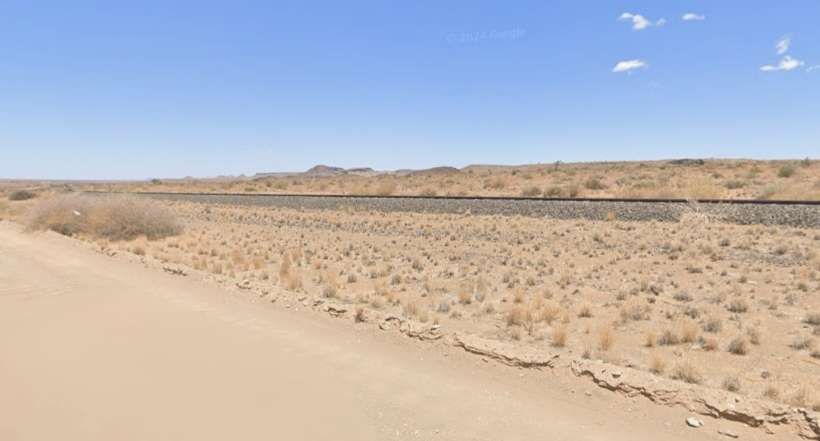
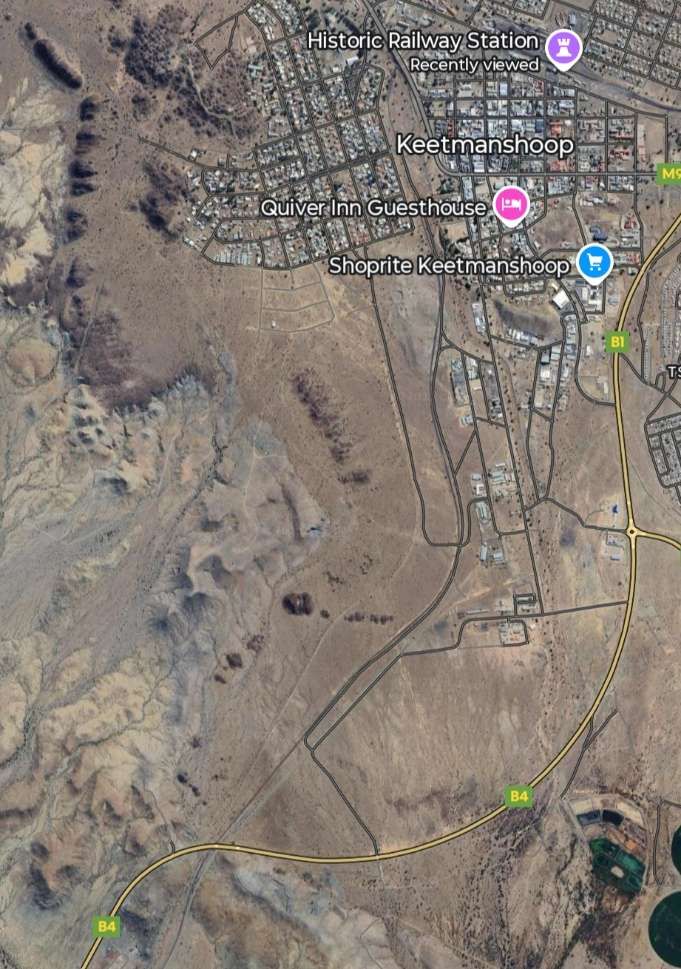
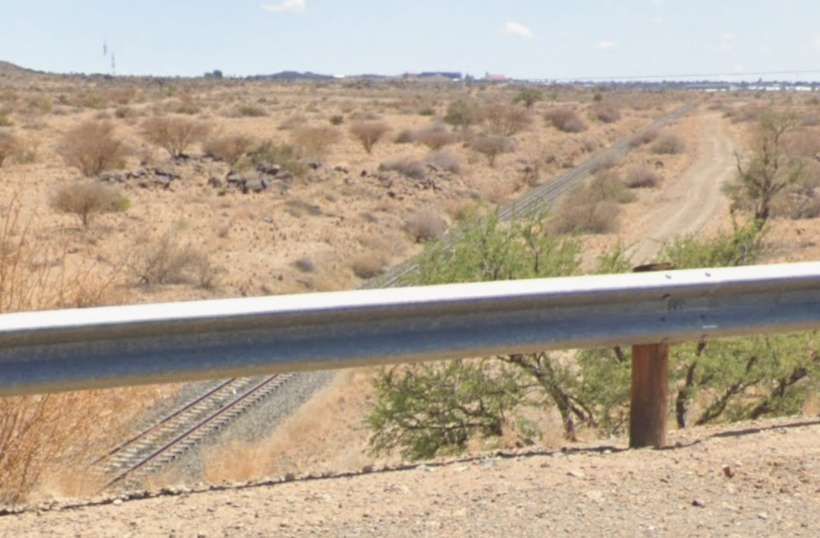
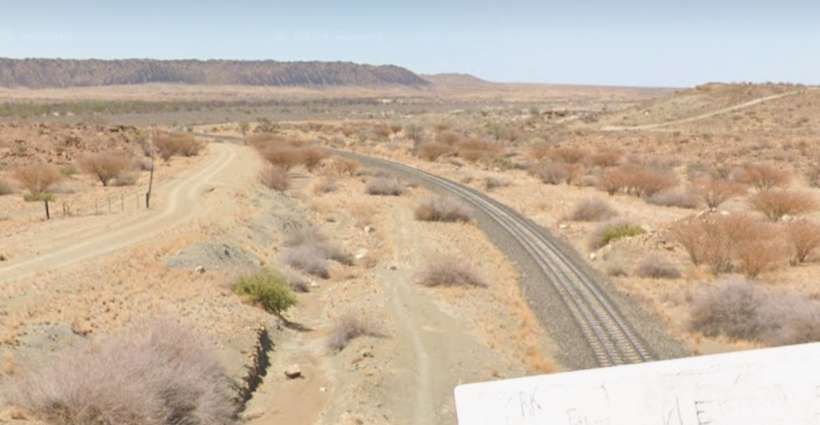
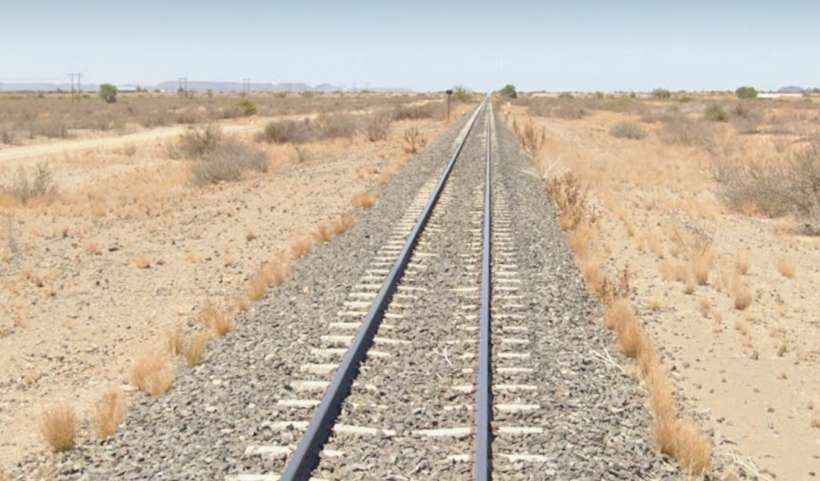

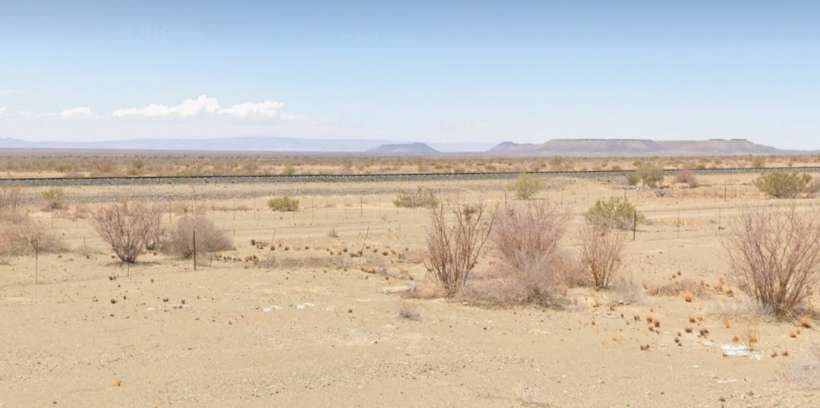
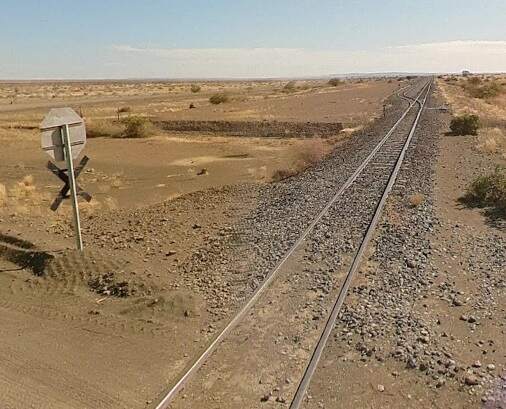
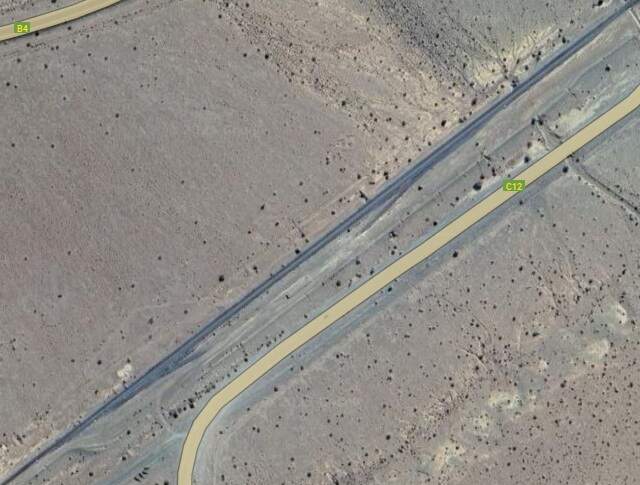

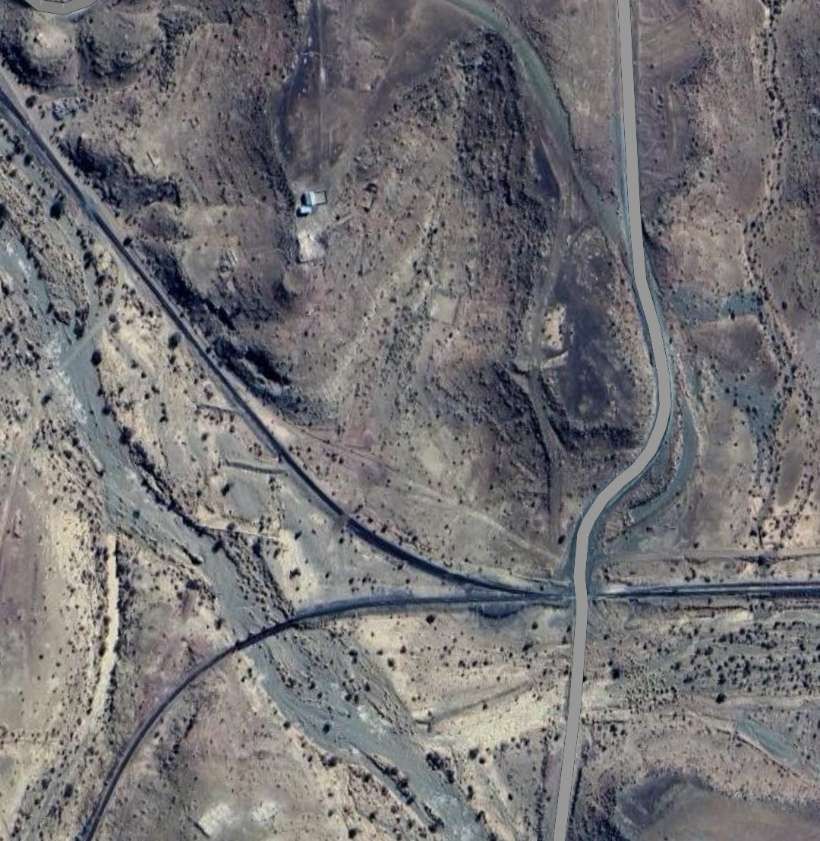
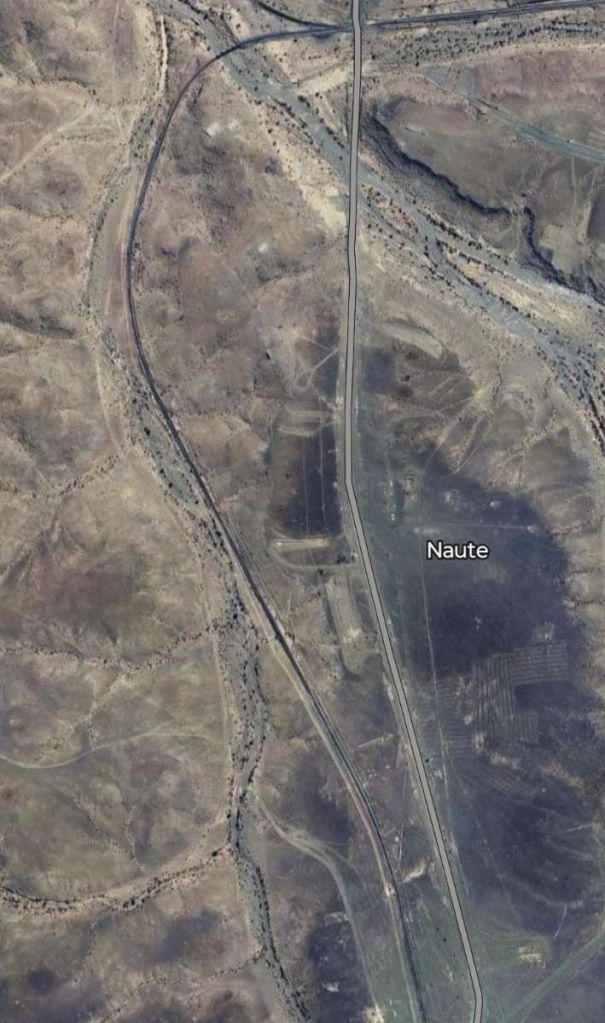
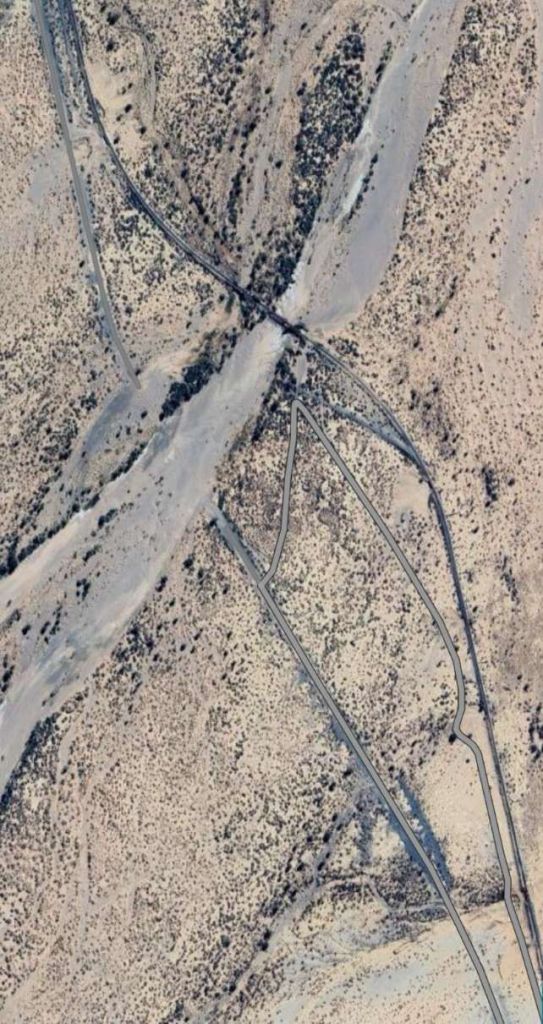
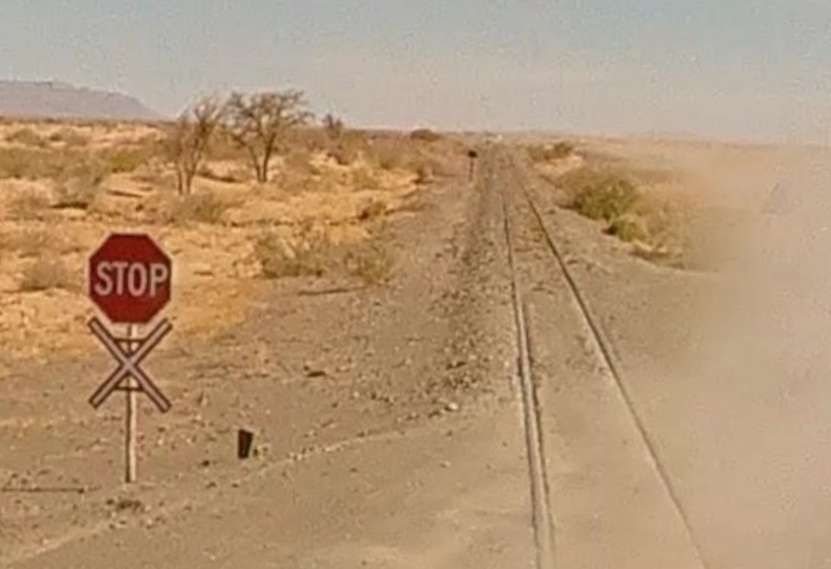
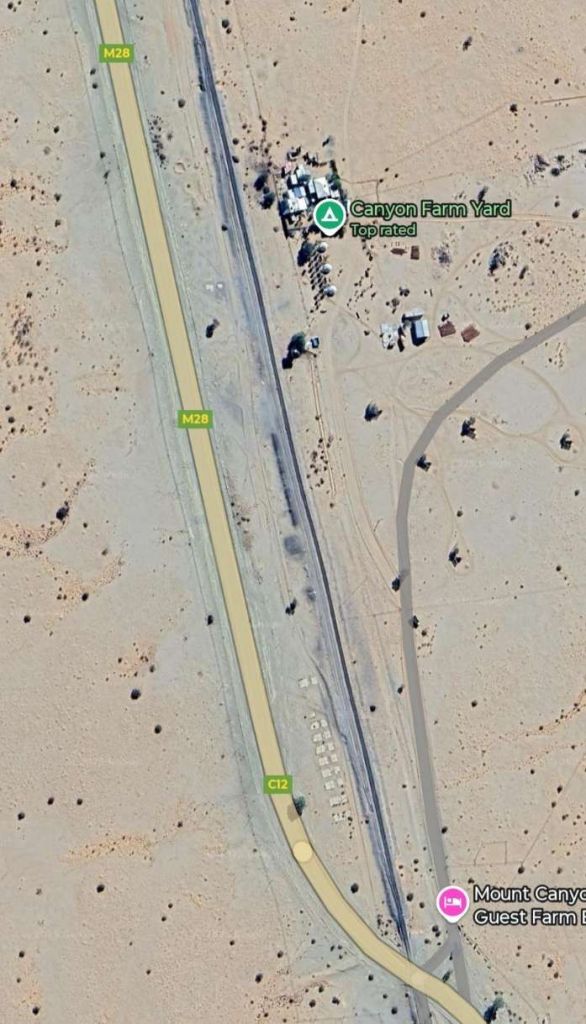
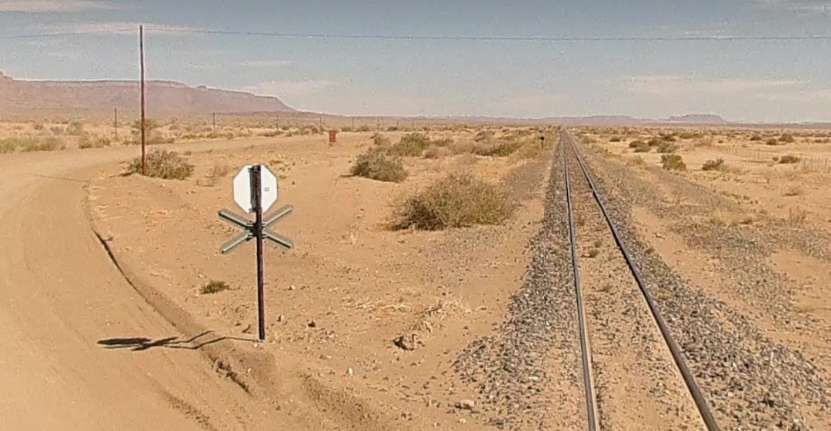
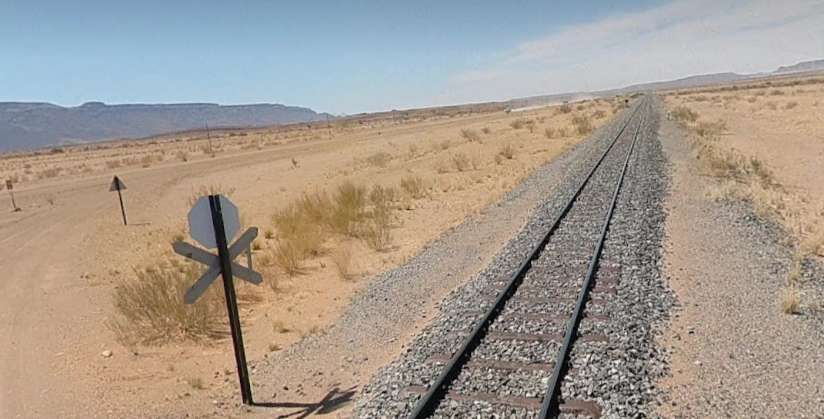
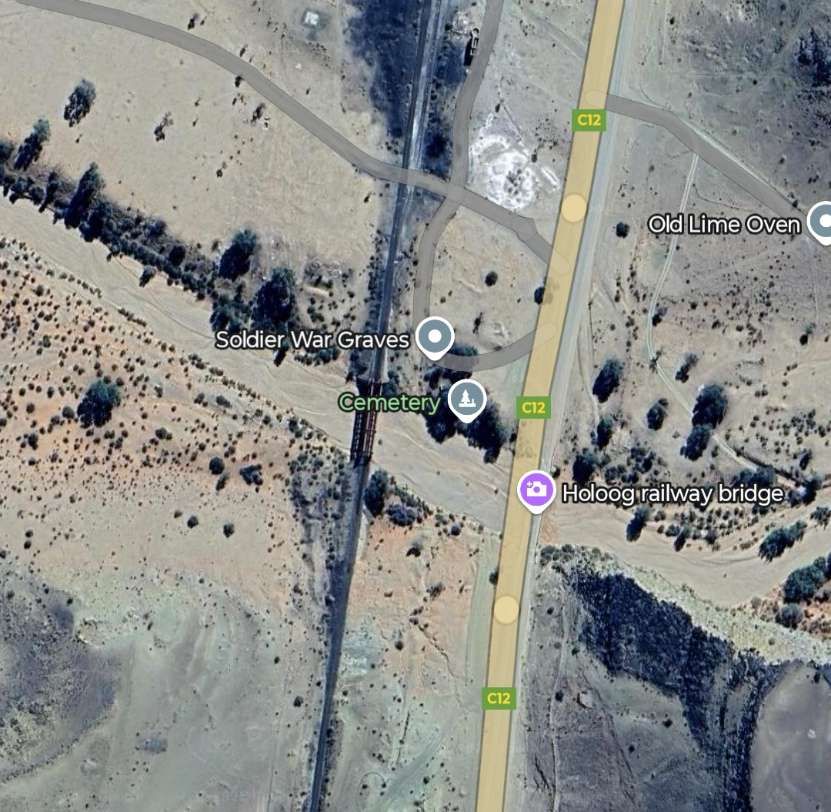
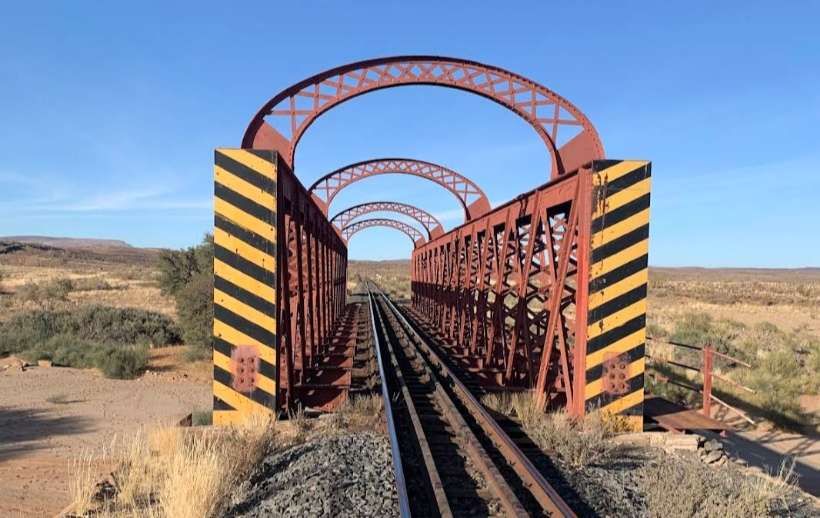

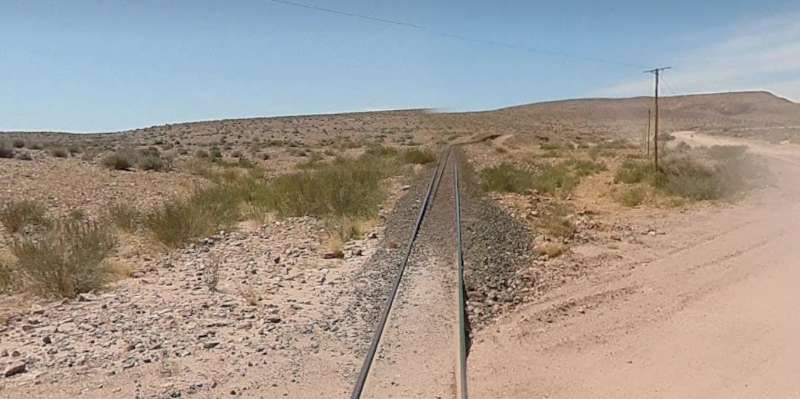
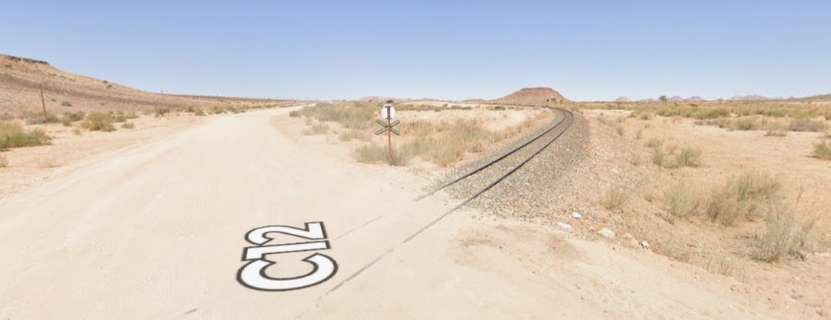
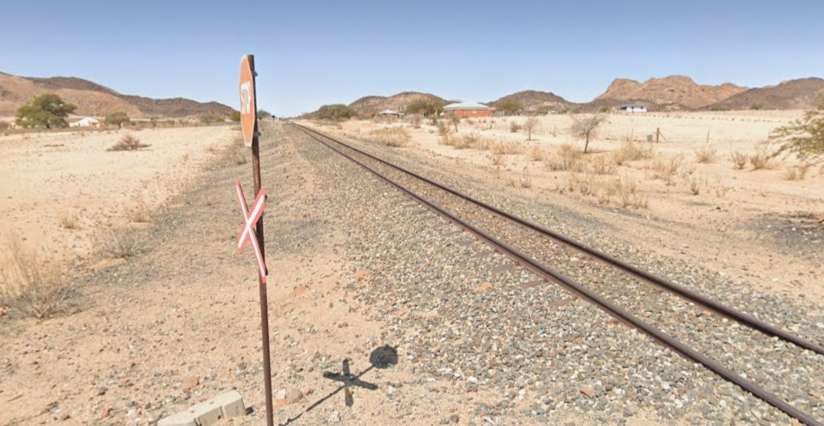
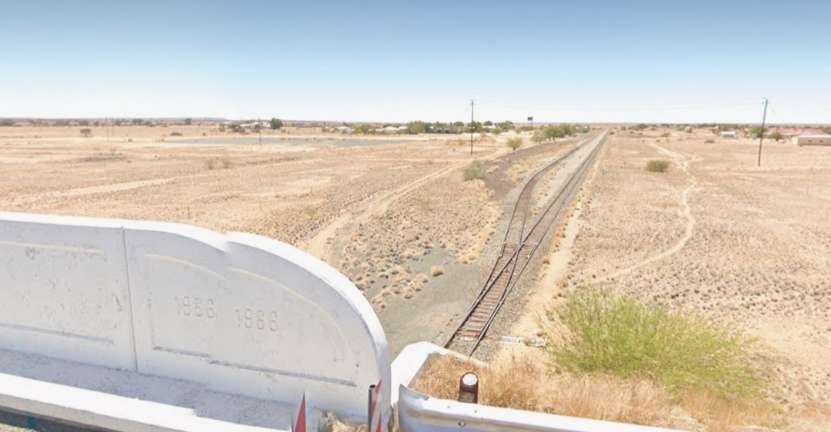
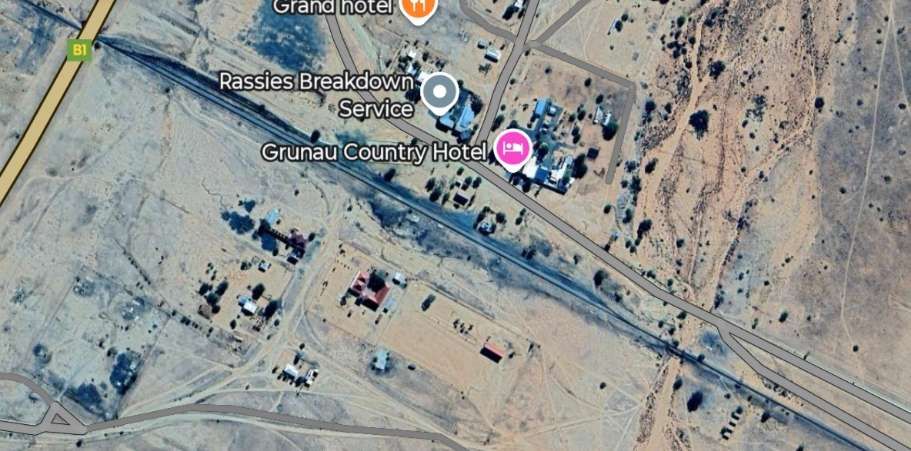
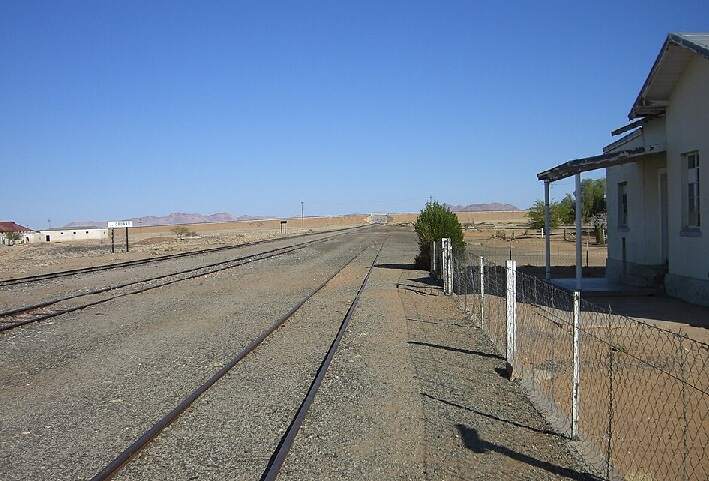
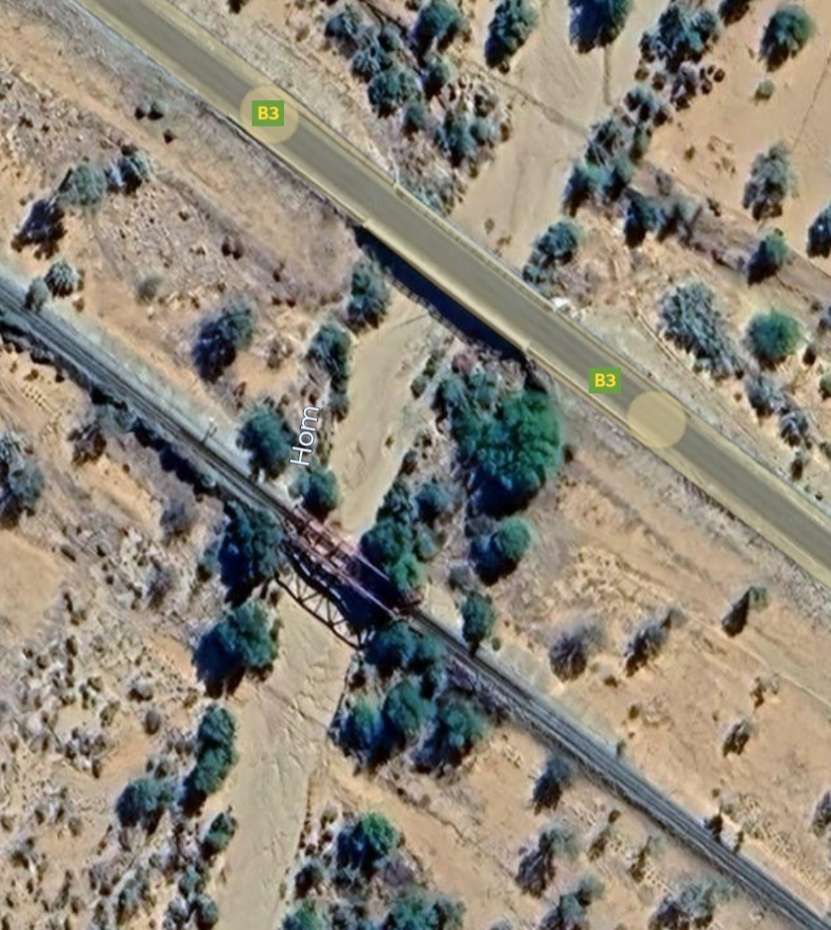
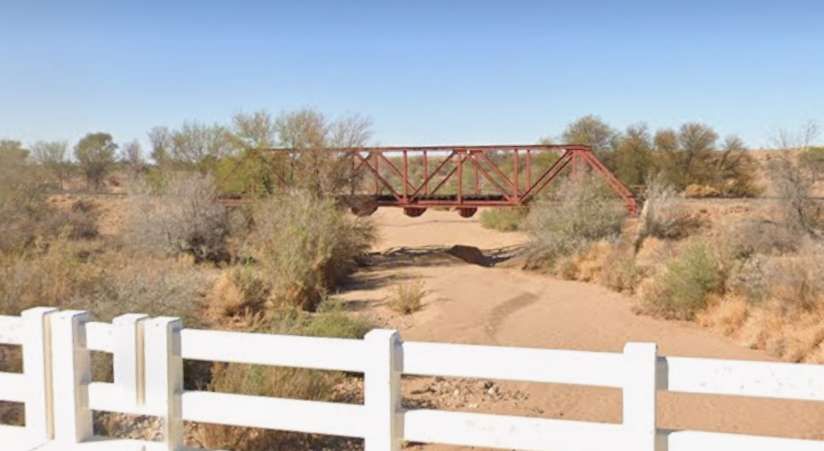
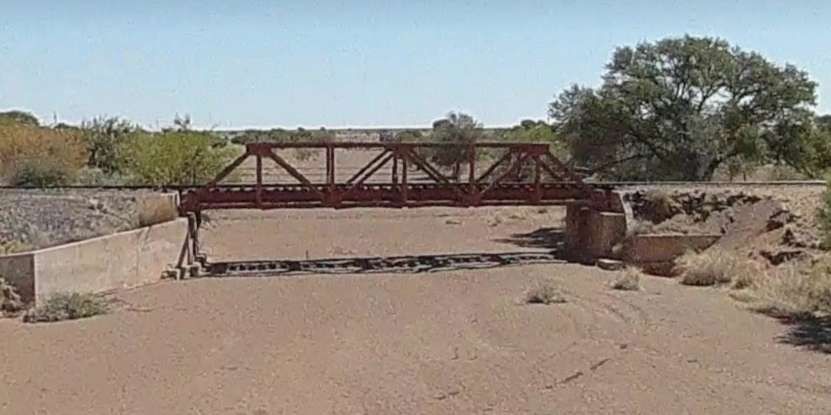
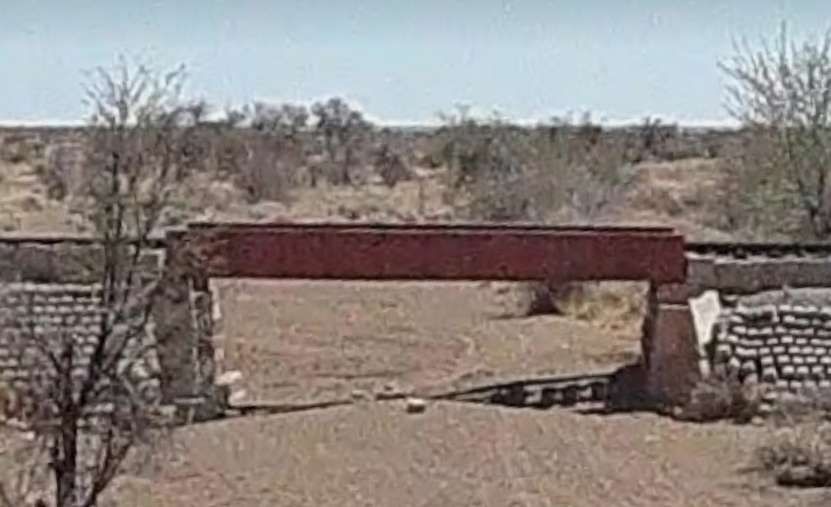
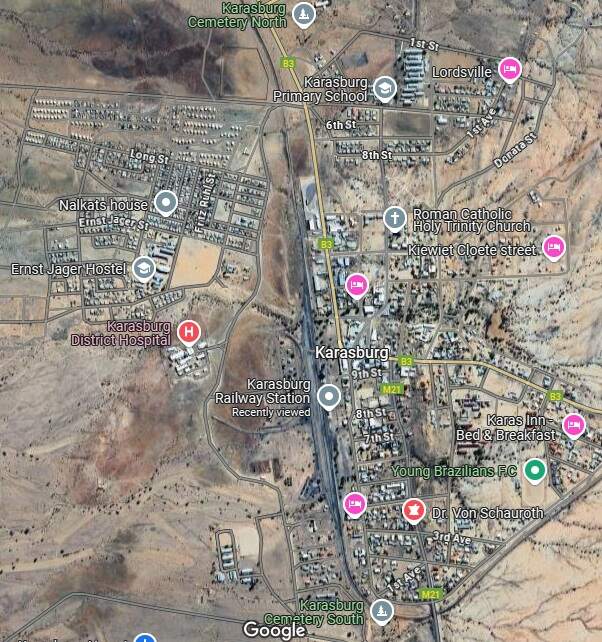
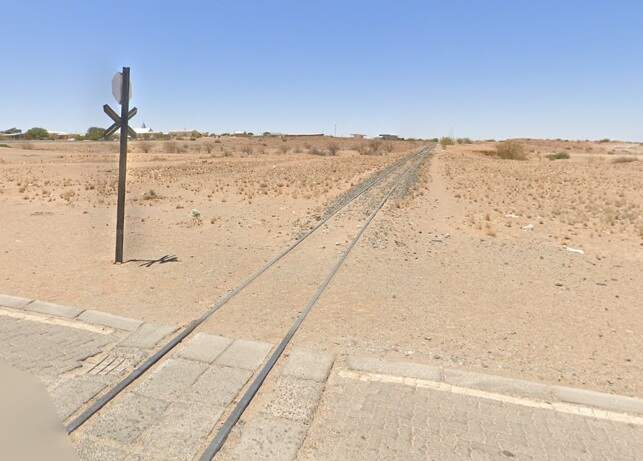
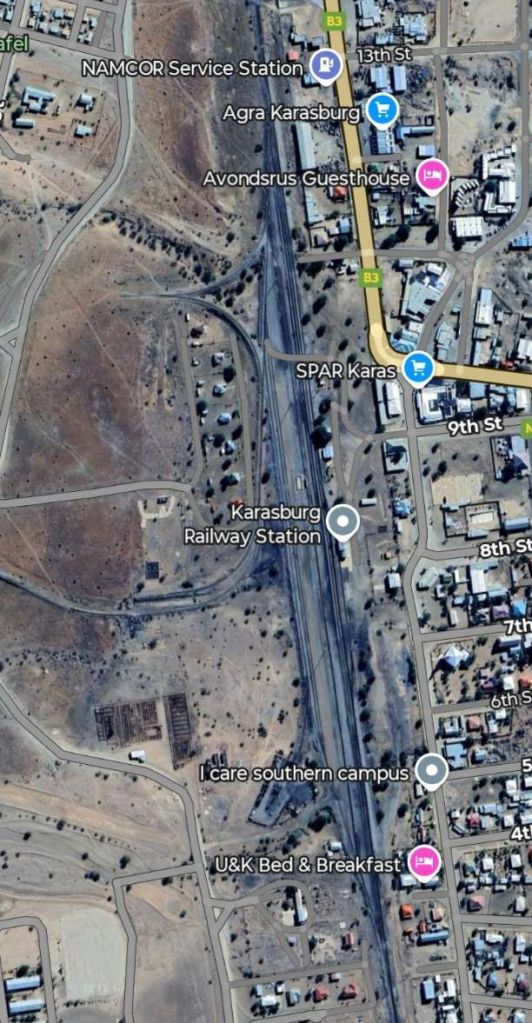
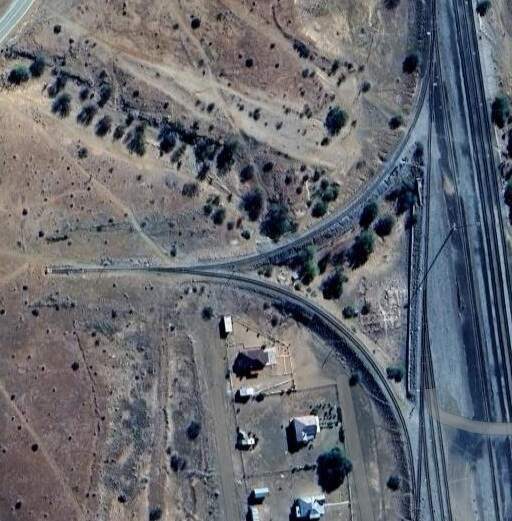
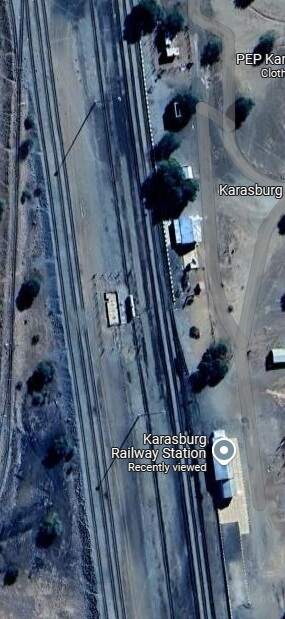
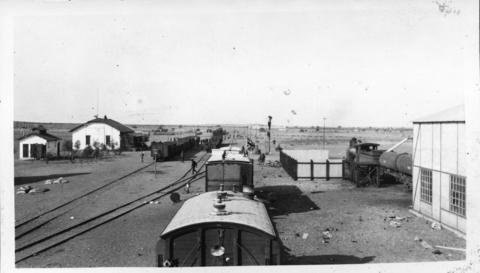
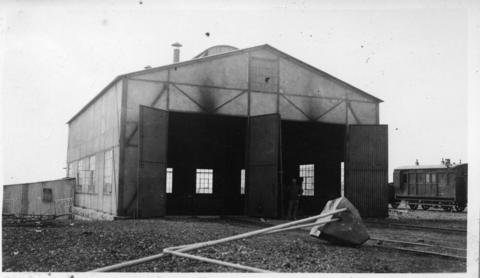
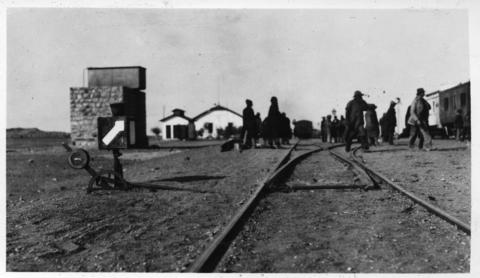
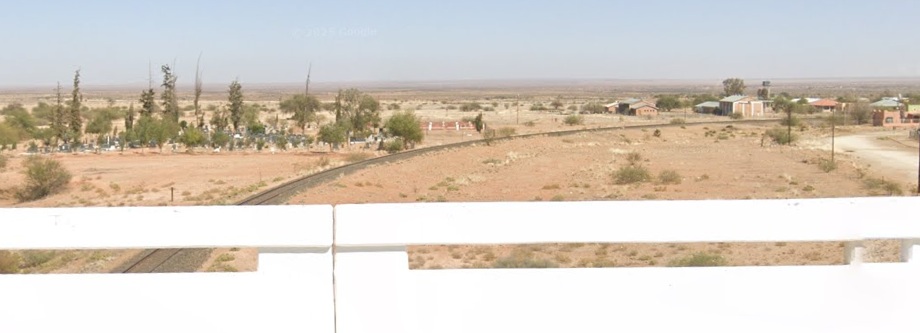

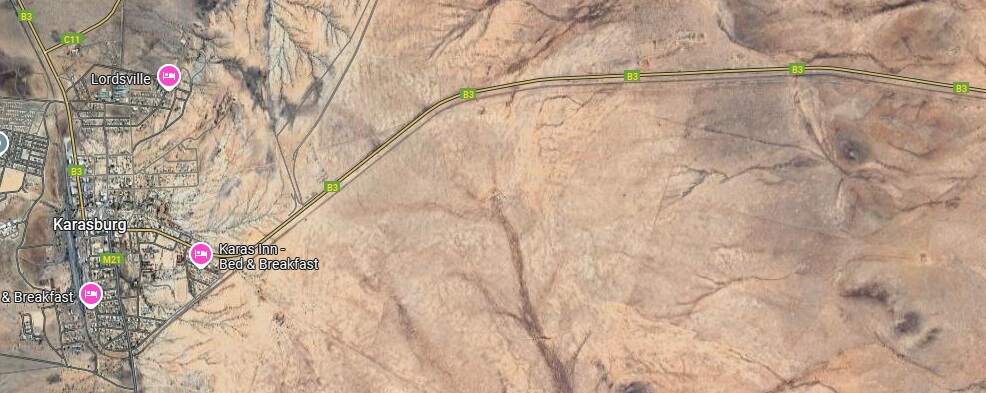
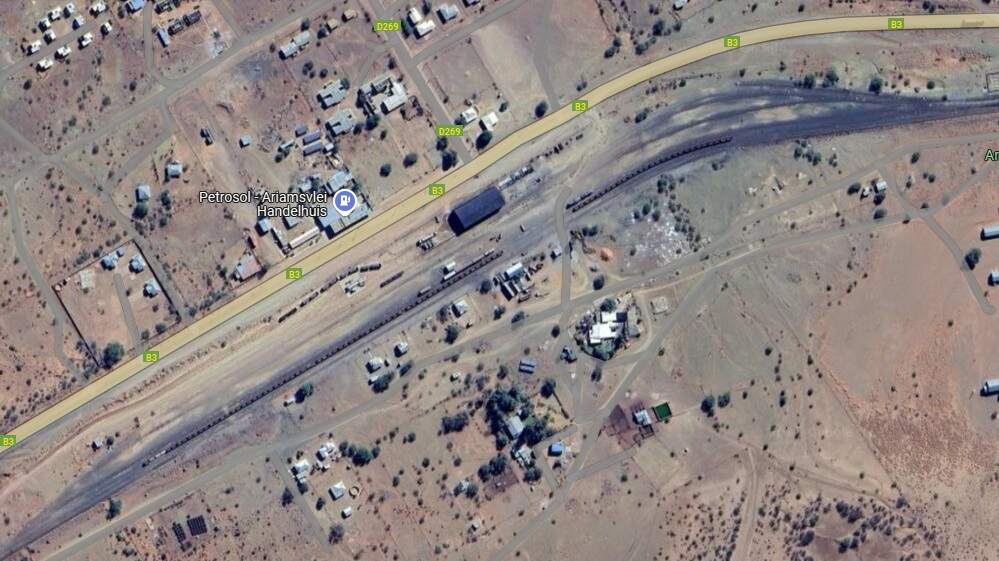
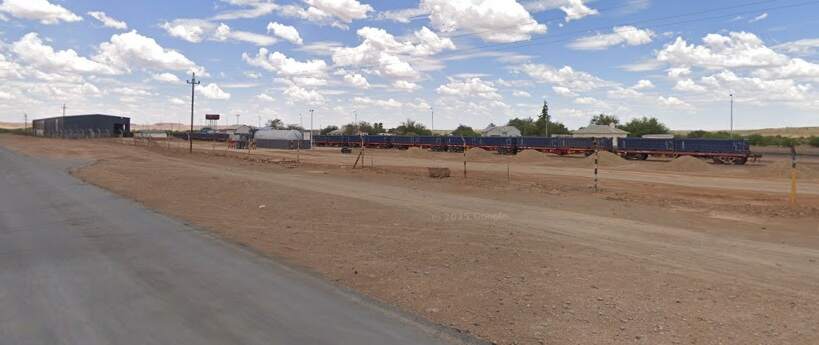
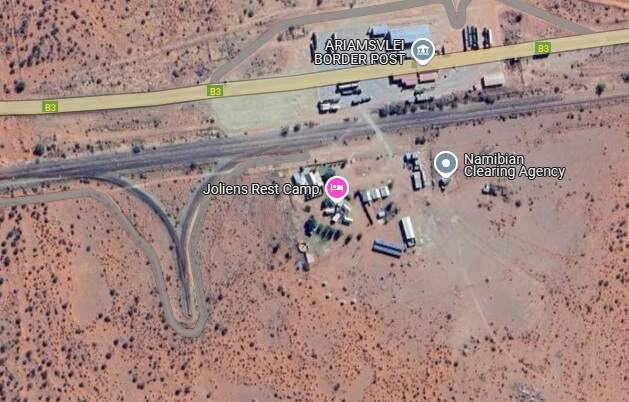
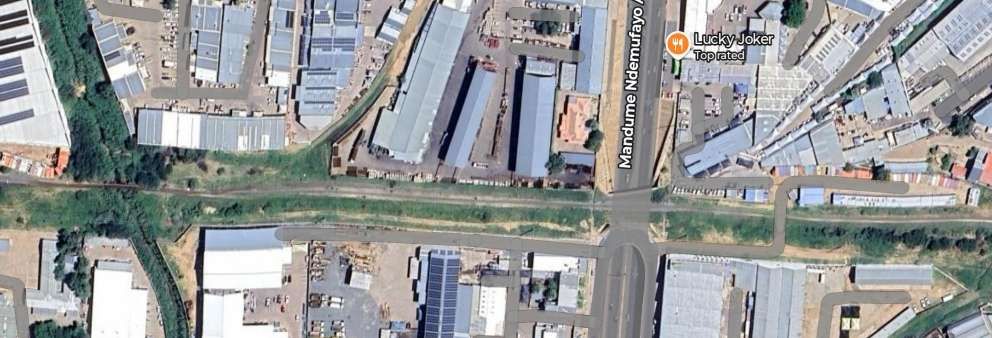

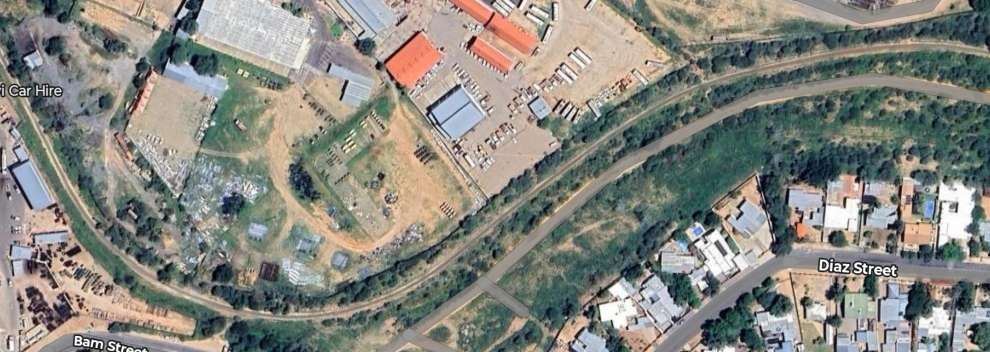
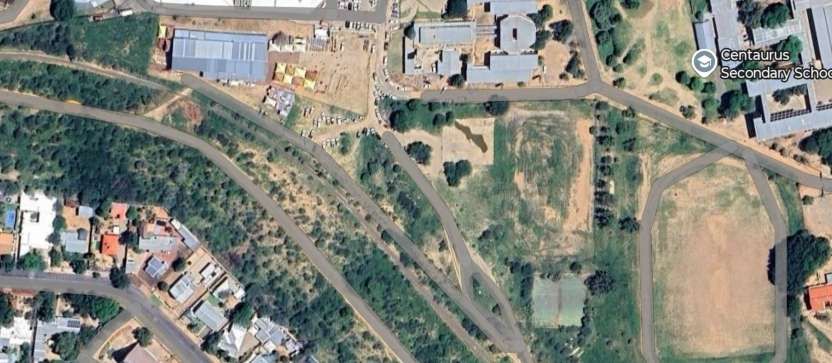
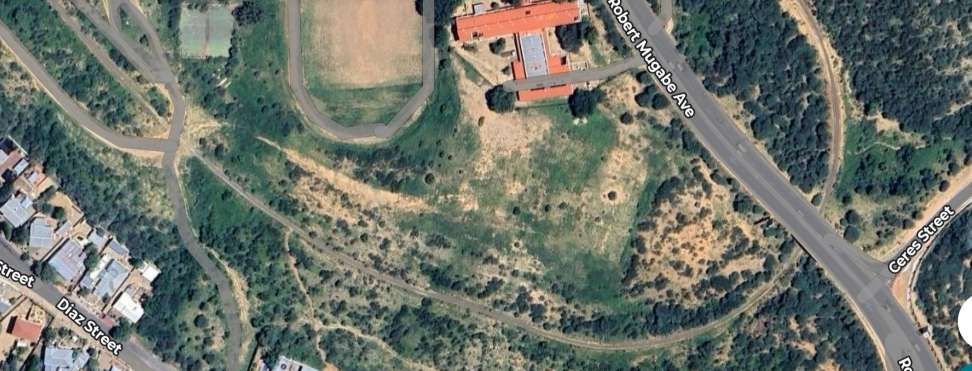
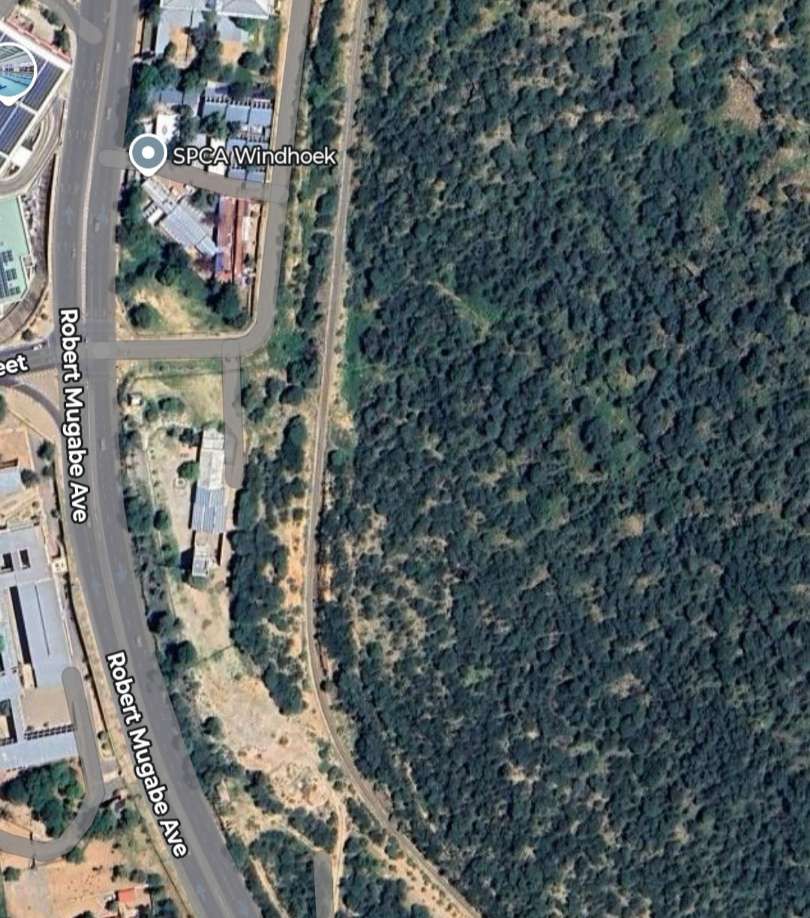
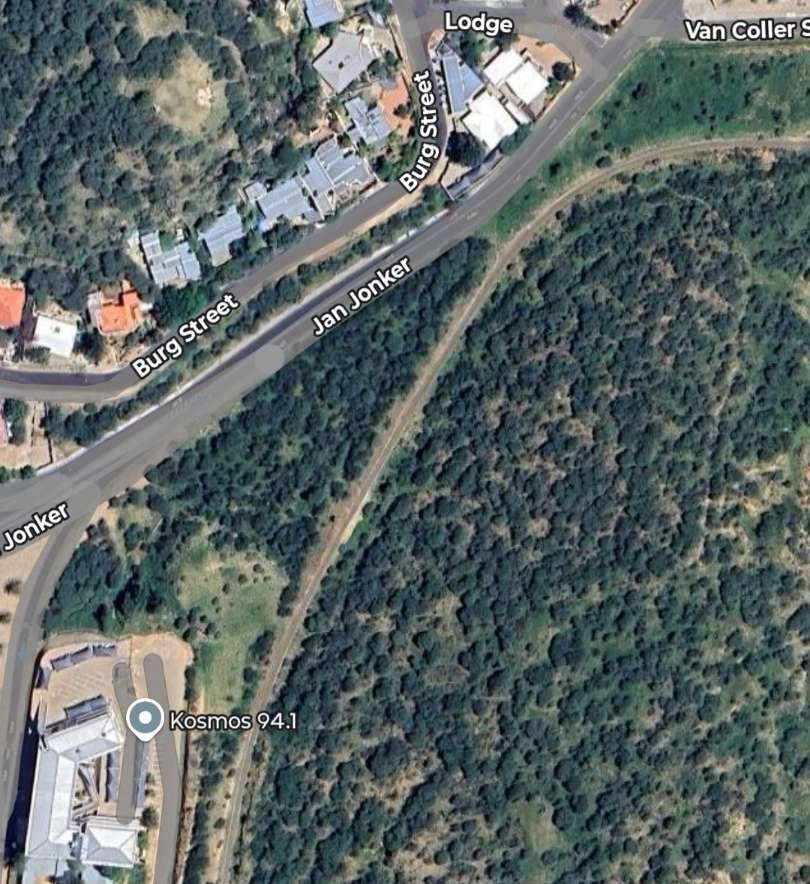
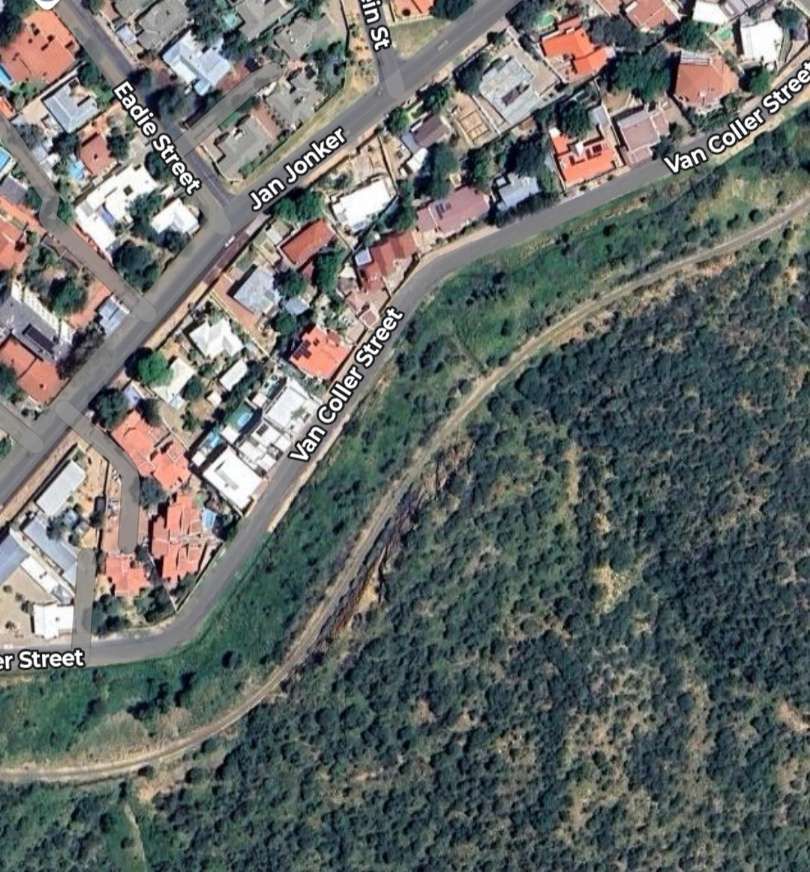
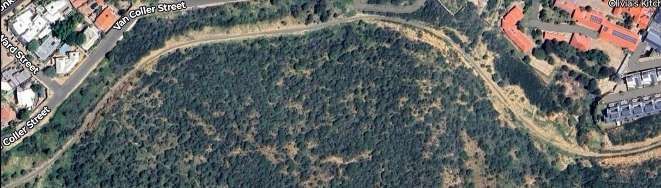
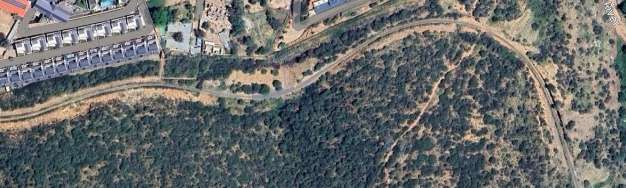
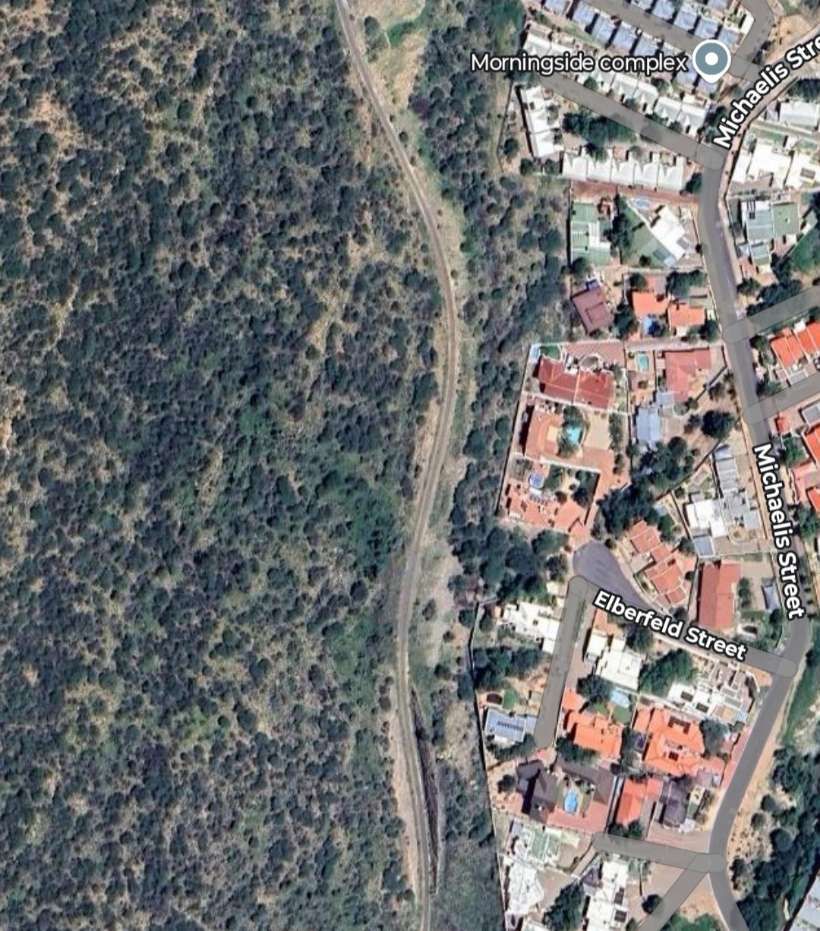
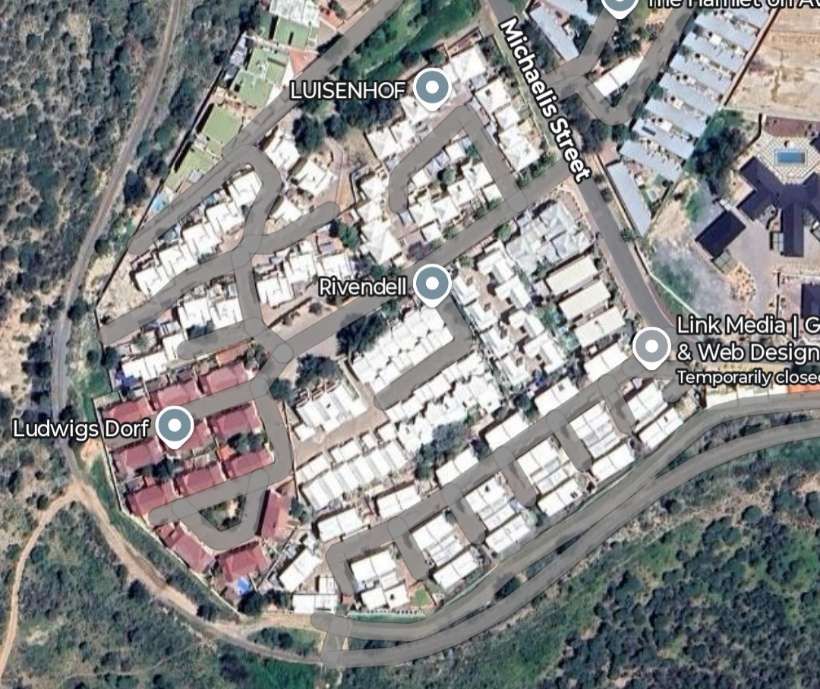
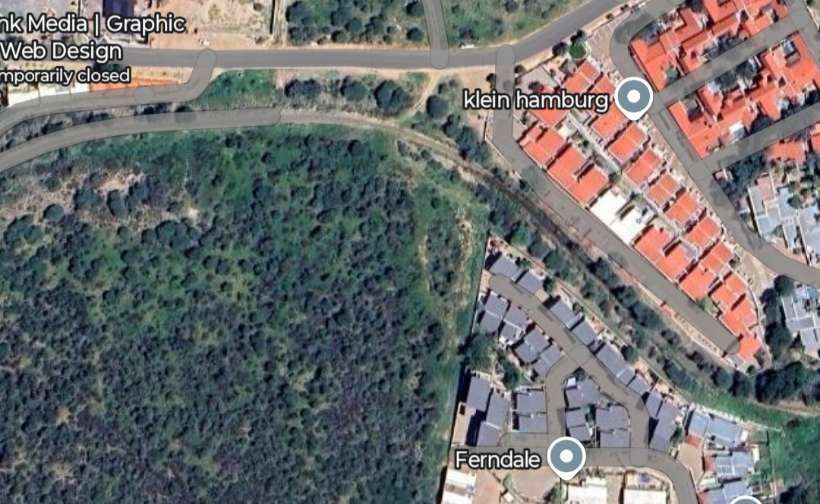
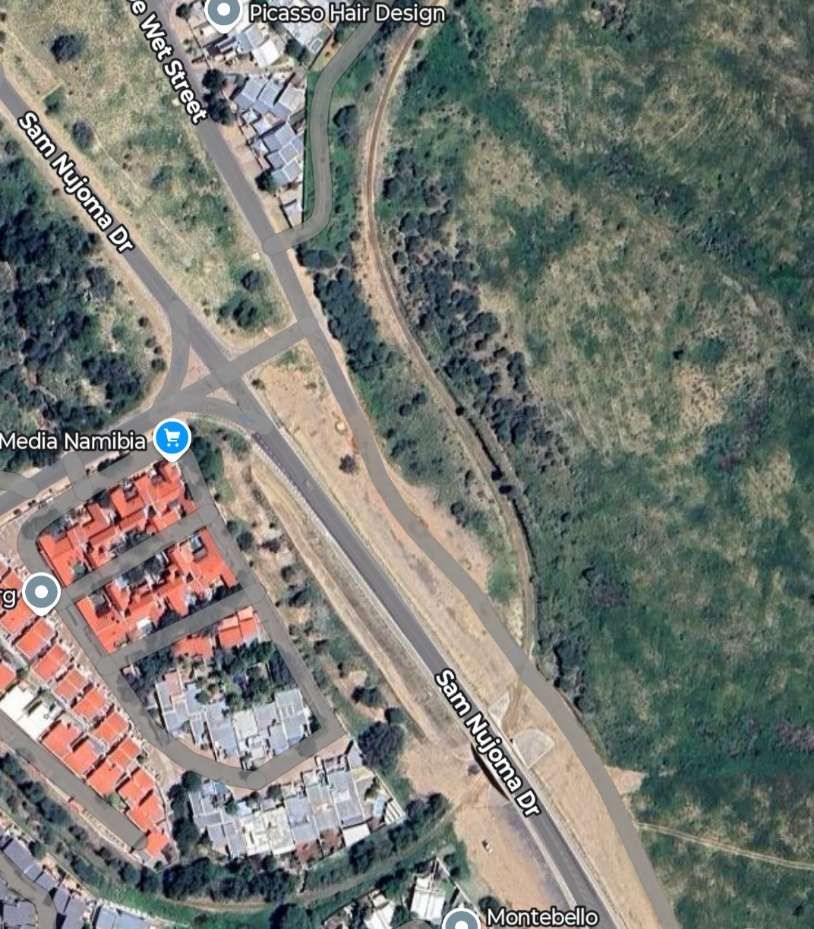
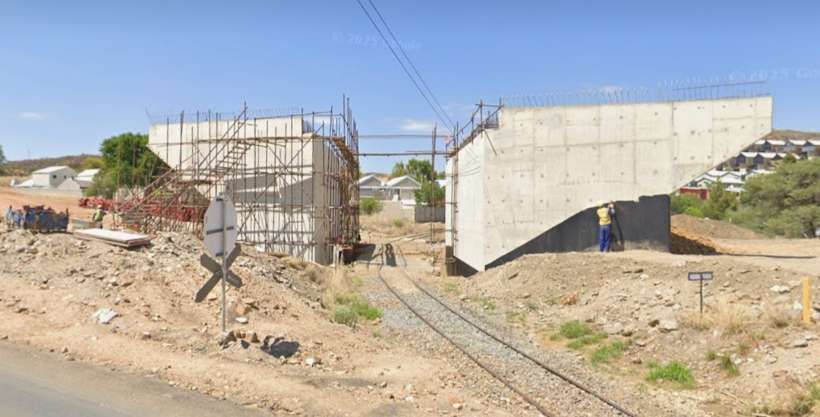
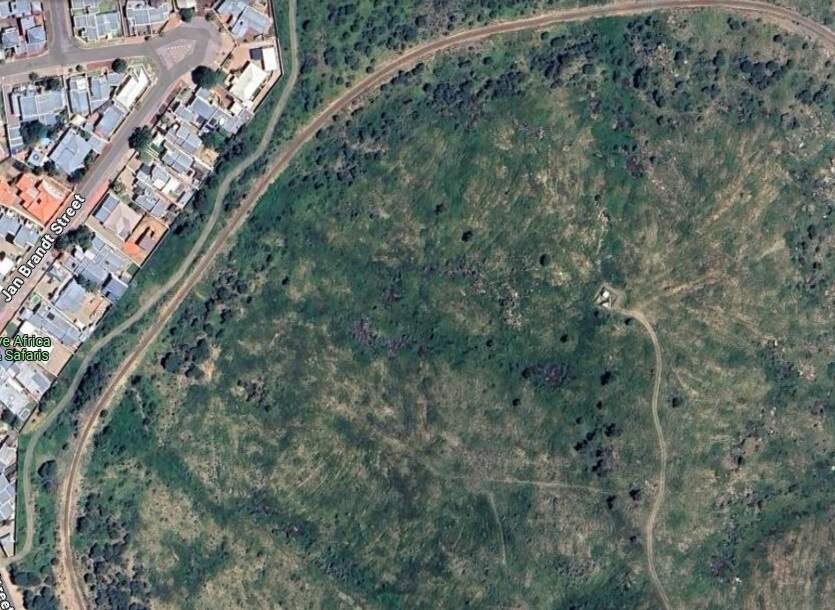
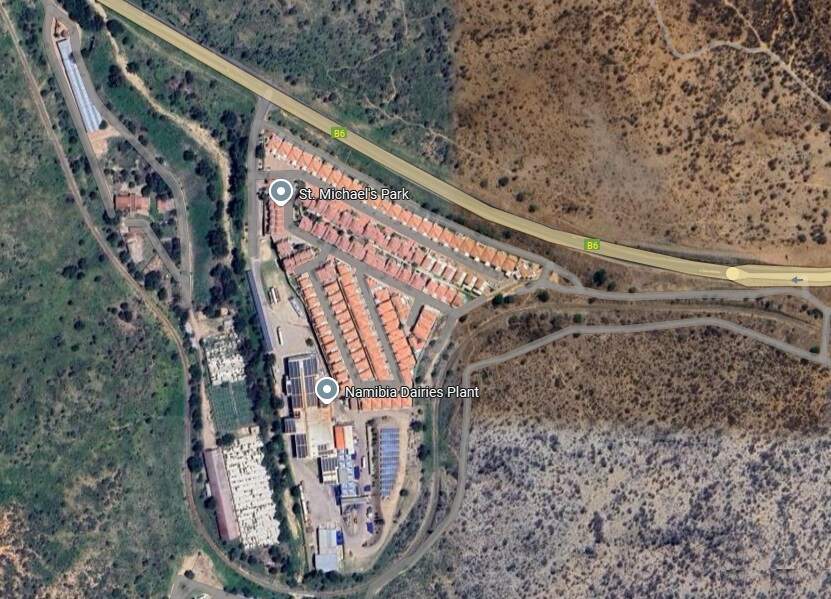
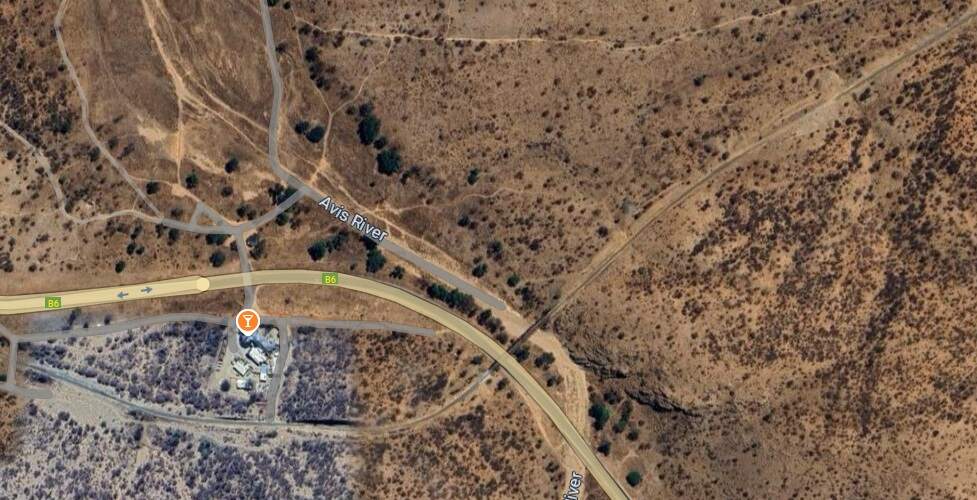
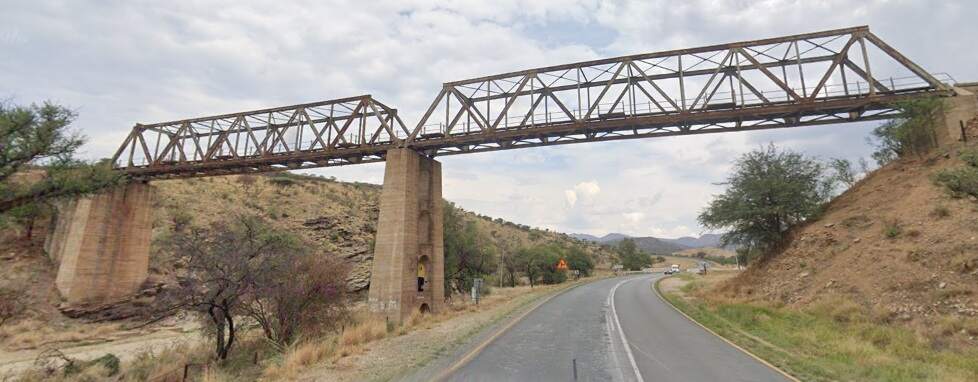
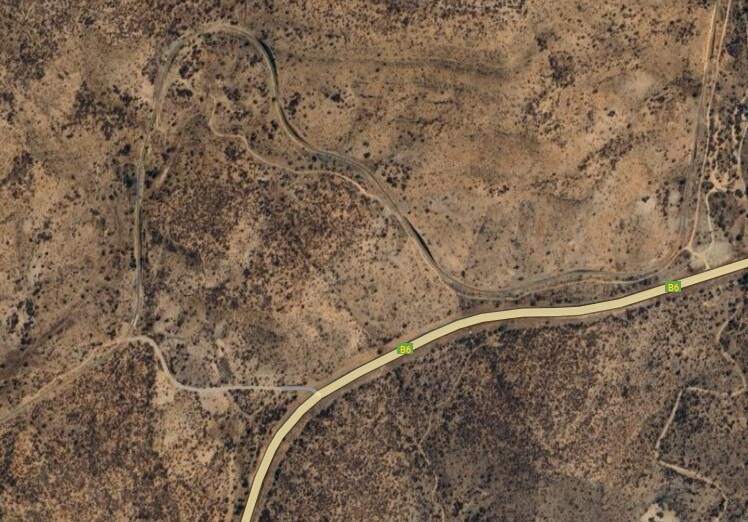
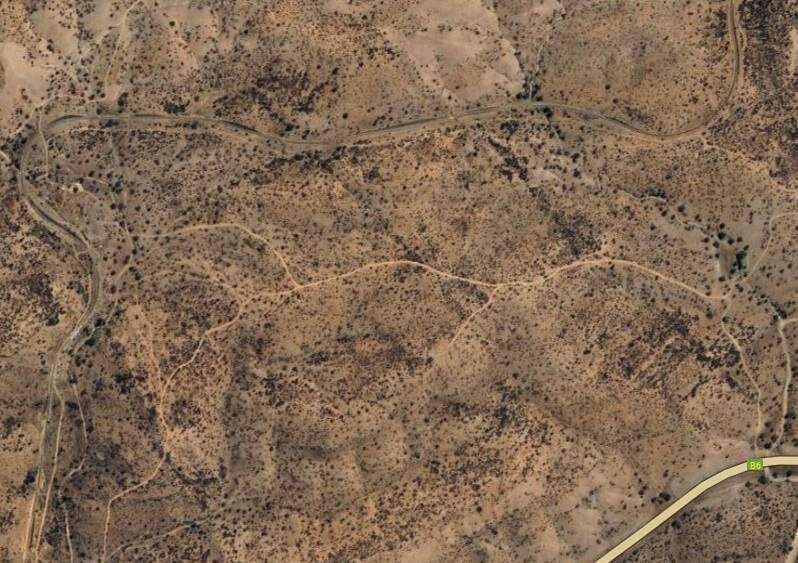
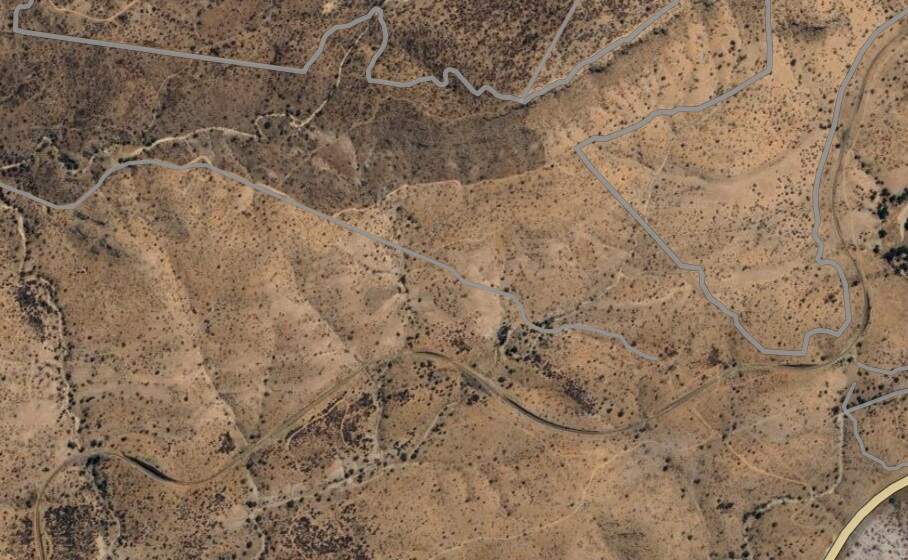
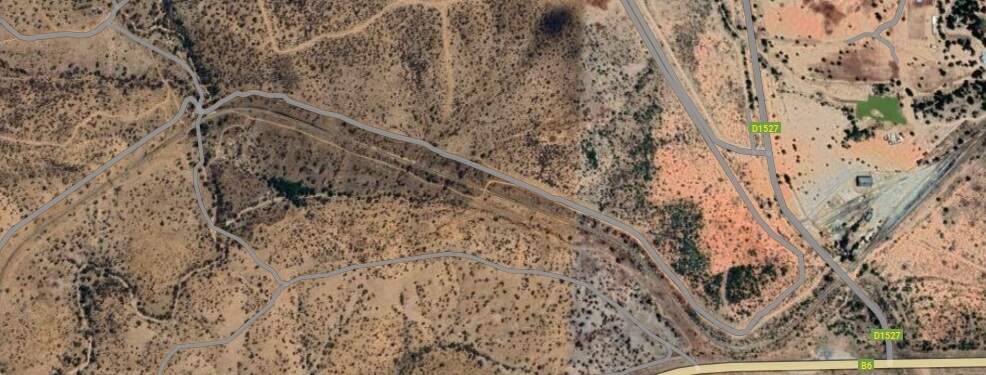
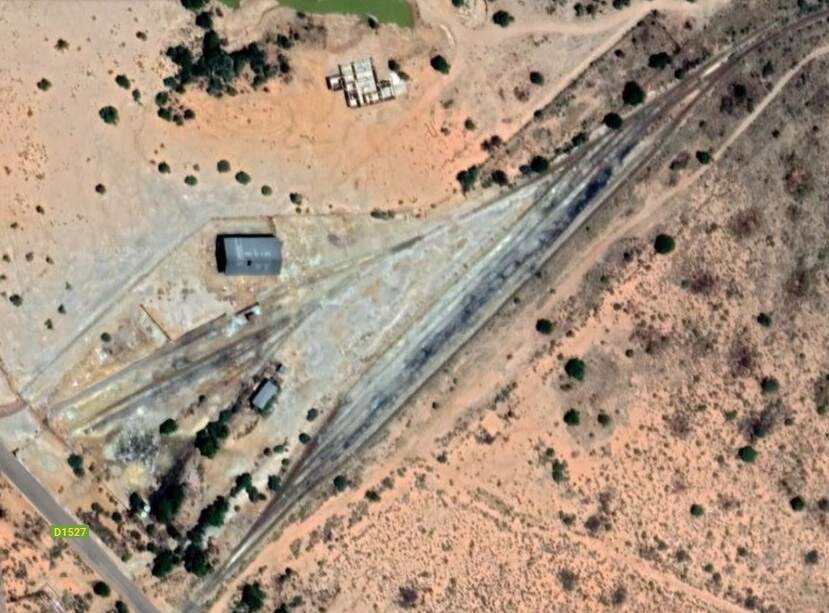
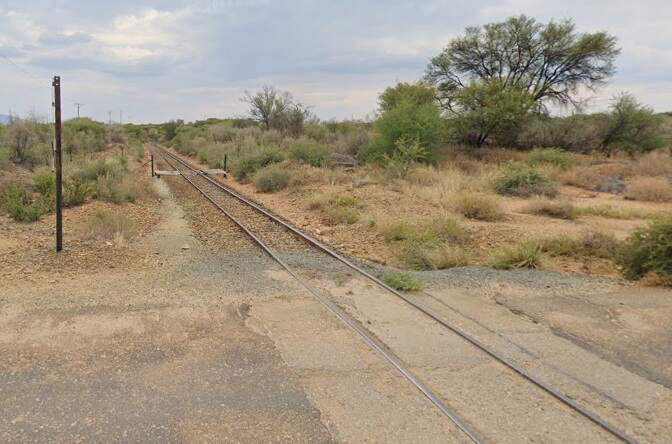
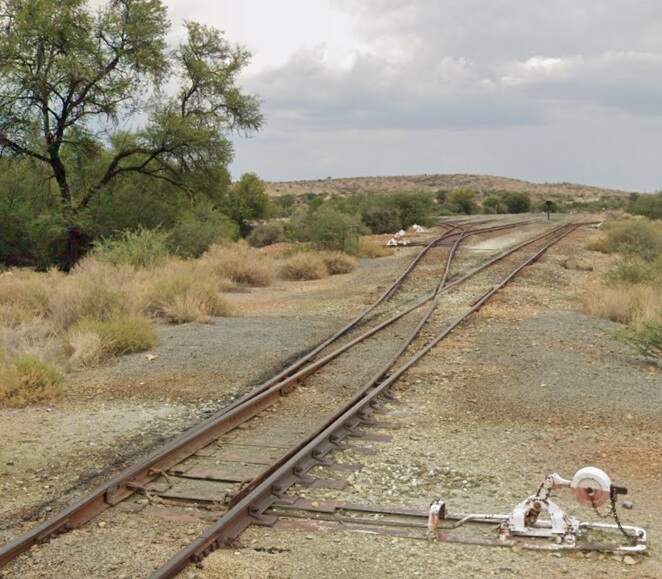
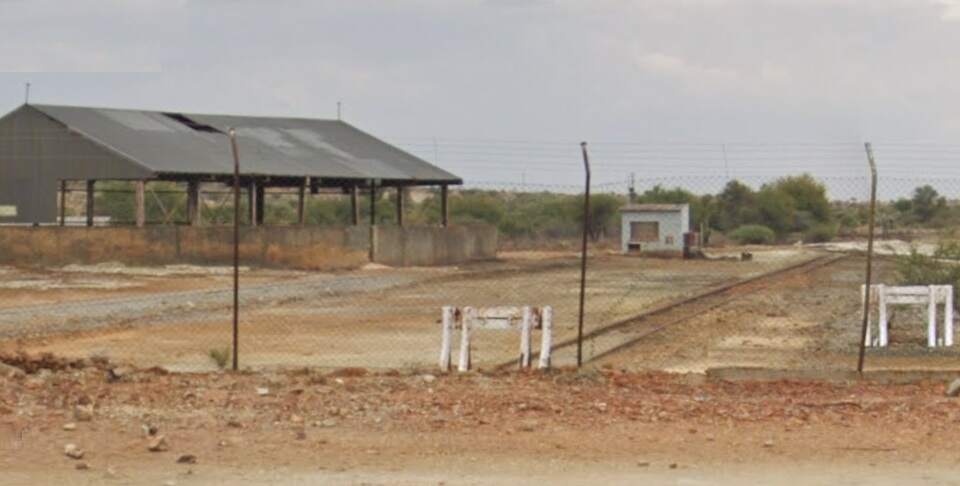
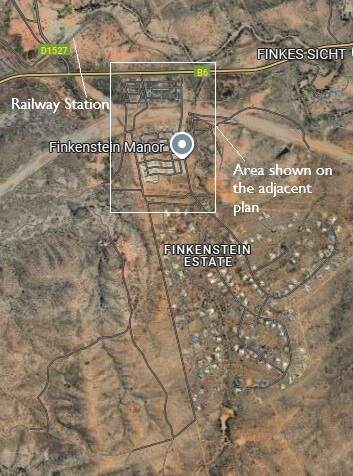
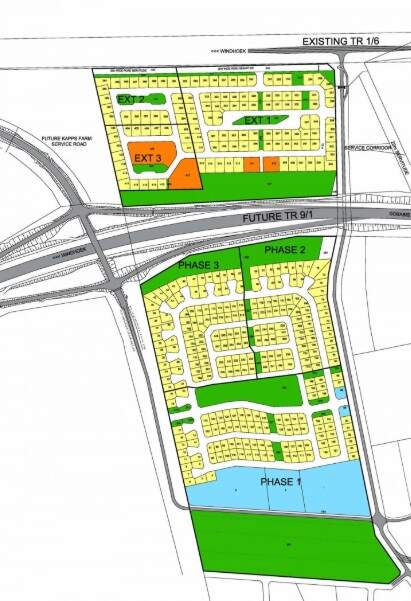
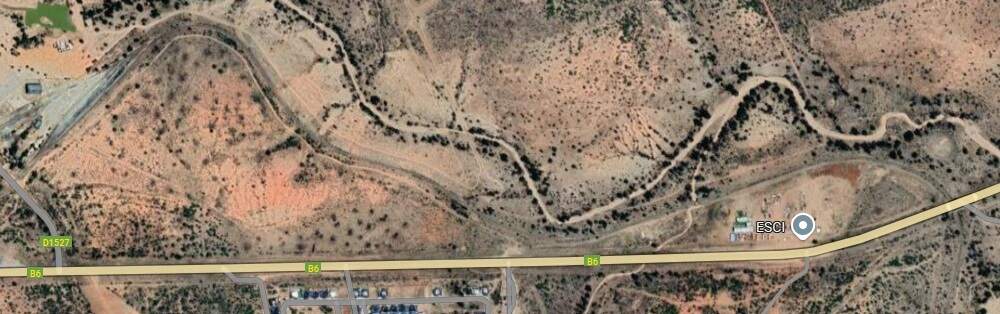

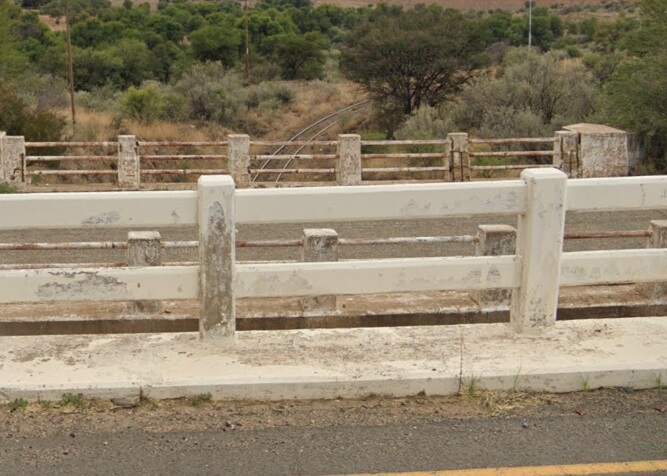
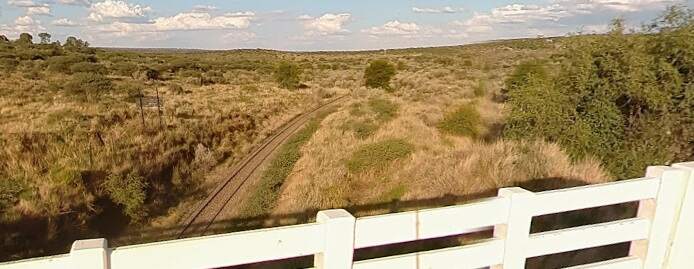
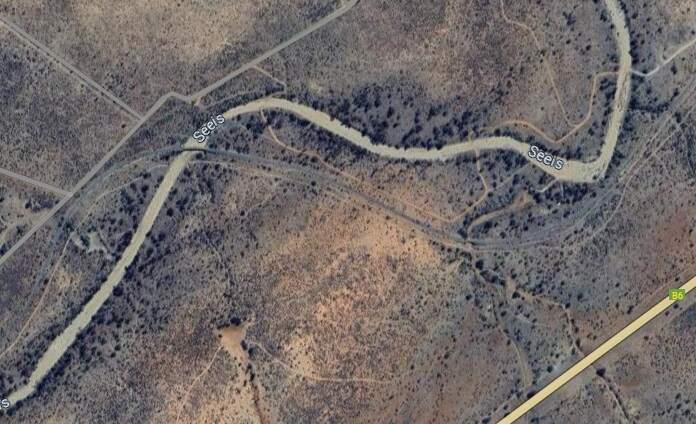
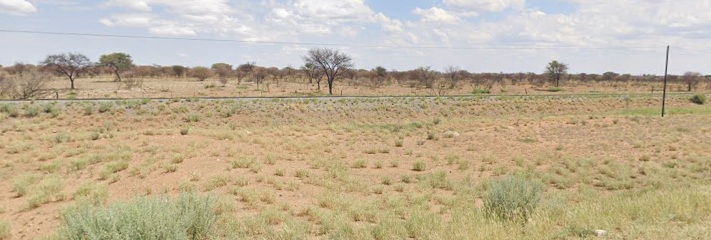
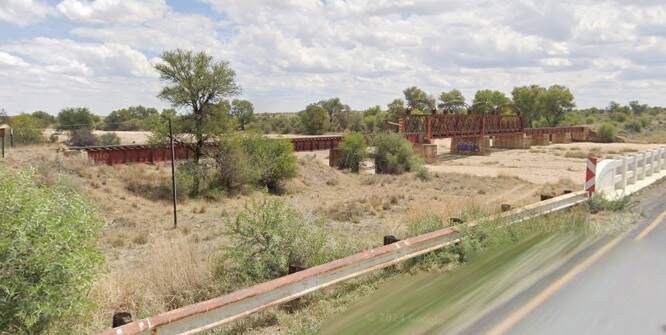
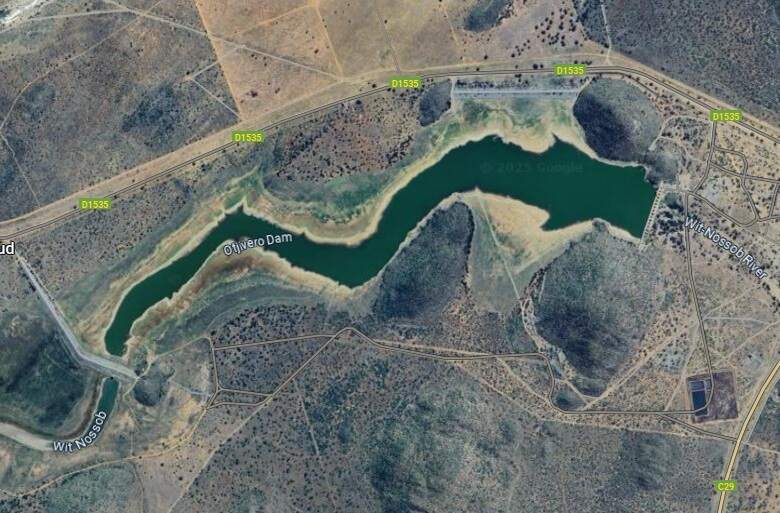
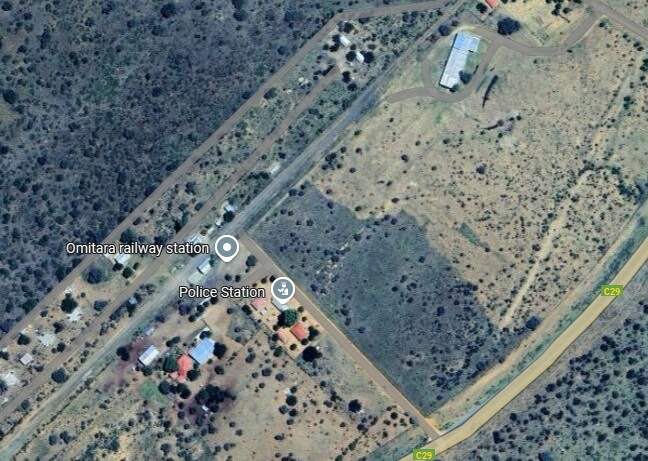
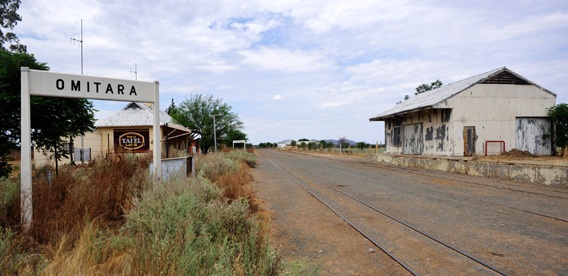
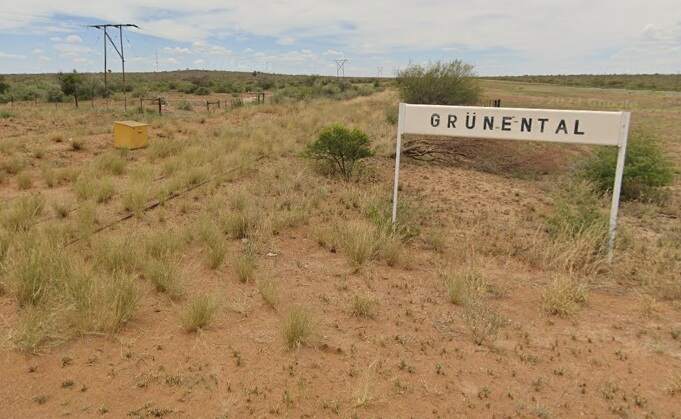
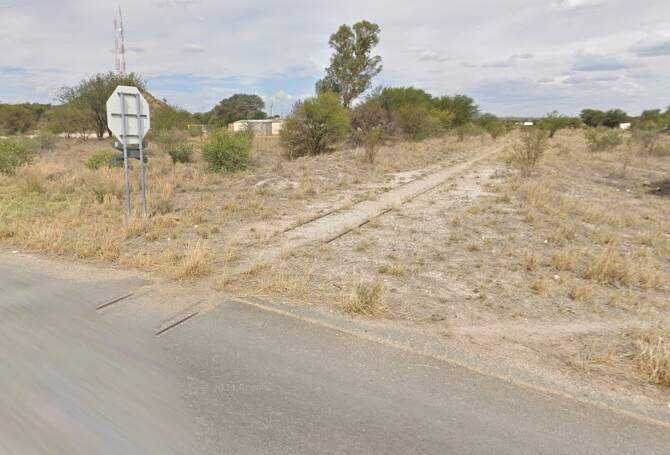
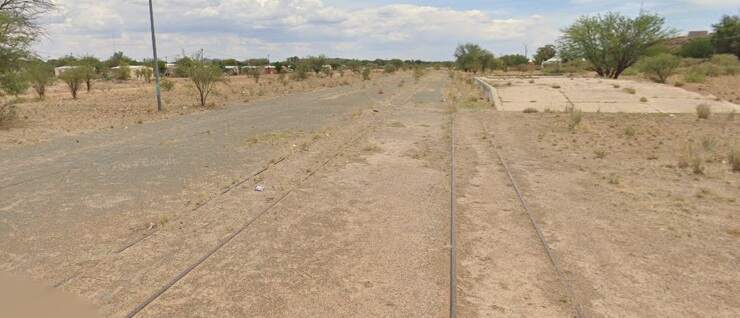
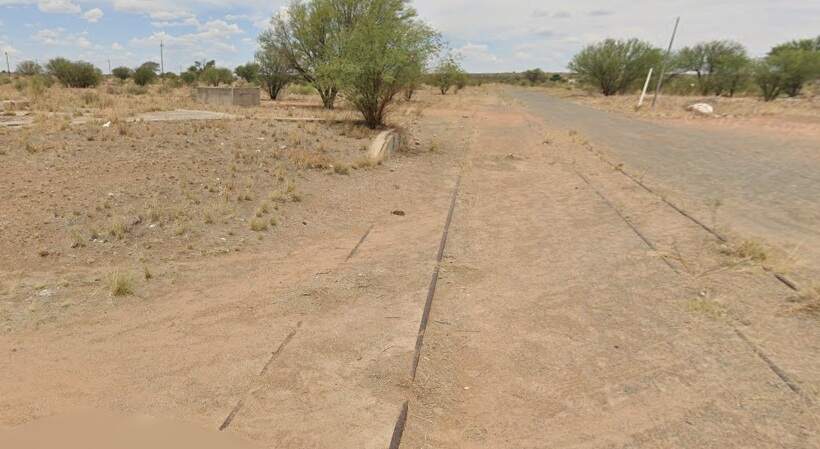
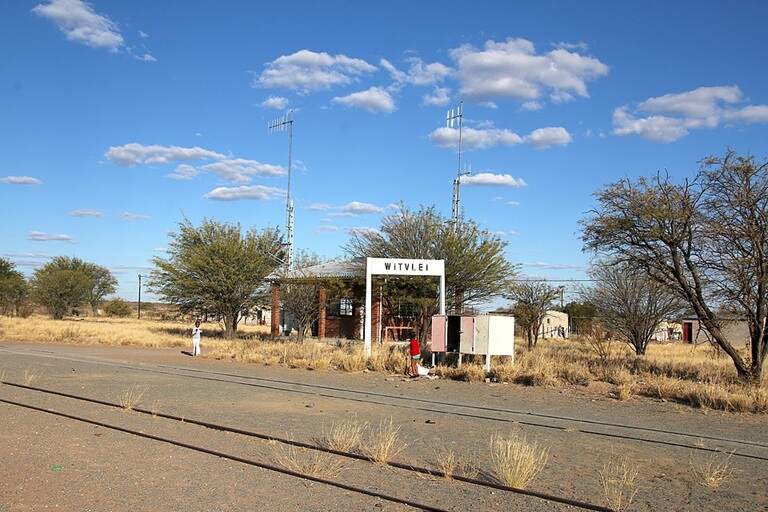
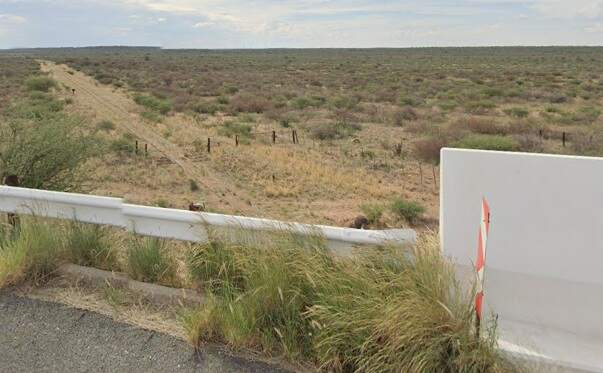
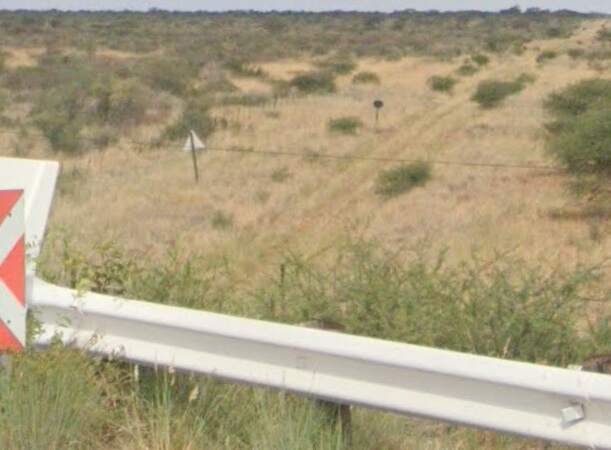
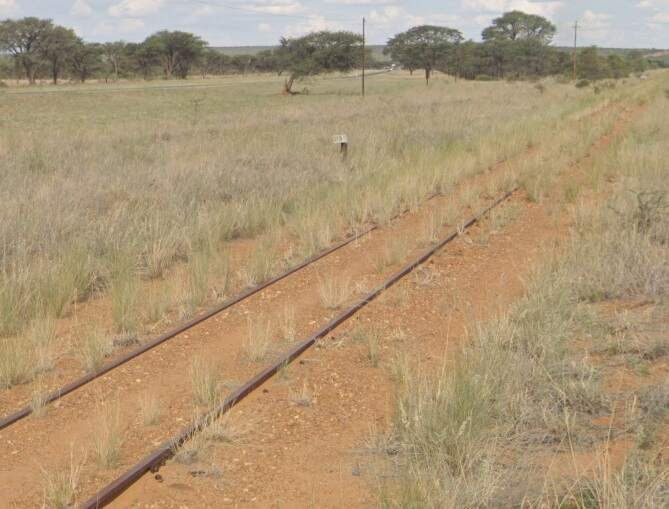
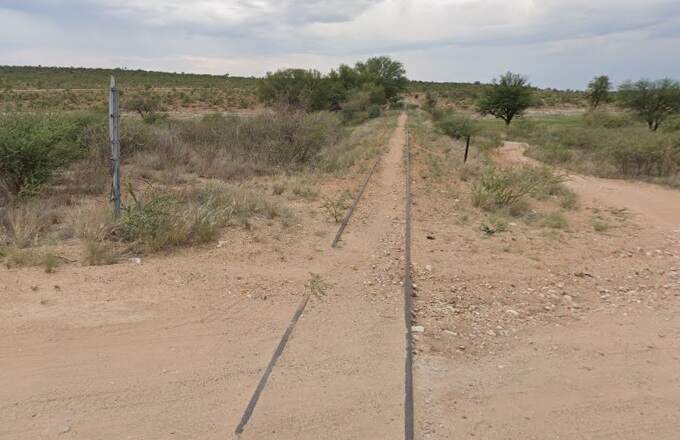
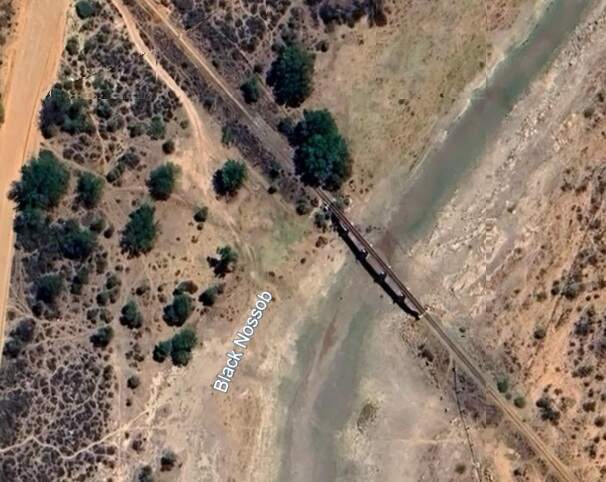
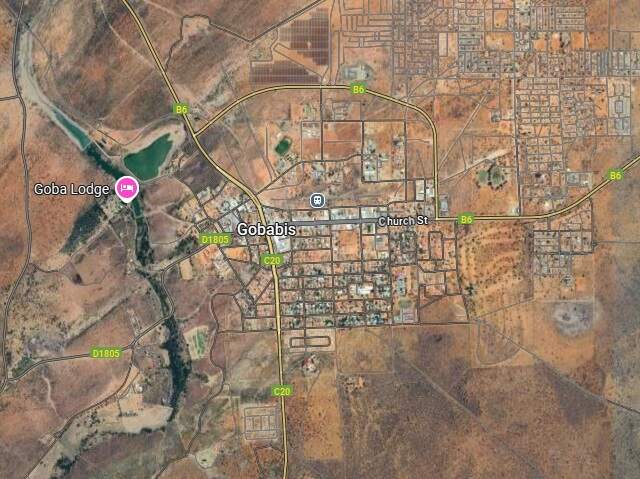
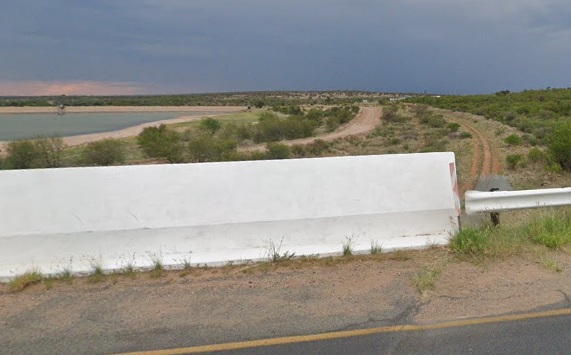
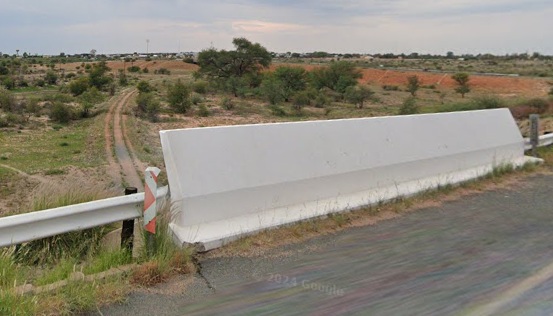
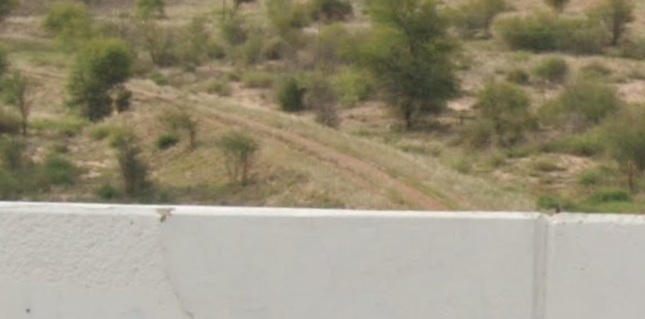
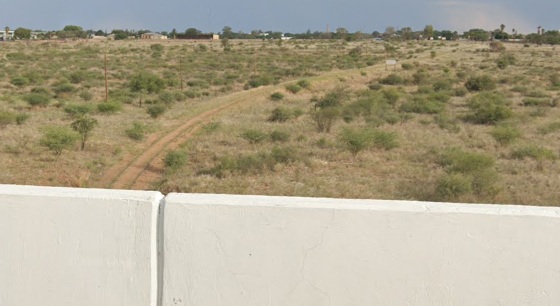
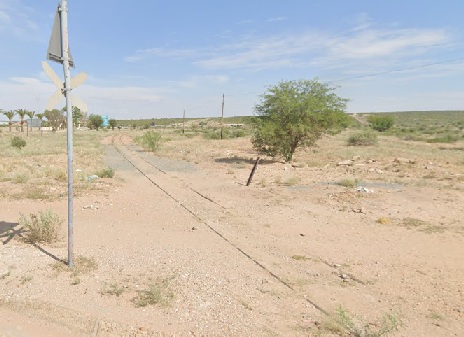
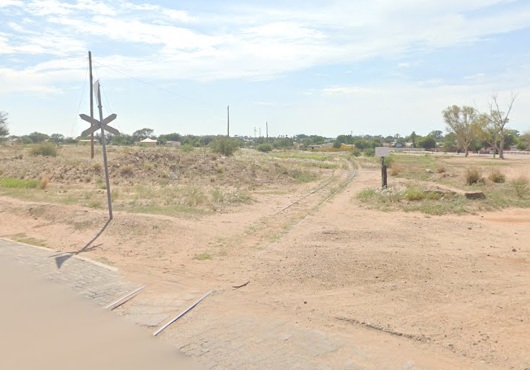
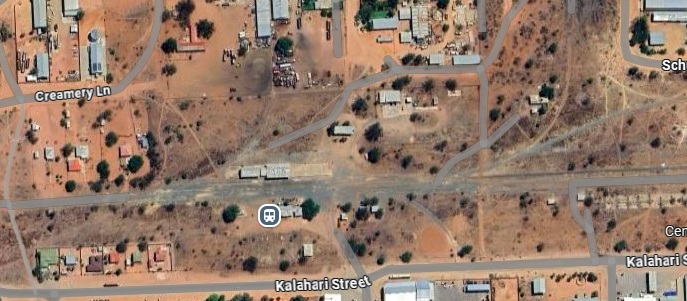
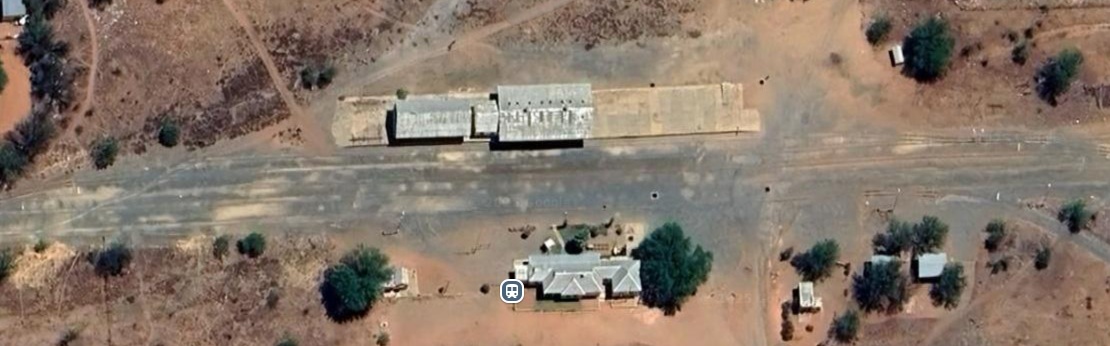
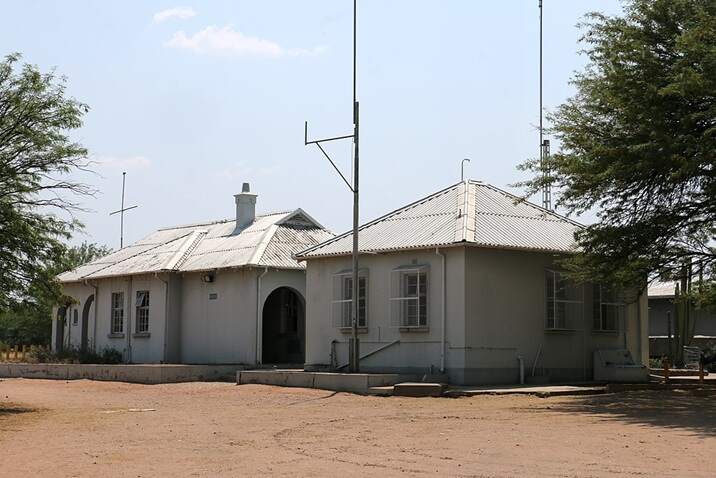
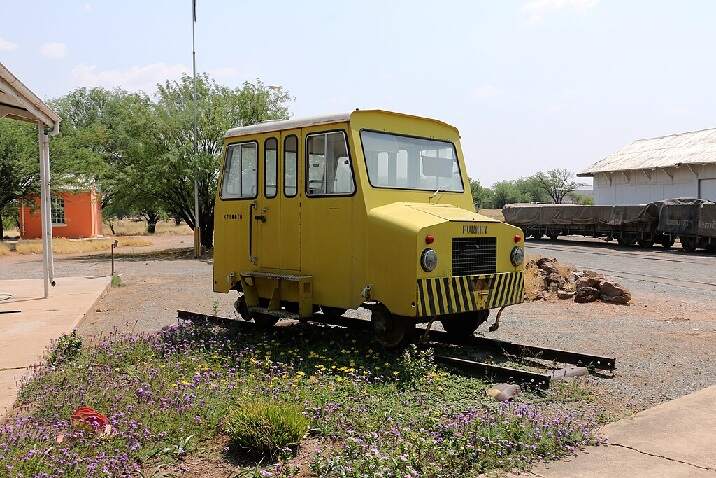


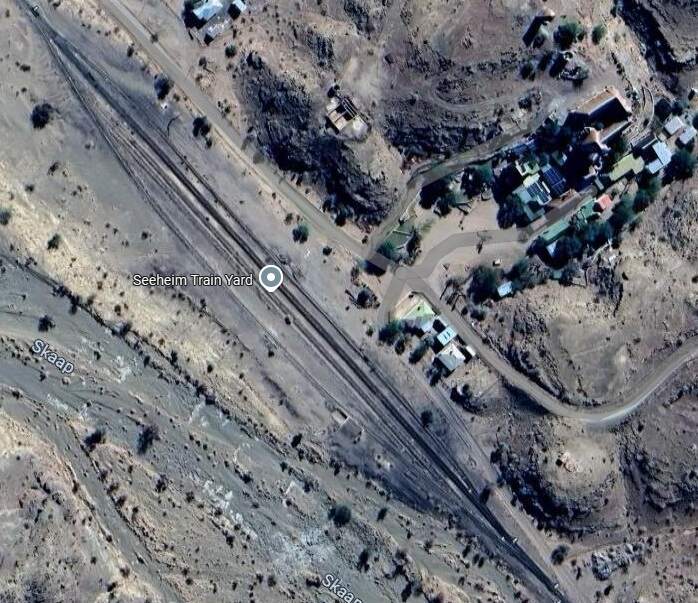
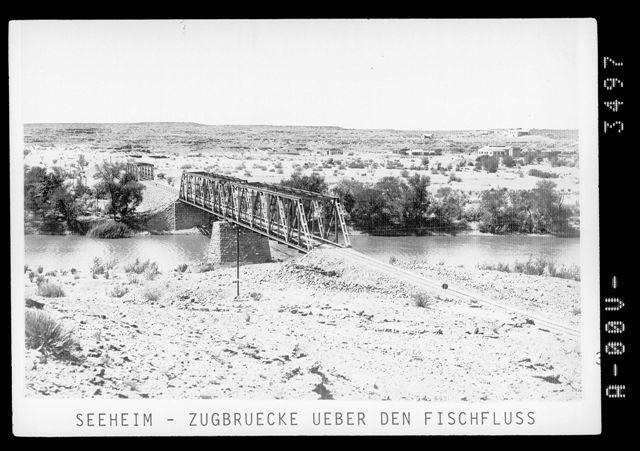
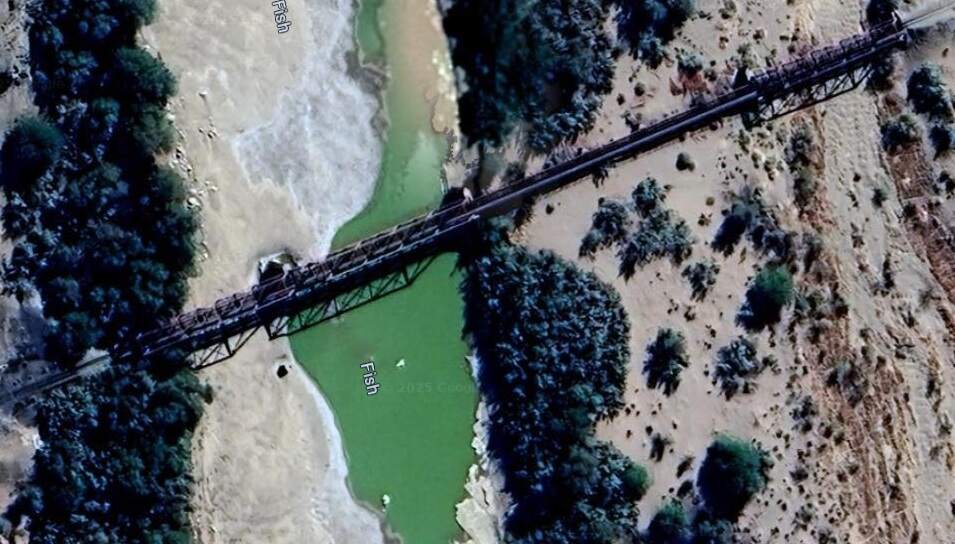
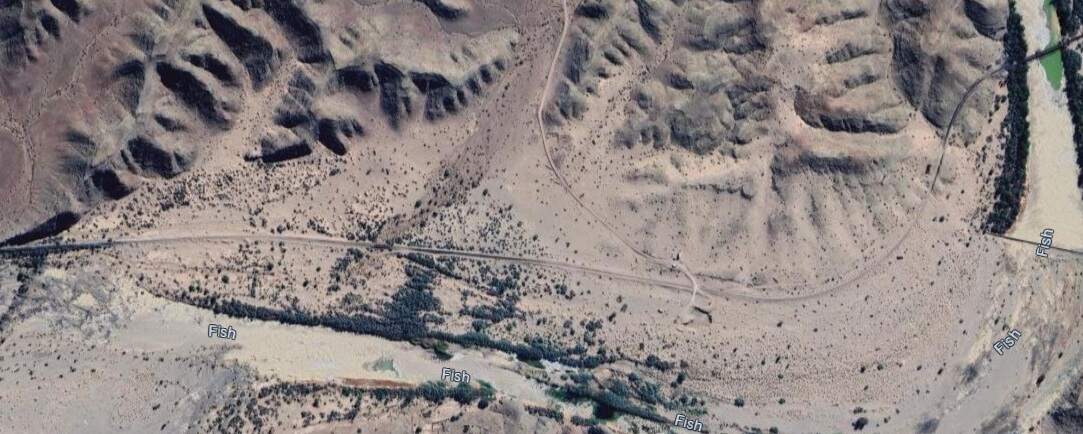
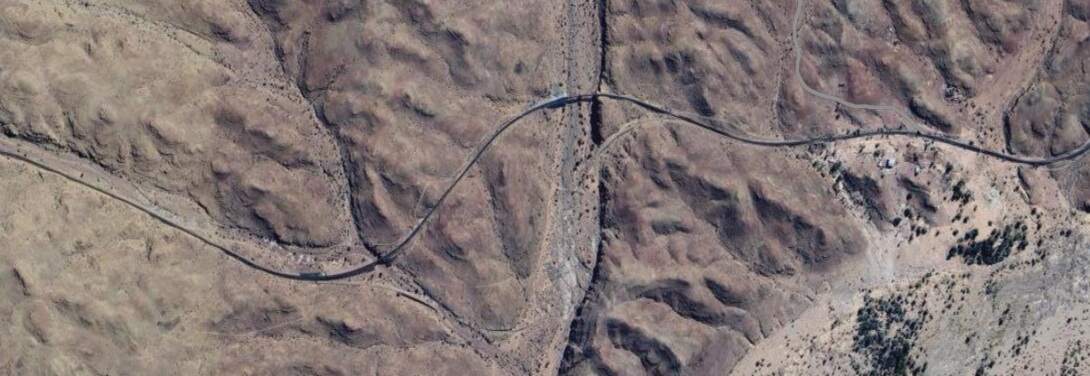
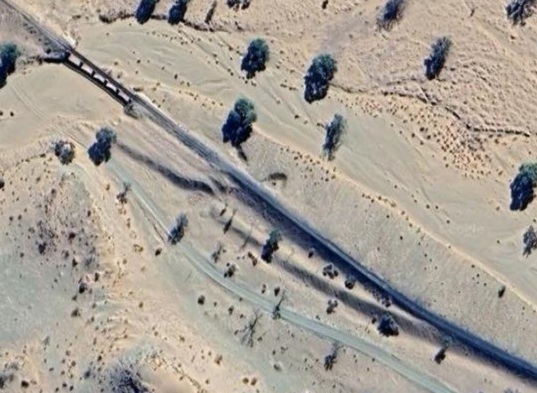
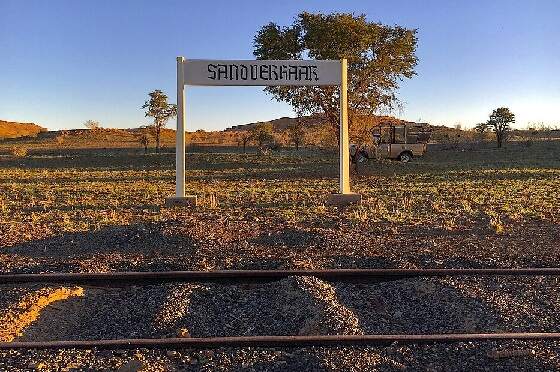

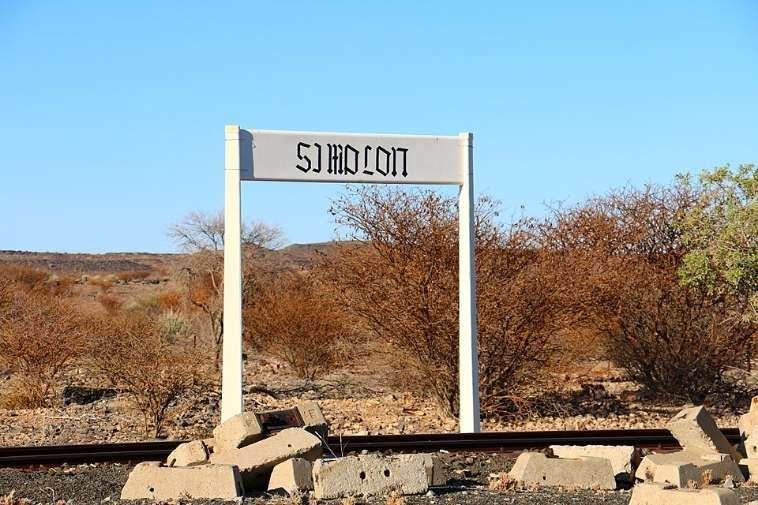
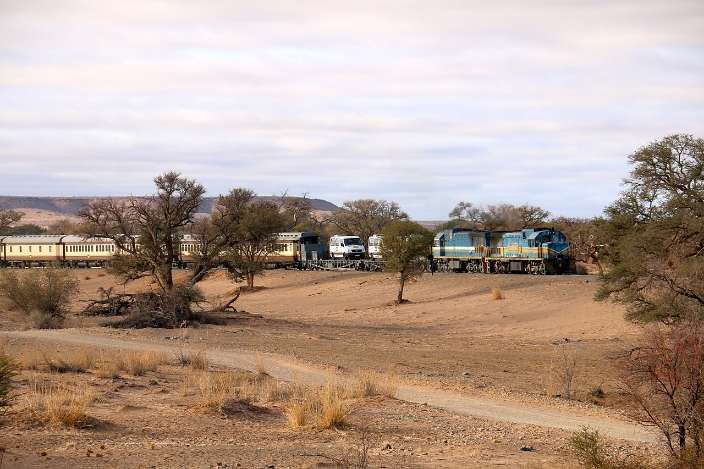
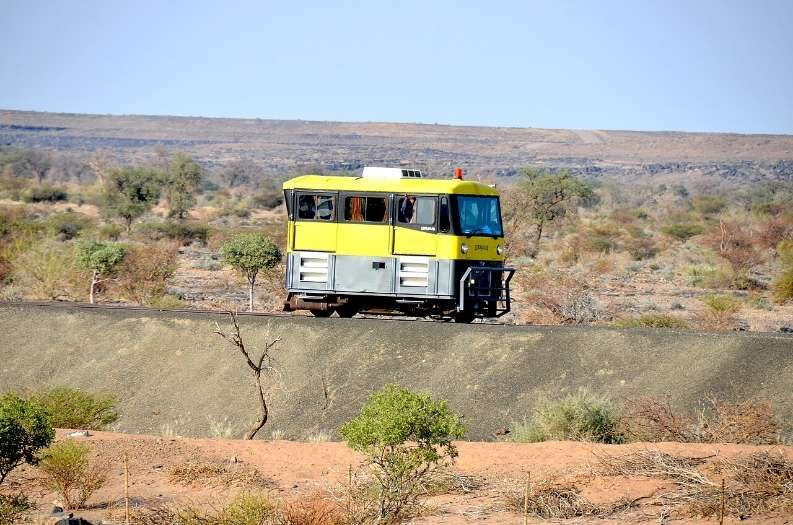
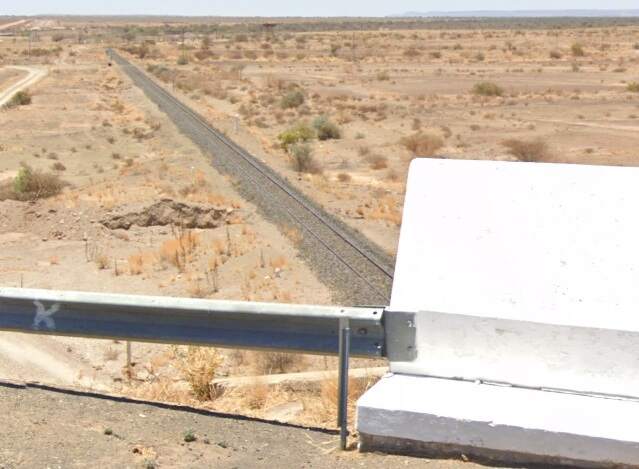
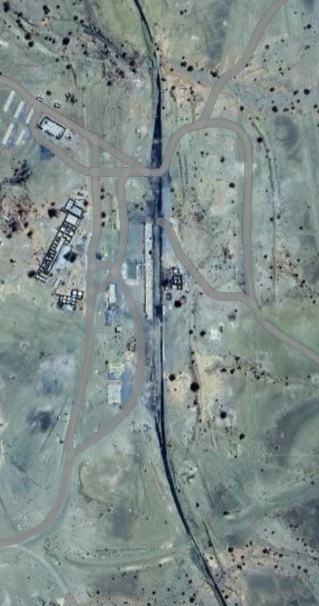
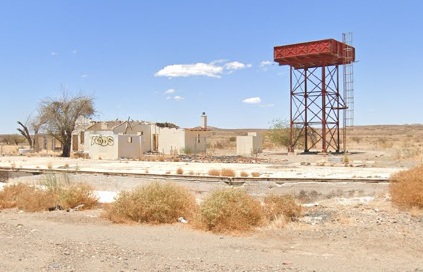
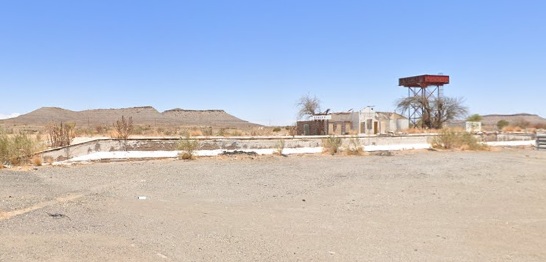
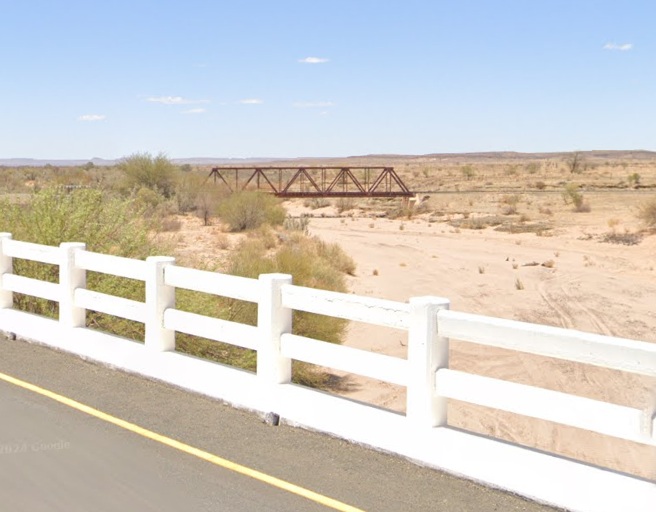

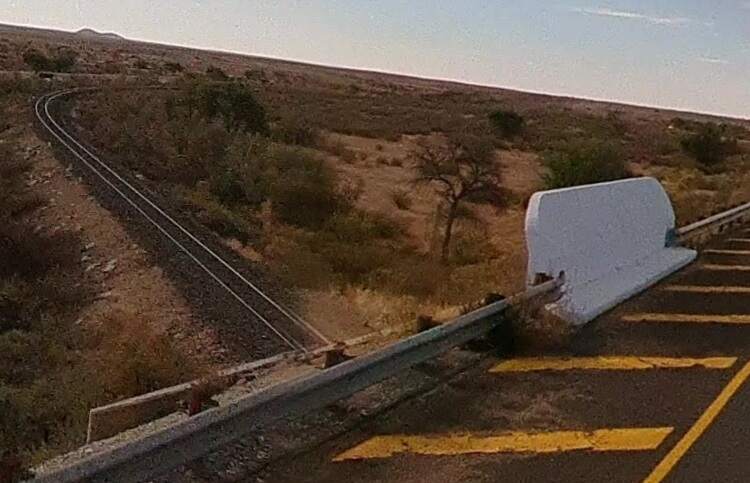
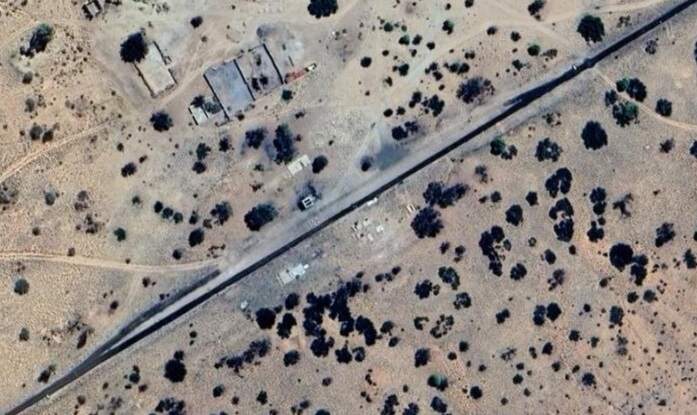
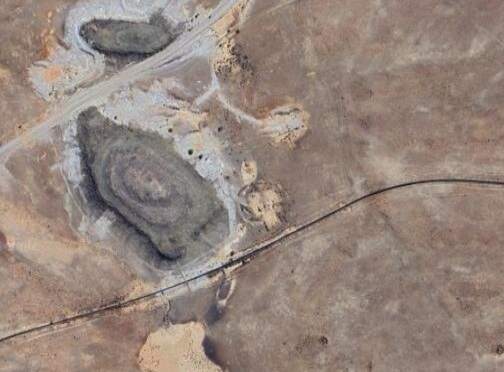
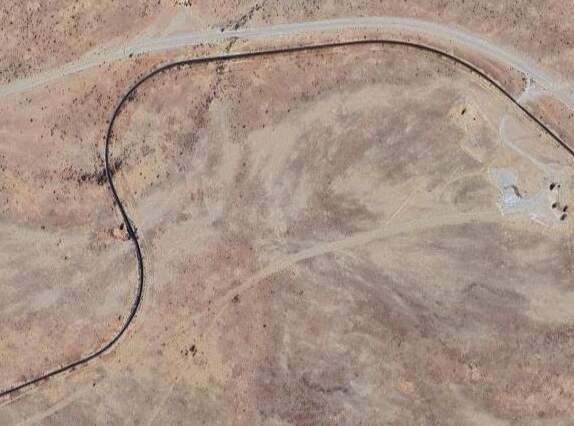
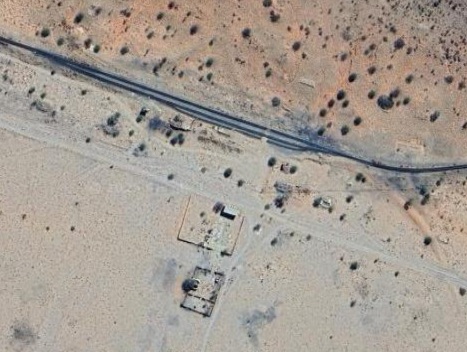
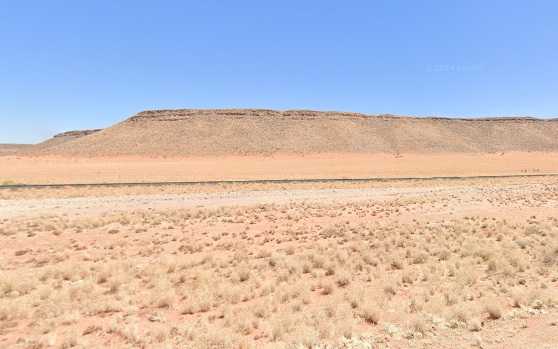
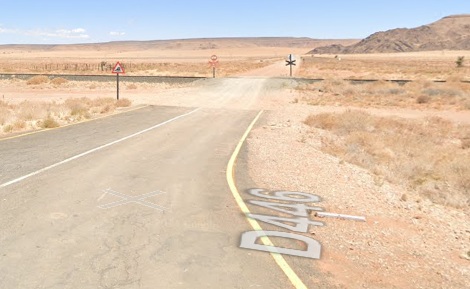
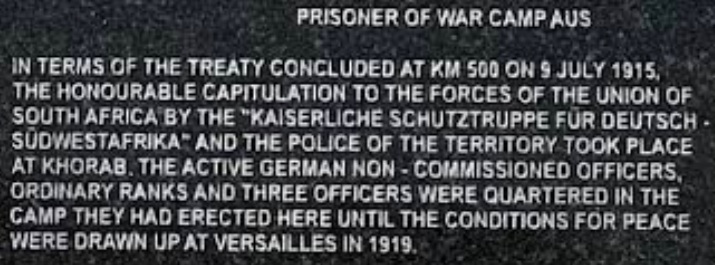
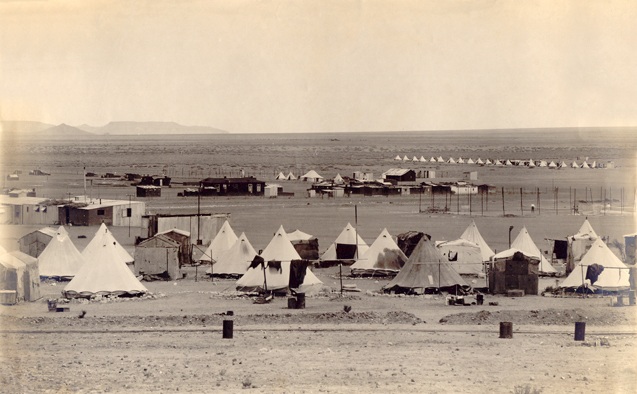
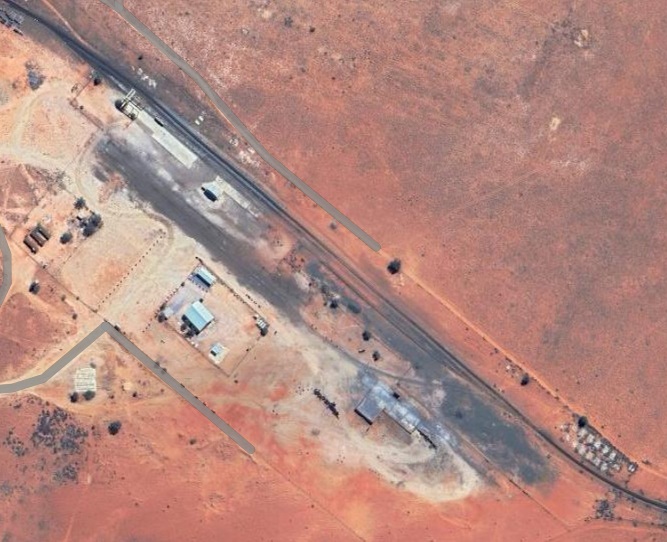
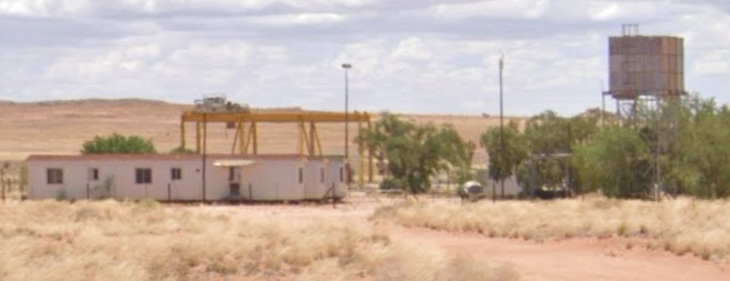
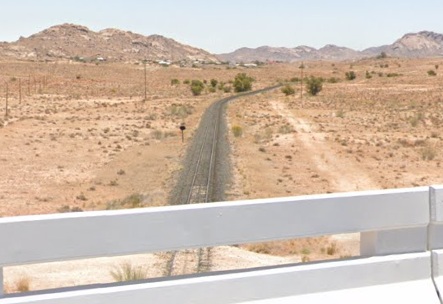
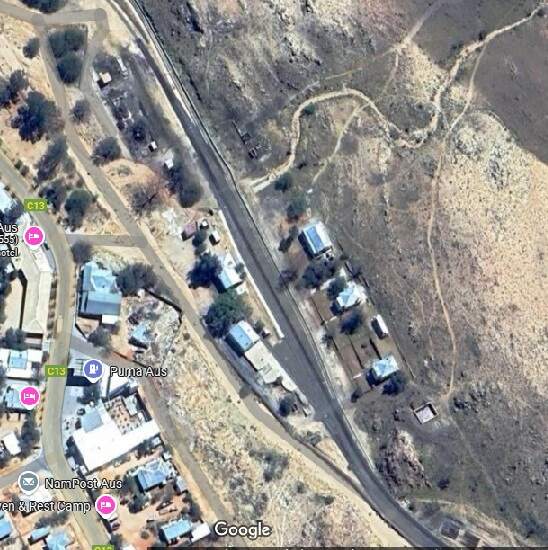
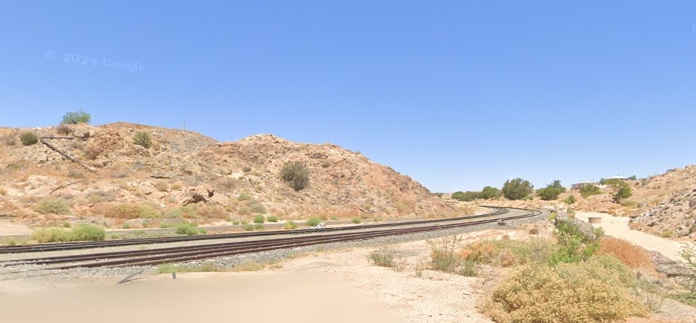
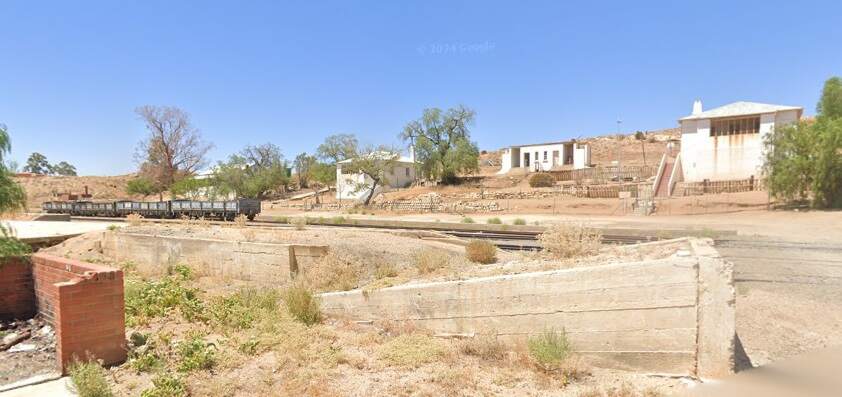
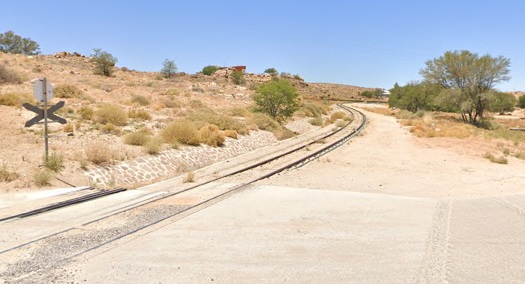
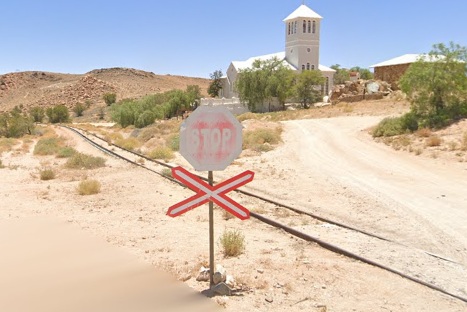
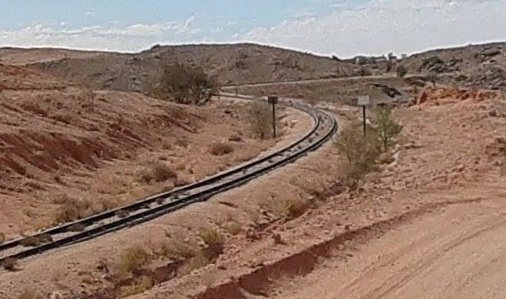
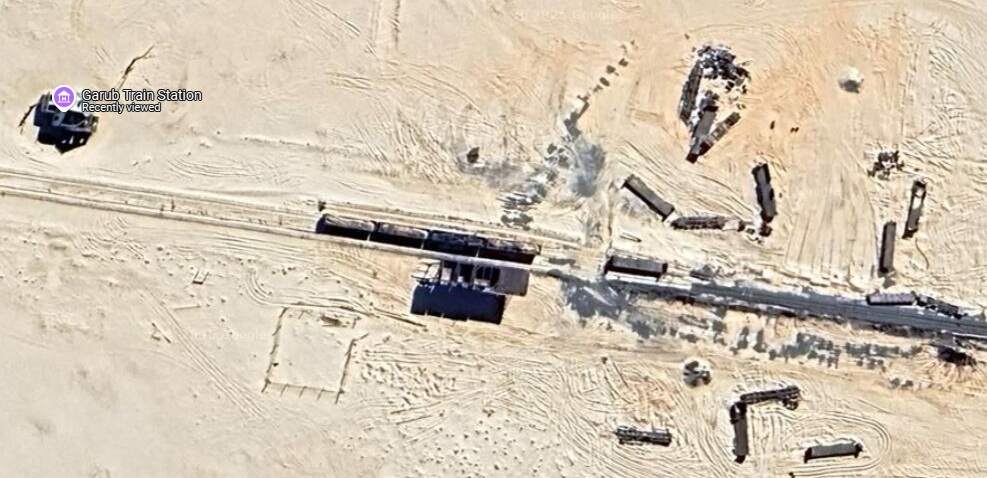
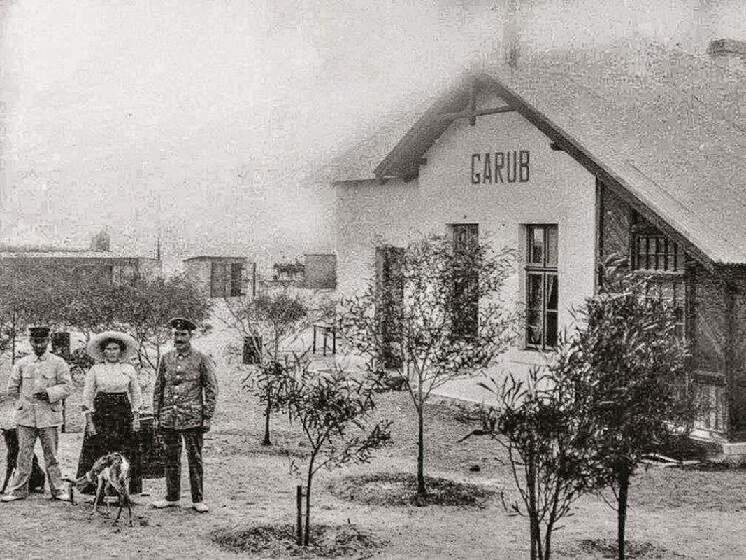

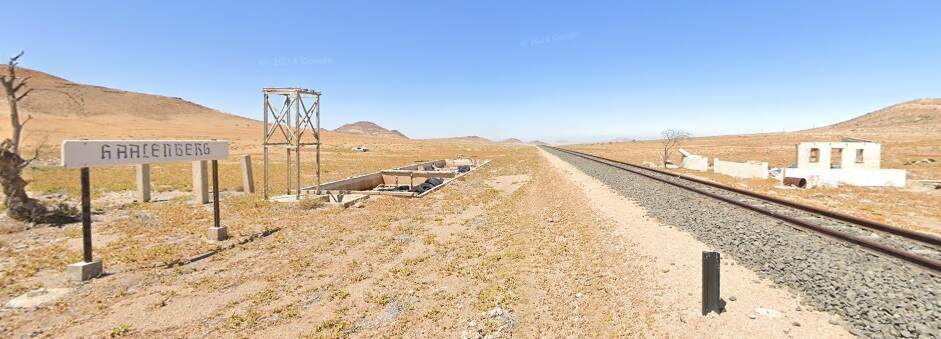
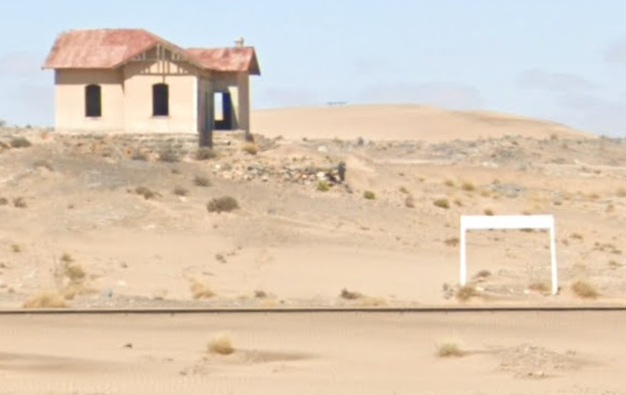
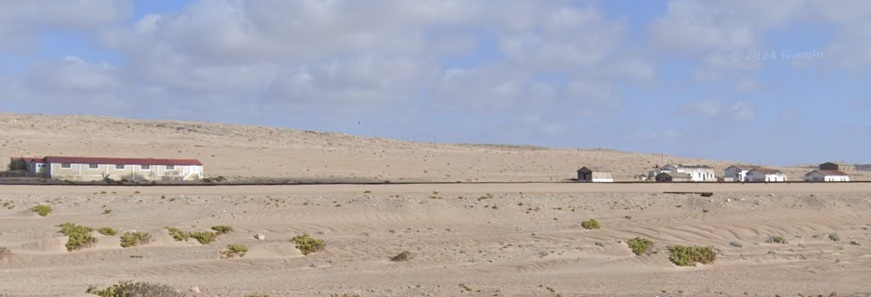
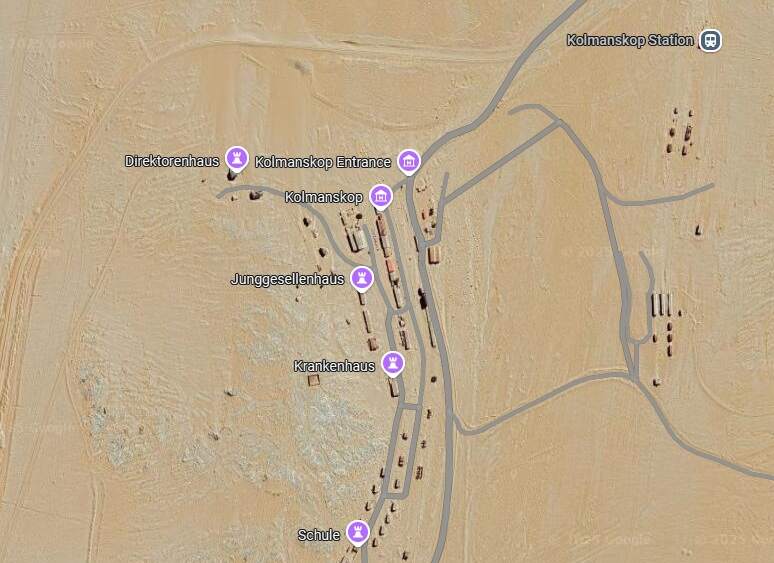
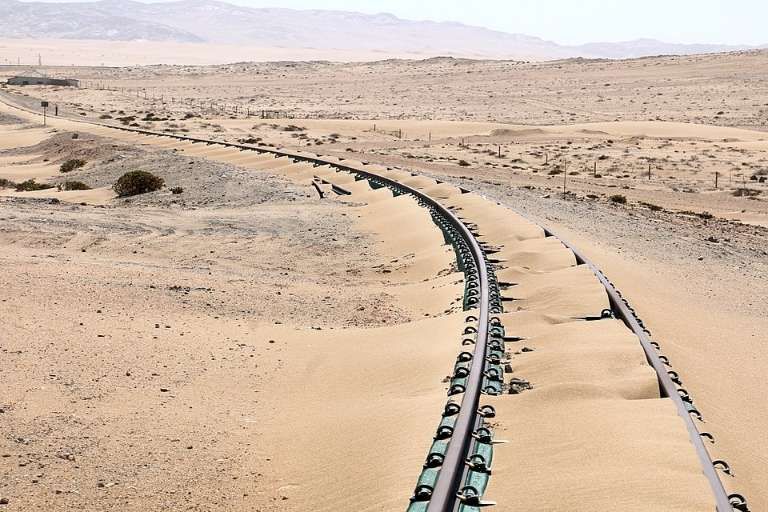
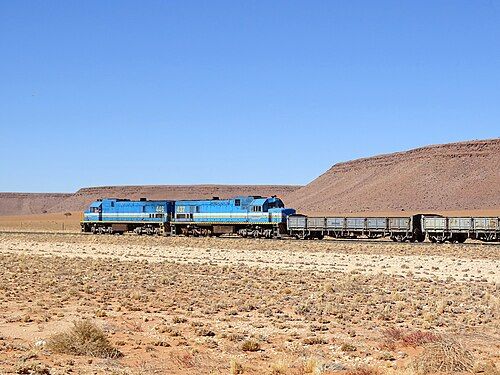
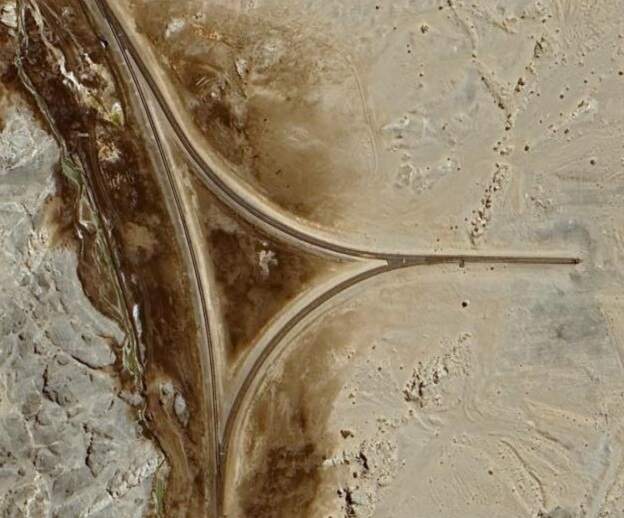
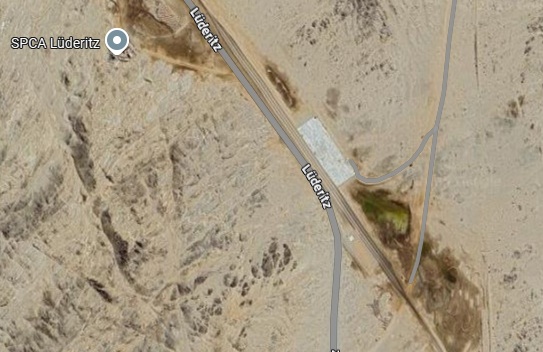
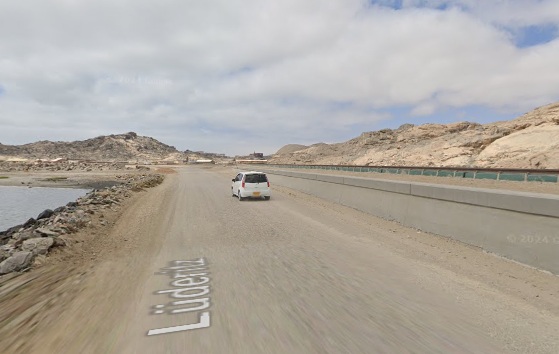
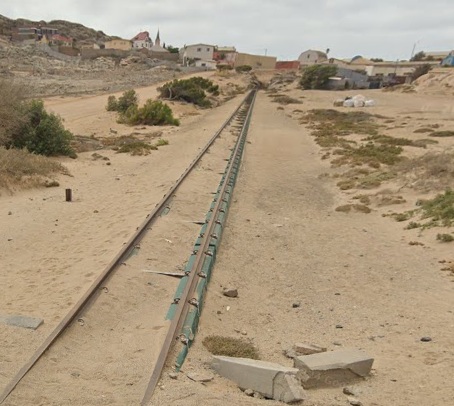
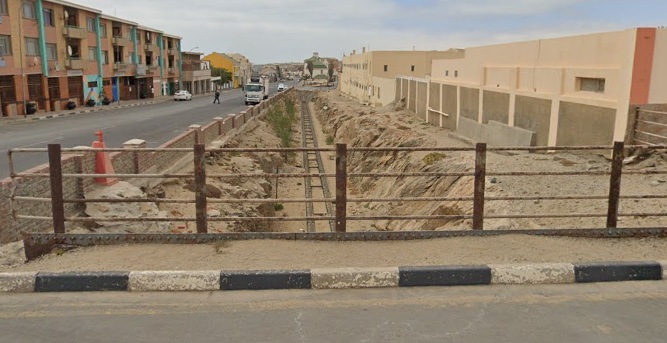
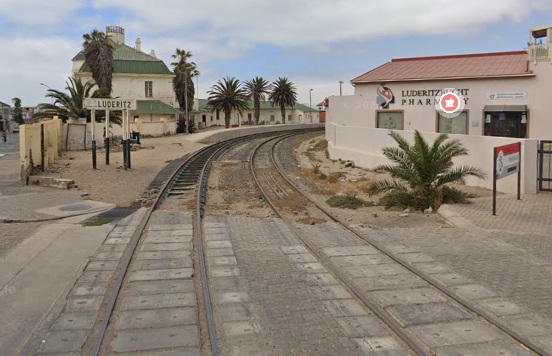
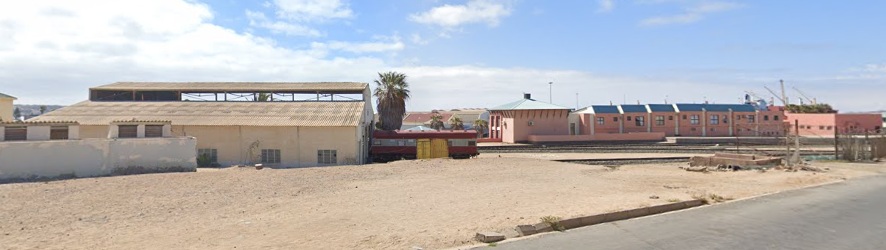
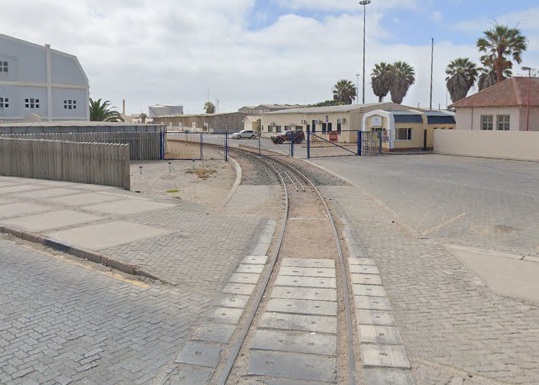
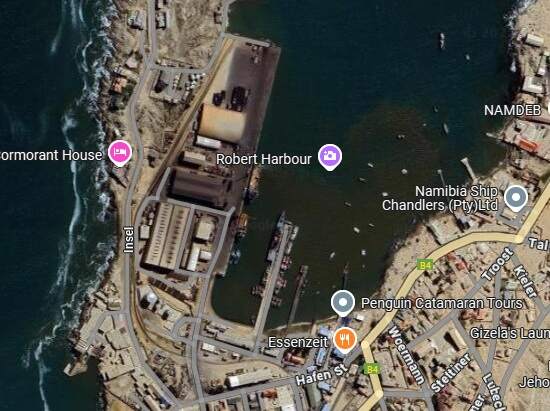
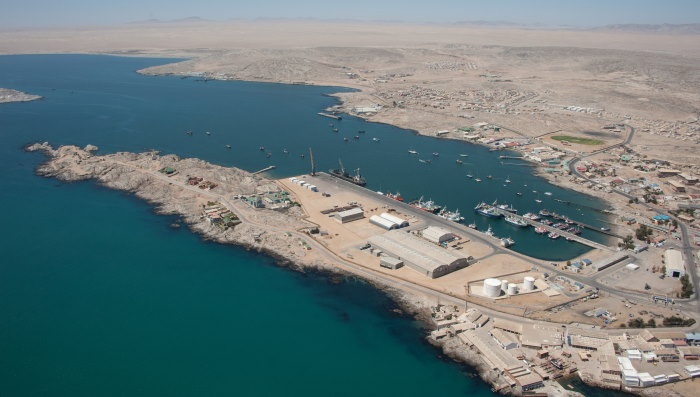
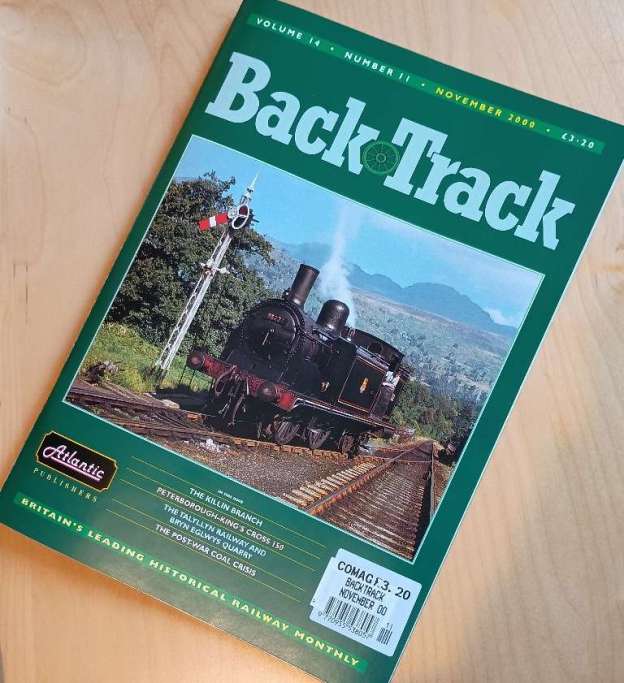
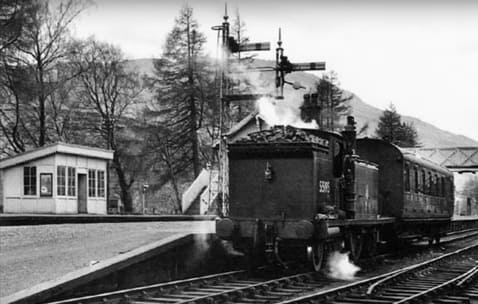
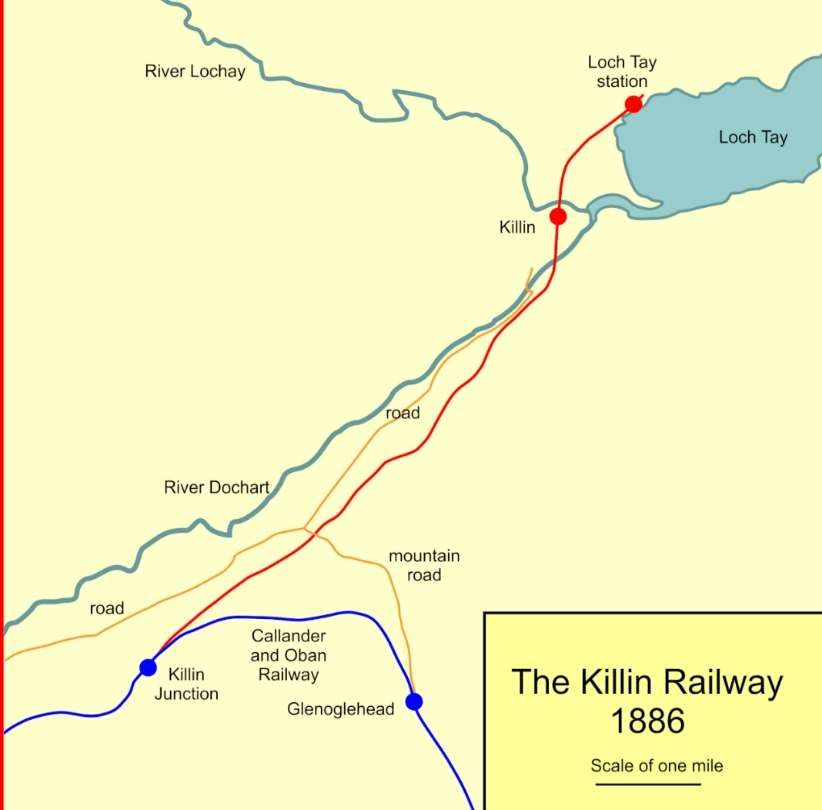
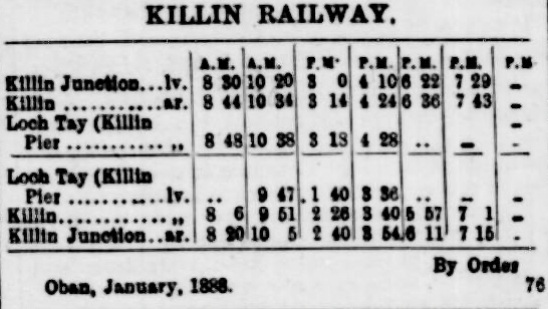
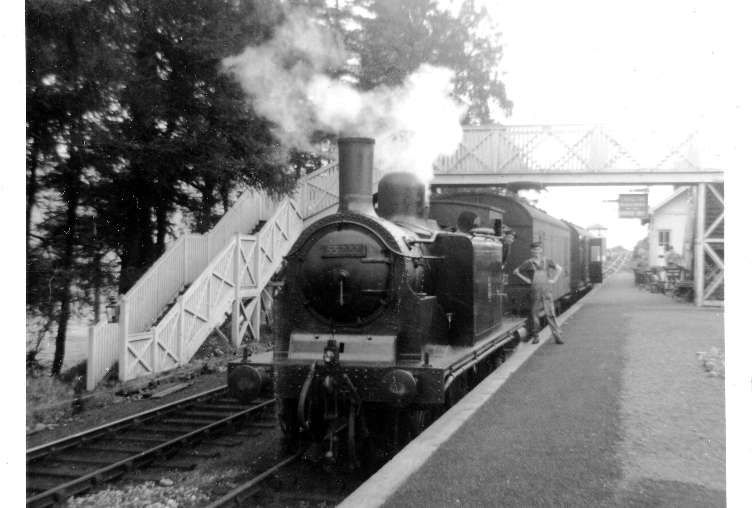
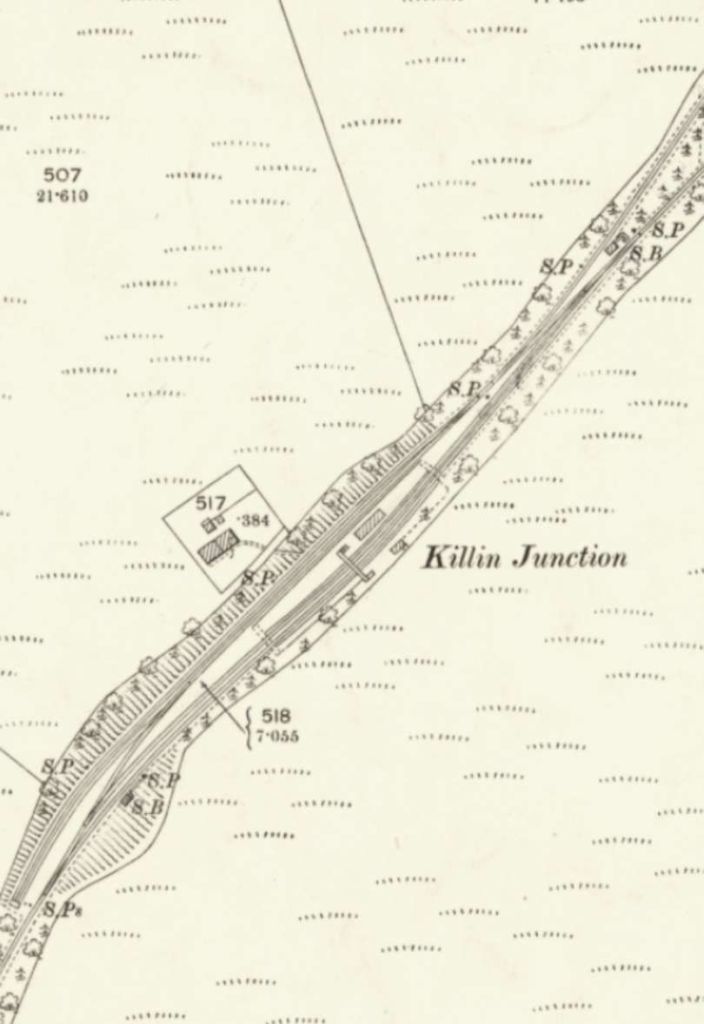
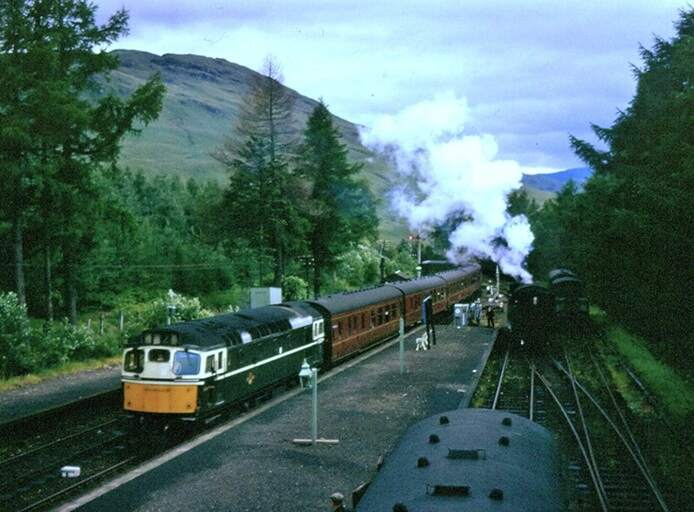
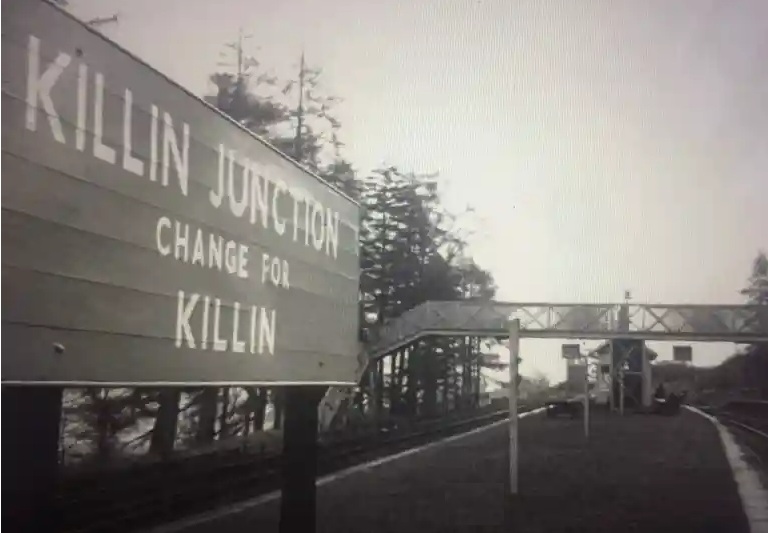
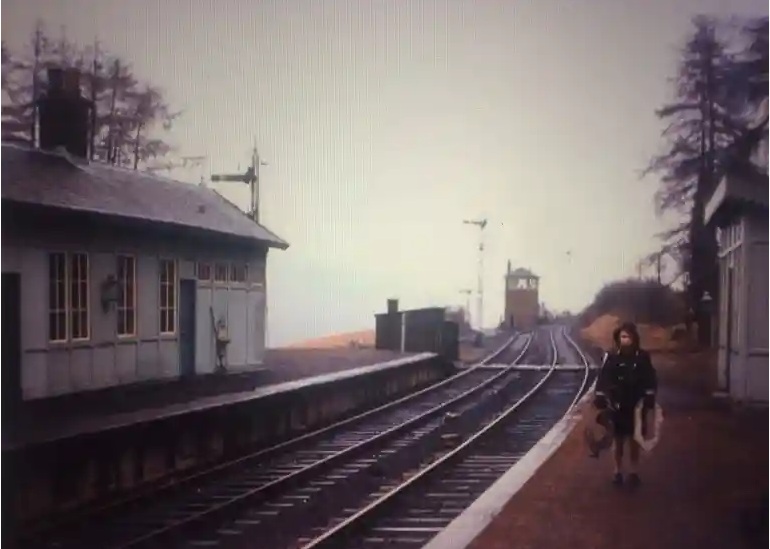
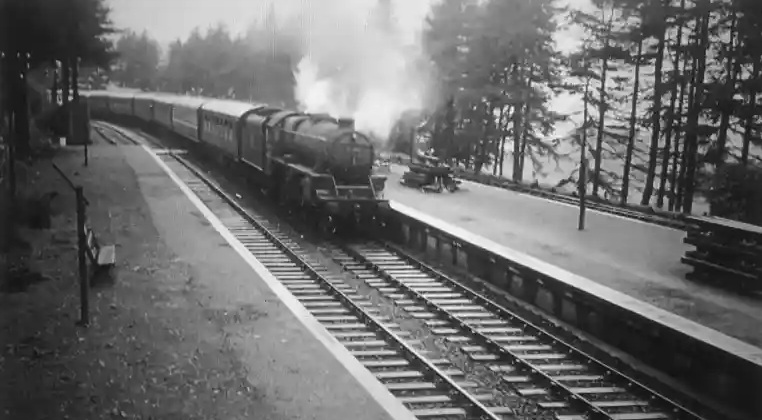
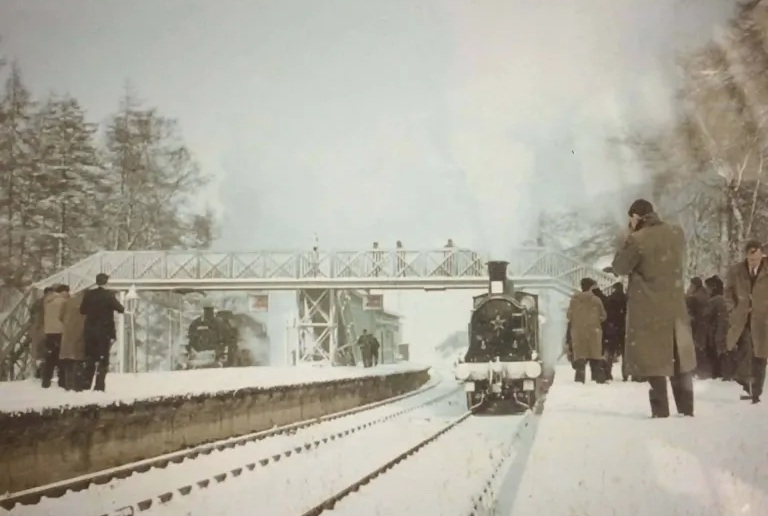
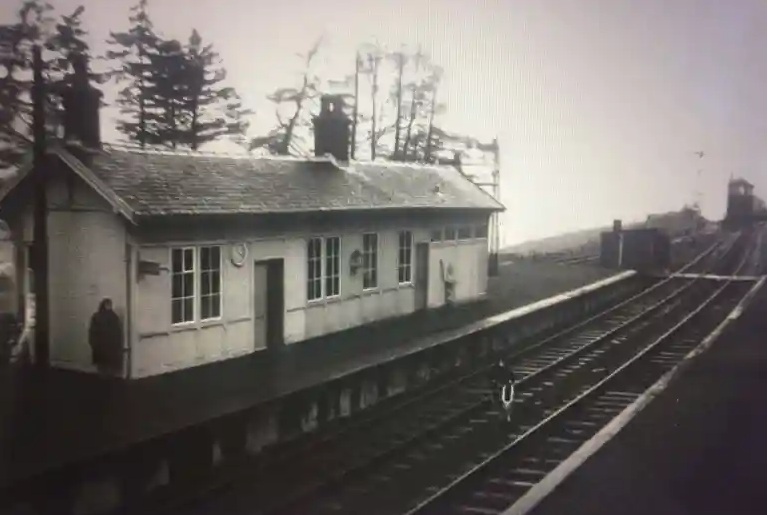
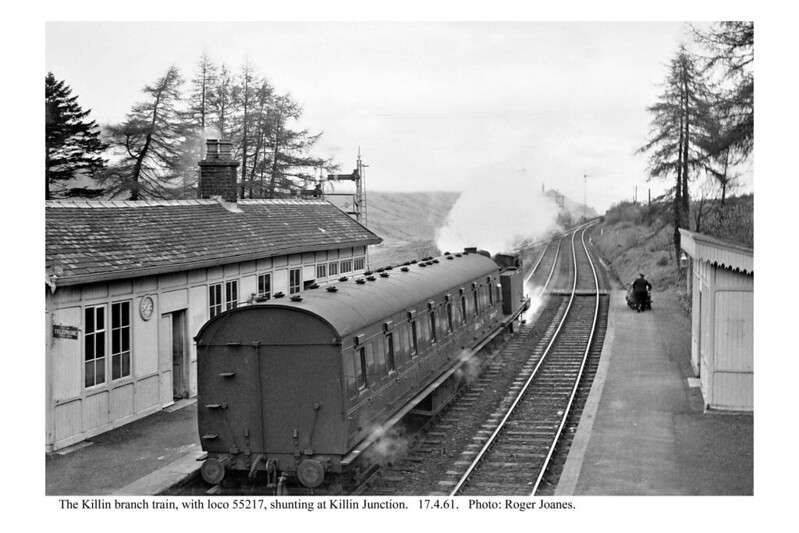
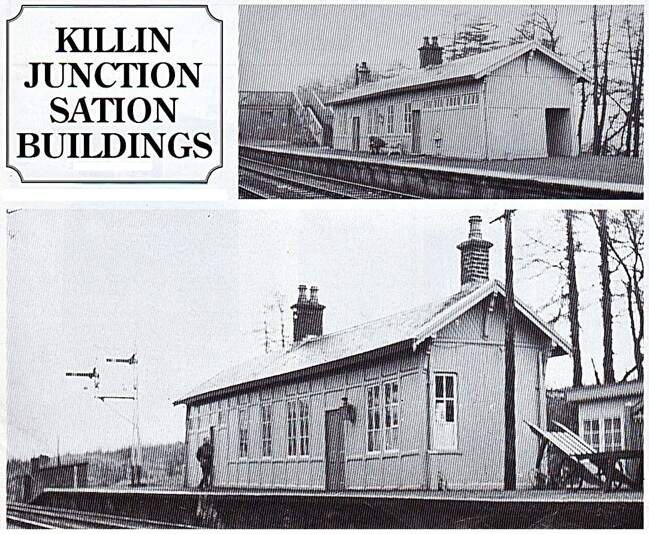
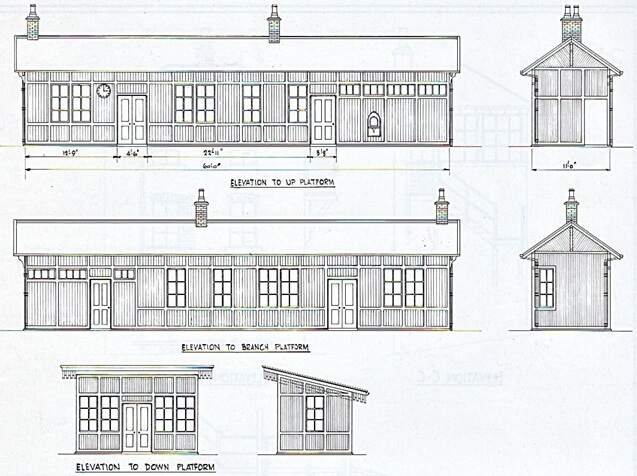
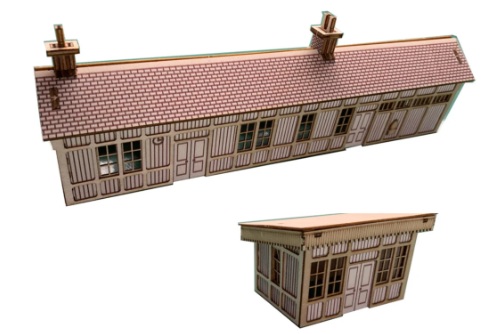
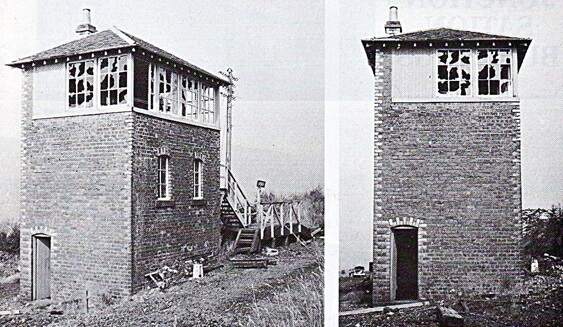
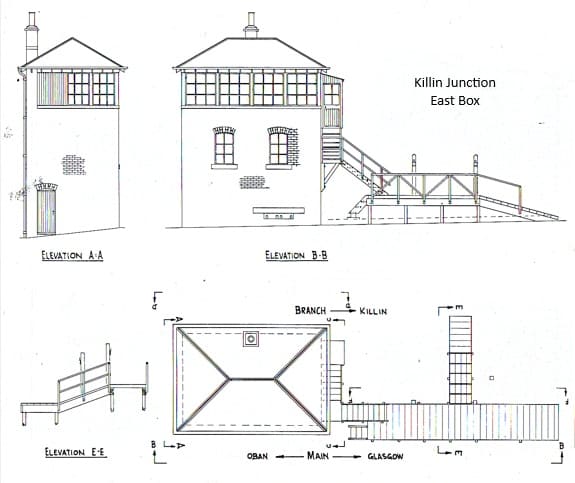
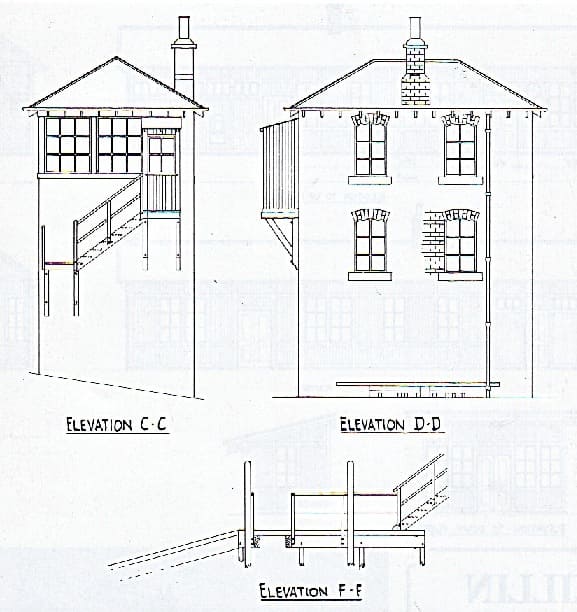
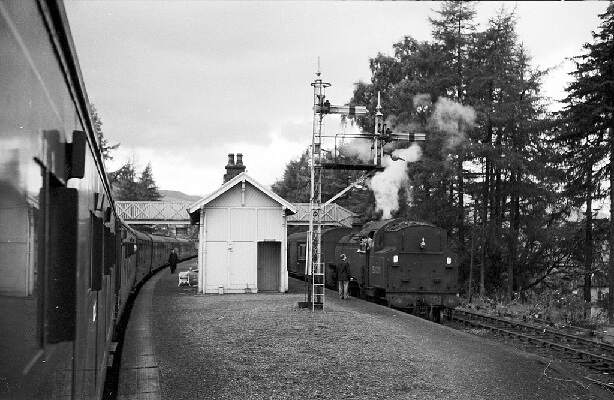
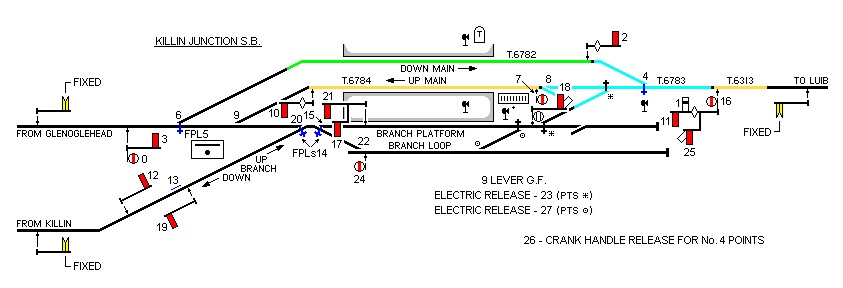
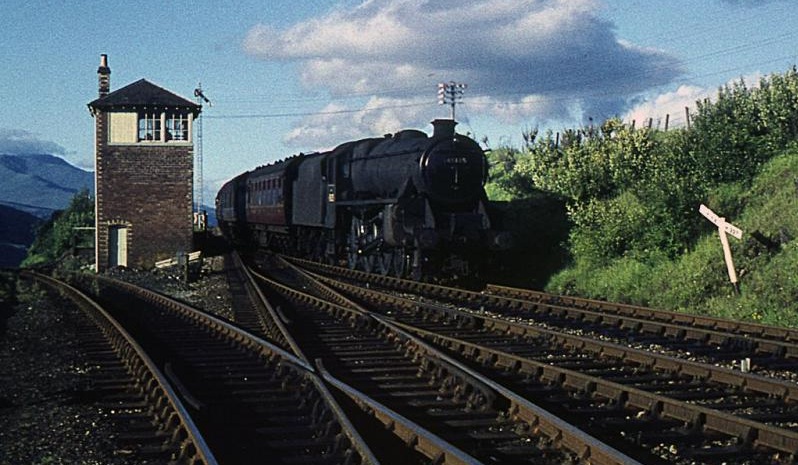
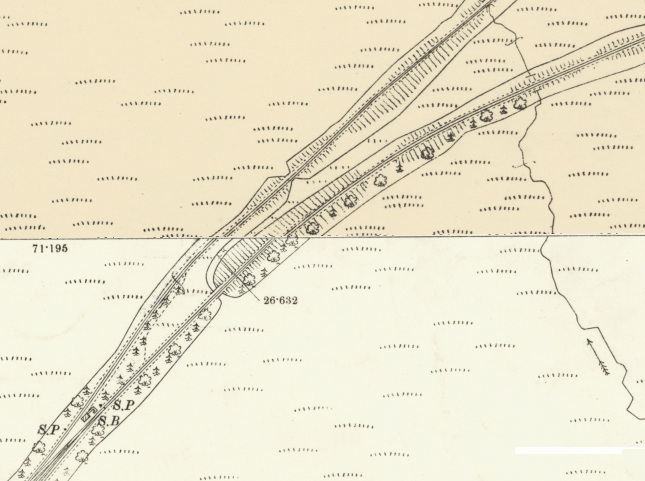
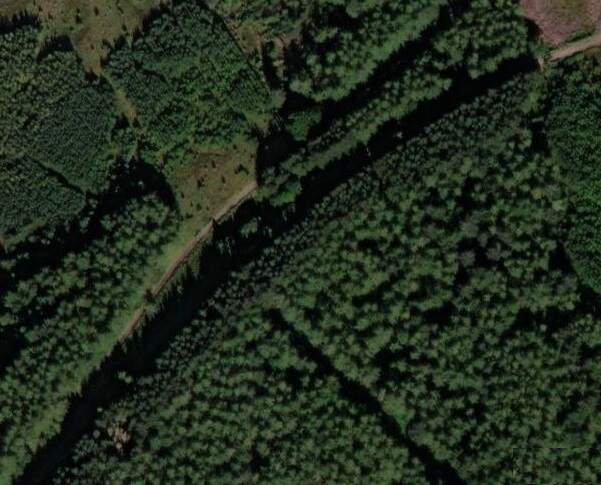
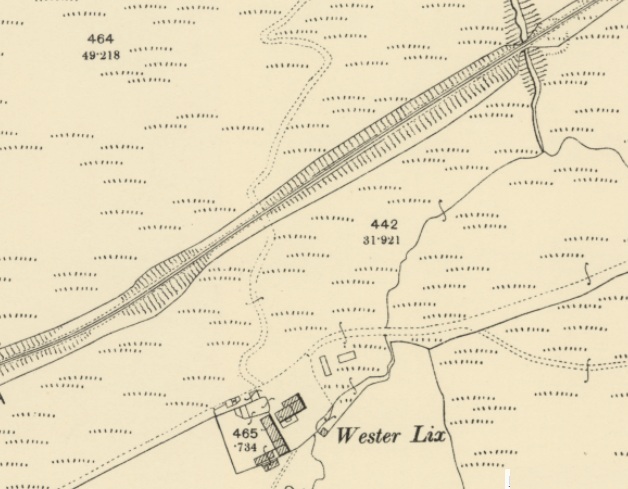
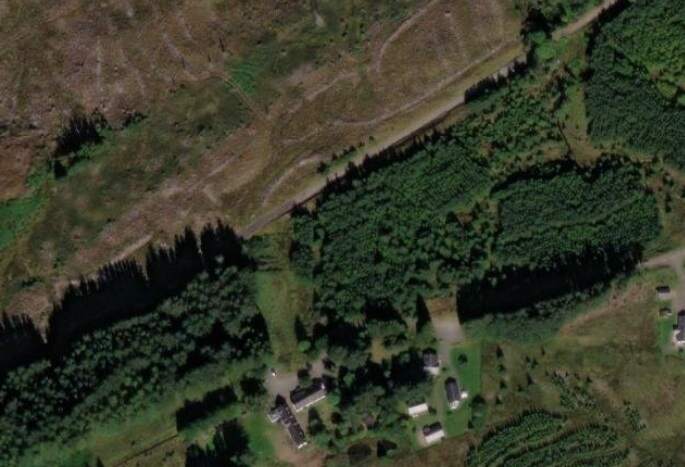
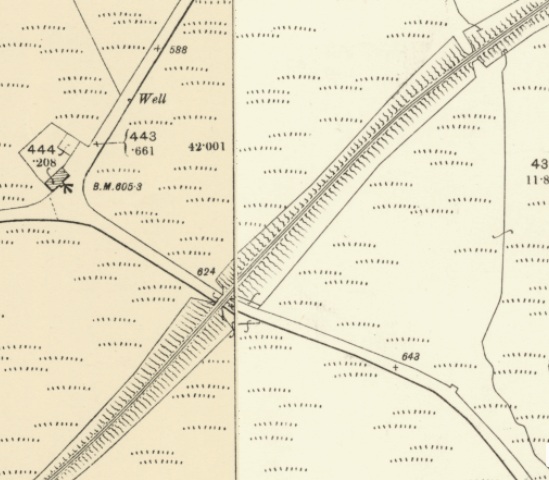
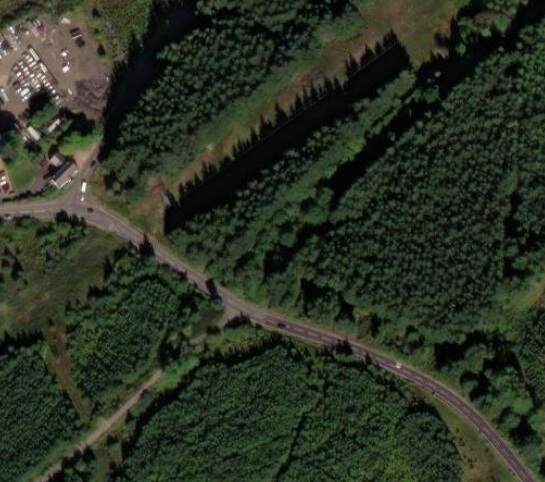
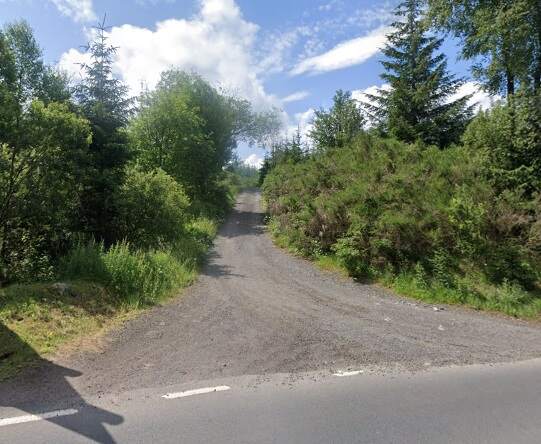

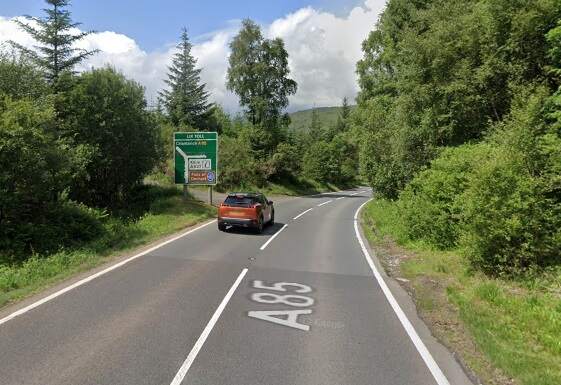
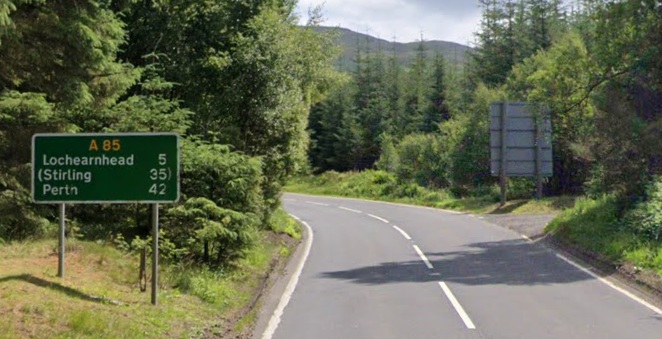
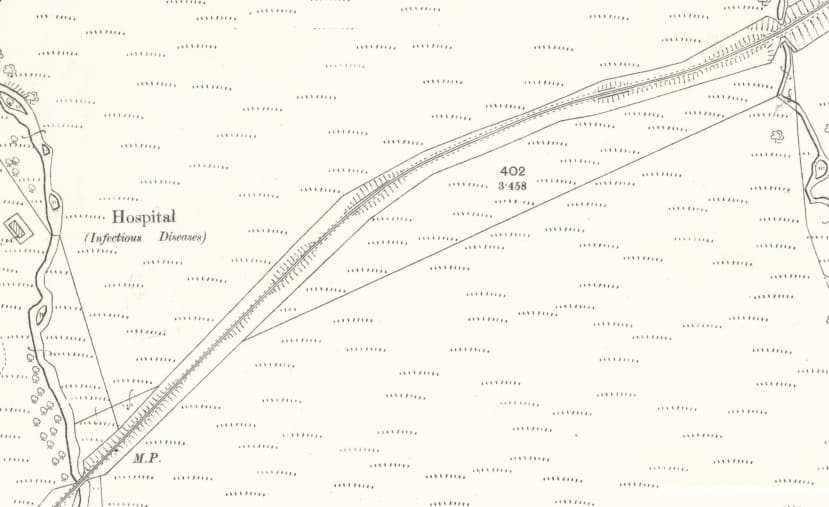
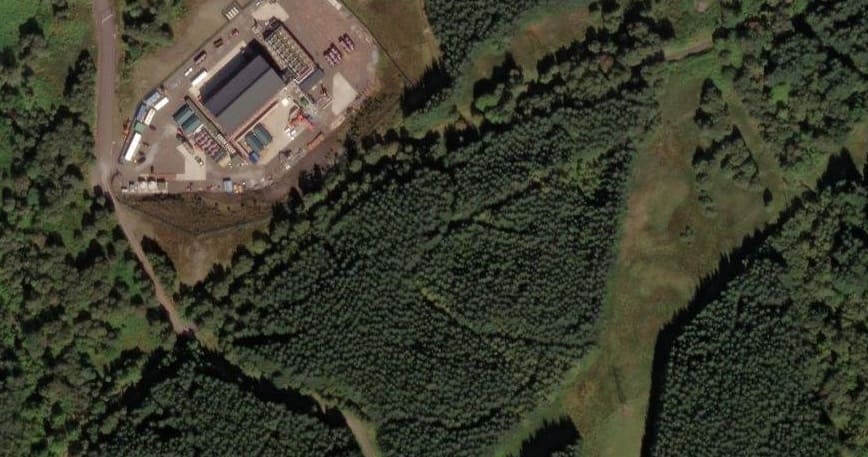
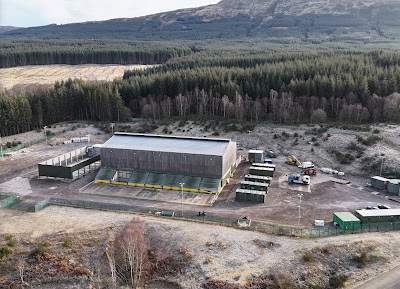
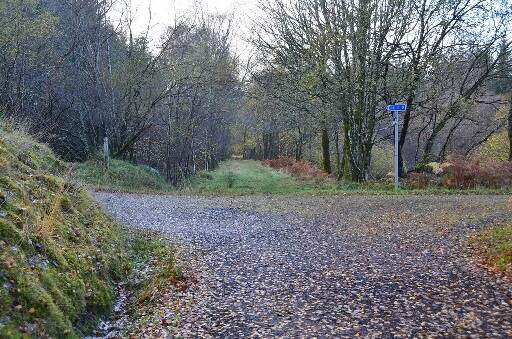
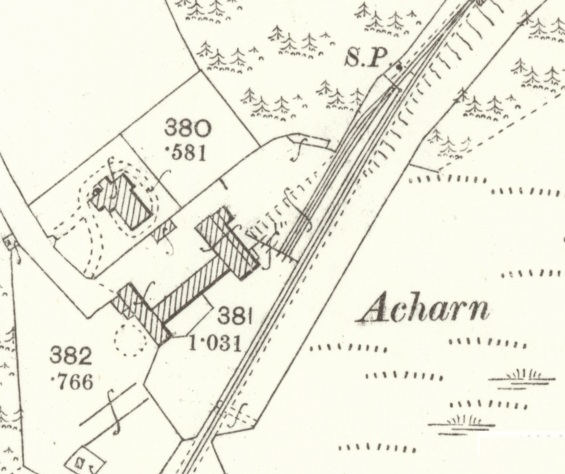
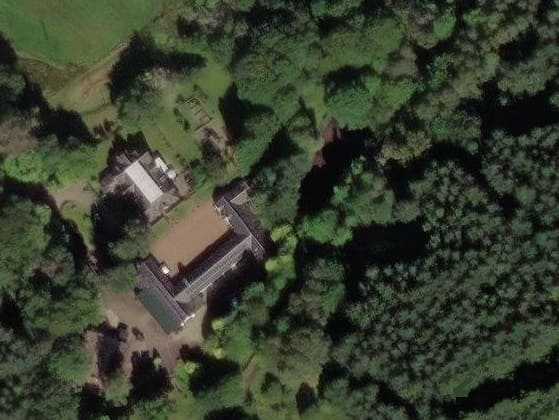
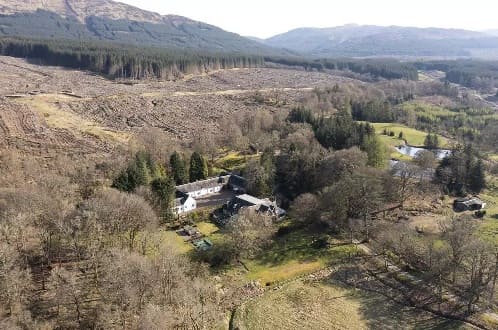
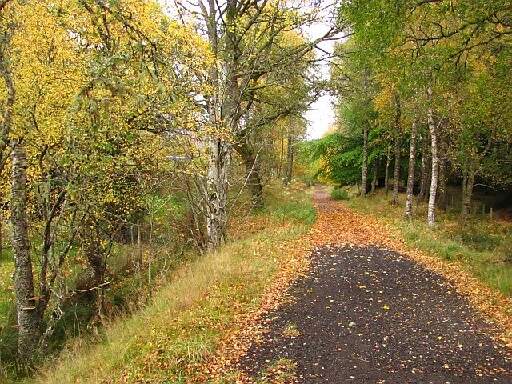
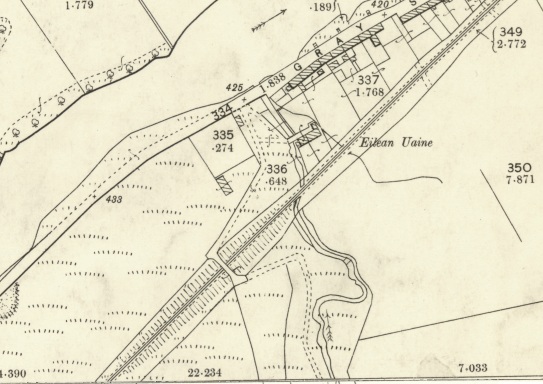
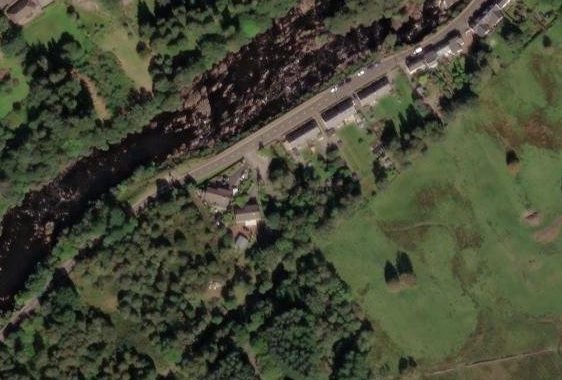
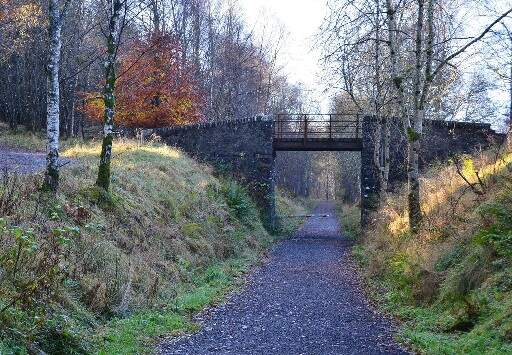
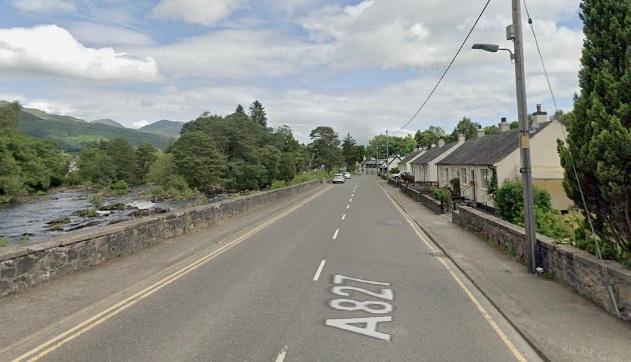
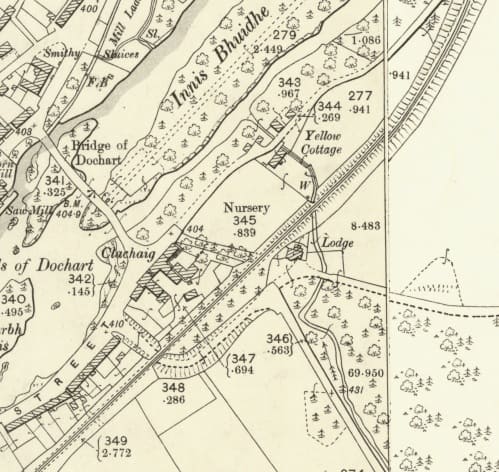
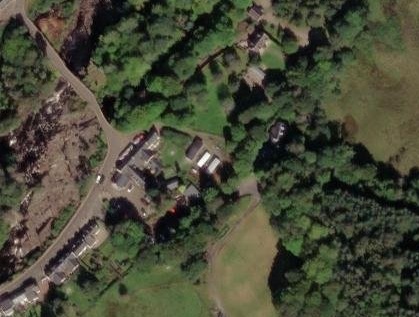
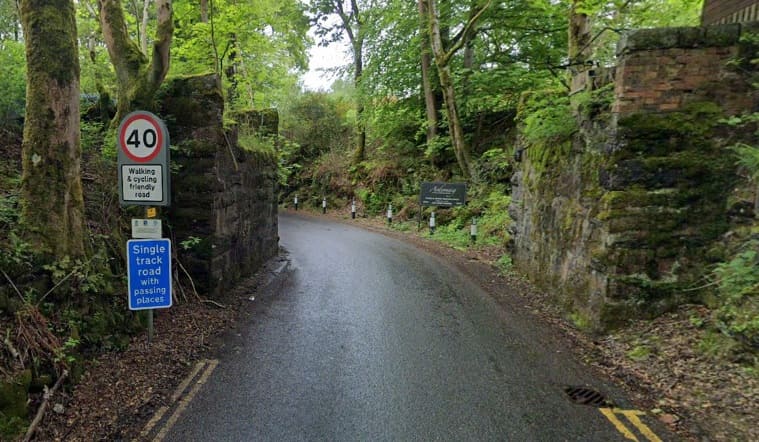
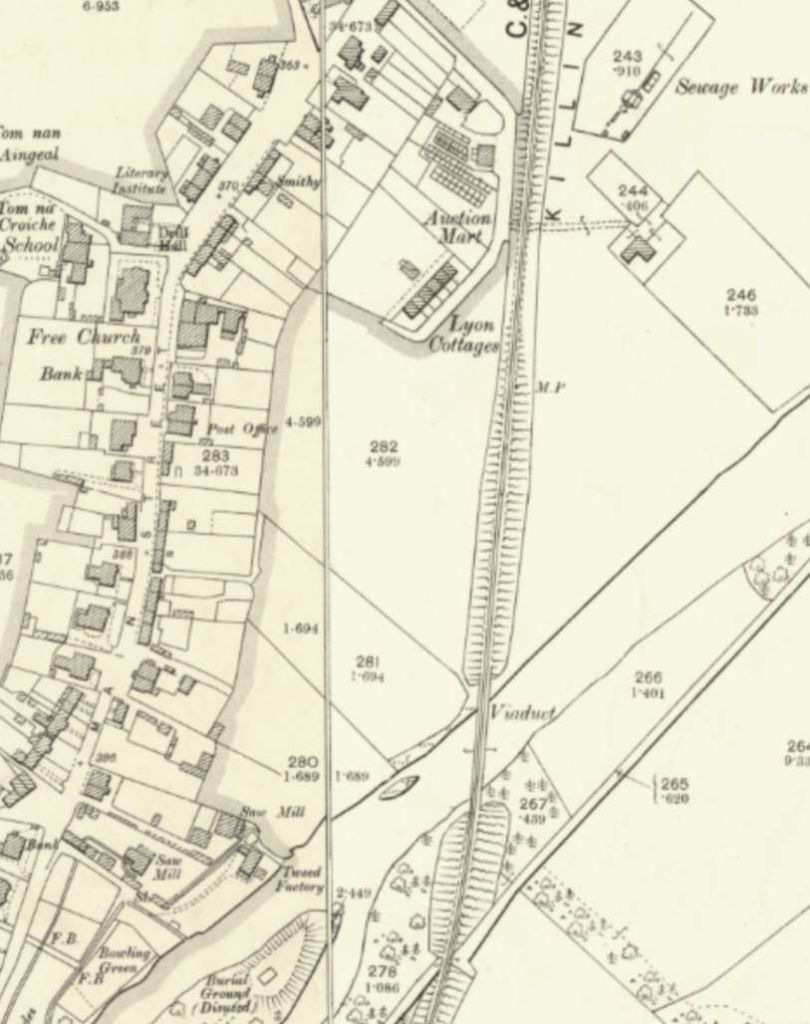
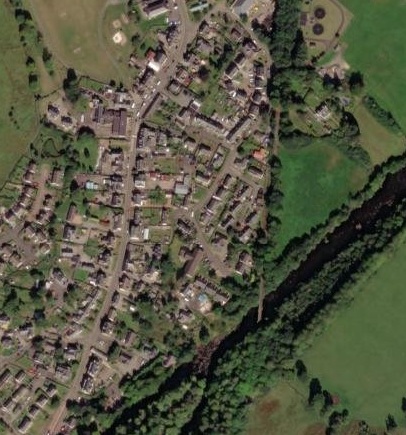
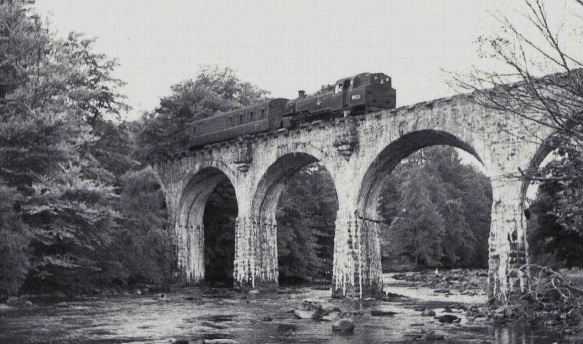
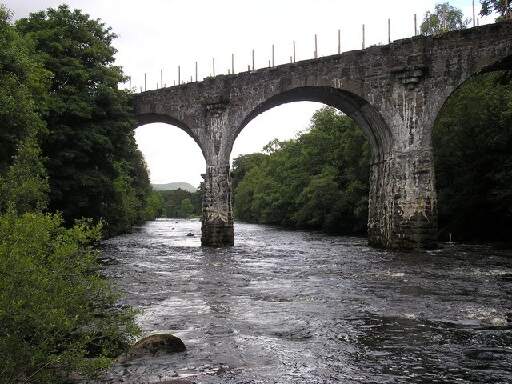
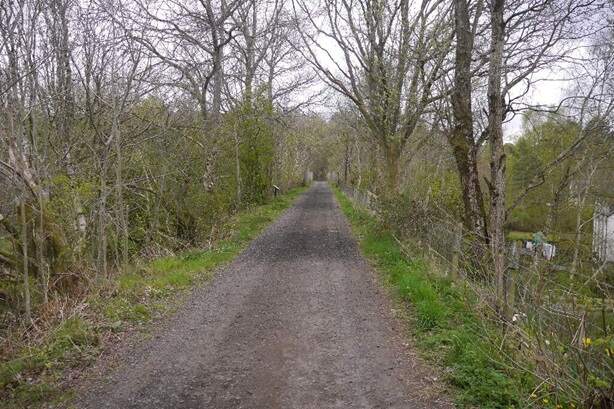
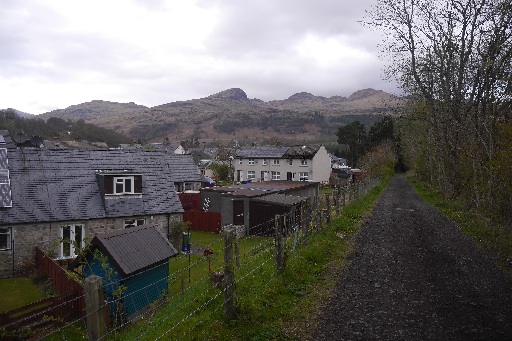
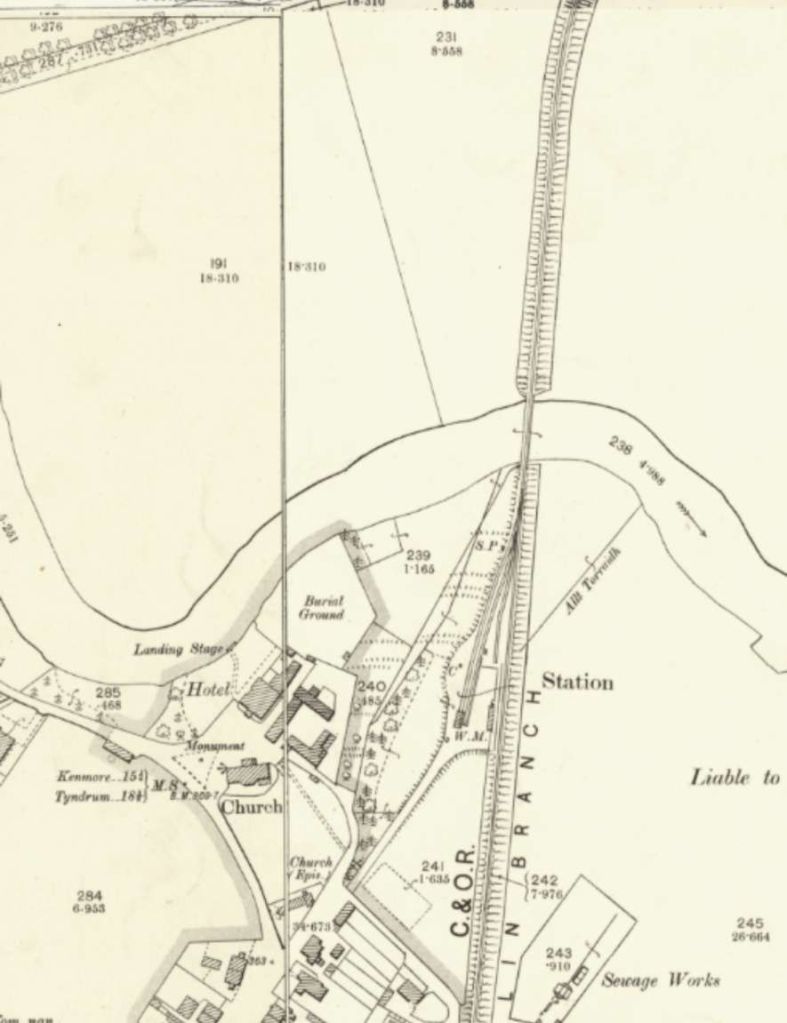
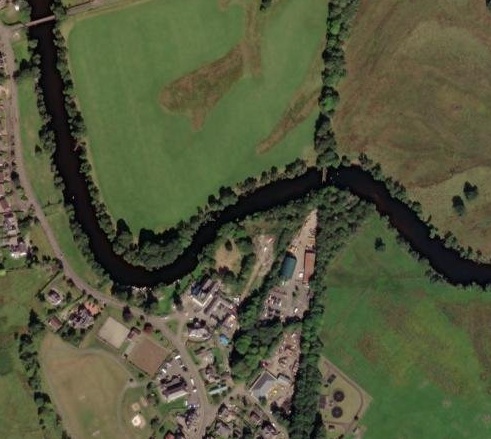
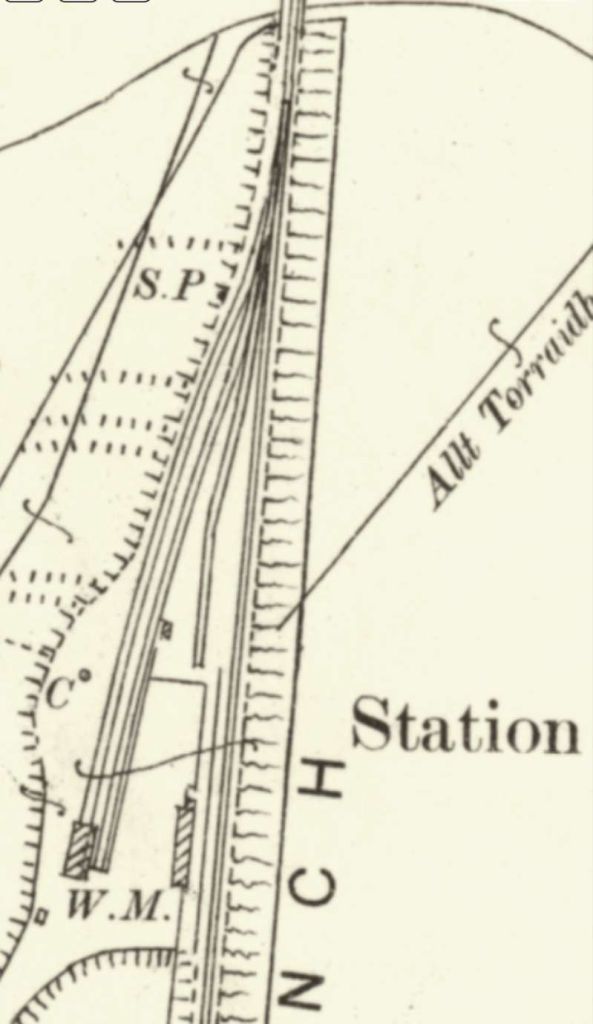
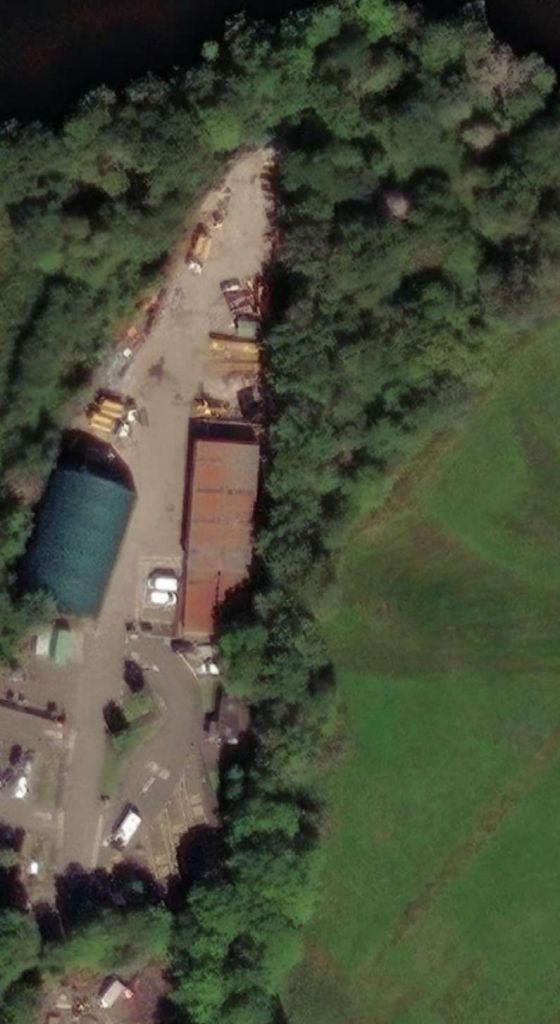
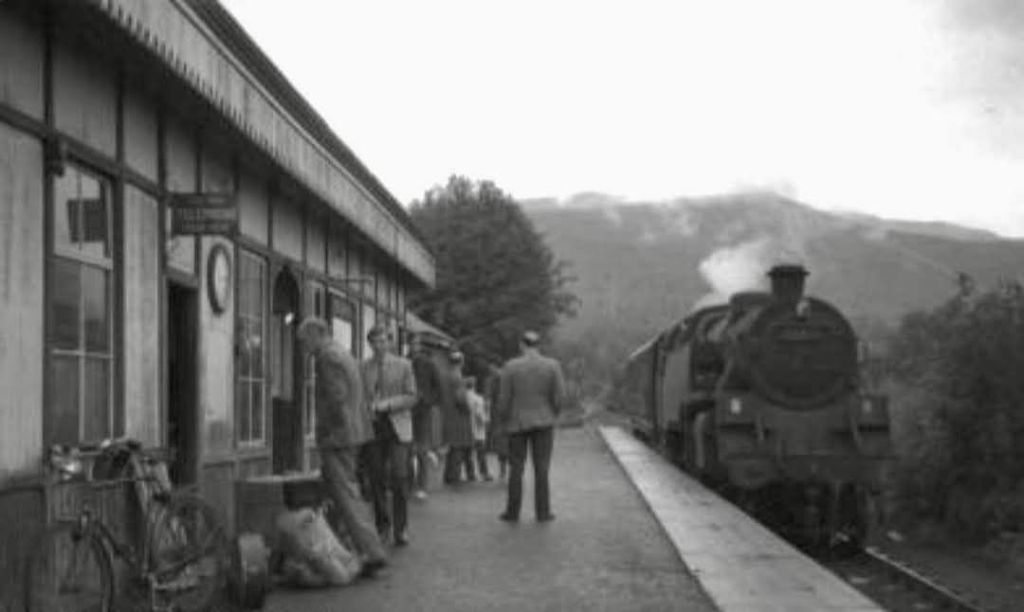
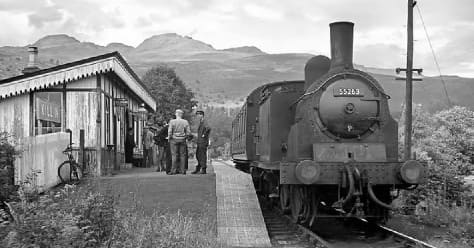
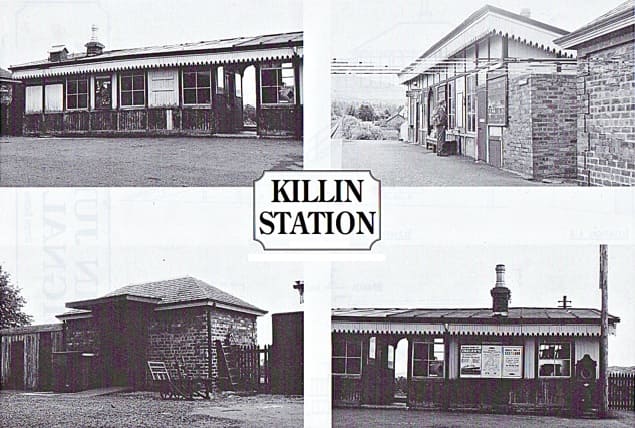
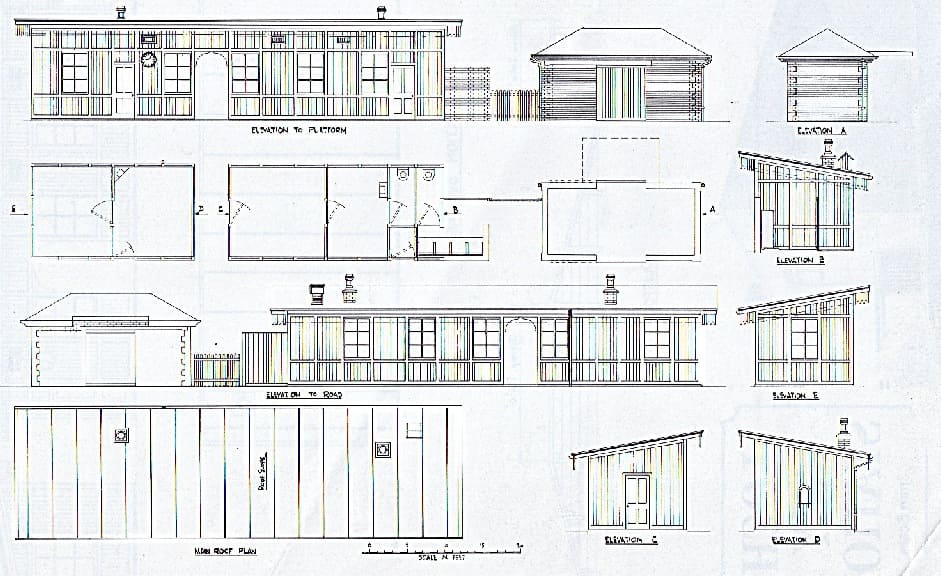
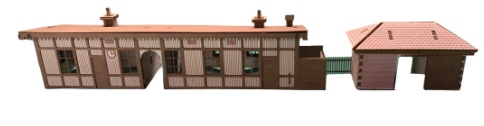
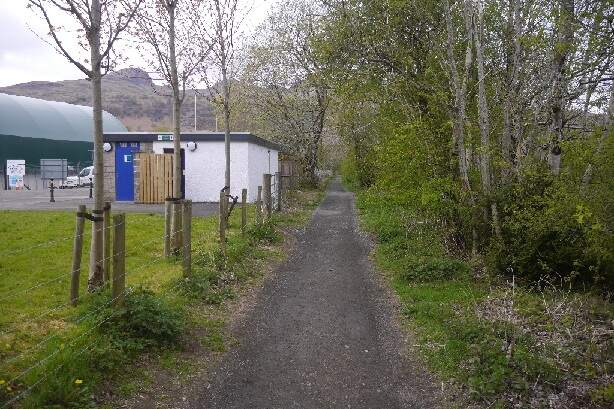

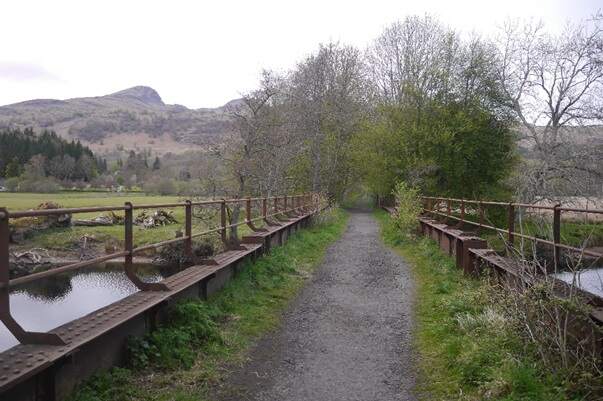
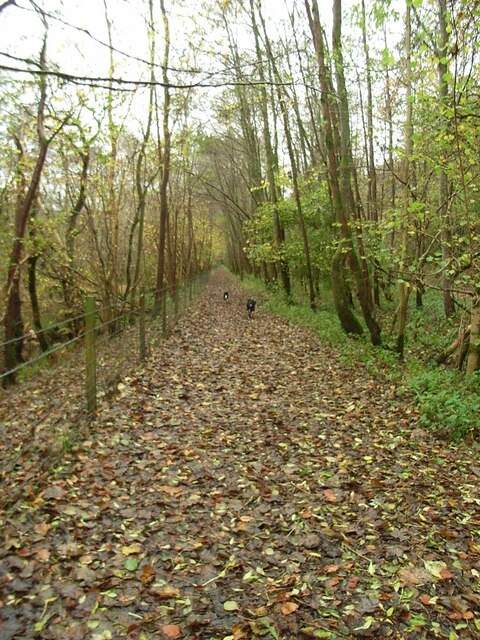
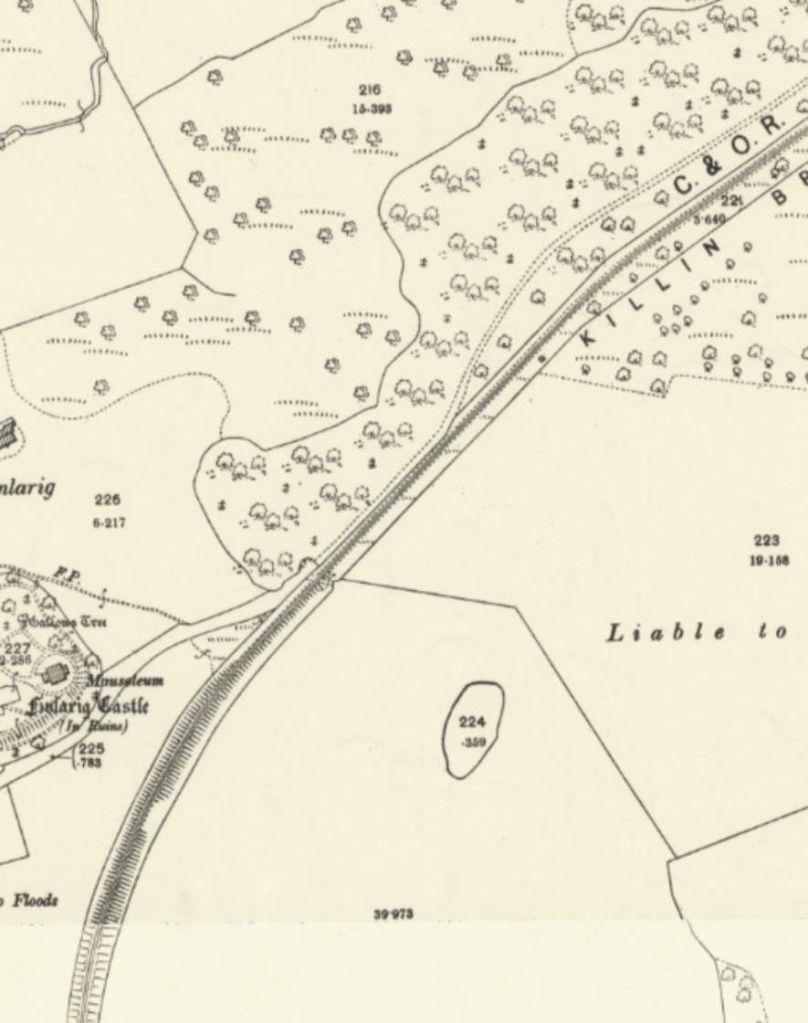
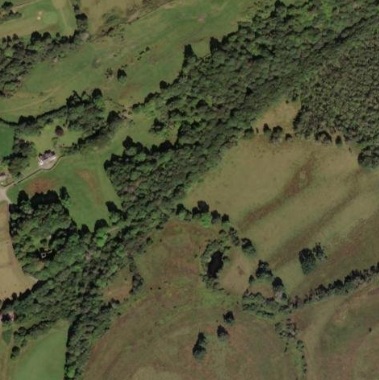
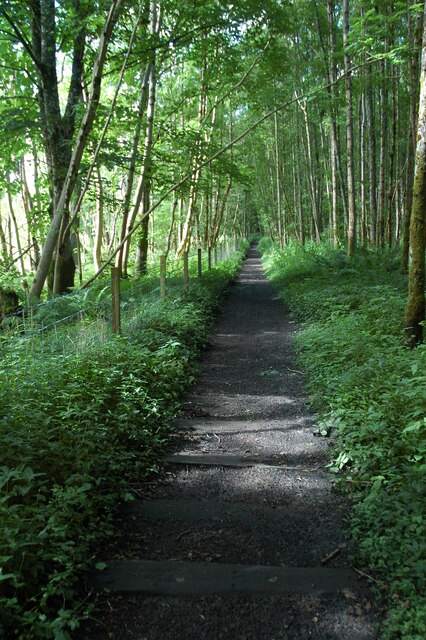
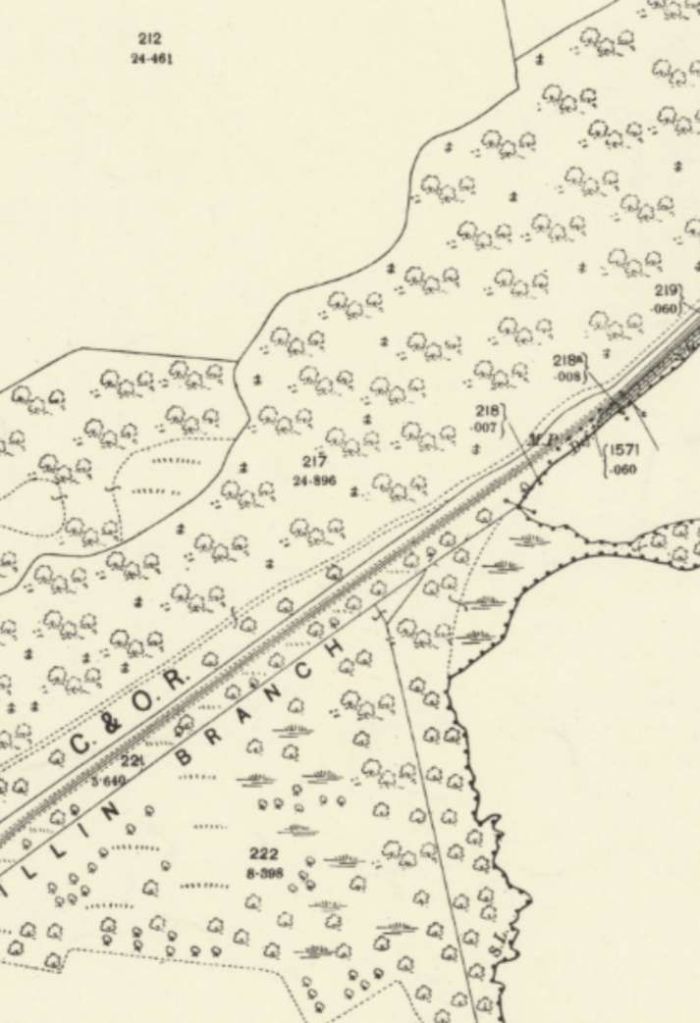
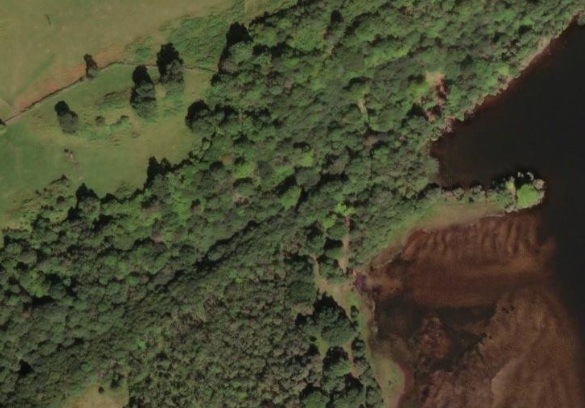
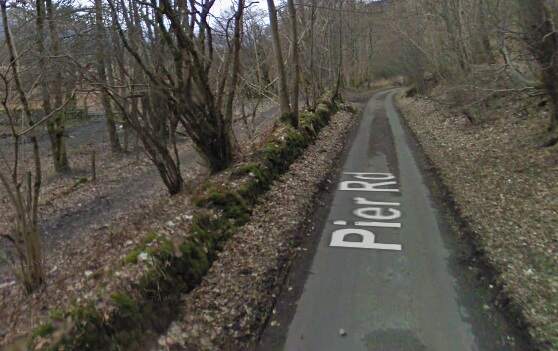
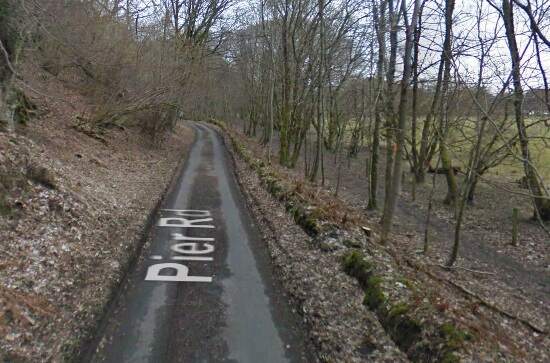
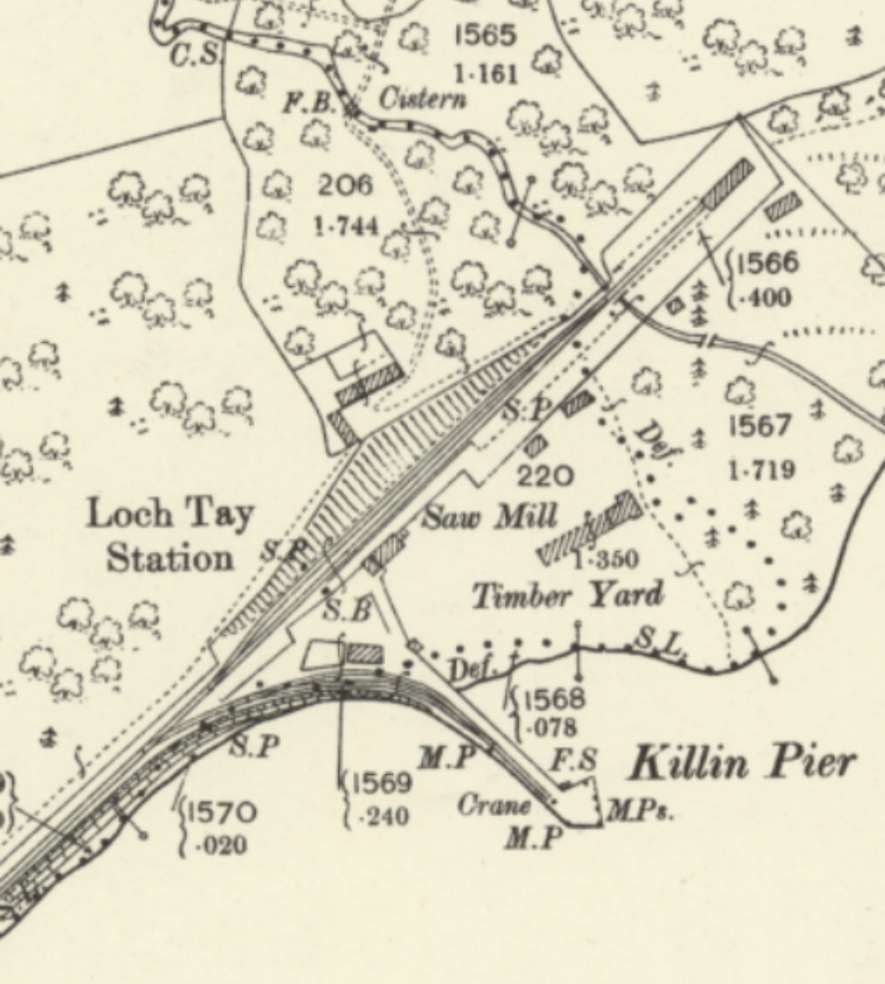
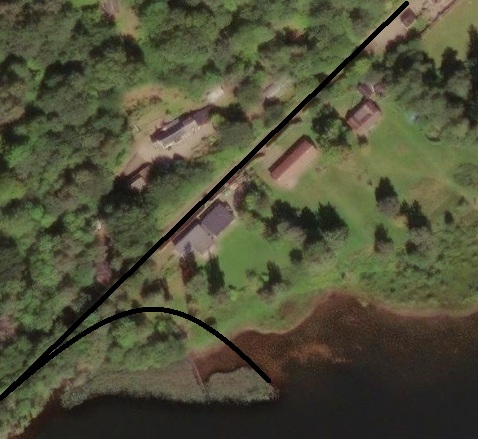
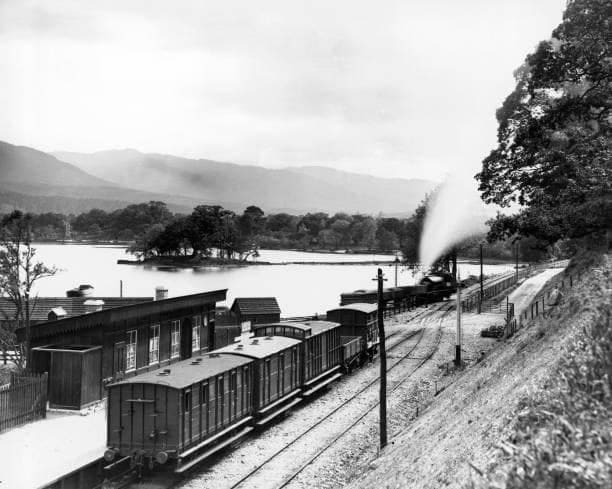
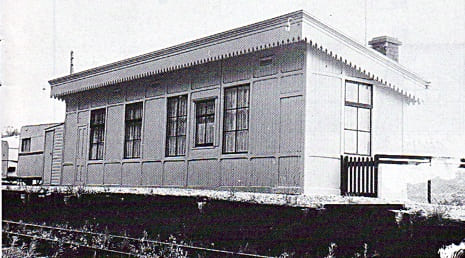
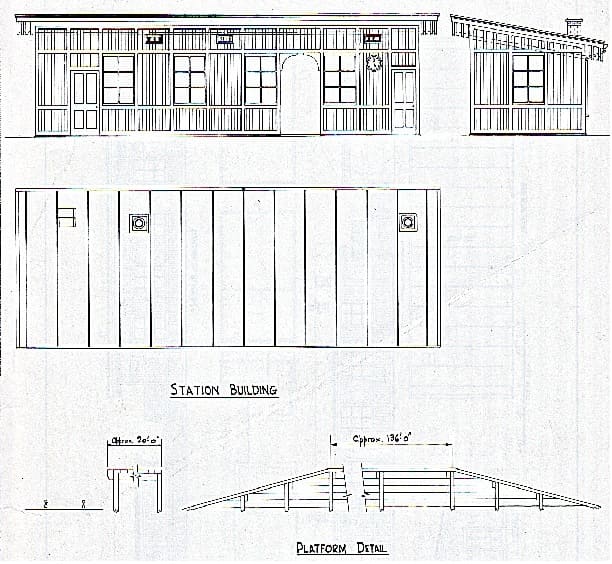
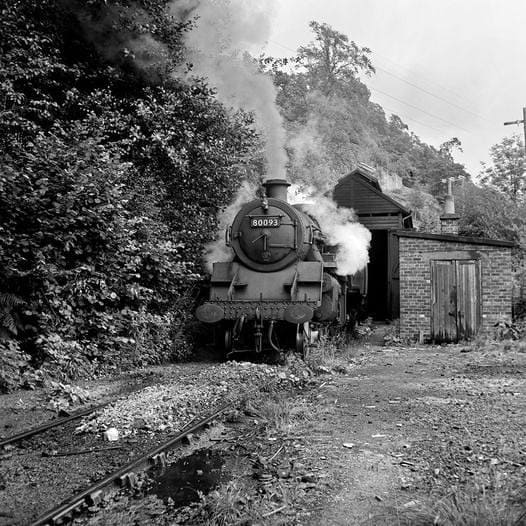
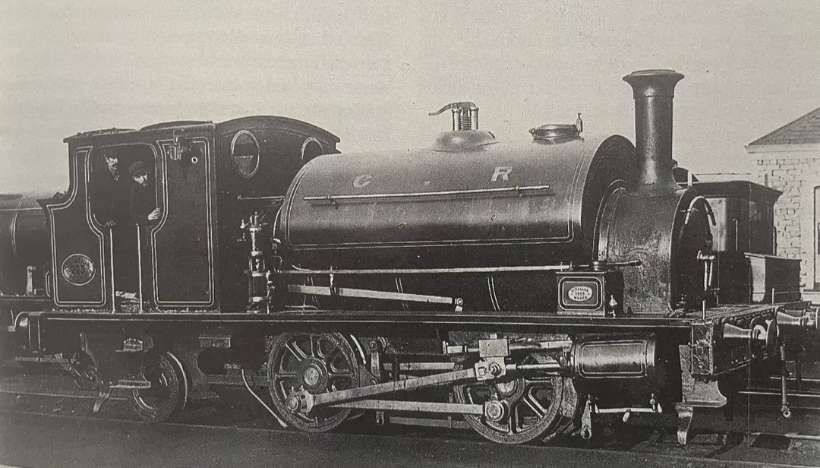
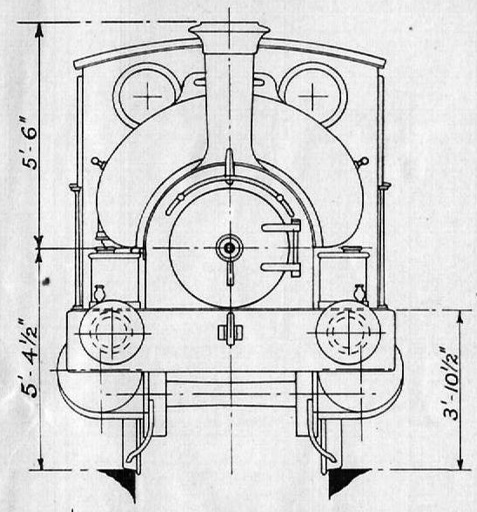
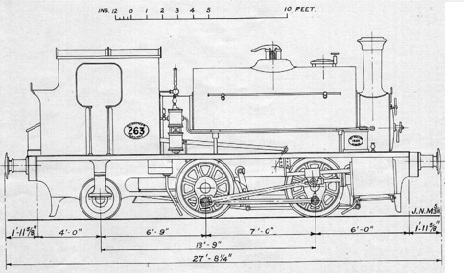
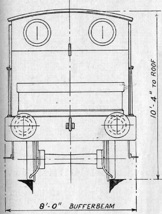
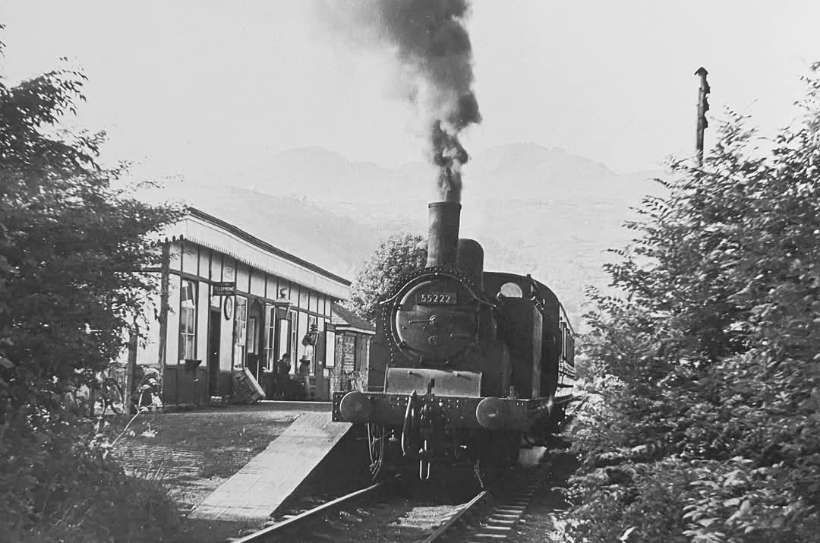
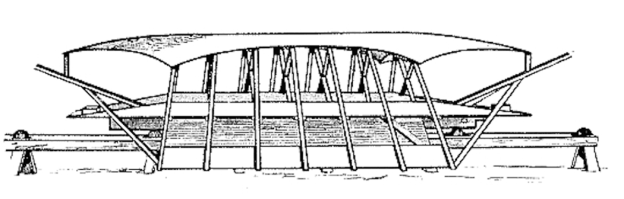
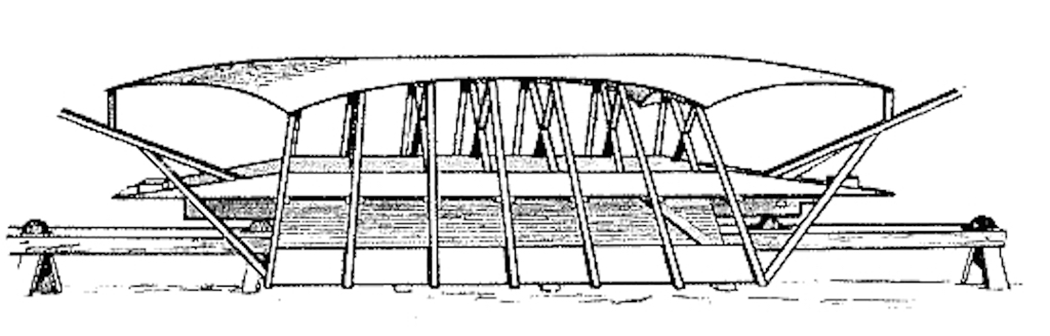
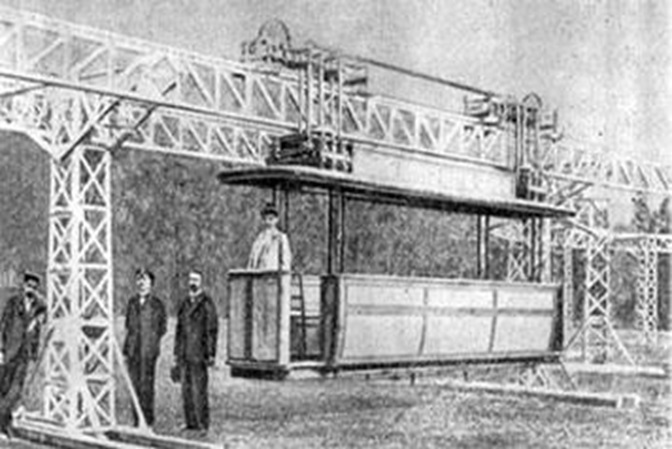
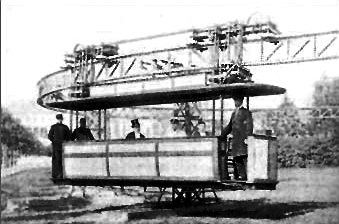
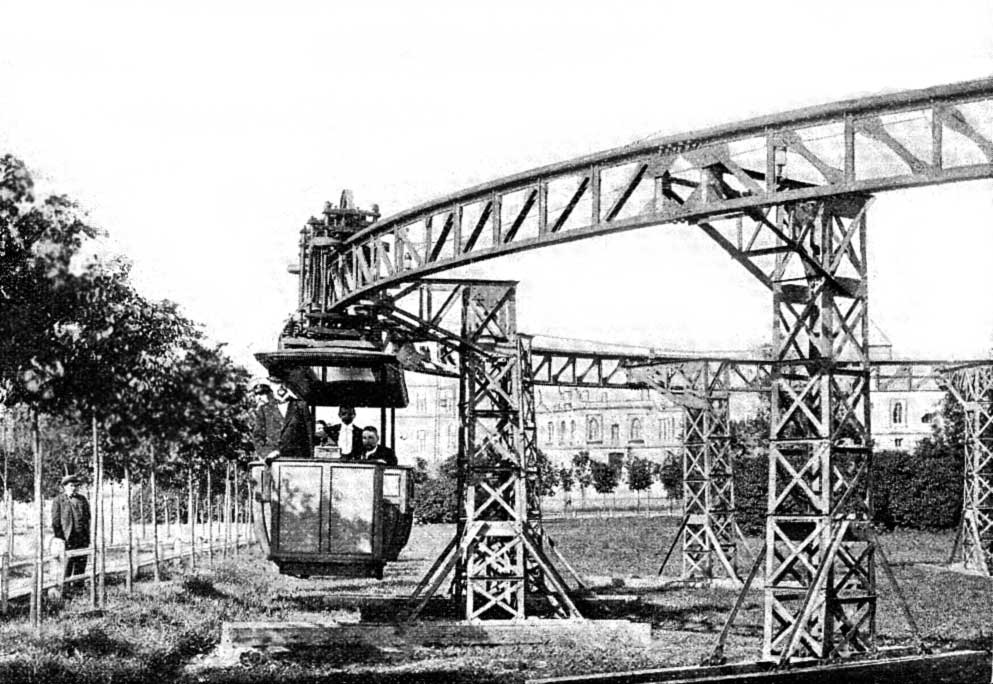
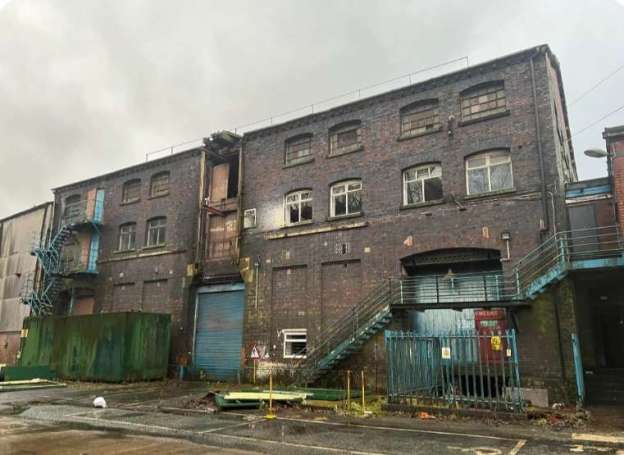
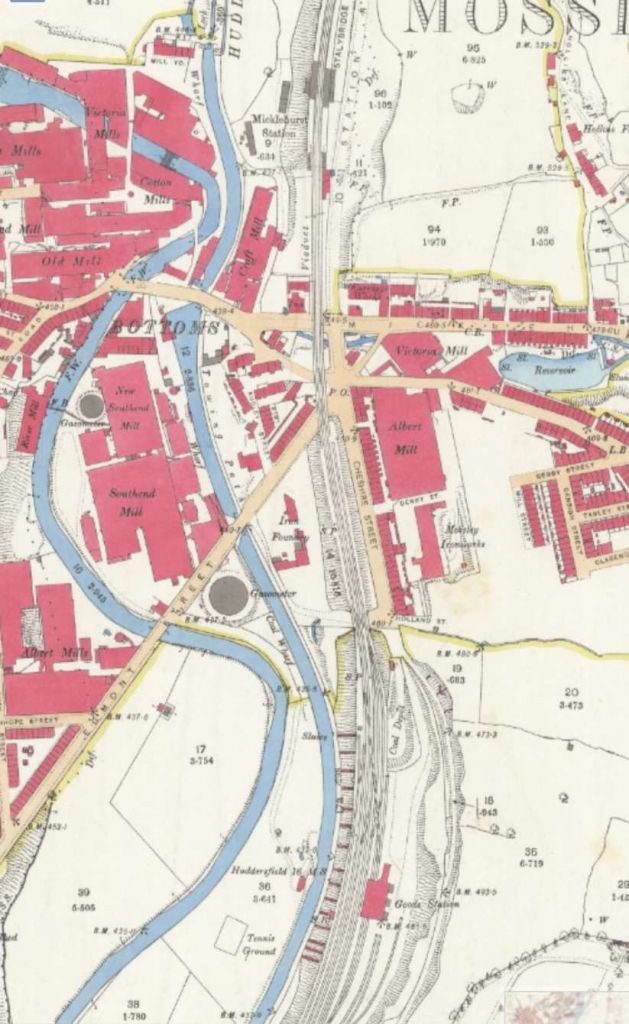
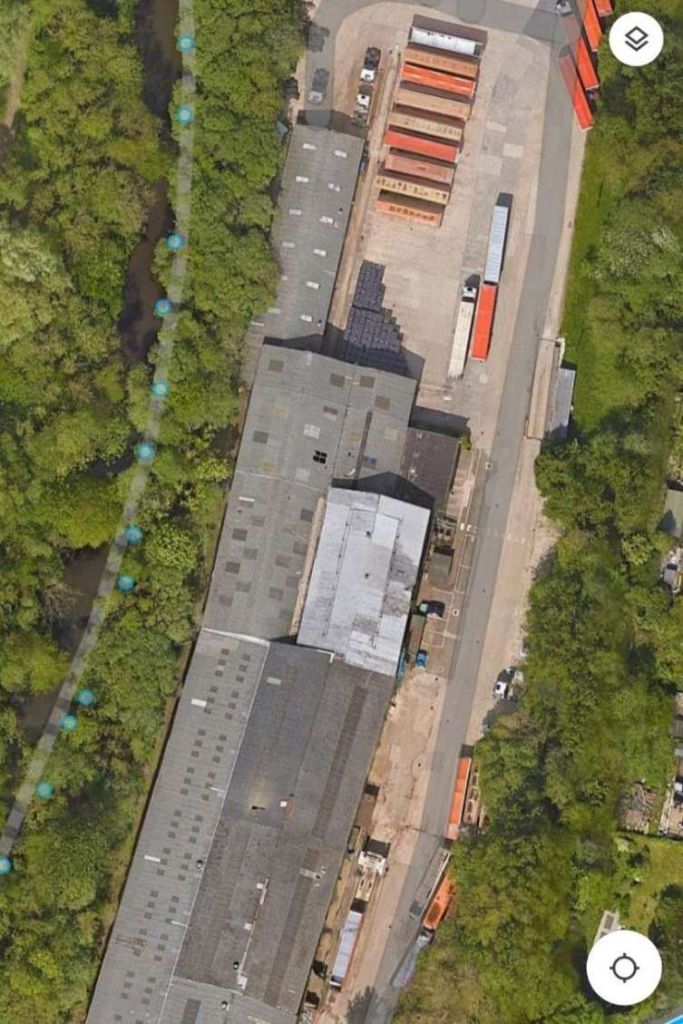

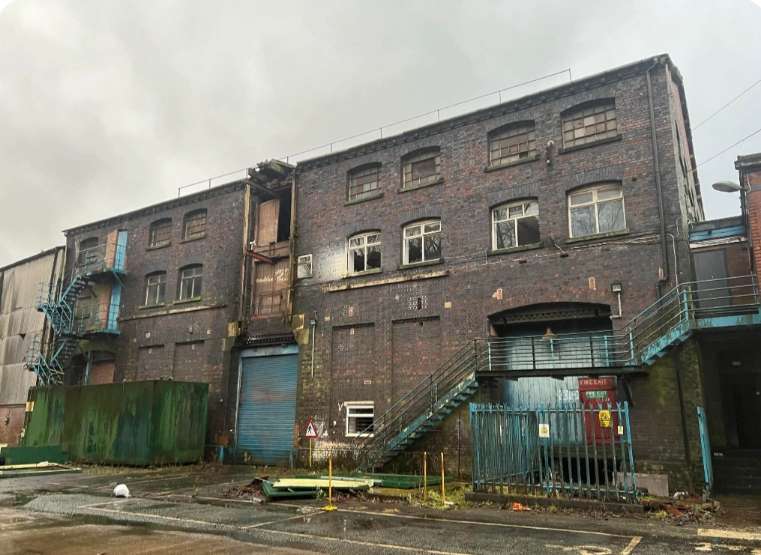
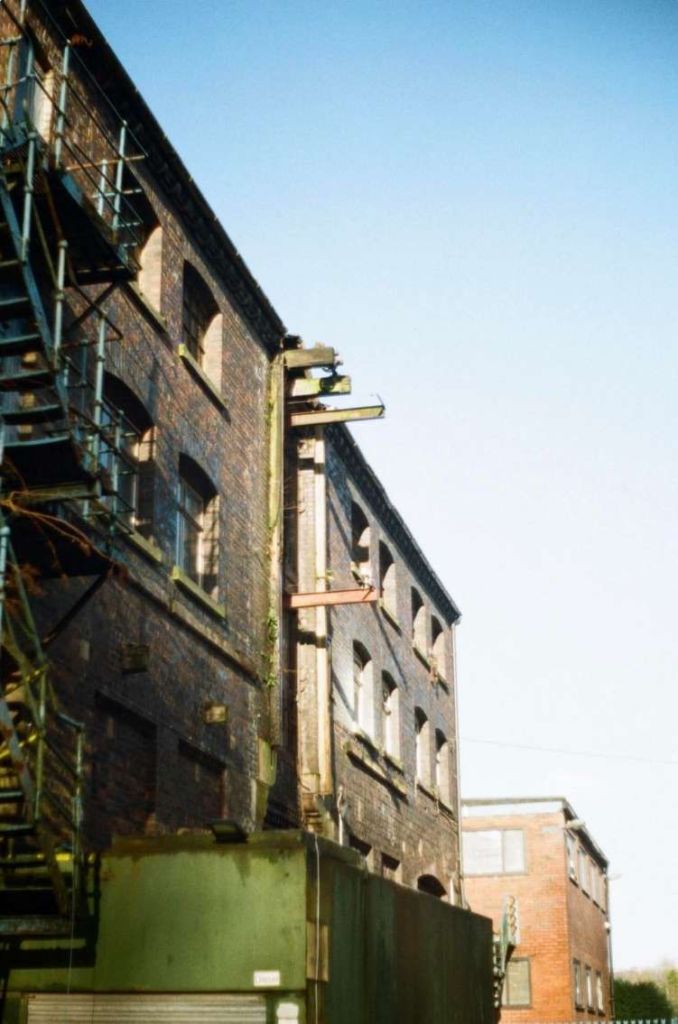
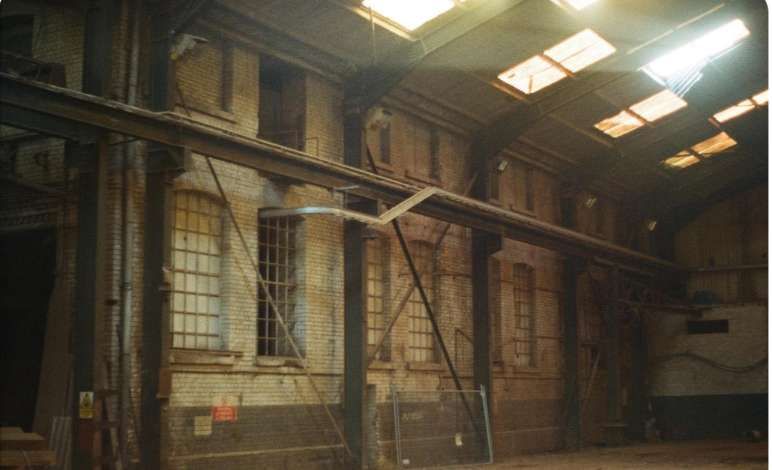
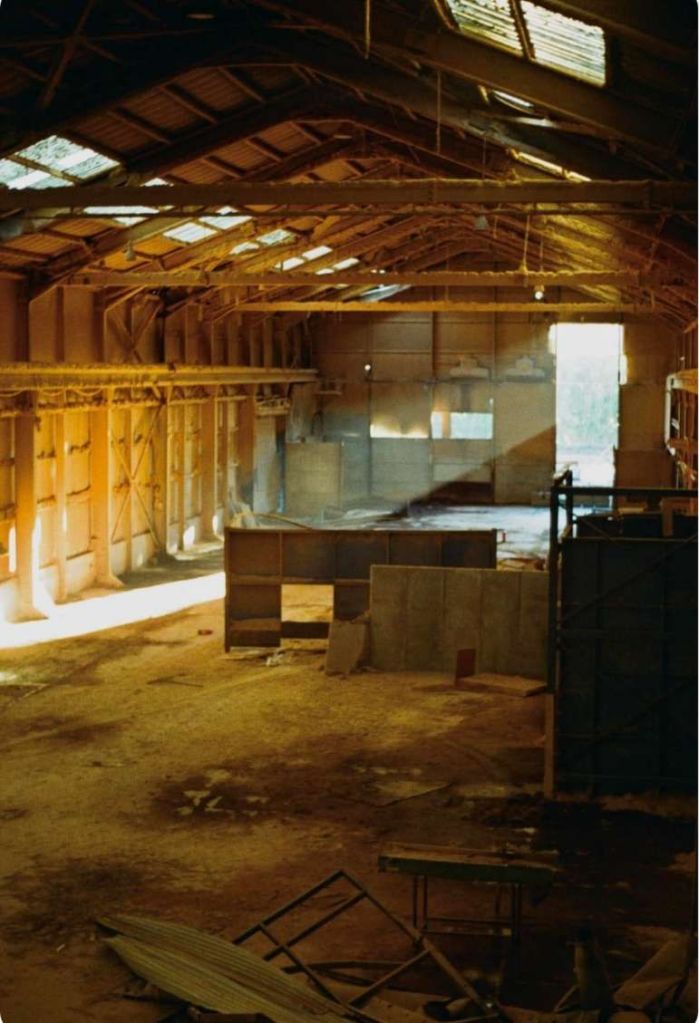
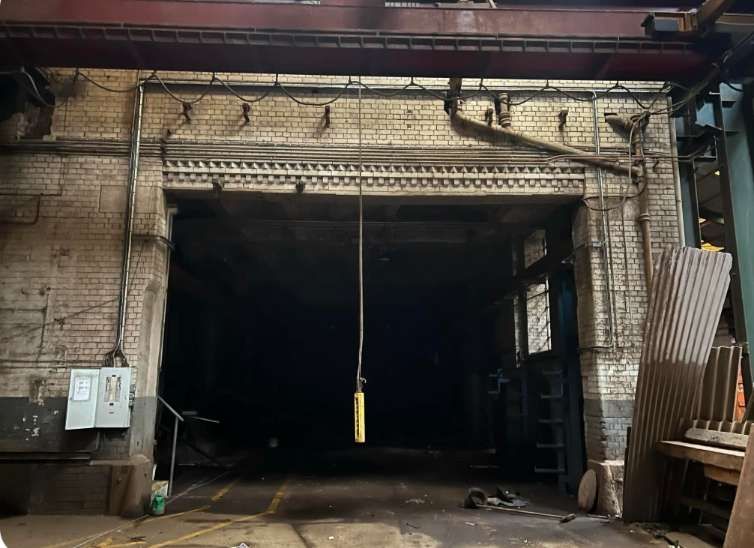
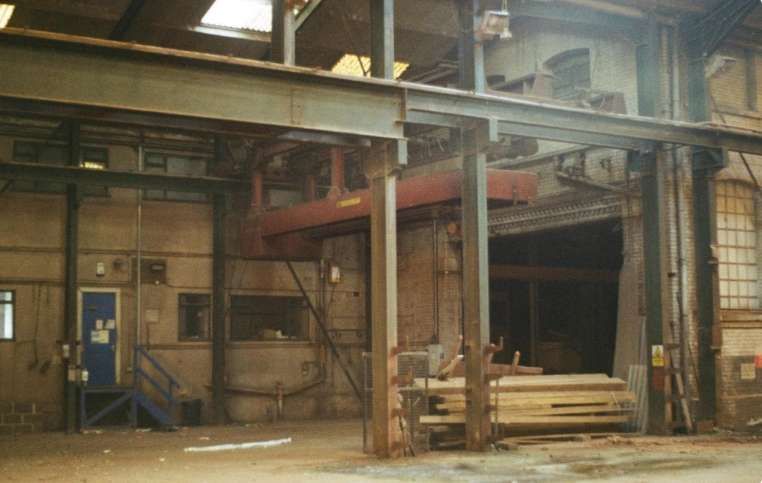
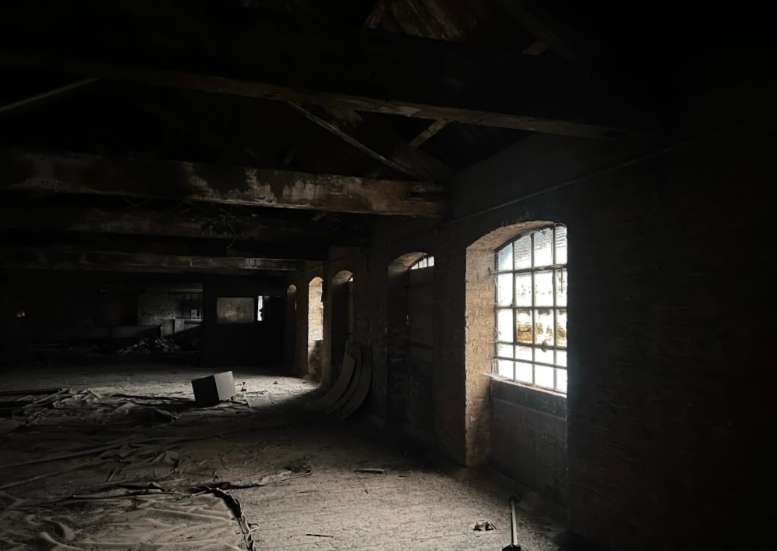
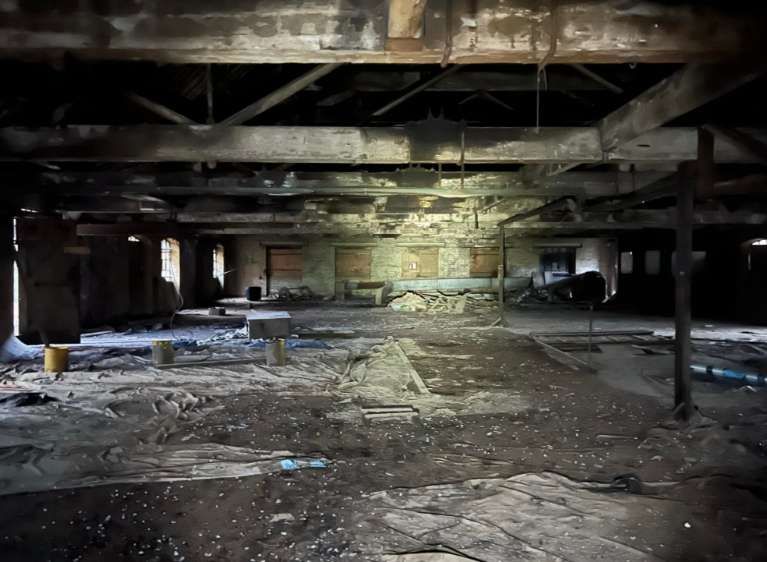
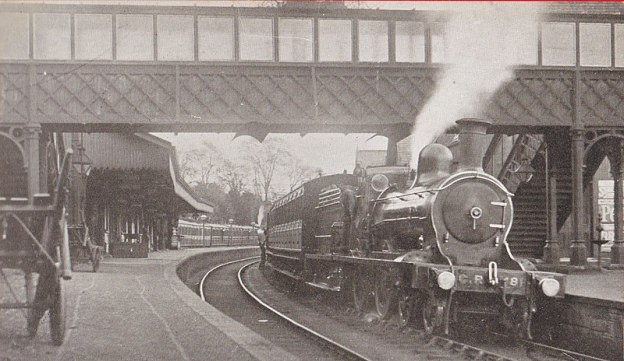
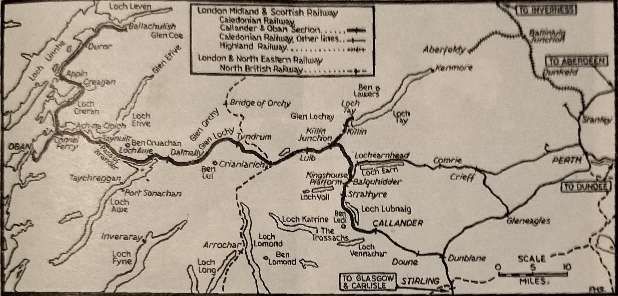
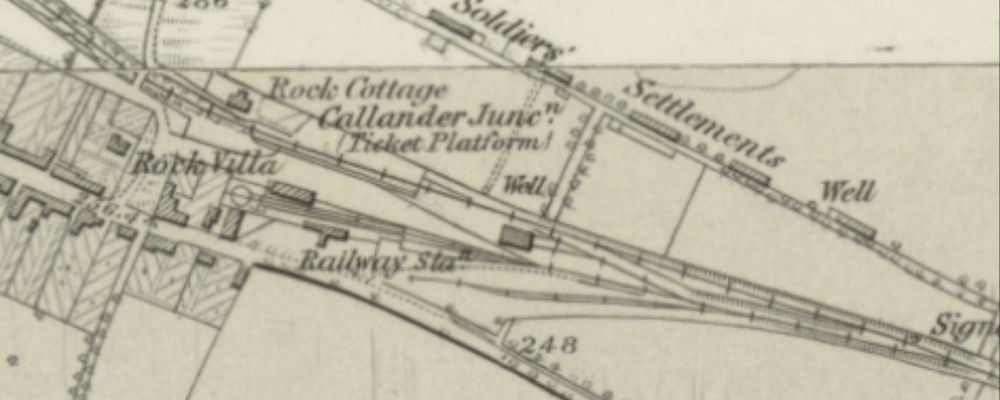
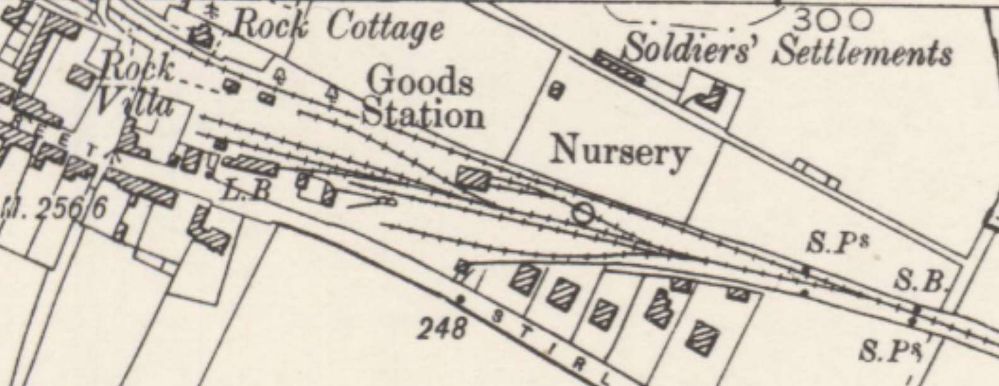
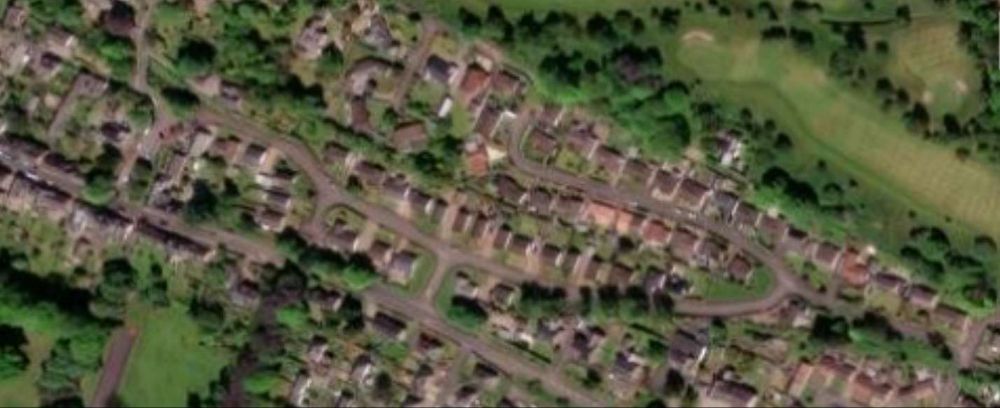
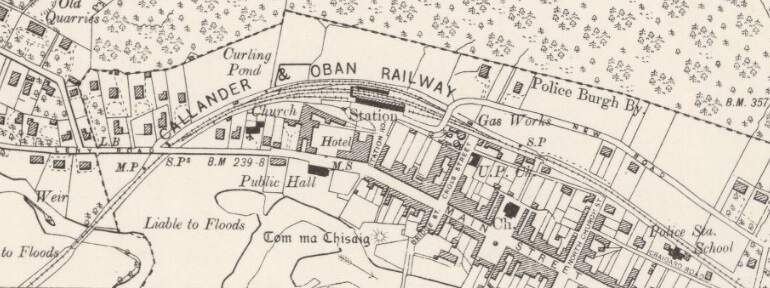
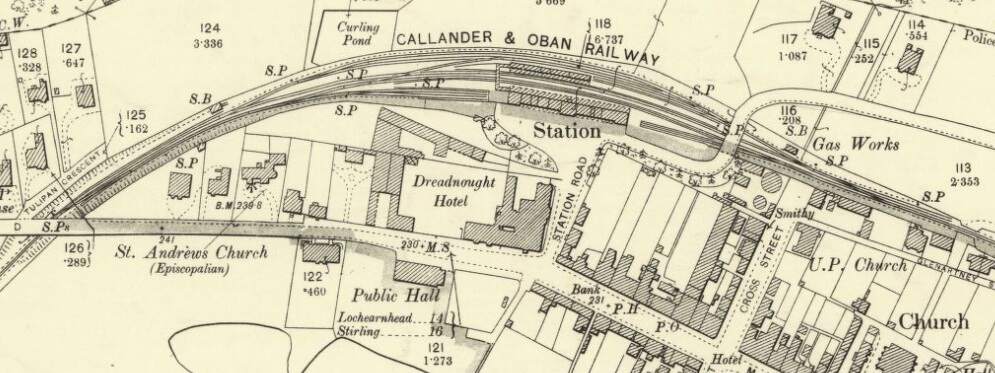
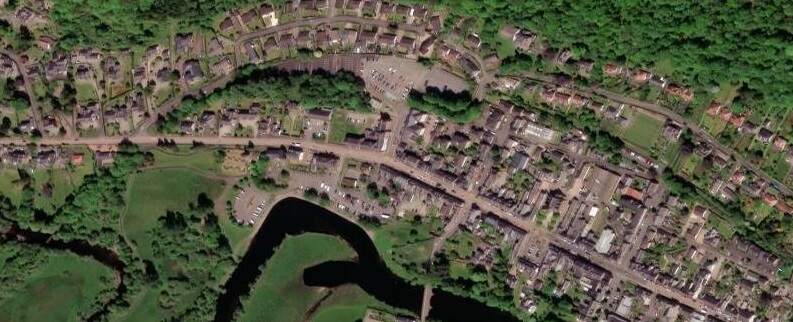
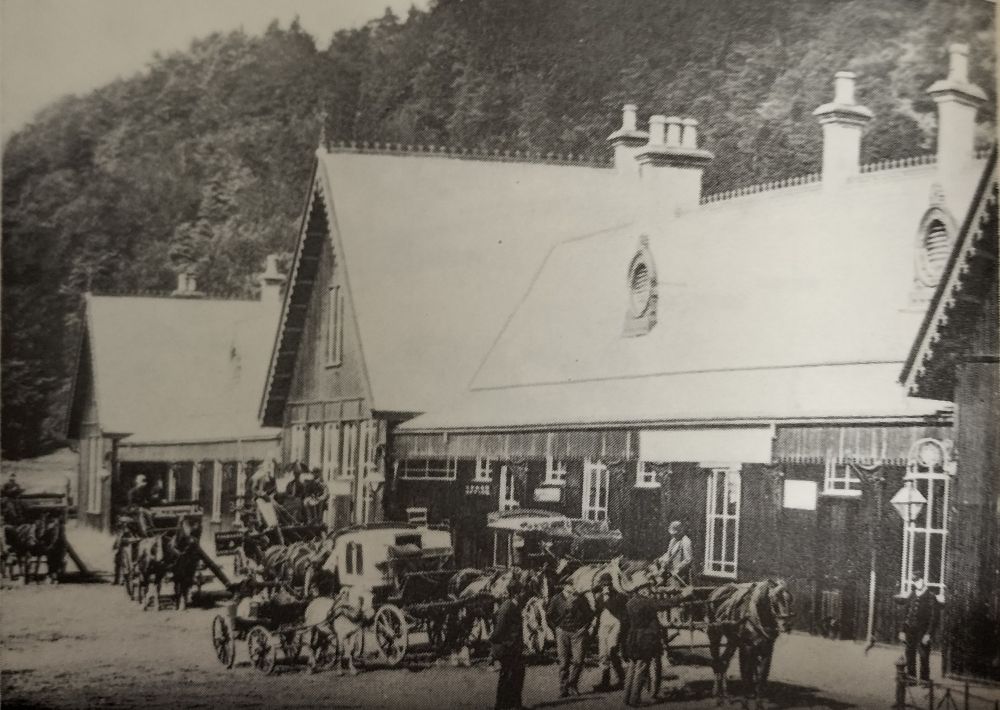
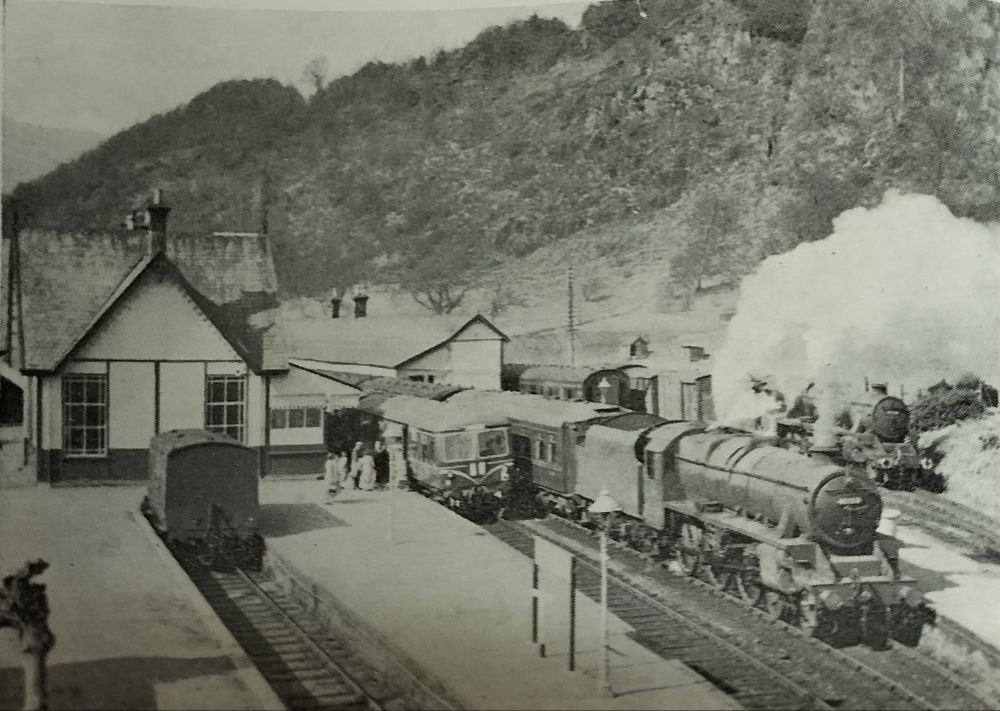

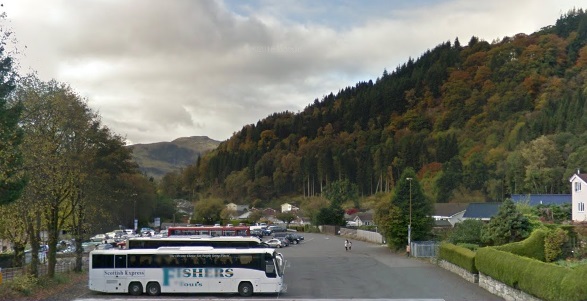
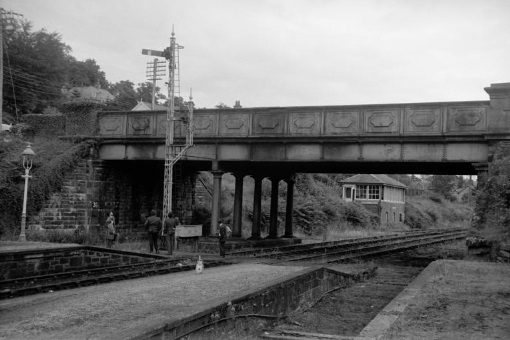
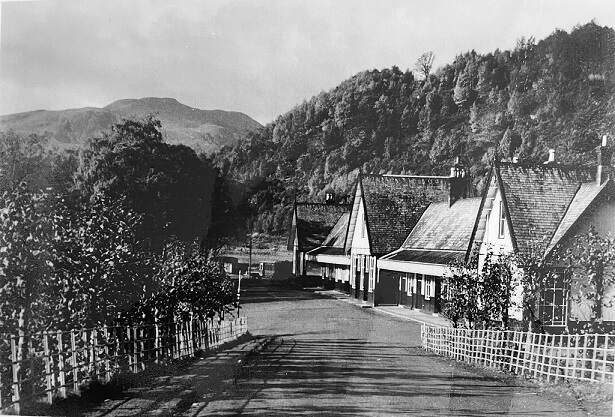
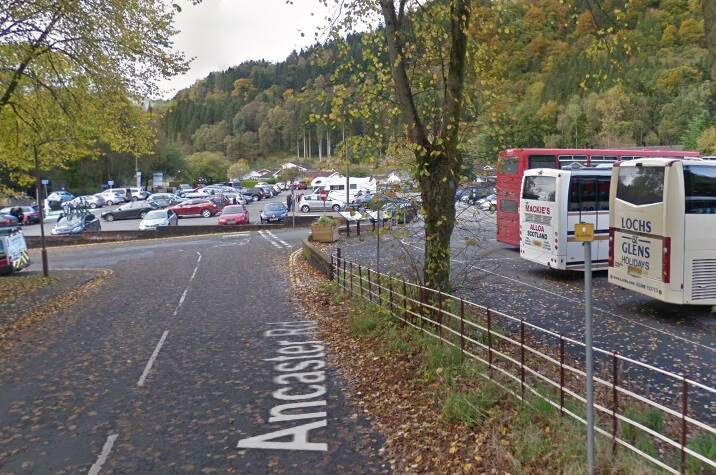
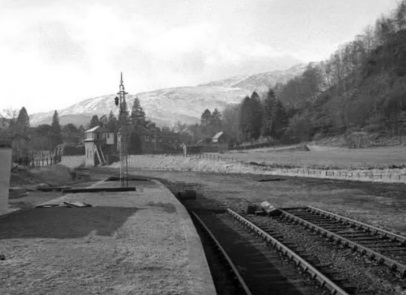
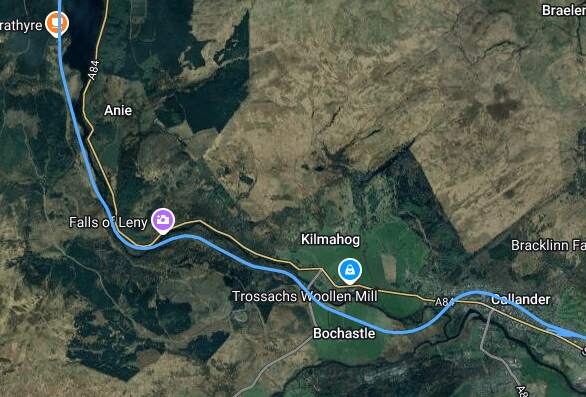

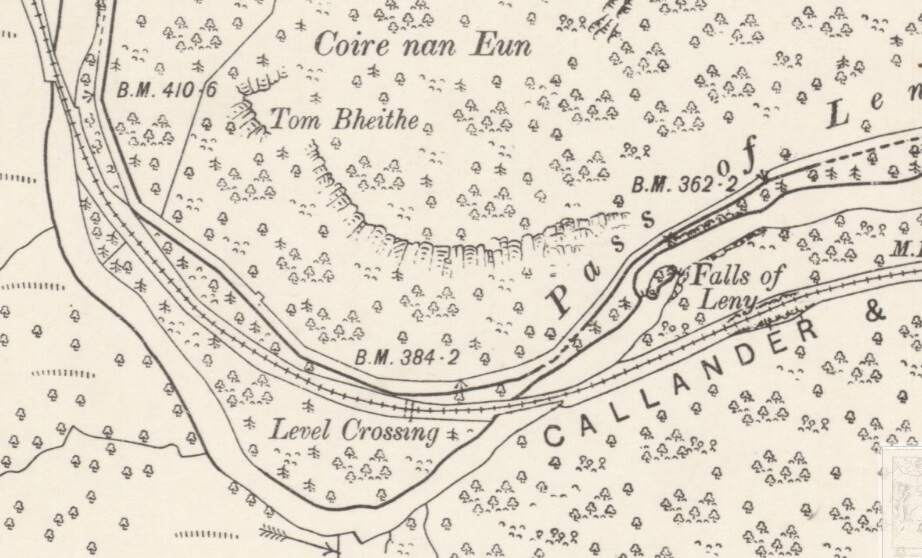

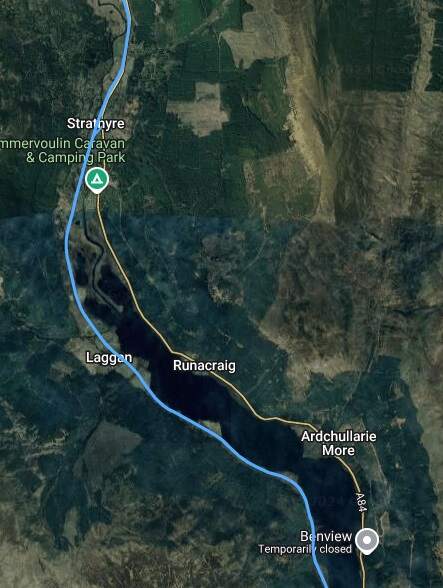
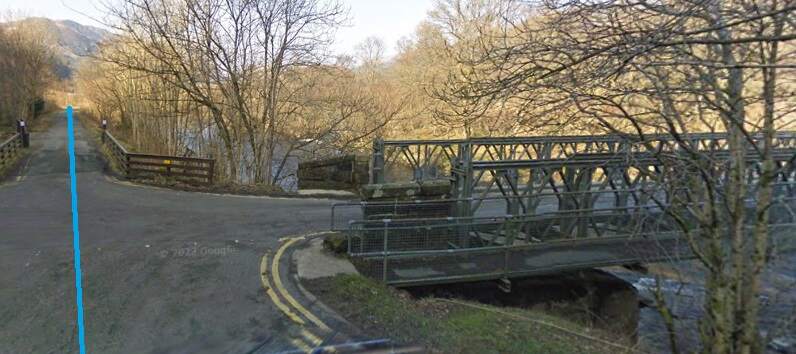
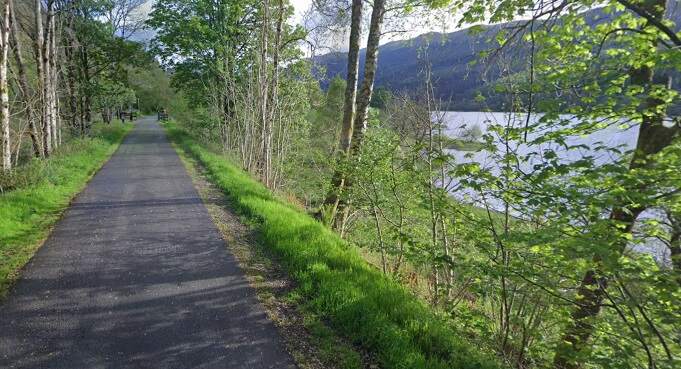
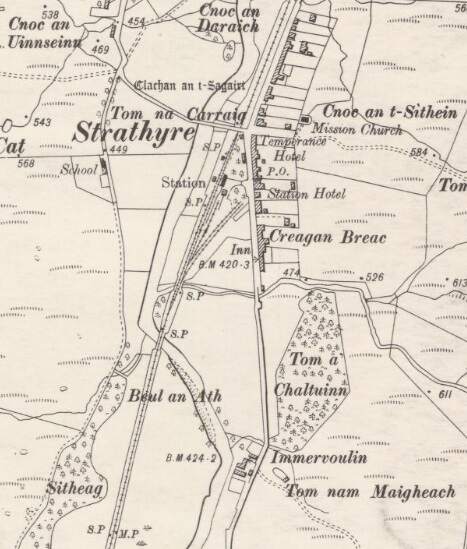
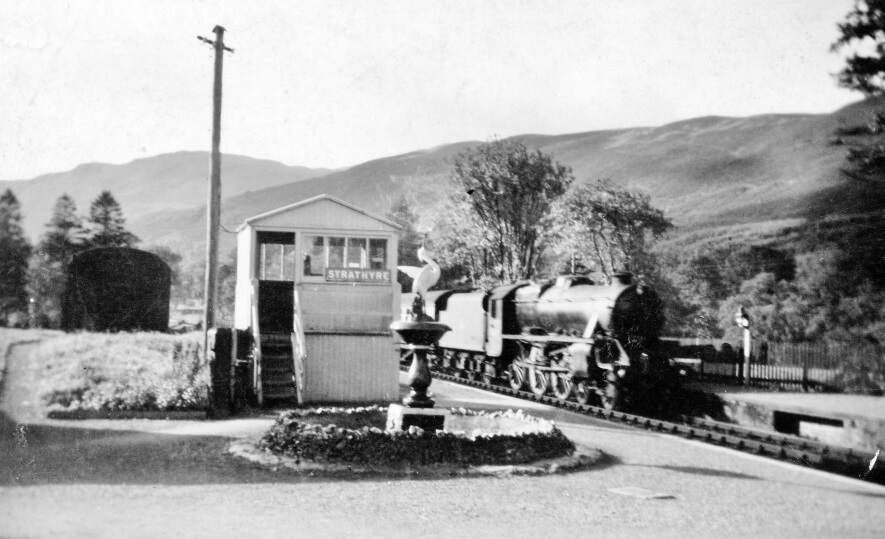

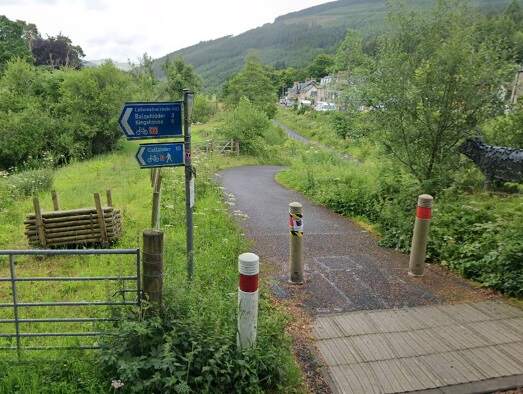
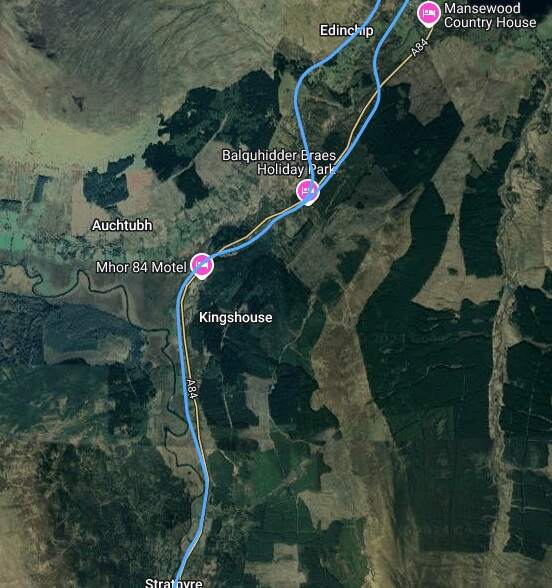
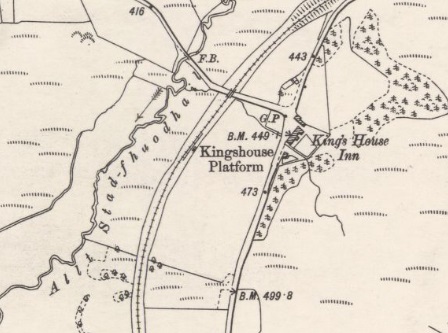
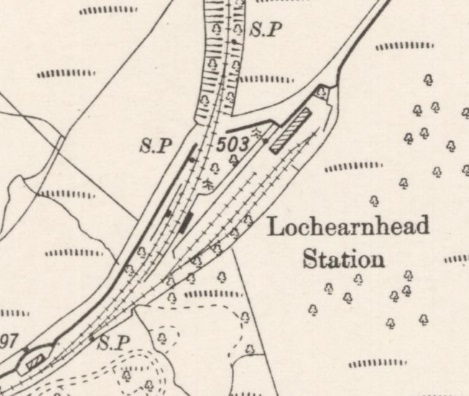
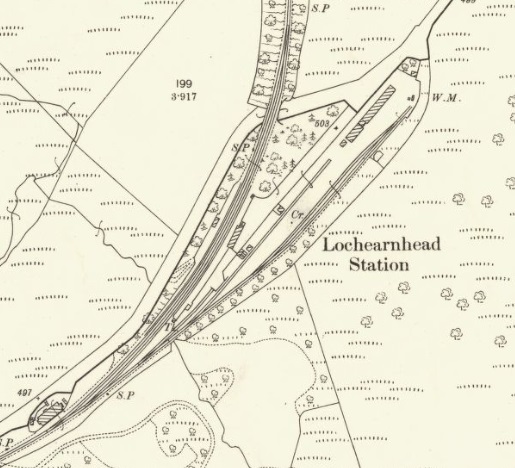
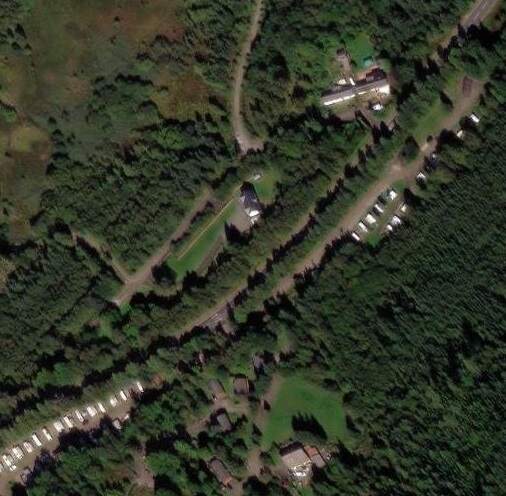
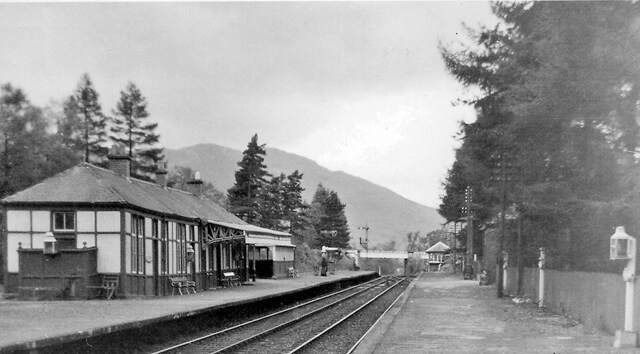
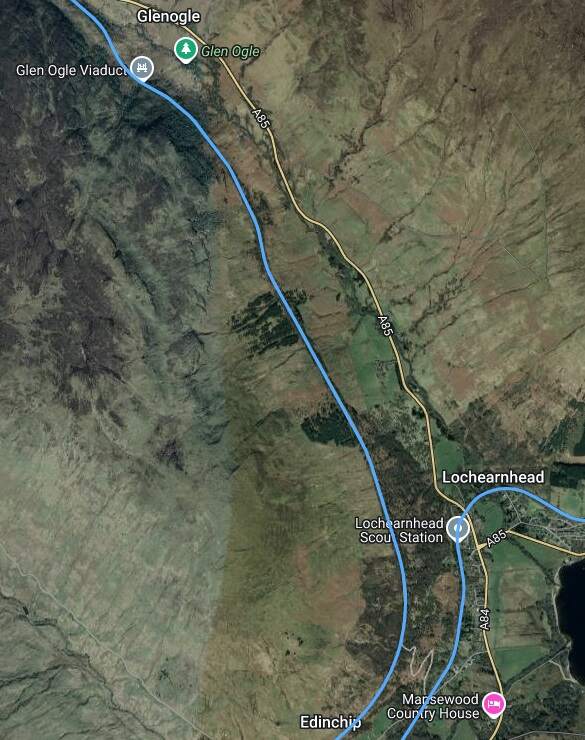
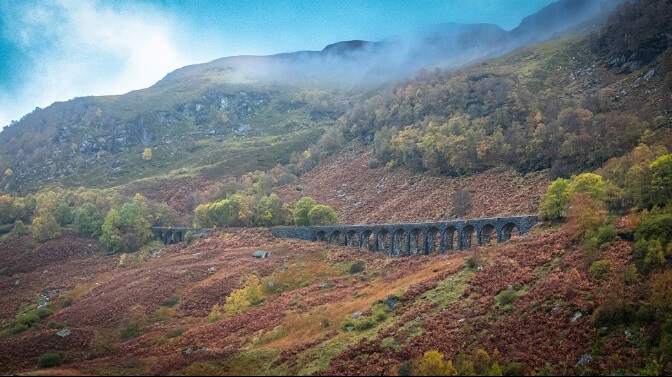
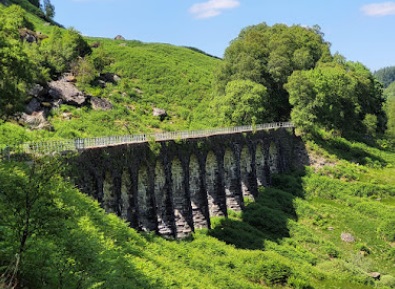
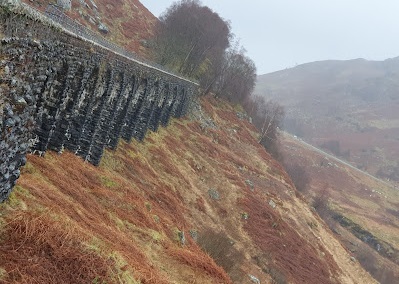
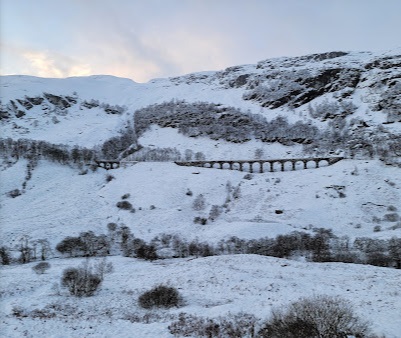
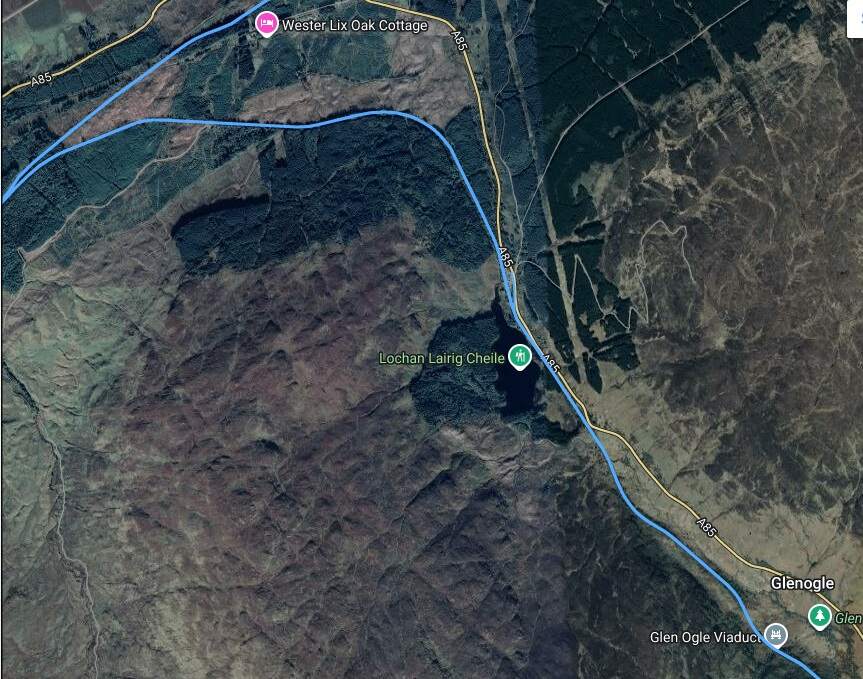
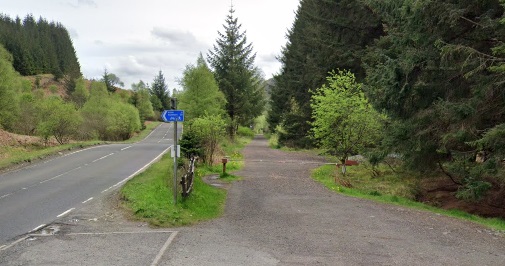
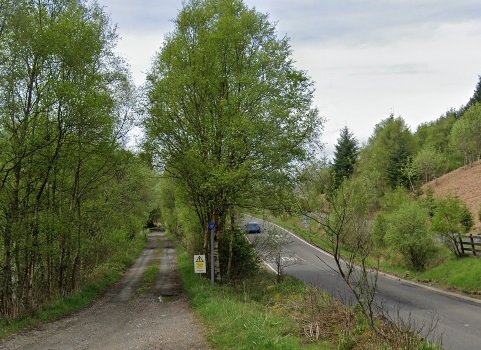
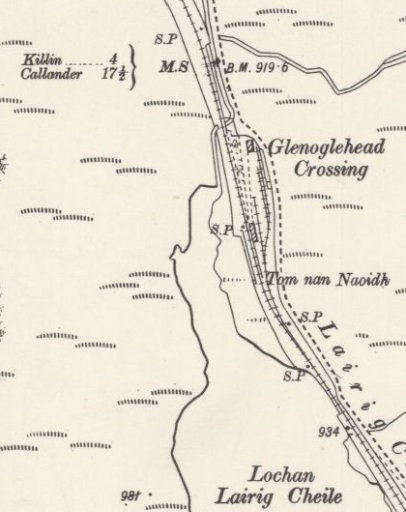
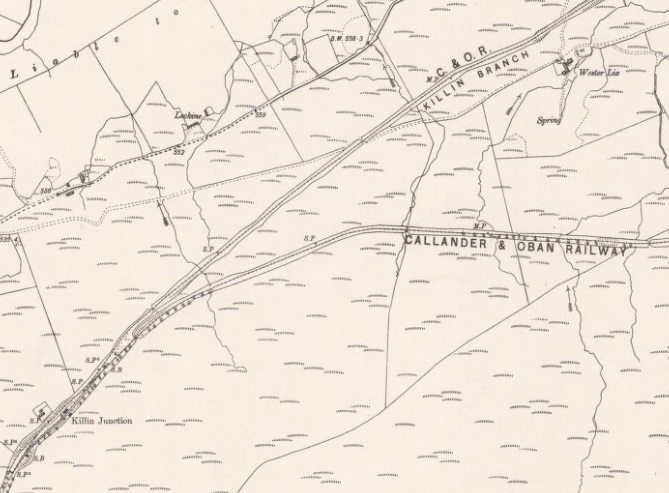
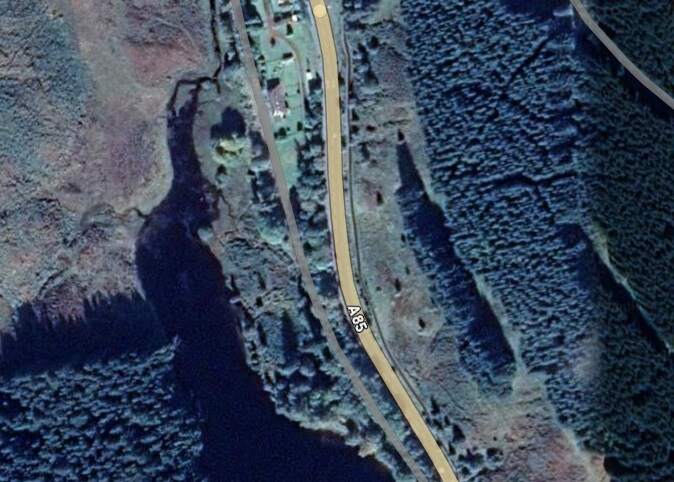
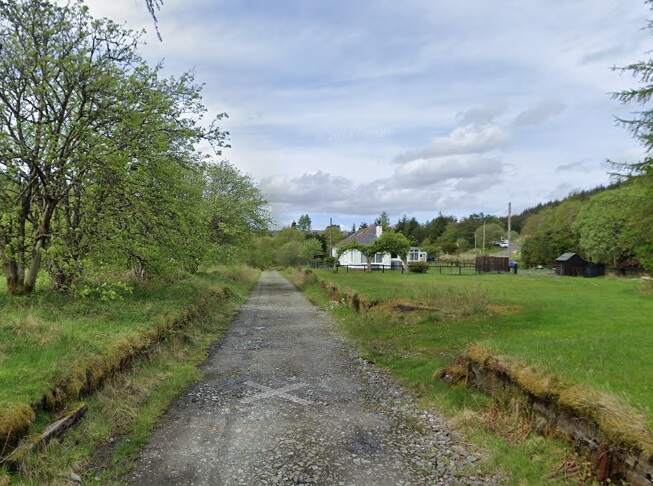
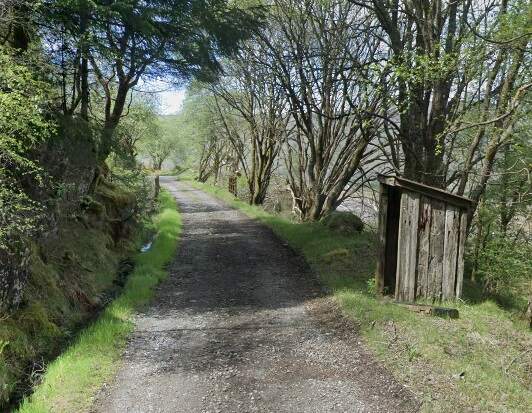
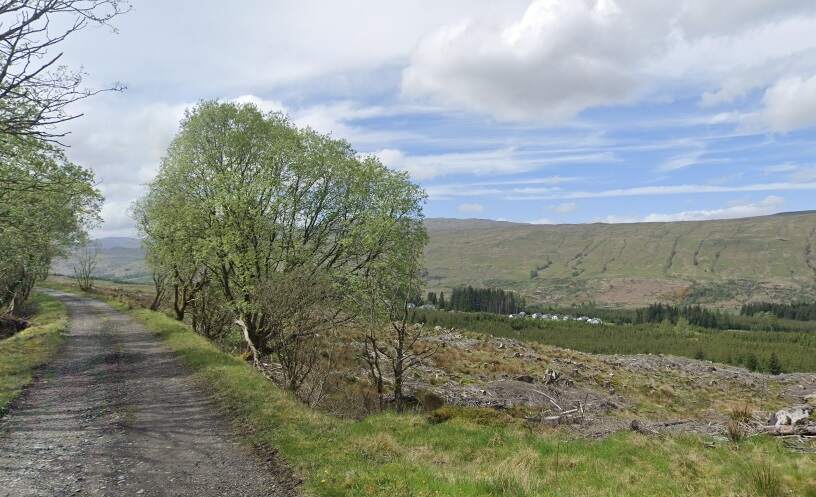
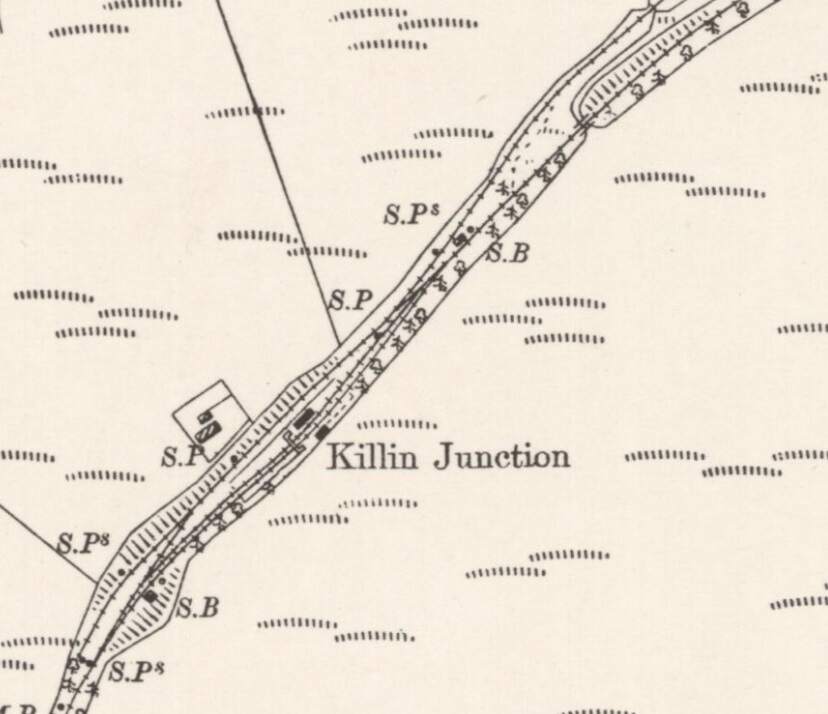
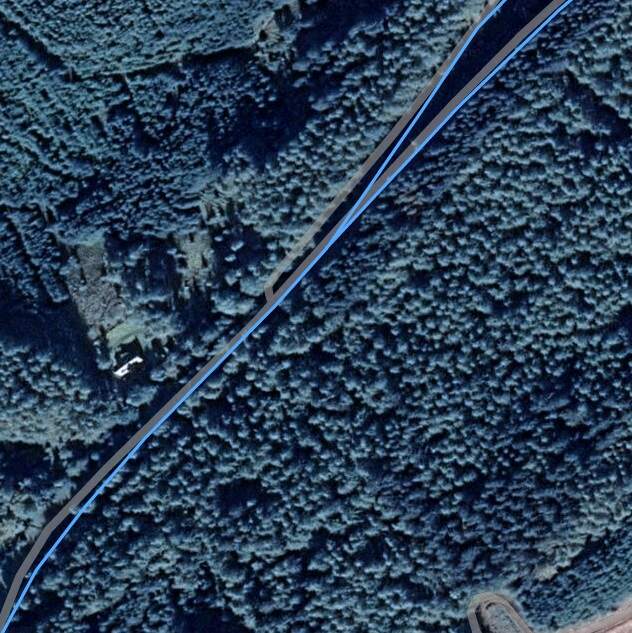
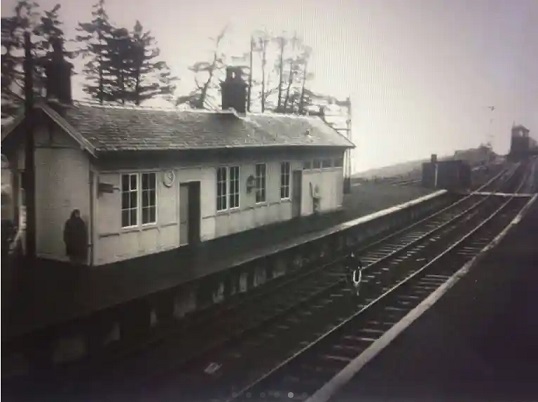
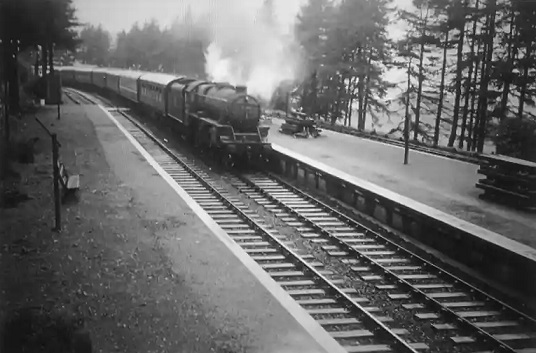
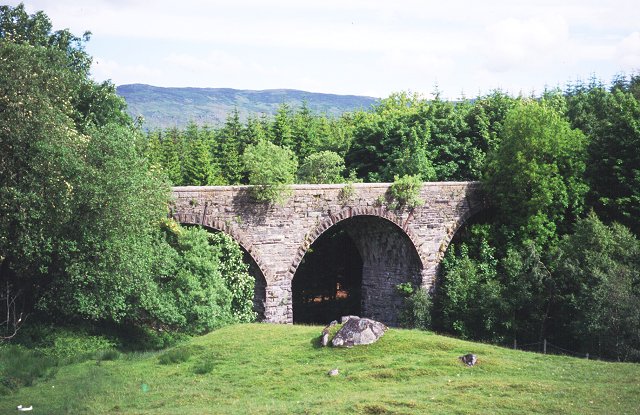
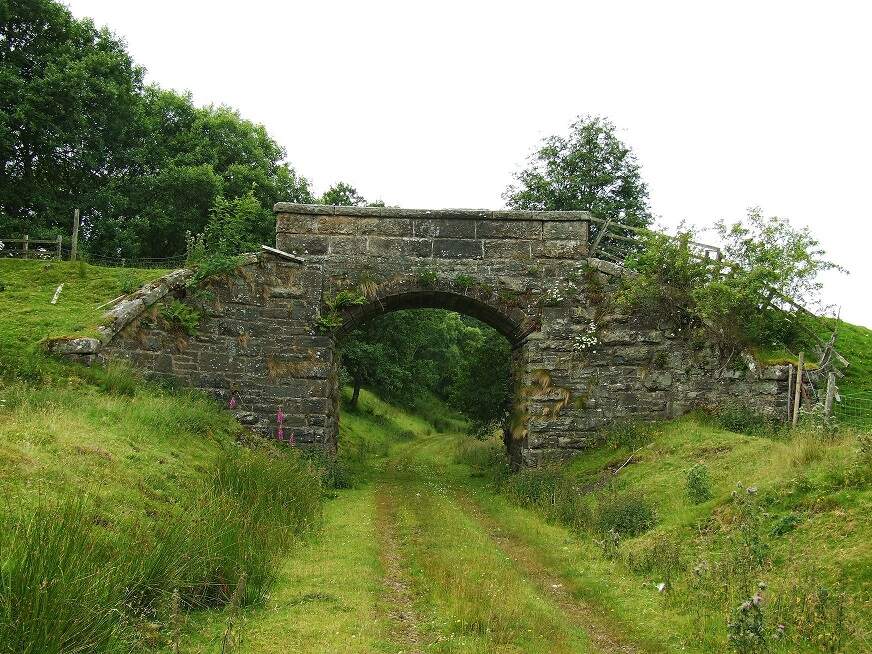
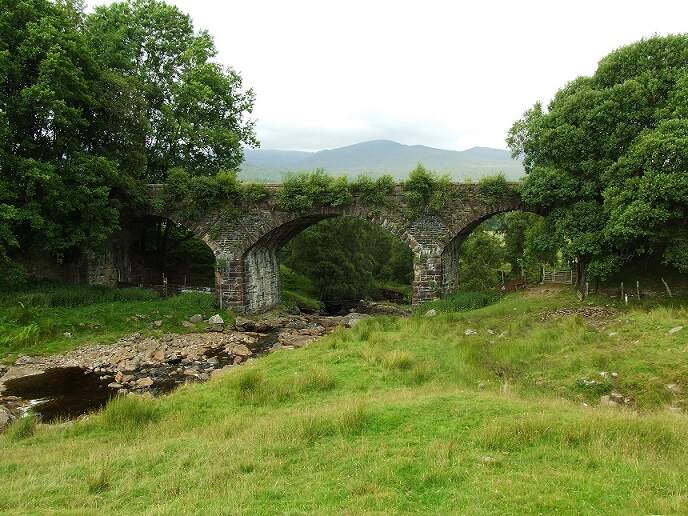
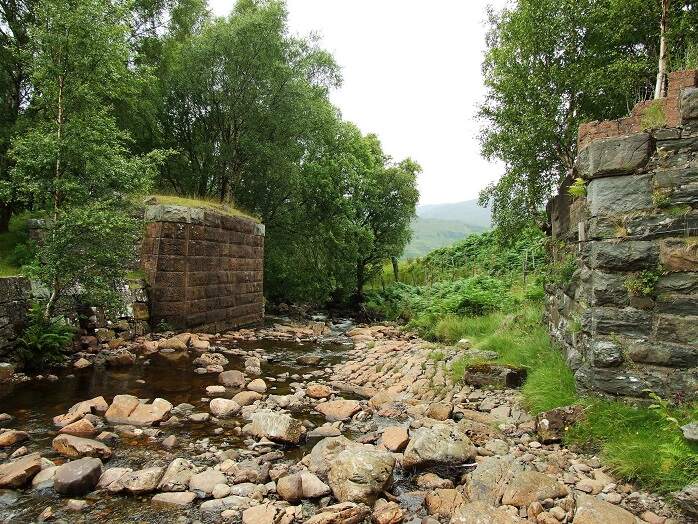
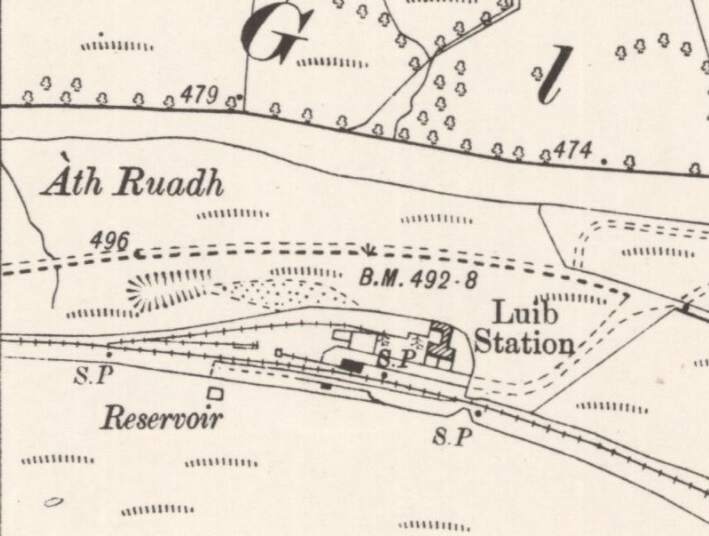
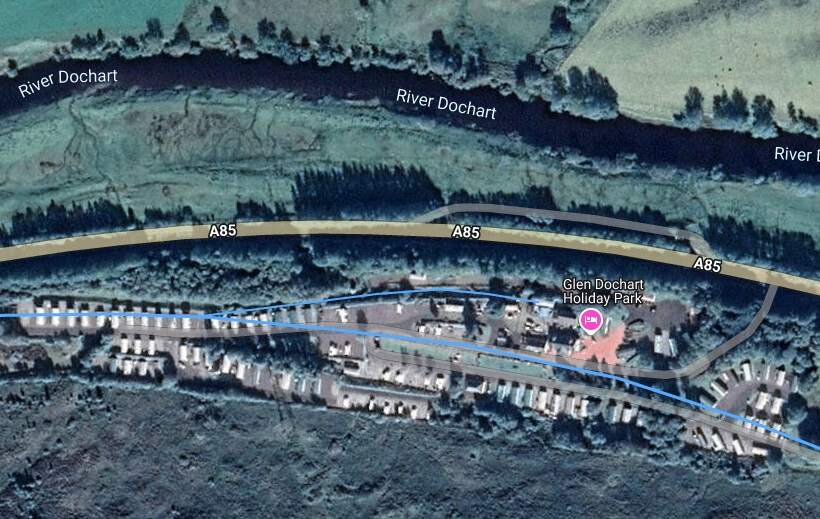
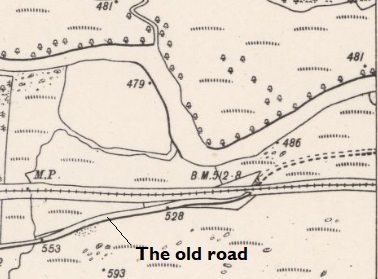
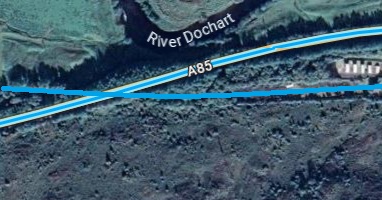
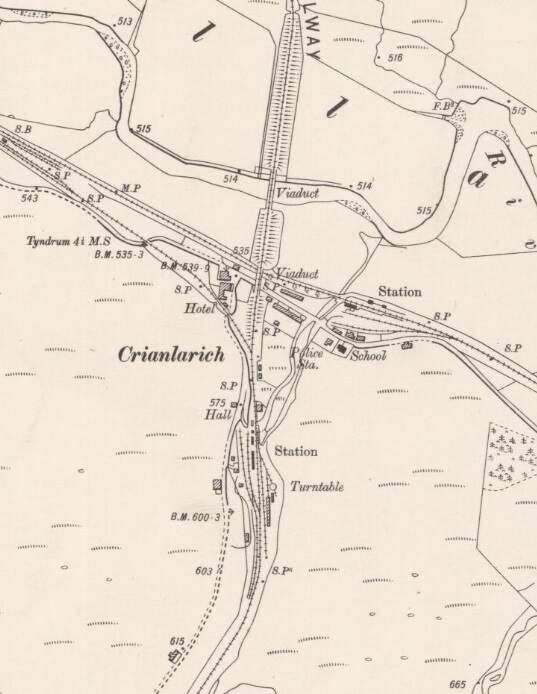
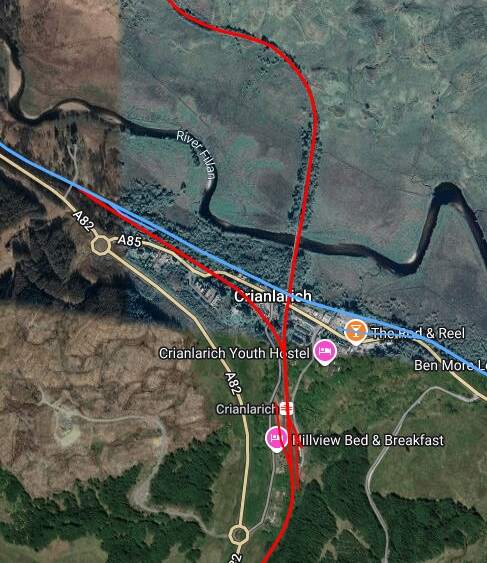
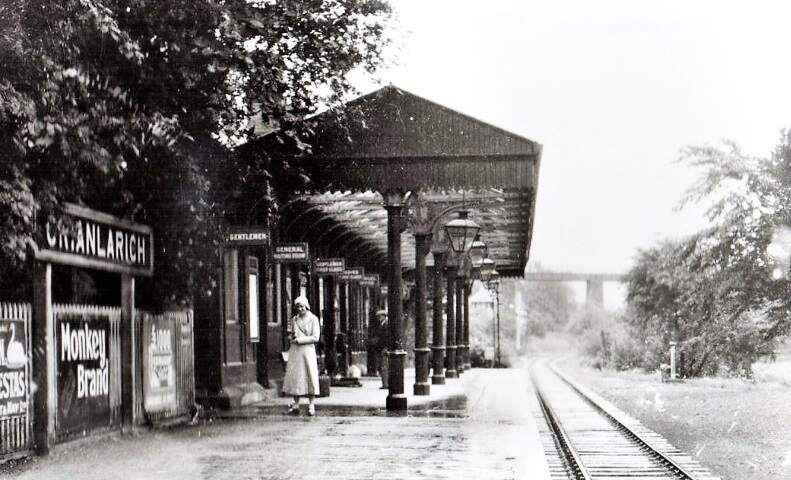
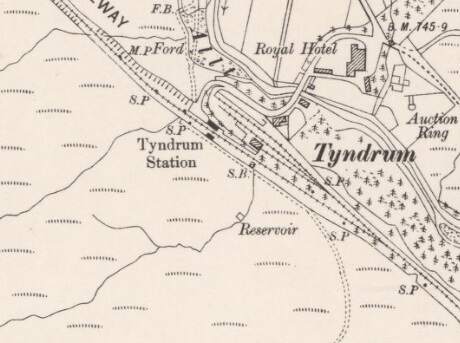
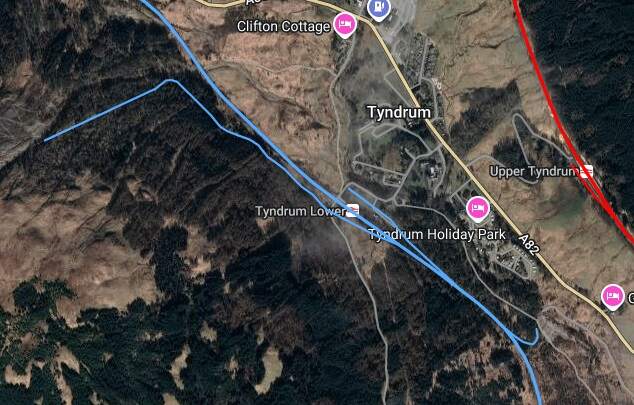
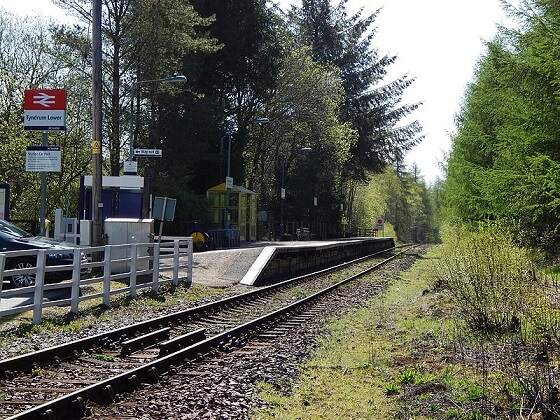
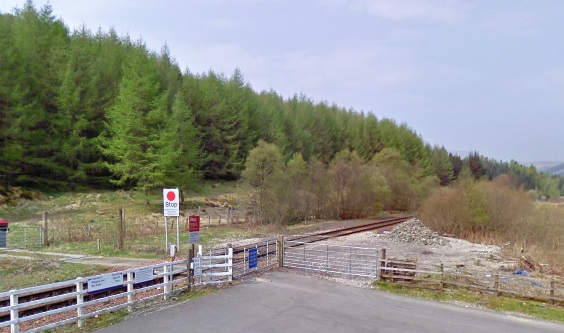
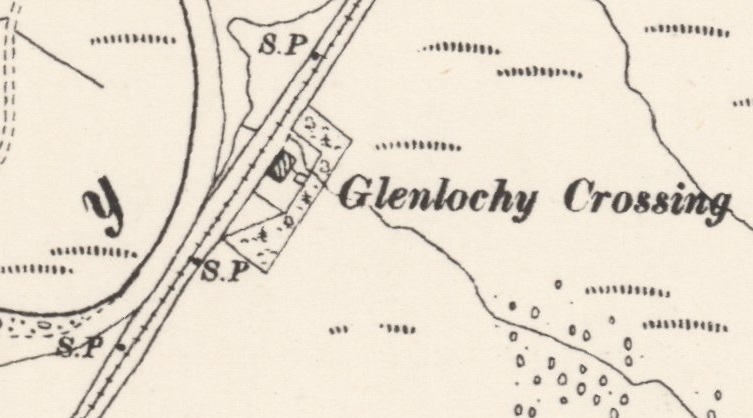
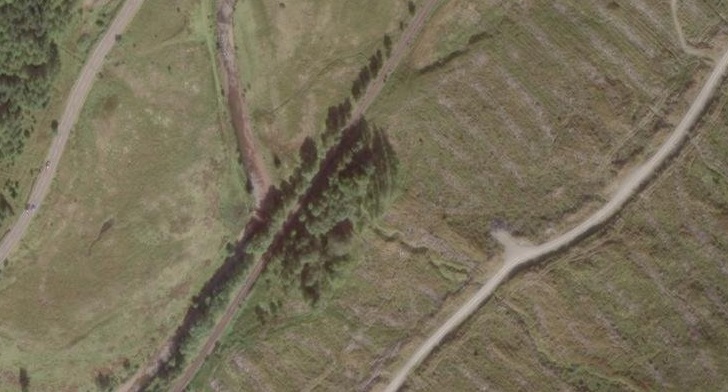

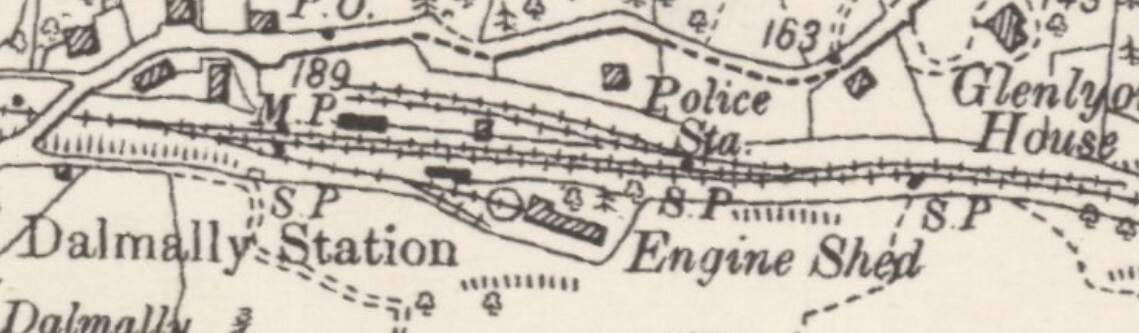
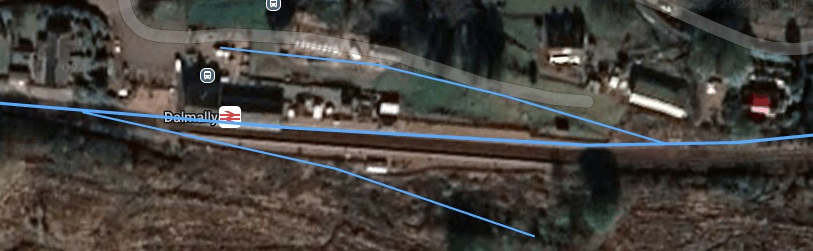
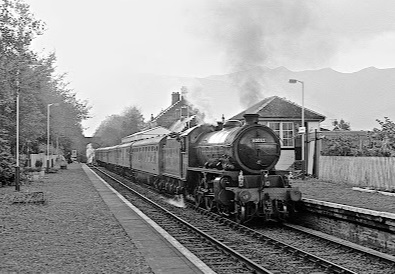
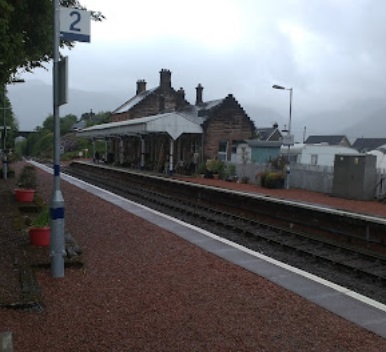
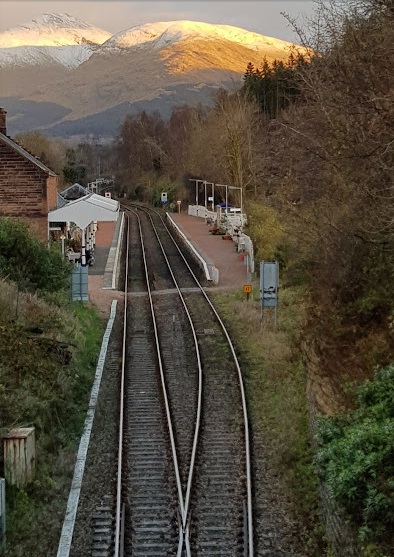
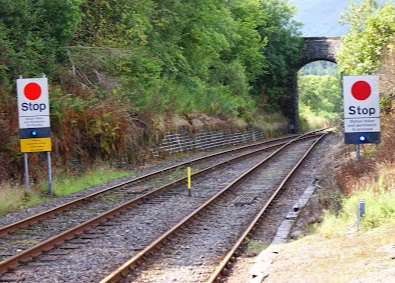
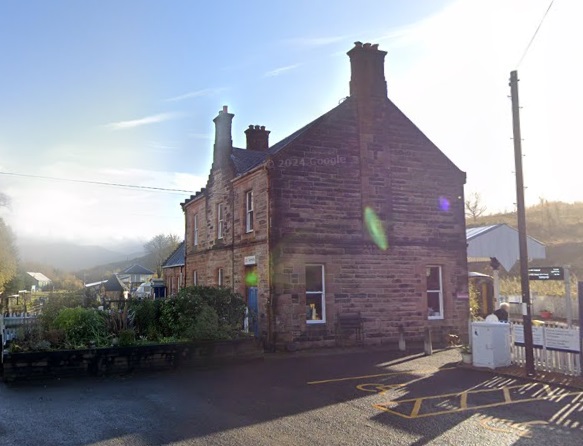
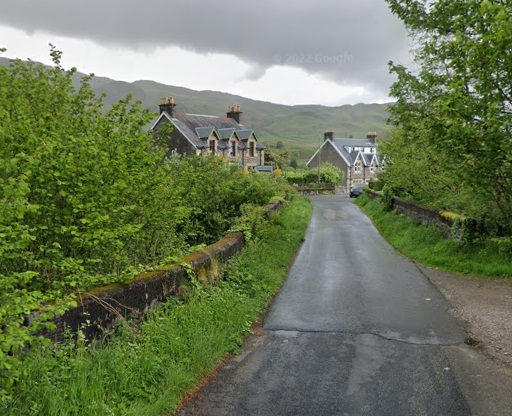
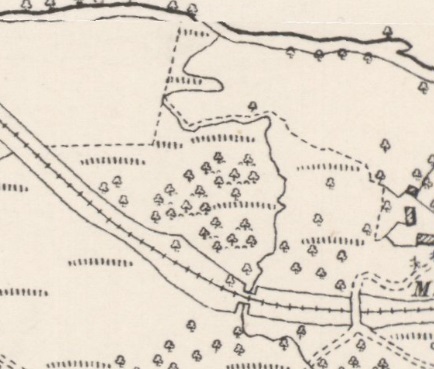
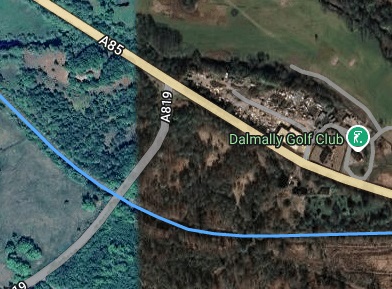
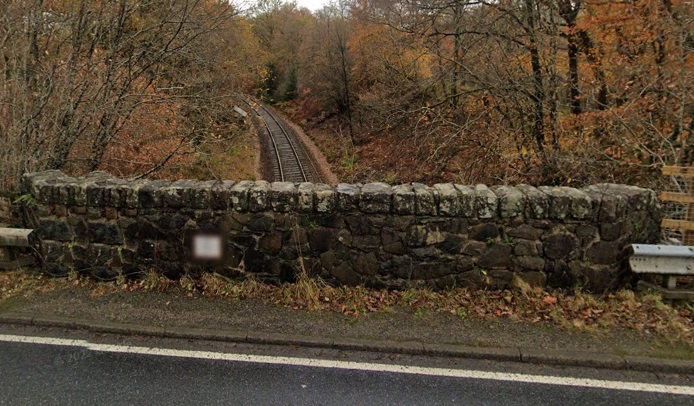
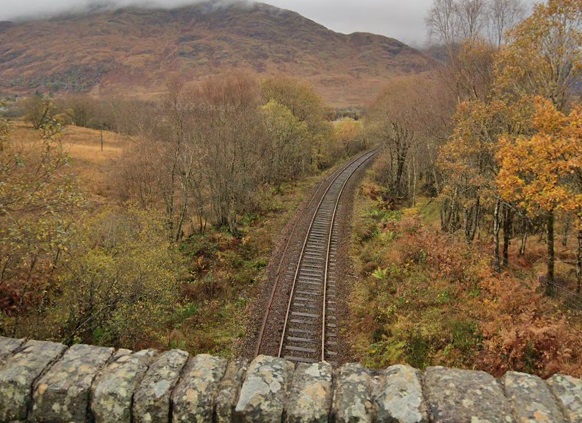
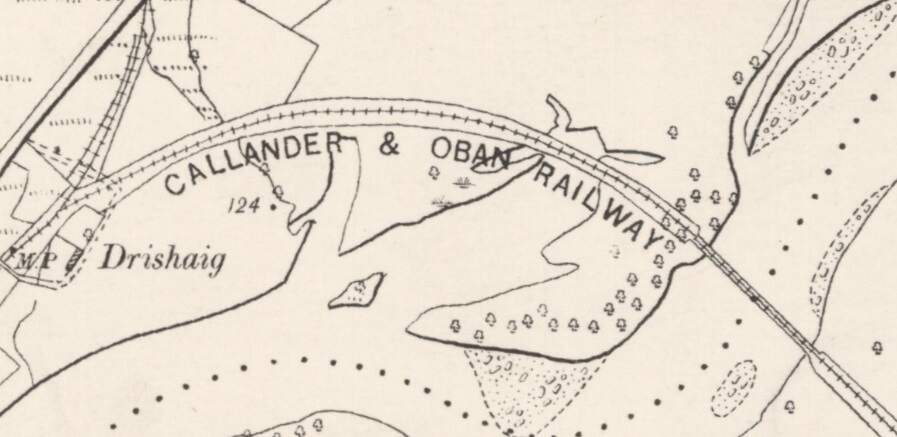
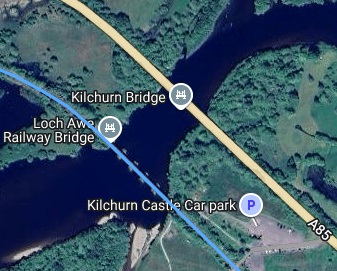
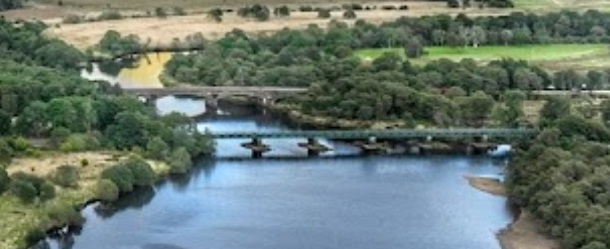
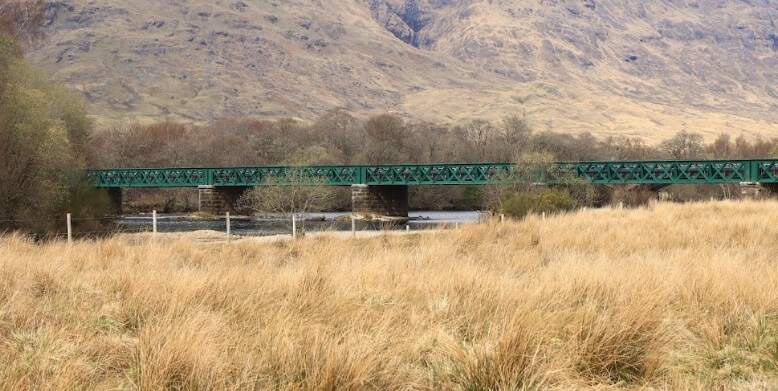
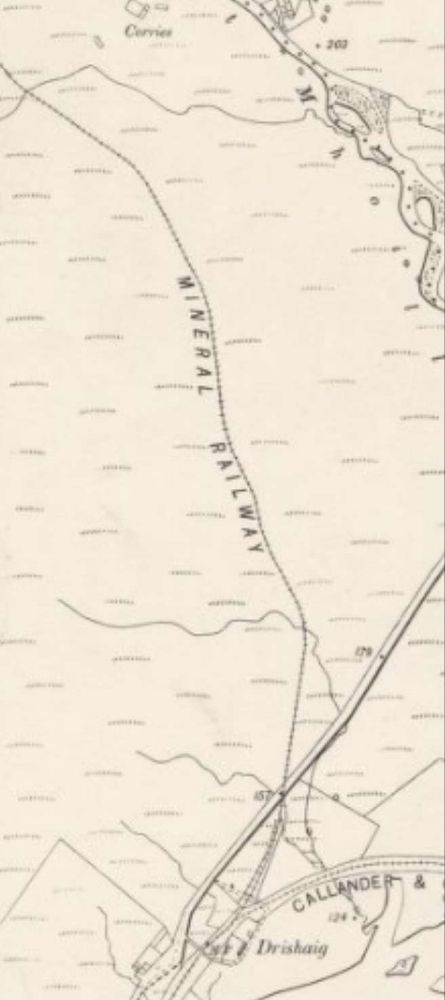
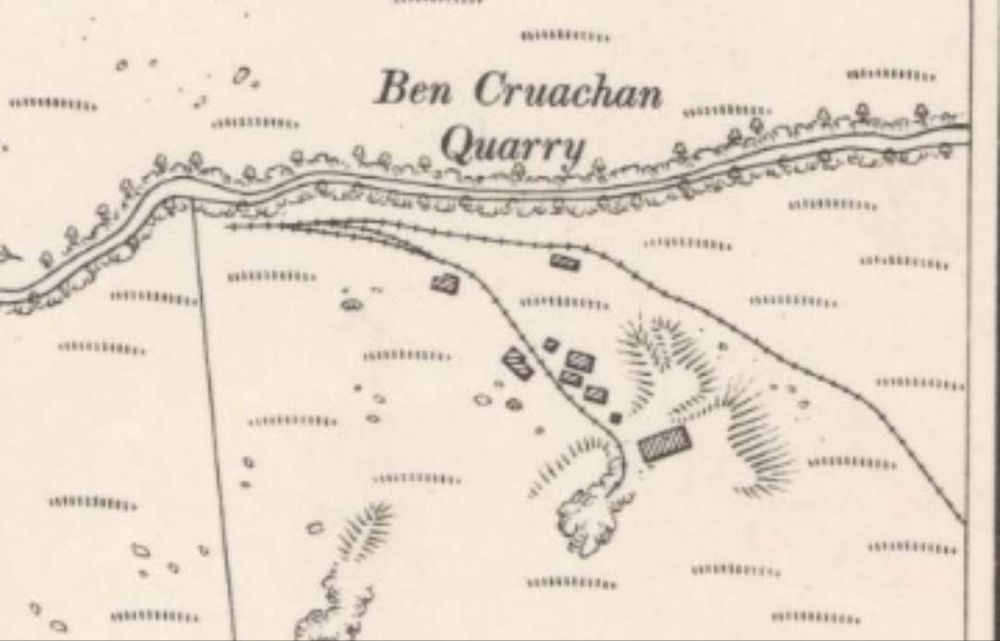
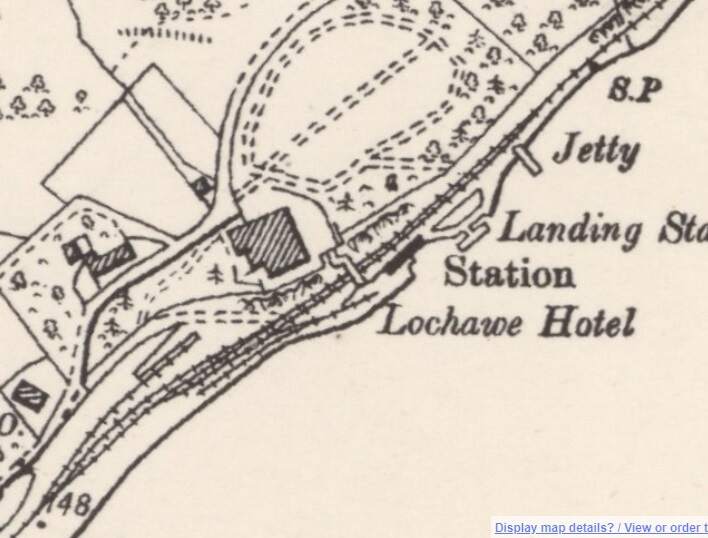
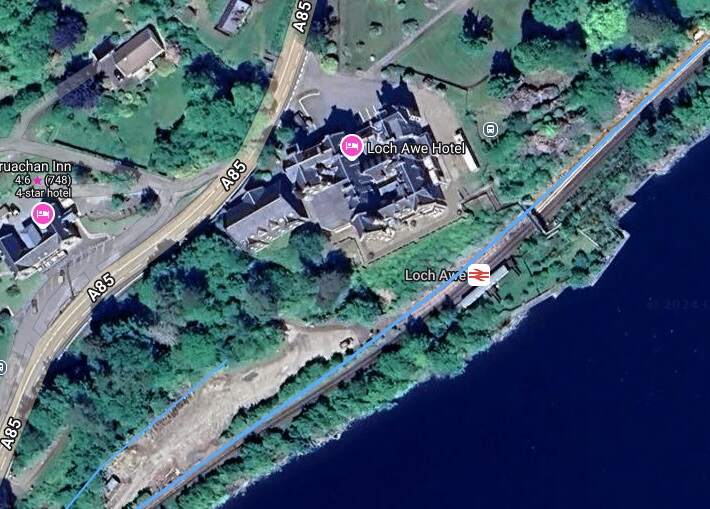
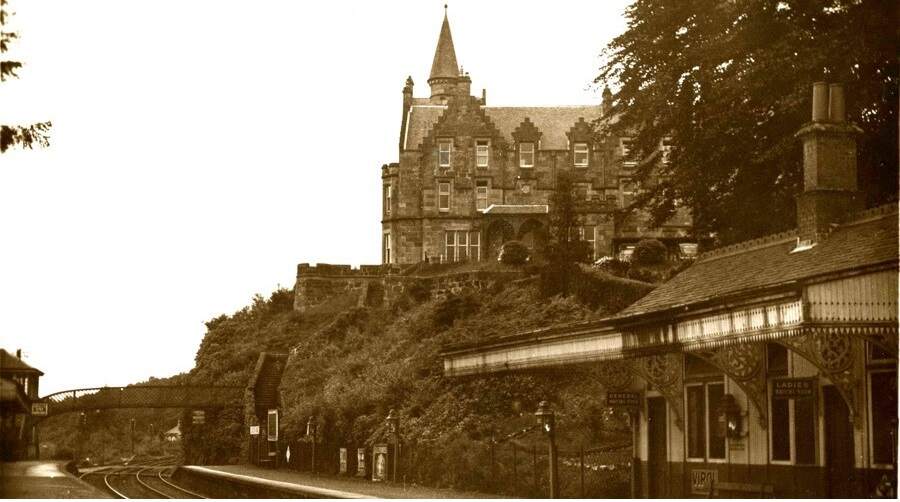
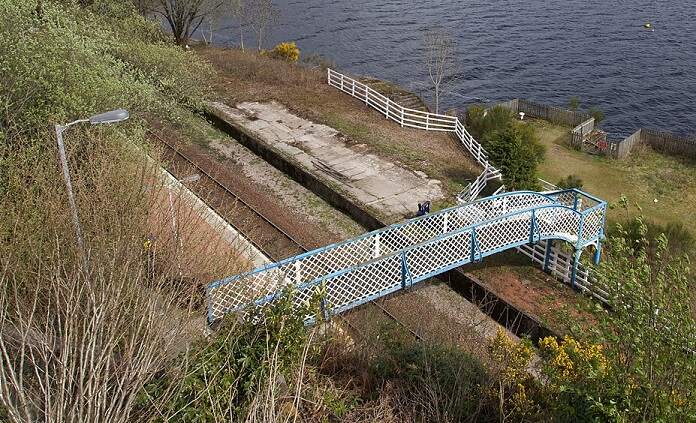
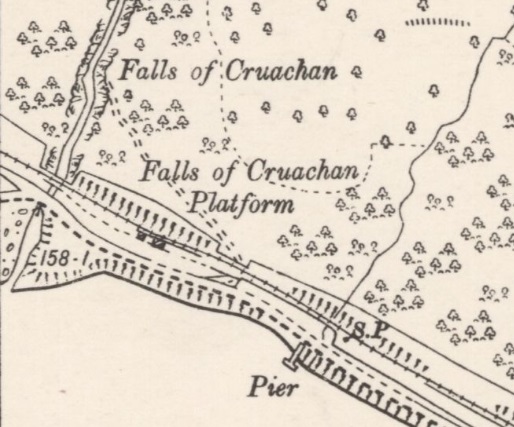
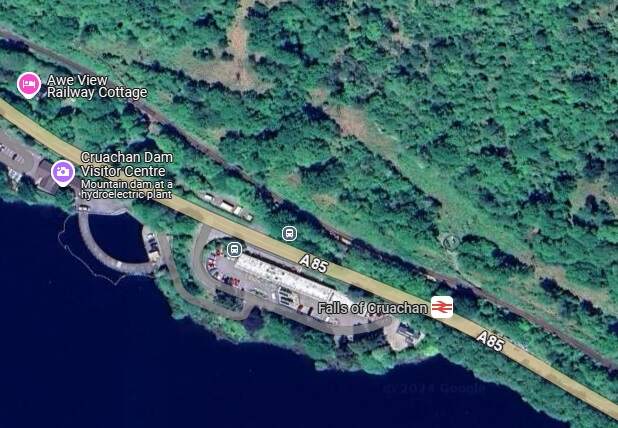
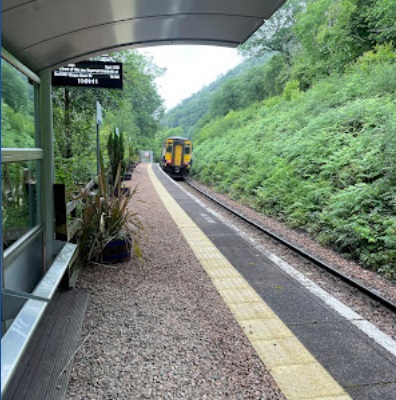
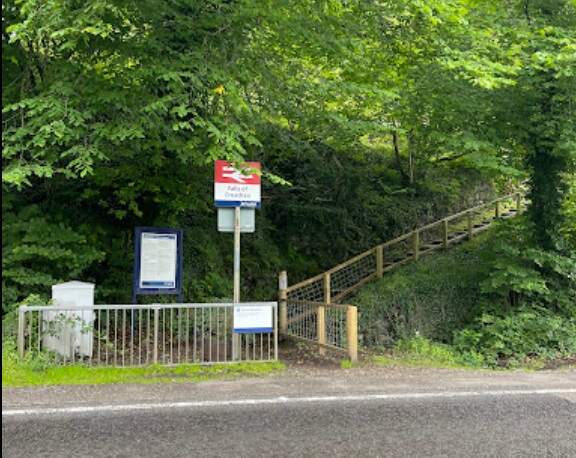
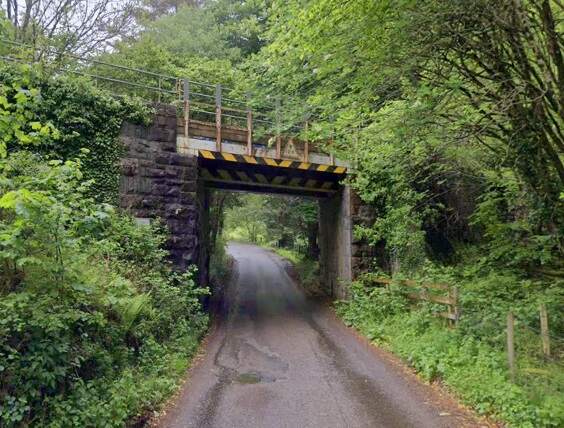
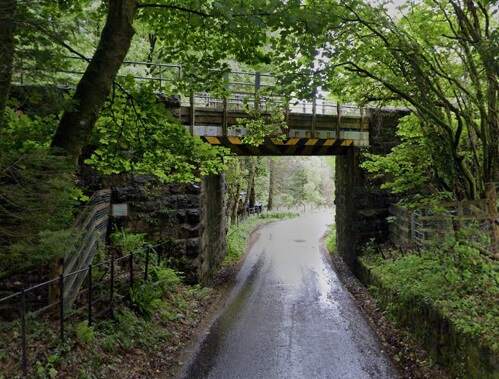
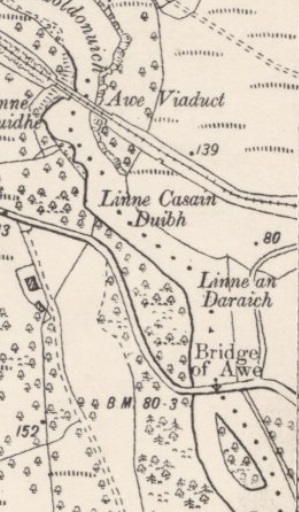
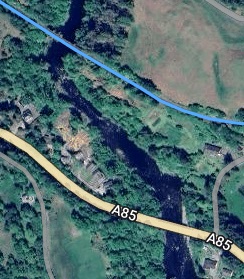
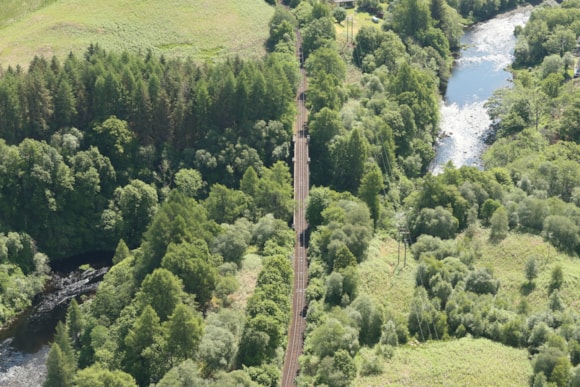
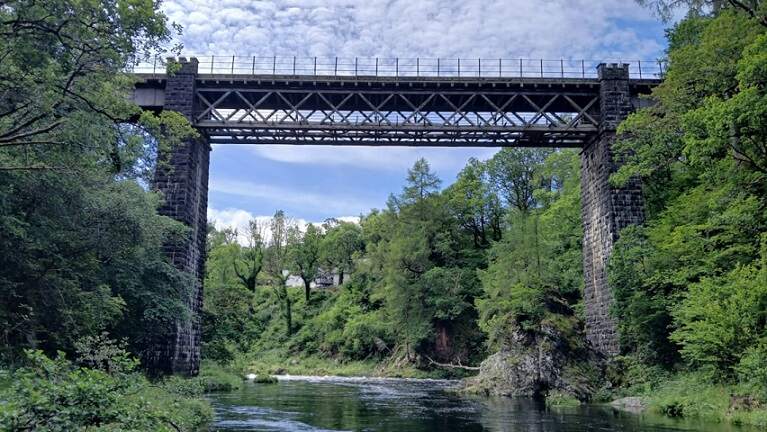
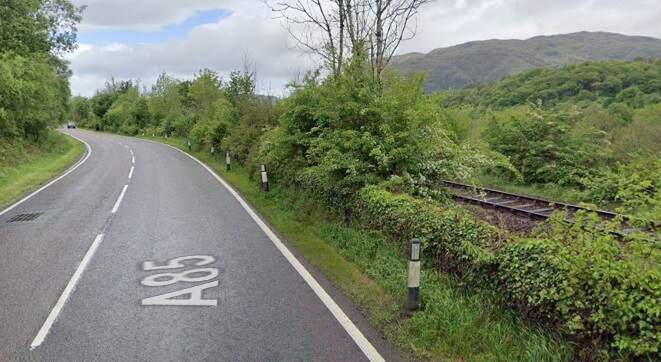
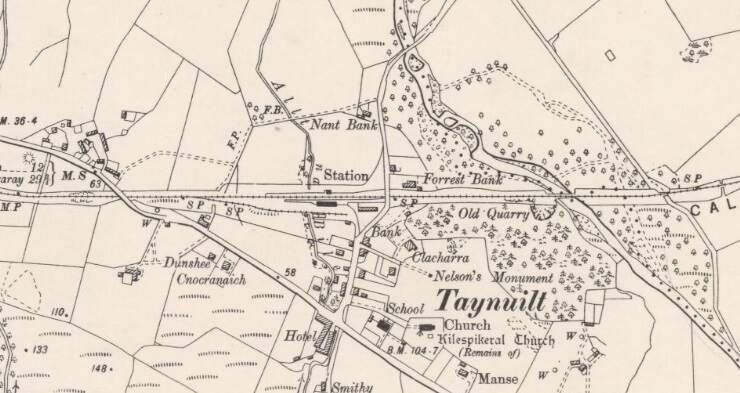
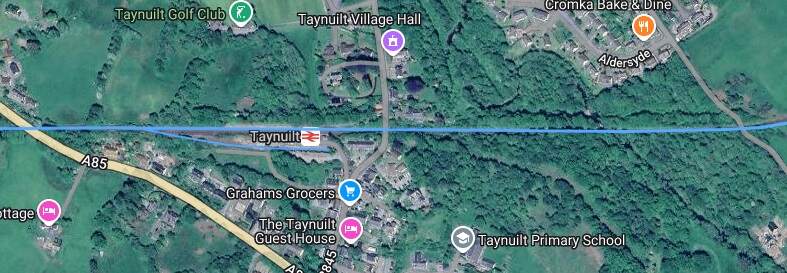
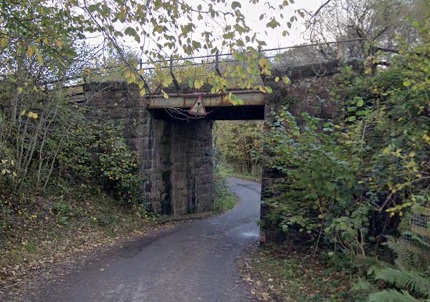
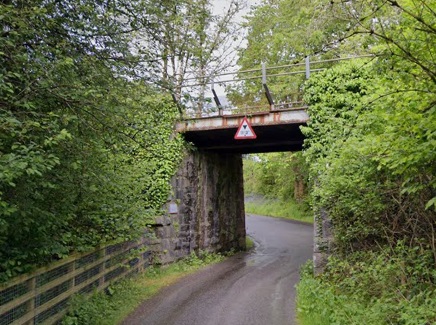
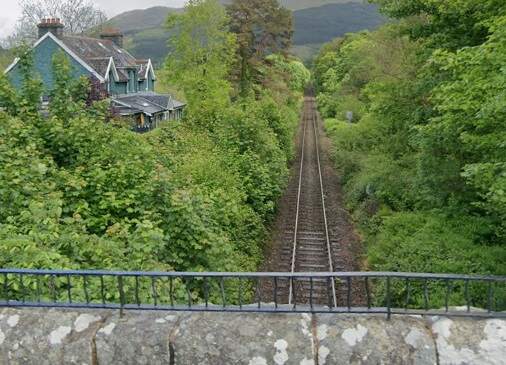

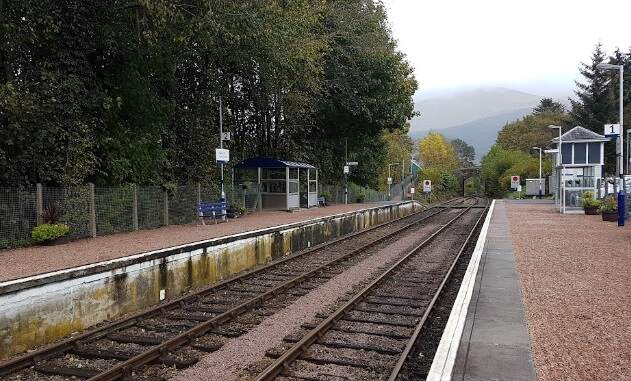
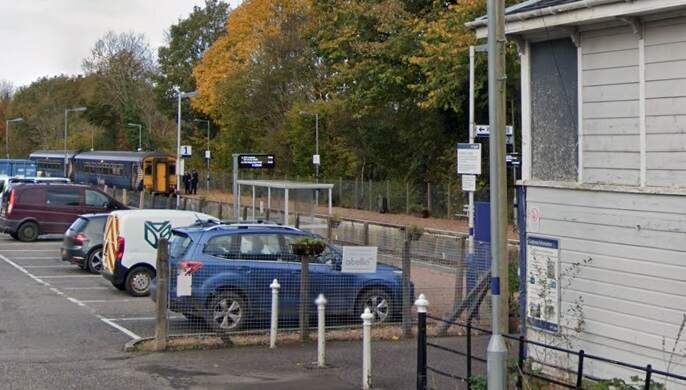
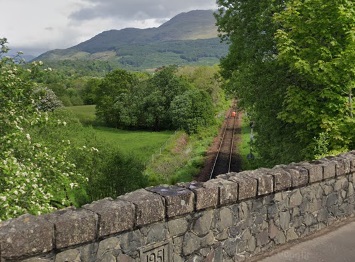
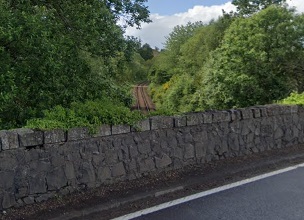
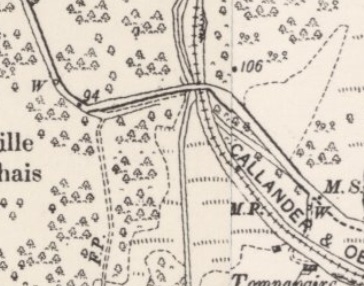
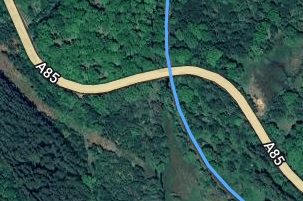
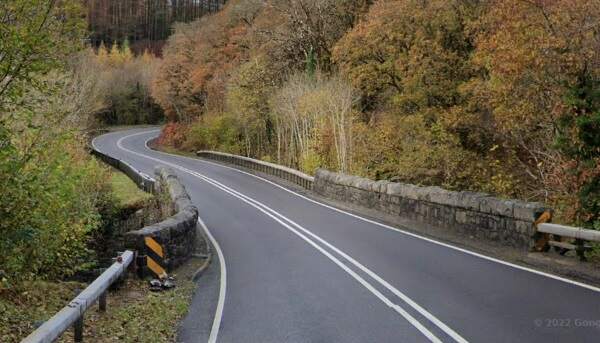
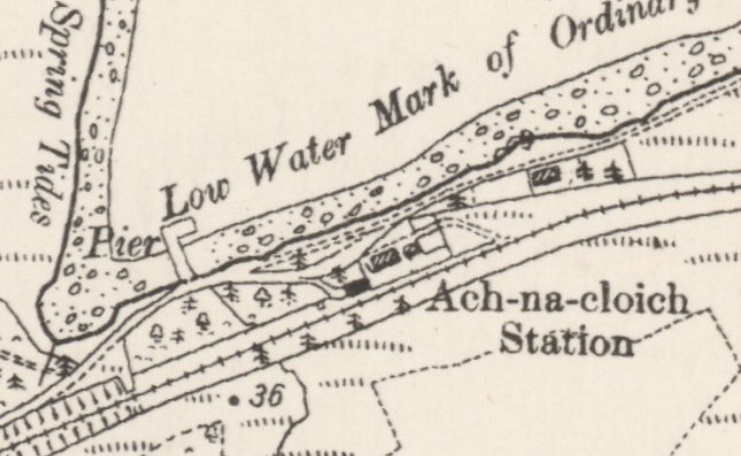
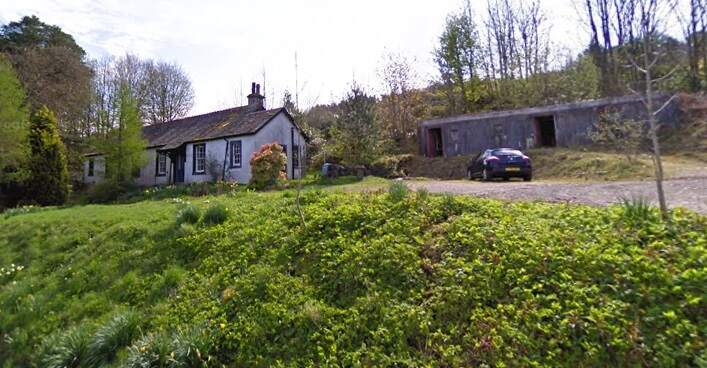
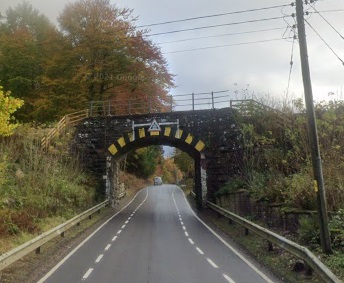
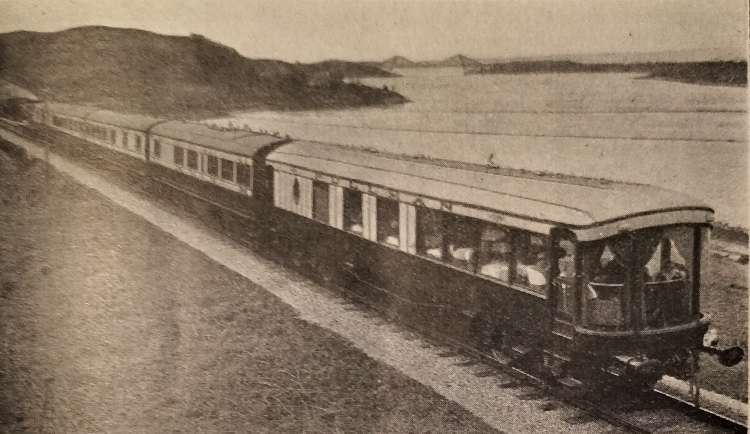
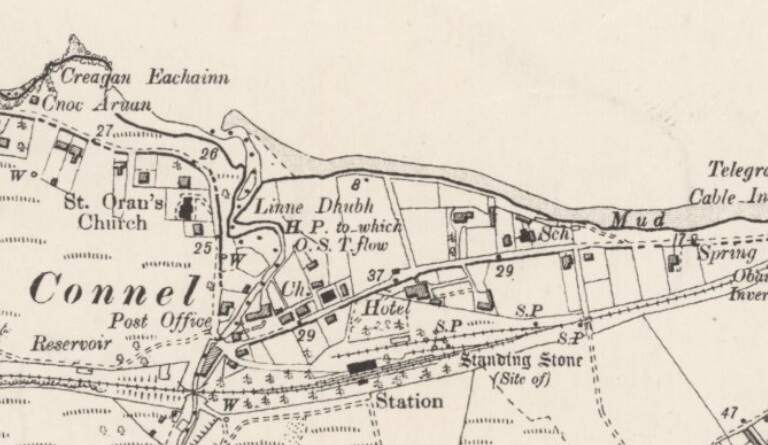
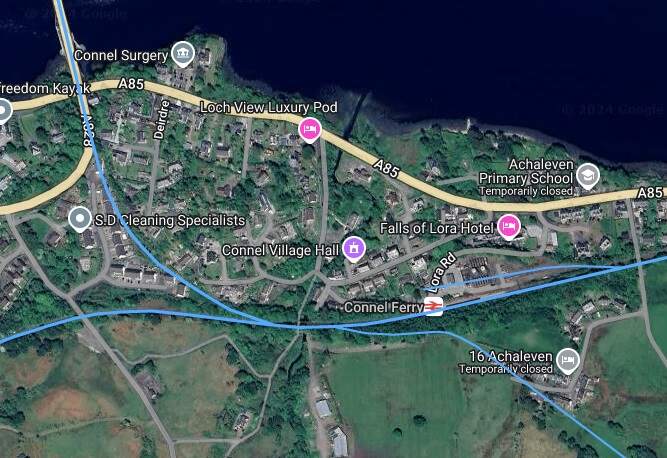
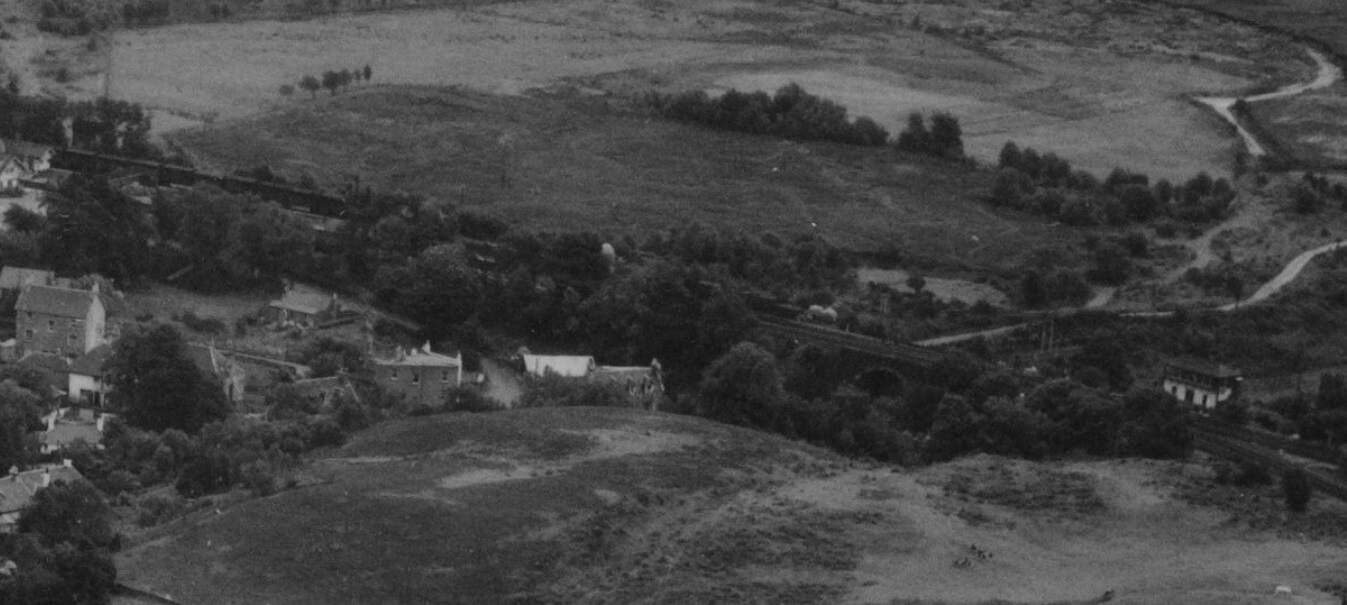
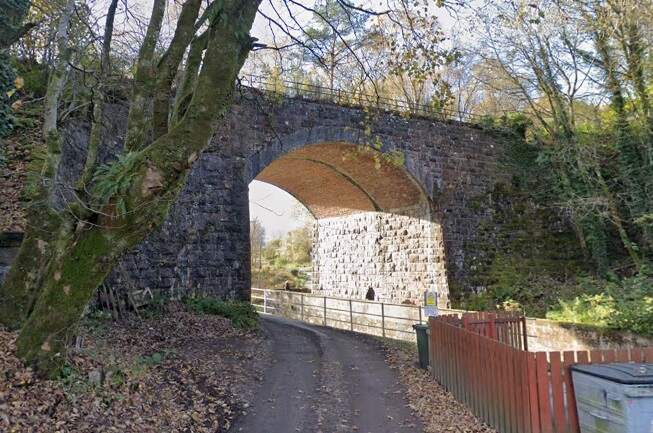
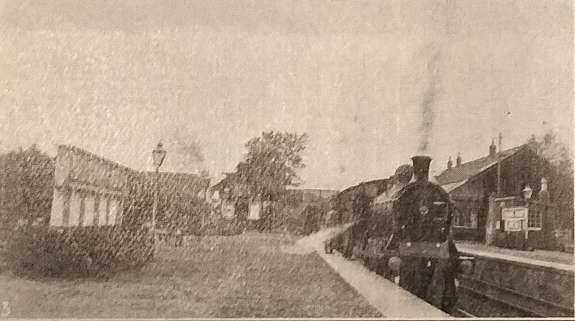

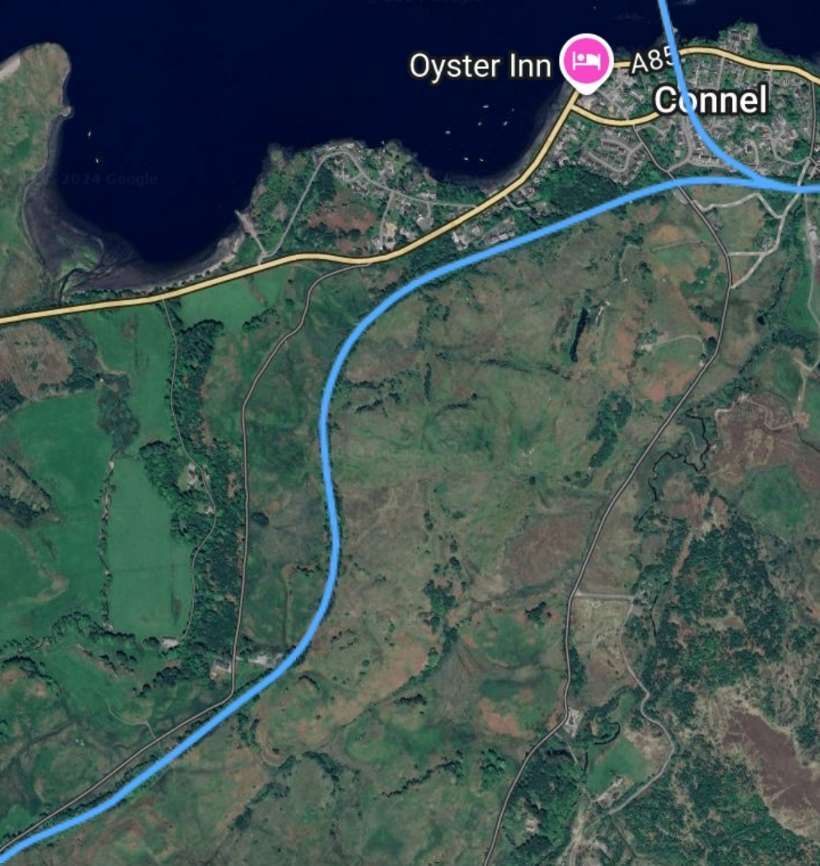
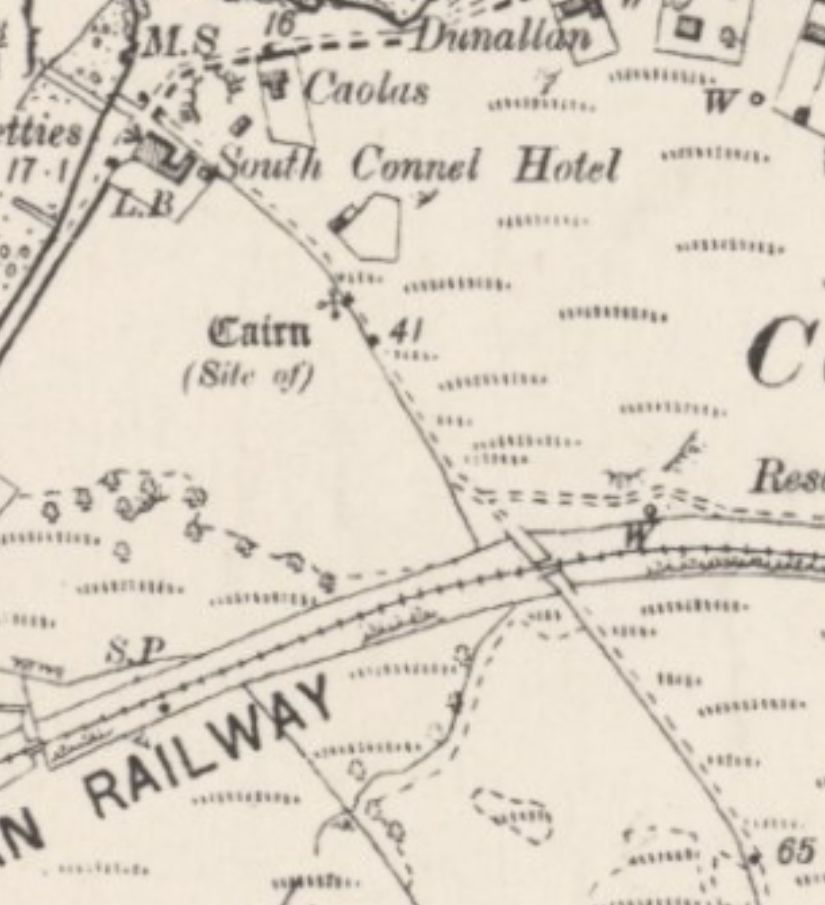

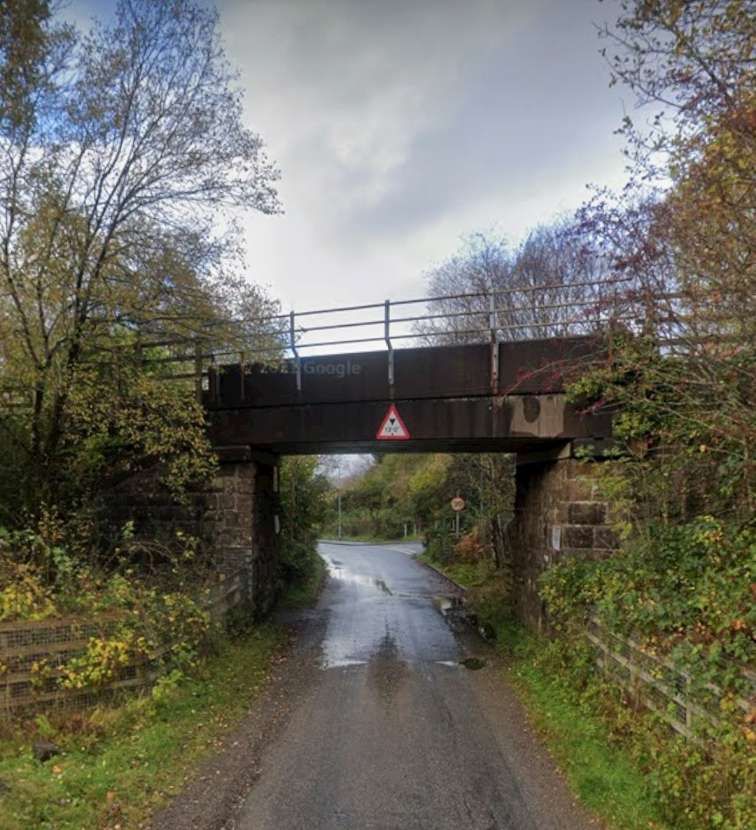
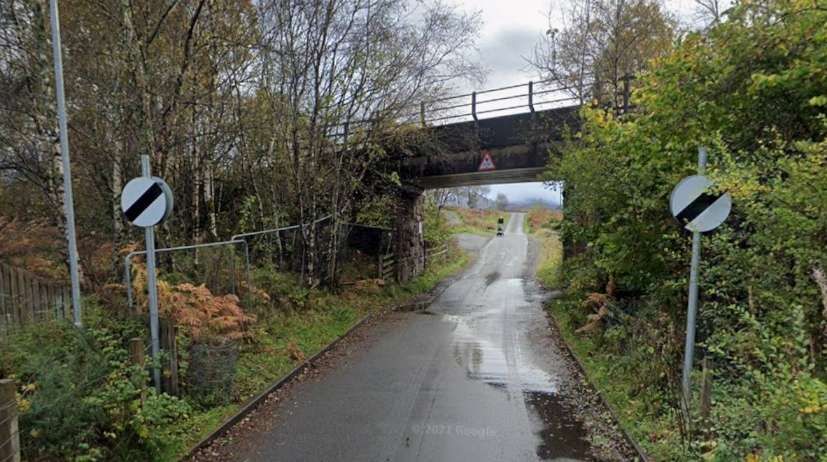
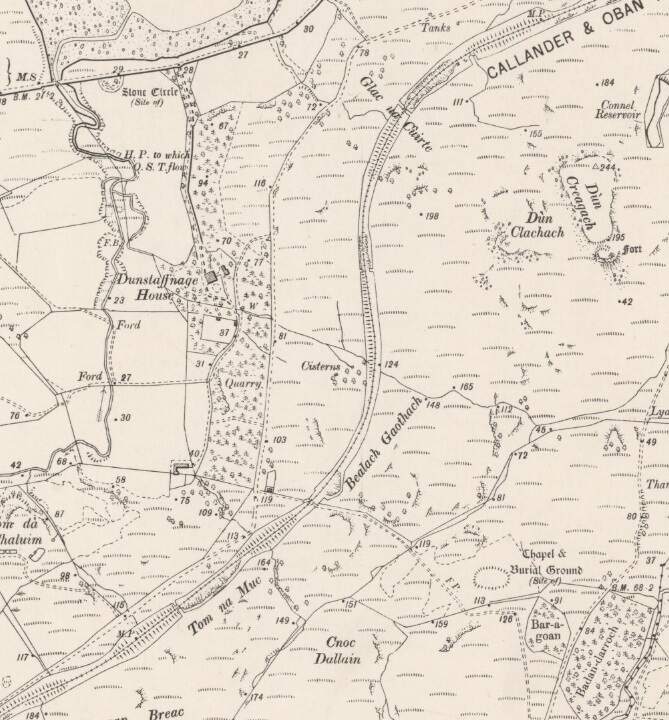
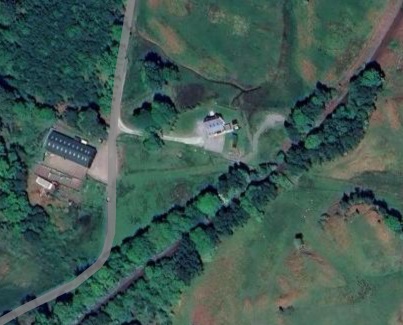
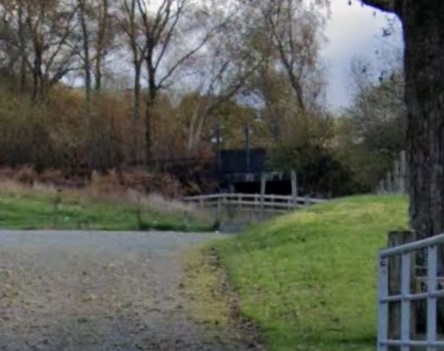
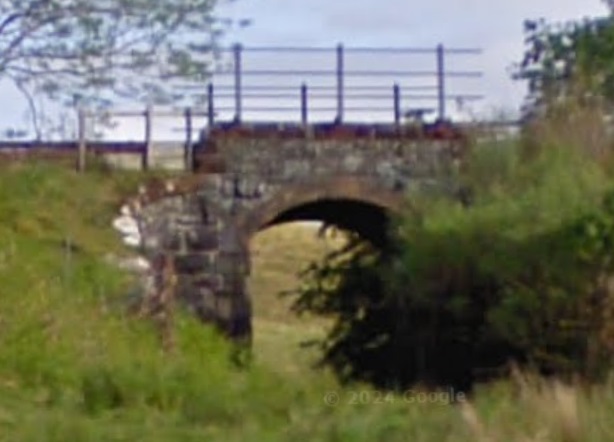
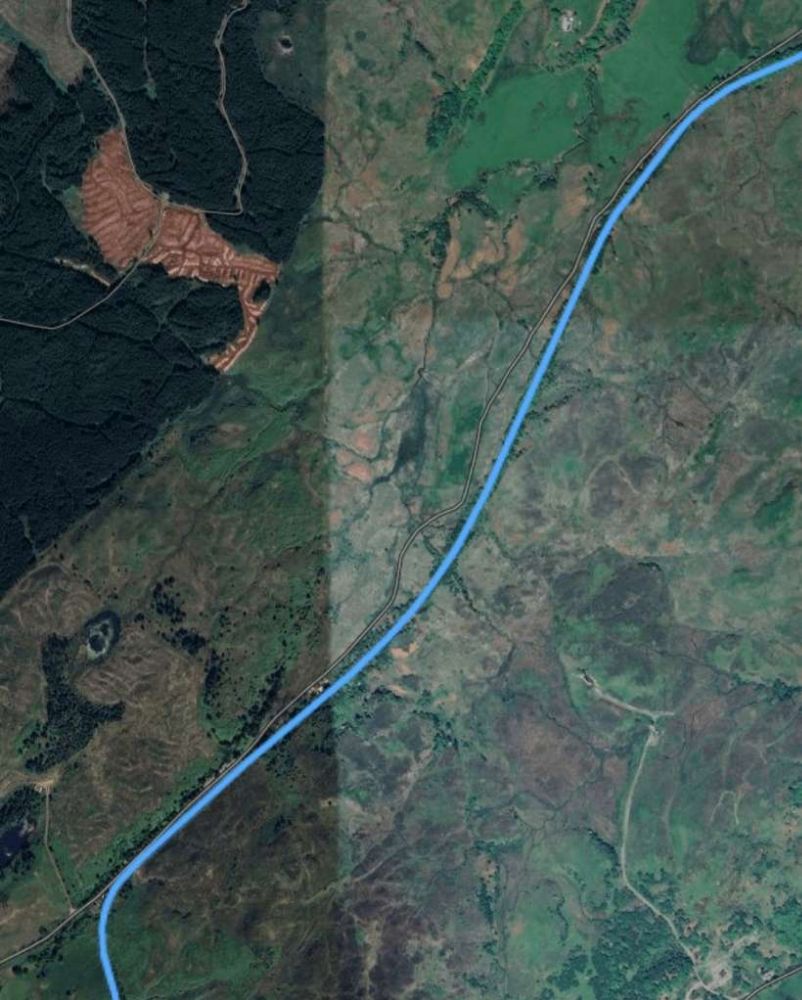
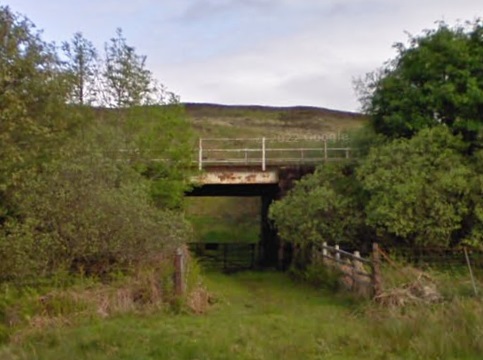
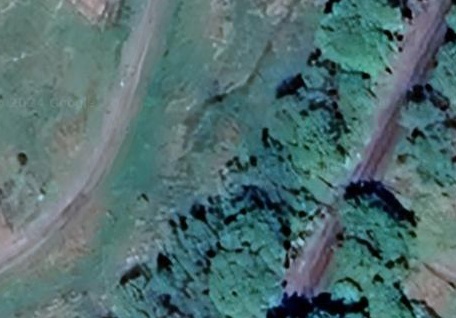
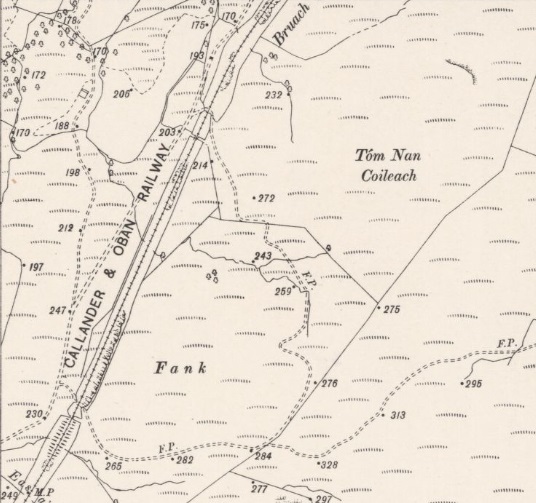
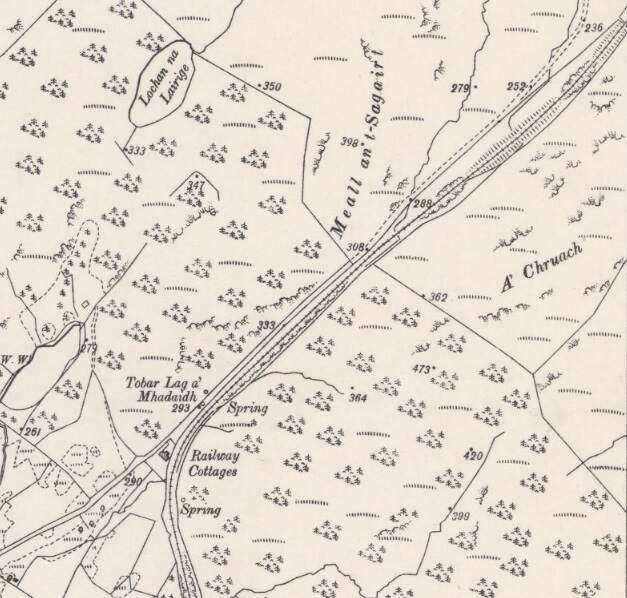
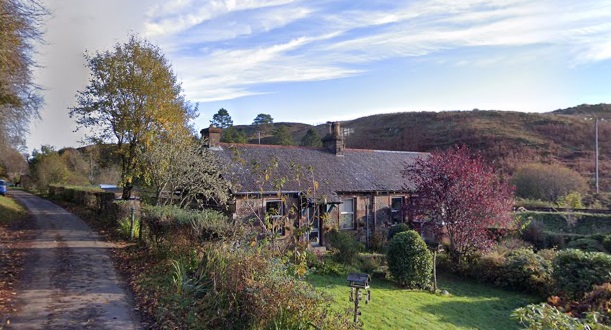
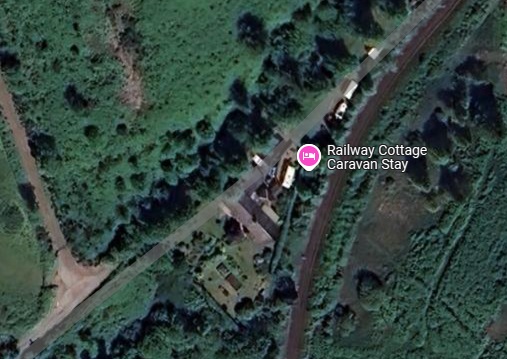
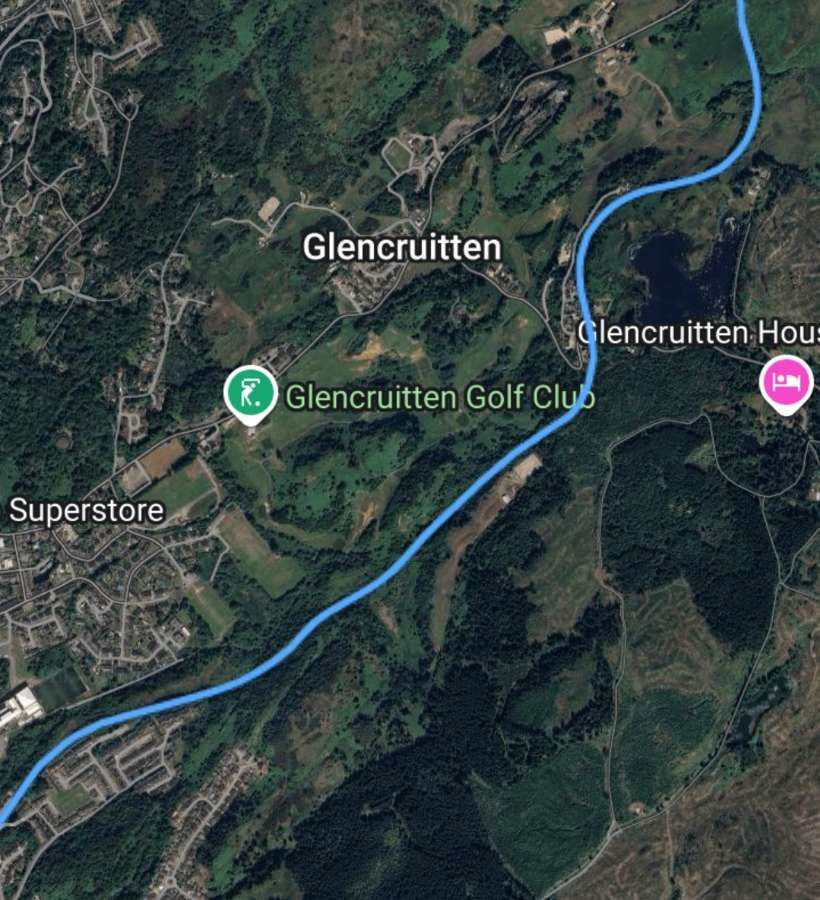

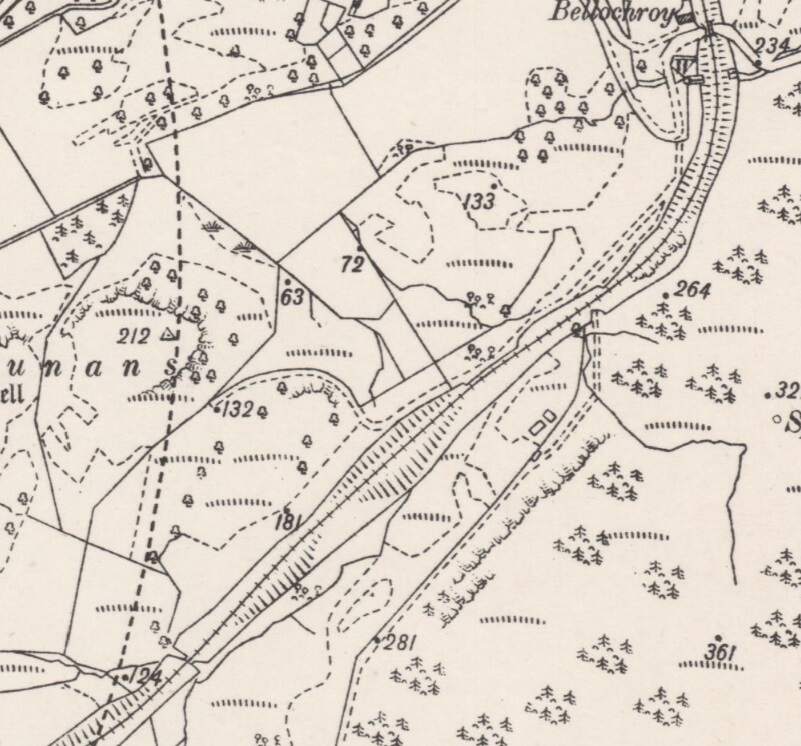
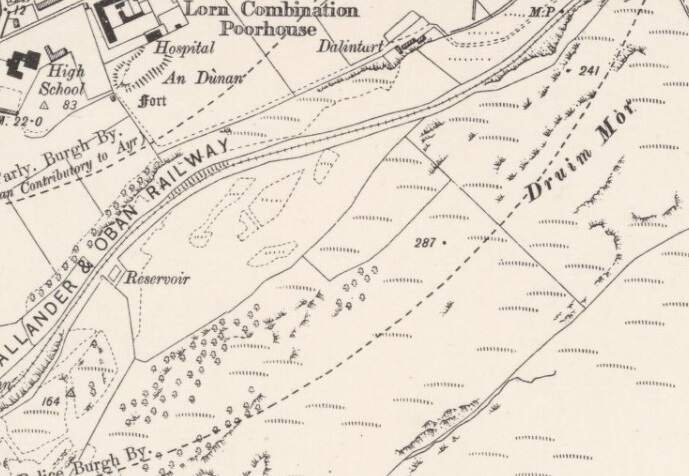
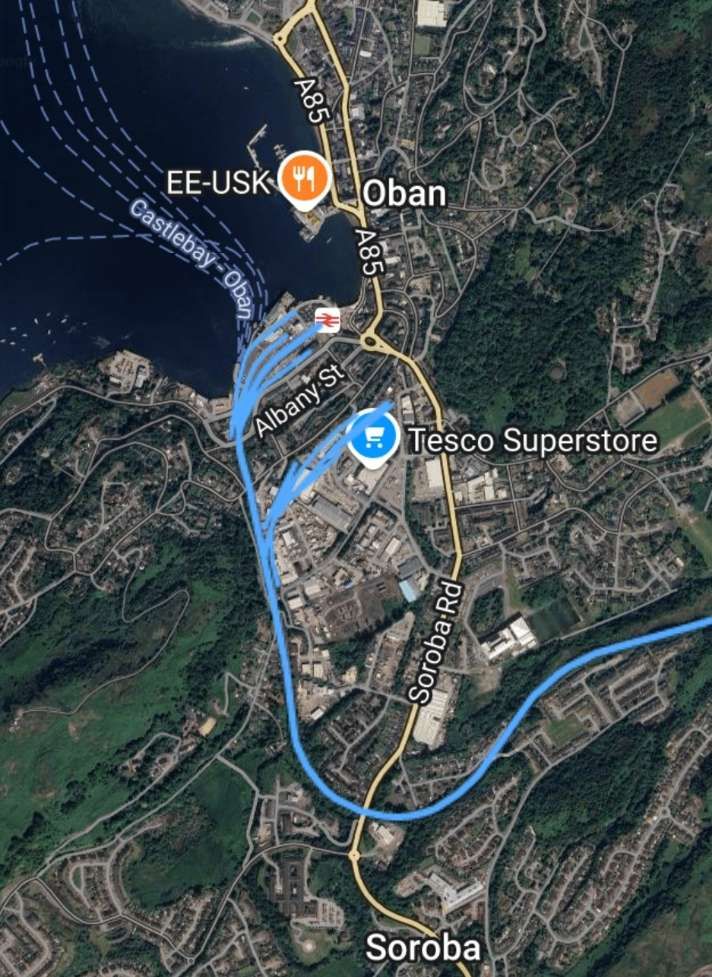
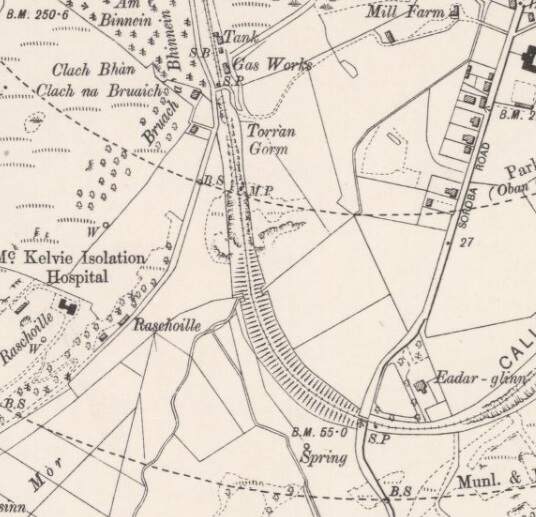
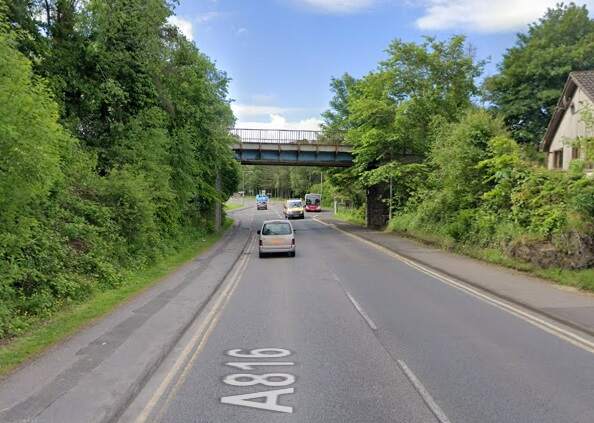
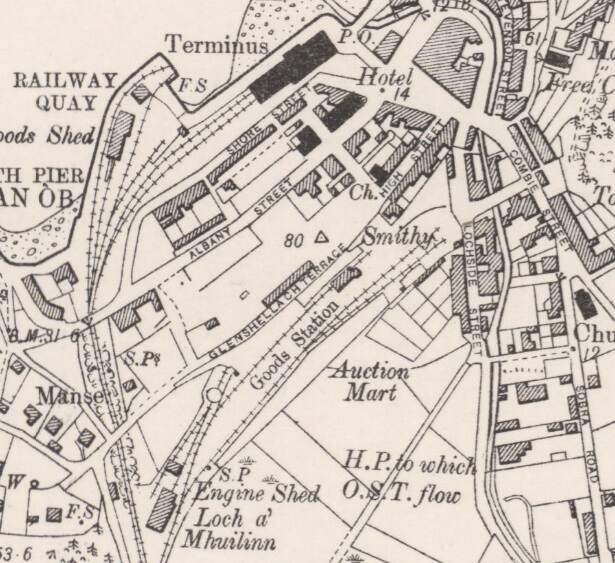
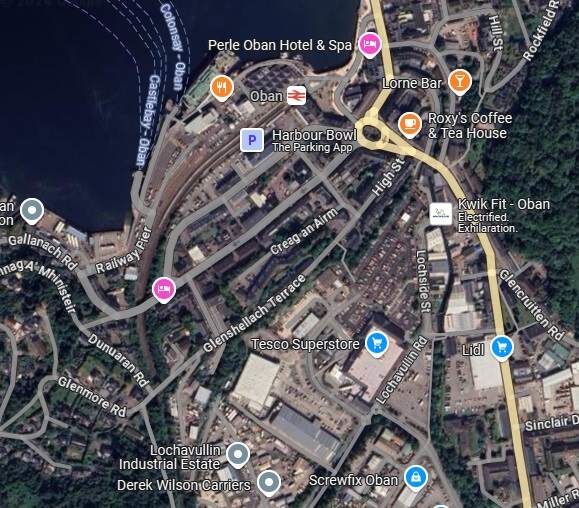
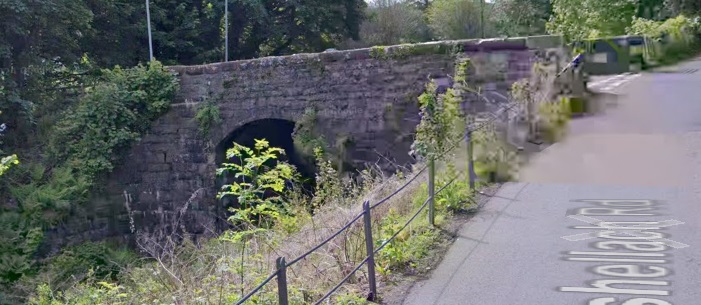
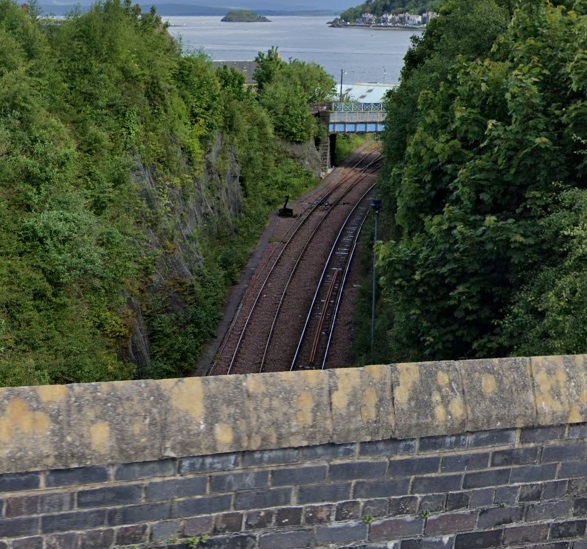
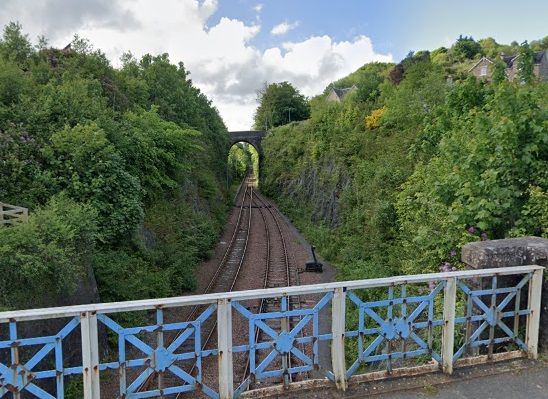
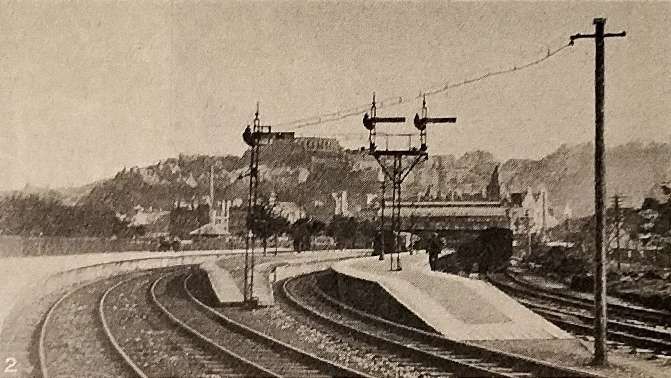
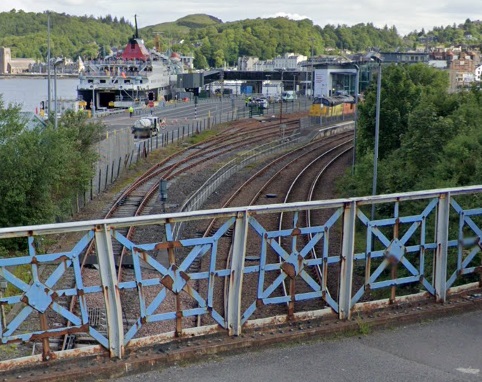
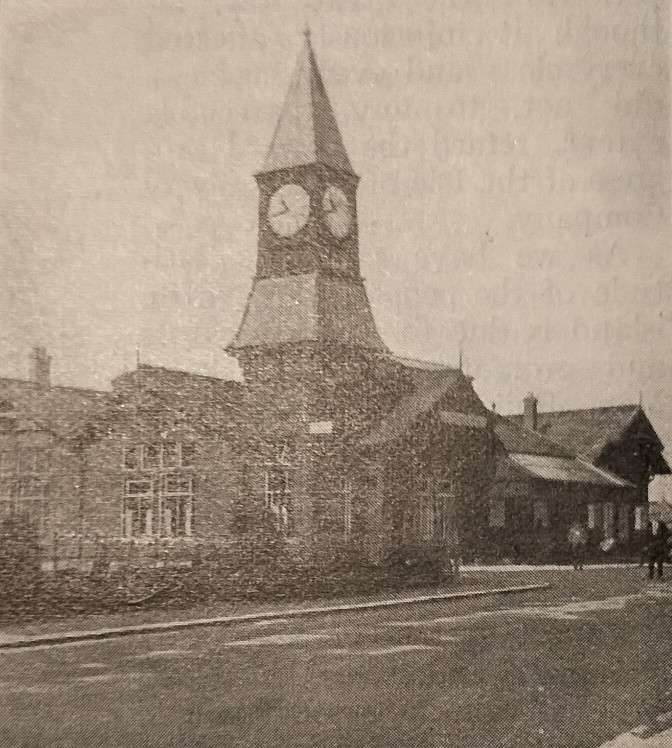
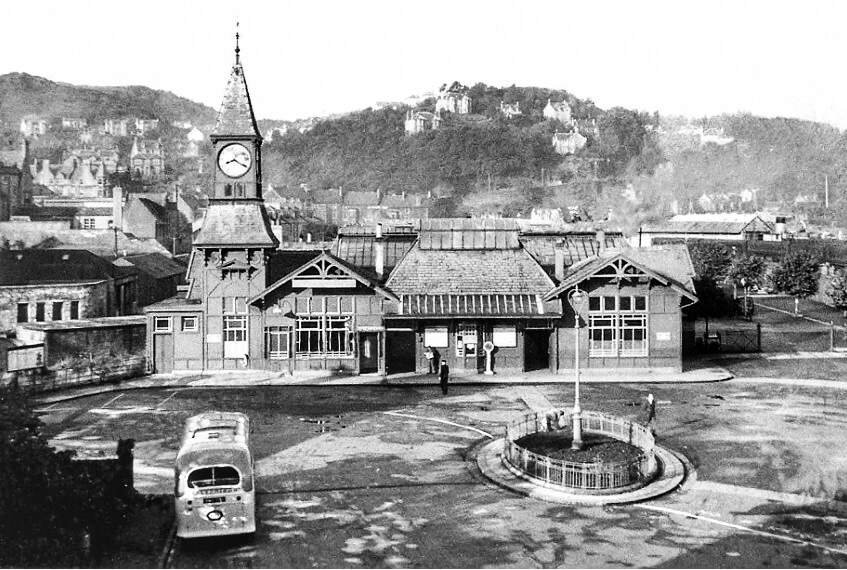
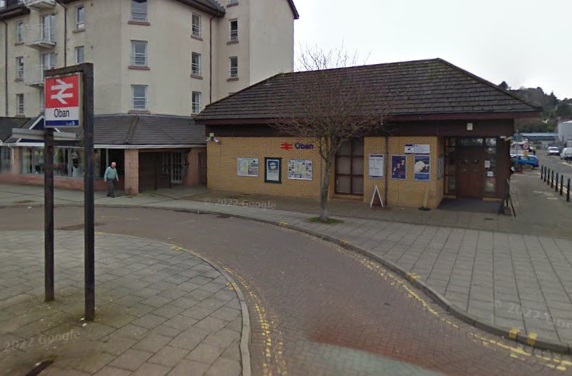
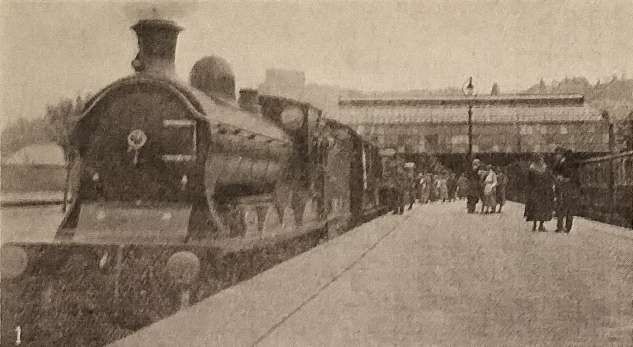
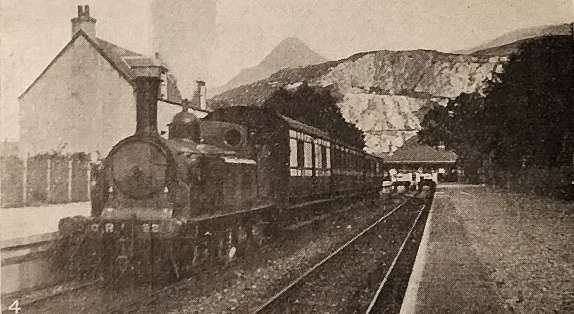
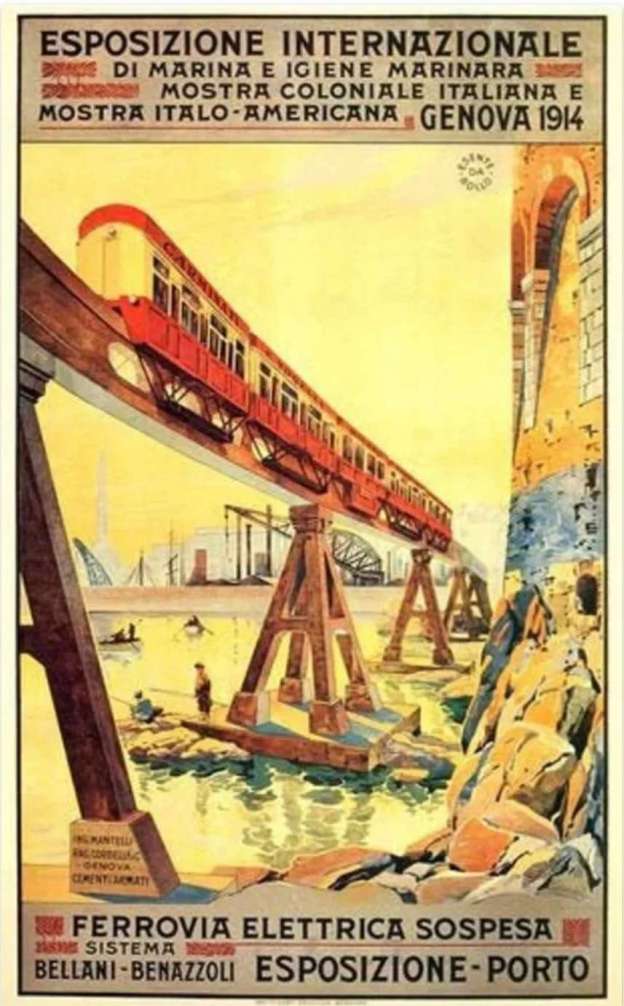

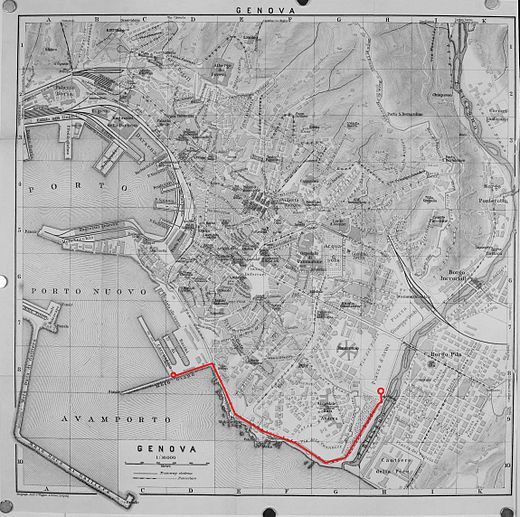
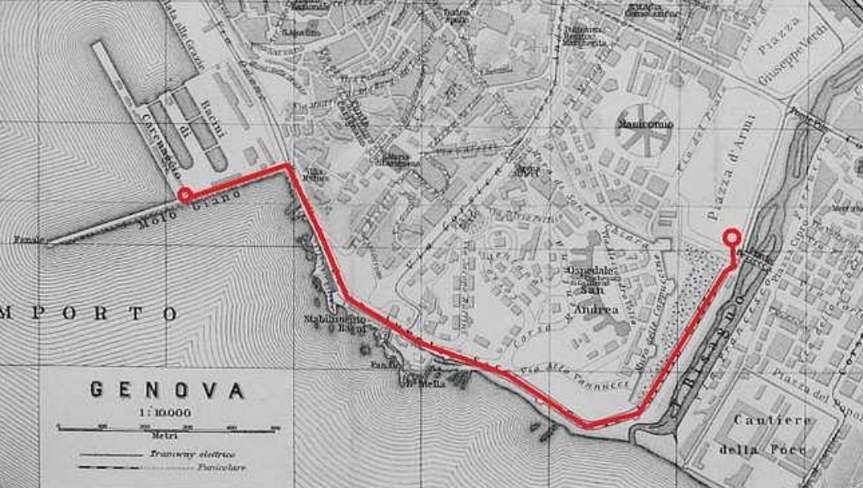
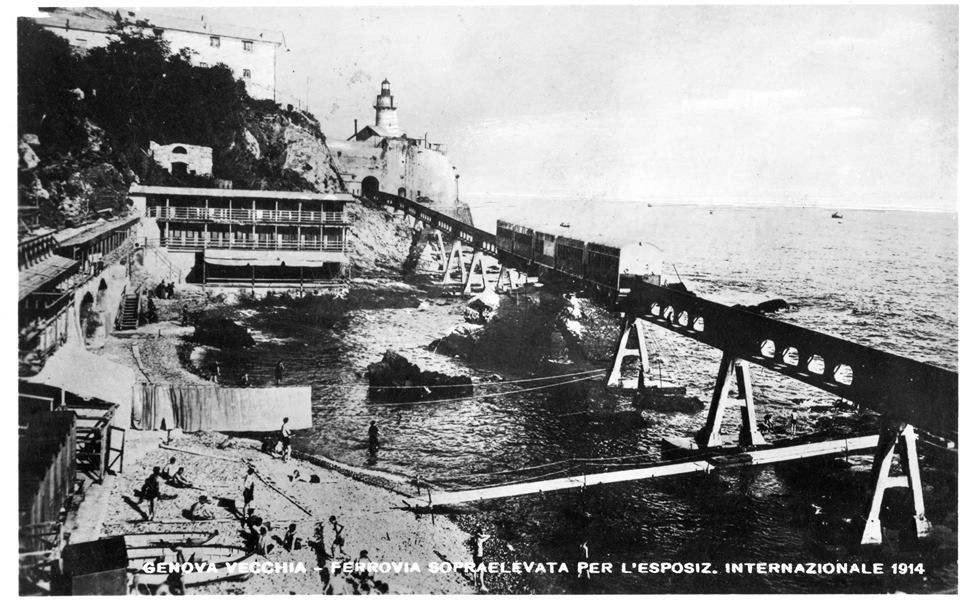
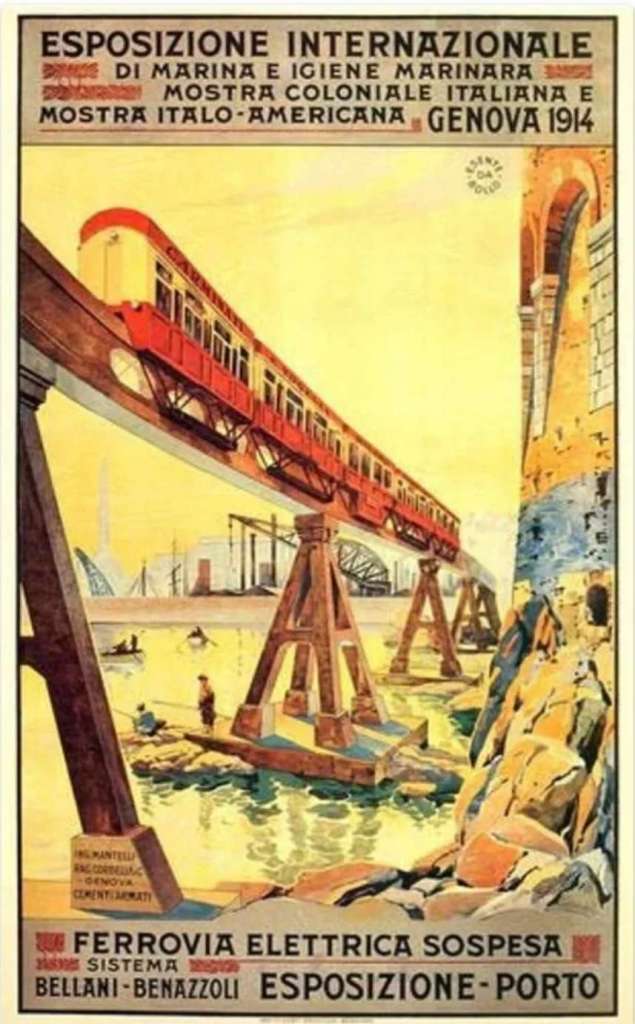
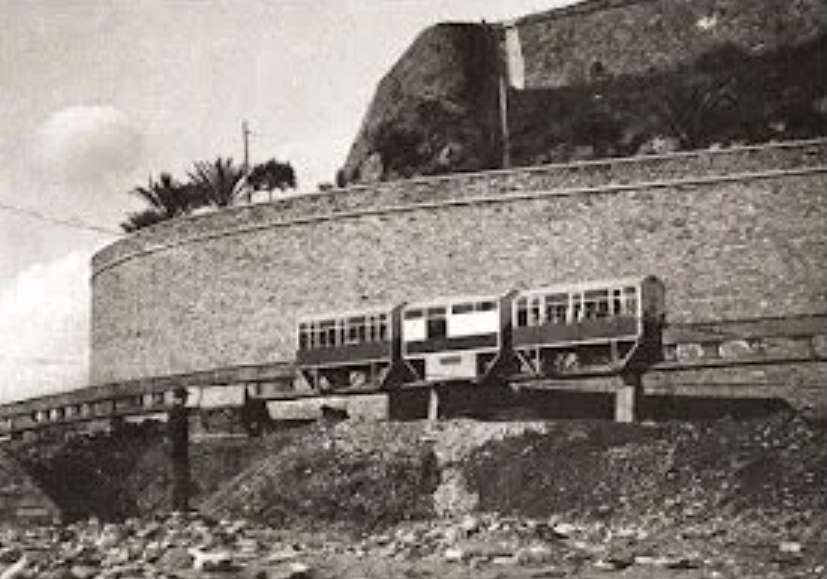

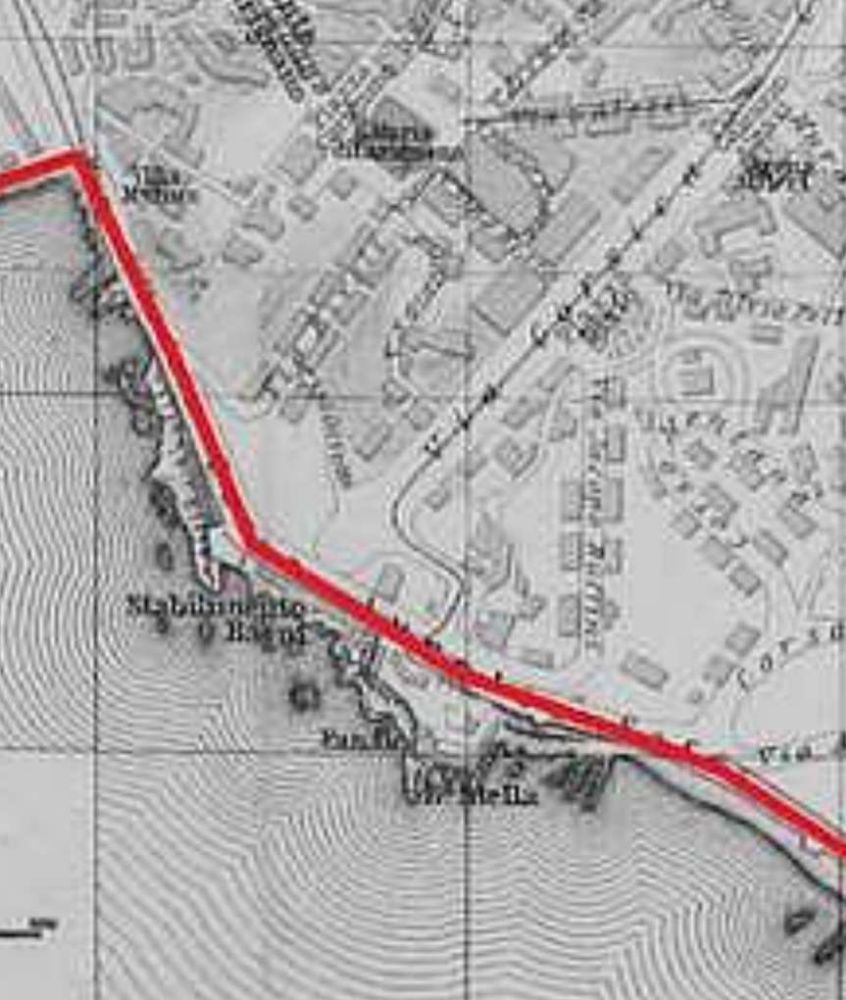
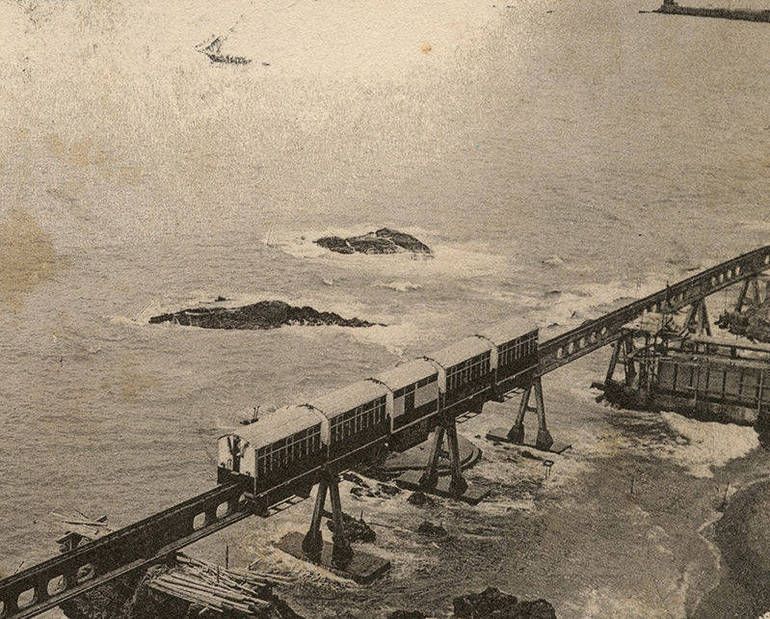
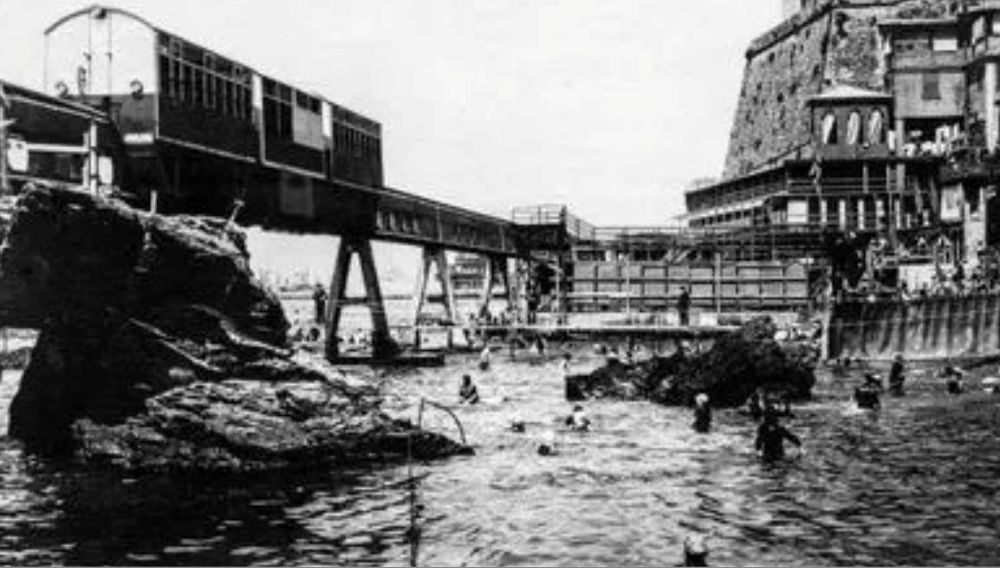


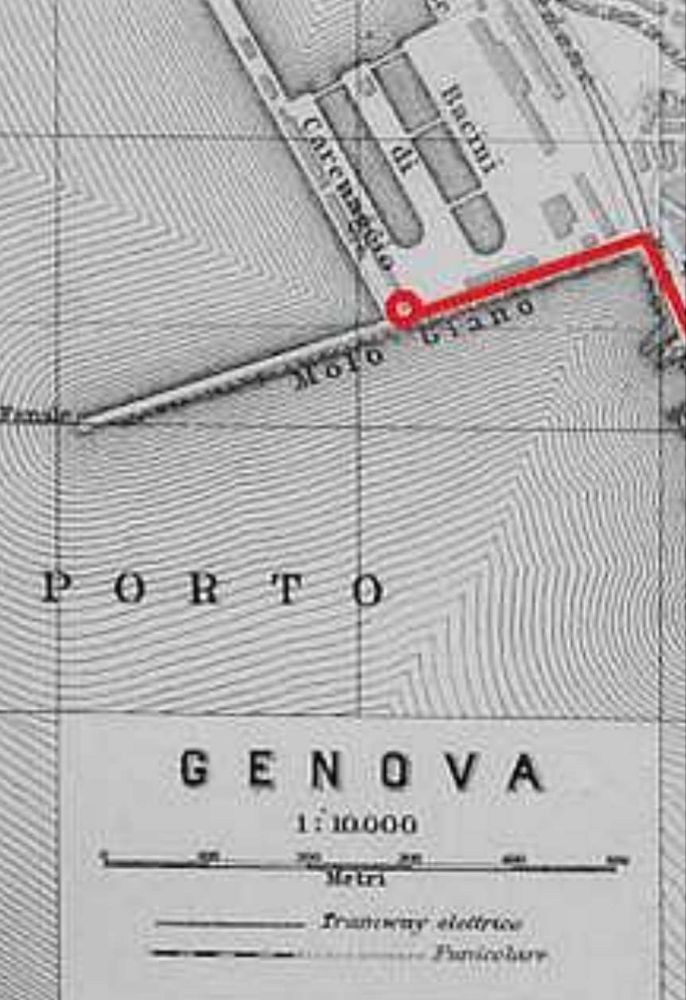
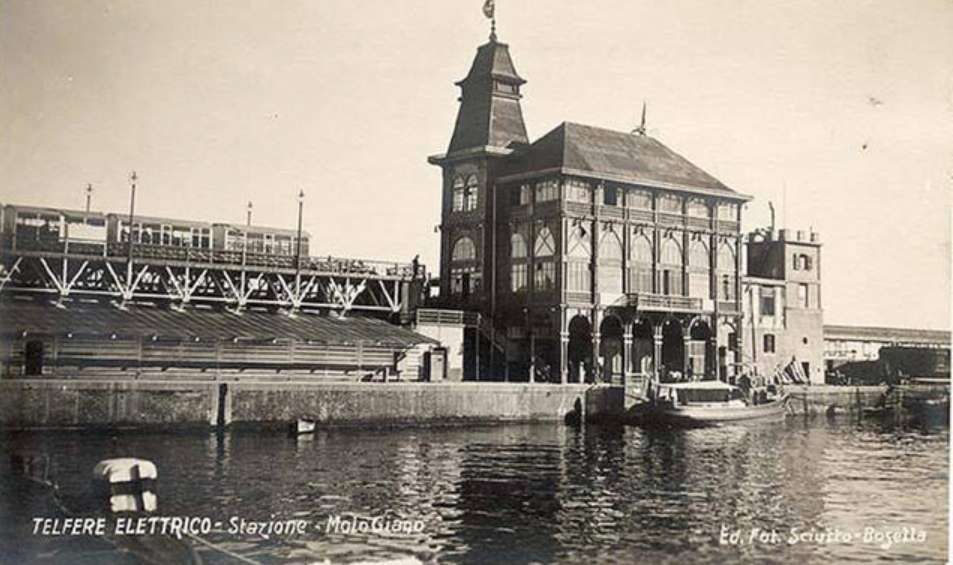
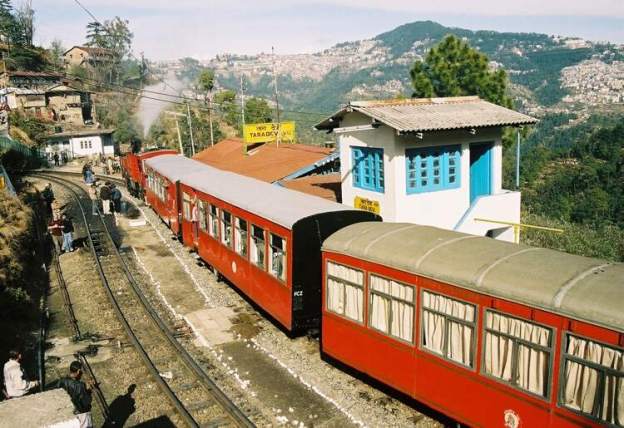
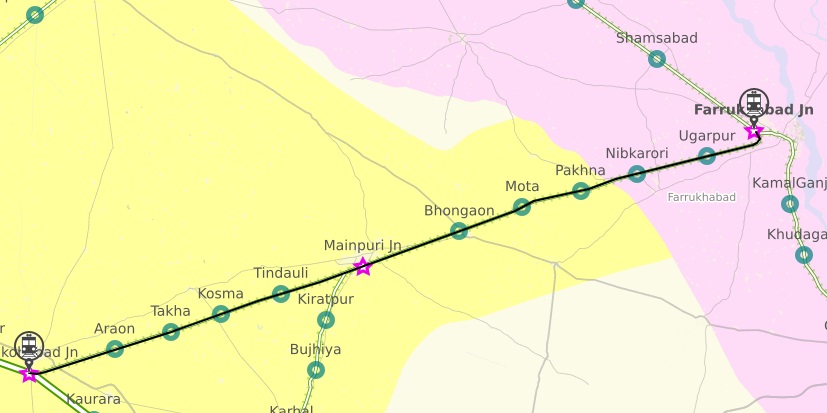
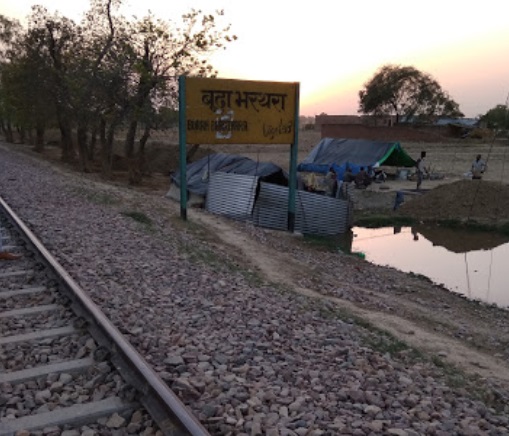
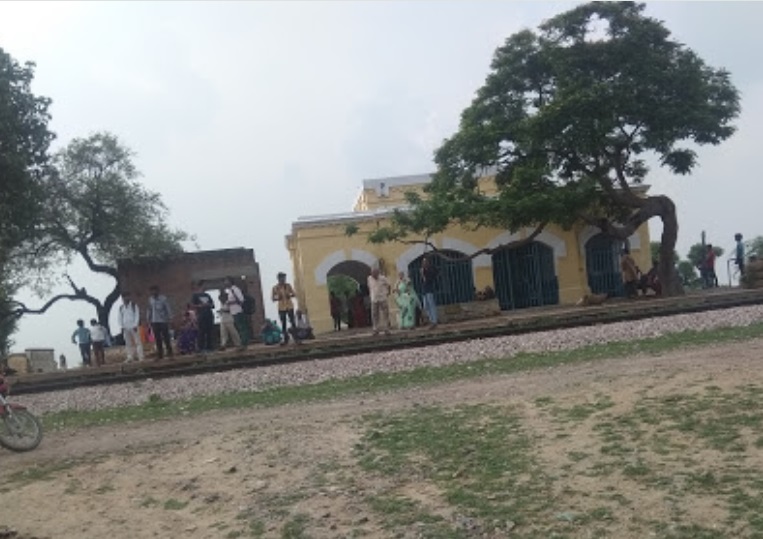

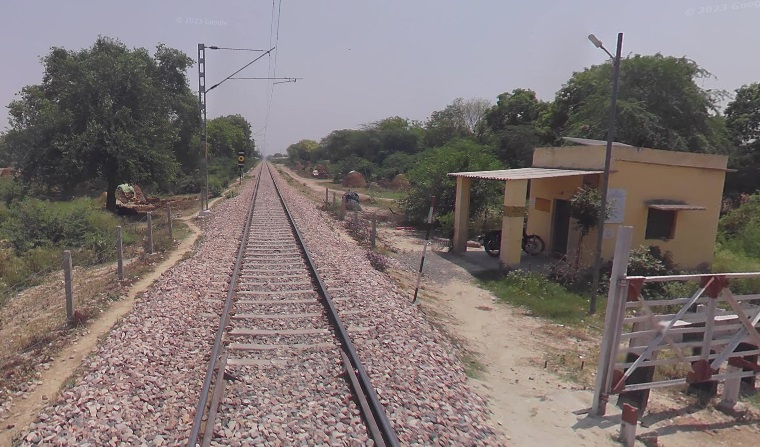
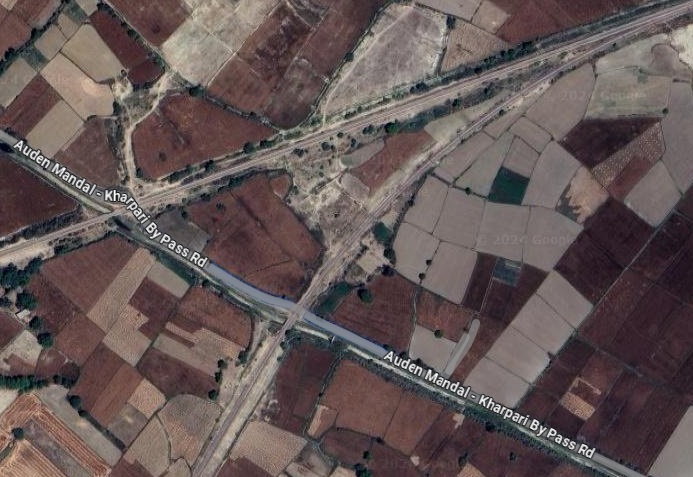
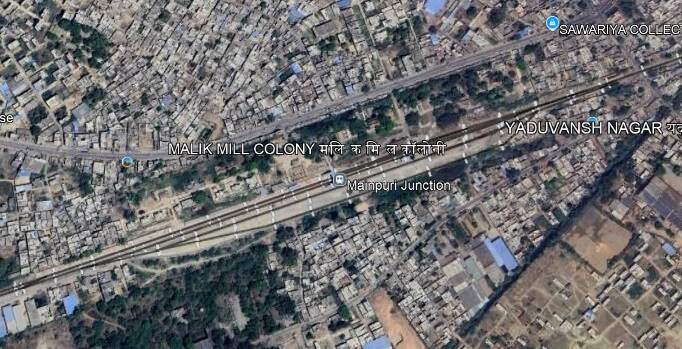
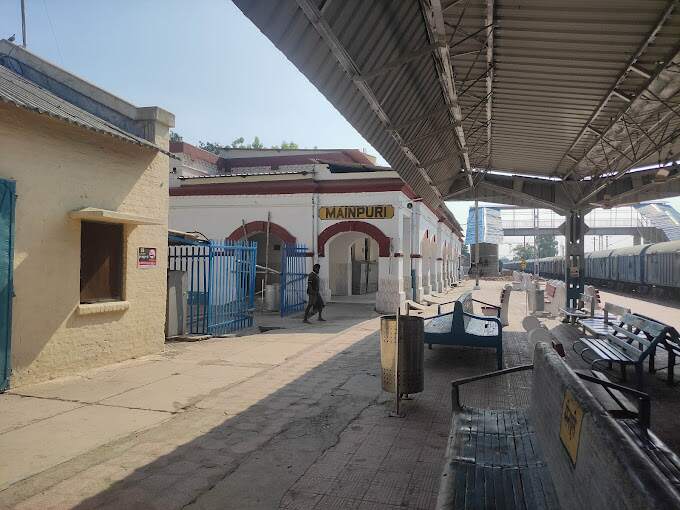

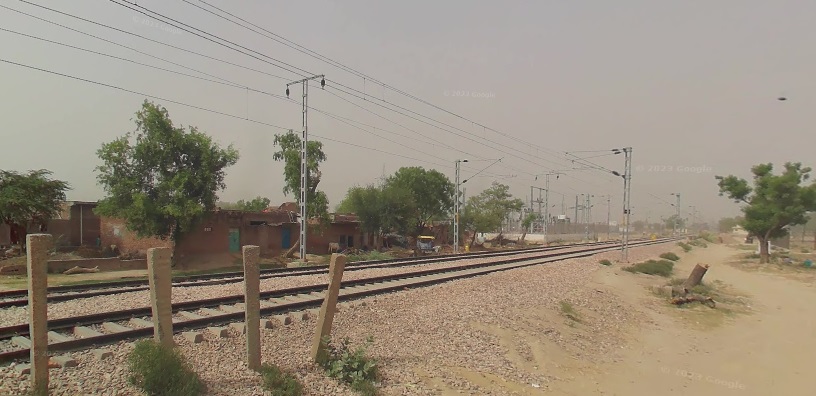
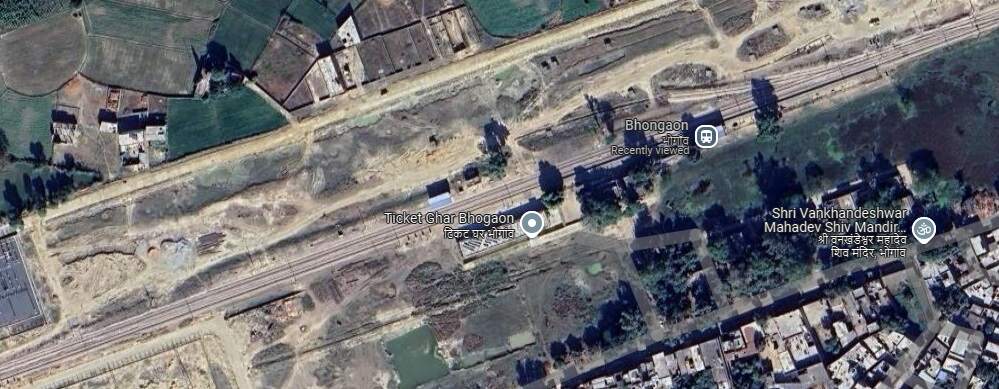
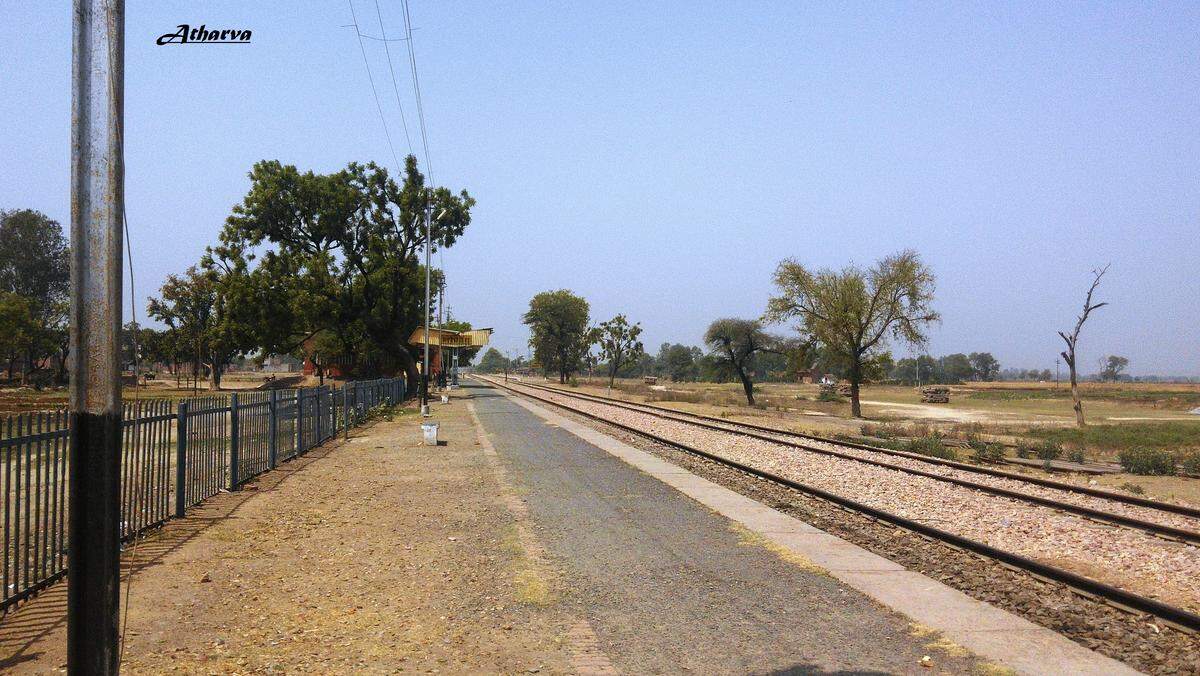
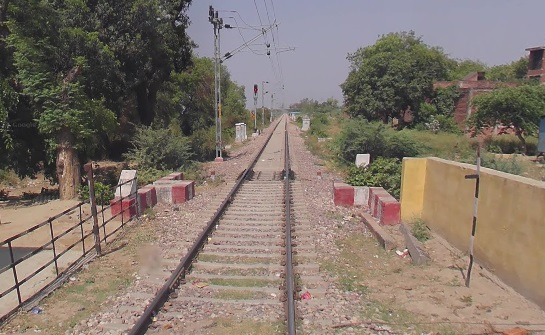
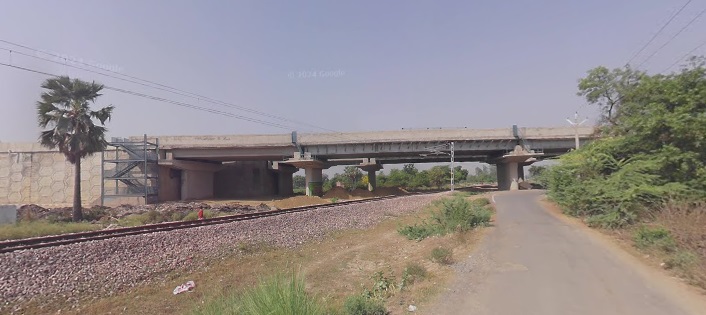
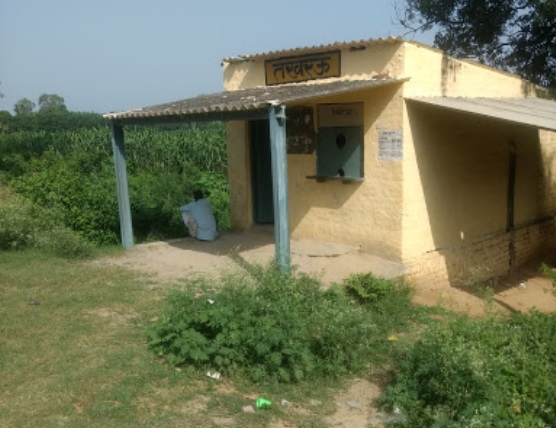
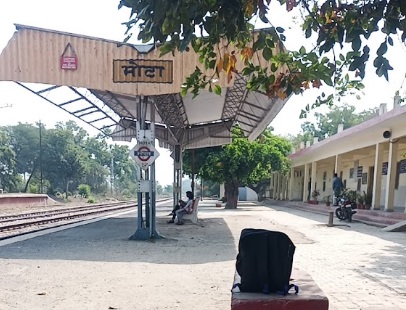

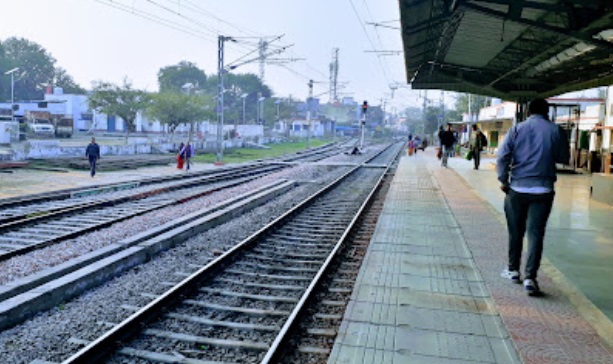
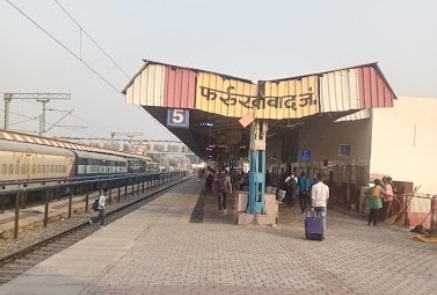
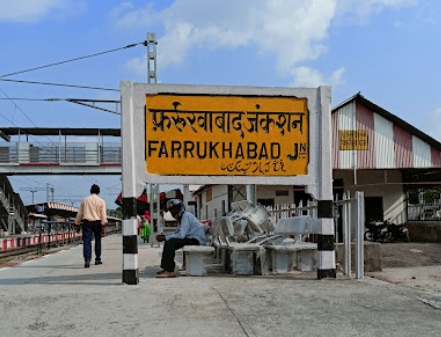
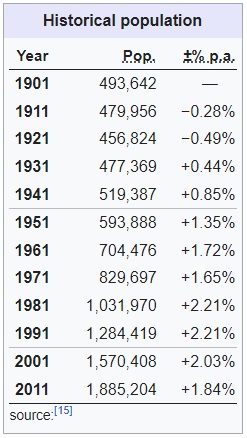
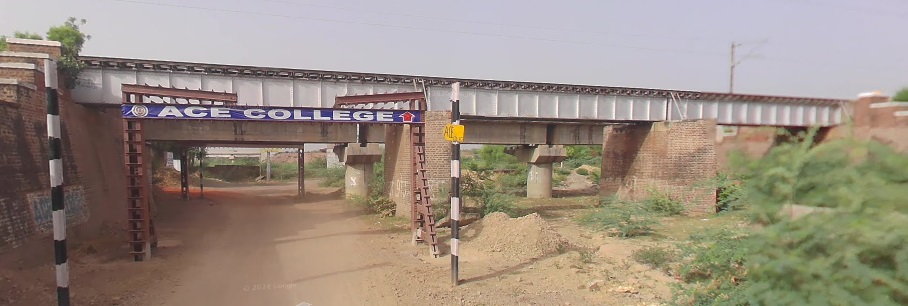
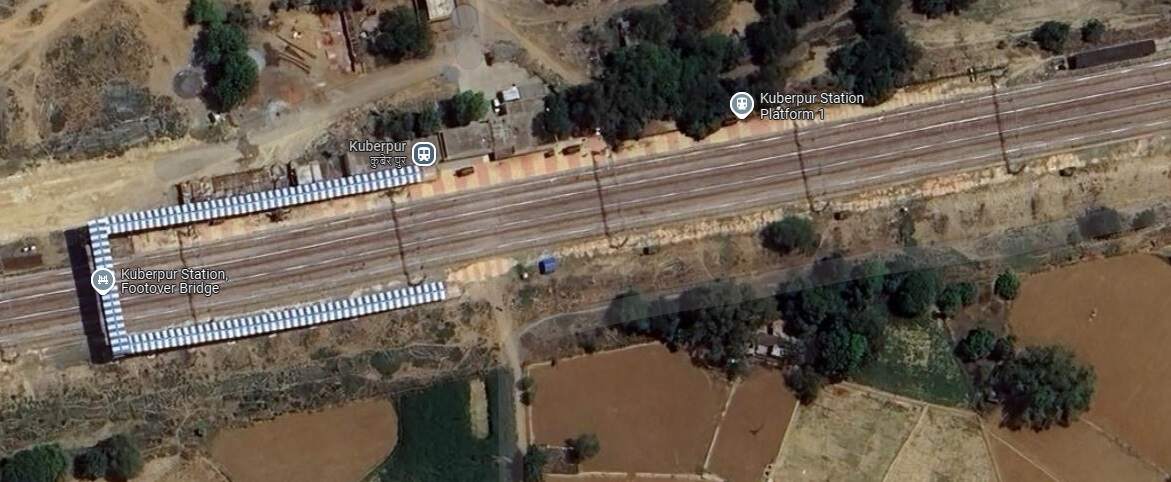
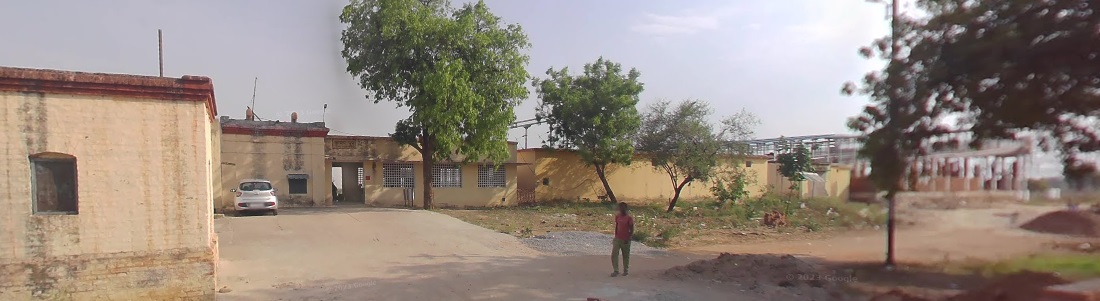
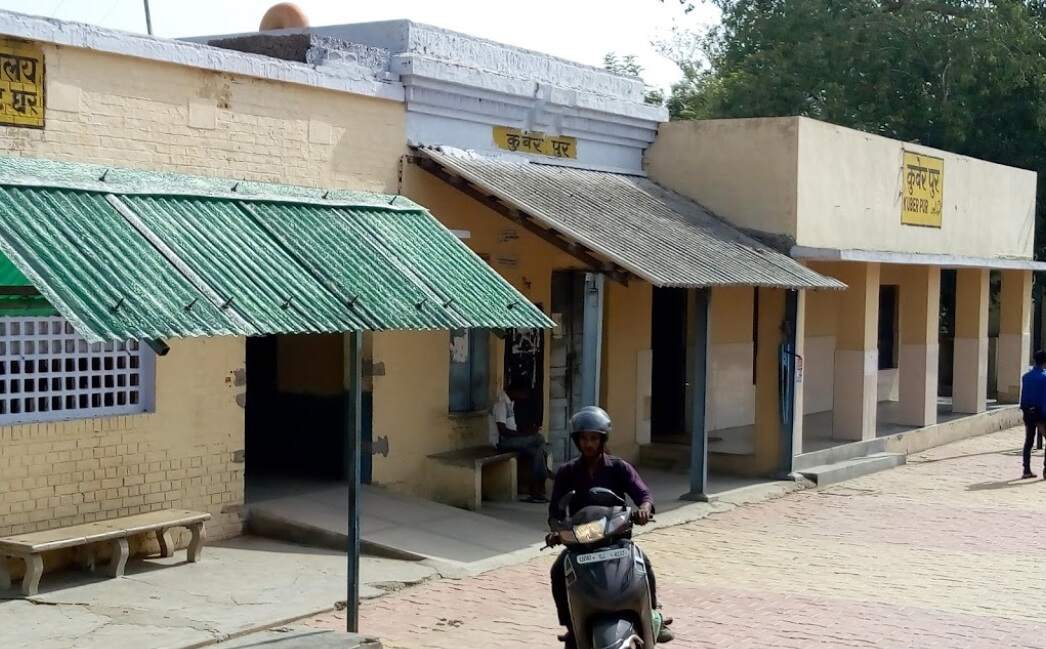


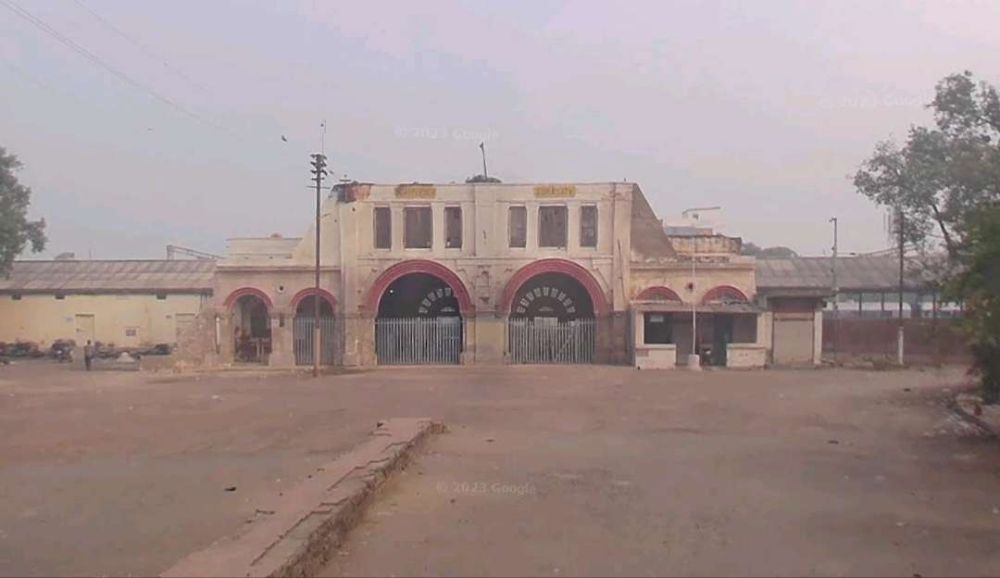
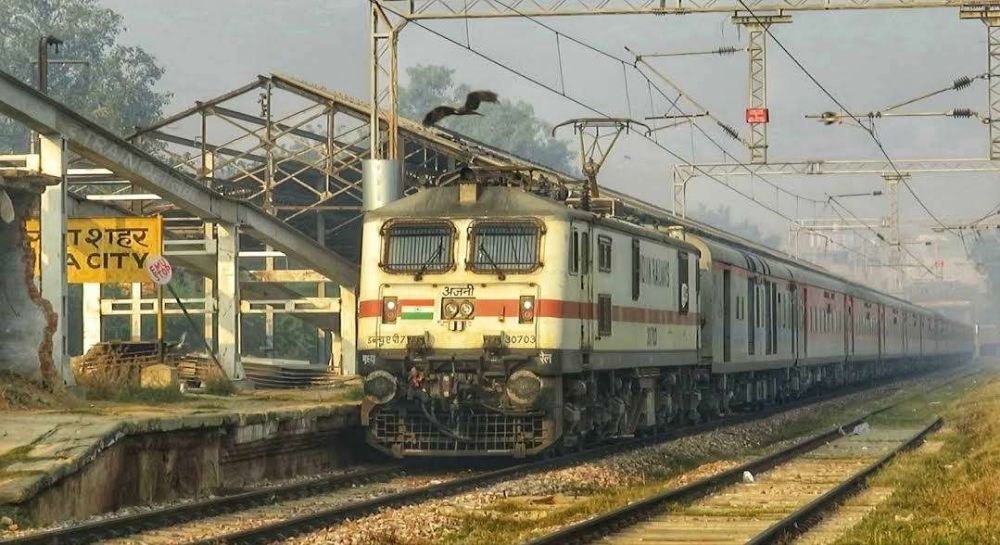

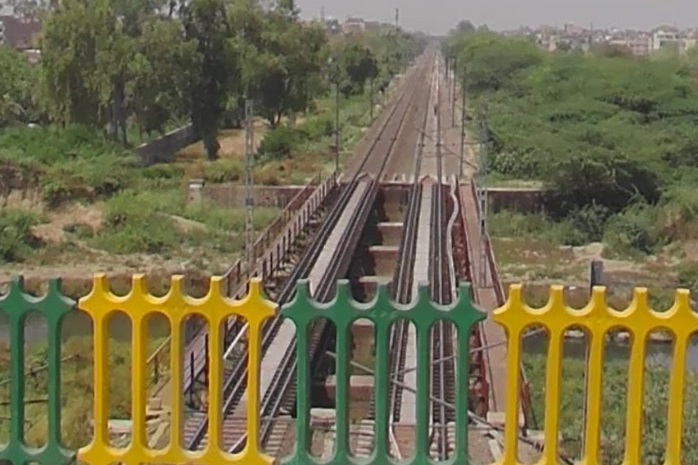
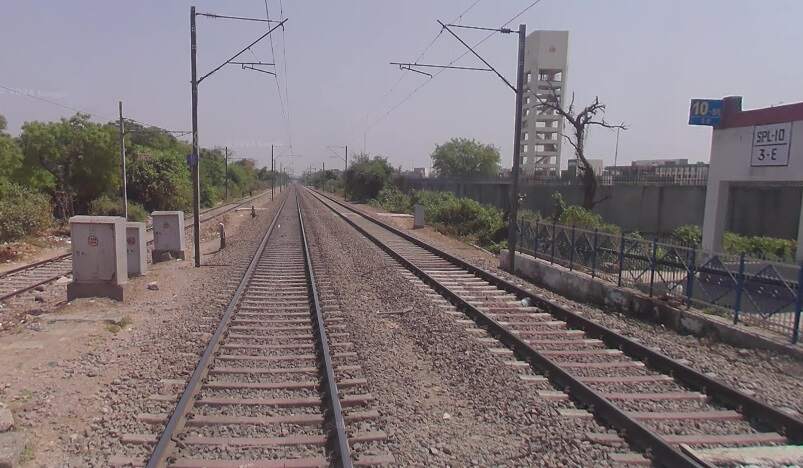
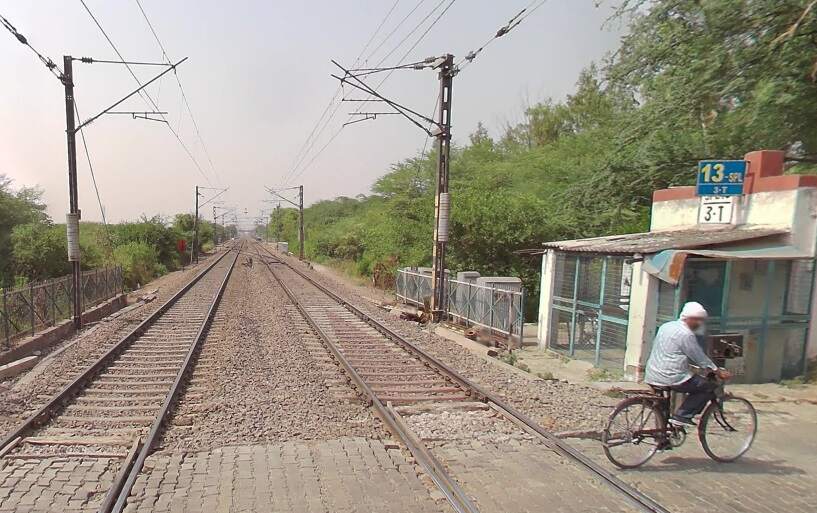
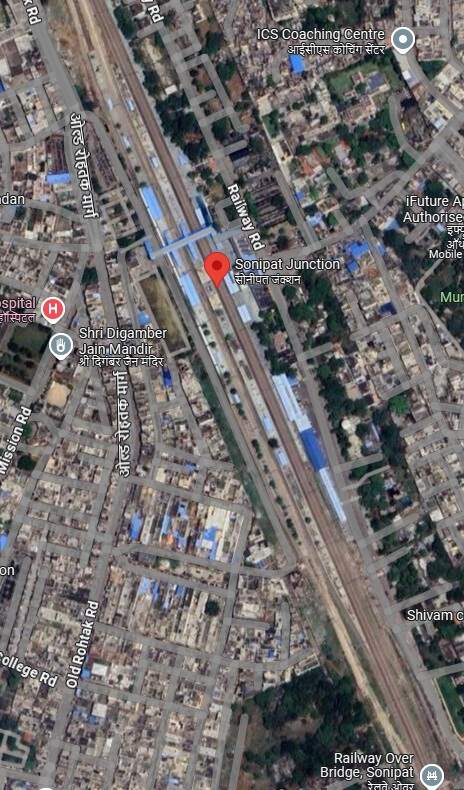
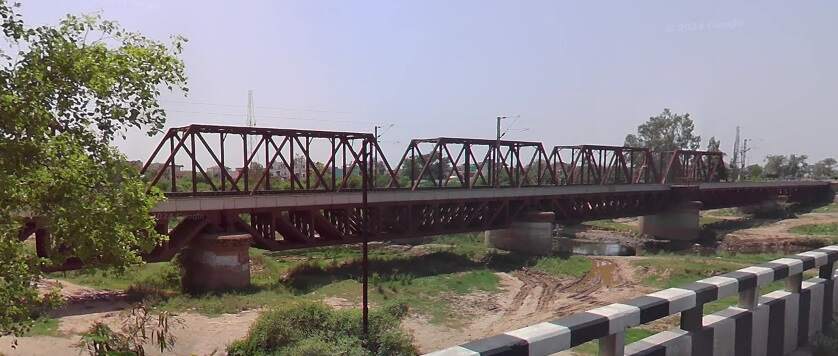
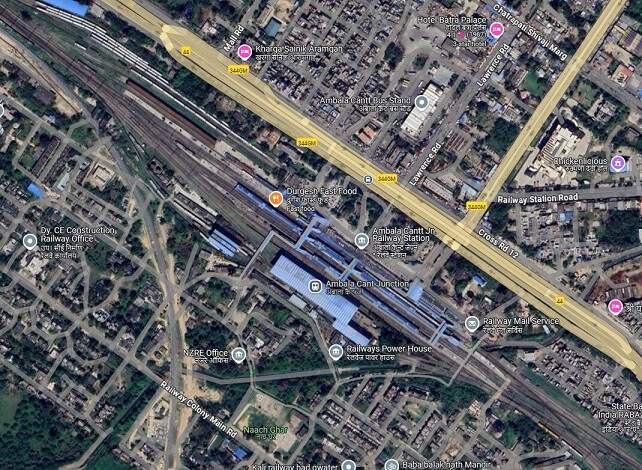
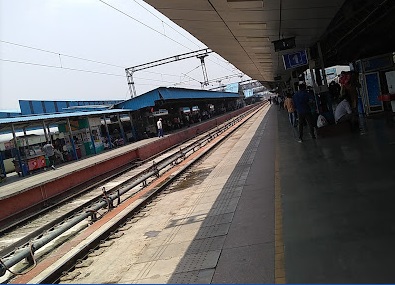

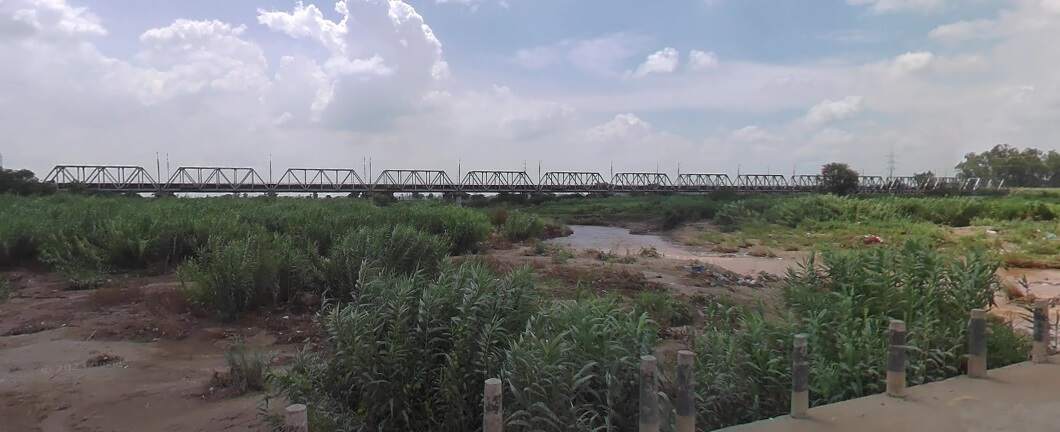
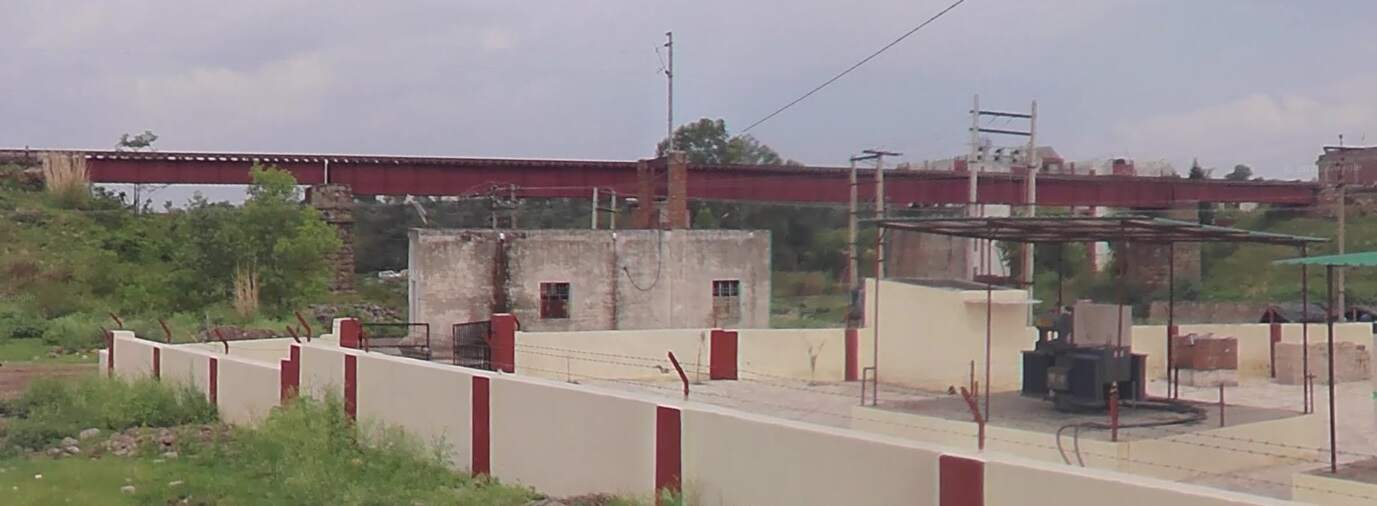
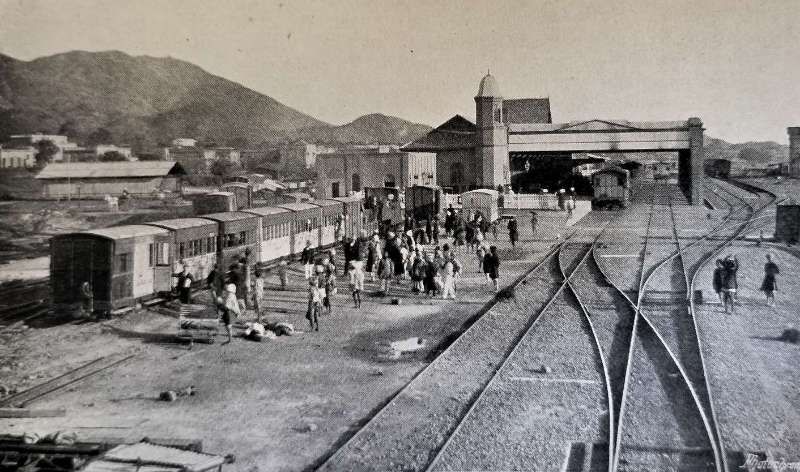
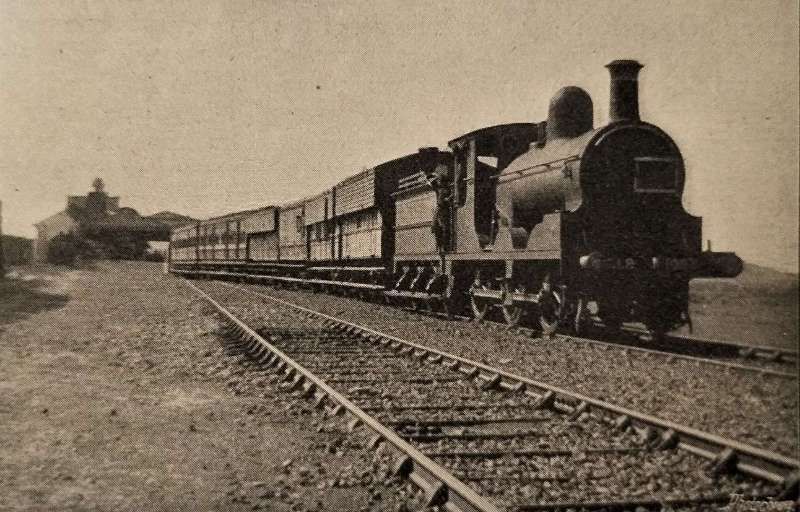
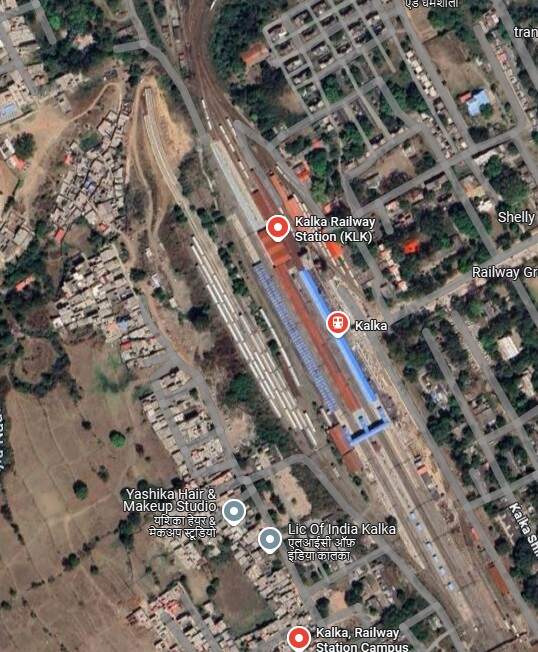
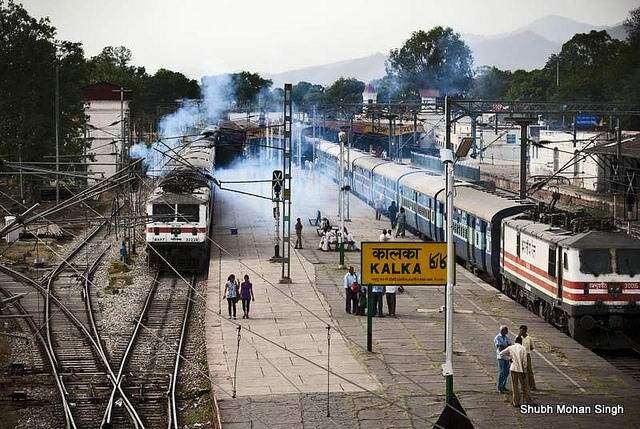
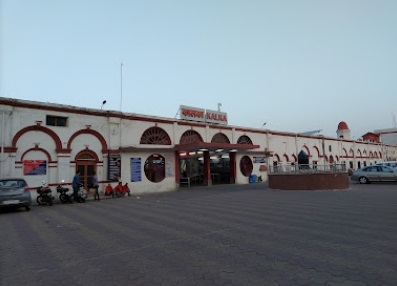
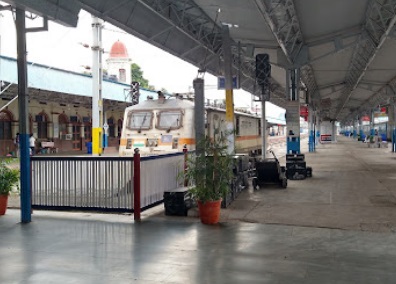
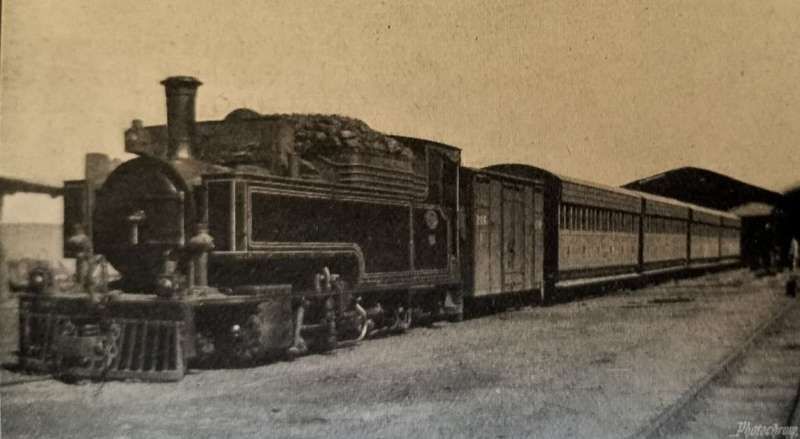
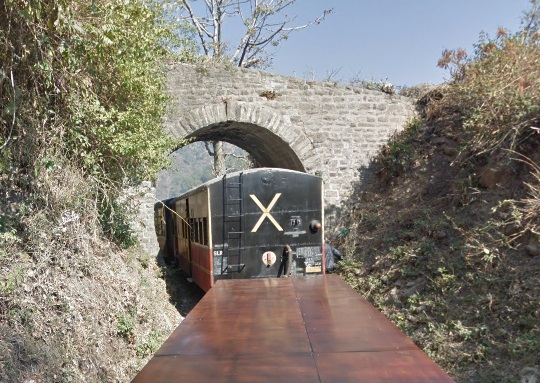
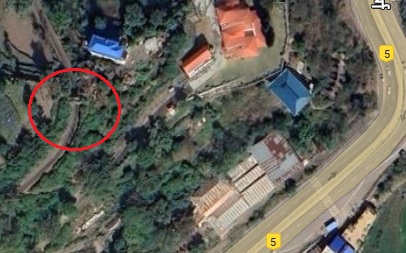
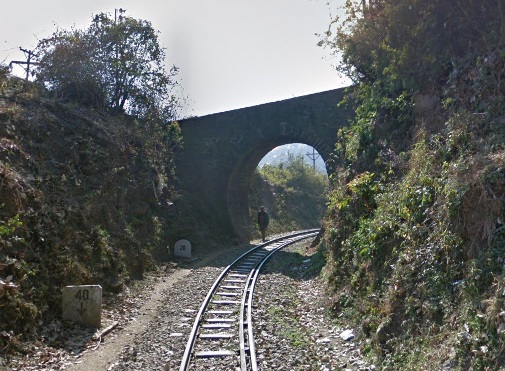
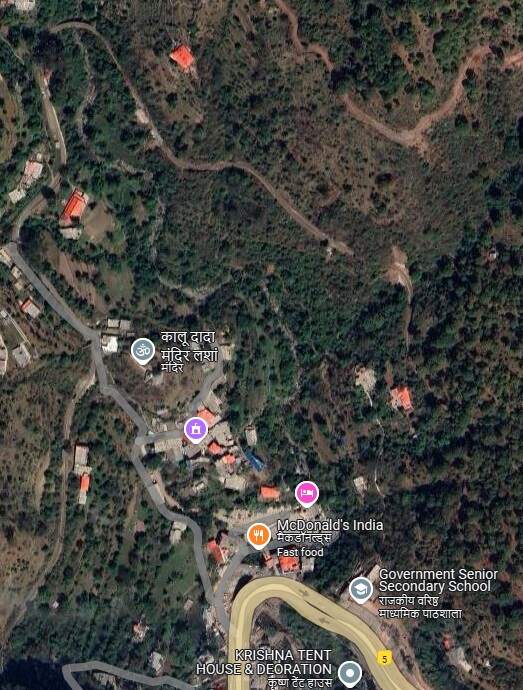
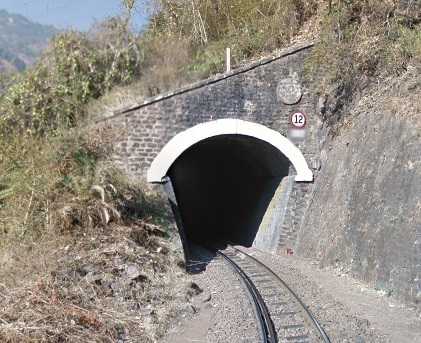
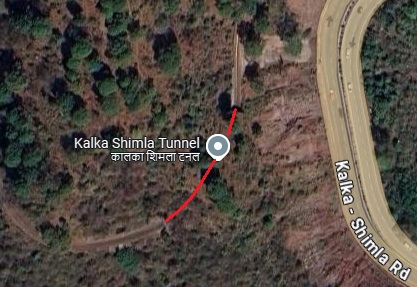
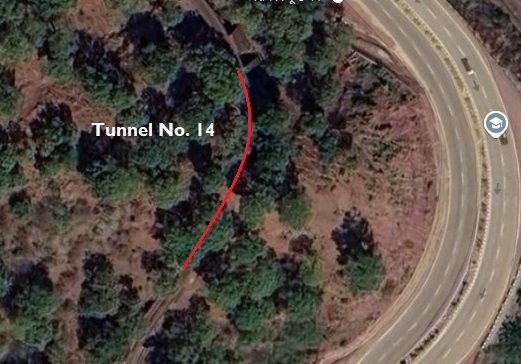

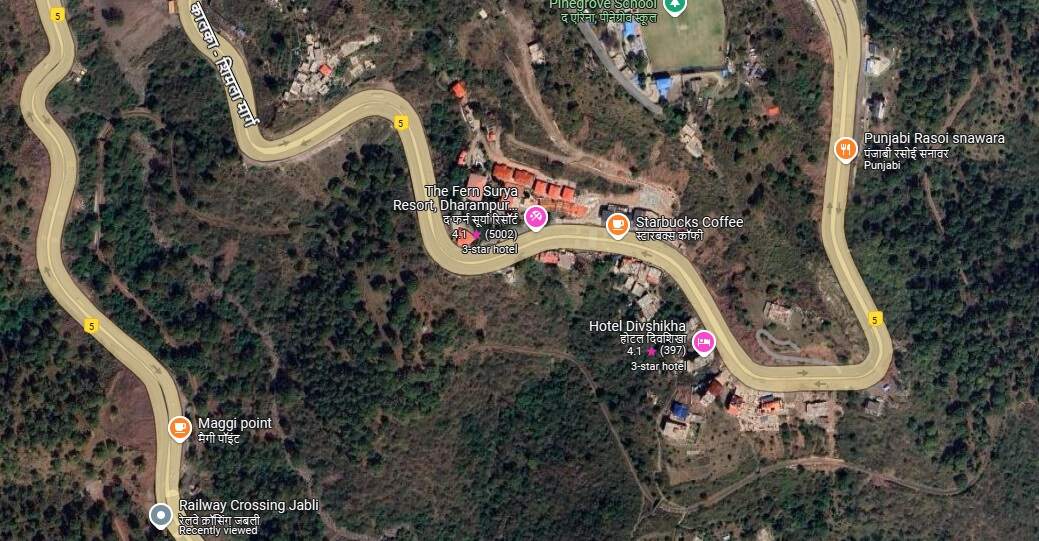
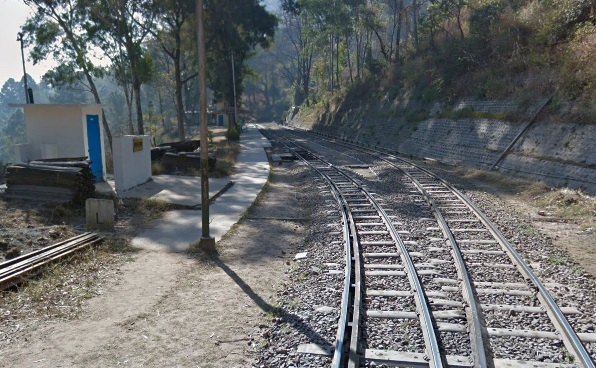
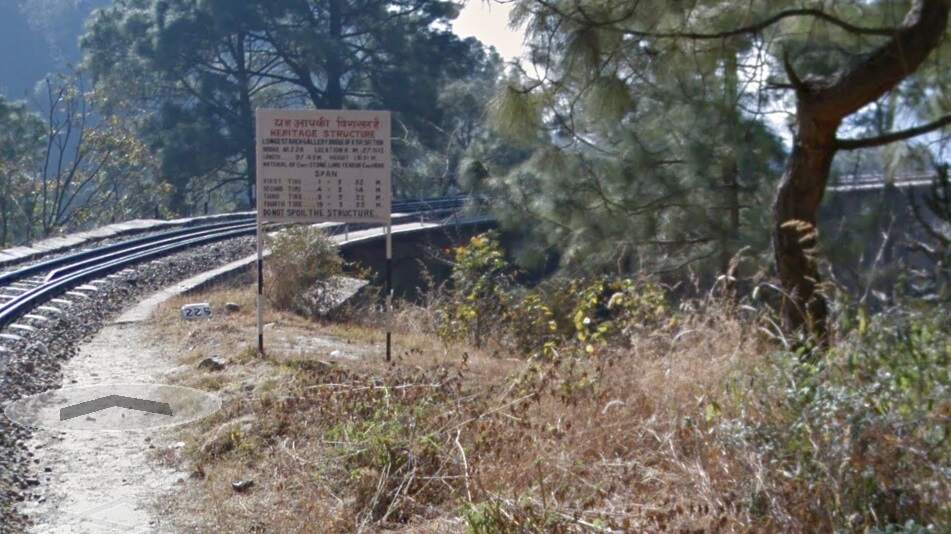
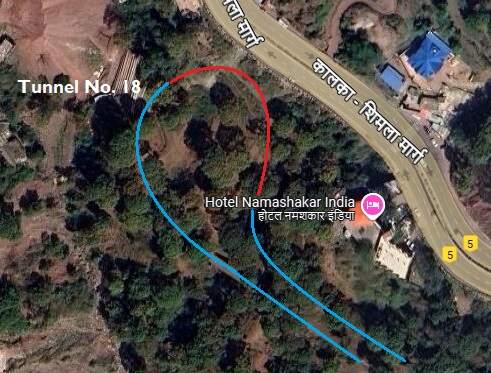
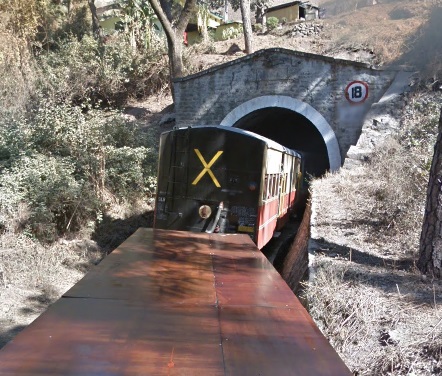
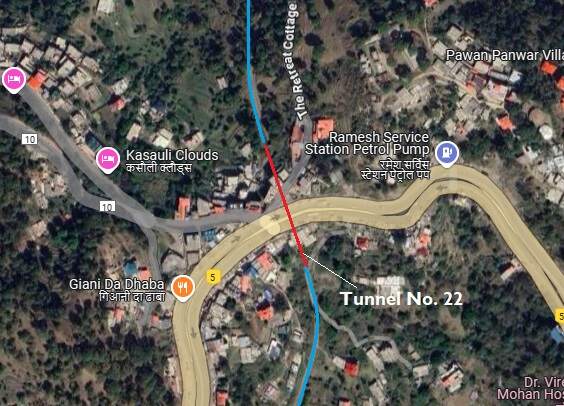
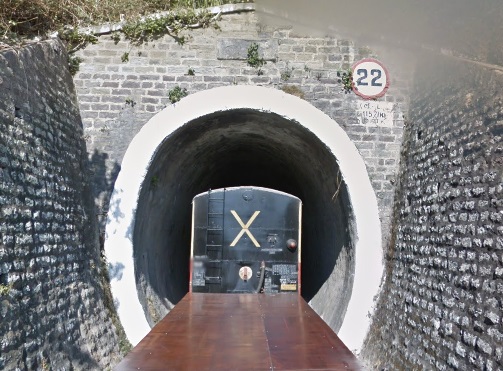
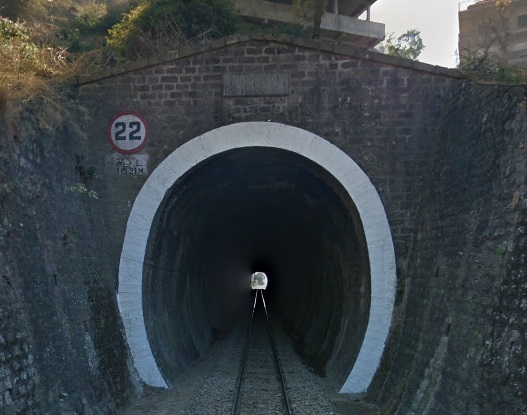
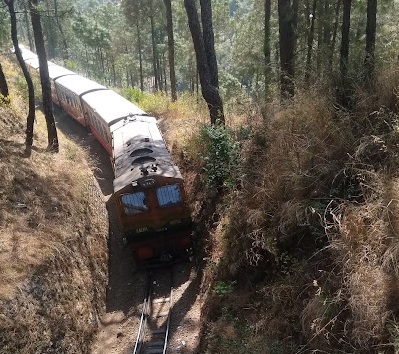
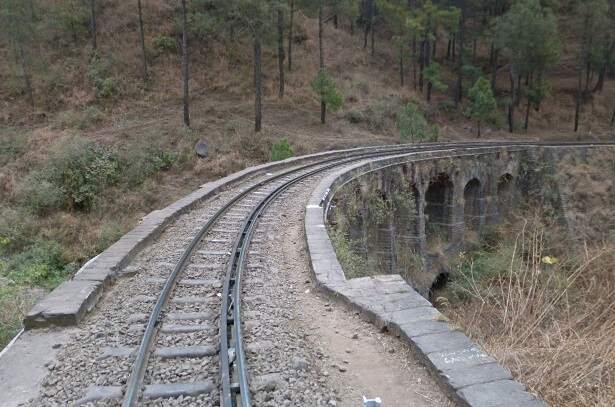

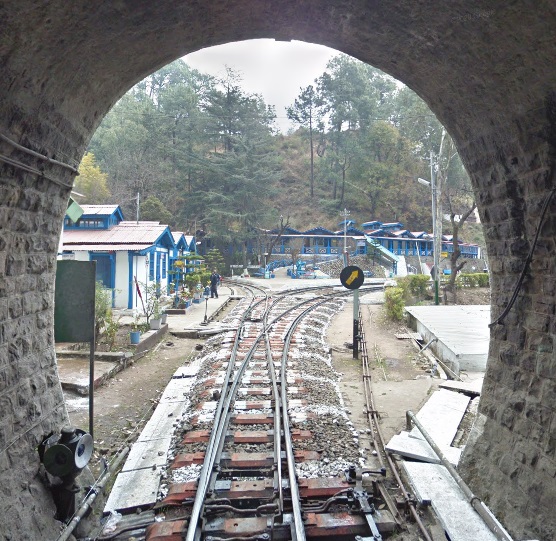
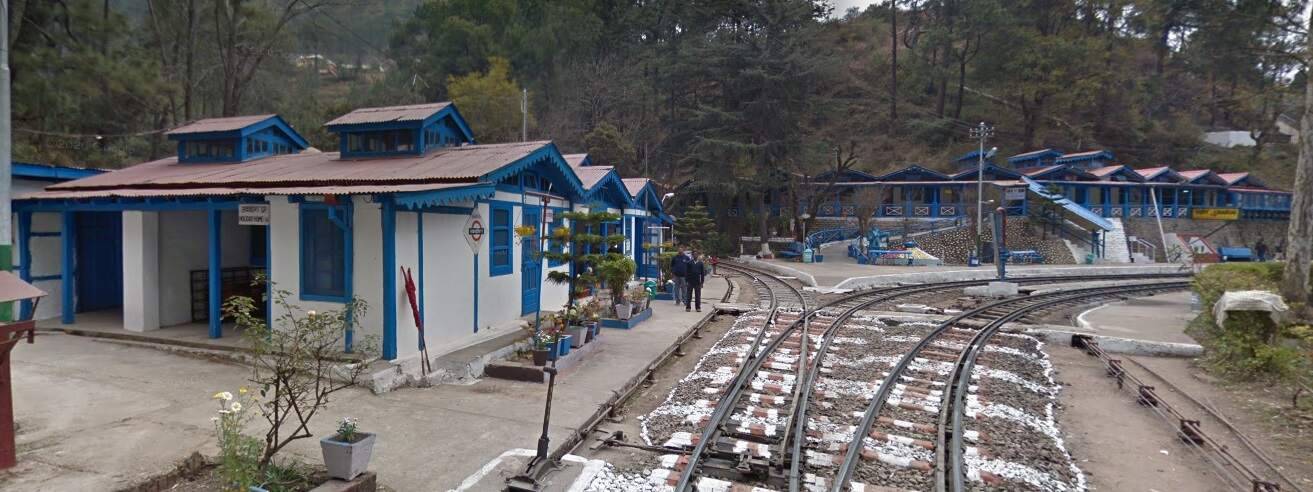
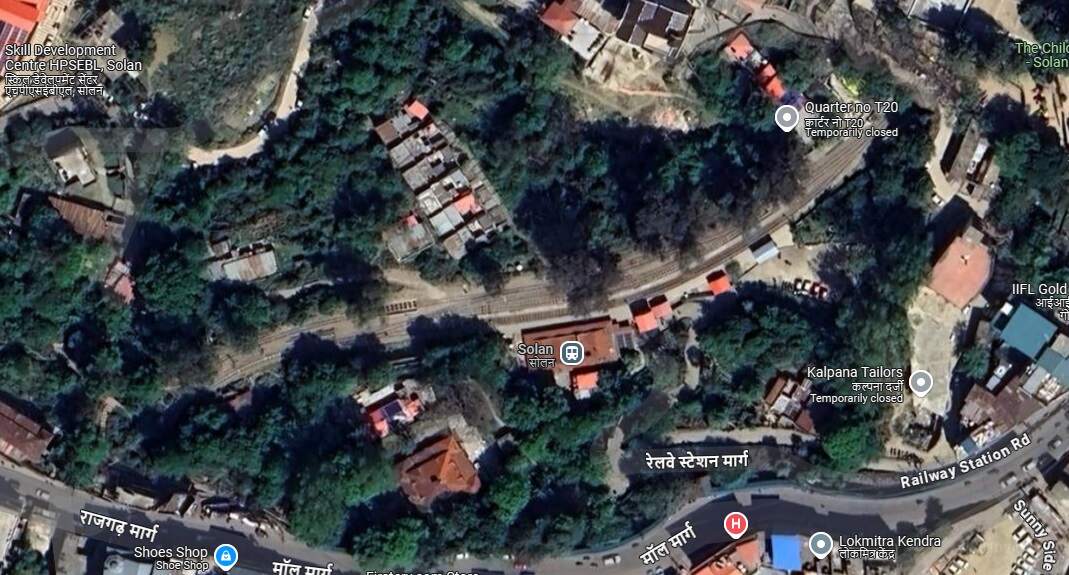
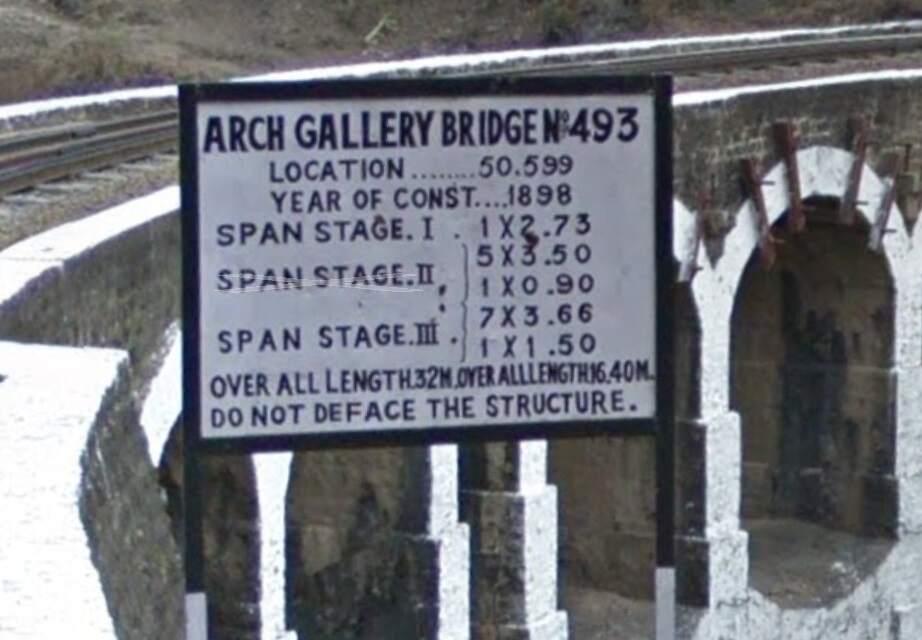
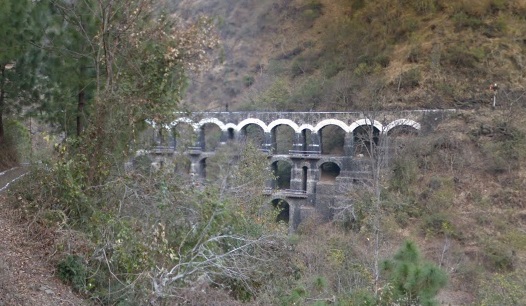
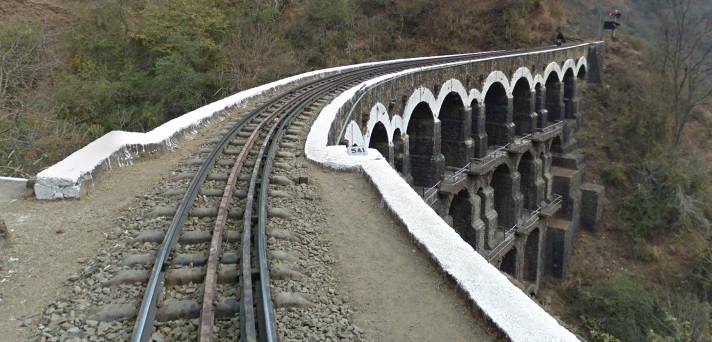
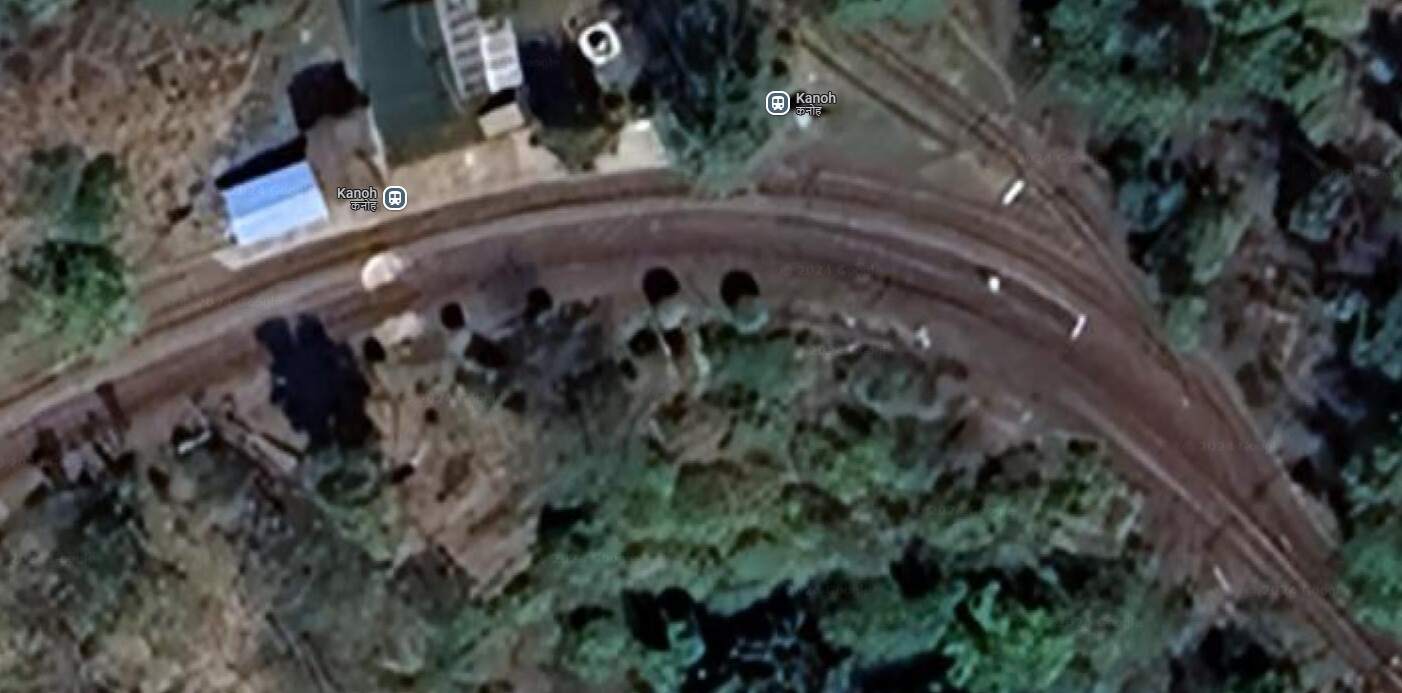
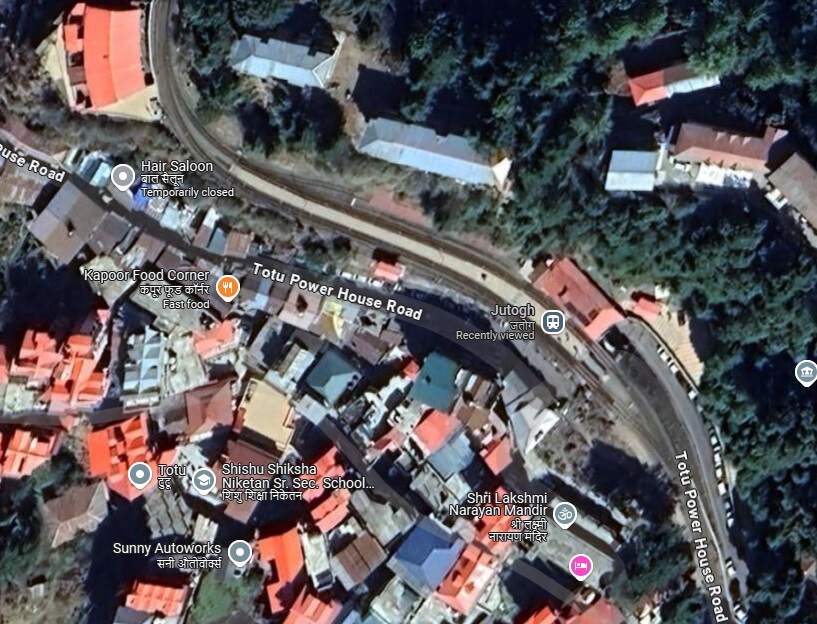
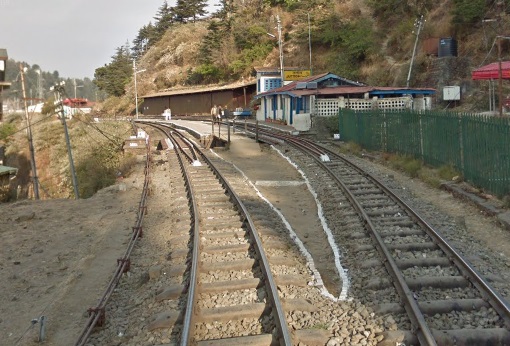
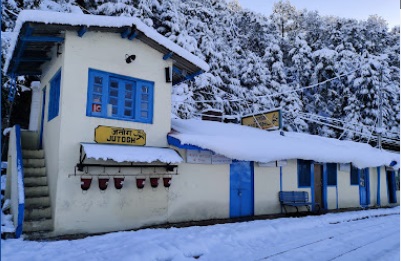
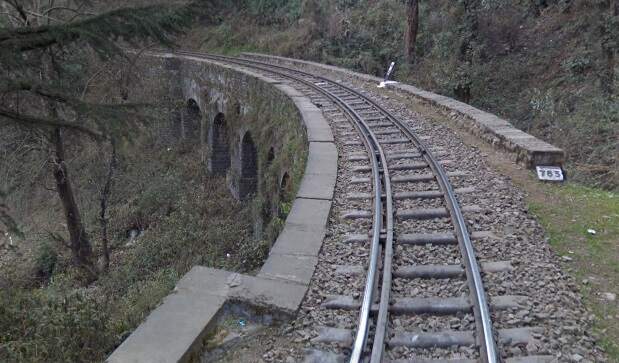
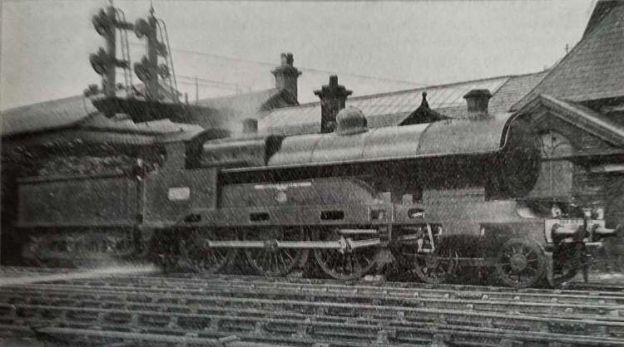
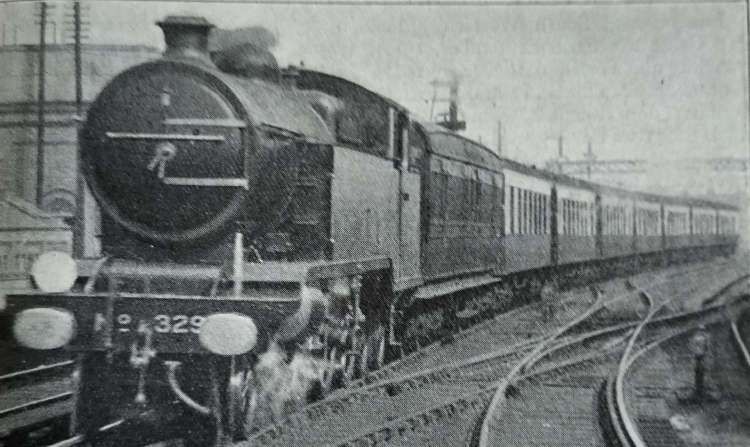
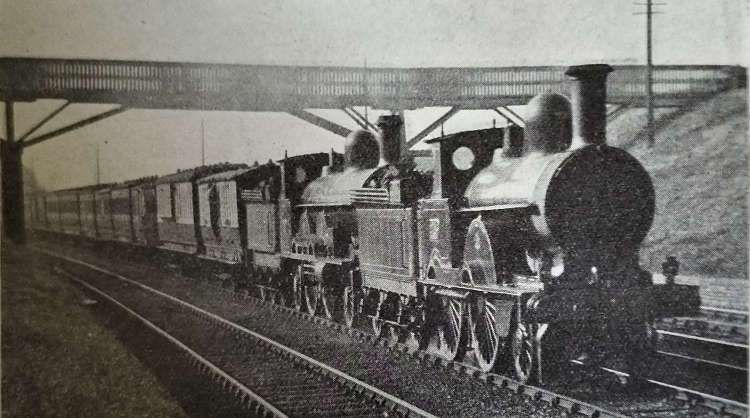
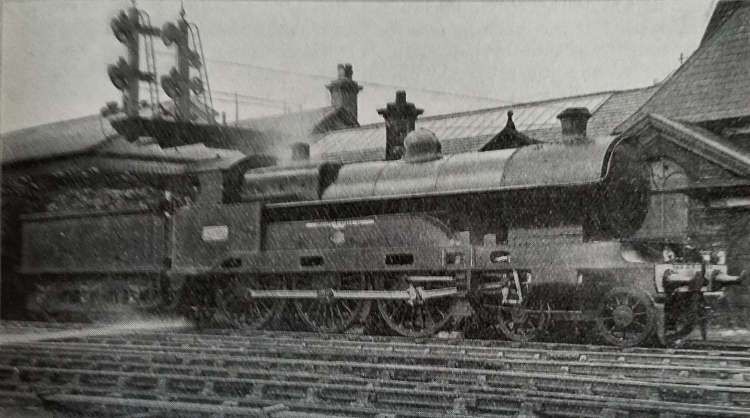
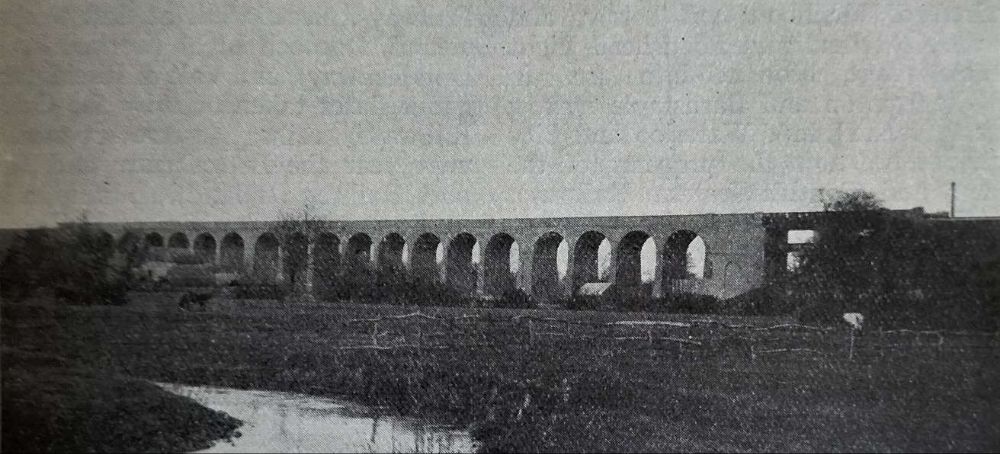
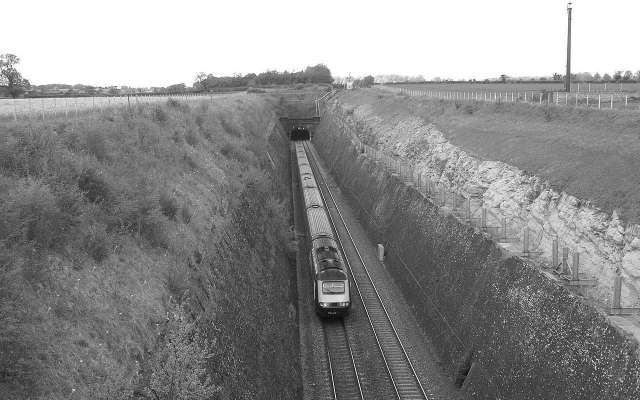
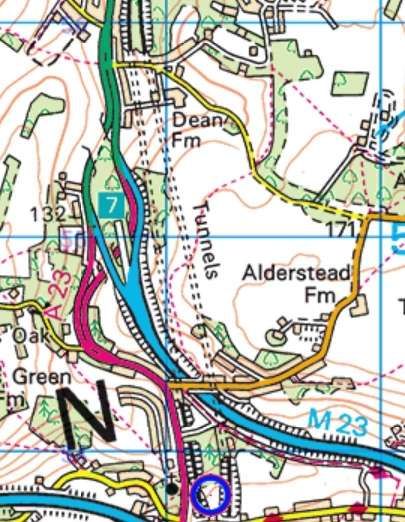
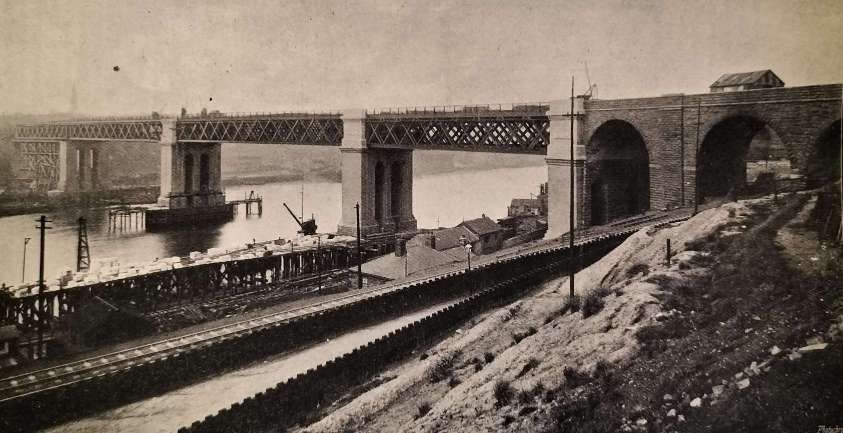
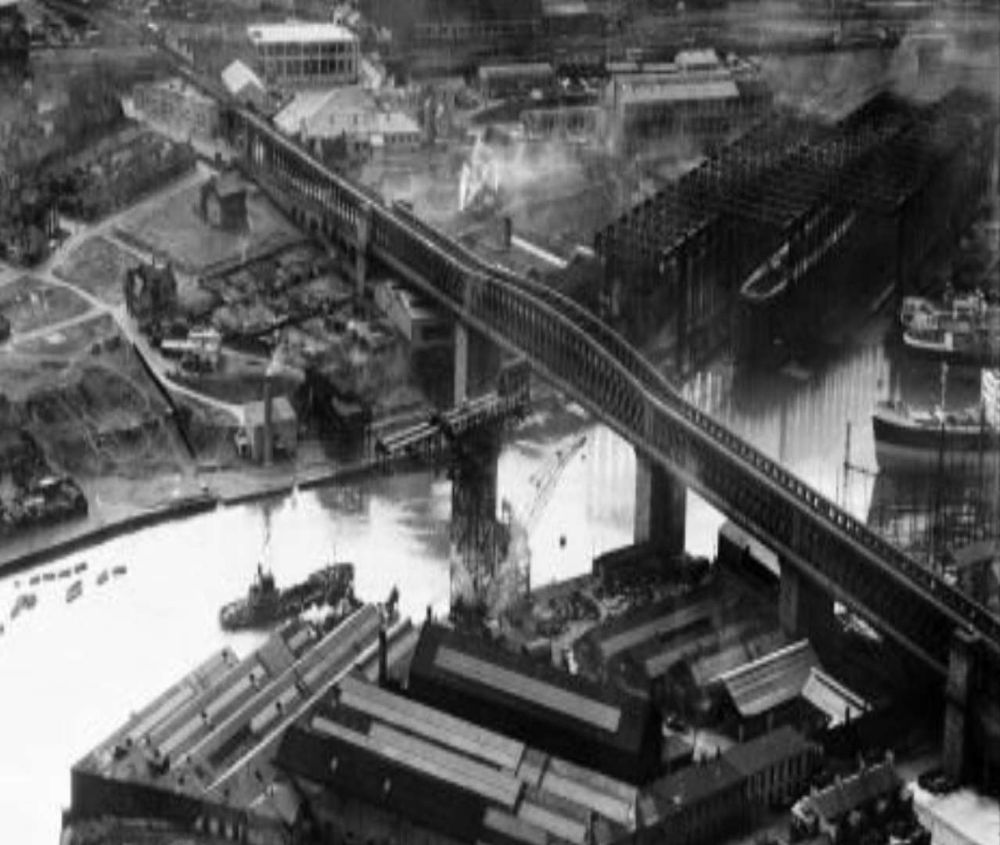
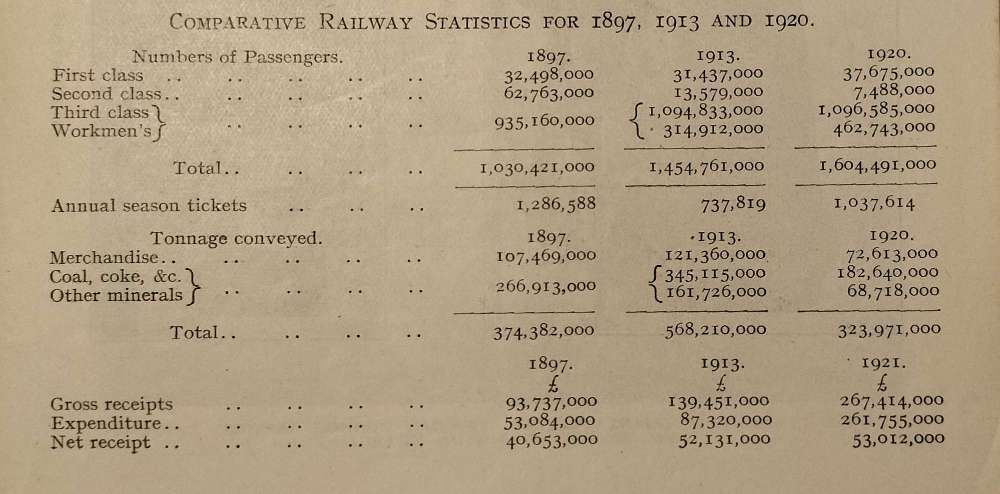
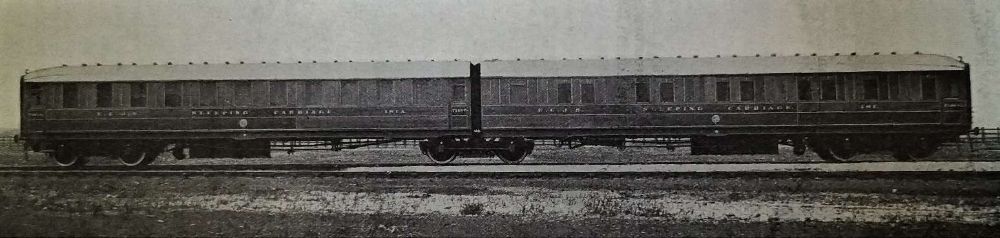
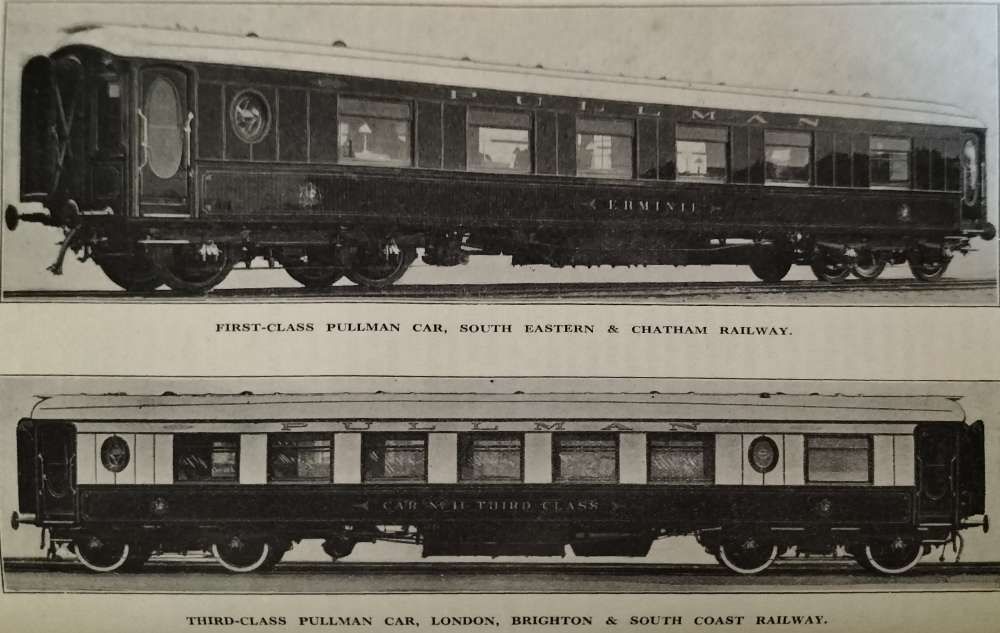
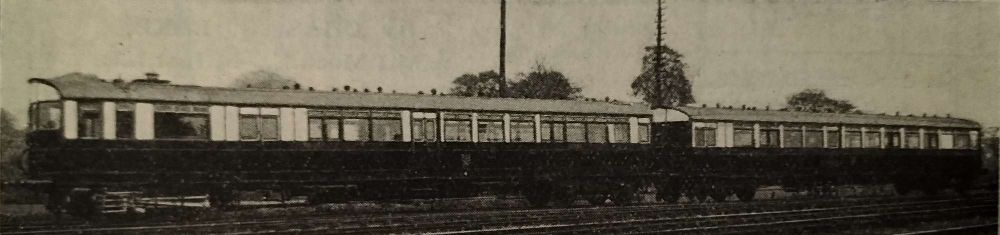
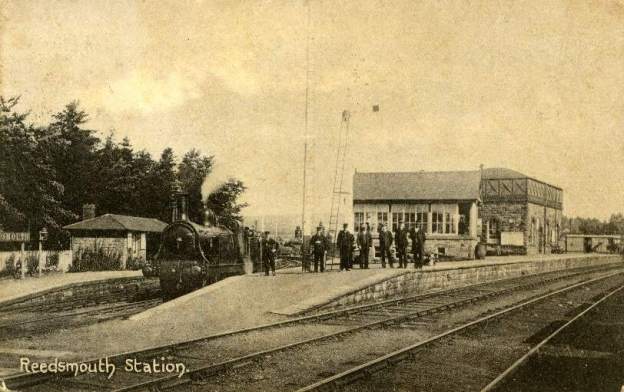
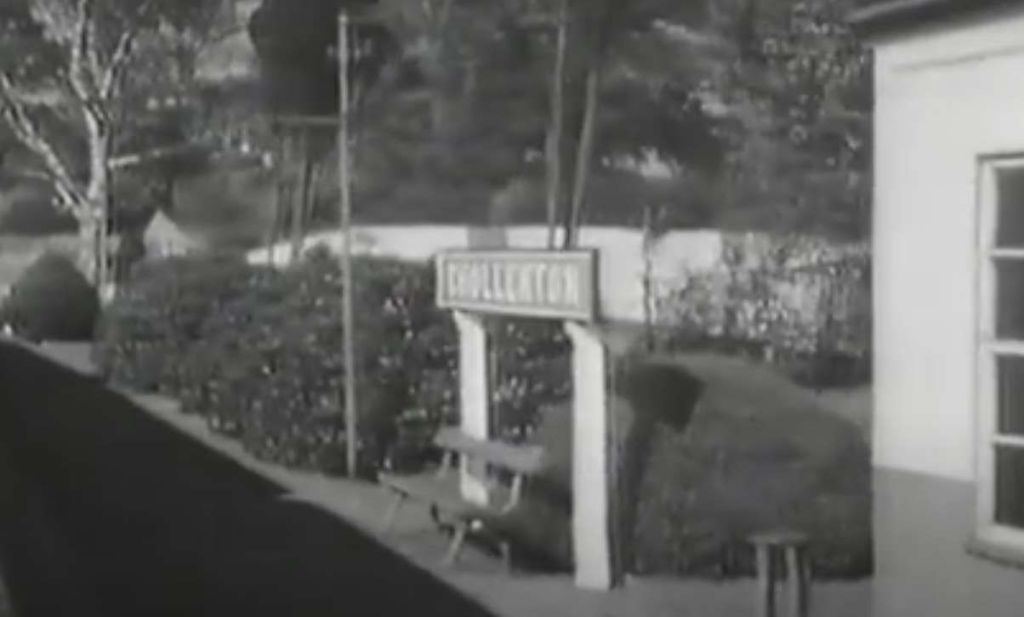
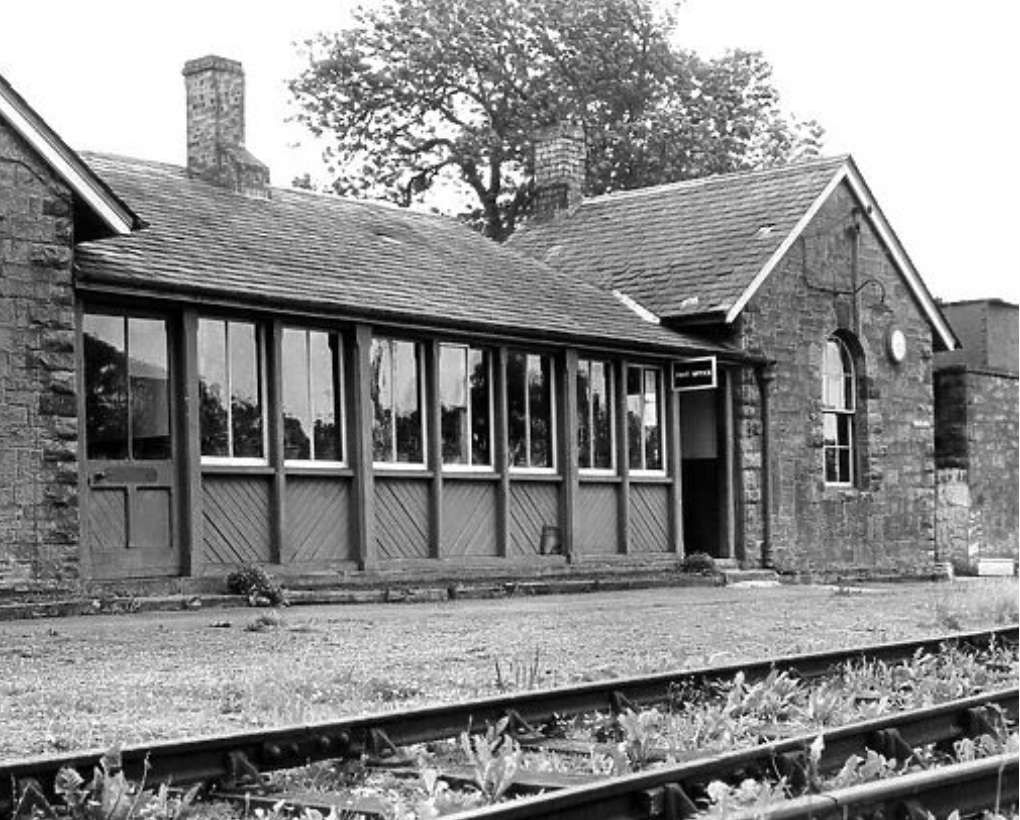
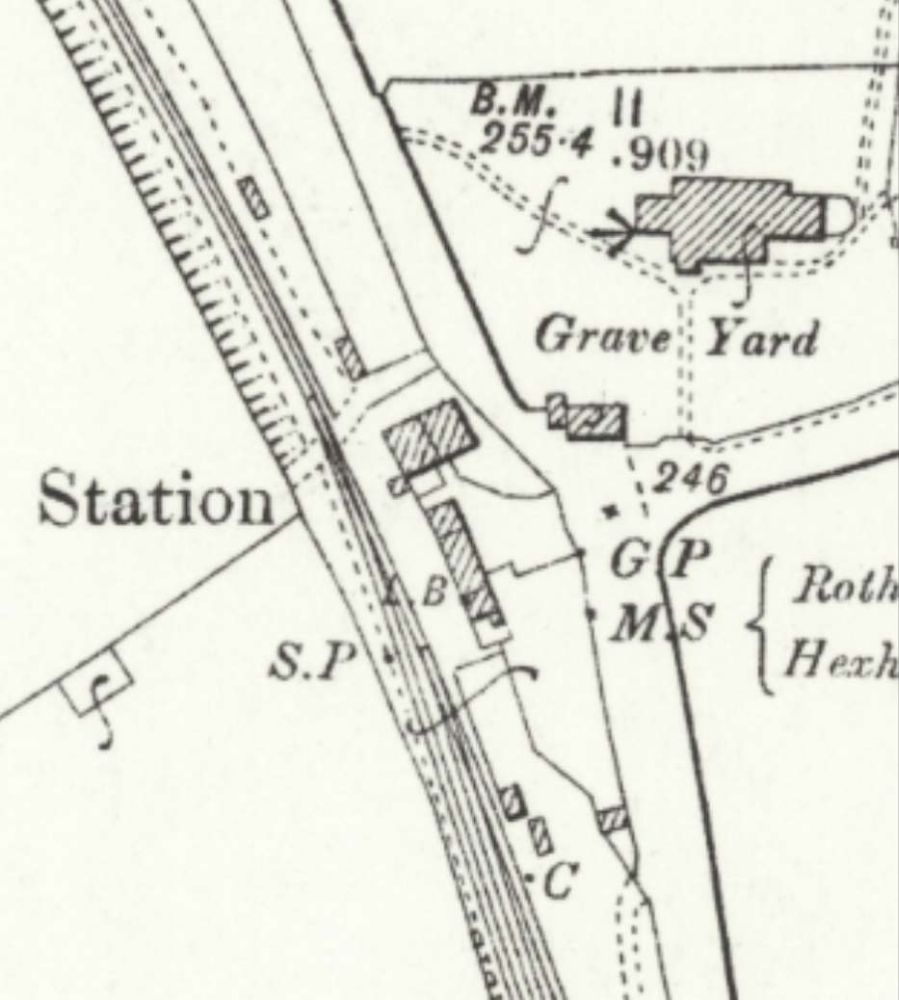
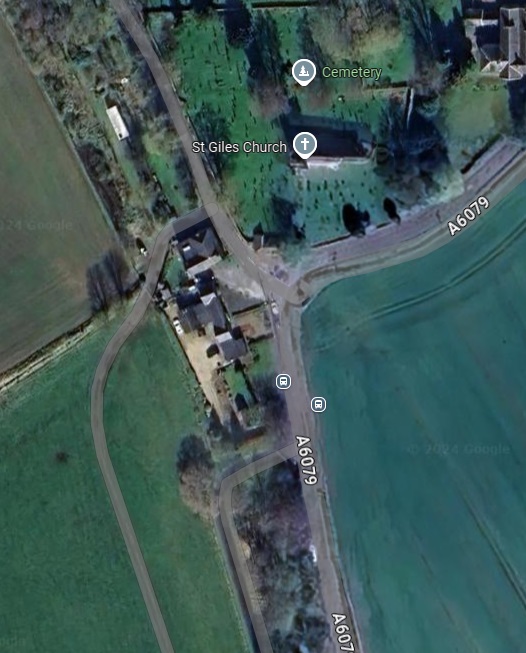
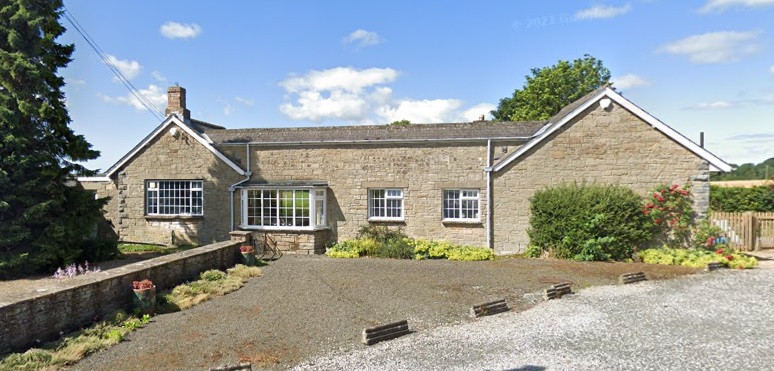
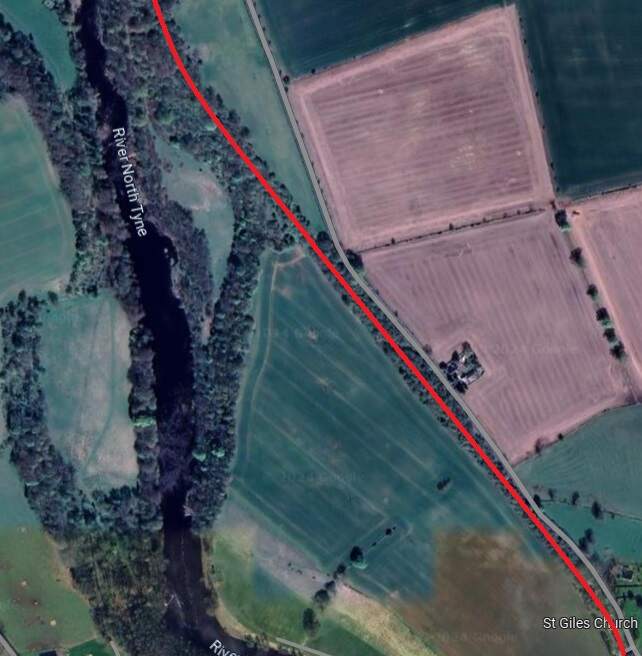
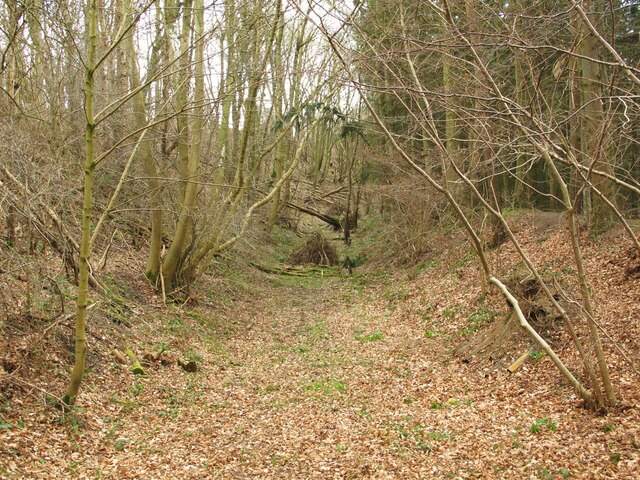
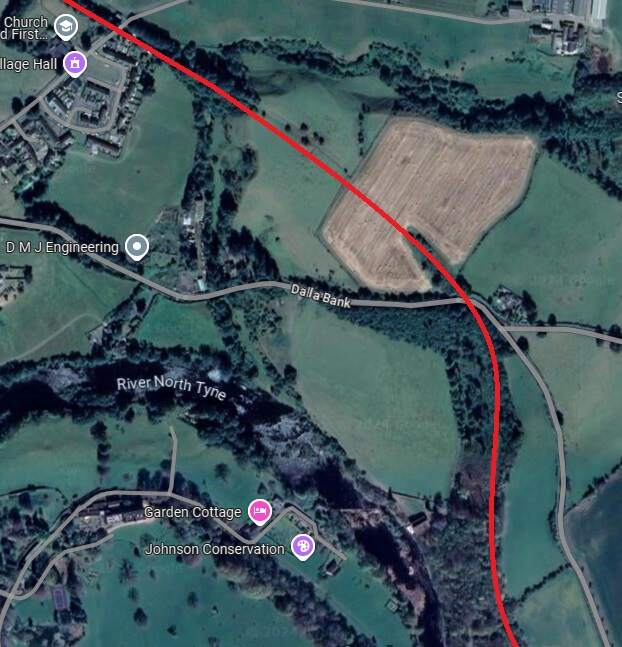
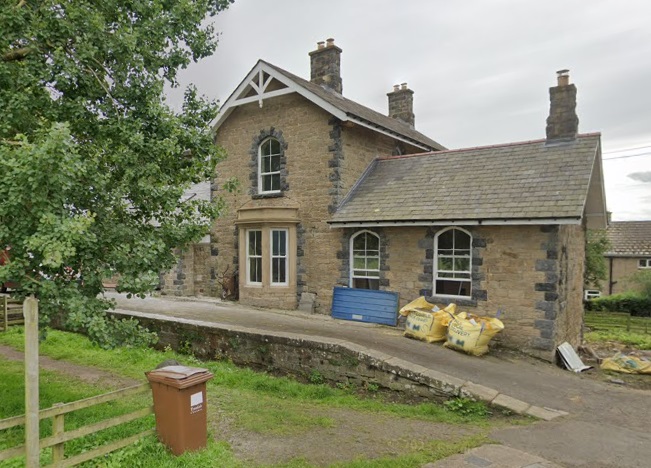
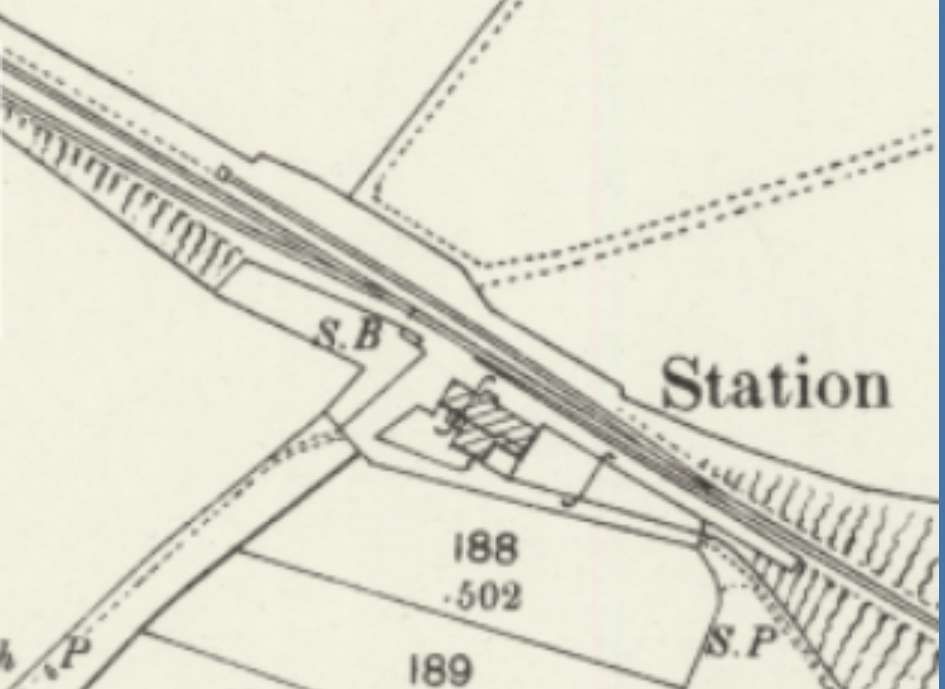
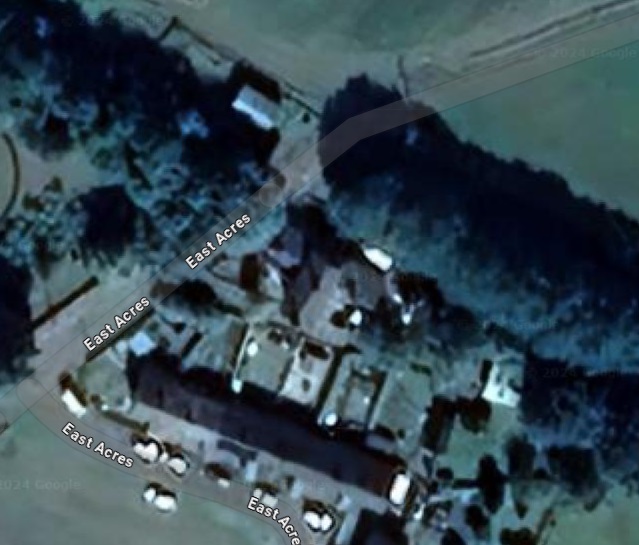
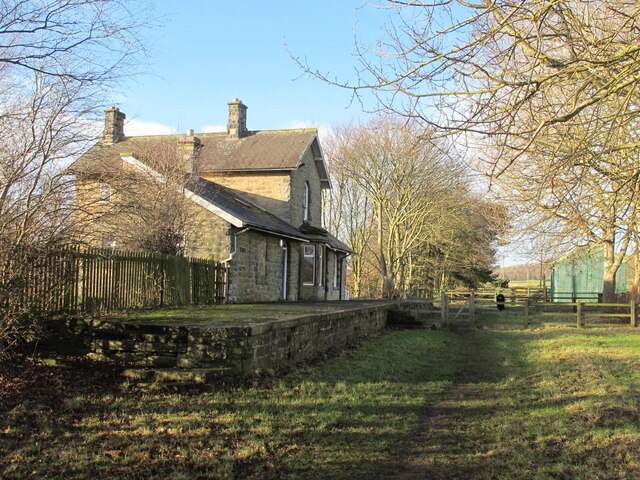
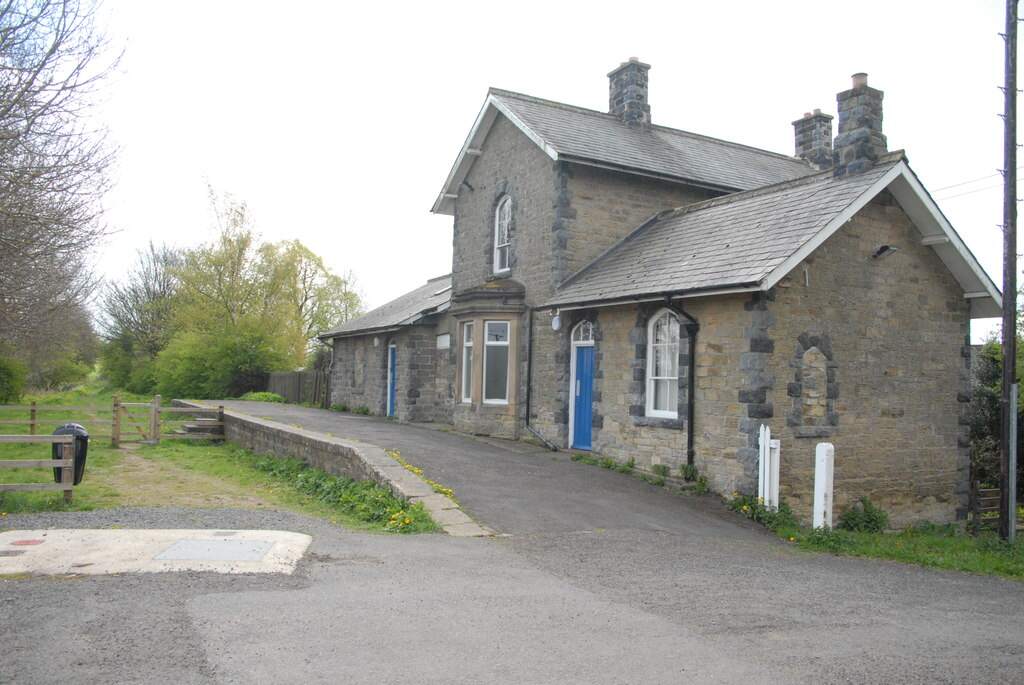
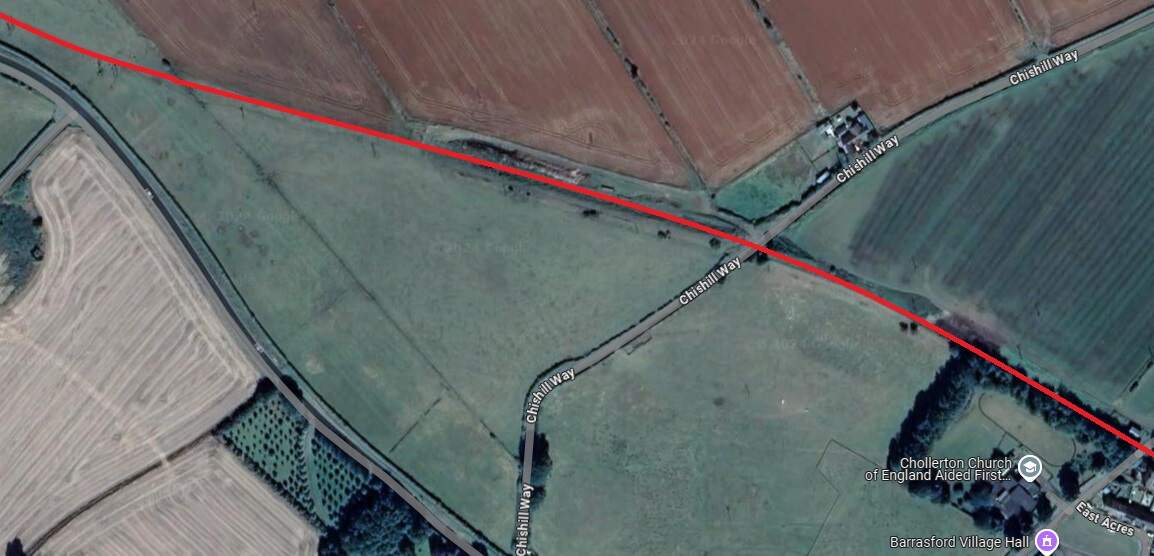
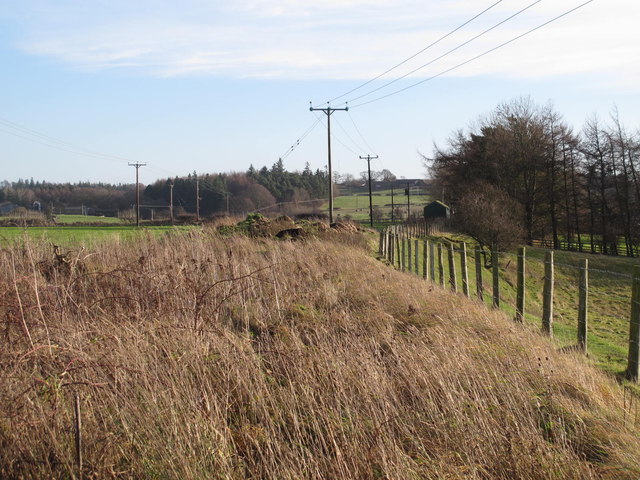
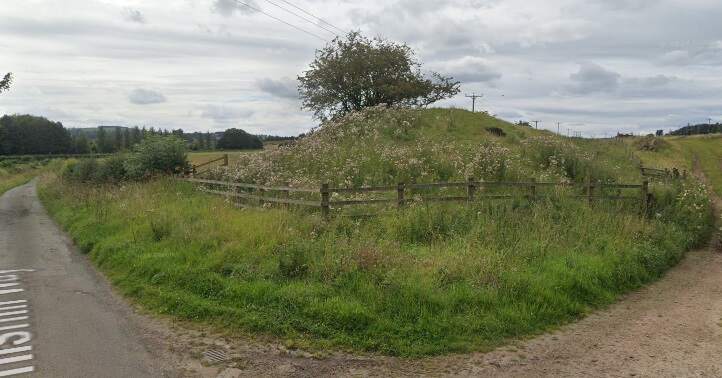
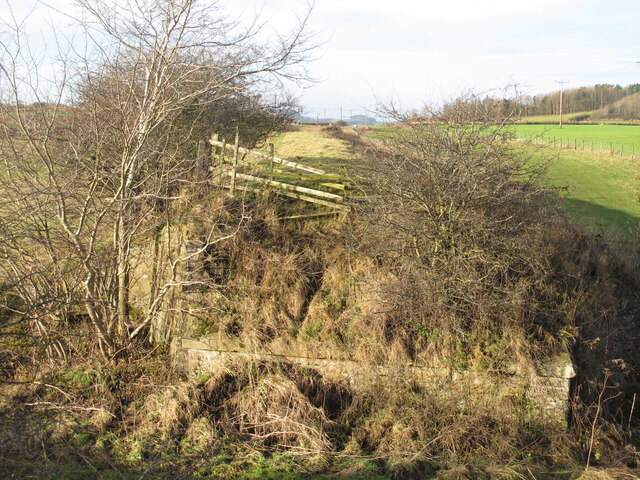
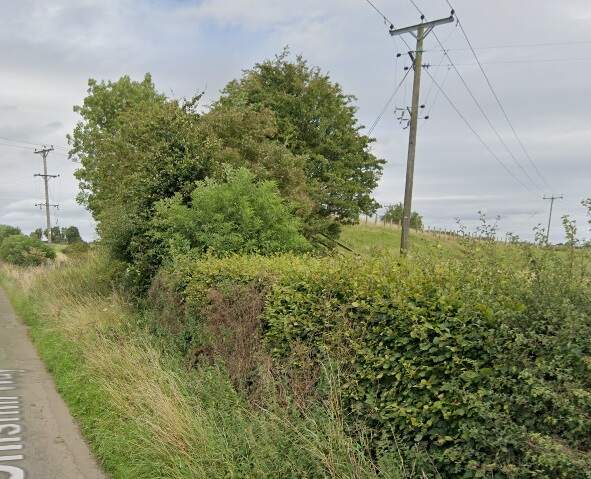
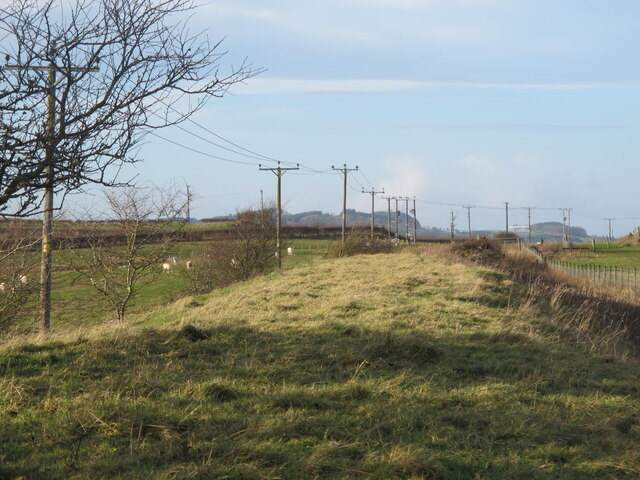
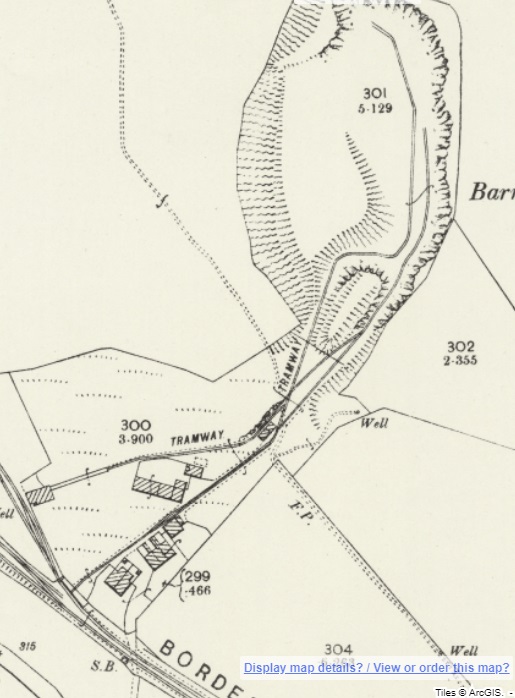
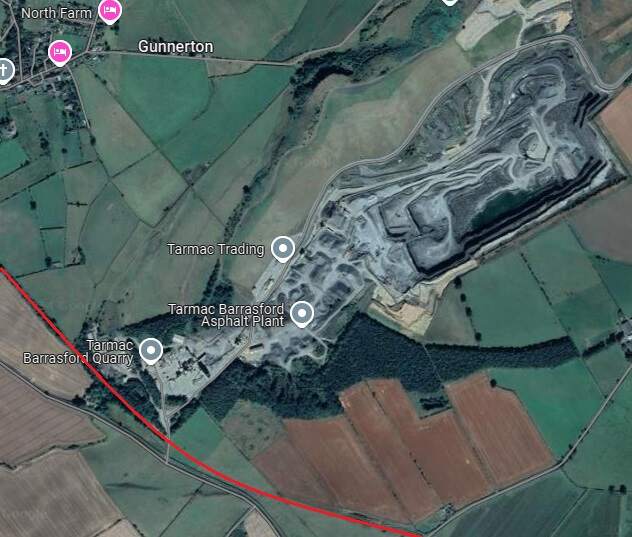
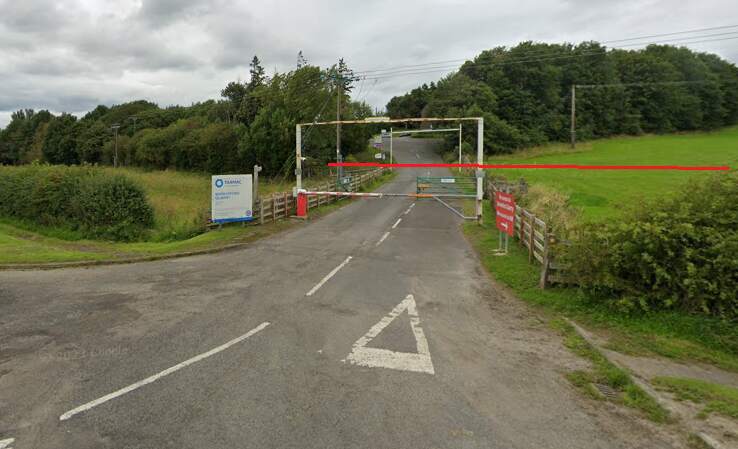
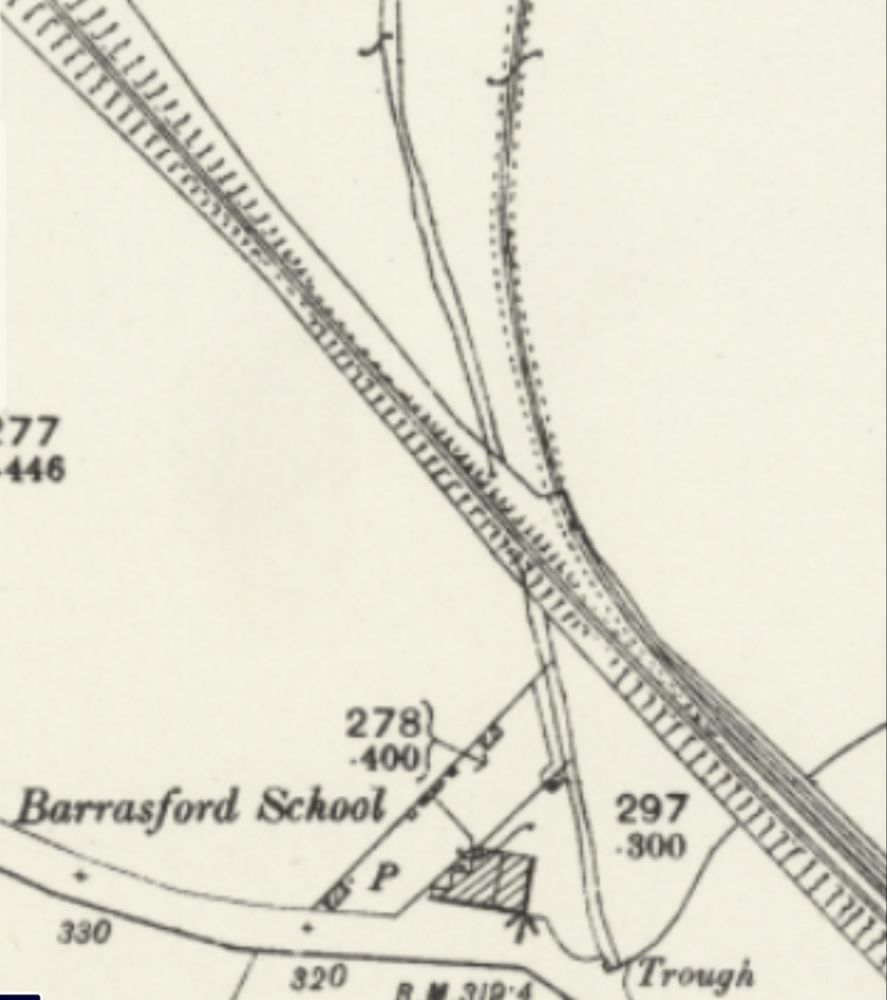

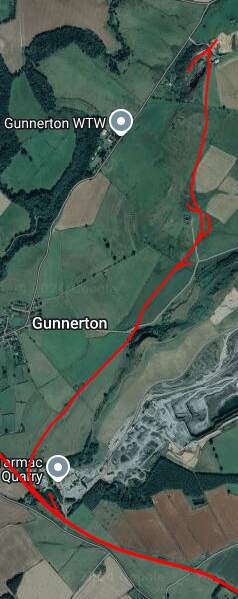
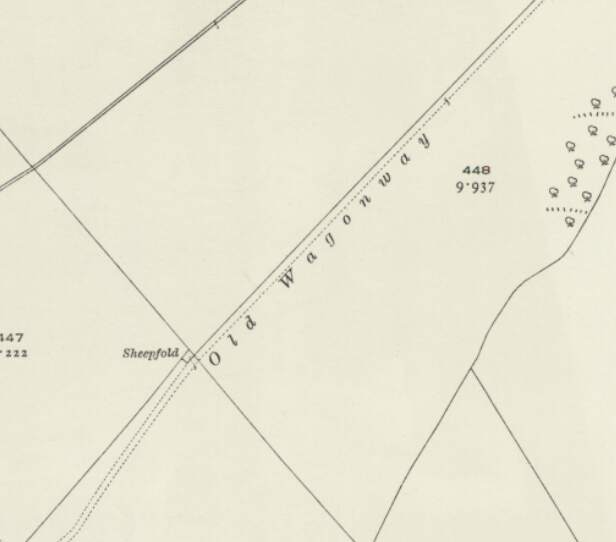
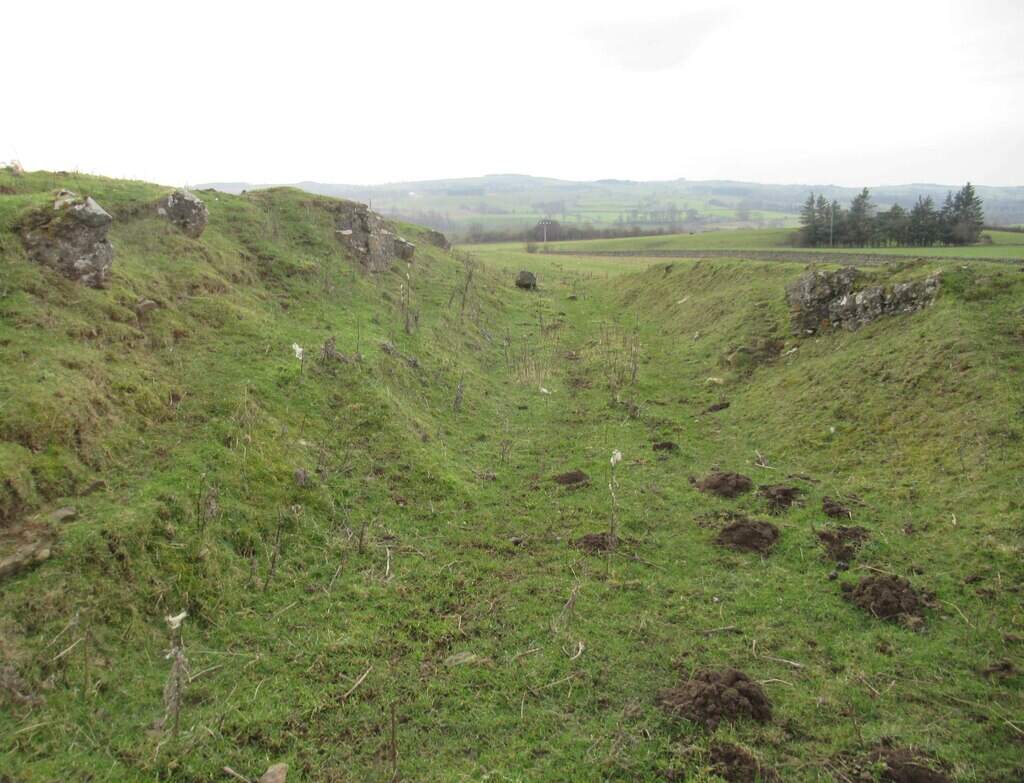
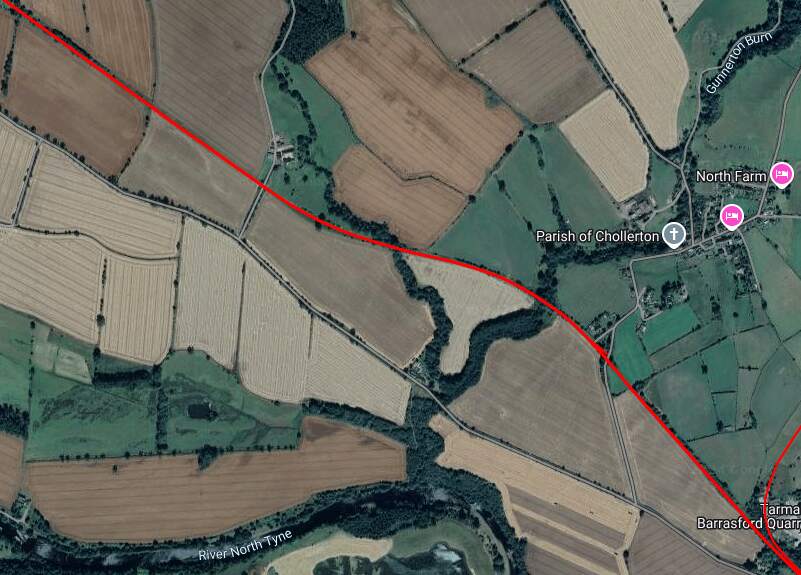
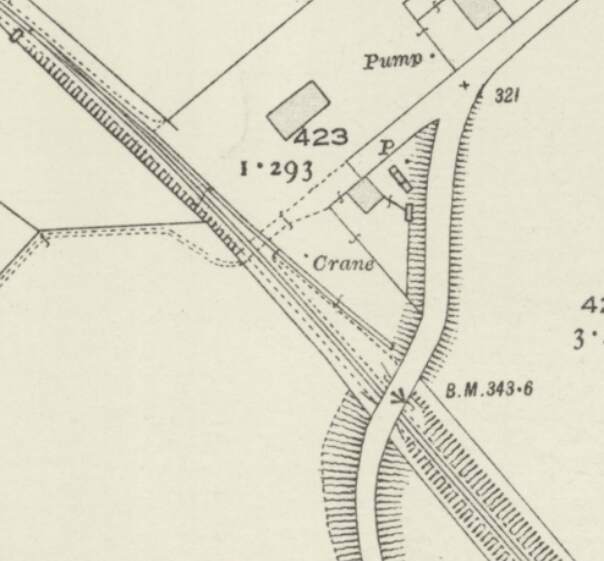
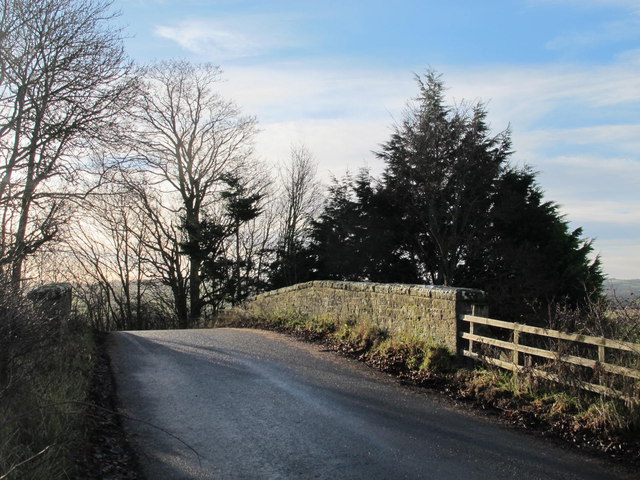
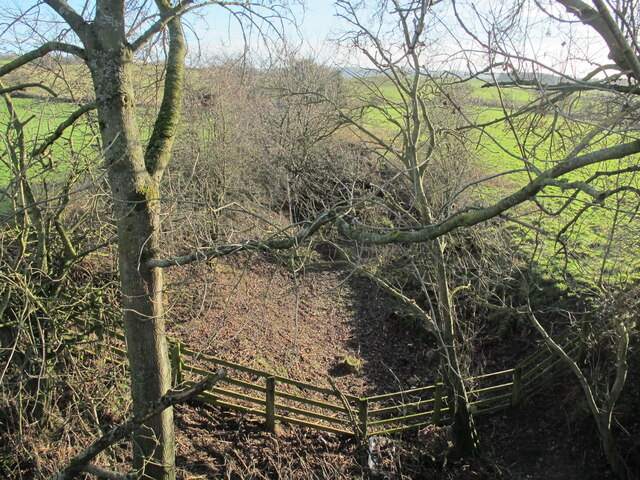
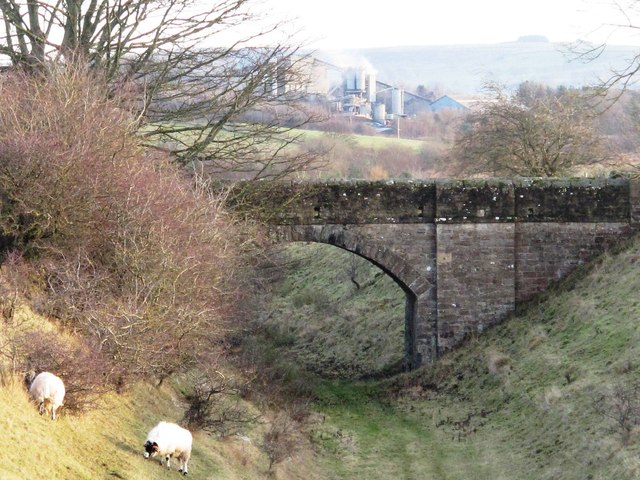
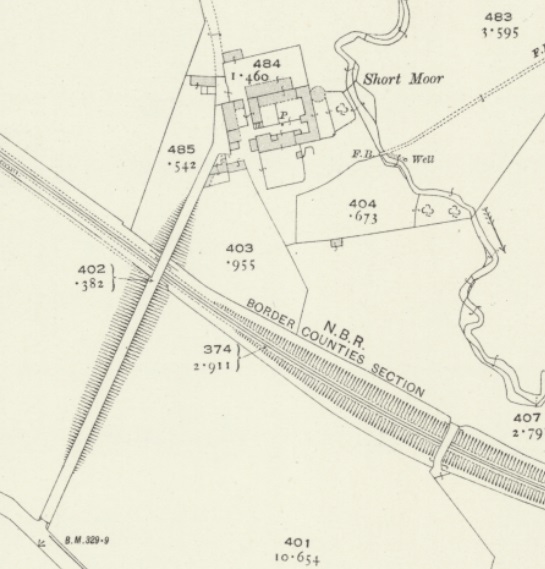
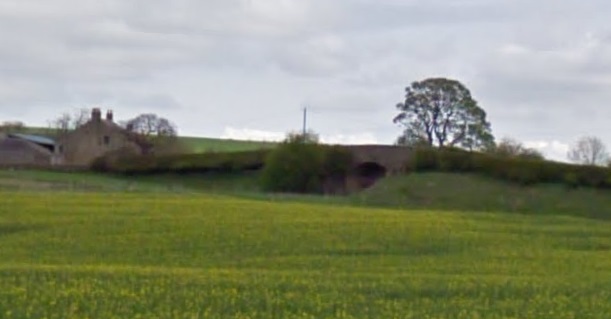
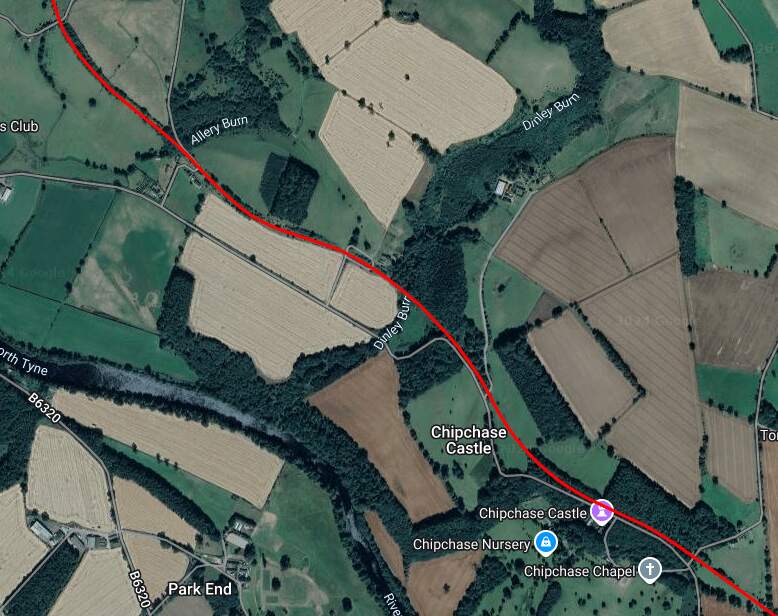
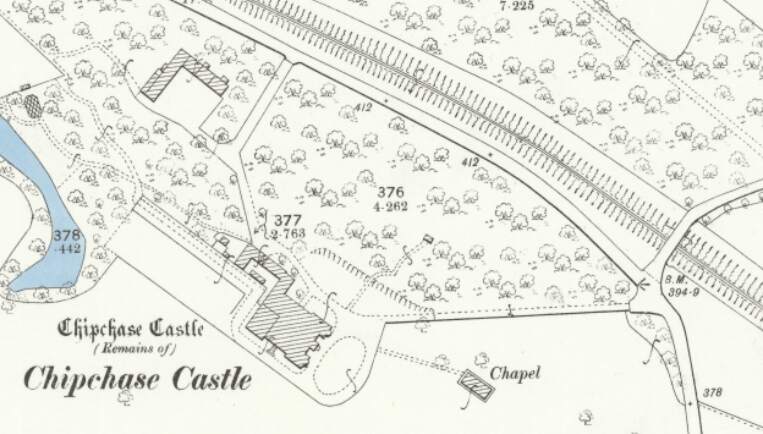
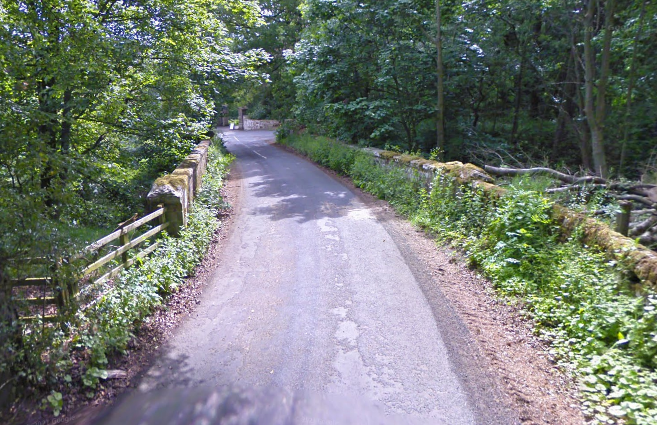
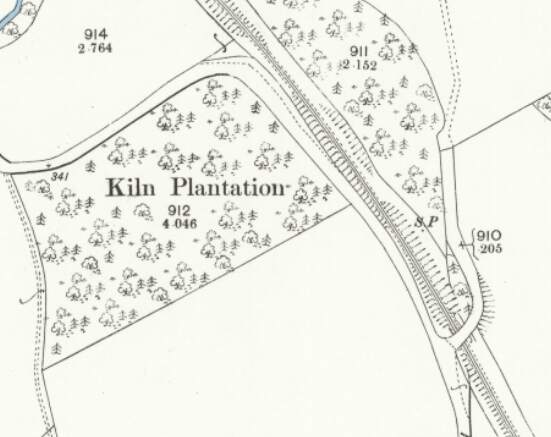
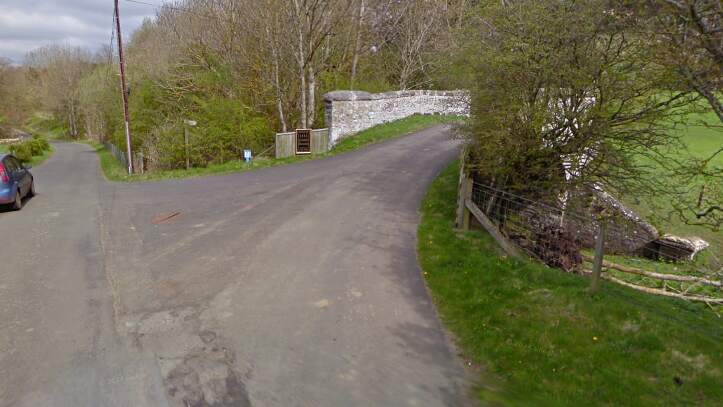
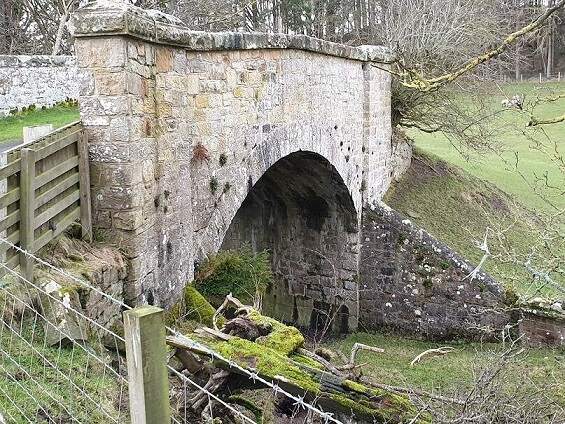
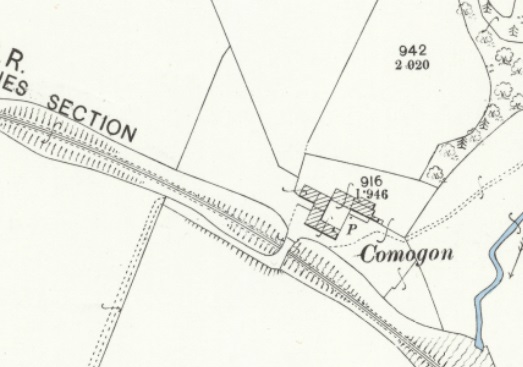
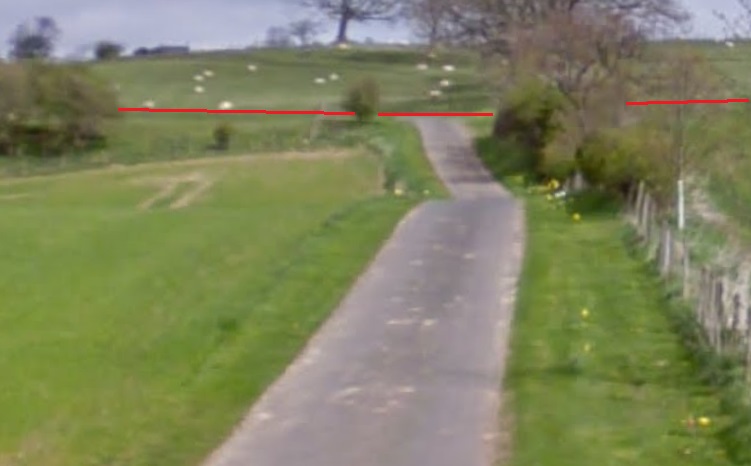
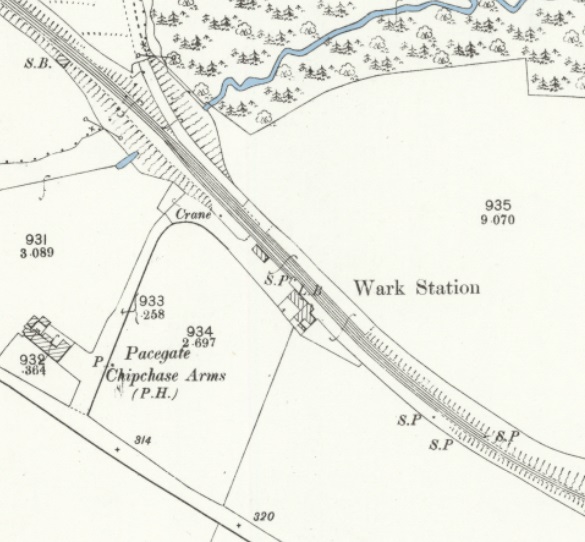
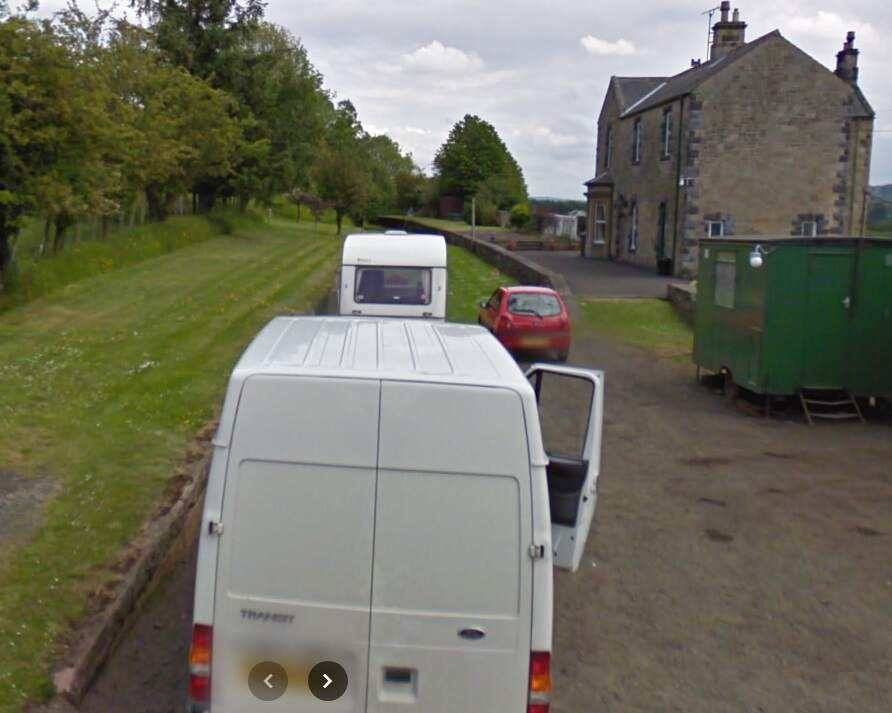
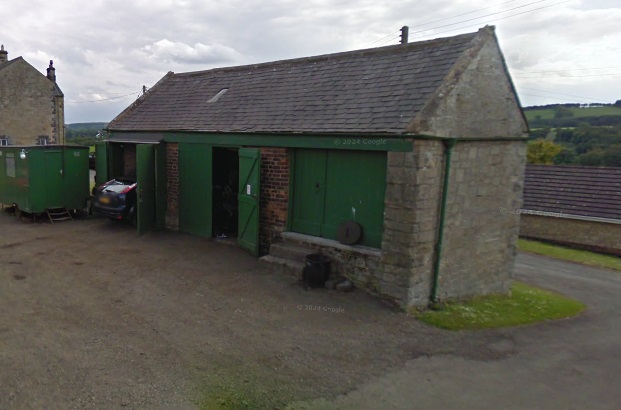
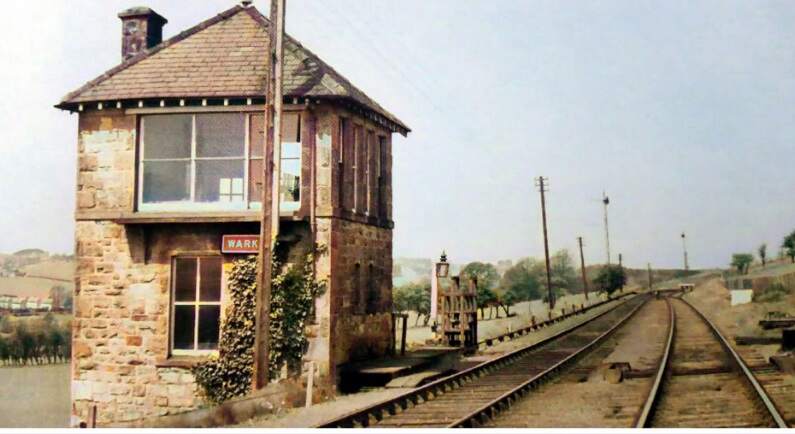
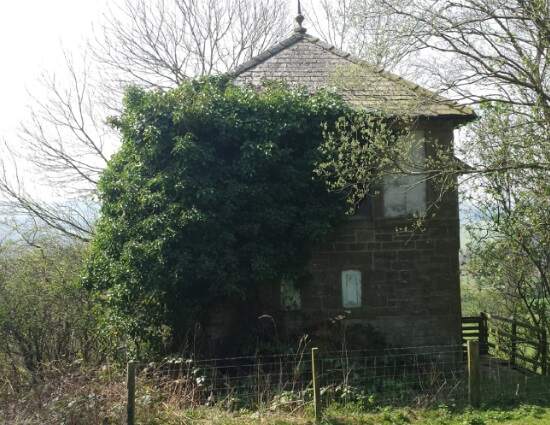
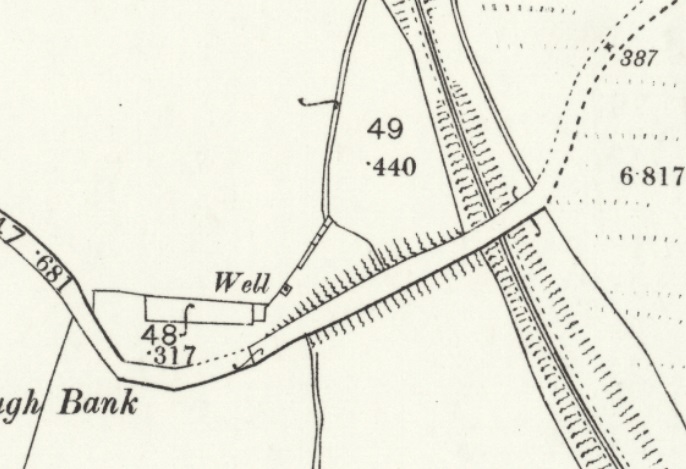
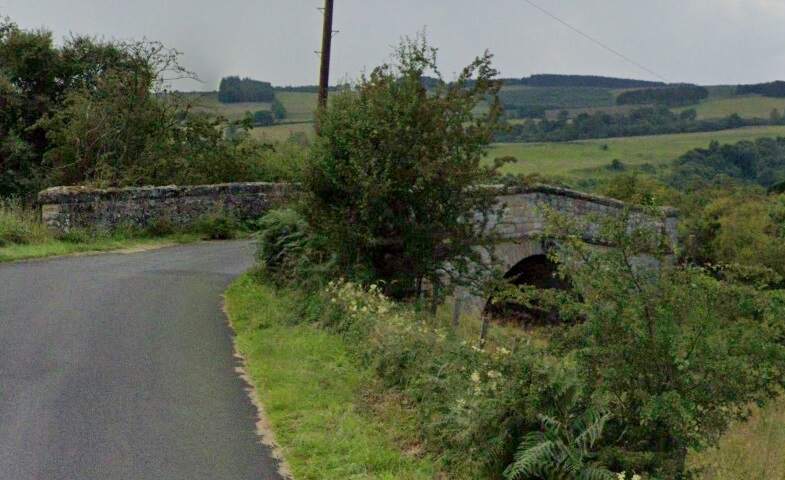

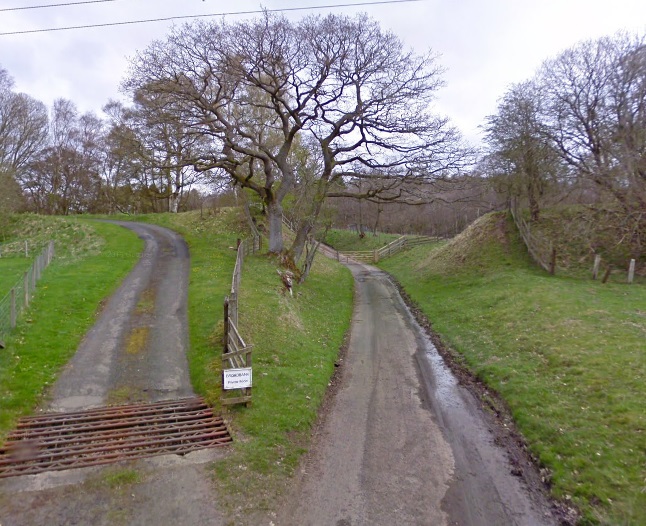
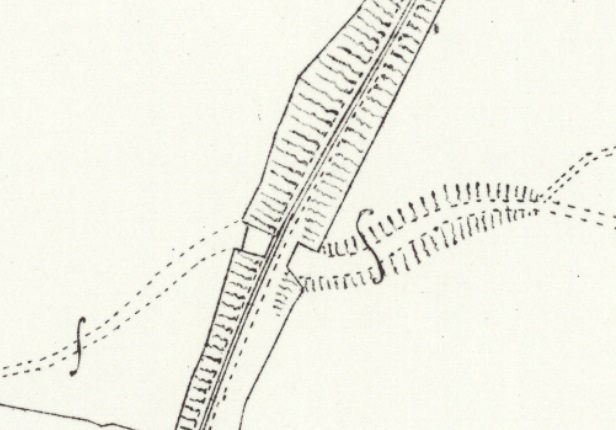
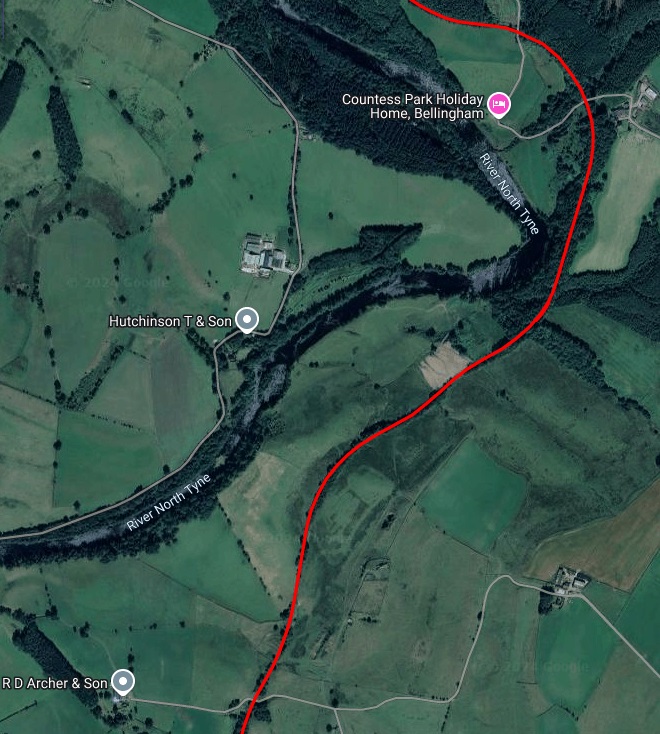
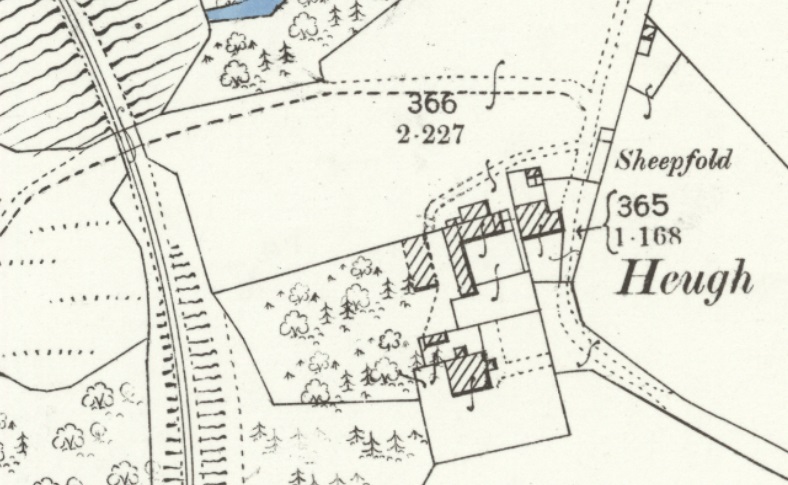
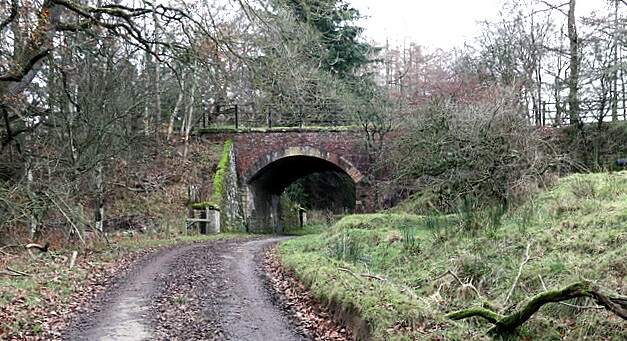
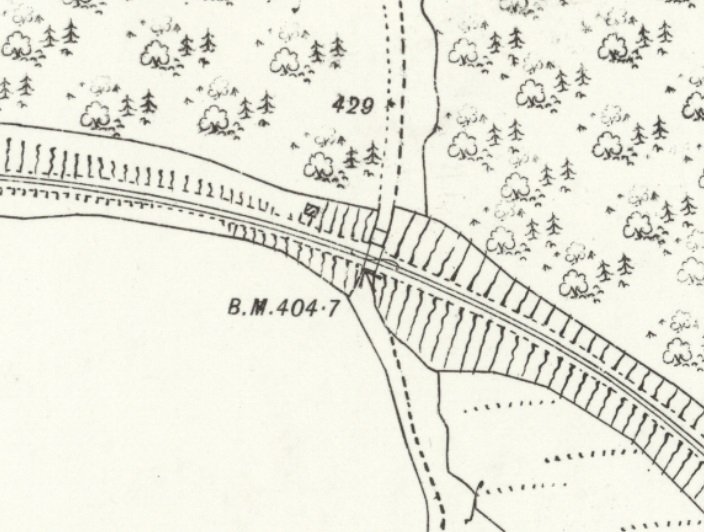


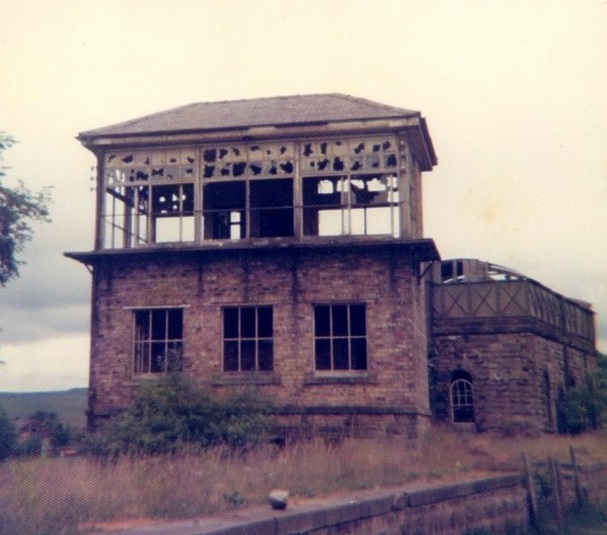

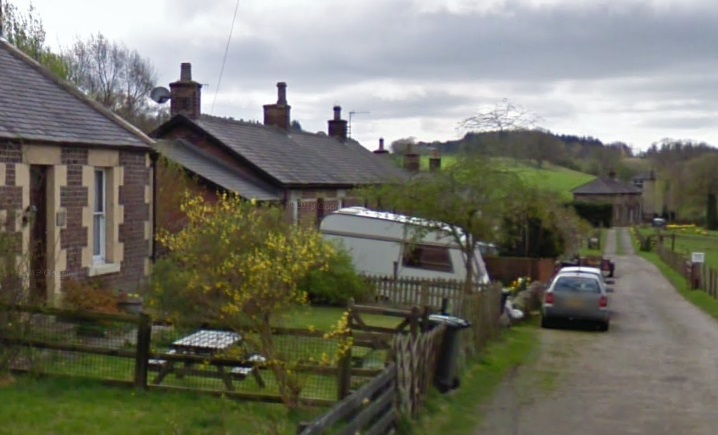
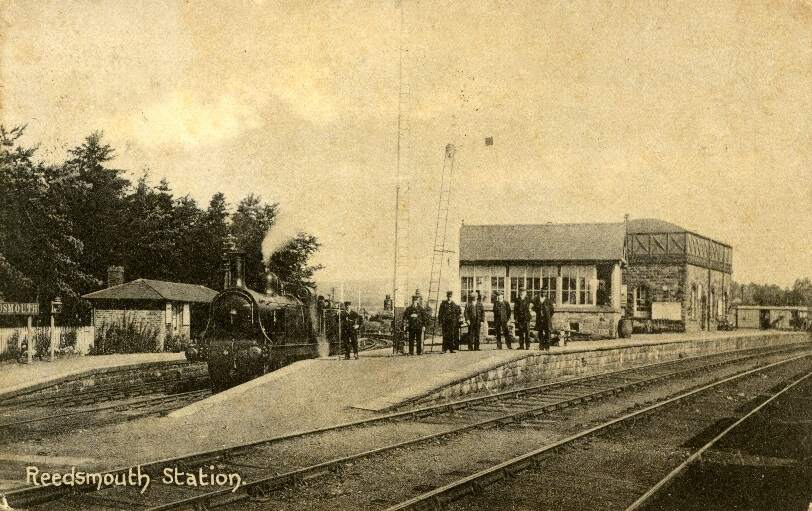
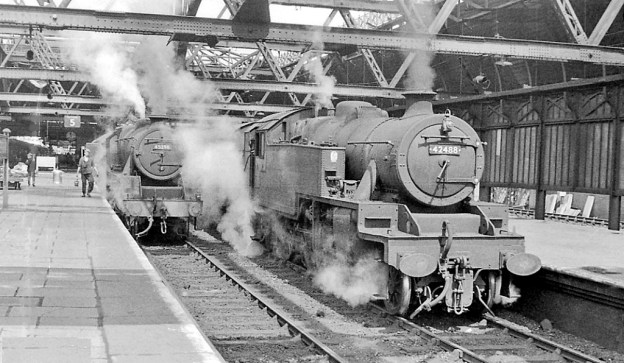
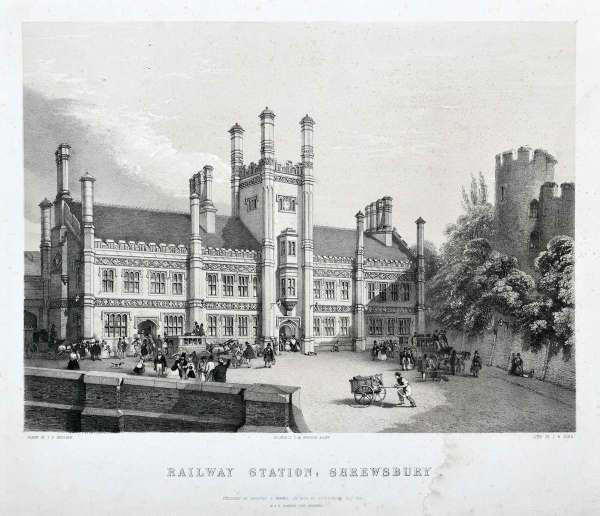
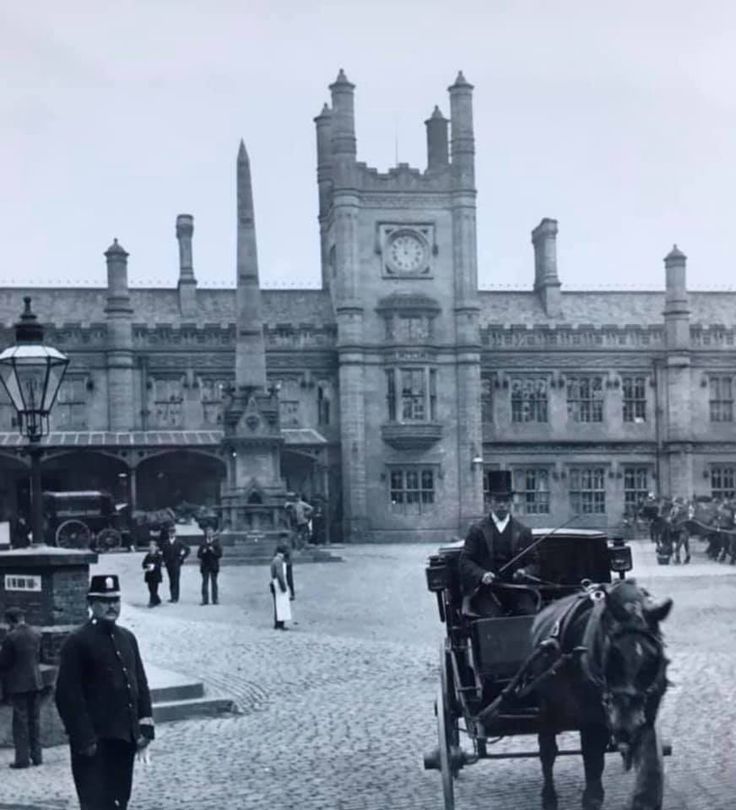
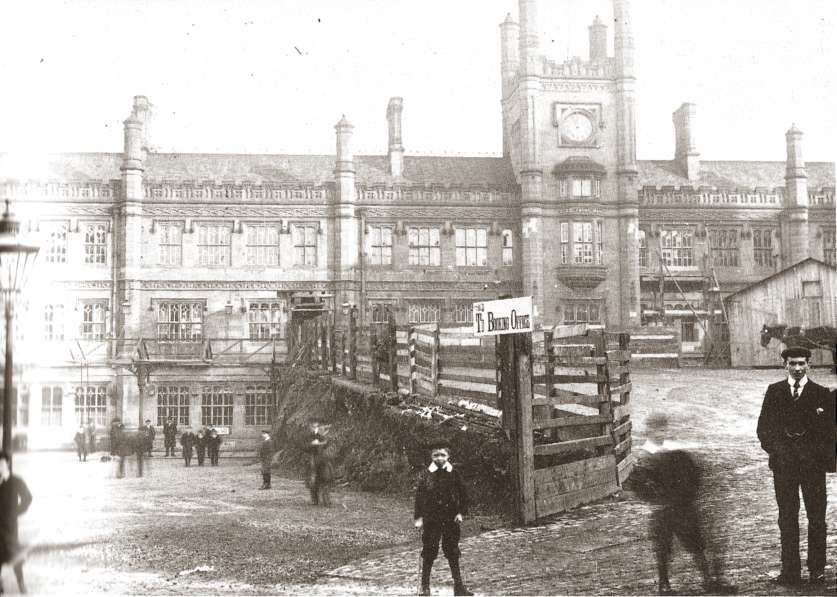
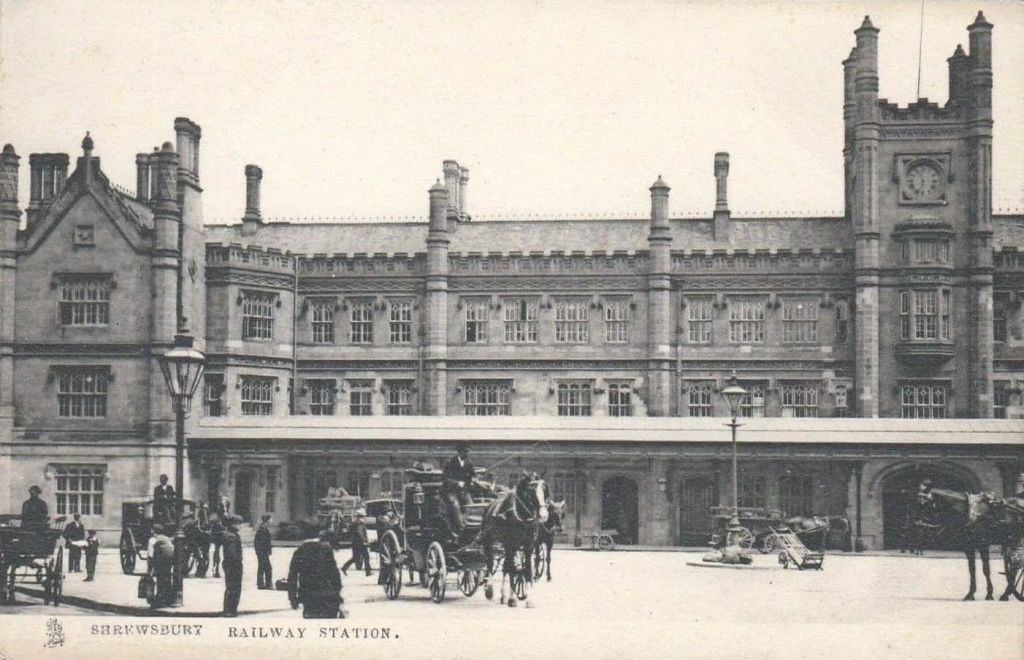
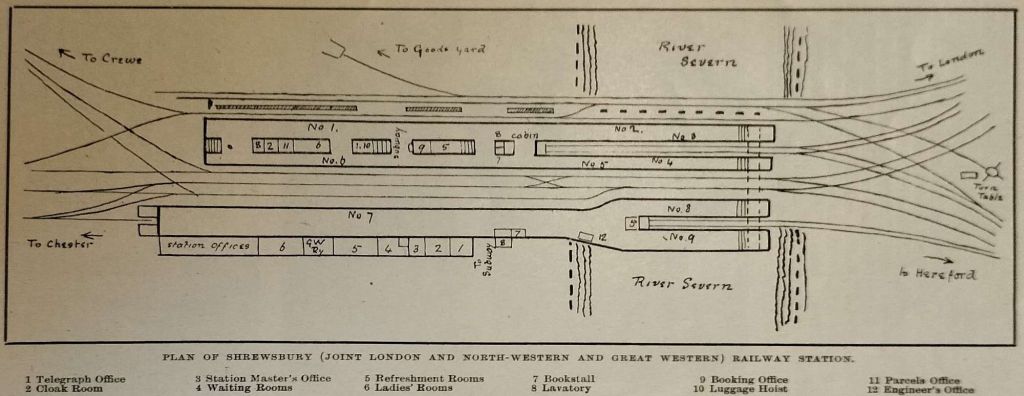
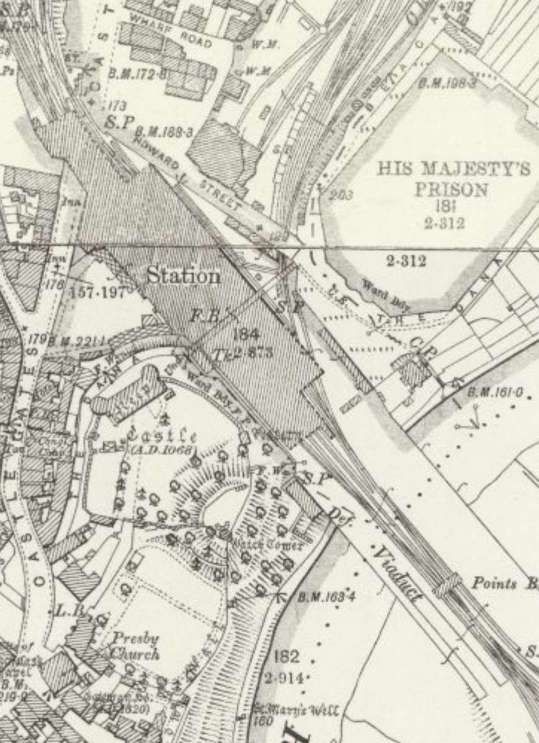
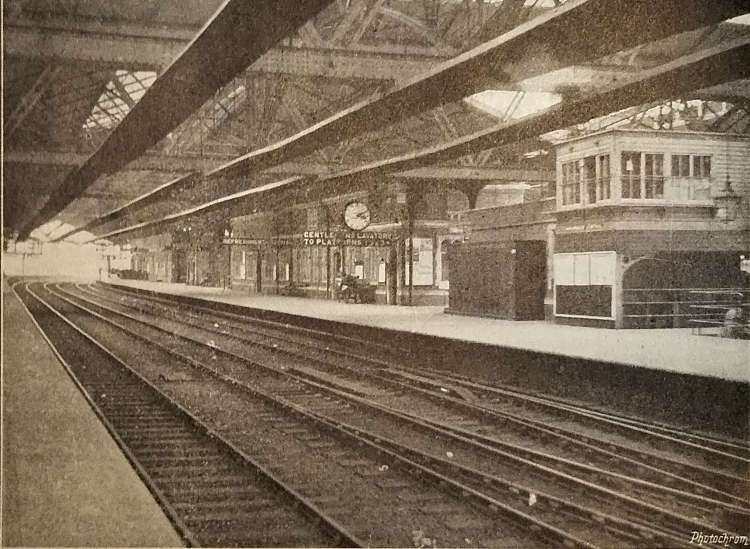
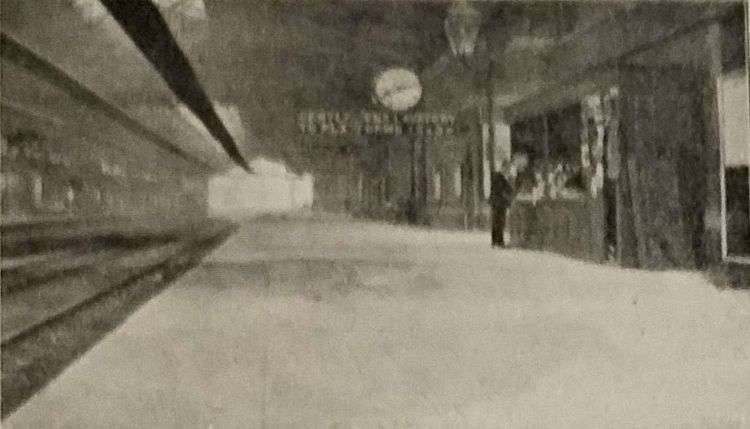
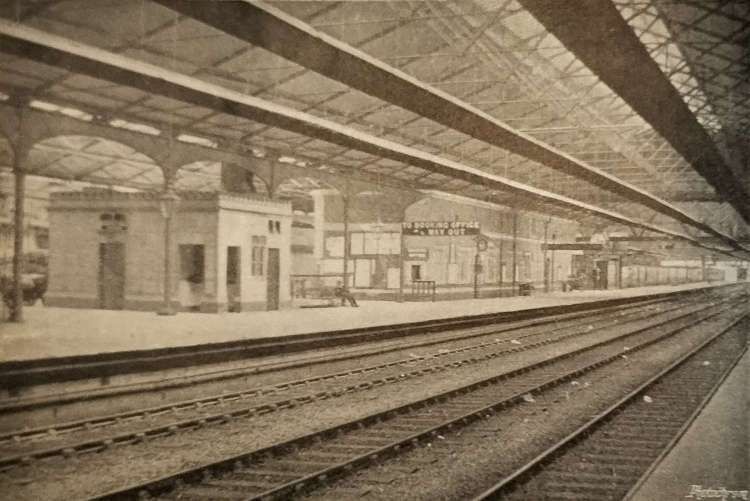
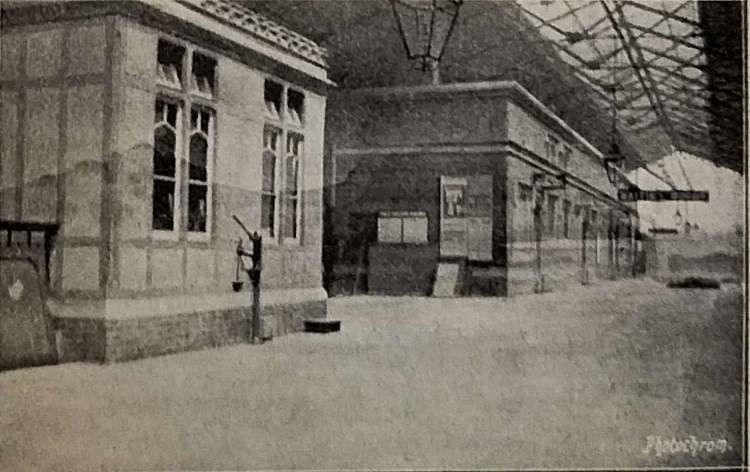
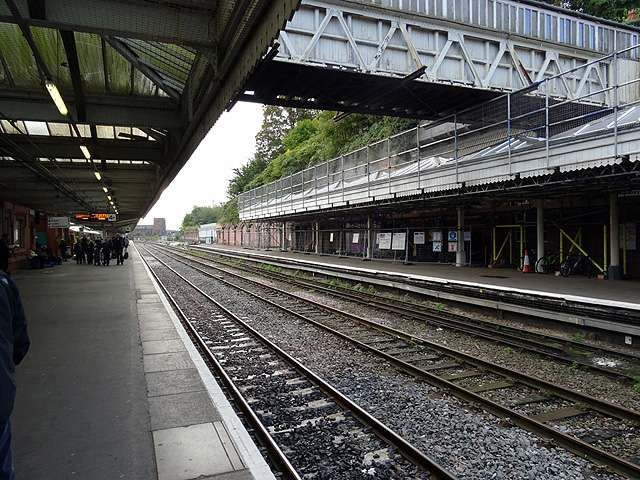

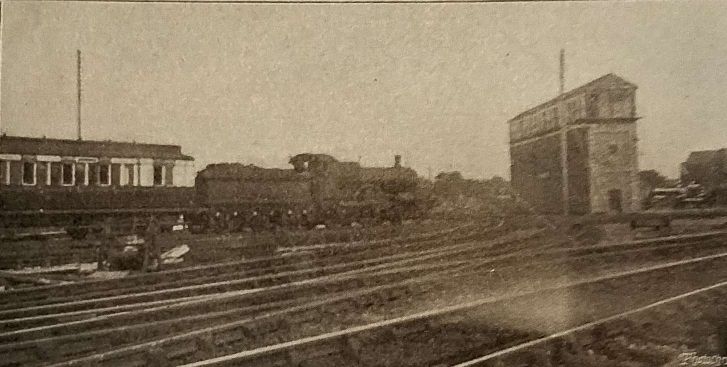
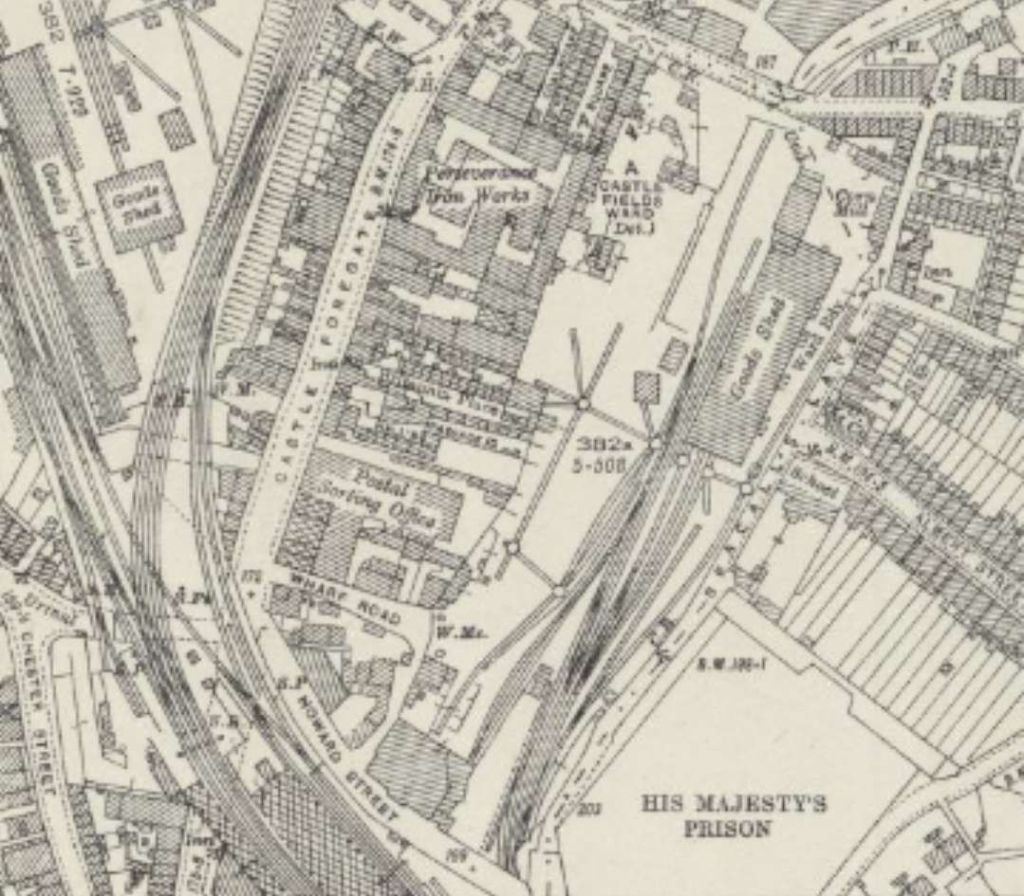
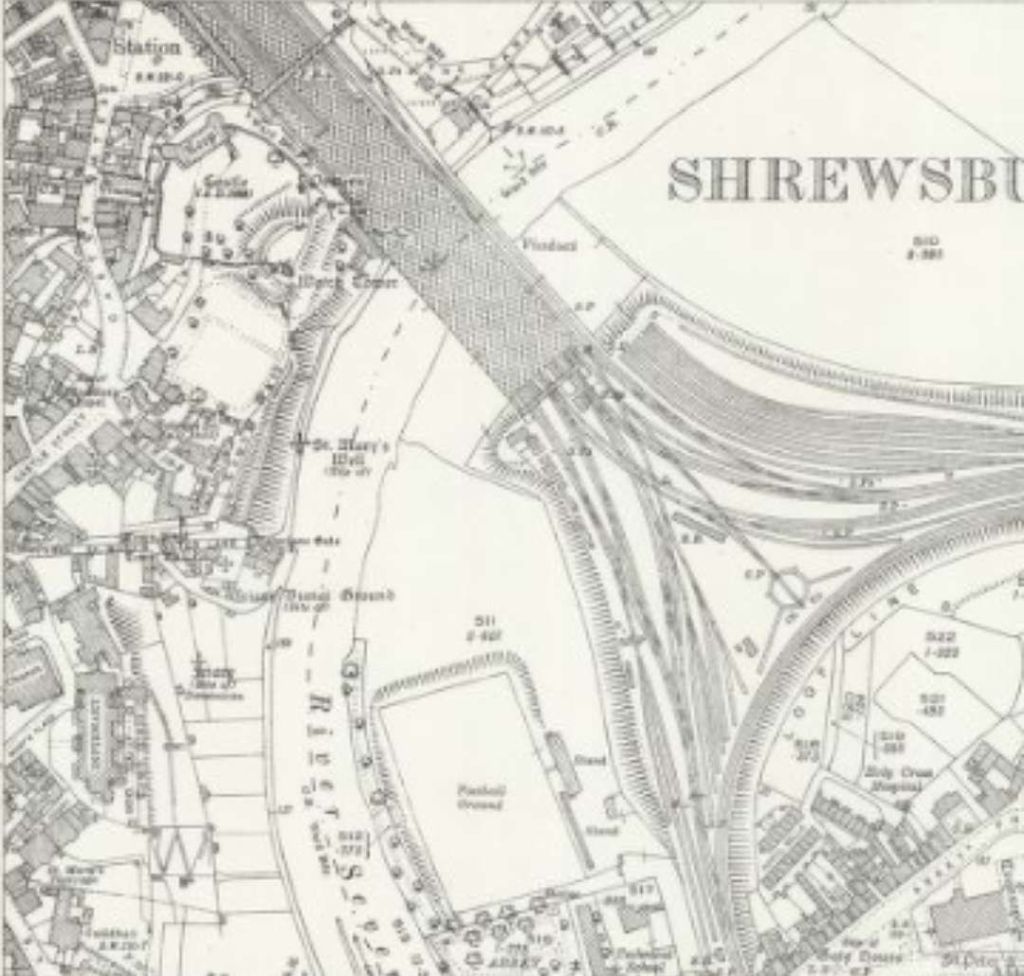
 Roger Farnworth

.jpg)
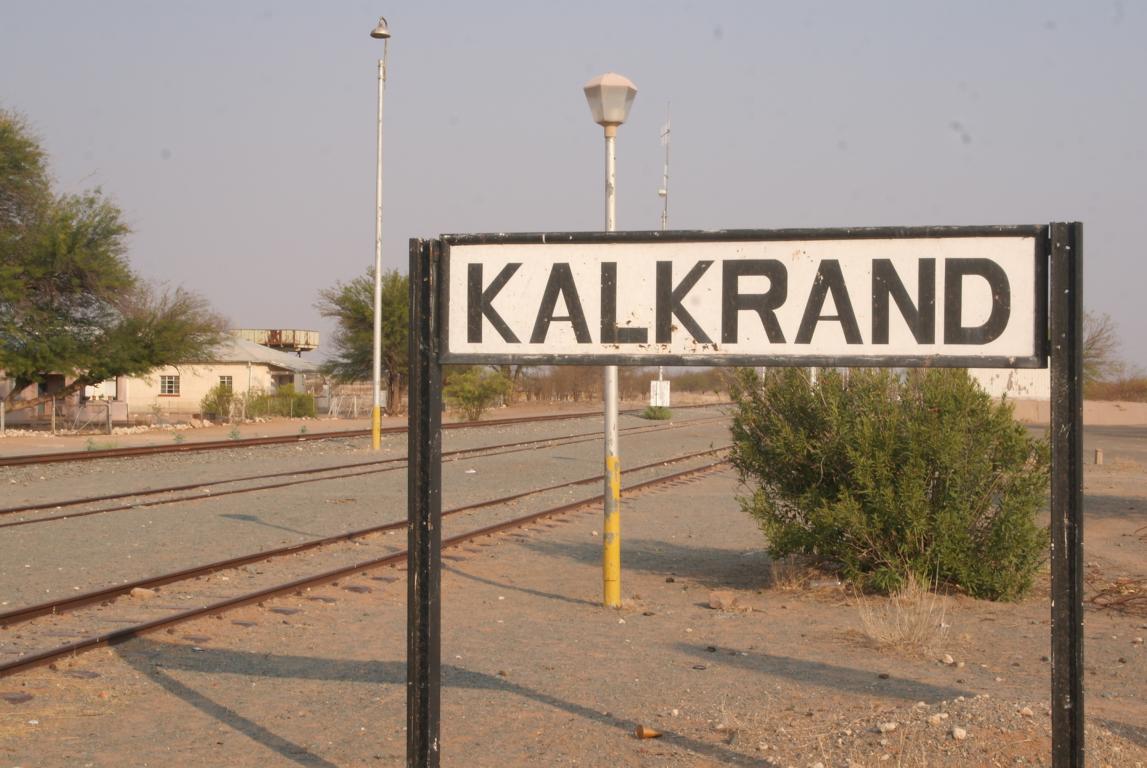


.jpg)


.jpg)
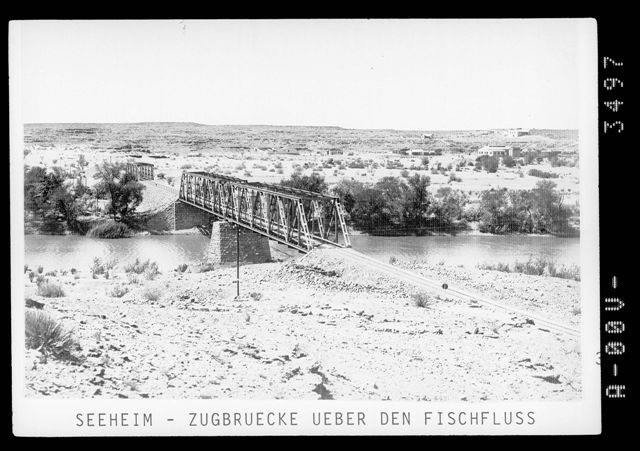


.jpg)