
6th September 2015
Mark 7:24-37
Children and Dogs ….
In the light of the events of the last few weeks the Gospel set for 6th September makes uncomfortable reading. I wonder what you make of it? … What does Jesus mean when he talks about the children and the dogs? Does it sound racist? Was Jesus being racist? That seems to be a blasphemous question to ask. Doesn’t it? ……..
 “First let the children eat all they want,” he told her, “for it is not right to take the children’s bread and toss it to the dogs.”
Why did Jesus say those words? Was it just rhetorical, aimed at getting the response it did? Was he just quoting a standard Jewish phrase? Was he, perhaps, working out his theology on the hoof? Learning as he went along? Applying what he had been taught by others and then discovering that it didn’t work or it was wrong, only realising as a result of this incident that his calling was wider than just to Israel?
On the surface, in the first instance, he seems no different from his disciples. … Was it the woman herself that changed his mind? ……. What was going on? ………….
We know that the Jewish establishment in Jesus’ day was concerned above all with purity. Last week we heard Jesus challenging hypocritical ritual purity laws. This week our gospel raises questions about racial purity. Just who does God see as his people. For many Jews the issue was clear – only the chosen people, only Jews. God wasn’t concerned for others, for the Gentiles.
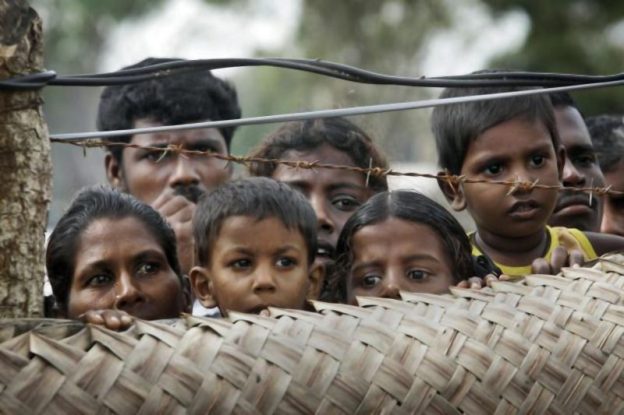
 Over past month or so, we have seen graphic images of refugees crossing the Mediterranean and we have heard reports of many being killed crossing the sea or in lorries in different parts of Europe. How should we respond to what we hear and see. There is a very strong lobby which wants us to be fortress Britain. We are too full says that lobby. We cannot take any more. Yet the figures are striking. Since the start of the Syrian crisis the UK has taken 216 Syrian refugees – 216 in 4 years. The camp near the channel tunnel has about 5,000 refugees wanting to come to Britain, that sounds a little more demanding. But the most astounding figure is the number of refugees who have been granted asylum in Germany in the past year – wait for it – ¾ million. Yes, ¾ million. In this context, what is our response to be, put up walls and exclude those most in need? Britain for the British! Fortress Britain. Keep everyone else out?
The rhetoric is disturbing – words like ‘swarm’ have been used, among others, which effectively allow us to ignore the true human stories of refugees and see them as a blight upon our lives – as animals (dogs) rather than people. Only the picture of the little boy dead on the beach has brought us up short.
When we read the Old Testament story we see that there was a constant tension in the life of Israel between those who believed that the Jewish race should be pure and ethnically ‘clean’, (whatever their reasons) and those who had a much broader vision. So Nehemiah and Ezra enact laws to prevent Jews marrying foreigners. Yet the stories of Ruth and Jonah, probably written at around the same time, suggest that God is interested in the outsider and the foreigner. Ruth, who became the grandmother of King David (the person who became the symbol for the nation of Israel), was a hated foreigner, a Moabitess. And in Jonah, it is Nineveh, the hated Assyrian enemy city, that repents.
Jesus grew up in a community for whom those issues of racial purity were very important. Israel for the Jews, no one else! That attitude would have been accepted as normal, an unwritten truth that the community accepted and which no one challenged. At some stage Jesus had to confront those attitudes in himself and his friends and family. Was this Gospel story the moment when it happened? …
Ultimately Jesus healed the woman’s daughter. But did he go through some sort of conflict within himself first? ……….. Does that help us when we grapple with our own feelings and ideas? Does it help to think of God/Jesus having similar struggles and overcoming them? Was this incident, for Jesus, just a little like the temptations in the wilderness – a real struggle? Or was it no more than the equivalent of swatting a fly? Easy? After all he was God, wasn’t he? Nothing too big or difficult for him!
But Jesus was a real human being who had to learn and grow just like us. The toddler who had to take his first steps, the five year old who had to learn to read. ……
We have a struggle to engage with now. It is a real struggle for the heart of our nation. Are we going to be xenophobic, focused only on ourselves or are we going to be the open, welcoming nation, that for much of our history we have been? ……
There are no easy answers, …. but I want to live in a country, in a world, where people matter; where we respond to real need with a generous and open heart. I want our children and other people’s children to grow up in a world which seeks to set aside prejudice and is open and welcoming.
In the churches of the Parish of the Good Shepherd, Ashton-under-Lyne this morning we bring a number of children to be baptized. The words of our baptism service talk about God’s blessing and love for those children. I want them to grow up in a world where people are valued for who they are. I want God’s love for them to be seen in those they encounter day by day. I want our lives to be attractive, drawing people into closer relationship with God.
There will be difficult choices along the way, but we will need to choose to be open, to place love and concern at the heart of our motives and actions. And as we do so we will begin to be a community that we can be proud of, a community that children that we bring to baptism can also be proud of.
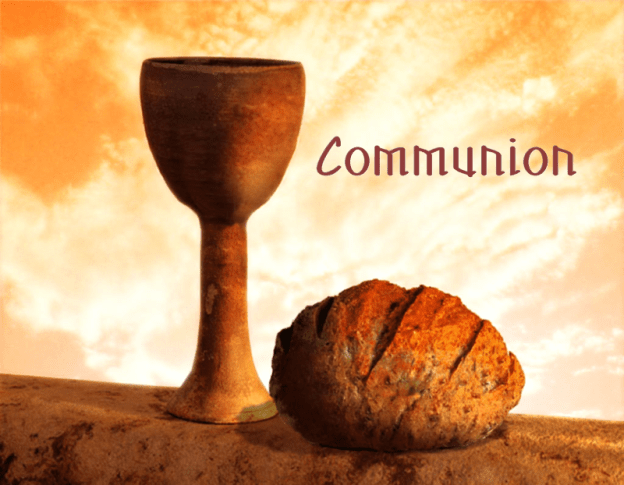

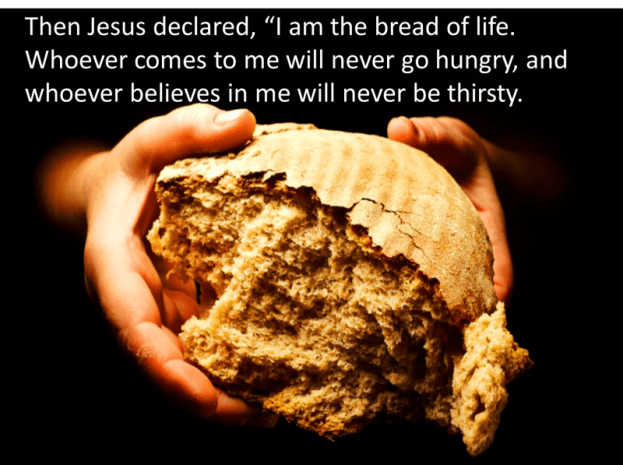
 For Christians, there is also an overwhelming response of joy to the unbelievable truth that each of as individuals is loved by God and that we together are God’s people, loved and accepted by him. Paul says that the natural outworking of that joy is worship
  and loving service. We respond in worship and service. We use the gifts that God has given us as part of God’s on-going mission in the world. We give of ourselves to others, just as God in Jesus has given himself for us.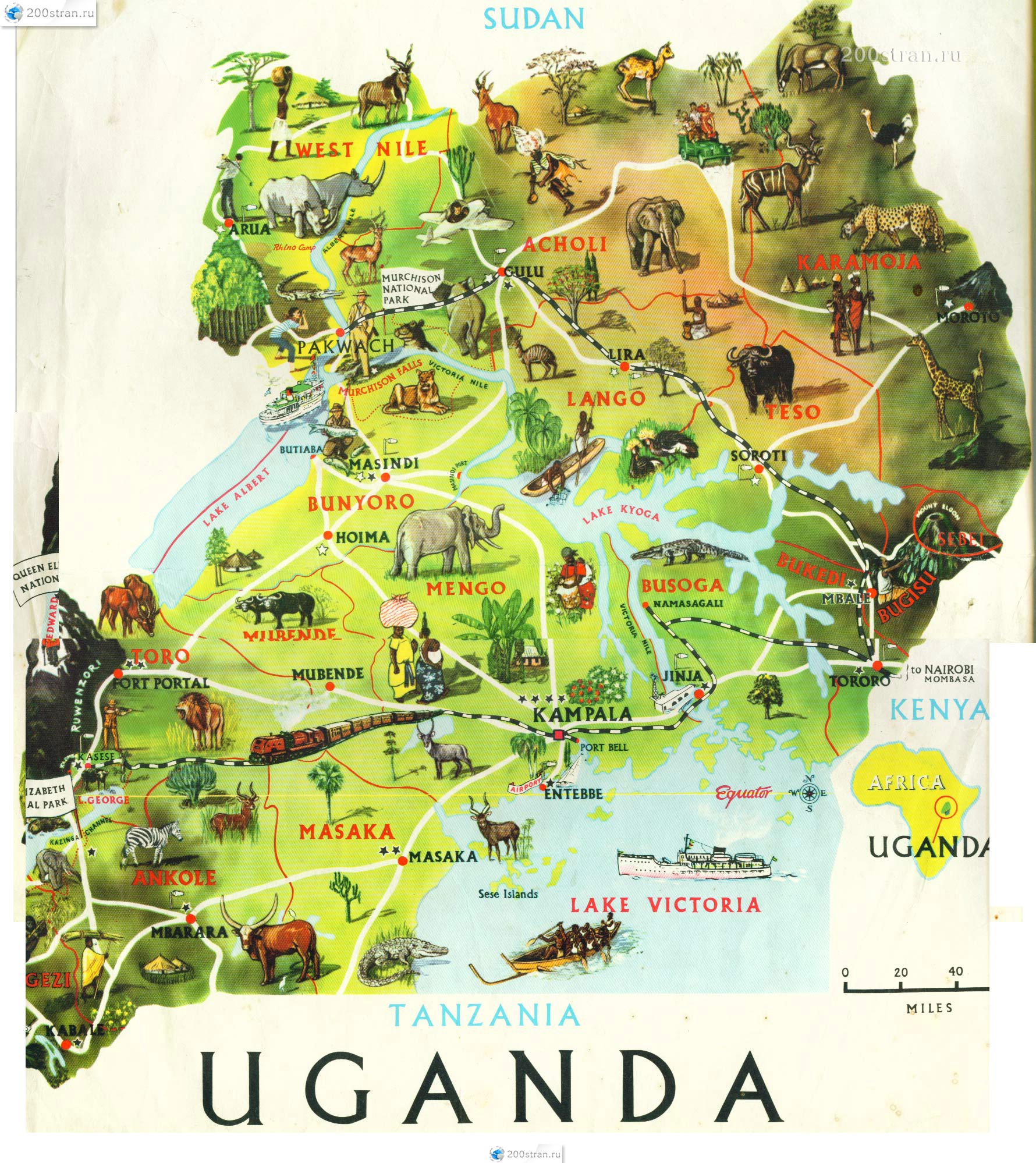
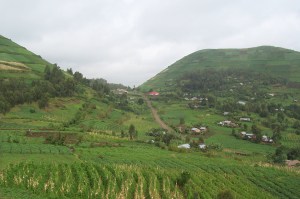


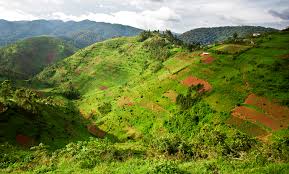
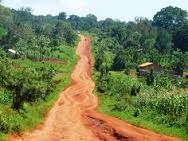


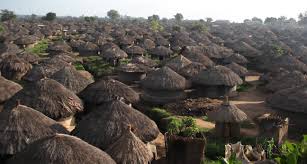
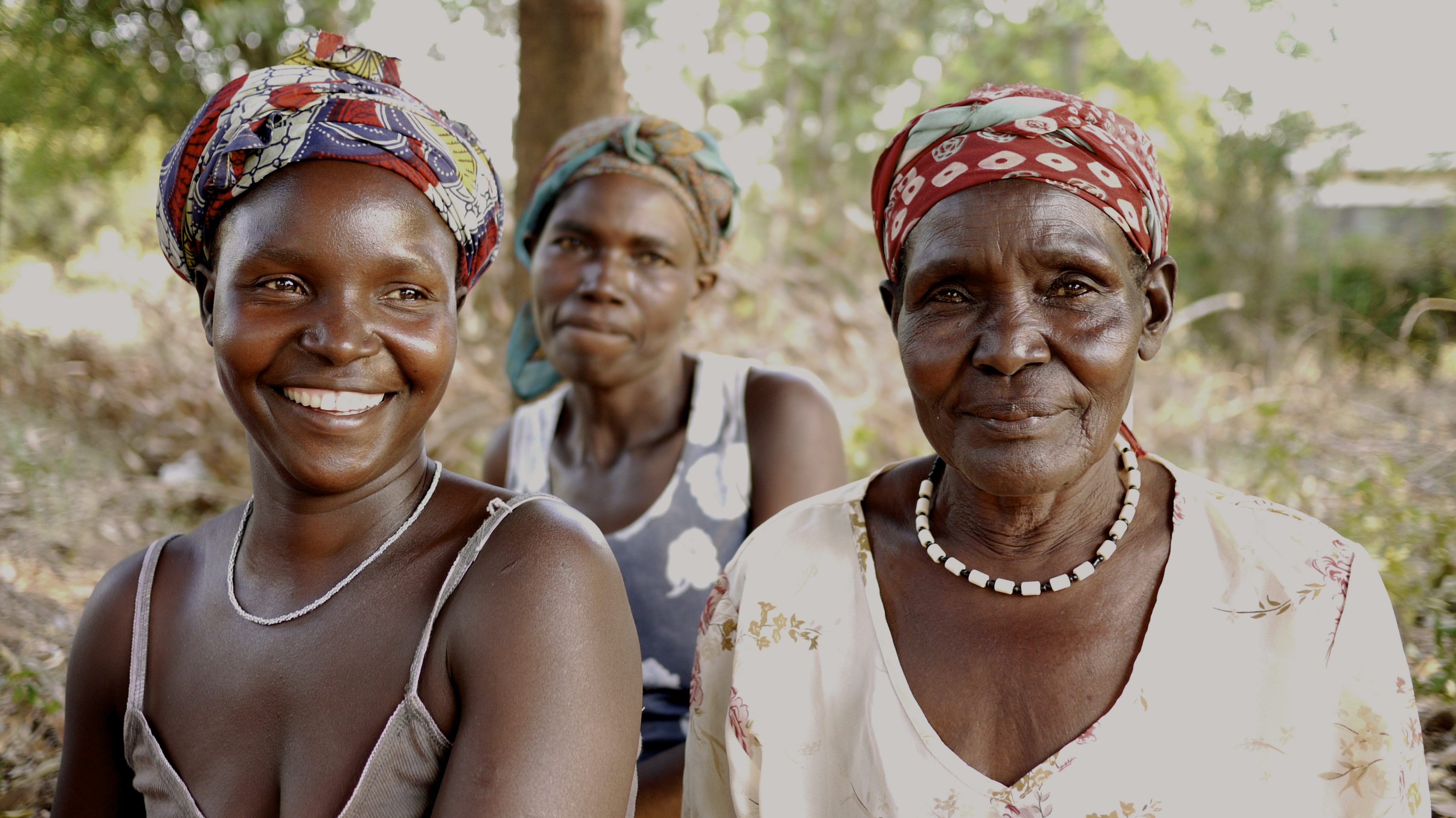


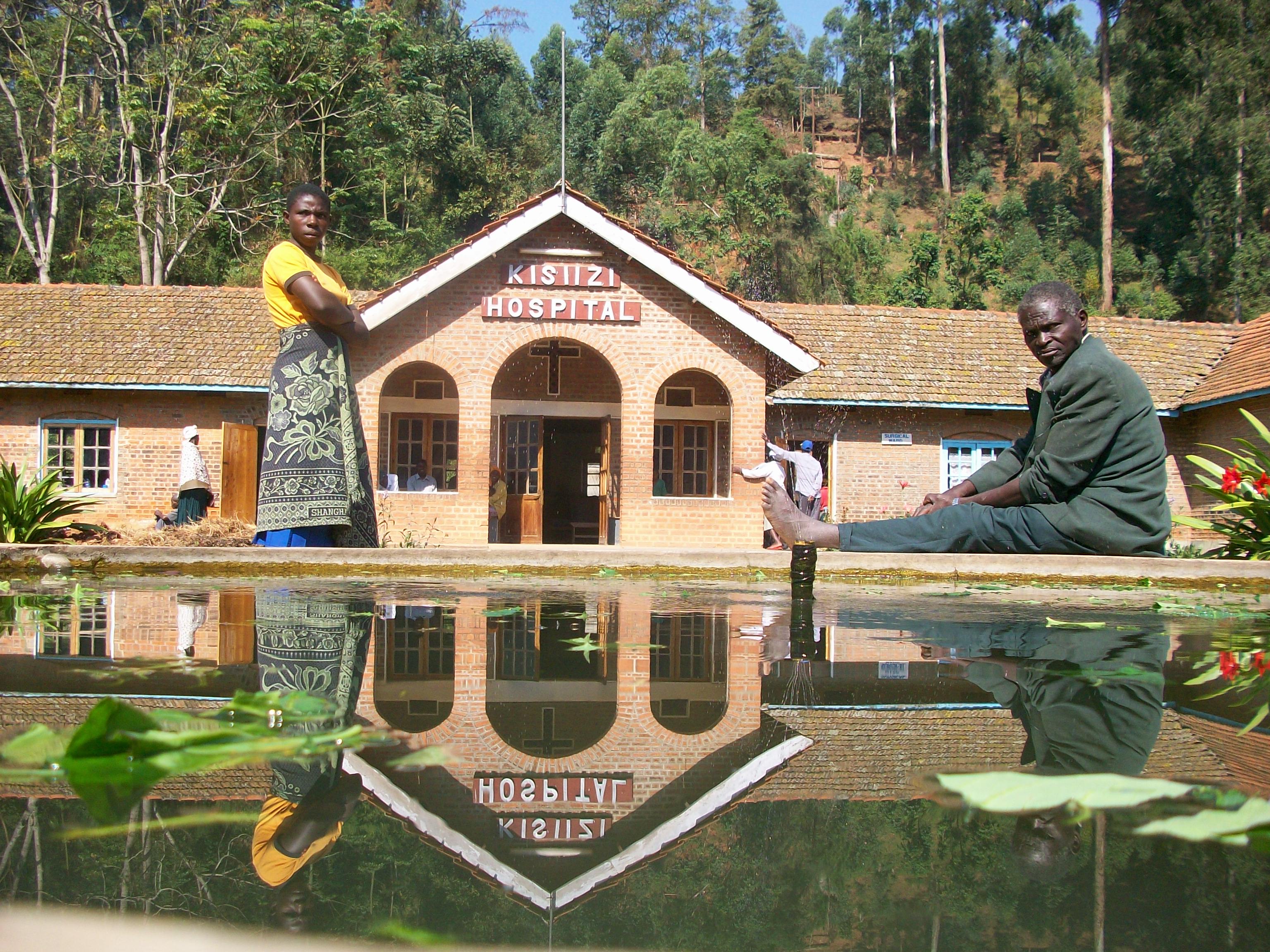




 Jo and I met with Bishop Cramer and Hope Mugisha in Didsbury on Friday. It was lovely to see them again. They were able to provide an update on what has been happening about the water tanks funded by churches in Ashton Deanery. Bishop Cranmer writes: ‘Dear partners in mission, we thank God for the work done constructing water tanks in the Diocese of Muhabura with your support. We commissioned and handed over the water tanks in Nyakimanga and at Sesame Girl’s school recently. I was able to officiate at the commissioning and handover of the water tanks.’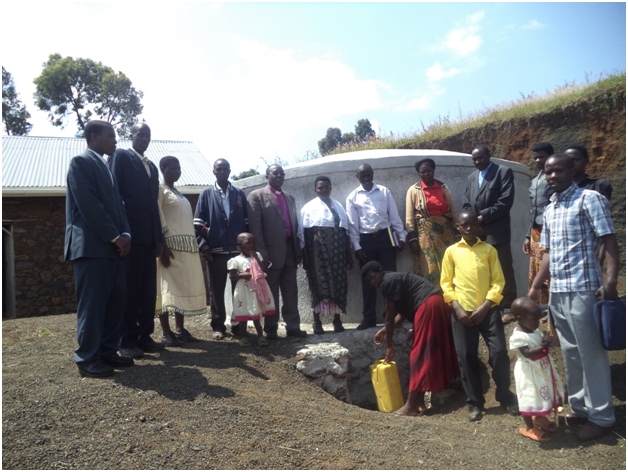
 In August 2014, I wrote a very short blog which mentioned Graham Turnbull. In 2015, I had a call from a Daily Mail journalist asking me about Graham. His death in the 1990s had been linked with the arrest in June 2015 of Karenzi Karake, Rwanda’s intelligence chief on a European Arrest Warrant. Karake was wanted in Spain for war crimes. He was accused of ordering massacres while head of military intelligence in the wake of the 1994 Rwanda genocide. Later in 2015 he was released from custody in the UK.
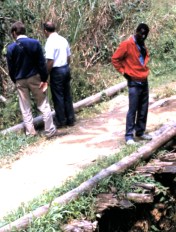 I can only find this picture of him taken in 1994 on a trip out to inspect some of the main road bridges in Kisoro District. Graham is facing away from the camera in the blue top.
 ark 6, the disciples are beginning a new phase in their ministry, in their relationship with Jesus. And Jesus gives them instructions and advice as he sends them out to work for him.
