A, then, recent exhibition at Battersea Wharf Goods Depot of British Railways and British Road Services freight vehicles and handling equipment prompted a review in The Railway Magazine of January 1959, [1] of developments in the handling of freight. The emphasis of the exhibition was on the improvement of door-to-door services. It was part of the broader Modernisation and Re-Equipment of the British Railways plan launched in 1954, which sought to modernize and improve freight services in the late 1950s and early 1960s.
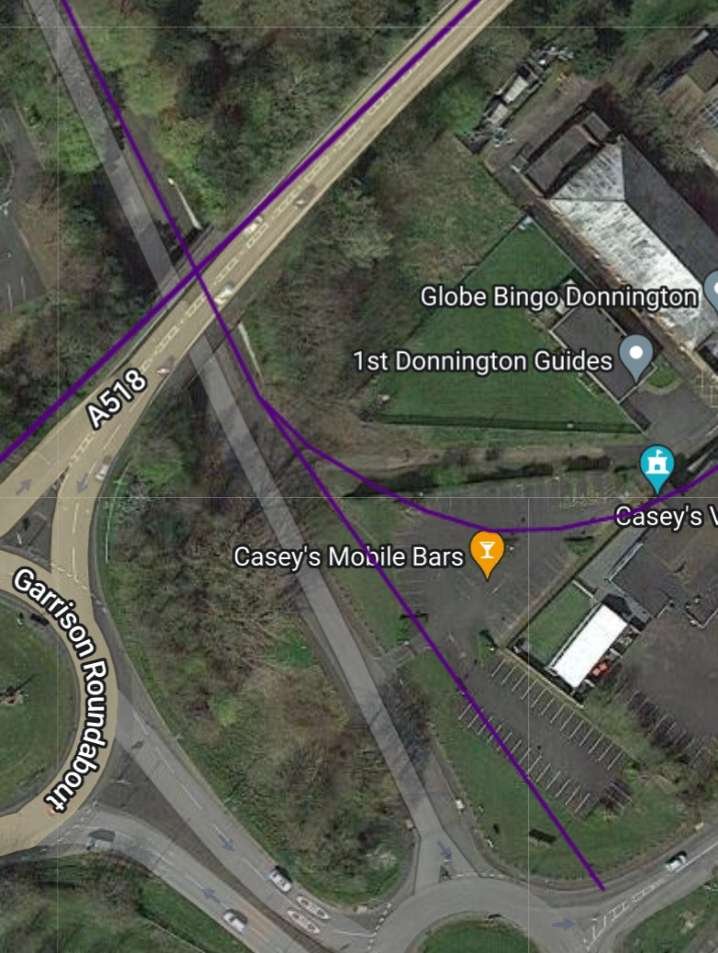
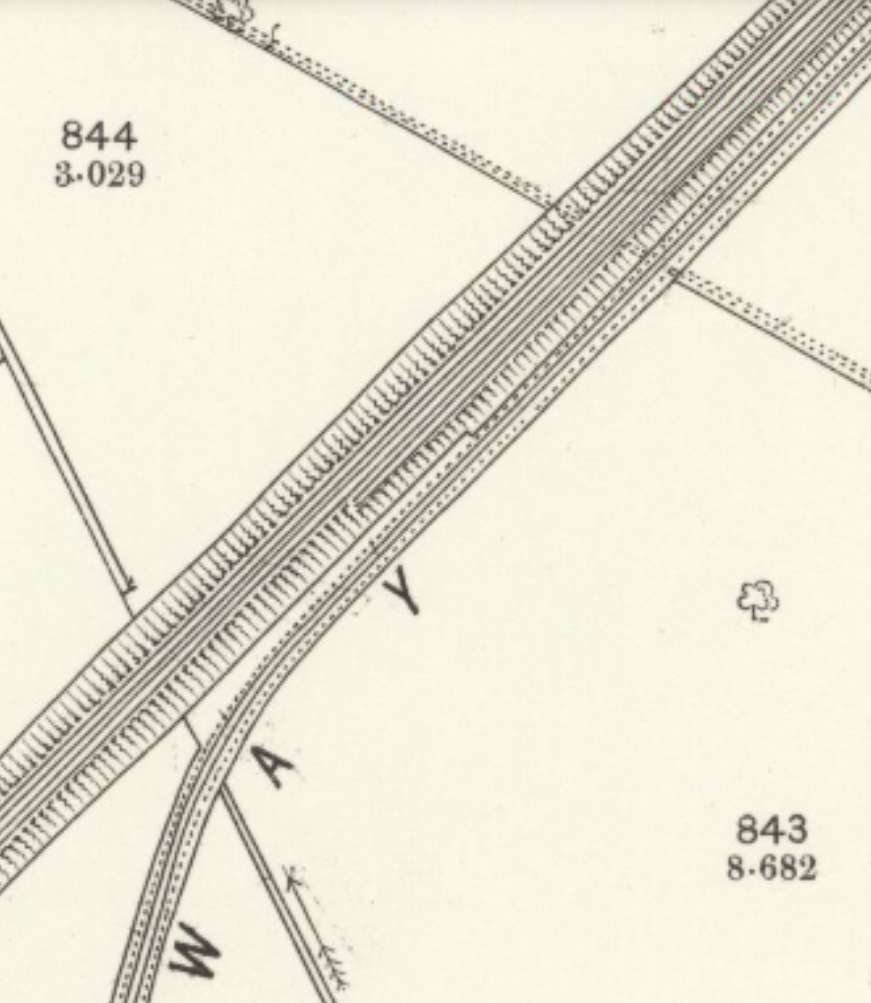
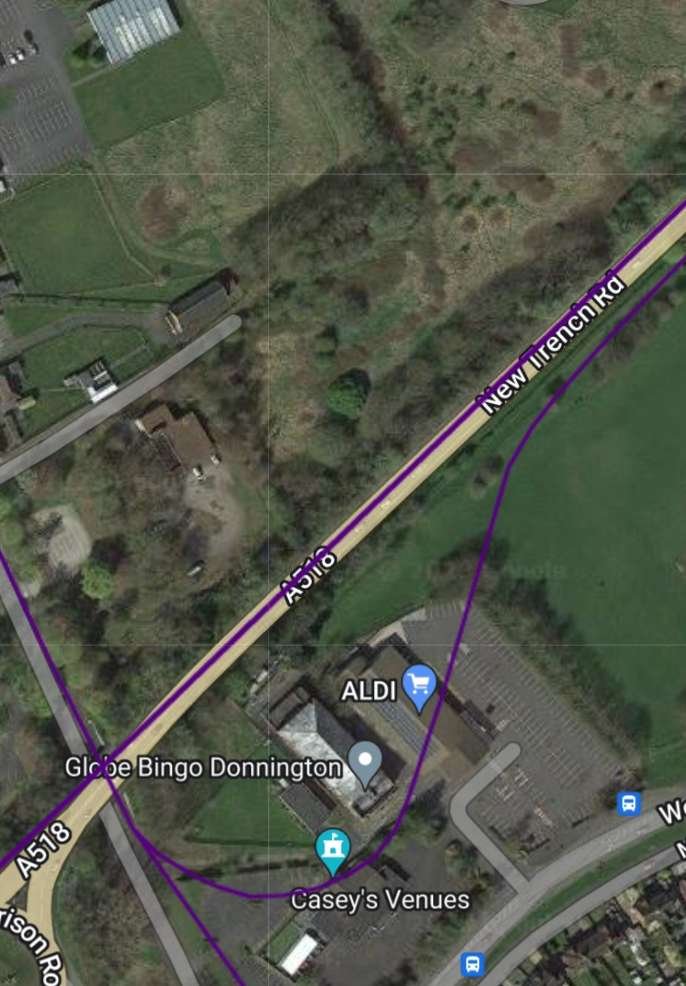
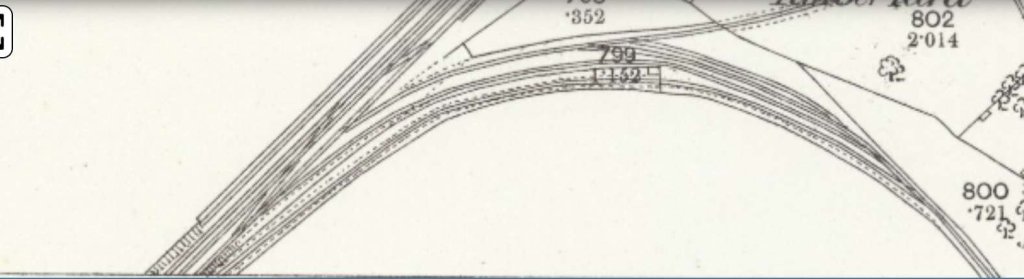
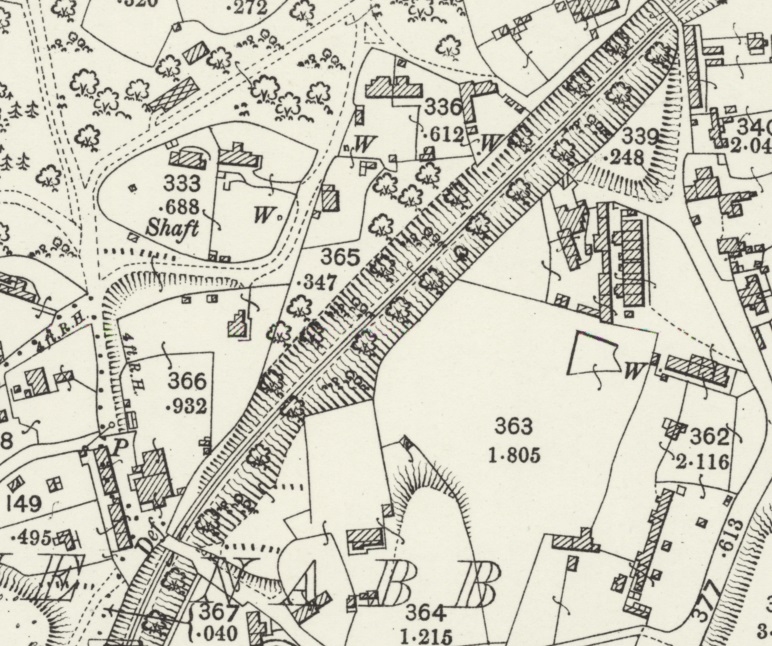
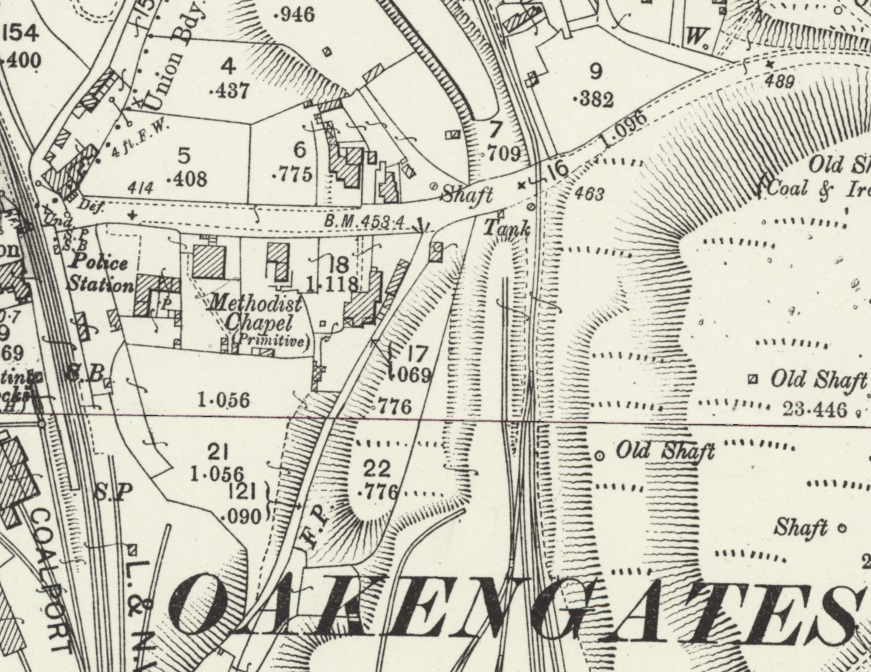
The location of Battersea Wharf Goods Depot as it appears on the 1913 25″ Ordnance Survey which was published in 1916. [17]
The Freight Transport Exhibition at Battersea Wharf Goods Depot in London was held from 28th–30th October 1958. It was a major showcase organized by the British Transport Commission.
The exhibition highlighted initiatives to streamline freight transport, including the increased use of containers, modern cranes for lifting heavy containers, and the transition from traditional to motorized handling. A major goal of the exhibition was to demonstrate to traders and manufacturers the efficiency of using both rail and road services to move goods directly from factory to destination, aiming to recapture traffic lost to road transport.
Battersea Wharf Goods Depot, near Chelsea Bridge, was an area with significant railway goods activity in the 1950s.
Displays included mobile cranes lifting heavy containers, emphasizing the faster, safer, and more reliable methods for moving freight. The exhibition also featured, among other things: bulk cement wagons with compressed air unloading; the ‘Penman‘ ramp; numerous types of pallets and containers; and automatic coupling of wagons.
Wikipedia tells us that the Modernisation Plan failed to successfully redefine “what the purpose of the railways was. British Railways remained bound by the Railway and Canal Traffic Acts that obligated it to provide carriage for virtually any type of goods, regardless of quantity (large or small) between any two stations on the network, at set and published rates. This legislation dated back to the 19th century to prevent the railways abusing their monopoly as the sole practical long-distance transport provider for much of the country, but the growth of road transport had left the railways locked into a highly disadvantageous position. Road freight operators had no legal restrictions and could turn down work that was uneconomic, which BR could not, and could easily undercut BR’s carriage rates which the railway could not alter without legal consent.” [2]
“The Railway and Canal Traffic Acts also saddled BR with the necessity to maintain thousands of goods yards and other facilities, plus rolling stock and staff to service them, even when there was ever-decreasing demand for those services and such traffic as did exist was rarely profitable. This issue had been identified during the Great Depression, and the Big Four had campaigned for repeal of the Railway and Canal Traffic Acts as a ‘Fair Deal’ during the 1930s. However, this did not happen until the Transport Act 1962 gave BR freedom of contract, and until then the Modernisation Plan had to commission locomotives, rolling stock and facilities to manage the ever-declining but legally required wagonload freight traffic.” [2]
“The timing of the Modernisation Plan was also unfortunate, as just months after its publication the train drivers’ trade union, ASLEF, called a strike that lasted for 17 days, causing major disruption to the network. Many of BR’s long-standing freight customers – especially smaller business and industrial users which provided much of the remaining wagonload and less than carload freight traffic – were forced by necessity to start using road transport and never returned to the railways, which hastened the decline in railway freight traffic and rapidly undermined the logic and business case for the Plan’s renewal and expansion of large marshalling yards.” [2]
The exhibition in 1958 was an attempt to recover some of the freight movements lost road transport.
The Railway Magazine reported that in recent years “considerable progress [had] been made in extending and improving the service offered by British Railways to the trader and industrialist for the movement of freight of all kinds. Many of the major developments concerned with freight in the modernisation plan [were] of a long-term character: though they [were] being pushed forward with vigour, their full benefits [would] not be realised for some time. In many directions, however, other lesser but nevertheless important projects which [had] been completed [were] producing results … and [were] enabling the railways to provide freight services of growing reliability and speed.” [1: p47]
“Main policy developments [lay] in the direction of speedier movement of bulk supplies over long distances on trunk routes; extending door-to-door services; more economical handling of small loads; more detailed planning to meet customers’ requirements and the introduction of new vehicles, rolling stock and other equipment to meet changing conditions.” [1: p47]
“The relationship between rail and road [was] being thought of more and more in terms of co-operative arrangements designed to combine the best features of each in the common interest of the customer and the transport undertaking.” [1: p47]
The ‘Penman’ Ramp
The Penman Ramp was an intriguing device designed to enhance the transfer of containers by which the motion of the rail or road vehicle lifts the container from one on to the other. The Penman ramp was being used experimentally by British Railways.
The Railway Magazine reported that the Penman Ramp, “consists of two raised rails with inclined sections at either end which are positioned one at each side of a siding. The containers have pull-out metal skids near each corner and, as the vehicle moves between the raised rails, the skids engage with the inclined sections at the rail ends, and the container is raised from the vehicle. When the rail or road vehicle to which it is being transferred is moved into position between the raised rails, a hinged flap under the container engages with a batten on the vehicle floor and the container is pushed along the rails and down the inclined sections, to settle gently on the lorry or wagon. With this system, there are few costs; the equipment is robust and the mechanics are simple.” [1: p47,49]
Online archive material from the Commercial Motor magazine similarly reports that:
“The Penman ramp is being experimentally used. This simple device is designed to ease the task of transferring containers between rail and road vehicles in the railway siding. It consists of two raised rails with inclined end sections which are set up on each side of the railway line. The containers are provided with pull-out skids at each corner and these engage with the guide rails as the vehicle moves between them.
“Thus, a railway conflat wagon can he driven between the guide rails, the skids are rolled up the incline and the container is left in the elevated position while the wagon is removed and replaced by the lorry. In the reverse motion, a hingedt flap under the container engages with a batten on the floor of the vehicle, the motion of which draws the container gently downwards on to the platform.
“Perhaps the greatest factor in reducing handling costs is the use of the unit load, either in a container or on a pallet. Containers are available in a large number of types and sizes, for both rail and road use. They are, howeVer, expensive consignments when travelling empty. An effective solution of this problem lies in the collapsible container, an example of which has been developed for the railways by T.I. (Group Services), Ltd.” [3]
The ‘Penman’ transhipment ramp, showing containers being lifted onto the ramp by dismounting tubes as the railway wagons are shunted in by a tractor. [1: p48]Drawing off a container onto a road trailer: a hinged flap beneath the container is engaged by a batten on the floor of the road vehicles. [1: p48]
The ‘Freightlifter’ Fork-lift Truck
The Railway Magazine reported that a heavy duty fork-lift truck had been developed which could lift over 8 tons as a fork-lift and which could act as a mobile crane capable of lifting 6.75 tons, and which, with a lifting frame could handle containers of up to 7.25 tons in weight. The report continued: “It can also be converted into a searcher crane for removing articles weighing up to a ton from the corners of covered wagons. It has alternative driving positions, and can be driven on the road.” [1: p49] By the beginning of 1959, some fifty Freightlifters were in use in British Transport facilities.
A ‘Freightlifter’ truck raising a prototype light&alloy container, with a 7.5 ton crane in the background. [1: p49]
A model produced by Oxford Diecast of a Shelvoke & Drewry Freightlifter operated by British Railways. This is an N Scale model of a 1957 Shelvoke and Drewry Dualdrive Model 100 Freightlifter Forklift from Oxford Diecast featuring a metal body, window glazing and realistic decoration. [4]
The Freightlifters purchased by British Railways were of the ‘Dualdrive’ version. They could “be driven like a normal truck between sites at 22 m.p.h. and then controlled from a separate cabin. It was developed after the magistrates, at Slough, convicted British Railways for using a vehicle on the road in which the driver’s vision was obscured by a ‘jungle of steel’. This example could lift 18,000 lbs and carried special container lifting equipment.” [5]
Shelvoke & Drewry were based in Letchworth in Hertfordshire. Shelvoke & Drewry Ltd was formed in October 1922 by Harry Shelvoke (1878 – 1962) and James Drewry (1883 – 1952) who were employed by the Lacre Company that moved to Letchworth Garden City in 1910.
Mr. Shelvoke was General Manager, and Mr. Drewry was Chief Engineer.
Initially, they produced a low loadbed, smaller vehicle called the ‘Freighter’. “Early customers included the L.M.S. Railway, Carter Paterson, Express Dairy and J. Lyons. But the municipal potential was soon realised and by the end of 1924, when the hundredth vehicle had been built, there were 35 freighters in municipal service. The first order being from Deptford in September 1923.” [5]
The company became known for a range of refuse disposal vehicles and also, after a request from the London Brick Company, for the Freightlifter range of forklift trucks (which first came off their production line in 1952). The Company fulfilled 170 orders from London Brick where some of the vehicles were in service for 21 years. The Company built forklift trucks until 1974. [5][6] The ‘Dualdrive’ version was produced from 1957.
The ‘Dualdrive’ forklift known as a ‘Freightlifter’ [7]
Freightliners
The Railway Magazine also reported on British Railways plans for Freightliner trains. Two wagons with containers were on display at the show. The Railway Magazine noted that British Railways were “shortly to run in an entirely new experimental service [which] consists of flat-top wagons permanently kept together. The rake [would] run to a regular timetable between main centres at high speeds. Freightlifters or cranes [would] remove or load containers at stopping places.” [1: p49]
The Railway Magazine noted that in January 1959 there were “over 44,000 containers in service on British Railways alone, and many more [were] being produced. They [varied] from what [was] virtually an open box, adaptable for the conveyance of a wide variety of goods, to specialised highly-insulated types for ice-cream and quick-frozen foods. Sizes [ranged] from the large B.R.S. container, 24 ft. long, to a British Railways small wheel container that can be pushed by hand. Experimental collapsible containers, and ones made of light alloy, [were]being tested.” [1: p49]
In March 1959, British Railways introduced the Condor service, a pioneering overnight container train operating between London and Glasgow. Known as a precursor to the modern ‘Freightliner’ concept, it offered door-to-door container service using roller-bearing flat wagons and was often hauled by Metro-Vic Co-Bo diesel locomotives.” [8]
In the end the ‘Feightliner’ service did not commence until November 1965. “Initially, the new Freightliner service was intended for the domestic movement of freight in containers between points in Great Britain, with 16 terminals in operation in 1968, and Southampton and Tilbury under construction. However, in 1968 a London to Paris working was started which relied upon the Dover to Dunquerke train ferry, and by 1969, the service was linked into ports with a short-sea and a deep-sea service to other countries. By the end of the 1960s, liner trains (united transport) were carrying 12,900,000 tonnes (14,200,000 tons) per year. By the end of 1978, this average was 39,300,000 tonnes (43,300,000 tons). In 1969, British Rail transferred ownership of Freightliner to the National Freight Corporation, but with BR supplying the wagons and locomotives. It was returned to BR in 1978.” [9]
“By 1981, Freightliner was operating to 43 terminals, 25 of their own and 18 privately used locations. In 1982, the Port of Felixstowe was despatching three daily freight trains with containers on. In 1983, a second terminal opened (Felixstowe North), and between the two terminals, the amount of containers transhipped to and from rail was about 80,000 per year. … When a third terminal was opened in 2013 (named Felixstowe North, with the previous one being renamed Felixstowe Central), over 40 million TEUs (twenty-foot equivalent units) with 36 daily departures carrying containers were being handled. In 1986 and 1987, several terminals were closed, including four in Scotland (Aberdeen, Clydeport [Greenock], Dundee and Edinburgh) despite the potential for long-distance services from these terminals. British Rail deemed it more efficient to load containers at Coatbridge in Glasgow, and use electric traction south on the West Coast Main Line. Before the closures, Freightliner operated 35 terminals, including ports, compared with 19 under privatisation.” [9]
More on the history of freightliner intermodal services can be found here. [9]
Pallet Vans(Palvans, Diagram 1/211)
First procured in 1952, by January 1959 “nearly 1,500 specially-built railway pallet vans [were] in service and many more [were] on order for the exclusive conveyance of palletised loads. The typical example shown at Battersea [had] extra wide doors for easy access by mechanical handling equipment. It was built to accommodate the most common sizes of pallets, but [could] be adapted for any size by removable partitions and shields which also prevent movement during the journey. There [were] also over 1,200 pallet brick wagons used for the conveyance of refractory bricks.” [1: p49-50]
Ultimately, “BR built a total of 2388 Palvans with heavy doors at diagonal corners using two distinctive brake riggings. Although all had auxiliary suspension they rode poorly causing accidents so most were withdrawn by the mid 1960s, with a few surviving with UIC suspension. Note that some, in internal use with plain bearings, may have been built with roller bearings which were swapped out before allocation as internal user.” [10]
Two typical pallet vans are shown immediately below. …
Palvan No. B778771 at Ruddington Fields Station, Great Central railway Nottingham, 2010. [11]Palvan No. WGB 4023 alsoat Ruddington Fields Station in 2010. [11]
Transformer Wagons
Also exhibited at Battersea Good Depot was a specially designed “British Railways transformer wagon. … It [had] 24 wheels, [was] 92 ft. long, and [could] carry electric transformers weighing up to 135 tons. The wagon [was] equipped with traversing mechanism which enables an exceptionally wide load to be slewed sideways to avoid obstructions. The side girders [were] removed to load the vehicle.” [1: p50]
One object of the exhibition at Battersea Goods Depot was to show that the bulk-carrying capacity of British Railways and British Road Services was being continuously expanded. In a, then, “recent year British Railways produced over 33,000 all-steel 16-ton mineral wagons, 4,500 hopper wagons of 21-tons capacity, 1,300 25½-ton iron-ore hopper wagons, and 530 of 33-ton capacity. The 16-ton mineral wagon [was] the general wagon for bulk cargoes, but a great volume of coal and other minerals [was] carried daily in 21-ton hopper wagons of which there are now 36,000. There [were] also some 10,000 21-ton flat-bottomed mineral wagons, many of which [ran] in block trains direct from the collieries to merchants in main industrial and residential centres. The largest hopper wagon in service [was] the 56-ton bogie ore vehicle. A train of nine of these vehicles [could] carry 500 tons and the unloading time, through power-operated doors, [was] less than 60 sec. for the complete train.” [1: p50]
Wagons Requiring Specialised Equipment
“Of wagons for commodities which require specialised equipment, a cement wagon was shown. This special 20-ton all-steel enclosed wagon, which [could] be pressurised with air for pneumatic discharge through a flexible pipe to a road vehicle, or to a storage silo, overcame many difficulties. It [was] also suitable for alumina, salt, fuller’s-earth, powdered lime, pulverised fuel, and slate dust.” [1: p50]
The pipe discharge of cement from a British Railways bulk-carrying wagon, into which compressed air was fed through a valve below the side frame. Loading was by gravity through roof doors. [1: p47]
Bulk Liquid Carriers
“The exhibition also included a selection of rail and road vehicles designed for carrying liquids in bulk. There were tanks which [were] fixed to a railway chassis and [could] carry 10,000 gal. at a time; others which are demountable and can be placed on a road vehicle; and some road trailers designed to be carried ‘piggy-back‘.” [1: p50]
Bulk liquid transport on British Railways featured a transition from the end of the 1950s from traditional four-wheelers to larger, high-capacity bogie tankers. Key vehicles included Class A and B tankers for oil/petrol, TTA two-axle tank wagons for various liquids, and specialized containers for milk, chemicals (like chlorine), and beer. TTA Wagons were used extensively for industrial hot tar, agricultural cold milk, and high-octane aviation fuel.
Interfrigo and Transfesa Wagons
“Among wagons shown at Battersea, which are used in international traffic to and from the Continent by the train ferry services, was the ‘Interfrigo’, fitted with electrical ventilation, and the ‘Transfesa’, a large-capacity wagon some 40 ft. long, used for transporting citrus fruit and other perishables from Spain, returning with export machinery. The axles of the latter vehicle can be changed to enable it to travel on both the wide-gauge Spanish railways and standard-gauge lines in Europe.” [1: p51]
“Intercontainer was established, originally, as a not for profit cooperative partnership between principal European rail companies, in 1967. In 1993 the business acquired and operations were pushed together with those of another not for profit cooperative partnership called Interfrigo which had been founded in 1949 and specialised in timely refrigerated rail transport of high volume goods, notably bananas carried from the port of Rotterdam to principal European markets such as Germany and Switzerland. The resulting combination now became known as Intercontainer-Interfrigo. In 2003 the company was converted into an ‘Aktiengesellschaft’ (a form of Joint-stock company) as defined under Belgian law.” [13]
“On 26th November 2010 the owners placed the business in liquidation with the stated intention of minimizing disruption to customers by transferring operation of the company’s 145 or so weekly trains to the rail companies themselves.” [13]
Interfrigo was an international organisation owned by a consortium of European railways and set up to provide specialist refrigerated wagons. This example was built to fit the British loading gauge. [15]
“Transfesa was founded in 1943, early operations were centered around the domestic transport of livestock. During 1952, it received its first freight wagons to be constructed with interchangeable axles, permitting freight movements between Spain and the rest of Europe without the need from transhipment, thus accelerating service speeds and lowering costs. Throughout the 1950s and 1960s, international traffic grew based around the carriage of fruit exports to western Europe using company’s own ventilated wagons.” [14]
“During the 1960s and 1970s, Transfesa opened numerous branches across Europe, such as in Germany and Switzerland.[2] In 1972, it expanded into the British market as well.[3] During the 1970s and 1980s, the company found new business in the automotive sector, transporting complete cars by rail to dealerships throughout the continent, as well as parts between manufacturing sites. In the 1990s, Transfesa branched out into ancillary activities such as rolling stock maintenance and terminal management services.” [14]
“An experimental automatic coupler manufactured by Dowty Hydraulic Units Limited also was demonstrated. It incorporate[d] the vacuum brake pipe, and [would] engage and lock in a wide range of track curvature and gradient conditions; uncoupling is achieved simply by operating a lever mounted on either side of each wagon. When coupling wagons not fitted with automatic couplers, the unit can be swung through 90 deg. to present a standard draw hook. It is interchangeable with conventional draft gear without modifications having to be made to the wagon.” [1: p51]
The Dowty experimental automatic goods wagon coupler. The horns are about to engage, during trials on sharply-curved track. An uncoupling lever is provided on each side of every wagon. [1: p50]
This final image shows the Dowty Coupler not in active use or, as in the image title, in swung aside position. [16]
References
Developments in Freight Transport; in The Railway Magazine January 1959; Tothill Press, London, 1959, p47-51.
This short line originated from a proposal made by the stationmaster at Wendover. [1: p97]
The featured image for this short article is a photograph of a OO-Gauge model of Wendover Railway Station built by David Dan Givens and covered in the September 2018 edition of Hornby Magazine. The image shows the Northwest approach to Wendover Station. The branch line to RAF Halton leaves the main line just off camera to the left. [17]
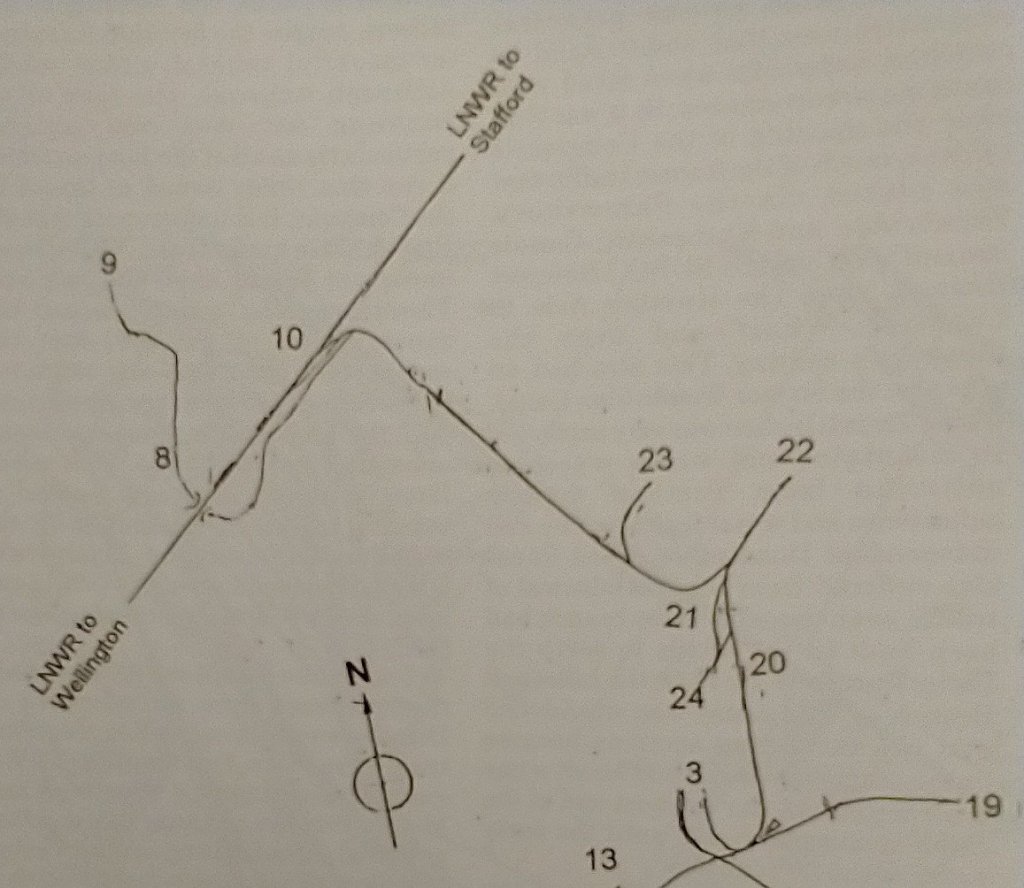
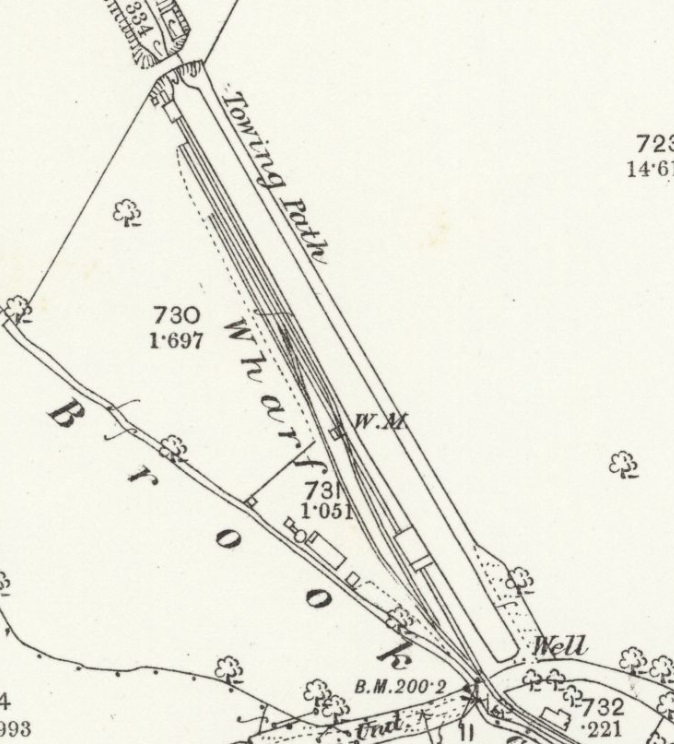
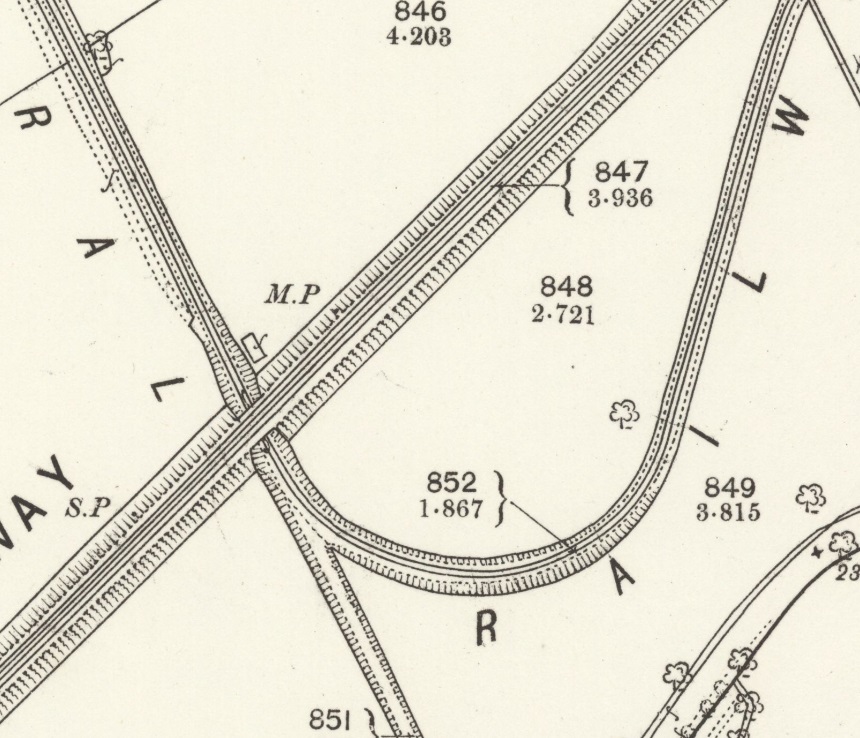
The Halton Light Railway grew out of proposals made by the stationmaster at Wendover Station (bottom-left on this map extract). The line was less than 2 miles in length. It had a short 2ft-gauge extension across the Icknield Way into the beech woods on the slopes of the Chilterns. [1: p97]A very similar area, on modern satellite imagery. [Google Maps, March 2026]
Wendover Railway Station serves the town of Wendover in Buckinghamshire, England, and villages including Ellesborough and Wendover Dean. It was opened by the Metropolitan Railway in 1892 and is on the London Marylebone to Aylesbury line and, in the 21st century, is served by Chiltern Railways trains. It sits between Great Missenden and Stoke Mandeville stations. [4]
A narrow gauge railway link to Wendover station, which had been used to transport timber from beech woods on the Halton Estate in support of the [First World] war effort, was replaced in 1917 with a standard gauge branch line, to bring in coal and building materials to the RFC workshops. Timber from Halton Woods was used as trench props on the Western Front. [7]
Opened in 1917 after an eight-week construction period, the line ran for 1.75 miles (2.82 km) and was constructed by German prisoners of war during World War I. The railway was originally built, earlier in WW1 to carry timber from local beech woods to Wendover Station and building materials into the site of RAF Halton for construction of the workshops and other units. It also forwarded coal to the boilers on the camp. [7]
Wikipedia says that the line was originally built as a narrow gauge line and “was later converted from a narrow gauge of 1 ft 11 1⁄2 in (597 mm) to 4 ft 8 1⁄2 in (1,435 mm) standard gauge and was used to bring timber out of Halton woods.” [2]
The Railway has a Monument Record and appears on Buckinghamshire County Council’s Heritage Portal. It is Monument Record No. 0951006000. [7]
The Historic Monument Record says that the Railway is shown on historic mapping NG 6″ Provisional Edition 1955-62 and NG 10k Edition 1972-90. Labelled as ‘dismantled railway’ on 25k digital raster map. It appears to be disused even by 1955-62 edition. [7]
A railway dating from the 20th century is visible on historic aerial photographs and remote sensing data as extant structures, earthworks and levelled earthworks and was mapped as part of the Aylesbury Vale Aerial Investigation and Mapping project (EBC18604). Located on the north side of the town of Wendover and centred at SP 86991 08905. The railway line, originally built as a narrow-gauge line, was constructed to extract timber from the woods at Halton, felled by Canadian lumberjacks, for use in the trenches in World War I. [8: p81] Aerial photographs from 1961 appear to show the railway still present but it does not show on those from 1967. Images of the railway and the station at West Camp are on the ukairfields website for Halton. [7]
The conversion of boilers on the RAF station from coal fired to oil fired, allowed road-tankers to take over the inward flow of fuel and accelerated the demise of the railway and the last train ran on 29th March 1963 with closure following two days afterwards.[7]
The majority of the track has since been removed, including the original bridge over the Grand Union Canal which was replaced by a modern footbridge, however much of the line is designated a permissive footpath (rail trail).
A video covering this line can be found here. [5] This is one of a series of videos under the overall title of “Henry’s Adventures.”
The Route of the Line
Leaving Wendover heading Northwest, trains serving the Halton RAF Station ran alongside the main line before turning away to the Northeast.
The line crossed Aylesbury road at a level -crossing. …
Looking Northwest along Aylesbury Road, the crossing sat adjacent to Castle Park. This image was shared by Rod Bacon on the Wendover Memories Facebook Group on 28th March 2025. [18]The crossing gates on the Southeast side of Aylesbury Road. This image was shared by Rod Bacon on the Wendover Memories Facebook Group on 4th April 2025. [19]The line of the Light Railway is marked in this and later satellite images by a brown line superimposed on the image by RailMapOnline.com. [14]Looking Southwest from Aylesbury Road. The hedge immediately in from of the camera masks the line of the old railway. [Google Streetview, September 2025]Looking Northeast from Aylesbury Road, the track ahead of the camera and the hedge line to its left are on the line of the old railway. [Google Streetview, September 2025]
Further East the line crossed the Wendover Arm of the Grand Union Canal. …
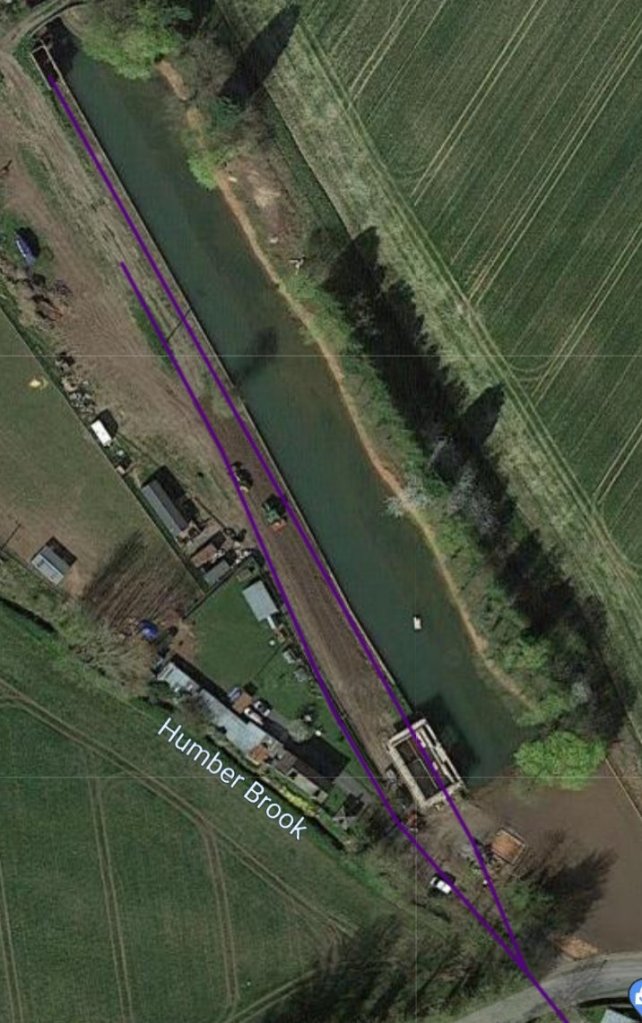
The location of the railway bridge over the Wendover Arm of the Grand Union Canal. The rail line followed the field boundaries, running from the bottom-left corner of this image to the top-right. [Google Maps, March 2026]
Beyond the Canal, the line turned Northeast before reaching RAF Halton where a station building and platform received and despatched trains. A fan of sidings sat to the right of the line.
A short length of 2ft-gauge line remained in use until it was closed in 1941. It sat to the Northeast of the sidings and crossed Icknield Way before coming to its terminus.
RailMapOnlne.com records the railway lines in the immediate vicinity of RAF Halton in brown and orange, as shown here. The standard-gauge line (brown) is much as shown on the first plan/map above. The 2ft-gauge line is different to that shown on the map/plan near the head of this article. If we make the assumption that there would be a need to tranship timber from the 2ft line to the standard-gauge line, then the layout shown here is the more likely. The two maps have the crossing point over the Icknield Way (B4009) at approximately the same location. [14]The crossing over the Icknield Way was at the approximate location shown by the orange line superimposed on the satellite imagery from RailMapOnline.com. [14]Looking West from Icknield Way along the line of the old 2ft-gauge line. [Google Streetview, March 2025]Looking East from Icknield Way along the line of the old 2ft-gauge line. [Google Streetview, March 2025]
Locomotives
I have not been able to establish a locomotive roster for the RAF lines at Halton. One locomotive in particular was identified by Frank Jones in the 1960s. ….
Manning Wardle 0−4−0 saddle tank R.A.F. No.2 was photographed by Frank Jones, presumably after the closure of the branch line and after she had been through the hands of John F. Wake’s Geneva Engineering Works in Darlington. Frank Jones submitted a photograph of No. 2 to the Industrial Railway Record in October 1968. It can be seen here. [6]
Modelling
Hornby Magazine covered an OO-Gauge Model of Wendover Railway Station which included the first few metres of the branch line. The layout featured in the September 2018 edition of the magazine. [17]
The RAF Halton Branch is represented by the line at the centre of this image which has a very short train heading away along the branch. [17]
This image shows the branch locomotive which was a Manning Wardle 0-4-0ST heading for RAF Halton. [17]
Wendover’s Goods Shed and Signal Box (shown here) sat immediately Southeast of the junction. [17]
References
Clive Foxell; The Story of the Met & GC Joint Line; Clive Foxell, Chesham, Buckinghamshire, 2000.
Shoeburyness was once a fortified place guarding the Northern flank of the Thames Estuary. It appears in the Anglo-Saxon Chronicle of 894 CE, and it was assumed for many years to have been built as a ‘Danish Camp’ by the Viking leader Haesten as those chronicles say that while King Alfred headed West towards Exeter, Danish marauding parties, “gathered at Shobury in Essex, and there built a fortress.” [1][2: p60]
However, in 1998, archeological excavations unearthed classic Iron Age interior features and just a year later found evidence of a Middle/Late Bronze Age pottery associated with the visible remains of the ramparts. [1] These excavations took place after the closure of Shoeburyness Barracks while the site was being prepared for redevelopment. Subsequently Southend Borough Council sought to create a Conservation Area centred on the site. [3]
Speaking of this site, Historic England (List Entry 1017206) says: “The defended prehistoric settlement at Shoeburyness has been denuded by the development of the 19th century military complex, although the southern half of the enclosure has been shown to survive extremely well and to retain significant and valuable archaeological information. The original appearance of the rampart is reflected in the two standing sections, and the associated length of the perimeter ditch will remain preserved beneath layers of accumulated and dumped soil. Numerous buried features related to periods of occupation survive in the interior, and these (together will the earlier fills of the surrounding ditch) contain artefactual evidence illustrating the date of the hillfort’s construction as well as the duration and character of its use. In particular, the recent investigations have revealed a range of artefacts and environmental evidence which illustrate human presence in the Middle and Late Bronze Age and a variety of domestic activities in the Middle Iron Age, including an assemblage of pottery vessels which demonstrate extensive trading links with southern central England. Environmental evidence has also shown something of the appearance and utilisation of the landscape in which the monument was set, further indications of which will remain sealed within deposits in the enclosure and on the original ground surface buried beneath the surviving sections of bank. Evidence of later use, or reuse, of the enclosure in the Late Iron Age and Roman periods is of particular interest for the study of the impact of the Roman invasion and subsequent provincial government on the native population; the brief reoccupation of the site in the Anglo-Saxon period, although currently unsupported by archaeological evidence, also remains a possibility.” [4]
Despite the extensive destruction wrought by the occupation of the site by the Board of Ordnance in 1849 (and successors), much more of the original survives than might be expected.
Historic England’s listing continues: “The settlement, which many 19th century antiquarians associated with historical references to a Danish Camp, lay in a rural setting until 1849 when Shoebury Ness was adopted as a range finding station by the Board of Ordnance and later developed into a complex of barracks and weapon ranges. The visible remains of the Iron Age settlement were probably reduced at this time leaving only two sections of the perimeter bank, or rampart, standing. This bank is thought to have originally continued north and east, following a line to East Gate and Rampart Street, and enclosed a sub-rectangular area of coastal land measuring some 450m in length. The width of the enclosure cannot be ascertained as the south eastern arm (if any existed) is presumed lost to coastal erosion. The surviving section of the north west bank, parallel to the shore line and flanking Warrior Square Road, now lies some 150m-200m inland. It measures approximately 80m in length with an average height of 2m and width of 11m. The second upstanding section, part of the southern arm of the enclosure, lies some 150m to the south alongside Beach Road… [Trial excavations within the enclosure during 1998] revealed a dense pattern of well preserved Iron Age features, including evidence of four round houses (identifiable from characteristic drainage gullies), two post- built structures, several boundary ditches and numerous post holes and pits. Fragments from a range of local and imported pottery vessels date the main phase of occupation to the Middle Iron Age (around the period 400-200 BC).” [4]
Our primary interest in this article is in the later development of the site from 1849 onwards and the construction and extension of a military tramway and railways associated with the Ordnance depot and other military sites along the coast close to Shoeburyness.
The land was first purchased here for Experimental artillery ranges in 1849. “Shoeburyness was chosen because of its position close to the Maplin Sands, Where a huge expanse left dry at low tide could be used in conjunction with the sparsely inhabited coast of Essex adjacent. In 1856, Lord Panmure, Secretary of State for War, submitted a recommendation that the work of proof experimentation should be severed from that of instruction. The outcome was the creation of a separate school of gunnery, which was opened on 1st April 1859.” [5: p239]
Throughout the immediate vicinity of Shoeburyness there are a lot of older buildings associated with the Military Depot. A number of these buildings can be found here. [31]
The Standard-Gauge Military Tramway
Shoeburyness changed rapidly from a hamlet to a bustling military establishment. And by 1873, and the completion of the construction of the site, “the original portion of the Shoeburyness Military Tramway had been built as an integral part of it. The line was linked to three piers to facilitate unloading and transport by river from Woolwich and elsewhere, of stores, equipment and guns, brought and destined for various parts of the garrison.” [5: p239]
The use, officially, of the word ‘tramway’ for what is in fact a ‘railway’ was derived from the term’s use in respect of colliery tramways and “is rooted in the legislation under which it was extended and worked. … Had the original line impinged on any highway, the Tramways Act of 1870 would have been applied to it, but having been laid on land already held from which the public were rigorously excluded, the Act was not invoked. By the time the first extension was required. the Military Tramways Act of 1887 had been passed, a measure designed to strengthen rather than to supersede the Act of 1870, which was intended primarily for street tramways.” [5: p239]
The main Shoeburyness military tramway was standard-gauge, but the military site also featured separate narrow-gauge sections of both 2 ft- and 2 ft 6 in-gauge. The standard-gauge line was constructed by the army to connect various installations within the experimental range and was later connected to the main railway network in 1884. The site used standard gauge lines extensively to serve its numerous buildings.
The separate narrow-gauge lines were often used in high-risk areas, such as shell filling huts, where steam locomotives were considered a fire hazard. These lines typically used hand-pushed or sometimes horse-hauled trolleys.
When the tramway was extended to New Ranges in 1890, the whole line was brought within the provisions of the Act of 1887. (But thirty years later, it appears that the extension to Havengore Island did not conform with the Act). “The Shoeburyness Military Tramways Order of 1893 authorised, retrospectively, an extension north-eastward for a distance of 1 mile 20 chains. from a junction with the original tramway, 21 chains South of Campfield Road, to where new artillery ranges had been brought into use on 5th April 1890.” [5: p239-240]
“By permission given in April 1889, the tramway passed through the London, Tilbury & Southend Railway station yard alongside its southern boundary: and an Agreement dated 8th July 1891 anticipated a rail connection there, for which £1000 had been voted in accordance with the Army Estimates for 1886/1887 This having been accomplished, fresh terms were embodied in a second Agreement dated 4th July 1895. Administrative buildings and the railway centre were placed in and around a seventeenth century property known as Suttons,” [5: p240] or Sutton Manor.
The now Grade II listed Sutton Manor was “built in 1681 of red brick and is surrounded by a red brick wall and gate. The interior has wooden panelling. An oak staircase with a dining room, servant quarters and around 9 bedrooms. The land was owned by Daniel Finch (2nd Earl of Nottingham) but the House itself was most likely built by Francis Maidstone (a dealer in woollen textiles). He may have demolished a previous house standing on site.” [6] Suttons is a Category A structure on the Historic England Heritage at Risk Register. [7]
In 1906, the line was further extended 1 mile 52.22 chains from New Ranges to Havengore Point. The War Department completed the acquisition of New England and Foulness islands in 1914/1915. In August 1915, a contract was placed with Findlay & Co Ltd. For the supply and erection of a Scherzer Rolling Lift Bridge over Havengore Creek. Scherzer was an American Company from Chicago. The contract for the viaduct to run either side of the bridge was placed with Braithwaite Thirsk in February 1917 and piling started in June. There were a number of problems with the piling and completion of the viaduct stretched out to 1919 when the lift bridge was erected.
The bridge had a split counterweight and was originally hand operated carrying a road and a military tramway which enabled the tramway to be taken to a terminus on Havengore Island by 1925. [11]
The bridge was shown on the 25″ Ordnance Survey of 1920/1921, published in 1923. However it was not connected to the standard-gauge military tramway network at this time. [23]
In 1959, this was still the terminus of the line. … The road across the bridge ran to Churchend and Fisherman’s Head was completed in 1922-23. [11]
Back to the Southwest, in 1957, work commenced on a new line, 1,300 yards long moving the line from the South side of Suttons to the North. By the beginning of 1958, track was laid along the length within the perimeter of New Ranges and earthworks were completed over the remainder of the realigned route. [5: p240]
The line was designed to relieve congestion Southwest of Suttons. It eliminated two sharp curves on the original line and opened in November 1958, after which the older line was removed.
At the time of the writing of The Railway Magazine article, the School of Gunnery had just closed. With that closure the primary purpose of the tramway became the support of the “requirements of the Ministry of Supply which [had] controlled the Proof and Experimental Establishment since 1939. Although the War Department still own[ed] the tramway and the land on which it [was] built, the right to its use and control … passed to the Ministry. For convenience, the War Department operated[d] the tramway because, [as of that date], railway operation and maintenance [was] a branch of army training.” [5: p241]
“The greatest length of the tramway [was] 5 miles, and its total track mileage [was] 24. Havengore Bridge, the only engineering feature of note, [was] a cantilever structure of 55 ft. span for road and rail.” [5: p241] The steepest gradient on the line was 1 in 52 on the eastern approach to Havengore Bridge. “Conveyance of increasingly heavy pieces of ordnance … necessitated the use of rail weighing 98 lb. per yd. The track [was] variously ballasted with slag, clinker, Thames ballast or granite. Weed-killing on the main line [was] by motor-driven spray on a diesel-hauled wagon, and on sidings by hand-spray on a plate-layers’ trolley. Points are hand-operated, sixty percent of them by MacNee tumbler lever boxes [9] and the rest by Williams two-way spring levers. [10] Facing points [had to be held down by the fireman (the word ‘Stoker’ – foreign to railway terminology – [was] used officially), although responsibility for the train’s safe passage rest[ed] with the driver. The radius for curves and turnouts varie[d] between 600 and 320 ft.” [5: p241]
Freight train at Suttons hauled by a 110-h.p. diesel locomotive built by the English Electric Co. Ltd. in 1926. [5: p241]
At one time, signals were installed to protect road crossings and these were operated by gate-keepers. In practice, they were not needed. Even so, they were only gradually removed – the last survived until the mid-1950s.
A census of locomotives and rolling stock on site in June 1957 showed that the Ministry of Supply owned “6 railcars, 99 open wagons, 71 flat-top wagons, 45 assorted vans and 28 cranes (18 steam and 10 electric). The biggest crane weigh[d] 200 tons, and ha[d] a lifting capacity of 60 tons.” [5: p241] Also on site, but owned by the War Department, were “17 locomotives (11 steam, 5 diesel and one diesel-electric) and 12 passenger coaches.” [5: p241]
One passenger vehicle, used as a drawing office, was a celebrity! It carried a plaque inscribed: ‘This coach did service on the Suakin-Berber Railway. It is reputed to have been the saloon coach used by Lord Kitchener’.
“In December, 1899, at the close of his campaign in the Sudan, Lord Kitchener left Khartoum for South Africa, whereas Suakin and Berber were not linked by rail until 1905. The reference intended probably is to Kitchener’s famous military railway built across the Nubian Desert in 1897, and completed to Berber and the Atbara River in 1898. The letters T.V.R. are moulded into the ornamental brackets supporting the lug gage racks. Built by the Metropolitan Carriage & Wagon Company of Saltney, the coach is one of a pair of 32-ft. clerestory carriages which, in common with other passenger stock, has been saved from the scrap heap by acquisition for service on the Shoeburyness Military Tramway – the so-called Kitchener coach in 1898, the other in 1900.” [5: p243]
The ‘Kitchener Coach’ built in 1898 and in use, in the late 1950s as a drawing office at Shoeburyness. [5: p242]
Locomotives, etc.
Sequestrator reports that the motive power on the tramway network fell into three categories, “steam locomotives, diesel locomotives and railcars. The maximum weight permissible on the … bridge being 20 tons, steam engines [were by 1958] confined to the west of Havengore Island. To overcome this limitation, electric battery locomotives were introduced, and diesel engines [then] superseded them. The railcars [were] for the transport of gangs with tools and light equipment or for use as inspection cars.” [5: p243]
Taken at Camp Field terminus, a WD 0-6-0ST Iain charge of a two coach train. The locomotive was delivered in 1945, the two corridor- coaches were built at Derby for the Midland Railway in 1906/7. [5: p239]
Of the steam locomotives, “ten [were] of one ubiquitous type, having been built to standard specification by various firms in 1943-45: five by the Hunslet Engine Co. Ltd., two by W. G. Bagnall Limited, and one each by Robert Stephenson & Hawthorns Limited, Andrew Barclay Sons & Company, and the Vulcan Foundry Limited. All [were] 0-6-0 saddle-tank engines with 4 ft. 5in. wheels, and inside cylinders using saturated steam at 170 lb pressure. The water capacity [was] 1,200 gal. and the weight empty 371 tons. The eleventh steam locomotive, built by Hudswell, Clarke & Company in 1923, [was] smaller and lighter, but [was] a favourite with the men for efficiency and ease of working.” [5: p243]
The Tramway’s oldest locomotive (as of the late 1950s) a Hudswell, Clarke & Co. 0-6-0ST of 1923. [5: p242]
The lined-out brown livery in use prior to WW2 had, by the late 1950s, given way to plain light apple-green for all steam locomotives. Locomotives and rolling stock were kept in excellent condition. Each engine carried three numbers. That displayed most prominently was the local number by which locomotives were distinguished for rota purposes. “Every engine owned by the War Department [had] a W.D. number, irrespective of the particular railway on which it [was] in service. There [was] also a makers’ number.” [5: p243]
“Most of the traffic [was] internal, and at times as many as twelve motive-power units [could] be at work simultaneously. Transfers to and from British Railways [took] place on an exchange siding – a single line just over 100 yd. long – on the extreme south of the station yard at Shoeburyness.” [5: p243] By the late 1950s, river-borne consignments were rare, and the piers were little used.
Military Standing Orders and Bye-laws
Military standing orders for train working, which correspond to the rule book in normal railway practice, incorporate the original bye-laws dated 11th August 1896, which were framed in compliance with the Act of 1887. Government Records [8] hold a copy of the bye-laws in place on the line. These bye-laws were promulgated by the War Department with the approval of the of Trade, under the provisions of the Military Tramways Act, 1887. Additional bye-laws were made in April 1915. The bye-laws are included immediately below. [8]
It may also be of interest to read the bye-laws covering the military ranges on the MOD site. These can be read here. [39]
Sequestrator comments that in general the bye-laws “enforce the use of the train staff on the one-engine-in-steam principle, regulate the closure of crossing gates, prohibit regular traffic after dark, and forbid anyone but the magazine attendant to ‘travel in or on the Powder Wagon’. A general speed limit of 12.5 m.p.h. is imposed. At one time the tramway system itself played a part in providing flying target practice, and a special supplementary bye-law. signed by Lord Kitchener on April 2 1915, permitted a speed of up to 35 m.p.h. by an engine and vehicle over a specified stretch near Wakering Stairs. The train staff is carried only west of Suttons, where, in passing through a semi-built-up area, the line [had] several sharp curves, some of them blind. Eastward, however, the railway crosse[d] flat, open land, where branch-lines and sidings [led] to firing platforms and testing sites, and where a collision at 12.5 m.p.h. would be inexcusable.” [5: p243]
“Administration [was] delegated to army officers of the Royal Engineers, whose responsibility [was] divided between motive power, civil engineering, track maintenance and traffic control. The staff [were] wholly civilian; their working day begins at 6.45 am, and ends at 6 p.m. Engine-drivers work[ed] on a daily rota system, which [was] set out on a ‘detail board’. Steam locomotives [were] sent to the makers for overhaul every five years, but normal repairs and maintenance [were] done in War Department’s own workshops at Suttons.” [5: p243-244]
The full extent of the Shoeburyness Military Tramway as shown in The Railway Magazine article of April 1959. [5: p239]
A Journey Along the Line
We start our journey at the Southwest end of the network.
The next two satellite images cover approximately the same area as the three map extracts above. RailmapOnline.com seeks to show all the different track layouts which once graced the MOD site. It appears to be a ‘cats’ cradle’ of different lines! …
This image shows the area of the MOD depot immediately to the North of the rail junction shown in the street level photographs above. [17]
These next two satellite images show the lines at the Western edge of the site and the buildings that they serve. …
The two buildings at the western edge of the MOD site and the lines that serve them. [Google Maps, February 2026]
Attempting to show all the lines on the site on satellite images at a larger scale bill be more confusing than helpful, so contemporary Ordnance Survey maps, and the diagrams of track layout from RailMapOnline.com will suffice, together with 21st century OpenStreetMap mapping.
In these two images, the same area as covered in the three map extracts above is shown. A myriad of different lines criss-crossed the site. [17]Access from the sidings met the main line again as shown on the right of this map extract. The double-junction in the bottom-right of this image appears at the centre-top of the satellite image immediately above. [21]The same location appears bottom-left in this satellite image. [17]Of the two lines seen on this map extract, that on the left of the image ran Northeast. In 1925, it was extended to Havengore Bridge. That running diagonally across the extract served the various coastal ranges. Both appear in the next satellite image below. [32]The road running diagonally across the bottom-left of this image appears towards the top of the last RailMapOnline.com satellite image above. [17]By 1925, the line to Havengore Bridge left the line at the left of this extract and headed North-northeast. [33]This extract from RailMapOnline.com’s satellite imagery continues to follow both lines, with the line heading to Havengore Bridge leaving the top of this image. [17]The bottom half of this TailMapOnline.com shows two lines converging to a junction off the right of the image. The line leaving the top of the image runs towards Havengore Bridge. [17]The line in the above extract ran West to join the line serving the coastal ranges. [33]The same area as it appears on modern satellite imagery. [17]The end of the coastal line was close to Haven Point (Havengore Point?). [34]This satellite image covers the remaining length of the line which served the coastal ranges. [17]The other line ran North-northeast to cross Havengore Bridge. [23]Havengore Bridge in the 21st century. The original bridge was shared by both road and rail. [17]The extension of the military tramway across Havengore Bridge was not completed until 1925. [5: p239]
The remaining extracts from the satellite imagery provided by RailMapOnline.com show the route of the line to its terminus at the eastern extremity of Havengore Island. …
Three images extracted from the satellite imagery from RailMapOnline.com’s satellite imagery take us to the full extent of the line on Havengore Island. [16]
The series of extracts from OpenStreetMap.org below shows the railway layout within the military site North of the junction on the last Google Maps satellite image some distance above (near the crossing at Brodie Road). The layout is considerably different to that in place in the 1920s and at the beginning of WW2. These extracts purport to show what remains of the rail network in the 21st century…
The biggest changes in the network appear in these first two extracts from OpenStreetMap.org. [26]
Further Northeast on the site the railway layout is much reduced from that shown on earlier series of images. …
The line that once ran across Havengore e terminated towards the top of this map extractThe coastal line still terminated close to Havengore Point.
In the 21st century, the site is managed by QinetiQ and consists of a range covering a land area of 7,500 acres (3,000 ha) with 35,000 acres (14,000 ha) of tidal sands and 21 operational firing areas. MOD Shoeburyness is also a centre of excellence for environmental testing of ordnance, munitions and explosives. The Environmental Test Centre on site also simulates extreme environmental conditions to evaluate military vehicles and equipment. [24]
Several buildings and structures on the site are listed, including the cart and wagon shed, which is used as a heritage and community centre; together they are described by Historic England as constituting “a complete mid-19th century barracks”. [25] As of 2016 many of these have been refurbished for sale as private houses, and additional housing is being built in the vicinity. A tower was planned to stand in the Shoeburyness Garrison housing development. The tower was to be 18 storeys high and designed to mark the start of the Thames Gateway development. [24]
The history of the site, in pictures, can be found here. [27]
Buildings on the site include the Air Blast Tunnel below:
Understandably full details of buildings on the site and their military uses are difficult to obtain!
Passengers
The passenger service on the line was limited to use by Government employees. The service began when the line was extended to New Ranges. By 1959, Old Ranges Station had been demolished, and the old station at Camp Field partly so. Chapel Road Station and Magazine Station were disused. Platforms in use in 1959, “were built long enough to accommodate six-coach trains, in anticipation of a large influx of troops which did not materialise; but Magazine could take only one coach, and the rest four coaches, which, until three or four years [before] was the normal complement.” [5: p244]
“All intermediate stations except Village Crossing were conditional stopping-places and Magazine and Camp Field (old station) were untimed. The bye-laws of 1893 oblige[d] trains to stop before crossing the road, and state that ‘a man with a danger flag shall warn the Public of the approach of trains’. For this reason Village Crossing ha[d] two platforms, both on the south side of the single line, but one on each side of the crossing, thus enabling passengers to alight while the train [was] waiting for the gates to open.” [5: p244]
Sequestrator tells us that average passenger numbers were: 166/day in the year to 31st March 1895; 276/day in the year to 31st March 1896; just below 140 passengers/day in January 1957. “In 1894-5 it was calculated that the cost of conveyance per mile per passenger was 0.065d. In this computation no allowance was made for depreciation, maintenance or interest on capital.” [5: p244]
Passenger train times were provided as an appendix to standing orders, and up to 1929, with each major change, the new times were printed in a pocket folder for distribution to those entitled to use the service. “The timetable for 1910 shows eight up and nine down trains on ordinary weekdays, each with a journey time of ten minutes. The first [left] the southern terminal station (then named Engine Shed) for New Ranges at 8.20am, the departure of the last, also a down train, [was] at 4.50 p.m. There [were] two additional trains each way on Saturdays during the summer, and one in winter. The schedule for 1913 [was] similar but mark[ed] the withdrawal of all Saturday afternoon trains.” [5: p244]
March, 1922, saw the service in a transitional stage, “with six trains each way between New Ranges and Old Ranges (renamed). Two more start[ed] from, and terminate[d] at, Camp Field, the latter, as well as Magazine, being names which appear for the first time. With the issue of the last printed timetable, in June 1929, … the passenger service between Camp Field and Old Ranges [was] withdrawn, and six trains each way (five in winter) beg[an] and end[ed] their journeys at a terminal station, built in 1924, on a spur at the site of an old quarry north of Campfield Road. For the benefit of employees with children attending school, one down and two up ‘children’s trains’ (untimed) [we]re introduced.” [5: p245]
A passenger service managed by a WD Austerity 0-6-0ST crossing the road at ‘ Village Crossing’, approaching the eastern platform of the station, in the later days of the passenger service. [5: p244]
“Passenger trains were withdrawn on 1st September 1958. There were at that time three trains each way daily except on Saturdays and Sundays, leaving New Ranges at 7.50 a.m. and 12.40 and 1 p.m., and returning at 8.50 a.m. and 12.50 and 1.50 p.m. The actual time for the journey of just over one mile was six minutes, compared with an allowance of eight minutes in 1929. In orders and official notices the army’s own 24-hour system of time recording was incorporated. … The two coaches, once resplendent in Midland livery with coats of arms, [we]re painted over a dull brown. Inside, though first and third class compartments [we]re still distinguishable, the plush upholstered seats [we]re covered with hessian. Above them [was] a glass-framed gallery of faded pictures redolent of the England of Edwardian days – Neidpath Castle, Rowsley Bridge, Ambleside, Sulgrave Manor, Chatsworth House with here and there a black-out notice, and the once-familiar poster depicting the individual with long furry ears erect listening to the careless talk of fellow-citizens which might cost lives. They [we]re ladies of quality, these coaches, 24 to 28 tons apiece, … fallen on hard times but still well cared for and comfortable to ride in. [In use,] they screech[ed] querulously on cruel curves; and no wonder, for the driver sa[I’d] he ha[d] to keep a good head of steam to pull them round.” [5: p245]
Havengore Bridge Replacement
The Replacement Havengore Bridge was completed in 1988. It spans Havengore Creek and provides the only vehicle crossing point to Foulness Island. No provision for a tramway was made in the design of the bridge. [12] The bridge is a single leaf, counter-weighted bascule bridge raised by a pair of double acting hydraulic cylinders. [13]
Following many years of service, it was identified that the second bridge’s lifting mechanism and associated control system were in need of refurbishment and upgrading and Fairfield Control Systems were appointed to conduct the work. This included: [13]
Comprehensive survey and inspection of the hydraulic systems, mechanical components and control systems
Refurbishment and upgrade of hydraulic control, including redesign and replacement of cylinder manifold blocks and HPU control manifold
Replacement of the two 4m main lifting cylinders
Repair of tail-locking bolts and fixings
Installation of upgraded lifting control, control desk, safety and diagnostic systems
Replacement wigwag warning lights and barrier repairs
Refurbishment of ancillary steelworks
Work was undertaken in 2019 & 2020. [13]
As the island is used for the testing of new munitions and the destruction of old ones. When these tests are in progress, the bridge cannot be used. However, the bridge is staffed for two hours either side of high water (during which time the creek is navigable) during daylight hours only, 365 days of the year.
Narrow-Gauge Tramways
In addition to the standard-gauge military tramway, the area was criss-crossed by a series of narrow gauge tramways which were primarily industrial, serving the area’s extensive brickworks, coastal gun ranges, and military depots between the late 19th century and WWII.
There was a 2ft-gauge line connecting East Beach brickfields to Elm Road and wartime, ammunition storage tracks on the New Ranges, with some remnants remaining visible at East Beach, as can be seen above. This and other lines predated the arrival of the London, Tilbury & Southend Railway. The coming of the railway saw the growth of the town and its expansion into what were the sites of brickworks.
A significant 2ft-gauge tramway network connected East Beach with the area in and around Elm Road. [17]Tramways serving the brickworks in the area between Elm Road and the Railway Station in 1896. This map extract comes from the 25″ Ordnance Survey of 1896, published in 1897. Some of these tramways remained in use as late as the 1920s. [36]
This next series of map extracts come from the 6″ Ordnance Survey of 1873, published in 1880 and they show an earlier incarnation of the tramways in the area to the North of the railway station (which had yet to be built).
A first length of tramway ran from East Beach across the North side of the old settlement. [37]The line ran North with a short branch off it to the North-northwest. [37]The end of the short branch line appears on the extract, the main line heads North and another branch heads East. [37]The line continued to the North. [37]The end of the line was a short distance to the Northwest. [37]The branch line heading East towards the coast. [37]
The different incarnations of tramway ran to the coast at East Beach where there were further brickworks and where bricks were loaded into barges on piers. The tramway crossed the standard-gauge military tramway on the level. [38]
Military Lines
The Ministry of Defence (MoD) and War Department (WD) operated narrow-gauge lines within their firing range area. These included, 2ft-gauge lines, with evidence of a 2ft-gauge Ruston diesel locomotives operating there.
East Beach Remains:
A tramway system existed near East Beach, which may be that pictured above. It was re-purposed or re-installed by the WD in 1943 for ammunition storage, connecting to the, New Ranges.
Maplin Sands Line
A separate, small-gauge, tramway existed on Maplin Sands in connection with the gun ranges.
Largely independent of the main standard-gauge line that ran into the Shoeburyness station, these systems were crucial to the town’s early industrial and military, infrastructure.
The Macnee patent was for a hand-operated point lever (or “lever box” as they were known in the trade). Although holding the patent, Macnee sold his manufacturing plant to Anderson Foundry, a significant supplier of rail chairs. Victorian patent, business relationships and tendering processes were fairly murky, but it is probable Daniel Macnee would have received his commision per unit (he was still working as a London based agent for Andersons) till his death in 1893 and afterwards to his heirs. He had business connexions with Dugald Drummond and Sons, the Caledonian Railway and the L&SWR. The levers could be positioned on either side as safety dictated, and the lever position would sit towards the V for the “main” line and pulled “back” for the diverging road. … These notes have been extracted from a post on the Caledonian Railway Association Forum (https://www.crassoc.org.uk/forum/viewtopic.php?t=38), accessed on 13th December 2025.
The January issue of The Railway Magazine usually focussed on Scotland. The January 1959 edition was no exception. [1] Included in the Magazine were articles by:
H.A. Vallance about The Strathspey Line.
J.W. Grant about Scottish 0-4-4 Tank Engines.
G.H. Robin about The Lanarkshire & Dunbartonshire Railway.
M.D. Grenville about Scottish Railways in 1859.
This article picks up on the article by H.A. Vallance, and begins a journey along the Strathspey line which ran down the valley of the River Spey from Keith towards Abernethy. Initially the line ran Southwest along Strathisla before crossing the watershed to Strathspey.
At much the same time (November 1860) as the Highland Railway promoted its scheme from Forrest to Grantown-on-Spey and on across the Grampians by the Druimuachdar Pass into Strathtay, the Great North of Scotland Railway subscribed £100,000 to a nominally independent scheme was promoted by the Keith & Dufftown Railway. In addition to its subscription, the Great North of Scotland Railway undertook to work the railway.
Vallance tells us that from Dufftown, “the Strathspey Railway was to run north-westwards for nearly four miles to Craigellachie, and thence in a south-westerly direction, through Strathspey, for some 28 miles to Abernethy. Connection with the Inverness & Perth Junction Railway (IPJR) was to be provided by a short branch south of Grantown. The railway was authorised on 17th May 1861 (five days before the IPJR), and the construction of the main line went ahead with all possible speed, but the works on the branch at Grantown were not undertaken.” [1: p4]
The railway between Dufftown and Abernethy opened on 1st July 1863. Two months later, on 9th September, the last section of the IPJR was opened. The lack of a physical link between the two lines meant that the Strathspey line suffered financially. Vallance says that powers for the link were obtained on 5th July 1865, “when the Strathspey Company was authorised to extend its railway from Abernethy to a junction with the line to Perth some two miles north of Boat of Garten. Earlier in the year, the IPJR and its associated companies had been amalgamated, and in June had assumed the title of the Highland Railway.” [1: p5]
The Strathspey trains were extended from Abernethy to Boat of Garten on 1st August 1866, but a dispute with the Highland Railway soon arose with the Highland Railway over costs associated with the junction signal box meant a temporary closure of the link until the dispute could be settled. The link reopened 1st June 1868 on the basis that a separate track would provided for the Strathspey, from the original junction as far as the Station at Boat of Gareth where a physical connection would occur.
The Strathspey line also formed a junction at Craigellachie with the Morayshire Railway which gave a cess Loosiemouth via Elgin. The short connection between the Morayshire Railway and the Strathspey line was opened on 1st July 1863. Vallance notes that once the working agreement with the Great North came into force, “the Morayshire Railway virtually lost its separate identity. The Great North thus secured complete control of a route from Keith to Elgin, but many years were to elapse before through trains between Aberdeen and Inverness ran via Craigellachie.” [1: p5]
An extract from a drawing in H.A. Vallance’s article which shows the length of the Strathspey line from Keith through Dufftown and Craigellachie to Boat of Garten. Great North of Scotland lines are shown solid black, those of the Highland Railway are shown dashed. [1: p4]
On 30th July 1866, “the Great North obtained powers to absorb the Keith & Dufftown and the Strathspey Railways, and the fusion became effective two days later. At the same time, the Morayshire Company was authorised to amalgamate with the Great North as soon as mutually acceptable terms had been agreed; but so involved were its finances that it was not possible to reach an agreement until 1880.” [1: p5]
Keith to Dufftown
This length of the line has become the preservation line, the Keith and Dufftown Railway. Their website is on this link. [41]
In the 21st century, “only a single platform remains in full-time use at Keith Railway Station, though the Dufftown branch platform (numbered 1) is available if required for turning back trains from the Aberdeen direction. … The bays have been filled in, having been abandoned and tracks lifted in the early 1970s after the closure of the Moray Coast Line (for which the station was a terminus). A signal box (which retains the name Keith Junction) remains at the eastern end to control a passing loop on the single track main line beyond the station, the now little-used goods yard (formerly used by trains accessing the nearby Chivas Regal whisky plant) and the stub of the Dufftown branch.” [6]
Further information about Keith Railway Station can be found here. [7]
Vallance describes a journey along the line in 1959. Starting from Keith Station (Junction), “the Craigellachie line ascends Strath Isla for some eight miles, past the single-platform station of Keith Town, Auchindachy, and Drummuir.” [1: p5]
The line continues from Keith Town Station, Southwest towards Auchindachy.
Just to the Southwest of Keith Town Station the line passed under two bridges. The first carries Bridge Street which became the A96. The second [11]Approximately the same area in the 21st century as seen on Railmaponline.com’s satellite imagery. [9]The bridge carrying the A96 over the line as seen from the next bridge down the line. [Google Streetview, October 2014]The bridge carrying Old Town over the line to the Southwest of the A96, seen from the South on Old Town. [Google Streetview, October 2014]
Strathisla Mill sat on the banks of the Isla.
Strathisla Mill on the banks of the River Isla was passed just before the line bridged the river. [12]The same location in the 21st century. The older mill buildings are now part of the Strathisla Distillery complex. [Google Maps, January 2026]The bridge over the River Isla to the South of the mill buildings. [12]The same bridge over the River Isla, in the 21st century. [Google Maps, January 2026]The next bridge along the line. [13]The same location in the 21st century. [Google Maps, January 2026]The same bridge seen from the Southeast. [Google Streetview, October 2014]The same bridge seen from the North. [Google Streetview, October 2014]
Further Southwest another overbridge links the Douglasbrae Lime Kilns to the road network. The main road here is now the B9014.
The next overbridge carried the access road to Douglasbrae Lime Kilns over the River and the railway. [13]The same location in the 21st century. I am not quite sure what I think about the two different names given to the site of what we’re on e the Douglasbrae Lime Kilns – Strathisla Pet Crematorium sounds so much better than Douglasbrae Knackery! [Google Maps, January 2026]Looking back to the Northeast from the bridge carrying the access road. [Google Streetview, October 2014]The bridge carrying the access road, seen from the Southwest on the B9104. [Google Streetview, June 2023]The view Southwest along the line from the access road bridge. [Google Streetview, October 2014]
The line continues Southwest towards Bridge of Maisley.
At Bridge of Maisley the line passed under what is now the B9104, close to a junction with a minor road which first served Maisley Lime Works, before running West on the North side of the River Isla. The railway then bridges the river, crossing from the North bank to the South bank. [13]The same location in the 21st century, the three bridges are still evident. [Google Maps, January, 2026.The bridge which carries the B9014 across the railway, seen from the road to the Northeast of the line. [Google Streetview, June 2023]The view back to the Northeast along the railway. [Google Streetview, June 2023]The view ahead to the Southwest along the line. [Google Streetview, June 2023]The railway bridge over the Isla is hidden by vegetation from the B9014. This is the view from the North on the minor road mentioned above. [Google Streetview, March 2022]The railway remains on the South side of the river for a very short distance before crossing back to the other bank, travelling in a southerly direction. [13]The same location in the 21st century. [Google Maps, January 2026]
A short distance to the South, the line approaches Auchindachy Station.
Auchindachy Station as shown on the 1868 25″ Ordnance Survey, published in 1869. [15]The location of Auchindachy Station as shown on the ESRI satellite imagery provided by the National Library of Scotland (NLS). [16]
Auchindachy Railway Station had two platforms set on a gentle curve. Photographs of the station can be found here. [17]
Turning to look to the Southwest. In 2022, the view along the line was completely obscure by tree growth. The photograph below was taken earlier in the 21st century.
Looking Southwest along the line from the bridge carrying the B9014 over the line. [Google Streetview, August 2011]A short distance further Southwest the railway bridges the River Isla again. [20]The same location in the 21st century. [Google Streetview, January 2026]
In short shift trains heading South entered Drummuir Railway Station. …
Drummuir Railway Station at around the turn of the 20th century. [23]The same location in the 21st century. [Google Streetview, January 2026]
Drummuir station was first opened in 1862 by the Keith and Dufftown Railway. The station was closed to passengers by British Railways in May 1968, but the line remained open for freight and special excursions for some time. It was reopened as a preserved station in 2003 by the Keith and Dufftown Railway Association.
Further pictures of Drummuir Railway Station can be found here. [26]
Immediately Southwest of the site of Drummuir Station the line passes under a road bridge and crosses the Burn of Drumhendry. This is the location at the turn of the 20th century. [27]The same location in the 21st century. [Google Maps, January 2026]Looking back to the Northeast through Drummuir Railway Station. [Google Streetview, September 2011]Looking Southwest from the road bridge, the view ahead is obstructed by foliage but it is possible to seethe Burn of Drumhendry after it has passed under the railway. [Google Streetview, September 2011]The bridge over the Burn of Drumhendry seen from a point to the Northwest of the bridge over the railway. [Google Streetview, September 2011]The next structure along the line, again at the turn of the 20th century. [27]The same location in the 21st century. The railway can just be made out but the route of the road is less easy to pick out so its centre-line is highlighted by the blue line. [Google Maps, January 2026]At the same location, the bridge parapet and the view back along the line towards Drummuir. [Google Streetview, May 2022]At the same location, the other bridge parapet and the view ahead along the line. [Google Streetview, May 2022]
“About a mile beyond Drummuir is Loch Park, a narrow sheet of water lying in a wooded gorge. The railway skirts its southern shore on a narrow ledge at the foot of the precipitous hillside.” [1: p5]
Just before passing the dam at the East end of the Loch the line passes under the road which runs across the West end of Loch Park.
Just before the line passes Loch Park it is bridged once again. [27]The same structure in the 21st century. [Google Maps, January 2026]The tidy looking structure seen from the road to the East. [Google Streetview, May 2022]Looking East back along the line from the bridge. [Google Streetview, May 2022]Looking West along the line from the bridge towards Loch Park. Note the well-kept permanent way but between the railway and the road. [Google Streetview, May 2022]A view from the West looking past the platelayer’s hut towards the road bridge. [Google Streetview, May 2022]This modern satellite image shows the railway running alongside Loch Park. Its route appears as a dark line in the trees immediately adjacent to the Southeast shore of the Loch. [Google Maps, January 2026]A very similar area as it appears on the 25″ 2nd Edition OS Map from the turn of the 20th century. [28]
“From the summit at the western end of Loch Park, the line descends at 1 in 60 into the valley of the River Fiddich, which is crossed on a masonry bridge shortly before Dufftown is reached. ” [1: p5]
The next structure to the Southwest appears on the map extract below. …..
The line passes under what will be the B9014. [29]The same location with the B9104 crossing the line in the 21st century. [Google Maps, January 2026]The bridge seen from the Northeast. [Google Streetview, May 2022]Looking Northeast along the line from the B9014 bridge. [Google Streetview, May 2022]Looking Southwest from the same bridge. [Google Streetview, May 2022]
The next map extract shows the junction close to the Parkmore Distillery, where a branch serving Parkmore Lime Works and Glendullan and Mortlach distilleries left the main line. …
The line to Dufftown continued to the West on the South side of the Parkmore Distillery, while the short branch ran south to serve local industry. At the turn of the 20th century, the Parkmore Limekilns had their own short siding. [30]Approximately the same area in the 21st century. [Google Maps, January 2026]The railway bridge over the B9104, seen from the North. [Google Streetview, May 2022]A view from the South on the B9104. The railway bridge carrying the line over the B9104 is on the left. The access road from rail level down to the road network is on the right. The branch line ran through the area which, in the 21st century, is wooded at the right side of the image. [Google Streetview, March 2022]Glendullan Distillery had its own short siding with the line running towards Mortlach Distillery. [31]Glendullan Distillery is owned by Diageo in the 21st century. The alignment of the old railway siding and branch are shown by the orange lines superimposed on the Google Maps satellite imagery. [9]The line curves round the East side of Dufftown. [32]The route of the line as it appears on the railmaponline.com satellite imagery. [9]The bridge carrying the A941 over the route of the old branch to Mortlach Distillery and over Dullan Water – the Bridge of Crachie. [Google Streetview, June 2023]A closer view of the bridge over rail and river. [32]
The branch only ran a short distance beyond the Bridge of Crachie to serve Mortlach Distillery
The short branch terminated at Mortlach Distillery. [33]A similar area in the 21st century with the railway route superimposed again. [9]
Returning to the main line we see it bridging the River Fiddich. …
The main line bridges the River Fiddich and begins to curve round to the Northwest. [34]The route of the line is again superimposed on the modern satellite imagery. [9]The view looking East from Castle Road (B975) towards the bridge over the River Fiddich. [Google Streetview, September 2025]As the line approached Dufftown Station it passed Glenfiddich Distillery. [35]The Glenfiddich Distillery in the 21st century with the original railways shown as orange lines superimposed on the satellite imagery from railmaponline.com. [9]Looking North alongside Glenfiddich Distillery from Castle Road (B975), the line can be seen in a shallow cutting on its approach to Dufftown Railway Station. A DMU can be made out in the middle left of the photograph. [Google Streetview, September 2025]
A remarkable number of distillery buildings survive in the 21st century in the immediate vicinity of Dufftown. The most famous of these is the Glenfiddich Distillery which continues to produce a significant volume of Whisky. [37]
Parkmore Distillery buildings are no longer used for producing Whisky. They were operational from 1894 but mostly silent from 1931, closing officially in 1988; its well-preserved buildings are now used by Edrington Group for whisky warehousing, with its rare existing whisky valued by collectors and its grounds sometimes hosting whisky experiences. [38]
Glendullan Distillery is a significant but often behind-the-scenes producer of single malt Scotch whisky, primarily for Diageo’s blends like Johnnie Walker, though it also contributes to The Singleton range. Founded in 1897, it operates a larger, modern facility built next to the original, which now serves as storage and workshops after its closure in 1985. [39]
And Mortlach also remains active. It was founded in 1823 and is now owned by Diageo. Its Whisky is a key component in several Johnnie Walker bottlings,and Diageo also markets four Mortlach single malts. [40]
Balvenie Distillery, owned by William Grant & Sons Ltd., sits to the Northeast of the Glenfiddich Distillery on the East side of Dufftown Station. Grant left his employment at Mortlach Distillery to set up his own company in 1886 when the foundations of the new distillery were laid. The distillery remains active. “David Stewart MBE, Balvenie’s Malt Master, is one of the industry’s most experienced experts and began working with William Grant & Sons in 1962. He was the first to create the process that would later be known as wood finishing, whereby whiskies are matured in one type of cask, such as ex-Bourbon barrels, then transferred into a second cask type (such as ex Sherry, Port or Rum), resulting in a greater depth and complexity of the final flavour of the whisky. He received his MBE from Queen Elizabeth II on the 5th of July, 2016, for his services to the Scotch Whisky Industry.” [42]
Kininvie Distillery is a Speyside single malt Scotch whisky distillery in Dufftown, owned by William Grant & Sons, built in 1990 primarily to supply their popular blends like Grant’s and Monkey Shoulder, though it now releases its own single malts, often using shared facilities (mash/fermentation) with its sister distillery, The Balvenie. [43]
Dufftoen Railway Station at the turn of the 20th century. [36]Dufftown Railway Station in the 21st century. It is now the terminus of the preservation line. [9]
Dufftown Railway Station “first opened on 21st February 1862 by the Keith and Dufftown Railway. There was a goods yard to the southwest, which is used for stock storage nowadays. The station closed on 6th May 1968 to passengers. The line for westbound trains was lifted shortly after. Goods traffic ceased around 1991. In 2003, the Keith and Dufftown Association reopened the station and the line as a preserved railway and set up their headquarters at the station.” [44]
Some images of Dufftown Station can be found here [45] and here. [47]
We complete this leg of the journey standing on the platform of the preservation railway at Dufftown Railway Station. The next leg of the journey will take us over the watershed into Strathspey.
References
The Railway Magazine Volume 105 No. 693, Tothill Press, London, January 1959.
H.A. Vallance; The Strathspey Line; in The Railway Magazine Volume 105 No. 693, Tothill Press, London, January 1959, p3-9.
A. Uganda to begin construction of its Standard Gauge railway network in April 2026.
In August 2025, Rogers Atukunda wrote of the construction of Uganda’s Standard Gauge railway network commencing in April 2026. His article can be found here. [1]
B. Uganda is to use electric traction for the Kampala to Malaba Standard Gauge Railway Line.
Uganda has recently confirmed that its Standard Gauge line from Malaba/Tororo to Kampala will operate with electric traction to European standards rather than diesel traction to Chinese standards.
The planned regional standard-gauge network includes two lines separating inside the Eastern border of Uganda at Tororo. These then diverge further in the West (at Bihanga) and in the North (at Gulu). The total route length will be 1,724 kilometres subject to change due to design modifications and additional sidings and/or branch lines. [3]
Kabona Esiara of ‘The East African‘ explained in November 2025 that this required detailed negotiations between the railway authorities in Kenya and Uganda. These negotiations commenced in mid-November 2025. [2]
Uganda and Kenya were working on a raft of technical and policy measures to facilitate a seamless SGR system between the two countries as they work in the next few years on parallel finishing of their SGR lines.
Kenya says it will start constructing the Naivasha-Kisumu-Malaba line early in 2026 while construction of Uganda’s Kampala-Malaba should commence in the second quarter of 2026.
C. A series of mis-steps in the development of railways in Kenya and Uganda.
Mary Serumaga, in 2018, said that “the building of standard gauge (SGR) railways in both Uganda and Kenya and the predictable sagas that have ensued are reminiscent of the controversies surrounding the building of the Uganda and Rhodesian Railways in the late 19th and early 20th centuries. Both present a framework within which it is possible finally to understand the limited achievements in development in all sectors (and frankly, underdevelopment in many) and regression in Uganda’s primary education, copper mining and agricultural sectors. Both SGR projects are tainted with suspicion of shady procurement which, if taken together with the track records of the implementers, points to corruption. It would be irresponsible to say otherwise.” [4]
“The route, design, level of service and all other decisions of the Uganda Railway of 1990 were dictated by potential profits for foreign investors (both public and private) and their local agents, and not by notions of public service and the common good of those who would bear the ultimate cost. Return on investment is not a bad thing but the Imperial government also claimed to be acting in the interests of the indigenous populations. … The difference now is that there is no pretence about whether the railways are serving the interests of the general population. The different financial implications presented by the procurement process itself, the selection of routes and the relative cost of engineering in the different terrains, plus the cost of compensating displaced landowners, provide scope for long-running, energy-depleting corruption scandals. From the outset, there has been a lack of confidence that procurement processes for the necessary services would prioritise the interests of the public over the interests of the contractor and would actively exclude the personal interests of the public servants commissioning the works. This is what is triggering the anxiety surrounding the SGRs.” [4]
“Moreover, the choice over whether to upgrade the old railway or to start afresh was not adequately debated publicly. Ditto the options on financing. For the Kenyan SGR, the most costly of the potential routes were reportedly selectively chosen. Several cheaper routes on land allegedly already in possession of the government are said to have been rejected. … There are also questions surrounding passenger service. Do the railways only serve trade or are passengers entitled to this alternative to dangerous road transport?” [4]
“Uganda owns one half of the old East African Railway. Together with the Kenyan leg, it was put under a 25-year management contract. The new owners renamed their new toy Rift Valley Railways (RVR). In 2017, after only twelve years, the governments cancelled the contracts in a move the RVR called an illegal takeover. On the Ugandan end, there were allegations of asset-stripping by previous European concessionaires as well as unpaid concession fees and massive salary arrears caused by RVR. If RVR were to successfully sue the government for cancellation of the contract, their compensation would be the first budget overrun. … The government of Uganda then signed a Memorandum of Understanding in 2014 with the China Civil Engineering Construction Corporation (CCECC), which had submitted a study. It abandoned those negotiations in favour of a second Chinese entity, the China Harbour Engineering Company. In justifying its action, the government questioned the quality of the CCECC’s study, which it said was cut and pasted from pre-existing feasibility studies (something that could have been avoided by following proper procurement procedures). CCECC insists it was a pre-feasibility study requiring less detail than a full-blown feasibility study. Whatever the case, if CCECC had followed through with its suit for US$8 million in compensation, which would have been another massive blow to the budget at inception. Whatever compensation they have agreed to has not been made public but as matters stand, the budget for the eastern leg of the SGR has gone up from CCECC’s proposed US$4.2 billion to CHEC’s US$6.7 billion.” [4]
The remainder of Mary Serumaga’s article which looks back at colonial construction work and draws parallels with 21st century procurement and construction in East Africa can be found here. [4]
D. President Yoweri Museveni’s State of the Nation Address in June 2025.
In June 2025, President Museveni highlighted significant rail developments, advancing the Standard Gauge Railway (SGR) project to link with Kenya and the region, aiming to cut costs and boost trade, while discussing financing for the $2.8 billion Kampala-Malaba SGR and emphasizing participation in the development of the new rail infrastructure. In essence, the 2025 address signalled a push for comprehensive road and railway modernization and expansion, leveraging oil revenues and debt financing to build a robust network for economic transformation. [5] Museveni said, “we are soon finalizing the construction of the 1,443km East African Crude Oil Pipeline (EACOP) from Buliisa to Tanga in Tanzania. The construction of the SGR, which I launched last year, is soon starting,” [5] and “the NRM Government has prioritized infrastructure development especially roads, railways and electricity.” [5] In addition, the government will be focusing on revitalizing metre-gauge lines (like Tororo-Gulu, Kampala-Malaba).
E. Kenya – Additional Madaraka Express Trains for the Christmas period.
Kenya Railways announces additional Madaraka Express trains from 8th December 2025, to 5th January 2026, to meet increased festive season demand. The Nairobi-Mombasa train departs Nairobi at 9:40 AM, arriving in Mombasa at 3:35 PM, while the Mombasa-Nairobi train leaves at 4:30 PM, reaching Nairobi at 10:55 pm. [6]
“The railway operator said the move comes in response to increased demand during the holiday period, when thousands of Kenyans and tourists journey along the scenic Nairobi-Mombasa route. … ‘We are committed to providing a safe and convenient travel experience, and the additional services will help ease congestion while maintaining punctuality’ reads the notice dated 2nd December.” [7]
Transport for Greater Manchester (TfGM) has indicated that it is considering a plan to extending the already proposed East Didsbury to Stockport extension of the Metrolink tram network. The extension would utilise the underused railway line between Stockport and Denton.
Talk is of utilising tram-train technology on this possible new extension.
Should this proposal be approved it would link Stockport to Tameside and could also provide a link to Manchester Airport
The Mayor of Greater Manchester, Andy Burnham spoke of bold plans to deliver a decade of growth for Greater Manchester. He said that “developing the Bee Network and delivering better bus, tram and train connections will be fundamental to [that] growth story.” [2]
He continued: “For too long, Denton has been overlooked and by working up the tram-train option to connect Denton and the wider area to the Metrolink is a big step toward unlocking opportunities for local residents and businesses. … We’re committed to extending Metrolink to Stockport and beyond as part of our efforts to connect all our districts to the tram network and delivering a truly integrated transport network for everyone.” [2]
TfGM is already working with Stockport Council to develop a business case for bringing trams to Stockport. The Strategic Outline Case [4] – the first step in the process – is exploring a ‘core’ extension from the existing Metrolink stop at East Didsbury to Stockport town centre. The extension through Denton is not part of those ‘core’ proposals but, “as part of the work on the business case, TfGM is also considering how this may unlock future extensions. One option being worked up includes using tram-train technology – where services can run on both tram and train tracks – to run beyond Stockport town centre along the Denton rail line, connecting the area firmly into the wider Metrolink network including links to Tameside and Manchester Airport.” [2]
Good progress has been made on the first stage of the Stockport Metrolink extension business case, with TfGM now working to complete all required technical work ahead of submission to the Department for Transport in early 2026. Construction on the ‘core’ element of the project could begin by the end of the decade, if approvals and funding are acquired.
Andrew Gwynne, MP for Gorton & Denton, said: “For years I’ve campaigned, alongside the local community, for improved transport links to Denton and across the constituency. I’m delighted that as part of the Metrolink extension plans, TfGM are looking seriously at using the rail line as an option for tram-train services. … Improved connectivity is key to opening up opportunities for our people and communities, and supporting the growth ambitions across the city region.”
Navendu Mishra, MP for Stockport, said: “Since my election to the House of Commons in December 2019, I have been pushing the Government to fund the extension of Manchester’s Metrolink tram network into my constituency of Stockport, and I thank the Secretary of State for Transport, the Chancellor and Transport for Greater Manchester for backing the extension to our town centre. … This will be a significant boost for Stockport’s connectivity and local economy, helping people to get to work, school and healthcare appointments more easily and sustainably as well as unlocking new homes and jobs.” [2]
Leader of Tameside Council, Cllr Eleanor Wills, said: “The options being developed to utilise the Denton rail line to expand Metrolink and better connect Ashton to Manchester Airport via Stockport have the potential to be truly transformational. … The Ashton Mayoral Development Zone is an exciting and vital opportunity to unlock Ashton’s potential, providing new homes and quality jobs. With even better transport links we can set ourselves up to for good growth for many years to come.” [2]
Leader of Stockport Council, Cllr Mark Roberts, said: “I’ve always said when it comes to MetroLink that it should be ‘Next Stop Stockport not Last Stop Stockport’ to the help deliver the ambition we have -the delivery of Metrolink and improving public transport connectivity across the borough and Greater Manchester is something we can all get behind.” [2]
TfGM says: “With Greater Manchester embarking on a decade of good growth, the city region is committed through the Greater Manchester Strategy to developing a transport system for a global city region – with 90% of people within a five-minute walk of a bus or tram that comes at least every 30 minutes.” [2]
In June 2025, the government awarded Greater Manchester £2.5 billion through Transport for the City Regions funding for a pipeline of projects including a tram line to Stockport and tram-train services connecting Oldham, Rochdale, Heywood and Bury, new Metrolink stops and modern new interchanges. … The £2.5 billion is part of a package of investment Greater Manchester is seeking to deliver its growth ambitions in full – with the city region seeking to work collaboratively with Government on exploring new funding models for major transport and other infrastructure projects. [3] As of December 2025, Metrolink is the UK’s largest light rail network, with 99 stops connecting seven of the 10 boroughs of Greater Manchester. Record numbers of people are also getting onboard, with 45.6 million trips made in 2024 – up from 33.5m trips in 2022. [2]
The £2.5 billion investment for the Greater Manchester city-region is targetted at enabling the Bee network become fully-electric, zero-emission public transport system by 2030. Local rail lines will be brought into the Bee Network by 2030, fully integrated bike, bus, tram and train travel for the first time outside London. New electric buses, tram lines, tram stops and transport interchanges are among pipeline of projects which will deliver far-reaching benefits across Greater Manchester. Mayor Andy Burnham said that further progress on the next phase of the Bee Network will now be delivered at an unrelenting pace.
Greater Manchester will create an all-electric local public transport network:
Greater Manchester will bring rail into the Bee Network. “Local rail lines will be integrated with the Bee Network, … the move will see major improvements to stations, including making more fully accessible, as well as capped fares.” [3]
Greater Manchester will deliver major projects to drive green growth. “A pipeline of transport projects – including a tram line to Stockport and tram-train services connecting Oldham, Rochdale, Heywood and Bury, new Metrolink stops and modern new interchanges – will support the delivery of thousands of new homes, skilled jobs and green growth.” [3]
Greater Manchester’s current transport strategy is made up of a number of documents, including:
Greater Manchester Transport Strategy 2040.
A Five-Year Transport Delivery Plan 2021-2026 (including 10 local implementation plans).
Several supporting sub-strategies that all contribute to meeting regional transport ambitions and building the Bee Network.
In 2025, Greater Manchester are currently working on a new strategy – the Greater Manchester Transport Strategy 2050 – that will replace the current documents. [5]
You can find out more about the Greater Manchester Transport Strategy 2040 using these links:
The Greater Manchester Transport Strategy 2050 has been promoted by Mayor Andy Burnham. [8]
“Plans for a subway network in the city centre could become reality by 2050 if Greater Manchester makes good on ambitions set out within its latest rail strategy. … The 48-page strategy sets out a roadmap for the city region’s rail network, which needs to expand to keep pace with a growing population. … Among the highlights is the intention to develop an underground network by 2050.” [8]
“Starting at Piccadilly, where the city wishes to create a subterranean through-station as part of Northern Powerhouse Rail, the underground would provide increased network capacity without significant land take. … Taking Metrolink below ground [could] also minimise the disruption that would be caused if works were to take place at street level and push Manchester towards its target of doubling the number of intercity trips made by rail.” [8]
“The ripple effects of taking the network underground include easing the pressure on the Castlefield Corridor, ‘one of the most overburdened rail routes in the country’, according to the strategy.” [8]
The underground plan is just one part of the strategy for the city-region strategy that also includes upgrading stations, introducing tram-train technology on existing rail lines to widen the Metrolink’s reach, and delivering the Northern Arc – a new line between Manchester and Liverpool that would ultimately form part of Northern Powerhouse Rail. Land around rail hubs in the city region, including a huge development opportunity at Piccadilly similar in scale to that at Kings Cross, could support the delivery 75,000 new homes and unlock £90bn in economic uplift across the North West by 2050.
According to Andy Burnham, “Greater Manchester’s rail network plays a vital role in supporting [its] communities, powering [its] economy, and opening doors to opportunity – but for long has been held back from its true potential. … The way projects and services are planned and delivered is changing, with long needed reform giving the city-region a once-in-a-generation opportunity to reshape rail for Greater Manchester.” [8]
A year after the rail vision was unveiled a more simplified fare system on the Bee Network was announced. Andy Burnham said: “Simplifying rail fares is a key first step in making train travel easier and more accessible and the key to bringing local rail services into the Bee Network from December 2026. … Greater Manchester has a proud railway heritage, and our vision, developed with the industry, is about ensuring that everyone in our city-region can benefit from better connections, more reliable services, and a transport network that meets the needs of future generations.” [8]
Sitting beneath the city-region strategy is the more local SEMMMS (South-East Manchester Multi-Modal Strategy) which was settled in 2001 and the much later SEMMMS Refresh (2018) which identified measures required to meet future transportation needs in the Southeast of the city region centred on Stockport. These measures included: Metrolink/tram-train routes to Marple, Stockport town centre, the airport and Hazel Grove; segregated bus routes and bus priority schemes; improved rail services and new/ improved rail stations; new roads e.g. A6 to M60 Relief Road; new and improved walking and cycling routes and facilities on and off the highway; improved public realm in the district and local centres; creation of connected neighbourhoods that encourage the use of more sustainable forms of transport; the provision of transportation infrastructure needed to be supported by the introduction of smarter choices to encourage the use of sustainable transport. [9][10][11]
An extract from the TfGM plan for transport, looking forward towards 2040. It is intended that a tram-train service will run North from Stockport through Reddish, Denton and Guide Bridge to Ashton-under-Lyne. A similar service is planned to connect from Manchester Airport through Cheadle to Hazel Grove with a link North into Stockport to connect with the line through Denton. This schematic plan also shows the link from East Didsbury into Stockport. [12]
And finally …
Railway-News.com reported on 10th December 2025 that on 9th December 2025, TfGM Launched a Consultation on Future of Public Transport. The consultation invites people who live, work, travel, visit or study in Greater Manchester to help shape the future of the city region’s travel network by giving their views on the new GM Transport Strategy 2050, as well as the GM Transport Delivery Plan (2027-37). [13]
The proposed Plan will set out a framework “for how the Bee Network might be utilised to help Greater Manchester continue to become the growth capital of the UK through to 2050, whilst also addressing inequality and creating a greener city region.” [13]
The Consultation will run until 9th March 2026.
Backed by 2.5 billion GBP in government funding; TfGM’s plans “aim to deliver a number of transport projects through to the 2030s, resulting in what TfGM intends to be a world-class transport system. They will support both overall economic growth and the delivery of the new £1 billion Greater Manchester Good Growth Fund, which will in turn pump-prime a set of projects, drive growth and generation and ensure equal spending across the city region as a whole.” [13]
“The Bee Network is set to begin incorporating rail services by 2028, with TfGM aiming to provide 90% of the city region with five-minute access to a bus or tram that arrives at least every 30 minutes.” [13]
“GM transport strategy and delivery plans include keeping the local transport network safe and reliable via the renewal and maintenance of roads, Metrolink network and rail facilities; simplifying of fares, ticketing, bus services and introduction of new stops and services, as well as interchanges, Metrolink lines and expanded walking, wheeling and cycling networks; and the transformation of all local rail lines by incorporating them into the Bee Network.” [13]
“A detailed delivery programme listing schemes is set out in the GM Transport Delivery Plan 2027 – 2037, which is split into three phases, along with works in the regional centre and a wider ongoing set of works across the city region.” [13]
In addition to online feedback; a series of face-to-face drop-in sessions are planned to take place across Greater Manchester. The documents which are available to read online through clicking on these links:
For an overview of both documents, please click here. [16]
TfGM want to hear from anyone with an interest in the future of transport in Greater Manchester. They outline how you can respond here. [17] The deadline for participation is 9th March 2026.
Returning to where this article started, this is what the consultation draft of the Greater Manchester Transport Strategy 2050 document says about Stockport:
“Stockport town centre: Over the last decade, Stockport Council has spearheaded a £1bn transformation of its town centre. One of the UK’s largest town centre regeneration programmes, it has enabled the town to buck the trend of decline, with successful schemes across leisure, commercial and residential uses. Since 2019 Stockport Mayoral Development Corporation (MDC) has played a powerful role in accelerating this transformation, delivering a residential led masterplan for Stockport Town Centre West. The MDC is a radical new approach to tackling future housing need and the changing role of town centres, delivered through a unique collaboration between the GM Mayor and Stockport Council. It brings together powers devolved to the Greater Manchester Mayor, combined with strong local leadership from Stockport Council and the long-term commitment of the government’s housing agency, Homes England, to deliver an ambitious vision for the future of Stockport town centre. Over the past 6 years in collaboration with its many partner organisations the MDC moved from innovative concept to proven delivery vehicle, with over 170,000 sq. ft. new Grade A offices at Stockport Exchange, 1,200 new homes completed or on site and a state-of-the-art new transport Interchange with two-acre rooftop park. Reflecting this success and the Council’s continued growth ambitions, in 2025 the Council and GMCA agreed to expand the boundary of the MDC to cover the whole of the town centre and doubling its housing target to 8,000 homes by 2040.” [14]
A Strategic Outline Case (SOC) is the first part of developing a business case for major infrastructure projects. The two further stages are the Outline Business Case (OBC) followed by the Full Business Case (FBC). In the case of extending Metrolink to Stockport approval is required from the Department for Transport (DfT) to progress through each stage.
The featured image above shows one of the present modern diesel units at the Chemins de Fer du Sud/Chemin de Fer de Provence station in Nice. [4]
I discovered this Video on YouTube recently (October 2025) – it looks at the line in 1973. The commentary is in French. The changes to the line in the 52 years since 1973 have been significant!
2025 News!
A. Stadler to Deliver Hybrid Trains in Southern France
Among other news providers, on 16th April 2025, Railway-News reported that Stadler had signed a contract with Région Sud to supply eight customised hybrid multiple units for Chemins de fer de Provence (CP). The full article can be found here. [2]
The new units will replace older diesel units currently in use on the 150-kilometre route.
“Designed for both urban and rural operation, the trains combine battery and biodiesel-powered drive systems. This hybrid configuration is expected to reduce carbon dioxide emissions by up to 77% compared with conventional diesel vehicles. … A battery charging facility is being constructed in Nice as part of the supporting infrastructure for the new fleet.” [2]
The trains are being manufactured at Stadler’s facility in Bussnang, Switzerland. The vehicles will be delivered and commissioned by 2028. [2]
B. Chemins De Fer de Provence (CP ZOU) and Ligne d’Azur
On 11th August 2025, the Chemins de Fer de Provence confirmed that its urban stops between Nice and Le Chaudan are available with a Lignes d’Azur ticket. In parallel the railway company announced that it was increasing the frequency of its services between Nice and Colomars, with 4 additional evening round trips on Fridays and Saturdays. Further details can be found here. [3]
C. Nice-Matin: More travelers and more challenges on the Chemins de Fer de Provence
Nice-Matin’s latest article about the Chemins de Fer de Provence published on 5th October 2025. Highlights a significant rise in passenger numbers since July 2023. Since July 2023 and the agreement with Lignes d’Azur making it possible to take the train with the same ticket as for the bus or tram, attendance has increased considerably.
Jean-Paul David, regional councilor and president of the Regional Transport Authority says: “We have counted 450,000 trips in 2022, 500,000 trips in 2024 and we will probably be at 630,000 by the end of the year. … “Train frequency has increased to 20 minutes during peak hours!” The full article can be seen here. [6]
D. Work to re-open the line to Digne-les-Bains.
Infrastructure work on the line between Nice and Digne-les-Bains is ongoing. It includes reconstruction of a section of the 2 km Moriez tunnel where a 25 m section about 400 m from the western portal collapsed in February 2019. The job is due to be completed at the end of 2025, paving the way for through rail services from Nice to Digne-les-Bains to be reinstated from early 2026. [7]
The 151 km route has 25 tunnels with a combined length of 11 km and two covered cuttings. The line also features 102 masonry or metal bridges and numerous other structures. Services carry around 500 000 passengers a year. [7]
The short paragraph immediately below appeared in the February 1952 edition of The Railway Magazine in reply to a question submitted by G. T. Kaye.
“The Nidd Valley branch of the former North Eastern Railway (which was closed to passengers on 31st March 1951) terminated at Pateley Bridge, 14 miles from Harrogate. In 1900, a Light Railway Order was obtained for a 2 ft. 6 in. gauge line from Pateley Bridge to Lofthouse-in-Nidderdale, six miles further up the valley, but the promoters had difficulty in finding the necessary capital. At that time, the Bradford Corporation was about to undertake the construction of reservoirs in the Nidd Valley, and a railway was required to carry materials to the sites. The Corporation took over the powers for the light railway, and extended it for a further 6 miles, from Lofthouse to Angram. The railway was laid to the standard-gauge, and was opened to passengers between Pateley Bridge and Lofthouse on 1st May 1907. The remainder of the line did not carry public traffic. The line was worked by two 4-4-0 tank engines and passenger coaches purchased from the Metropolitan Railway. The passenger services were withdrawn on 31st December 1929, and the line was closed completely some months later.” [1: p143]
It appeared close to the back of the magazine in the section called, “The Why and the Wherefore”. It seemed like a good idea to explore what further information there is available about the Nidd Valley Light Railway. …….
The Website ‘WalkingintheYorksireDales.co.uk’ has a page dedicated to the railway which can be found here. [2]
A number of images relating to the line can be found here. [13]
The Oakwood Press published a book by D. J. Croft about the line. [3: p3]
Croft wrote: “The valley of the River Nidd, in the West Riding of Yorkshire, is nearly 55 miles long, beginning at Great Whernside, and ending at Nun Monkton where the Nidd flows into the River Ouse. However, the area known as Nidderdale extends for only about a half of the length, and forms a compact geographical region of its own. Despite this length, and great scenic beauty, it remains to this day one of the forgotten valleys of the Yorkshire Dales.” [3: p3]
“The area of Nidderdale can be divided into roughly two equal sec tions, with the market town of Pateley Bridge between the two. The first substantial historical accounts of Nidderdale appeared in Domesday Book of 1086. However, some of the local lead mines were worked in the time of the Brigantes, whilst several surrounding localities suggest Roman occupation.” [3: p3]
“Nidderdale has several industries, notably quarrying and lead mining. and a small textile industry. There is also a small slate quarry, a marble quarry, and a long, thin ironstone vein stretching along the valley. Through-out the ages, however, Nidderdale has had prosperity alternating with decline. As the early mining industry began to decline, so textiles became important around the thirteenth century. This too tended to decline by the seventeenth century, and mining became important once more. Unfortunately, the prosperity of the lead mining era passed, and so too did the prosperity of Nidderdale.” [3: p3]
“This period of decline lasted until 1862, when the North Eastern Railway opened its line from Harrogate to Pateley Bridge, thus opening this remote valley to the outside world. Prior to this, the only roads out of the dale had been to Grassington, Riponand Kirkby Malzeard, and the only regular connection with the outside world had been the Nidderdale Omnibus, a double-deck horse bus, linking Pateley Bridge with trains of the Leeds & Thirsk Railway at Ripley. This operated from 1st August 1849, until the opening of the railway, and ran twice daily.” [3: p3]
The approach of the 20th century brought a new prosperity to the valley, which was to last for the next thirty years or perhaps a little longer. Thid was the period when the Nidd Valley Light Railway was active.
The story of the line is the story of the thirteen or so miles between Pateley Bridge and the head of the valley, for it was there “that the Nidd Valley Light Railway was conceived, constructed and closed. All this happened within a period of less than forty years.” [3: p3]
The Story of the Line
Wikipedia tells us that the origins of a railway in the upper Nidd Valley “can be traced back to 1887–88, when Bradford Corporation began to investigate the valley as a source for the public water supply. … Alexander Binnie, who was the Waterworks Engineer for Bradford at the time, and Professor Alexander Henry Green, a geologist from Oxford, visited the area, and Green advised Binnie that the valley was suitable for the construction of large dams. The Bradford Corporation Water Act 1890 was obtained on 14th August 1890, authorising the construction of four dams. … A second Act of Parliament was obtained on 27th June 1892, by which time the four reservoirs were Angram, Haden Carr, High Woodale and Gouthwaite. Gouthwaite Reservoir was designed as a compensation reservoir, to maintain flows in the Nidd further down the valley.” [4][5: p76-77]
The first reservoir, Haden Carr, was completed in 1899, together with a 32-mile (51 km) pipeline (the Nidd Aqueduct) to deliver water to Chellow Heights reservoir on the outskirts of Bradford. [4][5: p79] “Gouthwaite reservoir was built … between 1893 and 1901.” [5: p84-85] The activity in the valley attracted attention from outside the region and a company from London, Power & Traction Ltd applied for a Light Railway Order “to construct a line from the terminus of the Nidd Valley Railway at Pateley Bridge to Lofthouse. … Following a hearing at Harrogate on 9th October 1900, the Light Railway Commissioners awarded an order to Power & Traction for a 2 ft 6 in (762 mm) gauge railway.” [4] Negotiations with Bradford Corporation over a possible £2,000 investment in the scheme ultimately failed. [5: p86]
“In 1903, Bradford invited tenders for the construction of Angram Reservoir, and … reached provisional agreement with the Nidd Valley Light Railway Company to purchase the powers awarded to them to build the light railway. … Bradford wanted to ask the Light Railway Commissioners for permission to increase [the track gauge] to 3 ft (914 mm). … They also wanted to ensure that they bought enough land to allow a standard gauge railway to be constructed ‘at any future time’. The North Eastern Railway, owners of the Nidd Valley Railway, argued that it should be standard gauge from the outset, since they were running excursions to Pateley Bridge twice a week, and these could continue over the Nidd Valley Light Railway. It would also remove the necessity of transshipping goods.” [5: p86]
Then next three map extracts show the railway facilities in Pateley Bridge while the Nidd Valley Light Railway was active. …
A transfer order was eventually granted, “with powers to borrow up to £30,000 to fund the project. In May 1904, the Board of Trade agreed to a change to standard gauge, and borrowing powers were increased to £66,000 in 1908, because of the extra costs of building the wider formation. The document was signed by Winston Churchill, the President of the Board of Trade.” The contractor working on the Anagram reservoir, John Best, “was awarded a contract to build the light railway to Lofthouse for £23,000, and a tramway from Lofthouse to Angram for £5,385.” [5: p86-87]
Then the intrigue began! A contract had been awarded in April 1902 to Holme and King for the construction of a road from Lofthouse to Angram. Bradford Council “had purchased enough land to allow the light railway to be built beside the road, and although Best was awarded a contact for the railway in 1903, it appears that Holme and King built a 3 ft (914 mm) gauge contractor’s railway beside part or all of the road. They had two locomotives on site, both 0-4-0 saddle tanks, one bought second hand some years earlier and moved to the site in spring 1902, after working on several other projects, [5: p87] and the second bought new for delivery to Pateley Bridge. [5: p89] By mid-1904, there was a 6.5-mile (10.5 km) line from Angram, which crossed the River Nidd on a 20-foot (6.1 m) bridge just before it reached Lofthouse.” [4]
So, Best began extending the line towards Pateley Bridge from the River Nidd rather than starting the work again! Wikipedia tells us that “by 13th July 1904, it had reached a level crossing at Sykes Bank, 0.5 miles (0.8 km) below Lofthouse, and work had commenced at several other sites. On that date, a party of 150 members of Bradford City Council, with invited guests, arrived by train at Pateley Bridge, and were transported to Gouthwaite Dam in carriages. Here there was a ceremony in which the Lord Major cut the first sod for the Nidd Valley Light Railway.” [4] The party “proceeded to Sykes Bank, where a train was waiting, which consisted of 15 wagons fitted with makeshift seats, and two locomotives, one of which was Holme and King’s Xit and the other was Best’s Angram. It took about an hour to reach Angram, where there were presentations, and Alderman Holdsworth cut the first sod for the dam. Refreshments were then served and the party returned to Lofthouse by train and to Pateley Bridge by carriage.” [4][5: p90-91]
The narrow gauge had hardly reached Pateley Bridge and Angram begun its regular duties along the line when standard gauge rails began to be laid starting at Lofthouse and working both up and down the line from there. “When the first standard gauge locomotive arrived, it was towed along the road to Sykes Bank by a Foden steam lorry, its flanged wheels making a mess of the road surface. The main line and sidings became mixed gauge for a while, although the third rail was gradually removed from 1906.” [5: p91 & 93] There was a veritable network of rail lines at the Angram Dam site where, as well as a village built for the workers, “the railway terminated in several sidings, which included a locomotive shed. The sidings were at a similar level to the crest of the dam. A branch left the main line and descended to the valley floor, where there was a cement mixing plant and more sidings. This line included a winch-operated incline which descended on a gradient of 1 in 15 (6.7%). Another incline, of 3 ft (914 mm) gauge, ascended the far side of the valley, giving access to Nidd sluice and lodge. A third incline brought rock down to the main line from a quarry, some 2 miles (3.2 km) below the terminus.” [4][5: p93 & 97]
At the other end of the Light Railway, “at Pateley Bridge, the Nidd Valley Light Railway station was to the north west of the North Eastern Railway’s Pateley Bridge railway station, close to the River Nidd. The two were connected by a single track which crossed a level crossing. There were a series of sidings immediately after the level crossing, with the station and more sidings beyond that. A carriage shed and a locomotive shed were located a little further along the valley of the Nidd.” [4]
Ramsgill Village was served by a stationary Bouthwaite which sat on the opposite side of the River Nidd. This map extract comes from the 25″ Ordnance Survey of 1907, published in 1909. [7]
“Best built two-storey stone buildings for the stations at Pateley Bridge, Wath, Ramsgill and Lofthouse. He built a signal box at Pateley Bridge, with the other stations having ground frames and simple signalling. Operation of the line was controlled by the Tyer’s Electric Train Tablet system, and six machines were ordered at a cost of £360. [5: p101] Both intermediate stations had goods sidings on the eastern side of the main track, while Lofthouse had a passing loop and sidings to the west.” [4]
The Station at Wath sat between the village and the River Nidd. The 25″ Ordnance Survey of 1907/1908 and published in 1909. [8]
“Best had a number of locomotives, both 3 ft (914 mm) gauge and standard gauge, which operated over the entire line from Pateley Bridge to Angram during the construction phase. For the opening of the Nidd Valley Light Railway proper, the 6.5 miles (10.5 km) from Pateley Bridge to Lofthouse, Bradford Corporation ordered six open wagons and two brake vans from Hurst Nelson of Motherwell. Locomotives and carriages were obtained second-hand from the Metropolitan Railway in London. These consisted of ten 4-wheeled coaches and two 4-4-0 Beyer Peacock side tank locomotives. All had become surplus to requirements, as electrification of the line had been completed in 1905. The locomotives were fitted with condensing equipment, for working in the tunnels under London, but the price of £1,350 for the pair included removal of this, and the fitting of cabs. All twelve vehicles arrived at Pateley Bridge, with one engine in steam … The locomotives were named ‘Holdsworth’ and ‘Milner’ after two Aldermen who had served Bradford Waterworks since 1898.” [4][5: p101, 102]
“An official opening took place on 11th September 1907, when a train consisting of three carriages and the Corporation saloon were hauled by ‘Holdsworth’ from Pateley Bridge to Lofthouse, with stops at Wath and Gouthwaite reservoir. At Lofthouse the engine was replaced by one of Best’s engines, and continued to Angram where luncheon was served in the village reading room.” [4][5: p102, 105]
“The two locomotives were much too heavy to comply with the Light Railway Order, which specified a maximum axle loading of 6.5 tons. They weighed 46.6 tons in working order, with 36.7 tons carried by the two driving axles. The Corporation applied for an increase in the axle loading, specifying the weight as “over 42 tons”. Milner, the newest of the two locomotives, dating from 1879, [5: p102] did not perform well, and was replaced by a Hudswell Clarke 0-6-0 side tank, also named Milner in May 1909. The original Milner was sold to the North Wales Granite Company at Conwy in 1914. [5: p102, 111] Following discussions with the Board of Trade in 1906, the Corporation and the North Eastern Railway had obtained permission for three passenger trains per week to pass over the goods yard and sidings at Pateley Bridge, so that excursions could continue up to Lofthouse between June and September only. Despite the agreement, when the first excursion was due to make the journey on 14th September 1907, the NER decided not to allow their stock to pass onto the Nidd Valley Light Railway, nor to allow the Corporation engine and carriages to come to their station, and so the passengers had to walk between the two stations. [5: p110] In order to avoid confusion for parcels traffic, Lofthouse station became Lofthouse-in-Nidderdale on 12th December 1907, and Wath became Wath-in-Nidderdale in February 1908 for similar reasons.” [4][5: p107-108]
Work on Angram reservoir was finally completed in 1916. “Bradford Corporation had already obtained an Act in 1913, allowing them to abandon their plans for a reservoir at High Woodale, and instead to build a much larger one at Scar House. It would submerge the site of Haden Carr reservoir, and the Act allowed them to start construction “when appropriate”. The cost of the new works was estimated at £2,161,500, and although three tenders were received, they decided on 14th May 1920 to build it themselves, using direct labour. Scar village was built between 1920 and 1921, consisting of ten hostels for a total of 640 men, a school, canteen, recreation room, concert hall, mission church and some bungalows.” [4][5: p115]
Plans to electrify the railway using hydro-electric power, were considered in March 1920, but rejected as being too expensive. uneconomic. Holdsworth, was taken out of service in 1866 because it was too heavy for the line, but when no buyers could be found, it was used as a stationary steam supply for another 14 years. There were plans to overhaul Milner, to obtain another lighter engine, and to purchase two railmotor cars. Only one railmotor (‘Hill’) was eventually purchased in 1921. It can be seen in the two images immediately below.
“From August 1920, work was carried out to improve the line between Lofthouse and Angram. This included easing the alignment on many of the curves, the addition of loops near Lofthouse and at Woodale, just below the Scar House site, and the construction of a 180-yard (160 m) tunnel near Goyden Pot, which was used by up trains only.” [4][5: p119-122]. “The line at Angram was extended to a small quarry in 1921, along the trackbed of Best’s 3 ft (914 mm) gauge line beyond the dam. Stone was extracted for remedial work, caused by wind and wave erosion of the southern bank of the reservoir near the dam.” [4][5: p123]
Close to the Scar House dam site, “a network of sidings were constructed, zig-zagging down to the Nidd, and back up the other side of the valley. A double track self-acting incline provided access to the Carle Fell Quarry, to the north of the reservoir, and as the quarry was worked, two further inclines were constructed. One was single track, with a winding engine at the top, and around 1930, an incline worked by locomotives was added. Above the later quarry face, a Simplex petrol locomotive worked on a 2 ft (610 mm) track, removing overburden.” [4][5: p118]
Power for the works “was generated using water from Angram reservoir, which was discharged into Haden Carr reservoir. A 4,775-foot (1,455 m) pipeline supplied the turbines. This was later supplemented by a steam generating station. [5: p123-124] Two locomotive sheds were built, one near the village and another on the north side of the River Nidd, with a further two at Carle Fell Quarry. All had two tracks. Twelve four-wheeled carriages were bought from the Maryport and Carlisle Railway, to provide transport for the workers and their families from Scar House to Lofthouse, and a two-track carriage shed was built to the east of the main complex.” [4][5: p125]
“Six locomotives worked in the quarry. Allenby, Beatty, Haig and Trotter were based at the shed at the top of the main self-acting incline, while Ian Hamilton and Stringer were based in a shed at a higher level. Three steam navvies were used to load stone into the railway wagons, and there were nineteen or twenty steam cranes, all of which were self-propelled and ran on the tracks either in the quarry or on top of the dam.” [4][5: p129]
The main engineering work at Scar House reservoir closed to completion in September 1931 but it was not until July 1935 that filling of the reservoir commenced. “The official opening was on 7th September 1936. Scar House, which gave its name to the reservoir, was demolished. A new Scar House was built, at the foot of the incline from Carle Fell Quarry, which provided a home for the reservoir keeper, and a boardroom for official visits. [5: p130-131] A project to re-route the waters from Armathwaite Gill and Howstean Beck through a tunnel and into the reservoir began in May 1929. A 2 ft (610 mm) gauge line was laid, on which two battery-electric locomotives and twelve wagons ran.” [4][5: p131]
Two 0-6-0ST locomotives ‘Gadie’ and ‘Illingworth’, head a goods train on the line. [12]
Decline
“The start of work on Scar House Reservoir led to an overhaul of existing stock. Seven of the original Metropolitan Railway coaches were upholstered and repainted, while the remaining five were used for the workmen. [The] steam railmotor [Hill] … obtained in 1921, … had previously been owned by the Great Western Railway. It … was fitted with electric lights in 1923. It worked on the public section of the railway, and never travelled beyond Lofthouse. Numerous new and secondhand locomotives were purchased, most for use on construction work, but two, Blythe and Gadie, were fitted with vacuum brakes, and so worked goods trains from Pateley Bridge to Scar House, as well as passenger trains between Scar House and Lofthouse and sometimes Pateley Bridge.” [4][5: p133]
“Passenger trains for the residents of Scar village ran on Tuesdays, Thursdays and Saturdays, the mid-week ones connecting with ‘Hill’ at Lofthouse, and the Saturday ones running through to Pateley Bridge. The 1927 printed timetable showed five trains a day between Pateley Bridge and Lofthouse, but also showed the trains onwards to Scar Village, with a note that these were for exclusive use of residents. Saturday trains were hauled by Blythe or Gadie, but were banked at the rear by another engine above Lofthouse because of the steep gradients.” [4][5: p134]
“Traffic returns showed 106,216 journeys by workmen in 1921, and 41,051 by ordinary passengers. The figure for workmen was not declared after 1922, as the accommodation at Scar Village was available. The peak year for journeys was 1923, with 63,020, after which there was a gradual decline, with 24,906 journeys for the final nine months before closure. The line made a total operating loss of £36,435 between 1908 and 1924, and then made a modest profit until 1929. Fares were cut by one third in early 1929, in the face of competition from motor buses, and a decision was taken to close the line in April 1929.” [4][5: p
“An approach to the London and North Eastern Railway to take over the railway was unsuccessful, and on 31st December 1929, the railway closed to public passenger and goods services. The sections below and above Lofthouse continued to be run as a private railway. [5: p135] The Saturday train to Pateley Bridge for the residents of Scar Village continued until 1932.” [4][5: p133]
The line to Angram was severed by the works at Scar House in 1933. “By 1936, with construction completed, the railway was lifted, and a sale was held at Pateley Bridge on 1st March 1937, where everything was sold as a single lot. … At its peak, the Scar House reservoir project had employed about 780 men, and the population of Scar Village had been 1,135. By 1936, there were just eight houses occupied, and seven pupils at the school, which closed on 31st January 1938.” [4][5: p130 & 138]
A Journey along the Line
“The railway began in Pateley Bridge, close to the River Nidd, with the goods yard just to the north of the B6265 road. The passenger station was a little further north, and is now occupied by a road called ‘The Sidings’.” [4]
The Nidd Valley Light Railway Station, Transshipment Yard and Goods Yard at Pateley Bridge. 25″ Ordnance Survey of 1907/08, published in 1908. [9]The Nidd Valley Light Railway Station Platform at Pateley Bridge in 1907. This image was shared on the Railways Around Harrogate & Yorkshire Facebook Group on 18th January 2024 by Ian McGregor, (c) Public Domain. [17]The same area in the 21st century. ‘The Sidings’ is the cul-de-sac directly above the centre-bottom of the image. The new build further to the North is an extension to Millfield Street. [9]The Sidings. [Google Street view, May 2024]The extension to Millfield Street. [Google Streetview, May 2024]The line’s Carriage Shed and Engine Shed sat to the North of the Station. 25″ Ordnance Survey of 1907/08, published in 1908. [9]The same area in the 21st century. The area of the Carriage and Engine Sheds has now reverted to farmland. [9]
The line headed North “along the east bank of the river, and this section of it now forms part of the Nidderdale Way, a long-distance footpath. Wath station was just to the south of the minor road that crosses Wath Bridge, and had two sidings.” [4]
Wath Railway Station was on the South side of the road between the Corn Mill and Wath Bridge. 25″ Ordnance Survey of 1907/08, published in 1908. [14]The same area in the 21st century. ESRI satellite imagery provided by the National Library of Scotland. [14]Looking South from the minor road into the site of Wath Station. The station building is now a private home. [Google Streetview, May 2024]The line North of the minor road was on a low embankment. [Google Streetview, May 2024]
“The footpath leaves the course of the railway before the station, and follows the bank of the river, crossing over the railway trackbed by Gouthwaite Dam.” [4]
The line passed close to the Northeast end of Gouthwaite Dam. 25″ Ordnance Survey of 1907/08, published in 1908. [15]A very similar area in the 21st century. [Google Maps, October 2025]Beyond the North end of Gouthwaite Reservoir, the route of the old railway can be seen from the minor road which links Coville House Farm to Bouthwaite. This view looks South from the road. The route of the old line is beyond the drystone wall in a shallow cutting. [Google Streetview, May 2024]Turning through 90° to face West, the end of the cutting can be seen on the left of this image, the line ran on beyond the tree at the right side of the photograph. [Google Streetview, May 2024]Further North along the same minor road, the old railway ran to the left of the drystone wall, between it and the electricity pole. [Google Streetview, May 2024]
“The trackbed was close to the shore of the reservoir, and the footpath rejoins it after a deviation to the north west. Ramsgill Station was at Bouthwaite, rather than Ramsgill, just to the south of Bouthwaite Bridge, where the Ramsgill to Bouthwaite road crosses Lul Beck.” [4]
Ramsgill Railway Station at Bouthwaite. 25″ Ordnance Survey of 1907/08, published in 1908. [16]Approximately the same area as it appears on 21st century satellite imagery. The line can easily be picked out close to the bottom-right of this image, to the West of the minor road. The station area remains quite distinct! The route of the line continues Northwest on the North side of the minor road which enters centre-left. [Google Maps, October. 2025]The Station Building at Ramsgill Railway Station in Bouthwaite, the main running line was to the right of the building and crossed the road to the right of the camera. [Google Streetview, May 2924]Looking Northwest from approximately the same place these trees sit on the line of the old railway. Just North of the road, the line bridged the stream running through the village. [Google Streetview, May 2924]
“The footpath rejoins the trackbed briefly at Low Sikes, where there was a level crossing over the Ramsgill to Lofthouse road.” [4]
The level crossing adjacent to the River Nidd at Low Sikes. 25″ Ordnance Survey of 1907/08, published in 1908. [18]The same location in the 21st century. Note the gap in the drystone wall bottom-right which sits on the line of the old railway. [18]Looking Southeast along Nidderdale at Low Sikes. The redline approximates to the line of the old railway in the photograph. Foreshortening of the image significantly tightens the curve of the line. [Google Streetview, May 2024]Looking Northwest alongside the River Nidd from Low Sikes. The line ran approximately straight ahead from the sign post in the foreground. [Google Streetview, May 2024]
The next significant location along the line was Lofthouse Station which sat on the South side of the village of Lofthouse, between the road and the river.
Lofthouse Railway Station sat on the Northeast bank of the River Nidd. The railway crossed the River Nidd on a bridge shared with the highway. [6]A similar area in the 21st century. [6]Lofthouse Railway Station building in 21st century, seen from the Southeast. [Google Streetview, May 2024]Lofthouse Railway Station building in 21st century, seen from the Northwest. The railway and platform were on the right of the building. [Google Streetview, May 2024]This road bridge over the River Nidd was once shared with the light railway, the red line shows the route of the line. [Google Streetview, May 2024]Once across the river the line turned sharply to the North to follow the road to Scar House. It followed the West shoulder of the road with the River Nidd off to the East of the road. [Google Streetview, May 2024]
The metalled road is owned by Yorkshire Water but open to the public. The line continued North remaining on the West shoulder of the road.
“The bricked up tunnel can be seen about 2 miles (3.2 km) from Lofthouse, where the road and river turn sharply west. There is a picnic spot near the southern portal of the tunnel.” [4]
Beyond Goyden Tunnel the original line (still used by Southbound trains after the tunnel was built) bears sharply to the West. [Google Streetview, May 2024]Before the tunnel was constructed a short passing loop was provided on the sharp bend. It was not long enough to allow any significant trains to pass but it mitigated the risk of collision! [19]
Images from two different OS sheets surveyed in the late 1920s show the tunnel noted above. [20]
The line from this point on travelled in a westerly direction. Originally the railway ran through the site of Scar House Reservoir as far as Angram Reservoir. Travellers on the railway would have been able to look down and see a small reservoir formed to secure the intake of the pipeline which served Bradford. Its Dam was called the Nidd Intake Dam.
The Nidd Intake Dam and Reservoir. 25″ Ordnance Survey of 1907/08, published in 1908. This reservoir was swamped by the later Scar House Reservoir. [22]This map extract comes from the 6″ Ordnance Survey of 1907 which was published in 1910. The Light Railway has been built but there is no sign of construction work on the Angram Reservoir. [23]A much later OS Map (1956) showing Angram Reservoir with the route of the old railway marked by red dashes. Note that Scar House Reservoir intrudes at the top-right of this map extract. [24]
At Scar Village there is another picnic spot and a car park. The railway followed the most northerly of the two tracks at this point.
A relatively low grade image showing the area close to Scar House Reservoir on which Scar Village was built. The original line of the railway in the track on the northside of the site of the village. The village historical survey report from which this image has been taken provides details (In some depth) of the site of the village and can be found here. [25]
“At Scar Village there is [a] picnic spot and a car park. The railway followed the most northerly of the two tracks at this point. Another track down to the weirs follows the course of one of the zig-zag tracks across the valley. A footpath crosses the dam to the north side of the lake, where the incline to the quarry is still clearly visible. Another road, open to the public on foot, follows the trackbed along the southern edge of Scar House Reservoir, to reach Angram dam. The course of the railway is clearly visible on the modern 1:25,000 Ordnance Survey map for almost the entire length of the railway.”[4]
A short video about Scar Village and the work on Scar House Dam. [21]
References
The Why and the Wherefore; in The Railway Magazine, February 1952; Tothill Press, Westminster, London, p142-144.
The featured image above is a postcard view of la Trinite-Victor Railway Station in the very early years after the line opened. [20]
In the first seven articles about the line from Cuneo to the sea we covered the length of the line from Cuneo to Breil-sur-Roya and then to Ventimiglia, before beginning to look at the line between Breil-sur-Roya and Nice. These articles can be found here, [9] here [10] here, [11] here, [12] here, [13] here, [14] and here. [15]
Woven into the text below are a series of stills from a video of the train journey from Breil-sur-Roya to Nice. The video can be seen here. [4]
This article begins the journey from Drap-Cantaron Railway Station.
The length of the line from Darp-Cantaron Railway Station to Nice-Ville Railway Station. [5]Drap-Cantaron Railway Station, (c) Eugenio Merzagora and licenced for reuse under a Structurae (non commercial use) Licence. [6]
Drap-Canteron Railway Station. [Google Maps, September 2025]
The view South from the cab of a Nice-bound service waiting to depart from Drap-Cantaron Railway Station. [4]The view from the same train heading South from Drap-Canteron Station. [4]The bridge over the railway to the South of Drap-Cantaron Station. [4]
Looking North into the site of Drap-Cantaron Railway Station from the road bridge over the line. [Google Streetview, March 2025]The bridge over the line, seen from the Northwest. [Google Streetview, March 2025]Looking South from the same road bridge. [Google Streetview, March 2025]
Tunnel de Serradone (33 metres long), seen from the cab of the Nice-bound train. [4]
Tunnel de Serradone. [23]
The same short tunnel seen from Terre d’Eze. [Google Streetview, March 2025]
The view from the cab of the Nice-bound train leaving Tunnel de Serradone. [4]
Looking back along the line towards Drap-Cantaron Station, this is the South portal of Tunnel de Serradone. [23]
A level-crossing and railway house just beyond Tunnel de Serradone. The crossing takes Terre d’Eze across the line. [4]
Looking back Northeast towards Tunnel de Serradone from the level-crossing. [Google Streetview, March 2025]Looking Southwest at the level-crossing. [Google Streetview, March 2025]
Continuing South along the line, this is the North portal of Tunnel du Moulin (83 metres long), seen from the cab of the Nice-bound train. [4]
Tunnel du Moulin. [22]
Immediately beyond Tunnel du Moulin, and with the sun in our eyes, the Nice-bound train passes under Penetrante de Paillon (D2204B). [4]
Looking back towards Tunnel de Moulin from the Penetrante de Paillon. [Google Streetview, March 2025]
The line continuing towards Nice after passing under the Penetrante de Paillon. [Google Streetview, March 2025]
Looking back under the bridge carry the Pentrante de Paillon towards Tunnel du Moulin. [22]
With the sun in our eyes again, the Nice-bound train crosses the Pont de Paillon, a 95 meter long bridge across the River Paillon. [4]
Pont de Paillon (or Pont de Trinite Victor) seen from the bridge carrying Boulevard Georges Bueno over the river. [Google Streetview, February 2025]An early photograph of the same bridge which was built in 1928. The bridge has three spans, one 28.7 metres, one 31.6 metres and one 28.7 metres (c) Unknown but probably Public Domain. [7]
Just a short distance further along the line and with the sun once more in our eyes, this cab view shows the bridge carrying Boulevard George Bueno over the railway. [4]
Looking back towards Pont de Paillon from the bridge carrying Boulevard Georges Bueno over the line. [Google Streetview, March 2025]A strategically place signpost blocks our view Southwest from Boulevard Georges Bueno towards La Trinite Victor railway Station. [Google Streetview, March 2025]
La Trinite-Victor Railway Station as seen from the cab of a Nice-bound service. [4]
The La Trinite-Victor Railway Station. [Google Maps, September 2025]
Old postcard image showing the original buildings at La Trinite-Victor Railway Station, (c) Public Domain. [8]La Trinite-Victor Railway Station seen from what was the Boulevard National, (c) Editions Gilletta, now Public Domain. [19]A train heading for Nice arrives at La Trinite-Victor Railway Station, (c) Unknown but probably Public Domain. [20]La Trinite-Victor Railway Station as seen looking East from Boulevard Anatole France. [Google Streetview, March 2025]
A level-crossing to the South of La Trinite-Victor Station. [4]
The view back towards Lat Tinite-Victor Station from the level-crossing (Road: M2204C). [Google Streetview, March 2025]The view South towards Nice from the level-crossing. [Google Streetview, March 2025]
Continuing Southwest alongside the Paillon the railway runs to the East of the modern road which sits below the flood defences on the East side of the River Paillon. The road is a later addition to the river bank and is protected from the river by a high retaining wall. To its East, the railway sits on a stone embankment. …
A typical example of the stone retaining wall that holds the railway above the immediately surrounding land and the modern road. The retaining wall is pierced by a stone-arched underpass. A number of such underpasses provided for access under the railway when it was first built. [Google Streetview, February 2025]
The next halt, alongside the River Paillon, is L’Ariane La Trinité. …
The Halt at L’Ariane La Trinité, seen from the cab of the Nice-bound train. [4]
The level-crossing just to the West of the halt at L’Ariane La Trinité. [4]
Another view of La Gare de l’Ariane La Trinité can be seen here. [21]
Looking Northeast from the junction of Pont de la Liberté with Boulevard Riba Roussa, the crossing barriers are closed as a train is just about to set off for Nice from the halt at l’Ariane La Trinité. [Google Streetview, March 2025]
Looking towards Nice from the level-crossing on Pont de la Liberté. [Google Streetview, March 2025]
The line soon passes under the A8 flyover. The sun is still in our eyes as we look out from the cab of the Nice-bound service. The road to the right of the line and at a lower level is the Boulevard Anatole France. [4]
A short distance further along the line towards Nice it bridges the Route de Turin. This view looks West under the railway bridge. [Google Streetview, March 2025]The same bridge seen from the West on the Route de Turin. [Google Streetview, March 2025]
The North portal of Tunnel du Bon Voyage (369 metres in length), seen from the cab of the Nice-bound train crossing the bridge over the Route de Turin with the sun low in the sky. [4]
The North portal of Tunnel du Bon Voyage and the adjacent bridge over the Route de Turin. [24]
Tunnel du Bon Voyage. [24]
The view from the cab of the same train as it leaves the South portal of Tunnel du Bon Voyage. [4]
The South portal of Tunnel du Bon Voyage. [Google Earth, September 2025]
A short distance further along the line the railway is crossed on the level by a minor road before it reached Tunnel de Roche. [4]
The Northwest portal of Tunnel de Roche, seen looking East from a minor road. [Google Streetview, December 2010]
A better view of the Northwest portal of Tunnel de Roche, from the level crossing mentioned above. [25]
Tunnel de Roche, 96 metres in length. [25]
The view Southeast from the Southeast portal of Tunnel de Roche. [4]
The Southeast portal of Tunnel de Roche. [Google Earth, September 2025]
Pont Michel seen from the cab of the Nice-bound service. [4]
A glimpse of the line to the North, from the carriageway over Pont Michel in Nice. [Google Streetview, March 2025]
Looking North along the line towards Pont Michel. [Google Earth, September 2025]
Looking South across Pont Michel. The running lines from Breil-sur-Roya are on the left of this image. The other lines are part of Nice Depot. Pont Michael Railway Station is at the bottom of the image. See the notes below about the history of this location. [Google Earth, September 2025]
Pont Michel Railway Station. [4]
The platform on the left was part of the Saint-Roch Railway Station, now closed. [4]
The Saint Roch Railway Station is highlighted in the top-right of this map extract. The line continues towards Nice-Ville bridging a number of roads before crossing the River Paillon again. [26]
The area to the West of Nice-Depot and Saint Roche Station. The line crosses three roads on its way to the riverbank. [Google maps, September 2025]The first of these structures, seen looking North from Avenue Denis Semeria provides access under the line to Nice-Depot. [Google Streetview, February 2025]The same bridge, seen from the North (from the access road to Nice-Depot. [Google Streetview, October 2022]
Looking towards Nice-Ville from the cab of the Nice-bound service as it crosses the access road to the Nice-Depot. [4]
A more modern structure now spans the M2204B, Route de Turin. [Google Streetview, March 2025]A similar aged steel bridge spans Boulevard Jean Baptiste Verany adjacent to the River Paillon. A series of graceful arches make up the railway viaduct across the Paillon. [Google Streetview, March 2025]The Stone-arch viaduct across the River Paillon seen from the Southeast – 3 spans, 127 metres in length. [Google Streetview, March 2025]The same structure seen from the Southwest on Avenue du Maréchal Lyautey. The three arches over the river are clearly visible and the two steel spans at either end of the structure are also visible. [Google Streetview, March 2025]
After crossing the Paillon the line curves to the South and crosses another modern bridge. …
The bridge which carries the railway over Rue de la Gendarmerie, Nice. This photograph is taken facing West on Rue de la Gendarmerie. [Google Streetview, March 2025]
A short distance further along the line it enters Tunnel de Carabacel.
The line of the Tunnel de Carabacel is shown by the red, blue and green dots. It is 663 metres in length. [27]
The Northeast portal of Tunnel de Carabacel. [27]
The Southwest portal of Tunnel de Carabacel, seen through mesh fencing. The two tracks marked with the green arrows are those from Breil-sur-Roya. The yellow arrow marks the track which runs through Tunnel de Cimiez Nord and the orange arrow marks the track which runs through Tunnel de Cimiez Sud. [27]
The view West from the cab of the Nice-bound train after it has left Tunnel de Carabacel. [4]
Looking North along Avenue Desambrois, Nice the old railway bridge is dwarfed by the concrete structures of the motorway! [Google Streetview, July 2025]
Also looking North, this time on Rue de Lépante, Nice, the motorway structures loom over the old railway bridge. [Google Streetview, July 2025]
Looking North along Rue Miron, the motorway bridge seems to be even higher! [Google Streetview, April 2025]
The final structure before the line runs into Nice-Ville Station. This bridge spans Avenue Jean Médecin. [Google Streetview, May 2018]
The sun is in our eyes as we approach Nice-Ville Railway Station. [4]
Nice-Ville Railway Station seen from the cab of the train from Breil-sur-Roya which terminates in Nice. [4]
Banaudo et al tell us that The first 5 kilometres of the line in the suburbs of Nice were constructed by the Nice-based company Orizet Frères, work began in August 1909. Their work included three tunnels with a total length of 1,127 metres, a bridge over the Paillon, nine metal-decked road underpasses, an overpass, and three level-crossings. Between Nice-Ville and Cimiez Hill, the track-bed of the existing line to Menton had to be be extensively reworked to accommodate the new tracks. [1: p101]
Work on the site of the Saint Roch station commenced in January 1910 and on the Tunnel de Carabacel in May 1910. Work on the tunnel was only undertaken from the Northeast end so as to avoid the need t remove spoil from close to the railway station in Nice. This also meant that the excavated material could be used in constructing the embankment from the tunnel towards the bridge over the Paillon. The river bad of the Paillon was found to be unstable. “Foundations up to 17 m deep had to be dug using compressed air to firmly establish the piers of the three shallow arches made of La Turbie stone. Despite these precautions, ground movements recurred, which an attempt was made to remedy in the fall of 1912 by overloading the Nice-side arch with a mass of gravel bags representing a pressure of 2,500 kg per square metre, while recording devices measured the gradual settlement of the ground.” [1: p103]
The extensive depot at Nice, Saint-Roch. The large engine shed can be seen at the top-left of this image. The Breil-sur-Roya to Nice line runs around the left-hand side of the site (the Southeast), passing very close to the engine shed. [28]On 12th May 1960, a 141R locomotive (2-8-2 using UK notation) heads towards the steam depot exit, passing the signal cabin. At that time, Nice-Saint-Roch had 47 No. 141Rs, a number that increased to 56 in 1963, then gradually reduced following the progress of electrification. On 1st March 1968, the depot closed its doors to steam traction; the roundhouse was partially demolished in 1967, and completely demolished in 1969. [29]
Nice Saint-Roch locomotive depot soon after opening. [30]
The Nice Depot was built on the site of orange groves. “The Société des Travaux en Ciment Thorrand et Compagnie, … originally from Grenoble and based in Nice, used reinforced concrete to build a 110 m diameter rotunda for forty-eight locomotives, a maintenance workshop for six locomotives, a water tower supplied by the Paillon water table, a fuel park with an 80 m quay served by 4.40 m turntables, several buildings housing apprentices, administrative offices, … refectory, oil mill, lamp room, etc.” [1: p103]
And Finally ……
Nice-Premium reported on 2nd September 2024 that major works were to be undertaken on the railway between Nice and Breil-sur-Roya. [32]
The ambitious regeneration program for the Nice to Breil-sur-Roya railway line began in September 2024 and is due to be completed by 14th December 2025.
The work will cost about 78.1 million euros. It will strengthen the infrastructure, improve the transport service, and guarantee better comfort for travellers.
The work aims to reinforce the many engineering structures and improve the stability of the tracks. This will not only secure the transportation of users but also protect this vital infrastructure against climate hazards. It promises concrete improvements for users. By the end of the work, it’s planned that one TER per hour, per direction, will run between Drap and Breil. As well as two TERs per hour between Nice and Drap. This increase of 46% in transport service will be accompanied by a notable improvement in traveler comfort thanks to the renewal of equipment and modernization of infrastructure. These changes aim to make the service more reliable and regular!
The closure of the line between September 2024 and December 2025 is necessary, particularly to permit a large number of tunnels to be renovated The closure will ensure the efficiency and speed of the work, as opposed to a partial closure which could prolong the timeline.
The total cost of the work amounts to 78.1 million euros, with an additional approximately 8 million euros for the transport substitution system. The Region is contributing 56.5 million euros, with participation from the State, SNCF Réseau, the Nice Côte d’Azur Metropolis, as well as the Communauté d’Agglomération de la Riviera Française and the Communauté de Communes du Pays des Paillons. [32]
Jose Banaudo, Michel Braun and Gerard de Santos; Les Trains du Col de Tende Volume 1: 1858-1928; FACS Patrimoine Ferroviaire, Les Editions du Cabri, 2018.
Jose Banaudo, Michel Braun and Gerard de Santos; Les Trains du Col de Tende Volume 2: 1929-1974; FACS Patrimoine Ferroviaire, Les Editions du Cabri, 2018.
Jose Banaudo, Michel Braun and Gerard de Santos; Les Trains du Col de Tende Volume 3: 1975-1986; FACS Patrimoine Ferroviaire, Les Editions du Cabri, 2018.
Franco Collida, Max Gallo & Aldo A. Mola; CUNEO-NIZZA History of a Railway; Cassa di Risparmio di Cuneo, Cuneo (CN), July 1982.
Franco Collidà; 1845-1979: the Cuneo-Nice line year by year; in Rassegna – Quarterly magazine of the Cassa di Risparmio di Cuneo; No. 7, September 1979, pp. 12-18.
Stefano Garzaro & Nico Molino; THE TENDA RAILWAY From Cuneo to Nice, the last great Alpine crossing; Editrice di Storia dei Trasporti, Colleferro (RM), EST, July 1982.
I was asked to do a talk for the Association of Shrewsbury Railway Modellers in November 2025. These are the notes and images pulled together for that talk. In many cases, the images included have been used in other articles and rather than creating new image files a link to the original image has been provided in these notes. ………
The featured image above is a view of the NCB-built engine shed near Granville Colliery. After the NCB took over the collieries owned by the Lilleshall Company, Granville Colliery supplied coal to Buildwas Power Station and the coal trains were worked by a range of locos down the 1.5 miles to Donnington. Granville Colliery had a decent sized shed and in later years used Austerity 0-6-0ST tanks but in Lilleshall Company days the bigger engines were the ex-TVR and Barry railway engines. This image and the accompanying text were shared by Marcus Keane on the Telford Memories Facebook Group on 15th September 2015. [38]
The Lilleshall Company
Sir John Leveson became Earl Gower in 1746. His son Granville Leveson Gower became the second Earl in 1754. They owned limestone quarries and coal mines in Shropshire and had significant land holdings across the country.
Granville Leveson Gower was elected to Parliament in 1744. With the death of his elder brother in 1746, he became known by the courtesy title of Viscount Trentham until he succeeded his father as Earl Gower in 1754. He built the earlier Lilleshall Hall, converting a 17th-century house located in the village of Lilleshall into a country residence around the late 1750s. [1]
He remained active in politics until his retirement later in 1794. In 1786, he was created Marquess of Stafford as a reward for his services. He dies in 1803. [1] He took an active interest in the efficient running of his local estates, including those at Sherrifhales, Lilleshall, Donnington Wood, St Georges, Priorslee, Wombridge and Snedshill. [2]
The second Earl’s brother-in-law was Francis, 3rd Duke of Bridgewater, who was the originator of the Bridgewater Canal which carried coal out of his mines in the Manchester area. Earl Gower was introduced to the brothers Thomas and John Gilbert John Gilbert was instrumental in the construction of the Bridgewater Canal. Along with the Gilbert brothers, the second Earl formed the Lilleshall Partnership in 1764. Initially, it focused on improving the extraction and supply of lime for use in agriculture and as a flux in iron-making. [2]
The Earl had a vested interest in producing and delivering limestone as cheaply as possible. The Lilleshall Partnership recognised that a better communication system was required between its widely dispersed sites and in 1765 began the construction of a 5.5 mile long canal. It ran from the Earl’s holdings in Donnington Wood to wharves at Pave Lane and was known as the Donnington Wood Tug Boat Canal.
Large scale iron making began in the parish of Lilleshall in 1785 when a blast furnace was operating at Donnington Wood. The works was started by William Reynolds and Joseph Rathbone. By 1802 there were two furnaces and a third was added in that year.
By 1802, the partnership and its associated companies were dissolved and replaced by The Lilleshall Company which over time developed interests in mechanical engineering, coal mining, iron and steel making and brickworks. The company was noted for its winding, pumping and blast engines and operated a private railway network. It also constructed railway locomotives from 1862 to 1888. [2]
In 1880, the Lilleshall Company became a Public company. After the Second World War its mines were nationalised as was the Lilleshall Iron and Steel Co under the Iron and Steel Act but then denationalised in 1954 and sold back to Lilleshall Company. The company’s railways were closed in 1969. [2]
The Mines
The Friends of Granville Country Park tell us that the Lilleshall Company “sank its first deep mine at Waxhill Barracks in 1818 and another the Freehold pit, at about the same time. The Muxton Bridge pit was opened by 1840. There were over 400 acres of coalpits and waste tips in the area in the 1840s. Their production was running at some 100,000 tons of coal a year with 50,000 tons of iron ore. ” [2]
Map of Muxton Bridge, Waxhill Barracks and Barnyard Collieries. This image was shared by Brian Edwards on the Granville Colliery Facebook Group on 29th September 2022. It shows the rail network prior to the installation of the cutoff line, Granville Colliery sits off the bottom of this image, (c) Unknown. [14]
Granville Colliery
“By 1860, the Granville pit had been sunk and sinking of the Grange (originally the Albert and Alexander) pit began in 1864. Grange Colliery, Granville Colliery, The Muxton Bridge, Woodhouse and Stafford Collieries were known as the Deepside Mines.” [2]
Granville Colliery was nationalised after the Second World War. It remained under National Coal Board control until closure in 1979. At the time of closure it was employing 560 people. This image was shared on the Granville Colliery Facebook Group by Sharon Bradburn on 10th July 2018, (c) Unknown. [4]
“From the late 19th century, coal mining gradually declined. The Waxhill barracks colliery ceased production in 1900 and Muxton Bridge soon after. The Freehold colliery closed in 1928 and only the Grange and Granville collieries survived until nationalisation in 1947. In 1951 the two were connected underground and from 1952 the Grange served mainly to ventilate the Granville. In 1979 the Granville colliery, which employed 560 men, was closed. It was the last coal mine in Shropshire.” [2]
Bob Yate tells us that, “The most prolific of the collieries, [Granville Colliery] supplied the LNWR, GWR and Cambrian Railways with locomotive coal, and latterly also to Ironbridge ‘B’ Power Station. In 1896, there were 177 underground and 67 surface workers. Later the pit had a fairly consistent workforce of around 300 men, but after the closure of the nearby Kemberton colliery in 1967, this grew to 900 men, but shrank again to around 600 in the early 1970s. Meanwhile, the annual output had grown from around 300-350,000 tons to 600,000 tons in the late 1960s.” [25: p16]
An early photograph of Granville Pit, taken from the West in around 1900. This image was shared on the Granville Colliery Facebook Group by Ray Robinson on 20th May 2024, (c) Unknown. [6]
This extract from the 25″ Ordnance Survey of 1881/1882 shows the full length of the Mineral Railway branch from the East side of the map extracts above which show Old Lodge Furnaces. It is worth noting the loop which allowed locomotives to run round their trains just to the West of the Colliery site. [26]
An extract from the ERSI satellite imagery provided by the National Library of Scotland. The two lanes which appear on the map extract above can easily be seen on this satellite image. The line of the old Mineral Railway is also easy to make out. Nothing remains of the old colliery buildings. [27]
A similar extract from the 25″ Ordnance Survey of 1901/1902. In 20 years some changes have occurred. The more southerly of the two colliery buildings has been enlarged and the new tramway/tramroad has been provided onto the spoil heap North of the standard-gauge mineral railway terminus, [28]
This map extract comes from the 1925/1927 edition of the 25″ Ordnance Survey. The screens have been built and some modifications to the internal tramway layout have occurred. [19]
The Colliery site on the 1:10,000 Ordnance Survey published in 1954. The tramway to the spoil heap has been relocated and the buildings on site have been altered. [30]
The colliery site on the 1:10,000 Ordnance Survey published in 1967. A complete refurbishment of the buildings above ground has taken place. The screens building is different and the area to the East of the railway has seen significant reconstruction. An internal tramway can now be seen to the South and East of the standard gauge line. [31]
This extract from the same Ordnance Survey sheet of 1967 shows the wider area close to Granville Colliery and the rationalisation which had by then taken place. The line North off this extract heads for the site of Muxtonbridge Colliery where trains to the Donnington Sidings would once have reversed. The line leaving the extract to the West runs on to the rest of the Lilleshall Company’s network. [31]
By 1970, this was the layout of the lines between the mainline at Donnington and the Colliery. This hand-drawn image appears in Bob Yate’s book. [25: p119]
Having looked at maps showing the Granville Colliery site at different points in its history, some photographs will help us better to envisage the site.
The picture referred to by Cliff Hewitt in his notes above. The image was shared by Cliff Hewitt on the Telford Memories Facebook Group on 1st October 2017. [44]
What appears to be a train of empties at the screens at Granville Colliery. [11]
The same location but after the rail link was severed. This image was shared on the Granville Colliery Facebook Group by Linda Howard on 9th March 2014. [18]
A view of the screens from behind. This image was shared on the Granville Colliery Facebook Group by John Wood on 30th January 2015. [43]
Granville Colliery had its own 2ft 3in narrow gauge railway/tramway underground and close to the main shafts, battery powered locomotives were used below ground. …
Under the head gear at Granville Colliery. Coal was lifted up the shaft and run off to left to what appears to be a tippler. From there the coal went down to the screens. This image was shared on the Granville Colliery Facebook Group on 1st March 2014 by Marcus Keane. [20]
The same lines seen from the opposite direction and from above. This image was shared on the Granville Colliery Facebook Group on 1st March 2014 by Marcus Keane. [21]
Two of the tubs/wagons used underground are seen in this image which was shared by John Wood on the Granville Colliery Facebook Group on 30th January 2015. [23]
Underground, there was an extensive network of 2ft 3in gauge lines which were initially served by horse power but which were later to see a number of dedicated battery-powered locomotives in use.
The underground workshop/garage at Granville Colliery in 1958. Granville had three English Electric battery locos and the garage had battery charging benches on either side of the rails. This image was shared by Cliff Hewitt on 22nd November 2015 on the Granville Colliery Facebook Group. [24]
Granville Colliery had English Electric battery locos, picture is of the loco garage with the 3.3kv battery chargers to the left of frame switchgear to the right & a loco in the background ready for a battery change. This image was shared by Cliff Hewitt as a comment under a post by Ray Pascal, dated 18th November 2015, on the Granville Colliery Facebook Group. [24]
A loco battery changeout. This image was shared on the Granville Colliery Facebook Group on 18th November 2015 by Cliff Hewitt. [24]
Old Lodge Furnaces
In 1824 the company commissioned two new blast furnaces. They were named the Old Lodge furnaces because of their proximity to the site of an old hunting lodge which was demolished in 1820. In March 1825 the Lilleshall Company paid the Coalbrookdale Company £2,392 for the works. George Roden, a stonemason from the Nabb, was paid £425 in 1825 and just over £777 in 1826 for erecting loading ramps and the retaining walls. In 1830 the Donnington Wood and the Old Lodge ironworks together produced 15,110 tons. A third furnace was added in 1846 and two more in 1859. New blast beam engines, manufactured by the Lilleshall Company, were installed in 1862 and the height of the furnaces was increased from 50 to 71 feet at about the same time.
Limestone came, via the canal, from the Lilleshall quarries and the coal (coke) and iron stone from the local pits via an extensive system of tramways, some of which, were later converted to standard gauge railways.
The Old Lodge Furnaces produced cold-blast pig iron of the finest quality, but eventually it could not compete with cheaper iron made elsewhere and in 1888 the last of the Old Lodge furnaces was blown out. The furnaces were demolished in 1905 by Thomas Molineaux Jnr, including a tall chimney 140 feet high by 13 feet diameter, known locally as “The Lodge Stack”. In 1956 the stone was reused for St Mathew’s Church. Thereafter the company concentrated all its iron and steel making at Priorslee.
An artist’s impression of what the Old Lodge Furnaces site would have looked like in its heyday. The view is from the Northeast. The canal arm which served the furnaces can be seen entering the sketch from the bottom-right (the North). The image is a little misleading as it shows narrow-boats on the canal when in fact tub-boats would have been used. The tub-boats would have been drawn by horses. The rails shown as a schematic representation of the rails on the site throughout its history and show an engine shed on the North end of the fun of furnaces. [My photograph, 27th July 2023]
This map extract is taken from the 25″ Ordnance Survey of 1881/1882. The canal arm enters from the top of the extract and railways/tramways are shown in preponderance, with the furnaces themselves in a row running North-South just above the centre of the extract. The line running off the extract to the East heads towards Granville Colliery. The line running off the extract to the South runs to Dawes Bower and Grange Colliery. Of the lines exiting the extract to the West, one, running Northwest (at the top corner of the lower image) is the old tramway link to Lubstree Wharf. There are also two lines leaving the bottom-left corner of the lower image, the lower line runs towards collieries/shafts local to the furnaces and is probably a tramway at a higher level than the upper of the two lines which is in cutting and is the connection from Old Lodge Furnaces into the wider Mineral Railway network belonging to the Lilleshall Company. [46]
This extract from RailMapOnline.com’s satellite imagery shows the area of the furnaces in the 21st century, a little more of the area immediately to the North than appears on the OS map extract above and less on the East-West axis. The turquoise lines are symbolic representations of the tramway network which preceded the mineral railway which is represented by the purple lines. The two tramway routes leading North out of this and the map extract served, from the left: Meadow Colliery (which appears in the first map extract below); Barn Colliery; Waxhill Barracks and Barracks Colliery; and Muxton Bridge Colliery. (That line, from Muxton Bridge Colliery to the site of Old Lodge Furnaces is illustrated on the map extracts which follow the one covering Meadow Colliery). [47]
A view of Old Lodge Furnaces from the East. [4] (This image was first produced in the ‘London Trade Exchange’ of 2nd January 1875. Some of the tramways are visible, as are the coke ovens in the distance, and the engine house on the right, although the engraver has omitted the chimney beside the engine house.) [25: p11]
The site of the furnaces became the main marshalling are for coal wagons from a number of the collieries, but particularly Granville Colliery
The Lilleshall Company Tramway and Railway Networks
A significant network of tramways and later railways served the Lilleshall Company’s interests in East Shropshire.
Bob Yate provides a sketch of the whole of the Lilleshall Company’s network of railways. This extract from the sketch map shows the length of their railways between the Humber Arm and Granville Colliery. The locations shown on this extract are: 3. Old Lodge Furnaces; 8. The Humber Arm Railway; 9. Lubstree Wharf; 10. The Donnington (LNWR) exchange sidings and the Midland Ironworks; 13. Lodge Trip; 19. Granville Colliery; 20. Barn Pits Colliery; 21. Waxhill Barracks Colliery; 22. Muxton Bridge Colliery; 23. Freehold Colliery; and 24. Shepherd Slag Crushing Plant. Yaye does not record Meadow Colliery which was close to the Donnington Wood Canal to the Southwest of Muxton Bridge Colliery and apparently tramway served until its closure. [2: p38]
The northernmost point on the network of tramways/tramroads was a wharf on the Humber Arm of the Newport Branch of the Shropshire Union Canal. That short branch canal ran from Kynnersley to Lubstree close to The Humbers, a hamlet located to the North of the old LNWR mainline through Donnington and on the North side of Venning Barracks, the present base of the 11th Signal Brigade and Headquarters West Midlands, part of the British Army’s 3rd UK Division. The early tramroad North of the old LNWR line was later replaced by a standard-gauge line. The length of tramroad to the South of the LNWR line was eventually abandoned in favour of a standard gauge line to the East.
Approximately the same area as shown on the map extract above, as it appears on the RailMapOnline.com satellite imagery. The purple lines are the approximate line of the Mineral Railway that replaced the tramway we will following first. Satellite imagery shows nothing of the Canal Arm to the North of this image. Heading to the North from here, the line of the canal traverses open fields and then Aqueduct plantation. The trees in the plantation obscure any direct evidence of the old canal arm from above and, similarly, the location of its junction with the Shropshire Union Canal Newport Branch. Significant work has taken place at this location to convert derelict buildings to housing. [47]
The modern home created from the goods shed at Lubstree. [48]
As shown on Yate’s sketch plan above, the line ran South towards the LNWR main line, passing under it by means of the bridge. The LNWR line has been replaced by the A518.
This extract from the 1882 25″ Ordnance Survey shows the point at which the LNWR bridged the Lilleshall Company’s tramway/railway. It also shows the old tramway route continuing to the South-southeast and the later standard-gauge mineral railway curving round to the Northeast to run parallel to the LNWR main line. [49]
This RailMapOnline satellite image shows the features noted on map extract above and shows the dramatic changes which have occurred in the immediate vicinity of the old tramway. The tramway route is not followed by RailMapOnline South-southeast of Wellington Road. It runs Southeast towards Old Lodge Furnaces. [47]
After passing under the LNWR main line, the Lilleshall Company’s Mineral Railway turned Northeast to run alongside the LNWR for a short distance.
This map extract shows the mineral railway curving away from the LNWR mainline. There were exchange sidings at this location and lines which accessed a Timber Yard and the Midland Ironworks, both on the East side of the LNWR mainline. [50]
On the curve on Donnington Sidings looking East. This is the same train as shown on the next picture. This image was shared by Carole Anne Huselbee on the Telford Memories Facebook Group on 14th September 2014. [51]
Donnington Sidings looking Northwest. A rake of empties setting off for Granville Colliery behind an 0-6-0ST locomotive. Wellington Road Crossing is a short distance ahead of the locomotive. This photograph was shared by Carole Anne Huselbee on the Telford Memories Facebook Group on 5th October 2014. [52]
This next extract from the 25″Ordnance Survey of 1882 shows the mineral railway heading Southeast and crossing, first, what is now Wellington Road, and then running parallel to the modern Donnington Wood Way and crossing School Road. [49]
The route of the old mineral railway runs parallel to Donnington Wood Way, approximately on the line of the footpath shown on this Google Maps extract. The red flag marker highlights its route. [Google Maps, July 2023]
A closer view of the point where the mineral railway crossed the old Wellington Road. The photograph below shows a locomotive approaching the level-crossing from the Southeast. [47]
Wellington Road Crossing. The photograph below shows a locomotive entering the level-crossing from the Southeast. This picture was shared by Carole Anne Huselbee on the Telford Memories Facebook Group on 5th October 2014. [53]This crossing was located at what was called the Coal Wharf on the old Wellington Road just over & up from the now Ladbrokes Bookies. The line ran from the pit and approached it via what is now a footpath between “The Fields” (a lane to the houses at the bottom of bell rec.) and Donnington Wood Way then across the first gated crossing at the bottom of School Road and on past the end of what is now Van Beeks Motor Spares to the second crossing. The road was wide so gates with supporting heavy caster type wheels allowed them to open seperately. The photograph shows NCB loco No 10 crossing the main Telford to Newport road (A518) at Donnington in 1975 with a trip working from Granville Colliery to the exchange sidings which were just the other side of the road. The MGR hopper wagons would then be moved by a Class 47 to Ironbridge, with run rounds at both Wellington and Madeley Junction. This image was shared on the Granville Colliery Facebook Group by Peter Bushell on 21st August 2023, The gates in this image are now in use by Telford Steam Railway. (c) Unknown. [7]
Possibly the same locomotive, definitely at the same location as the image above. This image was shared by Phil Neal on the Granville Colliery Facebook Group on 8th August 2017, (c) Unknown. [12]
Locomotive No. 10 (a Hunslet 0-6-0 ) waiting with its train to cross Wellington Road. This photo was shared by Lin Keska on the Telford Memories Facebook Group on 2nd May 2017. [54]
Another view of the School Road Crossing. This photo was shared on the Telford Memories Facebook Group by Carole Anne Huselbee on 8th September 2014. [57]
An 0-6-0ST pulls a train of empties back from Donnington to Lodge and Granville Colliery. It is seen here crossing School Road. This image was shared on the Granville Colliery Facebook Group by Jim Walton on 16th August 2023, (c) Unknown. [13]
From the School Road Crossing the line ran Southeast. Its route is now a public footpath separated from the modern Donnington Wood Way by a hedgeline.
Somewhere Southeast of School Road on 8th September 1969, this view looks Northwest and shows NCB Loco No. 8 hauling empty hopper wagons towards Granville Colliery. This image was shared on Telford Memories Facebook Group by Carole Anne Huselbee on 14th September 2014. [58]
Heading up hill from Donnington towards the Lodge and Granville Colliery. [11]
An 0-6-0ST (possibly No.8) pulls is train of hopper wagons up the direct route from Coal Wharf (Donnington) to Granville Pit (not going via the location of Muxton Bridge Pit) .This image was shared on the Granville Colliery Facebook Group on 10th March 2020 by John Wood. [36]NCB 0-6-0ST No. 8 taking a train of empty hoppers up the line from Donnington. This appears to have been taken on the cutoff link avoiding the need for reversing at Muxonbridge Colliery. This image was shared on the Granville Colliery Facebook Group by John Wood on 20th March 2020. [8]This photograph shows ‘The Colonel’, an 0-6-0ST, running down to the Sidings at Donnington. The image was shared on the Telford Memories Facebook Group by Clive Sanbrook on 27th March 2020. [32]
A later locomotive crossing the same road. This image was shared on the Telford Memories Facebook Group by Carole Anne Huselbee on 15th September 2014. [35]
Having climbed up from the exchange sidings trains of empties entered the area of what was once Old Lodge Furnaces.
By 1970, this was the layout of the lines between the mainline at Donnington and the Colliery. This hand-drawn image appears in Bob Yate’s book. [25: p119]
Granville Colliery’s Diesel Loco (NCB No. 2D?) hauling a rake of empty coal hopper wagons on the lines to the West of Granville Colliery. This photo was shared on the Telford Memories Facebook Group by Carole Anne Huselbee on 5th October 2014. [33]
The original engine shed. This building was demolished and the NCB built a replacement some distance away. It looks in a poor condition. The loco on the left looks like the 0-6-0 Barclay tank No 11 or one of the large ex Taff Vale locos. The one on the right is an unidentified Saddle Tank. This image was sent to me by David Clarke the author of a book about Telford’s railways, (c) Unknown. [37]
A view of the NCB-built engine shed noted in the image above. After the NCB took over the collieries owned by the Company, Granville Colliery supplied coal to Buildwas Power Station and the coal trains were worked by a range of locos down the 1.5 miles to Donnington. Granville Colliery had a decent sized shed and in later years used Austerity 0-6-0ST tanks but in Lilleshall Company days the bigger engines were the ex-TVR and Barry railway engines. This image and the accompanying text were shared by Marcus Keane on the Telford Memories Facebook Group on 15th September 2015. [38]Possibly locomotive No. 8 on shed. This image was shared on the Granville Colliery Facebook Group by John Wood on 20th March 2020. [8]
This view from a location on the spoil heap to the South of the last image shows the later engine shed, built by the NCB, and two locomotives in steam marshalling wagons. The wagons closest to the camera appear to be empties which will probably be pushed towards the colliery screens which are a distance off to the right of this image. The photograph was shared on the Telford Memories Facebook Group by Paul Wheeler on 25th May 2018. [34]
The ‘Colonel’, with a train of full wagons having left Granville Colliery and about to marshall its train for onward movement to Donnington Sidings. [11]
‘The Colonel‘ again! ‘The Colonel‘ was named after Colonel Harrison, Chairman of Harrison’s Grove Colliery. He was also Chairman of Cannock & Rugeley Colliery. After a spell at Area Central Workshops – May 1960 to June 1961, ‘The Colonel‘ went back to Grove Colliery then to Coppice Colliery at Heath Hayes for a few months in 1963 before transfer to Granville Colliery in November 1963. This image was shared on the Telford memories Facebook Group by Metsa Vaim EdOrg on 24th October 2020. [41]
Towards the end of steam, this loco is bringing its train South from the Depot towards the location of the engine shed which is off the picture to the left beyond the stored coal. The locomotive is ‘Granville No. 5‘. This image was shared on the Telford Memories Facebook Group on 15th February 2017 by Lin Keska. [40]
This photograph was taken at a similar location to those above. At the centre of the image is the weighbridge. Granville Colliery itself can be made out on the horizon. The image was shared by John Wood on the Granville Colliery Facebook Group on 30th January 2015. [42]
The Lilleshall network continued to the West and Southwest of Granville Colliery and Lodge Sidings. These next photographs cover the length of the line through Oakengates to Hollingworth Sidings and Stafford and Dark Lane Collieries.
The dotted lines on this sketch map are private railways. The Lilleshall Company’s main line runs from Granville and Grange Collieries in the top-right of the sketch map via Old Lodge Ironworks and Priorslee Furnaces down to Hollinswood. This sketch map was included on the Miner’s Walk website which provides information about the local area. [10]
Grange Colliery, close to Granville Colliery operated independently at first and along with Granville Colliery survived to be nationalised in 1947. In 1951, the two were connected underground and from 1952 Grange Colliery served mainly to ventilate Granville Colliery. [2]
The monochrome photographs included here were taken by a number of different photographers. Where possible permission has been sought to include those photographs in this article. Particularly, there are a significant number of photographs taken by A.J.B. Dodd which appear here which were first found on various Facebook Groups. A number were supplied direct by Mike Dodd, A.J.B. Dodd’s son, who curates the photographs taken by his father. Particular thanks are expressed to Mike Dodd for entering into email correspondence about all of these photographs and for his generous permission to use them in this article. [59]
Grange Colliery as it appears on the 25″ Ordnance Survey of 1901, published in 1902. The railway lines shown in the immediate area of the shafts and slag heaps were internal lines unconnected to the wider Lilleshall Company network. A single line ran to Dawes Bower where transshipment to the standard gauge Lilleshall Company network took place. [60]
The same area as shown on the OS map extract above. This image comes from Google Maps. What appears to be a caravan park on the site of the old colliery is Telford Naturist Club. The buildings to the top-right of the image are the Cottage Boarding Kennels and Cattery. [Google Maps, September 2025]
This extract from the 25″ Ordnance Survey of 1901 shows the point where the branch-line to Grange Colliery met the main Lilleshall line. The line from Grange Colliery enters bottom-right. At the top-right of this extract two sets of lines are shown. The upper lines run towards Donnington sidings, the lower lines connect to Granville Colliery. The lines leaving the top of the extract are local lines serving the area immediately around what were Old Lodge Furnaces. The line leaving the west (left) edge of the extract is the Lilleshall Company mainline to Priorslee and Hollinswood. As can be seen at the centre of the extract, a loco bringing wagons from Grange Colliery would need to cross the mainline before reversing its wagons onto the mainline and, depending on its destination, then head for Donnington or Hollinswood. The sidings shown on this extract were also used for storing wagons before onward transit to their ultimate destination. [61]
A short distance to the West of the sidings at Lodge, a line running North from Donnington Wood Brick and Tile Works met the Lilleshall Company’s main line at a triangular junction. [62]
Donnington Wood Brick & Tile Works were conveniently sited next to reserves of Clay. The Works had their own internal railway with a Self-acting Inclined Plane. [63]
Donnington Wood Brick & Tile Works seen from the air, from the Northeast. This image was shared on the Telford Memories Facebook Group by Marcus Keane on 27th March 2019. [64]
A much closer view of the circular Hoffman Kiln taken in 1966. This image was shared by Marcus Keane on the Telford Memories Facebook Group on 23rd September 2017. [65]
The location of the Donnington Wood Brick and Tile Works plotted on modern satellite imagery from Google Maps. Properties on Cloisters Way sit directly over the site of the Hoffman Kiln. [Google Maps, December 2023]
West along the main line from the short branch to Donnington Wood Brickworks there were sidings adjacent to Rookery Road. I have not been able to find them on any maps.
This extract from the 25″ Ordnance Survey shows the Lilleshall Mainline running South West from the junction which served the Donnington Wood Brick & Tile Works and covers the approximate location of the Rookery Road Sidings. [66]
This view looks East towards the triangular junction serving Donnington Wood Brick Works, (c) A. J. B. Dodd. [59]An 0-6-0ST Saddle Tank participating in track removal at Rookery Road Sidings. This image was shared on the Granville Colliery Facebook Group by John Wood on 28th June 2020, (c) A. J. B. Dodd. [9]
I believe this photograph was taken from a point close to the bridge over Gower Street. It looks East and shows Rookery Road Sidings in the distance, (c) A. J. B. Dodd. [59]
Moss Road/Gower Street Railway Bridge before demolition. This is a photo of a photo which was behind glass, hence the glare. It was shared by Gwyn Thunderwing Hartley on the Oakengates History Group including surrounding areas Facebook Group on 17th July 2018. [68]
The junction for New Yard Engineering Works was adjacent to Wrockwardine Villa. The engine shed is visible bottom-centre of the extract. One of two bridges which crossed the Lilleshall Company’s Railway appears towards the bottom-left of the image. I believe that this was known as the ‘Tin Bridge’. [69]
A very similar area to that covered on the map extract above. The image comes, again, from RailMapOnline.com’s satellite imagery. Wrockwardine Villa is centre-top in this image. [47]
New Yard Engineering Works. … Gower Street runs North-South on the right of the map extract New Works buildings faced East onto the road. The locomotive shed can be seen to the top-left of the image. The workshops which stood alongside it were not built by the time of the Ordnance Survey (1901). [72]
Sketch Railway Plan/Map of New Yard Engineering Works, Gower Street, St Georges showing the layout in 1959. The workshops adjacent to the Engine Shed are shown, top-left. This image was shared on the Oakengates History Group Facebook Group on 1st April 2023 by Gwyn Thunderwing Hartley. [73]
A aerial postcard image of New Yard Engineering Works, the camera is to the Southeast of the Works and as a result shows, at the top-right, the Engine Shed and Workshop. This image was shared on the Oakengates History Group Facebook Group by Gwyn Thunderwing Hartley on 17th February 2019. [74]
The Lilleshall Company mainline curves to the South through the area known as ‘The Nabb’. Two bridges are shown. The one just visible top-right is the ‘Tin Bridge. Prior to the construction of the standard gauge mineral railway a horse-drawn tramway ran North-South through this location, running down the side of the terraced housing adjacent to the bridge. The second bridge appears bottom-left. It was a more substantial structure. [75]
The Tin Bridge again with Diamond Row above and to the right. This photograph was taken during the Lilleshall Company’s last run on their Mineral line, with the Engine ‘Alberta’ in 1959. The Photo was taken by the late Edgar Meeson, cousin of Frank Meeson. The image was shared in the Oakengates History Group and surrounding areas Facebook Group by Gwyn Thunderwing Hartley on 27th January 2021. [78]
This is the second of the two bridges which crossed the Lilleshall Main Line in ‘The Nabb’.The picture looks to the Southwest and comes from the Howard Williams Collection and was shared on the Oakengates History Group including surrounding areas Facebook Group on 27th February 2014 by Frank Meeson. [79]
From this location the Lilleshall Company’s line curved round to the South and crossed Station Hill, Oakengates.
Station Hill, Oakengates at the turn of the 20th century. This postcard view looks West across the Lilleshall Company’s line down the hill towards the centre of Oakengates. The crossing keeper’s beehive hut is visible to the left of the road. This image was shared on the Oakengates History Group Facebook Group on 24th October 2018 by Gwyn Thunderwing Hartley. [81]
Two further images of the Station Hill Crossing. …
Looking South across Station Hill. The beehive keeper’s hut stands across the road from the camera. This image was shared by Gwyn Thunderwing Hartley on the Oakengates History Group Facebook Group on 16th May 2021. [82]
The line crossed Station Hill in Oakengates on the level with the old canal running beneath the road. Looking West from the crossing, train crews would have had a glimpse of Oakengates (Market) Railway Station on the LNWR/LMS/BR Coalport Branch. The station appears on the left of this map extract. [83]
South of Station Hill the line ran at a high level above sidings which served Snedshill Ironworks. The next few images are relatively grainy as they are enlargements from aerial images from 1948. …
The Lilleshall main line runs across the top of the first of these images and behind the house at the top-right of the image. Wagons sit in the sidings associated with Snedshill Ironworks. [84]
On the South side of Canongate, Snedshill Ironworks dominates this map extract. The Shrewsbury to Birmingham main line can be seen entering a tunnel at the bottom-left of this image. Towards the left edge of the extract, the LNWR Coalport Branch runs in cutting crossed by a number of footbridges/access bridges. The Works sidings on the West of the Works terminate on the site, whereas those to the East of the building run off the bottom of the extract to make a junction with the Coalport Branch. The old canal was in use as a reservoir alongside the Works and the Lilleshall Company’s mainline runs alongside that reservoir to its East. [87]
Two further extracts from Image No. EAW013746 taken in 1948 looking East, which show the mineral railway running South passing the Snedshill Ironworks (at the bottom of the first image).
The darker area above the Ironworks is a remaining length of canal with a retaining wall immediately beyond which supports the Lilleshall Company’s main line. [85]
The Lilleshall Company’s main line is on the right side of this image. Canongate can be seen at the top of the image with the reservoir which was once a length of the Shropshire Canal to the South of Canongate alongside the Lilleshall main line. Snedshill Ironworks sidings pass under Canongate and run towards the bottom-left of the image. [86]
Another extract from an aerial image which was taken shortly after those above. The wagons on this image are in the same location as those on the image above. This extract from EAW013752 on the Britain From Above website looks over Snedshill Ironworks (bottom-left), with the short length of canal behind them, towards Priorslee. The Lilleshall Company’s mainline enters just below centre-left and runs at an angle towards the top-right of the image. The Greyhound bridge on the old A5 is alongside the level crossing which took the mineral railway across the A5. The Greyhound bridge took the A5 over the LNWR Coalport Branch (in deep cutting) and a feeder line from/to the sidings at the Snedshill Ironworks which met the Coalport Branch just beyond the bridge. [88]
Lines from Snedshill Ironworks join the Coalport Branch in passing under what became the A5 a little to the South of the Works themselves. The Lilleshall Company mainline crosses the road at level. A short branch runs off towards the Snedshill Brickworks. The GWR line from Shrewsbury to Wolverhampton runs in tunnel from top to bottom of the map extract. [90]
In the 21st century the area covered by the 25″ OS Map extract above has changed considerably. Only the GWR mainline from Shrewsbury to Wolverhampton remains of the lines on the OS Map extract. On this satellite image it is represented by the turquoise line and is running in tunnel. The Greyhound Roundabout has replaced what was the A5 (B5061 in 21st century) bridge over the Coalport Branch. The level crossing shown below, is long gone. The Lilleshall Company buildings have been replaced by Wickes and Aldi! The A442 dual carriageway dominates the area. [47]
This photograph looks across the roof of the Snedshill Brick and Tile Works towards Priorslee Furnaces. This image was shared on the Oakengates History Group Facebook Group on 24th November 2015 by Gwyn Thunderwing Hartley. [92]
Priorslee Furnaces and Steel Works in 1901. The Lilleshall Company’s main line runs diagonally across this map extract from the top-left corner to the bottom-right corner. [93]
Priorslee Furnaces viewed from the Southeast. This image was shared by Paul Wheeler on the Oakengates History Group Facebook Group on 28th November 2017. [94]
An aerial image of the extensive steelworks and slag reduction plant at Priorslee. The blast furnaces were decommissioned in 1958 and the internal system closed. This image was shared on the Oakengates History Group Facebook Group by Lin Keska on 22nd February 2017. [95]
This postcard view of Priorslee Furnaces was taken in 1899. The rail access to the plant is emphasised by the locomotive and wagons in the foreground. The image was shared on the Telford Memories Facebook Group by Lin Keska on 27th June 2020. [96]
Two Lilleshall Company locomotives (Peckett 0-4-0ST No.10 and 0-6-2T No. 3 which was once GWR No. 589) in attendance at the demolition of a 98ft high concrete coal bunker at Priorslee Furnaces circa 1936. This work was taking place as part of the demolition of the former steelworks site. The image was shared on the Oakengates History Group Facebook Group by Gwyn Thunderwing Hartley (courtesy of John Wood) on 1st December 2019. I understand that the original image is held in the Archives of the Ironbridge Gorge Museum Trust. [97]
This extract from the 1882 25″ Ordnance Survey shows the area immediately Southeast of Priorslee Furnaces The Lilleshall Company’s main line split in three directions – to the South it runs into Hollinswood Sidings and up to Hollinswood Junction, where it joins the GWR mainline, Southeast it continues towards Stafford Colliery, and Northeast towards Woodhouse and Lawn Collieries. [98]
The remaining length of the Lilleshall Company’s mainline served Stafford Colliery (passing Darklane Colliery on its way East. This extract is taken from the 1901 25″ Ordnance Survey. Hollinswood Junction on the GWR mainline between Shrewsbury and Wolverhampton just sneaks into the bottom-left corner of this map extract. [99]
Hollinswood Sidings and Hollinswood Junction, to the South of Priorslee Furnaces and Steelworks. The GWR line between Shrewsbury and Wolverhampton runs from the top-left to the bottom-right. The LNWR Coalport Branch enters top-left and leaves the map extract to the left of centre at the bottom of the image. The line turning off the GWR mainline to the South served a series industrial undertakings to the East of the old Shropshire Canal. The Lilleshall Company’s sidings enter the map extract centre-top and meet the GWR mainline at Hollinswood Junction. [100]
This is another area of Telford which has seen dramatic change. The GWR line ‘turquoise’ remains, the LNWR Coalport branch (thicker purple) has long gone. As have all the Lilleshall Company’s lines (thinner purple). The M54, the A442, Queensway and Hollinswood Interchange dominate the modern image. [47]
Locomotive 48516 heading what seems to be a train of empty coal wagons and facing towards Wolverhampton. Hollinswood Sidings can be seen beyond the locomotive. The image was shared on the Telford Memories Facebook Group by Lin Keska on 4th April 2018. [101]
Lilleshall Company Locomotives
The Lilleshall Company operated a number of steam engines which it picked up from various sources and some of which it built itself. The remainder of this article is no more than a glimpse of these locomotives on the Lilleshall Company’s network. The authoritative treatment of the motive power on the Lilleshall Company network is the book by Bob Yate, “The Railways and Locos of the Lilleshall Company.” [25]
Yate tells us that, because the Lilleshall Company’s network was extensive, it needed a considerable number of locomotives to operate it. He continues: “Much of the traffic was heavy, so it comes as no surprise to find that the company turned to acquiring former main line company locomotives for some of their more arduous duties. The total number of locomotives rose from four during the mid-1850s to eight by 1870, down to five by 1875, then six by 1886, increasing to nine in 1900 until 1920 when there were eleven. By the 1930s the number was back down to nine.” [25: p67] After WW2, numbers were reduced to five, and once closure was approaching all five were scrapped and two other locomotives were purchased.
Peckett 0-4-0ST, Lilleshall Locomotive No. 10 at Priorslee, (c) Industrial Railway Society, Ken Cooper collection. This photograph was shared by Andy Rose on the Telford Memories Facebook Group on 29th September 2019. [103]
Former Barry Railway ‘B1’ Class 0-6-2T No. 60 (also ex-GWR No. 251) which when purchased by the Lilleshall Company was given No. 5, photographer not known. This photograph was shared by Andy Rose on the Telford Memories Facebook Group on 29th September 2019. [103]
Lilleshall Company No. 9, an 0-6-0ST locomotive built by Robert Stephenson & Co. Ltd. It was bought by the Lilleshall Company in 1904 and lasted until 1929, (c) F. Jones Collection. This photograph was shared by Gwyn Thunderwing Hartley on the Oakengates History Group Facebook Group on 27th November 2017. [104]
Lilleshall built 0-4-0ST, Constance and Andrew Barclay 0-6-0T No. 11 at New Yard Locomotive Shed. The image was shared on the Oakengates History Group Facebook Group by Gwyn Thunderwing Hartley on 4th April 2021. [105]
Lilleshall Company Locomotive No. 12, (ex-GWR No. 2794) 0-6-0PT sits a New Yard. This photograph was shared by John Wood on the Oakengates History Group Facebook Group on 28th June 2020. [107]
Lilleshall Company Locomotive, Prince of Wales (ex-Lever Brothers, Port Sunlight Railway) 0-4-0ST also sits a New Yard This photograph was also shared by John Wood on the Oakengates History Group Facebook Group on 29th March 2018. [107]
National Coal Board Locomotives
With nationalisation, the NCB took over Granville and Grange pits and continued to use the northern length of the Lilleshall Network until closure of Granville Colliery in 1979. Granville Colliery supplied coal to Buildwas Power Station and the coal trains were worked by a range of locos down the 1.5 miles to Donnington. Austerity 0-6-0ST steam locomotives were the most common form of motive power until steam was replaced by diesel locomotives.
Between 1948 and 1964, 77 new “Austerity” 0-6-0ST locomotives were built for the NCB.
NCB Hunslet Austerity 0-6-0ST Granville No. 5 at School Road Crossing. [108]
When steam was replaced by diesel, the NCB deployed Hunslet 0-6-0DH locos at Granville Colliery. Between 1965 and 1989 well over 50 0-6-0DH shunters were built by Hunslet (Leeds) for the British market. More were also built to a variety of gauges for users abroad in South America, Africa, Europe and the Indian subcontinent. The Hunslet 0-6-0DHs were surprisingly powerful for their size, and their short wheelbase enabled them to operate in locations where other locomotives may struggle. [109]
Typical NCB Hunslet 0-6-0DH locomotives. [110]
Models of the Hunslet 0-6-0DH are produced in OO gauge by Revolution Trains and in N gauge by the N Gauge Society.
CAD 3/4 image of Hunslet 0-6-0DH in 00 Gauge. [110]
What can be seen today?
All of the Granville Colliery buildings have been removed.
All that remains of the Old Lodge furnaces after extensive dismantling and site restoration involving raising of the ground levels are parts of the brickwork of the first three furnaces.
The high walls behind the furnaces are the remains of the furnace loading ramps. On the right of the ramp walls hidden in the trees is a retaining wall in front which was the blowing house. Behind the loading ramps were calcining kilns which were added in 1870 to improve the quality of the iron ore. Remains of the Lodge Furnaces, Tug Boat Canal and other buildings can be seen around Granville Country Park.
The Lilleshall Company Railways have disappeared completely.
G. F. R. Barker; Leveson-Gower, Granville (1721-1803); in Sydney Lee, (ed.); Dictionary of National Biography. Vol. 33; Smith Elder & Co., London, 1893.
The Jim Clemens Collection No. 2 – Steaming Through Shropshire Part 1; B&R Videos; and can be seen on Facebook at https://www.facebook.com/groups/265906436919058/search/?q=locomotive&locale=en_GB. B & R Video Productions produce a series of DVDs which have primarily been created by converting cine-film. One part of their library is the Jim Clemens Collection. These stills from the video are shared here with permission from Michael Clemens who holds the copyright on his father’s work. Michael is an author in his own right and maintains a website: https://www.michaelclemensrailways.co.uk. On that website there are details of all of the books he as published together with quite a bit of downloadable material including working timetables. His most relevant publication to this current article is: Michael Clemens; The Last Years of Steam in Shropshire and the Severn Valley; Fonthill Media Ltd, Stroud, Gloucestershire, 2017. That book contains two photographs which are similar to two of the images shown above (p67).
Many of the photographs taken by A.J.B. Dodd which appear in this article were first found on various Facebook Groups. A number were supplied direct by Mike Dodd, A.J.B. Dodd’s son who curates the photographs taken by his father. Particular thanks are expressed to Mike Dodd for entering into email correspondence about all of these photographs and for his generous permission to use them in this article.

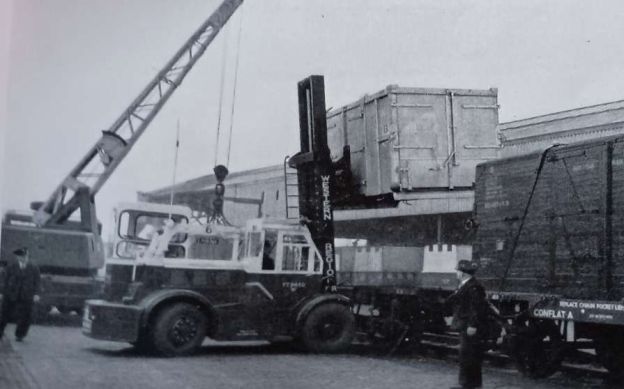
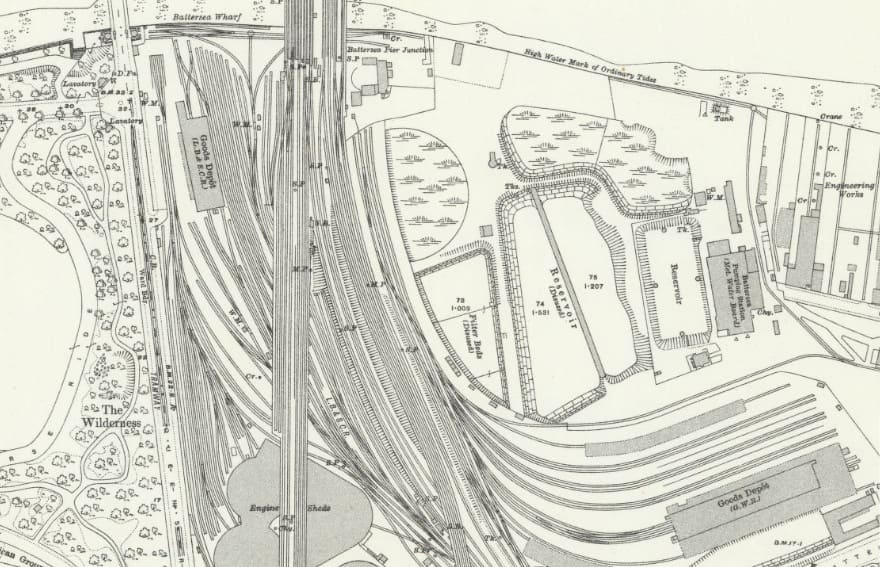
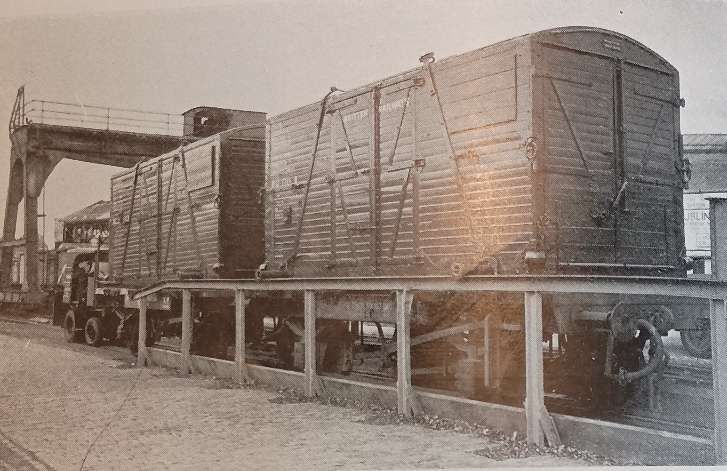
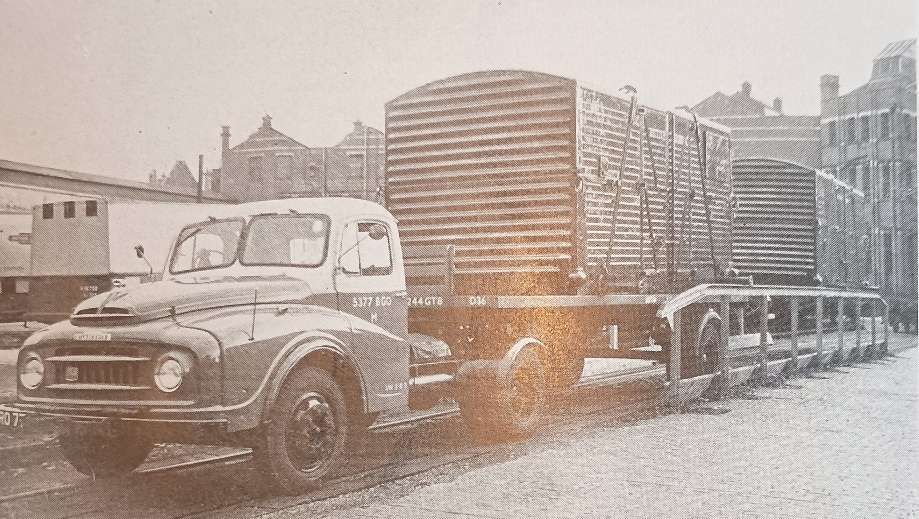
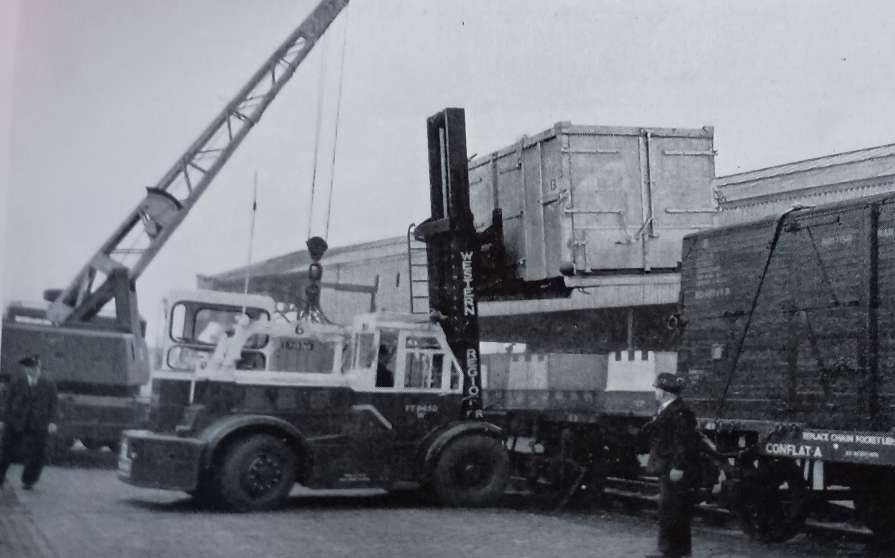
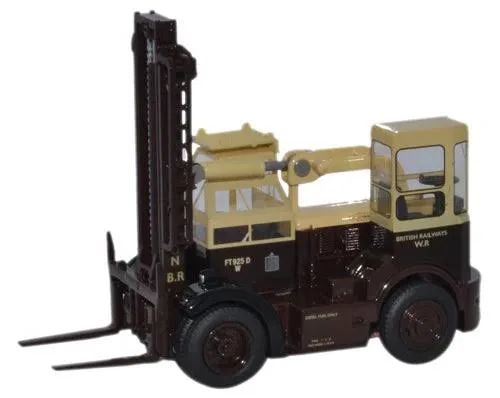
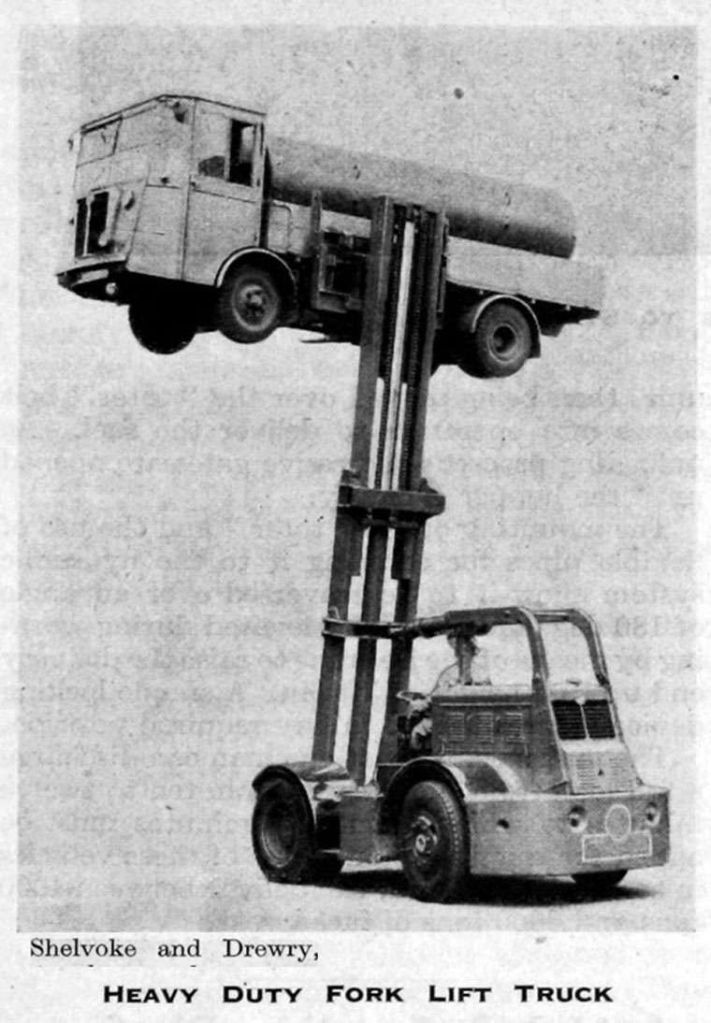
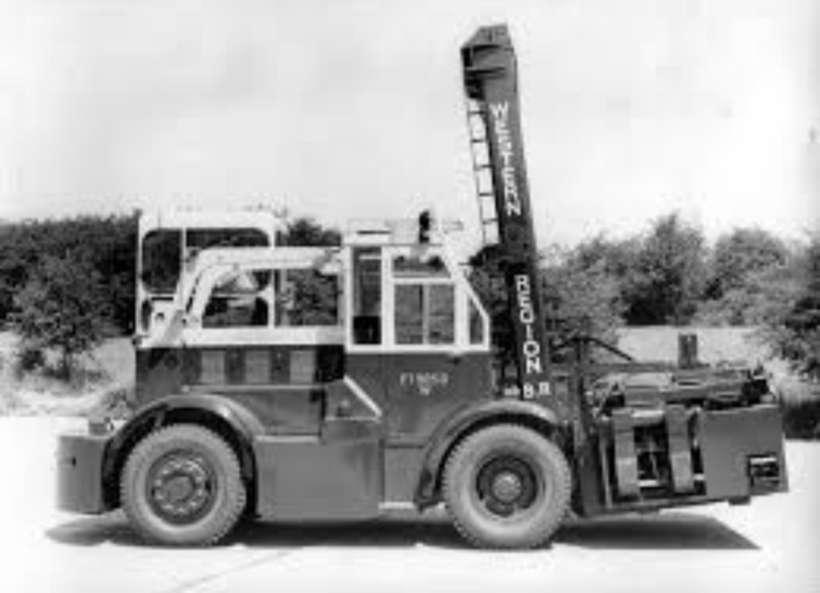
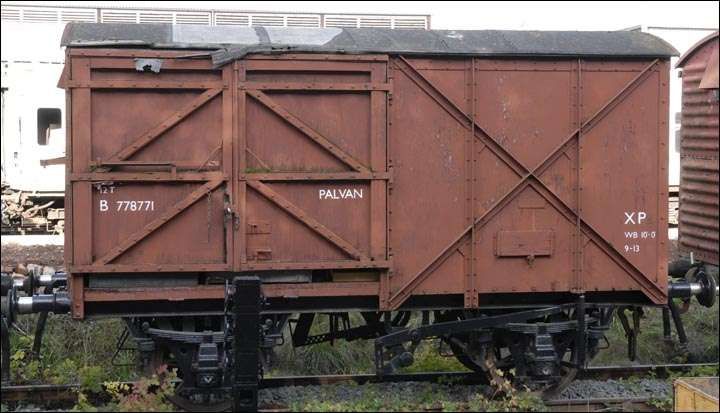
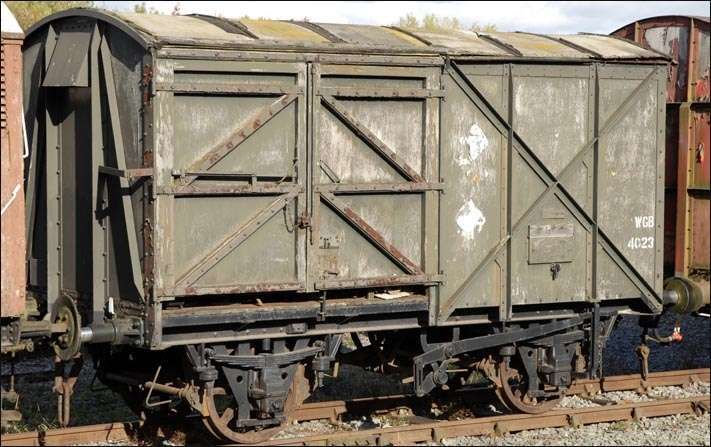
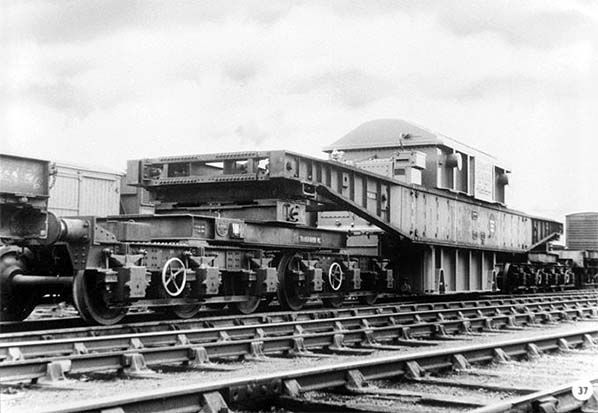
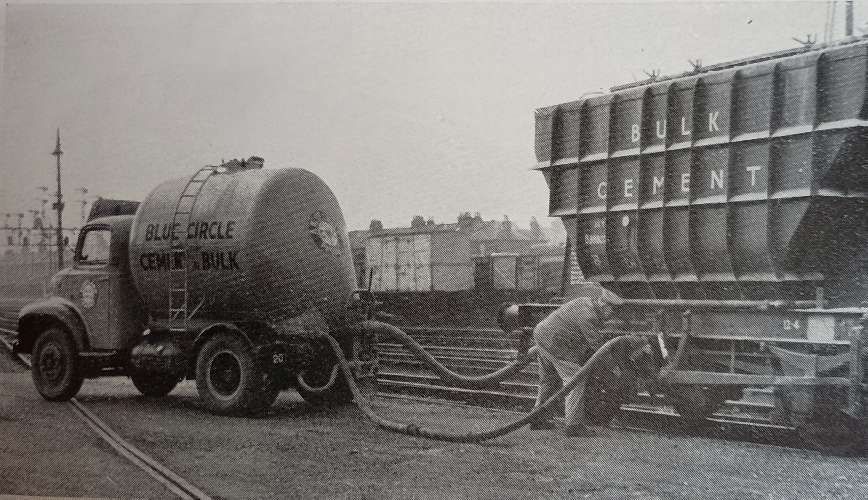
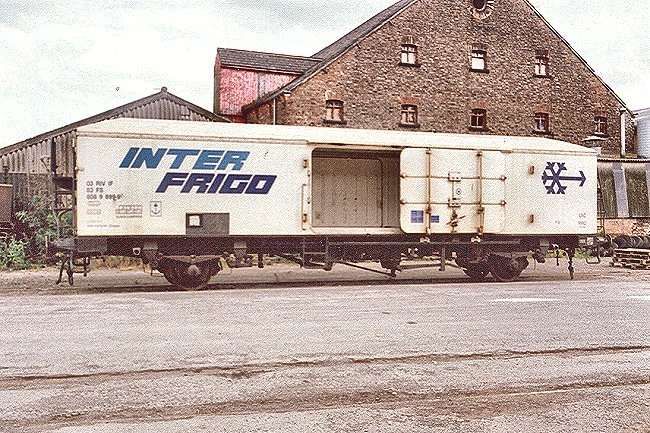
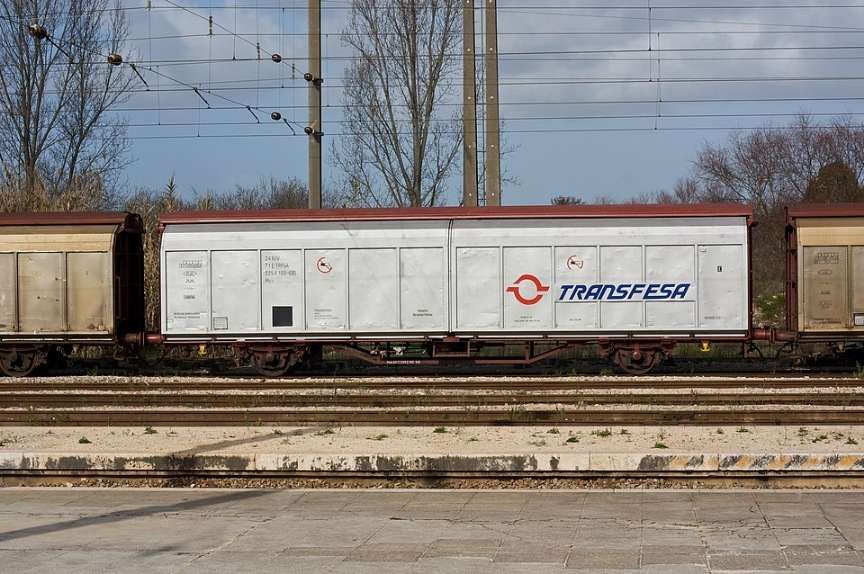
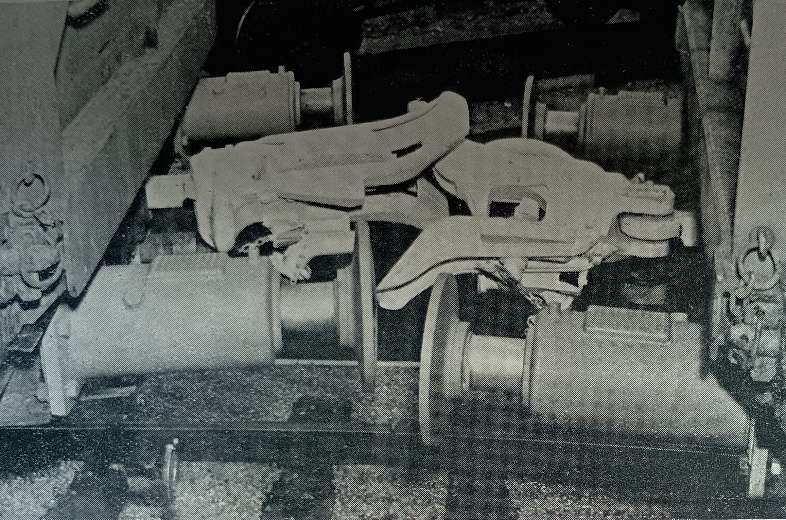
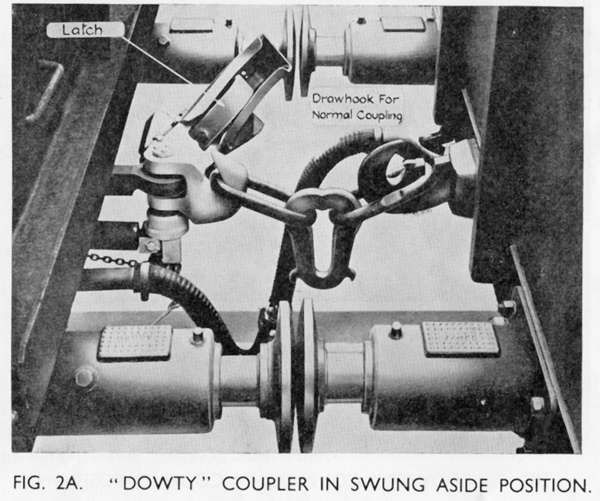
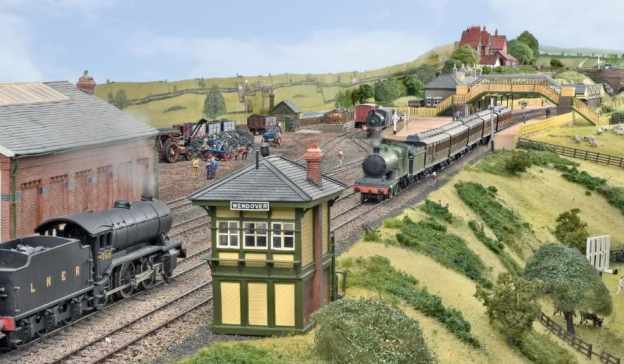
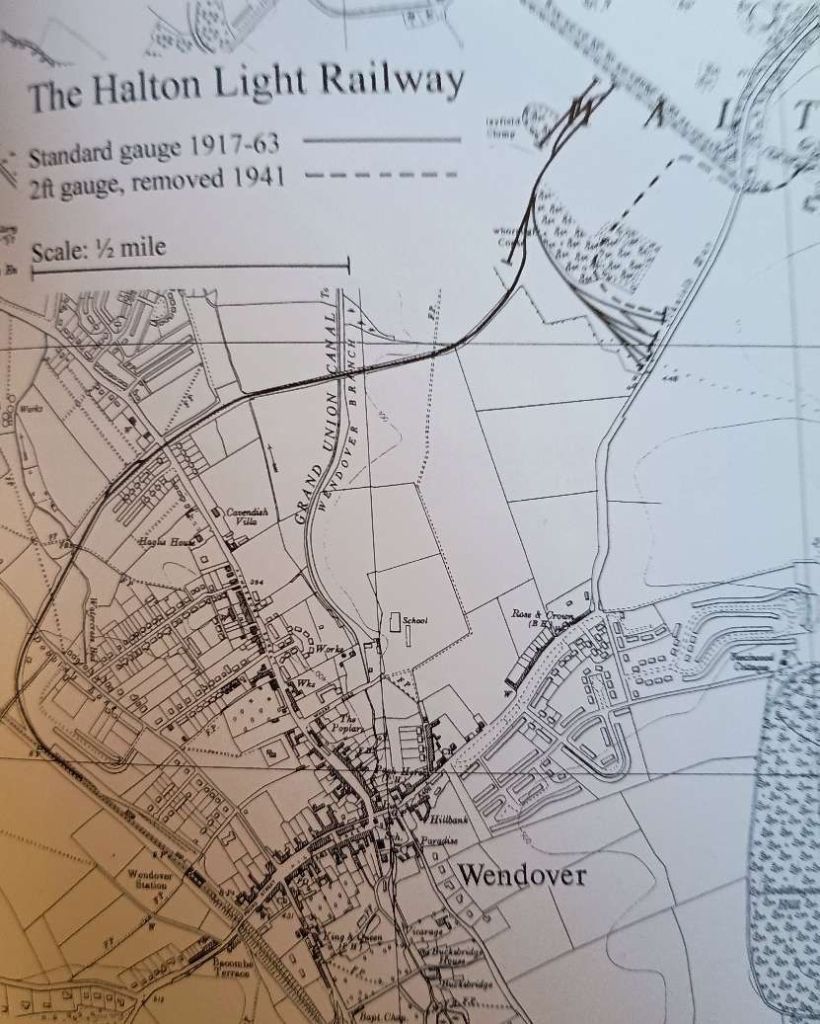
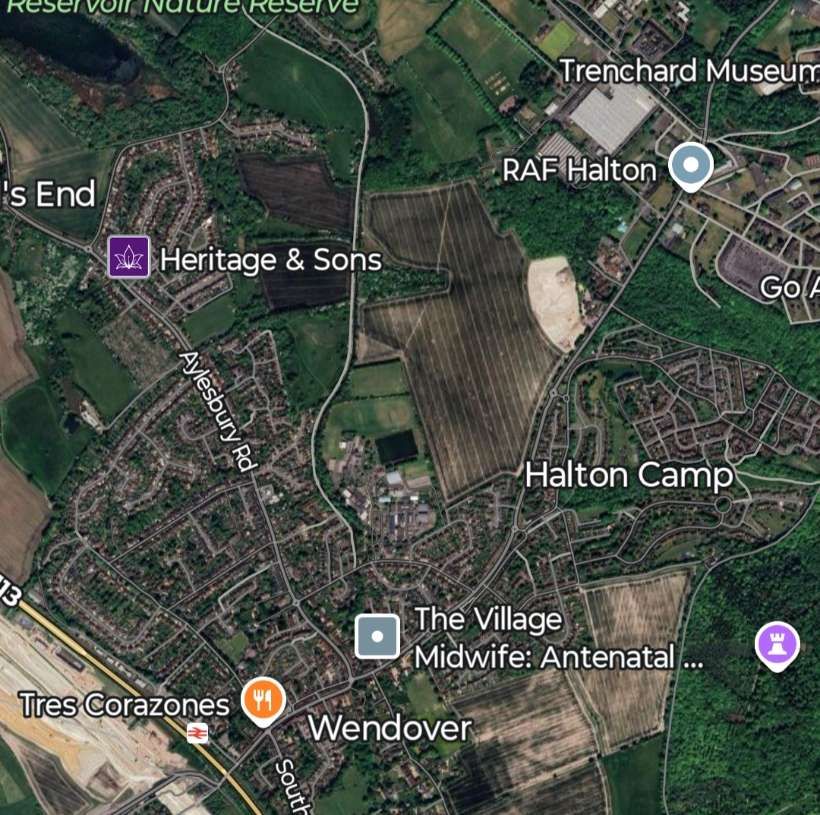
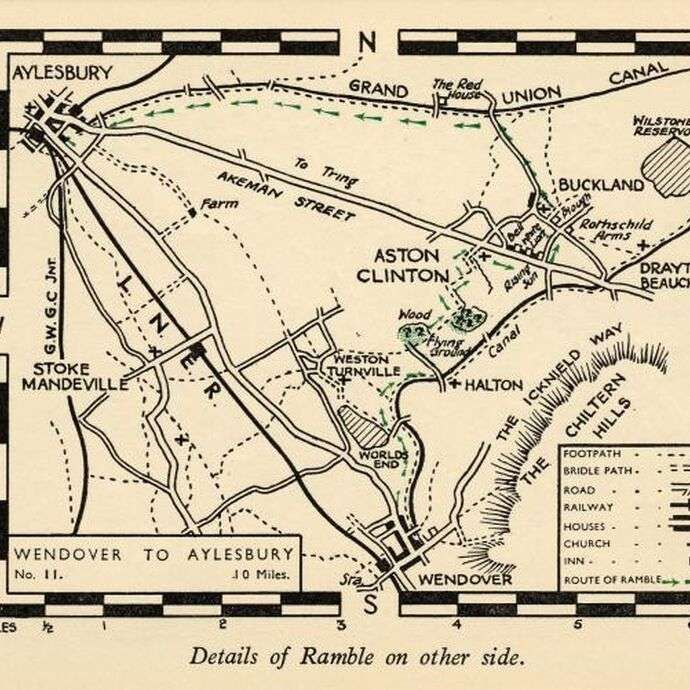
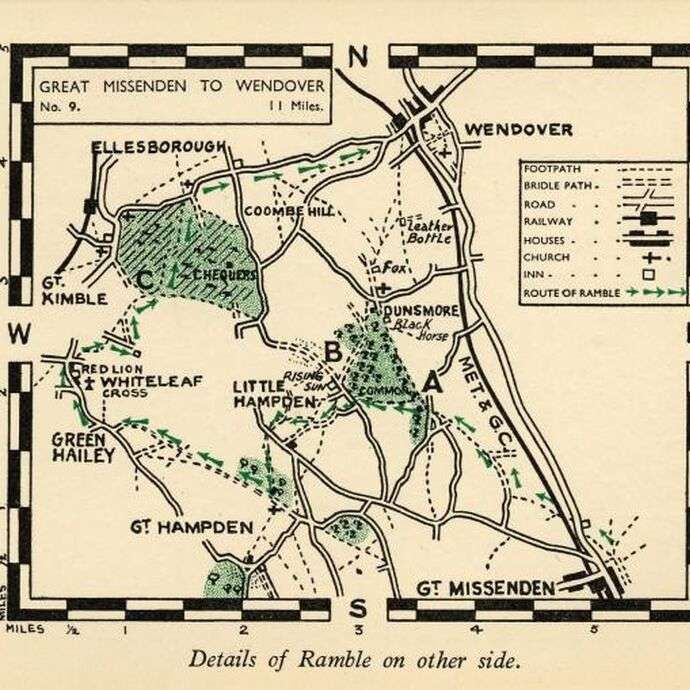
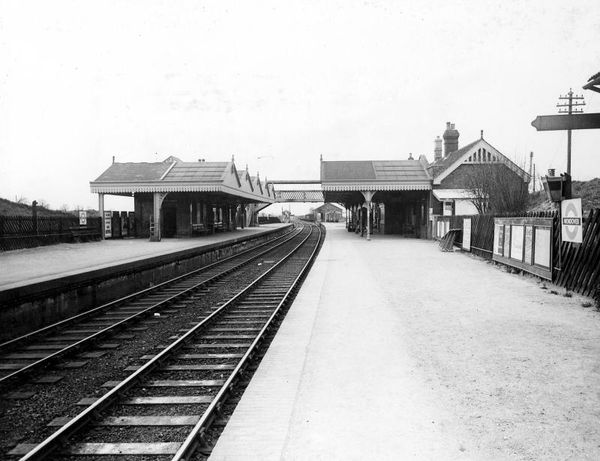
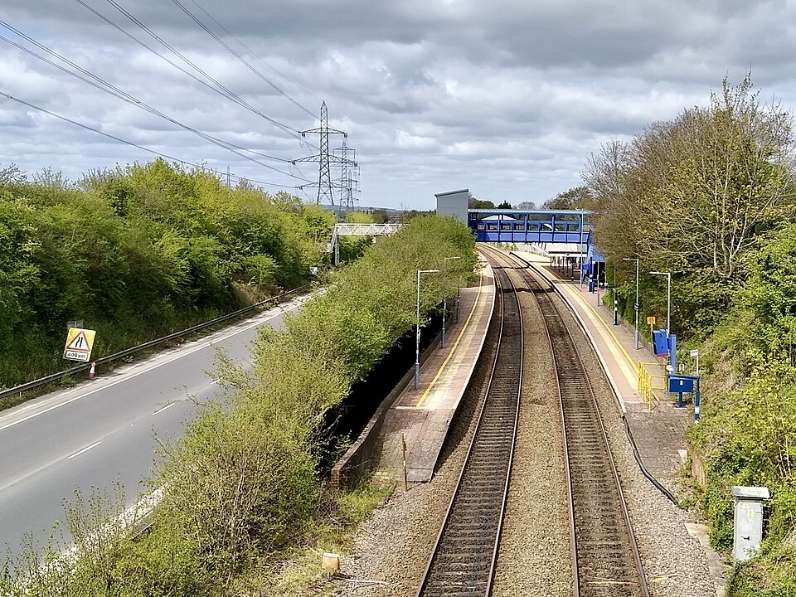
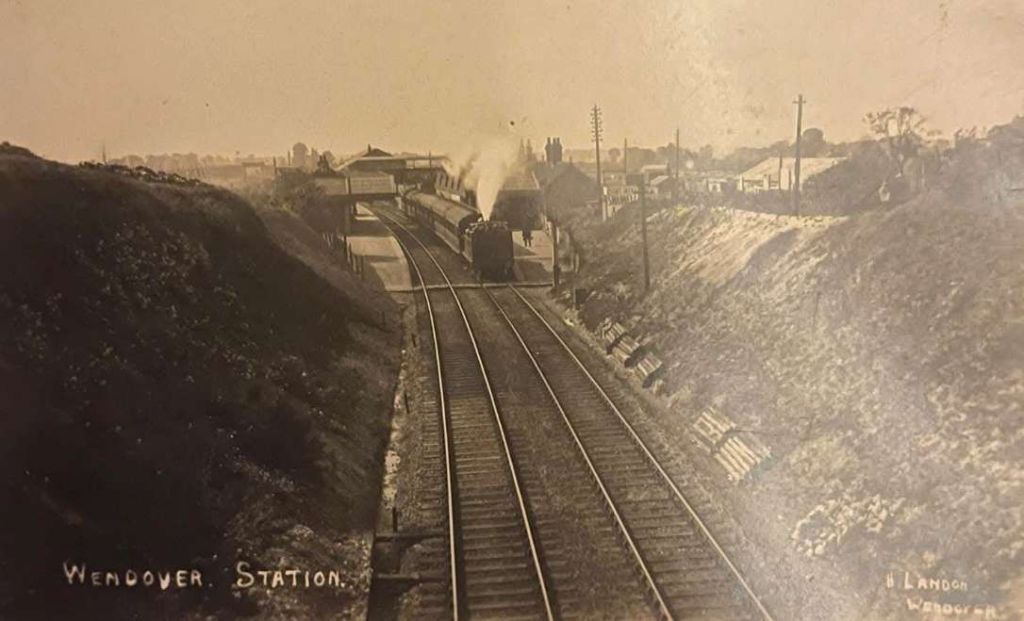
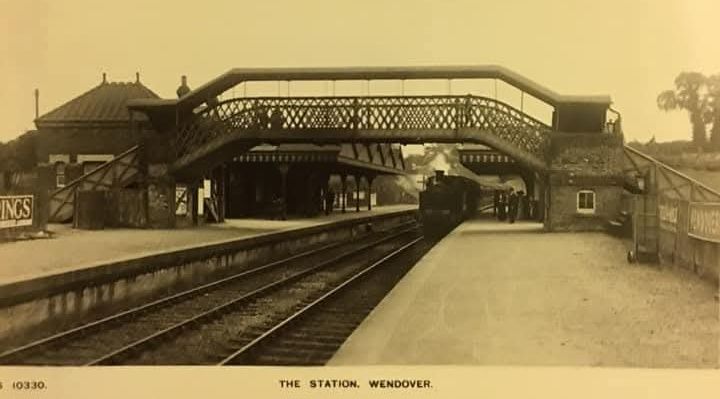
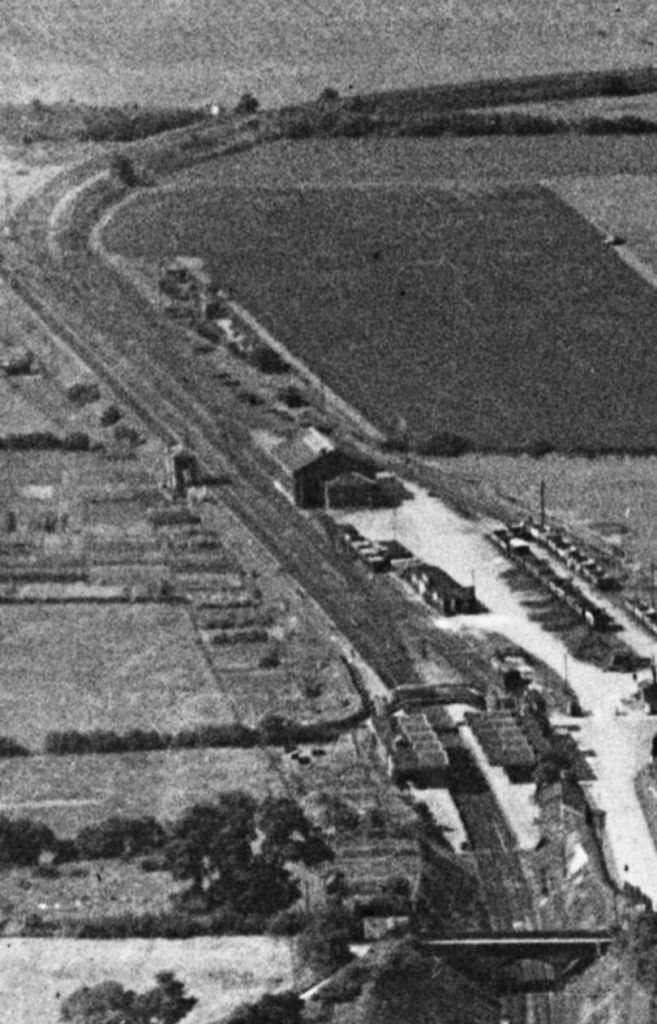
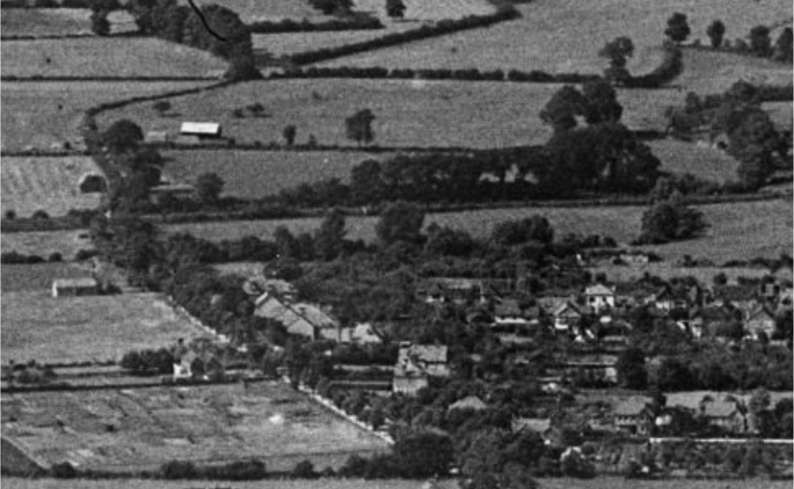
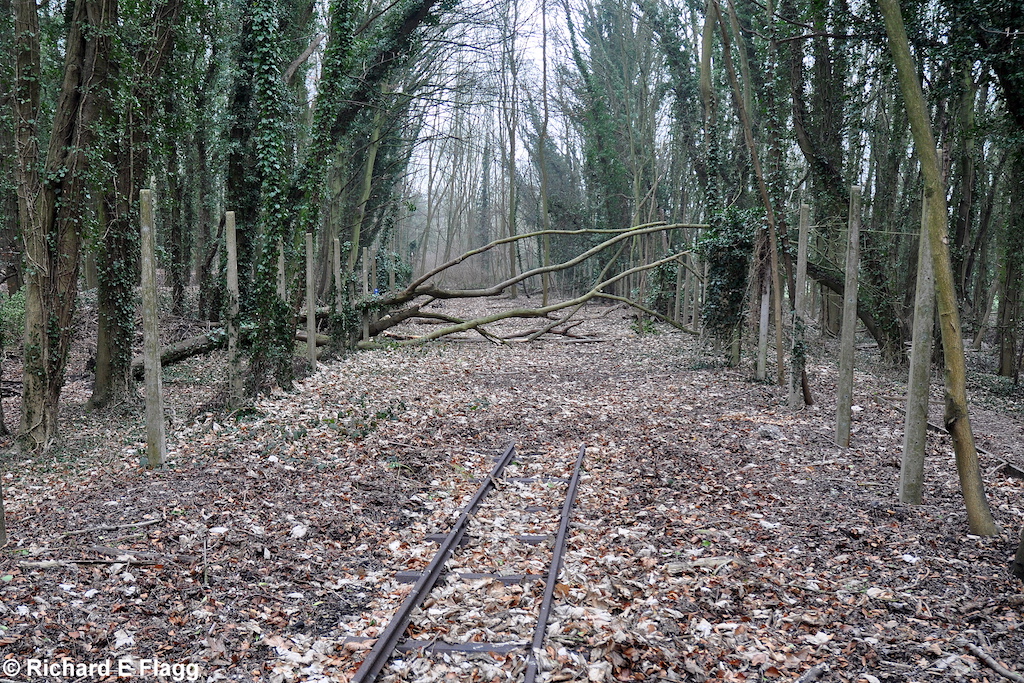

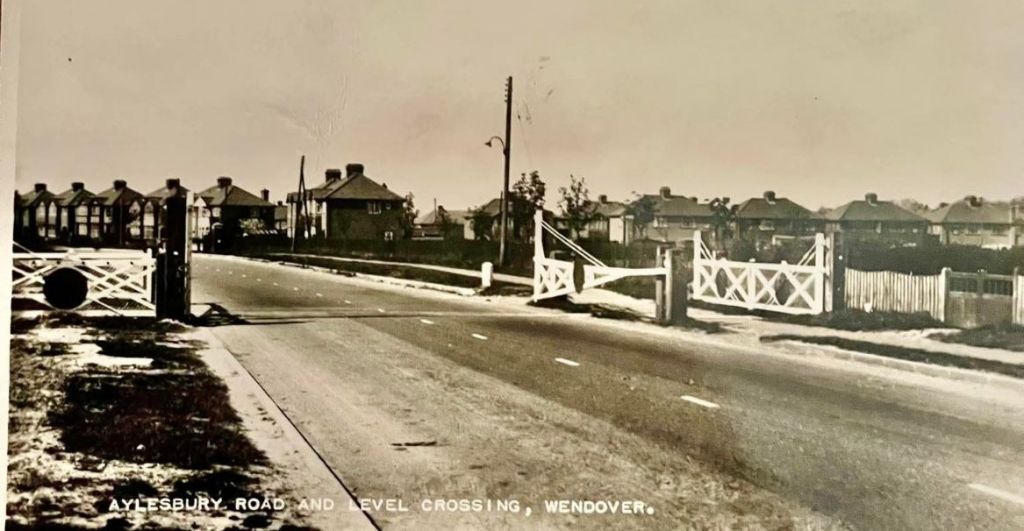
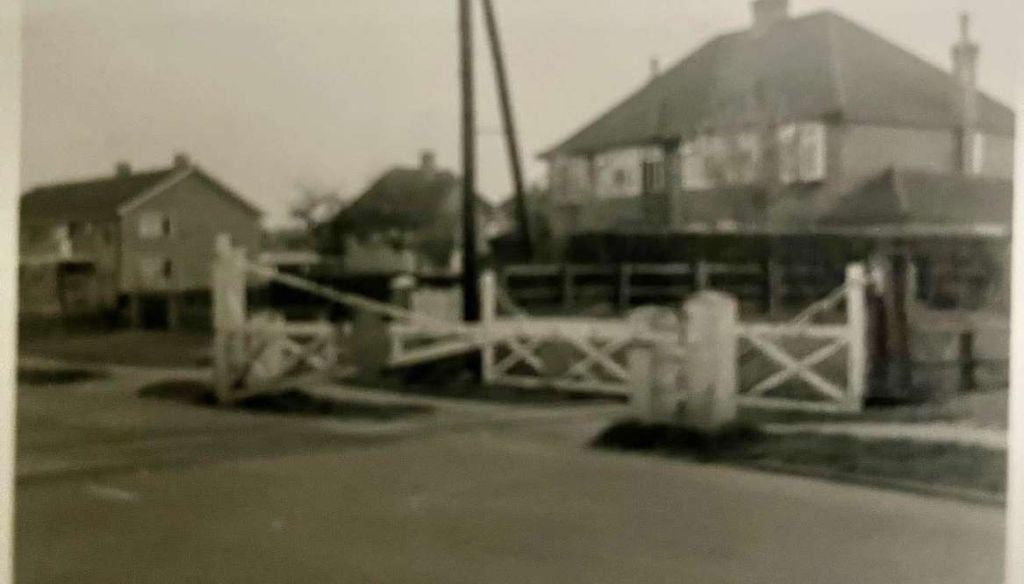
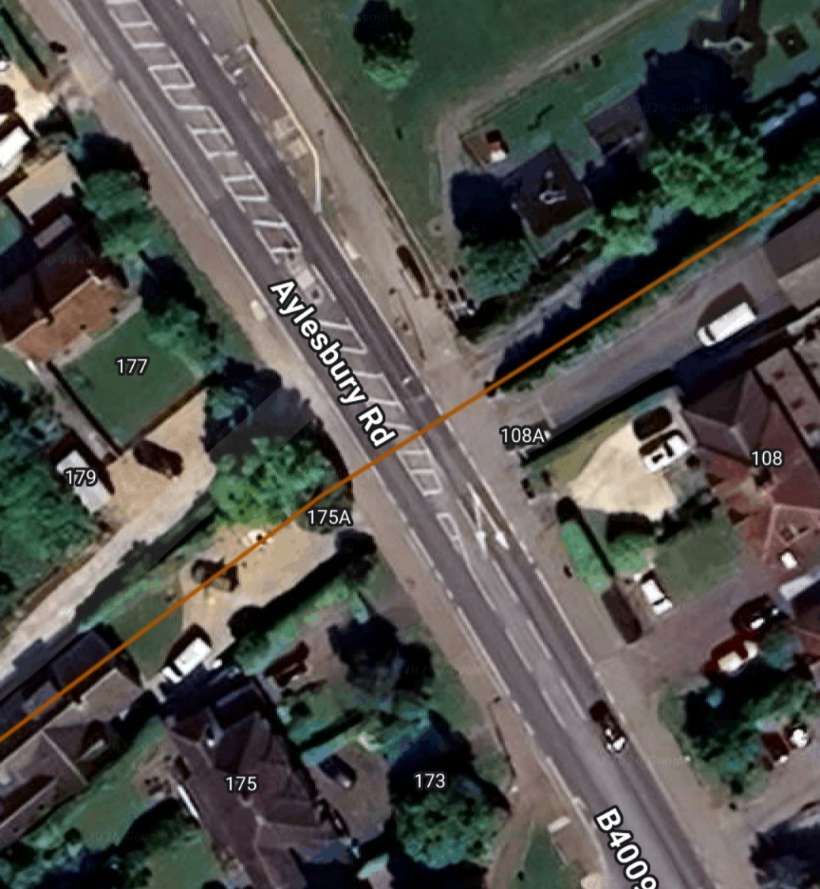
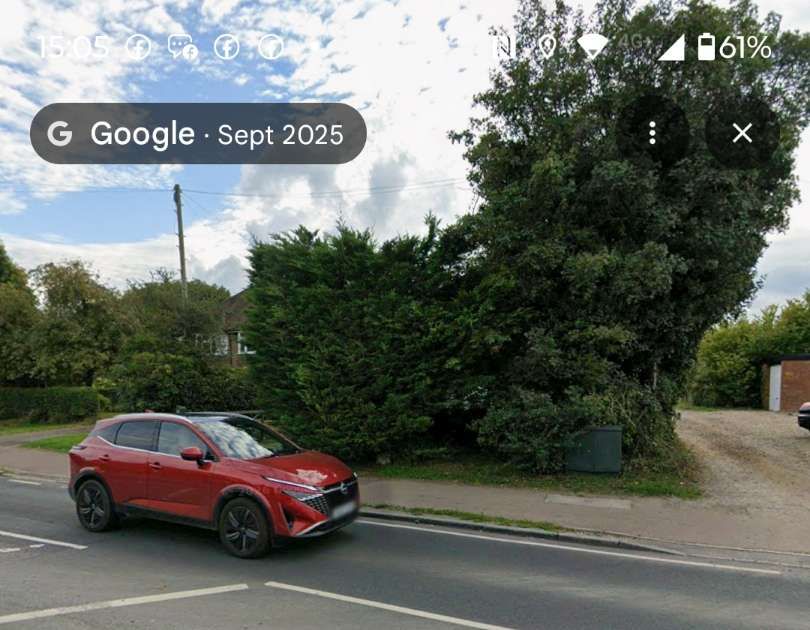
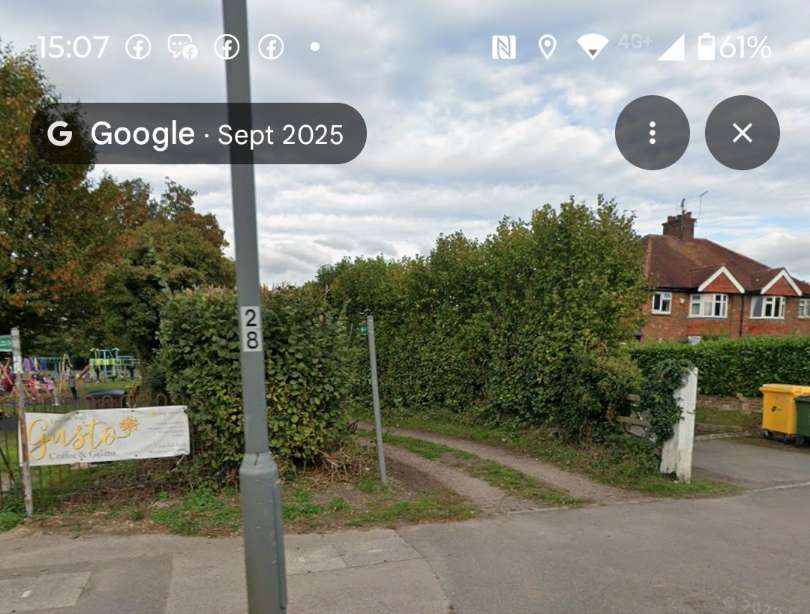
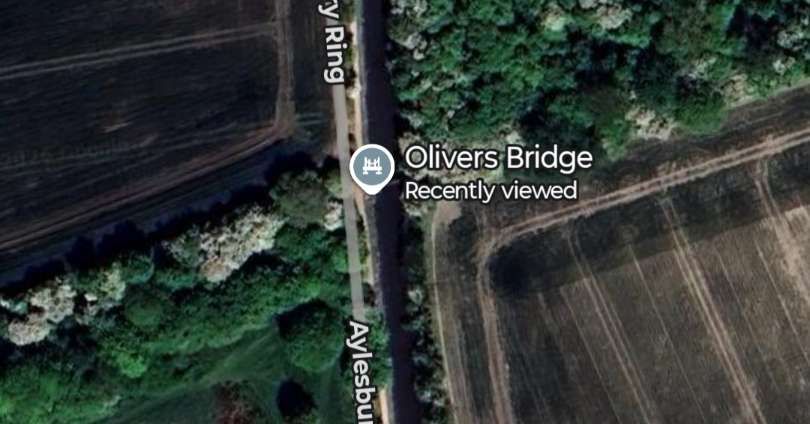
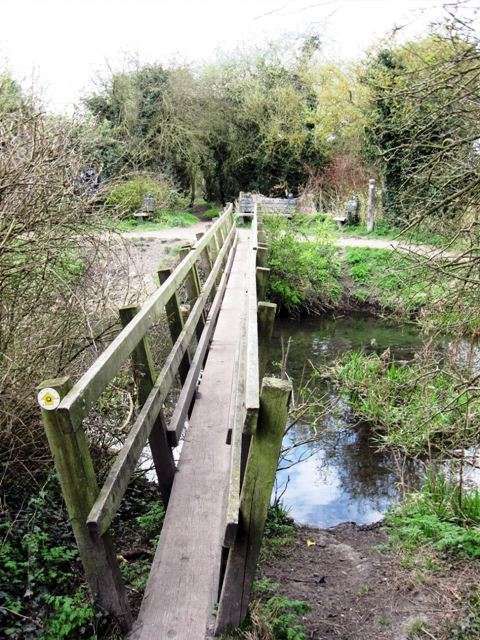
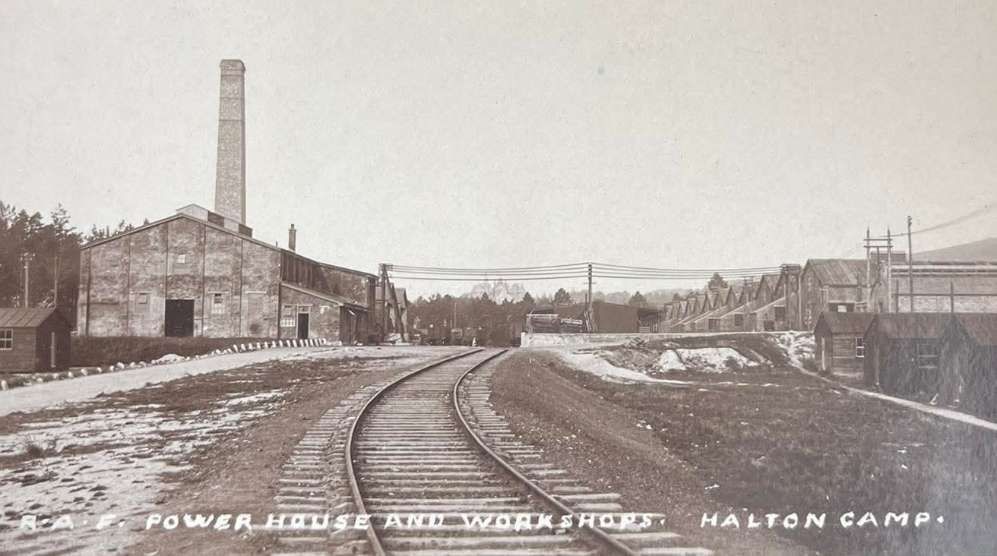
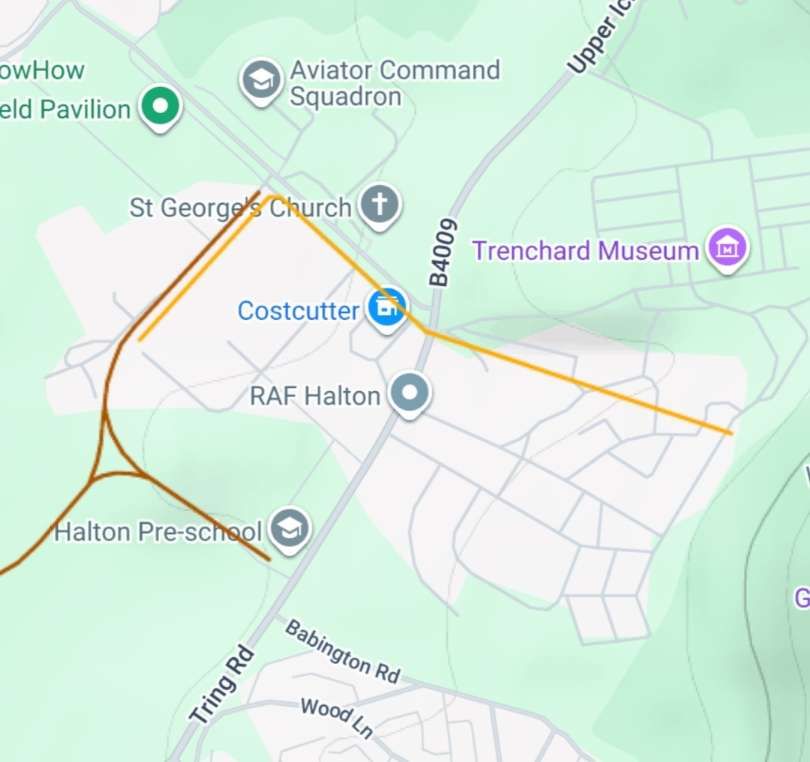
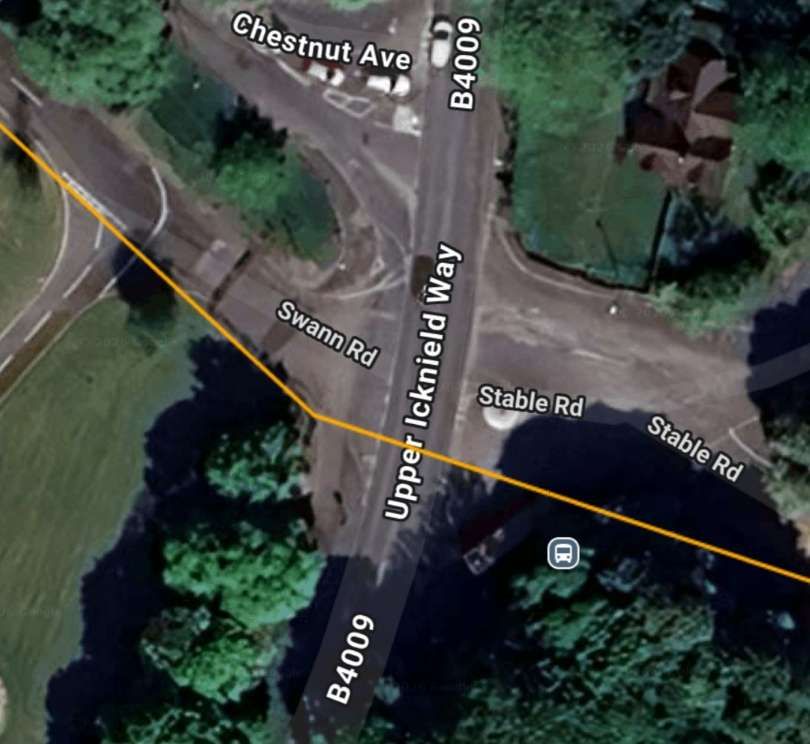
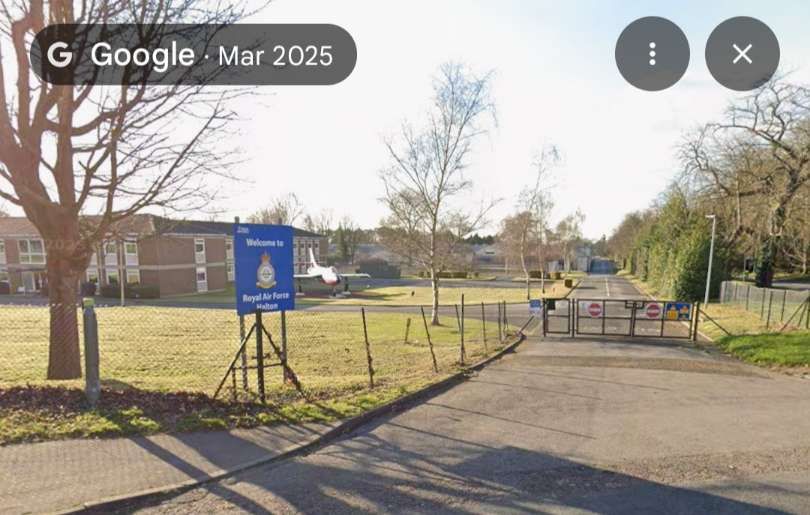
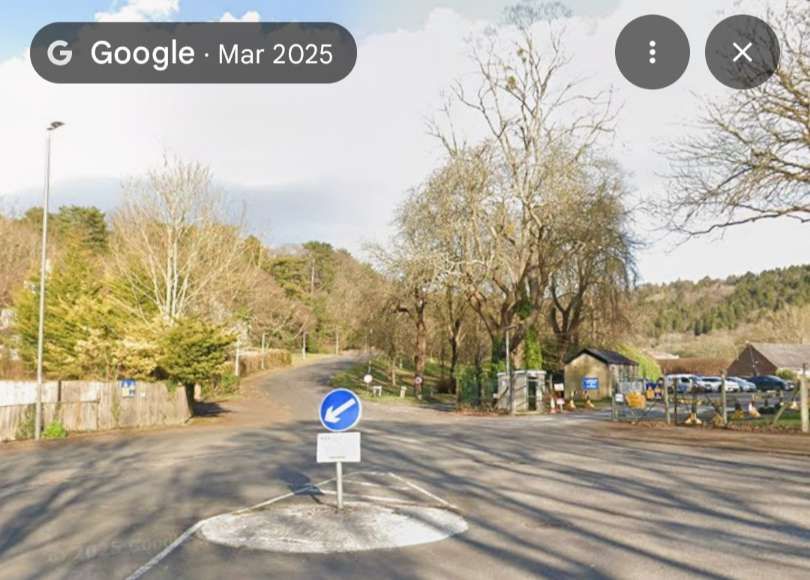
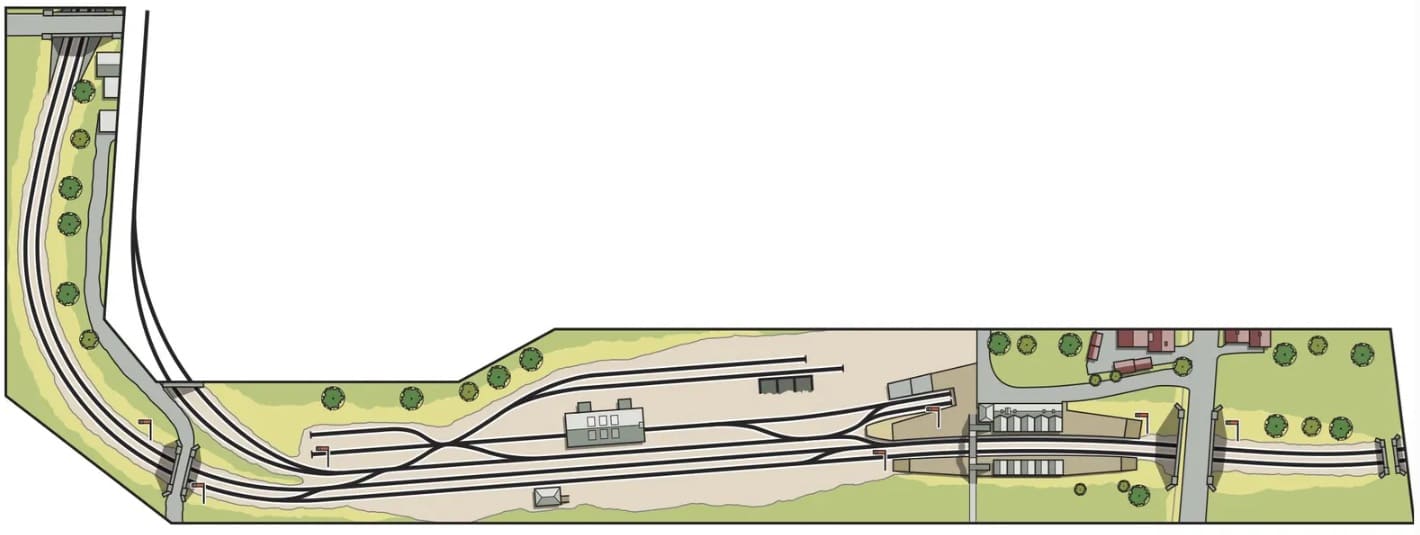
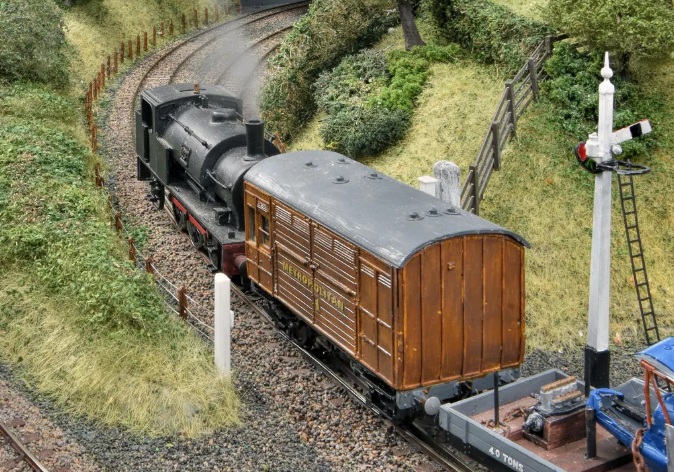
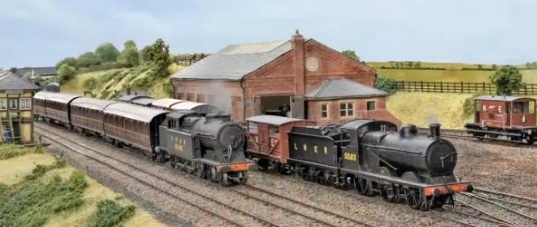
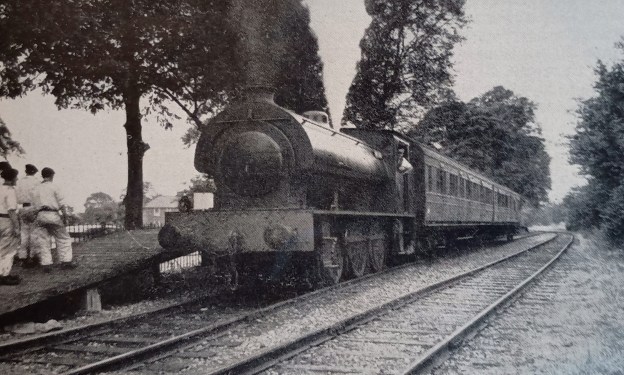
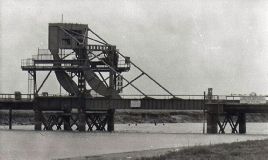
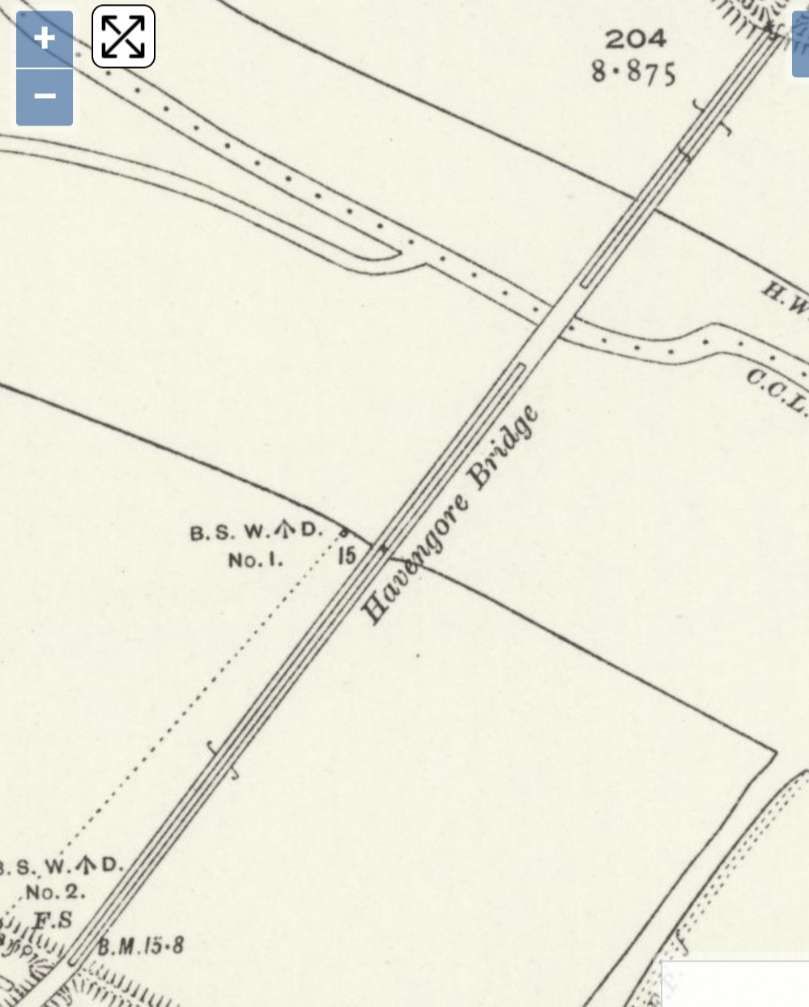
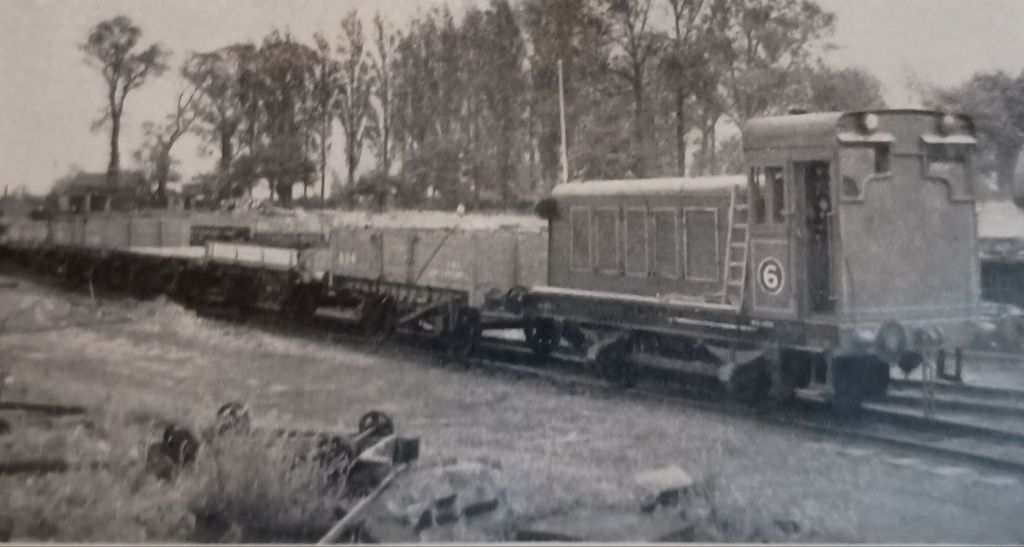
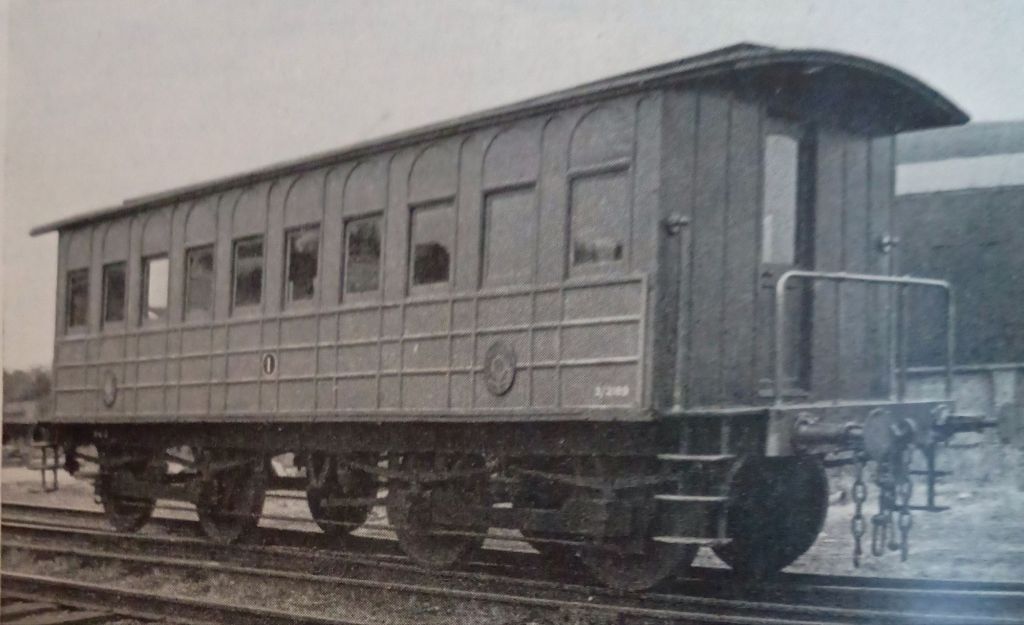
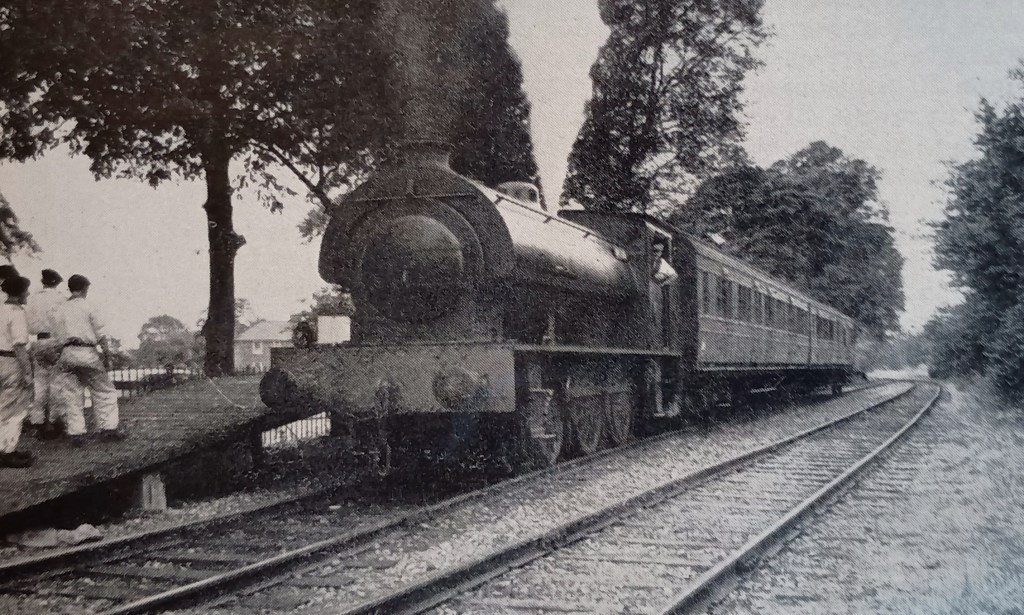
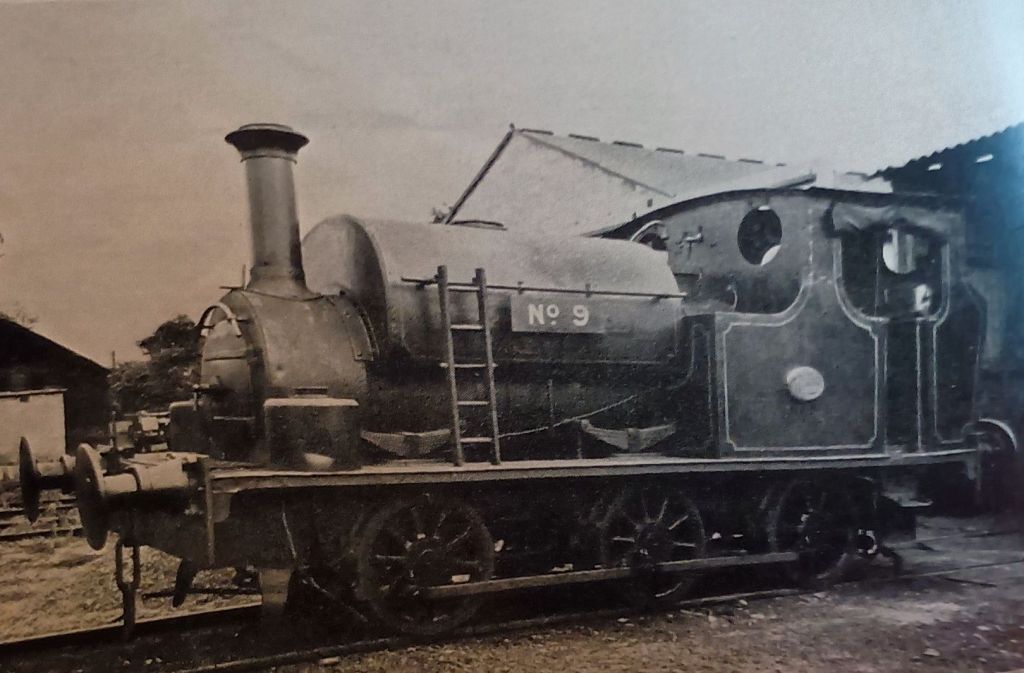
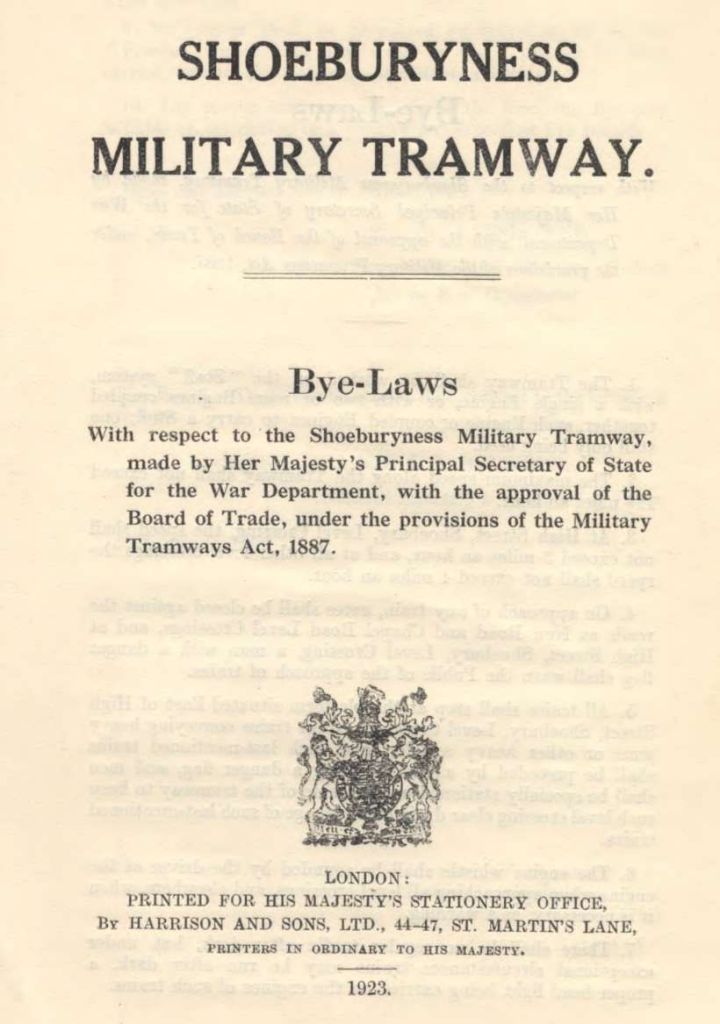
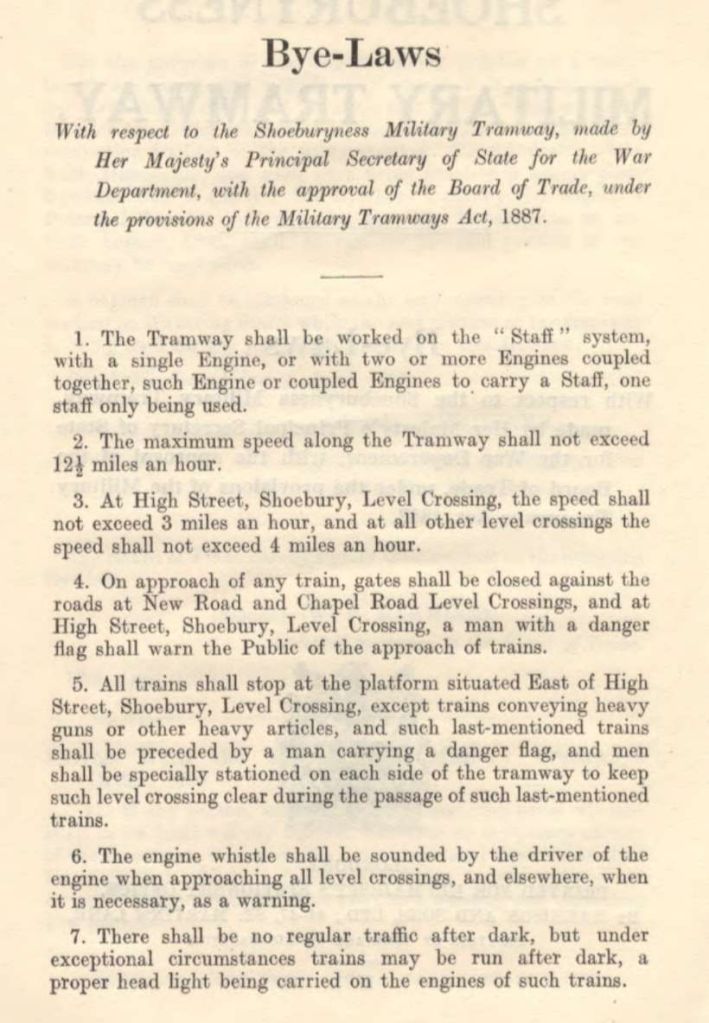
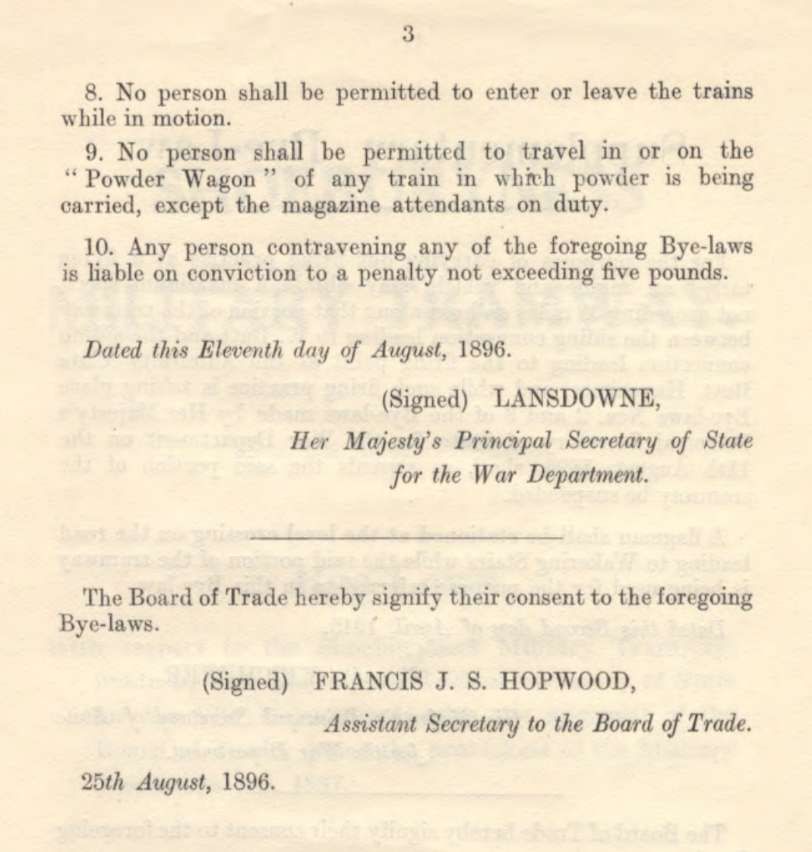
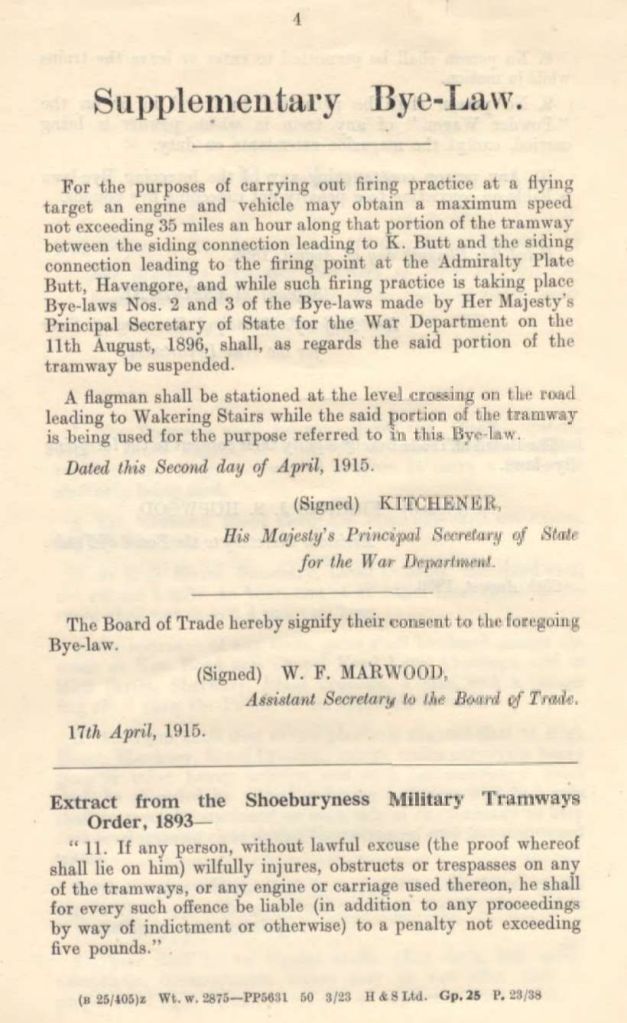
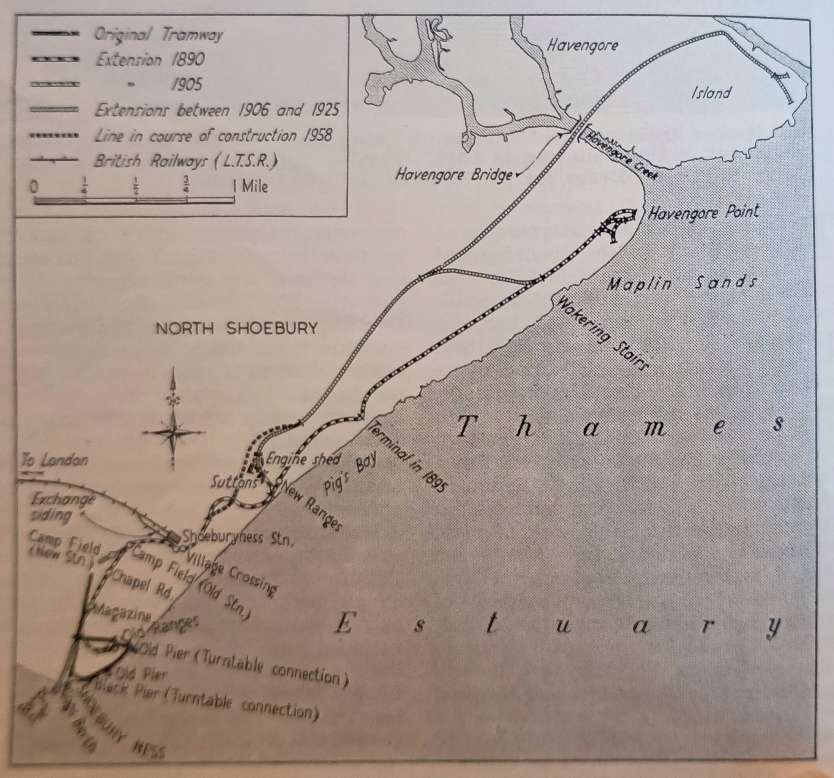
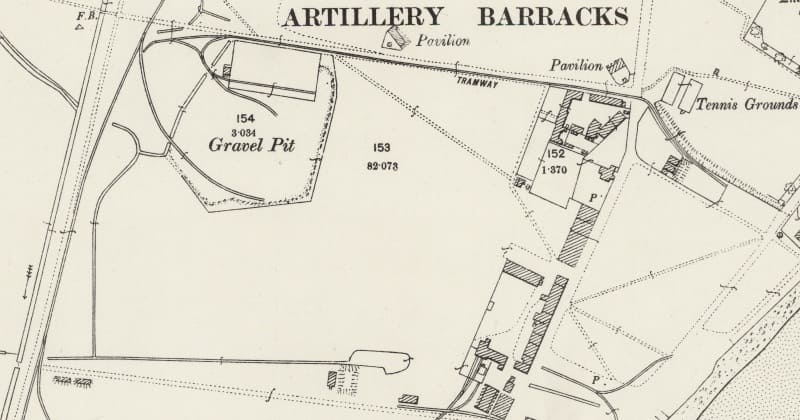
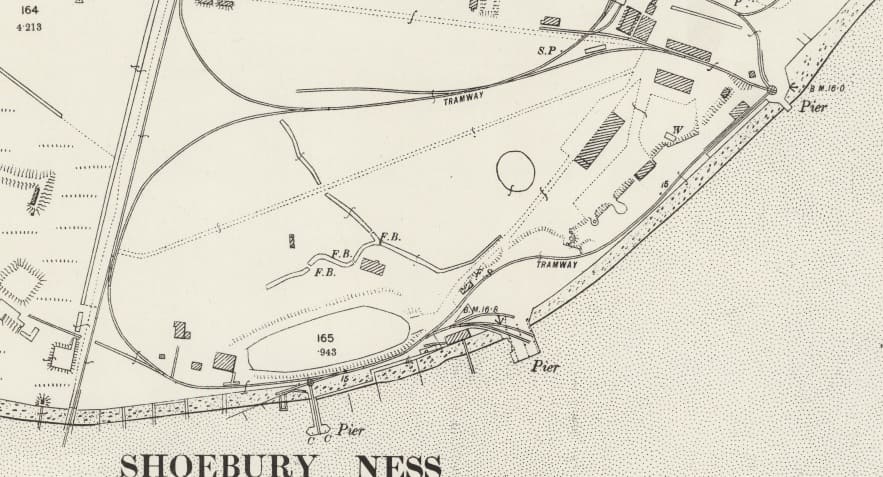
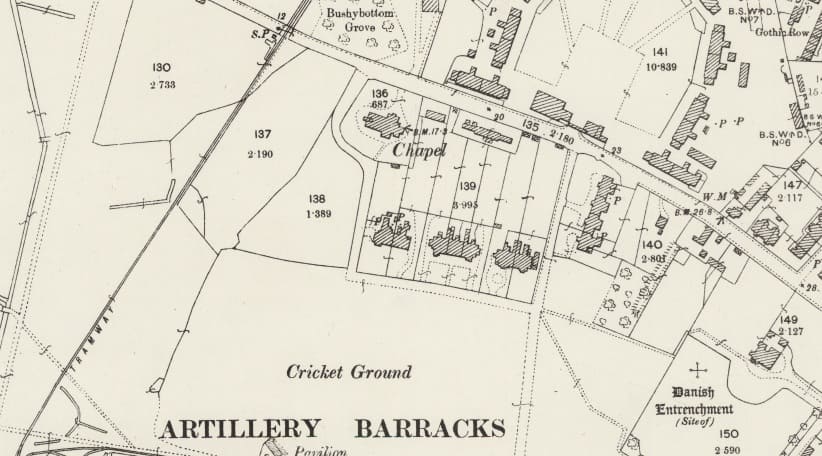
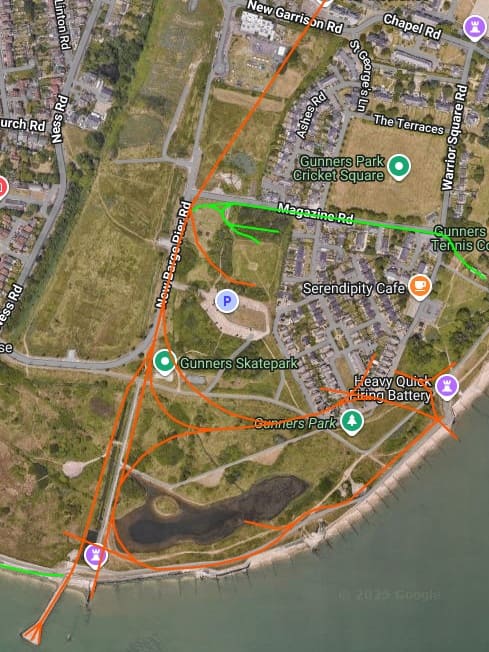
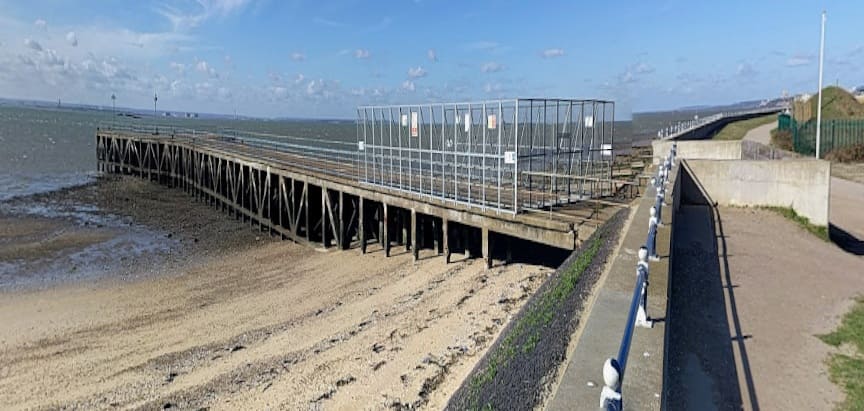
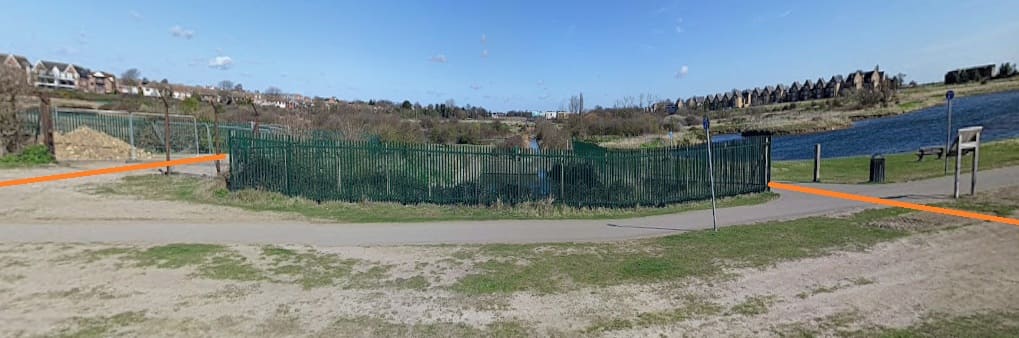
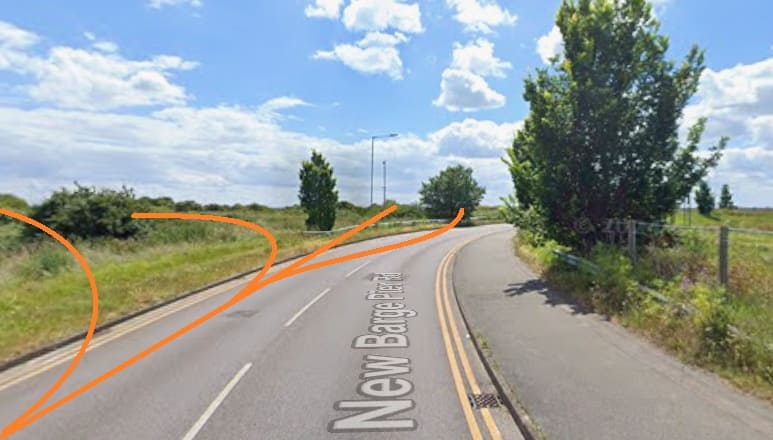
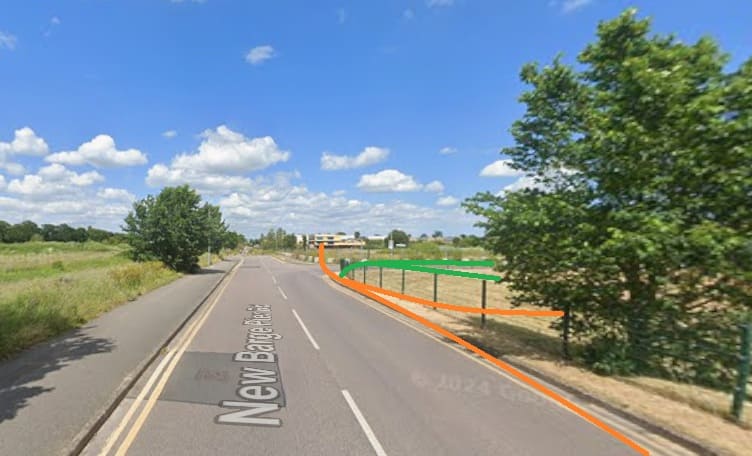
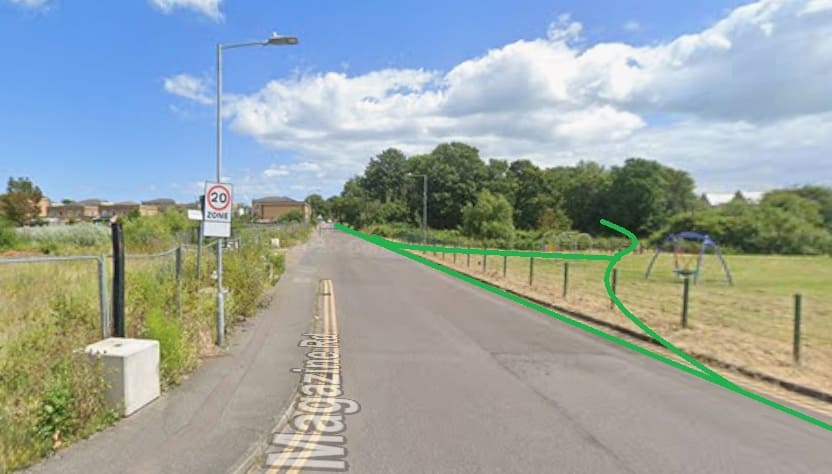
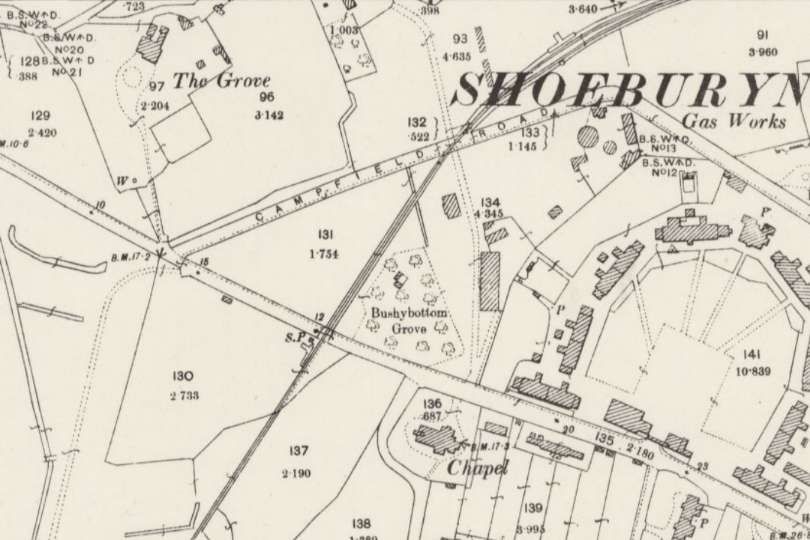
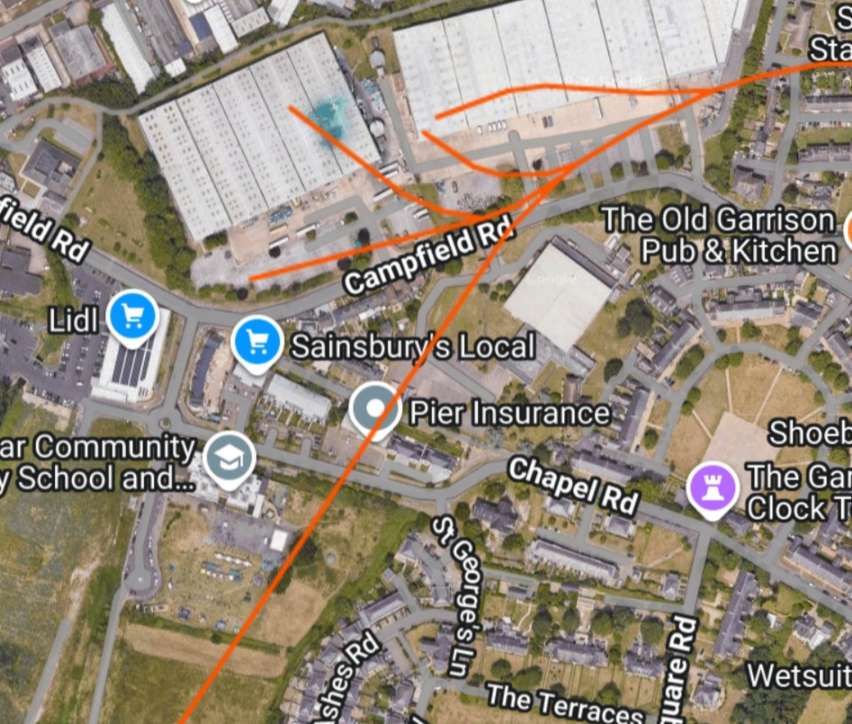
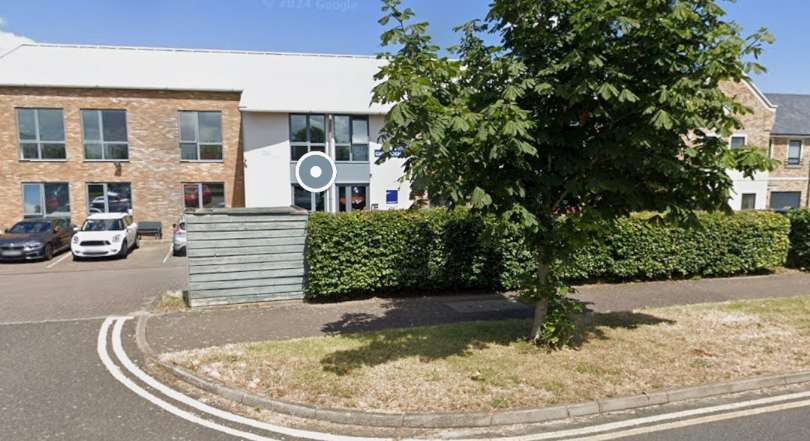
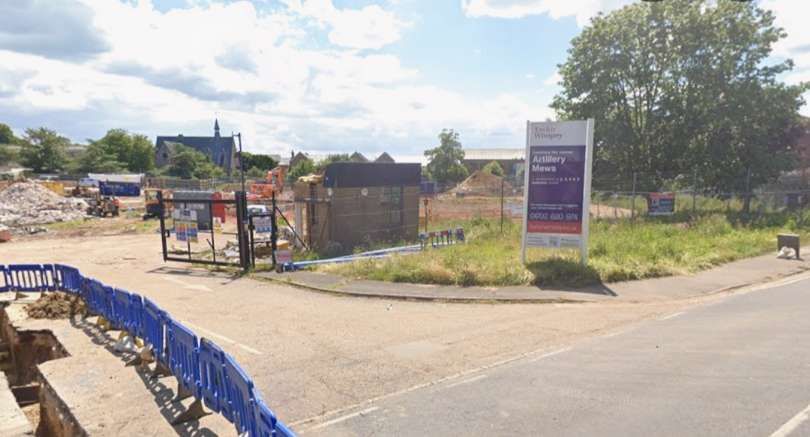
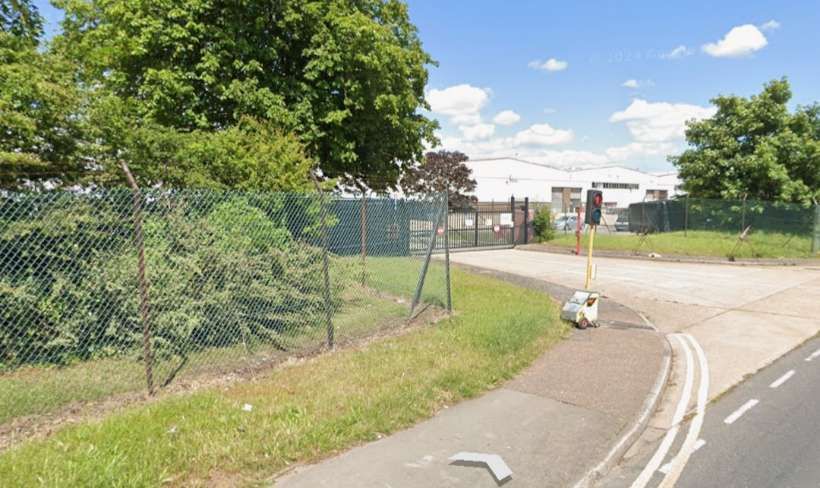
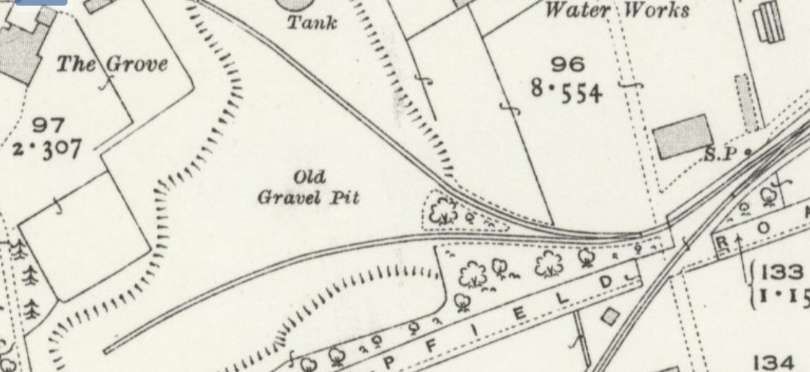
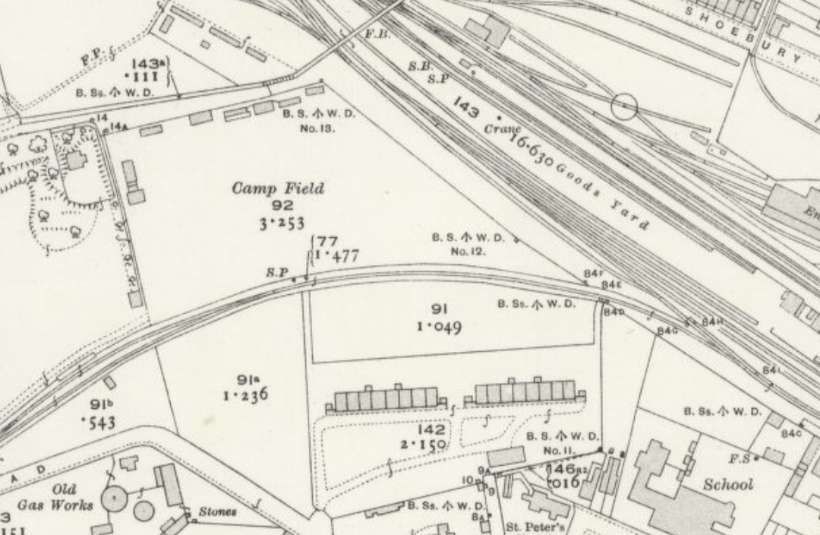
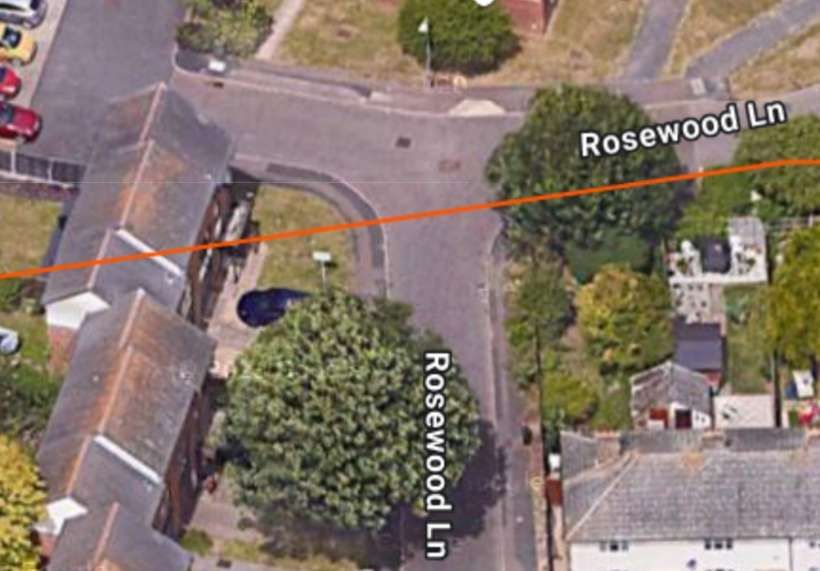
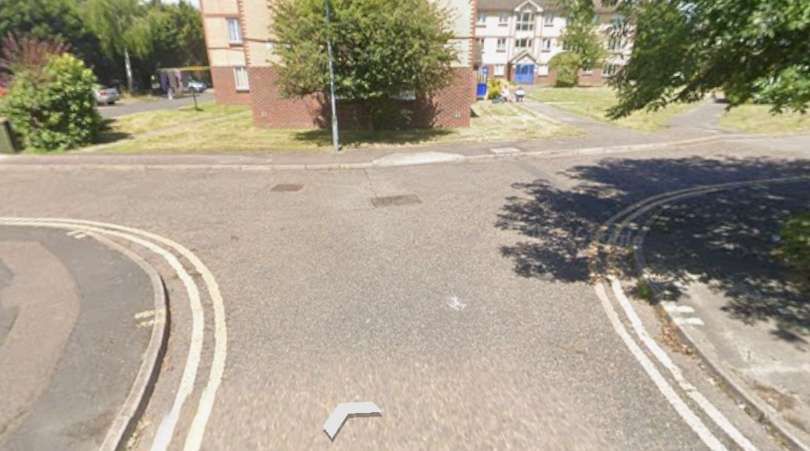
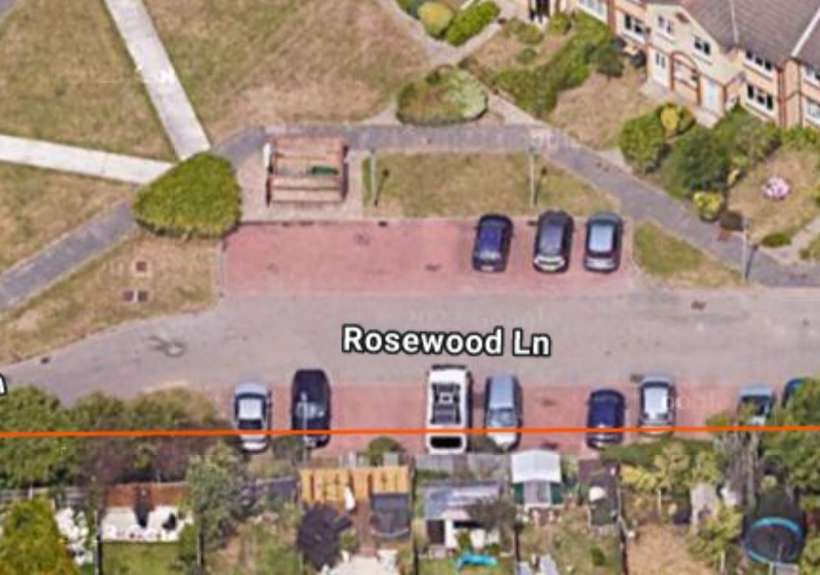
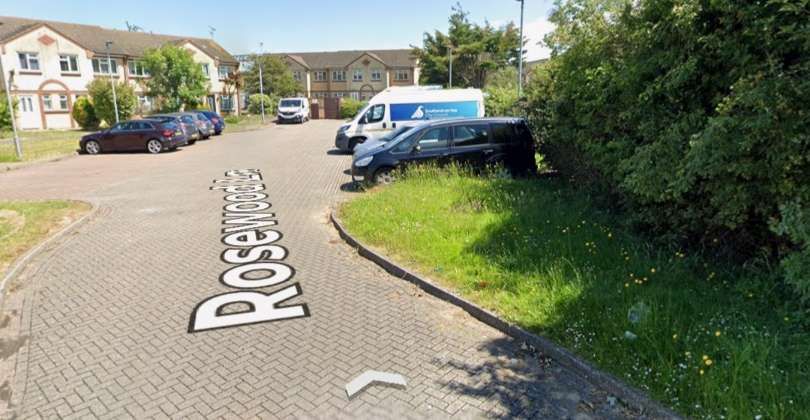
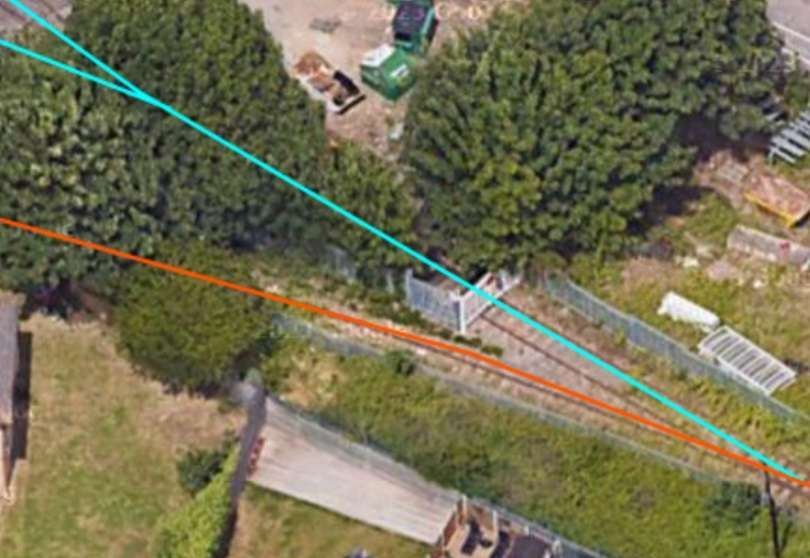
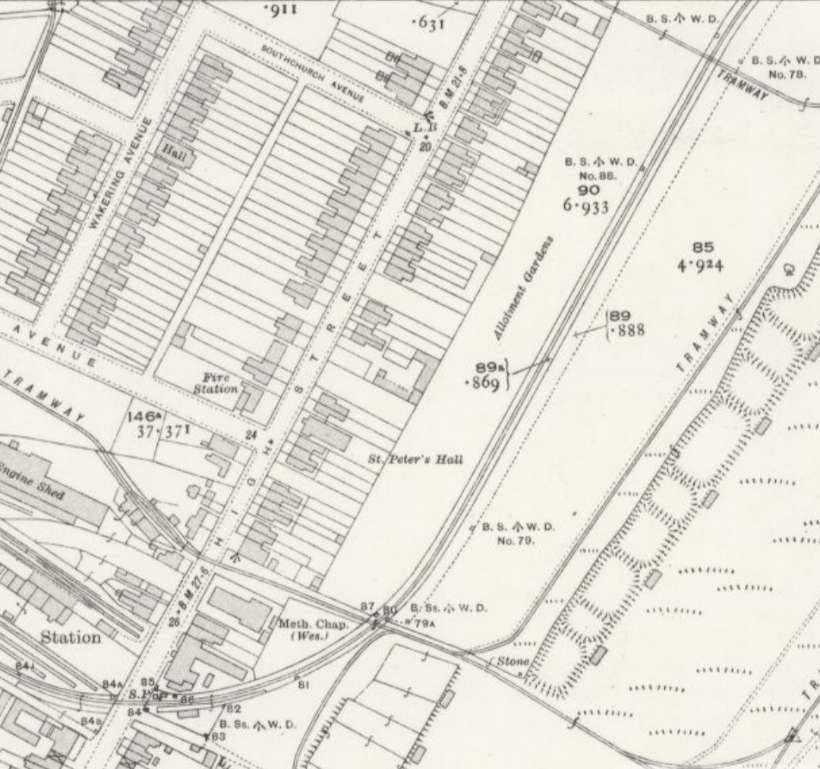
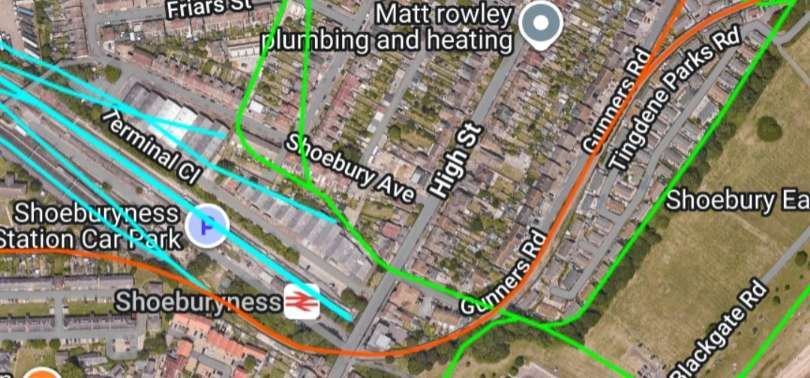
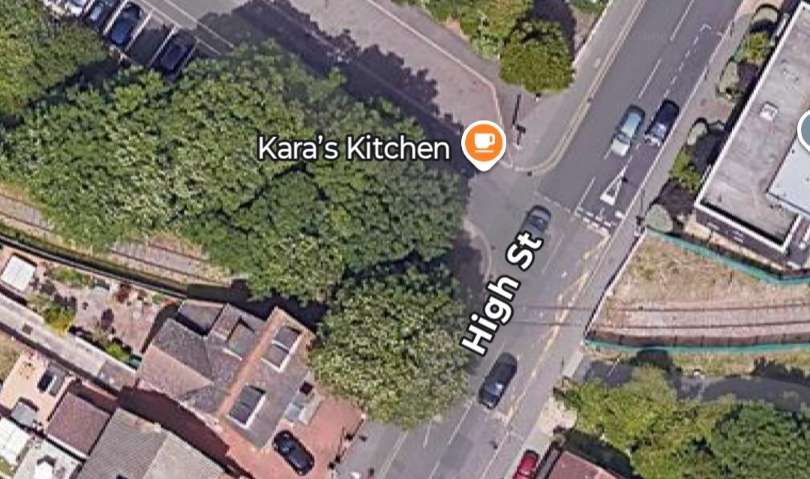
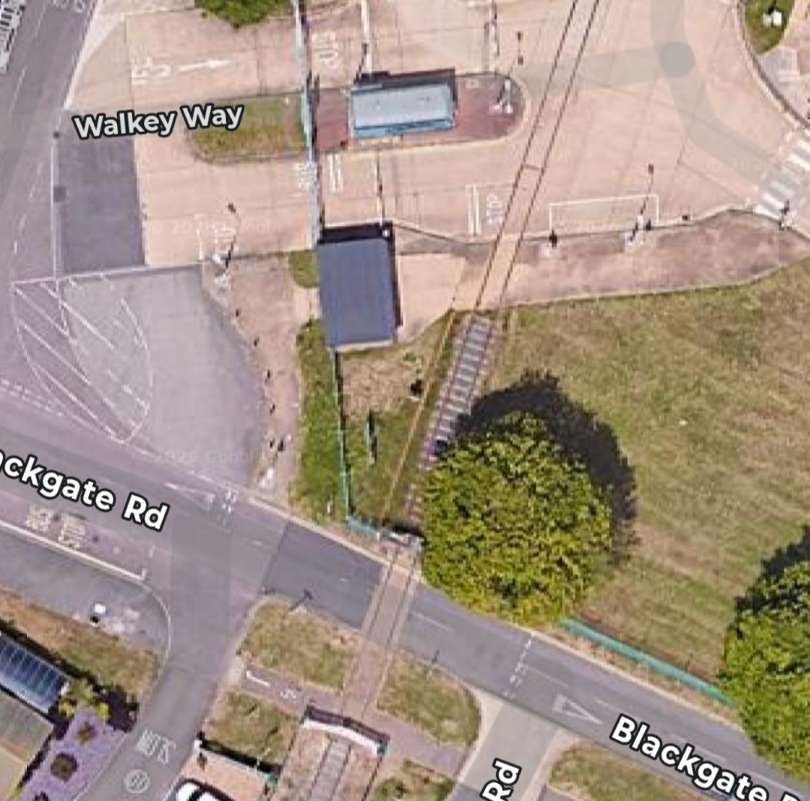
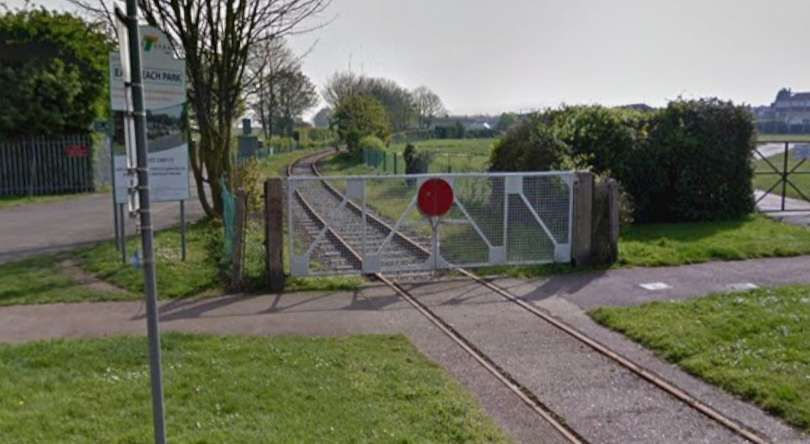
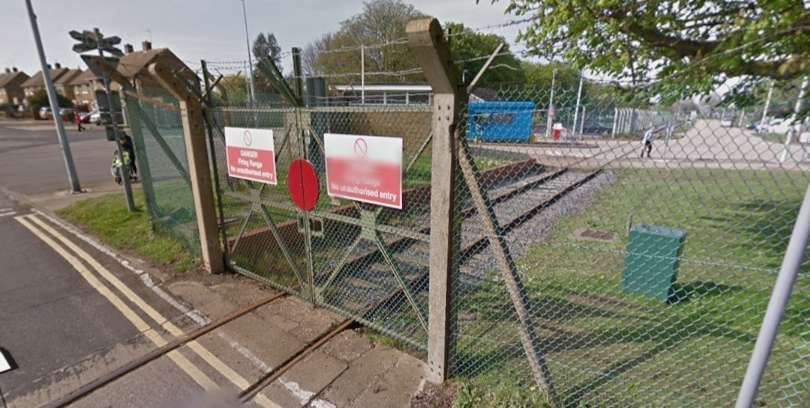
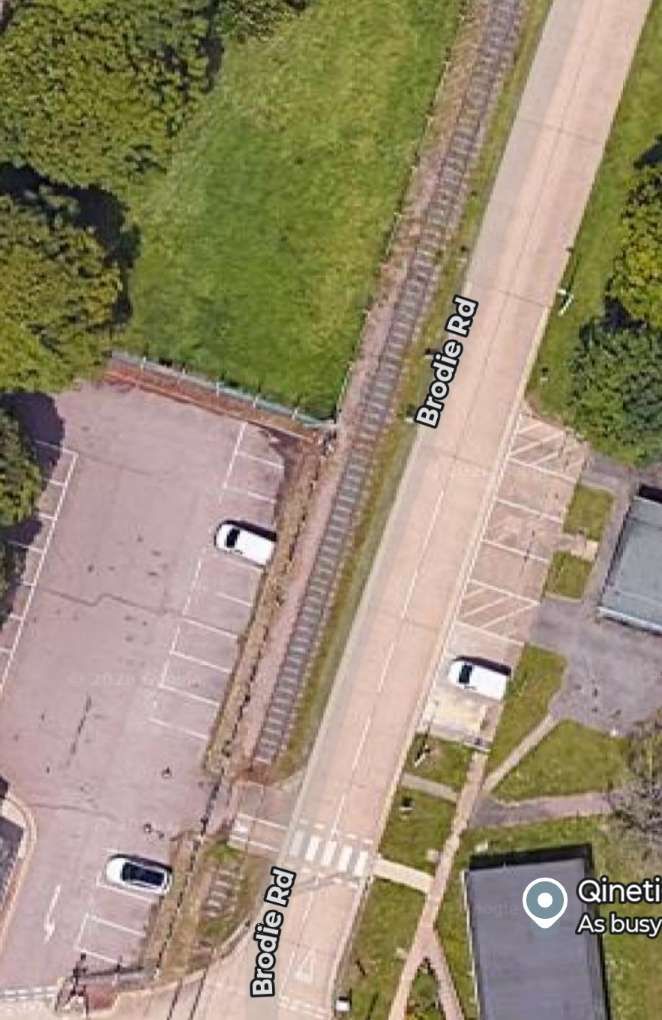
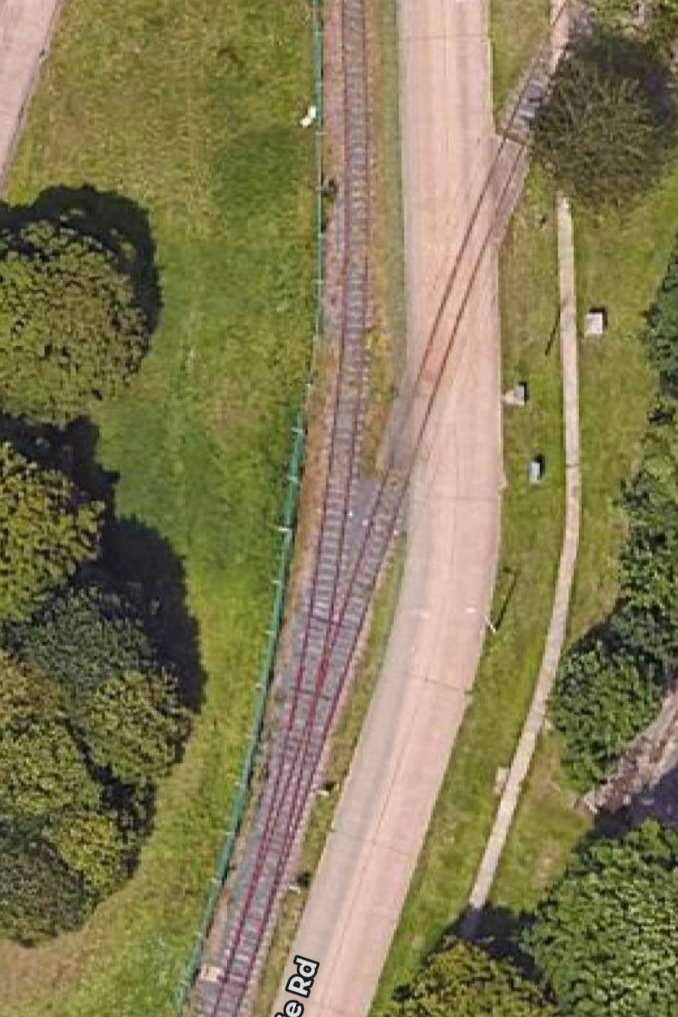
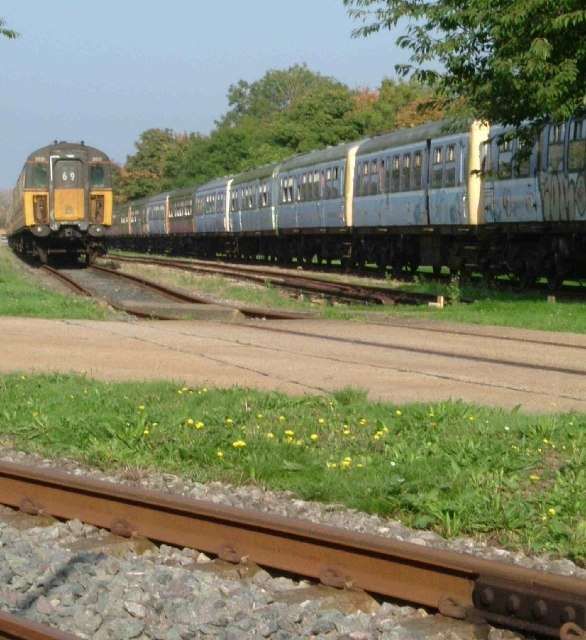
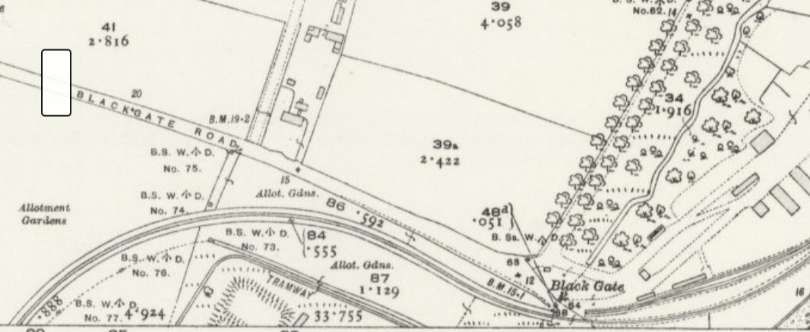
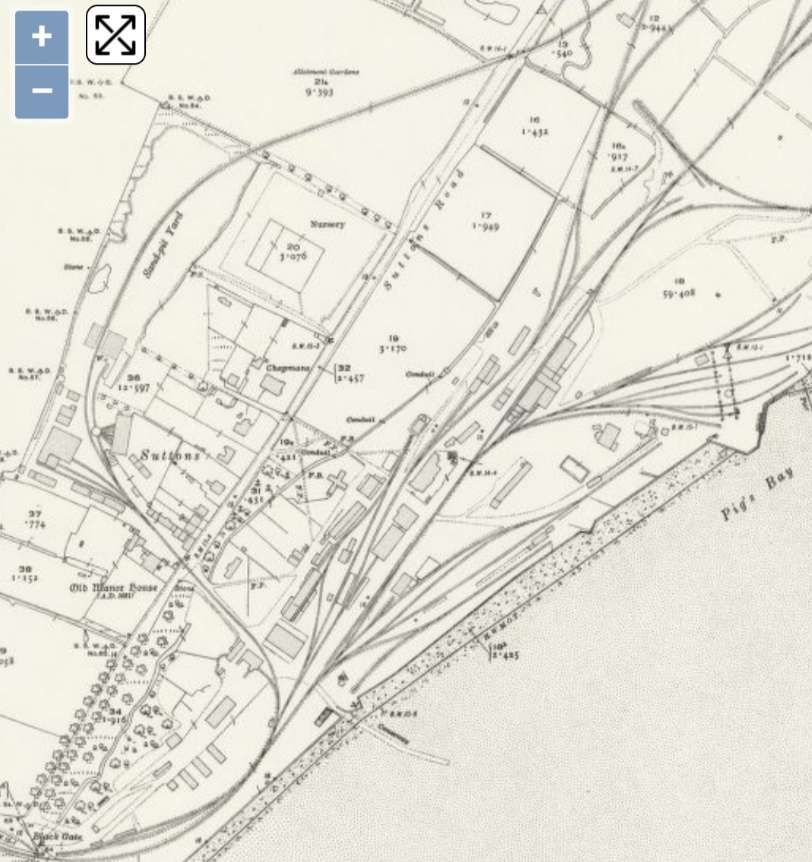
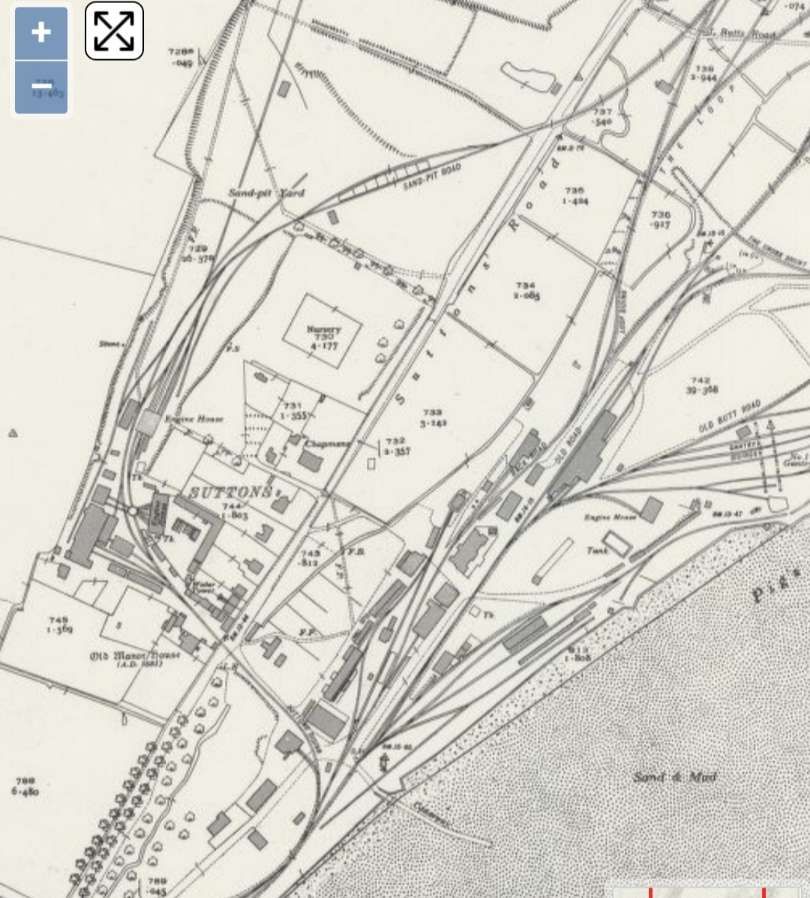
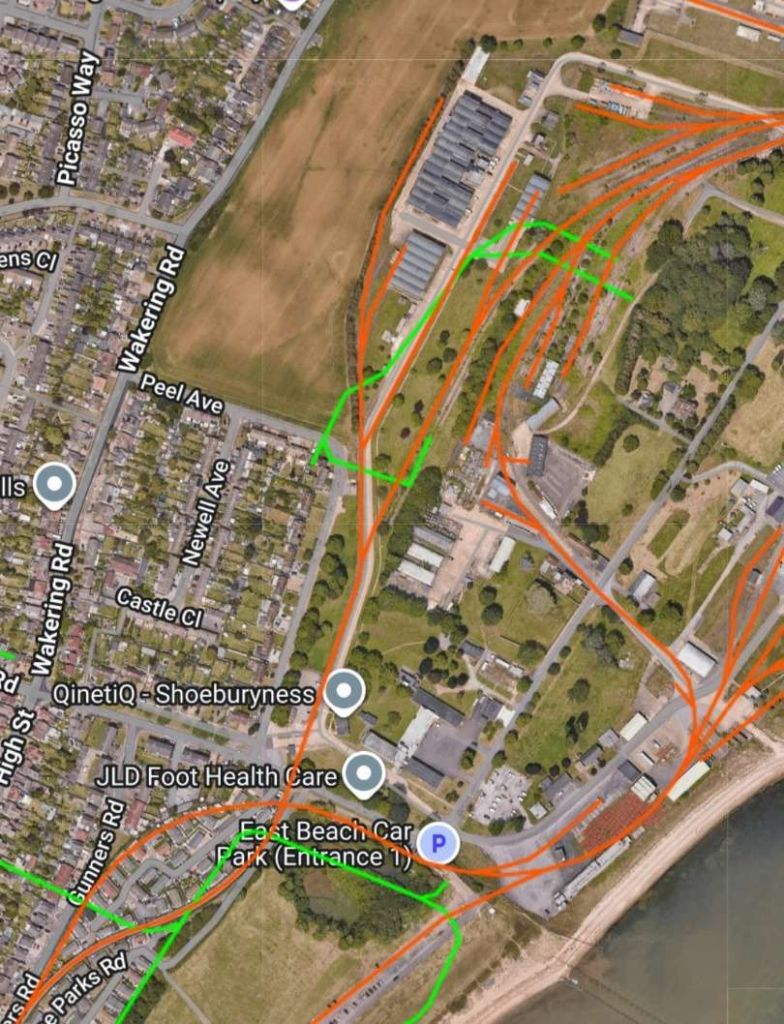
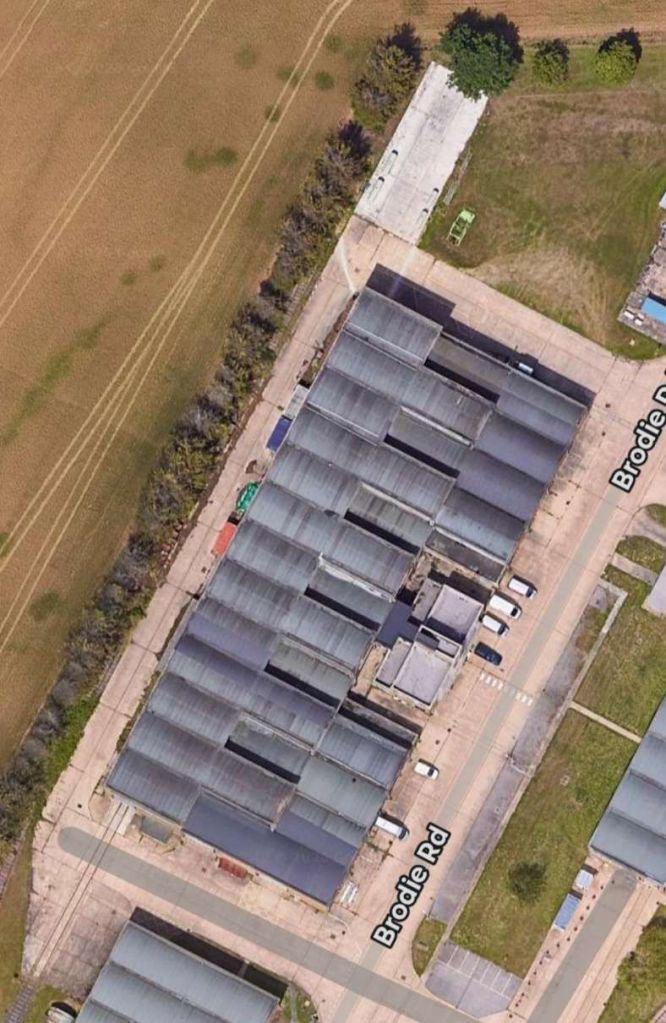
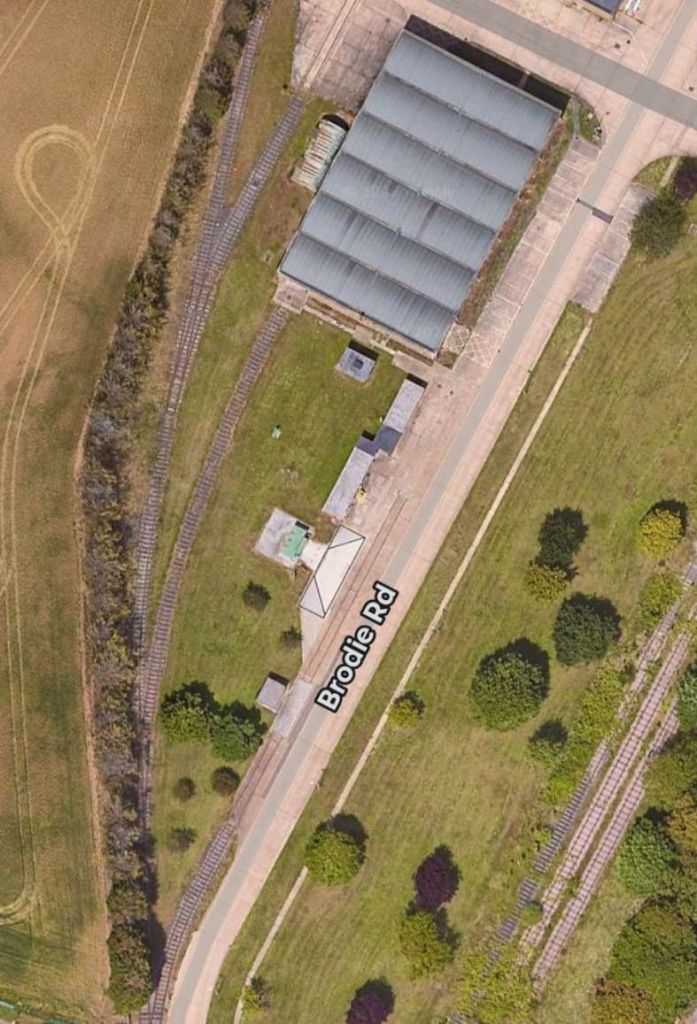
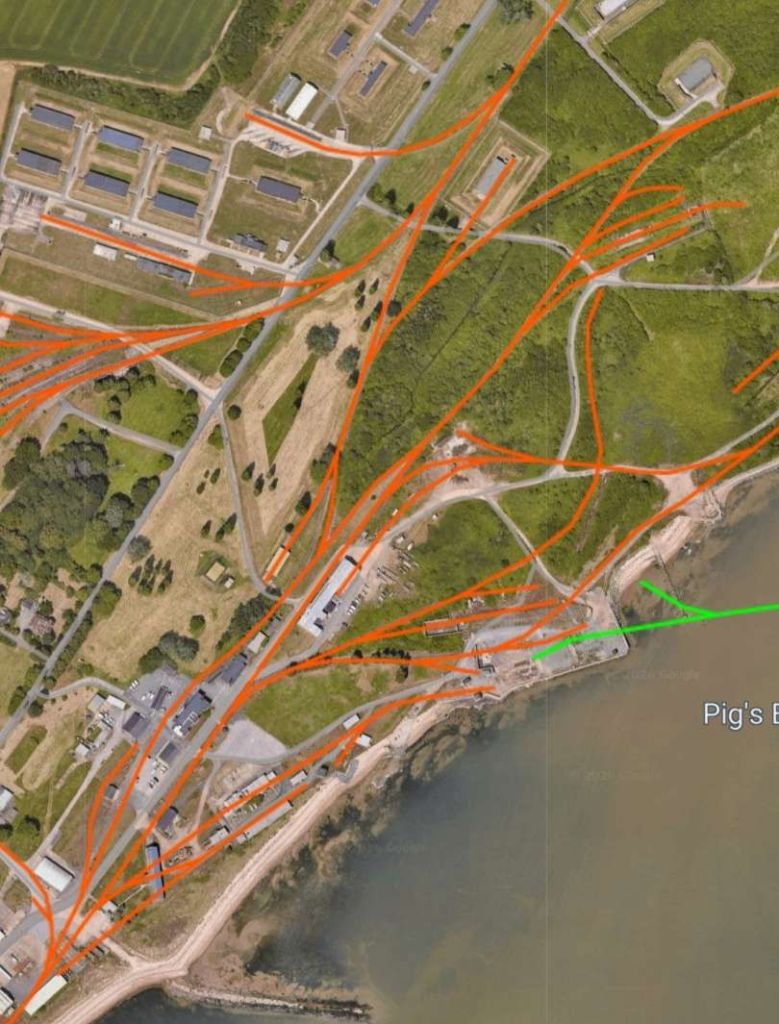
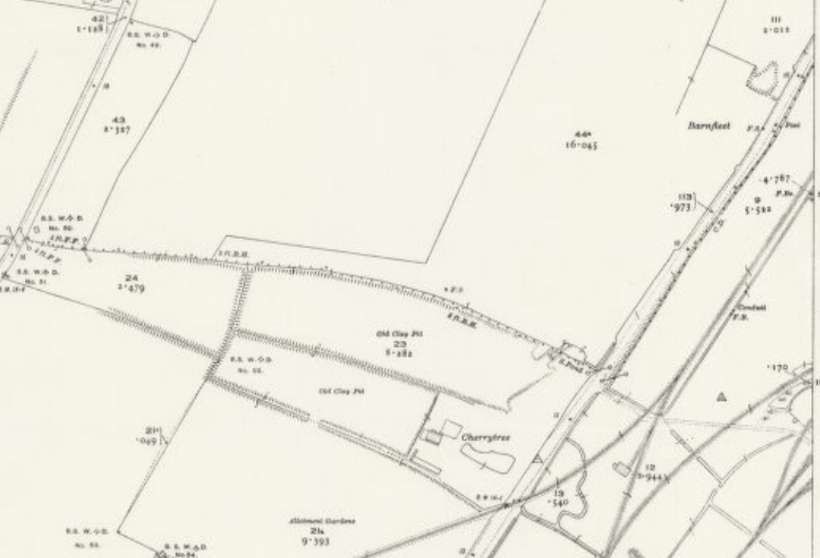
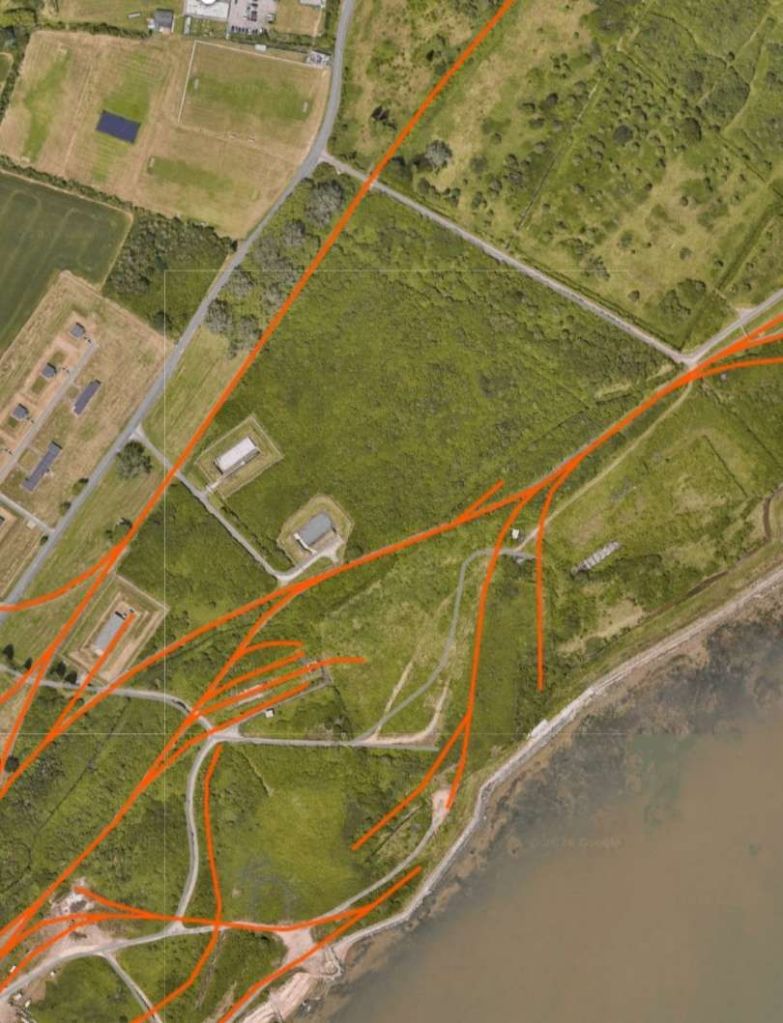
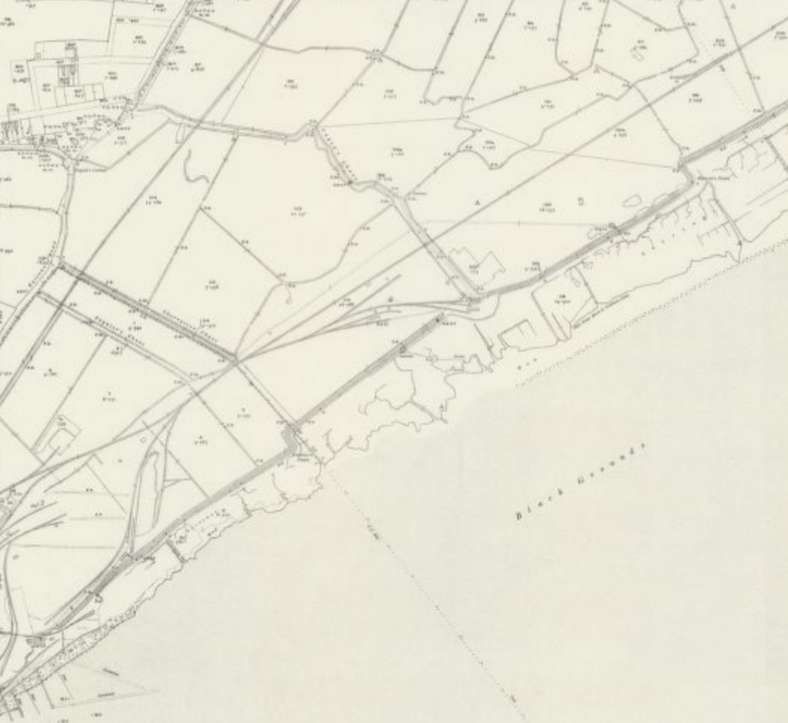
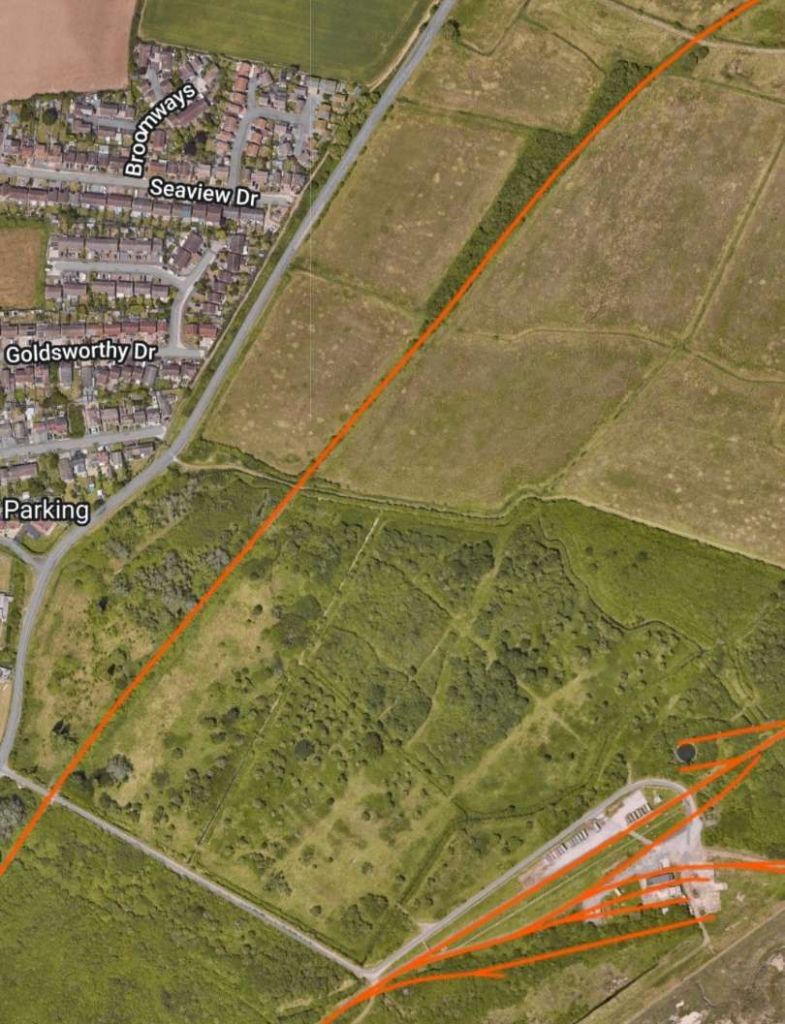
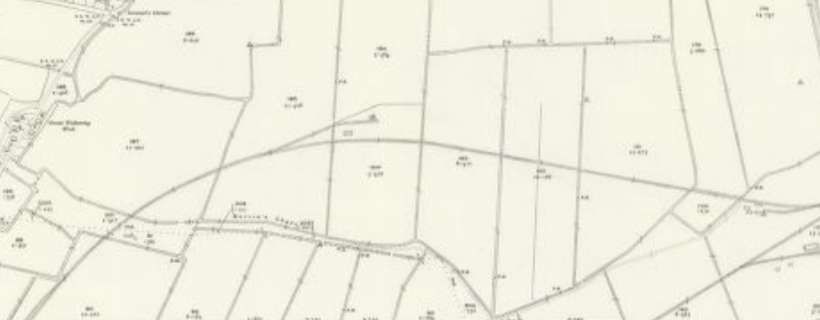
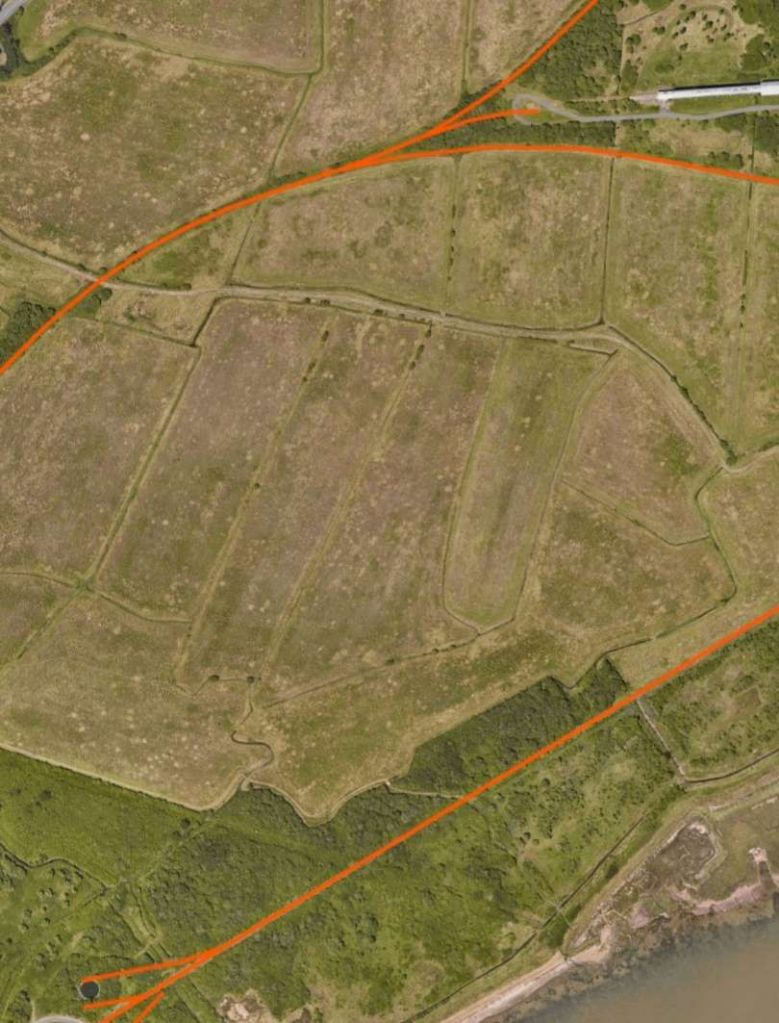
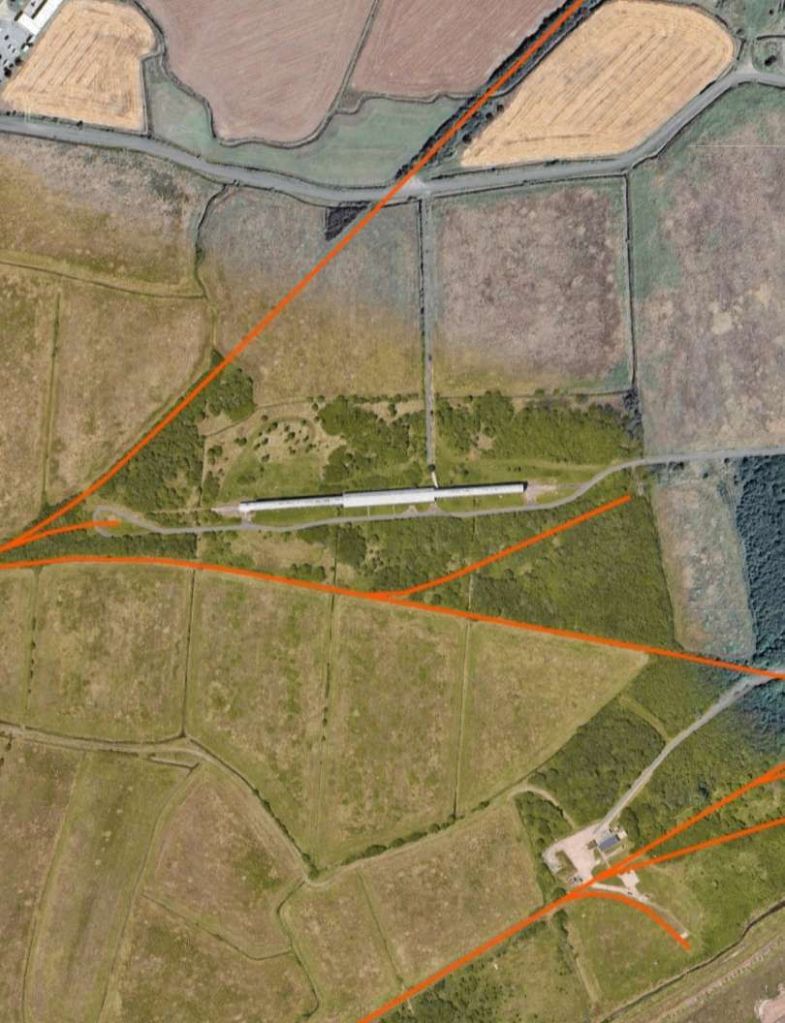
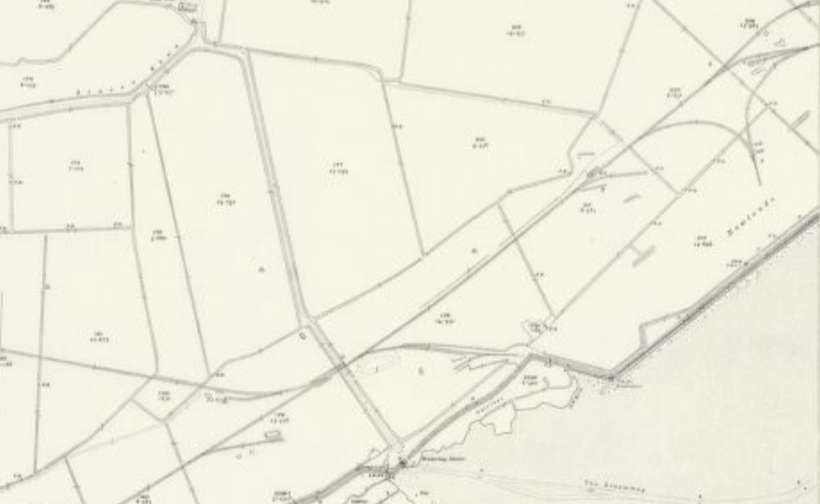
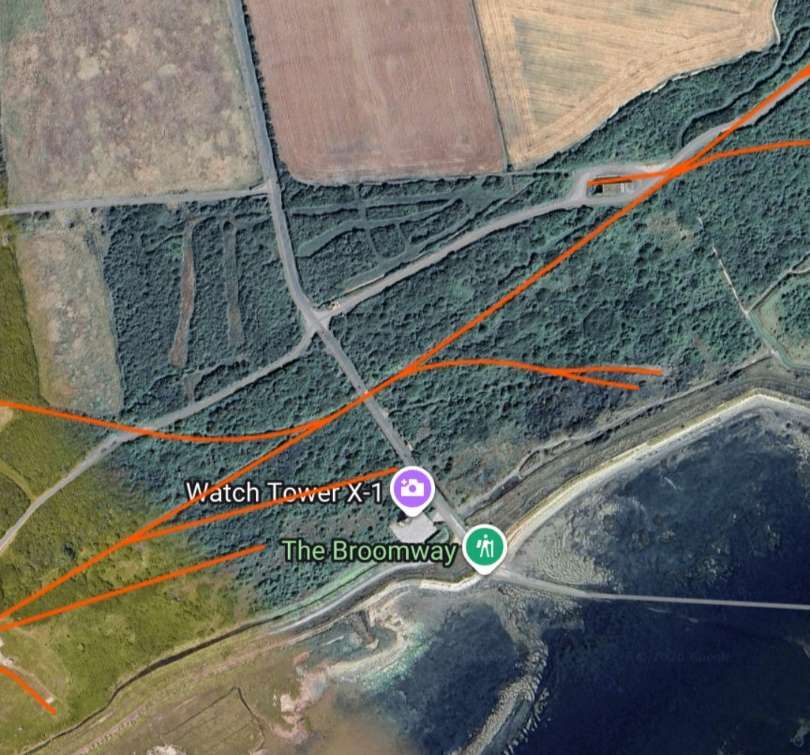
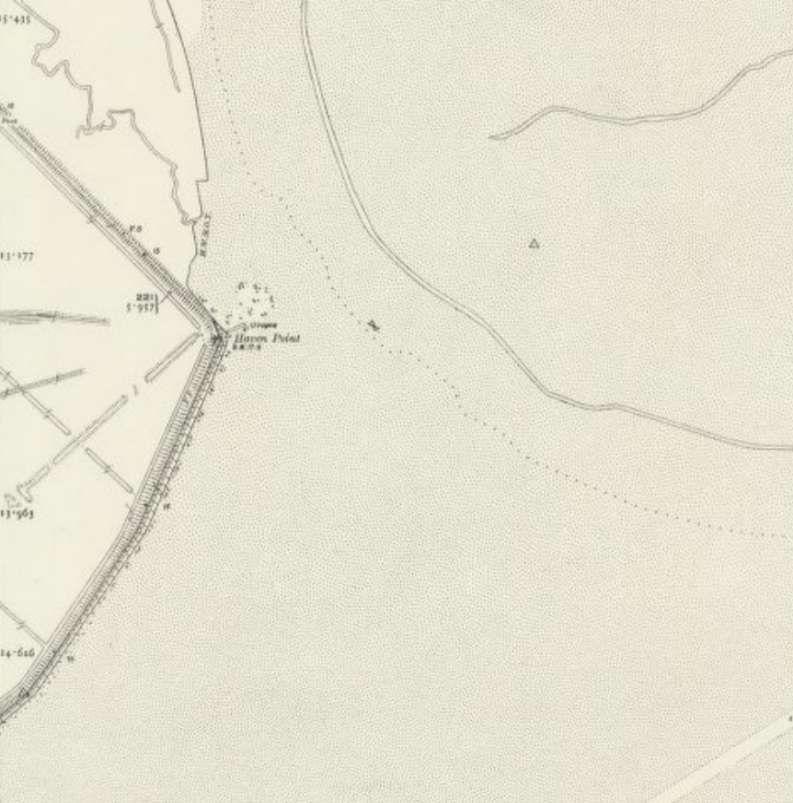
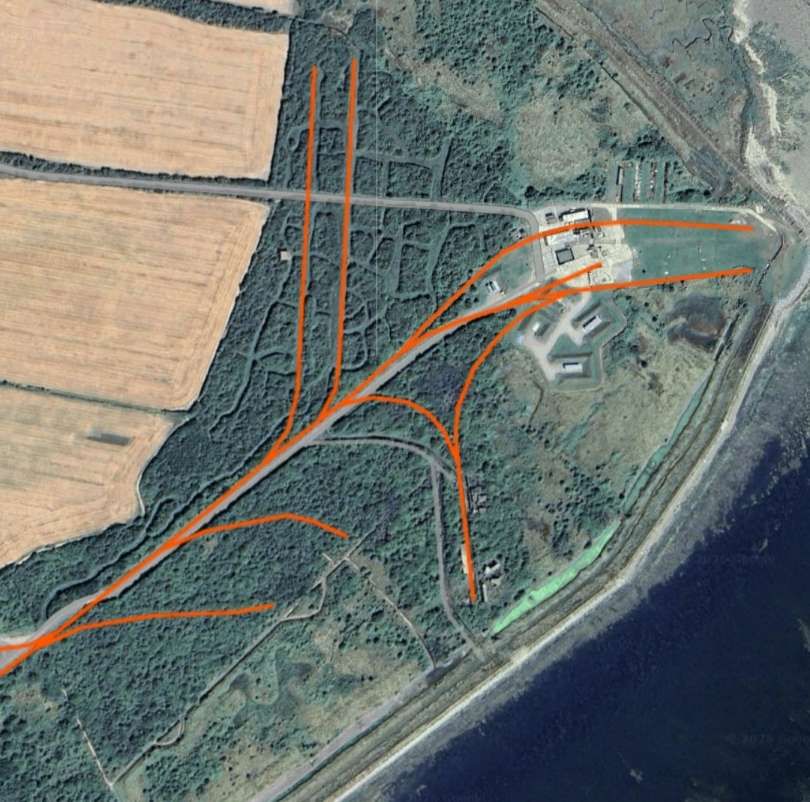
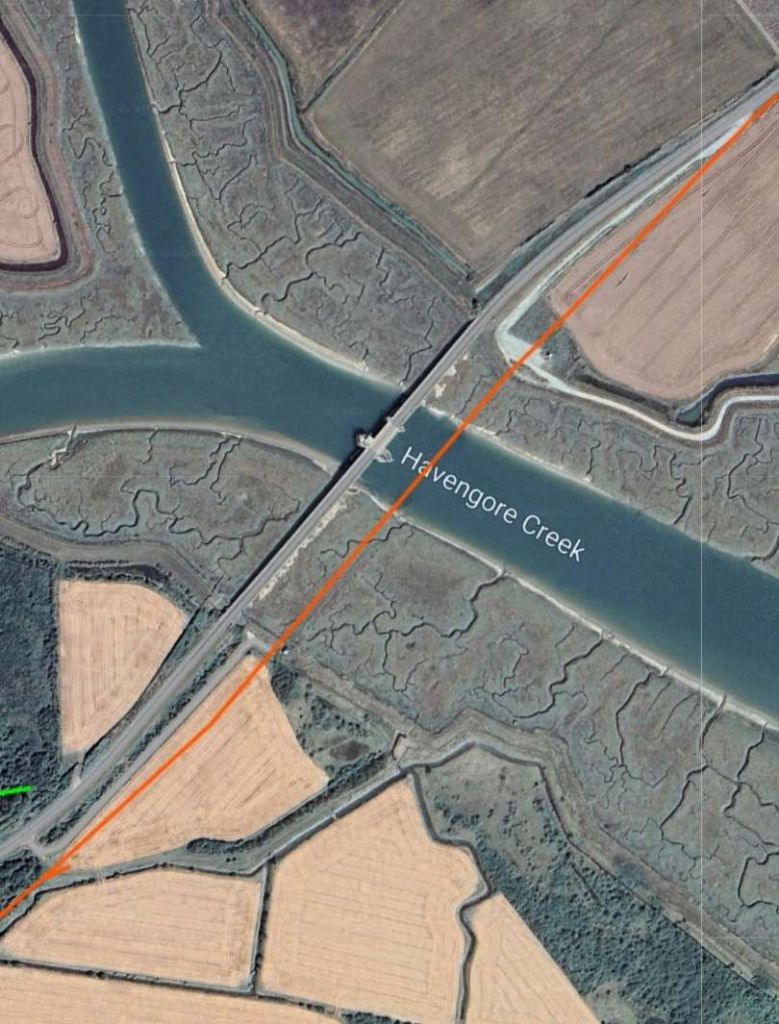
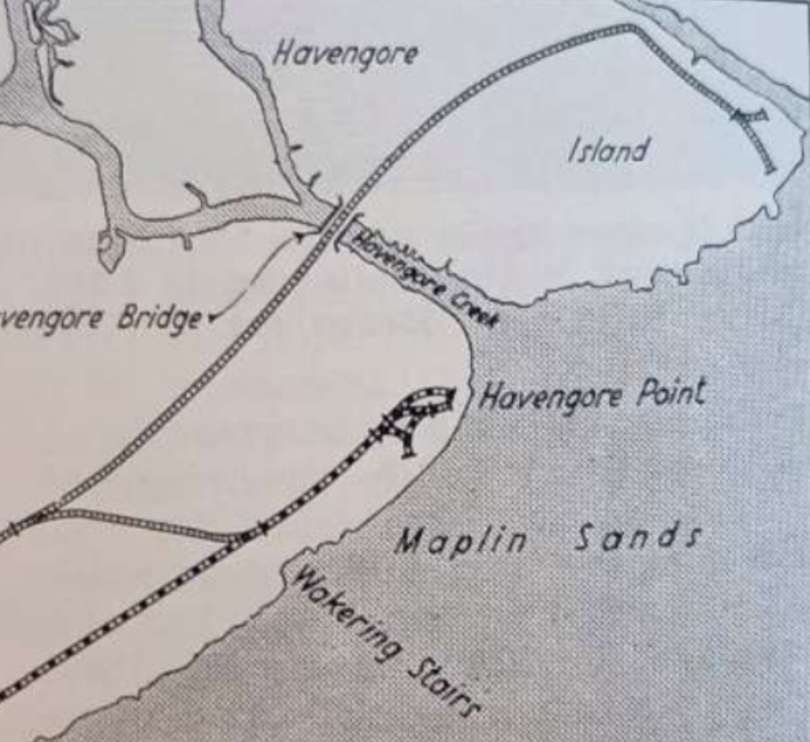
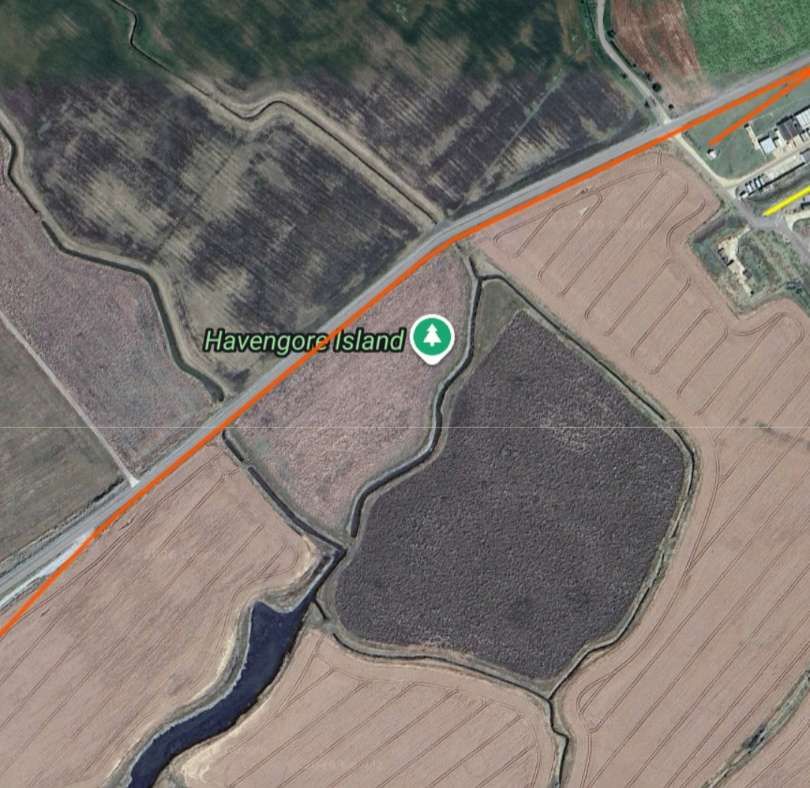
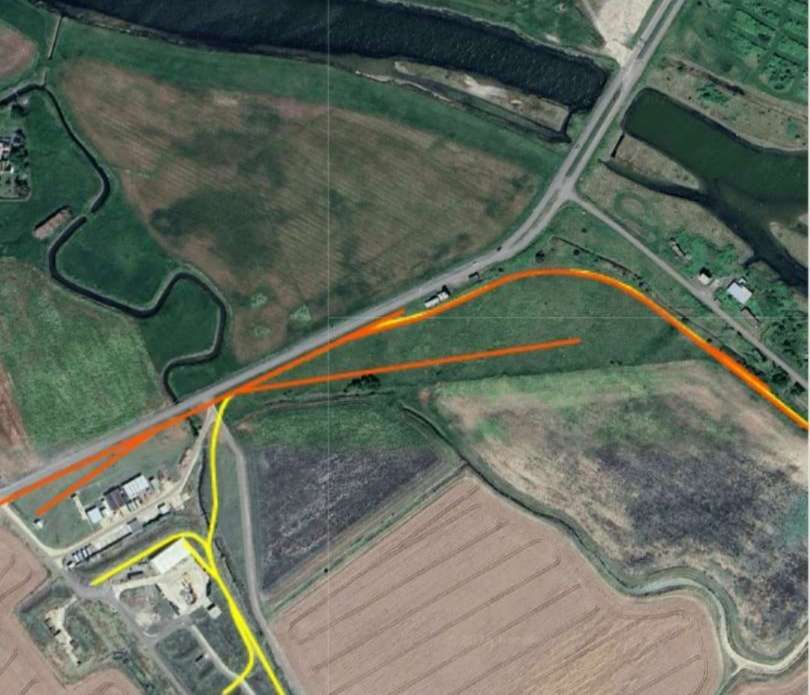
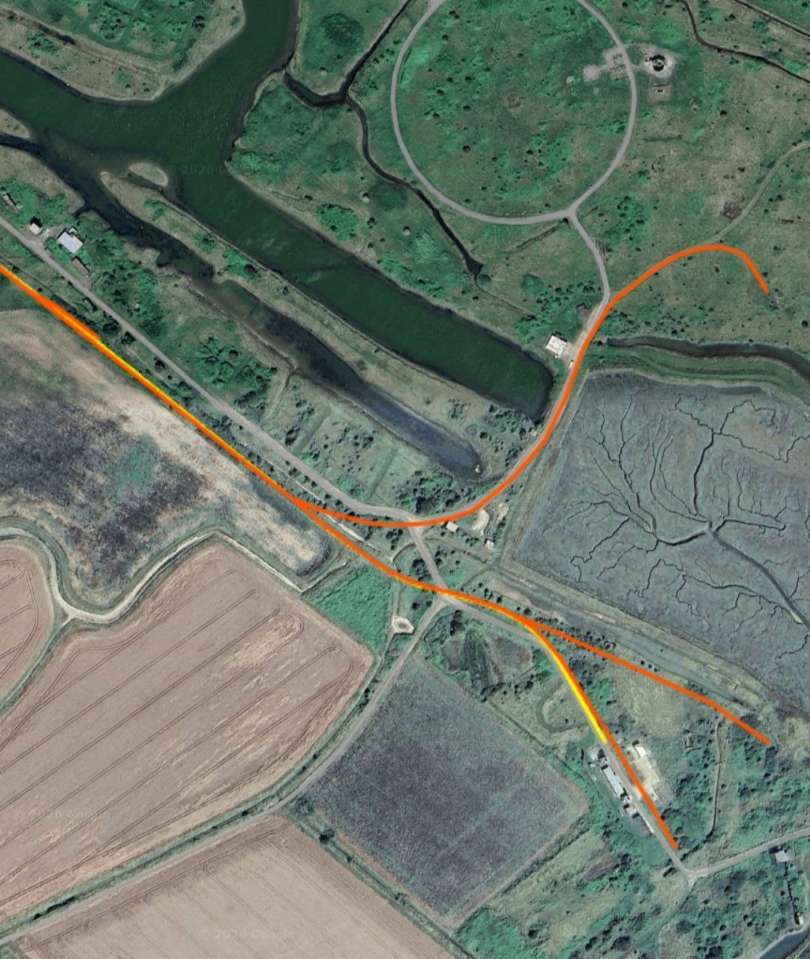
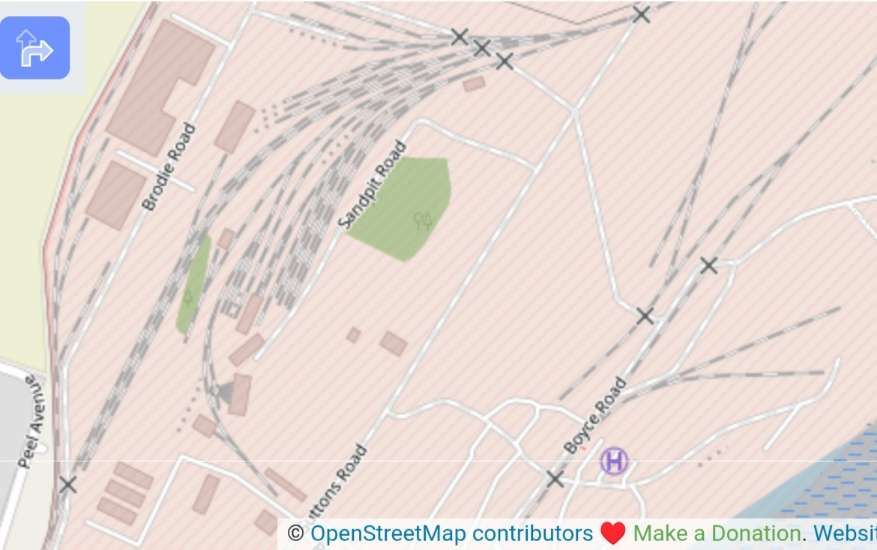
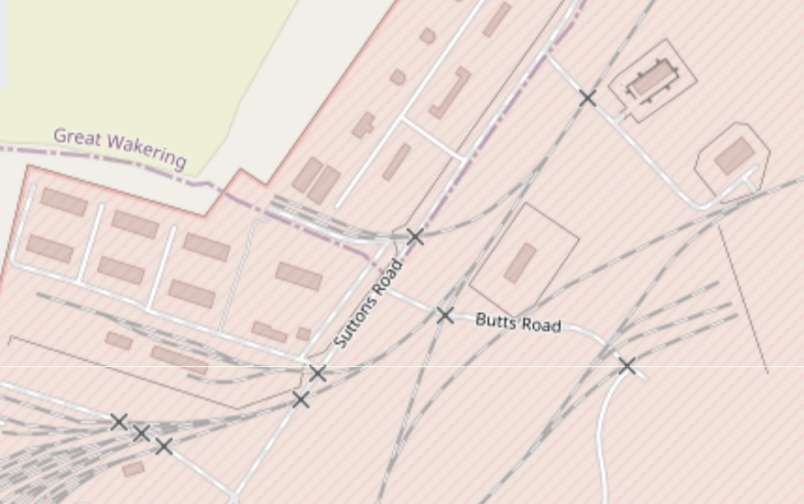
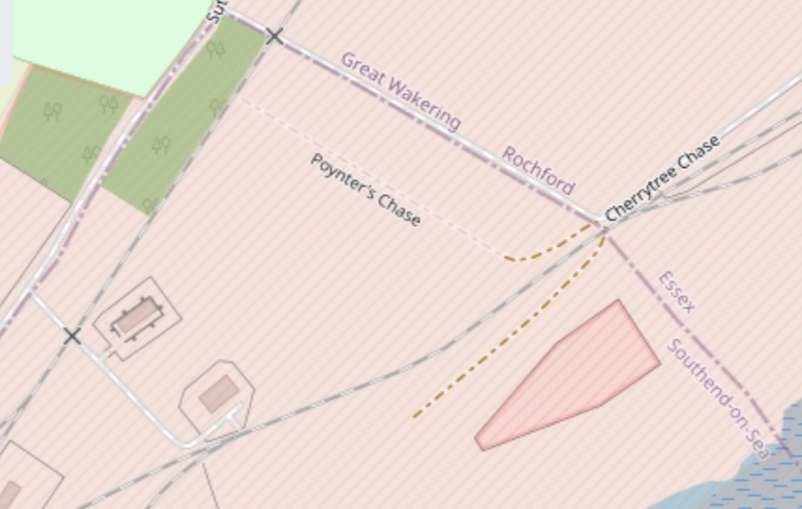
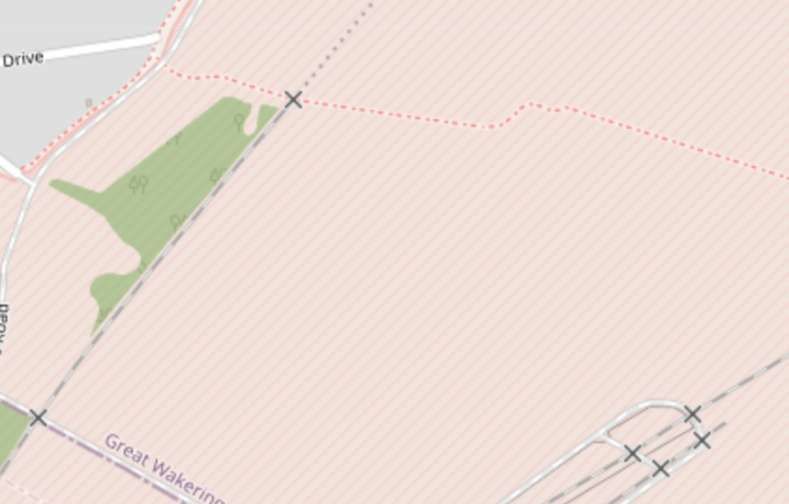
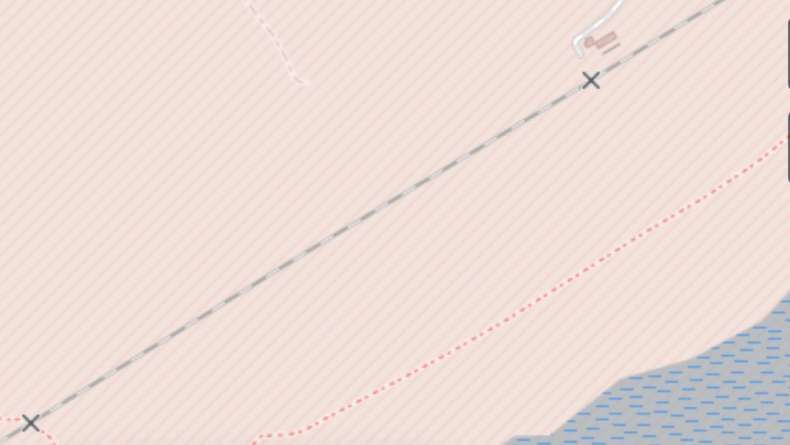
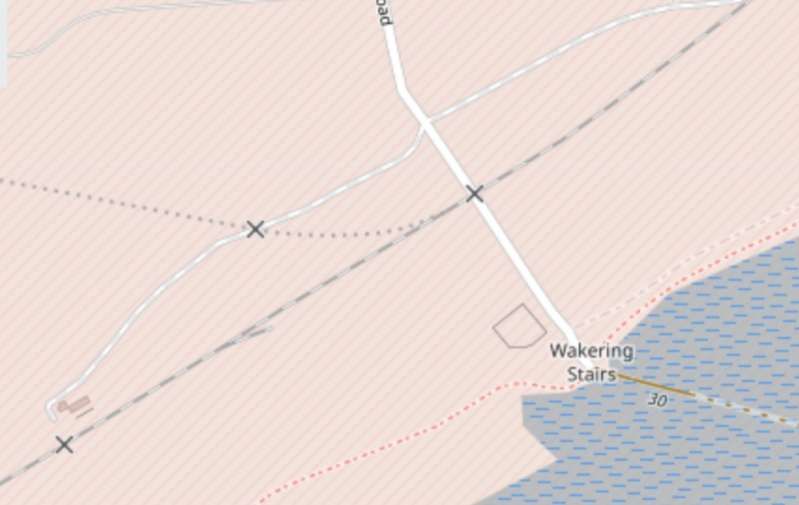
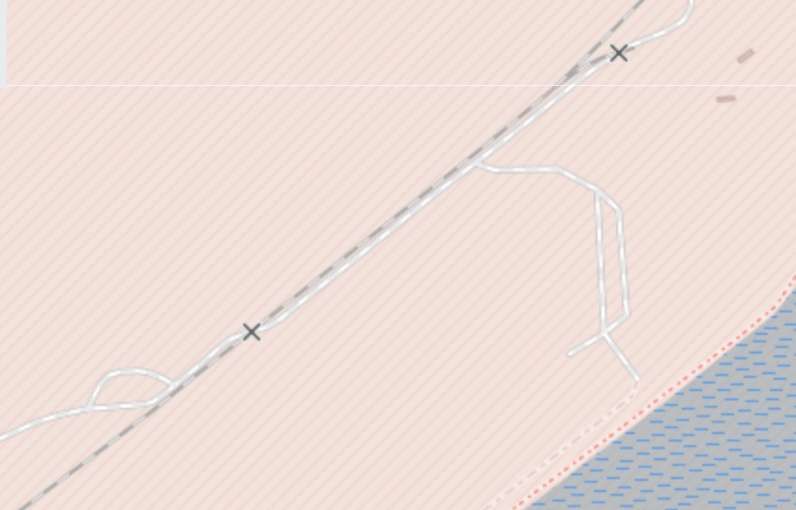
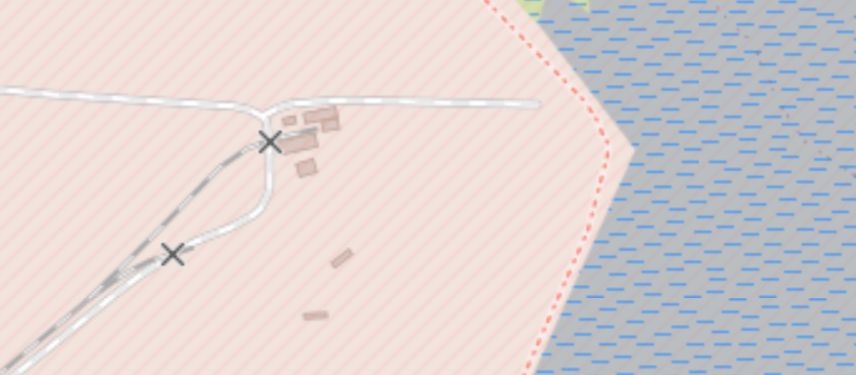
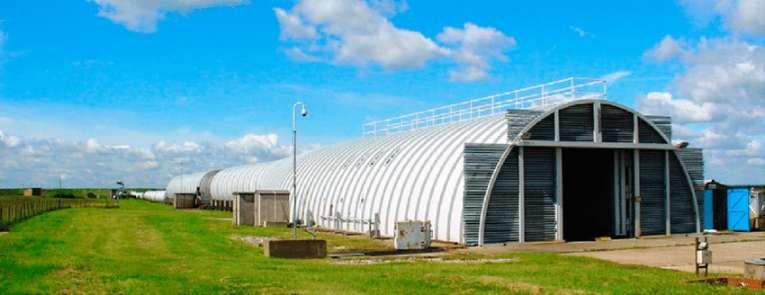
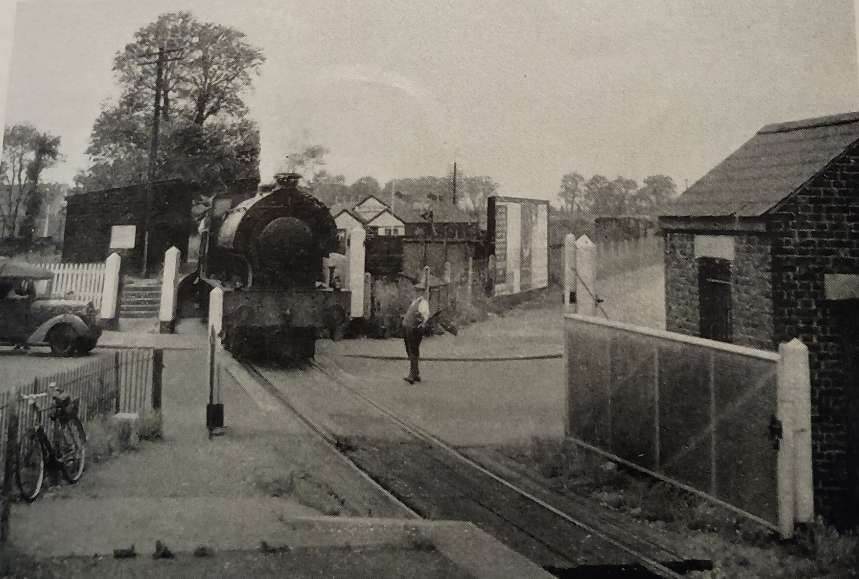
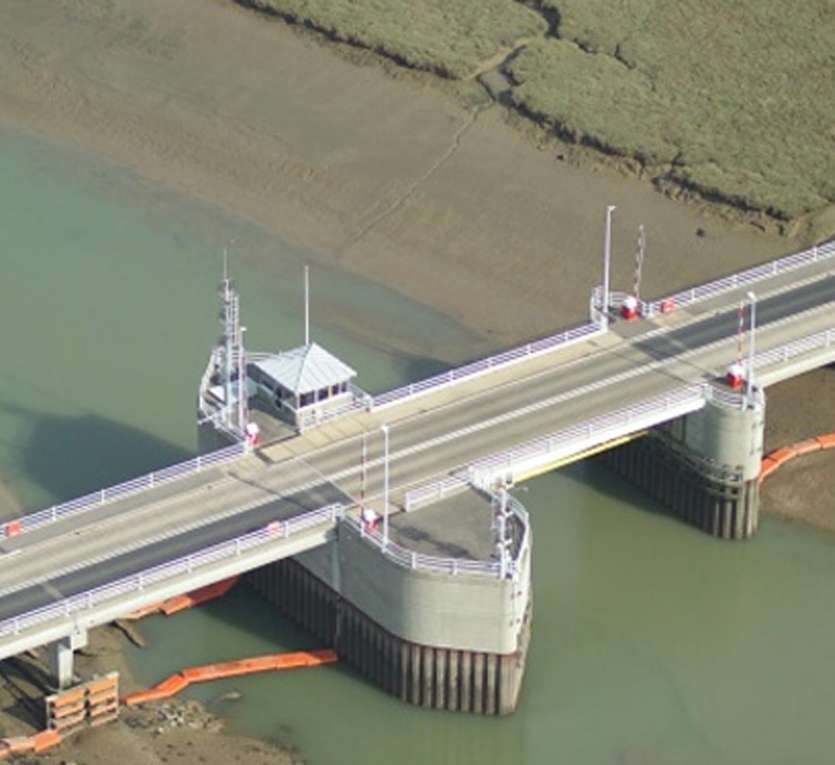
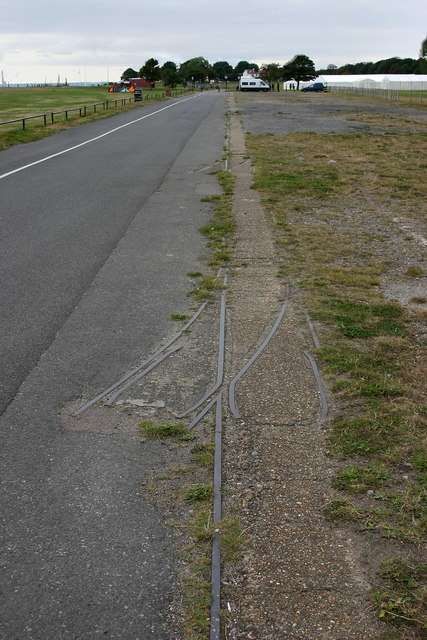
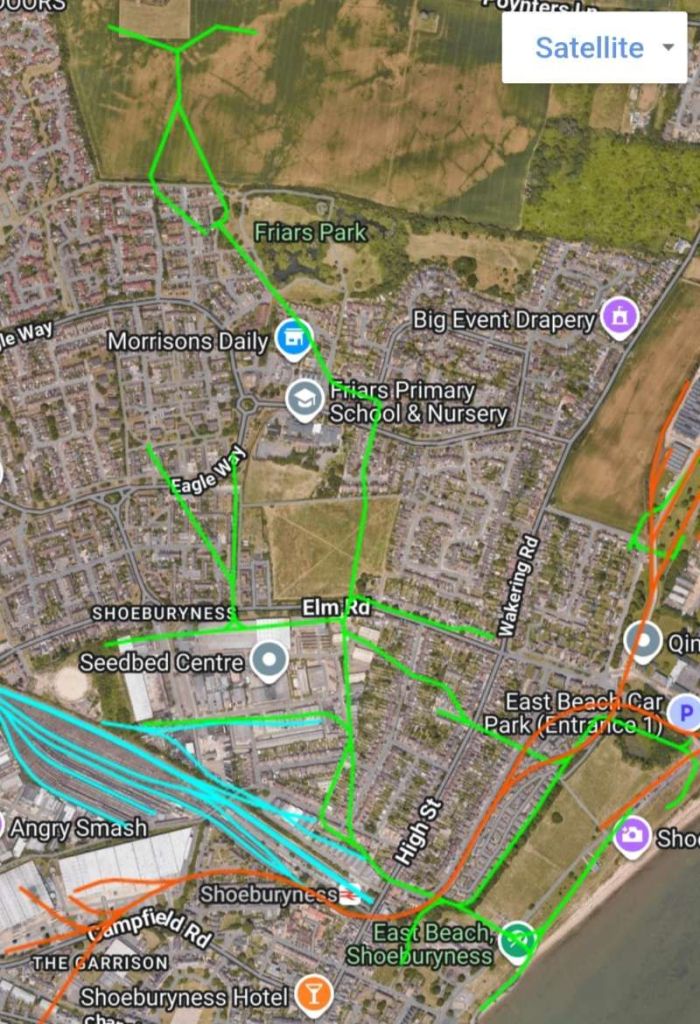
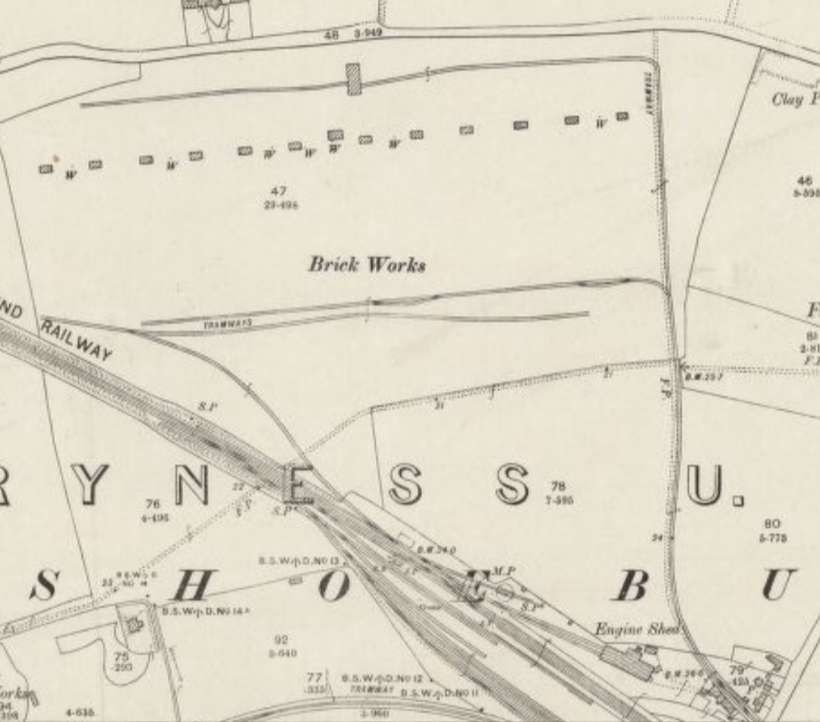
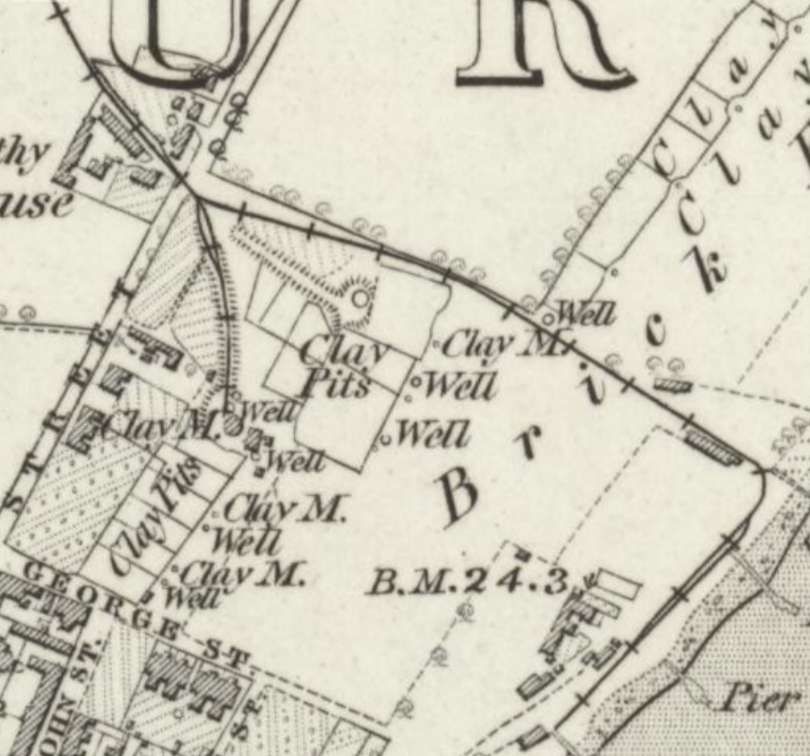

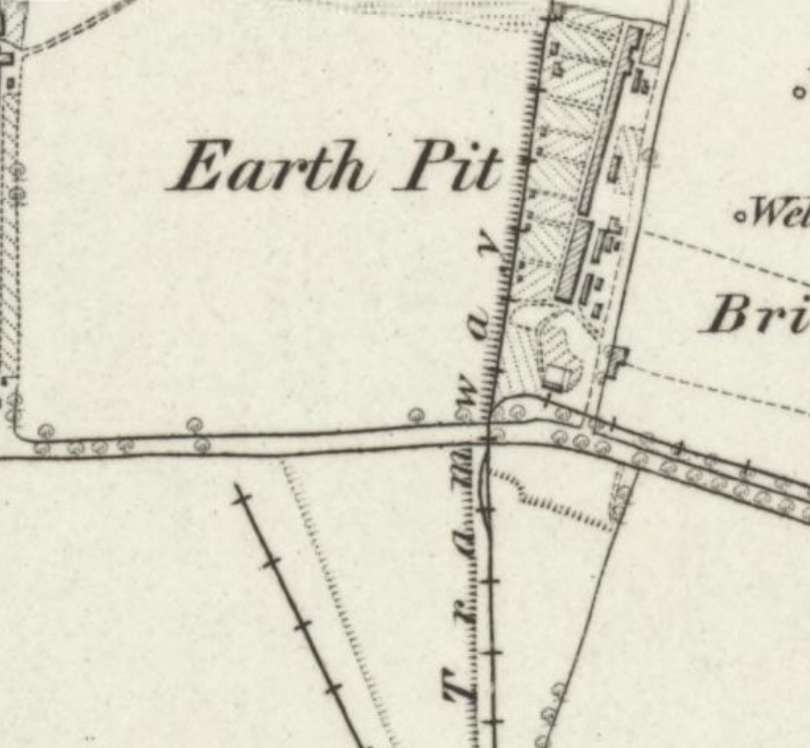
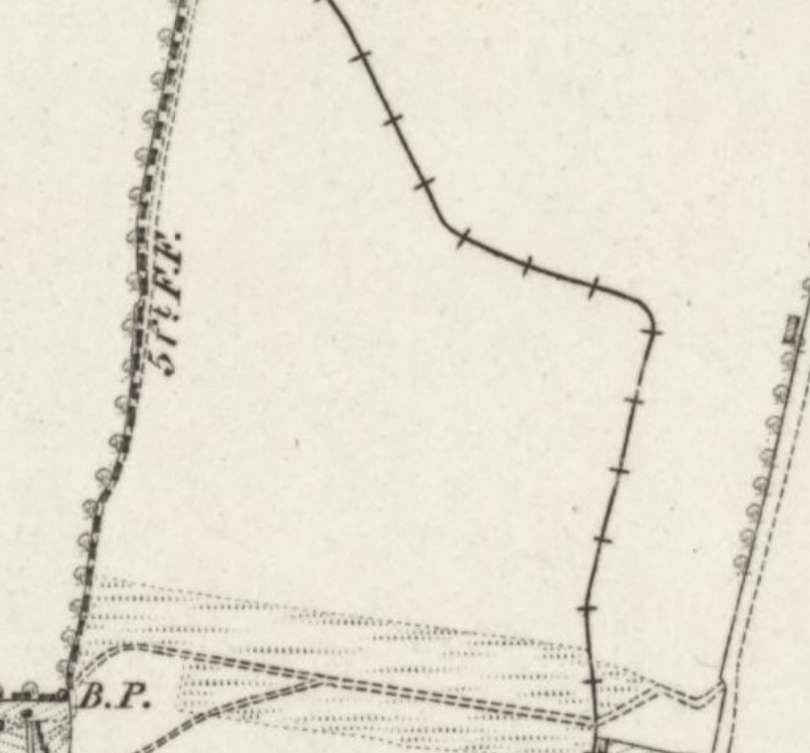
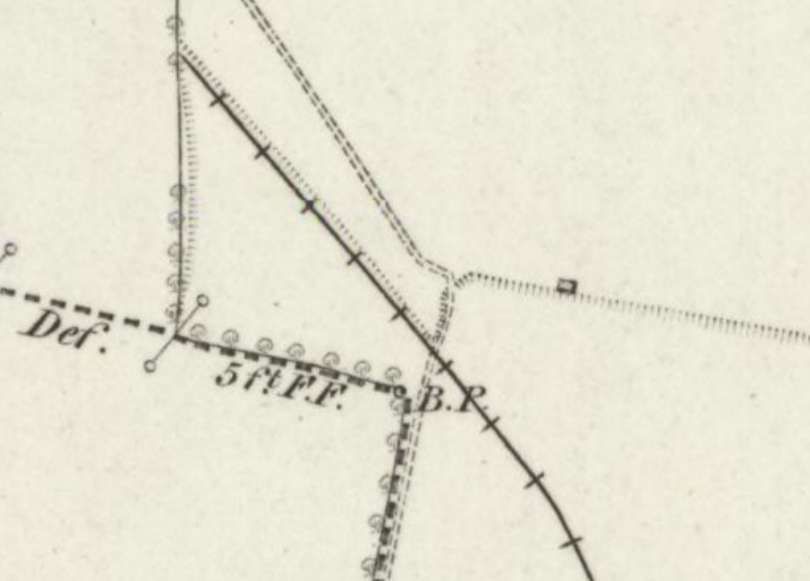
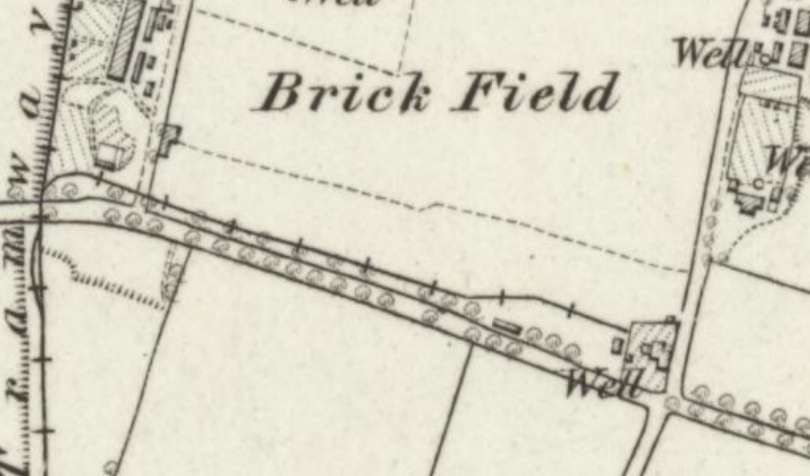
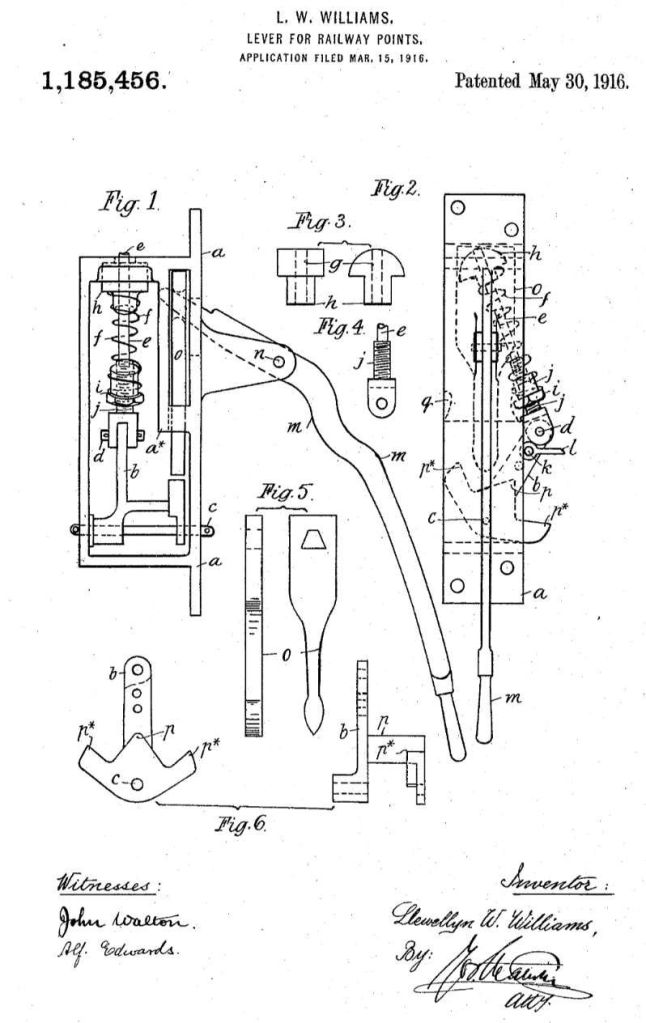
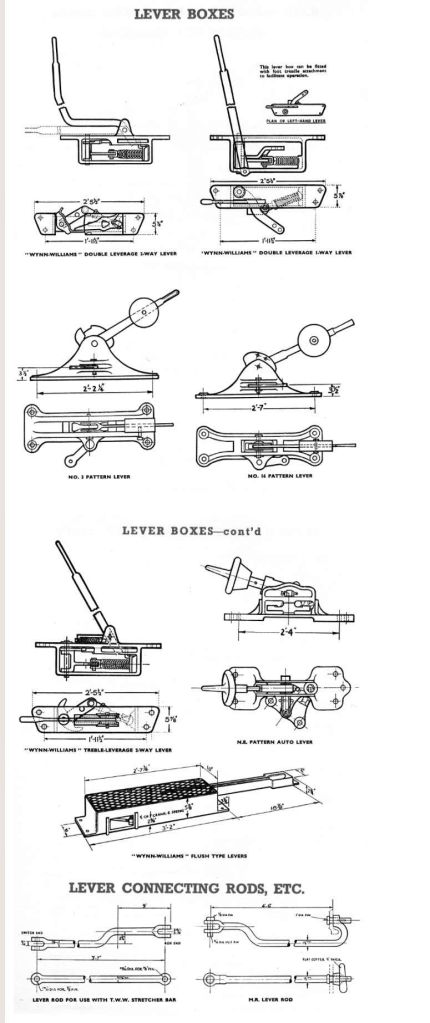
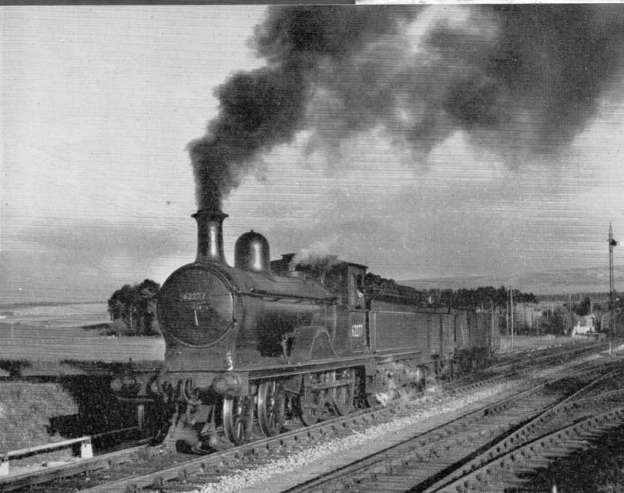
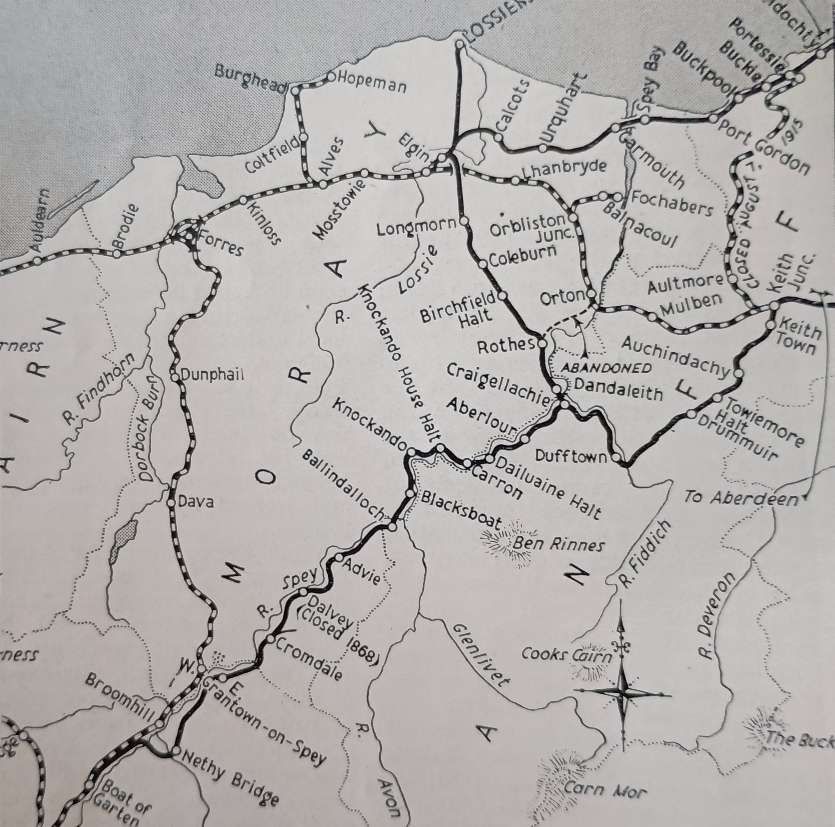
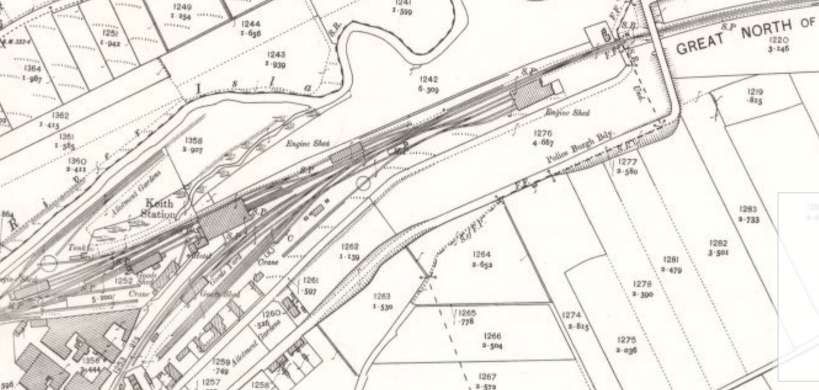
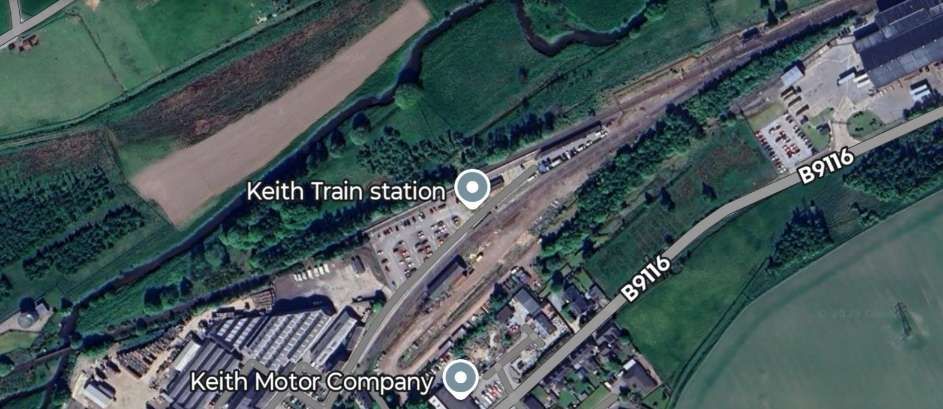
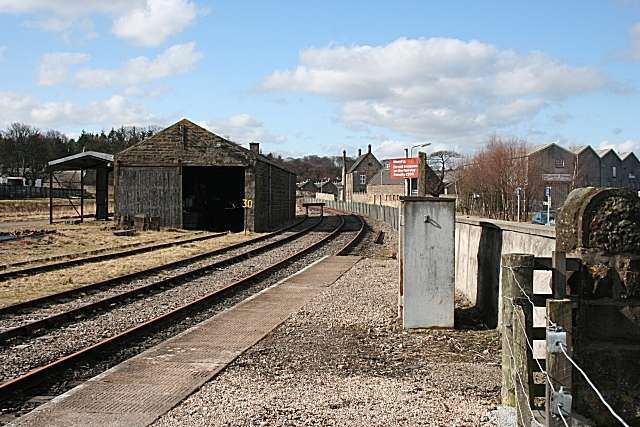
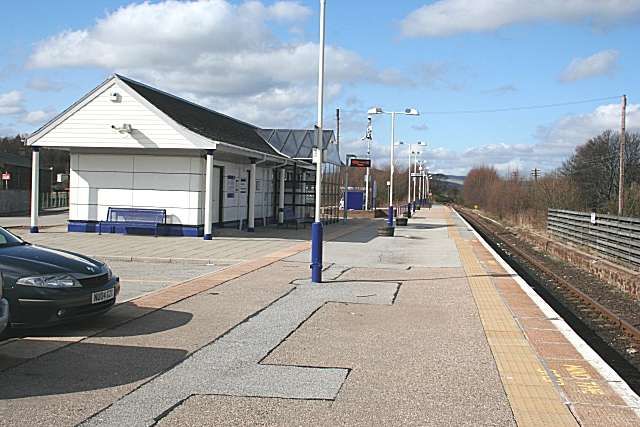
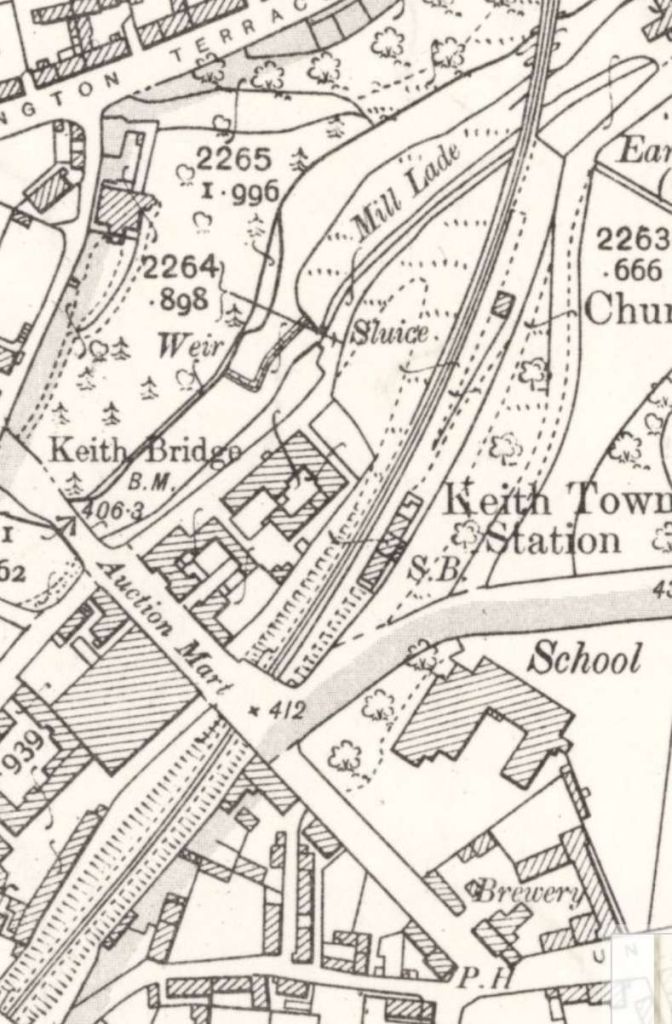
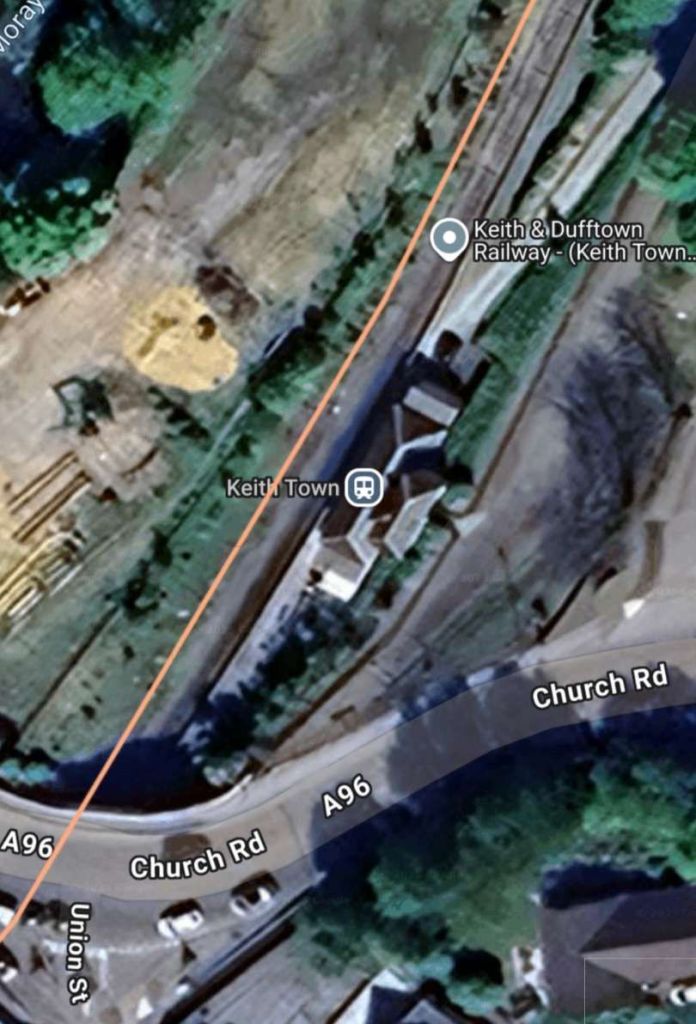
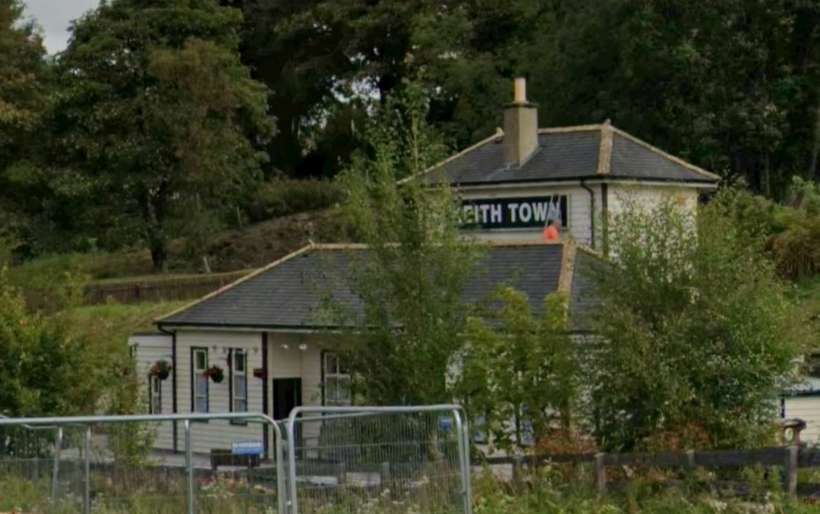
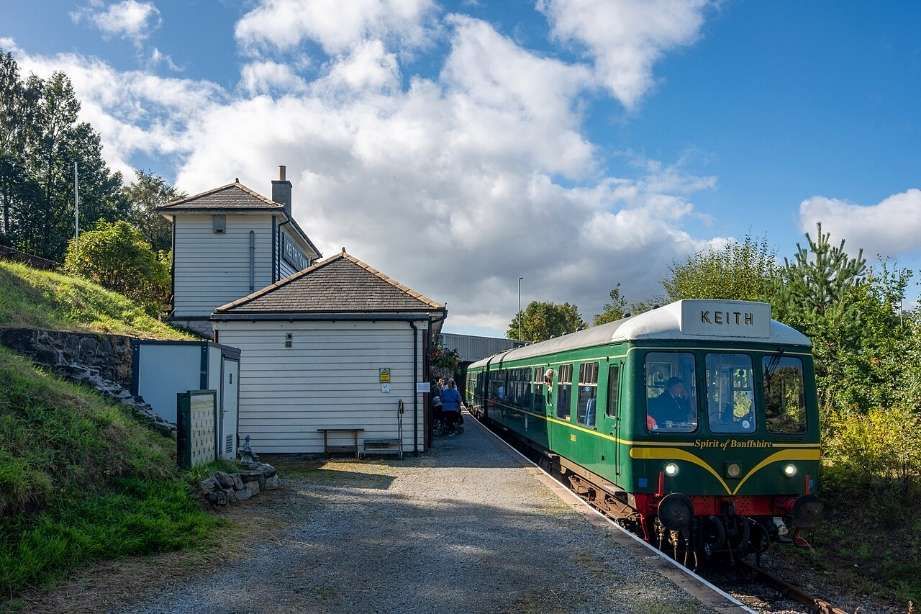
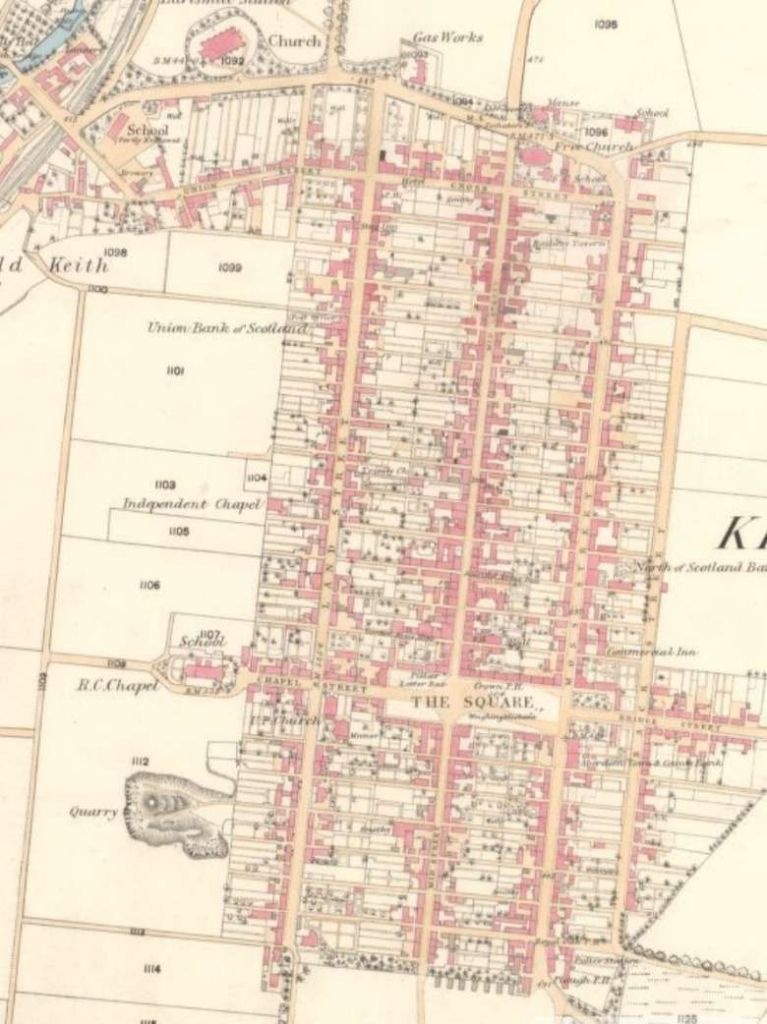
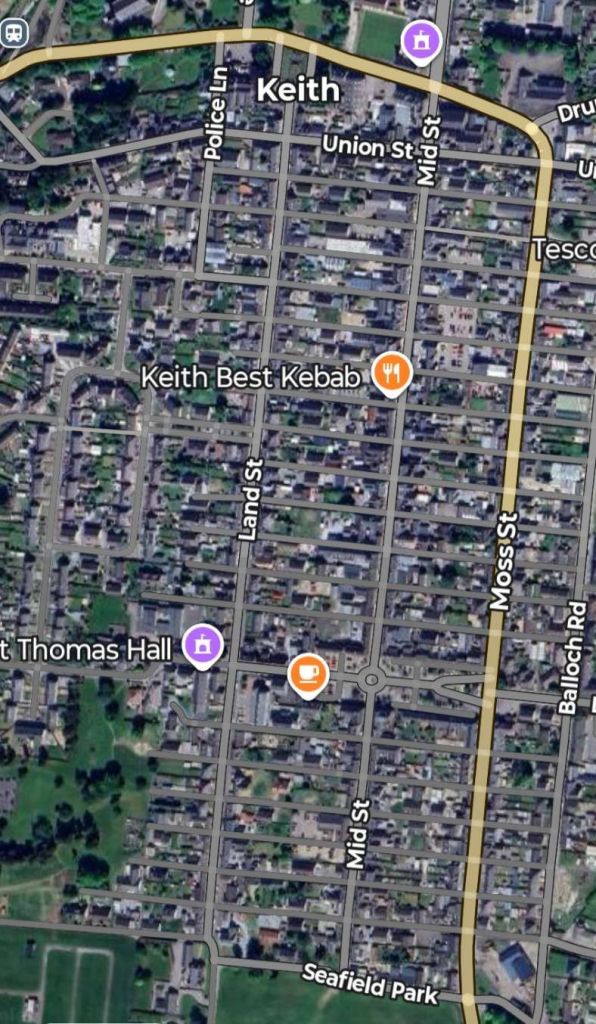
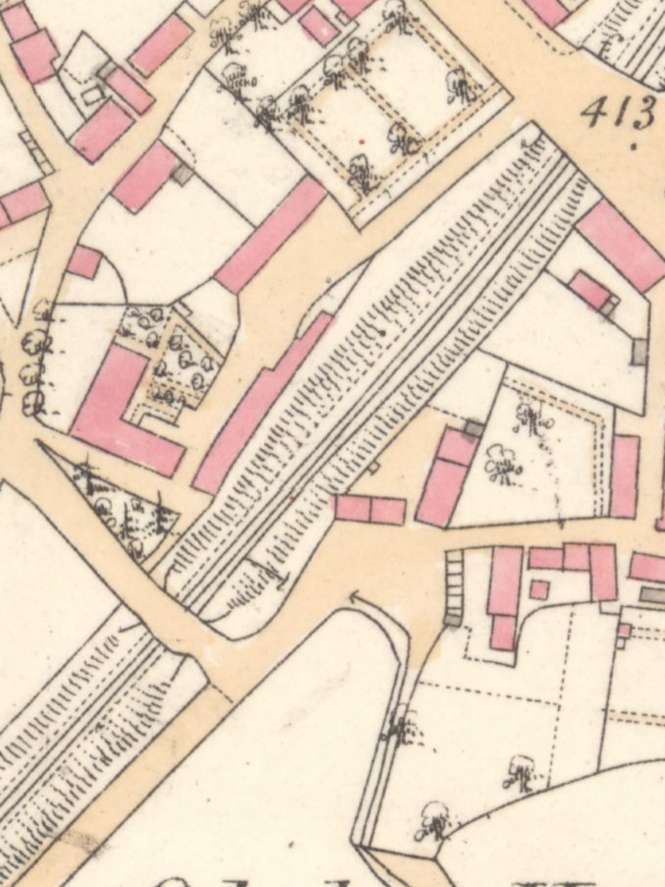
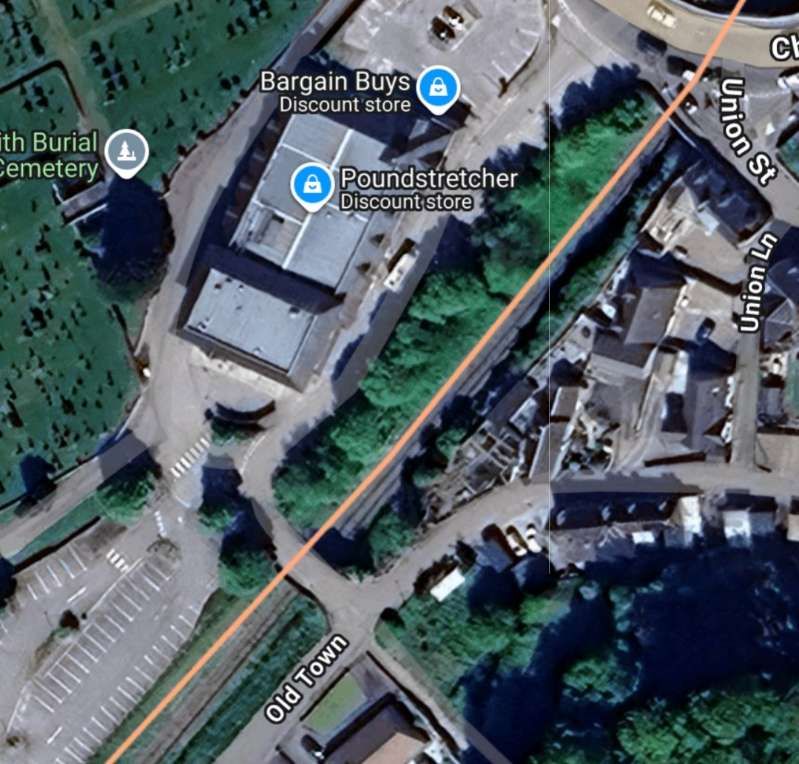
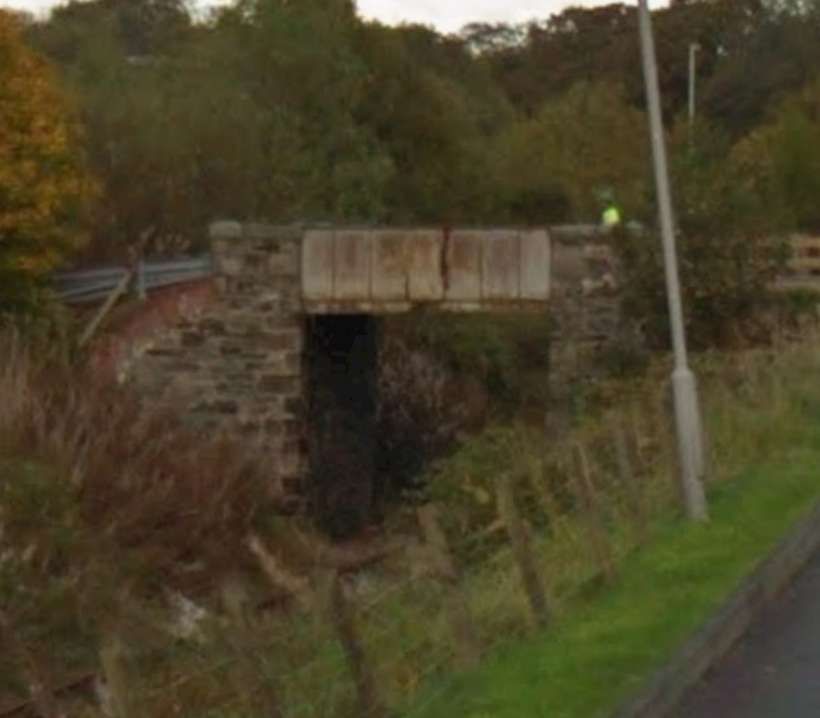
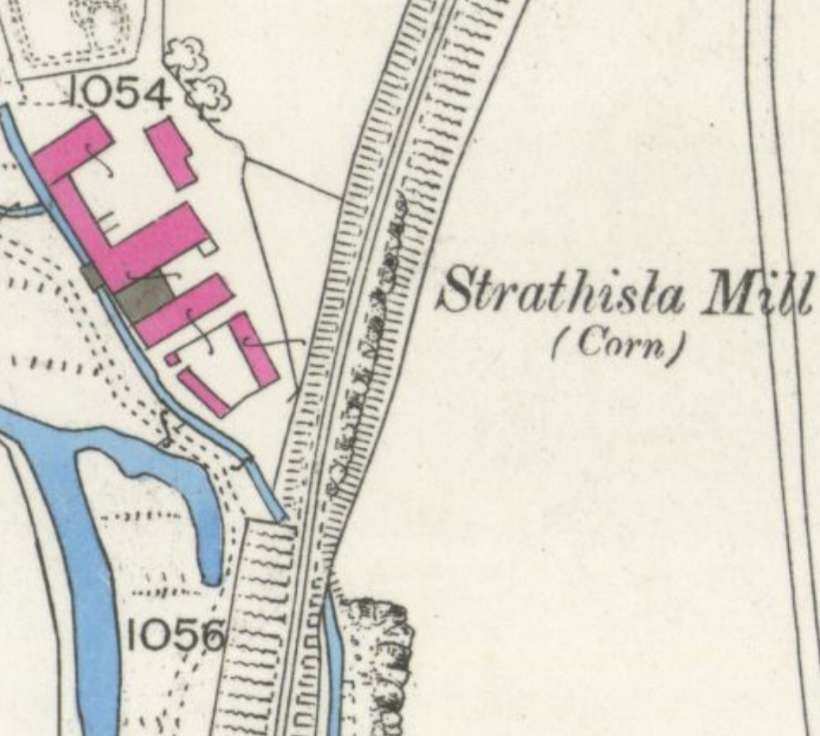
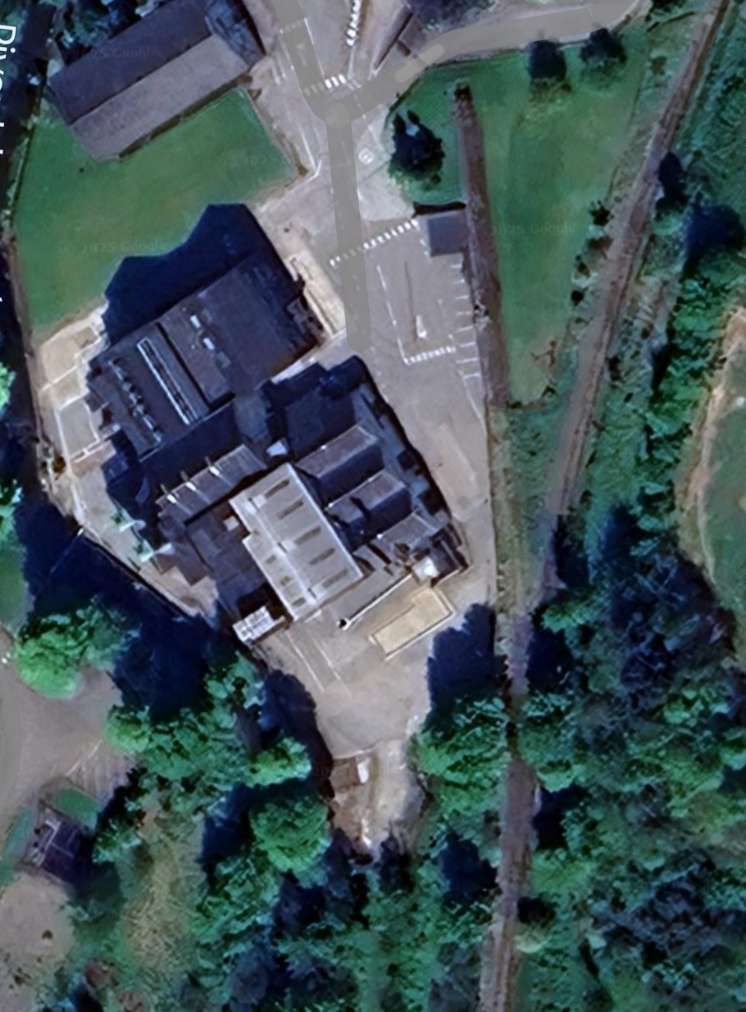
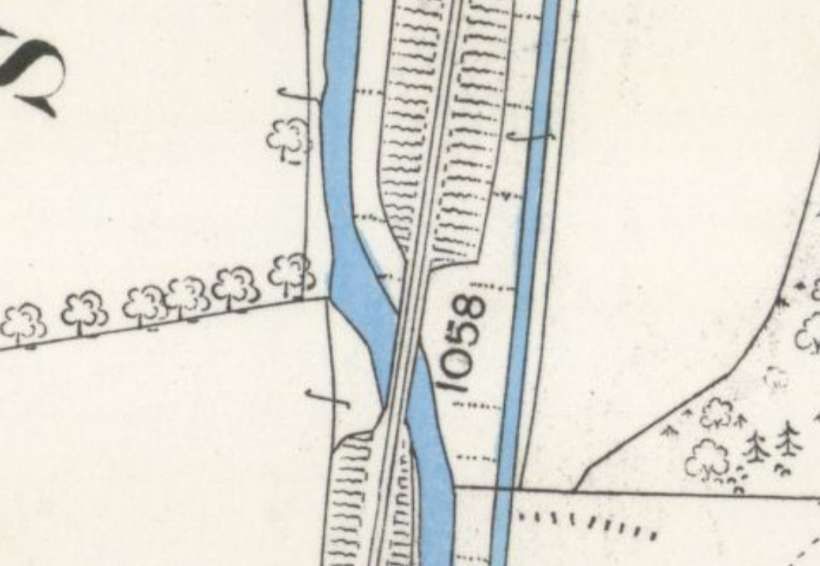
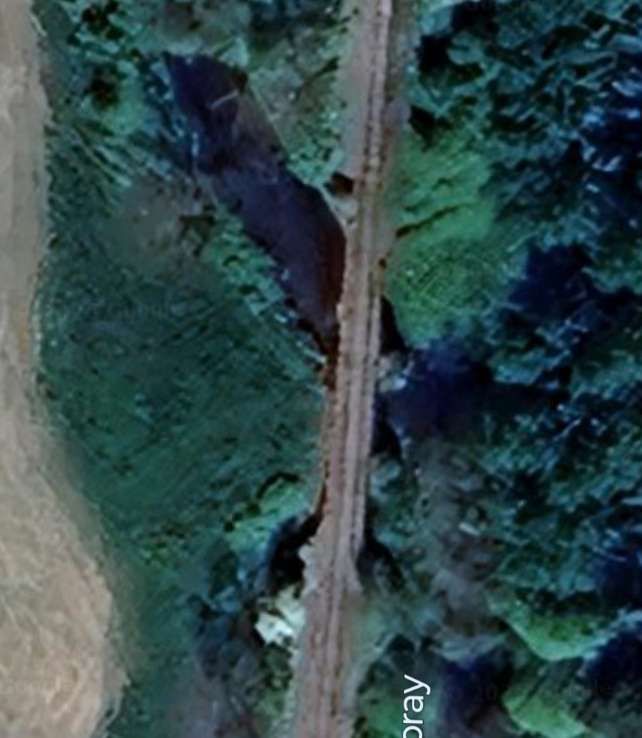
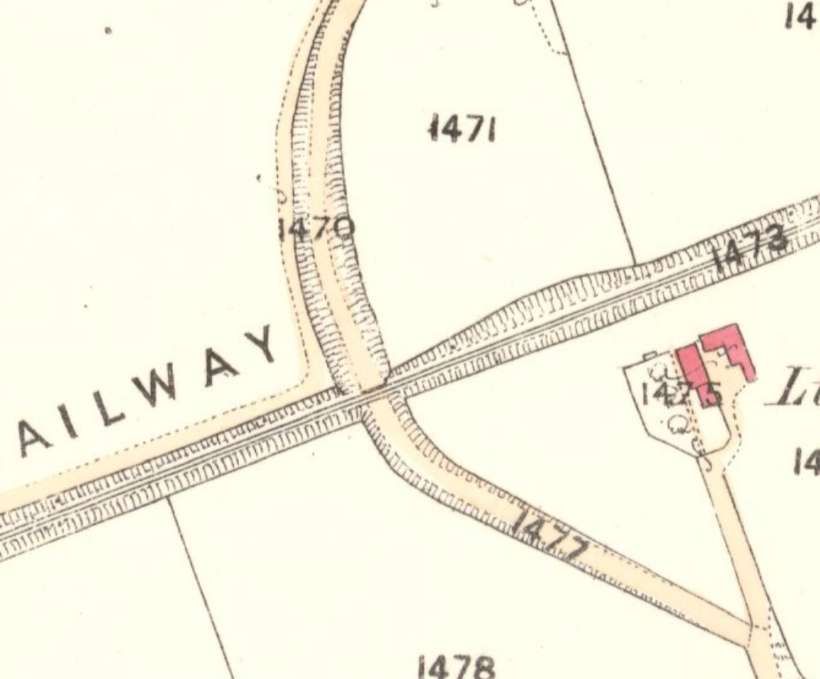
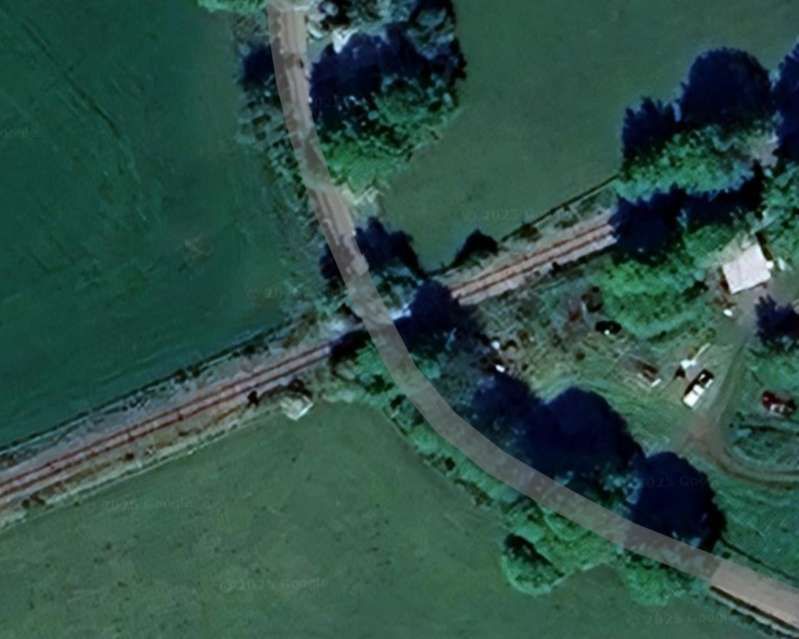
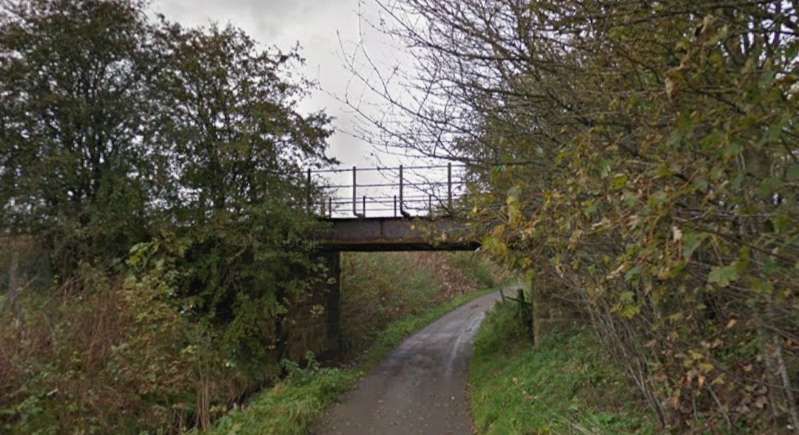
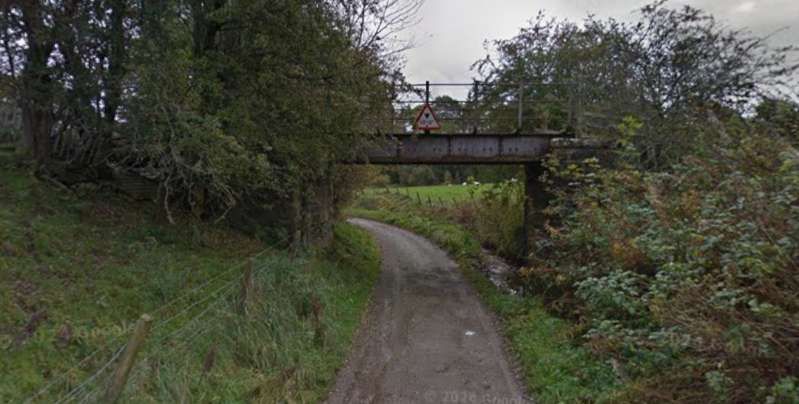
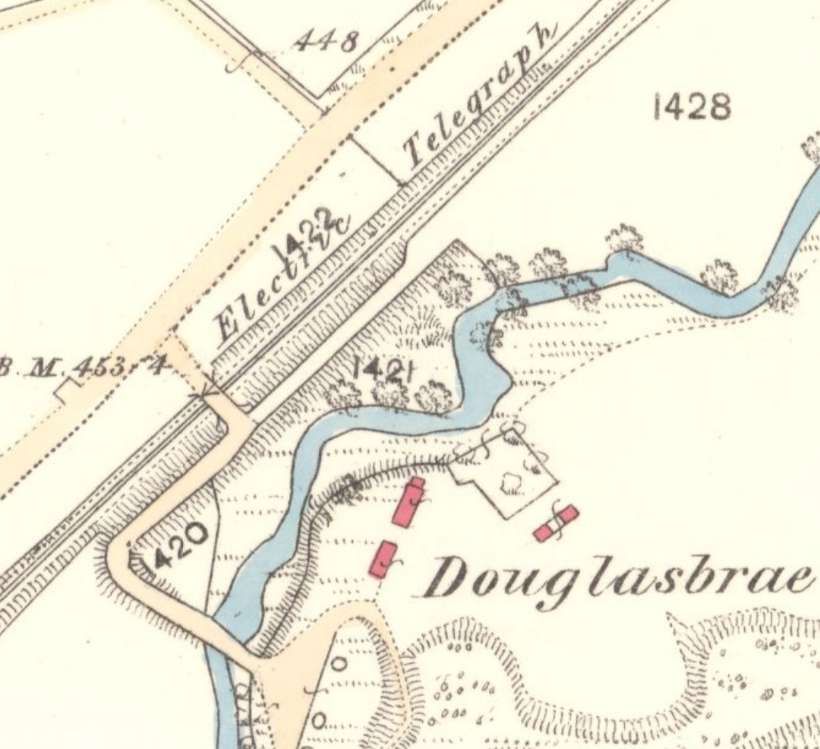
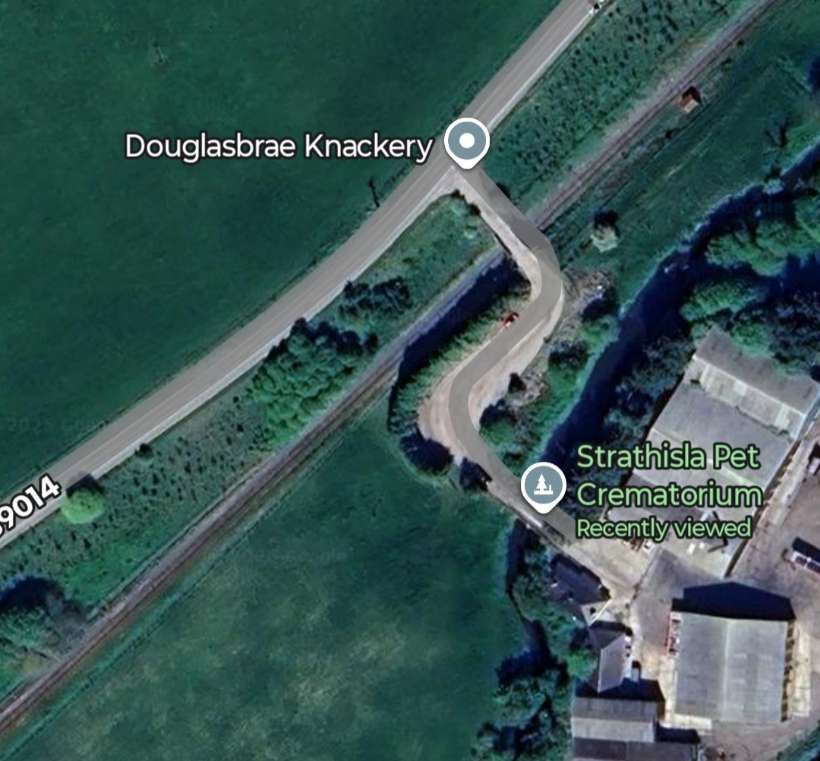
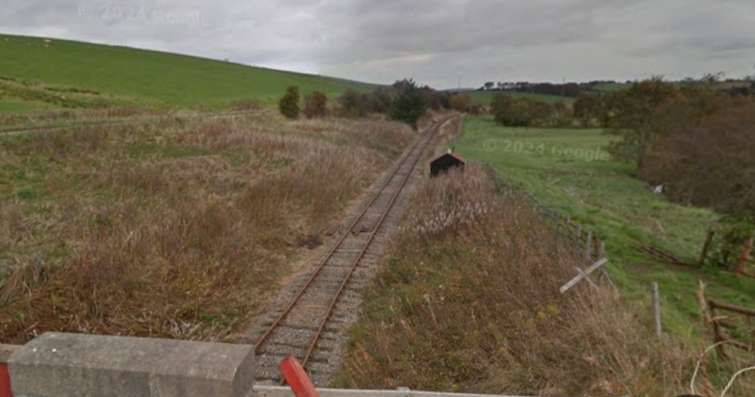
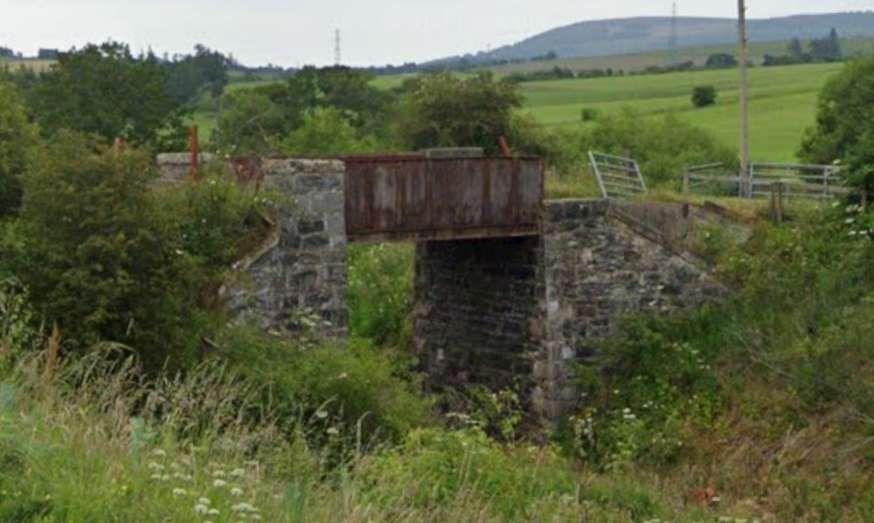
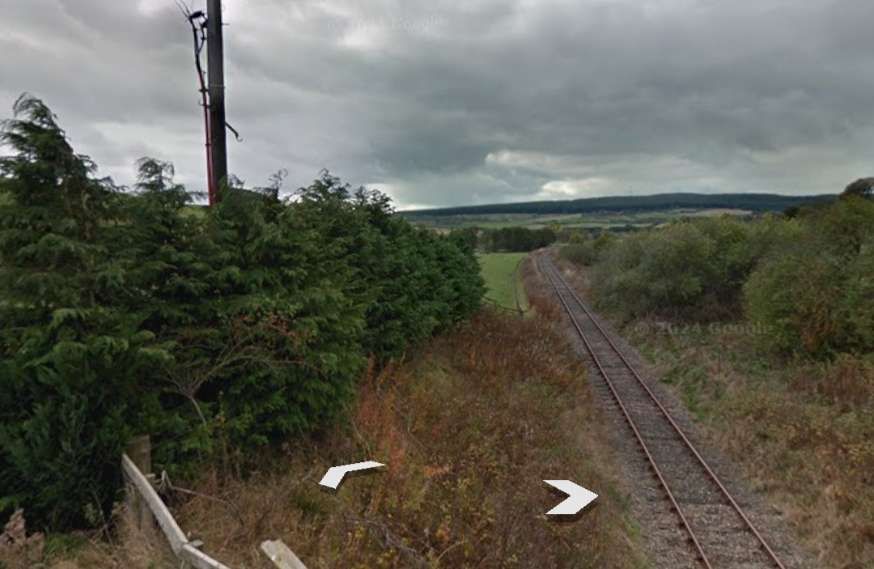
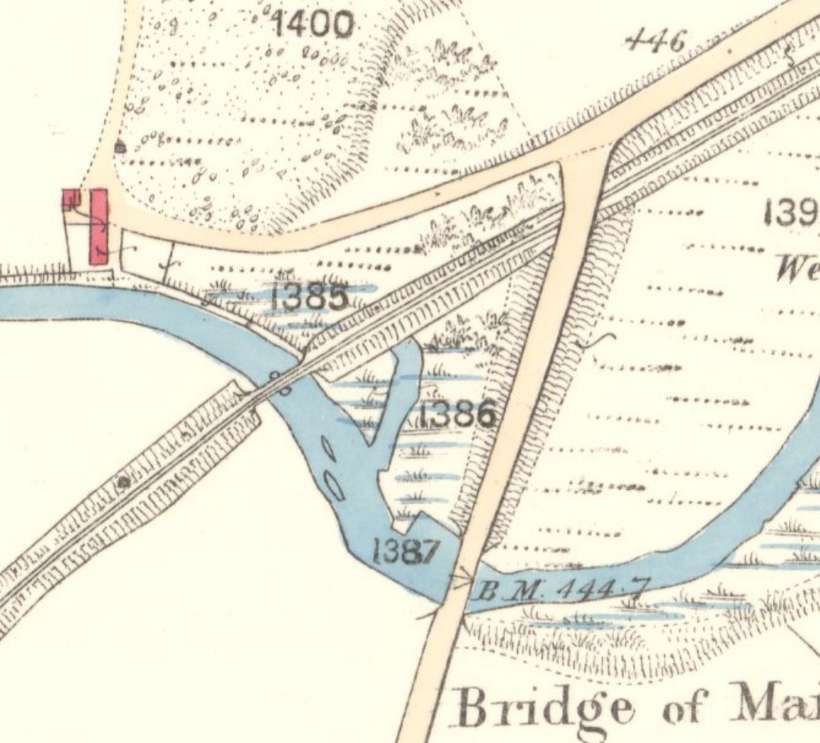
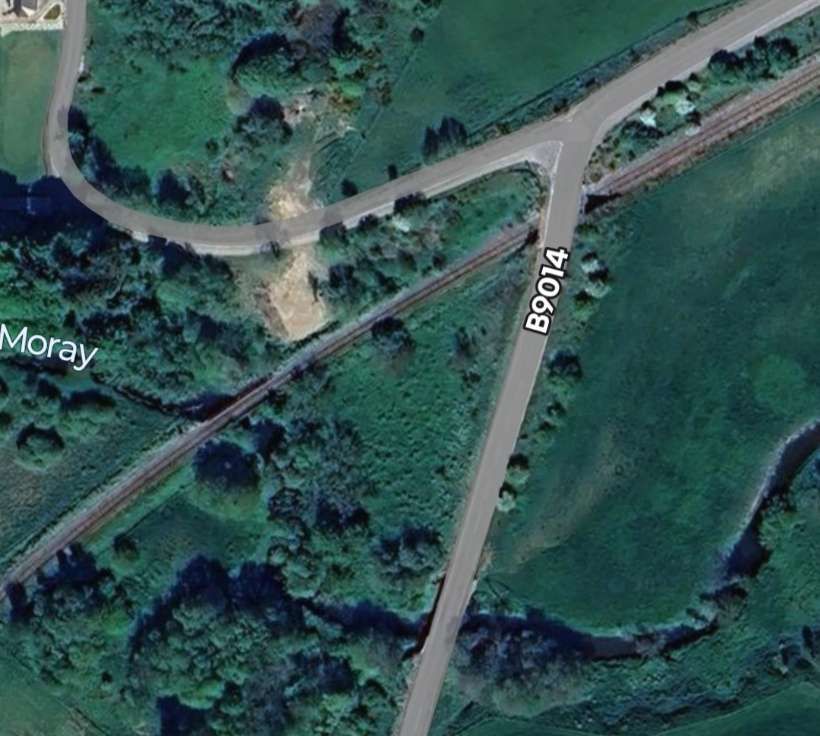

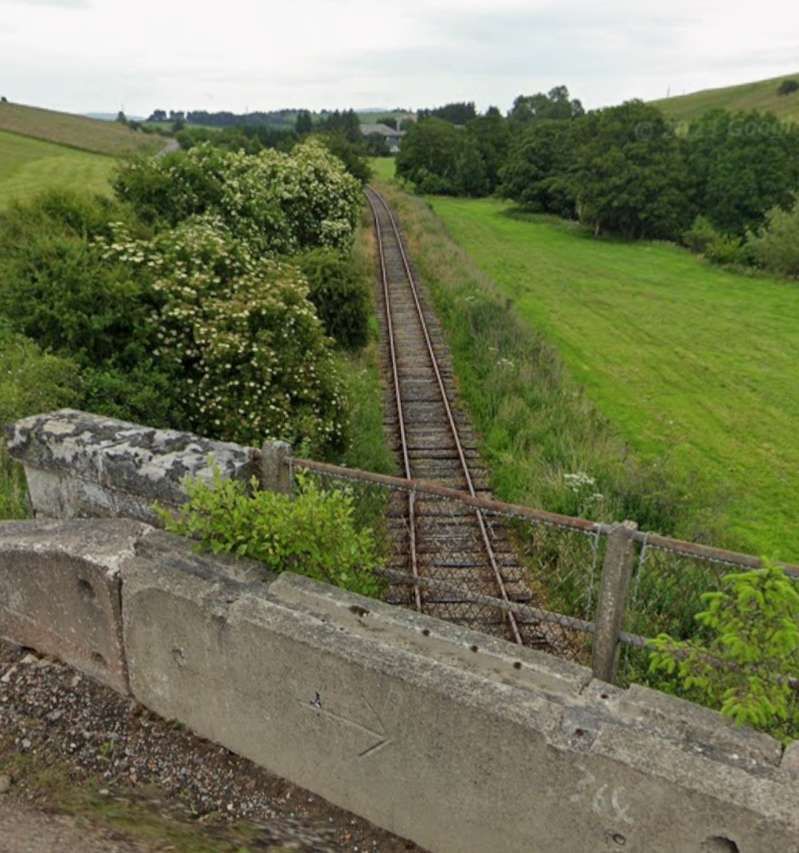
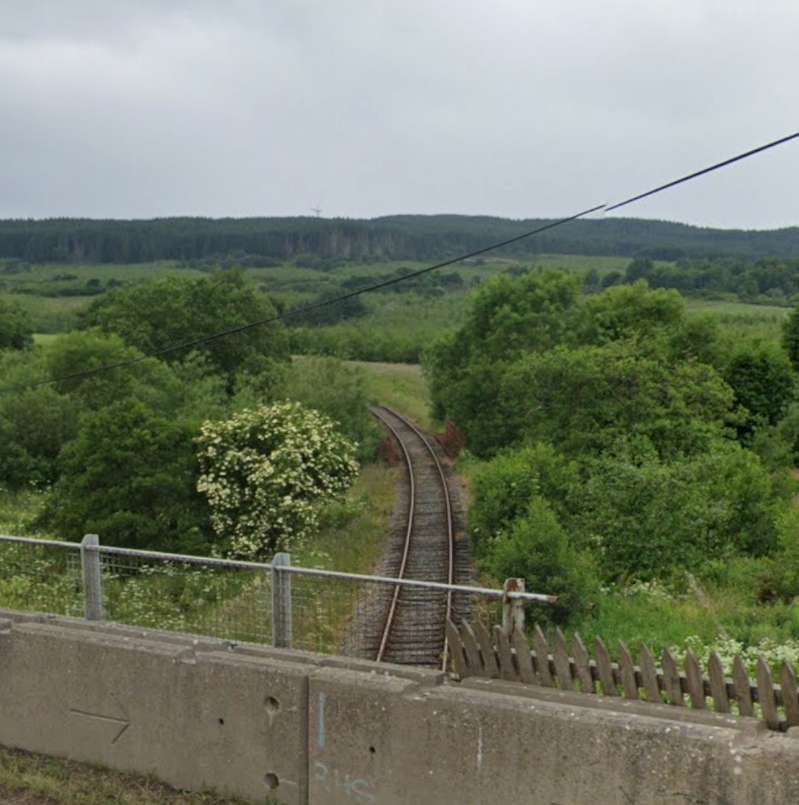
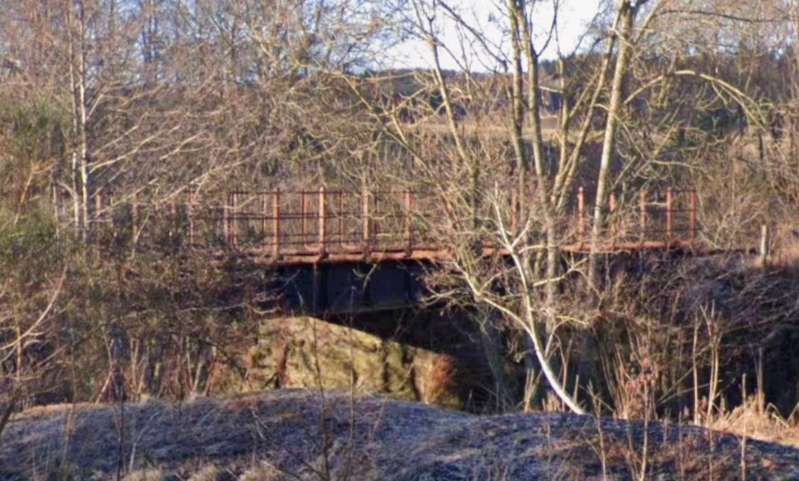
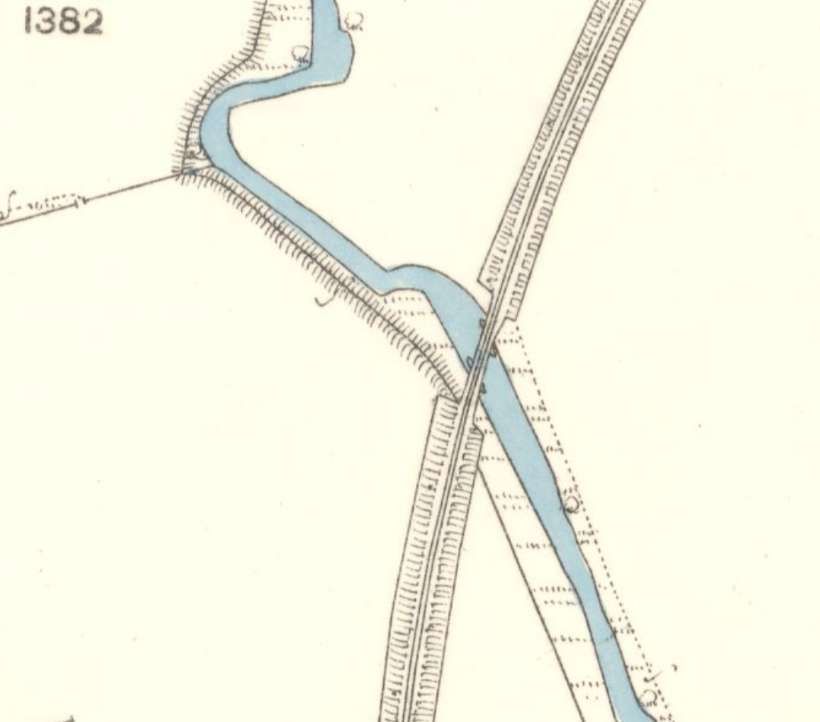
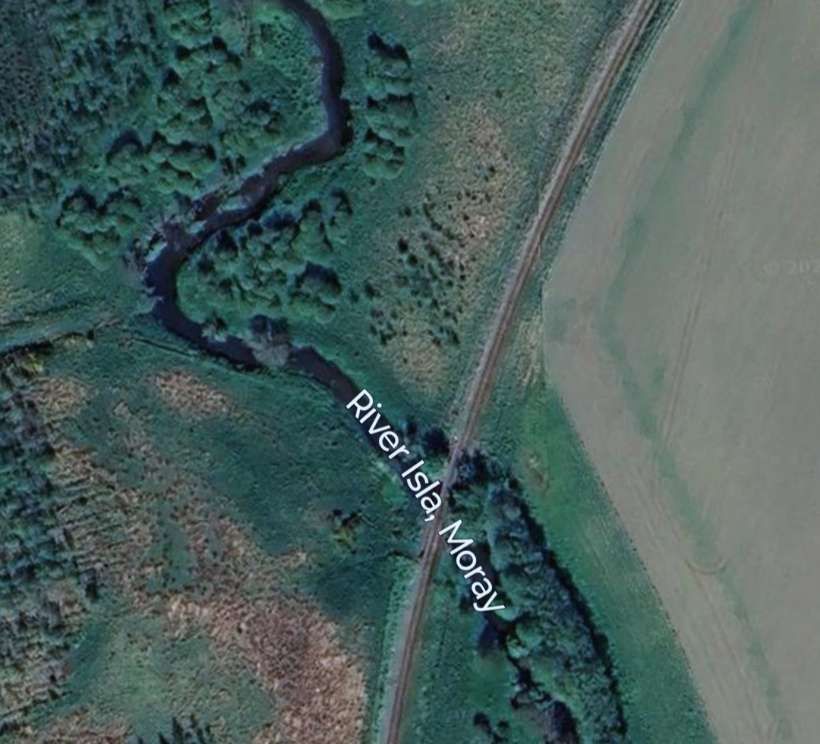
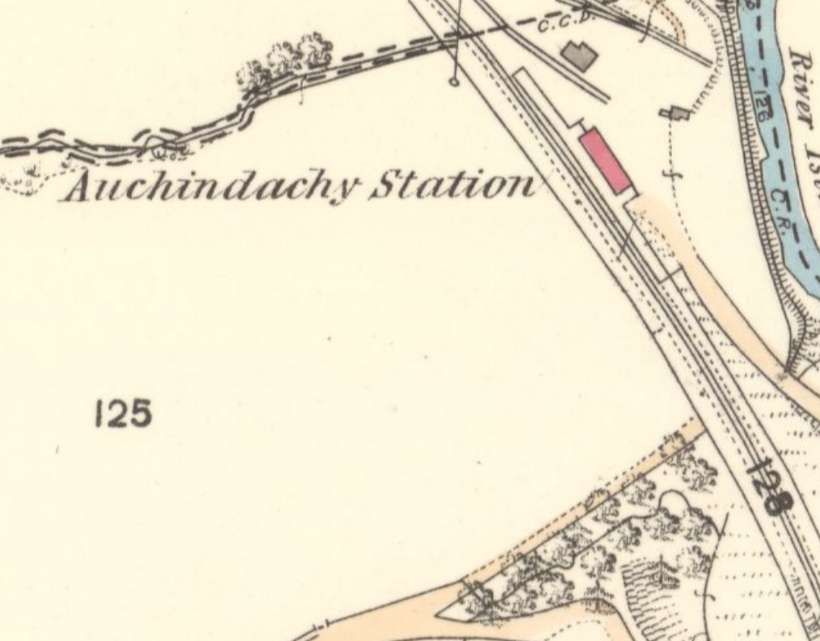
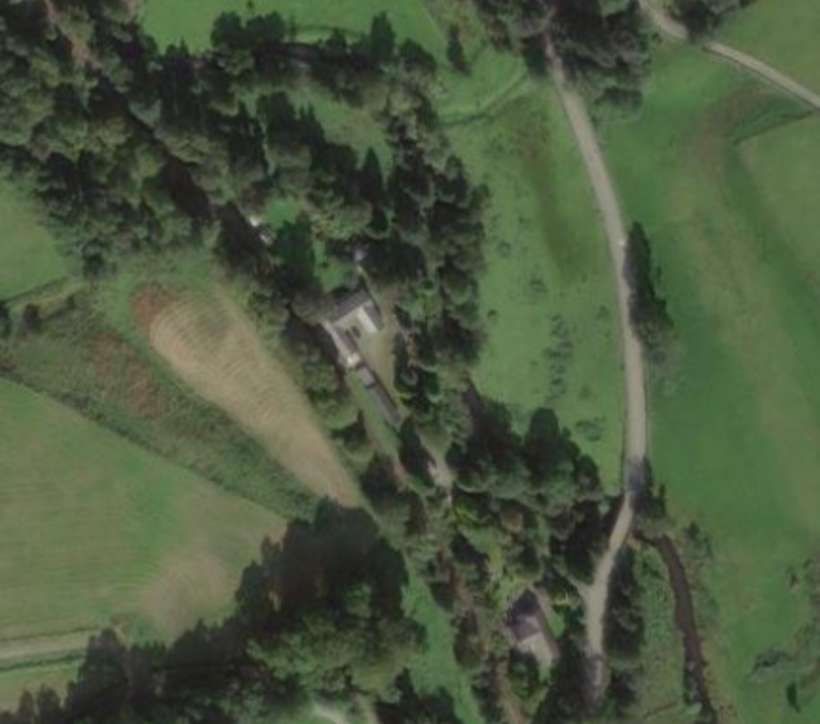
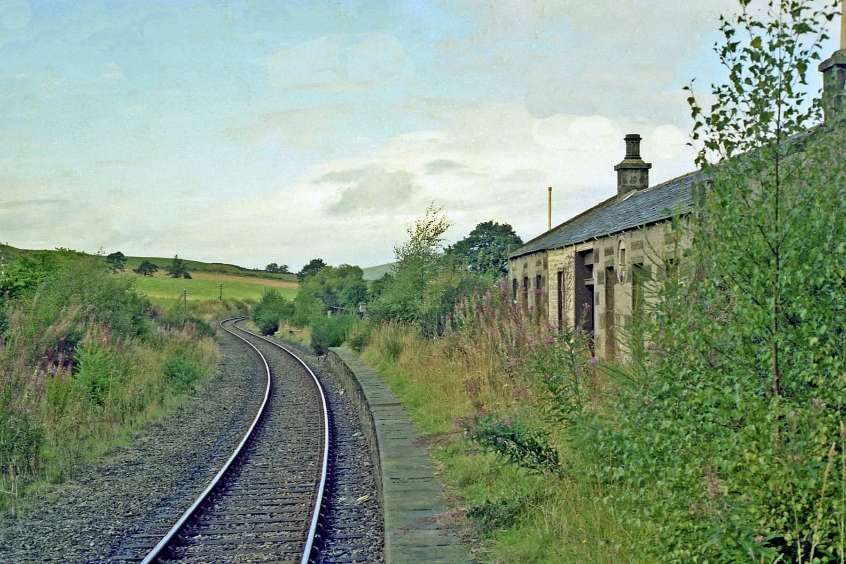
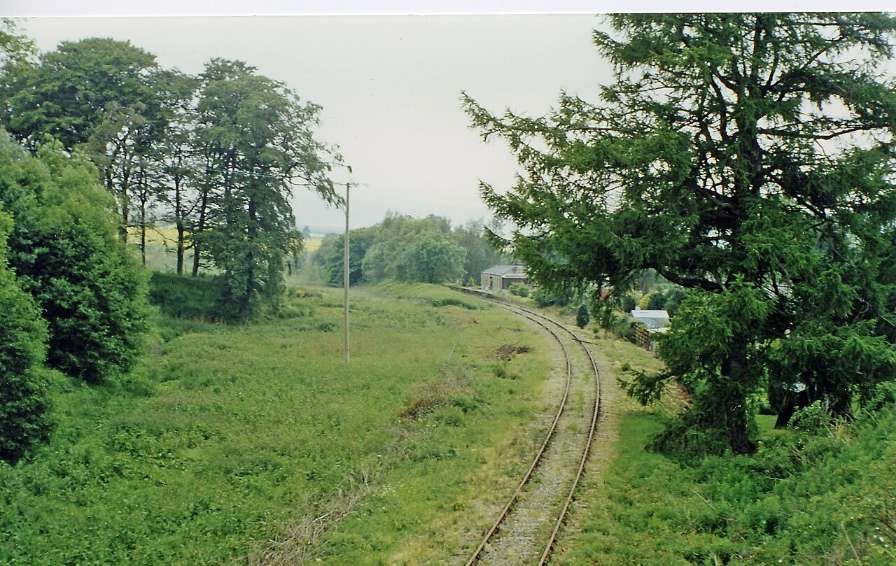
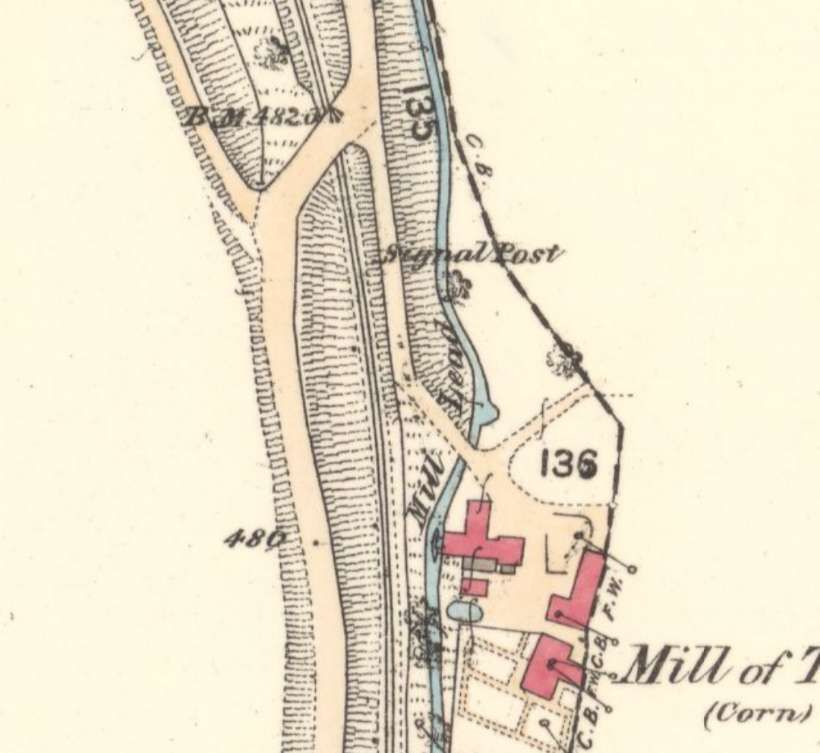
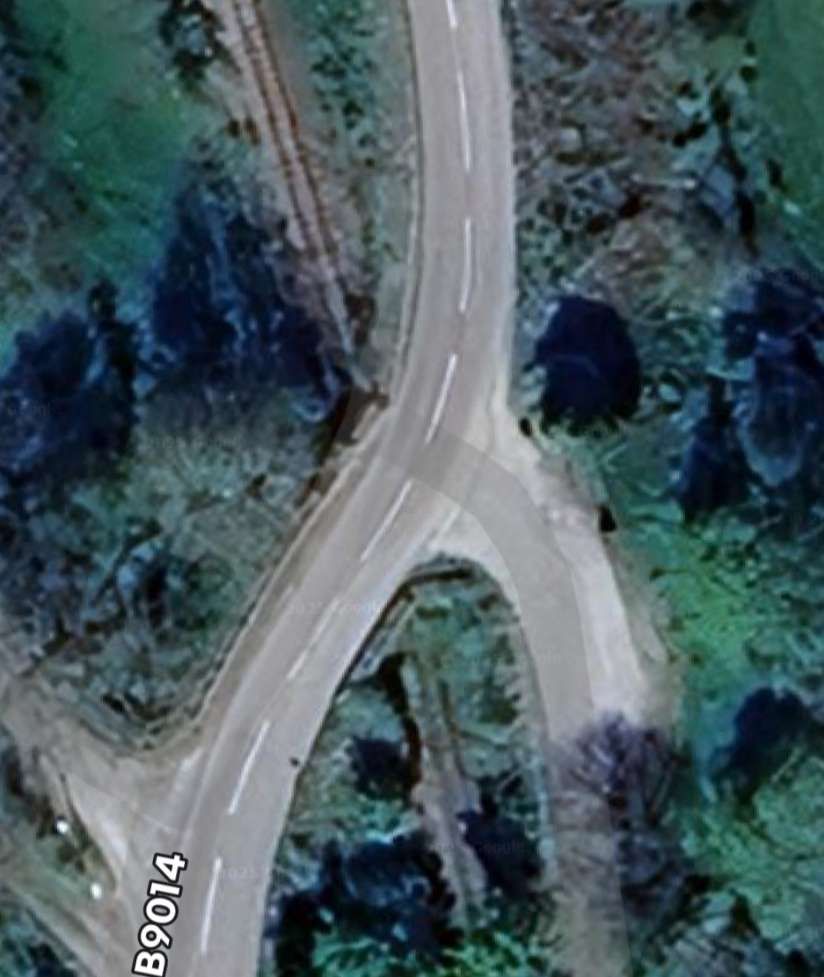
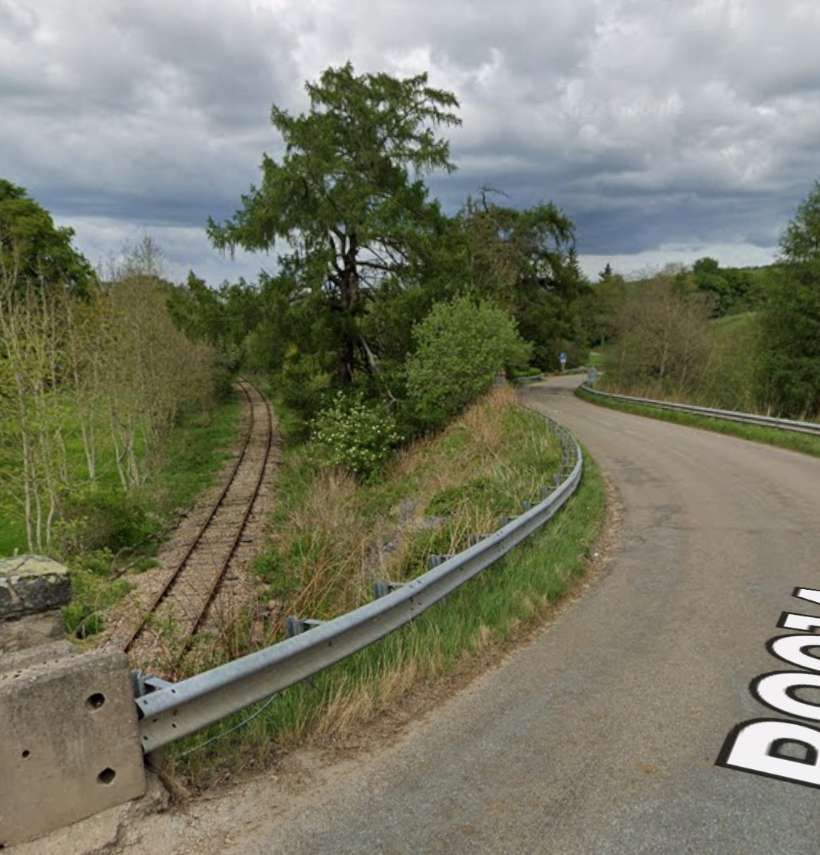
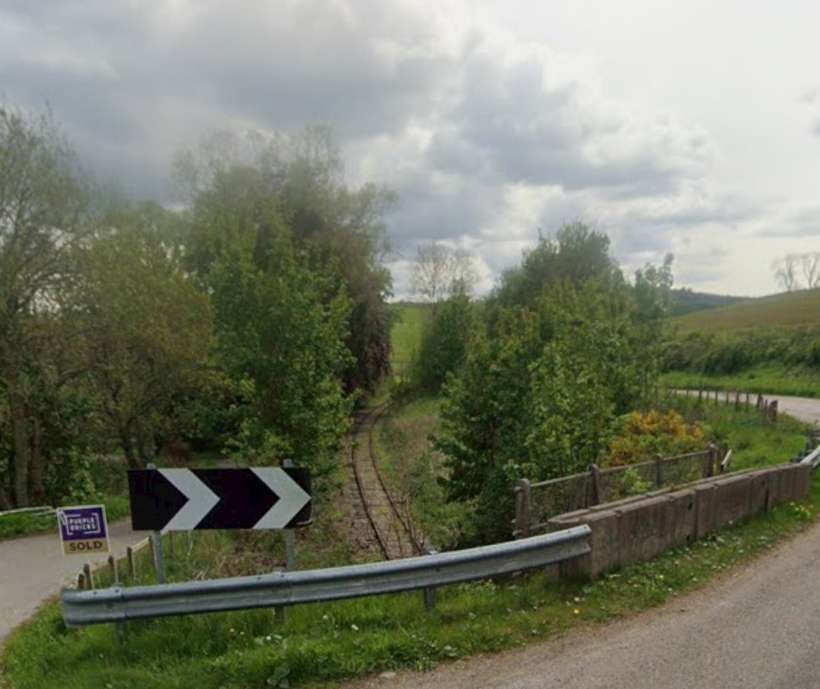
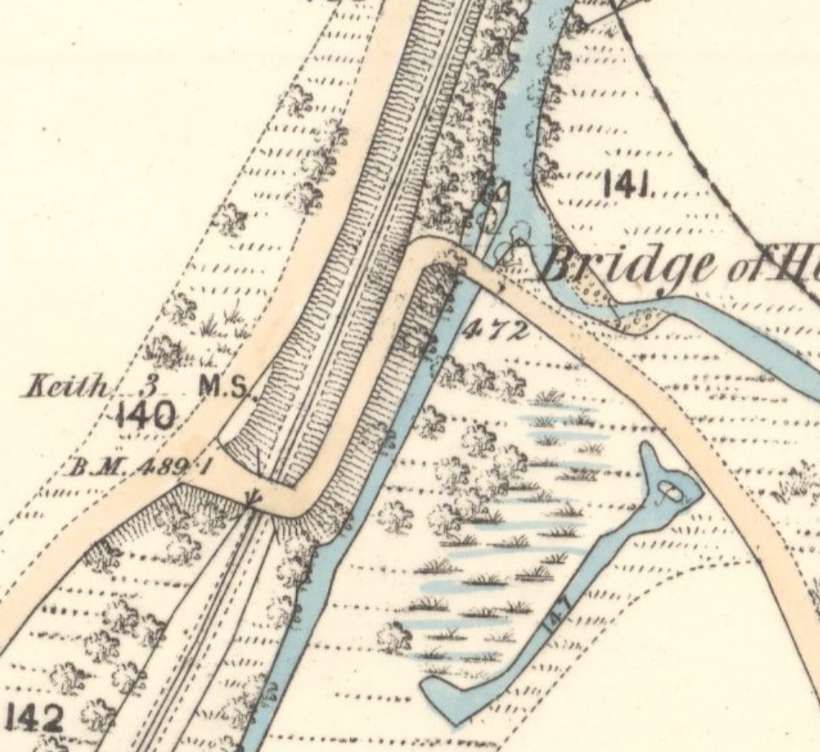
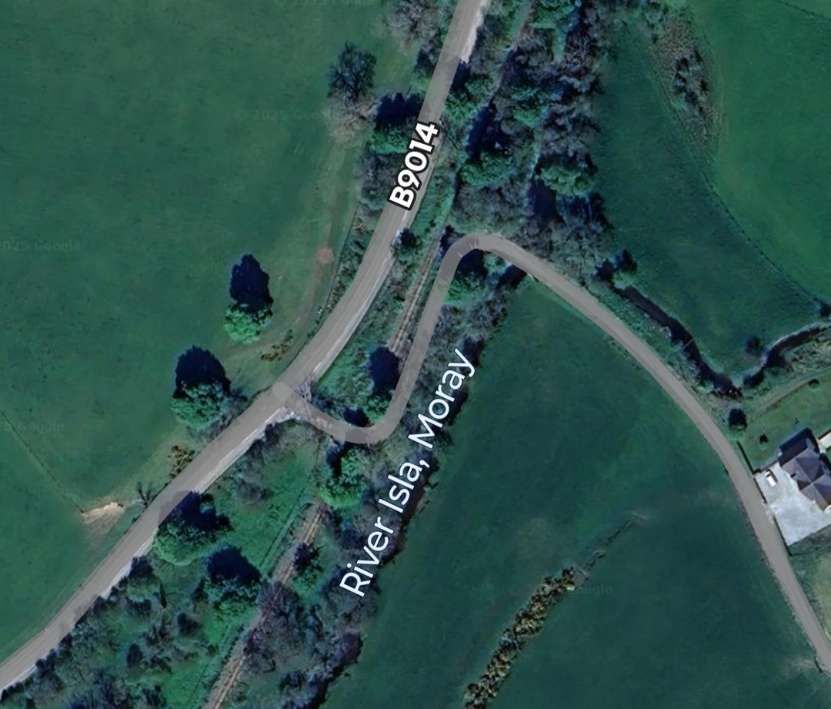
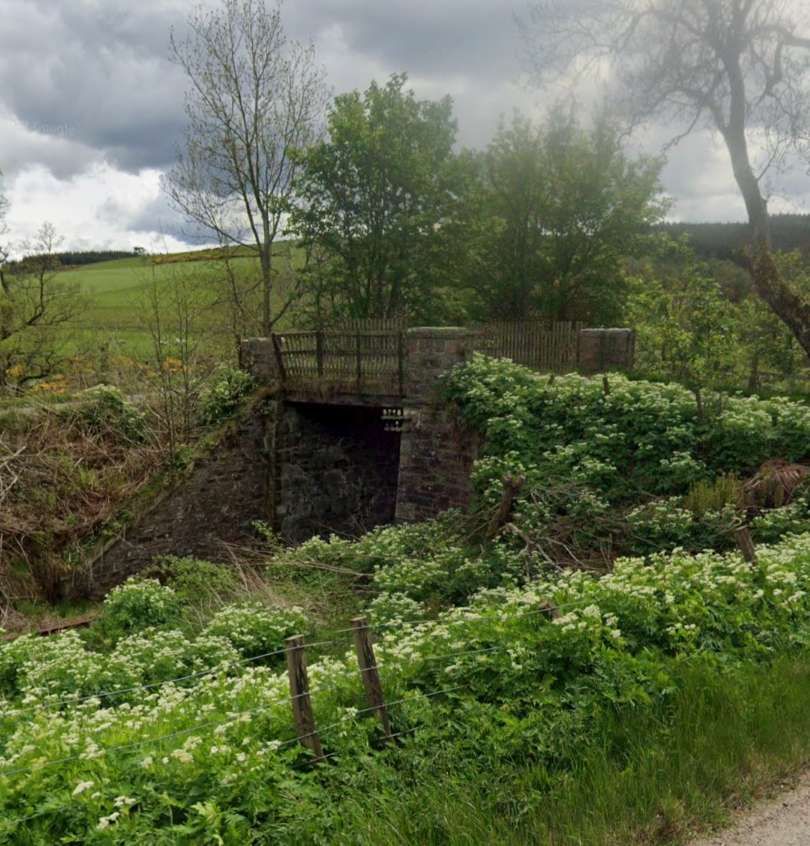
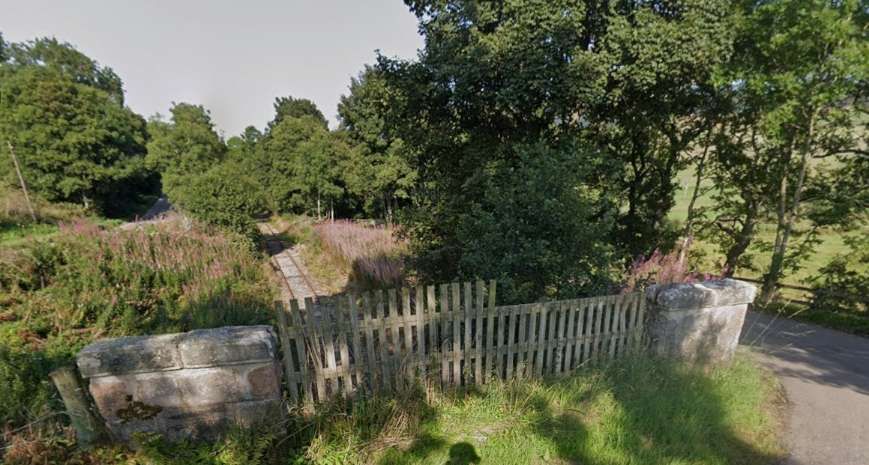
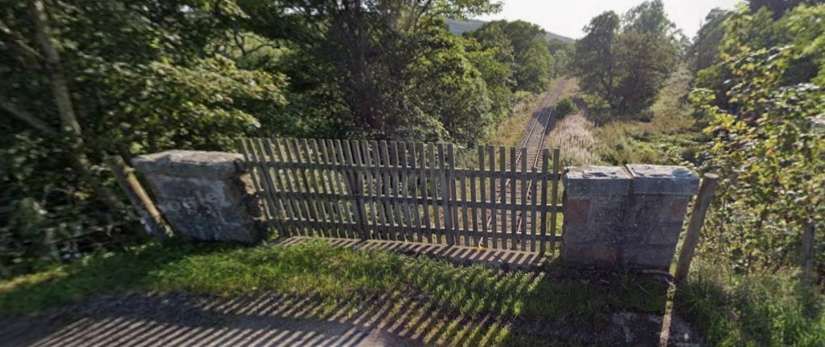
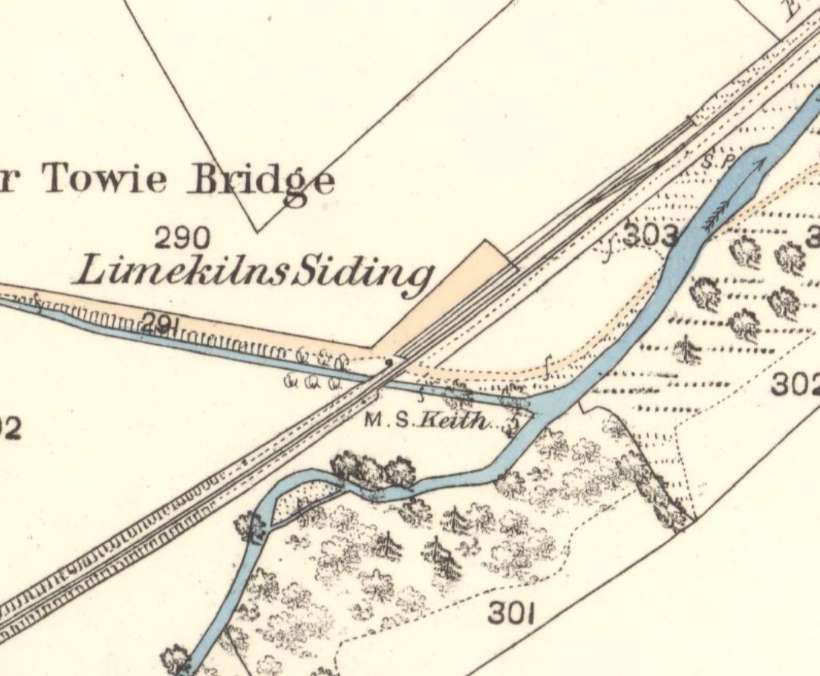
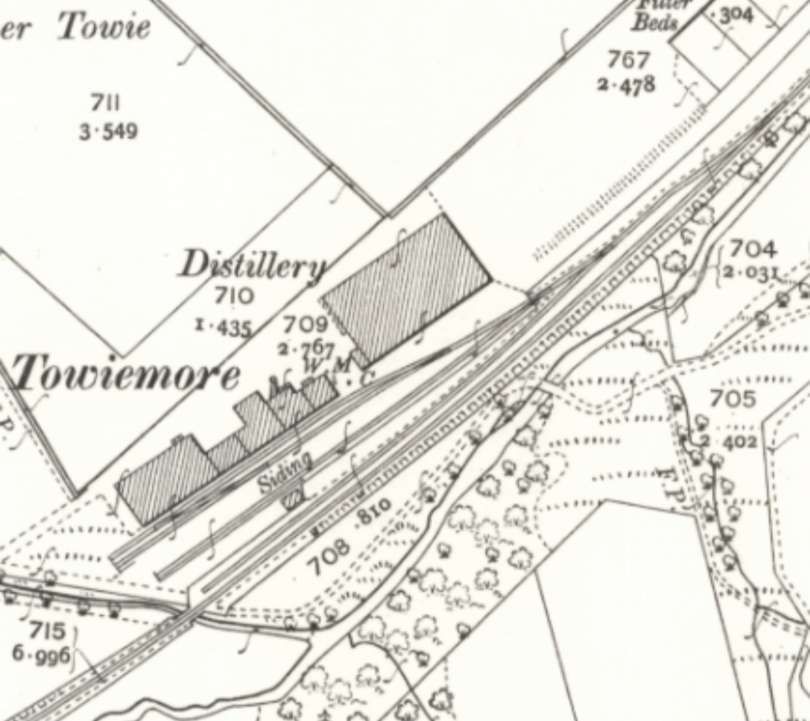
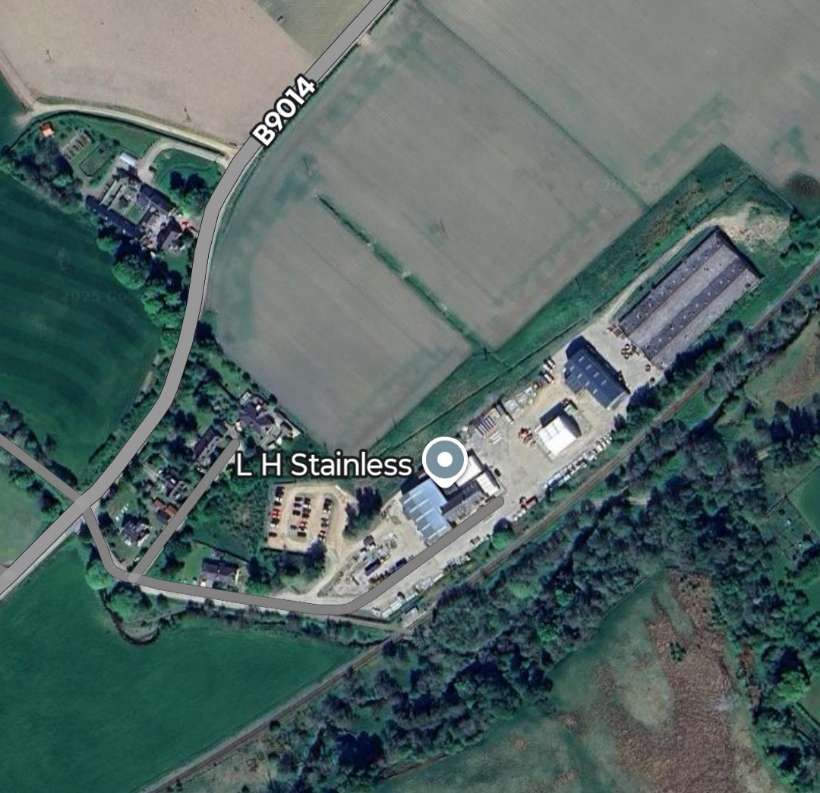
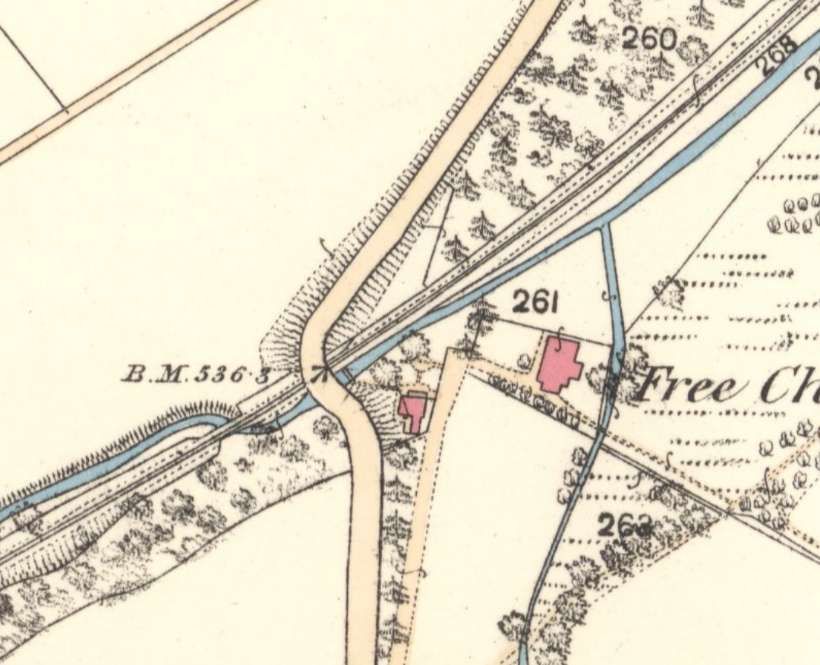
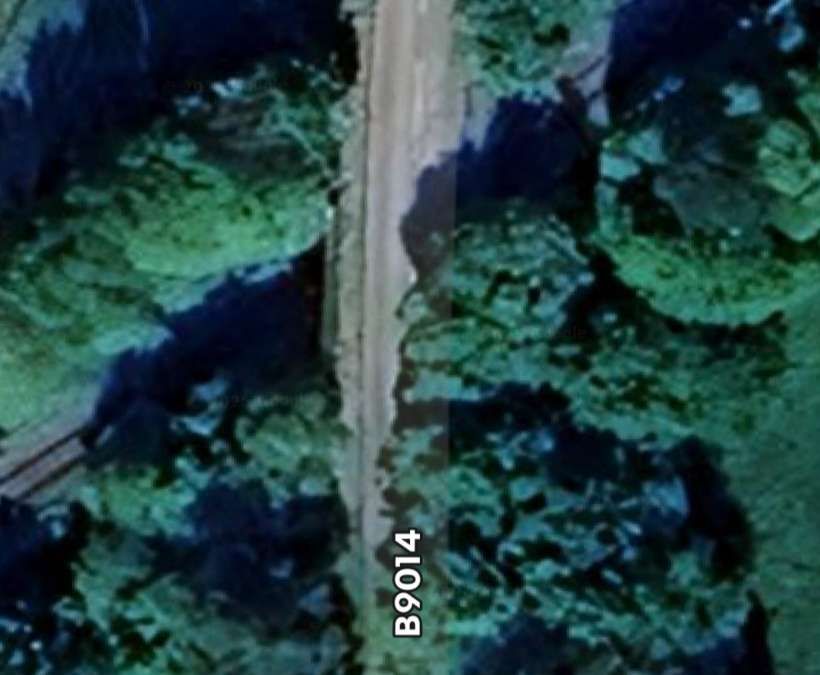
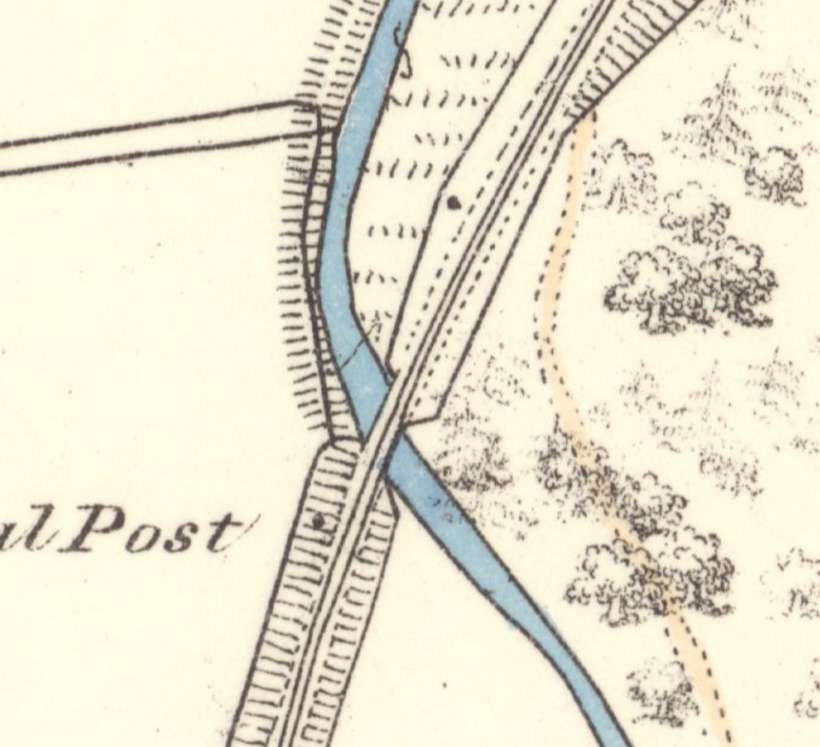
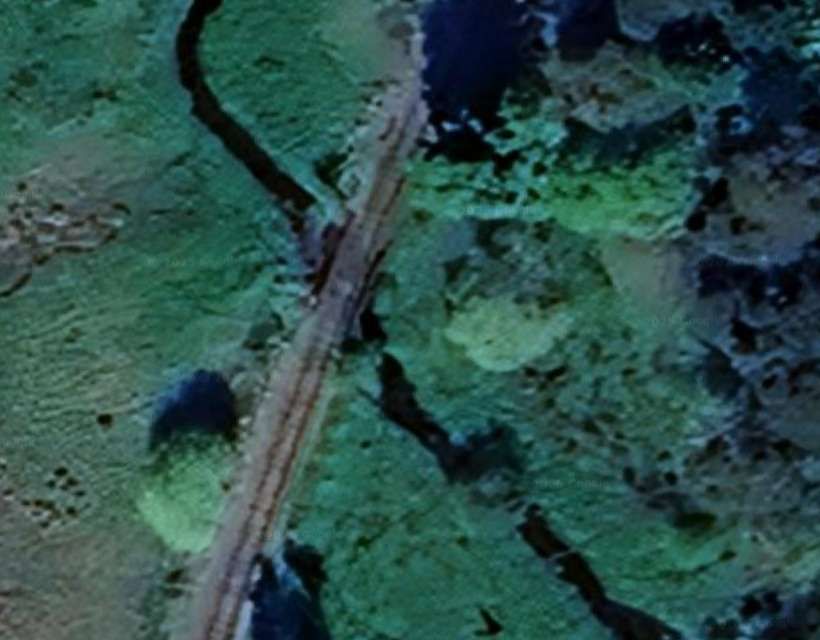
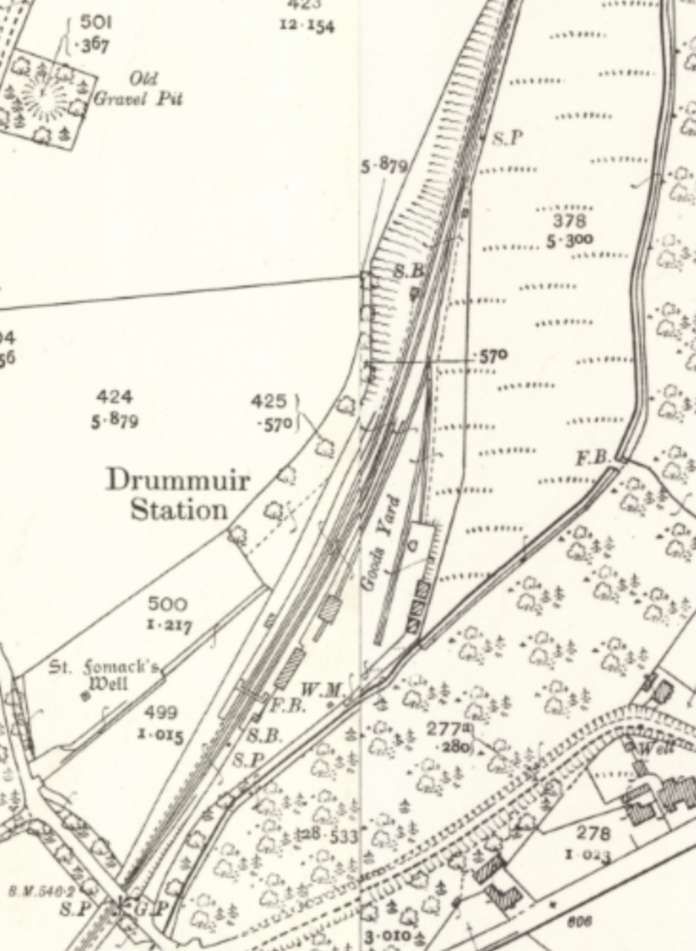
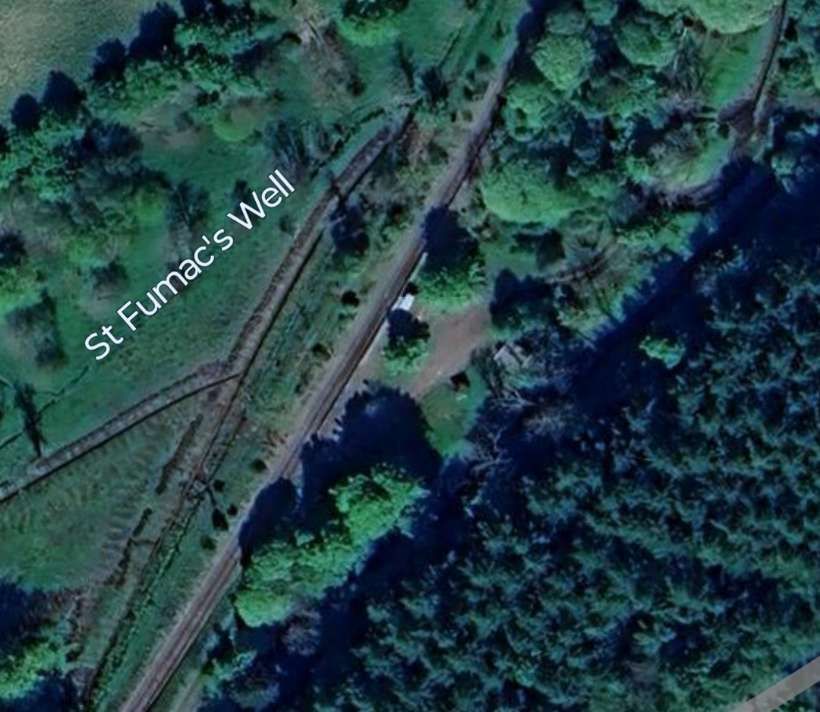
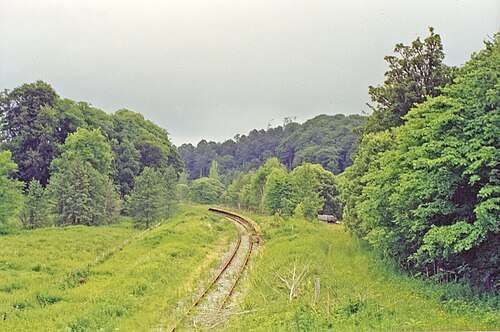
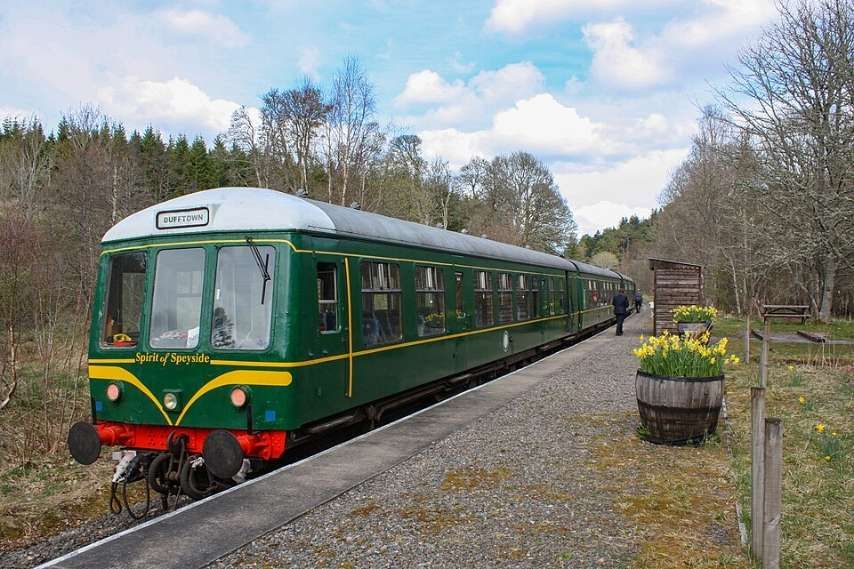
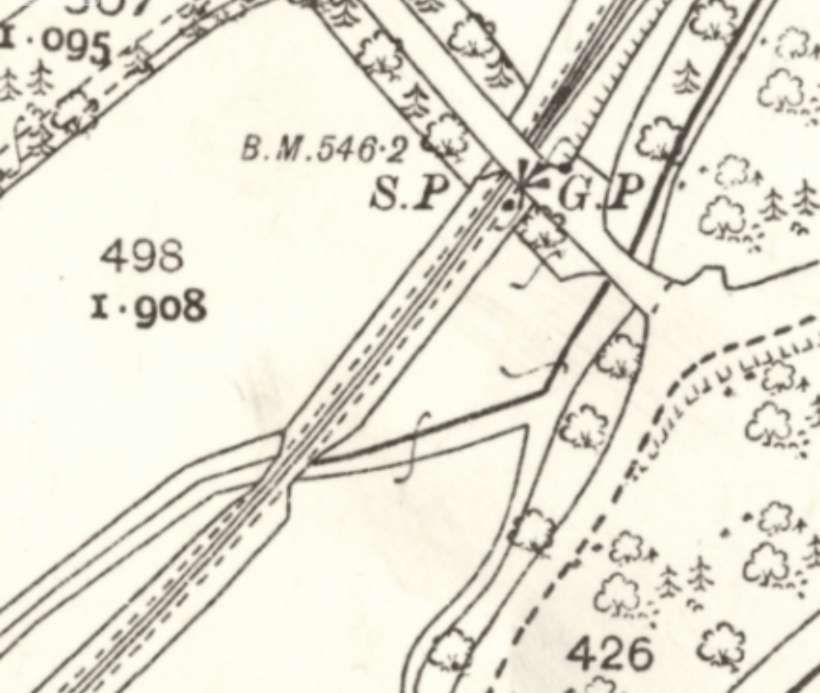
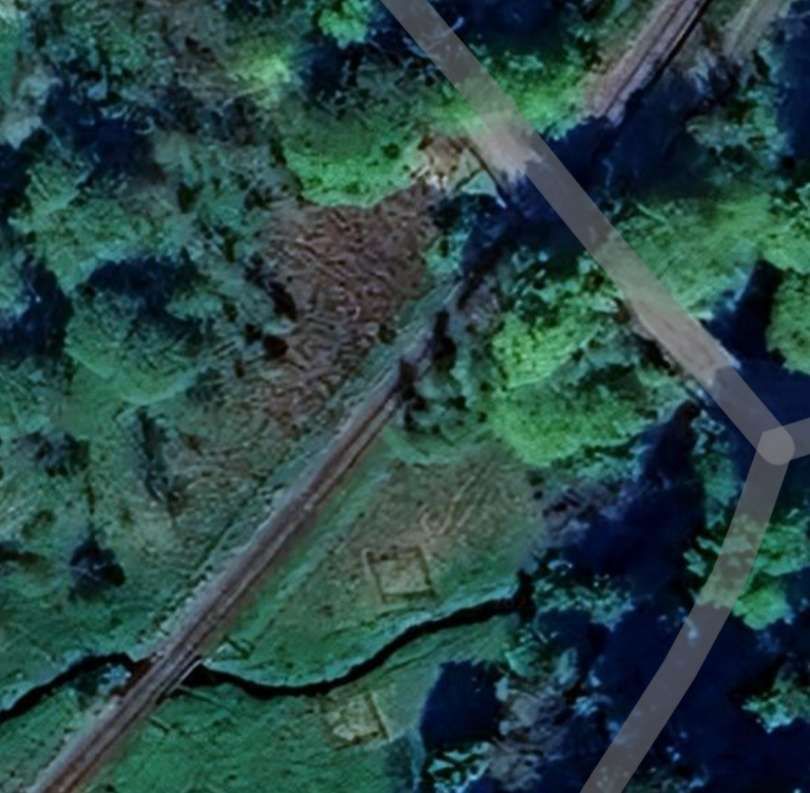
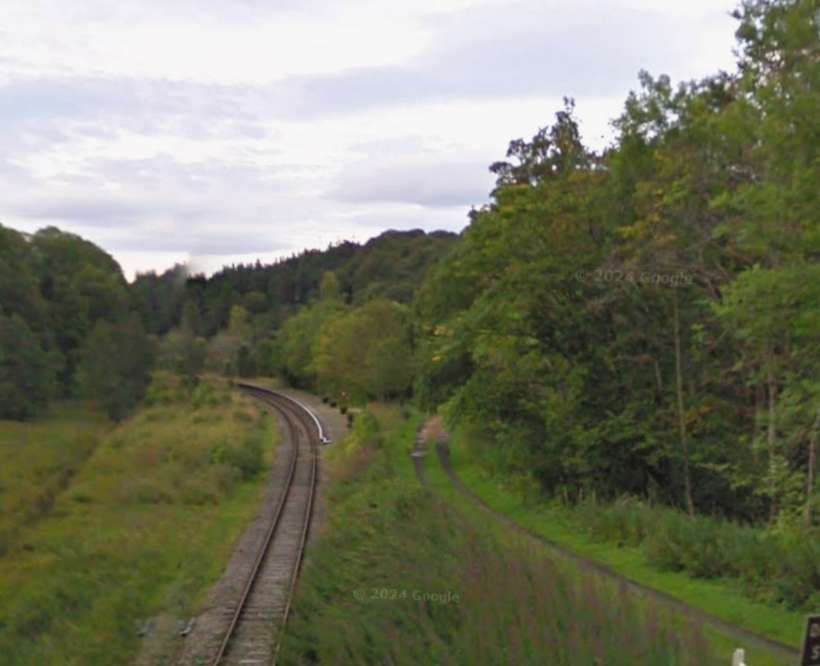


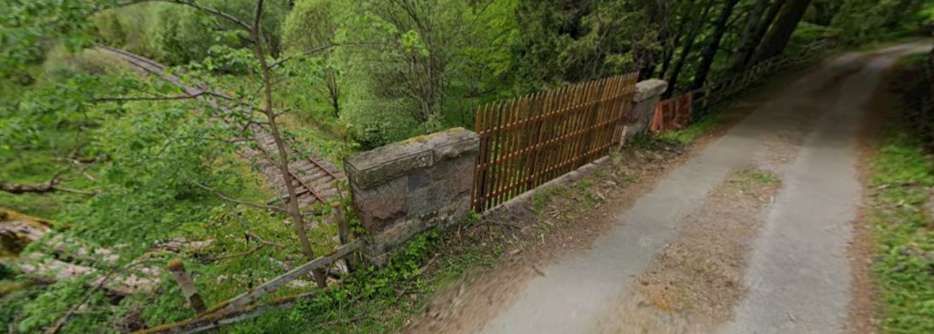
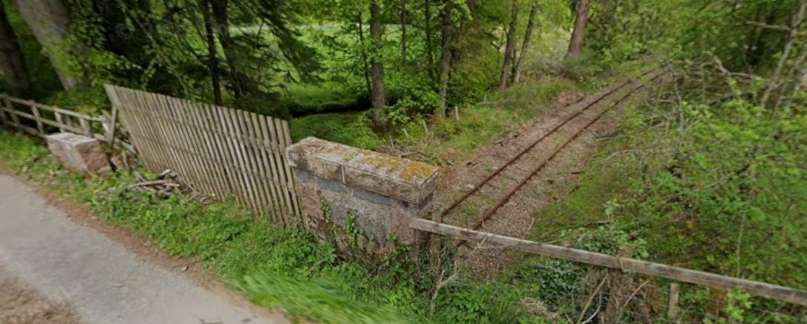
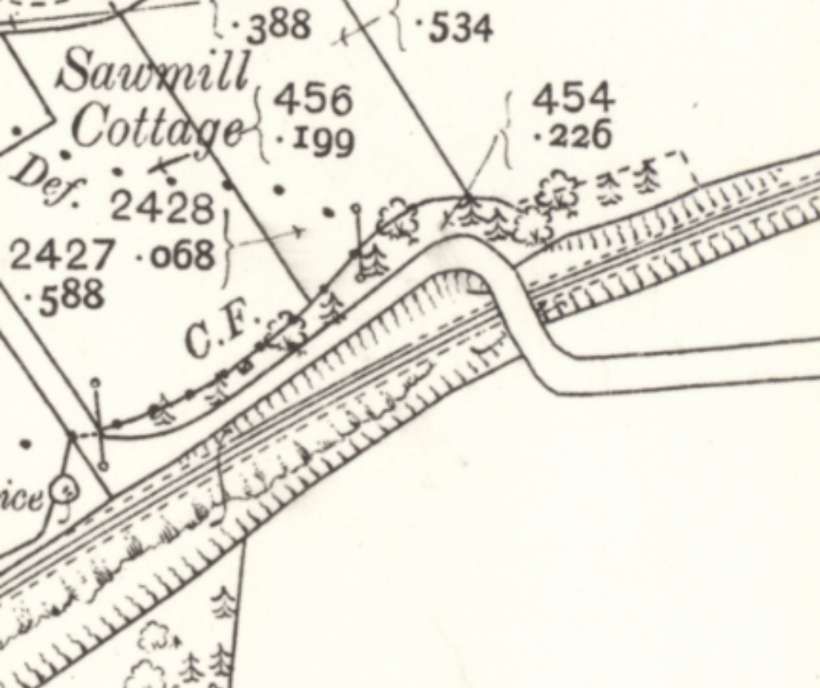
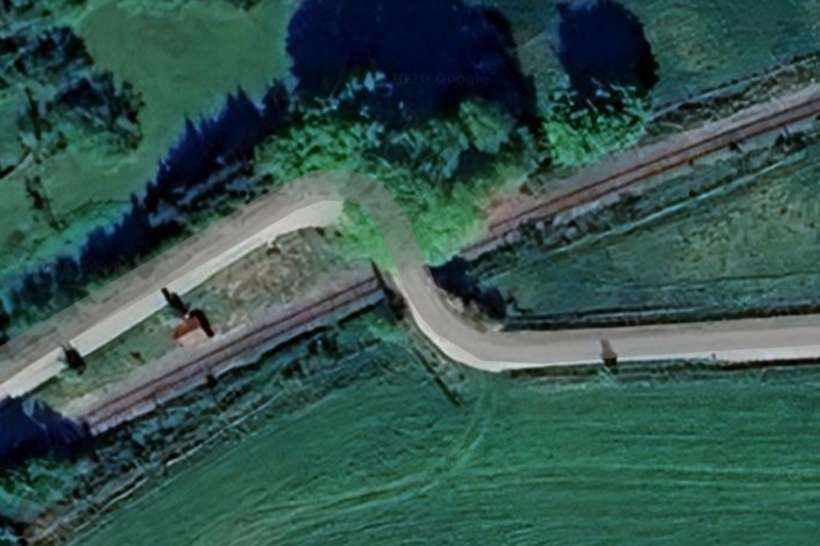
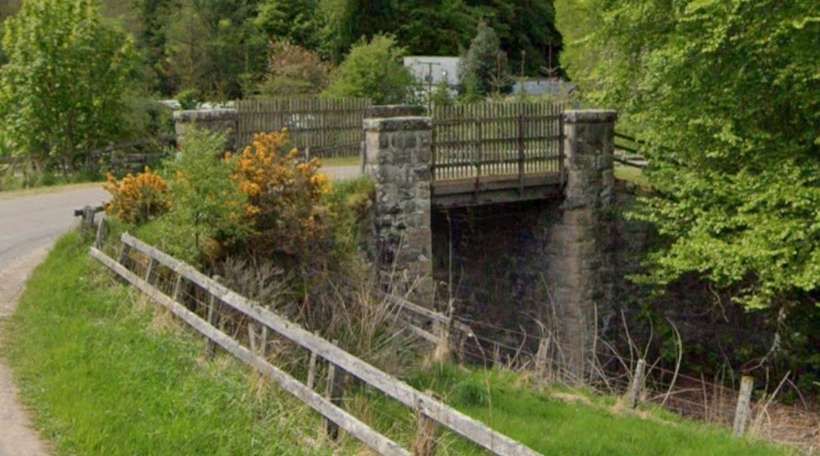
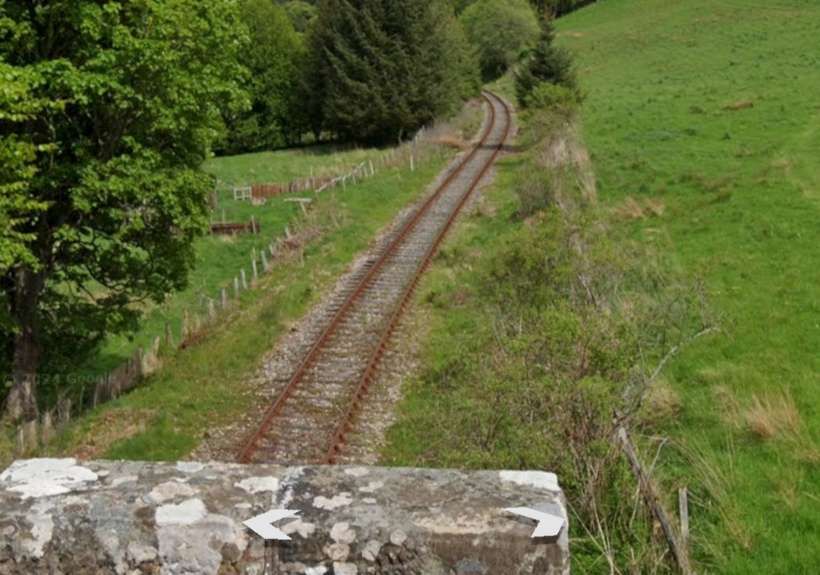
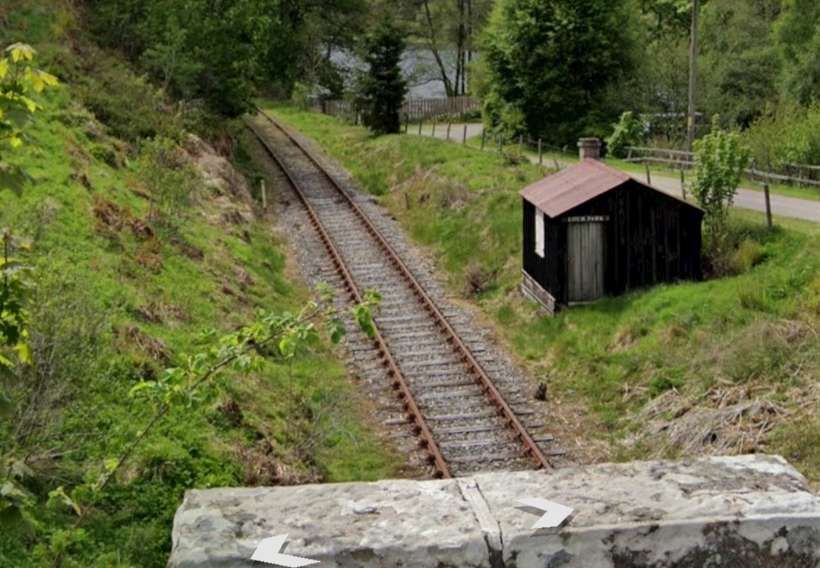
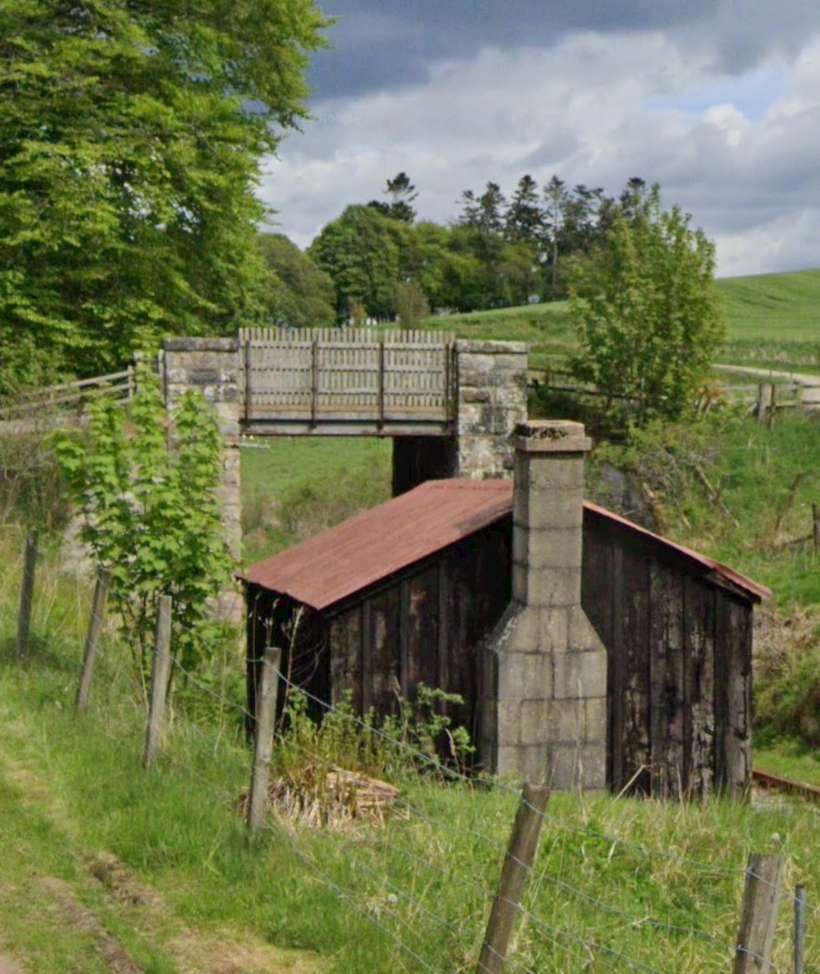
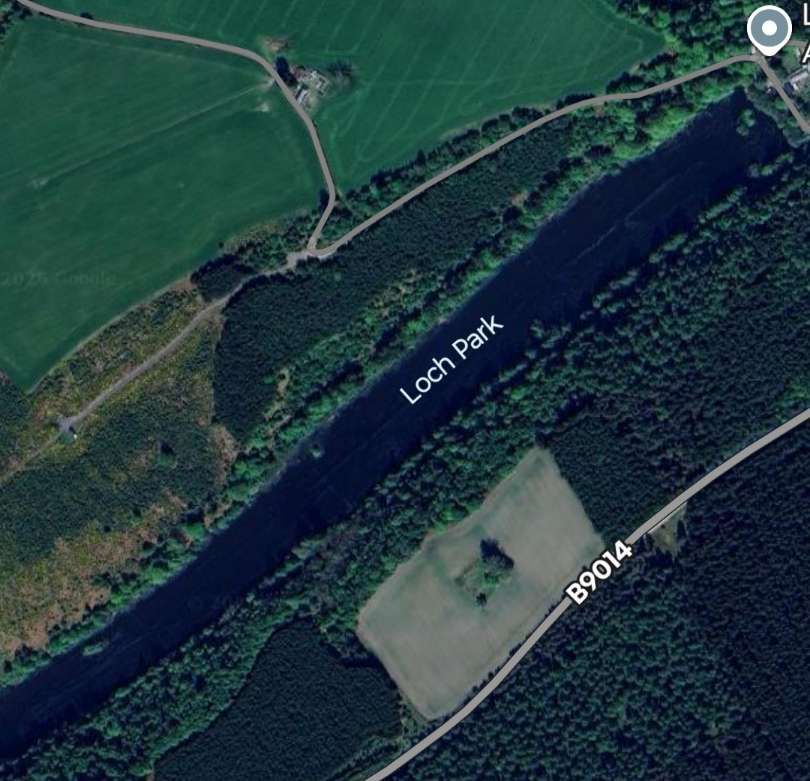
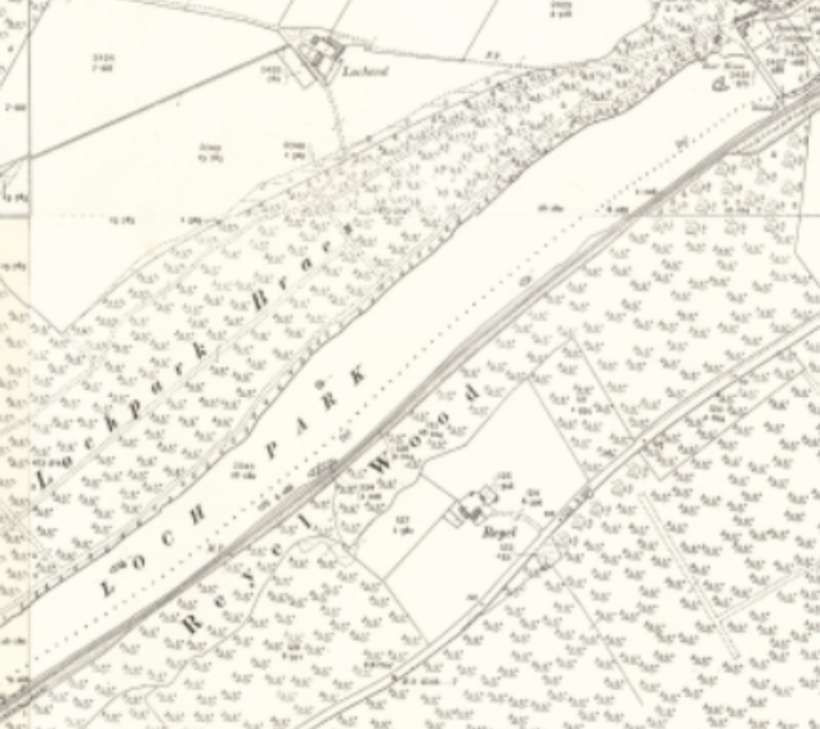
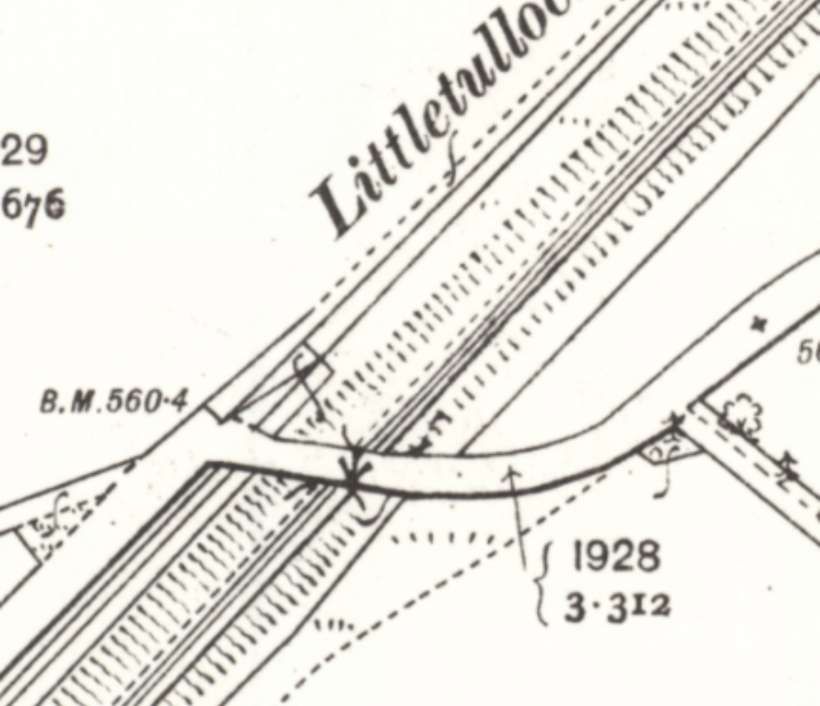
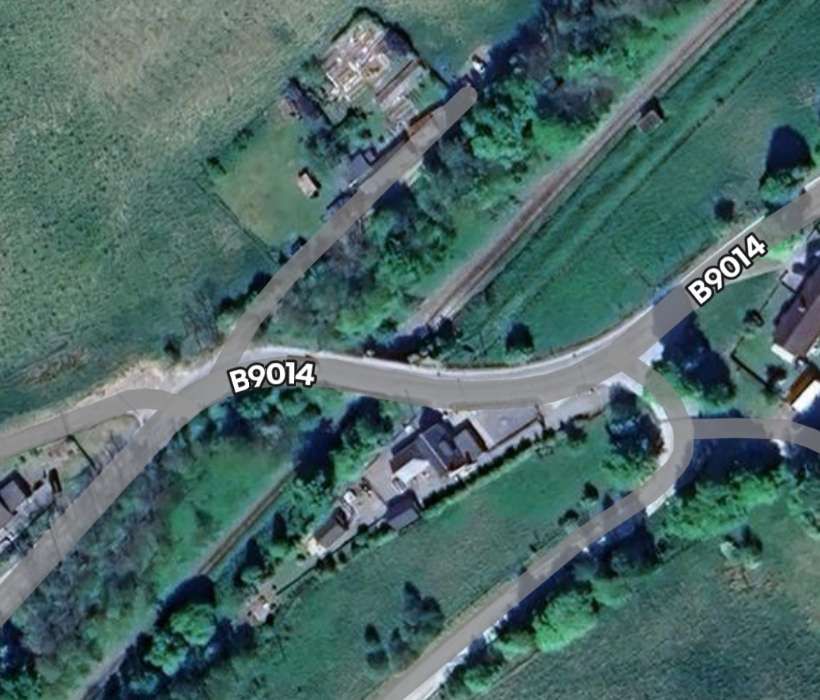
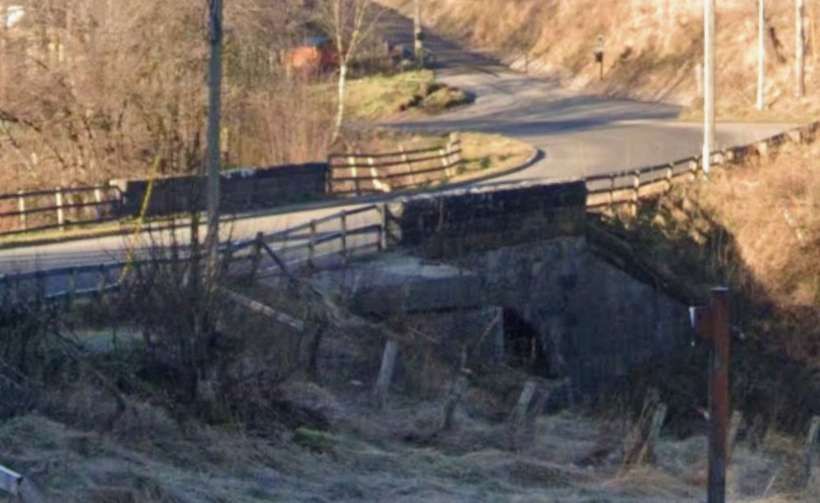
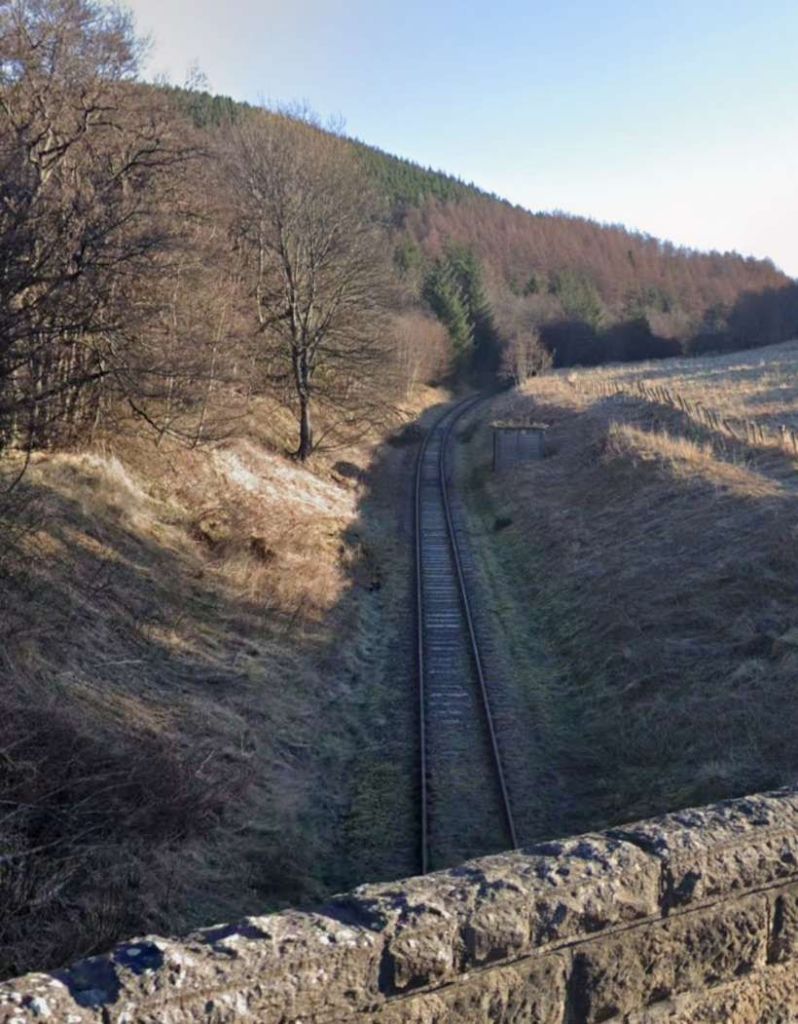
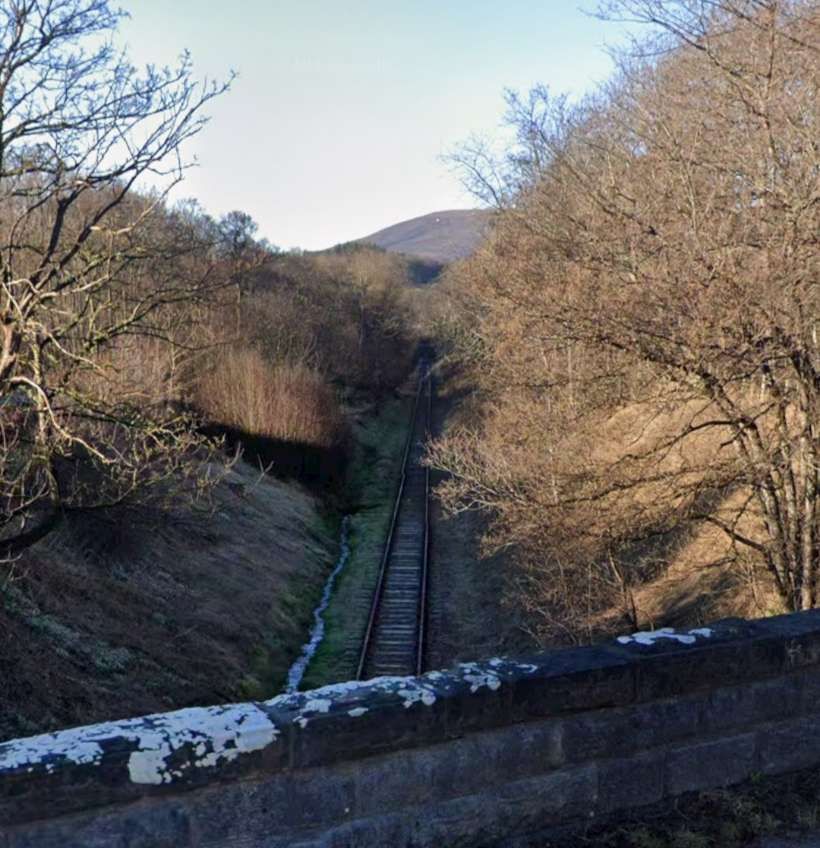
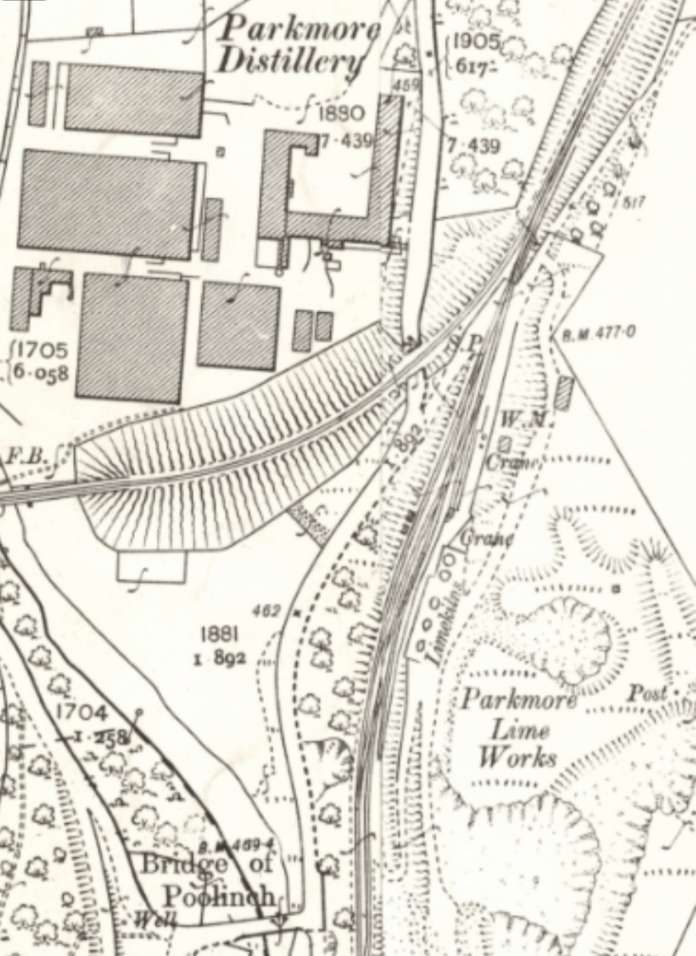
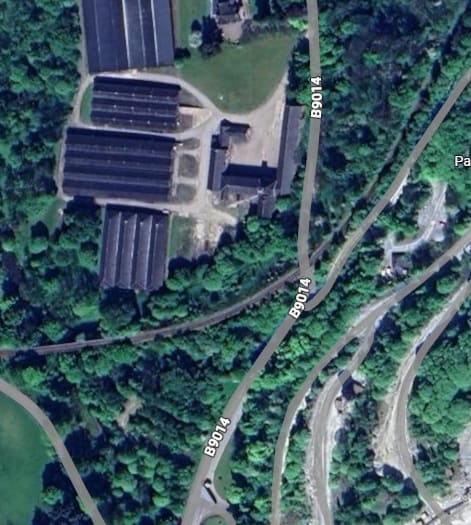
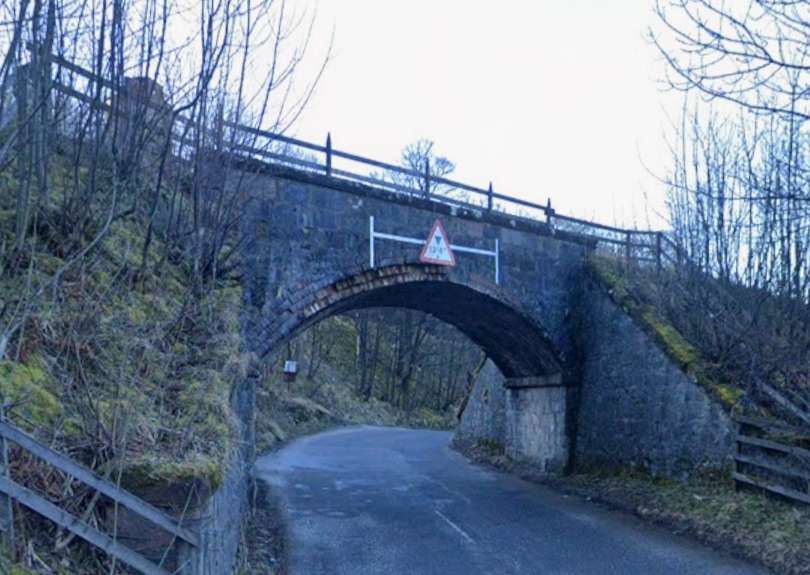
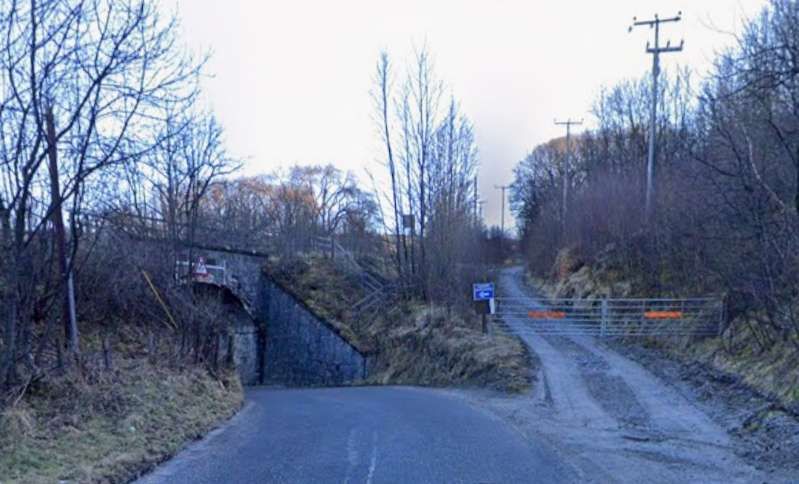
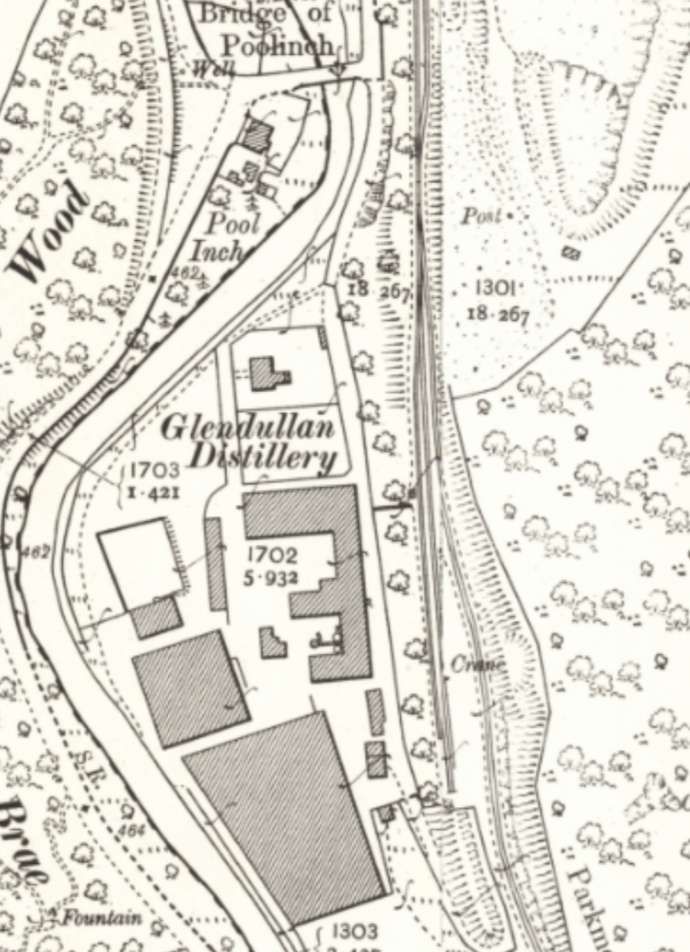

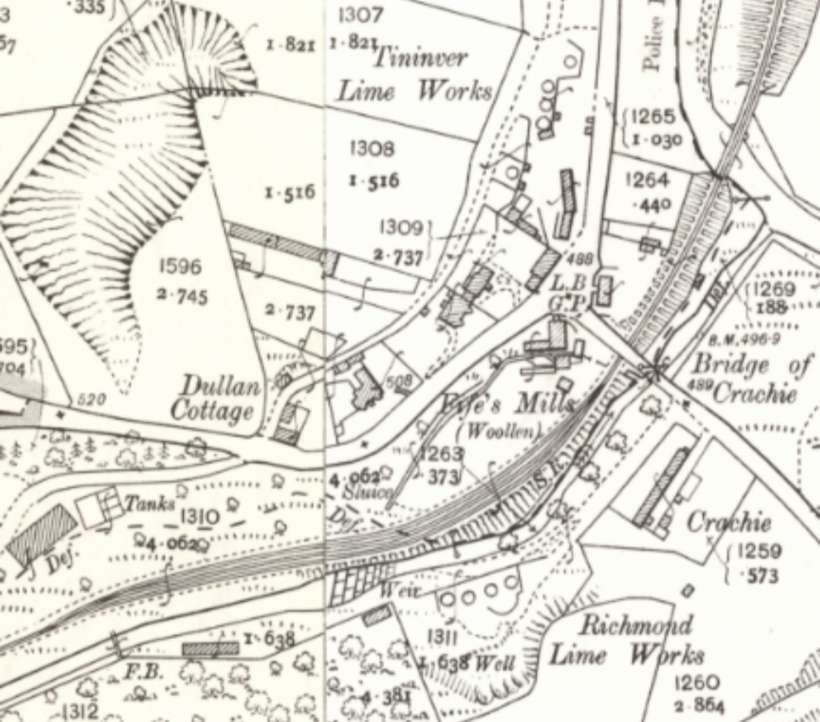
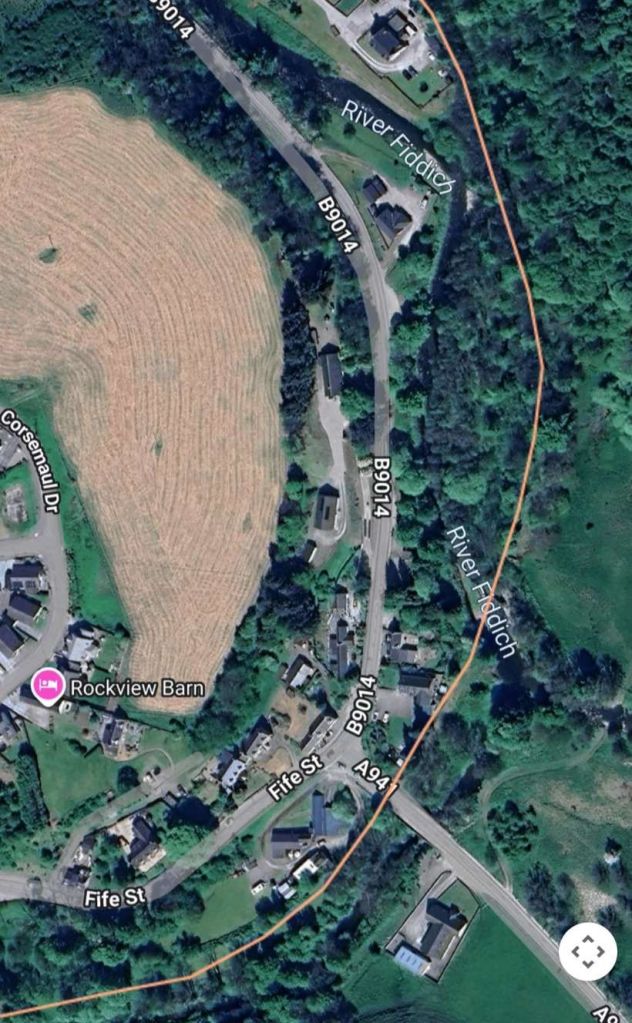
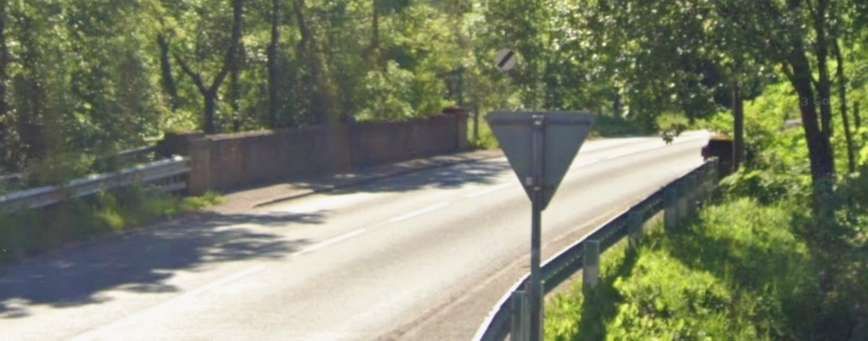
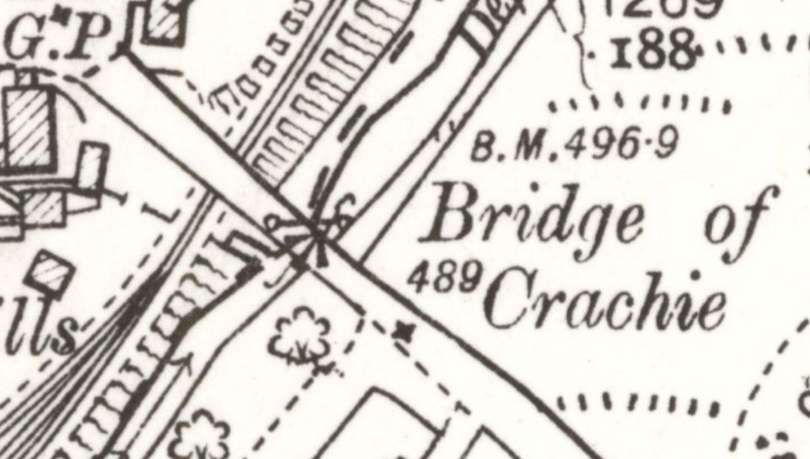
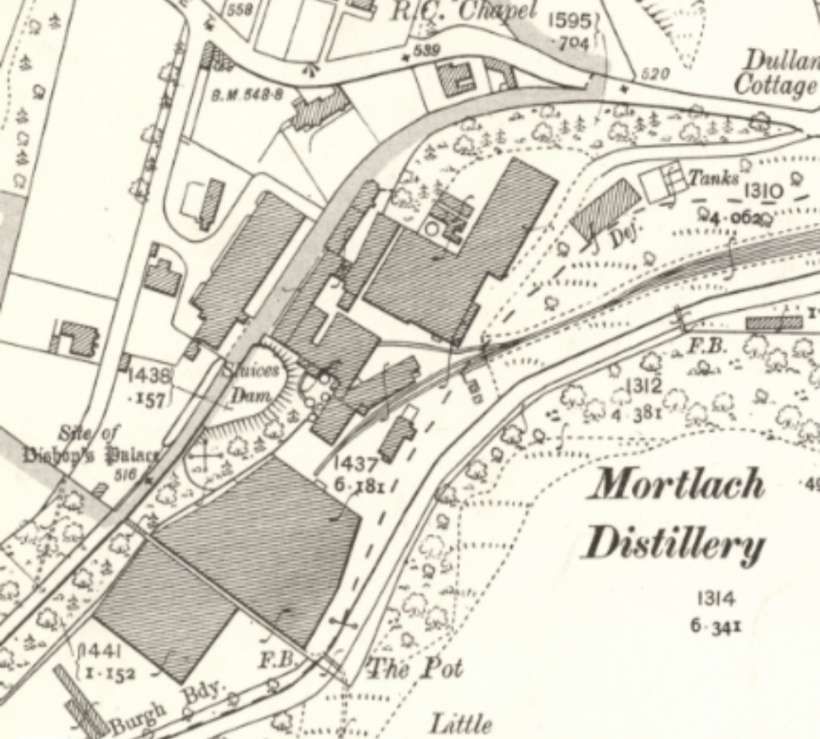

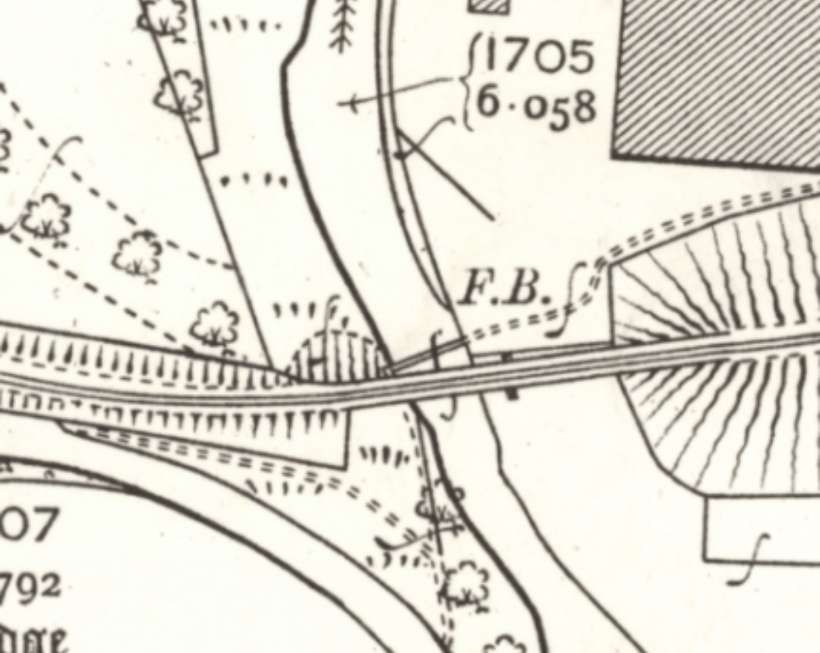
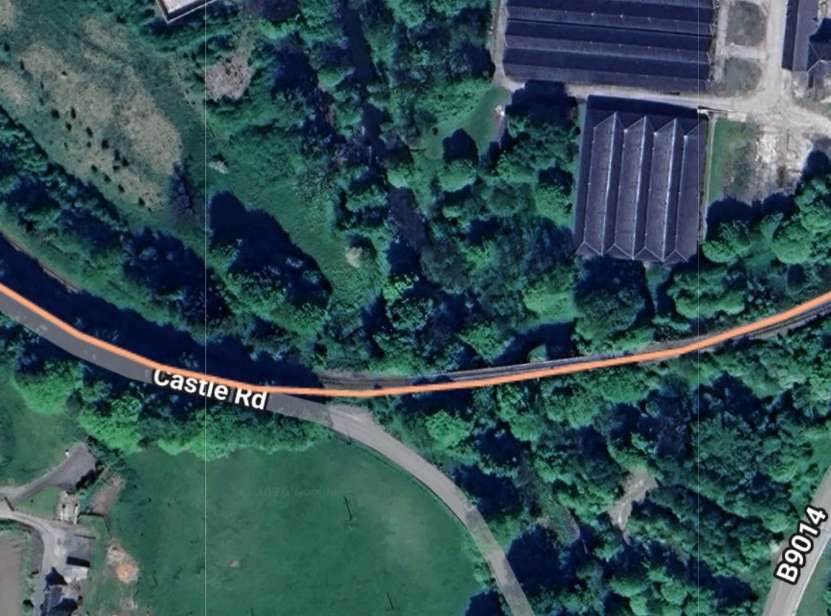
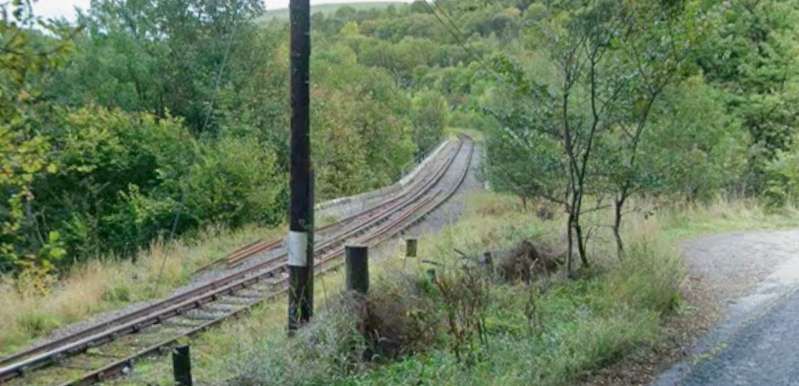
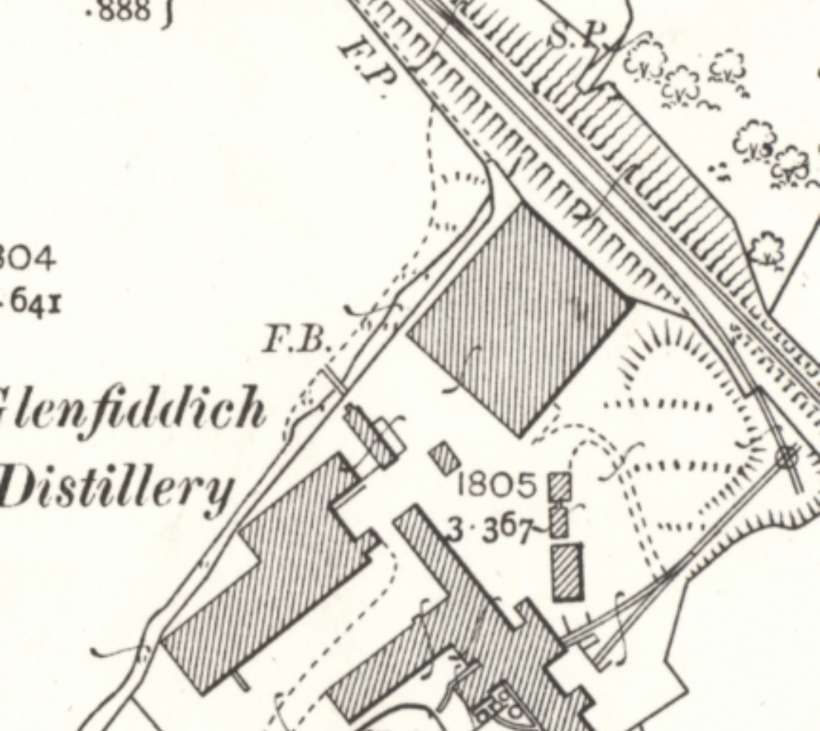
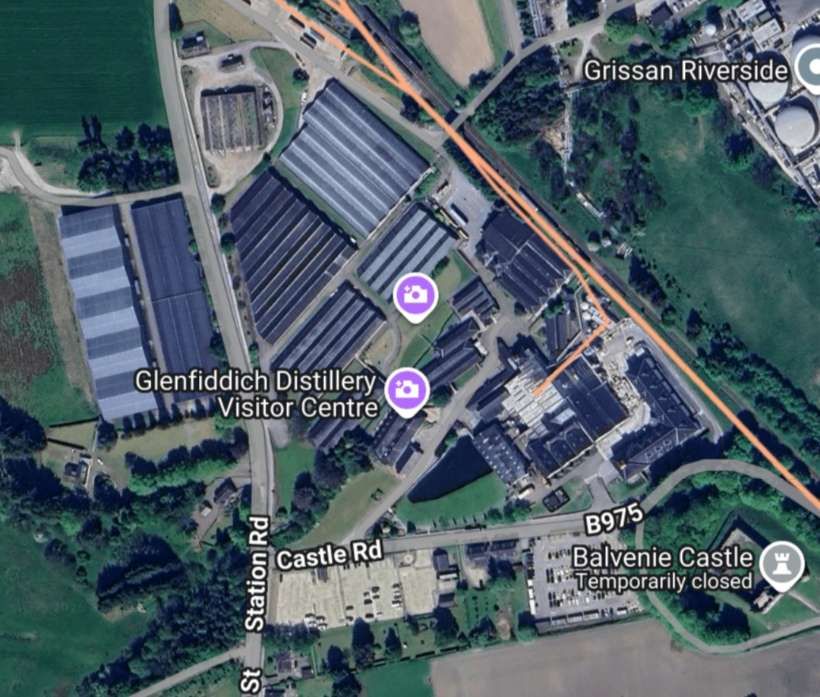
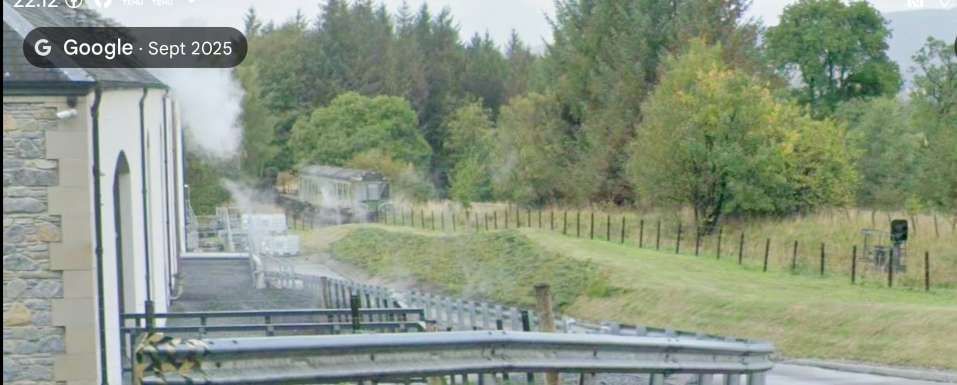
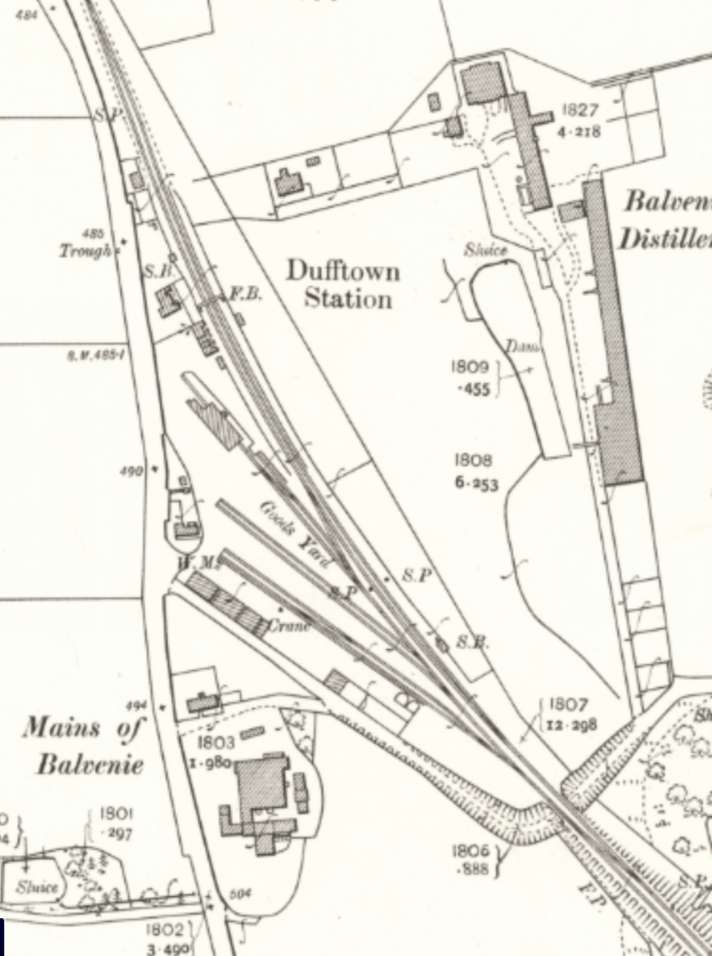
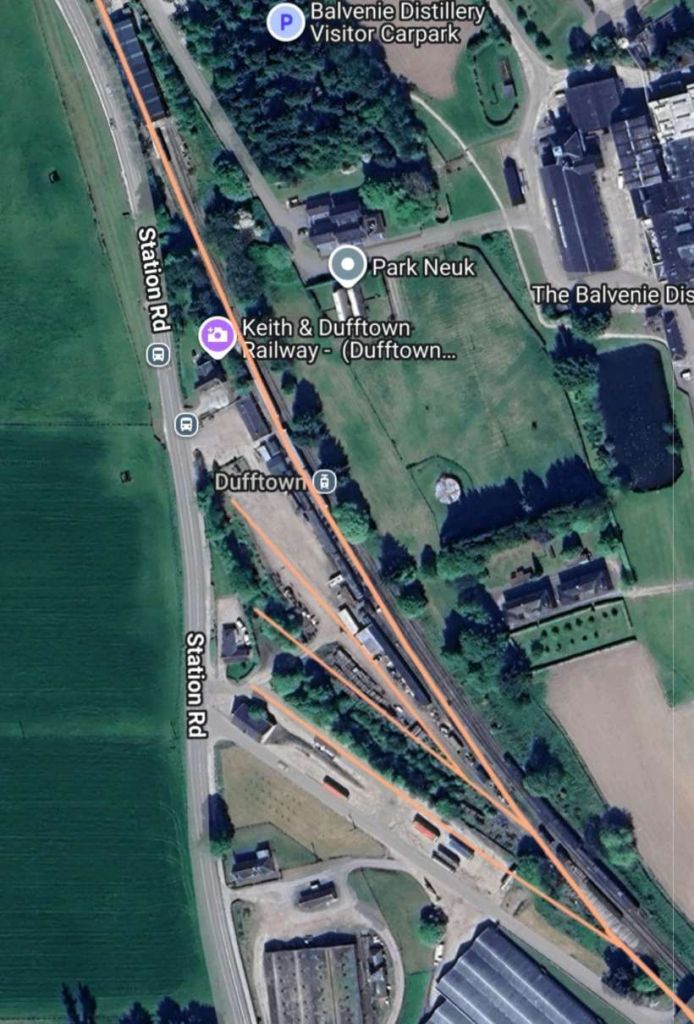
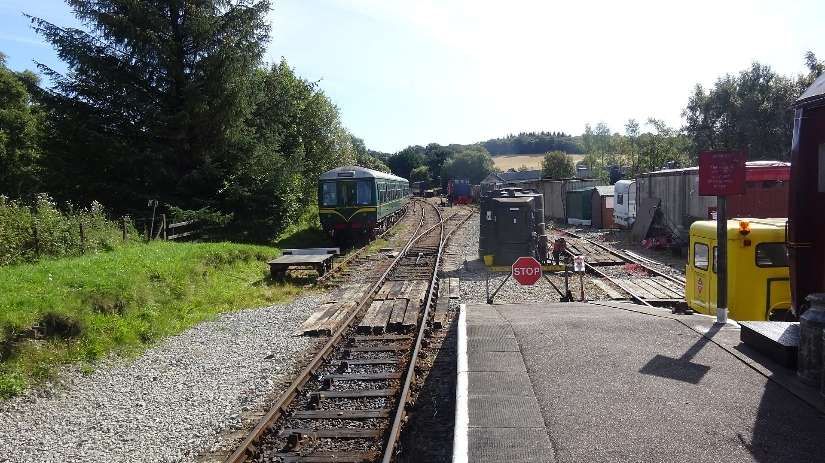


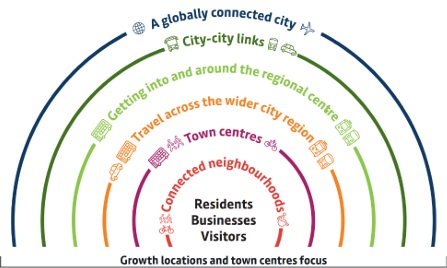
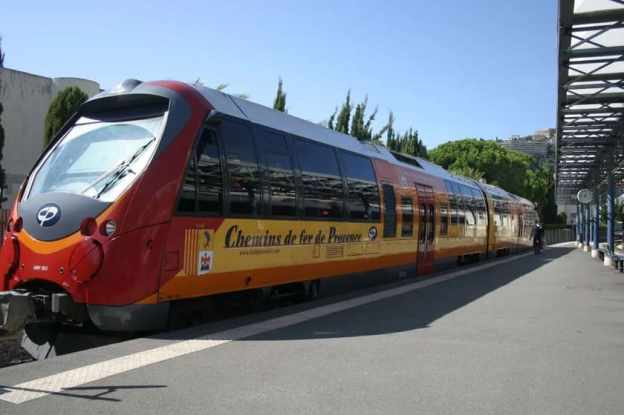
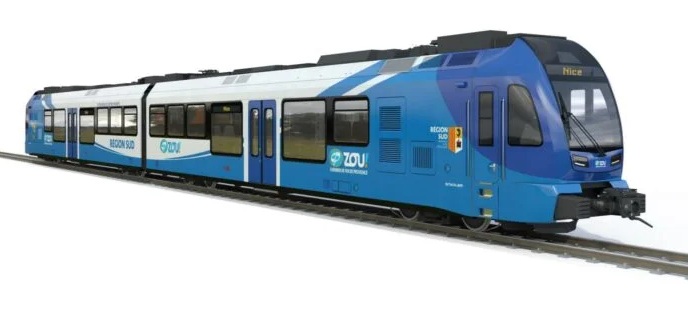
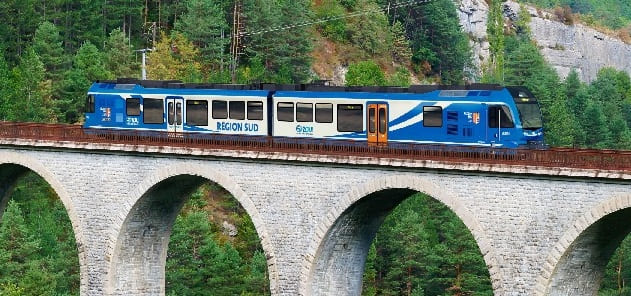
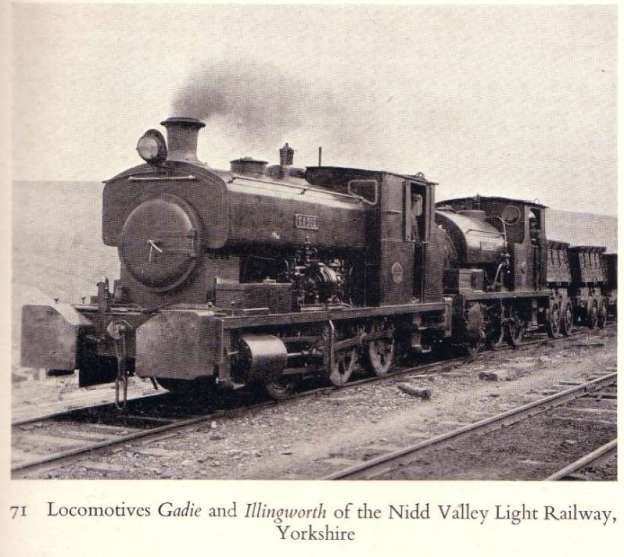
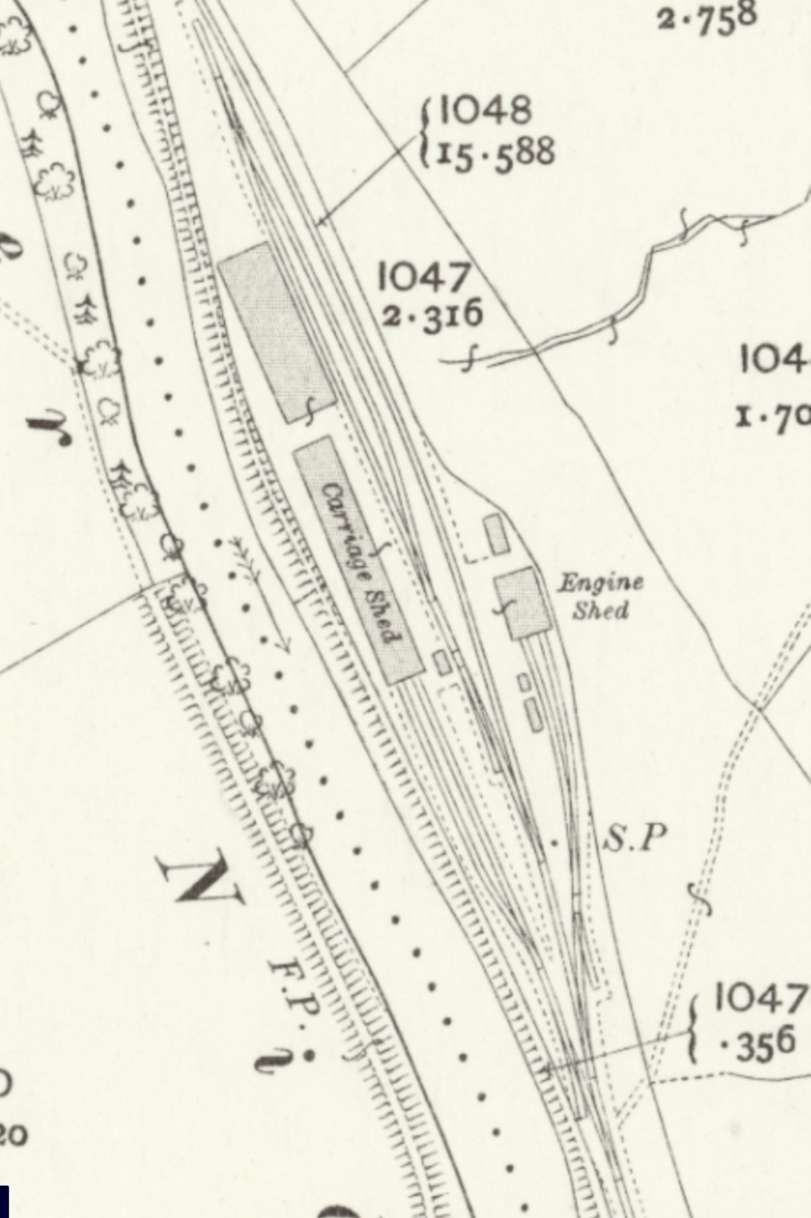
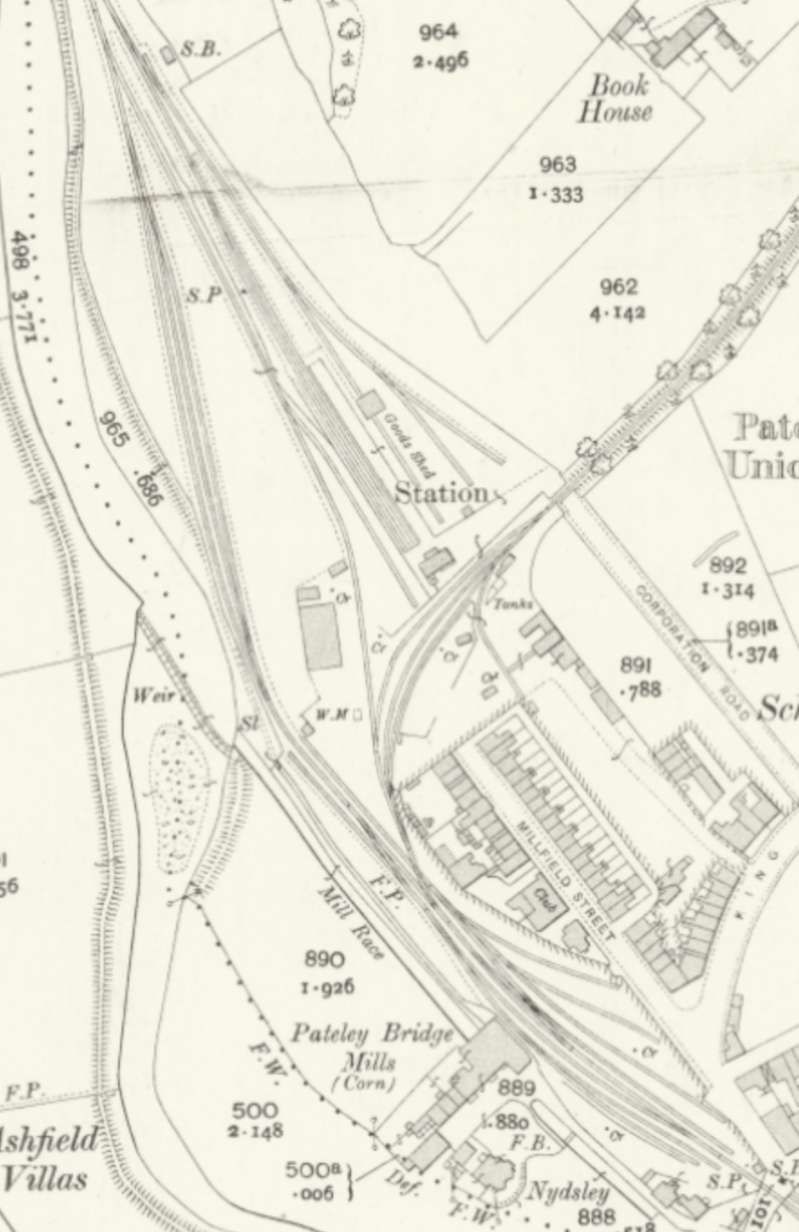
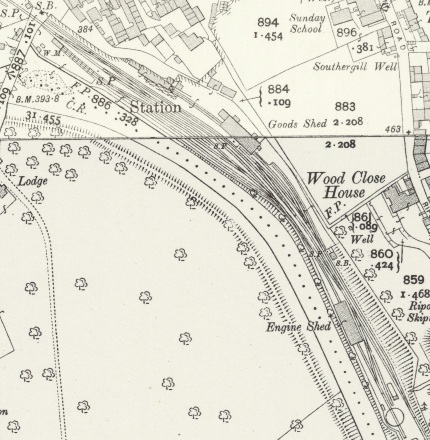
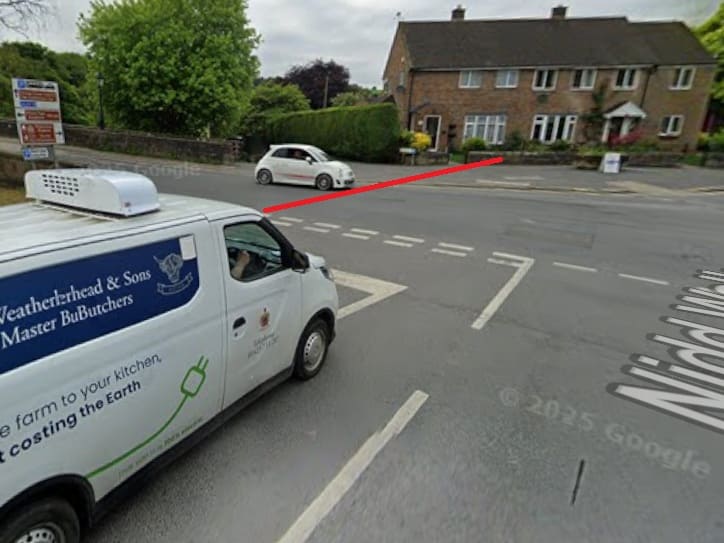
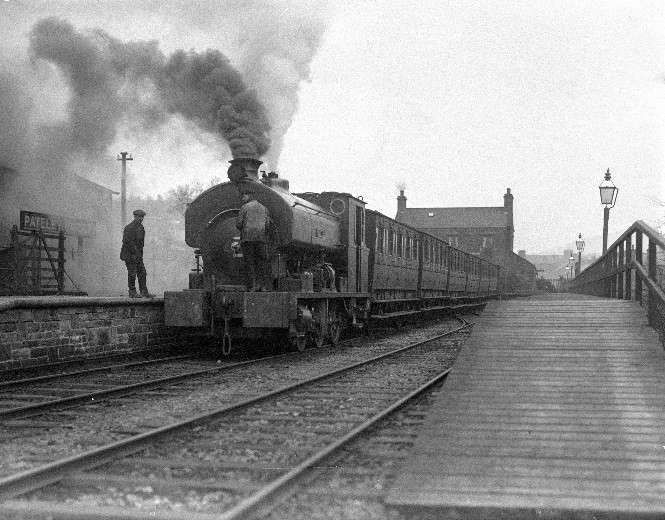
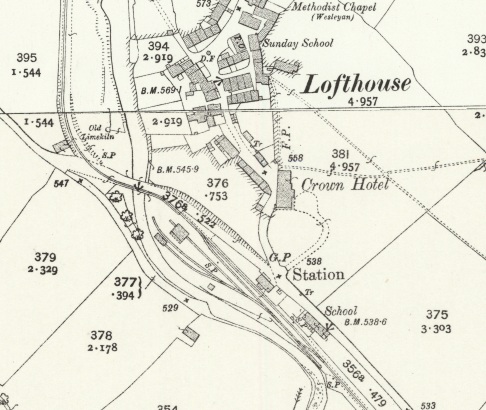
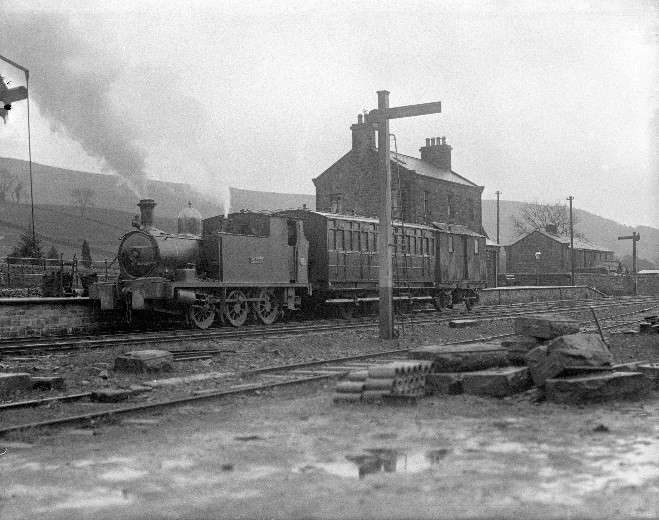
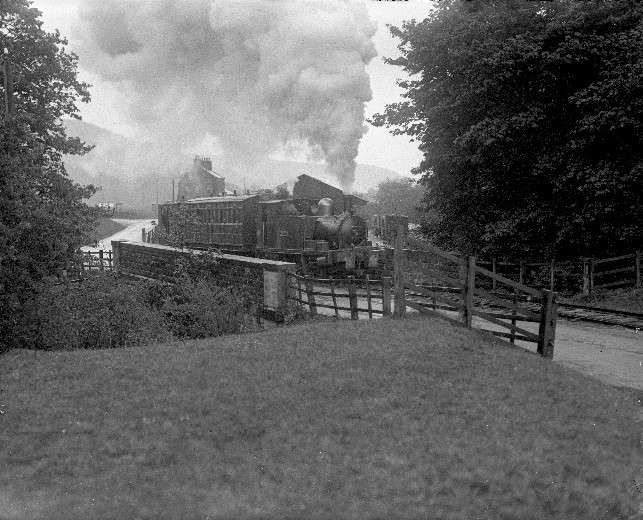
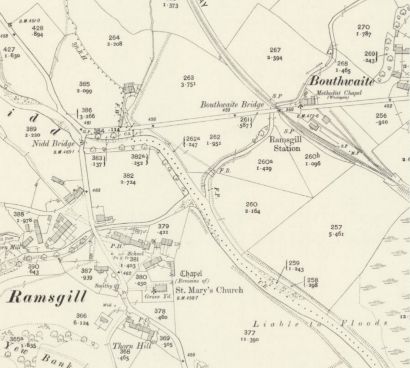
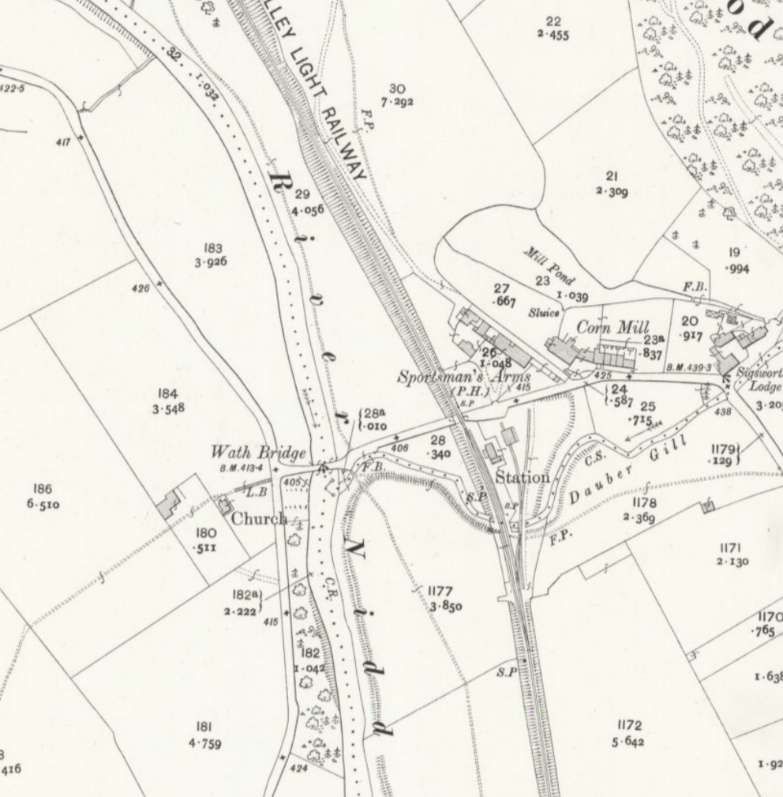
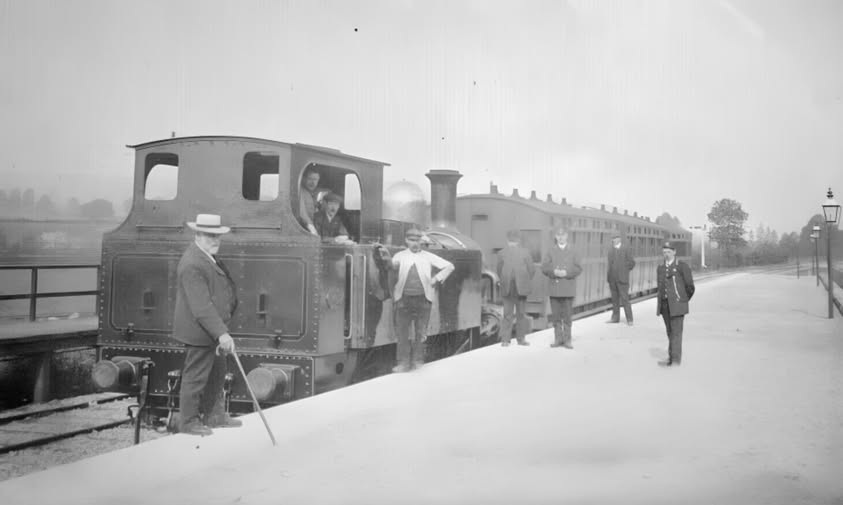
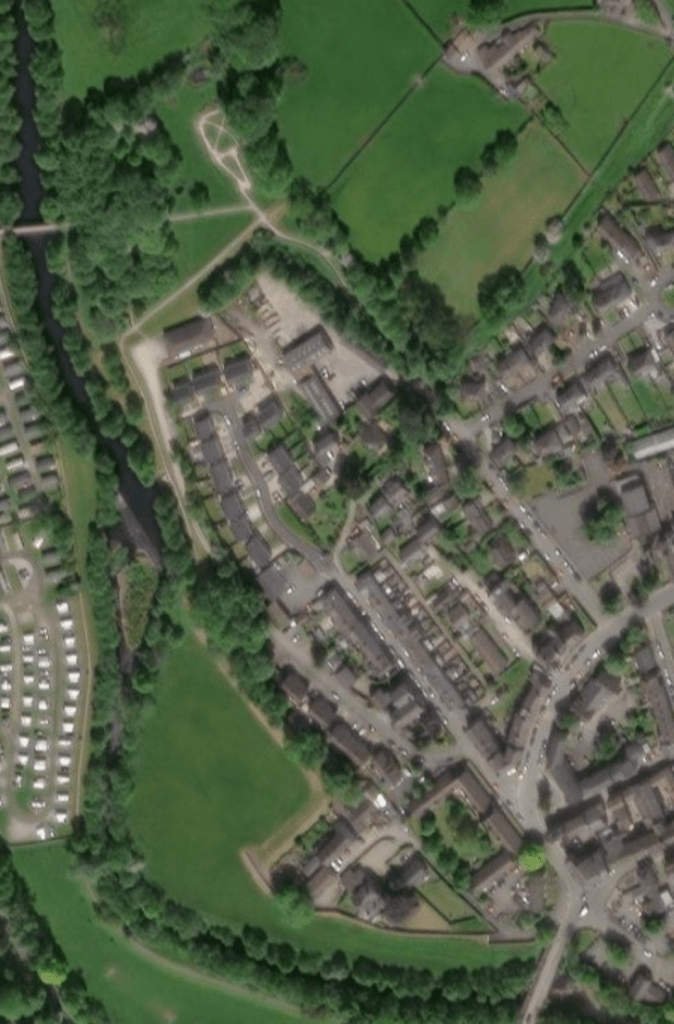
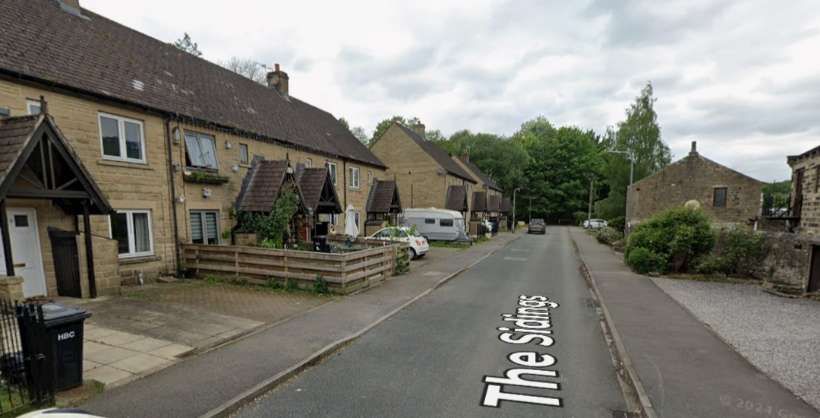
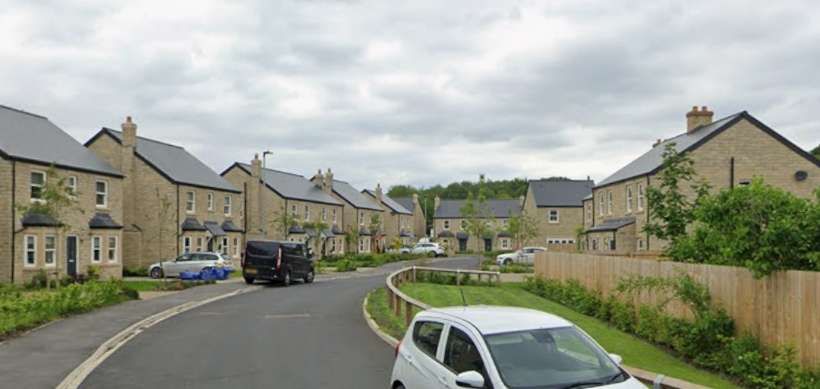
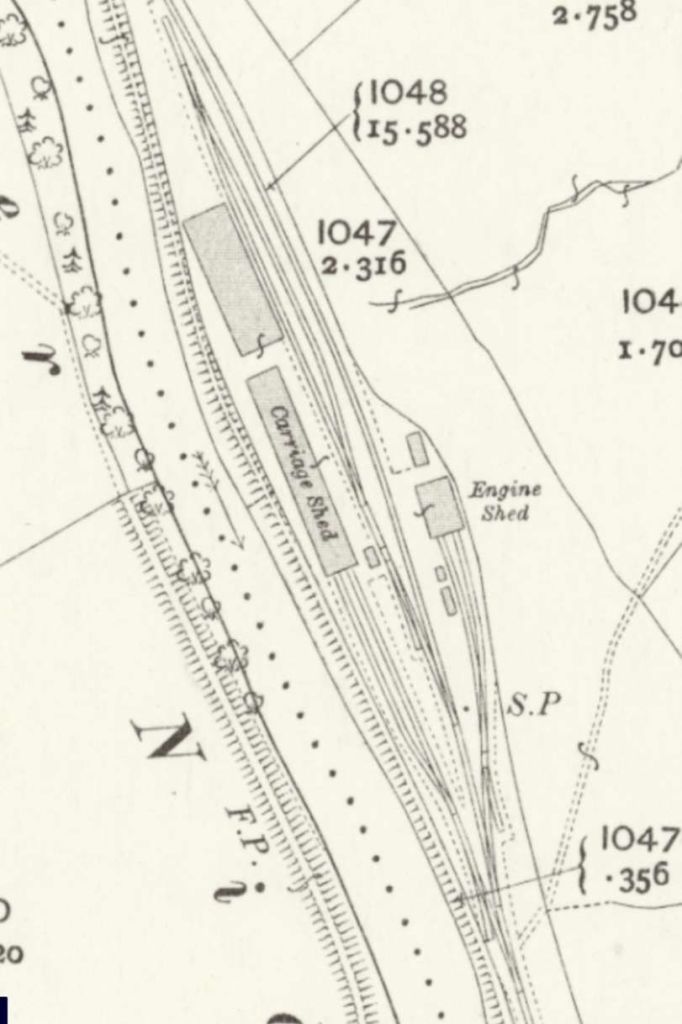
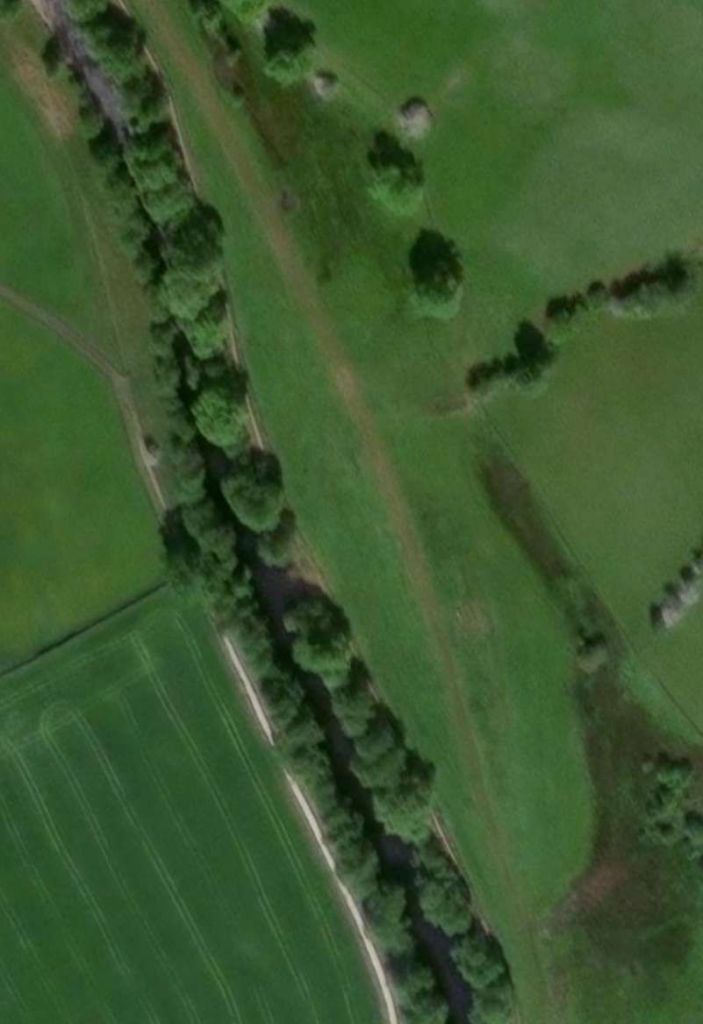
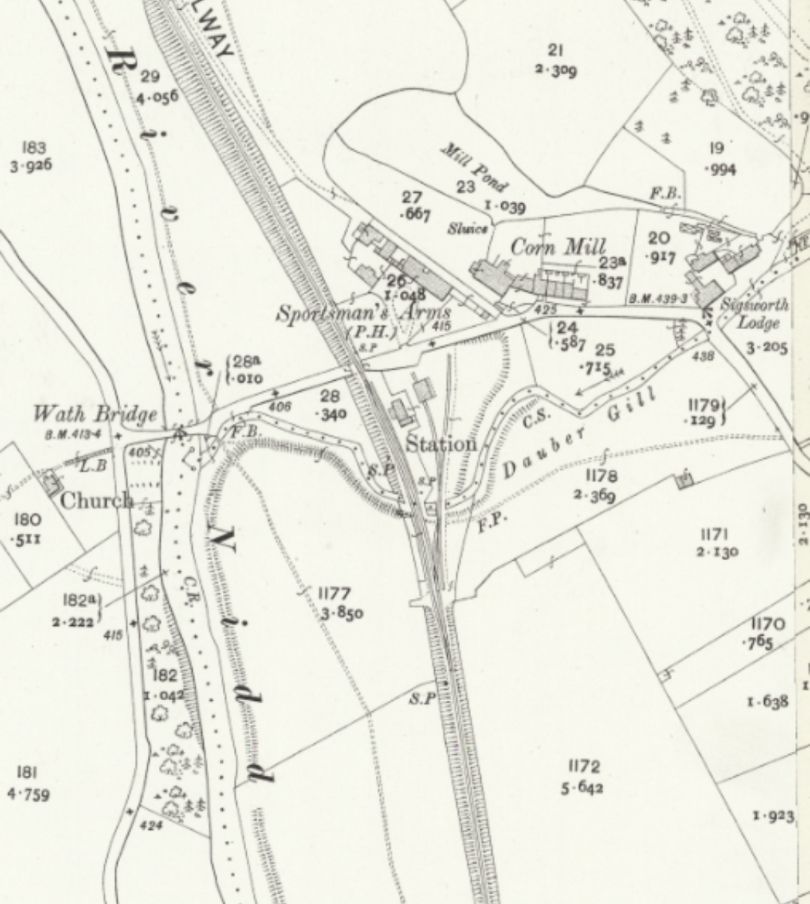
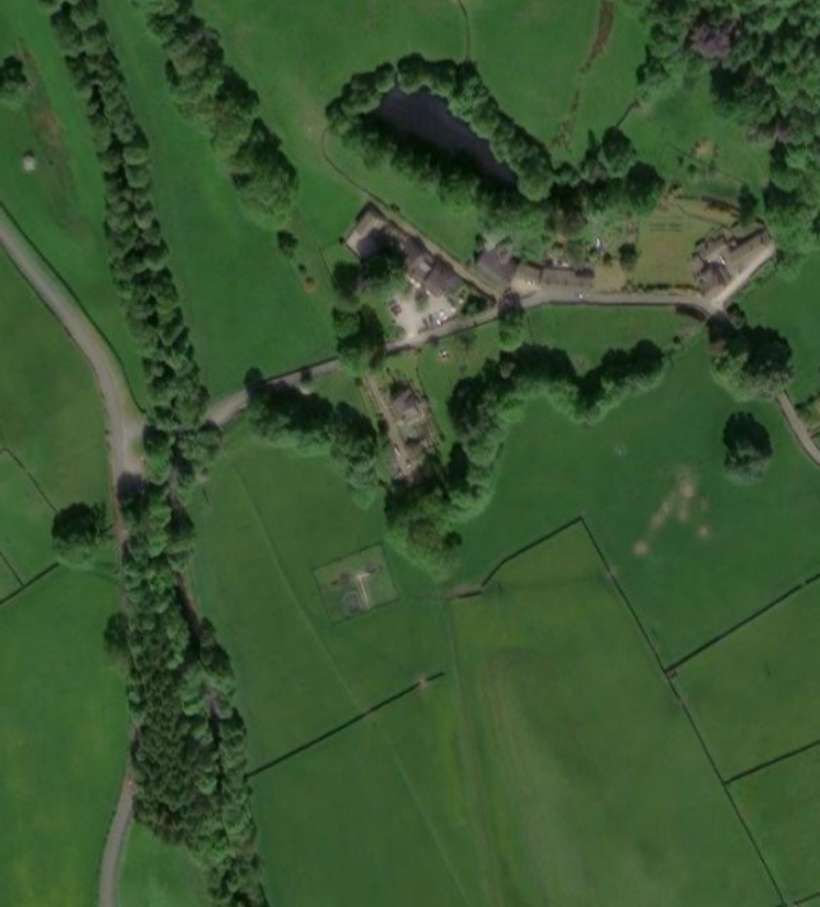
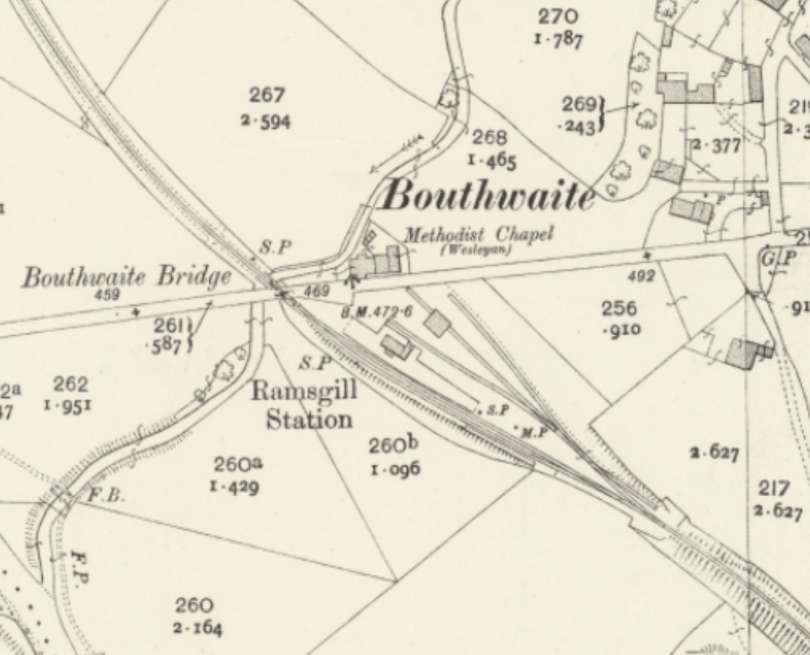
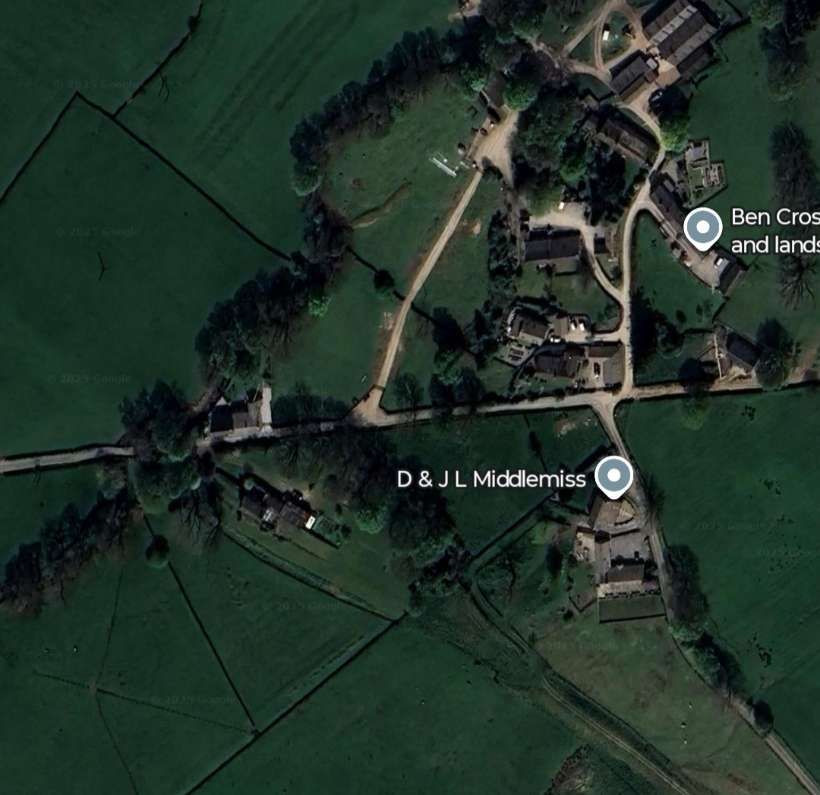
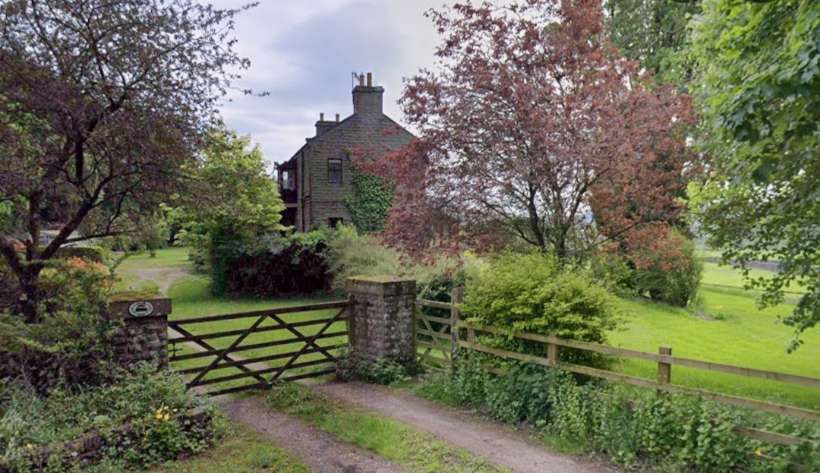
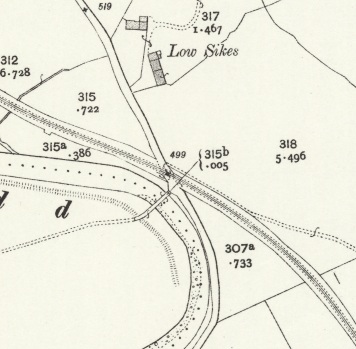
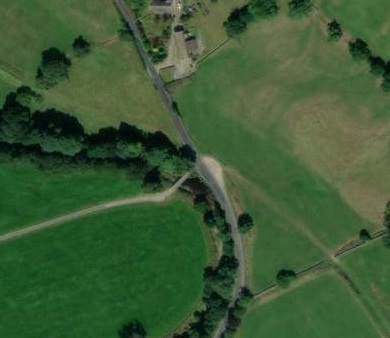
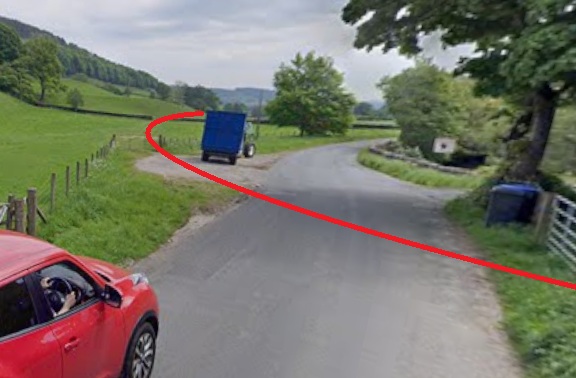
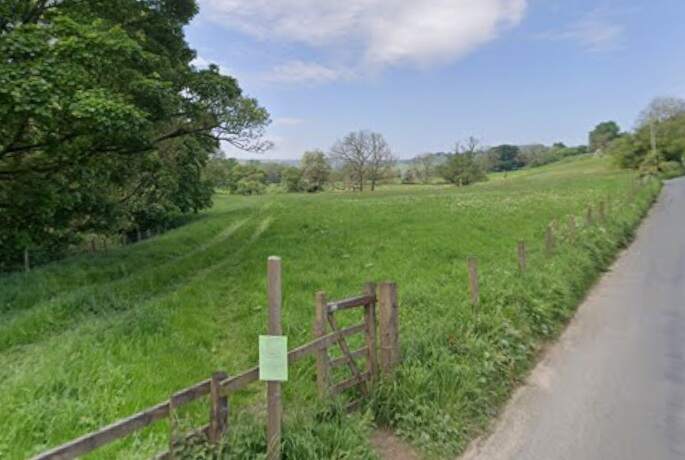
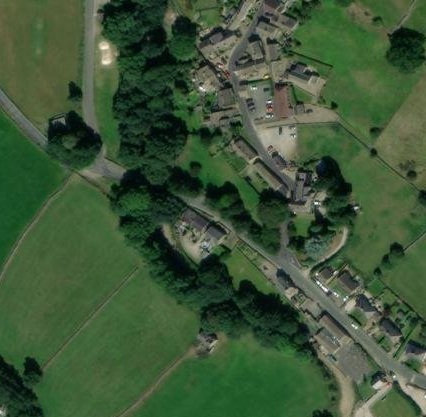
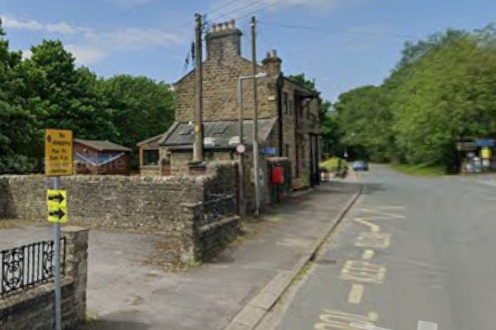
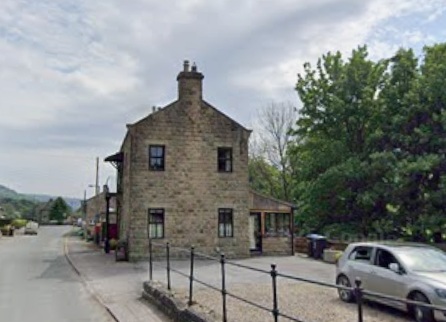
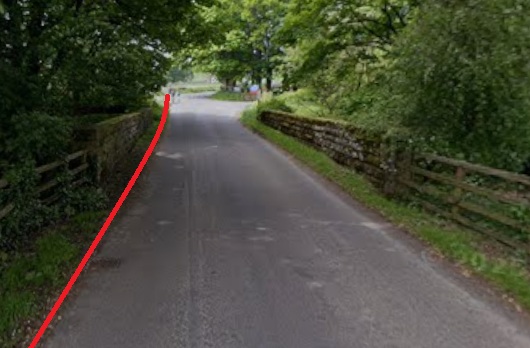
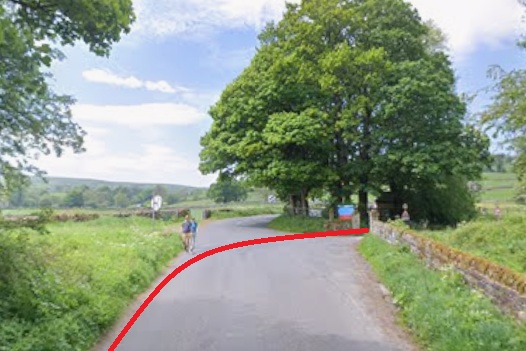
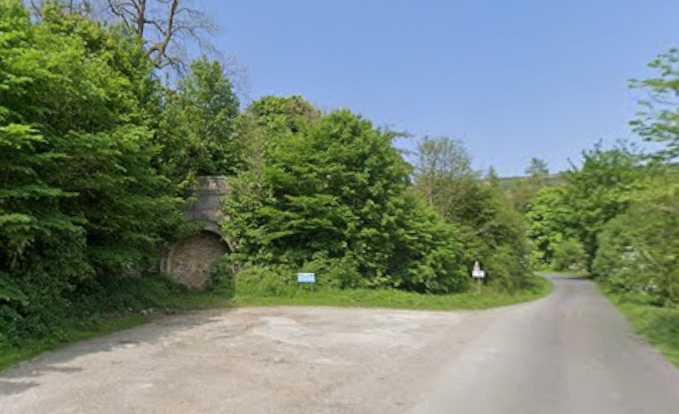
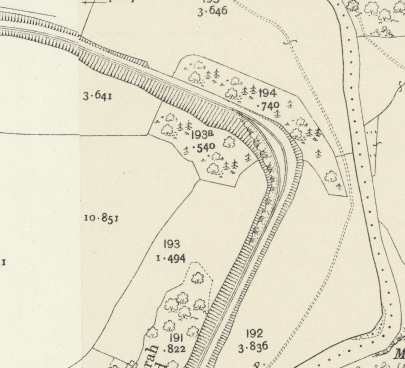
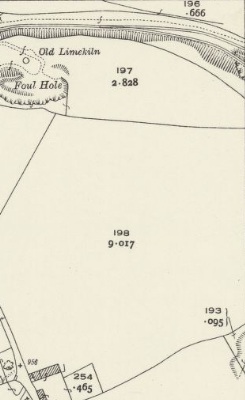
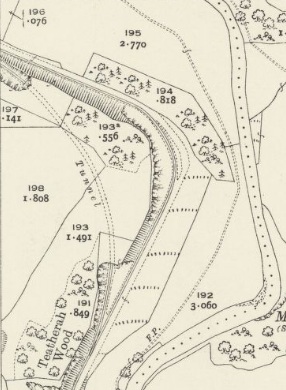

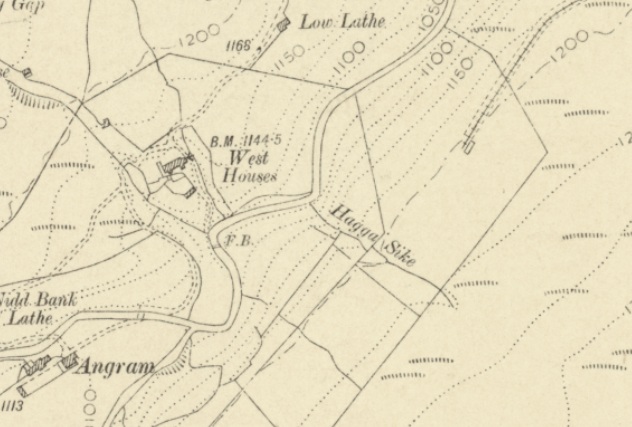
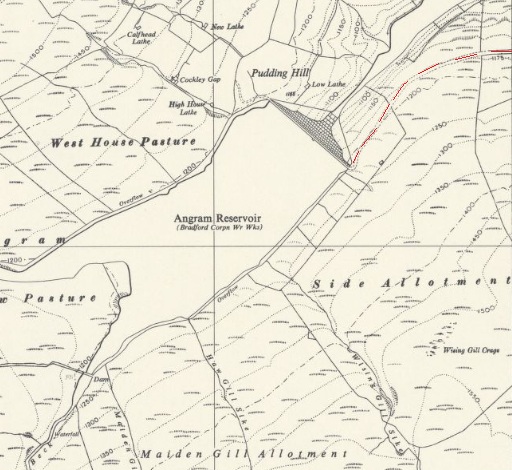
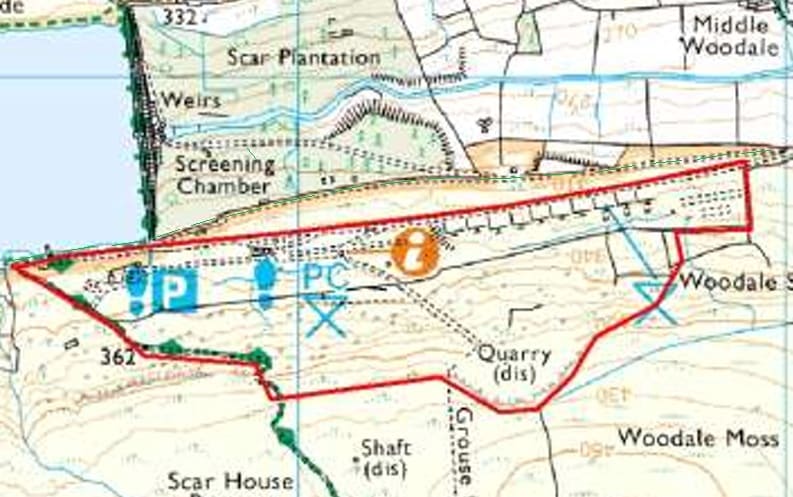
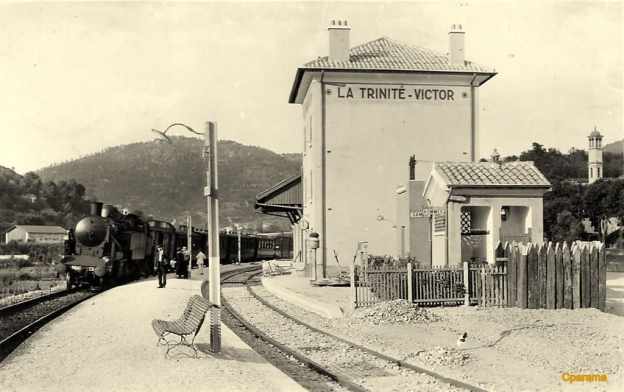
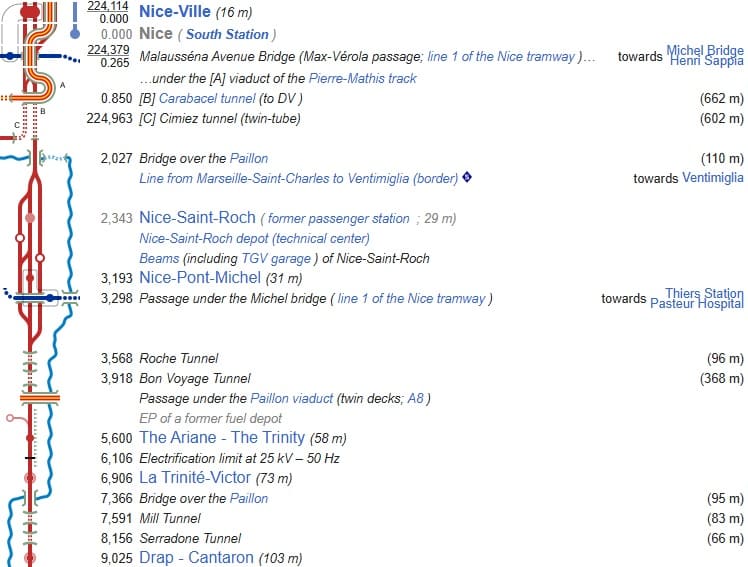
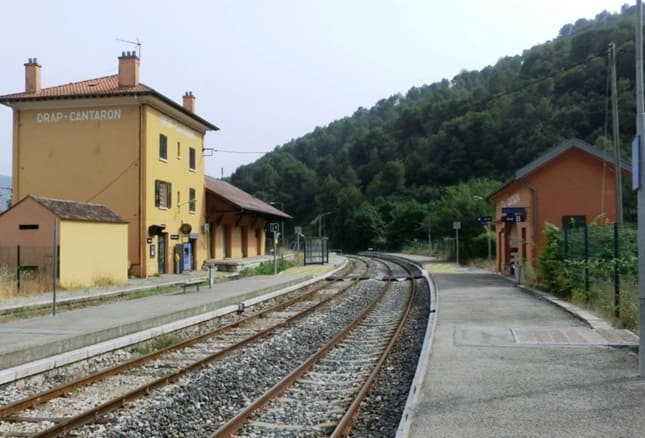
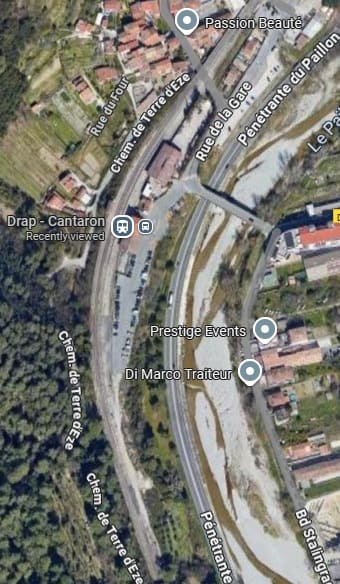
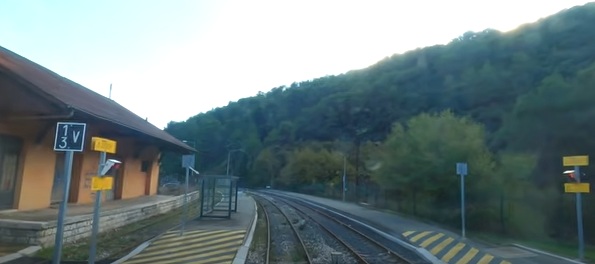
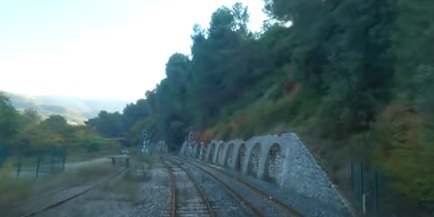
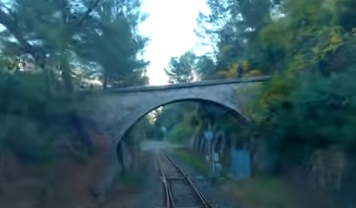
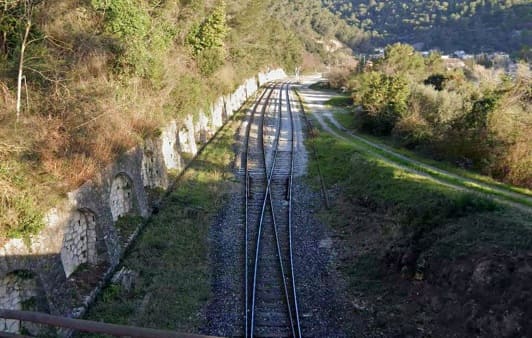
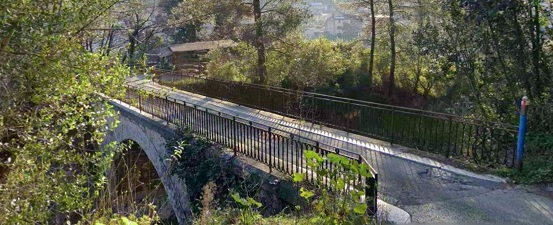
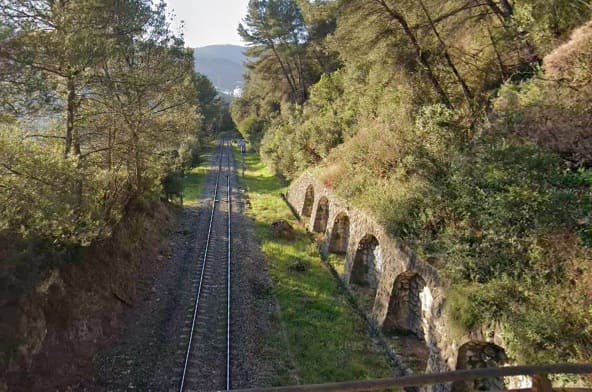
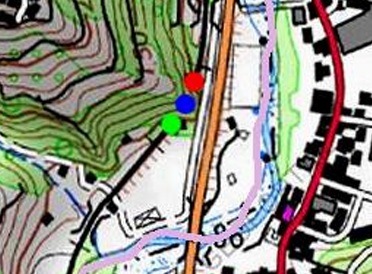
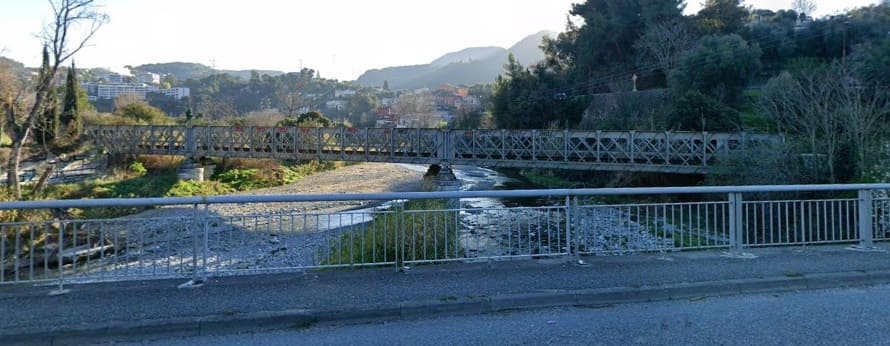
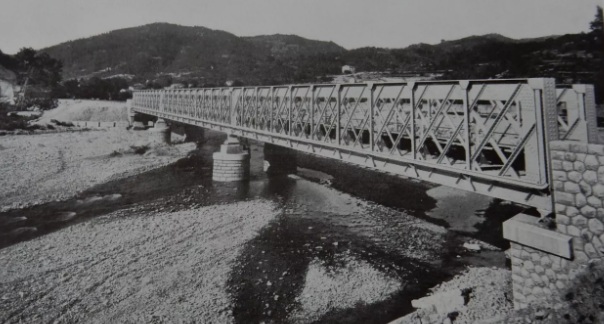
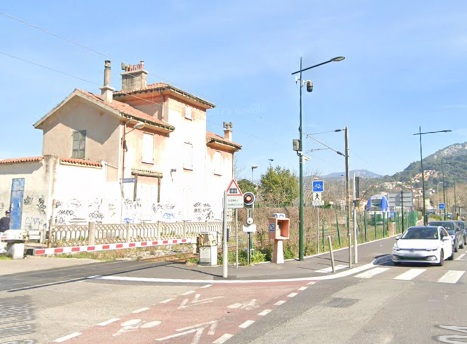
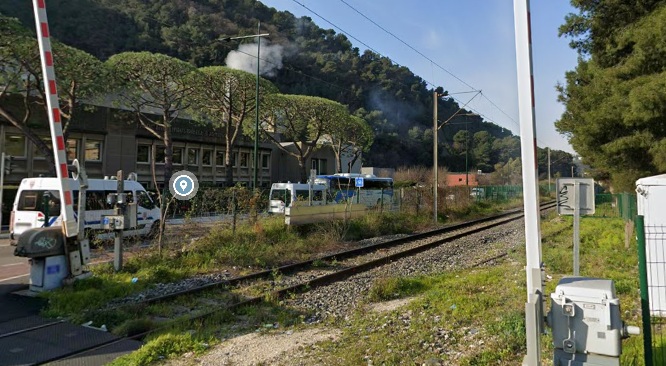
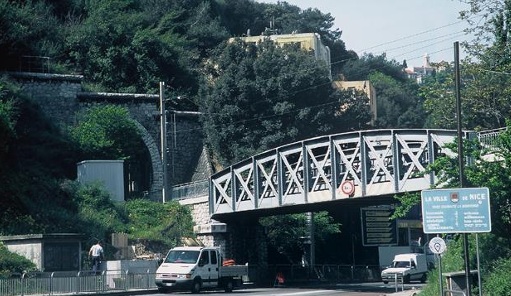
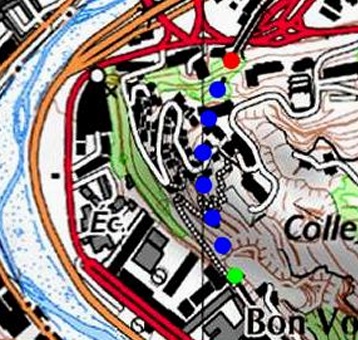
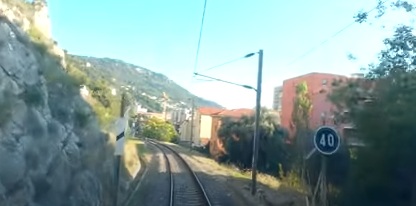
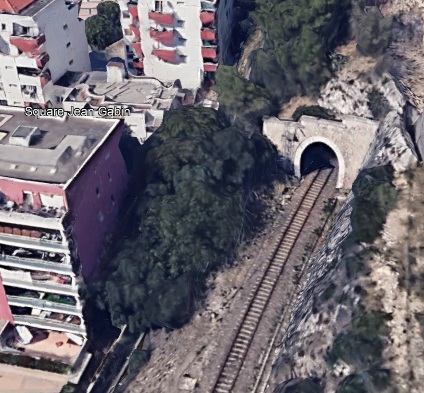


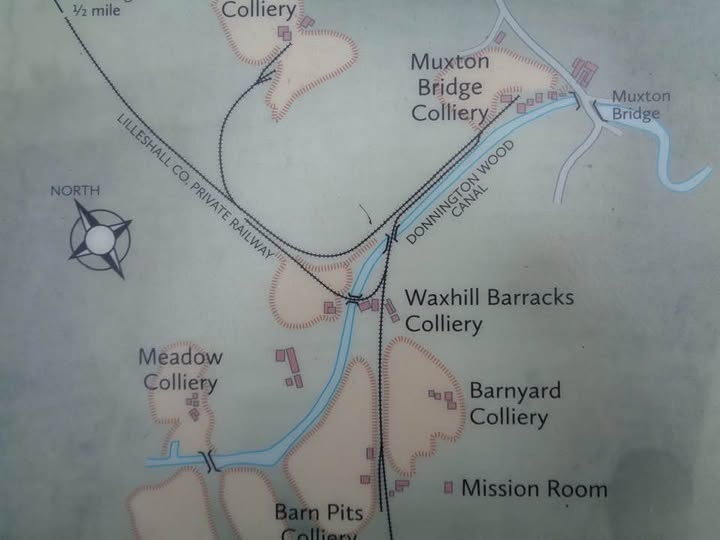
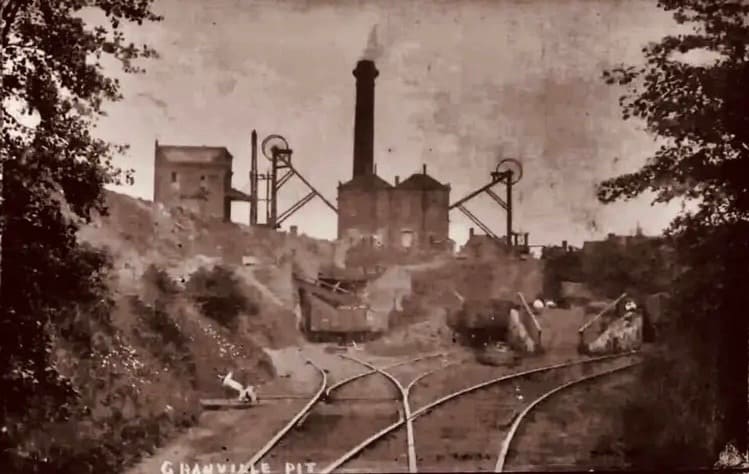
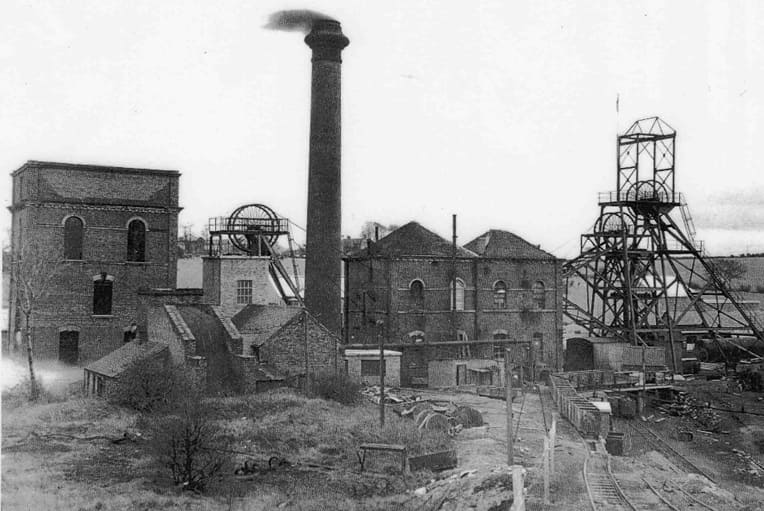
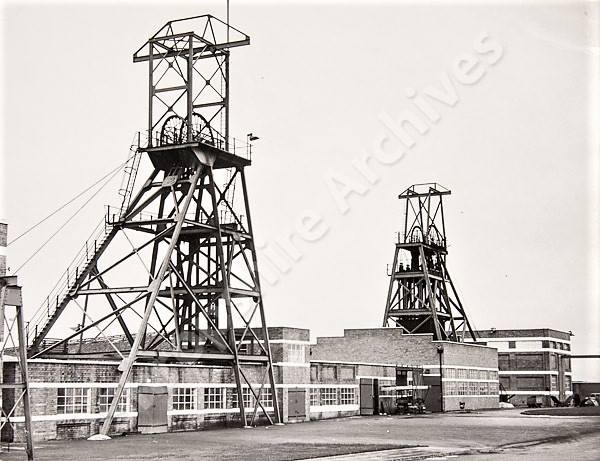
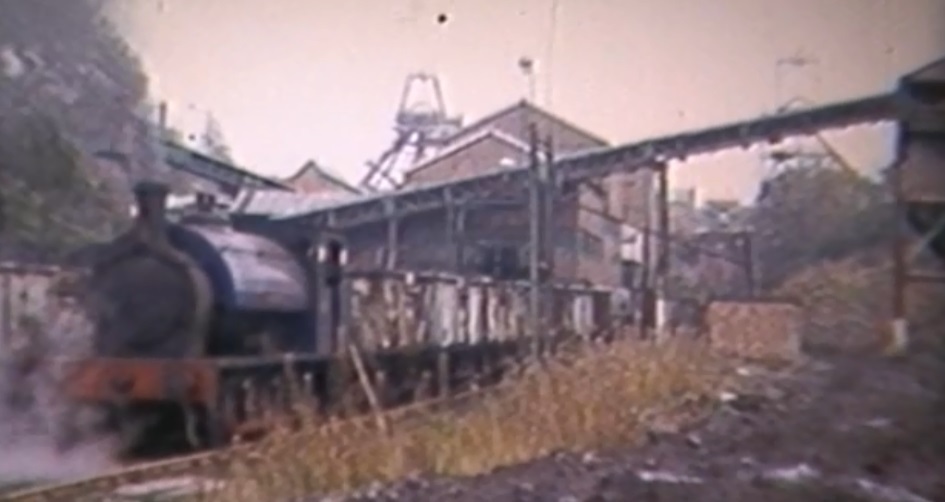
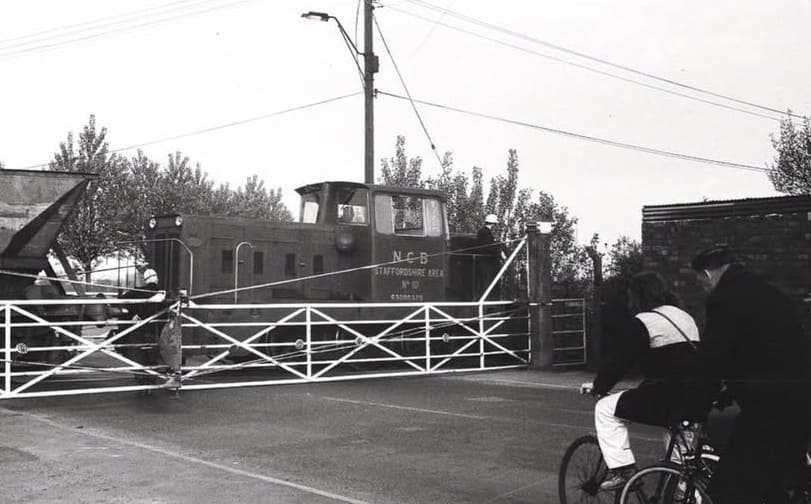
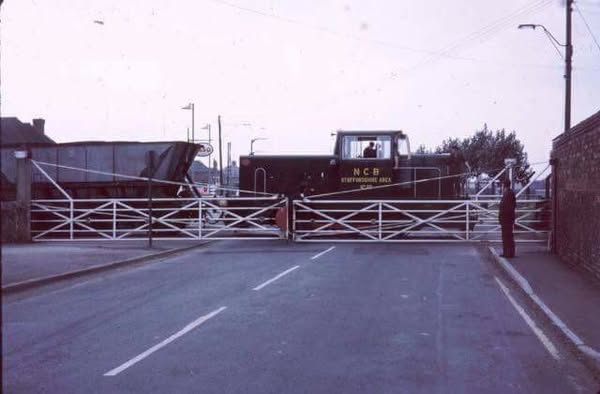
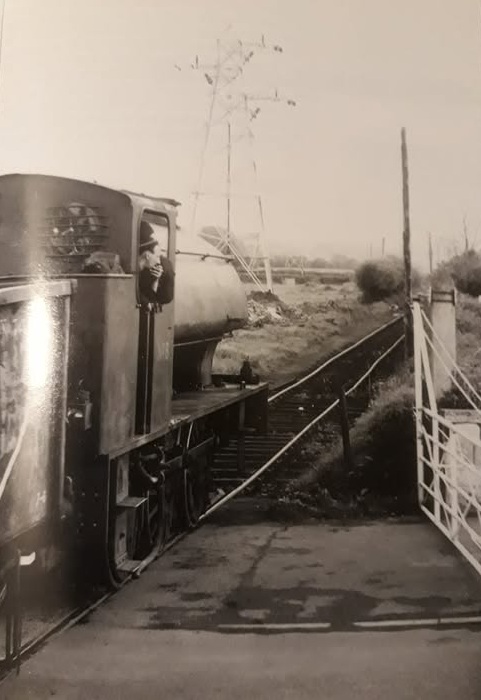
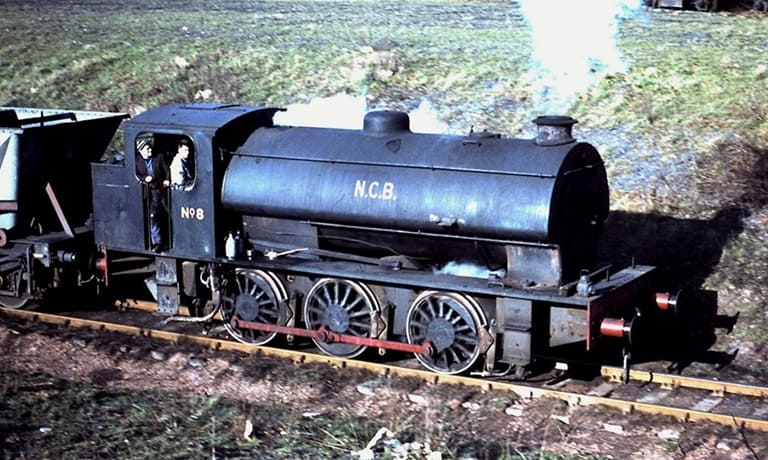
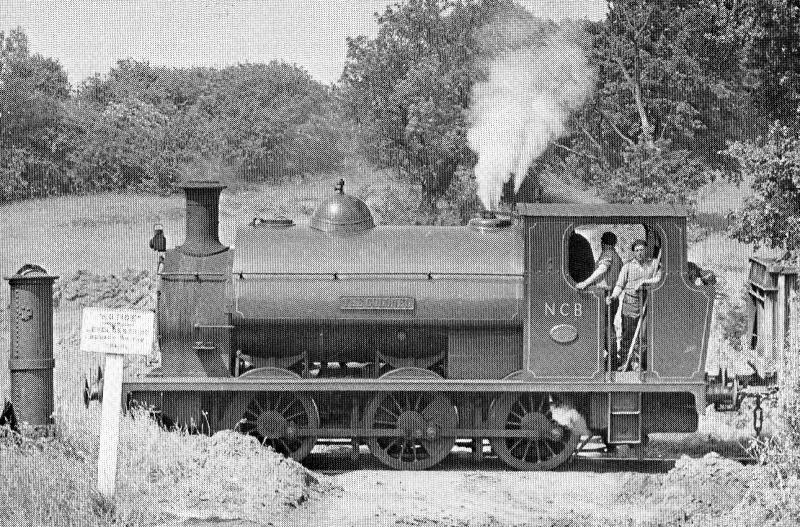
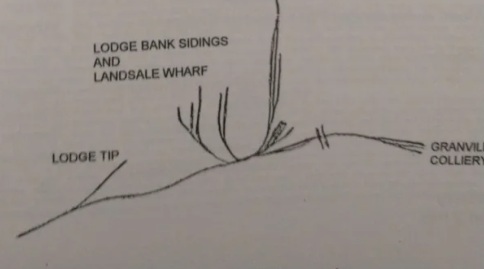
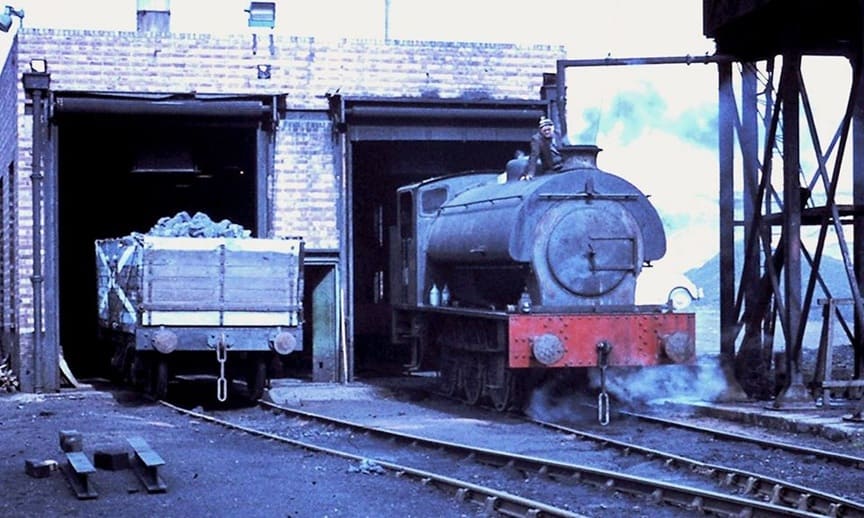
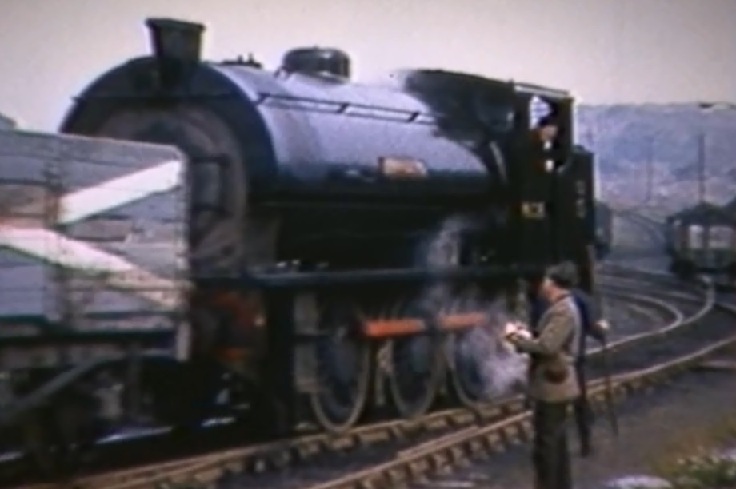
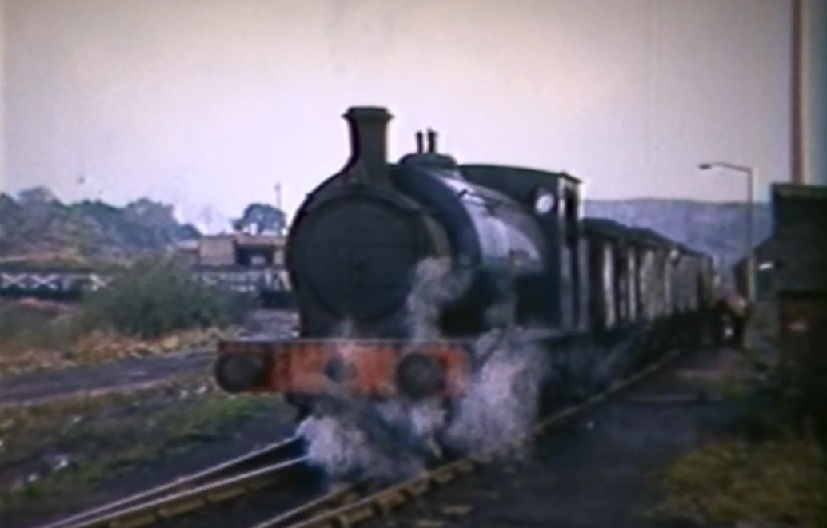
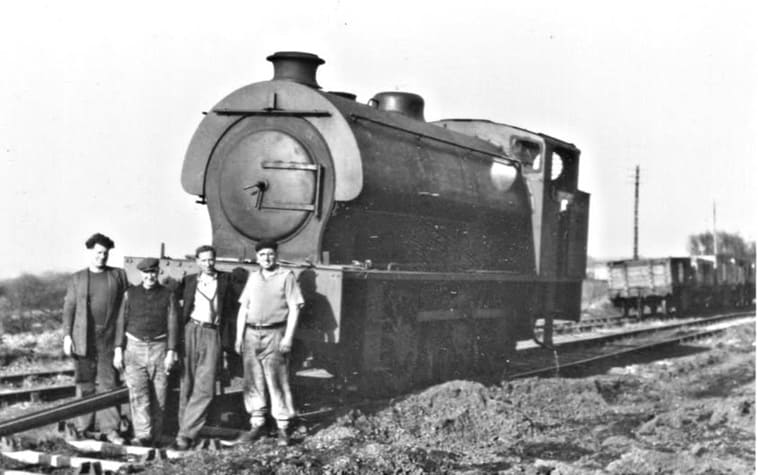
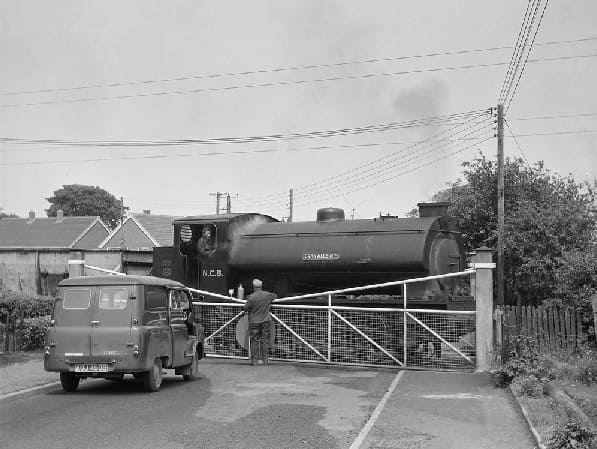
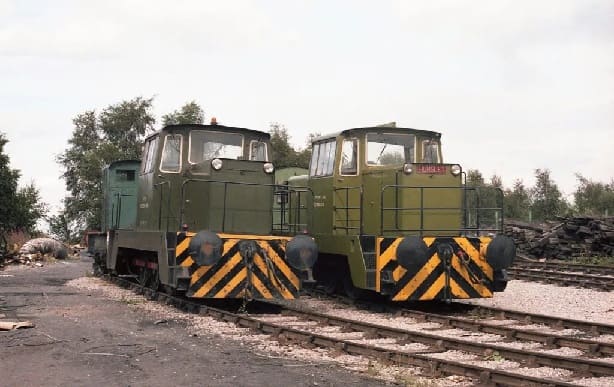
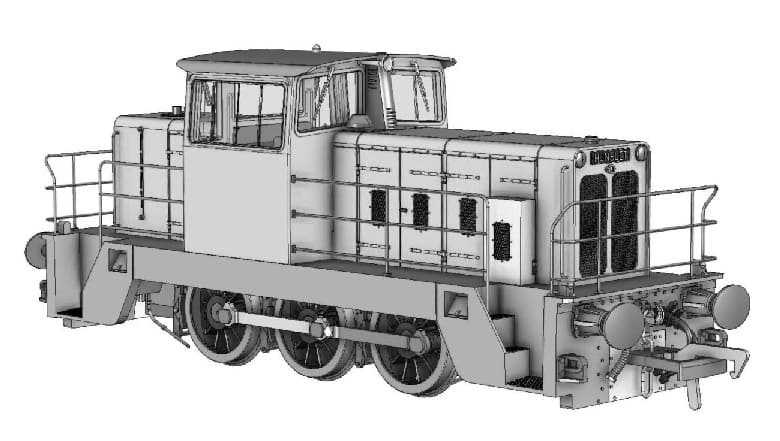
 Roger Farnworth