The August 1905 edition of the Railway Magazine was the 98th issue. In preparation for its 100th edition, it carried this advert. …
A reminder to Railway Magazine Readers that the 200th edition will not have an unlimited print run. [1: p176]
The Railway Magazine had been established for over 8 years. … The above image can be read easily with the exception of the central portion which, in my copy, is damaged. As far as I can tell that portion reads:
“As a memento of this success of the RAILWAY MAGAZINE, we propose to make the 100th Number (October, 1905), a special issue, containing, in addition to the usual articles, several contributions by the leading experts in various phases of railway working, locomotive development, etc. A feature of these special articles will be the reference to improvements in train services, locomotive working and railway management that have taken place during the past 8 years. The RAILWAY MAGAZINE is entitled to the credit of suggesting many of these improvements. With the 100th Number of the RAILWAY MAGAZINE will be issued a Large Presentation Plate, specially drawn, showing the evolution of the steam locomotive from 1803 to the present time, by means of typical engines of various periods.” [1: p176]
The practice of modern railway magazine special supplements and celebratory issues clearly goes back right to the very earliest months of publication of railway magazines.
The August 1905 edition of the Railway Magazine contains a number of third party adverts which are interesting. ….
In addition to a good number of railway company adverts for particular train services and holiday destinations which are themselves worth looking at, are a number from companies which supplied the railway industry, provided services for railway passengers, or catered for the wider public. …
A. Hotel Cecil
Hotel Cecil, London. [1: pI]
The Hotel Cecil advertised itself as the only first class hotel in London with a garage on the premises. Tariffs included: a single room at 5 shillings, a double at 9 shillings, and a suite at 25 shillings. Food was equally inexpensive to modern eyes, breakfast, lunch and dinner could be purchased for a total of 11 shillings. A single person could stay full board for 16 shillings! (80 pence!)
A loaf of bread cost 5d in London in February 1905, [2] around 2p in today’s money. If we accept that supermarket prices for a 800g loaf are about £1.35 in 2024 we can make a simplistic comparison with modern day costs for full board in London. £1.35 would have bought close to 70 loaves in 1905. That factor of 70 would suggest that a comparable price for full board would be £56!
Five-star accommodation in 2024 at the Shangri-La at The Shard, London costs upwards from £602 which could include breakfast!
B. A Motoring Atlas
The British Motor Tourists ABC, published in the same premises as The Railway Magazine. [1: pIII]
The British Motor Tourists ABC, could be purchased as a paperback (limp) for 5 shillings – the same price as a single room at the Hotel Cecil! If you were using it as a chauffeur, then a special edition could be purchased far cheaper – just 1s 3d.
This ‘Indispensible’ volume included ‘Hints to Motor Tourists’, by S.F. Edge – 57 pages of clear Main Road Maps, Alphabetical List of Towns and Villages in Great Britain and Ireland. with Best Hotels, Garages, Spirit Stores, Charging Stations and Repairing Depots, Hints on Tyres. Customs Tariff and Regulations, Steamer Freights, Railway Regulations, re Petrol and Carriage of Motor Cars, Motor Car Act, Motor Signs, Racing Fixtures, Lighting-up Table, Yacht and Golfing Clubs, Automobile Clubs, Fishing and Hunting Centres.
C. Postcards
These Post Cards represented locomotives of the latest designs, they could be obtained at all railway bookstalls and through any newsagent, price 6d. per set/packet, or direct from the Railway Magazine office, post free, 7d. per packet. [1: pVI]
D. Railway Inspection Cars
Oldsmobile advertised two inspection cars. The first was a self-drive vehicle with space for 4 people. Weight: 800lbs. The second was a larger vehicle which could carry 6 to 8 people or carry tools and material. [1: pX]
Inspection Car, No. 1 was already in use by over 100 Railroads in the United States and other countries. for Bridge and Track Inspectors, Road-masters, and other officials. The Company claimed that it was economical to run and had a range of 100 miles.
Production was limited to only 127 units, the Olds Rail Road Inspection Car was built by the Olds Motor Works from 1903 to 1905 and sold exclusively by the Railway Appliance Company of New York and Chicago. [3]
Inspection Car No. 2 was a larger vehicle with a 7 hp engine. It weighed in at 1200lbs, was designed for standard-gauge track but could be reduced to a minimum of 3ft 6 in gauge. A top speed of 30 mph was possible. Its range was comparable to Inspection Car No. 1 at 100 miles. [3]
There were a number of converted road vehicles in use over time as inspection vehicles in the USA. More can be discovered here. [4]
Ford produced one which included its own turntable. A 1925 Ford Model T Railway Inspection Car was on display on a short 30m section of track outside the Collections Centre at the British Motor Museum at Gaydon on 16th July 2024.
A Ford Model T Rail Inspection Car with inbuilt turntable. [5]
E. A Mug or Two of Cocoa
Dr. Tibbles’ Vi-Cocoa was a popular energy restorative in the Victorian era. At its height it was one of the highest-selling cocoa-based drinks in Britain. [6]
Dr. Tibbles’ advert in the Railway Magazine. [1: pXI]
Adverts for Dr Tibbles Vi-Cocoa, which was a mixture of malt, hops, kola and cocoa, first appeared in 1893. He registered the company at that time and later re-registered as Dr Tibbles’ Vi- Cocoa (1898) Ltd in 1898. Tibbles retired soon afterwards.
“Land was purchased in North Watford to expand Vi-Cocoa production in 1899. A fire devastated the factory in 1903 but the site was rebuilt and became an important local employer making cocoa and chocolates.” [7]
The business was renamed the Watford Manufacturing Company in 1907.
“The Watford Manufacturing Company produced munitions during the First World War. Following the War, the company expected an increase in business and invested in the construction of a huge, new factory. However the business did not materialize. The new factory became a white elephant, was left unfinished and bankrupted the company in 1922.” [8]
In 1918, Lord Leverhulme became the largest shareholder. In 1922 the Company entered into liquidation and Lord Leverhulme purchased the Company. Virtually straight-away, Leverhulme sold up to Planters Products Ltd, a Lever Brothers subsidiary. Vi-Cocoa production continued, the factory was employing 400 people in 1929, and was one of the largest employers in the area. [6]
In 1930, the factory was sold and Unilever absorbed by Unilever, the new incarnation of Lever Brothers. Vi-Cocoa was still being advertised in 1945.
Dr. Tibble’s Vi-Cocoa “achieved remarkable success through a combination of innovative marketing techniques, including health claims, scientific endorsements, extensive print advertising, free samples, and targeted marketing. These strategies not only propelled Vi Cocoa to commercial success but also influenced broader trends in advertising and consumer culture in late Victorian Britain.” [9]
F. Thomas Firth & Sons Ltd.
Firths’ Steel of Sheffield. [1: pXII]
Wikipedia tells us that, “In 1902, Sheffield steelmakers John Brown & Company exchanged shares and came to a working agreement with neighbouring company Thomas Firth & Sons, the companies continuing under their own management until they finally merged in 1930.” [10] At the merger they formally became Firth Brown Steels.
G. W.S. Laycock Ltd.
W.S. Laycock Ltd. [1: pXIII]
W. S. Laycock of Levygreave Road and Victoria Works, Gell Street, Sheffield were Railway Carriage Fittings and Appliance Manufacturers in 1901. First established by Laycock in Victoria Street, Sheffield in 1884. In 1893, the Company “introduced a system for train heating using steam from the locomotive with storage reservoirs in each compartment.” [11]
By 1900, the Company was incorporated as a limited company. Grace’s Guide tells us that the company “supplied equipment to every railway company in the world, the main specialities being carriage blinds, buckeye automatic couplers, vestibule gangway connections, and steam-heating equipment for complete trains.” [11]
In 1902, the Company opened new works at Millhouses, adjoining the Midland Railway. The Company produced munitions during WW1 and in time became Laycock Engineering Co. and later still Laycock Engineering. The company was still exhibiting at the Motor Show in the late 1980s.
H. Giant Motor Spirit
Motor Spirit is Petrol or Gasoline. Meade-King, Robinson & Co., of Liverpool place the advert below in the Railway Magazine. For more information about early Petrol-powered rail vehicles, click here. [12]
Meade-King Robinson [13] is still in business in 2024. “It is a privately owned chemical distribution company with over 140 years experience in the supply of a wide range of oils and chemicals.” [14]
An early advert for Petrol! [1: pXIV]
I. Brown, Bayley’s Steel Works, Ltd.
Wikipedia tells that “Brown Bayley Steels was a steel-making company established in Sheffield, England in 1871, as Brown, Bayley & Dixon. They occupied a site on Leeds Road which was later occupied by the Don Valley sports stadium.” [15]
[1: pXV]
Brown, Bayley’s Steel Works had three main sites: Leeds Road, East Works, and Brighton Bar Shop.
Wikipedia tells us that “the Leeds Road site included: a spring shop, a hammer shop, a ring rolling shop with Telpher Crane, a machine shop for railway axles & tyres, an axle & railway tyre drop test plant, a heat treatment department, creep laboratories, a tyre blank press, a blacksmiths shop, a loco Shed, a drawing office, and a generator converter house creating direct current for cranes.” [15]
East Works: had “a sheet rolling mill, a sheet pickling plant, sheet polishing and guillotine shops andSteckel mills (slitting machines).” [15]
Bright Bar Shop: undertook “bar drawing, had centreless turning machines, centreless Lidkoping grinding machines, a 5 ton hammer, a 500 ton press and a railway tyre rolling mill.” [15]
NB: “A Steckel mill is also known as a reversible finishing mill, it is similar to a reversing rolling mill except two coilers are used to feed the material through the mill. One coiler is on the entrance side and the other on the exit side. The coilers pull the material through the mill, therefore the process is more similar to drawing than rolling. The material is fed back and forth through the mill until the desired thickness is reached, much like a reversing rolling mill.” [16]
NB: “The Lidkoping centerless grinder is designed and manufactured to meet practically any challenge in precision grinding. More details of the most modern form of this equipment can be found here. [17]
J. A Few Small Ads
The last page of adverts at the front of the magazine includes these four small adverts. [1: pXVI]
Goddard’s Plate Powder was developed by Joseph Goddard in the early 19th century and 180 years later Goddard’s is still a going concern. [18]
Real Devonshire Washing Serge was sold by G. Bale & Co. of Topsham, Devon. I guess they anticipated sales to railway companies subsequent to their advert. I have not been able to find out anything about the company.
Whelpton’s Purifying Pills “were supplied by G. Whelpton and Son, London. They were advertised as being able to arouse the stomach to action, promoting the flow of gastric juice, and giving tone to the whole system. Headache flies away. Biliousness, Kidney Disorders, and Skin Complaints disappear, while cheerful spirits and clear complexions follow in due course!” [19: p1325]
“The pills had an average weight of 21 grains. Chemical and microscopical examination showed the presence of aloes (apparently Socotrine), powdered colocynth, ginger, and gentian. The last-named ingredient being less positively indicated than the others. No evidence of the presence of mercury or calomel was obtained.” [19: p1326]
I could not find any convincing evidence either that they were effective, or that they caused any real harm.
The Railway Officers and Servants Association was, until 1974, a Friendly Society, it was removed from the Charity register in November 1974.
Some superb diagrams showing the operation of water troughs were included on page 4 of the January 1934 edition of The Railway Magazine.
The effective operation of water troughs. [1: p4]
The Railway Magazine commented: “Long non-stop runs necessitate either the use of large tenders, such as are used in America … or the provision of track water troughs from which the tender can be replenished while the train is travelling. As long ago as 1859, … locomotive engineer, John Ramsbottom, … designed the type then and ever since used, with but minor modifications, such as the substitution of metal for wood in their structure.” [1: p5]
Figure 1 shows a typical cross-section. The length was been 0.25 and 0.5 miles and had to be on a completely level length of track.
Figure 2 “shows diagrammatically the arrangements made for rapidly refilling a trough after a locomotive has taken water from it. The familiar ball-valve control is used to regulate the flow from a tank alongside the track to the trough. When the water in the trough reaches the correct level, the ball valve, in a small tank at rail level, rises and cuts off the supply. Steam heating has to be used to prevent freezing in frosty weather where traffic is infrequent and the troughs are in exposed positions.” [1: p5]
Figure 5: Section through a LNER eight-wheel tender which shows the arrangement of the water pick-up gear. [1: p6]
I love some of the diagrams in these early editions of The Railway Magazine. The one above is no exception, Figure 5 illustrates a typical form of water pick-up apparatus on a LNER eight-wheel tender. “The inclined delivery shoot will be seen to have a hinged foot-like scoop, curved to face the direction of travel and capable of being held clear of, or depressed into the troughs – which are centrally placed between the rails – by means of the system of rods, cranks and levers shown, these being under the control of the fireman. Warning boards are erected to enable him to be prepared to lower the scoop as the trough is approached, speed seldom being appreciably reduced over the troughs. The scoop is usually lowered before the trough is reached, a slight gradient being arranged in the track, by which the scoop drops below the water level, and is similarly raised at the far end of the trough, should the crew not have lifted it out earlier. To aid in raising the scoop when the tender gauge shows the tank in it to be full, steam or compressed air is often used.” [1: p5]
A speed through the toughs of 25 mph was sufficient to ensure the take-up of water, although higher speeds were more effective. But express speeds tended to waste water and could result in damage to the permanent way. Maintenance costs with the amount of flooding which occurred were high.
The LMS made use of a tender which had an observer’s compartment to study what happened at water troughs and, as a result, designed a simple device which significantly reduced the spilling of water. “Briefly, the passage of the scoop through the trough causes the water in it to pile up and overflow at each side, and to neutralise this a pair of slightly converging deflector vanes are fixed 1 ft. 4 in. in advance of the scoop, which force the water towards the centre of the trough and make it pile up there instead of at the sides (Figures 3 and 4). Some 400 gallons are saved every time these deflector vanes are used, and the quantity of water required is reduced by about 20 per cent.” [1: p5]
Figure 6: Water Pick-up Troughs on the East Coast Main Line (LNER) [1: p7]
Figure 6 is a map showing the distribution of water troughs along the main LNER. route to Scotland, and Figure 7, those on the LMS, both on the LNWR (West Coast) and the Midland routes.
Figure 7:The Water Troughs on the two LMS routes to Scotland. [1: p7]
The water troughs on these long distance routes obviated the need for larger tenders and the need for time-wasting water stops. 3,500 to 5,000-gallon tenders were more than adequate. It also appears to have been true that the use of water troughs generally meant that water purity was higher which minimised boiler maintenance and also reduced the need for water-softening plants. [1: p5]
The GWR Capital Programme
The Railway Magazine noted, “A special programme of extensions and improvements, involving a cost of over £8,000,000, was put in hand by the GWR under the Development (Loan Guarantees and Grants) Act, 1929, in anticipation of its future requirements, for the purpose of assisting in the relief of unemployment. … The Railway Gazette, issued on [8th December 1933] a profusely illustrated Special Supplement dealing comprehensively with these works. A notable feature of this supplement is the wealth of drawings, including a double-page map of the G.W.R. system, with inset detail plans of the new works.” [1: p74]
Earlier in the January 1934 edition, The Railway Magazine carried an advert over two pages from The Railway Gazette for the supplement to their magazine (which, when bought separately, cost the princely sum of 1s).
The first page of the advert about the GWR Capital works programme and the Railway Gazette supplement. [1: pXIV]The second page of the advert about the GWR Capital works programme and the Railway Gazette supplement. [1: pXV]
The Campbeltown & Machrihanish Light Railway
The Campbeltown and Machrihanish Light Railway was one of only four 2 ft 3 in (686 mm) narrow gauge railways in the UK. The other three were/are in Wales: the Corris Railway, the short-lived Plynlimon and Hafan Tramway and the Talyllyn Railway. [3]
In its January edition, the Railway Magazine reported that “an Order dated [7th November 1933], by the Minister of Transport, appeared in The London Gazette of 7th November, declaring that the Campbeltown & Machrihanish Light Railway Company shall be wound up.” [1: p74] The line, which was closed about eighteen months earlier was 6 miles 29 chains in length and of 2ft 3in gauge. The rolling-stock comprised three locomotives, six passenger and and two goods vehicles. “The company was incorporated on 8th May 1905, and the line opened on [17th August 1906] of the following year. This isolated railway, in the Mull of Kintyre, suffered particularly severely from road motor competition,” [1: p74] and, a few years previously, an attempt was made to meet road competition with its own bus service, but that failed.
‘Atlantic’ was the last locomotive built for the Campbeltown and Machrihanish Light Railway. It was an Andrew Barclay 0-6-2T, built in 1907. Seen here in charge of a train of four coaches leaving Campbeltown for Machrihanish. [2]
A canal was first constructed to bring coal from pits close to Machrihanish to Campbeltown. It was in use from 1794. There were no locks as the canal traversed relatively flat terrain. It was three miles in length, running from Mill Dam in the West to Campbeltown. Only two barges plied its length which carried around 40 cartloads of coal each day to Campbeltown. However, “the extent to which the canal was used or cared for seems doubtful. … It had fallen into disuse and been virtually abandoned by 1856 and when, about 1875 the colliery changed hands, the new owners … found it choked with weeds and difficult to clear. … In the Company’s prospectus of 1875 it was stated that a railway was to be built.” [4: p7-8]
The new railway was a little over 4 miles in length at first, running between the pits and a coal depot on Argyle Street, Campbeltown. In 1881 the length was extended to 4.7 miles. “There were a number of level crossings, all originally gated but subsequently left open, protected only by cross trenches to keep cattle and sheep off the line.” [4: p8]
At first, only a single loco worked the line, an Andrew Barclay 0-4-0T engine named ‘Pioneer’. After the line was extended to a new colliery business “became so brisk that in 1885 a second locomotive was bought from Barclays, an [0-4-0ST initially, later altered to an 0-4-2ST] named ‘Chevalier’.” [4: p9]
In 1901 and 1902, two high-speed turbine steamers brought “increasing numbers of day trippers to Campbeltown where … many of them were conveyed to Machrihanish … by horse-drawn carriages.” [4: p11]
The railway saw significant changes as a result. Both to carry passengers and to enhance the delivery of coal to boats at the New Quay in Campbeltown, the line was extended East to New Quay and West to the Golf links at Machrihanish. A new company, the ‘Argyll Railway Company’, was formed to manage the line.
The new railway was to be close to 6.4 miles in length and was opened to passenger traffic in 1906. By “August 1913 there were seven trains each way daily. … The war naturally led to a curtailment of services, … until the early months of 1917 saw the line’s minimum service of one daily train in each direction. … After the war … the tourist trade soon picked up again and before long the summer months saw eight regular trains a day in each direction. … Although the 20s saw increasing competition from buses, the time tables continued to show eight trains daily in each direction right up until the withdrawal of services in 1931.” [4: p23]
Commenting on the closure of the line, A.D. Farr says: “When the railway finally closed the prime reason was the loss of revenue following the closure of the colliery in 1929, but a major factor was also the bus competition. To meet this second-hand buses had been bought by the railway, but the experiment was to no avail and they were soon sold to the competing road transport concern.” [4: p23]
The line owned a total of five locomotives at different times: ‘Pioneer’, a Barclay 0-4-0T; ‘Chevalier’, a Barclay 0-4-0ST which may have been converted to an 0-4-2ST; ‘Princess’, a Kerr-Stuart 0-4-2T; ‘Argyll’, a Barclay 0-6-2T; and ‘Atlantic’, another Barclay 0-6-2T. [4: p41]
Six passenger coaches were employed on the line, all built by R.Y Pickering & Co., of Wishaw, Lanarkshire. All were bogie ‘cars’ and “were externally very attractive models of the tramways type, 43 ft 6 in long and with two 4-wheel bogies, 30 ft centre to centre carrying 1ft 11in diameter wheels. At each end was a covered platform, guarded by a wrought-iron balcony and ‘telescopic gates’, and with steps on either side to within a foot or so of the ground.” [4: p43]
The coal company owned a series of wagons which carried the ‘C.C.C’ lettering. But it seems as though the railway company owned only a heavy goods brake van and one other wagon, although little is known about that vehicle. [4: p45]
The Welsh Highland Railway
The Railway Magazine reported that the “Joint Committee representing the local authorities with investments in the Welsh Highland Railway has decided to ask the debenture-holders to close down the line. Carnarvonshire County Council has £15,000 in the venture, Portmadoc Urban District Council £5,000, and the Gwyrfai, Glaslyn and Deudraeth Rural District Councils £3,000 each. At a recent meeting of the Portmadoc Council, Mr. Oswald Thomas said it was important that if the railway were closed, the rails should not be taken up, particularly between Portmadoc and Croesor Bridge, as it was hoped before long to see quarries in the district working again. Captain Richard Jones said it might be arranged for the Portmadoc Council to take over that part of the railway.” [1: p74]
West Monkseaton Railway Station Waiting Shelter
The Railway Magazine picked a rather modest platform building at West Monkseaton for praise.
West Monkseaton Railway Station, LNER – a new waiting shelter – January 1934. [1: p75]
“Here is precise repetition used rhythmically; the units are a nine-light window and a half-glazed door; the rhythm is 2-door-2-door-2-door-2. The designer is to be congratulated in that he has been careful to keep the horizontal glazing bars of doors in line with those of the windows; the horizontal effect of the windows; therefore unbroken. The portions of the window panes are The proportion good, being about 5 to 3. The key-note of the design is the restful cornice band running round the structure; unpretentiously it ties in the whole composition; its horizontality is repeated by the edges of the weather-boarding under the windows, and is balanced by the white base upon which the building stands; this cornice band also sets off, and is set off, by Mr. Eric Gill’s standard LNER lettering. Thought has evidently been expended upon the design of this shelter, and it gives us pleasure to illustrate such a satisfactory and pleasing little piece of station architecture, especially when we consider what the perpetuation of railway custom might have produced.” [1: p75]
Check Rails and Ramps
By 1934, it was common practice “to provide safety devices at viaducts and other important bridges to reduce to a minimum the risk of vehicles, which may have become derailed, falling over the edge. Special guard rails, fixed either inside or outside the running rails and usually at a slightly higher level, are laid across the viaduct, with some splayed arrangement at both ends to direct derailed vehicles from the edge toward the rails. An ingenious elaboration of this is shown in the accompanying illustration. It consists of converging rails with a steel ramp between them rising to rail level. Any derailed wheels would run up this and should automatically become re-railed at the top.” [1: p74]
The steel-ramp approach to a short viaduct at Midfield. [1: p74]
References
The Railway Magazine; Westminster, London, January 1934
The Railway Magazine of September 1922 carried two short articles about new petrol Railmotors. …
North Eastern Railway (NER) – Petrol Rail Motor Bus
The first short article was about an experimental vehicle used by the NER.
On certain portions of the NER network, the company realised that “there was room for a service conducted on lines as nearly as possible identical with those of motor buses on the roads. With the view of ascertaining, without much initial expenditure, whether the scheme is likely to prove financially successful, they have converted one of their ‘Leyland’ road motor ‘buses, formerly running on the road services in the vicinity of Durham, so as to make it suitable for running on the railway.” [1: p234]
The war resulted in a significant increase in railway working expenses which made it impossible to provide a train unit on some of the country branches, where the number of people travelling was small, “sufficiently cheap to cover its working expenses out of the small revenue available,” [1: p234]
NER Rail Motor [1: p235]
The NER needed to devise a cheaper form of rail transport. As a first step, it decided to convert one of its own fleet of petrol-powered road buses. The company’s intention was to undertake a trial at low cost before developing a design specifically tailored to rail use.
The experimental unit entered service on 19th July 1922. If “the results of the working of this vehicle are encouraging, the company intend[ed] to build vehicles [capable of] carrying up to 40 passengers, and maintaining an average speed of approximately 30 m.p.h.” [1: p236]
The railmotor operated between Copmanthorpe, York, Strensall and Earswick, and was “manned by a motorman and a conductor exactly in the same way as if it were running on the highway. Single journey tickets [were] issued on board, so that passengers [did not have] the trouble of going to the booking office. It [had] accommodation for 26 passengers. It [ could] be driven from both ends, and run in either direction, and the motive power consist[ed] of a 35-h.p. Leyland engine of the standard type, supplied by the builders for their ordinary commercial road vehicles.” [1: p236]
The donor vehicle was one of three Leyland Motor Co. buses that the NER purchased on 21st July 1921. “With a long bonnet and a overhanging roof at the front, it was a typical design for that time. The conversion was completed at York Carriage Works. Initially No. 110 in the Road Vehicle fleet, it was renumbered as No. 130Y shortly after conversion because No. 110 was already occupied in the Coaching Stock list.” [2]
An “additional radiator and an additional driving position were located at the rear of the vehicle. Central passenger doors were fitted to both sides of the saloon. …. Folding steps were also added to allow access from rail level. These were later replaced with fixed steps, and eventually removed altogether. An electric headlamp was also fitted.” [2]
The LNER website continues: “the initial York duty involved a service to Haxby, Strensall, Earswick, and Copmanthorpe. NER Petrol Autocar No. 2105 took over this duty on 9th July 1923, and No. 130 was transferred to Selby. At Selby, No. 130 operated daily return trips to Straddlethorpe, York, Goole, Catleford, Goole, Market Weighton, Cawood, and Hemingborough. This resulted in a full timetable that started at 6:52am and finished at 7:44pm. No. 130 took part in the Stockton & Darlington Centenary celebrations, but continued these Selby duties until November 1926.” [2]
Railmotor No. 110, later No. 130. The fold-down steps can be seen clearly in this image. [2]
On 11th November 1926 the railmotor/railbus “caught fire whilst being filled up with petrol at Selby shed. The entire bus was reportedly gutted within 15 minutes. Reports also suggest that someone used a naked paraffin lamp to check the level of the petrol tank. Only the chassis remained, and it was eventually decided not to rebuild or replace the bus. No. 130 was officially withdrawn from stock on 9th April 1927.” [2]
It seems as though the initial experiment was successful enough to allow the NER to authorise the building of a further experimental petrol railmotor (No. 2105) in September 1922. A Daimler engine was purchased in October and “the remainder of the vehicle was built at York Carriage Works and was completed in July 1923. By this time, Grouping had occurred, and the autocar was given the LNER number 2105Y. It was later renumbered as No. 22105 in August 1926.” [3]
Railmotor No. 2105 (later renumbered 22105) [3]
It seated 40 in third class accommodation, seats were in pairs either side of a central gangway. “The distinctive wheel arrangement had a two axle bogie at the engine end, and a single fixed axle at the other end. The single fixed axle was powered from the motor via a clutch, three-speed gearbox, and propeller shaft with two universal joints. 40mph was reportedly possible. Radiators were fitted to both ends.” [3]
This Railmotor took over the service provided by No. 130 and continued to operate local services in and around York until 1930. By 1930, it had been renumbered 22105.Closure of a series of local stations that year led to it being reassigned to the Hull area. It is “known to have been given an extensive timetable in the Hull area from 1st May to 17th July 1932 when it worked a 14 hour timetable including Beverley, Thorne North, Brough, Willerby & Kirk Ella, and Hull. Reports suggest it was unreliable during this period and was often replaced by a Sentinel steam railcar.” [3]
Over the next two years, No. 22105 did not work any revenue-earning services. It was withdrawn from service on 19th May 1934.
What is perhaps surprising is that these two experimental vehicles were not the first ones used on the NER network. The NER had experimented with petrol railmotors just after the turn of the 20th century. Two examples are worthy of note.
A. Petrol-electric Railmotors/Autocars
The NER were reviewing their operation of suburban passenger services on Tyneside. Alongside the introduction of electric trains on an urban network of lines which would later develop into the Tyne and Wear Metro, the NER ordered two experimental railcars/railmotors to work other, non-electrified, parts of the network.
“Both railcars were built at the York Carriage Works, together with the original Tyneside electric stock, in 1902-3 and numbered 3170 and 3171. They were 53.5 feet long and weighed around 35 tons. They had clerestory roofs, bow ends, large windows and matchboard sides. There were four compartments inside, the engine room with the principal driving position, a vestibule, the passenger saloon and a driving compartment. There was no guard’s compartment. The passenger saloon had 52 seats. These were reversible and upholstered in standard NER pattern. With curtains at the windows, radiators between the seats and electric lighting, the passenger accommodation was described as ‘cosy’ and seems to have been very popular with the travelling public.” [4]
These two railmotors were referred to as ‘autocars’ after the steam push/pull autotrain services already operated by the NER.
The Embassy & Bolton Abbey Railway comments: “These NER railcars were the first in the world to use petrol-electric technology. At that time, diesel engines were less advanced and not as reliable as their petrol counterparts. The concept of using internal combustion engines to power electric traction motors would later be developed into the diesel electric technology used to power many of BR’s ‘diesel’ locos.” [4]
One of the two NER petrol-electric railmotors. [5]
Initially the railmotors/autocars saw service “between West Hartlepool and Hartlepool stations (in direct competition with electric tramcars) and Scarborough to Filey (as a replacement of a steam service). Later, the autocars were transferred to the Selby – Cawood branchline to work the passenger services there. In 1923, no.3170 was fitted with a larger engine and new generator giving it sufficient power to pull a conventional carriage, thus increasing passenger capacity. It worked in the Harrogate area for a while before rejoining its twin on the Cawood branch. No. 3171 was withdrawn in 1930 and No. 3170 in 1931.” [5]
These vehicles had a petrol engine and a generator in their engine rooms, producing electricity for two Westinghouse 55HP traction motors which were mounted on the bogie underneath. A series of different petrol engines were used during the life of these vehicles. “In 1923, no. 3170 was given a third engine, a 225HP 6 cylinder ex-WD engine rumoured to come from a First World War tank. This new engine gave 3170 more torque and enough power to haul an autocoach as a trailer, though it seems not to have affected the maximum speed.” [5]
The LNER showed an interest in these vehicles and went on to test Armstrong diesel-electric railcars in the 1930s, but by then Sentinel steam railcars had been introduced. “These were not as reliable or popular, they had more seats and fitted better into the contemporary infrastructure.” [4]
No. 3171 was dismantled when withdrawn. When No. 3170 was withdrawn on the 4th April 1931 it was transported to Kirkbymoorside near Pickering, where the body became a holiday home. “Fitted with a tin roof and veranda it was well protected from the weather and survived there until September 2003 when it was sold to carriage restorer Stephen Middleton who moved it to the Embsay and Bolton Abbey Steam Railway.” [5]
B. A Petrol Directors’ Vehicle
NER Directors’ Inspection Car [8: p358]Side elevation and Plan of NER Inspection Car [8: p460]End elevation of NER Inspection Car. [8: p460]
The Engineer reported in early 1908 that “The North-Eastern Railway Company [had] recently built at its York carriage works and introduced into service a petrol rail motor inspection car designed for the use of its executive officers. The car [was] 17 ft in length by 7 ft in width, with a wheel base of 10 ft. It [was] arranged with a driver’s compartment at each end, and with an open saloon 10 ft. long in the middle. The saloon [was] entered through either of the driver’s compartments, and there [was] a permanent seating accommodation for six passengers, whilst two extra seats [were] provided on camp stools.” [8: p358]
It seems reasonable to ask why, with the experience gleaned in the very early years of the 20th century, the NER felt the need in 1922 to commission further experimental vehicles. Was it because the technology had developed significantly? Had the early experiments been less than satisfactory?
Weston, Cleveland & Portishead Light Railway
The second short piece in The Railway Magazine of September 1922 related to a Railmotor constructed by the Drewry Car Company Limited (Works No. 1252), to the instructions of Colonel H.F. Stephens, who, along with other roles, was Engineer and General Manager of the Weston, Clevedon and Portishead Light Railway.
The railmotor was powered by a 4-cylinder Baguley 35 hp petrol engine with a 3-speed gearbox and its oil consumption, on easy gradients, [was] 16 miles to the gallon. It had a maximum speed of 25 mph. It was 19ft long and driven by a chain drive from either end. It had 2ft diameter wheels. [1: p239][6]
A Drewry Railmotor at the Weston, Cleveland & Portishead Light Railway. [1: p239]
The vehicle had full visibility all round. Glazed throughout above waist height. Side widows were openable. The panels below the windows were of steel. Acetylene lighting was provided for travel after-dark. The unit carried a maximum of “42 passengers – 30 sitting and 12 standing. The car [was] provided with rails round the roof to enable light luggage and market produce to be carried outside, thus giving the passengers more accommodation.” [1: p239]
Colonel Stephens “was a pioneer of petrol traction. The WC&PR was the first of his railways to introduce railcars. … Due to low running costs [the Drewry Railmotor] was relatively profitable. … Originally the petrol tank was fitted inside the railcar together with spare cans of petrol. As smoking was then common, it was later realised that this was a hazard and a cylindrical horizontal petrol tank was fitted at one end above the buffer beam.” [6]
“A light four-wheel wagon built by Cranes was bought in 1925 for the railcar to carry extra luggage or milk churns.” [6]
This article features advertising from the November 1929 edition of The Railway Magazine. It will probably be of interest to compare the various adverts here with those in The Railway Magazine of November 1938. An article about the 1938 magazine can be found here. [2]
The Southern Railway
The Southern Railway had a single page advertisement in the magazine which featured the Golden Arrow Pullman Service between London and Paris.
London to Paris in 6 hrs 30 mins! [1: pIII]
Wikipedia tells us that, “The Flèche d’Or was introduced in 1926 as an all-first-class Pullman service between Paris and Calais. On 15th May 1929, the Southern Railway introduced the equivalent between London Victoria and Dover while simultaneously launching a new first class only ship, the ‘Canterbury’, for the ferry crossing. The train usually consisted of 10 British Pullman cars, hauled by one of the Southern Railway’s Lord Nelson class locomotives, and took 98 minutes to travel between London and Dover. Because of the impact of air travel and ‘market forces’ on the underlying economy of the service, ordinary first- and third-class carriages were added in 1931. Similarly the first-class-only ferry, ‘Canterbury’, was modified to allow other classes of passenger.” [3]
It is not surprising that the train service ceased at the outbreak of the Second World War in September 1939. “It resumed after the war on 15th April 1946, initially running with the pre-war Pullmans and the Trianon Bar car, a converted twelve-wheeled Pullman. The Southern Railway flagship, the ‘Invicta’ replaced the ‘Canterbury’ from 10th October 1946. As of 1949, the all-Pullman train was scheduled to depart from London Victoria at 10:30, with the connecting train from Calais reaching Paris (Gare du Nord) at 17:30, and from Paris at 12:15, with the connecting train from Dover arriving in London at 19:30. This worked out to a scheduled journey time of 6 hours eastbound and 6 hours, 15 minutes, westbound.” [3]
Four Full-page Adverts from the LMS
The LMS had four full-page adverts in the November 1929 magazine:
The first advert was for a series of ‘Carriage Window’ books. …
The first page pointed to a series of ‘carriage window’ books which helped travellers to comprehend what they were seeing beyond the windows on their journeys. [1: p IV]
These ‘Carriage Window’ books were usually entitled ‘The Track of the …’. They covered a number of different main line routes.
The frontispiece from the edition of ‘Track of the Irish Mail’ issued in 1947. [4]
In the article about The Railway Magazine of November 1938 we noted that the LNER was supplying scripts and slides for talks about their network. In 1929, the LMS was offering a similar range of lectures. …
Lecture notes and slides, illustrating holiday places and places of general interest on the LMS, supplied free! There is also a suggestion that a lecturer may be available too! [1: p V]
The LMS also advertised the dining experience on their express services. …
The dining experience on LMS is celebrated in this advert. I wonder whether their customers saw the advertised service or had similar disappointments as people in later generations? The food on offer probably simplified preparation work. [1: p VI]The use of containers on the LMS was clearly established by 1929. Mobile cranes in goods depots at railheads facilitated transfer from railway wagons to trucks and lorries. [1: p VII]
Four LNER Full-page Adverts
The first advert is for two books, a picture and a model celebrating ‘The Flying Scotsman’ and other LNER locomotives.
Two books, a ‘panel’ and a paperweight, all available direct from the LNER! [1: pVIII]Pullman services provided by the LNER. The ‘Queen of Scots’, the ‘West Riding Pullman’, the ‘ Harrogate Sunday Pullman’. [1: pIX]Ferry routes to Flushing (every day), to Hook of Holland (every night) to Antwerp and to Esbjerg (both nightly except Sundays). [1: pX]LNER slides and lectures, available free of charge! It seems from this advert, and that from 1938, that this practice was normal during the interwar period. Some interesting subjects! [1: pXI]
Two GWR Adverts
The first GWR adverts seems to be endeavouring to extend the summer season in the West Country. …
The GWR encourages out-of-season travel to the West Country, and the purchase of travel books direct from the GWR. [1: pXII]
Their second advert focussed on their container service. …
Advertising the GWR container services, the photograph used shows a contemporary mobile crane and a GWR road-lorry. [1: pXIII]
Other Adverts
A regular feature is a full-page advert from the Railway Publishing Co. Ltd. [1: pXIV]Adverts from ‘The Railway Club’ and Bassett-Lowke sit alongside an offering from the Press Bureau of London’s Underground of two new lectures, the first about London’s landmarks, the second about the building of the underground railways. [1: pXV]The advert from St. Martin’s Engraving Co. Ltd. appears also in the November 1938 magazine. Fouled for Books is still a going concern in 2024. Edward Exley & Co. was founded in Bradford in about 1920 and the company is still in existence in 1924, undertaking repairs of Exley products from the past. [5] F. Moore was not the name of a real artist, but rather the name adopted by the Locomotive Publishing Company, which employed the services of the rather reclusive Edwin Thomas Rudd to do the actual painting. [6][1: pXVI]The Central Argentine Railway [1: pXVII]
The Central Argentine Railway was one of four broad gauge (5ft 6in/1676mm) British companies that built and operated railway networks in Argentina. Established in the 19th century, to serve the provinces of Santa Fe and Córdoba, in the east-central region of the country, it eventually also served Buenos Aires, Tucumán, and Santiago del Estero. It effectively ceased to exist after nationalisation.
“British railway companies operating in Argentina, including the CA, were nationalized in 1948 by the Juan Perón administration. The CA took over the northern section of the Ferrocarril Rosario y Puerto Belgrano and then became part of the state-owned Ferrocarril General Bartolomé Mitre.” [7]
This final advert from the front pages of the November 1929 magazine promoted a publication by The Railway Engineer, the revised 6th edition of “Locomotive Management – from Cleaning to Driving” by Jas T. Hodgson and John Williams. [1: pXVIII]
‘Locomotive Management – from Cleaning to Driving’ was a standard text which went through regular revisions to keep it up-to-date.
Some LMS “Business” Posters
The LMS. sent specimen copies of an “admirable set of new posters recently issued by them depicting the various goods traffic facilities offered on their system. There [were] four posters altogether, all drawn by Mr. Norman Wilkinson, and these differ from the usual run of such things inasmuch as they are in black and white, with good bold red and black lettering beneath each picture.” [1: p412] Two were reproduced in the magazine.
Two of the LMS posters were reproduced in monochrome in The Railway Magazine. [1: p410]
One poster dealt with “‘Modern Equipment for Modern Loads’, and illustrate[d] the fact that the LMS. have modern cranes and specially constructed rolling-stock for dealing with loads of exceptional size and weight; another is mainly concerned with ‘Mobility’, and stresses the fact that containers reduce[d] packing costs and eliminate[d] risks of damage – besides expediting transportation of merchandise between truck and lorry. A third poster – a specially fine bit of work, this illustrate[d] the LMS. method of ‘rapid transport of goods from ship to dock’ – that is, by means of electric trucks – the contention being that modern LMS. steamers and handling appliances ensure[d] safe and expeditious transportation of goods between Great Britain and the Irish Free State and Northern Ireland. The last of the series also deals with ‘Speedy Handling’ by means of mechanically-propelled trucks, which ‘transfer goods expeditiously and safely in LMS. goods depots’.” [1: p412]
New GWR posters
“Two posters which have been issued by Mr. E. Ford, Chief Goods Manager, GWR. … They may be regarded as good examples of the modern tendency to recognise that there is almost as much scope for advertising goods traffic facilities as for those provided by the passenger department. The first emphasise[d] the fact that express freight trains provide[d] for rapid transit, usually on the basis of collection one evening and delivery early next morning, while it is quite appropriate that a first-class express engine should be shown at the head of the train, in that the latest express engines [were] quite frequently employed for running these trains, especially those on ‘registered’ service, with which the poster [was] particularly concerned. The poster itself [was] in colour, with lettering in black, white and amber on a blue ground. Pictorial portions [were] in full colour, while the arrow [was] in green, with amber shading, to emphasise ‘The Sign of the Green Arrow’.” [1: p 413]
The two GWR posters were reproduced in monochrome in the Railway Magazine. [1: p411]
“The second poster also use[d] the symbol of an arrow to indicate, in this case, speed and sureness. The train itself [was] utilised as the arrow, while the target [was] an outline map of the British Isles in green, the name of the principal centres served by the GWR. was indicated as arrow destinations. The poster in other respects [was] on a green ground, utilising also blue, red and amber to an effective degree.” [1: p413]
These two posters go some way towards addressing the veracity of different views about the commencement of the ‘Green Arrow’ service referred to in my article about the November 1938 edition of the magazine. These posters demonstrate that the GWR, at least, was offering a Green Arrow service by November 1929 and suggest that the service reached into Scotland and so into the territories of the LMS and LNER.
The Railway Magazine in November 1929 reported the breakdown of staffing across Britain’s railways in the week ending 9th March 1929. [1: p400]
The census of railway employees in 1929. [1: p400]
It is interesting, first, to note the relative sizes of the staff numbers of the Big Four railway companies. Significantly the largest employer was the LMS. The LNER had around 55,000 less staff than the LMS. Strikingly, the GWR had significantly less staff again, with the SR the smallest, with less than one third of the staff numbers of the LMS. I wonder whether these figures might have resulted in some careful thinking, particularly by the LMS about the efficiency of their organisation? It would have been helpful to see the relative levels of income to compare against these figures. …
Secondly, I was struck by the relative numbers of male and female staff: 619,000 men to 17,000 women. 10 years after the first world war, very few of the women employed on the railways at that time would still have been employed by the railway companies. … What might have been the figures in a census during WW1?
Hidden within those figures are other striking comparisons. …
There were 6,800 male carriage cleaners and only 675 female carriage cleaners.
It seems that male officers and clerical staff totaled just over 72,000, supplemented by over 2,700 technical staff. Women employed in these areas amounted to around 9,800. It is unlikely that many supervisory positions in these areas would have been open to women, perhaps head offices of the railway companies may have had female managers in typing pools?
The role of crossing-keeper seems to have been far more equitably staffed between men (1,400) and women (1,500). Often a station master’s wife (or the wife of another male employee) would be a crossing-keeper at a nearby crossing. One wonders whether there was a pay differential between men and women in this occupation?
Cleaning roles for carriages and engines were given to men (13,600). Office cleaners were set alongside charwomen (3,100) and it appears that all lavatory attendants and waiting room staff were women (660).
Shop and artisan staff are recorded separately. Men seem to have filled all supervisory roles (2,900) with 104,500 men in other grades (excluding watchmen and labourers). There were just over 1,000 women in similar roles.
There were 7,600 male hotel, refreshment room, dining car and laundry staff and 5,700 women.
I am sure that as you look at the figures other matters will come to light.
I wonder what heading wheeltappers would be recorded under? Probably ‘carriage and wagon examiners’.
It also seems that in 1929 there was a ‘profession’ that trainspotters could aspire to. Across the railways of Britain there were 2,408 ‘number-takers’!
And finally … There are two pictures below showing railway employees at work on the railways. I came across the second while searching for a wartime image of women at work on the railways. The first is the cover page from the booklet which included the second picture. The “booklet, [was] published for six old pence in the BR era, by J W Stafford, the President of the NUR with the evocative title ‘We See Ourselves’. J W Stafford was a lengthman on the Great Western Railway, and later British Railways, for 33 years before he was elected president of the NUR in 1954. He asserted that it was management’s view in the 1930s that the heavier the tool, the greater would be the output of work, and that this belief had not entirely died out in the 1950s.” [2]
Men at work on the railways. [2]
The foreword by Frank Mosley notes that “Credit for building a cathedral is seldom given to the men who carefully and skilfully laid the stones. It is the same with a railway – in building it and keeping it in good order.”
Didcot Railway Centre comments: “This booklet itself is a comprehensive and very honest reflection of all aspects of Permanent Way staff employment, its challenges and its future prospects. Extending to no less than 21 sections on 23 pages, it includes ‘As Others see us’; ‘We were the Pioneers’; ‘Our Girls’; ‘A Dangerous Occupation’; ‘The Whitewash Train’ to ‘Airing our Grievances’.” [2]
The section entitled ‘Our Girls’ is a frank reflection that wartime shortages of men caused females to be employed on this work. Stafford, writing in the BR era, considered that given the arduous and dangerous nature of normal activities, it simply wasn’t a suitable environment for women!
I suspect that today that thinking would be seen as sexist, even if it wasn’t in the mid-20th century. Women clearly proved themselves effective railway employees in both world wars.
Following on from the short article about The Railway and Travel Monthly of July 1918 which can be found here, [1] this is a short reflection on the advertising which appeared in the November 1938 edition of The Railway Magazine, [2] twenty years after the magazine looked at from 1918 and only a few months before the outbreak of the Second World War.
Advertising included a series of adverts for:
New publications such as: A History of the Southern Railway (17s/6d); Gradients if the British Main Line Railways (5s); British Locomotive Types – 3rd Edition (5s); History of the Great Western Railway, Volume 1 (1833-1863)(£1/1s) and Volume 2 (1863-1921)(10s/6d);The Railway Handbook 1938-1939, 5th Annual Edition (2s/6d); a reprint of The Locomotive Stock Book (2s/6d), and its Appendix (1s/6d), bought together – 3s/9d.
Damaged books at low prices from The Locomotive Publishing Co. Ltd.
St. Martin’s Engraving Co. Ltd.
The Railway Correspondence & Travel Society membership and visits.
The Railway Club membership.
The LNER’s practice of loaning out slides free of charge accompanied by a set of lecture notes, enabling individuals, clubs and societies to put on talks about railway related subjects themselves.
Lantern Slide talks at minimal cost. A goodwill gesture from the LNER or perhaps a good publicity exercise! [2: pIV]
Sending Containered Loads & Liquids in Bulk by Rail
There were three full page adverts placed jointly by the Big Four railway companies. The first two pages related to the movement of prepacked loads – containers and tankers.
A joint advert in The Railway Magazine of November 1938 by the Big Four railway companies. [2: pV]
Containerisation on Britain’s railways can be traced back to very early days. “In the 1830s the Liverpool & Manchester Railway used simple rectangular boxes, four to a waggon, to convey coal from the Lancashire collieries to Liverpool, where they were transferred to horse-drawn carts by crane.” [3] This had some advantages, particularly the reduced handling of the cargo.
After the turn of the 20th century, “the London & North Western, Lancashire & Yorkshire, and Midland Railway companies were carrying ‘box coal’ on flat wagons, the coal being destined for use by steamboats.” [3]
The Great Central Railway “also played a part in the story of containerisation, being one of only three companies which provided special wagons for the conveyance of ‘fish tanks’.” [3] The wagons were classified as passenger stock.
The Midland and the Great Northern also followed this practice; in the case of the Great Northern Railway the containers were referred to as ‘cod boxes’ some of which lasted into the 1930s.
As early as the late 19th Century railways were using closed containers which resembled the bodies of wooden box vans, “these were initially known as ‘lift vans’ and were privately owned by several furniture removal firms. They were carried both on railway wagons and on flat road trailers drawn by horses or steam tractors.” [3]
The Advent of more effective road transport after WWI brought a challenge to railway companies. The biggest concern was that lorries could offer a door-to-door service which significantly reduced handling costs.
“The LMS launched its first container in 1926, and over the next few years all four of the pre-Nationalisation railway companies developed significant container traffic. Containers were soon to be found carrying all manner of goods, including bicycles, confectionery, castings, cookers, baths, machinery, boots, cloth, carpet, pianos, gramophones, sugar, shrubs, and of course furniture. Special insulated containers were soon developed for the conveyance of meat, dry ice bunkers being provided to maintain the temperature.” [3]
Containerisation worked best for high value items many of which required careful packing to avoid breakages. “This meant that a premium could be charged for a fast ‘door to door’ service, which justified the use of containers.” [3]
In the first instance a variety of different wagons were used to carry thesevstandardised containers. But “by the 1930s specialised container flat wagons or ‘conflats’ were built. In many cases these were converted from other wagons, for example the LNER converted a number of cattle trucks following a downturn in livestock traffic.” [3]
Early Road-Rail Tank Containers and Demountable Tanks. This full page advert in The Railway Magazine is on the following page to the ‘Containerisation’ advert above. [2: pVI]
This advert highlights a further, more recent, development in the movement of goods – sending liquids in bulk by rail. Road-Rail tank containers dispensed with the use of casks and drums, so reducing conveyance and handling costs. The rail companies sweetened the deal by only charging for transport of the contents of these tanks provided they were carried on privately owned railway vehicles – so no return charge for the empty tank/wagon!
A similar image from a leaflet produced at the time, entitled “Conveyance of Liquids in Bulk by Rail” jointly produced by the GWR, LNER, LMS and the SR in the 1930s. [4]
The Green Arrow Freight Service
The third full page advert placed jointly by the railway companies was for ‘The Green Arrow’.
“The sign of the Green Arrow was a double precaution for traders – a system of Registered Transit for merchandise or livestock by goods train, ensuring that goods were monitored effectively throughout their journey. A Green Arrow label was fixed to the consignment facilitating identification and advance notification of its arrival. A fee of 2s/6d per consignment secured this service.” [2: pVIII]A BR western region poster advertising the Green Arrow service, framed and protected by glass. This image was shared on the LNER Forum by ‘1H was 2E’ on 3rd March 2015. It is made available for use by the Science Museum under a Creative Commons Licence (CC BY-NC-SA 4.0). [6][7]
“In 1928 the LNER set up their officially named full wagon load ‘Green Arrow’ service, offering registered overnight transits.” [8] There is a confusion between sources – Atkins, Beard, Hyde and Tourret say that “the GWR ran an experiment with registered transit loads between 1927 and March 1929. This was a great success and became the ‘Green Arrow’ service. The other railway companies would not accept the principle until March 1933 when they at last followed suit.” [9]
However, by 1938, all four companies were clearly participating in the Green Arrow scheme.
Railhead Distribution – the GWR
The GWR advertised its road services in a full page advert in the November 1938 Railway Magazine as shown in the image below.
Although it is early morning the railhead fleet is ready for the road! [2: pVII]
Goods received in bulk at railheads in Birmingham, Bristol, Cardiff, Exeter and Swansea were, by early morning, sorted ready for distribution and had been placed in road vehicles ready for distribution. The GWR distributed goods to destinations within a radius of 30 miles from their railheads.
The scheme ensured that goods reached even the most isolated destinations by the day following their original despatch. This meant that customer’s orders could be fulfilled in a timely manner direct from the warehouse rather than needing to be pre-stocked in a company’s outlying branches.
A contemporary postcard image showing a Thornycroft van supplied to the GWR. This vehicle is dated as being in service in 1939. [10]
Famous Trains of the LMS
The LMS placed adverts across 3 full pages for three express restaurant car services: The ‘Lancastrian’; the ‘Mancunion’; and the ‘Centenary’. …………
The ‘Lancastrian’. [2: pVIII]The ‘Mancunion’. [2: pIX]The ‘Centenary’. [2: pX]
In June 2024, I picked up a few copies of the Railway Magazine from the early 20th century.
In July 1909, the Railway Magazine noted that the Caledonian Railway had inaugurated a motor car service on its rails. Just a short journey was involved crossing the Connel Ferry Bridge and running from Connel Ferry to either North Connel or Benderloch.
In September 1909 the Railway Magazine carried a photograph of the rail-motor car.
The Caledonian Railway rail-motor car, with wagon attached. The wagon is carrying a road-motor car. It has just left the Connel Ferry Bridge. [1]
“The Caledonian Railway purchased an ordinary road-motor car, and under the superintendence of Mr. J. F. McIntosh, this was converted, at St Rollox Works, into the rail-motor car. … The car performs, daily, several journeys from Connel Ferry across the bridge to North Connel, and four of these trips in each direction are extended an additional 2.25 miles beyond North Connel to Benderloch, and it is on these longer journeys that road motor cars are conveyed on the carriage truck provided for the purpose, which is attached as a trailer to the rail-motor car.” [1]
The vehicle was a Durham-Churchill Charabanc. It originally operated as a road vehicle between Clarkston railway station and Eaglesham. It was converted to rail use in 1909 at the cost of £126!
The journey from Connel Ferry to North Connel took 5 minutes and the trip to Benderloch, 15 minutes in total.
Sunday trains were few and far between in Scotland but an exception was made for this service with 5 crossings of the bridge in each direction. Surprisingly more often than on weekdays!
The Railway Magazine notes that, “in the past, this portion of Argyllshire [was] somewhat of a closed district to motorists, owing to the long arms of the sea which intersect the land and the numerous ferries that have in consequence to be crossed. Access to the very charming district that lies between Loch Etive and Lochleven, has been particularly difficult, as the ferries have become unserviceable since the opening of the Ballachulish Railway, whilst the comparative infrequency of the trains upon the Ballachulish line, and the restrictions on the conveyance of motor cars by the ordinary trains made crossing at Connel Ferry both inconvenient and unreliable.” [1]
Motorists either avoided the area altogether or had to make a long journey via Tyndrum and Glencoe.
The charge for conveying motors across Loch Etive was 15 shillings.
Another view of the same vehicle and wagon. The rail-motor car was more of a charabanc having a number of rows of seats. [2]This view shows the rail-motor car only offered passengers very rudimentary protection from the weather. The vehicle is entering one of the stations it served. Is this Connel Ferry, North Connel or Benderloch Railway Station? [3]
The Ballachulish Branch of the Caledonian Railway which crossed the Bridge at Connel Ferry is covered in other WordPress articles:
Railway World magazine in early 1965 carried a two part article about Horwich Locomotive Works.
I always take note of articles about the Works when I find them as my paternal grandfather worked there in the early years of the 20th century, before the great depression when eventually he moved his family to Stapleford in the Derby/Nottingham area and where he took a job at the Loco Works in Derby as a blacksmith.
An article about the Works 18″ internal railway can be found here. [7]
The two-part article in Railway World was written by John Marshall and carried in the January and February copies of the magazine. This present article is substantively based on John Marshall’s work and sections of this article in “italics” come directly from Marshall’s article of 1965. [1]
“On 6th May 1964, Stanier 2-8-0 No. 48756 left Horwich works after a general overhaul, since when, the great works of the former Lancashire & Yorkshire Railway has been occupied entirely with rolling stock and road vehicles. The history of Horwich works goes back to 1884. When the main locomotive works of the L&YR opened under Sir John Hawkshaw in 1846, was on a very cramped and inconvenient site at Miles Platting, Manchester, almost surrounded by slums in the town.” [1: p22]
On 27th April 1873, “a serious fire caused considerable damage to the workshops but the pressure of work was such that the shops had to be rebuilt. It was during this period that ten Ramsbottom Newton class 2-4-0 engines were bought from the L.N.W.R. Repairs to locomotives were also carried out at the old East Lancashire Railway shops at Bury and smaller repairs were undertaken at several locomotive sheds, and it was therefore difficult to achieve any standardisation of work.” [1: p22]
During the 1870s, the L&YR was in a bad shape. “Train services were slow and unpunctual, and stations, carriages, services, goods and locomotive depots alike were some of the worst in the country. … The wretchedness of the railway was a popular theme upon which both counties of the roses were absolutely unanimous. By the early ‘eighties all this was being changed and it was now the turn of the locomotive works. Expansion at Miles Platting was not possible; a quarter of the machinery and other equipment there was out of date and ill-fitted to cope with work on the larger locomotives of W. Barton Wright. The obvious solution was to build a new works on a different site.” [1: p22]
After retiring because of ill health as Locomotive Superintendent of the LNWR in 1871, John Ramsbottom returned to railway work in 1883 and “became connected with the L&YR as a consulting engineer. At the L&YR directors’ meeting on 19th March 1884, he stated that locomotives could no longer be repaired satisfactorily at Miles Platting works and that it was essential to find a new site for the works. He recommended that in selecting a site the principal considerations should be the price of labour, a good supply of cheap water, cheap coal and a fairly central situation to avoid long runs by light engines. Various sites were suggested and Ramsbottom and Barton Wright were instructed to examine them and report back to the next meeting. Wright was also asked to ascertain the rates of wages in locomotive workshops in different parts of the country.” [1: p23]
At the next board meeting on 21st May 1884 it was noted that an estate in Horwich was about to be auctioned. The board authorised a maximum spend of £65,000. The purchase was secured for £36,000.
The site “was centrally situated and within easy reach of Bolton and Manchester. On 14th February 1870, a branch railway had been opened into the town from Blackrod, on the Bolton to Preston line. Horwich, at the foot of Rivington Pike at the western extremity of the Pennines, had a population of 3,761 in 1881.” [1: p23]
On 26th September 1884, Ramsbottom submitted drawings showing ground levels and locations for various buildings/workshops. The question of a curved connection from the Bolton direction was raised. “Plans were prepared and the ‘Fork Line’ was authorised by Parliament on 16th July 1885.” [1: p23]
Horwich Railway Station was close to the centre of Norwich and only a short distance from the proposed location of the Loco Works. The 25″ Ordnance Survey from the turn of the 20th century. [2]
Work on the site required the legal closure or diversion of several footpaths. The Thirlmere Aqueduct, planned by Manchester Corporation, had to be diverted at L&YR expense.
Ramsbottom’s plans of the locomotive and wagon works and offices “showed that the locomotive works would occupy nearly 20 acres and accommodate 112 engines; the wagon works would have occupied about 14 acres, for 1,008 wagons, but they were not in fact built. In January 1885 Wright’s detailed elevation of the office building was approved; this included a clock tower which was later omitted.” [1: p23]
Contractors began work on 9th March 1885; “a siding was constructed to bring materials onto the site and a powerful crane and locomotive were soon at work. By August the excavations for the foundations of the erecting shop were almost complete. The next stage involved the removal of a hill on “old Hart’s Farm” containing some 450,000 tons of earth. To carry out this job in one year meant the removal of 1,500 tons daily, and a force of 350 men and boys, two steam navvies, five locomotives and 130 tipping wagons were employed continuously; work continued at night under electric light. … The erecting shop … [was] a vast building 1,520ft long (well over a quarter of a mile) and 118ft wide with three bays running the whole length, the two outer ones being wider than the centre.” [1: p23-24]
A careful review of the equipment at the Miles Platting and Bury works was undertaken showing that only around 50% was suitable for the new works.
In September 1885, the disposal of surplus land to the northeast of the works began, “Some plots were … reserved, including sites for a hotel and a a bowling green but the rest was … sold for building. … Victoria Road and several streets leading from it were laid out by the company; the names chosen for the various streets … [included] Ramsbottom, Hawkshaw, Fairburn, Stephenson, Webb, Gooch, Brunel, Smeaton, Brindley, Telford, Armstrong and Siemens. … A letter was received the Bishop of Salford offering, one penny a square yard for a plot of land for a church, but the Companyhad already requested fourpence a square yard for a Wesleyan Chapel site.” [1: p24]
“Work on the office block, the boiler shop, the smithy, forge and foundry, a large store shed and a large water tank. The new gasworks was erected at this time. … Work on the Horwich fork line began on 21st September! it was opened for goods traffic on 20th June 1887, and for passengers on 1st July with an improved service between Horwich and Bolton and Manchester.” [1: p24]
This extract from the 25″ Ordnance Survey from the turn of the 20th century shows the Horwich branch with both curves in place from the mainline and with the connection into the loco works evident as well. [2]
On W. Barton Wright’s retirement in October 1887, in his place came J.A.F. Aspinall from Inchicore in Ireland to become Chief Mechanical Engineer. At the time of his appointment Aspinall was only 35 years of age.
He persuaded the Company to introduce a premium apprentice scheme and to fund a Mechanics Institute at Horwich. He also urged the immediate purchase of locomotives as prices at the time were relatively low. Based on his assessment of average mileage per locomotive in various railway companies he demonstrated that the L&YR needed a stock of 1,114 locomotives against an existing complement of 963. The shortage of engines was resulting in over use, engines becoming neglected and breakdowns being too frequent.
As an emergency measure, “Aspinall ordered 30 6ft 4-4-0s of Barton Wright’s design, but with Joy’s valve gear, from Beyer Peacock and from the same firm he ordered two small locomotives, at £250 each, for the 18in gauge internal railway system at the works. A third, ordered in 1887, cost £300. Aspinall quickly showed his concern for the well-being of the workers at Horwich. He was dissatisfied with the way the houses were being built and arranged for better supervision of the work. He also arranged for a local doctor to attend to accidents in the works until a permanent arrangement could be made.” [1: p24]
As construction work on the fitting, painting and erecting shops was nearing completion it was possible to “take in the first six locomotives for repair. They included the Barton Wright 4-4-0 No. 865 Prince of Wales, built by Dübs in 1885 and named in honour of a royal visit to Preston.” [1: p24]
The large office block, 323ft long and 58ft wide was brought into use on 19th February 1887 Beyer Peacock supplied two 18in gauge locos by 7th April and they were set to work in the erecting shop.
The foundry was completed next and work began here on 12th April. “The first castings were small engraved iron paper weights which were presented to the L&YR directors as a memento of the occasion. With the opening of the foundry Henry Albert Hoy, at that time manager at Miles Platting, was appointed works manager at Horwich and on Aspinall’s recommendation his salary was increased from £225 to £300, to become £400 in two years.” [1: p25]
Aspinall submitted further plans to the directors meeting on 27th September 1887, for a “further nine shops at an estimated cost of £26,738. For the whole of the work to be transferred from Miles Platting at an early date, it was necessary to start the brass foundry and copper shop at once and to cover in the space between the foundry and the forge to form the steel foundry. Of the shops proposed, the board sanctioned the erection of the tin and copper-smiths shop, the brass foundry, telegraph shop, steel foundry and an extension of the foundry for rail chairs.” [1: p25]
By the end of 1887, Miles Platting workshops were closed, “a few months later the shops at Bury were also closed, and all locomotive repair work was transferred to Horwich. The Miles Platting shops were converted into carriage sheds and the Bury shops used for stores.” [1: p25]
Horwich Locomotive Works as shown on the 25″ Ordnance Survey from the turn of the 20th century. [2]
In January 1888, “work was started on the first order for new locomotives. This consisted of 10 2-4-2 tank engines of Aspinall’s design, the famous “radials”; the first one No. 1008, left the works on 20th February 1889, the second following in about three weeks. Because the steel foundry was not ready, the wheels and tyres were obtained from Germany, but the other parts of the engines were built entirely at Horwich. The tenth was completed during the following August.” [1: p25]
Work began on the first of the numerous Aspinall 0-6-0s in January 1889. The first order was for 10 engines, the first being completed in September and the last on 27th March 1890. Marshall’s article lists “the building dates of … all batches of locomotives built at Horwich until locomotive work ceased. Between 1891 and 1900 Aspinall rebuilt 230 of Barton Wright’s 4ft 6in 0-6-0s into saddle tanks for shunting. This released an equal number of serviceable tenders, hence the large number of locomotives built without tenders during this period.” [1: p25]
A table showing the building dates of all the batches of locomotives built at Horwich. The table was provided by John Marshall in his article in Railway World. [1: p26]
The Mechanics Institute building was opened in December 1888. Courses in electricity, mechanics, mathematics and machine drawing were introduced. There was a staff of 5 teachers with 90 students per week. “Fees were nominal, but if a student attended less than 21 classes in each subject, the charge was doubled.” [1: p26] The Institute was extended by the addition of a public hall to seat 900 people, a library, reading rooms and class rooms which were opened in October 1895.
By 1892 “the works were in full operation and by this time Horwich had become a fair-sized town, the census of 1891 recorded a population of 12,850, and this continued to grow. Social and recreational amenities were provided by the company including a large dining hall with accommodation for 1,100 men, and a large recreation ground laid out with two bowling greens, tennis courts, a cricket ground and a children’s playground. … A cottage hospital was built and accidents could thus be attended to promptly. To serve the new population the company had about 70 shops erected along Chorley New Road. On 13th April 1900, the Bolton Corporation electric tram service was extended to Horwich and on 19th May a route was opened via Victoria Road and through the main street of the old town, but this was closed in December 1907. There is no doubt that the trams were the cause of the later reduction in the train service to Horwich from Bolton.” [1: p26]
Marshall described the Works soon after they opened: … “The main entrance in Chorley New Road is attractively laid out with gardens and lawns, and beyond, at right angles to the road and the rest of the works, stands the office block. A wide corridor runs down the centre giving access to various offices including the drawing office. This is a long room occupying much of the north-west side of the building. Connected to the office at the far end and conveniently accessible by road and rail is the general store, 198ft long and 111ft wide, arranged on two storeys with a gallery round the four sides leaving the centre open to the roof.” [1: p62]
Marshall goes on to write about the 18in gauge internal railway which linked the stores with every part of the works, the length of track amounting to 74 miles. Eight 0-4-0 steam locomotives worked the system; Robin, Wren and Dot built in 1887, by Beyer Peacock and the others built at Horwich: Fly and Wasp in 1891, Midget and Mouse in 1899 and Bee in 1901. They had no works numbers and do not figure in the tabulated list of new engines above.. They had wheels of 16 in dia. and cylinders 5in dia. by 6in stroke.
He then returns to his description of the Works: … “The boiler shop is 439ft long and 111ft wide and its three bays are traversed by 12 ton and 20 ton capacity overhead cranes. For tapping stay holes Aspinall designed a multiple stay-tapping machine worked by ropes and pulleys. Boilers are rivetted up at the end of the shop in two Tweddle rivetting towers designed by Fielding and Platt. The whole of the machinery and equipment is arranged so that the progress of the work from the entry of the plates to completion proceeds step by step through the shop with no doubling-back or crossing to other machines. From the boiler shop we enter the boiler shop smithy, the same width and 120ft long. This is equipped with fires and hydraulic flanging presses for flanging firebox backs, tube plates, throat plates, ashpans and other pressings. The presses and rivetting towers use water at a pressure of 1,500 lb/sq in.” [1: p62]
Marshall’s narrative goes on to the next section of the building, the forge. It was the same width and 452ft long, and contained a series of Siemens regenerative furnaces for reheating. Among the machines were a 35 ton duplex hammer, one 8 ton and two 5 ton hammers. Beyond the forge, in the same row of buildings, was the steel foundry, 150ft long and 135ft wide, the iron foundry 212ft long and 111ft wide and the chair and plate foundry 124ft long and 128ft wide.
“In 1899 two 2 ton Tropenas Converters were installed in the steel foundry which [was] fitted also with Siemens Martin regenerative melting furnaces and facilities for annealing steel castings. The iron foundry and the steel foundry form[ed] a continuous building in three bays traversed from end to end by overhead 12 ton electric cranes. The ground on the north side of the iron and chair and plate foundries [was] at a higher level and from here the melting furnaces and cupolas [were] charged. In the iron foundry [were] produced railway castings of every type.” [1: p62]
The next row of buildings were narrower, only 47ft wide; “first [was] the tinsmith’s shop, 92ft long, next the motor shop, 153ft long, where electric motors and other equipment [were] maintained; the coppersmith’s shop, 89ft long and the brass foundry, 164ft long. … The central power station, next in the line, produce[d] electricity for the entire works and [was] 32ft long. The adjoining boiler house contain[ed] a battery of Lancashire Boilers, some fitted with underfeed mechanical stokers and Green’s Economisers, and others with forced draught grates for burning inferior fuel. In the fettling shop castings from the foundries [were] dressed. The carriage & wagon wheel shop, 200ft long, [was] equipped with lathes for turning and boring wheels, and presses for pressing tyres on to wheels for forcing wheels on to axles.” [1: p62]The middle row of buildings has a uniform width of 111ft. Opposite the stores is the paint shop, 234ft long, uniformly lit without glare by a north light type roof and maintained at an even temperature of 55 to 60 deg. F. by hot water
Plan of Horwich Locomotive Works in 1961. [5]
The middle row of buildings was uniformly 111ft wide: “Opposite the stores [was] the paint shop, 234ft long, uniformly lit without glare by a north light type roof and maintained at an even temperature of 55 to 60 deg. F. by hot water pipes laid along the engine pits. The shop accommodate[d] about 20 engines on six rows of pits 2ft deep, and include[d] a store from which all colours, oils, varnish and other materials [were] issued and a plant for mixing paints. It was the custom to spend about three weeks painting a new L&YR engine. After the filling and priming operations three coats of paint were applied followed by three coats of varnish.” [1: p62-63]
The testing shop occupied the next 27ft of the building. It was “equipped with a vertical 100 ton Buckton hydraulic testing machine using water at a pressure of 1,000 lb/sq in. Also working at the same pressure [was] a 100 ton horizontal chain testing machine. There [were] machines for preparing test specimens, a steam hammer and appliances for testing oil and springs. The chain smithy occupie[d] the last 28 ft of the building, and beyond it [was] a chain annealing furnace, Between this and the next shop, the yard [was] spanned by a large gantry used for handling boilers and other heavy items. … The millwright’s shop, 143ft long, maintain[ed] the various types of machines used on the railway. Adjoining this [was] the pattern makers’ and joiners’ shop, 164ft long, fully equipped with woodworking machinery and for saw maintenance.” [1: p63]
The fitting and machine shop sat at the centre of the Works. It was 508ft long. “Four 5 ton electric jib cranes travel[led] along the centre of the two outer bays and serve[d] the machines on each side. The end of the building [was] occupied by the points & crossings shop, 72ft long, and signal shop, 128ft long. … Some 150yd beyond the signal shop [was] the bolt shop, 60ft long, and the smithy, 212ft long. Among the equipment here [were] 11 double and 27 single hearths, steam hammers and drop stamps.” [1: p63]
“The fourth row of buildings beg[an] with the engine shed, alongside the paint shop. The heavy machine shop, 360ft long and 48ft wide contain[ed] machines for straightening frame plates, and slotting, radial arm drilling machines and the means for making built-up crank axles. Beyond [was] the spring smithy, 153ft long, where spring plates [were] made. … Finally there [was] the enormous erecting shop … with room for 90 engines and 30 tenders. Access [was] by the ends and by two traversers 32ft wide. The shop [was] divided into five sections each equipped with four 40 ton capacity overhead travelling cranes, two on each side. The total area of the works [was] 81 acres of which the area covered by workshops [was] 17 acres.” [1: p63]
Aspinall was appointed General Manager of the L&YR in June 1899, by then, 677 locomotives had been built at Horwich. He was succeeded by H. A. Hoy, under whom a further 220 locos were built. Hoy was succeeded by George Hughes in 1904. Hughes was an internal appointment and he remained at Horwich until he retired in 1925. “The 1,000th locomotive to be built at Horwich. No. 15, one of the Hughes 0-4-0 Railmotor locomotives, Works No. 983, appeared in March 1907. … During the 1914-18 war Horwich works was engaged in manufacturing military equipment of all types. On 1st January 1922, the L&YR was amalgamated with the LNWR. and George Hughes became CME of the combined company. When the LMS was formed a year later, Hughes was appointed CME of the entire system. … For the next three years [Horwich] this became the CME’s headquarters for the whole of the LMS.” [1: p63]
Change occurred after Hughes retired in 1925. The LMS began centralising activities. “The telegraph shop, signal shop, points & crossings shop, forge, and steel foundry were closed and the work transferred elsewhere. The spring smithy was transferred to the general smithy and the original building became a tube and bar store. In about 1927, the high level boiler house was closed down. During the great depression in 1931, locomotive building was suspended after completion of a batch of 15 standard 0-6-0 tanks on 15th October and locomotive work was confined to repairs. From 1932, after the closure of Newton Heath carriage works, the electric multiple-unit trains on the Liverpool-Southport-Crossens and Manchester-Bury-Holcombe Brook services were taken to Horwich for repair, and occupied the north western end of the erecting shop, this section becoming known as the car shop.” [1: p63-64]
Part of the Works was used between 1939 & 1945 for the manufacture of armoured fighting vehicles and shells. “From May to November 1943, 33 American 2-8-0 engines passed through the erecting shop for some 30 modifications, chiefly the fitting of a Gresham & Craven combination injector and graduable steam brake valve, the overhaul of part of the motion and the fitting of hand brake gear to the tender. … In June 1943 locomotive building was resumed with a batch of Stanier 2-8-0s and tenders.” [1: p64]
“The last steam locomotive to be built at Horwich was B.R. Standard Class 4 2-6-0 No. 76099 which left the works on 27th November 1957. On 20th August 1958 work began on a series of 350 h.p. 0-6-0 diesel shunting locomotives. The last of these, No. D4157, was completed on 28th December 1962.” [1: p64]
Marshall tells us that, “after the war a mechanised foundry was built in the shop which was originally the forge. The casting of chairs was transferred to the new foundry. A typical year’s work during this period included 20 new locomotives, 350 heavy repairs and 240 light repairs to locomotives, and repairs to 200 boilers and 90 electric vehicles, and the general production work of castings, etc. With the closure of Gortonworks in 1963 the manufacture of points and crossings began again at Horwich. During 1963 the number of locomotives for repair declined and the erecting shop was invaded by wagons, many of them the result of the running down of Earlestown works, and the last locomotives entered the shop in April 1964.” [1: p64-65]
“Altogether, some 50,000 locomotives [were] repaired in 76 years, an average of over 680 a year.” [1: p65]
Marshall concludes his articles by noting that Horwich Works were a place of training and development for a number of significant people in the history of railways in the UK: Sir Nigel Gresley, R.E.L. Maunsell, George Hughes and Sir Henry Fowler, and others of significance to railway history around the world, for instance J.P. Crouch, who became CME of the Argentine Central and Rupert Fawker, CME of the Sudanese Railways.
The Works were also an important place of employment for generations of people in Horwich. Inevitably, economic conditions varied over the years, families had to travel around the country to find other work when redundancies occurred.
My paternal grandfather and grandmother found alternative work and a new home in the Midlands. I guess that there were many like them, both in the 1930s and in subsequent generations right through to the eventual closure of the Works for whom redundancy brought family trauma, a loss of dignity and a sense of hopelessness. People who felt trapped in their circumstances, swept along by a tide of events over which they had little or no control. People who had to find a new route through life for themselves and their families and who showed the same courage and commitment in their own circumstances as those who were prime movers in the development of Horwich Locomotive works in the late 19th century.
An aerial view of Horwich Locomotive Works, seen from the Southeast. [4]A closer aerial view of Horwich Locomotive Works, seen from the Northwest. [4]
Of additional interest relating to Horwich Locomotive Works is a short note in The Railway Magazine of September 1909 entitled “The Lancashire & Yorkshire Locomotive Stud.” …
“The usual summer convention of the Institution of Mechanical Engineers which this year was held at Liverpool, after a long interval, will be remembered as a railway convention, particularly as a Lancashire and Yorkshire Railway one. Firstly, because Mr. J. A. F. Aspinall, the chairman of the meeting and president of the Institution, is the General Manager of the Lancashire and Yorkshire Railway; secondly, because the principal paper was contributed by Mr. Geo. Hughes, the Chief Mechanical Engineer of the Lancashire and Yorkshire Railway; and lastly, because of the visit paid to the Horwich Works.” [8]
“Mr. George Hughes’ paper was entitled “Locomotives Designed and Built at Horwich, with some Results.” In it he stated that formerly there were in service on the Lancashireand Yorkshire Railway 29 types of passenger engines and 26 types of goods engines, the total stock being 353 passenger and 647 goods engines. There are now 1517 locomotives, of which 1,052 have been built at Horwich. About 1,100 are in steam daily. Mr. Aspinall, while chief mechanical engineer, had adopted the policy of reducing the number of types, introduced standardization, and, wherever possible, interchangeability. The number of types had now been considerably reduced. Experience with the Druitt-Halpin thermal storage tank had shown that where stopping places were frequent on rising gradients it led to distinct economy, the saving varying from 4 to 12 per cent. Experiments were now being carried out with a super-heater, the results of which would be communicated at a later date. The average life of boilers on the Lancashire and Yorkshire Railway for the three years ended December, 1908, was 14 years, representing an average mileage of 356,268. Copper fire-boxes ran from 150,000 to 275,000 miles, while over a period of 20 years it was found that the life of cylinders varied from 8 to 14 years. With the more severe modern conditions of service the solid type crank axle had been supplanted by the built-up pattern.” [8]
References
John Marshall; Horwich Works – Parts 1 & 2; in Railway World, Ian Allan, January & February 1965.
Looking through a number of 1964 Model Railway News magazines, I came across drawings of Sharp, Stewart & Co. 2-4-0, built in 1870 for the Furness Railway Co. and numbered 58 on their roster.
Side elevation and half plan of Locomotive No. 58 [1]Front elevation. [1]Tender, front and back half-elevations. [1]
Originally conceived as a mineral railway, the Furness Railway later played a major role in the development of the town of Barrow-in-Furness, and in the development of the Lake District Tourist industry. It was formed in 1846 and survived as an independent, viable concern until the Grouping of 1923. [4]
The Furness Railway contracted out the building of its locomotives until Pettigrew became Chief Locomotive Engineer in 1897. He put his first locomotive on the line in 1898.
2-4-0 Locomotive No. 58 had inside cylinders (16 in by 20 in), 5 ft 6 in diameter coupled wheels. It operated with a boiler pressure of 120 lb and weighed 30 tons 5 cwt. Its tender was 4-wheeled with a 1,200 gallon water capacity.
The locomotive, as designed, had no brake blocks, the only brake being a clasp type on the tender.
This relatively small locomotive was one of a series of 19 locos built to the same design. The class fulfilled the needs of the Furness Railway as passenger locomotives. The class was given the designation ‘E1’ by Bob Rush in his books about the Furness Railway. Rush’s classification was his own not that of the Furness Railway, but has become accepted generally. [2]
A photograph of one of this class can be found by clicking on the link immediately below. No. 44 was built in 1882 by Sharp Stewart & Co., Works No.3086. It was rebuilt in 1898, presumably in the Furness Railway works. Renumbered 44A in 1920, it became LMS No. 10002 – but was withdrawn in April 1925. [5]
Later, seven of the class were converted to J1-class 2-4-2 tank engines in 1891. [3]
References
T.A. Lindsay; Furness Railway Locomotive No. 58; in Model Railway News, Volume 40, No. 480, December 1964, p608-609. (Permission to copy granted for any non-commercial purpose.)
The June and July 1962 issues of ‘Modern Tramway’ included a 2-part review of the first five years of operation and maintenance of the Manx Electric Railway (MER) after nationalisation on 1st June 1957.
June 1962 marked the end of the first term of office of the MER Board. … ‘Modern Tramway’ Journal, in its June 1962 edition, begins:
“We should first explain something of how the Isle of Man Government sets about its work; day-to-day administration is in the hands of Boards of Tynwald, consisting partly of elected members of the House of Keys (the Manx House of Commons) and partly of non-Tynwald members appointed by the Governor. These Boards occupy much the same position as Ministries in the British Government, except that they serve in a part-time capacity. The M.E.R. Board, set up in 1957, has three Tynwald members and two others.
The first Manx Electric Railway Board was appointed in May, 1957. Its Chairman was Sir Ralph Stevenson, G.C.M.G., M.L.C., with Mr. R. C. Stephen, M.H.K. (a journalist), Mr. A. H. Simcocks, M.H.K. (a lawyer), Mr. T. W. Kneale, M.Eng. (a former Indian Railways civil engineer, with an expert knowledge of permanent-way) and Mr T. W. Billington (an accountant) as it’s members. … They were entrusted with the task of running the railway and reconstructing much of the permanent way, and an annual estimate of the money required was to be presented to Tynwald by 31st March of each year. No changes were made in the railway’s staff, the full-time management, as under the Company, remaining in the capable hands of Mr. J. Rowe (Secretary and Joint Manager) and Mr. J. F. Watson, M.I.E.E. (Chief Engineer and Joint Manager), who occupy the same posts today.
The new Board took over from the Company with due ceremony on 1st June, 1957, but found during their first year of office that, owing to rapidly rising costs, far more money than anticipated would be needed to reconstruct the railway at the rate intended, and to keep it running. Instead of a grant of £25,000 per year (the figure agreed upon by Tynwald), they would require £45,000, and after Tynwald had rejected both this request and their alternative proposed economies (cutting out early and late cars, and closing down in winter) the entire Board, with the exception of Mr. Kneale, resigned. A new Board then came into being, the Chairman being Mr. H. H. Radcliffe, J.P., M.H.K., with the following gentlemen as Mr. Kneale’s new colleagues: Mr. W. E. Quayle, J.P., M.H.K.. (Vice-Chairman), Lieut.-Commander J. L. Quine, M.H.K., and Mr. R. Dean, J.P. The new Board undertook to do their best to run the railway within the originally- planned subsidy of £25,000 per year, and reaffirmed that they would continue the work of reconstruction, but at a rate such as to lie within the original budget, the effect being of course that the rate of reconstruction has been somewhat slowed down and the method of financing has varied from that originally planned. The original. intention was to finance the relaying of the Douglas-Laxey section by an outright. annual grant, so that the track would enjoy. many years of debt-free life, but after the 1958 re-appraisal Tynwald reverted to the proposal of the second Advisory Committee to finance this work by a loan repayable over the 20-year life of the new track.” [1: p201-203]
A map of the MER and other rail routes. I find the hand drawn maps, which appear in the post-war to 1960s period magazines, of greater interest than the computer-aided mapping/drawings of layer years. This image should assist in placing elements of the MER referred to in the text. [1: p202]Roughly the same area as shown on the hand-drawn map above. The light blue line is the MER. The red lines are the Isle of Man Railway. The pink line is the Groudle Glen Railway. The Green line is the Douglas Bay Horse Tramway. The Dark Blue line is the Snaefell Mountain Railway. Manx Northern Railway is shown in Yellow. []
Modern Tramway continues:
“In July, 1958, the Board was granted borrowing powers up to a maximum of £110,000, and of this the sum of £20,000 has been borrowed at 5 per cent, the usual interest and sinking funds being set up to provide for repayment. The money was used to relay 200 tons of rails, including labour, rail fastenings, sleepers and ballast. In January, 1960, however, Tynwald made a special grant of £9,000 for the next stage of the track relaying, with another grant a year later, while the traffic results from the 1960 and 1961 seasons were so good that in these two years a sizeable part of the £25,000 operating subsidy remained in hand and was able to be spent on relaying; 4,000 sleepers were bought out of the annual grant in 1961, and 100 tons of rails and 4,000 sleepers by the same means early in 1962. …
Since June, 1957, despite the overall financial stringency, quite a lot has therefore been done. Five hundred tons of new rail have been laid, and to date the Board has completely renewed about seven single-track miles of line between Douglas and Laxey. Concurrently, more than half of the 24,000 sleepers on this section have been renewed. To date, new 60 lb. per yard flat-bottom rails have been laid on the following sections: both tracks from Douglas Bay Hotel to Onchan, the northbound track from Far End to Groudle, both tracks from Groudle to Baldrine, the northbound track from Baldrine to Garwick, the southbound track from Ballagaune to Ballabeg, the north- bound one from Ballabeg towards Fairy Cottage, and the southbound track from Fairy Cottage to South Cape, plus new crossovers at Onchan Head and Groudle. Many of the new sleepers were produced on the island by the Forestry Board, but the more recent ones have been imported from Scotland since no more are available locally at present. The old ones, apart from a few sold to the Groudle Glen railway, are sent to Douglas prison and cut up there for firewood.
Since the M.E.R. Company had been living a hand-to-mouth existence for several years prior to the nationalisation, the management had lost touch with manufacturers, and had to make fresh contacts. This has had the incidental advantage of allowing them to benefit from the very latest improvements in track components, and much of the recent relaying has been done with elastic rail spikes, while to the north of Ballagaune is an experimental 200-yard length of track laid with rubber pads, giving a superb and almost noiseless ride. Modern techniques have also been adopted when relaying some of the sharp curves, with careful prior calculations to determine the correct transition and super-elevation for each, instead of the rule-of-thumb methods used in earlier days.
The permanent way renewal carried out to date represents about half the total trackage between Douglas and Laxey, including all the heavily-worn sections which in 1956 were overdue for renewal. At the time the Government took over, it was hoped to relay the entire line to Laxey within seven years, followed by the Snaefell line in the ensuing three. …
Corresponding renewals have also been made to the overhead line, using round-section trolley wire and phosphor-bronze overhead parts supplied by British Insulated Callenders’ Cables Ltd., who have undertaken to continue the manufacture of whatever components the MER. may require. With gradual change to grooved wire at Blackpool, the Manx Electric will probably be the last British user of tradi- tional round trolley wire, with its big trolley wheels and “live” trolley poles reminiscent of American interurban practice. The gradual corrosion of the overhead standards in the coastal atmosphere … has been very largely arrested by a very thorough repainting.” [1: p204-205]
Further support from the Manx Government was forthcoming during the first-year period after nationalisation under a scheme designed to offset the seasonal nature of the island’s biggest industry, tourism. £7,000/year was allocated dependent on the level of employment achieved. This funding could not be for planned major work as it covered the provision of work for those employed in the summer tourism period. It was “used for marginal rather than essential work, and the Board prepare[d] estimates of such work that could usefully be done and submit them to Tynwald for eventual adoption later on. Under these schemes, Laxey and Ramsey stations [were] resurfaced in tarmac, and the whole of the Douglas-Ramsey line and most of the Snaefell line [were] completely weeded and the fences and drainage works trimmed and cleaned, which when related to the real mileage (all double track) is a considerable achievement. … The Board, … in addition, treated the whole right-of-way with a selective weed-killer. … The chemical [was] applied by a special 6-ton wagon rebuilt as a weed-killer tank wagon, with a small petrol engine providing pressure spraying at 5 m.p.h. This unit [was] based at Laxey depot.” [1: p205]
Track maintenance formed the largest element of the Board’s expenditure. Little, other than routine maintenance, was done to rolling stock during this period. Physical deterioration to stock was reduced as a result of track improvements. As the images above show, some stock received cosmetic treatment, what might be called rebranding in the 21st century world.
Modern Tramway continues:
“The passenger stock remains at 24 cars and 24 trailers (excluding trailer 52, which is now a flat car). … With the increased amount of track work, car No. 2 has been converted each winter to a works car, with work-benches and equipment in place of its longitudinal seats, but like No. 1 it can be restored to passenger service in mid-summer if need be. Certain freight wagons not required for engineering purposes, including those lying derelict at Dhoon, have been dismantled in the general clearing-up. The average age of the present 48 cars and trailers is now 61 years, but most of them are only used in the summer and should be good for many years yet.” [1: p205]
This begs the question about the stock remained on the MER in the 21st century. …
In 2023, Wikipedia tells us that, “The Manx Electric Railway … is unique insofar as the railway still operates with its original tramcars and trailers, all of which are over one hundred years old, the latest dating from 1906. Save for a fire in 1930 in which several cars and trailers were lost, all of the line’s original rolling stock remains extant, though many items have been out of use for a number of years, largely due to the decrease in tourism on the island over the last thirty years. Despite this, members of each class are still represented on site today, though not all are in original form or in regular use.” [2]
The following list details what has happened to the full fleet of motorised trams:
No. 1: built in 1893 by G.F. Milnes & Co., Ltd is an Unvestibuled saloon and painted Red, White and Teak. It has 34 seats and is painted in the MER 1930s house style. It remains available for use.
No. 2: built in 1893 by G.F. Milnes & Co., Ltd is an Unvestibuled saloon and painted Red, White and Teak. It has 34 seats and is painted in the MER 1930s house style. It remains available for use.
No. 5: built in 1894 by G.F. Milnes & Co., Ltd is a Vestibuled saloon and painted Red, White and Teak. It has 32 seats and is painted in the MER 1930s house style. It remains available for use.
No. 6: built in 1894 by G.F. Milnes & Co., Ltd is a Vestibuled saloon and painted Maroon, White and Teak. It has 36 seats and is painted in the MER late Edwardian livery. It remains available for use.
No. 7: built in 1894 by G.F. Milnes & Co., Ltd is a Vestibuled saloon and painted Blue, Ivory and Teak. It has 36 seats and is painted in the original MER livery. It was rebuilt between 2008 and 2011 and remains available for use.
No. 8: lost in 1930 in a shed fire.
No. 9: built in 1894 by G.F. Milnes & Co., Ltd is a Vestibuled saloon and painted Red, White and Teak. It has 36 seats and is painted in the standard MER livery. It is illuminated and remains available for use.
No. 10: built in 1895 by G.F. Milnes & Co., Ltd is a Vestibuled saloon, painted Grey and has no seats. It was rebuilt as a freight car and is currently stored.
No. 11: was scrapped in 1926.
No. 12: was scrapped in 1927
No. 13: was scrapped in 1957.
No. 14: was built in 1898 by G.F. Milnes & Co., Ltd is a roofed ‘toastrack’ and painted Maroon. It has 56 seats and was rebuilt/restored to original condition between 2015 and 2018 and remains available for use.
No. 15: was withdrawn from service in 1973, it is currently stored. It was originally built by G.F. Milnes & Co., Ltd in 1898 and is a roofed ‘toastrack’. It is painted Red & White and has 56 seats.
No. 16: was built in 1898 by G.F. Milnes & Co., Ltd is a roofed ‘toastrack’ and painted Red & White. It has 56 seats . The livery is described as ‘House Style’. It remains available for use.
No. 17: was built in 1898 by G.F. Milnes & Co., Ltd is a roofed ‘toastrack’ and painted Red &White. It was withdrawn in 1973. It has 56 seats and is currently stored.
No. 18: was built in 1898 by G.F. Milnes & Co., Ltd is a roofed ‘toastrack’ and painted Red &White. It has 56 seats and was withdrawn to storage in 2000.
No. 19: was built in 1899 by G.F. Milnes & Co., Ltd is a winter saloon and is painted Maroon, Cream & Teak. It has 48 seats and is in its original livery. It remains available for service.
No. 20: was built in 1899 by G.F. Milnes & Co., Ltd. It is a winter saloon and painted Red, White & Teak. It has 48 seats and is in 1970s style. It remains available for service.
No. 21: was built in 1899 by G.F. Milnes & Co., Ltd. It is a winter saloon and painted Green & White. It has 48 seats and is in nationalisation livery. It remains available for service.
No. 22: was built in 1899 by G.F. Milnes & Co., Ltd. It is a winter saloon and painted Red, White & Teak. It has 48 seats and is in standard livery. It remains available for service.
No. 23: was built in 1900 by the Isle of Man T. & E.P. Co., Ltd. It is a Green & Grey Locomotive. It was withdrawn to storage in 1994.
No. 24: was lost in a shed fire in 1930.
No. 25: was built in 1898 by G.F. Milnes & Co., Ltd was a roofed ‘toastrack’ and painted Red &White. It had 56 seats and was withdrawn in 1996.
No. 26: was built in 1898 by G.F. Milnes & Co., Ltd was a roofed ‘toastrack’ and painted Red &White. It had 56 seats and was withdrawn in 2009.
No. 27: was built in 1898 by G.F. Milnes & Co., Ltd was a roofed ‘toastrack’ and painted Yellow, Red &White. It had no seats and was withdrawn in 2003.
No. 28: was built in 1898 by the Electric Railway and Tramway CarriageCo., Ltd. It was a roofed ‘toastrack’ and painted Red &White. It had 56 seats and was withdrawn in 2000.
No. 29: was built in 1904 by the Electric Railway and Tramway Carriage Co., Ltd. It is a roofed ‘toastrack’ and painted Red &White. It has 56 seats and was rebuilt between 2019 and 2021.
No. 30: was built in 1904 by the Electric Railway and Tramway Carriage Co., Ltd. It was a roofed ‘toastrack’ and painted Red &White. It had 56 seats and was withdrawn in 1971.
No. 31: was built in 1906 by the Electric Railway and Tramway Carriage Co., Ltd. It was a roofed ‘toastrack’ and painted Red &White. It had 56 seats and was withdrawn in 2002.
No. 32: was built in 1906 by the United Electric Car Co., Ltd. It is a roofed ‘toastrack’ and painted Green &White (Nationalisation livery). It has 56 seats and is still available for service.
No. 33: was built in 1906 by the United Electric Car Co., Ltd. It is a roofed ‘toastrack’ and painted Red &White (Nationalisation livery). It has 56 seats and is still available for service.
No. 34: was built in 1995 by Isle of Man Transport. It is a diesel locomotive, painted Yellow & Black.
As an aside, G.F. Milnes & Co., Ltd was initially based in Birkenhead but before the turn of the 20th century had purchased a site in Hadley, Shropshire, now part of Telford. “Production commenced at Hadley in June 1900, and the works in Birkenhead closed in 1902. There were around 700 employees and 701 tramcars were built in 1901. The business benefitted from the rush of orders when horse and steam tramway systems were converted to electric traction, but the market had begun to contract by the beginning of 1903. The Company went into receivership in September and, after some complex manoeuvering, became part of the United Electric Car Company Ltd. in June 1905.” [3]
Hadley is only a few miles away from our home in Malinslee, Telford. The Works are still referred to as the Castle Car Works.
Other rolling stock on the MER included four roofed ‘toastrack’ trailers which were lost in the 1930 fire (Nos. 34, 35, 38, & 39); two ‘toastrack’ trailers in storage (No. 50, withdrawn in 1978; and No. 55, withdrawn in 1997); two ‘toastrack’ trailers being rebuilt in 2020 (Nos. 36 & 53); nineteen available for passenger service in 2020 (Nos. 37, 40-44, 46-49, 51, 54, 56-62); and two flatbed trailers (Nos. 45 & 52). [2]
In addition to ‘home-based’ stock the MER has welcomed a number of visiting vehicles over the years details of which can be found on Wikipedia. [2]
Returning to the ‘Modern Tramway’ articles: the Journal reported that, “Maintaining this picturesque but veteran fleet has brought its usual quota of problems, and in view of the age of much of the equipment the Company has installed an ultrasonic flaw-detector at Derby Castle works, which is being used very successfully to detect cracks in axles, and has also been used to test axles bought from British Railways before turning them down to size for use in trailers. This method of flaw-detection is markedly superior to the earlier method with magnetic fluid, since the latter could not reveal faults that were hidden by the wheel boss or the gear seating. The car motors are being rewound with glass fibre insulation, which is expected to cure burn-outs caused by the moisture that tends to accumulate while the cars are idle in winter, and should therefore bring longer motor life. Cars 7 and 9 have been fitted experimentally with hydraulic shock-absorbers on the bogie bolster springs to counteract excessive sideways motion, and the Brush type D bogies of car No. 2 have had their axlebox leaf-springs replaced with a system of brackets and coil-springs, allow- ing more movement in the hornways and. giving a smoother ride. The Management hope that these two modifications when combined will give a vastly superior ride on the ten cars with this type of bogie.” [1: p205]
In the second of the two articles, [4] the Journal continued to note that in 1960 further modern compressor sets were purchased from Sheffield Corporation which were fitted to cars Nos.1, 5, 6, 7, 9, 16, 25, 26, 27, 32 & 33.
For a short while after nationalisation a green and white colour scheme was employed to mark the change. It was quickly realised that the vehicles looked their best when painted and trimmed in accordance with their builders intentions. So, in 1962, the Journal noted that, “The more recent repainting of M.E.R. cars has therefore seen a reversion to varnished teak and Post Office red with white and light brown secondary colourings, and with full lining, crests and detail in pre-war style, and many visitors have expressed their pleasure at this reversion. For the open cars, the equivalent livery is red and white, in each case with the full title instead of the initials M.E.R. During the winter of 1960, saloon trailer No. 57 was splendidly re- upholstered in blue moquette, replacing the original cane rattan which dated quite unchanged from 1904, and No. 58 has undergone the same transformation during the past winter; the concurrent refurbishing of the interior woodwork is a joy to behold. The red used on these two cars is somewhat deeper than that mentioned above.” [2: p221-222]
Planned addition provision of four new saloon cars had by 1962 been deferred indefinitely. Grants being only sufficient to address trackwork concerns. And, since inflation had seen the cost of new cars rise significantly, it was likely that in future the Board would “probably be forced back on the alternatives of reconstructing existing cars or buying others second-hand, if any can be found. Unfortunately, the engineering restrictions imposed by the 3ft. gauge and the 90ft. radius curves and reduced clearances are such that none of the available second-hand cars from Continental narrow-gauge systems is acceptable, and although quotations were obtained for relatively modern cars from the Vicinal and the E.L.R.T., the Vicinal cars were too wide and the cost of the others including modifications was prohibitive. In the whole of Continental Europe, the 3ft. gauge (exact or approximate) is found on electric lines only in Majorca, Linz and Lisbon, and although Lisbon has some two-motor Brill 27G trucks that would be ideal for the MER, the Lisbon tramway staff think the world of them and have no intention of selling.” [2: p222]
The Journal also observed that “the problem of the two main-road crossings between Douglas and Laxey, … still remains unsolved, and although a quotation was obtained for installing powerful flashing lights, the Highways Board whose responsibility this is has not yet been willing to find the money. This is a pity, for 1962 will see the introduction of a car-ferry steamer from the mainland and the arrival of many motorist visitors unfamiliar with such Manx phenomena as rural electric railways. Despite the vigilance of MER drivers, accidents are likely to continue at these points until something drastic is done; in the meantime, some prominent warning boards and white letters on the road surface would be better than nothing.” [2: p222]
A quick look at Google Maps/Streetview shows that by 2023 that problem had been resolved.
The road crossing closest to Douglas is at the top-right of this extract from RailMapOnline. [5]The view North-northeast along the A2 at the above crossing. [Google Streetview, October 2010]The road crossing closer to Laxey. [5]The view North along the A2 at the crossing above. [Google Streetview, October 2010]
By 2010, both crossing points were protected by standard crossing lights.
During the 5 years from 1957 to 1962 traffic, as predicted, fluctuated with the weather. It was “doubly unfortunate that the first two summers (1957 and 1958) were rather poor ones. However, the splendid weather in the summer of 1959 revitalised the railway, and the new Board was happily surprised to find that the returning popularity of the railway was sustained in 1960 and even more evident in 1961.” [2: p222]
The Journal provided a comparison of passenger numbers on a number of heritage lines on the Isle of Man and in Wales. Their table is reproduced below.
‘Modern Tramway’ cautions against making too much from the figures in this table as season are not comparable. It is clear however that the MER was performing acceptably when it’s performance was judged against its peers. [2: p222]
Throughout 1957 to 1962, the MER operated with the limits imposed by Tynwald (operating revenues plus an annual grant of £25,000, supplemented by monies allocated under employment relief schemes). A wage increase threatened to upset this equilibrium, but Tynwald responded by increasing the annual grant by £3,000 in 1961. Performance improvements meant that the sum was not actually drawn down.
References
Manx Electric 1957-1962; in Modern Tramway, Volume 25, No. 294, June 1962; Light Railway Transport League and Ian Allan, Hampton Court, Surrey, p201-205
Manx Electric 1957-1962; in Modern Tramway, Volume 25, No. 295, July 1962; Light Railway Transport League and Ian Allan, Hampton Court, Surrey, p221-225.


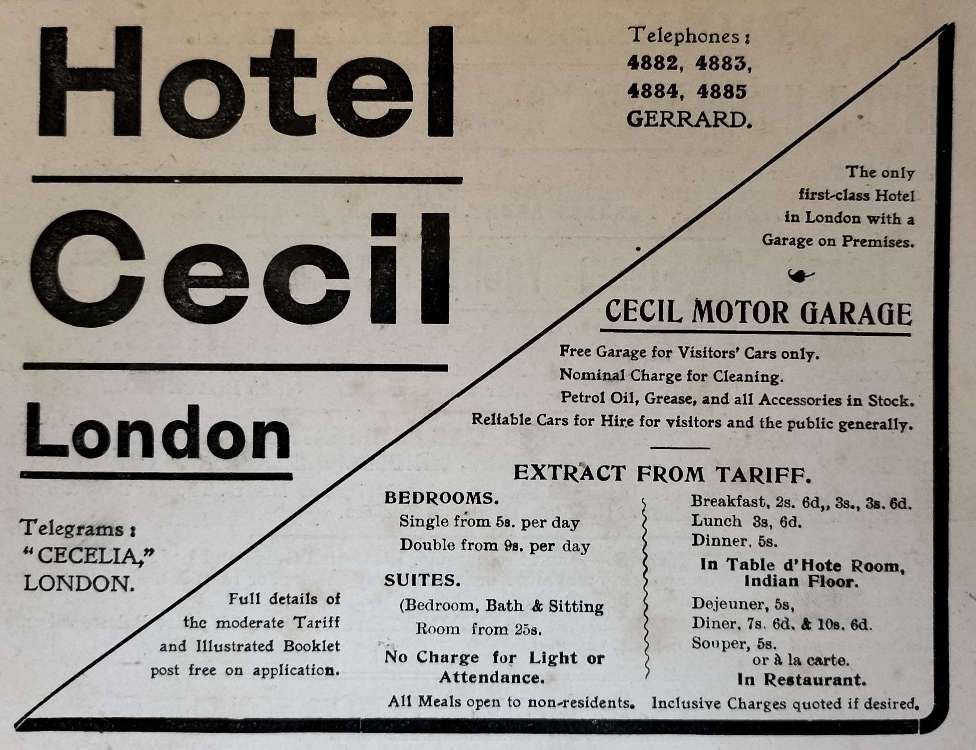

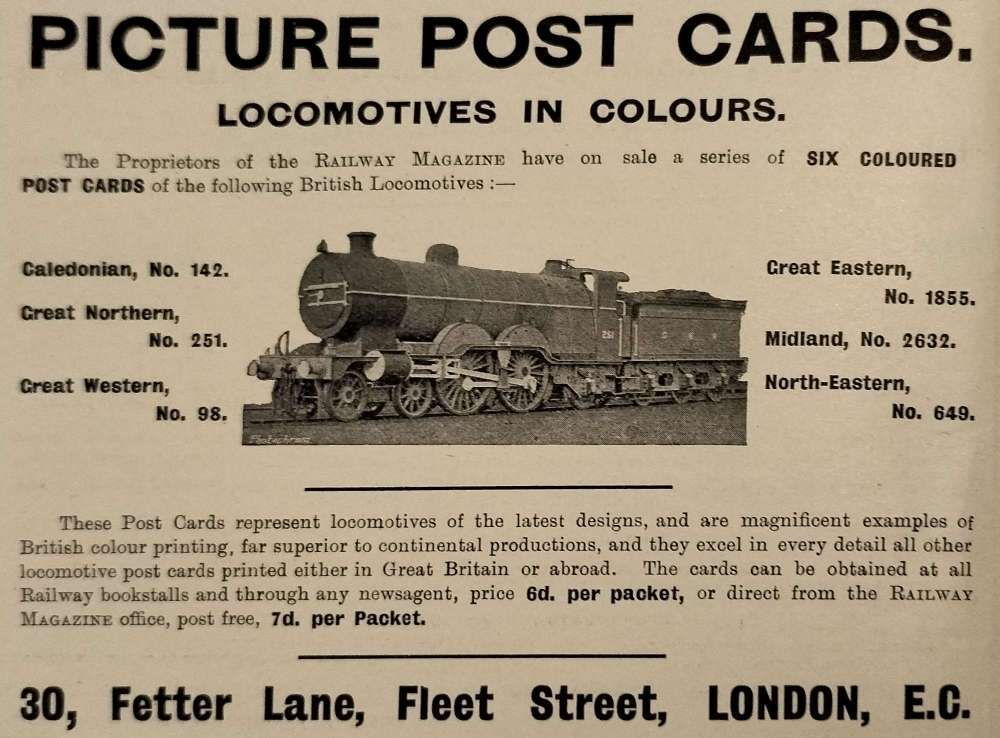
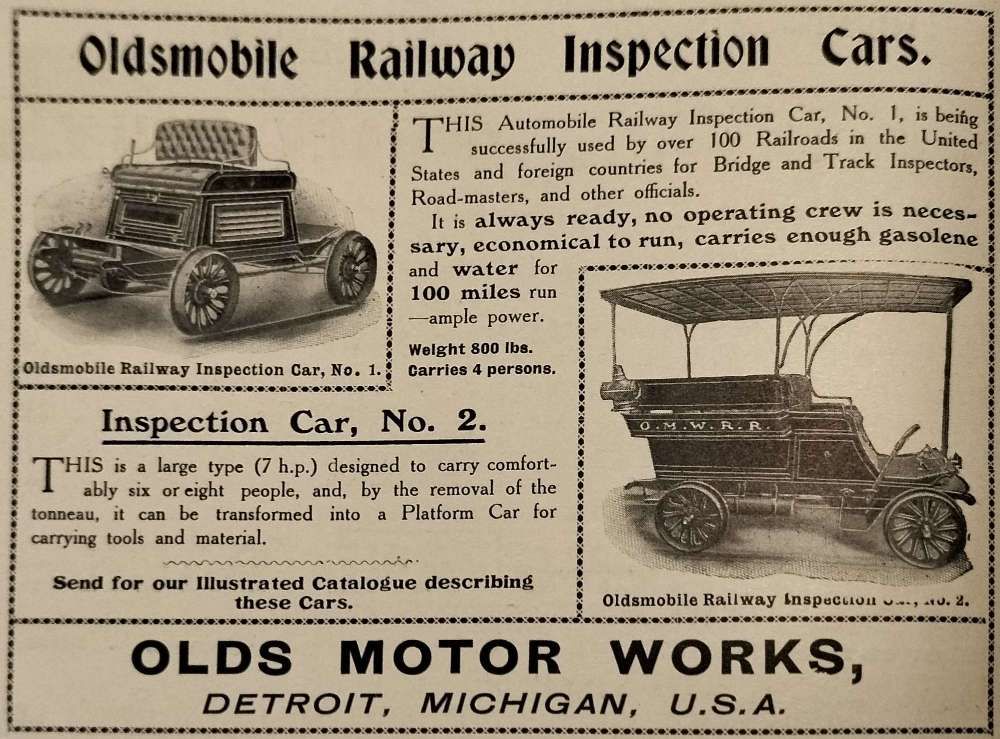
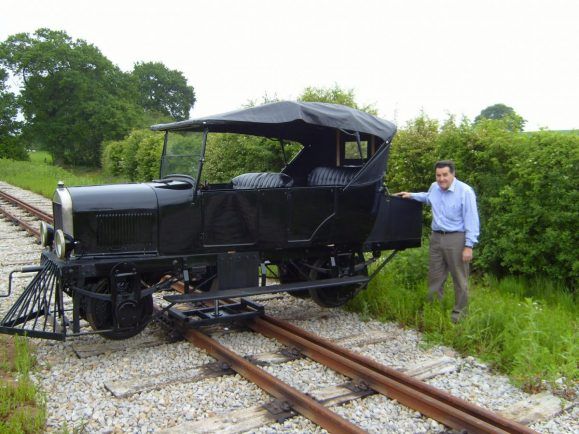
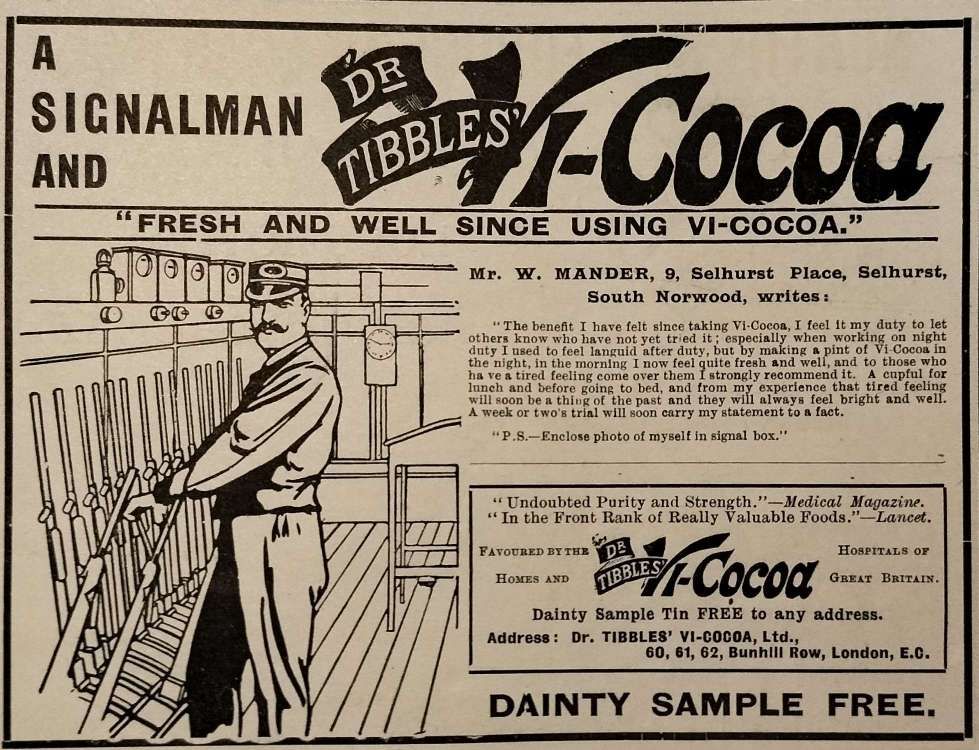
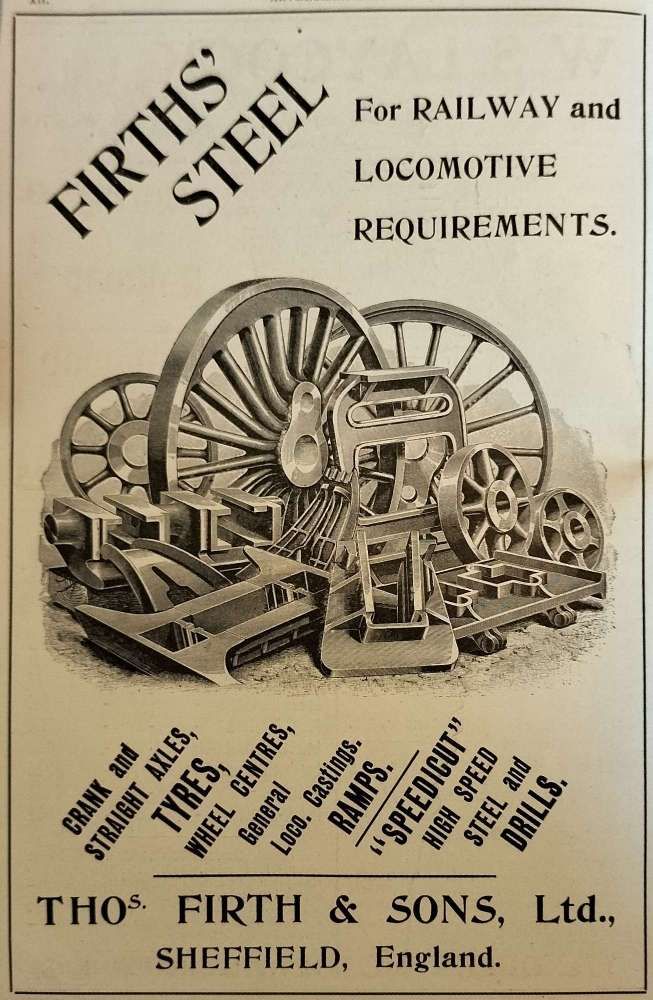
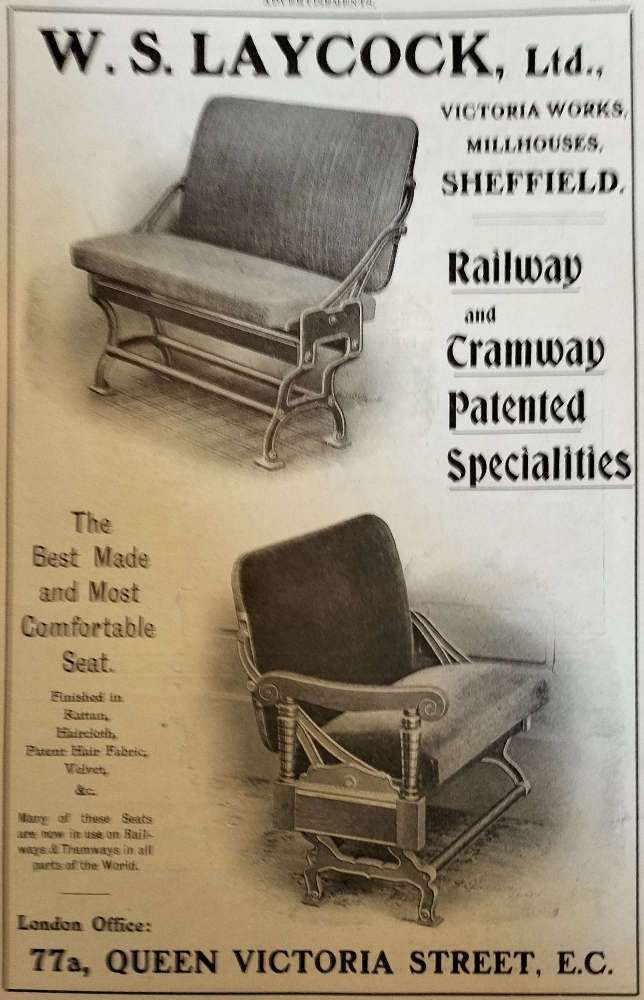
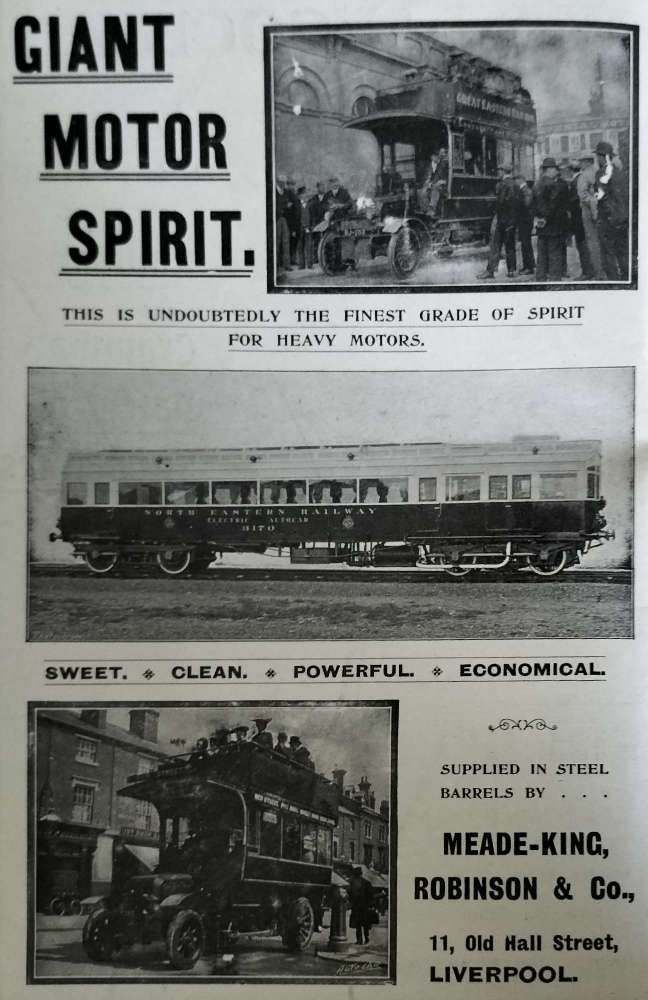
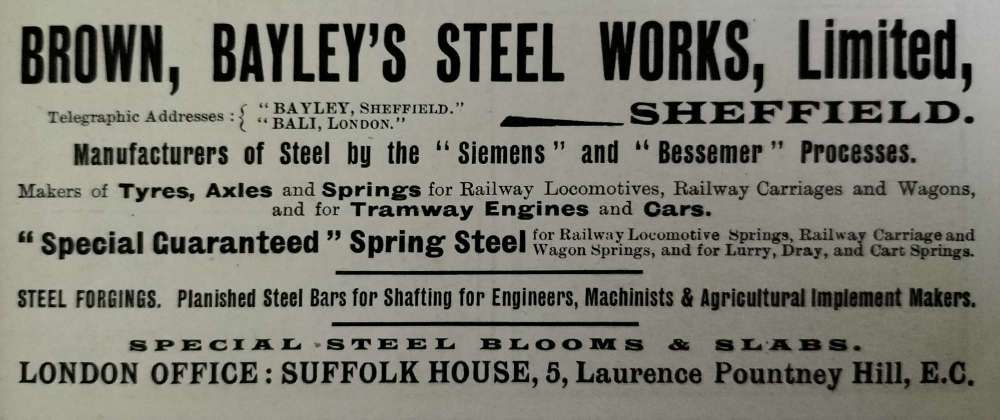
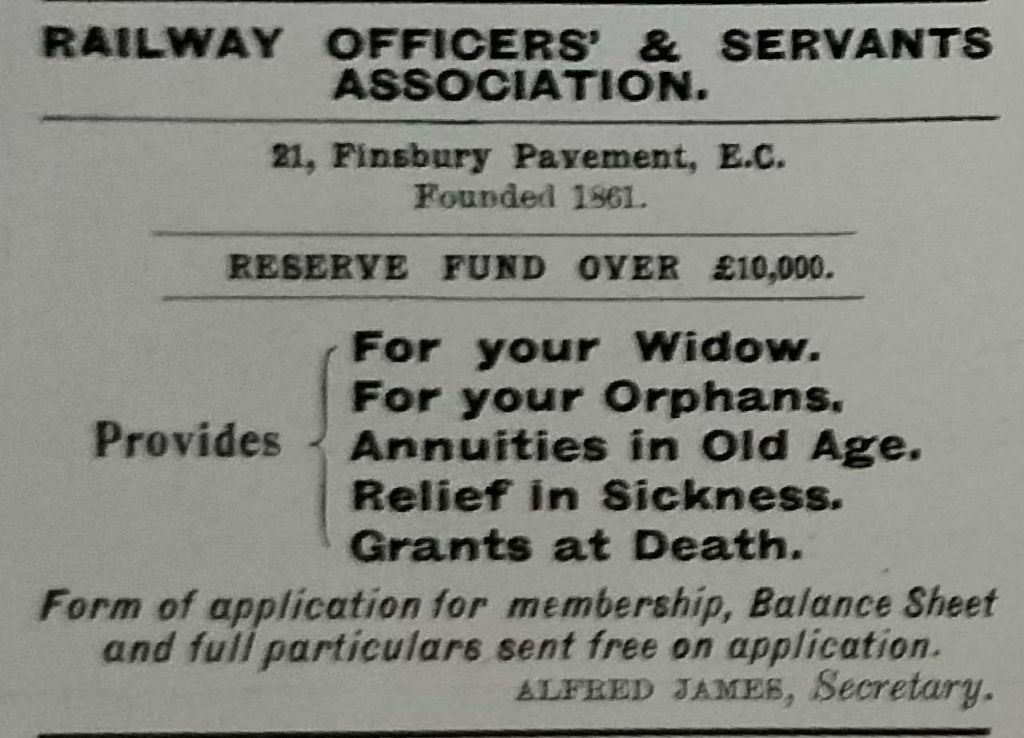
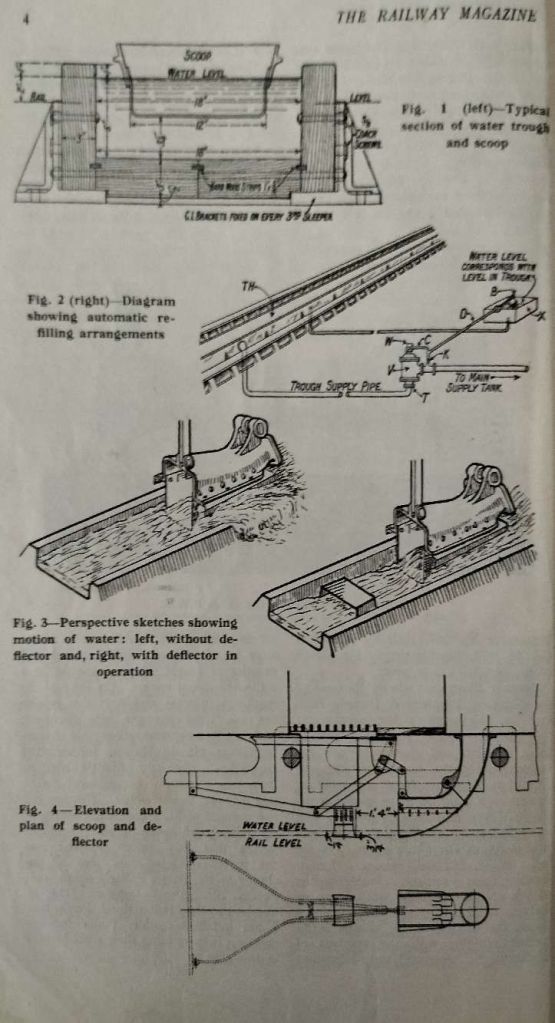
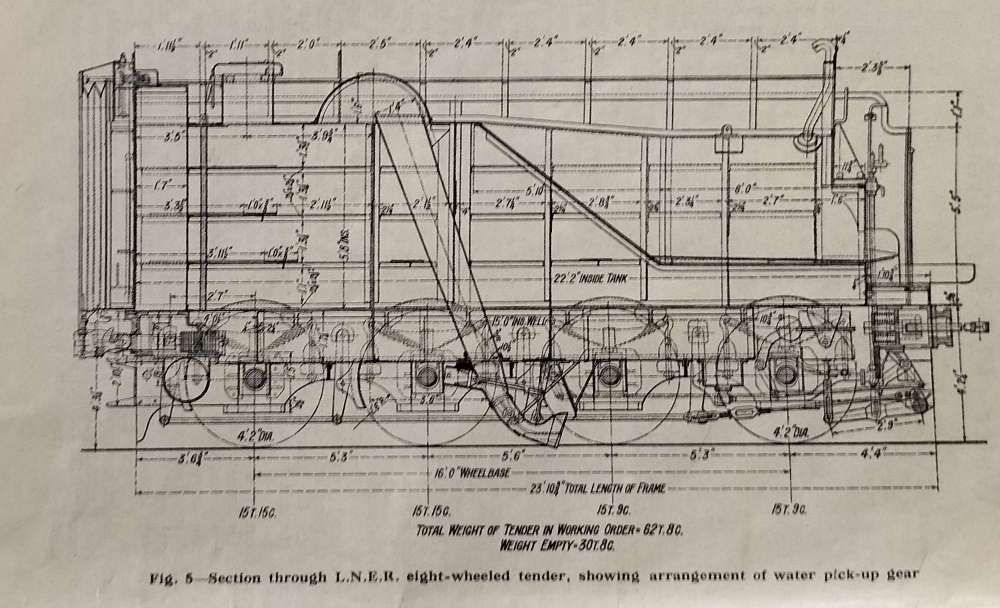
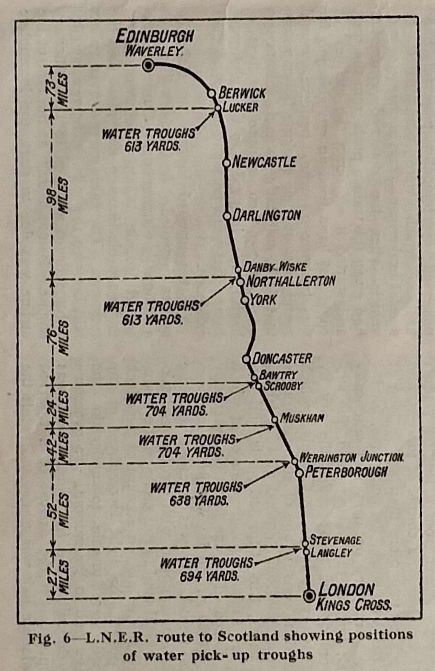
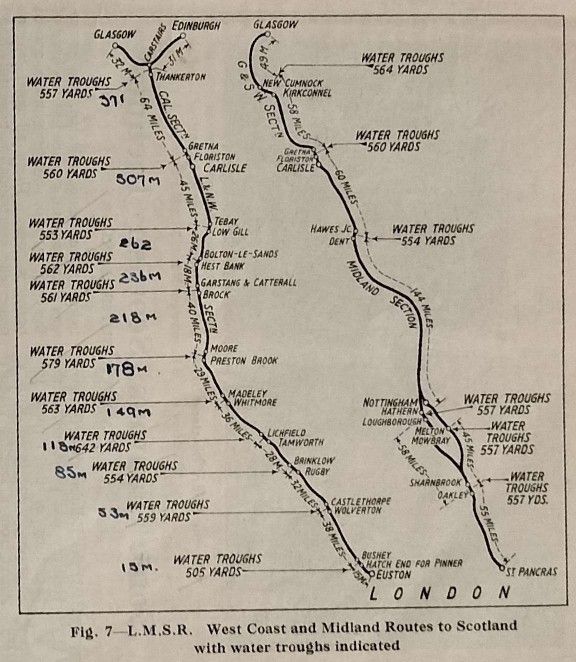
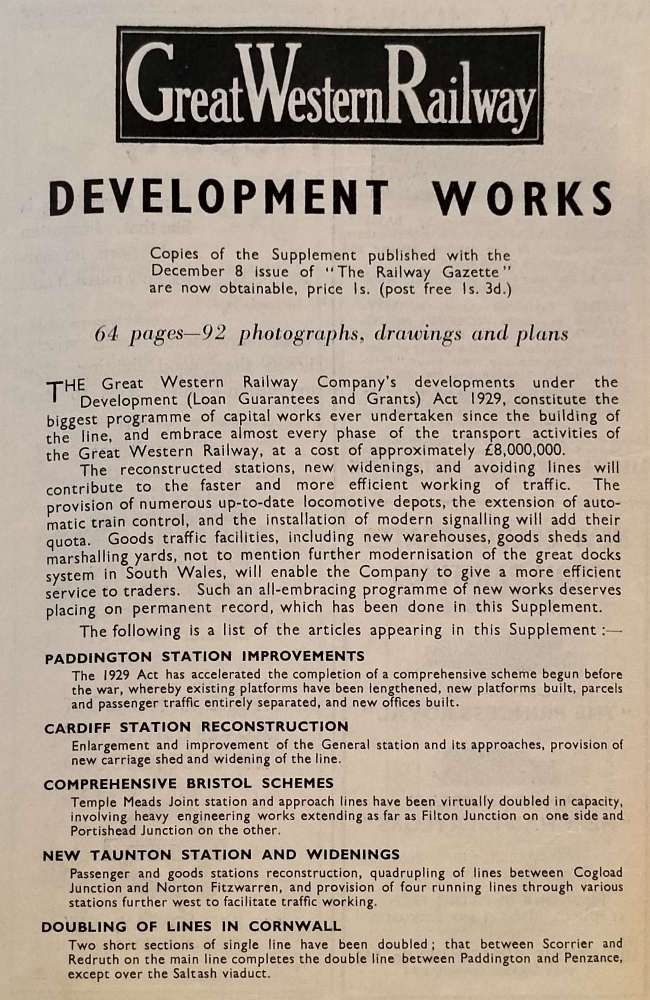
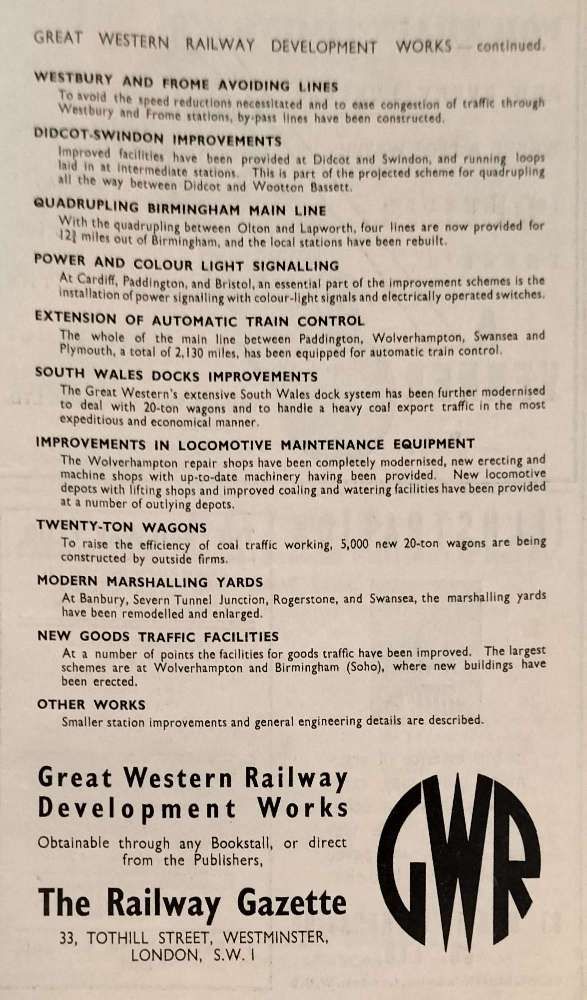
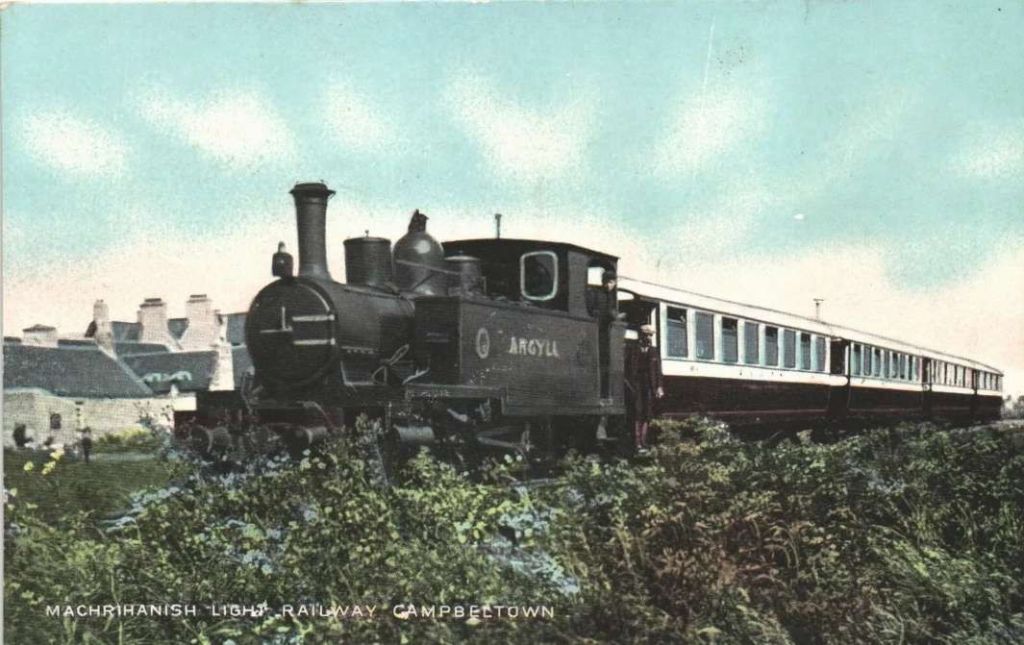
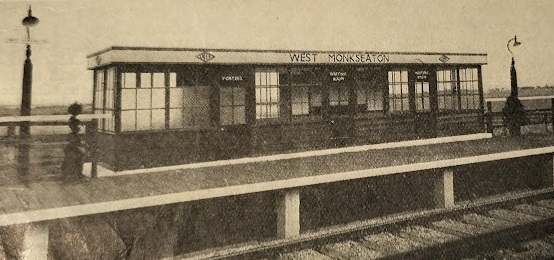
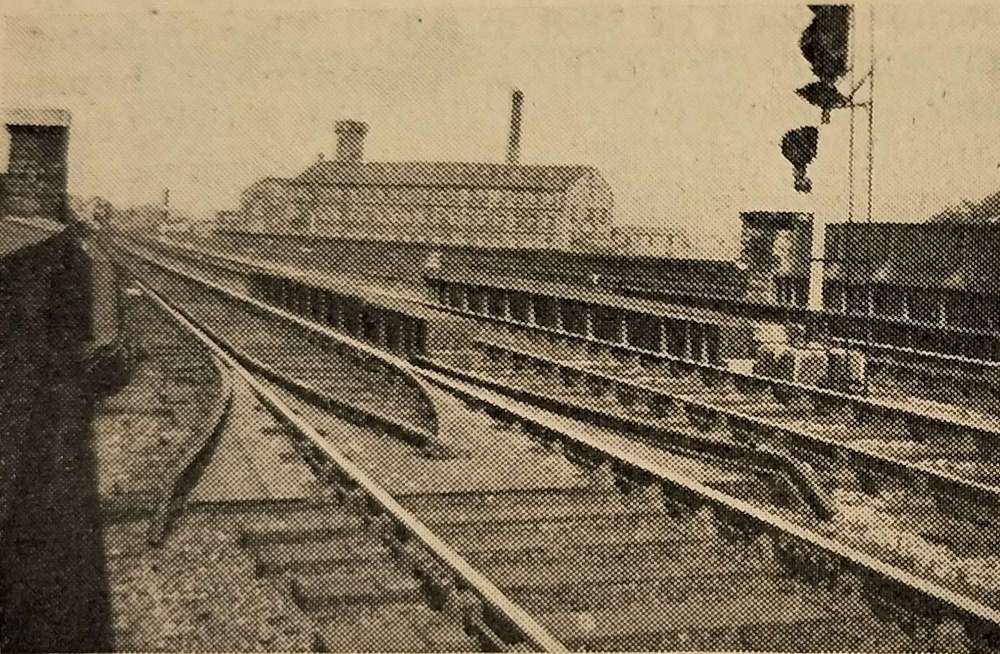
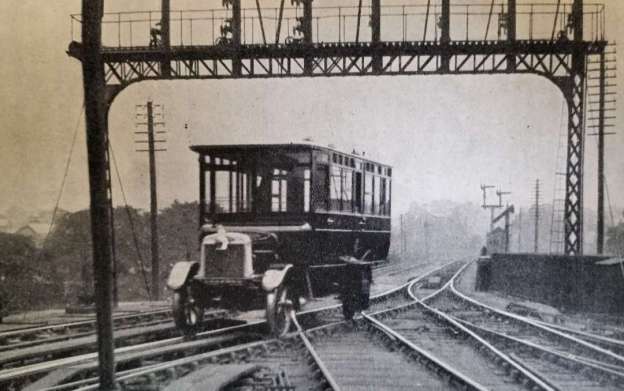
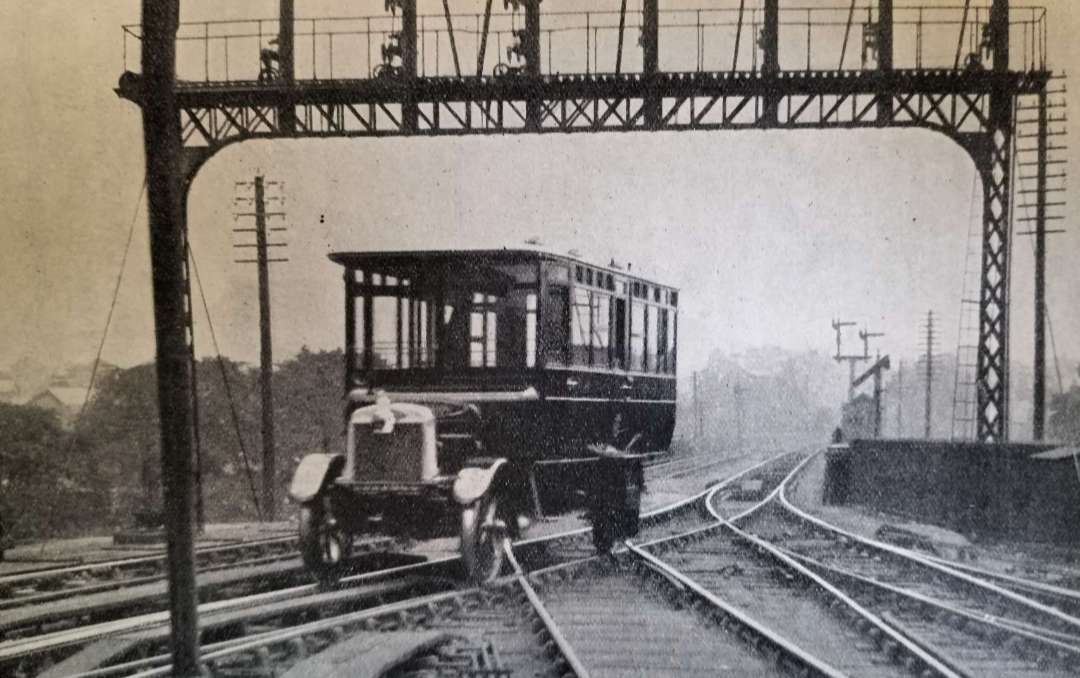
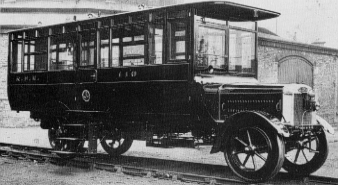
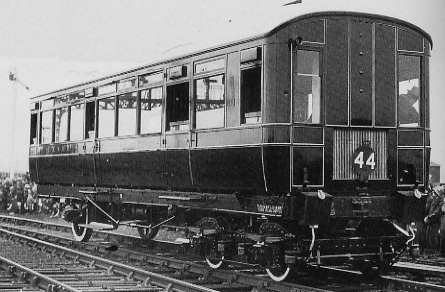
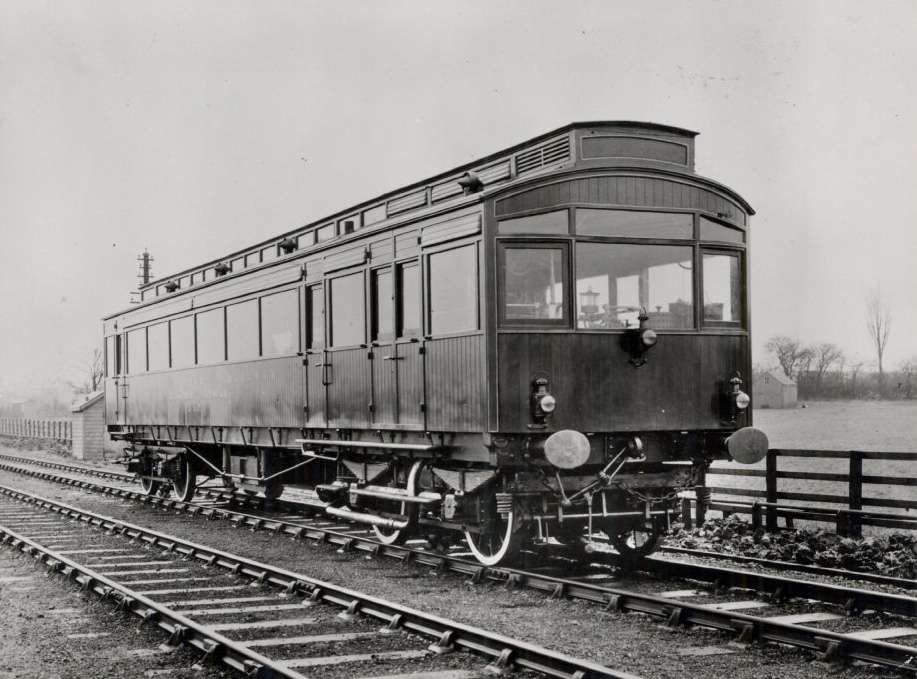
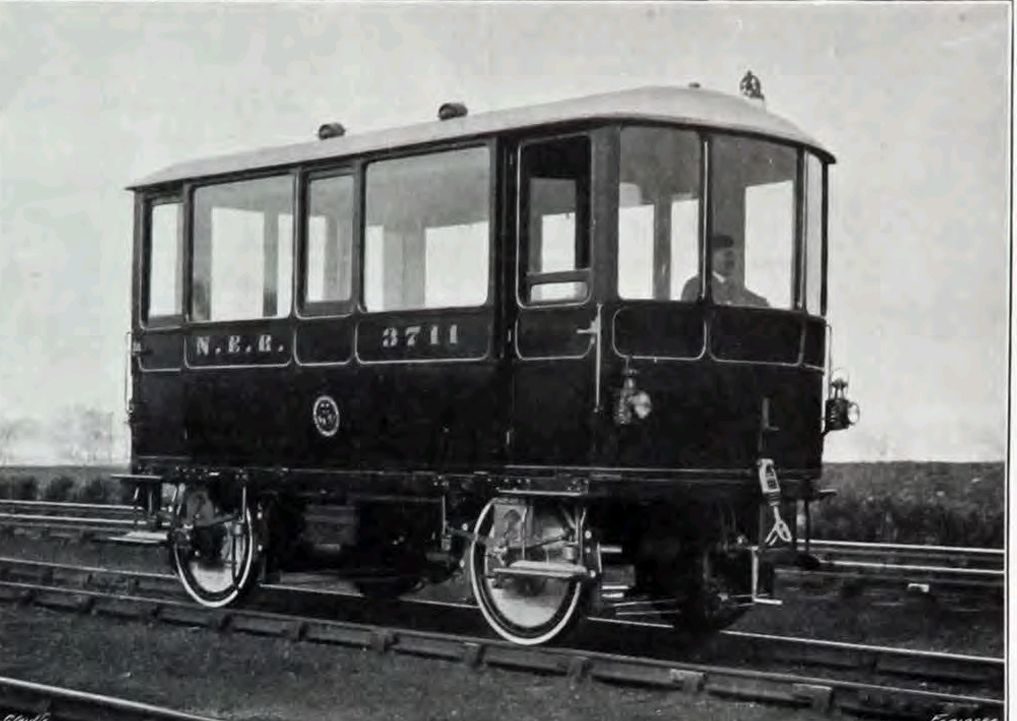
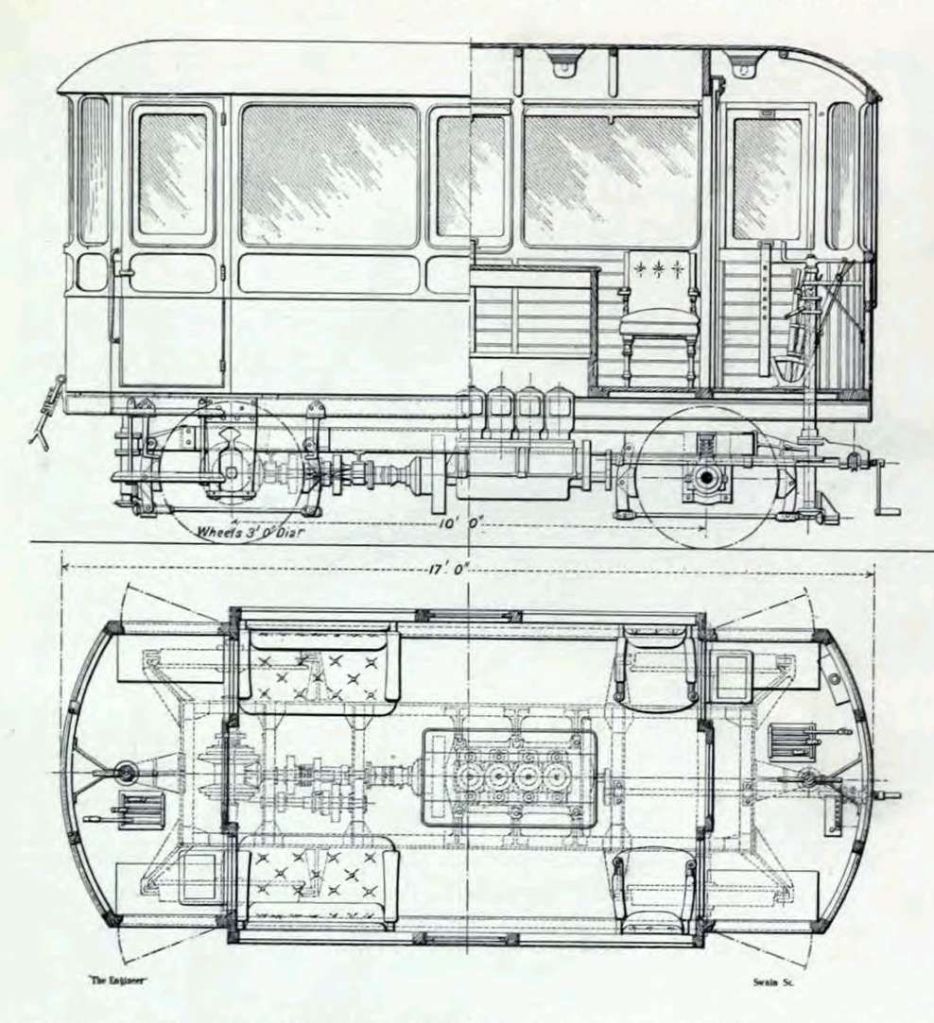
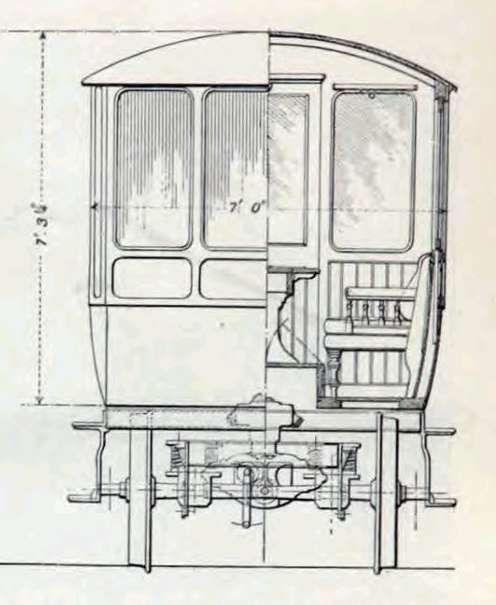
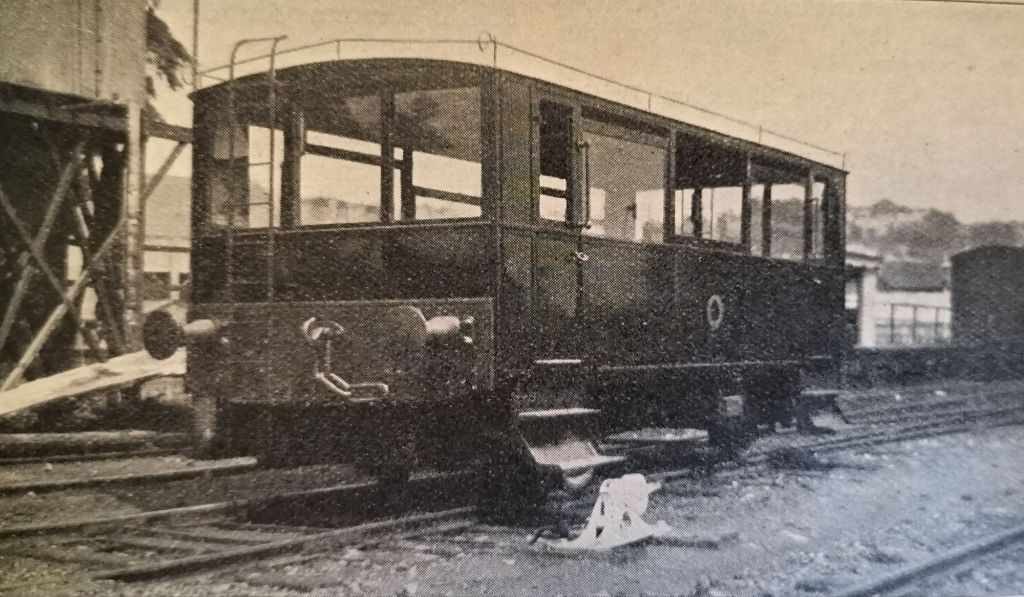
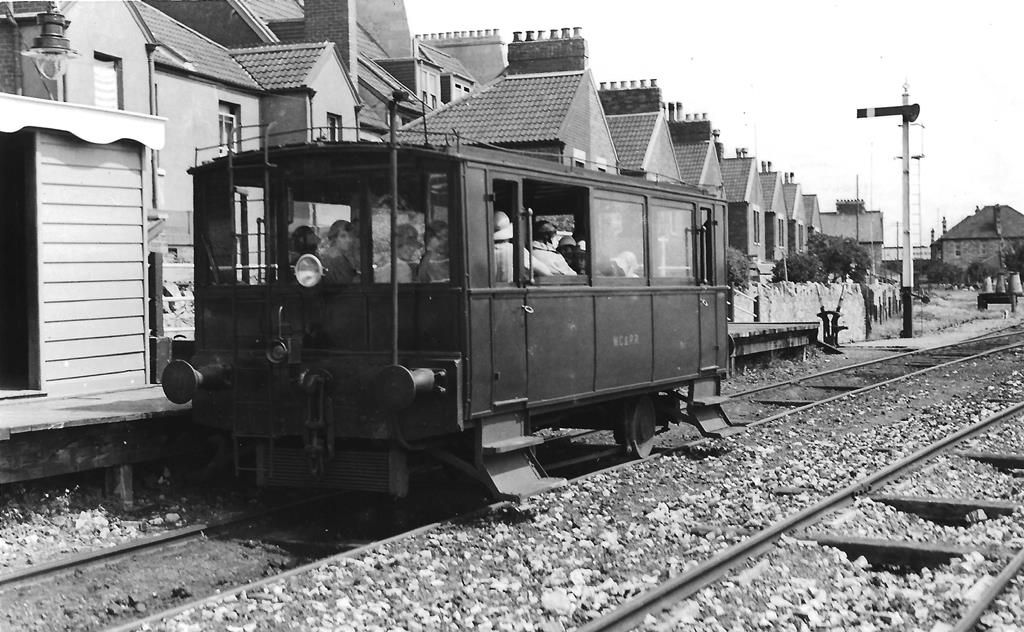
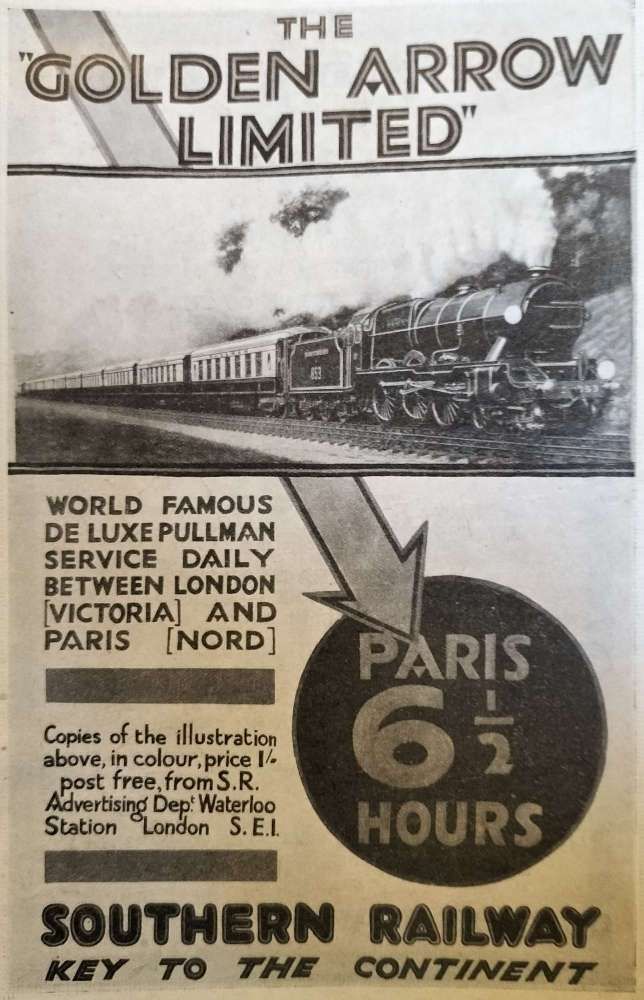
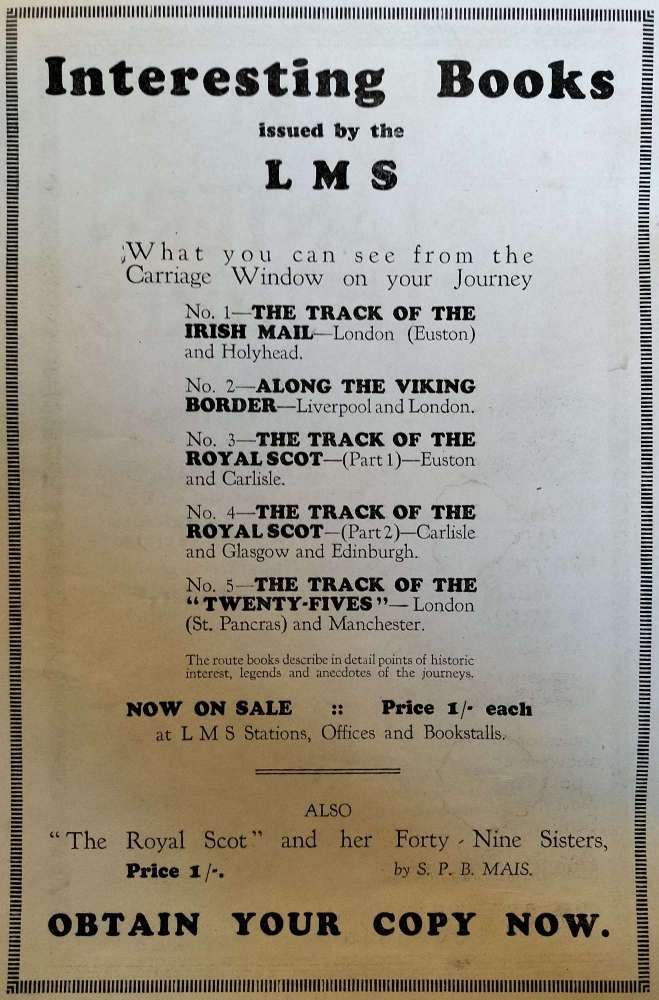
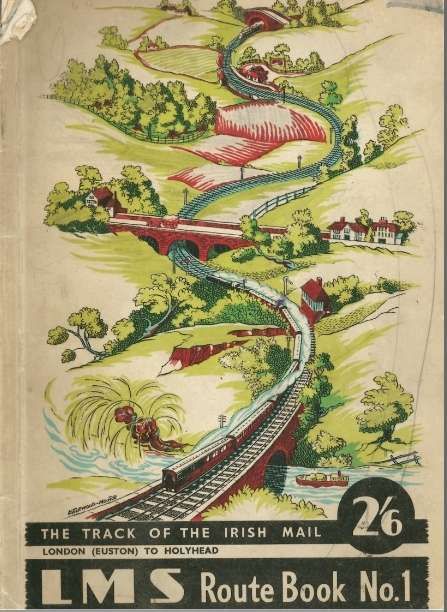

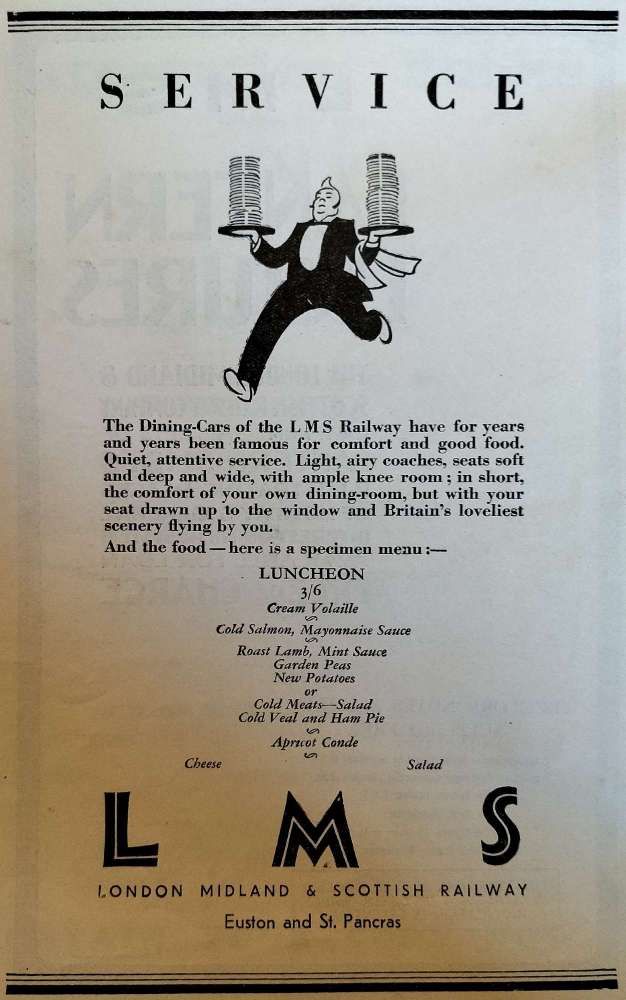
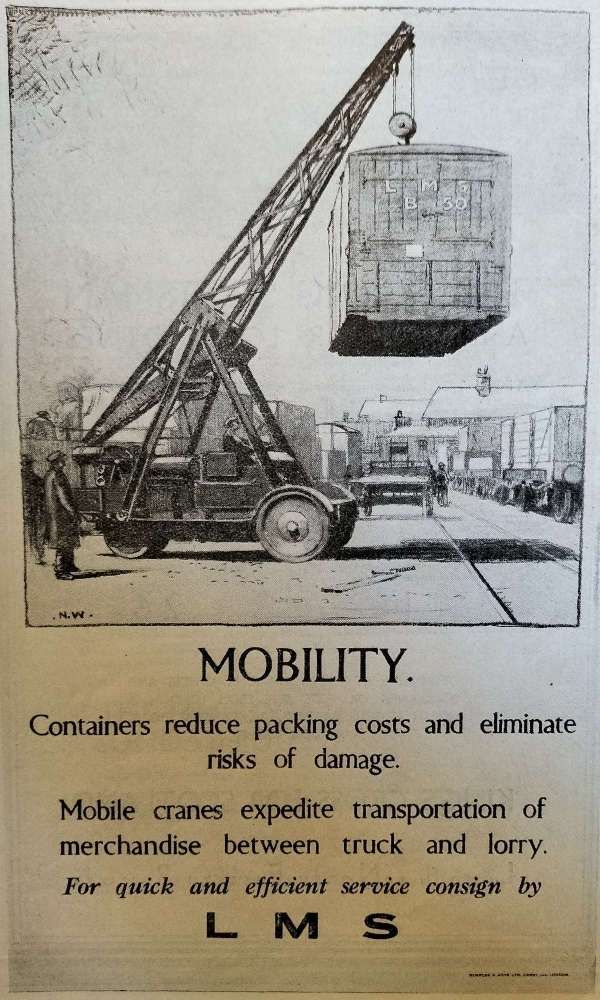
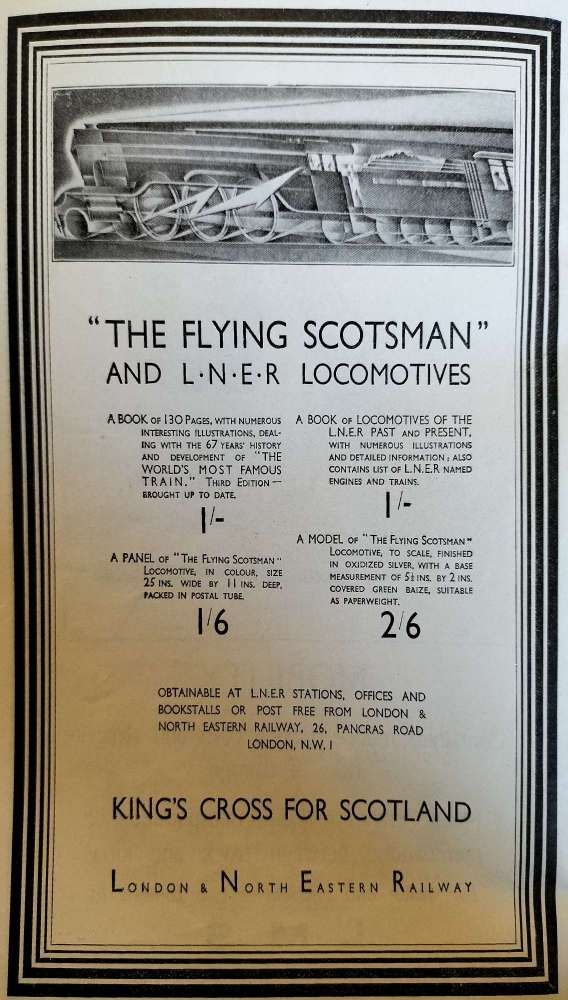
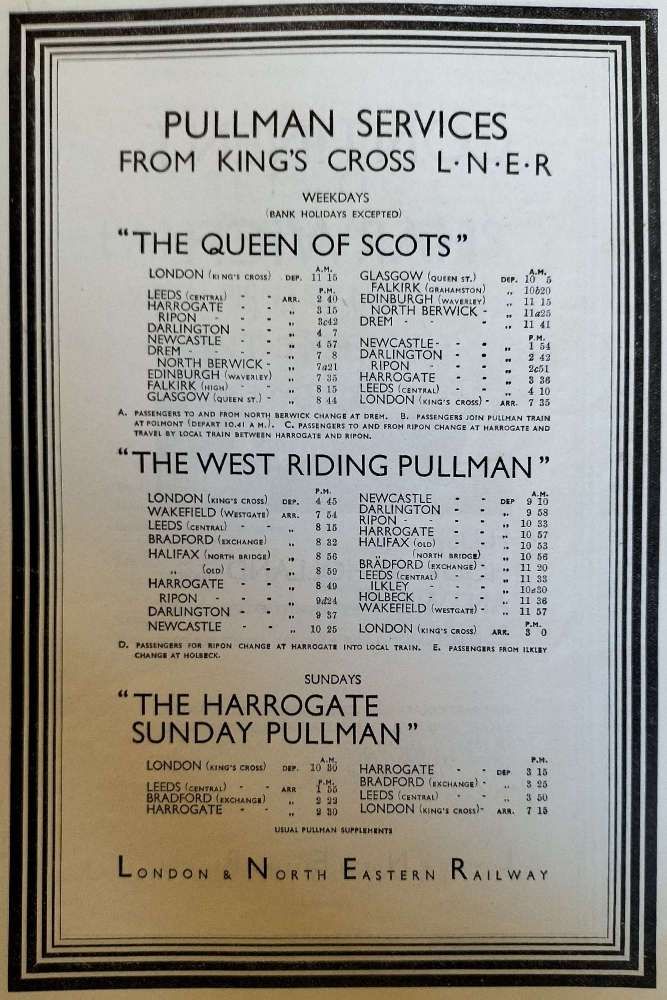
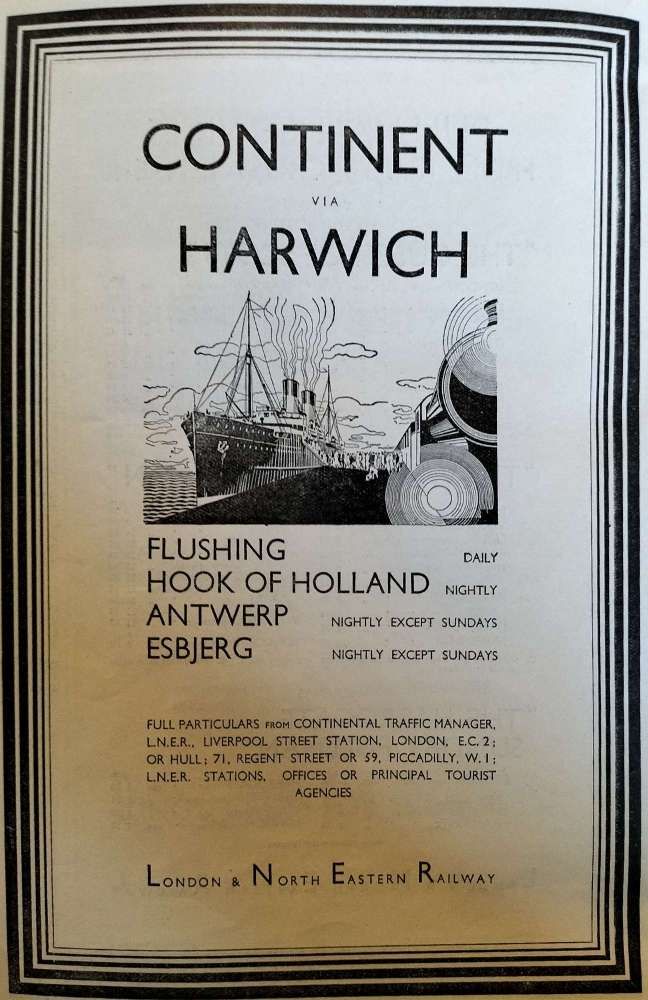
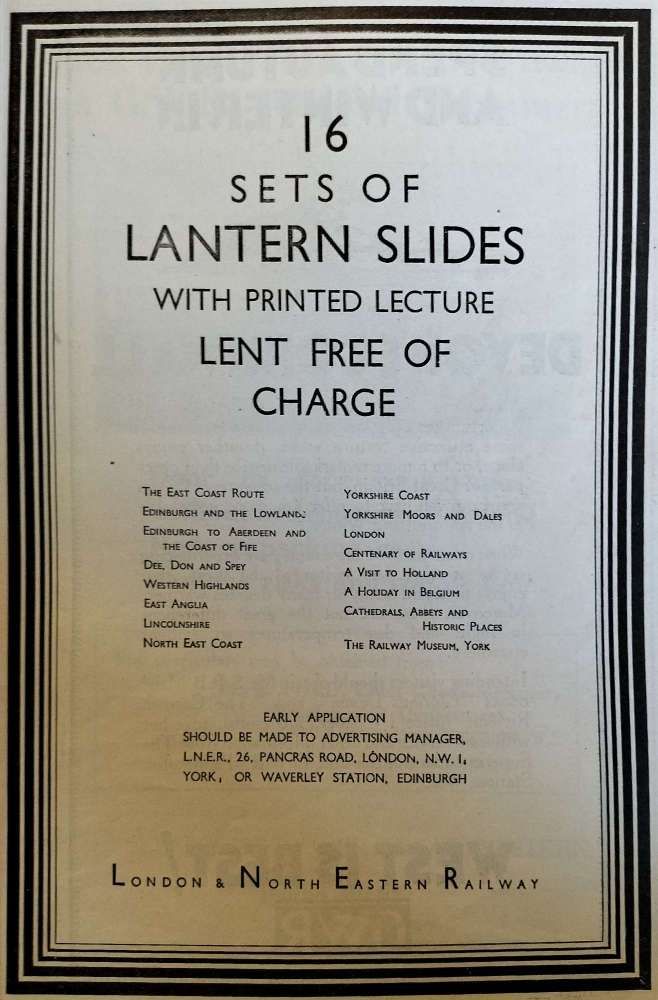
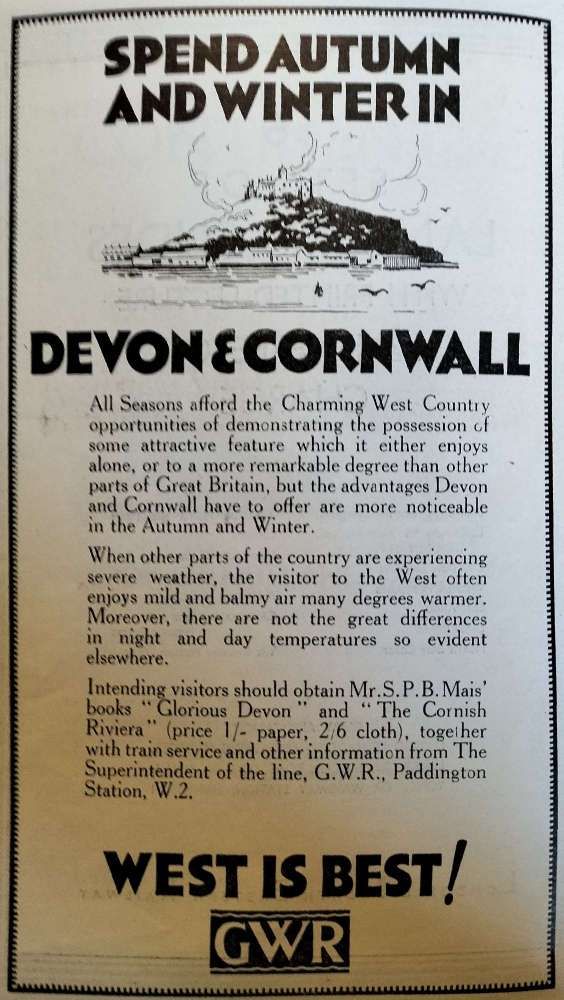
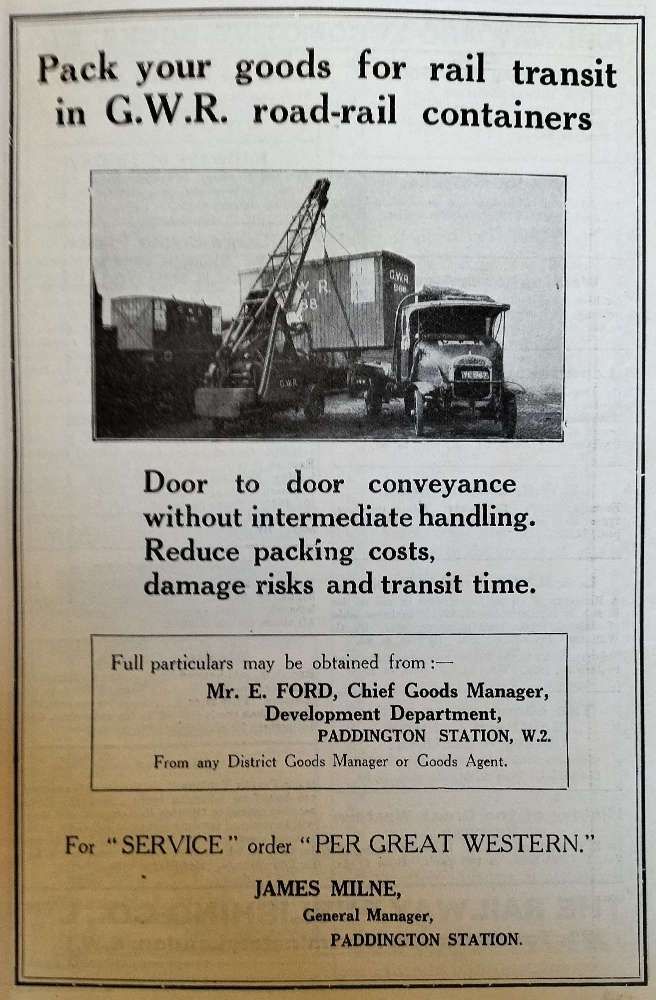
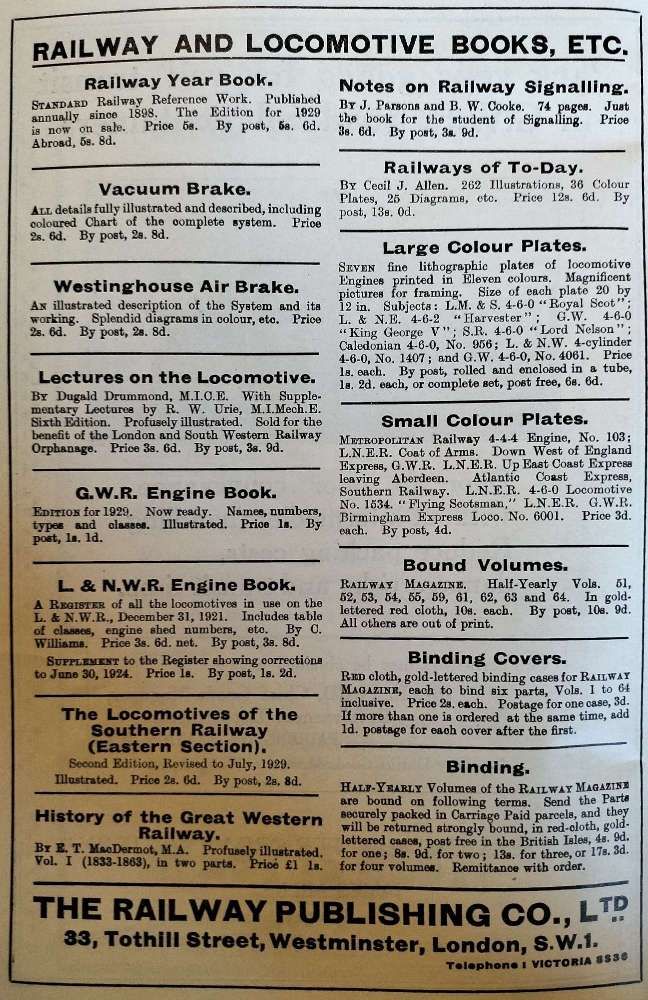
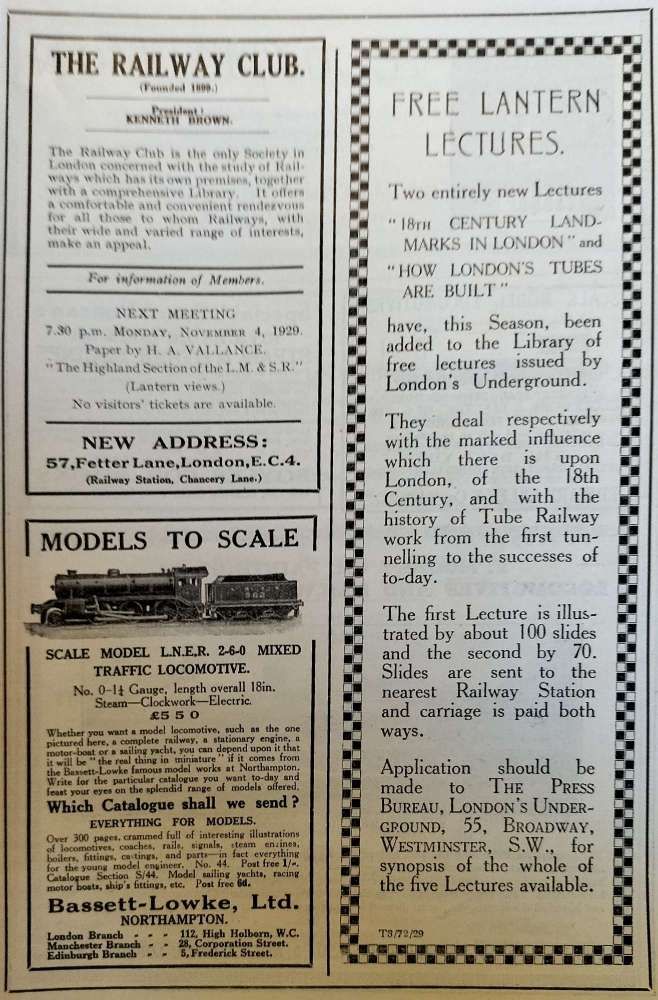
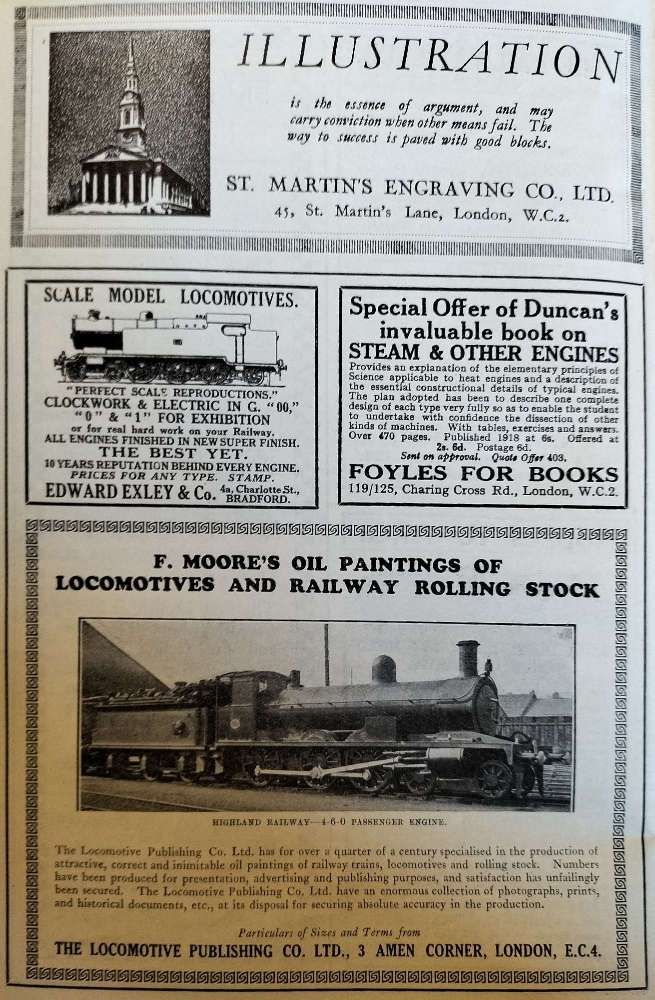
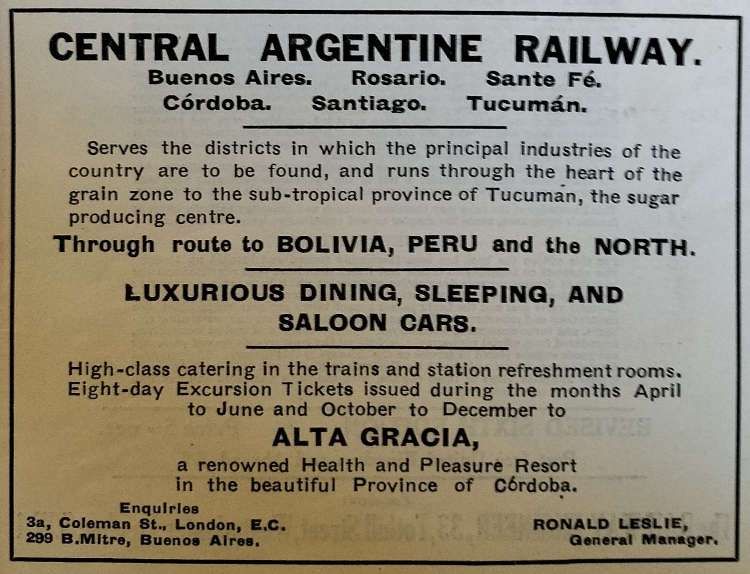
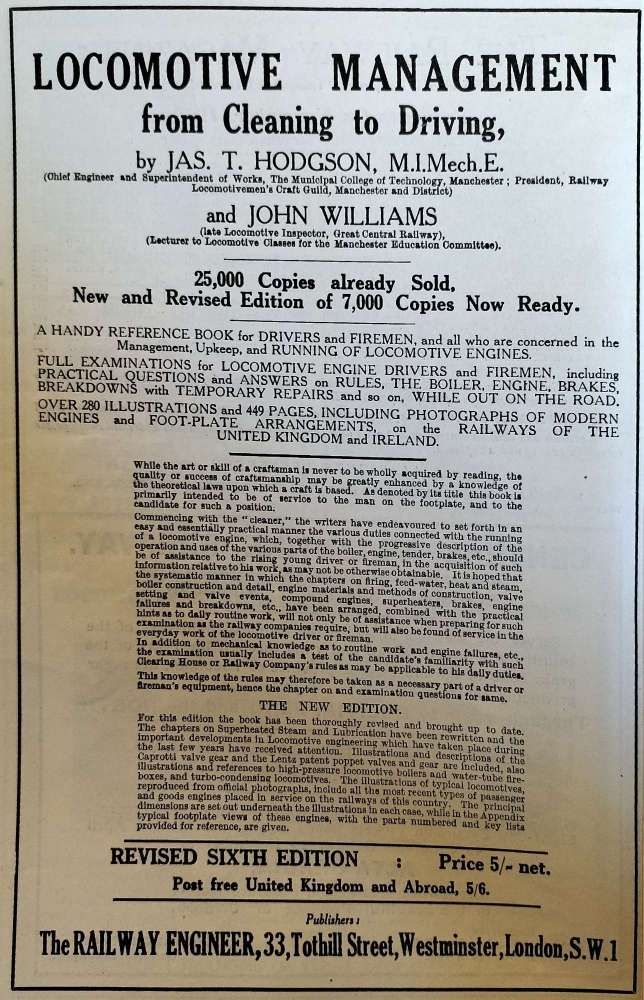
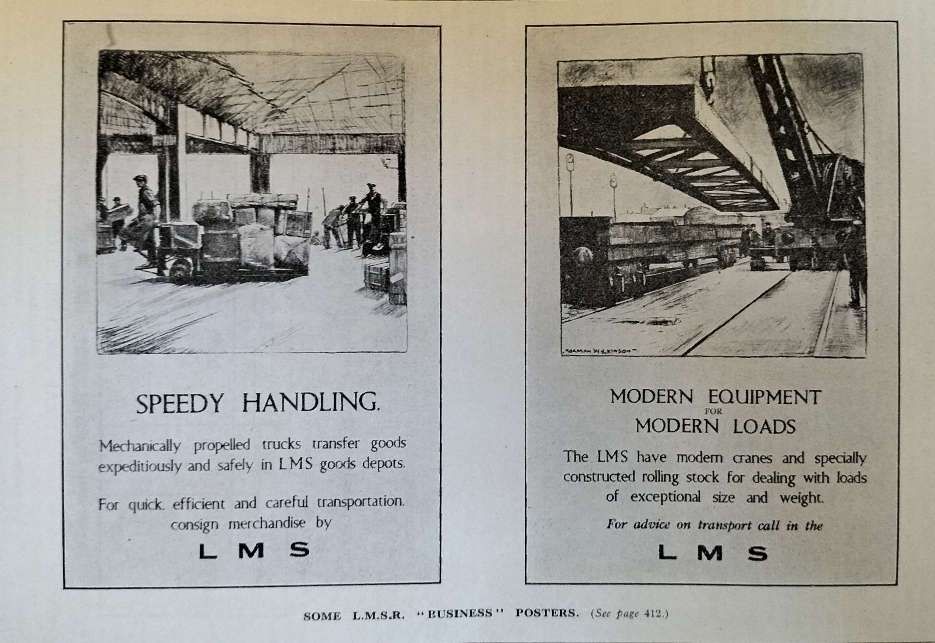
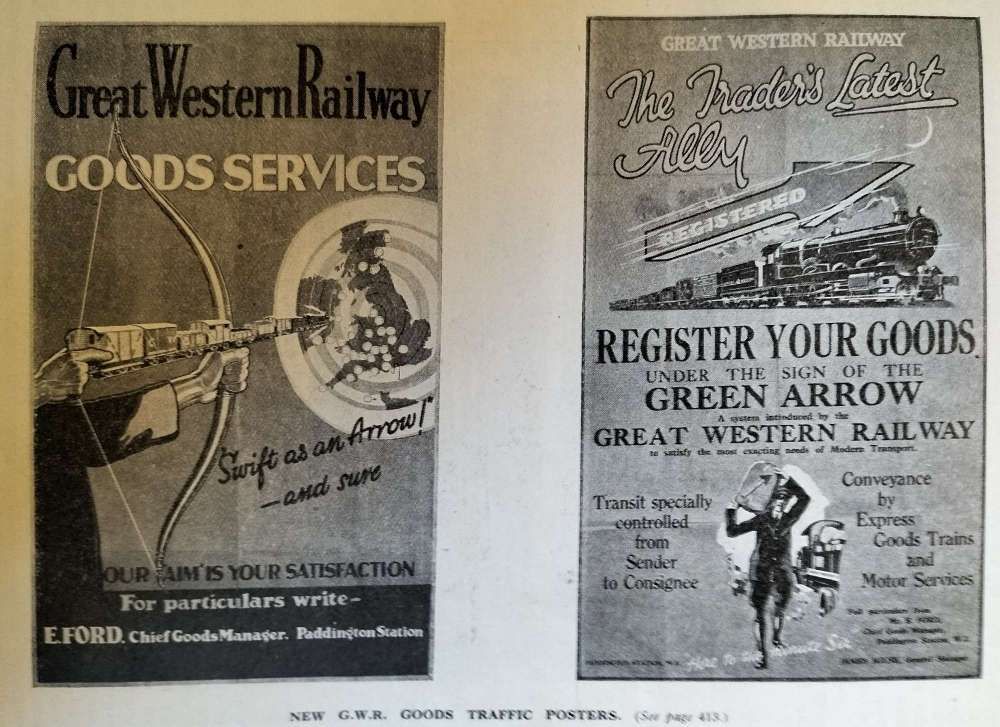
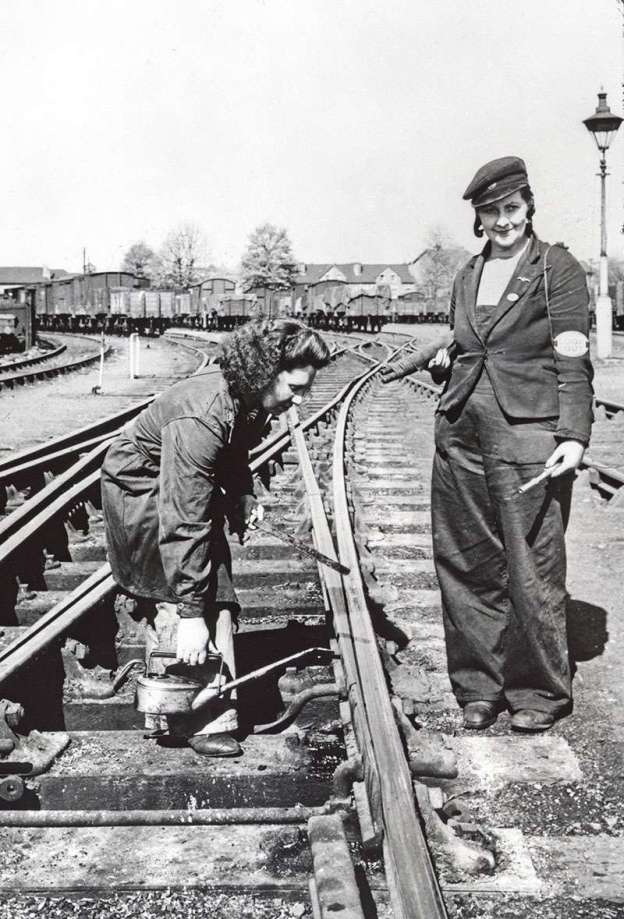
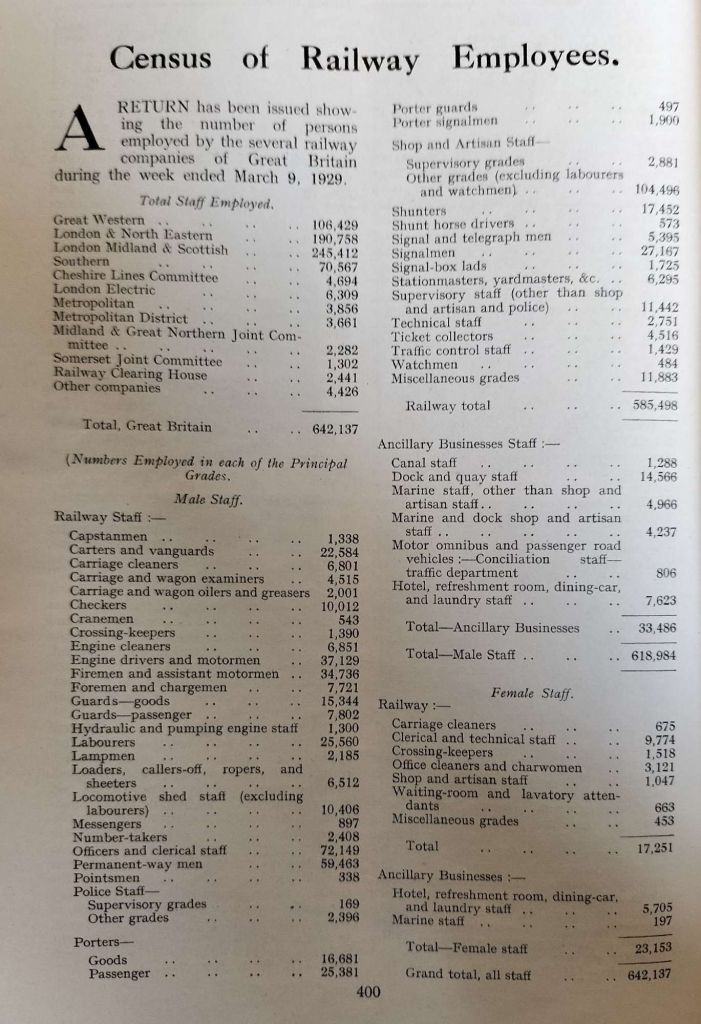
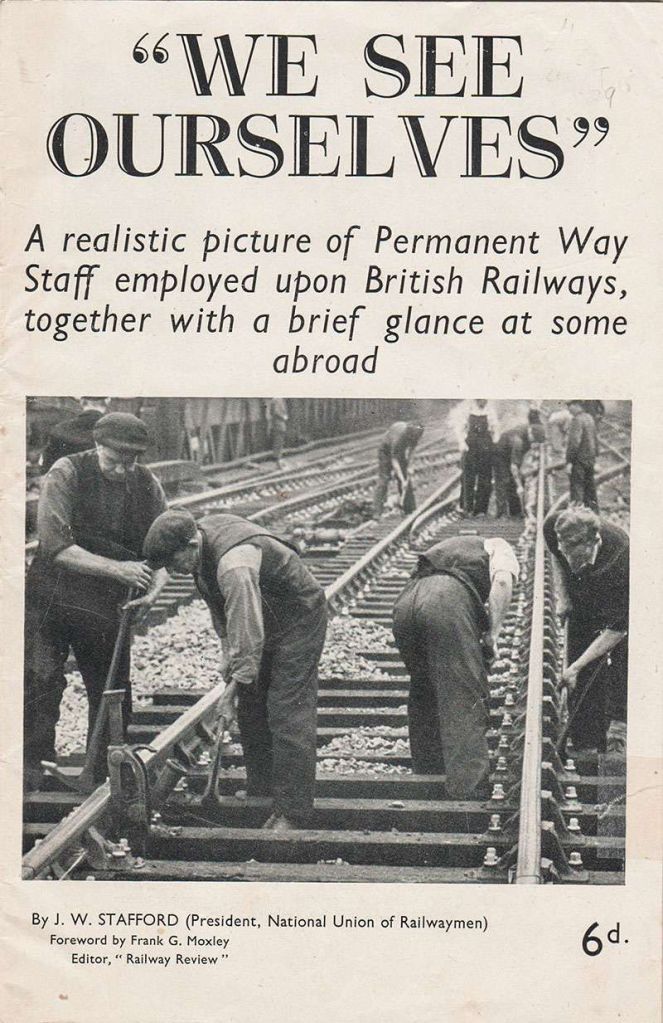
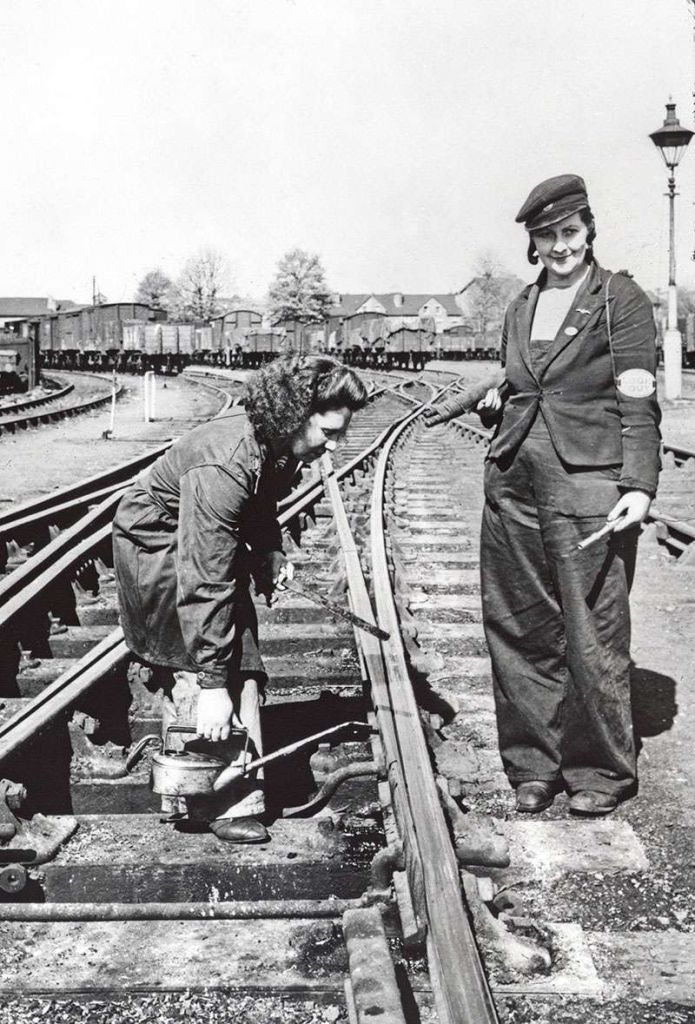
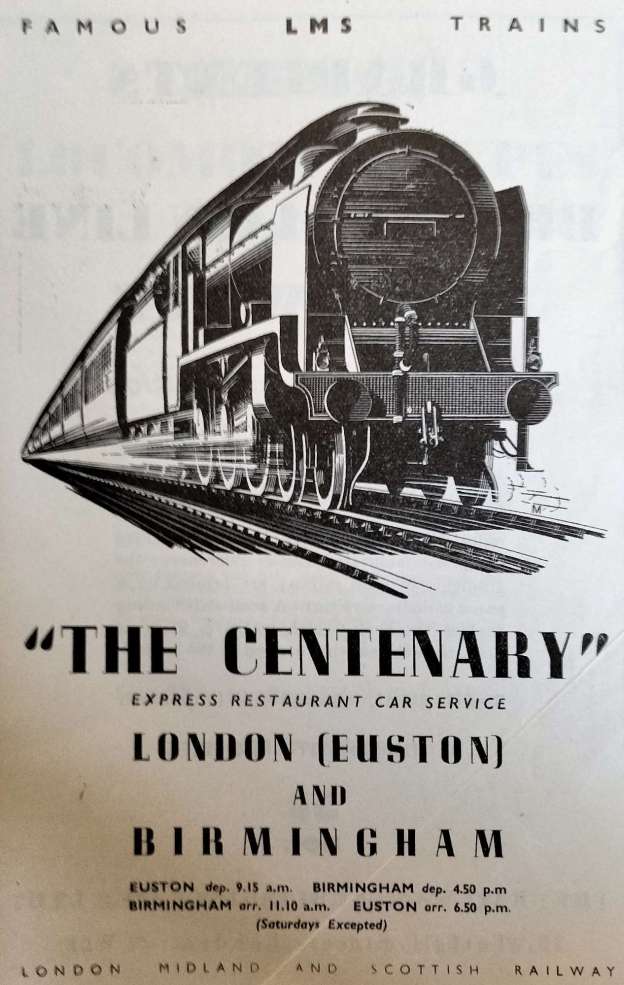
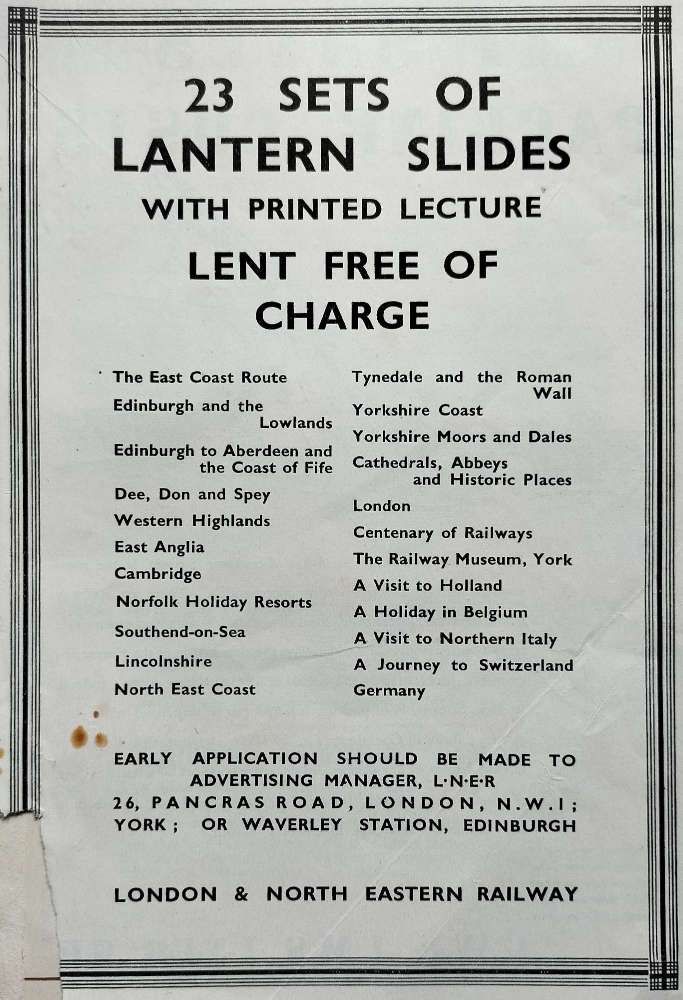
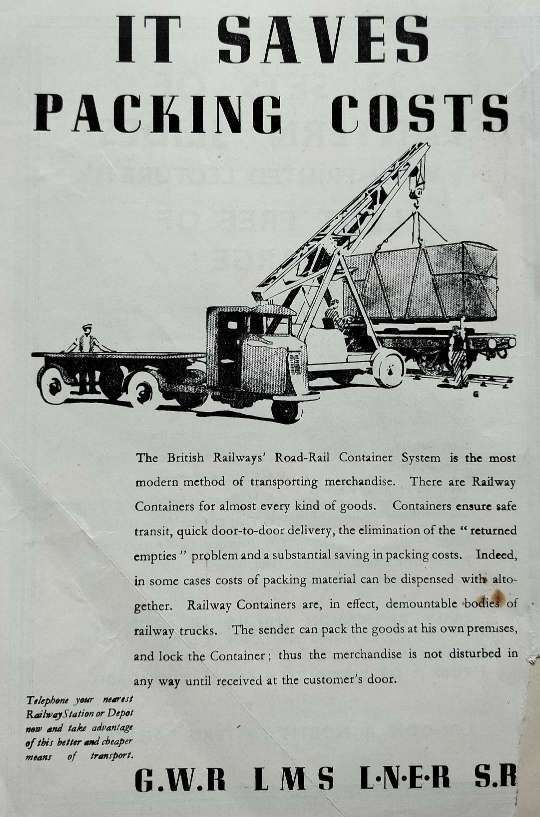
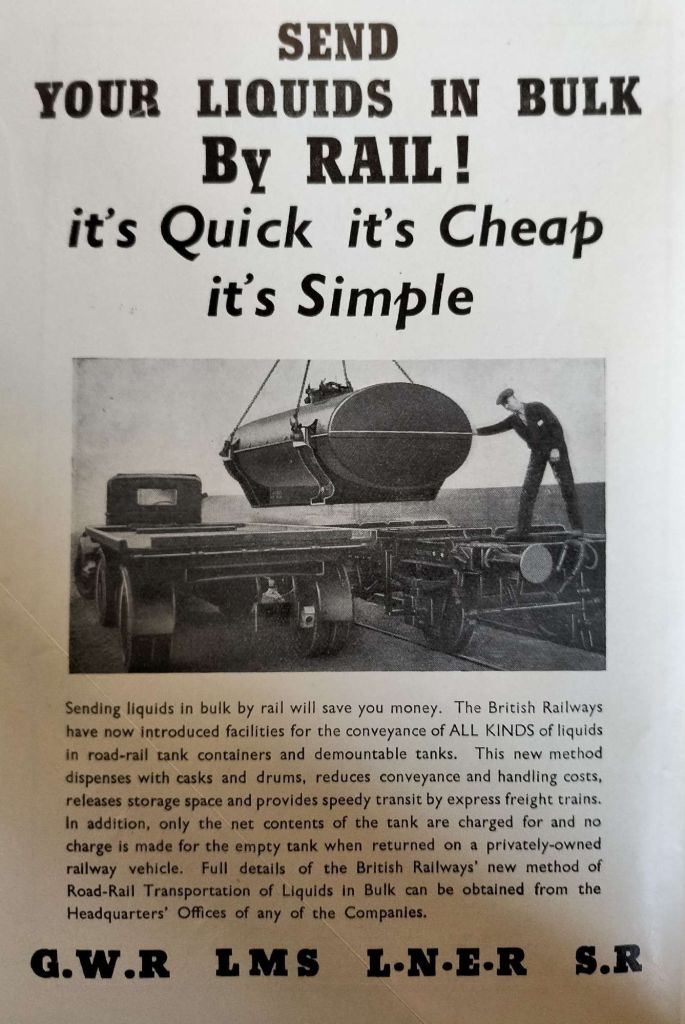
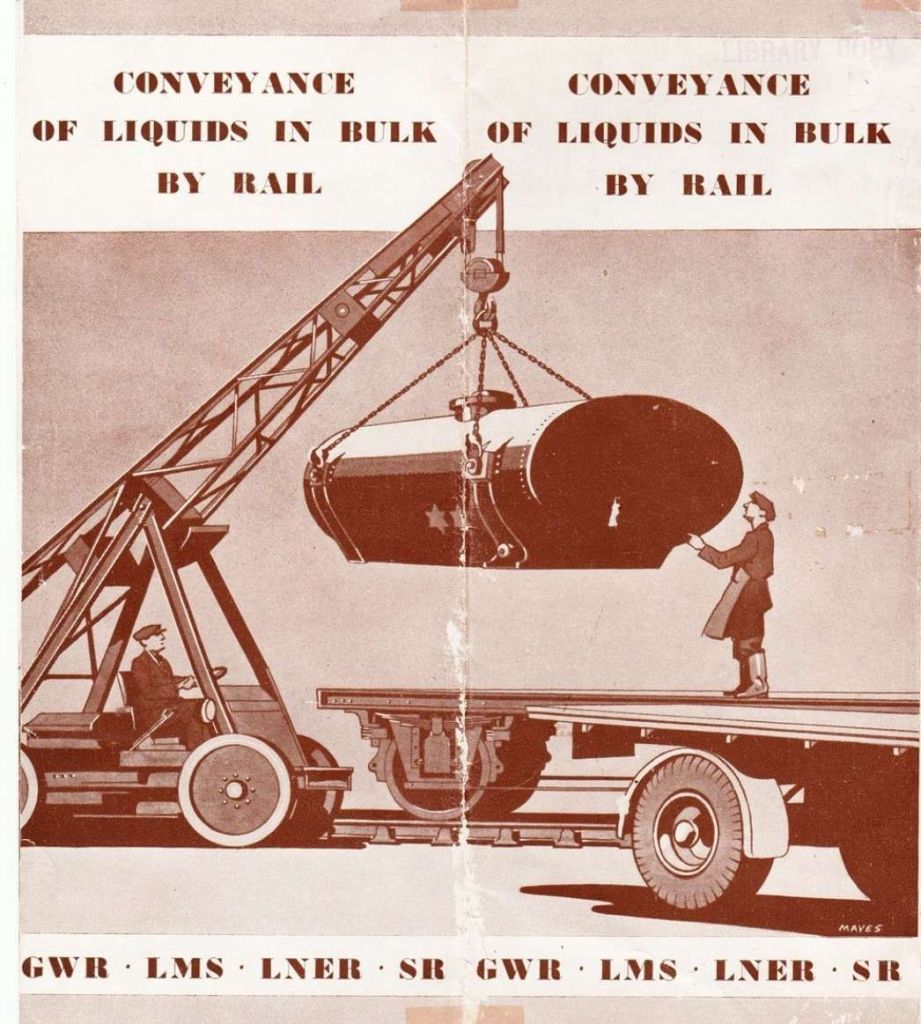
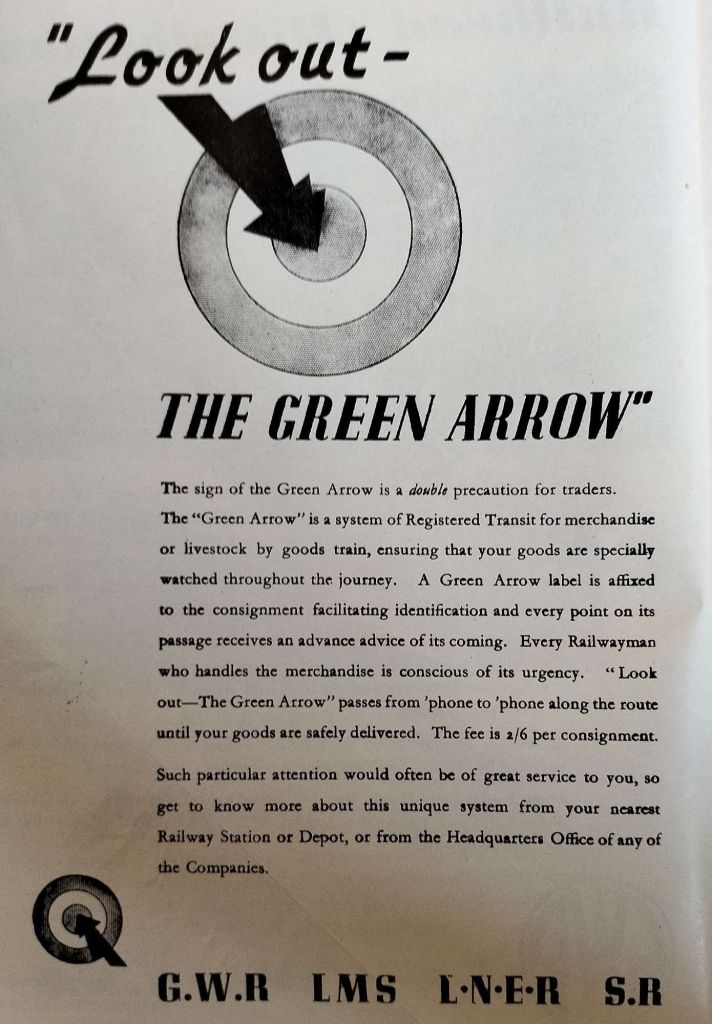
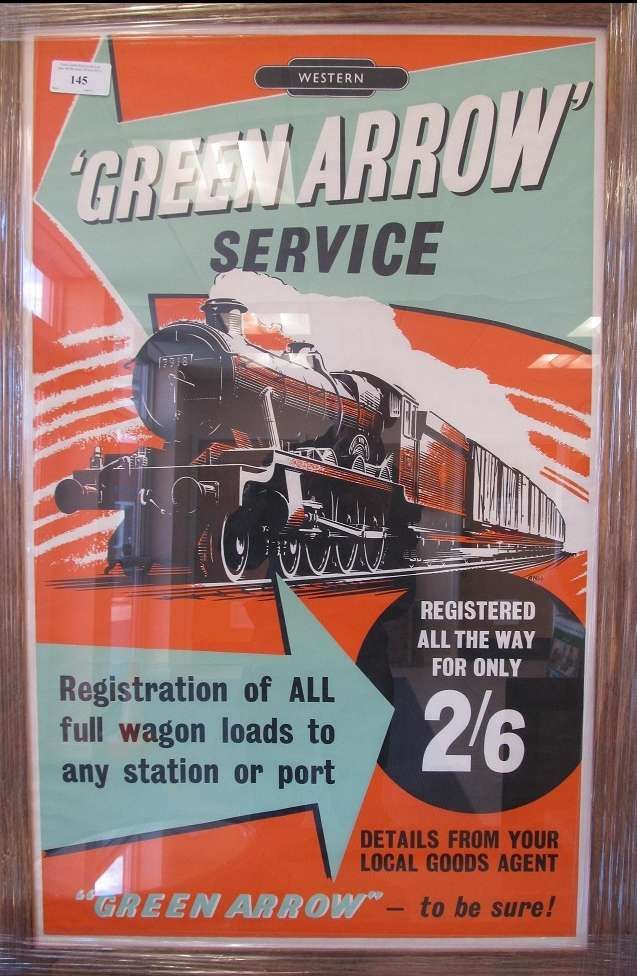
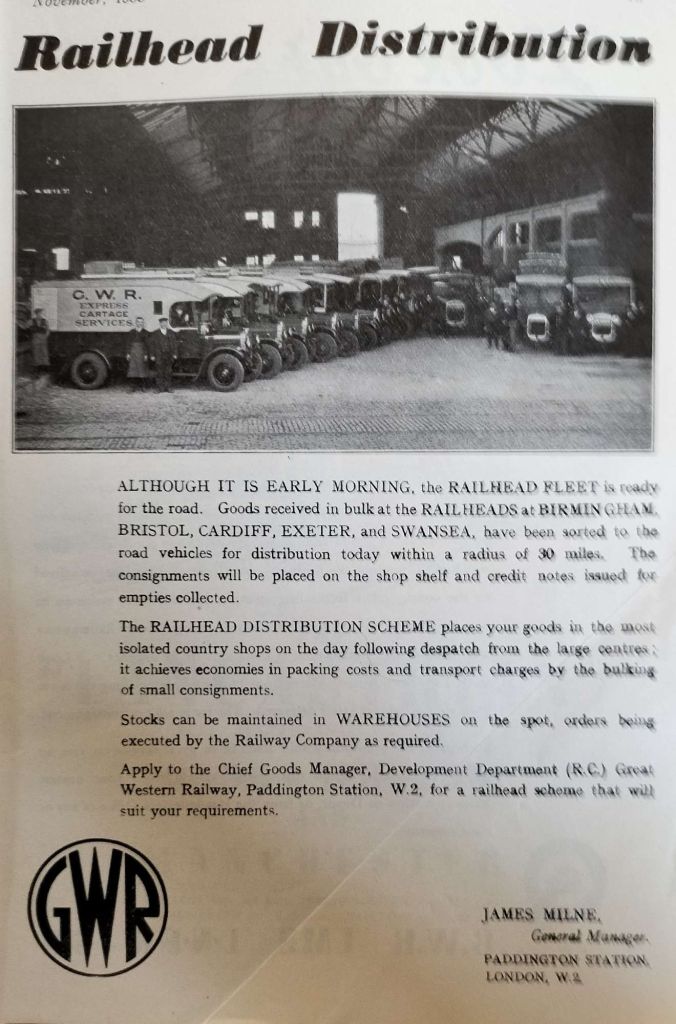

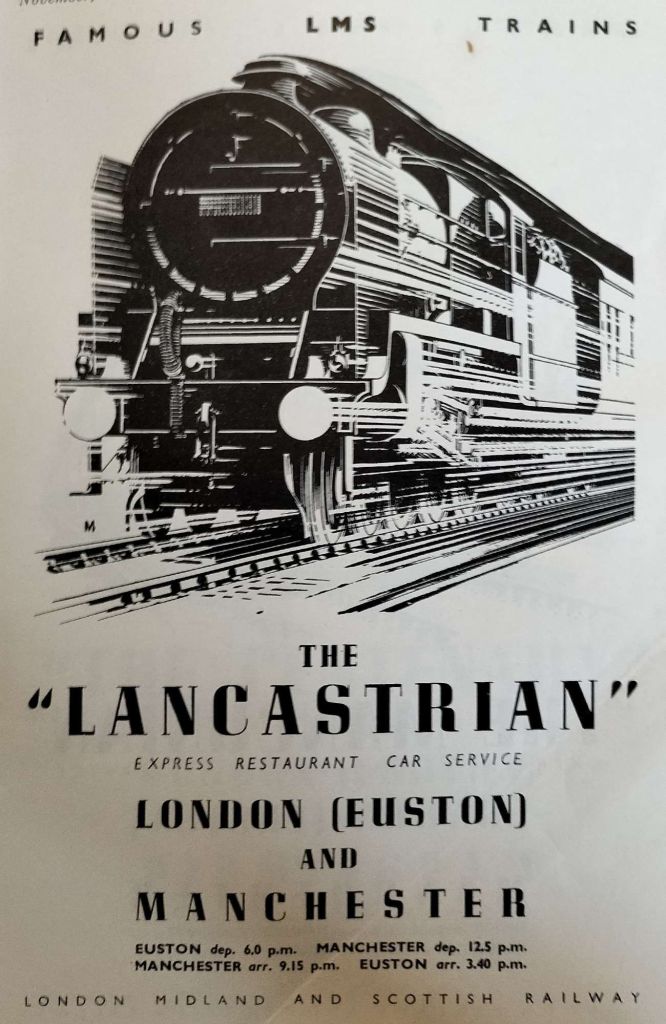
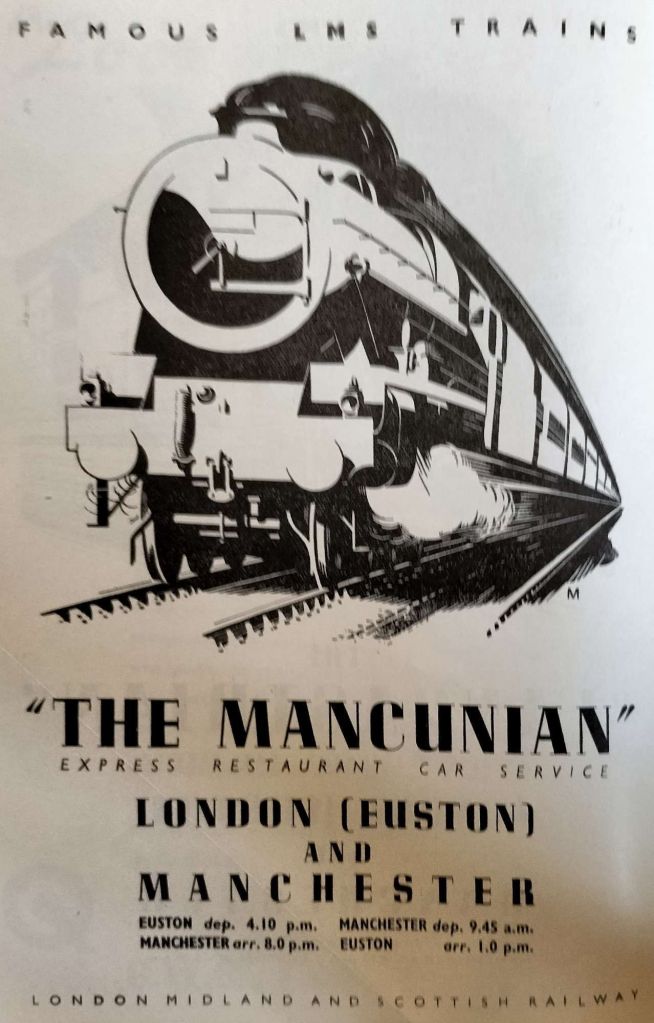
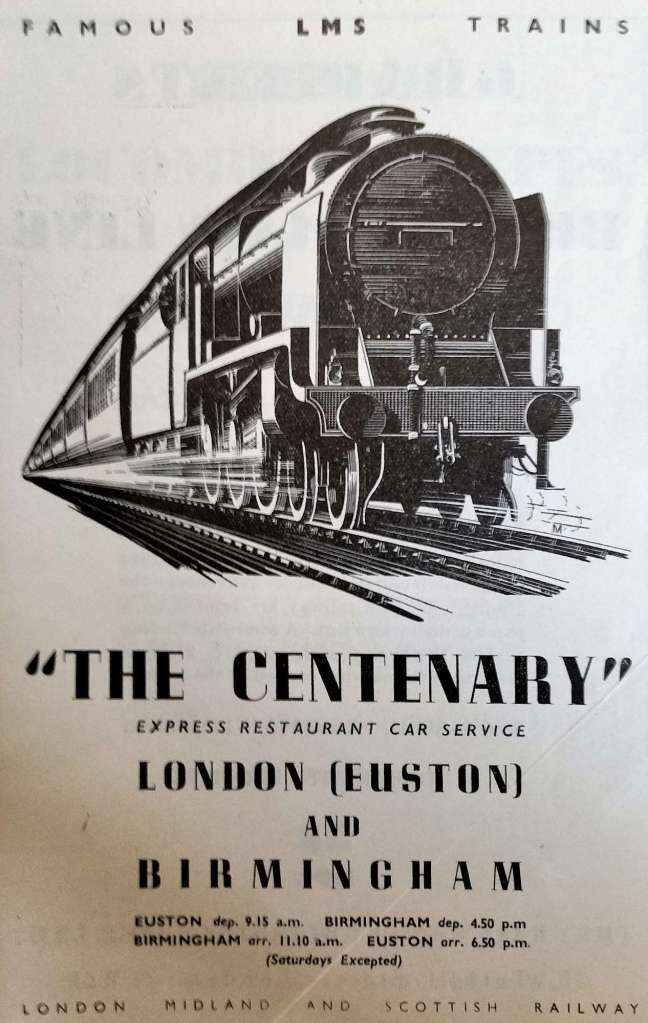
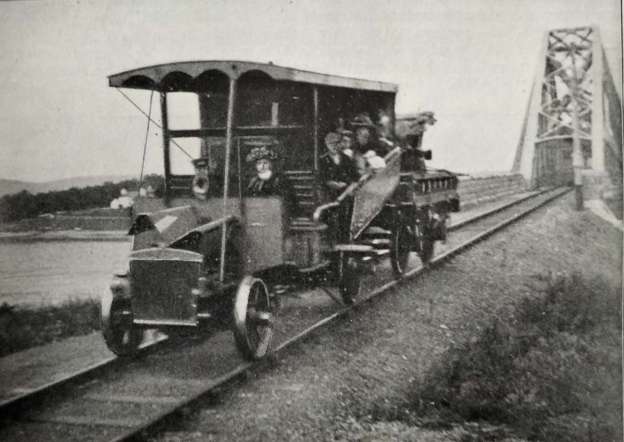
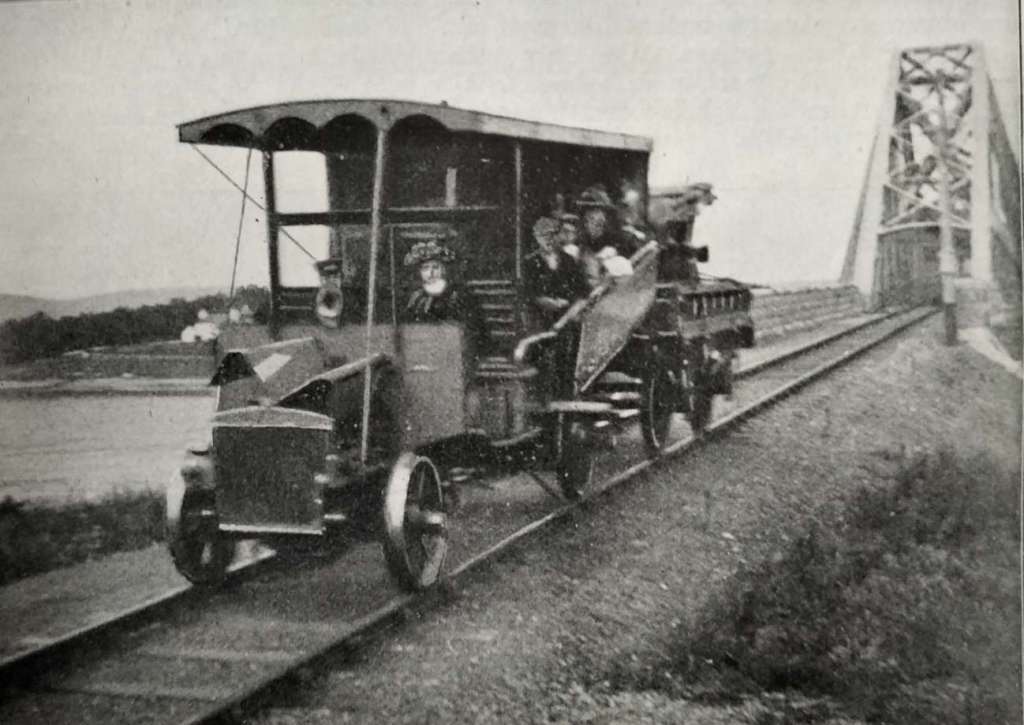

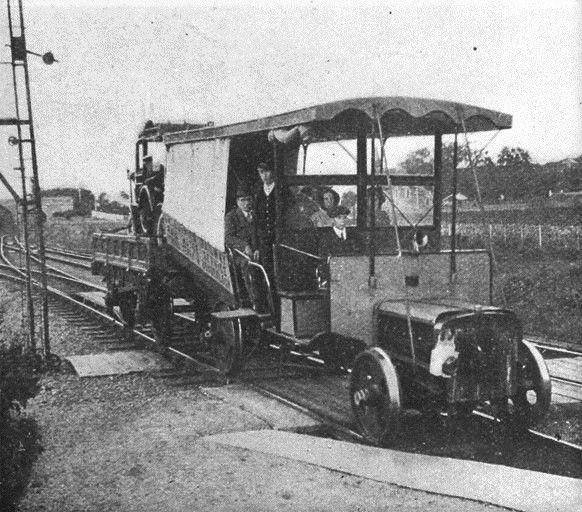
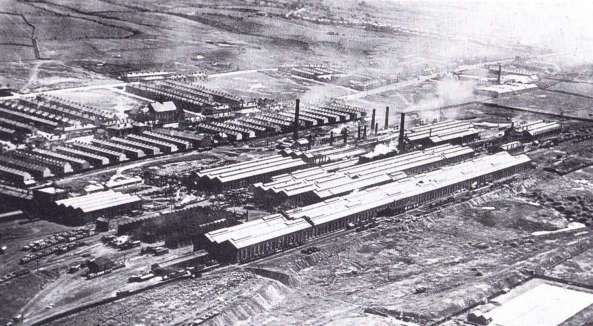
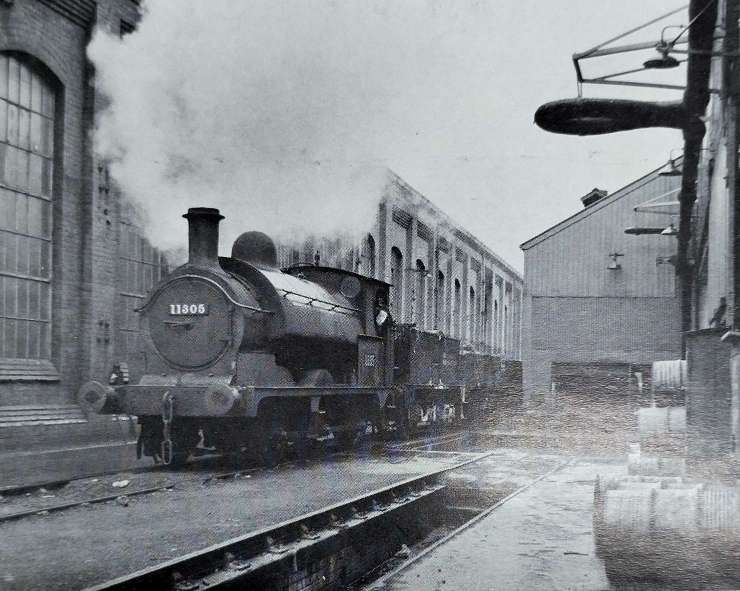
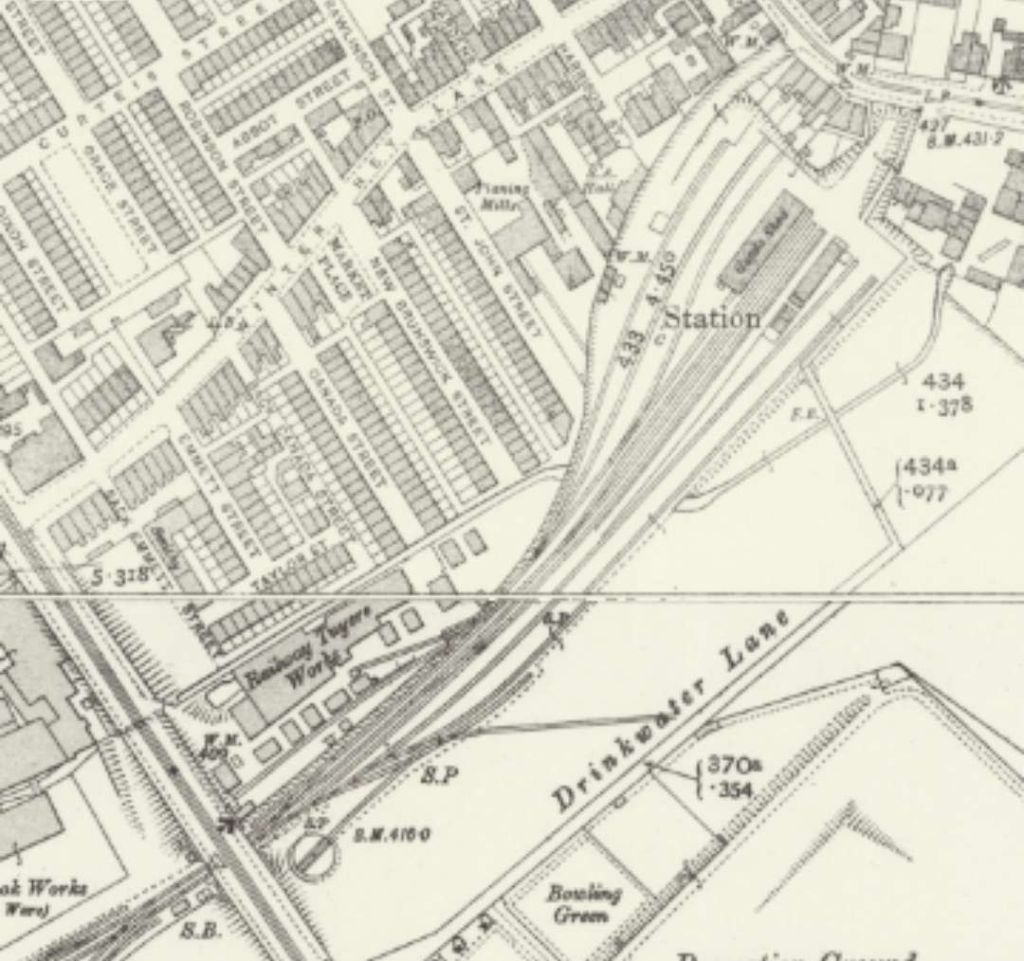
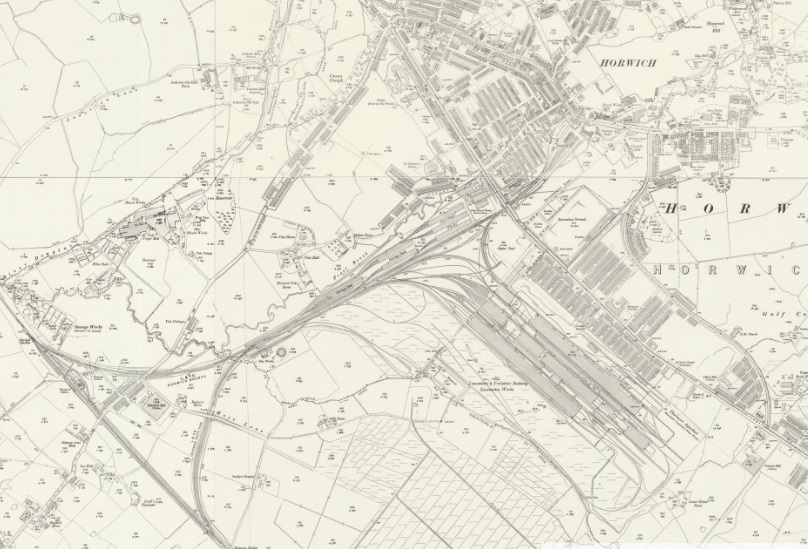
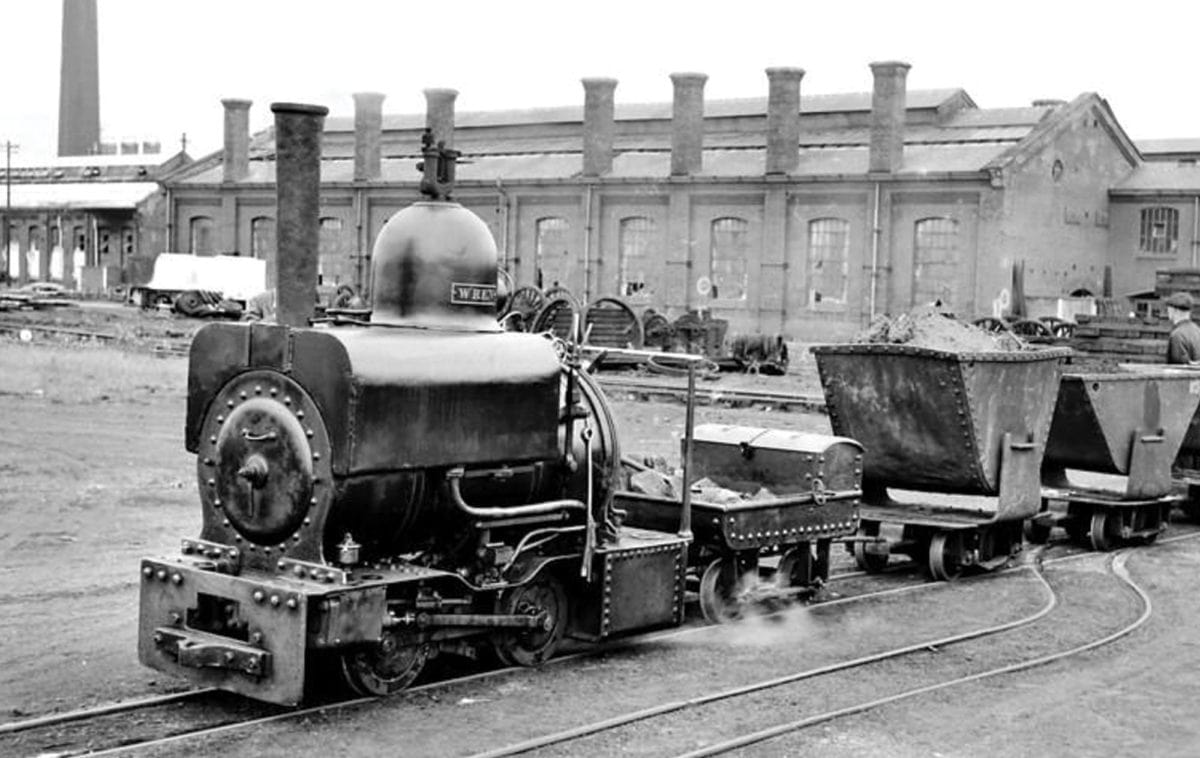
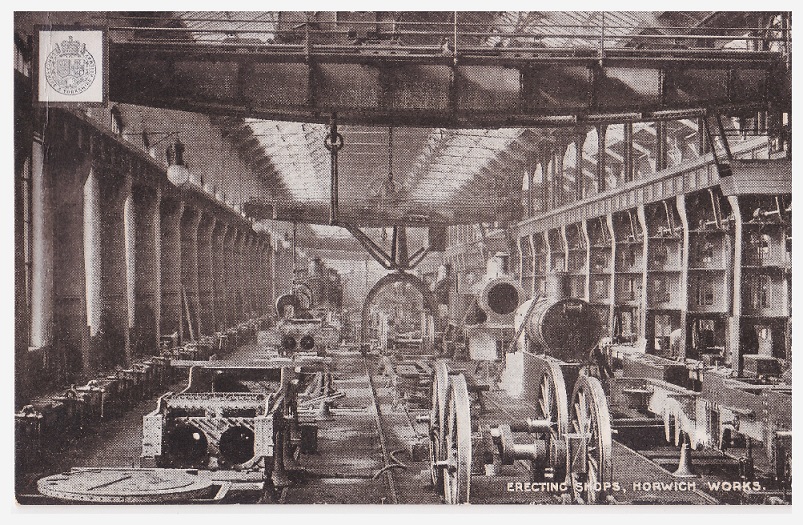
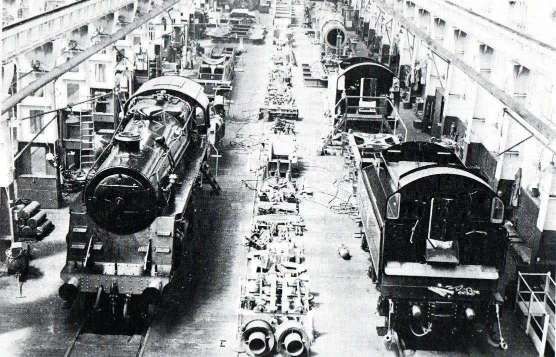
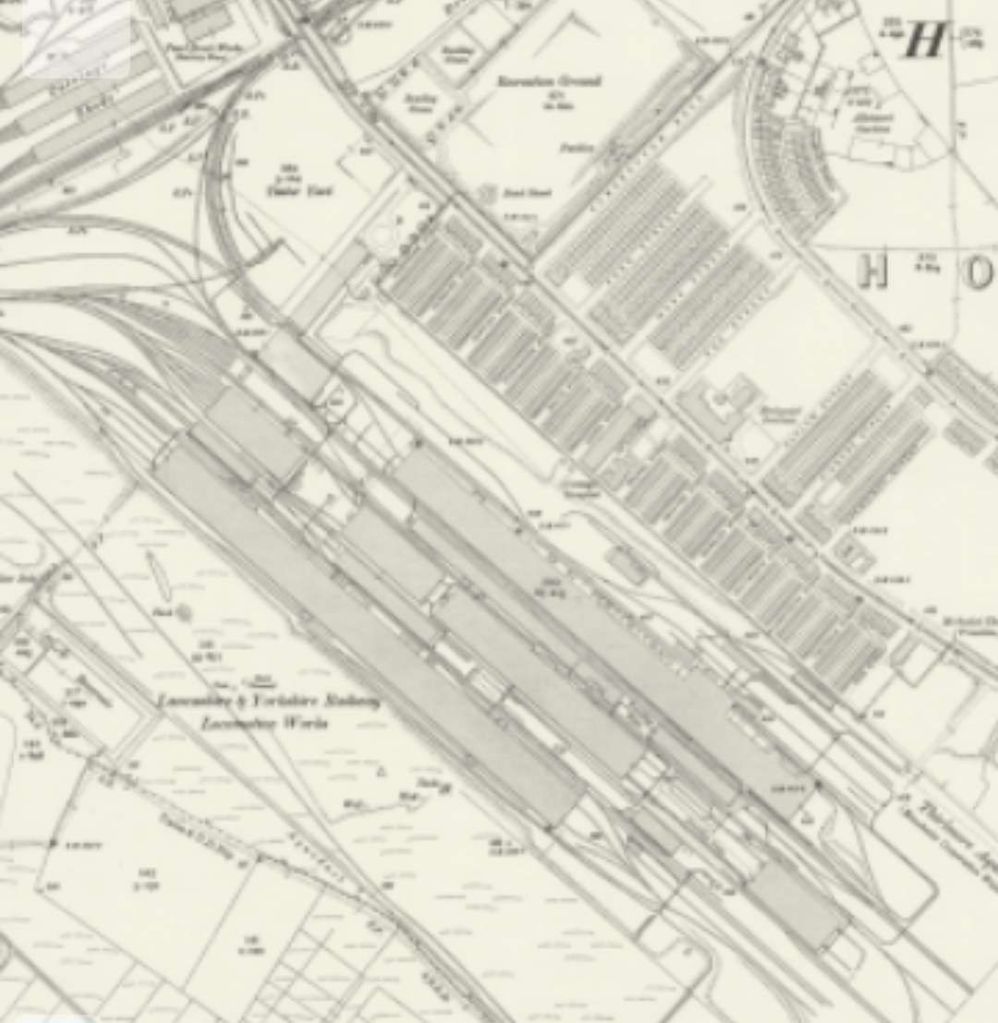
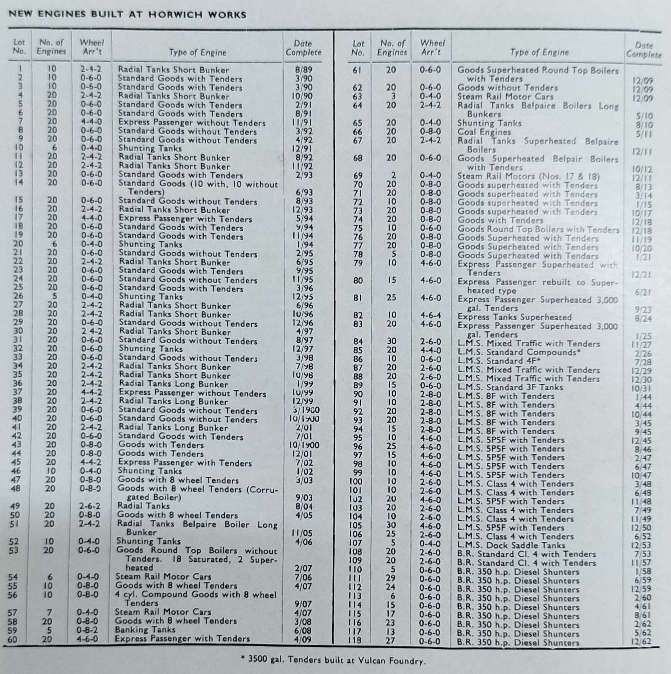
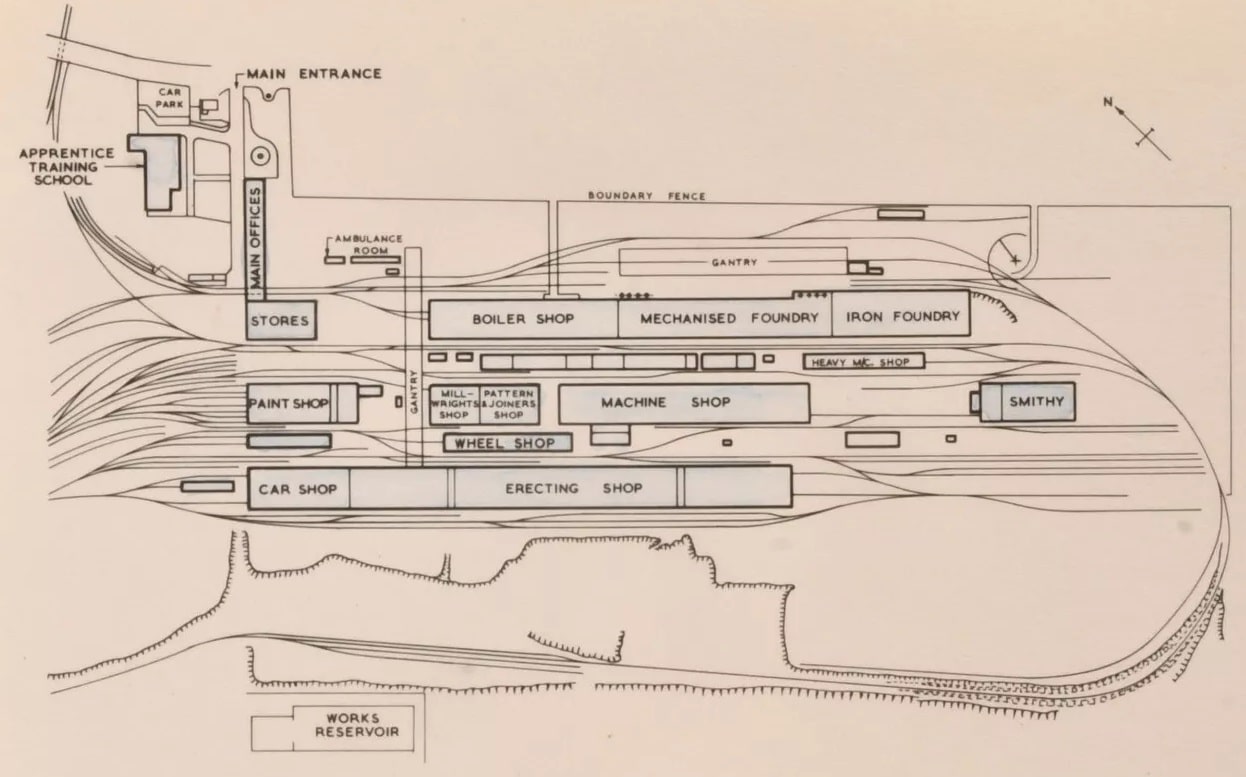
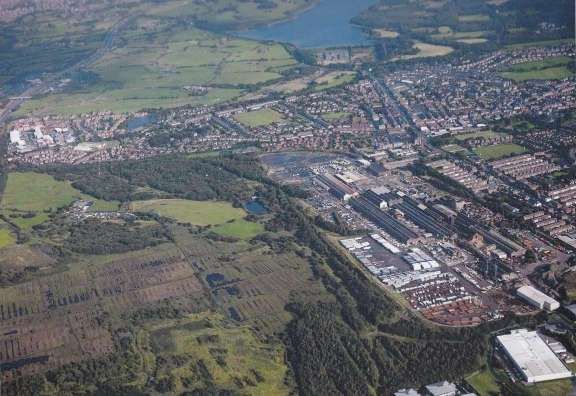
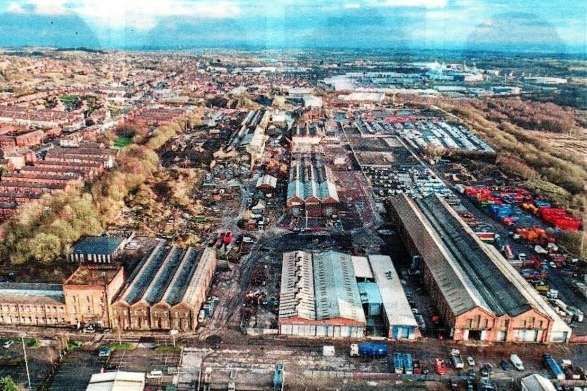
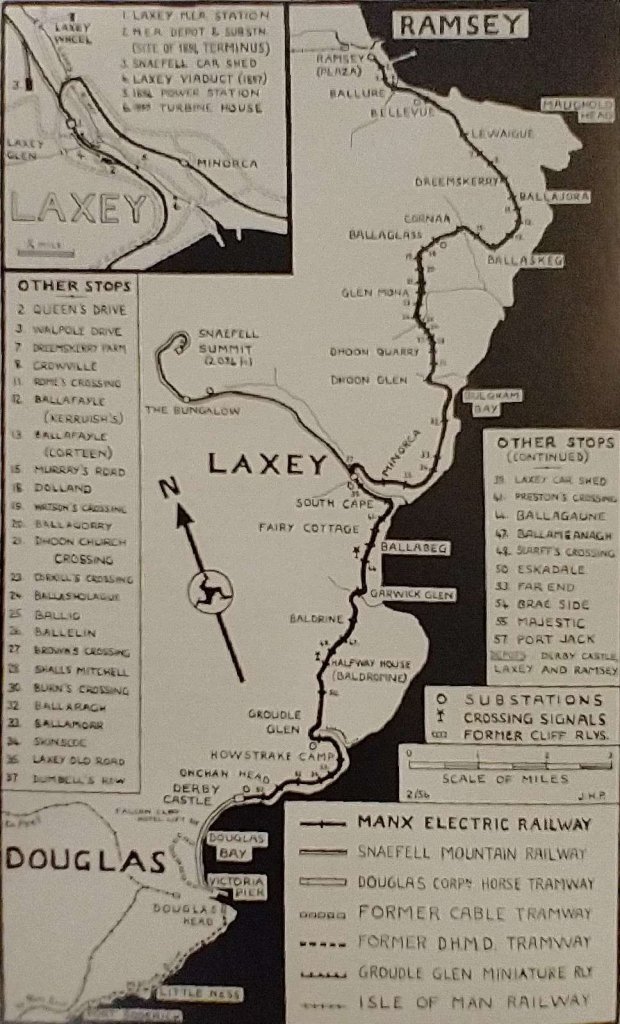


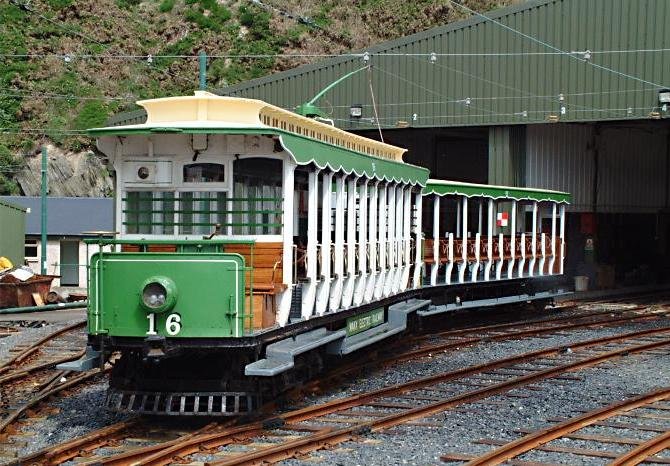

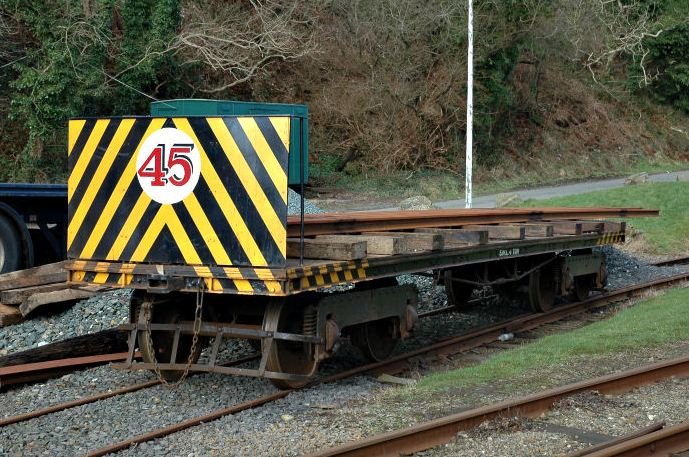


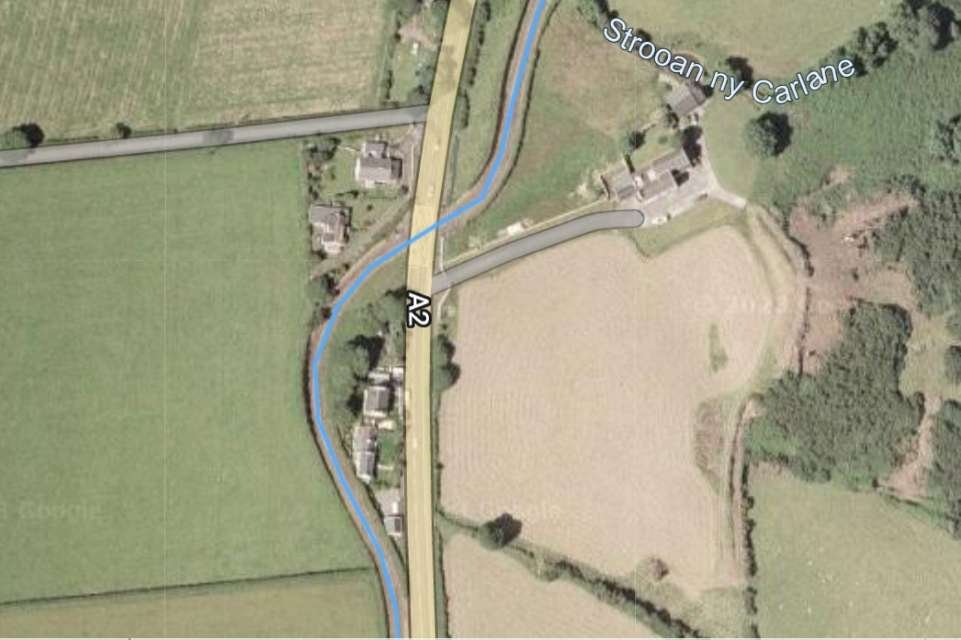
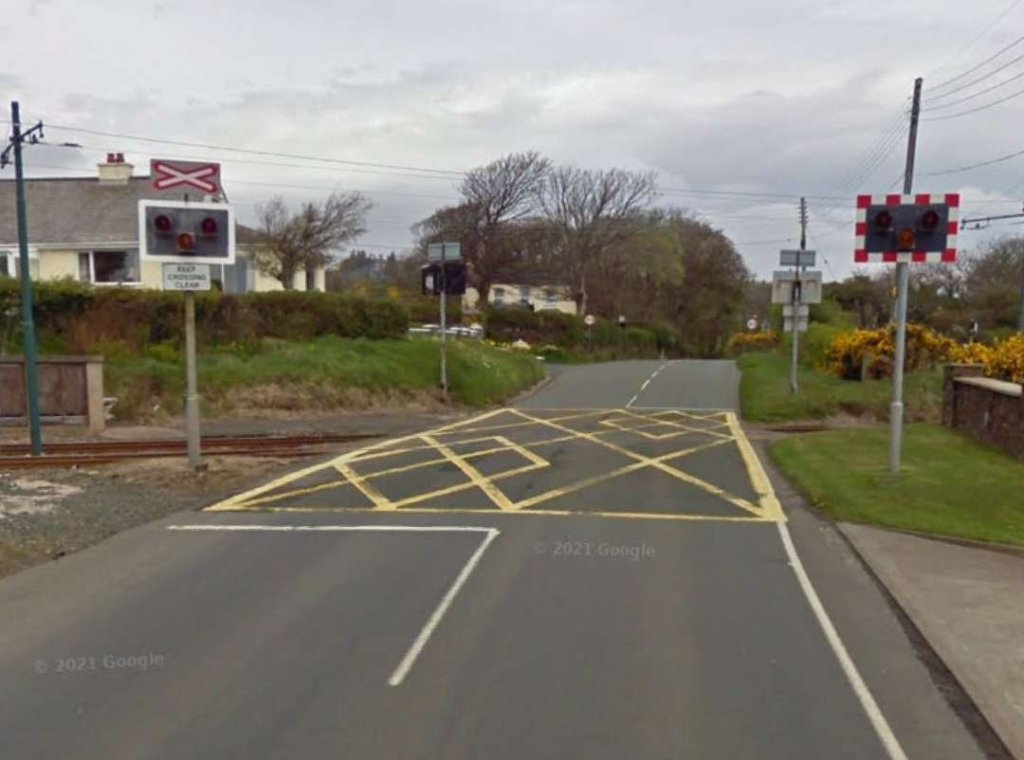
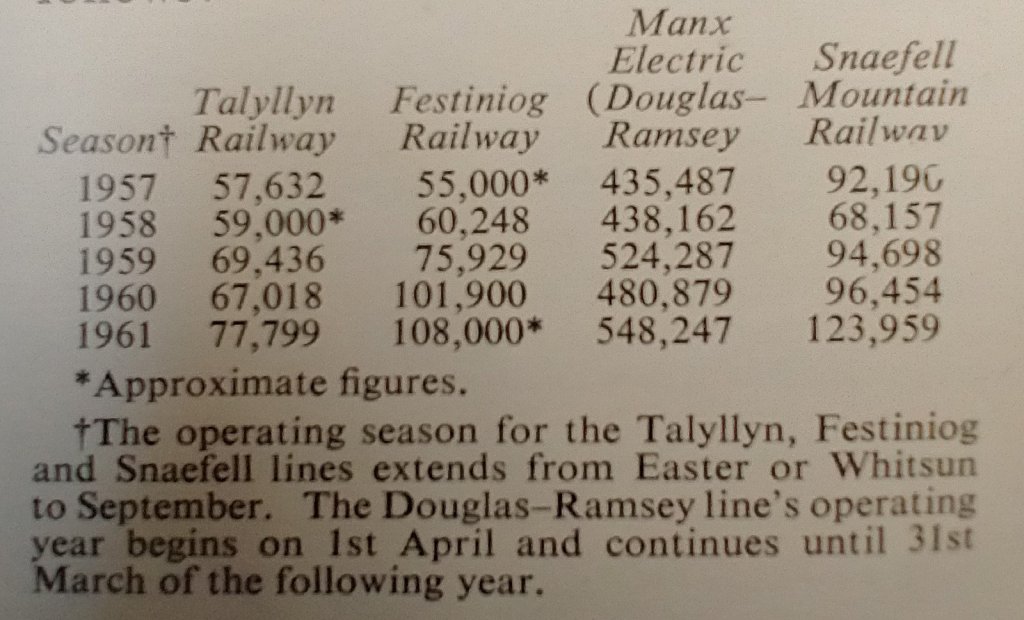
 Roger Farnworth


