Barrow-in-Furness Railway Station is shown in the featured image above and repeated in the first image below. It featured a large, distinct covered roof over the platforms, as seen in this vintage postcard view from the south. The prominent locomotive is one of the Furness Railway K2 Class locomotive, often referred to as “Larger Seagulls”. [4]
Barrow was featured in The Railway Magazine in March 1959. [1] The rebuilding of the old Central Station at Barrow-in-Furness which was virtually destroyed (please see the images below) in the air-raids of 1941 was completed in the late 1950s. The replacement buildings marked another link broken with Barrow’s past. Originally known as Barrow Central Station and the headquarters of the Furness Railway, it was, by the end of the rebuilding renamed Barrow-in-Furness. Early in the 20th century, the borough boasted ten stations. It had grown from a hamlet of a few farms with a population of around 100 to “a seething steel-town of 60,000 in under forty years.” [1: p149]
The most significant factor in the dramatic increase in population was apparently “the progress in railway development in the 1830s. The two dukes had toyed with the possibility of a mineral line for some years, but it was not until George Stephenson’s plan for the Caledonian, West Cumberland & Furness Railway was made known in 1837 that serious attention was given to the idea. Though this scheme for crossing the Duddon Estuary and Morecambe Bay came to nothing, a survey for embanking and reclaiming land and for a mineral line in Furness was carried out in 1841 by James Walker at the request of the Earl of Burlington (later seventh Duke of Devonshire).” [1: p149]
The coming of the railway made the exploitation of vast iron ore deposits feasible. Large ironworks, steelmaking, and shipbuilding industries developed, attracting thousands of workers and causing rapid population growth, urbanization, and infrastructural development. Barrow village had been shipping iron ore for many years and was chosen as a suitable port for iron ore from Lindal-in-Furness and slate quarries at Kirkby-in-Furness.
Google Maps satellite imagery shows the relative location of Kirkby-, Lindal-, and Barrow-in-Furness. [Google Maps, 21st December 2025]
The person directly responsible for the organisation of the Bill and for the affairs of the new Furness Railway Company was Benjamin Currey, Clerk of the House of Lords and Agent of the Devonshire Estates. He visited Furness frequently at this period and was able to influence the local population in favour of the railway. [1: p149-151]
It appears that a strong influence on the development of railways in the area was the purchase of Roa Island by J. A. Smith, who, in conjunction with the Preston & Wyre Railway at Fleetwood, planned to build a pier to accommodate a ferry service between Furness and Fleetwood.
Roa Island lies just over half a mile (1 km) south of the village of Rampside at the southernmost point of the Furness Peninsula in Cumbria. [2]
Roa Island in the 21st Century. This view looks North towards the village of Rampside. [3]Roa Island sits to the South of the Furness Peninsula and North of Piel Island and Piel Castle. [Google Maps, December 2025]
Smith’s plans meant that the Furness Railway Company needed to provide a connecting line to the pier. Two trips between Fleetwood and Roa Island were made daily from 24th August 1846.
A superb diagrammatic map of the railway system around Barrow-in-Furness giving details of the network in 1959 with dates on railways previously proposed but not built and others which had already been removed. The present main line from Ulverston enters the sketch map in the top right. The line to Whitehaven leaves the map centre-top. [1: p150]The wider Furness Railway network and its connections to other companies’ railways in the pre-grouping era. [1: p151]
Initially the Furness Railway Company built a single line North from the pier on Roa Island. The competing needs of mineral and passenger traffic could not be accommodated. The solution was the doubling of the track running North-South between Millwood Junction and Roose Junction. Timetables were published in Bradshaw but Smith’s ferry was not ready in time for the new season. Unsurprisingly, relationships between Smith and the Furness Railway Company were strained!
Indeed, the relationship continued to be difficult, seemingly with Smith seeking to persuade the Furness Railway to purchase his interest in the pier. Eventually, after significant damage occurred to the pier in a storm on 27th December 1852. The Furness Railway saw an opportunity to deal with the problem and bought out Smith’s interests in the pier and in any of Smith’s schemes to access mineral reserves in Furness. Apparently the buy out cost £15,000. However Smith’s pier continued in use until the opening of Ramsden Dock Station in 1881. The pier “was rebuilt in 1867-8 to accommodate the Midland Railway boat trains (which began in 1867) and survived until 1891, when it was finally demolished.” [1: p152]
Andrews continues: “During the early years Barrow grew slowly, as railway workshops were built and its pier gradually enlarged, and it was not until 1859 that the stage was set for the boom that hit this village in the 1860s. In 1846 a young man named James Ramsden, from Wolverton Works, had been appointed Locomotive Superintendent of the Furness, and from the outset had shown considerable promise as an administrator. He was appointed Secretary and Superintendent of the Line in 1850.” [1: p152]
Continuing developments saw the line to Kirkby-in-Furness extended in 1848 to Broughton and the Whitehaven & Furness Junction Railway opened to Whitehaven in 1850. The line to Dalton was continued to Ulverston by 1854 and the Ulverston & Lancaster Railway opened through to Carnforth by 1857. In Barrow, the first blast furnaces opened in 1859.
“With the local production of iron and the establishment of through rail communication, Ramsden was able to put into operation his plan for a new Barrow – a model industrial town and port. The first stage was the construction of a dock between Barrow Island and the mainland, when it would be possible to build up passenger and freight steamer services with Belfast and the Isle of Man. Stage two was the development of an industrial estate on Barrow Island and on the mainland shore, with a residential area inland.” [1: p152]
1863 saw an Act obtained for the construction of the Devonshire and Buccleuch Docks. The Devonshire Dock was opened in September 1867. During that year: Barrow became a County Borough; a ferry service from Piel Pier to the Isle of Man commenced; the Belfast ferry service opened (in the Autumn); and the population of Barrow exceeded 11,000; and the Barrow Haematite Iron & Steel Company paid a 30% divided to shareholders.
“Negotiations with the Midland Railway led to the Furness & Midland Joint line scheme of 1863 which included the moving of the Midland steamer services from Morecambe to Piel Pier.” [1: p153]
It seems that the “Midland Railway was anxious that a communication should be provided for affording better access to the Lakes in connection with the Yorkshire districts.” [8]
Andrews tells us that, “During the 1860s, the Furness Railway … absorbed its neighbours one by one. The Ulverston & Lancaster, which had been heavily subsidised by the Furness during its construction, was bought in 1862 and … the Whitehaven & Furness Junction Railway was taken over in 1866.” [1: p154]
There were plans for the construction of a viaduct to span the Duddon Estuary which would have been part of a new line running North along the coast from a point near to the Iron Works and Steel Works at Hindpool. The scheme failed to gain parliamentary approval because it constricted access to the small port at Borwick Rails.
After a depression in the late 1860s, a return to prosperity in 1870 brought with it a fresh wave of development plans. These included:
Moving the ferry/steamer service from Piel Pier to a new Dock Station.
Two loop lines intended to relieve congestion on the mainline, one the Gleaston loop between Lindal and Salt-house, and the other the Barrow loop from Salthouse to Ormsgill. Later the Gleaston scheme was abbreviated to a single line branch to Stank Mines (opened in 1873. The Barrow loop was slowed by the depression of the late 1870s and was not opened until 1882;
Completion of the docks, which ultimately proved to be somewhat over scale. However the deep water berth at Ramsden Dock was a great improvement over Piel Pier.
High capital expenditure in the 1870s meant that resources for railway development were limited in the 1880s. In the 1890s, exhaustion of local iron ore stocks and the lower cost of imported iron ore saw local freight traffic decline rapidly. In 1893, the Midland Railway gave three years’ notice to the Furness Railway as it had developed its own harbour at Heysham. Some services remained at Barrow until the first world war. Services declined further after the railway grouping, iron ore traffic dwindled away, leaving only that between Hodbarrow and the iron works/docks.
A century of gradual decline brought changes to the rail network. The original line entered Barrow “at Millwood Junction, where the Kirkby and Dalton branches joined, and then ran down the narrow valley to the ruins of Furness Abbey, where a station and hotel were completed in 1847. This became an important interchange station when the lines through to Carnforth and Whitehaven were open, and although a curve was opened between the two branches on 1st August 1858, most trains continued to reverse at Furness Abbey until 1873 when Dalton took over the exchange traffic; the now-unused bays at Dalton were for the Barrow branch trains. Furness Abbey was still used for dividing boat trains into portions for the dock and Barrow until 1904, and the down loop used for this existed until the 1930s. An up bay at Furness Abbey was used in the 1880s for a service from and to Coniston, but this was discontinued in 1891. The first part of the original Kirkby branch from Millwood to Park Junction (renamed Goldmire in 1882) fell rapidly into disuse after this as Whitehaven-Barrow traffic used the Park loop after 1882. Millwood Junction was finally removed in 1898.” [1: p155]
In 1959, Roose had “a reasonable passenger traffic from the surrounding housing estates. The main road originally crossed the line on the level and it was at these gates that trains first stopped by signal in the 1850s. The old junction with the Piel line was where the bridge carrying the main road now stands (which was completed with the [station present in 1959] in 1875).” [1: p156]
“The Piel line curved away to the left, following the shore for about a mile before entering a cutting to reach Rampside Station.” [1: p156]
The three map extracts below show the line as it appeared on 25″ OS mapping of 1889, published in 1890. The chord running South towards Rampside Station had, by this time, already been removed. …
The next sequence of satellite images shows the line to Rampside Station and Roa Island superimposed on modern satellite imagery. The main line can be seen curving away to the West after passing South through Roose Railway Station. …
This sequence of three satellite image extracts from Railmaponline.com show the line serving Piel Pier. Rampside Station was closed to the Concle Inn at the top of the third of the images. [10]
The two map extracts below show Rampside Station and Roa Island as they appear on the 25″ OS mapping of 1889, published in 1890.
Rampside Railway Station was a single platform station opened on 24th August 1846 as Concle Station, [14: p37] it was renamed Rampside in 1869. The station remained operational until 1936 when it closed along with the line and the following station at Piel, which had been reachable via the Roa Island Causeway. The station building and entire branch line had been demolished by the 1980s. [15]
Roa Island in 1889. The Pier Hotel has the benchmark on its West side. [13]This view faces South on Roa Island, the Pier Hotel is now a private dwelling, Piel Station was to its West side (on the right of the Hotel in this image). [Google Streetview, October 2024]
Returning to the main line: South and West of Roose Railway Station the main line curves round towards what was Salthouse Junction.
Only the main line remains to the East of Salthouse Junction. To the West, a single line leaves the main line at Salthouse Junction on the South side of the main line, heading West alongside Cavendish Dock.
Andrews tells us that a significant embankment was built from Salthouse Junction to Barrow Island. A line was laid along this which separated the Ramsden and Buccleuch Docks, running to the South of what was the old line to Strand Station. After the building of the embankment, land to its North was reclaimed and the old Strand Station was closed together with the line which approached it on a rather tortuous/sinuous route. Parts of the embankment for this old line were still visible in the late 1950s.
Andrews tells us that “The original Barrow Station, a wooden structure with one platform, rapidly became inadequate to deal with the expanding traffic of the town and was converted into an engine shed in 1862.” [1: p156] Apparently, in the late 1950s, it was still in use “as a carpenters’ shed and offices, although the lines leading to it were closed in January 1871. … The main line was taken round the outside of the works [shown below] to reach the newer Strand Station in 1862. This, [in the late 1950s,] the Railway Institute, had to be enlarged again in 1873 and the old carriage shed … converted into an arrival station. However, hardly had these alterations been completed in the Strand, than the intention to build a large new station in the centre of the new town.” [1: p156]
This extract from the 1911 Ordnance Survey shows the railway works and sidings. [11]This image is an extract from Railmaponline.com’s satellite imagery showing the same area as the map extract above. So much railway infrastructure has been lost. [10]
The line from St. Luke’s Junction through Barrow Central Station was not opened until 1882. Andrews continues: “by which time it had been put on a through route to the North by the completion of the Park loop line. A curve between Oaklea and Goldmire Junctions allowed the station to be approached from Carnforth in both directions. This curve [shown dashed in the adjacent image] was closed in 1904.” [1: p156]
Andrew’s describes Central Station as having “a large, all-over roof covering Platforms 1 and 2. No. 3, the other side of the island platform, was uncovered and was used by the local service to Piel which ran from 1881 to 1936. These trains approached the Piel line by a curve from Salthouse Junction built in 1873; the line from Roose Junction to Parrock Hall was closed in 1881, after the boat trains were diverted to Ramsden Dock.” [1: p156]
Central Station appears top-centre on the extract from the sketch map of Barrow’s railways below. We will return to look at this later in this article
Andrews continued: “From 1881, the boat trains left the main line at Salthouse Junction and proceeded down the embankment to Loco Junction, where the curve from St. Lukes Junction, on the Central line, came in on the up side, and where the line to the Barrow goods yard and old Strand Station curved away. The passageway between the Ramsden and Buccleuch Docks was crossed by a swing bridge, replaced by the present lift bridge in 1907.” [1: p156-157]
And again: “Shipyard Junction was reached in a cutting and the line to the Naval construction works curved off to the right. A station, Island Road, was built in 1899 for workmen’s trains and these have used the platforms ever since. The line is now used for out-of-gauge loads to Vickers Works, near Island Road Station, and normal freight traffic is worked over Devonshire Bridge from the goods yard.” [1: p157]
Andrews continued: “Reaching the shore, the line to the docks branched off at Dockyard Junction and the passenger line curved away to the left to reach Ramsden Dock Station, which consisted of a long covered platform and a short bay. A goods shed separated the platform from the quayside and at low tide passengers embarked through a tunnel under the lines. The station was completed in 1885. Regular steamboat traffic to the Isle of Man, Belfast and Fleetwood ceased at the outbreak of the first world war, but excursion boats were run from the station, mainly to Blackpool, until 1936. The station was pulled down in 1938.” [1: p157]
Although the docks, seen on satellite imagery, seem substantially as shown on the drawing in Andrews’ article, closer inspection will reveal substantial changes. [Google Maps, February 2026]
Before looking at the rail infrastructure of the 21st century it is right to at least try to show what existed in around 1910 and which has since been substantially lost.
It is difficult to give an effective account of the complexity of the railway infrastructure around the docks at the turn of the 20th century, although the sketch map from 1959 is particularly helpful for understanding the mid-20th century situation. The following extracts from the 25″ Ordnance Survey from around 1910 may do more to obfuscate than to illustrate!
The Buccleuch Bridge of 1907 is shown in this extract. [20]
The location of the 1907 lift bridge as it appears in the 21st century. [Google Maps, February 2026]
As we have noted, the lift bridge mentioned by Andrews in 1959, is long gone, as is all of the network to the West of the bridge. That network was substantial. … A line ran from the bridge Southwest before curving round to the Southeast to head into Ramsden Dock Station.
Ramsden Dock railway station (also known as Barrow Island and officially as Barrow Ramsden Dock) was the terminus of the Furness Railway’s Ramsden Dock Branch. [26]
The station operated between 1881 and 1915. Located at the southern tip of Barrow Island alongside Ramsden Dock it primarily served the adjacent Walney Channel passenger ferry terminal. It was accessible by Ramsden Dock Road and the Barrow-in-Furness Tramway. [26]
The station building was demolished in the 1940s, while the rail line leading to it was completely removed in the 1990s. No evidence of either remain and a windfarm operations centre has been built on the site. [26]
Running parallel to the line through Ramsden Dock Station were lines which served the various sidings in the docks. These lines can be seen in the extract above entering at the third-point along the top from the left of the image, and appear on the extract below, running diagonally across the image from the top-left corner.
A tree of sidings curved off the feeder line and ran East-West. The lines leaving the bottom of the extract at the third-point from the right enter the last extract from the quarter-point from the left. [20]Anchor Basin and the Anchor Line Sheds circa 1910. [20]South of the extract above, the extract shows the Dock Basin which had a lock gate to open water at its Southwest end with Cattle Sheds to its Southeast. [20]A grain store sat to the Southeast of Anchor Basin and a lock linked it with the Dock Basin in the last extract. The Northeast end of the Cattle Sheds can be seen at the bottom of this extract. [20]Approximately the same area as covered by the four map extracts above, as it appears in the 21st century! [Google Maps, February 2026]Lines ran between the Southeast dock wall of Ramsden Dock and the shore. [20]At the Southeast corner of Ramsden Dock, one line remained close to the shore with another turning North to run between Ramsden Dock and Cavendish Dock. The line along the Southeast side of Cavendish Dock and close to the shore led across to the Piel Branch curving round to the North to make a junction with the Branch. [20]The line heading North linked back to the line that ran along the Northwest edge of Cavendish Dock and crossed the Buccleuch Bridge. [20]This length of line is part of the remnants of what was on an extensive rail system. [20]Approximately the same area as covered by the four map extracts above in the 21st century! [Google Maps, February 2026]
Much more has changed since 1959. The significant network of dock railways has been replaced by a single line running down the East side of Ramsden Dock.
Associated British Ports’ “Port of Barrow plays a key role in serving the offshore energy industry in the region described as Britain’s “energy coast”. The port has 15ha of secure open storage and is the site of BAE Systems’ submarine design and manufacturing facility. … The Port of Barrow … handles over 100,000 tonnes of cargo each year, comprising an array of different products including limestone, sand, aggregates, granite and woodpulp. Heavy lift projects are also routinely and efficiently carried out to support the offshore energy sector.” [19]
To the Northwest of the dock lines we have been looking at, were the Naval Engineering Works and Shipbuilding Yard. These were served from the Southeast by a line heading West-northwest from Shipyard Junction which ran round the Southern side of the stadium and then in the surface of Island Road.
The road layout in the area of the Steelworks and to their immediate South has changed significantly. The image immediately below looks North-northwest along the line of the old and new Ironworks Road which now accommodates Northbound traffic on the A590.
Looking at the lines further to the North, Andrews said in 1959 that, “The economy drive which closed the Piel branch in 1936 also abolished the junction into the goods lines at Ormsgill north of the Central Station, and now trains from the north of the iron works have to work round through Loco Junction and Barrow yard.” [1: p157]
Ormsgill Junction is at the bottom-left of this sketch map. Lines to Hawcoat Quarry and Roanhead Iron Mines were similarly closed by the late-1950s. [1: p150]
But to complete our look at the central area of Barrow, we follow the line up through Barrow Central Station to the North.
Barrow Central Station after the turn of the 29th century. [21]The site of the station as it appears on the ESRI satellite imagery supplied by the National Library of Scotland. [21]Barrow Central Station seen from the South on the Station Approach in the 21st century. [Google Streetview, August 2018]Barrow Central Station seen from Abbey Road Bridge looking Northwest. [Google Streetview, May 2022]
Andrews said in 1959: “The buildings at the new Barrow in Furness Station have been constructed on the site of the old, and are mainly steel framed. A considerable amount of glass has been introduced in the infilling panels forming windows to both the road and platform elevations. Multi-coloured rustic bricks have been used, with slate window sills and fascia over the high-level windows of the front entrance. The platform awnings are of light steel decking, with continuous roof glazing in line with the face of the external wall adjacent to No. 1 platform. The flooring of the booking hall and cafeteria-waiting rooms is laid in precast tiles, and polished hardwood has been used extensively as a decorative wall lining in the cafeterias, and for the framing to the ticket windows and internal window frames. The walls of the booking hall are finished in glazed tiles to the top of door height, with a glossy finish above, and re-erected on the south wall is the Furness Railway 1914-18 war memorial, Loudspeakers have been installed through out the station, and the open platform lighting is fluorescent, incorporating the station name within the light fitting.” [1: p200]
Looking North from the end of the station platform towards what was the location of the carriage sheds. [Google Streetview & Vextrix Surveys, November 2021]Carriage Sheds to the Northwest of Barrow Central Station in the early 20th century. Note the single industrial siding serving British Griffin Chilled Iron Works. [21]A similar area in the 21st century! [21]By the early 1930s, the provision for local industry close to the carriage sidings had increased significantly! This extract comes from the 25″ Ordnance Survey of 1931, published in 1933. [35]The lines passed under Devonshire Road. [23]The same location in the 21st century. [23]This photograph was taken in the late 1950s from a point somewhere Southeast of Devonshire Road. The carriage sheds are on the right of the photograph. There are two tracks on the left of the main line which served industrial premises. The Ordnance Survey shows the first of these sidings serving British Griffin Chilled Ironworks. This image was shared by Ralph Sheppard on the Barrow-in-Furness in Old Photos Facebook Group on 29th December 2019. [34]Looking Southeast from Devonshire Road towards the maintenance facilities and the station beyond. [Google Streetview, November 2024]Looking Northwest from Devonshire Road. [Google Streetview, November 2024]Continuing Northwest, the lines passed under Walney Road. [23]The same location in the 21st century. [23]Looking Southeast from the A590, Walney Road, along the line of the railway towards Barrow Railway Station. [Google Streetview, November 2024]
We finish our survey of Barrow’s Railways at this northern point. Towards the end of his 1959 article, Andrews commented about the first half of the 20th century: “The last fifty years have shown a steady decline in Barrow’s railway system, the inevitable result of the failure of James Ramsden’s vision to become reality. Although the iron ore brought a temporary and easy prosperity, the geographical situation was a permanent setback to the port. The industrial centres of Lancashire and Yorkshire were just too far away and the Furness main line was not built for real speed. Moreover, the Furness Railway Company just failed to establish sufficient variety of local industry to keep the port busy with local trade and the town came in the end to rely almost entirely on the shipbuilding industry. Since the last war, however, there have been signs of a reversal in this downward trend; sidings are being laid in to serve new factories at Salthouse and Sandscale, and Barrow is to become a divisional centre in the L.M.R. de-centralisation scheme. It is hoped that some of the prosperity of the old days is on the way back.” [1: p157]
From 1959 to 2026, Barrow-in-Furness transitioned from a traditional heavy industrial town into a specialized hub for nuclear submarine construction and offshore energy. While iron and steel industries closed by 1988, the BAE Systems shipyard became the town’s primary economic driver, cementing its role in national defense.
British Cellophane (1959) and Kimberly Clark (1967) established manufacturing plants in Barrow and the 1980s saw the development of gas terminals for the Morecambe Bay gas field.
The vast majority of the industrial railway heritage has disappeared. The town is left with its mainline service which serves the Cumbrian Coast and connects the town to the wider UK, and a branch line which runs down to the ABP port facilities.
References
M. J. Andrews; The Railways of Barrow; in The Railway Magazine, Tothill Press, London, March 1959, p149-157 & 200.
The featured image captures the Metropolitan Railway locomotive No. 23 during the London Underground centenary celebrations in 1963. The locomotive is an ‘A’ Class 4-4-0T condensing steam engine, built by Beyer Peacock in Manchester in 1866. It was designed specifically for use on the Metropolitan Railway’s Inner Circle line, where it was intended to limit smoke emissions in the tunnels. It was withdrawn from underground use in 1905 after the lines were electrified. Its appearance in 1963 at Neasden was a special event, marking 100 years of the London Underground. [93]
I received a few very welcome gifts for Christmas 2025. This article is the third in a short series:
Colin Judge; The Locomotives, Railway and History 1916-1919 of the National Filling Factory No. 14, Hereford; Industrial Railway Society, Melton Mowbray, Leicestershire, 2025. [1]
Anthony Burton; The Locomotive Pioneers: Early Steam Locomotive Development – 1801-1851; Pen and Sword, Barnsley, 2017. [2]
Christian Wolmar; The Subterranean Railway: How the London Underground was Built and How it Changed the City Forever (2nd extended Edition); Atlantic Books, 2020. This edition includes a chapter on Crossrail.
Neil Parkhouse; British Railway History in Colour Volume 6: Cheltenham and the Cotswold Lines; Lightmoor Press, Lydney, Gloucestershire, 2025.
3. The Subterranean Railway
Christian Wolmar’s book published by Atlantic is a 2nd extended edition of a book published in 2004, dating from 2020. The chapter about Crossrail is the last chapter of the book on pages p323-342. This article provides a potted history of the London Underground and a quick look at other similar systems around the world, which comes out of reading Wolmar’s excellent book.
“Since the Victorian era, London’s Underground has played a vital role in the daily life of generations of Londoners. ‘The Subterranean Railway’ celebrates the vision and determination of the 19th-century pioneers who made the world’s first, and still the largest, underground passenger railway: one of the most impressive engineering achievements in history. … From the early days of steam, via the Underground’s contribution to 20th-century industrial design and its role during two world wars, to the sleek and futuristic Crossrail line, Christian Wolmar reveals London’s hidden wonder and shows how the railway beneath the streets helped create the city we know today.” [3: back cover]
Simon Jenkins: “A total delight… Brings a much-neglected period of the city’s history splendidly to life.”
Tom Fort, Sunday Telegraph: “I can think of few better ways to while away those elastic periods awaiting the arrival of the next east-bound Circle Line train than by reading [this book].”
Christian Wolmar wrote his preface to the 2nd edition at a time when the London Underground was carrying fewer passengers than at any time since the Second World War. As a result of the Covid-19 pandemic the whole of Transport for London was a on life support. He was concerned enough about the state of the Underground to suggest that the future of the system was in doubt. Writing this article in 2025, his concerns seem to be a little dramatic. It is already quite difficult to remember just how disturbing life in the pandemic really was.
Wolmar comments: “While the crisis caused by the pandemic will eventually be overcome, the situation it will leave behind is mixed. On the positive side, there is much to cheer. Compared with when the first edition of this book was published more than a decade and a half ago, there have been substantial improvements, with new trains, refurbished stations and easier ticketing systems. Crossrail, now to be called the Elizabeth Line, provides the most significant improvement to London’s railway network in a generation, if not since 1906-7 when three Tube lines were opened within a year. The Elizabeth Line is rather misnamed since it is not like the existing Tube services, but rather it is a full-sized railway running under the centre of the capital, built to modern standards of safety and space. Air-conditioned, with platform doors and serving nine large below-the-surface stations in central and southeast London, it will relieve overcrowding on several Underground lines and will give many people far quicker access to the centre of the city than was hitherto possible, as it will obviate the need for many to access the Underground via a mainline station. Although Crossrail’s opening, now expected, though not confirmed, to be in 2021, has been delayed by three years and costs have gone up by at least £3bn to £18bn, Londoners will be amazed when the services start running. It is a genuine twenty-first century railway, quite unlike the dingy Tube lines, and will offer a standard of comfort that is far above that on any other local rail services in the capital.” [3: pxiii]
“Yet, hanging over the future of the London Underground is the concern about whether the peak numbers attained in the late 2010s will ever be reached again. There is no doubt that many people will have discovered the possibility of working at home, at least for part of the week, and therefore passenger numbers are bound to be depleted for some time to come. It goes further than that. The very nature of the central London economy is dependent on the hustle-bustle created by its cafés, restaurants, sandwich bars, cinemas and theatres. If a significant number stop going to work, offices will become empty, and the kind of inner-city decline seen the world over in the post-war car-oriented period will return. We have got so used to complaining about overcrowded trains and buses that we have forgotten that without these vast numbers using public transport, it no longer becomes viable. Therefore, if many of these passengers fail to return to use the system, not only will it reduce the likelihood of further investment and perhaps a return to the dog days of the post-war period described in this book, but also it may result in a much wider loss: the vibrancy and buzz of one of the world’s most successful cities. The London Underground is the beating heart of the capital and when it is ailing, so is London.” [3: pxiv]
On 24th November 2023, passenger numbers exceeded 4 million/day for the first time since the pandemic. [5] This was up 7.6 per cent on the equivalent day in 2022 (24th November 2022), when ridership was about 3.76m.
In 2023/24 daily rider numbers averaged around 3.23 million.
Before the pandemic (around 2019), the London Underground saw much higher usage, with daily ridership often hitting 5 million journeys.
Transport usage in London over the years. [6]
The graph above shows that passenger numbers have been gradually recovering from a very low ebb. The picture is considerably better than Wolmar feared.
Wolmar, in his introduction to the 2nd edition says: “Oddly, even many biographies of London pay little attention to the system hidden anything from thirty to 250 feet beneath its surface. Of course there are many books which concentrate on the engineering achievements of the railway and its haphazard construction. The spectacular feat of building a railway underneath a built-up area, a concept so brave and revolutionary that it took nearly forty years for any other country to imitate it, should not be underestimated. The people who devised and developed the concept were visionaries, ready to risk ridicule and bankruptcy to push forward their ideas. This book explains how they did it, but the achievements of the Underground go way beyond its mere construction. Its role in the development of London and its institutions is probably greater than that of any other invention apart, possibly, from the telephone. Without the Underground London would just not be, well, London. Oddly, that is recognized more often abroad where the famous roundel, the ‘logo’ of the system created long before that word was ever in common parlance, is the emblematic image of the English capital.” [3: p5]
Wolmar says that his book is an attempt “to do justice to the achievement of the Underground pioneers not only for having produced a transport system which, for a time, was unparalleled anywhere in the world, but also for having helped create and transform the city. It tells both their story and that of the system they made, and shows that their achievements go far beyond the realm of transport.” [3: p8]
Chapter 1 – Midwife to the Underground
As Wolmar tells the story, the Underground was a concept invented by Charles Pearson who was born in the late 18th century – October 1793, more than two decades before Napoleon met his Waterloo.
Pearson was the City of London solicitor who set out an idea in a pamphlet in 1845 – “a railway running down the Fleet valley to Farringdon that would be protected by a glass envelope. … The trains were to be drawn by atmospheric power so that smoke from steam engines would not cloud the glass. This, of course, was not the scheme that was eventually built, but Pearson’s concept was certainly the kernel of the idea that was to become the Metropolitan Railway two decades later along broadly the same route.” [3: p9]
It was Pearson who masterminded the financing of the Metropolitan which saved the scheme at the eleventh hour. It could also be argued that had he failed in his mission, the underground may never have been built as other transport solutions became available in following decades. However, Paris Metro (1900) and the New York underground (1904) learnt much from London’s experience.
Before the underground, London was growing too fast and its burgeoning traffic was throttling the life out of the economy. Various schemes sought to address the problem: horse drawn omnibuses; horse drawn trams. Both resulted in an even faster growth in the population. London was “a vortex, sucking in an ever greater proportion of the nation’s population. It was the most exciting city in the world and everyone wanted or needed to live there.” [3: p13] A failure of imagination by railway companies left the immediate areas outside the compact city limits with very few stations. No one appreciated the lucrative market that would develop if it was resourced effectively. The railways as a result had a much lesser effect on London than they did in the regions. [7]
Land values South of the Thames were lower than on the North side of the river and overground services developed alongside urban expansion to the South of the river in a way that just was not possible North of the river. The first of those lines, the London & Greenwich was built on 878 arches and its promoters sought to serve the local population rather than long distant destinations. “The line was soon carrying 1,500 people per day … on trains that ran every quarter of an hour throughout the day. … By the mid-1840s, … 5,500 people were being carried daily. … It was not until the invention at the end of the nineteenth century of tube railways,which ran deep into the London clay,that the underground system was to reach across the Thames.” [3: p15-16]
The popularity of the London & Greenwich Railway showed that railways could successfully be used for short journeys. Pearson’s vision transcended modes of transport, he sought to create affordable housing outside the city linked by affordable transport which would allow even lowly paid workers access to good housing and onto the city for work. Pearson was a campaigning social reformer but faced opposition in most areas where he sought to bring reform. It seems as though “his tenacity, perhaps prompted by these setbacks, brought the scheme for an underground railway to fruition.” [3: p19]
The Royal Commission on Metropolitan Railway Termini of 1846 ruled against the vast majority of proposals seeking to access the core of the City of London. Seventeen of the nineteen proposals were rejected, and only conditional assent to two schemes which were extensions South of the Thames. This commission’s decisions effectively created the need for the underground.
A map of London in 1836 overlaid with the area confirmed by the Royal Commission into which railways should be prevented from entering Map: J Henshall (engraver and printer). Outline: David Cane based on description contained Royal Commission’s report. This image is licenced for reuse under a Creative Commons licence (CC BY-SA 4.0). [27]
The next inquiry took place in 1854-1855. It again rejected the majority of railway schemes but recommended an ‘orbital’ railway connecting the various Termini, the Post Office and the docks, and foreshadowed the Metropolitan Railway.
Pearson’s plan for an underground railway required “bloody-minded persistence … to persuade investors to stump up the money, even though the scheme had been endorsed … by Parliament.” [3: p26]
Chapter 2 – The Underground Arrives
Wolmar takes some time to outline the nefarious practices of the Metropolitan Railway driving their line down the Fleet valley. The Company was not alone in these practices. Wealthy landowners fought either to keep the railway off their land or to maximise the compensation paid. Most people, particularly slum-dwellers, were unable to fight powerful companies. Railways probably picked the alignment of their lines so as to avoid those most able to fight them. They were required to report the numbers of those displaced. The official figure for those displaced on the length from Paddington to Farringdon Street was 307. A contemporary source (Wolmar cites George Godwin) [8] claimed that the actual numbers for the length from King’s Cross to Farringdon Street were 1000 houses demolished with approximately 12,000 people displaced.
However, by 1857, the Metropolitan Railway was struggling to draw together enough finance for the scheme and were closed to winding up the business. Instead, in 1858, they decided to spend £1000 in a final attempt to attract investors. Pearson (not a director of the Company) came to the rescue, persuading the City of London Corporation to invest in the project. It was the congestion on the streets that ultimately convinced the Corporation that the project was necessary. Construction began in 1860 [3: p33]
Despite some significant obstacles to be overcome the line opened officially on 9th January 1863. The first length of the Metropolitan Railway, the world’s first underground railway, was 3¾ miles (6 km) long, running between Paddington (Bishop’s Road) and Farringdon Street.
The first length of the Metropolitan Railway ran between Paddington Railway Station and Farringdon Street. [12]
Apart from various difficulties during construction, Wolmar tells that “the most intractable problem … was for the Underground’s engineers to devise a way of operating trains that did not choke their passengers. As one account puts it, ‘Pearson’s main problem was finding an engine suitable for use underground. The users’ problem was managing to breathe’. [9: p132] In fact it was more Fowler’s problem than Pearson’s and, canny engineer though he was, not all his ideas were sensible. He had originally envisaged that trains should be blown through an airtight container using giant compressors at each terminal but … the problem with such ‘atmospheric railways’ was the difficulty of keeping a tight seal.” [3: p39]
Smoke pollution and steam emissions were a very significant problem. A hybrid system was designedby Robert Stephenson “at Fowler’s behest – known as Fowler’s Ghost – which used bricks as heat storage when in tunnels and operated normally outside, proved to be too unreliable, and was rejected after trials.” [3: p40] Daniel Gooch was then asked to design an engine that would divert steam into a cold water condensing tank. This engine used coke rather than coal to minimise smoke emissions. Coke was, however, proven to be more toxic than coal andthe Metropolitan later reverted to coal. [3: p40]
Pearson died in September 1862, still refusing to accept any reward for his work beyond his salary from the Corporation! His widow, however, was granted an annuity of £250/year despite Pearson not being a Company employee.
Chapter 3 – London Goes Underground
Wolmar tells us that the Metropolitan Railway was very popular. On the first day of timetabled services, 10th January 1863, 30,000 people travelled on the line! The takings that day amounted to £850.
Problems with smoke and steam persisted and complaints increased. The Company installed ventilation shafts between King’s Cross and Edgware Road in the early 1870s. Wolmar comments that these acted like “boreholes whose sudden emission of smoke and steam frequently startled passing horses.” [3: p47] Whatever was tried to alleviate the problem, it remained an issue until electric trains replaced steam in the first decade of the 20th century.
Rather than continuing to employ standard steam locomotives, the Company “ordered eighteen tank locomotives from … Beyer, Peacock. … The key feature was the condensing equipment which prevented most of the steam from escaping in the tunnels although partly this depended on the diligence of the driver who needed to refill the water as often as possible in order to keep it cool. … They were beautiful little engines, painted green and distinguished particularly by their enormous external cylinders. The design proved so successful that eventually 120 were built, providing the basis of traction on the Metropolitan and all the other early ‘cut and cover’ Underground lines until the advent of electrification.” [3: p48]
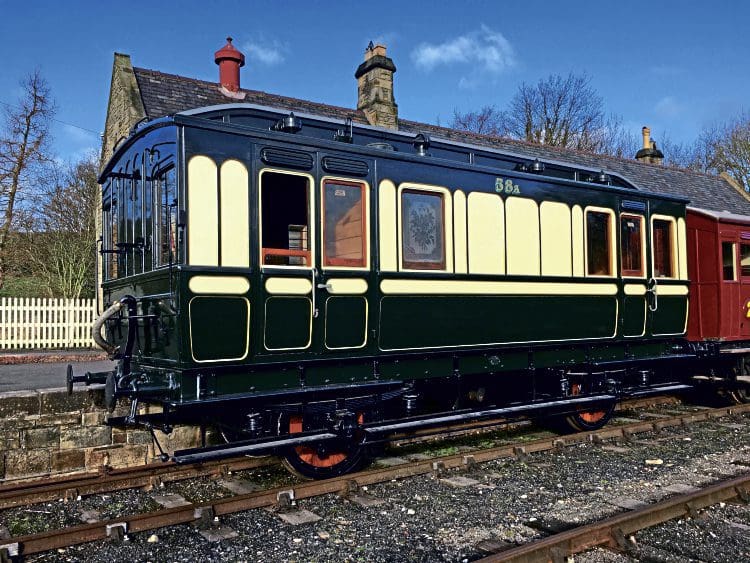
Instead of steam exhausting up the chimney, it was redirected along pipes back into side tanks where it condensed, for re-use. Although not massively successful, it was an active attempt to address tunnel conditions. [13]
Metropolitan Railway ‘A’ class 4-4-0T locomotive No. 27. These locomotives were first turned out in green. Their later livery was maroon in colour. [14]
Wolmar comments that despite all the problems, “Londoners seemed to have been prepared to venture down to use the line. Indeed, the bad publicity before the opening may even have contributed towards the Metropolitan’s success by lowering expectations so that travellers were then surprised to find it was not quite as bad as they had been led to expect. By the standards of Victorian railway building the Metropolitan was highly successful, even in financial terms. In the first full year of operation, 11.8 million people used the line, more than four times the population of the capital – a daily average, including Sundays, of 32,300, which was a remarkable achievement given the limited route it served. … The peak day in the first year for the Metropolitan was Saturday, 7th March, when Princess Alexandra of Denmark arrived in London for her marriage to the Prince of Wales: 60,000 people, double the usual number, travelled on the line.” [3: p50]
In May 1864 the Metropolitan Railway’s gross receipts were £720/mile/week. The comparative figure for the London, Chatham & Dover, which was the next best performing line, was £80. Profits in the first year were £102,000 and a dividend of 6.25% was paid to shareholders. In its first 44 years the Metropolitan Railway “did not experience a single railway accident resulting in the death of a passenger, which is extraordinary given the intensity of service, the use of steam engines and high passenger numbers. Indeed, according to the definitive history of London’s transport, ‘during the whole period of steam operation, there was no fatal accident to any passenger in these cuttings and tunnels’ [15: p118] caused by a train collision or derailment. The first serious accident on the underground system involved a head-on collision near Earls Court in August 1885 between a District train and a Great Western service, which killed the two crew of the Great Western train.” [3: p54]
The Metropolitan was not just a local passenger line. The GWR ran through passenger trains via Paddington and the Great Northern via King’s Cross to and from Farringdon Street Station. The Metropolitan Railway was also used for freight. In fact, “freight was carried until well after World War Two.” [3: p62]
Wolmar goes on to identify the development of the underground network:
The Metropolitan Railway’s own expansion plans took time to realise (a quarter of a century), but various connections and lines were added to allow the major railway companies in the capital to make use of the line. The short line became even more profitable!
Its success resulted in what Wolmar says were 259 different projects for creating 300 miles of railway. Wolmar says that “if all the lines had been built, four new bridges would have been needed across the Thames and only a quarter of the existing city would have been left standing.” [3: p62]
It seems that the City could not contemplate a free-for-all. It set new parameters for railway schemes in the capital and referred around 20 schemes to a joint committee of both Houses of Parliament. That committee rejected all but four of the lines affecting the Metropolitan. Three were for sections of what would become the inner Circle and one which would allow the company to expand out from Baker Street to the Northwest. [3: p63]
The Metropolitan expanded first by widening (adding tracks) to accommodate heavy traffic loads which were added to by the completion of St. Pancras and its connection to the Metropolitan. It then extended into the City via Aldergate Street to Moorgate (1865). The London, Chatham & Dover Railway crossed the Thames in 1864 and joined the Metropolitan at an extended Farringdon Street Station in 1866. [3: p64]
By 1871 when a connection was made between Snow Hill Junction and Smithfield, there were half a dozen main line railways connected to the Metropolitan Railway and it provided the only North-South cross-London rail route.
While passenger services began to decline in the early years of the 20th century with the advent of more direct bus services, goods trains remained heavy users of the line. “The vital link through the Snow Hill Tunnel fell into disuse in the 1960s but was reopened in 1988 … and is used by heavily loaded Thameslink trains.” [3: p66]
The Metropolitan’s first extension left Baker Street and ran as far as Swiss Cottage in April 1868. This insignificant line became “the start of a major extension of the Metropolitan that would stimulate growth of a whole quadrant of London.” [3: p67]
The Metropolitan began to spread its tentacles, but first London was to get its Circle line. “The line would be controlled by two rival companies, led by railway pioneers who hated each other: James Starts Forbes and Edward Watkins.” [3: p70]
Chapter 4 – The Line to Nowhere
Wolmar says that before completion of the Circle line, the Metropolitan was little more than a tunnel under London. “The Circle changed that. London would, thereafter, have a genuine underground railway with many journeys both starting and ending beneath the streets.” [3: p71]
In 1863, a House of Lords Committee determined “that a connection between the main line termini would best be achieved by extending the Metropolitan eastwards from Moorgate and westwards from Paddington, eventually meeting the Thames.” [3: p72]
A second committee, a joint committee of the Lords and Commons, examined proposals submitted by Sir John Fowler and a series of other schemes and decided in favour of Fowler’s proposals. Three bills were quickly drawn up and we’re on the statute books in July.
Work between Paddington and South Kensington began immediately and by 1868 the line to South Kensington was open. The planned connection to the District line was under construction from Kensington to Westminster. It took 3 years to build and because of the constraints placed on it cost £3 million.
Construction of the Underground was used as a catalyst for reshaping large swathes of London. Reading Wolmar’s description of these changes suggests that it was an excellent excuse for the redevelopment of different areas. [3: p73-85]
Work on the Embankment started in 1869 which was meant to include a stretch of the District line. The District line wanted time to recover from the excessive costs associated with construction between Kensington and Westminster. The Metropolitan Board of Works pressed for the railway to continue construction. It took until 1870 for the District to obtain powers to raise the necessary £1.5 million. But by May 1870, the line was open through to Blackfriars. [3: p75]
Wolmar says that, six weeks after the extension to Blackfriars, the Embankment was opened but “the East and West Ends were very different worlds and it would be another fifteen years before the underground linked them as well.” [3: p76]
Once the line reached Mansion House (July 1871, [16]), services on the District Line ran all the way round to the Metropolitan’s new terminus at Moorgate. Both companies had over-extended themselves. The obvious way forward was for the two companies to merge. However, each company had appointed an individual to lead them out of financial difficulty. The two individuals concerned, J.S. Forbes and E. Watkins, had a shared history that meant cooperation would be extremely unlikely! [3: p76]
Wolmar comments: “Forbes and Watkin were very different characters who had headed rival railways. James Staats Forbes had worked for Brunel on the construction of the Great Western and had gone on to save the London, Chatham & Dover Railway – which had been on a path of almost suicidal expansion and cut-throat competition with the South Eastern – from bankruptcy. He started there as general manager in 1862, taking the railway out of receivership and then going on to stay nearly four decades, the last twenty-five years as chairman and described as a past master in the art of bunkum’, [17] and was, on the surface, an easygoing and cultured character who built up an extensive art collection with the money he made from the railways. He also had a steely backbone that was to help fuel the thirty-year feud with Watkin, who had an even more aggressive and domineering personality. The District’s directors were so desperate to obtain Forbes’s services that they reduced their own allowance by £1,250 in order to pay him a salary of £2,500 without imposing a further financial burden on the shareholders. Forbes became the managing director of the District in 1870 and chairman when he ousted the Earl of Devon a couple of years later. ” [3: p76-77]
Wolmar describes Forbes as a company doctor resolving a legacy of unrealistic expansion. He describes Watkins as a great visionary, ever espousing grand plans. He had access to family wealth and associates who could help promote his railway ambitions. He was a campaigner, seeking the provision of public parks, and pushing for workers to have Saturday afternoons off. He was an MP for a while. Wolmar tells us that, “At one time or another during his long career he was a director of most of the major main line railway companies in England, and he was involved in many railway projects abroad, notably in Greece, and in Canada where his efforts to save the Grand Trunk Railway ensured that the country eventually obtained a transcontinental line.” [3: p77]
Wolmar cites a few sources that described Watkins and which build up a picture of someone who, “was a difficult man to work with. Although he was, at times, extremely affable, he was ruthless and enjoyed nothing more than a good fight, including public disputes with the directors of companies he chaired. His belligerence resulted in a battle with Forbes that lasted for over three decades, but fortunately for Londoners, most of the conflict between the pair was fought out in the Kent countryside. Even today, the pattern of the railway network and the existence of two stations in many modest-sized towns such as Maidstone, Sevenoaks and Margate, serving different London termini, is a reflection of the long battle between the two railways when they were led, respectively, by Forbes and Watkin. Watkin was secretive and abrasive in negotiations, while Forbes, possibly disingenuously, presented himself as more amenable. Forbes refused to bow to pressure from his rival and set out to expand to survive. The ruinous competition, which was to the detriment of both passengers and shareholders of the two railways, only ended when Waking retired in 1894; within five years the two companies had effectively merged.” [3: p78]
Although not as wasteful as in the Kent countryside, Forbes and Watkin’s animosity cost their respective companies dear. The Metropolitan’s expansion eastward came to a halt after connecting with Liverpool Street Railway Station, Bishopsgate and Aldgate in 1876. Cut and cover construction was just too expensive to contemplate further expansion.
James Forbes expanded south-westward, connecting the towns of Ealing, Richmond and Wimbledon to Westminster by 1879. As much of the land was not heavily developed, it was significantly cheaper to build above ground out west than to go underground in central London. The expansion was popular, and facilitated London’s growth to encompass many once separate towns and villages. [17]
Meanwhile, Edward Watkin was creating new branches of his railway, going west and north. His intention was to link his underground section in London to the other railways he owned in the North of England. It was a project which ran out of funds, and ground to a halt 50 miles outside of the capital. [18]
He intended his scheme to be considerably more grand than Eiffel’s scheme in Paris. He planned an hotel, a theatre and restaurants. Eiffel was asked to design the landmark, but declined.
But we have digressed from the time line of the creation of the Underground and slipped away from Wolmar’s story. …
Wolmar tells us that, “The need for the completion of the Circle was apparent from the high usage of the sections that were already built. By 1875, the Metropolitan was carrying 48 million passengers per year, and the District, though continuing to struggle, managed to carry around half that number, still a substantial achievement. Three quarters of these passengers used third class, suggesting they were manual workers and low-paid clerks attracted by the low fares, but interestingly, as it expanded, the Underground managed to attract a substantial body of first-class passengers.” [3: p82]
Interestingly, “rather than the Underground eating into the traffic of its main rival, the horse drawn omnibus, usage of both … increased after the creation of the Metropolitan. The number of omnibus users rose from 40 million in the year of the Metropolitan’s opening to nearly 50 million in 1875.” [3: p83]
There was an early recognition in some locations in London of the need for an integrated transport system. “In some cases, the Underground companies had to subsidize … feeder services in order to boost passenger numbers on their trains. When the District first opened, there was no public transport between Regent Street and Church Lane (now High Street) Kensington, or anything along Park Lane or Palace Road. … In this affluent area of Central and West London people could afford their own carriages. … The District had to guarantee the revenue for the first omnibuses between Victoria and Paddington along Park Lane. Similarly, the Metropolitan paid for services from Piccadilly along Regent Street to what is now Great Portland Street station.” [3: p83]
‘Fun London Tours‘ comment: “with Watkin and Forbes going every which way but round, by the 1880s the government was getting frustrated with the lack of a Circle Line, so a third, separate company was formed to fill in the gaps between the Metropolitan and District Railways. Watkin wasn’t happy with this at all, bought it out and decided to finish the job himself.” [20] This somewhat over simplifies what actually happened..
Wolmar talks of the two companies ailing, and of others trying to fill the gap. A group of city financiers formed the Metropolitan Inner Circle Completion Company (MICCC) in June 1873. They planned to build the link between Mansion House and Bow and to link with three other railways’ metals (the North London, the Great Eastern and the East London [21][23][25]). “This scheme … obtained Parliamentary powers in 1874 [which] prompted a couple of years of wheeling anddealing, with Watkins, as ever, behaving badly.” [3: p84]
When the MICCC failed to raise enough capital, only one solution was left. Forbes and Watkin would have to work together!
Wolmar tells the story: “A contractor, Charles Lucas, compersuaded the two enemies, Forbes and Watkin, to meet and agree a short-term peace agreement in order at last to complete the Circle. They managed to persuade the Commissioners of Sewers to raise their offer to £250,000 and the [Metropolitan Board of Works] to £500,000. Even then, it took an outsider to knock the heads of the two companies together. With several other schemes being put forward by promoters, there was an inquiry chaired by Sir John Hawkshaw who, arbitrating, recommended that the joint scheme by the two existing railways should be selected, presumably on the basis that the involvement of a third party would have led to chaos.” [3: p85]
The first train to travel in a loop around London was at the opening of the final link on 17th September 1884. Public services started on 6th October 1884. It appears to have been chaos! … “In addition to the 140 trains scheduled on the inner Circle in each direction, a further 684 were timetabled to use part of the line, entering at Cromwell Road from the west, Praed Street (near Paddington) from the north-west and Whitechapel from the east. That meant a total of 964, around a hundred more than the line could cope with. The financial arrangements between the Metropolitan and the District were at the root of this attempt to run too many trains as the District essentially paid a fixed fee irrespective of the number of trains it operated.” [3: p87][28]
Wolmar extensively describes the turmoil which occurred on pages 87 to 90 of his book. In addition, financial problems, mostly due to the high capital costs of construction but exacerbated by the route being designed (effectively) by parliamentary commission.bWhen the first short section of the Metropolitan Railway opened there were 9.5 million journeys each year, receipts of £101,000 and a healthy divided for shareholders. “In the first year of operation of the Circle there were 114.5 million passengers. However, that was still not enough to pay adequate dividends given the expenditure on the Circle’s construction and the cost of operating the line.” [3: p90]
Wolmar highlights factors which affected the comparative viability of the underground service and particularly the District line: [3: p90-92]
Cheaper omnibus fares meant that those horse-drawn services were still attractive to the paying customers. Operators could keep prices lower because: turnpike tolls and mileage duties had been scrapped; business rates for the omnibus companies were subsidized; road conditions were much improved along routes followed by the underground as surfaces were renewed as part of the construction of the underground; the railways had to pay a passenger tax for all fares above a penny a mile; new highways had been introduced as part of a city-wide project to create wider and better streets which unblocked congestion; horse-trams were excluded from central London giving free-reign to the omnibuses on the streets. the price of maize for horse-feed dropped considerably in the 1880s.
Completion of the Circle did little to improve the situation for the District (many prospective passengers from South of the Thames could choose their London terminus to avoid having to change onto the Underground)
The geography of the line was not helpful to the District (at the East the progress of trains was held up by watering at Aldgate and congestion ahead on the line, it was often quicker to walk into the City and particularly to the Bank of England which was some distance from any available underground station).
In effect, while the northern section could be profitable, the Southern section may well never be. Ultimately though, Wolmar states, “Underground entrepreneurs … were building a fantastic resource for Londoners whose value could never be adequately reflected through the fare box which was their only source of income.” [3: p93]
Chapter 5 – Spreading Out
In this chapter, Wolmar highlights Sir Edward Watkin’s grandiose vision for the Metropolitan. We have already seen his plans for the Wembley area. He also imagined a line to Worcester and to the Northwest. He dreamt of a line running from the Northwest, through London to the Kent coast and on through a tunnel under the Channel to meet up with one of his French investments which would carry passengers all the way to Paris. He also imagined an extensive suburban network to the Northwest of the City of London. This vision would become known by an unofficial name – Metroland.
Watkin’s original powerbase was the Manchester, Sheffield & Lincolnshire Railway (MS&LR). [3: p96] He was never one to sell himself short. He was an ambitious visionary, and presided over large-scale railway engineering projects to fulfil his business aspirations, eventually rising to become chairman of nine different British railway companies. [30]
His vision for the Northwest suburbs of London was allied to his desire to see his MS&LR connected to the capital. Although other projects did not come to fruition, both Metroland and the MS&LR’s London Extension (opened in 1899 and which became the Great Central Railway) certainly did. [30]
In addition to his railway interests, Watkins was three times an MP before becoming a Baronet. From April to August 1857 he was an MP for Great Yarmouth. He was an MP for Stockport from 1864 to 1868, and for Hythe from 1874 to 1895. He was Baronet of Rose Hill from 1880 until his death in 1901. [30]
Watkins had cultivated relationships in Parliament and across the establishment which meant that his schemes were given credence and considered seriously. Ultimately, however, despite some geological promise and early digging success, [31] Watkin’s Channel tunnel scheme failed because:
military concerns about it being used by invading forces outweighed perceived benefits; [32]
Watkin’s scheme and other similar proposals could not garner sufficient political support in Parliament; [33] and,
insufficient financial support could be envisaged. [35]
I suspect that until electrical technology had developed significantly beyond what was available in the 1880s, a suitable form of propulsion would not have materialised. Problems experienced with steam and smoke on the Underground and no effective method of dealing with those problems having been found, would have meant that Watkin’s scheme would have foundered technically.
This short digression to focus on Watkin’s ultimately unsuccessful Channel tunnel scheme, supported by a series of notes below, shows something of Watkin’s capacity to move from ideas towards practical implementation of large projects through the political process. The suburban area to the Northwest of the City of London and the London extension of the MS&LR benefitted from those skills! [37]
Returning to Wolmar’s book about the Underground and its expansion. … He says that, at least in Watkin’s thinking, his goal of creating what would become the Great Central Railway might more readily be achieved politically by the Metropolitan Railway breaking out of London than for the MS&LR to break in. [3: p96][38: p22]
Watkin first focussed on developing the potential of the short stubby single track line from Baker Street to Swiss cottage. “Once out of the immediate vicinity of central London, the railway was built on the surface, which … was much cheaper. Powers were … obtained for the tunnel to be continued from Swiss Cottage to Finchley Road and then for the railway to run in the open air through to West Hampstead, Kilburn and Willesden Green, which was reached in 1879.” [3: p97]
Harrow was reached in 1880. Within five years the Harrow line reached Pinner. Rickmansworth and Chesham were added by the end of the 1880s.
Aylesbury Railway Station was rebuilt by the Metropolitan by 1892 and the Metropolitan then extended 50 miles from central London. The MS&LR was to connect to the Metropolitan at Aylesbury but Watkins quickly realised that Baker Street would be an inadequate terminus. He pushed for a new terminus at Marylebone, leaving Baker Street to serve suburban services, either stopping there or running onto the Underground.
When Watkins died in 1901, he had not seen the astonishing future of his line and the creation of ‘Metroland’.
Wolmar also covers the history of the East London line which was built to make use of the tunnel built by Marc and Isambard Brunel. This line was something of an anomaly on the London underground map until refurbishment and reopening as part of the London Overground.
We have spent quite a bit of time focussing on Watkins and his schemes (of which the East London became one) Wolmar now turns to look at Forbes’ plans. He “had ambitions for the District to make … incursions into East London, but [would have] to wait until 1902, just two years before his death, when the long-mooted Whitechapel and Bow section finally opened.” [3: p103] It extended to Upminster and opened up areas of what was the Essex countryside.
It was a different story to the West of the City, although with none of the aspirations of the Metropolitan to become a main line. The District spread westwards. Wolmar says that Forbes “looked to Hammersmith, Kew and Richmond as potentially lucrative markets.” [3: p105] Hammersmith was reached in 1874 (10 years after the Metropolitan). It became the area to the West of London best served by the Underground. Three years later, the District reached Richmond (partly using London & South Western Railway metals).
The District reached Ealing in 1879. A connection with the GWR, meant that trains could provide a service from Mansion House to Windsor, although the service was not well-patronised.
Local interests promoted a new company – the Hounslow & Metropolitan high linked Hounslow to the District’s Ealing Branch. It was completed in 1886 and was worked by the District.I
In the South, the line to West Brompton was extended towards the Thames and Putney Bridge and opened in March 1880, just in time for the Oxford and Cambridge Boat Race.
After a campaign by local interests the planned line across Wimbledon Common to Wimbledon was diverted to avoid the Common. Wolmar states: “Apart from an extension to South Harrow and then Uxbridge (the latter actually eventually passed to the Metropolitan), and a loop to South Acton, all completed in the first decade of the new century, this was the end of the District’s expansion westwards.” [3: p108]
Chapter 6 – The Sewer Rats
Arguably, the District did more than the Metropolitan to stimulate suburban development because of the relative density of its lines. The District’s tracks were incredibly busy. By 1880, trains were serving Fulham, Richmond and Ealing. By 1904, the District was carrying 51 million passengers per year and, on average, running nearly twenty trains per hour between South Kensington and Mansion House, with more during the peak. [3: p109]
Wolmar says: “The vexed issues of ventilation had never gone away and remained a source of controversy until the electrification of the lines in 1905.” [3: p110] He allocated a number of pages to a description by the journalist Fred Jane of travel on the Underground in the days of steam. [3: p110-114] Another quoted is R.D.Blumenthal. [3: p114]
“The District … sponsored many bus services, run by contractors, to feed into its system and it made sure that it laid on extra services for special events. … Exhibitions were a major source of traffic and many were held at the then open grounds between the Albert Hall and South Kensington.” [3: p115] Until December 1908, when tolls were abolished, the District controlled access via a pedestrian subway under Exhibition Road from South Kensington station. “The opening of the passage in May 1885 coincided with the start of an Inventions Exhibition and thereafter the District, rather meanly, only allowed it to be used on special occasions. … Many of the … exhibitions … in the 1880s attracted huge crowds, including fisheries (attended by 2.75 million people), health, and ‘colonial & Indian’ (the biggest, which brought in 5.5 million). … After 1886, when the site was developed for what is now Imperial College, the exhibitions moved to Earls Court.” [3: p115]
Passenger traffic on the Underground was enhanced by a booming entertainment industry – theatres and music halls. While Wolmar notes the importance of leisure travellers to the financial health of underground companies, he emphasises the fact that in the case of the underground it was the presence of the railways that brought about demand and significant long-term growth. [3: p117]
Once the main line companies recognised the fact that suburbs were developing around stations on the Underground and the suburban network. “Whole swathes of the Greater London area were filled in as railways focussed on local traffic. In particular, the railways made travel to the outer suburbs such as Croydon, Bromley, Harrow, Wanstead and Walthamstow possible, as no other form of transport could have brought so many people into the capital fast enough.This was mostly a middle class phenomenon. The working classes could not afford the cost of commuting added to the rents which, in most of the areas reached by the railways, were still relatively high.” [3: p119]
The Underground in particular played, “a vital role in stimulating this growth not just because of the suburban incursions made by the District and Metropolitan but also because it took people right into the heart of the City and the West End, whereas rail passengers were left on the fringes. Without the Underground to connect the various termini, the extensive development in the second half of the nineteenth century could never have taken place so quickly. London grew from a population of 2.8 million in 1861 to over 7 million fifty years later. That outward push was further accelerated by the development of a new office economy, centred around the West End which had a burgeoning number of offices and was also establishing itself as London’s premier retail centre. Employment in the City was also expanding, with many former residences being turned into offices, and resulting in more commuting.” [3: p120]
Wolmar comments: “Despite the Underground’s success in attracting custom, until electrification, travelling on it remained an experience which ranged from broadly acceptable to downright awful, depending on the passengers’ stoicism. There was growing pressure from the passengers for better conditions. … While there had been some improvements, such as heaters on trains and station indicators on platforms, during the last few years of the nineteenth century there was a growing clamour for a major improvement of the system. There were suggestions of doubling the District line on its busy section between Earls Court and Mansion House, possibly through a deep tube railway, but this expensive project was never really feasible. Instead, electrification was seen as the only way of making the required modernization.” [3: p123]
In spite of the clamour, and the fact that the first tube railways, the City & South London Railway (which opened in 1890), was electrically powered, [39] the Metropolitan and District railways were slow to embrace the new technology. It was not until 1905, that steam was finally replaced.
Wolmar notes that, “The construction of the second deep tube railway, the Central, which ran parallel to the two main east-west sections of the Circle, together with increased competition from horse buses and the rising price of the high-quality coal which the Underground companies were forced to use in order to limit pollution in the tunnels, meant that by the turn of the century electrification could be put off no longer. The more affluent Metropolitan braved the issue first, installing two conductor rails as test track on a long siding in Wembley Park in 1897. More substantially, in 1898, the District and the Metropolitan made an agreement to conduct an experiment by electrifying the short section of track between High Street Kensington and Earls Court with power being supplied from a third rail. The line was opened to the public in May 1900, offering the chance to ride in the large and very heavy purpose-built six-car electric trains for a shilling. That was not a great bargain since for the past decade Londoners had been able to ride on the City & South London for a mere twopence and the following month the Central opened with the same fares.” [41][3: p124]
The Metropolitan favoured overhead lines, surprisingly Forbes also favour overhead lines, but little did that matter. He was ousted from the board of the District by Charles Yerkes, an American businessman with experience of the use of third rail in the USA. He forced through a third rail policy at the District, and immediately clashed with the Metropolitan. It took the Board of Trade to step in and arbitrate. The judge working for the Board of Trade found in favour of the District’s third rail. [3: p125] The decision was based on the proven technology in use on the City & South London.
The idea of cooperation remained an anathema! It would not be countenanced by the Metropolitan and the District. “The District built an enormous power station at Lots Road on the Fulham and Chelsea border, a site chosen for ease of access for the barges bringing coal along the Thames. … The Metropolitan obtained most of its electricity from a plant at Neasden in Northwest London, where the coal could be delivered easily by rail.” 3: p129]
For 44 years steam operated in cramped tunnels without major mishap! Across the world, the early years of the 20th century saw a number of underground networks constructed – all bar two were operated by electricity. Glasgow: opened in 1896, used stationary steam engines hauling a cable to pull trains; [43] and Liverpool: the trains if the Mersey Railway were steam-hauled from 1886 until electrification in 1903. [44]
By 2nd September 1907 all steam passenger services had been replaced by electric-powered service. All that remained powered by steam were some maintenance trains and overnight freight services which continued until the 1960s. [3: p128]
Wolmar goes on to describe underground systems in:
Budapest: the first line (now known as M1) was built to serve a major exhibition in the main city park in 1896. [3: p129] In fact, this was the first of a number of lines in Budapest. Between 1970 and 1990 the metro was extended with metro line M2 and M3. Metro line M4 was completed in 2014. Since 2014 the length of the entire metro system is 39.4 kilometers and it has 52 stations. … Among the railway’s innovative elements were bidirectional tram cars; electric lighting in the subway stations and tram cars; and an overhead wire structure instead of a third-rail system for power. [45]
Vienna: the idea of an underground railway was mooted as early as 1843 but it was the late 1890s when the Stadtbahn opened. “While there were some tunnel sections on the three lines, most of this steam-operated railway was at street level or above.” [3: p130] … The system was opened in stages between 11th May 1898 and 6th August 1901. [47] Sadly, the Stadtbahn proved to be inadequate, less effective than the city’s tramway network. A series of different schemes were considered over the years. [48] An extended article about the Vienna network can be found here. [49]
A Stadtbahn train at the Josefstädter Straße station with trams in the foreground. [49]
Paris: Wolmar tells us that, “the system which opened in 1900 was electrically powered.” [3: p130] The Paris Metro’s history began with construction in 1898 for the 1900 World Exposition, opening Line 1 on 19th July 1900, to serve the games and boost city mobility, utilizing innovative underground engineering for a largely subterranean system with electric trains, becoming an instant success and rapidly expanding into one of the world’s most extensive urban rail networks by the 1930s. A history of the Paris Metro can be found here. [50]
New York: Wolmar says that the new subway in New York was electrically-powered. “Elevated railways built above roads had proliferated from 1872, being preferred to underground railways on the grounds of cheapness and because of the lack of historic buildings whose aspect would be ruined by unsightly railways. … New Yorkers finally tired of the noisy, steam-hauled trains passing their second-floor windows at all times of the day, and work on a subway system, using electric trains to replace some of them, started in 1901.” [3: p130] “The first underground line of the subway opened on 27th October 1904, almost 36 years after the opening of the first elevated line in New York City. … The 9.1-mile (14.6 km) subway line, then called the “Manhattan Main Line”, ran from City Hall station northward under Lafayette Street (then named Elm Street) and Park Avenue (then named Fourth Avenue) before turning westward at 42nd Street. It then curved northward again at Times Square, continuing under Broadway before terminating at 145th Street station in Harlem.” [52] A detailed history of the New York Subway can be found here. [52]
Wolmar then discusses the results of electrification of the London Underground, which were not as significant as the companies hoped. Nonetheless, “by the early years of the 20th century, London had an extensive, mostly electrified overground network linking in with the Underground. … But the real task was to improve services in central London, given its rapidly growing employment, and this could only be done through … new tunnelling techniques.” [3: p131-132]
Chapter 7 – Deep Under London
Marc and Isambard Brunel developed a shield to build the first tunnel under the Thames. Later, Peter Barlow improved the technique utilising cast-iron circular segments bolted together to form the tunnel as the shield moved forward. [3: p134] It was 20 years after Barlow’s scheme that the first tube tunnel was completed using technology enhanced by a former pupil of Barlow, James Greathead. He perfected a system which allowed concrete to be cast behind the advancing shield preventing collapse.
Under much of London is a thick layer of clay with an overburden of gravel. The clay is relatively easy to cut through. The tube tunnels were bored between 45 ft. and 105 ft. below ground but to avoid any potential conflicts with basements or old foundations the tunnels followed, as much as possible the route of highways. Wolmar says that this was shortsighted as it meant harsh gradients and sharp curves which, although no problem for the shield during construction, were to prove operationally difficult.
The City & South London Railway (C&SLR), the first constructed in this way, opened in November 1890. Its most significant problems were that the electricity supply was inadequate for the demand and the locomotives underpowered.
When opened the line had six stations and ran for 3.2 miles (5.1 km) in a pair of tunnels between the City of London and Stockwell, passing under the River Thames. The diameter of the tunnels restricted the size of the trains, and the small carriages with their high-backed seating were nicknamed padded cells. The railway was extended several times north and south, eventually serving 22 stations over a distance of 13.5 miles (21.7 km) from Camden Town in north London to Morden in south London. [56]
The next line after the City & South London to obtain approval was the Central London line in 1891 and that was quickly followed by a series of applications. “No fewer than six tube railways bills were put to Parliament in 1892 and … a joint select committee was appointed to set out some principles for this type of development. … It agreed that tube railways could use the subsoil under public property without having to pay compensation, which made future developments economically feasible.” [3: p144]
Wolmar notes that, “several schemes which were to form the basis of London’s tube network were given the go-ahead following the committee’s deliberations but all struggled to find money, notably the lines that were to become the Bakerloo and the Northern line’s Charing Cross branch. As Hugh Douglas put it, ‘Acts, acts, acts. They were everywhere in the nineties but where was the cash to implement them?… Commercial enterprises offered far greater returns to investors than railways’.” [58: p 139]
Wolmar describes a complex, convoluted process that promoters of underground schemes had to negotiate, often against a backdrop of a Parliament that was predisposed to side with objectors and doubters. There was also a perception that a left leaning London City Council might at any time in the future municipalize the underground network. It was a decade after the C&SLR was opened that the Central was finally opened. [3: p144-145]
The Central Underground Railway (CLR) in London refers to the Central Line, London’s longest and busiest Tube line, known as the “Twopenny Tube” at its 1900 opening due to its flat two-pence fare, connecting Epping in the east to Ealing Broadway and West Ruislip in the west via central London. It was London’s first Tube to serve the city center and featured early innovations like electric lighting and large ventilation fans. “The CLR opened on 30th July 1900 as a cross-London route from Shepherd’s Bush to Bank. It was extremely well used from the outset, partly because of the flat fare of two old pence (2d), which inspired the name the ‘Twopenny Tube’. The fact that it appealed to shoppers as well as commuters was also crucial. In 1908, the line was extended West to Wood Lane to serve the White City exhibition site, and four years later was extended eastwards from Bank to Liverpool Street. In 1920, the line was further extended West to Ealing Broadway.” [59]
However, the first line to receive Parliamentary consent following the partial success of the C&SLR “was to become London’s only underground line that could accommodate full-size main line trains. Such large tunnels had been ruled out on cost grounds but the Great Northern & City from Moorgate to Finsbury Park was conceived as a bypass to King’s Cross for the Great Northern’s suburban trains. … The line was authorised … in 1892.” [3: p146] It took more than a decade to come to fruition, during which time the Great Northern first lost interest in the project and then became quite hostile to it. Ultimately, it was never used for its intended purpose.
Wolmar cites this as another example of the way in which competition failed to produce a worthwhile outcome. He compares London to Paris, “where the first Metro lines were being built as a network of six lines conceived by the local municipal council.” [3: p146] Lack of strategic planning resulted in this line not being extended beyond Moorgate and it became little more than an historical footnote!
Wolmar complains that the private system of commissioning of these underground lines made any strategic plan impossible and prevented any effective linking of the suburban networks North and South of London. [3: p147]
Another scheme which achieved Parliamentary approval was the Waterloo and City (W&CR). It was designed to take LSWR passengers on from Waterloo Station into the City.
Wolmar comments that, “The most innovatory aspect of the Waterloo & City was that the trains were operated by powered motor coaches at each end, a system that was common in the USA, rather than a separate locomotive. There were four, later five, cars, including the two powered coaches which, apart from the section occupied by the motors, could be used by passengers. This was the first use of such electric multiple units in the UK and it meant that the trains were much lighter, and consequently cheaper to operate. Painted in a chocolate and salmon livery, they looked elegant and were so robust that they lasted forty years. Another innovation was sliding doors which gave access to platforms between the coaches that were protected by folding iron gates.” [3: p149]
The W&CR fulfilled a significant need and was well patronised.
These smaller schemes were not the most significant developments resulting from the Parliamentary committee’s work. These were embryonic forms of the Bakerloo line and the Northern (Charing Cross branch) line. But these were slow to come to fruition. The Central, on the other hand made much more rapid progress. Its funding stream was secure and Wolmar explains some of the intricacy integral to it. One significant innovation was to build stations at “the top of slight inclines which meant that trains automatically were slowed down by the gradient as they approached the station and sent faster on their way on departure.” [3: p151]
After it’s opening in 1900, “people flocked to the [Central] line. Within weeks, 100,000 were travelling on the railway daily. On the day of the triumphal return from the Boer War of the City Imperial Volunteers, who made a state entry into the capital, a staggering 229,000 travelled on the Central. During the early 1900s, the annual total was around 45 million annually, nearly 125,000 daily.” [3: p157] In the 21st century, the Central Line is the second busiest tube line after the Northern with 600,000 users daily on weekdays!
It seems that there were a number of reasons for this success. “First, the line was on a transport artery and took a lot of existing business off both buses and the underground lines. … As its directors had feared when they objected to the building of the Central, the Metropolitan, still steam-hauled, lost out heavily to the new line with its modern electric trains. Secondly, the Central had been built to a high standard. Even the Board of Trade inspector reckoned the stations and passageways were ‘commodious’. Access to the trains was by lift and the bigger stations had three or four – there were forty-eight in the whole system. Thirdly, the line benefited from the growing economy which boosted not only employment but travel to the growing number of shops in Oxford Street; when, in 1908, Harry Gordon Selfridge was building his eponymous store, he wanted Bond Street station to be renamed Selfridges and tried to connect it with a passage under Oxford Street, but in the end was unsuccessful in both enterprises. And finally, the supportive press coverage provided free advertising for the line.” [3: p157-158]
Wolmar notes that, “blessed with such good patronage, the Central, uniquely of the majority underground lines, paid good dividends right from the start. There were such large numbers travelling on the line that the operating expenses only represented just over half the revenue. … The company managed to pay a healthy 4% divided in each of its first 5 years and 3% until its merger into the Underground Group shortly before … the First World War.” [3: p159]
At first, the line used locomotives but it was quickly discovered that their size and weight caused significant vibrations at the surface. Management addressed this in very short shrift and ordered replacement motor coaches which were operational by 8th June 1904.E
The early success of the line led to plans for extensions and also spawned plans from competitors. Another Parliamentary joint committee was set up to evaluate the different proposals.
Chapter 8 – The Dodgy American
We have already encountered Charles Tyson Yerkes. More than anyone else, he was responsible for creating the greatest possible integration across the London Underground network. An American businessman, Yerkes left the USA under something of a cloud. Wolmar gives an account of his life before London and then the convoluted story of his acquisition of the Charing Cross, Euston and Hampstead Railway (eventually to become the Charing Cross branch of the Northern Line) and the way in which that purchase led to him being helped to acquire a majority share in the District line in June 1901. He soon also took on two projects which would become the Bakerloo and the Piccadilly lines. The three projects (Charing Cross, Bakerloo and Piccadilly) opened between March 1906 and June 1907. Wolmar tells us that it would be another 61 years before another deep tube line, the Victoria, was dug under central London. [3: p164-170]
Wolmar notes that “between 1903 and 1907, if one includes the Great Northern & City and the Angel to Euston extension of the City & South London, a staggering twenty-six and a half miles of tube railways were built under London. The construction of each of these railways is a complex and intertwined story of Parliamentary bills, heroic efforts to raise capital, opaque financial deals and amazing feats of engineering and construction, most of which passed off with remarkably few mishaps.” [3: p170]
Wolmar goes on to describe the development of the Baker Street & Waterloo Railway (which became known as the Bakerloo line – which was partly developed by another American,Whittaker Wright before his company fell into bankruptcy. Yerkes bought the partially completed line and merged it with his other interests “to create the Underground Electric Railways Company of London Limited (UERL), which was to run much of London’s transport network until the creation of London Transport in 1933. The UERL gained control of the other two big tube projects: the Great Northern, Piccadilly & Brompton Railway, the central section of the future Piccadilly Line; and the Charing Cross, Euston & Hampstead Railway; … as well as the District Line. That left only the Central, the City & South London and the Metropolitan outside UERL control and before the start of the First World War the first two of these would be incorporated into the empire created by Yerkes.” [3: p173]
Yerkes then set about raising finance and was surprisingly successful. It was during a period when large amounts of American capital were moving into Britain. Without US investors, the tube network would never have been built. Investors in Boston and New York bought nigh on 60% of the shares, with the British taking a third and the rest being bought by Dutch investors. [3: p175]
Even so, Yerkes had to resort to an Edwardian version of junk bonds which were sold on the basis that their value was bound to increase. His scheme brought in the remainder of what was required. He raised £18 million to invest in the Underground. (Investors were to live to regret their decisions!)
It is possible, however, that Yerkes had even more devious plans relating to property. It seems that his underground schemes may well have been a device with which to enhance land values. He seems to have invested in land on and around the proposed routes of underground lines. Wolmar mentions the Finchley Road & Folders Green Syndicate as the most likely vehicle through which Yerkes purchased land. [3: p176][15: Volume 2, p82-84]
Once Yerkes had his investment funds he was quick to proceed with work on the Baker Street & Waterloo line. Apart from being required to rebuild his Oxford Circus station, work proceeded without major incident. The first section of the line (Kennington Road (later Labeth North) to Baker Street).was opened in March 1906. The scheme included a “host of innovations – all of US origin – which helped improve both performance and safety:
automatic signalling using track circuits to indicate when a train was in a particular section of the line, a system that became universal throughout busy sections of Britain’s railways;
a train stop system, a mechanical device which stopped trains automatically if they went through a signal at red;
people management systems which could be reversed at different times of the day, aiding flow to and from lifts and platforms.
Electric multiple units were used from the start of operations
Wolmar notes that the London Evening News called the line ‘Baker-loo’ in an early article and by July 1906 ‘Bakerloo’ was adopted officially by the railway – something that The Railway Magazine deplored. [3: p178]
While 37,000 travelled on the line on its opening day, generally patronage was well below what had been anticipated. Even so, it was “soon extended further south to Elephant & Castle. By June 1907 it had reached Edgware Road to the north and had 11 stations. … The next extensions were not built until 1913, when the line opened to Paddington. Other stations followed despite the outbreak of the First World War in August 1914. New tunnels enabled a connection to Willesden in 1915 and over the London & North Western Railway’s lines as far as Watford Junction two years later.” [60]
The next of Yerkes’ lines to open was the Great Northern Piccadilly & Brampton Railway. Work was done to pull a series of smaller proposed schemes into one larger scheme. Yerkes got construction work started some 5 years after approval by Parliament. But only once a major obstacle in the form of J.P. Morgan was dealt with. Wolmar tells the story of how Yerkes outsmarted Morgan, eventually causing Morgan to withdraw from his involvement with the London Underground. [3: p182-185]
Effectively with the field to himself, Yerkes got on with developing the Underground, “melding various sections of the Great Northern and Brompton schemes into what became the Piccadilly.” [3: p185]
Once on site, the work proceeded without major mishap. The line was effectively complete by the autumn of 1906. It was opened on 15th December 1906. Innovations on the Piccadilly included:
the first functioning railway escalator in London which was opened on 4th October 1911 at Earls Court, between the Piccadilly and District line platforms.
the practice of skipping less-used stations in order to reduce running times. This was a short-lived practice used for stations placed very close to each other.
The modern Piccadilly line is a 45.96 mile (73.97 km) long north–west line, with two western branches splitting at Acton Town, serving 53 stations. At the northern end, Cockfosters is a four-platform three-track terminus, and the line runs at surface level to just south of Oakwood. Southgate station is in a tunnel, with tunnel portals to the north and south. Due to the difference in terrain, a viaduct carries the tracks through Arnos Park to Arnos Grove. The line then descends into twin tube tunnels, passing through Wood Green, Finsbury Park and central London. The central area contains stations close to tourist attractions, such as the London Transport Museum, Harrods, Buckingham Palace and Piccadilly Circus. The 9.51 miles (15.3 km) tunnel ends east of Barons Court, where the line continues west, parallel to the District line, to Acton Town. A flying junction, in use since 10th February 1910, separates trains going to the Heathrow branch from the Uxbridge branch. [62]
The Heathrow branch remains at surface level until the eastern approach to Hounslow West station, where it enters a cut-and-cover tunnel. West of Hatton Cross, the line enters tube tunnels to Heathrow Airport and branches to the Terminal 4 loop or to a terminus at Terminal 5. On the Uxbridge branch, the line shares tracks with the District line between Acton Town and south of North Ealing. Traversing terrain with cuttings and embankments, it continues to Uxbridge, sharing tracks with the Metropolitan line between Rayners Lane and Uxbridge.bThe distance between Cockfosters and Uxbridge is 31.6 miles (50.9 km). [62]
A geographically accurate route map of the Piccadilly line. [62]
The third line, the scheme which was Yerkes’ first investment in London, took time to come to fruition. The Charing Cross, Euston & Hampstead line saw a contractor appointed in 1897 but no work had been undertaken before Yerkes took an interest in the line. Wolmar says that, the company was bought by Yerkes in October 1900 for £100,000. A variety of different plans were considered for the line before a final version of the route was determined. Yerkes decided to seek Parliamentary approval for an extension to Golders Green. Gaining local support took some time and tunneling work only began in September 1903. It was completed by December 1905.
Various preconstruction proposals for the line. [63]
Most things went well during construction, a few things are worth noting:
“There were very few problems with tunnelling, except at Euston where watery sand proved an obstacle.” [3: p189]
At the original Charing Cross terminus, lack of coordination between railway companies caused unnecessary difficulty “because the South Eastern Railway, rather than seeing the arrival of the Tube as a great boon, was more concerned with ensuring that there would be no interference to the cab traffic at the front of Charing Cross.” [3: p189] Apartment, this was resolved when the arched roof of Charing Cross Station collapsed on 5th December 1905. A 3 month closure of the station permitted the tube contractors to dig out the forecourt and erect a steel girder structure over the site of the underground station before replacing the station forecourt.
A final alteration to the route of the line was authorised by Parliament. It “allowed for a split into two branches at Camden Town, with the eastern section, originally planned to go only as far as Kentish Town, stretching as far as Archway. On the western side, permission had been obtained to continue another four miles to Hendon and Edgware, but that extension was not built until the 1920s; a plan to reach Watford never materialized. The Hampstead tube would remain as a separate railway to the City & South London until after the Great War and the name ‘Northern line’, by which both routes are now known, was not used until 1937.” [3: p189]
The line was opened on Saturday 22nd June 1907. 127,000 people took advantage of free travel on the line on that day!
Wolmar notes how the sighting of the terminus of the line at Golders Green was an example of the way in which the building of the tube encouraged the expansion of London. [3: p190-191]
Wolmar explains that the timing of the construction of the tube lines was fortuitous as anything beyond a ten year delay and the growing competition for the motor bus would have discussed investors. Yerkes was an absolutely crucial player in the game. Poor to his involvement, all planned schemes had gained Parliamentary approval, but had stalled through the vagaries of the planning system and by financial difficulties. [3: p195]
Wolmar comments that, “The depth of Yerkes’s achievement is made greater, too, by the fact that he built the central parts of the system, which were the most expensive and technically difficult, rather than bringing in a semi-suburban railway to meet the Circle line at the edge of the capital in the hope of raising revenue to continue work. Moreover, Yerkes bravely raised all the funds in one huge deal. What he told the investors to persuade them to stump up the money is unclear, but the poor souls did not make any money.” [3: p196]
Yerkes died on 29th December 1905 at the age of 68. He did not see the fruits of his efforts. His debts ate up most of his intended bequests. His great legacy, the UERL survived with Yerkes’ banker at the helm.
Wolmar tells us that “When the UERL took over two more tube lines just before the Great War, the City & South London section of what became the Northern, and the Central, it would become known as the Combine, controlling all major underground lines apart from the Metropolitan. Thanks to Yerkes, London had its tube system. Melding it into a coherent network was the task of his successors” [3: p196]
Chapter 9 – Beginning to Make Sense
The laissez-faire approach of the establishment to the Underground, with no central government control or direct planning involvement meant that the Underground was effectively “a random collection of uncoordinated lines.” [3: p197] This had to change and “the next two decades of Underground history were more about consolidation and creating a coherent administrative structure following the exciting Edwardian period of development.” [3: p197]
Wolmar notes that, after WW1, there were significant extensions into the London suburbs and the establishment of the London Passenger Transport Board was a triumph. This period did not need pioneers as such but still needed two significant players who would bring about change:
Educated in America, Stanley was determined to become an engineer. It was arranged for him to start working with the Detroit Citizens’ Street Railway Company (a horse tram operator) when he was fourteen years old. His abilities and ambition helped him progress rapidly and he was made general superintendent by the time he was 28 years of age. Albert Stanley joined the Street Railway Department of the Public Service Corporation of New Jersey as Assistant General Manager in 1903. By 1907, he had been appointed General Manager and had built a reputation as one of the leading managers of urban transit in the U.S. He was appointed General Manager of UERL in 1907 and Managing Director in 1910. [68]
Frank Pick was born on 23rd November 1878 in Lincolnshire, into a devout Quaker family. From 1897, he worked for a York solicitor. He joined the UERL at a junior managerial level in 1906 and eventually became the chief executive of London Transport.
In 1902, Pick earned an honours degree in Law from the University of London. However, that same year he decided on a dramatic career change by joining the Traffic Statistics Office of the North Eastern Railway Company (NERC) under general manager Sir George Gibb. In 1907, Pick was put in charge of publicity. He effectively created this job for himself since, at that time, separate publicity and design departments did not exist. It was in this role that his talents became evident. He changed the look of the new underground system. Pick eliminated the clutter from stations where, until then, commercial advertising could be displayed anywhere. He designated far larger areas for essential Underground signage, including route maps and station names. It was Pick who developed the Roundel.
The Underground Roundel: designed by the publicity department which was managed by Frank Pick. He commissioned the calligrapher Edward Johnston to design a company typeface and by 1917 the proportions of the roundel had been reworked to suit the new lettering and incorporate the Underground logotype. The solid red disc became a circle, and the new symbol was registered as a trademark. [68][69]
George Gibb was managing director of the UREL and appointed both Stanley and Pick as employees before WW1.
Before moving on to Pick and Stanley’s era, we need to consider the period before WW1.
Together with Speyer the UERL chairman and banker, Gibb managed to persuade shareholders that bankruptcy of the network was inevitable unless they agreed to a financial restructuring. They managed to convert £7 million worth of junk bonds (which Yerkes had promised to redeem) into long-term debt, redeemable in 1933 and 1948. [3: p200] (By a strange coincidence, these years were momentous in the future of London’s transport system: the creation of London Transport and it’s nationalisation.)
By the time of the debt rescheduling, Gibb and Speyer were working to reduce costs and increase revenue. Gibb tried to bring the disparate lines under one management. Shareholders resisted this plan. It would be 1910 with Stanley in charge that saw Gibb’s plan come to fruition.
Increasing income from ticket sales would not have occurred without abandoning the flat fare policy in place under Yerkes’ tenure. There was even an attempt in 1907 to harmonise fare policies across the majority of London’s transport undertakings, bus and tram operators were only involved in discussions for a short period before withdrawing. The Underground operators formed a joint committee to generate cooperation rather than competition. This resulted in the creation of: a joint booking system; illuminated ‘UndergrounD’ signs at stations; joint promotional literature; the Roundel (station names shown on a bar across a red circle); next lift indicators; line diagrams inside trains; coordination of lift departures with train arrivals; timetabling trains to run at regular intervals; strip tickets (carnets) which were later dropped and not revived until the late 1990s. (These allowed regular passengers to buy a strip of half a dozen tickets at a small discount, enabling them to avoid the rush hour queues.)
Stanley was instrumental in these endeavours and devoted much time to reducing journey times and delays, and increasing train frequencies. Wolmar says that on the District line “he managed to increase the number of trains from a maximum of twenty-four per hour in 1907 to an amazing forty per hour i.e. just ninety seconds apart by the end of 1911, rather more than today’s maximum of thirty per hour, albeit today’s trains are longer.” [3: p204]
A system of express services was introduced on the Hampstead branch with some trains not stopping between Golders Green and Euston. A system of alternate trains stopping at every other station reduced travel time between termini to 28 minutes. Frequency on tube lines was increased. The Bakerloo ran 34/hour and the Hampstead (South of Camden Town) ran 42/hour. A host of changes on UERL lines meant that the Metropolitan had to respond by increasing services and reducing journey times.
Perhaps the most interesting individual change on the Metropolitan was the introduction of Pullman services. “Two coaches, Mayflower and Galatea (named after the two yachts which competed in the 1886 America’s Cup), were each fitted with nineteen upholstered armchairs at which meals were served. The 8.30 a.m. from Aylesbury reached Liverpool Street at 9.57, suggesting that those who could afford such luxury did not have to be in the office as early as their underlings, who would have started at least an hour before that. People who had been to see a play in London could enjoy a late dinner on the theatre special which left Baker Street at 11.35 p.m.” [3: p205]
Stanley’s agenda was always to unify and integrate all of London’s transport. “Early in 1912, he took a giant step towards that goal by gaining control of the largest bus company, the London General Omnibus Company. … This acquisition not only allowed Stanley to integrate the services in such a way that direct competition against his … underground lines was reduced, but also ensured that he could weaken the remaining three lines outside of his control by using buses to run against them. … After the merger, … the hidden subsidy from buses underpinned the economics of London’s transport system and protected the much weaker finances of the Underground network.” [3: p207]
The result was that on 1st January 1913, the Central and the City & South London became part of Stanley’s empire. The Metropolitan remained independent but took over the Great Northern & City. The Waterloo & City remained in LSWR ownership and thrived.
An effect of the acquisition of the road transport network which was mentioned in passing by Wolmar (and noted above) was the way in which bus and tram network could be adapted to serve as a feeder network for the Underground. The image below shows how these feeder services were advertised.
During the immediate pre-war period, there were several improvements and short extensions to improve connectivity. For example, in November 1912, work to connect the two Oxford Circus stations below the surface.
One major pre-war development was to the Bakerloo line which, having reached Paddington, was extended further outwards. Wolmar says that, “this is the first example of a tube line expanding far out into the open air in order to generate traffic and was to become a model that was later widely adopted, creating a dual role for London’s tube railways as an underground system in the centre and a suburban one outside. Outside the centre, construction, which was mostly on the surface, was, of course, much cheaper and the tube lines were in many respects following in the path of their sub-surface predecessors.” [3: p210]
The District was able to offer day trips to the seaside. A service ran “from Ealing to Southend and included a stop at Barking to change from an electric to a steam locomotive. These day trips to the seaside stimulated the opening of resort cafés which were entirely dependent on this trade.” [3: p210]
Progress was interrupted by WW1. Stanley had negotiated a deal with the LNWR to link underground lines to the LNWR at Watford, and for the LNWR to use technology compatible with the Underground. Work on the Bakerloo line was deemed permitted activity in the war years. By May 1915, Bakerloo trains were running to Willesden and by 1917 to Watford.
Chapter 10 – The Underground in the First World War
Wolmar collates a series of facts and incidents relating to the Underground during WW1:
There were thirty-one bombing attacks on London by Zeppelins or aircraft during the war and a total of 4,250,000 people sought protection on the Underground;
On 17th February 1918, 300,000 crowded onto the system, well above its official capacity;
The greatest social impact of the war on the Underground was the employment of women for the first time – women were essential in keeping the network running, but were not permitted to be drivers or guards on the trains;
The disused platform at Aldwych was sealed off, and in September 1917 over 300 pictures from the National Gallery, about one tenth of the collection were housed there until December 1918;
The miniature post office railway was used to store parts of the collections of the Tate, the National Portrait Gallery, and the Public Records Office.
A spare Underground tunnel in South Kensington was used by the Victoria & Albert Museum and Buckingham Palace.
Wolmar is clear that the Underground was not a primary target for the bombing. It was more affected by the authorities’ decision to suspend all underground and main line traffic during raids than by any consequent damage.
During the war, patronage of the Underground increased “The growth continued throughout the war and by 1917 was causing such overcrowding on the tube system that it engendered widespread criticism in the press and even Parliament. The limitations of the technology as originally designed were beginning to be felt. The attendant-operated lifts were slow and there was a shortage of rolling stock, exacerbated by the difficulty of getting spares during the war, which meant many trains were shorter than normal. … Despite all the problems, overall use of the Underground increased by two thirds during the course of the war, and by the end of the conflict half of all passenger journeys in the capital were on the Underground system. ” [3: p220]
Chapter 11 – Reaching Out
Wolmar states: “The war … marked the end of the pretence that the Underground could be a solely private enterprise; all future work would have a public component in its funding.” [3: p222]
Stanley returned to the Underground after two years in government during the War and became Lord Ashfield of Southwell in the 1920 New Year’s Honours list. Wolmar believes that “the Underground would not have developed so comprehensively and extensively over the next two decades,” [3: p223] without him at the helm.
With the Bakerloo extension completed during the War, the next project was to convert a freight only extension of the Central, which served Ealing Broadway, to passenger use – electrification and the construction of intermediate stations was required. Services on the line were inaugurated on 3rd August 1920. A series of other extensions were mooted:
Golders Green to Edgware on the Hampstead railway;
Shepherd’s Bush to Gunnersbury on the Central (not built);
Extending the District to Sutton (not built);
Linking Highgate with Muswell Hill (not built);
Extending the Piccadilly beyond Hammersmith
With the post war boom turning to recession and with close to 2 million unemployed by 1921, the government brought in legislation (the Trade Facilities Act) to encourage public works that would relieve unemployment through Treasury guarantees. Lord Ashfield put forward a £5 million scheme which included the Hampstead scheme, 250 new carriages, and the linking of the Hampstead and the City & South London to form the Northern Line.
Wolmar says that “the extension to Edgware marked a new departure for the tube railways, the first journey deep into the countryside without an existing main line railway to run alongside, in contrast to the Bakerloo’s line to Watford which ran beside the London & North Western. At last Ashfield was beginning to achieve his ambition of enabling London to grow by creating lines which stimulated development.” [3: p224] In parallel, because he had ownership of many tram and bus routes, Ashfield was able to start what would come to be known as an ‘integrated transport system’.
By this time, Pick was now assistant managing director of the company and engaged the architect, S.A. Heaps [65] to develop a new type of suburban station for the Edgware extension which opened in the summer of 1924. At that time, Edgware was a village with a population of about 1,000 and had a train every 10 minutes which took only 30 minutes to reach the West End! Rapid population growth was to be expected.
Meanwhile, the line South to Morden was opened on 13th September 1926. That opening marked the end of the first post-war Underground expansion programme funded on cheap government money. Wolmar says that this was the first of three times that the Underground benefitted from government measures that encouraged expansion. Rather than being about a commitment to a cheap and efficient transport system, the schemes were all aimed at dealing with unemployment. [3: p228]
The Underground set up what may have been the first ‘park and ride’ scheme. Wolmar talks of an extensive network of single-decker buses from places like Cheam, Sutton, Mitcham and Banstead to take passengers to Morden station. The Company also built a large shed close to the station for commuters to park bicycles and cars.
The Piccadilly was also extended between the wars – Finsbury Park out towards Hertford.
The transport interchange at Finsbury Park was a bottleneck with two railways terminating there. Campaigning started as early as 1919 for an extension to Hertford. Until the mid-1920s this was resisted by the GNR and its successor the LNER as a threat to its suburban passenger traffic, but mounting pressure finally forced the LNER to relinquish its veto and lift its objections to the Underground making an extension. [70]
But there was no money to build an extension. While maintaining this position, Pick and Ashfield bought properties along the line of the proposed route. A recession in the 1920s was at its height in July 1929 when the new Labour government brought in the Development (Loan Guarantees and Grants) Act which guaranteed the payment of interest on capital raised for major works and making the interest paid on a loan over its first fifteen years into a grant. [3: p230-231]
With financial support from the government, the Underground began construction of an extension of the Piccadilly line northwards to Cockfosters and the first section, to Arnos Grove, opened on 19th September 1932. The route to Cockfosters was opened fully on 31st July 1933. [70][71] Cockfosters remains the northern terminus of the Piccadilly Line in the 21st century.
The northern extension of the Piccadilly Line. [72]
The other end of the Piccadilly Line has two branches, one serves Heathrow and the other, Uxbridge. The story of this extension of the Piccadilly Line is relatively complex. “The Metropolitan Railway (Harrow and Uxbridge Railway) constructed the line between Harrow on the Hill and Uxbridge and commenced services on 4th July 1904 with, initially, Ruislip being the only intermediate stop. At first, services were operated by steam trains, but track electrification was completed in the subsequent months and electric trains began operating on 1st January 1905.” [73]
“Progressive development in the north Middlesex area over the next two decades led to the gradual opening of additional stations along the Uxbridge branch to encourage the growth of new residential areas. Rayners Lane opened as Rayners Lane Halt on 26th May 1906. … On 1st March 1910, an extension of the District line was opened from South Harrow to connect with the Metropolitan Railway at Rayners Lane junction east of the station enabling District line trains to serve stations between Rayners Lane and Uxbridge from that date. On 23rd October 1933, District line services were replaced by Piccadilly line trains.” [73][74]
“The expansion of the underground in the first 30 or so years of the 20th century helped spur a [major] suburban boom. Improved transport links allowed people to travel more easily for work and live further away from the centre of London. Property developers built numerous speculative estates around the newly built stations, and other buildings followed, for leisure, education and other needs.” [67] The next few images are illustrations of developments close to Edgware Station at the end of the Northern Line.
Wolmar quotes an example of the kind of profits available to those who invested in land close to Underground stations later in his book: A developer called George Cross “bought seventy acres of farmland in Edgware for just £12,250 and had made a profit of nearly five times that amount within six years.” [3: p255]
Meanwhile, Wolmar tells us, “the Piccadilly’s extensions transformed the districts they served even more rapidly than [other] lines because the transport and economic pre-conditions happened to be just right. By the time they opened, the London Passenger Transport Board (which almost immediately became known as London Transport or LT) had been created and its control of buses and trams ensured the provision of a more coherent and comprehensive network of other transport services linking into the Underground stations.”[3: p232-233]
The gradual climb out of the Depression came at just the right time to enhance suburban growth. With house prices low, the early 1930s saw a housing boom which peaked in 1934.
Around the station at Rayners Lane hundreds of new homes were built including an estate called Harrow Garden Village. Other stations saw similar rapid growth in their immediate areas. “Rayners Lane, which had been a sleepy Metropolitan station with just sixty daily users in 1930, became a big interchange with 11,000 people using it every day a mere seven years later.” [3: p234]
In central London significant changes were taking place. Wolmar notes that “several central London stations had been transformed from modest little entrances, often with poor transfer arrangements between lines, to magnificent modern interchanges. The most ambitious was at Piccadilly Circus, where the Piccadilly and the Bakerloo intersect. Opened in 1928, this was designed by Holden, who created a huge circular tiled hall underneath the roundabout.” [3: p234]
An exploded view of the underground at Piccadilly Circus. As originally built it had a surface booking hall. The development of traffic before and after World War I meant that the need for improved station facilities was acute – in 1907, 1.5 million passengers used the station, by 1922 it had grown to 18 million passengers!
Chapter 12 – Metroland, The Suburban Paradox
As Wolmar describes it, the idea, or concept sold to the public and which quickly became known as ‘Metroland’, was misleading. Advertising encouraged people to move out of the central core of London into a rural idyll which could only be destroyed by the building of estates of homes to accommodate the movement of the population. Wolmar says that while the population of central London declined by around 500,000 between 1901 and 1937, that of the suburbs grew by 2.5 million and the population of Greater London reached 8 million. [3: p245]
A sketch map of the Metropolitan Railway shared by Ian Goldsworthy on the Metropolitan and Great Central Railways, and Metroland Facebook Group on 16th January 2026. [79]
The housing boom intended by the Metropolitan was to become a major social migration from inner London and elsewhere to these rapidly developing suburbs:
Local Councils took advantage of government support to build large, relatively good quality, housing estates. Essentially the programme started in 1920 reached a peak in 1927. [3: p246]
The Metropolitan Line encouraged development on significant tracts of land which it had purchased as part of its expansion. The first was Cecil Park in Pinner. [3: p239]
Other landowners undertook developments encouraged by Bonar’s Law (1923) which offered house-builders a 15% subsidy on house-building costs. [3: p237, p246]
The Wembley exhibition of 1924 and 1925 was a catalyst for developments Northwest of central London which included not only homes but industrial development too. [3: p243-245, p247]
Wolmar mentions, too, the growth of building society savings accounts which left those building societies with money to invest in mortgages and which, as a result, saw deposits for first-time buyers drop from 20% to 5%. [3: p246-247]
The pressure of rapid development brought growing concern that London “might destroy itself by becoming too large.” [3: p254] “Watching the growth of Metroland and other London suburbs, [Pick] began to be concerned.” [3: p253] He began to support an idea that would be one known as “Greenbelt”, an idea that gained currency in the 1930s and which would become the basis of planning policies for London after WW2.
Chapter 13 – The Perfect Organization?
London Transport (LT)(London Passenger Transport Board) was formed under a Labour government in 1933. Wolmar says that this “was the first example of how a public body could be invested with commercial as well as social responsibilities, and carry out both aspects successfully.” [3: p258]
Wolmar continues: “London Transport was the right solution at the right moment, coming at a time when the Depression had alerted governments around the world to the limits of the free market. It represented the apogee of a type of confident public administration run by people imbued with a strong ethos of service to the public and with a reputation that any state organization today would envy. Its birth was a result of the vision and socialist drive of [Herbert] Morrison [as transport minister], but its success during the years leading up to the Second World War was only made possible by the brilliance of its two … leaders, Ashfield and Pick, who became LT’s first chairman and chief executive respectively.” [3: p258]
Wolmar talks of Ashfield and Pick’s working relationships as a “fortuitous and fruitful partnership whose legacy would survive well beyond both men.” [3: p258]
Morrison’s vision of an integrated public transport system for London was shared by Ashfield with one substantial difference. Ashfield was unhappy with the whole idea of public ownership of the network. He won the initial battle. The Labour administration of 1923 chose to implement the previous Conservative administration’s Bill. It meant that, rather than a public network, the Ministry of Transport, advised by local interests would regulate routes. The legislation “did nothing to address the fundamental problem of the absence of integration between the various transport concerns. This lack of coordination meant that the trams and the buses were often rivals to the Underground trains, rather than complementary, and passengers still faced all sorts of difficulties in buying tickets which could take them right across London.” [3: p263]
Once the law was in force, Ashfield focussed on gaining control of the London County Council tram network. Morrison opposed Ashfield and ultimately it was Morrison that triumphed albeit with an amended scheme, not a LCC controlled/owned network but a public corporation. …. Very soon, Ashfield was on board, he realised that “the public corporation was not such a bad compromise. It delivered the unified management that was essential and stopped fruitless competition.” [3: p266]
On 1st July 1933, when London transport formally came into being, “Lord Ashfield became Chairman of the Board, while Pick was appointed chief executive.” [3: p269]
In the early 1930s, “Pick had the job of sorting out five railway companies (the suburban services of the four mainline companies had a complex pooling arrangement with LT), fourteen council-owned tramways, three private tram companies, sixty-six omnibus and coach companies and parts of sixty-nine others.” [3: p269-270]
In 1933, “LT employed over 79,500 staff, which rose to almost 100,000 by 1947. LT … encompassed the whole supply chain, … designed its own trains and buses, ran a myriad of support services such as food production and engineering shops and looked after its employees in a benevolent way.” [3: p270]
By 1933, the Underground was in relatively fine fettle. Many of its central stations had been refurbished, its extensions stretched out into the suburbs and were well-used. Overcrowding was still a problem but, with new rolling stock and an enhanced capacity, many people’s perception of the network was favourable. [3: p271] A New Works programme was to start in 1935, passenger numbers were growing (416 million in 1934) and it had a new headquarters building at 55, Broadway. It was the tallest building in London when it opened in 1929.
55, Broadway – the former headquarters of London Underground and London Transport – is a Grade I listed building on Broadway close to St James’s Park in London. Upon completion, it was the tallest office block in London. In 1931, the building earned architect Charles Holden the RIBA London Architecture Medal. In 2020, it was announced that it will be converted to a luxury hotel. [76]
London Transport occupied the building from 1933 to 1984, followed by its successors London Regional Transport from 1984 to 2000, and Transport for London (TfL) from 2000 to 2020. TfL vacated the building in 2020. … The British Transport Commission (BTC) occupied the eighth and ninth floors from its formation at the end of 1947 until late 1953, when with the abolition of the Railway Executive (RE), the BTC moved into the RE’s offices at 222 Marylebone Road. [76]
The New Works Programme of 1935 was “a joint plan with the railways of which the main elements for the Underground were extensions both eastwards and westwards to the Central; taking the Highgate section of the Northern out to East Finchley and, eventually, High Barnet, Bushey and Alexandra Palace (sadly the latter two were dropped); sorting out the bottleneck between Baker Street and Waterloo; reconstructing several stations including King’s Cross; and various other important ancillary works such as improving the power supply. The total estimate of the cost was £40m, later increased to £45m, financed by money raised with government backing, which meant it cost £330,000 less in interest annually than if it had been borrowed at commercial rates.” [3: p272-273]
It is at this point in his narrative that Wolmar focuses on Pick’s responsibility for the design of the Underground’s publicity literature from 1909. Although not qualified in this field he had an eye for design and established the image of London Transport as we know it. “Every poster had a message to convey which was part of a wider purpose, that of convincing the public that the Underground system was an easy, convenient, fast, reliable and safe form of transport. The legacy of London Underground in commissioning art works is unique among transport organizations or, probably, among commercial business of any kind.” [3: p274]
Perhaps the most enduring image of the Underground was introduced by Pick. Its designer, Harry Beck, was a junior draughtsman for the Underground. It took a while for him to persuade Frank Pick and his publicity committee that his novel design of map was worth supporting. Apparently, he may well have been paid no more than five or ten guineas. His original design did not have the bright colours we know today. It was quickly adapted for issue and, after a trial proved successful, 750,000 were printed for free release to the public. Wolmar says: “The cleverness and durability of Beck’s work is demonstrated by the ease with which nine lines has now become fourteen but still retain the same look. Beck’s stroke of genius was to look at the problem of the map from the passengers’ point of view, rather than in the way for that those running the Underground perceived it. The map tidies up the chaos of the city, giving the impression that the city is of a size and design that is comprehensible to both its inhabitants and visitors.” [3: p279] The Beck map, the roundel and the typeface designed at around the same time established the image of London across the world.
By and large, the Underground kept running throughout WW2, as well as providing shelter during bombing raids. [3: p281]
“The extensive use of bomber aircraft against London and major cities was widely anticipated.” [77]
“Air Raid Precautions (ARP) plans were put in place and 1.25 million people were evacuated from London in August and September 1939, with London Transport heavily involved. … The authorities were reluctant to use the Underground network as a source of shelter, partly due to a misconception that doing so could have a detrimental impact on civilian morale and behaviour. … The ferocity of the Blitz changed everything. On 7th September 1940 the first raid of this near continuous period of bombing left 430 dead and 1,600 injured. This was nearly the same number of casualties as sustained in all the raids on London in the First World War. … Thousands flocked to the natural shelter of the Underground network, forcing a rapid change of policy. Deep-level Tube stations again became dual-purpose spaces, with shelterers bedding down for the night on walkways, platforms and even de-electrified tracks.” [77]
Wolmar comments: “Banning people from seeking protection was always going to be a difficult policy to maintain. Had the authorities built a series of deep shelters elsewhere in the capital, perhaps that line could have held. But they had done little to protect their citizens – brick shelters had beenbuilt in the streets but these were clearly vulnerable to a direct hit and were highly unpopular. The tubes, in contrast, were perceived as safe havens. They were easily accessible and provided companionship and warmth, in what appeared to be a completely safe environment away from much of the noise of aircraft and their bombs, which could only occasionally be heard even underground.” [3: p282-283]
Wolmar also writes of a popular resistance movement to the authorities ban on the use of the underground as shelters. That movement sought proper provision of deep level shelters. Promises were made that new deep level shelters would be built.
“Sheltering in stations became better organised, with improved facilities and ticketing to ensure fairness and avoid overcrowding.” [77]
Gradually the provision at underground stations was regularised and rules were made and, to a greater or lesser extent, enforced. Chemical toilets were eventually provided, a plague of mosquitoes was kept under control. Food and drink began to be provided by underground staff. Refreshment trains became standard across the network, medical posts were provided and libraries appeared at some stations. Wolmar notes that some groups of shelters produced their own newsletters. [3: p283-288]
“Conditions remained basic. For many, this became part of wartime daily life. … Over the next eight months until the Blitz ended in May 1941, around 30,000 civilians in London were killed.” [77]
“By the middle of the Blitz, all seventy-nine tube stations were in use as shelters. There were , too, various redundant or partly built sections of the Underground which had been turned over to the shelters with official blessing, such as the disused stations at South Kentish Town, British Museum and City Road, and the unfinished section of lines at Bethnal green,the largest in the capital with accommodation for 5,000, and Highgate.” [3: p289]
Although provisions for sheltering became more organised, the promised deep level shelters were not available for use during the Blitz. London Transport had been commissioned to “construct eight purpose-built deep-level shelters. These were completed by 1942, by which time air raids on London had significantly diminished. … However, in response to the Allied landings on mainland Europe in June 1944, Nazi Germany launched a renewed air offensive. From July 1944, Germany began using V1 flying bombs, and later V2 rockets, particularly against London and the south east. People again sought refuge in Tube stations and the newly opened deep-level shelters. As Allied land forces advanced and took the German launch sites, the raids came to an end in March 1945. In total, these attacks using V-weapons resulted in over 30,000 casualties.” [77]
“The eight deep-level shelters were built under London Underground stations. Ten shelters were originally planned, holding 100,000 people — 10,000 in each shelter. However, the final capacity was around 8,000 people in each shelter, and only eight were completed: at Chancery Lane station on the Central line and Belsize Park, Camden Town, Goodge Street, Stockwell, Clapham North, Clapham Common, and Clapham South on the Northern line. The other two were to be at St Paul’s station on the Central line, which was not built because of concerns about the stability of the buildings above, and at Oval station on the Northern line, not built because of difficult ground conditions encountered as the work started. The working shaft for the shelter at Oval now functions as a ventilation shaft for the station.” [78]
“After the war, the Goodge Street shelter continued to be used by the army until a fire on the night of 21 May 1956, after which the government decided the shelters were not suitable for use by large numbers of the public or military. The Chancery Lane shelter was converted into Kingsway telephone exchange. … It has since been incorporated into a new residential development. … In 1948, the Clapham South shelter was used to house 200 of the first immigrants from the West Indies who had arrived on the HMT Empire Windrush for four weeks until they found their own accommodation. In 1951, it became the Festival Hotel providing cheap stay for visitors to the Festival of Britain, but was closed after the aforementioned fire in the Goodge Street shelter. The shelter was used for archival storage for some years, but is now a Grade II listed building with pre-booked tours arranged by the London Transport Museum via its “Hidden London” programme.” [78]
“All the shelters, with the exception of Chancery Lane, were sold by the government to Transport for London in 1998. The Clapham Common shelter was leased in 2014 by the Zero Carbon Food company, who use the shelter as a hydroponic farm.” [78]
Wolmar notes that during WW2, women were once again employed in large numbers. This time, however, at the end of the war, many who wanted to, kept their jobs.
He concludes his chapter on the war years with these comments: “The war came at just the wrong time for the Underground, not only halting its investment programme but cutting short its heyday. Had Ashfield and Pick been in control for a few more years of peacetime, they might have created such a robust structure that it could not have been dismantled although financially LT was hamstrung by the arrangements created at its birth and would have needed refinancing had the war not intervened. As it was, within a very short time after the conflict ended, the brilliant reign of Ashfield and Pick would be a distant memory and the system would be in seemingly terminal decline.”[3: p294]
Chapter 15 – Decline – and Revival?
The fifty years after the end of WW2 saw chronic underinvestment and overcrowding. Wolmar comments that “the story of the Underground since the war is a sad tale of missed opportunities, displaying a lack of foresight over the need for new lines and based on the mistaken notion that the usage of the system would decline as a result of the near universal ownership of the motor car. “[3: p295]
Wolmar describes the decision to nationalise London Transport as part of the British Transport Commission (BTC) as disastrous. LT became part of an organisation with a national focus. It was just one arm of the BTC which was controlled by the Treasury. “The Underground consistently lost out in competition for investment because … it had benefited from successive government-funded schemes between the wars, and therefore was in a relatively good state, compared with the railways.” [3: p297]It was hamstrung by a requirement to get BTC approval for any expenditure above £50,000. “It was something of a miracle that the partly built extensions of the Central, both eastward (to Epping) and westwards (to West Ruislip), were completed by the end of the 1940s, thanks to a decision made by the board of LT on the orders of the government before its takeover by the BTC. These extensions aside, the system that was lauded as the best in the world started its long, slow process of decline.” [3: p297]
Wolmar talks of very limited investment in the 1950s, of deteriorating income from bus, tram and trolley bus service and if questionable investment decisions. The 1960s saw increased investment but little expenditure on the existing network. The purchase of much needed rolling stock and preparations for the first new tube line in many years (the Victoria Line) both took precedence over vital maintenance of infrastructure.
The main purpose of the Victoria line was “to relieve congestion on the underground system in central London, which had been recognized as far back as the 1930s. The line which was extended to Brixton in 1971 took twenty-three years to build, from its acceptance as a worthwhile project to the opening of the full line at a cost of £90m, rather than the £38m first estimated for a railway that would have gone four miles further south to Croydon.” [3: p302]
Wolmar says that “the Victoria line was pioneering in one key respect: the trains are driven automatically under supervision from a control centre. The person at the front is really a guard with the ability to make emergency stops and take over driving if there is an equipment failure.” [3: p302-303]
When the BTC was abolished in 1963 and the Underground came under direct control from the Ministry there was little improvement. I. 1963, £1.1 million was made available for improvements to the existing network and about £16.5 million was allocated to the Victoria line and new rolling stock. [3: p303]
In 1970, LT was placed under the control of Greater London Council (GLC), by which time it had suffered from three decades of neglect and had accumulated a debt burden of £270 million. GLC successfully argued that the debt should be written off before it would take over the responsibility for running the system.
The GLC put forward an ambitious programme of investment, £275 million over 10 years. But even so, most of this was spent on trains escalators and lifts rather than on overall station refurbishment. The GLC had a short life, only 14 years or so, it swung between Tory and Labour control at each election which meant rapid changes in policy. Central Government was to decide that the local government in the capital was too strong. The matter came to a head when the GLC sought to address the long-term decline in passenger numbers. In 1981, the new Labour administration intended to reduce the decline. “After flirting with the notion of abolishing fares entirely, the councillors imposed a cut of a third and gave their policy the catchy slogan of ‘Fares Fair’. The long-mooted zonal system of fares was introduced, a move that was to prove more significant in the long term because it allowed for Travelcards, now the routine way for Londoners to travel around the capital. The concept had first been proposed by Yerkes but rejected by successive LT managements on the basis that it would lose revenue, but in fact it was to help generate substantial increases in usage.” [3: p306]
The battles which ensued saw Margaret Thatcher abolishing the GLC. The Fares Fair policy had the immediate effect of increasing daily patronage of the Underground from 5.5 to 6.0 million people. A legal challenge to the policy from Bromley Council was taken, eventually, to the House of Lords which ruled against the policy. The GLC doubled the fares, patronage dropped, the Government insisted that a workaround should be found. A reduction was agreed and implemented in May 1983. But Margaret Thatcher buoyed by an election victory implemented a process which would see the GLC abolished in 1986 along with a number of similar councils further North. In doing so, she effectively renationalised LT putting it under the control of London Regional Transport under the control of the Ministry of Transport.
The GLC “helped bring about the Heathrow extension, the Jubilee Line and the long-deferred modernization of lifts and escalators, and … enabled the introduction of Travelcards. Later, in 2003, control of the Underground was handed back to local government in the form of the Mayor of London.” [3: p308]
Under London Regional Transport, still known by the public as London Transport (LT) the engineering functions of LT were separated into ‘client’ and ‘contractor’ and the contractor roles were put out to competition in the private sector.
Tight Treasury control meant that, more often than not, inadequate monies were made available for the investment needs of the Underground. The cycle of bids was annual which meant that no long-term planning was possible.
Wolmar says that, “The worst two disasters on the Underground system, at Moorgate and King’s Cross, occurred during this period when underinvestment and short-term political interference had almost brought the system to its knees. While that may have been a coincidence in the case of Moorgate, it certainly was not at King’s Cross. Apart from these two catastrophes there has been no Underground accident in peacetime in which more than a dozen people have been killed, a remarkable and proud record for the system during its 140 years.” [3: p309]
He describes the events at Moorgate Station as essentially an unlucky event. But those at King’s Cross were a disaster “that illustrated everything that has gone wrong with the system in the previous forty years since nationalisation. Not only was it eminently preventable, there was a certain inevitability about the disaster. At 7.45 p.m. on 18th November 1987 a fire that had been smouldering for half an hour under the Piccadilly line escalator suddenly erupted into a fireball that killed thirty-one people. The accident and subsequent report by Desmond Fennell revealed a shocking state of affairs in the Underground, symptomatic of an organization in decline. There was a long catalogue of reasons why the fire, probably started by a lighted match from a smoker, spread so quickly: junk, much of it inflammable, had been left under the escalator for years; station employees were allowed to ‘bunk off’ work, either simply not turning up or having extended meal breaks, leaving the concourse severely understaffed; fires were treated as an unavoidable routine hazard rather than as preventable; there had been no training in emergency procedures; and the management was sloppy and remote.” [3: p310-311]
After the accident, management systems were reorganised and modernised. There was a welcome rush of investment funding but within a couple of years, money for routine maintenance and refurbishment was in short supply. Most capital spending was allocated to the Jubilee Line Extension.
By 1997, when the Labour Government was elected, there had been a gradual rise in investment but nothing quite like what was to come. John Prescott implemented a complicated scheme of Private Public Partnership (PPP) which was ultimately to “fail but was nevertheless the catalyst for record levels of investment in the Tube. … The … PPP … represented a part privatisation, … but in a manner so complicated that few people were ever able to understand it.” [3: p313]
Prescott was a late convert to PPP, forced into accepting it by Gordon Brown under some duress – either PPP or no money! Prescott chose the money but had wanted to keep the whole network in the public sector. Wolmar says that the proposed PPP arrangements were “a brave, indeed foolhardy experiment. … While it may have been the wrong plan, the PPP was well-founded. … At last there was an agreed plan to refurbish the Underground by government with guaranteed funding which was, in fact, the most ambitious programme in its history, dwarfing the investment programmes of the 1930s.” [3: p316]
He says that the “sums of money involved were gargantuan. The PPP, which was put forward as a £30bn programme to refurbish the Tube over thirty years, was an unprecedented amount of money, if it could be delivered.” [3: p317]The initial PPP program was proposed as a £30bn, thirty-year project. £455 million was spent on lawyers, consultants, and reimbursed bidders’ costs for creating the contracts. The overall extra cost to the taxpayer, compared to a conventional procurement exercise, was estimated to be at least £1 billion.
What were intended to be thirty year contracts with the three companies all failed before 25% of the time (7.5 years) had passed. During the PPP scheme fiasco (and the day after London had been awarded the 2012 Olympics) the Underground suffered its worst ever catastrophe. On 7th July 2005, suicide bombers detonated bombs on the Piccadilly and Circle Lines and on a bus in Tavistock Square. 52 people were killed and more than 700 injured, many severely.
In 2020, the COVID-19 pandemic brought the system to its knees. At the peak of the pandemic passenger numbers fell to less than 10% of normal, and in 2025/2026 numbers are only gradually recovering!
Wolmar comments that since the first edition of his book was published in 2004, “it is no exaggeration to say that London’s rail network has been transformed.” [3: p321]In summary, the transformation of London’s rail network since 2004, includes significant improvements:
The Thameslink extension allows 24 trains per hour between King’s Cross and Blackfriars.
The London Overground and new Underground trains have increased service reliability and capacity in previously underserved areas.
Major stations like London Bridge, St Pancras, King’s Cross, and Blackfriars have been improved.
But future projects like Crossrail 2 face uncertain prospects due to funding issues.
Chapter 16 – London’s New Subterranean Railway
Wolmar concludes his book with a chapter about Crossrail. He was writing in 2020 in the midst of the pandemic and before Crossrail opened as the ‘Elizabeth Line’. It opened to passengers on 24th May 2022. The system was approved in 2007, and construction began in 2009. Originally planned to open in 2018, the project was repeatedly delayed, including for several months as a result of the COVID-19 pandemic. The service is now named after Queen Elizabeth II, who officially opened the line on 17th May 2022 during her Platinum Jubilee year. Passenger services started a week later. [80]
The line runs for more than 70 miles between Reading in the West and Brentwood in the East. London has always struggled to provide effectively for East-West and West-East journeys because of the way the Thames squeezes the available transport routes into narrow corridors.
In comparing various options the Crossrail Study ascertained that an East-West route with tunnels large enough for main line trains had the best business case. The scheme was slow coming to fruition and the Jubilee Line Extension jumped ahead of Crossrail in the queue for rail funding. There was even a possibility that a line between Chelsea and Hackney would get the go ahead rather than Crossrail. Cross rail won out and LT were asked to prepare a detailed design and a Bill for parliament by Autumn 1991.
The Bill entered committee stage at the end of 1991 and failed to pass scrutiny on the basis that funding had not been secured – the Treasury was opposed to the scheme. Wolmar notes that the scheme was not abandoned but, rather, put on life support and the route of the line was safeguarded. [3: p329] LT was keen to ensure that the £157 million spent on design should not be wasted.
With the election of a Labour government in 1997, John Prescott included the Crossrail scheme in his ten year plan, Transport 2010, which was published in 2000. By this time, a London-wide local government had been set under a Mayor and a Greater London Assembly. Crossrail, as a result had a champion with real clout. [3: p329]
A new study, London East-West Study, was commissioned by the Strategic Rail Authority. It analysed three possible routes and found in favour of a route between Paddington and Liverpool Street stations. Money was promised by the Department of Transport (£154 million) to finalise the route and design the scheme.
The project stuttered forwards, further reviews occurred in the first decade of the new millennium. The notion of funding the scheme with private money was quietly dropped, costs had soared to around £10 billion. Income was anticipated from development above the stations on the route, once the line was built. The Mayor was permitted to place a levy a supplementary rate on businesses with a rateable of £55,000 or more (later increased to £70,000).:that levy raised around £3.5 billion towards the cost of the scheme. Larger landowners/businesses made addition contribution (these included BAA, Canary Wharf and Berkley Homes).
Passage through Parliament was a struggle even though many local interests were in favour of the scheme. A large Parliamentary Committee, which was effectively the planning authority, received the scheme and with it a nine volume Environmental Statement, backed by 14,000 pages of technical assessment. The committee also received 457 petitions from objectors ( ranging from house owners to large corporations.
A similar but shorter process followed in the Lords and the Bill was passed in July 2008 with traffic expected on the new line by 2017.
After the 2010 General Election the incoming Chancellor, George Osborne, ordered another review. This shaved about £1.6 billion off the cost, which had, by then, reached £17.8 billion. The opening date was rescheduled for 9th December 2018.
Wolmar says that “there were two major phases to the project: the carving out and construction of the tunnels, and then the fitting out of the railway and the stations. The tunnelling, which was carried out by eight huge tunnel-boring machines, would be by far the biggest such project built under London since the construction of the Jubilee Line Extension and was on a far larger scale than anything previously undertaken, given the size and length of the tunnels. In all there would be twenty-six miles of main tunnels with a further nine miles of passageways, walkways, shafts and connecting corridors.” [3: p333-334]
Remarkably, there were very few delays experienced as a result of the tunneling work, it was the fitting out, the second part, of the project which brought the delays and the December 2018 deadline being missed.
Some of the stations were, by the summer of 2918, notably Whitechapel and Bond Street, far from being finished. When Wolmar was writing in 2020, the costs of the scheme had risen and an outturn cost of around £18 billion was anticipated. [3: p336]
The actual outturn cost was around £18.8 billion. Around 28% higher than the budget, before work started, of £14.8 billion. The main causes were:
Some Tunneling Complexity: Unexpected geological issues, particularly at Bond Street station, slowed progress.
Contract Management: Splitting the work into too many contracts (36) complicated management.
Integration: Underestimating the integration of different project components between 2016-2018.
Delays: The project was delayed by about three and a half years from its original 2018 target, with the central section opening in stages.
Funding had come from a number of sources, including the Government, Transport for London (TfL), the Greater London Authority (GLA), and London businesses.
The notes immediately above have been pulled together from a number of sources. [81]
In the final few pages of his book, Wolmar notes the relatively high levels of funding which were sustained until Labour’s Sadiq Khan became mayor in 2016. After that date support from the Tory government began to dry up. When Wolmar was writing in 2020 the government had decided that Transport for London (TfL) would be required to run all its services – buses, trams, trains and Underground – with no central government subsidy. But, it is also true that politicians regard the Underground as an essential part of making the capital a world-class city. Improvements in the Underground have been part of a city-wide strategy which has seen very significant improvements in train services under the London Overground banner. Thameslink services have also been greatly expanded.
The Northern line has been extended by the provision of a branch from Kensington to Battersea Power Station. The extension formed a continuation of the Northern line’s Charing Cross branch and was built beginning in 2015; it opened in 2021.
Various improvements still remain in the future. Wolmar mentions:
An extension to the Bakerloo line from Elephant & Castle. Ken Livingstone announced in 2006 that Camberwell could be connected to the Underground within 20 years. [3: p340] Three proposals were considered with the one chosen in 2018 being a line out to Lewisham via the Old Kent Road and New Cross Gate. A second phase, through Hayes to Beckenham Junction is envisaged. However, consultations continue and Wolmar suggests the earliest possible opening date will be in the 2030s. [3: p341] TfL are currently attempting to pull together funding from the line as far as Lewisham. [88]
The proposed line from Elephant & Castle to Lewisham. [88]
Crossrail 2 – has its origins in the Chelsea – Hackney line first put forward in the 1970s. Wolmar says that no trains will run at least until the 2030s. In 2020, the estimated cost was about £30 billion, and its future looked very uncertain. Indeed, by the Autumn of 2020, as part of the Transport for London Funding Agreement, a decision was made to pause further work on the design and development of Crossrail 2. The work undertaken so far was fully documented so that the project could restart when the time was right. TfL continues to manage the Crossrail 2 Safeguarding Directions on behalf of the Secretary of State for Transport and continues to work with stakeholders whose developments are affected by the Safeguarding. This is to ensure it can continue to protect the route until such time as the railway can be progressed. [89]
The proposed route of Crossrail 2. [90]
An extension to the Docklands Light Railway is intended. It would run to Thamesmead and serve the Beckton Riverside and Thamesmead redevelopment areas of East London. In November 2025, the HM Treasury gave approval in the November budget for TfL and the Greater London Authority (GLA) to be loaned money to build the extension. Estimated to cost between £700m and £1.3bn, construction could start in 2027 and the extension could open in the “early 2030s. [91]
TfL have significant future plans for Greater London which also include all modes of non-car transport, too many to list in this overlong article. Plans can be found here. [92]
Wolmar concludes his book by looking back to Charles Pearson’s original vision and claims that with the advent of Crossrail that vision has truly been realised. [3: p342]
Christian Wolmar; The Subterranean Railway: How the London Underground was Built and How it Changed the City Forever (2nd extended Edition); Atlantic Books, 2020. This edition includes a chapter on Crossrail.
Neil Parkhouse; British Railway History in Colour Volume 6: Cheltenham and the Cotswold Lines; Lightmoor Press, Lydney, Gloucestershire, 2025.
“The North London Railway (NLR) company had lines connecting the northern suburbs of London with the Port of London further east. The main east to west route is now part of London Overground’s North London Line. Other NLR lines fell into disuse but were later revived as part of the Docklands Light Railway, and London Overground’s East London Line. The company was originally called the East and West India Docks and Birmingham Junction Railway (E&WID&BJR) from its start in 1850, until 1853.” [22] It is not surprising that the company needed its new name in 1853!
The Great Eastern Railway (GER) was a pre-grouping British railway company, whose main line linked London Liverpool Street to Norwich and which had other lines through East Anglia. It was formed in 1862 through the merger of the Eastern Counties Railway, the Eastern Union Railway, and others. The company was grouped into the London and North Eastern Railway in 1923. [24]
The East London Railway, now the core of the London Overground’s East London Line, is a historic north-south railway using the Thames Tunnel, connecting East London & Docklands to South London, famous for its early use of the Brunel tunnel and later integration into the Tube before becoming part of London’s Overground rail network with extensions to Highbury & Islington, New Cross, Crystal Palace, and Clapham Junction. “The East London Railway (ELR) was created by the East London Railway Company, a consortium of six railway companies: the Great Eastern Railway (GER), the London, Brighton and South Coast Railway (LB&SCR), the London, Chatham and Dover Railway (LCDR), the South Eastern Railway (SER), the Metropolitan Railway, and the District Railway. The latter two operated what are now the Metropolitan, Circle, District and Hammersmith & City lines of the London Underground. The incorporation of the East London Railway took place on 26th May 1865 with the aim of providing a link between the LB&SCR, GER and SER lines.” [26]
Wolmar notes that this was a problem which was to be repeated over a century later when Railtrack was privatised in 1996 and found itself under an obligation to allow trains onto its network without the capacity to cope with them! However, it seems that this might be an over simplification of the issues involved in privatisation. Access magazine’s analysis is that “the atomization of BR created administrative chaos. When BR was dismantled, a unified, military-style command structure was replaced by a heinously complex web of contractual relationships between almost a hundred pieces of the old BR plus numerous subcontractors. Because of the uncertainty of the relationships, contracts attempted to account for all possible future situations with an elaborate system of payments and penalties. This led to an adversarial system in which the parties were frequently sniping at each other, pointing fingers, and demanding compensation.” [29]
“Functions that cried out for integration were separated. First, although Railtrack owned the track, it did not own the maintenance companies. And the maintenance companies did not own the companies that actually did the repair work. Without an effective in-house engineering department, Railtrack was in no position to supervise the contractors. Thus, despite Railtrack’s nominal control, the maintenance and repair companies actually called the shots.” [29]
“Another problem was caused by the separation of train operations from the track. Because Railtrack was required to compensate the TOCs for delays, the companies endlessly squabbled over who was to blame for them. The system for attributing fault was mind-numbingly complex and onerous, involving 1,900 checkpoints, 204 predefined delay causes, and 1,300 delay-attribution points. Railtrack employed fifty people just to account for delays in the Southern region alone. Bitter disputes and legal action ensued.” [29]
“This leads to another explanation for the failure of Railtrack: perverse incentives. The TOCs had an incentive to increase service in response to the boom in traffic in the late 1990s. But since ninety percent of the access fees Railtrack charged to the TOCs were fixed, Railtrack had little interest in approving new train paths or adding additional capacity. Thus, to the consternation of the TOCs, investment in the system languished.” [29]
“The problems were not limited to the private side of the equation. The role the government played in the (mis)management of the railways was considerable. A confused tangle of organizations with overlapping responsibilities oversaw the railways, including the Office of Passenger Rail Franchising, the Office of the Rail Regulator, Her Majesty’s Railway Inspectorate, the British Railway Board, the Rail Passengers Council, and the Transport Secretary. Although these were supposed to complement each other, they produced duplication, paralysis, and turf battles.” [29]
“Labour, which assumed power in 1997, fared little better. It took virtually all of its first term to pass any significant legislation. Eventually, Labor How 5created yet another body, the Strategic Rail Authority, to tackle the ills of the industry. But this simply added one more layer of bureaucracy.” [29]
“Plain old bad management also played a part in privatization’s demise. Many of the people in important positions had little or no experience with railways. Railtrack CEO Gerald Corbett and his successor Steven Marshall had been executives at a food and drink company prior to their association with Railtrack. Old railway hands felt their advice was ignored by newcomers who did not understand the business and had little interest in learning.” [29]
“In the opinion of many, the culture of the railways, carefully nurtured under BR, was destroyed. Employees had to cope with the dismemberment of their beloved paternal organization. Widespread staff cuts bred a climate of fear and the need for many to work excessive hours. A new emphasis on cost-cutting frustrated employees, who felt the economies were irrationally conceived and operationally damaging. A great intangible— pride in their jobs and pride in the railway—deteriorated, and there was considerable nostalgia for the old organization and the sense of belonging it fostered.” [29]
“Culture change, after all, was an explicit goal of privatization. In the view of privatization’s supporters, the railways were a bastion of union militancy and poor public-sector work habits. Although there may be a degree of truth in this perception of the industry’s ills, it cannot be denied that morale under the privatized regime suffered.” [29]
“Railtrack alienated its employees, its investors, its passengers, its regulators, and just about everyone else. Its demise was thus greeted with considerable relief across Britain—it was, opined the Economist, like ‘putting down a very sick dog’.” [29]
Watkins, speaking in the Commons, asked the House “to sanction no new legislation, but merely to enable a number of private individuals, who had done the public service by devoting their time and money to an attempt to solve the question, to provide, as a joint stock company, further money, with a view of solving the question whether the Tunnel could be made or not. …. He … quoted [an article] from The Times of that morning [which] spoke very doubtfully as to whether the continuity of the stratum through which the Tunnel would have to pass was an ascertained fact. Now, the measures were in the same position and of the same thickness on both sides of the Channel, and if any doubt existed as to the reasonable proof of continuity, he thought that would be an argument for allowing the experiments to proceed. At the same time, he was bound to say that the French Tunnel Company, who held a Charter under the French Government, had made about 11,000 soundings of the Channel, and if there had been any fault or any breach of continuity between the two sides of the Channel, the geological presumption was that that fault would have been discovered.” [36]
After Watkin’s scheme failed, several more tunnel bills, in “the period to 1895, … were introduced in Parliament, but all failed to surmount military objections. … Despite British equivocation the French remained enthusiastic about the prospects, none more so than Albert Sartiaux, General Manager of the Nord Railway, who drew up a tunnel scheme in 1904‑6. This attempted to counter military objections by incorporating a viaduct close to the tunnel mouth, which could be disabled in the event of a war. However, attempts to progress the scheme on the British side, in 1907 and 1914, proved unsuccessful. Military and naval objections, together with insular sentiment, remained paramount.” [34]
“With the inter-departmental committee unable to make a firm decision one way or the other, the matter passed to a special ‘scientific’ committee appointed by the War Office. Led by Major-General Sir Archibald Alison, it was asked to report on the military safeguards that would be needed to render the tunnel useless to an enemy power. Unsurprisingly, this committee found in May 1882 that neither Watkin’s project, nor its rival scheme, complied with the suggested requirements. In the process, it became clear that the number of influential tunnel opponents exceeded the number of supporters, the former including the Chancellor of the Exchequer and the Governor of the Bank of England. The public debate culminated in the appointment of a joint parliamentary select committee in 1883, chaired by Lord Lansdowne. Lansdowne was in fact a tunnel supporter, but he was unable to carry his committee with him, and it eventually voted 6‑4 to withhold parliamentary approval of the scheme. The intensification of Anglo-German rivalry then made success less likely.” [34]
“The large sums required, the long gestation period before revenue streams, and often uncertain returns, … historically deterred the private sector from participating in many major transport investments without some form of public sector support.” [34]
Clive Foxell; The Story of the Met and GC Joint Line; Clive Foxell, 2000.
“The City and South London Railway (C&SLR) was the first successful deep-level underground “tube” railway in the world, and the first major railway to use electric traction. The railway was originally intended for cable-hauled trains, but owing to the bankruptcy of the cable contractor during construction, a system of electric traction using electric locomotives – an experimental technology at the time – was chosen instead.” [40]
“The Central line is a London Underground line that runs between West Ruislip or Ealing Broadway in the West, and Epping or Woodford via Hainault in the north-east, via the West End, the City, and the East End. Printed in red on the Tube map, the line serves 49 stations over 46 miles (74 km), making it the network’s longest line. It is one of only two lines on the Underground network to cross the Greater London boundary, the other being the Metropolitan line. One of London’s deep-level railways traversing narrow tunnels, Central line trains are smaller than those on British main lines.” [42]
Starting in 1910, plans were considered for an underground system, but were interrupted by the First World War, which also necessitated closing the Stadtbahn to civilian use. After the war, the economic situation of a smaller and poorer country ruled out continuing with the plan. However, starting on 26th May 1924 the Stadtbahn was electrified, something that many had called for before the war, and from autumn 1925 it was integrated with the tramway rather than the railways. The frequency of trains tripled. Plans for a U-Bahn dating from 1912–14 were revived and discussions took place in 1929, but the Great Depression necessitated abandoning planning. Both in 1937 and after the Anschluß, when Vienna became the largest city by surface area in Nazi Germany, ambitious plans for a U-Bahn, and a new central railway station, were discussed. Test tunnelling took place, but these plans, too, had to be shelved when the Second World War broke out. … Severe war damage caused the Stadtbahn system to be suspended in some areas until 27th May 1945. The redevelopment of stations took until the 1950s. Meanwhile, Vienna was occupied by the four allied powers until 1955, and in 1946 had returned three quarters of the pre-war expanded Greater Vienna to the state of Lower Austria. Two proposals for U-Bahn systems were nonetheless presented, in 1953 and 1954. Increasing car traffic led to cutbacks in the S-Bahn network that were partially made up for by buses. The U-Bahn issue was also politicised: in the 1954 and 1959 city council elections, the conservative Austrian People’s Party championed construction of a U-Bahn, but the more powerful Social Democratic Party of Austria campaigned for putting housing first. The city council repeatedly rejected the U-Bahn idea in the late 1950s and early 1960s. Extensions of the Stadtbahn system had always been discussed as an alternative to building a new U-Bahn. But it was not until the late 1960s, when the Stadtbahn and the Schnellbahn were no longer able to adequately serve the ever-increasing public traffic, that the decision to build a new network was taken. On 26th January 1968, the city council voted to begin construction of a 30 km (19 mile) basic network (Grundnetz). Construction began on 3rd November 1969 on and under Karlsplatz, where three lines of the basic network were to meet, and where central control of the U-Bahn was located. Test operation began on 8th May 1976 on line U4, and the first newly constructed (underground) stretch of line opened on 25th February 1978 (five stations on U1 between Reumannplatz and Karlsplatz). … Since that time the network has been gradually developing. [47]
Stanley A. Heaps (1880–1962) was an English architect responsible for the design of a number of stations on the London Underground system as well as the design of train depots and bus and trolleybus garages for London Transport. [66]
These sources include: the House of Commons Library, [82] the New Civil Engineer, [83] Wikipedia, [84] the office of the Mayor of London, [85] and the BBC. [86]
Just a snap shot of the things appearing in the March 1959 issue of The Railway Magazine. [1]
1. There were adverts on the inside of the front cover – 5 of them. …. [1: pii]
Page ii of the March 1959 Railway Magazine.
The 34th Model Railway Club Model Railway Exhibition was due to take place in Easter Week. It would run from Tuesday March 31st to Saturday April 4th at Central Hall Westminster. On Tuesday provision appears to have been made for the final setting up of layouts, with the exhibition not opening until 12 noon, but the show was to be open until 9.00 pm each evening with an opening time of 10.30am for the remainder of the week.
I wonder what today’s exhibitors and exhibition managers would feel about a show that was 5 days long and a total of 52 hours of operating time? Much of the work setting up for the exhibition must have taken place on the Bank Holiday Monday and dismantling may well have taken place on the Sunday. There must have been quite a few people who gave up a full week’s leave for the sake of the show! Think too of the logistics of providing refreshments for a week-long show!
Getty Images hold a picture of two young boys enjoying a close interaction with some large scale model trams. The image can be found here. [2]
Three of the five adverts on page ii of the magazine related to books. One was for Foyles Bookshop and their newly opened travel bureau in London. Another was for the 5th Edition of ‘World Railways’ – 1,500 railways in 100 countries, 33 underground systems, 291 major manufacturers – published by Sampson Low, London. [3]
Just published in 1959 was O. S. Nock’s, ‘Historical Steam Locomotives’ – An illustrated history of British Locomotives down to the time of the grouping. [4]
And the remaining advert was for the Railway Correspondence & Travel Society’s ‘The Railway Observer’. The advert also highlighted the activities of the RCTS – branches throughout the country, a rail tours library, visits to depots and installations, affiliations to societies overseas and photographic & technical sections!
2. Metrovick Diesel-Electric Traction
Metropolitan Vickers Electrical Co. Ltd took out a full page advert for their new Co-Bo Diesel Electric Locomotive under a banner headline of “Chosen for Midland Region Modernisation.”
The Metrovick Co-Bo Locomotives were assembled at the Company’s Trafford Park works. The motors, generators and auxiliaries were made at their Sheffield works, the control gear at Trafford Park and mechanical parts at the Metropolitan-Vickers-Beyer-Peacock-Ltd., Stockton-on-Tees. [1: piv]
3. Editorial Notes highlight some of the concerns over the readership at the time and changes in the railway world. These included:
Open-Type Coaches on BR – In the correspondence columns of the January issue of the magazine there was a letter critical of the British Transport Commission decision to build no more corridor-compartment stock. The March editorial reflects the magazine’s post bag which asks BR to think again! [1: p147] Wikipedia suggests that the corridor stock was still being built until the mid-1960s, so perhaps campaigners were successful. It is also interesting to note that the Mk 1 corridor-compartment stock were in use on BR lines well into the 1980s and are still in use on heritage lines. … “The British Railways Mark 1 SK was the most numerous carriage design ever built in the United Kingdom. The original number series carried was 24000–26217. From 1983, those carriages in the 25xxx and 26xxx series were renumbered 18xxx and 19xxx. … There were two variants, those built for the Midland, Scottish, and Eastern / North Eastern regions had six seats per compartment, with fold-up arm-rests which folded into the seat-back, while those built for the Southern and Western regions, with their heavy commuter loadings into London, had eight seats in each compartment, and no arm-rests. Seating was of the interior sprung bench type.” [5]
Reservation of Sleeping Berths – apparently, by 1959, it had become common practice for passengers to reserve berths on a number of different sleeper services on British Railways, before finally deciding which service to use. Br brought in revised arrangements on 1st February 1959 which were designed to eliminate disappointment for those who were definitely planning to use a specific service. From February 1959, “Reservations [were] made only on payment of the full fees for the berths required, and three-quarters of this amount [would] be refunded to those who cancel before 4 p.m. on the day before that for which the berths have been booked. No refund [was] be made if cancellations [were] received after that time, except to those whose names [had] been placed on the waiting list, and from whom fees [had] been accepted subject to accommodation being available. Full repayment [was] made to those travellers if berths [did] not become vacant. … The new arrangements [ended] the selfish practice of making alternative reservations on different trains or days.” [1: p147]
London Midland Region Freight Traffic – “At the end of 1958, two-thirds of the business of the London Midland Region of British Railways [was] derived from freight. To attract new – and regain lost – traffic, a comprehensive short-term plan [was] evolved to streamline the whole of its freight transport. [It was planned that, before the mid-1960s, freight handling would] be speeded by [a] reduction in the number of marshalling yards, … from the [then] 111 to 46, and of depots for traffic from 170 to 48; many of those remaining [would] be extensively modernised. The value of the growing door-to-door service, with railhead collection and delivery by road vehicles, [would] be enhanced by the implementation of the plan. There already [were] about 600 regular overnight express freight trains in the Region, and movement [would] be further accelerated as more wagons [were] fitted with vacuum brakes, and diesel locomotives introduced. [It was thought that] if traders and manufacturers [could] be assured of new standards of service and reliability, the plan should show an early and satisfying financial return.” [1: p147] At a similar time, containerised freight was being developed. Wikipedia tells us that “the marshalling yard building programme was a failure, being based on a belief in the continued viability of wagon-load traffic in the face of increasingly effective road competition, and lacking effective forward planning or realistic assessments of future freight.” [6][7]
Handling of Mail/Parcels at Euston – in March 1959 structural alterations were underway which would love facilities for handling outward parcels traffic at Euston Station. By the end of 1959, passengers would be able to approach the booking offices and departure platforms without being delayed/impeded by long trains of barrows. Post Office lettermail , under new arrangements would be brought direct to the parcels office on No. 11 platform for loading into vans. The Railway Magazine reported that “A new building [was] to be provided above the station for the sorting and despatch of railway parcels, which [would] be sent by overhead lifts to the platforms for loading. An overhead conveyor, spanning the main departure lines, [would] take parcel post to the platforms from a new G.P.O. sorting depot.” [1: p148] One wonders whether the proposed arrangements would be similar to the ‘telpher‘ which for a time served Manchester Victoria Station. [8]
Diesels for Scotland – the editor also heralded and welcomed Diesel motive power on the East Coast Main Line North of Newcastle. The welcome was based on the likely acceleration of many services in the Scottish Region. “Between Edinburgh and Aberdeen, for example, almost every start from the principal intermediate stops has to be made up a sharply rising gradient, on which the high starting tractive effort of diesel locomotives would be most welcome. The maximum mileage for diesel power could be obtained by basing the locomotives on Edinburgh, and using them at night for the heavy traffic to and from Newcastle. By day they could work on the Newcastle and Aberdeen services, and perhaps between Edinburgh, Perth and Inverness. The last-named, with its long and steep gradients, is yet another route on which the high tractive effort of diesel locomotives could be used to advantage.” [1: p148]
Improvements to the Hertford North Line – work that could well have taken two or three years had been condensed into the first half of 1959, with a likely completion date in June 1959. Off-peak services between Wood Green and Hertford North had been replaced by buses. Work was phased so that the 6.5 miles from Wood Green to Crews Hill was undertaken in March, the next 8 miles to Hertford being worked on in April, May and June. All services on the branch would then be DMU.s or diesel-hauled “and maximum speeds of 70 mph … permitted. Improvement of the track is an essential preliminary to electrification.” [1: p148]
London Underground – apparently delays to some services had been caused by passengers refusing to move from one train to another when equipment failure has occurred or because a train was running far behind schedule. Lack of information was cited as the cause. London Underground was, in March 1959, installing new train information systems, a move welcomed by The Railway Magazine. [1: p148]
1910 – Rail versus Air – the editor also looked back to 1910 and specifically to the fist flight between London and Manchester. Which was a competitive exercise with a large prize of £10,000 offered by The Daily Mail. The two competitors, Louis Paulhan and Claude Grahame-White, chose to follow the LNWR main line. The company assisted by painting distinctive marks on sleepers to show where branch lines diverged (presumably to ensure the aeroplanes continued on the main line). Apparently, The Railway Gazette at the time said: “The flying machine may possibly become a serious competitor of the railway before very many years. … Both the aviators have been aided and abetted by the Premier Line in such ways as the provision of inspection cars in which to travel over the route beforehand, whilst a special train followed Mr. Paulhan all the way.” [1: p148][1: p167-168, 200]
The route of the London to Manchester flight – along the LNWR main line. [1: p167]
4. Railbuses on Western Region Branches
A short note appeared at the bottom of the pages proceeding the central photographic pages of the magazine. That note marked the introduction of diesel railbuses on the Kemble to Cirencester and Kemble to Tetbury branches of the Western Region on 2nd February 1959. These were the first sections of the Western Region to be served in this way. The railbuses accommodated “48 passengers with a small area for luggage. The services over both branches [had] been intensified. In addition, new halt facilities [were] afforded at Chesterton Lane on the Cirencester branch, and at Church’s Hill, Culkerton and Trouble House on the Tetbury branch.” [1: p172]
The Railway Magazine of March 1959 also included substantial articles:
The Railways of Barrow by Dr M.J. Andrews, [1: p149-157, p200];
Farewell to the ‘Leicesters’ by R.S.McNaught, [1: p158-160, p192];
The first part of Reminiscences of a Locomotive Engineer by George W. Mcard, [1: p161-165]; With 4 ft 7.25 in Wheels by K. Hoole, [1: p168-172];
British Locomotive Practice and Performance part of a long series by O.S. Nock, [1: p185-192];
The second part of Railway Development in Liverpool by M.D. Grenville & G.O. Holt, [1: p193-200];
New Railways in Quebec, [1: p201-203, p206]; and
A full list of British Railways Motive Power Depots. [1: p204-206]
6. Notes and News
Notes & News fill eight pages [1: p210-217] after three pages of letters. [1: p207-209] The Railway Magazine reported that:
Cheaper first class fares on Saturdays would be extended, after an experimental period on services between London and Manchester, to journeys between London and Liverpool, London and Glasgow and London and Edinburgh until the end of April. Return journeys could only be made on the next day or the following Saturday with no breaks in journeys permitted. [1: p210]
Little still remained, in 1959, of the Saundersfoot Railway other than tunnels and a few ruined buildings. Reference was made to an article in The Railway Magazine’s November-December 1946 issue. More can be found about this narrow gauge line in two articles, here [10] & here. [11] There is also a note about the Cambrian Hotel at Saundersfoot. The hotel’s sign bore a shield which contained a gold 2-2-0 tender loco with a wagon on a red background. [1: p210]
Construction work had just commenced on the new Oxford Road Station in Manchester [1: p210-211] and on major alterations to Dover Marine Station in Kent. [1: p211]
Some Western Region Train Services had seen timetable alterations as of January 1959. [1: p211]
More Diesel Services on the North Eastern Region – January 1959 saw the introduction of many additional diesel-powered workings on local services. The early 1959 introductions meant that the switch from steam to diesel on local services was almost complete. [1: p211]
From 2nd February, the 8.15 am up and the 4.45 pm down services between St. Pancras and Nottingham Midland Station were named the ‘Robin Hood‘. [1: p211]
2nd February saw five station closures on the Eastern Region: Offord & Buckden, near Huntingdon; Sturton, and Blyton, between Retford and Barnetby; and Haxey & Epworth, and Walkeringham, between Doncaster and Gainsborough. Greenock Princes Pier and Greenock Lynedoch Stations on the Scottish Region also closed on 2nd February. As did the Upper Port Glasgow goods depot. In the North Eastern Region, from 16th February, Gristhorpe Station, on the Hull-Scarborough line, was closed. On 28th February, the service from Acton Town to South Action was withdrawn and the Station at South Acton was closed to passengers. [1: p211, p212]
The South Wales Transport Bill permitting the closure of the Swansea & Mumbles Railway had its second reading in the House of Lords in February. [1: p212]
The 3 ft gauge Cavan and Leitrim Railway would close on 1st April. More about this line can be found here, [12] here, [13] here, [14] here, [15] here, [16] here, [17] here, [18] here, [19] here, [20] and here. [21] [1: p212]
The Bluebell Line – efforts were being made to establish a preservation society to reopen the Lewes to East Grinstead branch. Volunteers were being sought and an inaugural meeting arranged on 15th March in Haywards Heath. [1: p212] The Bluebell Line became the UK’s first preserved standard-gauge line in 1960, starting with the Sheffield Park to Horsted Keynes section, and later extended to East Grinstead. The first public service ran on 7th August 1960. [22]
Other items included details of: an educational tour by the Scottish Region’s Television Train, [1: p212]; new Electrically-Operated Train Departure Indicators at Shenfield [1: p212-213]; the LNWR Royal Saloon which had been on display at the Furniture Exhibition (January 28th to February 7th) at Earls Court, [1: p213]; the Golden Jubilee of the Stephenson Locomotive Society, [1: p213]; the AGM of the Festiniog (STET) Railway Society and the special trains being organised across the country to get delegates to and from the meeting, [1: p213]; Railway Enthusiasts’ Club Tours, [1: p213-214] news associated with Locomotives. [1: p214-217]
7. The Why and the Wherefore [1: p218-219] includes a series of replies to readers’ letters, particularly:
The North Sunderland Railway – which opened in August 1898 for goods and December 1898 for passengers, and closed on 27th October 1951. [1: p218] The branch ran from Chathill to Seahouses, with an intermediate station at North Sunderland. Chathill was on the main line of the North Eastern Railway between Morpeth and Berwick. The branch was four miles in length and standard-gauge single track. [23]
Water Troughs on the Southern Region – the former Southern Railway had no water Troughs as none of its non-stop runs were long enough to warrant replenishment of water levels. [1: p218-219]
Chalvey Halt (GWR) – was on the G.W.R. branch from Slough to Windsor. It had only a short life: opened on 6th May 1929, and closed on 7th July 1930.
Proposed New Branch to Looe – “a new seven-mile branch from St. Germans to Looe was projected by the Great Western Railway under the £30 million Government scheme of November, 1935, for the construction and improvement of railways, to alleviate unemployment. The branch was to leave the main line to Penzance about 13 miles west of St. Germans Station, and terminate at a station on the high ground at East Looe. The engineering works were heavy, and included a tunnel 2,288 yd. long, west of Downderry, two shorter tunnels, and long viaducts at Keveral and Mildendreath. The construction of the four miles from Looe to Keveral (which included both viaducts and the long tunnel) had been begun by the autumn of 1937, but this section was far from complete, and the remainder of the line had not been begun when the outbreak of war, in September, 1939, caused the works to be suspended.” [1: p219] Early in 1959, construction had not been resumed, and there appeared to be little prospect that the scheme would be revived. The new line was intended to replace the existing line from Liskeard to Looe. [24]
TheStirling & Dunfermline Railway – “was authorised on 16th July 1846, and was opened from Dunfermline to Alloa on 28th August 1850, and from Alloa to Stirling on 1st July 1852. Powers for branches from Alloa to Tillicoultry and to Alloa Harbour were included in the Act of Incorporation, and these lines were brought into use on 3rd June 1851, the former to a temporary terminus at Glenfoot, about half a mile short of Tillicoultry. The line probably was completed in December 1851, but a record of the exact date of opening to Tillicoultry Station does not appear to have survived. The Alloa Harbour branch had passenger services (to Alloa Ferry) only from its opening until the main line was completed to Stirling, some twelve months later. Provision was made in the Act of 1846 for the Stirling & Dunfermline Railway to be leased by the Edinburgh & Glasgow Railway … the lease came into effect on 5th December 1850. The Stirling & Dunfermline Railway was vested in the Edinburgh & Glasgow as from 4th June 1858, under powers obtained on the 28th of that month.” [1: p219] The line was completed throughout in 1952. “A predecessor line, the Alloa Waggonway, had been developed as a horse-operated waggonway in the 18th century, bringing coal from the hinterland to Alloa and Clackmannan harbours; in its day th[at] line was technologically advanced, but it was eclipsed by the modern Stirling and Dunfermline line.” [25]
Closure was a drawn out affair – passenger trains on the Alva branch ceased to run from 1st November 1954. A limited service to Menstrie continued until complete closure on 2nd March 1964. The S&DR Tillicoultry branch, by then regarded as part of the Devon Valley line, closed to passengers on 15th June 1964 and to goods traffic on 25th June 1973.
NBR route passenger trains over the Alloa Viaduct were withdrawn from 29 January 1968, and through goods train operation ceased in May 1968. A limited goods service to supply coal to the stationary steam engine that operated the Forth Swing Bridge from Alloa continued until May 1970.
Passenger services on the Stirling to Dunfermline main line were closed on 7th October 1968; through goods services were closed on 10th October 1979. West of Dunfermline, the line through Dunfermline Upper station served Oakley Colliery until 1986 when the pit closed. The line remained in place as far as Oakley until 1993, but subsequently the majority of the route became Cycle paths in 1999 as National Route 764. Shortly afterwards, studies began for the reopening of the western end of the line from Stirling to Alloa, as part of the Stirling-Alloa-Kincardine rail link. [25]
Enginemen’s Wages and Duties – In March 1959, wages of a first class driver and fireman on British Railways were £11 9s and £9 10s respectively. These rates were the same inside London as outside the London area. “A good day’s work for an engine crew [was] considered to be 140 miles, and on stopping trains most men did] considerably less. If they [did] more than 140 miles, they receive[d] an hour’s pay for each additional 15 miles. They also receive[d] overtime at the usual rate of time-and-a-quarter for time worked over their normal hours of duty, and night pay at time-and-a-quarter, and Sunday pay at time-and-three-quarters, if applicable. The standard basic turn of duty [was] eight hours. At all main-line depots, the duties of drivers and firemen [were] arranged in links, progressing from junior work, such as shunting, to express passenger trains. On the West of England line of the Western Region … a typical example of a week’s roster for a driver [was]:- Monday: 9.30 a.m., spare; Tuesday: 3.30 p.m., Paddington to Plymouth; Wednesday: 8.30 a.m., Plymouth to Paddington; Thursday: 3.30 p.m., Paddington to Plymouth; Friday: 8.30 a.m., Plymouth to Paddington; Saturday: 9.30 a.m., spare. The driver therefore works between Paddington and Plymouth, 225 miles.” [1: p219] £11 9s had the same buying power as approximately £234.50/wk (£12,194/annum) in 2025. [26] (Train driver pay in the UK for 2025 varies significantly by operator, but generally falls between £30,000 and £80,000 annually, with averages around £50,000-£70,000, influenced by experience and location, with London roles and newer deals (like TfL’s £80k for Tube drivers) pushing higher! [27]
References
The Railway Magazine, Tothill Press Ltd, London, March 1959.
I received a few welcome gifts for Christmas 2025. This article is the second in a short series:
Colin Judge; The Locomotives, Railway and History 1916-1919 of the National Filling Factory No. 14, Hereford; Industrial Railway Society, Melton Mowbray, Leicestershire, 2025. [1] This review and notes can be found here. [18]
Anthony Burton; The Locomotive Pioneers: Early Steam Locomotive Development – 1801-1851; Pen and Sword, Barnsley, 2017. [2]
Christian Wolmar; The Subterranean Railway: How the London Underground was Built and How it Changed the City Forever (2nd extended Edition); Atlantic Books, 2020. This edition includes a chapter on Crossrail. [3] The review and notes can be found here. [19]
Neil Parkhouse; British Railway History in Colour Volume 6: Cheltenham and thme Cotswold Lines; Lightmoor Press, Lydney, Gloucestershire, 2025. [4]
2. The Locomotive Pioneers
Anthony Burton’s book published by Pen & Sword is a little older, dating from 2017.
His book comes out of a series of different initiatives that he was involved in as a television journalist and author, such as:
The Past at Work – a series about the remains left from the Industrial Revolution up to 1825 which included two railways (the Middleton Railway and the Stockton & Darlington Railway);
The Rainhill Story – which followed the construction of the replicas of the three engines which took place in the original trials.
A biography of Richard Trevithick – which included seeing more replicas coming to life. He particularly notes a time when he “was invited onto the footplate of the replica of the 1803 engine at the Ironbridge Gorge Open Air Museum and was invited to drive, though, … [he] did nothing more than open and close the regulator but that made it none the less thrilling.” [2: Preface]
He says that these experiences “gave [him] a new appreciation of just how in entice the early engineers were, who has to devise these engines for themselves with no precedents to work on.” [2: Preface]
In his second chapter, Burton navigates us through the complex competitive relationship between Boulton & Watt and Trevithick which seems to have been driven by some very strong egos! He notes the way in which that dispute both strengthened and hampered the development of mobile steam engines on road and rail.
I particularly enjoyed a specific step in the history of steam on the move which Burton says is only sketchily documented – interesting to me as it relates to Coalbrookdale.
“In 1802, Trevithick went up to the famous Darby ironworks at Coalbrookdale to install one of his puffer engines. [5] The letter he wrote from there is remarkable in showing how far he had pushed high-pressure steam in a short time. One has to remember that Watt considered a pressure of 10psi to be more than adequate, but here he was describing an engine working up to 145psi. In a long letter describing the working of this engine he added this intriguing postscript: ‘The Dale Co. have begun a carriage at their own cost for the real-roads (sic) and is forcing it with all expedition.’ The railroad referred to would probably have been one of the tramways linking the works to a wharf on the Severn, along which goods would have been hauled down railed tracks by horses. Some commentators have suggested that the experimental railway locomotive was never built, but there is some evidence that it was completed. The man in charge at Coalbrookdale at that time was William Reynolds and his nephew, W.A. Reynolds, described being given ‘a beautifully executed wooden model of this locomotive’ when he was a boy. He broke it up to make a model of his own, ‘an act which I now repent of as if it had been a sin’. He also recalls the boiler being used as a water tank and seeing other parts of the engine in the yard at a nearby ironworks. A visitor to Coalbrookdale in 1884 also recorded being shown a cylinder, preserved as a relic of the locomotive. None of these relics have survived, but a drawing does exist, dated 1803, simply labelled as the ‘tram engine’, which shows a locomotive fitted with a 4.75-inch diameter cylinder with a 3-foot stroke. For a long time, this was thought to be a drawing for the 1804 engine …, but it now seems more likely to have been for the Coalbrookdale locomotive. So it seems more than probable that an engine was indeed built at Coalbrookdale and if so it can claim to be the world’s very first railway locomotive. The drawing was used as the basis for the replica that now runs at the Blists Hill Museum site.” [2: p14-15]
Burton goes on to follow Trevithick further endeavours, particularly the Penydarren locomotive (although the drawing he provided is unlikely to be a good representation of that locomotive given the height of the bore on a tunnel on the tramway which probably would not have accommodated either the flywheel or the chimney of the locomotive).
Ultimately Trevithick’s locomotive was not used for any significant length of time because it was too heavy for the cast iron L-playe rails use on the tramway in the Taff valley.
Burton notes that ” Trevithick’s importance in the development of the steam locomotive was played down after his death, largely because of the growing reputation of George Stephenson.” [2: p21-22]
Burton’s third chapter focussed on developments resulting from wars with France which significantly increased the price of fodder and resulted in much fewer horses available to operate coal tramways in Leeds and the Northeast of England. Burton takes his readers through the development of the use of Steam on the Middleton Railway and then the work of William Hedley and George Stephenson on industrial railways.
Chapter 4 focusses on the Stockton& Darlington Railway which Burton describes as “in effect, a colliery line that suffered from its predecessors only in the scale of its operations.” [2: p43]
Burton also describes how a breakdown in relationships with William Losh, with whom Stephenson shared a patent for a particular form of cast iron rail, resulting from Stephenson’s recommendation of the use of wrought iron to the Stockton and Darlington Railway board, meant that Stephenson could no longer rely on Losh to build locomotives for him. This, according to Burton, was a significant reason why George Stephenson, Edward Pease and Michael Longbridge decided to set up their own locomotive works. Supported by Pease and Longbridge, George Stephenson and his son Robert Stephenson set up their new works in Newcastle, the first in the world to focus primarily on the building of steam locomotives.
Burton concludes the fourth chapter with these words: “If the Stockton & Darlington was, [as] it is often said to be, a model for later developments, then it was certainly not one without many problems. It remained a hybrid with all the attendant difficulties. Having two companies running the passenger service was not a recipe for smooth working. The locomotives, restricted to moving heavy goods, were built more with the idea of hauling the heaviest loads than with any idea of speeding on their way, but at least the inclines, once initial difficulties had been sorted out, worked well. One other railway was approved in the same year as the Stockton & Darlington opened, the Canterbury & Whitstable, described in [its ] Act as ‘Railway or Tramroad’ … had a number of steep sections, worked by stationary engines, and only used locomotives on short sections. Overseas there were railways being constructed in both Austria, opened 1827, and France, 1828, but both still relied on horses to do the work. The case for the steam railway had not yet been conclusively argued.” [2: p54]
Chapter 5 covers the Rainhill Trials. The early pages of the chapter cover the difficulties that the Liverpool & Manchester Railway had in coming to an agreement over the king of propulsion to be used – stationary engines or travelling engines. Ultimately, the Company decided to undertake a locomotive trial at Rainhill.
A completion was determined to be the best way to proceed and advertisements were placed in the leading northern newspapers. Burton tells us that the conditions entrants had to meet, were exact. “The engine had to ‘effectively consume its own smoke’, which in practice meant that it would have to burn coke not coal. The engine could weigh up to six tons if carried on six wheels and up to four and a half tons on four wheels. The six-ton engine ‘must be capable of drawing after it, day by day, on a well-constructed Railway, on a level plane, a Train of Carriages of the gross weight of Twenty Tons, including the Tender and Water Tank, at the rate of Ten Miles per Hour, with a pressure of steam in the boiler not exceeding Fifty Pounds on the square inch’. The weight to be hauled was to be reduced proportionately with the weight of the locomotive. Other conditions included springing to support the boiler and two safety valves, one of which had to be out of the driver’s reach; the latter clause was a precaution against tampering and boiler explosions.” [2: p63]
Burton then talks his readers through the design and construction of what was to become known as ‘Rocket’. [2: p63-66]
On the first day of the trials Rocket and Sans Pareil made runs at the modest speed of 12 mph while pulling loads. Rocket, running light’ also made a demonstration run at between 15 and 25 mph. It was Novelty that “stole the show, dashing along at great speed and at one point reaching just over 30 mph.” [2: p69]
However, on the second day only one of the locomotive motives was able to complete the required ten double runs up and down the track – Rocket. Burton concludes: “It was as well that the Stephenson engine won as it was the one that contained all the elements that were to be crucial for later development: the multi-tube boiler and separate firebox, exhaust steam blast; and cylinders lowered from their former vertical position. Had Sans Pareil succeeded it could well have been selected if only because it was based on well-established practices and could have been thought more reliable than the rivals. But it was built by an engineer looking back over previous successes, not forward to new developments. Novelty would never have had the power for working a busy line. It was Rocket that proved that a railway really could be worked more efficiently by steam locomotives than by any other means then available. It was the future.” [2: p72]
Chapter 6 is entitled ‘Coming of Age’. Burton highlights two different reactions to the speed of the locomotives. One a nervous and terrified response, the other a sense of exhilaration. The directors of the line couldn’t but be nervous about how the line would be received. The locomotives to be used represented the pinnacle of engineering achievement. The line itself was still a mix of old and new. “Unlike the Stockton & Darlington, which had used a mixture of cast iron and wrought iron rails, Stephenson had this time settled for wrought iron fish bellied rails throughout, but mostly they were still mounted on stone blocks, even though there was no longer any intention to use horses for any part of the traffic. However on some sections, especially over Chat Moss, he had set his rails on transverse wooden sleepers. It was soon discovered that with the heavier, faster traffic of the new line, stone blocks were easily shifted out of place, while the wooden sleepers remained firm. Within seven years of the opening, the stone blocks had all been replaced by the new wooden sleepers that would become the norm for railway construction for many years to come. The changes to the track were important. With an improved permanent way, engineers could feel confident in building bigger, more powerful locomotives. The Liverpool & Manchester would show whether there was a real demand for this kind of transport.” [2: p76]
“It was soon evident that there was a real hunger for rail travel. Up until then, railways had been all about freight, with passenger transport as an afterthought. Now it was becoming obvious that the two types of rail transport were achieving something like parity, and engineers would have to plan accordingly.” [2: p78]
Robert Stephenson was already designing a new series of locomotives named after the first in the class, Planet. Burton goes on to describe the design principles for this new class which was a significant advance over the technology employed on Rocket. He also devotes a few pages to the working replica of Planet which was first steamed in 1992.
Other designers are also covered: Timothy Hackworth, Edward Bury, Foster & Rastrick, and Todd, Kitson & Laird.
Chapter 7 looks across the Atlantic and describes very early developments in the United States. [2: p86-97]
Chapter 8 looks first across the Channel, [2: p p98-105]first at the horse-powered line, the Saint-Etienne a Lyon Railway. Its chief engineer was Marc Seguin, who began experimenting with steam-power after his visit to the Stockton & Darlington Railway. He ordered two locomotives from the Stephenson works in Newcastle, one for testing, and one to work immediately on the line. It seems that Seguin was the first to use a multi-tubular boiler and that Robert Stephenson was the first to combine it with an efficient firebox. Burton tells us that after Seguin, french locomotive development was becalmed for a time.
Burton goes on to write about developments in Russia in which the Hackworth family were to play a part. In the 1830s railways spread to other countries in Europe: Belgium and Germany in 1835; Austria, 1838, the Netherlands and Italy, 1839.
Burton covers developments in Ireland in the same chapter. It entered the railway age with “three lines and three gauges. This meant that two of the three could not order ‘off the peg’ locomotives. … It also meant chaos once a joined-up system was developed. Eventually, a gauge commission was to agree on 5ft 3in as the Irish standard.” [2: p105]
Chapter 9 considers the UK broad gauge and is quite frank about the contradictions that were a part of the personality of the mercurial Isambard Kingdom Brunel. He particularly notes the way in which Brunel could be so exacting in his design of the permanent way yet so contrary in the way he specified locomotives to run on the broad gauge. His appointment of Daniel Gooch as Locomotive Superintendent at the age of 20 (just one week short of his 21st birthday) was an enlightened decision. Gooch was not frightened to challenge Brunel and was the saving of his Great Western Railway. Gooch went on to “design locomotives that would help secure the reputation of the Great Western and the reinterpretation of the initial GWR as God’s Wonderful Railway.” [2: p111-112]
Gooch brought a locomotive from Robert Stephenson’s works originally built for an overseas client at 5ft 6in-gauge Patentee Class locomotive. It was re-gauged to suit Brunel’s broad gauge and became the first successful locomotive on the broad gauge. It was named North Star. Its success encouraged Gooch to “develop the design into a Star class of locomotives. The first of the class, the 2-2-2 Fire Fly went into service in 1840. … On initial trials [it] was recorded as travelling at 58mph while pulling three vehicles. Over the years sixty-two locomotives of this class were built, doing sterling work and the last was retired as late as 1879.” [2: p112-113]
Burton tells us though that the class was not without its problems. But that was not uncommon. “By 1840, there were some thirty works turning out locomotives and few arrived in a condition that allowed them to go straight into service without tinkering or more major adjustments, and servicing and repairs left much to be desired.” [2: p113]
Apparently, Gooch was to go on to develop a larger experimental locomotive, Great Western, with larger, 8ft diameter drive wheels which heralded a new class of which Iron Duke was the first. The class has much larger fireboxes and did not have the large dome of the Firefly class.
Burton tells us that as the GWR expanded westward past Exeter its route took it along the Devon coast through Dawlish, Teignmouth, Newton Abbot and across the edge of Dartmoor. That later length of line required three sections with heavy gradients. Dainton Bank was the most demanding with the steepest length at 1 in 38. There was well-proven technology to address this particular circumstance – cable-haulage by a stationary steam engine. Brunel chose a different option which had mixed success, in 1835 (a failure) and 1840 (a success).
Burton describes the 1840 experiment which was associated with the Birmingham, Bristol & Thames Junction Railway and based on an idea developed by Clegg and improved by Jacob and Joseph Samuda. Over a length of one and a quarter miles, a considerable load was moved using air pressure generated by a stationary steam engine. [2: p114]
Brunel was enthusiastic about the use of this technology (George Stephenson much less so). The technology was first applied on a branch of the Dublin & Kingstown Railway in Ireland, between Kingstown and Dalkley. The system was quite successful. The stationary steam engines created a vacuum behind a piston in a large pipe between the rails. The vacuum sucked the train forward. The system offered potential advantages like speed and efficiency and served for a decade before being replaced. [2: p114-115]
The system was also used in France, on 1.5km length of the Paris to St. Germain Railway which was on a gradient of 1 in 28. The system was technically successful, but the development of more powerful steam locomotives led to its abandonment from 3rd July 1860, when a steam locomotive ran throughout from Paris to Saint Germain. [7]
The London & Croydon Railway also employed the system. It was used on a third track beside the main line. It operated from January 1846 but was abandoned in May 1847.
The use of the system on the branch line in Ireland was enough to persuade Brunel to undertake a much more significant ‘trial’ on his line between Exeter and Newton Abbot. The line between Exeter and Teignmouth was operated as an Atmospheric Railway from September 1847 and to Newton Abbot from 2nd March 1848. Its operation presented problems from the start, with underpowered stationary engines, costly maintenance of leaky leather seals (damaged by tallow-seeking rats and weather), leading to its abandonment in September 1848. [2: p115-117]
Burton comments: “Brunel has been feted as Britain’s greatest engineer, but if he were to be judged purely on his contribution to railway technology it would be difficult to uphold the verdict. His genius can certainly be seen in the civil engineering, culminating in his bridge over the Tamar that brought rails from the rest of Britain to Cornwall. … However logical his decision to build to a broad gauge might have been, it ignored the needs of a national system that was already well under way. … Brunel’s instructions for constructing locomotives for the start of the Great Western were perverse and the atmospheric railway was a costly failure. Looked at solely as a locomotive pioneer, he eouldt be no more than a footnote in most reference books. He was, however, to move on to new worlds, when he famously declared that he saw no reason why the Great Western should stop at Bristol – why not go on to New York? His steamships represented a quite extraordinary achievement and opened up the world to steam navigation. In this he proved himself to be a true genius and worthy of his place in the engineering pantheon.” [2: p117]
Chapter 10 – Valve Gear: A short chapter covers developments in valve gear over the period examined by the book. The simple arrangement of a four-way cock letting steam in or out of the piston was displaced by a number of different inventions. Burton notes:
James Forrester’s 1834 introduction of a new type of valve gear, using two eccentrics on the driving axle, one for forward movement and the other for reverse. [2: p118 & p120]
John Gray’s patented ‘horse leg’ gear of 1838 which was generally ignored by his contemporaries.
William Williams and William Howe appear to have developed a ‘slotted link’ which permitted “the change from forward to reverse to be made smoothly as a continuous operation.” [2: p120] Edward Cook sent Robert Stephenson a model of the new arrangements in August 1942. Their adapted linkage became known as ‘Stephenson Valve Gear’. It was quickly patented by Robert Stephenson. [2: p121]
Stephenson valve gear: the diagram was published in the British Transport Commission’s Handbook for Steam Locomotive Enginemen of 1957 and shows the gear being used in conjunction with a piston valve as opposed to the slide valve of earlier engines, but the general arrangement of the gear remains the same. The forward and backward eccentric rods are suspended from the common reversing shaft and can be raised and lowered by means of a lever on the footplate. The movement is transmitted from the eccentric via the slotted expansion link, allowing for a continuous movement and thus variable cut off, instead of the either/or arrangement of earlier types of where the cut-off point was fixed. [2: p121]
Daniel Gooch was the first to adapt the Stephenson valve gear for his own locomotives. In the Stephenson valve gear ,(see the image above), “the valve spindle is fixed, and the reversing rod moves the expansion link and the forward and backward eccentric rods. In the Gooch system, the arrangement was effectively reversed; the expansion link was attached to a fixed bearing and this time the reversing rod moved the valve rod. It found very little, if any, use other than on the broad gauge lines.
Alexander Allan was the engineer in charge of the Grand Junction Railway’s locomotive works. He devised his own variation on the Stephenson Valve Gear in which the reversing lever moved the eccentric rods, the link and the valve rod.
In Belgium, the first railway opened in 1835 between Brussels and Mechelen. Egide Walschaerts was 15 years old at the time. By the time that he had completed his studies at the University of Liege, the Belgian State Railways had opened workshops at Mechelen. He took a job there and quickly rose to the position of works superintendent. He developed valve gear that worked by a different pattern to the Stephenson valve gear. Walschaert valve gear has “just a single eccentric attached to the eccentric rod, which in turn [is] attached to the expansion link that allows for both reversing and varying the cut-off point. A second system, based on a radius rod attached to both the piston cross-head and the valve spindle, ensures that the lead on the valve remains constant in both directions, regardless of the cut-off point.” [2: p122-123] The Walschaert valve gear was used extensively throughout Europe but not in Britain until the late 19th century.
The Walschaert valve gear: the diagram in the British Transport Commission’s Handbook for Steam Locomotive Enginemen of 1957. Burton tells us that once again, the expansion link is the key to variable cut off. He says that the arrangement is simpler than in the Stephenson valve. [2: p123]
Richard Roberts had a knack for working with machinery and worked at a number of locations picking up knowledge before ending up, in 1814, working with Henry Maudsley (an eminent machine manufacturer). By 1817, Roberts had set up in business for himself in Manchester. Burton tells us that he was soon producing significant machinery: an early planer; a new type of lathe; gear-cutting and slotting machines; and the first successful gas meter. By 1825, he made a self-acting spinning mule which remained in use in the British textile industry until the second half of the twentieth century. In 1828, Roberts “went into partnership with iron merchant Thomas Sharp to form Sharp, Roberts & Co. to manufacture locomotives at their new Atlas Works in Manchester.” [2: p124] … Roberts interest in the company faded, although a brilliant Mechanical Engineer, he was a terrible businessman that ended his days in poverty. Burton tells us about Roberts because it was men like him that made it possible for the celebrity engineers to realise their designs, using templates and gauges to standardise production. “Without men like him, the necessary accuracy of construction for complex valve gears could never have been realised. It is difficult for us to understand just how badly equipped in terms of machine tools even the best workshops were at the start of the railway age.” [2: p124]
Burton entitles his eleventh chapterNew Directions. In that chapter, he highlights:
Developments in railways in North America.
The replacement of stone blocks in Britain with wooden sleepers with metal chairs which maintained the gauge of the track.
A similar arrangement in North America but without the metal chairs which allowed tracks to be laid very quickly with tighter bends, but resulted in a much poorer ride than in Britain.
Locomotive design in North America needing to accommodate poorer track construction and as a result developed locomotives with a greater separation between a front bogie and the drive wheels. The first American standard engines were 4-2-0 locomotives, then 4-4-0 locomotives, and by 1847, the first 4-6-0 engine was in service
The first need in Britain for locomotives from North America. Norris Locomotive Works was at the forefront of locomotive development in North America. Norris locomotives were successful on very steep inclines in North America. The Birmingham & Gloucester Railway which had the 2.5 mile long Lickey Incline with a gradient of 1 in 37, “ordered fourteen engines from Norris, specifically to cope with [that] section of line. They served well as banking engines, joining their more conventional running mates to overcome the obstacle.” [2: p130]
A Norris advert featuring one of their 4-2-0 locomotives. [8] Construction advanced rapidly. In just eleven years, four-wheeled 6.5 ton locos had given way to ten-wheeled locomotives weighing 22 tons. [2: p130] Norris was, by the start of the 1850s, “employing about a thousand men and the works was said to be capable of turning out 159 locomotives a year.” [2: p132]
the way in which Baldwin became the best known of the American manufacturers. Matthias Baldwin started small with a single novelty engine running round a circular track giving rides to passengers. Then he built a locomotive for the Philadelphia, Germantown & Norristown Railroad Co. which was based on the Planet class locomotive supplied by Robert Stephenson & Co. to the Camden & Amboy Railroad. Baldwin inspected the delivered loco, ‘John Bull’ while it was still in pieces. He built a replica but without the leading pony truck. [2: p132]
Baldwin’s move into bigger workshops and that by the end of the next he had built 128 locos. He offered a limited range of three different locomotives, all based on the same design. He worked on standardisation of parts for his locos. He thought that there would be no need for more powerful locomotives than he was producing, but by the 1840s he had to design more powerful locomotives. [2: p134]
Kestler’s rise to prominence in Germany and his willingness to copy Norris’ designs but with alterations based on British practice. All the manufacturers faced the need to produce more powerful locomotives. [2: p135]
Burton’s twelfth chapter focusses on ‘Speed and Power‘. [2: p136-155] He follows developments in the 1840s in Britain. Timetables needed to be published to allow people to plan journeys and James Bradshaw’s Railway Guides came into being (in 1839). Demand for rail transport was increasing at an incredible rate. Requirements for passenger and goods locomotives diverged with dedicated classes of locomotives being developed. Speed was important for passenger services, power to haul the largest load possible was important for goods services.
This twelfth chapter is wide-ranging, showing the relatively slow rate of development in Britain compared to the United States of America noting the problems in Britain caused by the two main line track gauges. Burton looks at developments in braking which culminated with the air brakes, especially the Westinghouse brakes, in the 1860s. He considers developments in continental Europe pointing particularly to the need of the Austro-Hungarian Empire to link its capital (Vienna) with its main seaport on the Adriatic coast (Trieste). The government decided that it needed “arail link between the two, but the line would have to cross the Alps via the Semmering Pass at an altitude of 936 metres. Trains were not required to go quite that high, as a tunnel was created below the summit at an altitude of 878 metres. Even so, the track had to twist and turn and the route out of Vienna had a 29 km section with a gradient that constantly hovered around the 1:40 mark. There was considerable doubt whether any locomotive could manage such a climb, certainly none in existence at that time could have done so. There was talk of relying on fixed engines and cable haulage. A writer to a technical publication pointed out that this was exactly the scenario that had been played out at Rainhill, cable haulage versus locomotive. That had been settled by a trial, so why not have a Semmering Trial?” [2: p151]
Four locomotives were sent to ‘compete’ at the Trial. Burton tells us that these were, Bavaria, Seraing, Neudstadt and Vindobona.
At the trial, “a successful locomotive had to ascend the pass with its train at a speed of 11.5kph and limitations were set that engines should not exceed 14 ton axle load though a very generous boiler pressure for the time was permitted at 120psi. No British companies offered up candidates, but four locomotives by four different European manufacturers were entered.” [2: p151] Burton tells us that these were, Bavaria, Seraing, Neudstadt and Vindobona.
Bavaria: “There were inevitable British connections. The winning entry [Bavaria] came from the company established in 1836 by Joseph Anton Maffei in Munich a company that was to survive in various forms and was still to be at the forefront of locomotive development in the twentieth century. It was designed with the help of the English engineer Joseph Hall. It was unlike anything seen on rails before. There were four axles under the locomotive, the front two mounted on a bogie. All were connected via a mixture of conventional rods and chains. There were a further three axles under the tender, also connected to the drive axles, spreading the tractive effort over engine and tender. The wheels were small, just 3ft 6in diameter and the locomotive managed to haul its 132 ton train up the slope at a very creditable 18 kph, well in excess of the competition target. The three other locomotives also managed to pass the test, but Bavaria was considered the most reliable. This turned out not to be … true in practice, as there were problems with the chain drive almost from the start and it was taken out of service.” [2: p151]
Seraing: “Perhaps the most interesting of the other locomotives came from the John Cockerill Company, which, was by far the most important manufacturing concern in Belgium … by 1840 … it had been taken over by the state, while still retaining the Cockerill name. It was from this factory that the locomotive Seraing was sent to Semmering.” [2: p151]
“Seraing was an articulated locomotive, with a central firebox, and a boiler at each side. The appearance was of two locomotives that had backed into each other and become irretrievably stuck together. A set of four wheels set on a bogie beneath each of the boilers made it possible for this locomotive to have a large boiler capacity, a long overall wheelbase of 27ft, but still be capable of coping with the tight curves of the Semmering. The description of this engine probably sounds familiar; it could, of course, equally well describe the Double Fairlies built for the Ffestiniog Railway. In fact they appear to have been remarkably similar in many respects.” [2: p151-152]
“The Seraing only came third in the competition, but having met the conditions, was bought by the state for 9,000 ducats. The problems that led to its withdrawal were shortage of steam (despite having two boilers) and leakage from the flexible steam pipes.” [9]
Neudstadt: “was built by the Wiener Neudstadt locomotive factory, south of Vienna, the largest locomotive and engineering works in the Austro-Hungarian Empire. It too had two 4-wheel bogies, but a single boiler.” [2: p152]
“The Wiener-Neustadt had two four-wheel bogies, driven by outside cylinders. Power transmission between the axles was by conventional coupling rods. Each bogie was sprung with one set of springs attached to a large beam that equalised the load between the axles; it looks like rather heavy and clumsy way of doing it, but all the weight of it was available for adhesion. Two steam pipes ran down to a set of four telescoping pipes with stuffing-boxes that led steam to the four cylinders. The exhaust steam was routed, via more telescopic piping, to a central pipe that ran forward to the blastpipe in the smokebox. Boiler pressure was 111 psi. Water was carried in side-tanks. … The front bogie had a central pivot, and the rear bogie moved in a radial manner that is not at present clear. According to Wiener the great defect of the locomotive was that the bogies could not move transversely with the respect to the main frame of the locomotive. Presumably this gave trouble with derailments and damaged track.” [9]
Vindobona: “The fourth contender was designed by a Scotsman, John Haswell. Born in Glasgow, he received his early experience at the Fairfield shipyard on the Clyde, before leaving for Austria to help set up the repair works for the Wien-Raaber Railway. He became superintendent of the works, which soon began constructing locomotives and rolling stock as well as repairing them. Their locomotive Vindobona was a rather strange form of 0-8-0, with three axles conventionally placed under the boiler and the other connected by a long connecting rod, under the tender.” [2: p152]
Burton’s twelfth chapter also highlights developments in American design aimed at increasing power in locomotives which were able to accommodate the smaller radius curves on the American network. Baldwin patented a design in 1842 for an unusual type of locomotive. It had “outside cylinders, set at an angle, with long connecting rods to the drive wheels at the rear. These drive wheels were then connected to the other wheels on a form of truck. These were held in a separate frame, and arrangements were made so that the two pairs of wheels could move independently of each other when going round bends. The coupling rods had ball and socket joints to allow for the necessary flexibility.” [2: p153-154]
Baldwin’s patent application (Patent No.2,759) was filed with an accompanying model. The patent was issued on 25th August 1842. It specifically covered a design for a flexible beam truck for the driving wheels of a locomotive. “The goal of the design was to increase the proportion of the engine’s total weight resting on driven wheels thus improving traction and thereby the ability of the engine to pull heavier loads. While then existing locomotives had multiple driven axles, their designs made them unsuitable for use on the tight curves that were common on American railroads at the time. Baldwin’s design allowed for multiple driving wheel axles to be coupled together in a manner that would allow each axle to move independently so as to conform to both to sharp curves and to vertical irregularities in the tracks.” [12][13]
“The new engine was tried out on the Central Railway of Georgia, where it was recorded that the 12-ton engine drew nineteen trucks, loaded with 750 bales of cotton, each weighing 450lb up a gradient of 36ft to the mile with ease. Railroad managers were soon writing in praise of the new design and orders began to flow: twelve engines in 1843; 22 in 1844; and twenty-seven in 1845.” [2: p154]
Baldwin continued to innovate: trying iron tubes instead of copper in boilers. He incorporated developments made by others into his locomotives (e.g. when French & Baird designed a far more efficient stack (chimney) in 1842 (Burton suggests it was 1845), Baldwin adopted it immediately for all of his locomotives). [13]
Later, Baird was to become the sole proprietor of the Baldwin Locomotive Works (in 1866/7). [14]
Burton tells us that Baldwin focussed first on construction of freight locomotives and maximising pulling power. In 1848, he was challenged to make an express locomotive capable of travelling at over 60 mph. He built the Governor Paine in 1849. It was a very different form of 8-wheel engine with a pair of 6 ft 6 in. driving wheels set behind the firebox and a smaller pair of wheels in front of it. The carrying axles at the front of the locomotive were on a conventional bogie.
At the end of his twelfth chapter, Burton comments: “As the 1840s came to an end, the variety of locomotives on lines all over the railway world was remarkable. The number of builders also increased; some small and specialised, others, especially those run by the bigger companies, were developing into massive industrial units employing hundreds and even thousands of workers.” [2: p155]
Chapter 13 – The Works: Burton notes that prior to the opening of the Stockton & Darlington Railway (S&DR) there had been no need for special repair shops as mines already had their own maintenance facilities for their steam piping and winding engines. The S&DR set up its works at Shildon and in doing so set a pattern that was followed by other companies. The Shildon works, “such as they were, consisted of one, narrow building, divided between a joiner’s shop and a blacksmith’s shop with two hearths. There was also an engine shed, which remained roofless for years, which could hold two locomotives. Gradually, more cottages were built and the workforce grew from twenty to fifty men. Machine tools were almost non-existent, consisting of little more than hand operated lathes, and screw jacks for lifting parts for erection. According to an old workman, interviewed in 1872 for the Northern Echo, the place was so cold in winter that tallow from the candles froze as it dripped. The nature of the work ensured that if there was no heating, they were kept warm by their exertions. Wheels were always a problem, frequently cracking, and having to be laboriously hammered on and off the axles. For many years it remained no more than a repair shop, but Hackworth established his own Soho Works for building locomotives close by in 1833. Because of his official duties, he passed over the control to his brother, Thomas, and a local iron founder, Nicholas Downing. By 1840, Hackworth had resigned from the Stockton & Darlington and concentrated solely on Soho. It is interesting to see just how much had changed in a short time.” [2: p156]
By the time Hackworth died in 1850, the Soho works “had developed into a major complex. The main range of buildings consisted of a foundry, with three cupola furnaces, a machine shop and a blacksmith’s shop. There were separate buildings for stores and for the pattern makers and joiners workshops. Unlike the Cockerill works in France, the Soho foundry was not based on a blast furnace fed with iron ore, but on furnaces that were used to melt either pig iron or scrap iron. The wheel lathe was capable of turning wheels up to 10ft in diameter and a boring machine for cylinders up to 8ft diameter. The blacksmiths’ shop had twenty-two hearths, with a fan blast to raise the temperature, and a separate furnace for wheel tyres. The works required skilled craftsmen of all kinds, from machinists to pattern makers.” [2: p156]
Burton goes on to highlight the vital skills of carpenters who had to make wooden patterns for items to be cast – a highly skilled activity which had to be completed to very tight tolerances. Foundry skills and carpentry skills are only examples of a panoply of trades which had to be brought together to achieve the manufacture and maintenance of railway locomotives.
For much larger concerns than the S&DR, works inevitably had to be of truly significant size. The choice of the site for these large works was critical, Gooch prevailed on Brunel to support the proposed Swindon Work. He had to weigh up convenience across the GWR as a whole and selected a location that was not central to the GWR at the time but was situated at the point where a change of locomotive would be required as the profile of the line changed sufficiently to warrant a different class of engine. Gooch’s letter to Brunel is detailed enough to extend to approximately a full page in Burton’s thirteenth chapter. [2: p157-158]
Once a site for a works was chosen there was an inevitable need to provide housing for skilled workers. The S&DR saw the need for some construction work at Shildon and also at their new port, Port Darlington on the Tees which formed the kernel of the urban area that would become Middlesbrough. The GWR created a railway village, New Swindon. Its design needed to be good enough to attract skilled workers and their families. The design of this new community was given to Matthew Rugby Wyatt, the architect of Paddington Station. As the works grew, so did the railway village. By the end of the 1840s it accommodated some two thousand workers and their families. The village grew to include a school, a Mechanics Institute, bath houses and a health scheme. Gas and water were supplied, a brickworks was established, a library and a church were built.
The Swindon works of the GWR began building locomotives in 1846 and it became the centre for all locomotive construction for the broad gauge. By 1847, the wagon department had to be moved to allow expansion of the loco works which in 1847 were completing one new locomotive every Monday morning! Much of the work had to be done by hand. Wrought iron sheets were limited in size. Large objects could only be built by riveting several plates together. Rivets required one man to “push a rivet though the aligned holes and hold the head in place with a heavy hammer. The man on the opposite side would then hammer his end, so that it spread out against the plate, holding the two pieces firmly together. Apart from being hard work, which required speed and precision, it was also incredibly noisy; deafness was a common complaint among boilermakers in later life. The boiler would be made up in short sections that were then butt-ended and joined together.” [2: p163]
“One of the problems in manufacture was wheel construction. … Before 1850, wheel hubs were almost entirely forged by hand. There were various types of spoke, round or square cross section and various methods of attaching them between the hub and the rim. The earliest reference to a lathe specifically designed for turning locomotive wheels appeared in an advert for Nasmyth, Gaskell & Co. in 1839, capable of turning wheels up to 7ft in diameter. Joseph Beattie of the London & South-Western Railway patented a lathe in 1841 that was capable of turning two wheels simultaneously.” [2: p163]
Burton continues to discuss the forging of crank axles for inside cylinder engines. He highlights a major step forward in the manufacture of both railway locomotives and paddle steamers when Jane’s Nasmyth designed a Steam-powered vertical drop hammer.
He goes on to reflect that the work of constructing a locomotive was not organised around a series of standard parts made in a quality controlled way. There was no smooth production line. Rather, disparate groups of workers were “responsible for their particular part of the whole, perhaps consisting of s master craftsman and an apprentice, with one or more labourers.Unifirmity was made more difficult by the absence of standards. ” [2: p164-165]
For example, “centre-to-centre distances for connecting rods were not marked on Crewe drawings until 1859. When a rod was fabricated, it had to be sent to the smithy to be adjusted to fit the actual distance between wheel centres.” [2: p165]
Standardisation was slow to arrive in Britain, perhaps partly because each railway company had its own works. In North America things were different. Railway companies were much more reluctant to set up their own works. They preferred to rely on private manufacturers such as Baldwin and Norris. As early as 1839, Baldwin was stressing the value of standardisation, although it was to be 1860 before standard gauges were introduced.
Burton’s fourteenth chapter focusses on the Great Exhibition of 1851 which had as one of its themes the way in which railways would transform life on every continent of the world. Joseph Paxton’s Crystal Palace was built to hide the exhibition. The building itself reflected the exhibition’s theme of technological innovation. There were some 200 numbered items in the exhibition catalogue which were devoted to railways.
At the time of the Great Exhibition, engineers appear to have agreed that the future for speed on the railways was to be found in locomotives with one driving axles with large wheels. The British scene, however, remained marked by a diversity of manufacturers and products. In America things were different. There was remarkable agreement on what best suited their railroads. The American Standard 4-4-0 locomotive was introduced in the 1830s.
“The 4-4-0 was built continuously through to the end of the 19th century. It handled both freight and passenger assignments, and its use among railroads was nearly universal – so much so that it acquired the name ‘American Standard’, or simply ‘American’. In 1884, 60 percent of all new U.S. steam locomotives were 4-4-0s. … As train lengths and speed increased, the 4-4-0 also grew, with the addition of bigger cylinders, a larger boiler, and a bigger firebox. The 4-4-0 was a well-balanced design with natural proportions. (In other words, the size of the boiler, grate area, firebox, and cylinders were closely matched to its service requirements.) In short, it was hard to build a bad one.” [17]
Classic Trains magazine tells us that it was the widespread application of air brakes in the 1880s that heralded the end of the 4-4-0. “Air brakes made it possible to run longer and heavier trains, and that in turn created a demand for bigger locomotives. Freights that once could have been handled by 4-4-0s soon needed 2-6-0s and 2-8-0s. Passenger trains were put in the charge of 4-6-0s and 4-4-2s. … Once heavier power appeared, major railroads consigned the 4-4-0 to light passenger jobs, often on branch lines, although some short lines continued to use it in freight service. … After 1900 few new 4-4-0s were built, with the very last going to the Chicago & Illinois Midland in 1928. Along with two other Americans received the prior year, the engine was used on a couple of local passenger runs. … By this time, over 25,000 Americans had been built. The 4-4-0 lasted into the diesel era and some examples ran into the late 1950s. Many still exist today in museums and on tourist railroads.” [17]
By 1850, much of what constituted the basic elements of Steam-powered traction was in place. Burton tells us that “there were still innovations to come that would lead to a steady development in all aspects of locomotive power and performance. One of the most important changes in Britain in the 1850s was the change from coke to coal as the main fuel at considerable savings in cost, though it required changes in firebox design. The range of locomotives was increased by the use of steam injectors topping up the boiler while the engine was on the move. These and other changes were improvements rather than revolutionary changes. Perhaps the biggest change of all was not in the railway world itself but in metallurgy, in the manufacture of steel. It would make a great impact on railways as a whole.” [2: p178]
As the decades unfurled, steam-power developed to its zenith in the early 20th century. However, by the 1950s the use of steam-power was in terminal decline across the world. In particular locations it would remain a viable option into the 21st century. Not only was it challenged by factors beyond the rail network: the coming of the mass-produced private car and bus and freight transport by road; but electric power and diesel power would inexorably replace steam on the railways themselves.
Burton concludes his book, which I found to be an enjoyable read: “If one looks back over history it is possible to realise just what an achievement it was to develop the steam locomotive. In the first century since Newcomen’s engine first nodded its ponderous head over a mine shaft, the engine had developed from an atmospheric engine to a true steam engine, but it was still a monstrously large beam engine, rooted to the spot. To turn such an engine into a machine that could thunder across railed tracks at high speed was one of the greatest achievements of the nineteenth century. The pioneers who achieved this feat had no patterns to work from, no precedents to follow and very little in the way of theoretical background to draw on. Yet in just fifty years they transformed the locomotive from an unwieldy contraption, rumbling along at little more than walking speed, to an efficient engine that is easily recognised as having the essentials that would enable it to develop and thrive for another hundred years. It ranks as one of the great achievements not just of their own age but in the whole history of mankind.” [2: p181-182]
Burton’s book concludes with a short Glossary, a Select Bibliography and an Index. [2: p183-192]
References
Colin Judge; The Locomotives, Railway and History 1916-1919 of the National Filling Factory No. 14, Hereford; Industrial Railway Society, Melton Mowbray, Leicestershire, 2025.
Anthony Burton; The Locomotive Pioneers: Early Steam Locomotive Development – 1801-1851; Pen and Sword, Barnsley, 2017.
Christian Wolmar; The Subterranean Railway: How the London Underground was Built and How it Changed the City Forever (2nd extended Edition); Atlantic Books, 2020. This edition includes a chapter on Crossrail.
Neil Parkhouse; British Railway History in Colour Volume 6: Cheltenham and the Cotswold Lines; Lightmoor Press, Lydney, Gloucestershire, 2025.
Puffers: “By the beginning of the nineteenth century Trevithick had already successfully developed his high-pressure steam engine for work in the local mines as a whim engine, hauling men and material up and down the shaft. They became known as ‘puffers’ because of the way the exhaust steam puffed noisily out at each stroke. In a trial against a traditional Boulton & Watt engine to measure their relative efficiency, the Trevithick engine came out the clear winner, which did nothing to improve relations between the two camps. Now Trevithick began working on a puffer that would not merely turn a wheel above a shaft, but would move itself too. His first question was one that we would not even consider today, could a vehicle be moved simply by turning the wheels round, relying on the effect of friction between the wheels and the ground? He settled that matter with a simple experiment by taking an ordinary cart, and, instead of pulling it, simply turned the wheels by hand; it moved. He was now ready to build a prototype. The engine was assembled from a variety of sources; the boiler and cylinder were cast at the works of the Cornish engine manufacturer, Harvey’s of Hayle, an obvious choice as Trevithick had married Henry Harvey’s sister, Jane. The ironwork was prepared by the Camborne blacksmith Jonathan Tyack. Some of the more intricate work was entrusted to Trevithick’s cousin and friend Andrew Vivian, who had his own workshop and lathe.” [2: p9]
“The ‘flexible beam’ referred to heavy iron beams that were connected to each side of the engine’s frame with a vertical, spherical pin so that they could pivot horizontally and vertically in relation to the frame. The beams on each side of the frame moved independently of each other. At each end of the beams were journal boxes for the axles, and these boxes were constructed to an earlier Baldwin patent with cylindrical pedestals that allowed them to rotate vertically inside the beam. The result was that when rounding a curve one driving axle could move laterally in one direction while the other axle could move independently in the other direction thus adapting the wheels to the curve while at the same time keeping the axles parallel to each other. The coupling rods were made with ball-and-socket joints to allow them to adapt to the varying geometry due to lateral axle motion. While this geometry would also result in the coupling rod lengths varying as the axles moved laterally, in actual use the variation was very small – on the order of 1/32 of an inch – and was allowed for via a designed-in slackness in the bearings. The patent was applied by Baldwin to a large number of engines manufactured up until 1859 when the design was superseded by heavier and more advanced engines. … The patent model [was] constructed of wood and metal and … mounted on rails attached to a wooden base. A brass plate attached to the boiler [was] inscribed with ‘M.W. Baldwin Philadelphia’. The boiler [was] painted wood as [were] the cylinders and coupling rods. The engine frame [was] steel, and the wheel rims … made of brass. The key element of the patent, the flexible beams [were] present on the front two axles. The beams and leaf springs [were] made of wood. The vertical pins appear to [have been] made of steel. While the axle journal boxes [were] shown it appears the details of the cylindrical pedestals and other moving parts [were] not modelled.” [12]
I was asked to do a talk for the Association of Shrewsbury Railway Modellers in November 2025. These are the notes and images pulled together for that talk. In many cases, the images included have been used in other articles and rather than creating new image files a link to the original image has been provided in these notes. ………
The featured image above is a view of the NCB-built engine shed near Granville Colliery. After the NCB took over the collieries owned by the Lilleshall Company, Granville Colliery supplied coal to Buildwas Power Station and the coal trains were worked by a range of locos down the 1.5 miles to Donnington. Granville Colliery had a decent sized shed and in later years used Austerity 0-6-0ST tanks but in Lilleshall Company days the bigger engines were the ex-TVR and Barry railway engines. This image and the accompanying text were shared by Marcus Keane on the Telford Memories Facebook Group on 15th September 2015. [38]
The Lilleshall Company
Sir John Leveson became Earl Gower in 1746. His son Granville Leveson Gower became the second Earl in 1754. They owned limestone quarries and coal mines in Shropshire and had significant land holdings across the country.
Granville Leveson Gower was elected to Parliament in 1744. With the death of his elder brother in 1746, he became known by the courtesy title of Viscount Trentham until he succeeded his father as Earl Gower in 1754. He built the earlier Lilleshall Hall, converting a 17th-century house located in the village of Lilleshall into a country residence around the late 1750s. [1]
He remained active in politics until his retirement later in 1794. In 1786, he was created Marquess of Stafford as a reward for his services. He dies in 1803. [1] He took an active interest in the efficient running of his local estates, including those at Sherrifhales, Lilleshall, Donnington Wood, St Georges, Priorslee, Wombridge and Snedshill. [2]
The second Earl’s brother-in-law was Francis, 3rd Duke of Bridgewater, who was the originator of the Bridgewater Canal which carried coal out of his mines in the Manchester area. Earl Gower was introduced to the brothers Thomas and John Gilbert John Gilbert was instrumental in the construction of the Bridgewater Canal. Along with the Gilbert brothers, the second Earl formed the Lilleshall Partnership in 1764. Initially, it focused on improving the extraction and supply of lime for use in agriculture and as a flux in iron-making. [2]
The Earl had a vested interest in producing and delivering limestone as cheaply as possible. The Lilleshall Partnership recognised that a better communication system was required between its widely dispersed sites and in 1765 began the construction of a 5.5 mile long canal. It ran from the Earl’s holdings in Donnington Wood to wharves at Pave Lane and was known as the Donnington Wood Tug Boat Canal.
Large scale iron making began in the parish of Lilleshall in 1785 when a blast furnace was operating at Donnington Wood. The works was started by William Reynolds and Joseph Rathbone. By 1802 there were two furnaces and a third was added in that year.
By 1802, the partnership and its associated companies were dissolved and replaced by The Lilleshall Company which over time developed interests in mechanical engineering, coal mining, iron and steel making and brickworks. The company was noted for its winding, pumping and blast engines and operated a private railway network. It also constructed railway locomotives from 1862 to 1888. [2]
In 1880, the Lilleshall Company became a Public company. After the Second World War its mines were nationalised as was the Lilleshall Iron and Steel Co under the Iron and Steel Act but then denationalised in 1954 and sold back to Lilleshall Company. The company’s railways were closed in 1969. [2]
The Mines
The Friends of Granville Country Park tell us that the Lilleshall Company “sank its first deep mine at Waxhill Barracks in 1818 and another the Freehold pit, at about the same time. The Muxton Bridge pit was opened by 1840. There were over 400 acres of coalpits and waste tips in the area in the 1840s. Their production was running at some 100,000 tons of coal a year with 50,000 tons of iron ore. ” [2]
Map of Muxton Bridge, Waxhill Barracks and Barnyard Collieries. This image was shared by Brian Edwards on the Granville Colliery Facebook Group on 29th September 2022. It shows the rail network prior to the installation of the cutoff line, Granville Colliery sits off the bottom of this image, (c) Unknown. [14]
Granville Colliery
“By 1860, the Granville pit had been sunk and sinking of the Grange (originally the Albert and Alexander) pit began in 1864. Grange Colliery, Granville Colliery, The Muxton Bridge, Woodhouse and Stafford Collieries were known as the Deepside Mines.” [2]
Granville Colliery was nationalised after the Second World War. It remained under National Coal Board control until closure in 1979. At the time of closure it was employing 560 people. This image was shared on the Granville Colliery Facebook Group by Sharon Bradburn on 10th July 2018, (c) Unknown. [4]
“From the late 19th century, coal mining gradually declined. The Waxhill barracks colliery ceased production in 1900 and Muxton Bridge soon after. The Freehold colliery closed in 1928 and only the Grange and Granville collieries survived until nationalisation in 1947. In 1951 the two were connected underground and from 1952 the Grange served mainly to ventilate the Granville. In 1979 the Granville colliery, which employed 560 men, was closed. It was the last coal mine in Shropshire.” [2]
Bob Yate tells us that, “The most prolific of the collieries, [Granville Colliery] supplied the LNWR, GWR and Cambrian Railways with locomotive coal, and latterly also to Ironbridge ‘B’ Power Station. In 1896, there were 177 underground and 67 surface workers. Later the pit had a fairly consistent workforce of around 300 men, but after the closure of the nearby Kemberton colliery in 1967, this grew to 900 men, but shrank again to around 600 in the early 1970s. Meanwhile, the annual output had grown from around 300-350,000 tons to 600,000 tons in the late 1960s.” [25: p16]
An early photograph of Granville Pit, taken from the West in around 1900. This image was shared on the Granville Colliery Facebook Group by Ray Robinson on 20th May 2024, (c) Unknown. [6]
This extract from the 25″ Ordnance Survey of 1881/1882 shows the full length of the Mineral Railway branch from the East side of the map extracts above which show Old Lodge Furnaces. It is worth noting the loop which allowed locomotives to run round their trains just to the West of the Colliery site. [26]
An extract from the ERSI satellite imagery provided by the National Library of Scotland. The two lanes which appear on the map extract above can easily be seen on this satellite image. The line of the old Mineral Railway is also easy to make out. Nothing remains of the old colliery buildings. [27]
A similar extract from the 25″ Ordnance Survey of 1901/1902. In 20 years some changes have occurred. The more southerly of the two colliery buildings has been enlarged and the new tramway/tramroad has been provided onto the spoil heap North of the standard-gauge mineral railway terminus, [28]
This map extract comes from the 1925/1927 edition of the 25″ Ordnance Survey. The screens have been built and some modifications to the internal tramway layout have occurred. [19]
The Colliery site on the 1:10,000 Ordnance Survey published in 1954. The tramway to the spoil heap has been relocated and the buildings on site have been altered. [30]
The colliery site on the 1:10,000 Ordnance Survey published in 1967. A complete refurbishment of the buildings above ground has taken place. The screens building is different and the area to the East of the railway has seen significant reconstruction. An internal tramway can now be seen to the South and East of the standard gauge line. [31]
This extract from the same Ordnance Survey sheet of 1967 shows the wider area close to Granville Colliery and the rationalisation which had by then taken place. The line North off this extract heads for the site of Muxtonbridge Colliery where trains to the Donnington Sidings would once have reversed. The line leaving the extract to the West runs on to the rest of the Lilleshall Company’s network. [31]
By 1970, this was the layout of the lines between the mainline at Donnington and the Colliery. This hand-drawn image appears in Bob Yate’s book. [25: p119]
Having looked at maps showing the Granville Colliery site at different points in its history, some photographs will help us better to envisage the site.
The picture referred to by Cliff Hewitt in his notes above. The image was shared by Cliff Hewitt on the Telford Memories Facebook Group on 1st October 2017. [44]
What appears to be a train of empties at the screens at Granville Colliery. [11]
The same location but after the rail link was severed. This image was shared on the Granville Colliery Facebook Group by Linda Howard on 9th March 2014. [18]
A view of the screens from behind. This image was shared on the Granville Colliery Facebook Group by John Wood on 30th January 2015. [43]
Granville Colliery had its own 2ft 3in narrow gauge railway/tramway underground and close to the main shafts, battery powered locomotives were used below ground. …
Under the head gear at Granville Colliery. Coal was lifted up the shaft and run off to left to what appears to be a tippler. From there the coal went down to the screens. This image was shared on the Granville Colliery Facebook Group on 1st March 2014 by Marcus Keane. [20]
The same lines seen from the opposite direction and from above. This image was shared on the Granville Colliery Facebook Group on 1st March 2014 by Marcus Keane. [21]
Two of the tubs/wagons used underground are seen in this image which was shared by John Wood on the Granville Colliery Facebook Group on 30th January 2015. [23]
Underground, there was an extensive network of 2ft 3in gauge lines which were initially served by horse power but which were later to see a number of dedicated battery-powered locomotives in use.
The underground workshop/garage at Granville Colliery in 1958. Granville had three English Electric battery locos and the garage had battery charging benches on either side of the rails. This image was shared by Cliff Hewitt on 22nd November 2015 on the Granville Colliery Facebook Group. [24]
Granville Colliery had English Electric battery locos, picture is of the loco garage with the 3.3kv battery chargers to the left of frame switchgear to the right & a loco in the background ready for a battery change. This image was shared by Cliff Hewitt as a comment under a post by Ray Pascal, dated 18th November 2015, on the Granville Colliery Facebook Group. [24]
A loco battery changeout. This image was shared on the Granville Colliery Facebook Group on 18th November 2015 by Cliff Hewitt. [24]
Old Lodge Furnaces
In 1824 the company commissioned two new blast furnaces. They were named the Old Lodge furnaces because of their proximity to the site of an old hunting lodge which was demolished in 1820. In March 1825 the Lilleshall Company paid the Coalbrookdale Company £2,392 for the works. George Roden, a stonemason from the Nabb, was paid £425 in 1825 and just over £777 in 1826 for erecting loading ramps and the retaining walls. In 1830 the Donnington Wood and the Old Lodge ironworks together produced 15,110 tons. A third furnace was added in 1846 and two more in 1859. New blast beam engines, manufactured by the Lilleshall Company, were installed in 1862 and the height of the furnaces was increased from 50 to 71 feet at about the same time.
Limestone came, via the canal, from the Lilleshall quarries and the coal (coke) and iron stone from the local pits via an extensive system of tramways, some of which, were later converted to standard gauge railways.
The Old Lodge Furnaces produced cold-blast pig iron of the finest quality, but eventually it could not compete with cheaper iron made elsewhere and in 1888 the last of the Old Lodge furnaces was blown out. The furnaces were demolished in 1905 by Thomas Molineaux Jnr, including a tall chimney 140 feet high by 13 feet diameter, known locally as “The Lodge Stack”. In 1956 the stone was reused for St Mathew’s Church. Thereafter the company concentrated all its iron and steel making at Priorslee.
An artist’s impression of what the Old Lodge Furnaces site would have looked like in its heyday. The view is from the Northeast. The canal arm which served the furnaces can be seen entering the sketch from the bottom-right (the North). The image is a little misleading as it shows narrow-boats on the canal when in fact tub-boats would have been used. The tub-boats would have been drawn by horses. The rails shown as a schematic representation of the rails on the site throughout its history and show an engine shed on the North end of the fun of furnaces. [My photograph, 27th July 2023]
This map extract is taken from the 25″ Ordnance Survey of 1881/1882. The canal arm enters from the top of the extract and railways/tramways are shown in preponderance, with the furnaces themselves in a row running North-South just above the centre of the extract. The line running off the extract to the East heads towards Granville Colliery. The line running off the extract to the South runs to Dawes Bower and Grange Colliery. Of the lines exiting the extract to the West, one, running Northwest (at the top corner of the lower image) is the old tramway link to Lubstree Wharf. There are also two lines leaving the bottom-left corner of the lower image, the lower line runs towards collieries/shafts local to the furnaces and is probably a tramway at a higher level than the upper of the two lines which is in cutting and is the connection from Old Lodge Furnaces into the wider Mineral Railway network belonging to the Lilleshall Company. [46]
This extract from RailMapOnline.com’s satellite imagery shows the area of the furnaces in the 21st century, a little more of the area immediately to the North than appears on the OS map extract above and less on the East-West axis. The turquoise lines are symbolic representations of the tramway network which preceded the mineral railway which is represented by the purple lines. The two tramway routes leading North out of this and the map extract served, from the left: Meadow Colliery (which appears in the first map extract below); Barn Colliery; Waxhill Barracks and Barracks Colliery; and Muxton Bridge Colliery. (That line, from Muxton Bridge Colliery to the site of Old Lodge Furnaces is illustrated on the map extracts which follow the one covering Meadow Colliery). [47]
A view of Old Lodge Furnaces from the East. [4] (This image was first produced in the ‘London Trade Exchange’ of 2nd January 1875. Some of the tramways are visible, as are the coke ovens in the distance, and the engine house on the right, although the engraver has omitted the chimney beside the engine house.) [25: p11]
The site of the furnaces became the main marshalling are for coal wagons from a number of the collieries, but particularly Granville Colliery
The Lilleshall Company Tramway and Railway Networks
A significant network of tramways and later railways served the Lilleshall Company’s interests in East Shropshire.
Bob Yate provides a sketch of the whole of the Lilleshall Company’s network of railways. This extract from the sketch map shows the length of their railways between the Humber Arm and Granville Colliery. The locations shown on this extract are: 3. Old Lodge Furnaces; 8. The Humber Arm Railway; 9. Lubstree Wharf; 10. The Donnington (LNWR) exchange sidings and the Midland Ironworks; 13. Lodge Trip; 19. Granville Colliery; 20. Barn Pits Colliery; 21. Waxhill Barracks Colliery; 22. Muxton Bridge Colliery; 23. Freehold Colliery; and 24. Shepherd Slag Crushing Plant. Yaye does not record Meadow Colliery which was close to the Donnington Wood Canal to the Southwest of Muxton Bridge Colliery and apparently tramway served until its closure. [2: p38]
The northernmost point on the network of tramways/tramroads was a wharf on the Humber Arm of the Newport Branch of the Shropshire Union Canal. That short branch canal ran from Kynnersley to Lubstree close to The Humbers, a hamlet located to the North of the old LNWR mainline through Donnington and on the North side of Venning Barracks, the present base of the 11th Signal Brigade and Headquarters West Midlands, part of the British Army’s 3rd UK Division. The early tramroad North of the old LNWR line was later replaced by a standard-gauge line. The length of tramroad to the South of the LNWR line was eventually abandoned in favour of a standard gauge line to the East.
Approximately the same area as shown on the map extract above, as it appears on the RailMapOnline.com satellite imagery. The purple lines are the approximate line of the Mineral Railway that replaced the tramway we will following first. Satellite imagery shows nothing of the Canal Arm to the North of this image. Heading to the North from here, the line of the canal traverses open fields and then Aqueduct plantation. The trees in the plantation obscure any direct evidence of the old canal arm from above and, similarly, the location of its junction with the Shropshire Union Canal Newport Branch. Significant work has taken place at this location to convert derelict buildings to housing. [47]
The modern home created from the goods shed at Lubstree. [48]
As shown on Yate’s sketch plan above, the line ran South towards the LNWR main line, passing under it by means of the bridge. The LNWR line has been replaced by the A518.
This extract from the 1882 25″ Ordnance Survey shows the point at which the LNWR bridged the Lilleshall Company’s tramway/railway. It also shows the old tramway route continuing to the South-southeast and the later standard-gauge mineral railway curving round to the Northeast to run parallel to the LNWR main line. [49]
This RailMapOnline satellite image shows the features noted on map extract above and shows the dramatic changes which have occurred in the immediate vicinity of the old tramway. The tramway route is not followed by RailMapOnline South-southeast of Wellington Road. It runs Southeast towards Old Lodge Furnaces. [47]
After passing under the LNWR main line, the Lilleshall Company’s Mineral Railway turned Northeast to run alongside the LNWR for a short distance.
This map extract shows the mineral railway curving away from the LNWR mainline. There were exchange sidings at this location and lines which accessed a Timber Yard and the Midland Ironworks, both on the East side of the LNWR mainline. [50]
On the curve on Donnington Sidings looking East. This is the same train as shown on the next picture. This image was shared by Carole Anne Huselbee on the Telford Memories Facebook Group on 14th September 2014. [51]
Donnington Sidings looking Northwest. A rake of empties setting off for Granville Colliery behind an 0-6-0ST locomotive. Wellington Road Crossing is a short distance ahead of the locomotive. This photograph was shared by Carole Anne Huselbee on the Telford Memories Facebook Group on 5th October 2014. [52]
This next extract from the 25″Ordnance Survey of 1882 shows the mineral railway heading Southeast and crossing, first, what is now Wellington Road, and then running parallel to the modern Donnington Wood Way and crossing School Road. [49]
The route of the old mineral railway runs parallel to Donnington Wood Way, approximately on the line of the footpath shown on this Google Maps extract. The red flag marker highlights its route. [Google Maps, July 2023]
A closer view of the point where the mineral railway crossed the old Wellington Road. The photograph below shows a locomotive approaching the level-crossing from the Southeast. [47]
Wellington Road Crossing. The photograph below shows a locomotive entering the level-crossing from the Southeast. This picture was shared by Carole Anne Huselbee on the Telford Memories Facebook Group on 5th October 2014. [53]This crossing was located at what was called the Coal Wharf on the old Wellington Road just over & up from the now Ladbrokes Bookies. The line ran from the pit and approached it via what is now a footpath between “The Fields” (a lane to the houses at the bottom of bell rec.) and Donnington Wood Way then across the first gated crossing at the bottom of School Road and on past the end of what is now Van Beeks Motor Spares to the second crossing. The road was wide so gates with supporting heavy caster type wheels allowed them to open seperately. The photograph shows NCB loco No 10 crossing the main Telford to Newport road (A518) at Donnington in 1975 with a trip working from Granville Colliery to the exchange sidings which were just the other side of the road. The MGR hopper wagons would then be moved by a Class 47 to Ironbridge, with run rounds at both Wellington and Madeley Junction. This image was shared on the Granville Colliery Facebook Group by Peter Bushell on 21st August 2023, The gates in this image are now in use by Telford Steam Railway. (c) Unknown. [7]
Possibly the same locomotive, definitely at the same location as the image above. This image was shared by Phil Neal on the Granville Colliery Facebook Group on 8th August 2017, (c) Unknown. [12]
Locomotive No. 10 (a Hunslet 0-6-0 ) waiting with its train to cross Wellington Road. This photo was shared by Lin Keska on the Telford Memories Facebook Group on 2nd May 2017. [54]
Another view of the School Road Crossing. This photo was shared on the Telford Memories Facebook Group by Carole Anne Huselbee on 8th September 2014. [57]
An 0-6-0ST pulls a train of empties back from Donnington to Lodge and Granville Colliery. It is seen here crossing School Road. This image was shared on the Granville Colliery Facebook Group by Jim Walton on 16th August 2023, (c) Unknown. [13]
From the School Road Crossing the line ran Southeast. Its route is now a public footpath separated from the modern Donnington Wood Way by a hedgeline.
Somewhere Southeast of School Road on 8th September 1969, this view looks Northwest and shows NCB Loco No. 8 hauling empty hopper wagons towards Granville Colliery. This image was shared on Telford Memories Facebook Group by Carole Anne Huselbee on 14th September 2014. [58]
Heading up hill from Donnington towards the Lodge and Granville Colliery. [11]
An 0-6-0ST (possibly No.8) pulls is train of hopper wagons up the direct route from Coal Wharf (Donnington) to Granville Pit (not going via the location of Muxton Bridge Pit) .This image was shared on the Granville Colliery Facebook Group on 10th March 2020 by John Wood. [36]NCB 0-6-0ST No. 8 taking a train of empty hoppers up the line from Donnington. This appears to have been taken on the cutoff link avoiding the need for reversing at Muxonbridge Colliery. This image was shared on the Granville Colliery Facebook Group by John Wood on 20th March 2020. [8]This photograph shows ‘The Colonel’, an 0-6-0ST, running down to the Sidings at Donnington. The image was shared on the Telford Memories Facebook Group by Clive Sanbrook on 27th March 2020. [32]
A later locomotive crossing the same road. This image was shared on the Telford Memories Facebook Group by Carole Anne Huselbee on 15th September 2014. [35]
Having climbed up from the exchange sidings trains of empties entered the area of what was once Old Lodge Furnaces.
By 1970, this was the layout of the lines between the mainline at Donnington and the Colliery. This hand-drawn image appears in Bob Yate’s book. [25: p119]
Granville Colliery’s Diesel Loco (NCB No. 2D?) hauling a rake of empty coal hopper wagons on the lines to the West of Granville Colliery. This photo was shared on the Telford Memories Facebook Group by Carole Anne Huselbee on 5th October 2014. [33]
The original engine shed. This building was demolished and the NCB built a replacement some distance away. It looks in a poor condition. The loco on the left looks like the 0-6-0 Barclay tank No 11 or one of the large ex Taff Vale locos. The one on the right is an unidentified Saddle Tank. This image was sent to me by David Clarke the author of a book about Telford’s railways, (c) Unknown. [37]
A view of the NCB-built engine shed noted in the image above. After the NCB took over the collieries owned by the Company, Granville Colliery supplied coal to Buildwas Power Station and the coal trains were worked by a range of locos down the 1.5 miles to Donnington. Granville Colliery had a decent sized shed and in later years used Austerity 0-6-0ST tanks but in Lilleshall Company days the bigger engines were the ex-TVR and Barry railway engines. This image and the accompanying text were shared by Marcus Keane on the Telford Memories Facebook Group on 15th September 2015. [38]Possibly locomotive No. 8 on shed. This image was shared on the Granville Colliery Facebook Group by John Wood on 20th March 2020. [8]
This view from a location on the spoil heap to the South of the last image shows the later engine shed, built by the NCB, and two locomotives in steam marshalling wagons. The wagons closest to the camera appear to be empties which will probably be pushed towards the colliery screens which are a distance off to the right of this image. The photograph was shared on the Telford Memories Facebook Group by Paul Wheeler on 25th May 2018. [34]
The ‘Colonel’, with a train of full wagons having left Granville Colliery and about to marshall its train for onward movement to Donnington Sidings. [11]
‘The Colonel‘ again! ‘The Colonel‘ was named after Colonel Harrison, Chairman of Harrison’s Grove Colliery. He was also Chairman of Cannock & Rugeley Colliery. After a spell at Area Central Workshops – May 1960 to June 1961, ‘The Colonel‘ went back to Grove Colliery then to Coppice Colliery at Heath Hayes for a few months in 1963 before transfer to Granville Colliery in November 1963. This image was shared on the Telford memories Facebook Group by Metsa Vaim EdOrg on 24th October 2020. [41]
Towards the end of steam, this loco is bringing its train South from the Depot towards the location of the engine shed which is off the picture to the left beyond the stored coal. The locomotive is ‘Granville No. 5‘. This image was shared on the Telford Memories Facebook Group on 15th February 2017 by Lin Keska. [40]
This photograph was taken at a similar location to those above. At the centre of the image is the weighbridge. Granville Colliery itself can be made out on the horizon. The image was shared by John Wood on the Granville Colliery Facebook Group on 30th January 2015. [42]
The Lilleshall network continued to the West and Southwest of Granville Colliery and Lodge Sidings. These next photographs cover the length of the line through Oakengates to Hollingworth Sidings and Stafford and Dark Lane Collieries.
The dotted lines on this sketch map are private railways. The Lilleshall Company’s main line runs from Granville and Grange Collieries in the top-right of the sketch map via Old Lodge Ironworks and Priorslee Furnaces down to Hollinswood. This sketch map was included on the Miner’s Walk website which provides information about the local area. [10]
Grange Colliery, close to Granville Colliery operated independently at first and along with Granville Colliery survived to be nationalised in 1947. In 1951, the two were connected underground and from 1952 Grange Colliery served mainly to ventilate Granville Colliery. [2]
The monochrome photographs included here were taken by a number of different photographers. Where possible permission has been sought to include those photographs in this article. Particularly, there are a significant number of photographs taken by A.J.B. Dodd which appear here which were first found on various Facebook Groups. A number were supplied direct by Mike Dodd, A.J.B. Dodd’s son, who curates the photographs taken by his father. Particular thanks are expressed to Mike Dodd for entering into email correspondence about all of these photographs and for his generous permission to use them in this article. [59]
Grange Colliery as it appears on the 25″ Ordnance Survey of 1901, published in 1902. The railway lines shown in the immediate area of the shafts and slag heaps were internal lines unconnected to the wider Lilleshall Company network. A single line ran to Dawes Bower where transshipment to the standard gauge Lilleshall Company network took place. [60]
The same area as shown on the OS map extract above. This image comes from Google Maps. What appears to be a caravan park on the site of the old colliery is Telford Naturist Club. The buildings to the top-right of the image are the Cottage Boarding Kennels and Cattery. [Google Maps, September 2025]
This extract from the 25″ Ordnance Survey of 1901 shows the point where the branch-line to Grange Colliery met the main Lilleshall line. The line from Grange Colliery enters bottom-right. At the top-right of this extract two sets of lines are shown. The upper lines run towards Donnington sidings, the lower lines connect to Granville Colliery. The lines leaving the top of the extract are local lines serving the area immediately around what were Old Lodge Furnaces. The line leaving the west (left) edge of the extract is the Lilleshall Company mainline to Priorslee and Hollinswood. As can be seen at the centre of the extract, a loco bringing wagons from Grange Colliery would need to cross the mainline before reversing its wagons onto the mainline and, depending on its destination, then head for Donnington or Hollinswood. The sidings shown on this extract were also used for storing wagons before onward transit to their ultimate destination. [61]
A short distance to the West of the sidings at Lodge, a line running North from Donnington Wood Brick and Tile Works met the Lilleshall Company’s main line at a triangular junction. [62]
Donnington Wood Brick & Tile Works were conveniently sited next to reserves of Clay. The Works had their own internal railway with a Self-acting Inclined Plane. [63]
Donnington Wood Brick & Tile Works seen from the air, from the Northeast. This image was shared on the Telford Memories Facebook Group by Marcus Keane on 27th March 2019. [64]
A much closer view of the circular Hoffman Kiln taken in 1966. This image was shared by Marcus Keane on the Telford Memories Facebook Group on 23rd September 2017. [65]
The location of the Donnington Wood Brick and Tile Works plotted on modern satellite imagery from Google Maps. Properties on Cloisters Way sit directly over the site of the Hoffman Kiln. [Google Maps, December 2023]
West along the main line from the short branch to Donnington Wood Brickworks there were sidings adjacent to Rookery Road. I have not been able to find them on any maps.
This extract from the 25″ Ordnance Survey shows the Lilleshall Mainline running South West from the junction which served the Donnington Wood Brick & Tile Works and covers the approximate location of the Rookery Road Sidings. [66]
This view looks East towards the triangular junction serving Donnington Wood Brick Works, (c) A. J. B. Dodd. [59]An 0-6-0ST Saddle Tank participating in track removal at Rookery Road Sidings. This image was shared on the Granville Colliery Facebook Group by John Wood on 28th June 2020, (c) A. J. B. Dodd. [9]
I believe this photograph was taken from a point close to the bridge over Gower Street. It looks East and shows Rookery Road Sidings in the distance, (c) A. J. B. Dodd. [59]
Moss Road/Gower Street Railway Bridge before demolition. This is a photo of a photo which was behind glass, hence the glare. It was shared by Gwyn Thunderwing Hartley on the Oakengates History Group including surrounding areas Facebook Group on 17th July 2018. [68]
The junction for New Yard Engineering Works was adjacent to Wrockwardine Villa. The engine shed is visible bottom-centre of the extract. One of two bridges which crossed the Lilleshall Company’s Railway appears towards the bottom-left of the image. I believe that this was known as the ‘Tin Bridge’. [69]
A very similar area to that covered on the map extract above. The image comes, again, from RailMapOnline.com’s satellite imagery. Wrockwardine Villa is centre-top in this image. [47]
New Yard Engineering Works. … Gower Street runs North-South on the right of the map extract New Works buildings faced East onto the road. The locomotive shed can be seen to the top-left of the image. The workshops which stood alongside it were not built by the time of the Ordnance Survey (1901). [72]
Sketch Railway Plan/Map of New Yard Engineering Works, Gower Street, St Georges showing the layout in 1959. The workshops adjacent to the Engine Shed are shown, top-left. This image was shared on the Oakengates History Group Facebook Group on 1st April 2023 by Gwyn Thunderwing Hartley. [73]
A aerial postcard image of New Yard Engineering Works, the camera is to the Southeast of the Works and as a result shows, at the top-right, the Engine Shed and Workshop. This image was shared on the Oakengates History Group Facebook Group by Gwyn Thunderwing Hartley on 17th February 2019. [74]
The Lilleshall Company mainline curves to the South through the area known as ‘The Nabb’. Two bridges are shown. The one just visible top-right is the ‘Tin Bridge. Prior to the construction of the standard gauge mineral railway a horse-drawn tramway ran North-South through this location, running down the side of the terraced housing adjacent to the bridge. The second bridge appears bottom-left. It was a more substantial structure. [75]
The Tin Bridge again with Diamond Row above and to the right. This photograph was taken during the Lilleshall Company’s last run on their Mineral line, with the Engine ‘Alberta’ in 1959. The Photo was taken by the late Edgar Meeson, cousin of Frank Meeson. The image was shared in the Oakengates History Group and surrounding areas Facebook Group by Gwyn Thunderwing Hartley on 27th January 2021. [78]
This is the second of the two bridges which crossed the Lilleshall Main Line in ‘The Nabb’.The picture looks to the Southwest and comes from the Howard Williams Collection and was shared on the Oakengates History Group including surrounding areas Facebook Group on 27th February 2014 by Frank Meeson. [79]
From this location the Lilleshall Company’s line curved round to the South and crossed Station Hill, Oakengates.
Station Hill, Oakengates at the turn of the 20th century. This postcard view looks West across the Lilleshall Company’s line down the hill towards the centre of Oakengates. The crossing keeper’s beehive hut is visible to the left of the road. This image was shared on the Oakengates History Group Facebook Group on 24th October 2018 by Gwyn Thunderwing Hartley. [81]
Two further images of the Station Hill Crossing. …
Looking South across Station Hill. The beehive keeper’s hut stands across the road from the camera. This image was shared by Gwyn Thunderwing Hartley on the Oakengates History Group Facebook Group on 16th May 2021. [82]
The line crossed Station Hill in Oakengates on the level with the old canal running beneath the road. Looking West from the crossing, train crews would have had a glimpse of Oakengates (Market) Railway Station on the LNWR/LMS/BR Coalport Branch. The station appears on the left of this map extract. [83]
South of Station Hill the line ran at a high level above sidings which served Snedshill Ironworks. The next few images are relatively grainy as they are enlargements from aerial images from 1948. …
The Lilleshall main line runs across the top of the first of these images and behind the house at the top-right of the image. Wagons sit in the sidings associated with Snedshill Ironworks. [84]
On the South side of Canongate, Snedshill Ironworks dominates this map extract. The Shrewsbury to Birmingham main line can be seen entering a tunnel at the bottom-left of this image. Towards the left edge of the extract, the LNWR Coalport Branch runs in cutting crossed by a number of footbridges/access bridges. The Works sidings on the West of the Works terminate on the site, whereas those to the East of the building run off the bottom of the extract to make a junction with the Coalport Branch. The old canal was in use as a reservoir alongside the Works and the Lilleshall Company’s mainline runs alongside that reservoir to its East. [87]
Two further extracts from Image No. EAW013746 taken in 1948 looking East, which show the mineral railway running South passing the Snedshill Ironworks (at the bottom of the first image).
The darker area above the Ironworks is a remaining length of canal with a retaining wall immediately beyond which supports the Lilleshall Company’s main line. [85]
The Lilleshall Company’s main line is on the right side of this image. Canongate can be seen at the top of the image with the reservoir which was once a length of the Shropshire Canal to the South of Canongate alongside the Lilleshall main line. Snedshill Ironworks sidings pass under Canongate and run towards the bottom-left of the image. [86]
Another extract from an aerial image which was taken shortly after those above. The wagons on this image are in the same location as those on the image above. This extract from EAW013752 on the Britain From Above website looks over Snedshill Ironworks (bottom-left), with the short length of canal behind them, towards Priorslee. The Lilleshall Company’s mainline enters just below centre-left and runs at an angle towards the top-right of the image. The Greyhound bridge on the old A5 is alongside the level crossing which took the mineral railway across the A5. The Greyhound bridge took the A5 over the LNWR Coalport Branch (in deep cutting) and a feeder line from/to the sidings at the Snedshill Ironworks which met the Coalport Branch just beyond the bridge. [88]
Lines from Snedshill Ironworks join the Coalport Branch in passing under what became the A5 a little to the South of the Works themselves. The Lilleshall Company mainline crosses the road at level. A short branch runs off towards the Snedshill Brickworks. The GWR line from Shrewsbury to Wolverhampton runs in tunnel from top to bottom of the map extract. [90]
In the 21st century the area covered by the 25″ OS Map extract above has changed considerably. Only the GWR mainline from Shrewsbury to Wolverhampton remains of the lines on the OS Map extract. On this satellite image it is represented by the turquoise line and is running in tunnel. The Greyhound Roundabout has replaced what was the A5 (B5061 in 21st century) bridge over the Coalport Branch. The level crossing shown below, is long gone. The Lilleshall Company buildings have been replaced by Wickes and Aldi! The A442 dual carriageway dominates the area. [47]
This photograph looks across the roof of the Snedshill Brick and Tile Works towards Priorslee Furnaces. This image was shared on the Oakengates History Group Facebook Group on 24th November 2015 by Gwyn Thunderwing Hartley. [92]
Priorslee Furnaces and Steel Works in 1901. The Lilleshall Company’s main line runs diagonally across this map extract from the top-left corner to the bottom-right corner. [93]
Priorslee Furnaces viewed from the Southeast. This image was shared by Paul Wheeler on the Oakengates History Group Facebook Group on 28th November 2017. [94]
An aerial image of the extensive steelworks and slag reduction plant at Priorslee. The blast furnaces were decommissioned in 1958 and the internal system closed. This image was shared on the Oakengates History Group Facebook Group by Lin Keska on 22nd February 2017. [95]
This postcard view of Priorslee Furnaces was taken in 1899. The rail access to the plant is emphasised by the locomotive and wagons in the foreground. The image was shared on the Telford Memories Facebook Group by Lin Keska on 27th June 2020. [96]
Two Lilleshall Company locomotives (Peckett 0-4-0ST No.10 and 0-6-2T No. 3 which was once GWR No. 589) in attendance at the demolition of a 98ft high concrete coal bunker at Priorslee Furnaces circa 1936. This work was taking place as part of the demolition of the former steelworks site. The image was shared on the Oakengates History Group Facebook Group by Gwyn Thunderwing Hartley (courtesy of John Wood) on 1st December 2019. I understand that the original image is held in the Archives of the Ironbridge Gorge Museum Trust. [97]
This extract from the 1882 25″ Ordnance Survey shows the area immediately Southeast of Priorslee Furnaces The Lilleshall Company’s main line split in three directions – to the South it runs into Hollinswood Sidings and up to Hollinswood Junction, where it joins the GWR mainline, Southeast it continues towards Stafford Colliery, and Northeast towards Woodhouse and Lawn Collieries. [98]
The remaining length of the Lilleshall Company’s mainline served Stafford Colliery (passing Darklane Colliery on its way East. This extract is taken from the 1901 25″ Ordnance Survey. Hollinswood Junction on the GWR mainline between Shrewsbury and Wolverhampton just sneaks into the bottom-left corner of this map extract. [99]
Hollinswood Sidings and Hollinswood Junction, to the South of Priorslee Furnaces and Steelworks. The GWR line between Shrewsbury and Wolverhampton runs from the top-left to the bottom-right. The LNWR Coalport Branch enters top-left and leaves the map extract to the left of centre at the bottom of the image. The line turning off the GWR mainline to the South served a series industrial undertakings to the East of the old Shropshire Canal. The Lilleshall Company’s sidings enter the map extract centre-top and meet the GWR mainline at Hollinswood Junction. [100]
This is another area of Telford which has seen dramatic change. The GWR line ‘turquoise’ remains, the LNWR Coalport branch (thicker purple) has long gone. As have all the Lilleshall Company’s lines (thinner purple). The M54, the A442, Queensway and Hollinswood Interchange dominate the modern image. [47]
Locomotive 48516 heading what seems to be a train of empty coal wagons and facing towards Wolverhampton. Hollinswood Sidings can be seen beyond the locomotive. The image was shared on the Telford Memories Facebook Group by Lin Keska on 4th April 2018. [101]
Lilleshall Company Locomotives
The Lilleshall Company operated a number of steam engines which it picked up from various sources and some of which it built itself. The remainder of this article is no more than a glimpse of these locomotives on the Lilleshall Company’s network. The authoritative treatment of the motive power on the Lilleshall Company network is the book by Bob Yate, “The Railways and Locos of the Lilleshall Company.” [25]
Yate tells us that, because the Lilleshall Company’s network was extensive, it needed a considerable number of locomotives to operate it. He continues: “Much of the traffic was heavy, so it comes as no surprise to find that the company turned to acquiring former main line company locomotives for some of their more arduous duties. The total number of locomotives rose from four during the mid-1850s to eight by 1870, down to five by 1875, then six by 1886, increasing to nine in 1900 until 1920 when there were eleven. By the 1930s the number was back down to nine.” [25: p67] After WW2, numbers were reduced to five, and once closure was approaching all five were scrapped and two other locomotives were purchased.
Peckett 0-4-0ST, Lilleshall Locomotive No. 10 at Priorslee, (c) Industrial Railway Society, Ken Cooper collection. This photograph was shared by Andy Rose on the Telford Memories Facebook Group on 29th September 2019. [103]
Former Barry Railway ‘B1’ Class 0-6-2T No. 60 (also ex-GWR No. 251) which when purchased by the Lilleshall Company was given No. 5, photographer not known. This photograph was shared by Andy Rose on the Telford Memories Facebook Group on 29th September 2019. [103]
Lilleshall Company No. 9, an 0-6-0ST locomotive built by Robert Stephenson & Co. Ltd. It was bought by the Lilleshall Company in 1904 and lasted until 1929, (c) F. Jones Collection. This photograph was shared by Gwyn Thunderwing Hartley on the Oakengates History Group Facebook Group on 27th November 2017. [104]
Lilleshall built 0-4-0ST, Constance and Andrew Barclay 0-6-0T No. 11 at New Yard Locomotive Shed. The image was shared on the Oakengates History Group Facebook Group by Gwyn Thunderwing Hartley on 4th April 2021. [105]
Lilleshall Company Locomotive No. 12, (ex-GWR No. 2794) 0-6-0PT sits a New Yard. This photograph was shared by John Wood on the Oakengates History Group Facebook Group on 28th June 2020. [107]
Lilleshall Company Locomotive, Prince of Wales (ex-Lever Brothers, Port Sunlight Railway) 0-4-0ST also sits a New Yard This photograph was also shared by John Wood on the Oakengates History Group Facebook Group on 29th March 2018. [107]
National Coal Board Locomotives
With nationalisation, the NCB took over Granville and Grange pits and continued to use the northern length of the Lilleshall Network until closure of Granville Colliery in 1979. Granville Colliery supplied coal to Buildwas Power Station and the coal trains were worked by a range of locos down the 1.5 miles to Donnington. Austerity 0-6-0ST steam locomotives were the most common form of motive power until steam was replaced by diesel locomotives.
Between 1948 and 1964, 77 new “Austerity” 0-6-0ST locomotives were built for the NCB.
NCB Hunslet Austerity 0-6-0ST Granville No. 5 at School Road Crossing. [108]
When steam was replaced by diesel, the NCB deployed Hunslet 0-6-0DH locos at Granville Colliery. Between 1965 and 1989 well over 50 0-6-0DH shunters were built by Hunslet (Leeds) for the British market. More were also built to a variety of gauges for users abroad in South America, Africa, Europe and the Indian subcontinent. The Hunslet 0-6-0DHs were surprisingly powerful for their size, and their short wheelbase enabled them to operate in locations where other locomotives may struggle. [109]
Typical NCB Hunslet 0-6-0DH locomotives. [110]
Models of the Hunslet 0-6-0DH are produced in OO gauge by Revolution Trains and in N gauge by the N Gauge Society.
CAD 3/4 image of Hunslet 0-6-0DH in 00 Gauge. [110]
What can be seen today?
All of the Granville Colliery buildings have been removed.
All that remains of the Old Lodge furnaces after extensive dismantling and site restoration involving raising of the ground levels are parts of the brickwork of the first three furnaces.
The high walls behind the furnaces are the remains of the furnace loading ramps. On the right of the ramp walls hidden in the trees is a retaining wall in front which was the blowing house. Behind the loading ramps were calcining kilns which were added in 1870 to improve the quality of the iron ore. Remains of the Lodge Furnaces, Tug Boat Canal and other buildings can be seen around Granville Country Park.
The Lilleshall Company Railways have disappeared completely.
G. F. R. Barker; Leveson-Gower, Granville (1721-1803); in Sydney Lee, (ed.); Dictionary of National Biography. Vol. 33; Smith Elder & Co., London, 1893.
The Jim Clemens Collection No. 2 – Steaming Through Shropshire Part 1; B&R Videos; and can be seen on Facebook at https://www.facebook.com/groups/265906436919058/search/?q=locomotive&locale=en_GB. B & R Video Productions produce a series of DVDs which have primarily been created by converting cine-film. One part of their library is the Jim Clemens Collection. These stills from the video are shared here with permission from Michael Clemens who holds the copyright on his father’s work. Michael is an author in his own right and maintains a website: https://www.michaelclemensrailways.co.uk. On that website there are details of all of the books he as published together with quite a bit of downloadable material including working timetables. His most relevant publication to this current article is: Michael Clemens; The Last Years of Steam in Shropshire and the Severn Valley; Fonthill Media Ltd, Stroud, Gloucestershire, 2017. That book contains two photographs which are similar to two of the images shown above (p67).
Many of the photographs taken by A.J.B. Dodd which appear in this article were first found on various Facebook Groups. A number were supplied direct by Mike Dodd, A.J.B. Dodd’s son who curates the photographs taken by his father. Particular thanks are expressed to Mike Dodd for entering into email correspondence about all of these photographs and for his generous permission to use them in this article.
On 27th September 2025 we marked the bicentenary of the Stockton & Darlington Railway which is accepted the world over as one of the most significant developments in the history of railways, the precursor of all that was to follow in the development of railway networks throughout the world. That day, Locomotion No. 1 (a replica appears in the featured image above) pulled a long train along the Stockton and Darlington Railway. …………
The logo for the series of events across the country to mark this significant anniversary. [46]
Andrew Wilson, writing in 2002, said that the Stockton & Darlington Railway (S&DR) “was incorporated in 1821. With the line from Stockton to Shildon opening on 27th September 1825. The S&DR became the world’s first steam-operated railway, although passenger services were initially horse-drawn; regular steam-powered passenger services commenced in 1833. In 1843 the line was extended to Bishop Auckland, and Barnard Castle was reached in 1856. Additional lines were soon planned, and one of these the South Durham & Lancashire Union Railway sought to link Bishop Auckland and Tebay so that coke from the Durham coalfields could be easily moved to the Furness ironworks, and iron-ore moved back to Cleveland.” [1: p13]
The Institution of Civil Engineers says that “The Stockton and Darlington Railway (S&DR) was the first passenger railway to use steam trains to transport passengers.” [4] The Company started operations at the end of September 1825 and was eventually taken over by the North Eastern Railway in 1863 when “it consisted of 200 route miles (320km) and around 160 locomotives.” [4]
Network Rail says: “On 27th September 1825, the world’s first passenger train, hauled by George Stephenson’s Locomotion No.1, carried more than 400 people along the Stockton and Darlington Railway. The landmark event drew crowds of up to 40,000 people and marked the birth of modern passenger train travel.” [46]
Darren Caplan, chief executive of trade body the Railway Industry Association, said: “It is hard to overstate the benefits that the railway has brought, and continues to bring, not just to the UK, but also globally, since 1825. Rail networks don’t just keep people connected, they also play a crucial role in spurring economic growth, creating jobs, boosting sustainability, and bringing together local communities.” [46]
The Encyclopedia Brittanica speaks of the S&DR as “first railway in the world to operate freight and passenger services with steam traction.” [6]
The Friends of the Stockton & Darlington Railway say that the S&DR “demonstrated to the wider world that such a railway could be a technical and financial success. The S&DR made possible the railways that were to follow such as the Liverpool & Manchester Railway. … It was therefore the birthplace of the modern railways that we know today.” [5]
Asked, ‘What’s so special about the S&DR?’ Neil Hammond, the Chair of the Friends of the Stockton & Darlington Railway, said, “We would argue that it’s the railway that got the world on track.” [7]
J. S. Jeans, writing in 1875, somewhat effusively called the S&DR, “the greatest idea of modern times.” [9] (His book appears in the adjacent image.)
According to Hammond, the S&DR, for the first time, brought together various elements of engineering and ideas for what a railway could be, which gave the rest of the world a blueprint for how to build a recognisably modern railway. Anthony Coulls of the National Railway Museum said that, “It set the DNA for the railway system.” [7]
From the outset, it was much more than just a way of conveying coal, unlike many of the other early railways. Transport of other goods and regular passenger services were intrinsic to its operation and purpose. “It used a combination of horses, stationary steam engines and steam-powered locomotives to pull wagons along its 26 miles, from the coalfields of County Durham to the port on the River Tees at Stockton, via the then-village of Shildon and market town of Darlington. Signalling systems, timetables and the idea of stations were all developed by the S&DR.” [7]
“While there had been earlier wooden waggonways, metal plateways and the use of steam engines, it was the coming together of engineering excellence with the motivation, vision and financial backing, mainly from Darlington’s Quaker families, in particular Edward Pease, which made the S&DR a significant milestone in the creation of what we now think of as the modern railway system. It required business people to recognise the potential role of the railway for communities and businesses beyond the mineral industries and to invest in a service that anyone (the public) could buy into and make use of. In return, unlike earlier mineral waggonways, the rail infrastructure would be a permanent fixture with a regular service linking populated areas and so attract additional businesses and industries resulting in population growth and movement. … By 1830, the S&DR was already a network of main and branch lines and had demonstrated to others building railways elsewhere in the UK and abroad, the model of a permanent, profitable steam powered public railway.” [8]
Coulls said that “Engineers travelled from across Britain and the world to see the the railway in action, to replicate its successes and learn from its mistakes. Bigger railways, such as the Manchester to Liverpool line, followed soon after and within a decade there was a global ‘railway mania’, akin to the rapid development and impact of the internet in the 20th Century.” [7]
He continued: “The S&DR was not the first railway and it was rapidly eclipsed. But it proved the practicality of the steam locomotive pulling trains over long distances.” [7]
There have been quite a number of detractors over the years and questions have been raised about the true place of the S&DR in railway history. As Coulls said, “it was not the first railway and it was rapidly eclipsed.” [7]
What we do know is that at least 400 people (maybe 600) travelled by train on the Stockton and Darlington Railway on 27th September 1825 and we know that around 40,000 people turned up to witness the event. [46] What is it that makes that event remarkable enough to be seen as the moment that the modern railway was born?
Lets first, make sure that we have understood the story on the Stockton & Darlington Railway Company: …
A Short History of the Stockton & Darlington Railway
Coal Reserves in Co. Durham
Coalfields in the United Kingdom in the 19th century. [103]
The Durham Coalfield is continuous with the Northumberland Coalfield to its North. It extends from Bishop Auckland in the South to the boundary with the county of Northumberland along the River Tyne in the North, beyond which is the Northumberland Coalfield. [106]
The two contiguous coalfield areas were often referred to as the Durham and Northumberland Coalfield(s) or as the Great Northern Coalfield. [108]
Three major ‘measures’ of Coal exist(ed) in the Durham Coalfield:
A closer focus on the Durham Coalfield: from a pamphlet printed by the National Coal Board in the 1950s, courtesy of ‘Mining History UK’, www.mhuk.org.uk. [106]Early Collieries tended to be sited as close as possible to major rivers. This is true of the Durham Coalfield – along both the Tyne and the Wear. The Tees appears bottom-right in this sketch map and was outside the extent of the Durham coalfield. [104]The Durham Coalfield: showing the mining areas developed before 1800. Proximity to river courses was paramount in keeping transport costs as low as possible. It is noticeable again that the River Tees and Stockton and Darlington were well outside the coalfield to the South. [104]This drawing highlights the extended areas of coal mining in 1800-1825 and 1825-1850. The areas concerned remain significantly to the North of the River Tees (and, indeed, Darlington and Stockton). [104]A cross-section of the Coalfield looking North. [104]
THe UK was the first country to develop its coal resources to any appreciable extent. The Durham Coalfield was among the first to be worked. The initiative came largely from the Bishops of Durham. The accounts of the See of Durham between 1274-1345 include a reference to the profits of the Bishop’s coalmines. By the middle of the fourteenth century mining had become well established at Whickham and Gateshead on the south side of the Tyne. “In 1366-1367 coal from Winlaton was bought by Edward III for the works at Windsor Castle. Coalpits were also in operation at Ferryhill, Hett and Lanchester before 1350. However, the cheapness of transport enjoyed by the pits close to the rivers gave them a big advantage and even at the beginning of the seventeenth century, almost all the large collieries were along the Tyne. Development of the Wear valley reserves led to the increasing importance of Sunderland as an exporting port, and by the time of the Civil War, the town had become, next to Newcastle, the biggest centre of the trade in the British Isles. The growth in the trade from the Tyne was phenomenal. In the year ended at Michaelmas, 1564, almost 33,000 tons of coal were shipped from Newcastle: in 1685, the tonnage was 616,000 almost 19 times as much.” [106]
Development of the industry in South Durham did not lag much behind the rest of the County. “As far back as the fourteenth century, part of the Bishopric of Durham south of Bishop Auckland was being successfully worked for coal. The Upper Wear Valley between Durham City and Bishop Auckland was in the Middle Ages the most populous part of the county because of the lead mines in the district. The coal consumed came from small workings sprinkled all through the valley and J. U. Nef, in his book ‘The Rise of the British Coal Industry’, estimates that by the middle of the seventeenth century there must have been twenty or thirty pits within an area of about 150 square miles. Every manor of any size had its own pits.” [106]
In more recent times, production from the Durham coal mines increased from about 26 million tons in 1877 to the highest recorded figure of almost 56 million tons in 1913. Just after the 1st World War there were 170,000 miners at work in the Durham coalfields. Since then, however, production has declined significantly. By the late 20th century production, with the closure of mines during the middle years of the century, production fell rapidly. The last mine in the Durham Coalfield closed in 1994. [107] The last in the Northumberland Coalfield (Ellington Colliery) closed in 2005. [108]
A few things to note:-
Coal Output – according to Sunnyside Local History Society, prior to the introduction of tramroads and then railways the combined output of the Northumberland and Durham coalfields was around 2,000,000 tons of coal per annum. [109] By 1850, the output was around 5,800,000 tons. By 1865, the coal exported from the combined coalfield was about 6,400,000 tons per annum. The railways and, prior to them, the tramroads enabled this dramatic increase, markedly increasing productivity and reducing costs. [110]
The location of Darlington and Stockton – both are some distance outside the Durham Coalfield. It is reasonable to ask what it was that meant that a railway route via Darlington to Stockton on the River Tees was considered to be the best route for the export of coal from the Southwest area of the coalfield. In practical terms, although the River Wear penetrated the Durham Coalfield close to the deposits in the Southwest, it was not navigable for much of its length. This meant that the distance to the port at Stockton (where the Tees was navigable) was shorter than the distance to Sunderland. The coal that was produced in the Southwest of the coalfield was either for local use or travelled by pack horse routes across the higher ground between the River Wear and the River Tees, or were carted on poorly surfaced roads to Stockton. It was natural, therefore to look to improve the route already used, rather than seek out significantly different alternative routes to the North and East. Landowners in the Southwest of the coalfield would only be able to exploit the coal reserves under their land once an economically sustainable transport method could be devised.
Pack horses – could carry about an eighth of a ton each. [111]
Tramroads – dramatically increased the capacity which a single horse could pull, from around 1 ton over uneven and poorly maintained roads to around 10 tons/horse. The problem, in the early 1800s, was to cost of horses and fodder. The Napoleonic Wars resulted in a dramatic increase in the cost of fodder and horses became more scarce as a result of the demands made by the wars. Landowners needed cheaper ways to transport coal to the ports for onward transport to London and the South. [112]
Canals – a number of different schemes were considered but foundered because of cost or the level differences involved in reach mines in the Pennine hills. If viable, they would have dramatically increased the load which could be pulled by one horse to as much as 30 tons! [111]
Steam railways – initially saw the amount of freight carried as 80 tons/locomotive (the amount pulled by Locomotion No. 1 on its inaugural trip on the Stockton and Darlington Railway). [113] And would go on to be able to move 100s of tons in single trains as the technology improved.
The Development of the Stockton & Darlington Railway
Until the 19th century, coal from the inland mines in southern County Durham used to be taken away on packhorses. Then later by horse-drawn carts as the roads were improved. [47]
A number of canal schemes failed.
Promoters included George Dixon, John Rennie, James Bradley and Robert Whitworth. [117]
The River Tees was straightened in the early 19th century through the creation of two cuts, the Mandale Cut (1810 – 220 yards long, saving over 2 miles of journey) and the Portrack Cut (1831 – 700 yards long), significantly improving access to Stockton’s port. [47]
Also in the early 19th century, another canal was proposed to take coal from the mines in the Southwest of Co. Durham to Stockton. The proposed route bypassed Yarm and Darlington and the scheme was resisted by Edward Pease and Jonathan Backhouse, both of Darlington. [47] It was at a meeting held in Yarm to oppose the construction of the canal that a tramroad was proposed. [48: p16] The Welsh engineer George Overton advised building a tramroad. He carried out a survey [49: p45-47] and planned a route from the Etherley and Witton Collieries to Shildon, and then passing to the north of Darlington to reach Stockton. The Scottish engineer Robert Stevenson was said to favour the railway, and the Quaker Edward Pease supported it at a public meeting in Darlington on 13th November 1818, promising a five per cent return on investment. [48: p16-17][49: p55 & 63] Approximately two-thirds of the shares were sold locally, and the rest were bought by Quakers nationally. [50: p33, 52, 79–80, 128][51][52][53: p223] A private bill was presented to Parliament in March 1819, but as the route passed through Earl of Eldon’s estate and one of the Earl of Darlington’s fox coverts, it was opposed and defeated by 13 votes. [11][54]
This plan, drawn by George Stephenson shows the original tramroad proposed by George Overton and George Stephenson’s own proposals for a railway. [118]
The first submission of a bill for what became the Stockton & Darlington Railway was deferred because of the death of George III. A revised bill was submitted on 30th September 1820. The route had to avoid the lands of Lord Darlington and Viscount Barrington. [49: p64-67][54]
The railway was unopposed this time, but the bill nearly failed to enter the committee stage as the required four-fifths of shares had not been sold. Pease subscribed £7,000; from that time he had considerable influence over the railway and it became known as “the Quaker line”. The Stockton and Darlington Railway Act 1821 (1 & 2 Geo. 4. c. xliv), which received royal assent on 19th April 1821, allowed for a railway that could be used by anyone with suitably built vehicles on payment of a toll, that was closed at night, and with which land owners within 5 miles (8 km) could build branches and make junctions;[49: p70][50: p37] no mention was made of steam locomotives. [48: p19][54]
What does seem significant, with the benefit of hindsight, is the way that this new railway initiated the construction of more railway lines, causing significant developments in railway mapping and cartography, iron and steel manufacturing, as well as in any industries requiring more efficient transportation. The railway(s) produced a demand for railway related supplies while simultaneously providing the mechanisms which brought significant economies of scale and logistics to many manufacturers and businesses [54][56][57]
This graph shows just how significant industrial growth was in the period before 1870 The vertical scale is logarithmic and we are focussing only on the period from 1800 to 1870. Each element of the industrial economy is set to a value of 100 in the year 1700. By 1800 the metals and mining sector had grown to 4.6 times its value in 1700, by 1870 it had risen to 618 times the 1700 value. The very rapid rise is due primarily to improvements in technology of which the railways were a dominant part. [119]Edward Pease and George Stephenson, (c) Public Domain.
“Edward Pease (1767-1858) was the chief inspiration and founder of the S&DR, in choosing a railway rather than a canal, in promoting its route, via Darlington, and adopting steam locomotive power.” [58: p13] Edward Pease had some concerns about George Overton’s competence in respect of railway construction. He turned to George Stephenson who had proven himself to be an excellent engine-wright at the Killingworth collieries, for advice. [54] In addition, Pease invested £7,000 (as much as £750,000 today) of his own money to overcome cashflow problems
A early share certificate (1823) for the Stockton and Darlington Railway. [127]
Pease also undertook, with fellow Quakers, what was perhaps the first targeted national sale of shares. They sought a wider involvement in share ownership beyond those immediately involved with their project.
On 12th May 1821 the shareholders appointed Thomas Meynell as chairman and Jonathan Backhouse as treasurer; a majority of the managing committee, which included Thomas Richardson, Edward Pease and his son Joseph Pease, were Quakers. The committee designed a seal, showing waggons being pulled by a horse, and adopted the Latin motto Periculum privatum utilitas publica (“At private risk for public service”).[49: p73][50: p184] By 23rd July 1821, it had decided that the line would be a railway with edge rails, rather than a plateway, and appointed Stephenson to make a fresh survey of the line, [49: p74][54]
The seal of the railway company was designed in 1821. It is clear that, at that time at least, the planned railway was not intended for steam propulsion or passenger use.
The Latin motto is Periculum privatum utilitas publica (At private risk for public service). [54]
Stephenson recommended using malleable iron rails, even though he owned a share of the patent for cast iron rails. Malleable iron rails formed about 65% of the railway but cast iron rails were used at junctions and on the remainder of the line. [4][59: p74][60]
By the end of 1821, Stephenson “had reported that a usable line could be built within the bounds of the Act of Parliament, but another route would be shorter by 3 miles (5 km) and avoid deep cuttings and tunnels.” [48: p20]
“Overton had kept himself available, but had no further involvement and the shareholders elected Stephenson [as] Engineer on 22nd January 1822, with a salary of £660 per year. [49: p79-80] On 23rd May 1822 a ceremony in Stockton celebrated the laying of the first track at St John’s Well, the rails 4 ft 8 in (1,422 mm) apart, [61] the same gauge used by Stephenson on his Killingworth Railway.” [48: p20][54] This was altered to 4 ft 8½ in to reduce binding on curves. [120: p19]
“Stephenson advocated the use of steam locomotives on the line. [48: p19] Pease visited Killingworth in mid-1822 [62: p154] and the directors visited Hetton colliery railway, on which Stephenson had introduced steam locomotives. [49: p83] A new bill was presented, requesting Stephenson’s deviations from the original route and the use of “locomotives or moveable engines”, and this received royal assent on 23rd May 1823 as the Stockton and Darlington Railway Act 1823 (4 Geo. 4. c. xxxiii).[49: p85-86] The line included embankments up to 48 feet (15 m) high, and Stephenson designed an iron truss bridge to cross the River Gaunless. The Skerne Bridge over the River Skerne was designed by the Durham architect Ignatius Bonomi.” [59: p75][65][54] George Stephenson’s bridge over the Gaunless suffered flood damage and had to be rebuilt – the directors of the railway company instructed Stephenson to consult Bonomi about the construction of Skerne Bridge – Bonomi designed a stone arch bridge, with a single arch spanning the river and two smaller flood arches over the paths either side. Bonomi’s bridge is still in use today. “Being the oldest railway bridge in continuous use in the world, it is a Grade I listed building.” [68]
By 1823, Stephenson and Pease had opened Robert Stephenson and Company, a locomotive works at Forth Street, Newcastle, from which the following year the S&DR ordered two steam locomotives and two stationary engines. [49: p95-96][54]
This highlights another way in which the S&DR was very much of its time and looked different from a modern railway: It only used locomotives (or horses) on the level sections of the line. Inclines were operated by a combination of gravity and steam-power from stationary engines.
“On 16th September 1825, with the stationary engines in place, the first locomotive, ‘Locomotion No. 1’, left the works, and the following day it was advertised that the railway would open on 27th September 1825.” [49: p105][54]
The Opening of the Line
Wikipedia tells us that “the cost of building the railway had greatly exceeded the estimates. By September 1825, the company had borrowed £60,000 in short-term loans and needed to start earning an income to ward off its creditors. A railway coach, named Experiment, [71] arrived on the evening of 26th September 1825 and was attached to Locomotion No. 1, which had been placed on the rails for the first time at Aycliffe Lane station following the completion of its journey by road from Newcastle earlier that same day. Pease, Stephenson and other members of the committee then made an experimental journey to Darlington before taking the locomotive and coach to Shildon in preparation for the opening day, with James Stephenson, George’s elder brother, at the controls. [49: p105-106] On 27th September, between 7 am and 8 am, 12 waggons of coal [74] were drawn up Etherley North Bank by a rope attached to the stationary engine at the top, and then let down the South Bank to St Helen’s Auckland. A waggon of flour bags was attached and horses hauled the train across the Gaunless Bridge to the bottom of Brusselton West Bank, where thousands watched the second stationary engine draw the train up the incline. The train was let down the East Bank to Mason’s Arms Crossing at Shildon Lane End, where Locomotion No. 1, Experiment and 21 new coal waggons fitted with seats were waiting.” [49: p109-110]
Between 450 and 600 people travelled behind Locomotion No. 1, most in empty waggons but some on top of waggons full of coal. Wikipedia tells us that “brakesmen were placed between the waggons, and the train set off, led by a man on horseback with a flag. It picked up speed on the gentle downward slope and reached 10 to 12 miles per hour (16 to 19 km/h), leaving behind men on field hunters (horses) who had tried to keep up with the procession. The train stopped when the waggon carrying the company surveyors and engineers lost a wheel; the waggon was left behind and the train continued. The train stopped again, this time for 35 minutes to repair the locomotive and the train set off again, reaching 15 mph (24 km/h) before it was welcomed by an estimated 10,000 people as it came to a stop at the Darlington branch junction. Eight and a half miles (14 km) had been covered in two hours, and subtracting the 55 minutes accounted by the two stops, it had travelled at an average speed of 8 mph (13 km/h). Six waggons of coal were distributed to the poor, workers stopped for refreshments and many of the passengers from Brusselton alighted at Darlington, to be replaced by others.” [49: p110-112][54][59: p85]
Wikipedia continues: “Two waggons for the Yarm Band were attached, and at 12:30 pm the locomotive started for Stockton, now hauling 31 vehicles with 550 passengers. On the 5 miles (8 km) of nearly level track east of Darlington the train struggled to reach more than 4 mph (6.4 km/h). At Eaglescliffe near Yarm crowds waited for the train to cross the Stockton to Yarm turnpike. Approaching Stockton, running alongside the turnpike as it skirted the western edge of Preston Park, it gained speed and reached 15 mph (24 km/h) again, before a man clinging to the outside of a waggon fell off and his foot was crushed by the following vehicle. As work on the final section of track to Stockton’s quayside was still ongoing, the train halted at the temporary passenger terminus at St John’s Well 3 hours, 7 minutes after leaving Darlington. The opening ceremony was considered a success and that evening 102 people sat down to a celebratory dinner at the Town Hall.” [49: p112-114]
The story of the opening day illustrates effectively that the line was not hauled throughout by steam locomotives and relied significantly on stationary steam engines for managing movements on steep inclines.
Early Days
“The railway that opened in September 1825 was 25 miles (40 km) long and ran from Phoenix Pit, Old Etherley Colliery, to Cottage Row, Stockton; there was also a 1⁄2 mile (800 m) branch to the depot at Darlington, 1⁄2 mile (800 m) of the Hagger Leases branch, and a 3⁄4 mile (1,200 m) branch to Yarm. [49: p106] Most of the track used 28 pounds per yard (13.9 kg/m) malleable iron rails, and 4 miles (6.4 km) of 57 1⁄2 lb/yd (28.5 kg/m) cast iron rails were used for junctions.” [49: p89-90][54][79] To put this in context, modern railway rails typically weigh between 40 to 70 kg/m (88 to 154 lb/yd), with heavier rails used for higher speeds and axle loads. In Europe, a common range is 40 to 60 kg/m, while in North America, it’s more common to see rails in the 55 to 70kg/m (115 to 154 lb/yd) range. The heaviest mass-produced rail was 77.5 kg/m (171 lb/yd). [78][79][80]
The full length of the Stockton & Darlington Railway in 1827 – modern railways are shown as red lines. [54][81]
The S&DR was “single track with four passing loops per mile; [48: p27] square sleepers supported each rail separately so that horses could walk between them. [59: p74] Stone was used for the sleepers to the west of Darlington and oak to the east; Stephenson would have preferred all of them to have been stone, but the transport cost was too high as they were quarried in the Auckland area. [49: p91] The railway opened with the company owing money and unable to raise further loans; Pease advanced money twice early in 1826 so the workers could be paid. By August 1827 the company had paid its debts and was able to raise more money; that month the Black Boy branch opened and construction began on the Croft and Hagger Leases branches. During 1827, shares rose from £120 at the start to £160 at the end.” [49: p138-140][54] Horses could haul up to four waggons. Dandy Waggons were introduced in mid-1828. A Dandy Waggon “was a small cart at the end of the train that carried the horse downhill, allowing it to rest while the train descended under gravity. The S&DR made their use compulsory from November 1828.” [48: p27][49: p154-156][54]
“The line was initially used to carry coal to Darlington and Stockton, carrying 10,000 tons [82] in the first three months and earning nearly £2,000. In Stockton, the price of coal dropped from 18 to 12 shillings, and by the beginning of 1827 was … 8s 6d.[49: p117, 119] At first, the drivers had been paid a daily wage, but after February 1826 they were paid 1⁄4d per ton per mile; from this they had to pay assistants and fireman and to buy coal for the locomotive. [49: p132] The 1821 Act of Parliament had received opposition from the owners of collieries on the River Wear who supplied London and feared competition, and it had been necessary to restrict the rate for transporting coal destined for ships to 1⁄2d per ton per mile, which had been assumed would make the business uneconomic. There was interest from London for 100,000 tons a year, so the company began investigations in September 1825. In January 1826, the first staith opened at Stockton, designed so waggons over a ship’s hold could discharge coal from the bottom. [49: p120-121] About 18,500 tons of coal was transported to ships in the year ending June 1827, and this increased to over 52,000 tons the following year, 44.5% of the total carried.” [49: p136][54]
Locomotives
“The locomotives were unreliable at first. Soon after opening, Locomotion No. 1 broke a wheel, and it was not ready for traffic until 12th or 13th October; Hope, the second locomotive, arrived in November 1825 but needed a week to ready it for the line – the cast-iron wheels were a source of trouble. [49: p118-119, 142] Two more locomotives of a similar design arrived in 1826; that August, 16s 9d was spent on ale to motivate the men maintaining the engines. [49: p118-119, 142] By the end of 1827, the company had also bought Chittaprat from Robert Wilson and Experiment from Stephenson. Timothy Hackworth, locomotive superintendent, used the boiler from the unsuccessful Chittaprat to build the Royal George in the works at Shildon; it started work at the end of November.” [49: p116, 142-143][54] A drawing of the Royal George appears below.
The boiler was a plain cylinder 13 ft. long and 4 ft. 4 in. in diameter. There were six coupled wheels 4 feet in diameter, and the cylinders, which were placed vertically at the end opposite to the fire place, were 11″ diameter, the stroke of the piston being 20 inches. The piston rods worked downward and were connected to the first pair of wheels. [122]
Problems with the locomotives may have seen the railway reverting to the use of horses but for the fact that Pease and Thomas Richardson were partners with Stephenson in the Newcastle works. Locomotives were clearly superior to horses when they were working. In his book, Tomlinson showed that coal was being moved by locomotive at half the cost of using horses. Rolt could not imagine the company reverting to horses. [83] Robert Young states that the company was unsure as to the real costs as they reported to shareholders in 1828 that the saving using locomotives was 30 per cent. Young also showed that Pease and Richardson were both concerned about their investment in the Newcastle works and Pease unsuccessfully tried to sell his share to George Stephenson. [50: p61-63][54][84]
“New locomotives were ordered from Stephenson’s, but the first was too heavy when it arrived in February 1828. It was rebuilt with six wheels and hailed as a great improvement, Hackworth being told to convert the remaining locomotives as soon as possible. In 1828, two locomotive boilers exploded within four months, both killing the driver and both due to the safety valves being left fixed down while the engine was stationary.” [49: p146-148][54]
Hackworth redesigned locomotive wheels – cast-iron wheels used to fracture too easily. His solution was the first use of “a system of cast iron wheel with a wrought iron tyre shrunk on. The wheels were made up in parts because the lathes in the Shildon workshops were too small to turn up the rims when fixed upon the axle. They were dotted with plug holes to ensure sound castings and reduce unnecessary weight. This new wheel type was very efficient and so was used on nearly every engine on the S&DR and on other railways for many years.” [124: p157-8][125: p30].
He designed the spring safety valve. He perfected the blast pipe and again it was to be used on many engines subsequently. Perhaps the most important invention was the blast pipe which ensured that boiler pressure was always maintained; thus curing the lack of steam found in Stephenson’s earlier engines.
Hackworth lagged Royal George’s boiler with strips of mahogany to insulate it. “Royal George” was built for coal traffic and so was designed to be strong and with good tractive adhesion suitable in all weathers and the blast pipe doubled the amount of useful work [it] could do.” [124: p228]. The ‘blast pipe’ discharged exhaust steam through a converging nozzle blast pipe in the chimney, greatly increasing combustion intensity and steam production.
“The S&DR was designed to be operated by travelling locomotive and through the skills of Timothy Hackworth, it was here that the locomotive engine became reliable and efficient. Through his work for the S&DR, confidence in the use of locomotives was gradually built up so that other embryonic railway companies were also prepared to embark on their use. By the time the Liverpool and Manchester line opened in 1830 the S&DR had 12 locomotives and by 1832 it had 19.” [125: p2]
“The surviving documentation suggests that without Hackworth’s promotion of the locomotive and his key developments such as the plug wheel and blast pipe which allowed the practical and ultimately successful implementation of locomotive power on the S&DR for all to see, then the railways that followed would have significantly delayed the use of travelling locomotives. Hackworth cast enough doubt in the Director’s minds of the Liverpool & Manchester Railway about the dangers and short comings of rope pulled inclines, that they organised the Rainhill Trials only months before opening in order to test the power and efficiency of various locomotives. … From 1828 when the locomotives were proven technology (thanks to Hackworth’s design of the Royal George the previous year), there was a growth in locomotive engineering companies in England, and by 1830, also in America and France.” [125: p3]
“Perhaps there was no man in the whole engineering world more prepared for the time in which he lived. He was a man of great inventive ability, great courage in design, and most daring in its application…” (The Auckland Chronicle, 29th April 1876 referring to Timothy Hackworth)
Passengers
Wikipedia tells us that “passenger traffic started on 10th October 1825, after the required licence was purchased, using the Experiment coach hauled by a horse. The coach was initially timetabled to travel from Stockton to Darlington in two hours, with a fare of 1s, and made a return journey four days a week and a one-way journey on Tuesdays and Saturdays. In April 1826, the operation of the coach was contracted for £200 a year; by then the timetabled journey time had been reduced to 1 hour 15 minutes, and passengers were allowed to travel on the outside for 9d. A more comfortable coach, Express, started the same month and charged 1s 6d for travel inside. [49: p122-126] Innkeepers began running coaches, two to Shildon from July, and TheUnion, which served the Yarm branch from 16th October. [49: p126-127] There were no stations: [87: p117] in Darlington the coaches picked up passengers near the North Road Crossing, whereas in Stockton they picked up at different places on the quay. [49: p130] Between 30,000 and 40,000 passengers were carried between July 1826 and June 1827.” [49: p131]
“The Union” started operating on 16th October 1825 and ran between Stockton and Yarm. [121]
Innovation occurred relatively quickly, the company decided that it needed to provide hostelries (pubs) close to its coal depots. Tickets were sold in various locations but, significantly, in the pubs closest to pick up points. The practice mirrored what happened with stagecoaches.
Perhaps a more significant change seems to have happened almost organically. … Some of the buildings at coal depots began to provide space for passengers to wait along with other goods to be carried by the railway. … Heighington was a wayside location on the railway. It had a coal depot, and the S&DR built a public house in 1826-1827 to oversee the coal depot. Historic England describe the building as a proto-railway station, built before the concept of the railway station had fully developed. [123] This was the first such structure on the railway.
This was one among a number of loading and unloading depots which would evolve into the now familiar railway architecture such as goods and passenger stations. [125]
Developing Understanding
In truth, a lot of work went into getting three different forms of traction to harmonise – horse, inclined plane and locomotives on a single line. This was further complicated by the fact that it was a public railway that anyone could use subject to payment and an agreement to abide by any rules. The increasingly popular use of the single line also meant that rules had to be established for giving way and the ‘first past the post’ system was adopted. Signalling considered (but blocked by local landowners), [128: p12] warnings were sounded on the approach to level crossings, braking systems improved and sleepers made heavier. There was no past experience to learn from, no book to consult and the duties of railway officials had yet to be clearly defined. [124: p121]
“The S&DR led the way in devising a system to run a public railway. It was here that passenger timetables evolved, baggage allowances were created, rules made regarding punishment for non-purchase of tickets, job descriptions for railway staff evolved and signalling and braking developed and improved for regular use. The S&DR also recognised the need for locomotives of a different design to haul passengers rather than heavy goods and the need to provide facilities for passengers and workers at stations – all before 1830.” [125: p2]
The Stockton & Darlington’s regulations were initially laid down in ten ‘rules’ set out in the company’s Act of Incorporation of 19th April 1821, which established fines for those failing to preserve order and security on the railway. These were of a fairly general nature. [128: p12-13]
Two rules had attached to them the massive (for the day) fine of £5, these required wagons to be especially constructed for the railway, to bear the owner’s name and wagon number in 3-inch high lettering, and to allow the company to gauge wagons if it felt necessary.
By July 1826, these rules were supplemented by 24 byelaws and rules concerning wagons taking to sidings, all of these suggesting that there were shortcomings in the original rules which were discovered as an early result of operational experience. [128: p67-68]
After the launch date in 1825, other advances followed rapidly. “The growth of health and safety, the administration of running a regional railway, … and, [critically,] commercial success that would reassure other investors that it was safe to invest in their own regional railway that would soon form part of a national and then international railway network. The first purpose-built goods station (as opposed to coal and lime which went to the depot down the road) was opened in Darlington 1827. … [It formed] the inspiration for the later 1830 warehouse at Liverpool Road Station in Manchester which still survives.” [125]
“Many aspects of the line were still unproven technology when they came to be used in the context of a public regional railway. Until it could be proven (and the launch of 1825 went some way to do that with enough customers ready to pay for the service to immediately allay fears of money losses), that the line had to work first before it could be expanded. It was up to the S&DR to find a way forward as new problems arose. [Much of that responsibility fell on Timothy Hackworth’s shoulders.] … Through the hard knocks of money shortages, operating difficulties and the limitations of contemporary engineering, the S&DR had discovered what would be necessary [to run a railway] by the start of 1829, at a time when the L&MR was still vacillating over vital traction and operating decisions.” [126: p11-12]
A Change in Passenger and Goods Services
It was 1833, before the passenger railway service began to become something like we would recognise today. By 1833, it had become obvious that the competing needs of passengers and goods under an open access model needed to be managed. Network management, capacity and overall co-ordination were increasingly seen as important. As the network expanded, the conflicts increased. Until 1833, passenger services were run by external contractors. In 1833, the S&DR took on this responsibility directly.
The railway changed from a kind of ‘public road’ on which all-comers could transport goods and passengers to a system where services were co-ordinated, managed, timetabled and run by the Company.
The S&DR established a permanent rail infrastructure providing a regular service transporting both goods and passengers. In this particular sense, the S&DR was truly the launch of a modern railway network. Managed, timetabled services for passengers and goods made possible the rapid expansion of railways in the 19th century across the globe, together with attendant huge worldwide social and economic change.
In a railway context, everything was being done for the first time:
the keeping of general records; various statistical and financial records; employment of staff and rules; at first all drivers were self-employed and paid their firemen themselves.
Engine shed maintenance records; the need for dedicated general goods facilities; all arrangements for passengers; the management and supply of first coke and then coal for use by steam engines. ….
The S&DR, from the official launch in September 1825, “was at the forefront of technology in terms of operating locomotives regularly and over a relatively long stretch of line, it was to the S&DR that other embryonic railway companies looked to. Railway engineers and promoters from other parts of the UK, France, and the USA attended the opening ceremony in 1825. Two of those distinguished French guests went on to found France’s first public railway. Others were to visit the S&DR Works in the years that followed including engineers from Prussia who took copious detailed notes on Hackworth’s experiments. Hackworth himself shared his results widely (often at the request of Edward Pease) and organised trials at the request of engineers from other companies who were torn between the use of canal versus railway, or horse versus locomotive, or stationary versus travelling engine. The S&DR was at its most influential until around 1830.” [125: p2] A very short period of time!
Beyond 1830, “there were significant technological achievements … such as the delivery of Russia’s first locomotives to the Tsar in the 1840s from Hackworth’s Soho Works in Shildon, the continuing evolution of the first railway towns at New Shildon and Middlesbrough and the delivery of gas to the works in New Shildon in 1841 before anywhere else in the country apart from Grainger Town in Newcastle. Further the grouping of internationally important structures with later pioneering structures (such as at North Road in Darlington or at Locomotion in Shildon) provides an insight into those rapidly developing days of the early railway and add value to each other.” [125: p3]
The First ‘Railway’ Town – New Shildon
Shildon was, at the start of the 1820s, just a tiny hamlet, (c) National Library of Scotland. [105]The same area South of Bishop Auckland as it appears on Stephenson’s survey of 1821. Shildon still appears as a tiny hamlet. [118]On Dixon’s Plan of 1839, there is new housing, the S&DR’s Shildon Works, bottom left, and Timothy Hackworth’s Soho Works, top right. [129]New Shildon has developed significantly by the time of this map extract. A significant number of streets are now present, and both the railway works and Hackworth’s Soho Works have expanded. Note Shildon’s Railway Station at the right side of the image. [130]By the 21st century New Shildon has completely swallowed the original hamlet of Shildon and urban sprawl has devoured all of the land North to Bishop Auckland. [Google Maps, August 2025]
The Second ‘Railway’ Town – Port Darlington and Middlesbrough
The ongoing story of the railway company is one of strong growth particularly in the carriage of goods. It opened its own port near the mouth of the River Tees.
The S&DR played a significant role in the rapid expansion of Middlesbrough. Initially a farming community of around 25 people at the beginning of the 19th century, it transformed into a major iron and steel producer, “spurred by the arrival of the Stockton and Darlington Railway and the discovery of iron ore in the Cleveland Hills. This rapid expansion led to a significant population increase and the development of a new town, planned by Joseph Pease and others, centred around a gridiron street pattern and a market square. [85][86] Middlesbrough had only a few houses before the coming of the railway, [87] but a year later had a population of over 2,000 and at the 2011 census had over 138,000 people. [88][89] Port Darlington was first established, as shown on the left of the image below, which also shows the gridiron street pattern in what would become Middlesbrough, the new town on the right of the image. [95]
Port Darlington’s staithes are on the left of this development plan, the fan of sidings and the staithes can be seen close to the red dot. This plan also shows the planned gridiron street pattern in the new town, on the right of the image behind the wharfs where ships could be loaded and unloaded. [95]The same area in the 21st century, the red dot provides continuity between these two images. A single rail siding still serves the area which had the staithes and some of the gridiron pattern of streets remains. The first house was completed in the New Town in the Spring of 1830. [Google Maps July 2025]
We have already noted the staithes built at Port Darlington to allow more mechanised loading of ships. These staithes were ingeniously designed, even if health and safety was not as paramount as perhaps it should have been. The Port of Middlesbrough describes the operation: “Staithes were elevated platforms for discharging coal and other materials from railway cars into coal ships for transport. … A steam engine hoisted a wagon full of coal off the line and about 20 feet into the air, where it landed on a gantry. A horse then pulled the wagon along the gantry and out over the water. At the end of the gantry, the wagon was strapped into a cradle and, with a man clinging to it, was swung in an arc on to the ship below. Here, the man unbolted the bottom of the wagon and the coal fell into the hold. Finally, the weight of the next full wagon swinging downwards caused the empty wagon and the man to swing upwards back to the gantry.” [95]
Plans from the port authority are shown below. It is difficult to imagine the process described from looking at these plans. It may be that the plans show a later design of staithe.
One of the staithes at Port Darlington/Middlesbrough Dock. [95]A closer view of the staithe shown in the image above. [95]
The years after 1827 (once Company finances were on a sound footing)
A series of different extensions and branches to the S&DR appeared over the period from 1827. [54] “In 1830, the company opened new offices at the corner of Northgate and Union Street in Darlington. [49:p189] Between 1831 and 1832 a second track was laid between Stockton and the foot of Brusselton Bank. Workshops were built at Shildon for the maintenance and construction of locomotives. [49: p235-236] In 1830, approximately 50 horses shared the traffic with 19 locomotives, but travelled at different speeds, so to help regulate traffic horse-drawn trains were required to operate in groups of four or five.” [54] The rule book stated that locomotive-hauled trains had precedence over horse-drawn trains. Even so, accidents and conflict occurred. The practice was to allow private use of the line by industries that it served, “some horse drivers refused to give way and on one occasion a locomotive had to follow a horse-drawn train for over 2 miles (3 km). [49: p383-384][50: p91-94] The committee decided, in 1828, to replace horses with locomotives on the main line, starting with the coal trains, but there was resistance from some colliery owners.” [54]
“After the S&DR bought out the local coach companies in August 1832, a mixed [locomotive-hauled] passenger and small goods service began between Stockton and Darlington on 7th September 1833, travelling at 12–14 miles per hour (19–23 km/h); locomotive-hauled services began to Shildon in December 1833 and to Middlesbrough on 7th April 1834. [49: p384-385][50: p68] The company had returned the five per cent dividend that had been promised by Edward Pease, and this had increased to eight per cent by the time he retired in 1832.” [50: p87-88][54]
In 1835, the S&DR partnered with the York & North Midland Railway (Y&NMR) to form the Great North of England Railway (GNER) to build a line from York to Newcastle which along the would run along the line of the S&DR’s Croft branch at Darlington. Pease specified a formation wide enough for four tracks, so freight could be carried at 30 miles per hour (48 km/h) and passengers at 60 mph (97 km/h), and George Stephenson had drawn up detailed plans by November 1835. [48: p64-65][54] The Acts of Parliament enabling the scheme were given royal assent on 4th July 1836 (Darlington to Newcastle) and 12th July 1837 (Croft to York). The railway opened for coal traffic on 4th January 1841 using S&DR locomotives, and to passengers with its own locomotives on 30th March 1841. [48: 67-69][54][87: p93-94]
A patchwork of different schemes was to follow:
By February 1842, a passenger service between Darlington and Coxhoe supported by an omnibus service to Shincliffe on the Durham & Sunderland Railway. [87: p165]
Early in 1842, the Shildon Tunnel Company opened its 1,225-yard (1,120 m) tunnel through the hills at Shildon to the Wear basin and after laying 2 miles (3.2 km) of track to South Church station, south of Bishop Auckland, opened in May 1842. [49: p435-437]
In 1846, the S&DR installed Alexander Bain’s “I and V” electric telegraph to regulate the passage of trains through the tunnel. [90: p52-53]
The SD&R provided a 3 1⁄4 hour service between Darlington and Newcastle, with a four-horse omnibus from South Church to Rainton Meadows on the Durham Junction Railway, from where trains ran to Gateshead, on the south side of the River Tyne near Newcastle. [48: p74]
By 1839, the S&DR track “had been upgraded with rails weighing 64 lb/yd (32 kg/m). [91: p415] The railway had about 30 steam locomotives, most of them six coupled, [91: p419] that ran with four-wheeled tenders with two water butts, each capable of holding 600 imperial gallons (2,700 L; 720 US gal) of water. [91: p422] The line descended from Shildon to Stockton, assisting the trains that carried coal to the docks at a maximum speed of 6 mph (9.7 km/h); the drivers were fined if caught travelling faster than 8 mph (13 km/h), [91: p415, 422] and one was dismissed for completing the forty-mile return journey in 4 1⁄2 hours. [59: p136-137] On average there were about 40 coal trains a day, hauling 28 waggons with a weight of 116 tons. [91: p423] There were about 5,000 privately owned waggons, and at any one time about 1,000 stood at Shildon depot.” [54][91: p417-418]
Wikipedia continues: “The railway had modern passenger locomotives, some [still] with four wheels. [91: p421-422] There were passenger stations at Stockton, Middlesbrough, Darlington, Shildon and West Auckland, and trains also stopped at Middlesbrough Junction, Yarm Junction, Fighting Cocks and Heighington. [91: p416] [A significant improvement on early passenger practice.] Some of the modified road coaches were still in use, but there were also modern railway carriages, some first class with three compartments each seating eight passengers, and second class carriages that seated up to 40. [91: p416][92] Luggage and sometimes the guard travelled on the carriage roof; [49: p423] a passenger travelling third class suffered serious injuries after falling from the roof in 1840. [49: p400] Passenger trains averaged 22–25 mph (35–40 km/h), and a speed of 42 mph (68 km/h) was recorded. Over 200,000 passengers were carried in the year to 1st October 1838, [91: p419] and in 1839 there were twelve trains each day between Middlesbrough and Stockton, six trains between Stockton and Darlington, and three between Darlington and Shildon, where a carriage was fitted with Rankine’s self-acting brake, taken over the Brussleton Inclines, and then drawn by a horse to St Helen Auckland. [91: p418] The Bradshaw’s railway guide for March 1843, after South Church opened, shows five services a day between Darlington and South Church via Shildon, with three between Shildon and St Helens. Also listed were six trains between Stockton and Hartlepool via Seaton [94] over the Clarence Railway and the Stockton and Hartlepool Railway that had opened in 1841.” [87: p146-147][54]
During the 1830s, Port Darlington quickly became overwhelmed by the volume of traffic (both imports and exports) and work started in 1839 on Middlesbrough Dock which was laid out by William Cubitt and capable of holding 150 ships! It was “built by resident civil engineer George Turnbull. [89] … After three years and an expenditure of £122,000 (equivalent to £9.65m at 2011 prices), the formal opening of the new dock took place on 12 May 1842. [49: p437][89] The S&DR provided most of the finance, and the dock was absorbed by the company in 1849.” [49: p508][54] The S&DR was, by 1849, a well established and very significant company.
Ongoing Developments
Political manoeuvring to secure a route from London to Scotland via the Northeast continued during this period and the S&DR saw its stocks in the GNER increase in value before a new concern, the Newcastle and Darlington Junction Railway (N&DJR) bought out the GNER.
The S&DR also secured interests in the Wear Valley, [4] [54] a line to Redcar and Saltburn, a branch to a mine at Skelton, [4][54] a line to Barnard Castle, a route (South Durham and Lancashire Union Railway (SD&LUR)) over Stainmore Summit to Tebay, [54] and, through running rights over the Eden Valley Railway (EVR) and the Lancaster & Carlisle Railway (L&CR), to Penrith. “The S&DR opened a carriage works south of Darlington North Road station in 1853 [98] and later it built a locomotive works nearby to replace its works at Shildon [which was] designed by William Bouch, who had taken over from Hackworth as Locomotive Supervisor in 1840, it completed its first locomotive in 1864.” [54][87: p8][99] The inclines, built when stationary engines were used, were bypassed by lines on gentler grades. By the early 1860s, the S&DR had a significant network, even having absorbed the EVR and the SD&LUR. [54]
“With 200 route miles (320 km) of line and about 160 locomotives, [100: p167] the Stockton and Darlington Railway became part of the North Eastern Railway on 13th July 1863. Due to a clause in the North Eastern and Stockton and Darlington Railways Amalgamation Act 1863 (26 & 27 Vict. c. cxxii) the railway was managed as the independent Darlington Section until 1876, when the lines became the NER’s Central Division. [87: p9][48: p133] After the restoration of the dividend in 1851, by the end of 1854 payments had recovered to 8 per cent and then had not dropped below 7 1⁄2 per cent.” [50: Appendix 1][54]
I guess that we might easily be able to agree that the Stockton & Darlington Railway was of great local significance. It significantly reduced the cost of coal supplied to Stockton and Darlington. It temporarily enhanced the Port at Stockton before moving that trade downstream to Middlesbrough. It dramatically improved the speed of supply of larger quantities of coal. It made the town and Port of Middlesbrough. It linked the industries of Cumbia and Cleveland allowing speedy transport of coal and iron-ore to the different industries. It improved passenger travel East-West and began with others the development of North-South travel freight and passenger train travel. ……
But how has the Stockton & Darlington Railway transcended the local and become internationally significant? ……
Why Is the Stockton & Darlington Railway So Important?
So, what is the case? Was the S&DR the first real railway?
As 2025 got underway, this question prompted me to look at what is known of railway history in the period from 1800 to 1850, and led to the writing of an article (online) about railway developments during that period. The article is entitled ‘The Mother of All Inventions‘. [2]
September 2025 marked the bicentenary of the Stockton & Darlington Railway (S&DR) and, very naturally and most appropriately, major events were planned across the UK, and enthusiasts across the world planned their own commemorations. In this context, it is, at the very least, worth considering what the S&DR can and cannot justifiably claim for itself. In fact, Anthony Dawson in an article in Steam Railway Magazine in February 2025 suggested that we best get to understand the importance of the S&DR, perversely, by considering what cannot be claimed for it. [3] What follows below is based around that article by Anthony Dawson.
Dawson says: “while every enthusiast would arguably agree that the [S&DR] is special and that the bicentenary of its opening is a landmark worthy of celebration, how many of us truly understand why the [S&DR] is so momentous? Indeed, putting the Stockton & Darlington’s importance into context isn’t exactly straightforward, nor can it be boiled down to a particular ‘first’. Therefore, to understand why the Stockton & Darlington is so important, we need to look at what it wasn’t.” [3]
He goes on to suggest that, to paraphrase Winston Churchill, “while the [S&D] was not the beginning, it was the end of the beginning. Although it wasn’t the first of anything, as early railway historian the late Andy Guy put it, it was ‘better than the first’.” [3]
Was the Stockton & Darlington the first railway?
Perhaps that question can only be answered once we have agreed a definition of a ‘railway’. Collins Dictionary offers three definitions: a railway is the steel tracks that trains travel on; a railway is a company or organization that operates railway routes; and, a railway is the system and network of tracks that trains travel on. [10] Accepting these definitions would rule out a number of early ‘railway-like’ systems based on stone and wood.
The Collins dictionary definitions are very narrowly drafted. Dawson points us to Dr Michael Lewis’ definition: A railway is “a prepared track which so guides the vehicles running on it that they cannot leave the track”. [3][11] This short, simple definition allows for the inclusion of the Diolkos and other rutways of the Classical World, [12][13] possible rutways in Wiltshire (circa 300CE), [13] Cornwall (circa 1550s), [13][14] rutways in 19th century Australia, [15] and the guide-pin railways developed in Germany and Austria in the Middle Ages. Lewis’ definition includes ‘railways’ “before the late 18th Century, [often] private … with rails essentially of wood or occasionally of stone, with carriage only of goods in vehicles propelled by horse- or by man-power, and with a variety of methods of guiding the wheels. ” [11]
Dawson comments that, “The earliest evidence for ‘railways’ in this country comes from the Lake District when German-speaking immigrants led by Daniel Hochstetter introduced them to silver mines at Caldbeck during the reign of Elizabeth I. These railways consisted of longitudinal planks which guided an iron pin secured to the bottom of a four-wheel mine cart, working rather like a slot-car. … But the first [‘true’] railway in England was very likely that built by Huntingdon Beaumont in 1604 to carry coal from his pits at Wollaton near Nottingham down to the River Trent. It was made entirely from wood and greatly improved the transport of coal for onward shipping by water. So pleased was Beaumont with this new technology, he invested heavily in four similar railways around Newcastle, which were built to carry coal down to the Tyne. Beaumont, however, failed to break into the local market. This, coupled with heavy investment in his new railways and his lavish lifestyle, led him to being declared bankrupt, ending his days in a debtors’ prison.” [3]
Dawson goes on to say that, “following the turmoil of the English Civil War and Commonwealth period, wooden railways began to spread across Shropshire where they took on the name ‘Railed Way’ and the North-East where they were known as ‘Waggonways’ – two different names for the same idea. Indeed, as excavations on the first railway in Scotland – the Tranent to Cockenzie Waggonway of 1722 – have shown, there was very little new in the technology of a wooden railway. It [was] essentially a giant ladder laid on the ground. They used old ideas to provide a solution to a new problem.” [3]
The coming of the 18th century heralded a transport revolution. Dawson says: “The early waggonways carried largely coal and other minerals down to a staithe or wharf on a river or canal for onward shipping. Thus, they grew hand in hand with the canal network and many canal companies even owned their own waggonways as feeder lines. There was a transport revolution on the roads as well with the growth of turnpikes. Taken together, [these events] … fed and fuelled industrialisation and growing urbanisation, particularly in the North of England. Improved transport links meant coal could go to market quicker. It meant it was cheaper at the point of sale, which meant greater profits and, in turn, greater demand.” [3]
Various forms of ‘railway’ were clearly well established by the advent of the 19th century. The S&DR was clearly not the first railway.
If not the first ‘railway’, was the Stockton & Darlington the first to use iron rails?
Iron was first used in a ‘railway’ context as protective plating for the early wooden ‘railways’. Lengths of cast iron plate were nailed to the running surface of wooden rails, probably first in Coalbrookdale. Wooden rails were wearing too quickly and the iron covers improved longevity. It was a simple logical next step to move from cast-iron plate to cast-iron bars and then to either cast iron edge rails or cast iron L-shaped ‘tram-plates’. Cast-iron rails were common by the 1790s, their only real fault was that they were brittle and often broke under load. Indeed, when Trevithick’s early locomotive ‘Pen-y-darren’ made its maiden run on the Merthyr Tramroad in 1804, it was noted that the cast-iron rails were not robust enough for the heavy locomotive and a number broke. [16]
Dawson says that “What was needed was a superior type of rail … made from wrought iron. First rolled in any quantity in 1820 at Bedlington Iron Works, the Stockton & Darlington was probably the first railway to use wrought-iron rails on a large scale. Due to distrust of the new material, half of the line was laid with cast iron and half with wrought. It was a major technological breakthrough and one crucial to the development of the locomotive.” [3]
It may well be that around two thirds of the length of the railway used wrought iron rails and one third had cast iron rails. Cast iron was used for the chairs which sat on the sleepers.
A section of the original Stockton & Darlington Railway track, including the rail, chairs and sleepers, at Preston Park Museum circa. 1962 (c) Bruce Coleman, courtesy of the Shildon Archive [133]
So, it seems that the Stockton & Darlington was not the first to use iron rails but that it was important in the taking of the next technological step of employing wrought-iron rails. “Bedlington Ironworks, in Blyth Dene, Northumberland … is remembered as the place where wrought iron rails were invented by John Birkinshaw in 1820, … with their first major use being [on] the Stockton and Darlington Railway. [17] Birkinshaw’s wrought-iron rails were rolled in 15ft lengths.
If not the first railway and not the first to use iron, was the S&DR the first railway authorised by Act of Parliament?
The first Act of Parliament for a railway was obtained by Charles Brandling for what became the Middleton Railway. It ran from coal pits at Hunslet down to the River Aire. The Act received Royal Assent in 1758. A significant number of Acts of Parliament relating to railways preceded the S&D, including this small selection: [18]
The Llanelli Railway and Dock Act, 1802 and the Monmouth Railway Act 1810. [134][135]
1802: The Llanelly Railway and Dock Act;
1803: The Croydon, Merstham and Godstone Iron Railway Act;
1804: The Ellesmere Canal, Railway and Water Supply Act;
1805: The Surrey Iron Railway Act;
1808: The Kilmarnock and Troon Railway Act;
1809: The Bullo Pill Railway Act; the Gloucester and Cheltenham Railway Act; the Lydney and Lidbrook Railway Act;
1810: The Monmouth Railway Act; the Severn and Wye Railway and Canal Co. Act; The Severn Tunnel Act;
1811: The Hay Railway Act; the Llanvihangel Railway Act; the Penclawdd Canal and Railway or Tramroad Act; the Severn and Wye Railway and Canal Co. Extension Act;
1812: the Anglesey Railway Act;
1813-15: the Usk Tram Road;
1817: the Mansfield and Pinxton Branch;
1818: the Kidwelly and Llanelly Canal and Tramroad Company Act; the Kington Railway Act;
1819: the Leeds and Liverpool Canal Branch and Railway Act; the Plymouth and Dartmoor Railway Act;
1820: the York and North Midland Railway Act; and the Plymouth and Dartmoor Railway (Crabtree and Sutton Pool Branch) Act. [18]
All these and more received their Royal Assent in advance of the S&D at some great expense. Dawson explains that “getting such an Act was very expensive and required having a Parliamentary Agent and introducing a Private Members’ Bill. It would then have to go through both Houses and committee stage and, unless the Bill could demonstrate it was for the public good, could be thrown out at any stage. It was a big risk, but ultimately worth it. Even though the Middleton had an Act, it didn’t mean it was a public railway. It was owned by the Brandlings, to carry their coal to market. It wasn’t open to any other users, and wasn’t a public right of way.” [3]
Not the first railway, not the first to use iron, not the first railway to received Royal Assent through an Act of Parliament. …Was, then, the S&D the first public railway?
All the railways built in the 17th and 18th centuries were private railways, built over private land. Dawson notes that, “or a railway to be public – to be public right-of-way – that meant it needed an Act of Parliament. It also meant that, until 1825 when the law was changed, an Act was also needed to form a joint-stock company.” [3]
Lake Lock Rail Road was the first public railway in England. It opened in 1798. [132]
The first public railway in England was the Lake Lock Rail Road (LLRR), which opened in 1798. It linked collieries near Wakefield to the Aire & Calder Navigation. The LLRR qualifies as a public railway “because it was open to any user upon payment of a toll and because its capital was held in publicly traded shares. … The LLRR didn’t operate the railway itself, but rather allowed colliery owners to run their own trains on it, for which a toll was paid.” [3] The LLRR can claim another first! As well as being “probably the world’s first public railway, it was also owned … by the world’s first public railway company.” [21]
If you are unhappy with the idea of the LLRR being the first public railway, Then perhaps you would have to accept the Surrey Iron Railway as the next contender for the title – It required an Act of Parliament and incorporated in 1803 and fully open at the latest by 1806.
The first public railway carrying passengers – The Swansea and Mumbles Railway. [131]
The first passenger-carrying public railway in the United Kingdom was opened by the Swansea and Mumbles Railway at Oystermouth in 1807, using horse-drawn carriages on an existing tramline. [19][20]
The first public railway in Scotland was the Kilmarnock & Troon Railway (K&TR) which finally opened in 1812. Like the LLRR, it operated as a toll road, so that independent carriers could place wagons on it, and pay for the facility. [22]
We have established that the Stockton & Darlington was not the first public railway. Given what we have already discovered, our next question needs to be one about the intentions of the designers and directors of the Stockton & Darlington.
Was the Stockton & Darlington the first to be designed and built with mechanical operation in mind?
Here we have to start from an ambivalent position. … It depends! … Do you see hydraulic power as a form of mechanical power? If your answer is ‘Yes’, then the first length of railway to be operated mechanically is one known to have existed in Sweden in the late 1600s, where a waterwheel was employed to haul wagons up an incline. By the end of the 1700s, this technology was in use in Mas-sachusetts (on the South Hadley Canal) for a rail-based lift for canal boats linked with practice at Ketley, Shropshire at that time but assisted by power from a water wheel. There was another ex-ample at Bad Gastein in what is now Germany. [114][115: p87 & p337][116] The water-powered haulage of wagons up an inclined plane in the UK was initially limited to one location in Devon alt-hough the practice was used much later in North Wales. [115: p87-88]
If we set aside waterpower, perhaps the S&DR could stake a claim to be the first publicrailway designed to be worked mechanically. But it definitely was not the first to be operated mechanically. … (More of that later).
Setting aside waterpower, was the S&DR the first railway designed to be operated mechanically? … Again the answer is ‘No!’ … Early inclines were self-acting, water power could support this but, as Gwyn tells us, experience on the Ketley Incline led Reynolds, when carrying out a survey for a canal to connect the Oakengates collieries with the River Severn, to conclude that the wastage of water from locks “would be prohibitive, and after much hesitation and a public competition, he and the other shareholders resolved on a modification of the Ketley system, but with fixed steam engines on its three inclined planes, at Donnington Wood, Windmill Farm and Hay. Instead of locks at the summit as at Ketley, reverse railed slopes were constructed into docks permanently kept in water, and the cradles were equipped with overlapping wheels which ran on ledges on the docksides to maintain them in a horizontal position. The engines were used to draw boats and cradles out of the docks and to haul up the main incline if necessary. All three were built to a hybrid design by Reynold’s protégé, Adam Heslop. These were the first locations in the world where railed vehicles were moved by steam. They were operational by 1793.” [115: p89]
The top of the Hay Inclined Plane as drawn by Agustín de Betancourt. [136]Rendered isometric views of the 3D CAD model of the top area/winding house of the Hay Incline. [136]
This was followed by a significant section of the Lancaster Canal crossing the Ribble Valley. In 1803, steam-powered inclines were used “to connect the northern and southern ends of the Lancaster Canal. Its three inclined planes were each equipped with a high-pressure 6-horsepower 13-inch cylinder engine costing £350 and made by Summerfield and Atkinson, a local foundry which offered ‘patent steam engines’, and which also built the waggons. The first was installed in May of that year. In June, a 6-horsepower steam engine was installed on a plateway incline to haul spoil on the construction of London Docks.” [115: p89]
From the turn of the nineteenth century a number of shorter inclines were being steam-operated or steam-assisted. Examples include: an incline at Wellington Quay on the North bank of the Tyne (where George Stephenson was employed for a time), 1802/1803; an incline at Glynneath, connecting Aberdare Ironworks with Neath Canal, 1805; Bewicke Main (Urpeth) Colliery, 1805. [115: p89-91]
Three years prior to the opening of the Stockton & Darlington Railway George Stephenson designed and built another railway (the Hetton Colliery Railway) which, like the Stockton & Darlington “used a combination of stationary engines, rope haulages and level sections worked by locomotives.” [3] However, the Hetton Colliery Railway was a private, not a public railway:- “The Hetton Colliery Railway was an 8-mile (13 km) long private railway opened in 1822 by the Hetton Coal Company at Hetton-le-Hole, County Durham. … The Hetton was the first railway to be designed from the start to be operated without animal power, as well as being the first entirely new line to be developed by … George Stephenson.” [25]
Again, if we set aside hydraulic and discrete uses of stationary steam-power, it seems that the Stockton & Darlington was the first ‘public‘ (rather than ‘private‘) railway to be designed and built with steam power in mind. This, perhaps, feels as though we are making some headway. … The Stockton & Darlington was the first ‘public‘ railway to be designed and built with steam power in mind. … That is definitely a ‘first’ isn’t it. ….
Was the Stockton & Darlington the first railway to use steam power?
Surely, given that the S&DR was the first public railway designed for mechanical operation, that must mean that it was the first to use steam-powered engines. Mustn’t it?
Nothing is that simple!
The Middleton Railway in Leeds, was using steam power by 1812: “In 1812, it introduced the worlds first commercially successful steam locomotives which were designed and built in Leeds. These locomotives incorporated one of the most significant advances in the design of the steam locomotive – namely the twin cylinder engine which eliminated the need for the cumbersome flywheel employed on earlier single cylinder engined locomotives.” [24][34][35][36]
Incidentally, because it was the first railway to regularly use steam locomotives, the Middleton Railway also “lays claim to other firsts; they employed the first regular professional train driver in the world, a former pit labourer named James Hewitt. More tragically, a 13 year old boy called John Bruce was killed in February 1813 whilst running along the tracks – almost certainly the first member of public killed by a locomotive.” [36]
The Kilmarnock & Troon Railway first used steam power in 1817: in 1817 the Duke of Portland acquired a locomotive for the K&TR named ‘The Duke‘, which was the first use of steam locomotive power in Scotland. Its use was however discontinued in view of frequent breakages of the cast-iron rails on the line. [23] … Notes in The Railway Magazine of January 1950, suggest that this was only a hiatus in the use of this locomotive on the K&TR: In his ‘Story of the Life of George Stephenson‘, Samuel Smiles noted the discontinued use of ‘The Duke‘, but later, in his ‘Lives of the Engineers Volume III’ he appears to have secured further information, viz: “The iron wheels of this engine were afterwards removed, and replaced with wooden wheels, when it was again placed upon the road and continued working until the year 1848.” [43: p59][44: p139] This is supported by W. J. Gordon, writing in 1910, who says of the K&TR: “on it was placed the Killingworth engine with the chain gearing bought by the Duke of Portland from George Stephenson in 1817. The iron wheels of this remarkable engine broke down the cast-iron rails, for it thumped horribly, but, instead of being withdrawn from duty, as usually reported, it had its iron wheels taken off and replaced by wooden ones; and with wooden wheels it worked the traffic-mineral, goods and passenger-until 1848, for so many years in fact that it has been confused with or mistaken for the old St. Rollox, one of the first engines of the Glasgow & Garnkirk, which it in no way resembled.” [43: p59-60][45: p188-190]
Gordon appears to “have picked up and recorded a local railway tradition about the locomotive. It is difficult to credit that an old Killingworth-type engine was re-furbished in 1839 or later, after two decades of disuse, but this seems to be the only way of reconciling the various scraps of evidence. No trace has been found of any other Kilmarnock & Troon locomotive.” [43: p60]
It would be impossible to argue that the K&TR was built with steam power in mind, however, the K&TR was definitely the first use of steam-power on a public railway in Scotland. It could also be argued that this was the first use of steam power on a public railway in the United Kingdom. This was eight years before the Stockton and Darlington first used steam-powered trains.
However, neither of these could justifiably make a claim to be the first to use steam on a revenue earning railway. That accolade must go to the Merthyr Tramroad (otherwise known as the Pen-y-Darren Tramway and associated with the Pen-y-darren Ironworks, in Merthyr Tydfil) a bit earlier in the 19th century, on 21st February 1804 to be more precise, and to a locomotive designed by Richard Trevithick.
“In 1802, Trevithick took out a patent for his high-pressure steam engine. To prove his ideas, he built a stationary engine at the Coalbrookdale Company’s works in Shropshire in 1802, forcing water to a measured height to measure the work done. The engine ran at forty piston strokes a minute, with an unprecedented boiler pressure of 145 psi.” [26]
It seems that the experiment in Shropshire led to Trevithick experimenting with creating steam railway locomotives. He had already designed and built a road locomotive, ‘Puffing Devil‘. [27]
In 1802, the Coalbrookdale Company in Shropshire built a rail locomotive for him. [28] The death of a company workman in an accident involving the engine is said to have caused the company to not proceed to running it on their existing railway. [29]
The drawing above has been used as the basis of all images and replicas of the later ‘Pen-y-darren’ locomotive, as no plans for that locomotive have survived. It cannot be an exact sister of the later locomotive because there is a tunnel on the Pen-y-darren Tramway which would have required a lower chimney and a smaller flywheel. [3]
The S&DR was not the first railway to use a steam locomotive. However, the S&DR saw a step change in the use of steam power. … “Prior to 1825 no one had ever attempted to run a locomotive as far as George Stephenson did; the furthest they had ever run was a few miles.” [3] George Stephenson had such faith in steam power “that he designed and built a steam railway to be worked by locomotives not just for a couple of miles but for tens of miles” [3] – twenty six miles in all!
We have established that the S&DR was the first ‘public‘ (rather than ‘private‘) railway to be designed and built with steam power in mind. We have seen that while not the first to use steam-power, it was the first to be so confident in the new technology to believe that it could be used over significant distances.
We have noted, in passing, that the majority of different railways in use prior to 1825, were designed to carry coal or iron ore and some other ancillary forms of freight.
Can we say that the Stockton & Darlington was the first to carry fare-paying passengers over any significant distance?
Dawson tells us that “unofficial passenger carrying goes back into the 18th Century, on what were private mineral lines. The first public railway, as authorised by an Act of Parliament and which authorised the railway to do so was the Swansea & Mumbles Railway of 1807. This was a horse-drawn service, working to a timetable and, in 1812, saw the first railway station open in Swansea.” [3]
He continues: “The first passenger service on a public railway in Scotland was in 1813, on the Kilmarnock & Troon [Railway]. Again, it was horse-worked but like the Stockton & Darlington tickets could be bought from local inns along the line – as well as refreshments and parcels left there to be carried by the railway as well. There was a long history of public passenger railways before 1825. … Therefore, the Stockton & Darlington was tapping into an existing idea.” [3]
David Gwyn says: “In April 1807 the first known public railway passenger service was inaugurated, enabling tourists to enjoy the beauties of Swansea Bay along a plateway opened the previous year to carry limestone from the Mumbles to the copper smelters, and coal and manure in the opposite direction. Such services were soon found on railways in the border country, Scotland and the English West Country. Some carriers offered pleasure carriages for hire. Well-heeled people could now make railway journeys in order to enjoy attractive scenery, and humbler folk could travel by train to buy and sell – both Dr Griffiths plateway from the Rhondda to Pontypridd and the rail section of the Somerset Coal Canal to Radstock were used by women taking farm produce to market.” [115: p71-72]
Gwyn goes on to say that, “Carriers offering passenger services for wealthy tourists built specially designed vehicles, including long-wheelbase carriages on the Sirhowy, hauled at 6 or 7 mph, and on the Oystermouth.” William Chapman suggested in 1813 that ‘long carriages, properly constructed, and placed on two different sets of Wheels, viz. 8 in all, may take 30 or 40 people with their articles to market’.” A ‘market caravan’ on the Plymouth and Dartmoor had fireplaces to keep passengers warm, and there was also an open carriage with an awning. The Kilmarnock and Troon had a coach called ‘the Caledonia’, another called ‘the boat’, then one variously described as ‘an enormous Gypsy caravan’, ‘the Czar’s winter sledge’ and a ‘Brobdingnagian diligence’.” On other systems, humbler passengers rode on unconverted waggons, perhaps for the price of some beer money to the haulier or some other acknowl-edgement, or paid a fare to travel in a coal waggon which had been brushed out, and had planks inserted to serve as seats.” [115: p73]
Let’s tighten up the question. …
Was the S&DR the first to use steam for passenger trains?
Again we have to ask what criteria this should be judged by. Dawson says, “Yes, the opening train of the Stockton & Darlington was indeed pulled by a locomotive, and … included a purpose-built passenger carriage and passengers travelling in coal waggons, but that was a one-off event. It wasn’t the start of a regular steam-worked passenger service. Indeed, the Stockton & Darlington’s passenger service was horse-worked until 1833.” [3]
It was only after a number of years of operating passenger services that the economic potential for steam powered passenger services was recognised by the S&DR and it introduced its own steam hauled passenger services in 1833. It should be borne in mind that, “Although the S&DR made use of steam locomotives from its opening day, it can also be seen to represent a transitional stage of railway development in which stationary engines and horse-drawn vehicles were also utilised. Although [George Stephenson’s] ‘Locomotion’ represents a notable development [in] the earlier pioneering work of George Stephenson and others, it is fair to say that the subsequent work of Timothy Hackworth, the first Superintendent Engineer of the S&DR, proved the supremacy of the steam locomotive over other forms of motive power.” [37]
We have already noted in passing that passengers were carried on a number of earlier steam powered trains:
on 21st February 1804, Trevithick’s locomotive pulled a train of coal wagons which carried workmen (over 11 tons of coal, five wagons and 70 men) over the length of the line and it was also proposed to couple a private carriage begin the engine; [38][39]
Trevithick’s ‘Catch Me Who Can‘ of 1808 was pioneering in two ways – it was the first purpose-built passenger locomotive, as well as the first to haul fare-paying passengers; [33] and,
steam-powered trains on the Middleton Railway and associated lines also carried passengers, informally from very early days, formally by around 1834. [40]
We also have to note that the first regular steam-worked passenger service was to be established in May 1830 on the Canterbury and Whitstable Railway, which incidentally issued the first ever season tickets in 1834. [41] That line “was worked by a combination of stationary engines and a single locomotive – the now preserved Invicta, designed and built by Robert Stephenson & Co in Leeds immediately after Rocket.” [3]
In September 1830, the Liverpool and Manchester opened with a timetabled steam-powered passenger service. So, the S&DR cannot claim to be the first steam-powered passenger service.
If we accept that all of this is true, that the S&DR was not the first in any of the ways already discussed. What can we say about the S&DR which justifies the place it holds in the popular mind and in the eyes of technical specialists, journalists and railway enthusiasts around the world?
What is so special about the Stockton & Darlington Railway?
It is clear that the Stockton & Darlington Railway would not have existed without the, at least, two centuries of railway development which came before it. As Dawson says, “During those two centuries, crucial ideas and crucial technologies were worked out from the track to locomotives, to carrying passengers and legal structures. So, while the Stockton & Darlington wasn’t really the first of anything, it was the culmination of that previous development and evolution. It represents the bringing together and synthesising of existing ideas into a new concept. A public railway, authorised by Act of Parliament, to carry passengers, to use steam locomotives and use iron rails. In many ways it was, as Andy Guy noted in 2016, ‘better than the first’.” [3]
The Museum at Hopetown, Darlington says that, “The Stockton & Darlington was by no means the first railway, but its opening in 1825 marked a very significant step in the development of railways by bringing together two features for the first time:the concept of a public railway, available to all, for transport of passengers and goods; andthe use of steam locomotives.” [37]
On that first journey on 27th September 1825, made by the locomotive, ‘Locomotion No. 1‘, driven by George Stephenson, a large number of wagons filled with coal, flour and passengers were hauled along the line. There was a passenger carriage called ‘Experiment’ present which carried the railway’s directors. 300 passenger tickets were sold officially. However, a total amount of nearly 700 passengers were crammed into the wagons and the total load on that day was about 80 tons! [42]
There was clearly a sense that something momentous was happening that day and history has proven that to be the case.
And that initial success, together with that of the neighbouring Hetton Colliery Railway, meant that George Stephenson had demonstrable experience in the use of steam locomotives and places on which to trial his continued development of the technology.
As Dawson says, the S&DR “wasn’t the first. It wasn’t the first railway, it wasn’t the first steam railway, nor was it the first main line railway. But what it did do was put the railway squarely on the map and in the public consciousness showing what a steam-worked railway could do, laying the foundations for everything that came afterwards.” [3] It was a critical link in the chain of developments that brought about our modern railways. “The Liverpool & Manchester and the birth of main line railways as we know them simply wouldn’t have happened without the Stockton & Darlington Railway.” [3] It placed George Stephenson at the forefront of the development of railway technology and gave him space to test and modify locomotive design.
In that context, However, we must acknowledge the strength of debate underway between 1825 and 1829.
In this four-year period there was an intense debate about whether locomotive power or stationary engines were best.
Stephenson ascribed to the use of fixed engines where gradients were both short and steep. Others argued for the use of a variety of different fixed engines. The directors of the Liverpool & Manchester Railway challenged Stephenson’s proposals for the use of locomotives. This resulted in a number of studies taking place. The first of these took place on the S&DR and reported that rope haul-age would be suitable for the Liverpool & Manchester, with the proviso that it could cause problems at level crossings and at junctions.
A second study based at the Bolton & Leigh Railway and at the Middleton Railway also found in favour of the use of stationary engines for the Liverpool & Manchester spaced at no more than 2-mile intervals, with goods and passengers changing from one system to another at locations dictated by the gradient or by the length of rope in use. That study saw the value of locomotives for light loads but estimated that the rate per ton per mile for heavier loads would be 2/3 of a penny cheaper with stationary engines rather than locomotives.
There was a worldwide proliferation of the use of stationary engines from the second half of the 1820s into the 1830s.
The complexity of use of the stationary engines over significant distances, the necessary transshipment of goods and passengers to suit the technology eventually brought the director of the Liverpool & Manchester to the conclusion that provided locomotives could meet specific criteria then they should be used for the longer lower gradient length (35 miles) of the railway.
There is little doubt that the experience of working the S&DR and the rapid development in loco-motive technology which resulted gave Stephenson and Hackworth a clear advantage over any competition. But it must be remembered that the ‘ordeal’ at Rainhill was as much about the choice between stationary engines and mobile locomotives as it was about which was the best locomotive.
Both Hackworth and Stephenson entered locomotive for the Rainhill Trials Stephenson’s expertise, honed by experience on the S&DR and built on a fastidious attention to detail which saw all parts of Rocket tried and tested as part of a component review, resulted in Rocket significantly out-performing all its competitors (including Hackworth), but perhaps of greater significance, the debate over the use of locomotives or stationary engines had been conclusively resolved in favour of the locomotive.
Locomotive design was developing so quickly that after 1831, Rocket became design-expired and was only used on engineers’ trains and for other secondary duties! [137] [115: p144-171]
To summarise, … the S&DR:
Was a significant step forward on a journey to technological advancement and in the history of transport. The S&DR made a critical contribution to the history of the world, not just to the development of railways. It:
Demonstrated the Feasibility of Steam Railways as a means of transport of goods and passengers over significant distances. It proved that steam-powered trains could be a practical and profitable means of transport, not just for coal but also for passengers.
Inspired Global Growth: The S&DR’s success led to a surge in railway construction both in Britain and around the world, as other countries sought to replicate its model. Initially, it gave confidence to a number of investors in railways. After the opening of the S&DR, people knew that they would be investing in proven technology, not risking their money on what was no more than an experiment.
Brought About Technological Innovation: The S&DR pioneered various railway technologies, including signaling systems, timetables, and station layouts, which became standard practices in the railway industry.
Had a Significant Economic Impact: The railway transformed the Tees Valley into an industrial powerhouse, facilitating the transport of goods and people, and contributing to the growth of new industries and towns.
Had a Manifest Social Impact: The S&DR made travel more accessible to people of all classes, leading to increased social mobility and cultural exchange.
Created a Legacy: The S&DR is considered the “birthplace of the modern railway system” and its legacy continues to be celebrated through museums, heritage sites, and ongoing research.
By the time Richard Trevithick died in 1833 the first main lines were extending across Britain. By the time of George Stephenson’s death in 1848, the railway mania was in full swing. Soon the world would be crisscrossed by parallel iron rails, and nothing would ever be the same again. Places once considered perilously distant could be reached in hours.
However, if the S&DR had not opened in 1825, somewhere else would have taken its place as the birth-place of modern railways within a matter of a few short years. It was however, the tipping point when one excellent technology of tramway and tramroad gave way to what we now call the railway..
Industries would soon transport their goods across the globe with ease.
Industrial output grew exponentially. … Cities were reshaped now that people didn’t have to live within walking distance of work.
Businesses could be more productive than ever before with reliable means of communication. News of events in far-off places could be on the breakfast table the following day.
Railways would drive wars and revolutions.
Railways also made going on holiday accessible to ordinary people.
Railways were celebrated in literature music and film.
The new need for consistent timekeeping across the country meant that Greenwich Mean Time (GMT) was adopted as standard – even time itself would be spiked to the iron way.
And here we are, 200 years later in a world that Trevithick and Stephenson would barely recognize. Perhaps the best way to end would be with a quote attributed to Stephenson found in Smile’s biography of George Stephenson and told to Smile by John Dixon. …
“The time will come when railways will supersede almost every other form of conveyance in this country when mail coaches will go by railway and railroads will become the great highway for the king and all his subjects. I know there will be great and almost insurmountable difficulties to be encountered but what I have said will come to pass as sure as you live.” [George Stephenson]
References
Andrew Wilson; The Stainmore Route and the Eden Valley Line; in Rex Kennedy (ed.); Steam Days, Red Gauntlet Publications , Bournemouth, Forest, January 2002, p13-30.
J. S. Jeans; Jubilee Memorial of the Railway System. A History of the Stockton and Darlington Railway and a Record of Its Results; Longmans, Green & Co., London, 1875. (later 1974 ed., p74).
M. J. T. Lewis; Railways in the Greek and Roman World, in A. Guy & J. Rees, J. (eds.); Early Railways. A Selection of Papers from the First International Early Railways Conference; (PDF); Newcomen Society, London, 2001, p8–19; via https://web.archive.org/web/20110721083013/http://www.sciencenews.gr/docs/diolkos.pdf, accessed on 26th March 2025.
David Gwyn and Neil Cossons; Early Railways in England: Review and summary of recent research; Historic England, Discovery, Innovation and Science in the Historic Environment Research Report Series No. 25-2017; via
“The first railways in England probably date, at earliest, from the second half of the 16th century and were associated with mines where German-speaking miners were employed. Smith-Grogan 2010 suggests that several Cornish rutways might date back to the 1550s and be associated with Burchard Cranich and Ulrich Frosse. The West-Country mining engineer Sir Bevis Bulmer (1536-1615) was familiar with Agricola’s De Re Metallica (Skempton 2002), and another possible literary conduit is Sebastian Munster’s Cosmographia Universalis, published in German in 1544 and in Latin in 1550. This includes a woodcut of a hund on flanged wooden rails in a mine at Ste Marie/Markirch in Alsace (Lewis 1970, 51).” [12: p20]
G. Smith-Grogan; Rutways in Cornwall; in Early Railways 4, Fourth International Early Railways Conference; Newcomen Society, London, 2010.
J. Longworth and P. Rickard; Plateways, Steel Road Rails, Stoneways, and Rutways in Australia; in Early Railways 6, Sixth International Early Railways Conference; Newcomen Society, London, 2016.
“Designed and built by Matthew Murray, four of these locomotives were built for use in Leeds, where they lasted – despite one blowing up – until the early 1830s. Three were built for use around Newcastle-upon-Tyne; three under licence for use near Wigan, and one for service in South Wales. A working model was sent to the Tsar of Russia and copies were built in modern-day Belgium and Poland. This means not only were they the first locomotives in commercial use, but the first built in any number and the first to be used in many countries around the world.” [3]
The design of this early locomotive address one particular problem associated with these early locomotives: “Colliery manager John Blenkinsop focussed on a particular problem with locomotives on cast-iron rails, specifically that an engine light enough to run on the tracks without breaking them would have trouble with the weight of the wagons and the often steep gradients of the track. Blenkinsop relaid the track on one side with a toothed rail – patented in 1811 – and approached engineer Matthew Murray to design a locomotive with a pinion to mesh with the rail. The resulting Salamanca became the first commercial steam locomotive to operate successfully in 1812.” [36]
Maurice W. Kirby; The Origins of Railway Enterprise: The Stockton and Darlington Railway 1821–1863; Cambridge University Press. 2002.
In the 19th century members of the Society of Friends travelled to attend regular meetings and came to know Quakers elsewhere, this leading to marriages and business partnerships. The Society of Friends published guidance on conduct that included honesty in business matters, and this gave Quakers the confidence to invest in the dealings of a devout member. [50: p52, 79–80, 128]
“In the mean time, a bill is to be brought into Parliament to carry a rail-way from Bishop Auckland to Darlington and Stockton. Mr. Stevenson … has been called … to give an opinion as to the best line. The work is estimated at 120,000l., a great part of which is already subscribed.” [53: p223]
Thomas Thomson, ed.; Durham Coal Field; in Annals of Philosophy. Vol. XIII.; Baldwin, Cradock and Joy, London, March 1819.
“From [1825] on, an abundance of maps, plans, diagrams and technical drawings were created to enable railways to be planned, constructed and operated; to be changed, developed and regulated; to attract business and passengers; and to provide railway staff with a range of specialist tools.” [56]
Diana Collecott; The Arrival of Quakerism in Teesdale; in The Quaker Line: A study to understand the importance of the Quaker community to the Stockton & Darlington Railway; compiled by the Friends of the Stockton & Darlington Railway (FSDR), supported by Historic England, 2022/3, p7-14; via https://www.sdr1825.org.uk/wp-content/uploads/2023/12/The-Quaker-Line-Alan-Townsend-Ed.pdf, accessed on 14th July 2025.
L. T. C. Rolt; George and Robert Stephenson: The Railway Revolution; Penguin, 1984.
Malleable iron rails cost £12 10s and cast iron rails £6 15s per ton at that time, but malleable iron rails could be less than half the weight for the same strength. [59: p74]
“Smiles [62: p160] states that early tramroads had rails 4 ft 8 in (1,422 mm) apart, but Tomlinson [49: p82–83] questions this, stating that the most common gauge of the early tramroads and waggonways was about 4 ft (1,219 mm), and some, such as the Wylam Waggonway, had the rails 5 ft (1,524 mm) apart. The gauge of the S&DR was given in early documents as 4 ft 8 in (1,422 mm), but the distance between the rails was later measured as 4 ft 8+1⁄2 in (1,435 mm), and this became the standard gauge used by 60 per cent of railways worldwide. The difference of 1⁄2 inch (13 mm) is a mystery.” [54][63: p75][64]
“The Skerne bridge was shown on the reverse of the Series E five-pound note that featured George Stephenson, issued by the Bank of England between 1990 and 2003.[66] Allen [48: p22] and Tomlinson [49: p93–95] state that Bonomi was directly appointed by the directors after Stephenson had ignored suggestions to consult him, but Rolt [59: p75] does not mention this.” [54]
“Smiles [62: p166] has an image of this railway coach and describes it as ‘a somewhat uncouth machine’, even though the Illustrated London News had discounted in 1875 an earlier publication of Smiles’ image, stating that coach used on the opening day was a similar to a road coach. [72] Tomlinson [49: p109–110] describes the coach as having a table, cushioned seats and carpets, and criticises the Smiles image for the lack of roof seats, having the wheels outside the coach frame and says that the drawing in Smiles does not look like a vehicle that was built for £80 (approximately £8300 in 2023). [73]
Railway Jubilee at Darlington; Illustrated London News. 2nd October 1875, p342.
UK Retail Price Index inflation figures are based on data from Gregory Clark; The Annual RPI and Average Earnings for Britain, 1209 to Present (New Series); MeasuringWorth, 2017, via https://measuringworth.com/datasets/ukearncpi accessed on 15th July 2025.
“These waggons (known as wagons after about 1830) [75] were designed to carry a Newcastle chaldron (pronounced ‘chalder’ in Newcastle) of coal, about 53 long cwt (5,900 lb; 2,700 kg). This differed from the London chaldron, which was 36 bushels or 25+1⁄2 long cwt (2,860 lb; 1,300 kg). [49: p120][76]
A. A. Jackson; The Railway Dictionary: An A-Z of Railway Terminology; Alan Sutton, 1922, p322.
Bill Griffiths; A Dictionary of North East Dialect; Northumbria University Press. 2005, p30.
An imperial or long ton is the same as 1.016 metric tonnes and 1.120 short tons, the US customary unit.
Compare Tomlinson (49: p141–142) and Rolt (59: p143).
Robert Young; Timothy Hackworth and the Locomotive; Locomotive Publishing Co., London, 1923 – republished by The Hackworth Society/The Book Guild Ltd., 2000 in PB.
A. N. Mackay, ed.; A History of North Eastern Railway Signalling; North Eastern Railway Association, 2016.
Francis Whishaw; The Railways of Great Britain and Ireland Practically Described and Illustrated (2nd ed.); John Weale, London,1842.
“Passenger accommodation was sometimes classified as inside and outside following the practice on stage-coaches; express trains with premium fares were known as first-class trains. The S&DR introduced third class accommodation on some trains in 1835 as people unable to afford a second class ticket had been walking along the tracks.” [93]
Charles Edward Lee; Passenger Class Distinctions; in the Railway Gazette, London, 1946.
Bradshaw’s Monthly General Railway and Steam Navigation Guide; March 1843, p16
A. Guy; Better Than First: the Significance of the Stockton & Darlington Railway, 1821-30;(unpub paper given at the Friends of the S&DR Conference June 2015).
José Ignacio Rojas-Sola & Eduardo De la Morena-De la Fuente; The Hay Inclined Plane in Coalbrookdale (Shropshire, England): Geometric Modeling and Virtual Reconstruction; Symmetry 2019, Volume 11, No. 4, p589; https://doi.org/10.3390/sym11040589; via https://www.mdpi.com/2073-8994/11/4/589, accessed on 20th August 2025.
M.R. Bailey & J.P. Glithero; The Engineering and History of Rocket; National Railway Museum, London and York, 2000.
The featured image at the head of this article (above) is Highland Railway No. 79, ‘Atholl’, a 4-4-0 Clyde Bogie, built Jun 1886. Renumbered 79A in Mar 1917. Only one of this class survived into LMS days No. 14278. It originally carried the name ‘Fife’ and was ‘Hughland Railway No. 82. Renamed ‘Durn’ in 1900, a name it retained until 1916, it was renumbered 82A in March 1917. It continued in service until being withdrawn in April 1930. [30][31]
Trains Illustrated No. 18 which was published in 1976 focussed on The Highland Railway. [1] The introductory article, ‘Highland Retrospect’, was written by Paul Drew. [1: p4-11]
The Highland Railway (HR) Company was based in Inverness. It was formed by merger, absorbing over 249 miles (401 km) of line. It continued to expand, reaching Wick and Thurso in the north and Kyle of Lochalsh in the west, eventually serving the counties of Caithness, Sutherland, Ross & Cromarty, Inverness, Perth, Nairn, Moray and Banff. Southwards, it connected with the Caledonian Railway at Stanley Junction, north of Perth, and eastward with the Great North of Scotland Railway at Boat of Garten, Elgin, Keith and Portessie. [6][7][17: p29]
The direct route to Perth eliminated the need for a change of trains at Aberdeen (and for some time a half mile journey between two railway stations). “It gave a route virtually under one ownership between Inverness and Perth. The greatest benefit lay, however, in the shortening of the journey. Previously the distance by rail from Perth to Inverness had been 198 miles; it now became 144. This represented a saving of about 24 hours in travelling time, and a corresponding reduction in fares.” [17: p27]
Earlier articles about the Highland Railway network can be found here, [15] here, [3] and here. [16] In this article:
we follow the line from Forres via Dava to Perth
We follow the line from Forres via Dava to Perth.
We look at the Highland Railway’s locomotive superintendents and at least some of its locomotives.
The First Direct Line Between Inverness and Perth (via Forres) – the Dava Line
H. A. Vallance tells us that “The proposed new railway through the Central Highlands left the Inverness & Aberdeen Junction Railway at Forres, 24 miles East of Inverness, and turning sharply to the south, rose steeply for several miles to cross the hills separating the valley of the Findhorn from Strathspey. Beyond the summit at Dava, 1,052 ft above sea level, the approximate course of [a] route surveyed … in 1845 was joined, and the line proceeded by way of Grantown and the west bank of the Spey to Kingussie. There followed a long, steep climb up the northern slopes of the Grampians to the head of the Druimuachdar Pass, and a corresponding descent to Blair Atholl and the Pass of Killiecrankie. Crossing the Tay near Dalguise, the line reached Dunkeld, where it made an end-on junction with the Perth & Dunkeld Railway.” [17: p24]
The enabling Act of Parliament was passed in July 1861 and authorised the Inverness & Perth Junction Railway to take control of the Perth & Dunkeld Railway. That amalgamation took place in February 1864.
Work on the line commenced in October 1861. The first 13 miles (Dunkeld-Pitlochry) opened at the beginning of June 1863. The length from Forrest to Aviemore opened in early August of the same year. The last length (Aviemore-Pitlochry) was completed in September, just a month or so later. Vallance notes: “The chief engineering works on the line were the seven-span masonry viaduct over the Divie, near Dunphail, 477 ft long and 105 ft high; the girder bridge across the Tay, near Dalguise, 515 ft long and 67 ft high; and the ten-span masonry viaduct, 54 ft high, over a deep ravine in the Pass of Killiecrankie. Smaller masonry bridges were required to carry the railway over the Bran, north of Dunkeld, and the Garry, at Struan. The latter was remarkable in that its main span crossed not only the river, but also the stone bridge carrying the Rannoch Road over the Garry at the same point. At Blair Atholl the Tilt was crossed by a single-span lattice-girder bridge. … Only two short tunnels were found necessary-one in the Pass of Killiecrankie (128 yd long), and the other north of Dunkeld (350 yd long). South of Dunkeld there was a third tunnel (310 yd long), but this had, of course, been constructed by the Perth & Dunkeld Railway. (These, incidentally, were the only three tunnels on the Highland Railway.)” [17: p25]
“Some time elapsed before all the stations were ready to be opened, a few of the smaller ones being left until communication between Forres and Perth had been established. Thus accommodation was not provided at Dava until 1864, and Killiecrankie and Dalnaspidal until 1865.” [17: p25]
We have already looked at the line from Keith to Inverness. The original station at Forres was not suited to becoming a significant junction station. Valance provides a sketch of the revisions at Forres. …
A sketch of the new Station and railway junction at Forres. A double junction was provided with the line from Inverness to Keith, so that trains could be run in each direction without reversing. To give each train platform accommodation, the new station was triangular in form and built to the south of the existing one. A new line was provided for the trains from east to west, leaving the original route as an auxiliary loop for goods trains and light engines. The old station building became the stationmaster’s residence. [17: p26-27]The junction at Forres as it appeared on the 25″ Ordnance Survey of 1868, published in 1870. The original alignment of the Inverness &Aberdeen Junction Railway runs diagonally across the top of the map extract. The old station was in the top right quadrant. The new triangular junction and accompanying station/platforms is at the centre of the image. [18]The same area in the 21st century as depicted on the ESRI satellite imagery from the NLS. [19]
Before following the route below, you may well enjoy watching a video about The Dava Way. … [28]
A short distance Southeast of Dunphail Railway Station, the line crossed the Divide Viaduct (over the river of the same name). The viaduct still stands in the 21st Century and carries the Cava Way footpath.
Some distance further South the line reached Dava Railway Station. … The NLS records of the 35″Ordnance Survey do not cover the line heading South, so we now use the 6″ Ordnance Survey. …
Dava Station, as recorded on the 6″ Ordnance Survey from the turn of the 20th century. [25]The same location in the 21st century, as recorded on the ESRI satellite imagery provided by the NLS. [25]
Wikipedia tells us that, “At 985 feet above sea-level, Dava was the third highest station on the Highland Railway network. The summit that followed south of the station (Dava Summit) reached 1,052 feet. … The station was located in sparsely populated moorland, along a dirt track near the junction of the A939 and A940 (OS Grid Reference NJ008389). The purpose of a station at this location was to provide a passing loop with water columns (15 miles from Forres and 16 miles to the first junction at Boat of Garten), although the station did provide some facilities for the area, such as a post office. … The surrounding area is wild moorland (The Dava Muir).” [26]
Goods services at Dava were first to end; the date of closure was 27th January 1964. A passenger service continued until 18th October 1965, when the station closed completely. The station building, stationmaster’s house, and platforms still remain. The stationmaster’s house is a private residence.
South of Dava the line ran almost due South and continues to provide the formation for the Dava Way [43] which reaches a summit between the locations of Dava Railway Station and Castle Grant Platform.
The 6″ Ordnance Survey shows the old military road and the railway line in close order. [45]Railmaponline.com shows the route of the old railway in green approaching Dava Way Summit. This is also the long distance footpath known as the Dava Way. [42]The route of the old railway runs alongside the A939 over Dava Summit an area of open moorland. In this South facing view, the fenceline beyond the Scots Pine marks the route [Google Streetview, June 2023]The route of the railway and that of the Old Military road sit side-by-side. [44]Further South the line of the old railway is very close to the modern road. [42]Looking Southeast from the A939, The fence line marks the line of the old railway. [Google Streetview, June 2023]
The line snaked back and forth following the contours as it travelled South.
The adjacent map shows two bridges close together and both associated with the Castle Grant Estate. The first we encounter travelling South along the line is a bridge carrying an estate road over the old railway. A picture of that bridge can be seen here. [50]
The adjacent map shows two bridges close together and both associated with the Castle Grant Estate. The first we encounter travelling South along the line is a bridge carrying an estate road over the old railway. A picture of that bridge can be seen here. [50] The second bridge is shown below.The old railway bridged the Old Military Road on its way down towards Grantown-on-Spey. [46]This extract from railmaponline.com shows the same area in the 21st century. [42]The bridge which carried the old railway over the Military Road remains in place carrying the Dava Way over the A939. This is the view looking South along the line of the old Military Road (A939). [Google Streetview, June 2023]The same bridge seen looking North. The building adjacent to the railway combined as a station building and a lodge for the Castle Grant estate. There was a platform on the East side of the line included at the railway’s expense as a private platform for the estate.At Lynmacgregor the railway bridged a minor road connecting the small hamlet to the Old Military Road. [48]
The same location is shown here on railmaponline.com’s satellite imagery. A length of embankment has been removed to allow a better alignment of the access road to Lynmacgregor. [42]
Close to what is now Grantown-on-Spey Caravan Park the railway crossed another minor road by means of a stone arch.
The area to the East of this bridge is now a Caravan Park. [47]The same location in the 21st century. [42]The view of the West face of the stone-arched bridge. [Google Streetview, August 2021]Grantown West Railway Station sat to the Southwest of the village. This was one of two stations serving the town. Grantown East Railway Station on the Great North of Scotland Railway (Strathspey Section) was on the South side of the River Spey at Speybridge. [49]
Photographs of the Station while in use can be found here [52] and here. [53]
This extract from the Ordnance Survey 1 inch to 1 mile 3rd Edition (surveyed between 1866 to 1870; revised: 1906; and published: 1908) shows the relative positions of the town/village and its two stations. [54]
This extract from railmaponline.com’s satellite imagery shows the location of Grantown West Railway Station in the 21st century with the line of the old railway superimposed. The village/town of Grantown is to the Northeast of this location. The station site is now an industrial estate. [42]
Looking South-southwest through the industrial estate which sits on the site of Grantown West Railway Station. [Google Streetview, August 2021]Looking North-northeast through the industrial estate which sits on the site of the old station. [Google Streetview, August 2021]
The Strathspey Steam Railway has an ambition to extend its line to the site of the old station. [55]
South of Grantown-on-Spey West Railway Station the line continued on embankment before crossing a minor road and stream as shown on the map extract below.
This extract from the OS 6″ mapping shows the location of the bridge mentioned above and shown in the photograph below. [56]The structure shown on the map extract above, seen from the East. A single span crosses both the road and the watercourse. [Google Streetview, August 2021]The line continued in a South-southwest direction. Its route is easy to make out on modern satellite imagery. [Google Maps, June 2025]The modern A95 crosses the line of the old railway which can be seen curving round towards the Southwest. [Goole Maps, June 2025]
This extract from the 6″ Ordnance Survey mapping which was surveyed in 1868 and published in 1873 shows the esrtwhile bridge which carried the railway over what was to become the A95. As can be seen above, the closure of the line permitted the road alignment to be considerably improved. [57]
A short distance further Southwest, the old line crossed the River Dulnain close to its confluence with the River Spey as this next extract from the 6″ Survey mapping surveyed between 1867 and 1871 and published in 1873/75 shows. [58]
The line continued on through Broomhill Station before it was met by the Great North of Scotland (Strathspey Section) line which had just bridged the River Spey. [59]
Broomhill Railway Station or Broomhill for Nethy Bridge Railway Station [60: p46] is a reconstructed railway station on the former Highland Railway main line [61] which was originally built to serve the small villages of Nethy Bridge and Dulnain Bridge in Strathspey. It is at present the eastern terminus of the heritage railway, the Strathspey Steam Railway. [55][62]
Boat of Garten railway station was a significant junction on the Highland Railway, and is now the headquarters of the Strathspey Railway. The station served as a link between the Highland Railway’s main line (Perth to Forres) and the Great North of Scotland Railway’s branch to Craigellachie. Today, the Strathspey Railway operates heritage steam trains between Aviemore, Boat of Garten, and Broomhill, using part of the original Highland Railway line.
In the 21st century, Aviemore Railway Station is owned by Network Rail and managed by ScotRail, is on the Highland Main Line, 83 miles 31 chains (134.2 kilometres) from Perth, between Kingussie and Carrbridge, and is also the southern terminus of the Strathspey preserved railway. [68]
The modern main line to the North of Aviemore, the later Highland Railway main line, will be covered in Part 3 of this series of articles.
South of Aviemore, the Highland line continued more than 83 miles South to Perth.
The line follows the River Spey southwards, passing to the East of Loch Alvie, through Kincraig Railway Station and then passing to the West of Loch Insh and through Kingussie Railway Station.
Southwest of Kingussie the railway continues to follow the River Spey. It bridges the Spey southwest of Newtonmore Railway Station and just to the East of Spey (Road) Bridge and then continues climbing alongside first the Spey and then a tributary, the River Truim, towards Dalwhinnie Distillery.
Beyond the confluence of the Spey and the Truim the railway runs Southwest up Glen Truim towards Dalwhinnie Distillery. Just a short distance Northeast of the Dalwhinnie Distillery the Truim splits into two. Google Maps records the name of the two arms being the River Truim. Both arms of the Truim pass under the railway.
It is worth noting before we travel on towards Perth that one of the most significant improvements to the journey to Perth “came with the doubling of sections of line, designed by the engineer Alexander Newlands, beginning with Blair Atholl to Dalnacardoch (8.25 miles (13.28 km)) in 1900, extended to Druimuachdar (8.5 miles (13.7 km)) in 1901 and Dalwhinnie (5.5 miles (8.9 km)) in 1909. [83] In the 1960s, many sections of the line were converted from double track to single track. In 1976, 23 miles (37 km) from Blair Atholl to Dalwhinnie was redoubled. [84][85] In March 2019 Network Rail completed a programme of works to increase capacity on the line and support the introduction of InterCity 125 sets on ScotRail services, with passing loops and platforms extended.” [82][86]
A few kilometres South of Dalwhinnie, the railway crosses a minor road just to the West of its junction with the A9,then crosses a small tributary of the River Truim, before it crosses the River Truim again.
Looking South from the minor road crossing. [Google Streetview, 2024]The bridge over the River Truim. [87]The same location in the 21st century. The unfenced road shown on the map extract is now the A9 trunk road [87]The same bridge, seen from the A9. [Google Streetview, 2023]
Continuing southwards the line crosses the River Truim again. …
The next bridge over the river. [88]The same location in the 21st century. [88]The best view of the bridge from the A9. [Google Streetview, 2024]
The line crosses the watershed and begins the drop down towards Perth.
The next bridge crosses the first of a series of streams which form the headwaters of the River Garry. [89]The same location in the 21st century. [89]The bridge on the map and satellite image above. [Google Streetview, 2024]
Over the next kilometre a number of such streams are crossed and the line passes through the location of Dalnaspidal Railway Station which closed in 1965.
Killiecrankie Railway Station in the years before closure. [110]
To the Southwest of Killiecrankie Railway Station the line passed through the Pass of Killiecrankie. First there was a short tunnel, then a viaduct over a tributary of the Tummel.
The tunnel can be seen to the top-left of this extract from the 6″ Ordnance Survey. The viaduct is towards the centre of the image. [103]The viaduct can easily be seen on this extract from the ESRI Satellite imagery from the NLS. [103]The East tunnel mouth sits immediately above the Northwest end of the viaduct. [111]The Viaduct sits alongside the River Garry. A plaque sits beneath the viaduct which reads: The National Trust for Scotland: Railway Viaduct – This 510′ long-viaduct, which was designed for the Inverness and Perth Junction (The Highland Railway from 1865) by Joseph Mitchell was completed in 2864;at a cost of £5,730. The ten masonry arches are each 35′ span and the extreme height to the parapet wall is 54′. [111]
The railway has followed the River Garry over some distance. The confluence of the River Garry with the River Tummel is just a short distance South of the Pass of Killiecrankie. From that point the railway follows the River Tummel through Pitlochry.
To the Southeast of Pitlochry the main line of the Highland Railway is met by the Aberfeldy branch which has just crossed the River Tummel. The Aberfeldy branch ran along the South side of the River Tay from Aberfeldy to close the confluence of the Tummel and the Tay. It bridged the Tay and soon also bridged the Tummel as shown in the OS extract below.
The River Tummel joins the River Tay a short distance South of Balliinluig Junction and the railway continues down the valley of the Tay, through what was Guay Railway Station and bridging the River Tay a little further South.
Images of Dalguise Railway Station can be seen here, [121] here [122] and here. [123]
Beyond Dalguise, a tunnel opposite Dunkeld House across the Tay, a bridge over the River Braan, a significant embankment and a length of cutting bring the line to a point across the Tay from Inverness. The line continues through the railway station at Birnam which serves Dunkeld and Little Dunkeld.
Opposite Dunkeld House and on the South side of the Tay, the line passes through a short tunnel and over the River Braan. [109]The same location on the 21st century ESRI satellite imagery from the NLS. The bridge is easier to make out than the tunnel to its West.[109]
Historic Environment Scotland describes Inver Viaduct, the bridge over the River Braan, as being a “large single segmental arch, flanked by crenellated refuges [with] large masonry approaches pierced for footpaths, octagonal flanking features.” [124]
Beyond Dunkeld and Birnam Railway Station, the line continues along the South side of the River Tay. Rail and river separate to make room for Murthly Castle. The line, first in tunnel and then skirting the South side of the Murthly estate.
“Murthly Castle has been owned by three families since the original tower house was built in 1450. The Stewarts of Grantully acquired the property in 1615 and the present owner is Thomas Steuart Fothringham, who lives at the property with his family. The castle was developed gradually over a 450-year period, with the latest addition dating from 1893. Consequently, there is a wide range of architectural styles both inside and outside.”[127]
The 6″ Ordnance Survey of 1901 shows the Murthly estate, the River Tay and the railway. The tunnel can be seen bottom-left of this map extract. [128]A similar area in the 21st century. [128]Murthly Village, Station and Asylum in 1901. [129]The same location in the 21st century. The station closed in 1965. [129]Murthly Railway Station close to the turn of the 20th century. [130]Abandoned signal box and level. Rossing at the closed Murthly Railway Station site. [131]The Highland Railway (HR) line met the Caledonian line at Stanley Junction. HR trains covered the remaining miles into Perth on Caledonian metals. [132]The same location in the 21st century. [132]
Stanley railway station was located around half-a-mile Southwest of Stanley Junction Station. It was opened in 1848 by the Scottish Midland Junction Railway which linked Perth and Arbroath. It closed in 1857, when the new station of Stanley Junction was built at the location where the Perth and Dunkeld Railway diverged from the Scottish Midland Junction Railway running between Perth and Arbroath. Stanley Junction Station closed to passengers in 1956 and to goods in 1965. [133][134]
Stanley Junction Railway Station. This image was shared on the Perth & Kinross Archive Facebook Page on 9th November 2022. [135]
Highland Railway trains ran through to Perth on the Caledonian Railway under an arrangement agreed by predecessor companies (the Perth and Dunkeld Railway and the Scottish Midland Junction Railway). The line ran through Stratford and Luncarty stations, before passing through Almond Valley Junction before the final approach to Perth General Railway Station.
Strathord Railway Station. [136]The same location in the 21st century. [136]Luncarty Railway Station and Bridge. [137]The same location in the 21st century. [137]Almond Valley Junction in 1901. Lines from Crieff and Methven met up the valley of the Almond. [138]The branch line’s route is marked by the narrow line of trees curving towards the top-left of this extract from the ESRI satellite imagery from the NLS. [138]The approach to Perth from the North in 1901. [139]The same area in the 21st century. [139]Looking North from the bridge carrying Long Causeway over the railway. Nothing remains of what was once a busy railway scene. [Google Streetview, 2022]Looking South from the same bridge. The bridge in the distance appears on the next map extract and satellite image. [Google Streetview, 2022]The final approach to Perth from the North in 1901. [139]The final bridge over the line before Perth Railway Station appears just below centre in both the map extract above and this satellite image. [139]Looking South into Perth Railway Station from the bridge carrying Glasgow Road over the station approach from the North. [Google Streetview, 2021]Perth Railway Station in 1901, as it appeared on the 6″ Ordnance Survey. [140]Perth Railway Station in the 21st century. [140]
Having travelled to the most southerly point on the Highland Railway’s network and having already noted that a more direct route from Inverness to Perth was to be constructed. We complete this particular article by acknowledging that the rivalry between the Highland Railway and the Great North of Scotland Railway (GNSR) was intense. Various schemes were developed by the GNSR, but none more significant than the GNSR backed abortive scheme of the Strathspey Strathdon & Deeside Junction Railway Co. (SS&DJ) to construct a 30-mile line from Ballater, terminus of the GNSR Deeside branch from Aberdeen, to Nethy Bridge on Speyside, on a GNSR branch from Craigellachie; the GNSR “was then to build its own line from Nethy Bridge directly to Inverness. The terrain was difficult on both sides of Nethy Bridge, especially to the east, where the alignment cut across a northern ridge of the Cairngorms that would have meant a 2000ft summit (compared with Druimuachdar’s 1484ft) or a long tunnel.” [1: p7] It is difficult to determine whether this route was ever a serious proposition, but “one effect of the SS&DJ proposal was to frighten the HR into building the costly Perth-Aviemore cut-off over Slochd so as to cut the Perth-Inverness passenger transit by reducing the distance compared with the route via Forres and Dava.” [1: p7]
However, the end of the 19th century saw the end of the more absurd, wasteful and expensive rivalry between the Highland and the Great North of Scotland Railway.
North and Northwest of Inverness
Drew comments: “True to its purpose of helping in the economic development of the Highlands, the I&AJR (as it was until it became the HR in 1865) started, in the early 1860s, … pushing north from Inverness. Once again local men and women co-operated. By means of working and eventually taking over lengths of line originally built as independent undertakings, the Farther North line of the HR reached Thurso, Britain’s most northerly town and 20 miles from Duncansby Head, in 1874; Penzance had been linked with London some years before, so that the British railway system extended from (near) John o’ Groats to (near) Land’s End in less than 50 years from the opening of the Stockton & Darlington.” [1: p7]
The Farther North Line or the Far North Line
In Drew’s opinion, “The Farther North line is unique in Britain. The distance by rail from Inverness to Wick, its terminus (Thurso being at the end of the branch) is 161 miles, because the line avoids expensive bridges over the sea lochs, serves as many population centres and even isolated estates as possible, and runs inland from Helmsdale roughly in a semicircle through some desolate country to near Wick. The object was partly to serve the population (sometimes by means of lonely roadhead stations) and partly to avoid the cliffs along the coast north of Helmsdale. By bridging the narrower sea lochs and keeping nearer to the coast the distance from Inverness to Wick could have been only a little over 100 miles; but that would have left many places in Ross & Cromarty, Sutherland and Caithness even farther from a railhead than they are. Less than 10 miles of the more direct route along the coast beyond Helmsdale would have been really difficult construction, probably involving some tunnelling under cliffs.” [1: p7]
Drew notes the problems encountered with snow on the Farther North line, particularly the problem of drifting snow on relatively open expanses of moorland and its propensity to collect in narrow railway cuttings. He highlights the resources needed and the logistics involved in clearing lines that were remote from highway links.
He also highlights the sterling efforts of the Highland Railway in maintaining supplies and communication to the Royal Navy in Inverness and at Scapa Flow during the first world war, over a line not built for such traffic flows. “One of the hardest tasks was the working of trains of coal, largely high-quality steam coal for the Fleet from South Wales, to Invergordon and Thurso; well over 200 miles of the journey was over the HR and most of that distance was single track. The HR had of course to borrow engines and wagons from other railways. The difficulties included lack of the running loops needed for such heavy two-way traffic.” [1: p9]
A daily scheduled service ran from Euston to Thurso during both world wars. Officially ‘The Euston to Thurso Naval Special’, this was known colloquially as the Misery Express or more positively, ‘The Jellicoe Express’. “It was named after Admiral Sir John Jellicoe and carried service personnel to and from Naval bases around the country, including Scapa Flow. WW100 Scotland reports that in WW1 it ran 15th February 1917 – 30th April 1919.” [9]
It was estimated to have transported some half a million service personnel during the two wars. (Helmsdale says half a million in each war). It was the longest scheduled rail service ever to run in the UK.
Crewe Station was one of the few scheduled stops on the 717-mile 21h 30m journey. This was a major refreshment stop, where over 300 women volunteers worked around the clock to provide refreshments in a canteen on Platform 6. Helmsdale was another refreshment stop.
From Royal Naval Association: “Although seen as a crucial piece of Naval infrastructure, the train also carried thousands of soldiers and airmen over the years.Travelling on it was usually a nightmare – invariably overcrowded, most passengers were unlikely to get a seat, and only the shortest of them could hope to get any sleep (if they could find an empty wire luggage-rack). In the Great War it left London at 6pm, arriving at Thurso at 3.30pm the following day. The southbound service took an hour longer …”
The Far North/Father North Line will be covered in detail in a future article. The early involvement of the 3rd Duke of Sutherland in the development of the line is covered here. [51]
The Skye Line from Dingwall to Kyle of Lochalsh “was also built to develop rural areas. Whereas the purpose of the Farther North was to help the mainland northerly counties (though the promoters had Orkney traffic via Scrabster in mind), the Skye line was regarded also as a means of helping economically depressed Skye and Lewis and Harris and such others of the Hebrides as sent fish and the products of sheep farming to the south.” [1: p9]
Drew tells us that “the line began as an independent undertaking, the Dingwall & Skye, and was to run for 63 miles across Ross & Cromarty and over the watershed between the Moray Firth and the Atlantic to Kyle of Lochalsh, terminus of the shortest ferry crossing to Skye and a site for berths for seagoing steamers to Lewis and other islands. Construction was delayed by opposition at Strathpeffer, which little spa had to be bypassed by a costly deviation. Consequently the line only reached Strome Ferry, at the head of the sea inlet, Loch Carron, in 1870. This remained the terminus and point of embarkation until 1897, when the Skye line eventually reached the Kyle, which became an admirably designed minor packet port, complete with a hotel.” [1: p9]
Drew explains that the HR absorbed the Dingwall & Skye (D&S) in 1880. “For 10 years from the opening of the railway to Strome Ferry the D&S and later the HR operated the shipping services between Strome Ferry and Skye and the Hebrides. They were eventually taken over by David MacBrayne and [then] … by Caledonian MacBrayne Ltd. … The HR later had high hopes of Strathpeffer; it built a special two-mile branch (now closed) thither from Fodderty Junction and during the season a Strathpeffer Spa express was run non-stop from Aviemore to Dingwall and on to the branch.” [1: p9]
The line to Skye and the Strathpeffer Branch are covered in detail elsewhere. The Strathpeffer Branch is dealt with here. [3] An article about the line to Kyle of Lochalsh will follow in due course.
Locomotives and Rolling Stock
To conclude this article we take a look at the notes Drew provides on the locomotives employed by the HR and further, at its locomotive superintendents: “The Jones Goods, placed in service from 1894, is one of the best-known types of engine of any British railway, famous as the first instance in the UK of the 4-6-0 wheel arrangement. … Experience with the Jones Goods helped their designer David Jones in developing the Castle Class express passenger 4-6-0s, which did not, however, enter service until 1906, after Jones had retired, and details were finalised by his successor Peter Drummond. … Struck by the magnificent work of the Castles on the HR main lines, the French State Railways in 1910 ordered 50 from the North British Locomotive Company. As illustrations show, Jones’s designs, despite the louvred chimneys, were handsome, and most were highly efficient. In view of the many steep gradients it might be asked why Jones did not develop six-coupled engines before. Indeed the HR and its constituents seemed to prefer Alexander Allan single drivers (successful on lines in flat country) long after greater adhesion became necessary.” [1: p11]
“Having developed successful goods and passenger 4-6-0s, the HR went ahead with others. The best was F. G. Smith’s River Class of 1915, which were not allowed to work on the HR after delivery, because of Smith’s failure to consult the civil engineer, and had to be sold to the CR. His successor Cumming was responsible for two fine designs of 4-6-0, the Cumming Goods and the Clans, but there was little opportunity for those engines to show their paces before grouping.” [1: p11]
William Barclay was HR locomotive superintendent from 1855 until 1965. “During Barclay’s incumbency, … various 2-2-2 and 2-4-0 locomotives were built, along with a solitary 0-4-0T. An 0-4-0ST was also inherited from the Findhorn Railway. Many of Barclay’s locomotives would later be rebuilt by Stroudley or Jones – most of the 2-2-2s ended up as 2-4-0s and one became a 2-2-2T, a pair of 2-4-0s became 4-4-0s and the 0-4-0T became an 0-4-2T. Only 4 much rebuilt Barclay locomotives (all 2-4-0s) were still in stock at the time of the Grouping.” [35]
William Stroudley was HR locomotive superintendent from 1865 to 1870. “His main achievement was high standards of maintenance and cleanliness that continued to be achieved long after his departure to the LB&SCR. He did much to rationalise the HR Lochgorm Works at Inverness.” [1: p11]
Stroudley was also responsible for the design of a small HR 0-6-0ST which, with modifications, was to become the well-known Terrier Class A1 of the LB&SCR. The HR 0-6-0STs were the first locomotives to be built at the Highland Railway’s Lochgorm works in Inverness. The design was the only new design of locomotive brought in during William Stroudley’s spell as the company’s locomotive superintendent. Only three of engines were built. [4] All three, built in 1869, 1872 and 1874, “started life with second hand boilers, shortened to suit, with the dome over the firebox. The side tanks had extra capacity in the form of an arched tank placed over the boiler. The cab was typical of Stroudley but there was no coal bunker; it was carried on the right hand side in the space alongside the firebox between the cab and the side tank, both sides having extended lower cab sides meeting the tanks.” [39]
“To the end the three engines showed strong Stroudley features, although they were not entirely identical, the oldest acquiring a larger side tank during rebuilding in 1917 and the rear toolbox was replaced by a small bunker on all three. Typically for HR engines all three were named: No. 56 – Balnain when new, then Dornoch in 1902; No. 57 – Lochgorm; No. 16 – St. Martin’s when new, then Fort George in 1899. … The later names reflect the move of the engines to those branches. Latterly in HR days they were nameless. The LMS correctly placed Nos 56 and 57, by then with duplicate list numbers as 56B and 57A, with similar powered tanks as Nos 16118 and 16119, by which time the former was working the Strathpeffer branch, but the third was numbered 16383 at the end of the other 0-6-0T classes this may have been due to mistaken identity. All three were soon running with LMS numbers, Inverness having applied LMS numbers and livery rather quickly, but they were condemned in 1927-32.” [39]
Until 1869, all locomotives were painted dark green. After that, passenger locomotives were painted yellow ochre , and freight locomotives were painted Scottish green (very dark green). From 1885, all locomotives were painted pea green with red and white trim. From 1903, the green became darker again, and the tenders now bore the inscription “Highland Railway.” [5]
David Jones was Locomotive Superintendent from 1870 to 1896. He “designed several classes of 4-4-0, and was also notable for introducing the 4-6-0 wheel arrangement to the UK. He also produced small numbers of 0-4-4ST, 2-4-0, 2-4-0T and 4-4-0T locomotives. Of 88 engines built to Jones’ design (including 3 built as late as 1917), 74 passed to the LMS in 1923. A small 2-4-0T purchased secondhand from the Duke of Sutherland also made into LMS ownership.” [35]
“Both the Highland Railway and the Glasgow & South Western Railway initially put [4-4-0 locomotives] on the line during 1873, the first in June, the latter in July – however the important distinction was that the former was produced by fitting a bogie to an outside cylinder 2-4-0 locomotive dating from 1858. The need arose from problems encountered on the recently opened (1870) line from Dingwall to Strome Ferry, the long fixed wheelbase of the six-wheelers sent there not taking kindly to the sharp curves. The first convert was No 10, followed by No 7, another 1858 engine, in 1875. The immediate result for the HR was the introduction of a new 4-4-0 type in 1874, the ’60’ class, which however was for main line work, ten being supplied by Dübs, and at the same time the most powerful passenger engines in Britain. For some years the Lechatelier counter pressure brake was fitted, later replaced by vacuum. With these engines came the well known louvred chimney, a feature of David Jones’ Highland engines. Seven more were built by the company at their Lochgorm Works in 1876-88, generally similar apart from boiler dimensions. Eight others, Nos 76-83, dated 1886, were the first products of the Clyde Locomotive Works of Glasgow (soon absorbed by Sharp, Stewart); the first engine of this batch was displayed at the 1886 Edinburgh Exhibition. The type was perpetuated in 1892 when Nos 89-100 were completed, essentially the same class, apart from further boiler enlargement. As main line engines all of these 4-4-0s were named, but confusion arises from numerous changes of names. Several lasted into LMS days, but only one of the Clyde built and six of the 1892 engines were allocated LMS numbers.” [10: p5]
“A smaller wheeled version of these classes for the Strome Ferry line, hence its popular title ‘Skye Bogie’, was only slowly multiplied, one engine in 1882, followed by eight in 1892-1901, the last four appearing after Peter Drummond had succeeded Jones in 1896. With the completion of No 48 in 1901 the use of the “Crewe” pattern of front end frames and cylinders on new building ceased. Unlike the ’60’ class these engines were not named. All passed into LMS stock but one was not given a new number. However one of them was a combination, identified as a ‘Skye Bogie’ because of its smaller coupled wheels, the frames originating from No 70, the 1882 engine, other components being derived from No 67 of the ’60’ class, the assemblage being completed in February 1923 and identified as No 67 Cromartie. Useful in their later days on branch lines it was 1930 before the last was condemned.” [10: p5]
“Despite introducing a large six-coupled goods in 1894 Jones retained the 4-4-0 wheel arrangement for the next express locomotives. Again the new class, ‘119’ or ‘Lochs’, were some of the most powerful passenger engines in the land. Most of the established features of Inverness engines were retained, the louvred chimney, the Stroudley cab but the frames and cylinders were conventional, not of the “Crewe” type. An early form of piston valves were used, not successfully for they were soon replaced by balanced slide valves. All were named after ‘Lochs’ in the Highland area. There were few changes in HR days although No. 130 ran with a feed water heater. Even after displacement as the premier main line engines by Drummond’s 4-6-0 ‘Castle’ class in 1900, the ‘Lochs’ remained almost confined to the HR main line right up to the Grouping. When further engines were urgently required during World War I the need was partly met by obtaining in 1917 three more of the class from North British in Glasgow, time and expenses being saved by using existing patterns and drawings.” [10: p5]
The ‘Lochs’ were Jones’ final design for the Highland Railway. 15 were originally built by Dubs & Co. in July-September 1896. [10: p16] With the 3 built in 1917, this meant that a total of 18 members of this class were built.
“Drummond brought about a complete transformation of Highland engine power, such that it seemed that his brother Dugald, and Eastleigh Works of the London & South Western Railway had taken over, for many of Peter Drummond’s classes corresponded to L&SWR designs. The first of two Drummond 4-4-0 classes appeared in 1898 and were slightly smaller than the ‘Loch’ class, being intended for services from Inverness to Aberdeen and Wick. The eight initial engines were supplied by Dübs in 1898, followed by a further nine built at Inverness in 1899-1901. Three more came from Glasgow in 1906, having tenders with a little more water capacity. Six-wheeled tenders had been supplied with the class but at times a few engines ran with eight-wheeled tenders from other classes. There was an important change from the previous Inverness adherence to Allan’s straight link valve gear to Stephenson link motion. Another change was the introduction of steam reversing gear, although the initial eight had lever reverse until modified. Nos 2 and 13-7 were dual braked and Nos 2 and 7 later ran with Smith’s feed water heaters. Named after Scottish mountains these engines were inevitably known as the ‘Ben’ class. The first engine arrived at Inverness with the name Ben Nevis to the embarrassment of the HR for that mountain is far away in rival North British Railway territory so a hurried change was made to Ben-y-Gloe.” [10: p5]
Highland Railway ‘Ben’ Class Locomotive No. 1, ‘Ben-y-Gloe’ was originally named ‘Ben Nevis’ but hastily changed to be named after a mountain in Highland Railway territory. There were actually two separate ‘Ben’ classes, usually referred to as the ‘Small Bens’ and the ‘Large Bens’: Highland Railway C and U classes. The designer was Peter Drummond, the builders were: Dübs & Co. (8 Small); HR Lochgorm Works (9 Small); and North British Locomotive Co. (3 Small, 6 Large). Serial numbers were: Dübs: 3686–3692 (Small); NBL: 17398–17400 (Small); 18269–18272 (Large); 18803–18804 (Large). Build dates were: 1898–1906 (Small); and 1908–1909 (Large). In total 20 small and 6 large ‘Bens’ were produced. [33]
Rowledge continues: “A further six 4-4-0s engines, intended for Inverness and Wick trains, were provided by North British in 1908-9, using the frames, etc., of the ‘Ben’ class but carrying a larger boiler, becoming the ‘New Ben’ class, using more mountain names. All had steam reversers and three, Nos 60, 61 and 63, were dual braked. Smith’s feed water heaters were fitted in 1914-5, feed water initially being heated by exhaust steam in a heat exchanger placed alongside the smokebox on the right hand side and then further heated by another set of tubes inside the smokebox. The four 1908 engines started with the same size 3,185 gallon tenders as the last three ‘Bens’, but two, Nos 61 and 63 soon received 3,200 gallon double bogie tenders taken from 0-6-0 tender engines, while the final pair had even larger 3,600 gallon bogie tenders.” [10: p5]
“Despite wartime conditions a new design appeared in 1916 after Cumming had replaced Drummond as Locomotive Superintendent, larger and heavier than any previous HR 4-4-0 class. Nos 73 and 74 were the first two-cylinder engines of this wheel arrangement in Britain to have outside cylinders and valve gear. Apart from the rejected ‘River’ class 4-6-0 engines this pair were the first on the HR to have superheaters, Drummond not having taken to this development while at Inverness. Both were built for the ‘Far North’ line but they also saw use between Inverness and Perth.” [10: p5]
From the late 1920s ‘Snaigow‘ and ‘Durn‘ were found mostly working from Aviemore Shed on goods or piloting work, having been replaced on the Far North line by Drummond ‘Castle’ 4-6-0s which were in turn displaced by new LMS ‘Crabs’ and Caledonian ‘Rivers’ sent to the Highland Railway. The arrival of Stanier ‘Black Fives’ sealed their fate and both were withdrawn in the mid-1930s. [10: p25]
“The LMS inherited 78 4-4-0s from the HR – this is the official figure contained in a document at the Public Record Office, Kew – but two others were still extant and are usually included in the initial LMS total. Only 61 were allotted new LMS numbers, the rest being written off during 1923. Despite early withdrawal of pre-1896 examples several of them, Nos 14271/2/5-9/82-5, appeared in the LMS red livery with large numerals on the tender.” [10: p5-7]
“The Highland [4-4-0] engines lasted rather better than those of the G&SWR, twelve passing into British Railways stock.” [10: p7] The last of these was ‘Small Ben’ No. 54398 ‘Ben Alder‘ which was scrapped in the second half of 1952.
Having followed the various 4-4-0 classes employed by the Highland Railway we return to look at David Jones’ other locomotive designs. As we noted above, he “was also notable for introducing the 4-6-0 wheel arrangement to the UK. He also produced small numbers of 0-4-4ST, 2-4-0, 2-4-0T and 4-4-0T locomotives. Of 88 engines built to Jones’ design (including 3 built as late as 1917), 74 passed to the LMS in 1923. A small 2-4-0T purchased secondhand from the Duke of Sutherland also made into LMS ownership.” [35]
David Jones Goods class “was notable as the first class with a 4-6-0 wheel arrangement in the British Isles. Fifteen were built, and one has survived to preservation.” [36]
Jones Goods locomotive, HR No. 103 survived into preservation. It is seen here at the Riverside Museum (replacing the preceding Glasgow Museum of Transport), Partick, Glasgow. [36][37]
Fifteen ‘Jones Goods’ locomotives “were built by Sharp, Stewart and Company and delivered between September and November 1894, numbered 103 to 117. At the time, these were the most powerful main line engines in the country. Originally intended principally as freight engines, they were often called upon for passenger duties during the wide fluctuations of traffic which occurred on the Highland Railway, particularly during the summer season.” [36]
“Although the type was a notable success for Jones, an accident while testing one of the locomotives caused one of his legs to be severely scalded. Although he recovered, he was permanently affected and by the end of December 1896 had retired due to ill-health.” [36]
Peter Drummond was Locomotive Superintendent of the HR from 1896 to 1912. Under Peter Drummond, new 0-4-4T, 0-6-0T, 0-6-4T, 0-6-0, 4-4-0 and 4-6-0 designs emerged. All 72 of his locomotives passed to the LMS. [35] Among those 72 locomotives were the class ’18’ 0-6-0s – these were the only class of 0-6-0 employed by the HR. The class was introduced on the network in 1900. [38: p9]
“Originally intended to be 15 in number the initial order was for only six when placed in 1899, Dübs supplying Nos 134-9. They were followed by Nos 18-21 in 1902, also from Dübs, and finally Nos 36 and 55 (the latter renumbered 37 in 1921) in 1907 from North British. The class replaced an assortment of small and old 2-4-0 locomotives. The 1902 engines had Drummond water tube fireboxes, but otherwise the “Barneys” (just how the class became so named is lost in the mists of the past) were quite conventional. The first six had double bogie tenders, the rest six wheeled, the former being exchanged with six wheeled tenders from the 4-4-0 ‘Ben’ class (LI No 117) in 1902-13.” [38: p9]
“Most of the ’18’ class, as far as is known, were used on goods trains to east and north of Inverness rather than the main line to Perth. Despite not having steam heating pipes there was some use on passenger trains, especially excursions. In LMS ownership the class was numbered 17693-17704. In 1938 Nos – 17693-5/7, 17703 were moved to the Glasgow area to assist with extra traffic to the Glasgow Exhibition, when more engines with vacuum brakes were needed, working from Dawsholm, – Motherwell and Hamilton. One No 17694, was even seen on an excursion train at Edinburgh which also crossed the Forth Bridge to Burntisland. Although returned to Inverness later that year five were again used in Glasgow during 1939, but not for long. A longer stay in that area began at the end of 1946 when the eight survivors moved to Corkerhill, some later being transferred to Ayrshire sheds. Seven passed into British Railways stock, the last being withdrawn in 1952.” [38: p9]
Generally, the HR had little use for shunting tank engines, but “In 1903/04 the Highland Railway built three powerful 0-6-0 tank engines at its Lochgorm works in Inverness. Numbered 22, 23 and 24 they were used for shunting duties. The boilers and wheels were taken from older locomotives that had been scrapped and this led to the engines being referred to as ‘Scrap Tanks‘.” [40] These outside cylinder engines were, “quite unremarkable except that the boilers were recovered from obsolete 2-4-0 locomotives together with re-usable wheels and other parts. The result was a class with rather larger wheels than usual for shunters. Normally there were two working at Inverness with the other at Perth. Once the boilers were no longer listed as a standard type their survival was limited and they were condemned in 1930-2.” [39: p9]
Frederick George Smith was Locomotive Superintendent from 1912 to 1915, his “brief tenure was cut short by a dispute over his sole design, the ‘River’ Class 4-6-0. Six locomotives were built, but they were (wrongly) considered to be too heavy for the Highland Railway, and were sold to the Caledonian Railway without being used.” [35]
Christopher Cumming was Locomotive Superintendent from 1915 to 1922. He designed one class of 4-4-0 and two types of 4-6-0, totalling 18 locomotives, which all passed to the LMS. [35]
The Future
One feature of Drew’s article, written at the end of 1975, was the palpable concern expressed over the security of rail services in the remote areas of Scotland and particularly from the Farther North Line and the Kyle of Lochalsh line. With hindsight, we can say that (although justified in the mid-1970s, with the bias of the time towards road transport) what was feared has not come to pass. [1: p8] Passenger rail services on both these lines (and on the West Highland line) continue, although we should note that Scotland’s Railway receives some of the highest public subsidy anywhere in the UK: two thirds of the costs come from the Scottish Government; and on average, tickets are 20% lower than the rest of the UK. [2]
References
Brian Stephenson (ed.); The Highland Railway; Trains Illustrated No. 18, Ian Allan, Shepperton, London, 1976.
J. W. P. Rowledge; The 4-4-0 Locomotives of the Glasgow & South Western and Highland Railways; in Brian Stephenson (ed.) Locomotives Illustrated No 117, January-February 1998, Ian Allan, Berkhamsted, Herts, 1997.
J. W. P. Rowledge; Scottish 0-6-0 and 2-6-0 Classes of the LMS; in Brian Stephenson (ed.), Locomotives Illustrated No 133, September-October 2000, Ian Allan, Berkhamsted, Herts, 2000.
J. W. P. Rowledge; LMS Scottish Goods Tank Locomotives; in Brian Stephenson (ed.), Locomotives Illustrated No 154, July – September 2004, Ian Allan, Berkhamsted, Herts, 2004.
Mike Bridge, ed.; TRACKatlas of Mainland Britain: A Comprehensive Geographic Atlas Showing the Rail Network of Great Britain (3rd ed.); Platform 5 Publishing Ltd., Sheffield, 2017, p94.
John Thomas & David Turnock; A Regional History of the Railways of Great Britain. Volume 15 North of Scotland; David St John Thomas, Newton Abbott, 1989, p236.
Highland doubling; in The Railway Magazine Issue No. 902, June 1976, p277.
Highland doubling starts; in The Railway Magazine Issue No. 905, September 1976, p476.
The Railway Magazine of February 1952 carried an article by Charles E. Lee about railways in what was German South West Africa. This encouraged me to have a look at the history of Namibia’s railways and their condition and extent in the 21st century. The 1952 article also caught my attention because Manchester Diocese (I was a priest in Manchester Diocese before retirement) is linked with the Diocese of Namibia.
The territory was formally colonized by Germany between 1884-1890. It covered an area of 835,100 sq. km. It was a settler colony and had attracted around 3,000 German settlers by 1903, who primarily settled in the central high grounds. [2]
German South West Africa, now known as Namibia, was a German colony from 1884 to 1915. It was not a province within the German Empire but a separate colonial territory. From 1891, the capital was Windhoek, which also serves as the capital of modern-day Namibia. [2]
The arrival of German settlers disrupted the existing socioeconomic balance and led to conflicts, particularly with the Herero and Nama people.
“In 1883 Franz Adolf Lüderitz, a merchant from Bremen, Germany, established a trading post in southwest Africa at Angra Pequena, which he renamed Lüderitzbucht. He also acquired the adjacent coastal area, which he named Lüderitzland. These areas were constituted the first German colony under German protection on April 24, 1884. The German occupation subsequently extended inland. By the latter 1880s the German Colonial Company for the South realized that it was incapable of administering the territory, and the German government immediately took over the colony’s administration. As a result of the Zanzibar Treaty (1890) between Germany and Great Britain, German South West Africa acquired the Caprivi Strip (named after the German chancellor Graf Leo von Caprivi), a tract of land 280 miles (450 km) long in the extreme northeast of the territory; the colony thus gained access to the Zambezi River.” [3]
German colonial rule was harsh, leading to insurrections and resistance. “Major Theodor Leutwein, governor of the colony in 1894–1904, suppressed insurrections of the Khoekhoe (1894) and of the Hereros (1896). In 1904, however, the Hereros fomented a far more dangerous rebellion. The German force, at first only 750 strong and supported only by one artillery battery, had to face an army of some 8,000 men equipped with modern weapons. Reinforcements increased the German force, ultimately under the command of General Lothar von Trotha, and resulted in a decisive German victory on the Waterberg River. Further Khoekhoe rebellions were put down in 1904–07.” [3]
German South West Africa was occupied by the South African Union Defence Force in 1915 during World War I, and Germany formally ceded the territory under the Treaty of Versailles in 1919. Its administration was taken over by the Union of South Africa (part of the British Empire) and the territory was administered as South West Africa under a League of Nations mandate. It became independent as Namibia on 21st March 1990. [2]
The Railways
The railways in German South West Africa played a crucial role in the colonial administration and the First World War campaign. The German colonial authorities built a railway network between 1897 and 1914 to enable colonial territorialization and facilitate the extraction of resources. [4]
Charles E. Lee tells that “under the German regime, the first railway in South West Africa was the Northern State Railway (NSR), as it was then called, built to a gauge of 60 cm. (1 ft. 11 in.) between Swakopmund and Windhoek, via Jackalswater and Karibib, a distance of 238 miles. This line was begun in 1897 and was built by a German Military Brigade from Europe. It was first intended to be worked by animal power – Argentine mules or Cape donkeys – but steam traction was soon adopted. The first section (15 miles) was opened to traffic from Swakopmund in January 1898. By the end of that year 68 miles were ballasted and 54 open. In July 1900, the line was opened to Karibib, 121 miles, and the whole railway completed to Windhoek, a further 117 miles, in June, 1902. The curves and gradients were very severe, the gradient out of the Khan River gorge, for instance, being 1 in 19 with curves of 180 ft. radius. The rails weighed about 19 lb. a yard and were laid on iron sleepers. There were iron girder bridges at Khan River, Dorst River, and Kubas. The only good and plentiful water supplies were at Swakopmund and Karibib.” [1: p121]
Wikipedia tells us that there was actually an earlier line than the one Lee talks about. It was a small mining rail line at Cape Cross in 1895. [5] “Soon afterwards, the ox-cart transport system totally collapsed, in the wake of a rinderpest epidemic in 1897. As it was necessary to react quickly to the now extremely precarious transport situation, decisions were made: to build a railway line from the German port of Swakopmund to Windhoek (the Staatsbahn); to use existing, 600 mm (1 ft 11 5⁄8 in) gauge military Feldbahn material; and to entrust a railway brigade with the construction work, which began in September 1897.” [5]
Wikipedia continues: “Construction of the railways connecting with the Staatsbahn was aimed partly at military strategic objectives following the uprising of the Herero and Nama, and partly at economic requirements. … By World War I, the following lines had been developed (listed by the first year of full operation):” [5]
1902: Swakopmund–Windhoek line, 600 mm (1 ft 11 5⁄8 in) gauge, Karibib–Windhoek section re-gauged in 1911 to 3 ft 6 in (1,067 mm) gauge. [5]
1906: Otavibahn, 600 mm gauge. [5]
1905: Onguati–Karibib branch. [5]
1908: Otavi–Grootfontein branch. [5]
1907: Lüderitzbahn, 3 ft 6 in (1,067 mm). [5]
1909: Seeheim–Kalkfontein branch. [5]
ca 1911: Kolmannskuppe–Elisabethbucht–Bogenfels, industrial railway of the diamond fields. This 600mm gauge railway was electrified from 1911 (the only electric railway in Namibia’s history). Diamond mining in the region gradually moved south. The northern part of the line as far as Pomona was abandoned in 1931, and some of its materials were used for the extension of the railway towards Oranjemund. The southern section was operated with diesel traction. This line no longer exists. [5]
1912: Windhoek–Keetmanshoop railway, 3 ft 6 in (1,067 mm) gauge. [5]
1912: Rehoboth shuttle, 600 mm (1 ft 11 5⁄8 in) gauge (questionable). [6][7][2][5]
1914: Otjiwarongo–Outjo–Okahakana, 600 mm gauge (project started, but not completed due to the war). [5]
Lee talks of the formation, by the Otavi Mining & Railway Company, an Anglo-German syndicate owning the copper mines at Otavi and Tsumeb, of a railway: “This company was formed in Berlin in 1900, in accordance with an arrangement between the South-West Afrika Company, the Disconto-Gesellschaft of Berlin, and the Exploration Company. The first intention was to build a 3 ft. 6 in. gauge railway from Port Alexander in Portuguese West Africa to run in a south-easterly direction up the Muende River Valley and via Etosha Pan to the Tsumeb Copper Mines, and later to extend this line to Rhodesia to form a trans-African railway. Eventually it was decided to form a 60 cm. gauge line entirely in German territory connecting Swakopmund with Tsumeb, a distance of 351 miles. Construction was undertaken by Arthur Koppel & Co. and was begun in November 1903, but was delayed by the Herero War, and the work completed on 25th August 1906. This undertaking, called the Otavi Railway, had the distinction of being the longest narrow-gauge railway in the world. Branches were laid subsequently from Otavi to Grootfontein (56 miles) and from Onguati to Karibib on the State Railway (9 miles). The cost is stated to have been about £2,400 a mile, or roundly £1,000,000 in total. The railway was bought by the German Imperial Government in 1910 for £1,250,000, but the management was left in the hands of the company under a 30-year lease, terminable after 10 years.” [1: p121]
This line was well constructed, and well ballasted. It had a ruling gradient of 1 in 66 and minimum curvature of 150 metres. The permanent way consisted of steel rails in 30-ft. lengths, 30 lb. a yard, laid on steel sleepers weighing about 26 lb. each. “From Swakopmund, for a distance of 68 miles, the line rises steadily on a grade of 1 in 66 to Ebony Station, where it reaches an altitude of 3,500 ft. (On the down journey, the last 40 miles into Swakop-mund can be run by gravity.) From Ebony there is a regular fall to Usakos, which is 2,640 ft. above sea level. From Usakos it climbs 690 ft. in 13 miles to Onguati, and continues to rise until it attains its greatest elevation near Kalk-feld, where the summit is 5,200 ft.” [1: p121]
“The Otavi Railway, like the State Railway, was built to the 2 ft-gauge, though a difference of 1 centimetre in the wheel gauges is stated to have prevented the free interchange of rolling-stock. The widening to 3 ft. 6 in. of the gauge between Swakopmund and Omaruru had been voted by the German Railway Board, but the work had not been put in hand by the outbreak of the 1914 war. A new branch projected at the same period was the Ovamboland Line, the first aim of which was to provide Ovambo labour for the South. The Landesrat in November 1913, approved a line of 2 ft-gauge, but on earthworks and bridges wide enough for a 3ft. 6in. gauge track, to run from Otjiwarongo (on the Otavi Railways) to Outjo and Okahakana.” [1: p121]
Railways in South West Africa from Swakopmund, mainly German- built, included the 361 miles to Tsumeb, opened in 1906, and the longest narrow-gauge railway in the world. The gauge at the Southern end was widened in 1915. [1: p122]
A sum of £450,000 was allowed for the line from Otjiwarongo to Outjo and Okahakana “in the German Loan Estimates for 1914-15. The first section, including the 55 miles from Otjiwarongo to Amiab Poort, was to cost £250,000. Construction was begun, and the line was laid for 22 miles before the outbreak of hostilities in the first world war.” [1: p123]
“Railway developments south of Windhoek, on the 3 ft. 6 in. gauge, made it desirable to convert the earlier 2ft. lines. During 1911, the section from Karibib to Windhoek was converted to 3 ft. 6 in. gauge at a cost of £550,000, with the Bechstein-Koppel Gesellschaft as contractor. The ruling gradient [was] 1 in 66 with a minimum curvature of 656 ft. This work was completed during 1913. The Swakop River at Okahandja [was] spanned by a bridge 350 ft. long, and there [was] a smaller bridge at Otjihavera. About the same time, the coastward section from Karibib to Swakopmund was practically abandoned in favour of the alternative route provided by the Otavi Railway. In fact, the settlers in the Swakop Valley, who asked for a short railway to link them with Swakopmund, were promised in November 1913, that the material from the disused 92 miles of the State line between Swakopmund and Kubas would be used for this purpose, but it was not done.” [1: p123]
An image showing an armoured train in South West Africa during World War I, 1914-1918, can be found here [29] The South African army invaded the German colony of South West Africa in March 1915 overrunning the much smaller German forces.
Wikipedia tells us that, “With the outbreak of World War I, the German Schutztruppe military unit retreated from the coast, and withdrew into the inland. In the process, the Schutztruppe destroyed the Otavibahn, and the old Staatsbahn towards Karibib, as far as Rössing.” [5]
The Staatsbahn was abandoned but this was not the case with the Otavibahn. In 1914, “British troops … moved forward from the British enclave of Walvis Bay, and by the end of 1914 they had built a 37 km (23 mi) long 3 ft 6 in (1,067 mm) railway to Swakopmund. The Otavibahn was also reconstructed in 3 ft 6 in (1,067 mm) as far as Usakos, and the section between Usakos and Karibib was realigned. The network north of Usakos remained in 600 mm (1 ft 11 5⁄8 in) gauge; the workshop for both gauges was consolidated in Usakos, and the one in Karibib was closed.” [5]
Lee tells us that by 1917 the Staatsbahn line from Karibib to the coast had ceased to exist. “the line between Karibib and Rossing (95 miles), the 10-mile branch from Jakalswater (built to carry water from the Swakop River at Riet), and the Kubas military line (4.5 miles), were lifted and removed to provide material for Tanganyika and the Union of South Africa.” [1: p123]
Lee goes on to confirm that the Union forces, in the course of their invasion of German South West Africa, “laid a 3 ft. 6 in. line for 100 miles inland from Swakopmund to Kranzberg along the original track of the Otavi line, which the Germans had wrecked in their retreat. This was completed in August, 1915. The construction of a new 12.5-mile section, of the same gauge, from Kranzberg to Karibib, was completed in July 1915, and again connected the Otavi Railway with the [NSR]. Thus, in August 1915, there was continuous communication of uniform gauge for the first time from Swakopmund to points south of Windhoek. As strategic railways had meanwhile linked the Union Railways with those of South-West Africa on 25th June 1915, a through railway of 1,635 miles was provided between Walvis Bay and Cape Town.” [1: p123]
Also during the first world war, a new railway from South Africa was constructed – “as an extension of the De Aar-Prieska Railway – to achieve a secure supply route for … South African troops. In 1916, the line was connected to the German network at Kalkfontein (now Karasburg).” [5]
“With the linking of the Kranzberg-Tsumeb 2ft-gauge line to the workshops at Usakos by means of a third rail between Usakos and Kranzberg on the 3-ft. 6-in. gauge track of improved location, the 9-mile section from Karibib to Onguati was no longer of value, and it was uplifted in 1924.” [1: p123]
“The former Otavi Railway system [was] therefore represented [in 1952] by about 100 miles of 3 ft. 6 in. line on the coastward section, part of the main railway system of South-West Africa, and 307 miles of 2ft-gauge farther inland. [In 1952, there were] also various private branch lines (some disused) connected with the 2ft section. [In 1952], the present main line of this gauge [was] from Kranzberg to Tsumeb, some 251 miles, on which one train in each direction [was] run two days a week.” [1: p123]
Wikipedia continues: Under South African/British occupation, the following lines were established (listed by first year of full operation): [5][10]
1914: Walvis Bay–Swakopmund in 3 ft 6 in (1,067 mm). [5]
1915: Swakopmund–Karibib: Reconstruction in 3 ft 6 in (1,067 mm). [5]
1915/1916: (De Aar)–Nakop (border)–Kalkfontein in 3 ft 6 in (1,067 mm). [5]
1921: Otjiwaronge–Outjo 600mm gauge (based on German preparations). [5]
1929: Windhoek–Gobabis railway in 3 ft 6 in (1,067 mm). [5]
From 1958: the Otavibahn north of Usakos was gradually regauged to 3 ft 6 in (1,067 mm), with the new line being laid parallel to the existing line, but largely on new foundations; the new line was in operation from 1961. [5]
“From August 1915 the Namibian railway network was operated de facto by South African Railways, and this arrangement became official in 1922. … From 1959, steam locomotives were gradually replaced by diesel locomotives, for which an engine-house was built in Windhoek. This made operations very much easier, because water is in short supply in Namibia, and the coal needed to heat the water in the steam locomotives also had to be procured from the Transvaal.” [5]
The Namibian Network in the 21st century
In the 21st century, the rail network of Namibia is operated by TransNamib. As of 2017, the Namibian rail network consisted of 2,687 km of tracks. [11]
The railway line from Windhoek to Kranzberg is 210 kilometres (130 miles) long and was completed in 1902. [10]
Windhoek (capital – junction)
Okahandja
Karibib (proposed cement works)
Kranzberg (junction Tsumeb v Windhoek)
After the aerial image immediately below, the next three images form a kind of ‘tryptic’ which shows the TransNamib train yard and station at Windhoek. Taken together they show the full site. …
Wikipedia tells us that “the station was built in a Cape Dutch-style and is located on Bahnhof Street. An additional northern wing was constructed by South African Railways in 1929 to match the existing style of the building. … The station also houses the small Trans-Namib Railroad Museum which outlines Namibian transport history, particularly that of the railway. Opened on 1st July 1993, the exhibition consists of a wide range of railway equipment, maps and related items which date back to German colonial times. Another part of the exhibition is dedicated to Namibian Airways history and Namibian Maritime history. … Across from the entrance [to the station] stands the German locomotive ‘Poor Ole Joe’, one half of a South West African Zwillinge, No 154A, the sole surviving specimen of this type of steam locomotive. It was originally shipped to Swakopmund in 1899 and reassembled for the run to Windhoek” [23][24]
Namibia Scientific Society posted the following on Facebook on 9th June 2020: Poor Ole Joe is a 600mm-gauge steam locomotive “and was manufactured in 1900 by Henschel & Sohn GmbH, Kassel, Germany, under the serial number 5376. It was put into operation in 1904 and operated on the Swakopmund – Windhoek route. The steam locomotive was taken out of service in 1939 after traveling approximately 371,000 miles.” [25]
There is some uncertainty over the date of fabrication of the locomotive. Perhaps the two years mentioned relate to a date when the locomotive was shipped from the factory and the date of completion of the reassembly in Swakopmund?
The railway line from Kranzberg to Walvis Bay is 201 kilometres (125 miles) long. The section between Kranzberg and Swakopmund was completed in 1902. In 1914, an extension to Walvis Bay was commissioned; the rails were laid close to the shore of the Atlantic Ocean. In 1980, this extension was replaced by an alternative route behind the dunes that allowed for higher axle load. [10]
Kranzberg (junction Tsumeb v Windhoek)
Usakos
Arandis (crossing loop)
Swakopmund
Walvis Bay (port)
Looking back Northeast towards Kranzberg Railway Station from the B2. [Google Streetview, 2024]Looking Southwest along the railway towards Usakos’, Arandis and Swakopmund. [Google Streetview, 2024]
Key locations along the line to Swakopmund are illustrated below: …
Before having a look at the Rossing Uranium Mine, it is worth a quick diversion Northwest of the station and marshalling yard shown above. The Namibia Institute of Mining & Technology is host to a plinthed display of a locomotive and carriages from the old 2ft-gauge railways of Namibia.
This image shows a complete (but short) 2ft-gauge train at the Namibia Institute of Mining and Technology. [Google Streetview, 2024],
This train was once on display in Windhoek. It was moved to the Namibia Institute of Mining Technology (NIMT) outside Arandis. and restored with the help of Wesbank Transport and AWH Engineering, Rigging and Rentals. The locomotive, is a Henschel Hb 56. The locomotive and its wagons were in use between Usakos and Tsumeb between 1906 and 1959. The South African Railways then donated it to the National Museum in Windhoek and in 1964 it was placed in front of the Alte Feste, but it was too close to the Reiterdenkmal and was moved in 1974 to the southern side. The train consists of the locomotive, a coal wagon, a closed goods wagon, a passenger coach for first and second class and a wagon in which the conductor travelled with the mailbags, milk and cream cans that were picked up along the route. The passenger coach could transport 16 passengers. The first-class passengers could sit on upholstered seats while the second-class passengers sat on plain wooden benches. The two classes were divided by a small washroom. The conductor’s wagon was destroyed in 2007 when it was set alight by a homeless person who slept in the train and made a fire. The boilermaker and carpentry students at NIMT renovated the train. [35]
“The locomotive is from the class Hb 0-6-2T. Of the 15 locomotives built by Henschel for the Otavi line between 1905 and 1908, six were absorbed into the SAR. The engines had Allan valve gear and often ran with an auxiliary tender attached which contained both coal and water.” [36]
Walvis Bay was a British enclave in German South West Africa. The first narrow gauge railway in the British ruled Cape Colony was in Walvis Bay. Initially projected merely to connect the jetty with the town, the Walvis Bay Railway was opened in 1899 and ran for twelve miles up north to the German border at Plum. [17]
“On 6th March 1899 the Agent General for the Cape of Good Hope ordered a “Sirdar” class locomotive named ‘Hope’ which was almost as long in transit to Walvis Bay – where it arrived on 22nd August 1899 on board the British barque Primera – as it had been in the building. Because of the extremely light nature of the track (12 lb. rail with sleepers spaced three feet apart) HOPE was provided with an additional pair of carrying wheels at both ends. Thus the standard 0-4-0T type was converted to a 2-4-2T type. Even so the maximum axle load of ‘Hope’ in working order would be about 1¾ tons, which is considerably more than today’s suggested figure for this category of track of 1 ton 4 cwt. Within six years the railway was virtually moribund and by 1915, ‘Hope’ had been laid aside and forgotten. That was because the Germans preferred to use their own harbour in Swakopmund.” [17][18]
Two works photographs of ‘Hope’: in the one with the valance (wheel cover) raised, one of the smaller carrying wheels can just be made out on the left of the picture. [17][18]
Kranzberg-Otavi
The railway line from Kranzberg to Otavi is 328 kilometres (204 miles) long and was completed in 1906. [10]
Kranzberg (junction Tsumeb v Windhoek)
Omaruru
Kalkfeld (short siding)
Otjiwarongo (junction for Outjo)
Otavi
Kranzberg Railway Station has already been featured above. The next images show the line from there to Otavi. …
Kranzberg Railway Station. [Google Streetview, June 2025]
The loop allows trains from Windhoek to access the route to Otavi without reversing. That line running towards Otavi sets off from Kranzberg in a Northeasterly direction crossing a series of dry watercourses and gradually taking a more northerly course before encountering the D2315 (a dirt road).
From Kalkfeld the line heads in a generally Northeasterly direction towards Otjiwarongo.
As on the earlier length of the line, we see it crossing a number of dry river beds. [Google Maps , June 2025]
The next five images are a sequence which shows a long passing loop, perhaps halfway towards Otjiwarongo.
A sequence of five images shows a passing loop. The sequence has the Northeast end of the loop in the first of the five images and the Southwest end of the loop in the fifth image, immediately above. [Google Maps, June 2025]
The next five images show a sequence of structures over dry river beds
Five bridges spanning dry watercourses. [Google Maps, June 2025]This photograph is taken from the C33 which has followed the railway Northeast towards Otjiwarongo. [Google Streetview, 2024]Approaching Otjiwarongo, this photograph faces East-northeast from alongside an ungated crossing around 50 metres Southeast of the C33. [Google Streetview, 2024]This photograph faces East-northeast along the approach to Otjiwarongo Railway Station. The road from which it is taken is the C38. [Google Streetview, 2024]Otjiwarongo Railway Station is a junction station with line onward to Otavi and Outjo. [Google Maps, June 2025]Otjiwarongo Railway Station building. [Google Streetview, 2024]Otjiwarongo Goods Shed. [Google Streetview, 2024]In 1912, Henschel built three 2-8-2 tender engines No. 40, No. 41 and No. 42 for the Otavi line for use on the Swakopmund-Karabib section. No. 41 is plinthed outside Otjiwarongo Railway Station. Like many other SWA locos they had dust covers to protect the motion. The carrying wheels were arranged as radial axles. As there were no separate bogie truck, the axle boxes were guided in such a way that the wheels could move radially with respect to the frame. At that time the railway was a 2ft-gauge line [Google Streetview, 2024] More information can be found here. [39]
The line to Otavi continues heading Northeast. …
The line to the Northeast of Otjiwarongo Railway Station. [Google Maps, June 2025]At the bottom-left of the image above the line crosses the C33 at an ungated crossing. [Google Streetview, 2024]A closer satellite view of the length of the line to the Northeast of the C33. A few sidings serve industries to the South of the line. The road at the centre of the image running North-South is Industria Street. [Google Maps, June 2024]Looking West from Industria Street. [Google Streetview, 2024]Looking Northeast from Industria Street. [Google Streetview, 2024]The B1 to the Northeast of Otjiwarongo bridges the line. This view looks Southwest towards the railway station. [Google StrLooking Northeast towards Otavi from the B1. [Google Streetview, 2024]The line runs parallel to the B1 heading Northeast. [Google Streetview, July 2024]Looking Northeast along the line from an ungated crossing at the D2430. The B1 can just be seen on the left of this image. [Google Streetview, July 2024]A little further Northeast this photograph, taken from the B1, shows a minor road crossing the railway at an ungated crossing. [Google Streetview, July 2024]As we travel Northeast, the landscape becomes greener. This another view looking East from the B1 and shows another ungated crossing of a minor road. [Google Streetview, July 2024]The line passing under the B1. The landscape has changed. The line is running through dense shrubs and small trees. [Google Streetview, 2024]In Otavi, this is Phyllis Street. It crosses the line at the Southwest end of the station site. [Google Streetview, 2024]Otavi Railway Station and turning triangle. [Google Maps, June 2025]Otavi Railway Station building. [Google Streetview, 2024]
It is worth noting here that the original gauge of the line from the coast to Otavi and Tsumeb was originally built to 2ft-gauge. Later it was converted to 3ft 6in gauge. The line was built for the Otavi Mining and Railway Company (Otavi Minen- und Eisenbahn-Gesellschaft or OMEG). The company was founded was a railway and mining company in German Son 6th April 1900 in Berlin with the Disconto-Gesellschaft and the South West Africa Company as major shareholders. [41]
The first locomotives designed for regular service were fifteen 22-tonne 0-6-2T locos built by Arn. Jung. [41][42: p45] Henschel & Sohn built twelve locomotives similar to the Jung design and three 0-6-0T locos. [41][42: p45] Twenty 8-wheel auxiliary tenders carrying 8 cubic metres of water and 3.5 tonnes of coal were built to enable these tank locomotives to complete longer runs. [41][42: p45][43: p65] Henschel & Sohn built three HD class 2-8-2 in 1912 with separate 8-wheel tenders for long-distance running. [42: p47] These locomotives weighed 59 tonnes (including the 26-tonne tender) and remained in service for 50 years as the 2-8-2 type became standard for the railway. [41]
By 1913, train service included 4 express trains, 14 mixed trains, and 29 freight trains each week. [42: p39] Express and mixed trains included a baggage car, a car for African passengers, and a coach for first and second class passengers. [42: p39] The passenger coaches carried concrete ballast in a depressed center section to minimize the possibility of wind tipping a lightly loaded car off the rails. [43] Express trains stopped only at designated stations, but other trains would stop at intermediate points when transport was required. [42: p39] Equipment included: 96 low-side ore gondolas; 55 high-side gondolas; 20 limestone gondolas; 20 boxcars; 12 tank cars; 4 stock cars; 3 passenger coaches; and an executive business car with a kitchen, a bathroom, and an office convertible to a bedroom at night. [41][42: p42][43: p65]
There were also some self-powered steam rail cars with a coal bunker, a mail compartment, 2 compartments for Europeans, and 4 for Africans. [41][42: p36]
Otavi-Grootfontein
The railway line from Otavi to Grootfontein is 91 kilometres (57 miles) long and was completed in 1908. [10]
Otavi (junction for Grootfontein)
Grootfontein (branch terminus)
Otavi Railway Station, seen from the C39 at the Northeast end of the station site. [Google Streetview, 2024]From the same location on the C39 a wider view shows the sidings at Otavi Railway Station [Google Streetview, 2024]Turning through approximately 180° and looking Northeast, the line to Tsumeb runs towards the hills at the left of the image. The line to Grootfontein curves away to the right. [Google Streetview, 2024]Looking back towards Otavi Railway Station from the ungated crossing on Josef Buchholz Avenue. [Google Streetview, 2024]Turning through 180°, this is the view Sputheast from Josef Buchholz Avenue towards Grootfontein. [Google Streetview, 2024]Heading Southeast out of Otavi the line to Grootfontein passes under the B1. This is the view along the line from the road and bridge. [Google Streetview, 2024]Out of Otavi, the line soon starts to accompany the B8 in its journey East. This photograph is taken from the B8 and shows an ungated crossing on a minor road. [Google Streetview, 2024]An ungated crossing provides access from the B8 into Kombat. The road is the D2863. This is the view East at the crossing. [Google Streetview, 2024]
The line turns away from the B8, to the North. As it does so it crosses the D2860 at an ungated crossing.
The line to Grootfontein crosses the D2860 at an ungated crossing. [Google Streetview, 2024]
The line follows the D2860 and then the D2905 before passing under the B8, as it heads for Grootfontein.
An ungated crossing to the South of the D2905. [Google Streetview, 2024]The view ahead along the line towards Grootfontein from the B8. [Google Streetview, 2024]The view towards Grootfontein from a minor road ungated crossing. [Google Streetview, 2024]Much closer to Grootfontein, another view East along the railway. [Google Streetview, 2024]The fuel depot at Grootfontein. [Google Maps, June 2025]Grootfontein Railway Station. [Google Maps, June 2025]Grootfontein Railway Station in 2007. This image was shared on the African Railway Station Stopping Places Facebook Page In 2012. [46]Grootfontein Railway Station goods depot in 2007. This image was shared on the African Railway Station Stopping Places Facebook Page In 2012. [47]
Grootfontein railway station is being converted into a logistics hub for business with the DRC and Zambia.
At the moment, trucks from the DRC, Zambia or Namibia travel about 2,500 kilometres from Walvis Bay harbour to Lubumbashi. With the introduction of the Grootfontein hub, these trucks will travel a distance of about 1,400 kilometres. TransNamib is prepared to dedicate four trains a week for this business idea. [44]
Immediately to the East of the railway station the line turns to the South and is clearly not well used and significantly overgrown in places. [Google Maps, June 2025]After a few hundred metres the line turns to the East. It can clearly be made out towards the bottom of this satellite image. [Google Maps, June 2025]The line continues East and passes under the D2830. [Google Maps, June 2025]Looking West from the D2830, a short length of the line can be seen just to the right of the centre of this image. [Google Streetview, 2024]To the East of the D2380 a series of sidings still exist. [Google Maps, June 2025]It is harder to make out the sidings in this view. The photograph looks East from the D2380. [Google Streetview, 2024]These last two satellite images show the extent of the tracks in the industrial area to the East of the D2380. [Google Maps, June 2025]
Otjiwarongo-Outjo
Otjiwarongo (junction for Outjo)
Outjo (railhead)
Otjiwarongo Railway Station is illustrated above. The railway line from Otjiwarongo to Outjo is 69 kilometres (43 mi) long. The first 26 kilometres (16 mi) were completed under the German colonial administration in 1914/1915; the railway line was named Amboland Railway in reference to the territory of the Ovambo people. The link to Outjo was completed in 1921 under South African rule. [10]
The branch line to Outjo can be seen turning away North from the line to Otavi. [Google Maps, June 2025]The branch line crossed the C33 at an ungated crossing. This photograph looks South from the C33 towards Otjiwarongo Railway Station. [Google Streetview, 2024]Turning through 120°, or perhaps more, standing on the C33, the rails of the line to Outjo disappear into the vegetation. The line has clearly not been used for some time. However, we will see that much of the line to Outjo remains in place and perhaps could be renovated should the need arise. [Google Streetview, 2024]The line curves round towards the West. On the way it appears often out of the undergrowth. Here, this minor road crosses the old railway and the signs still stand proudly either side of the line, either side of the railway. [Google Streetview, 2924]The road shown above appears bottom-right of this image. [Google Maps, June 2025]The line then heads Southwest for a while before gradually turning through the West to the Northwest. [Google Maps, June 2025]The line appears out of the brush quite often and sometimes for significant distances, as these two. [Google Maps, June 2025]These two images are typical of what can be seen on satellite imagery. The line appears out of the brush quite often and sometimes for significant distances. [Google Maps, June 2025]The line turns through West to Northwest. [Google Maps, June 2025]It continues, Northwest. [Google Maps, June 2025]One passing loop appears out of the undergrowth. [Google Maps, June 2025]Here it can be seen crossing another minor road. [Google Maps, June 2025]And then a tarmac road. All crossings are ungated. [Google Maps, June 2025]
The next series of six photographs show sidings parallel to the running line. This location is more than just a passing loop but I have not been able to establish whether a specific local industry was the reason for the sidings. The photographs run in sequence Southeast to Northwest. …
The last of six photographs of sidings adjacent to the line to Outjo. [Google Maps, June 2025]
The next sequence of four photographs shows a passing loop on the line. In sequence, these photographs run from the Southeast to the Northwest. …
In 2005, a new 89 km section of Northern Railway from Tsumeb to Oshivelo was opened by President Sam Nujoma, as part of the “Northern Extension” of the railway link from Kranzberg to Otavi. Construction on the project’s second phase, a 59 km stretch from Ondangwa to Oshikango on the Angolan border at a cost of about N$329m, was scheduled to be completed by December 2007. Ondangwa Station opened in 2006 for freight.
In phase 3, a 58 km branch from Ondangwa to Oshakati was constructed at an estimated cost of N$220m, for completion in December 2008. For the future a connection from Oshikango to a point near Cassinga is planned on Angola’s southern railway system. [11][13][14]
The Ondangwa-Oshikango line was officially opened by President Hifikepunye Pohamba in July 2012. In order to keep the system operational and safe, provincial governor Usko Nghaamwa implored local residents to stop stealing railroad ties and sections of the wire fence. [11][15]
Otavi (junction for Grootfontein)
Tsumeb
Ondangwa (junction)
Oniipa (road bridge)
Onjdiva [11][14]
Namacunde [11][16]
Oshakati
Oshikango (Angolan border)
The C39 crossed the railway immediately to the North of Otavi Railway Station. as we have already noted, this view from the ungated crossing shows the branch to Grootfontein heading away to the right and the line North-northeast to Tsumeb heading for the distant hills. [Google Streetview, 2024]
The journey towards Tsumeb runs uneventfully over flat ground surrounded by shrub and small trees, heading North-northeast, until it reaches Ohorongo Cement Works.
An aerial view of the works can be found here. [48] That view looks North across the Works and shows the railway and a dedicated branch to the Works in the background.
Ohorongo Cement Works. [Google Maps, June 2025]The passing loop and access to the cement works’ private sidings. [Google Maps, June 2025]The dedicated siding can be seen leaving the main line at the Southwest end of the passing loop. [Google Maps, June 2025]The siding curves round along the Northeast side of the Works. [Google Maps, June 2025]The siding ends towards the Northeast corner of thecsite
The railway continues Northeast over largely unremarkable flat terrain, before turning East, encountering one arm of the B1 and then a triangular junction.
Encyclopedia Britannica tells us that “In 1851 Sir Francis Galton, a British explorer, made note of copper ore deposits in the vicinity of what later became the town of Tsumeb. An Anglo-German company acquired mining rights for the Tsumeb area in 1903. Southwest of Tsumeb is the site of the final German troop surrender to South African forces in World War I. The town remained a small copper-mining centre until the Tsumeb mine was purchased in 1947 by a largely U.S.-based corporation. It has since been developed as a planned company town (although ownership of the mine has changed hands several times), exploiting mineral deposits that include significant amounts of lead and copper as well as zinc, cadmium, silver, and germanium (a metalloid element used as a semiconductor). An integrated copper and lead smelter treats concentrates from Tsumeb and other mines. Owambo labourers are the chief contract workers.” [50]
The mine, owned by Dundee Precious Metals sits to the East of the B1.
The line to the North of Tsumeb left the triangular junction to the West of the town heading first to the West and then to the Northwest and then directly North alongside the D3007, before turning West-northwest again.
Looking Southeast from the B1 towards Tsumeb. [Google Streetview, 2022]Looking Northwest from the B1 along the line towards Omuthiya. [Google Streetview, 2022]The ungated crossing at the D3007. [Google Maps, June 2025]
After a few kilometres on a West-northwest heading, the line then turns to the North-northwest and runs parallel to the B1 for some considerable distance.
The B1 and the railway converge and head North-northwest. [Google Maps, June 2025]The line seen from the B1. [Google Streetview, 2022]The ungated crossing on the D3004. [Google Streetview, 2022]The view North-northwest along the line from the ungated crossing on the D3001. [Google Streetview, 2022]The line diverges from the B1 just to the South of the River Owambo. Both the railway and the road cross the river in this satellite image. [Google Maps, June 2025]Triangle on the South side of the D3610 at Oshivelo. [Google Maps, June 2025]Oshivelo Railway Station on the North side of the D3610. [Google Maps, June 2025]Looking South East from an ungated crossing just to the Southeast of Omuthiya Railway Station. [Google Streetview, 2022]Looking Northwest from the same ungated crossing into the site of Omuthiya Railway Station. [Google Streetview, 2022]Omuthiya Railway Station. [Google Maps, June 2025]The line to the Northwest of the station, seen from the South. [Google Streetview, 2024]A short distance further up the line looking back towards Omuthiya. [Google Streetview, 2024]A little further Northwest again, this time looking North towards Ondangwa. [Google Streetview, 2024]Looking back towards Omuthiya from the ungated crossing on the D3603. [Google Streetview, 2024]At the same ungated crossing, this photograph is taken looking forward towards Ondangwa. [Google Streetview, 2024]Two culverts then take the line over the dry channel of the River Gwashigam. [Google Maps, June 2025]Looking back Southeast from the bridge carrying the D3622 over the line on the approach to 0ndangwa. [Google Streetview, 2024]Looking Northwest from the same bridge towards Ondangwa. [Google Streetview, June 2025]Looking South-southeast from an ungated minor dirt road crossing closer to Ondangwa Railway Station. [Google Streetview, 2024]Looking West-northwest towards Ondangwa. [Google Streetview, 2024]Ondangwa Railway Station and turning triangle. [Google Maps, June 2025]Looking South East from the B1 overbridge into the site of Ondangwa Railway Station. [Google Streetview, 2024]The view West from the same bridge across the turning triangle, the arm on the right leads to the line heading North towards the Angolan border. [Google Maps, June 2025]Fuel depots sit alongside the line as it heads North. [Google Maps, June 2025]Looking North from the bridge carrying the C45 over the railway which is now closing in on the railhead on the Angolan border. [Google Streetview, 2024]
The next three images are a sequence of North-facing photogra
The last photograph on the northern line is a satellite image showing the railhead
The railhead in Oshikango at the Namibia/Angola border. [Google Maps, June 2025]
References
Charles E. Lee; The Longest Narrow-Gauge Railway; in The Railway Magazine, February 1952, Tothill Press, Westminster, London, p121-123.
Helmut Schroeter; Die Eisenbahnen der ehemaligen deutschen Schutzgebiete Afrikas und ihre Fahrzeuge = Die Fahrzeuge der deutschen Eisenbahnen 7 [The Railways of the former German Protectorates in Africa and their Rolling Stock = the Rolling Stock of the German Railways 7]. (in German); Verkehrswissenschaftliche Lehrmittelgesellschaft, Frankfurt am Main, 1961.
Helmut Schroeter and Roel Ramaer; Die Eisenbahnen in den einst deutschen Schutzgebieten: Ostafrika, Südwestafrika, Kamerun, Togo und die Schantung-Eisenbahn: damals und heute [German colonial railways: East Africa, Southwest Africa, Cameroon, Togo and the Shantung Railway: then and now] (in German and in English); Röhr-Verlag, Krefeld, 1993.
Brenda Bravenboer and Walter Rusch; The First 100 Years of State Railways in Namibia; TransNamib Museum, Windhoek, 1997.
According to Schroeter; Bravenboer does not mention this line.
Frederic J. Shaw; Little Railways of the World; Howell-North, Berkeley, California, 1958.
Dick Andrews; Extra Narrow Gauge Junction: Otavi Ry., State Northern Ry. in South Africa [sic]; in Narrow Gauge and Short Line Gazette, Volume 16 No. 1, 1991, p63–66.
In January 1950, G. Charles published a short (2 page) article about the Duke of Sutherland’s railway interests. [1]
It was only the nationalisation of the British railways which brought to an end the Duke of Sutherland’s hobby of owning and running his own train with running powers over LMS lines.
Charles noted in 1950, that the Duke of Sutherland was the only individual owner of a private railway carriage in the UK. He notes that wealthy men in the USA owned private carriages until the 1930s.
We perhaps ought to remind ourselves that the royal family had access to a number of sets of rolling stock on different railway company lines. A tradition which remained in place once the UK railways were nationalised.
We should perhaps also note that the Duke of Sutherland was not alone in owning his own locomotive which ventured onto the main line railways of the UK. The story of the diminutive ‘Gazelle’ includes its first ownership by a wealthy businessman who took it out onto the main line. Its story can be found here. [2]
Since Charles article of 1950, we have become used to private owners being able to run stock (locomotives, carriages and wagons) on lines which belong to the nation in some guise or other. Indeed, the whole railway network began to operate in this way with privatisation in the 1990s.
Charles continues to tell the story of the Duke of Sutherland’s railway involvement. … “The railway through Sutherland, from Golspie to Helmsdale (17.25 miles), was projected by the third Duke, and built at his own expense, after a local undertaking, the Sutherland Railway, had succeeded only in completing its line from Bonar Bridge to Golspie, 6 miles short of Brora, the intended terminus. The line was authorised on 20th June 1870, but construction already had been begun, and the railway was completed on 19th June 1871. A private station was provided, 2 miles north of Golspie, to serve Dunrobin Castle, the seat of the Duke. The railway from Golspie to Helmsdale was worked by the Highland Railway, but it was not until 28th July 1884, that the Duke sold his undertaking to that company, of which he was already a director. He was also a director of the London & North Western Railway.” [1: p9] Some notes about the Sutherland Railway are included below.
“To enable his railway to be opened before the connection with the Sutherland Railway, at Golspie, was completed, the Duke had purchased a locomotive and some coaches. After the Highland Railway took over the working of the line, the engine was used to haul the Duke’s private saloon between Inverness and Dunrobin, but south of Inverness, the saloon was attached to main-line trains. These arrangements were continued after the railways north of Inverness were amalgamated with the Highland Railway, and persisted after the grouping, in 1923.” [1: p9]
“The locomotive was a small 2-4-0 tank engine, built by Kitson & Company Leeds, and named Dunrobin. It had outside cylinders 10 in. diameter x 18 in. stroke, and coupled wheels 4 ft. diameter. The weight in working order was 21 tons.” [1: p9]
The first ‘Dunrobin‘ was a small 2-4-0 tank engine, built by Kitson & Company, Leeds. It was used to pull the two daily passenger trains on the line. When the Duke of Sutherland’s Railway reached Golspie in June 1871, the railway operations were transferred to the Highland Railway and the locomotive was used exclusively for the Duke of Sutherland’s private train. [4: p35-36] Dunrobin was sold to the Highland Railway in 1895. It was rebuilt in 1896 with a larger boiler and cylinders. The Highland Railway numbered it 118 and named it Gordon Castle for use on the Fochabers branch. Later it was renamed Invergordon and used as a shunter in that town, where it survived until just after the Grouping. [14]
“The original Dunrobin was acquired by the Highland Railway, and rebuilt at the Atlas Works, with a larger boiler, and new cylinders. It was numbered 118, named Gordon Castle, and put to work on the branch from Orbliston Junction to Fochabers. Some years later, it was renamed Invergordon, and used for shunting at Invergordon Harbour. During the first world war, it was loaned to the Great North of Scotland Railway, and was scrapped in 1923. The second Dunrobin performed shunting duties at Invergordon, and at Rosyth, during the [second world] war.” [1: p9]
The Duke of Sutherland’s locomotive Dunrobin designed by David Jones and built in 1892. [1: p18]
The second Dunrobin survived into preservation. Along with the four-wheel saloon it was sold to Captain Howey and initially preserved as static exhibits at New Romney on the Romney, Hythe and Dymchurch Railway in Kent.
Following Howey’s death in 1963, the locomotive and carriage were sold to Harold Foster, who had them transported to Canada. Foster was declared bankrupt in 1965, [15] and the locomotive and carriage were bought for $15,000 by the Government of British Columbia. Dunrobin was then overhauled at the British Columbia Hydro workshops, to enable it to take part in the Canadian railway centennial celebrations in 1966. [20] Dunrobin and its carriage (58A) became exhibits at Fort Steele heritage village, where Dunrobin was steamed occasionally. It was last steamed at Fort Steele in 2005. [16]
This image is embedded from the Beamish Museum website. It shows Dunrobin and 58A being tested on 27th June 1966, on the BC Hydro sidings at New Westminster, British Colombia. This photo is one of an extensive set (plus a scrapbook) recording Dunrobin’s life in British Columbia. [20][21]
In 2010, both were declared surplus to requirements [15] and in January 2011, Beamish Museum announced that it had purchased both the locomotive and carriage which arrived back in the UK in May 2011. Dunrobin was taken to Bridgnorth on the Severn Valley Railway, where restoration work was undertaken. [17] Progress on restoration was slow as the condition of the locomotive was worse than had been anticipated. By 2020 work had made good progress but was halted by the pandemic. In 2021, Beamish Museum, received a grant of £150,000 to allow work to be completed. At that time, the Museum was anticipating that the project would be completed within 2 or 3 years. [20]
Heritage Railway Magazine No. 181 contains a feature article on Dunrobin which can be found here. [18] At present Beamish Museum is still expecting Dunrobin to be in steam at the Museum in 2025. [22]
The Two Carriages
“In 1899, a large saloon was built for the Duke at Wolverton Carriage Works, London & North Western Railway. It was designed by Mr. C. A. Park, Carriage & Wagon Superintendent, L.N.W.R., who used it as the prototype for the royal train built in 1903 for King Edward VII and Queen Alexandra, an example of railway coachbuilding, decoration, and furnishing unequalled during the [first half of the 20th century]. This train was used subsequently by King George V and Queen Mary, and George VI and Queen Elizabeth, until 1941. King Edward VIII never used it, as he preferred the late Lord Stamp’s “President’s Car,” which also [was] used by the Princess Elizabeth and Princess Margaret.” [1: p9-10]
“After the death of the third Duke, in 1892, his son decided to have a more powerful engine, and David Jones, Locomotive Superintendent, Highland Railway, designed a 0-4-4 side tank engine, with 13 in. x 18 in. inside cylinders, and a boiler carrying a working pressure of 120 lb. per sq. in. The diameter of the coupled wheels was 4 ft. 6 in., and of the trailing wheels 2 ft. 6 in. This engine was built at the Atlas Works, Glasgow, in 1895. Like its predecessor, it was named Dunrobin, and was painted dark green, with black bands, and yellow lining. A seat with leather cushions, extending the full width of the cab, was provided over the coal bunker for passengers riding on the footplate. The front weather board was autographed by several illustrious travellers, who inspected the engine while they were guests of the Duke.” [1: p9][14]
The large saloon in the paint shop at Wolverton in June 1949. [1: p19]
“In February, 1949, the Duke of Sutherland advertised his saloon for sale, for conversion into a bungalow; but a Lincolnshire firm of coachbuilders recognised the vehicle from its description, and purchased it. The new owner, the Lincolnshire Trailer Company, Scunthorpe, intend[ed] to preserve the saloon as an example of the finest British coach work in existence. It … also acquired the Duke’s locomotive and smaller saloon, Arrangements [were] made with Capt. J. E. P. Howey, Chairman of the Romney, Hythe & Dymchurch Railway, for the engine and the saloons to be exhibited at New Romney.” [1: p10]
“The large saloon [was] 57 ft. long over headstocks, and 61 ft. over the buffers. The width [was] 8 ft. 6 in., and height from rail level to the top of the roof 12 ft. 7 in., and to the side cornices 10 ft. 9.5 in. The saloon [was] carried on four-wheel bogies with a wheelbase of 8 ft., and spaced at 39 ft. centres. It [was] fitted with the vacuum and Westinghouse brakes. …. The saloon [was] divided into a large lounge (13 ft. 10 in. long, and extending over the full width of the vehicle), a smoking room (7 ft. long) three single berth sleeping compartments, a pantry, and a luggage and attendant’s compartment. Two of the sleeping berths [had] separate toilets, and a third toilet adjoin[ed] the smoking room. The lounge [was] furnished with two movable settees, a round table, and four dining chairs; and the smoking room [had] four fixed armchair seats, convertible into two beds, and two folding tables. The vestibules at each end of the saloon [had] end observation windows, but no gangways to connect with other vehicles on the train. Complete privacy for the occupants [was] thus assured.” [1: p10]
The smoking compartment of the Duke of Sutherland’s large Saloon. [1: p19]
“Stone’s system of electric lighting [was] installed, and there [were] electric bells to the attendant’s compartment, and electric fans for ventilation in hot weather. The fittings of the pantry include[ed] an oil cooker, a sink and a dresser. Steam heating apparatus, and a self-contained high-pressure hot-water system, [were] provided for warming the vehicle. … The interior decorations of the saloons and berths [were] of Spanish mahogany, white enamelled, and picked out in gold leaf, with solid silver lighting fittings. The ceilings [were] in figured lincrusta, finished in white and gold leaf. The couches and easy chairs [were] upholstered in green figured tapestry, with loose chintz covers, and the pelmets and curtains [were] of green silk and chintz to match. Turkey carpets [were] laid in the lounge and the smoking room, but elsewhere, Wilton pile carpets, underlaid with thick grey felt, [were] used. The external finishings of the saloon [were] dark Sutherland green, on the lower panels, and white, picked out with gold leaf, on the upper panels. The roof and the tyres [were] painted white.” [1: p10]
The bogie saloon is now part of the National Railway Museum’s collection. As of January 2011 it was under the care of the Scottish Railway Preservation Society at the Bo’ness and Kinneil Railway. [14] It remains on display in Museum Hall No. 2 in the Museum of Scottish Railways at the Bo’ness and Kinneil Railway. Further details can be found here. [23]
This photograph of the bogie saloon (57A) is embedded here from the Museum of Scottish Railways website. Please click on the image to go to their website. [23]
“The smaller saloon [ran] on four wheels, and [was] 25 ft. long and 8 ft. 6 in. wide. It [was] divided into a saloon, 14 ft. 3 in, long, with side and end windows, and a brake van, 10 ft. long. The saloon [was] furnished with six armchairs and a table, and there [were] three fixed seats in the brake van. The interior decorations [were] of mahogany and maple, and the external finish resemble[d] that of the larger saloon. When the Duke was travelling by special train, north of Inverness, the large saloon was steadied by having the smaller vehicle attached behind it.” [1: p10]
The Duke of Sutherland’s small four-wheel saloon, used for local journeys, and for steadying the large saloon. [1: p18]
The smaller saloon is now at Beamish Museum. It travelled there in 2011 and underwent limited refurbishment to allow it to be placed in service at the Museum. In 2018 it saw its first use at the Museum. [20]
This photograph of coach 58A is embedded her from Heritage Railways Magazine’s website from 2018. Please click on the image to be taken to the report on their website. [24] Should image-link fail, please click here. [25]
The Sutherland Railway and the 3rd Duke of Sutherland
“The Sutherland Railway had opened in 1868, terminating at Golspie. The Duke continued the line to Helmsdale from his own resources. It opened from a Dunrobin Castle station to West Helmsdale in 1870, and for some months the Duke had it operated as a private railway. In 1871 the line was completed from Golspie to Helmsdale, and operated as a part of the Highland Railway. … It was absorbed into the Highland Railway in 1884 and continues in use today as part of the Far North Line.” [3]
Various interests in Inverness and in Sutherland sought to extend railways to the North of Inverness. The first step in this was the Inverness and Ross-shire Railway which opened as far as a Bonar Bridge station on 1st October 1864. [4: p30]
“Next came the Sutherland Railway which obtained Parliamentary powers to build a line from Bonar Bridge to Brora in 1865. [5] This was assisted by the commercial drive and financial resources of The Duke of Sutherland.” [3]
The Sutherland Railway ran out of money when it reached Golspie. It was “unable to continue to Brora as authorised. By now the Inverness and Ross-shire Railway had been absorbed into the Inverness and Aberdeen Junction Railway, and it was only by the negotiating pressure of the Duke of Sutherland that the line reached Golspie. The Duke of Sutherland had a seat at Dunrobin Castle, which would have been on the Brora line, but was now not railway connected. … The Duke of Sutherland decided to build a line himself, and this became the Duke of Sutherland’s Railway. It obtained its authorising act of Parliament, the Duke of Sutherland’s Railway Act 1870 … on 20th June 1870. [4: p33-36] The act authorised a 17-mile line along the coast from Golspie to Helmsdale, on the borders of Caithness, taking over the Golspie to Brora powers of the Sutherland Railway.” [3][5]
“Engineering difficulties at both ends of the line delayed the completion of the line throughout, but the section from Dunrobin to a point just short of Helmsdale was finished by the autumn of 1870. The Duke decided that the railway should be opened forthwith, and a temporary station, known as West Helmsdale, was built at Gartymore. An engine and some coaches were purchased for working the line, but since there was as yet no physical connection with the Sutherland Railway at Golspie, the stock had to be placed on wagons and hauled along the road by a traction engine.” [3][4: p33-36]
“The opening ceremony was performed on 17th September 1870 by Princess Christian of Schleswig-Holstein. … From the date of the opening ceremony, the railway was privately operated, but after a Board of Trade inspection it was opened to the public on 1st November 1870.” [3][7]
“After the public opening, a service of two trains a day in each direction was run. On 19th June 1871 the works were completed and the railway was opened throughout, and the Highland Railway took over the working. [4: p33-36] The temporary terminus at Dunrobin became a private station serving the castle, at which trains called by request to pick up or set down passengers. In 1902 the buildings were reconstructed to the designs of the estate architect.” [3]
On 28th July 1884 the Duke of Sutherland’s Railway was absorbed into the Highland Railway. [3][4: p40]
It is worth noting that the Duke of Sutherland made a significant loss in undertaking all this work. He later commented in 1870 that it might have been possible to have turned a small profit if he had chosen to undertake the work as a narrow gauge line. …
“The Duke of Sutherland said he wished he had known more of the Festiniog Railway six years ago. ‘I have expended’, said His Grace, ‘about £200,000 in promoting and making railways in the North. Had these lines been constructed on the narrow gauge, and had they in consequence cost only two-thirds of the sum that has been expended on them, I should have obtained a direct return on this large sum which I have laid out for the benefit of my estates and of the people in those remote districts. As it is I shall suffer considerable loss.” [8]
The expenditure in the 1860s of £200,000 is the equivalent of close to £31,077,000 in 2025! [9] It is astounding that the Duke’s holdings meant that expenditure of that sum of money did not bring about bankruptcy. “The pound had an average inflation rate of 3.11% per year between 1860 and 2025, producing a cumulative price increase of 15,438.46%! … A pound today only buys 0.644% of what it could buy back then.” [9]
George Granville William Sutherland-Leveson-Gower, 3rd Duke of Sutherland (1828-1882) had interests around the country but of particular interest to me is his involvement with developments in East Shropshire which became the Lilleshall Company. He also held shares in other industrial ventures, including coal and ironstone mines.
The 3rd Duke of Sutherland inherited significant wealth and estates, including those in West Midlands, which included the estate of Lilleshall. He was also known for his interest in industrial projects, like the Shelton Iron & Steel Co. where he was a principal shareholder. The Duke’s involvement with the Lilleshall estate and his other industrial interests demonstrate a broader pattern of wealth accumulation and investment within his family. The family’s influence extended beyond the specific “Lilleshall” company to include other industrial and land ownership ventures, particularly within the West Midlands region. [10][11][12]
In 1892, the 3rd Duke of Sutherland’s obituary included these words: “…The late Duke was keenly devoted to science as employed for the promotion of the prosperity and material comfort of the tenants on his vast estates. He did more than, perhaps, any other man in the world to utilise cultivation by steam, and at one period he used all the resources and talent of the firm of John Fowler and Co., of Leeds, in this direction. He constructed at his own expense a railway in Sutherlandshire. It is said that an admiring navvy, seeing him start from Dunrobin Station one day, exclaimed to his mate, ‘There, that’s what I calls a real Dook. Why? There he is a driving of his own engine on his own railroad and burning of his own blessed coals!’ One who knew him well has said of him: ‘He was ever ready to assist in the development of ingenious ideas in machinery, mechanical appliances, and the like’...” [12][13]
References
G. Charles; The Duke of Sutherland’s Saloons and Locomotives; in The Railway Magazine, January 1950, Volume 96, No. 585, Transport (1910) Ltd., Westminster, London, p9-10.
Tony Streeter; Dunrobin: Overlooked, outcast and unwanted – until now!; in Steam Railway No. 384; Bauer Media, Peterborough, (7 January – 3 February 2011), p7–8.
Robin Jones; Steam comes home… twice; in Heritage Railway No. 151; Mortons Media Ltd., Horncastle, p24–25.
Will Marsh; Steam Locomotive Notes; in Severn Valley Railway News. No. 220; Winter 2022, p18.
There was a 19th century proposal for a public railway to Dunvegan and Portree which never came to fruition. A later proposal was the Hebridean Light Railway which was promulgated by the Hebridean Light Railway Company. It intended to operate on the Scottish islands of Skye and Lewis. [8] The Skye line was to have connected the port of Isleornsay (for ferries from Mallaig on the Scottish mainland) and the port of Uig on the north-west coast of the island, from where ferries would have sailed to Stornoway on Lewis. Another line was then proposed to link Stornoway to Carloway, the second settlement of Lewis. Branch lines were also proposed to Breasclete [9] and Dunvegan. [10]
The line was proposed in 1898, but was never completed. Records of the proposals are held in the National Archives at Kew. [11]
Although these schemes never came to fruition, at least six industrial railways have existed on Skye and adjacent islands at one time or another. These include:
TheLoch Cuithir to LealtDiatomite Railway – Details of this line can be found here. [5]
The Talisker Distillery Tramway – This short 23″-gauge tramway opened in 1900 and closed in 1948. Details can be found here. [6]
The Skye Marble Railway – Soon after the turn of the 20th century a line was opened between the Kichrist Quarries in Strath Suardal and Broadford Pier/Quay. Different sources say that this was initially either and aerial ropeway or a horse-worked tramway. Whatever form the initial arrangements took, by the end of the first decade of the 20th century, it was operating as a steam-hauled 3ft-gauge railway which for a short while (certainly no more than 4 years) employed a Hunslet 0-4-0ST, originally built in 1892 and previously used on the construction of the County Donegal Railway and various other contractors projects. This line is covered in more detail in the article which can be found here. [7]
The Raasay Iron Ore Mines and Their Railway – the railway operated from 1913 to 1919. [1][2]
More can be discovered about Raasay’s railway here. [12]
The Quartzite Quarry at Ord (opened in 1945) was equipped with a 3ft-gauge railway along which wagons were pushed by hand to a loading embankment. A short article can be found here. [13]
Storr Lochs Hydroelectric Power Station (opened in 1952) which included a standard gauge electric cable railway which still routinely carries spares and supplies down a 1 in 2 gradient. Another short article can be found here. [14]
Other railways on Skye or on adjacent islands? One source commented that Skye had thirteen different railways/tramways open at one time or another. I have only been able, so far, to identify the ones listed here. Should others be aware of more historic rail sites on Skye, I would be interested to hear. Maybe that source intended their list to include the abortive schemes mentioned at the head of this article? One particular proposal, which never came to fruition, has imaginatively been taken as the basis for the story of the fictitious Highland Light Railway Company. [15]

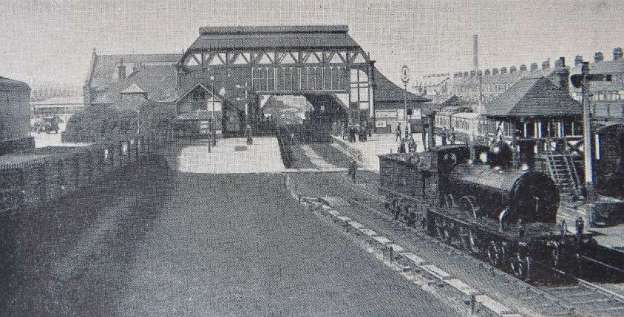
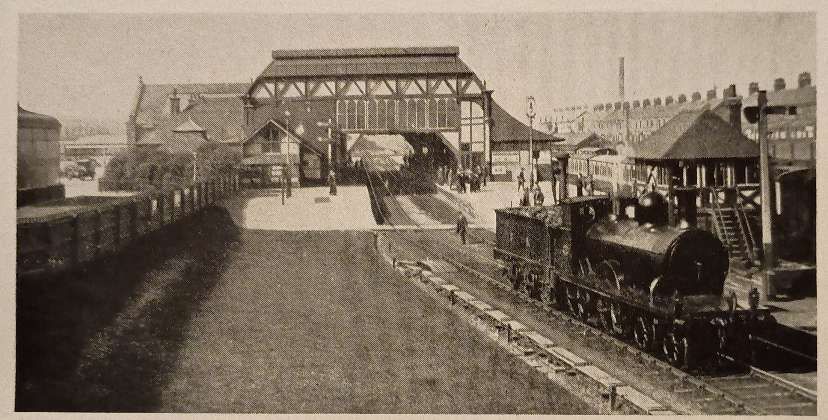
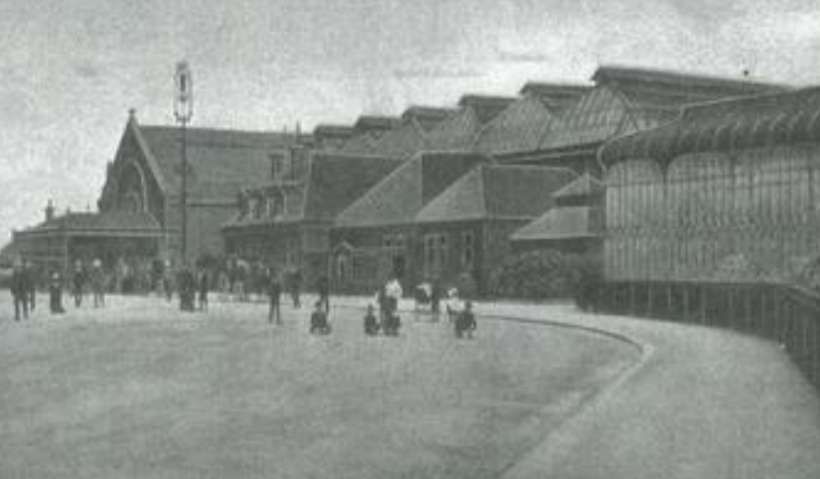
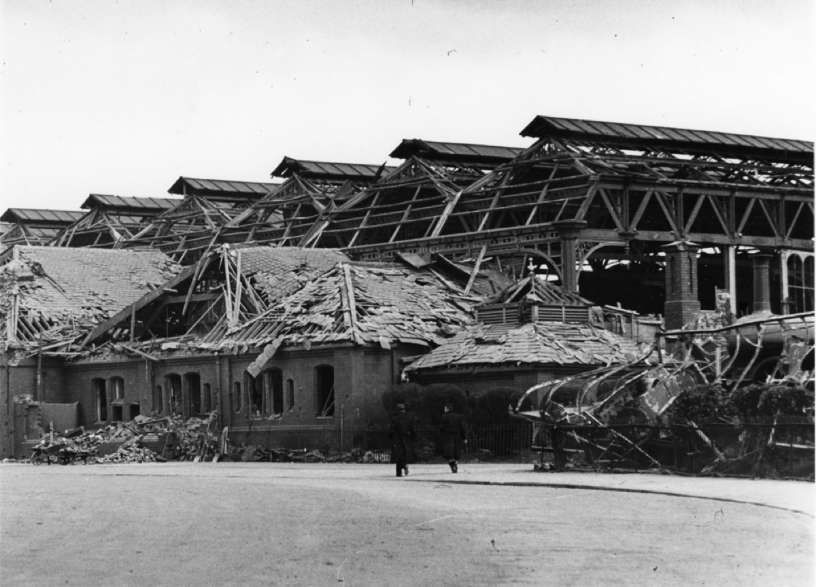
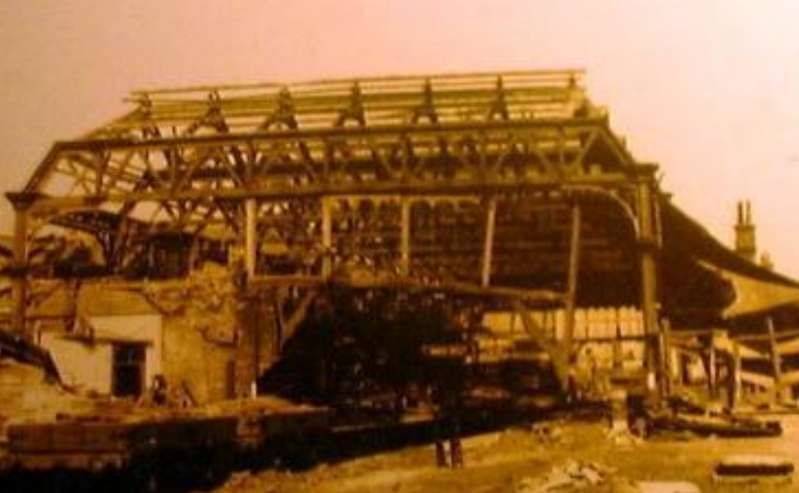
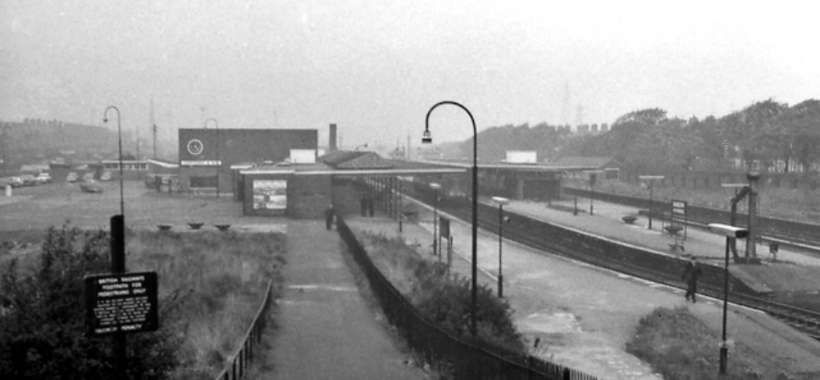
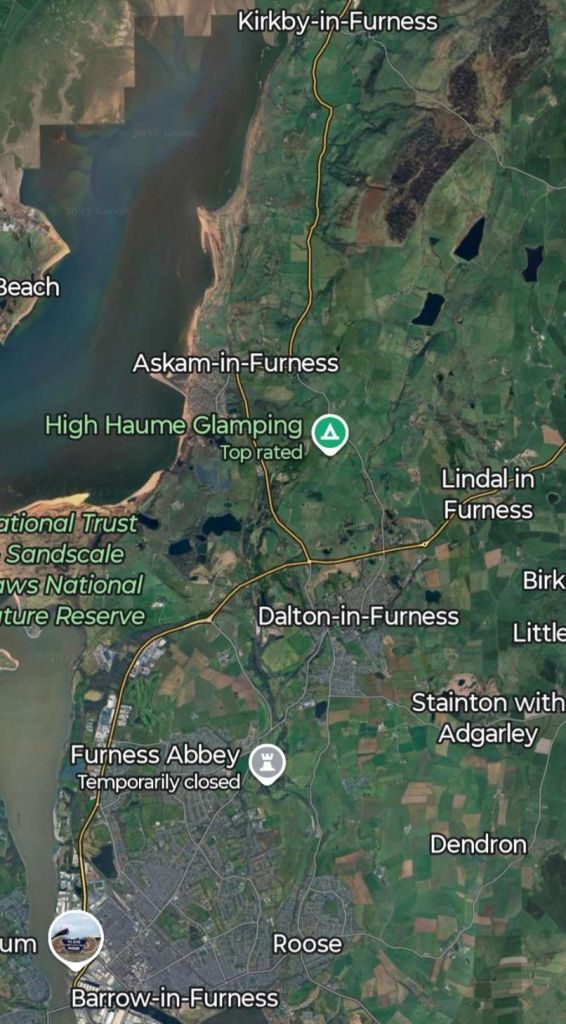
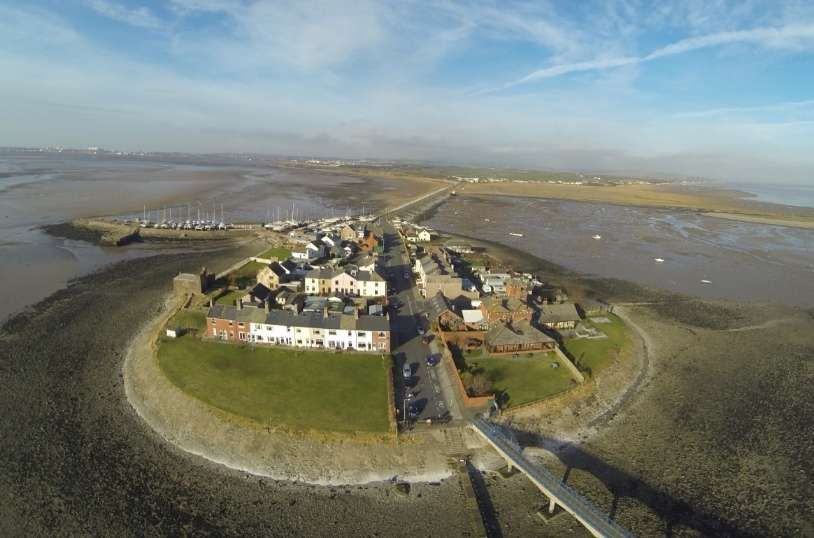
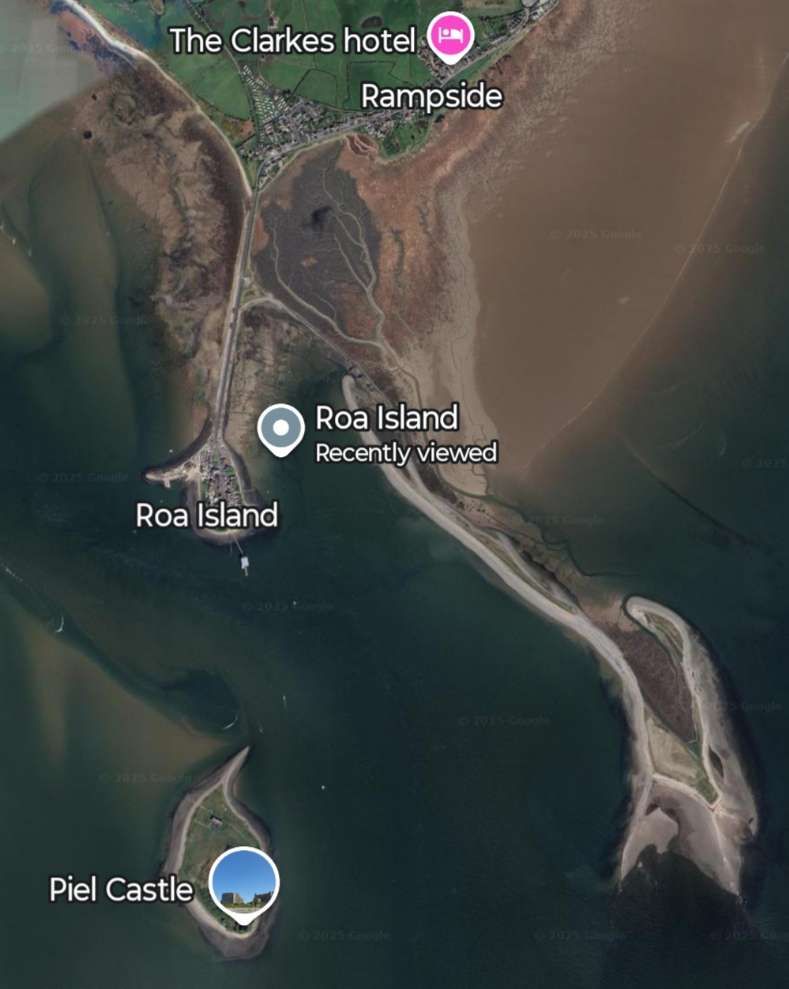
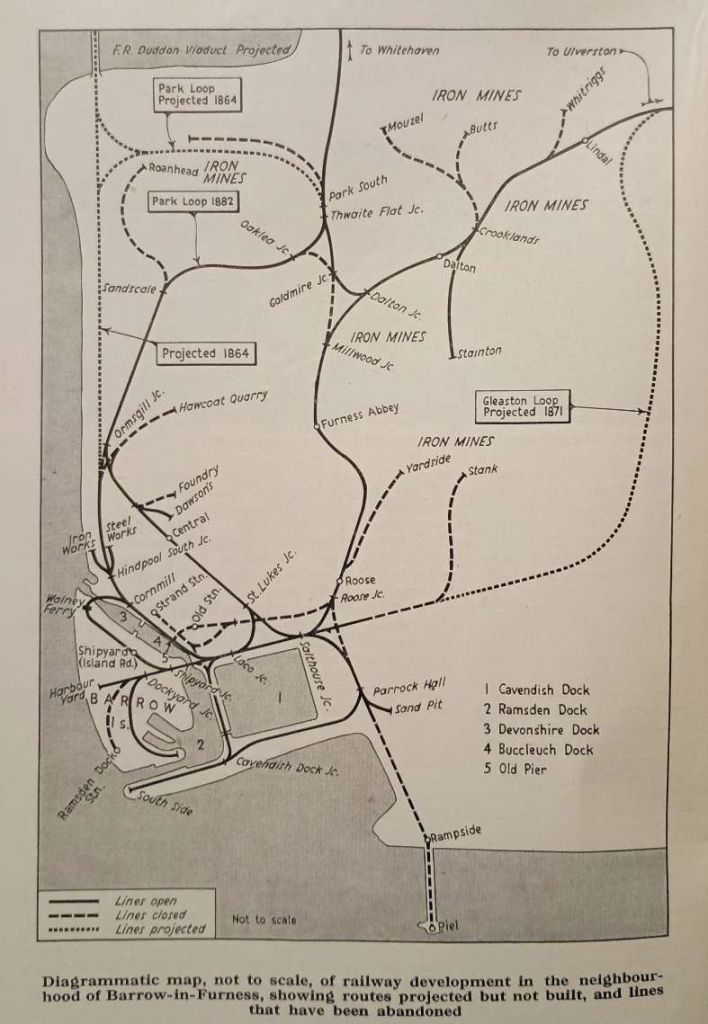
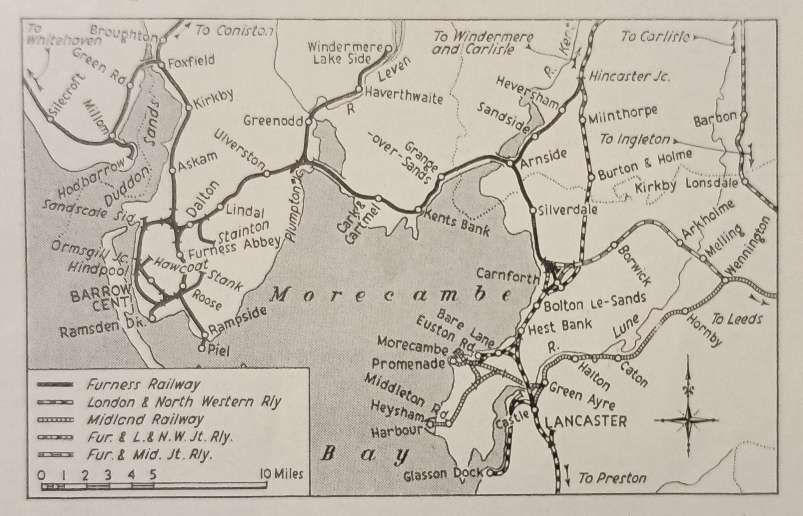
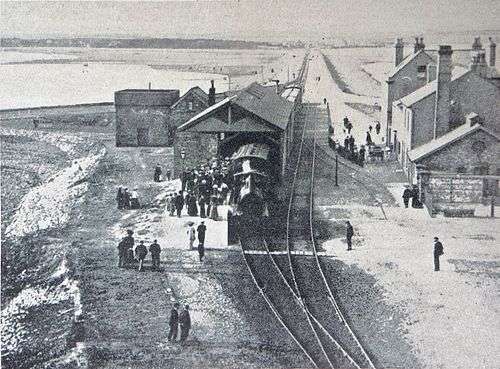
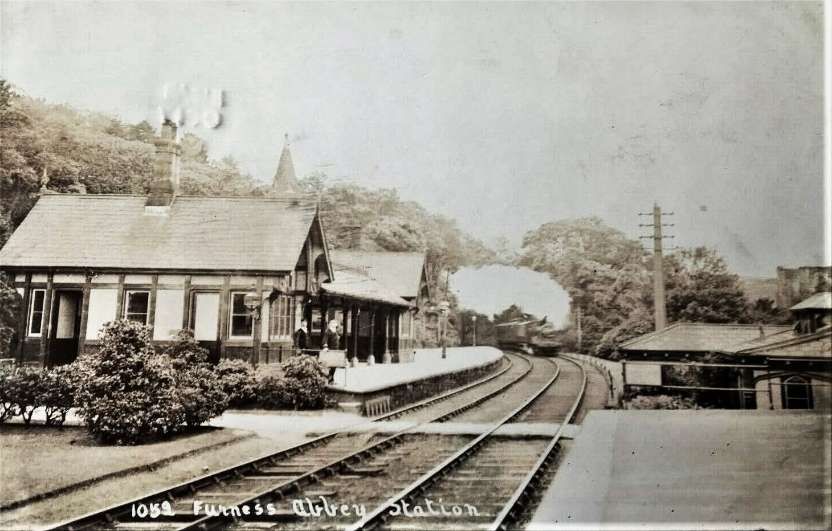
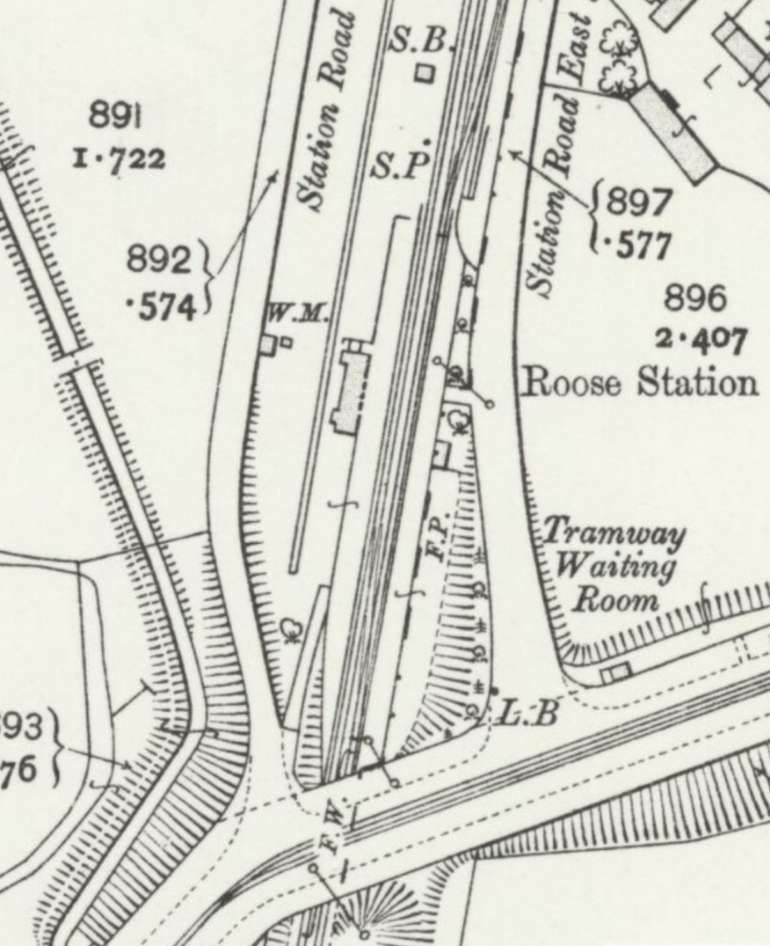
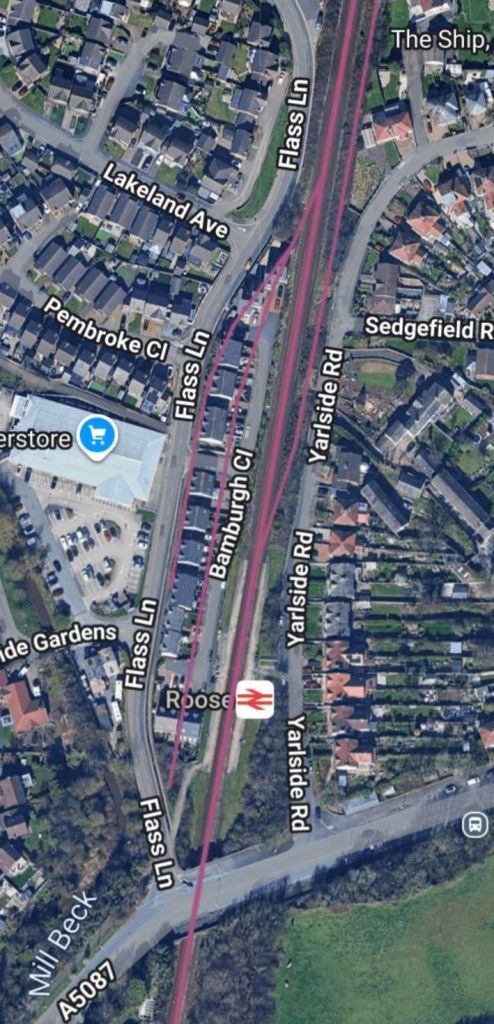
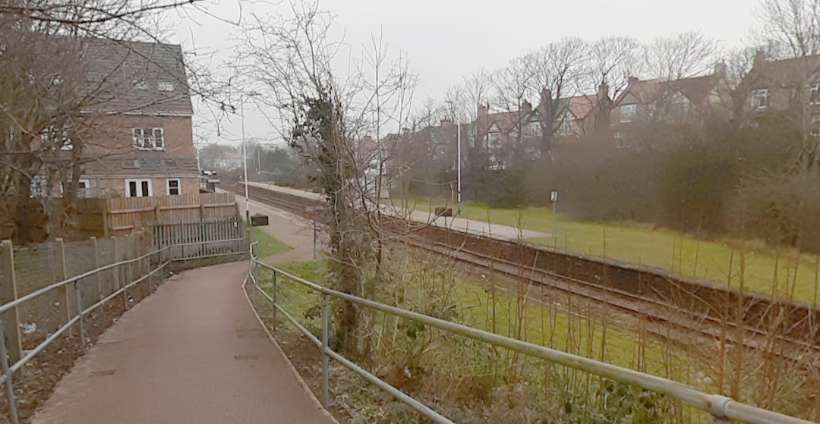
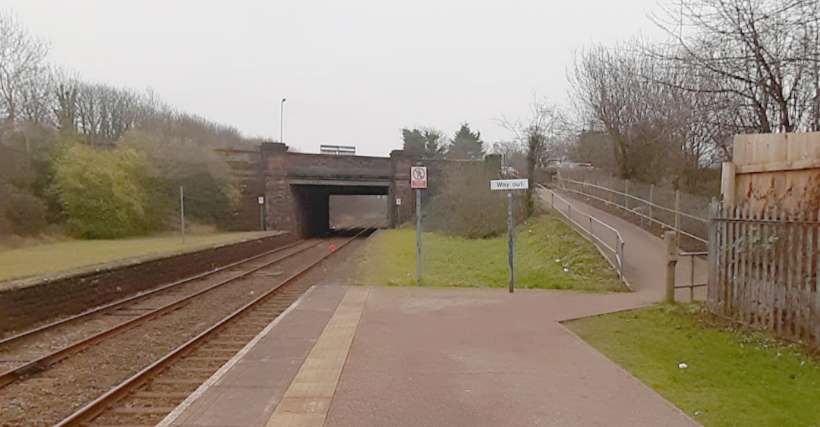
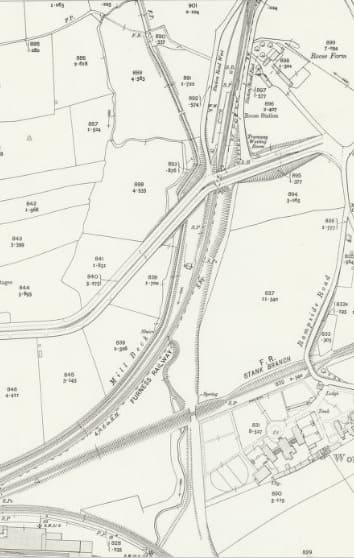
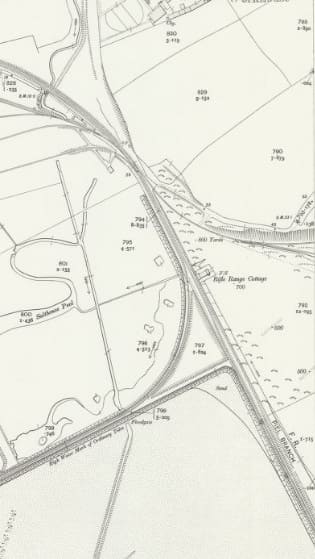
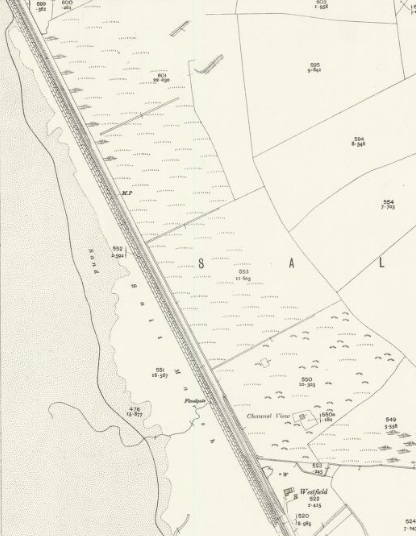
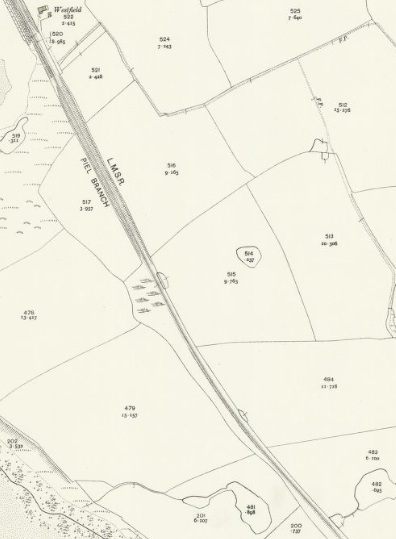
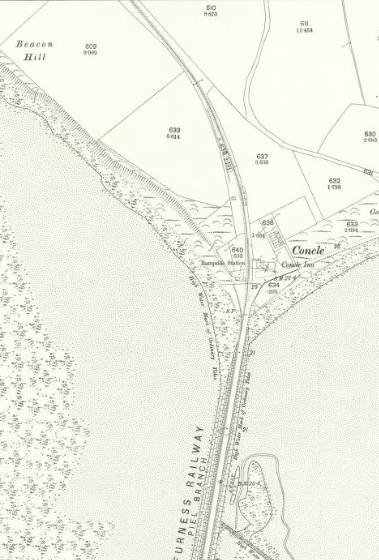
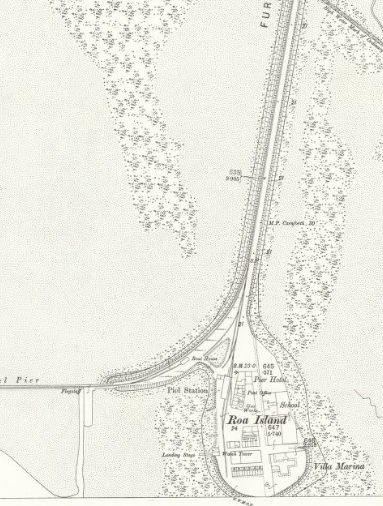
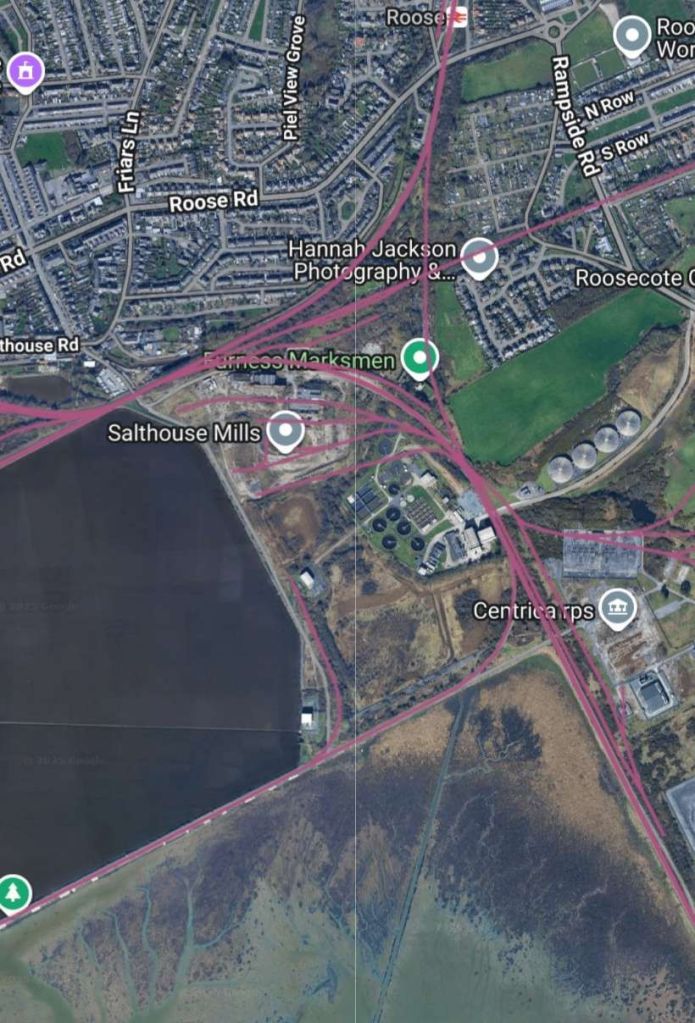
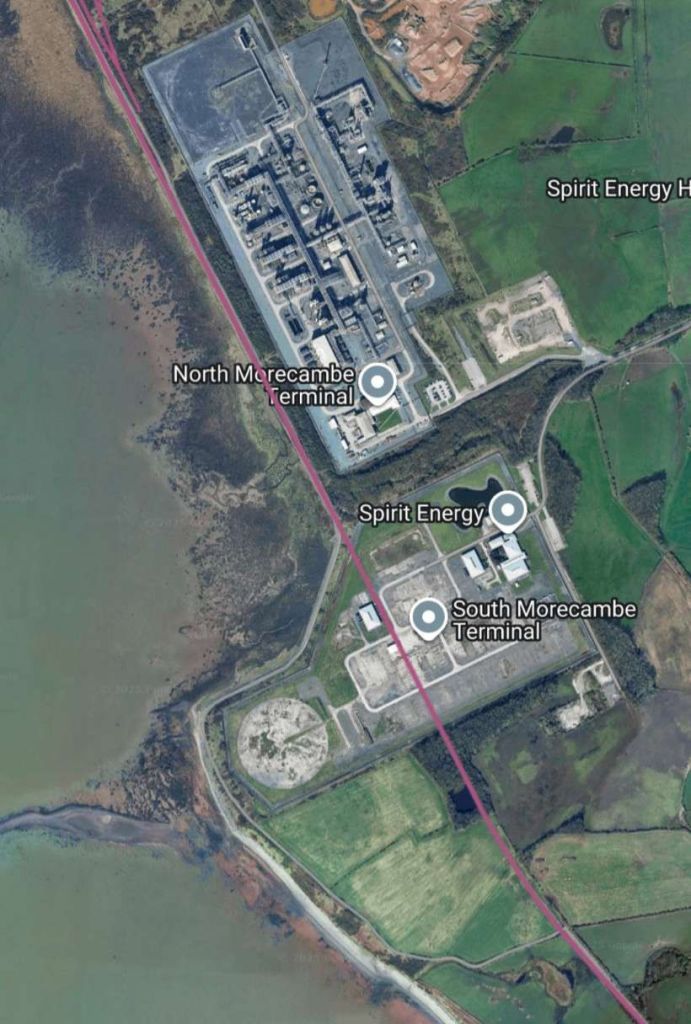
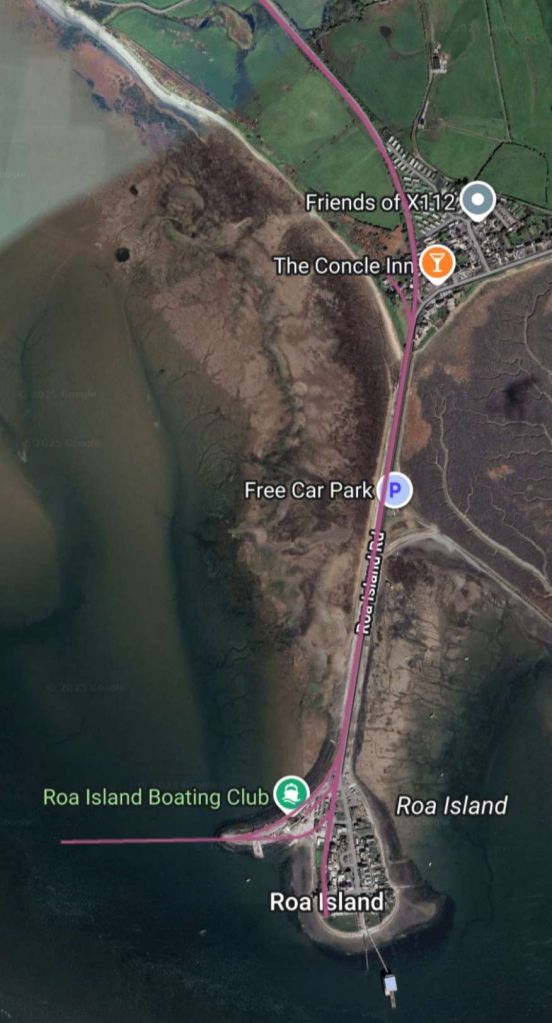
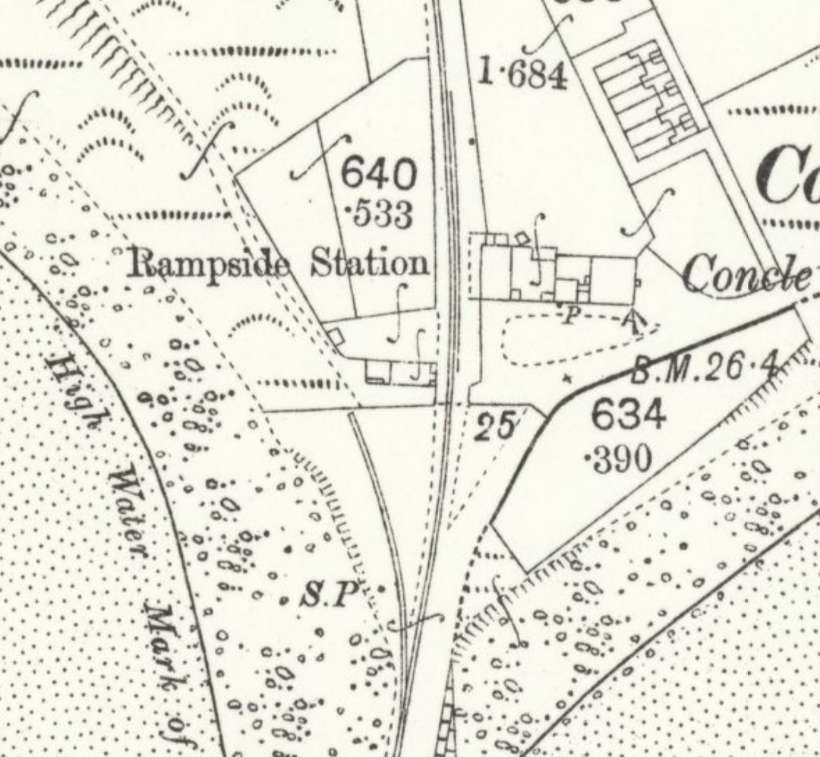
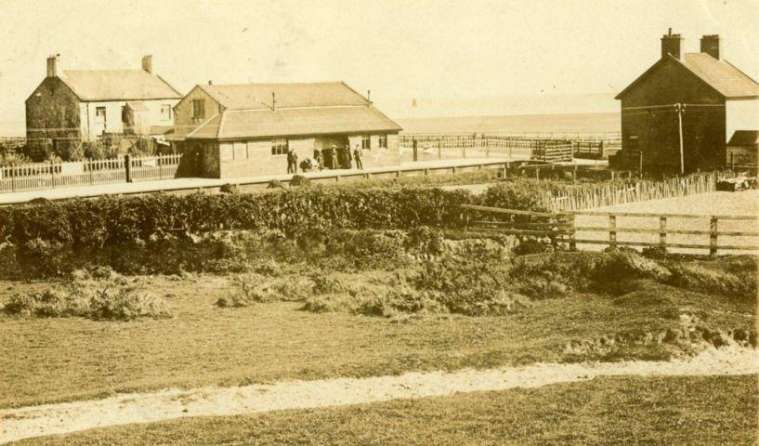
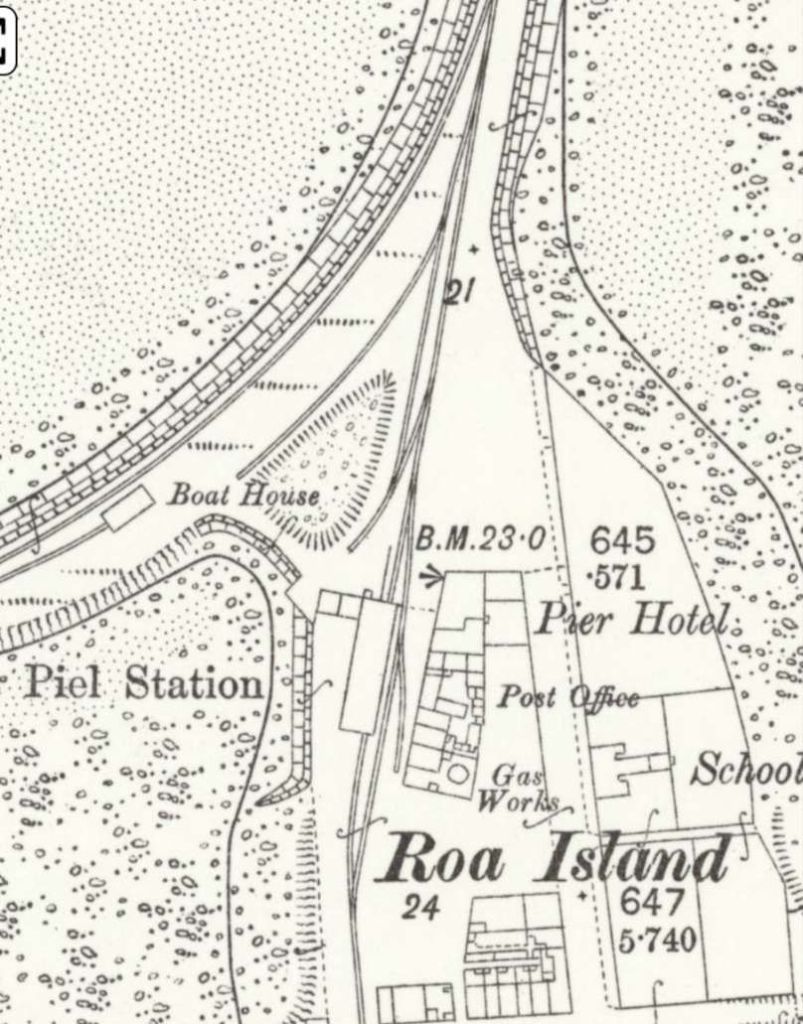
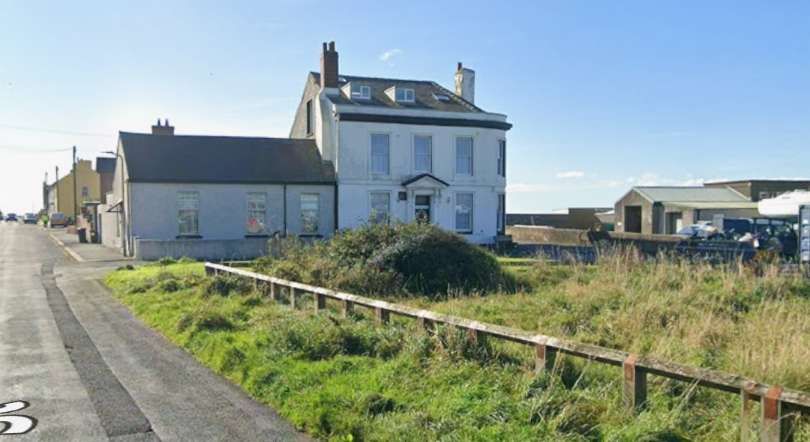
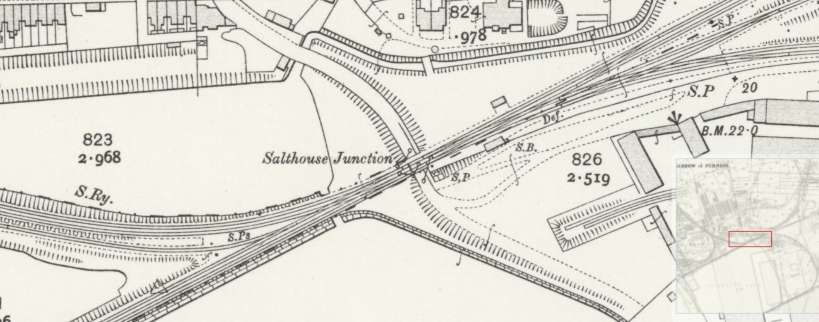
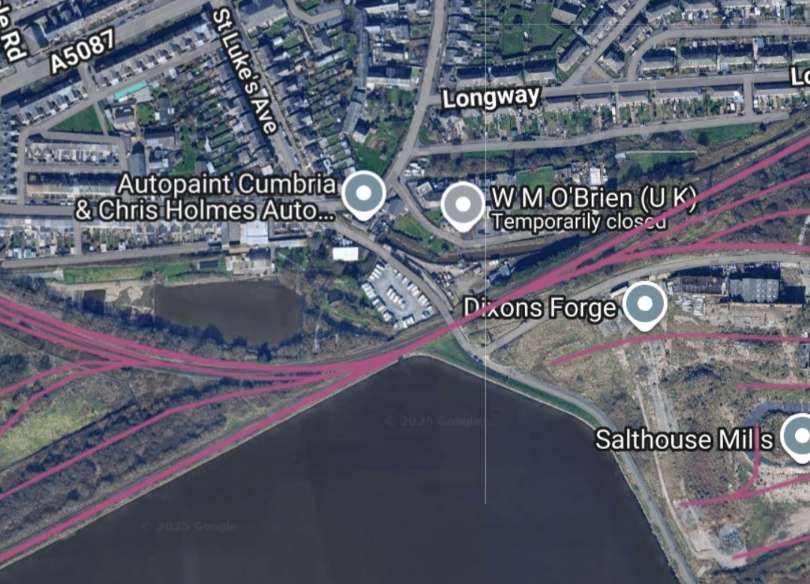
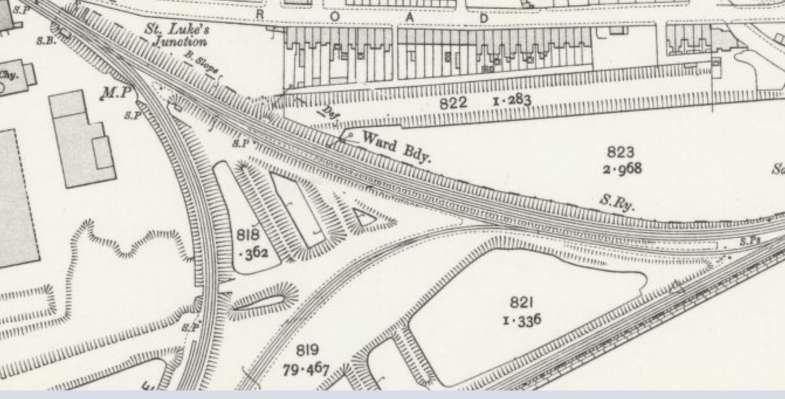
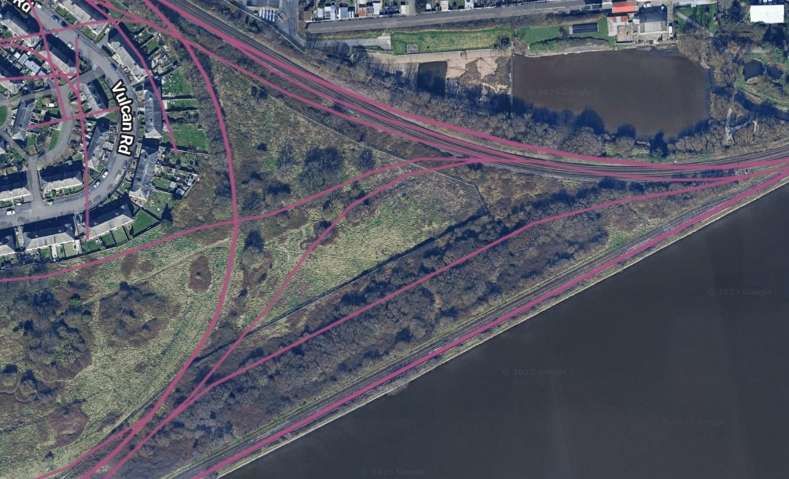
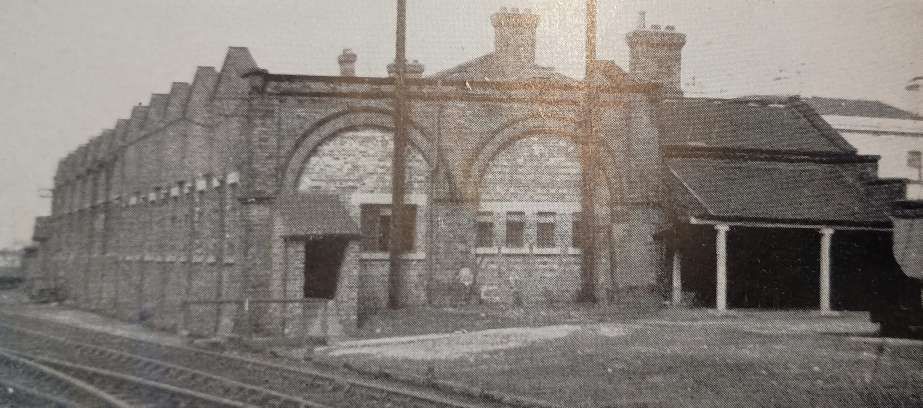
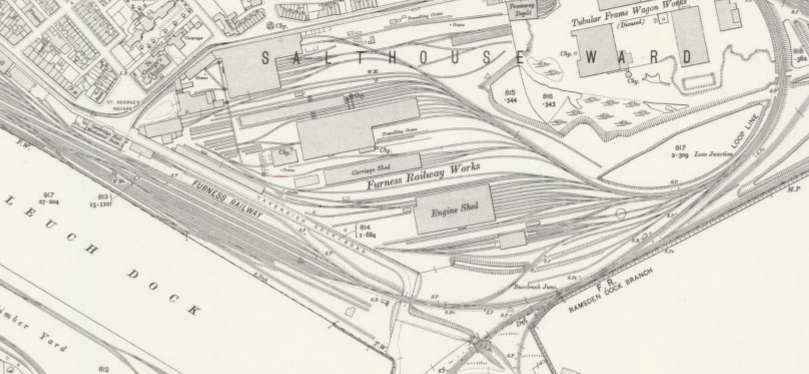
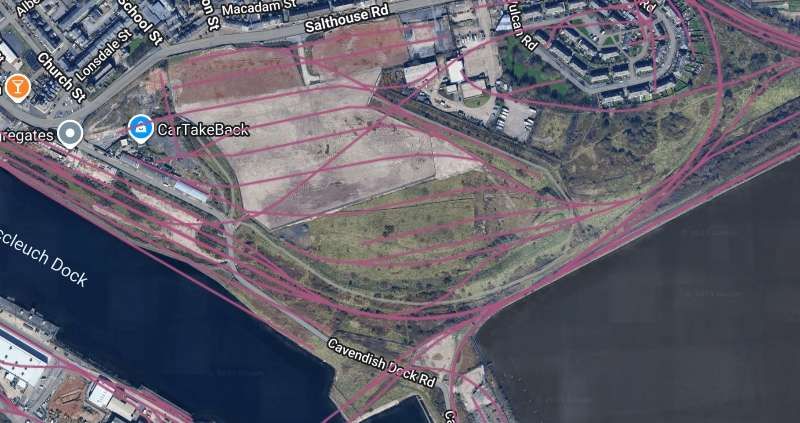
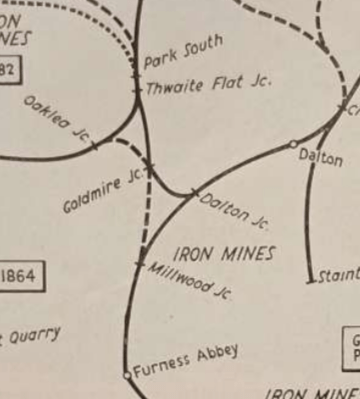
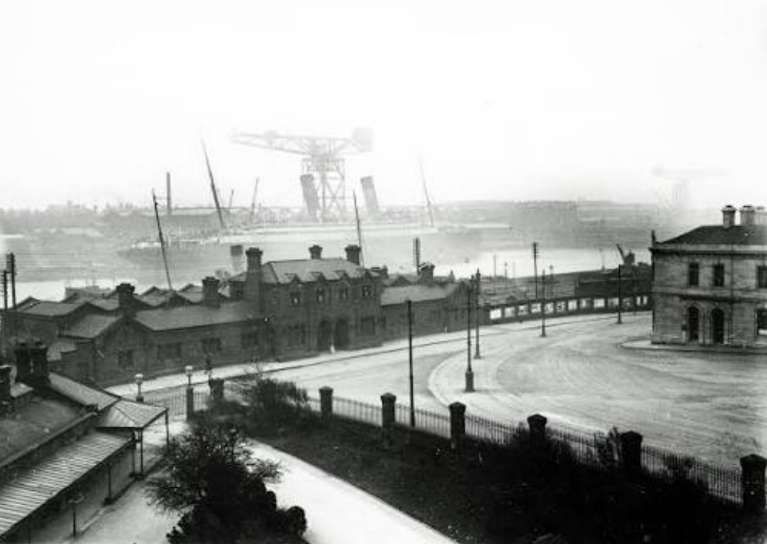
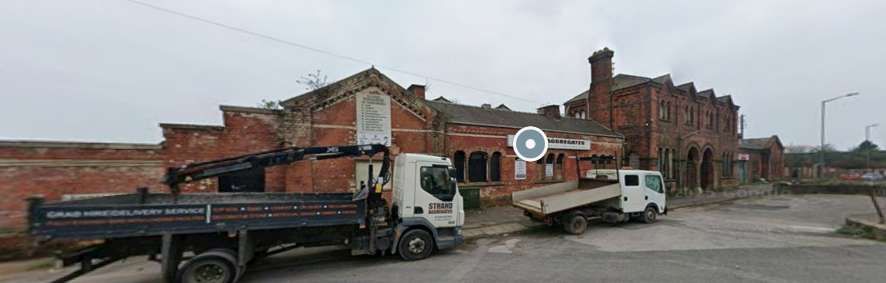
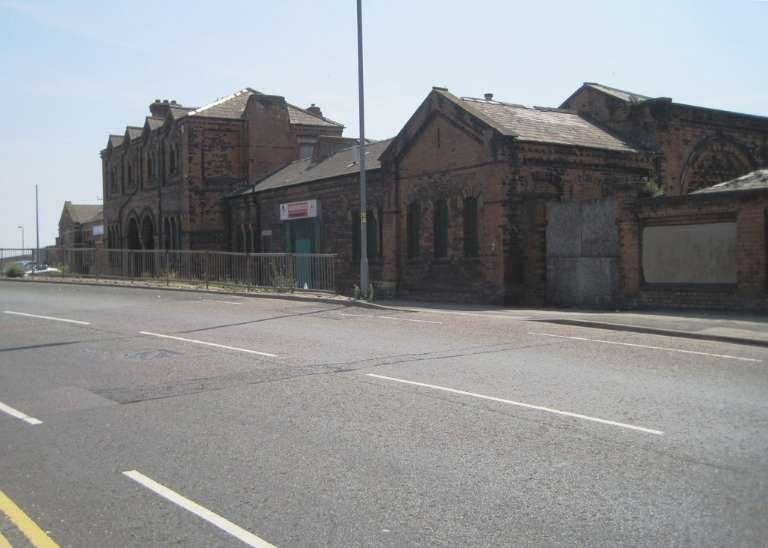
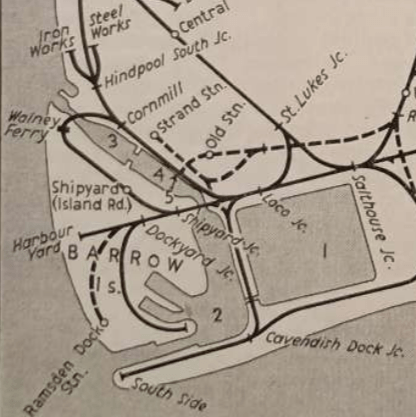
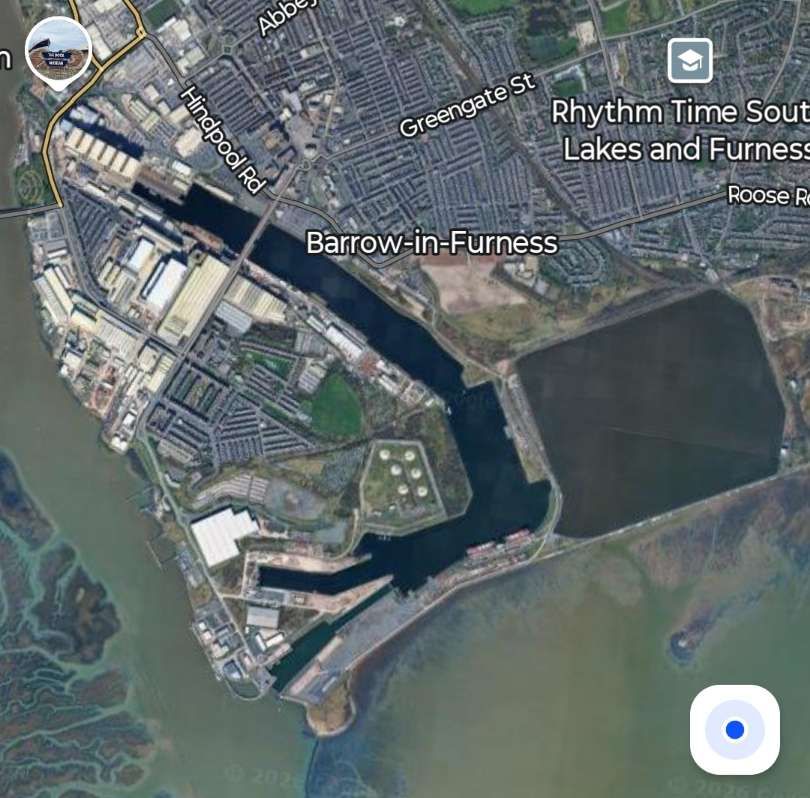
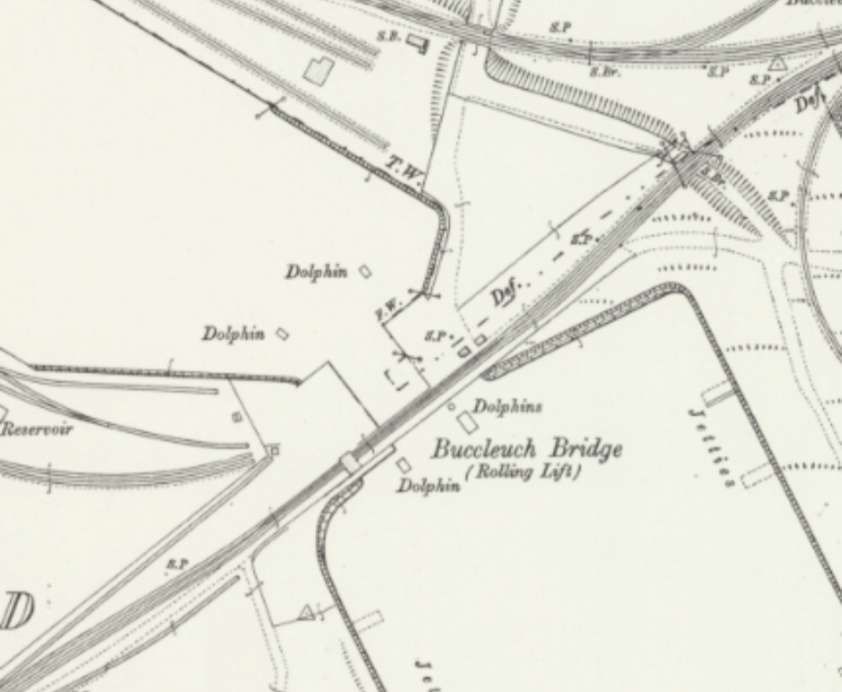
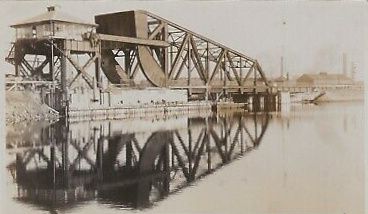
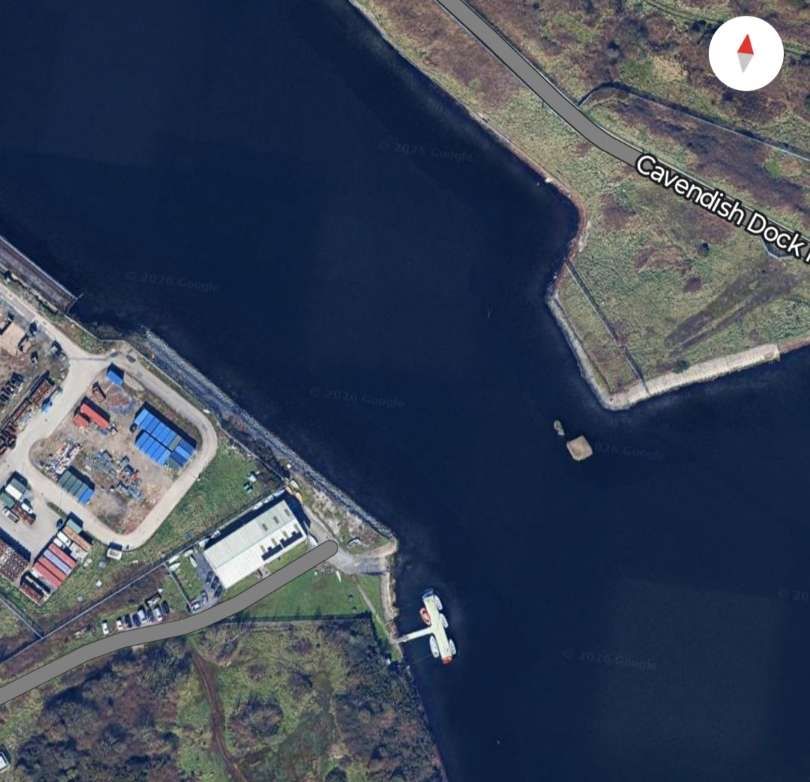
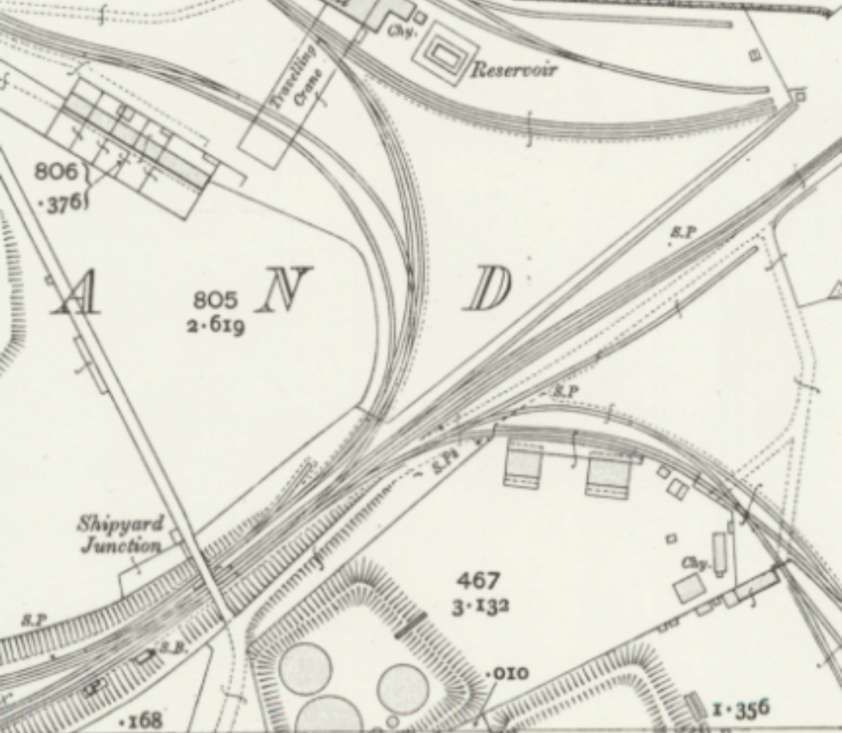
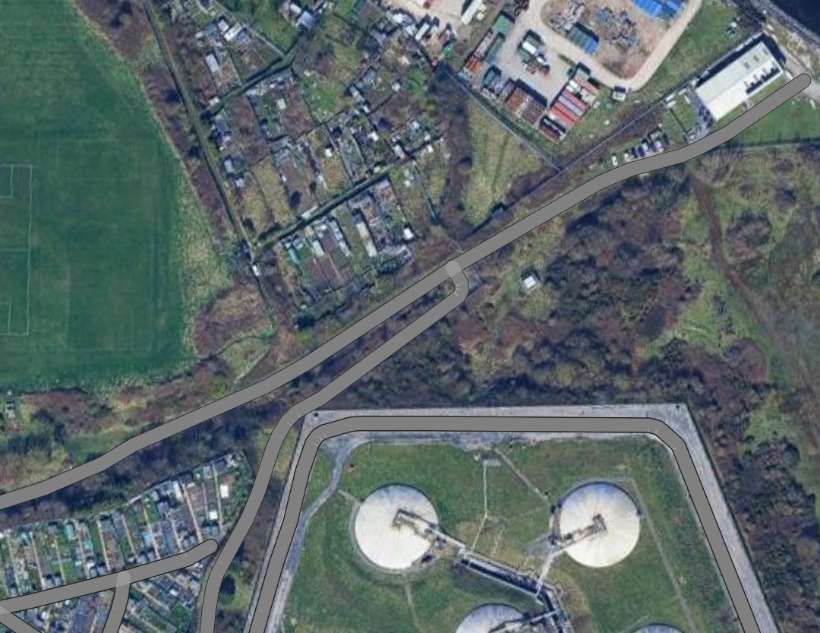
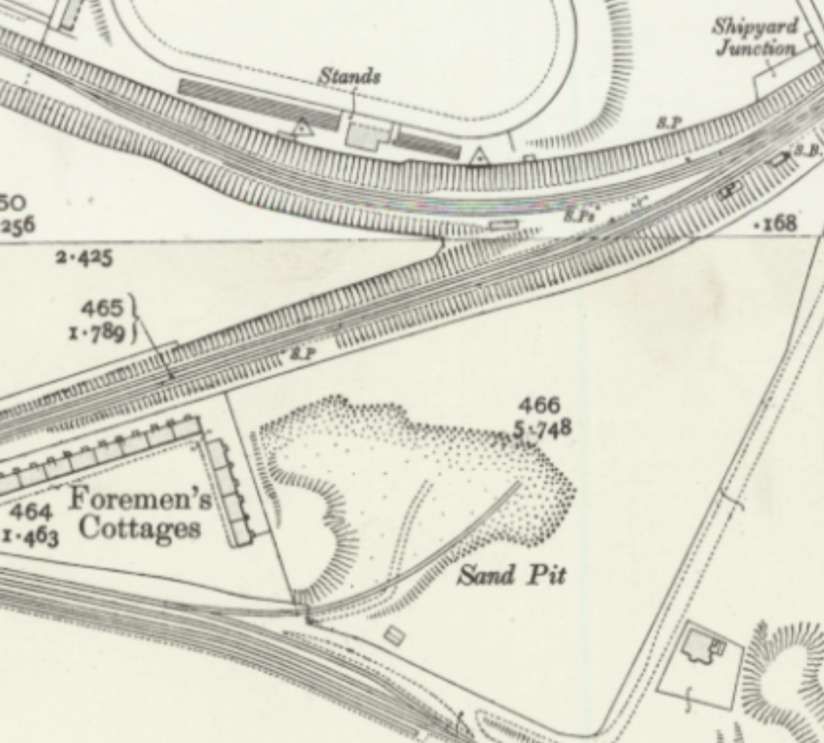
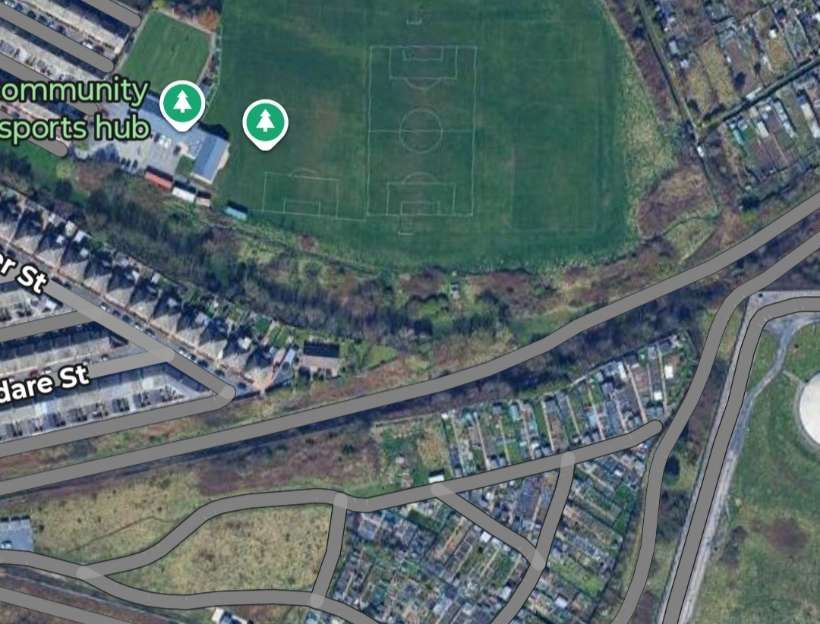
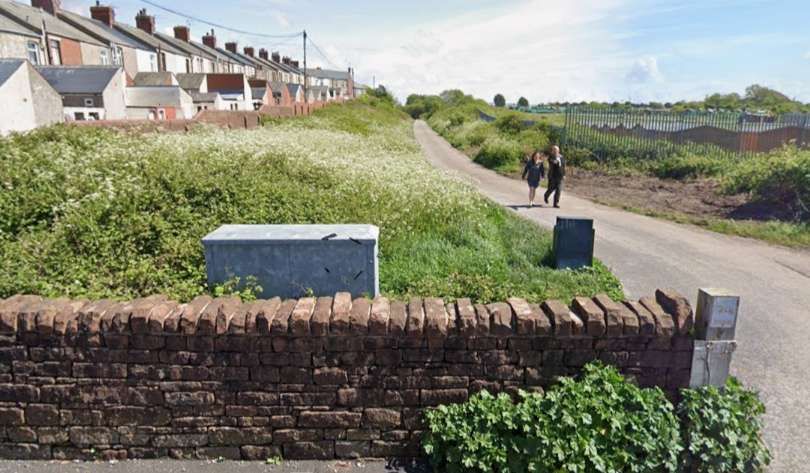
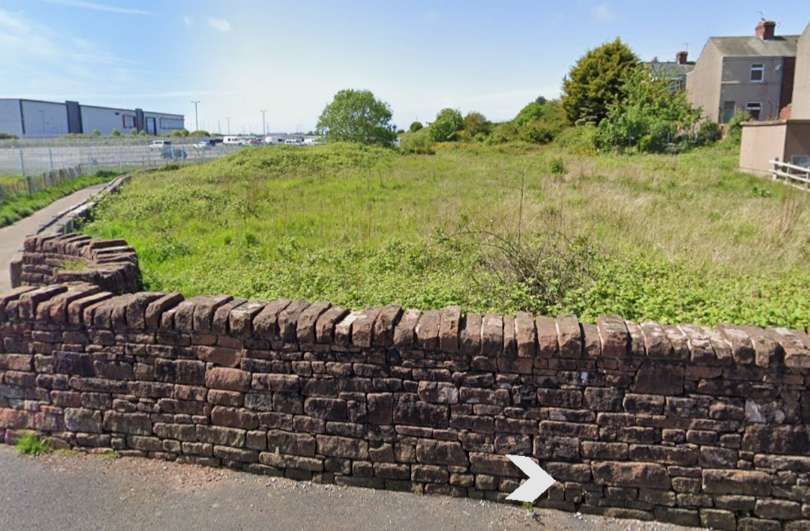
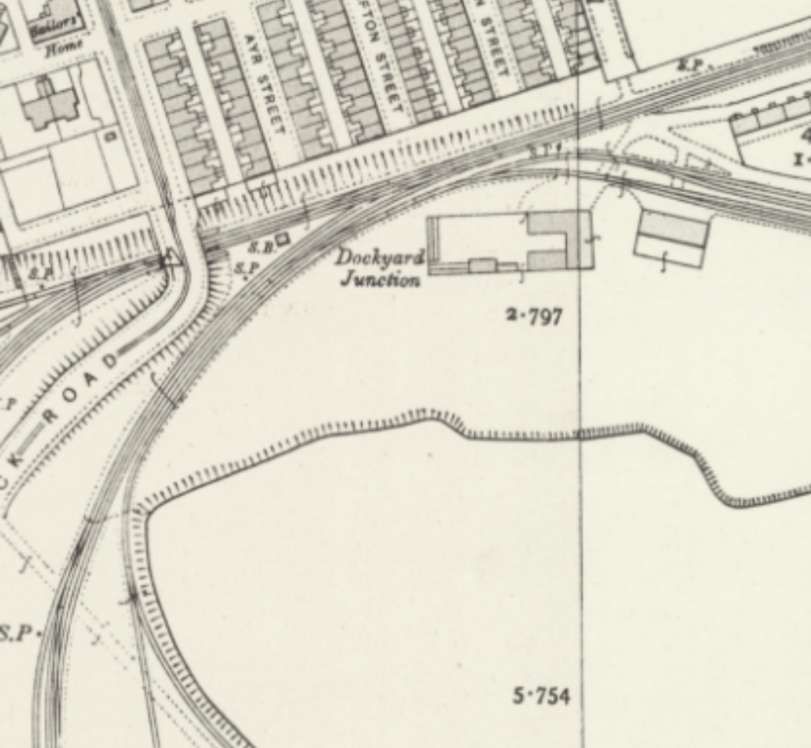
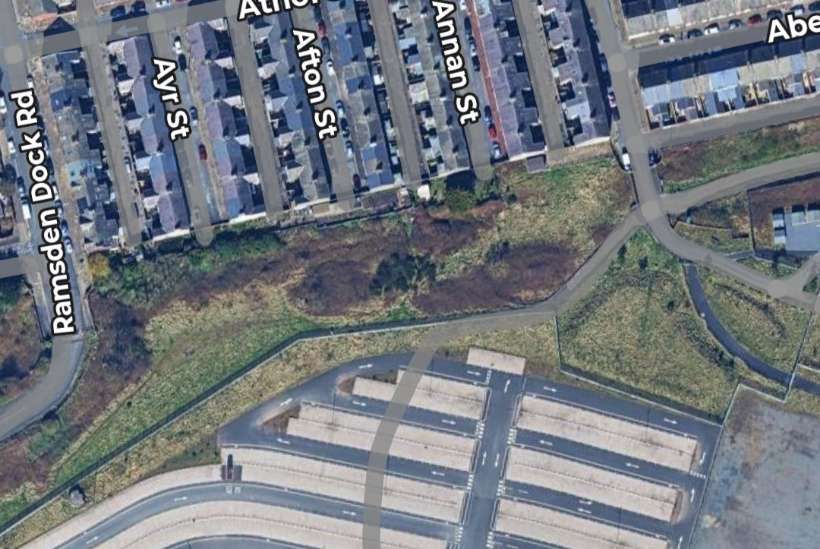
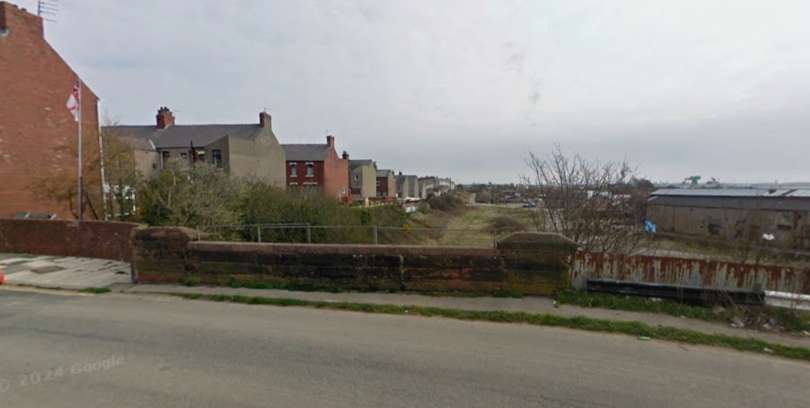
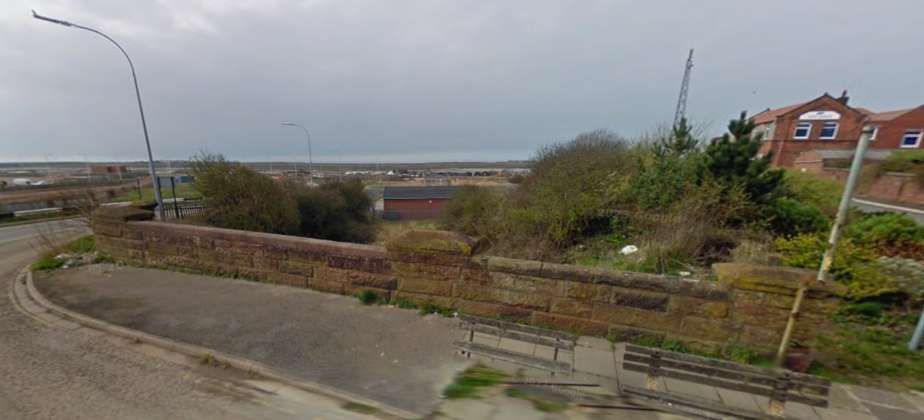
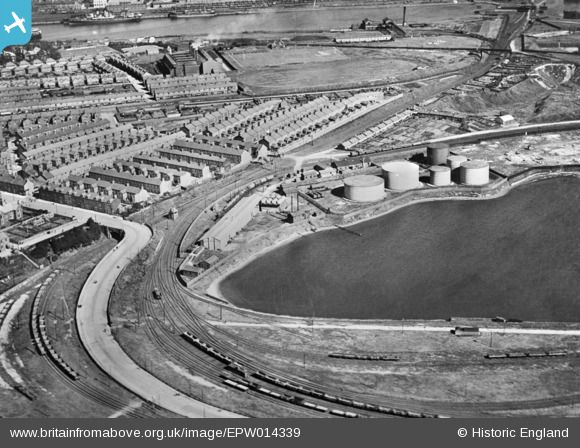
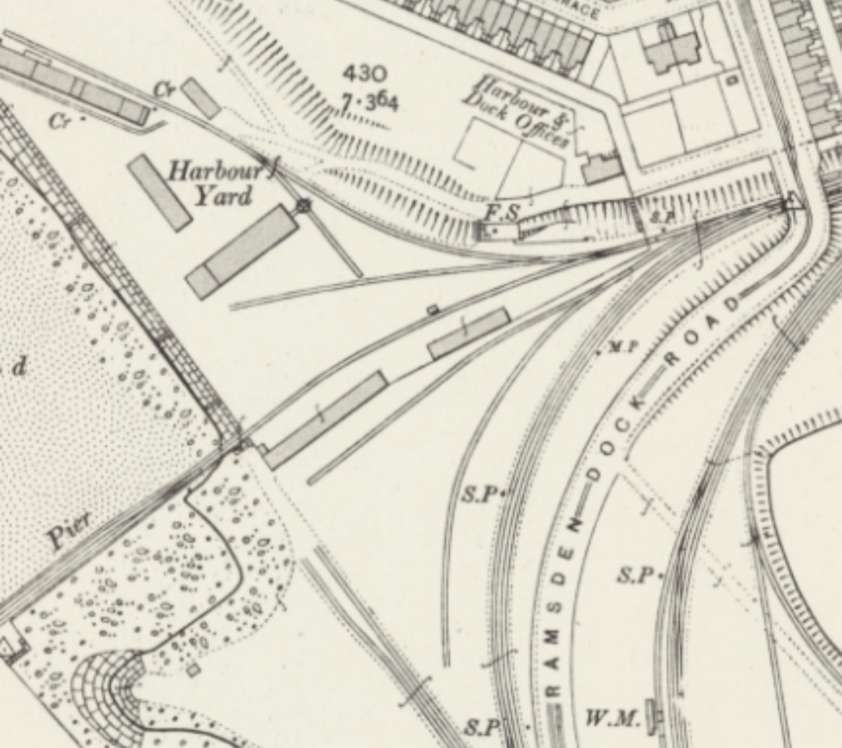
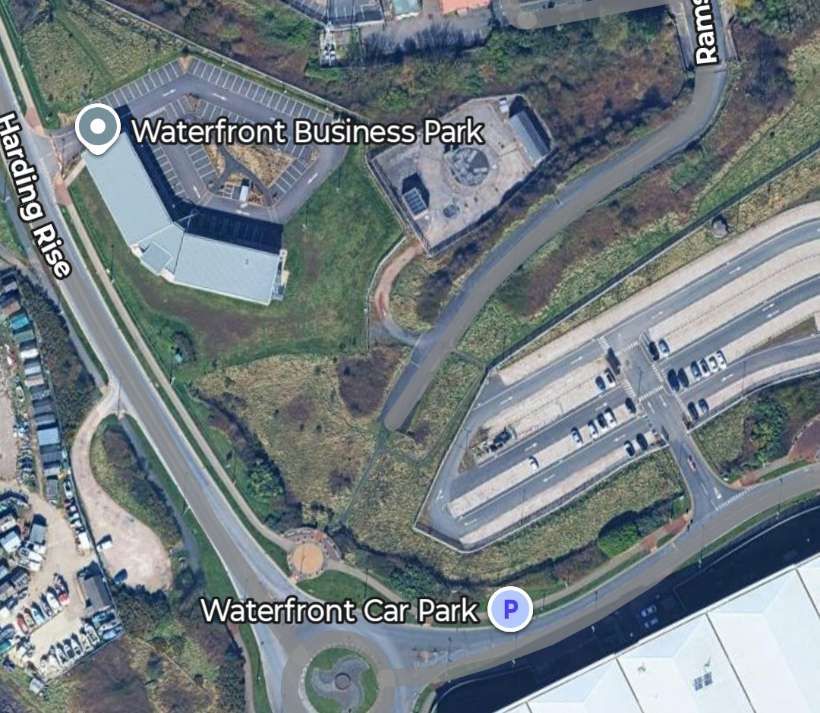
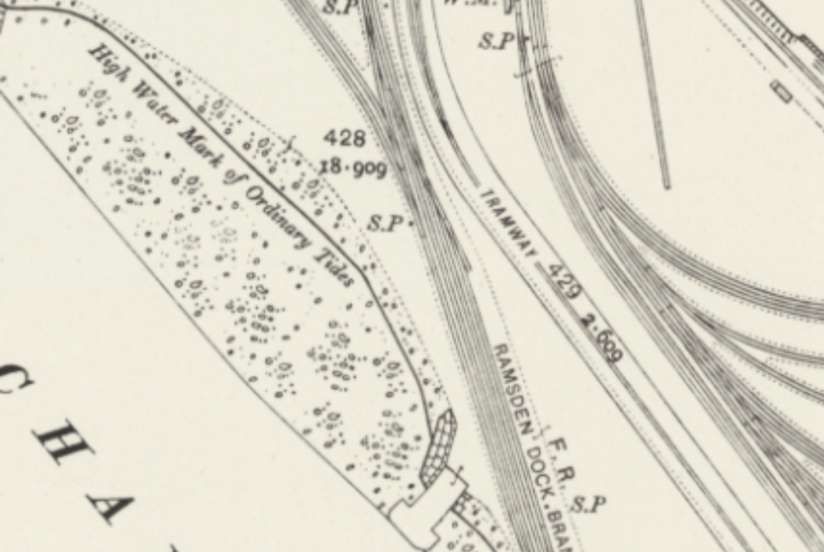
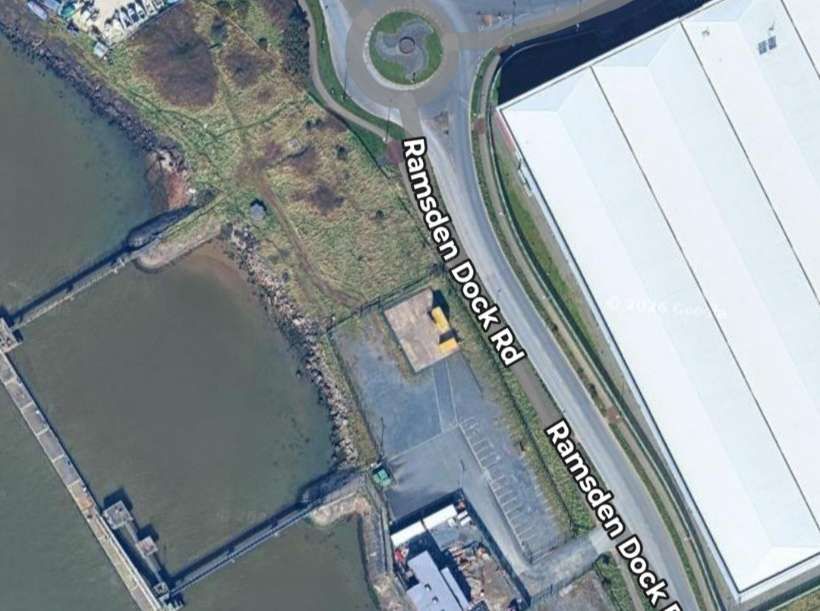
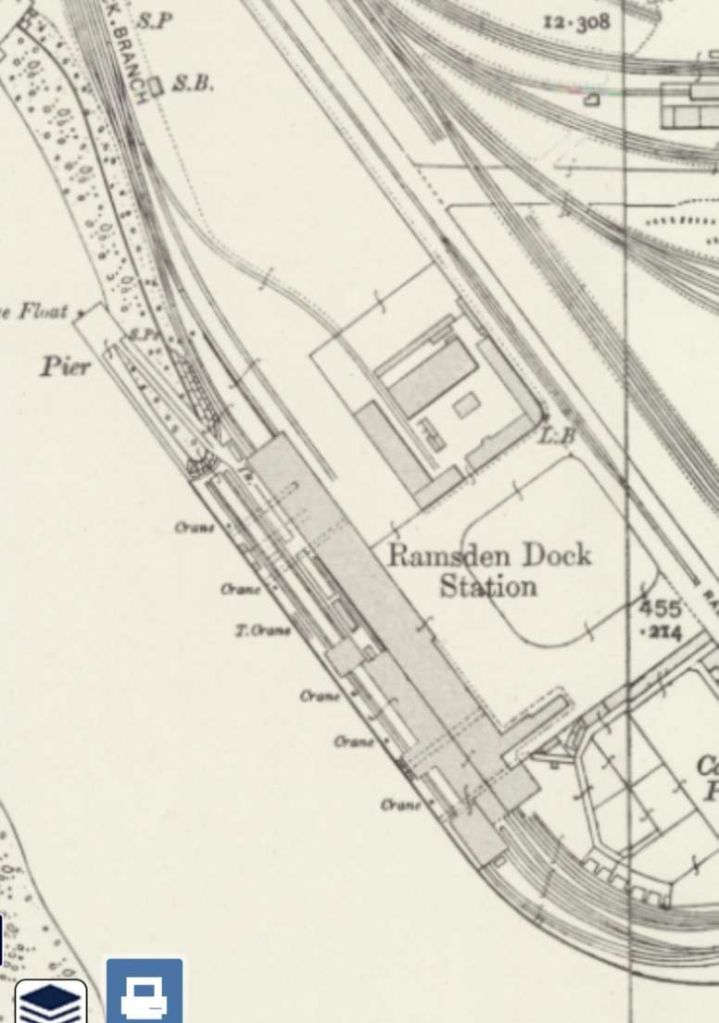
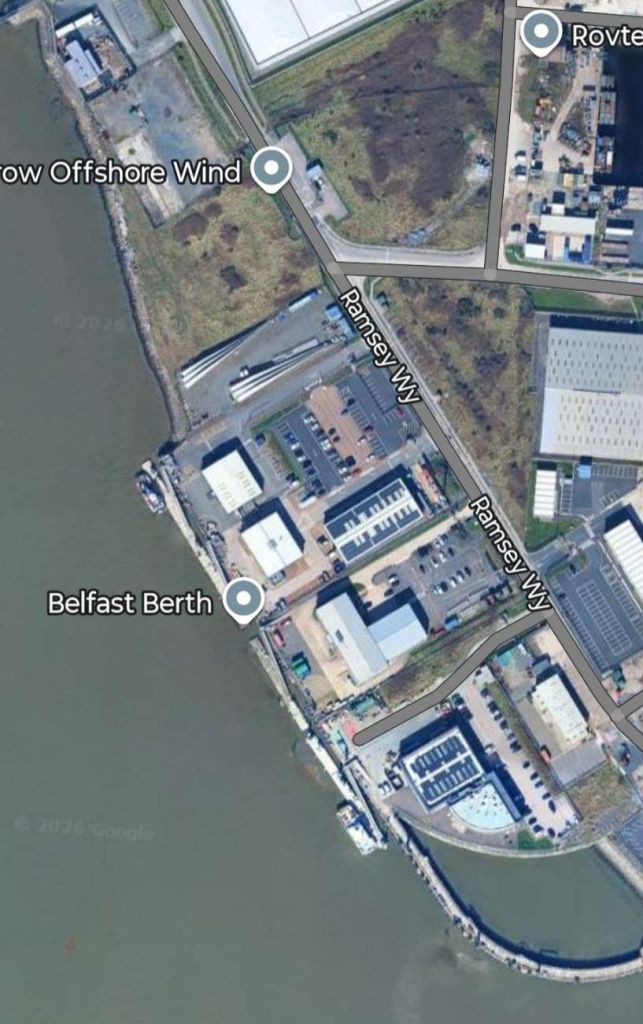
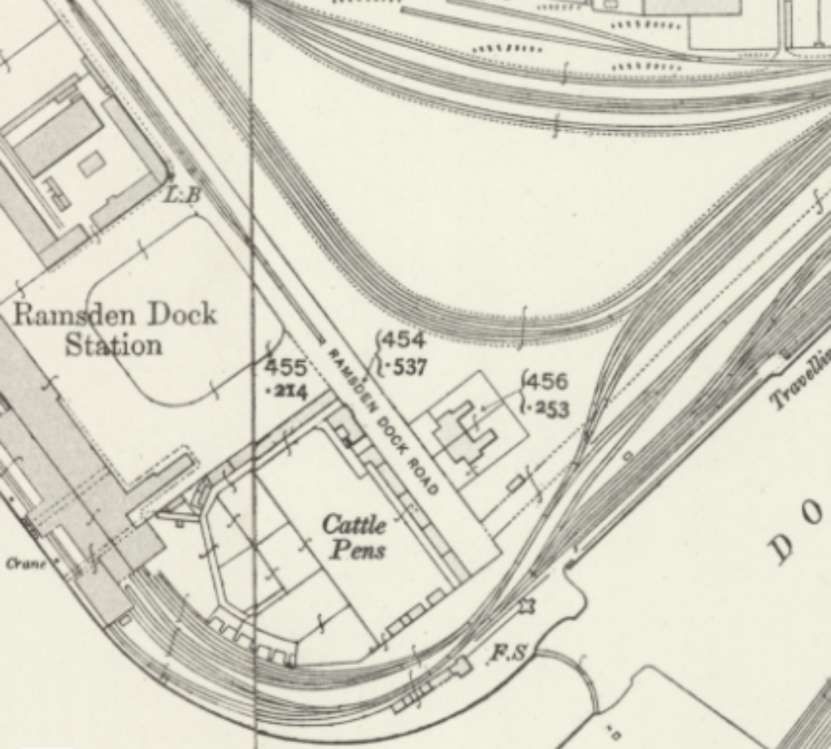
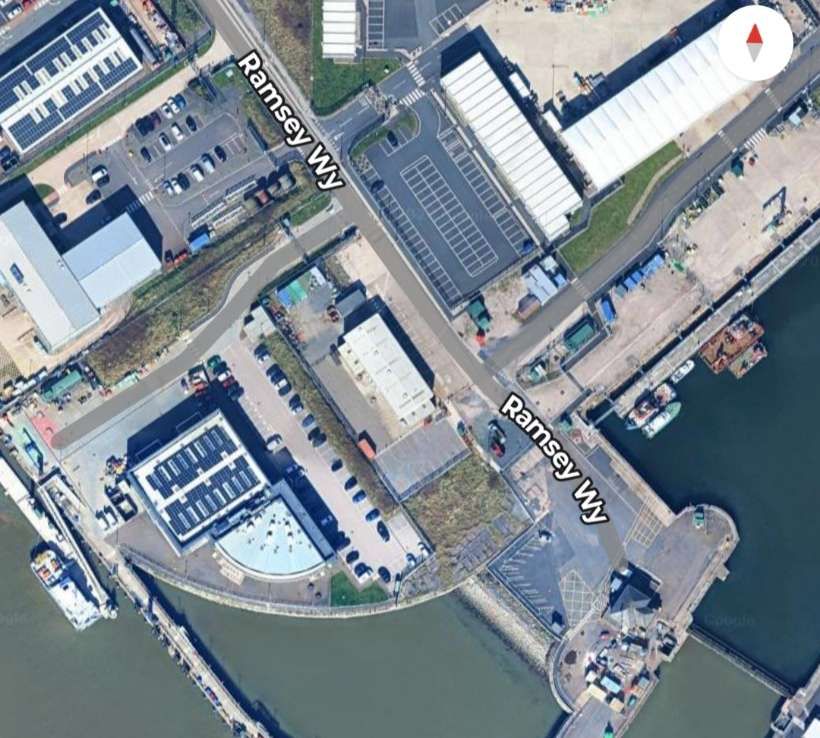
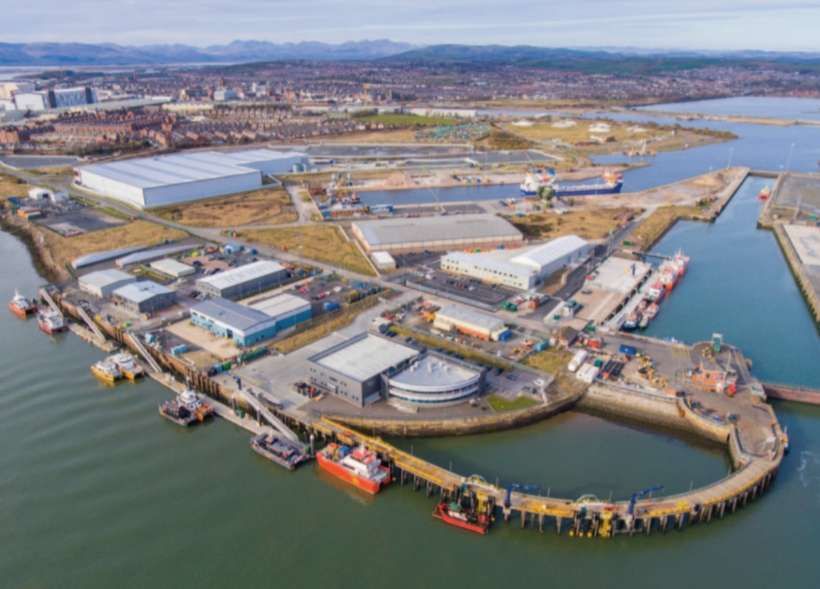
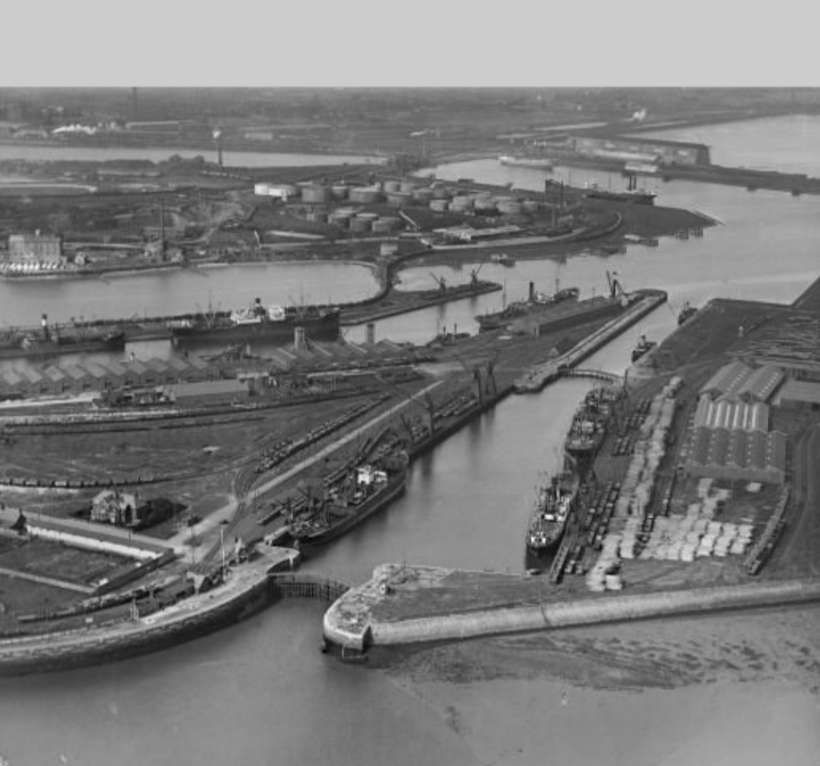
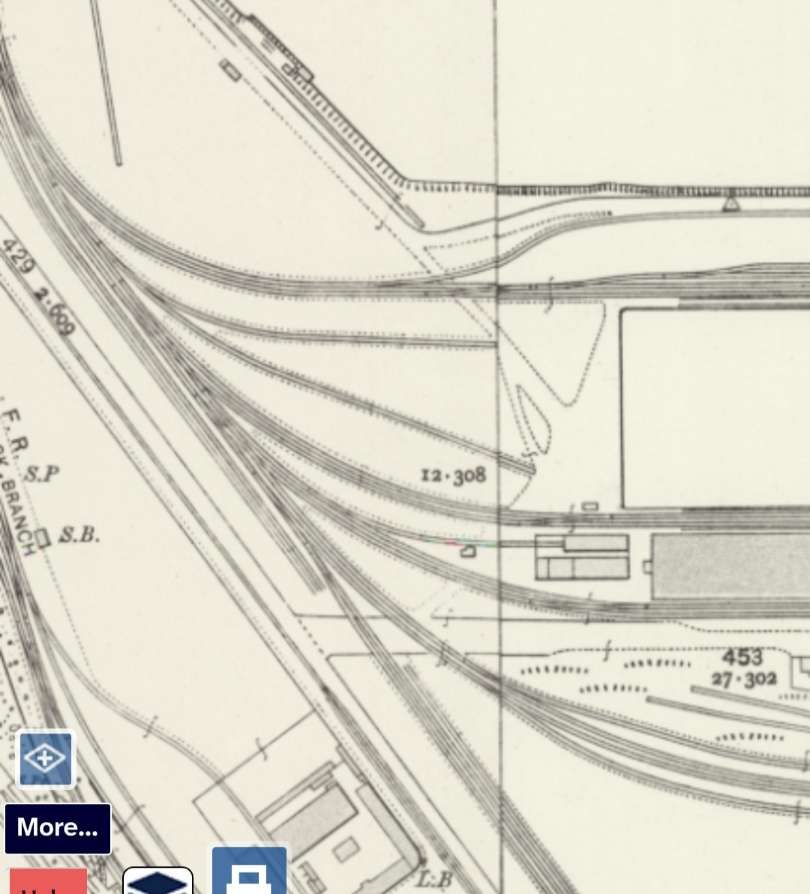
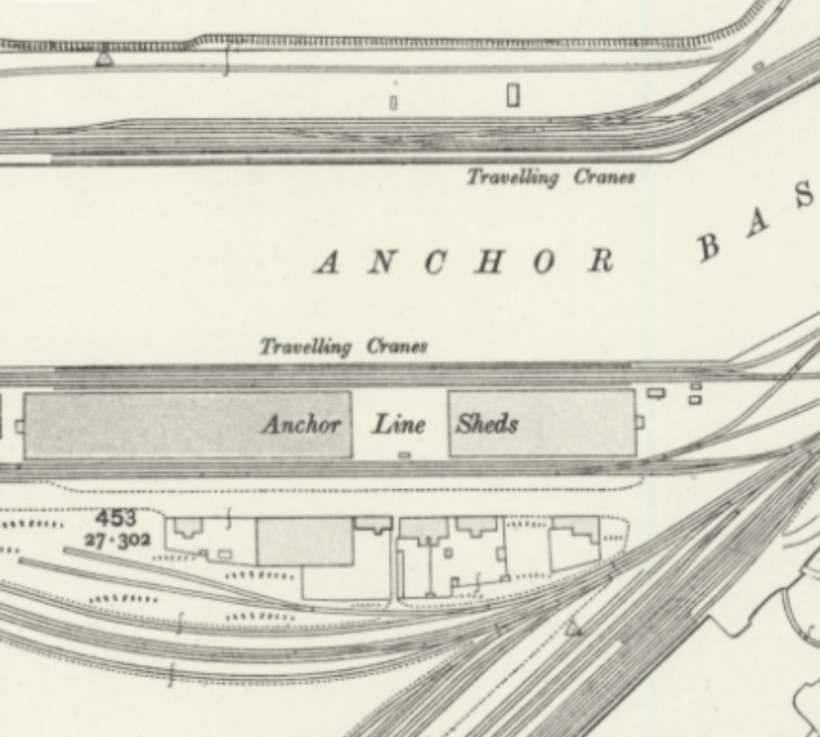
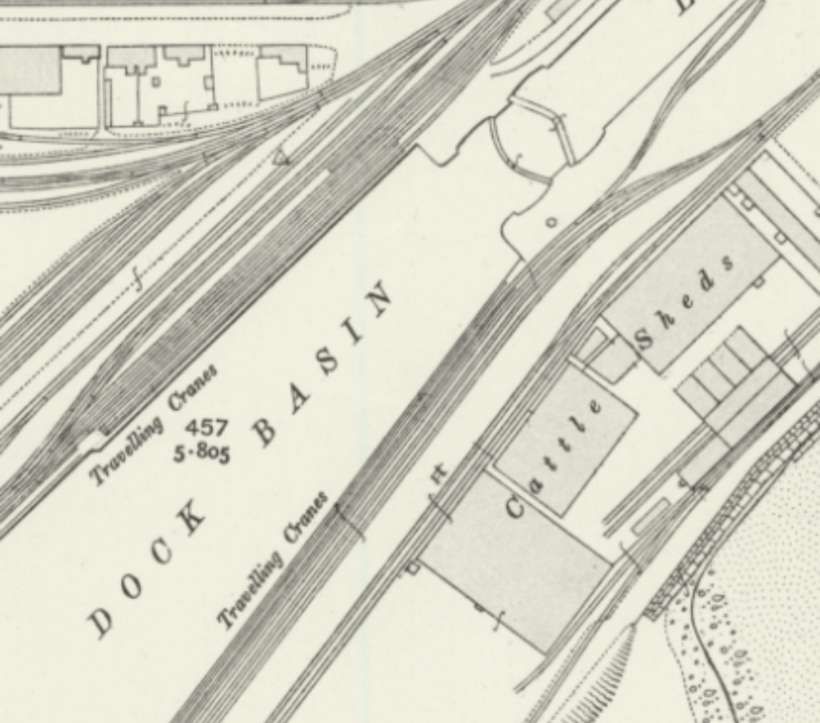
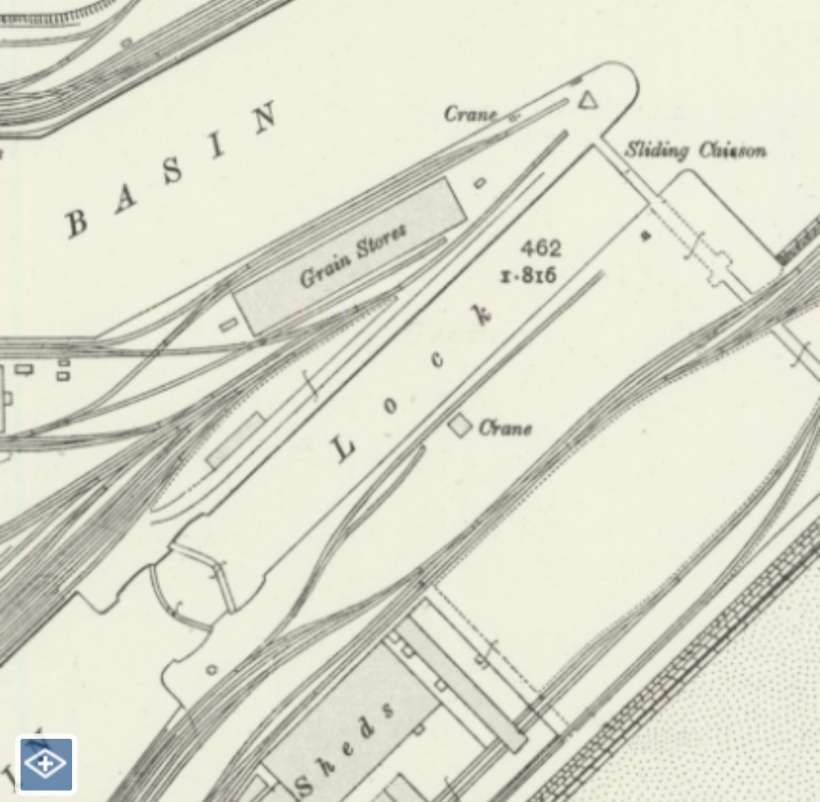
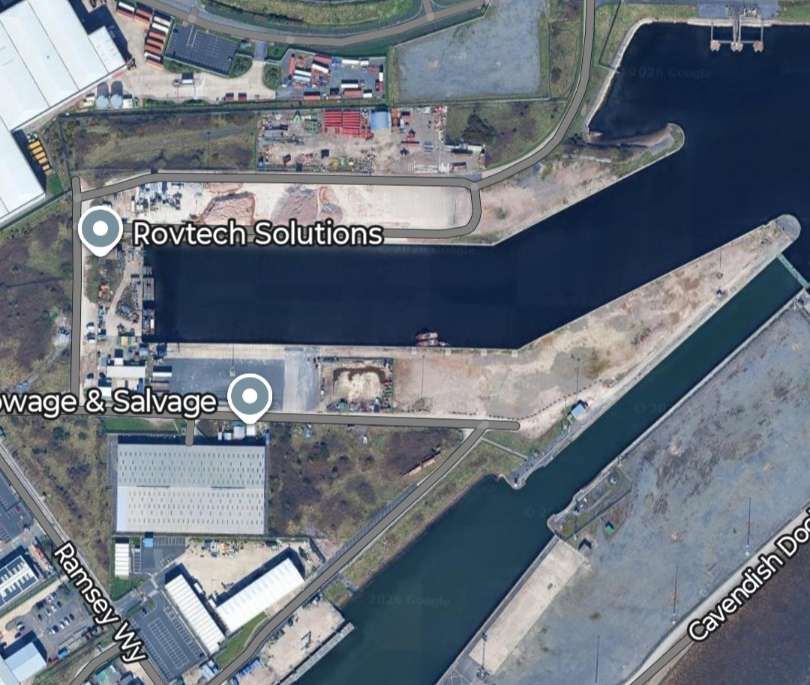
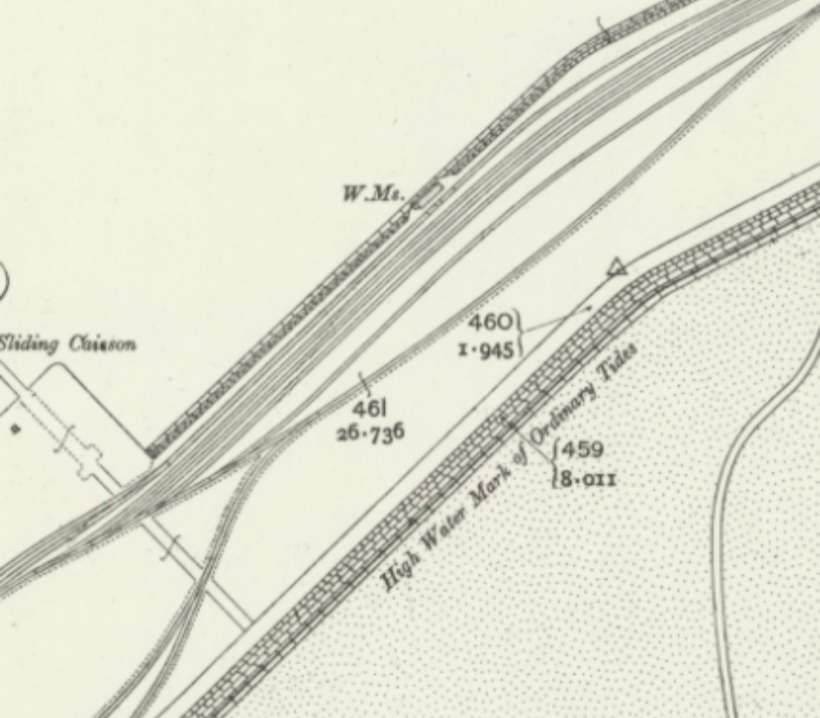
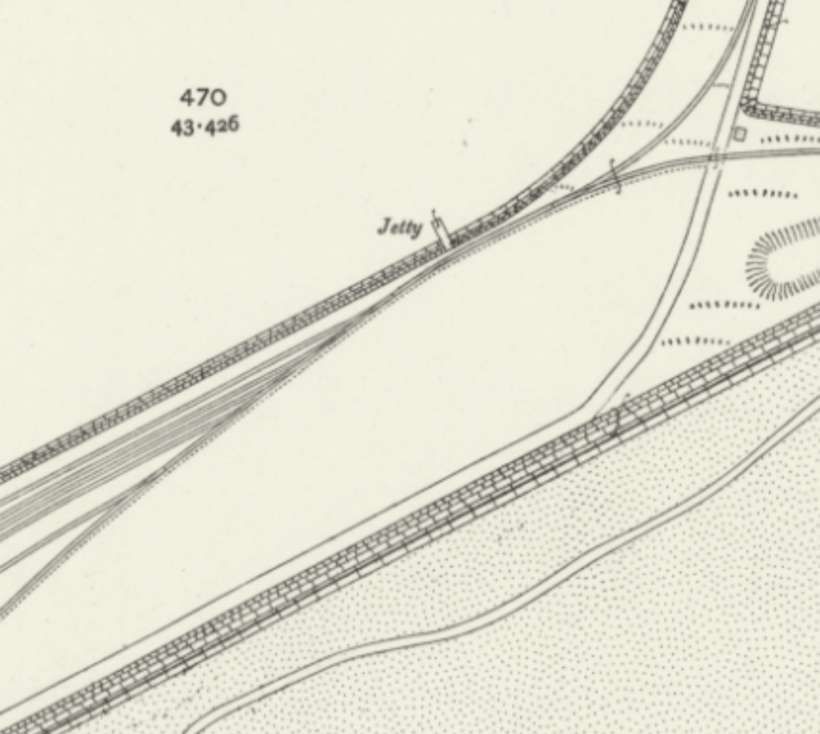
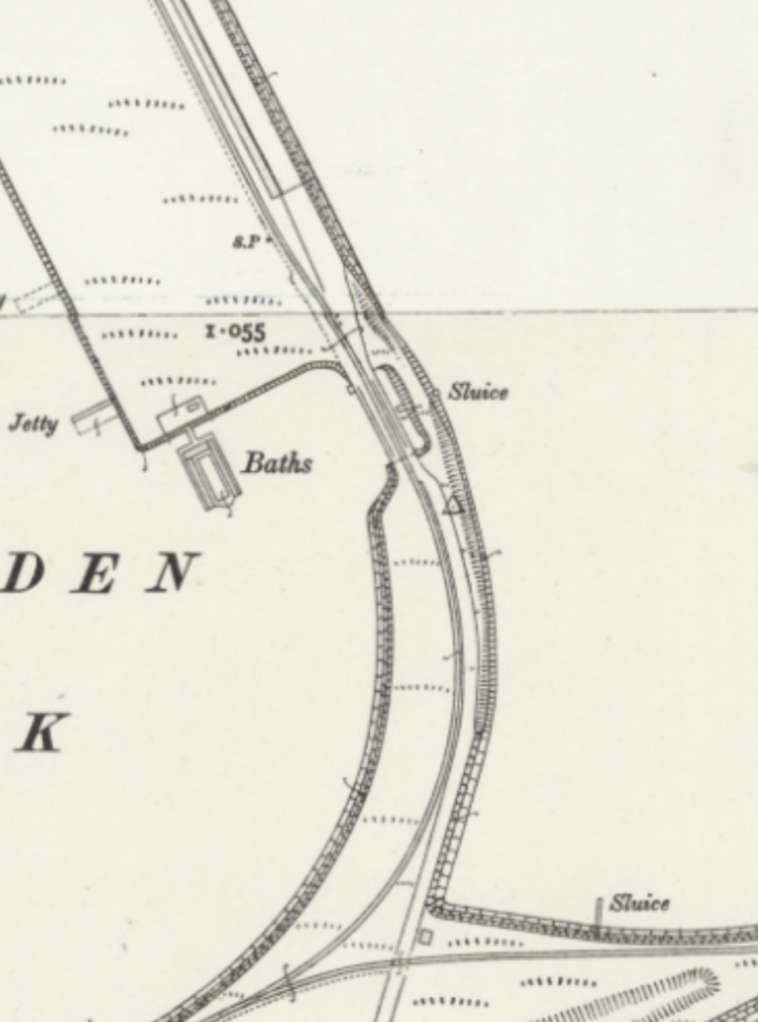
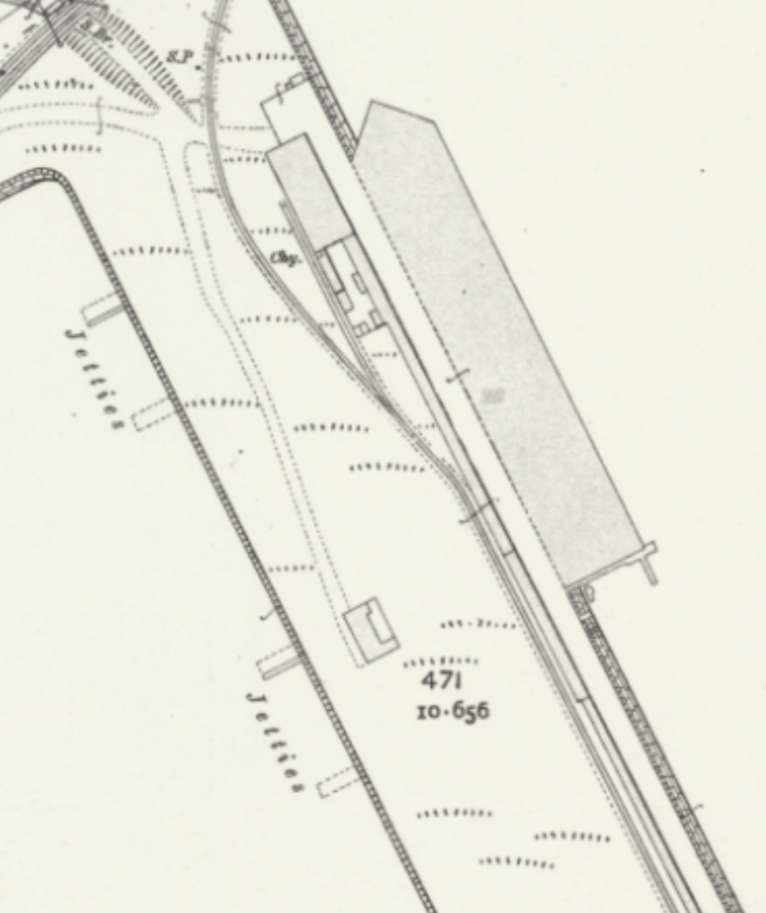
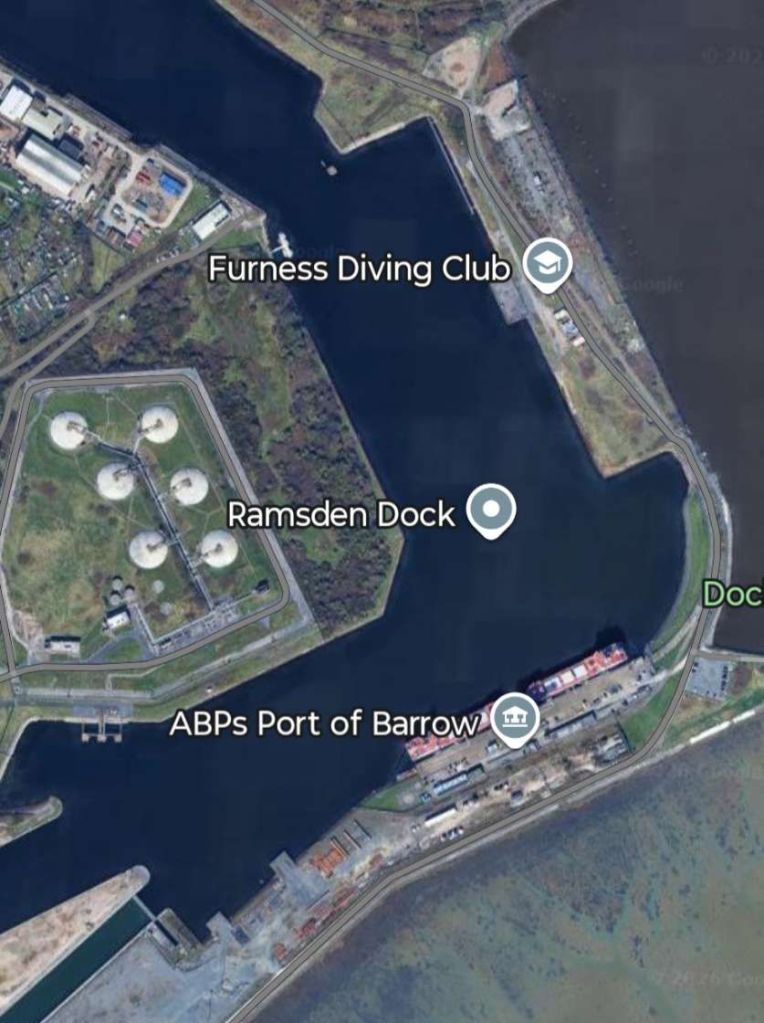
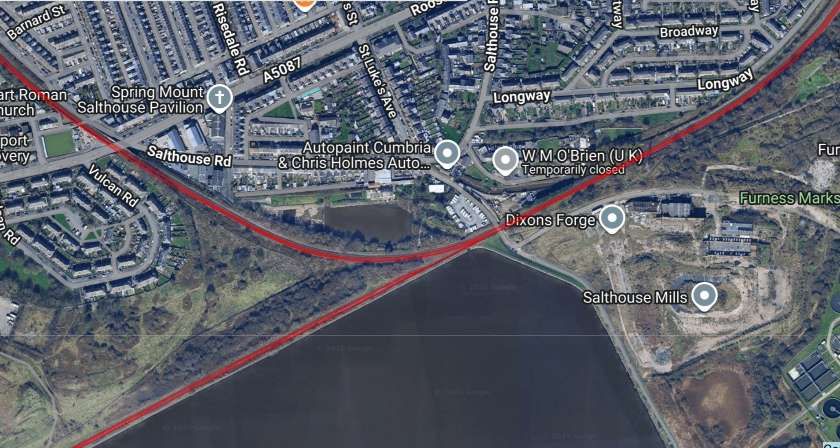
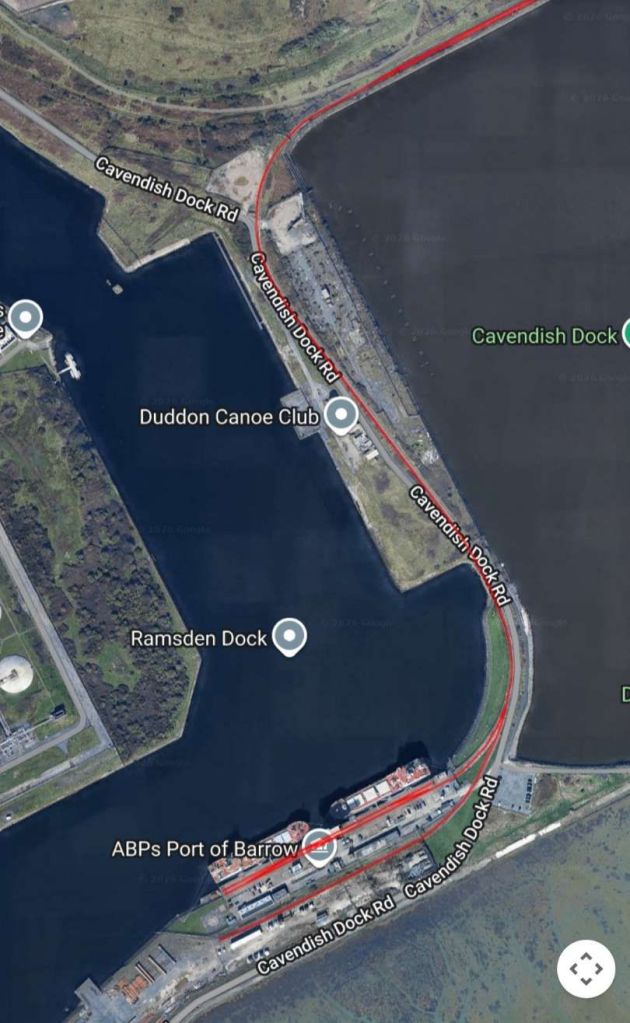
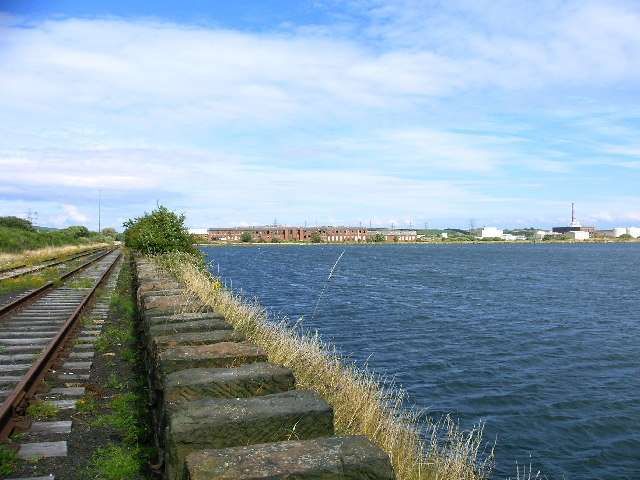
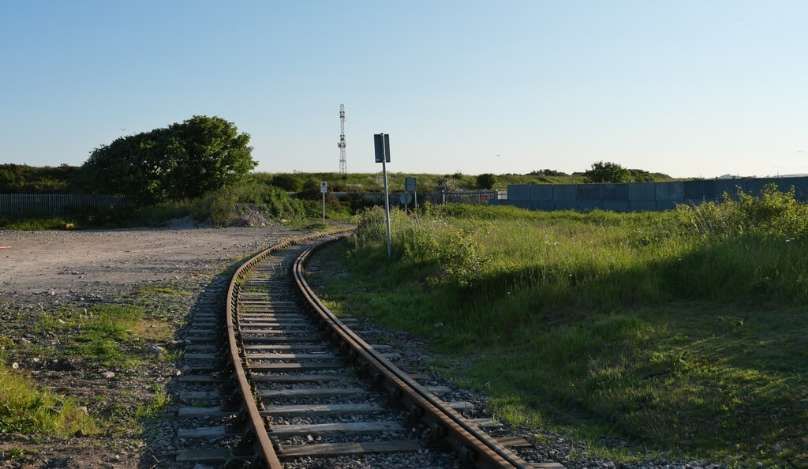
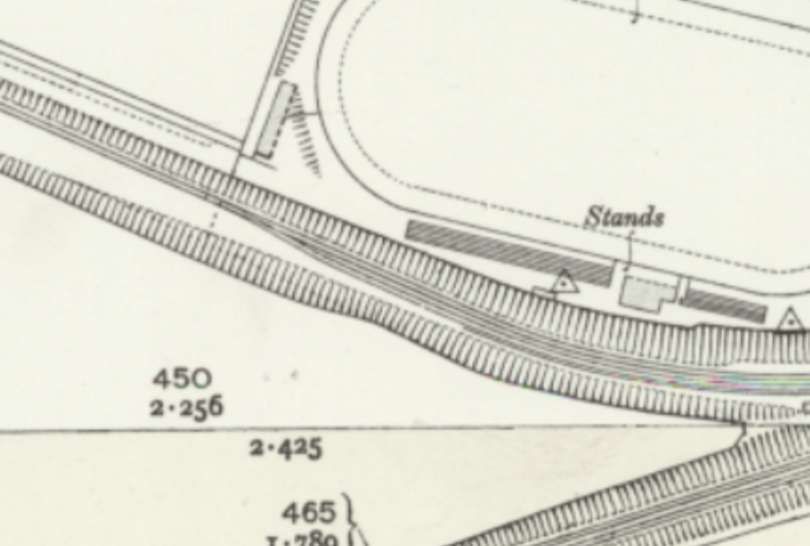
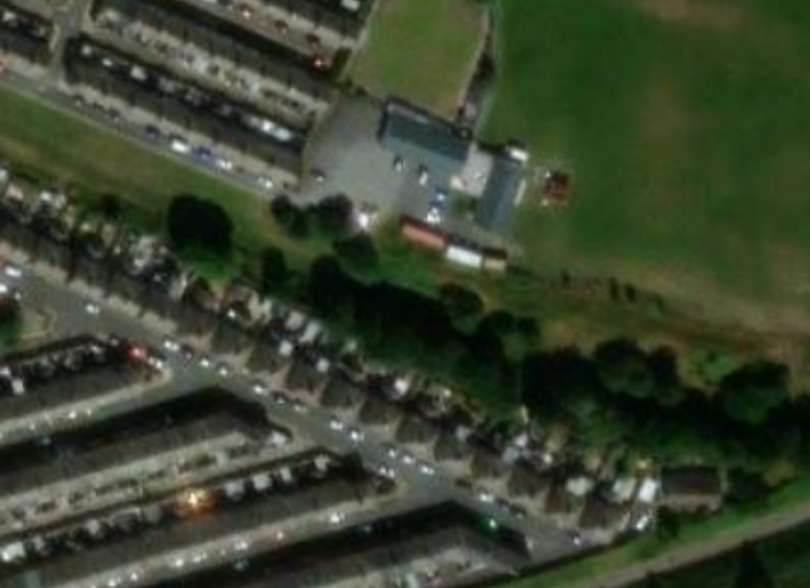
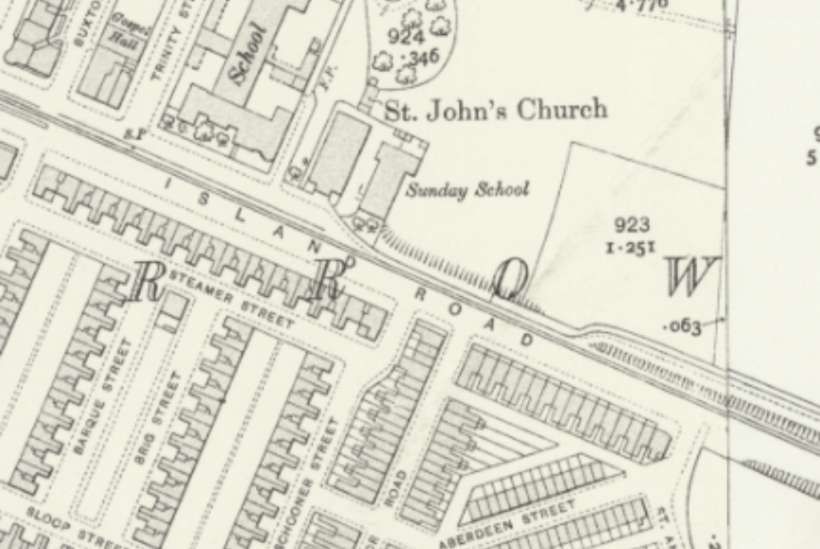
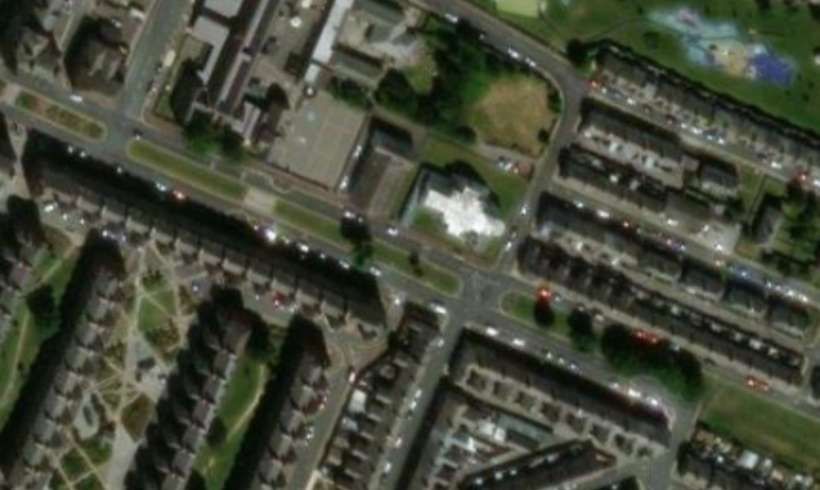
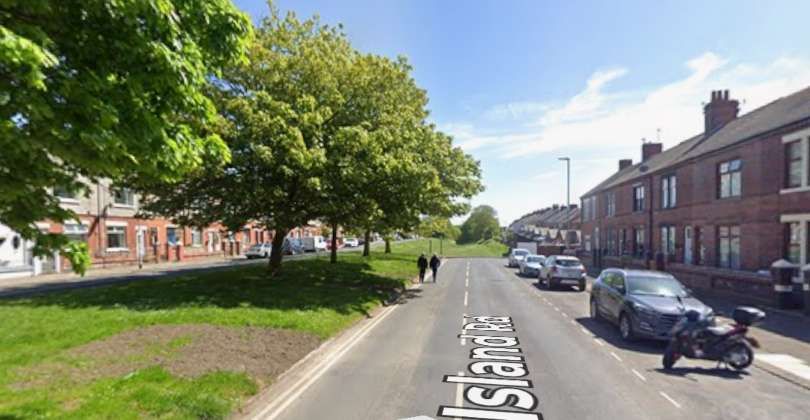
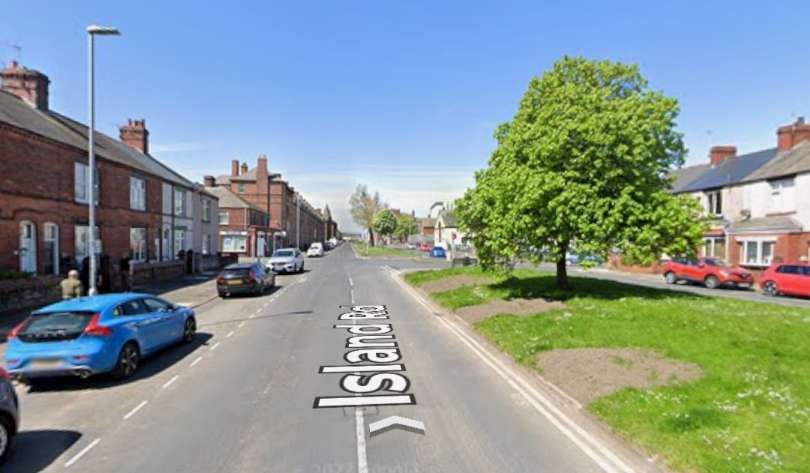
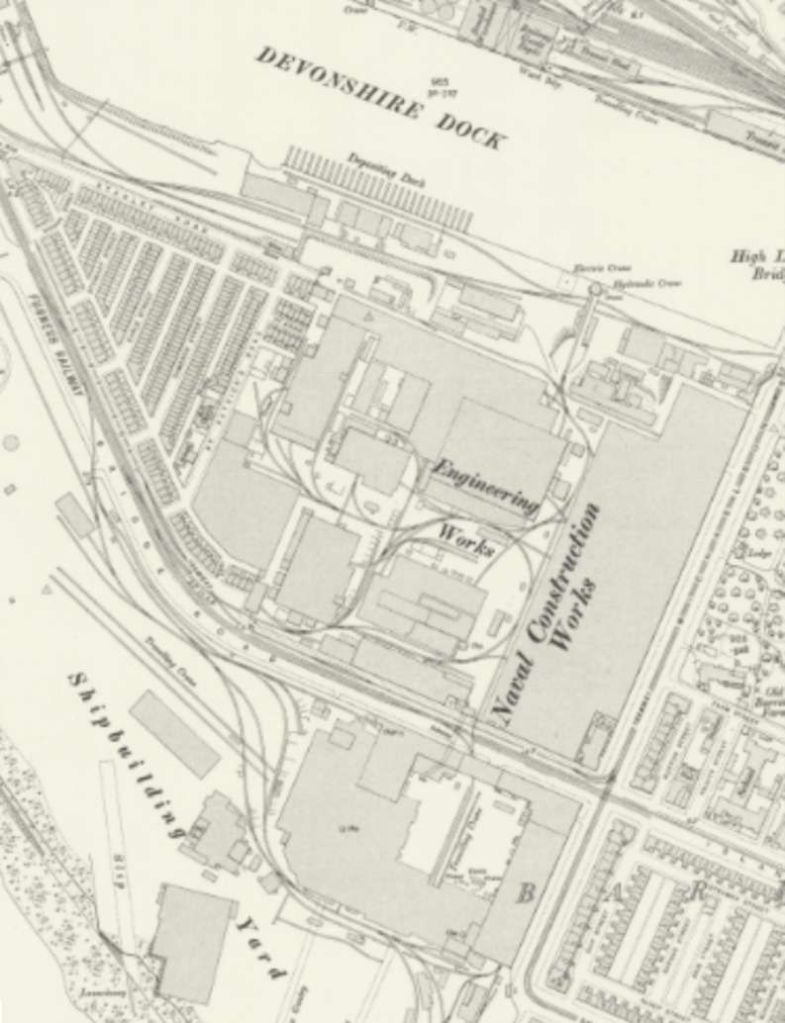
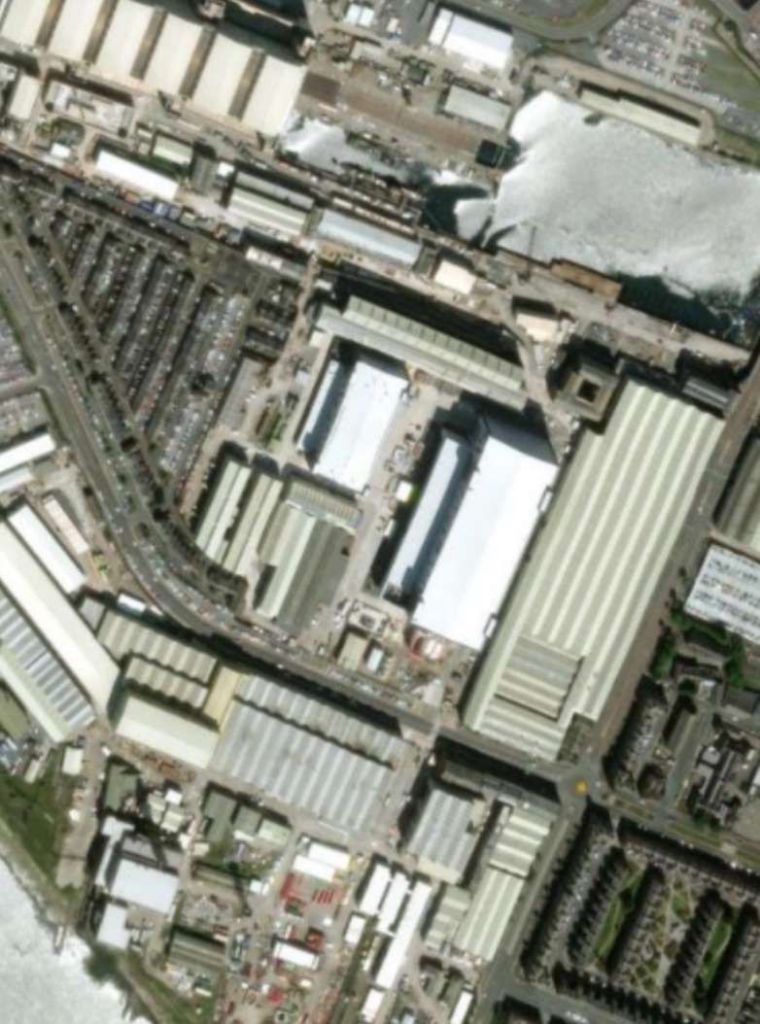
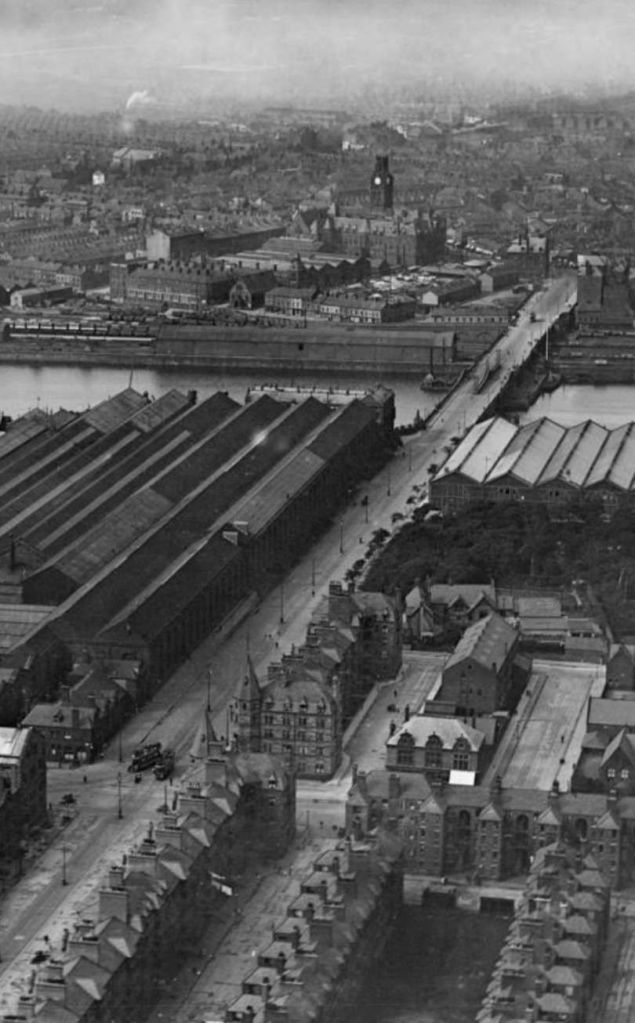
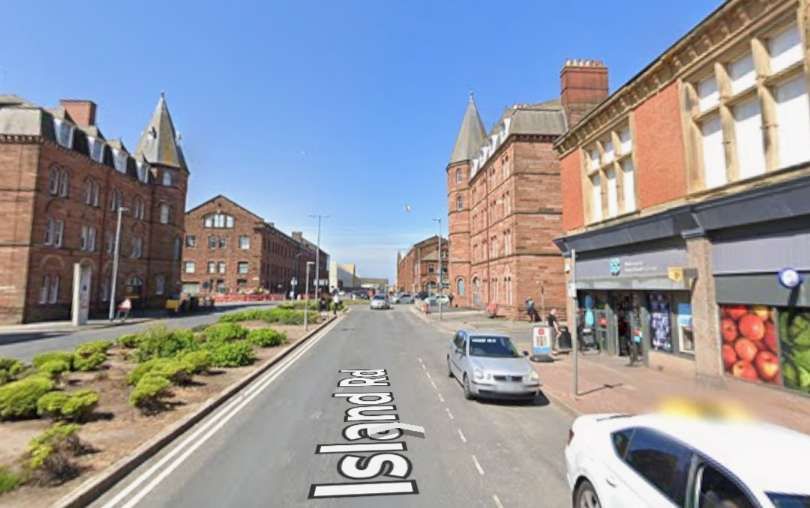
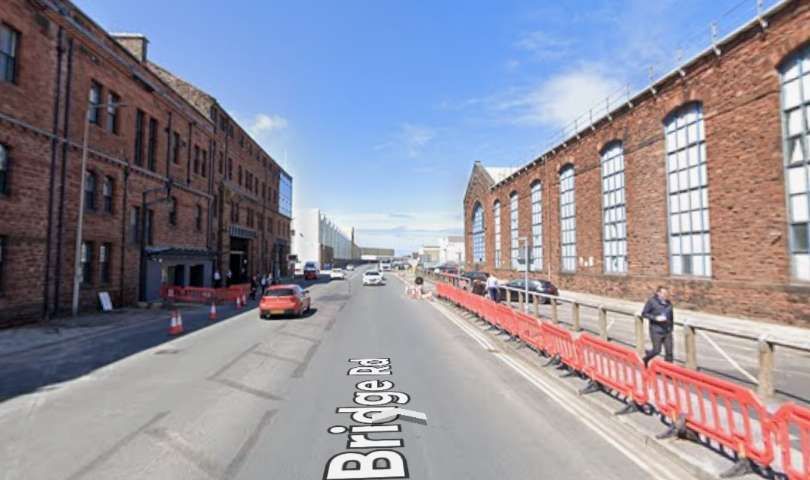
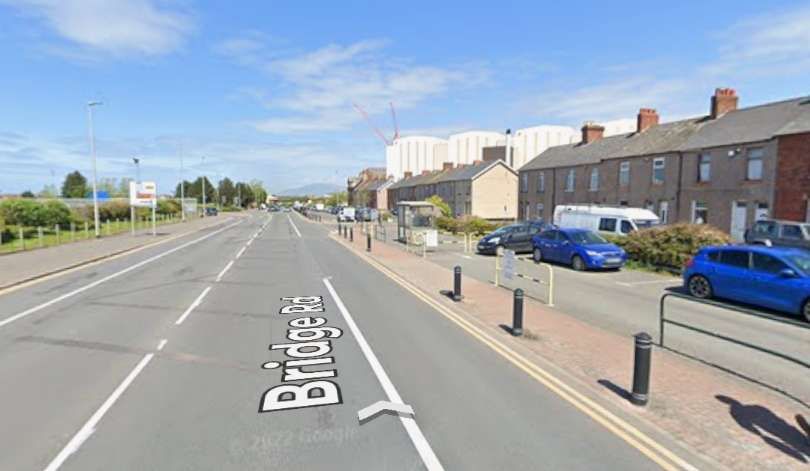
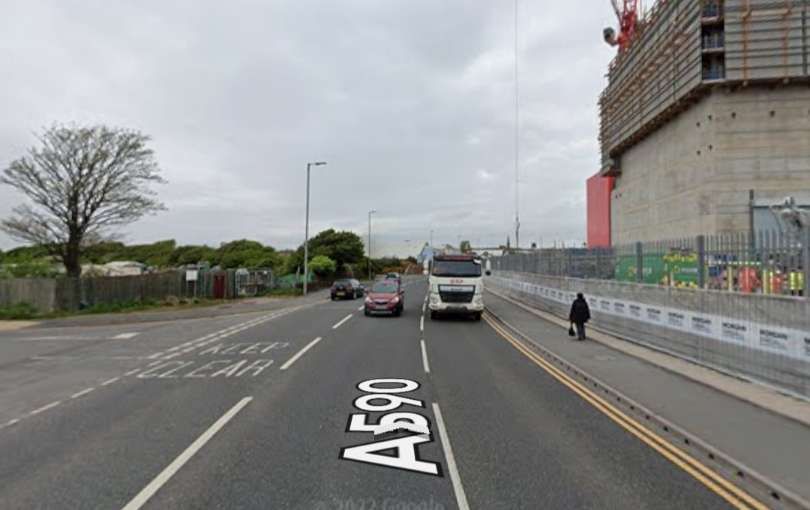
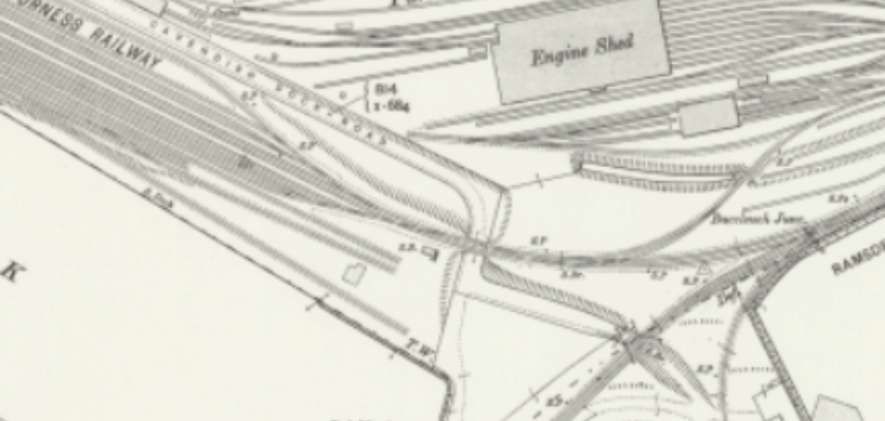
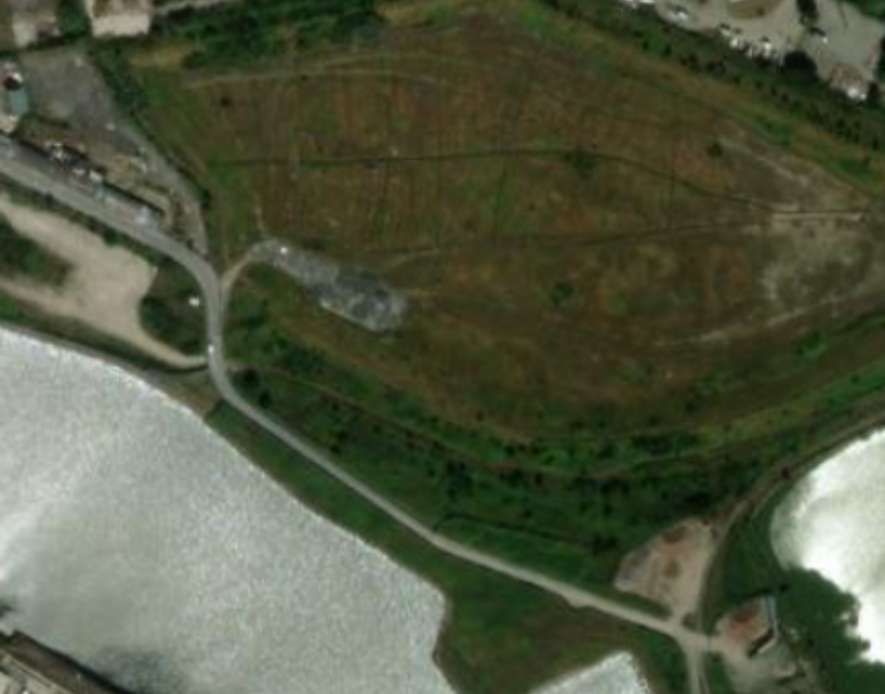
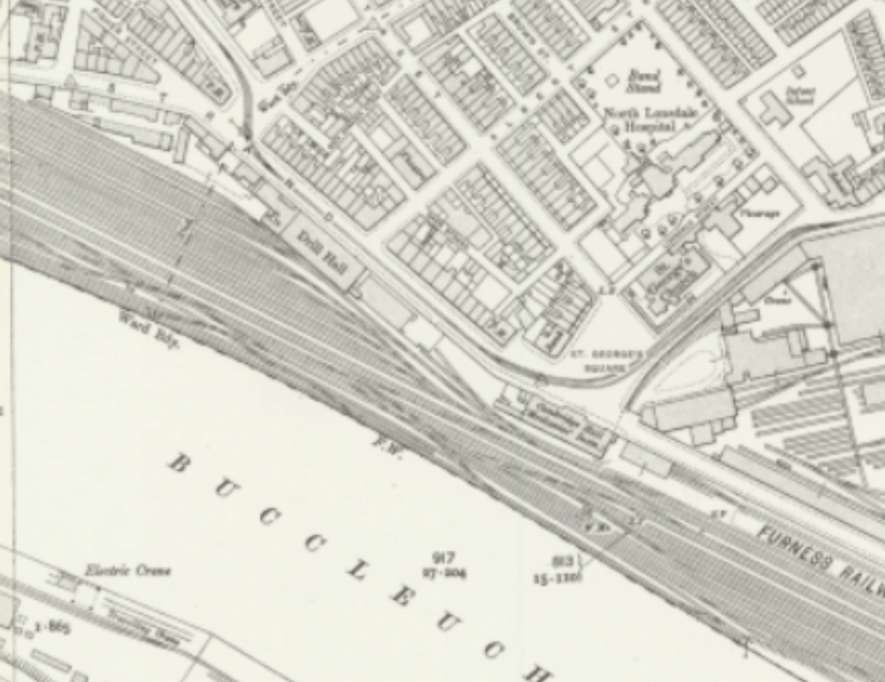
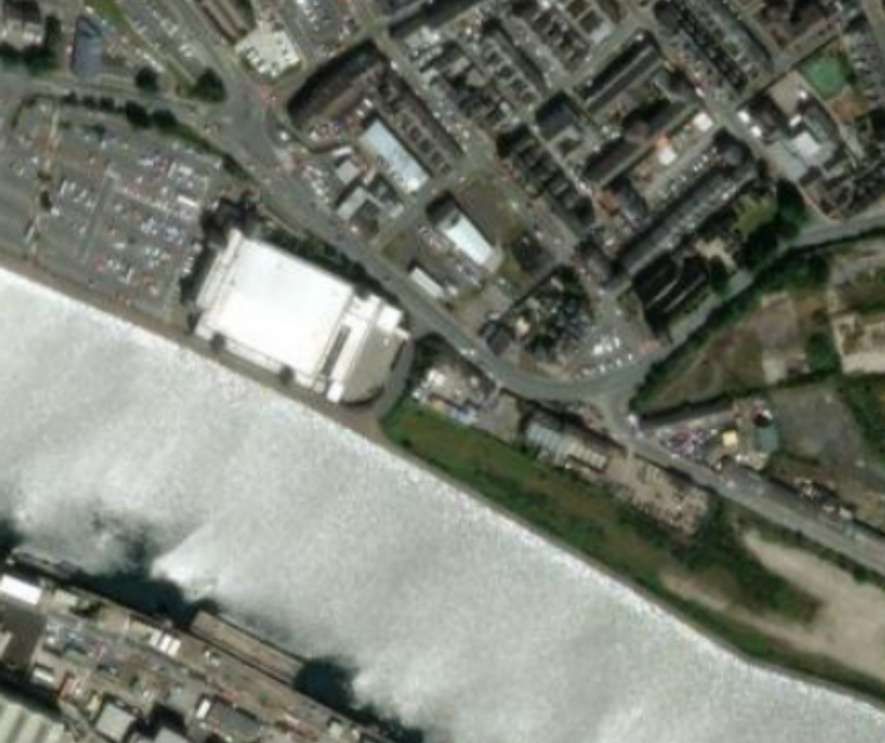
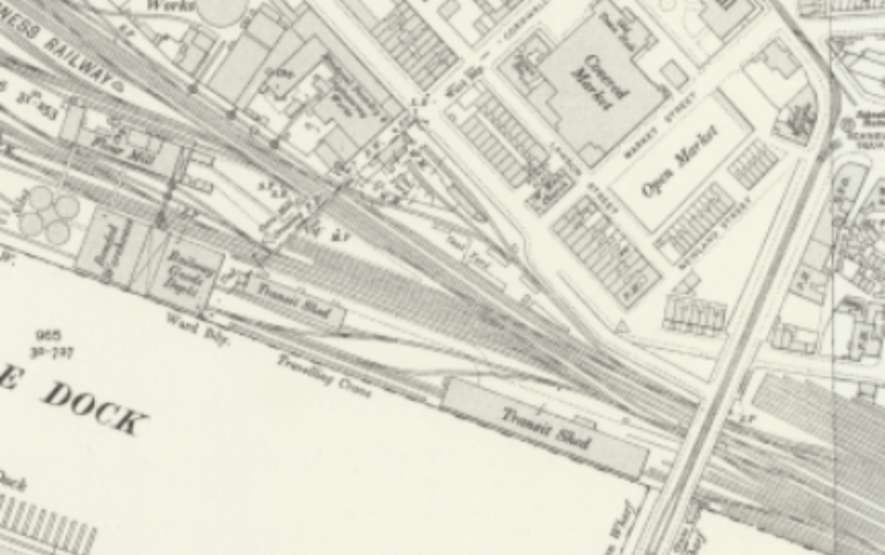
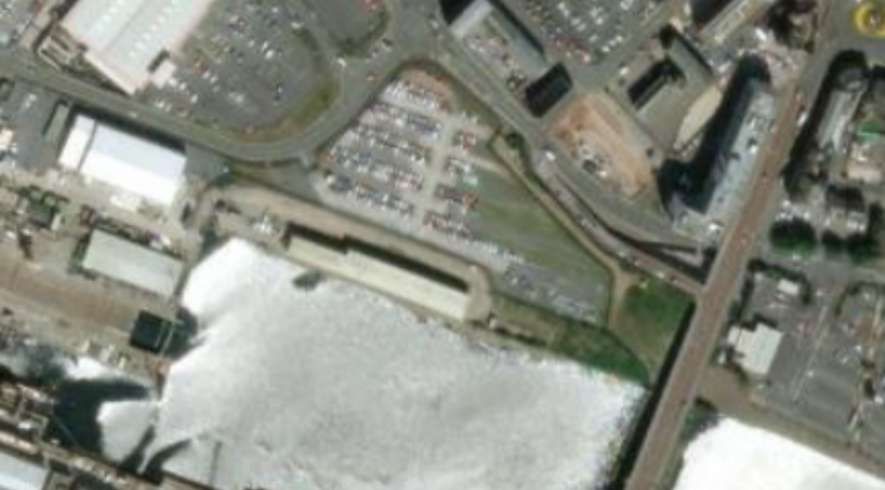
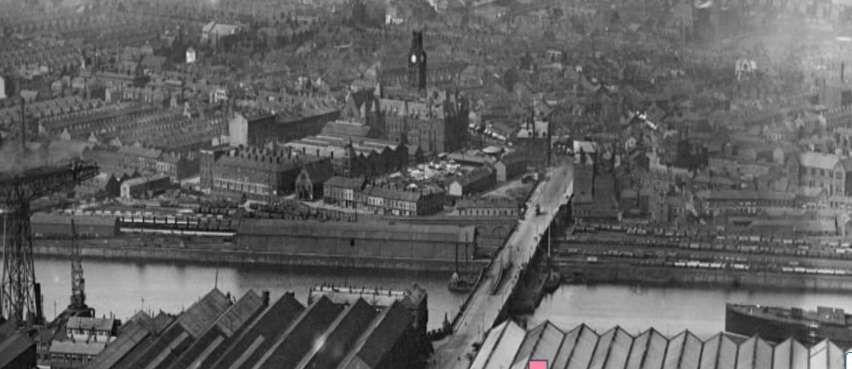
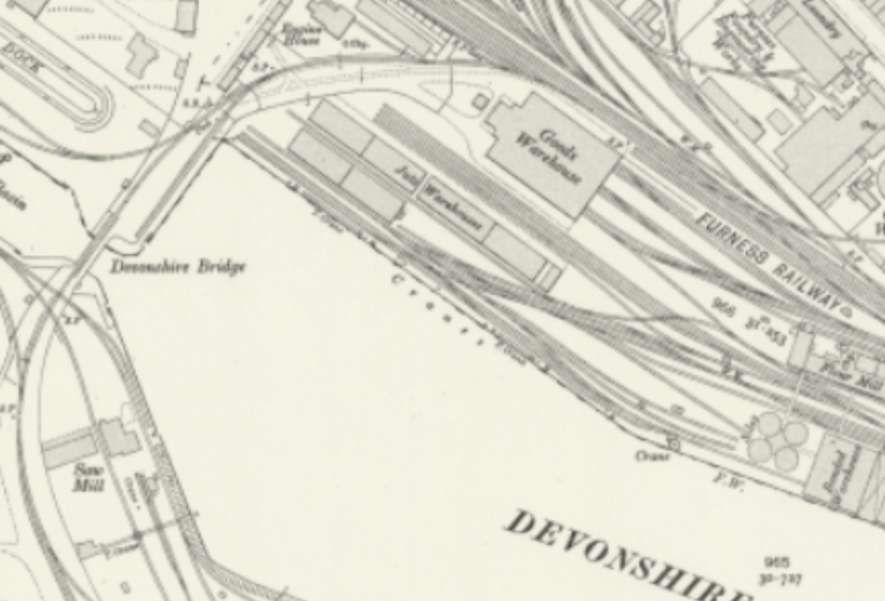
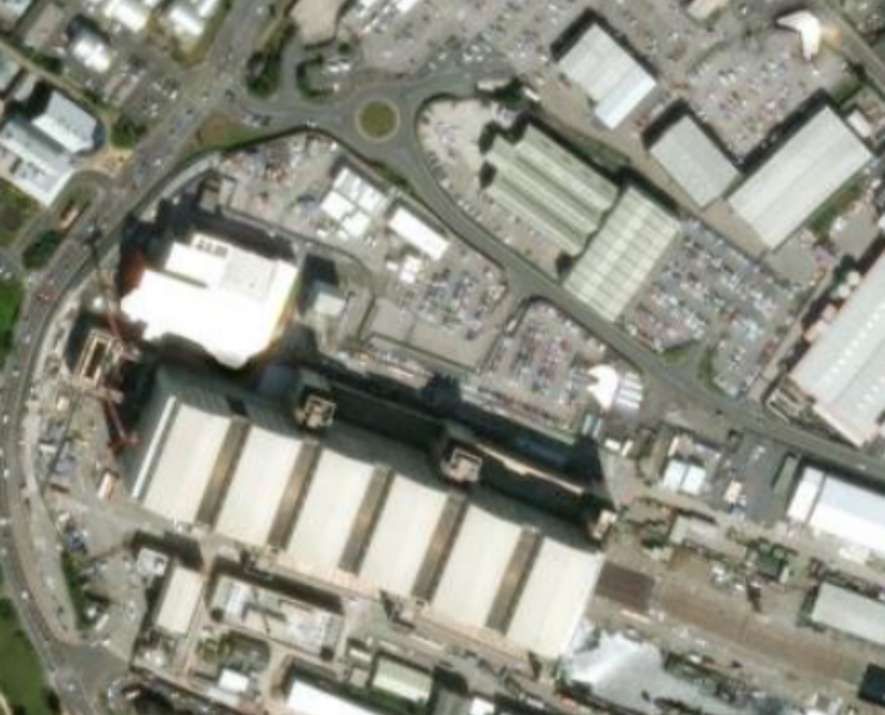
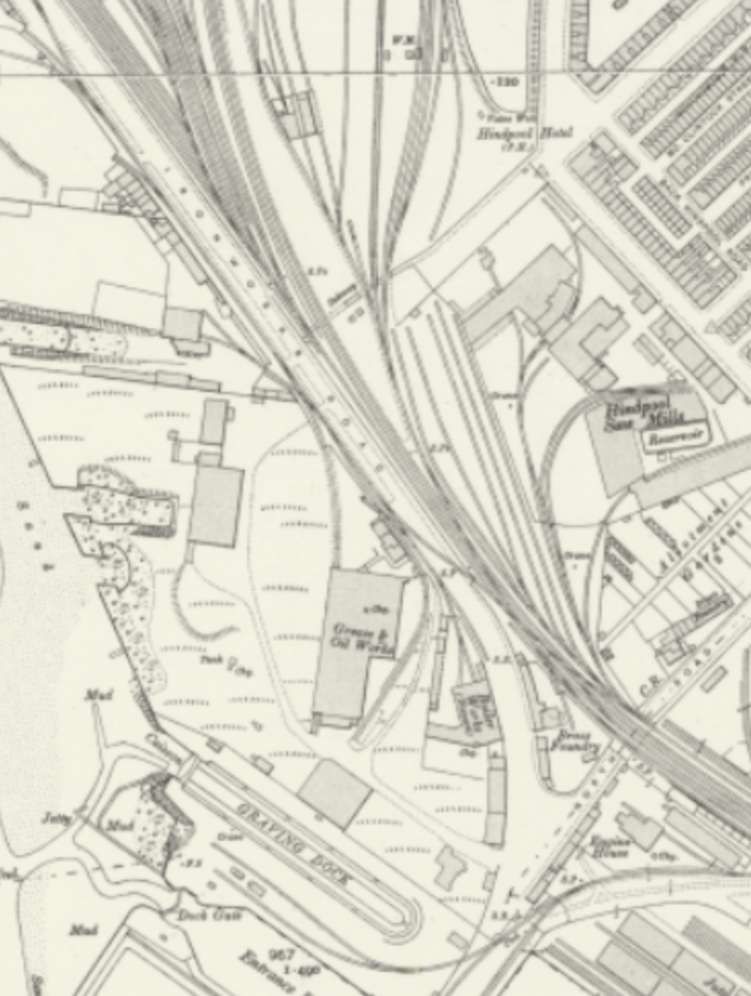
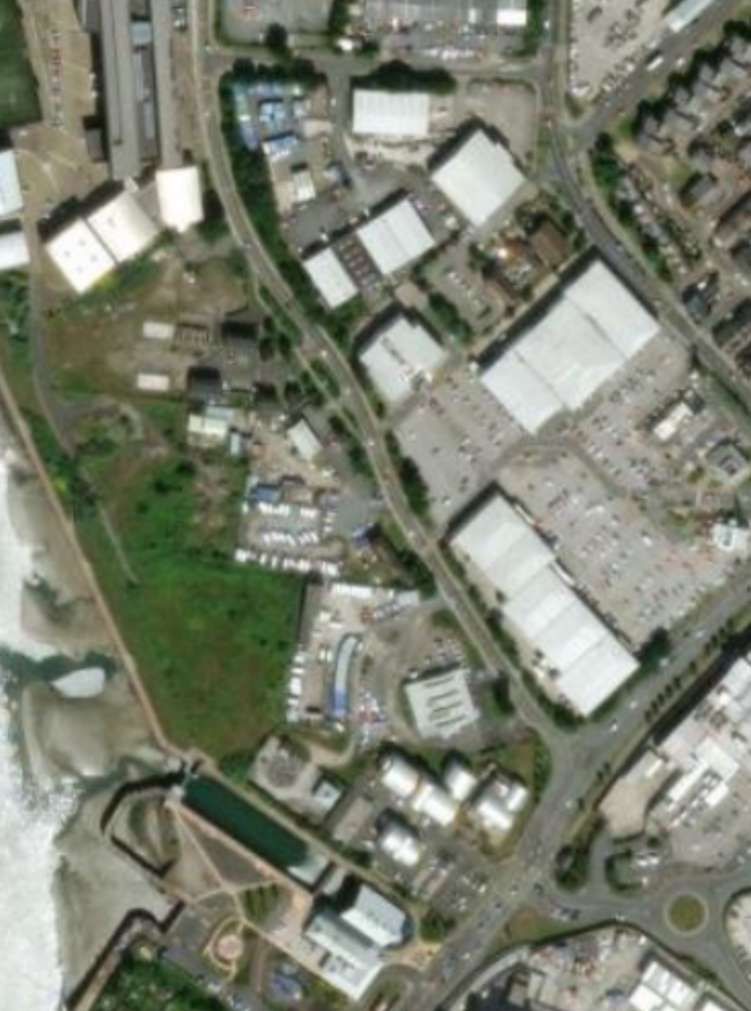
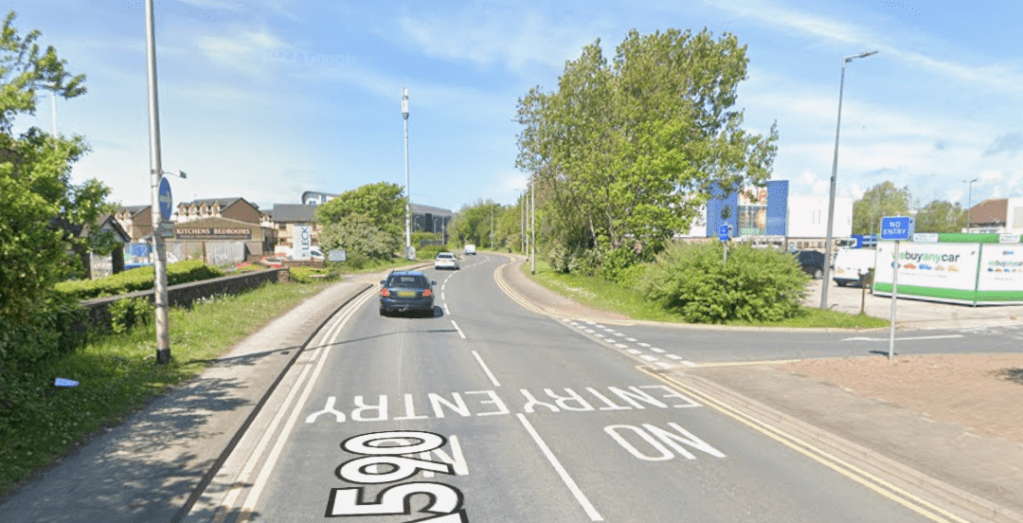
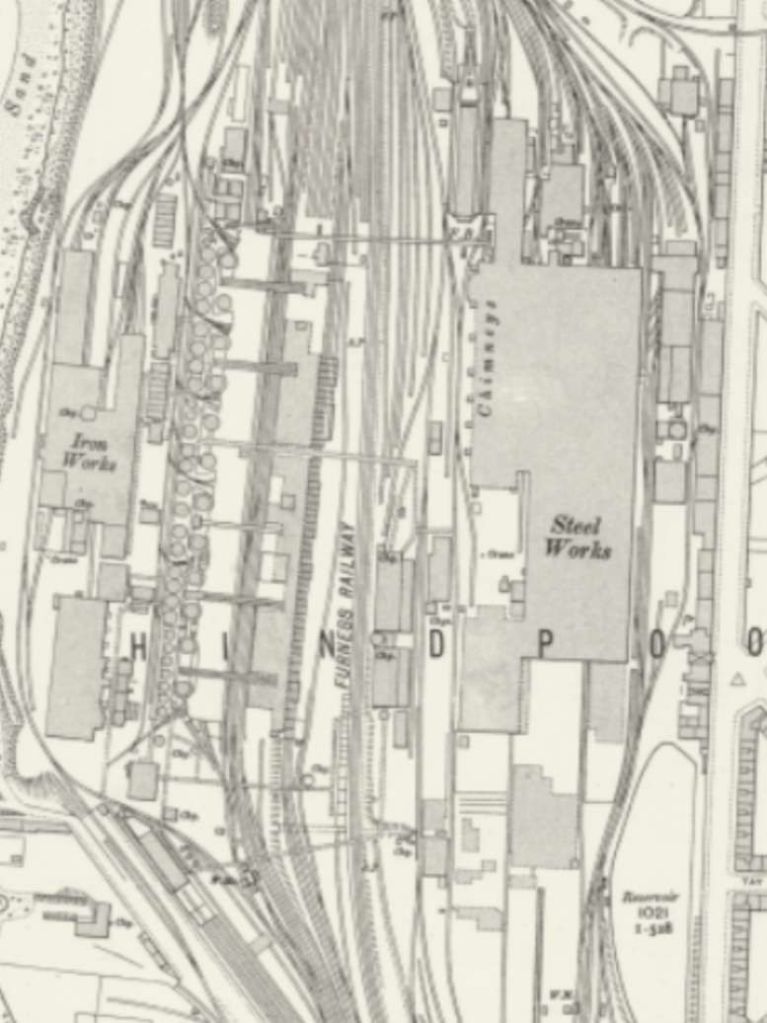
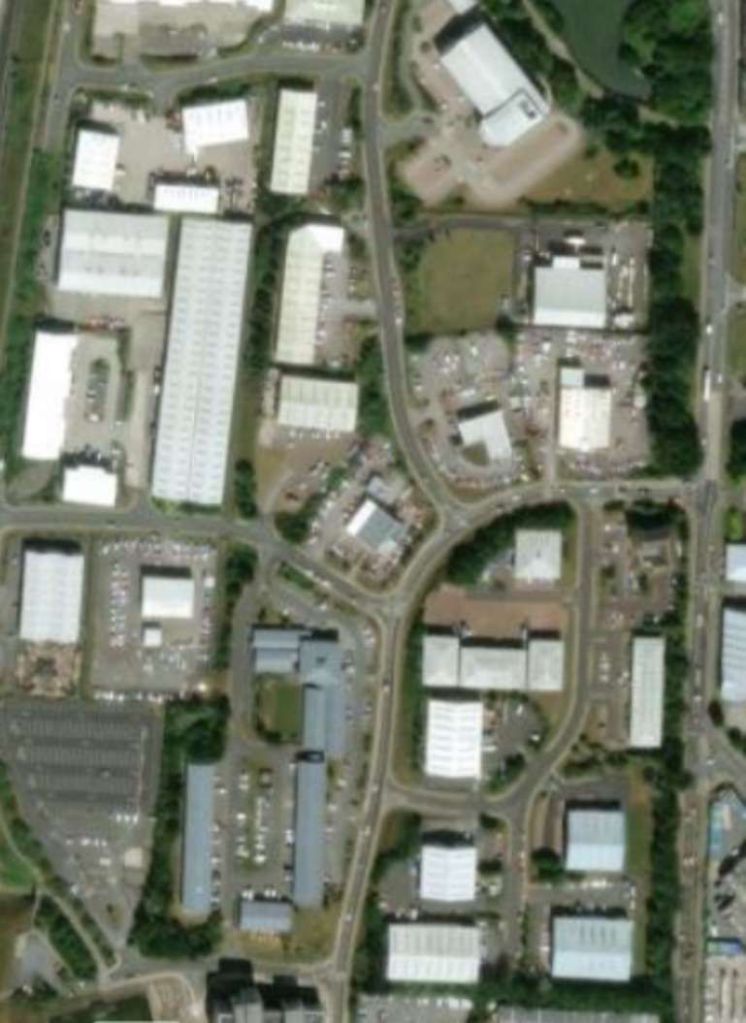
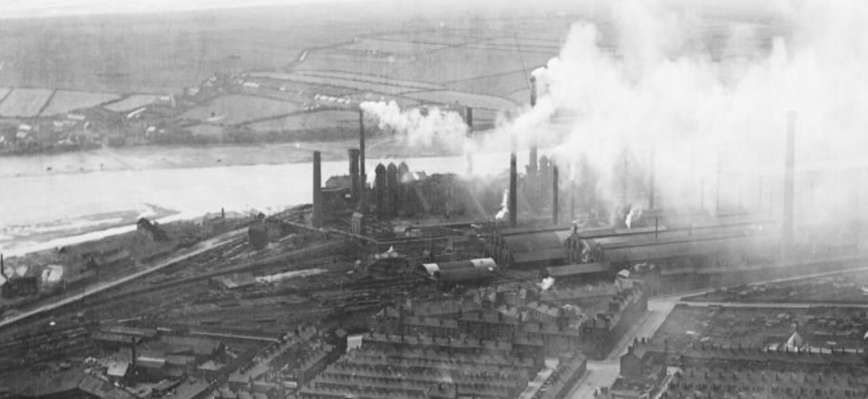
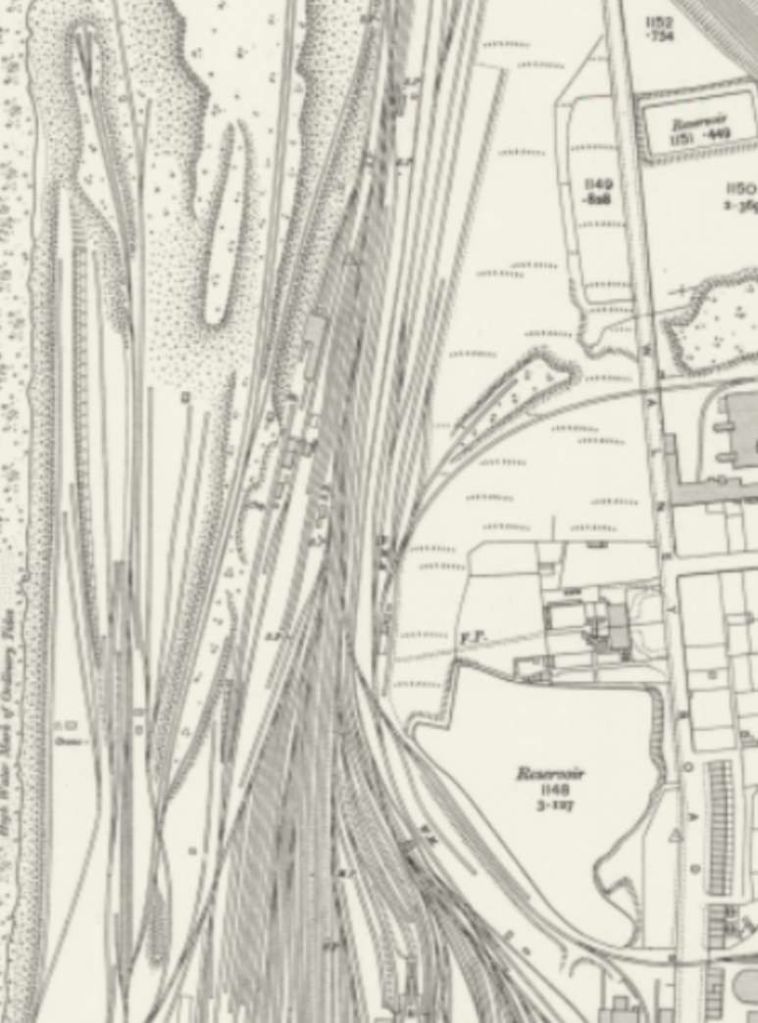
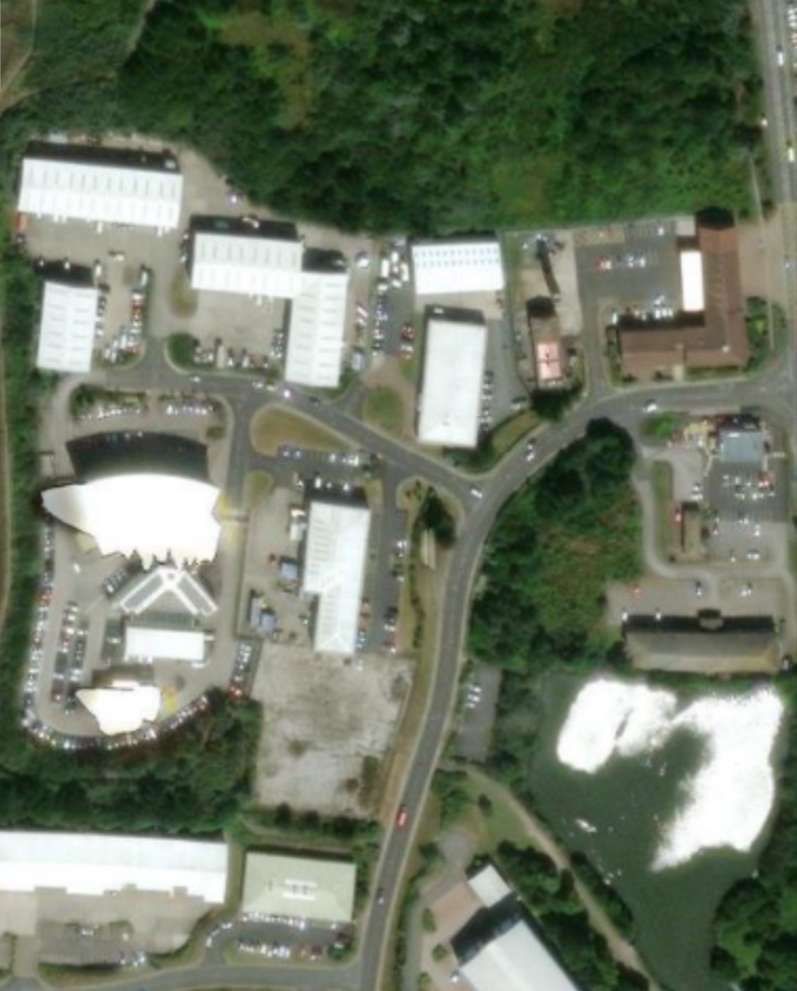
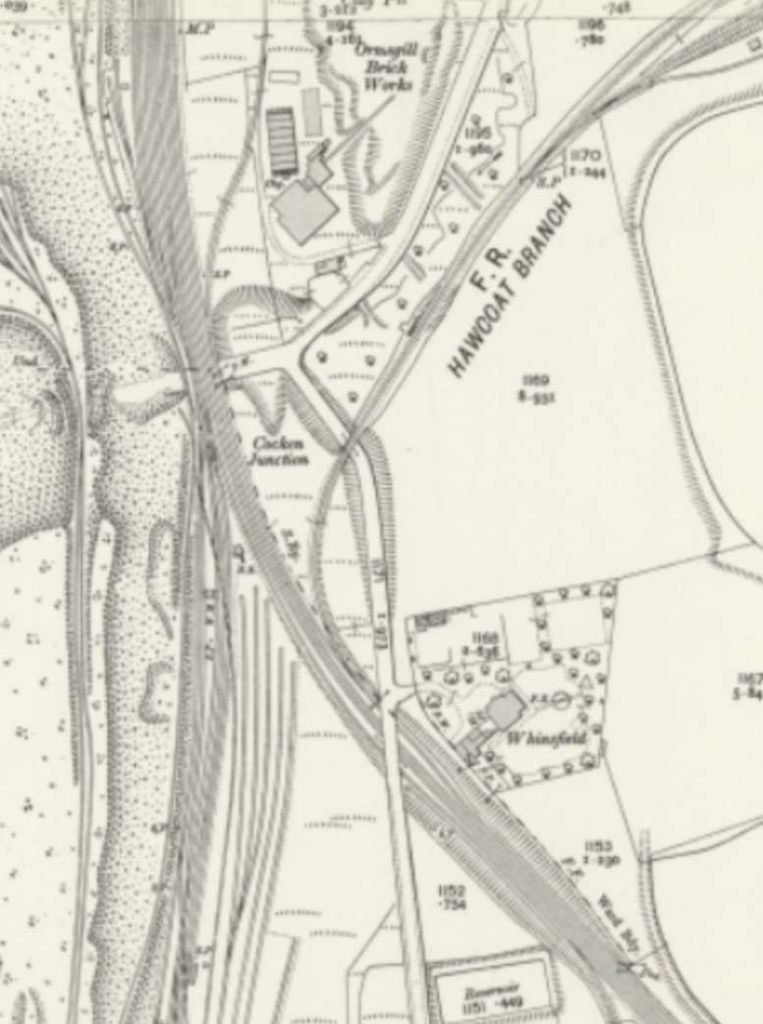
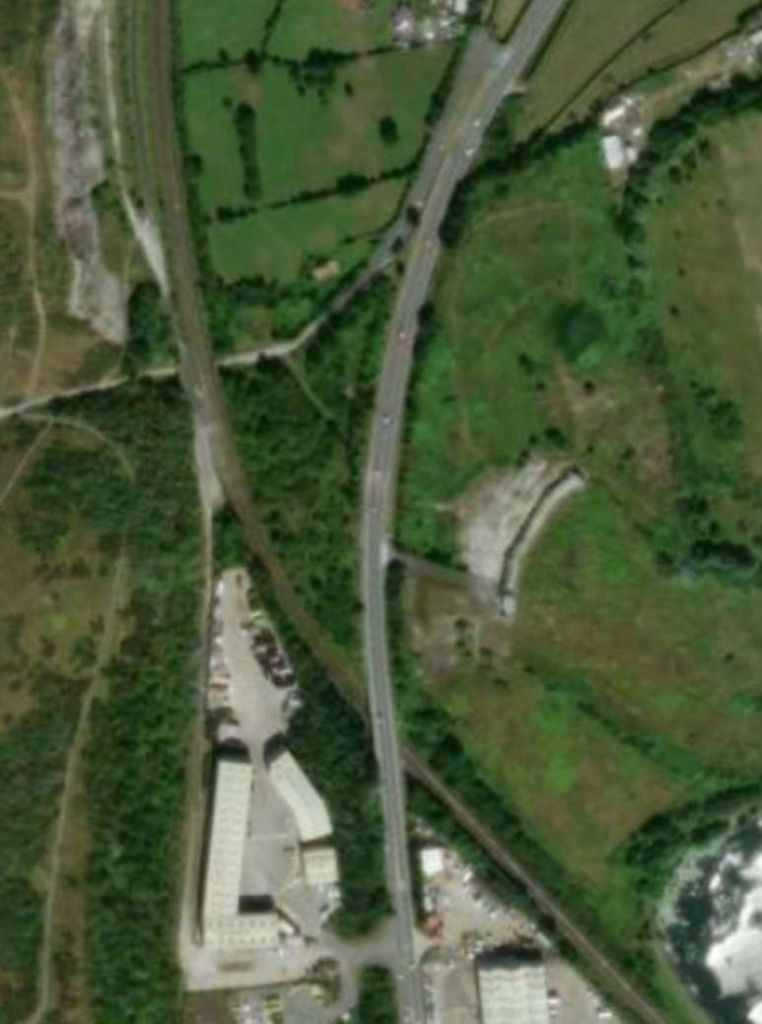
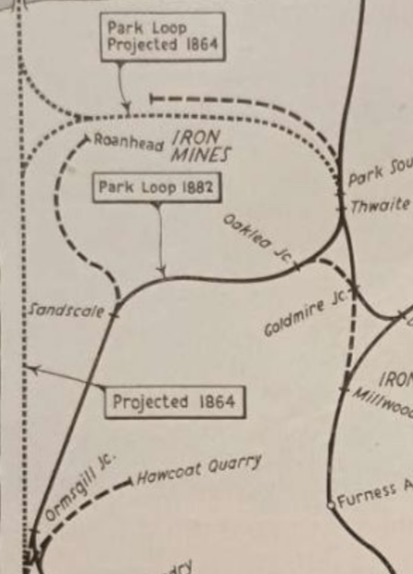
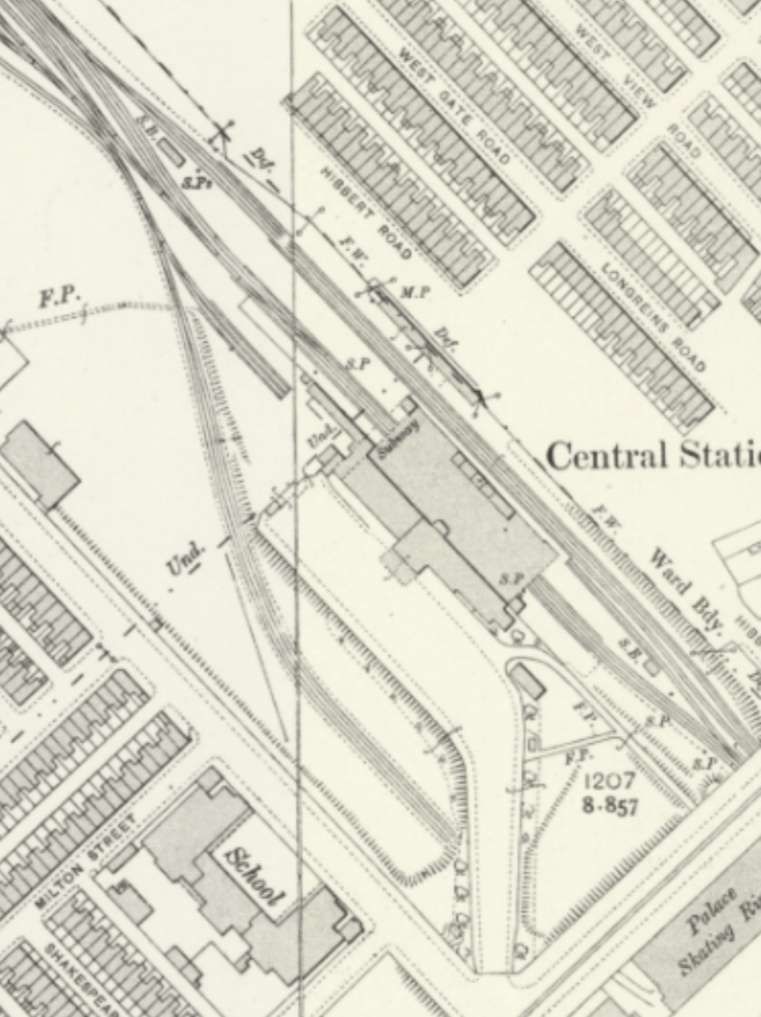
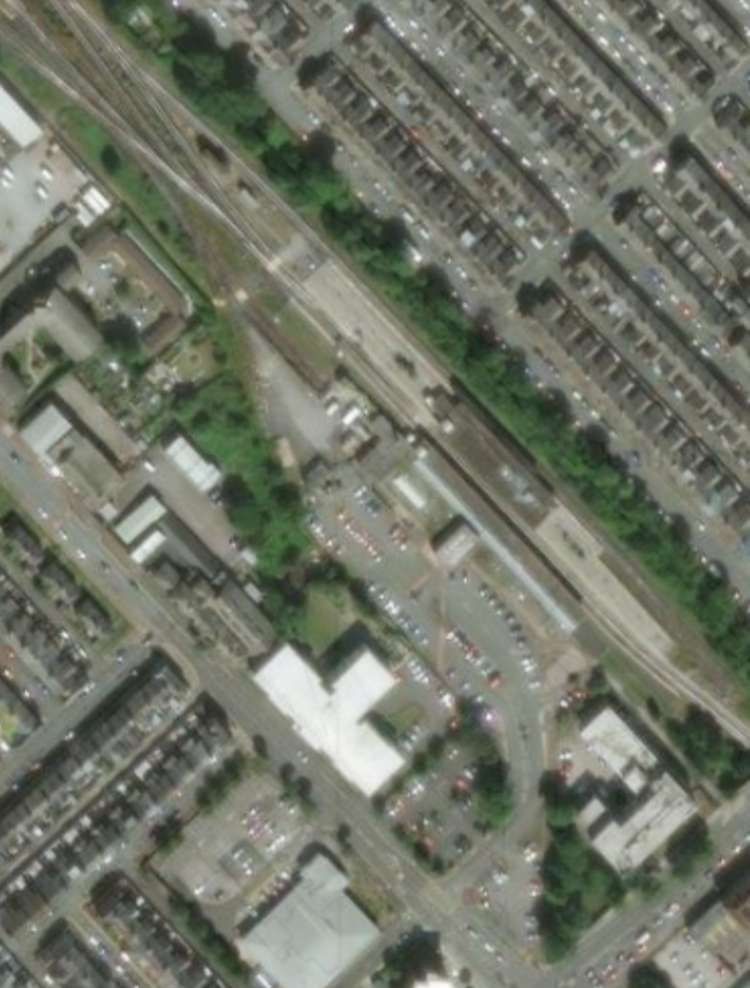
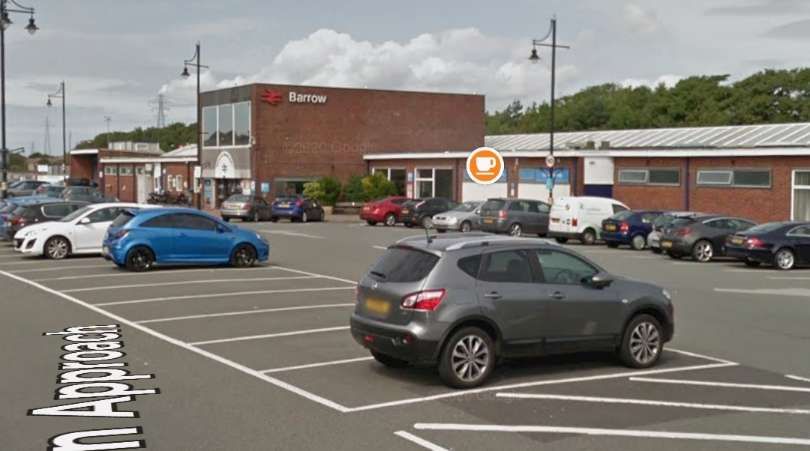
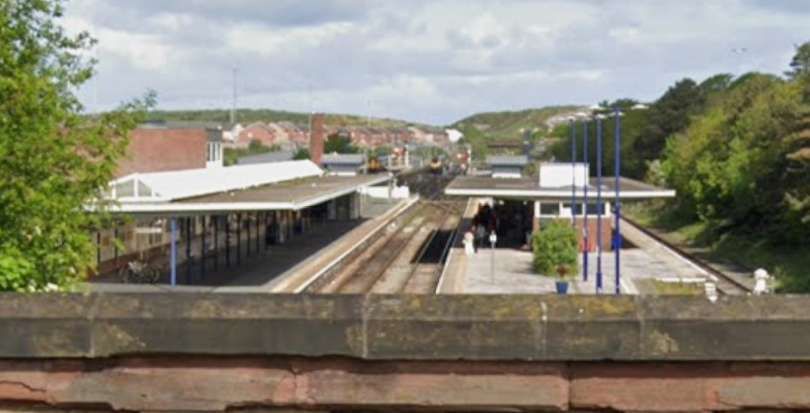
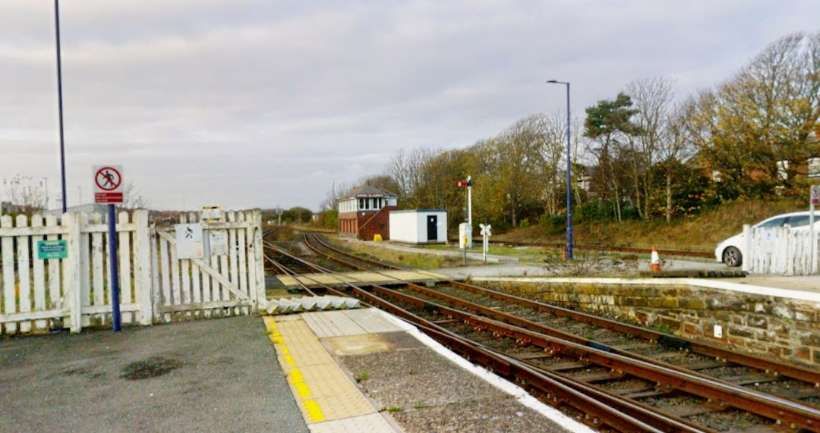
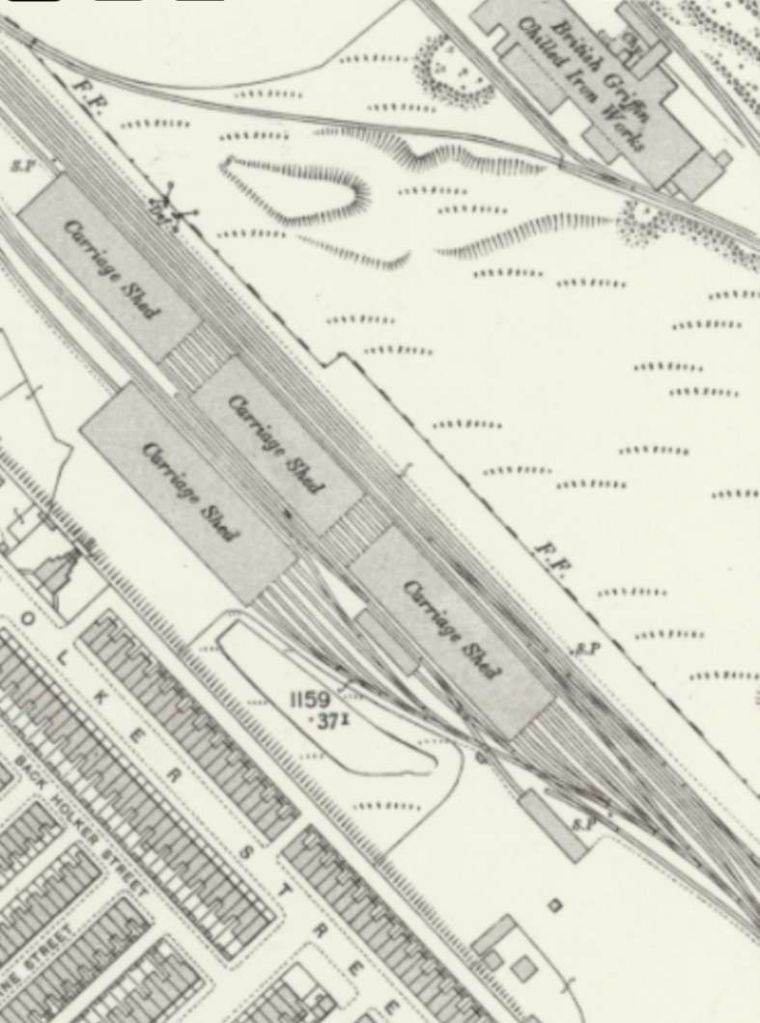
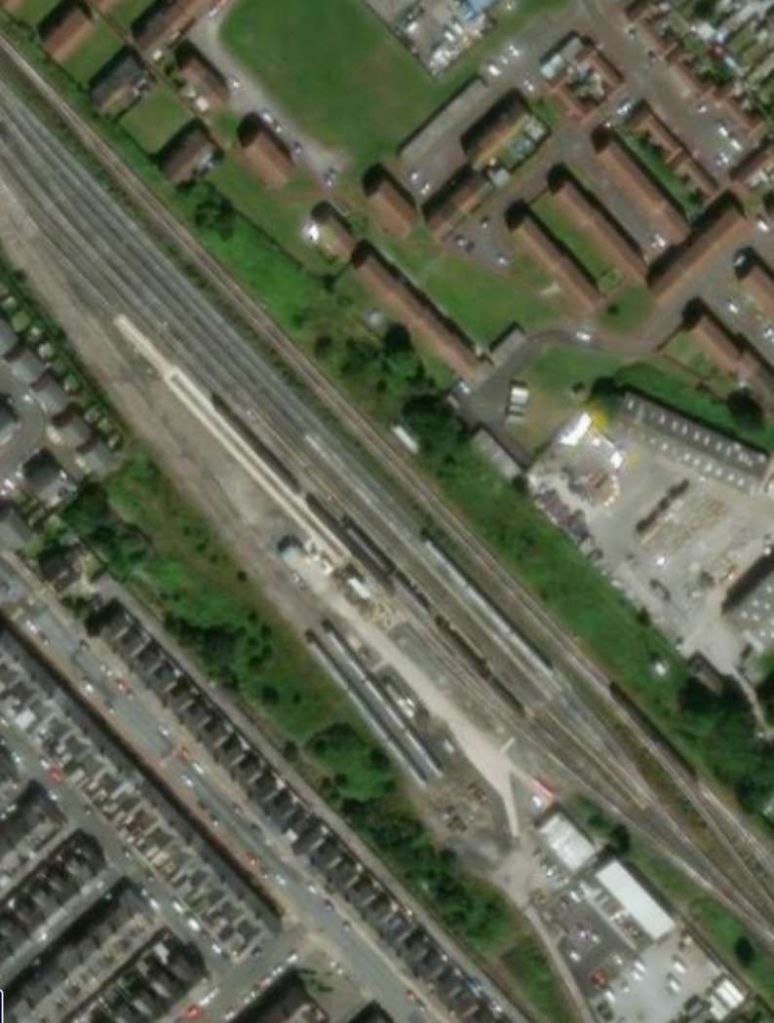
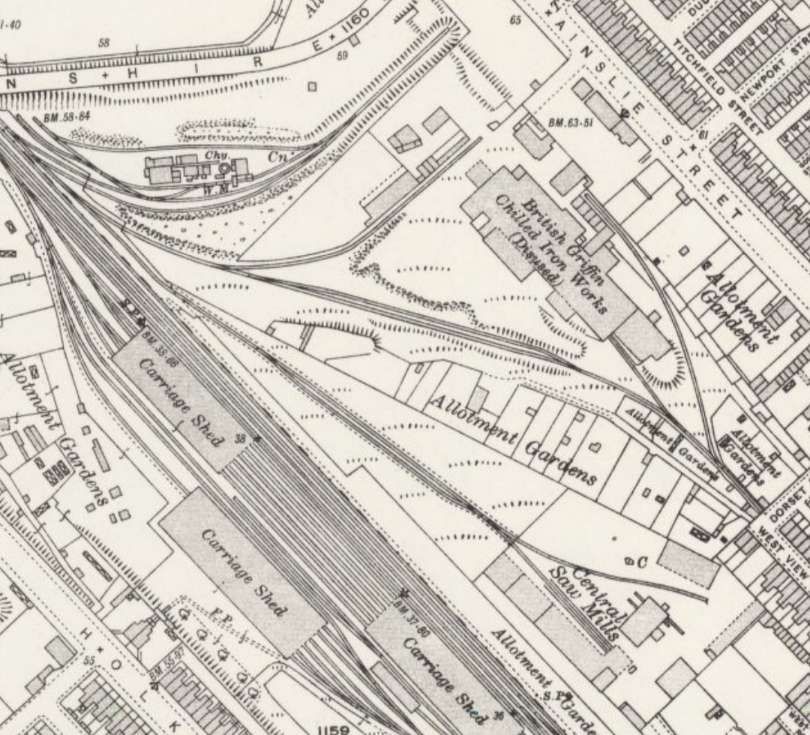
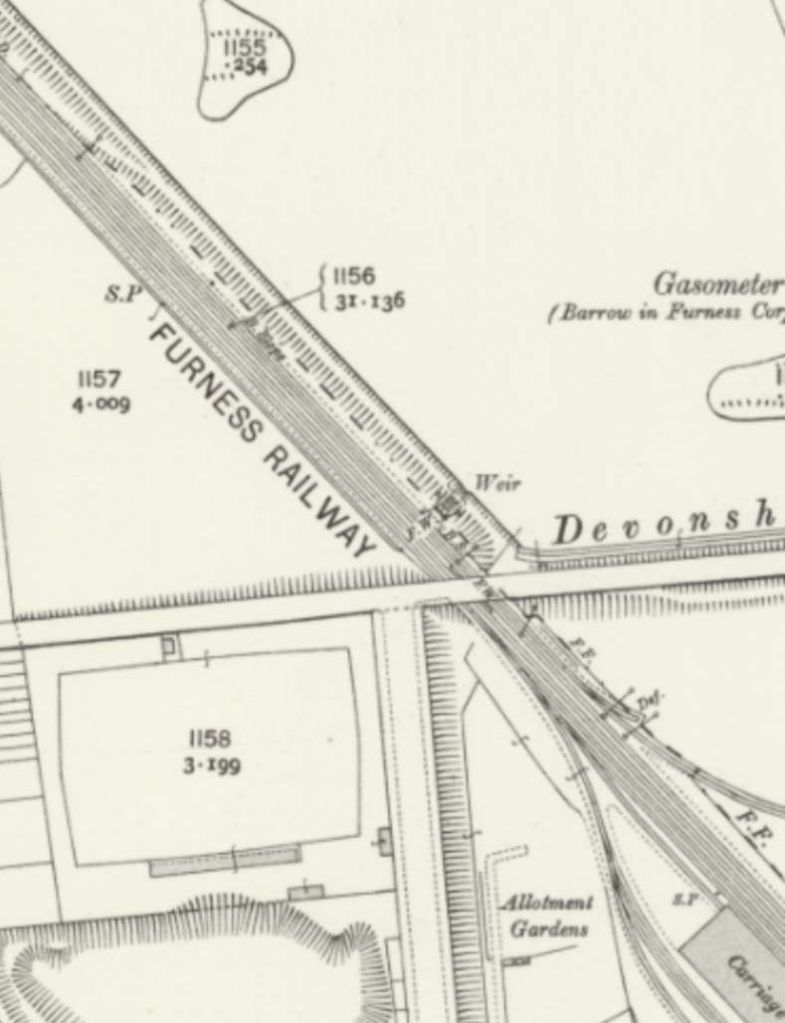
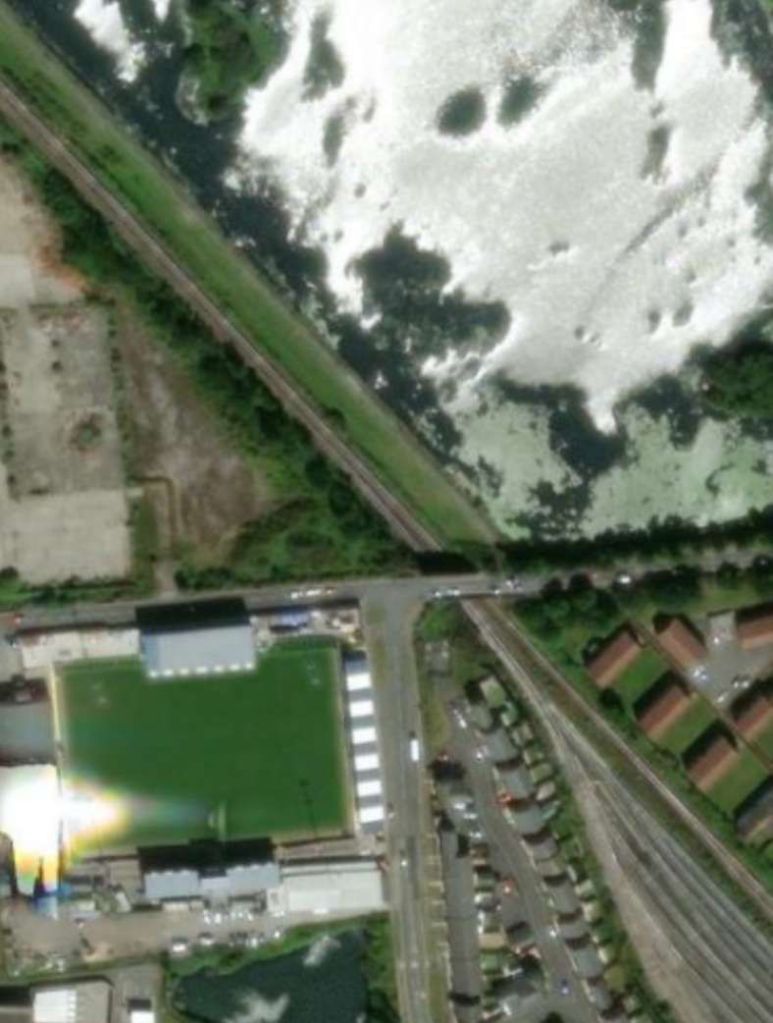
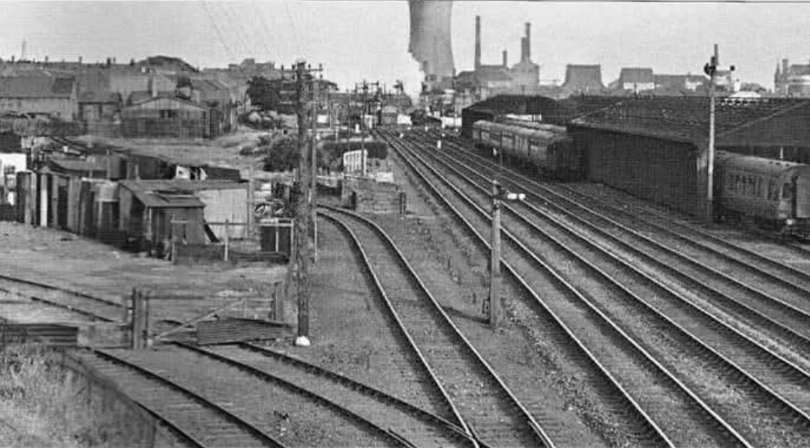
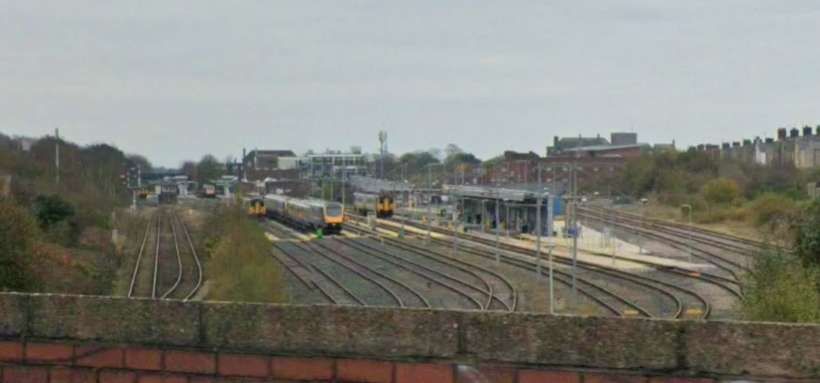
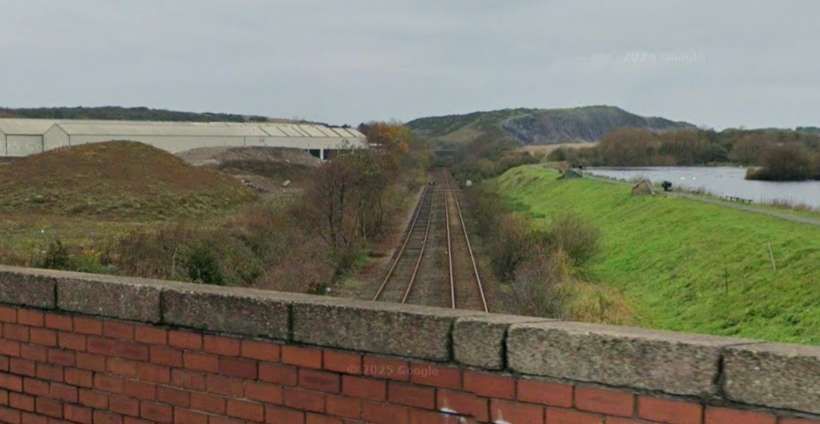
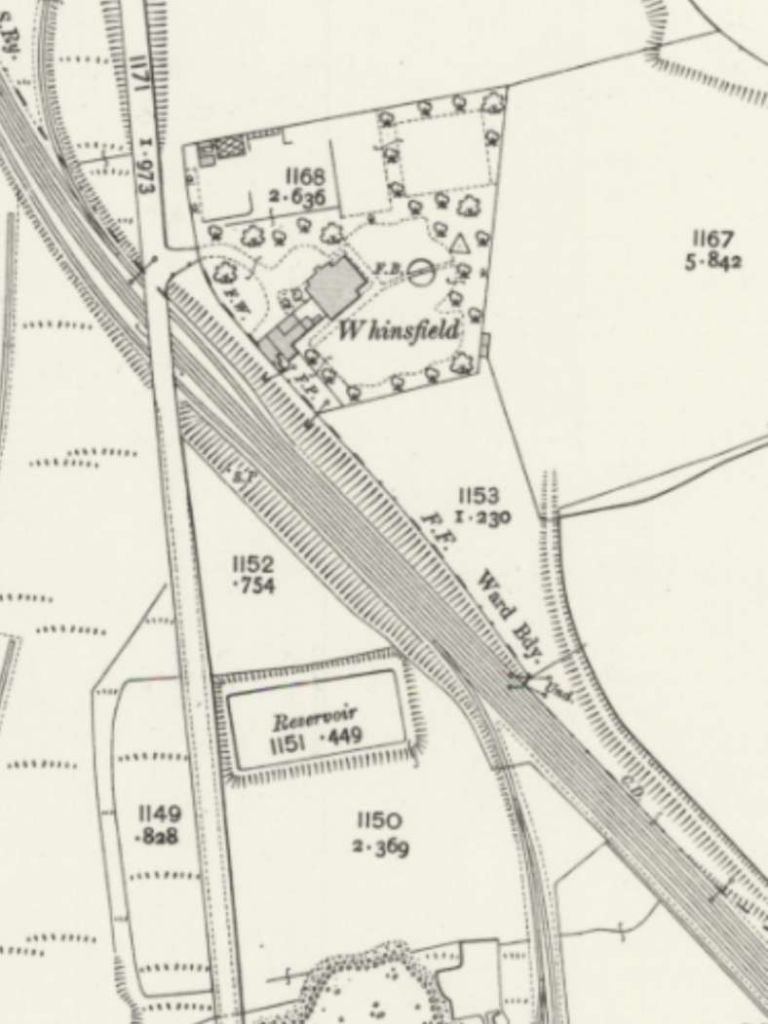
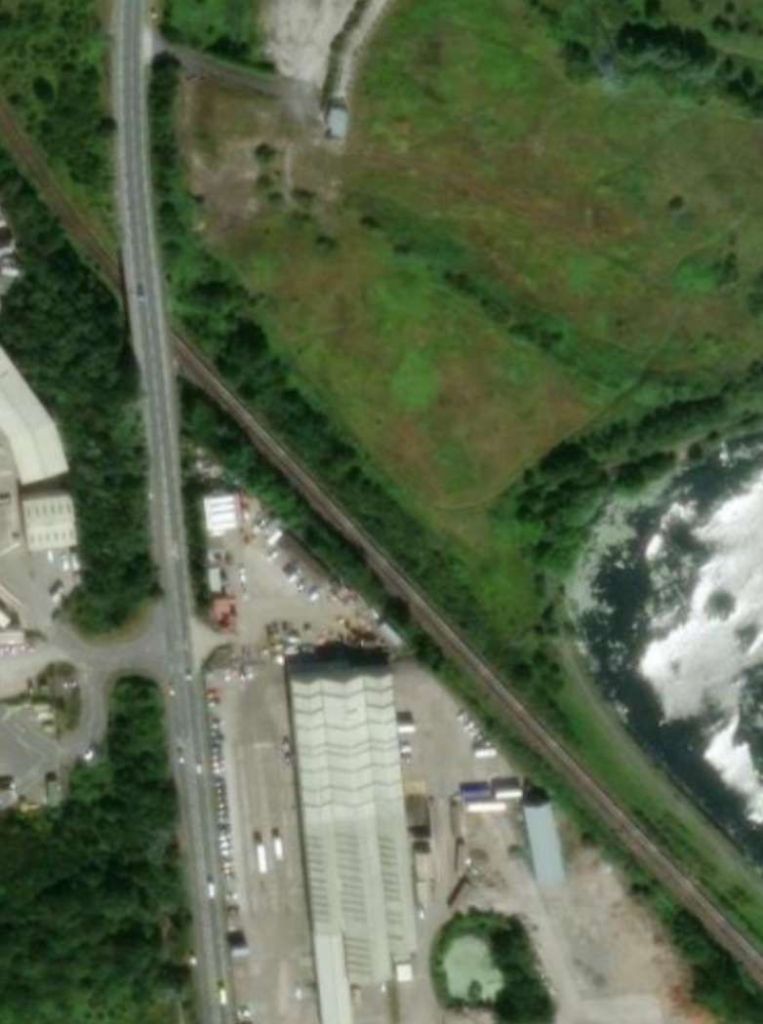
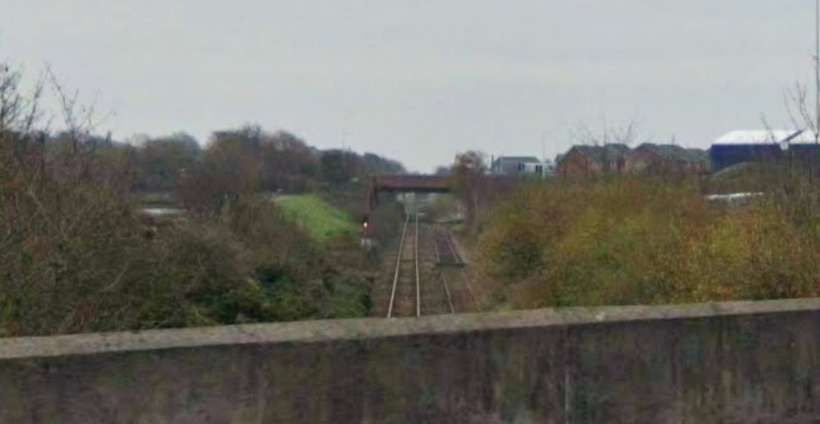
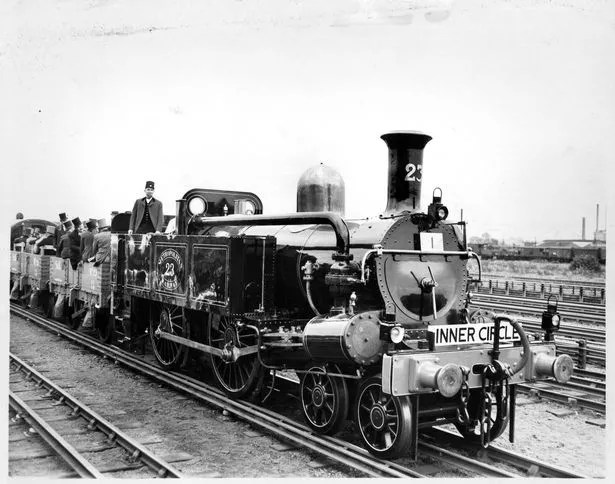
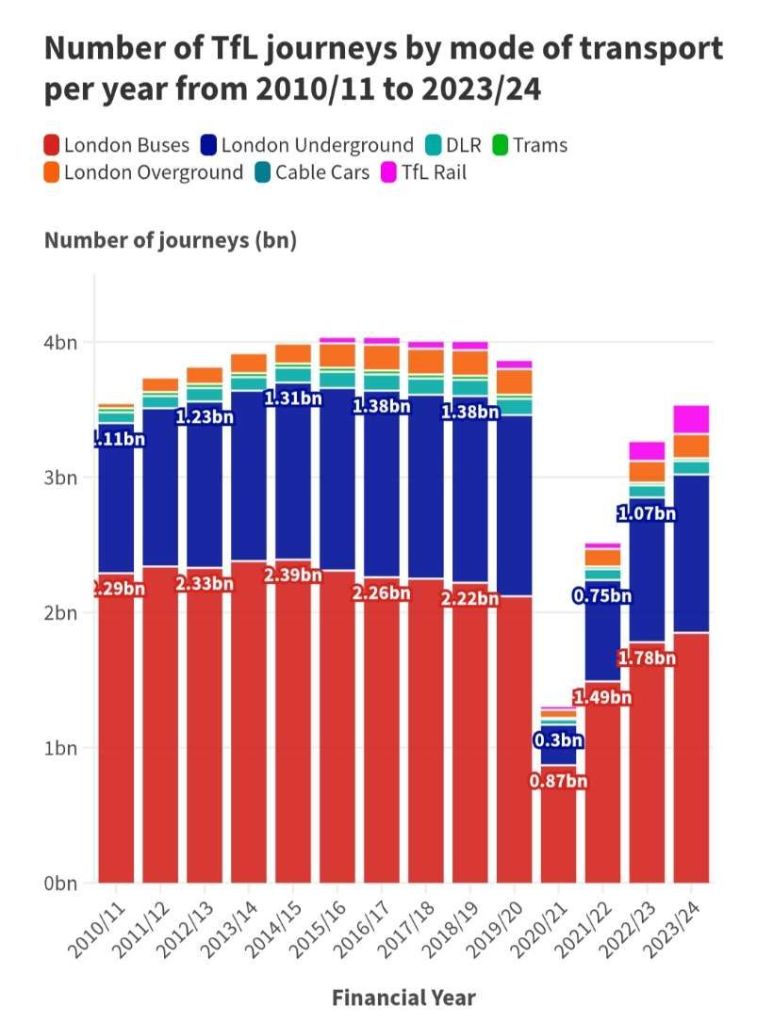
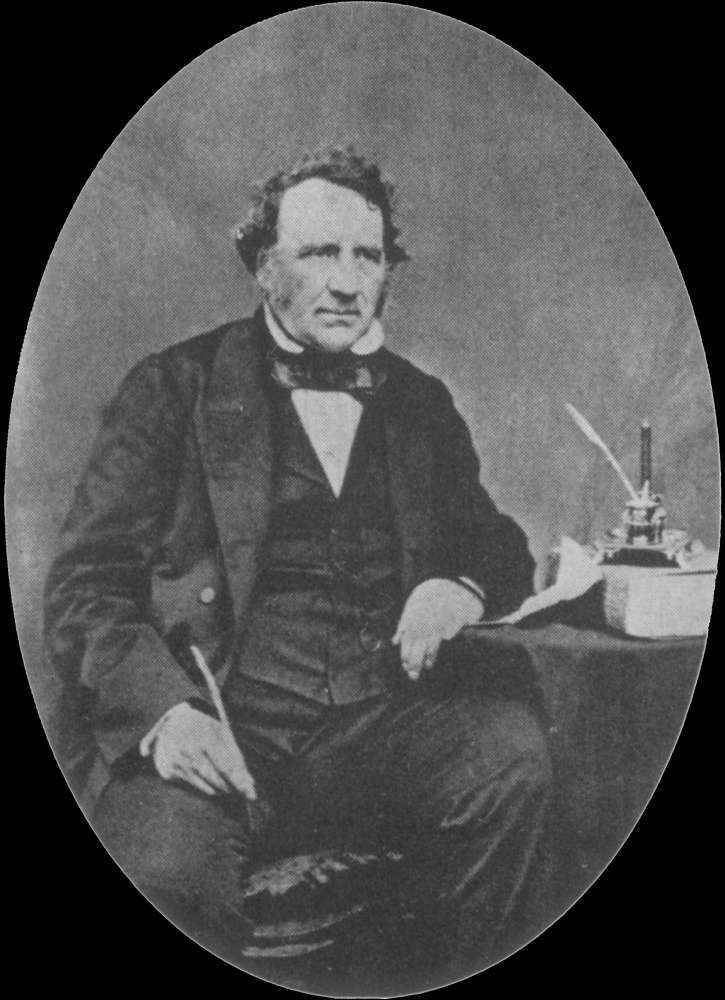
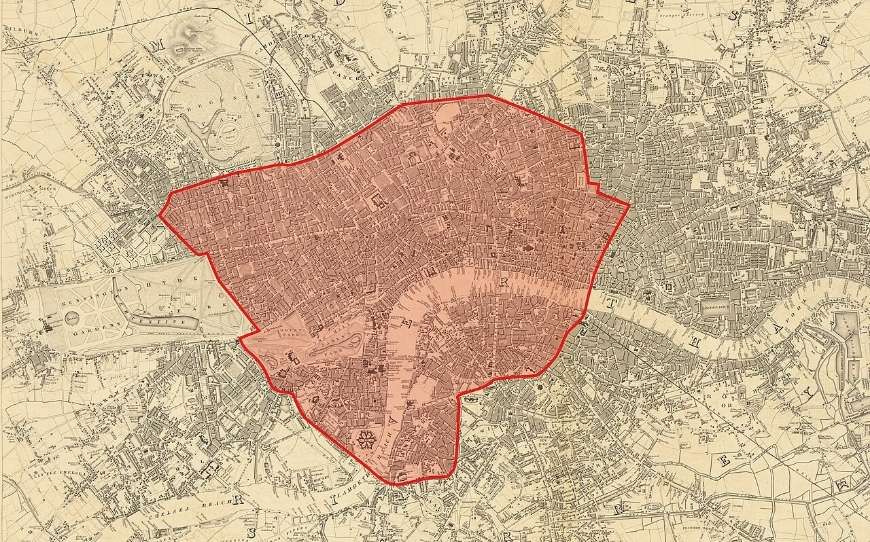
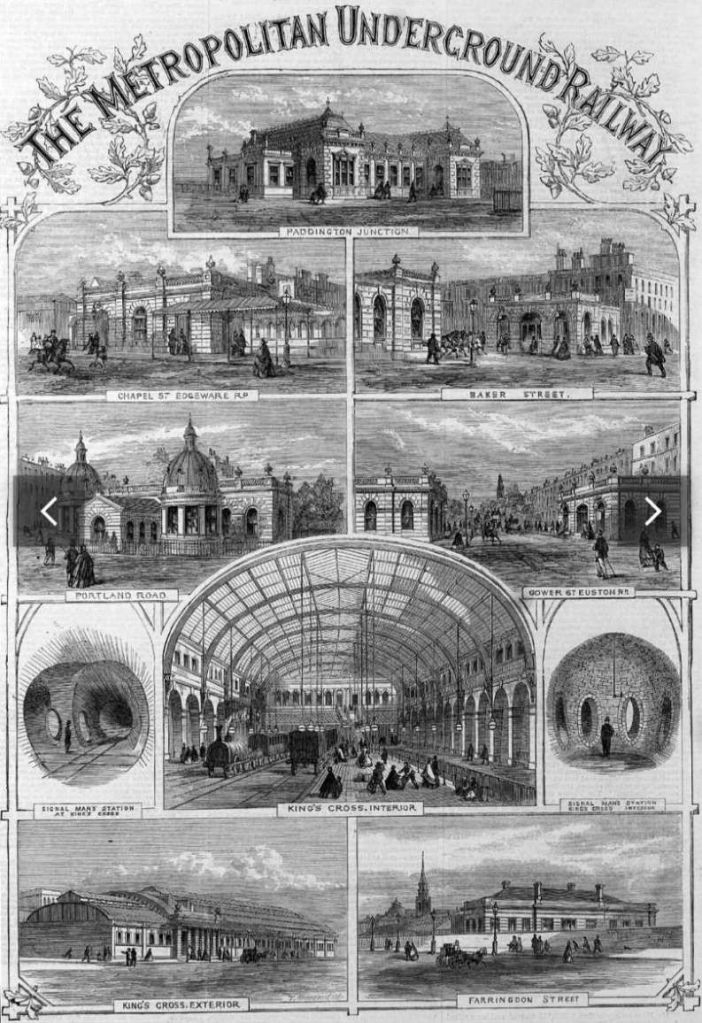
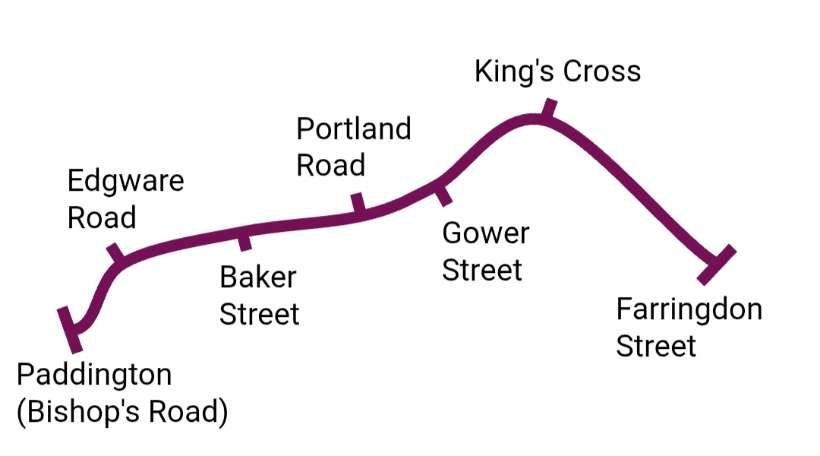
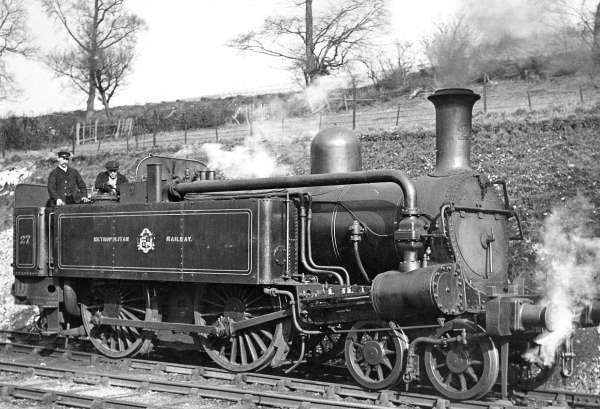
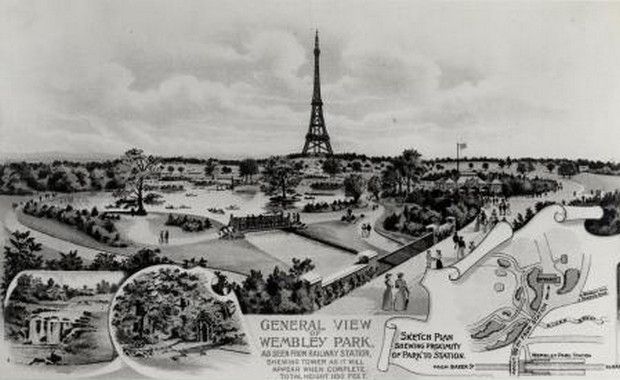
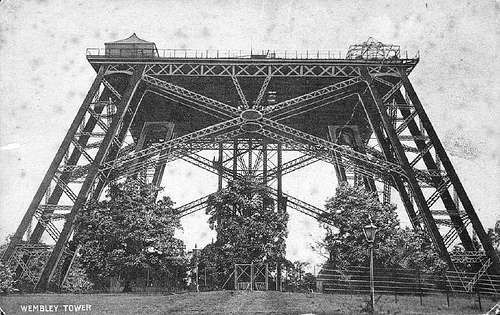
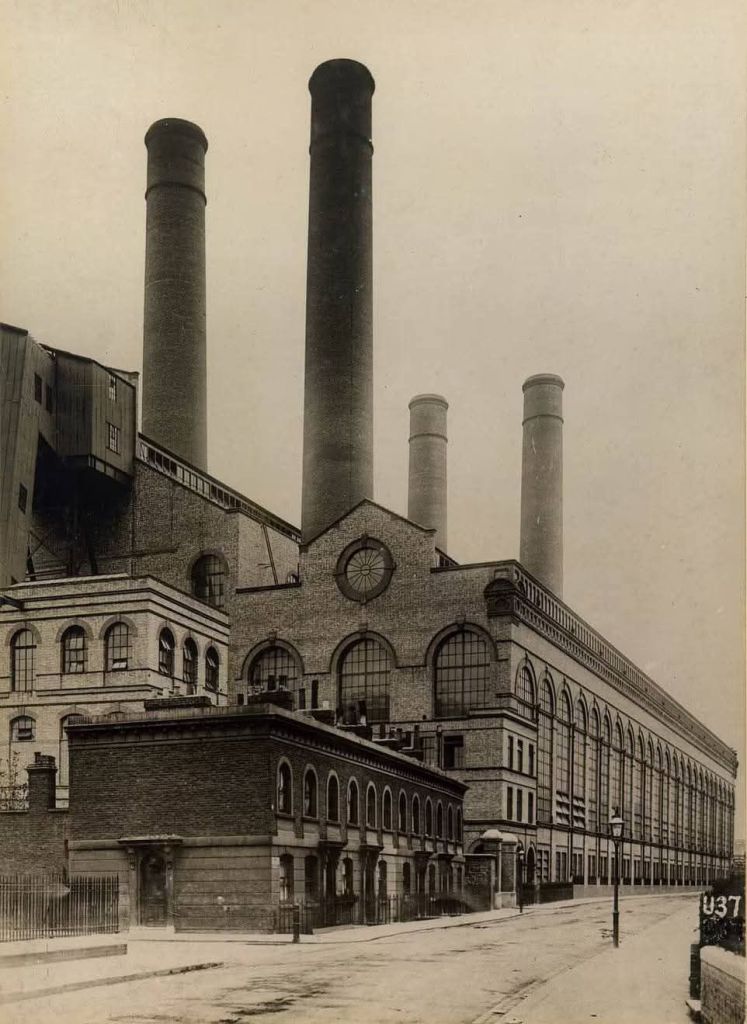
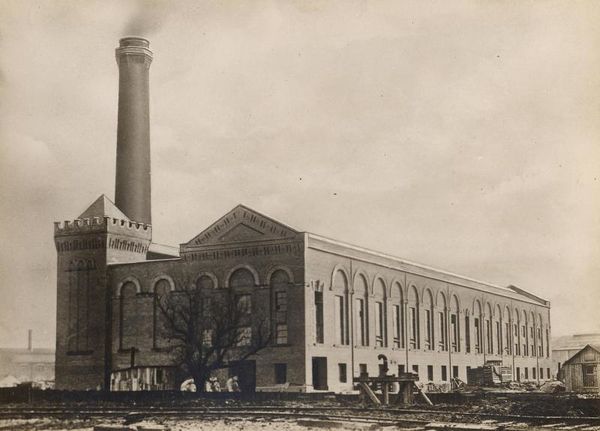
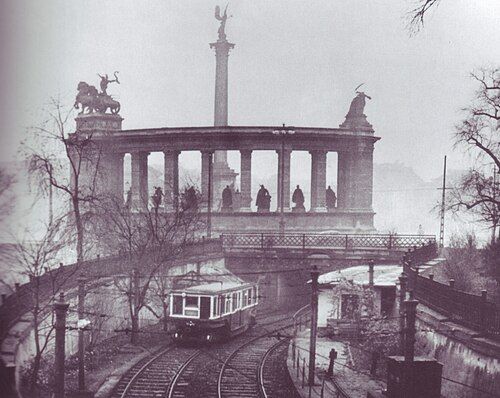
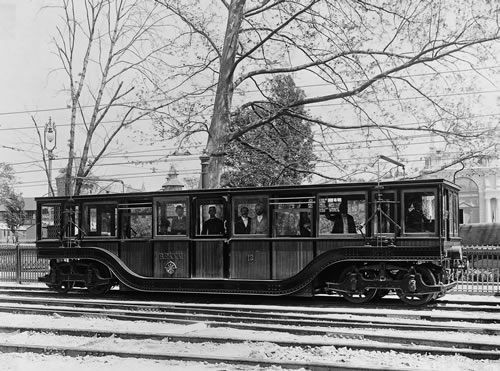
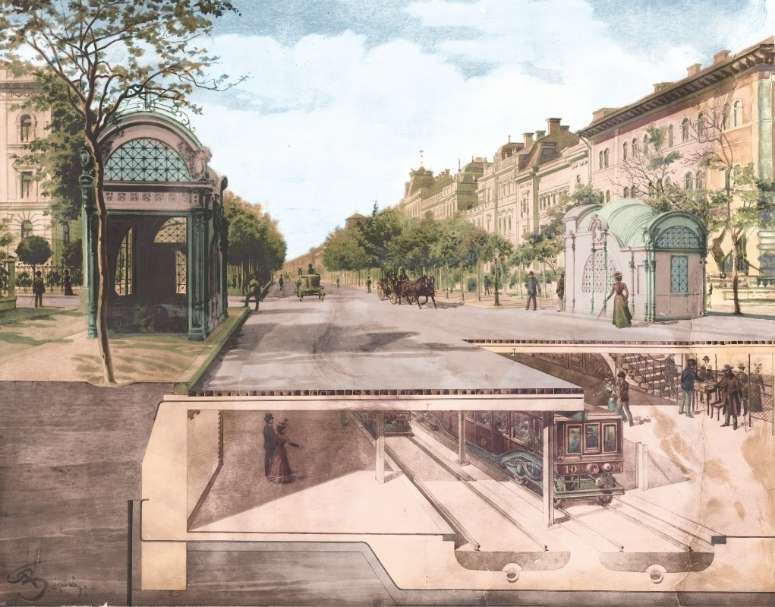
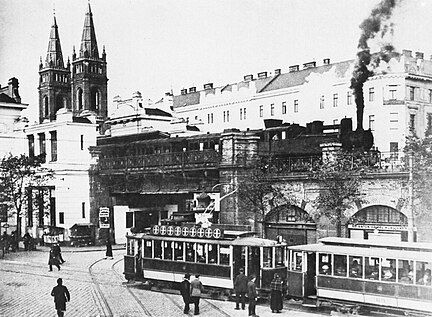
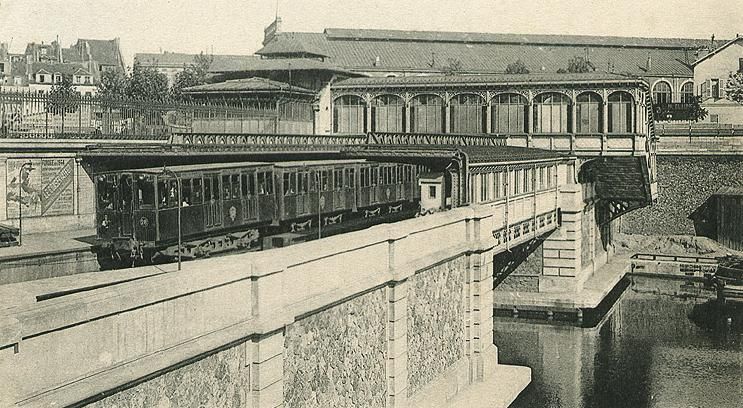
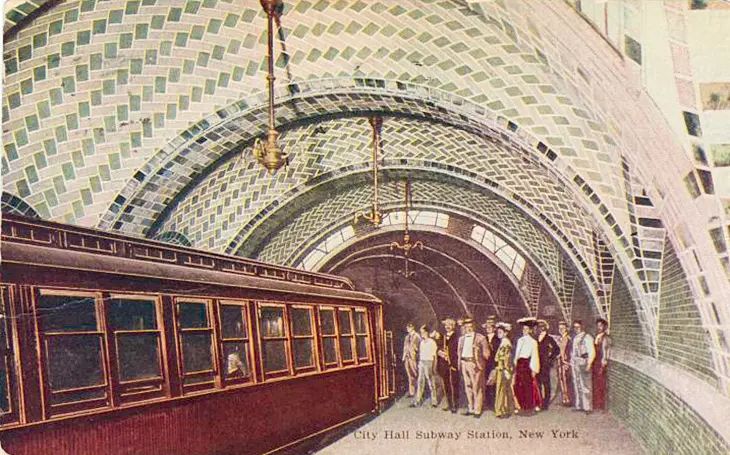
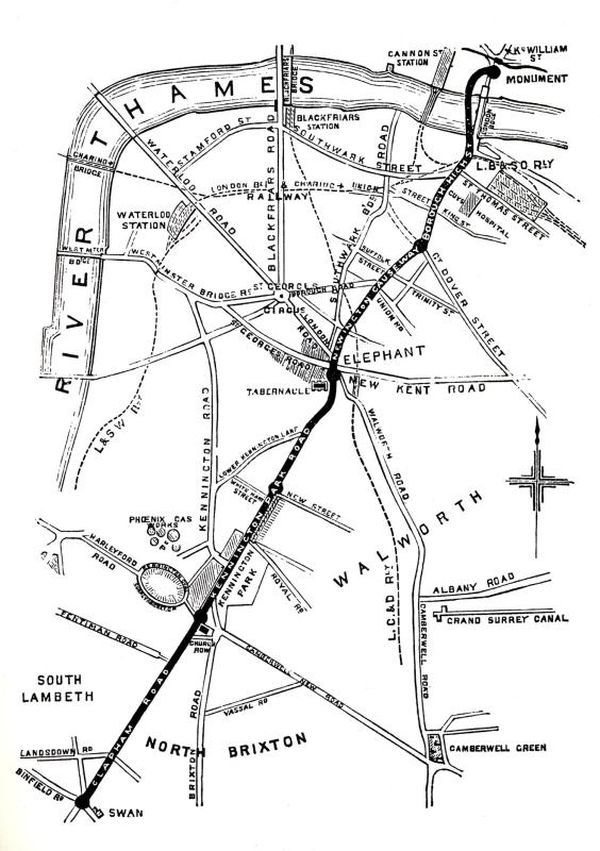
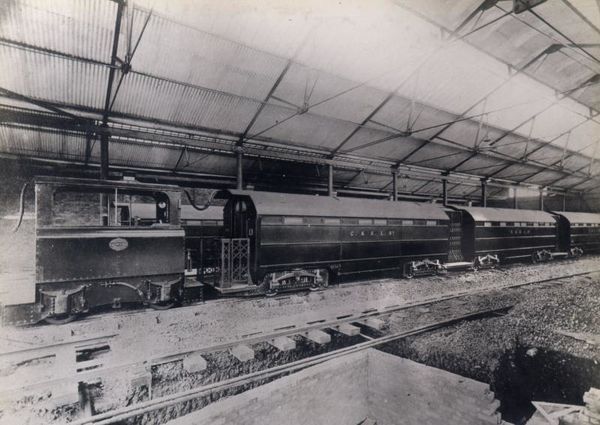
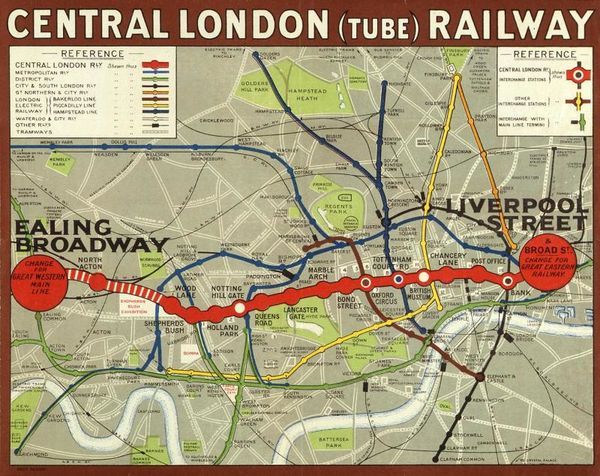
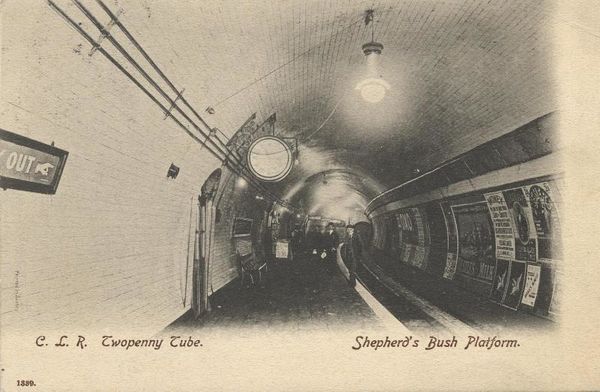
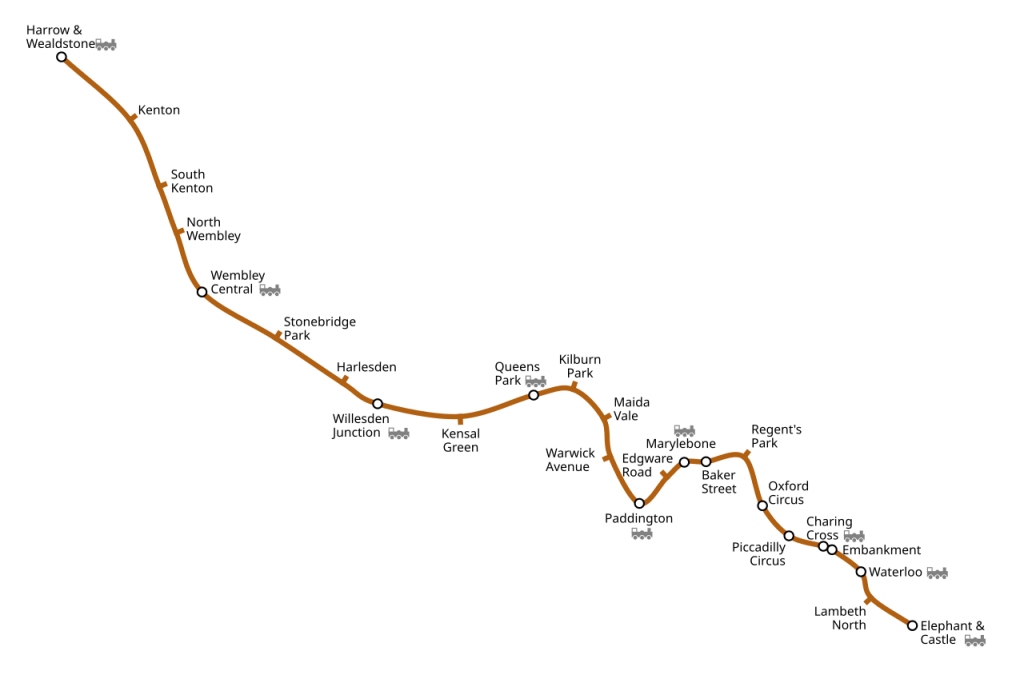
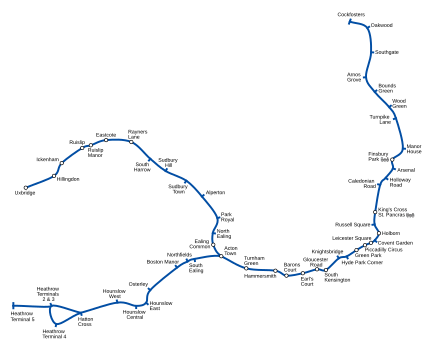
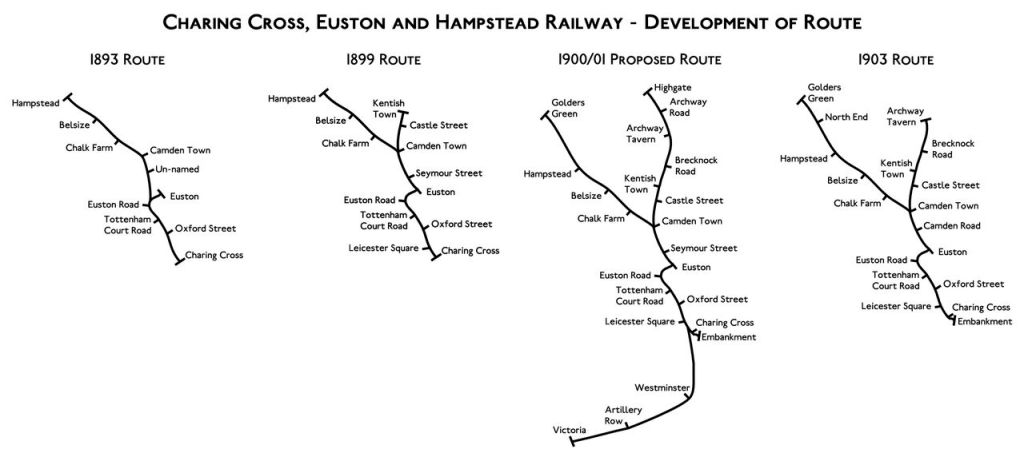
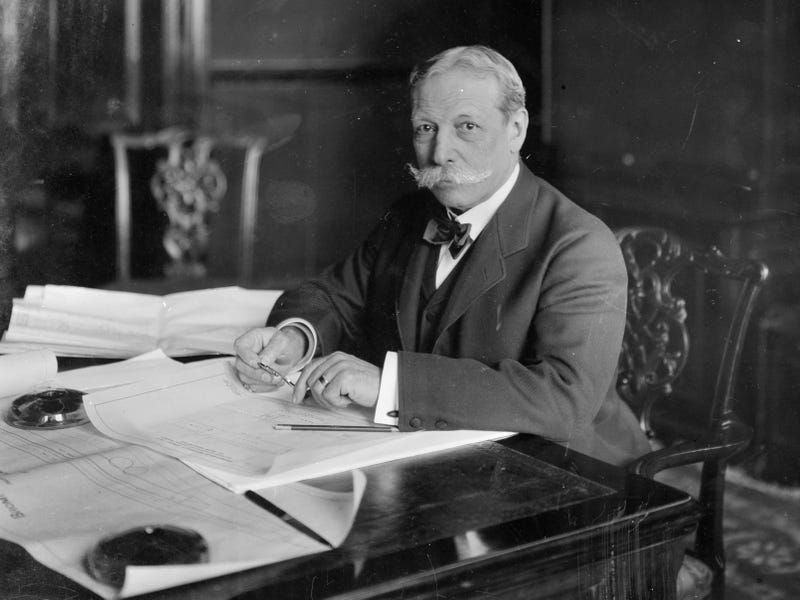
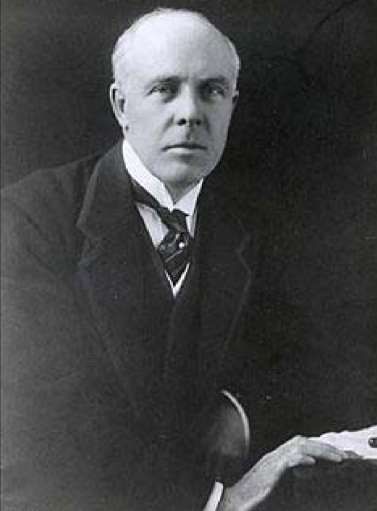
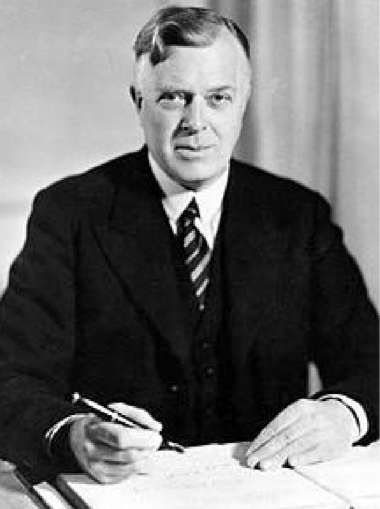
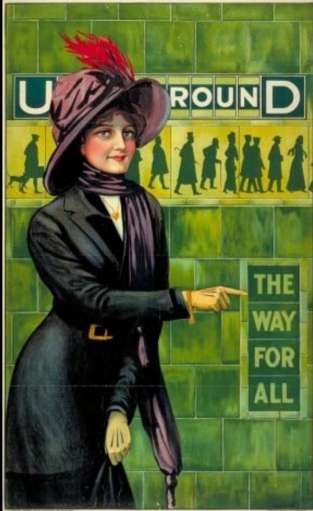
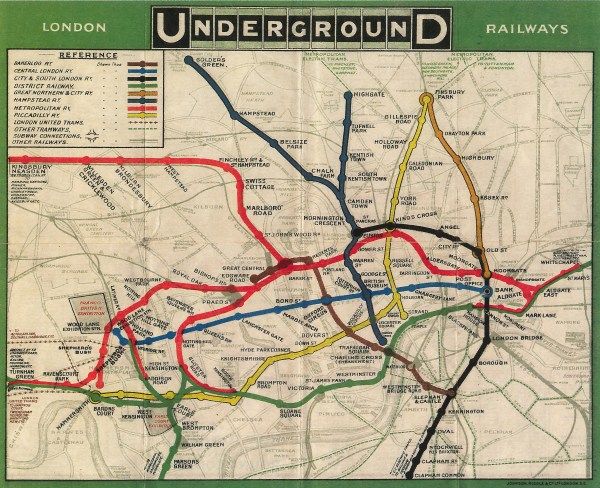
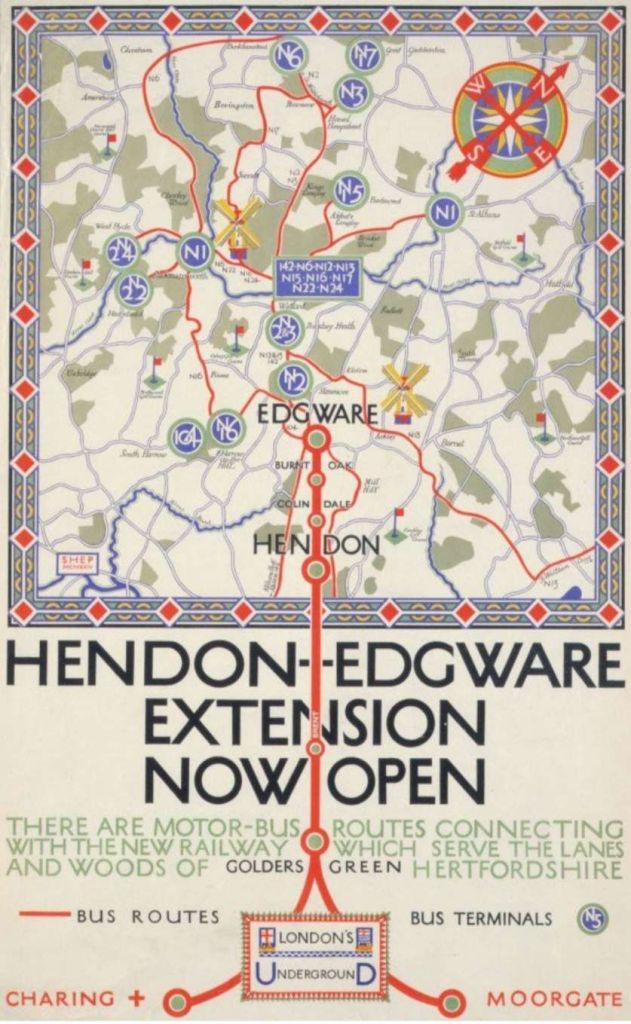
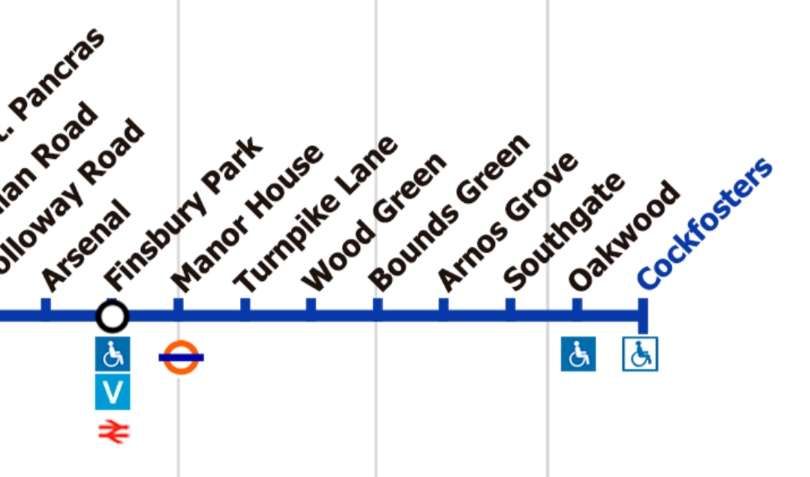
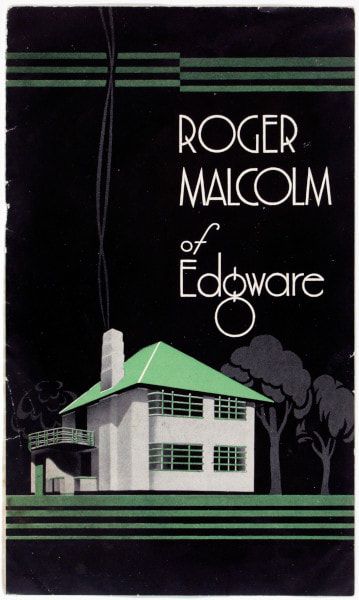
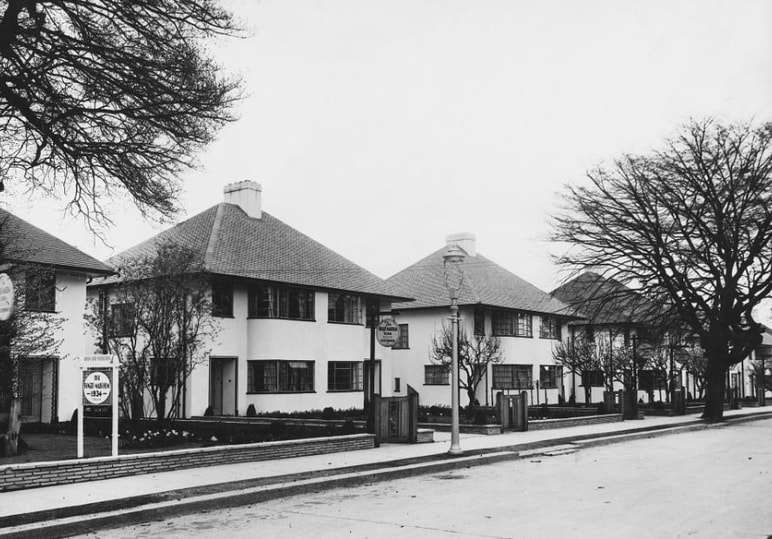
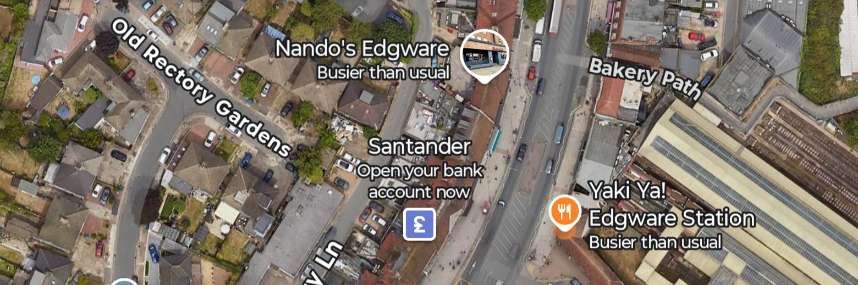
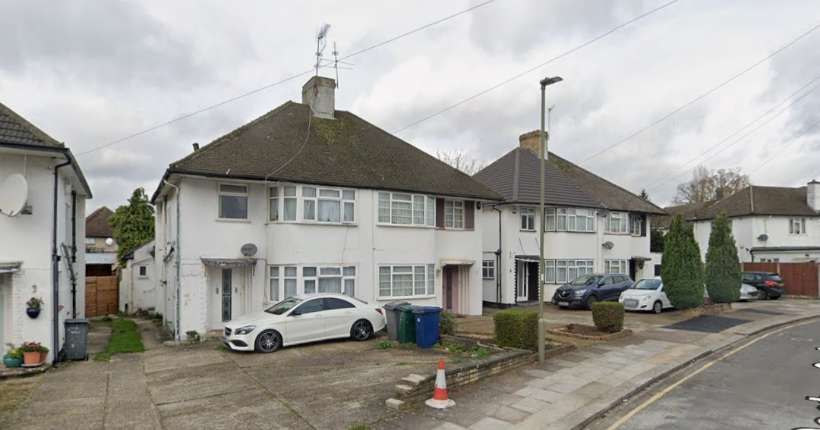
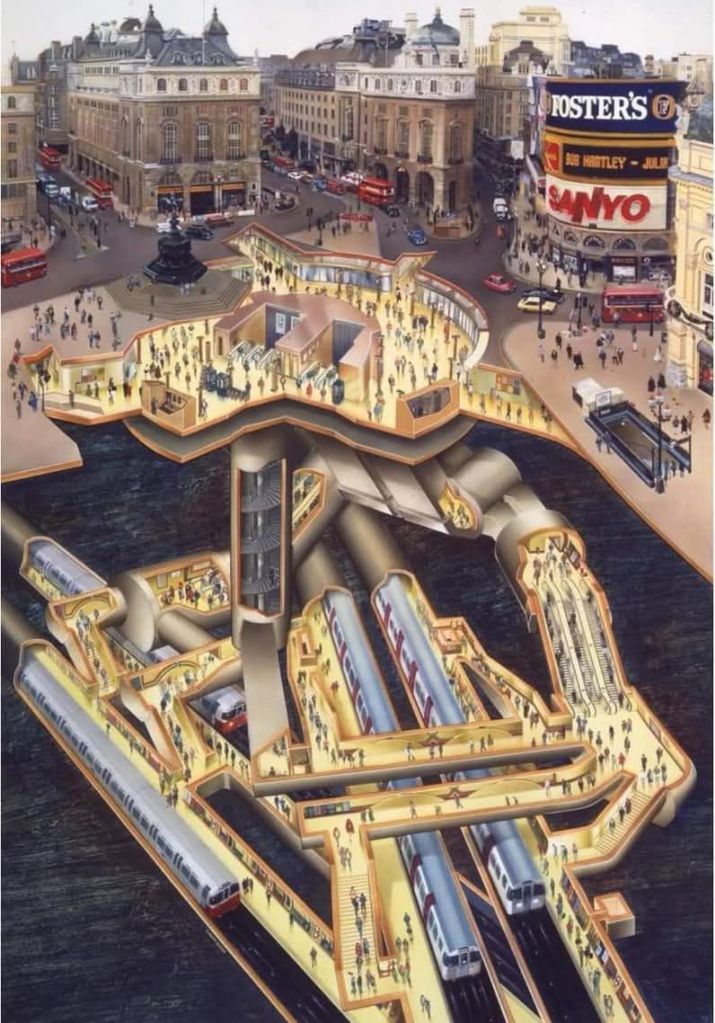
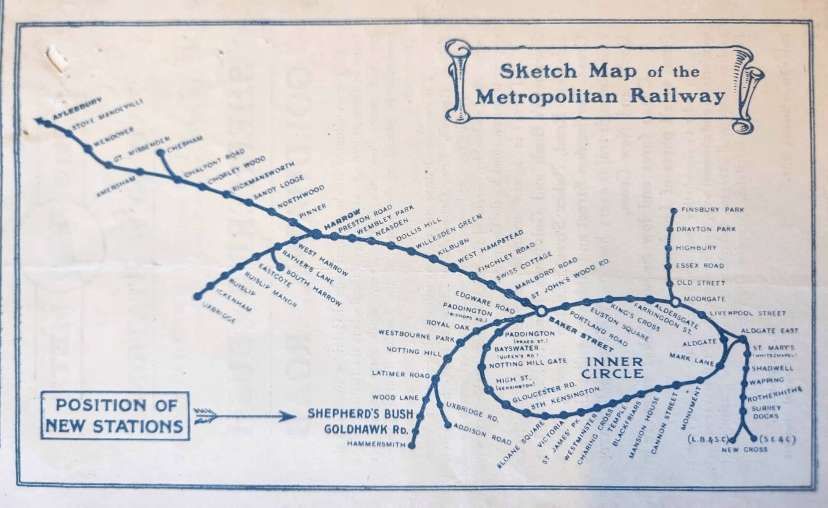
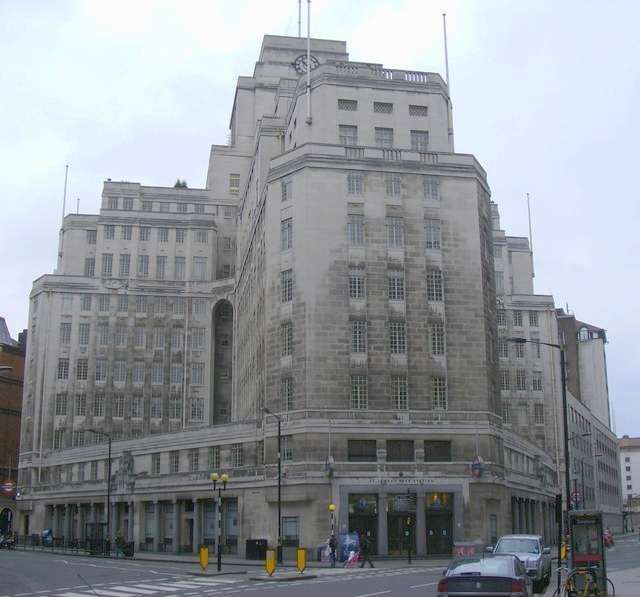
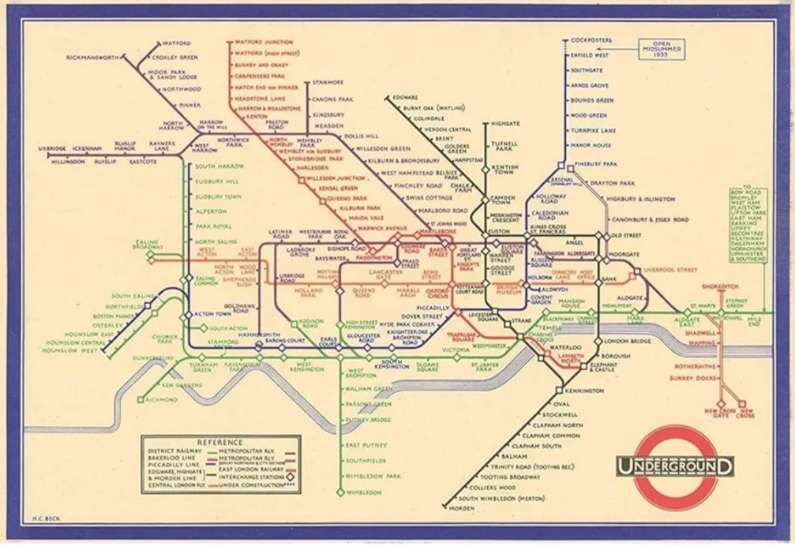
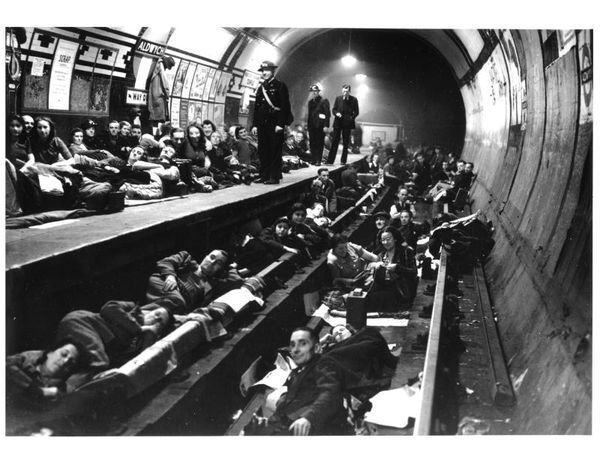
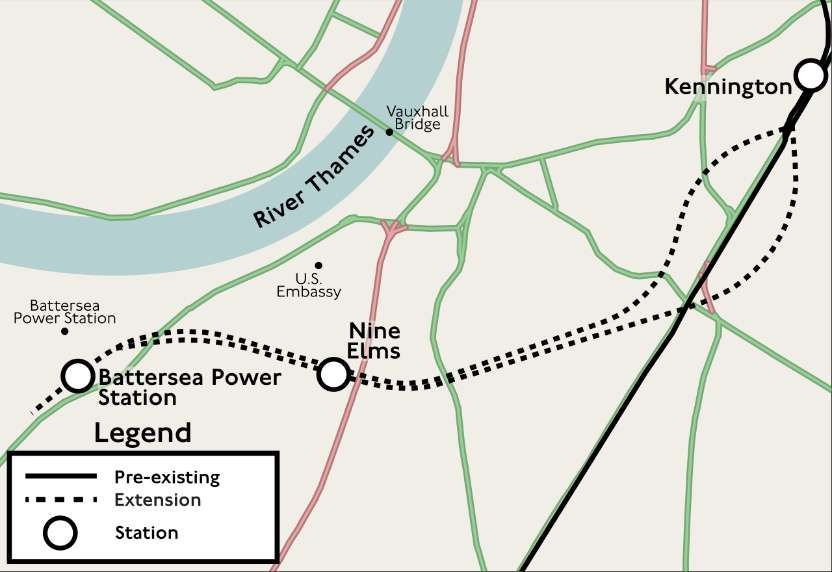
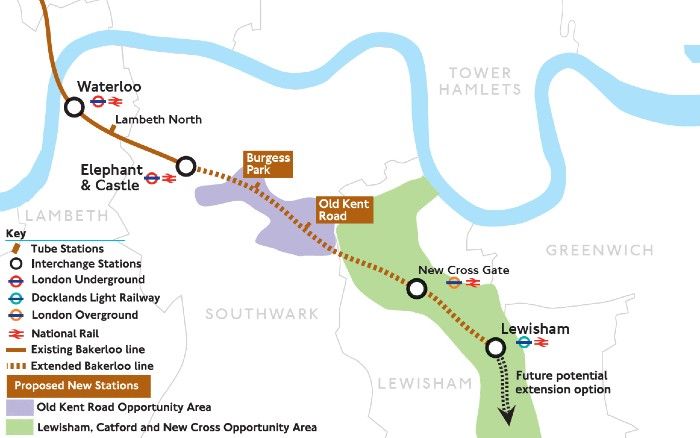

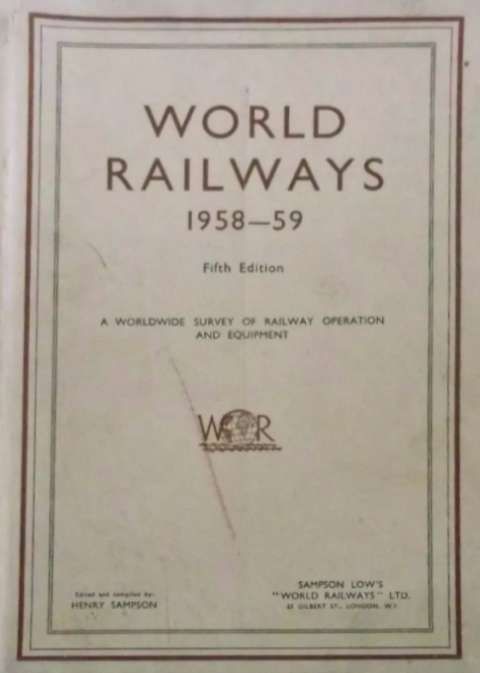

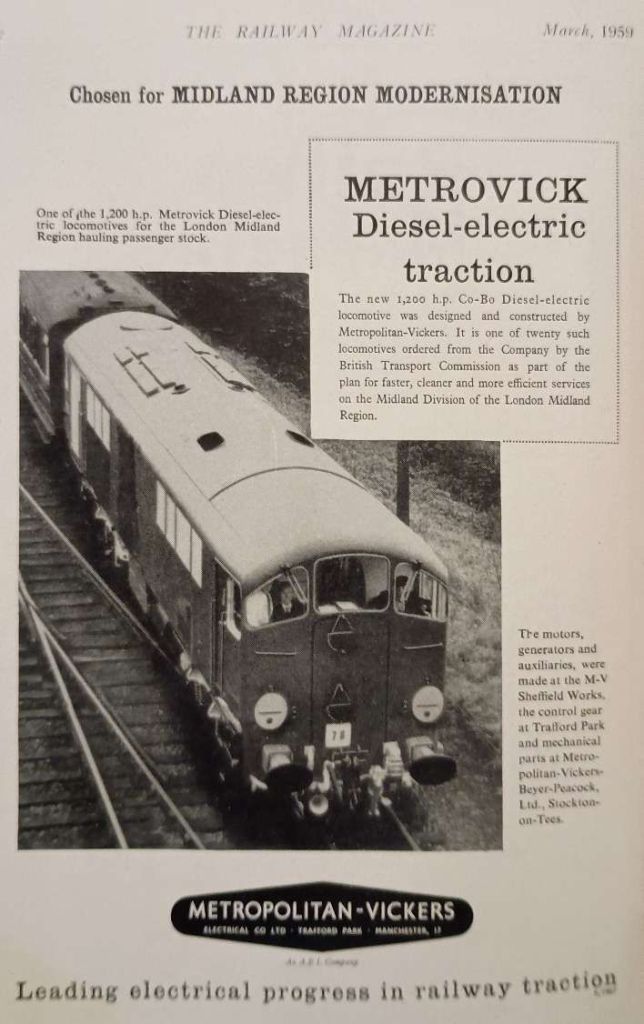

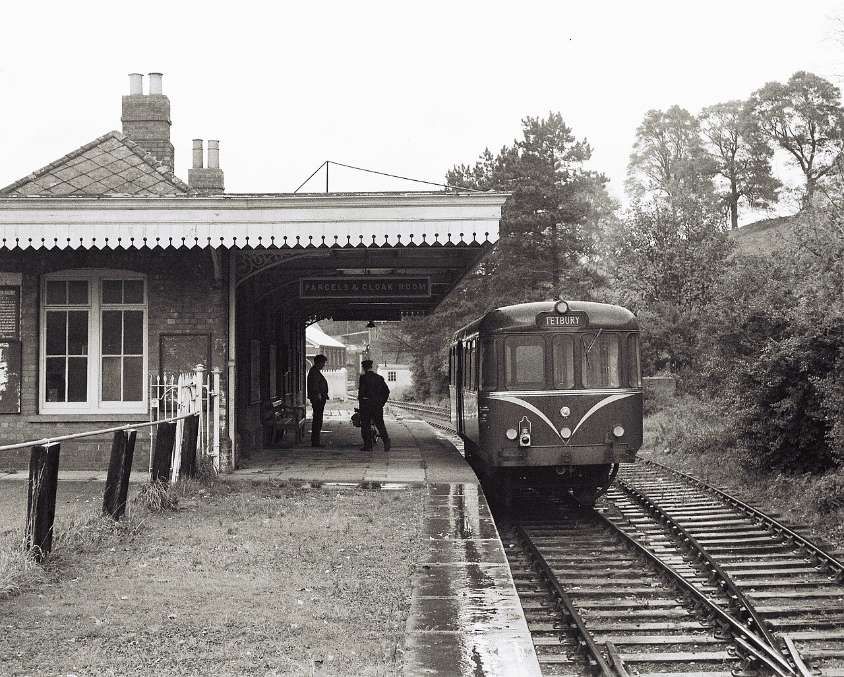
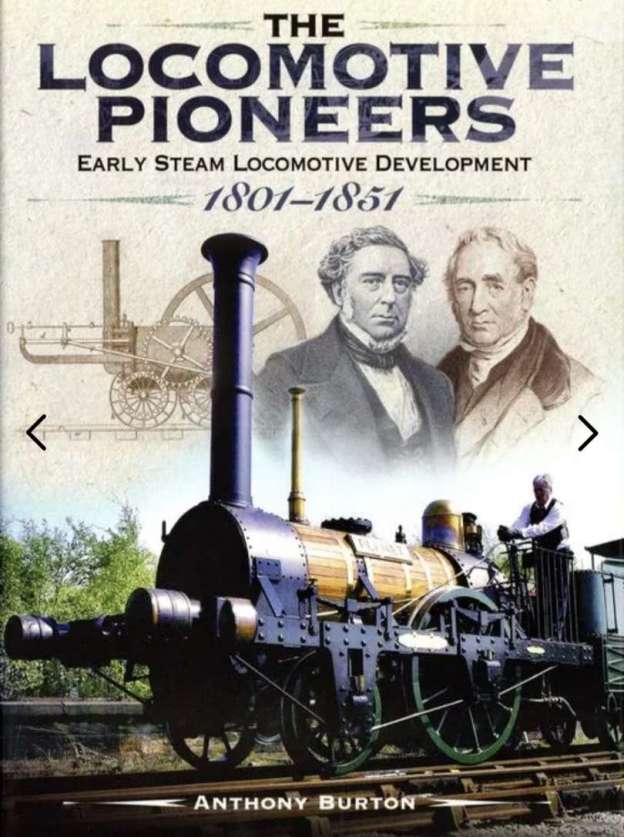
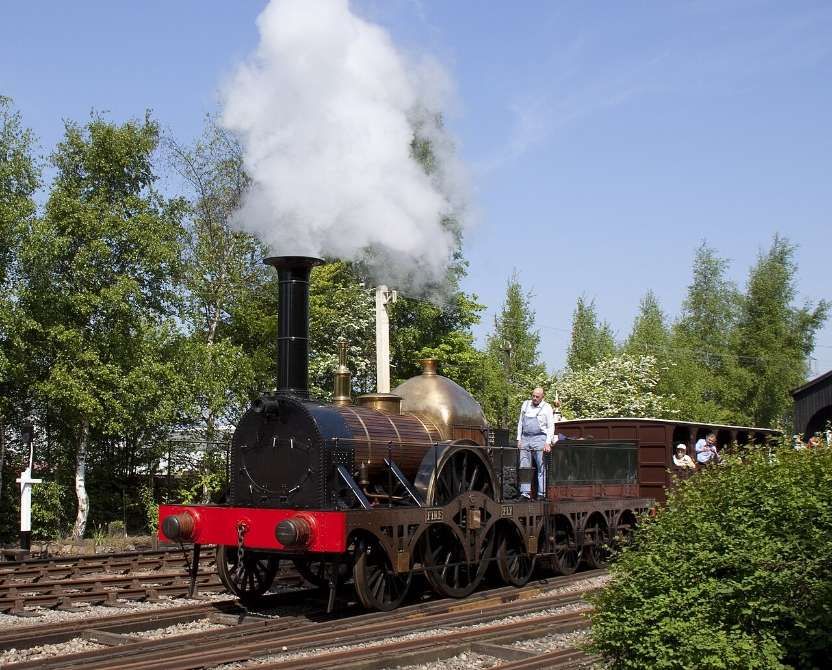


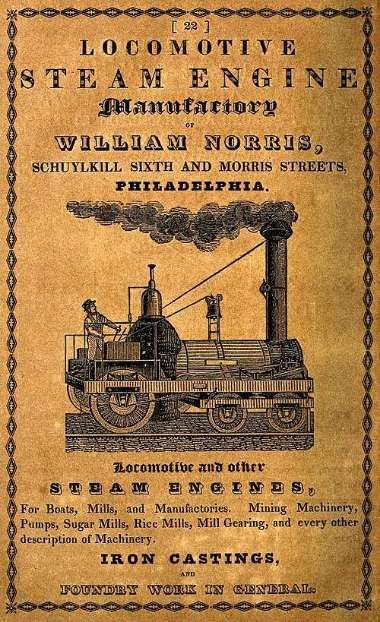
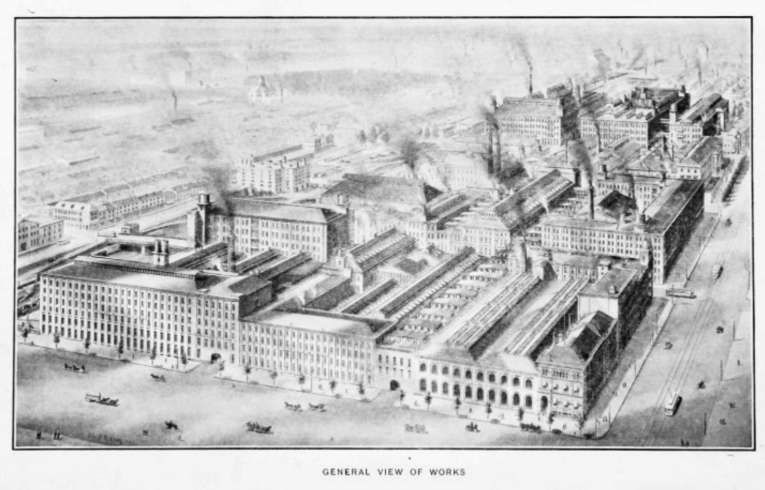
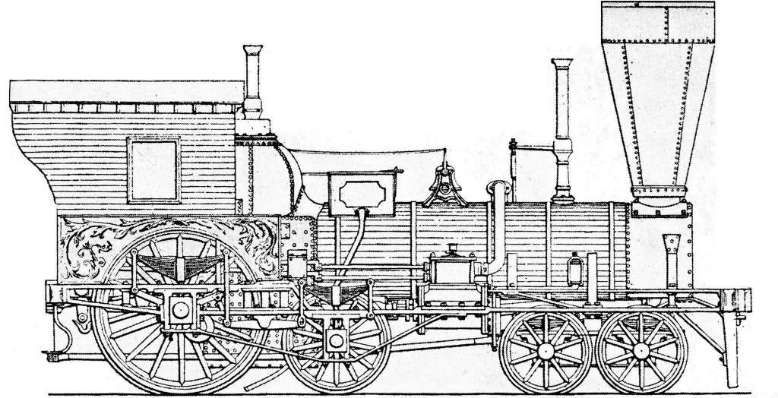
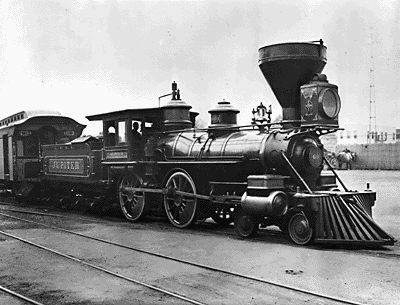
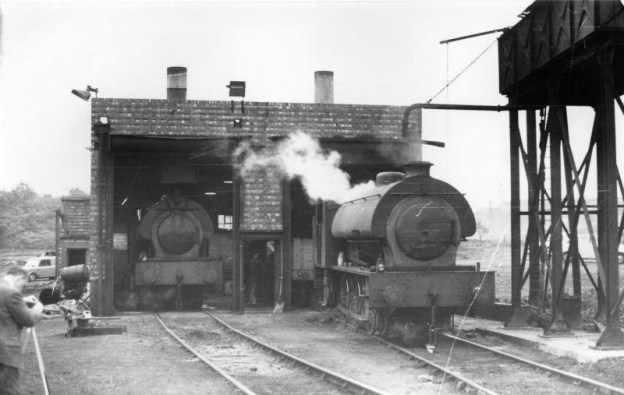
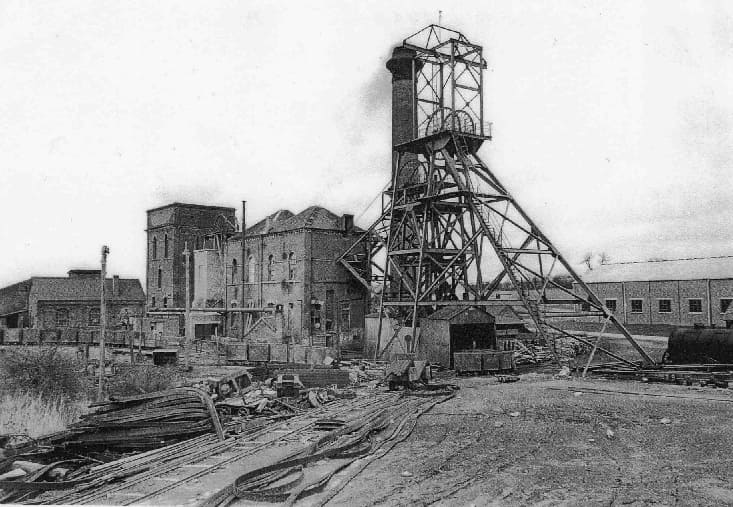
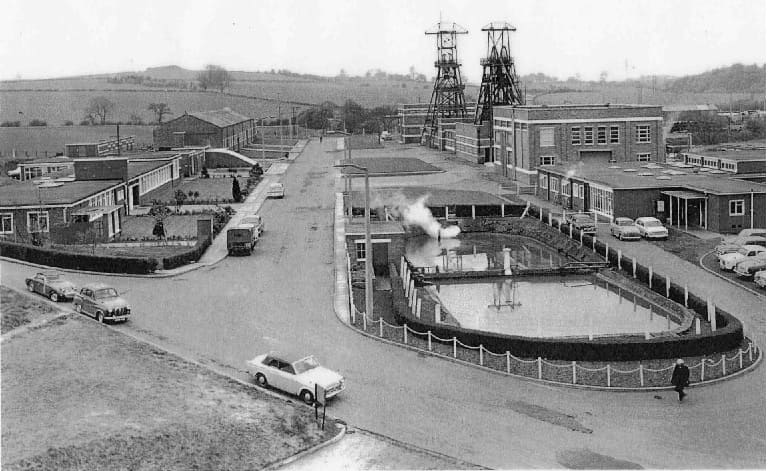
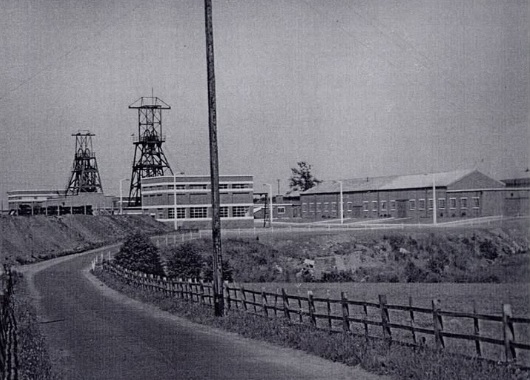
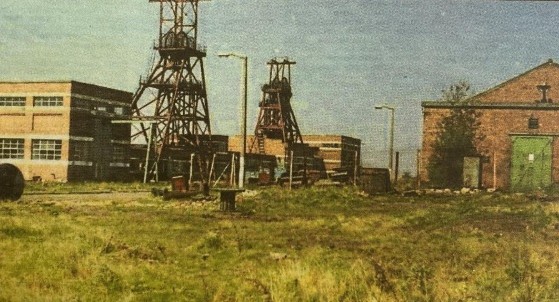
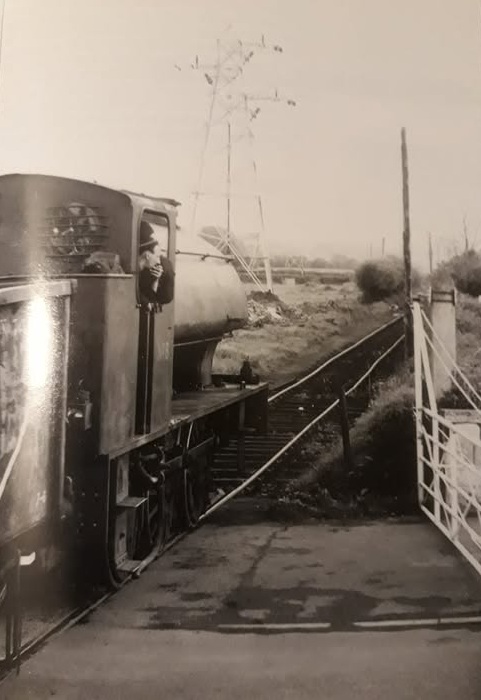
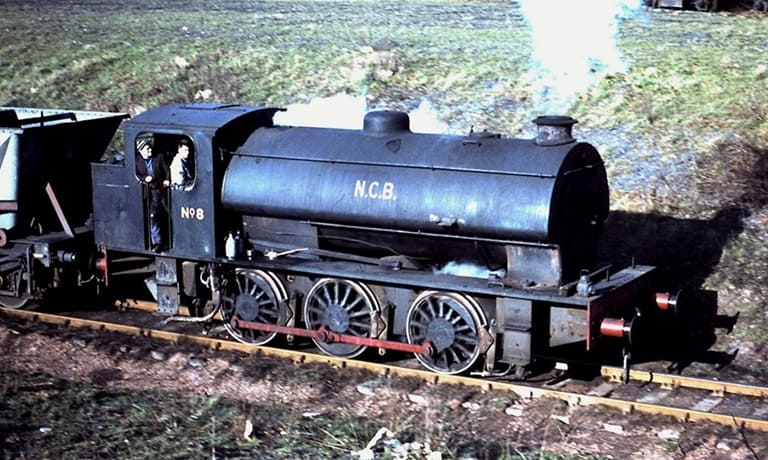
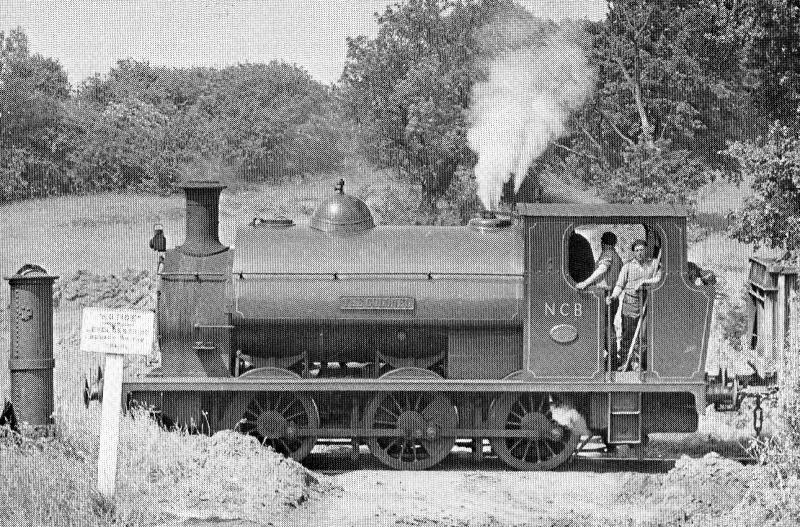
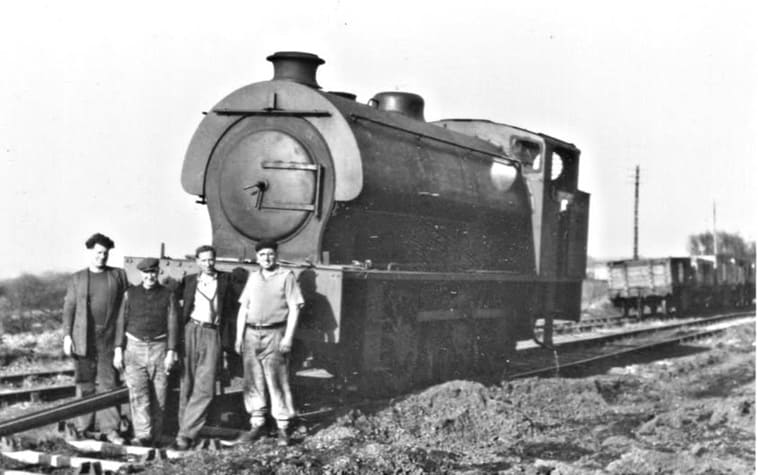
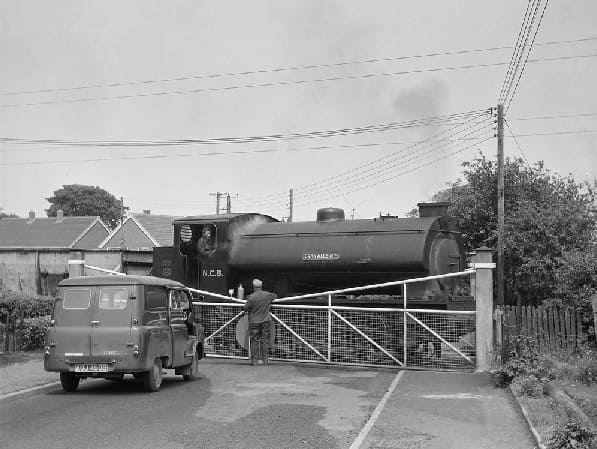
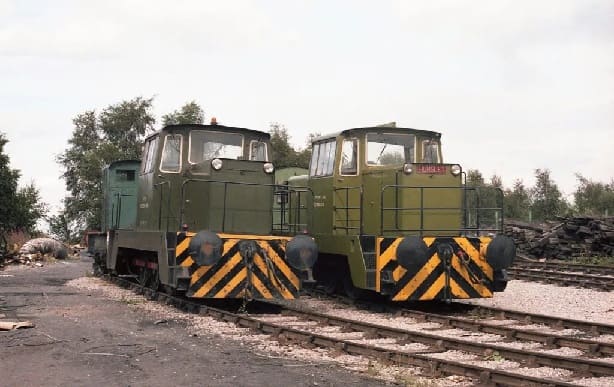
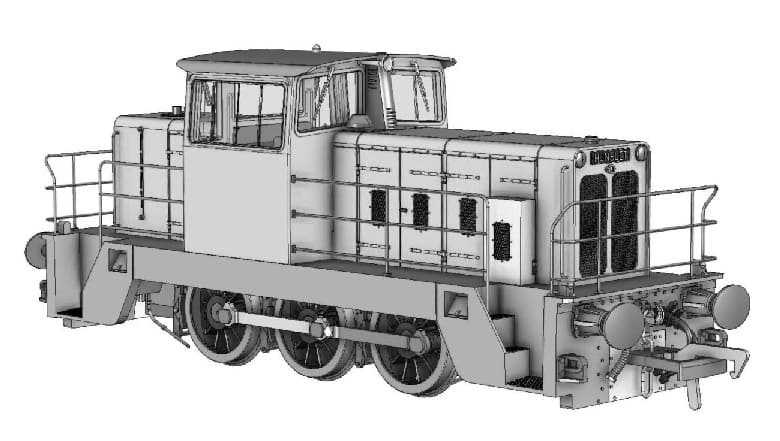
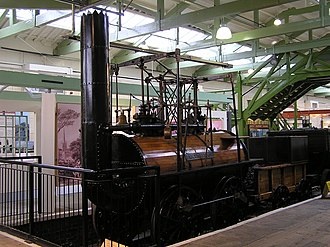
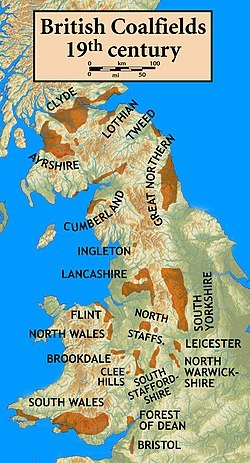
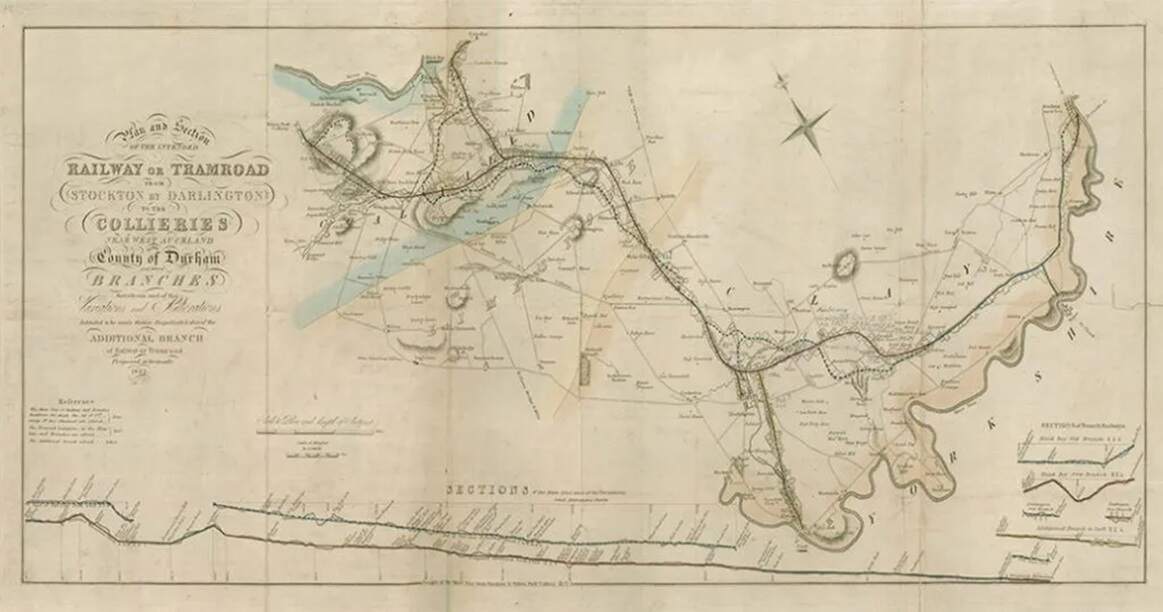
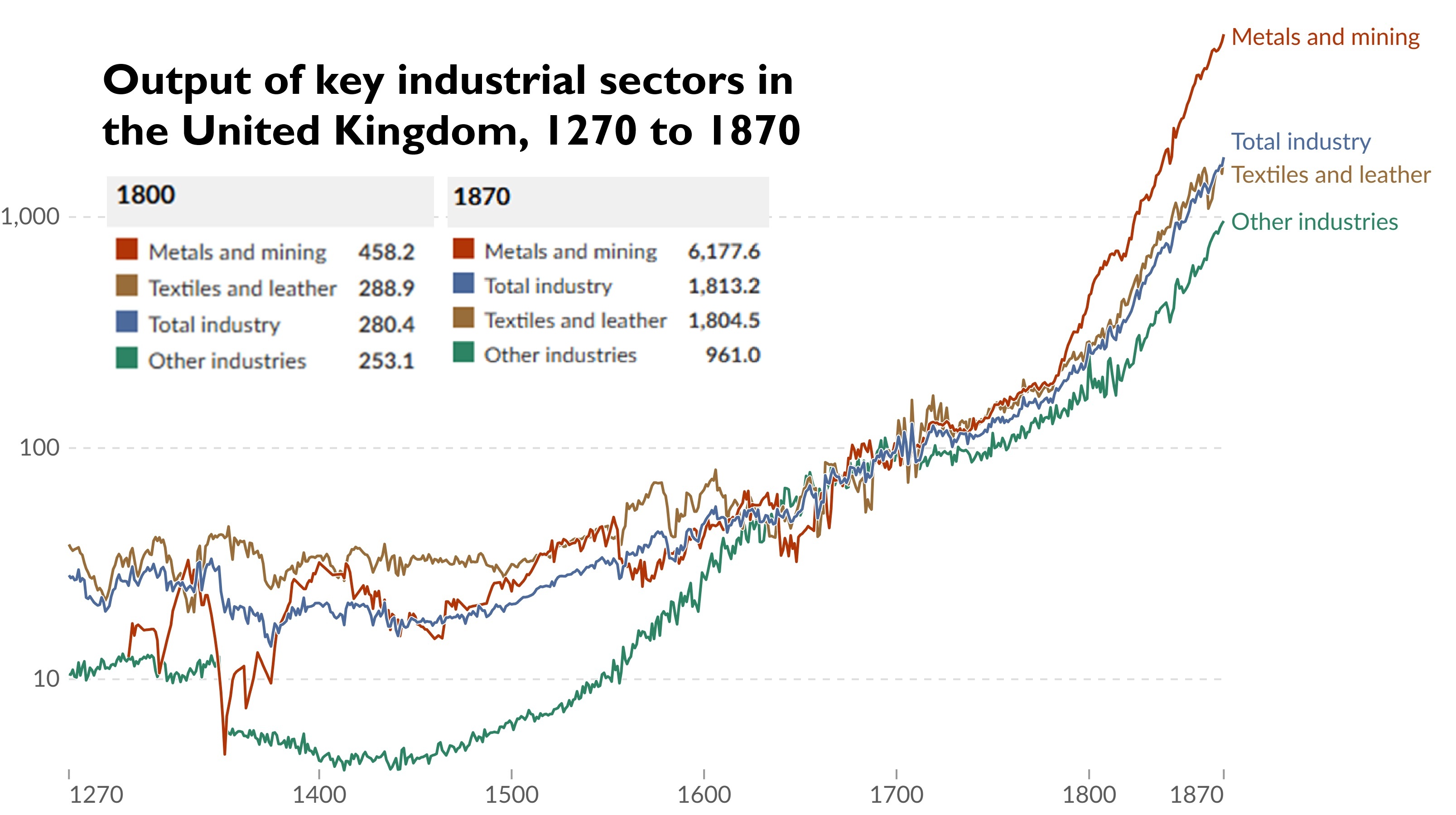
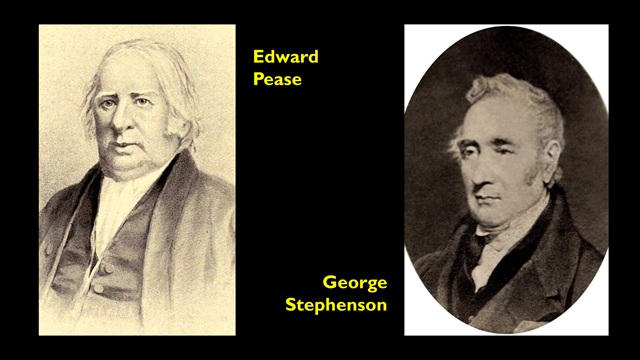
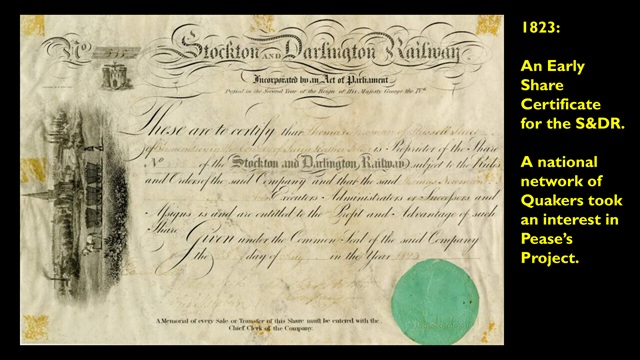
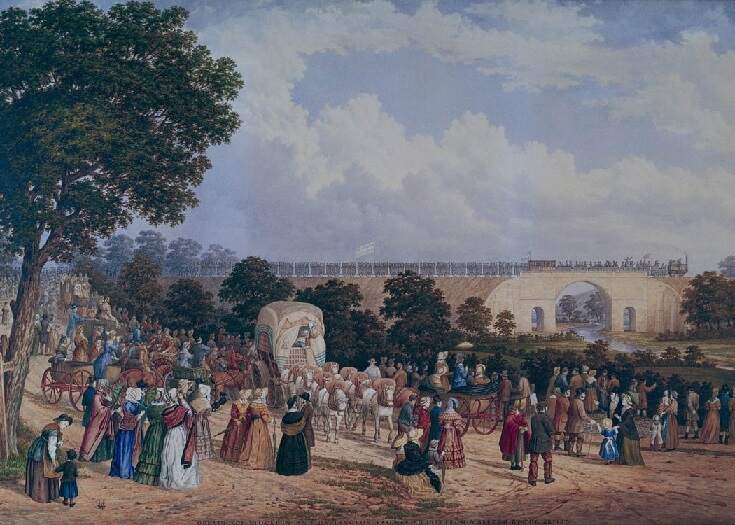
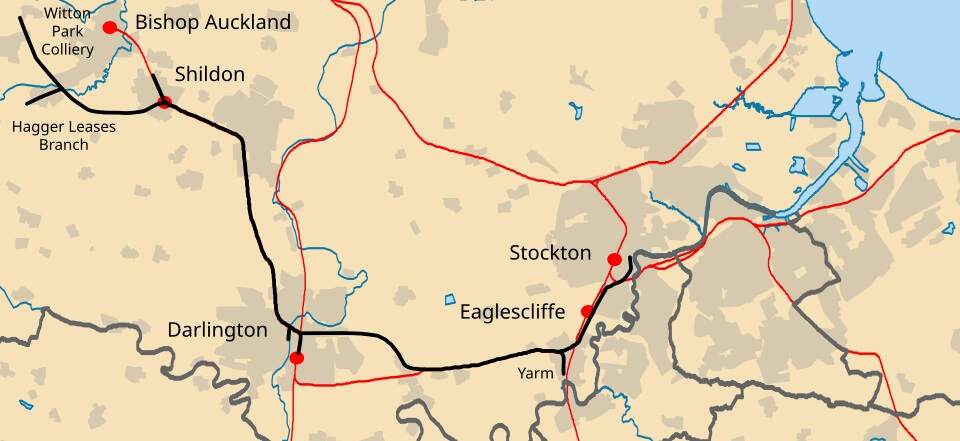
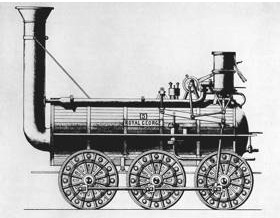
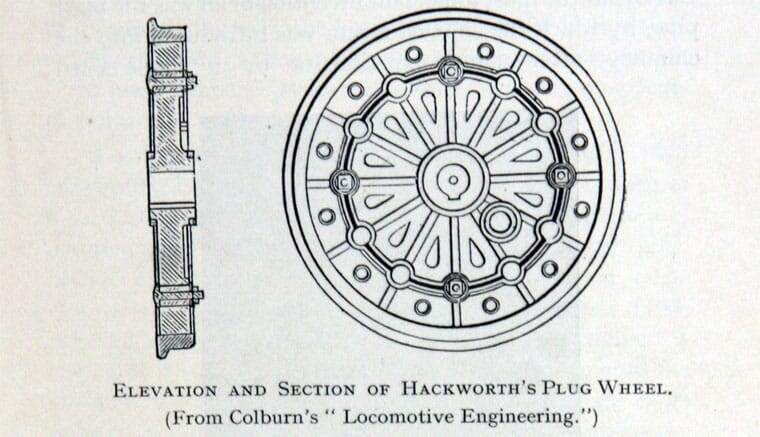
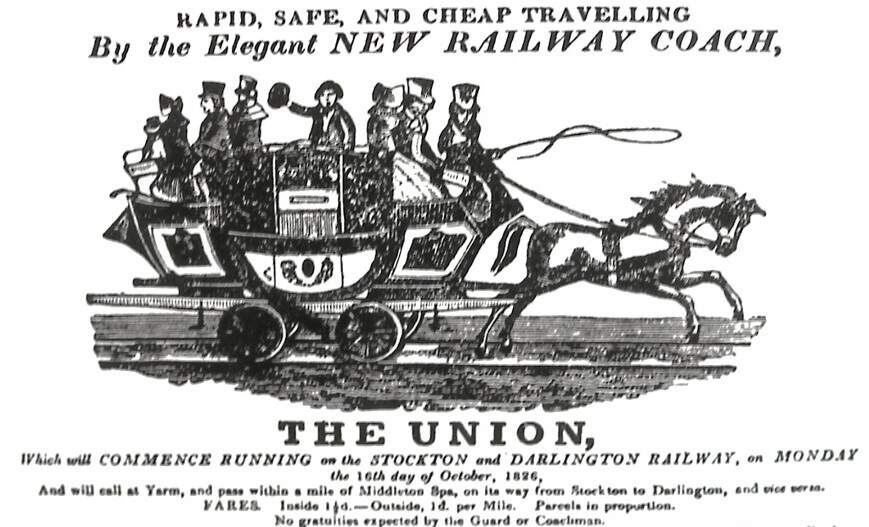
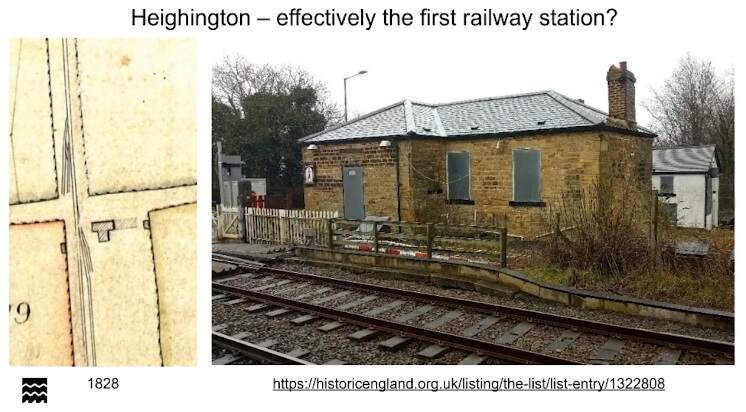
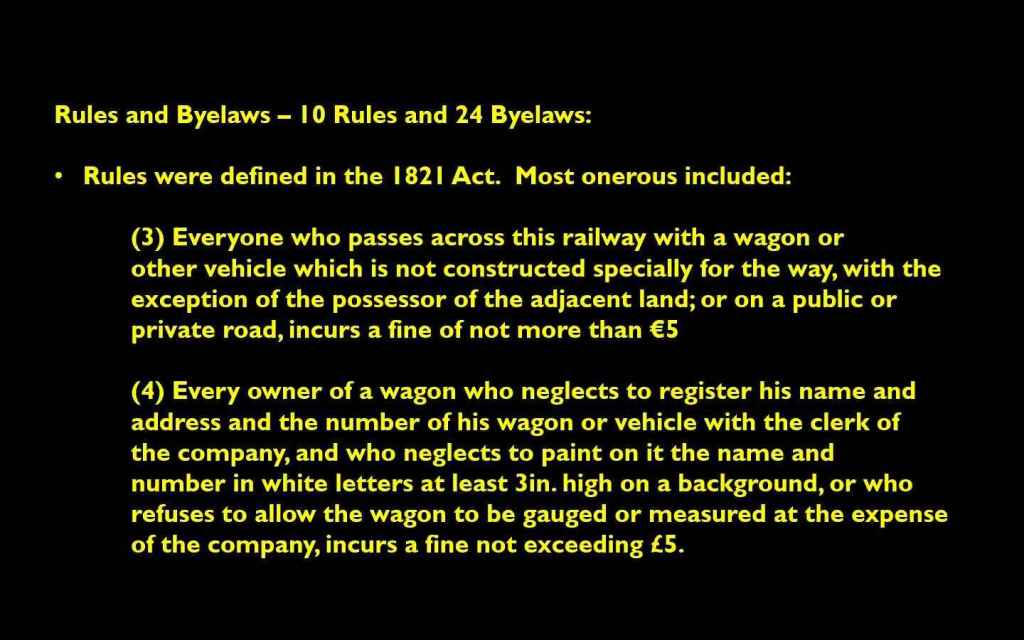
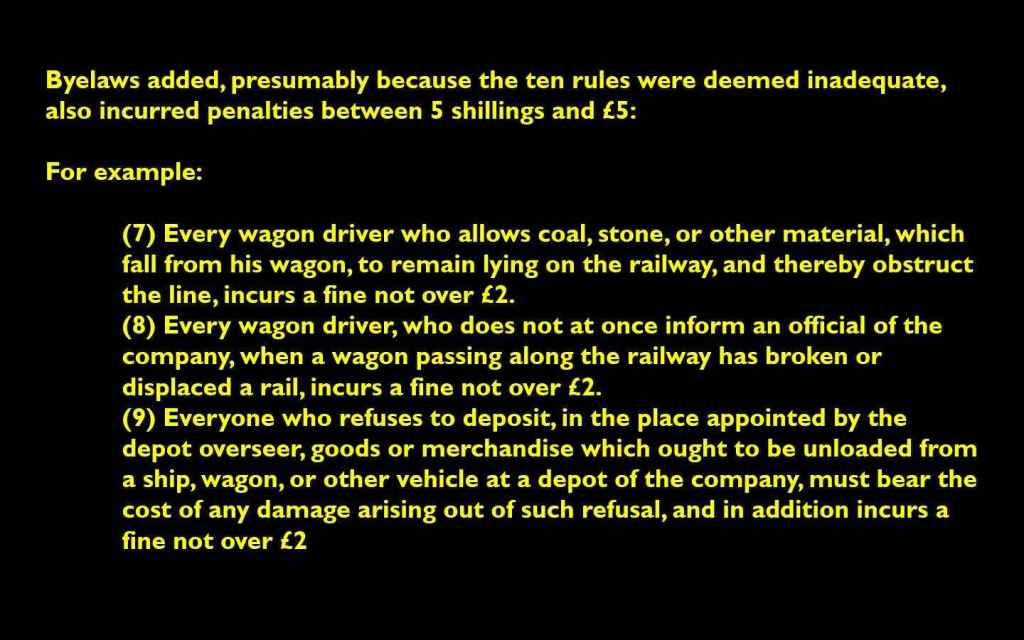
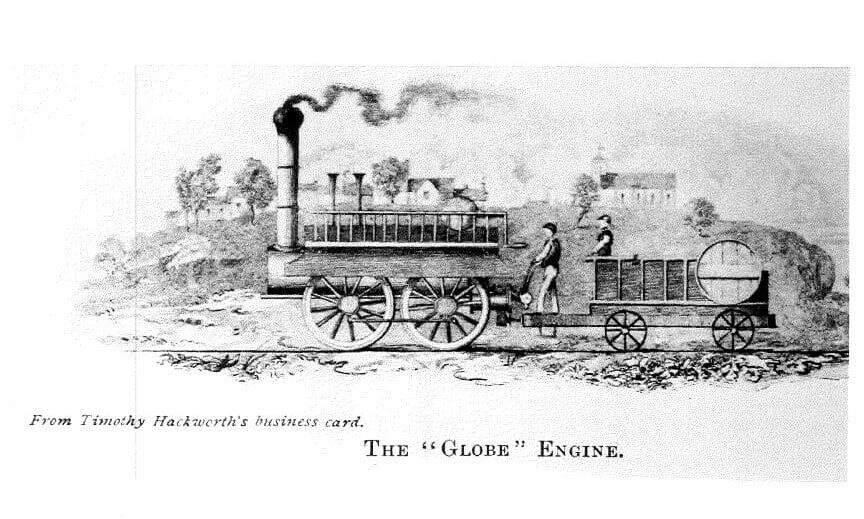
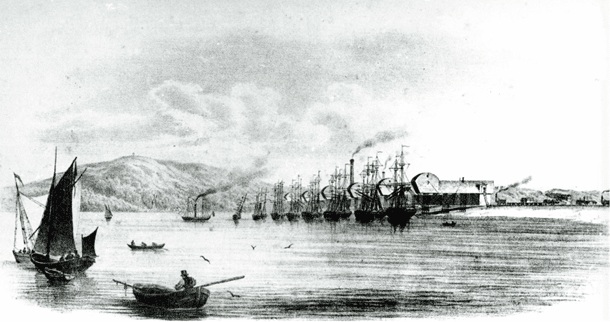
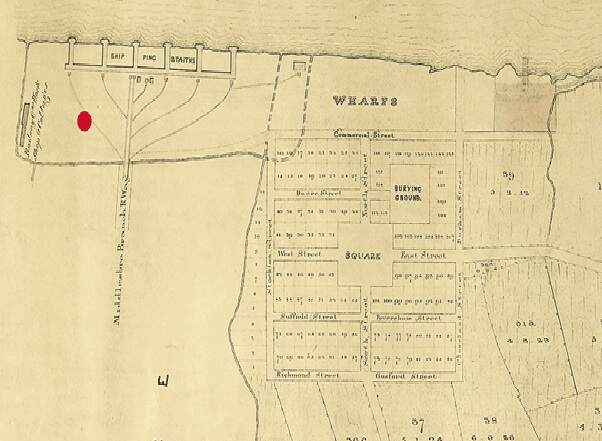
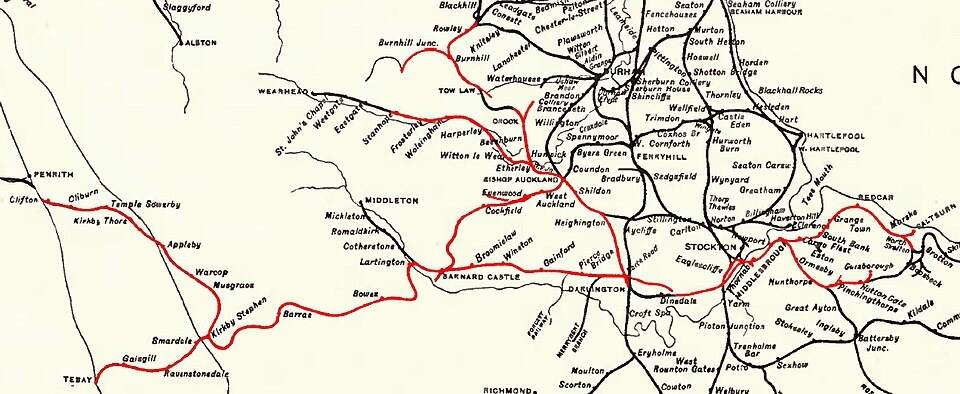
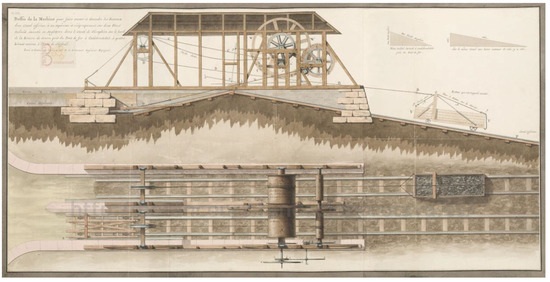
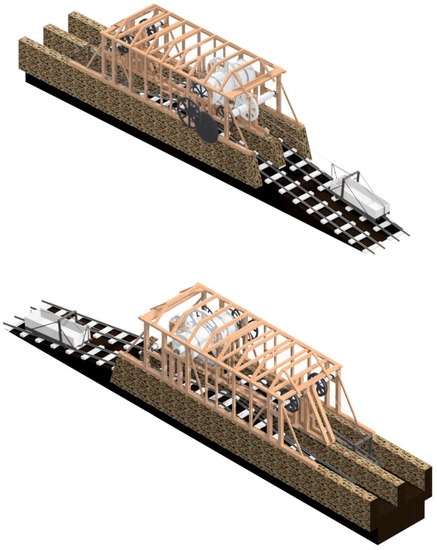
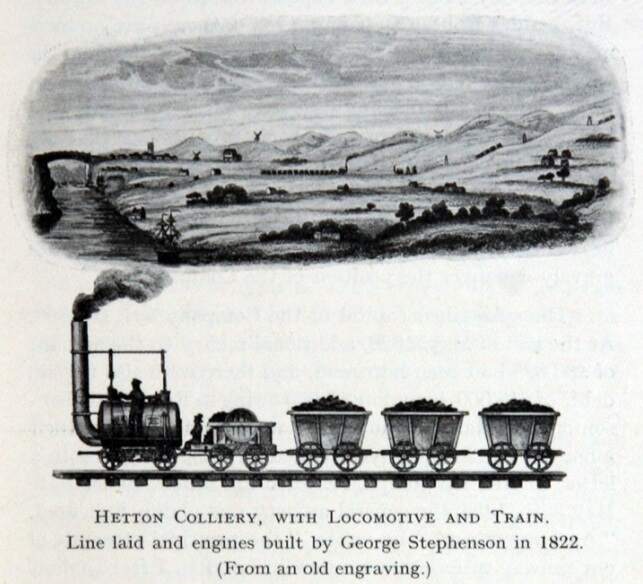
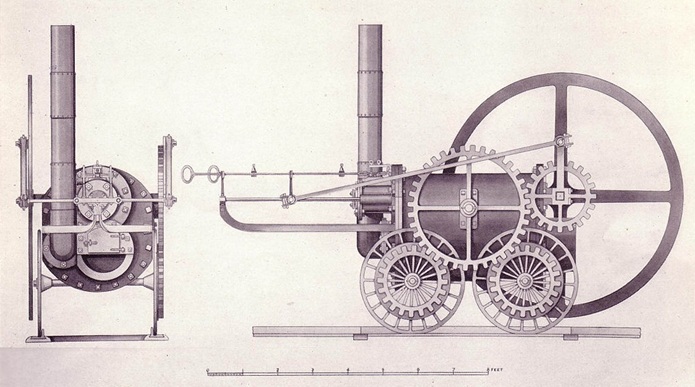
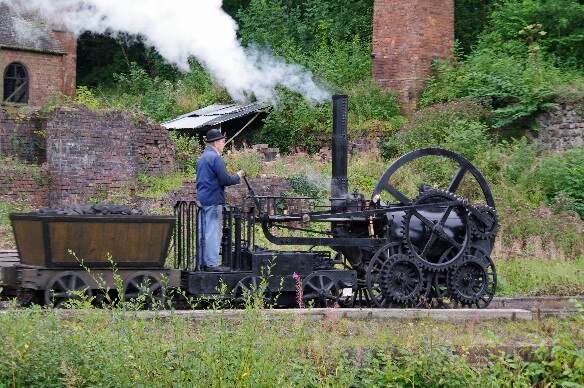
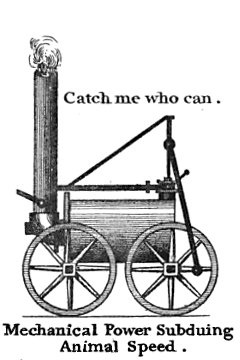
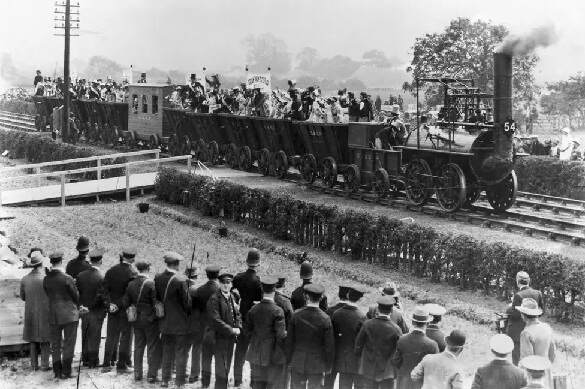
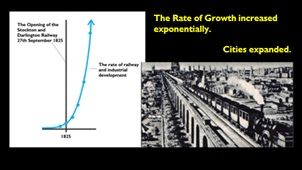
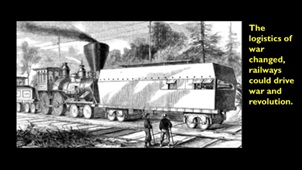
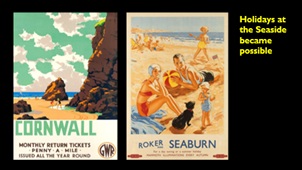


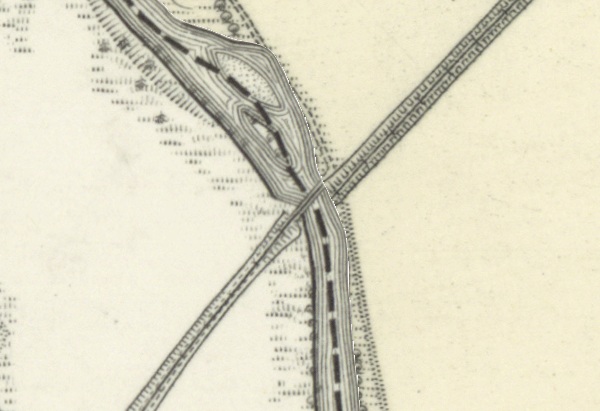
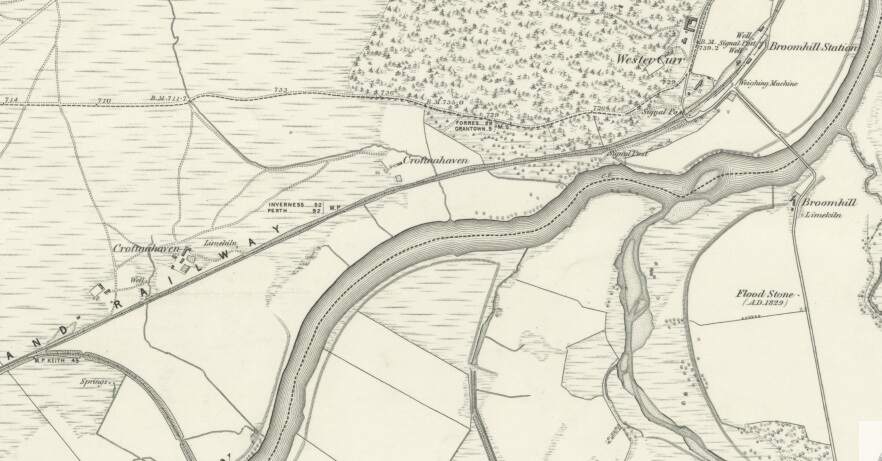
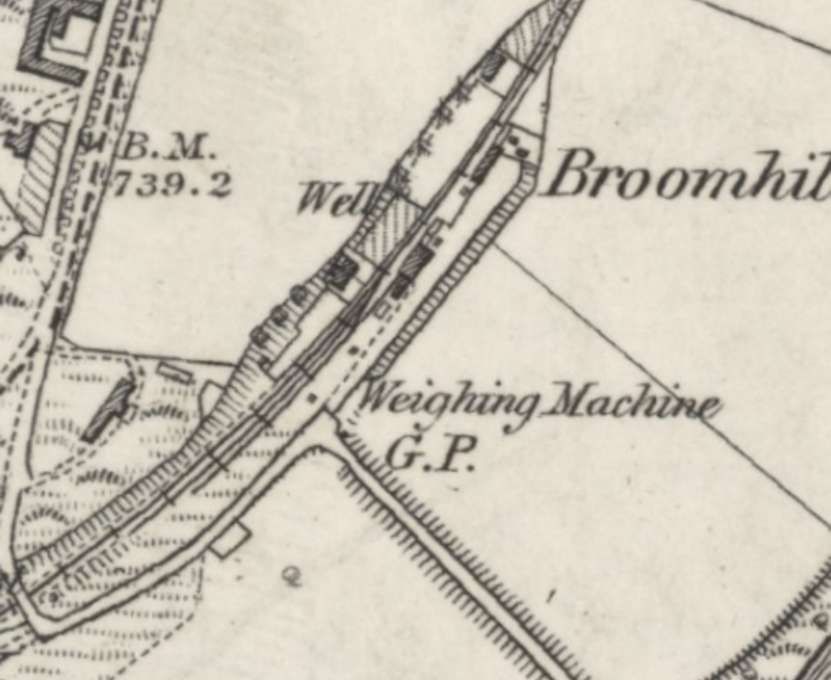
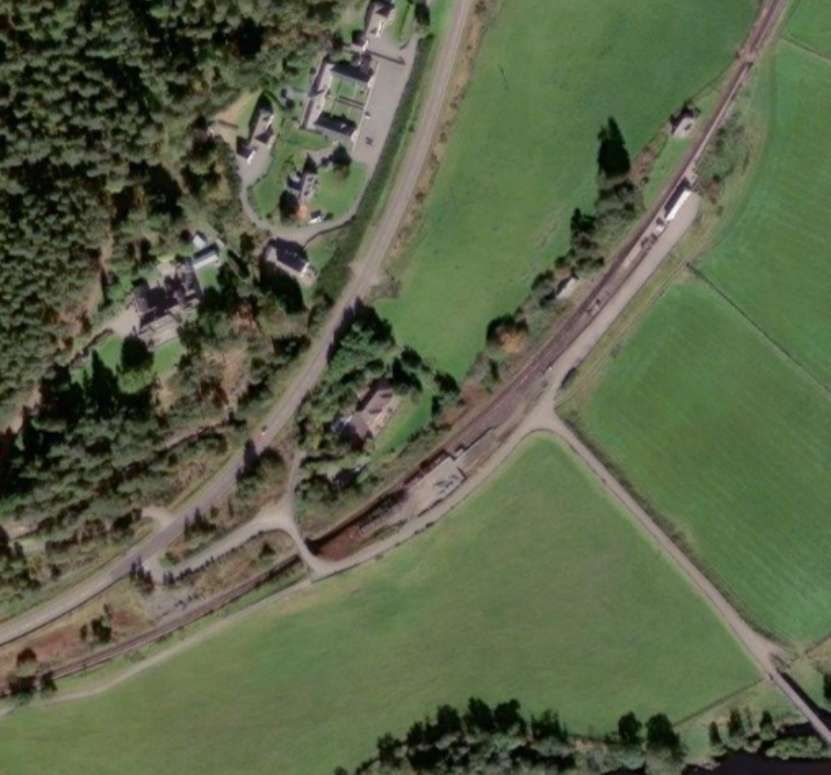
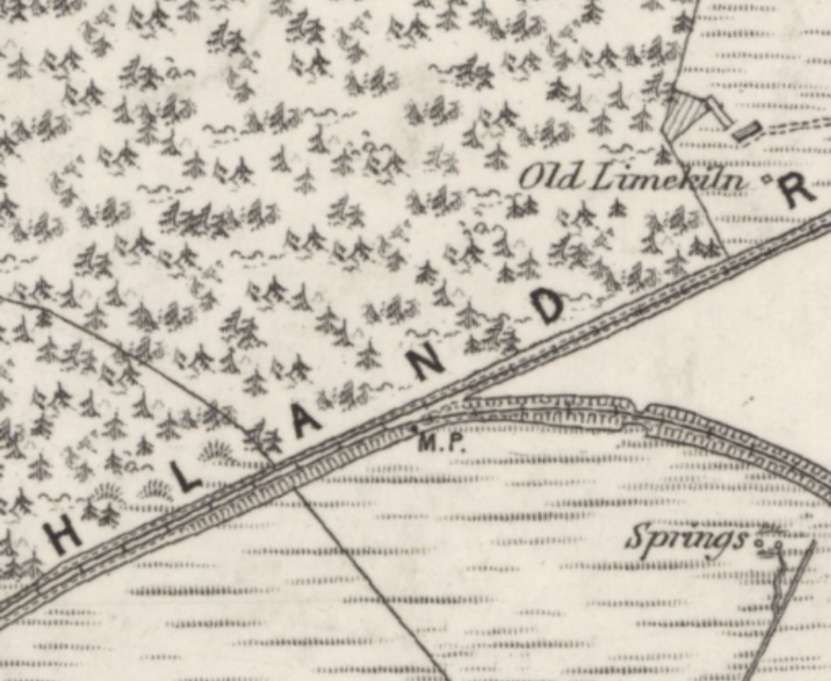
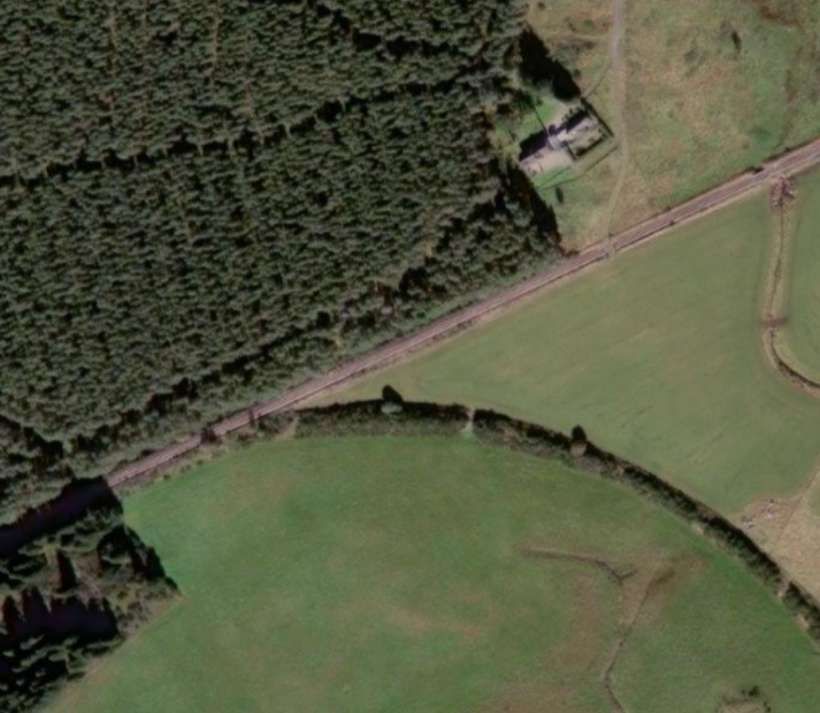
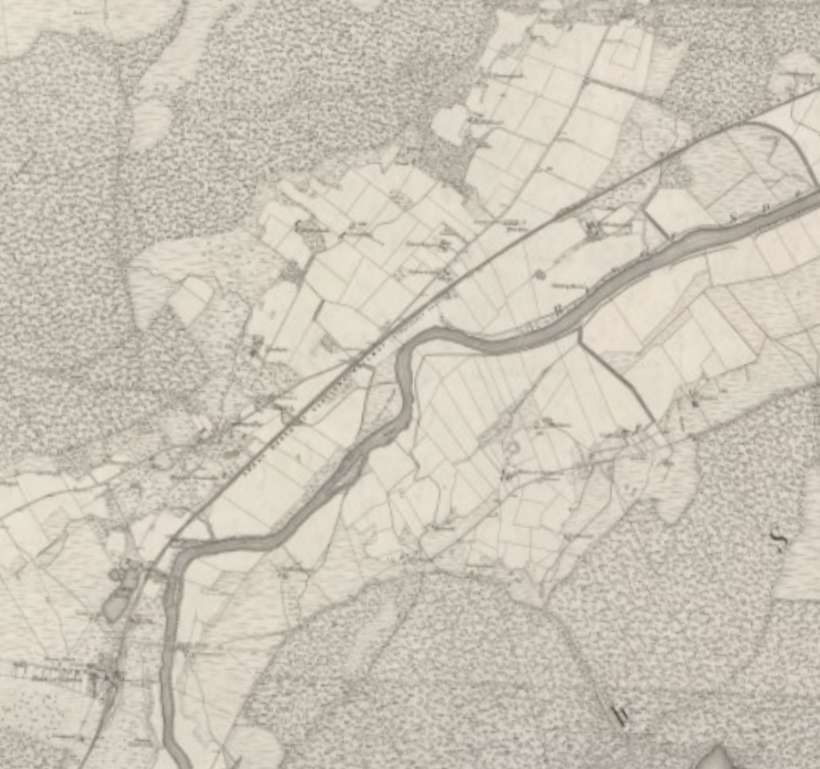
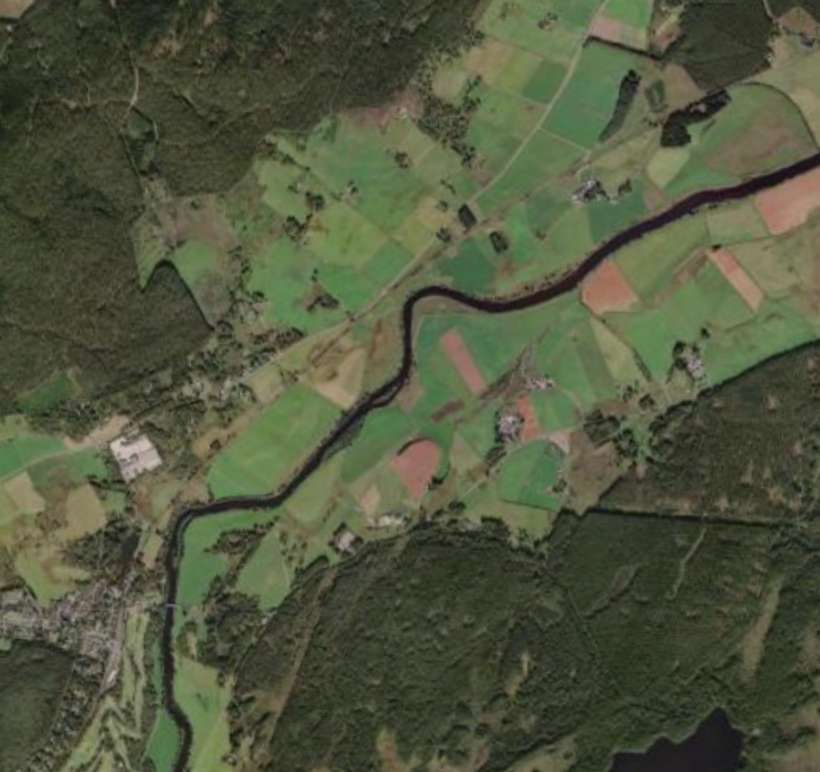
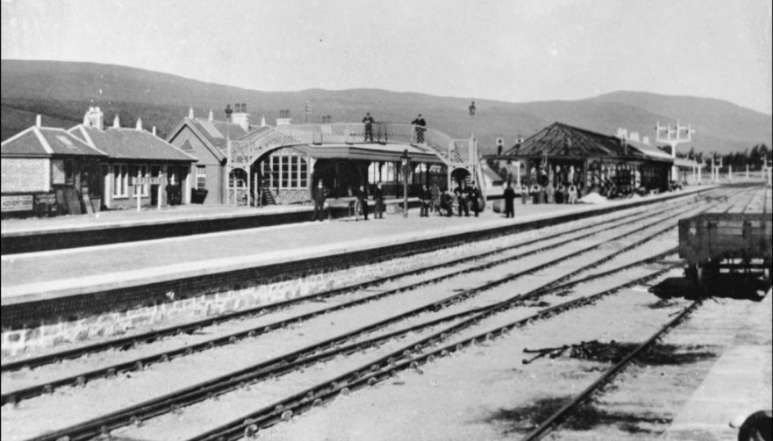
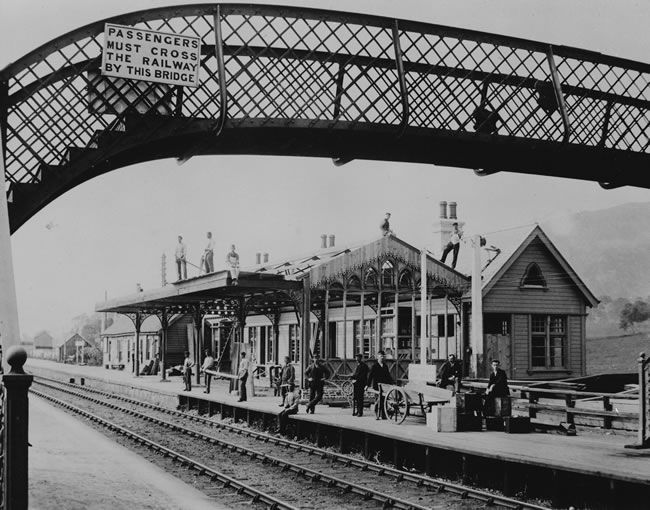
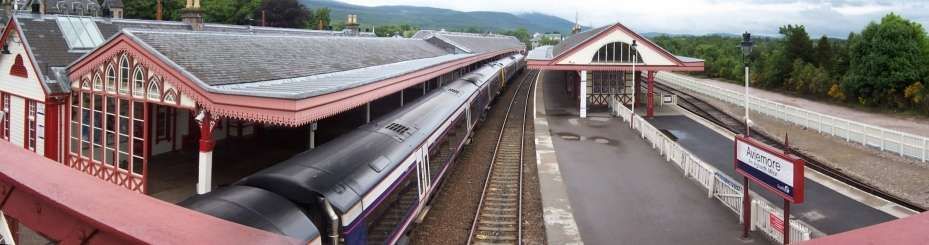
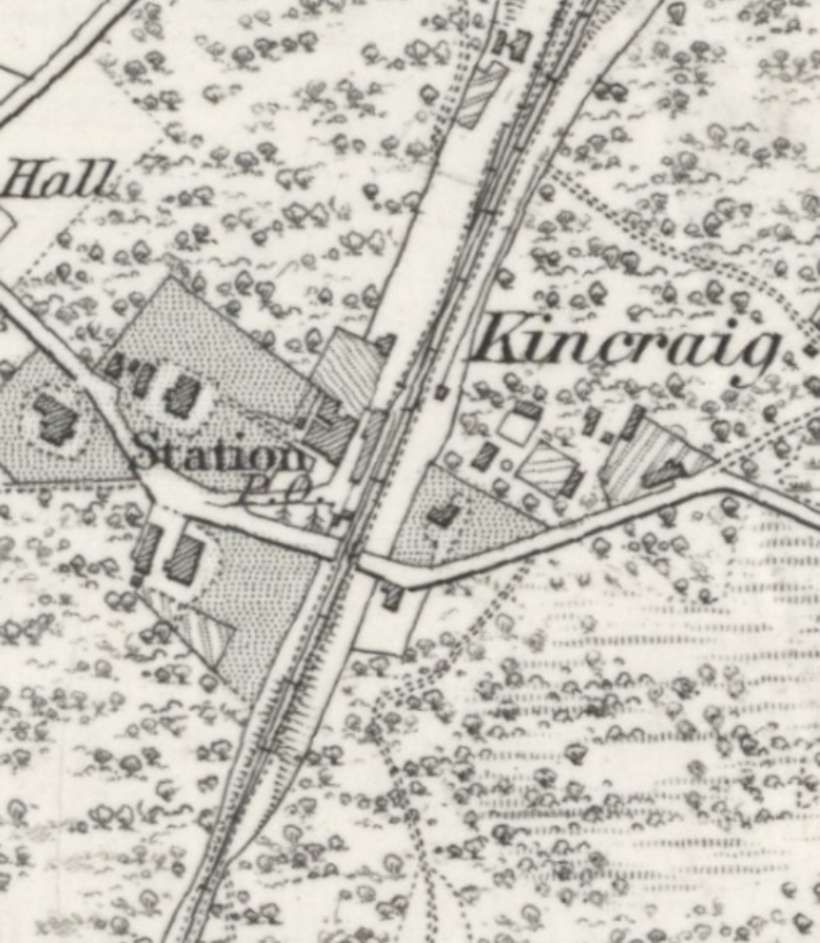
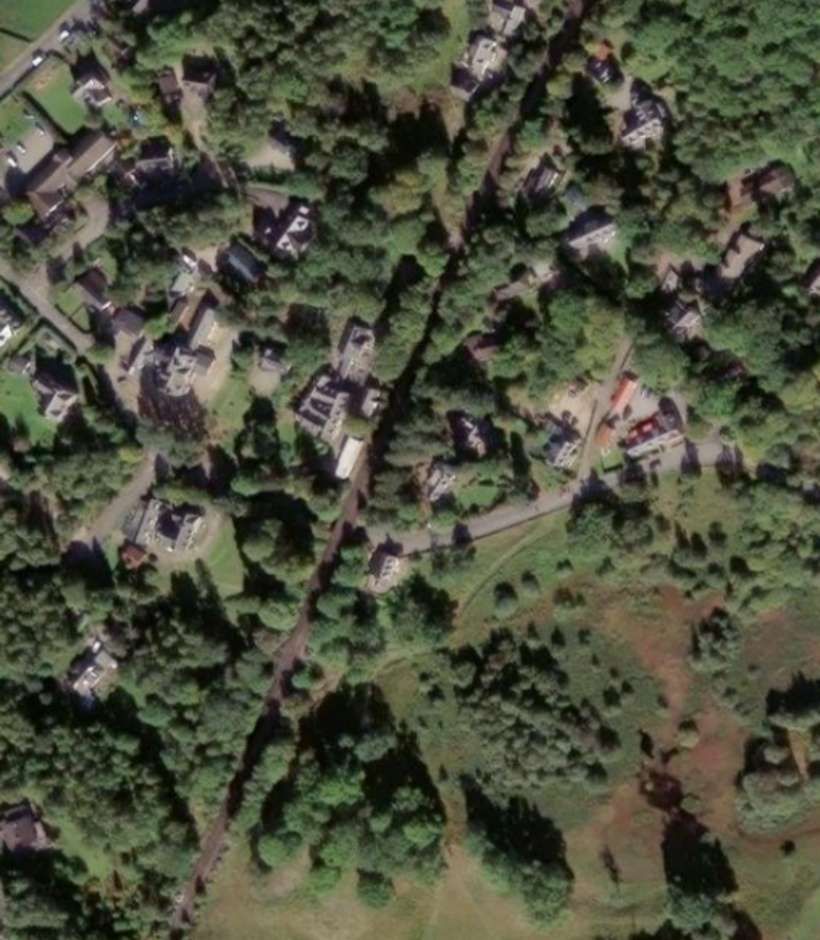





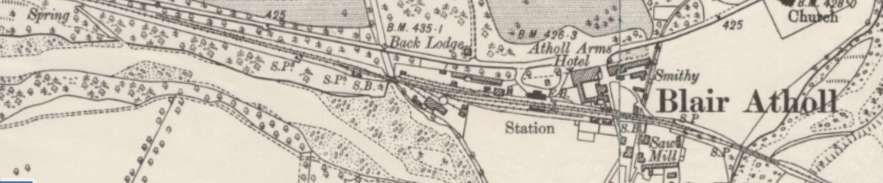
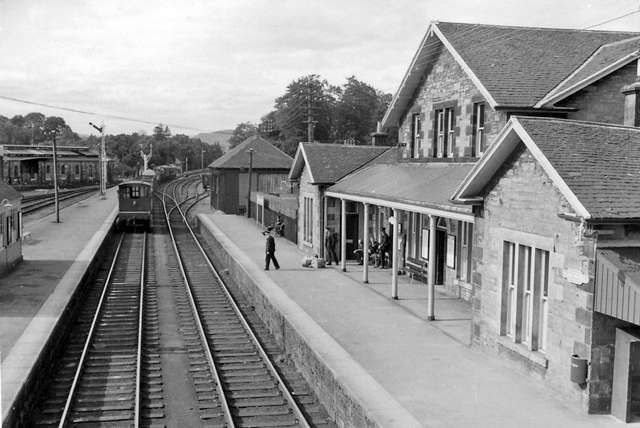

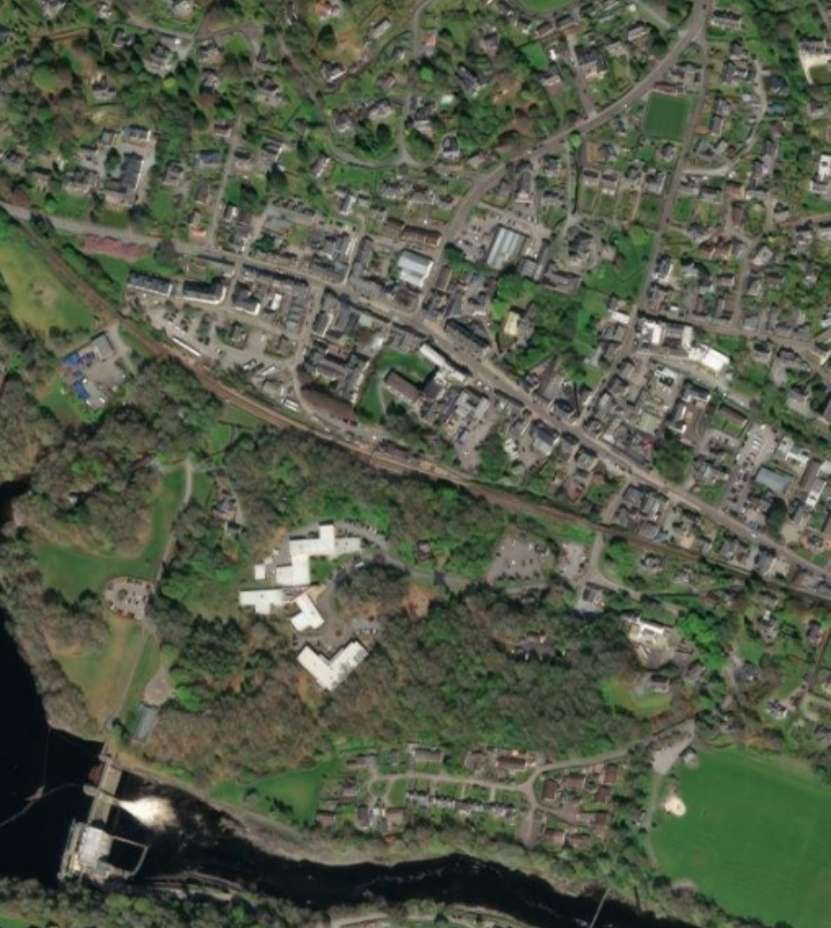
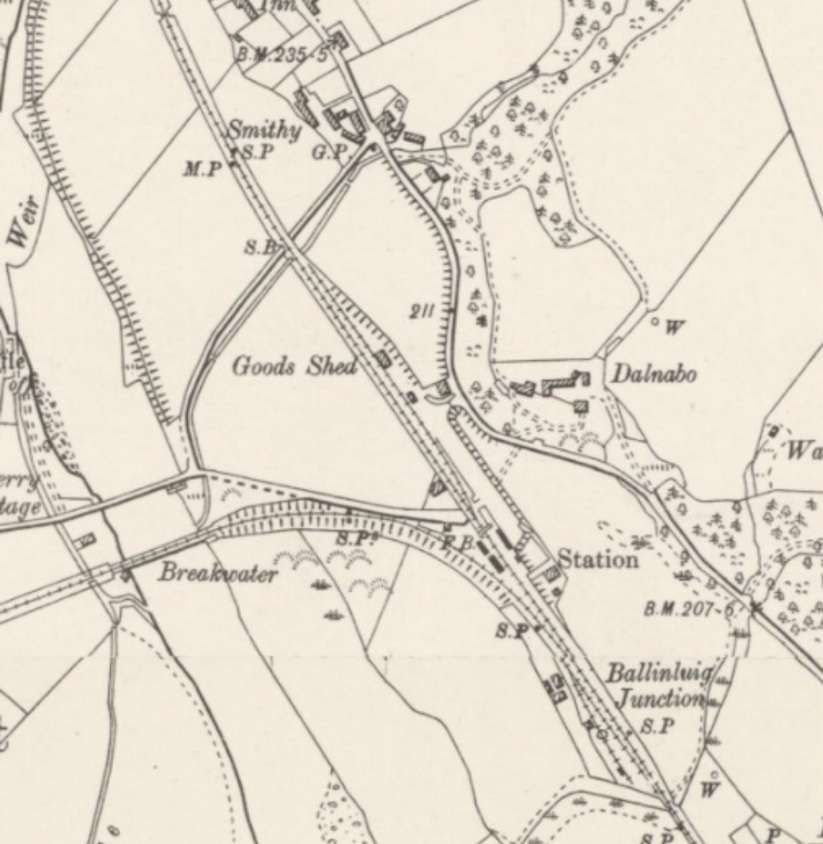
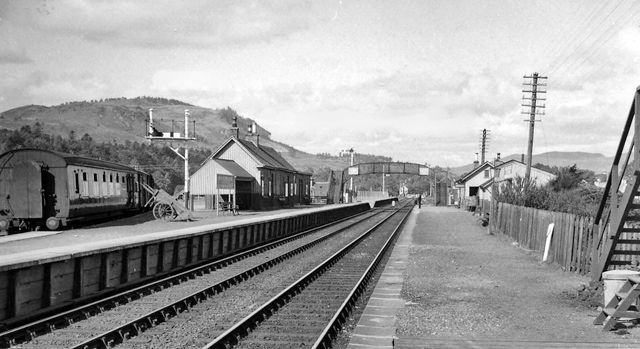

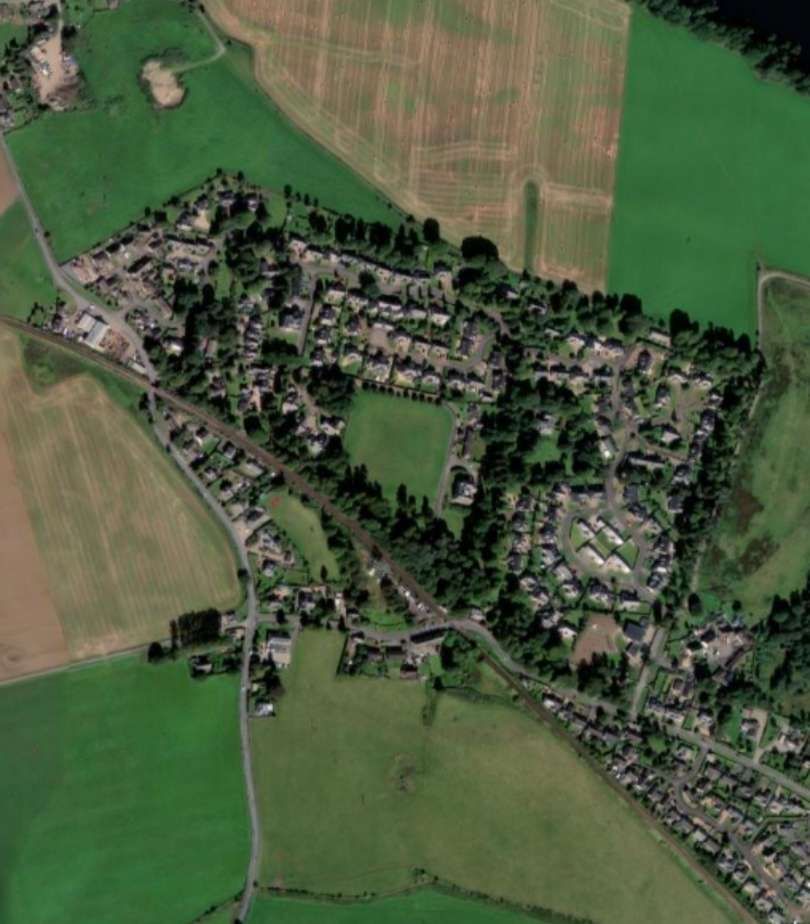
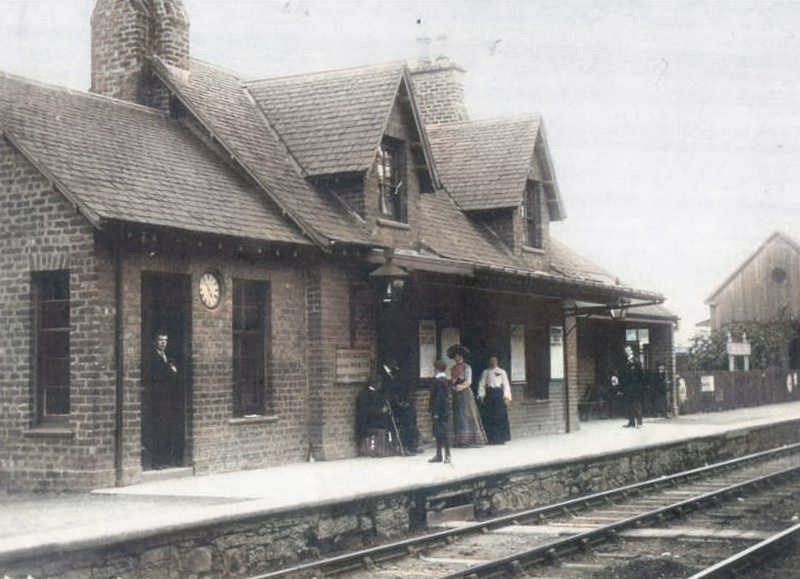
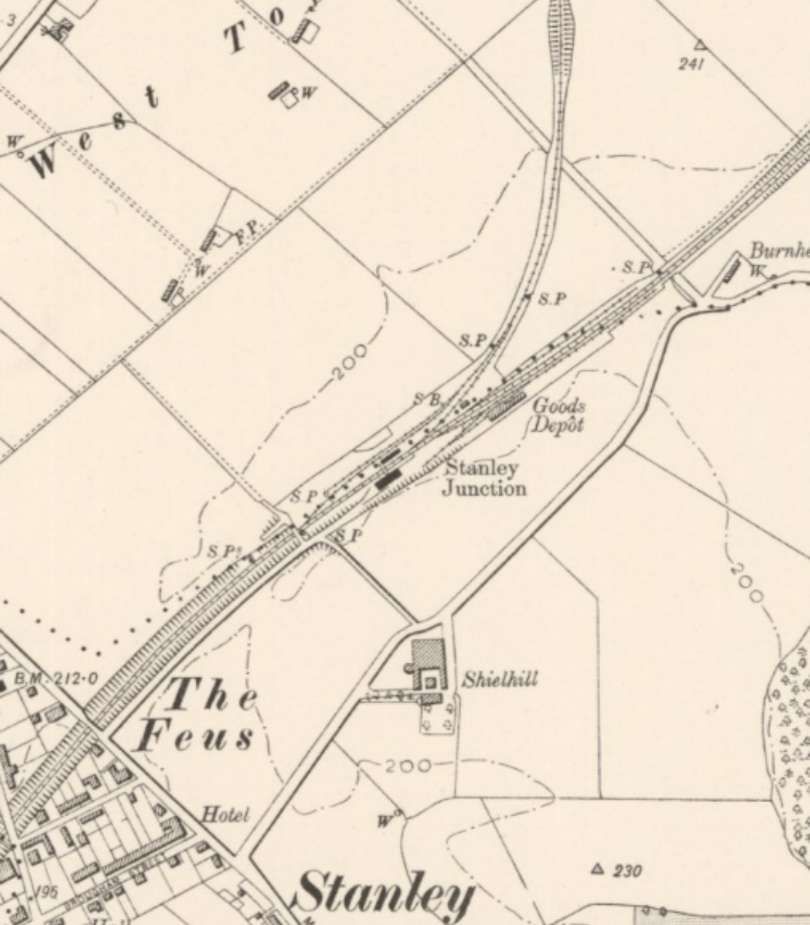
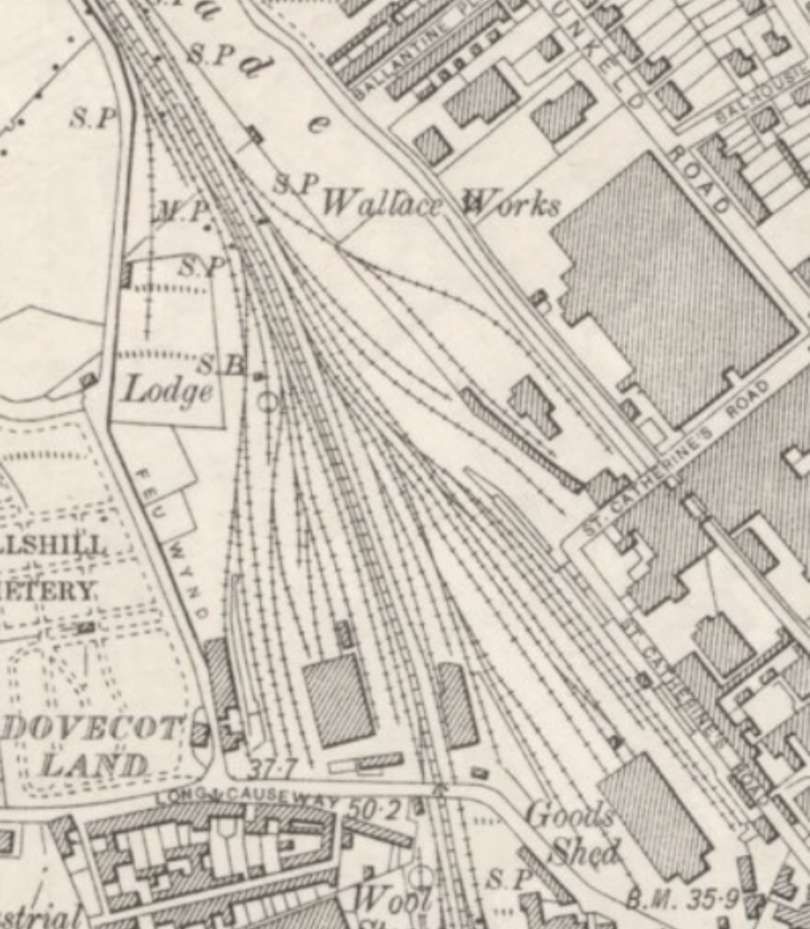
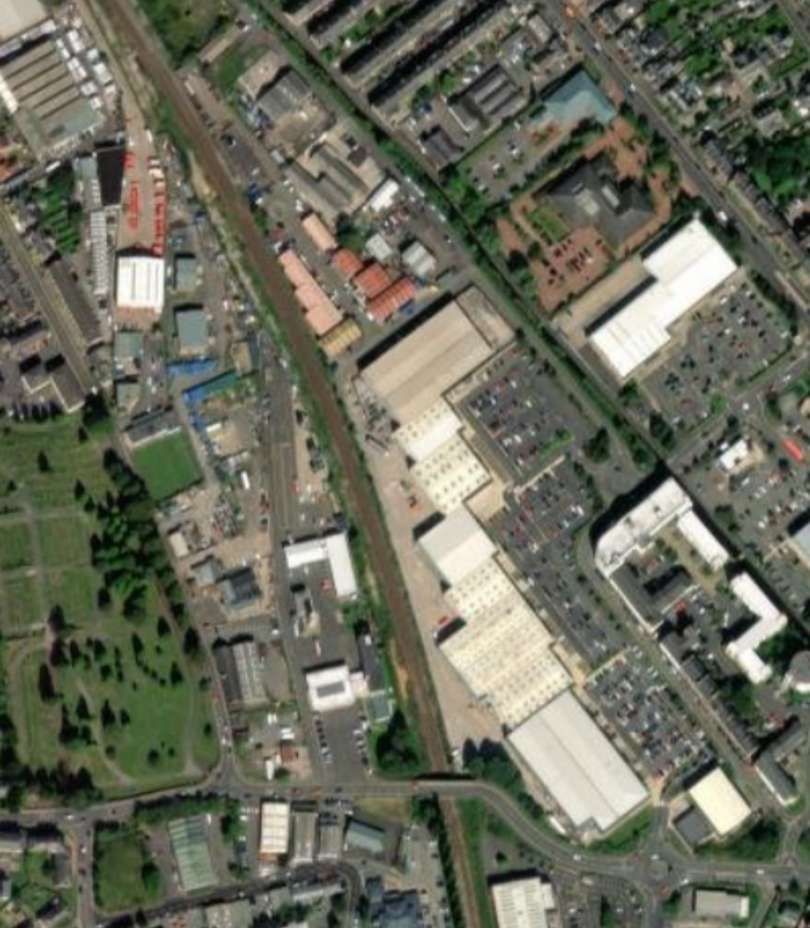
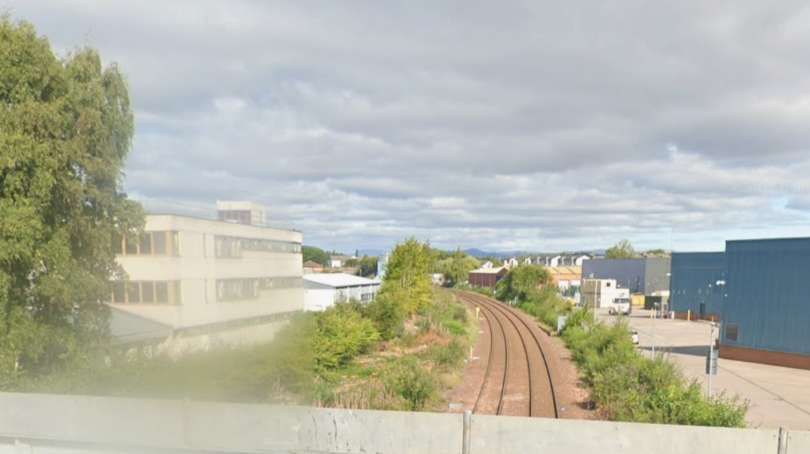
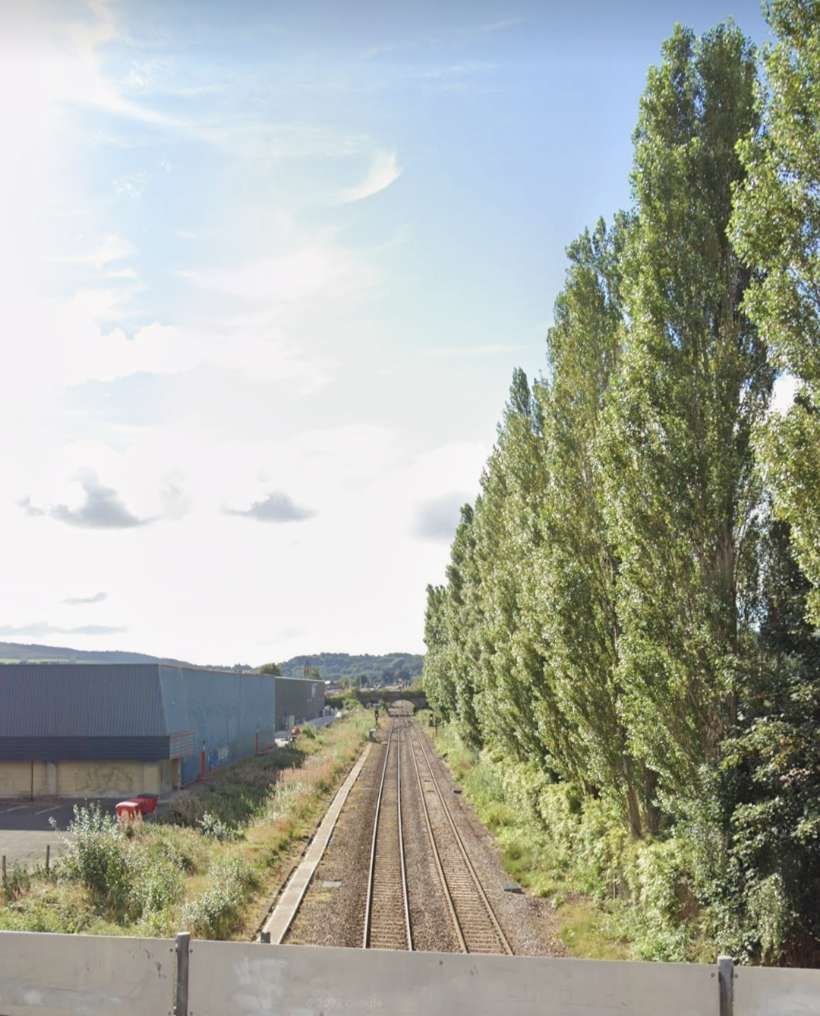
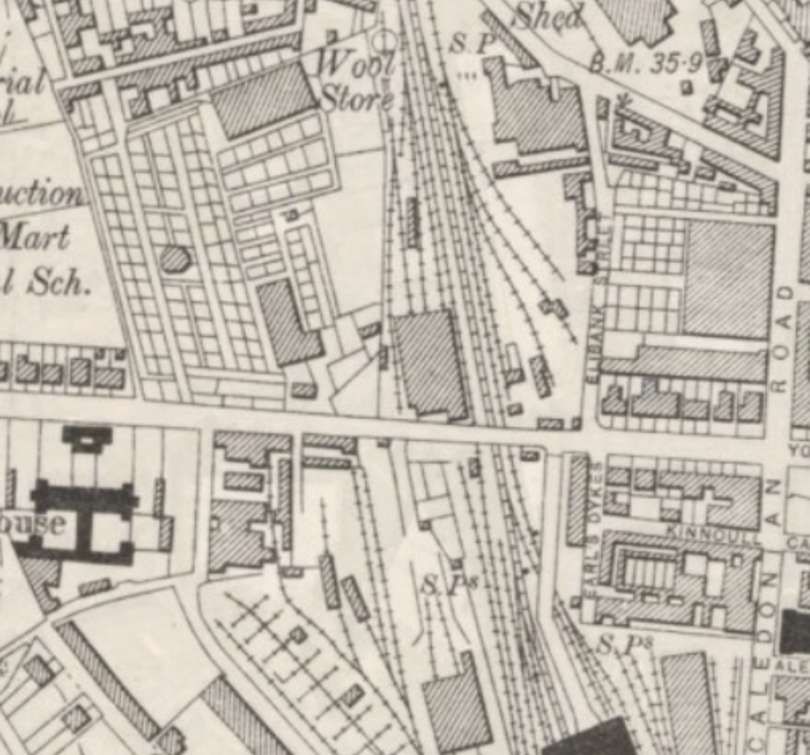
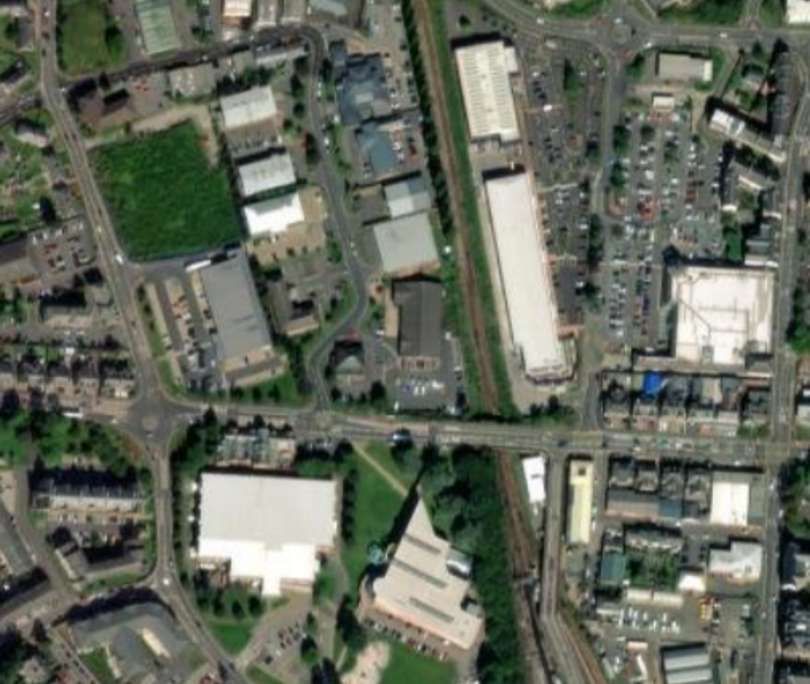
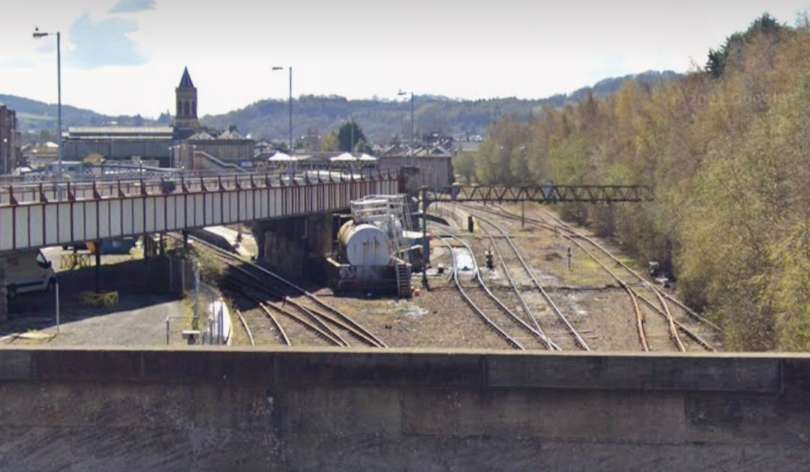
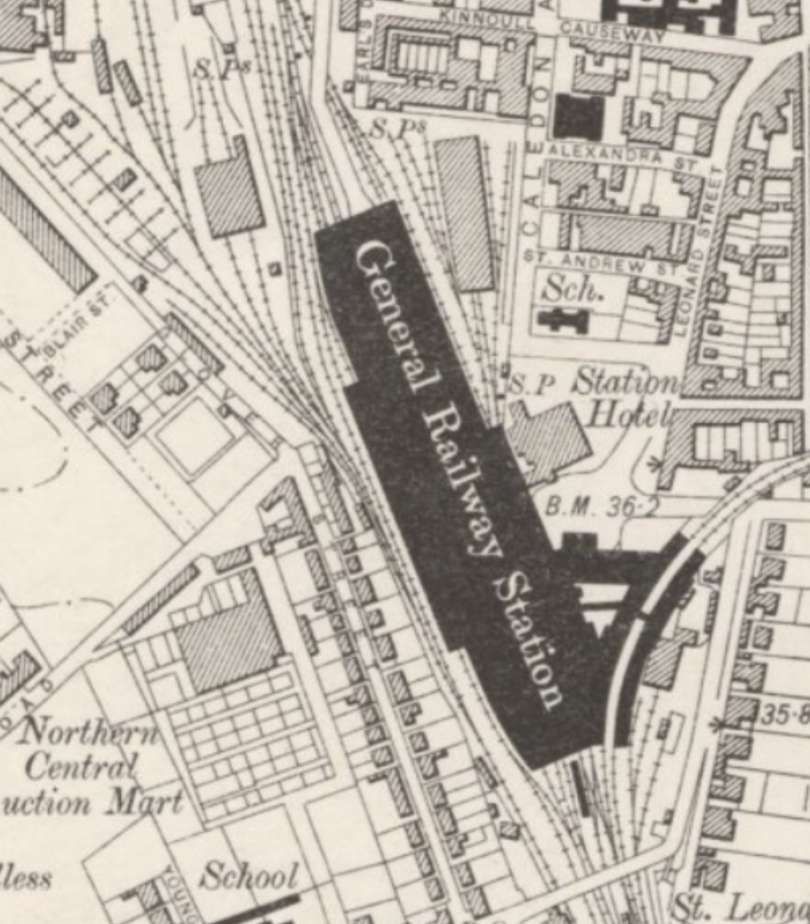
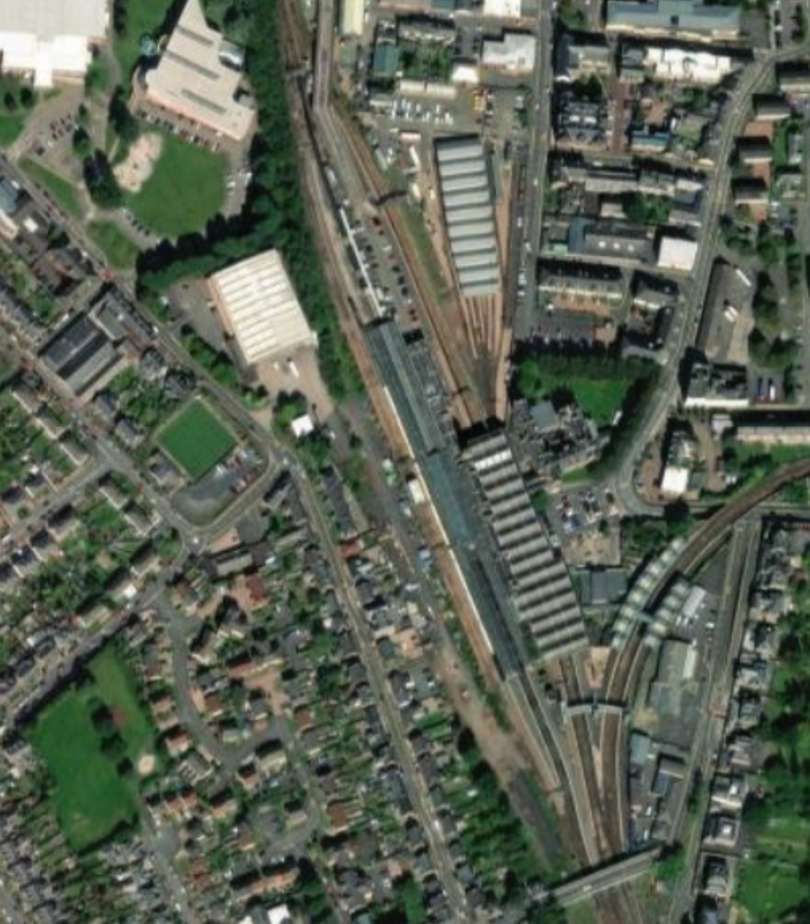
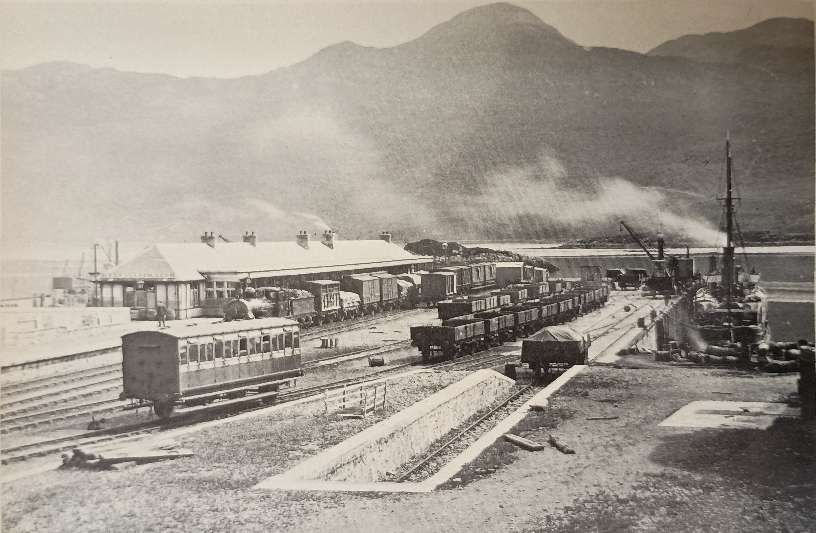
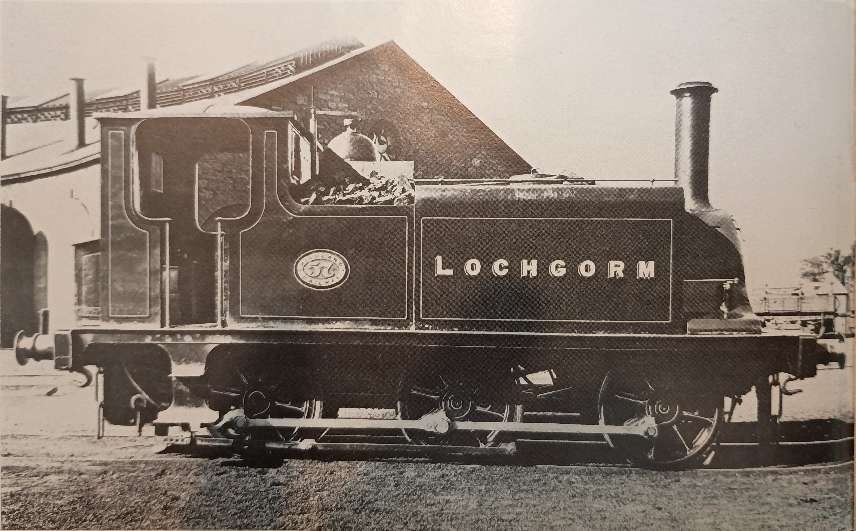
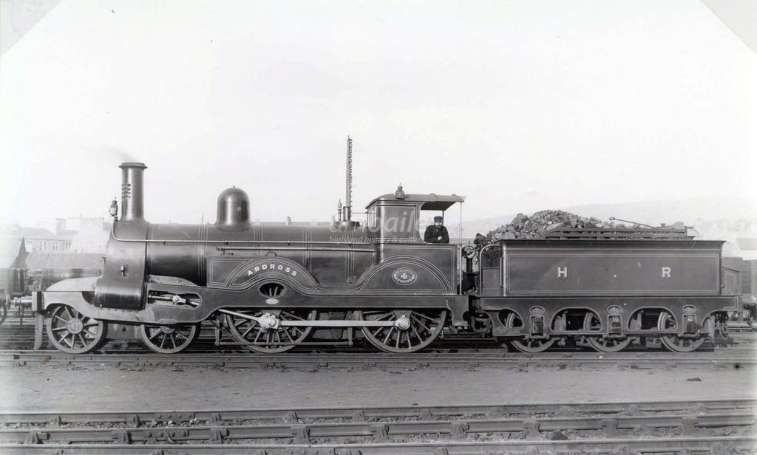
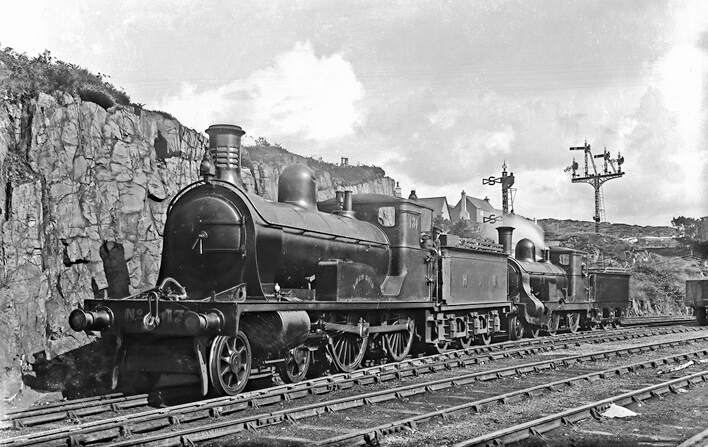

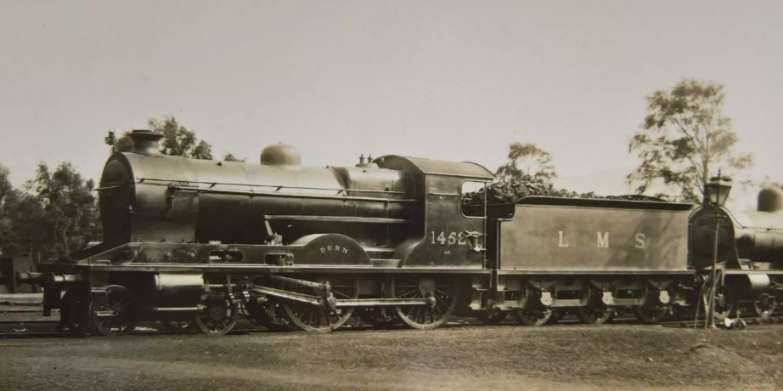
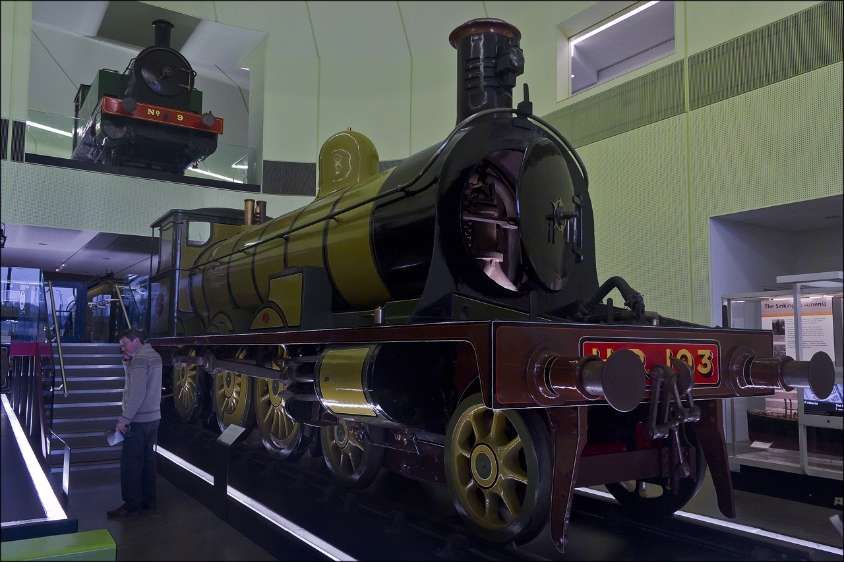

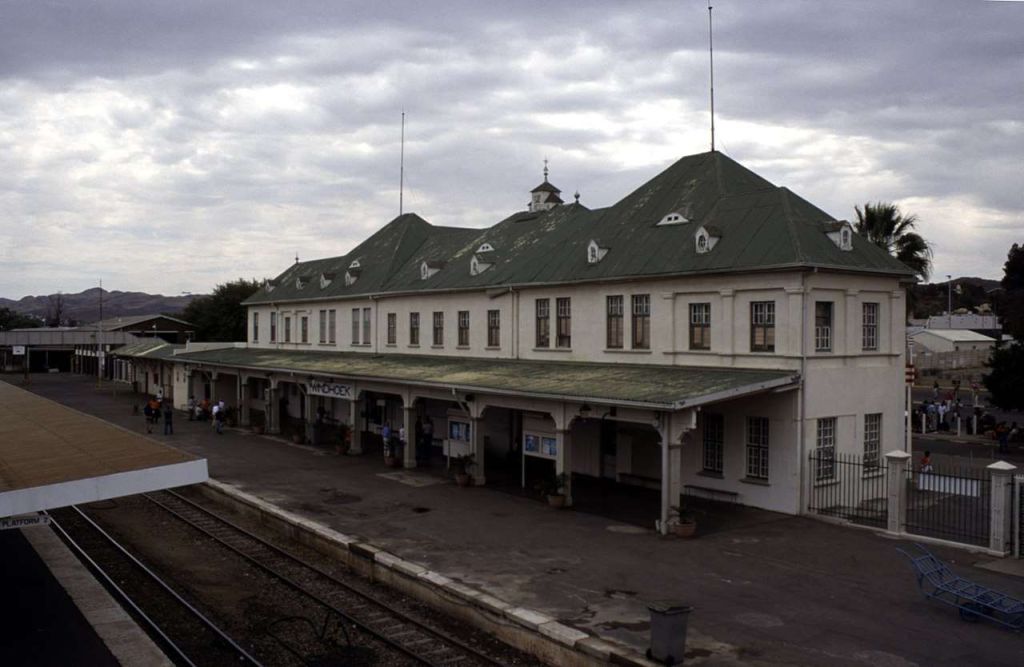



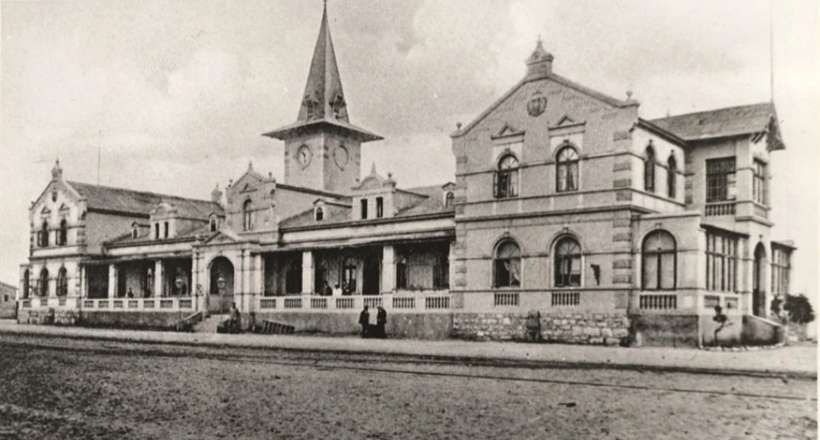

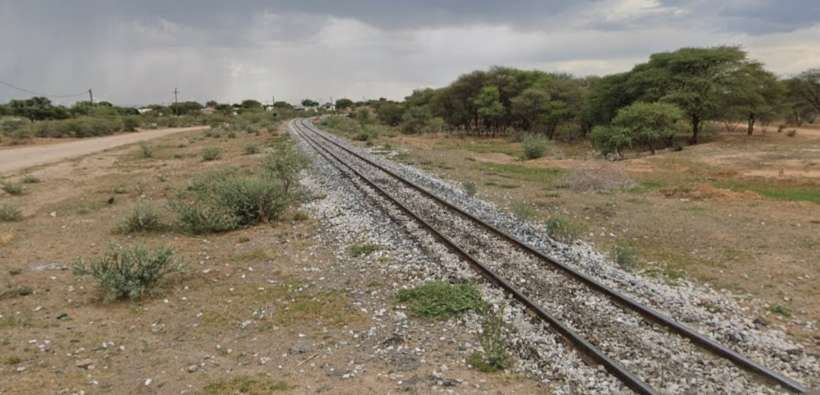
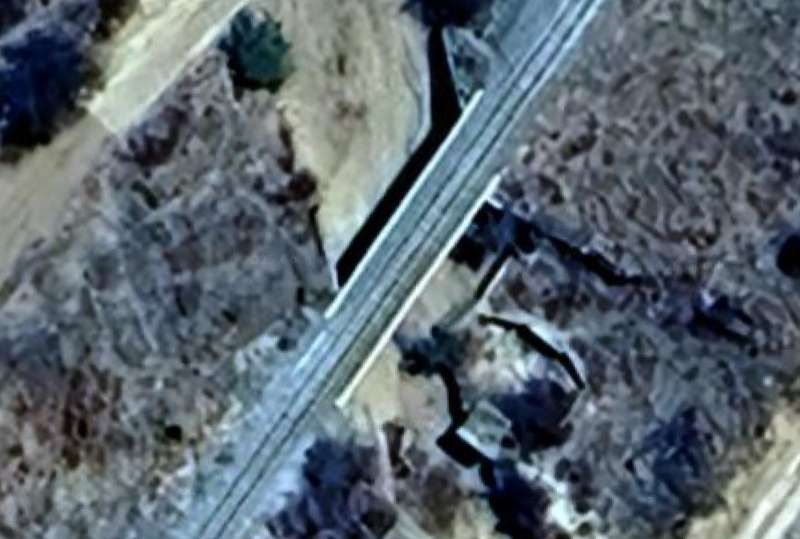
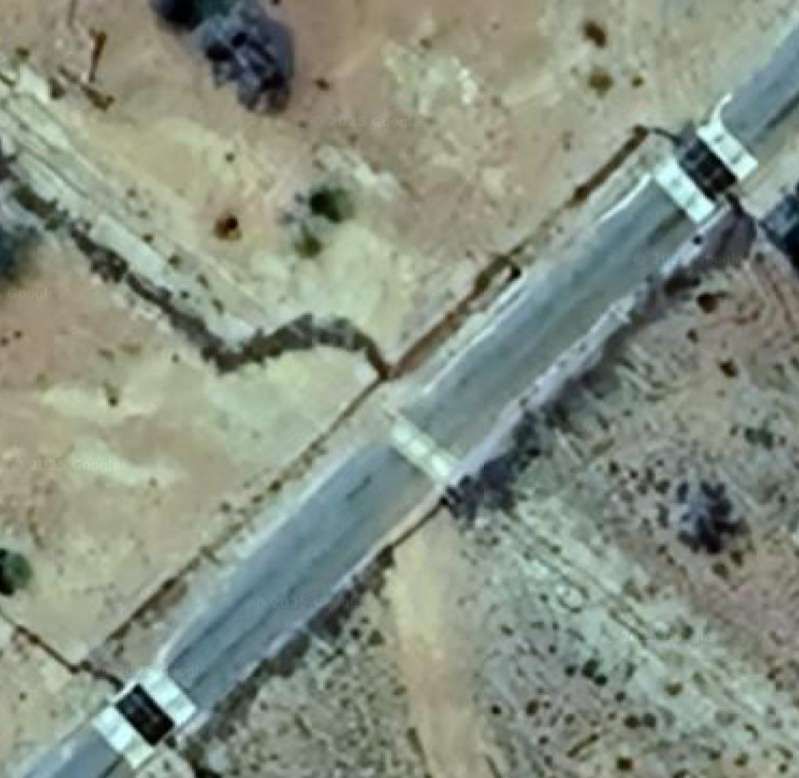
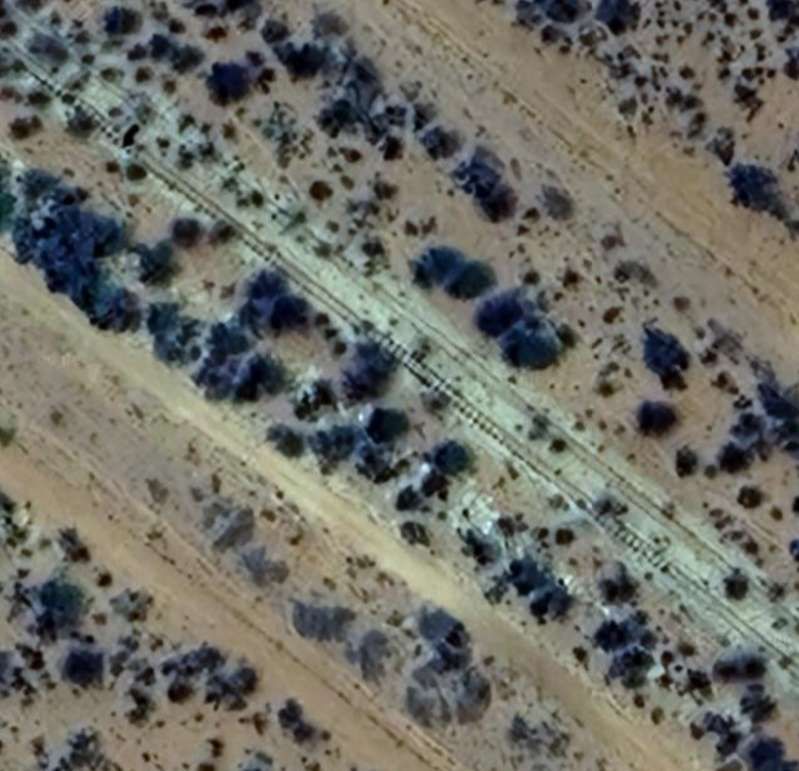
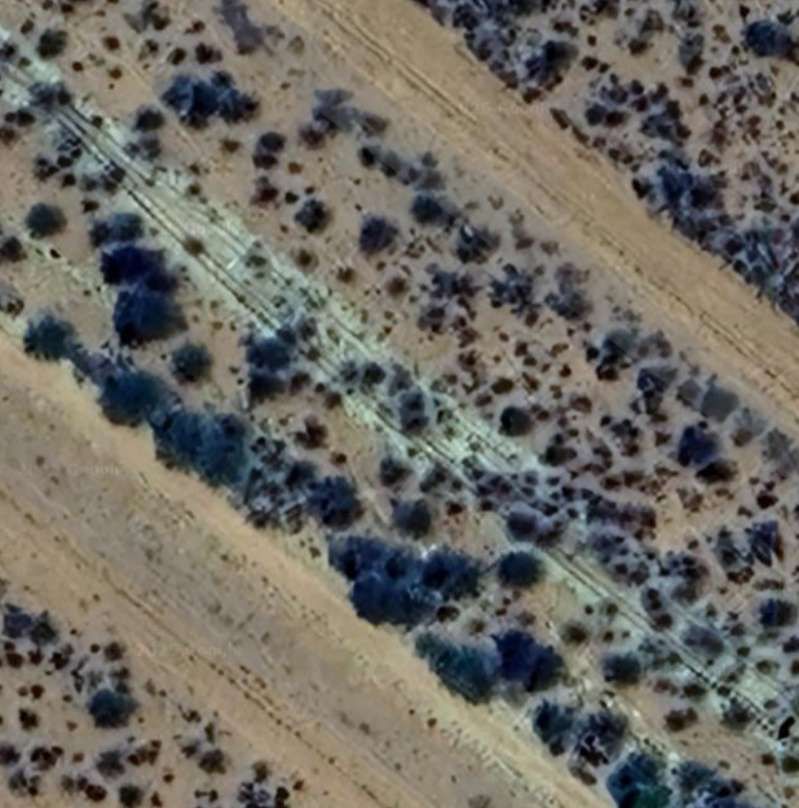
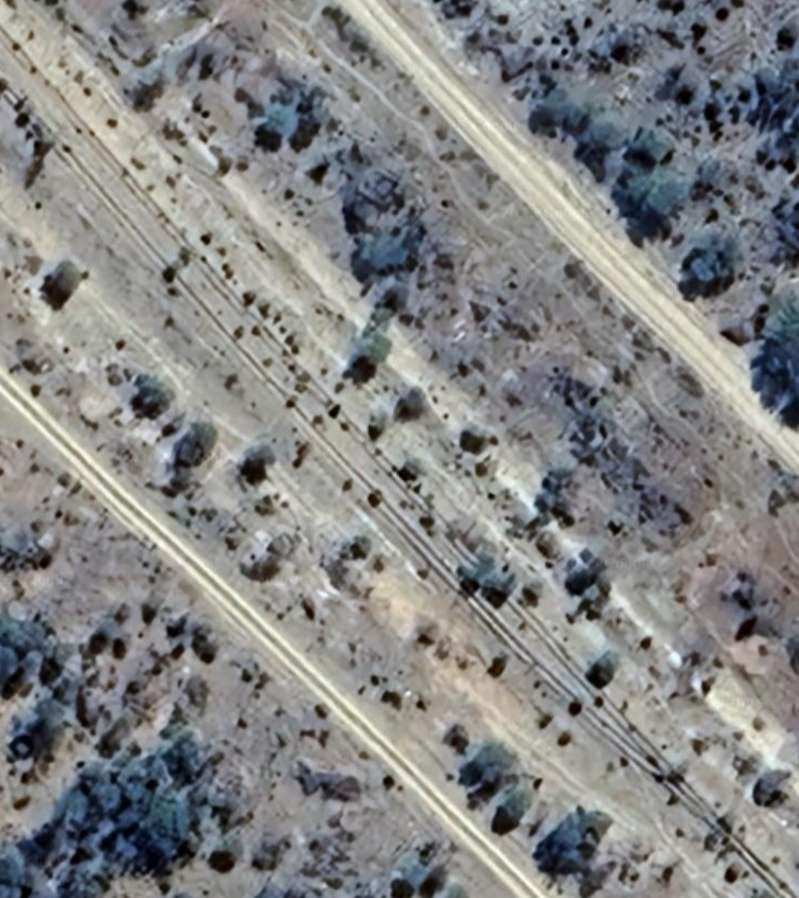
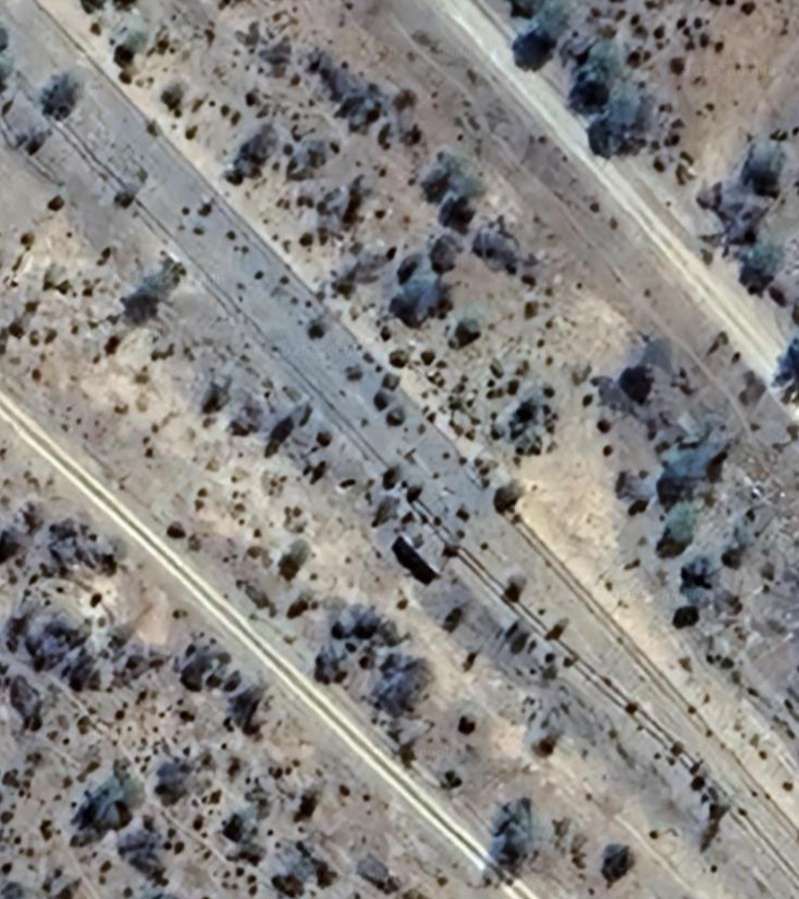

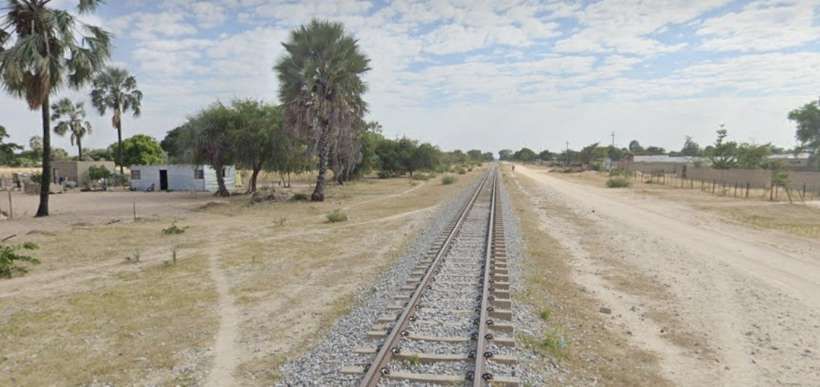
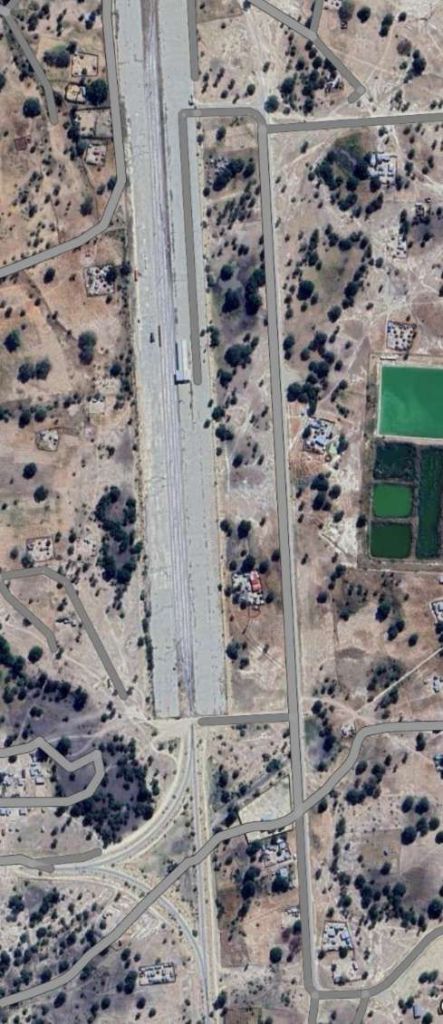
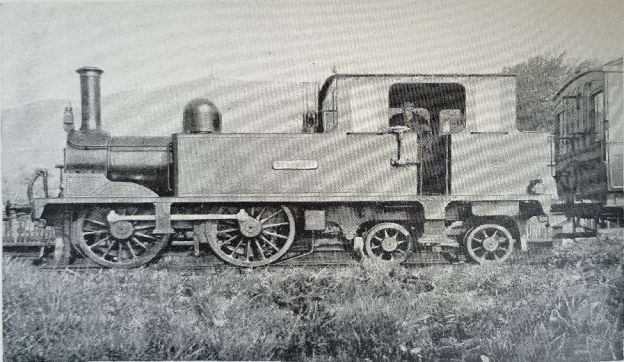

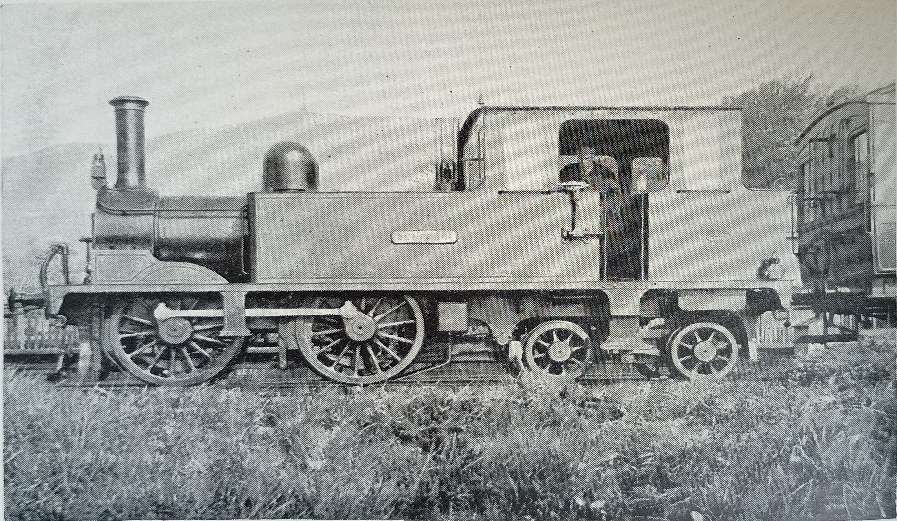
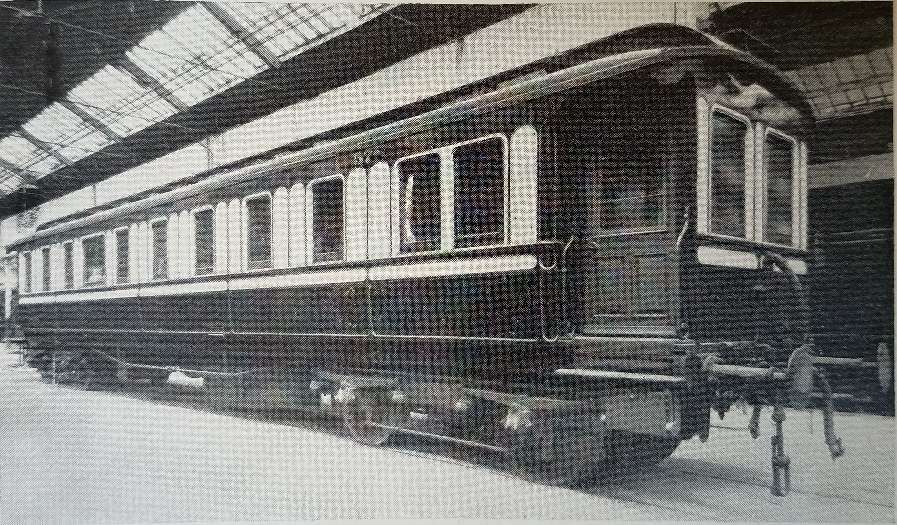

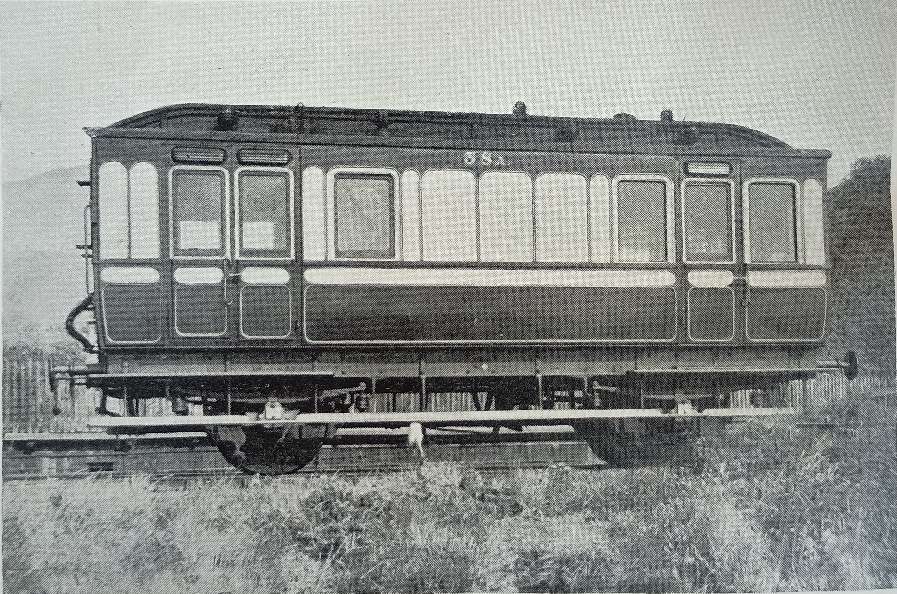
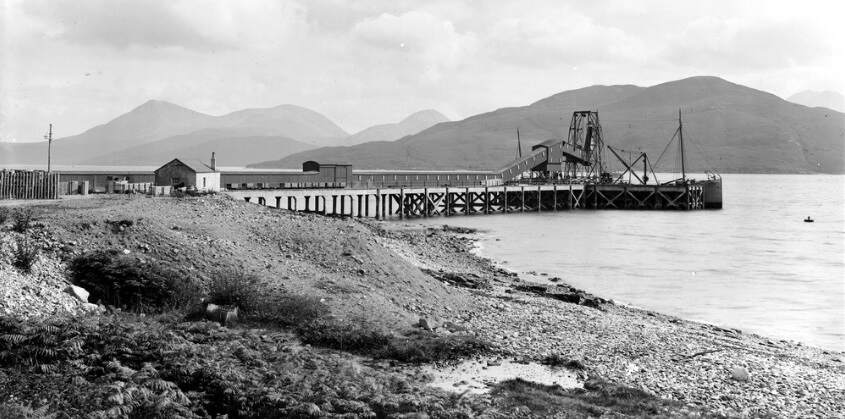
 Roger Farnworth


.JPG)
.jpg)








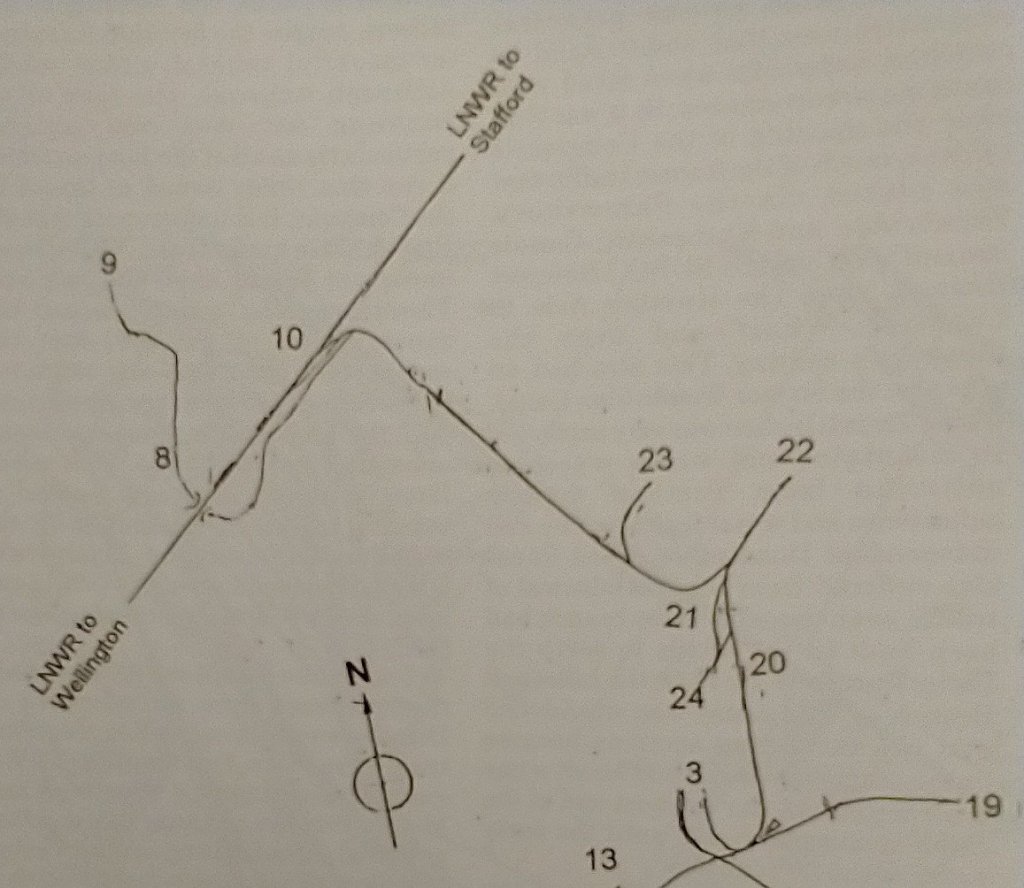
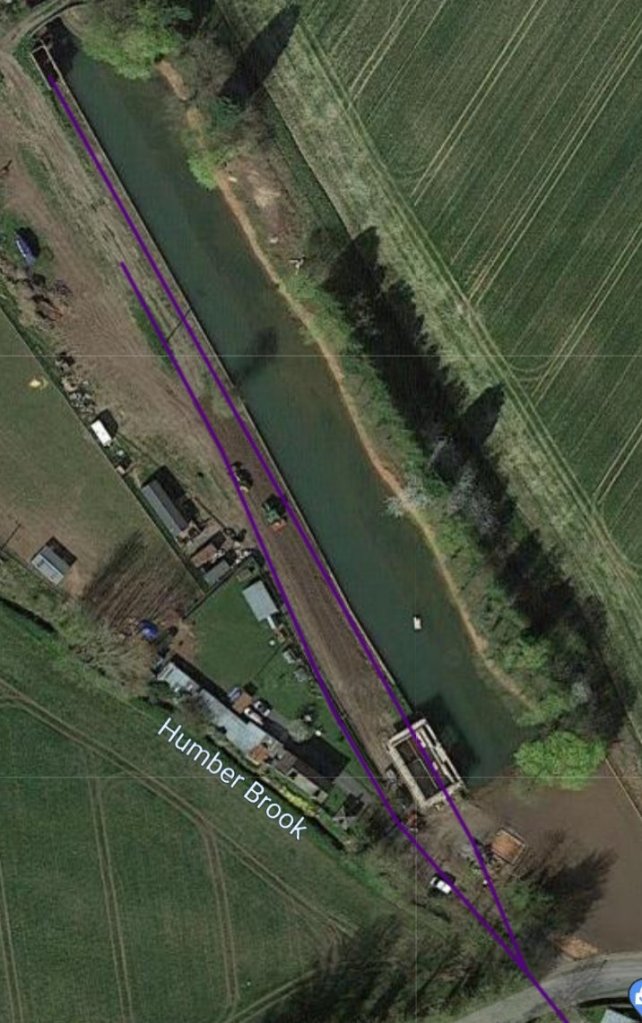

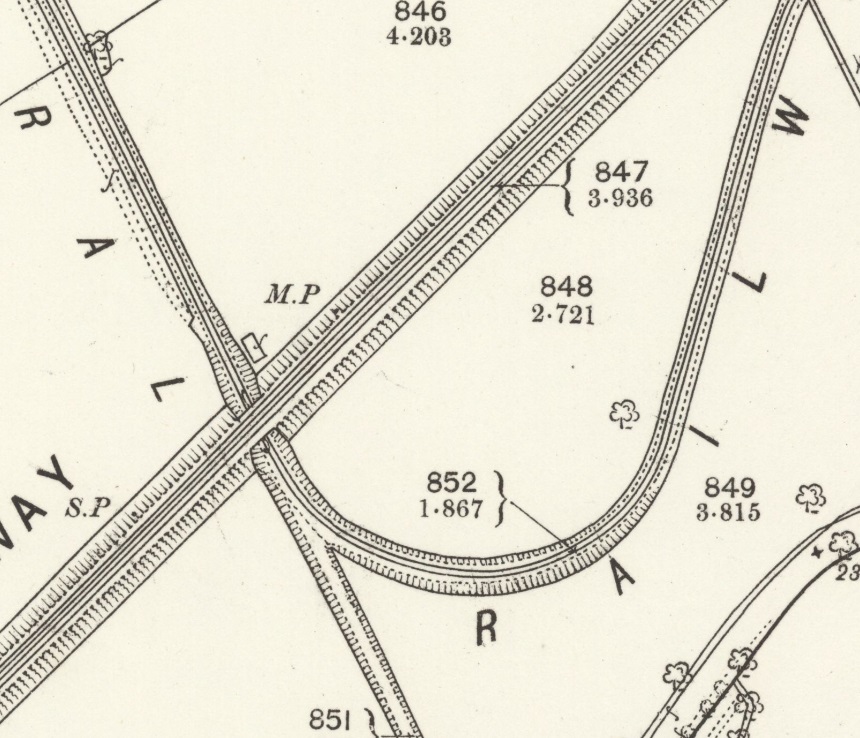
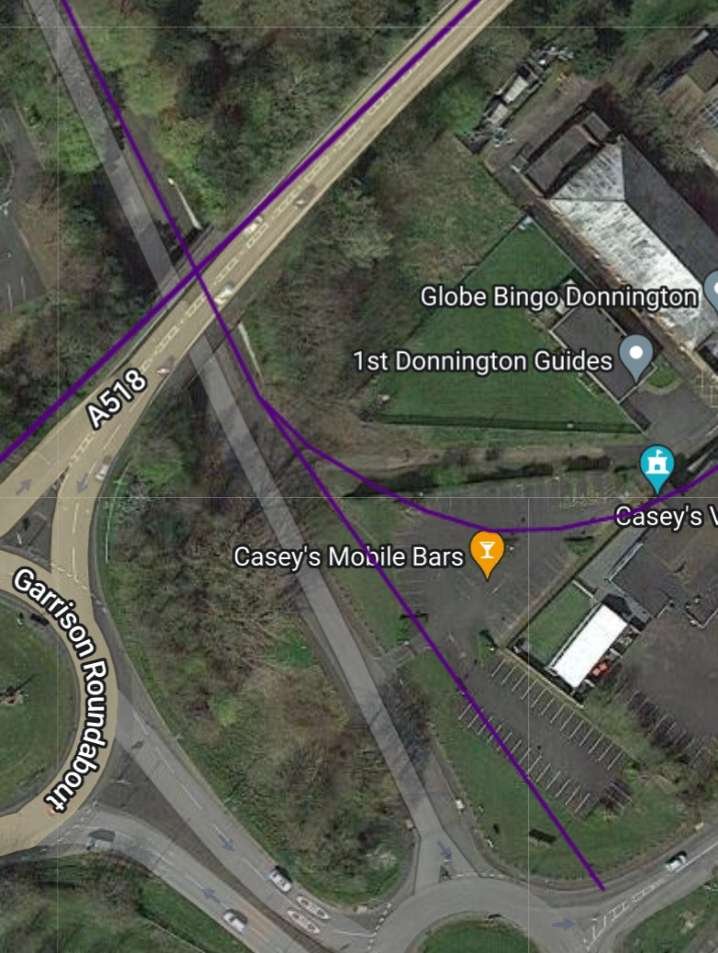
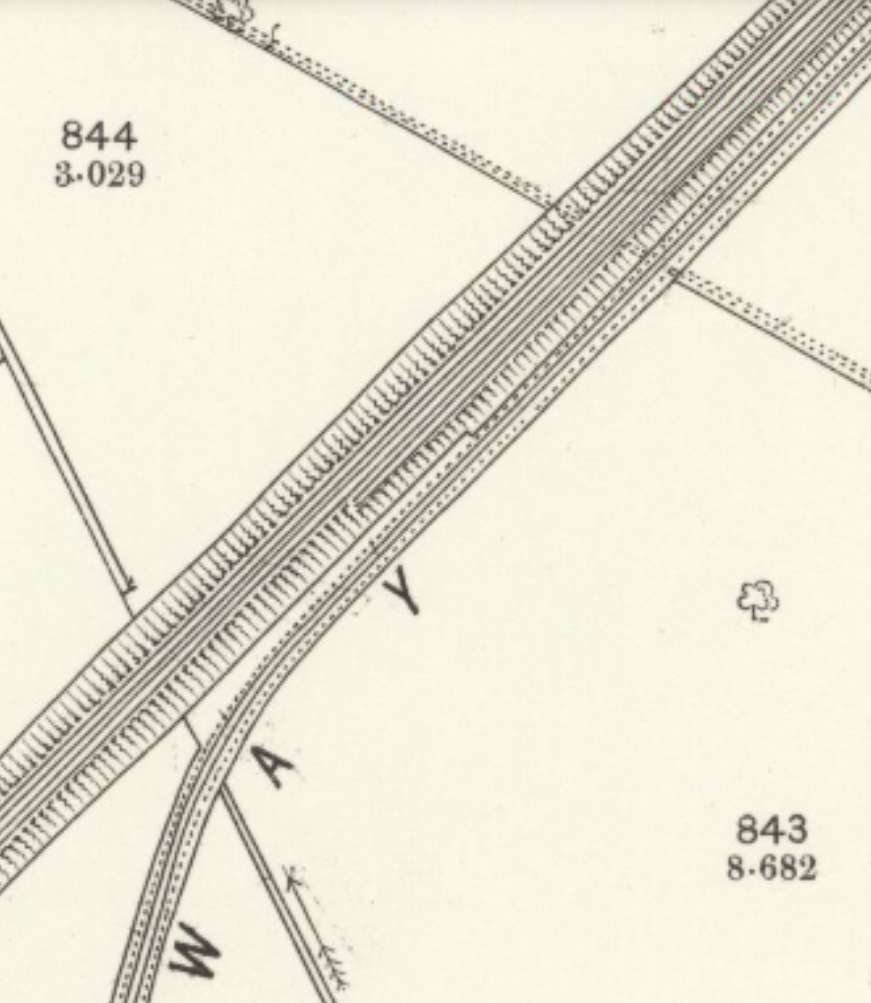
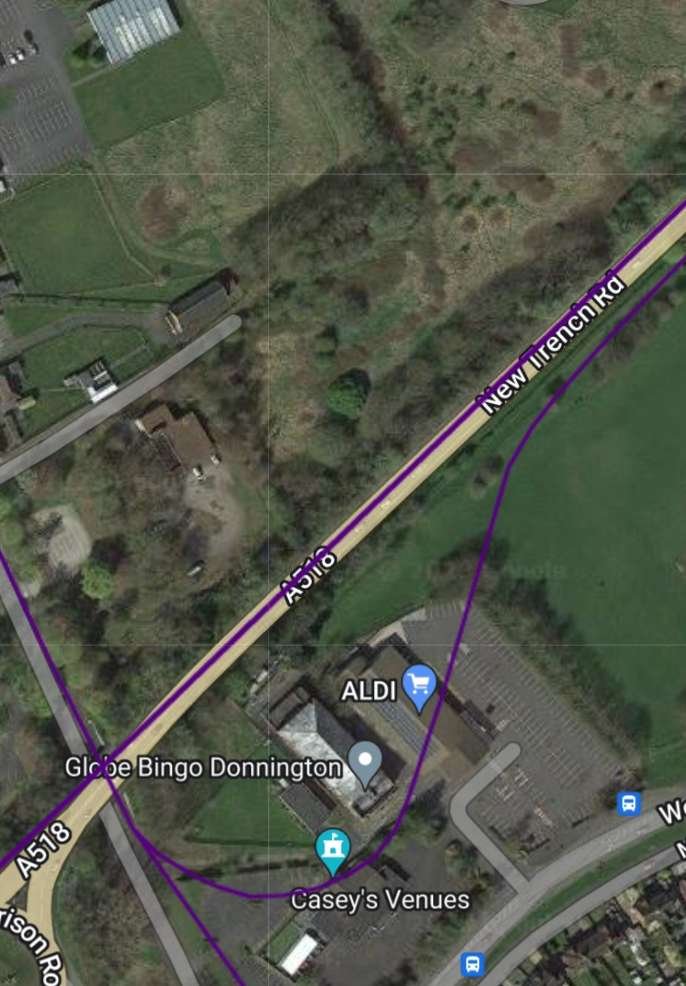
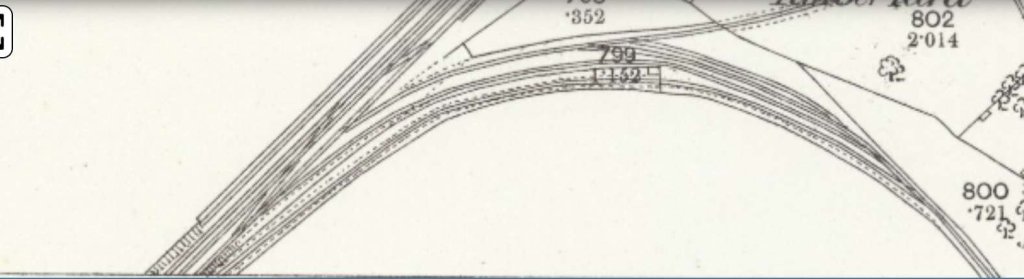
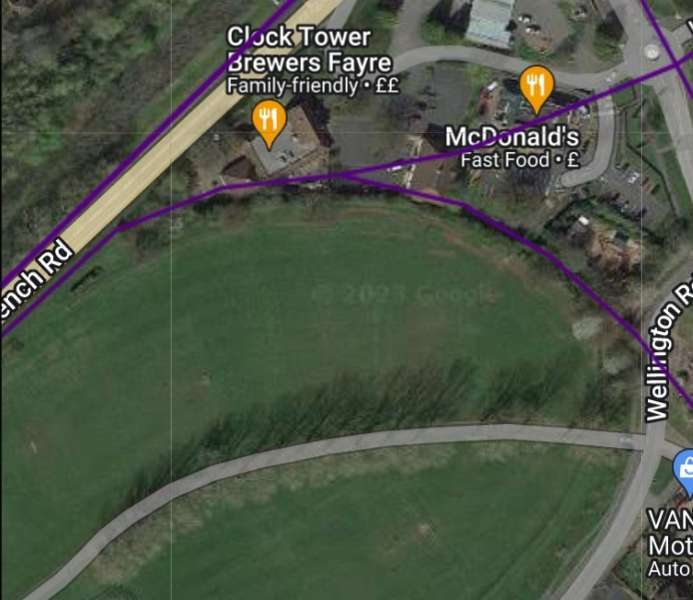

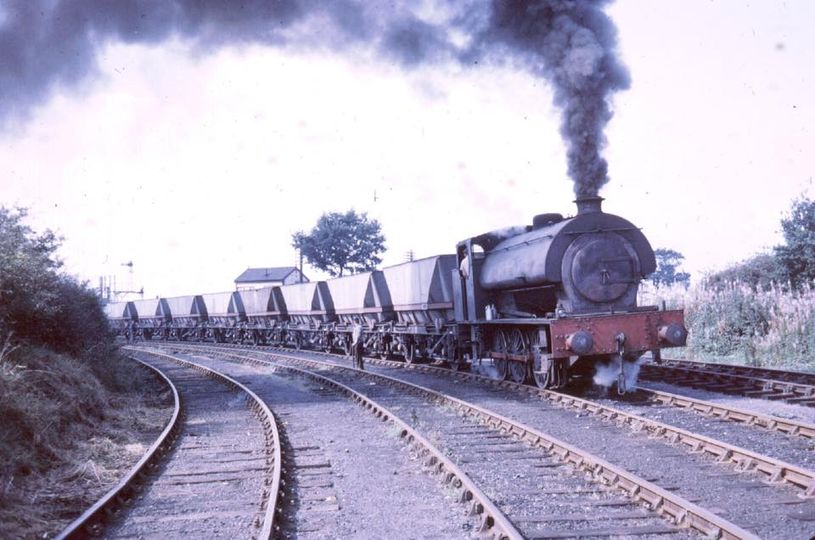
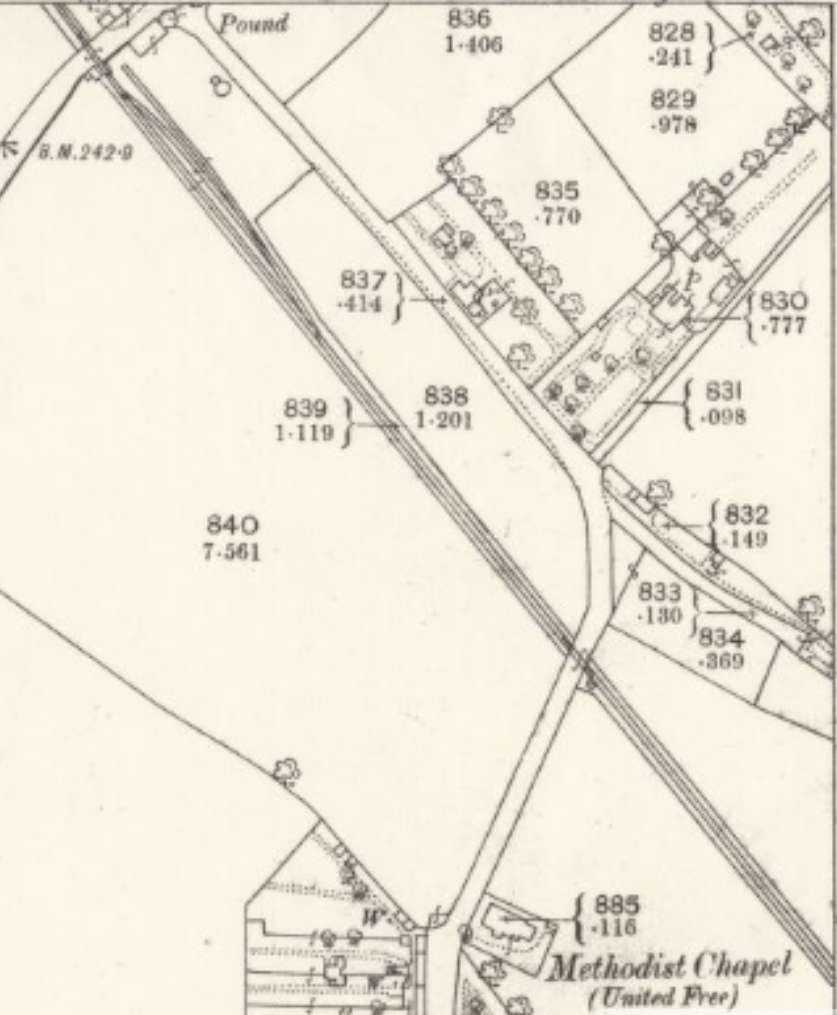
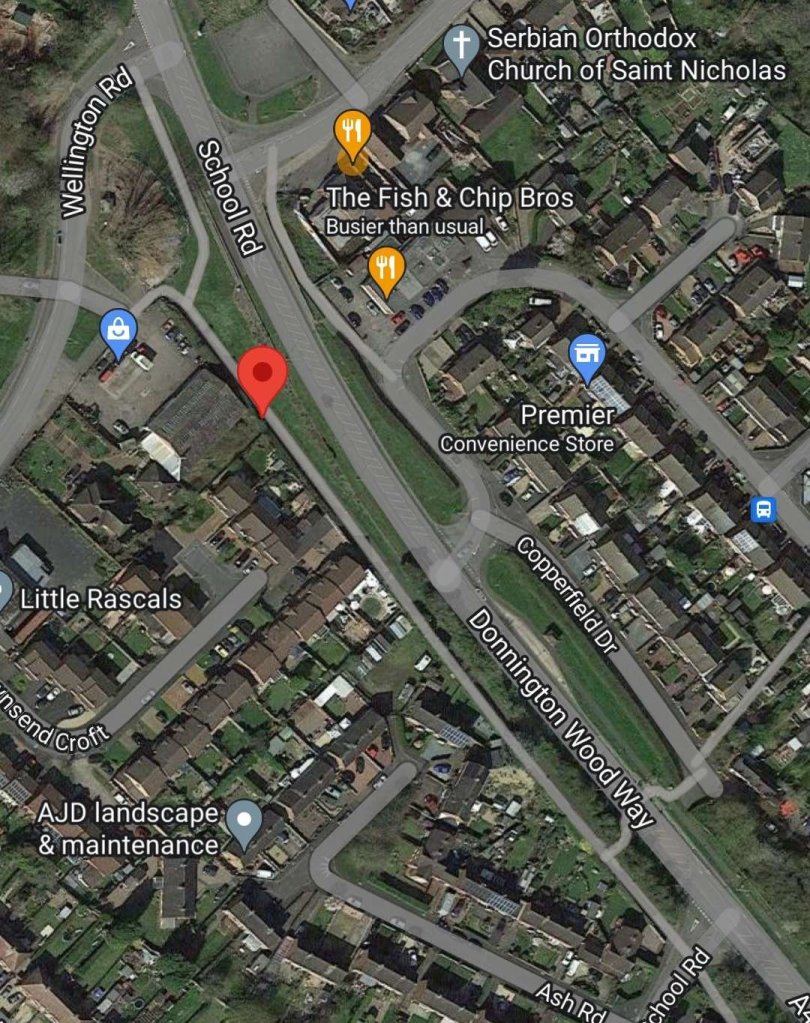
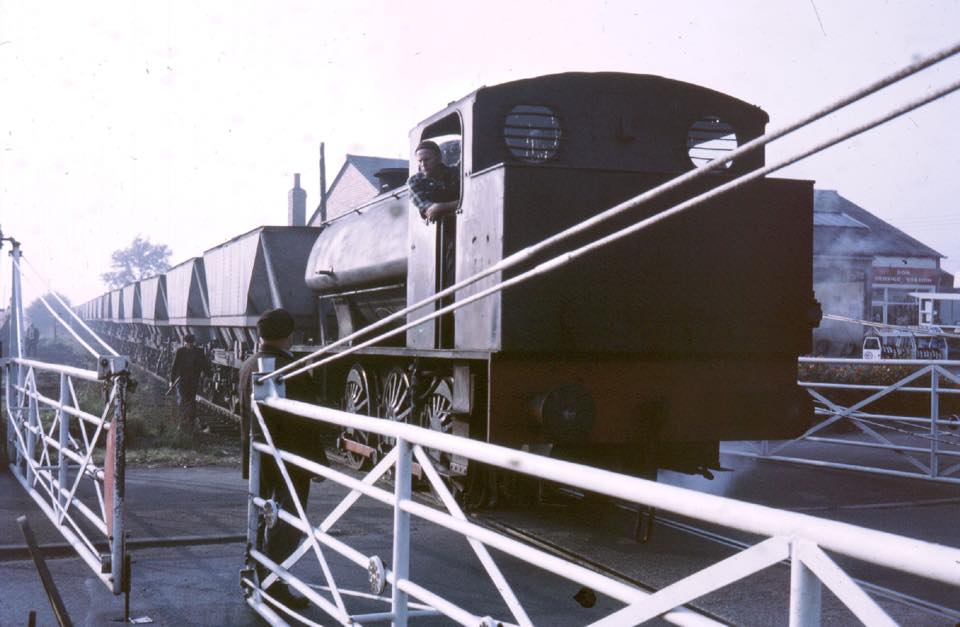













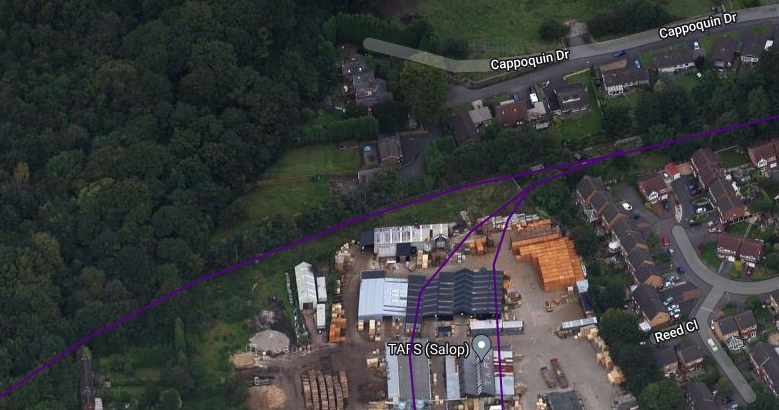


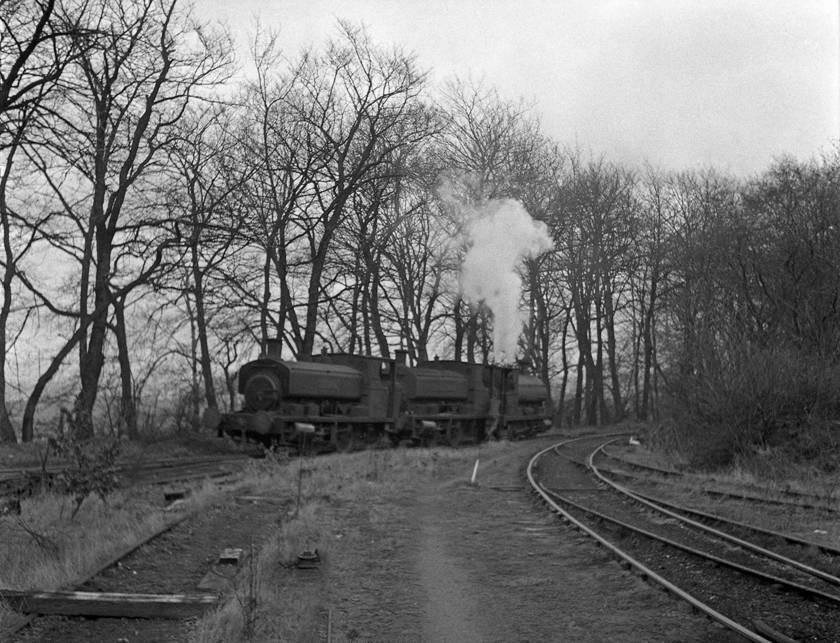
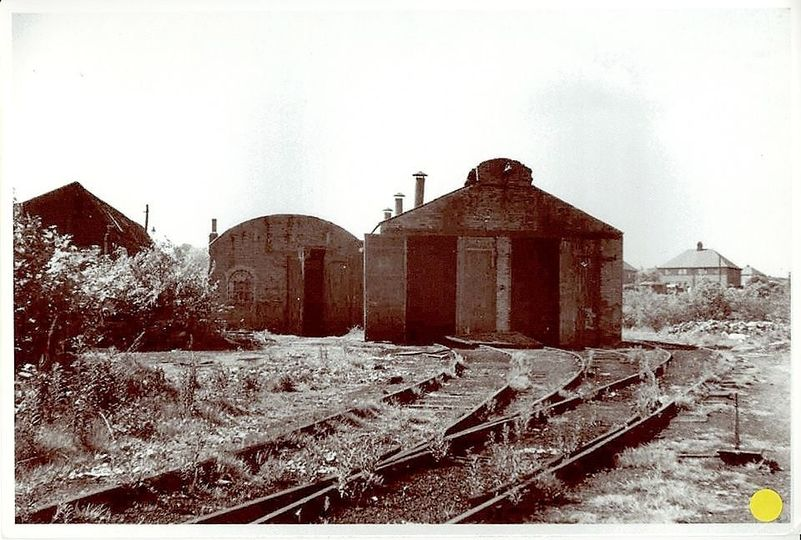
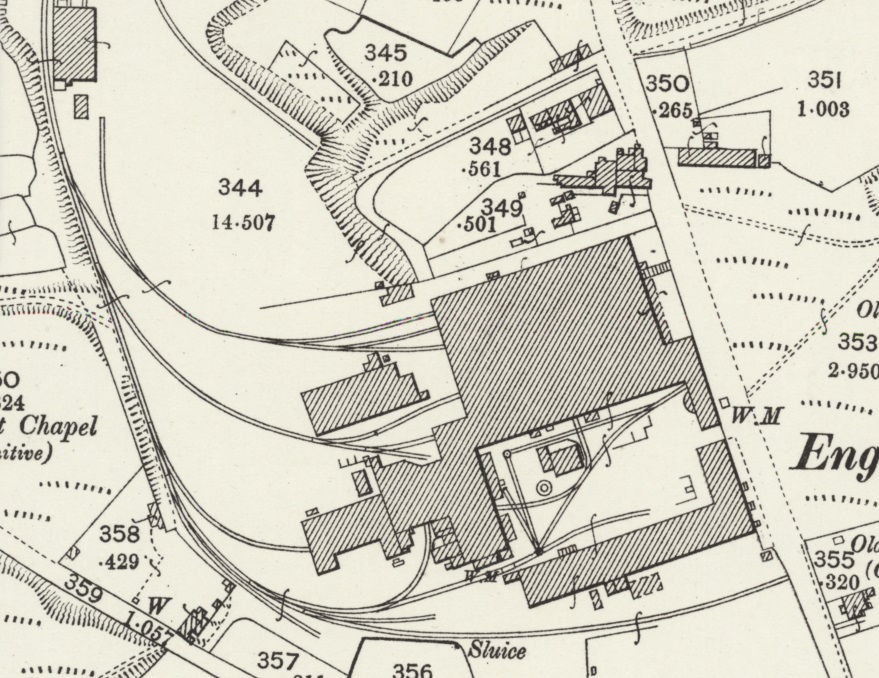
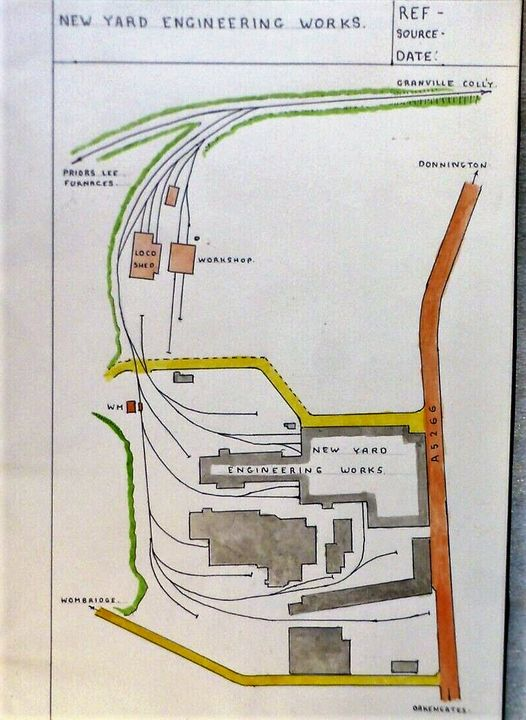
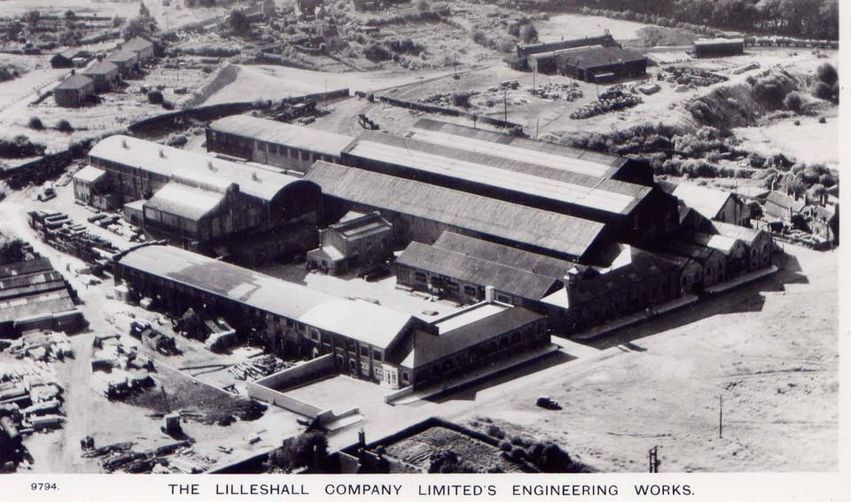
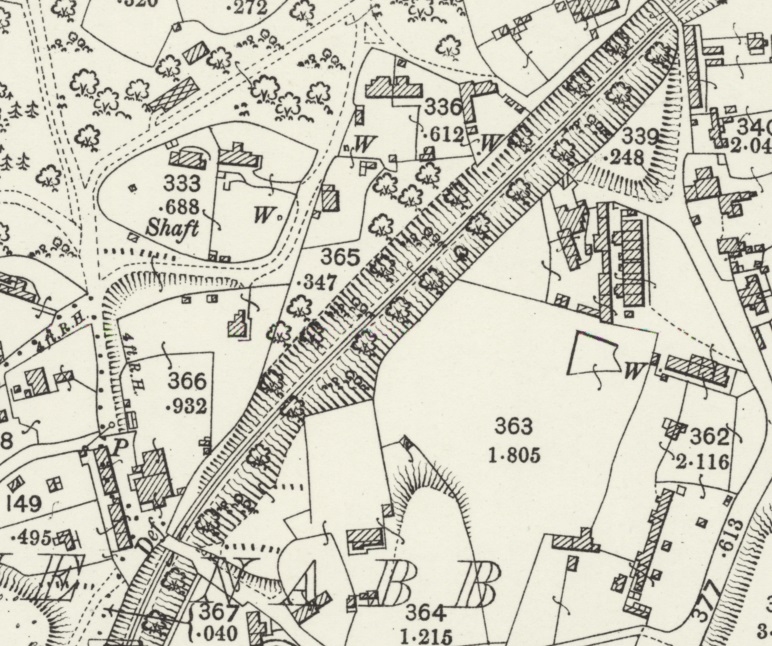

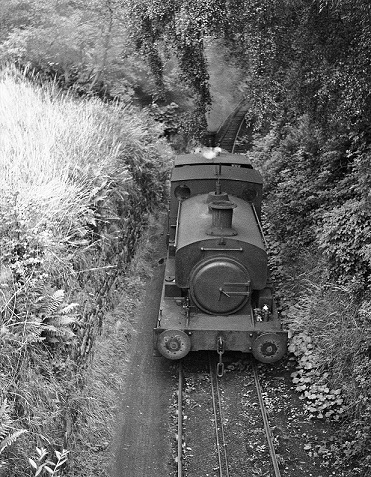

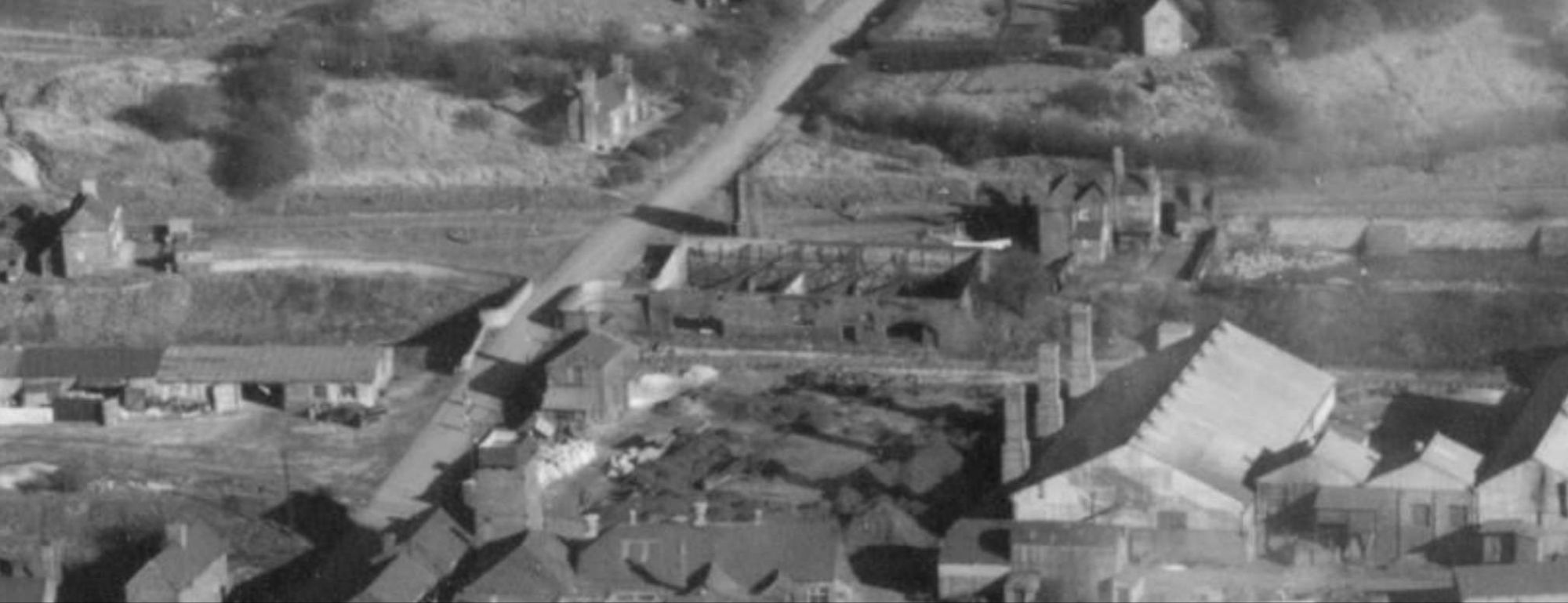

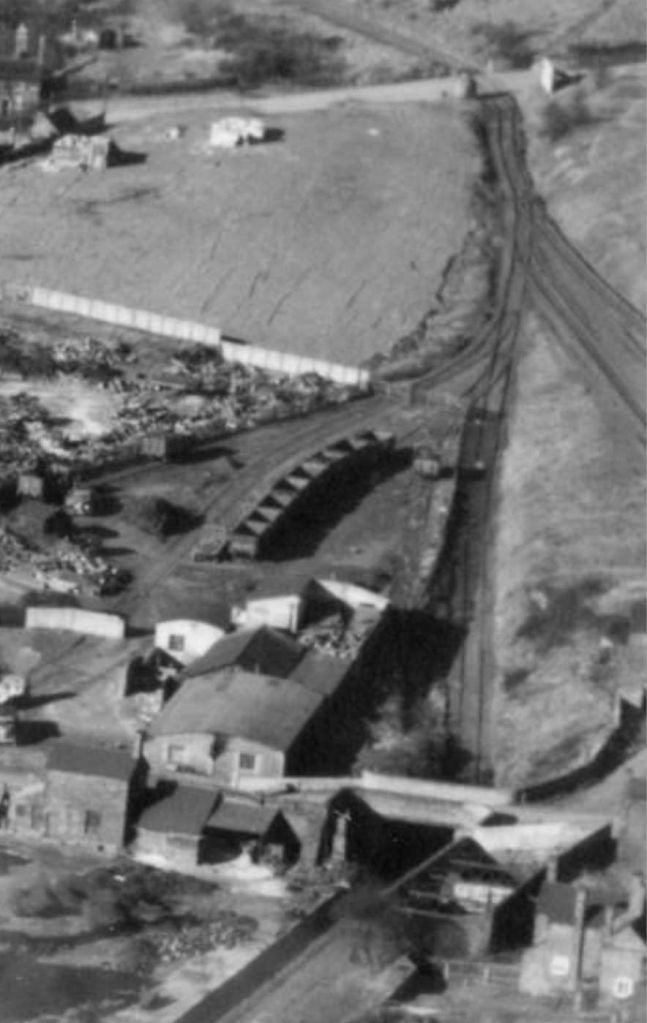


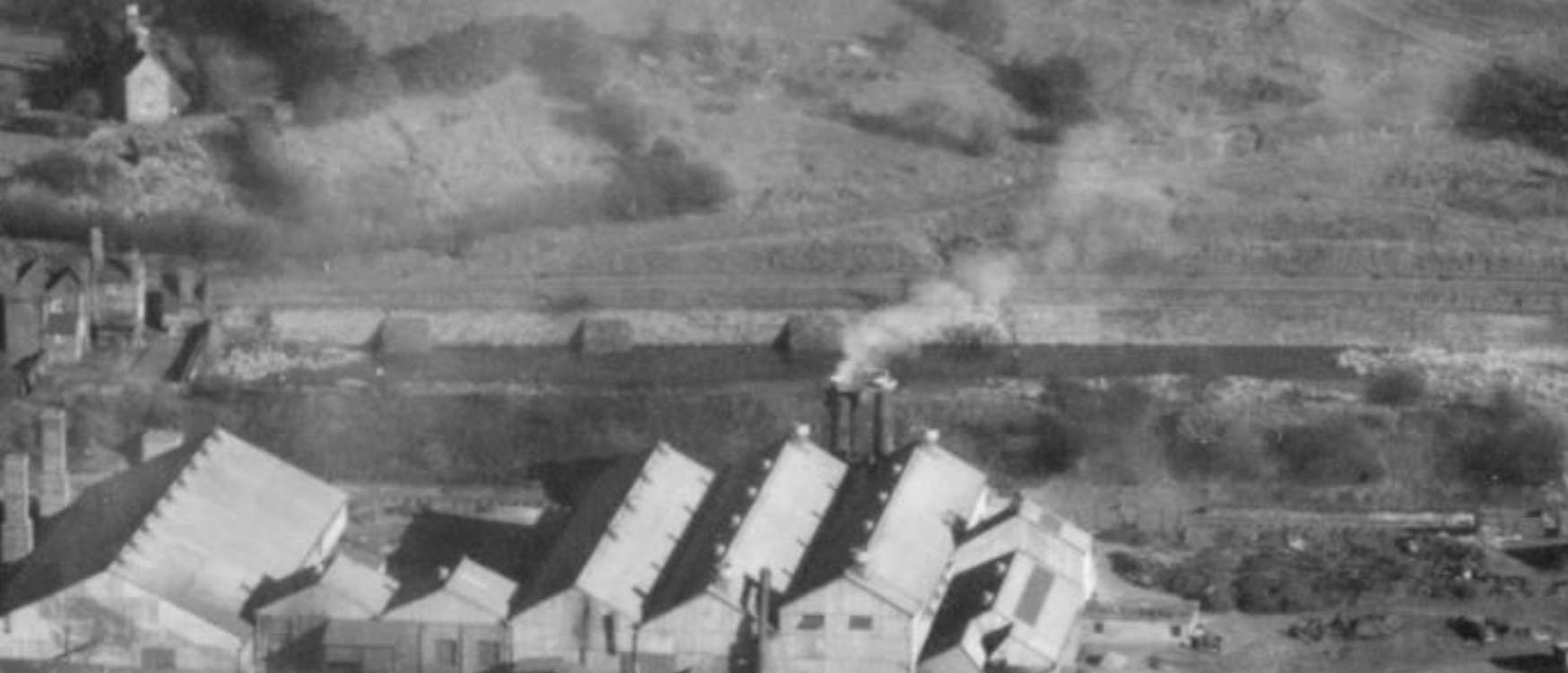
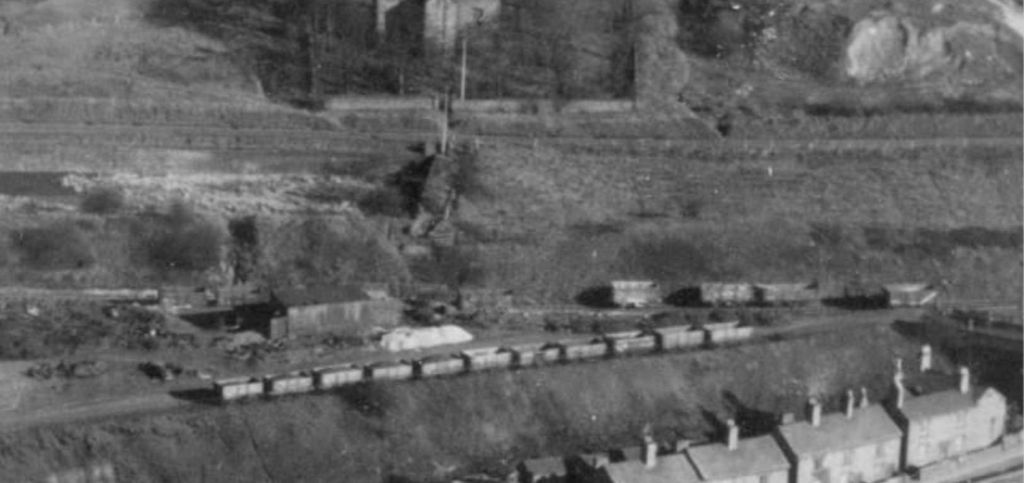
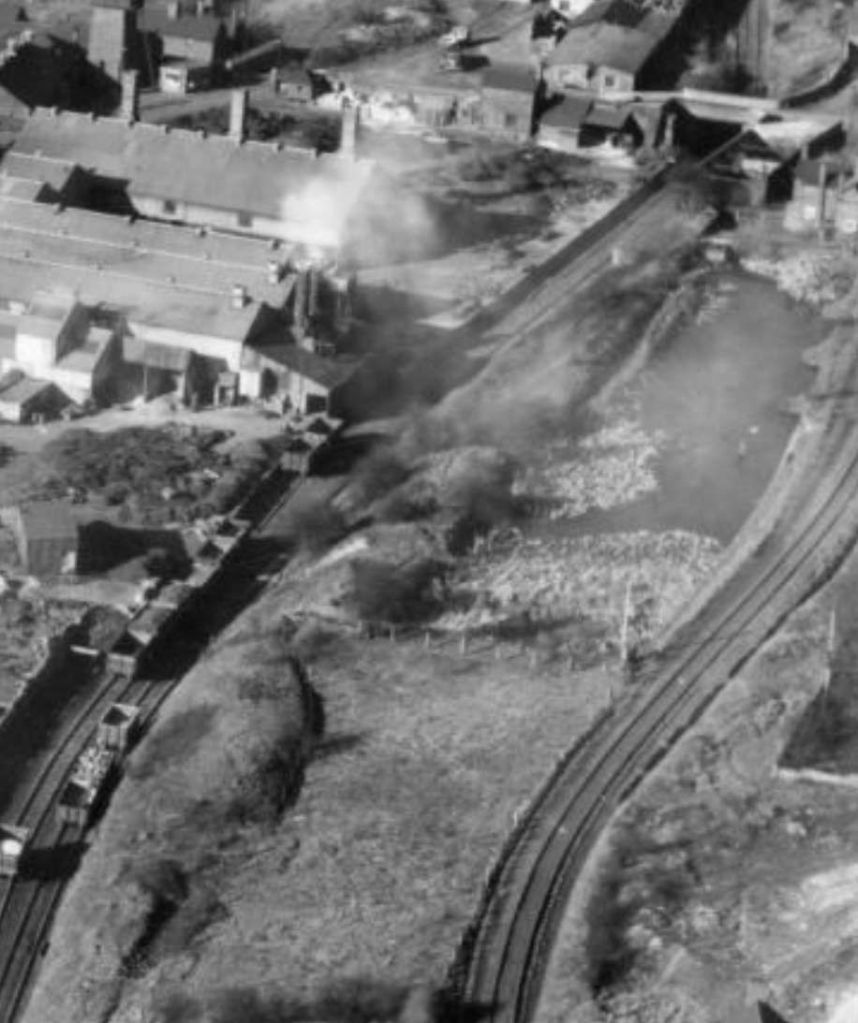


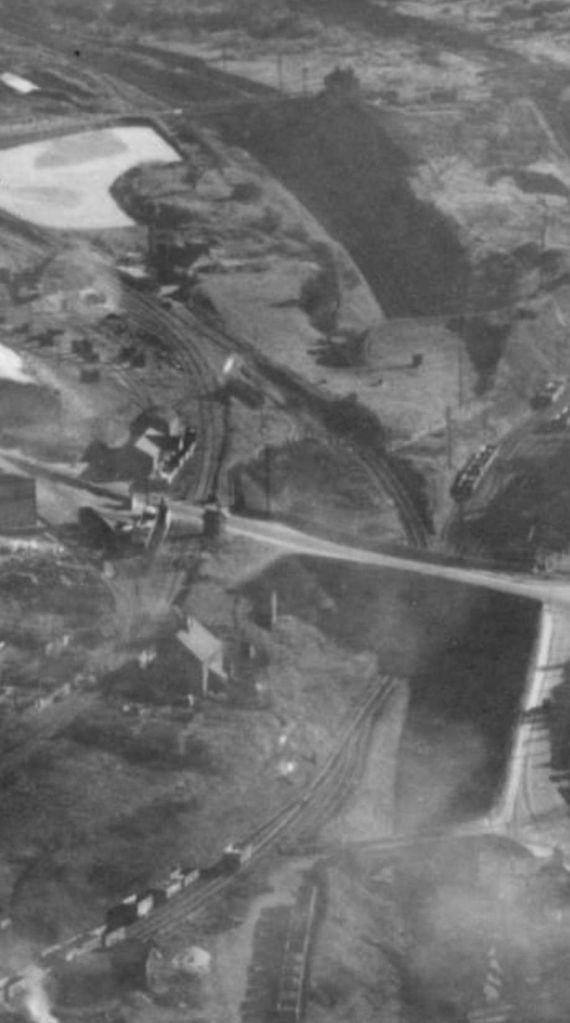
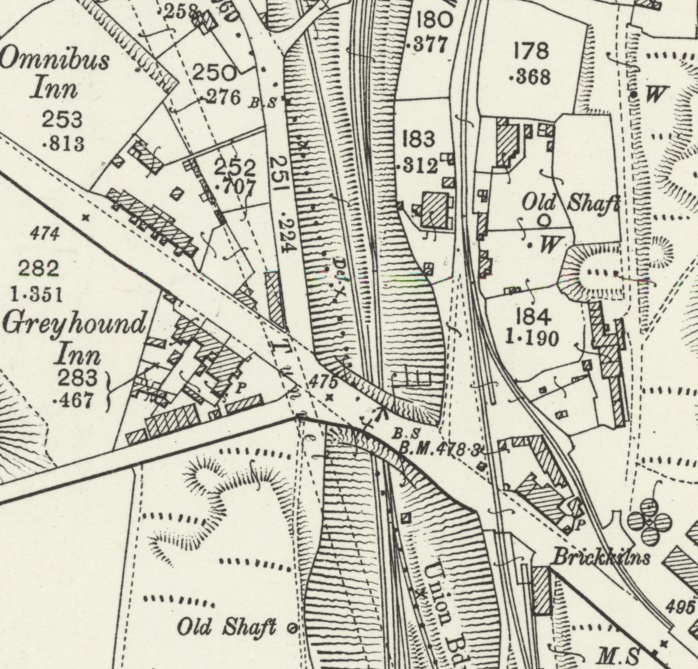
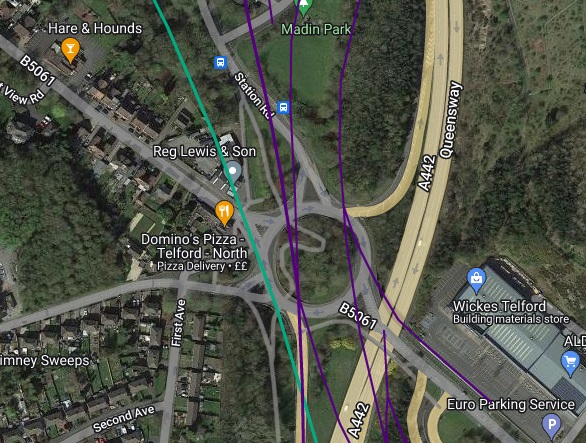






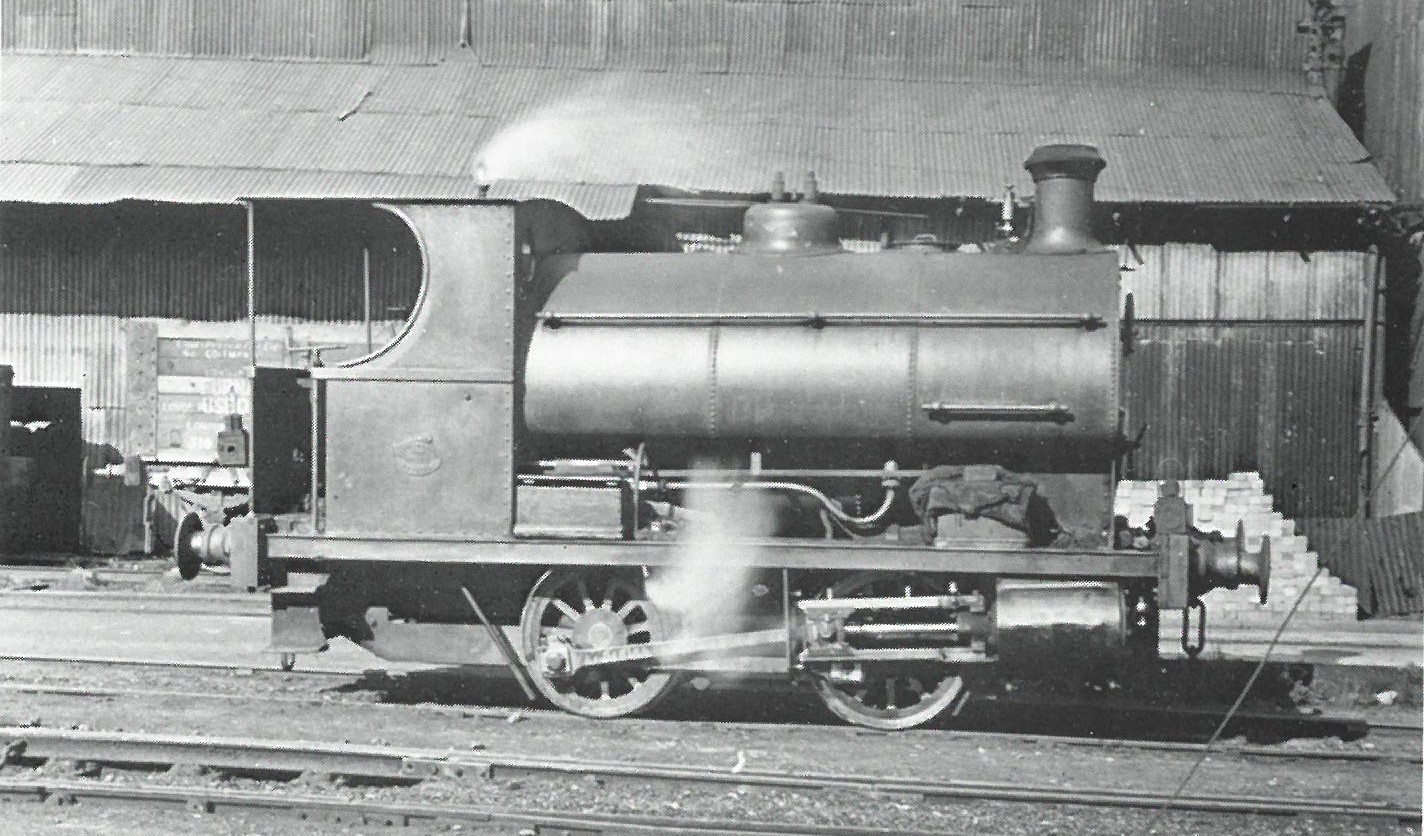

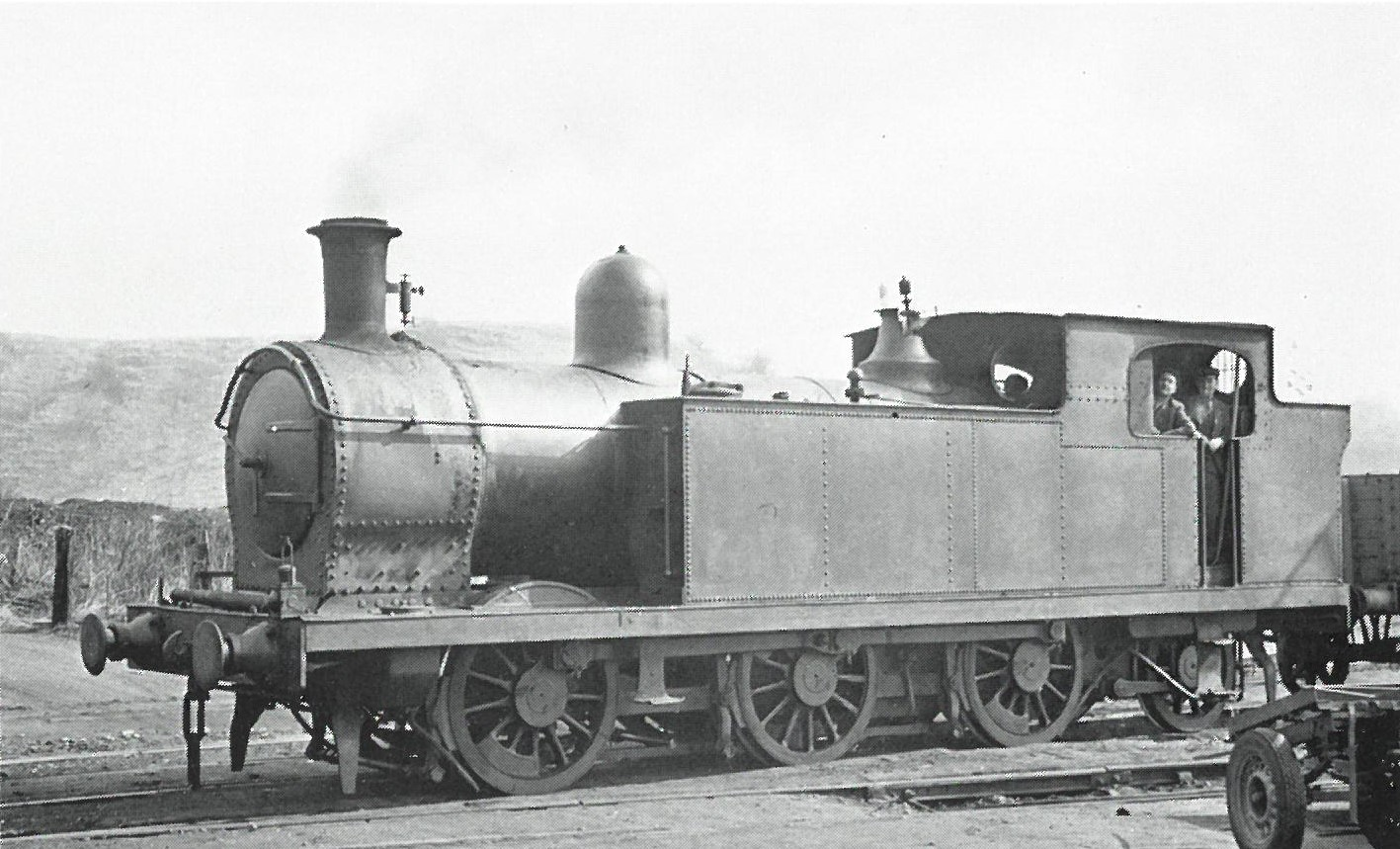
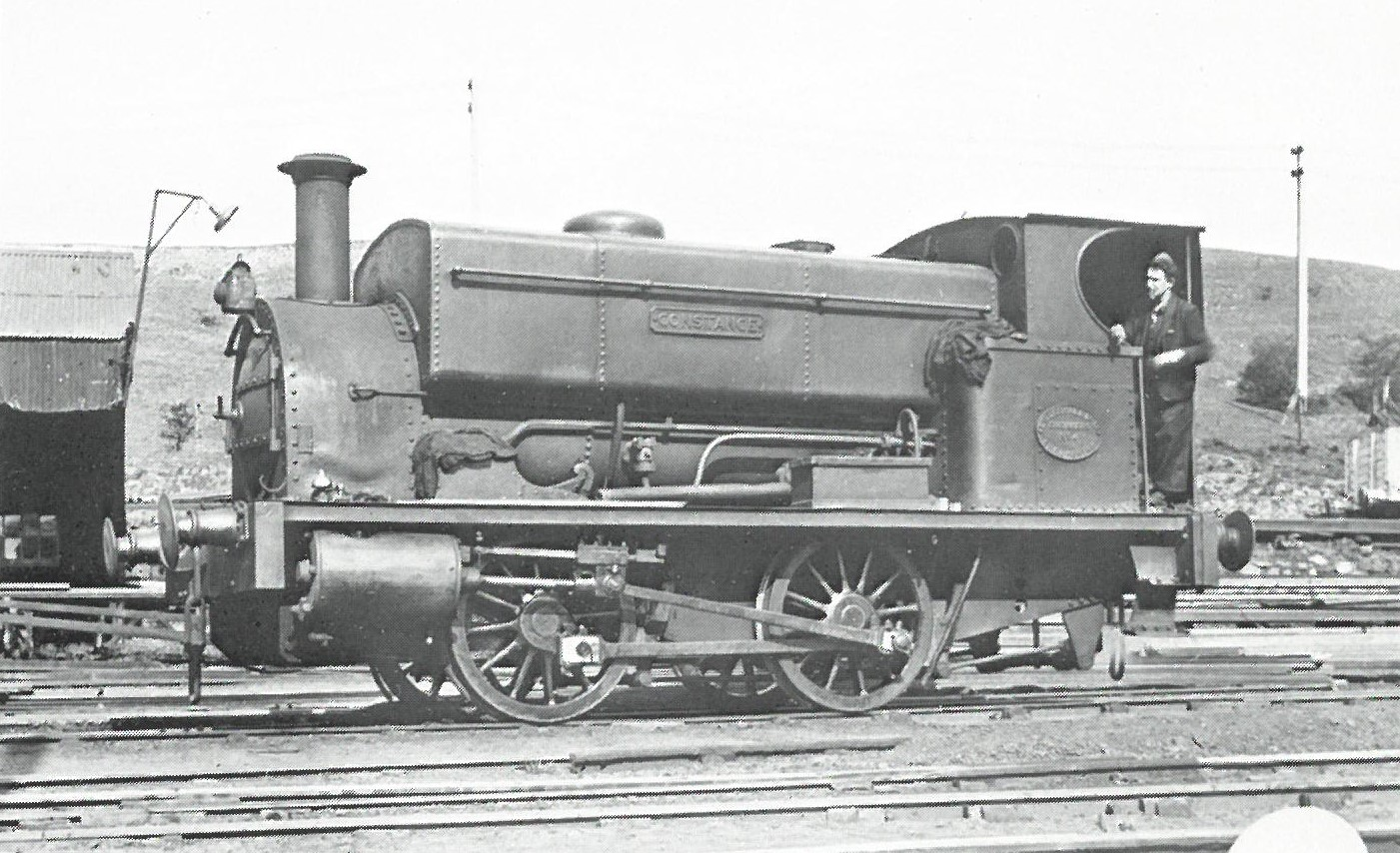
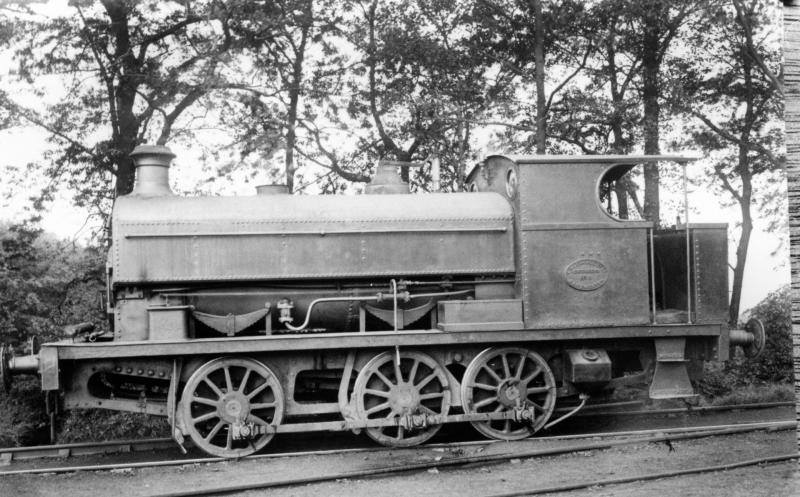
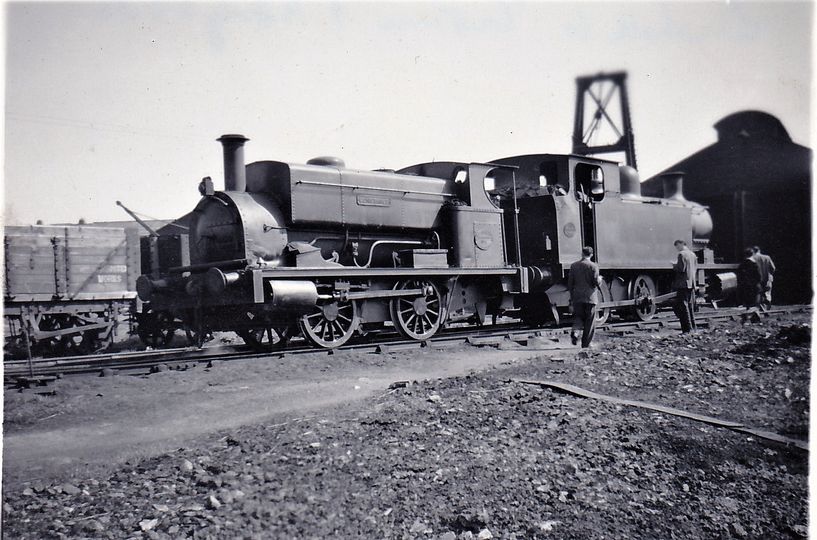

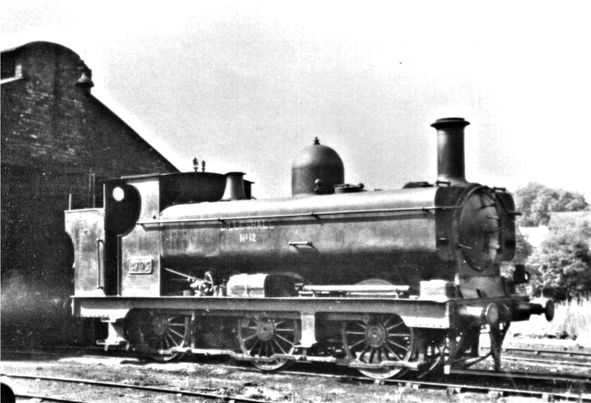
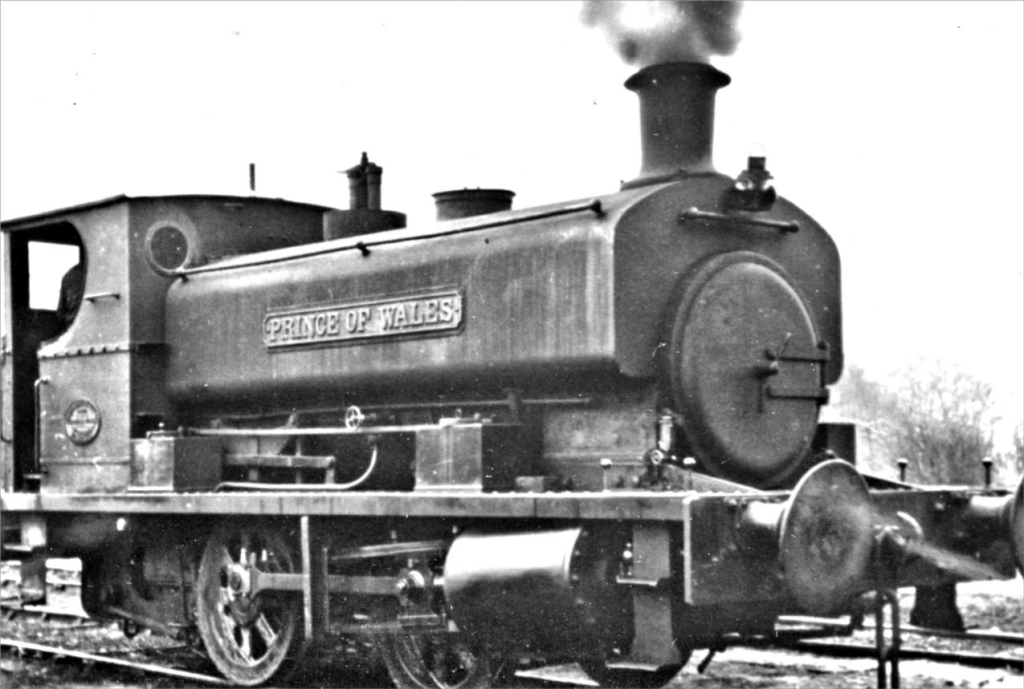


.jpg)


.jpg)

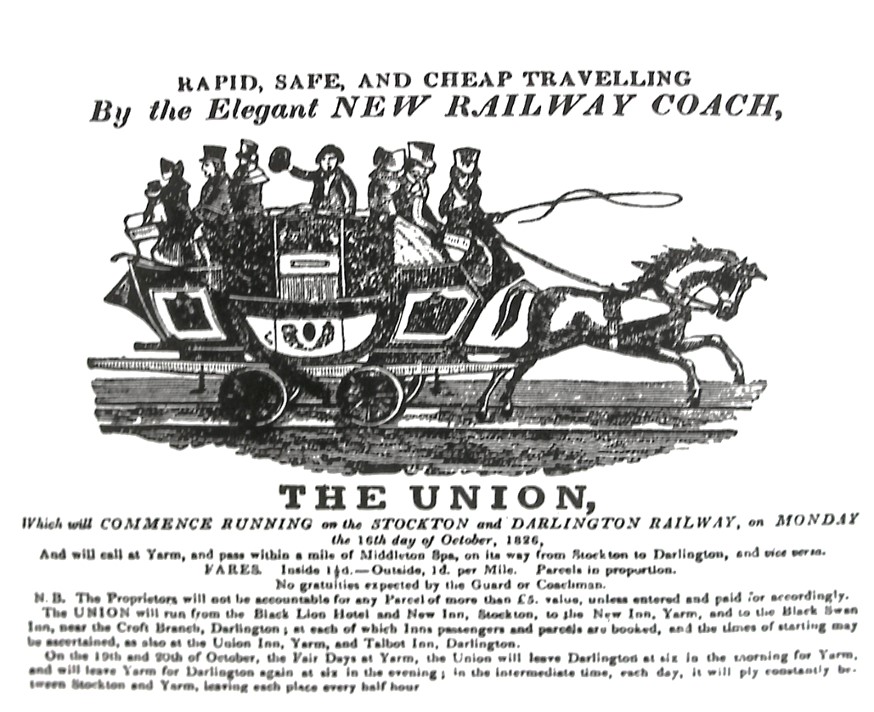


.jpg)


.jpg,baccrssef)