The previous two posts in this series about Les Tramways de l’Aude both finished their journeys at Ripaud. These posts can be found at:
https://rogerfarnworth.com/2018/10/19/tramways-de-laude-les-palais-to-ripaud, and
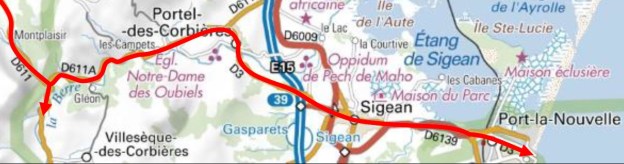
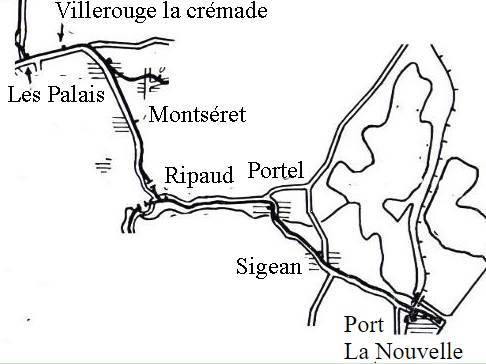
This post continues the journey to the coast from Ripaud, via Portel-des-Corbieres, Sigean and La Nouvelle. The route is shown in the featured image above.
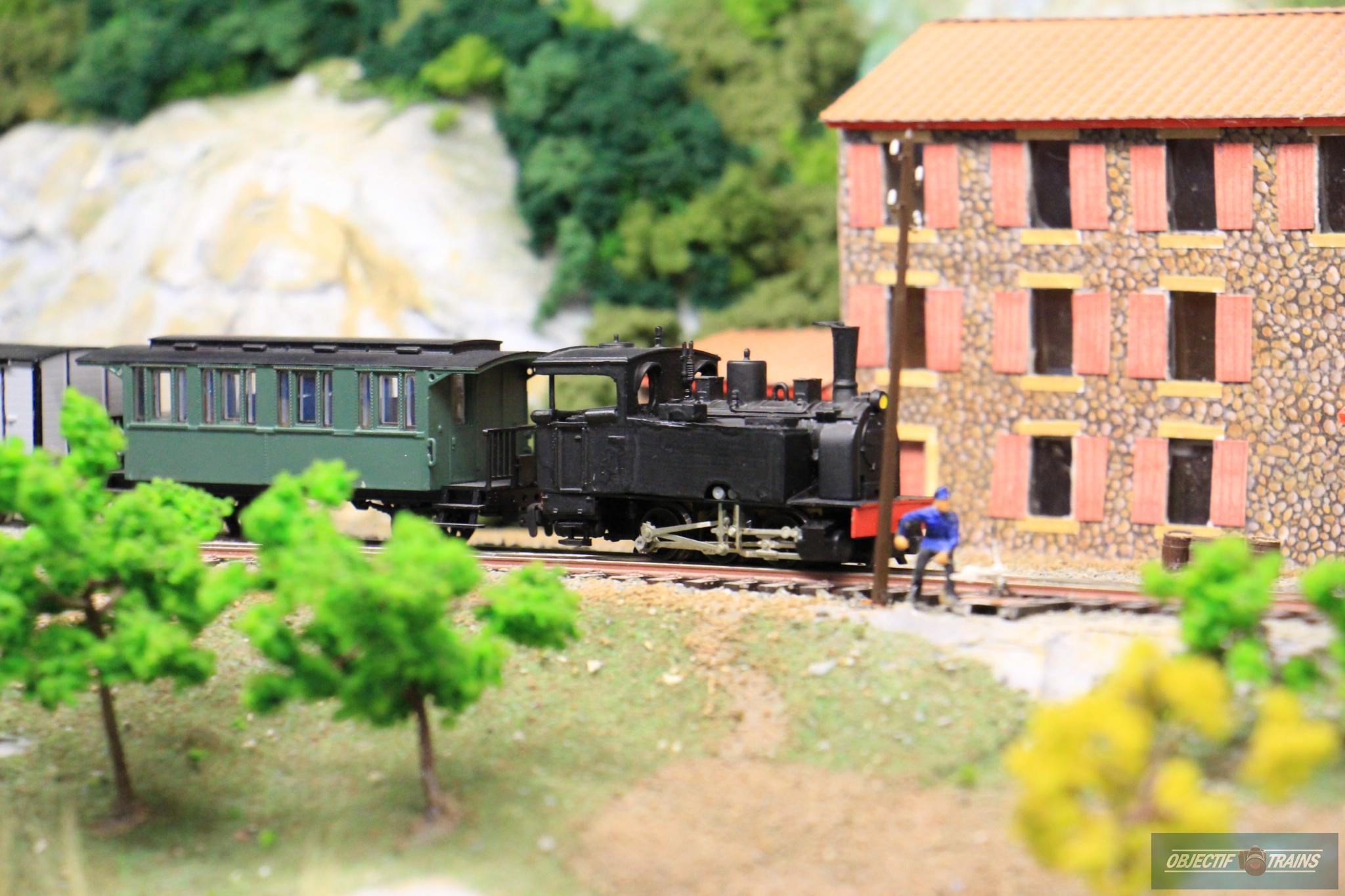
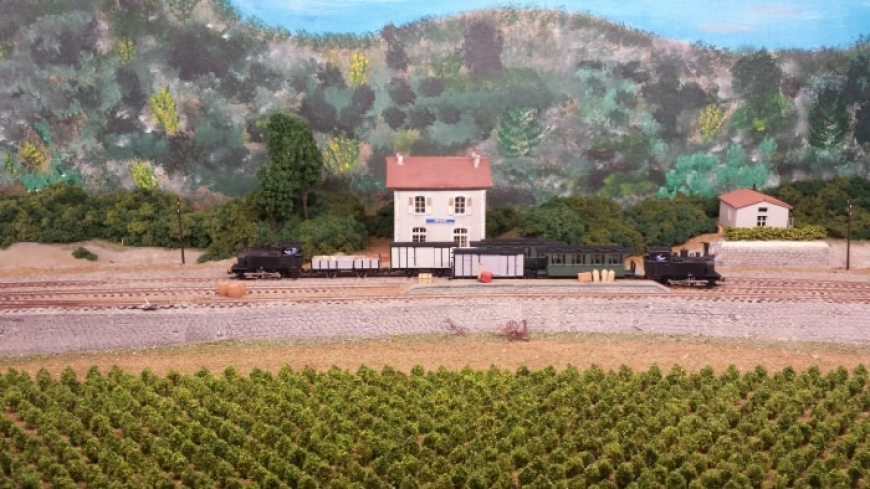
In the last two posts we have seen glimpses of a model made of Ripaud station and its environs by Pascal Deschamps and Christophe Salle. The images which follow are taken from three different websites. The model gives a really good impression of what the Tramways de l’Aude were like in their later years. [1][2][3] The model is in HOm Scale.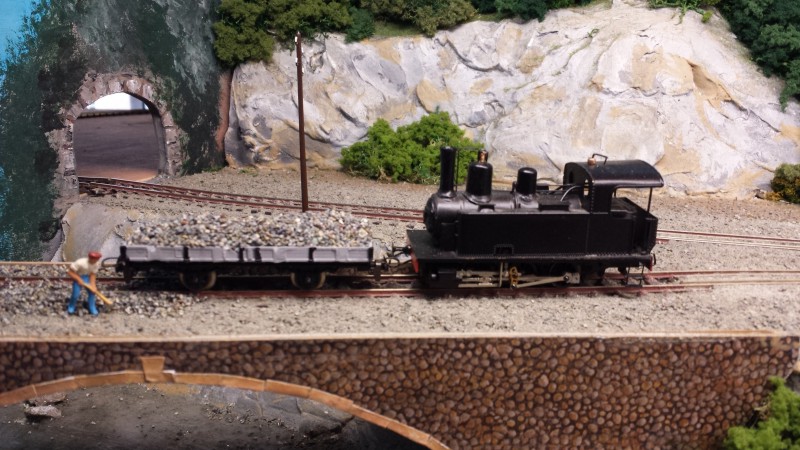
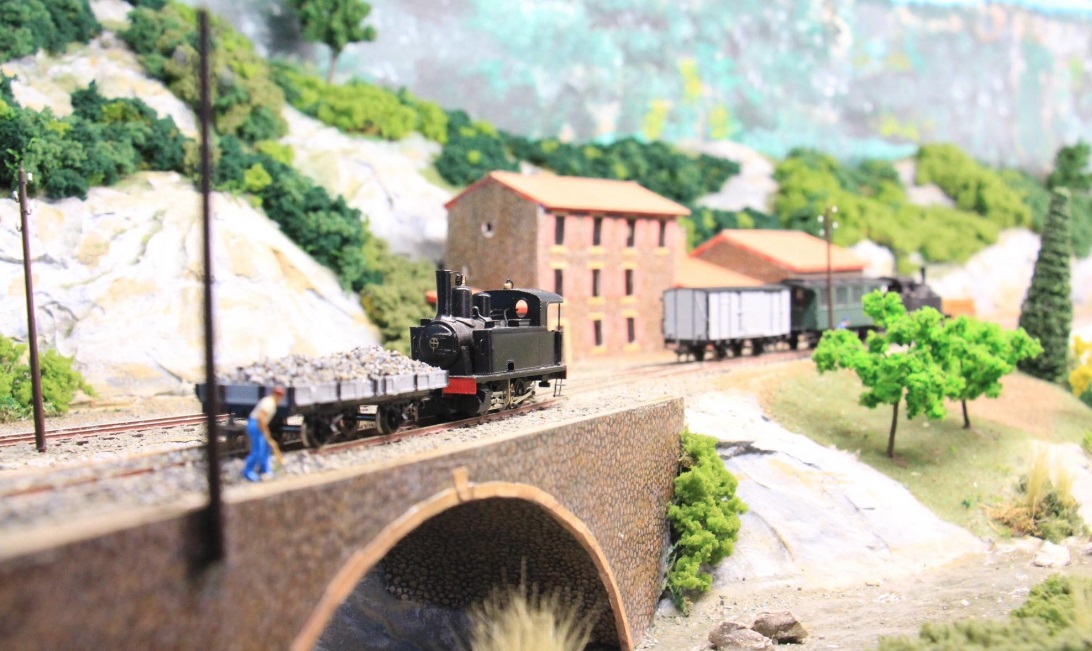
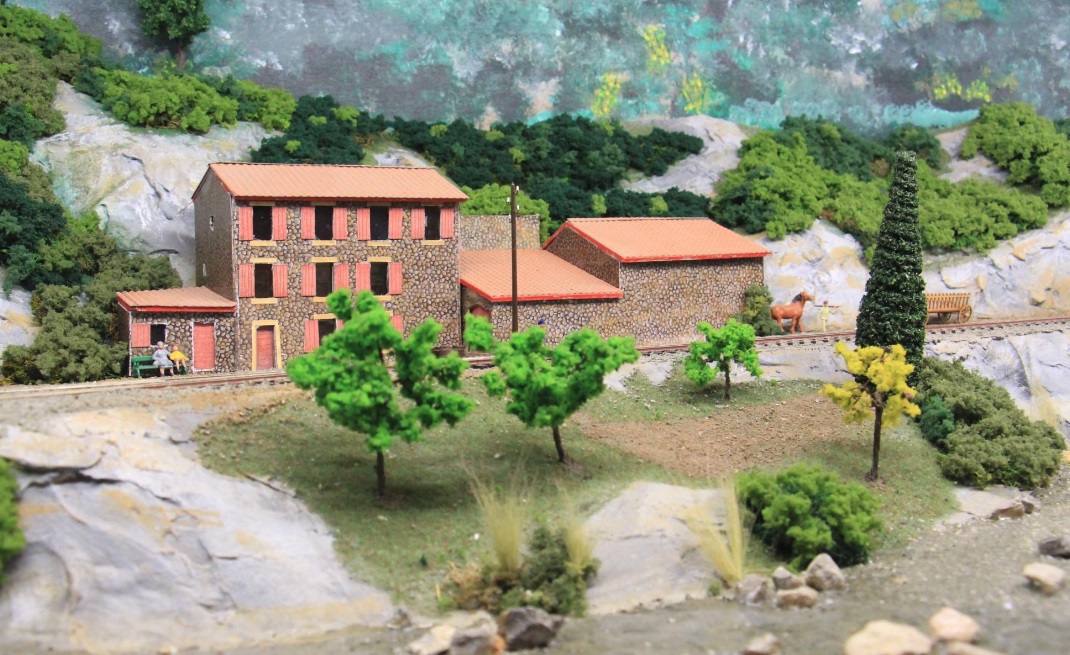
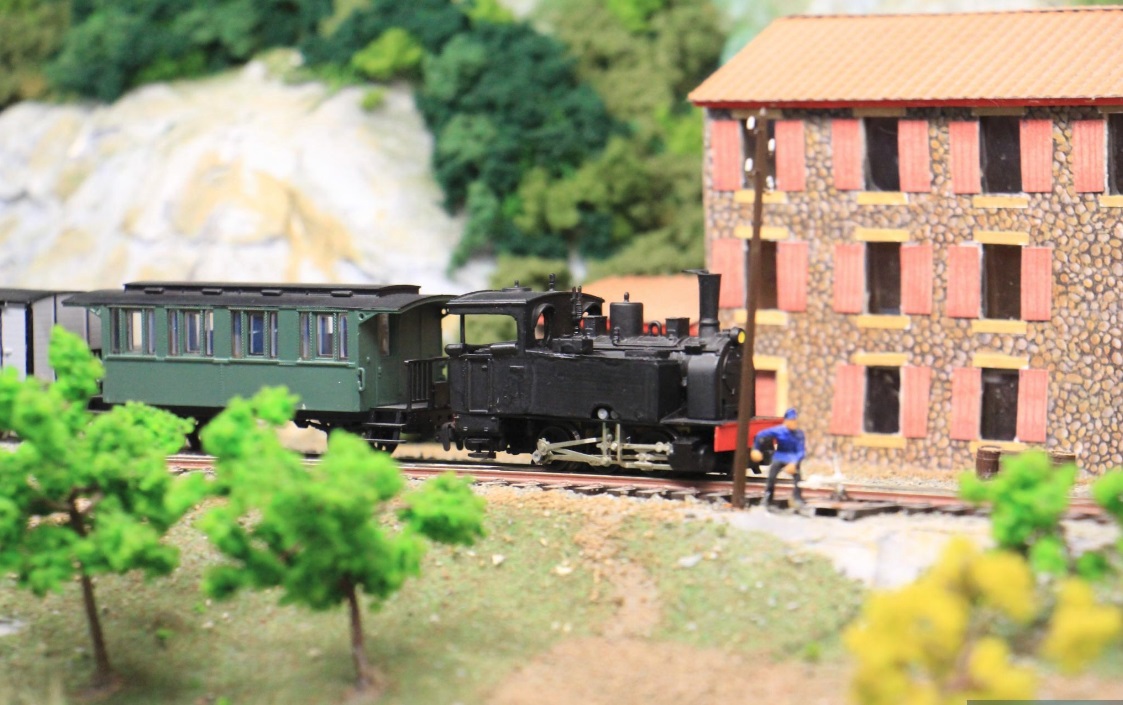
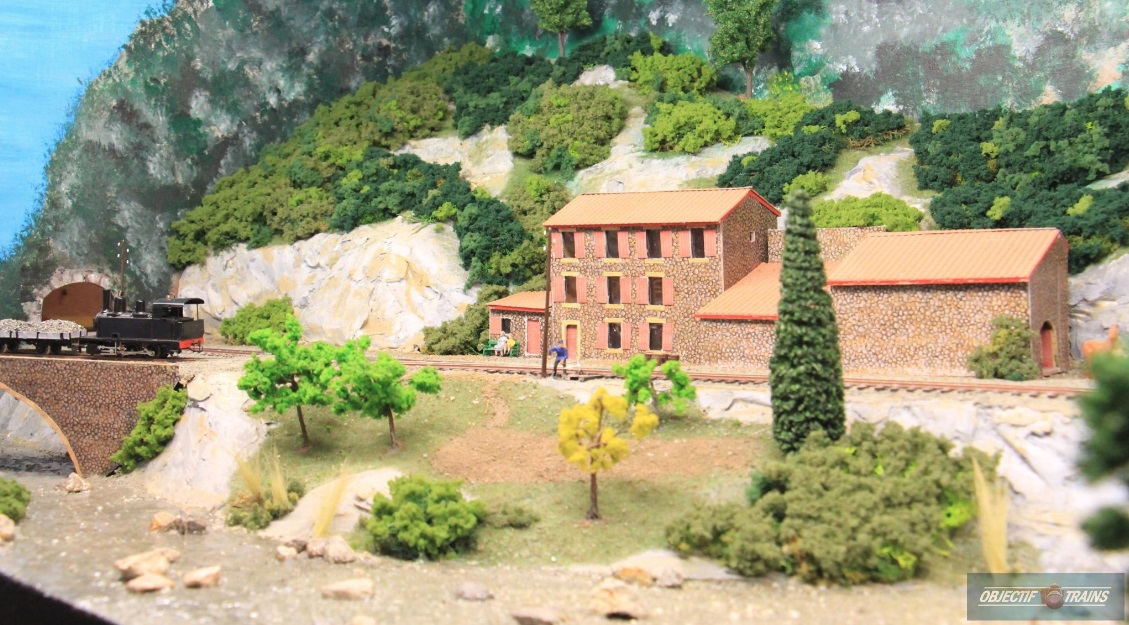
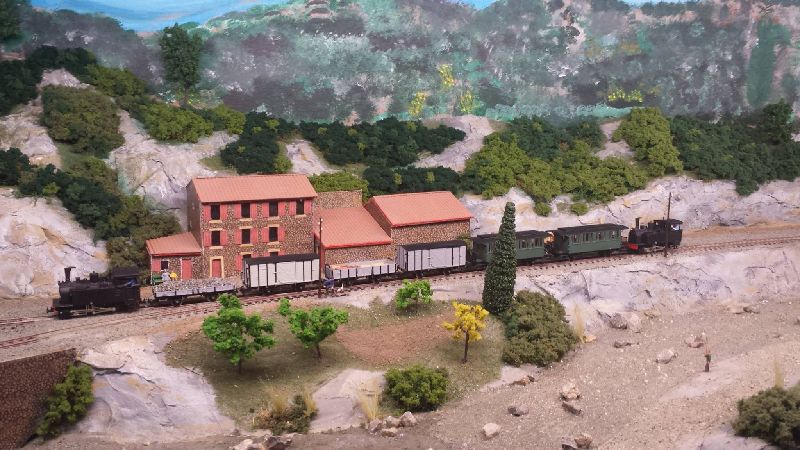
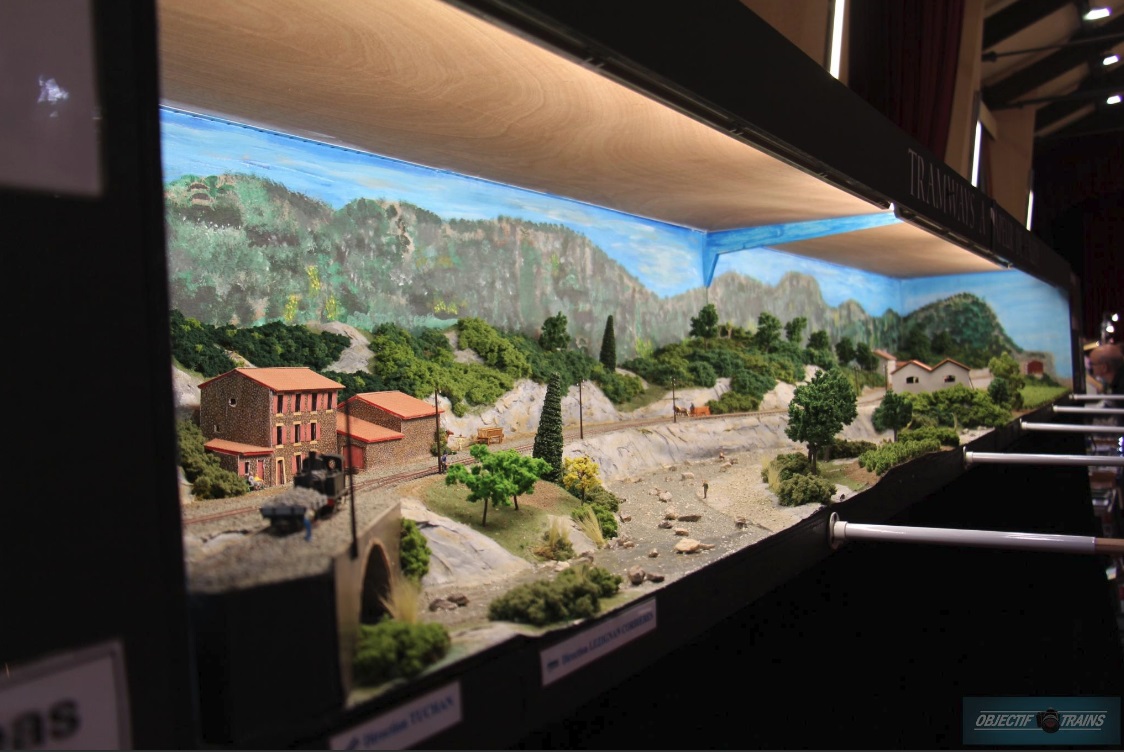
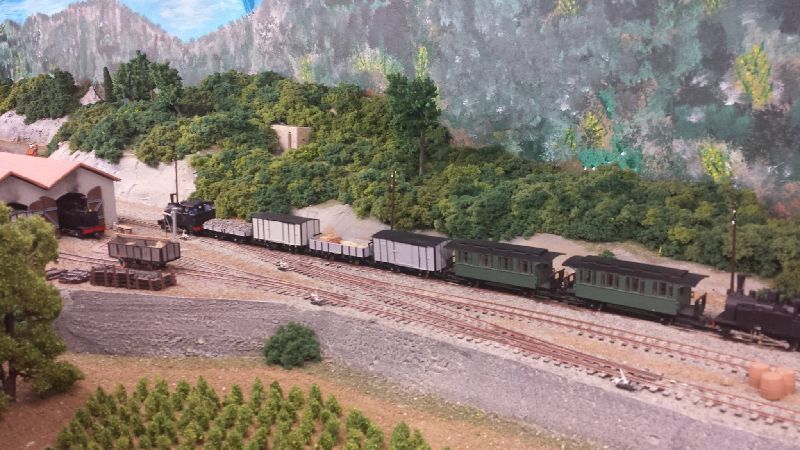
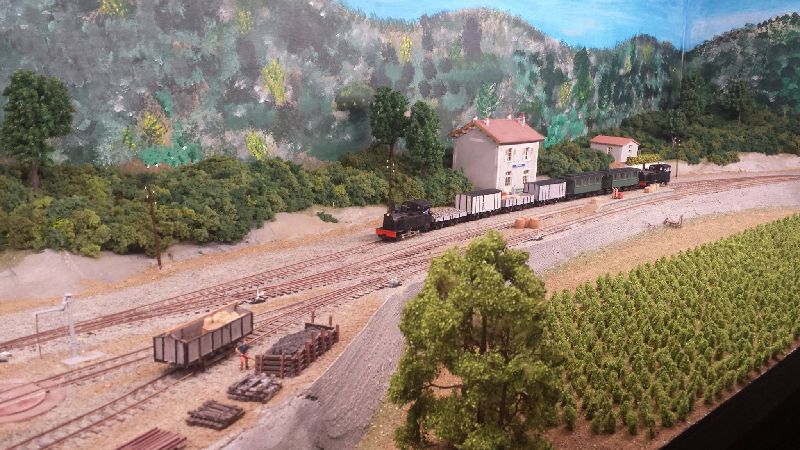
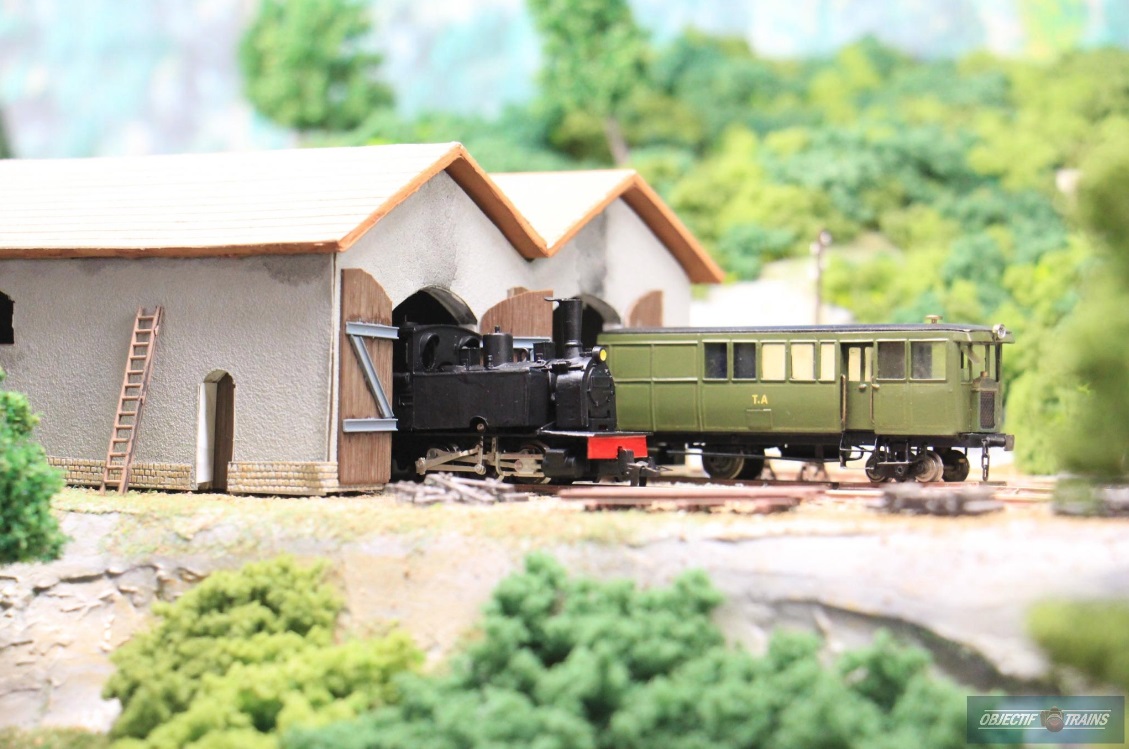
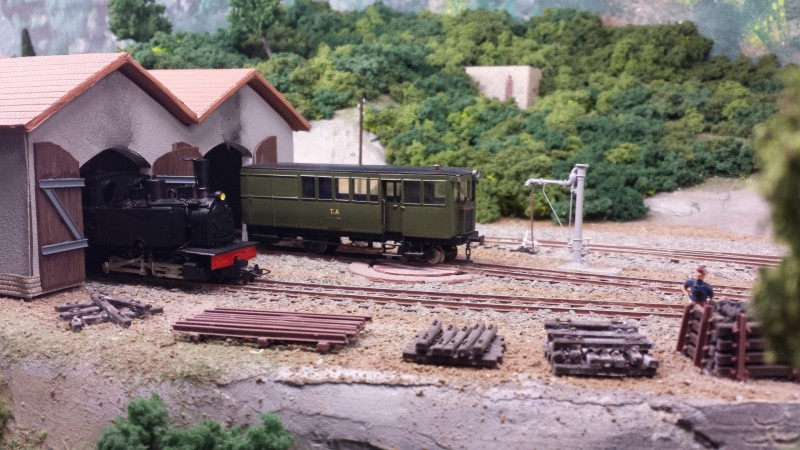
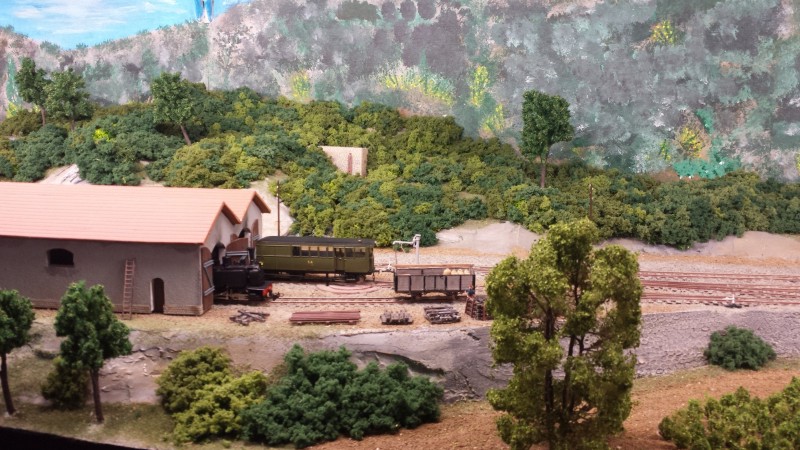
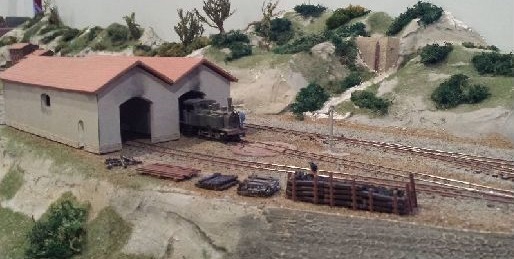
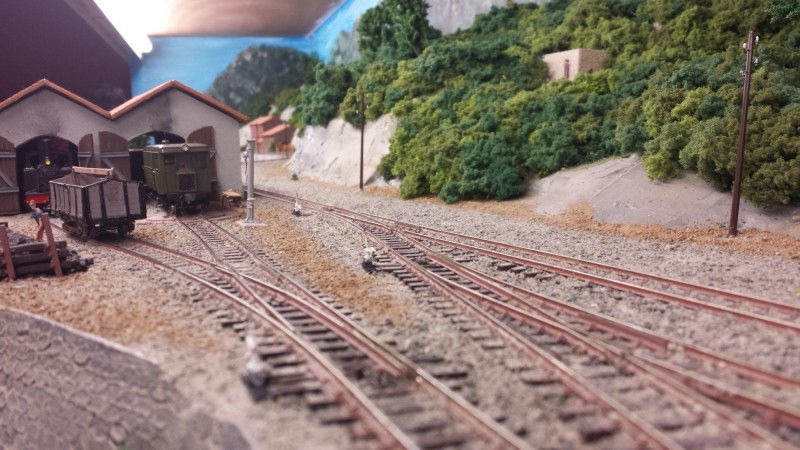
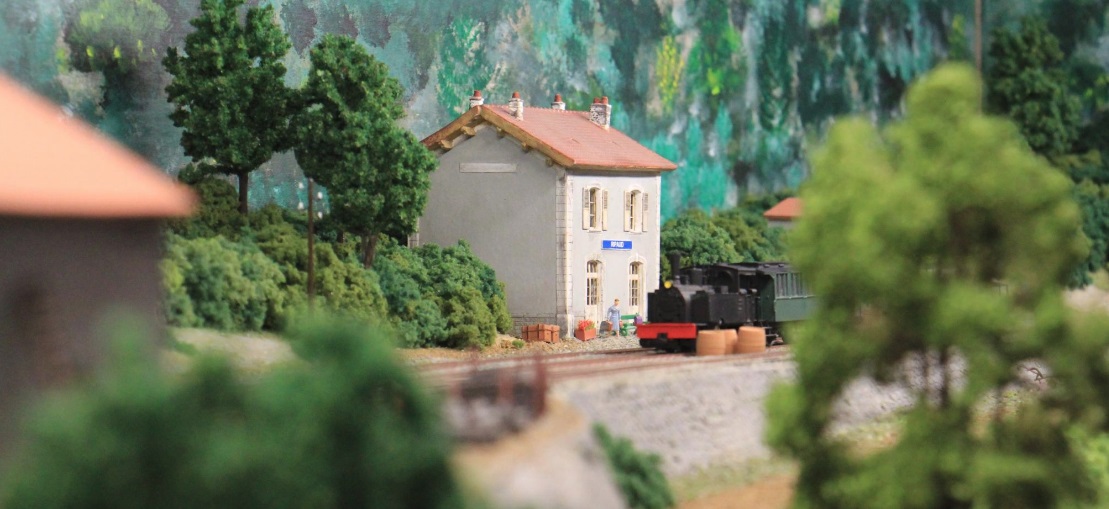
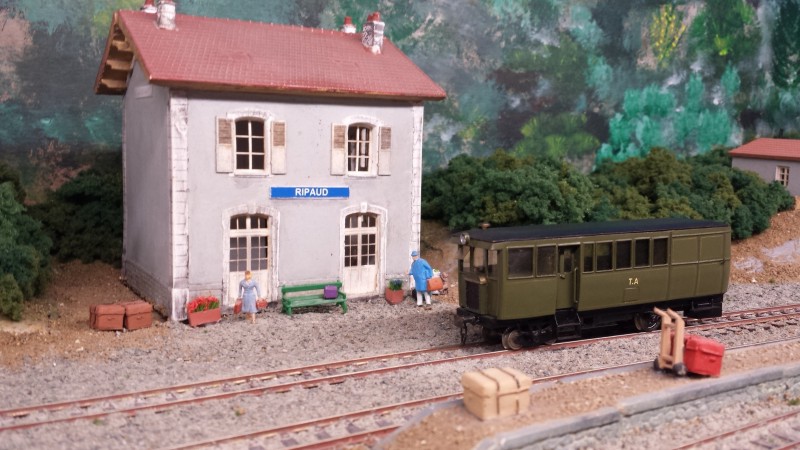
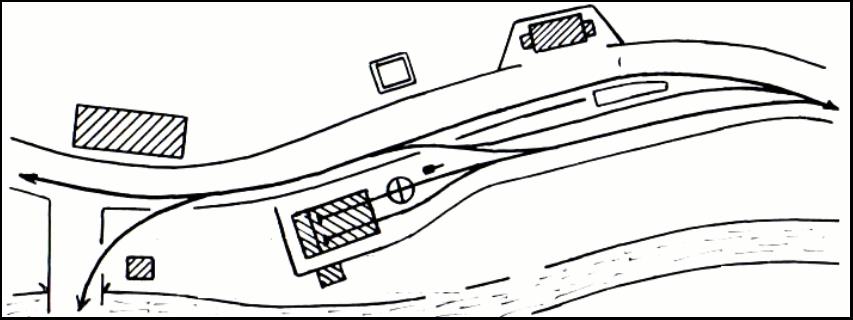
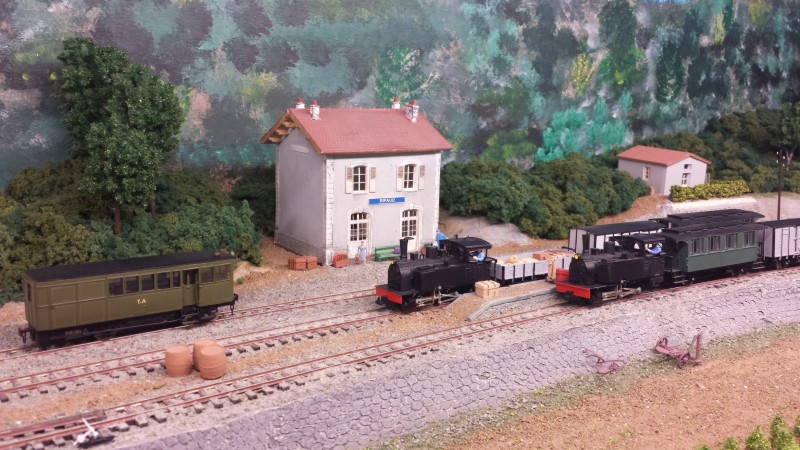 Ripaud Station was a junction station. The two lines seen entering the sketch below from the left come from Les Palais and Durban. The line leaving the sketch on the right heads for La Nouvelle.
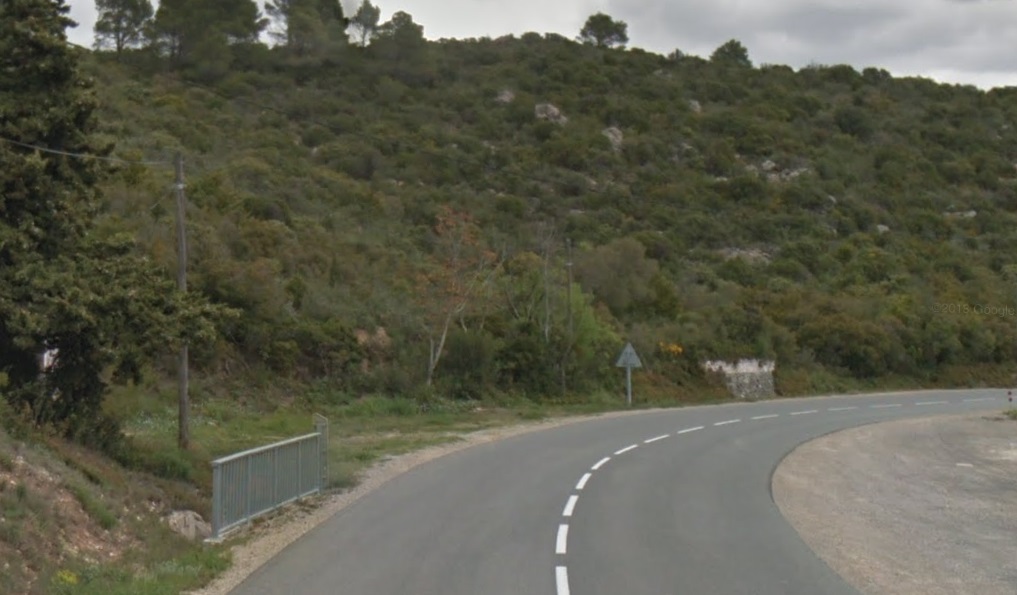
 We have already seen, in other posts, some images of the station and its environs in the early 20th century, but these bear repeating here alongside some matching modern images taken at the location.
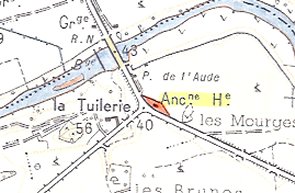
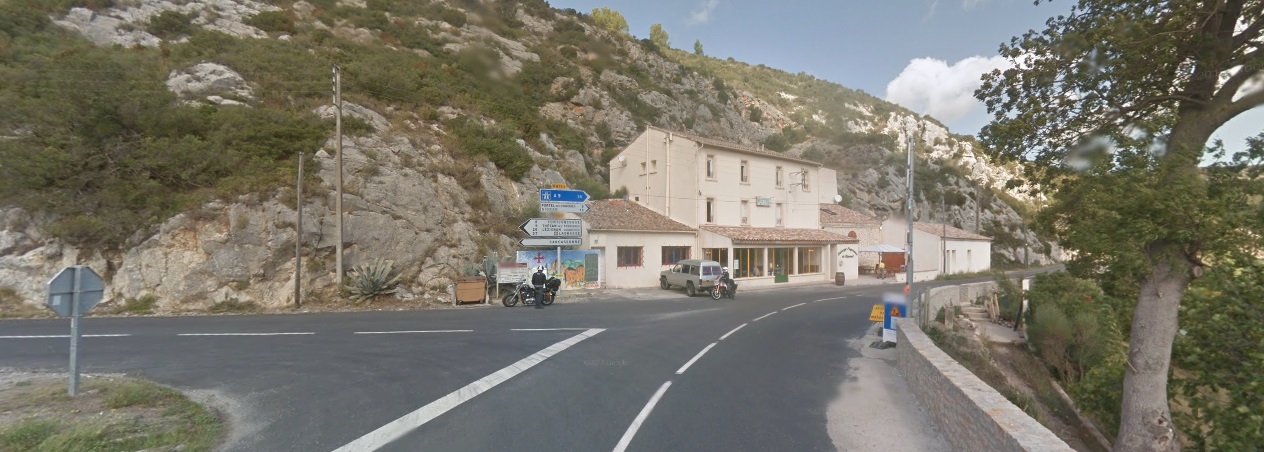
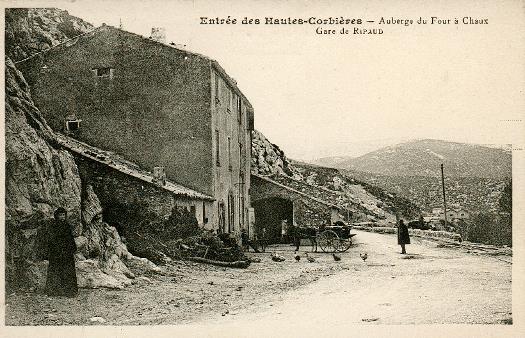 The inn at Ripaud. [4]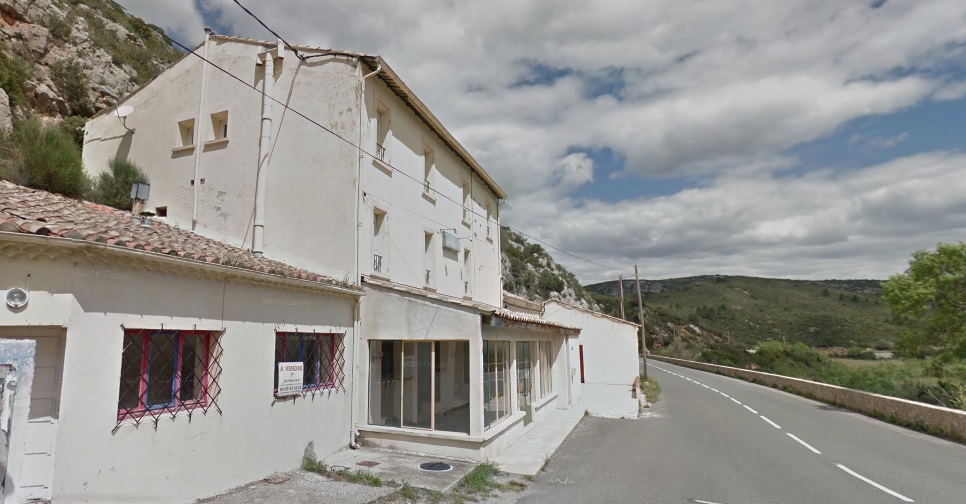
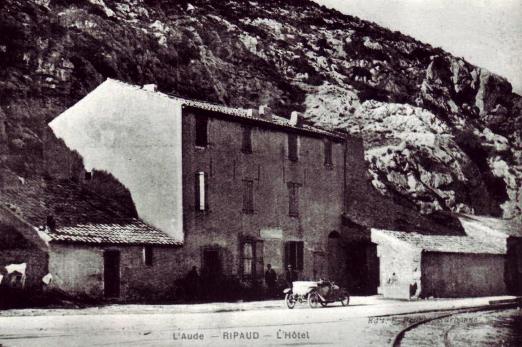 The inn at Ripaud. The tramway from Durban enters from the bottom right, the tramway from Les Palais enters from the bottom left. [4]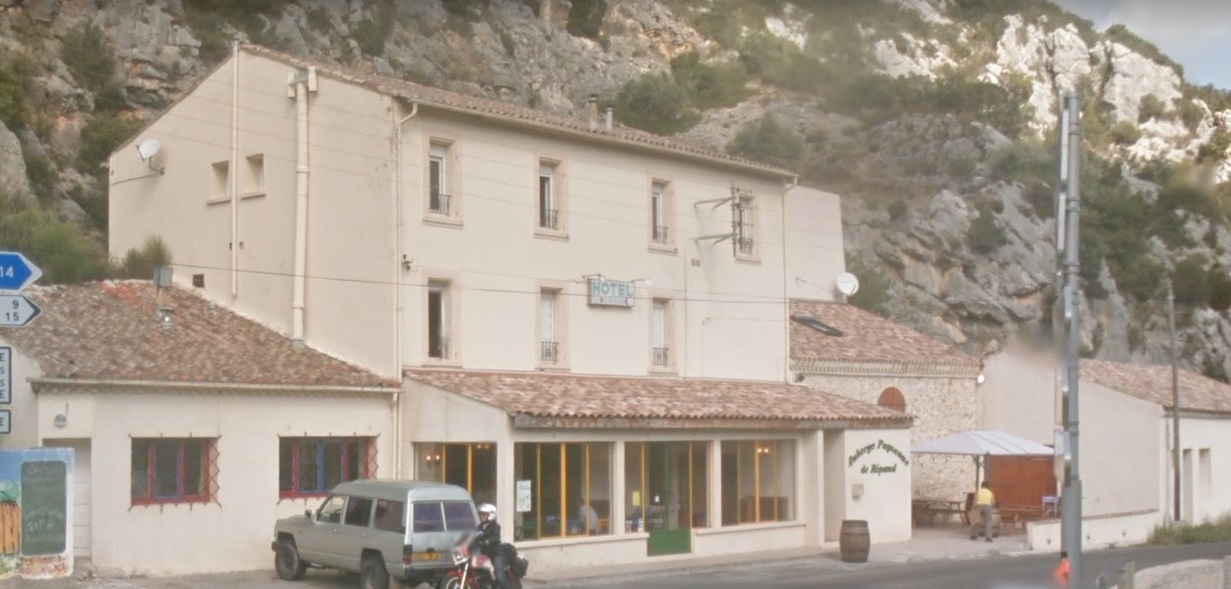
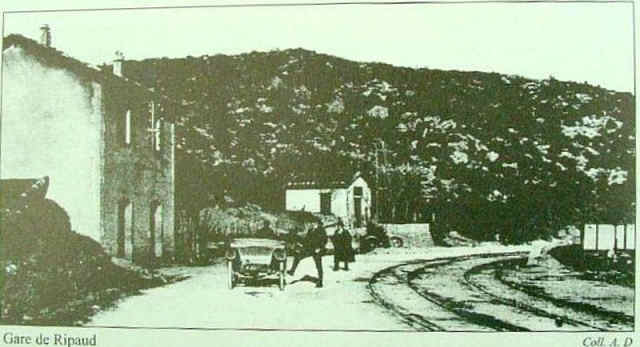
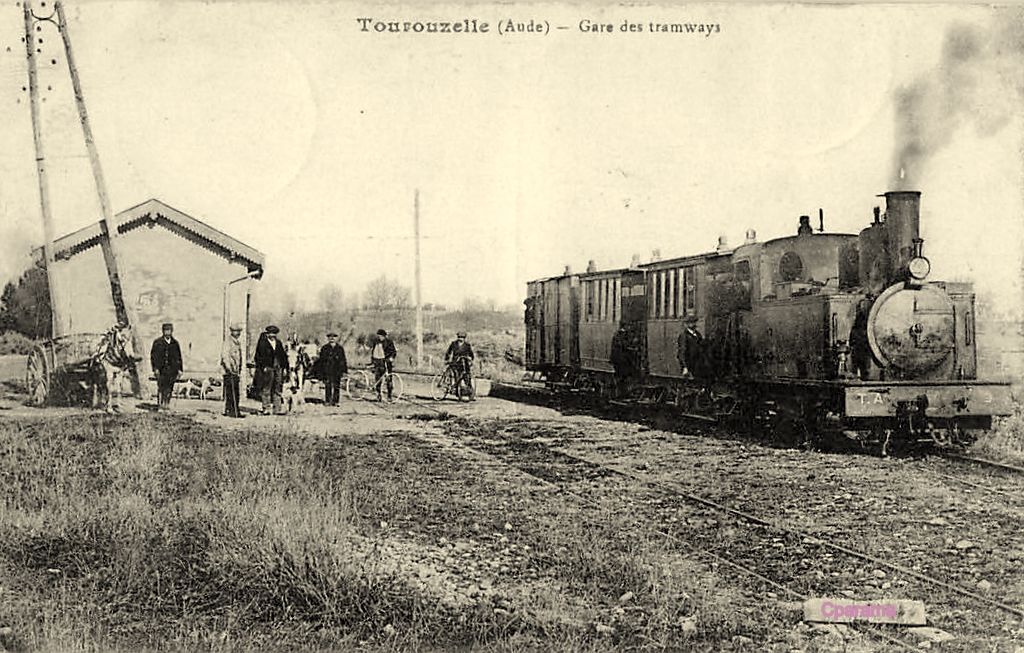
 The Engine Shed with the station building just in shot on the right and a tram in the station. [5]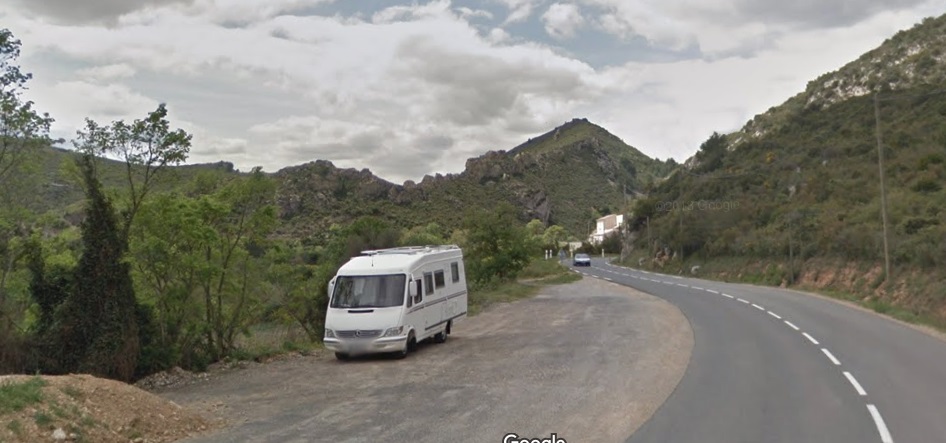
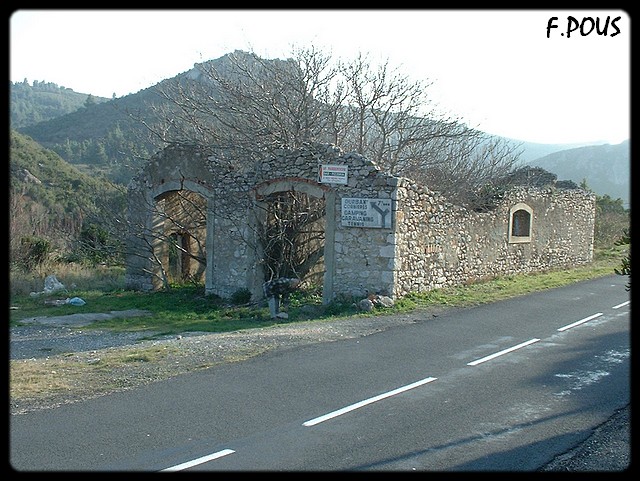 The engine shed in 2003. [6]
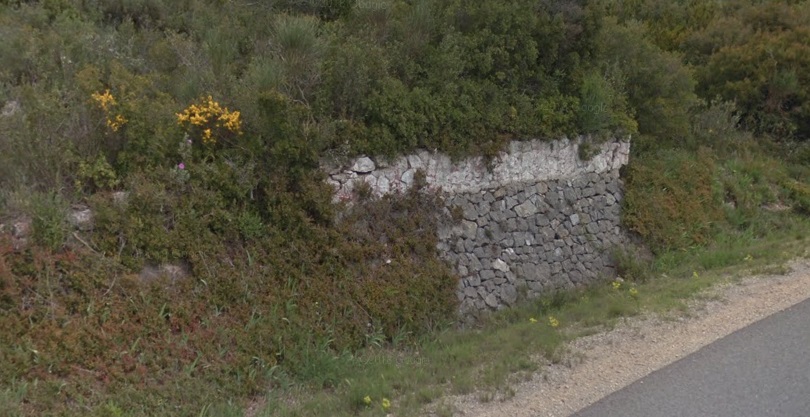 The last remaining vestige of the station appears to be this short section of retaining wall which appears in a number of the pictures above!
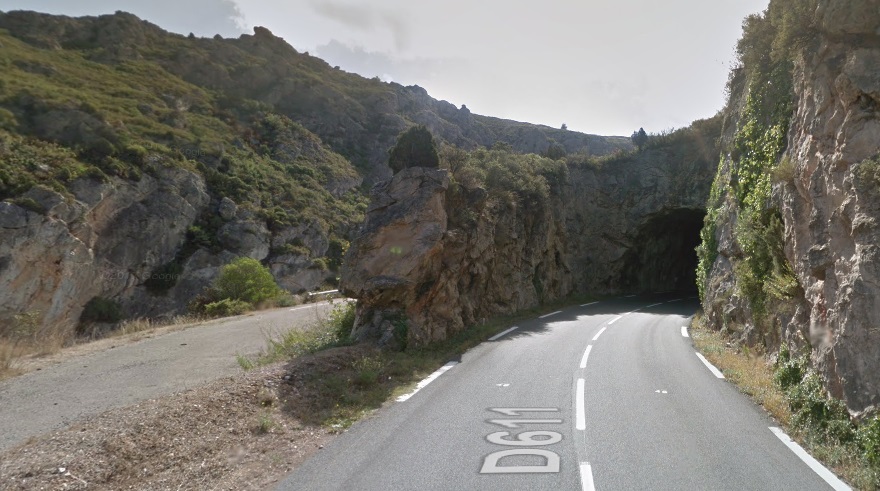
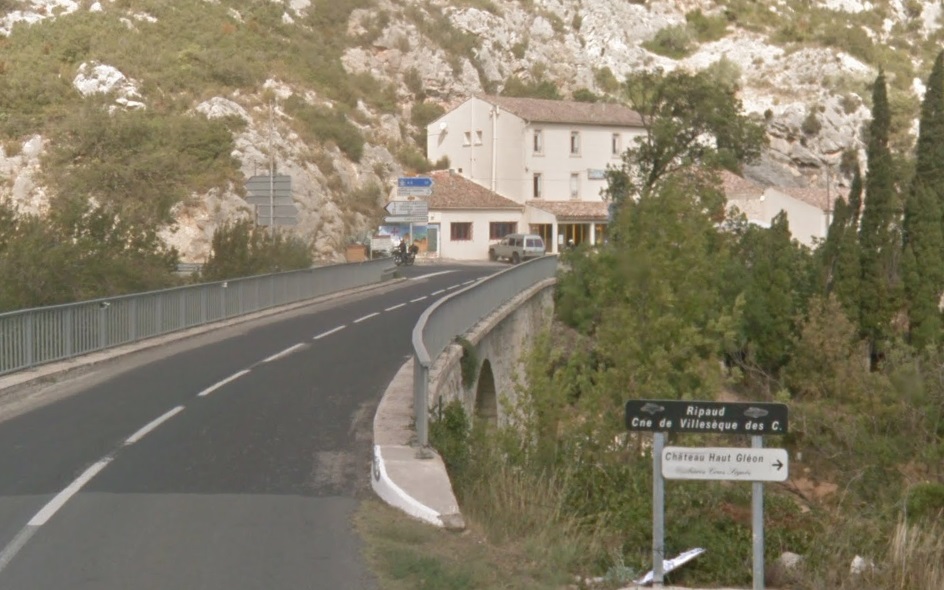
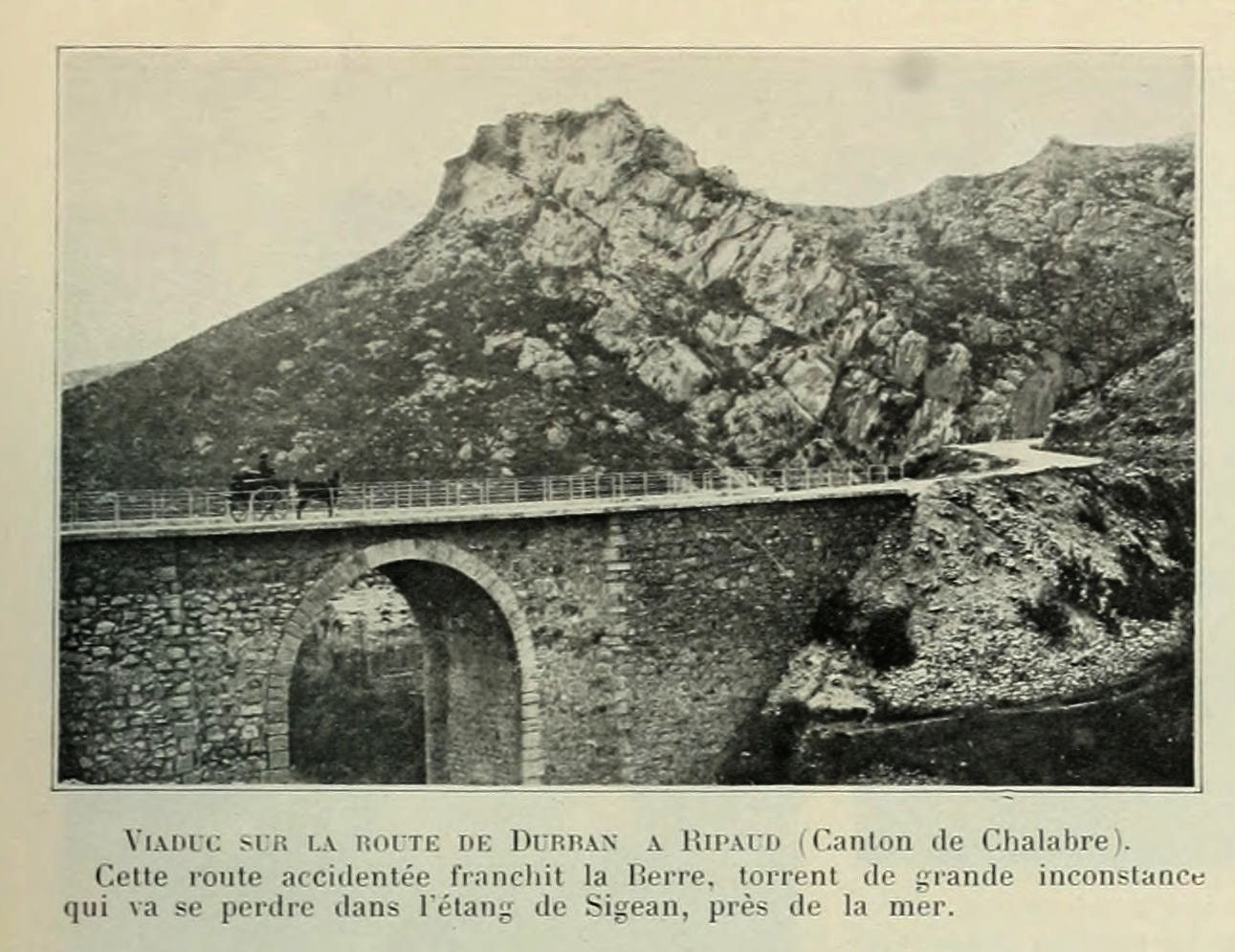
After quite an intense focus on Ripaud we head on along the tramway towards the coast. The route follows the valley of La Berre and the GC3 (D611A) past the small village of Gleon and on towards Portel-des-Corbieres.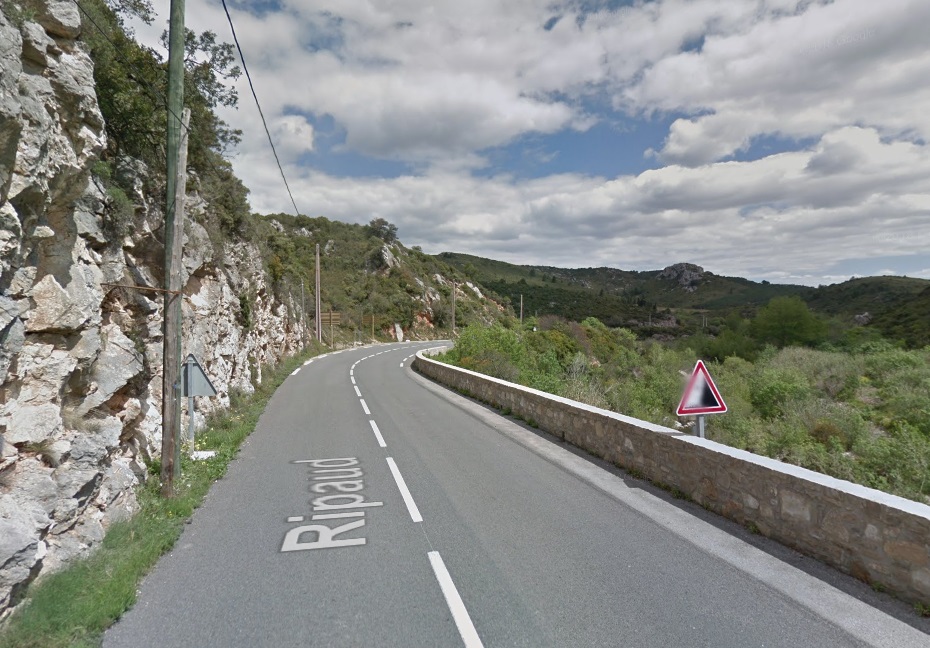
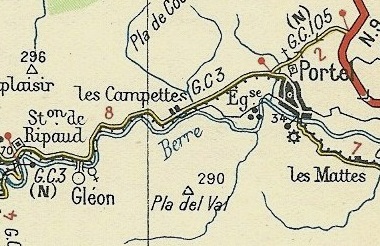 The GC3 (D611A) and the old tramway route follow the valley side towards Portel. Trams travelled on the shoulder of the road adjacent to the drop to the River Berre.
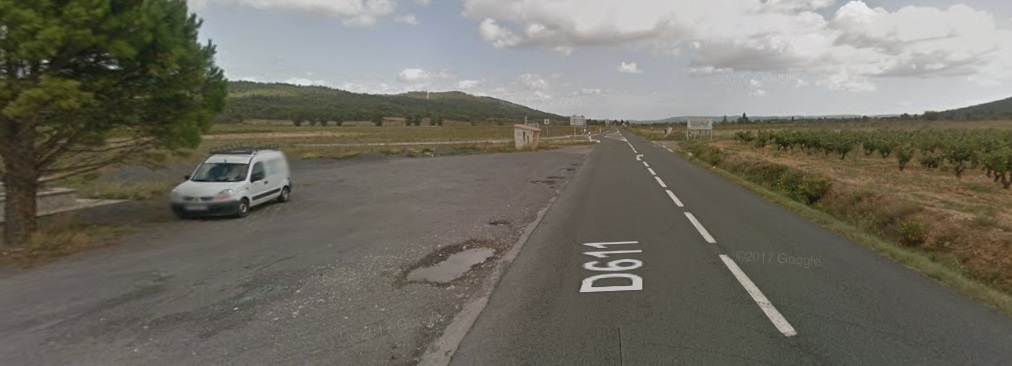
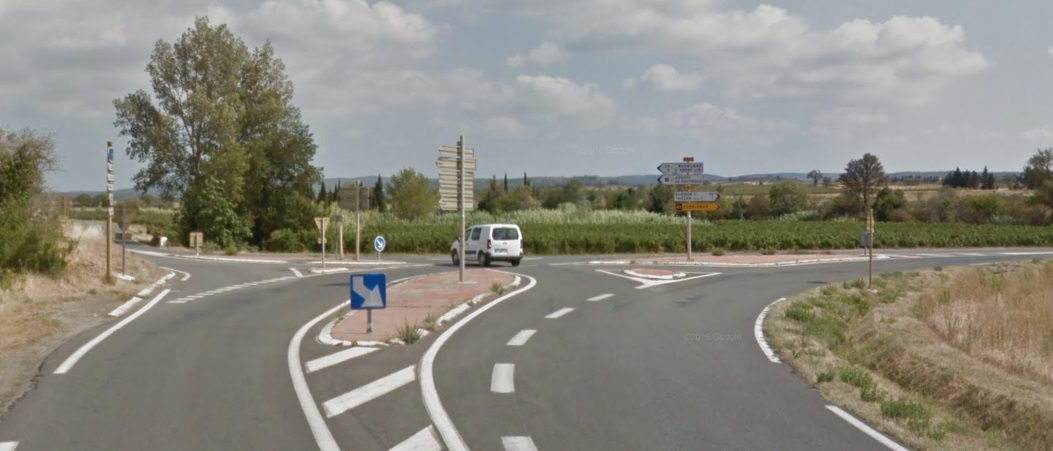
After Les Campettes (today, Les Campets) the GC3 (D611A) left the riverside to follow a more direct route to Portel.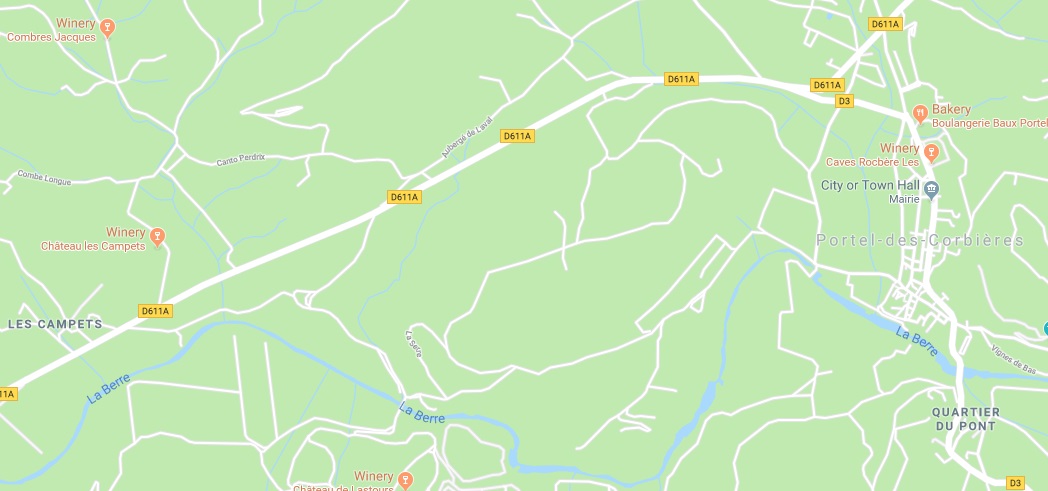 Along the full length of this journey the tramway remained on the South Side of the GC3. Just before arriving at Portel, the GC105 (D611A) separated from the tramway route which continued to follow the GC3 (D3) into the centre of the old village.
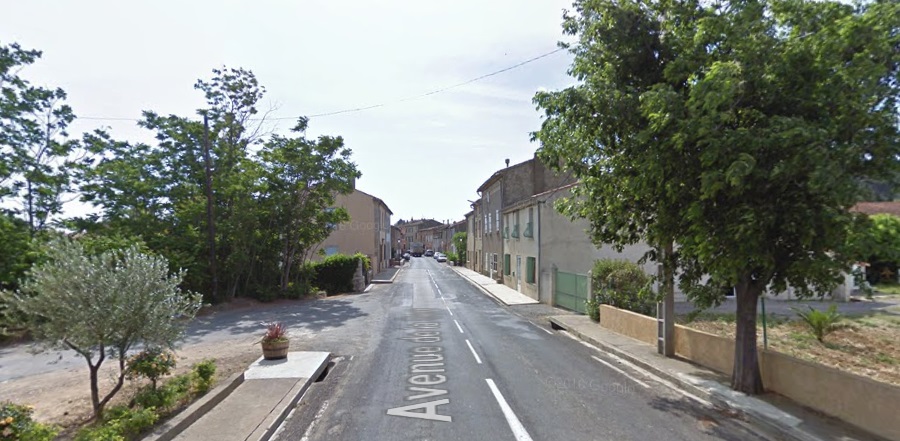
The station was located in front of the Rocbère cooperative cellar. A sign indicating a speed limit of 8km/hr still remained in 1947 at the entrance to the village at the crossroads. Single track rails were laid directly in the cobbled roads because it was not until 1920 that the first asphalting was seen. Portel station allowed for trains to pass. There was only a relatively sparce service on the line. The winter 1928-1929 passenger schedules were as follows: from Ripaud to La Nouvelle, the trams passed through Portel at 6:32 am and 3:18 pm; the return journey saw trams at 8:29 am and 5:59 pm. [7] 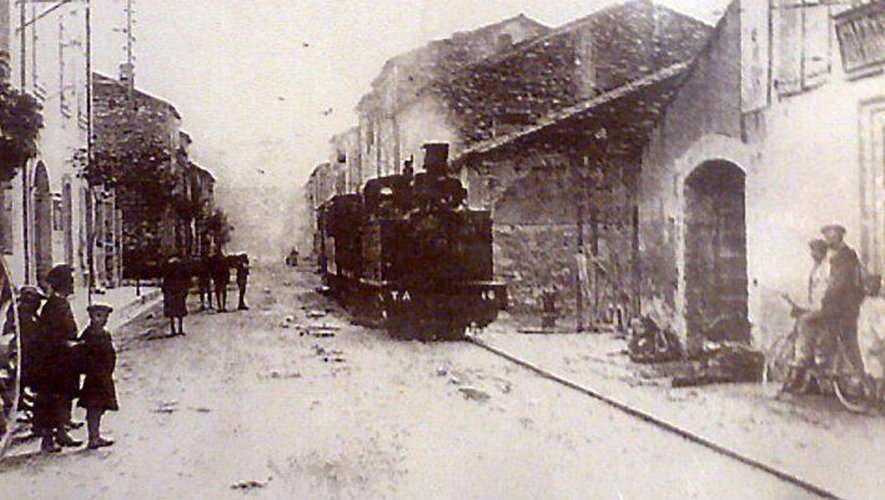 A tram trundles through Portel on Avenue de la Gare. [7]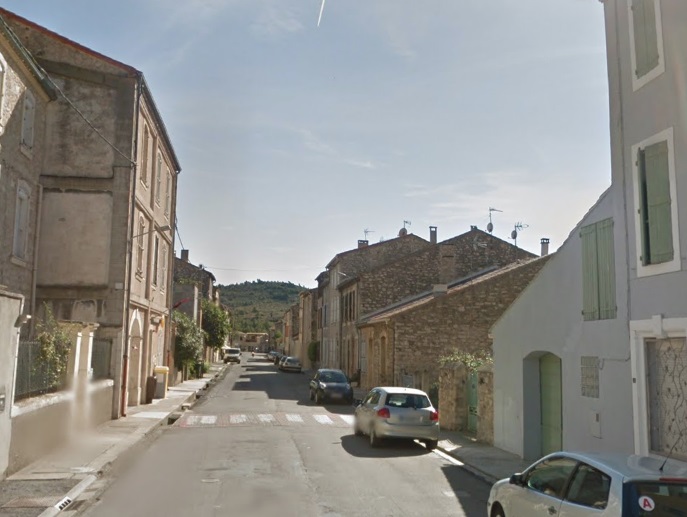
 The same view in 21st Century. The building on the left is the post office.
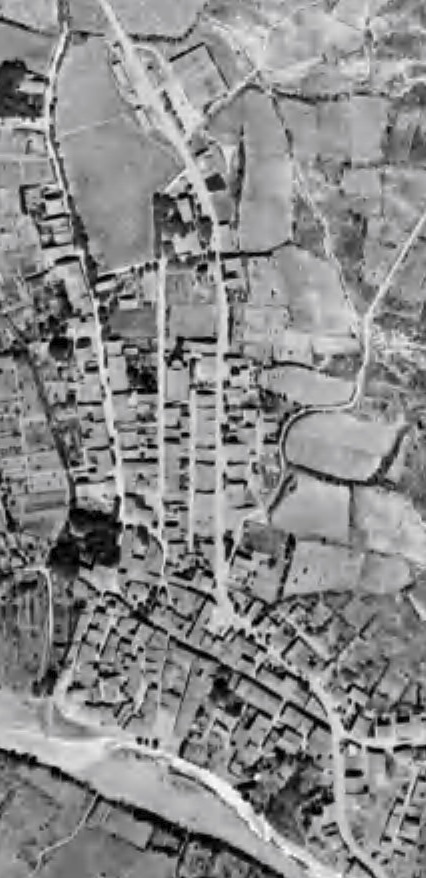
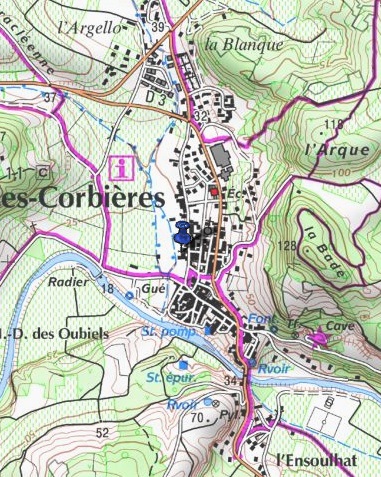
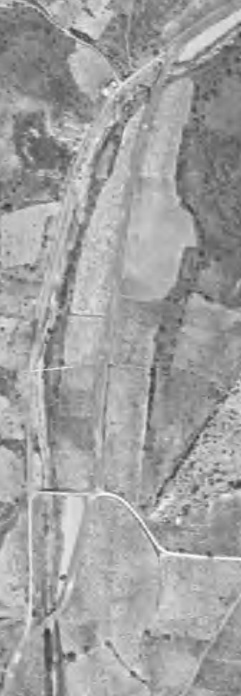
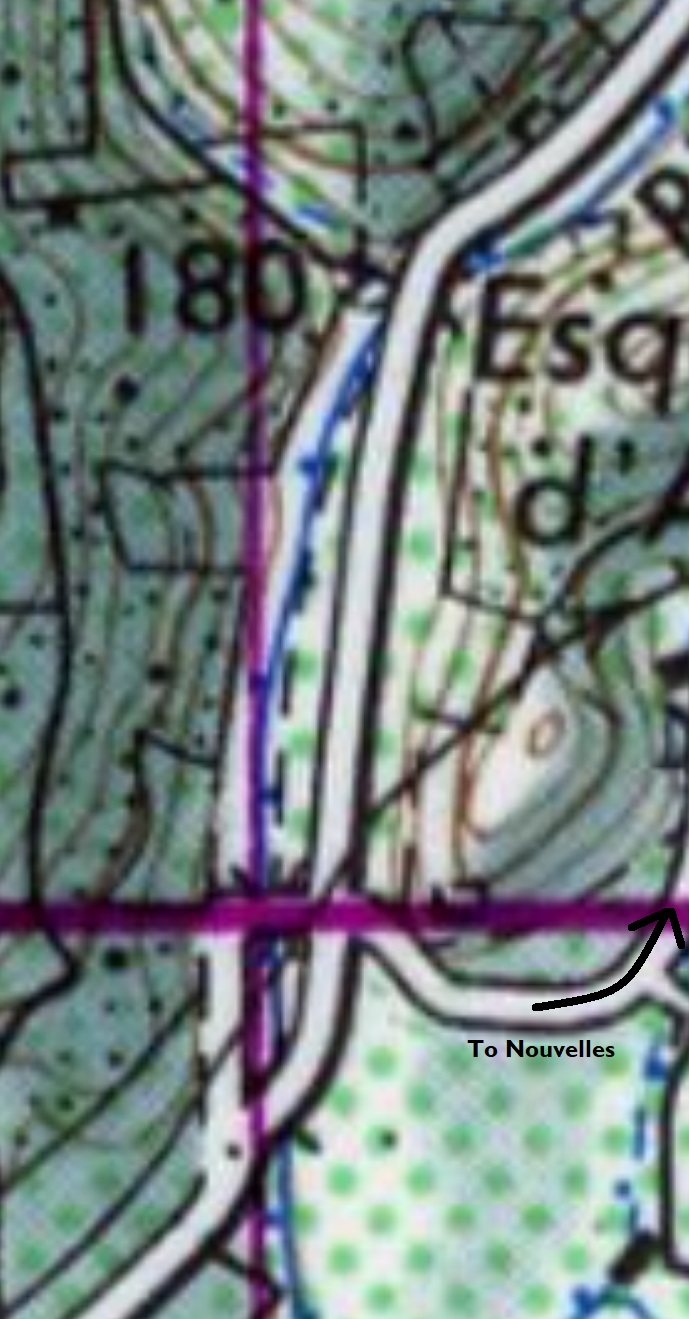
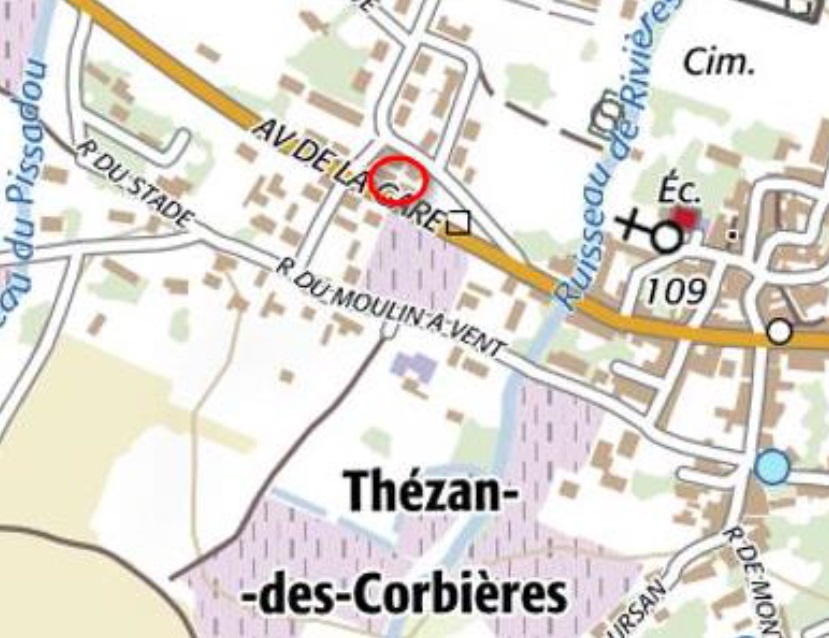
The tramway passed through Portel on the GC3 on an approximately North-South axis. The station location is not obvious on the 1930s Michelin map above, nor on the adjacent 1946 aerial photograph. I understand that it was North of the village and so may well have been at the location at the top of the aerial photograph where the road opens out.
If anyone has better information, I would really appreciate hearing from them!
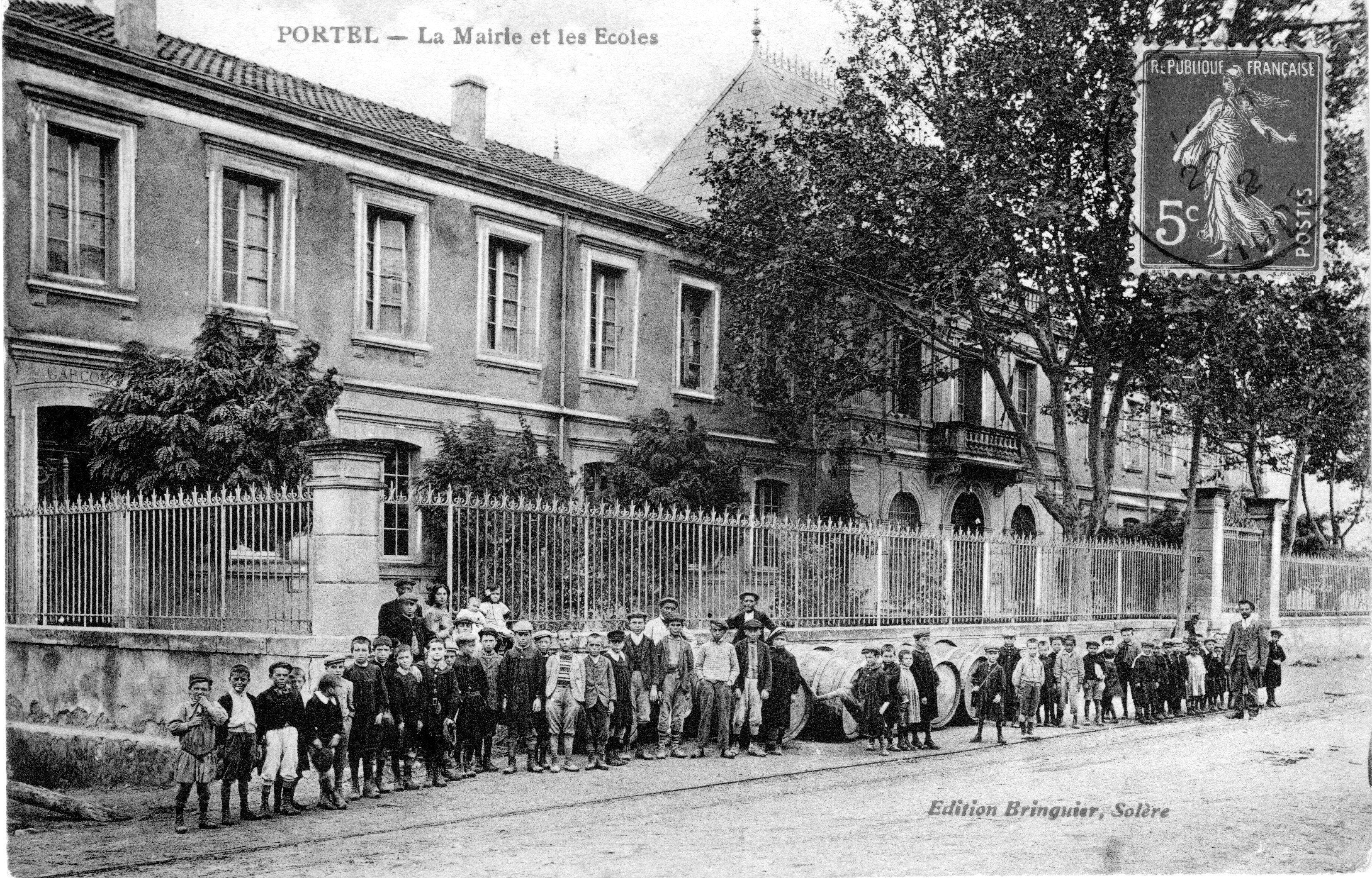 The tramway in front of the Town Hall. [8]
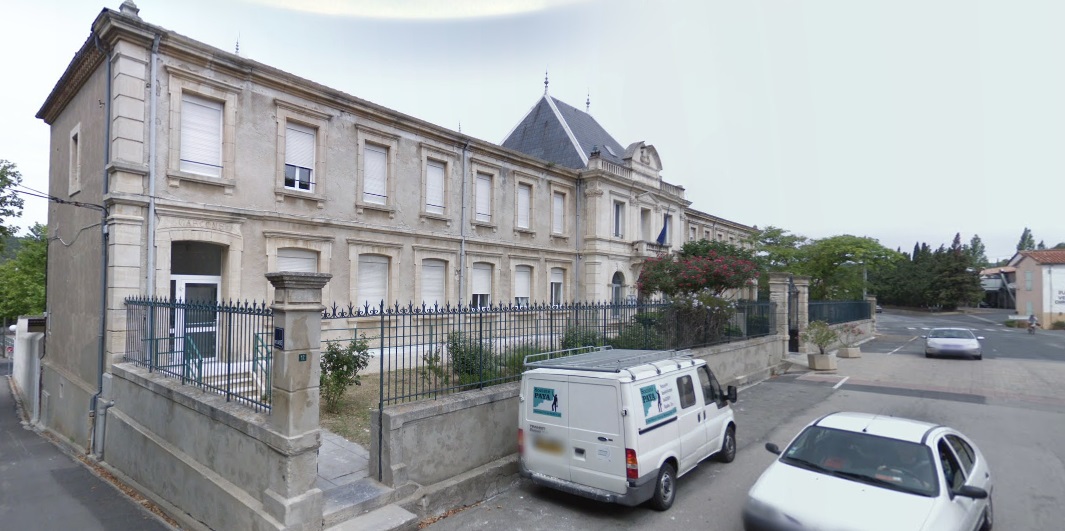 The same location in the early 21st Century.
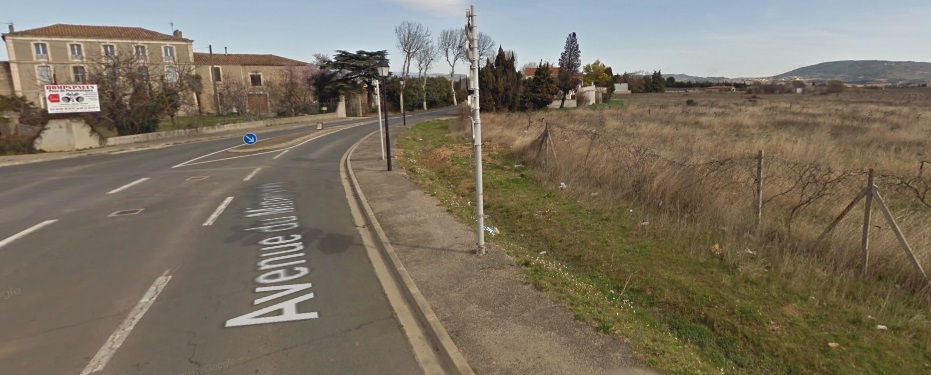
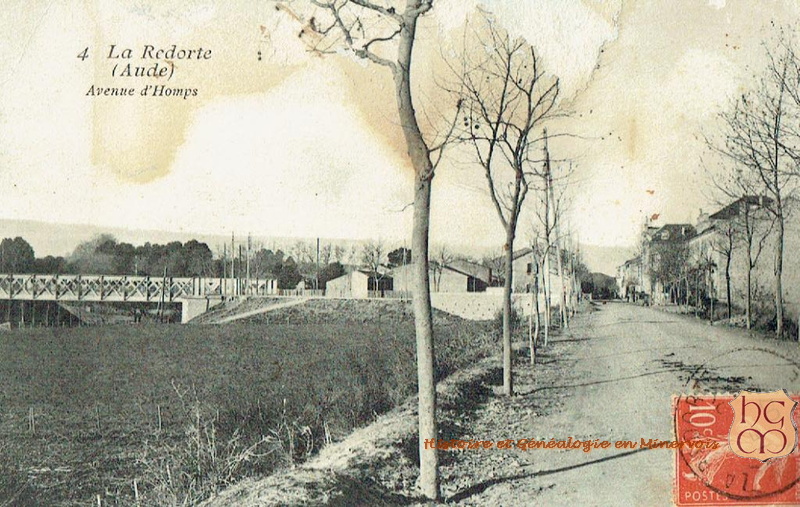
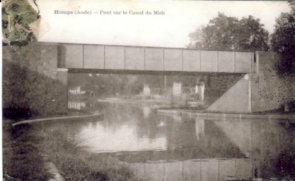
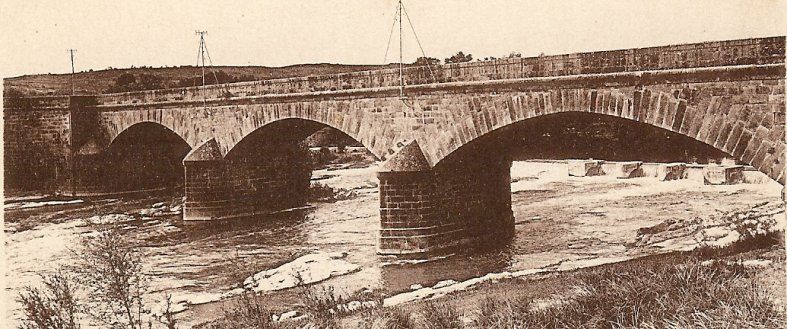
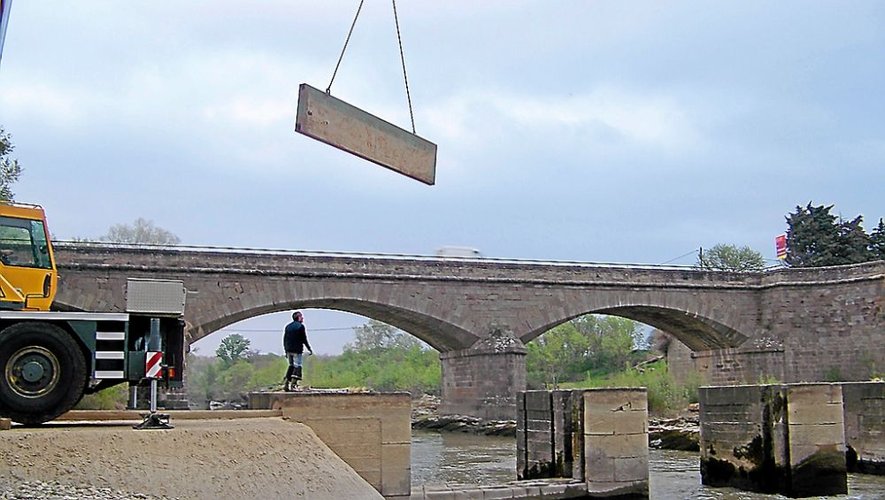
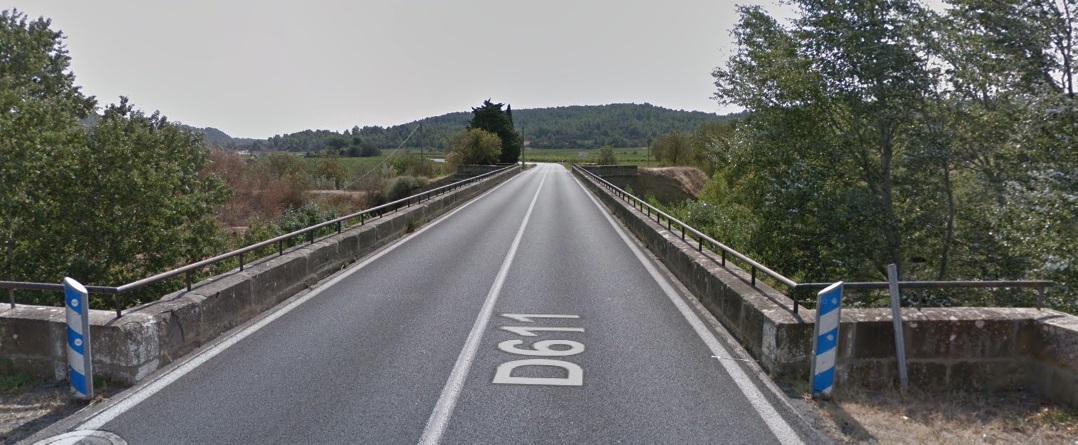
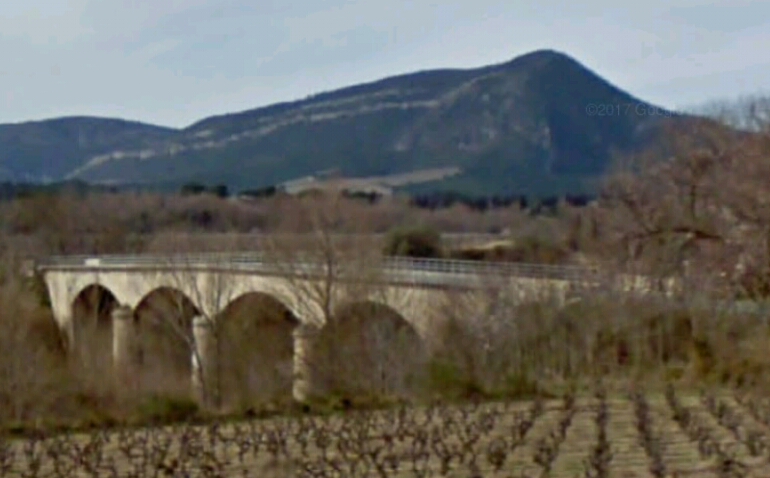
As the tramway left Portel it crossed La Berre on a single-span arch bridge.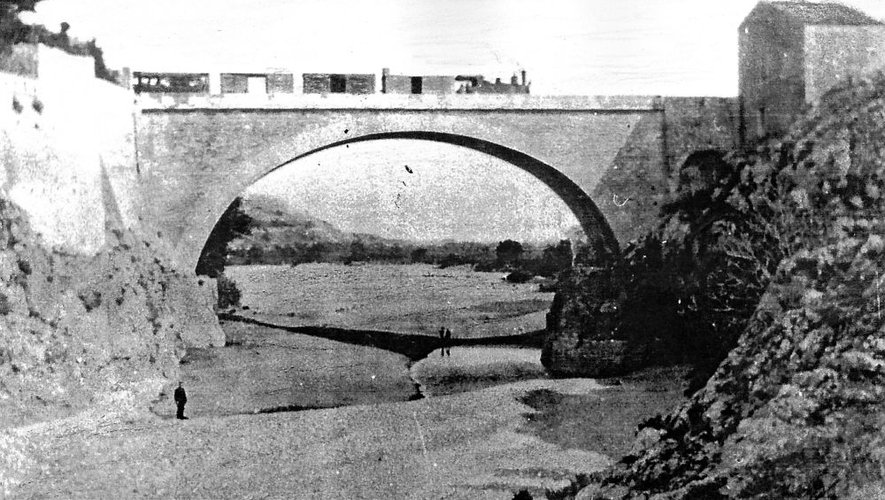 A tram crosses the bridge at Portel travelling towards La Nouvelle. [12]
 A similar view of the bridge at Portel. [9]
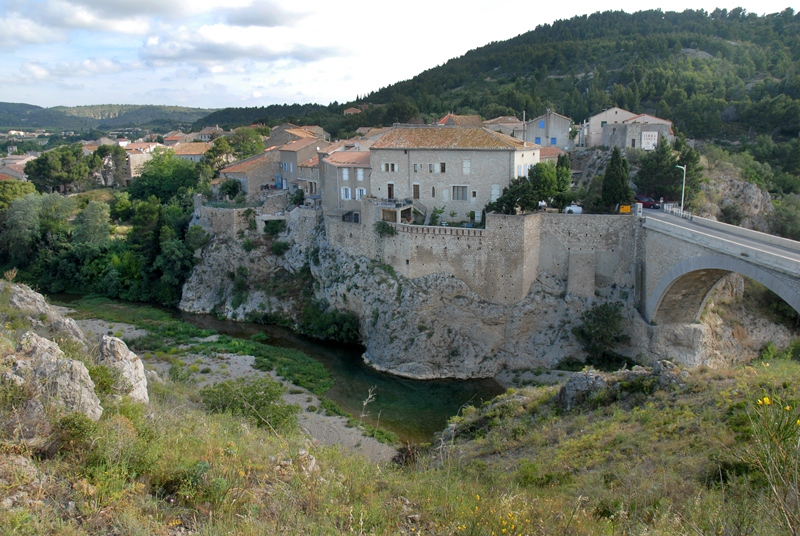 A view of Portel and its bridge from the South bank of La Berre. [10]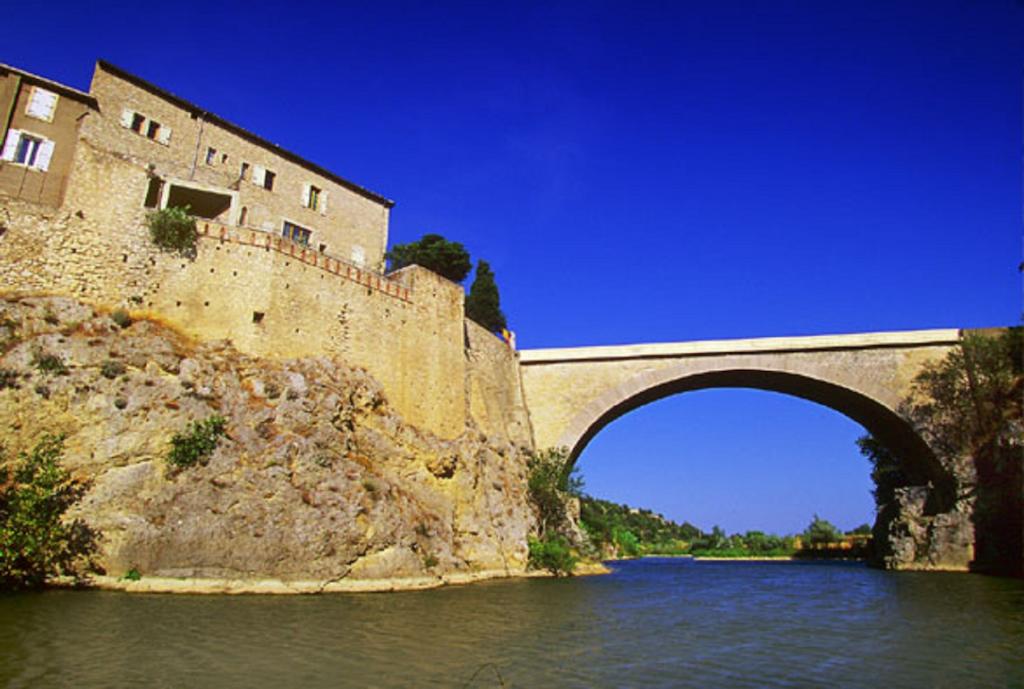
 The kind of blue sky (above) that we expect from the South of France. [11]
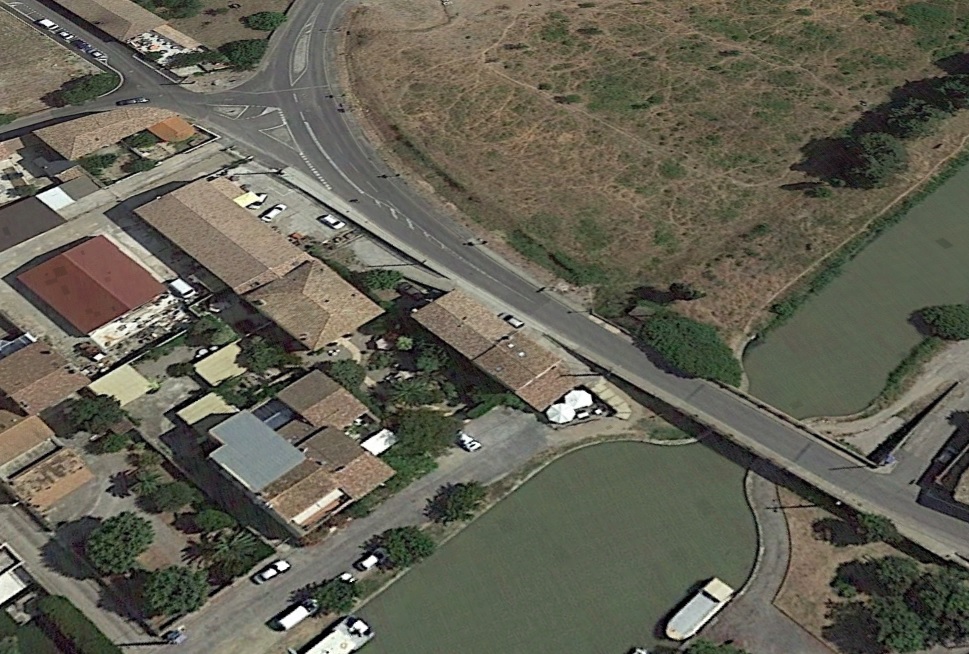
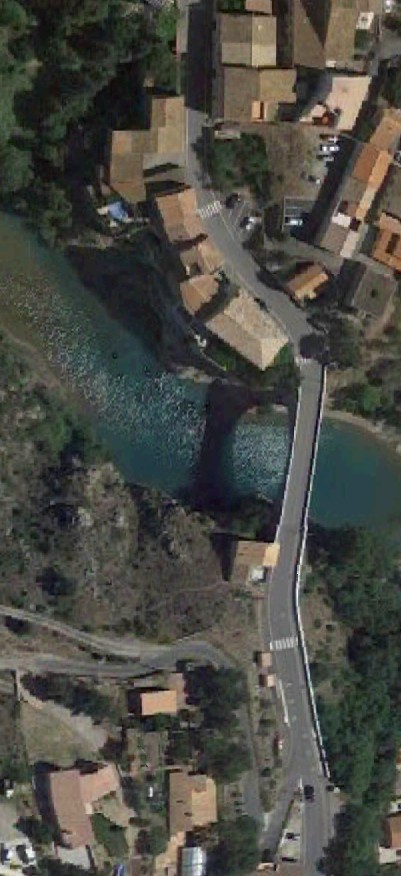
After crossing the bridge across La Berre (shown in plan in the adjacent satellite image), the tramway and the GC3 (D3) headed southeast.
The modern road at times smooths out the tighter bends on the old GC3.
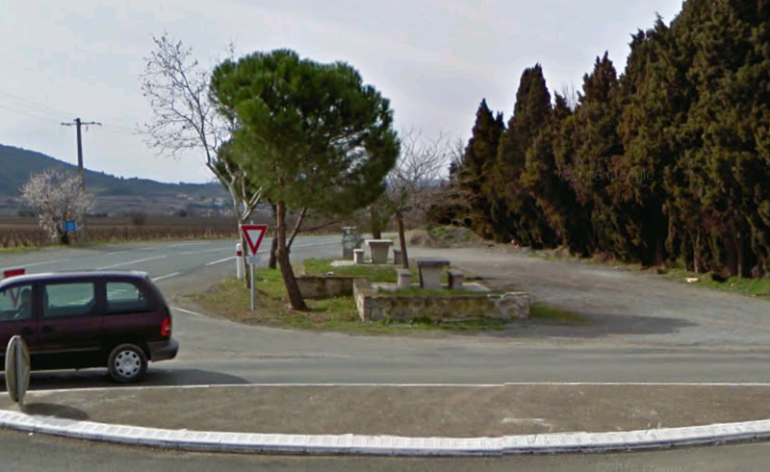
The first image below is typical of very minor deviations with the old road (and tramway route) now being used as a lay-by and picnic site.
However, just a little further to the Southeast the deviations from the modern road are more pronounced as the maps below show.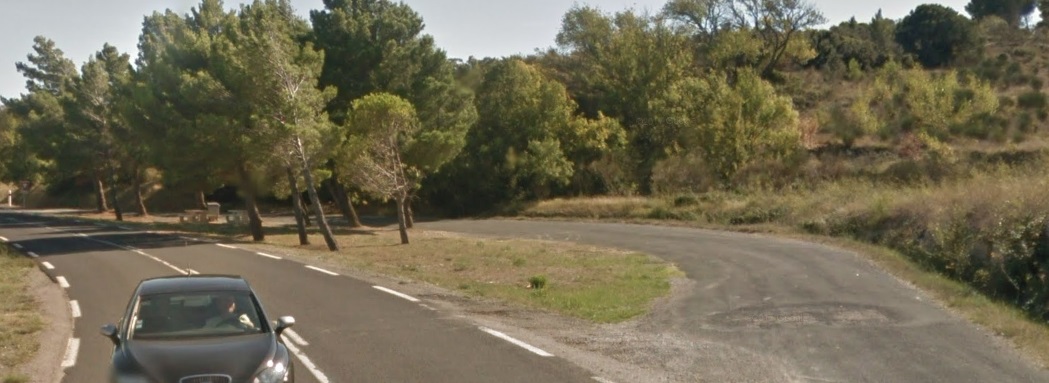
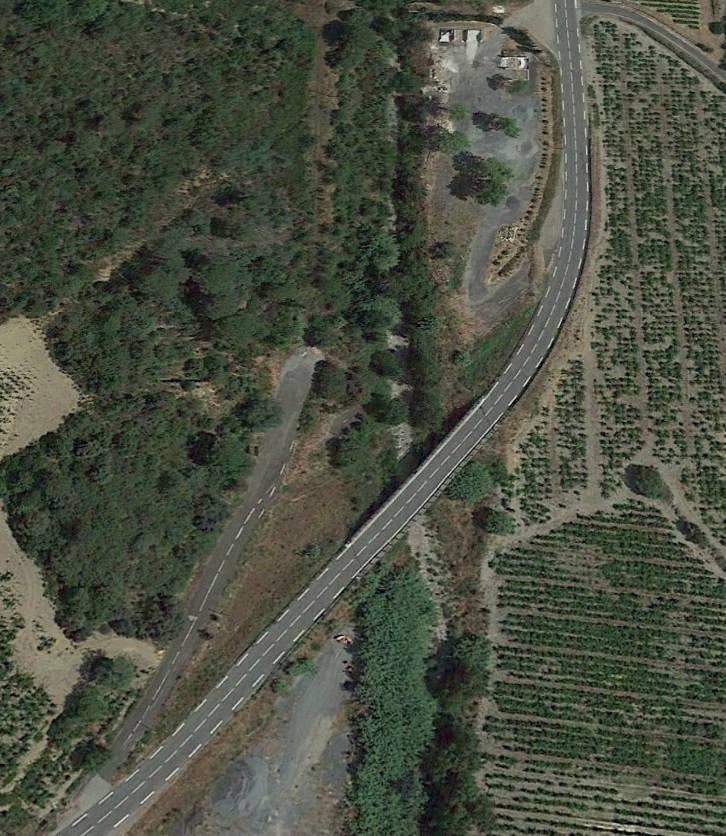
 The old road and the tramway route deviate from the modern D3 to the Southeast of Portel.
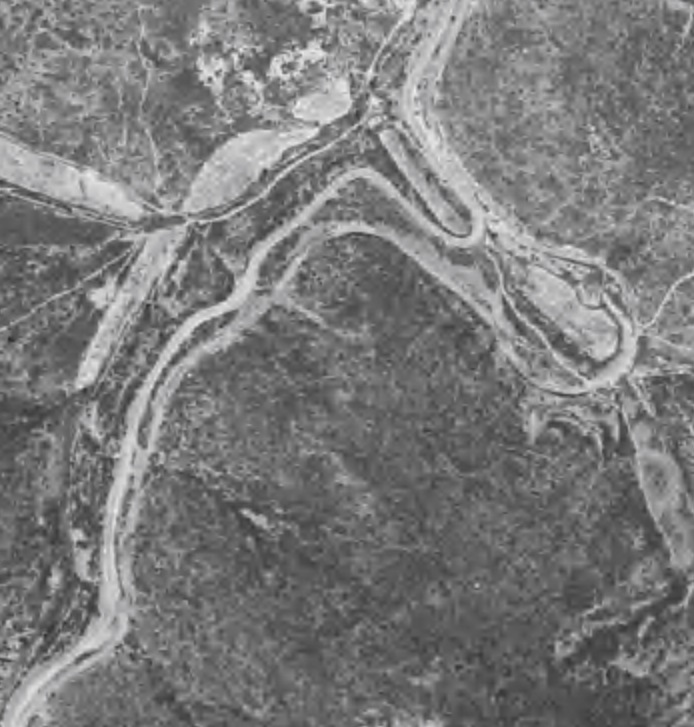
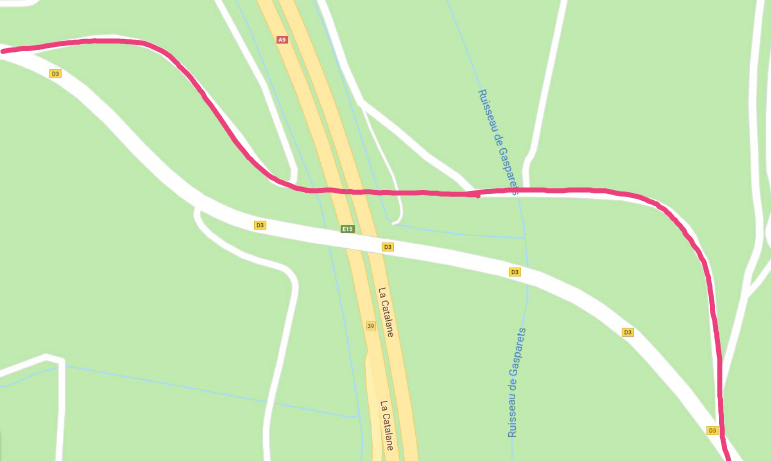 The route of the old GC3 and the associated tramway deviate again from the modern D3. Not surprising, as the old route is now blocked by the line of the A9/E15 Autoroute – Le Catalane.
Along the length of the GC3 to Sigean the tramway followed the North shoulder of the road. The town is so much larger than when the tramway was in use. The route through the countryside to the West of Sigean has been overwhelmed by the town’s suburbs.
On entering the town, the tramway followed the route indicated on the satellite image below. The pink line is sketched onto the image by hand and is therefore only approximate.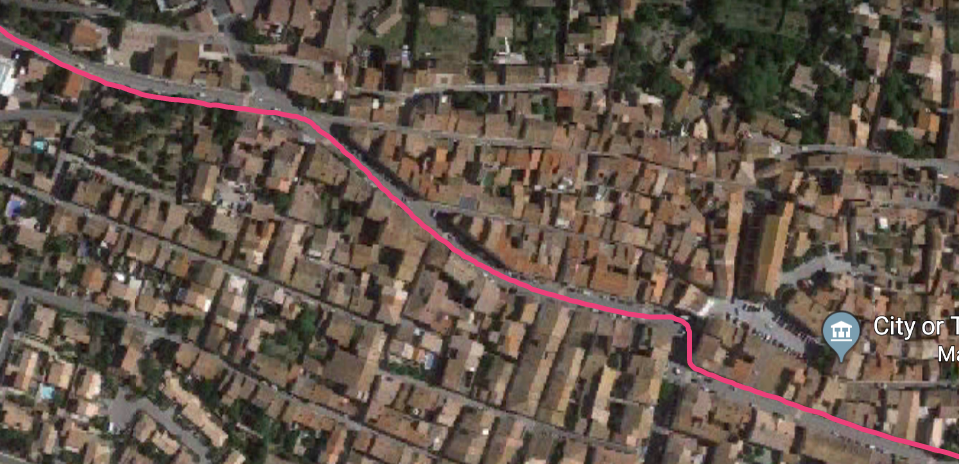 The aerial image below was taken in 1942 sometime after the closure of the tramway. The dogleg inntye tramway route can easily be picked out.
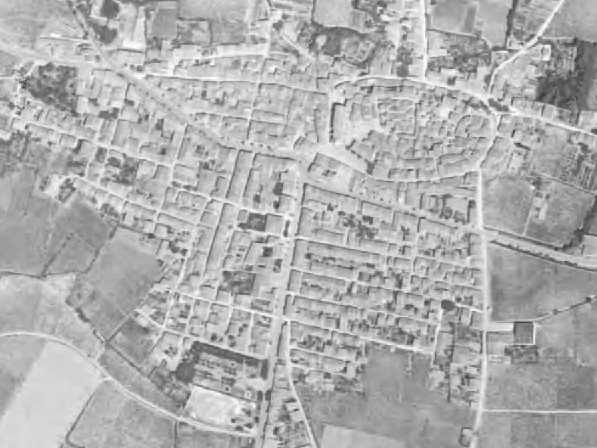 The tramway ran across the South side of the old village of Sigean along the Avenue de Narbonne and the Route de La Nouvelle.
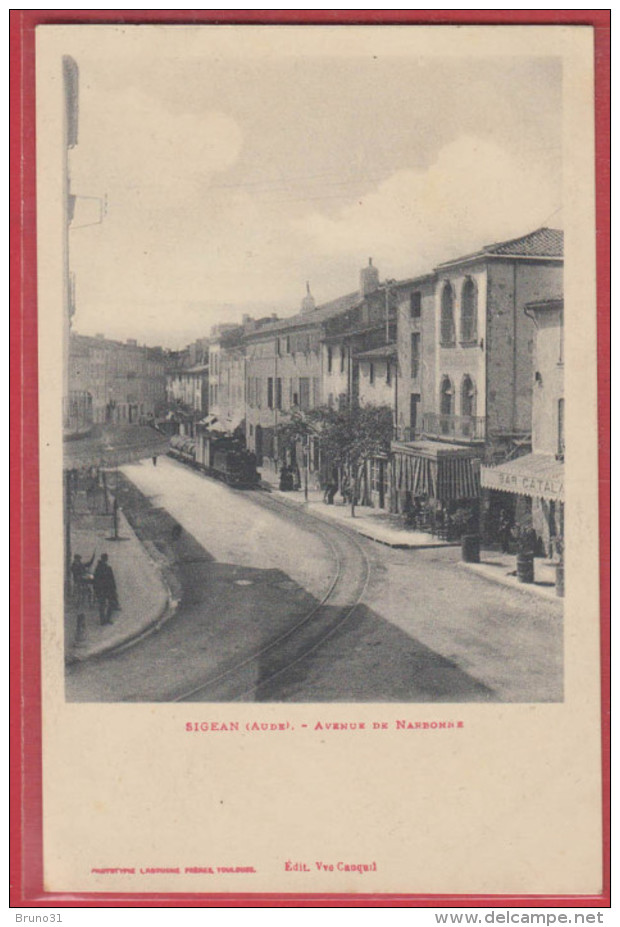 The first of a few images of the line through Sigean. [13]
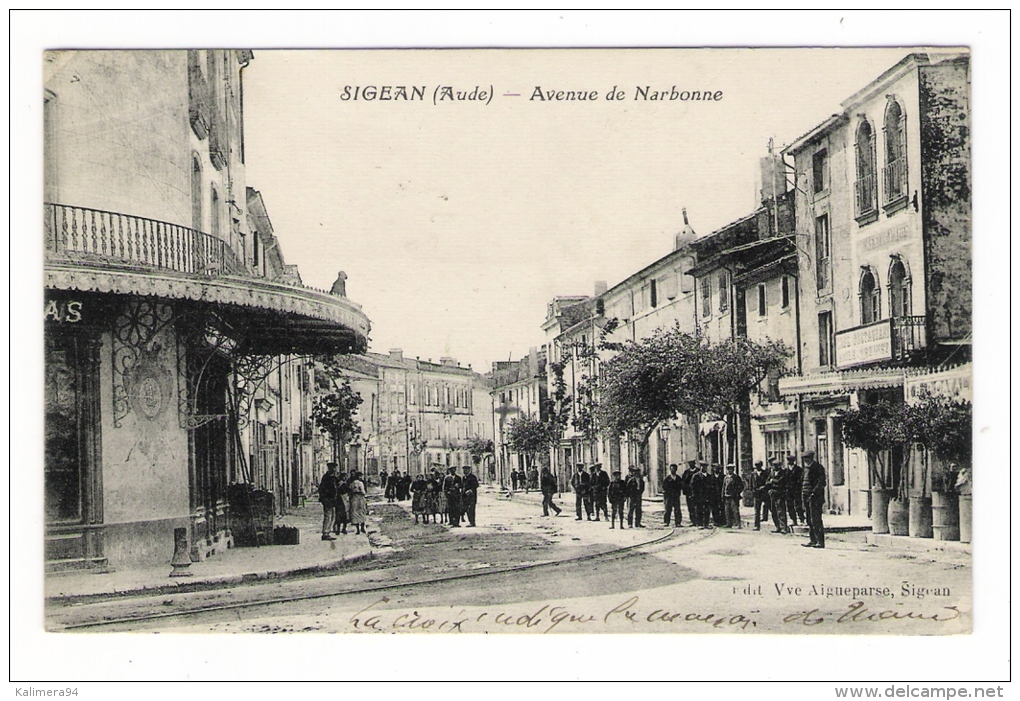 From a similar location close to the station. [13]
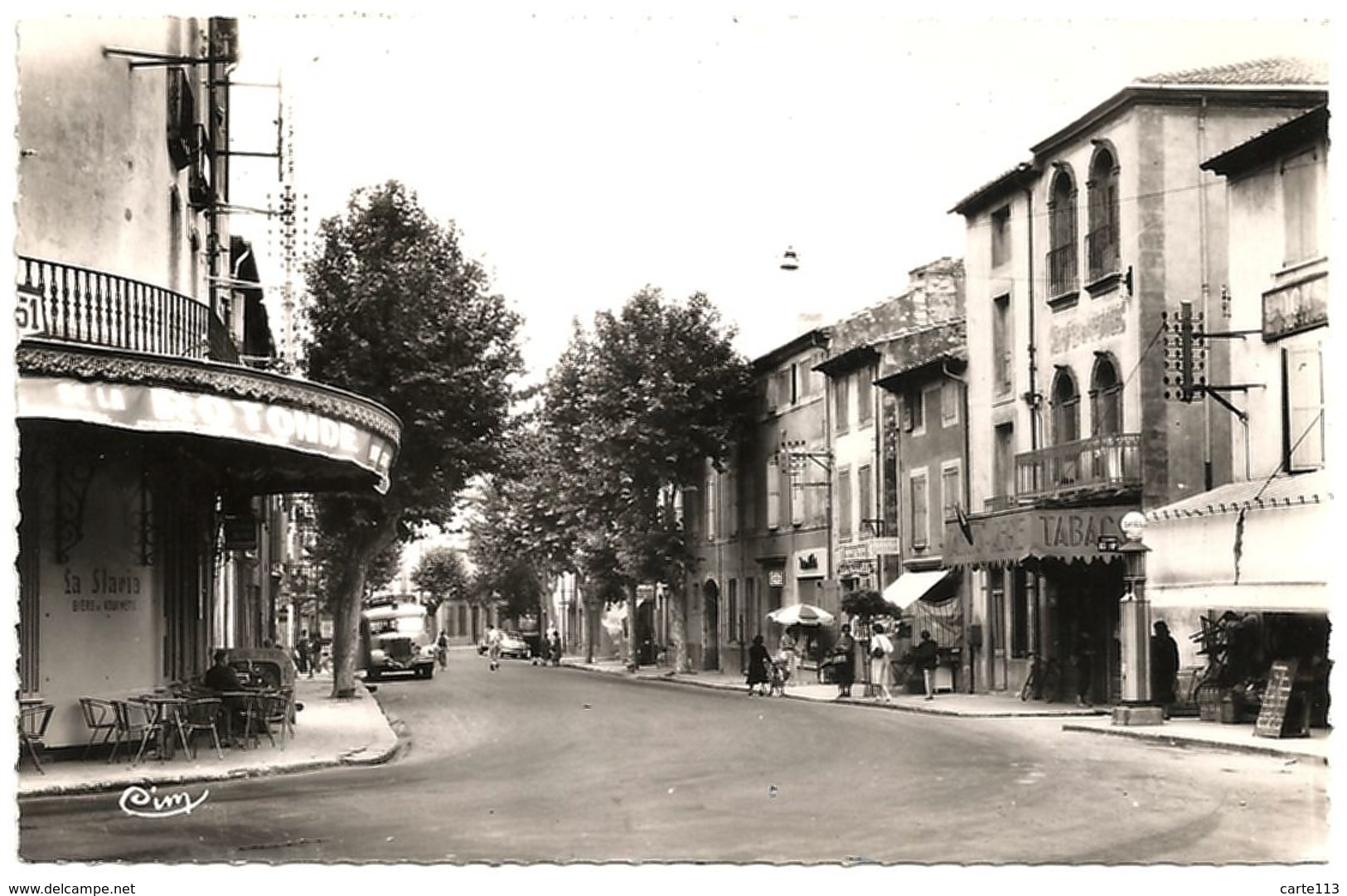 A later monochrome image after the closure of the tramway also looking West along Avenue de Narbonne. [13]
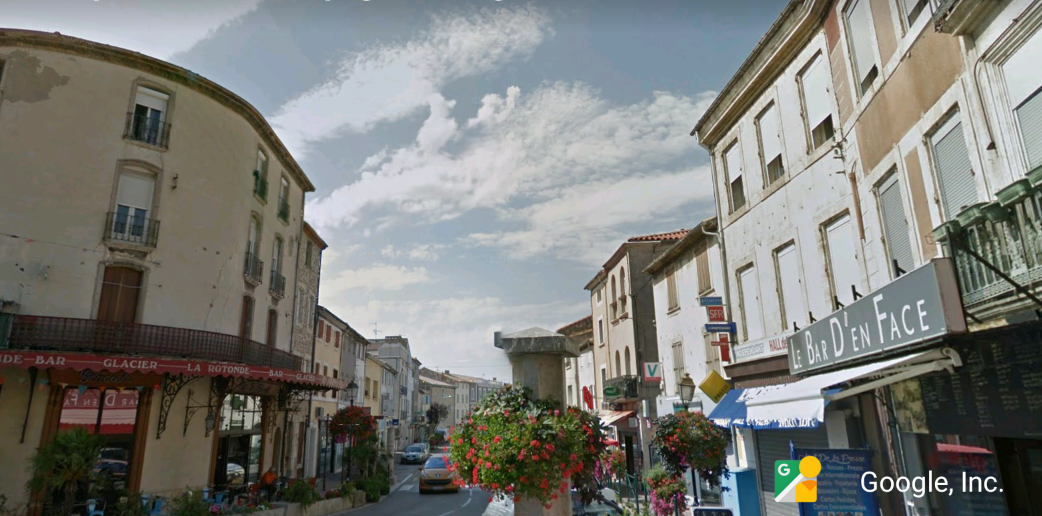 An image from roughly the same location but in the 21st century.
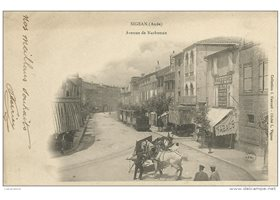 An early image from approximately the same location [13]
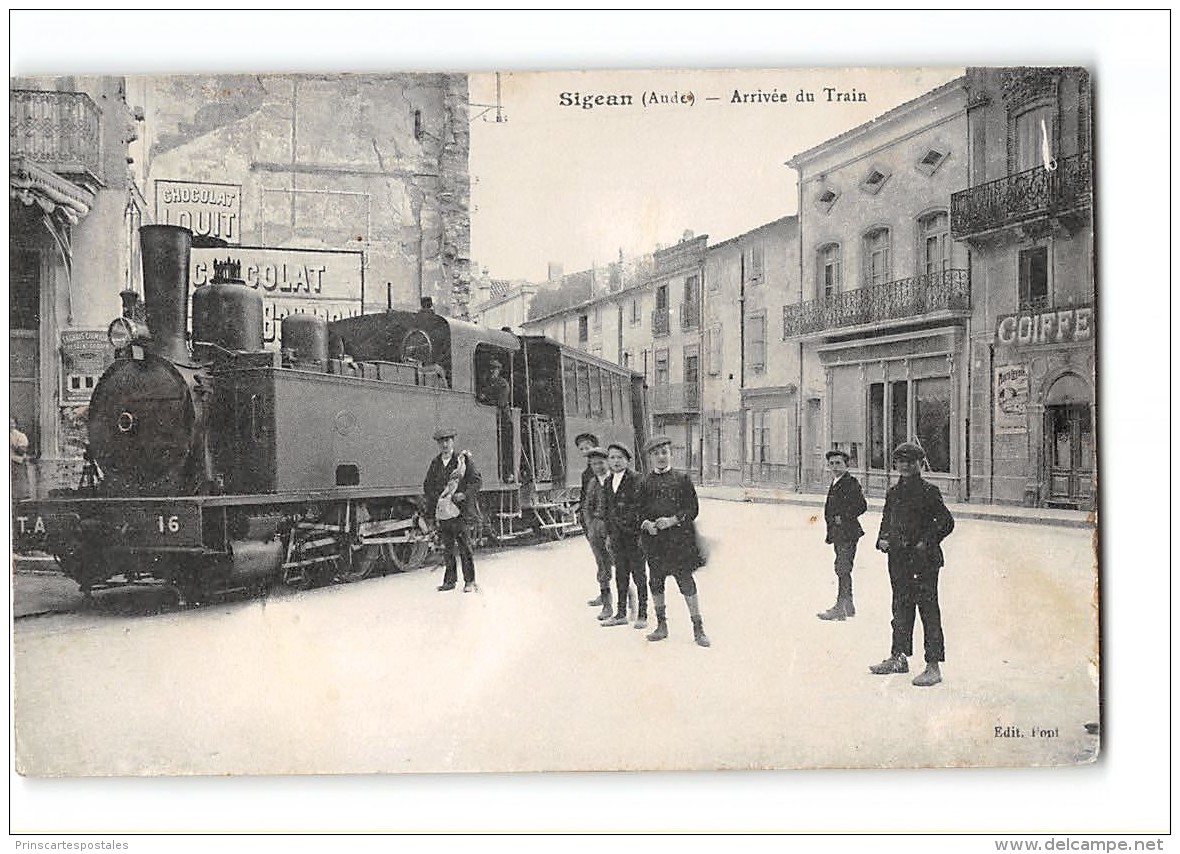 The tram arriving from Portel. [13]
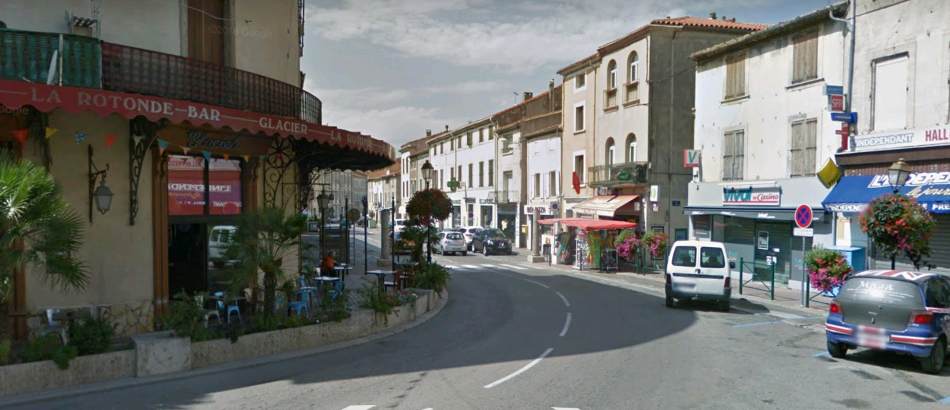 The same location in the 21st Century.
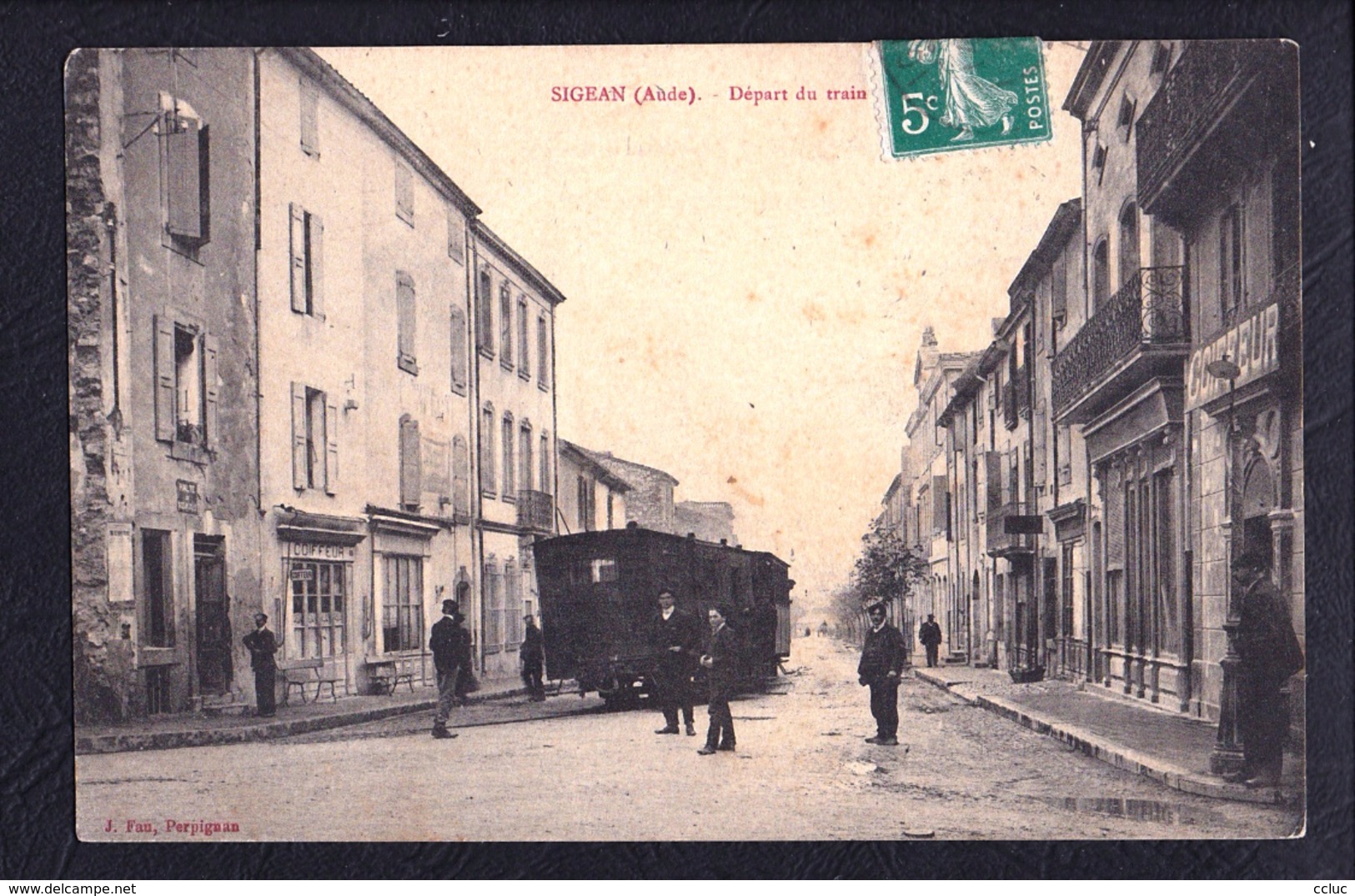 A tram leaving in the direction of Portel. [14]
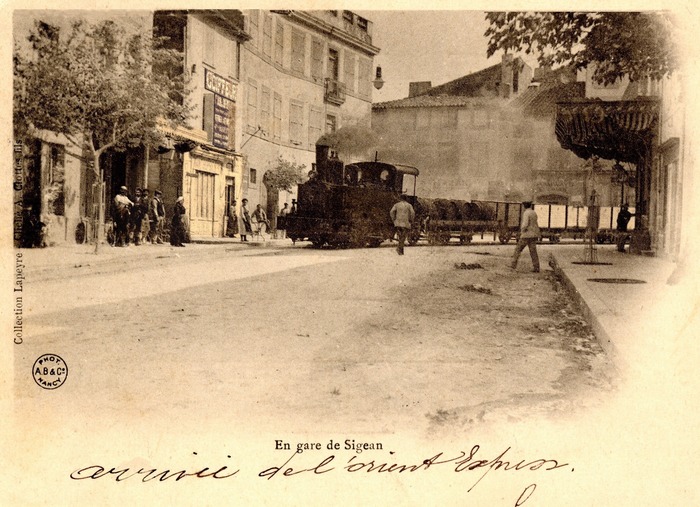 Another tram leaving for Portel. The view is taken, this time, from the West. [13]
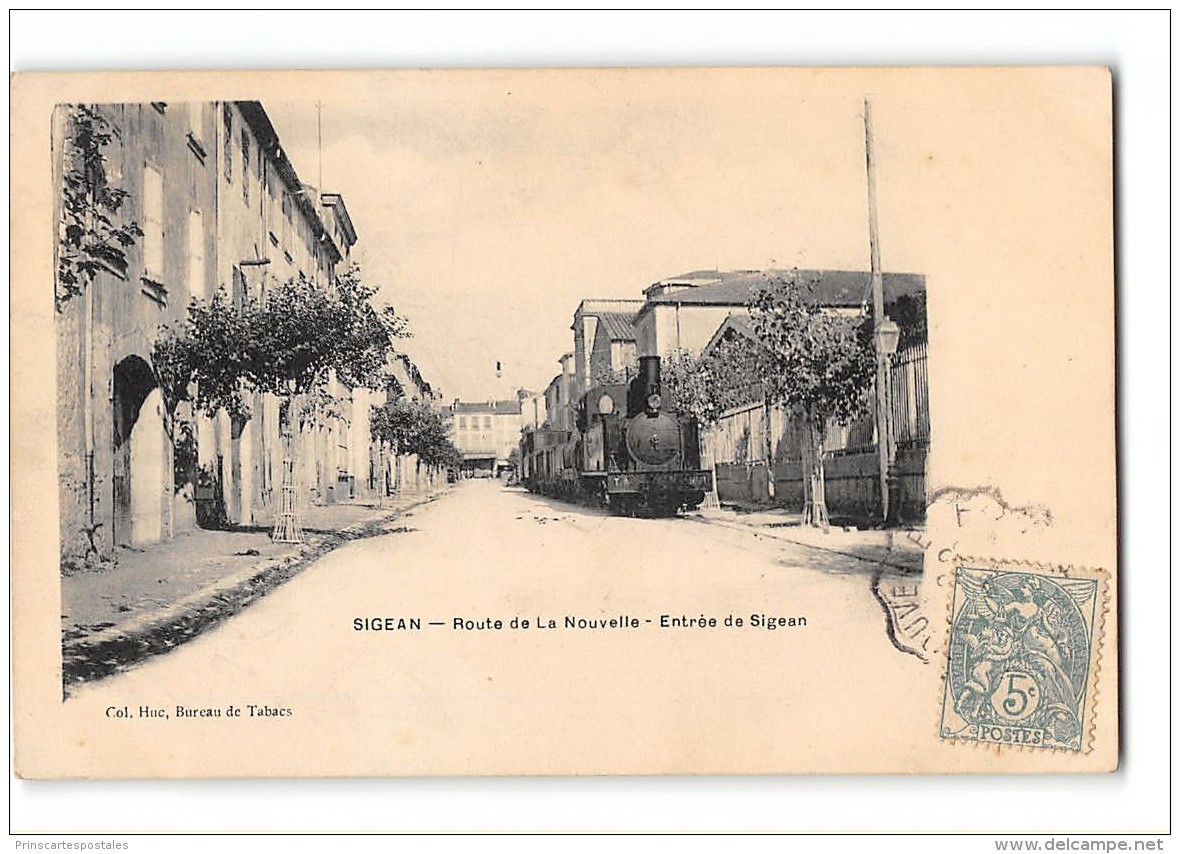 This view shows a tram heading the other way – towards La Nouvelle. [13]
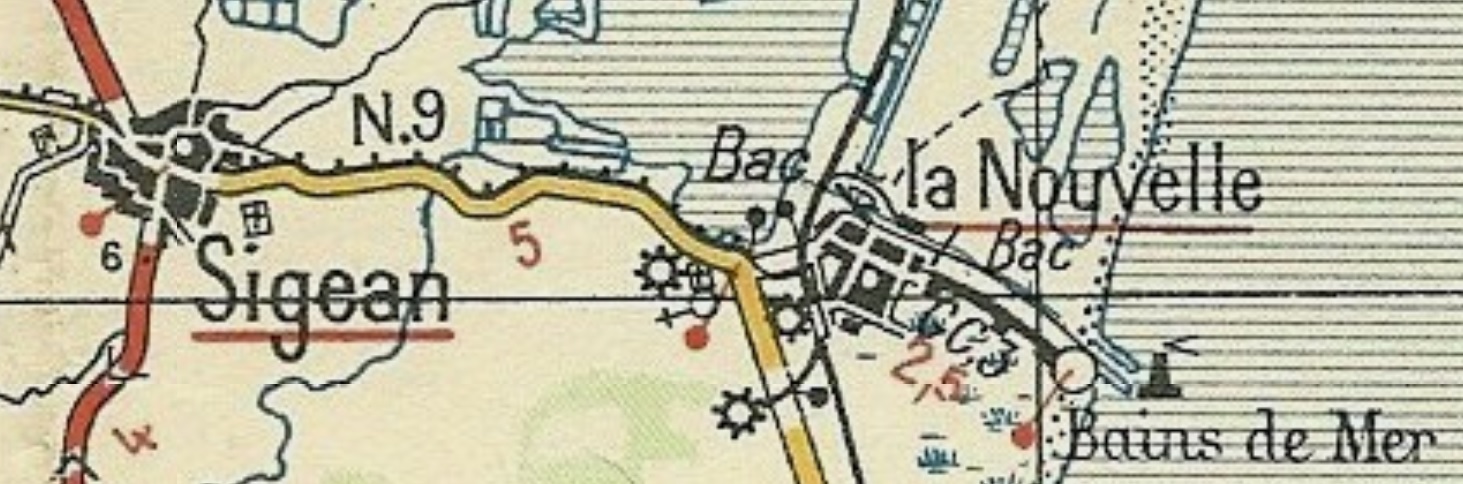 The route East of Sigean crosses the main standard gauge line near La Nouvelle and then passes through La Nouvelle before reaching Port La Nouvelle.
A few kilometres to the East of Sigean, the tramway and road crossed the River Rieu on a three-arch stone viaduct. The road between Sigean and La Nouvelle was the N9, today it is the D6139. The modern road splits as it approaches Le Rieu. East-bound traffic crosses the old bridge and West-bound traffic uses a new concrete structure to the North of the old bridge.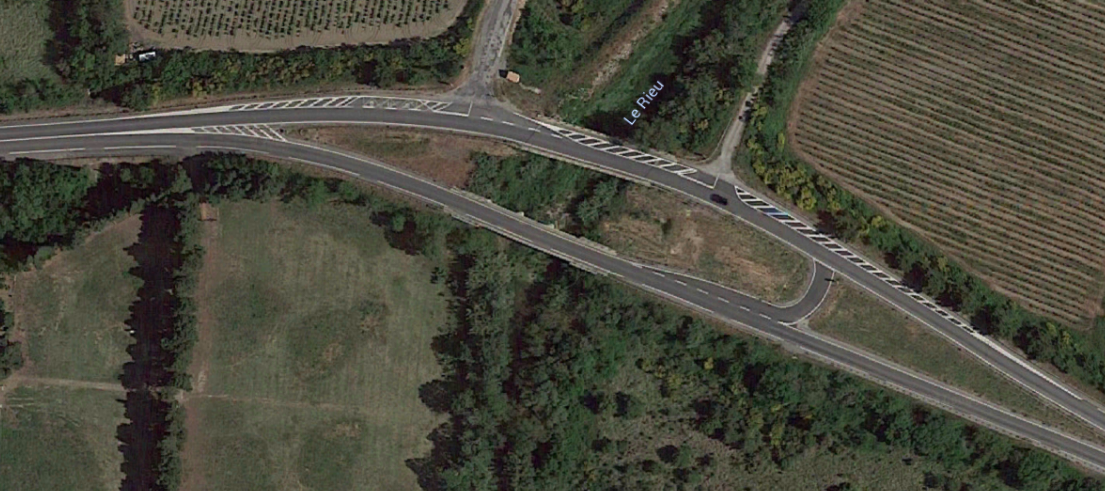
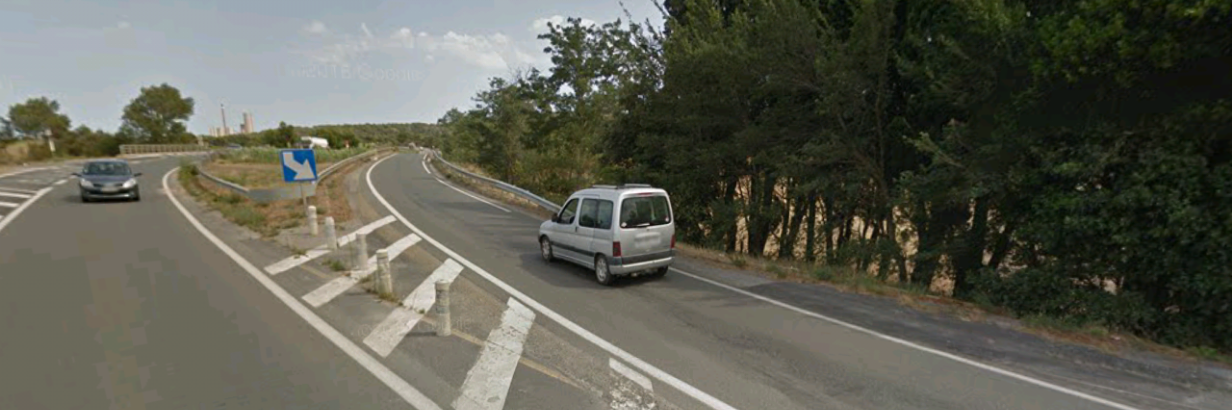 The old bridge is under the traffic lane to the right in the above picture.
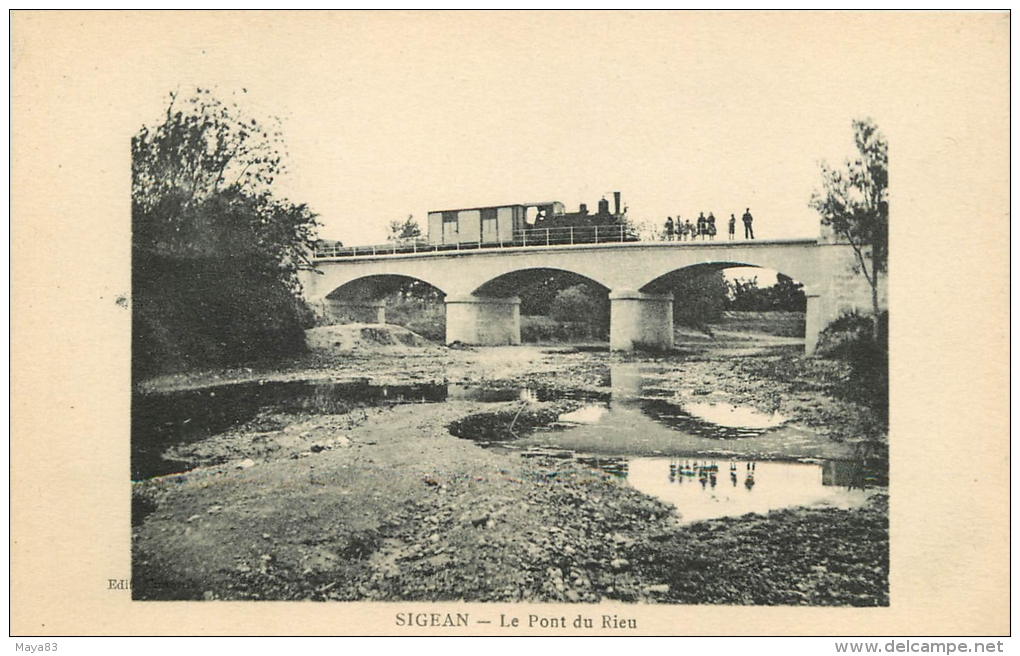 The ‘Pont du Rieu’ which is to the East of Sigean. The picture is taken from the North. [13]
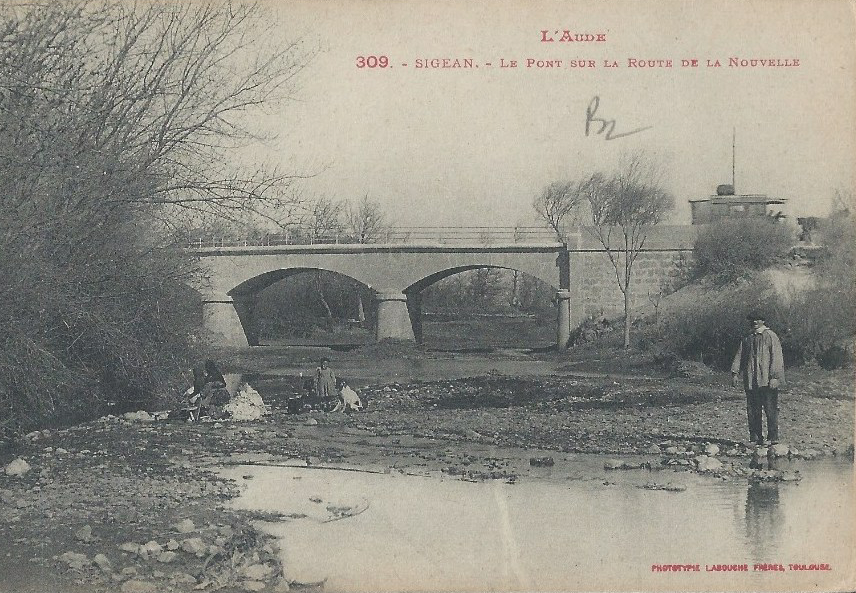 The same bridge from the South. [15]
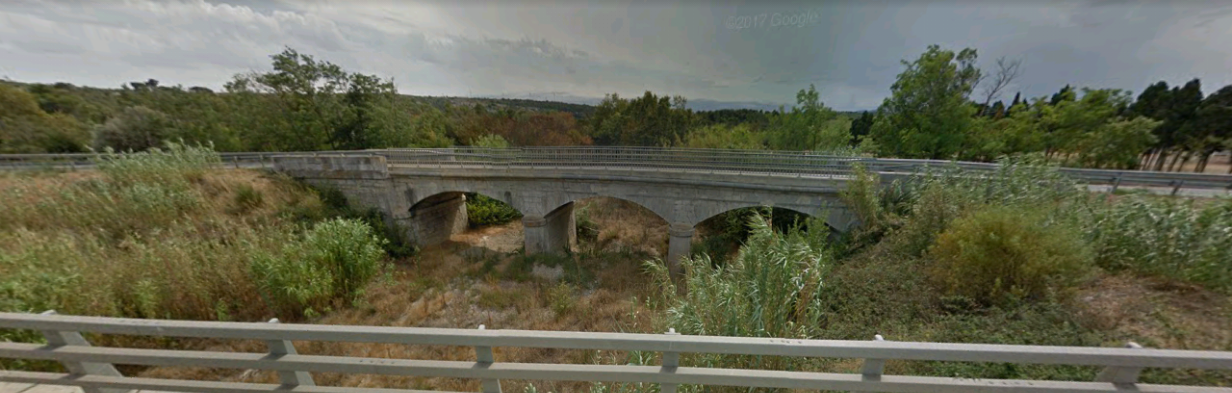 The old bridge taken from a vehicle travelling over the Northern bridge which carries Westbound traffic.
From Le Rieu, which links into the series of lakes close to the coast through which the waters of La Berre flow, the tramway and the N9 (D6139) head for La Nouvelle and its port. It appears that the tramway followed the N9 almost all the way to the station entrance. Jut before crossing the Standard Gauge line the N( turned south and the tramway followed the road which accessed the port, village and beach at La Nouvelle. The photo below shows the route of the tramway which was under the modern D6139.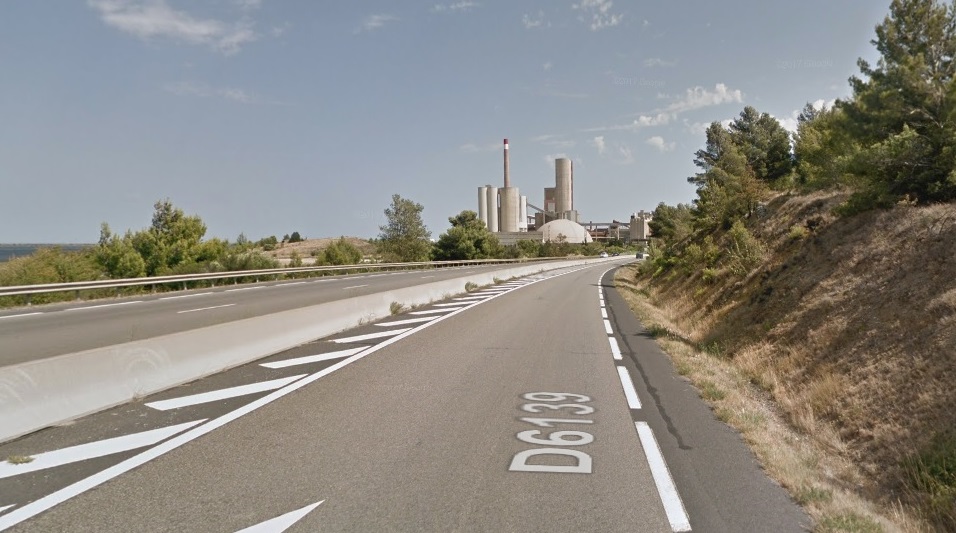 The N9 is the road shown on the image below entering top left and turning sharply to the south.
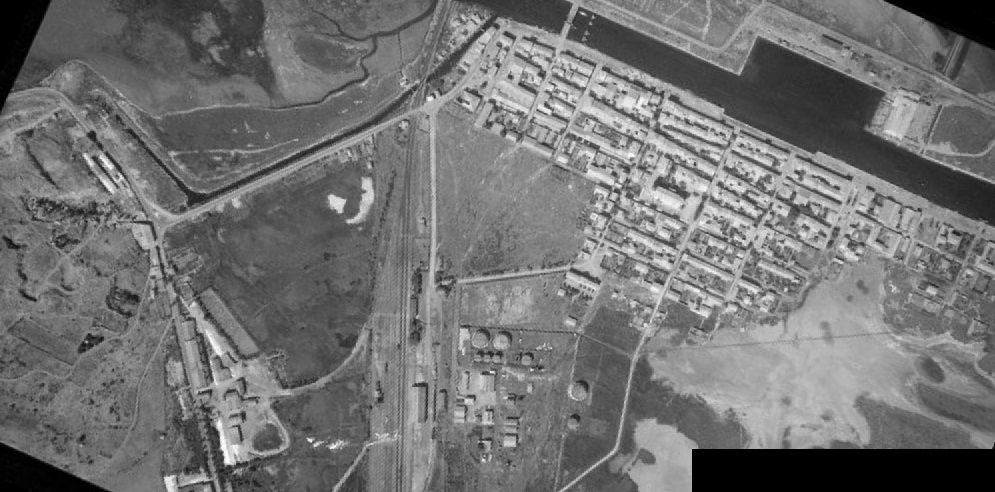 An aerial image from 1946. [15]
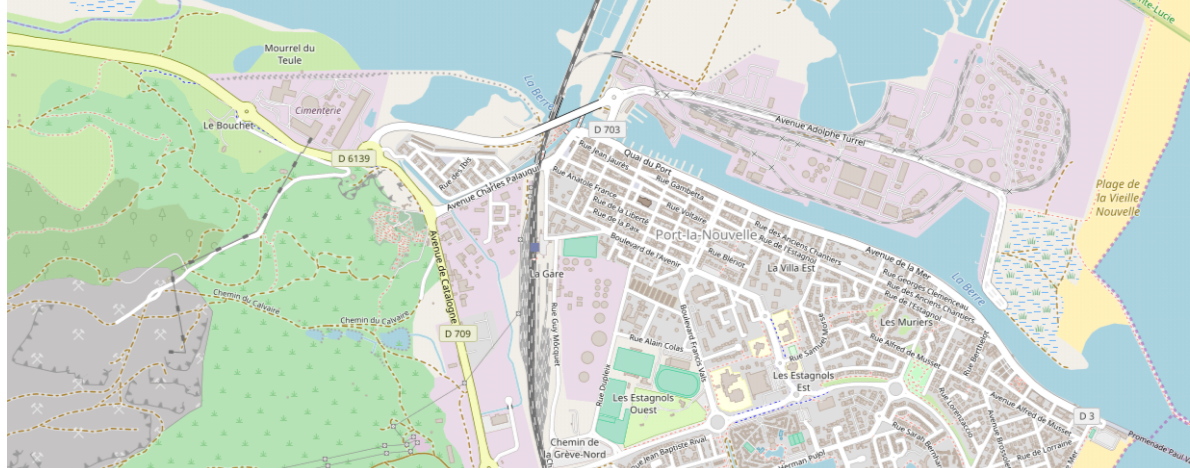 OpenStreetMap shows that quite a bit has changed in the road layout In La Nouvelle and to its Northwest. The tramway followed what is now known as Avenue Charles Palauqui. [18]
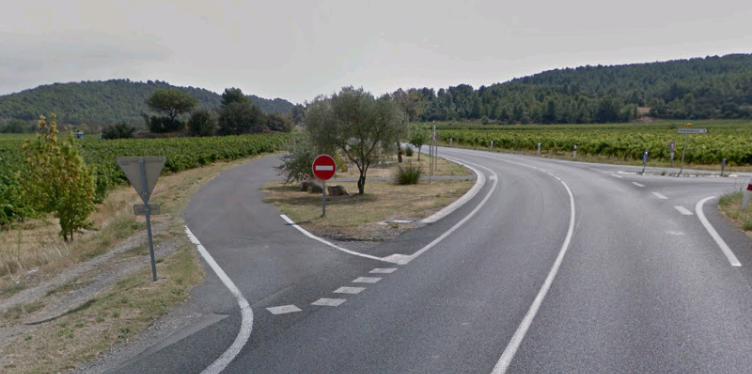
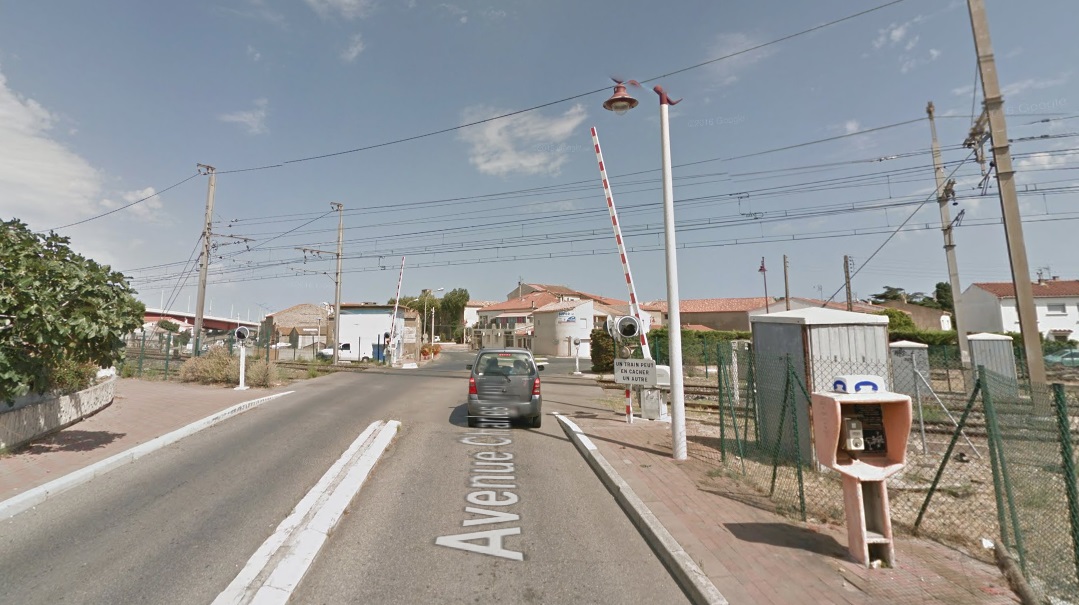
The old NP has become the D709 and the image immediately below shows that modern road on its approach to the point where the tramway turned into the village of La Nouvelle.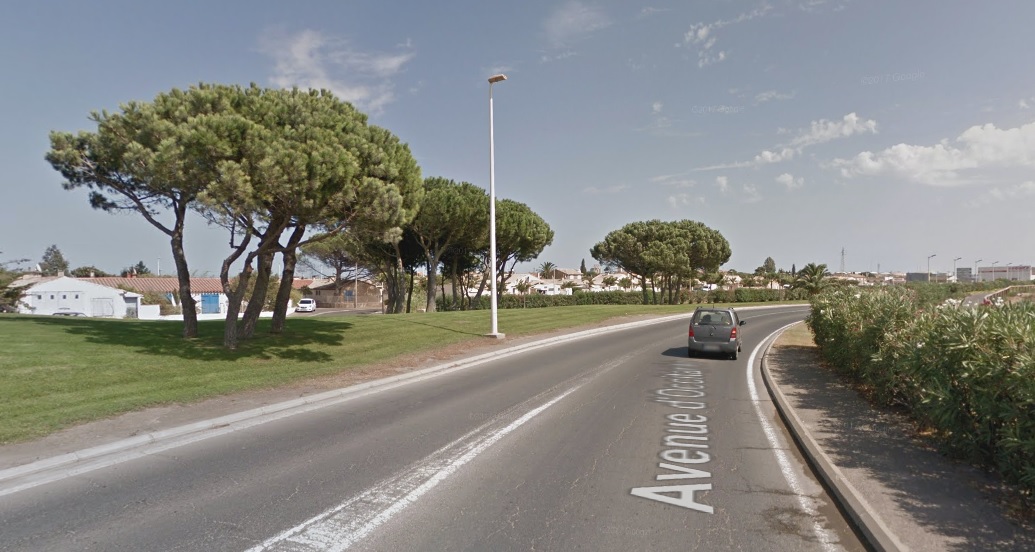 The picture below shows the road (D3) crossing the Standard-Gauge line in 21st century. The tramway curved away to the right to make its approach to the terminus station before reaching this rail crossing. It crossed the standard-gauge line at level off to the right of the picture.
 The next picture shows the point at which the Gare du Midi (and the tramway station) access road left the road running down to the beach. The station access is to the right in the photo. The branch of the tramway leadign to the beach crossed the picture in front of the curved wall of the building close to the centre of the image and then headed off the top left of the picture.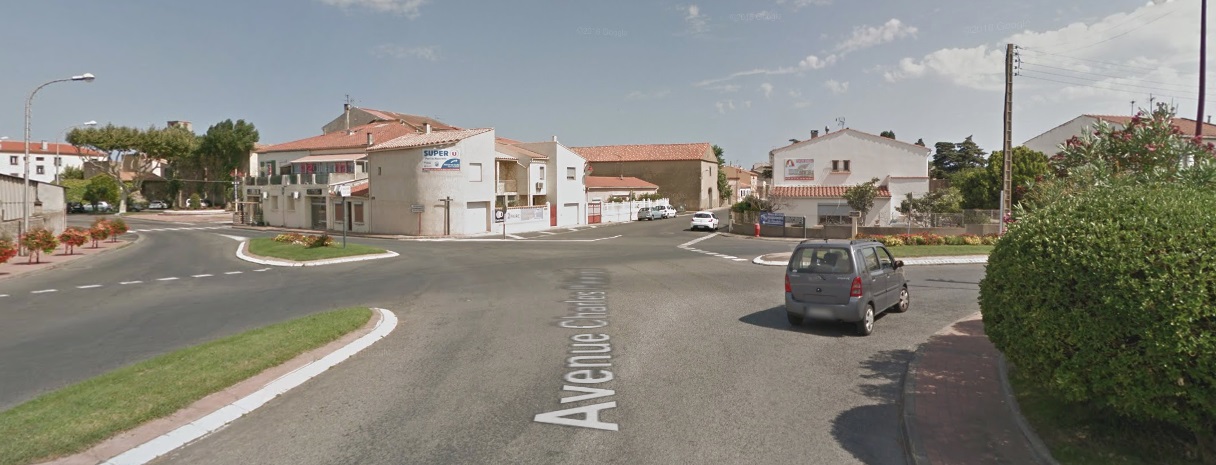
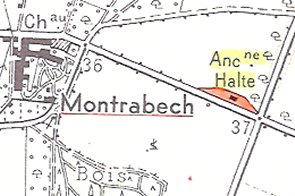
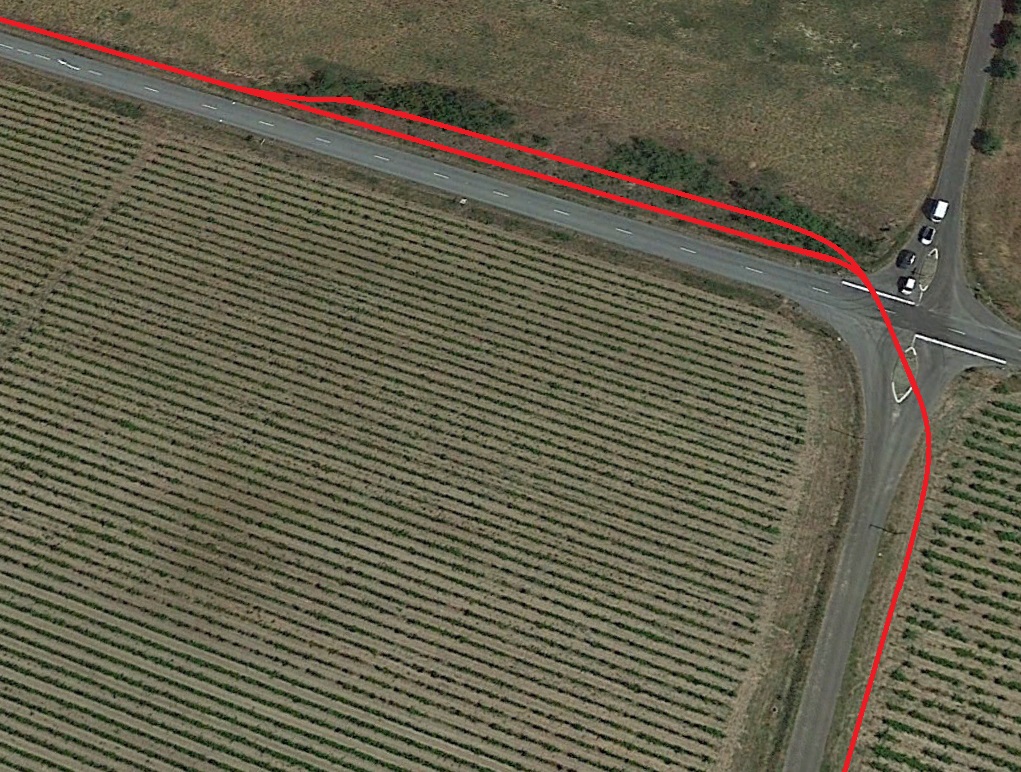
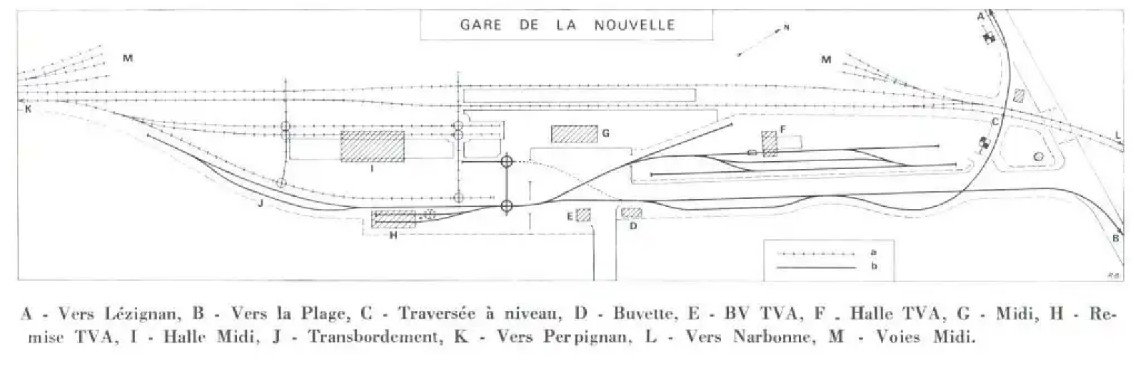 The terminus station adjacent to the Gare du Midi, it seems clear to me, from the sketch plan that passenger services took a secondary place in the life of the tramway. Goods were more important. The road junction at the right-hand end of the sketch-plan is the one shown in the Google Streetview image directly above the plan. [17]
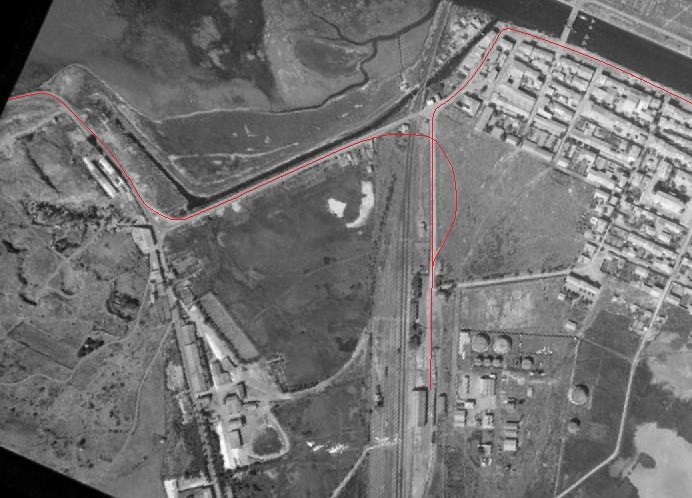 The very approximate line of the tramway is shown by a thin red line on the above image. The station was adjacent to the Gare du Midi and formed a terminus for the tramway with a branch heading back out of the station to the beach. This short branch saw the greatest passenger use across the whole network! [15]
These next images are from the area around the Gare du Midi and the tramway station.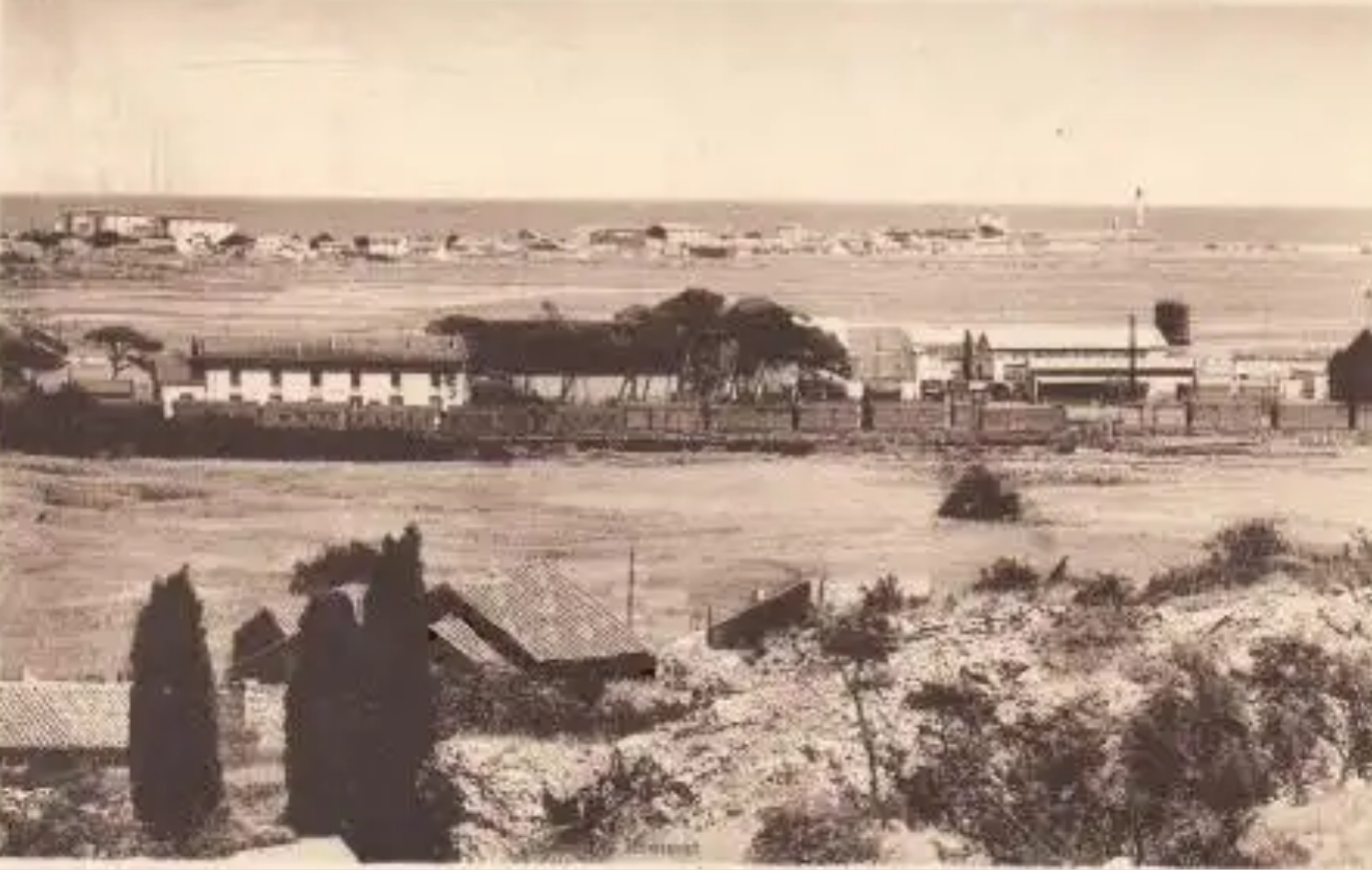 A view of the station site from the West. The Gare du Midi is visible with a standard-gauge train nearer the camera. The narrow-gauge tramway station was behind. [17]
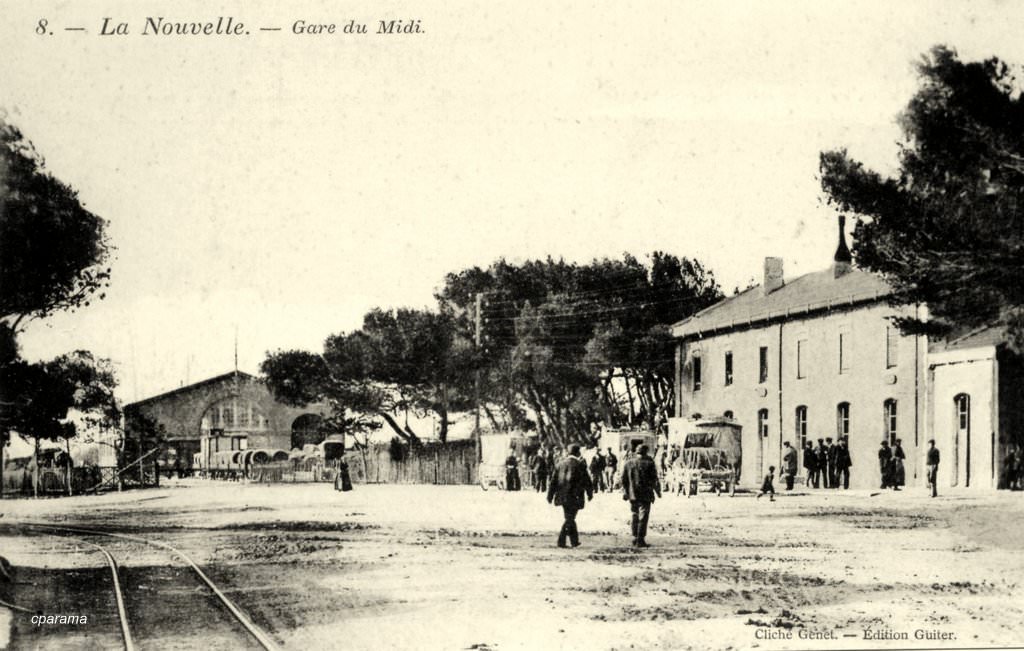 The Gare du Midi passenger facilities are shown on the right of this picture the building ahead is part of the goods handling facilities for the standard-gauge line. The track shown in the front-left of the image is one of the sidings of the Tramways de l’Aude. [19]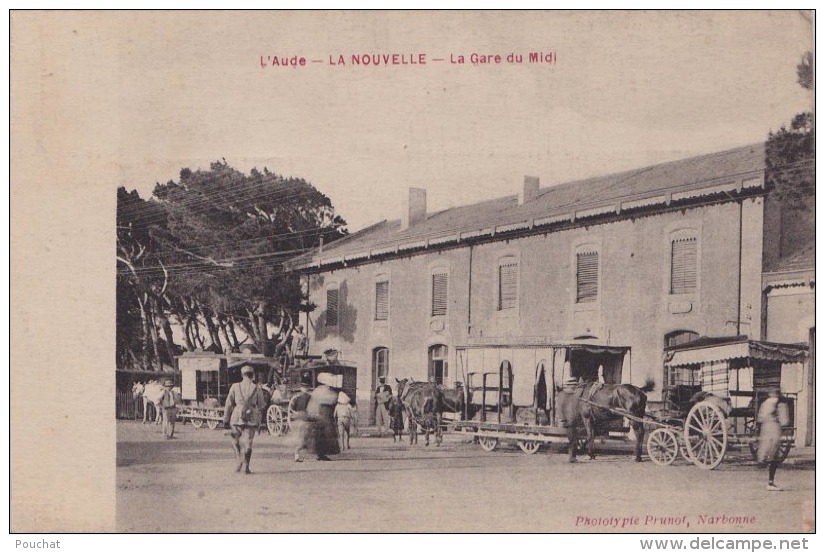
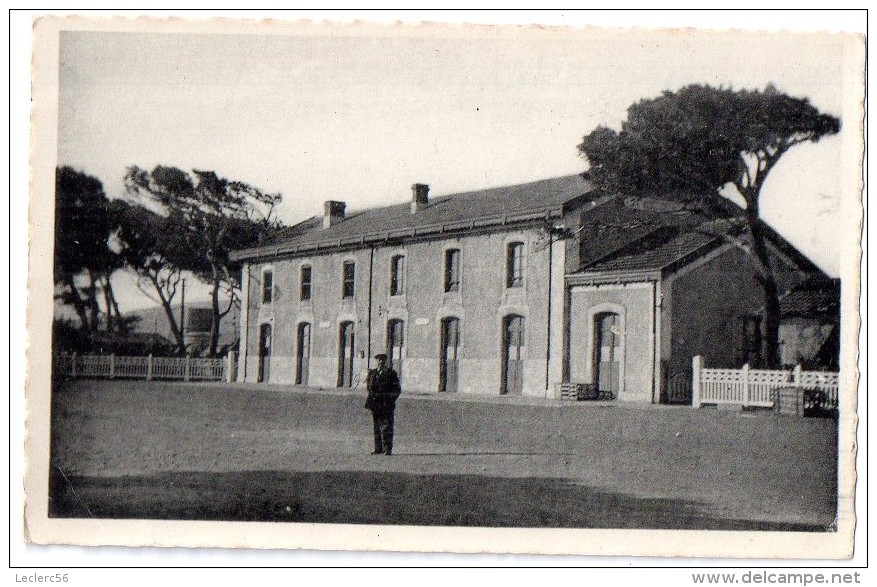
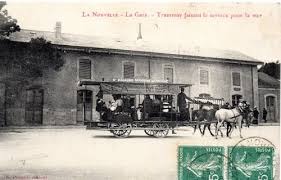 The three images directly above show the Gare du Midi. [20][21]
The following images focus more one the Tramways de l’Aude, its station buildings and traffic.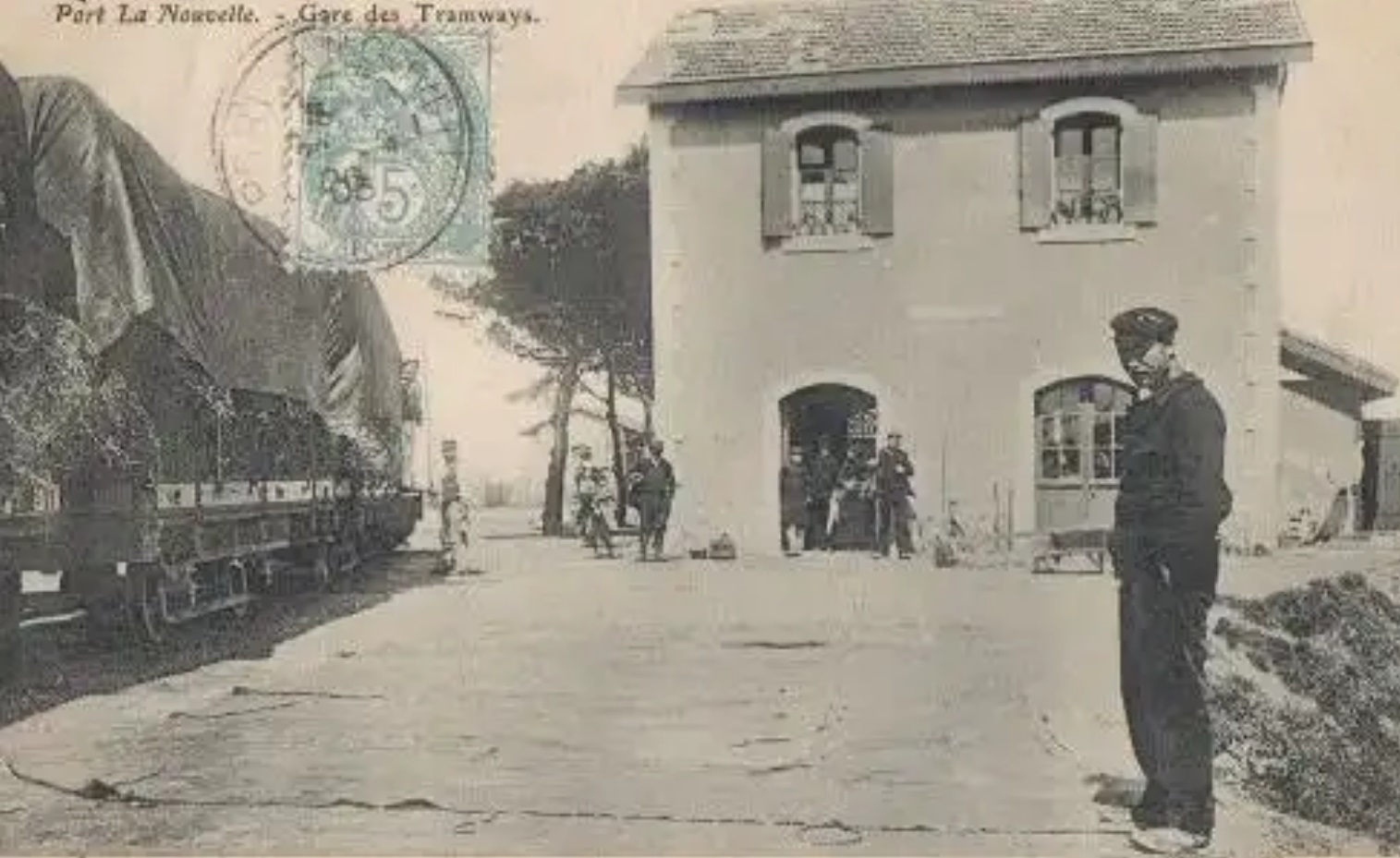
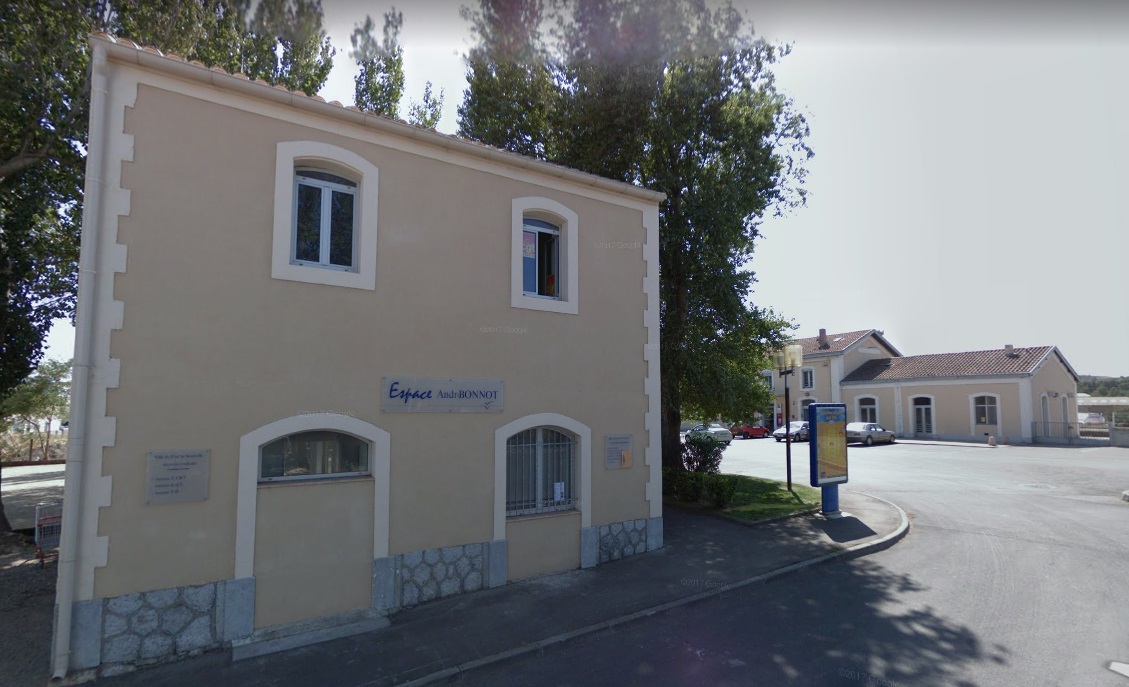
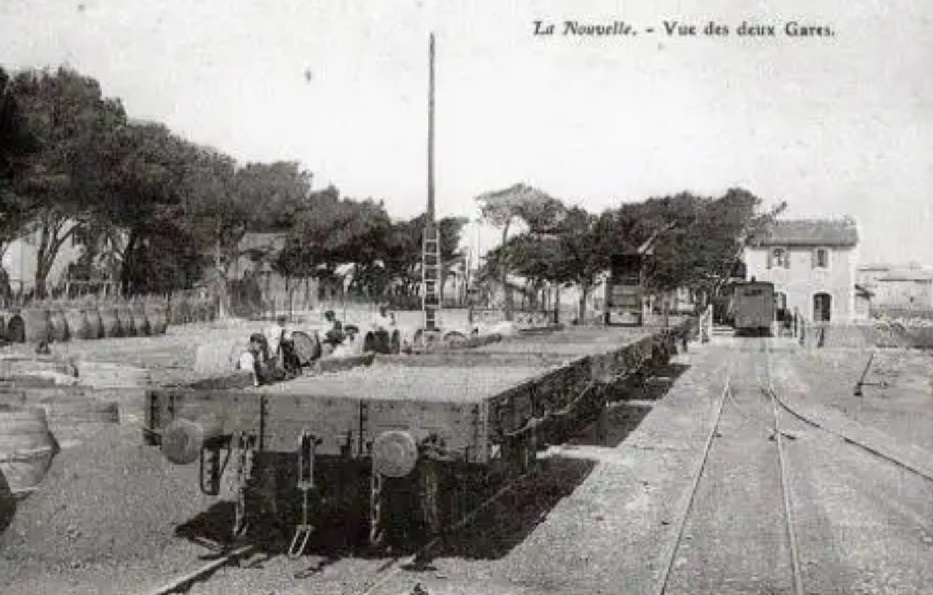
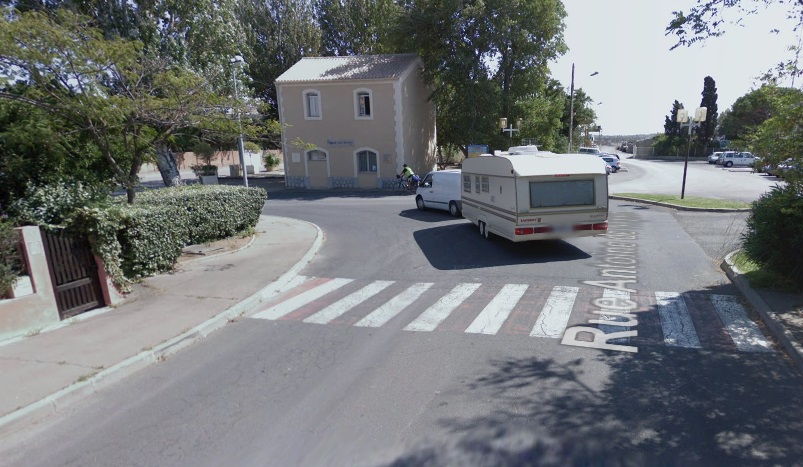
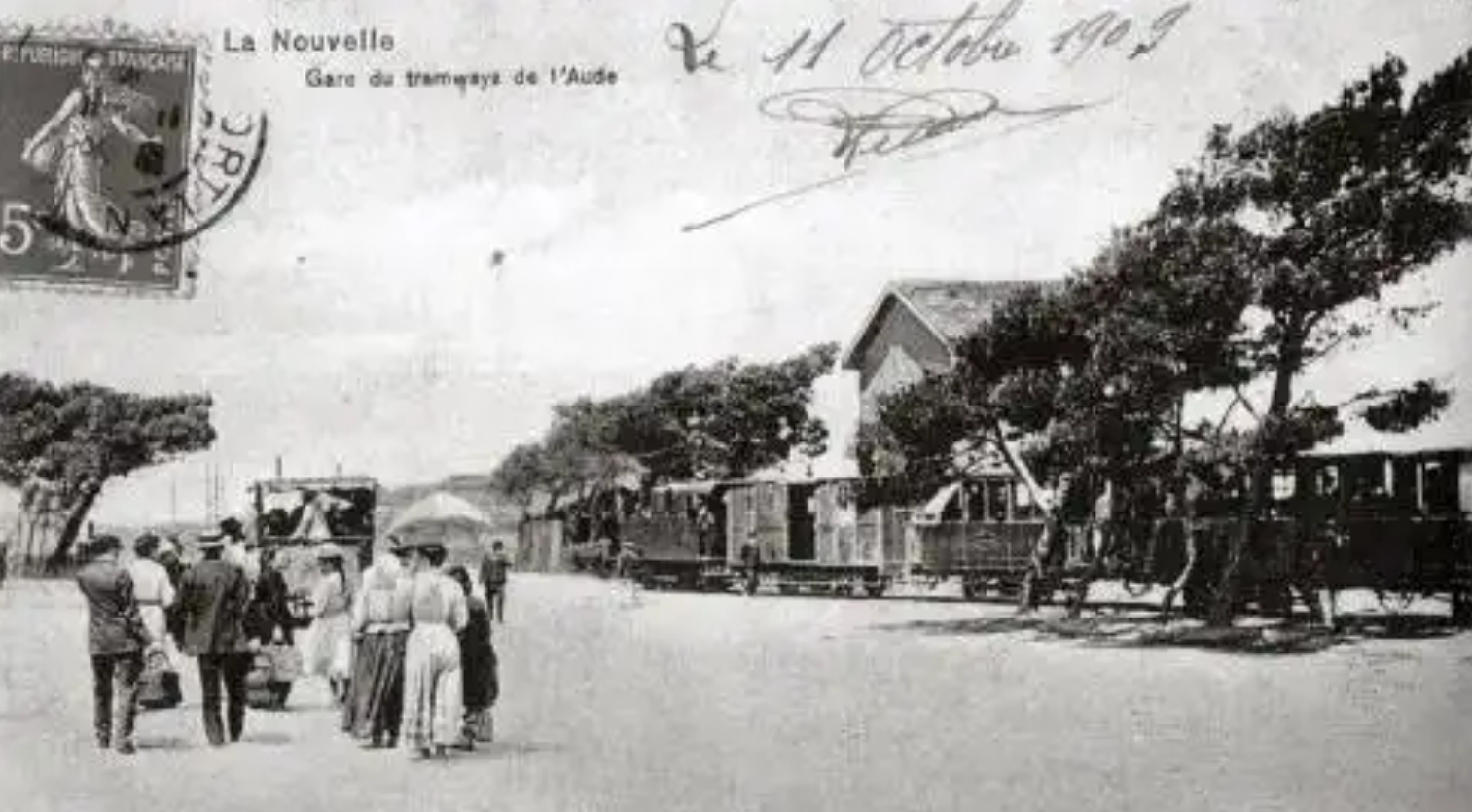 The three monochrome images immediately above show the Tramways de l’Aude facilities at La Nouvelle. The first two are taken from the North the last is taken looking from the South with the Gare du Midi just off shot to the left. Interspersed with these images are two modern pictures taken to illustrate the present condition of the site and to show that the tramway passenger building still remains. [17]
A short branch ran from the terminus out along the Quai du Port and the Avenue de la Mer to the lighthouse at the end of the harbour wall.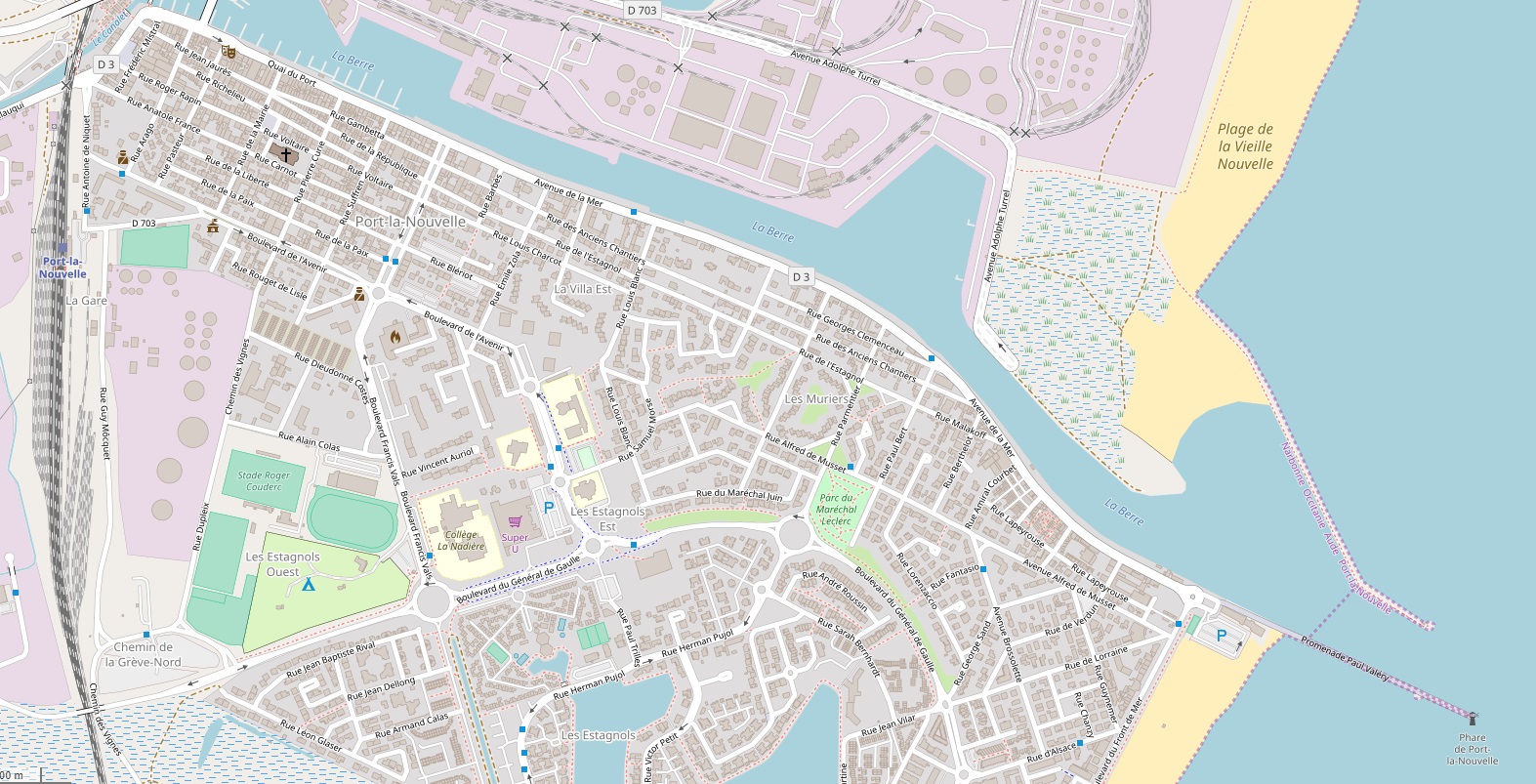
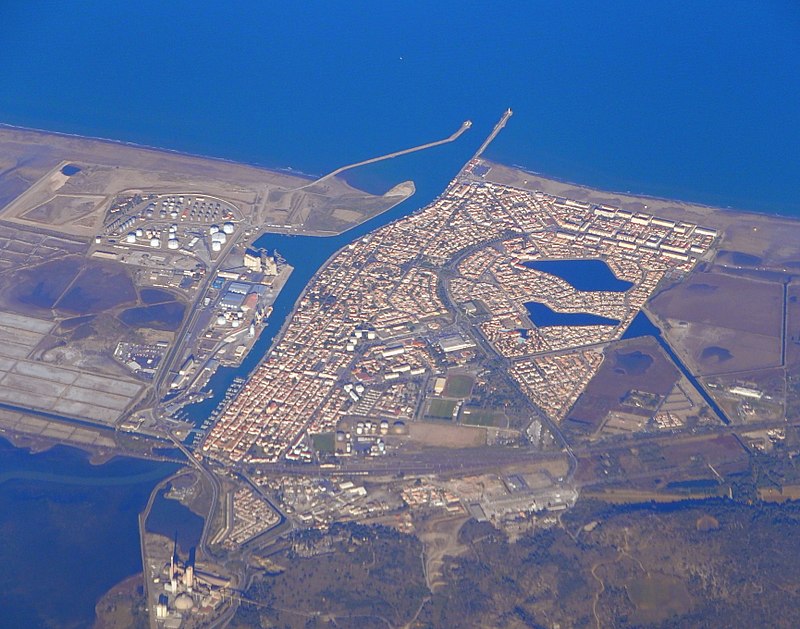
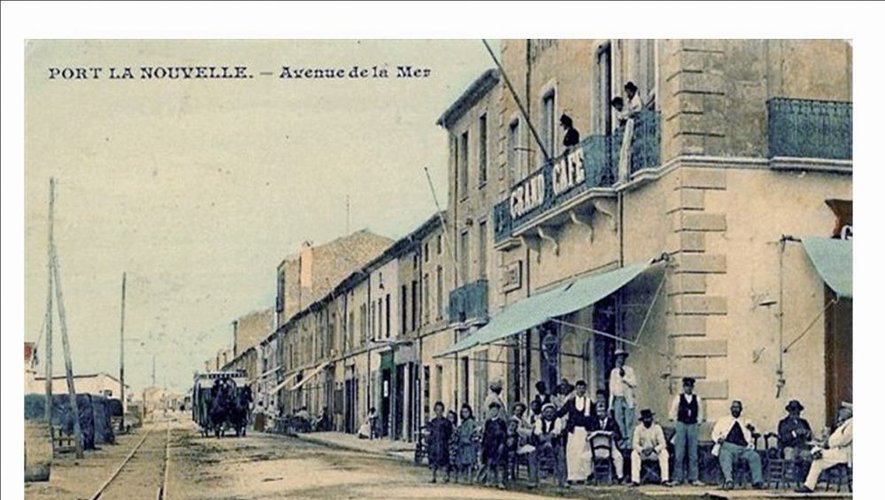
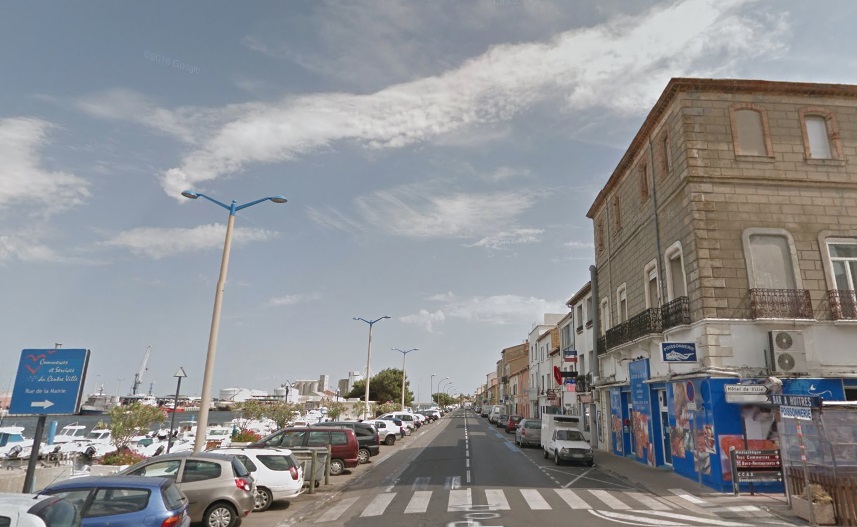 The two images immediately above are taken from roughly the same position on Avenue de la Mer!
 The Tramway can be seen in the forefront of this image of the Quai. [23]
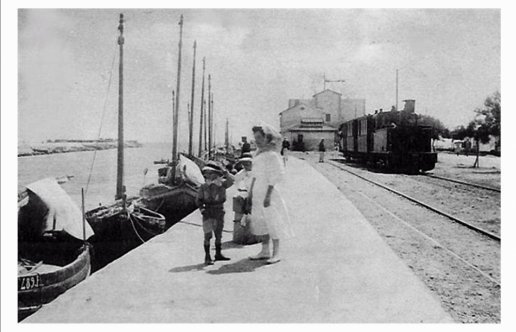 A tram trundles along the branch heading for the Gare du Midi. [16]
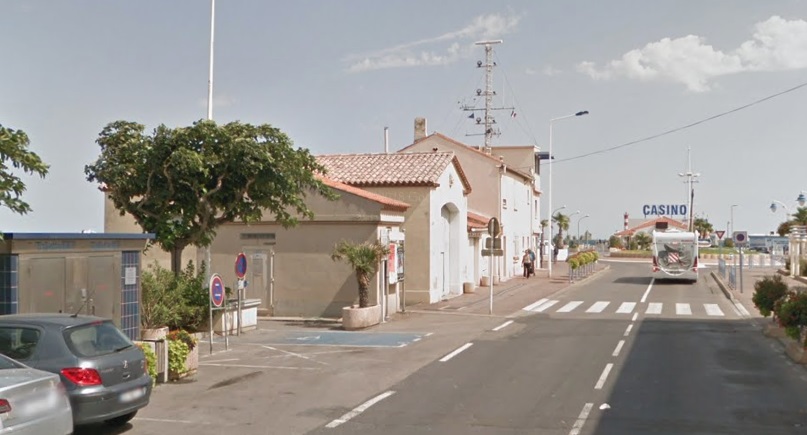 The same buildings but taken from the road rather than the Quai.
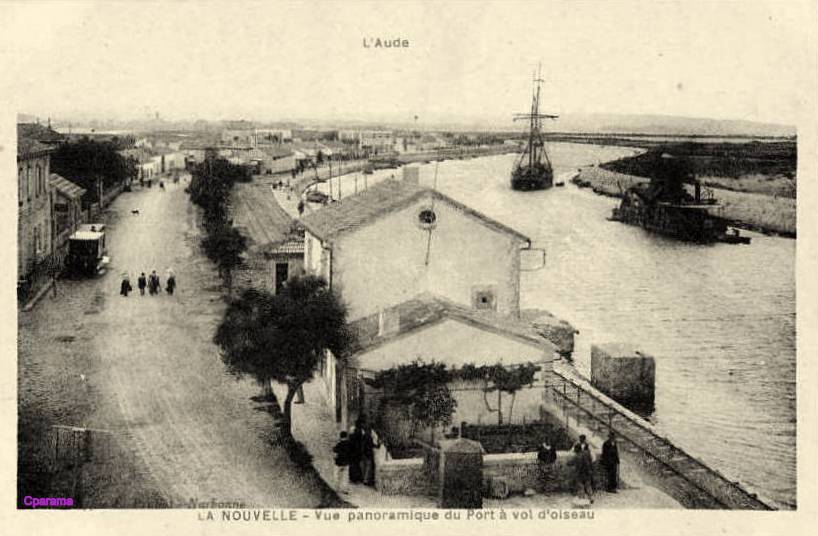 A view looking West along Avenue de la Mer. [19]
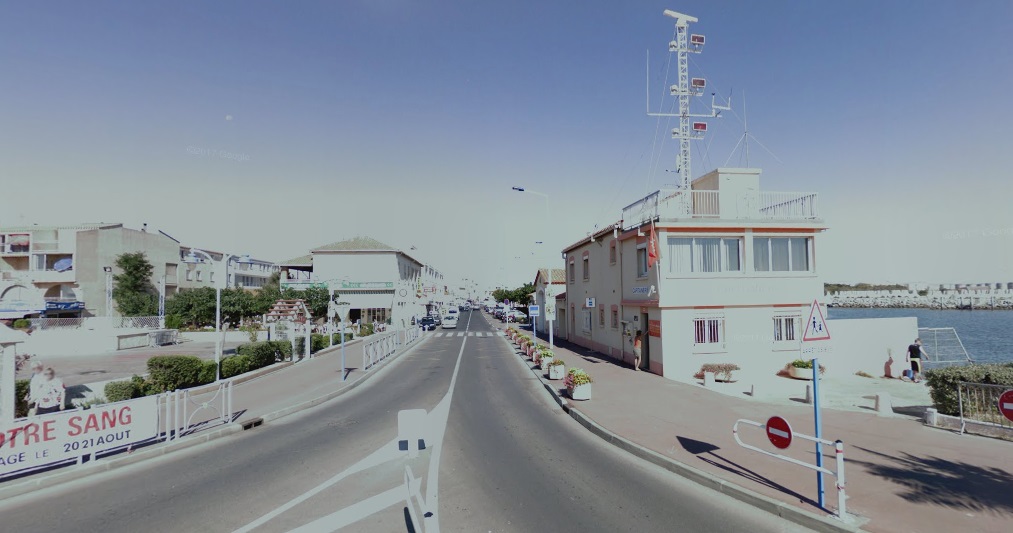 This is the nearest Google Streetview can get to showing the same image!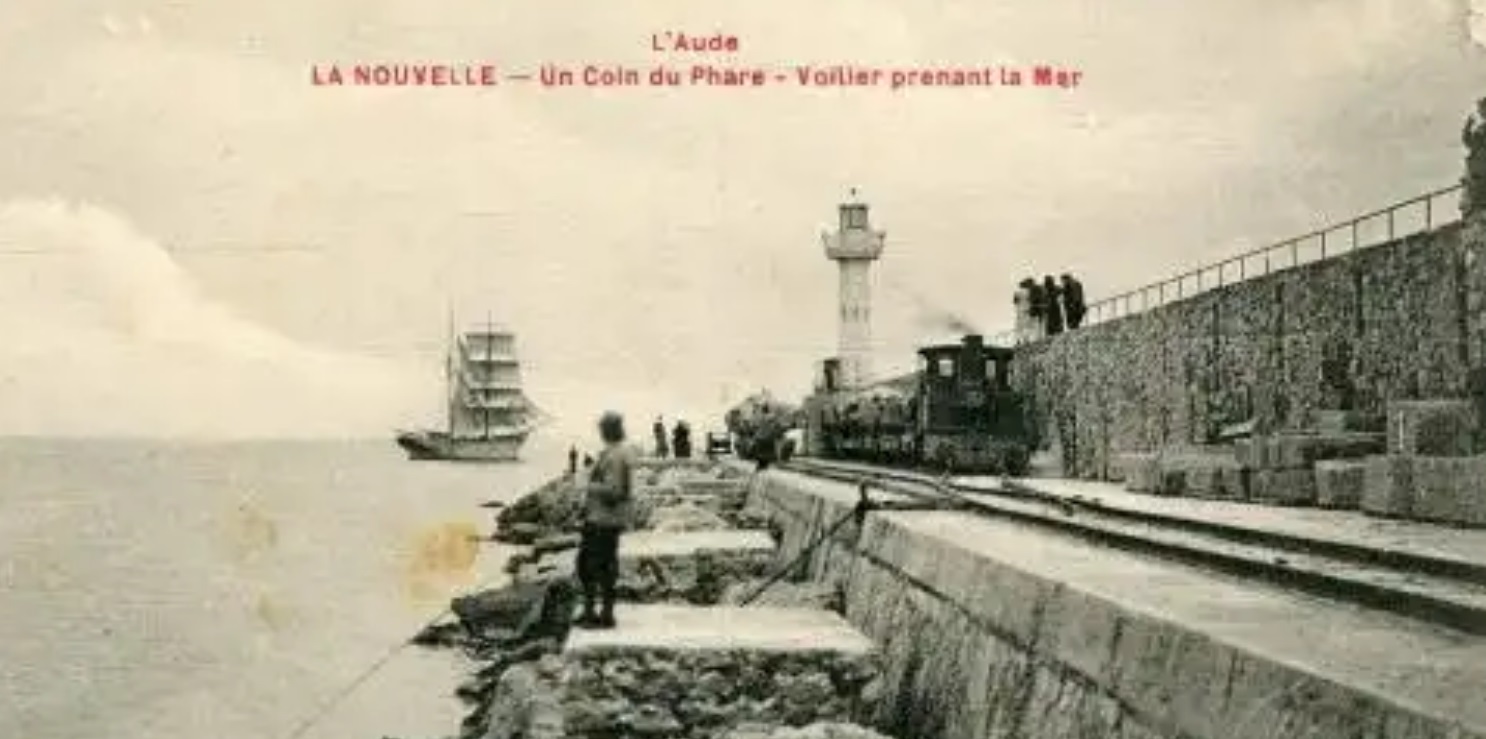
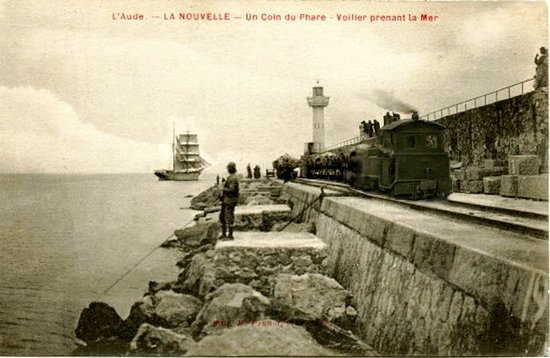 The lighthouse at the end of the harbour wall. The tramway travelled right out to the end of the wall. The two images above are very similar but they are not the same! [16]
The images below show the light-house today. The first is the cloest I have been able to find to the angle of the pictures above.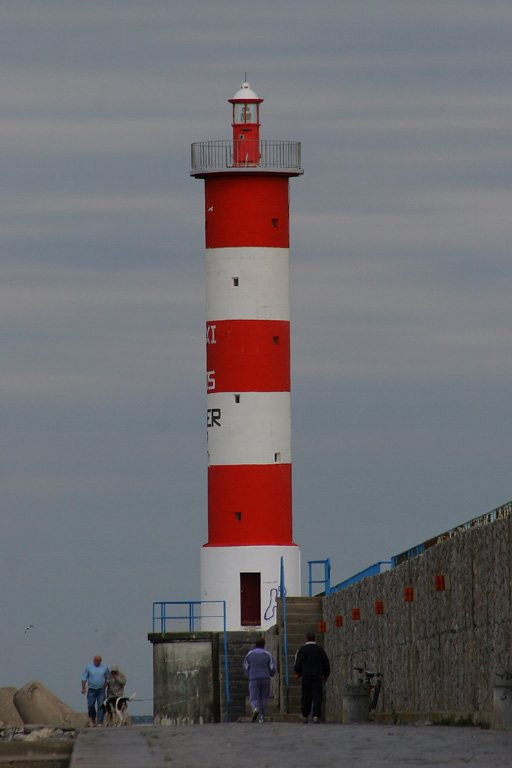
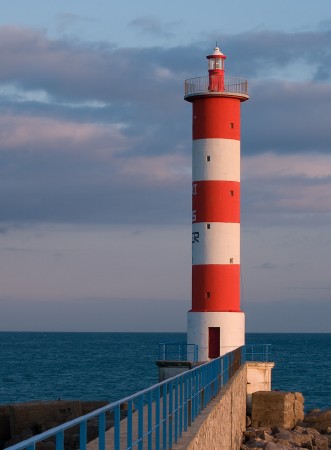 This image (above) is the one used as the record image on the internet listing of France’s lighthouses! [24]
The adjacent image is taken from on top of the sea wall. [25]
The image below is the last image in this post and shows an aerial view of the old tramway route from the lighthouse and then curving back along the Avenue de la Mer, before reaching the Quai du Port and the tramway station close to the image horizon! The beaches at La Nouvelle were and are partciularly popular. Fr the short period of the existence of the Tramways de l’Aude income from this short branch was significant. If only that had been true for the rest of the network! [26]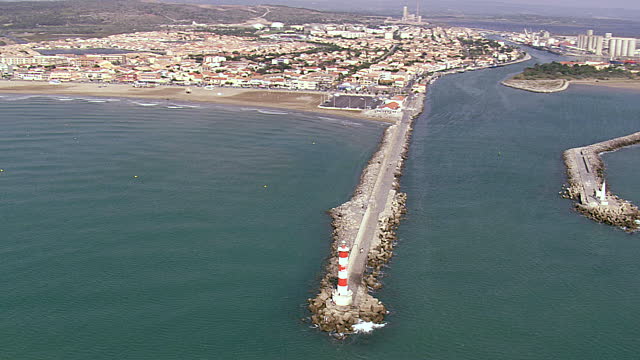
References
- http://objectif-trains.com/tramways-de-laude, accessed on 25th October 2018.
- https://tramways-aude-miniature.webnode.fr/ripaud, accessed on 20th October 2018.
- http://www.montelirail.fr/Tous-les-Reseaux-2018-M2_1.68.html, accessed on 25th October 2018.
- http://www.cpaaude.fr/THEMES/TRAMWAYS/index_fichiers/Page2764.htm, accessed on 20th October 2018.
- http://www.cpaaude.fr/THEMES/TRAMWAYS/index_fichiers/Page2764.htm, accessed on 20th October 2018.
- http://forum.e-train.fr/viewtopic.php?f=4&t=40082&start=60, accessed 20th October 2018.
- https://www.lindependant.fr/2014/09/14/quand-le-tramway-circulait-sur-l-avenue-des-corbieres,1929254.php, accessed on 26th October 2018.
- https://www.geneanet.org/cartes-postales/view/1489269#0, accessed on 26th October 2018.
- https://www.tripadvisor.co.uk/LocationPhotoDirectLink-g1221593-d1532261-i209014308-Relais_De_Tamaroque-Portel_des_Corbieres_Aude_Occitanie.html, accessed on 26th October 2018.
- http://renovhabitat.legrandnarbonne.com/1048-photos/3881-portel-des-corbieres-credit-photo-jean-belondrade.html, accessed on 26th October 2018.
- https://www.booking.com/hotel/fr/relais-de-tamaroque.fr.html?aid=356983;label=gog235jc-hotel-XX-fr-relaisNdeNtamaroque-unspec-gb-tab-L%3Afr-O%3Aandroid-B%3AandroidSwebkit-N%3AXX-S%3Abo-U%3AXX-H%3As;sid=b0566469f8863f77cde47733a9d9380a;dist=0&keep_landing=1&sb_price_type=total&type=total&, accessed on 26th October 2018.
- https://www.midilibre.fr/2011/08/04/le-pont-de-tamaroque-a-desenclave-la-commune,366144.php, accessed on 26th October 2018.
- https://www.delcampe.net/fr/cartes-postales/europe/france/11-aude/sigean?f=moyens-de-transport:tramway, accessed on 27th October 2018.
- https://openagenda.com/jep-2017-occitanie/events/la-tramway-de-l-aude, accessed on 26th October 2018.
- https://remonterletemps.ign.fr, accessed on 28th October 2018.
- https://cascastelchateau.fr/les-tramways-de-laude, accessed on 28th October 2018.
- http://www.cpaaude.fr/THEMES/TRAMWAYS/index_fichiers/Page3478.htm, accessed on 29th October 2018.
- https://www.openstreetmap.org/search?query=La%20Nouvelle%20aude#map=16/43.0183/3.0423, accessed on 28th October 2018.
- https://www.cparama.com/forum/la-nouvelle-t84-20.html, accessed on 27th October 2018.
- https://www.delcampe.net/fr/cartes-postales/europe/france/11-aude/port-la-nouvelle?f=lieux:gare, accessed on 29th October 2018.
- https://www.google.co.uk/search?sa=G&hl=en-GB&q=JPEG&tbm=isch&tbs=simg:CAQSlwEJENL1BiSNLbMaiwELEKjU2AQaBAgVCAMMCxCwjKcIGmIKYAgDEij-A9cKlg3gAtkKigO2DbgN2grlHuI50CvjOM8r6znkOMorzSvqOMwrGjA2bms8w4xONqNoGh_1spsaQdLb8Z1Oq0rqFfrLFGDo8dtaWxhKqI0H2WnQKaWo-NjUgBAwLEI6u_1ggaCgoICAESBEm_1nq8M,isz:m&ved=0ahUKEwjHg7bry6veAhWCESwKHaKBAxgQ2A4ILSgC&biw=1345&bih=865#imgrc=Cf7MJPy4Kj0SXM:, accessed on 29th October 2018.
- https://www.tripadvisor.com/LocationPhotoDirectLink-g1025646-d12318071-i345268003-Le_Phare_de_Port_la_Nouvelle-Port_La_Nouvelle_Aude_Occitanie.html, accessed on 29th October 2018.
- https://www.geneanet.org/connexion/?from=view_limit_redirect&url=https%3A//www.geneanet.org/cartes-postales/view/6259095, accessed on 25th October 2018.
- http://www.lighthousesrus.org/showSql.php?page=Med/FranceS, accessed on 29th October 2018.
- https://www.ibiblio.org/lighthouse/fras.htm, accessed on 29th October 2018.
- https://www.gettyimages.co.uk/videos/la-nouvelle?sort=mostpopular&offlinecontent=include&phrase=la%20nouvelle, accessed on 29th October 2018.
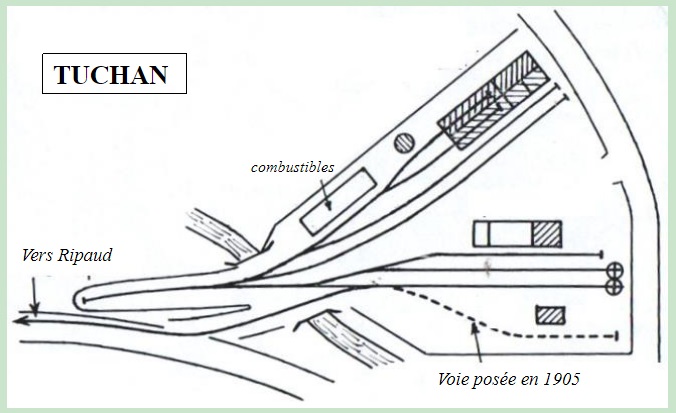
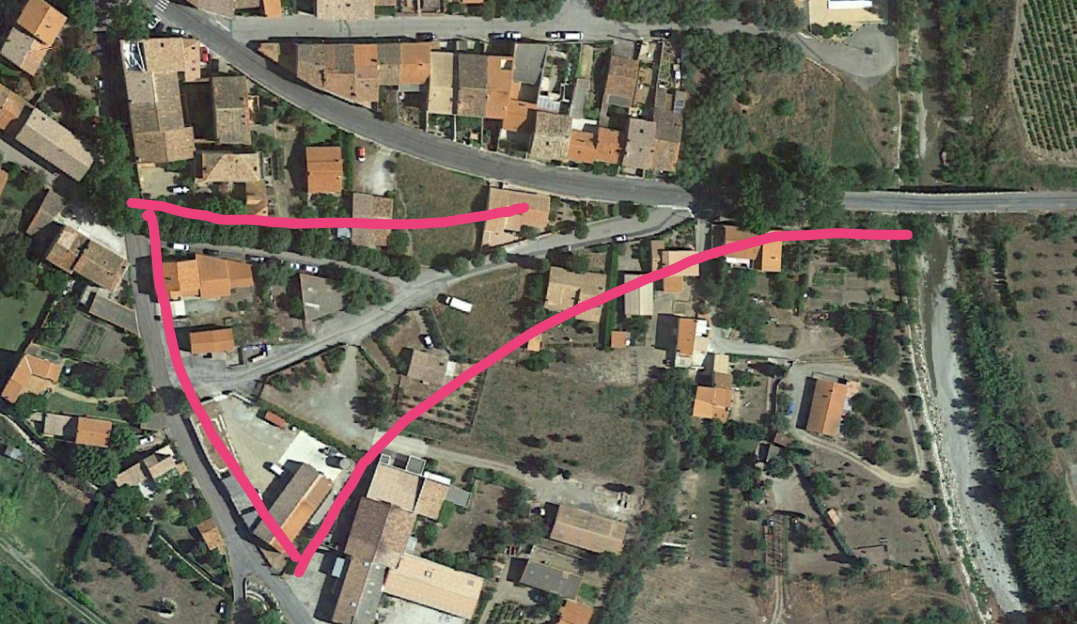
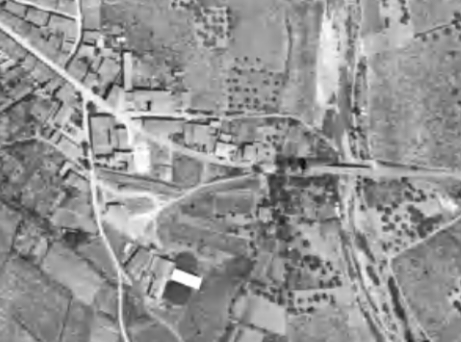
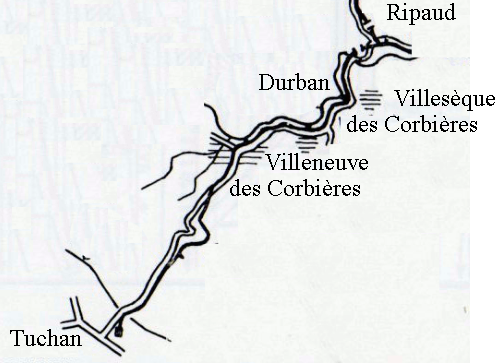
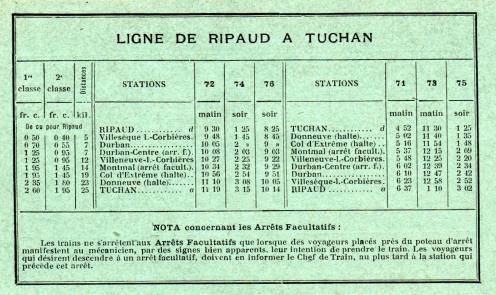
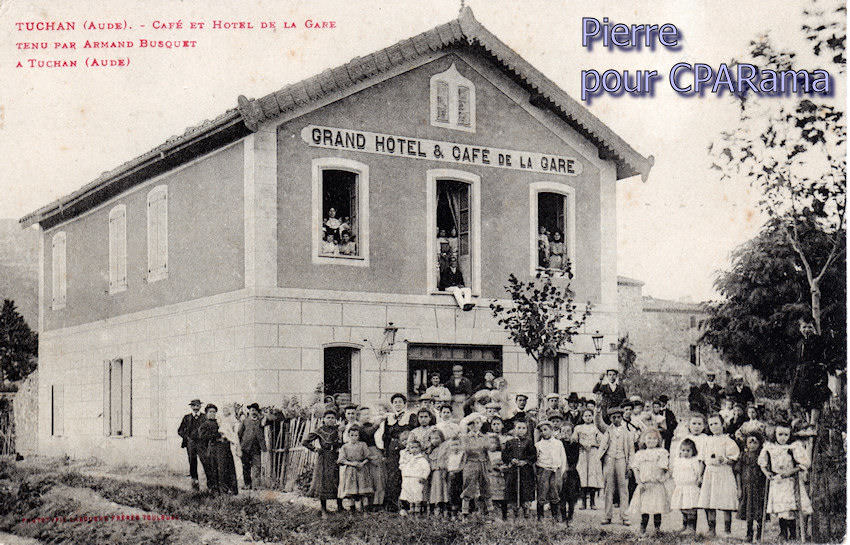
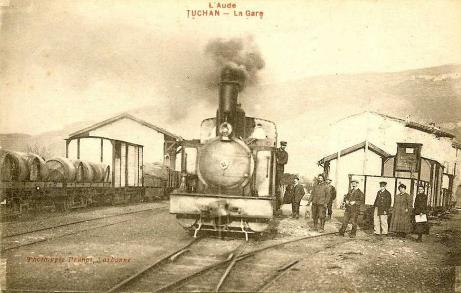
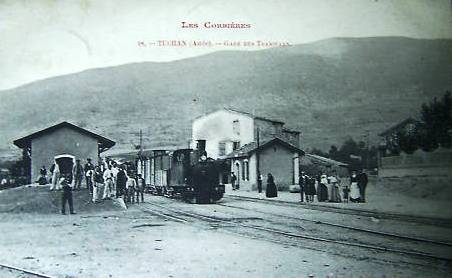
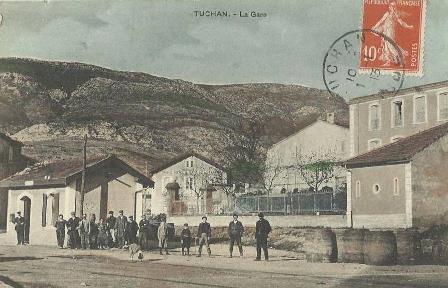
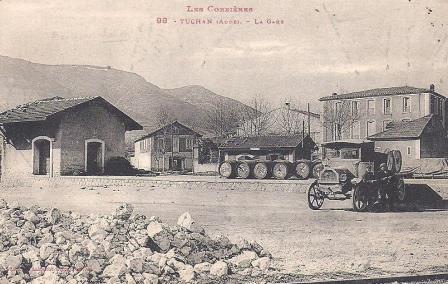
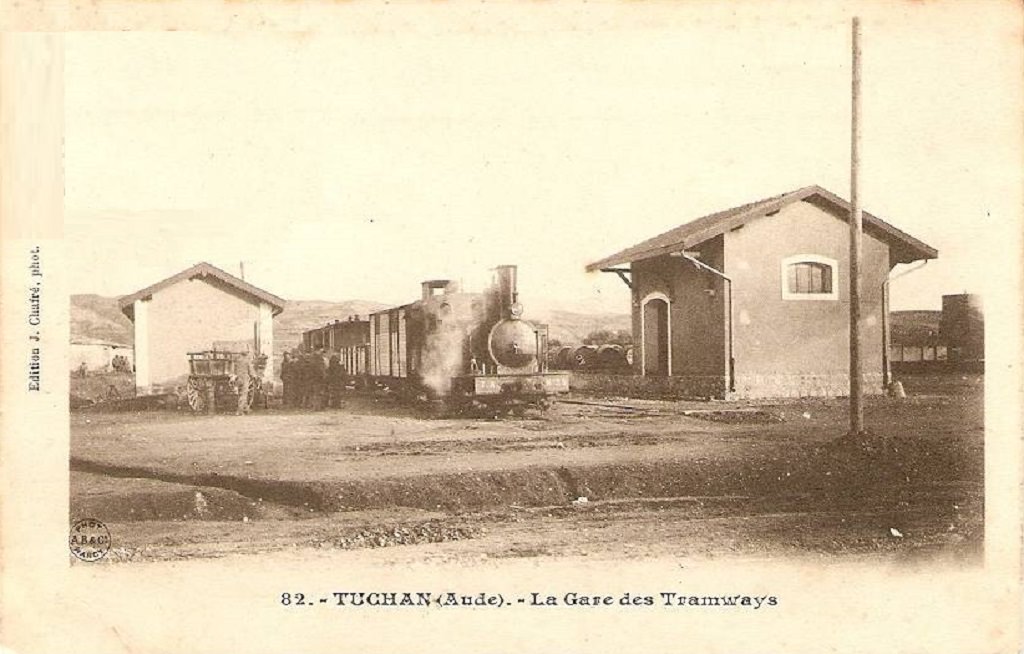
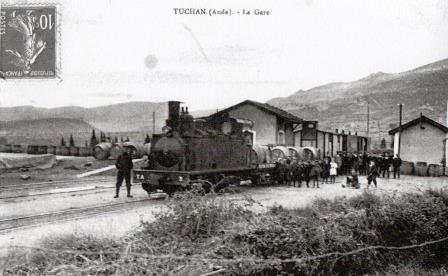
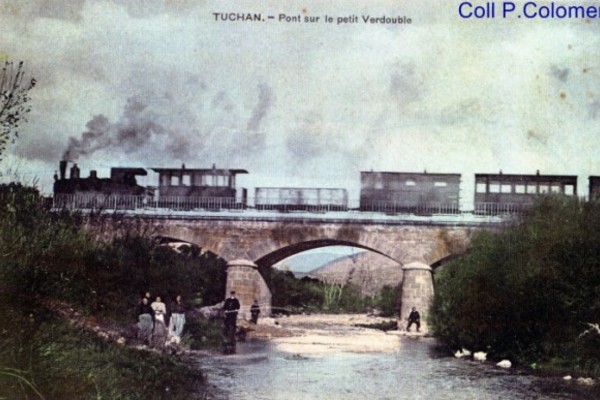
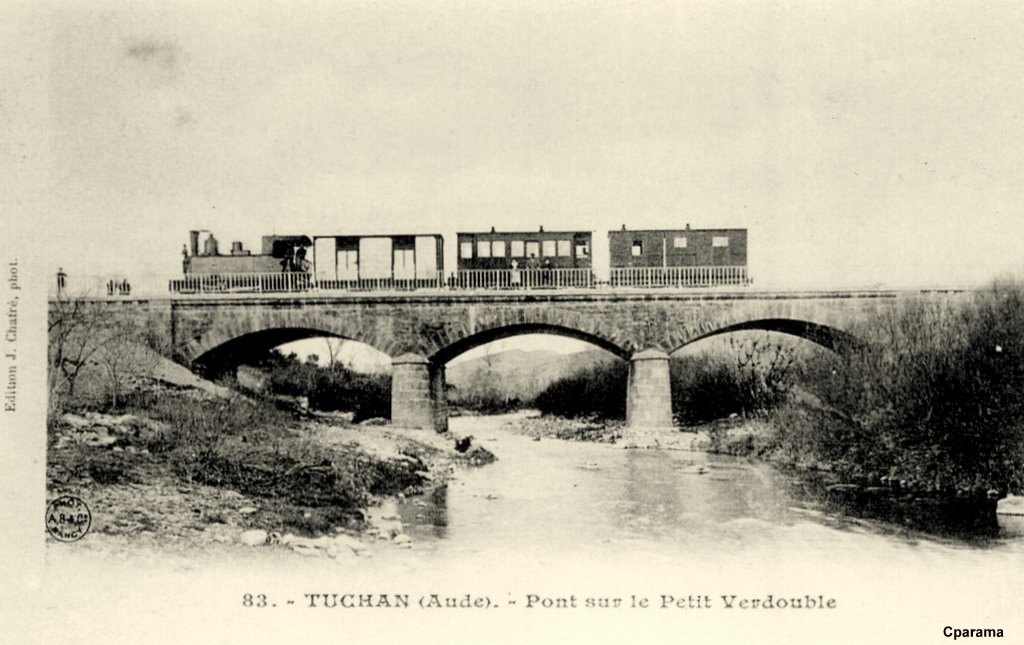
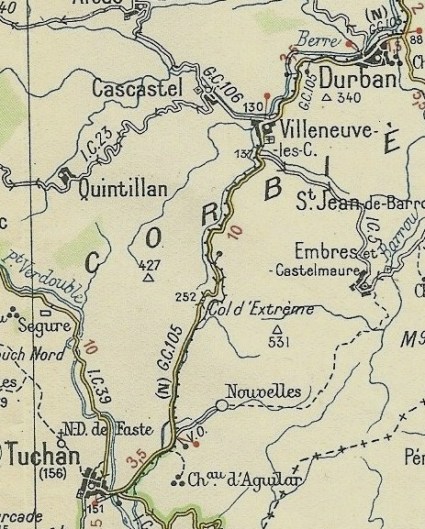
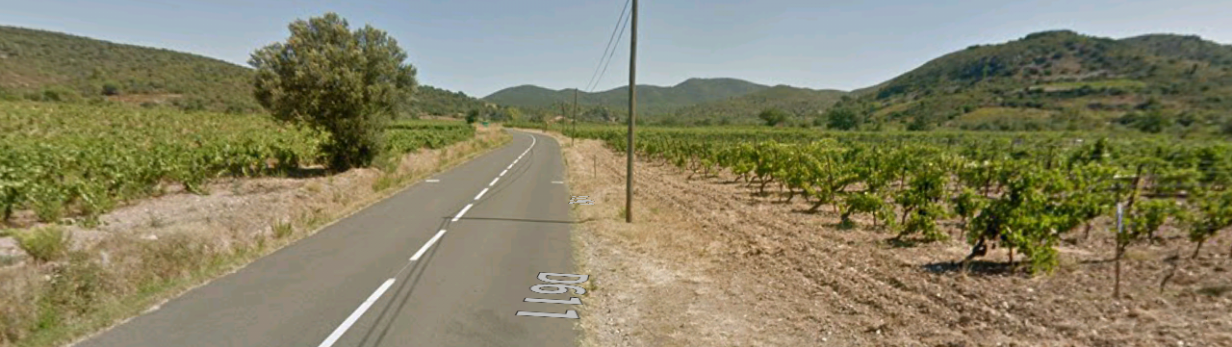
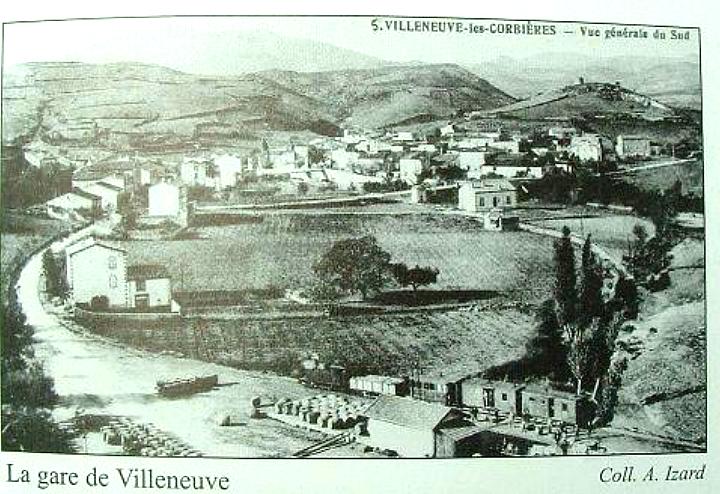
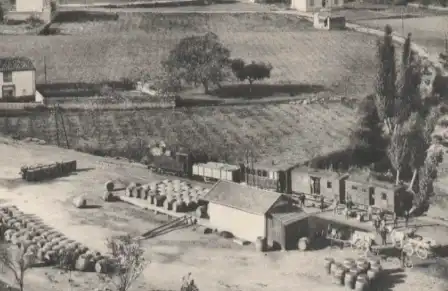
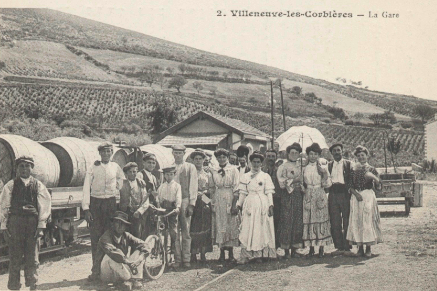
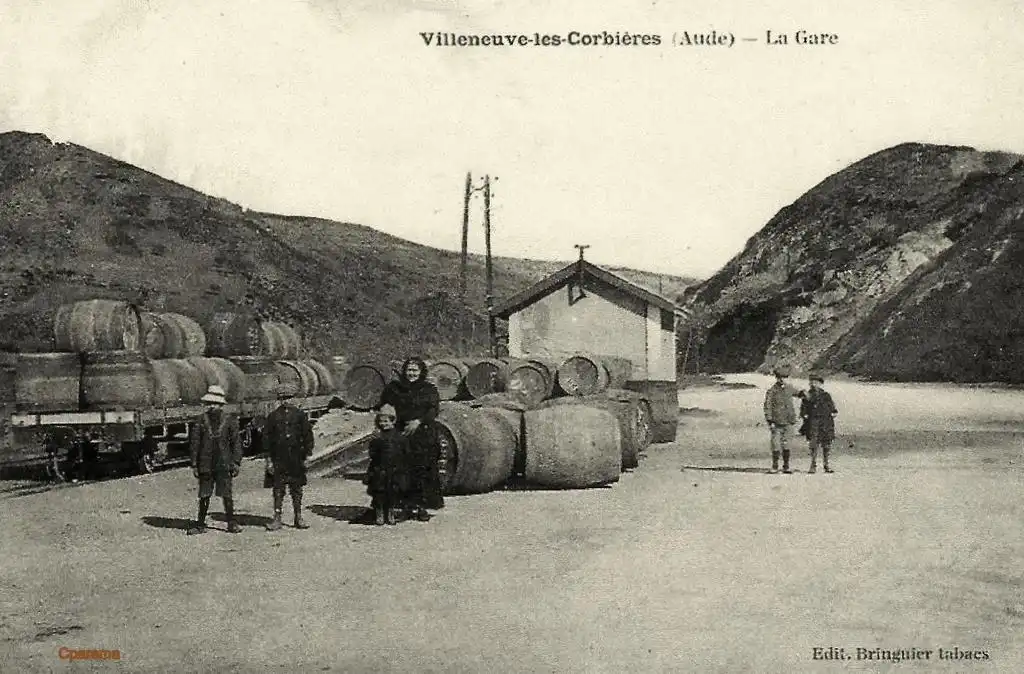
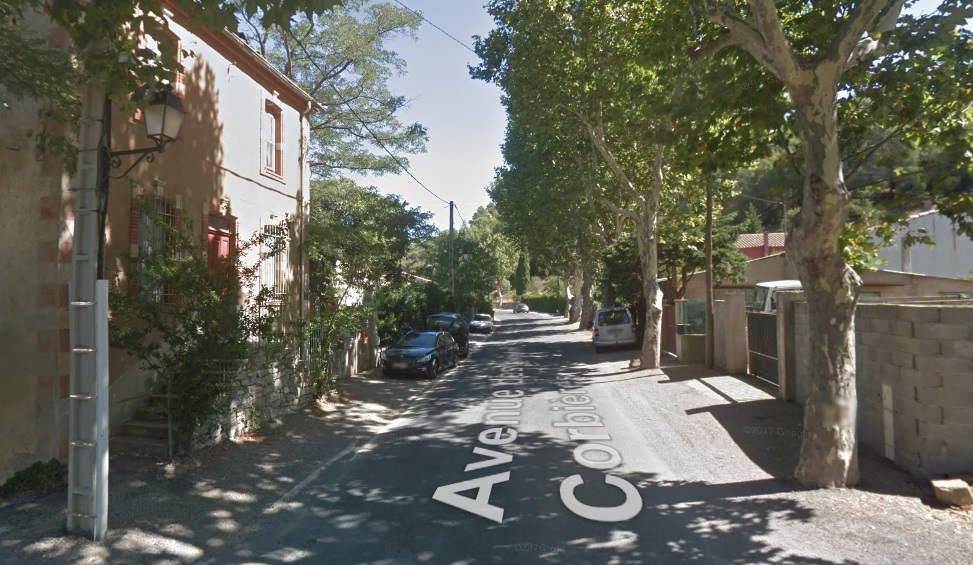
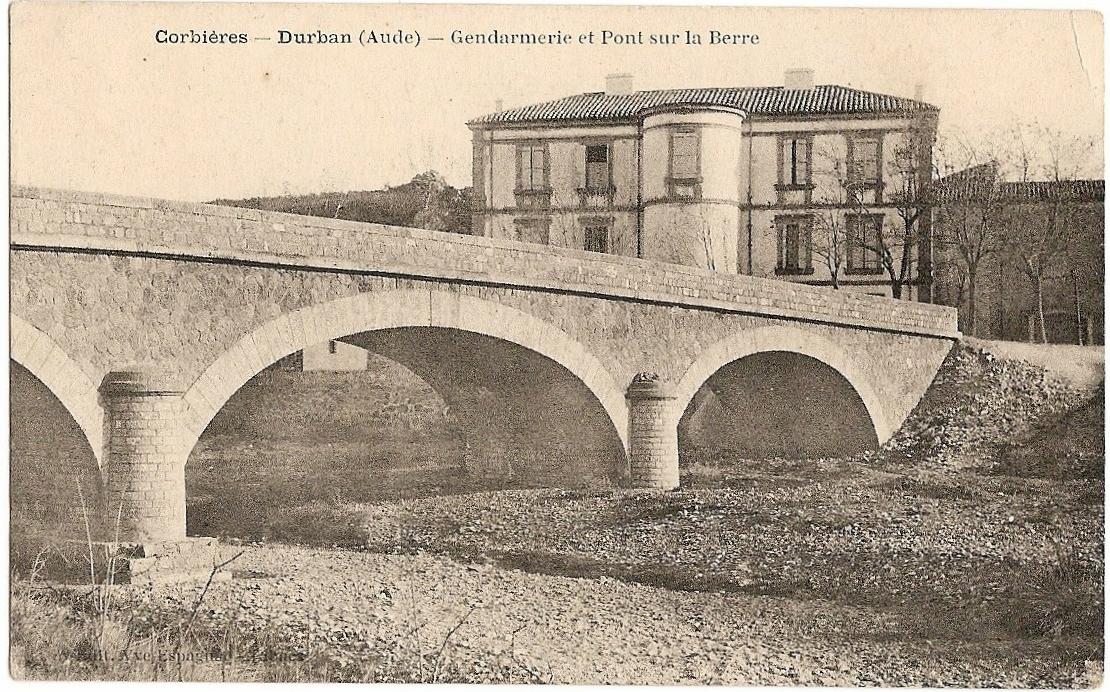
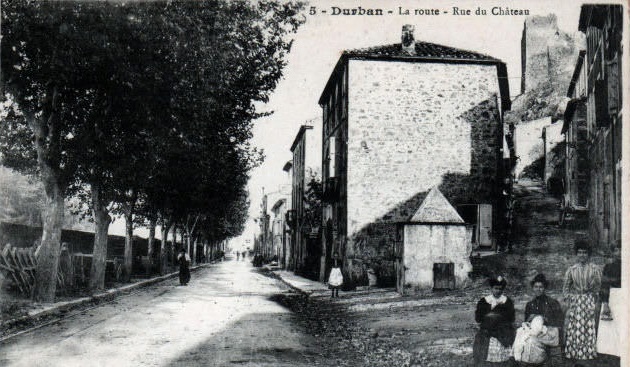
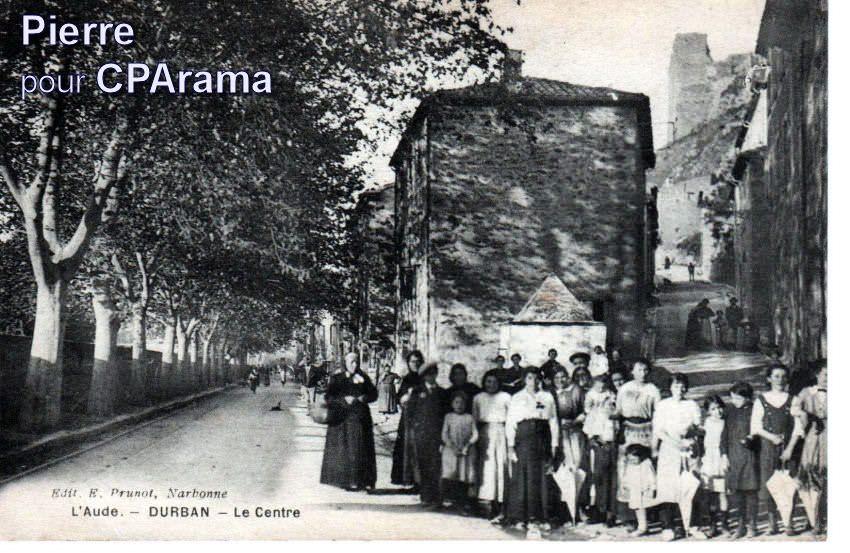

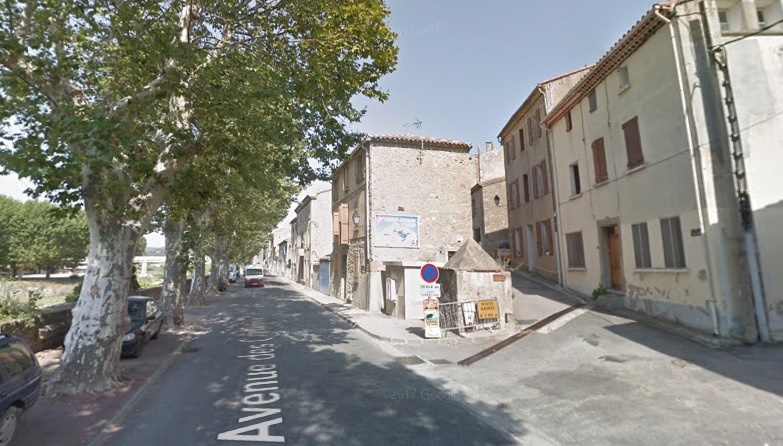
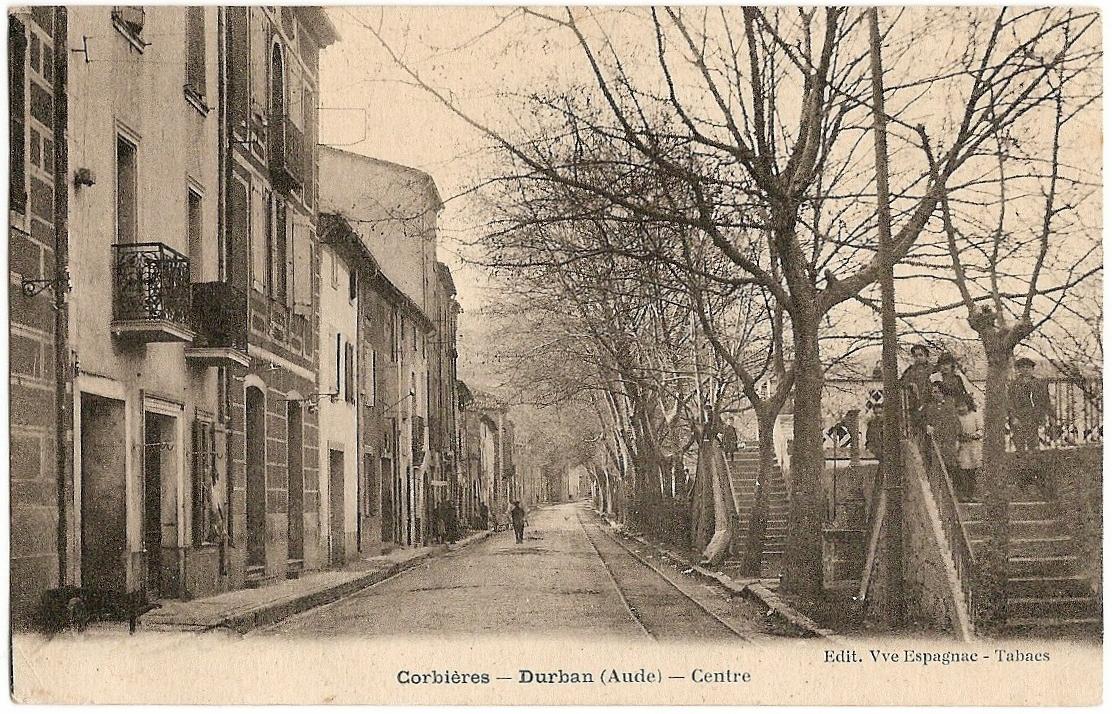
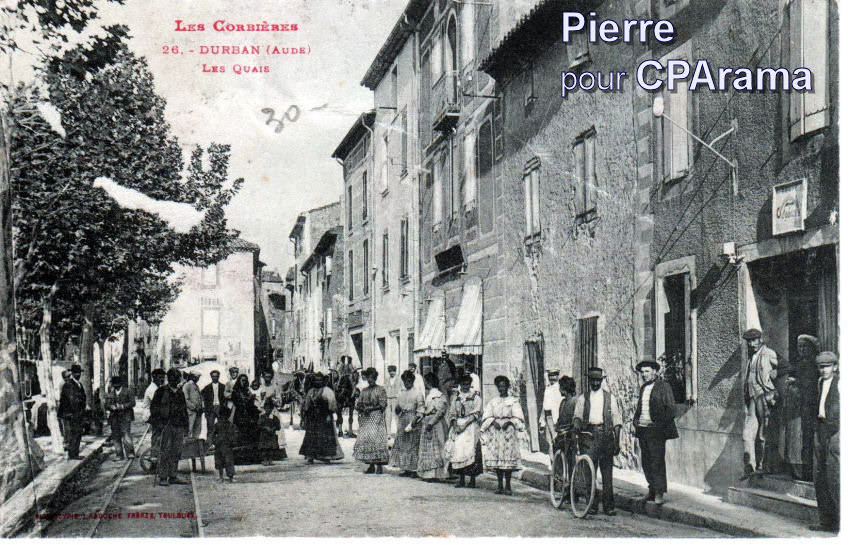
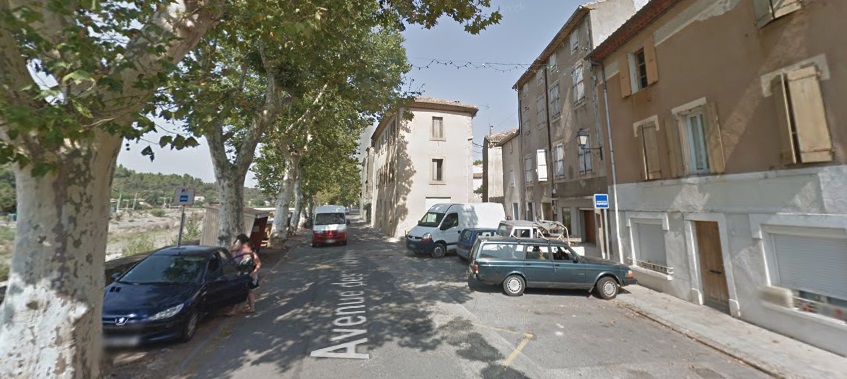
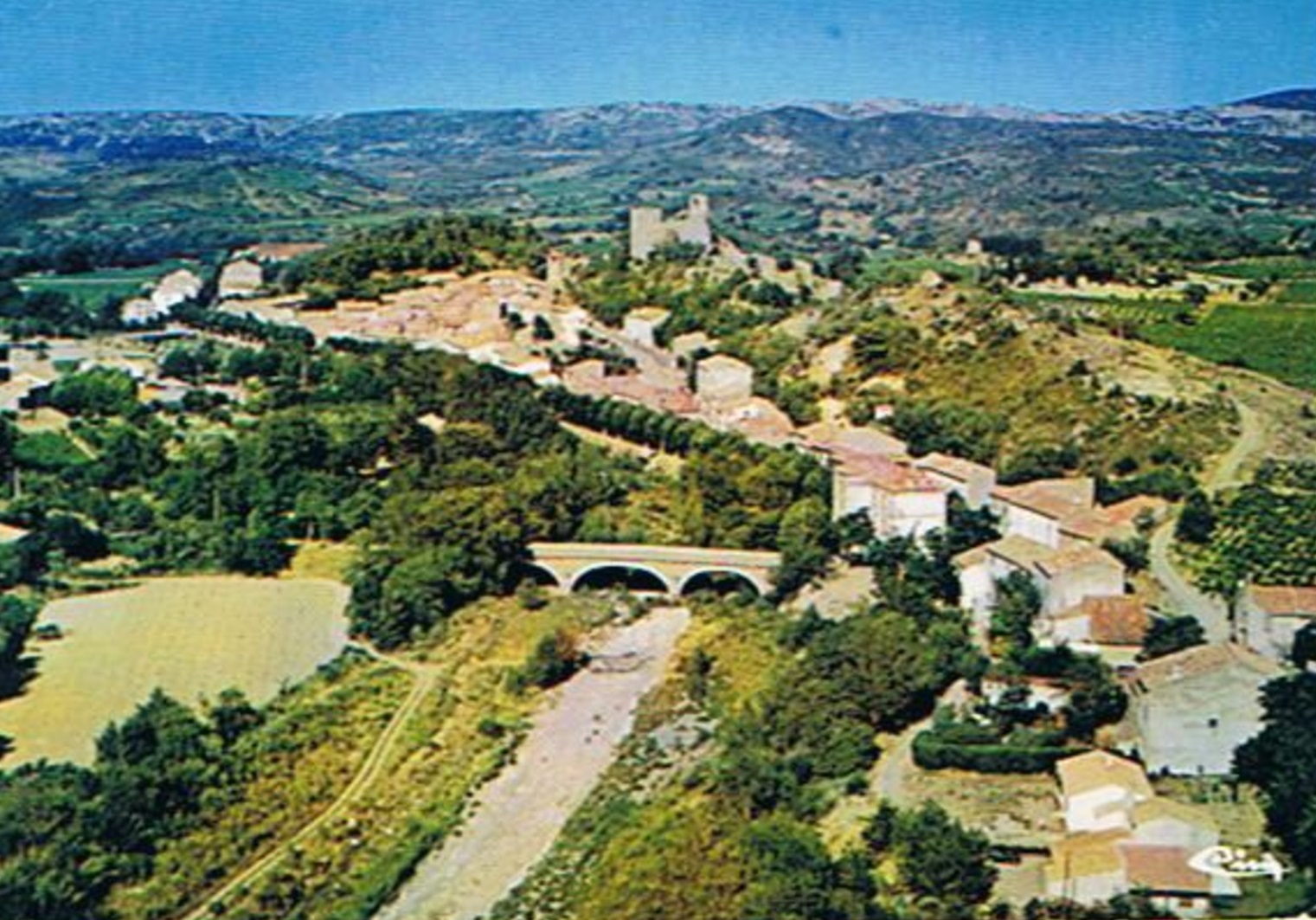
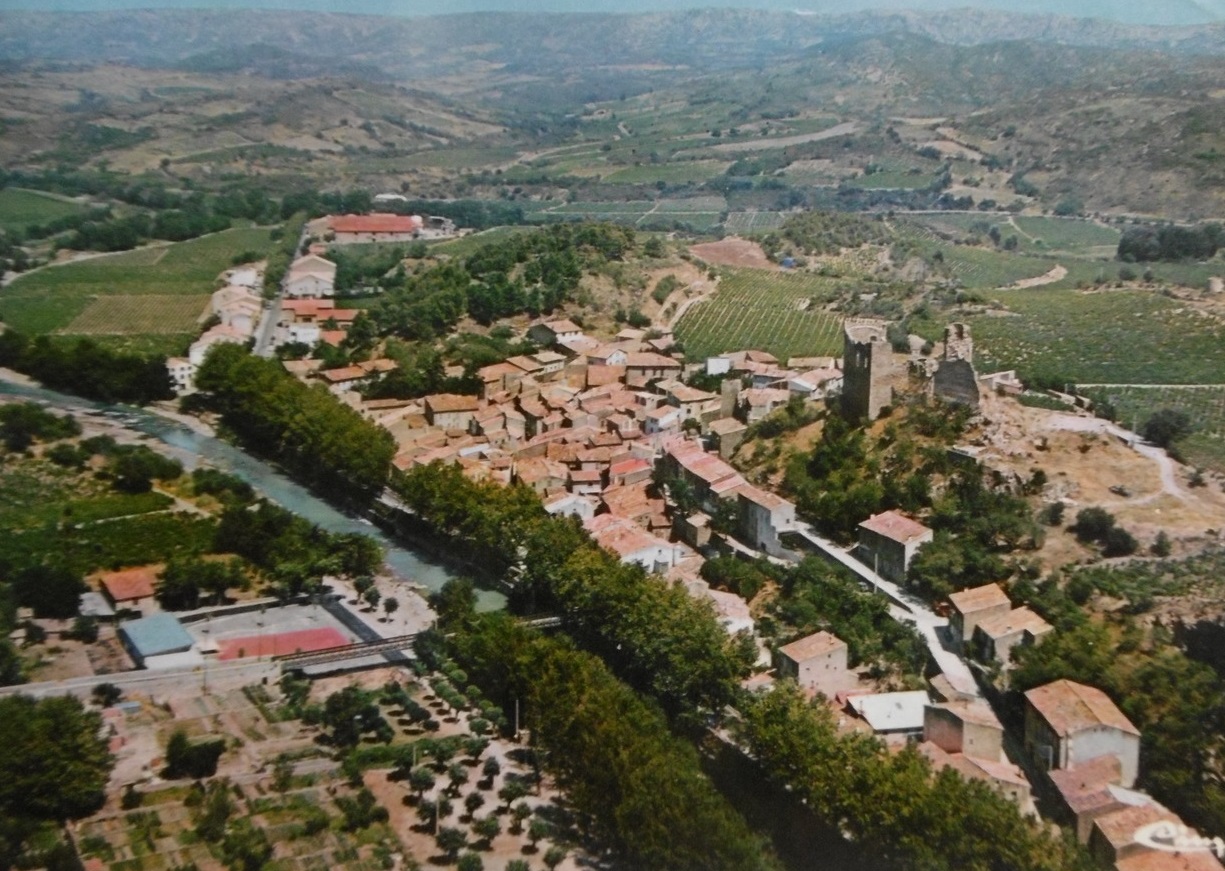
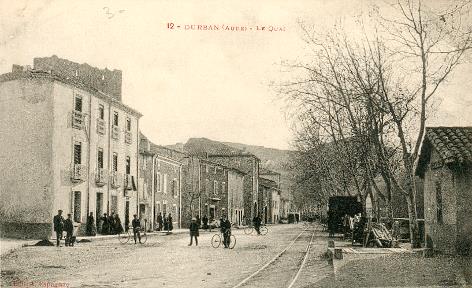
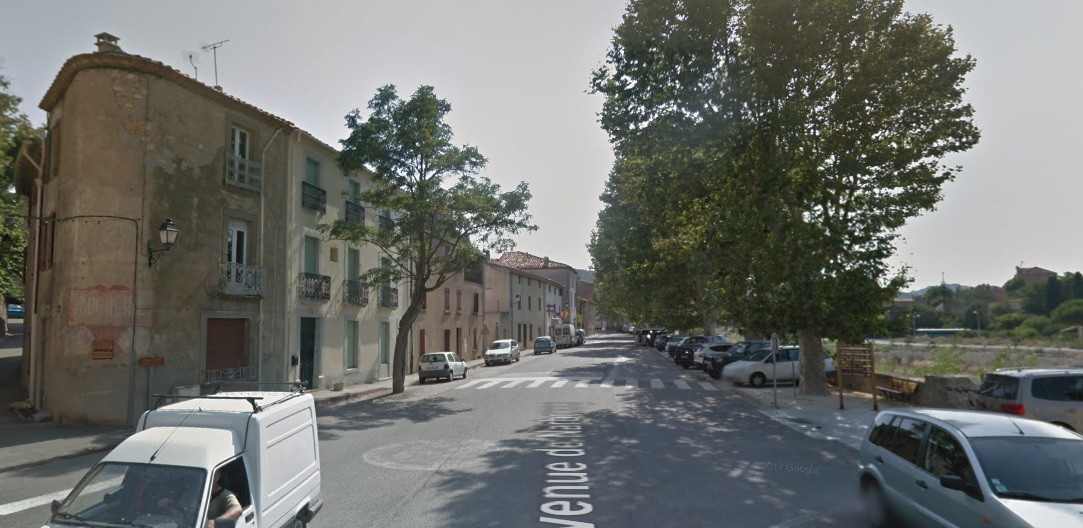
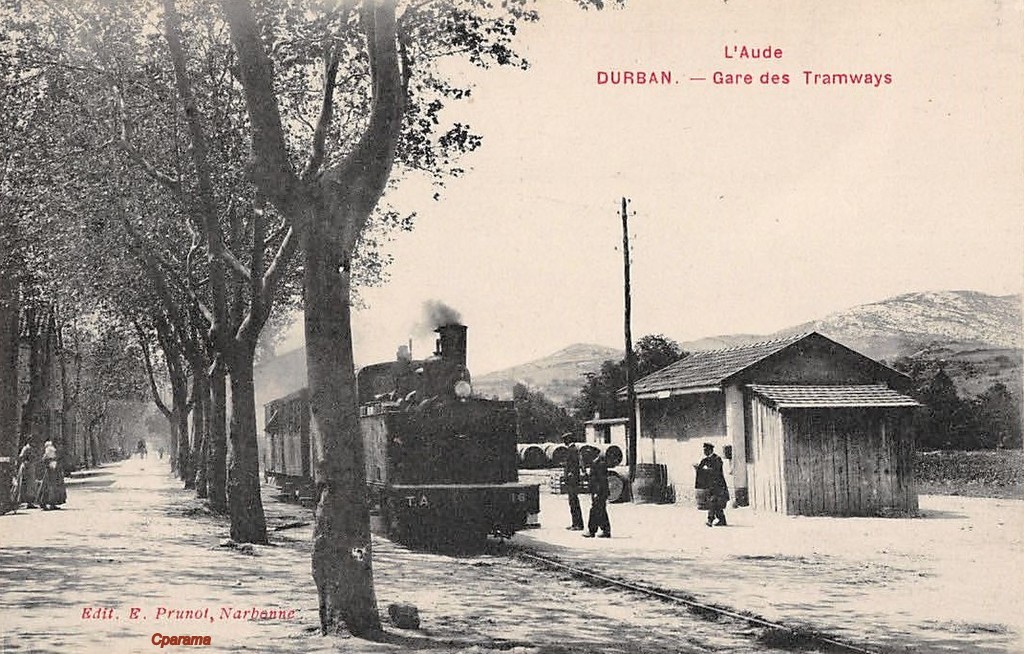

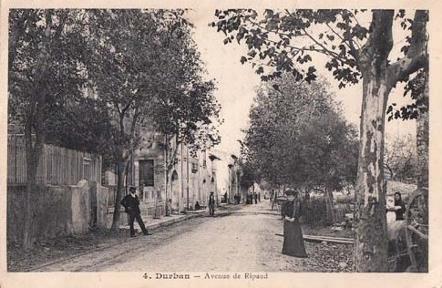
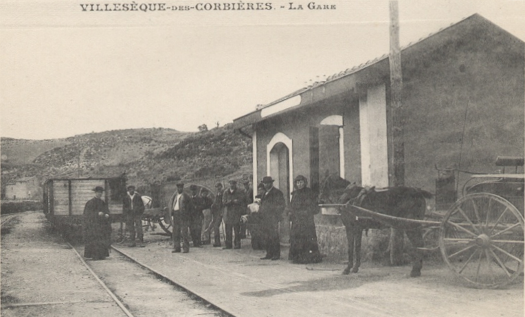
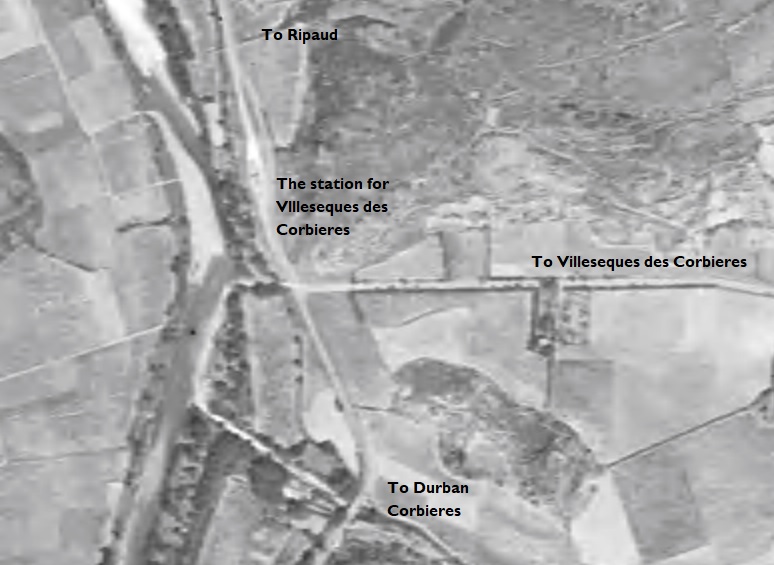
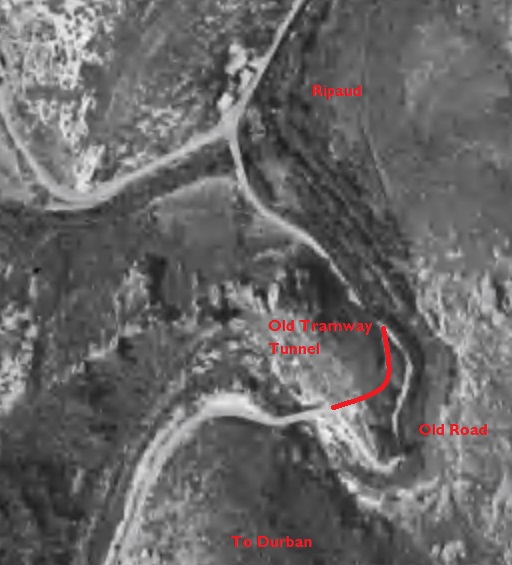
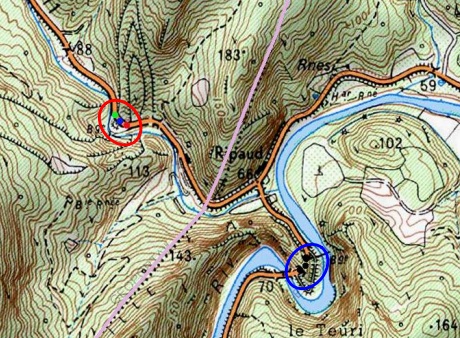
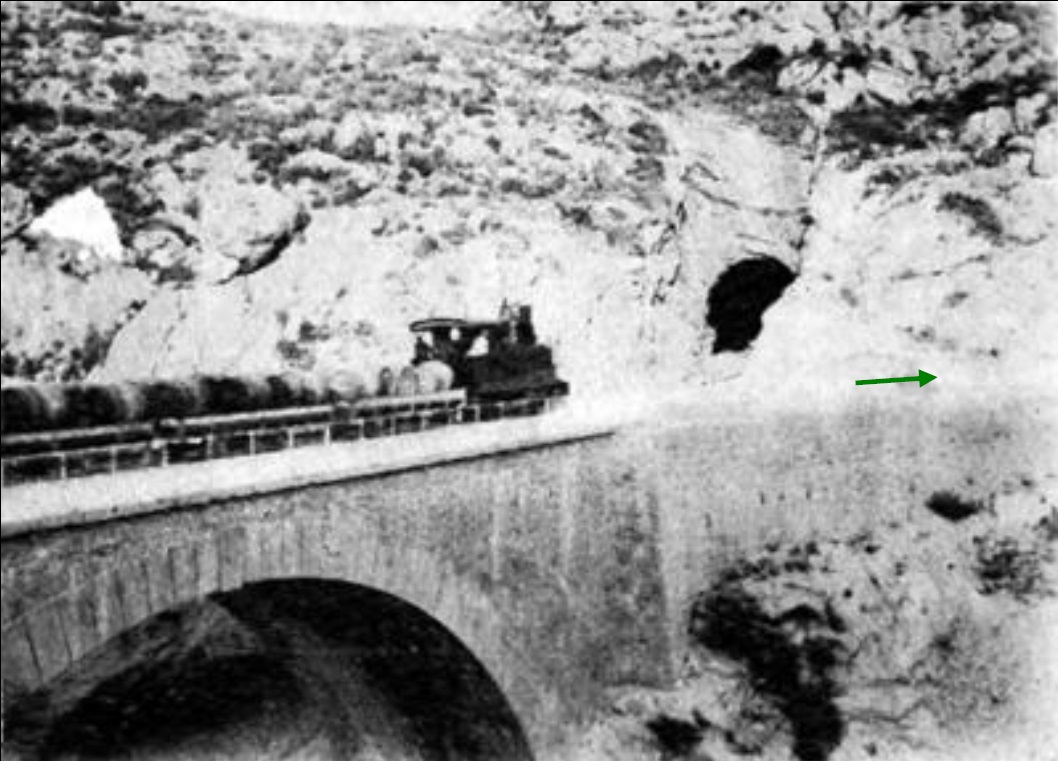
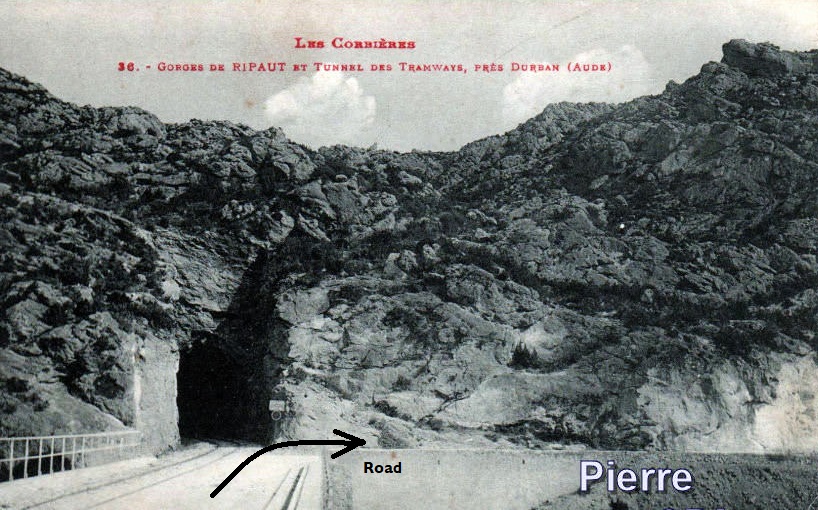
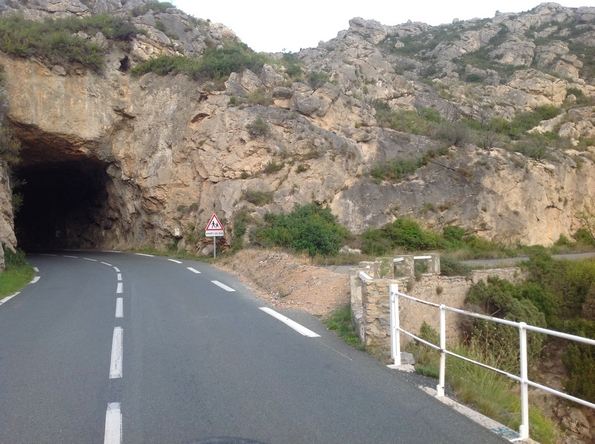
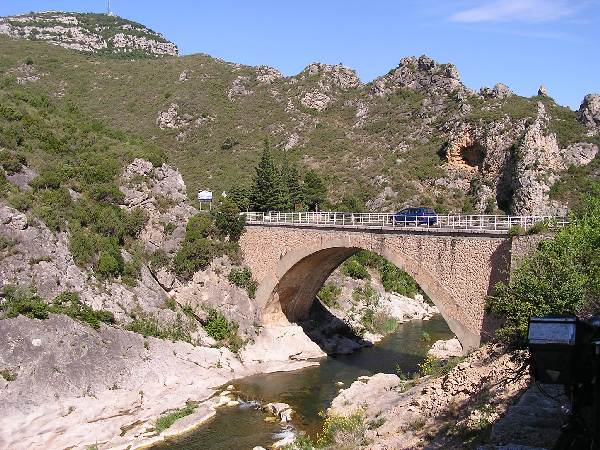

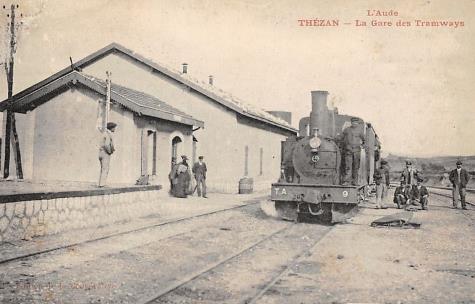
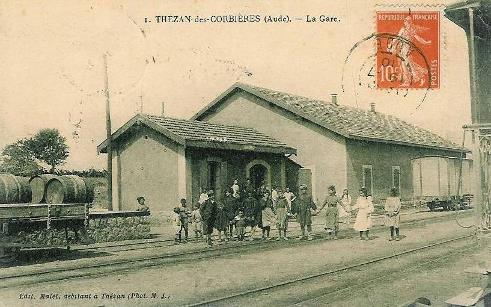
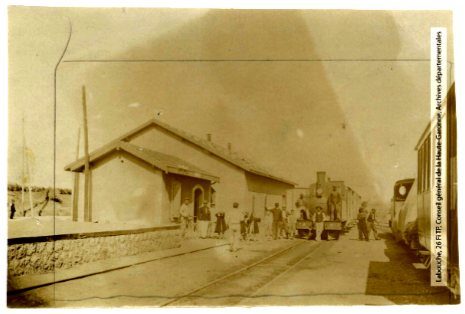
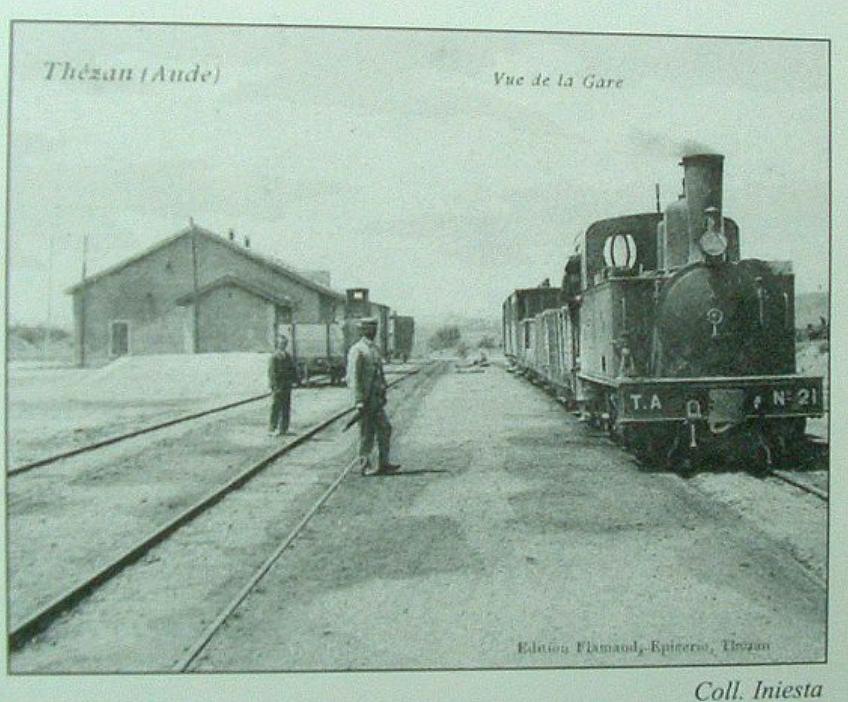
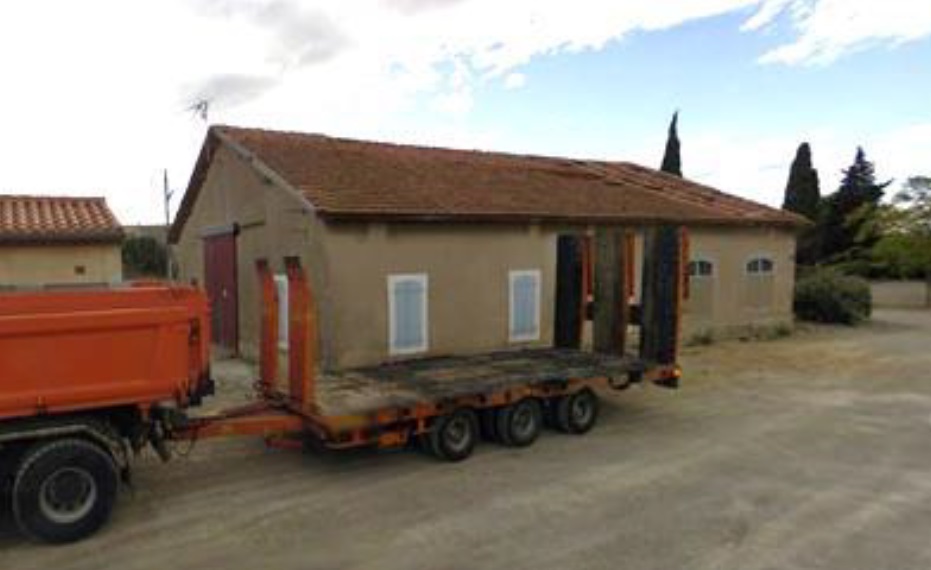
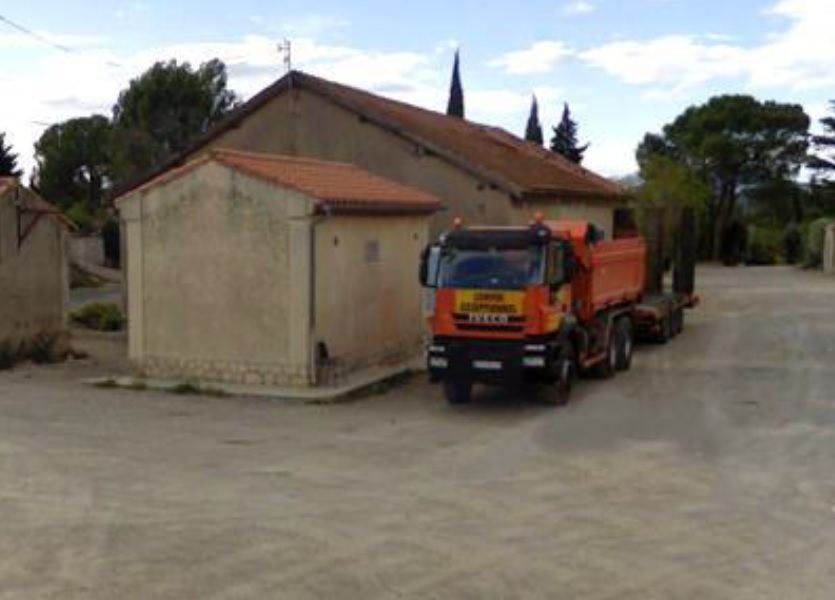
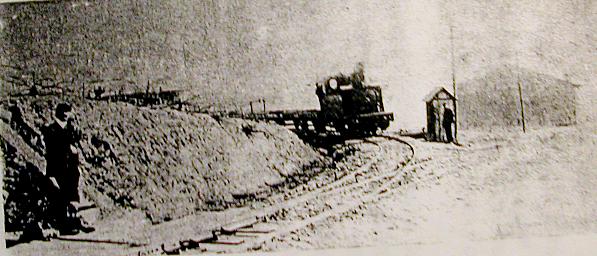
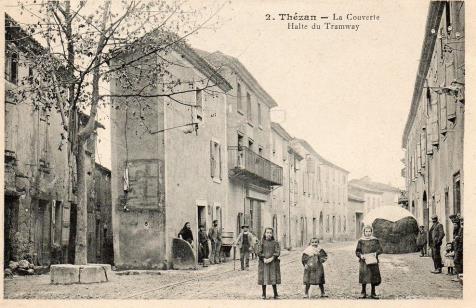
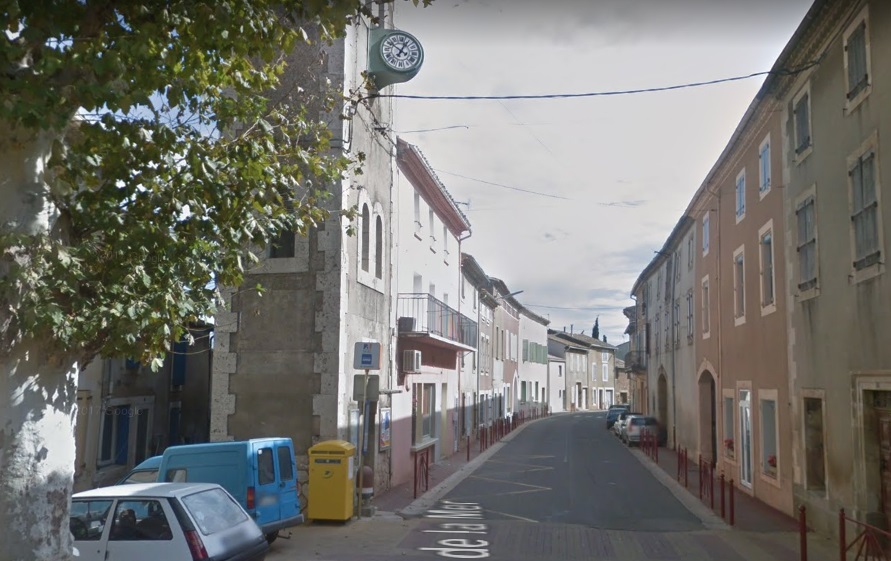
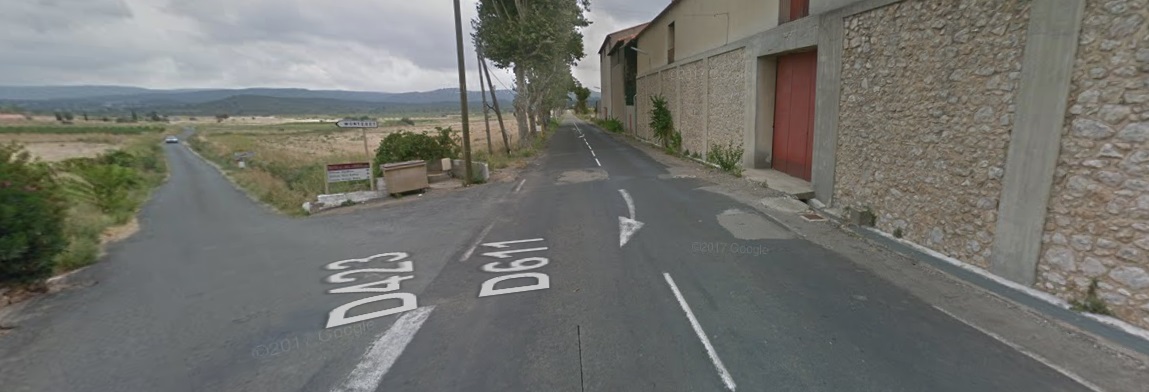
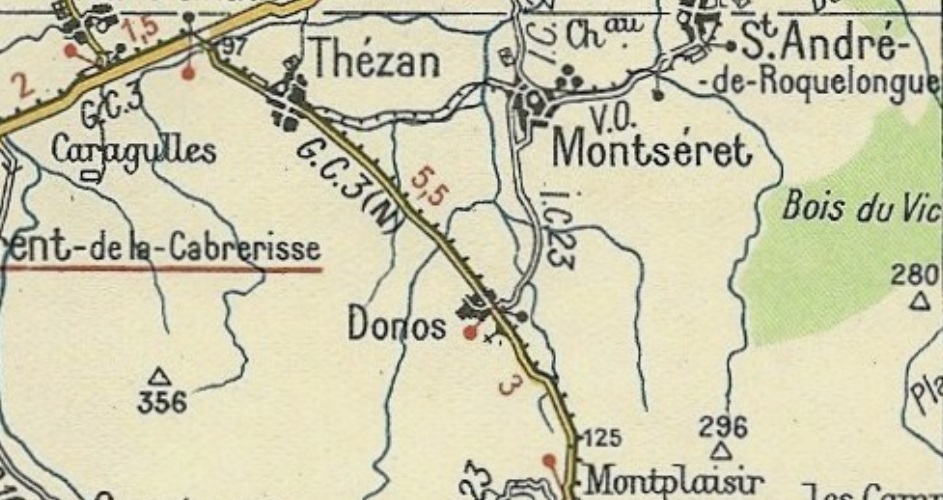
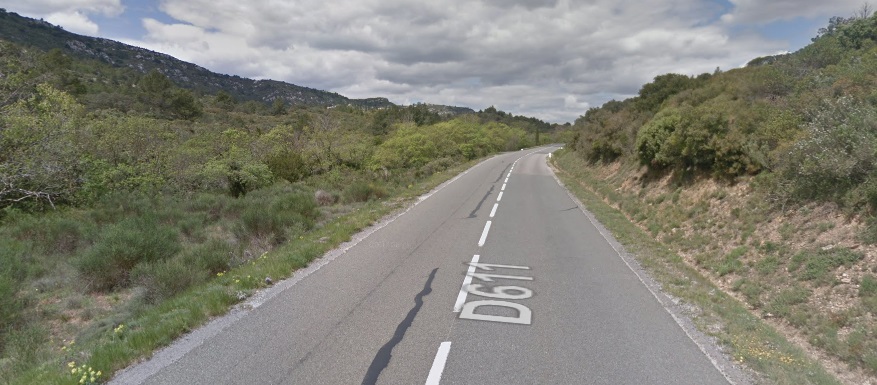

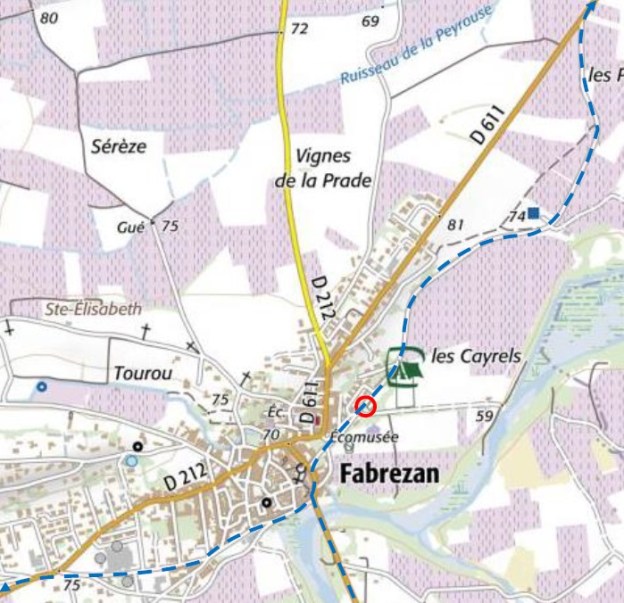
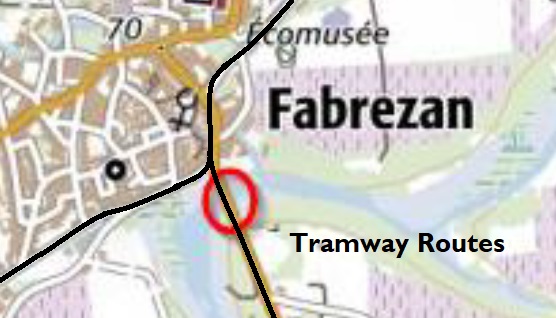
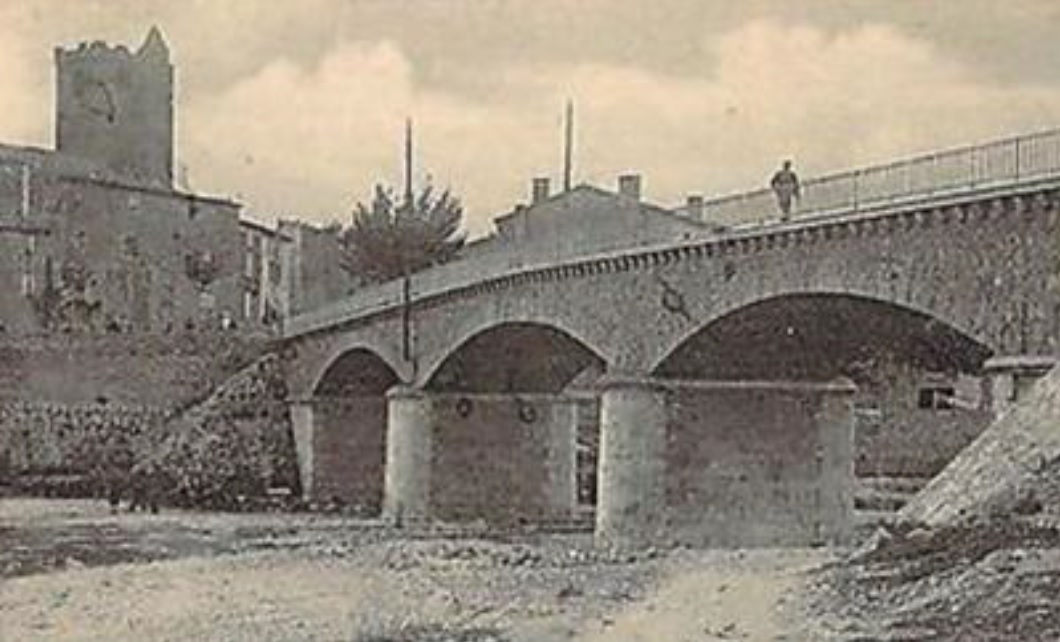
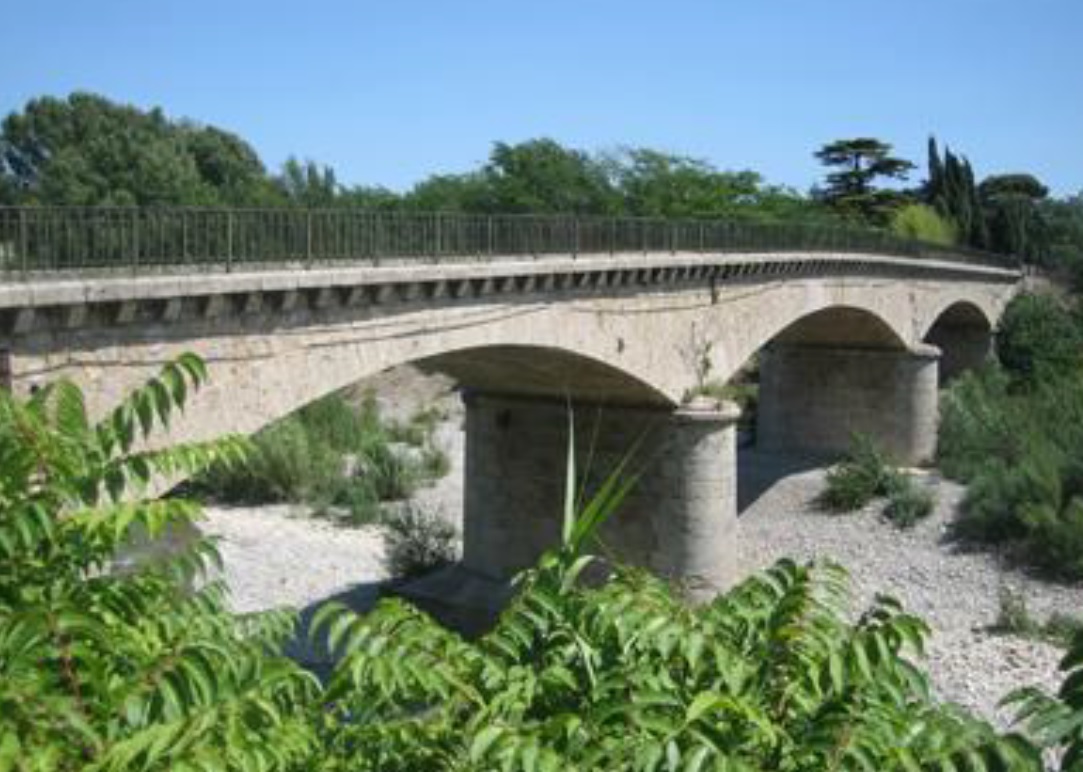


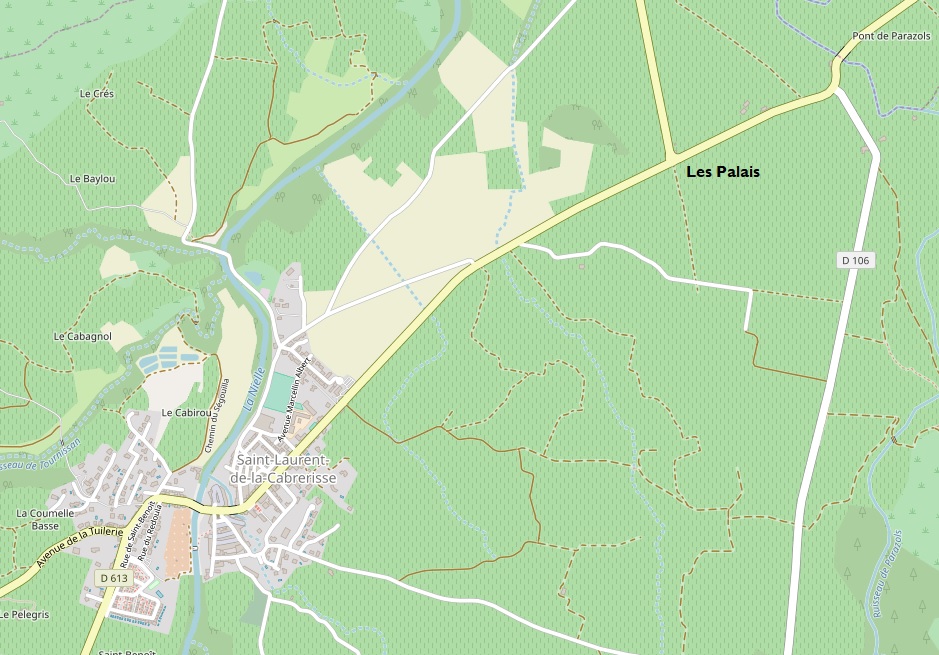

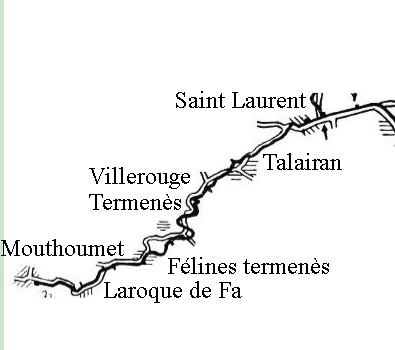
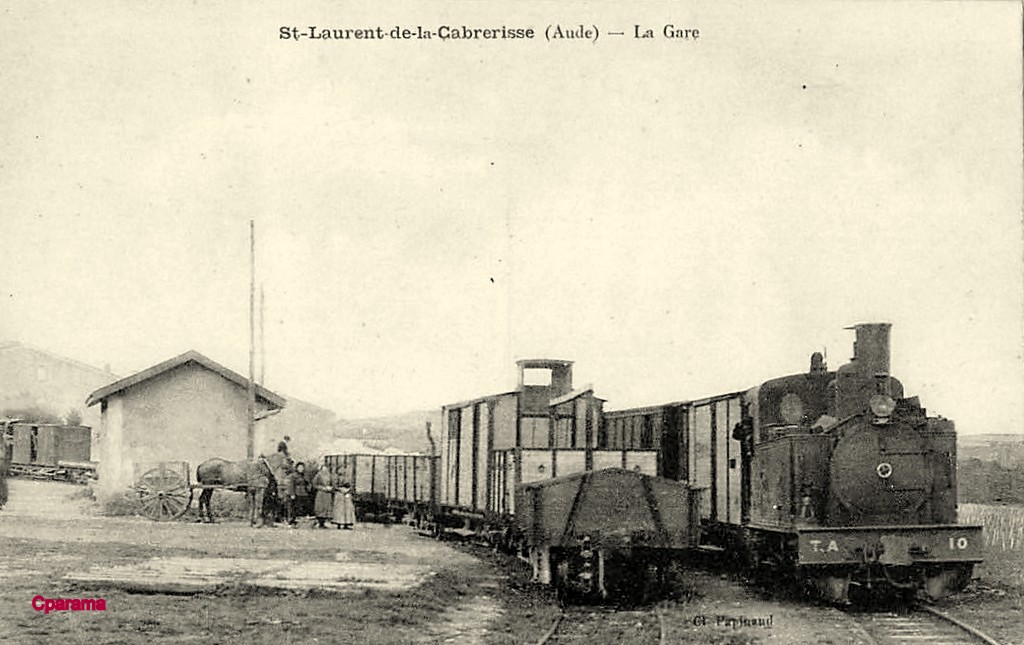
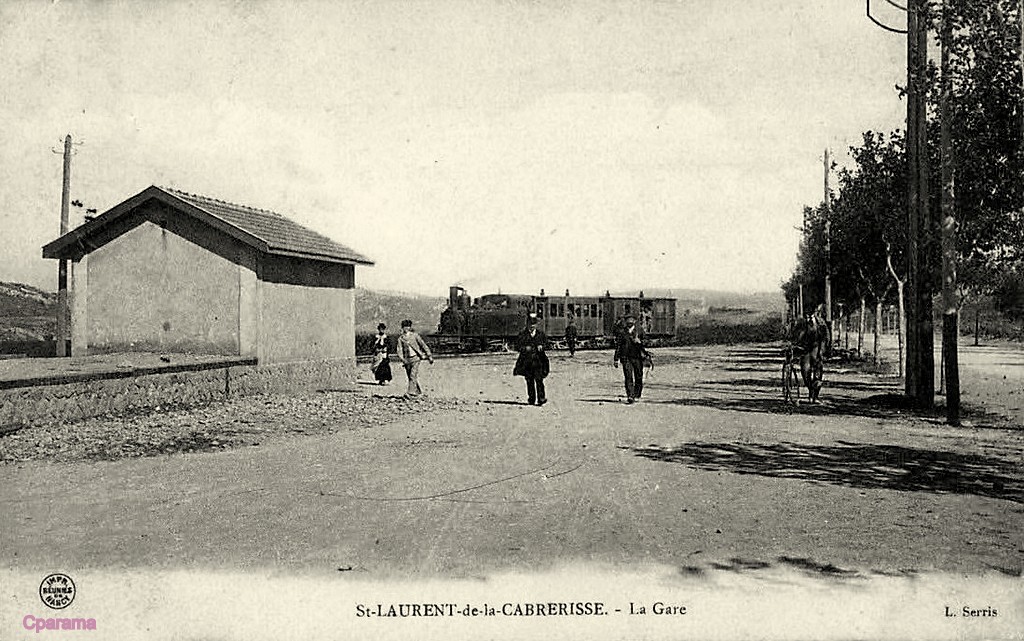


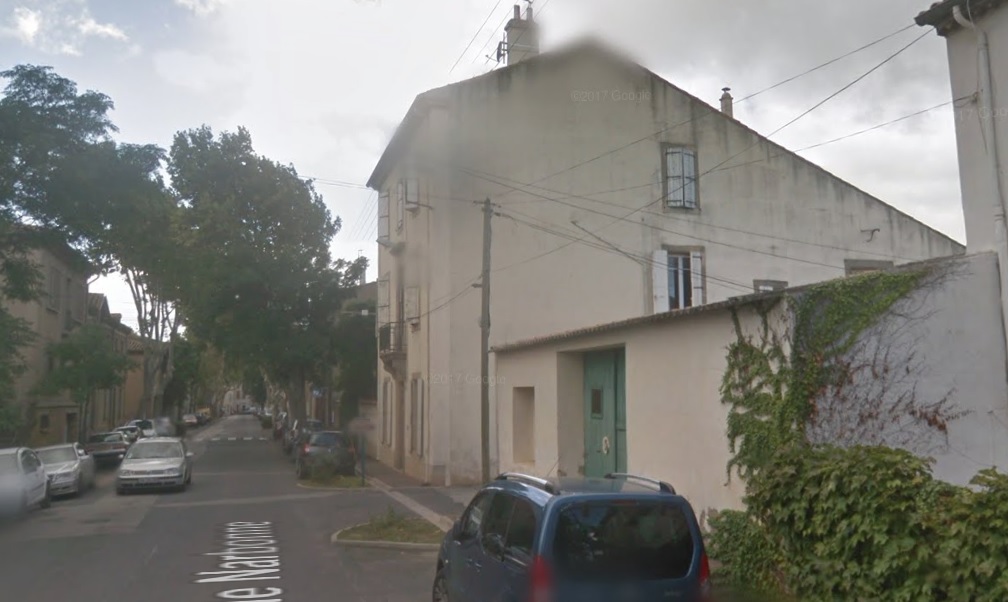
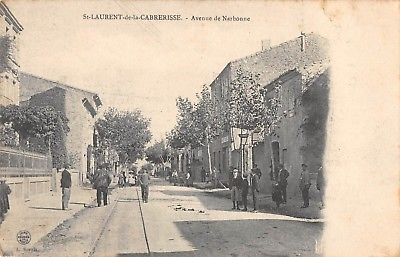

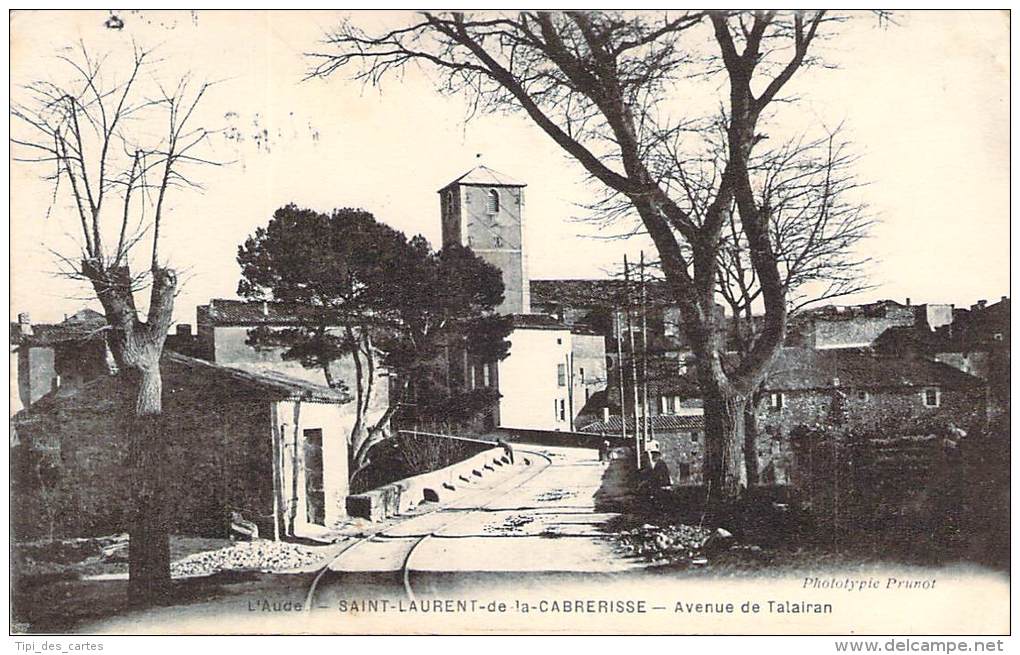

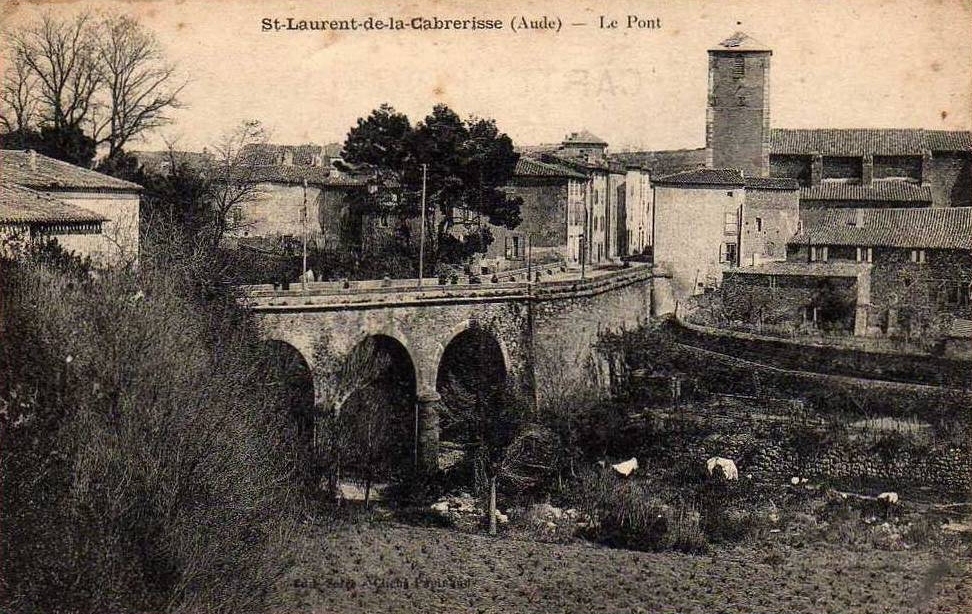



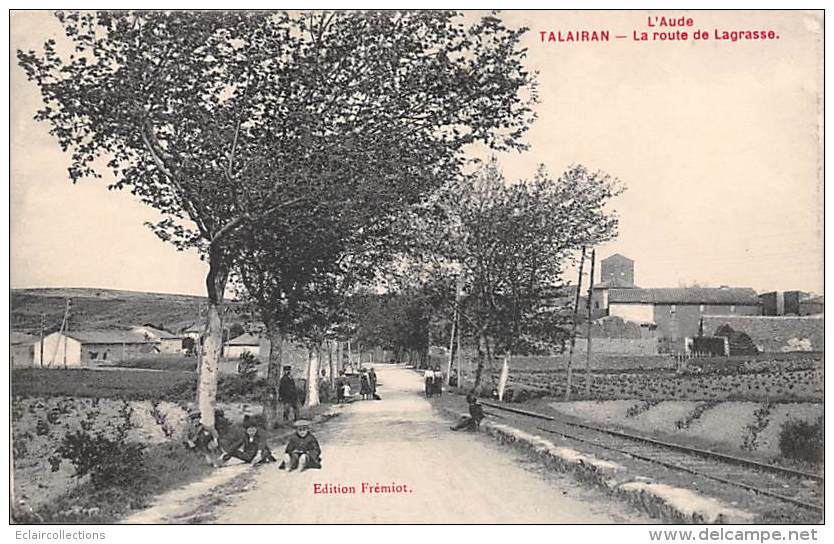
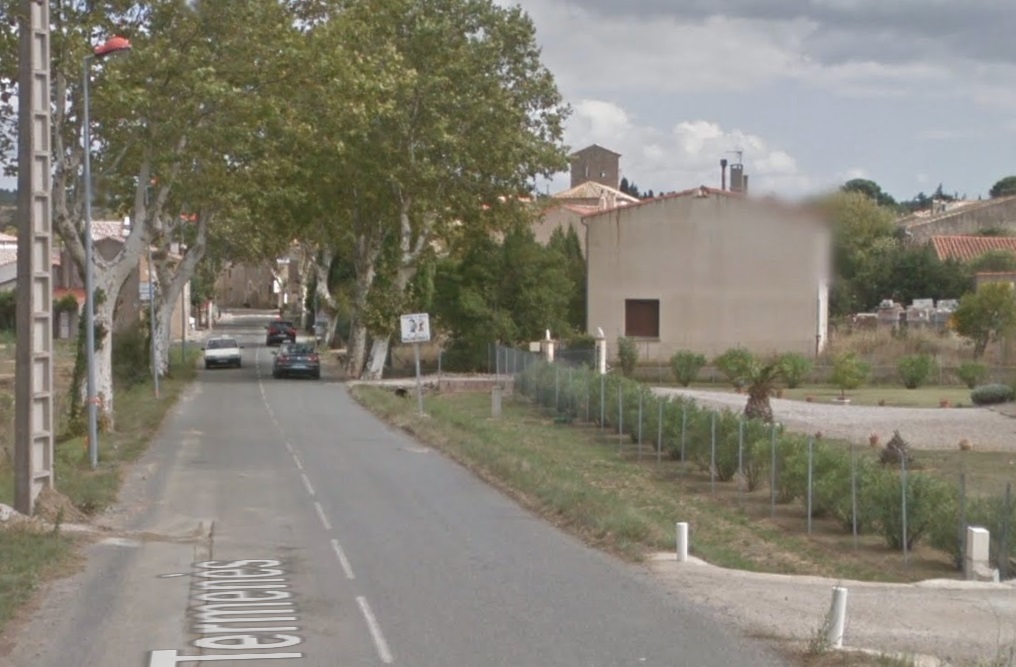



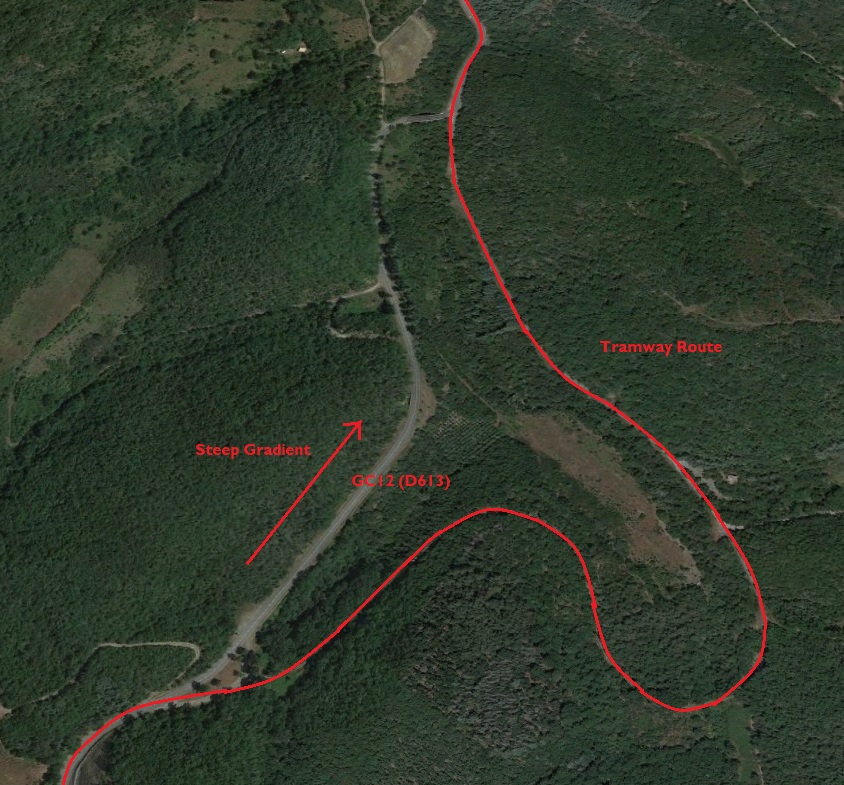
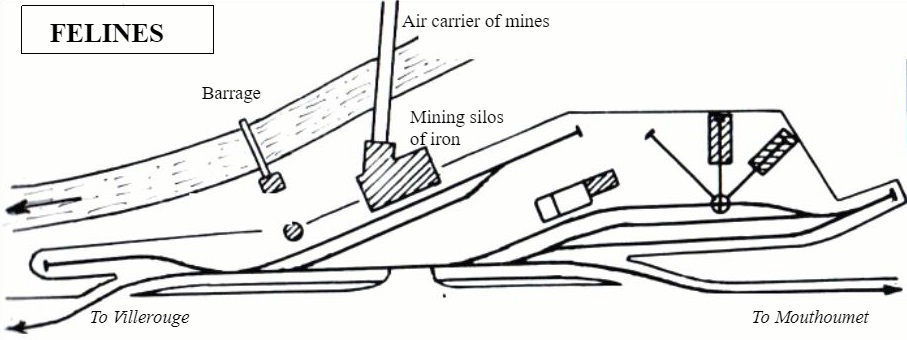
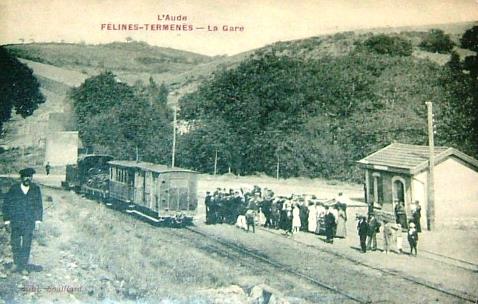


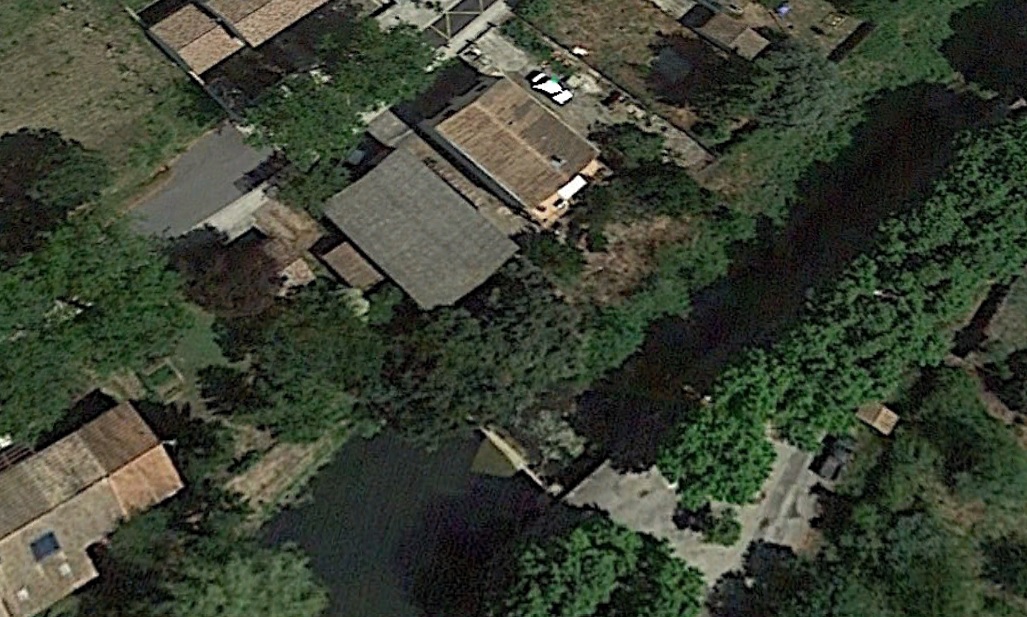

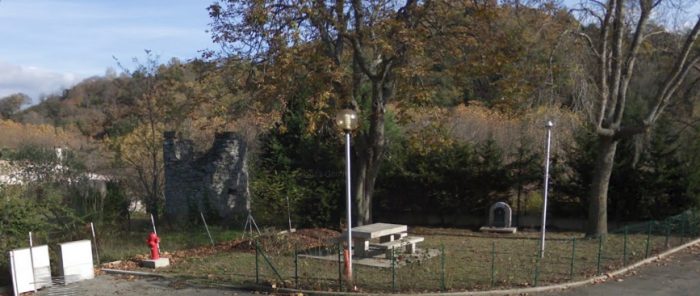
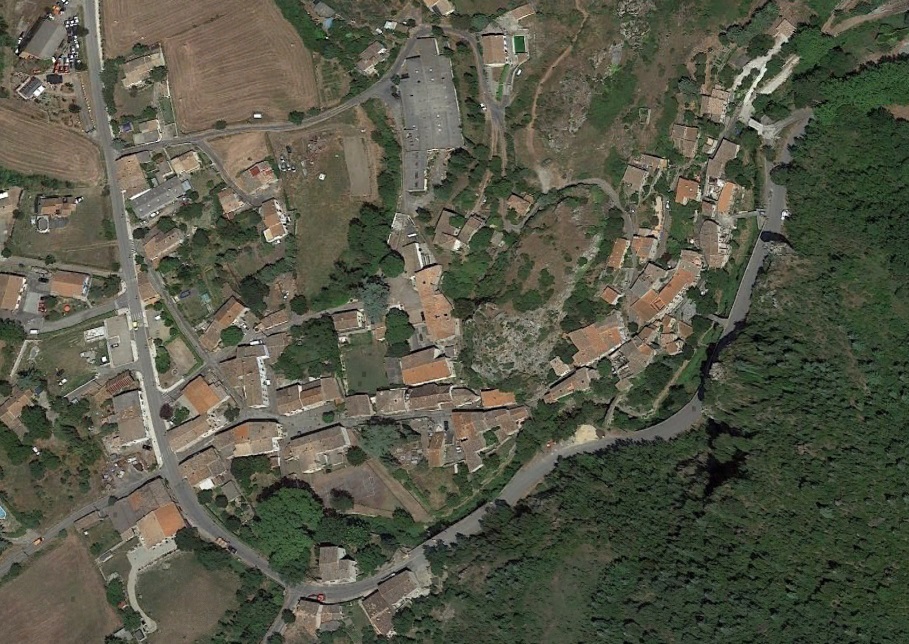
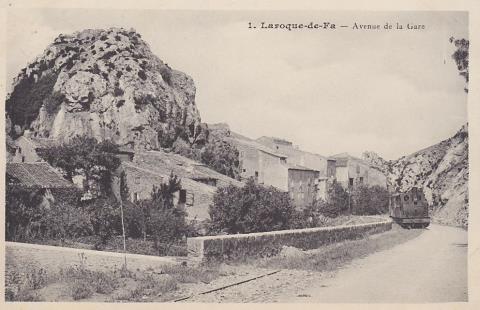
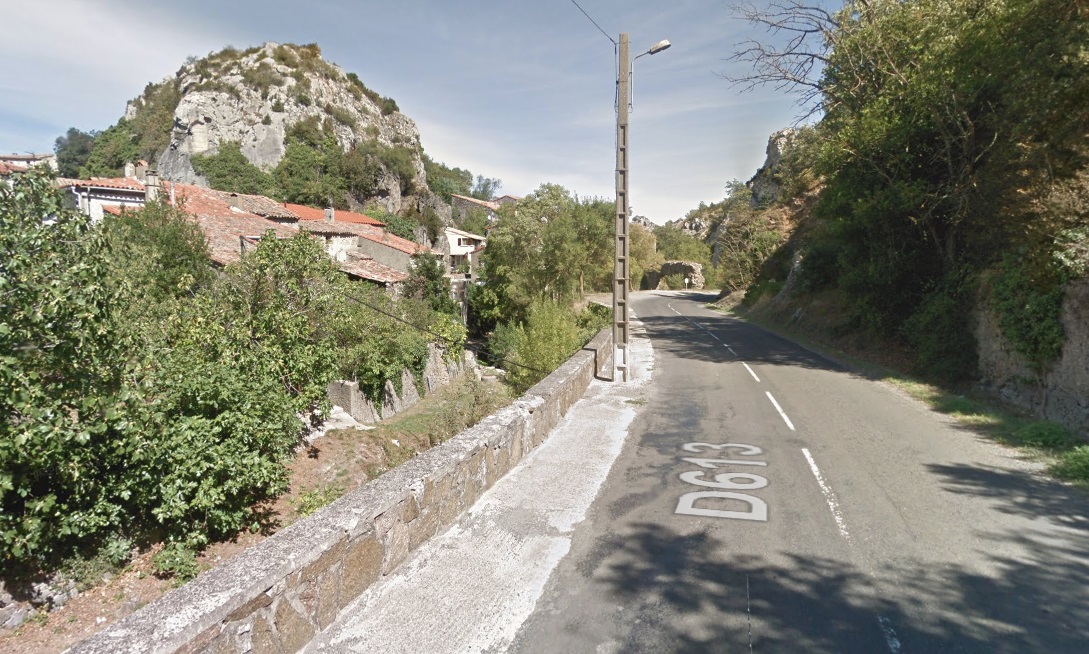

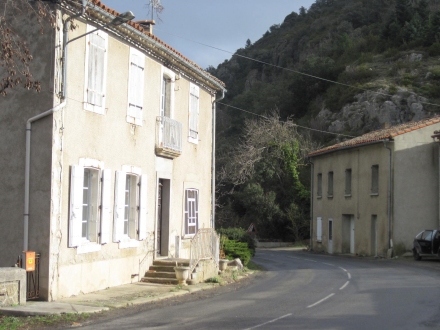

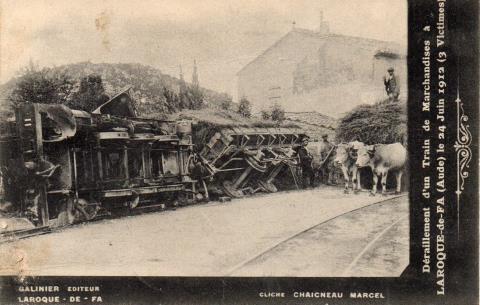
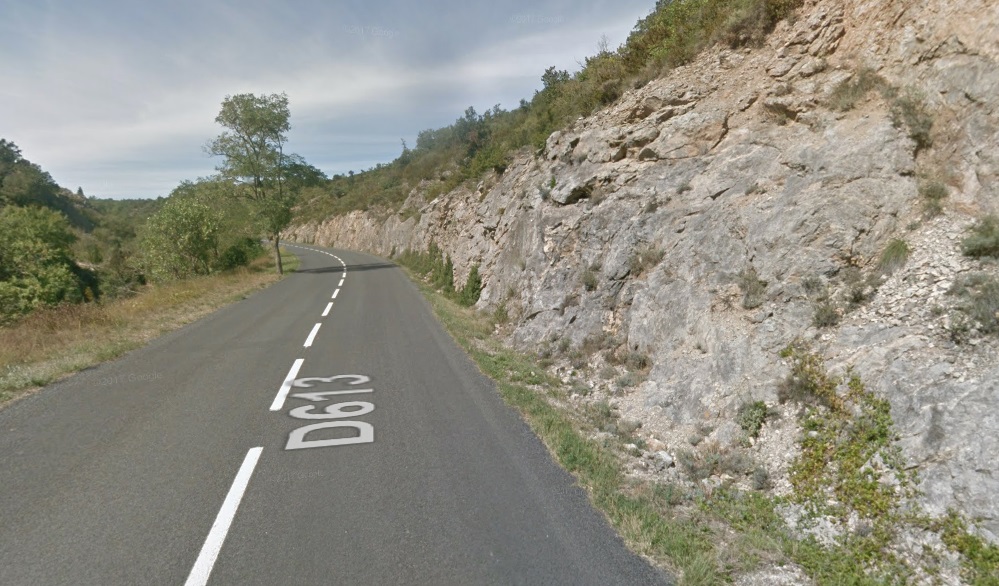

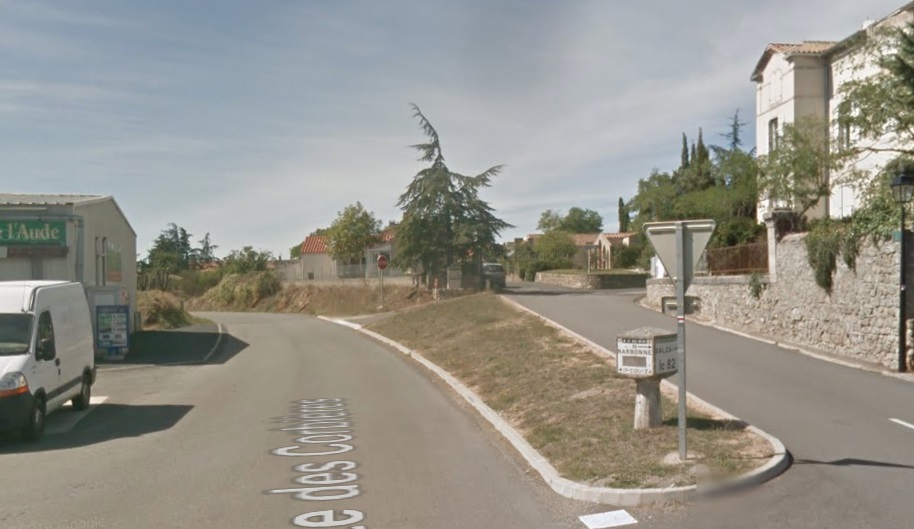
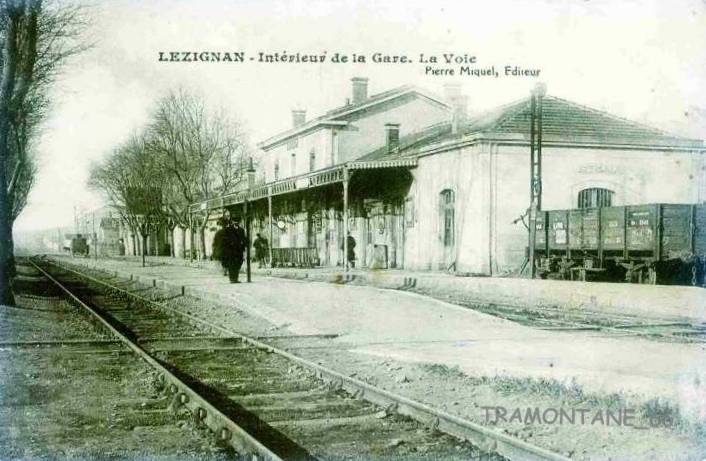
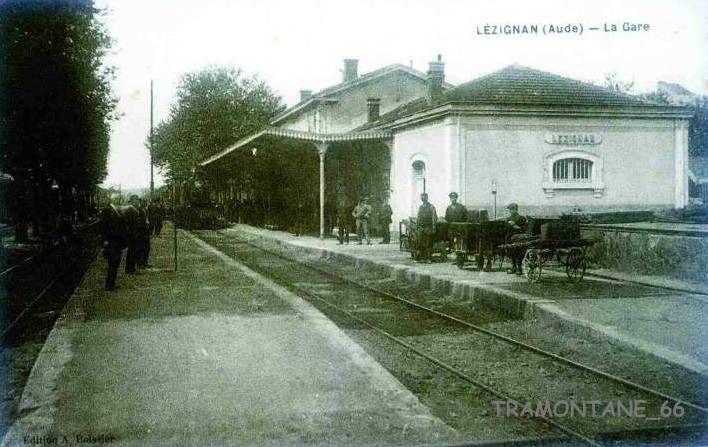
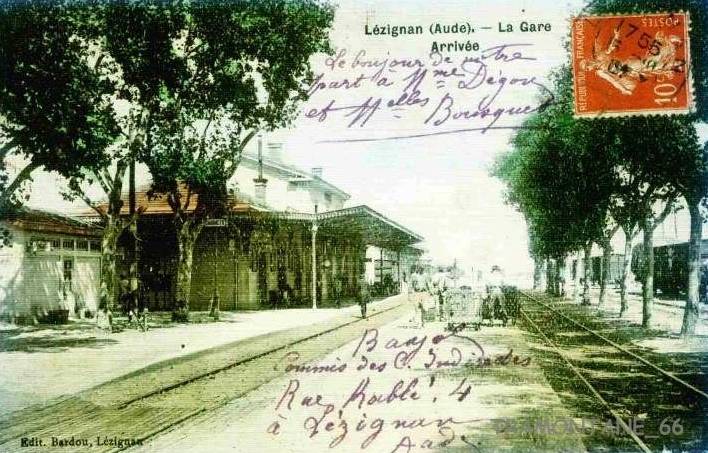
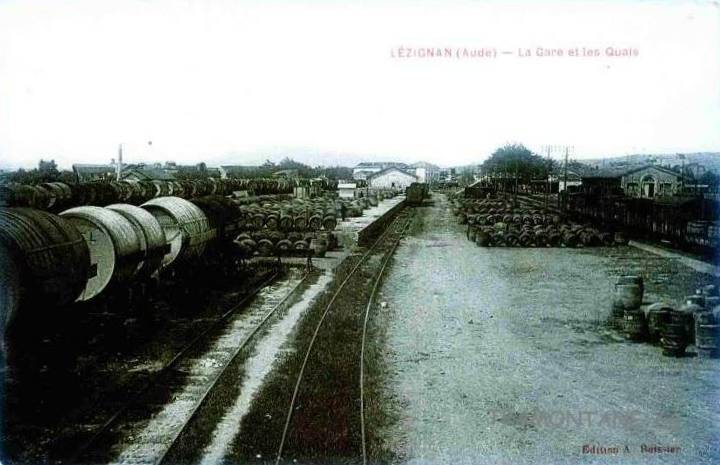
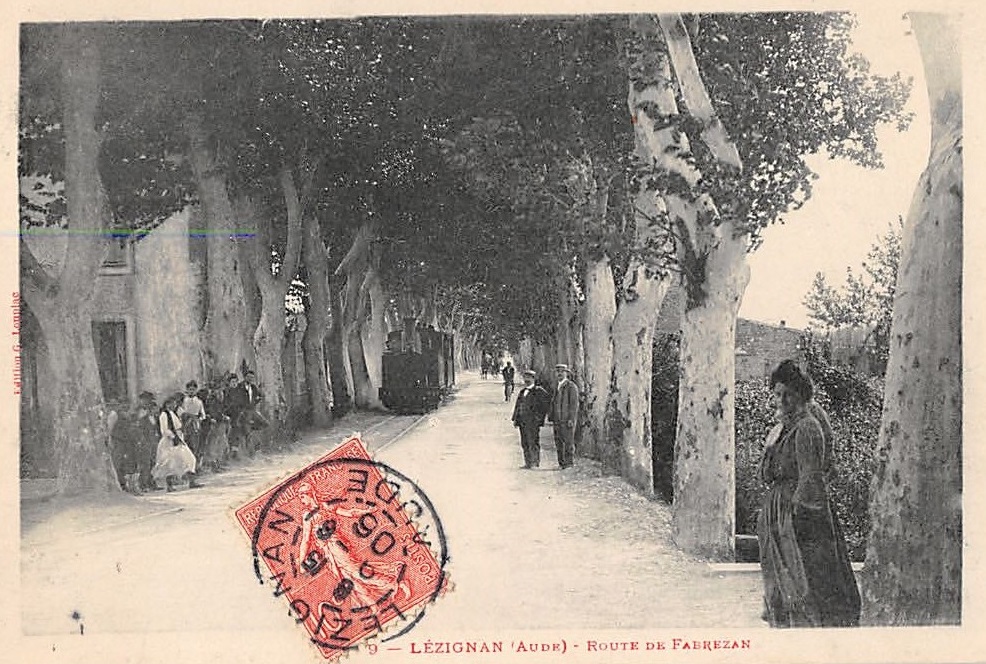
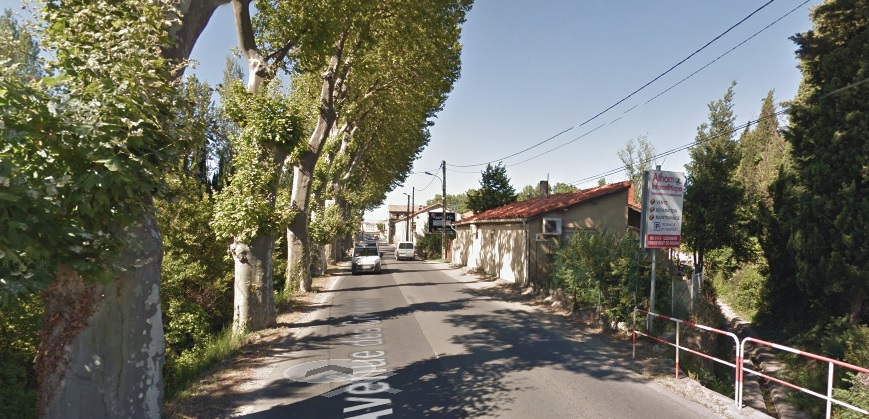
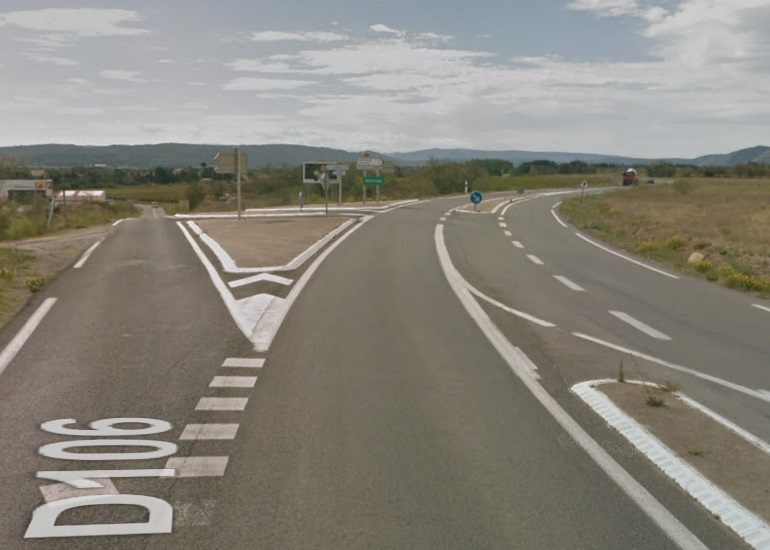
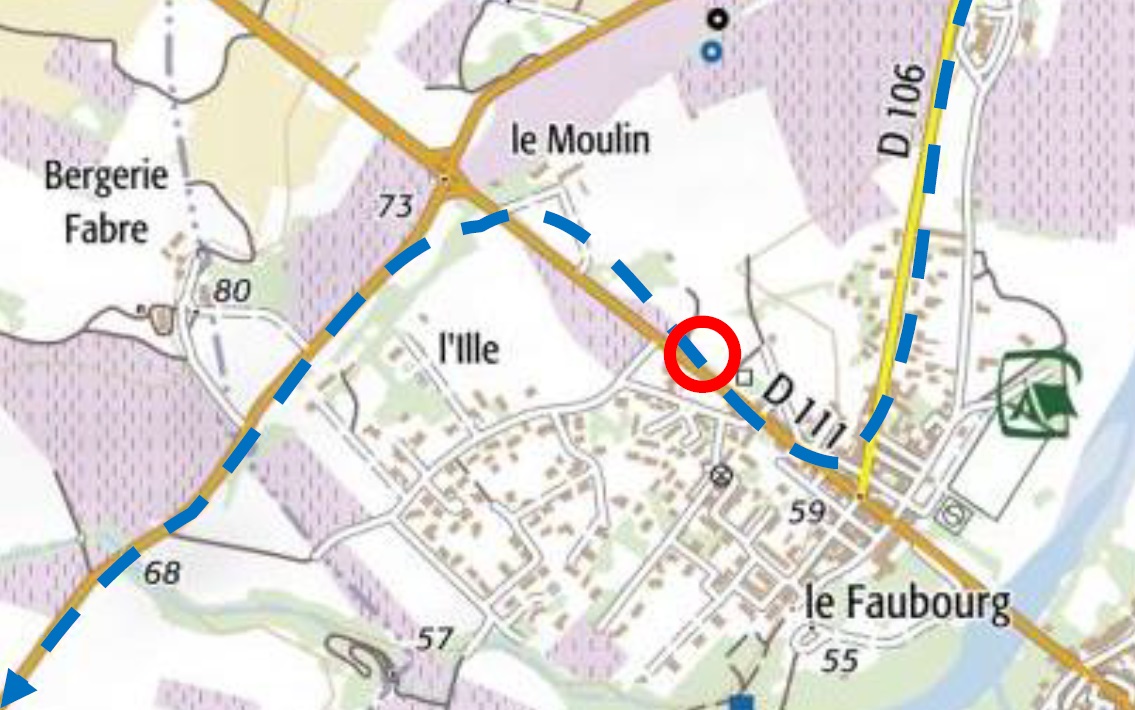
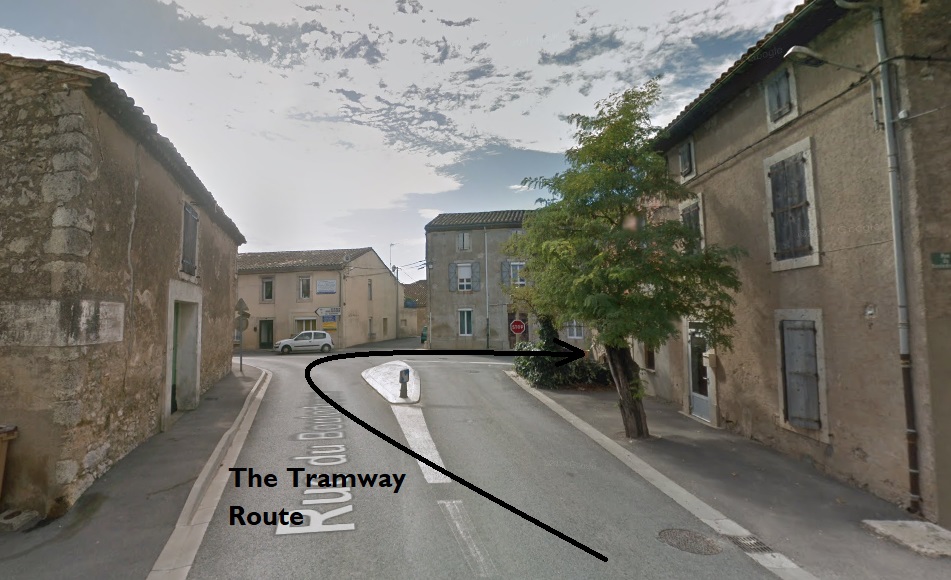
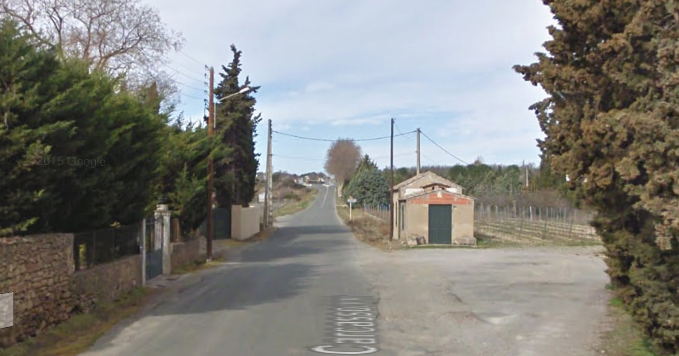
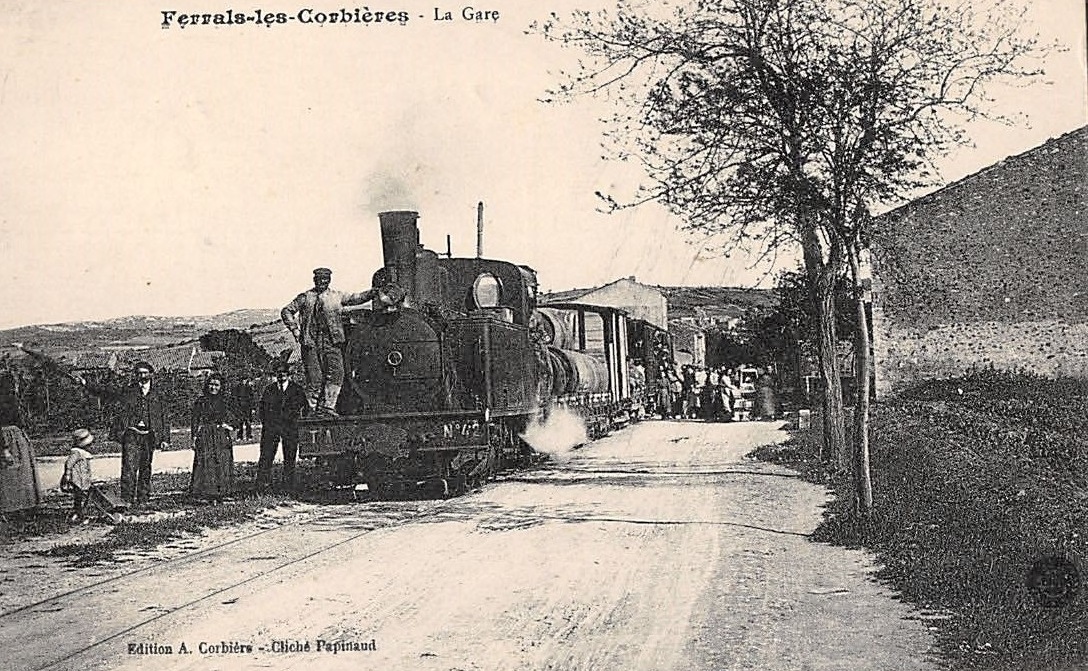
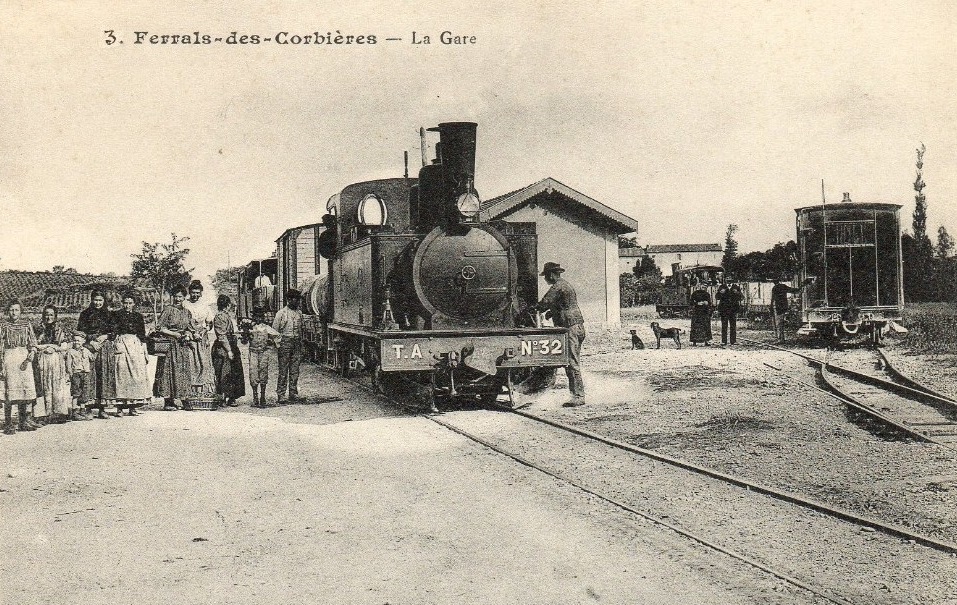
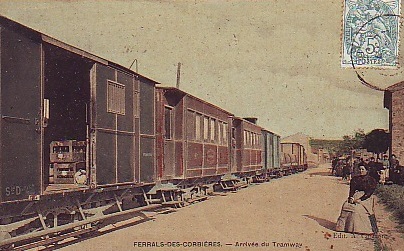
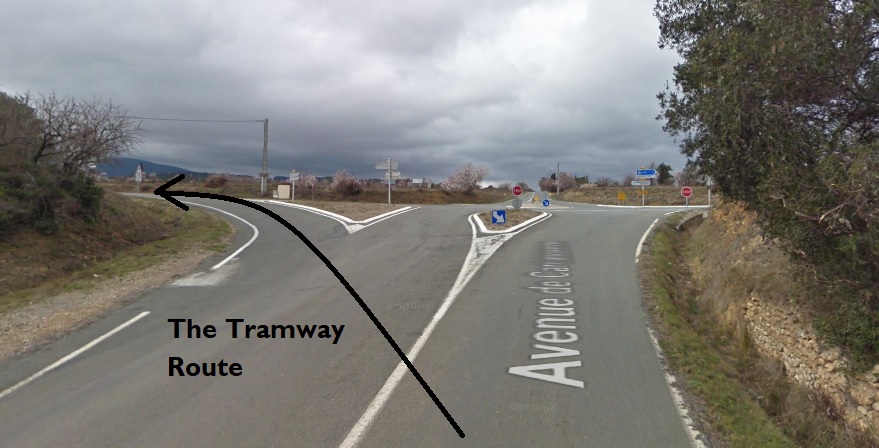
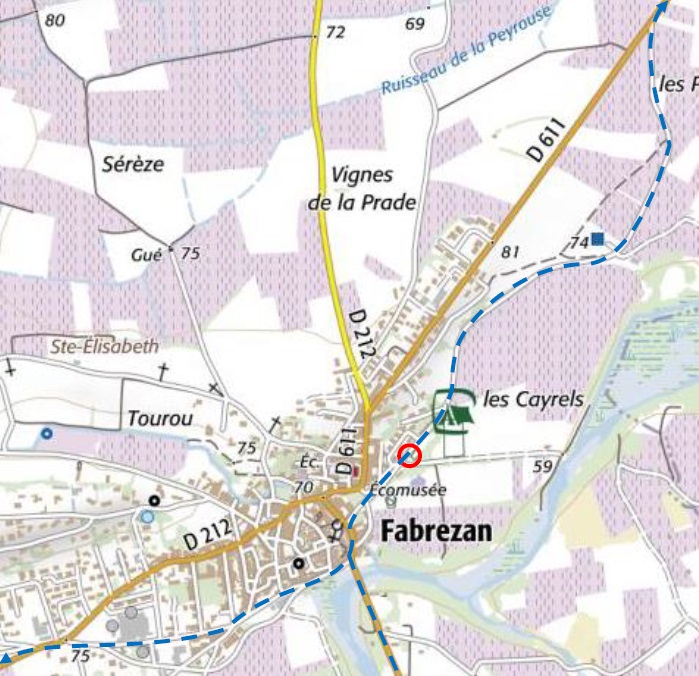
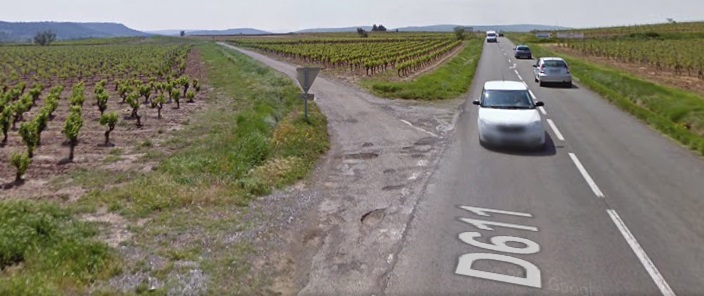
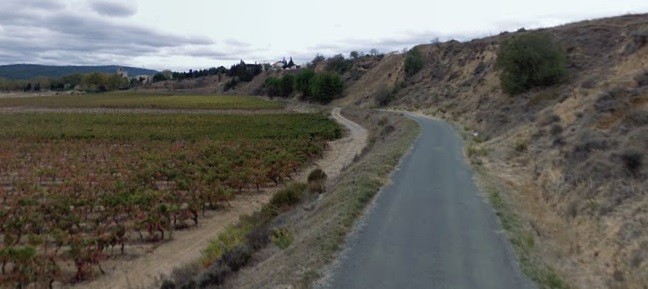
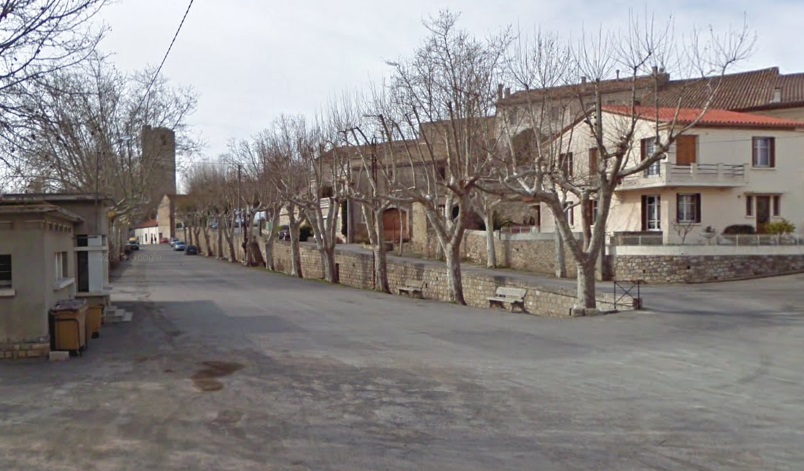
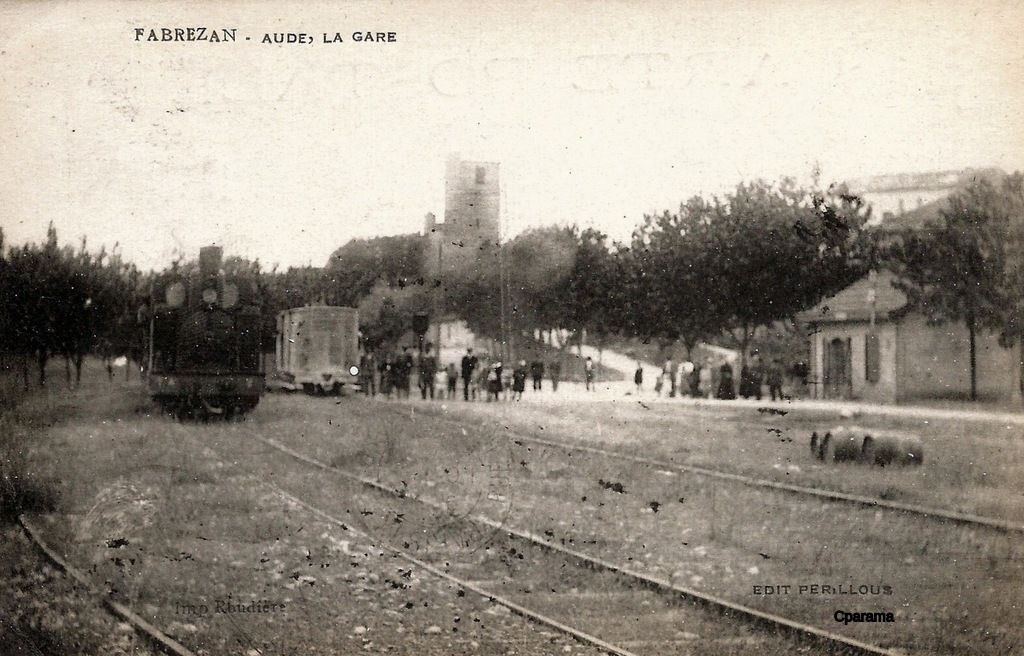
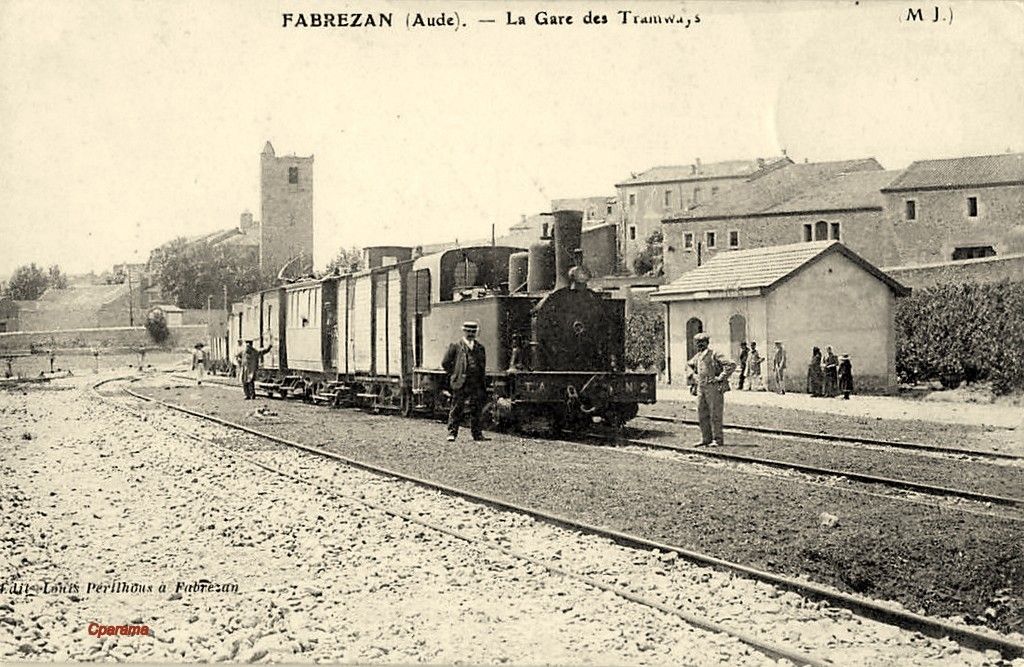
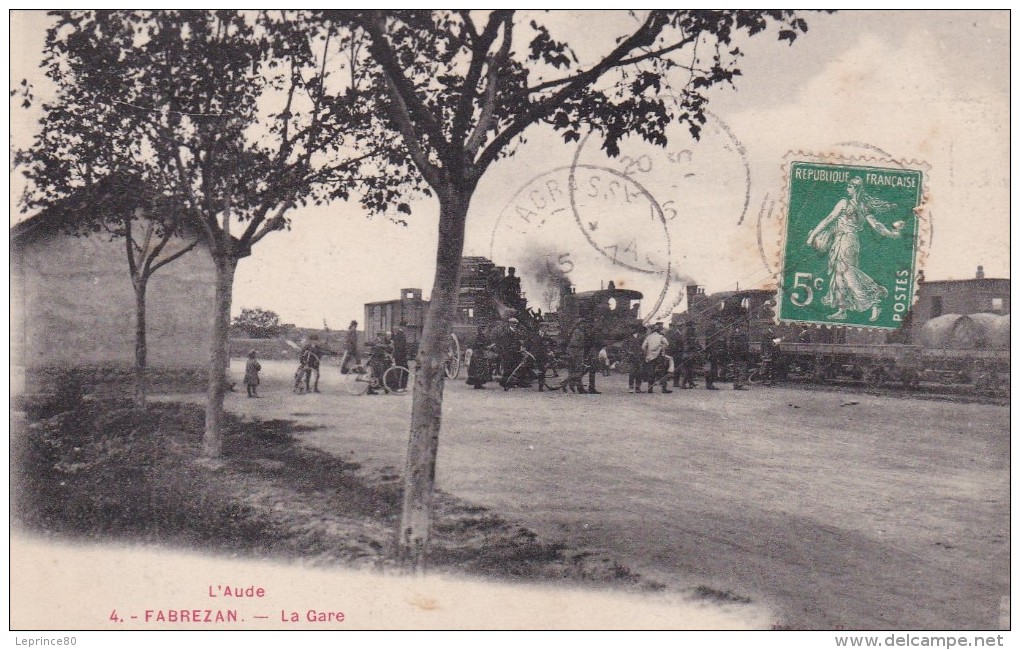
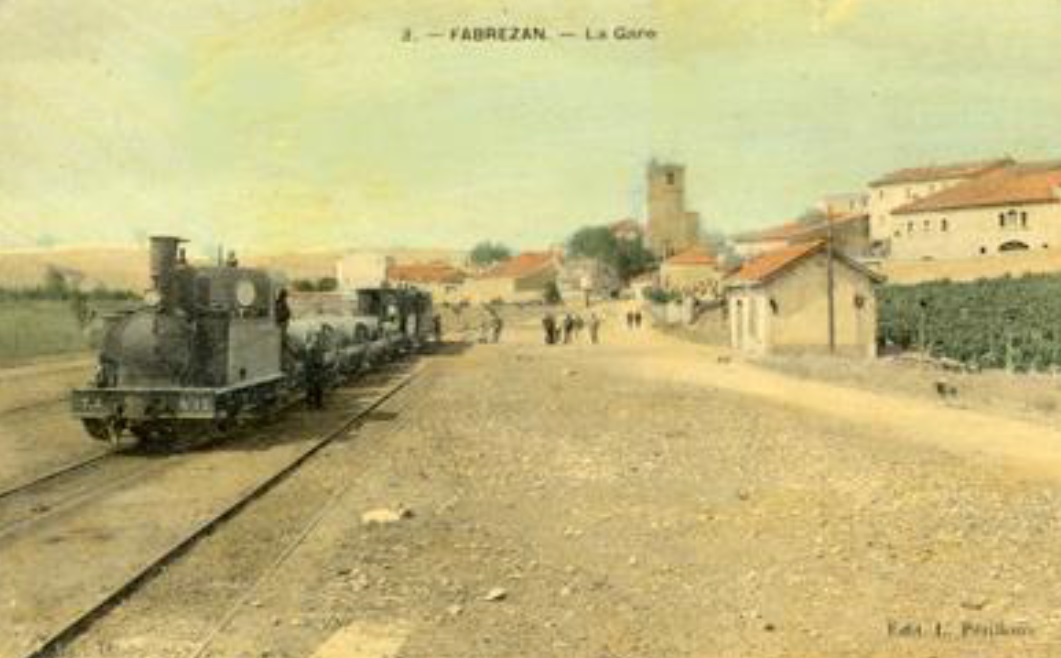
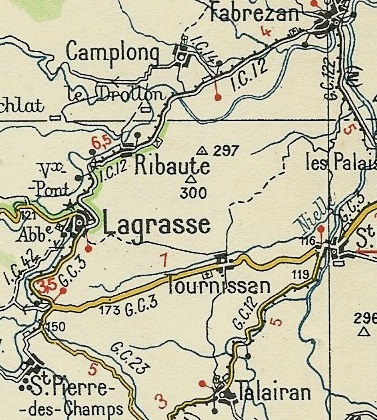
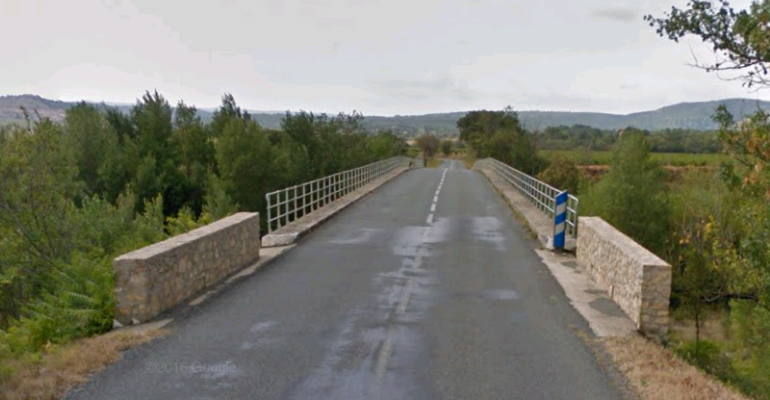
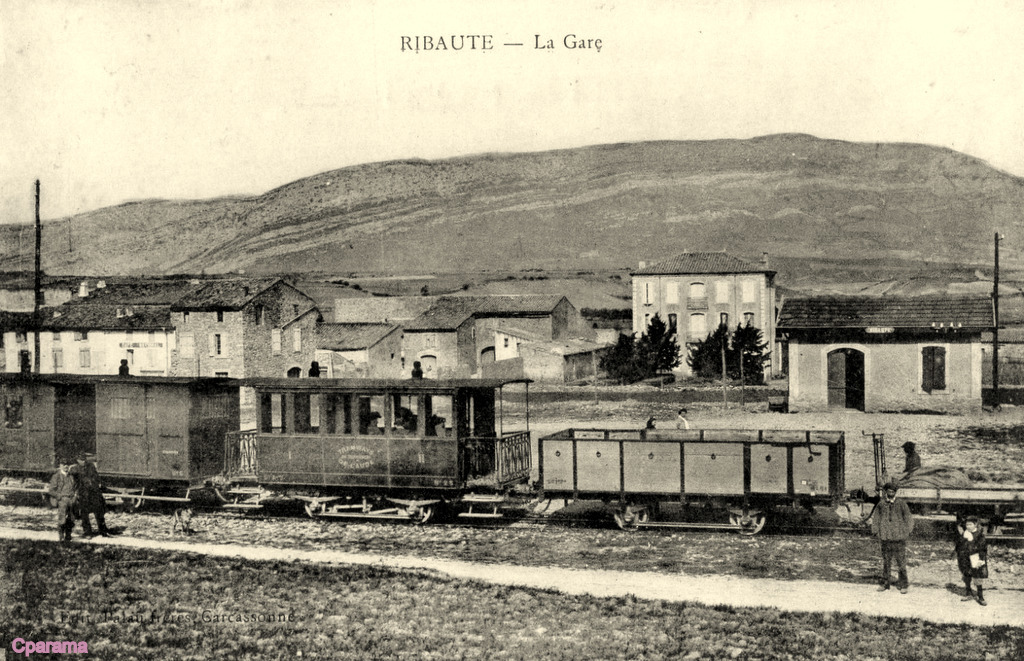
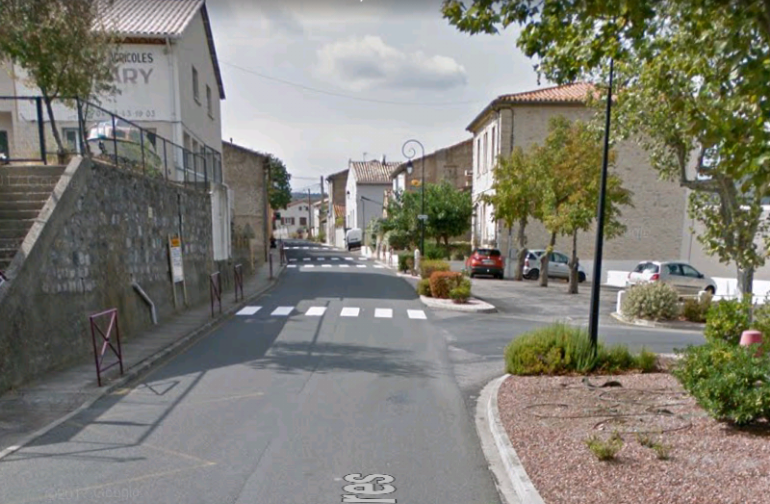
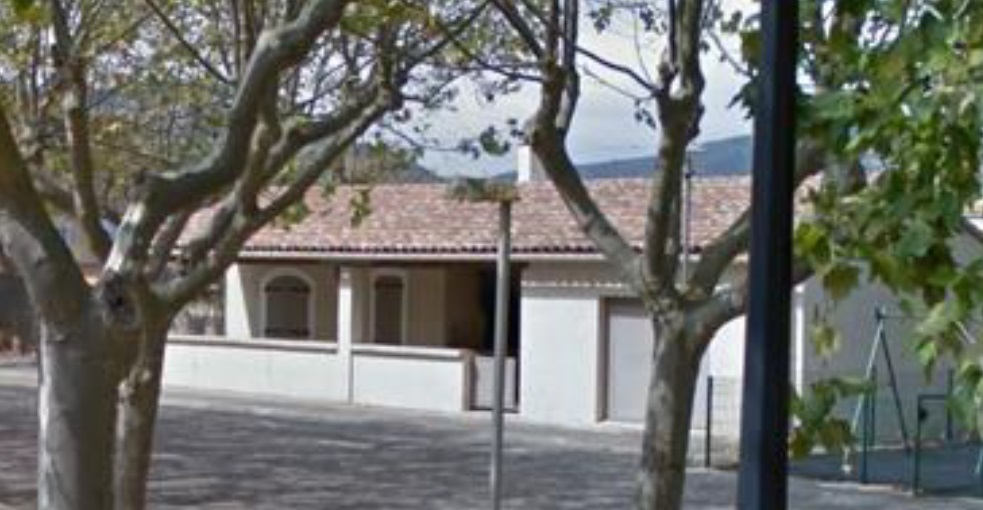
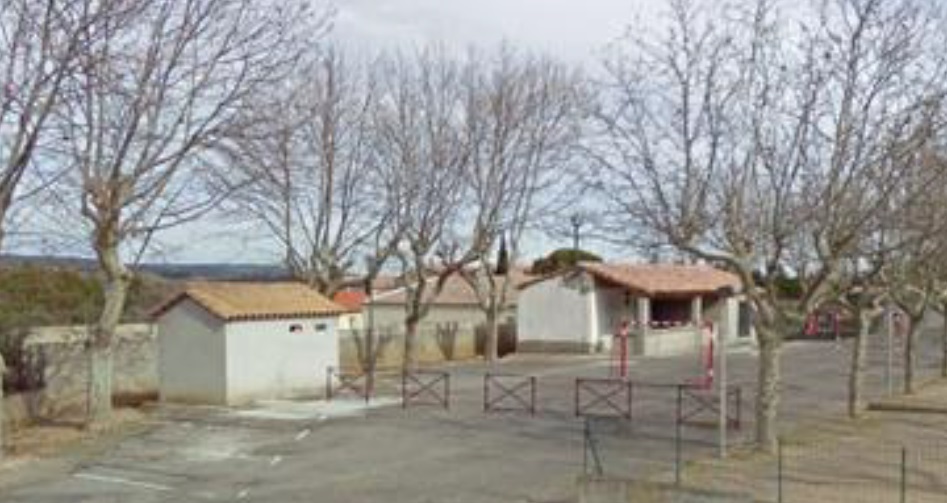
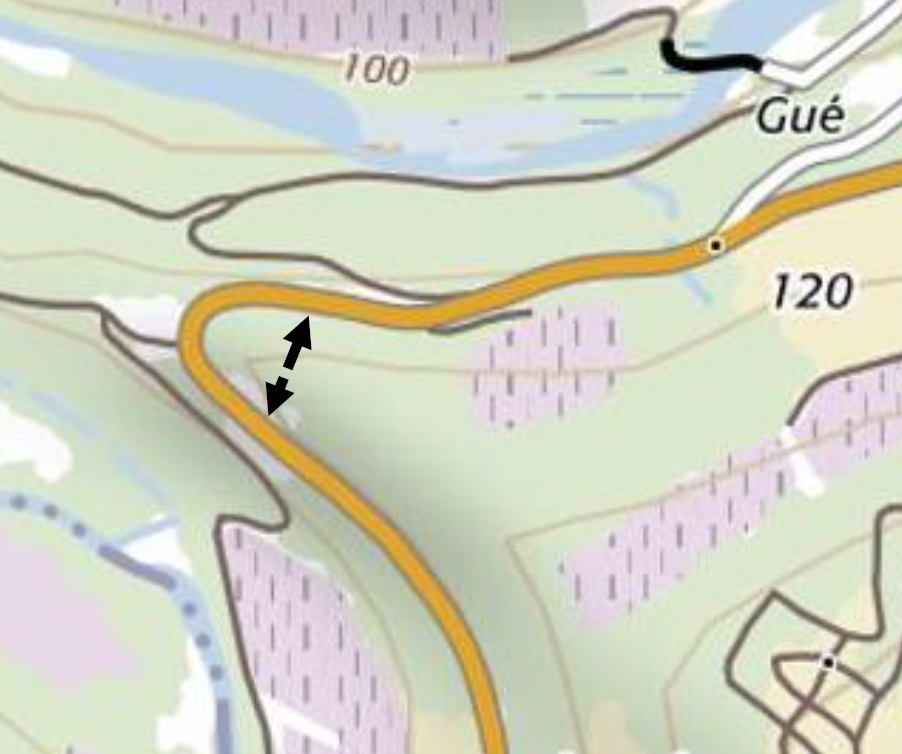
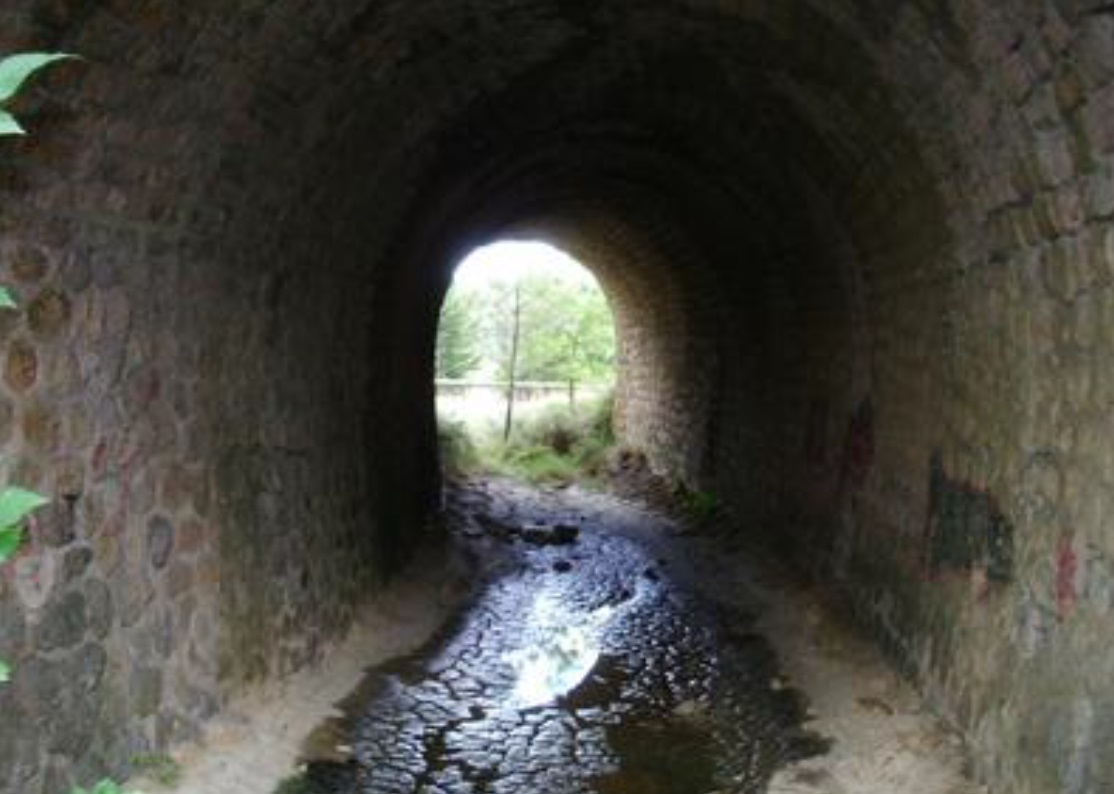
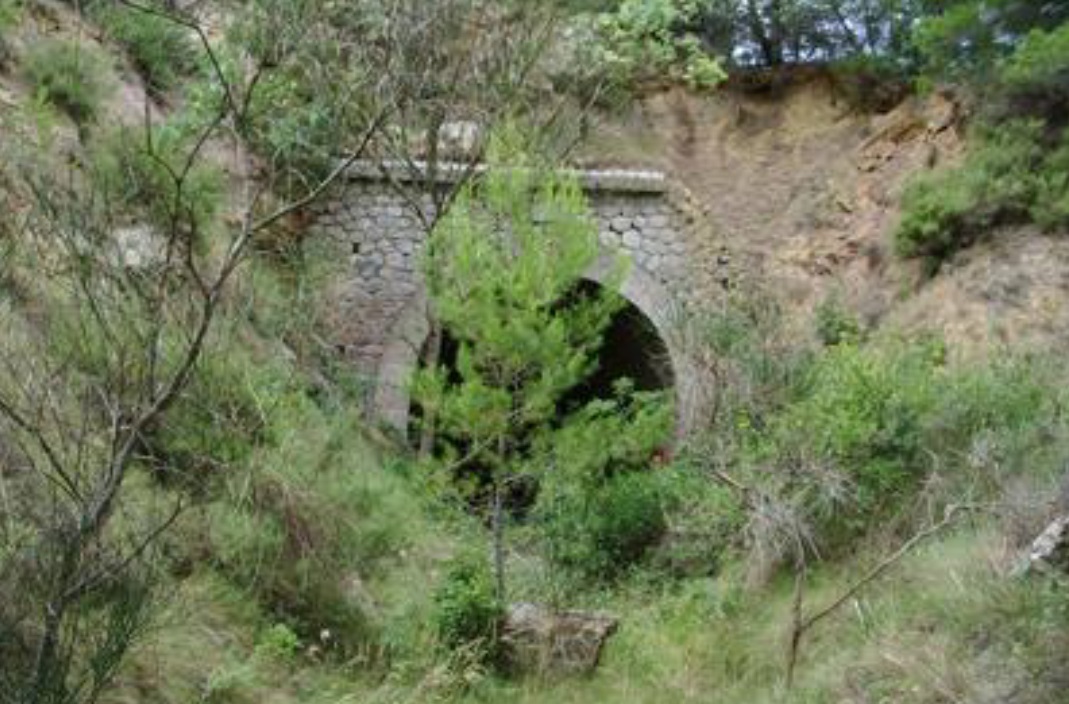
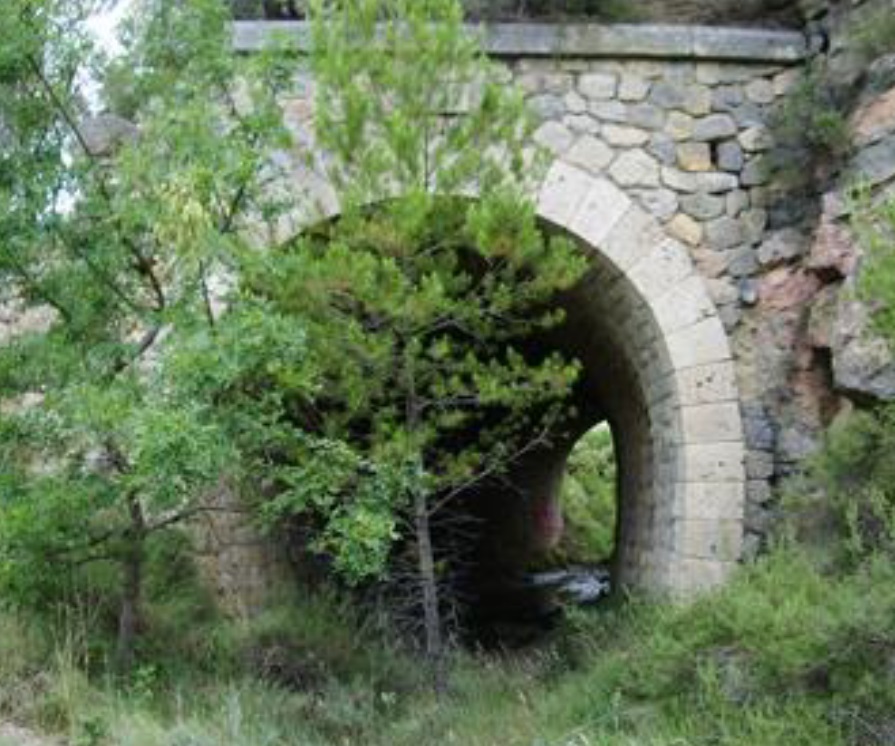
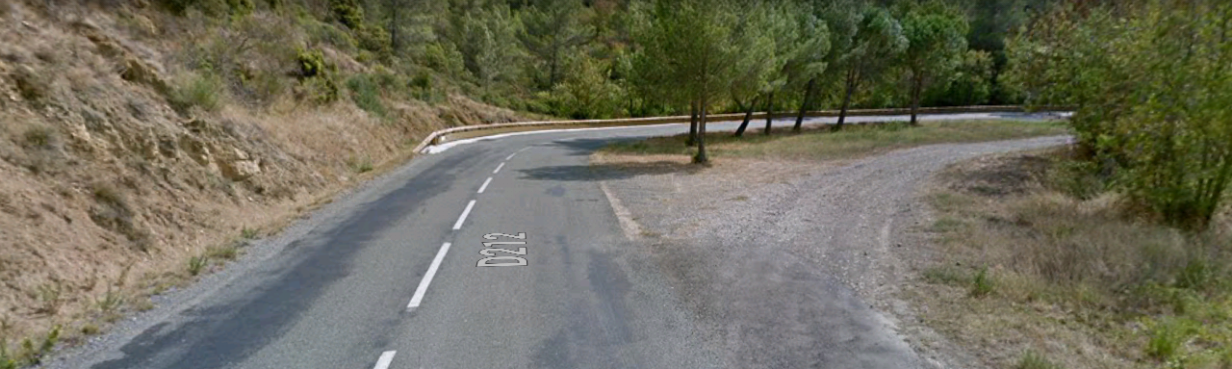
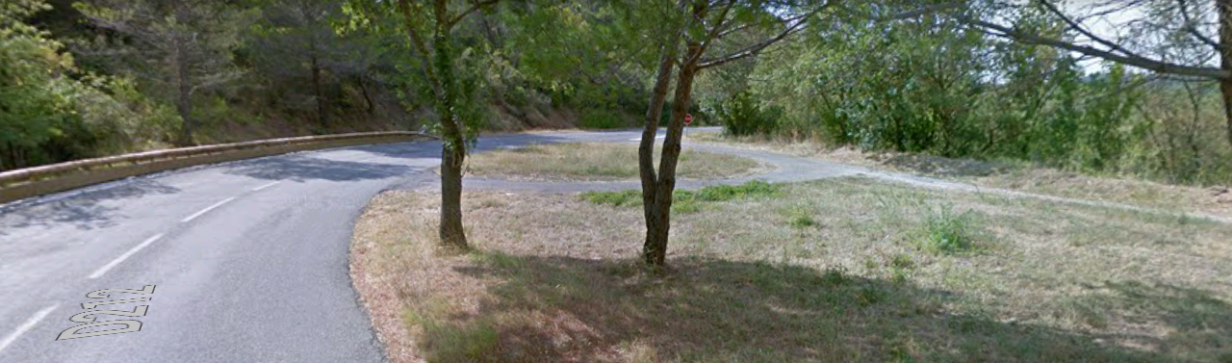
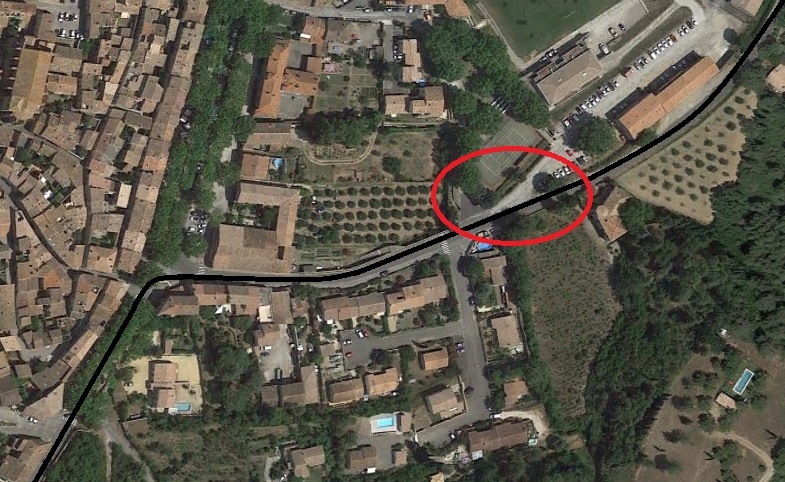
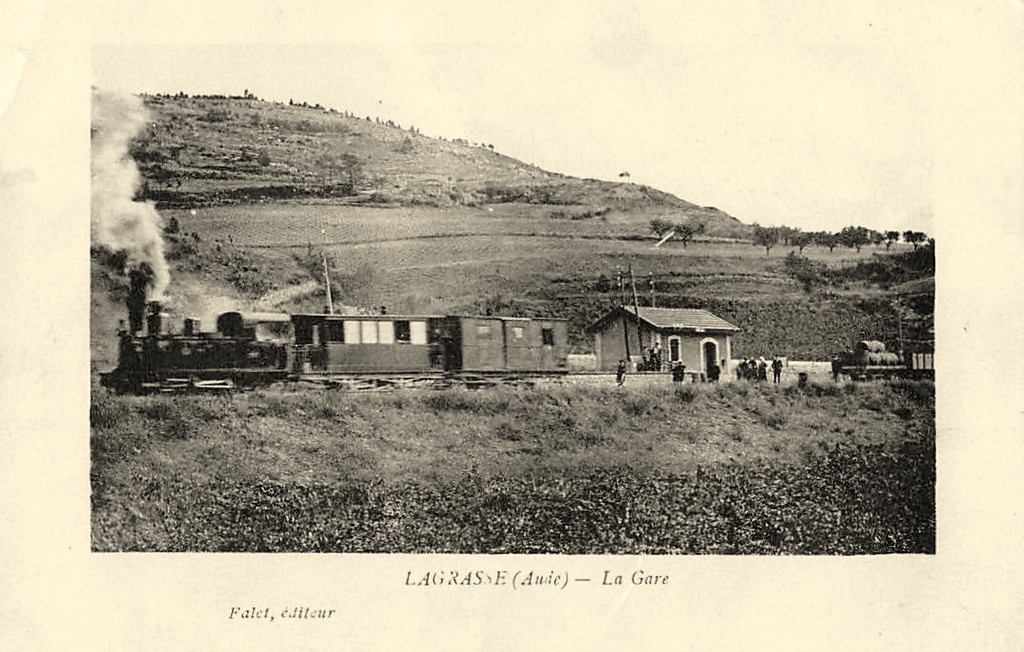
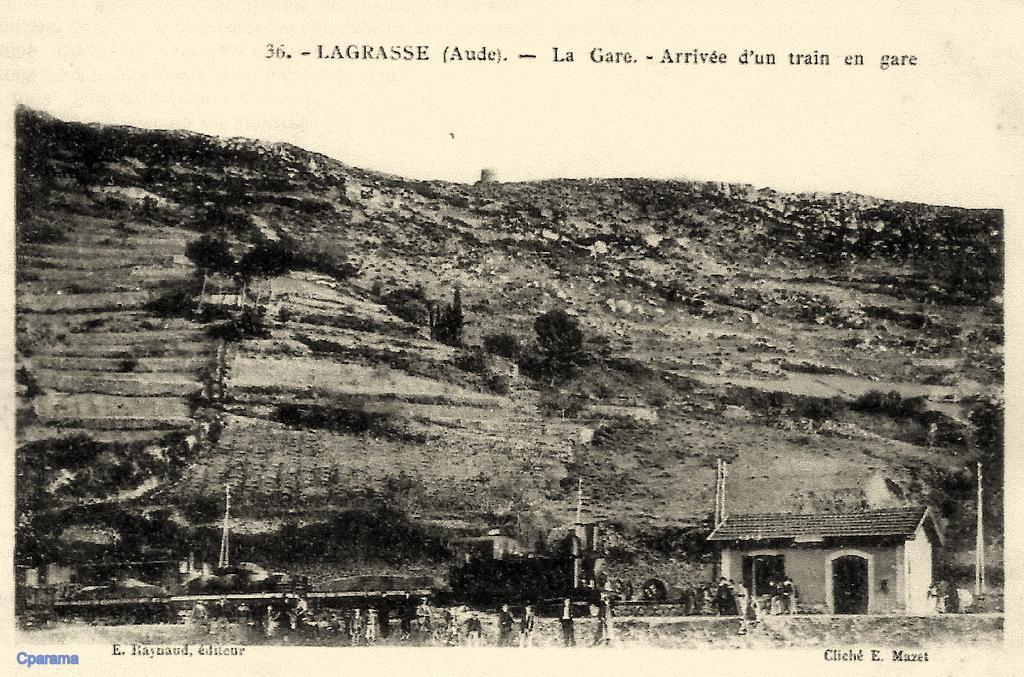
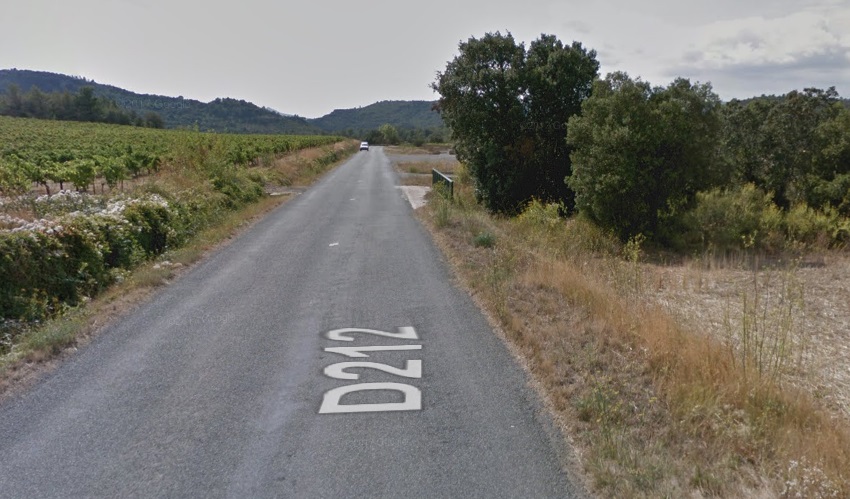
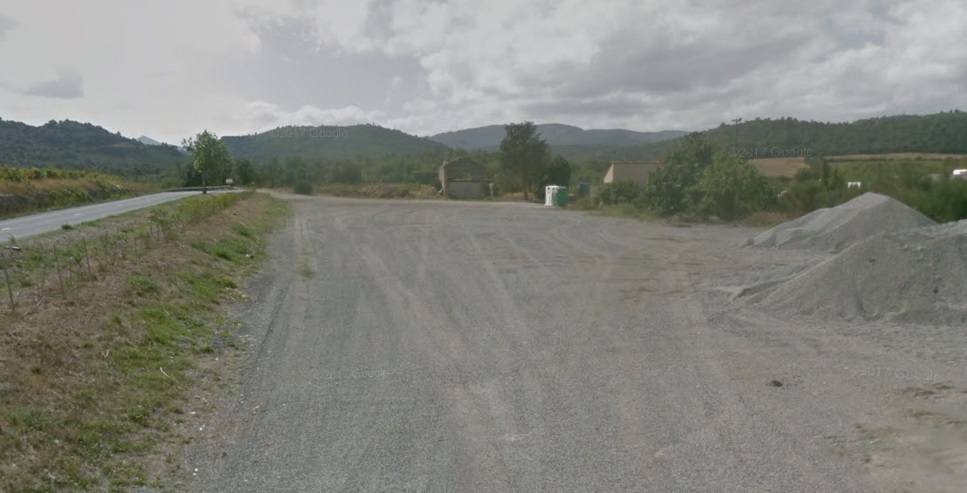
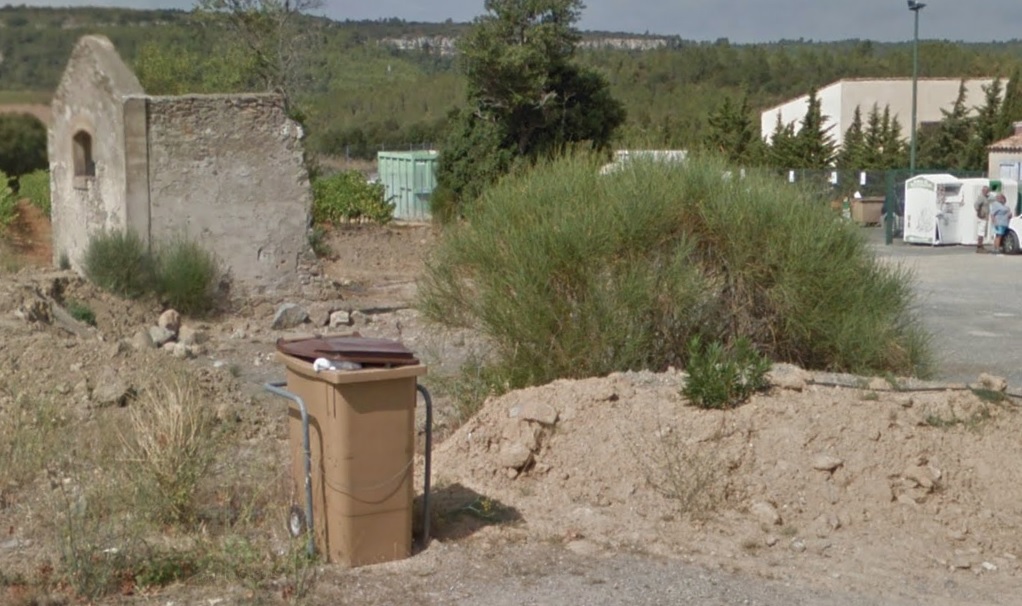

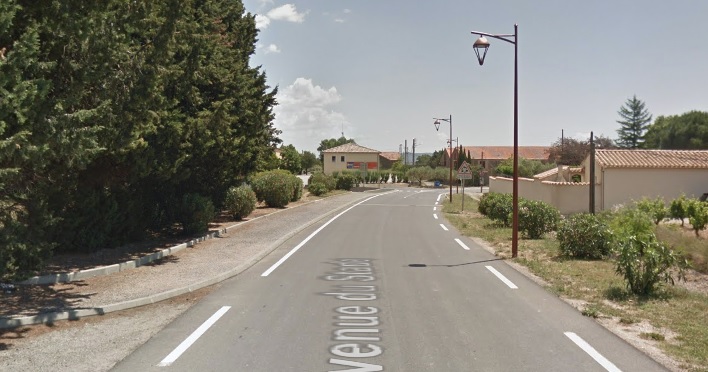
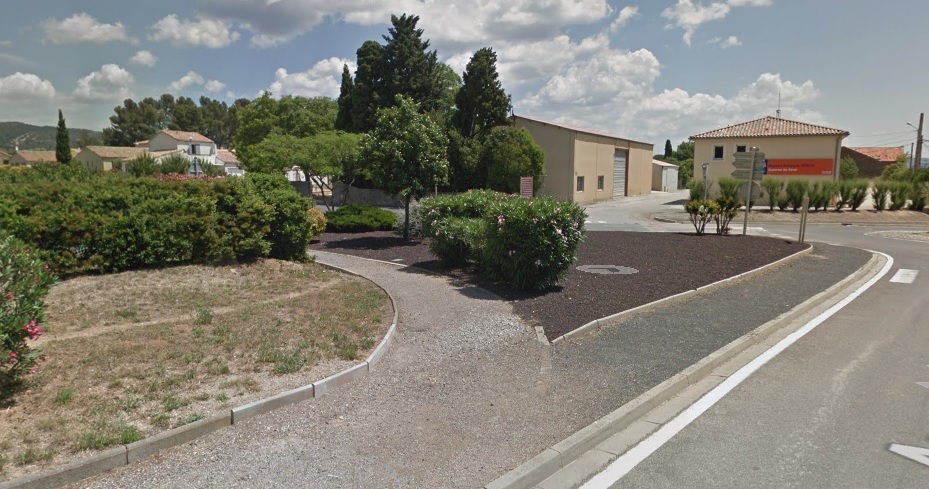
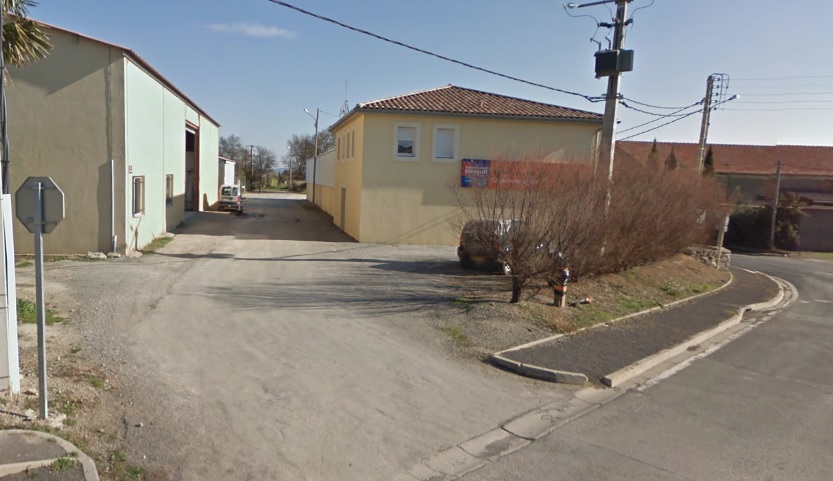
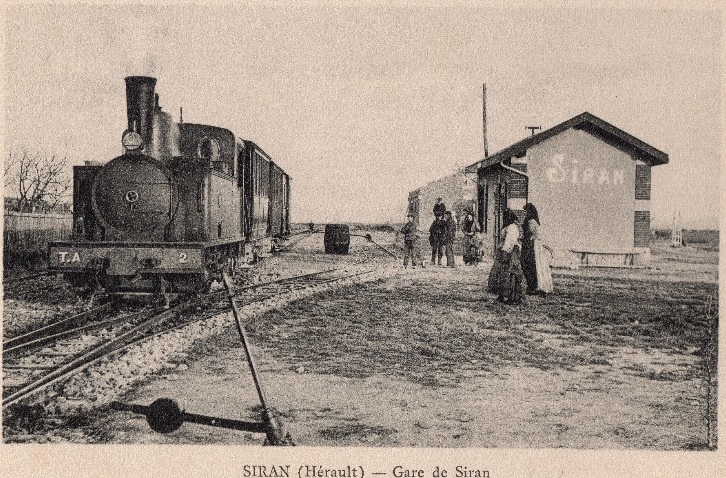
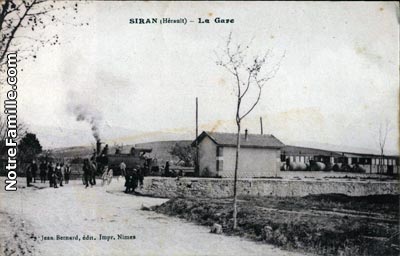
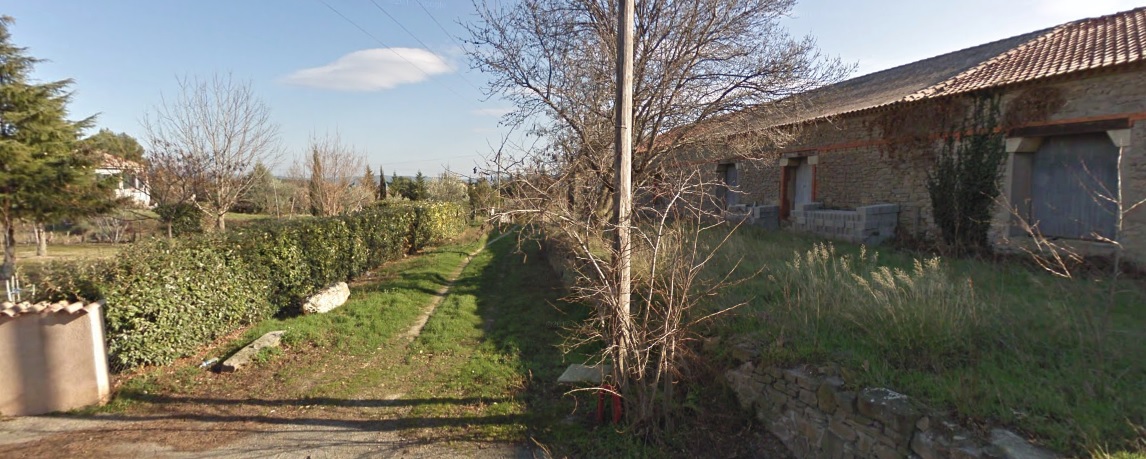
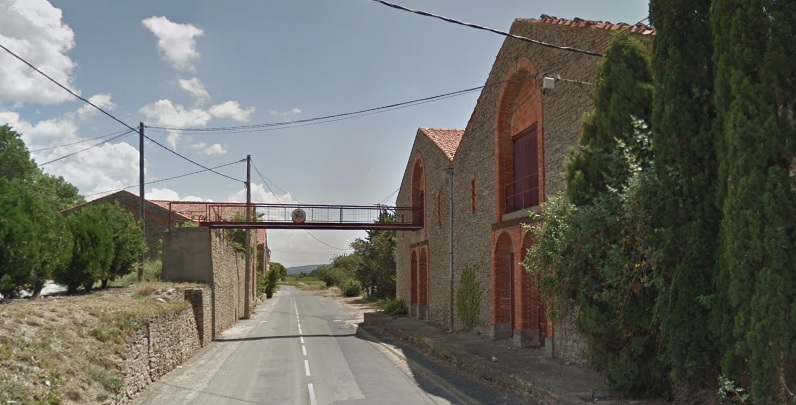
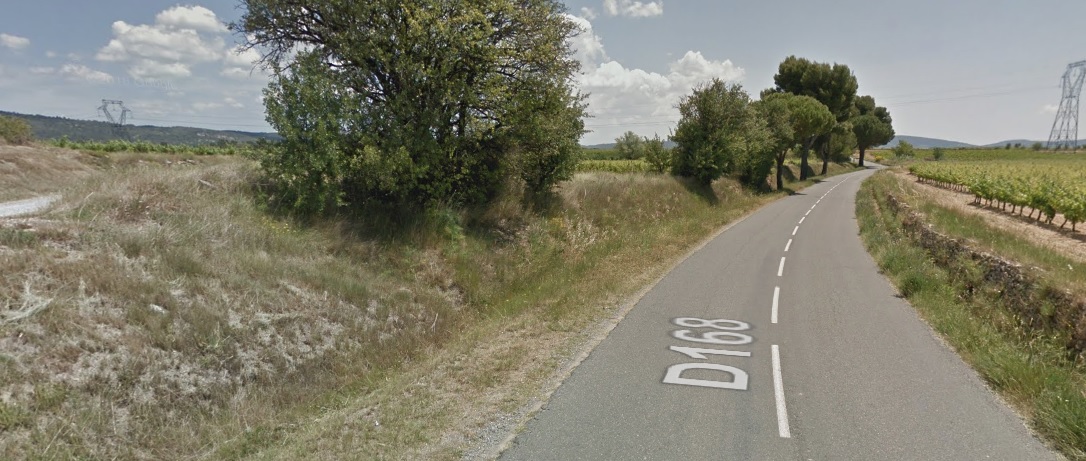
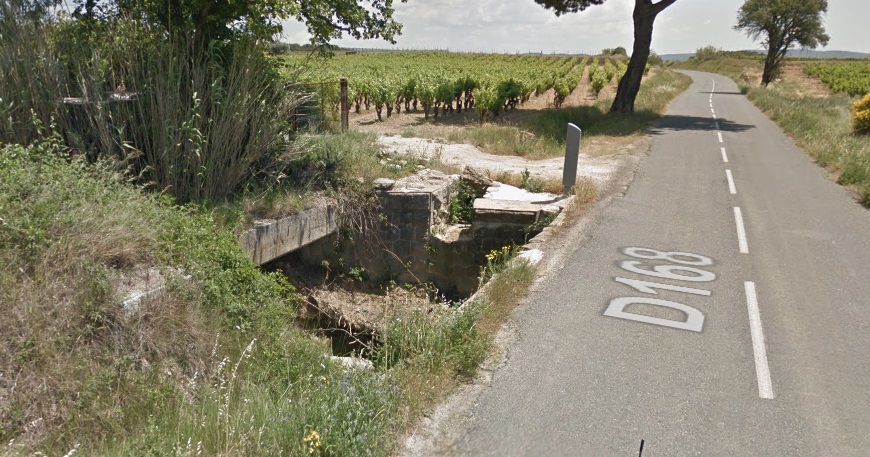
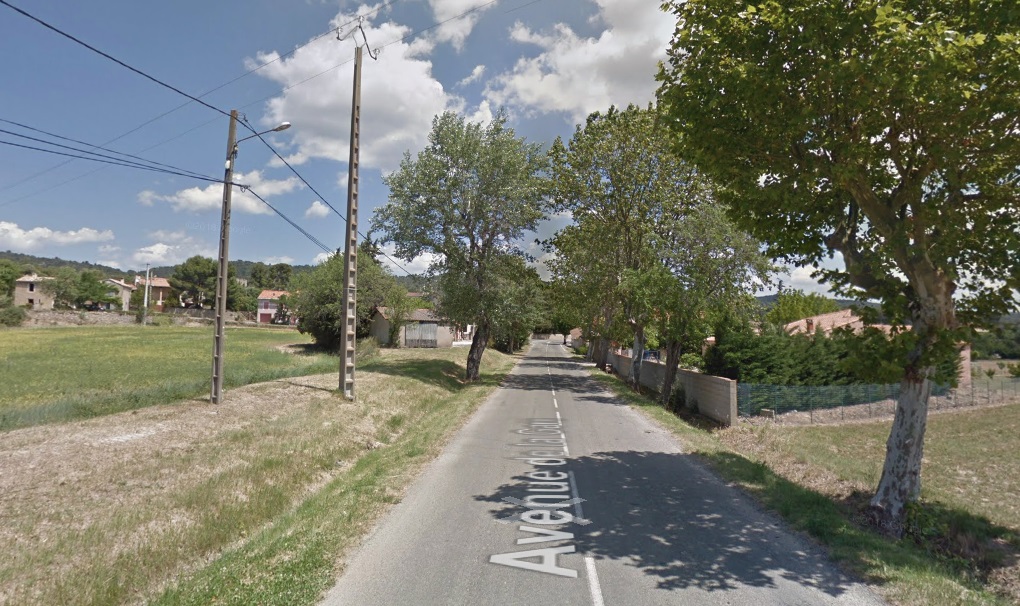
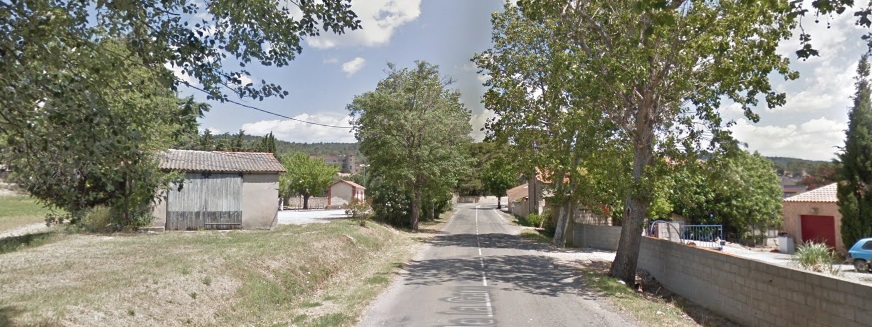
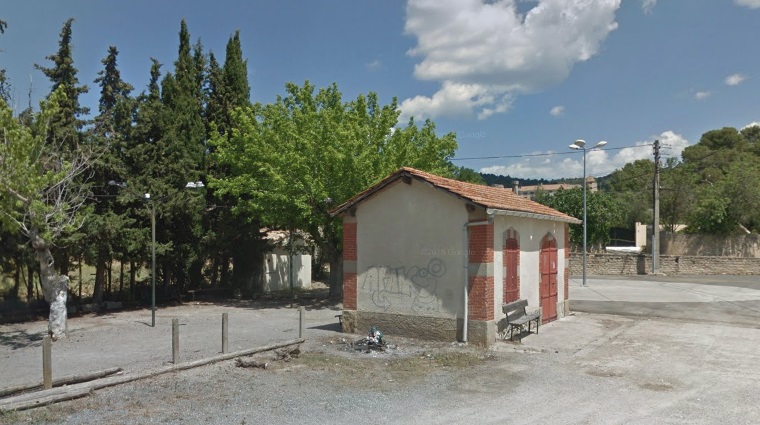
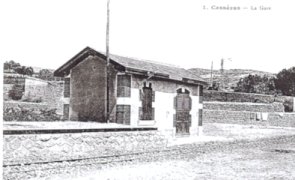
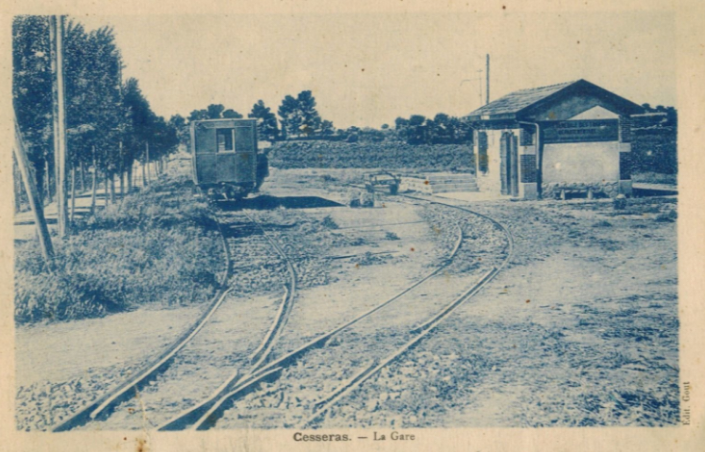
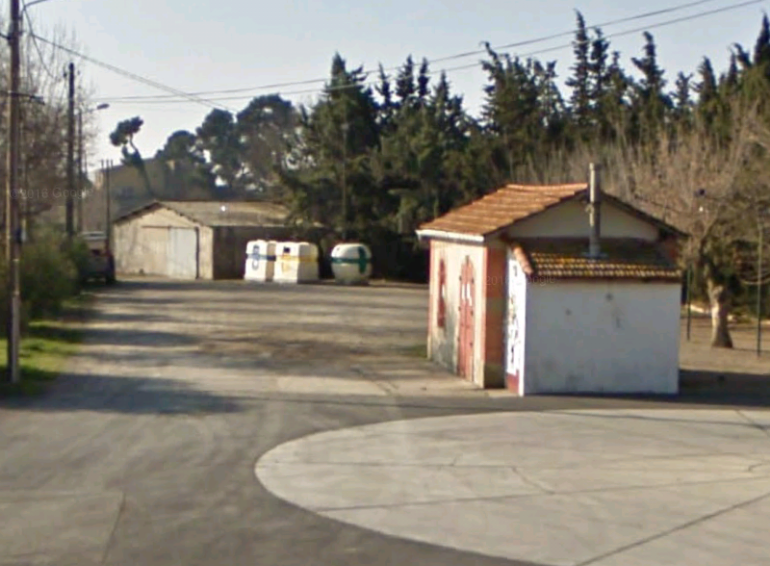
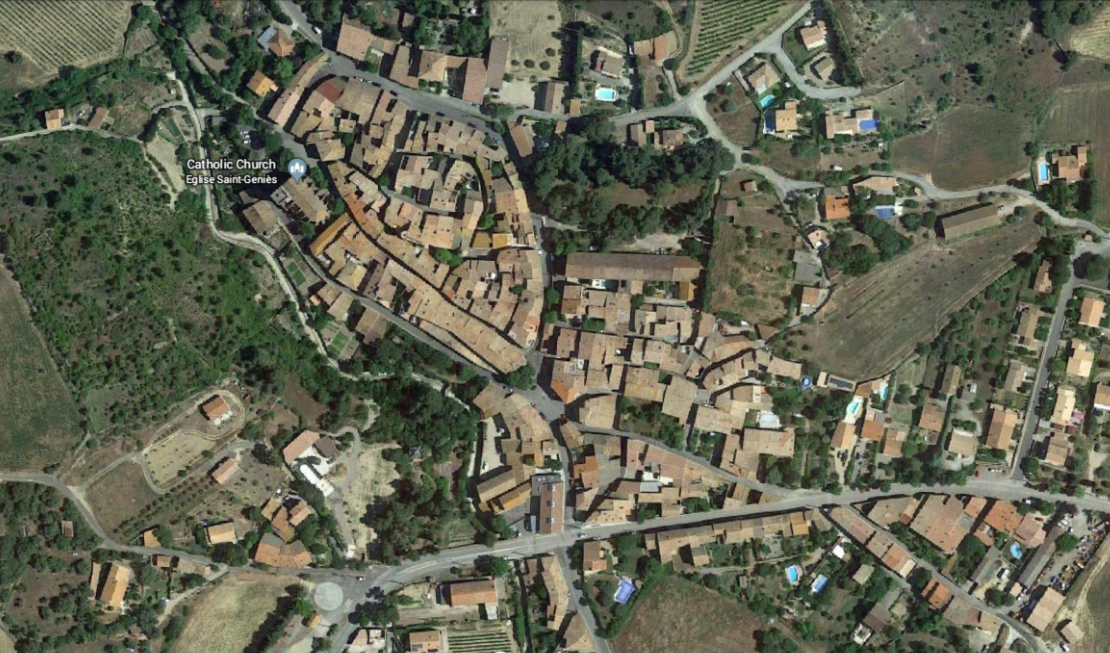
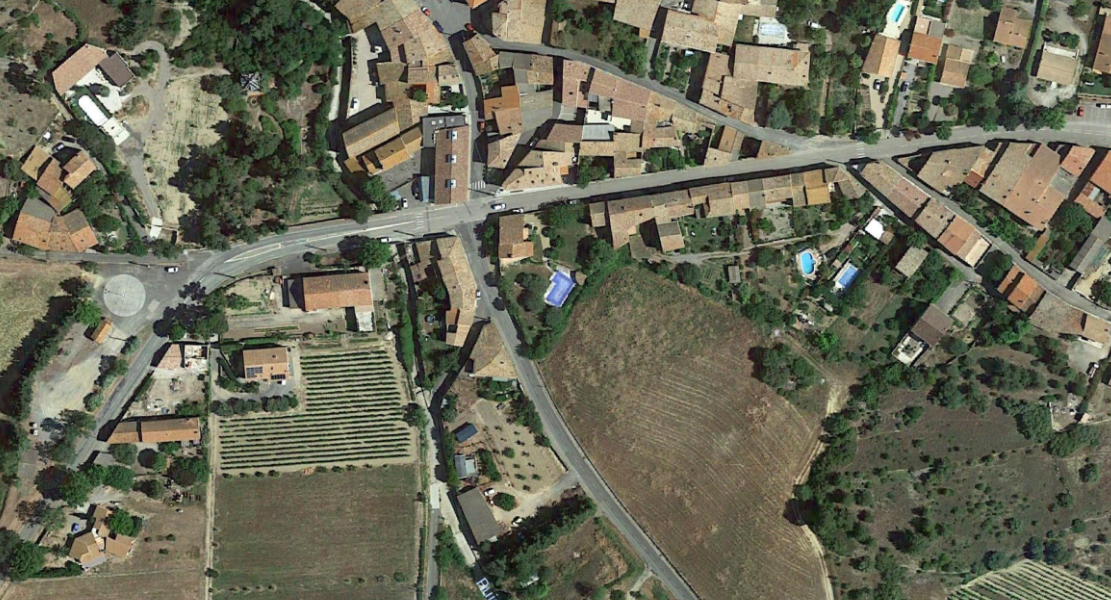
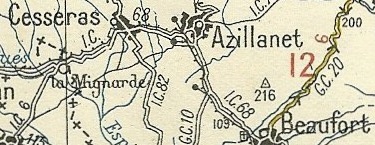
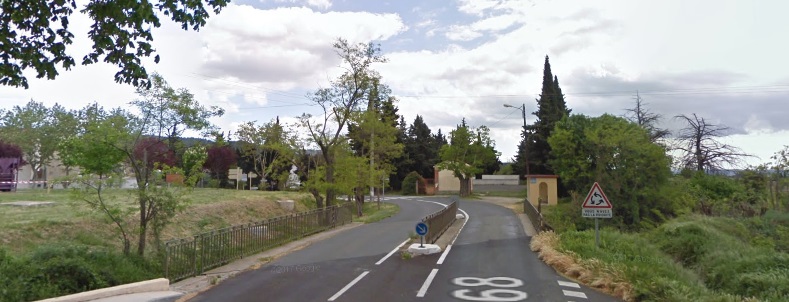
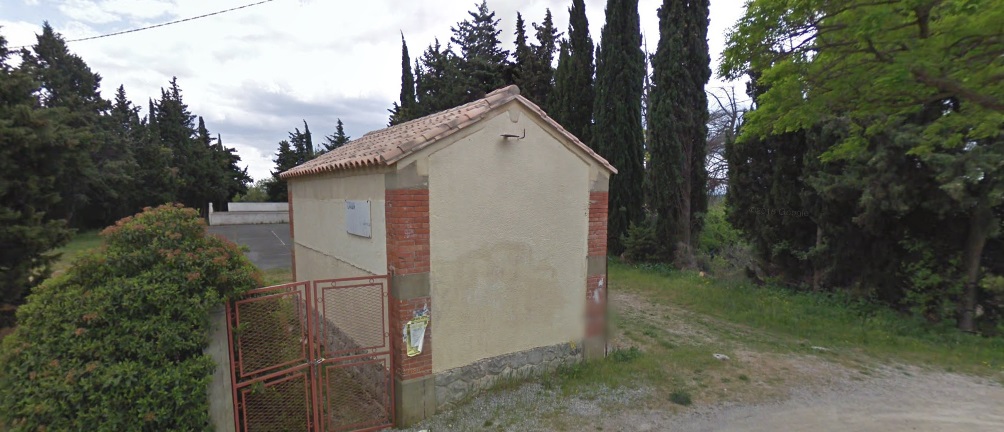
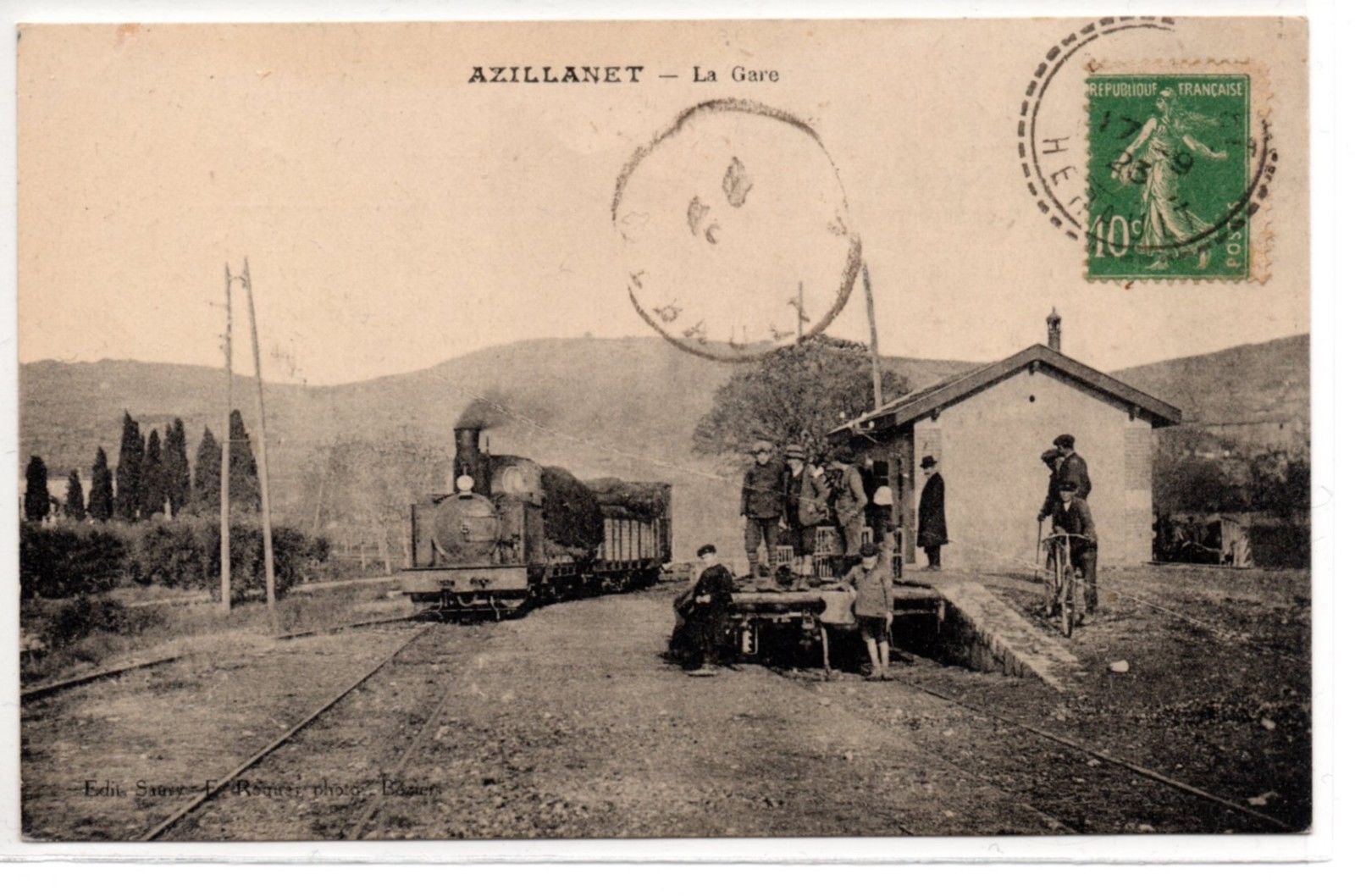
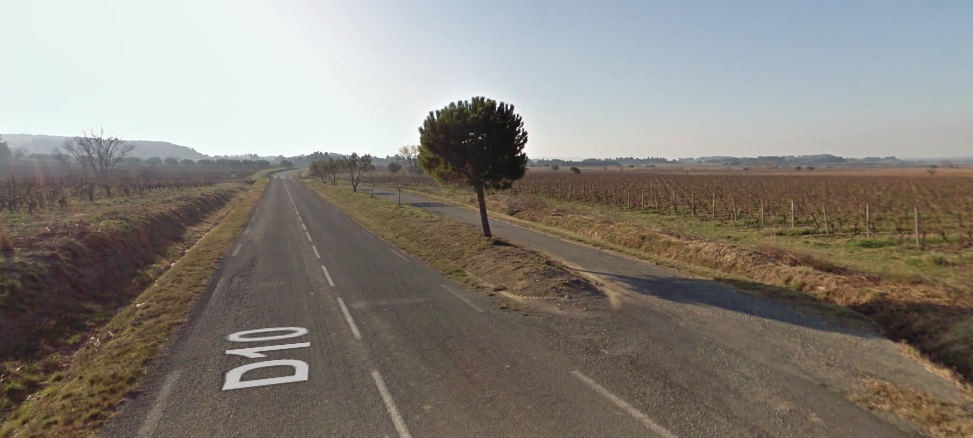
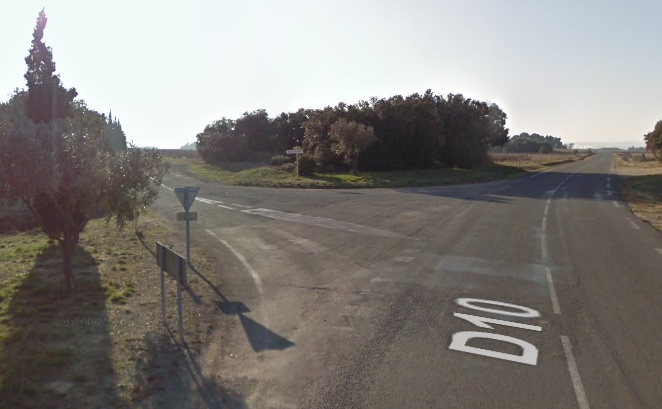
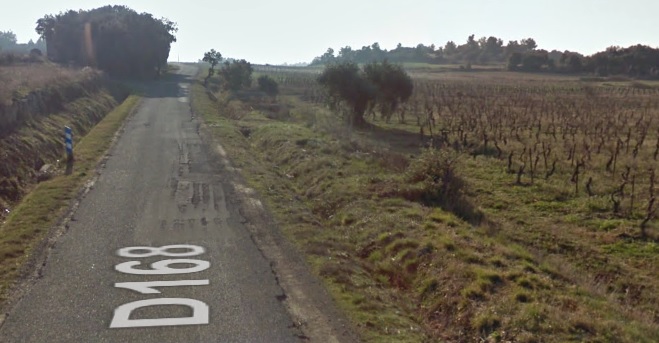
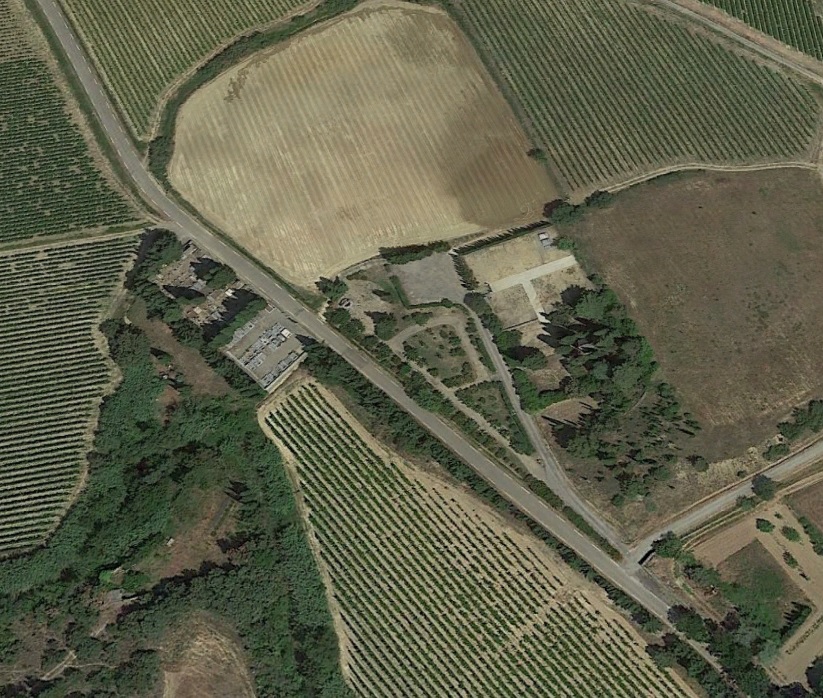
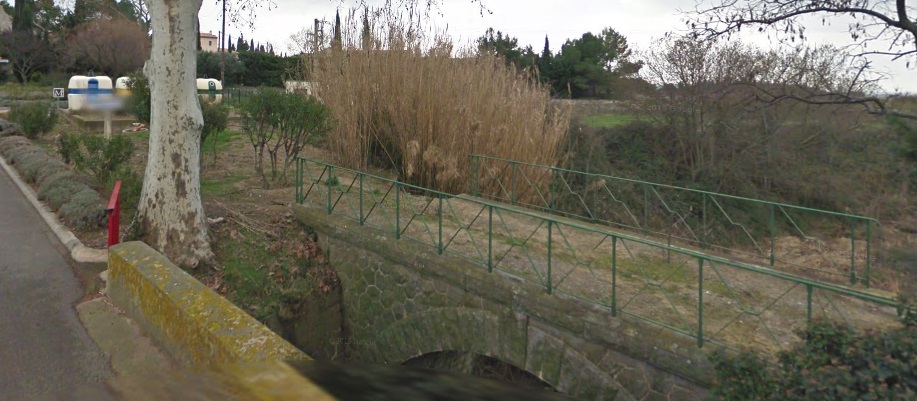
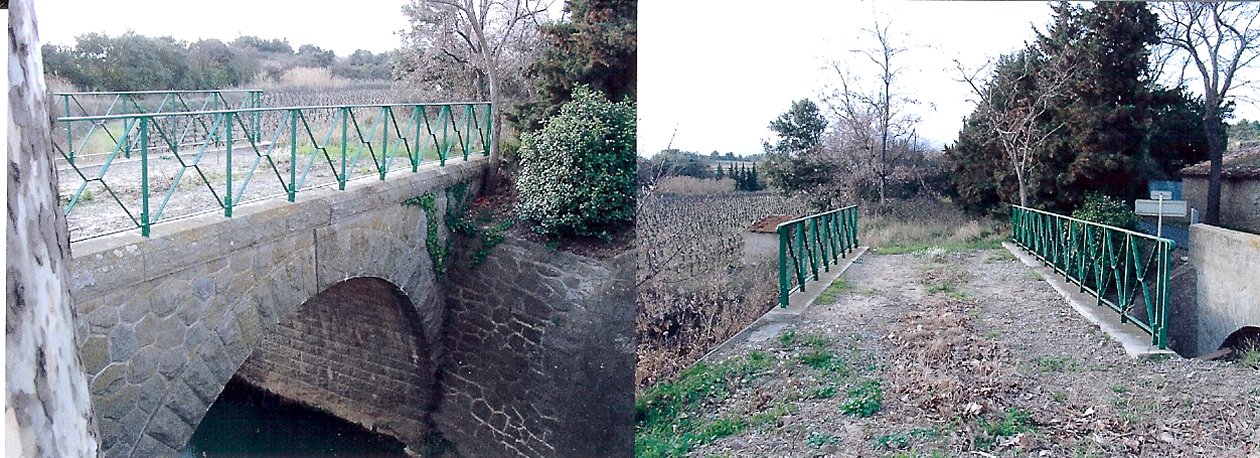
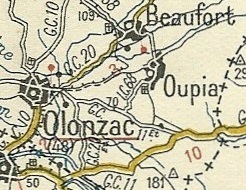
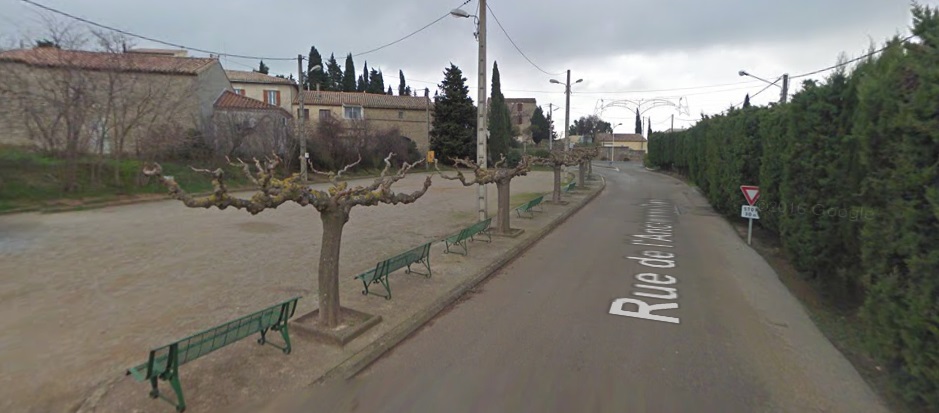
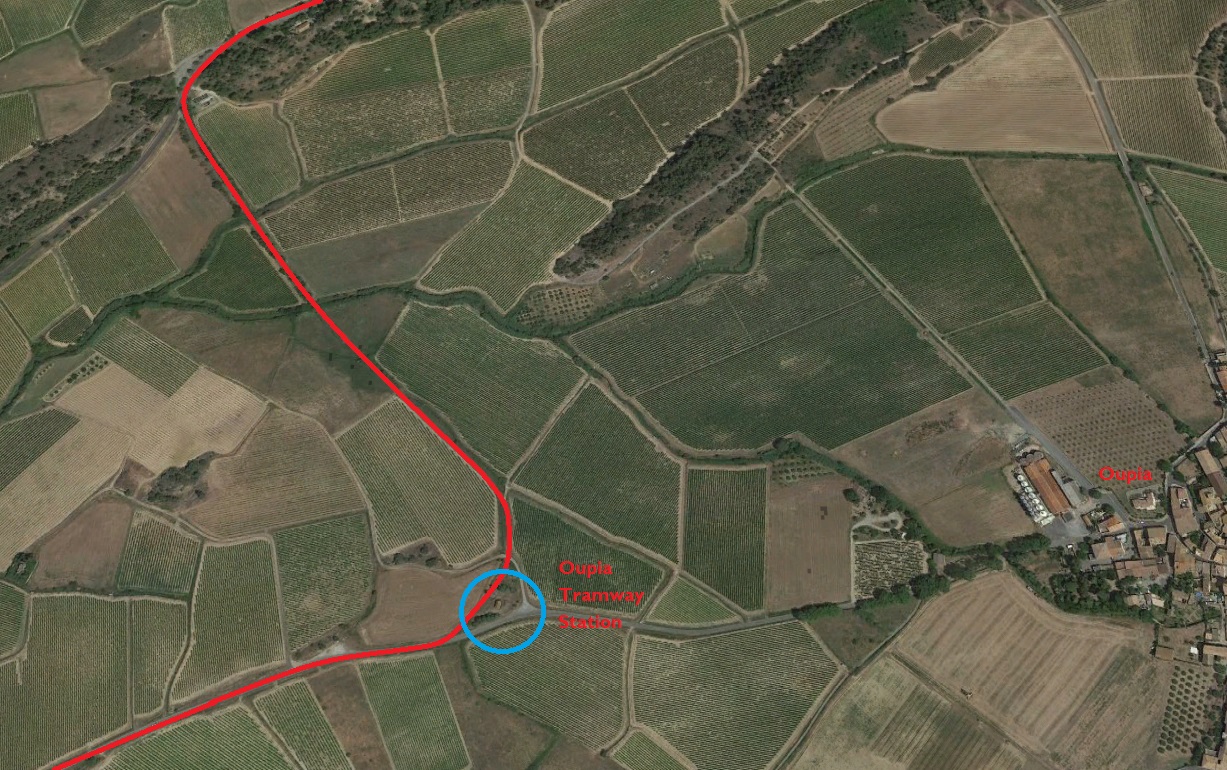
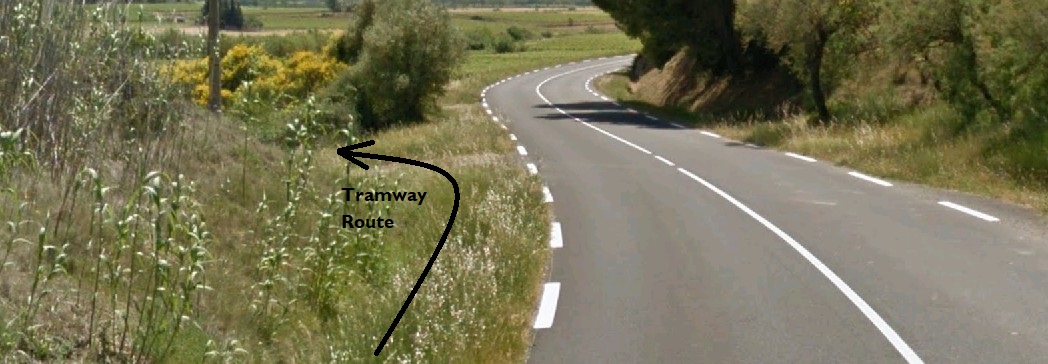
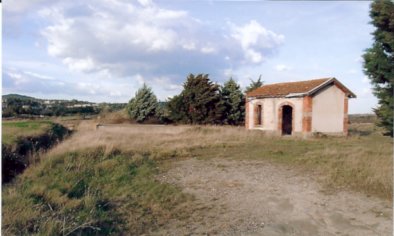
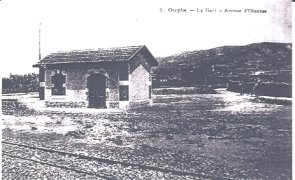
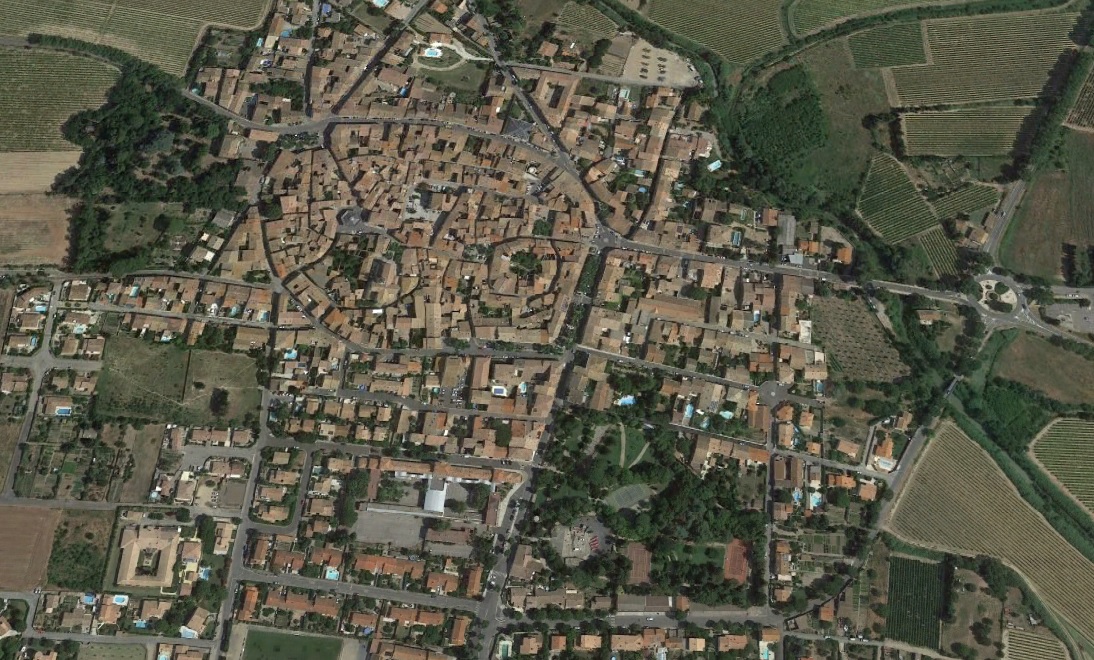
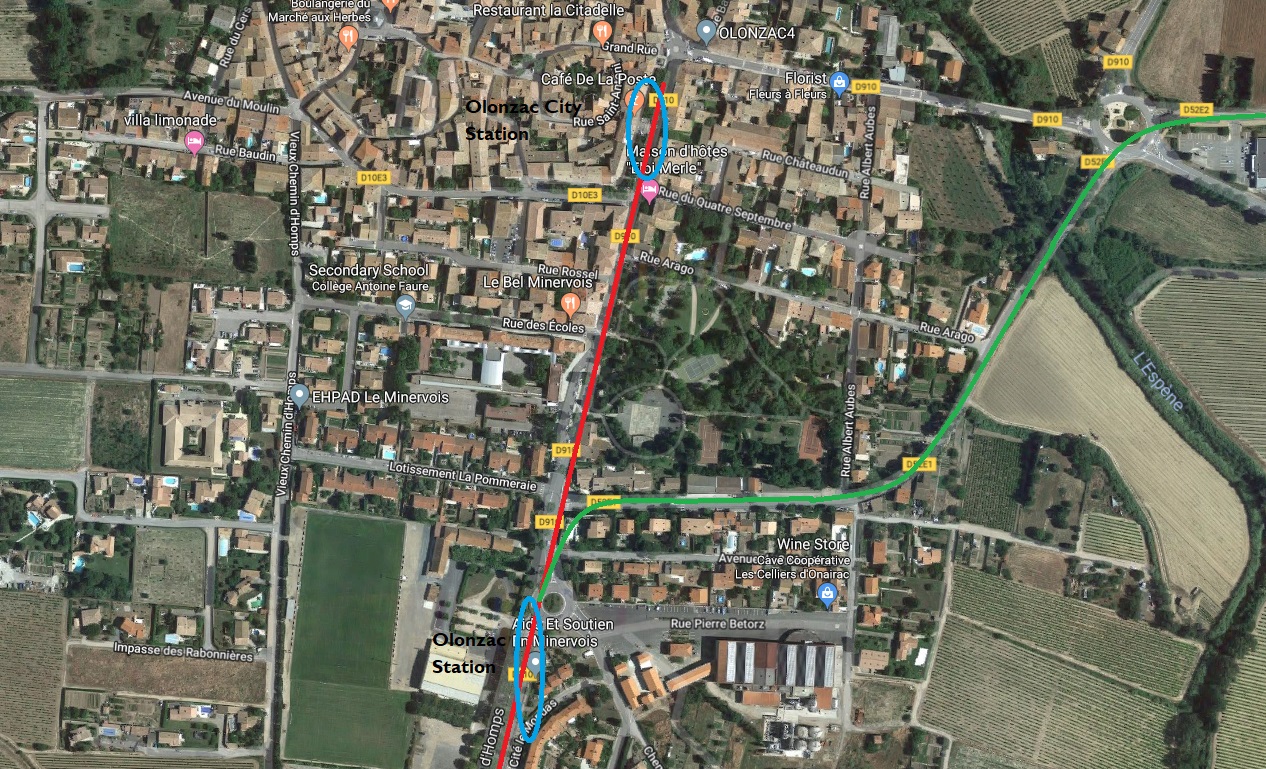
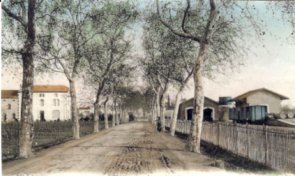
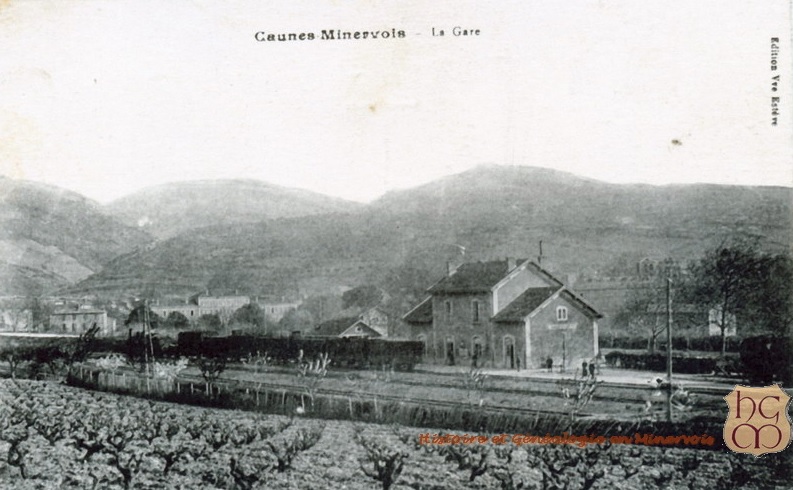
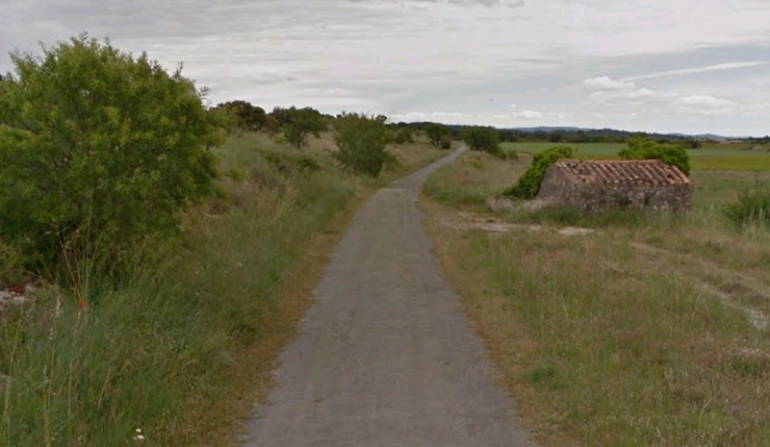
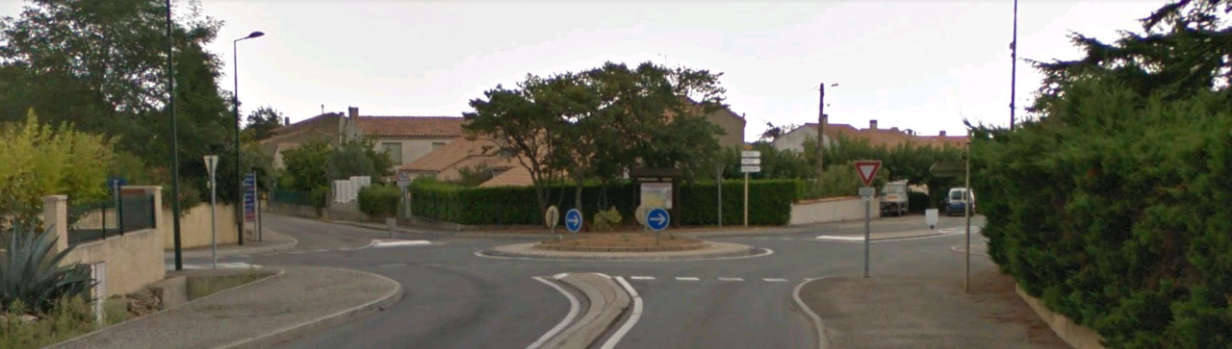
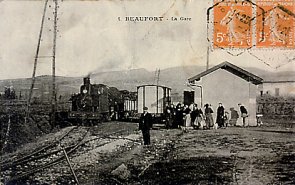 The tramway then left the road to cross on the south side of the village of Beaufort before crossing the road to Olonzac – the GC 20 (D910). The route of the tramway has been converted into a minor road – Rue de l’Ancienne Gare. The monochrome postcard view below shows the old station in its heyday. A passing loop was provided along with a small station building. The old station site is now an area for playing boules/petanque. Beyond the station the line crossed followed the route to Olonzac (the GC20 (D910)) for a few hundred metres before heading across the fields towards Oupia.