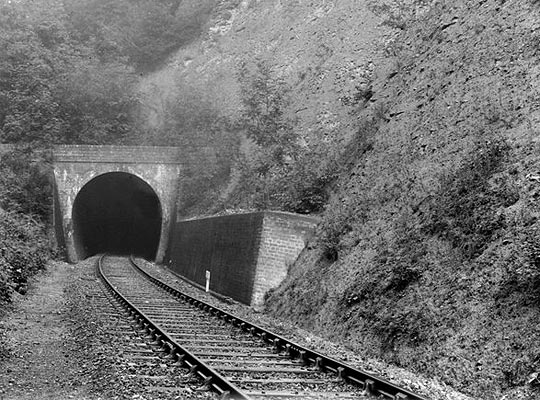
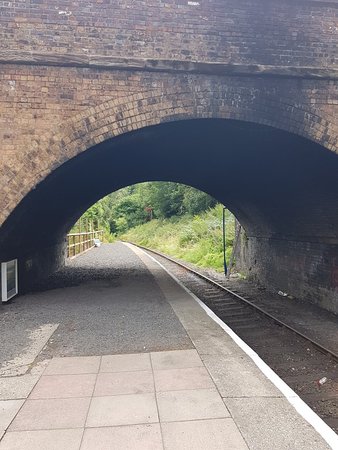
This is little more than a mildly interesting aside. Or perhaps an addendum to the short series about the Line between Wellington and Craven Arms. ….
The small companies that built the different lengths of the railway line between Wellington and Craven Arms struggled to manage their assets without support from the Great Western Railway. The GWR first began to operate the services on the line in the period after each section was opened, before gradually absorbing the companies that owned the different sections of the line.
“Small railway companies reliant on a dominant partner often found that continued independence was not worthwhile.” [1][6]
The Wenlock Railway experienced problems completing their railway through to Marsh Farm Junction/Carven Arms. It was an agreement with the GWR that made completion possible.
“In 1865 the GWR agreed to make an annual payment of £5,000 to the Wenlock Railway as a commuted payment for working the line between Wenlock and Presthope, and this cash inflow enabled the Wenlock Railway to resume construction. By the end of September 1867 the line on to Marsh Farm was thought to be ready, but Colonel Rich for the Board of Trade condemned the rail chairs of 21 lb. and 22 lb., saying they were too light and had to be replaced by 30 lb. chairs. This decision meant that the whole of the track between Presthope and Marsh Farm Junction had to be taken up and relaid at an extra cost of £2,244. On 9th December 1867 Colonel Rich approved of the line, and the entire line from Buildwas to Marsh Farm Junction was opened to passenger traffic on 16th December 1867.” [1][2: p57 & 252][3: p304][4: p112][5: p34]
“The relationship between the Wenlock companies and the GWR was not smooth; the small companies resented the large proportion of income – 42.5% – that the GWR was retaining for working the line, and there were many detailed issues that became contentious. In 1861 the London and North Western Railway had opened its Coalport branch line, and the possibility arose of connecting the Wenlock lines to it, by-passing the GWR. In 1872 plans were prepared for a line from Lightmoor to the LNWR line near Madeley Court; incidentally the line would also link in furnaces at Stirchley, Hinkshay and Blists Hill.” [1]
There were some sound reasons for the line being considered. Had construction taken place the LNWR would have succeeded in gaining access to the full line through Much Wenlock to Craven Arms. The Coalbrookdale Company was, at first, supportive of the scheme. Its support was critical to the viability of the proposal.
The title and introduction to the Act of 21st July 1873. [7][8]
The Act allowed for the construction of two lengths of railway:
The first was four furlongs three chains and fifty decimals of a chain in length, commencing in the parish of Madeley by a junction with the Great Western Railway (Lightmoor to Coalbrookdale Branch) near Lightmoor, and terminating in the said parish of Madeley in a pasture field called Near Moors, numbered 201 on the tithe map of the said parish; [8]
The second was seven furlongs three chains and fifty-four decimals of a chain in length, commencing in the said parish of Madeley by a junction with the said intended railway No. 1 in a pasture field called Near Moors, numbered 201 on the tithe map of the said parish, and terminating in the parish of Stirchley by a junction with the Coalport Branch of the London and North Western Railway. [8]
The “Much Wenlock and Severn Junction (Lightmoor Extensions) Act, got the Royal Assent on 21st July 1873. … The Wenlock companies had relied on the Coalbrookdale Company subscribing a substantial sum to the construction, but now that Company said that the downturn in the Shropshire iron trade meant that they could not do so. There was now no possibility of making the new line.” [1][2: p65-66]
“The Wellington and Severn Junction Railway had long been leased to the Great Western Railway, so that the smaller Company was simply a financial entity. In July 1892 it agreed terms with the GWR and was absorbed by it.” [1][6]
“This left the [other] Wenlock companies in an uneasy relationship with the GWR. In December 1887 the GWR made new proposals for the payments it would make for working the line, but the smaller companies stalled. In fact, the working agreement with the GWR expired at the end of June 1893, but by the end of December 1893 agreement had still not been reached, and the GWR stated that it was not prepared to continue to work the line on the present terms. The GWR offered terms for purchasing the companies, but these were refused. In frustration the GWR threatened to cease working the line. The Wenlock Companies [ultimately had to accept] the GWR terms; the takeover was effective from October 1896.” [1][2: p53]
Ken Jones; The Wenlock Branch. Oakwood Press, 1998.
Ernest F Carter; An Historical Geography of the Railways of the British Isles; Cassell, London, 1959.
Rex Christiansen; A Regional History of the Railways of Great Britain: volume 13: Thames and Severn; David and Charles (Publishers) Limited, Newton Abbot, 1981.
E T MacDermot, History of the Great Western Railway Volume 2: Great Western Railway, London, 1931.
John M. Tolson; In the Tracks of the Iron Masters; in The Railway Magazine, London, July and August 1964.
In this second article we look at Par and its harbour, include some information about Treffry’s Tramway which transported goods to and from the Port and take note of St. Blazey Loco Shed. …
“Par Harbour was built in 1829 by a local entrepreneur Joseph Thomas Treffry who was known as the “King of Mid Cornwall”. [1: p13]
“The first ships used the port at Par in 1833 and it was finished in 1840. The breakwater enclosed 36 acres (15 hectares) of harbour and was capable of taking up to about 50 vessels of 200 tons each. The port is tidal so the vessels would sit on the bottom at low tide. Cornish granite was exported from Par in the early days for such famous landmarks as Waterloo Bridge in London, Chatham Docks, Gibraltar Docks & Glasgow Docks.” [33] As the china clay industry grew during the 19th century this became the main export through the port.
The first map below comes from the Ordnance Survey 1st series of the very early 19th century.
Par Harbour, OS First series, early 19th century. [5]Old map of Par Harbour shared on the St. Blazey and Par Old Photos and Postcards Facebook Page on 18th June 2019. [6]
Coal needed to be imported from Wales to power Treffry’s mines, and copper, lead, and granite needed to be exported all over the country. Treffry, as a leading industrialist of the time, “had an urgent need for a harbour to serve his mines and quarries and the narrow streets of Fowey hampered the process when cargos could only be transported from the mines by mules and wagons. After he had completed his safe haven, up to fifty small sailing vessels of the time could be accommodated in the harbour, while larger ships lay at anchor in St Austell bay where their cargoes were loaded from barges. Other industries and businesses developed inside the port area such as ship repair, rope works, sail making, timber and coal merchants and brickworks.” [1: p13]
Hugh Howes notes that the new harbour “was a vital outlet for minerals particularly the expanding china clay industry and a rival to Fowey, Pentwan and Charlestown. [Teffry’s] Fowey Consols Mine was reaching its peak production in the late 1830s at 15,000 tons. The output at Par Consols Mine peaked a little later at nearly 8,500 tons. They were producing profitable amounts of copper at that time. … He had brought industrial success firstly with the copper mines in Tywardreath and St. Blazey, then with the granite workings at Luxulyan, and finally with china clay extraction to serve the fast developing ceramics industry in the Potteries.” [27: p48-49]
The Par Canal was built by Treffry to transport his minerals from Pontsmill to Par Harbour and was operational from 1833 [8][33], 1842 [1: p21] or 1844 [10], depending on which source you rely on. A number of tramway inclines were associated with it. One from Fowey Consols Mine to a location to the South of Pontsmill was in use by 1835. A second, was built a little to the South of the first, both seem to have served Fowey Consols Mine. A third tramway inclined plane was built between Par Consols Mine and Par Harbour. That inclined plane was working by 1841. [8] The Canal was closed in 1873. [10]
The Treffry Tramway was built in stages. The first length headed North from Pontsmill to Colcerrow Quarry and included an incline to lift the line out of Pontsmill. This line was extended to Molinnis near Bugle. To get there a large viaduct was needed, to cross the valley of the River Par (the Luxulyan Valley). The Teffry Viaduct, was 648 feet in length with ten arches, and was 98 feet high. It was the first large granite viaduct in Cornwall. This section of Treffry’s tramway opened in early 1844. [8]
Construction of the Tramway continued from it’s planned Northern terminus at Newquay. There were delays as a result of Treffry’s death in 1850 but his work was eventually continued by his cousin who had the Hedra Incline operational by 1857 at the latest, possibly as much as five years earlier. [7]
The Fowey Consols Mine was geologically exhausted by 1865. It closed, as did the connecting tramway inclines. Copper extraction in the area was in steep decline, tin ore extraction proved commercially unsuccessful, but granite quarrying “enjoyed an upsurge, and new quarries opened on a small scale at Rock Mill Quarry and Orchard Quarry, above Pontsmill on the south-west side of the river. In 1870 a branch of the tramway was extended from near Pontsmill to serve the two quarries. The line was on the north-east side of the river, and it had two branches for the quarries; each of them crossed the river, and the Orchard Quarry line had an incline to reach the site. The tramway on the incline may have been narrow gauge and was probably gravity operated.” [7][12][14]
Joseph Treffry’s decision in 1844 to use horse-power meant that by the 1870s his tramways were becoming inefficient. Modernisation was essential but the Teffry Estate’s finances precluded that work being undertaken solely by the estate. [7]
In 1872 William Richardson Roebuck leased the tramways. He formed a limited company, the Cornwall Minerals Railway Limited and obtained “parliamentary authority on 21st July 1873 to acquire the lines, form a new railway to connect them, and to make an extension to Fowey, and to improve the original tramway sections so as to make them suitable for operation by steam locomotive.” [7][11][6][15]
“The Cornwall Minerals Railway (CMR) took over Treffry’s lines and improved them. They quickly built the link between Hendra and Molinnis, and their new line to Fowey, and Treffry’s vision of a through line from Newquay to Fowey was realised when on 1 June 1874 the CMR opened the line throughout.” [7] The line required a “new route up the Luxulyan Valley so as to avoid the rope-worked Carmears Incline.” [7]
“The new line in the Luxulyan Valley by-passed the Treffry Viaduct, but Colcerrow Quarry continued to be rail served. Traffic from the quarry reversed at the junction with the old main line at the Par end of the viaduct, and then crossed it, joining the new line at Luxulyan. This operation was horse worked, and the track was still the original Treffry stone-block type in 1933.” [7][17] By 1959 the Colcerrow route at Luxulyan had been shortened to a stub siding. [7][16: p21]
Passenger operation commenced in 1876. The GWR leased the lines from the CMR in 1877, and purchased them in 1896. “The East Wheal Rose branch remained a mineral section until the Great Western Railway (GWR) … built its line from Newquay to Perranporth and Chacewater, partly taking over the line of route.” [7]
The Treffry Tramways and the Par Canal warrant separate articles in this series which will be written in due course. …..
These next set of extracts from the Ordnance Survey belong together but cross the boundary between two OS Map sheets and come from the 1881 survey which was published in 1888. Treffry’s harbour is shown, as is the canal he built. The rail track shown running alongside the canal follows the route of the Treffry Tramway.
As well as the Treffry Tramway and the, already closed, Par Canal, there is a railway shown running roughly North to South on the first two map extracts. This was the Cornwall Railway, the railway company which built the majestic Royal Albert Bridge over the River Tamar. Because of the difficult terrain it traversed, it had a large number of viaducts, built as timber trestles because of the shortage of money. It was a 7 ft 1⁄4 in (2,140 mm) broad gauge railway from Plymouth in Devon to Falmouth in Cornwall, built in the second half of the nineteenth century. It was constantly beset with shortage of capital for the construction, and was eventually forced to sell its line to the Great Western Railway (GWR) in 1889, a little after the date of the 1881 Survey. [9]
Stephen Austin, in a May 2003 article in Steam Days, describes the workshops and depot this:
“At Par, the Cornwall Minerals Railway set up a new headquarters and engineering depot on a piece of flat ground between the river and the original valley side where once ships moored in front of the Sloop Inn.
It was fortunate that the Cornwall Railway line, at the south end of this site, was elevated on a viaduct, for its five arches now spanned the canal, the Cornwall Mineral Railways main line to Fowey, a branch into Par Harbour, the river, and a public road. At the north end the new line swung across the river on a sharp reverse curve to join the 1855 causeway. On this length from Par Bridge to Middleway Bridge the original railway between the river and canal was abandoned, and is today a public footpath where some of the sleeper blocks may still be seen.
The railway depot, finished by the end of 1873, had two main buildings. One was a wagon repair shed and the other contained a Signal & Telegraph repair shop, smithy, boiler room, water tank, a two-storey office suite, machine shop, and locomotive repair shop. Adjoining the latter was a locomotive running shed constructed in what was then a frequently-used layout – a segment of a circle-covering tracks which radiated from a turntable in the centre of the circle. This shed, which became known locally as ‘the roundhouse’, contained nine tracks, each with its own gable-ended roof, of which the middle three extended through the back wall into the repair shop.
The buildings at the depot were handsome, elegantly-proportioned brick structures. The whole workshop group cost £16,000 and was a huge development for the time and place of its construction, exceeding the Cornwall Railway Works at nearby Lostwithiel. … The reason for the nine roads in the running shed was that it was to accommodate the whole of the company’s locomotive fleet. They ordered eighteen 0-6-0Ts from Sharp Stewart & Company of Manchester. The design was attributed to Francis Trevithick, formerly of the L&NWR and a descendant of the great Richard Trevithick, and was conventional except that the cab had no back. The intention was to run the locomotives in pairs, coupled back to back, with one crew. This was because Robert Fairlie had recently created a sensation with his double-ended locomotive mounted on two power bogies, able to do the work of two smaller engines without the expense of two engine crews; the Cornwall Mineral Railways’ idea was to obtain this last benefit without having to pay royalties to Robert Fairlie.
The prospect of a driver having to leap from one footplate to another whenever a control needed adjusting is an alarming one, but in practice it was seldom, if ever, put to the test. Far from needing two locomotives to a train, one was ample, and half of the new fleet of locomotives was never used at all. The staple traffic on which the hopes of the firm were raised iron-ore from the Perran Iron Lode never appeared. All that was offered was stone, and the then-modest output of china-clay, and within a year it was clear that the railway was a financial failure.” [31: p279-280]
The next few images show a number of the areas in greater detail. All these extracts come from the 25″ OS mapping published in 1907.
The GWR Loop between St. Blazey Railway Station and Par Railway Station. [25]St. Blazey Engine Shed and Par Green with the GWR Par Loop visible at the top of the map extract. [24]The area North of the Quay including the Fowey branch on its causeway. [23]The immediate area around the Quay. [22]The area between Pembroke Mine and Porth on the North side of the mainline. [21]Par Harbour, as it appears on the 1943 Admiralty Chart. [4]
Par Docks saw significant developments in the late 1940s. The image below is an aerial image of Par taken in 1950 for English China Clay.
An aerial image of Par Docks taken on 20th April 1950, shared under a Creative Commons Licence (Attribution-Share Alike 2.5 Generic (CC BY-SA 2.5)). [26]
Railway Bylines has at least two articles about Par Harbour. The first, a 10 page article about the history of the Harbour, appeared in Railway Bylines Volume 2 No. 5 of August/September 1997. The second, an article entitled ‘Cornish Cream’ with text and photography by Tom Heavyside, was included in Railway Bylines Volume 9 No. 12 of November 2004. [28] It focussed on the diminutive locomotives which served the port’s railways. … Alfred and Judy were still at Par in 1977 when Tom Heavyside visited. Judy was no longer in working order. Alfred was ‘in steam’ on Wednesday 15th June. Alfred was stood-down in August 1977 with its duties being undertaken by a tractor with the occasional use of a BR ’08’ shunter from St. Blazey depot as and when required. Both Alfred and Judy were subsequently removed from the site and saved for posterity.
Tom Heavyside comments: “Fortunately, Alfred and Judy we both saved for posterity. Initially, Alfred went to the Cornish Steam Locomotive Society depot at Bugle and Judy to the Wheal Martyn China Clay Museum near St.Austell. However, in 1987 Alfred moved to the Bodmin & Wenford Railway and in the autumn of 2002 Judy also moved to the Bodmin & Wenford. Fittingly, Alfred became something of a celebrity, not only at Bodmin but elsewhere; I well remember e it making a guest appearance at the Exeter Rail Fair in April/May 1994 when it mingled with a number of much larger steam locomotives including a couple of Bulleid Pacifics and a GWR King.” [28: p590]
Wikipedia tells us that: “Alfred and Judy are two 0-4-0 saddle tank steam locomotives. They were built by W. G. Bagnall for use at Par Docks in Cornwall, United Kingdom. The unusually low design was required to cope with extremely tight curves and a very low bridge under the Cornish Main Line. The locomotives are both preserved in operational condition on the nearby Bodmin and Wenford Railway and inspired the Reverend Wilbert Awdry to include them in The Railway Series of children’s books as Bill and Ben.” [29]
The bridge under the Cornish Mainline served the china clay works. It had a maximum headroom of 8ft. Operating curves in the Port were as tight as 70ft radius. The locomotives used in the Port needed to meet these stringent restrictions. A series of different locomotives were used over the years. One of those locomotives was ‘Toby’, a low-profile Sentinel, which served the Port throughout much of the first half of the 20th century. By September 1937, demands on the older locomotives were such that a new locomotive was required to work alongside Toby.
W. G. Bagnall & Co. built a suitable locomotive which was delivered to Par in 1937. That locomotive was to be given the name ‘Judy’ in 1955. The locomotive was delivered at a cost of £1200 carrying the works number 2572. “By 1952, ‘Toby’ required replacement and an upturn in traffic meant an order was placed for another locomotive. In 1954, Alfred was delivered (named after the manager of the harbour Alfred Truscott). Whilst nominally the same, Alfred had some differences to Judy with different bunker style, tank and handrail alterations (such as a tank filler that opened in the opposite direction) and a different purchase price – this time £7500.” [30]
The Imerys Blueprint for Cornwall, published in 2003, provided information about the history of china clay production in Cornwall. It included information about the amount of china clay that was shipped out of Par Docks between 1858 and 2002:
1858 – 15,154 tons of china clay
1885 – 86,325 tons of china clay
1987 – 700,000 tons of china clay
2002 – 313,425 tons of china clay, 134,810 tons of aggregates.
Incidentally, the blueprint also noted: the sale of the harbour by the Teffry Estates to English China Clay (ECC) in 1964; the construction of dryers at the site in the 1950s and 1960s; and the closure of the port in 2007.
After closure the port was used as a Milling Centre and a Grade Dryer with all bins clay shipment being handled by Fowey Docks.
Stephen Austin notes the use of the locomotive shed over the years from the 1980s to the new millennium as follows:
“St Blazey depot, much diminished as it was, was still very much alive. It maintained a dedicated fleet of china-clay wagons introduced in 1954, and from 1970 a fixed cover for these wagons was designed and fitted in the Wagon Works, producing the distinctive ‘Clay Hood’. The staff was proud of their self-sufficiency, and when the Clay Hoods were replaced by the Type CDA hopper wagons in 1987 the fitters, on their own initiative, rebuilt the example which now stands as gate-guardian at the Wagon Works. Other freight business disappeared, and the Newquay line was reduced to a long siding on which a railcar shuttled desultorily, but following the break-up of British Rail in 1993 there was renewed optimism.
The depot was taken over by a company named English, Welsh & Scottish Railway Company … and St Blazey was that company’s only depot in Cornwall. It stabled and serviced the TPO coaches of the mail services which were tripped empty from and to Plymouth and Penzance every day, and wagons carrying cement to Blue Circle at Moorswater and products from Fitzgerald Lighting Ltd at Bodmin were staged through the yard. In 1995 some of the locomotives allocated in Cornwall were given names of local association. Among them was No. 37674 St Blaise Church 1445-1995, named after the nearby parish church and unveiled in the yard. In 1998 St Blazey began operating the new locomotives imported by EWSR (Class 66) on the china-clay trains.
On 11th August 1999, in its 125th anniversary year, St Blazey hosted perhaps the biggest assembly of preserved coaches ever gathered on the national network, and excursions brought people down to view the total eclipse of the sun. On 26th February 2000 diesel locomotive No 67008 arrived to begin the depot’s association with the Class 67 diesel then the fastest true self-contained locomotives running anywhere in the world, and worthy successors to those little Sharp Stewart tank engines. …
… The new millennium brought more uncertainty to St Blazey’s future. The last train conveying Fitzgerald Lighting’s wagons, the last consignment of any West Country manufacturer’s goods to be sent out by railway, left the yard on 25th July 2001. The remaining customers, the cement, china-clay, and the mails, made it clear that if the railway did not satisfy them on price and speed they would take to the roads. The only hope [lay] in the fact that … after 128 years of service, St Blazey is still very much a going concern.
Notwithstanding the unique nature of St Blazey Works, it received no attention at all from the enthusiasts in the fields of railways, architecture, or history, nor from the ‘official’ bodies paid to safeguard these things. The roundhouse building was divided up and rented by local traders, and the yard was a dump for rubbish and wrecked cars. However, even the tracks into the building remained intact, and apart from the demolition of the coaling stage nothing else was done until the summer of 2001 when the ownership changed hands, and plans were announced for new building on the site. Thus the original character of the Works, and the practicality of returning it to railway use, will finally be extinguished.” [31: p284, 286]
The news in 2024/2025 is that the anticipated removal of the St. Blazey roundhouse did not occur. St. Blazey Engine Shed has recently been restored as the base for MPower Kernow CIC (MPower), a new Cornish social enterprise company. [34]
The restored depot at St. Blazey. [34]
In April 2023, World of Railways reported that “the ongoing restoration of the turntable and the creation of a servicing facility for steam locomotives is expected to provide many and varied training opportunities for a broad cross section of the community and MPower is already working with local education and training organisations to provide hands-on experience in a range of skills, from woodwork to plumbing, electrics, construction and engineering.” [34]
Future articles?
It is, finally, worth noting that the Cornwall Minerals Railway had a total of 46 miles of track with “a main line from Fowey to Newquay … and branches from Bugle to Carbis, St Dennis Junction to Melangoose Mill and Newquay to East Wheal Rose. These connected clay works, quarries, mines and harbours (Newquay, Par and Fowey) in the area with the headquarters and works being sited at St Blazey (part of which is still in use).” [1: p21]
“Other clay lines were built in later years, Bugle to Carbean Siding in 1893 and Trenance Junction (just West of St Austell on the main line), to Bojes Sidings in 1520 Two narrow gauge lines were also in use at various times. The Gothers Tramway of … from Pochin’s siding near St Dennis Junction to a clay works a Gothers opened in 1884 and closed in 1931.” [1: p22]
These lines will hopefully be covered in future articles.
References
Pit to Port; The Cornish Steam Locomotive Preservation Society, 2009.
The Railway Magazine of December 1905 included a photograph of a road vehicle powered by steam. The picture in The Railway Magazine is the featured image for this short article.
The Railway Magazine entitled this image, “Great Western Railway Enterprise.” It shows a steam motor wagon and trailer which was used for collecting and delivering goods at Henwick. [1: p480]
It seems as though the editor of The Railway Magazine removed the background from a photograph to prepare it for the magazine. The original photograph is shown immediately below.
An archive image from the GW Trust archive of road motors at Didcot. It is clear that this is the original image from which The Railway Magazine took their illustration. [2]
An article about GWR Steam Road Motors was included in Going Loco, May 2022. [2]
The two photographs show the same vehicle, No. U 308, built by the Yorkshire Patent Steam Wagon Co of Leeds in 1905. “The novel double-ended transverse-mounted boiler was used to avoid problems on steep hills. With a horizontal boiler mounted fore and aft, skill is required to keep the inner firebox crown covered with water when descending a steep hill.” [2]
The same photo can be found on the Leeds Engine Builders webpage. [3]
This article follows on from seven other articles which covered the Wellington to Severn Junction Railway and this line from Buildwas to Harton Road Station. The first three articles can be found by clicking on these links:
We noted in the last three articles that from the commencement of the building of the line between Buildwas and Much Wenlock, the directors hoped that the line could be extended to Craven Arms via Presthope on Wenlock Edge (linking with the limestone quarries/works at that location).
The directors of the Wellington & Severn Junction Railway were, however, fully occupied with the line from Wellington to Buildwas. Another company was set up to build the ‘Wenlock & Craven Arms and Coalbrookdale Extension Railway‘. The bill went through the parliamentary process unopposed and authorised the ‘Wenlock Railway Company‘ to construct the line. Work started on 23rd October 1861.
By 5th December 1864, the line was open from Much Wenlock to Presthope. (That length is covered in the last but one online article listed above.) At this time, because it was a freight-only line, the Board of Trade saw no need for an inspection of the line. It had already been agreed at a meeting held on 4th December 1863 not to proceed with the line from Presthope to Craven Arms for the time being. It was to be three years after the line reached Presthope before the connection to the Shrewsbury & Hereford Railway close to Craven Arms was completed. It was finally opened on 16th December 1867.
Harton Road Station to Craven Arms
Harton Road Station to Marsh Farm Junction as shown on the Ordnance Survey Landranger Series mapping. [20]
We start our onward journey at Harton Road Station which is now a private dwelling. The station building and platform were on the North side of the line. There was a loop to the West of the passenger facilities which could act as an unloading/loading point for goods or even, possibly, as a passing loop if required.
Ken Jones deals with much of the length towards Marsh Farm Junction by telling us that, “Shortly after leaving Harton Road there [was] a long straight stretch across Henley Common, this was once part of the common field system attached to the small hamlet of Henley. Across the common and into a tree-lined deep cutting; as the train weaves in and out of the trees and cuttings between Harton Road and Marsh Farm Junction brief glimpses can be seen of a tower rising well above the trees to the left of the line; this is the well known Shropshire landmark Flounders Folly, a mid-19th century folly. After negotiating its stone staircase tourists would be rewarded with commanding views of the surrounding Shropshire and Border countryside.” [1: p109]
From this point on, the line crosses private land and for some distance the formation has been ploughed into the fields. After some distance, to the South side of the line there is a large Solar Farm. The access track to the solar farm runs West from the farm towards the A49.
Not long after joining the main line branch trains stopped at Wistanstow Halt, the village being to the West of the Halt.
In 1901, there is no sign of Wistanstow Halt. The Halt opened in 1934 and closed in 1956. [26]The bridge over the main line on the minor road between the A49 and Wistanstow, seen from the West. The Halt was on the Northside of the bridge on the length of track visible to the left of this image. [Google Streetview, September 2021]This is the only picture of the halt that I have been able to find. It is unattributed in John Hodge’s second volume about the North & West Route. [27: p66]Just South of Wistanstow the line crosses the A489 very close to its junction with the A49. [Google Maps, August 2024]The same location as it appeared on the 25″ Ordnance Survey of 1901. [28]The A489 passes under the line from Shrewsbury to Hereford close to Craven Arms. [Google Streetview, May 2024]
Before entering Craven Arms station, on the right was Stretford Bridge Junction, for the Bishop’s Castle Railway. In the early 1930s the Wenlock branch train could be brought to a stand here, whilst a Bishop’s Castle Railway mixed train was allowed to pass, with its former GWR ‘517’ class engine and its chain-braked ex-LNWR four-wheeled coaching stock, an open-planked wagon, a cattle truck and a Bishop’s Castle brake van.
Within a very short distance the line crosses the River Onny, ran on through what was once the junction for the Bishop’s Castle Railway (Stretfordbridge Junction and under and [29]The same area on Google Maps. Earthworks associated with the Bishop’s Castle Railway are visible at the West side of the line. [Google Maps, August 2024]The view from the West along the minor road which crosses the railway at the bottom of the extract from Google Maps above. {Google Streetview. May 2024]
After passing Stretford Junction, the line crossed Watling Street, the old roman road at an oblique angle.
After passing Stretford Junction, Watling Street and Long Lane Crossing, to the right was the carriage and engine shed, and to the left the goods shed and yard.
The train pulled in on the down platform at Craven Arms, and after taking water the engine ran round the two coaches, and backed into the bay at the north end of the platform, this also being used by the Bishop’s Castle trains.
Craven Arms owes its existence to the coming of the Shrewsbury and Hereford Railway in 1852. It is truly a railway town created out of the hamlet of Newton. The S&H line passed through the Onny Valley, its route taking it past Shropshire’s famous beauty spot Stokesay Castle, and past a coaching inn named after the Lord of Manor the Earl of Craven, prompting the S&H to give the station the name of Craven Arms. The station was opened for traffic on 20th April, 1852. The parish name of Stokesay was added to the station’s name a little later.
The importance of Craven Arms as a railway centre was given added impetus by the opening of the Knighton Railway in 1861. Although only a branch it was in reality to be the embryo of the LNWR’s march upon Swansea. Various small companies were involved in the construction of the line between Craven Arms and Swansea, these later being absorbed into the LNWR or operated jointly by the LNWR and GWR.
On 1st July, 1862 Craven Arms station came under the joint ownership of the LNWR, GWR and West Midland Railway. The station consisted of up and down main line platforms, with booking office, general and ladies waiting room, together with refreshment rooms on the down side. Also on the downside was the station master’s house. The up side consisted of general and ladies’ waiting rooms only. The north and south end bays were on the down side. The North [1: p109] end bay was utilised by the Bishop’s Castle and Wenlock branch trains. [1: p114]
An aerial photograph from the South of Craven Arms and Stokesay Railway Station in 1948. Found on eBay on 12th August 2024. [25]Craven Arms in the 21st century is much reduced. [34]
This brings us to the end of our journey from Wellington to Craven Arms along the Wenlock Branch.
References
Ken Jones; The Wenlock Branch; The Oakwood Press, Usk, Monmouthshire, 1998.
The photographs of the pre-contract drawings for the line were taken by myself and show extracts from the construction plans held in the Shropshire Archive. There is a standard charge of £10 per visit for taking photographs of their records.
Adrian Knowles; The Wellington, Much Wenlock & Craven Arms Railway; Lightmoor Press, Lydney, Gloucestershire, 2022.
The photographs of the pre-contract drawings for the line were taken by myself and show extracts from the construction plans held in the Shropshire Archive. There is a standard charge of £10 per visit for taking photographs of their records.
This article follows on from six other articles which covered the Wellington to Severn Junction Railway and this line from Buildwas to Longville-in-the-Dale. The first three articles can be found on these links:
As we noted in the last two articles, from the commencement of the building of the line between Buildwas and Much Wenlock, the directors hoped that the line could be extended to Craven Arms via Presthope on Wenlock Edge (linking with the limestone quarries/works at that location).
The directors of the Wellington & Severn Junction Railway were, however, fully occupied with the line from Wellington to Buildwas. Another company was set up to build the ‘Wenlock & Craven Arms and Coalbrookdale Extension Railway‘. The bill went through the parliamentary process unopposed and authorised the ‘Wenlock Railway Company‘ to construct the line. Work started on 23rd October 1861.
By 5th December 1864, the line was open from Much Wenlock to Presthope. (That length is covered in the last but one online article listed above.) At this time, because it was a freight-only line, the Board of Trade saw no need for an inspection of the line. It had already been agreed at a meeting held on 4th December 1863 not to proceed with the line from Presthope to Craven Arms for the time being. It was to be three years after the line reached Presthope before the connection to the Shrewsbury & Hereford Railway close to Craven Arms was completed. It was finally opened on 16th December 1867.
Longville in the Dale to Harton Road Station
We begin this article at Longville Railway Station and travel towards Craven Arms, we complete this part of the journey at Harton Road Station.
Longville Station had a single platform with a red and yellow brick booking office and waiting room. Ken Jones tells us that it “served a few cottages, a farm, an Inn, and the nearby Lutwyche Hall, the home of the Benson family, who did so much to promote the building of the line between Much Wenlock and Craven Arms. The station also served the villages of Cardington, Holdgate, Shipton and Stanton Long. The platform was on the up side, and the station buildings consisted of a general waiting room, ladies’ waiting room of brick and goods warehouse lock-up. There were two sidings, and a horse landing for two horse boxes, and a cattle landing for two wagons. There was no signal box, Longville being an intermediate station on the Presthope to Rushbury staff section. There were east and west ground frames, access to both being obtained by a key on the Presthope-Rushbury staff.” [1: p105]
After passing under the minor road the line ran Southwest towards Coates Crossing.
I was able to access the line from Northeast of Coates Crossing (via a footpath from Wenlock Edge Farm) to Rushbury Station with permission from local landowners. From here to Rushbury Station the original railway boundaries are predominantly fenced and gated with significant hedgerows and trees.
Looking Northeast along the line of the Wenlock Branch toward the minor road bridge above. [My photograph, 3rd July 2024]Looking Southwest along the line of the old railway towards Rushbury Station, for a distance of around 100 metres the route of the line is not protected by hedging. [My photograph, 3rd July 2024]A couple of hundred metres to the Southwest, another view looking Southwest along the line of the old railway. [My photograph, 3rd July 2024]This extract from the 25″ Ordinance Survey, together with the extract immediately below, cover the length of the line to Rushbury Station. [7]Rushbury Station appears in the bottom-left of this extract from the 25″Ordnance Survey. [8]This next railmaponline.com satellite image covers the same length of the line as the two map extracts above. Wenlock Edge Farm appears in the top-right, Rushbury Station in the bottom-left. [3]Approaching, and looking towards, the location of Coates Crossing which is about 200 metres ahead. [My photograph, 3rd July 2024]
Coates Crossing’s keeper’s cottage was from its construction “occupied by the Rushbury station master, and it was the duty of the station master’s wife to operate the crossing gates as and when a farm cart from the nearby Coates Farm required to go into the fields under Coates Wood. Later, after the abolition of the Rushbury SM’s post, it became the duty of the Longville station master’s wife.” [1: p105]
An enlarged extract from the 25″ Ordnance Survey shows Coates Crossing. [7]The location of Coates Crossing. The building shown is larger than the original crossing-keepers cottage which for a good while doubled up as the Rushbury Stationmaster’s house. [Google Maps, July 2024]250 metres or so to the Southwest of the location of Coates Crossing, looking Southwest. [My photograph, 3rd July 2024]Just under halfway from Coates Crossing to Rushbury Station the old formation becomes overgrown and is being used by the landowner for muck storage. [My photograph, 3rd July 2024]Beyond the piles of muck a gate is closed across the line of the old railway. Access along the line required turning to the last and walking through the field immediately alongside the line until it was possible to get back onto the line 100metres or so ahead. [My photograph, 3rd July 2024]Having regained the line of the old railway it is noticeable that the route is not as heavily used in the 21st century as the length already covered. [My photograph, 3rd July 2024]The ‘green lane’ continues. [My photograph, 3rd July 2024]Much closer now to the site of Rushbury Station a gate marks a change in ownership. [My photograph, 3rd July 2024]The modern complex of buildings on the Rushbury station site appears on the horizon, flanked by various fir trees. [My photograph, 3rd July 2024]The occasional railway sleeper can be seen. This photo was taken towards the Eastern end of the Rushbury Station site. [My photograph, 3rd July 2024]The modern track diverts away from the line of the old railway once within the boundaries of the station site. The trees to the left run alongside the route taken by the line through the station. The roof of the old station building can just be made out at the centre-top of this image. The concrete post and railings are what remains of the cattle loading pens. [My photograph, 3rd July 2024]Rushbury Station: the remains of the cattle loading pens. [My photograph, 3rd July 2024]The site of the old station, viewed from the North. [My photograph, 3rd July 2024]The road approach to Rushbury Station, seen from the Northeast. [My photograph, 3rd July 2024]
About the length just walked and about Rushbury and its station, Ken Jones writes: “The line has now levelled out into Ape Dale, and soon enters Rushbury station with its avenue of fir trees on either side, the station in every respect being similar to that of Longville. … The station served the villages of Rushbury and Munslow. The signal box was at the north end of the platform, the box containing the locking frame only, the electric train staff instruments being situated in the booking office. The station was not a crossing place. The station buildings consisted of a booking office, general and ladies’ waiting room, and a lamp room. The staff were just the station master and a signalman, the latter being required to assist with station duties.” [1: p105]
A further ground frame was situated at the Northeast end of the station, “and gave access to two sidings, a horse landing and cattle pens. In the station yard there was a cart weighbridge. At the Craven Arms end of the platform there was a water column.” [1: p105]
At this point on the Wenlock Branch it was necessary to leave the line of the old railway. A short detour along a field boundary and then along Darby Lane led to another access point to the old railway line.
To the West of this location the line of the old railway is now in private hands. Access to the line is limited to that possible on public footpaths/roads which cross the line. A diversion to the South of the line was necessary to reach the first point of access.
The next length of line from close to Eaton Cottage to Hartonroad Station. An extract from the 25″ Ordnance Survey mapping of 1882/1883. [21]The same area as that shown on the OS map extract above. [21]The route of the old railway is again shown in green, the necessary diversion by a red-dashed line. At the East edge of this image there are a series of private properties built over the line of the old railway. These are shown immediately below.
At the West edge of this image the footpath marked by the red-dashed line crossed the line of the old railway. In both directions from the footpath the old line is now in private ownership. [20]A series of four photographs look North from the public highway into the properties built over the line of the old railway. [My photographs, 17th July 2024]A further 200 metres to the Southwest on the road to the hamlet of Harton, this photo shows an open field between the road and the treeline which marks the line of the Wenlock Branch. [My photograph, 17th July 2023]Looking East at the point where the footpath crossed the old railway. [17th July 2024]Looking West at the same location. [My photograph, 17th July 2024]Using a telephoto lens, this is the line of the old railway heading West. [My photograph, 17th July 2024]A view from the South through the location of the bridge carrying the Wenlock Branch over the road adjacent to Hartonroad Railway Station. [My photograph, 17th July 2024]A view from the North through the location of the bridge carrying the Wenlock Branch over the road adjacent to Hartonroad Railway Station. [My photograph, 17th July 2024]
Writing of the length of the line between Rushbury and Harton Road stations, Ken Jones says: “On leaving [Rushbury] station the train passes under the roadway which formed part of the Roman road, with a steep rise from the station leading on to Roman Bank and over Wenlock Edge into the Corve Dale. Still passing under the densely wooded Edge Wood, to the left, and nestling under the wood, can be seen the small hamlet of Eaton-under-Heywood, and the embattled tower of the 12th century church of St Edith; the hamlet consists of one farm, the rectory and one cottage. Soon the train enters Harton Road station, the last on the branch. The station is as isolated as the hamlet of Eaton, all that can be seen from the train is a farm, and the station master’s house. Harton Road served the hamlets of Ticklerton, Halton, Soudley, Eaton, Westhope and Burwood, most of these (in 1922) each having a population of 50 people, Eaton and Burwood having only 40. The station consisted of the usual buildings: booking office, general and ladies’ waiting room and a lamp room. The staff consisted of the station master and one gate woman, she being employed at Wolverton Crossing, which was situated between Harton Road and Marsh Farm [Junction]. There was one double-ended siding which held 10 wagons, access to which was from either the east or west ground frames. The ground frames were controlled by the key on the Rushbury to Marsh Farm [Junction] staff. Also in the sidings was a cattle pen, which held one wagon and a horse landing for three horse boxes. One scene of activity that could be witnessed at the station was when the local estate farmers conveyed coal from the yard to the home of the local Lord of the Manor, as part of their statutory estate duty.” [1: p105 & 109]
Ken Jones; The Wenlock Branch; The Oakwood Press, Usk, Monmouthshire, 1998.
The photographs of the pre-contract drawings for the line were taken by myself and show extracts from the construction plans held in the Shropshire Archive. There is a standard charge of £10 per visit for taking photographs of their records.
The photographs of the pre-contract drawings for the line were taken by myself and show extracts from the construction plans held in the Shropshire Archive. There is a standard charge of £10 per visit for taking photographs of their records.
This article follows on from five other articles which covered the Wellington to Severn Junction Railway and this line from Buildwas to Presthope. The first three articles can be found on these links:
Much Wenlock to Presthope and on towards Craven Arms
From the commencement of the building of the line between Buildwas and Much Wenlock, the directors hoped that the line could be extended to Craven Arms via Presthope on Wenlock Edge (linking with the limestone quarries/works at that location).
The directors of the Wellington & Severn Junction Railway were, however, fully occupied with the line from Wellington to Buildwas. Another company was set up to build the ‘Wenlock & Craven Arms and Coalbrookdale Extension Railway‘. The bill went through the parliamentary process unopposed and authorised the ‘Wenlock Railway Company‘ to construct the line. Work started on 23rd October 1861.
By 5th December 1864, the line was open from Much Wenlock to Presthope. (That length is covered in the last online article listed above.) At this time, because it was a freight-only line, the Board of Trade saw no need for an inspection of the line. It had already been agreed at a meeting held on 4th December 1863 not to proceed with the line from Presthope to Craven Arms for the time being. It was to be three years after the line reached Presthope before the connection to the Shrewsbury & Hereford Railway close to Craven Arms was completed. It was finally opened on 16th December 1867.
Presthope to Longville
We begin this article at Presthope Railway Station and travel towards Craven Arms, as far as the village of Longville in the Dale. …….
Ken Jones comments: “On arrival at Presthope station … its complete isolation is striking, the only sign of habitation being the station master’s house standing on a ridge above the station. Although isolated, its importance is magnified by the number of sidings (a mini-marshalling yard on a branch line), because of the extensive quarrying formerly carried out by the Lilleshall Company in this area. A siding [1.5] miles long ran from the station sidings into the Lilleshall quarries. Prior to World War I a special train left Presthope each day for the Lilleshall Company’s furnaces at Priors Lee. However, by the early 1920s the company had ceased quarrying operations in the Presthope.” [1: p97]
The limestone quarry on Moses Benson’s land was the prime reason for the railway reaching Presthope. It was “developed by the Lilleshall Company, the line being opened to this point in 1864 solely for mineral traffic.” [15: p134]
Knowles comments: “The Wenlock Railway Bill stipulated that ‘The Company at their own expense shall make a proper and convenient siding at Presthope at the eastern end of the proposed tunnel, and at their own expense maintain this siding for the exclusive use of Moses George Benson.’ … The Benson family owned the Lutwyche Estate which included much of the land south west of Much Wenlock over which the Craven Arms extension would pass. Extensive limestone quarrying was carried out in the area and the Bensons had accrued wealth by leasing land for limestone extraction. The new railway would facilitate transport of the stone, a benefit to Moses Benson who became a strong advocate of the railway. In 1862 he leased the site of the limestone quarry at Presthope to the Earl of Granville who was acting on behalf of the Lilleshall Company. … The Wenlock Railway duly installed a 50-yard siding which was soon extended right into the quarry by the Lilleshall Company, ready for the start of mineral traffic from Presthope over the Wenlock Railway in 1864.” [15: p53]
The Lilleshall Company Mineral Railway at Presthope
The limestone found on Wenlock Edge is a relatively hard and resistant rock, grey/blue in colour. Its thickness varies from around 35 metres to more than 135 metres. It “has been used from the earliest days as a building stone locally as can be seen in the remaining Priory Walls and the Corn Exchange in Wenlock Town. More significantly, the limestone was used for lime mortar, especially as can be seen in the Roman City of Viriconium, Wroxeter.” [16: p229-230] Historically it was also used as a fertiliser, as a flux in blast furnaces, as a road stone, as bricks and slabs and in the manufacture of artificial stone.
This versatility made the limestone from Wenlock Edge a valuable resource and so very attractive to the Lilleshall Company. It was its use in their industrial processes which made it so important.
As we have already noted, the first 50 yards of the Mineral Railway were built by the railway company under the provisions of the Wenlock Railway Bill. Knowles comments that, “this was then continued by the Lilleshall Company for almost a mile and a half, linking to a network of moveable tramways which extended into the far reaches of the quarry.” [15: p134-135]
Prior to the construction of the Wenlock Branch and the Lilleshall Company Mineral Railway there was a quarry close to what became the tunnel mouth of the extension towards Craven Arms. Associated with that limestone quarry we’re Limekilns which can be seen on the OS map extract above – a series of four circles on the South side of the main line close to the tunnel portal.
The Lilleshall Company worked their quarry until just before WW1. When no longer needed the mineral railway was closed and lifted. “Knowle Lime Works took over part of the site and reopened [the] older working almost adjacent to Presthope Tunnel.” [15: p135]
The 50 yard length of siding provided by the railway company was still in place and Knowle Lime Works provided their own tramway and wharf alongside the original siding for the transhipment of goods for onward transport.
This is an extract from the modern OS Explorer Map as reproduced in the Much Wenlock Neighbourhood Plan with the area of the Lilleshall Company quarries shaded lilac. [19]
The next three extracts from the 25″ Ordnance Survey of 1883 show the length of the Lilleshall Company line from the Inn to their quarries.
Two extracts from the 25″ Ordnance Survey Sheet Shropshire L. 14 of 1883. [17]This map extract comes from the Ordnance Survey Sheet immediately to the South of Shropshire L. 14, Shropshire LVII.2 of 1883. [18]The quarry area and its internal tramways as recorded on the 25″ Ordnance Survey of 1902. [20]The two lines (Quarry Railway and Much Wenlock Branch) continued in Southwesterly directions across this next satellite image, the mineral railway is the more southerly of the two lines shown. The railmaponline.com satellite imagery shows the end of the quarry branch (in the bottom-left of the image), while the line to Craven Arms continues on the Northwest side of Wenlock Edge heading down a relatively gentle incline by following the line of the Edge. [3]Looking Northeast towards Presthope along the line of the Mineral Railway. [Google Streetview, May 2011]Looking Southwest into the site of the Lilleshall Company quarry. [Google Streetview, May 2011]
Presthope Tunnel and the line to the West
Ken Jones comments: “Leaving Presthope Station, to the left of the train was a large outcrop of limestone rock on which were three limekilns, this outcrop with its kilns forming a most dramatic entrance to the 207 yds-long Presthope tunnel driven through the limestone rock.” [1: p97]
Ken Jones says: “On emergence from the tunnel the passenger is rewarded with a panoramic view of the beautiful Ape Dale with its irregular field patterns and isolated farms with the gently rising backcloth of the Stretton Hills in the distance. A sight never to be forgotten on a winter’s morning with the snowcapped hills dominating the Vale.” [1: p97]
The views which Ken Jones mentions above are, in the 21st century, hidden first by the embankment walls close to the tunnel mouth and then by the dense woodland which surrounds the old railway.
We were able to walk the length of the formation of the old railway between Presthope tunnel and Easthope Halt on 24th May 2024. The length walked is covered by the next three extracts from the 1901 25″ Ordnance Survey
This next extract from the 1901 25″ Ordnance Survey covers the bottom-left quarter of the railmaponline.com image above. [22]A further length of the line as it appears on the 1901 25″ Ordnance Survey. Together with the extract below, the length of the line shown on the railmaponline.com extract below is covered. [23]The next length of the line. Easthope Halt was sited just to the West of the lane which passed under the line in the bottom-left corner of this extract. [24]The same length of the line as covered on the two map extracts immediately above. Easthope Halt was located tight into the bottom-left corner of this image, just to the West of the lane which passed under the railway. [3]
These next images come from our walk on 24th May 2024. They show the formation of the old railway at regular intervals. It is now primarily in use as a logging road by the National Trust. There is about 250 metres between each image.
Easthope Halt. This image was shared on the Much Wenlock History Facebook Group by Judith Goodman on 9th December 2020. It looks Northeast towards Presthope Tunnel.The Halt was opened on 4th April 1936 and closed on 31st December 1951. [12]
Ken Jones; The Wenlock Branch; The Oakwood Press, Usk, Monmouthshire, 1998.
The photographs of the pre-contract drawings for the line were taken by myself and show extracts from the construction plans held in the Shropshire Archive. There is a standard charge of £10 per visit for taking photographs of their records.
The photographs of the pre-contract drawings for the line were taken by myself and show extracts from the construction plans held in the Shropshire Archive. There is a standard charge of £10 per visit for taking photographs of their records.
The featured image shows Presthope Station with the 18.00 hrs Craven Arms – Much Wenlock – Wellington train is leaving on 21st April 1951, heading for Much Wenlock. [30]
This article follows on from four other articles which covered the Wellington to Severn Junction Railway and this line from Buildwas to Much Wenlock. The first three articles can be found on these links:
From the commencement of the building of the line between Buildwas and Much Wenlock, the directors hoped that the line could be extended to Craven Arms via Presthope on Wenlock Edge (linking with the limestone quarries/works at that location).
The directors of the Wellington & Severn Junction Railway were, however, fully occupied with the line from Wellington to Buildwas. Another company was set up to build the ‘Wenlock & Craven Arms and Coalbrookdale Extension Railway‘. The bill went through the parliamentary process unopposed and authorised the ‘Wenlock Railway Company‘ to construct the line. Work started on 23rd October 1861.
By 5th December 1864, the line was open from Much Wenlock to Presthope. At this time, because it was a freight-only line, the Board of Trade saw no need for an inspection of the line. It had already been agreed at a meeting held on 4th December 1863 not to proceed with the line from Presthope to Craven Arms for the time being. It was to be three years after the line reached Presthope before the connection to the Shrewsbury & Hereford Railway close to Craven Arms was completed. It was finally opened on 16th December 1867.
Much Wenlock to Presthope
This article focusses on the length of the line which was completed in December 1864 – Much Wenlock to Presthope. Another article will follow the line to the West of Presthope.
Much Wenlock Railway Station had a single platform adjacent to the main running line. A passing loop was provided opposing the platform, and beyond it there was a rockery garden, “large limestone boulders [were] interspersed with shrubs and alpine plants flanked by a row of rhododendron bushes. In the centre of the rockery was a fountain.” [1: p97]
Trains leaving for Craven Arms crossed Sheinton Road/Street Bridge and passed the goods shed and yard on the left and then the engine shed. When the line terminated at Much Wenlock, the goods facilities used until the final closure of the line were the temporary railway station.
Trains began the climb towards Wenlock Edge. The pictures above show the climb had already begun alongside the goods yard. Neither the goods shed nor the engine shed remain in the 21st century.
That length is in private hands with a significant length in use as a paddock for horses and a small holding.
Westwood Halt in around 1960 – seen from the East. The single platform sat on the North side of the line immediately to the East of Westwood Crossing. It was not until 7th December 1935 that the Halt opened. It closed to passenger traffic on 31st December 1951. This picture was shared on the Much Wenlock Memories Facebook Group by Judith Goodman on 8th December 2020. The photographer is not known and the image is used under a Creative Commons Licence (CC BY-SA 4.0). [19]Google Maps image of the site of Westwood Halt. [Google Maps, 12th January 2024]Westwood Crossing seen from the North. The red line marks the approximate centre-line of the old railway. The Halt would have been off to the left of this image. [Google Streetview, 2009]Looking Northwest from Westwood Crossing towards the B4371. [My photograph, 12th January 2024]Looking Southeast from the location of Westwood Crossing. It is not possible to follow the route of the old railway to the West of this location as it is in private hands. To continue following the route requires a diversion along the footpath ahead, across one field to join another track and then heading back Northwest towards the olod line. [My photograph, 12th January 2024]The line leaving Westwood Crossing and heading towards Presthope. [My photograph, 12th January 2024]Westwood Crossing to the next overbridge, as shown on the 25″ Ordnance Survey of 1901. [22]Within a couple of hundred yards, trains passed Westwood Sidings. The sidings served Westwood Quarry. There were ground frames controlling access at each end of the siding. [23]
When the Wenlock Branch opened “limestone was being extracted [at Westwood Quarry] for use in the Madeley Wood Company’s furnaces. Horse-drawn tramways ran from the quarry on to a loading ramp above the sidings.” [1: p97]
The photographs of the pre-contract drawings for the line were taken by myself and show extracts from the construction plans held in the Shropshire Archive. There is a standard charge of £10 per visit for taking photographs of their records.
The featured image, from 1957, was shared by Metsa Vaim EdOrg on the Telford Memories Facebook Group on 8th November 2020 with the following comments: “Coalbrookdale in 1957 with the 12.48pm Ketley – Much Wenlock ‘mixed’ train. … I watched this train at Lawley station or from our garden a few times when I was a child.”
Introduction – An introduction to the W&SJR was provided in the first article about the line which covered the length from Wellington to Horsehay & Dawley Station:
Lightmoor Press have produced an excellent book about the line from Wellington through Much Wenlock to Craven Arms, “The Wellington, Much Wenlock and Craven Arms Railway.” The author is Adrian Knowles. [1]
Before continuing our journey along the line, we note that it was built between 1857 and 1861 and in the section we are looking at, passed through the following stations: Lightmoor Platform (Junction), Green Bank Halt and Coalbrookdale, before arriving at Buildwas.
For completeness, the images below, which were included in the first two posts about the line, show the developing standard-gauge rail network around the River Severn. By 1957 the W&SJR linked Ketley Junction to Lightmoor. It was a little longer before the line made a connection with the Severn Valley Railway and eventually the route through to Craven Arms opened.
Ketley Junction to Lightmoor was open by 1857. [2]The Severn Valley line was open by the time covered by this map. [2]The complete route of the Wellington, Much Wenlock & Craven Arms Railway was in use by 1867. [2]The railways in the area around what was the Wellington & Severn Junction Railway (W&SJR) as shown on the OpeRailwayMap. OpenRailwayMap (previously called “Bahnkarte”) is a detailed online map of the world’s railway infrastructure, built on OpenStreetMap data. It has been available since mid-2013 at OpenRailwayMap.org [17]
For the sake of completeness, it is worth noting (as was the case in part 2 of this short series), that there was a very significant network of plateways/tramroads in the immediate area of the line. These were essentially a private system belonging to the Coalbrookdale Company. The network from 1881 onwards is discussed in an earlier article about the East Staffordshire Tramroads owned by the Coalbrookdale Company:
It is also worth noting again the 21st century plans of Telford Steam Railway to extend its preservation line to the site of what was Ironbridge Power Station at Buildwas. Their plans and progress can be followed here. They have called their plans ‘Steaming to Ironbridge‘.
In essence this will be a phased process and one which will have been significantly affected by the Covid19 pandemic. The first phase was to reach Doseley Halt through renewing exiting sub-standard trackwork. The next step will be to receive planning permission for a new bridge to cross the A4169 and to construct the line to Lightmoor. It will require two level crossings as well as the bridge. The bridge deck has already been supplied by Network Rail and is stored at Horsehay Yard.
Telford Steam Railway already leases the signal box at Lightmoor Junction from the rail authorities for future use, when operating the extended railway.
The main goal of ‘Steaming to Ironbridge’ is to create a Park and Ride steam service to serve the Ironbridge Gorge.
The Route– Lightmoor Junction Station to Buildwas
Lightmoor Platform as it is referred to in some sources, Lightmoor Station in others is shown on the first OS Map extract below:
This 25″ OS Map extract was included in the second article about the W&SJR. It is from the 25″ 1925 edition which was published in 1927. The double track provision from the junction towards the West is clear. The station (above the word ‘Branch’) and the first signal Box on the south side of the line opposite the goods yard can easily be picked out. The later replacement signal box was sited just to the east of the road-bridge at the east end of the station and was on the North side of the line [18]
Two images shared on the last post about the W&SJR are worth sharing again here as they show the Lightmoor Brick and Tileworks site in the early 20th century.
The next series of photographs are all taken in or around the site of Coalbrookdale Railway Station. In sequence, the camera location generally runs from Northeast to Southwest.
The Small Woods Association is based on the site of the old Coalbrookdale Railway Station. The Association are the UK organisation for woodland owners, workers, supporters, and social foresters. They “stand for living, sustainable woodlands alive with wildlife, people and work. Managed and used well, small woodlands are vital to thriving local economies, wildlife, and the health and wellbeing of local communities, as well as hugely valuable in the fight against climate change.” [43]
Alongside the Association offices on the station site is the Green Wood Centre. It promotes “sustainable living through a wood-based economy by running courses and events in sustainable woodland management, coppicing, crafts and related activities. … Activities at the Centre include woodland volunteering projects, fun family sessions and woody events for the whole community.” [44]
There is also an independently run café on the site, the Green Wood Café. The café is associated with Coffee With Soul and Gorge Grub. It is part of J Grant Catering Ltd; a family-run business in Shropshire. [45]
The old station site at Coalbrookdale which has been significantly repurposed by the Small Woods Association. [My photograph, 18th July 2022]A wider view of the station site showing the various buildings on the site in the 21st century. The old station building is visible on the right side of this image. [My photograph, 18th July 2022]Southwest of the railway station, the line turns to the West, crossing Station Road by means of a four-ring brick arch bridge. Almost immediately, it crosses, at level, a lane which led to an old Gravel Pit. These locations are pictured below. This is another extract from the 1901/2 OS Map. [15]This satellite image shows the immediate vicinity of Station Road, Buildwas Road and Strethill Road. It shows the railway line crossing both Station Road and Strethill Road as shown in the photos below. [Google Maps]Station Road Bridge from the Northeast on Station Road. [My photograph, 18th June 2022]Station Road Bridge from the South on Station Road. [My photograph, 18th June 2022]The level-crossing on Strethill Road, just to the North of Buildwas Road. [Google Streetview, 2011]
Apart from the location of the level-crossing on Strethill Road the railway remains on a relatively high embankment after leaving Coalbrookdale Railway Station. It turns first to the West as shown on the map extract above and then back towards the Sothwest as it heads for the River Severn.
Another OS Map extract from the 1901/2 6″ survey shows the railway crossing the River Severn on the Albert Edward Bridge. Immediately to the Northeast of the Albert Edward Bridge, the line crosses the Buildwas Road on a skew-span girder bridge as pictured below. Immediately to the Southwest of the Severn the line turned relatively sharply to the right crossing an accommodation bridge before joining the GWR Severn Valley Railway at Buildwas Junction. [15]The skew span girder bridge which carries the railway over the Buildwas Road, looking West towards Buidlwas. [My photograph, 18th July 2022]The same bridge viewed, this time, from the West, looking back towards Coalbrookdale and Ironbridge. [My photograph, 18th July 2022]The Albert Edward Bridge, viewed from the Northwest. It was opened on 1st November 1864 and named after the Prince of Wales (later Edward VII), its design is almost identical to Victoria Bridge which carries the Severn Valley Railway over the Severn between Upper Arley and Bewdley in Worcestershire.
It was designed by John Fowler, its 200 feet (61 m) span cast-iron arch has four ribs, each of nine parts bolted together. The patterns for the radiused beam castings for the bridge were prepared by Thomas Parker at the Coalbrookdale Iron Company. Originally it was built to carry the Wenlock, Craven Arms and Lightmoor Extension Railway of the Wellington and Severn Junction Railway across the river.
Until the closure of Ironbridge power station it carried coal traffic as part of the line between Lightmoor Junction and Ironbridge Power Station. The bridge’s timber and wrought iron deck was replaced by a structural steel deck in 1933. It may be one of the last large cast iron railway bridges to have been built. Due to its age and the condition of the ironwork, traffic over the bridge is restricted to a 5 miles per hour (8.0 km/h) speed limit to minimise stress. Although it carries two tracks only the one on the downstream side was still in use to supply the Ironbridge Power Station site. The line was mothballed in 2016 after the closure of the power station.
The featured image shows large Prairie Class 2-6-2T No. 4178 on the final passenger service along the W&SJR on 21st June 1962 heading North across Holly Road into Doseley Halt. This picture was shared by Marcus Keane on the Telford Memories Facebook Group on 29th April 2014.
Introduction – An introduction to the W&SJR was provided in the first article about the line:
Lightmoor Press have produced an excellent book about the line from Wellington through Much Wenlock to Craven Arms, “The Wellington, Much Wenlock and Craven Arms Railway.” The author is Adrian Knowles. [1]
Before continuing our journey along the line, we note that it was built between 1857 and 1861 and in the section we are looking at, passed through the following stations: Horsehay and Dawley, Doseley Halt, and Lightmoor Platform (Lightmoor Station or Halt).
For completeness, the images below show the developing standard-gauge rail network around the River Severn. By 1857 the W&SJR linked Ketley Junction to Lightmoor. It was a little longer before the line made a connection with the Severn Valley Railway and eventually the route through to Craven Arms opened.
Ketley Junction to Lightmoor was open by 1857. [2]The Severn Valley line was open by the time covered by this map. [2]The complete route of the Wellington, Much Wenlock & Craven Arms Railway was in use by 1867. [2]The railways in the area around what was the Wellington & Severn Junction Railway (W&SJR) as shown on the OpeRailwayMap. OpenRailwayMap (previously called “Bahnkarte”) is a detailed online map of the world’s railway infrastructure, built on OpenStreetMap data. It has been available since mid-2013 at OpenRailwayMap.org [17]
It is worth noting as a significant aside, that there was a very significant network of plateways/tramroads in the immediate area of the line. These were essentially a private system belonging to the Coalbrookdale Company. The network from 1881 onwards is discussed in an earlier article about the East Staffordshire Tramways Owned by the Coalbrookdale Company:
Searching on line, I found the following image which shows two forms of horsepower at work in the Horsehay Works in the early part of the 20th century. It also illustrates three different trams/waggons in use before the site was converted to standard-gauge!
Tramways/plateways at Horsehay Works in the early part of the 20th century. Shared on the Telford Memories Facebook Group by Lin Keska on 23rd February 2017, courtesy of the Ironbridge Gorge Museum Trust Archives. [20]
It is also worth noting the 21st century plans of Telford Steam Railway to extend its preservation line to Ironbridge Power Station at Buildwas. Their plans and progress can be followed here. They have called their plans ‘Steaming to Ironbridge‘.
In essence this will be a phased process and one which will have been significantly affected by the Covid19 pandemic. The first phase was to reach Doseley Halt through renewing exiting sub-standard trackwork. The next step will be to receive planning permission for a new bridge to cross the A4169 and to construct the line to Lightmoor. It will require two level crossings as well as the bridge. The bridge deck has already been supplied by Network Rail and is stored at Horsehay Yard.
Telford Steam Railway already leases the signal box at Lightmoor Junction from the rail authorities for future use, when operating the extended railway.
The main goal of ‘Steaming to Ironbridge’ is to create a Park and Ride steam service to serve the Ironbridge Gorge.
The Route– Horsehay & Dawley Railway Station to Buildwas
The line currently has been taken back to a point between the two curves South of Horsehay & Dawley Station. Work on the extension has, as of mid-July 2022, still to start.
Searching online I have located 4 images of Doseley Halt which are copyright protected by Lens of Sutton. Two of which are included in the book about the line by Knowles. [1: p166] … Lens of Sutton’s reference numbers for these images are:
57060 GWR Doseley Halt General view, circa 1960s, showing the single platform and level crossing. 57071 GWR Doseley Halt General view, circa 1960s, showing the single platform and level crossing. 57072 GWR Doseley Halt General view, circa 1960s, showing the single platform and ground frame. 57180 GWR Doseley Halt General view showing the single platform, circa 1960s.
On 11th July 2022, I walked down the line from the end of the preservation section , over Doseley Bridge and down to a point about 200 metres South of what was Doseley Halt and the level-crossing on Holly Road. I was delighted to find one small remnant of the railway at the level-crossing in the tarmac of Holly Road.
A length of the old rails remains within the carriageway of Holly Road. The view ahead is impeded by vegetation and the route of the line cannot be followed immediately. [My photograph, 11th July 2022]Looking back to the North, the line curves very gently through the station site. [My photograph, 11th July 2022]
For perhaps 150 to 200 metres, the line South threads a narrow space between Holly Road and Gravel Leasowes. It initially at on a low embankment, but very soon, as the lane levels rise, the route is in cutting. Following Gravel Leasowes, I was able to find a footpath connection between the two roads at the point that Gravel Leasowes turned away from the line. That point is at the very top of the first map extract below.
This was the point at which my wander on 11th July 2022 ceased as I recognised the location from an earlier walk on 21st April 2022.
Another extract from the 6″ OS Map of 1901/2 which is centred on the level-crossing at Lightmoor Road. [15]The next length of the line from the level-crossing at Holly Road as it appears on modern satellite imagery. Holly Road is to the East of the Line, Gravel Leasowes to the West. The short footpath mentioned in the text can be seen in the bottom right of this image. [Google Earth, 4th April 2021]The approximate line of the old railway is shown again by the red-line on this satellite image. [Google Earth, 4th April 2021]Large Prairie No. 4178 again, this time on the climb towards Doseley Halt from Lightmoor. The gradient along this length was approximately 1 in 40. The image was shared by Metsa Vaim EdOrg on the Telford Memories Facebook Group on 8th October 2019. [40]Looking back to the North at the point where embankment turns to cutting. [My photograph, 21st April 2022]The Lightmoor Road Level-crossing appears on this next satellite image. There was at one time a tramroad on the East side of Lightmoor Road which linked The Lightmoor Ironworks with Dawley Parva Colliery and the old canal which were both to the North of the W&SJR. That tramway appears on the extract from the 6″ OS Map of 1881/82 below. [Google Earth, 4th April 2021]Looking North once agin not long before the location of the Lightmoor Road Level-crossing is encountered. [My photograph, 21st April 2022]Looking North across Lightmoor Road at the location of the level-crossing. [My photograph, 21st April 2022]Looking ahead down the line to the Southeast at Lightmoor Road Level-crossing. [Google Streetview, May 2019]An extract from the 6″ OS Map of 1881/82 shows Lightmoor Road running from the centre-top of the image to the Bottom-left. A tramroad runs on the East side of the road and crosses under the railway. It has a branch to Lightmoor Colliery and continues to serve Lightmoor Ironworks which were still operational in 1881. Interestingly, a short standard-gauge branch is shown leaving the W&SJR just to the Southeast of the point that it crossed Lightmoor Road. That short branch served Lightmoor Ironworks which are just off the bottom edge of the extract. The branch had been lifted by the time of the 1901/2 survey. [30]
Lightmoor Colliery
Lightmoor Colliery appears on the Hudson Institute of Mineralogy Mindat.org register as owned by the Coalbrookdale Company and as being active between 1855 and 1885. [33] It should, incidentally, not be confused with the colliery of the same name in the Forest of Dean!
Lightmoor Iron Works
The information about the Lightmoor Iron Worksis distilled from the Discovering Shropshire’s History website. [34] Little is known about the the Iron Works, but there were a number of structures (which appear on the 1901 Ordnance Survey extract above) to the east of the location of the furnaces. These were thought to initially be part of the industrial complex of the ironworks, later converted to domestic use. ln 1984 the lronbridge Gorge Museum Archaeology Unit excavated parts of the Lightmoor Ironworks site in advance of its destruction by the Ironbridge By Pass. Trenches were dug to examine the wall footings of that group of buildings to the east of the furnaces. These buildings had been constructed directly onto coarse pit waste, and stood until recently. The area was badly disturbed after their destruction, which obliterated all traces of floor levels. Nothing was found which would have enabled the different usages thought to have applied to be confirmed.
After the level-crossing at Lightmoor Road, the line began to swing round to the South. [Google Earth, 4th April 2021]There was a significant network of tramroads in the immediate vicinity of Lightmoor Junction. This 6″ Map extract from 1901/02 shows the situation at the turn of the 20th century. There was a goods transshipment facility at the Junction which connected the Coalbrookdale Co. Tramroads to the wider world! The large factory complex to the North of the Junction is the Lightmoor Brick and Tile Works. [15]
Lightmoor Brick & Tile Works
The information about the Lightmoor Brick & Tile Works below comes from the Discovering Shropshire’s History website. [35] Lightmoor Brickworks was first mentioned in 1779, when it was owned by John Davies … Its initial base of production was bricks, made by the semi-dry process. This was followed by other basic wares of the early 19th century, including flooring bricks, draining pipes, chimney pots, and lightweight roofing tile During the 1860s the diversity of products began to escalate. The next decade heralded a phase of moulded decorative terracotta… Which continued until the turn of the century, and the works turned back to brick manufactures. From the 1900s to the closure of the Coalbrookdale Co in 1933, Lightmoor Brickworks supplied them with all the firebrick shapes for their solid fuel appliances. In the fifty years from 1933 to the late 1980s Lightmoor continued to survive on brick manufacture.
The site of the Brick and Tile Works is now a housing estate on the South side of the A4169 (Queensway) as shown on one of the satellite images below.
This earlier 6″ Map extract from 1881/2 is probably a little clearer than the 1901/2 extract above. [30]This extract from the 6″ Map series on 1925 which was published in 1928 clearly shows the location of the Railway Station. [31]Greater clarity is provided by the 25″ Map Series from Ordnance Survey. This extract is from the 25″ 1925 edition which was published in 1927. The double track provision from the junction towards the West is clear. The station (above the word ‘Branch’) and Signal Box on the south side of the line opposite the goods yard can easily be picked out. [32]This satellite image shows the relative locations of the W&SJR, the old Coalbrookdale Co. Tramroad and the Lightmoor Ironworks as well as the modern A4169. Telford Steam Rail;way will, if their planned extension is to be built, need to cross this road on a bridge. [Google Earth, 4th April 2021]The old railway now turned relatively sharply to the Southwest and was joined by what was once the Shrewsbury & Birmingham Railway Madeley Branch. That line remained open throughout the 20th century as was used to supply coal to Ironbridge Power Station. It closed, eventually, in around 2015 with the closure of the power station. [Google Earth, 4th April 2021]This picture shows part of Lightmoor Brick and Tile Works in around 1910. As we have noted the Works sat on the North side of the W&SJR very close to Lightmoor Station. There is a works tramroad evident in the image. The picture was shared on the Telford Memories Facebook Group by Paul Mower on 2nd April 2018. [41]This image also shows the Brick and Tile Works and gives a much better indication of the preponderance of tramroad rails around the site. It was shared by Thomas Cooper on 17th March 2017 on the Telford Memories Facebook Group. [42]Looking East along Queensway (A4169). The red line shows the route f the old railway which, South of the road follows a gated track. [Google Streetview, June 2022]Looking North across the A4169, from the Northwest the W&SJR curves round onto the line of this access road. [My photo, 12th July 2022]Looking South across the A4169 – this track follows what was the route of the W&SJR. [My photo, 12th July 2022]We follow the curve of the track on the line of the old W&SJR [My photograph, 12th July 2022]The location of Lightmoor Junction. The line entering from the left is the old Madeley branch of the Shrewsbury & Birmingham Railway which continued in use as a goods line until 2015 or thereabouts. The Junction is shown on OS Map extracts and satellite images above. [My photograph, 12th July 2022]The junction at Lightmoor brought together the Madeley Branch, on which we see a coal train serving Ironbridge Power Station, and the W&SJR. The lvel difference which can be seen on this photograph is marked and can be explained by the 1:40 gradient falling from Doseley Halt to Lightmoor Junction. [4]The view East along the line towards Coalbrookdale. [My photo, 12th July 2022]The modern signal box which replaced that shown on the OS Map extracts above. The photo looks Northwest. [My photo, 12th July 2022]The signal box again, this time looking Northeast. [My photo, 12th July 2022]
It appears that the signal box shown on the OS Map extracts above was positioned to control both the goods yard and the junction. Once the goods yard was closed, the replacement box could be positioned to have the best visibility along running lines. Ultimately it only controlled the change between the single track Madeley branch and the double track line through Coalbrookdale. When the line through Coalbrookdale was singled in 2006, the signal box became surplus to requirements. It is now leased from the railway authorities by the Telford Steam Railway, evidence of their serious intent to extend their line through this location. [37]
My pictures above show a significant amount of graffiti on the signal box. This has appeared since refurbishment after vandalism in 2008. When that refurbishment was completed the box was as shown below.
The line is currently mothballed keeping alive hopes that it might one day be reopened.
Lightmoor Junction signal box on 17th May 2009. the photographer wrote in 2009: “Lightmoor Junction The left fork here has been taken up. Further north, along its line, is the Horsehay Steam Trust. The right fork leads to Madeley Junction, a real junction this time, on the Wolverhampton to Shrewsbury line. Only goods trains; long lines of coal trucks heading to & from the Ironbridge Gorge Power Station; pass along this line now.” (c) Mike White, authorised for reuse under a Creative Commons Licence CC BY-SA 2.0 [3]
Wikipedia tells us that the line to Wellington via Ketley was only finally fully closed in 1981, although passenger services halted much earlier. “Lightmoor Junction Signal Box was retained to control the connection between the double-track section towards Ironbridge Power Station and the single-track section towards Madeley Junction. The signal box closed on 23 October 2006, when the line towards Ironbridge Power Station was singled, with new signalling controlled from Madeley Junction Signal Box [36] (since 2011 transferred to West Midlands Signalling Centre).” [38]
Knowles tells us that from 1875 the junction was controlled by a timber McKenzie & Holland signal box on the south side of the line, but this was replaced in 1951 with a new box on the north side. This was a modern design, classified by the Signalling Record Society as ‘Type 15’, which was the Western Region’s first attempt at a ‘modern image’ box. Similar in some ways to the ARP wartime signal boxes, this had an overhanging flat roof in an ineffective attempt to keep the sun off the large windows. The design was current between 1949 and 1954, although relatively few were built.” [1: p166]
Immediately West of the Signal Box above, the line crossed a single lane road. Pictures at the location are shown below. Sadly, to date, I have not been able to find out full details of the original bridge. As can be seen from the pictures a modern bridge now sits on the older abutments which used to support a double-track structure.
The location of the under-bridge taken at track level looking East towards what was Lightmoor Junction. Its location is marked by the deviation in the track alignment. [My photograph, 12th July 2022]The view West across the road-under-bridge and through the old Station towards Coalbrookdale. [My photograph, 12th July 2022]The view from the South through the railway bridge which spans Brick Kiln Bank. [My photograph, 12th July 2022]The view from the North through the railway bridge spanning Brick Kiln Bank. [My photograph, 12th July 2022]
The road bridge was immediately followed by Lightmoor Station (or Lightmoor Platform (its earlier name)) which is shown below. The station was opened in 1907 and closed in 1962. It was of timber construction with a GWR Pagoda style waiting shelter on each platform. A search online led to a video about the Madeley branch on YouTube which included this image of the station. … [5]
This photograph from the 1920s shows Lightmoor Station, also known as Lightmoor Platform or Lightmoor Halt. [4] A very similar photograph can be seen on PicClick as well. [8]This image is embedded from the Transport Treasury Website. It shows a view from a train looking East through Lightmoor Halt on 23rd May 1960. The modern signal box can be seen in the middle distance. The photographer was James Harrold [7]Another view, this time facing East, was shared by Metsa Vaim EdOrg on the Telford Memories Facebook Group on 3rd November 2018. It was part of a short pamphlet found in an Oxfam Shop. [9]
The next two pictures are separated by 67 years, the first was taken in 1900, the second in 1967. …
This and the next picture were taken from approximately the same location on the South side of the line and focus on the site of Lightmoor Station. This image is from 1900. (c) The Ironbridge Gorge Museum Trust and included here by kind permission of the Archivist. [39]This image is dated 1967. Both were shared on the Telford Memories Facebook Group by Metsa Vaim EdOrg on 28th February 2020, (c) G.F. Bannister. [39]The immediate site of the Station as shown on the 25 ” OS Map of the mid-1920s. Pedestrian access to the station was via ramps and steps from Brick Kiln Bank. I was unable to find these on my short visit on 12th July 2022. [16]The location of Lightmoor Station shown on the modern satellite images provided by the National Library of Scotland. [6]The view looking West through the site of the Station towards Coalbrookdale which will make up the third part of this story! [My photograph, 12th July 2022]
References
Adrian Knowles; The Wellington, Much Wenlock and Craven Arms Railway; Lightmoor Press, Lydney, Gloucestershire, 2022.
The featured image shows a 1950 service to Much Wenlock and Craven Arms entering Horsehay and Dawley Railway Station. Details of the photograph are given towards the end of this article.
“The Wellington and Severn Junction Railway … was built between 1857 [and] 1861 and formed part of the Wellington to Craven Arms Railway. For much of its working life, it was operated by the Great Western Railway and subsequently the Western Region of British Railways.” [1]
Wikipedia tells us that “Its route included the following stations: – Wellington, Ketley, Horsehay and Dawley, Doseley Halt, Lightmoor Platform and Coalbrookdale.” [1] That list on Wikipedia is not exhaustive: Ketley Town Halt was opened by the GWR in March 1936 a little to the South of the Sinclair Iron Foundry; [17] New Dale Halt opened in 1934 to serve Newdale; [18] Lawley Bank Station was set in a relatively rural area; [19] Green Bank Halt (close to Jigger’s Bank, between the bridge over Jigger’s Bank and that over Cherry Tree Hill) opened in 1934 and closed in 1962. [16]
The necessary Act of Parliament, the Wellington and Severn Junction Railway Act, was promulgated in 1853. [3]
The images below show the developing standard-gauge rail network around the River Severn. By 1957 the W&SJR linked Ketley Junction to Lightmoor. It was a little longer before the line made a connection with the Severn Valley Railway and eventually the route through to Craven Arms opened.
Ketley Junction to Lightmoor was open by 1857. [4]The Severn Valley line was open by the time covered by this map. [4]The complete route of the Wellington, Much Wenlock & Craven Arms Railway was in use by 1867. [4]The railways in the area around what was the Wellington & Severn Junction Railway (W&SJR) as shown on the OpeRailwayMap. OpenRailwayMap (previously called “Bahnkarte”) is a detailed online map of the world’s railway infrastructure, built on OpenStreetMap data. It has been available since mid-2013 at OpenRailwayMap.org [40]
Adrian Knowles [2] tells us that it was always intended that there would be a standard-gauge railway serving “the western side of the coalfield – particularly the ironworks at Ketley and Horsehay – and indeed the main Coalbrookdale Company works following the cutback of the original Shrewsbury & Birmingham (S&B) scheme to Lightmoor in 1851.” [2: p19]
In 1851/52, Dickson & Co. built a short line from Waterloo sidings on the Shrewsbury & Birmingham Railway close to Wellington to the Ironworks at Ketley. The Coalbrookdale Co. became major backers of an initiative to extend that short line down into the Severn Gorge.
Knowles tells us that “the route was surveyed during 1852 by John Barber of Wellington and initial plans were drawn up by John Mackenzie.” [2: p19]
In an effort to keep the LNWR out of the area around Coalbrookdale the S&B board granted running rights over their line between Wellington and Ketley and part-funded the parliamentary process required to allow the line to progress.
The Act received Royal Assent on 20th August 1853, the same day as the Severn Valley Railway Act. [2: p20] It “dictated that the S&B, LNWR and SUR should allow free passage to all traffic to and from the W&SJR and that the W&SJR should reciprocate in accommodating traffic from those companies.” [2: p20]
Knowles tells us that the estimated cost of the new railway was £60,000. The share uptake was slow but enough was raised to make headway on purchase of land. Nothing was spent on construction until all the land had been acquired. By mid-1855 funds were still inadequate to allow a start on construction along the full length of the line. The board decided to start work on the heaviest engineering works, which began on 25th August 1855. [2: p20] A start was made on the length of the line between Ketley Junction and Horsehay which included Horsehay Tunnel.
By 1st May 1857 the line between Ketley Junction, including Heath Hill Tunnel, was ready to open for goods and mineral traffic. [2: p22-23] It is interesting that because the branch “was being used largely to serve Horsehay Works, and the GWR was withholding any revenue payments pending a formalised working agreement which would set the amount, the Coalbrookdale Company sympathised with W&SJR shareholders who were receiving no returns on their money. The Coalbrookdale Company therefore agreed to pay a five per cent annual dividend while negotiations with the GWR over operating the line continued. The first such payment was made to shareholders on 1st July 1958.” [2: p24]
Steady progress was being made on the remainder of the line to Lightmoor. “During the winter of 1857-8, £5,732 was spent on the work, all subscribed by the Coalbrookdale Company which by this time had a 75% stake in the W&SJR.” [2: p24]
Knowles goes on to mention arrangements made at Lightmoor to cope temporarily with the unfinished connection to the GWR (Shrewsbury & Birmingham) Madeley Branch. “All trains passing from the W&SJR to the GWR and vice versa had to reverse at Lightmoor.” [2: p 24]
Passenger services between Wellington, Lightmoor and Shifnal eventually started operating on 2nd May 1859.
Soon after the opening of the W&SJR proposals were developed by the Wenlock Railway to pass through Coalbrookdale and Brosley and led to a significant enhancement in the value of the W&SJR as it would become part of a through route. [2: p25]
“Almost as soon as the Wenlock Railway Bill received Royal Assent in July 1861 the GWR, now eager not only to have control of the railways to Coalbrookdale, but also to ensure that a line was actually built, offered to assume responsibility for construction of the Lightmoor-Coalbrookdale section. With the blessing of the Wenlock Railway the GWR gained powers for this by including the line in their next ‘omnibus’ Bill later in 1861.” [2: p26]
It seems reasonable to include the line through Coalbrookdale in our review of the W&SJR. It was about 1.5 miles in length and gave the GWR direct access to Coalbrookdale. It included the cutting of a ledge from the steep hillside and a 26-arch brick viaduct which carried the line through the Coalbrookdale Company’s works and over Upper Furnace Pool. Knowles says that the biggest obstacle was “‘New Pool’ at the head of Coalbrookdale. There was no alternative but to drain the pool temporarily and build a massive retaining wall to hold back the water, after which the new track-bed was laid on the strip of reclaimed land.” [2: p65]
The line from Lightmoor Junction onwards was double-track and generally fell at 1:50 towards the River Severn.
The M54 forms a significant barrier if one intends to follow the line. Walking North to South, the route requires one to head Northeast from the old railway along Sinclair Gardens passed Littlefords Garden Centre to Waterloo Road and then turn South to pass under the M54. Just beyond the motorway a footpath leaves Waterloo Road heading West to meet the route of the old railway again.
South of the motorway, there is no need again to highlight the line of the old railway as once again trees line the route. [Google Earth]The line of the W&SJR regained. [My photograph, 9th June 2022]Pannier Tank no. 3732 in charge of a short pick-up goods service between Ketley and Lawley Bank in 1953. This photograph was shared by Metsa Vaim EdOrg on the Telford Memories Facebook Group in March 2020. [37]Further South, close to the location of New Dale Halt. [My photograph, 9th June 2022]The W&SJR continues South passed Newdale. A small settlement that has now disappeared. The road shown crossing the line at that point is also the line of an old tramway. Just to the West of the line is an old two arch tramway bridge crossing Ketley Dingle. (Details of the bridge can be found here.) [5]New Dale Halt in the 1930s. Shared by Metsa Vaim EdOrg on the Telford Memories Facebook Group. The halt served the hamlet of Newdale and was located a little to the North of the point where the old tramway route crossed the W&SJR. [26]New Dale Halt is shown on the 25″ OS Map as revised in 1937. [25]Just beyond the location of the Halt, the way-marker post marks the location of the path down to the tramway bridge and therefore the point where the W&SJR crossed the older tramway. [My photograph, 9th June 2022]Newdale Tramway Bridge in the middle of the 20th century, shared on the Telford Memories Facebook Group by Metsa Vaim EdOrg. [29]South of Newdale, this is the next length of the line on the 6″ OS Map of 1881/82. We are now on the next map sheet (No. 101594458). [9]Looking back to the North along the W&SJR towards Newdale. [My photograph, 9th June 2022]Looking forward to the South along the line of the W&SJR. Its approximate line is highlighted by the red line. [My photograph, 9th June 2022]Looking ahead, once again with the approximate line of the W&SJR highlighted. [My photograph, 9th June 2022]Looking back to the North over open ground with the route of the old line highlighted. [My photograph, 9th June 2022]Facing South once again, a footpath follows the old line. [My photograph, 9th June 2022]And again, looking South. [My photograph, 9th June 2022]Much of the landscape has changed dramatically over the years. Much of the development in the area has occurred since the millennium. We are approaching the location of what was once Lawley Bank Railway Station. [My photograph, 9th June 2022]
South of New Dale Halt, the next station was ‘Lawley Bank’. Major development has taken place in recent years. New housing and a shopping area have replaced open fields. The site of the station is covered by new development.
The satellite image from the National Library of Scotland of the northern approach to of what was Lawley Bank Station. The approximate line of the W&SJR is shown by the red line. [31]Modern housing dominates the route of the old line.[My photograph, 13th June 2022]Lawley Village Day Nursery straddles the line of the old railway. [My photograph, 13th June 2022]Looking back to the North along the line of the old railway from the car park of Morrison’s Supermarket. [My photograph, 13th June 2022]Morrison’s Supermarket also straddles the line of the old railway. [My photograph, 13th June 2022]The South side of Morrison’s Supermarket, the old line ran to the left hand side of this picture. [My photograph, 13th June 2022]
At the time that the 1881/82 maps were drawn, this was a relatively rural area. The 6″ 1881/82 survey is immediately below. It shows very little detail close to the railway station. The later 1901 6″ survey follows below and appears to show the remnants of a tramway running on the West side of the W&SJR. This would need further investigation, particularly since it does not appear on the 1881/82 survey.
The satellite image which follows the two 6″ maps shows the position of the station overlaid on the modern satellite image of the location provided by the National Library of Scotland.

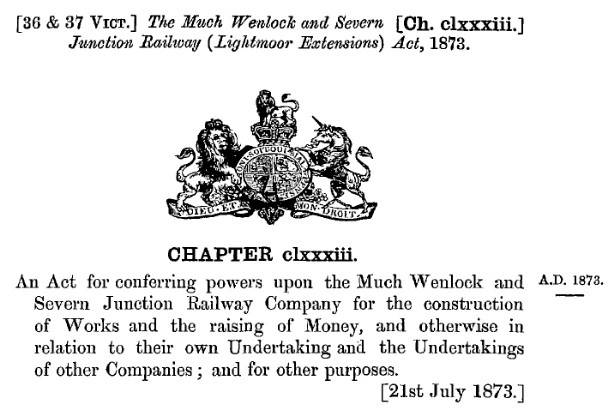
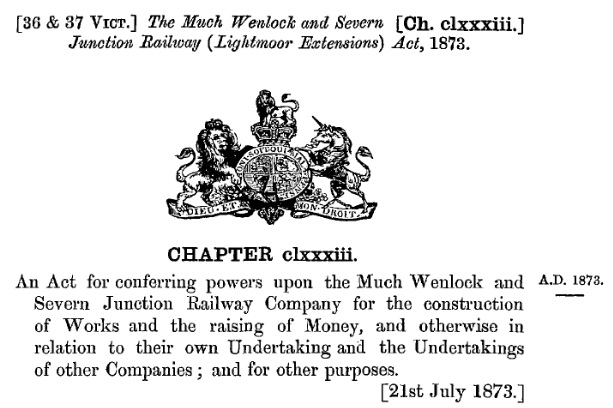
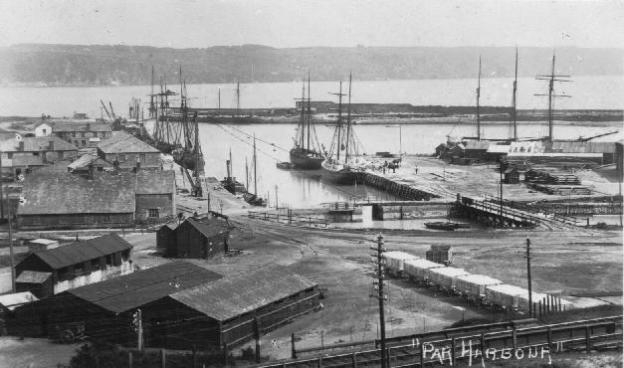
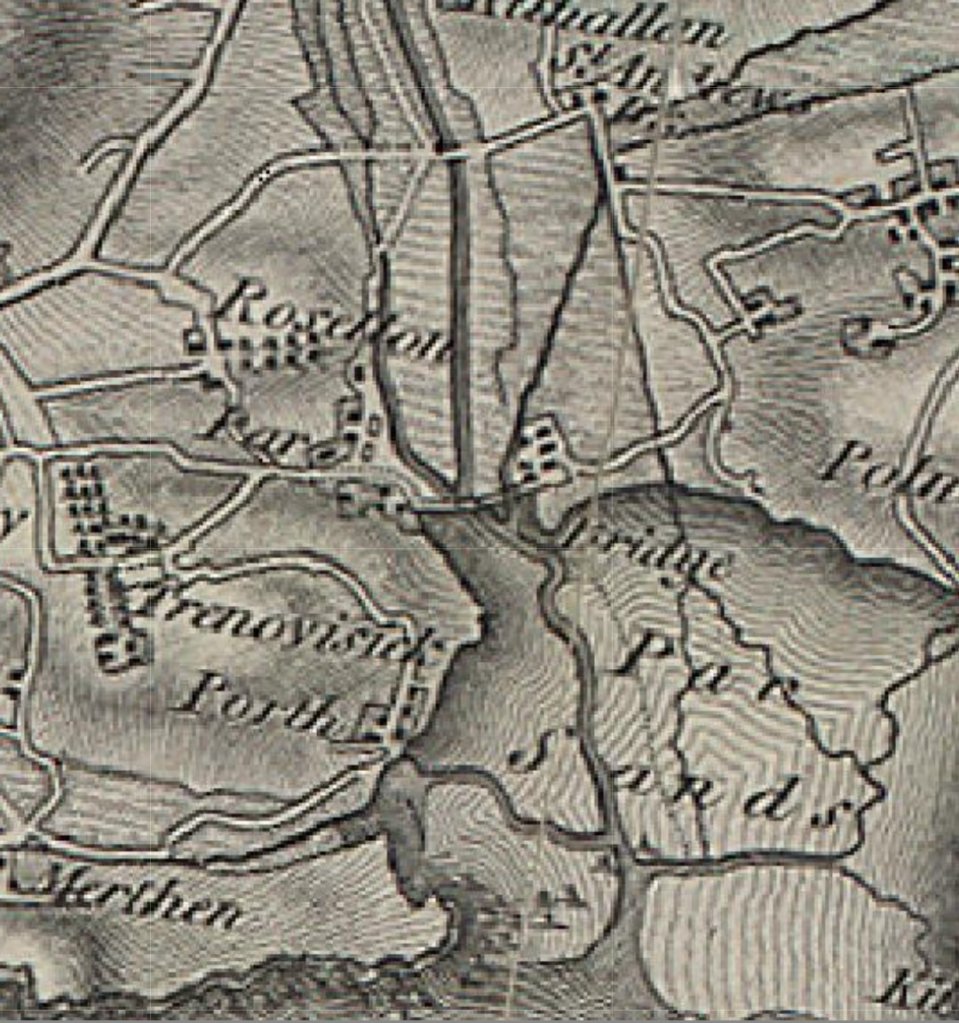
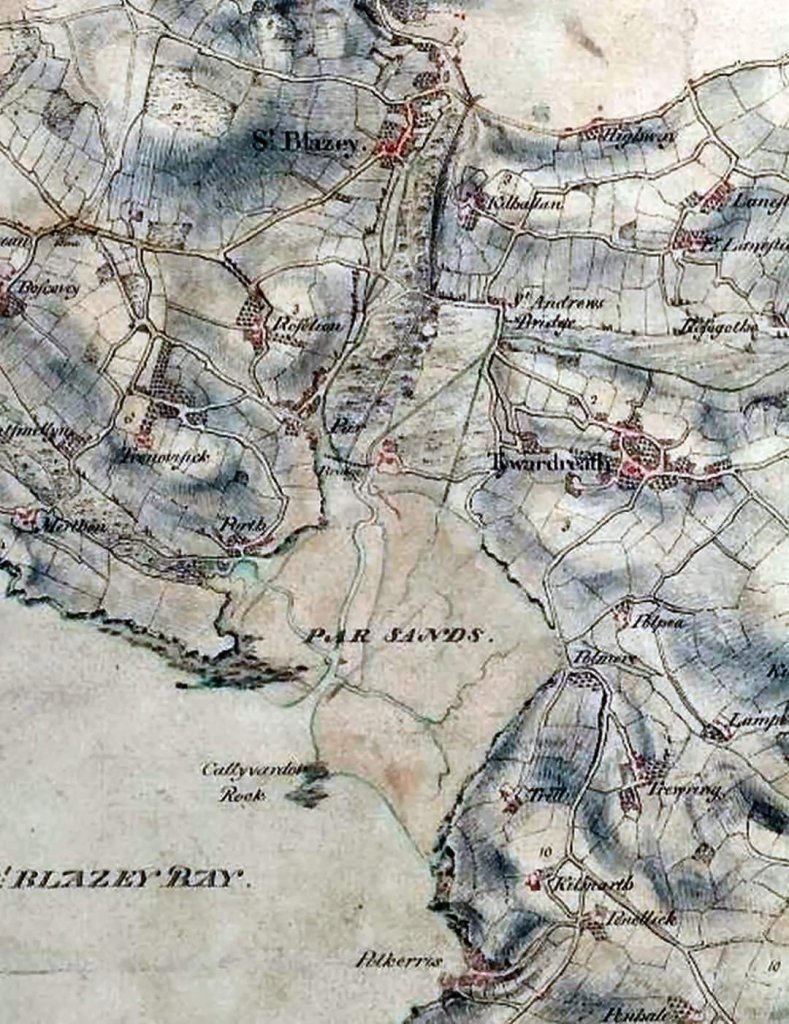
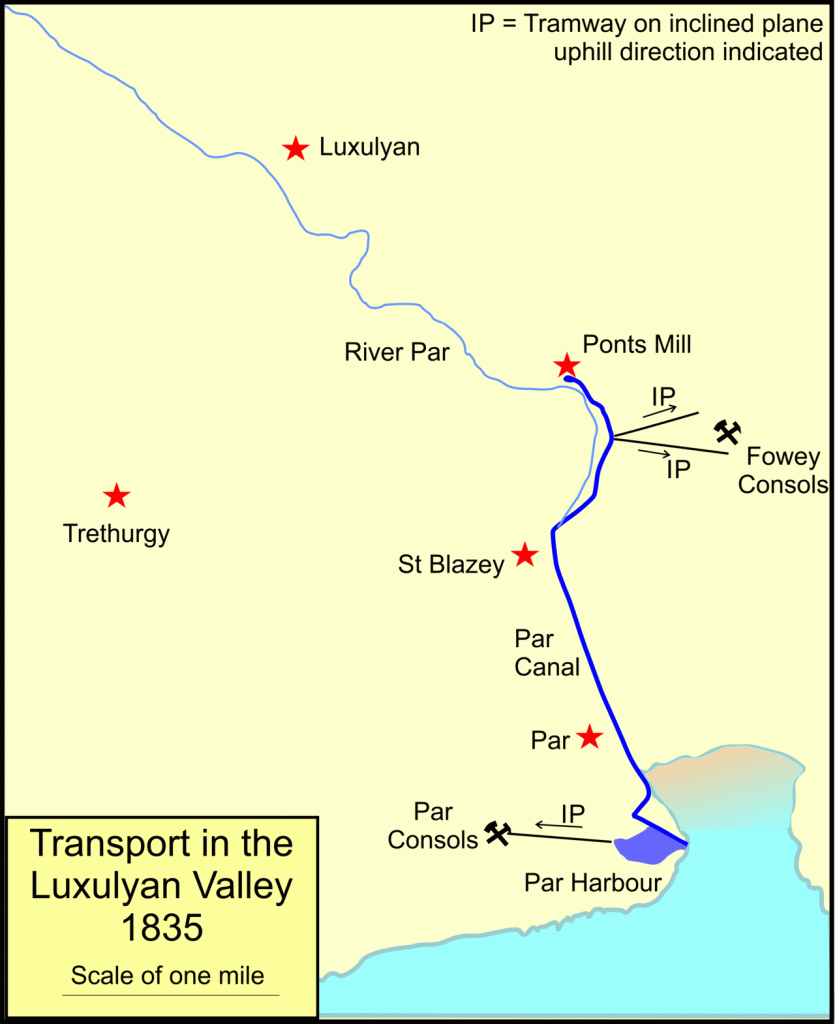
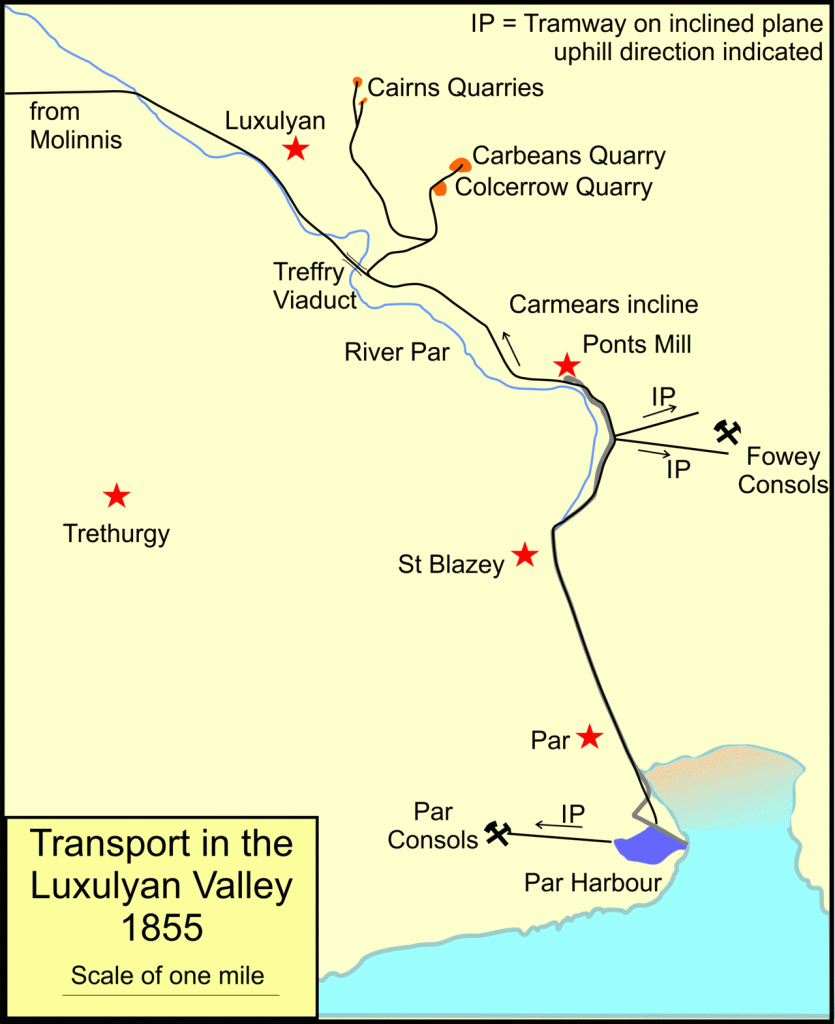
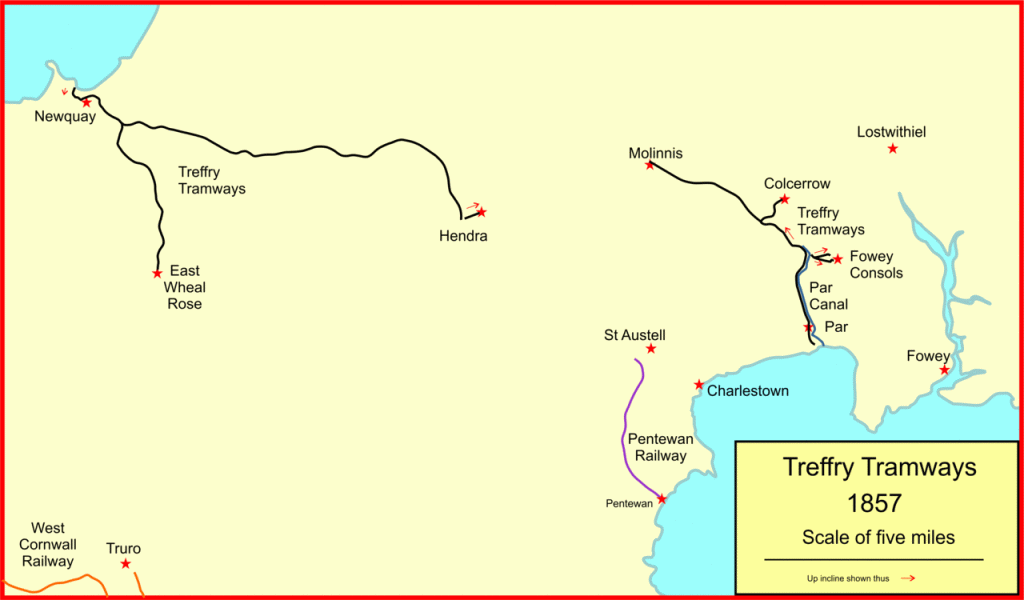
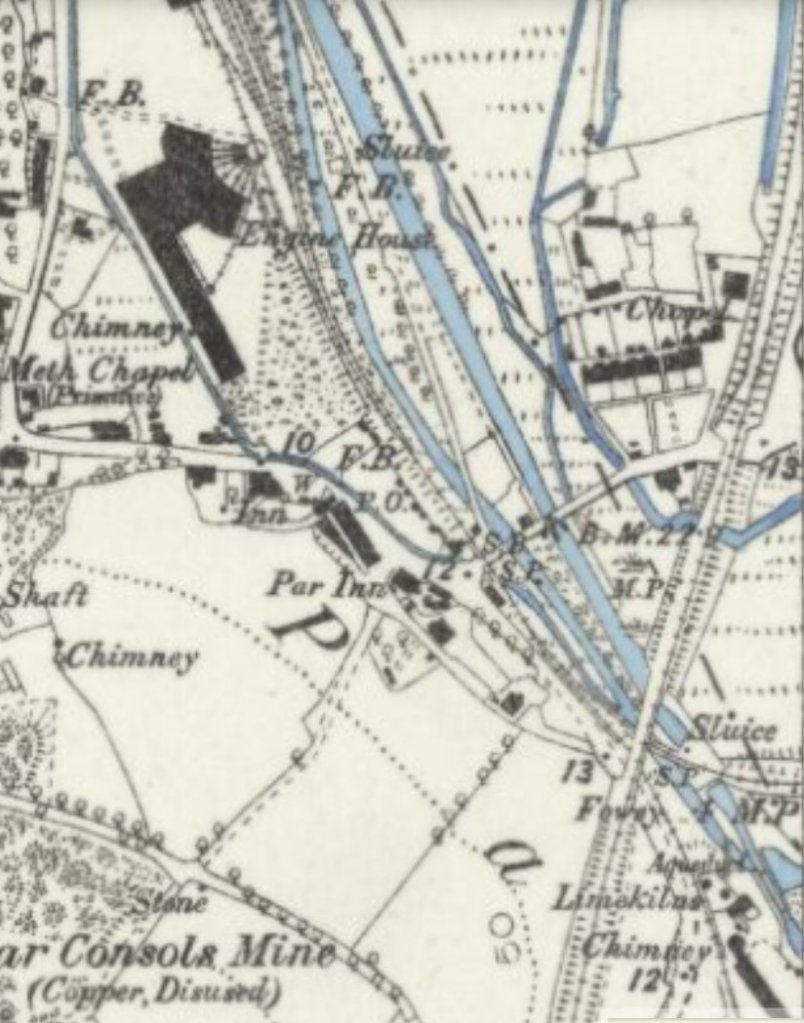
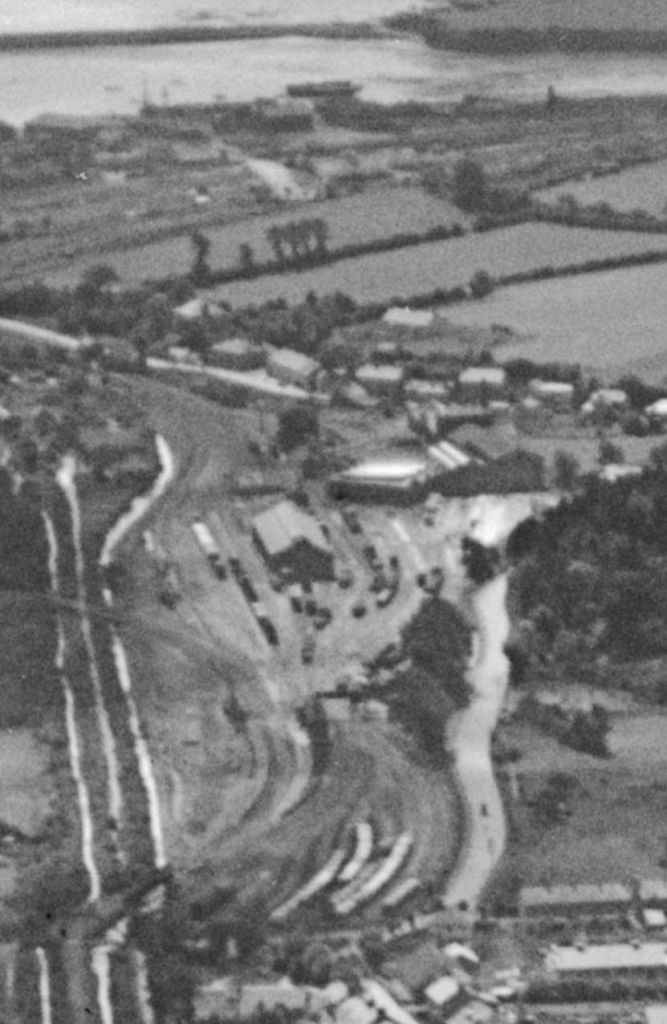
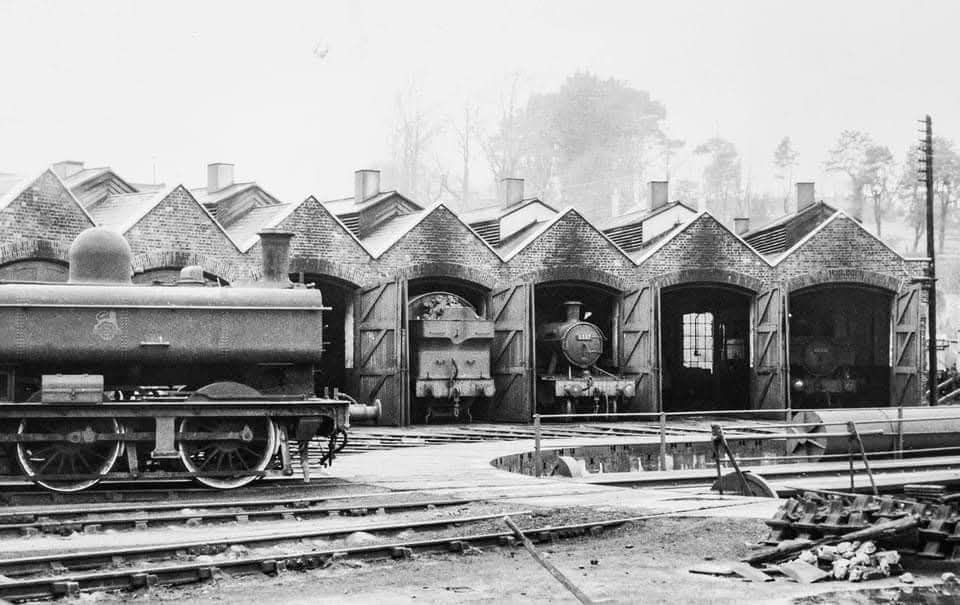
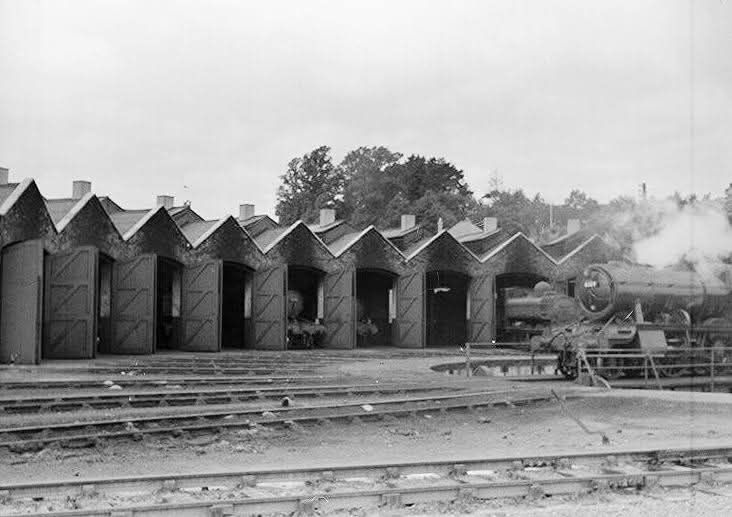
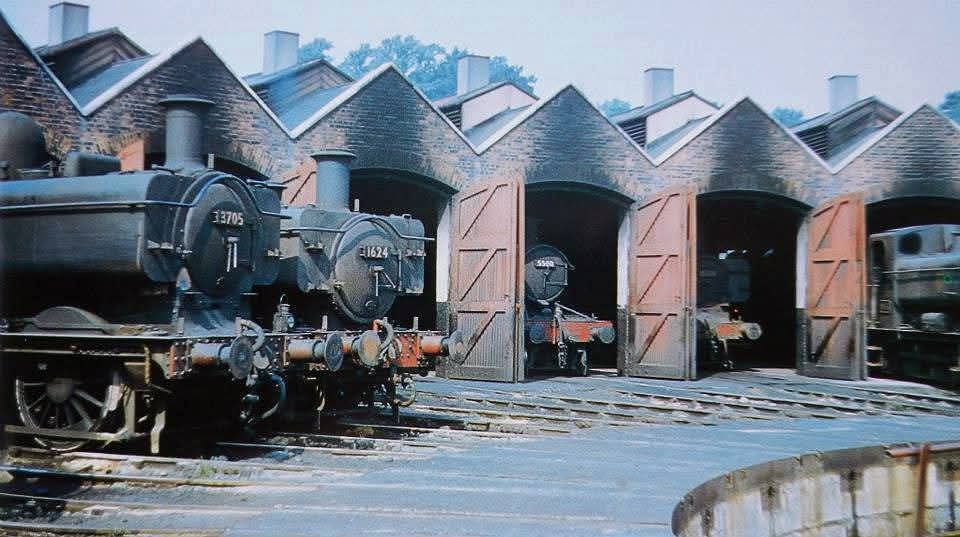
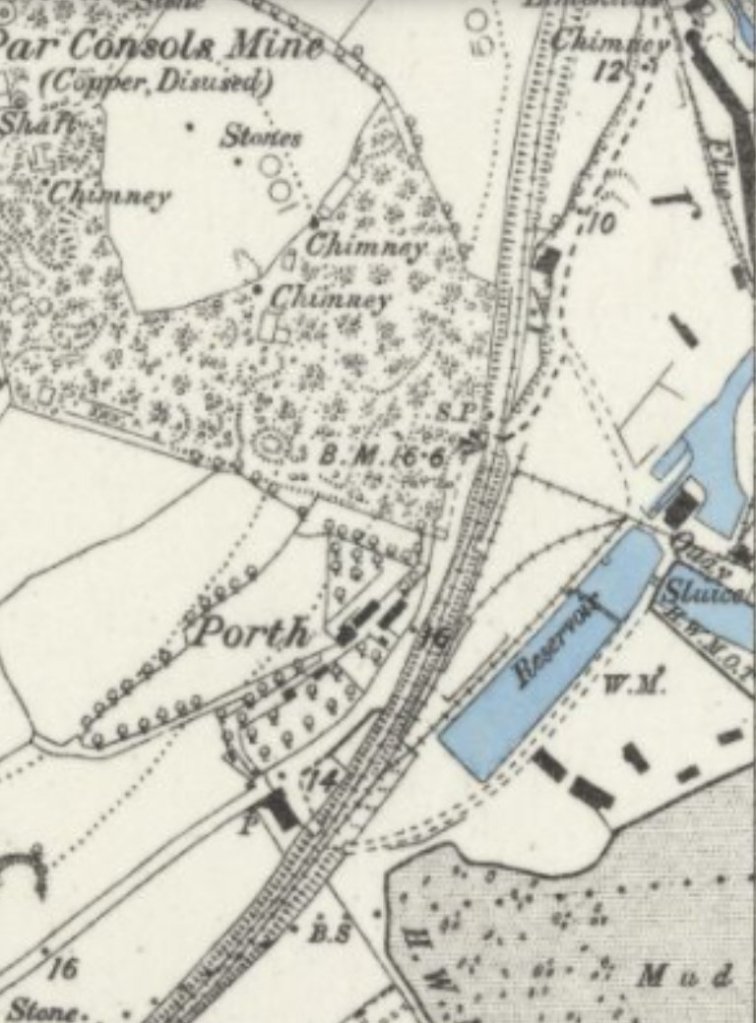
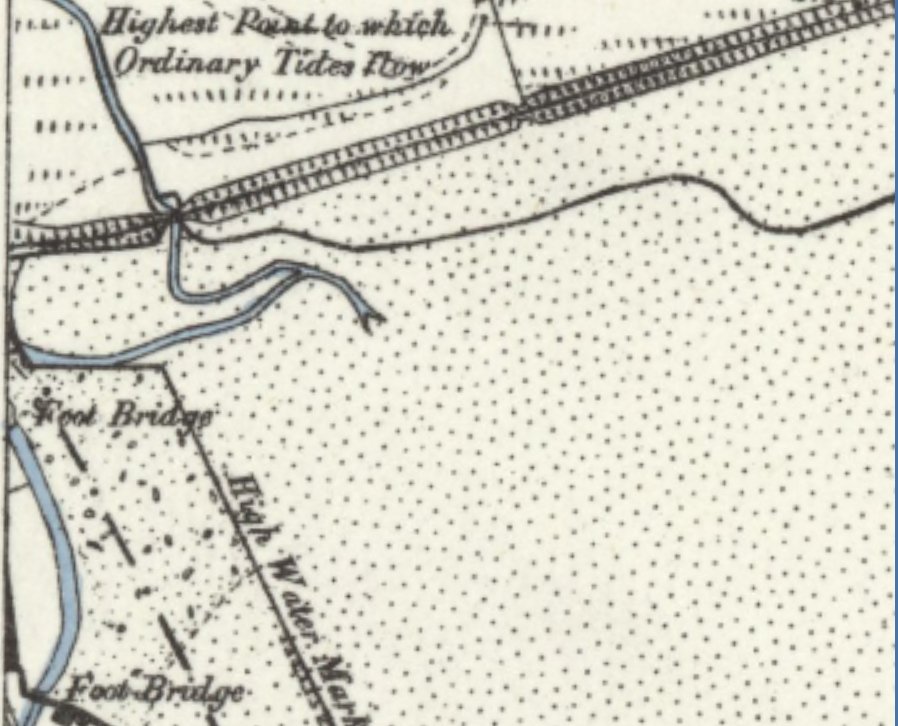
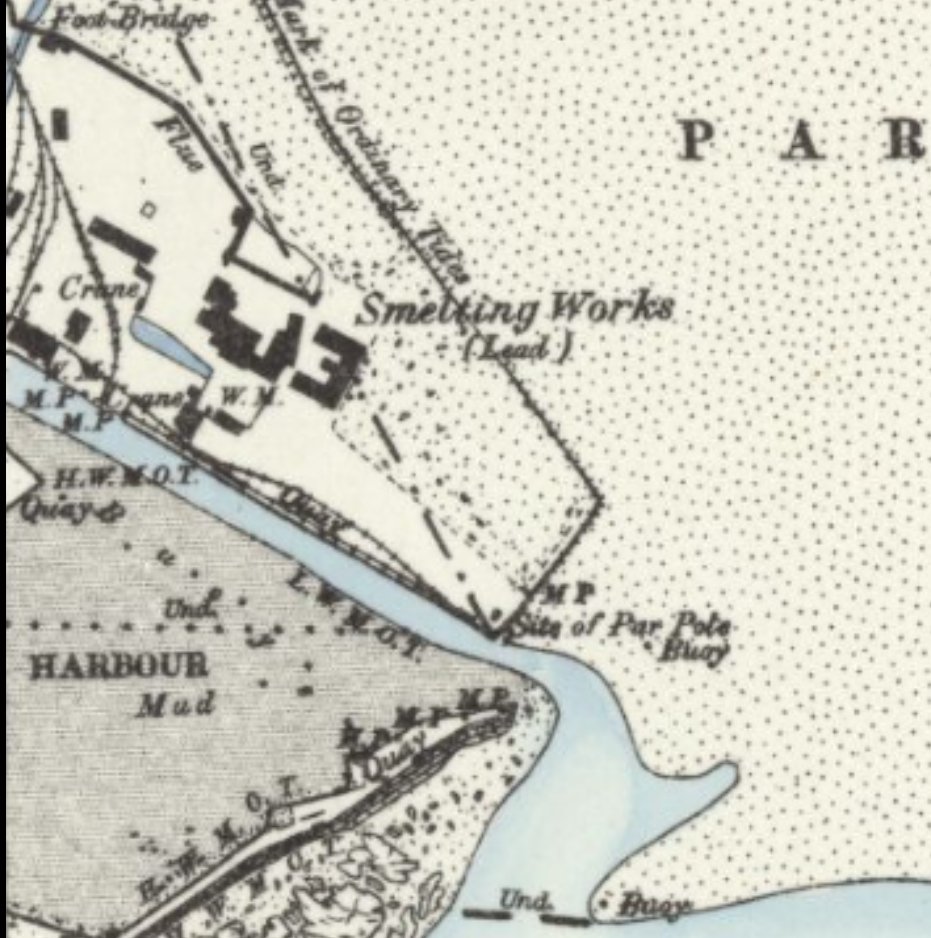
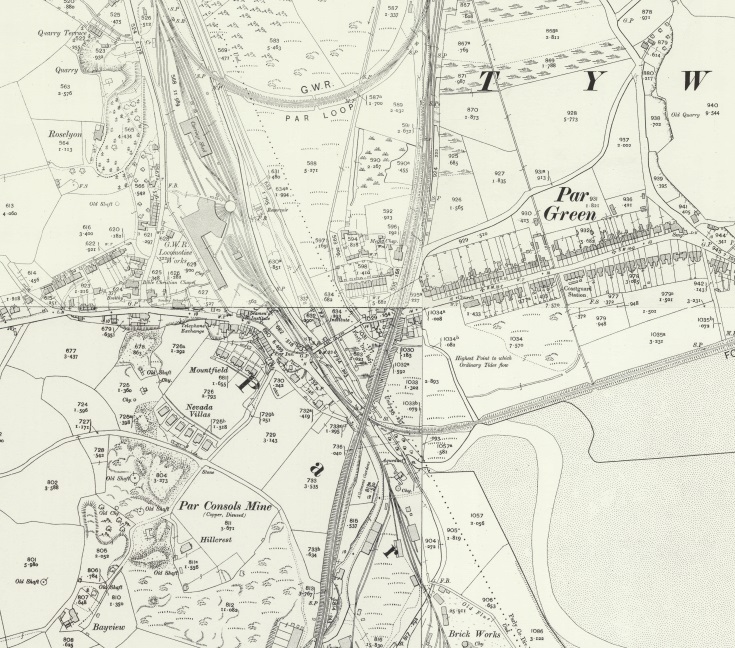
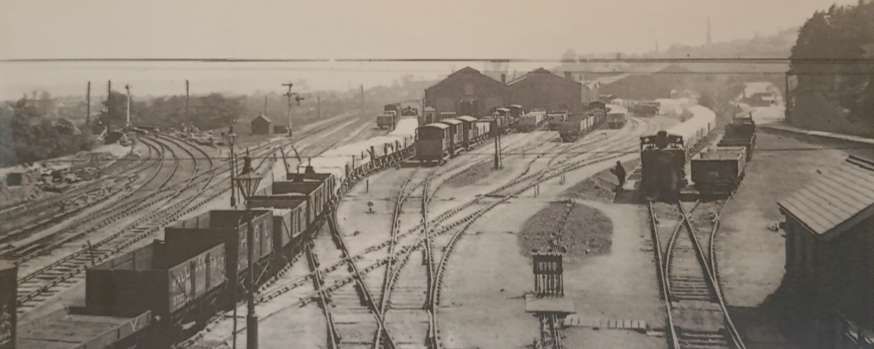
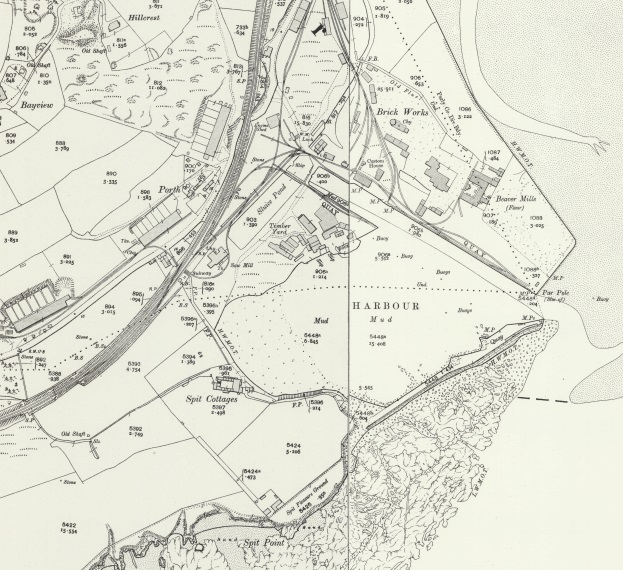
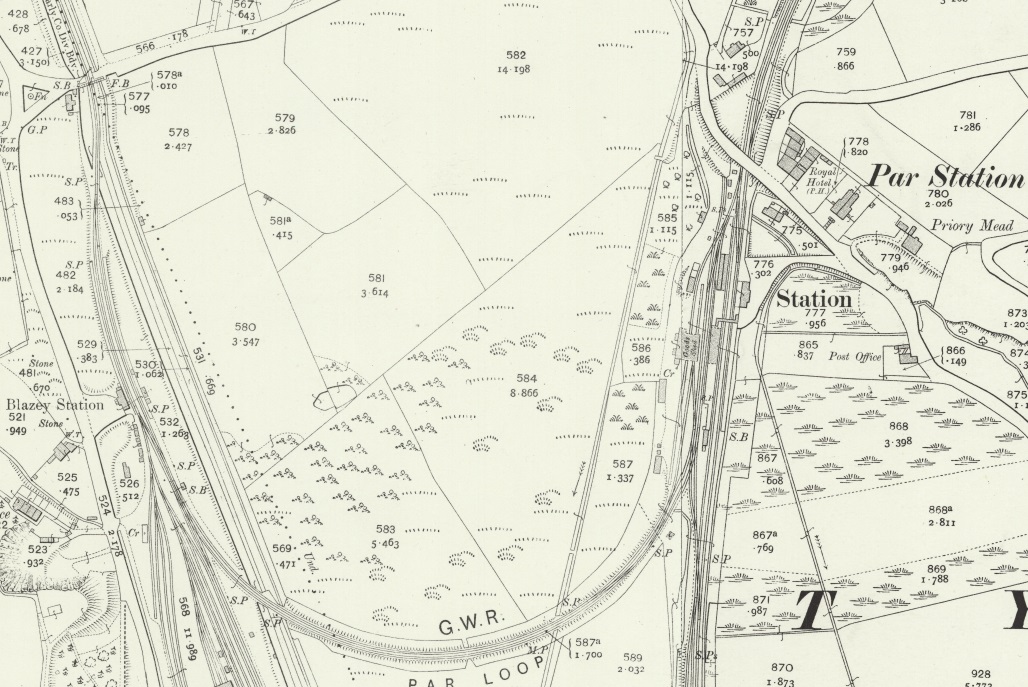
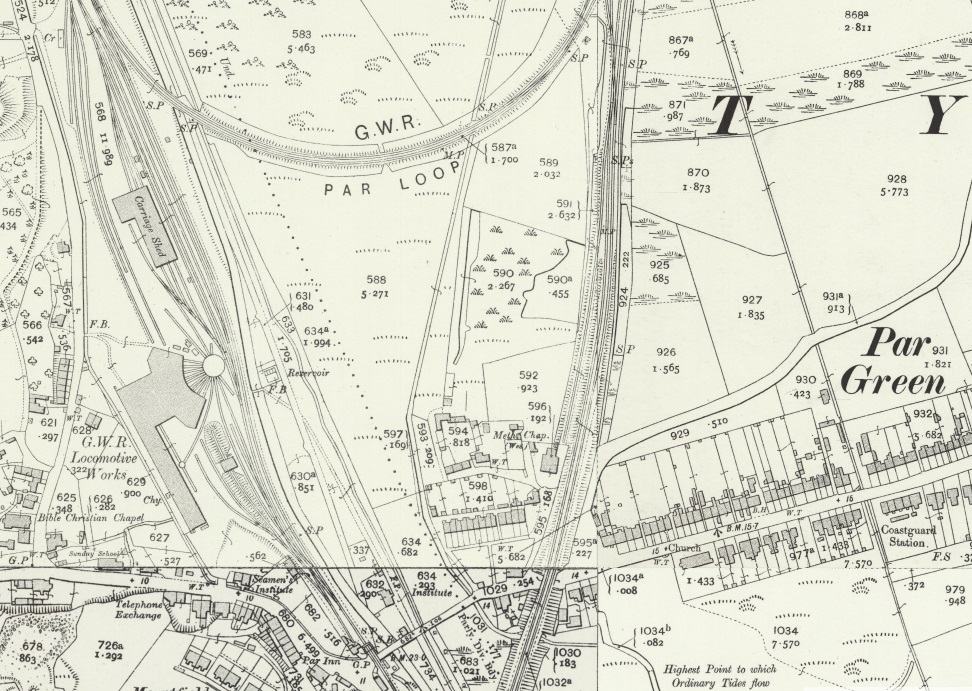
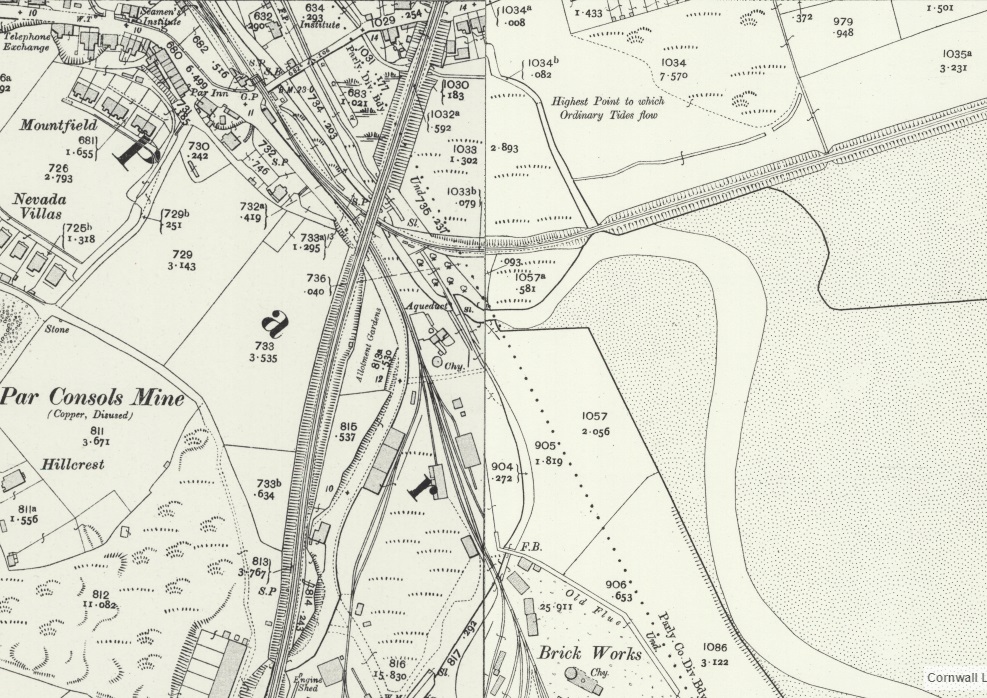
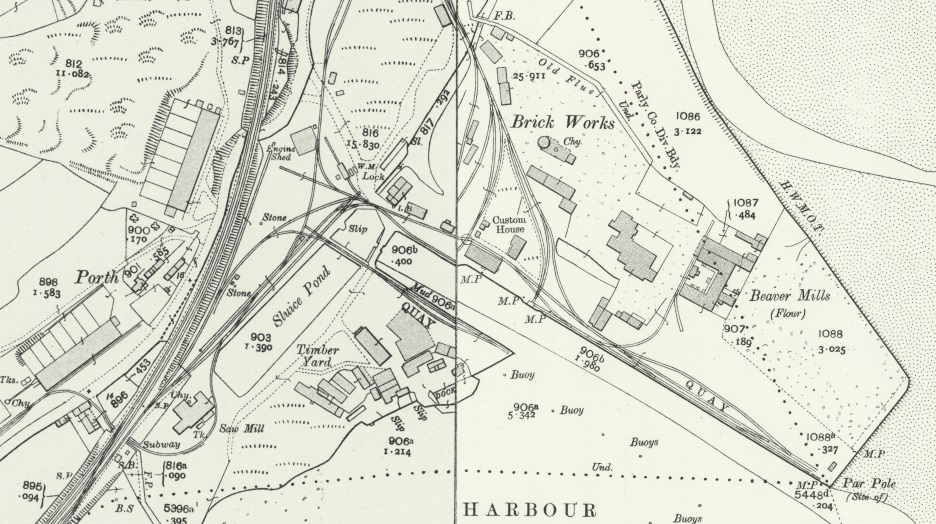
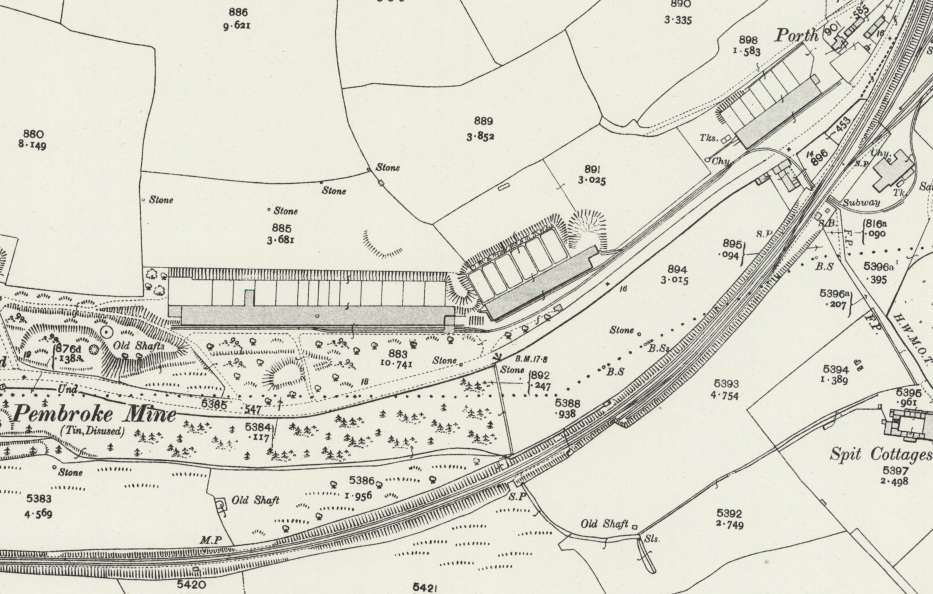
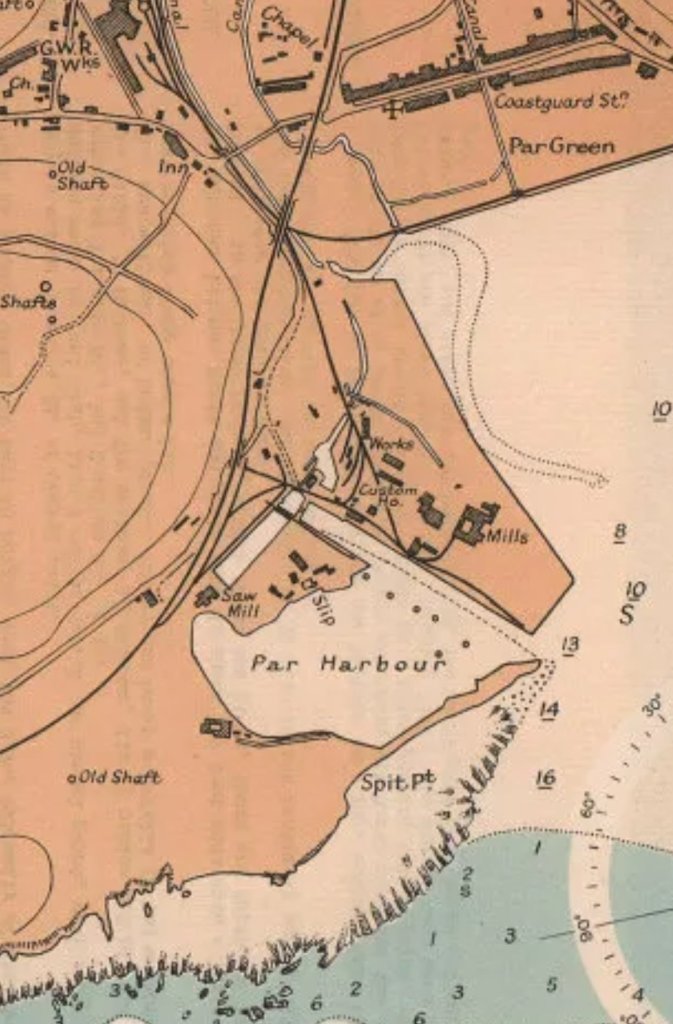
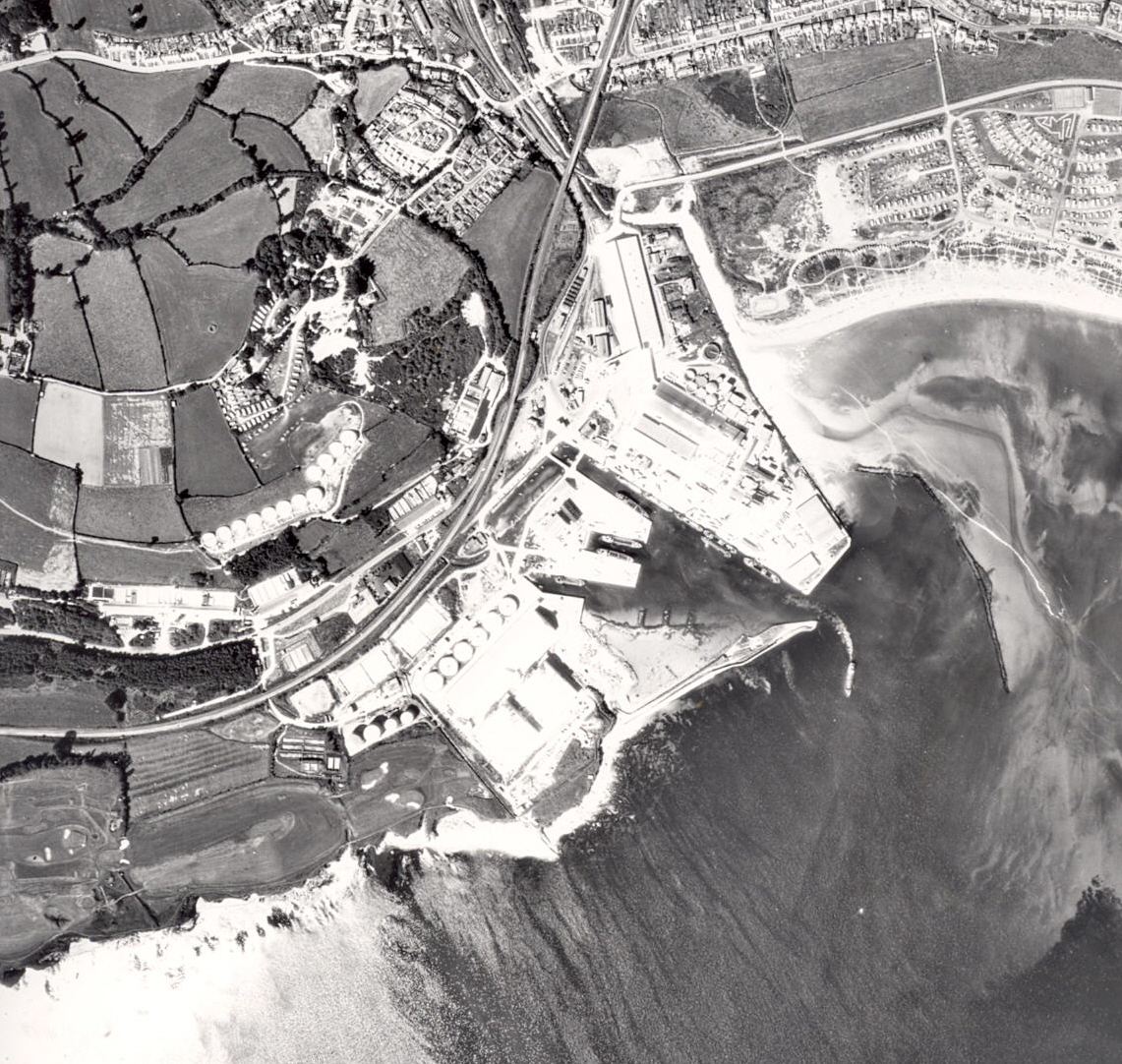
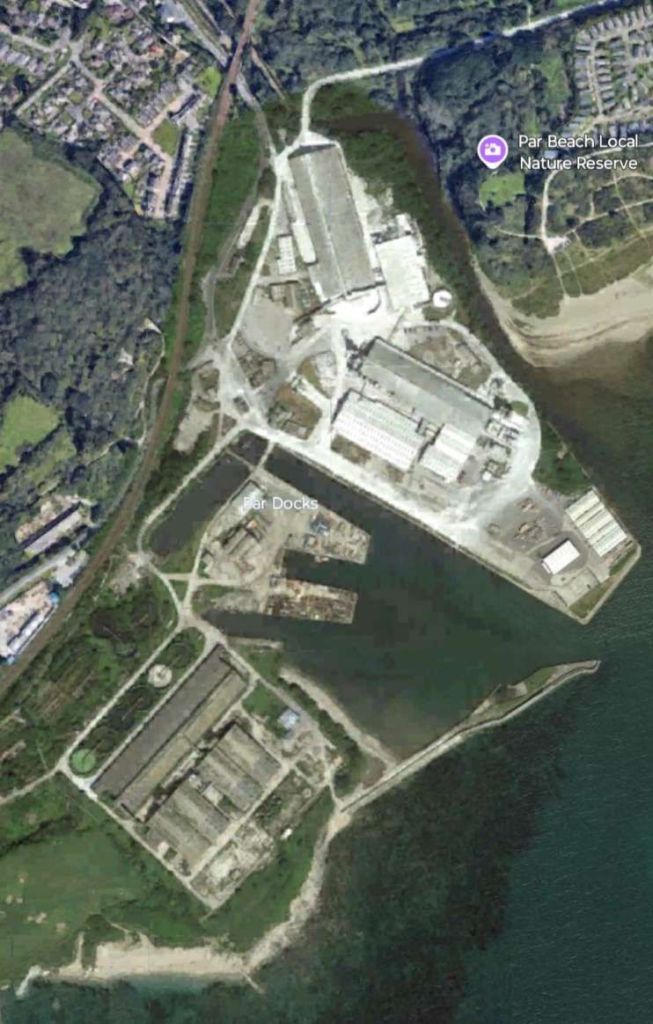

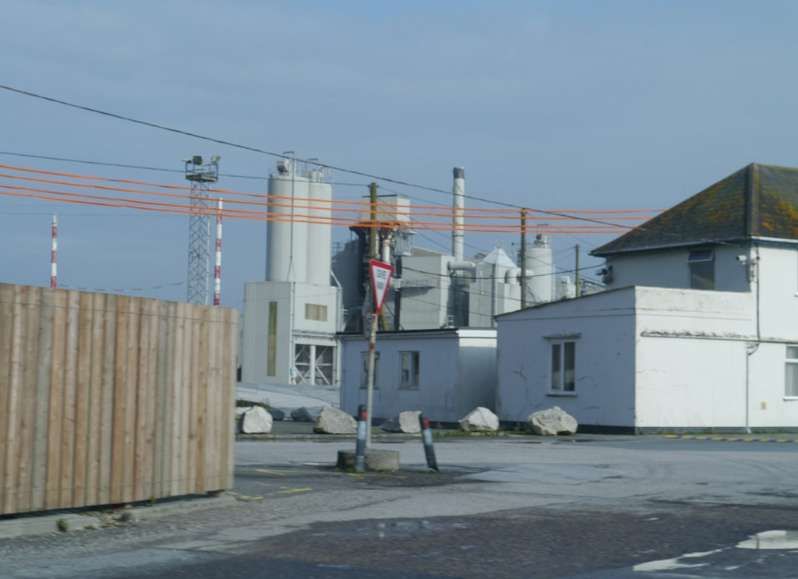
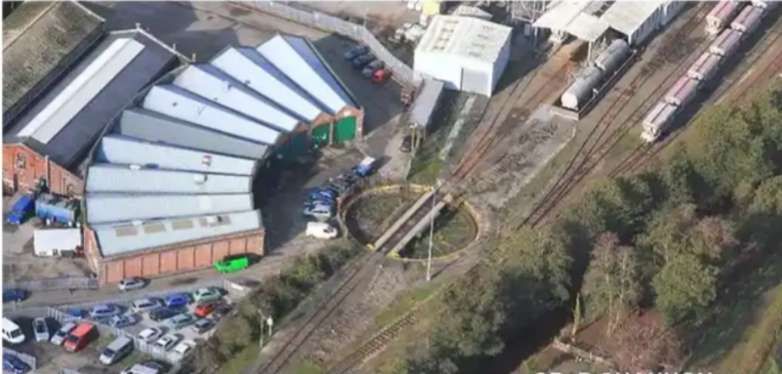
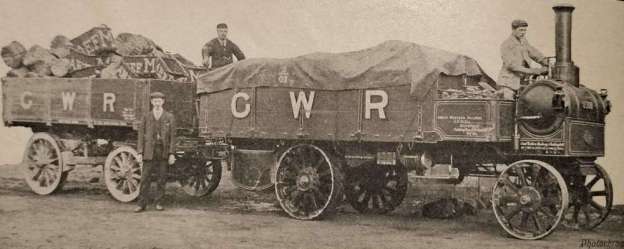
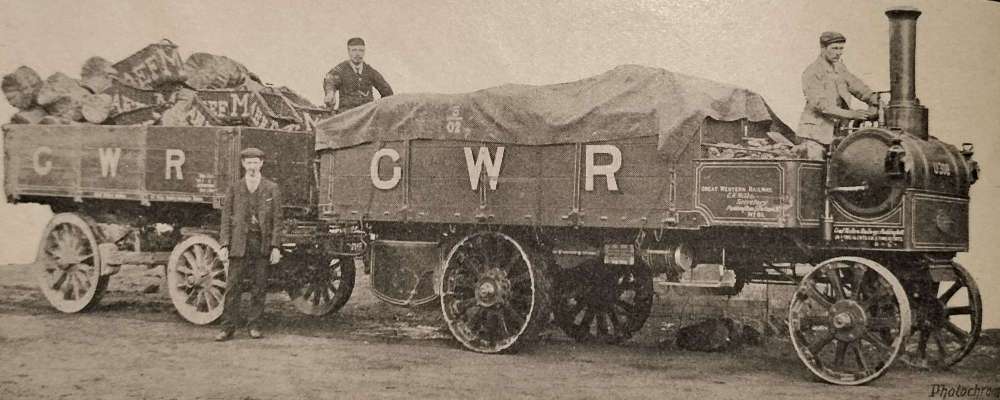
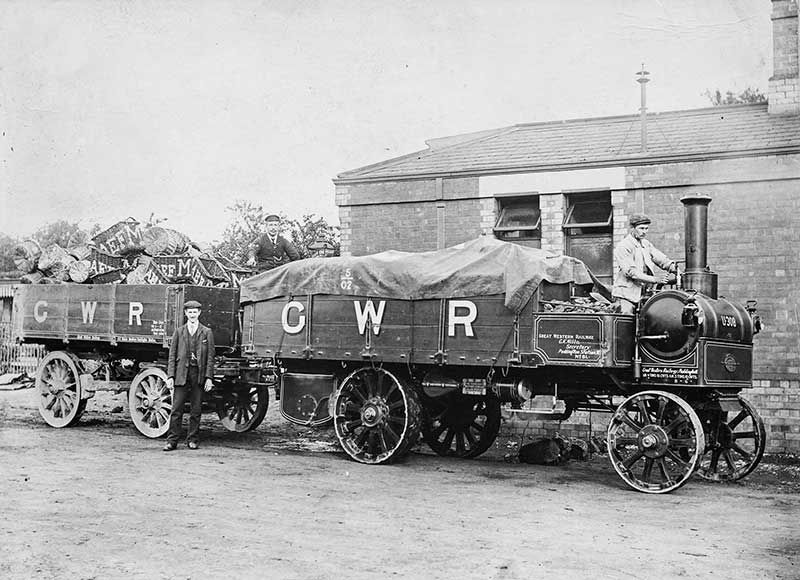

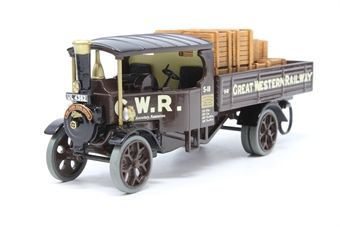
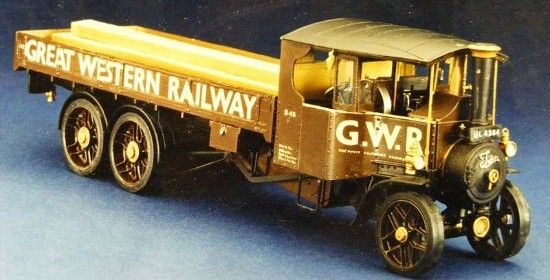
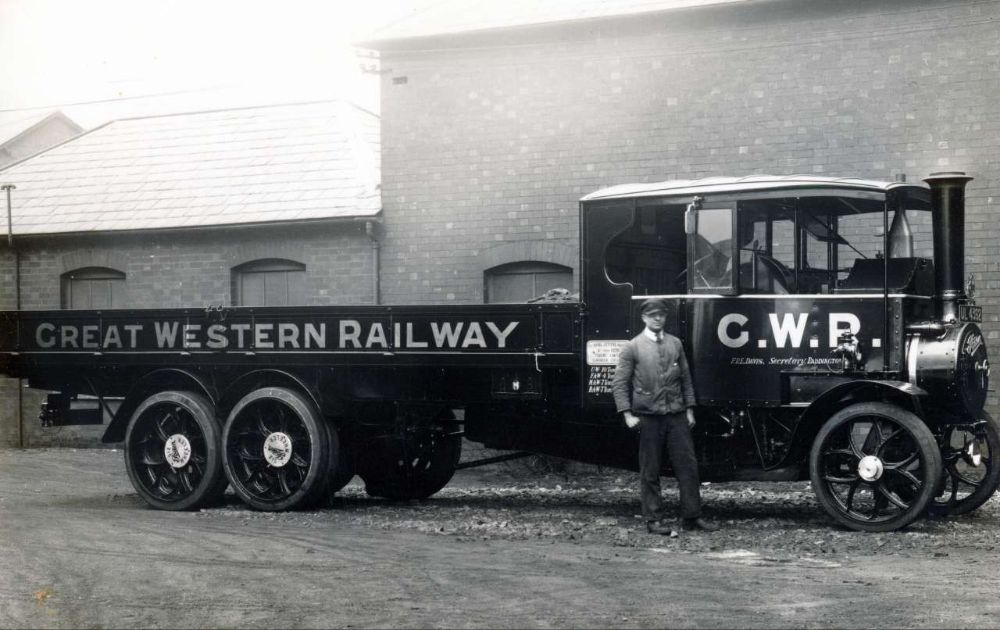
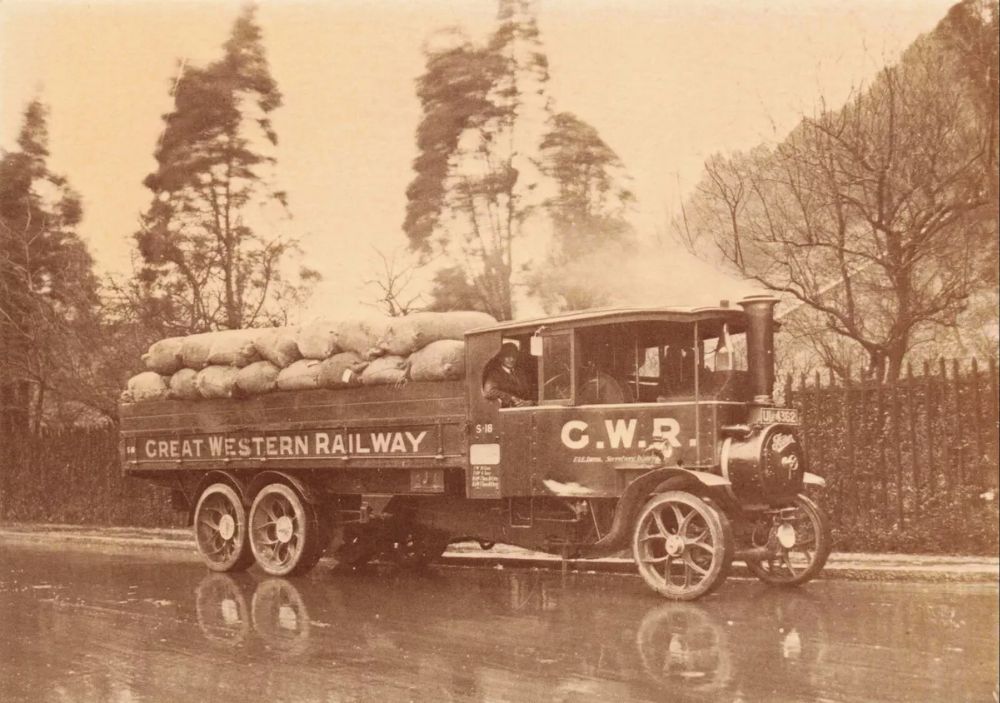
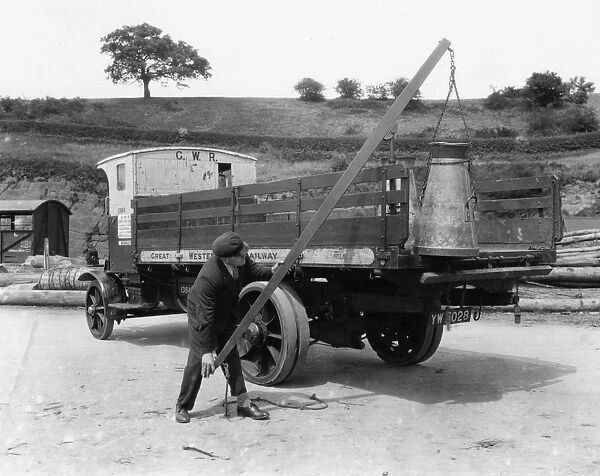
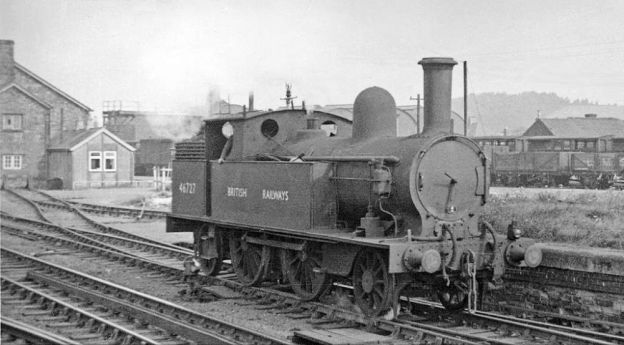
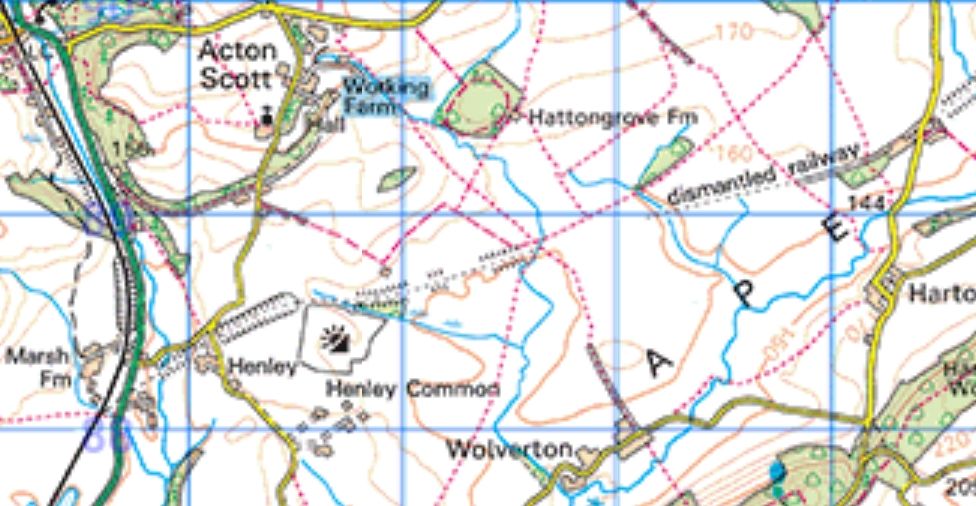
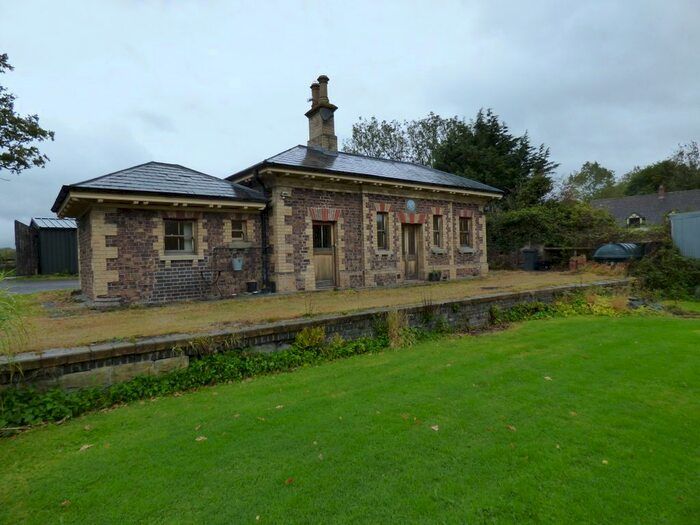
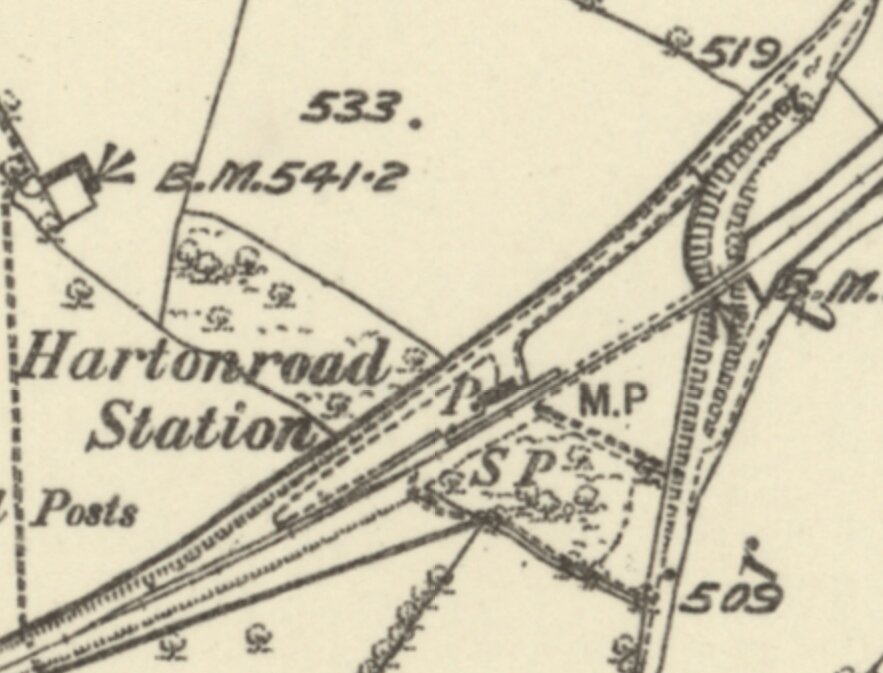
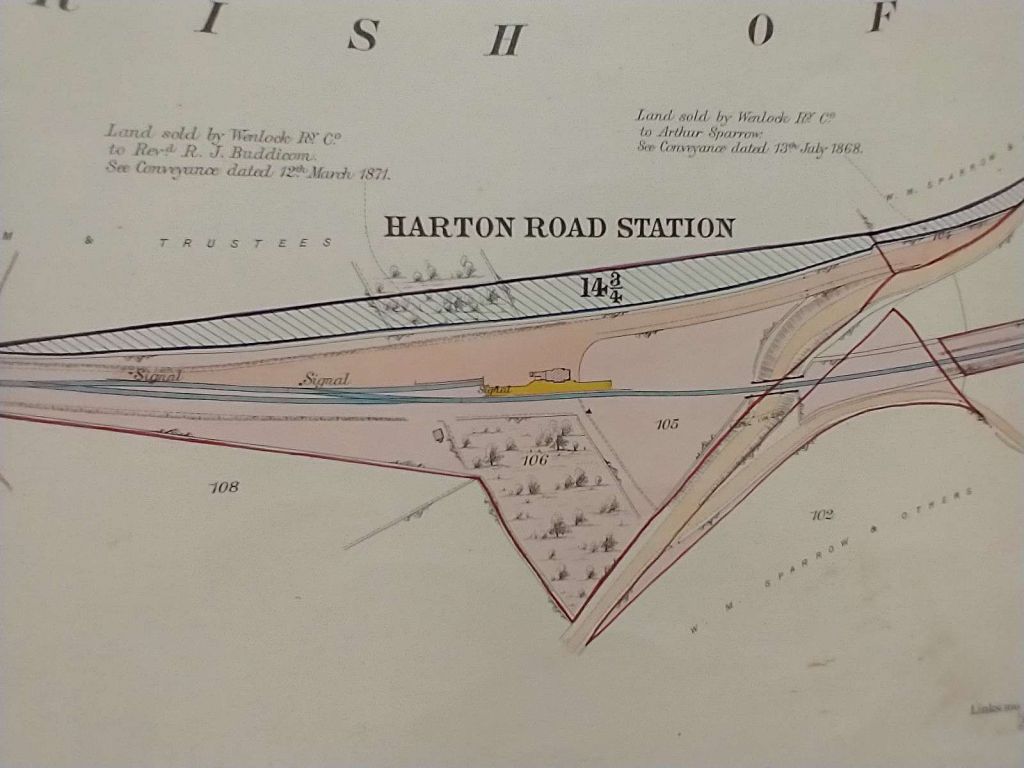
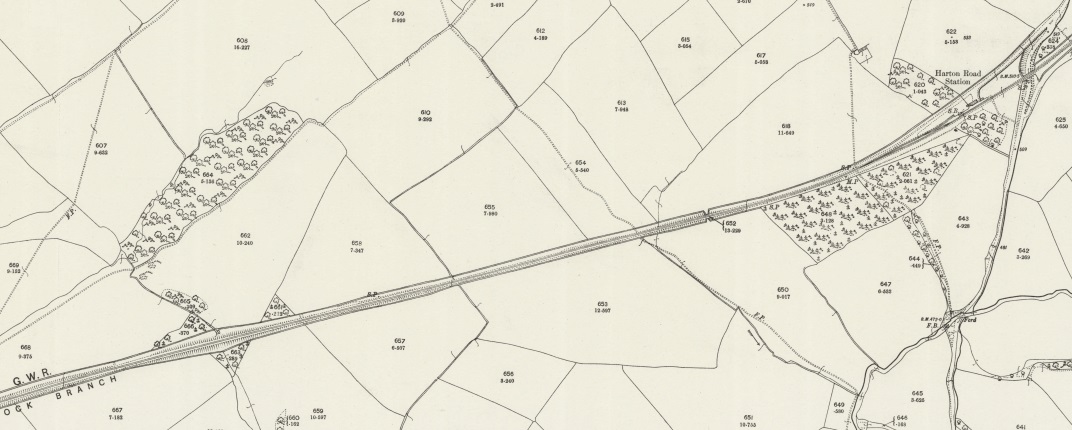
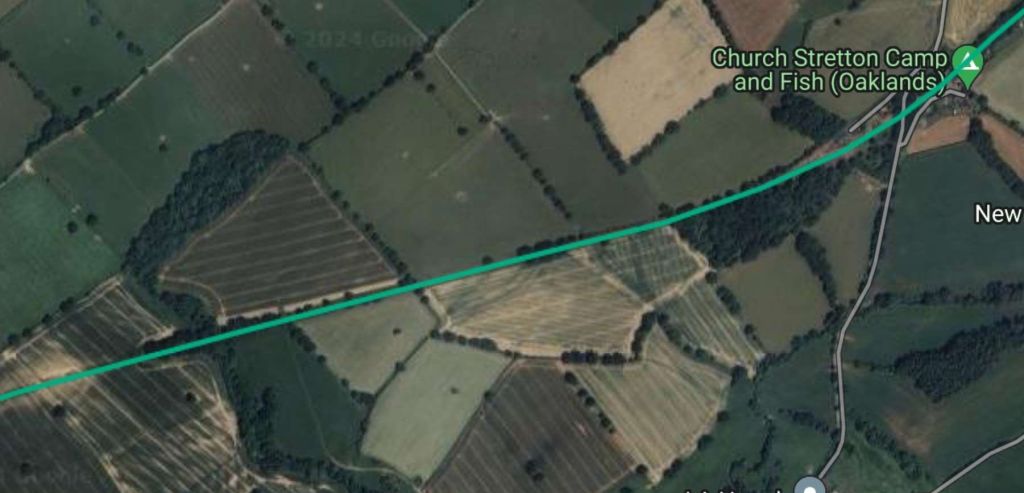
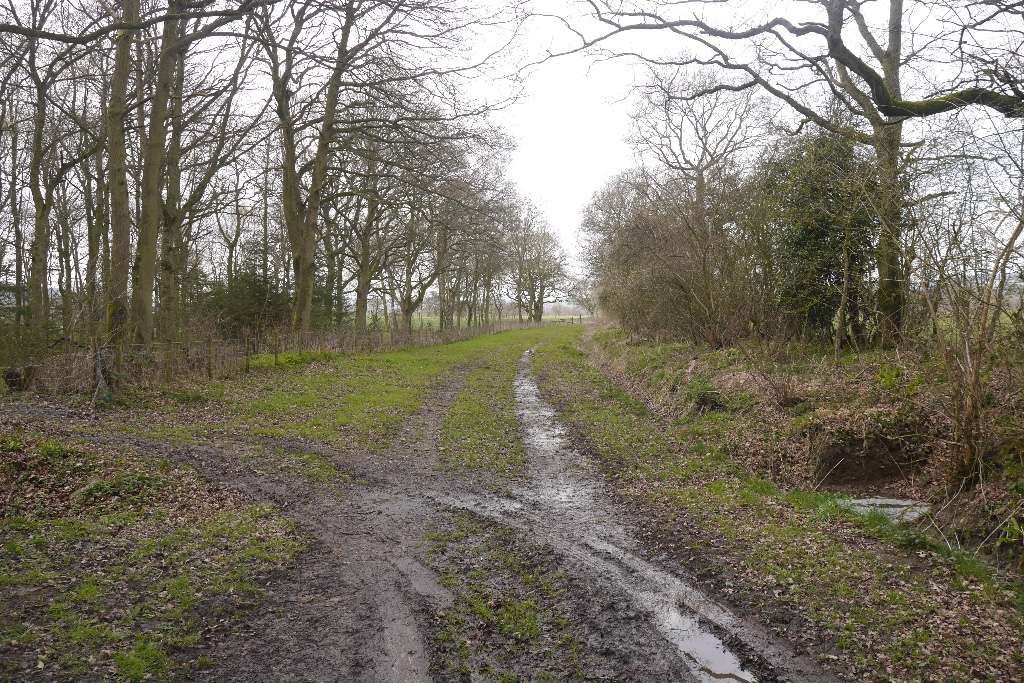
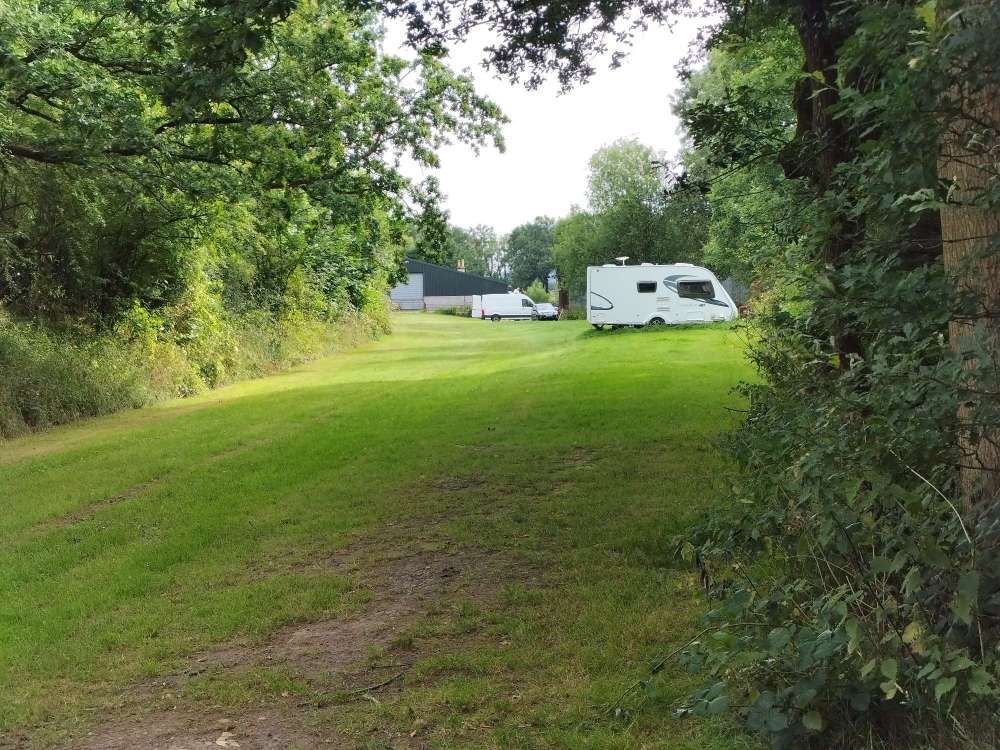
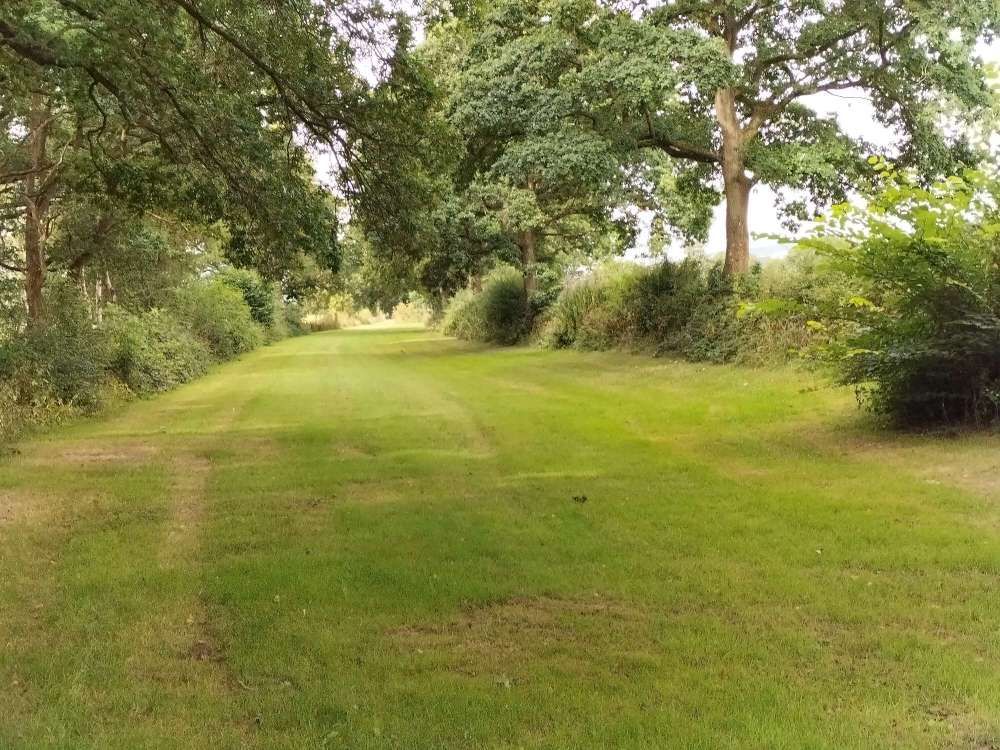
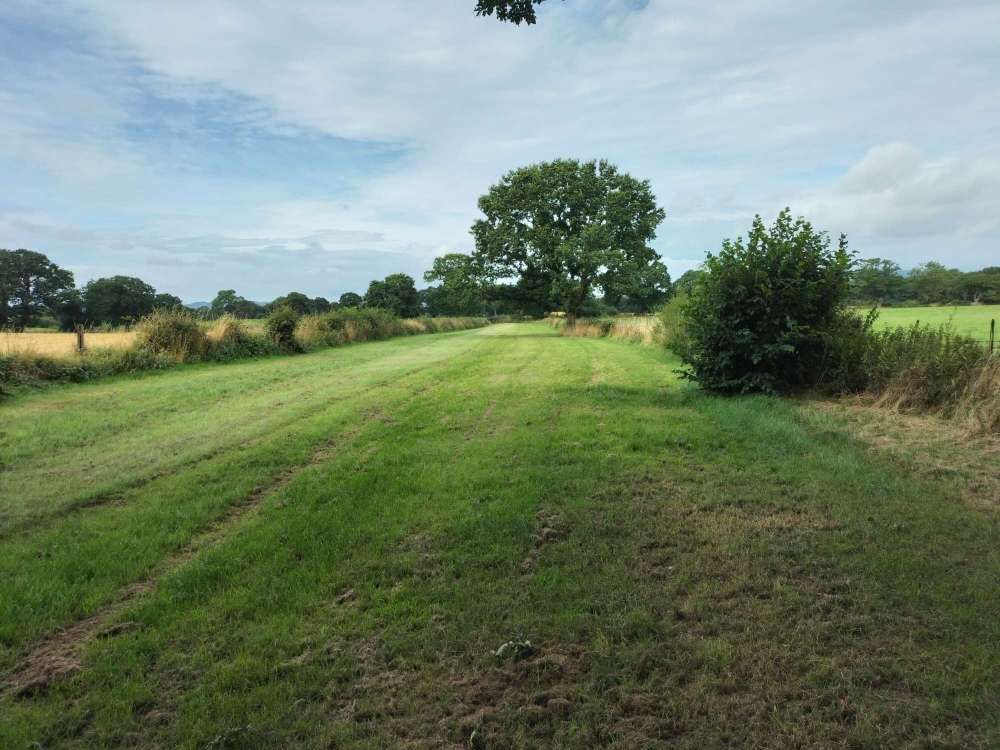
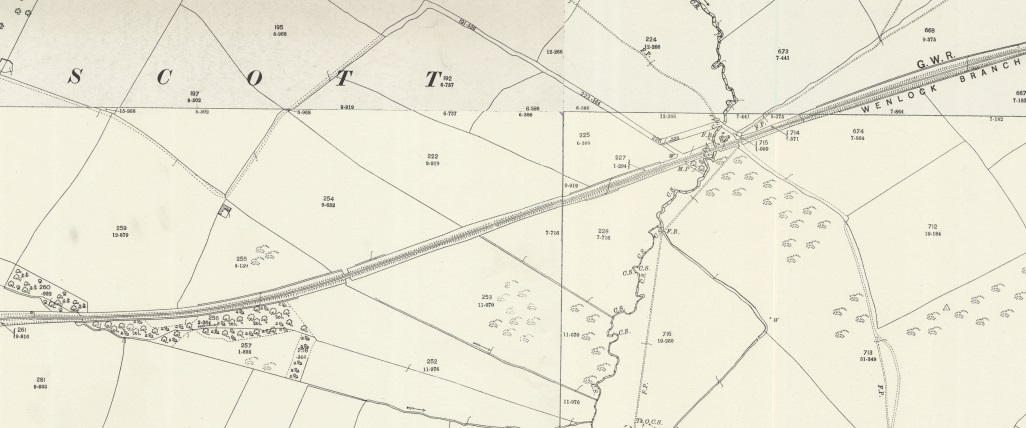
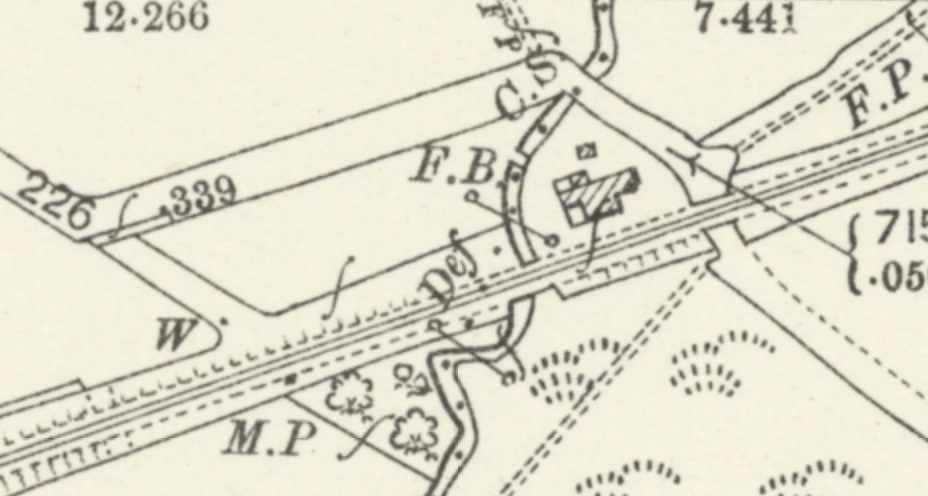
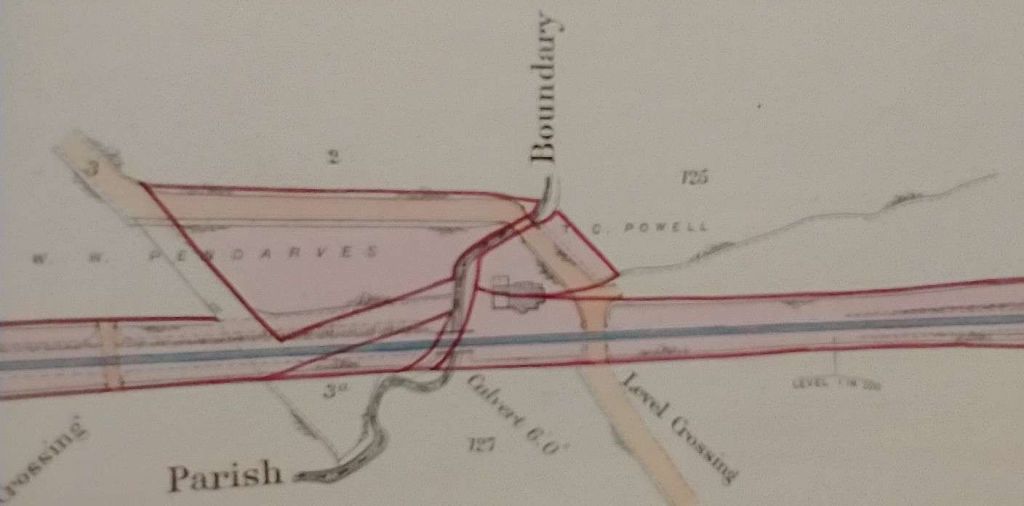
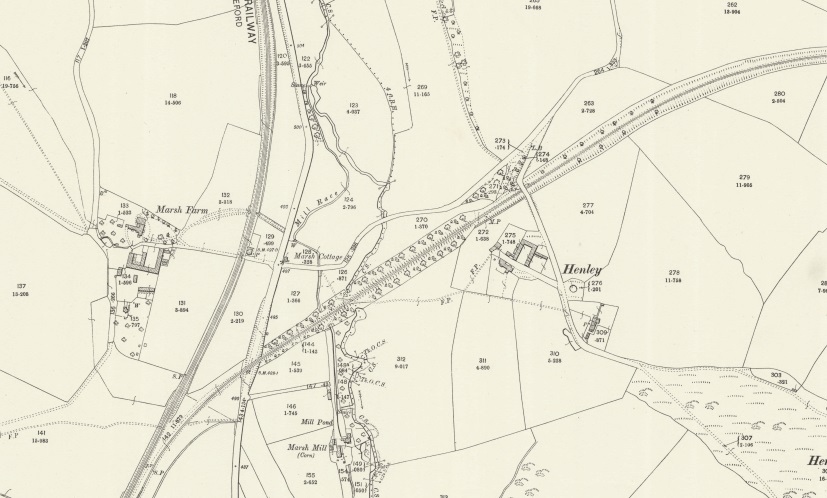
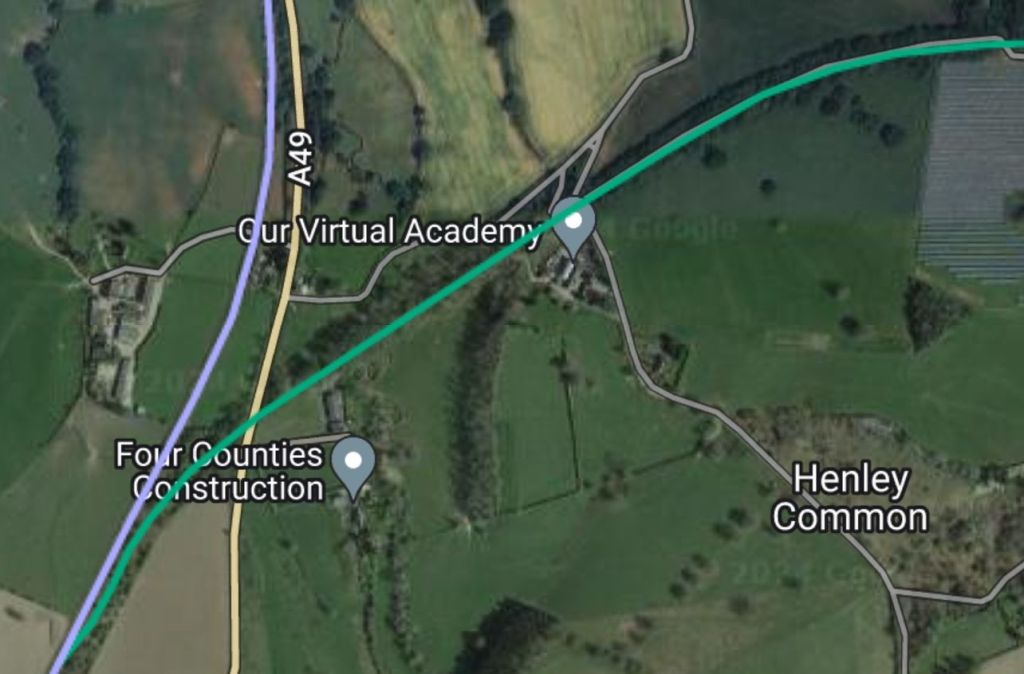
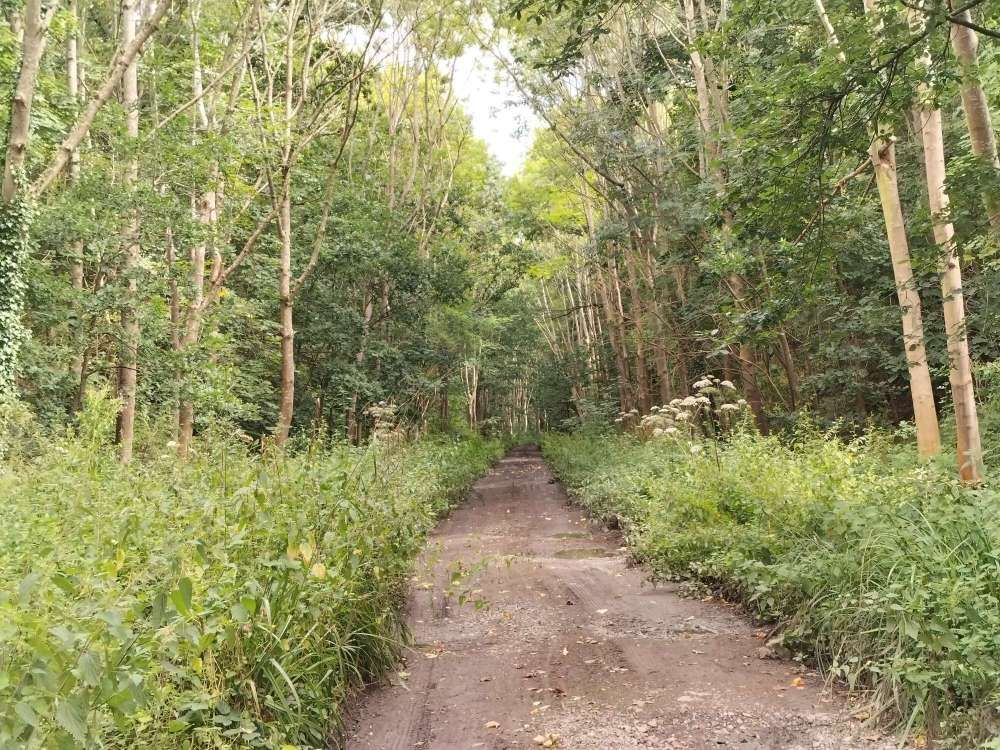
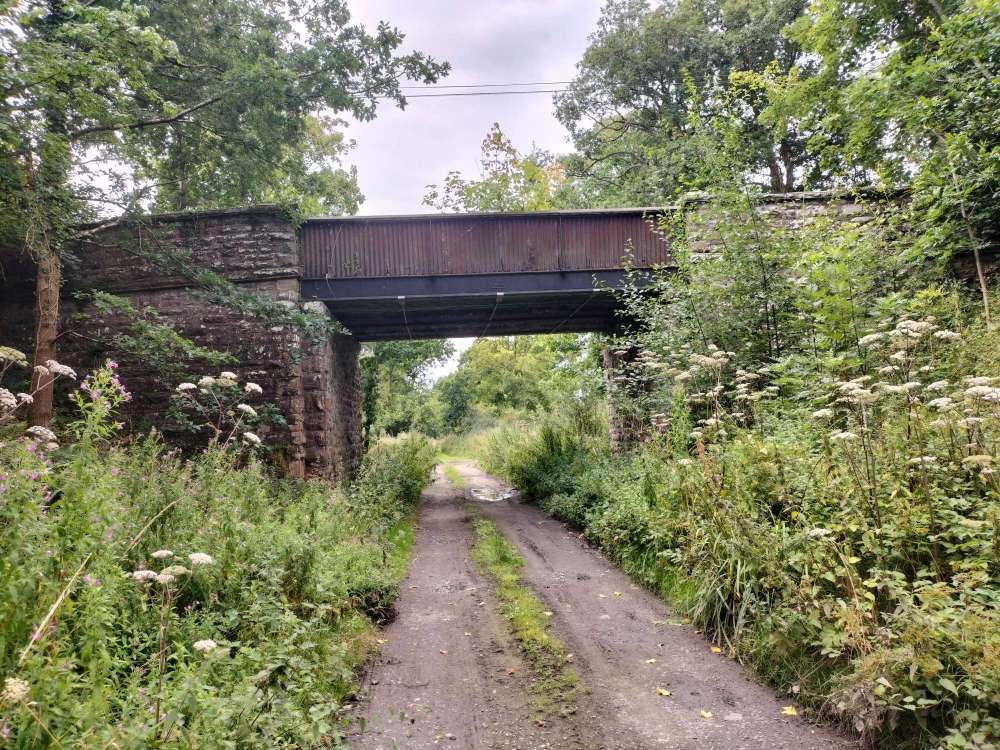
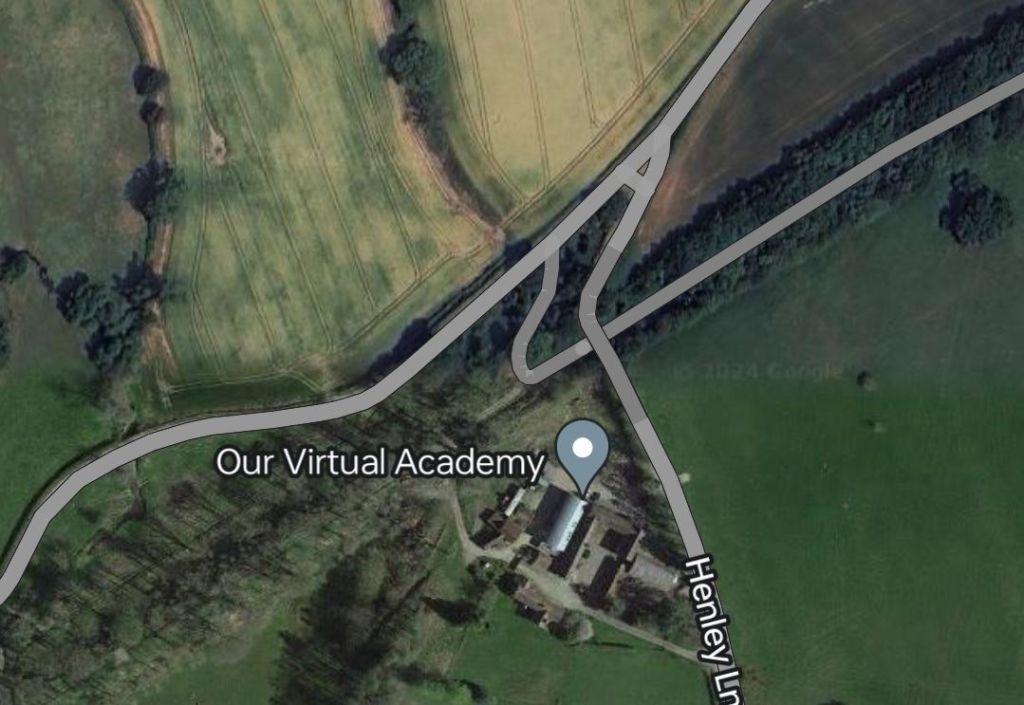
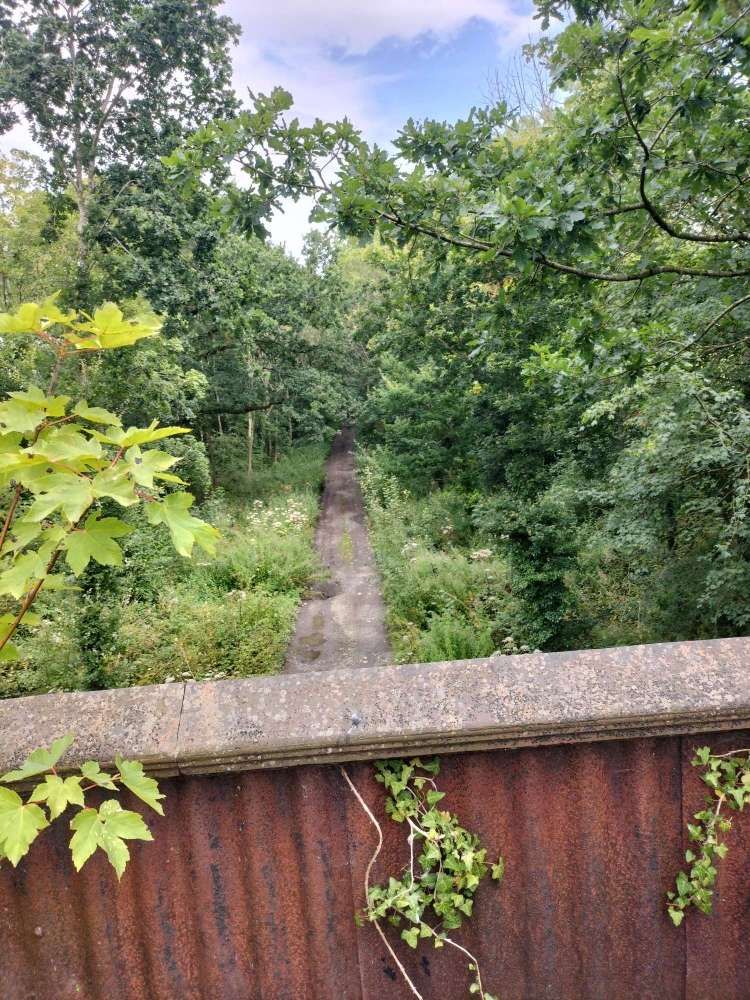
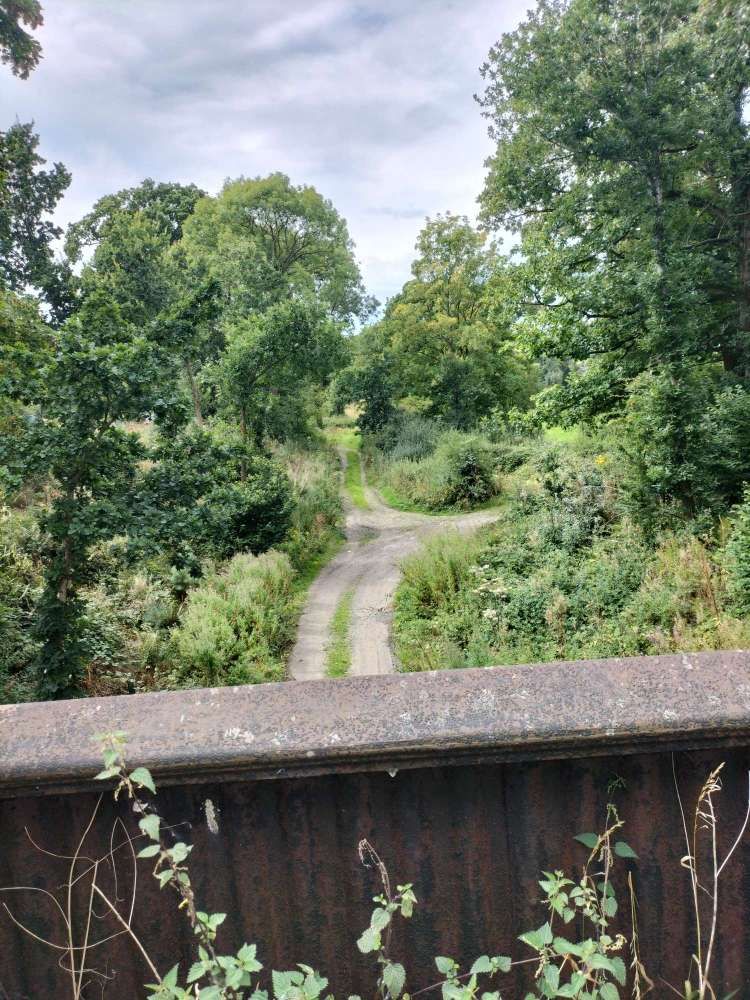
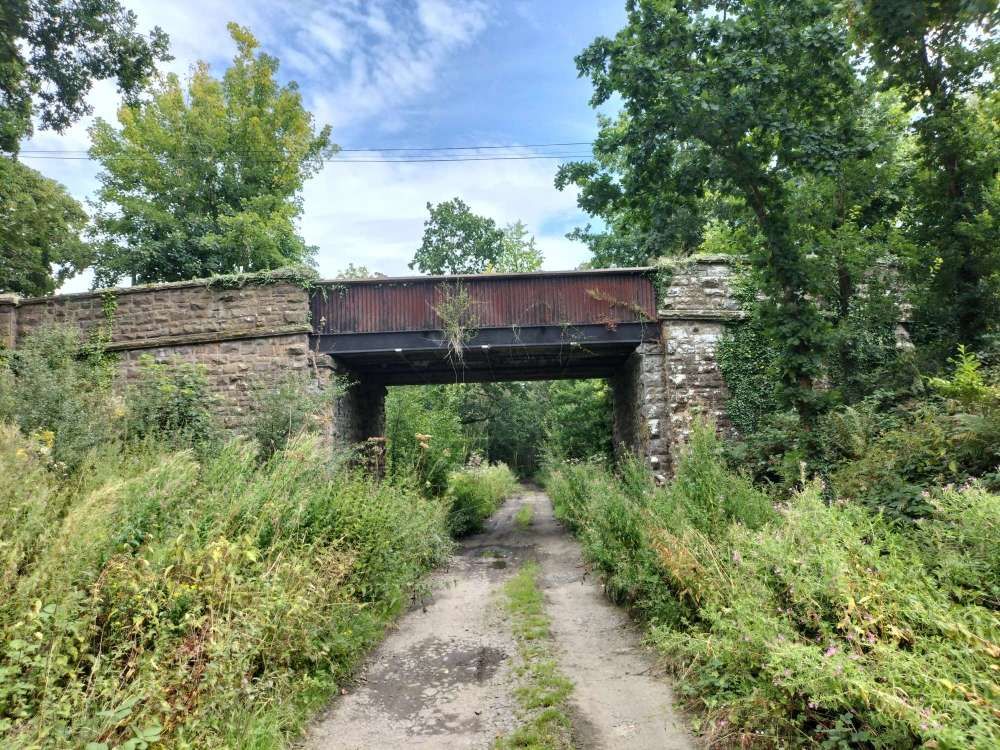
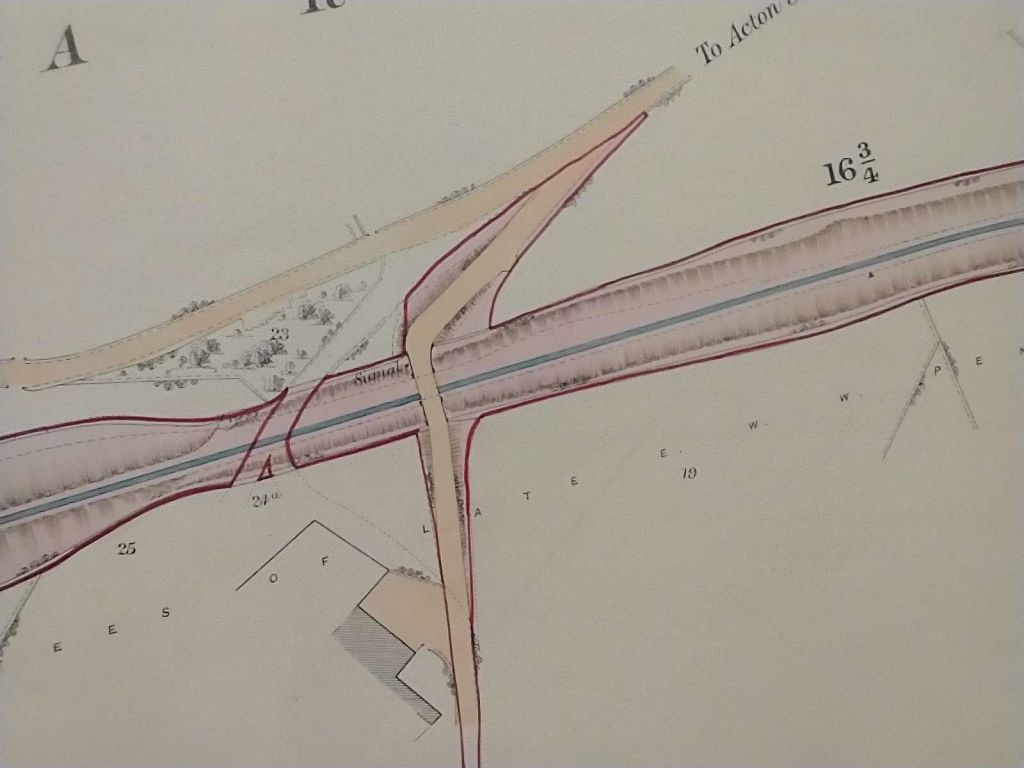
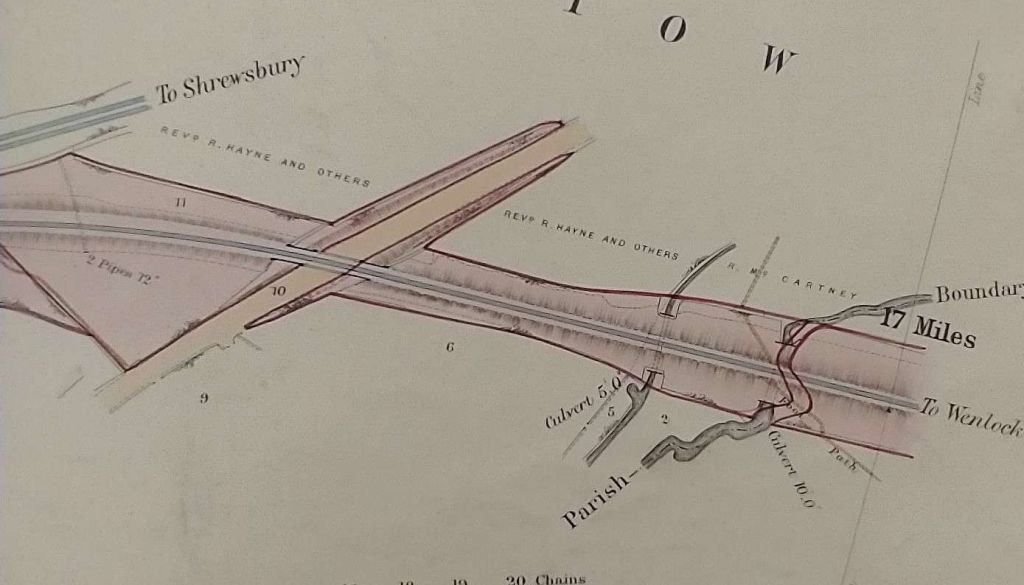
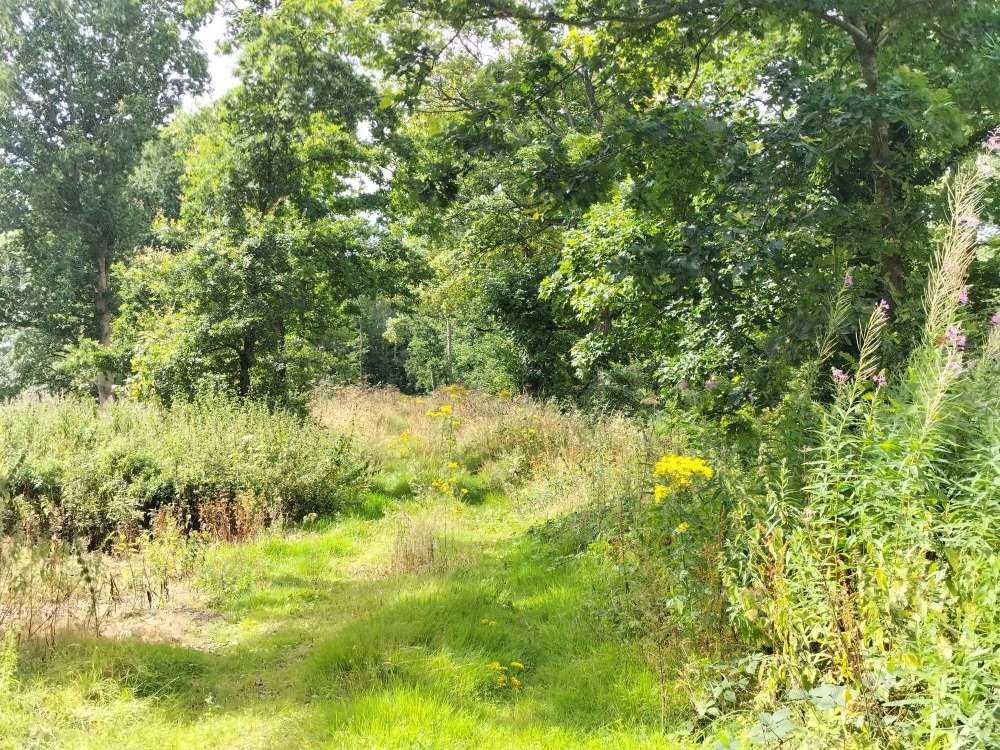
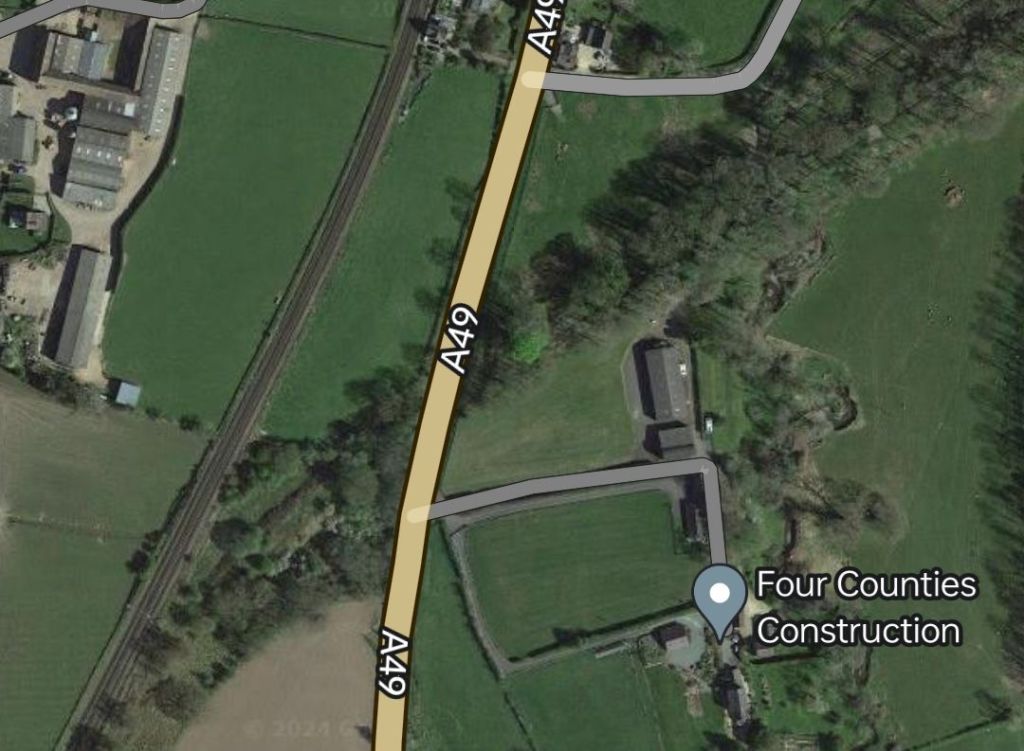
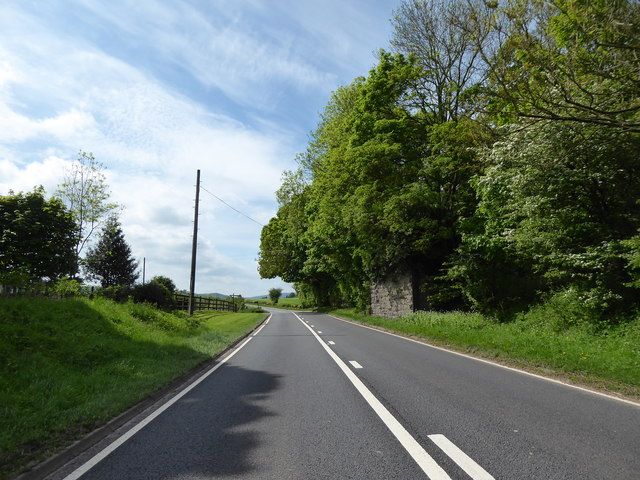
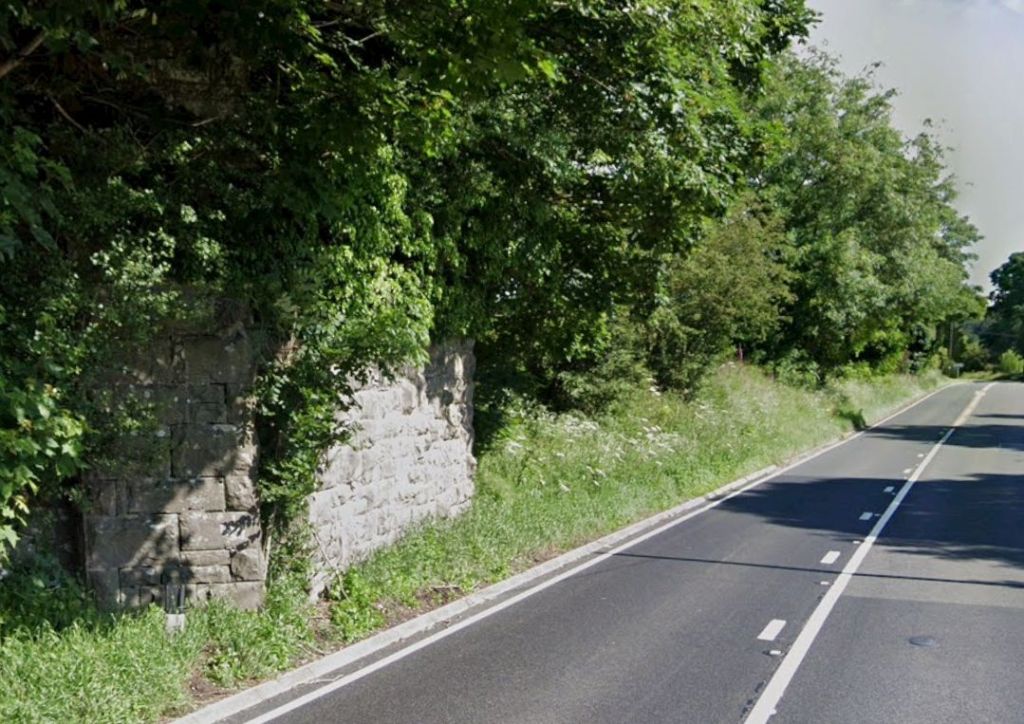
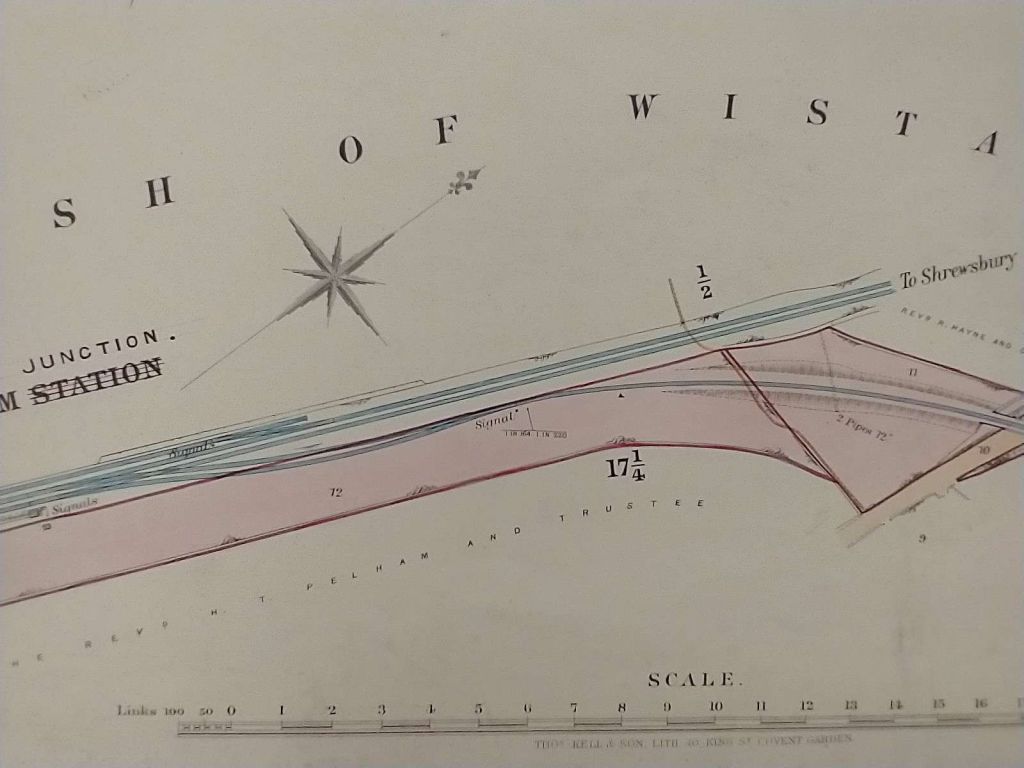
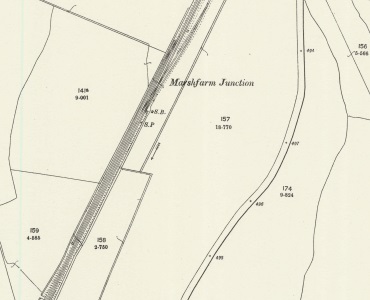
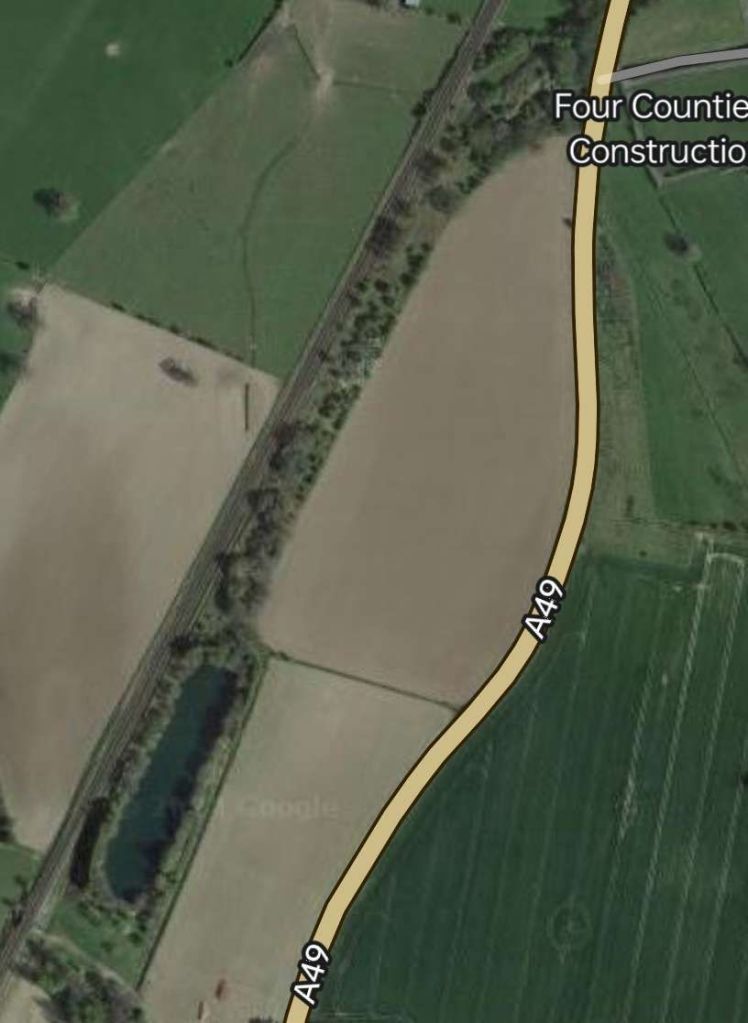
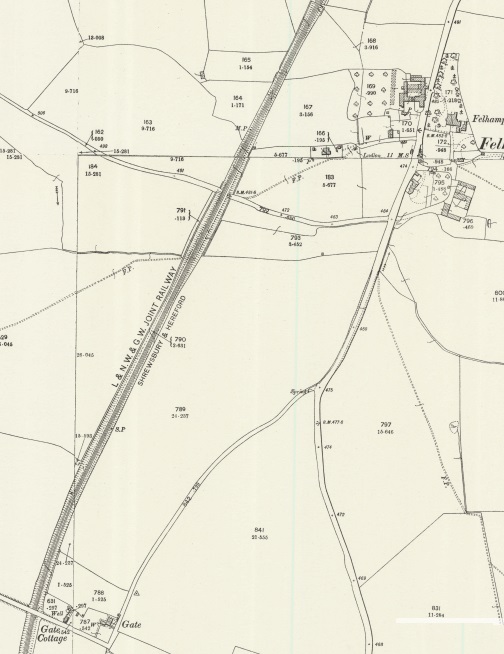
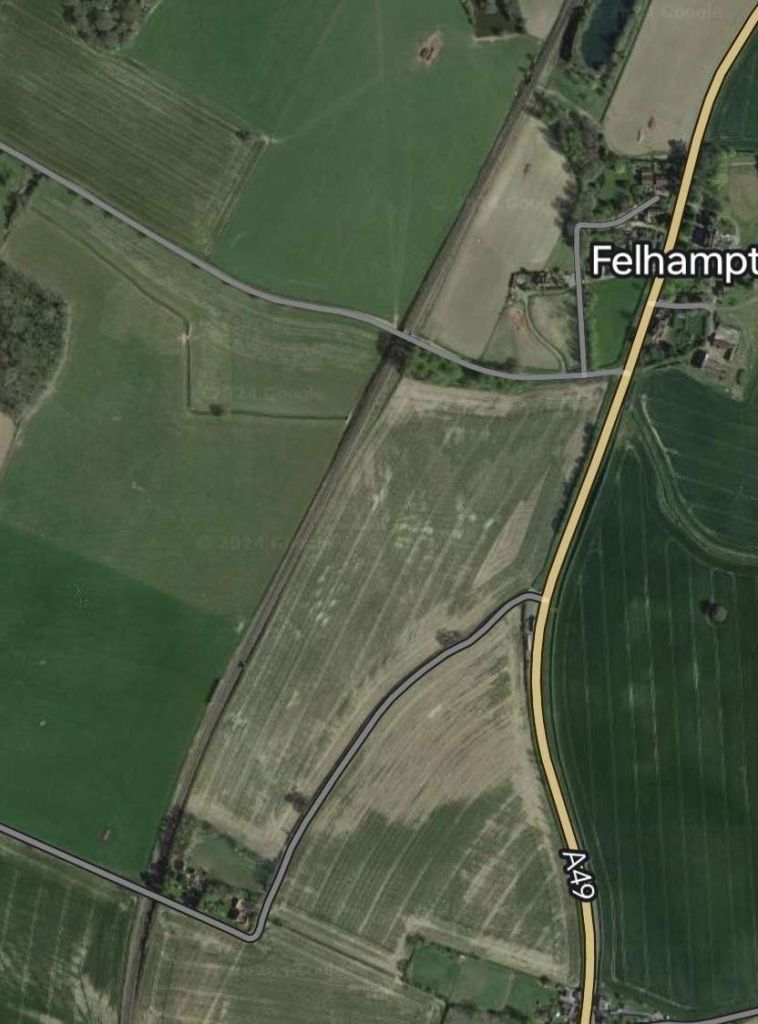
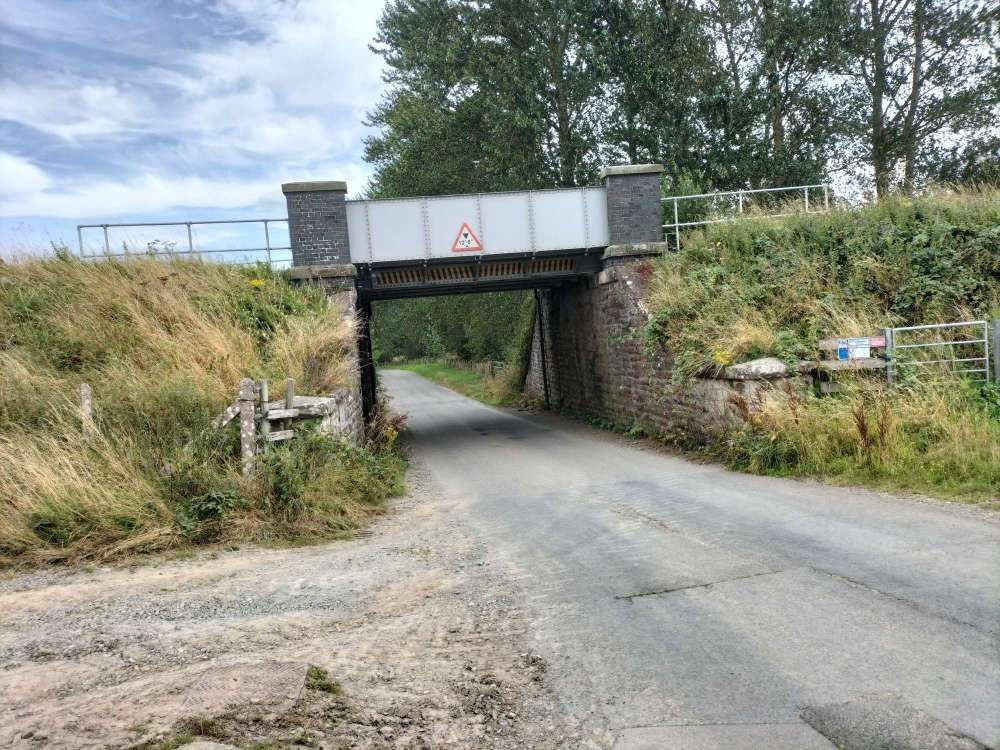
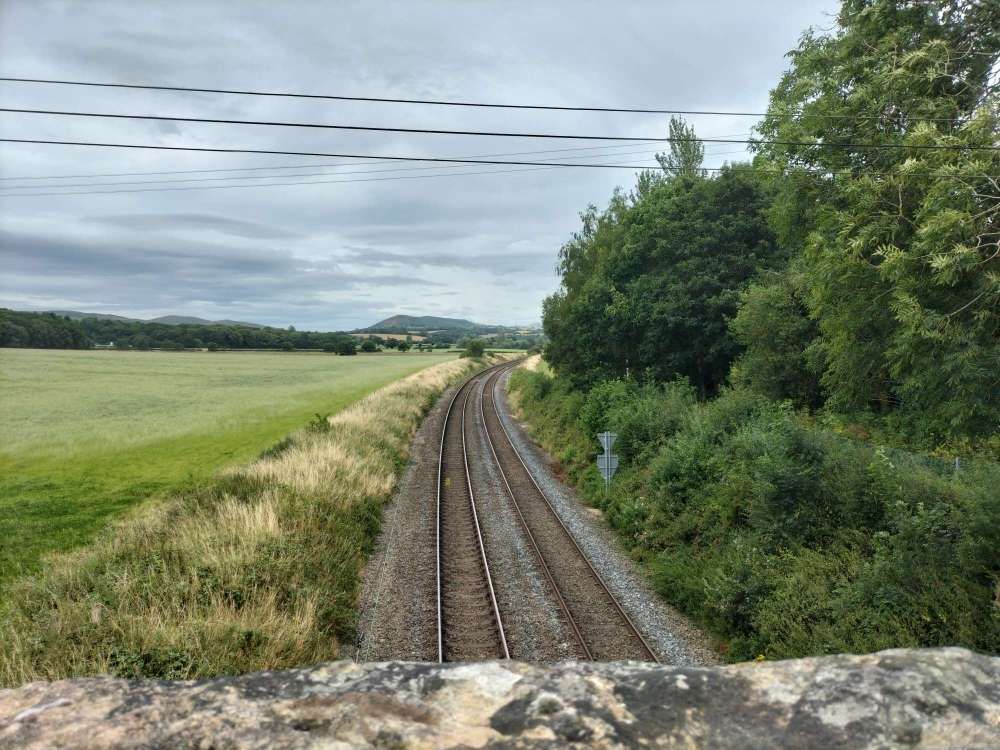
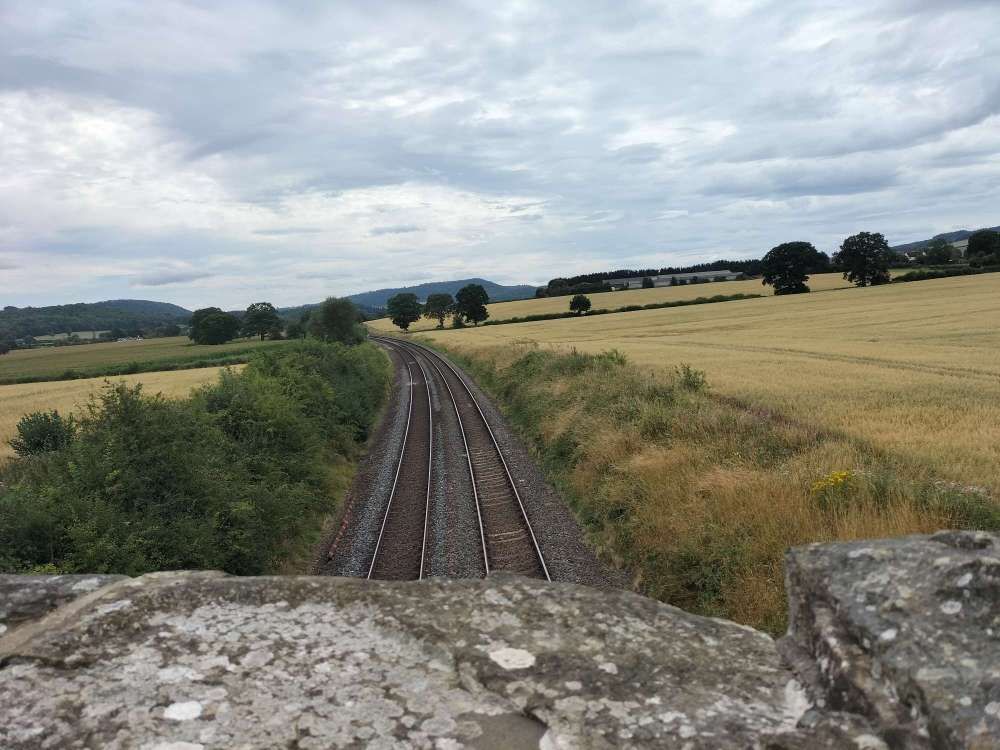
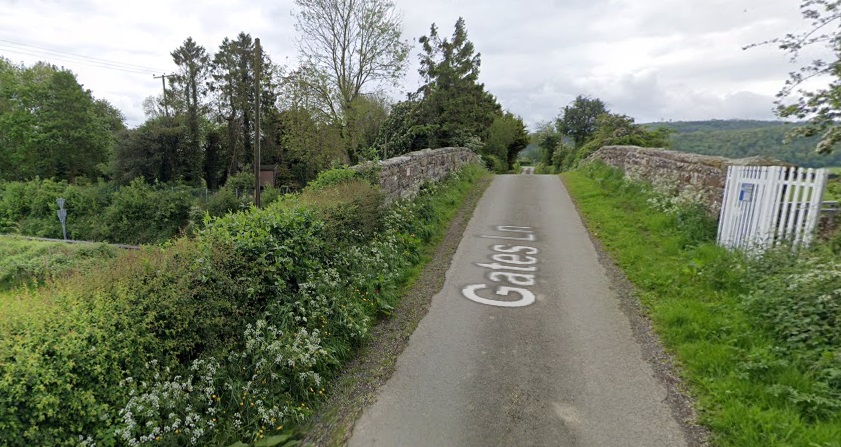
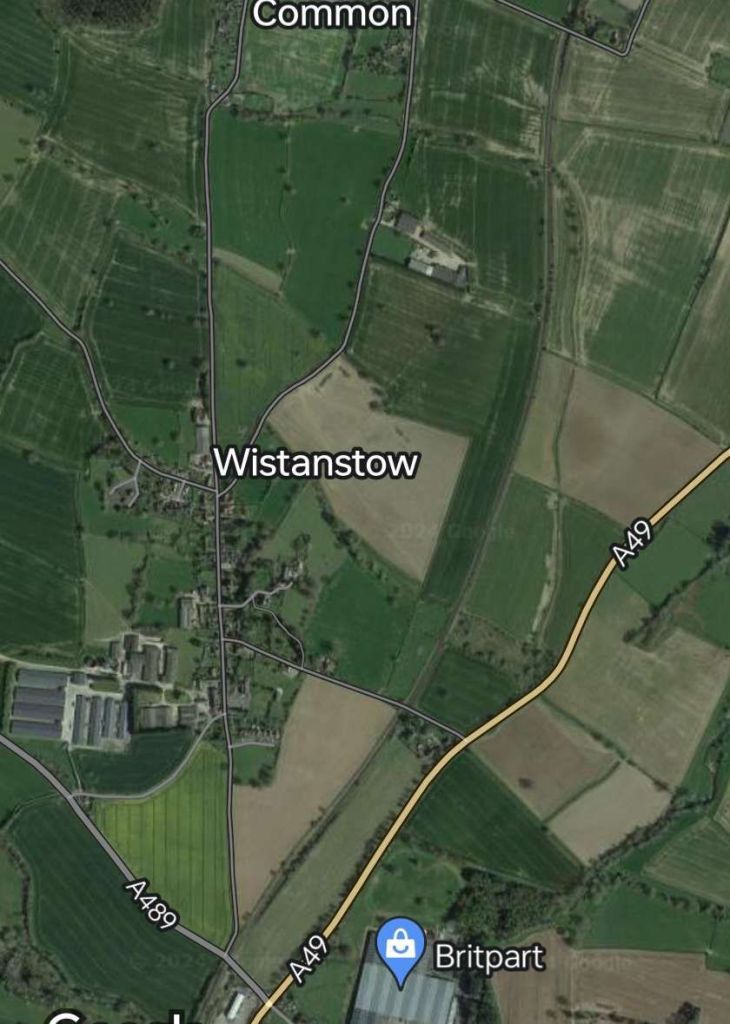

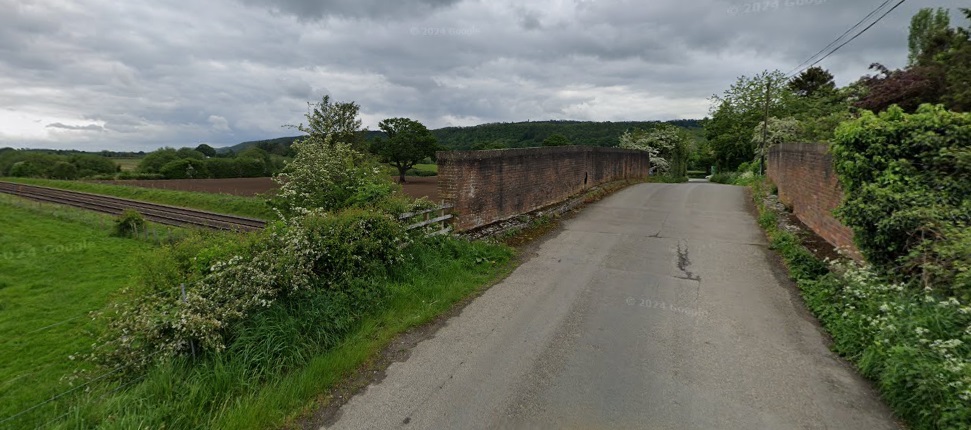
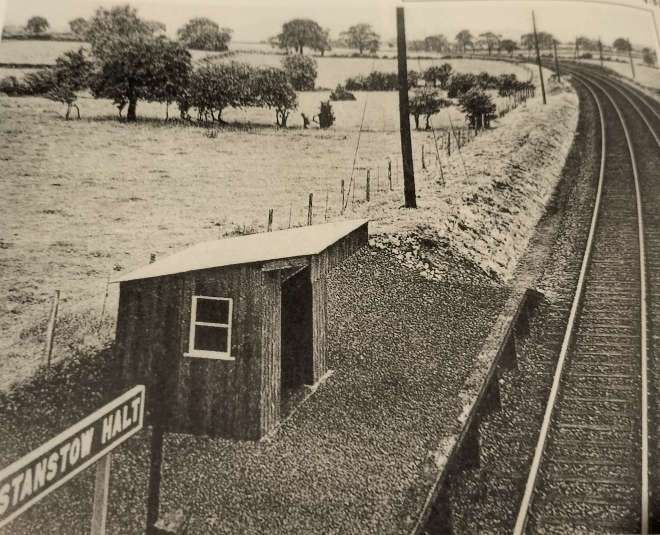
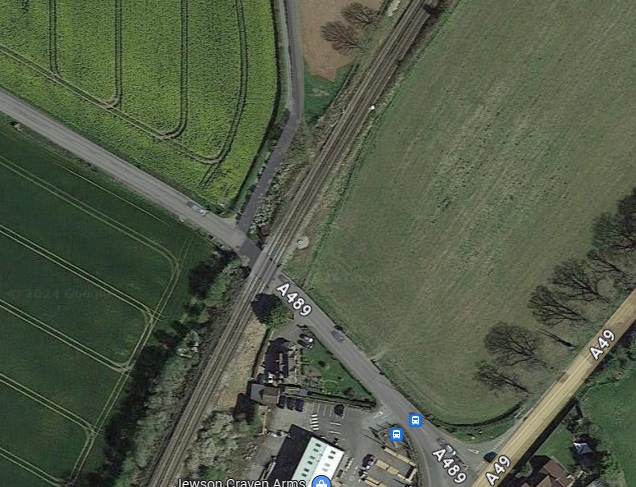
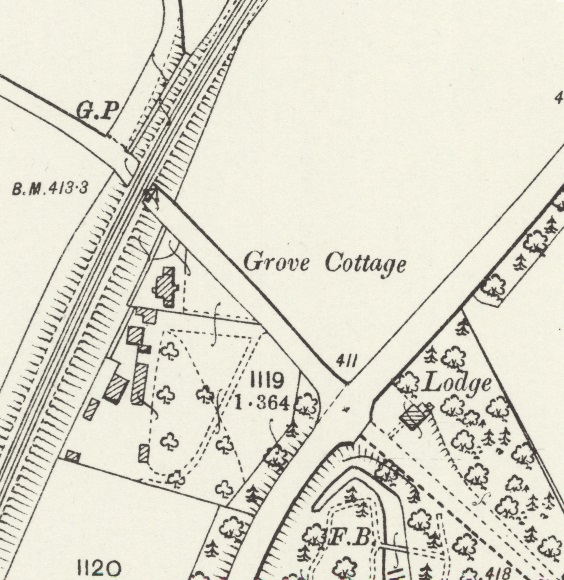
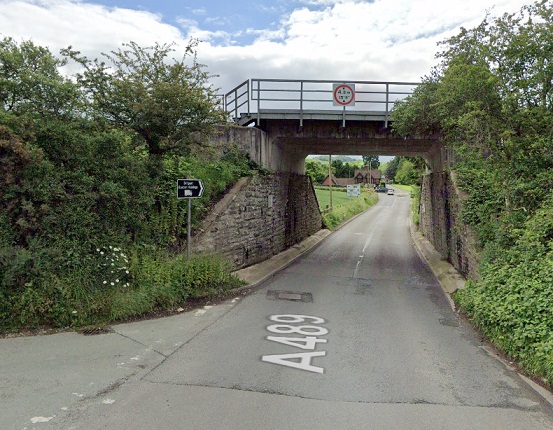
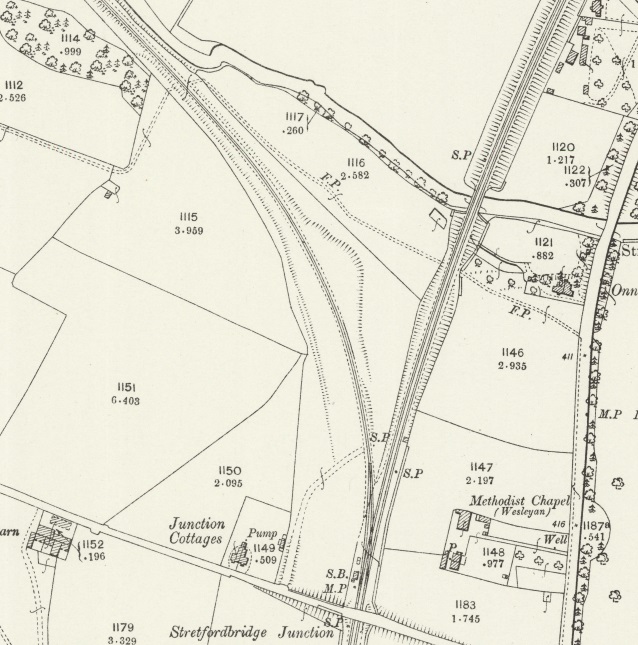
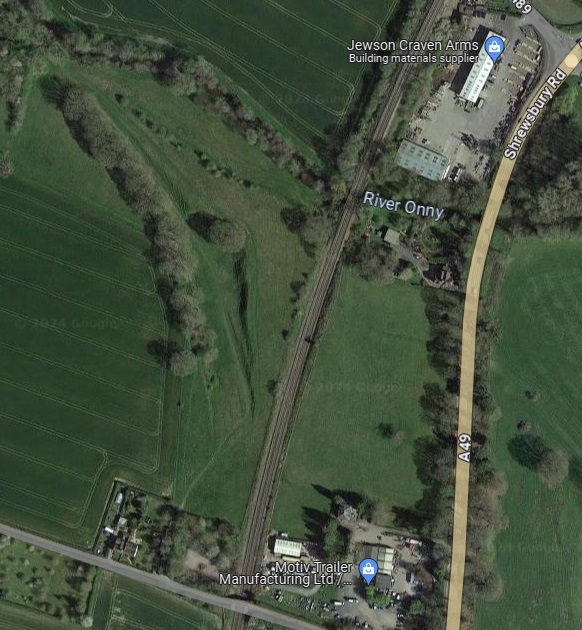
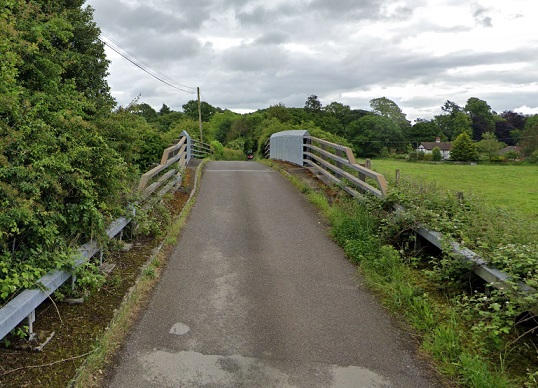
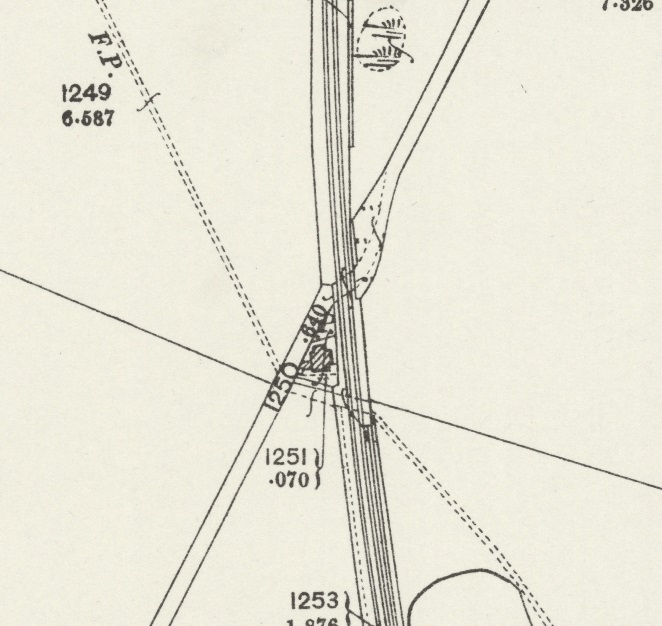
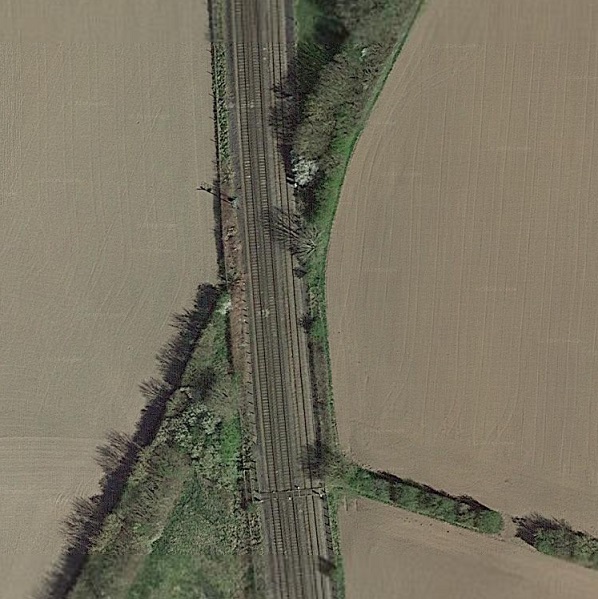
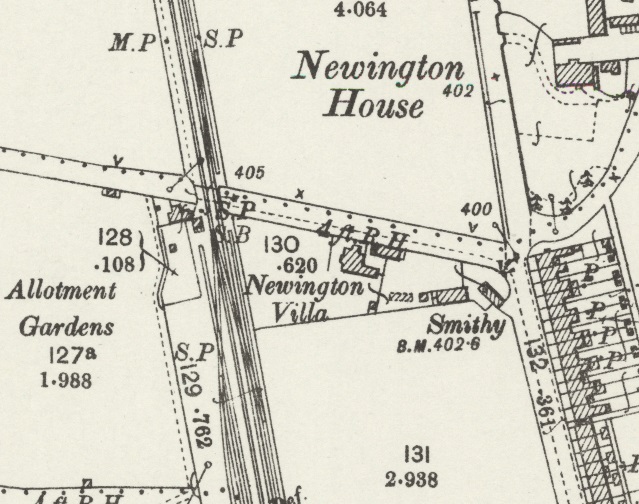
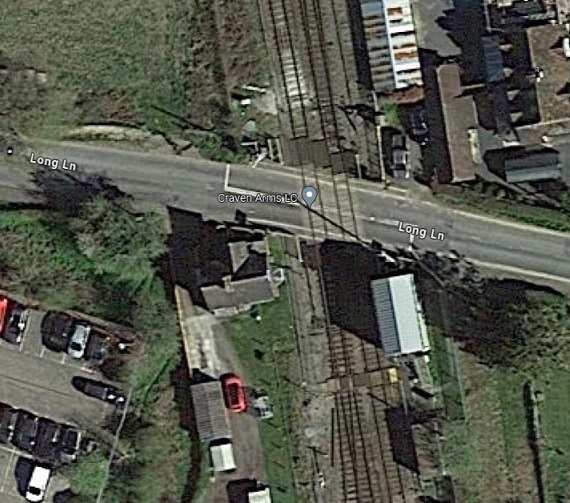
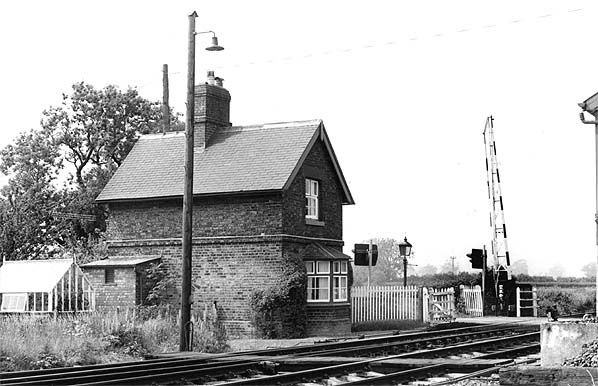
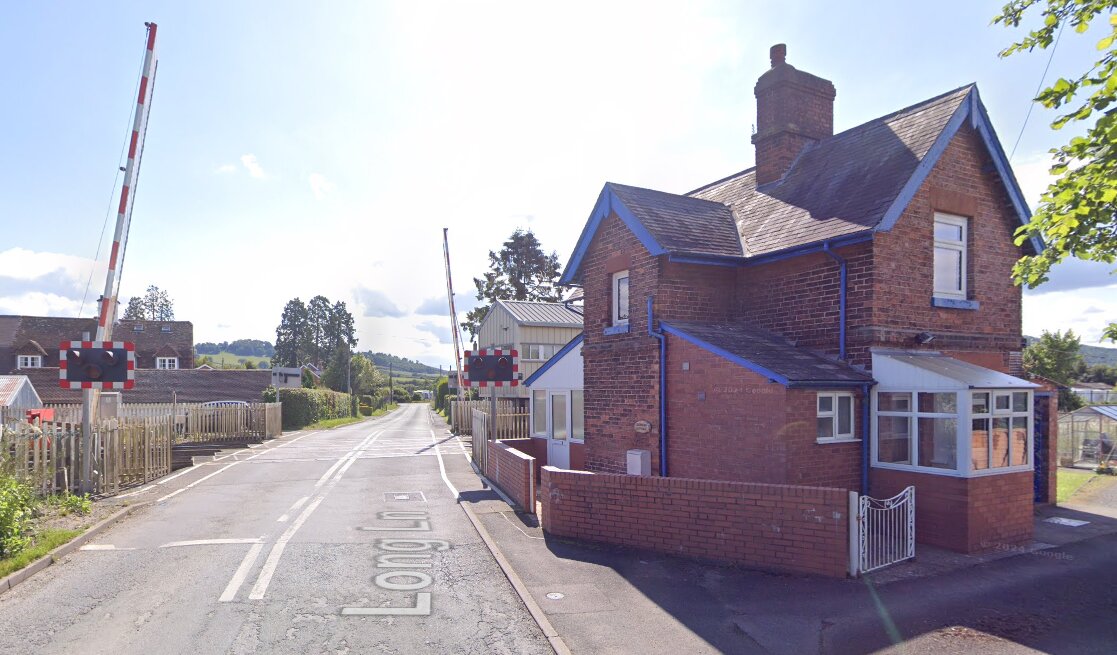
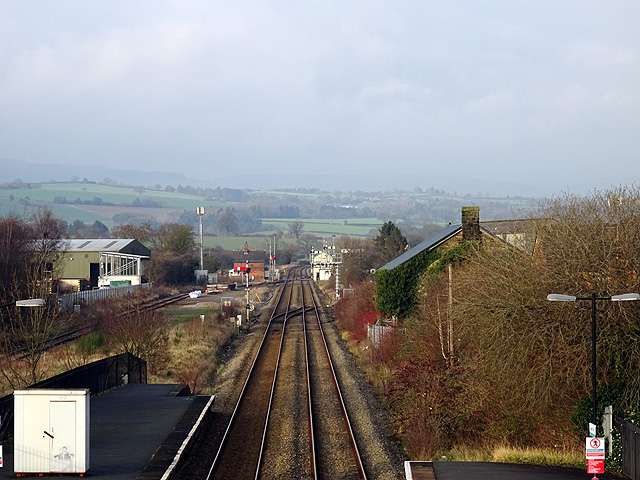
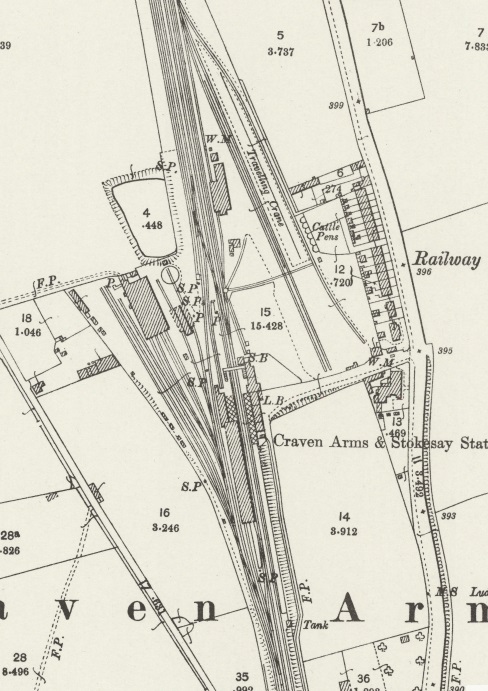
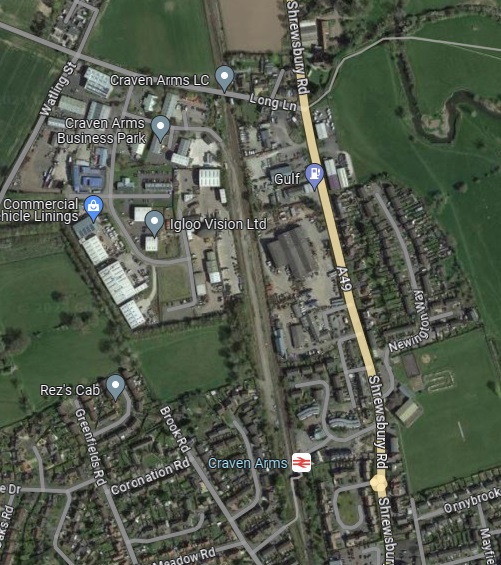
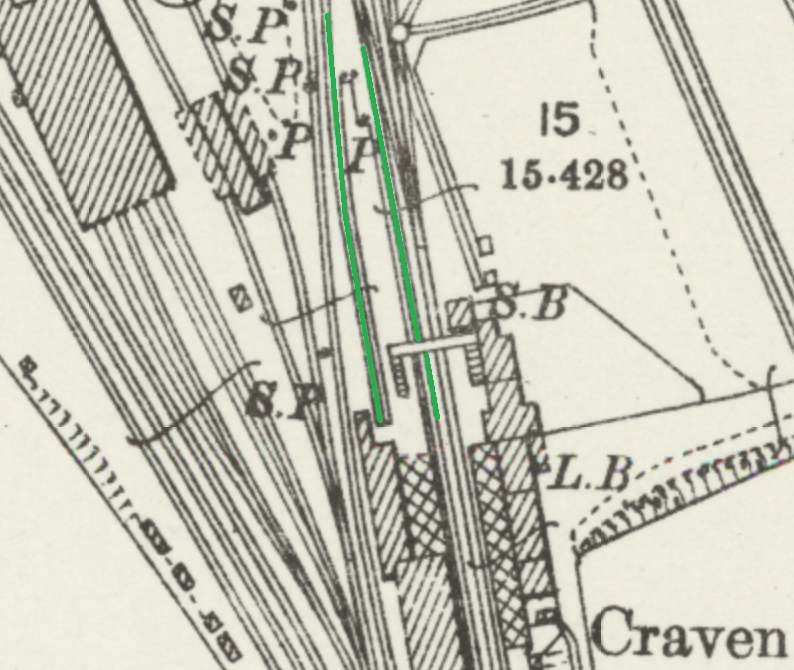
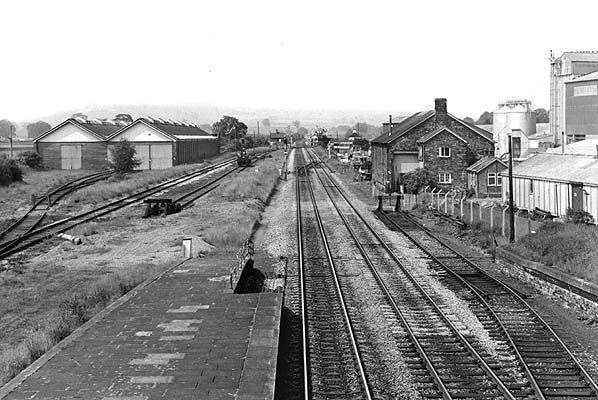
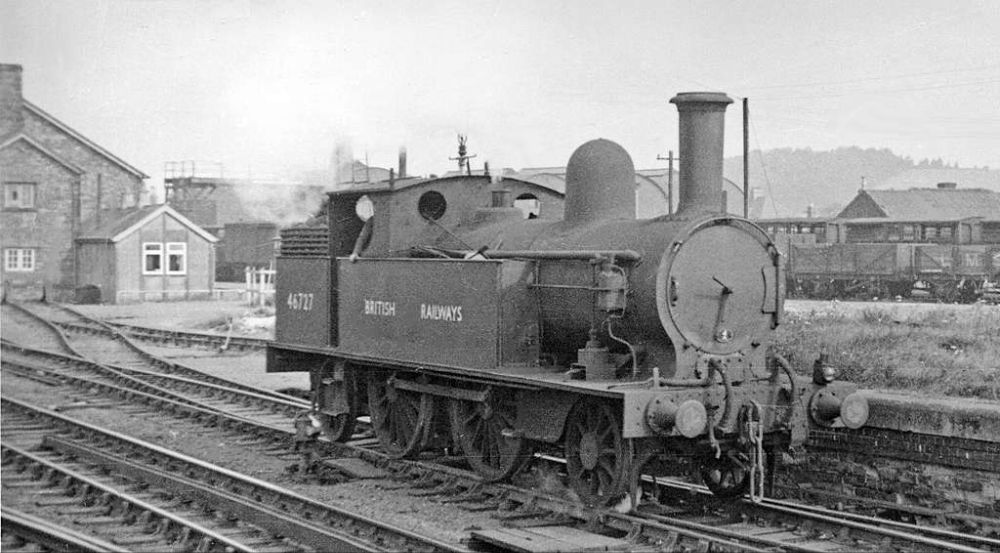
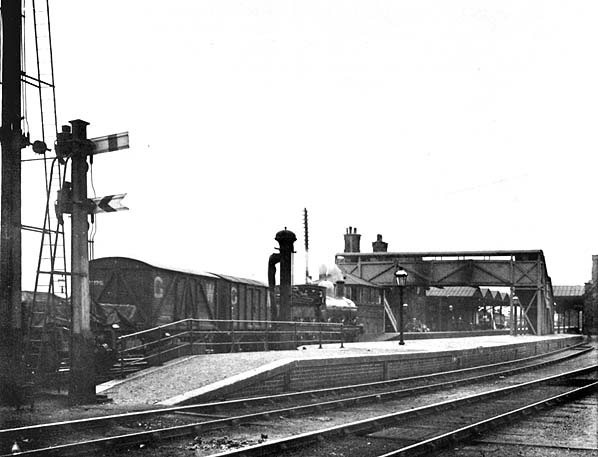
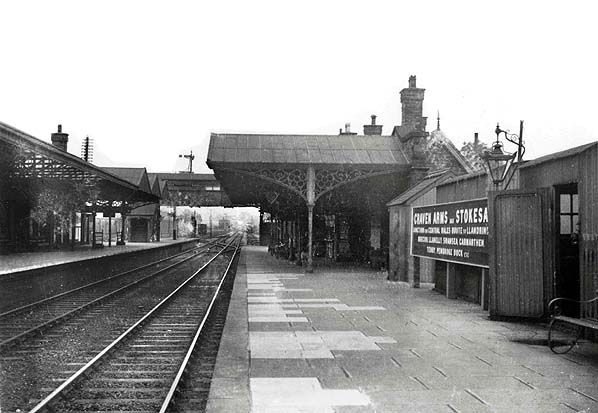
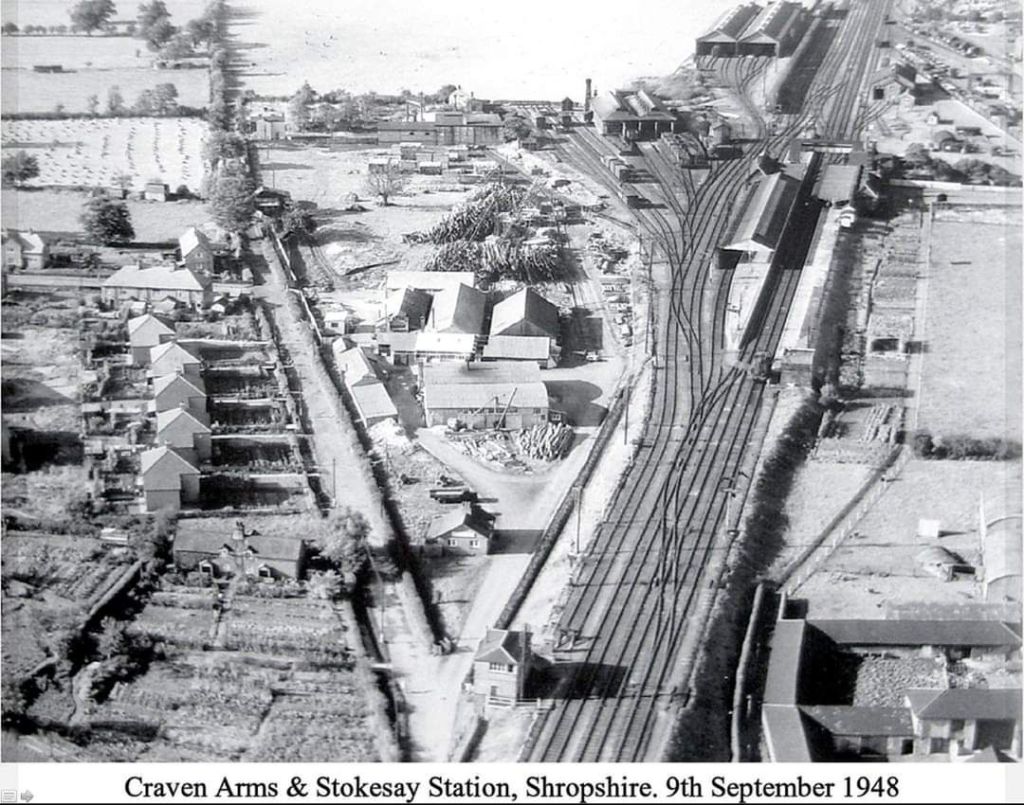
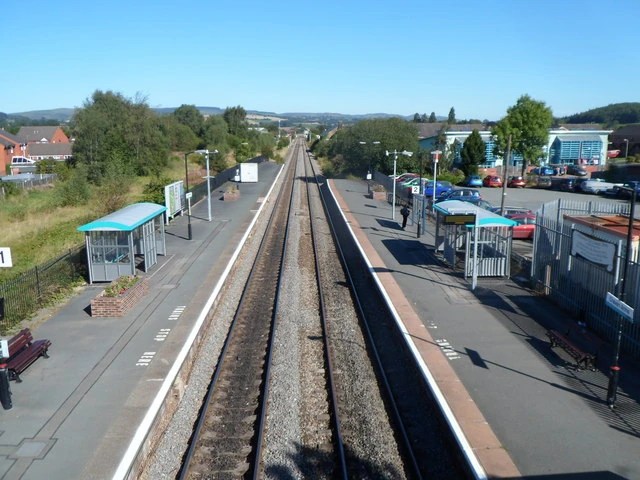
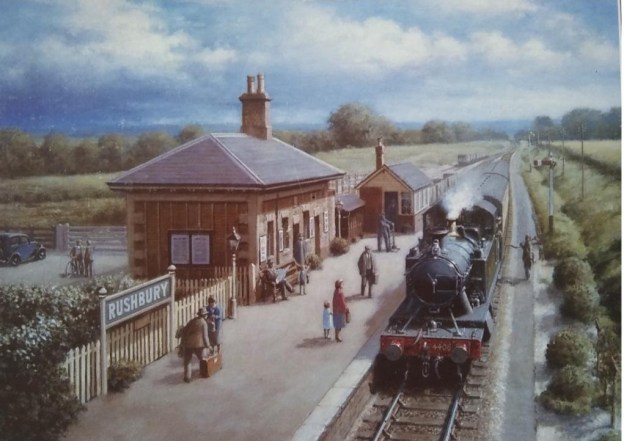
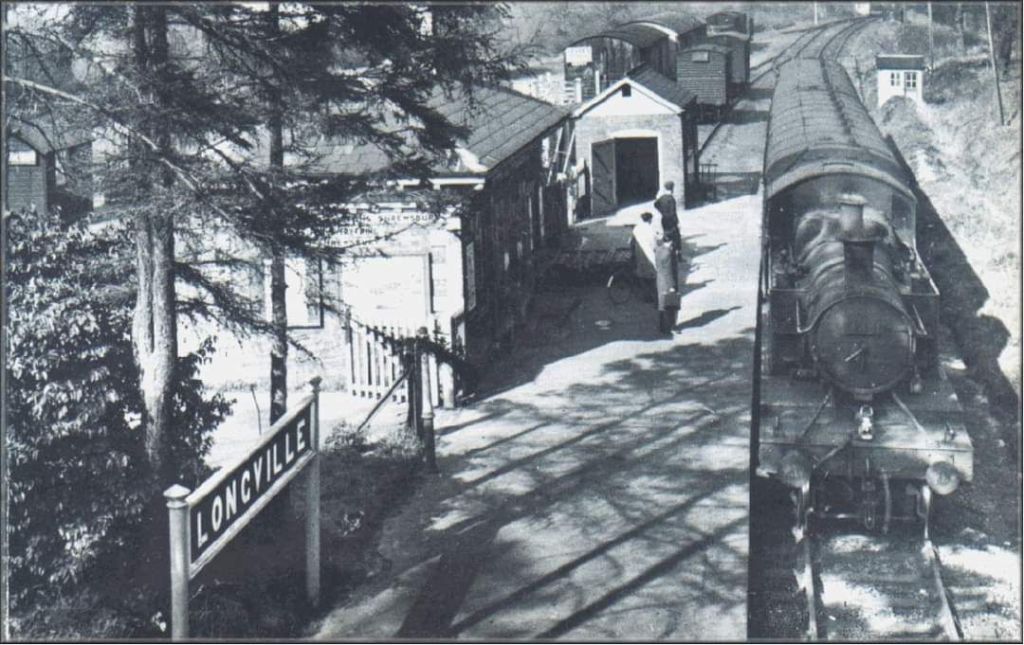
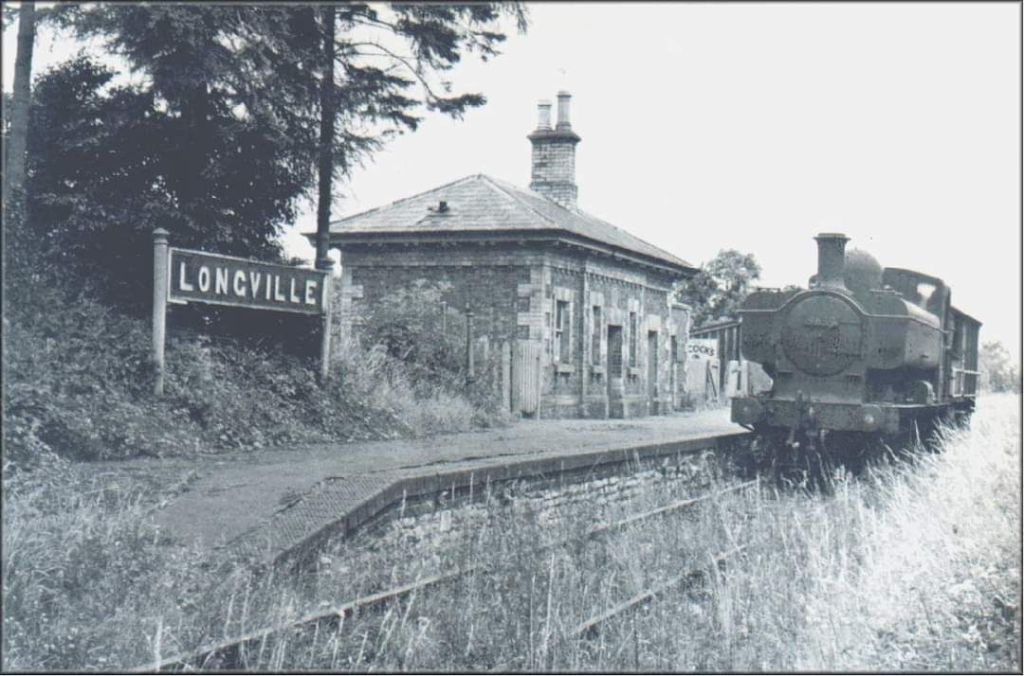
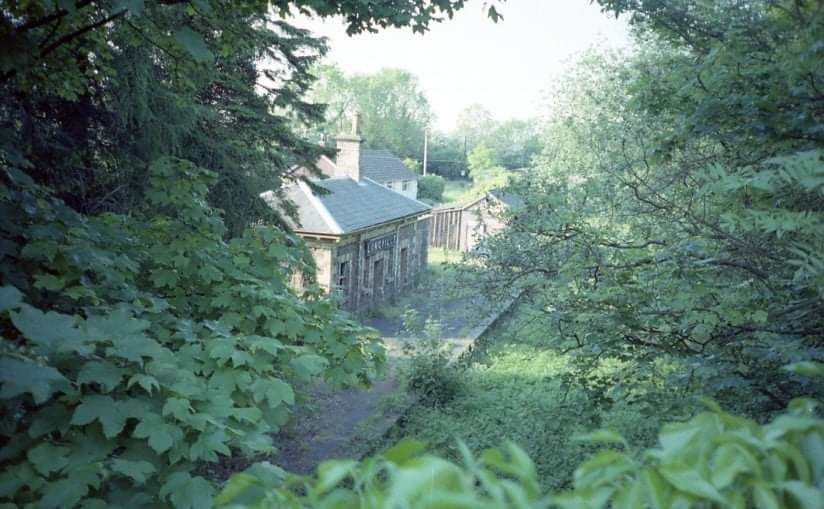
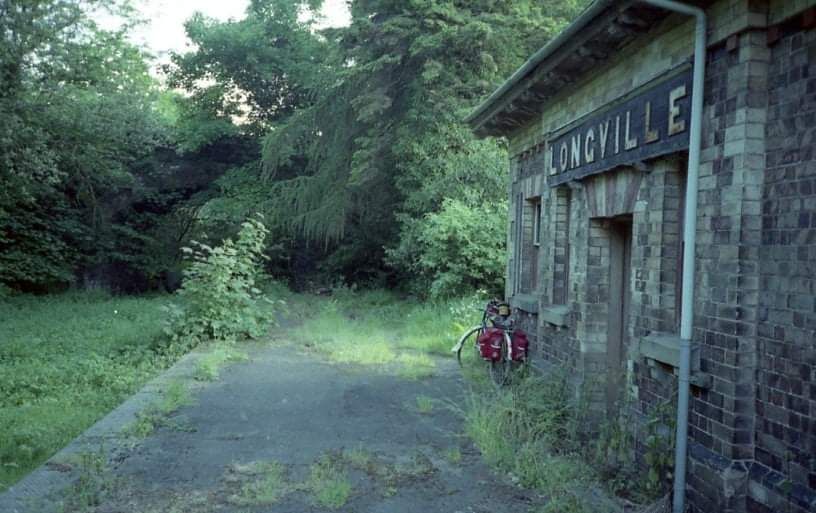
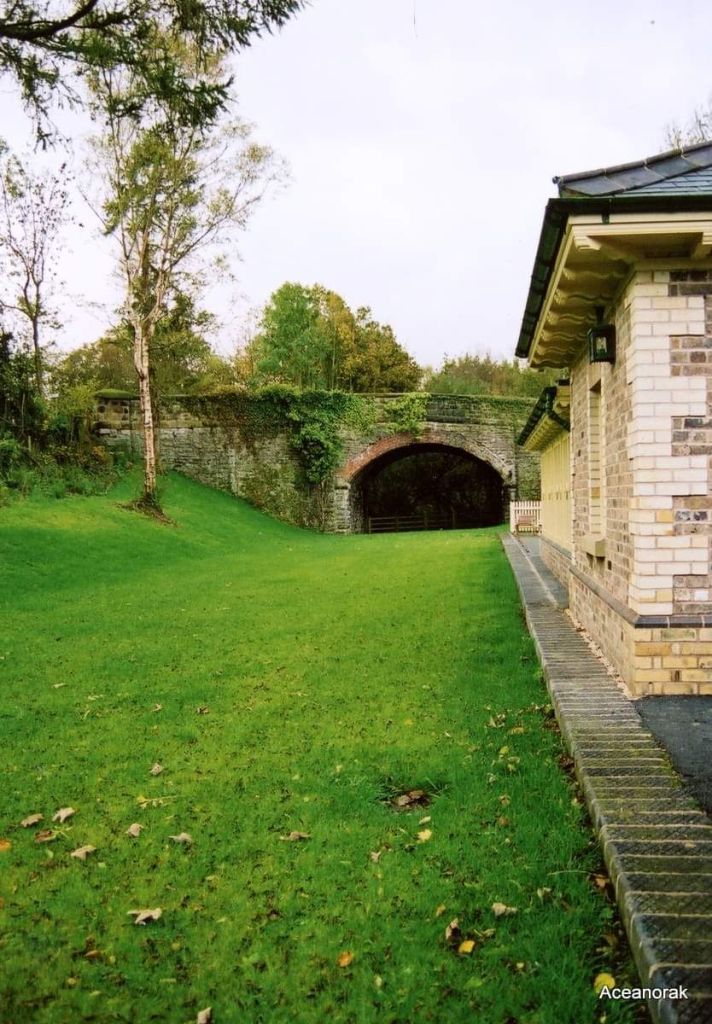
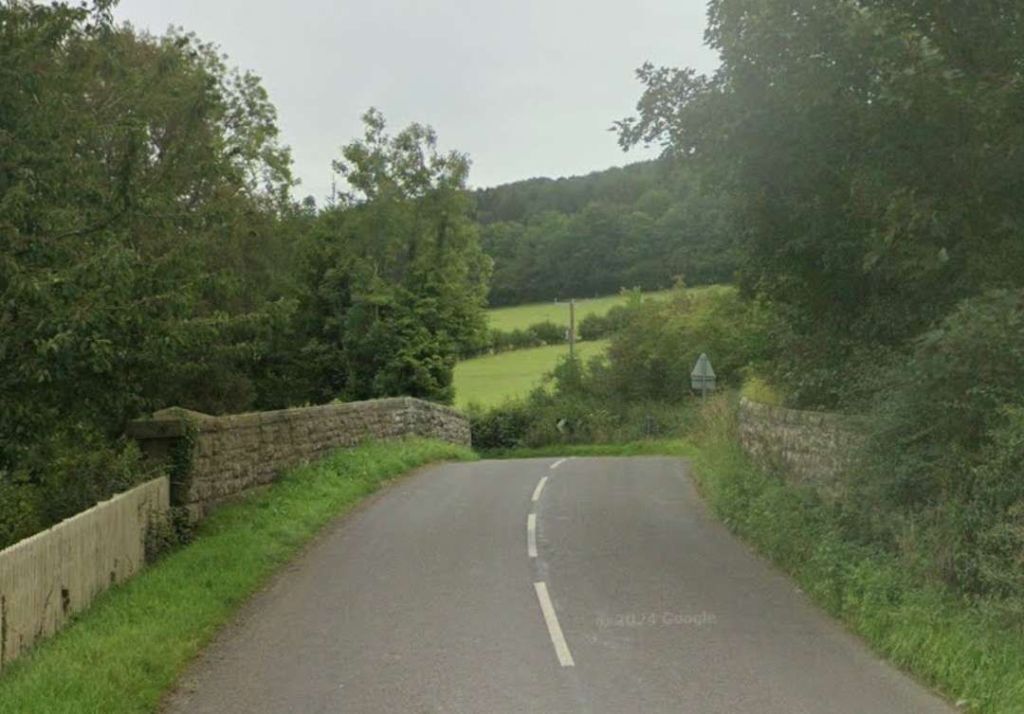

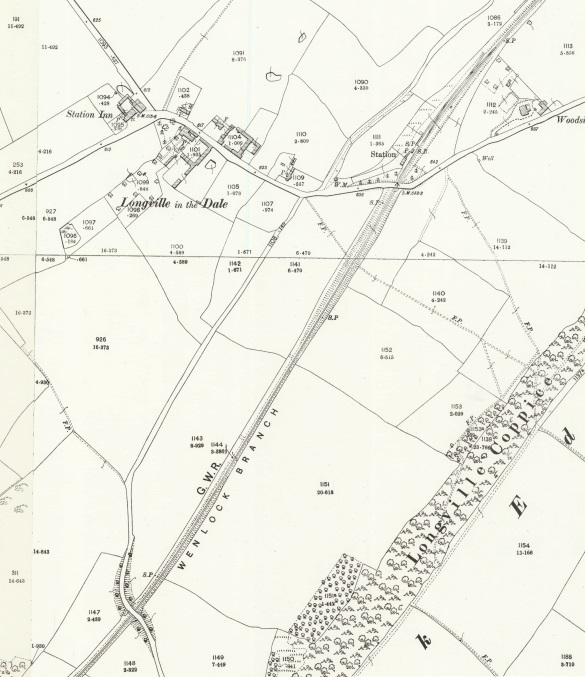
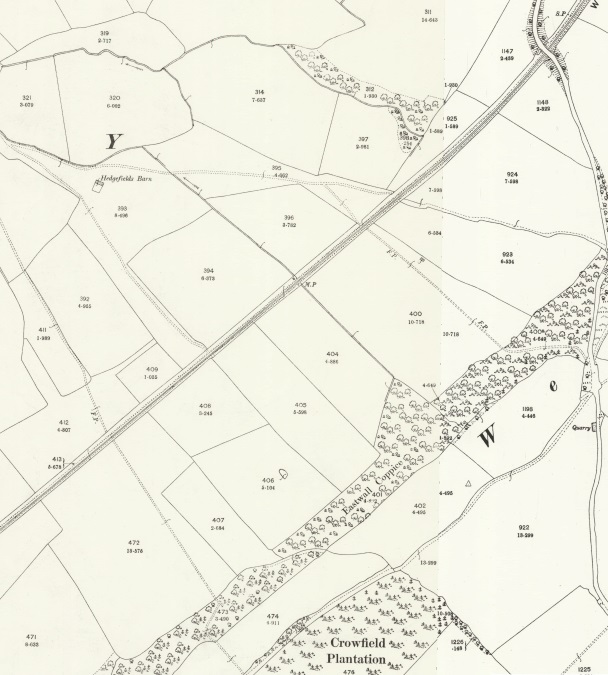


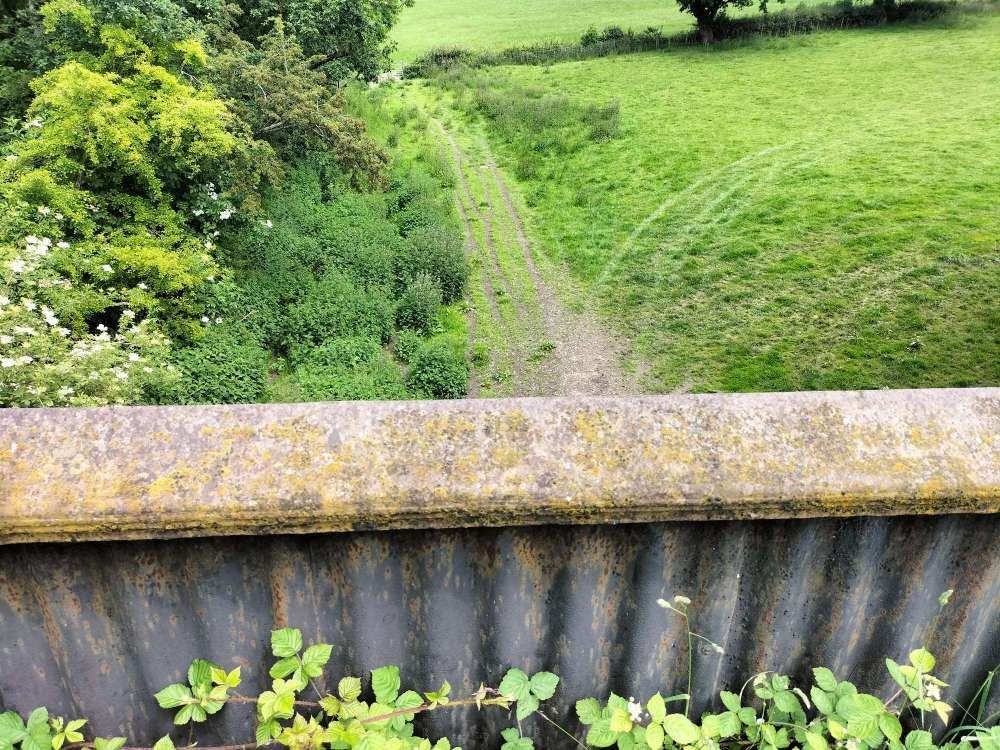
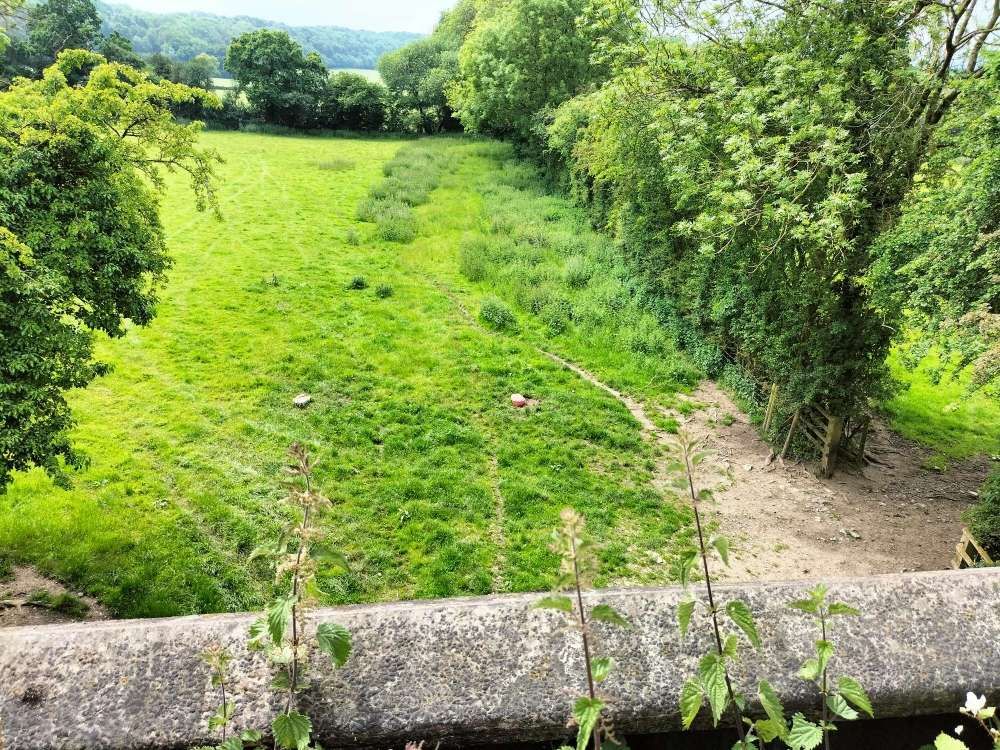
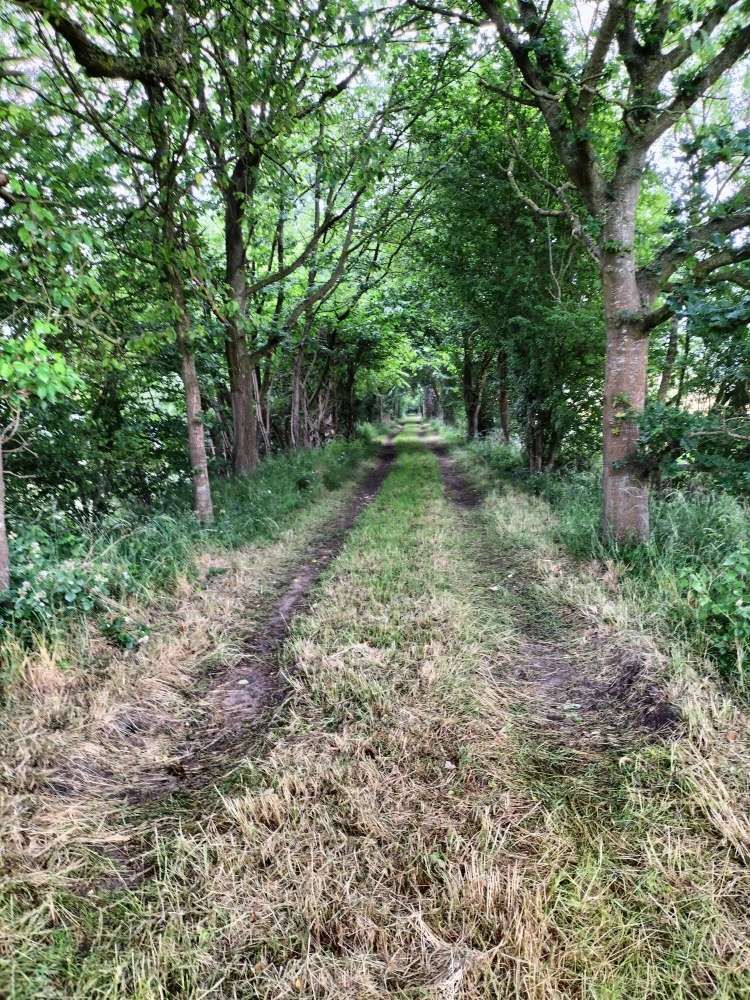
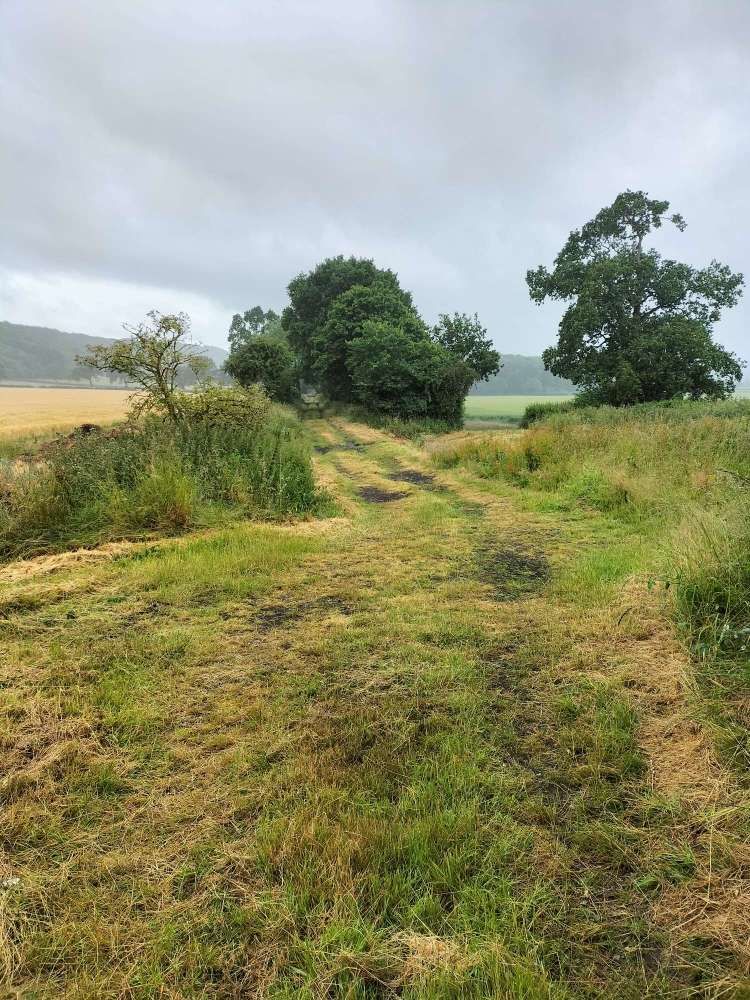
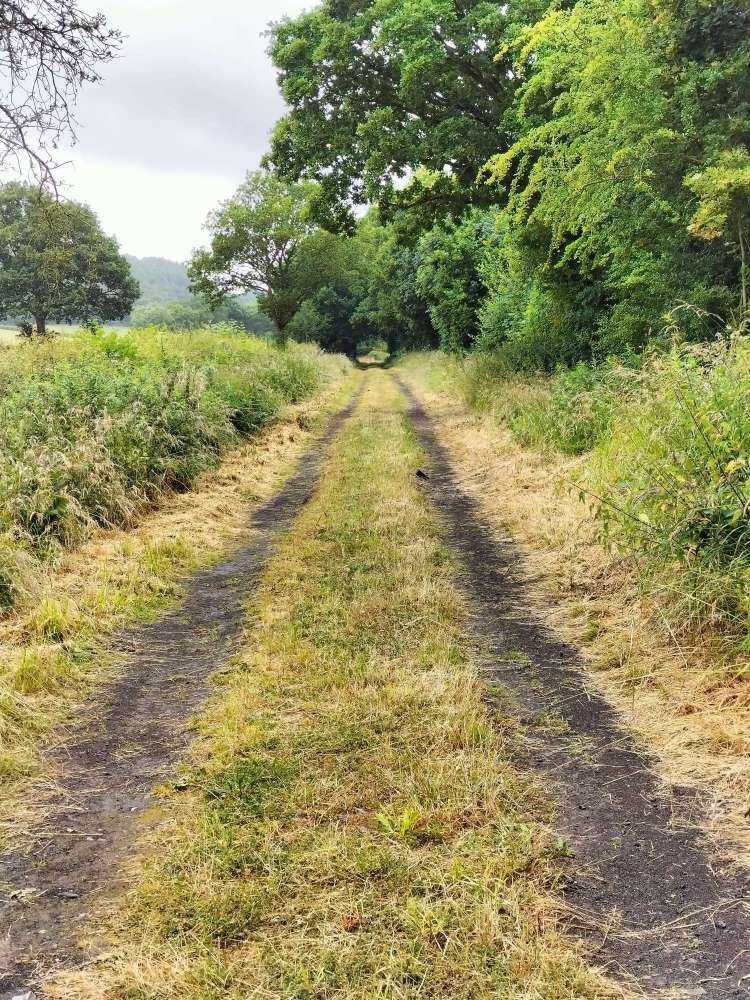
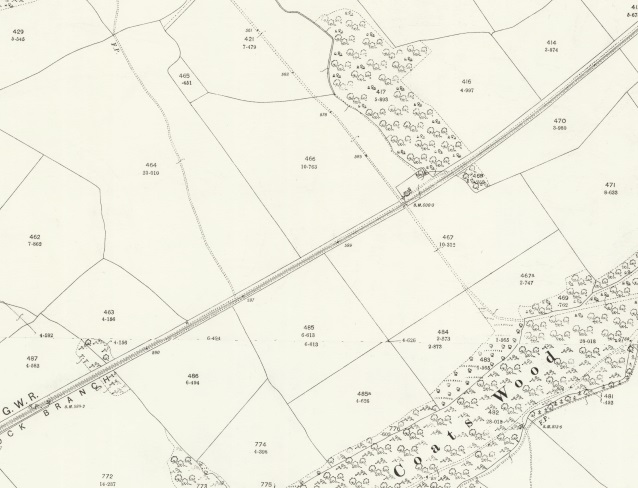

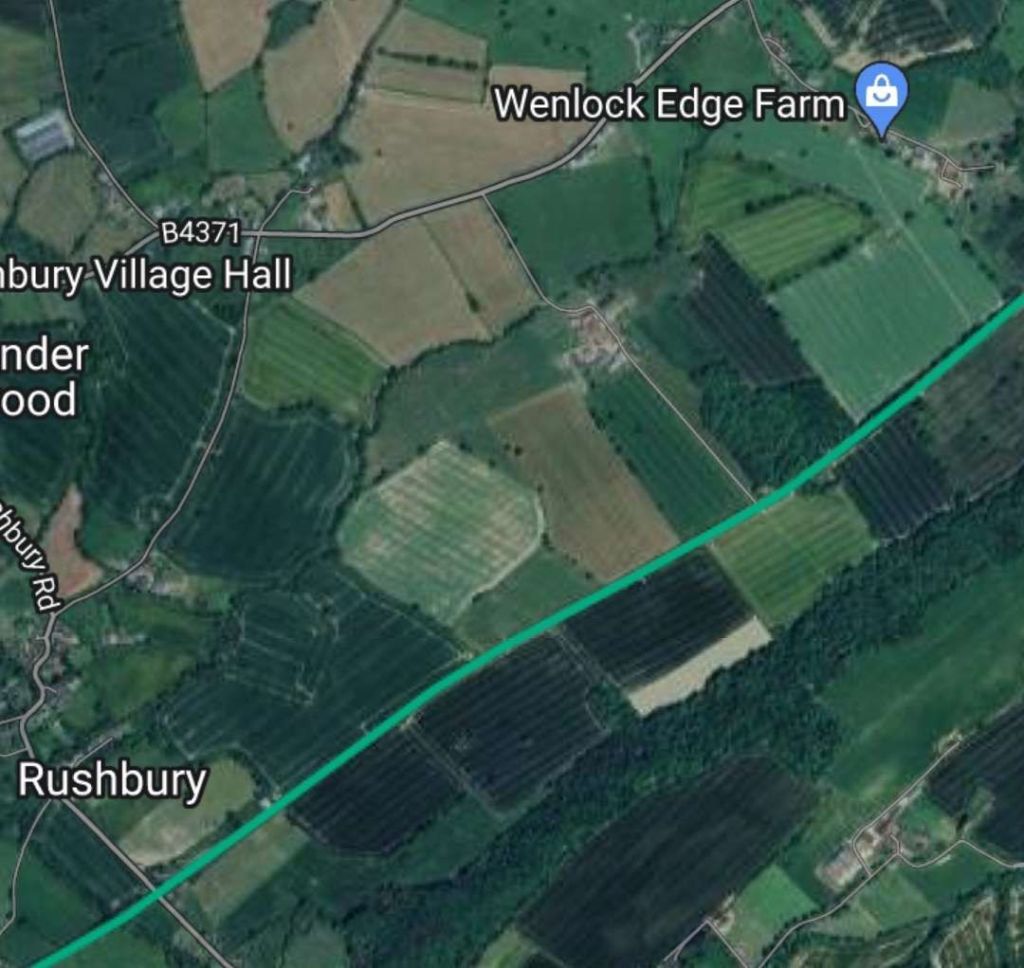
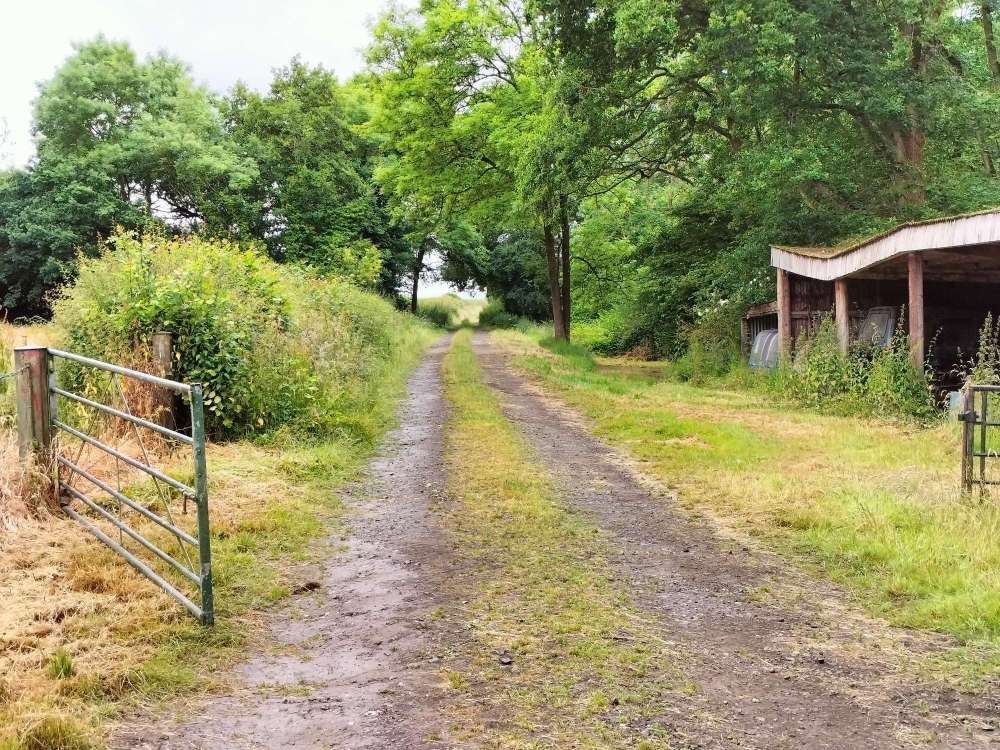
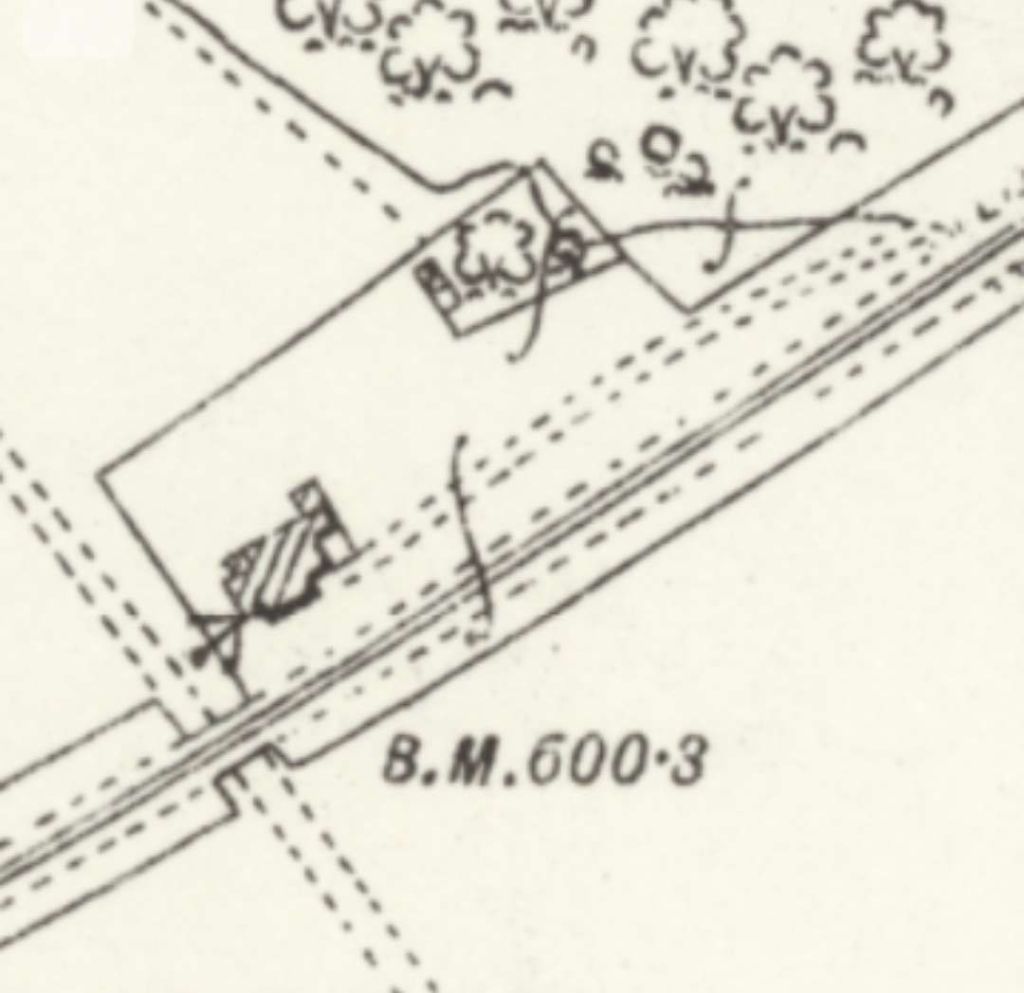
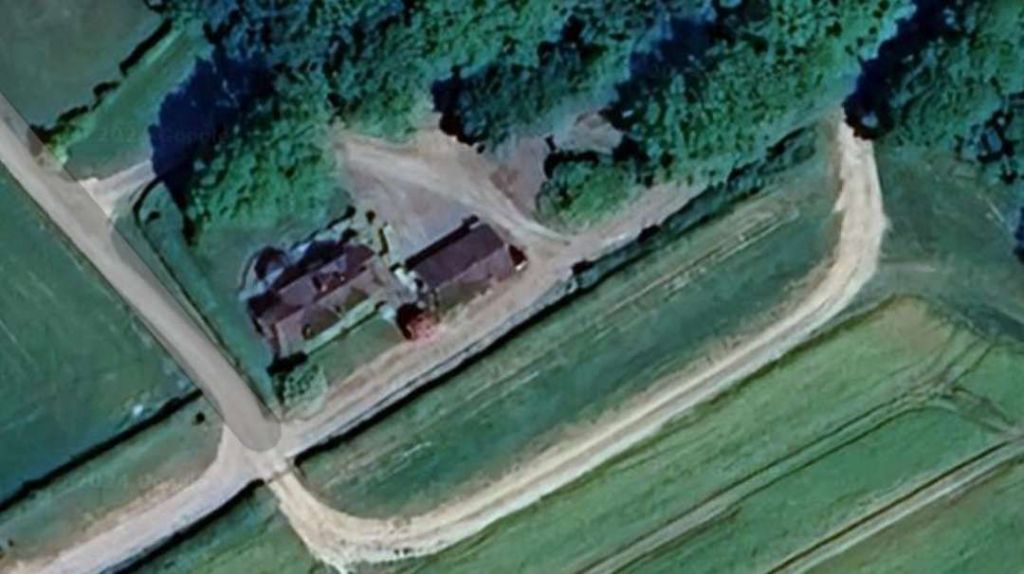
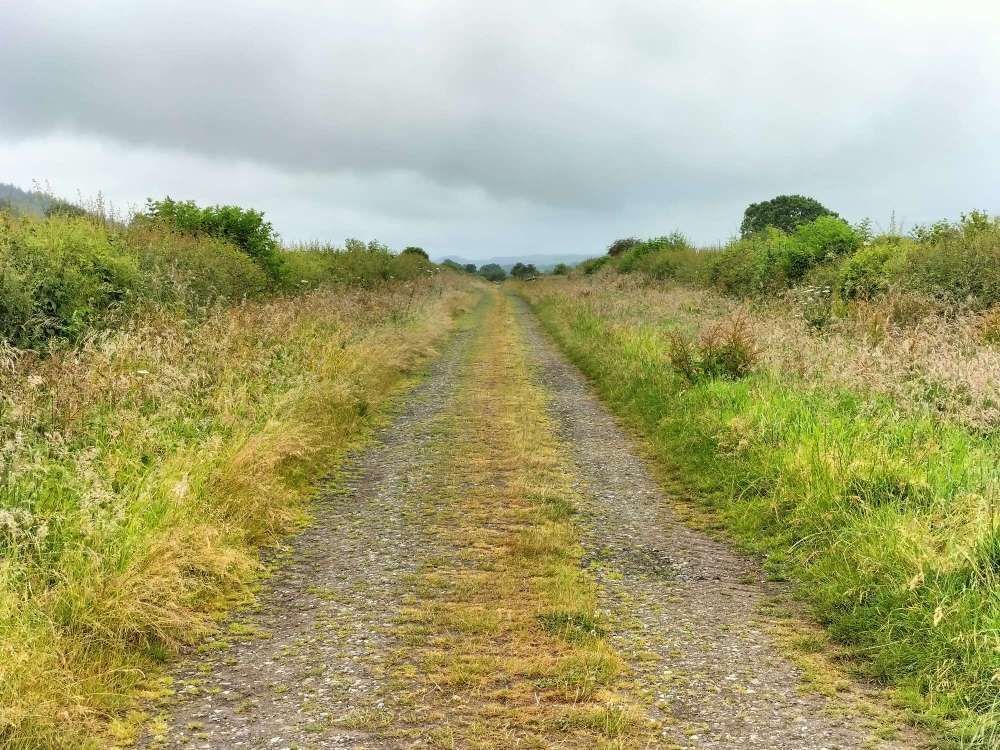
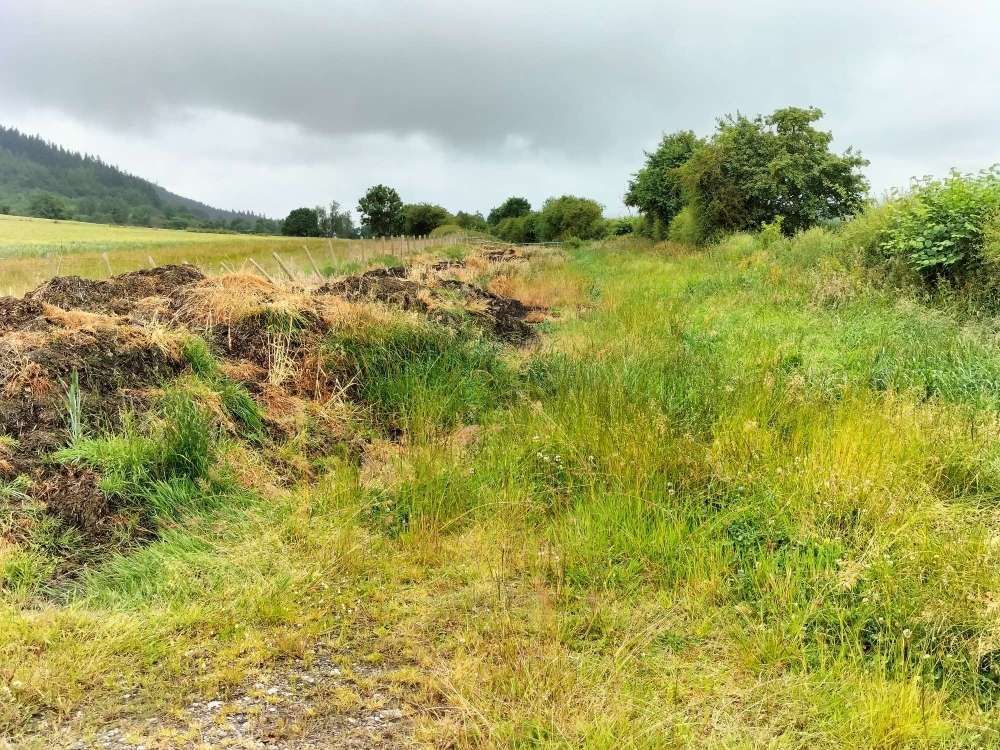
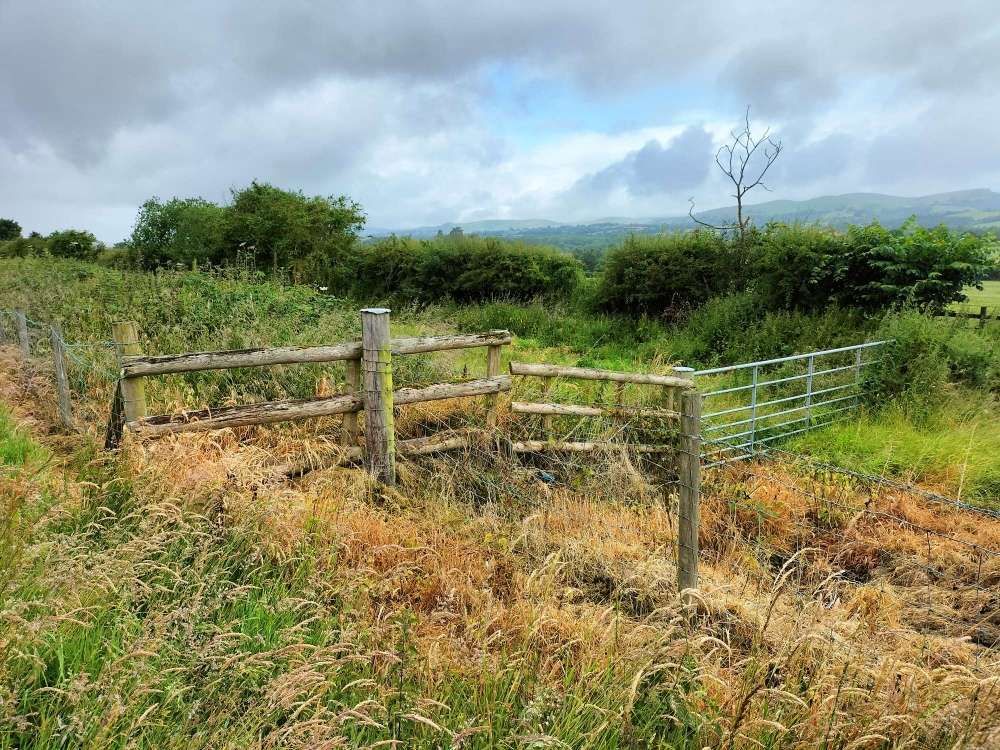
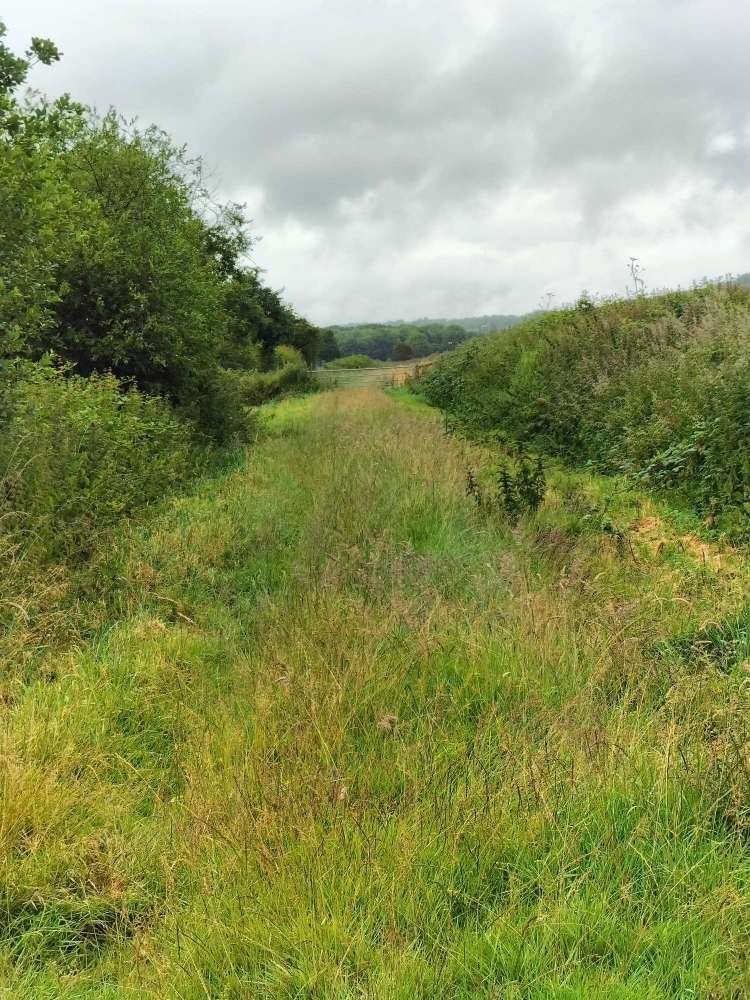
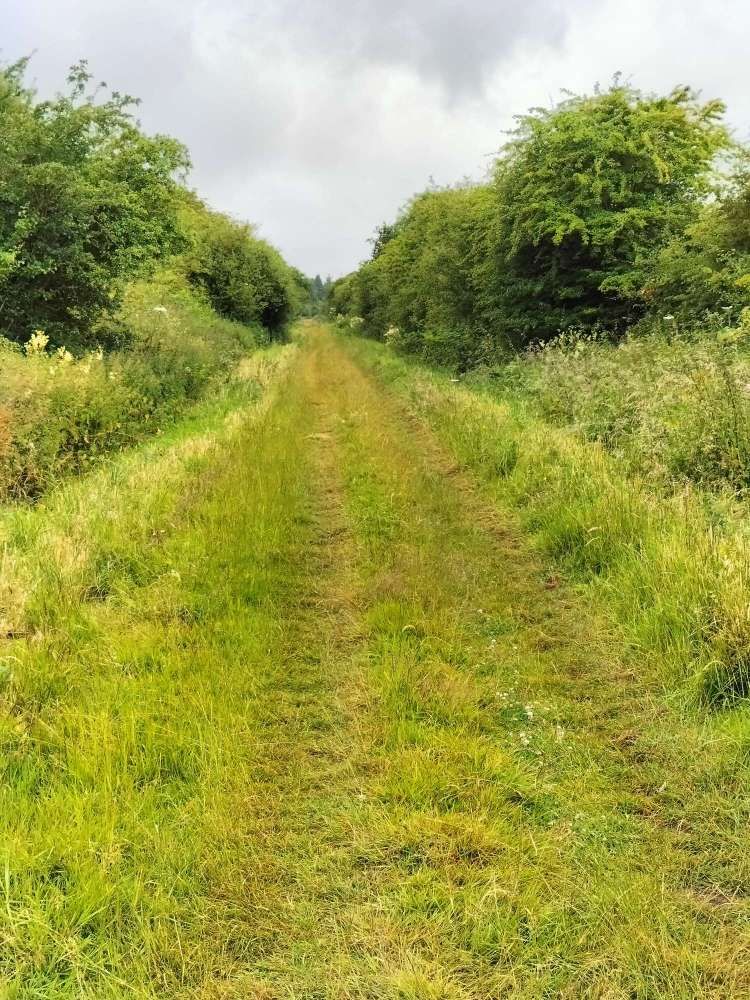
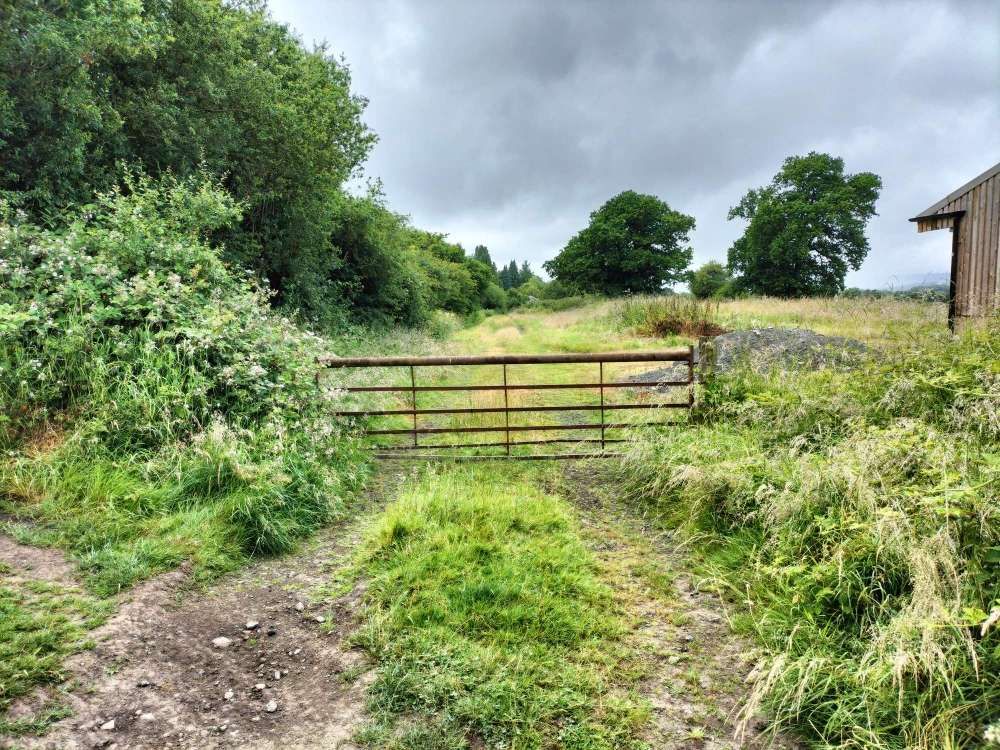
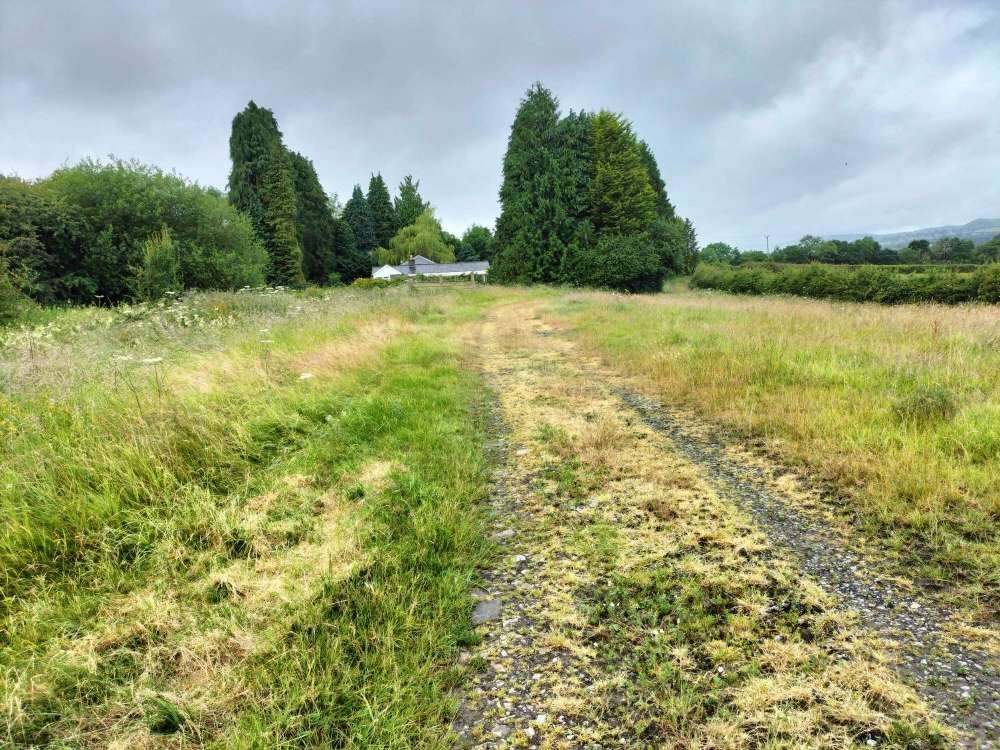
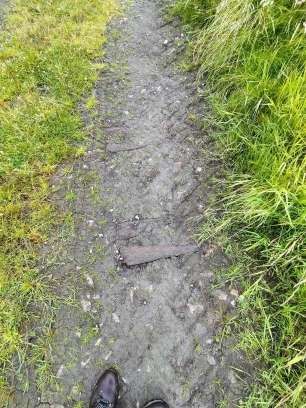
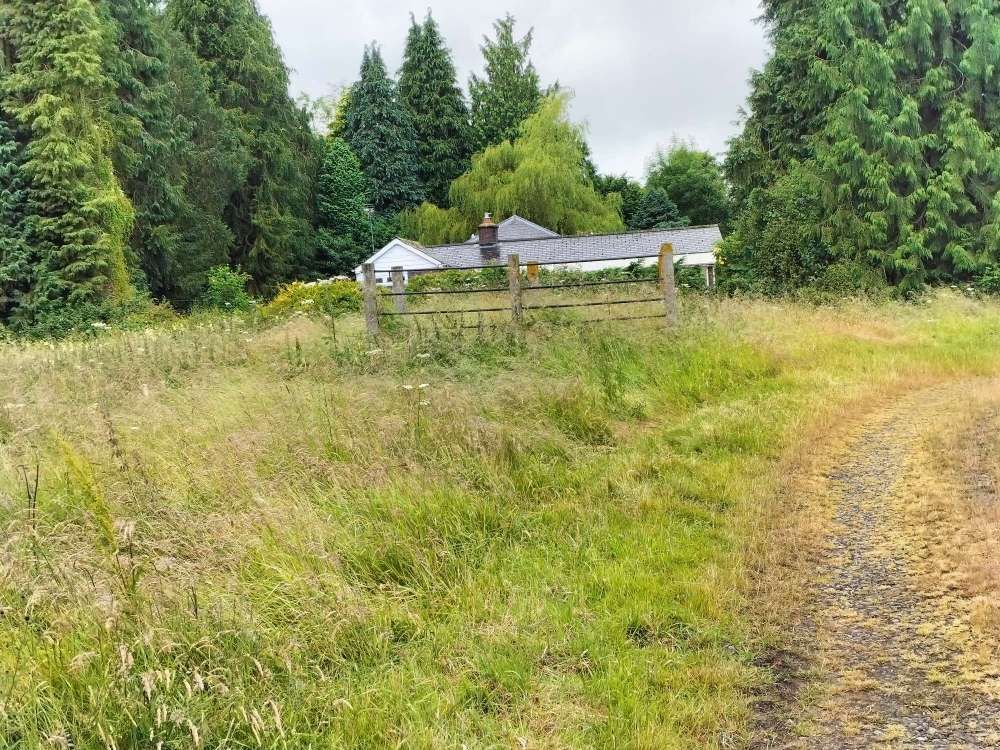
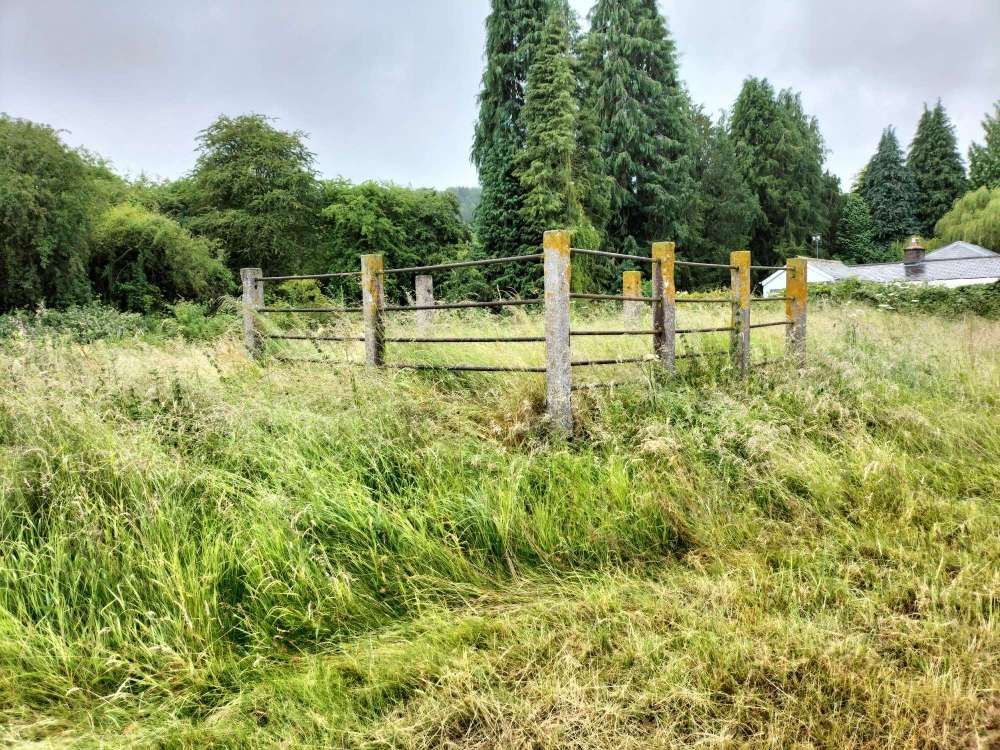
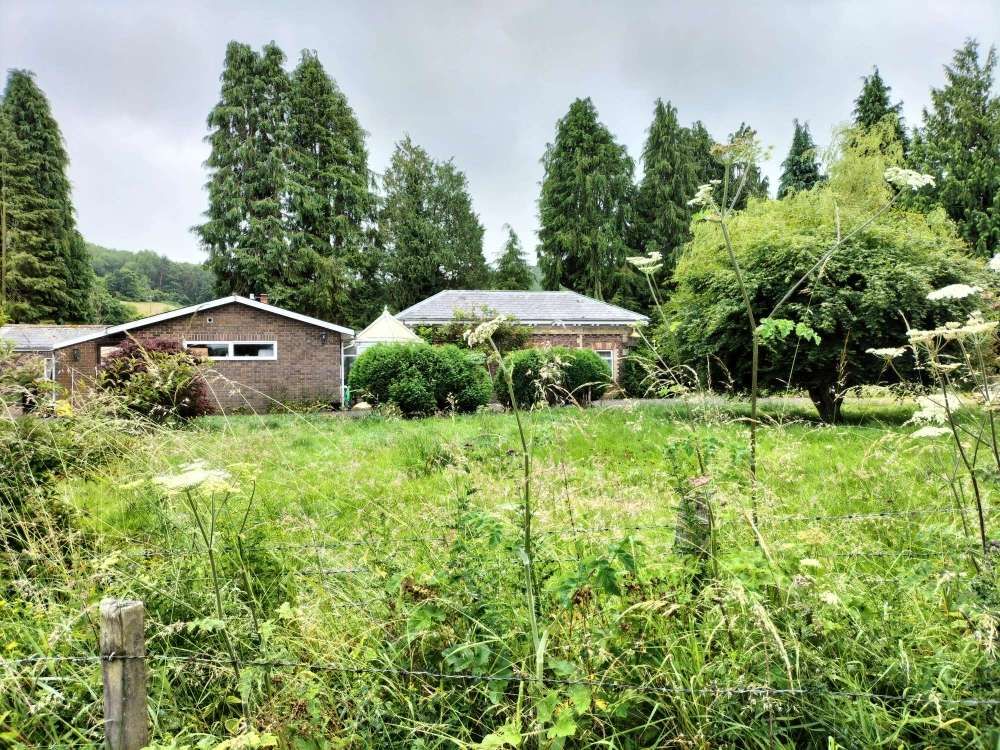
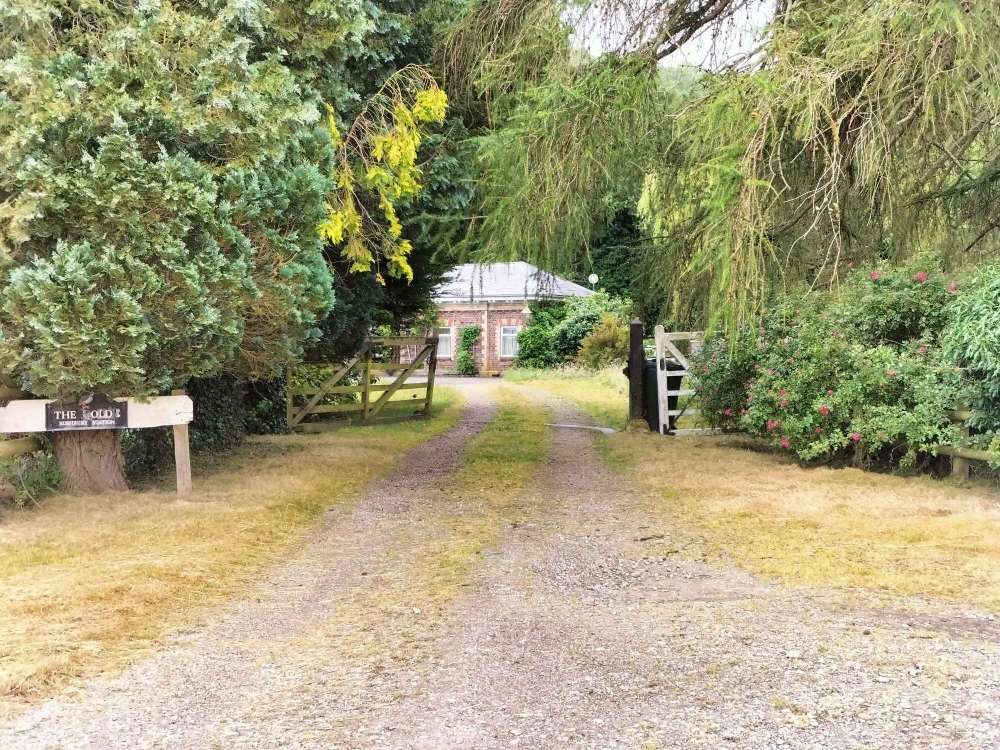
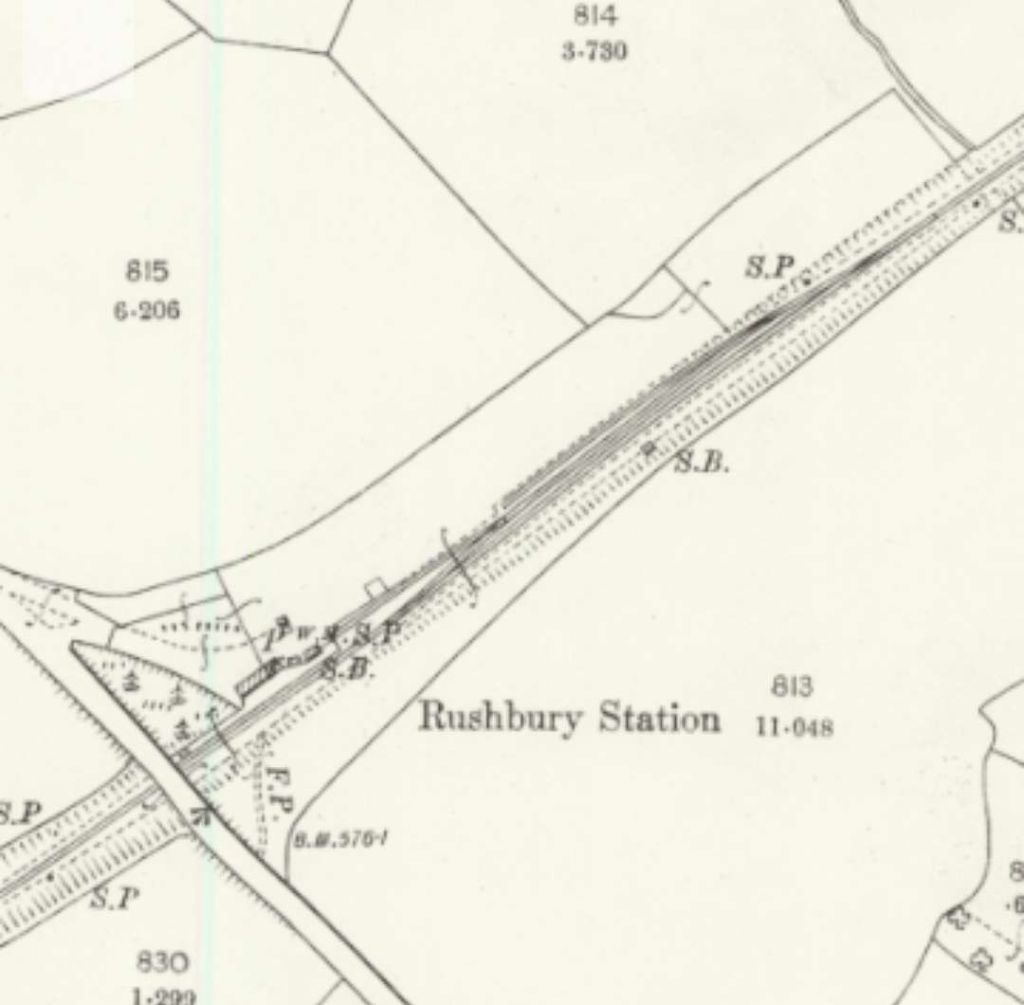
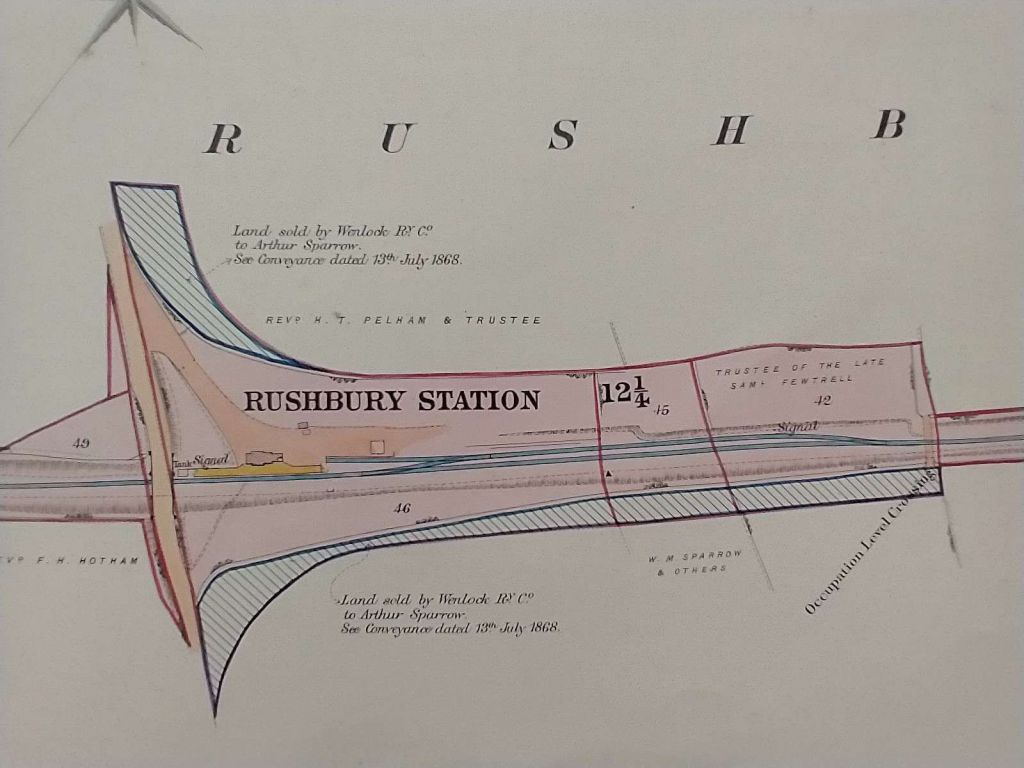

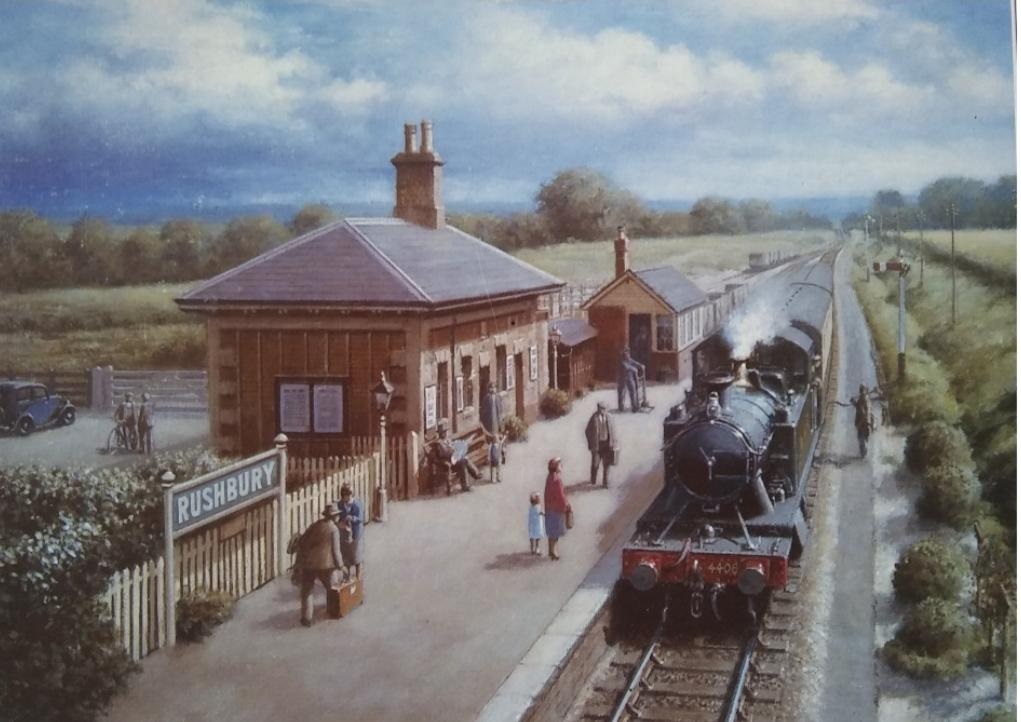
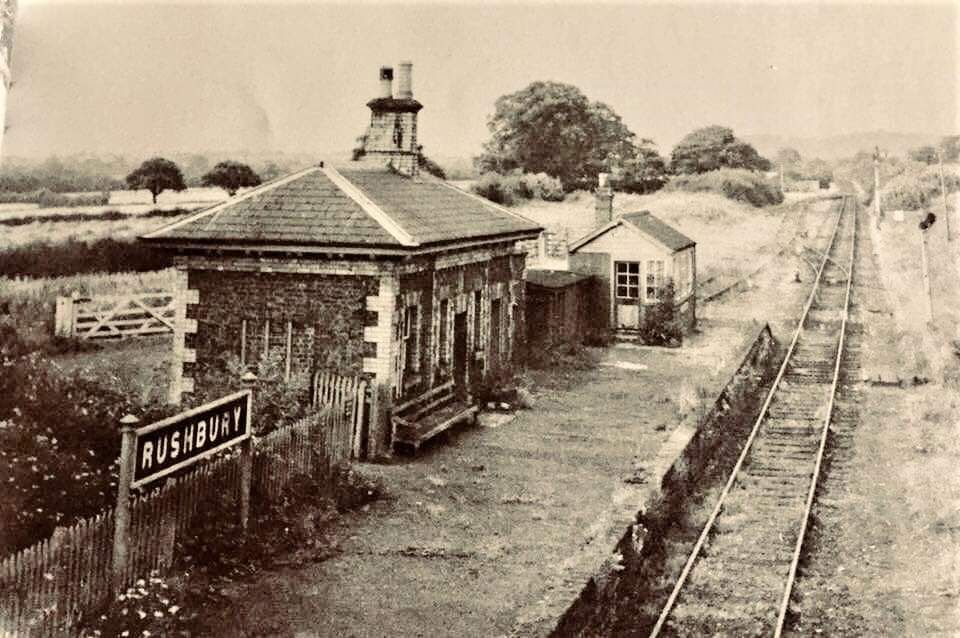
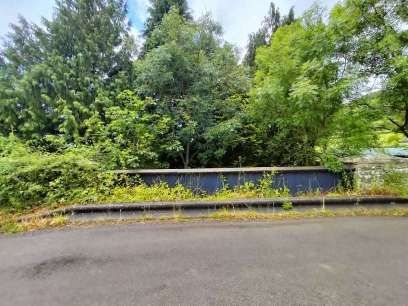
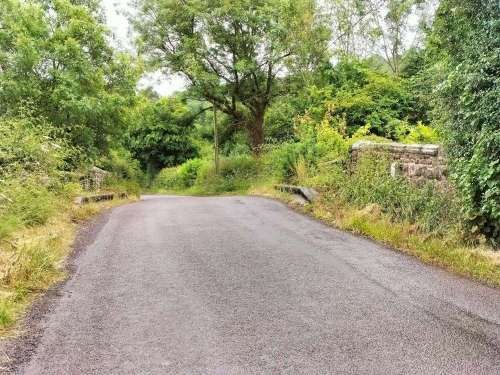
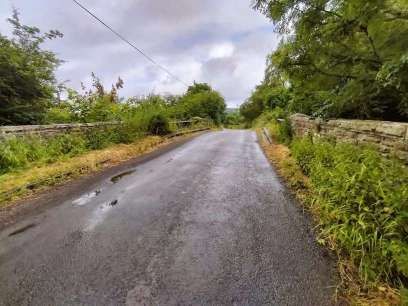
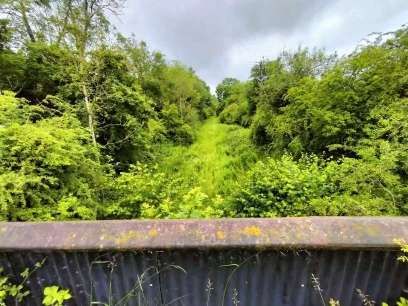
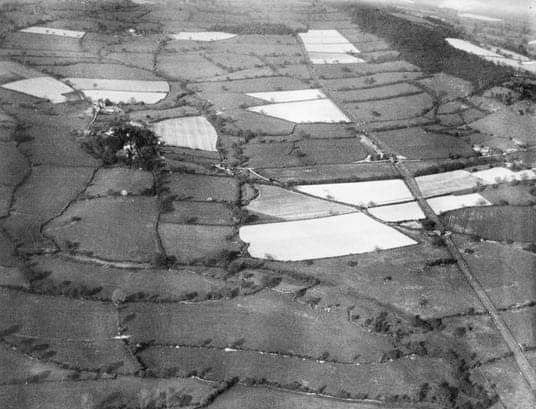
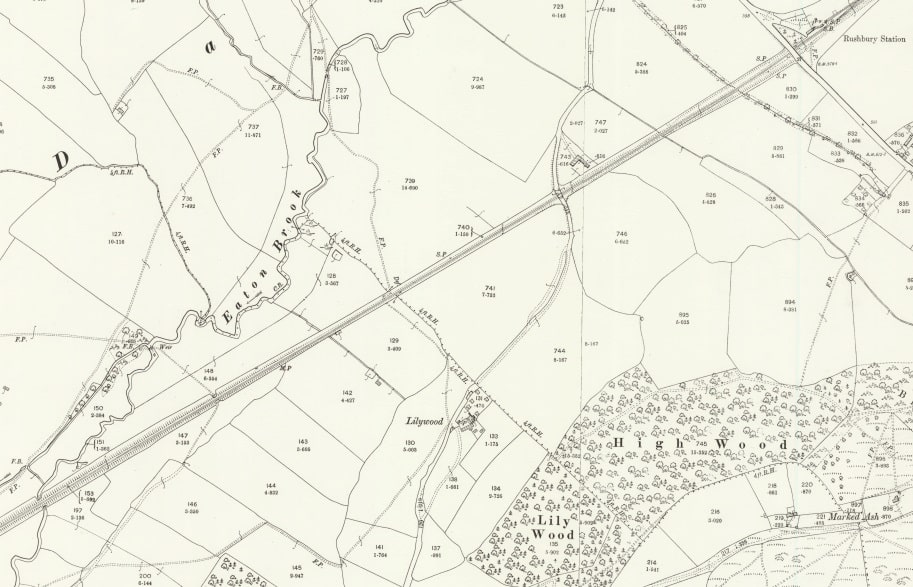

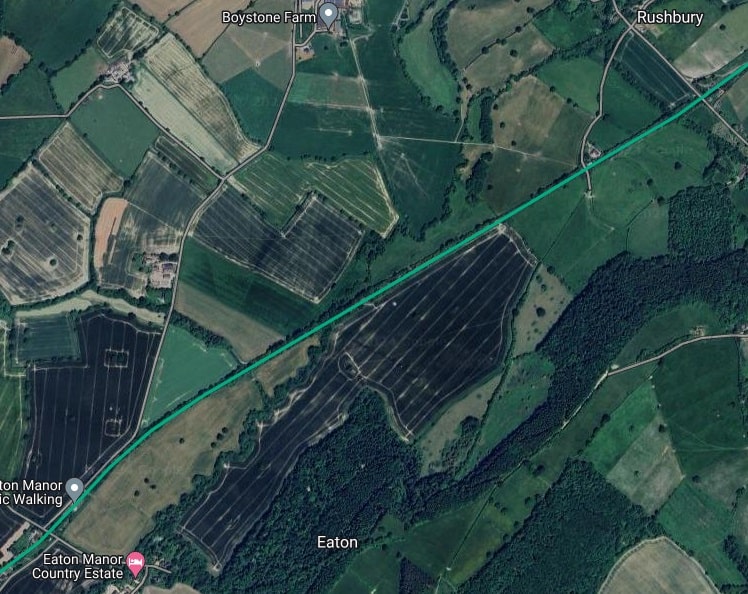
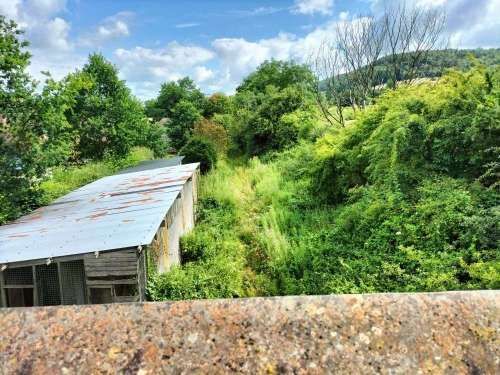
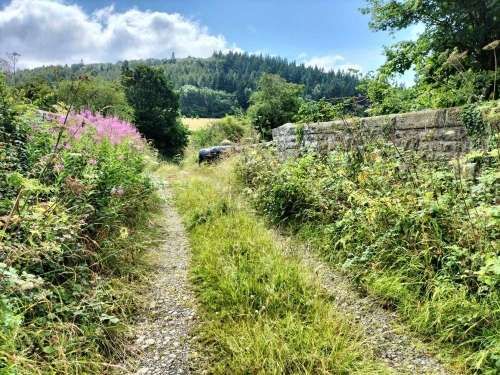
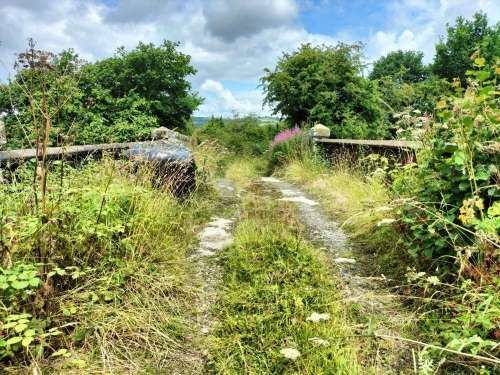
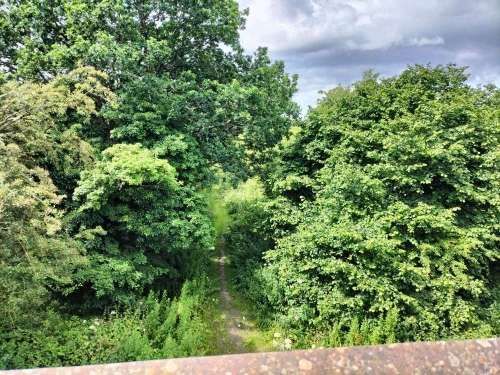
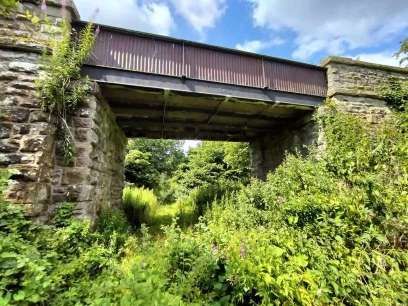
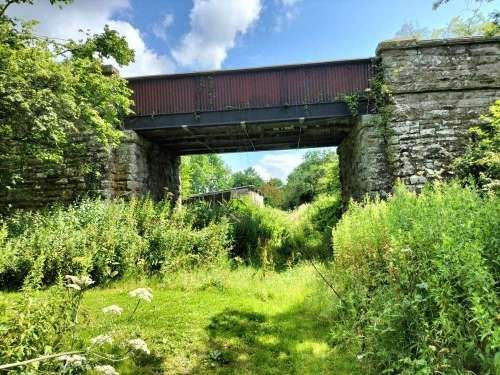
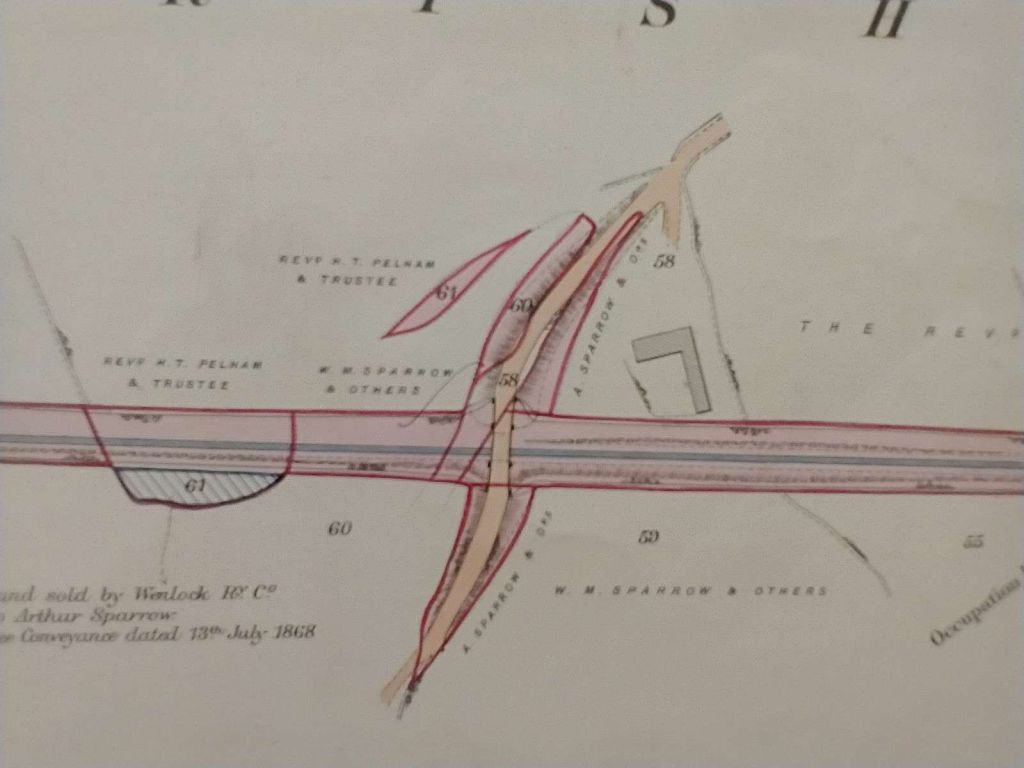
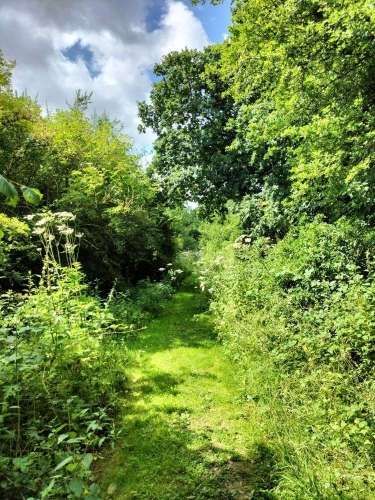
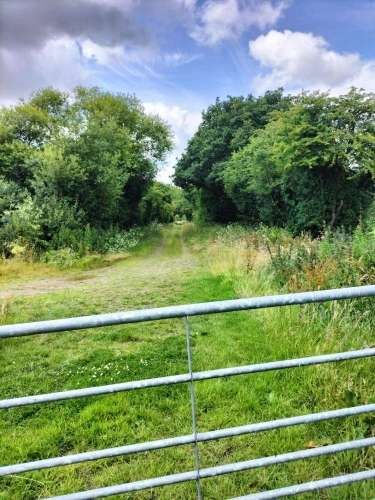
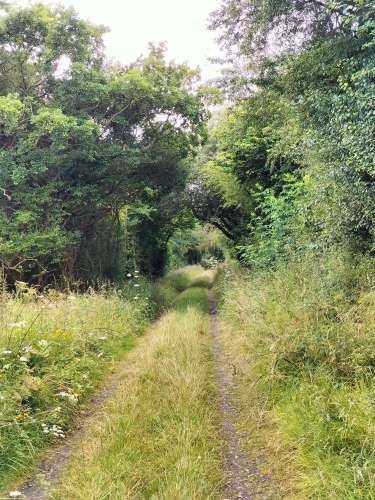
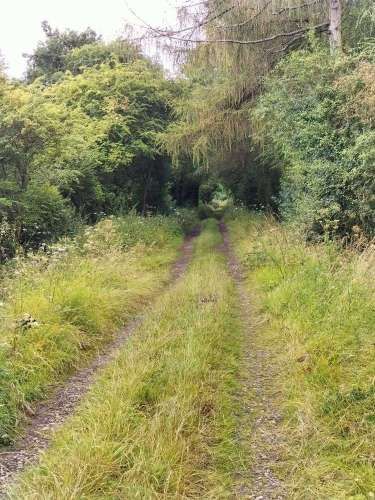
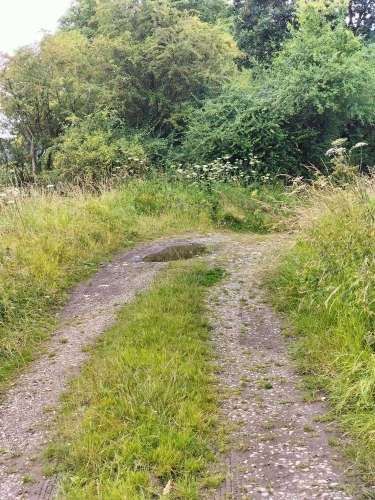
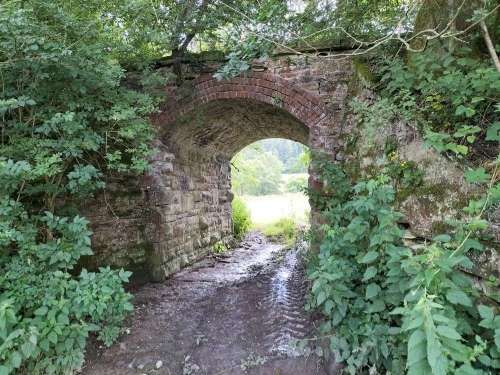
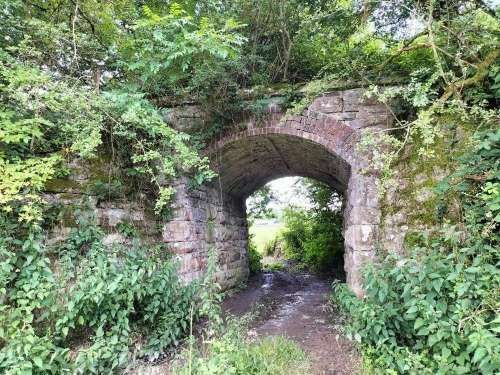
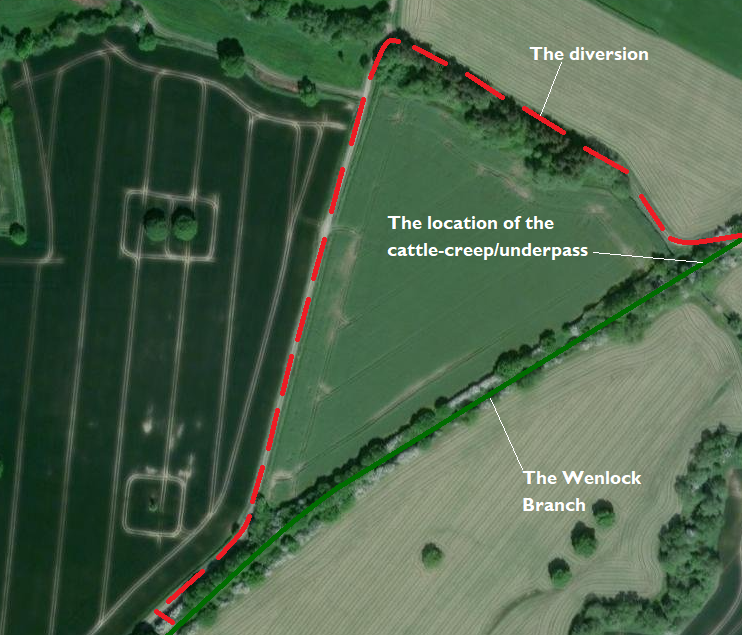
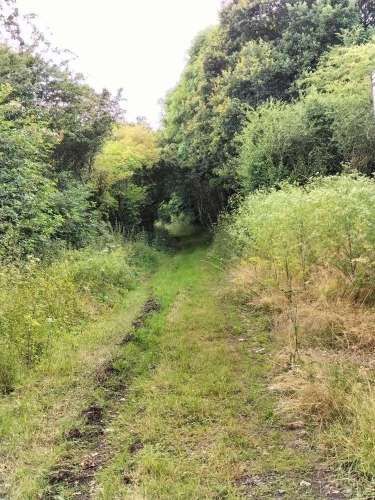
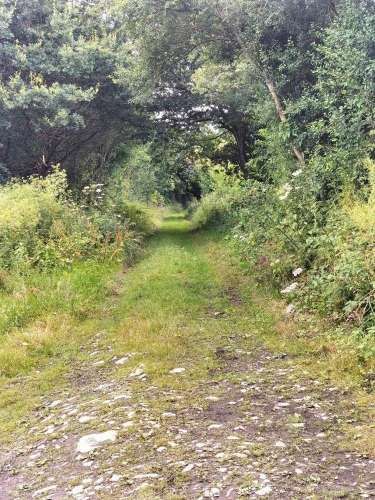
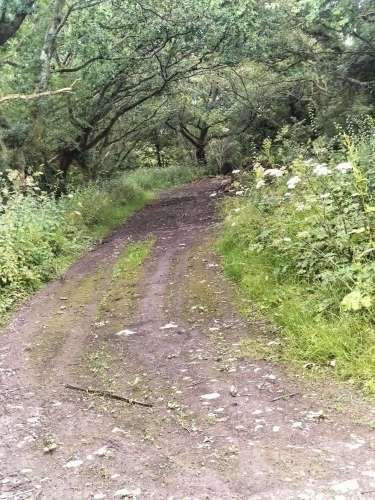
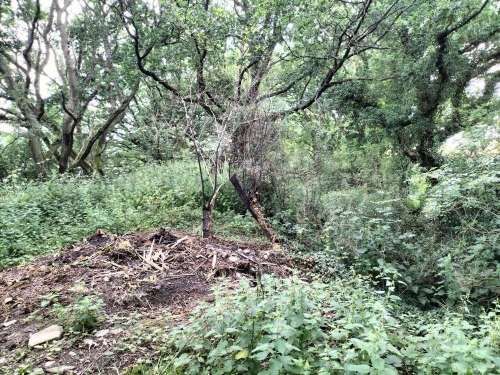
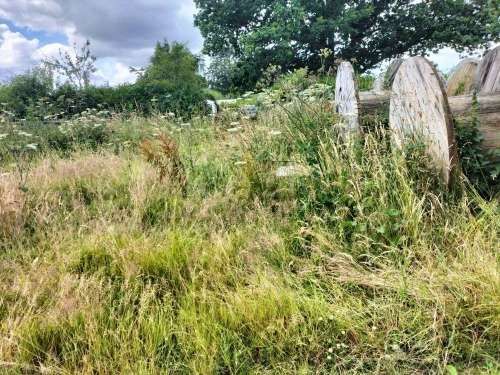
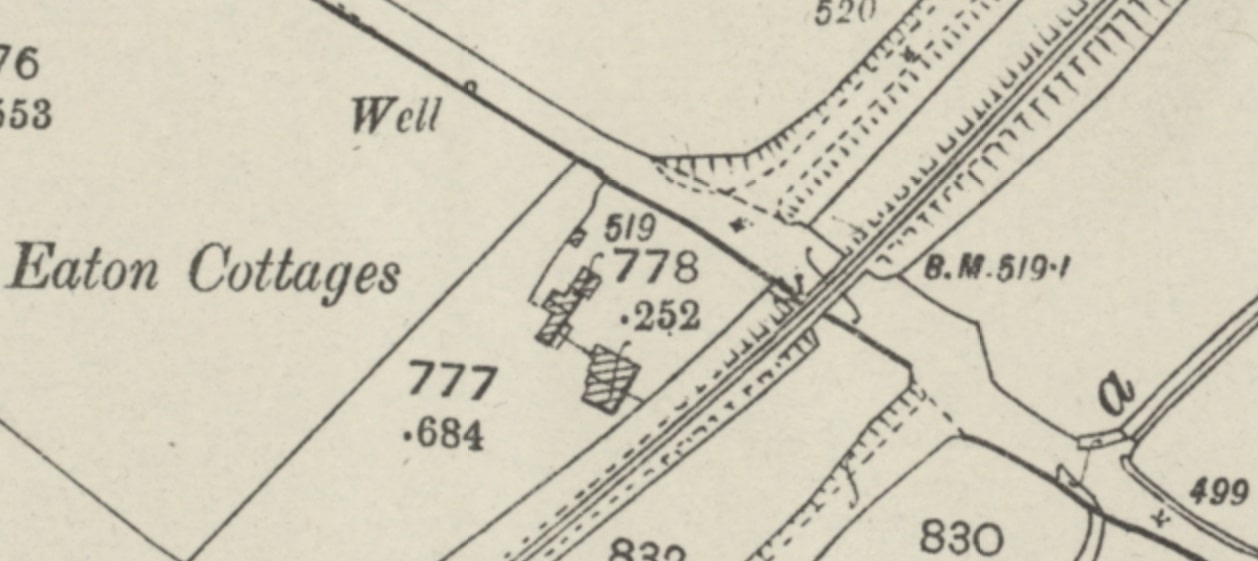
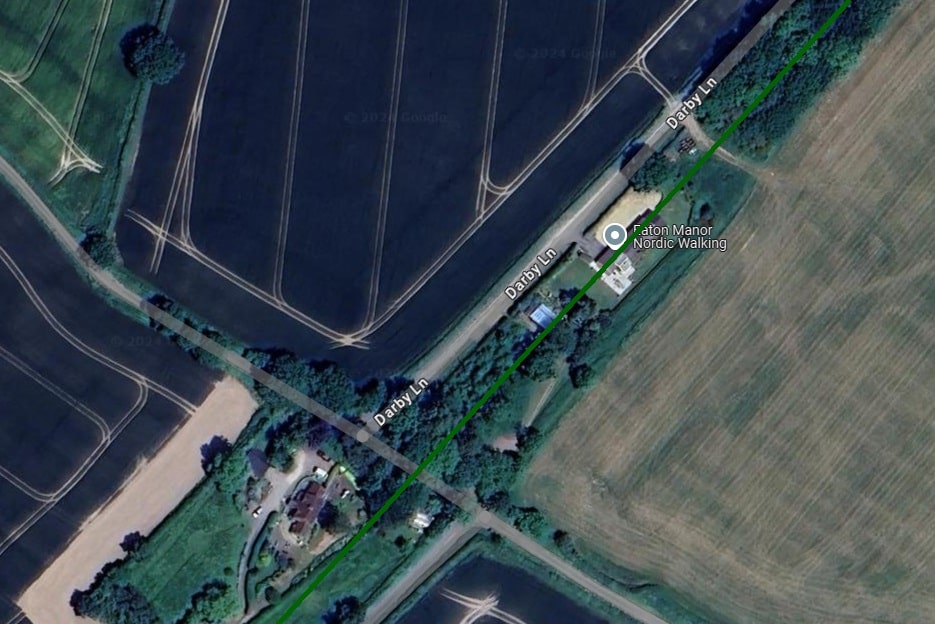
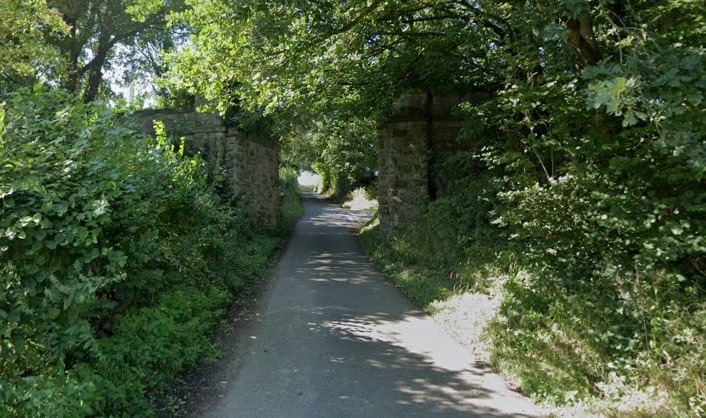
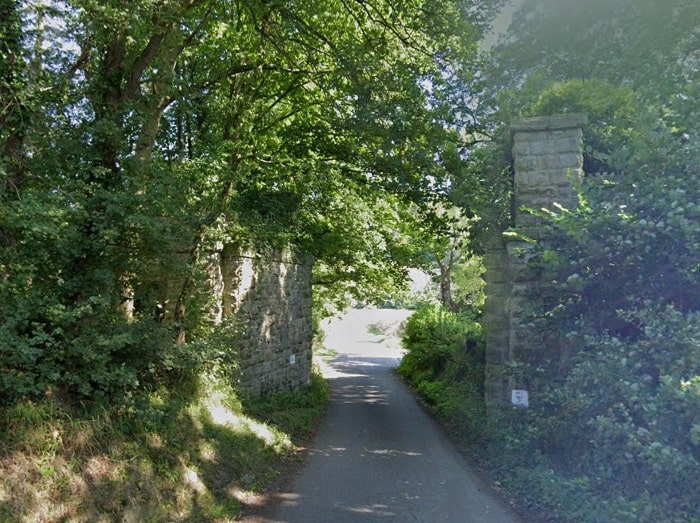
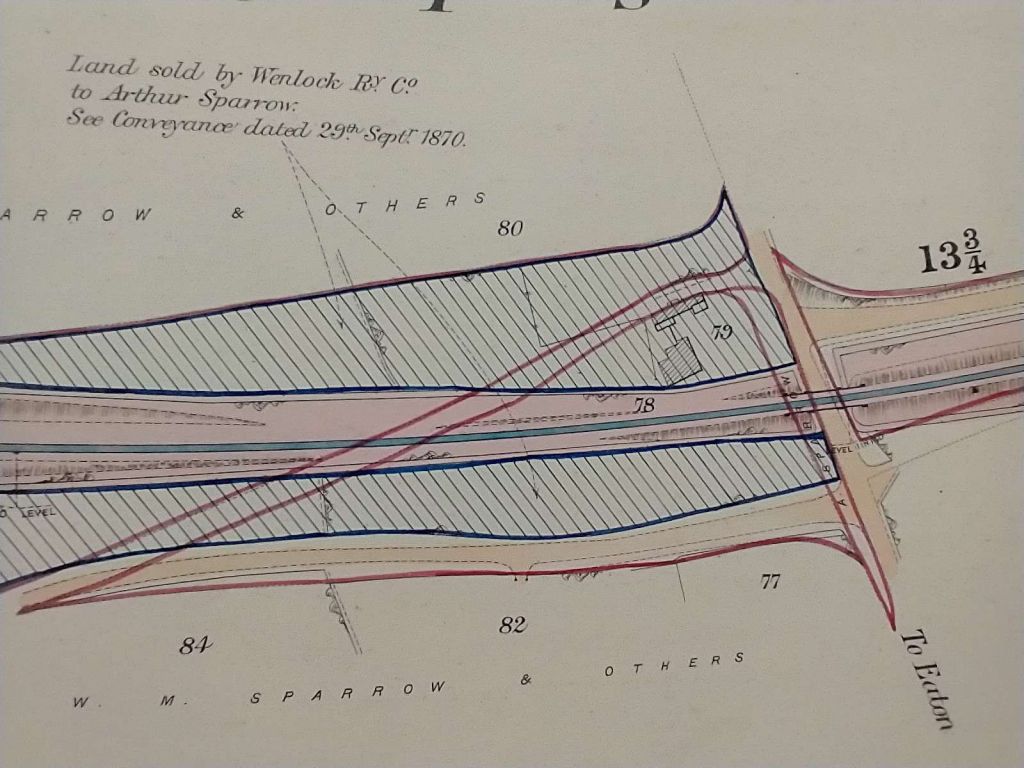
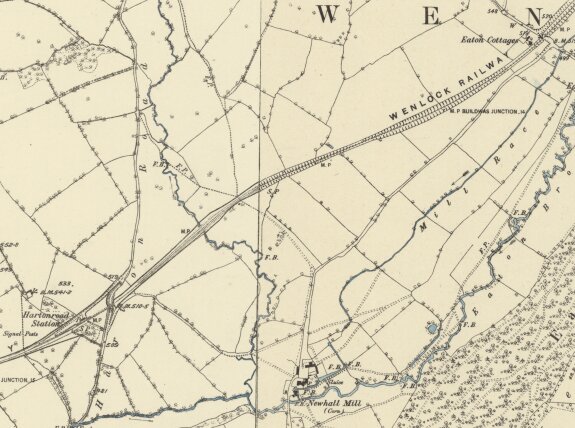
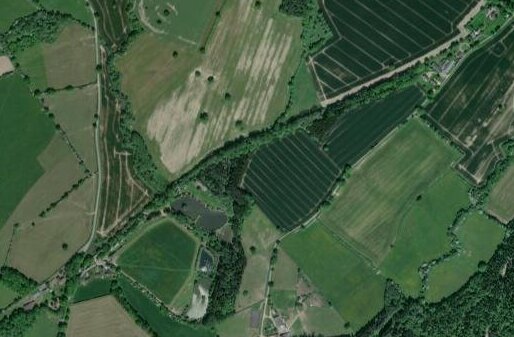
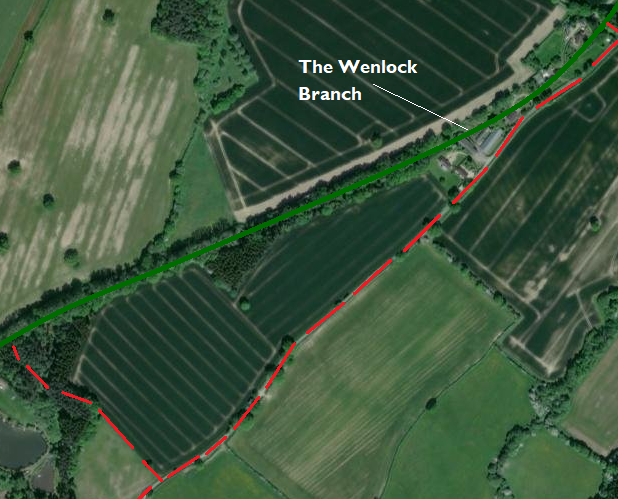
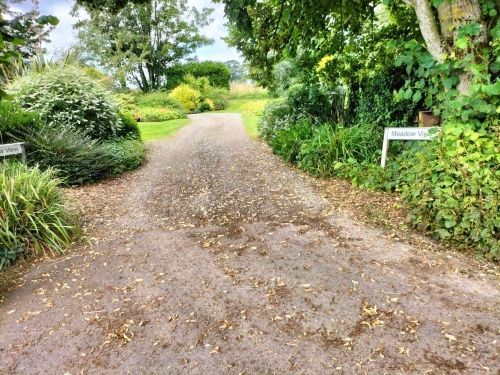
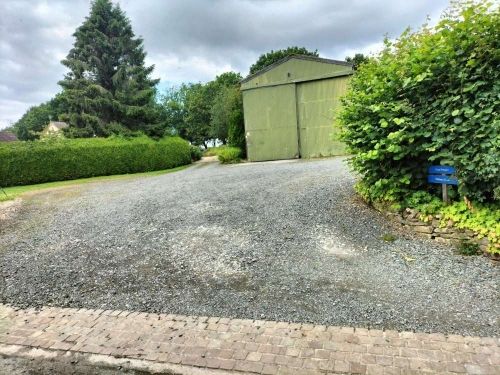
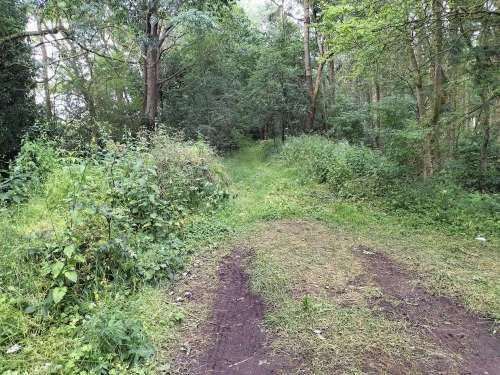
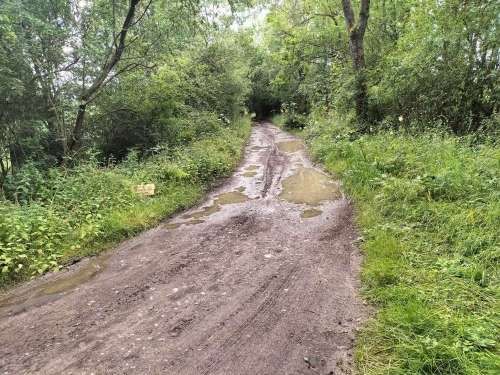
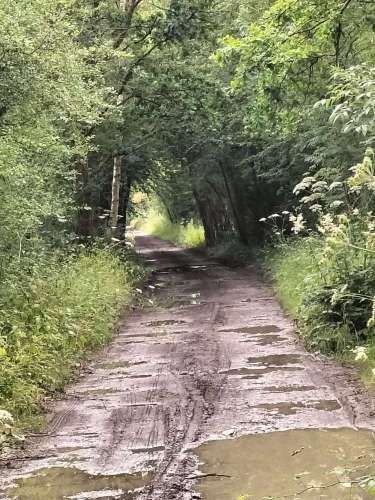
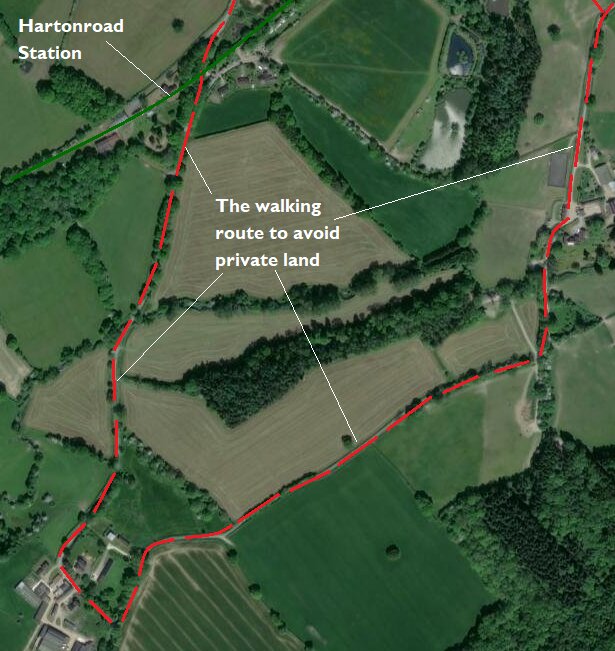
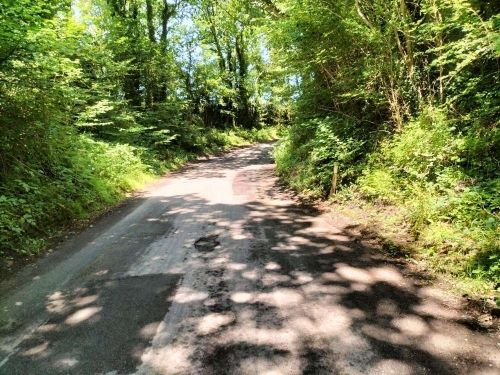
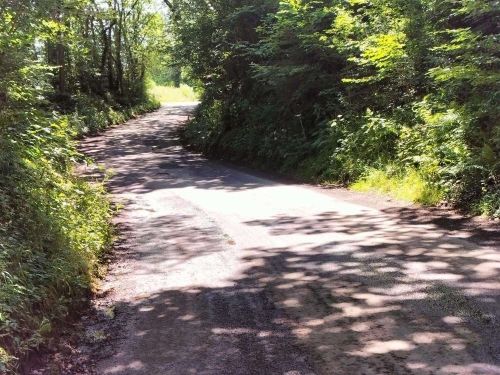
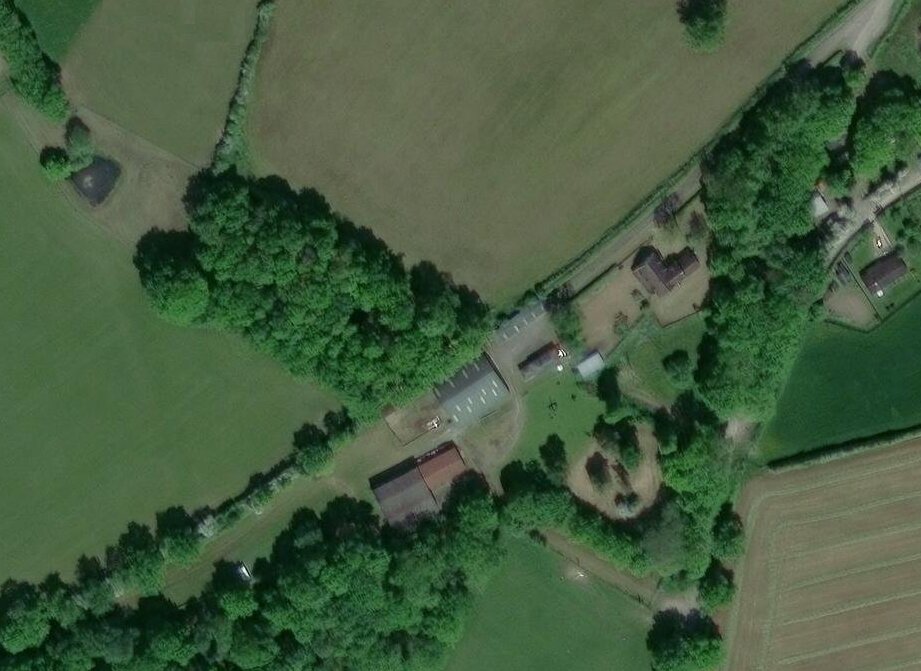
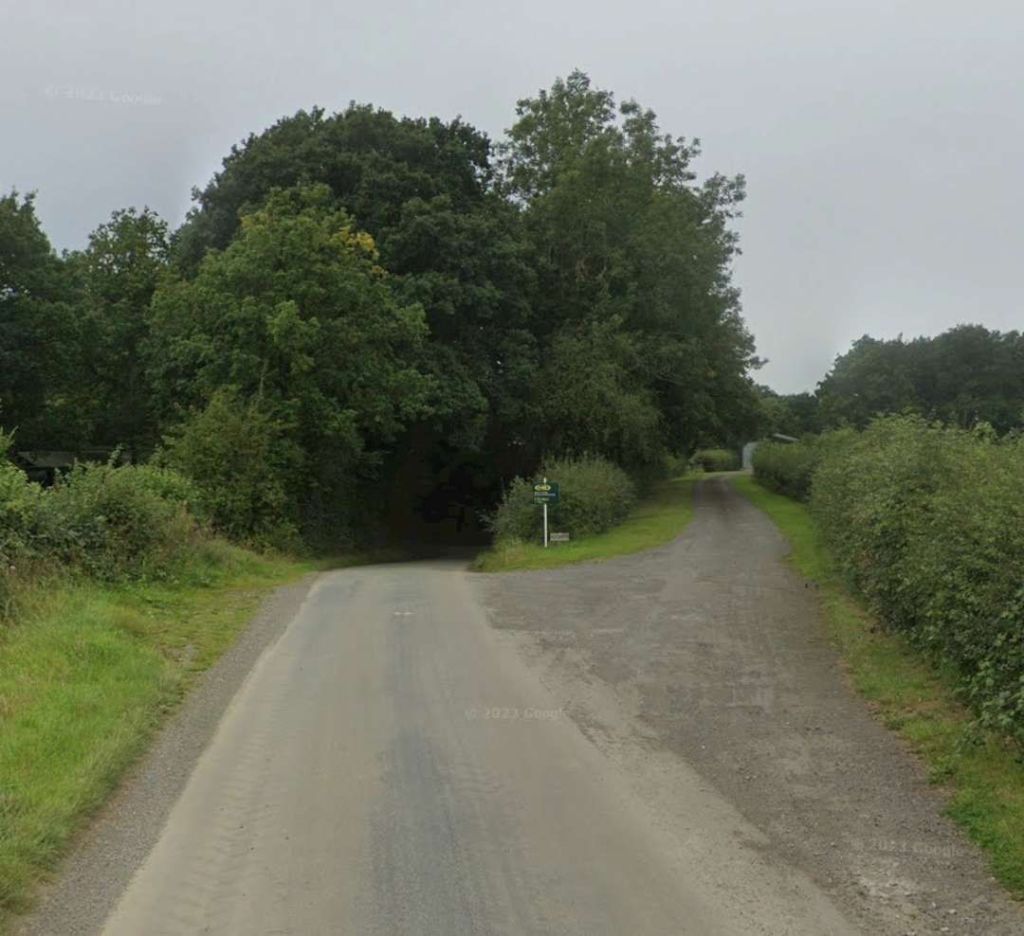
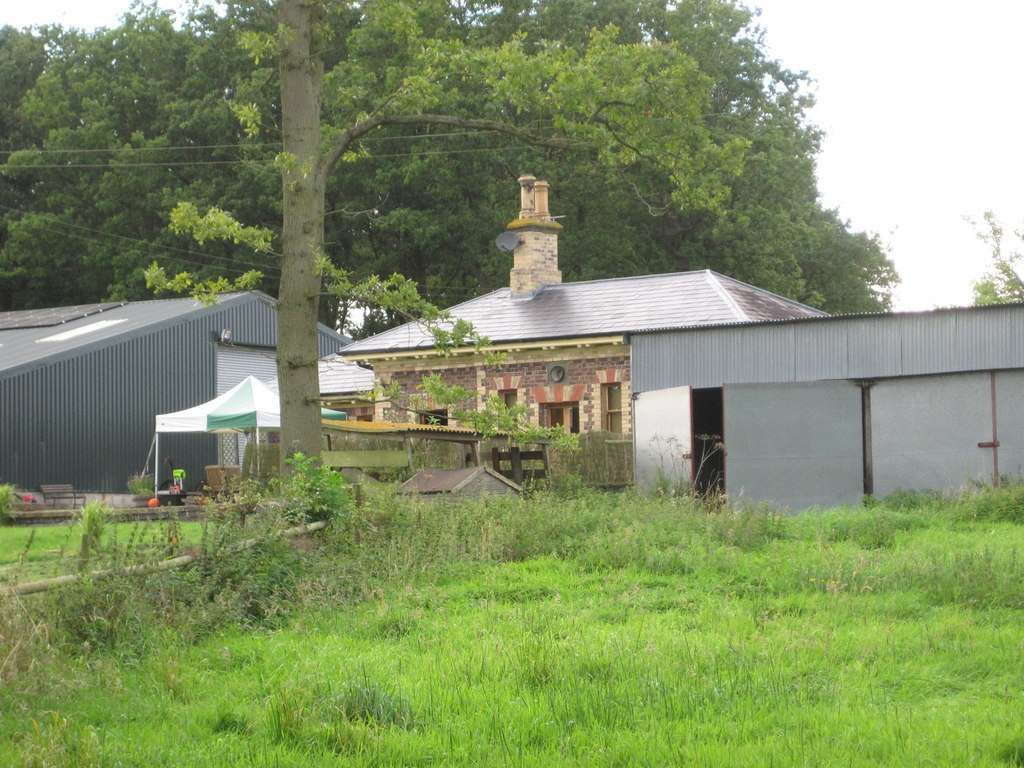


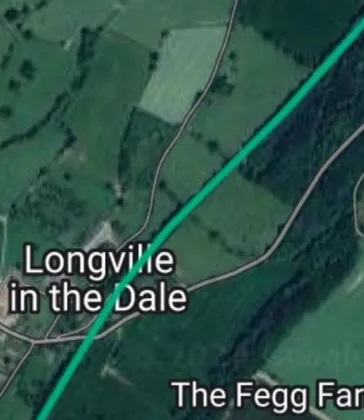

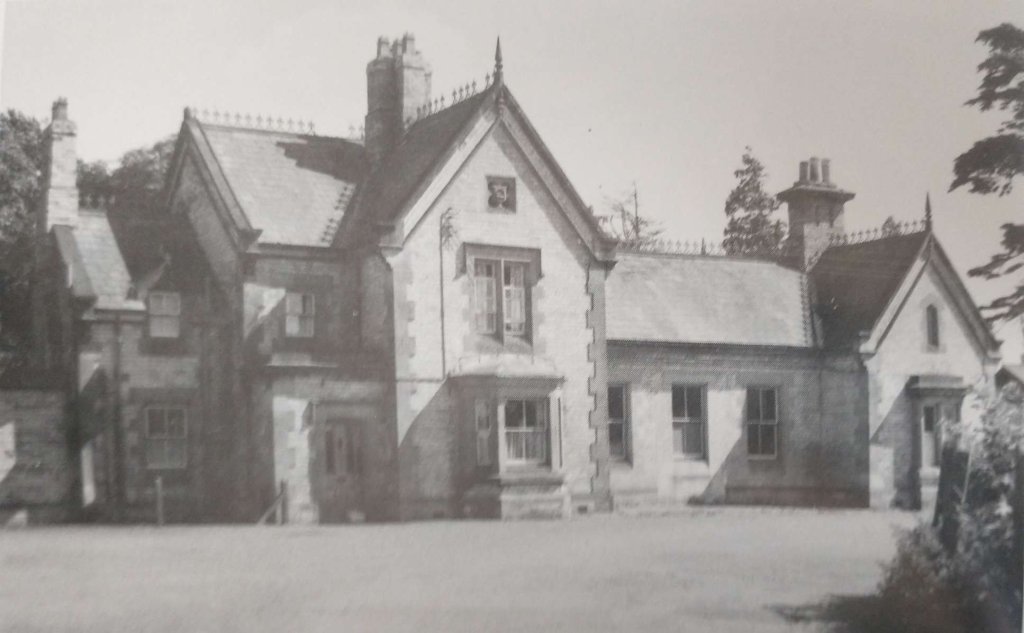
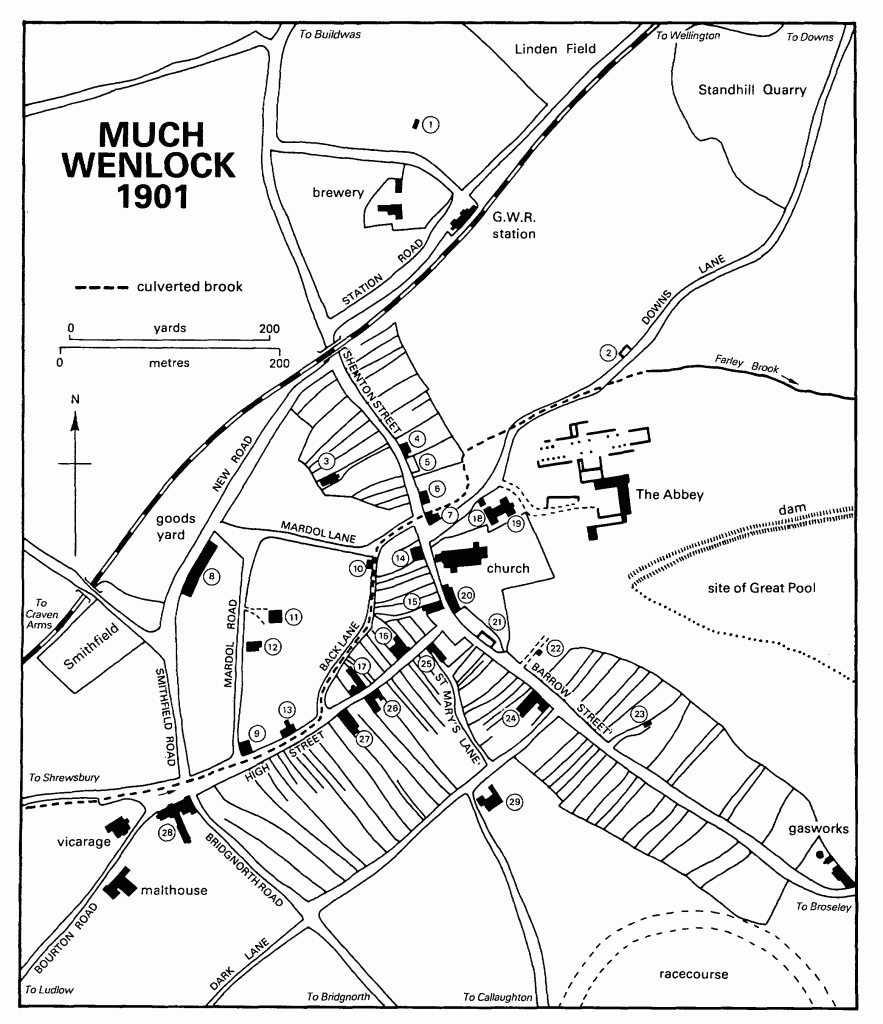
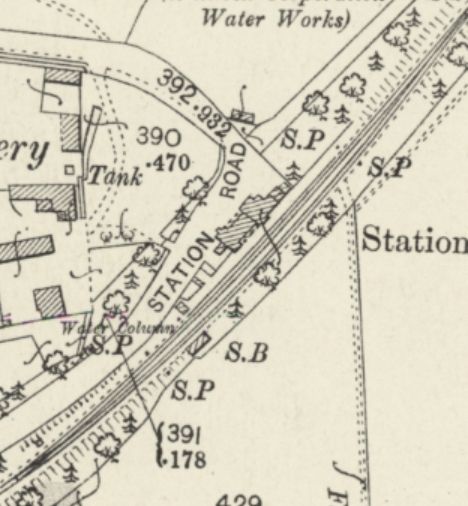
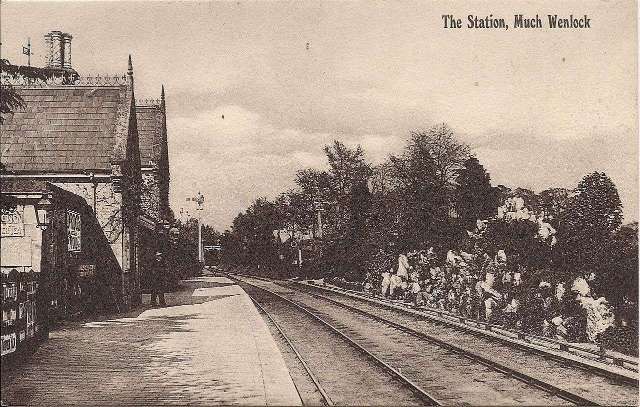
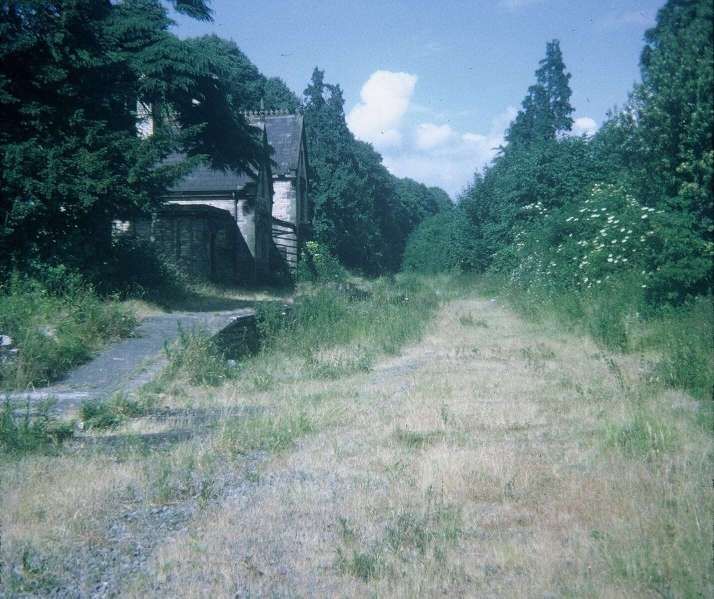


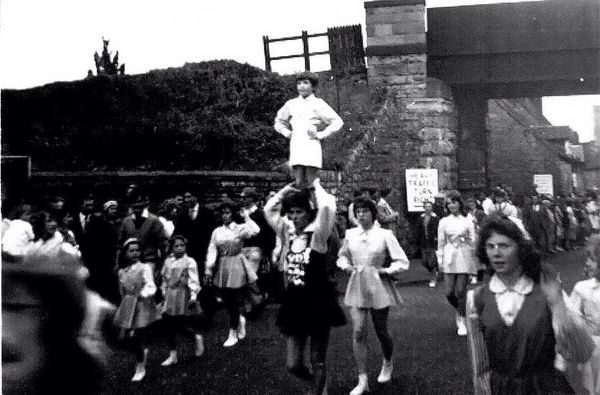
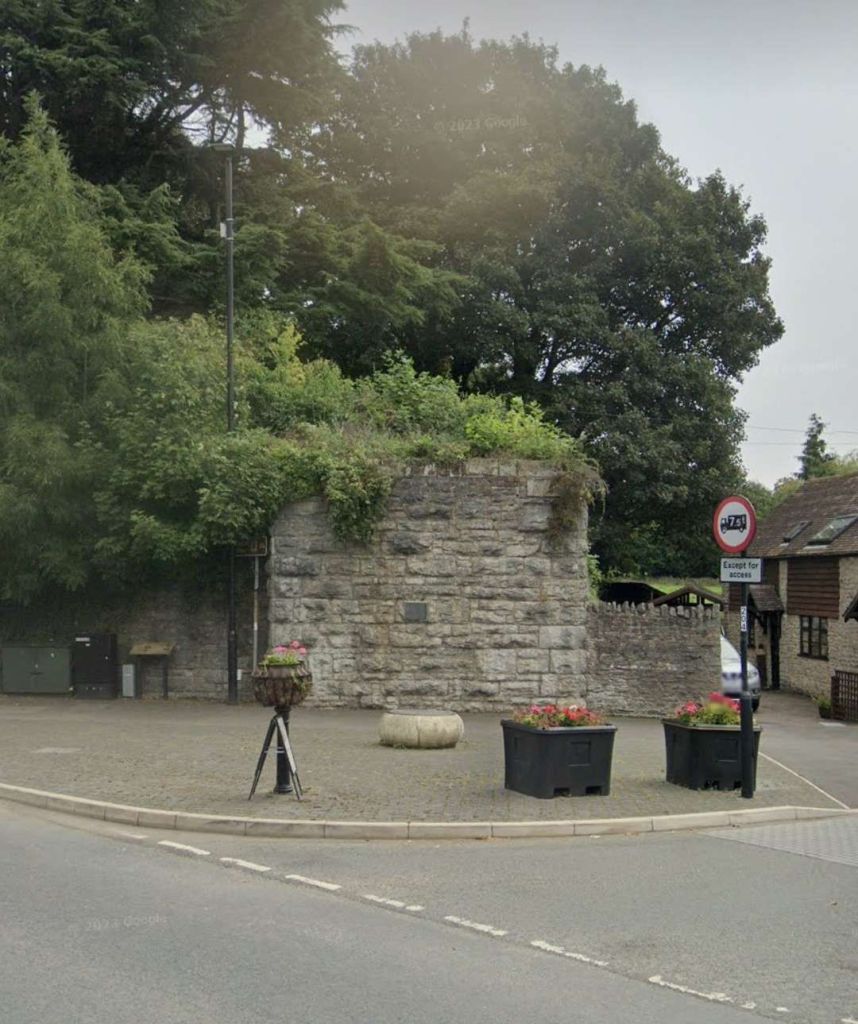
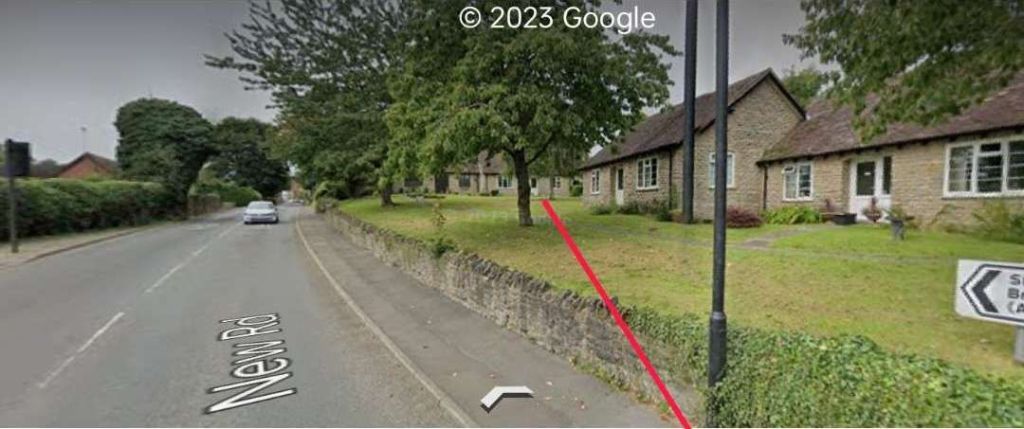
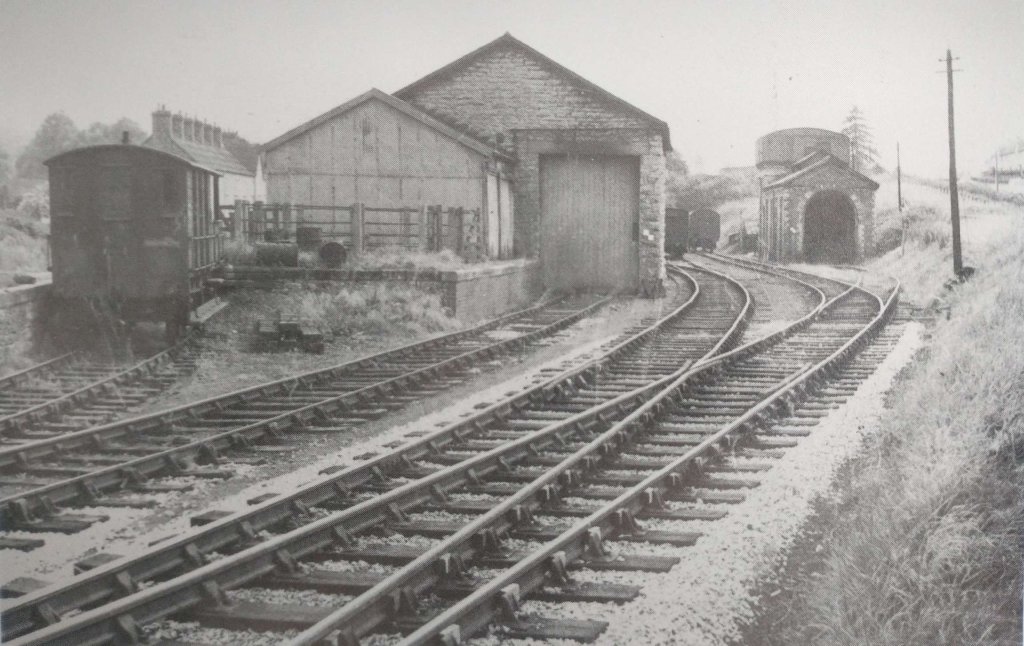
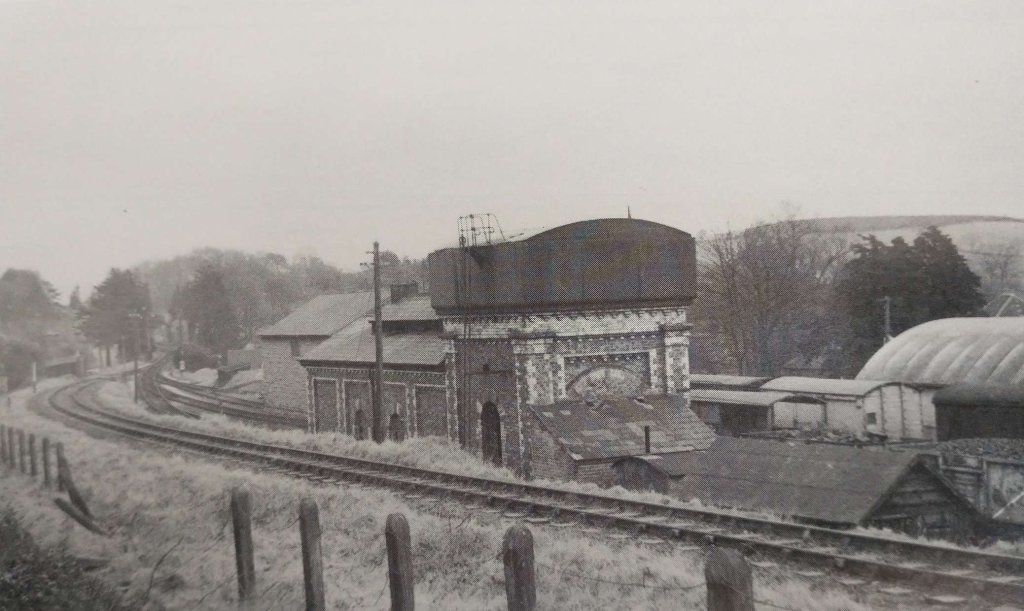
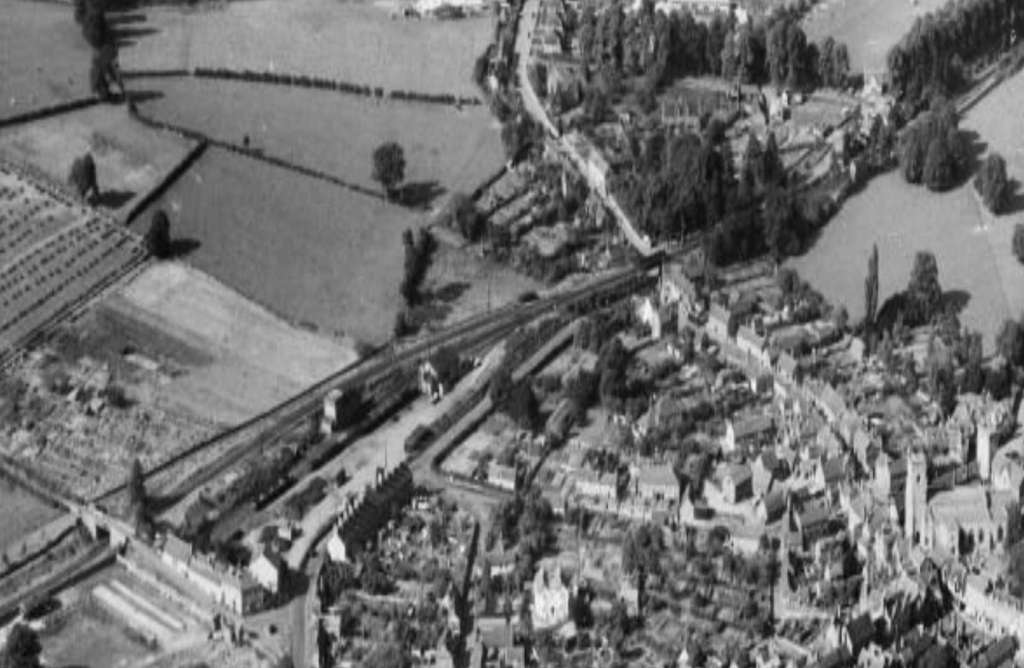
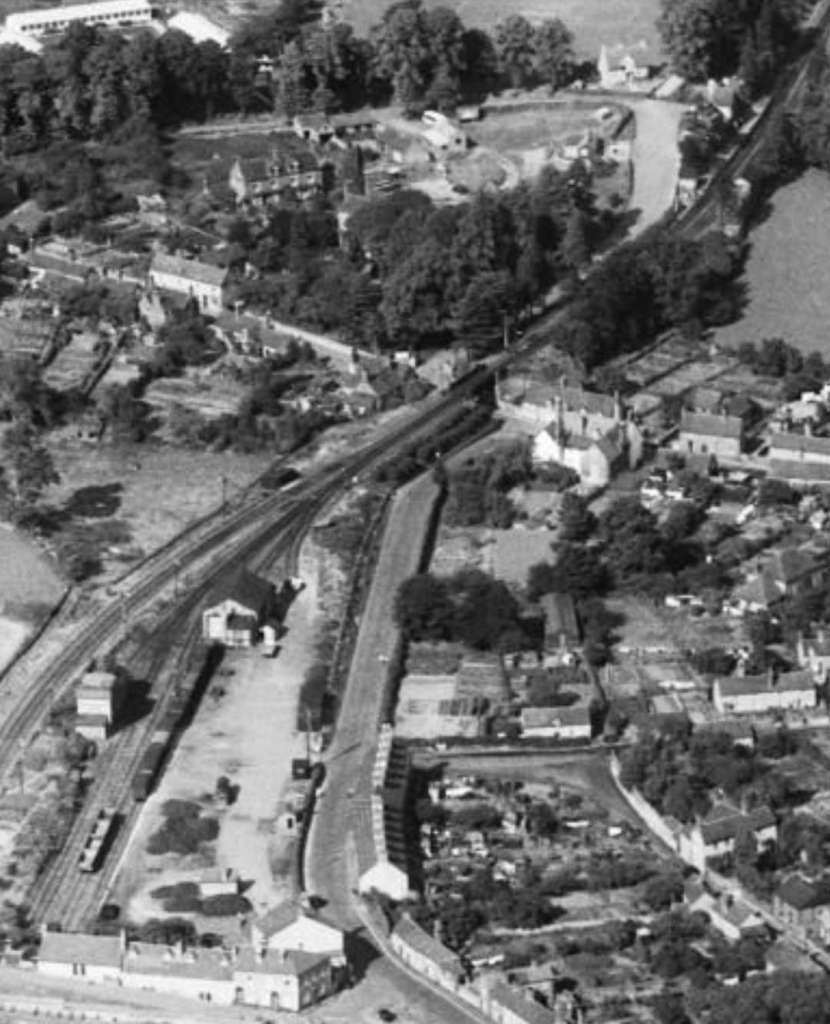
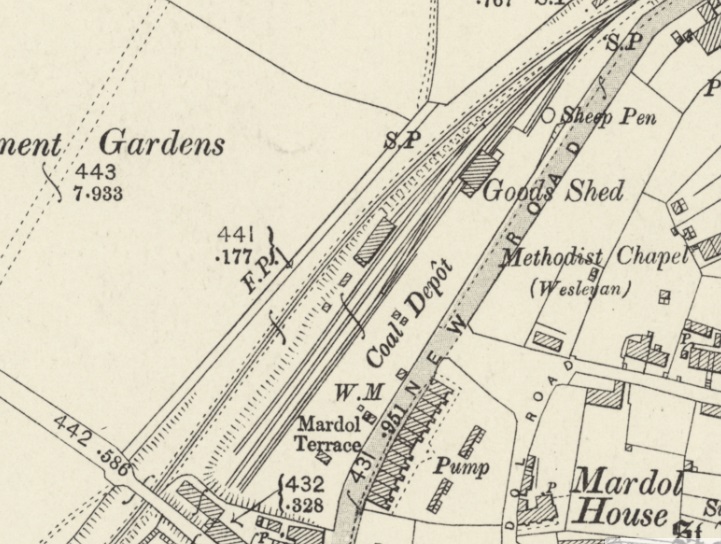
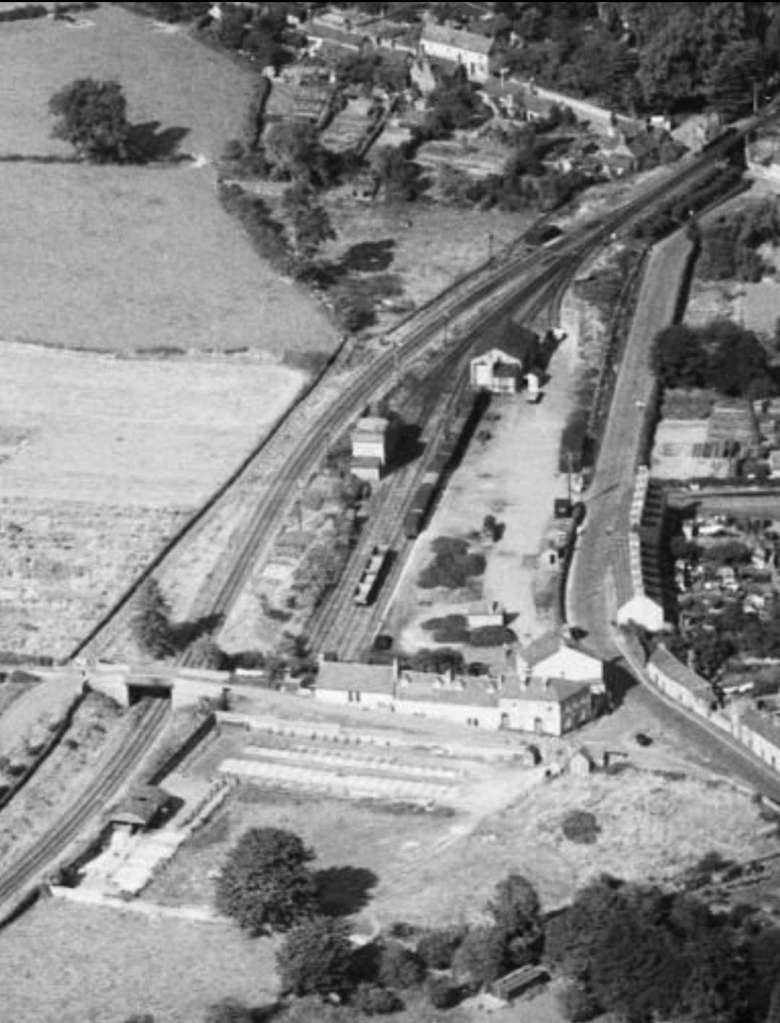
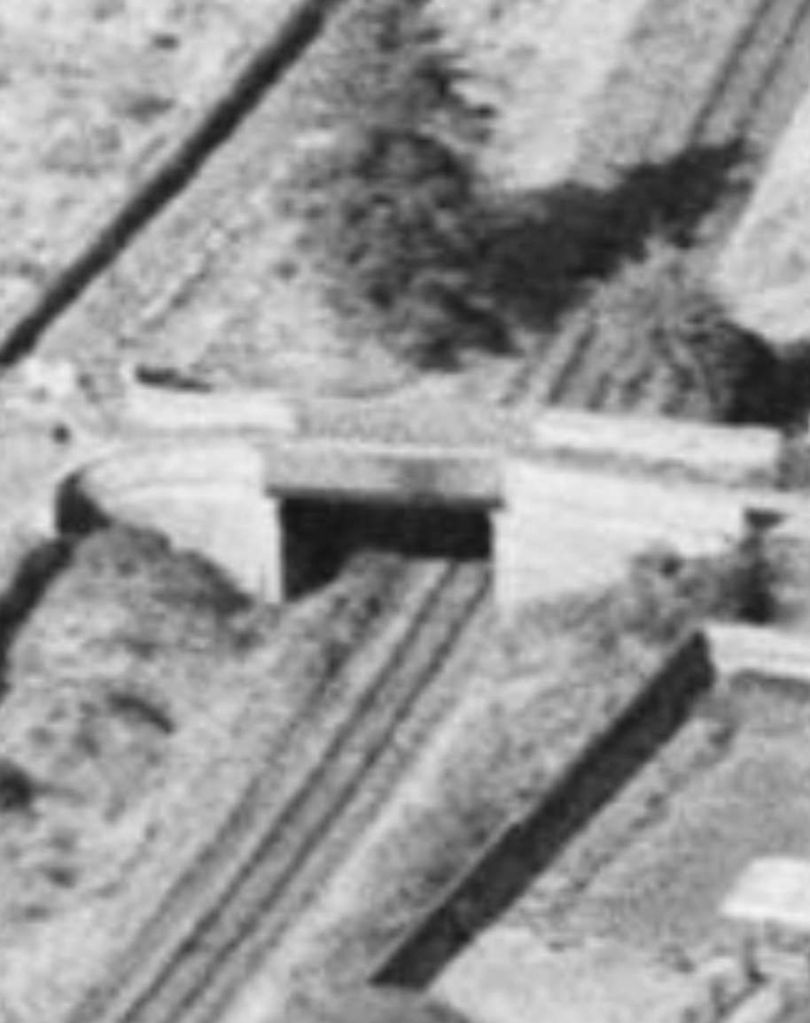
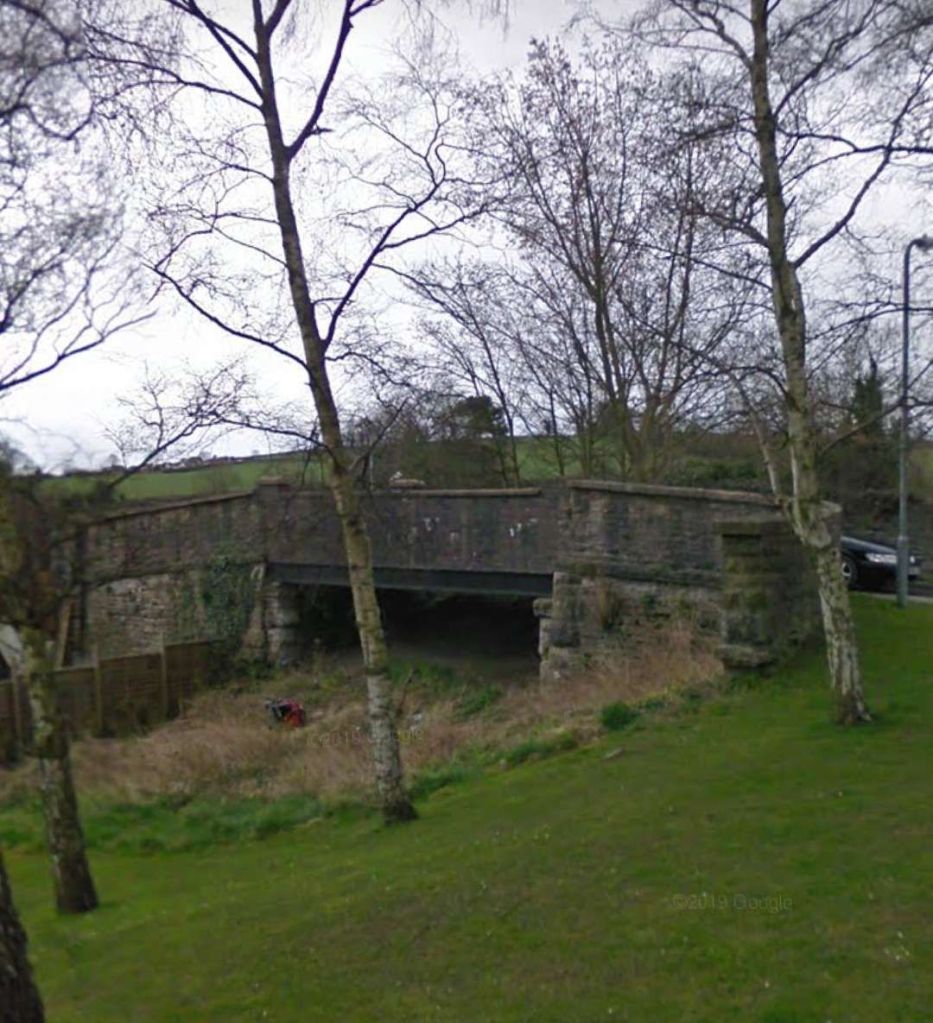
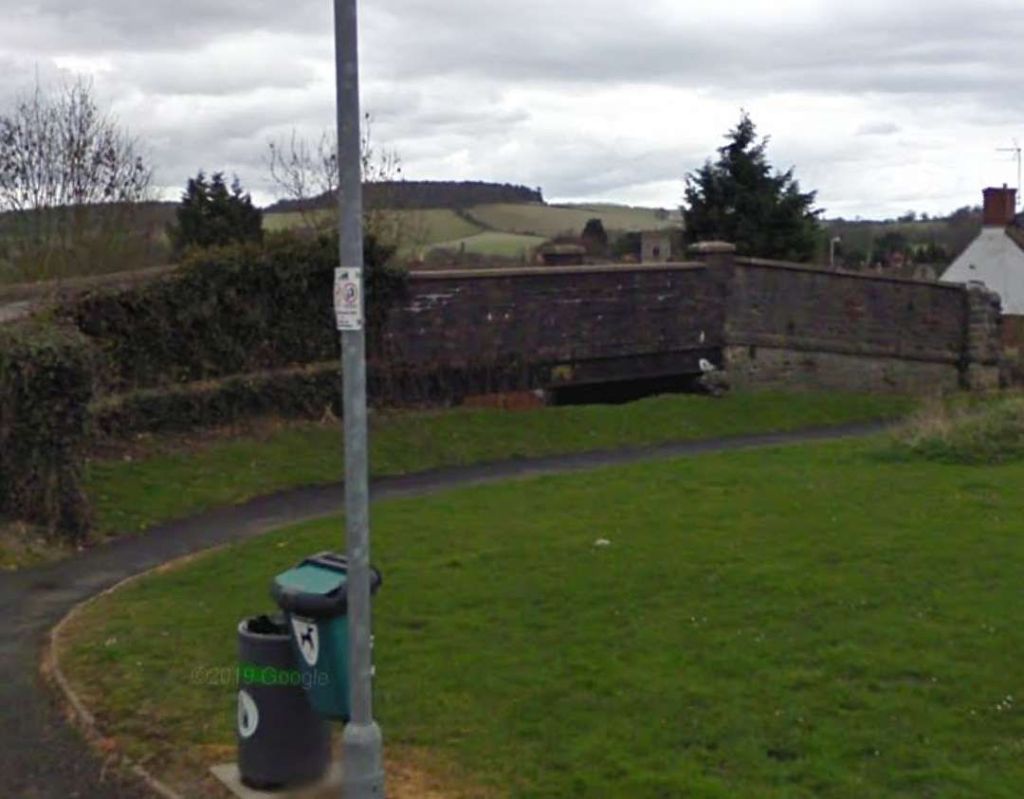
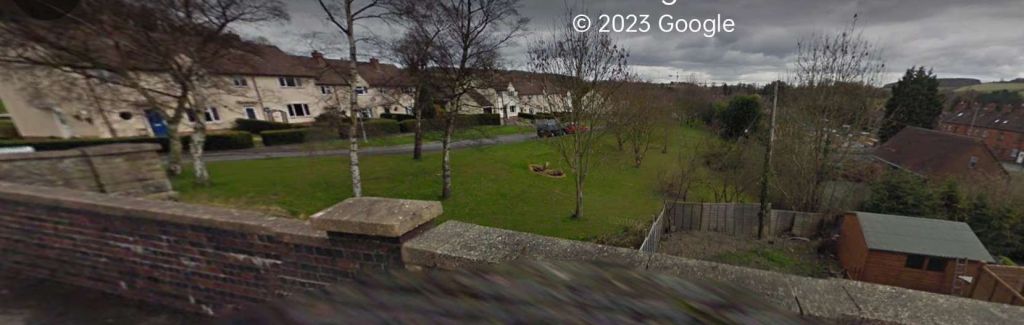
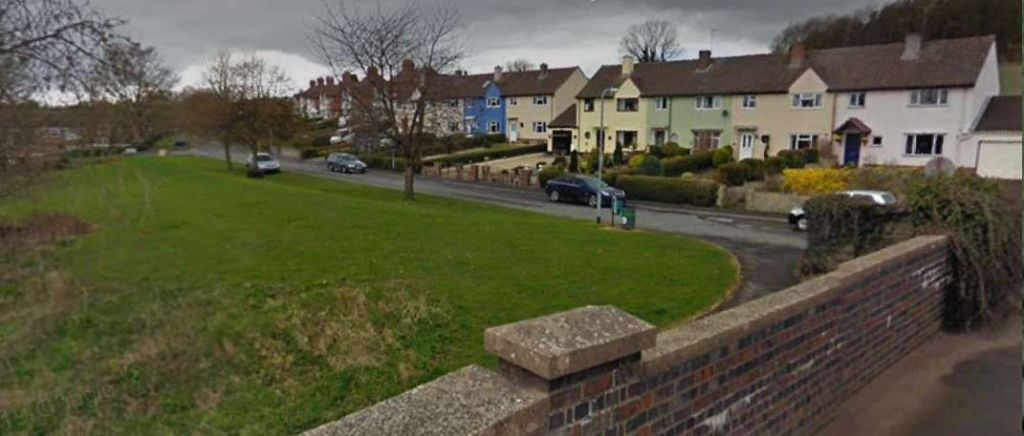
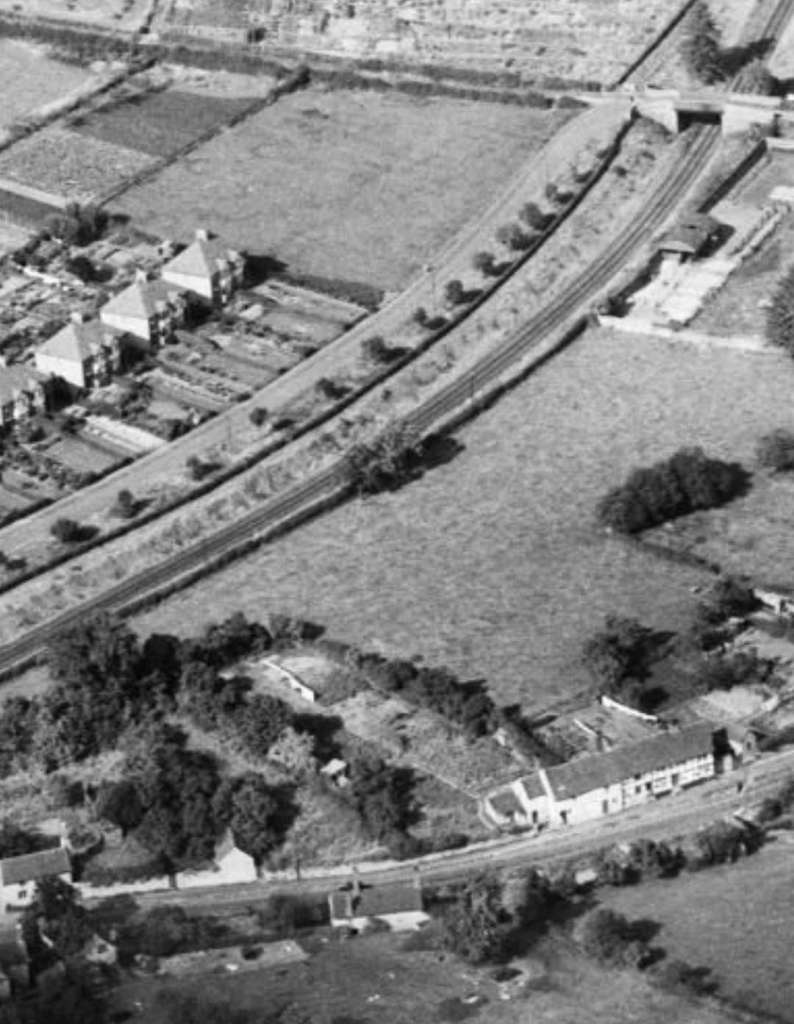
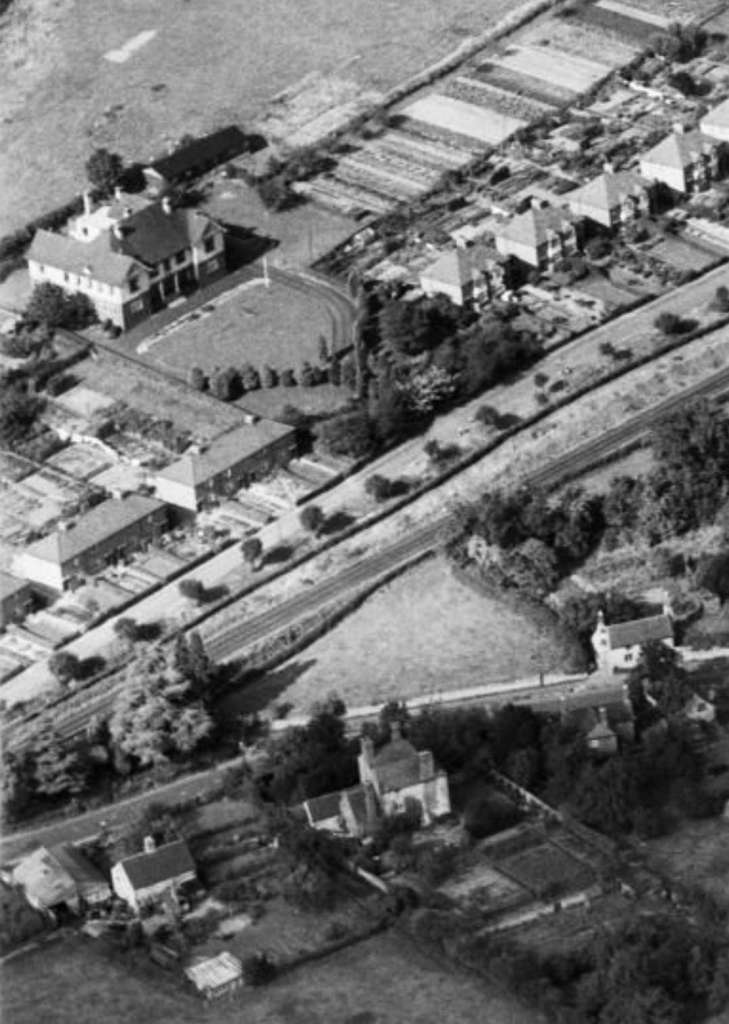

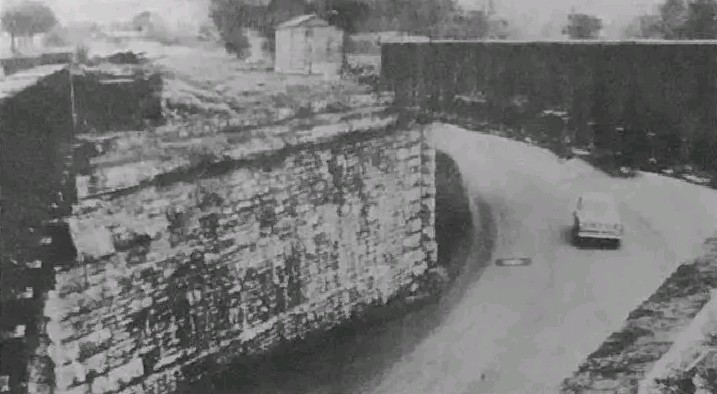
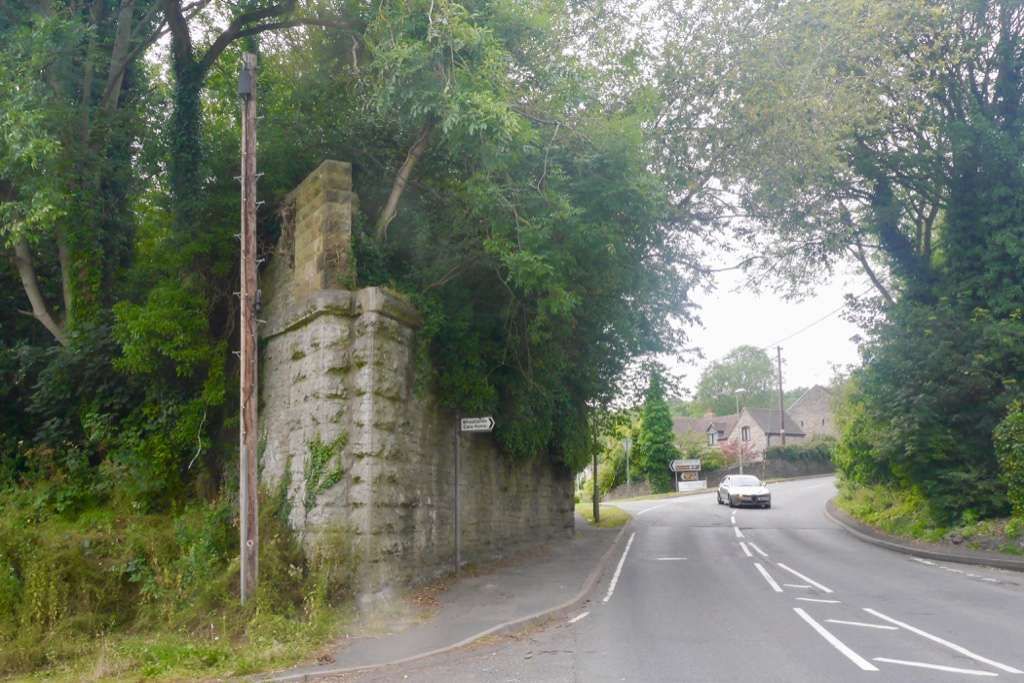
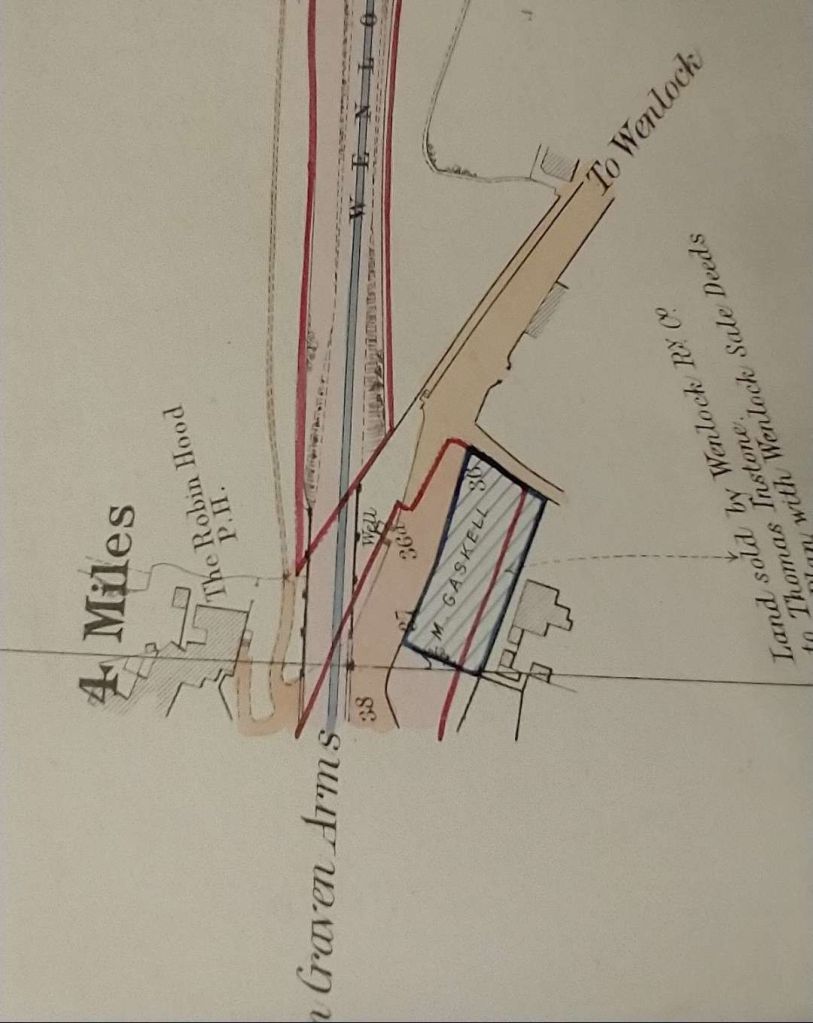
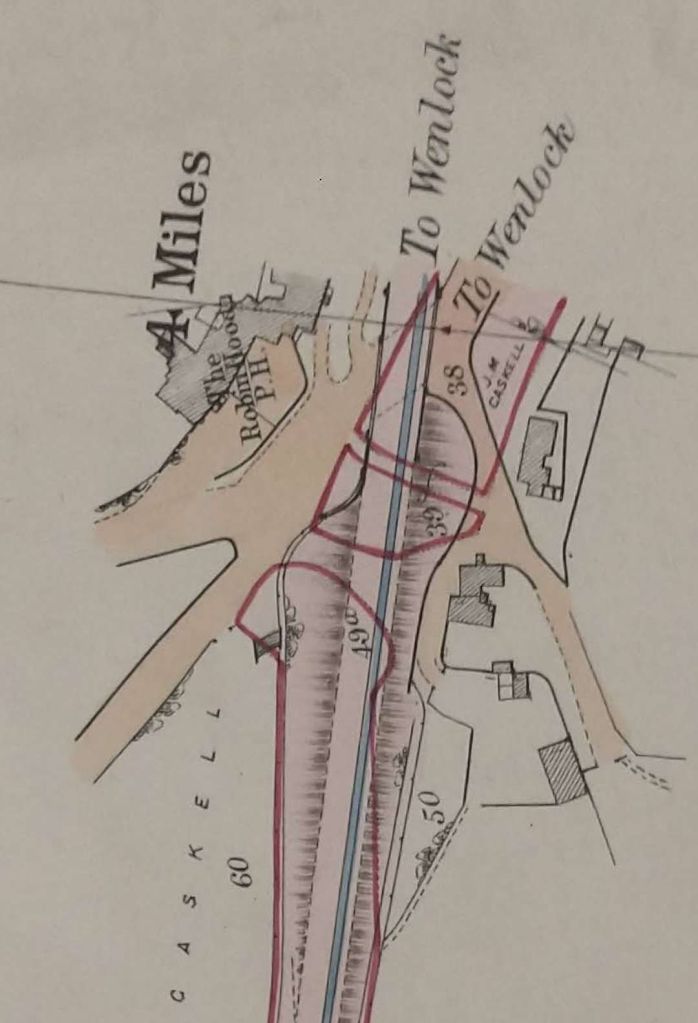
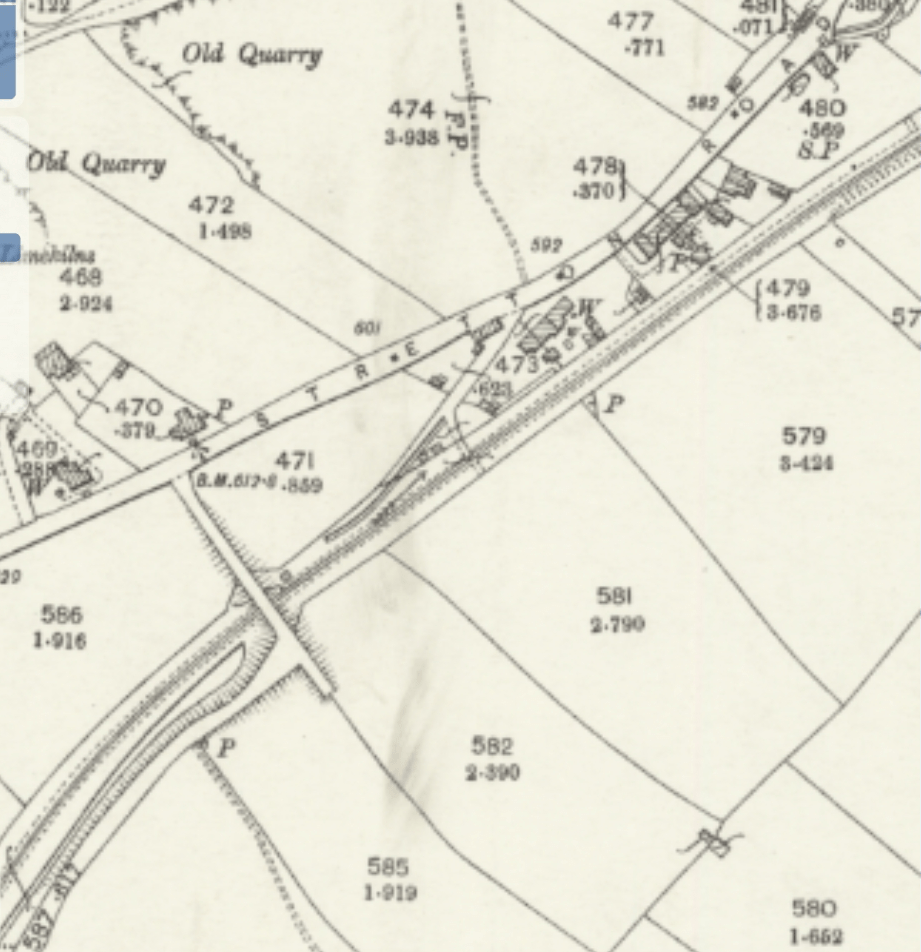
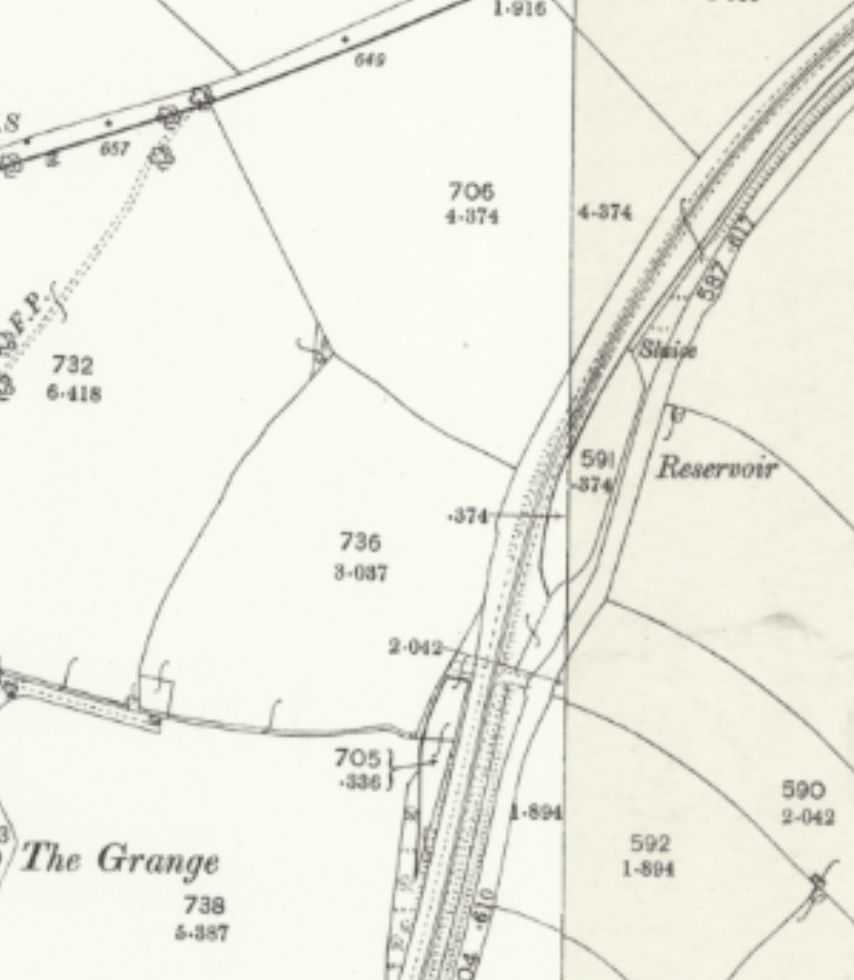
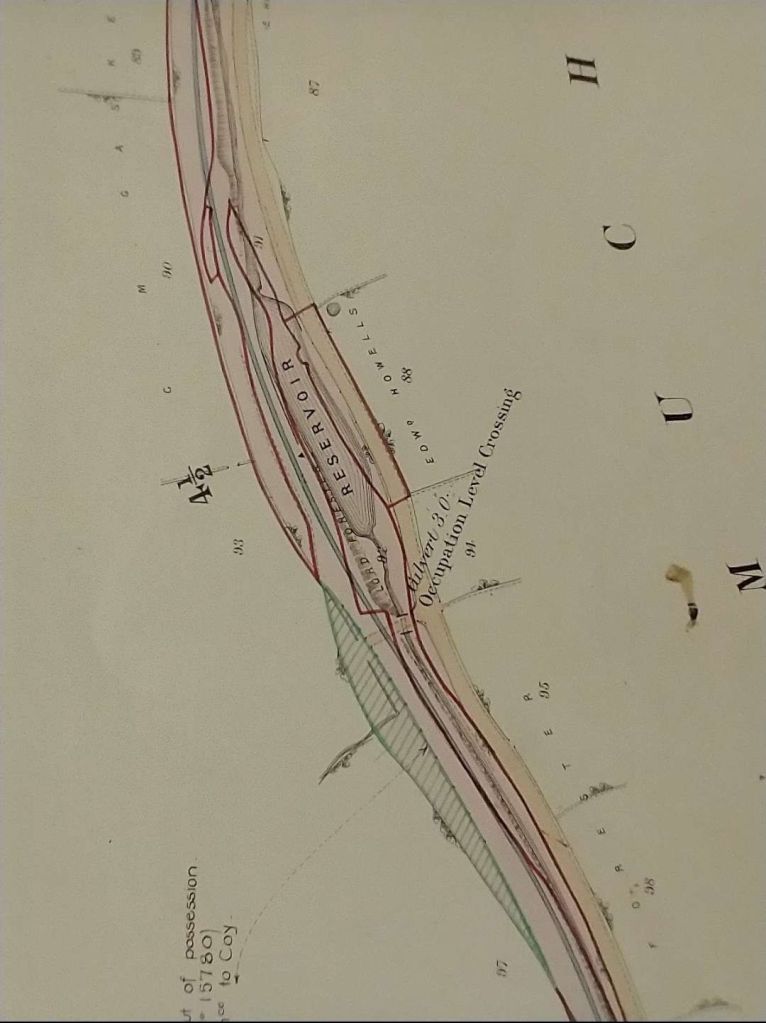
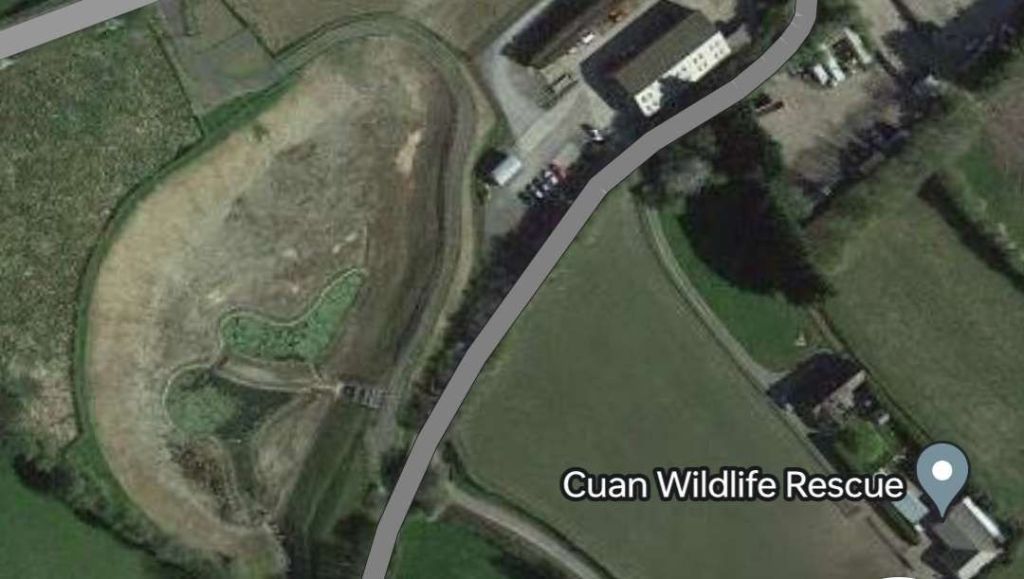
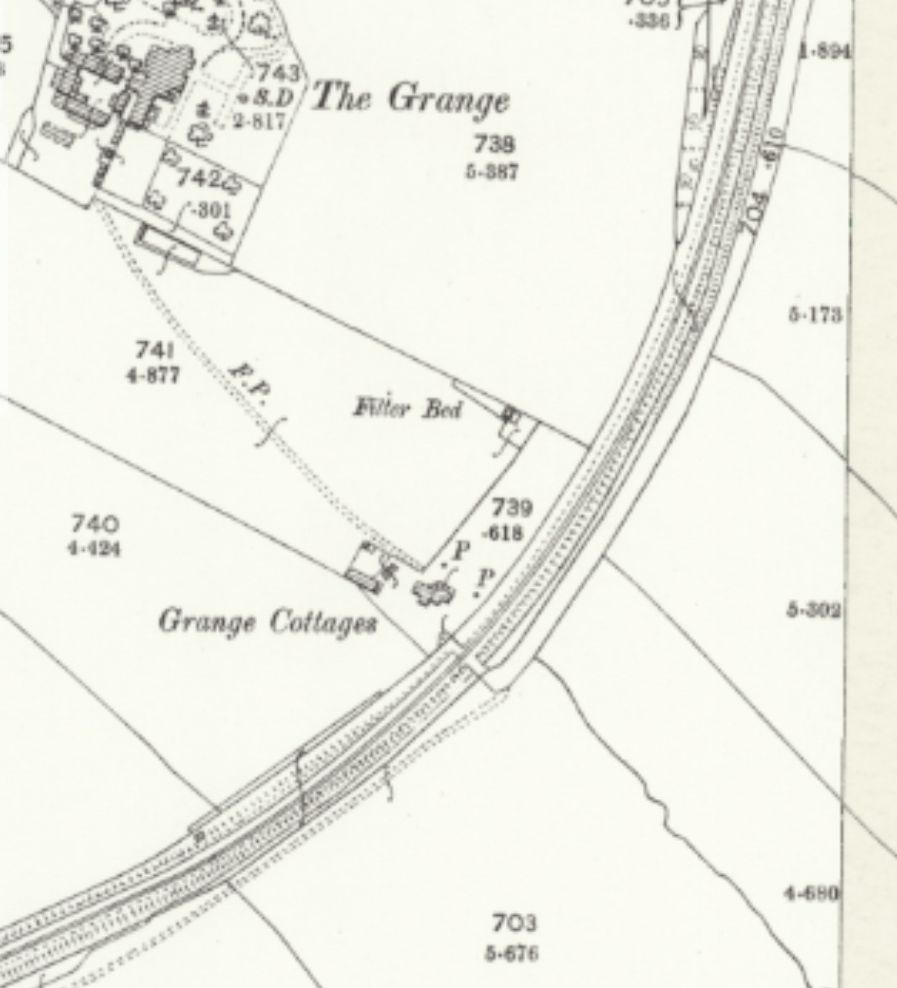
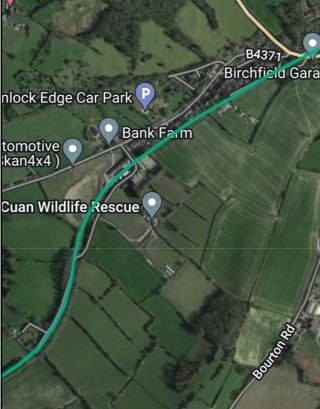
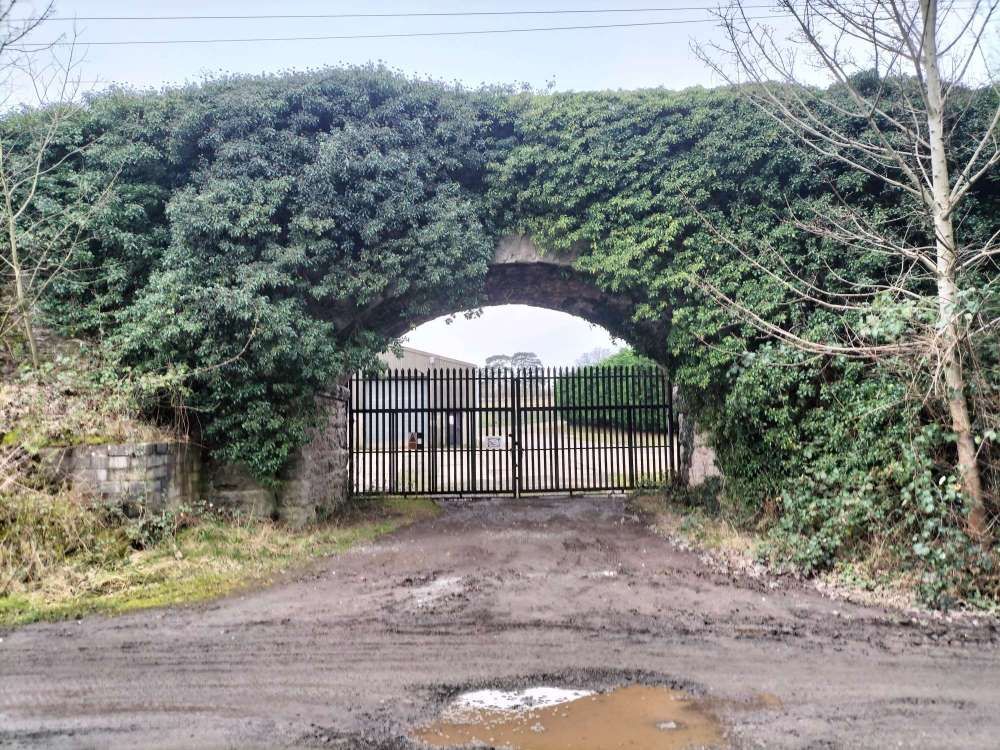
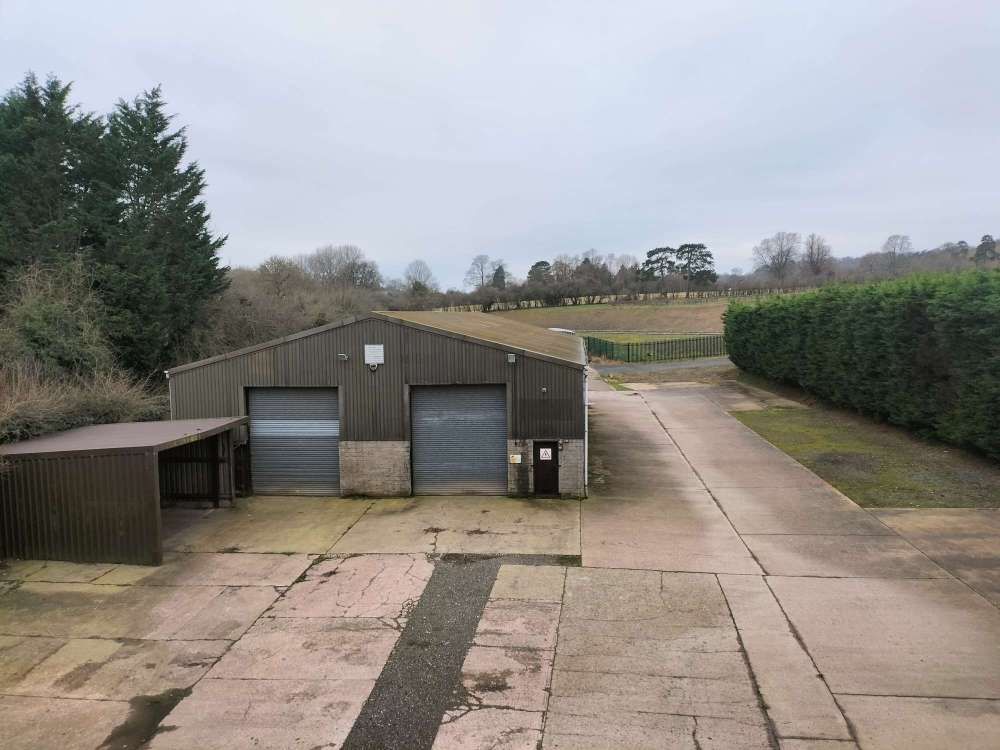
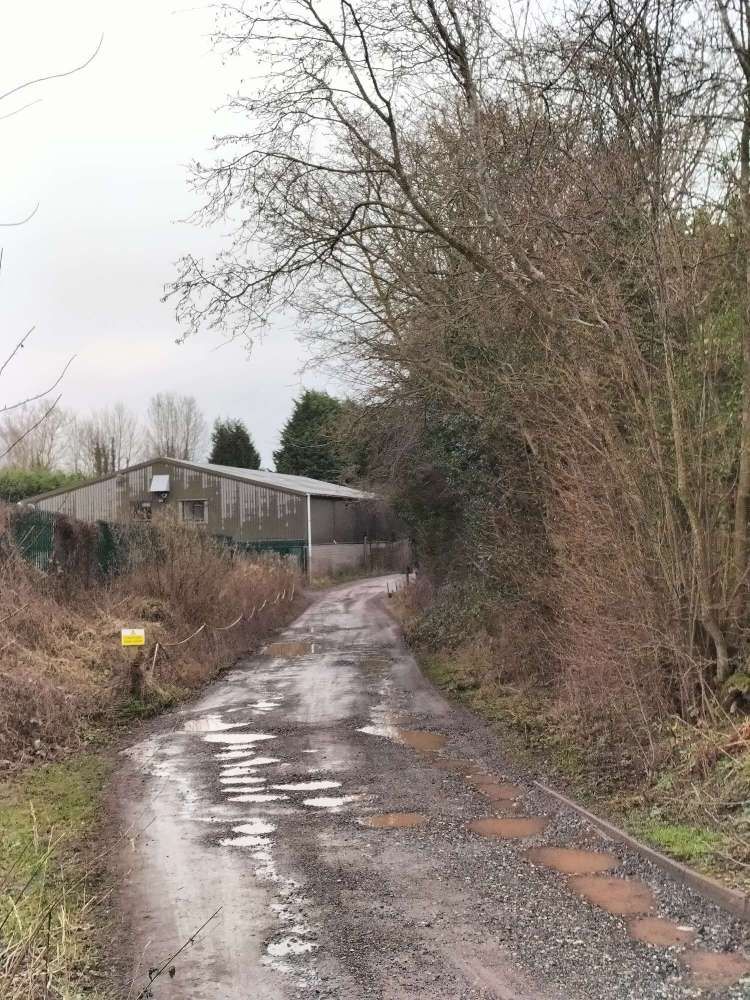
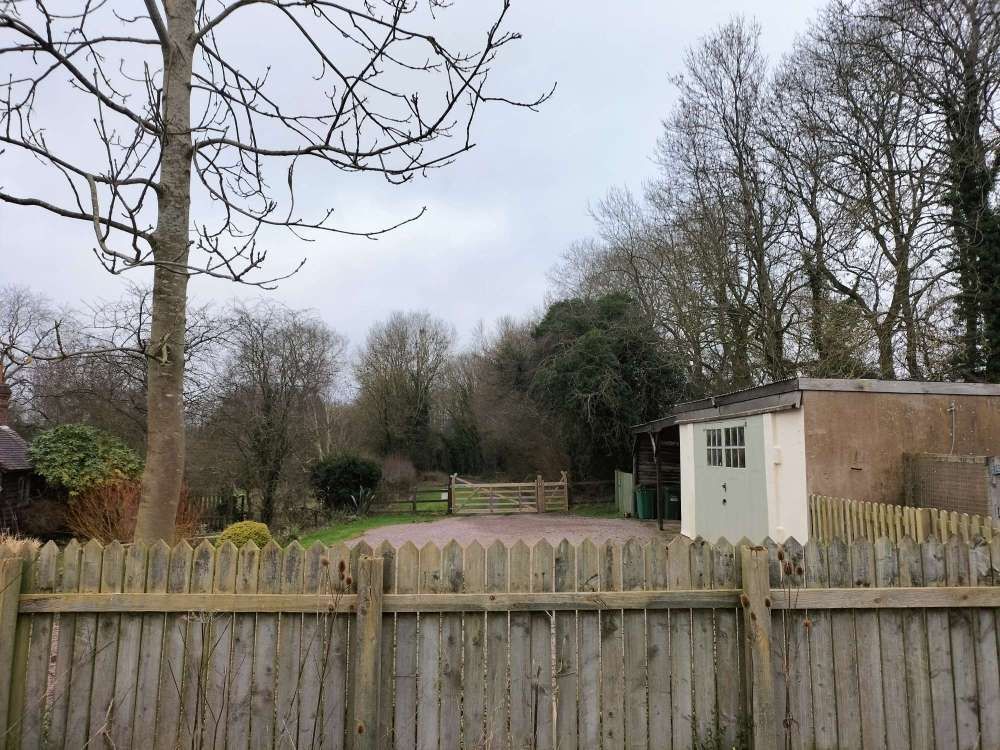

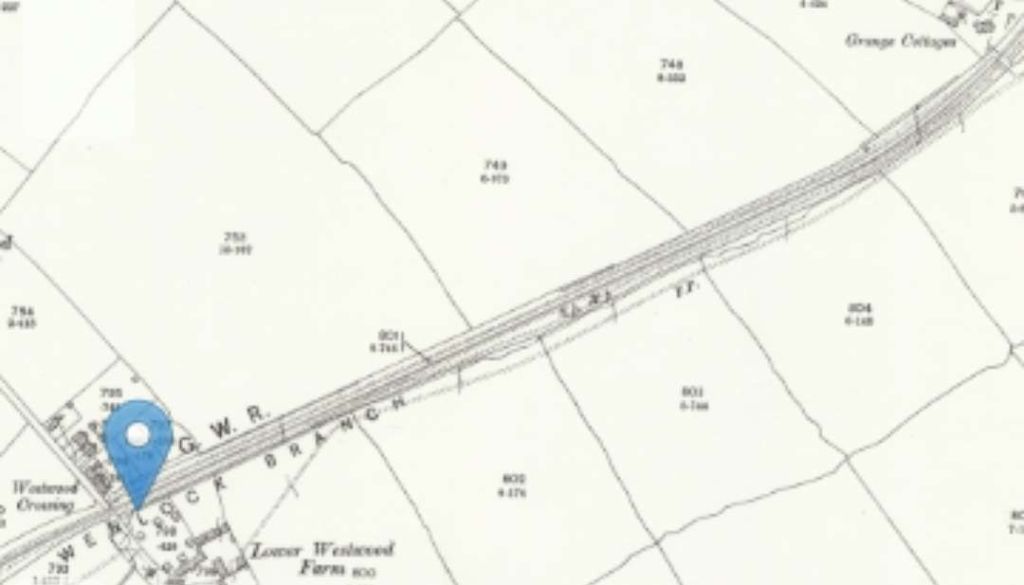
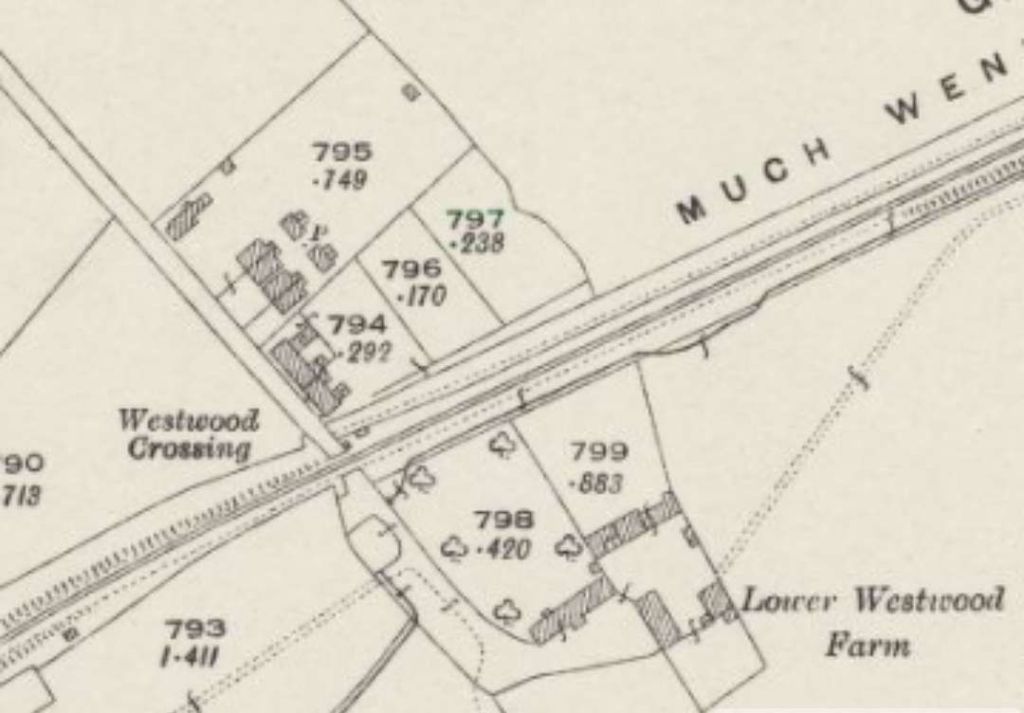
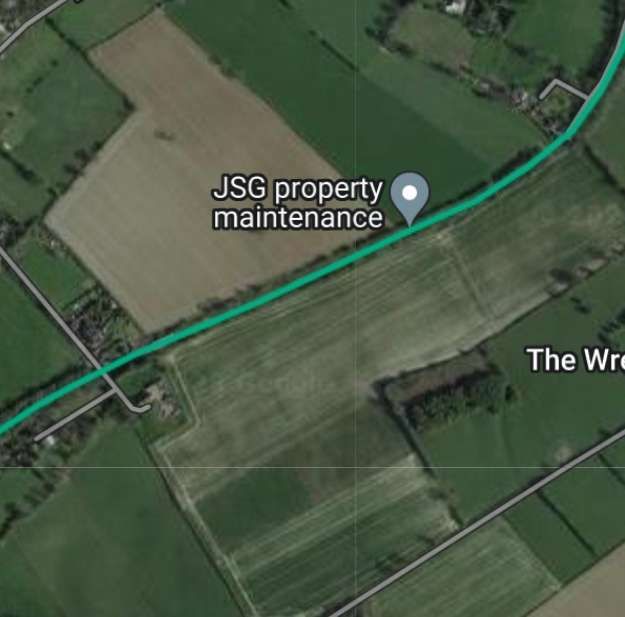
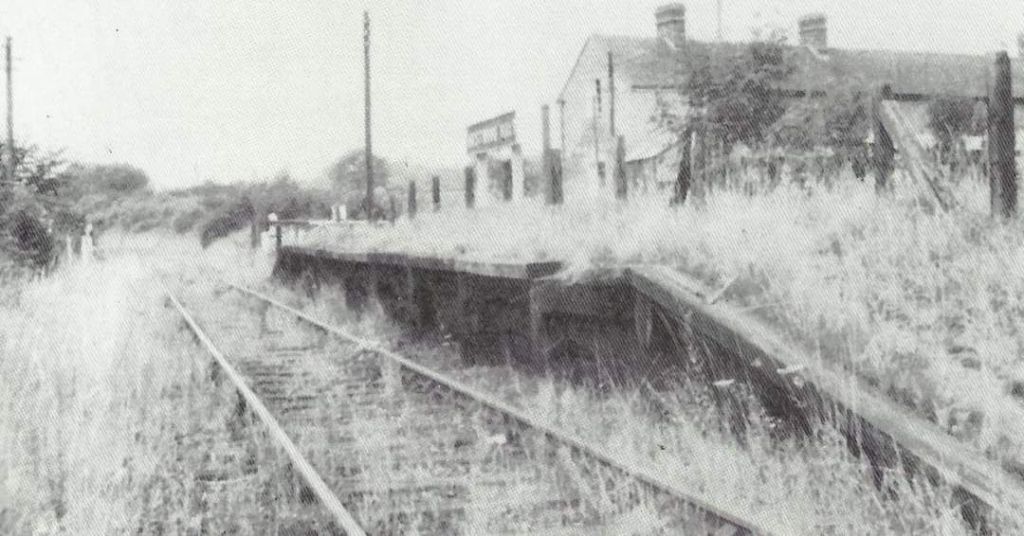
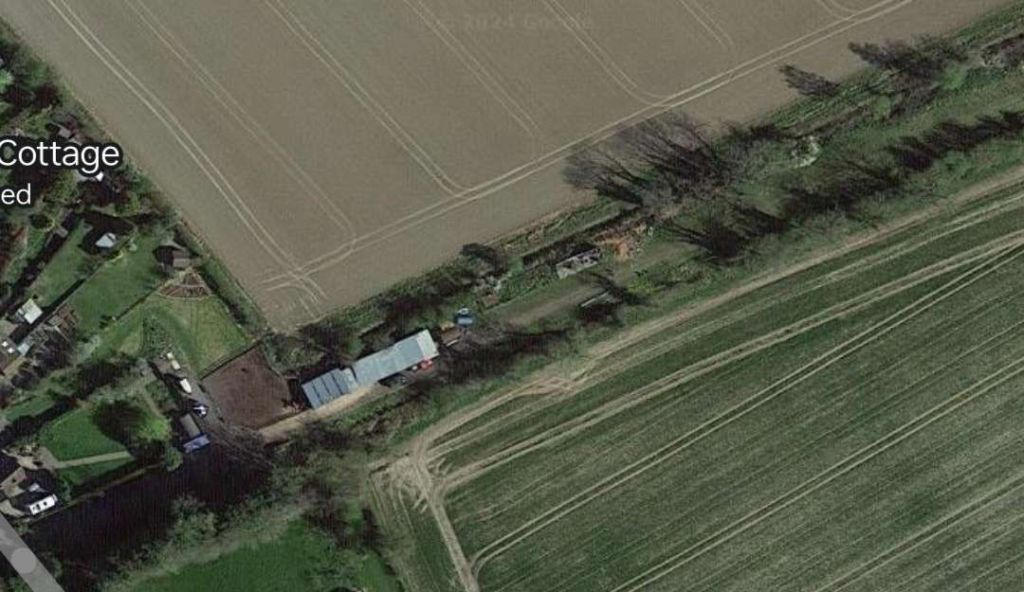
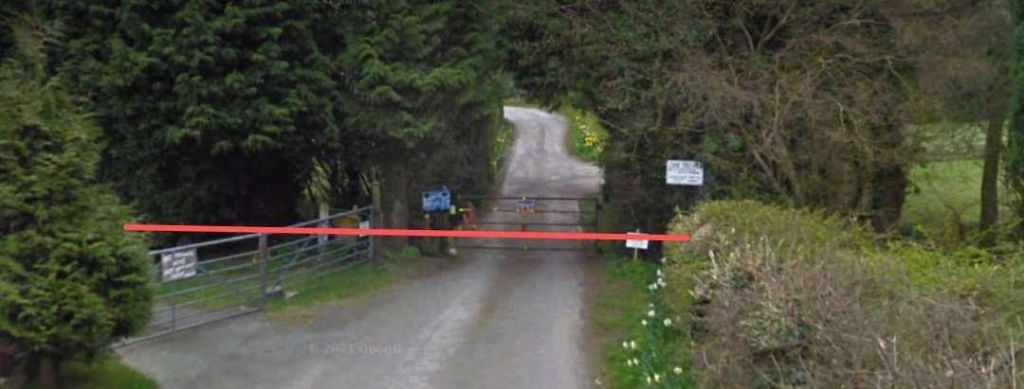
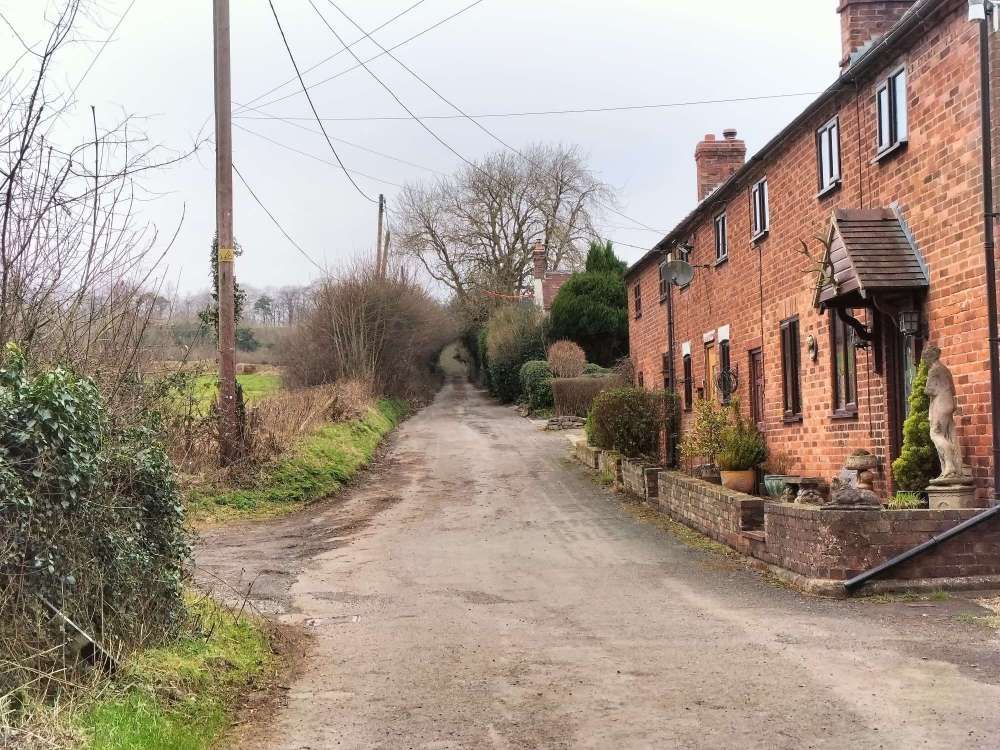
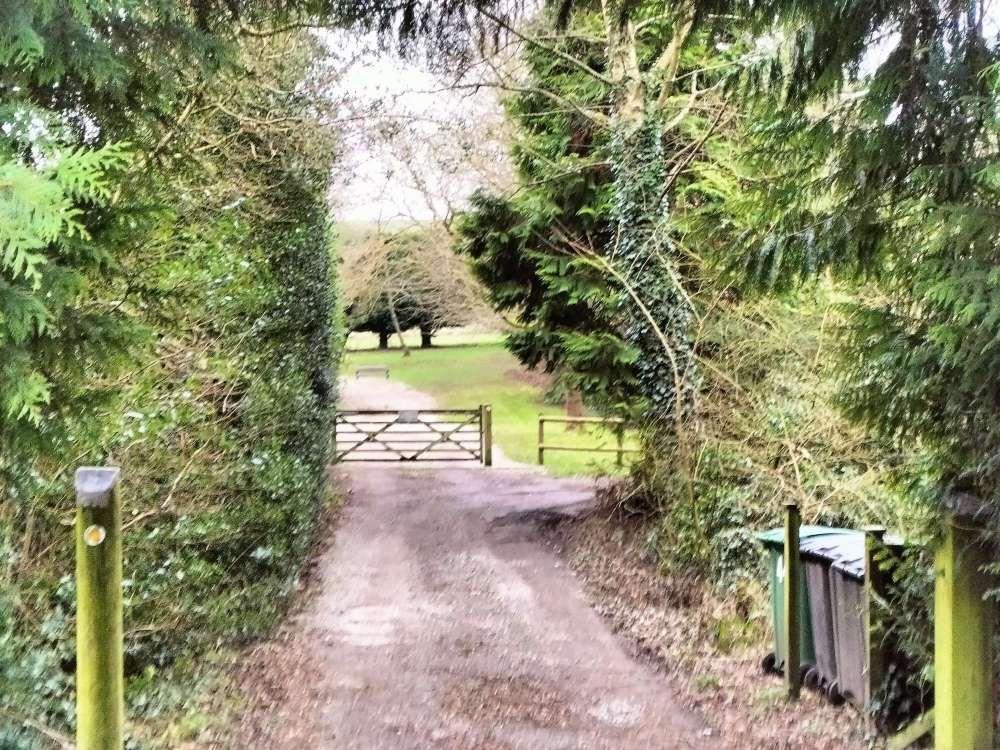
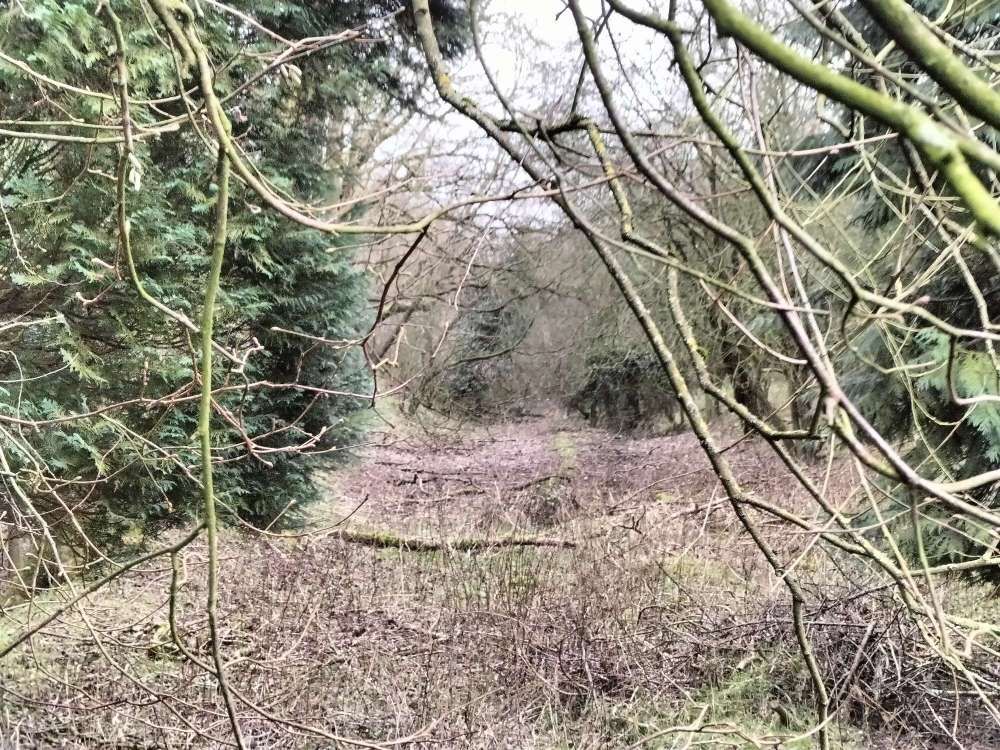
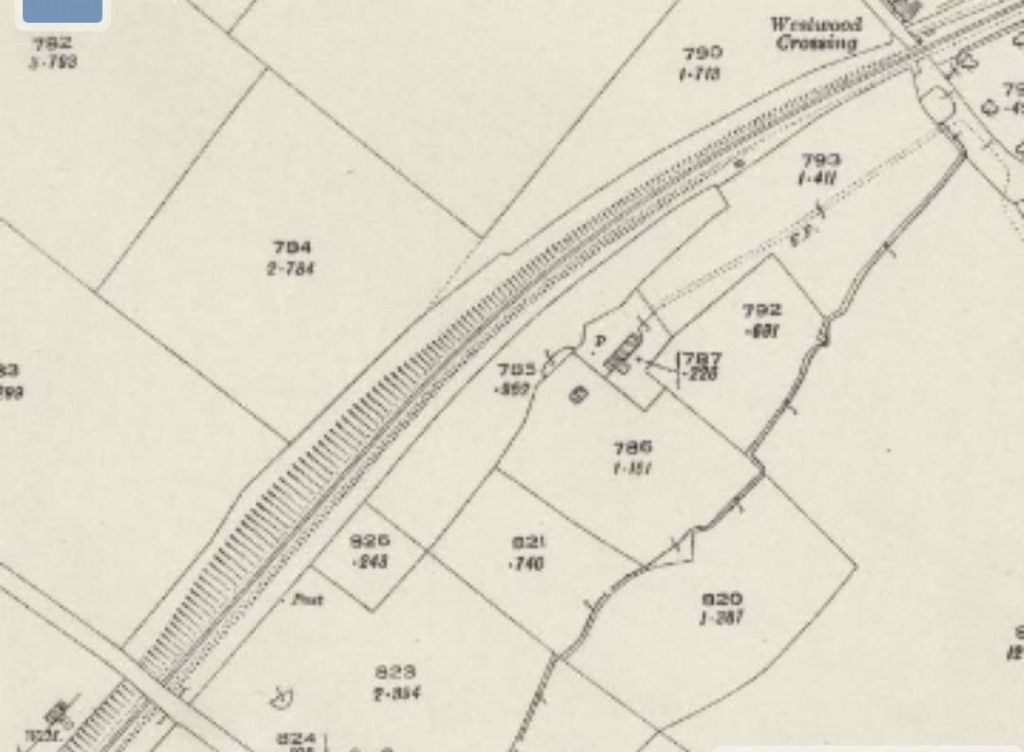
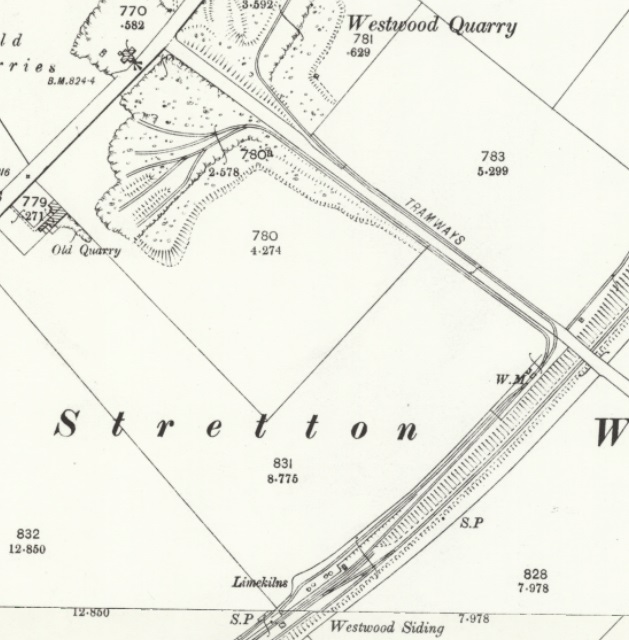
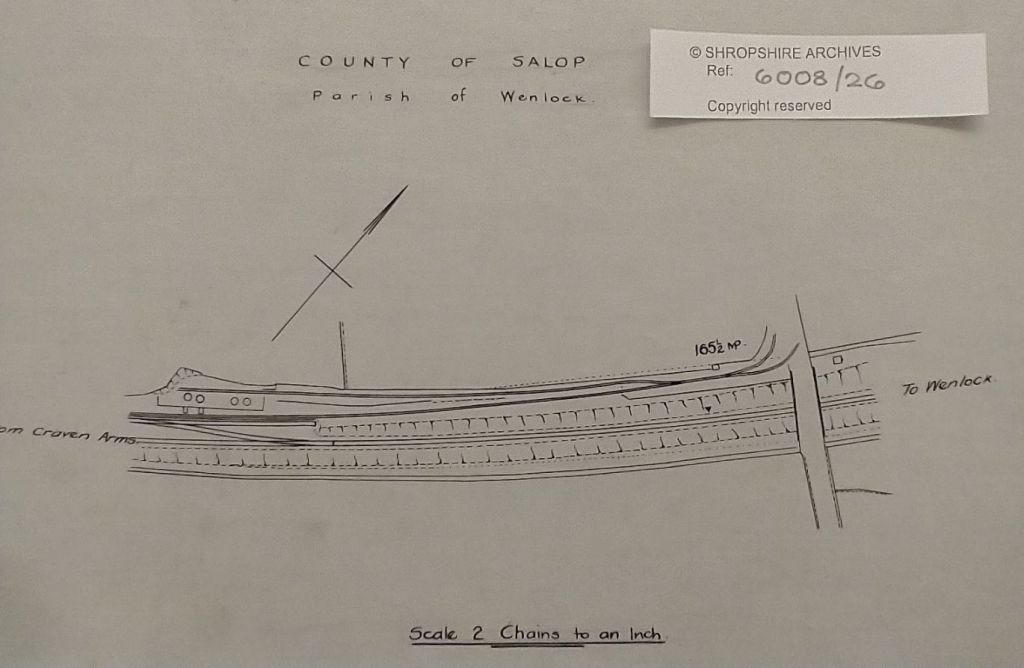
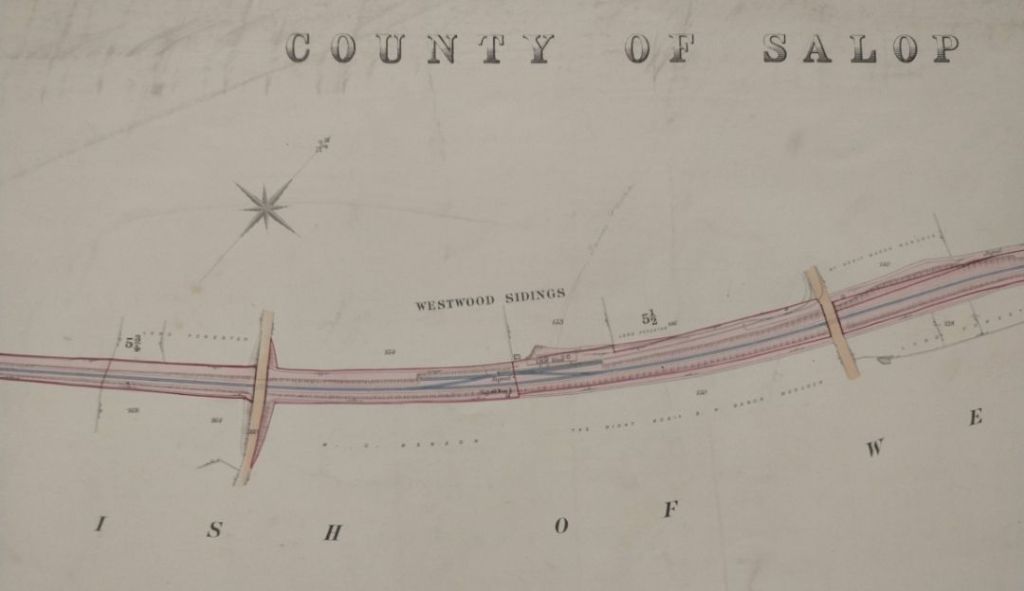
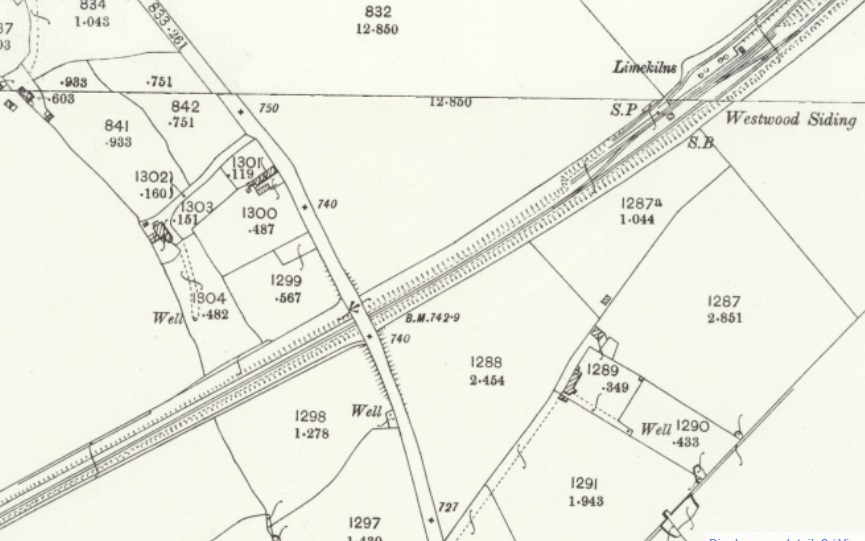
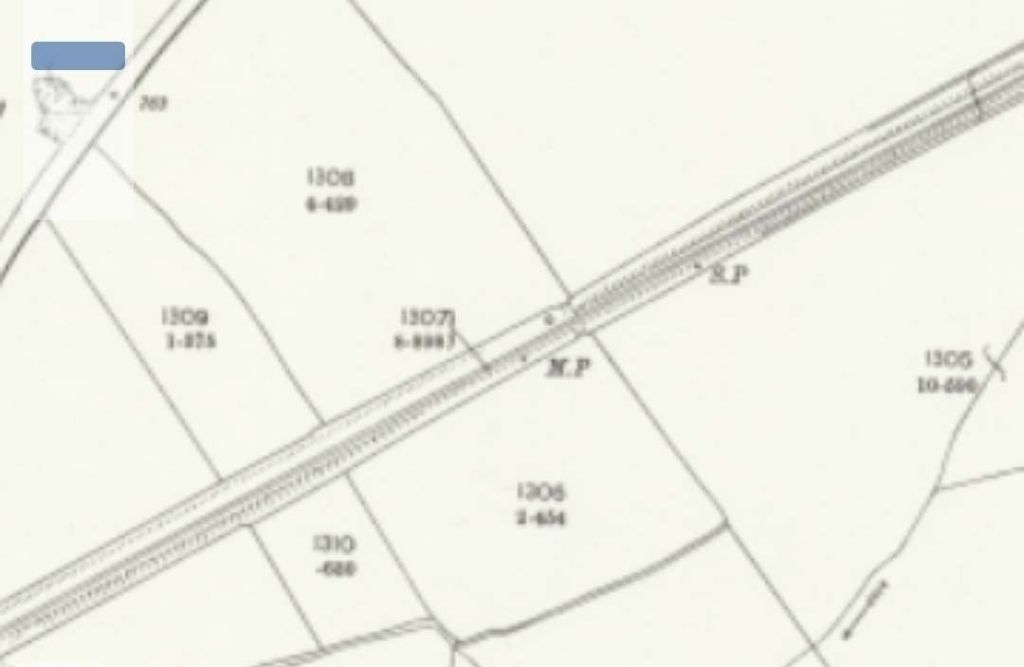
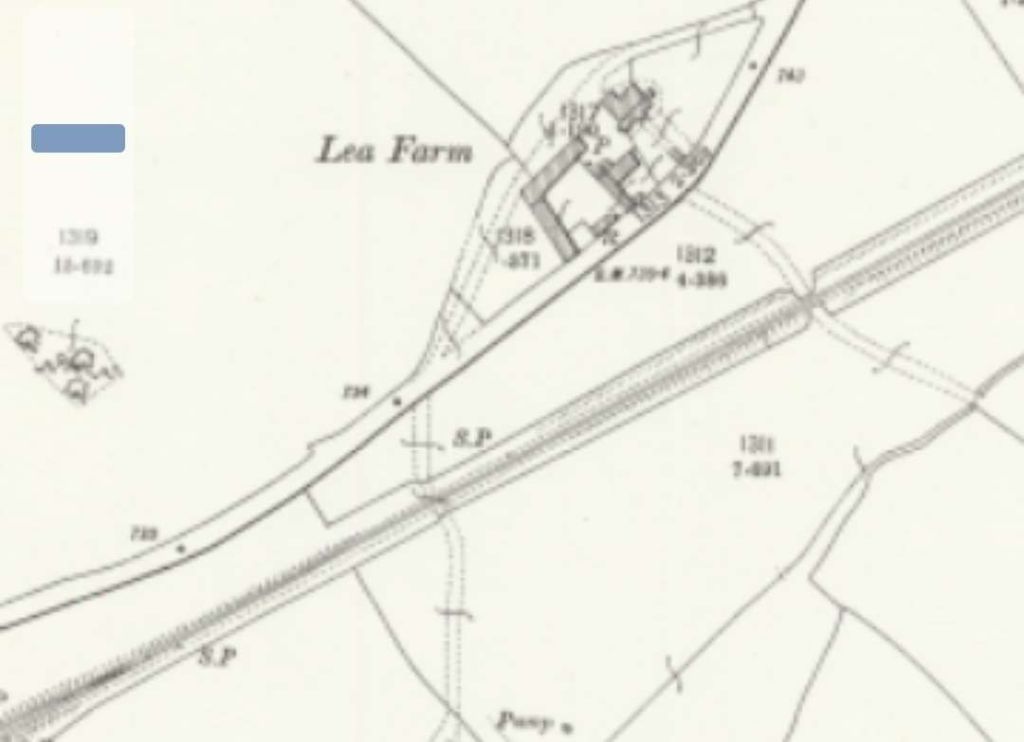
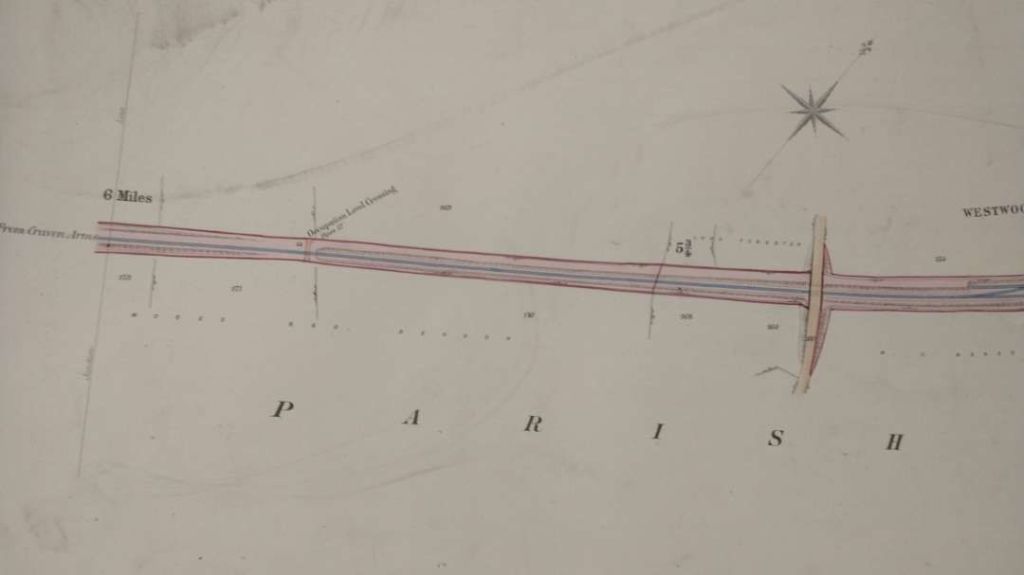
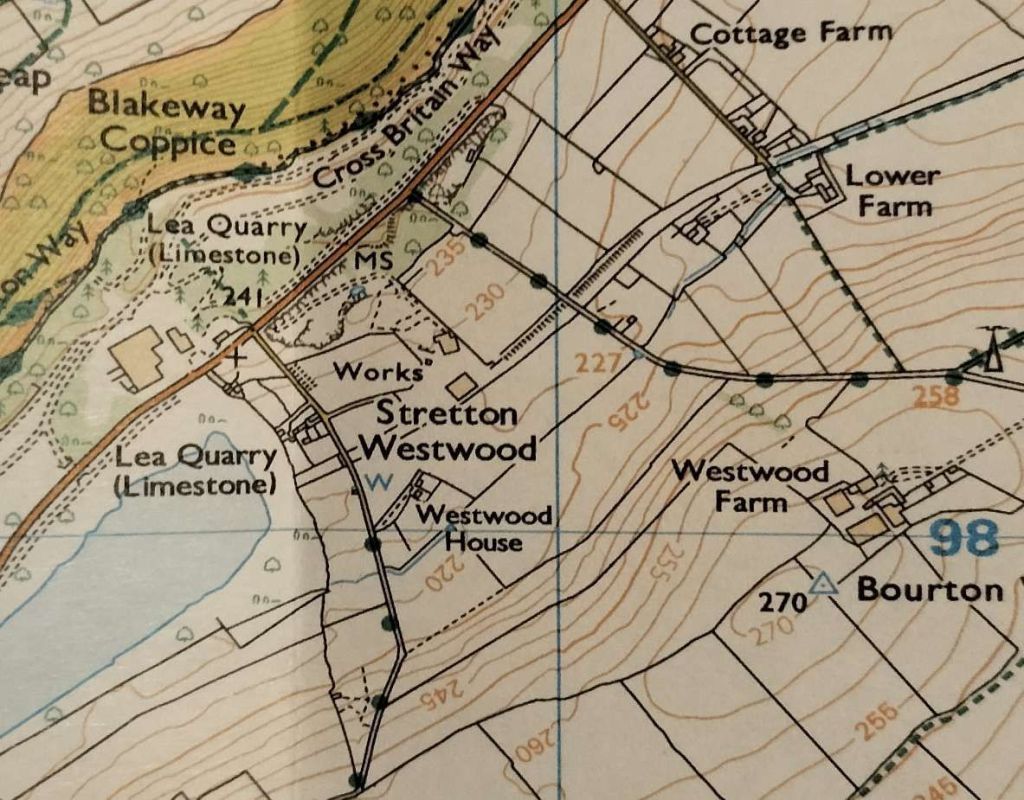
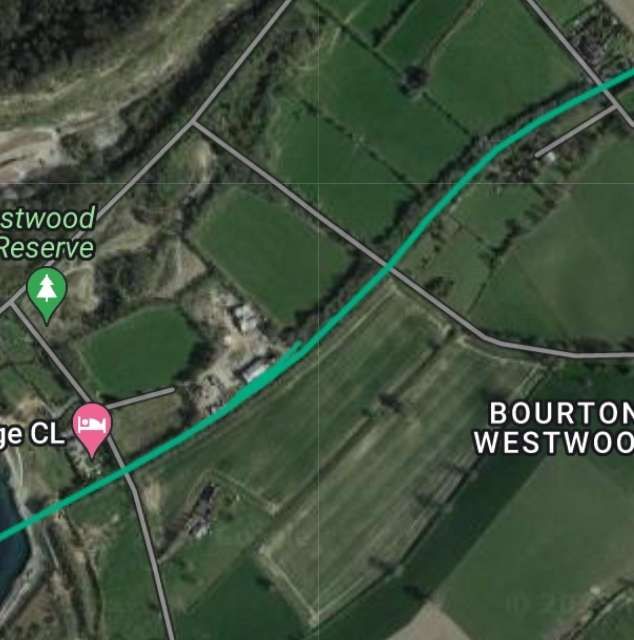
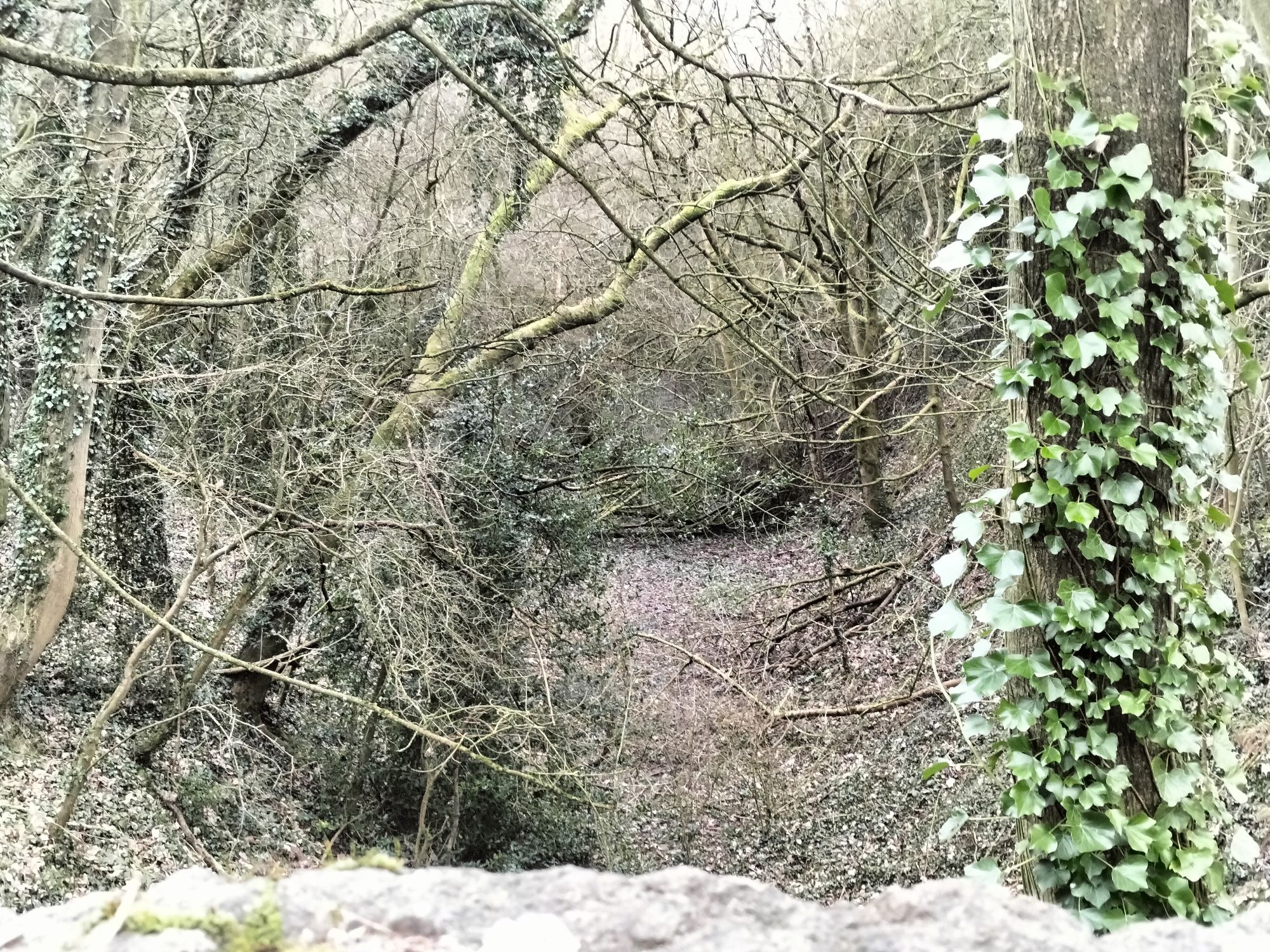
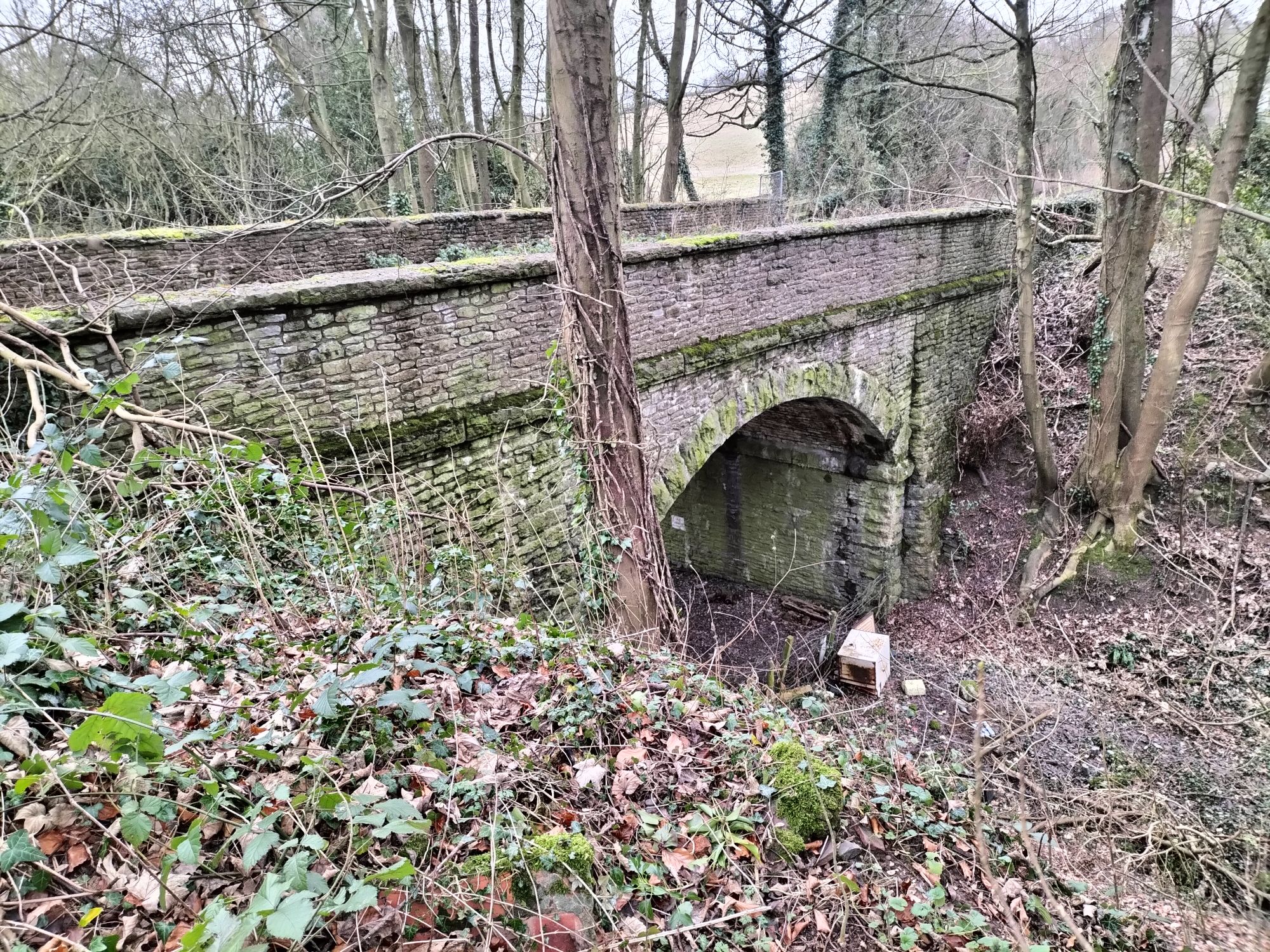
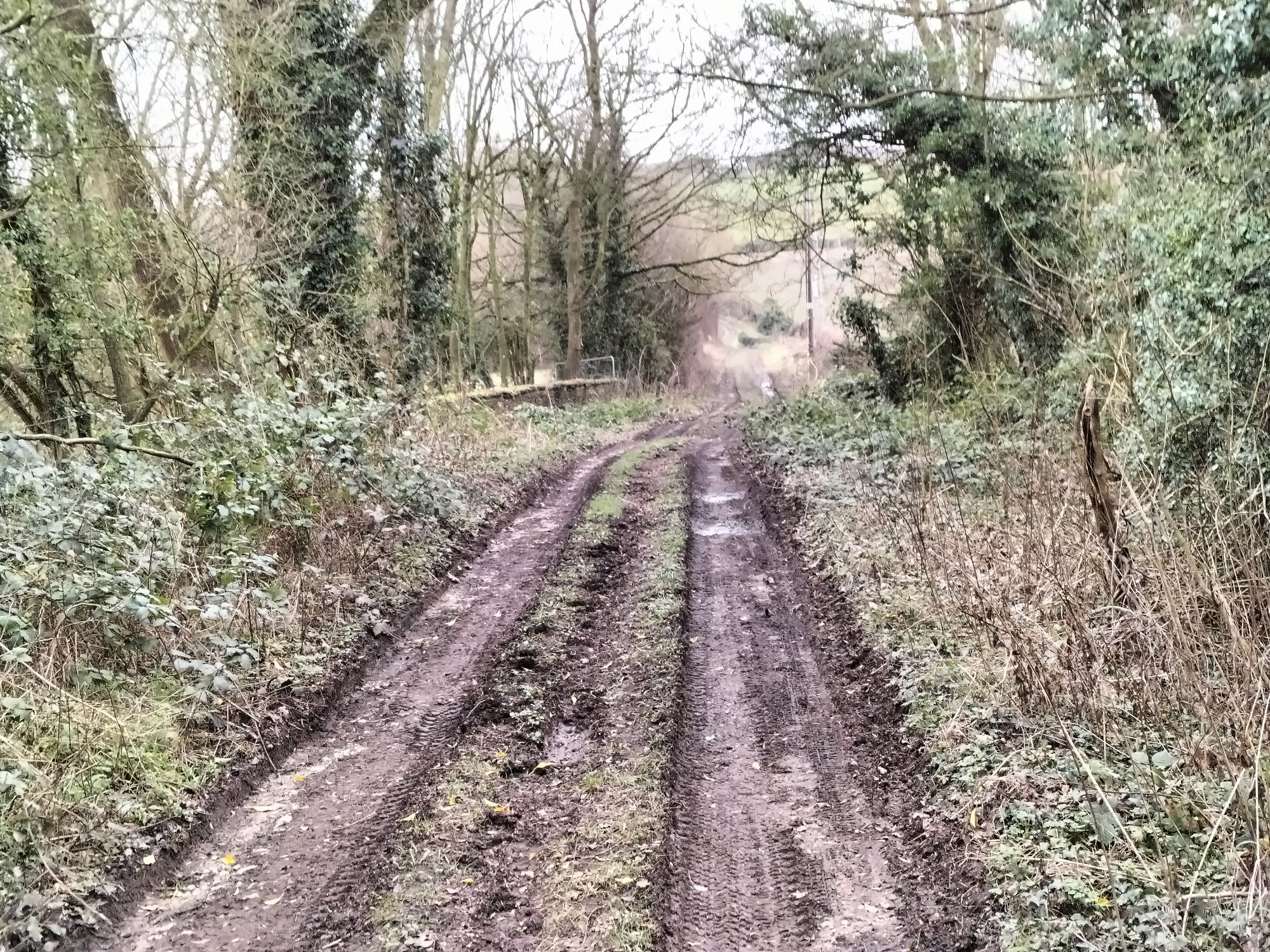
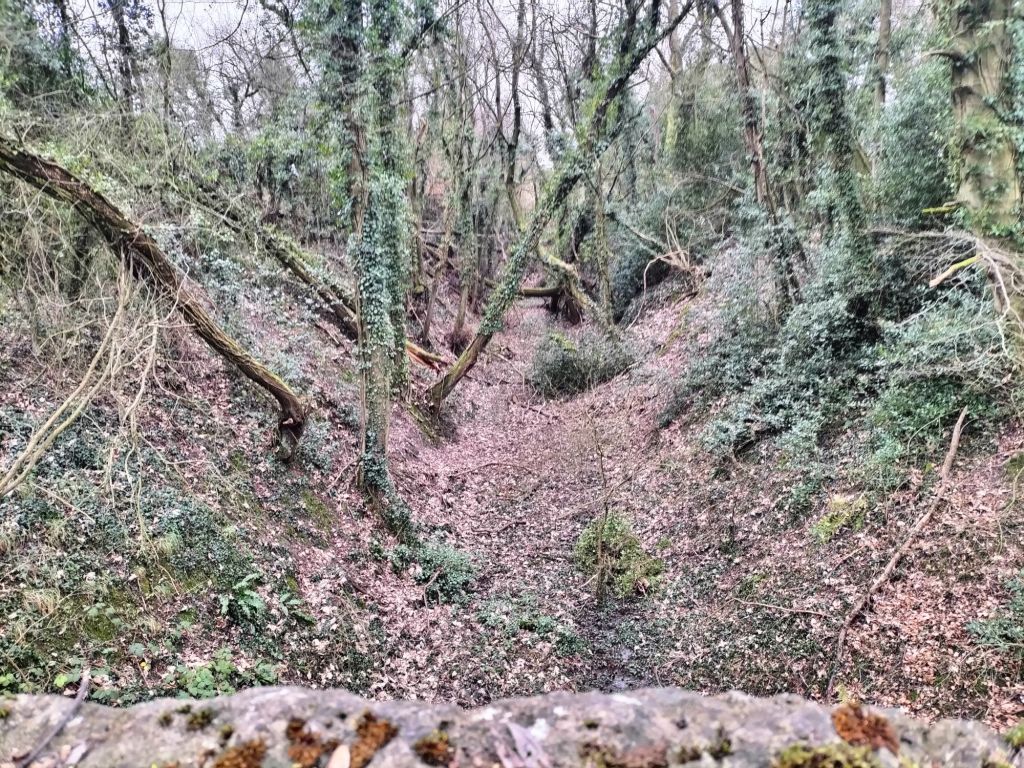
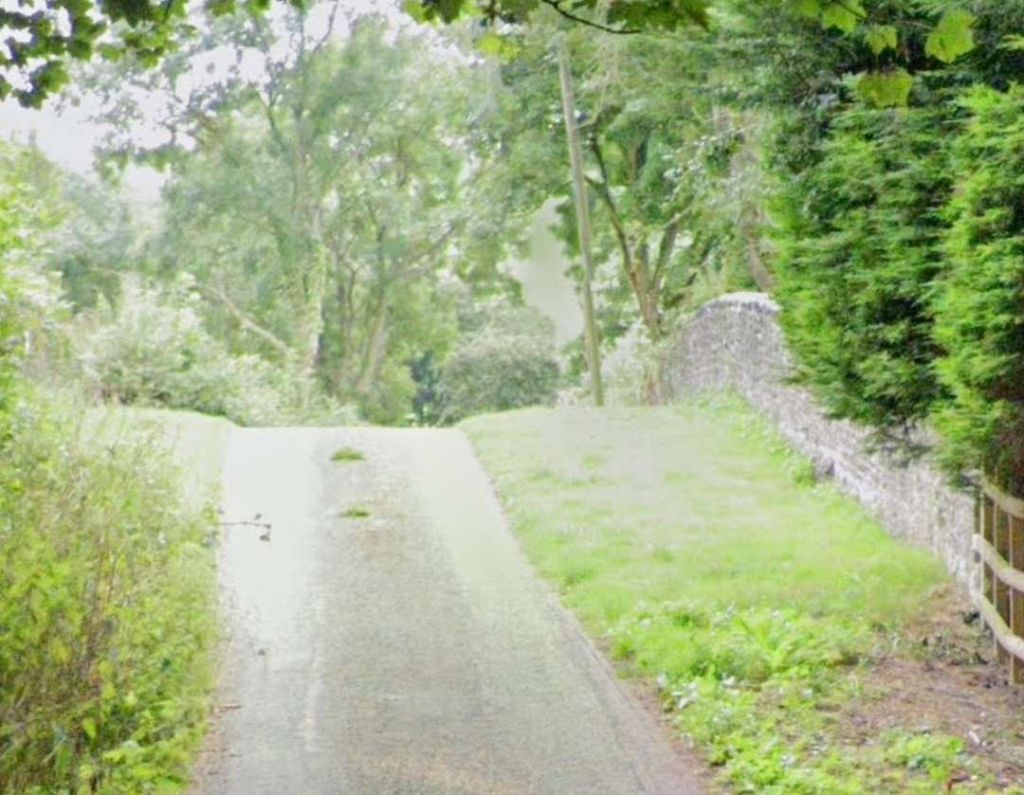
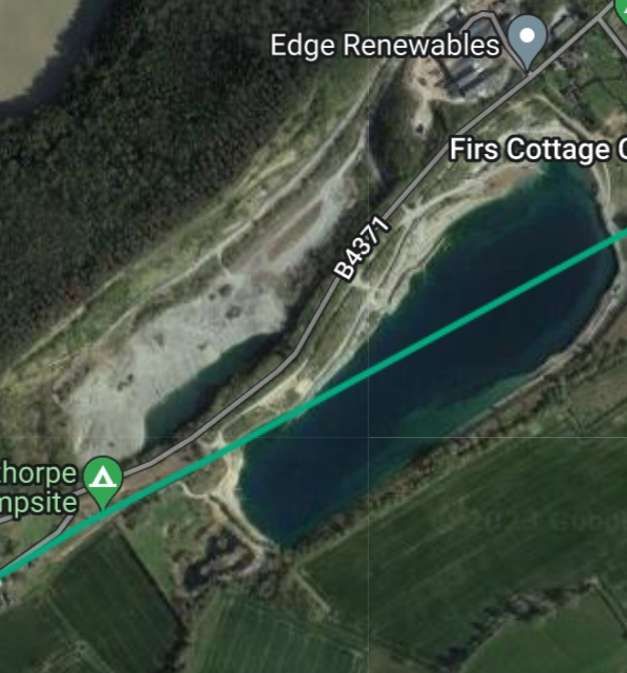
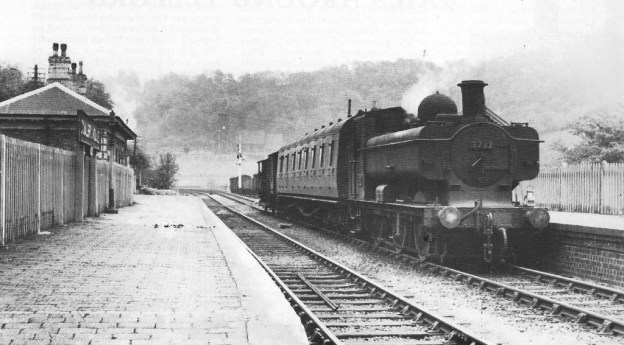
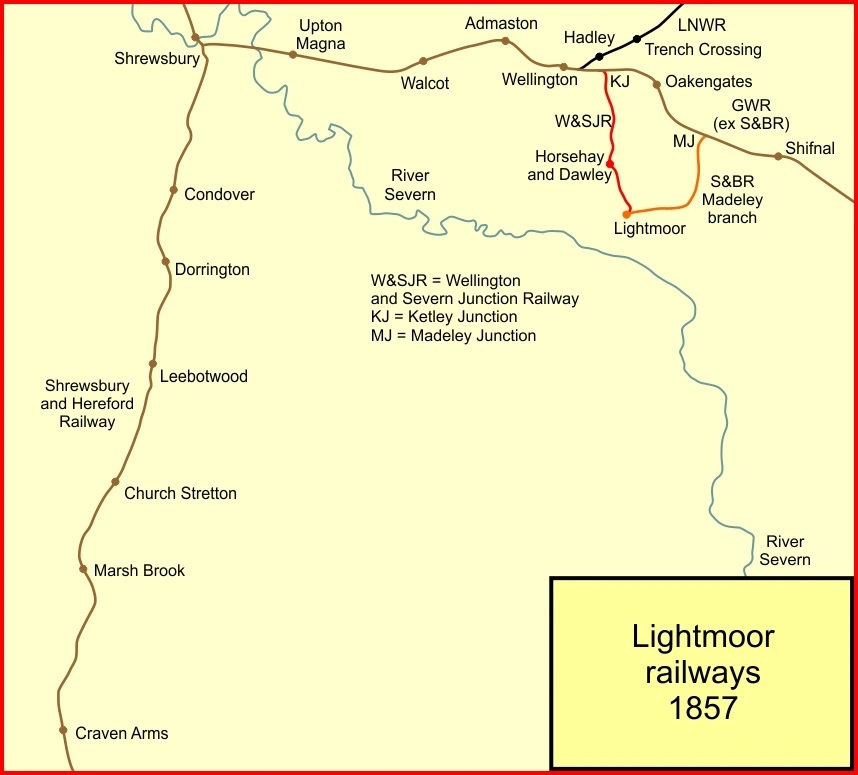
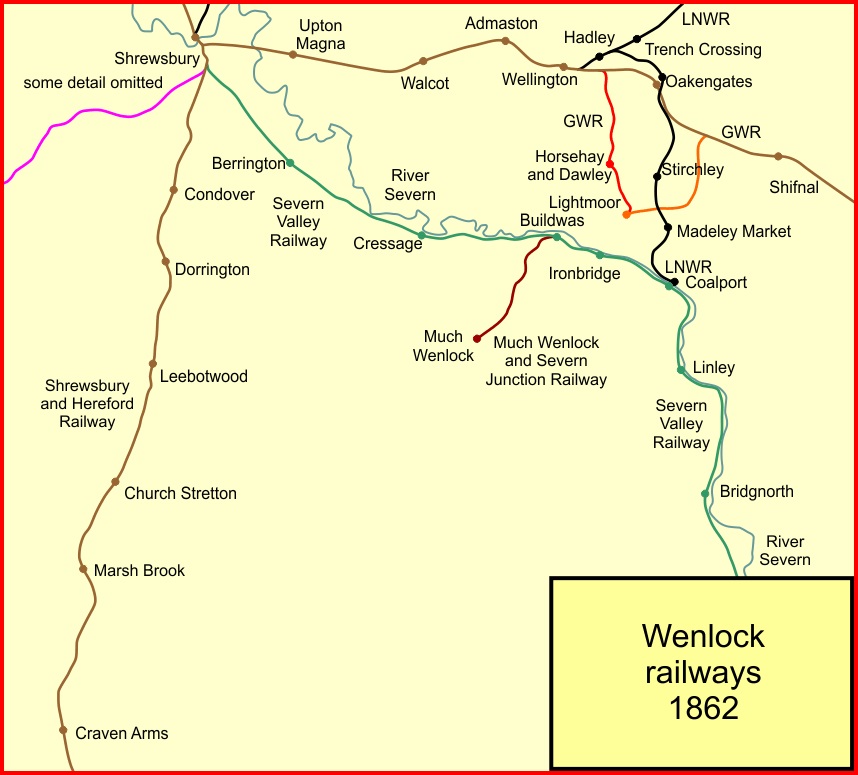

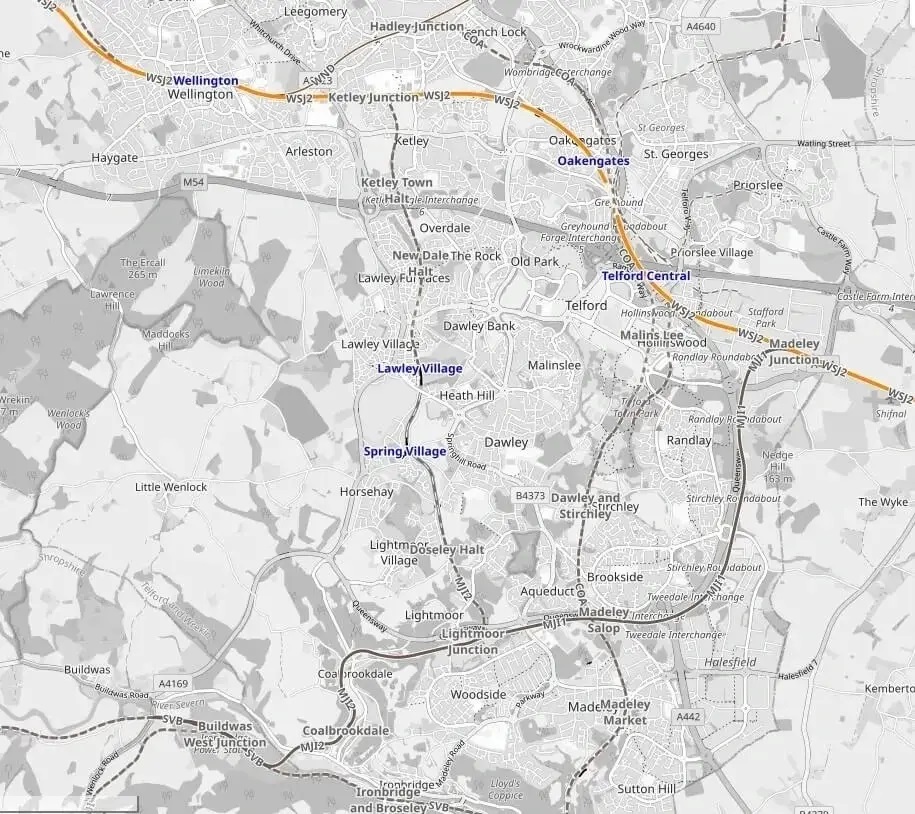
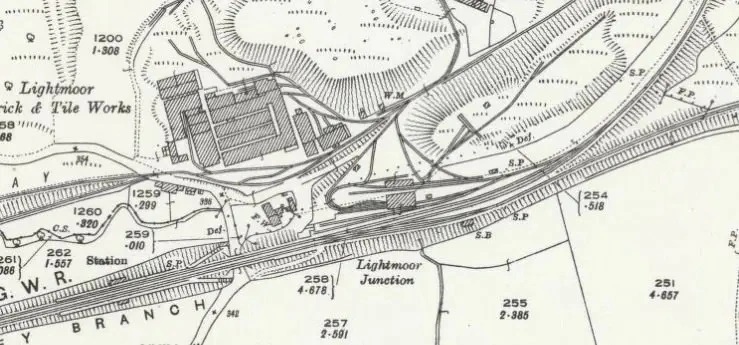
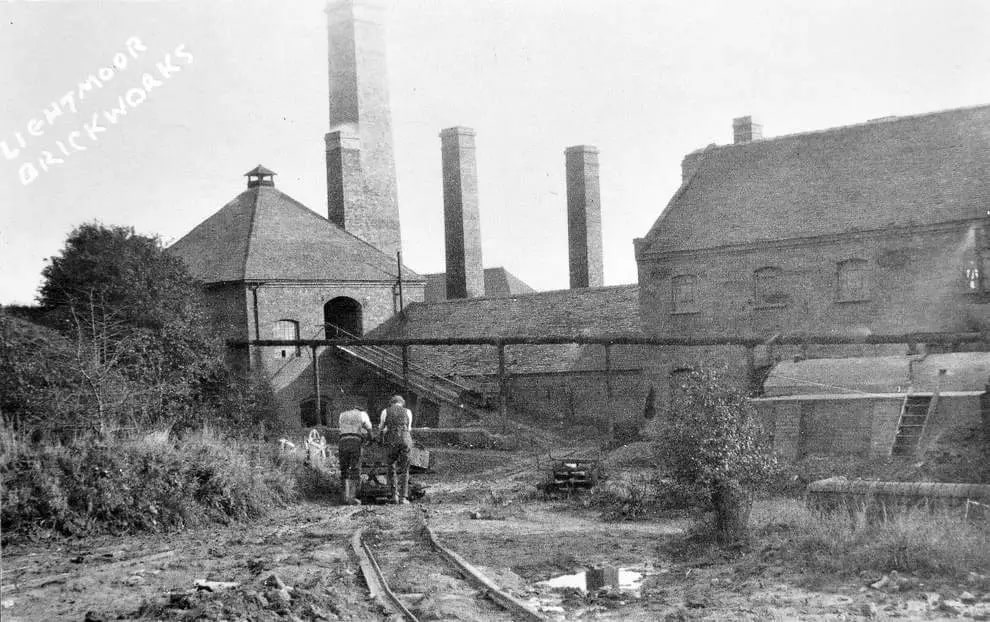
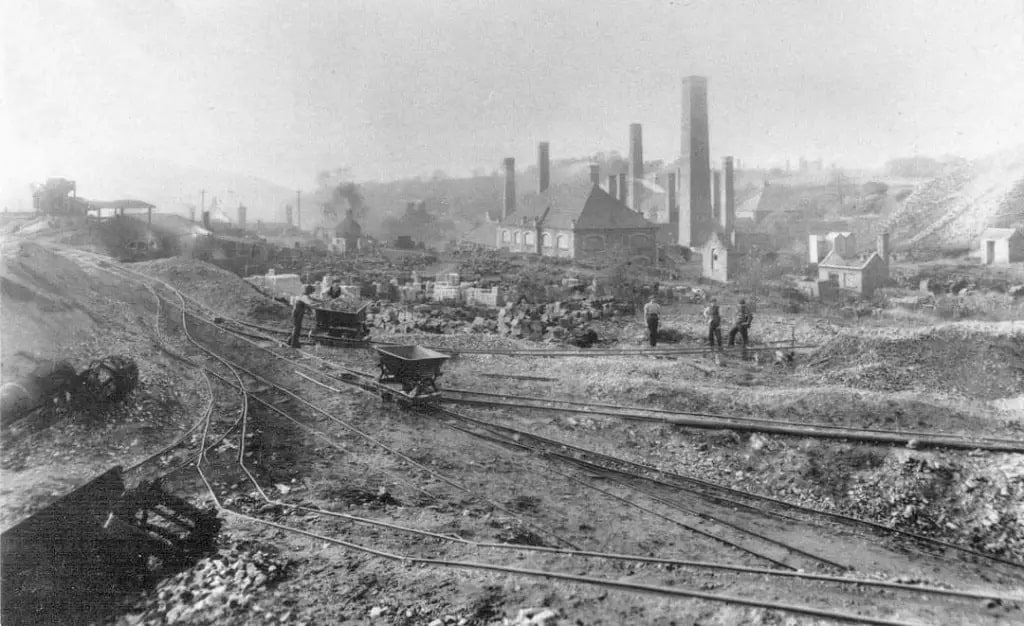
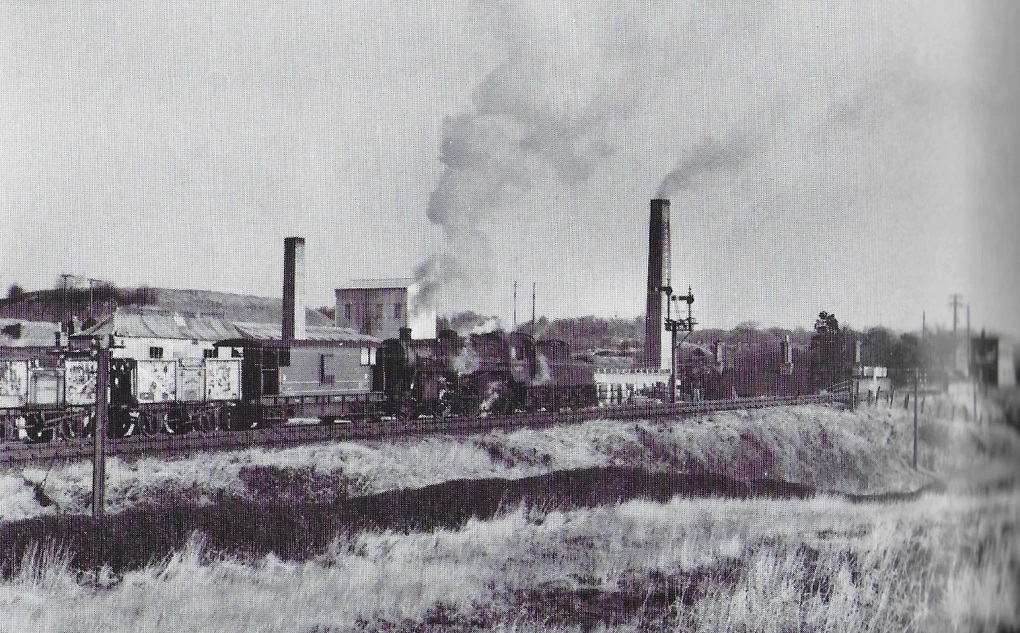
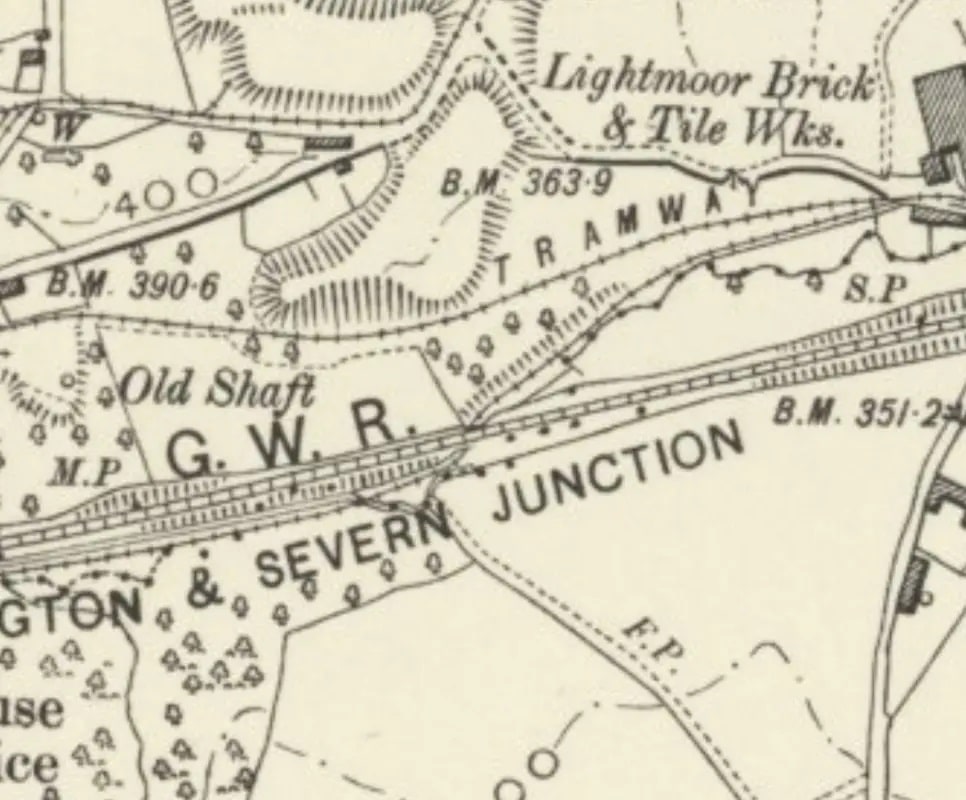
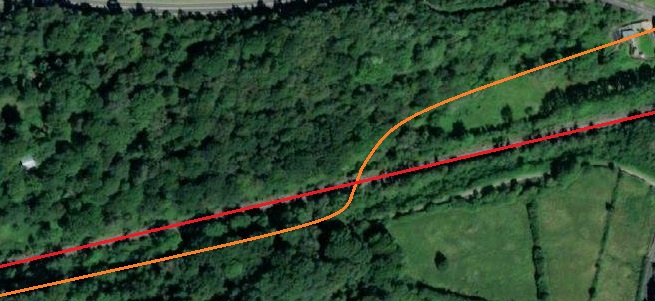
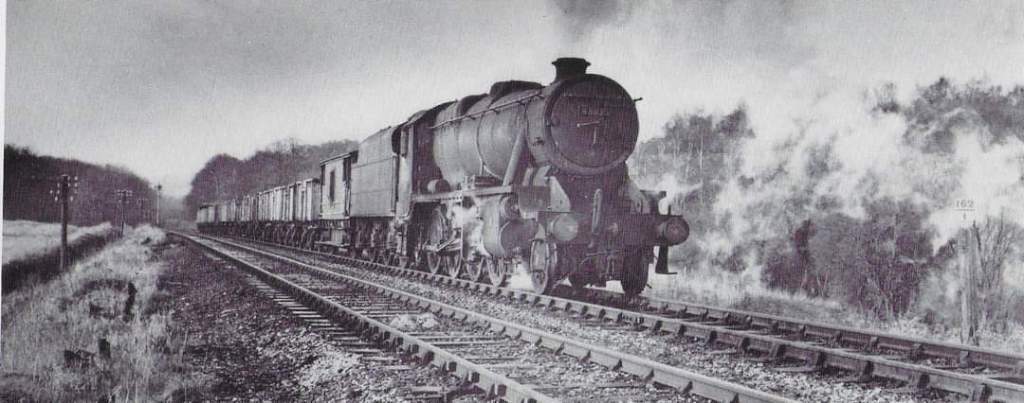
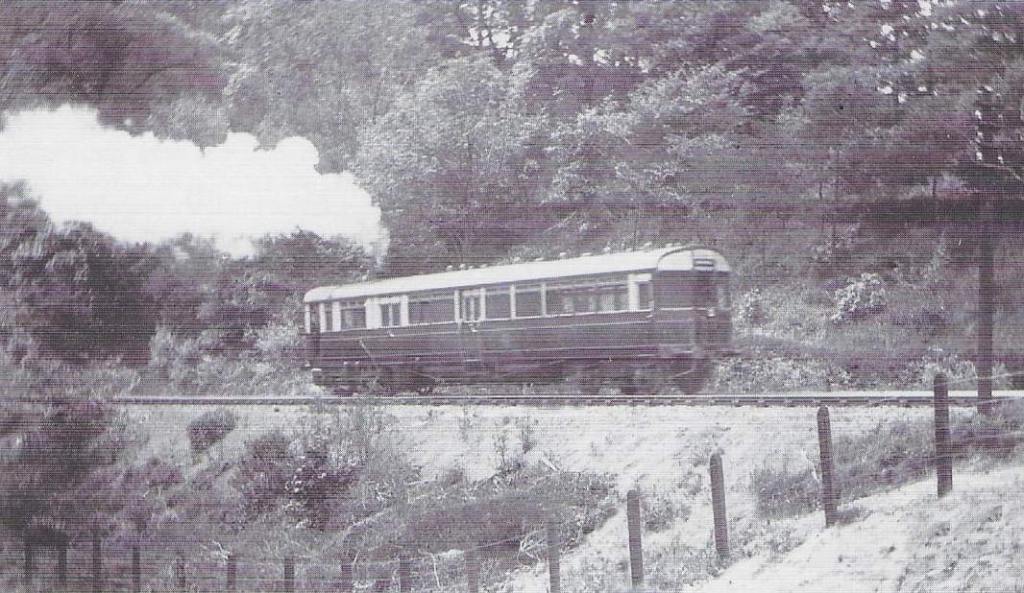
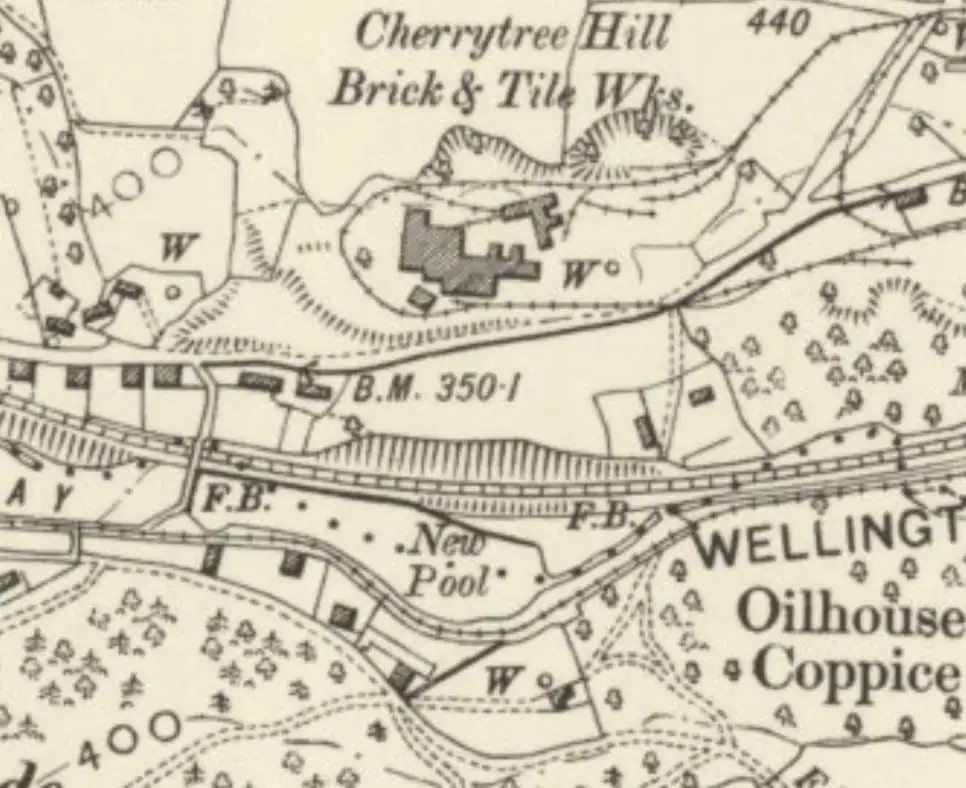
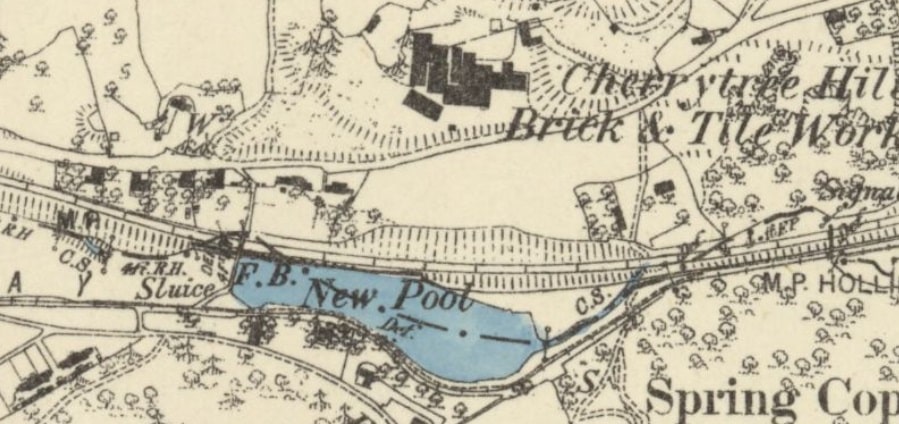
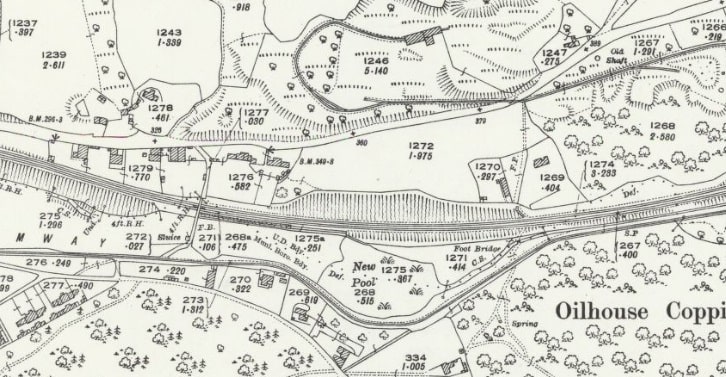
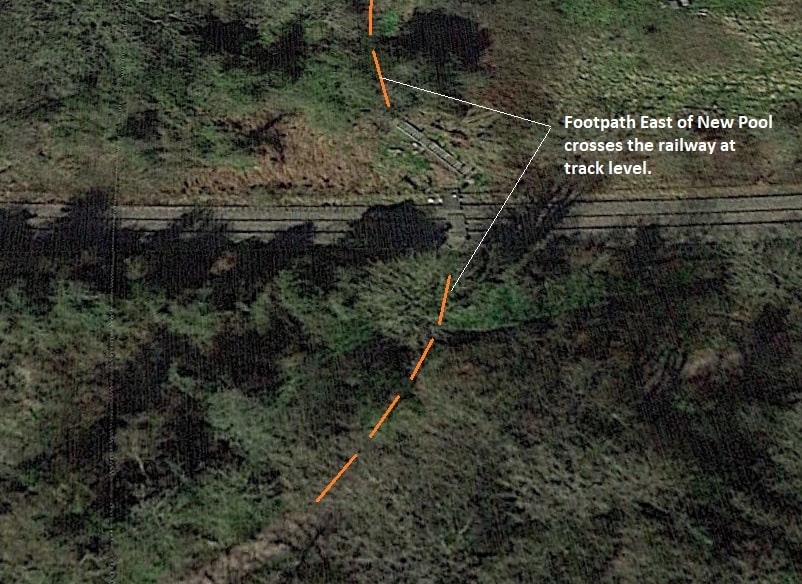
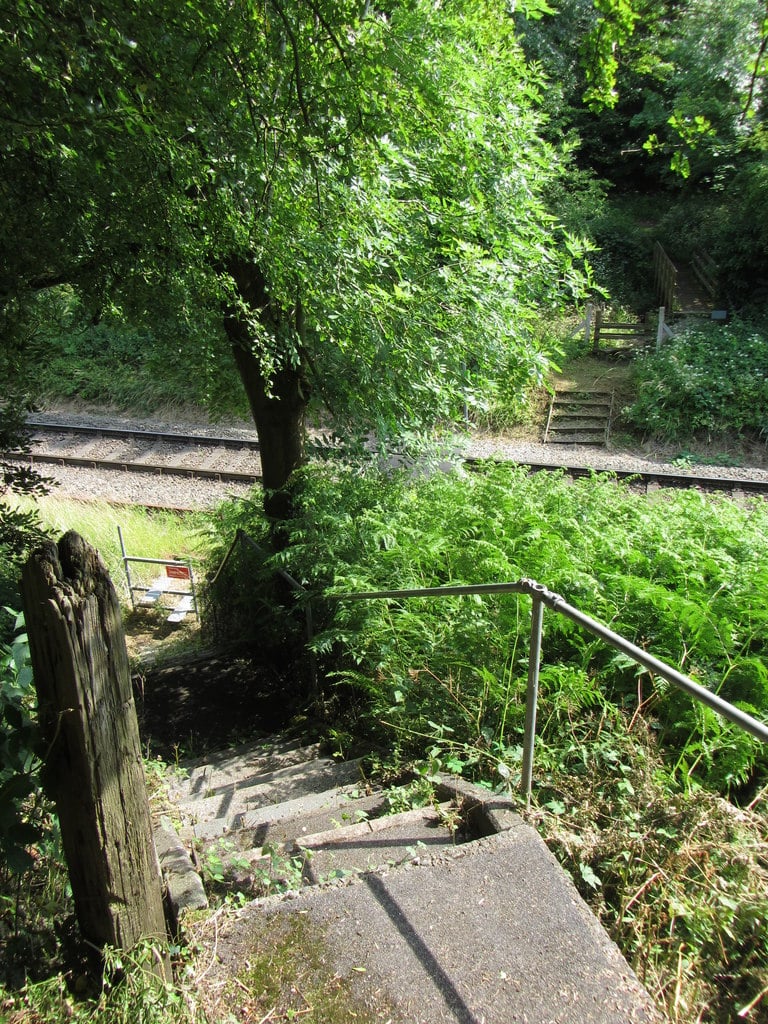
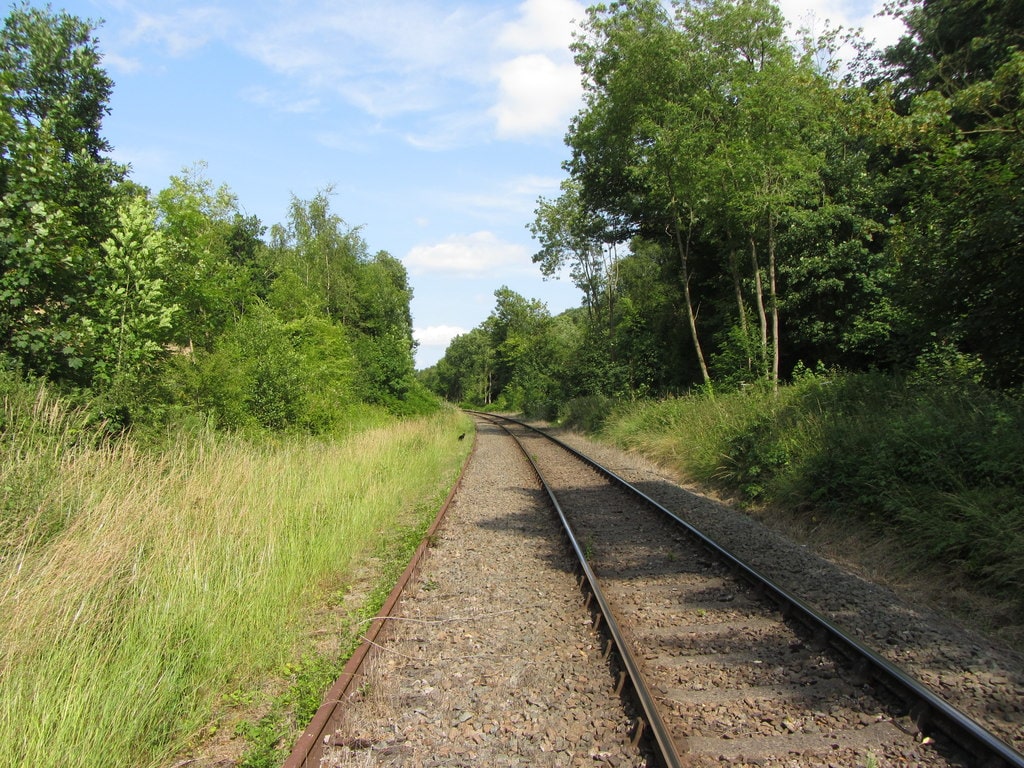
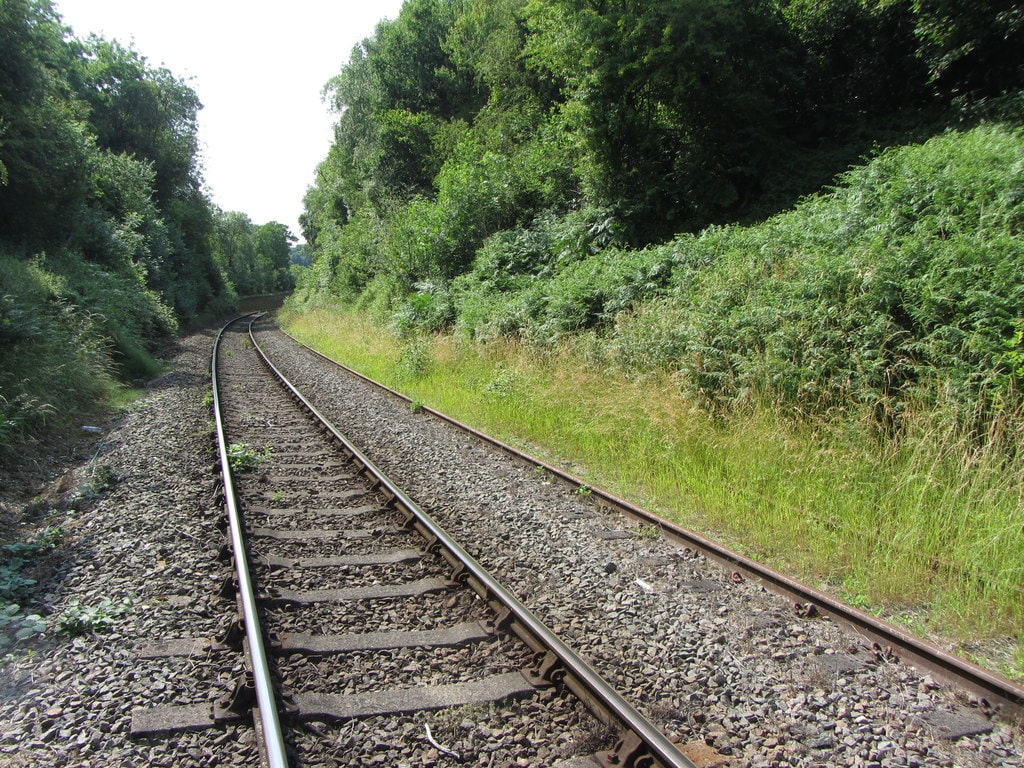
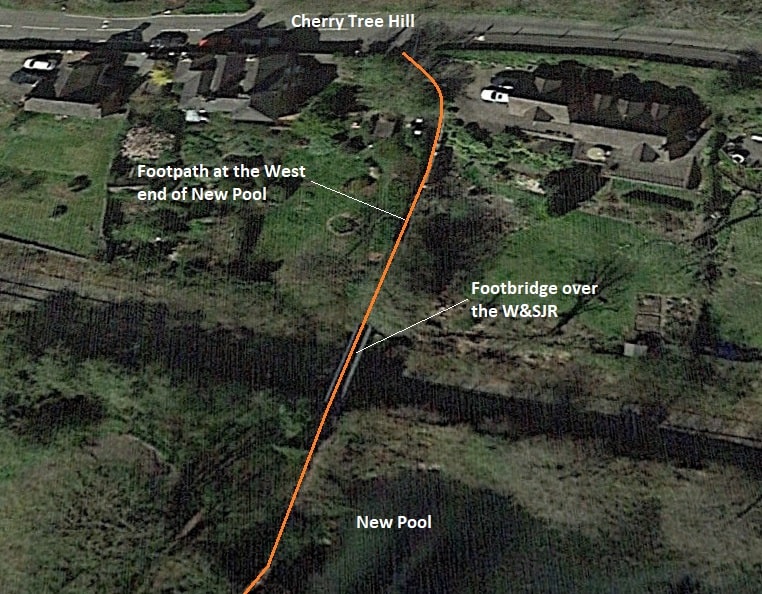
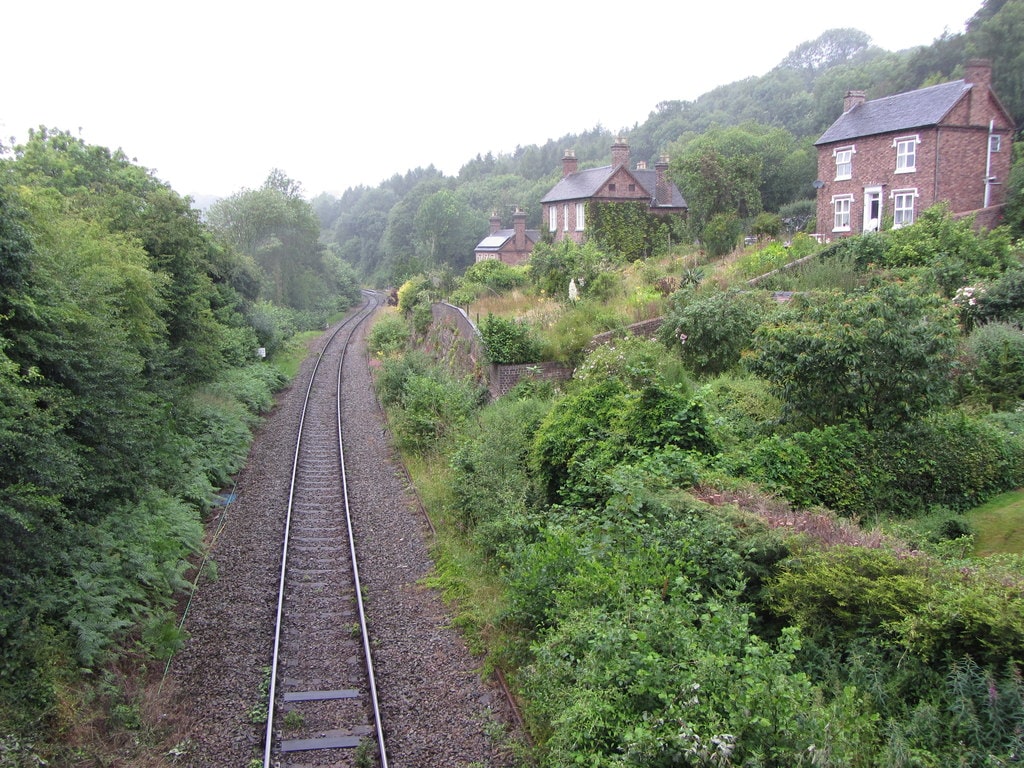
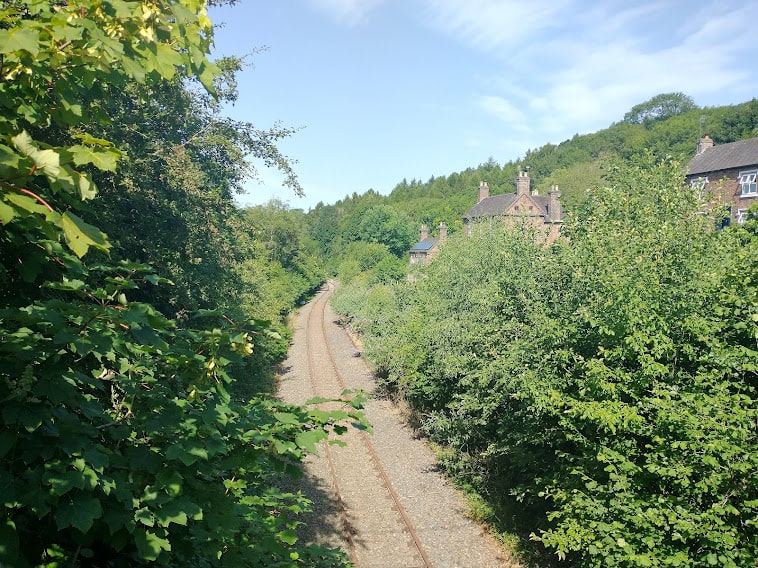
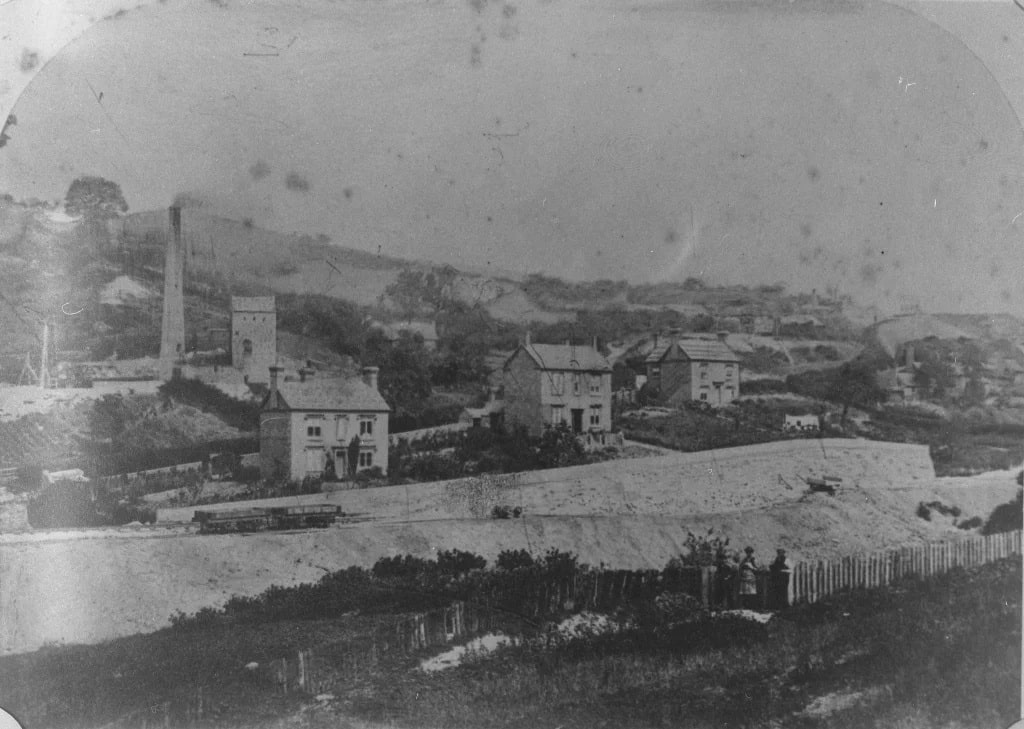
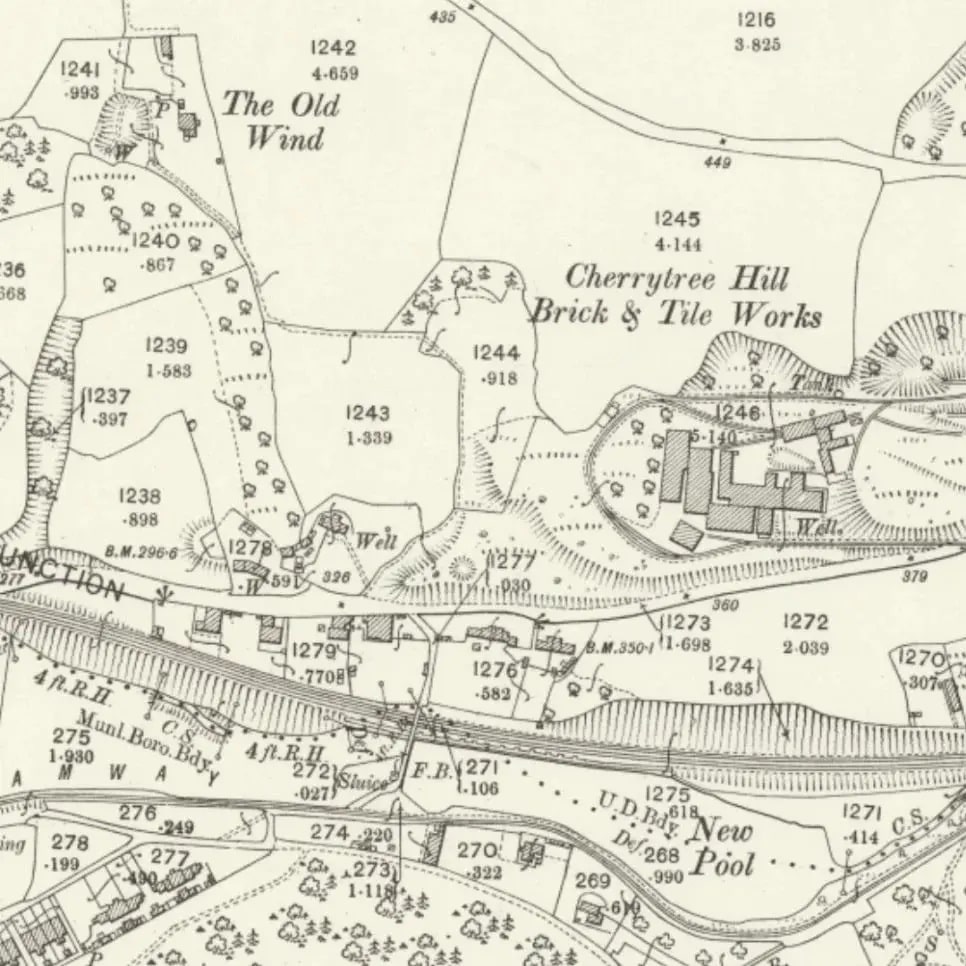
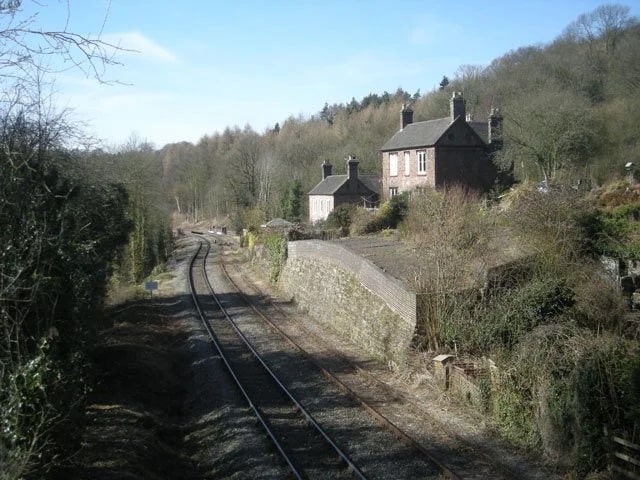
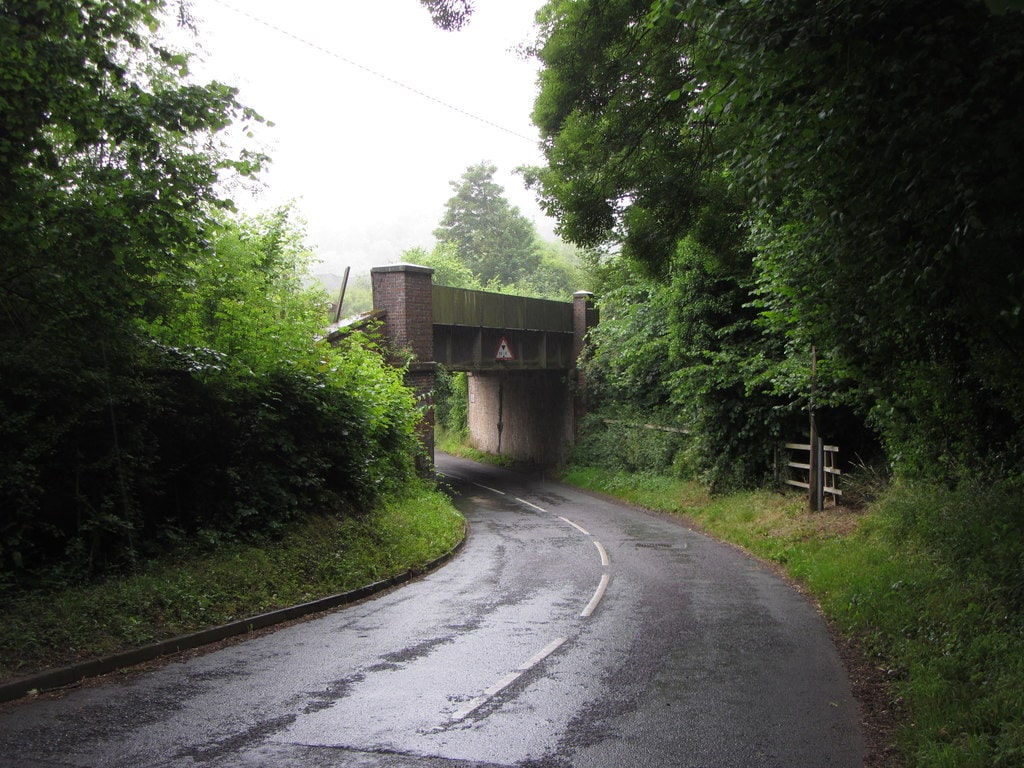
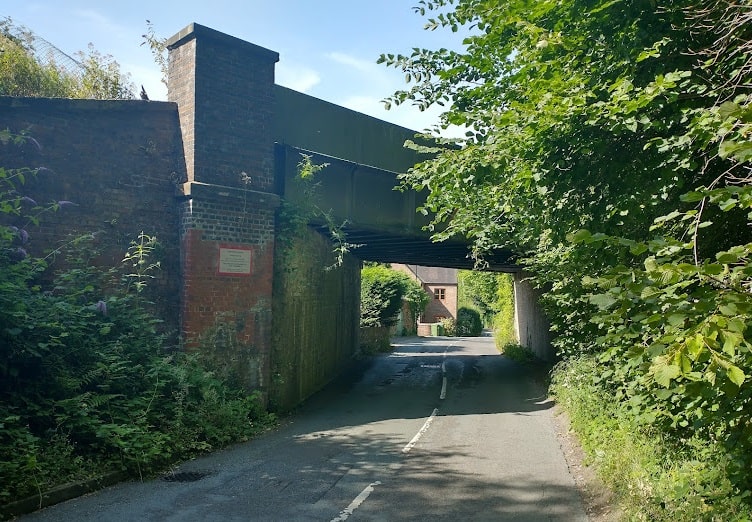
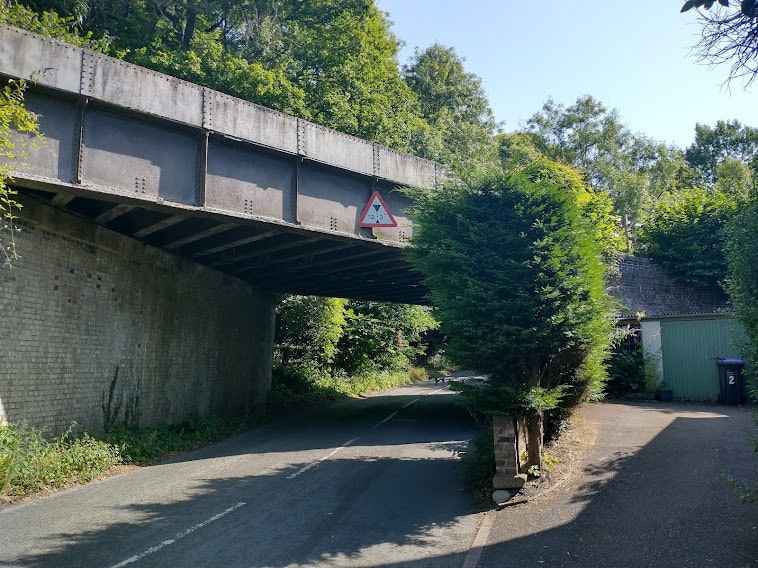
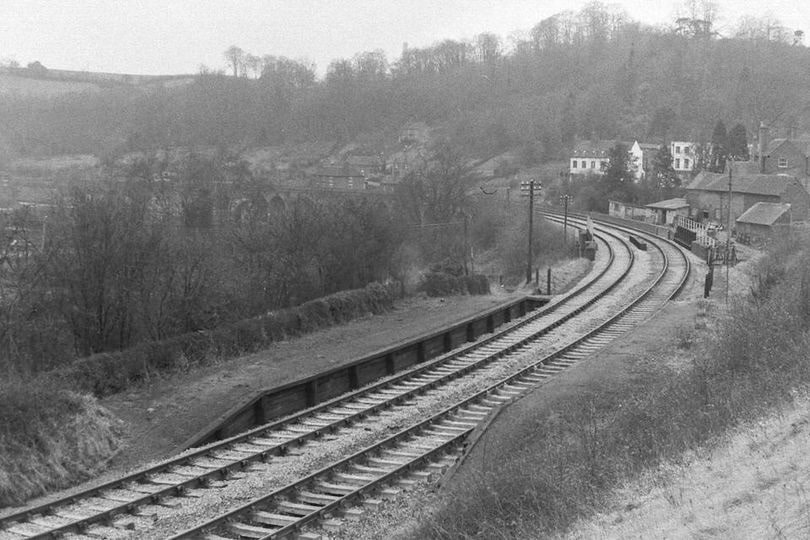
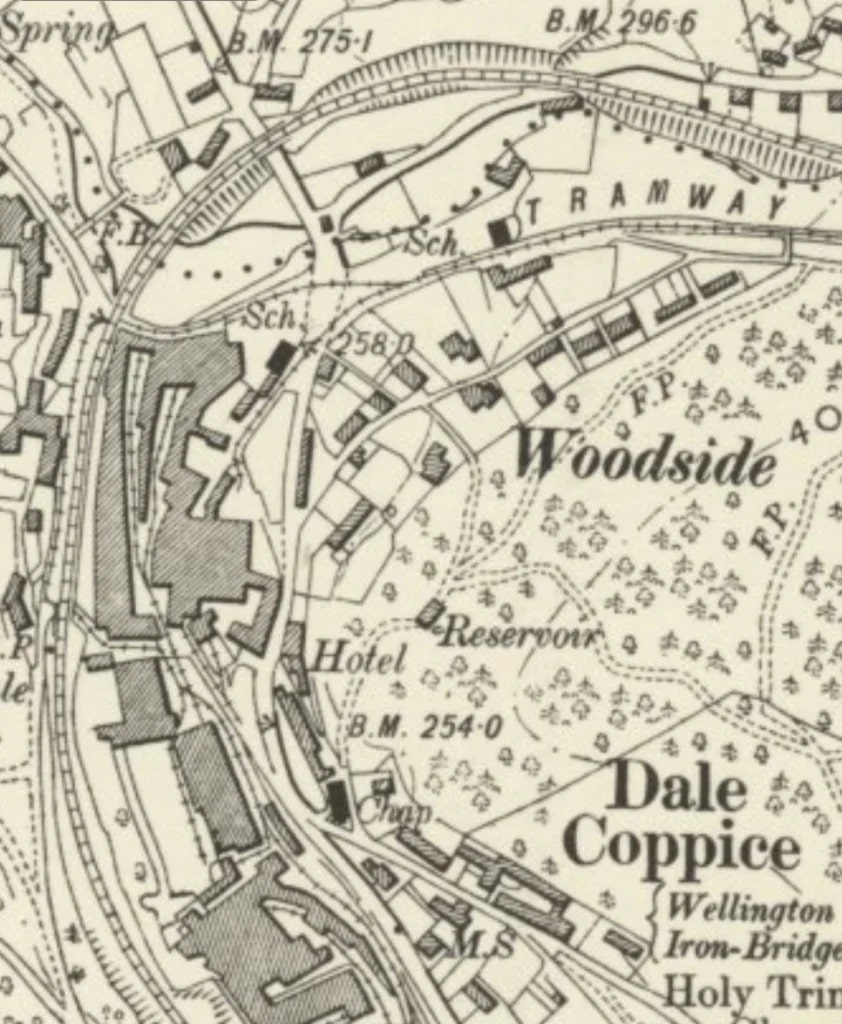
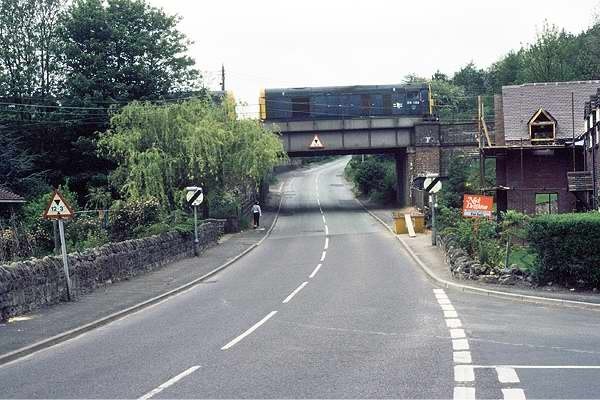
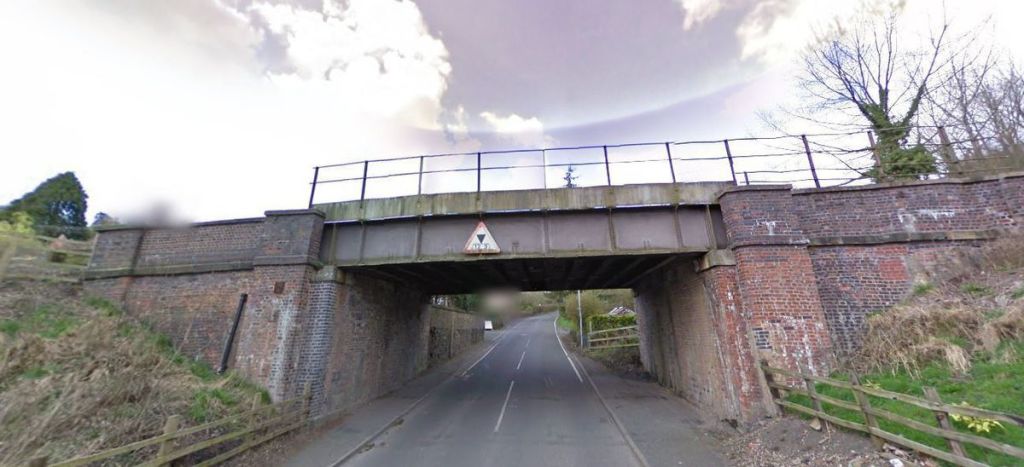
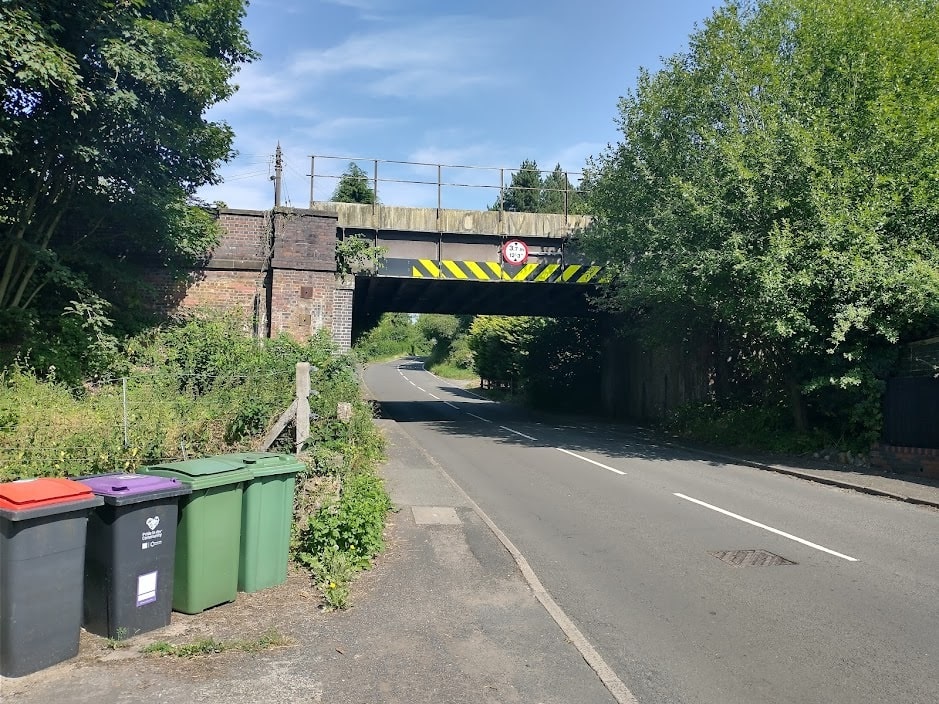
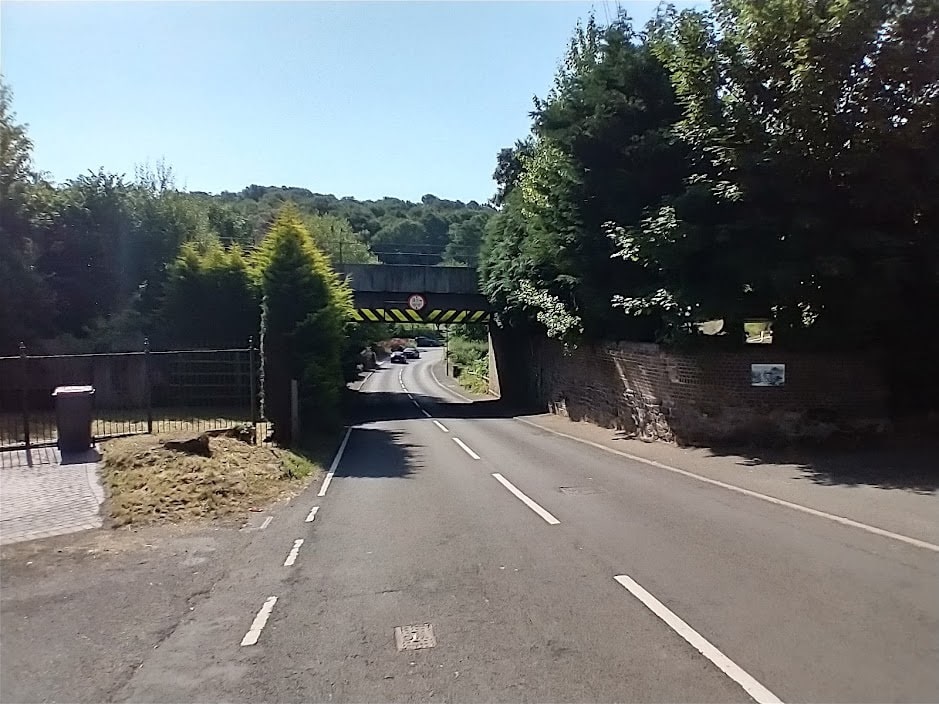
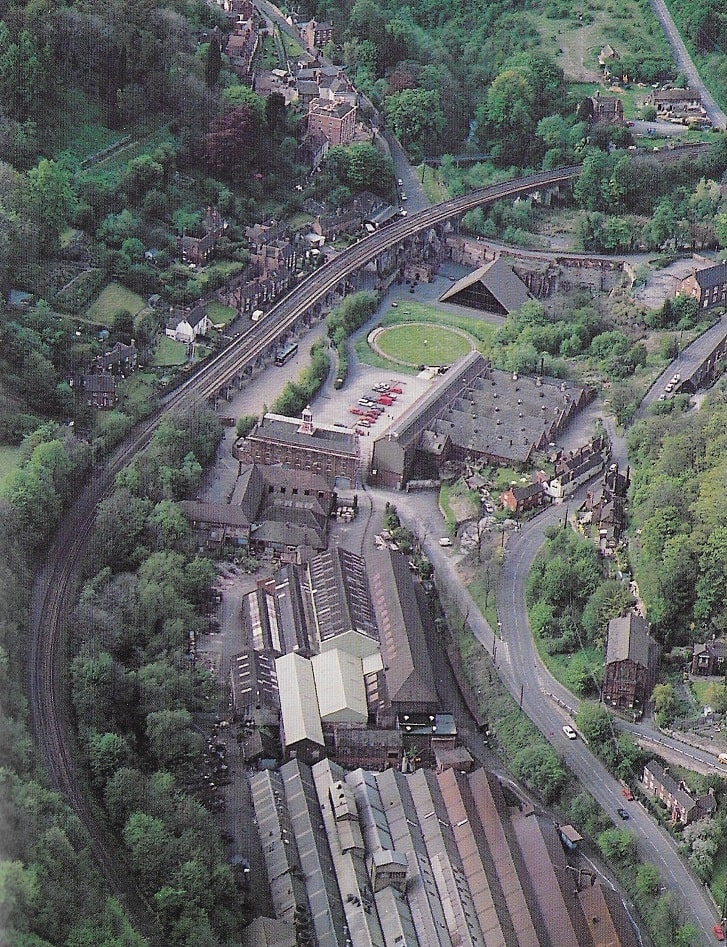
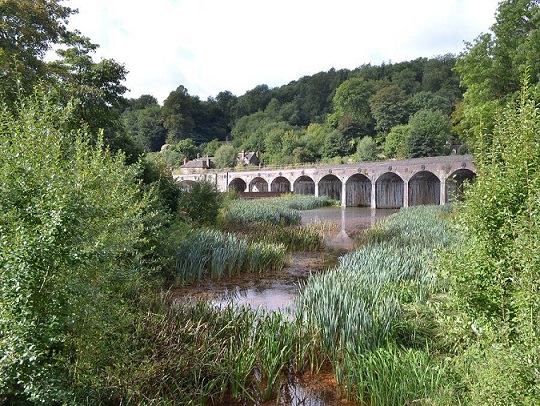
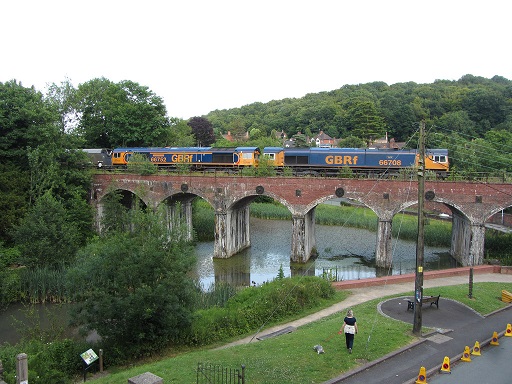
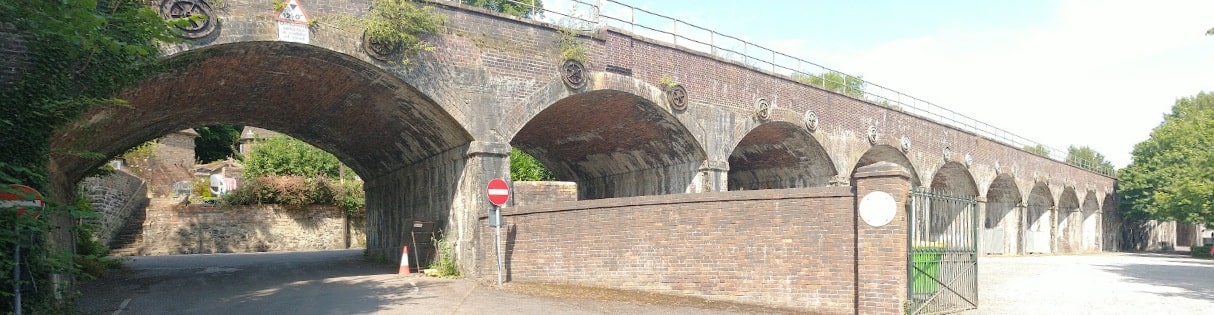

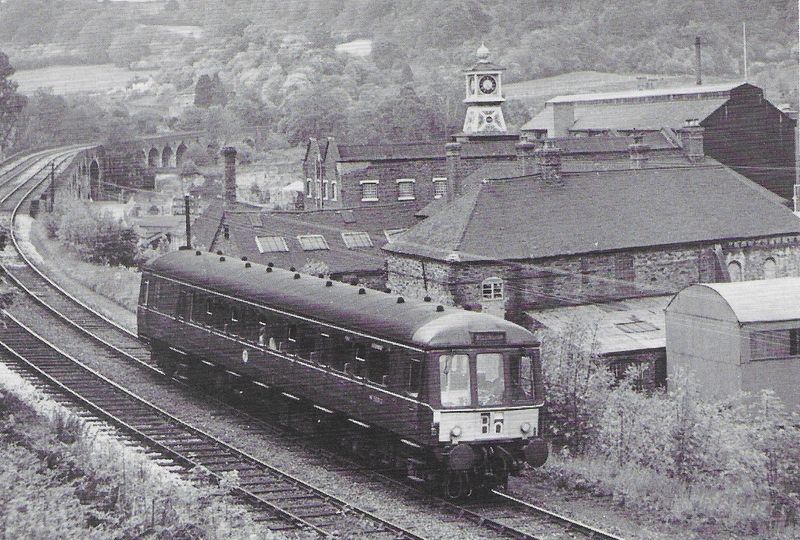
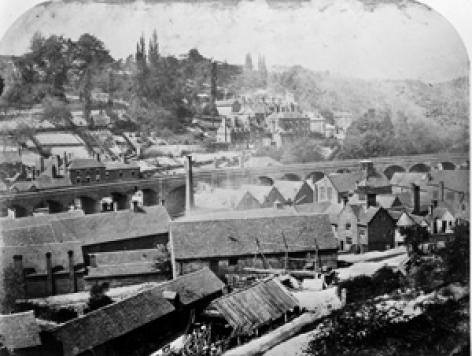
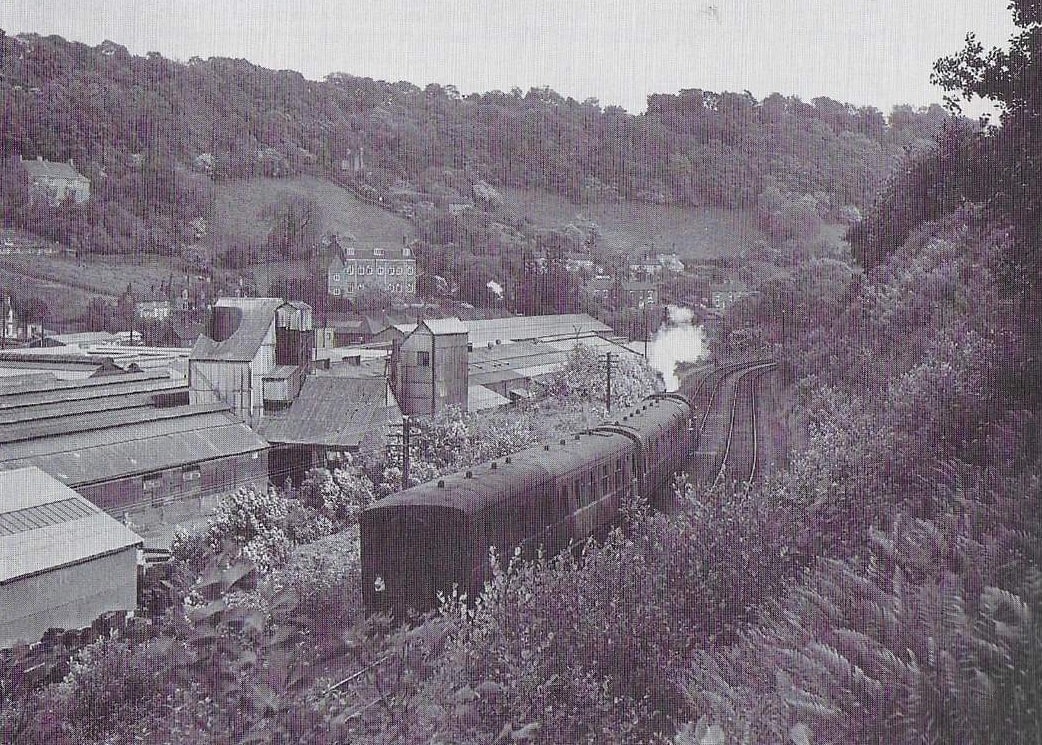
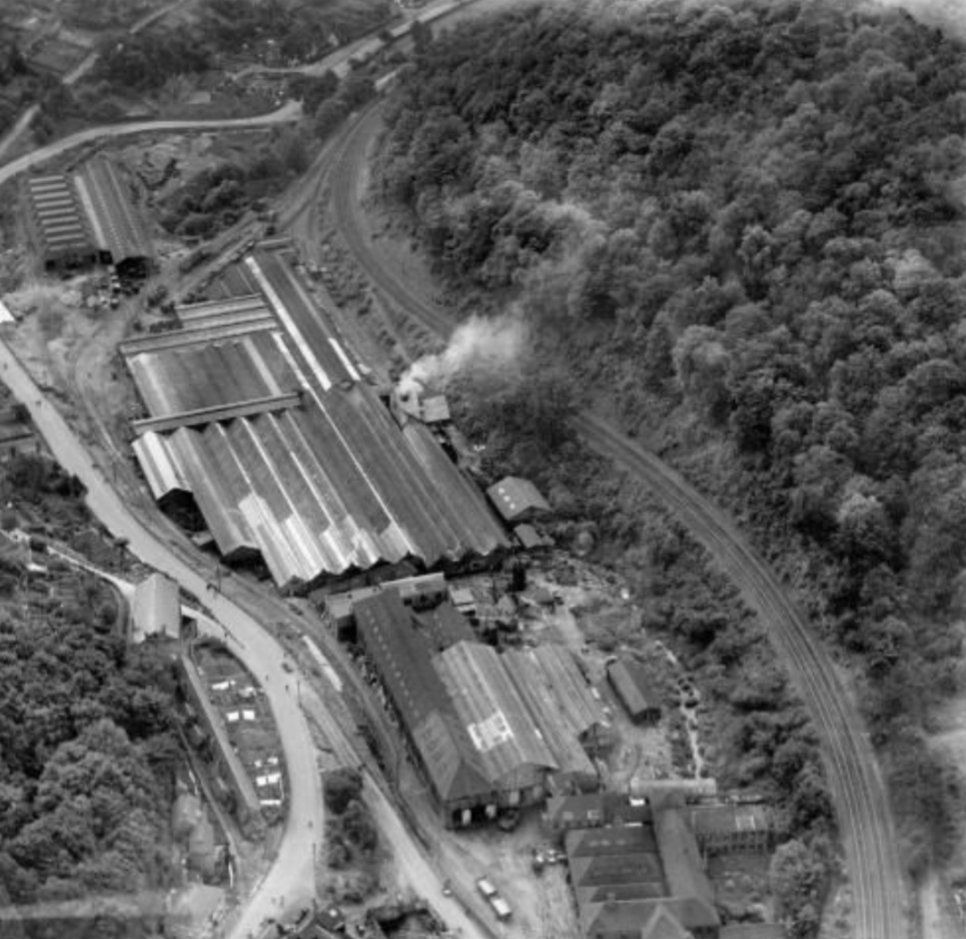
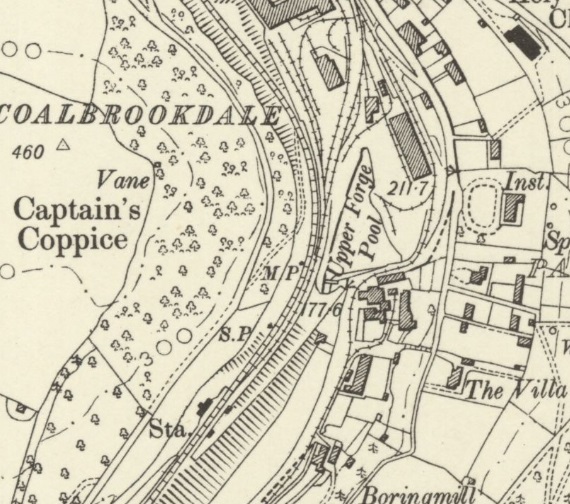
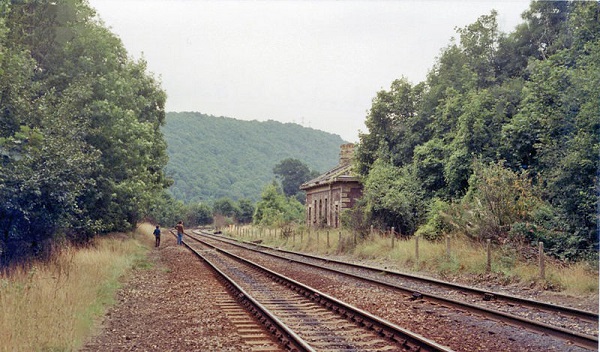
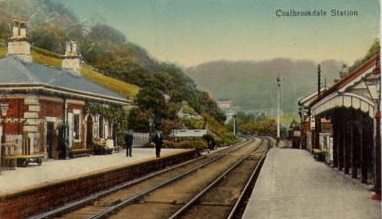
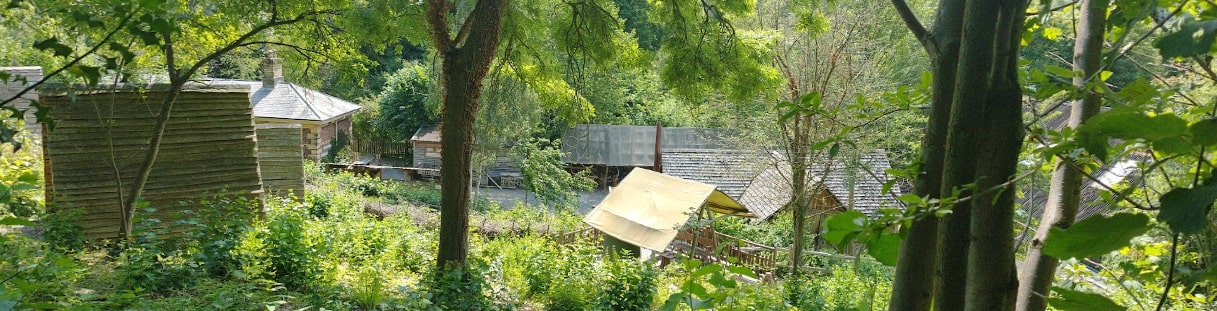
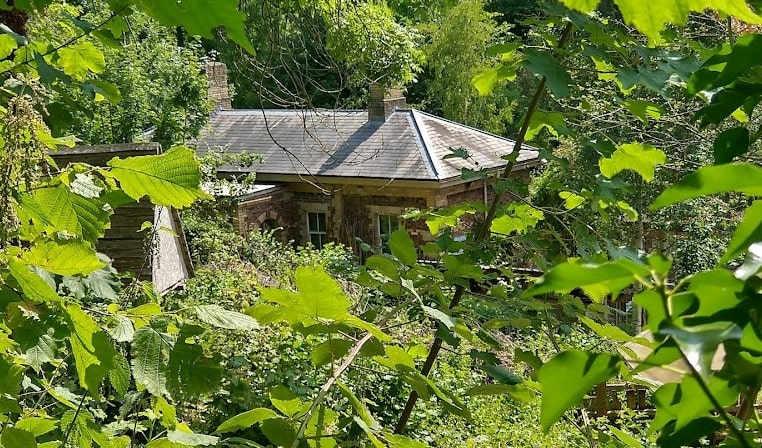
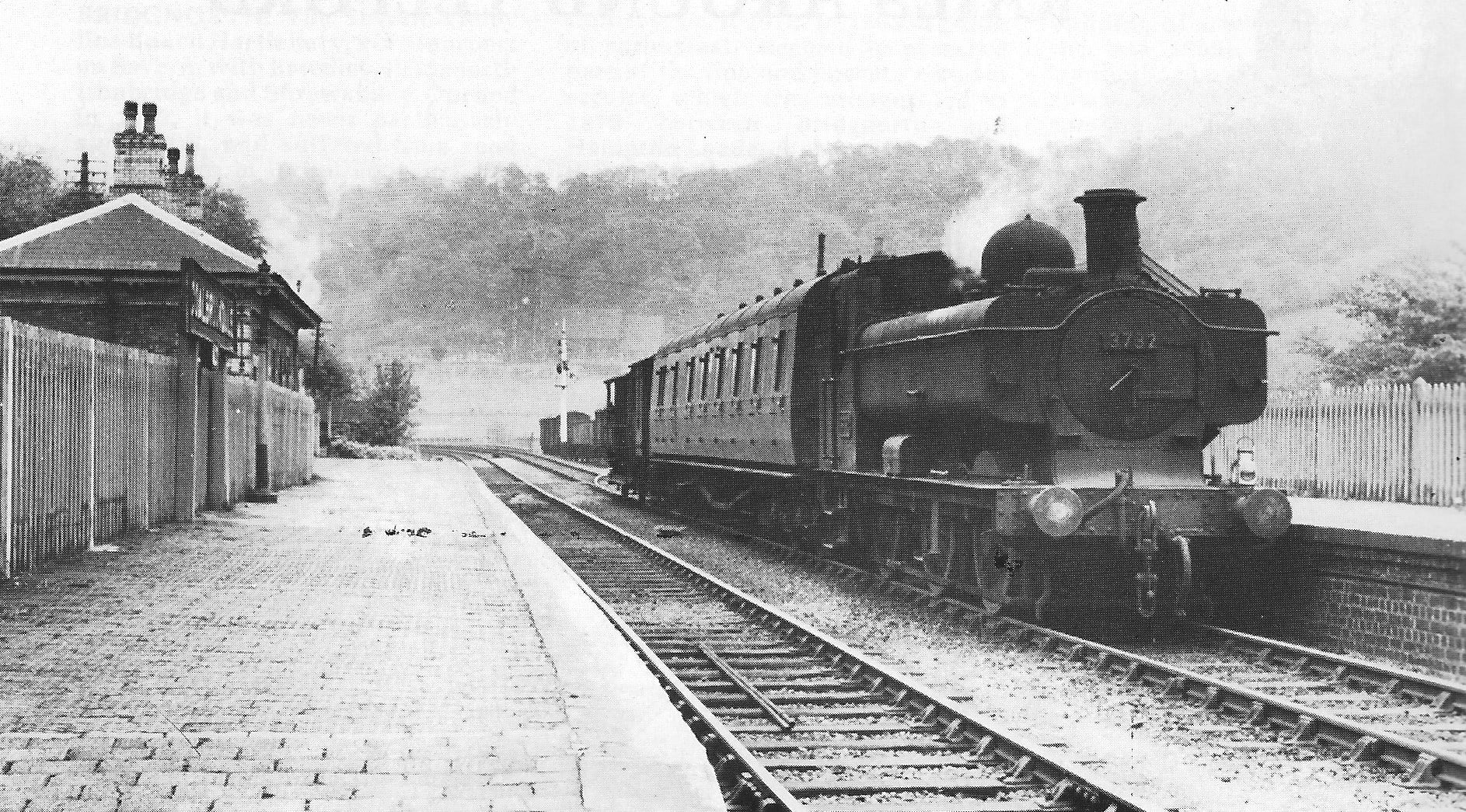
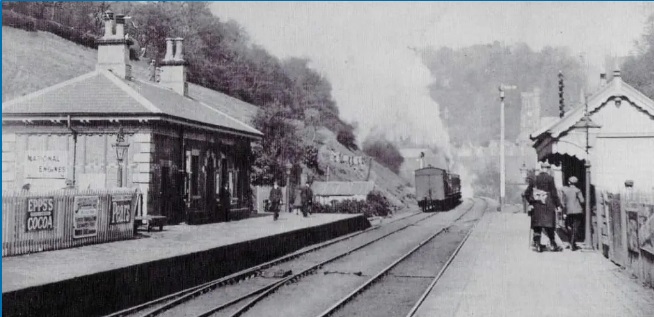
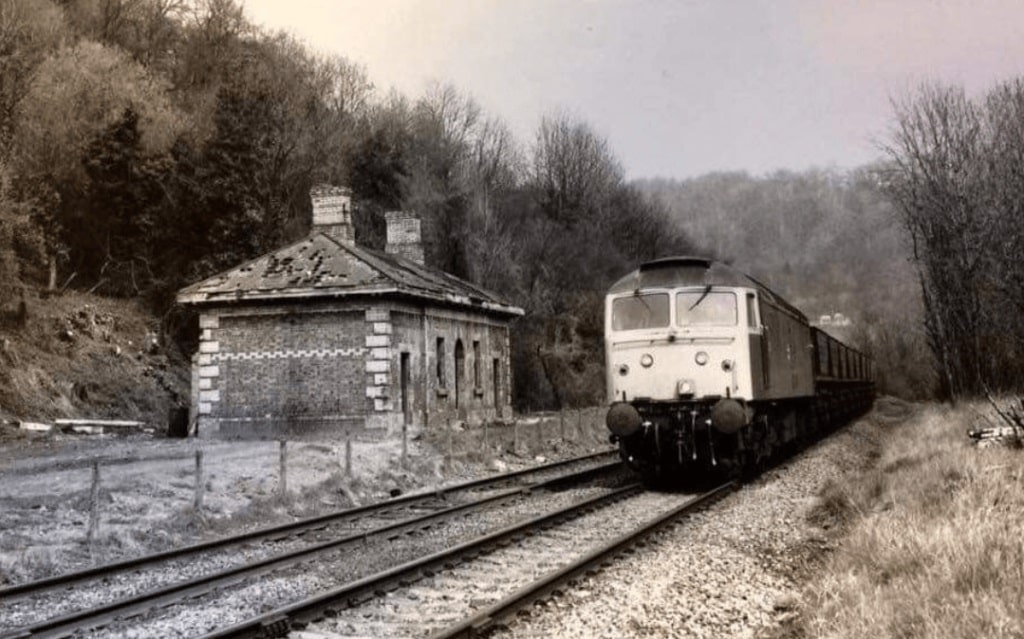
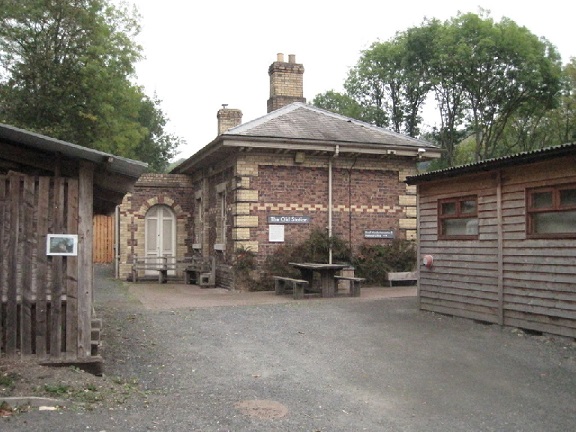
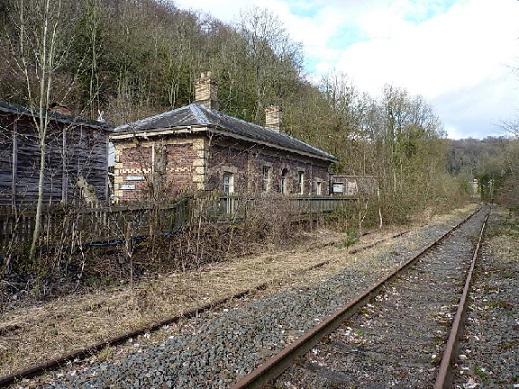
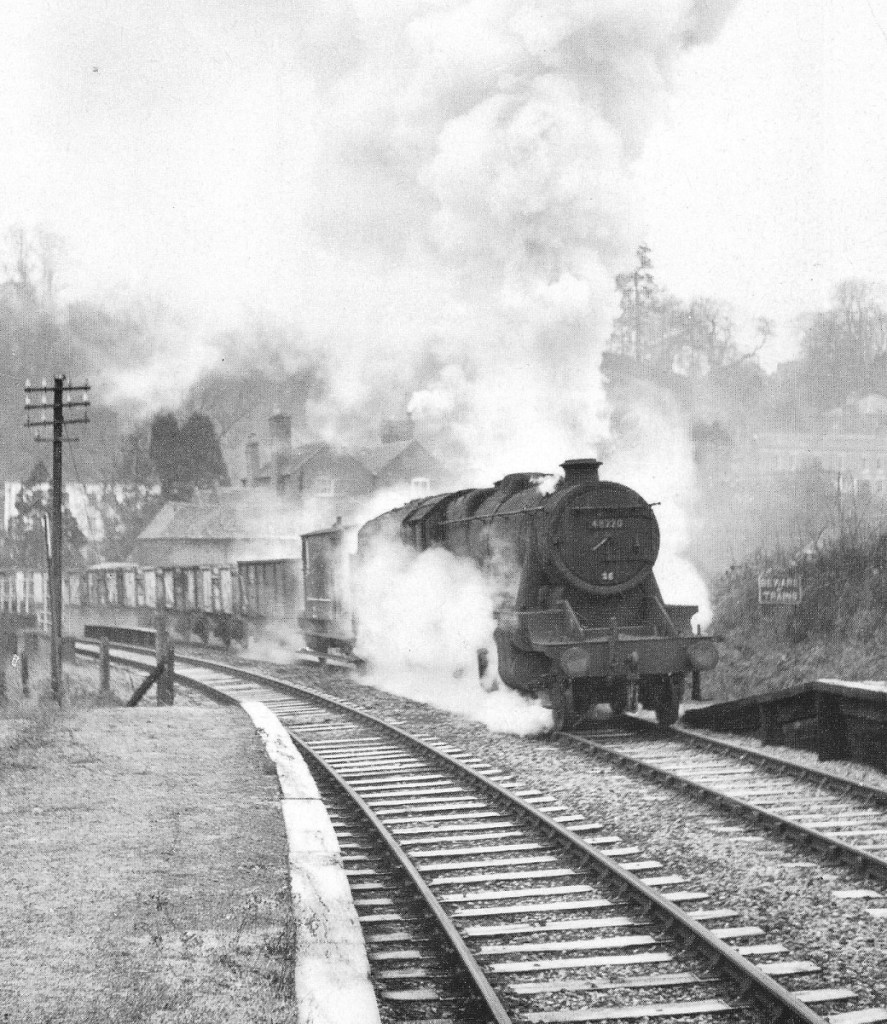
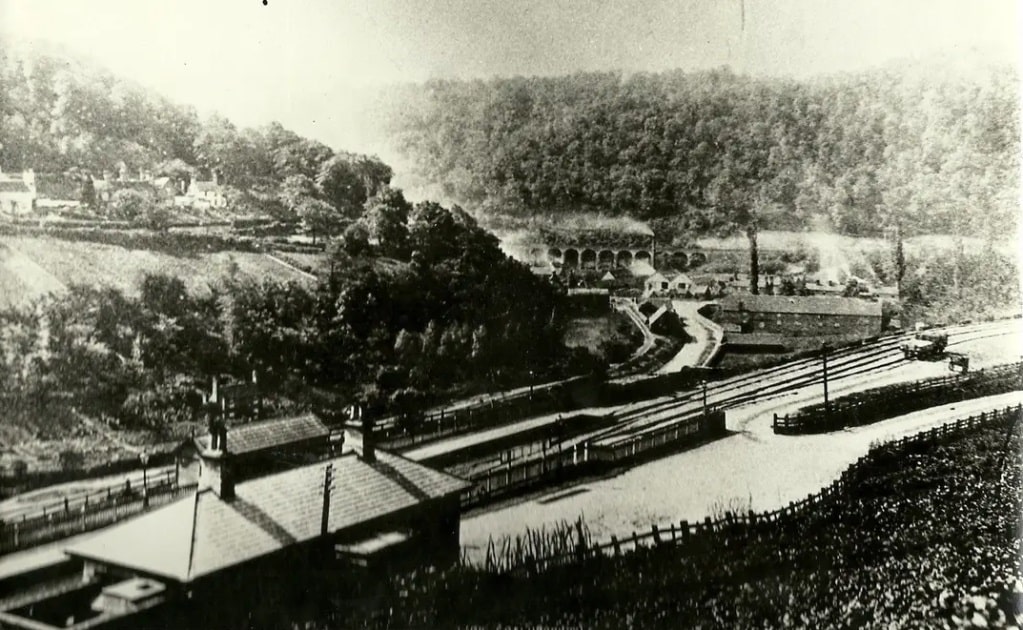
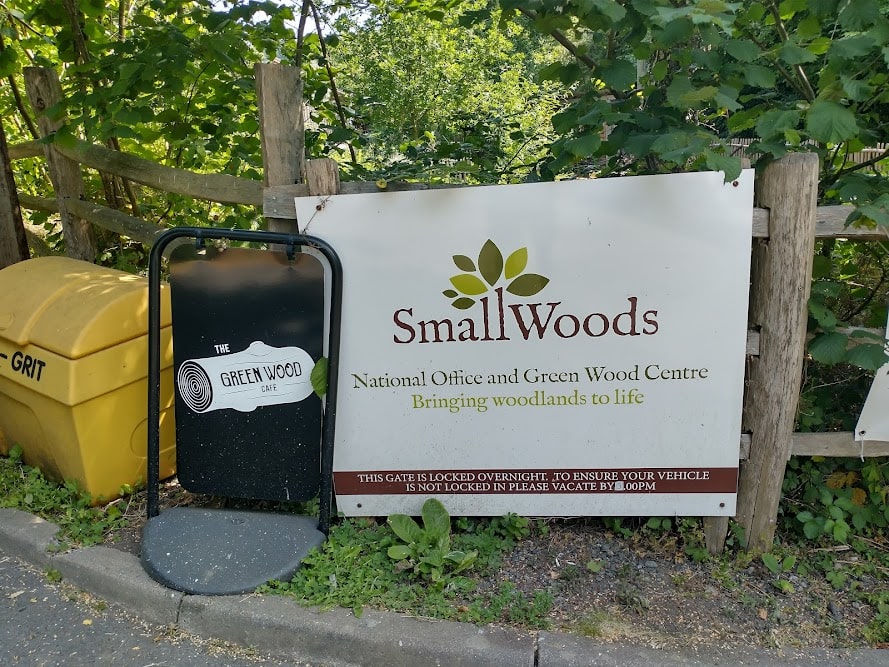
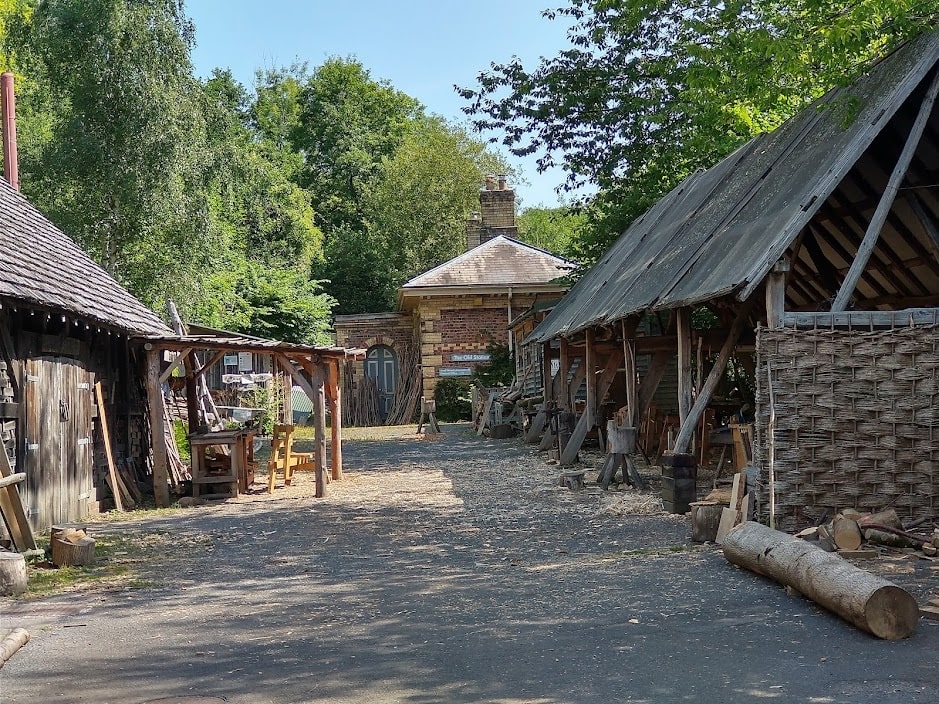
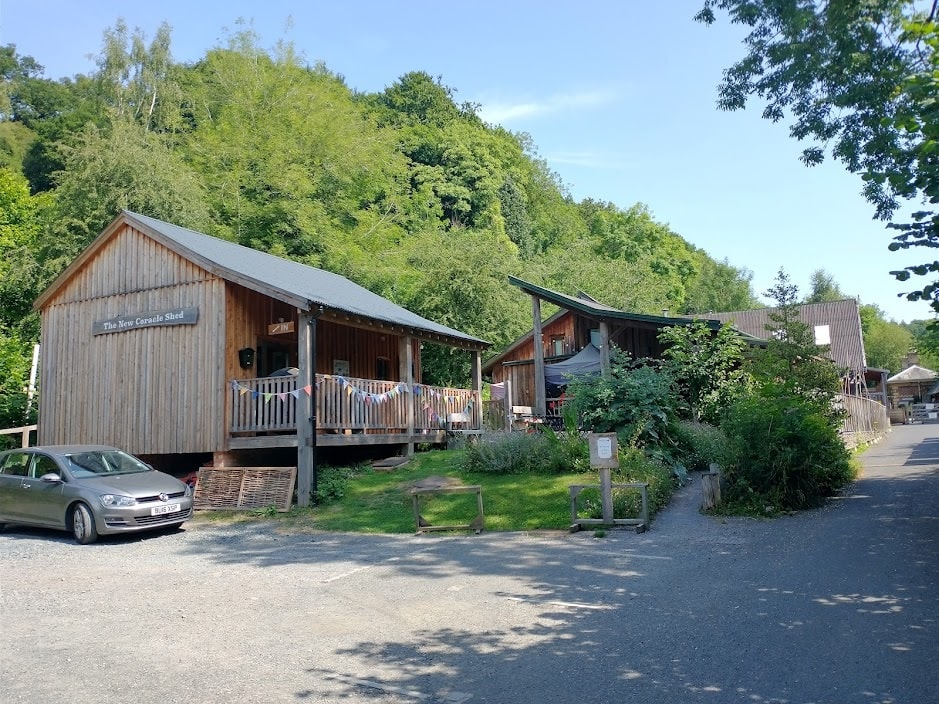
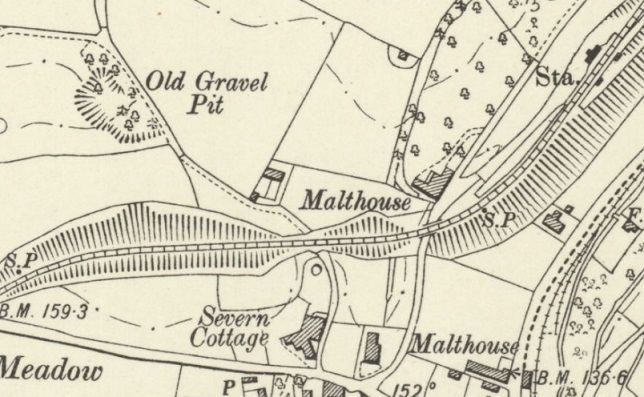
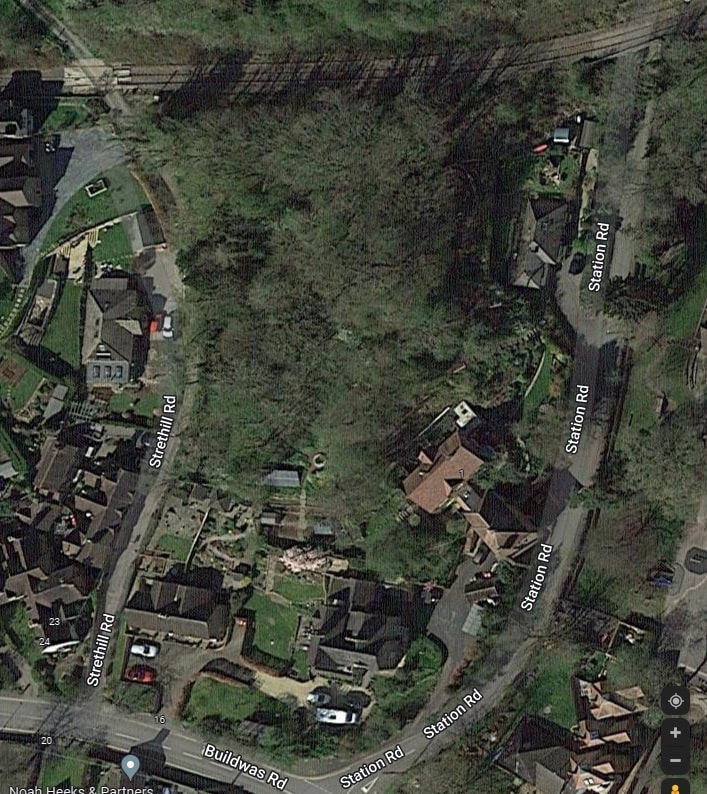
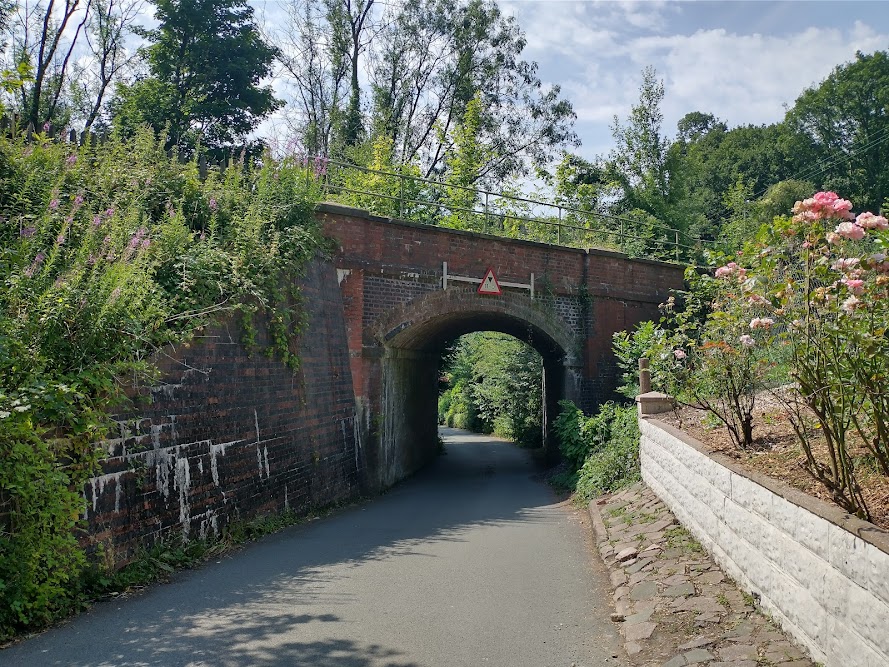
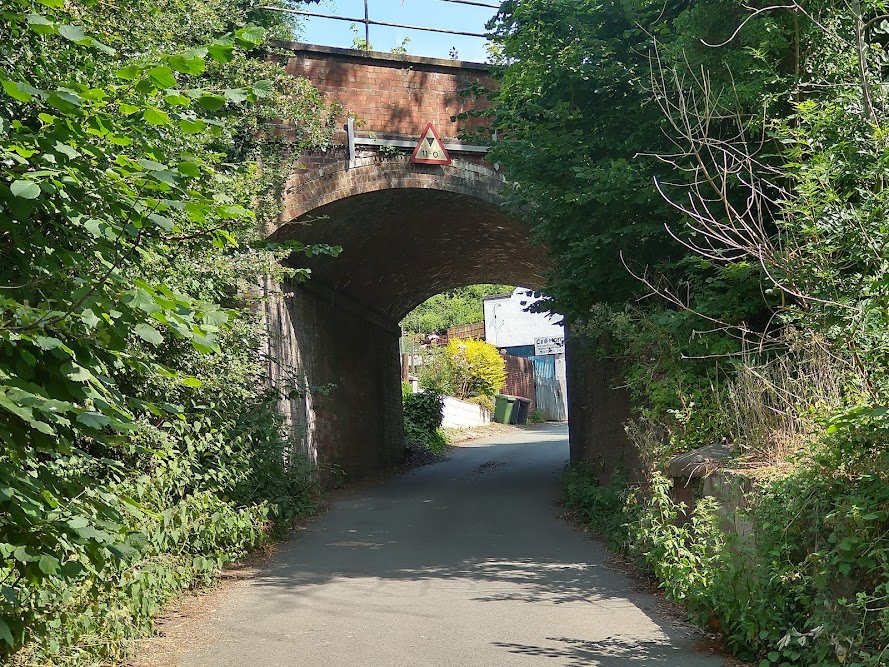

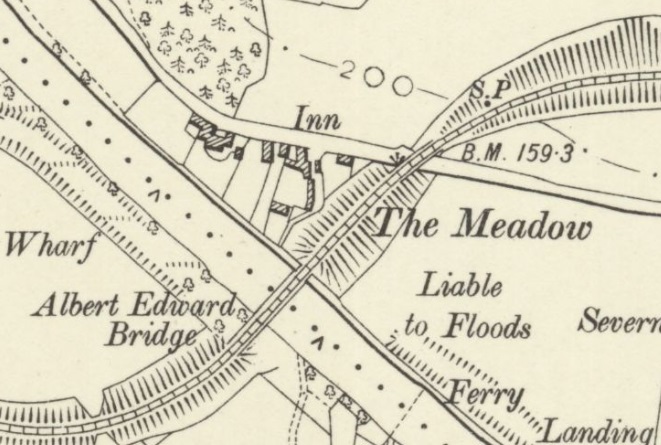
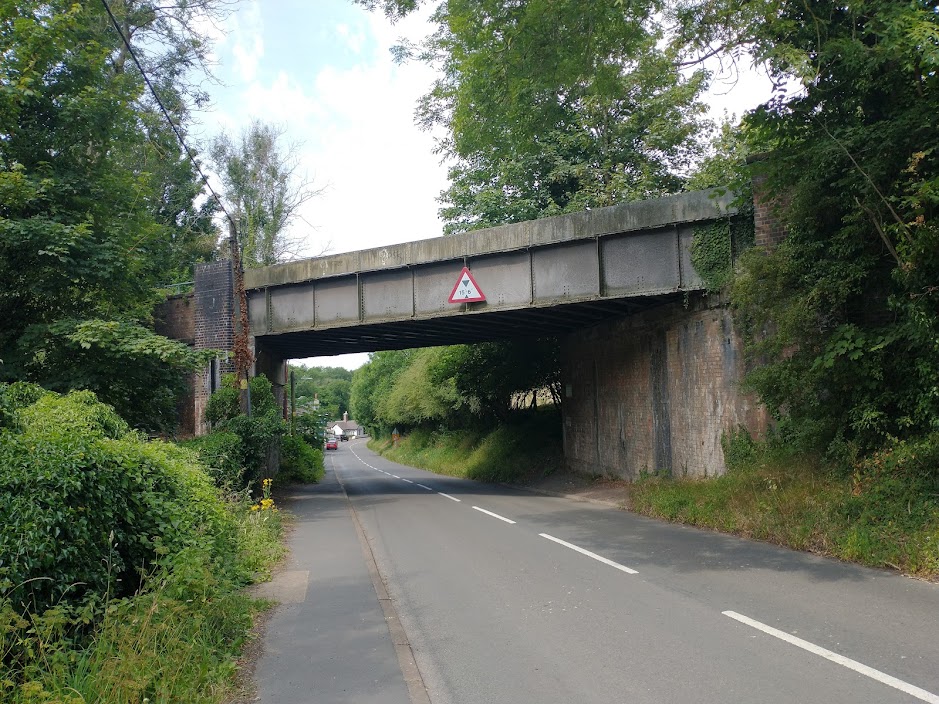
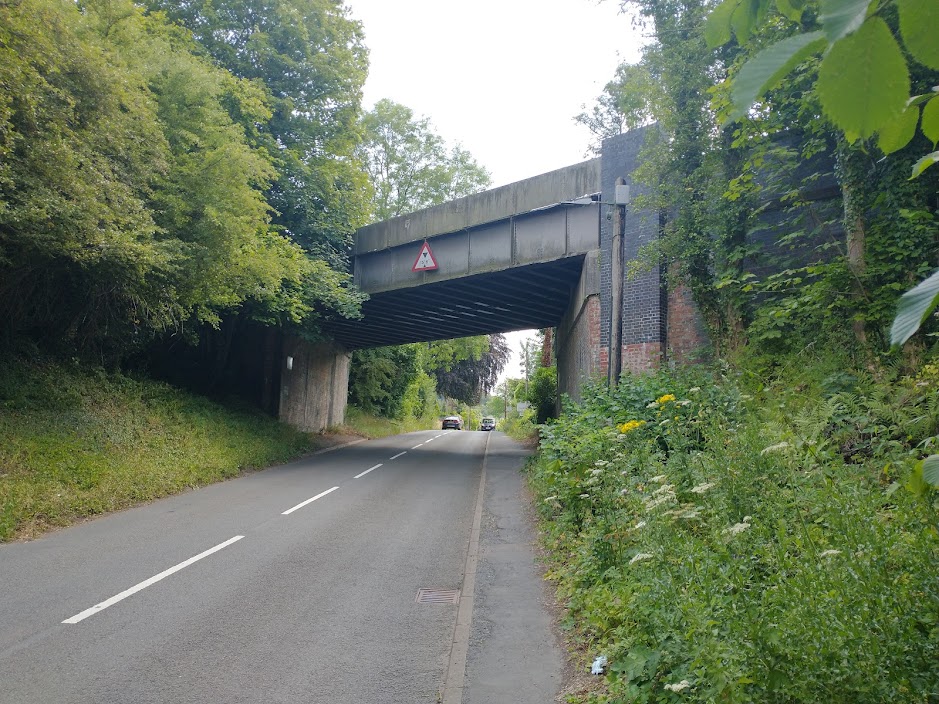

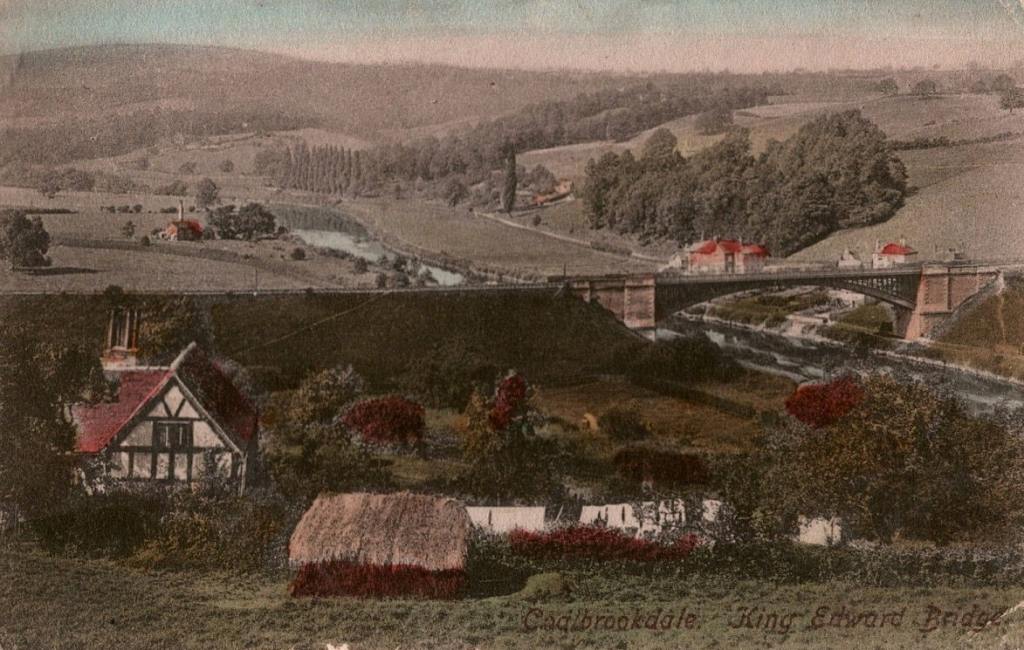
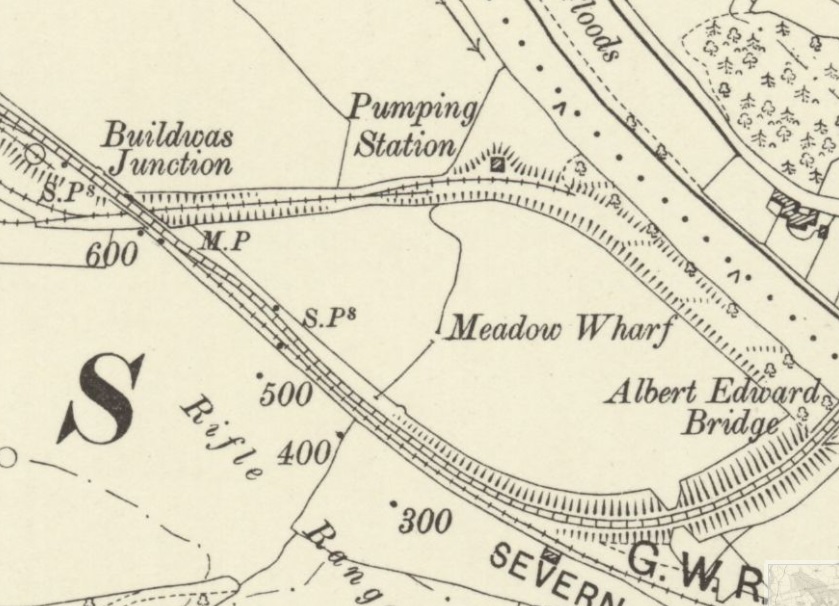
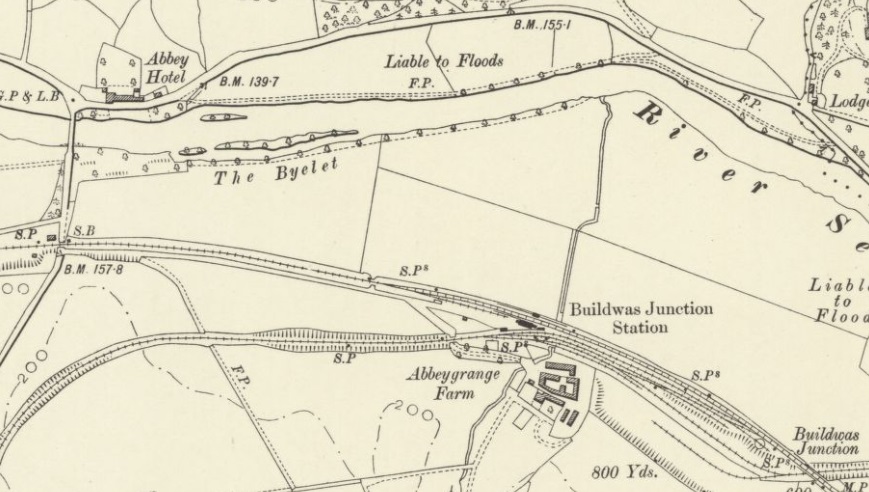
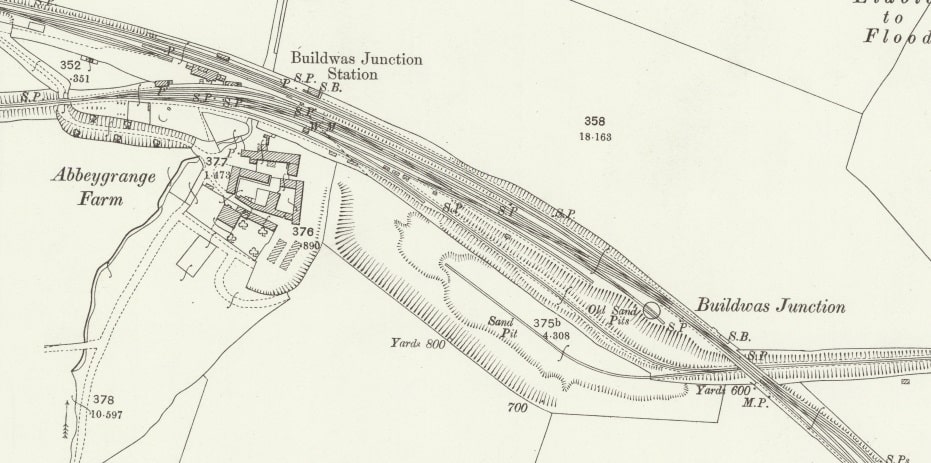
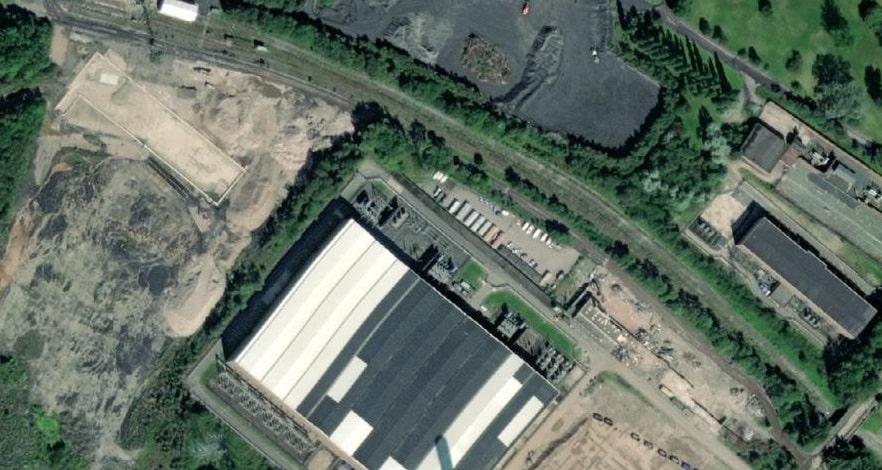
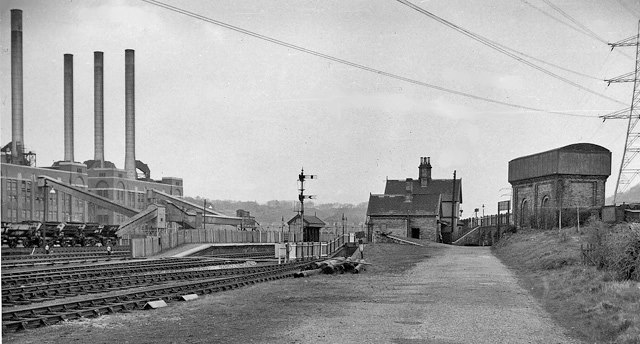
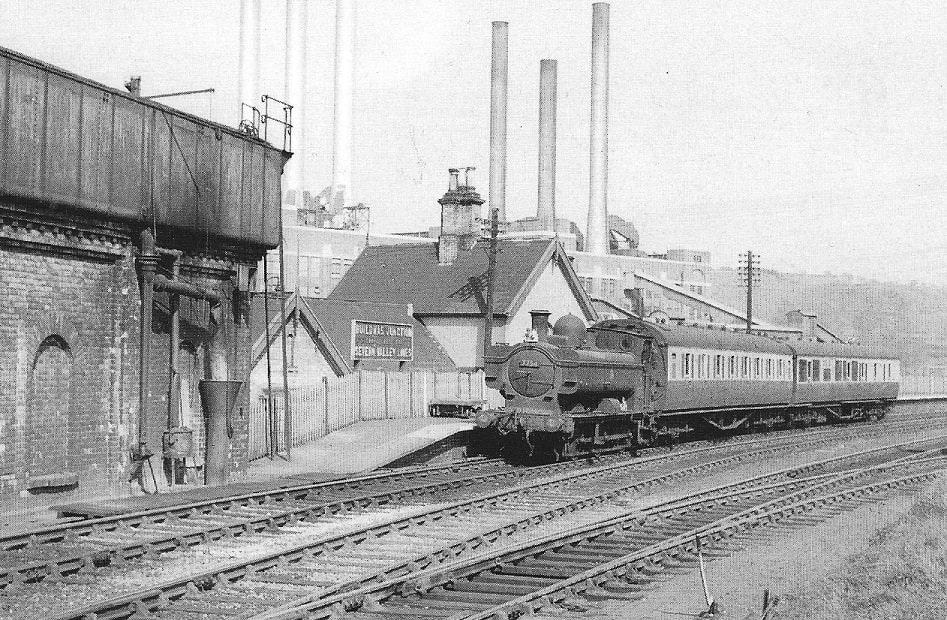
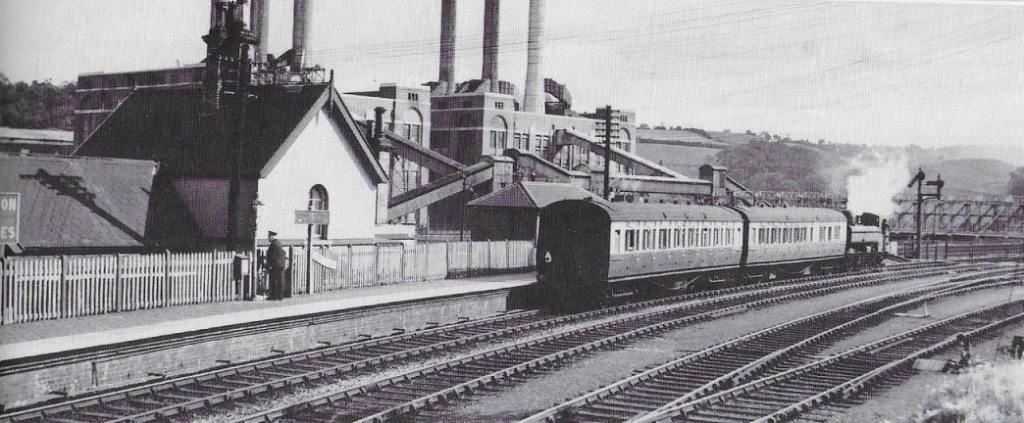
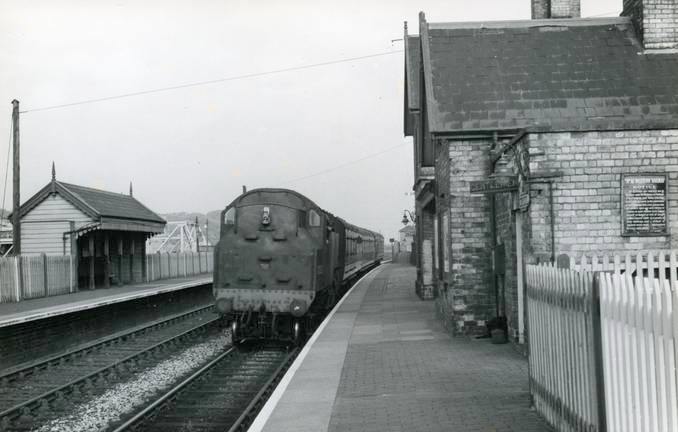
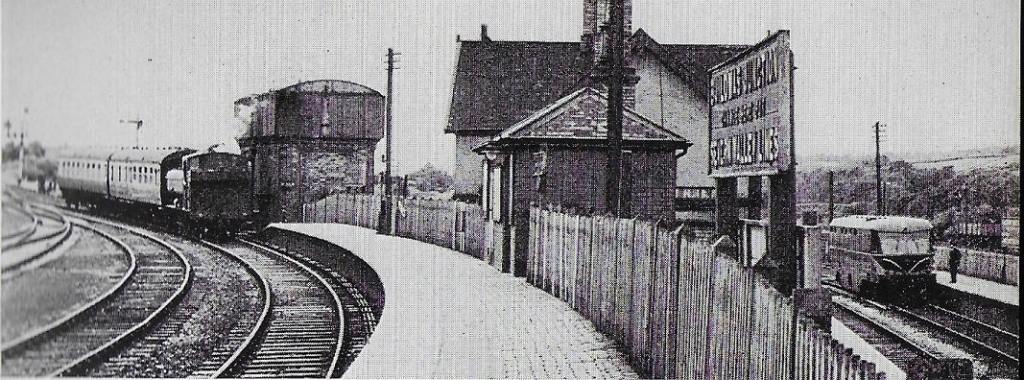
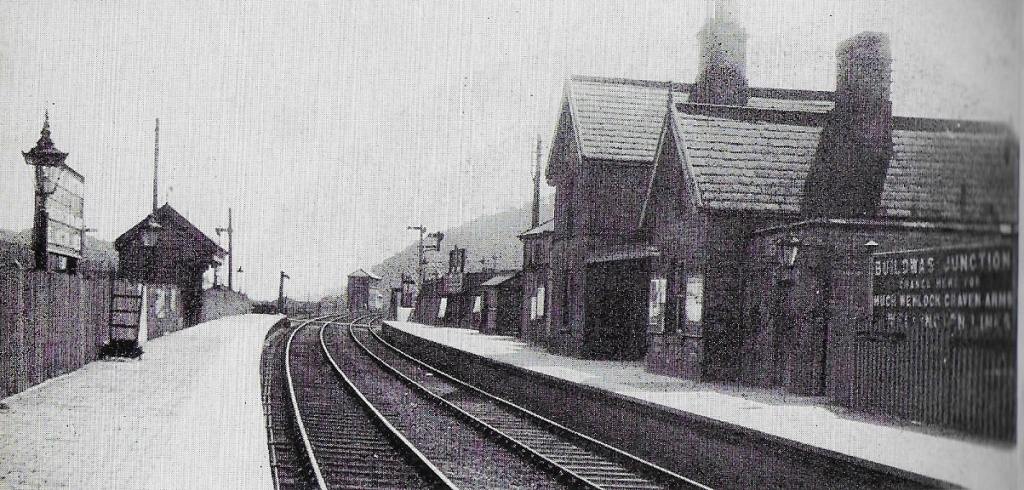
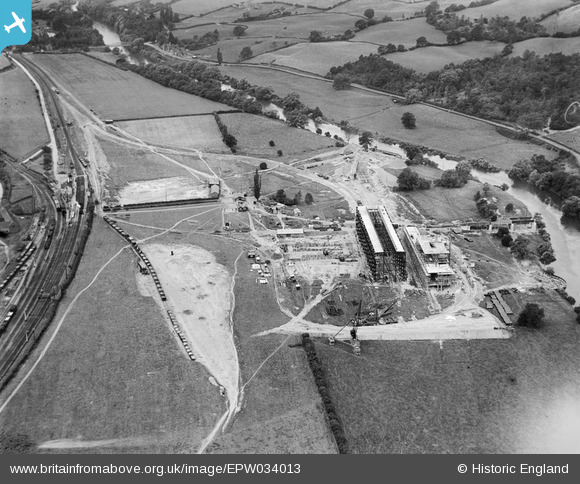
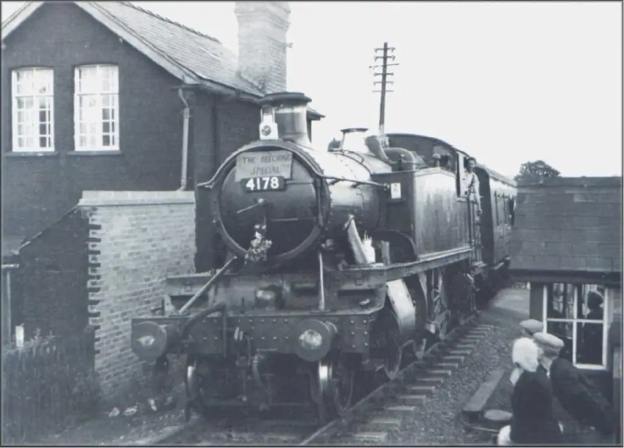
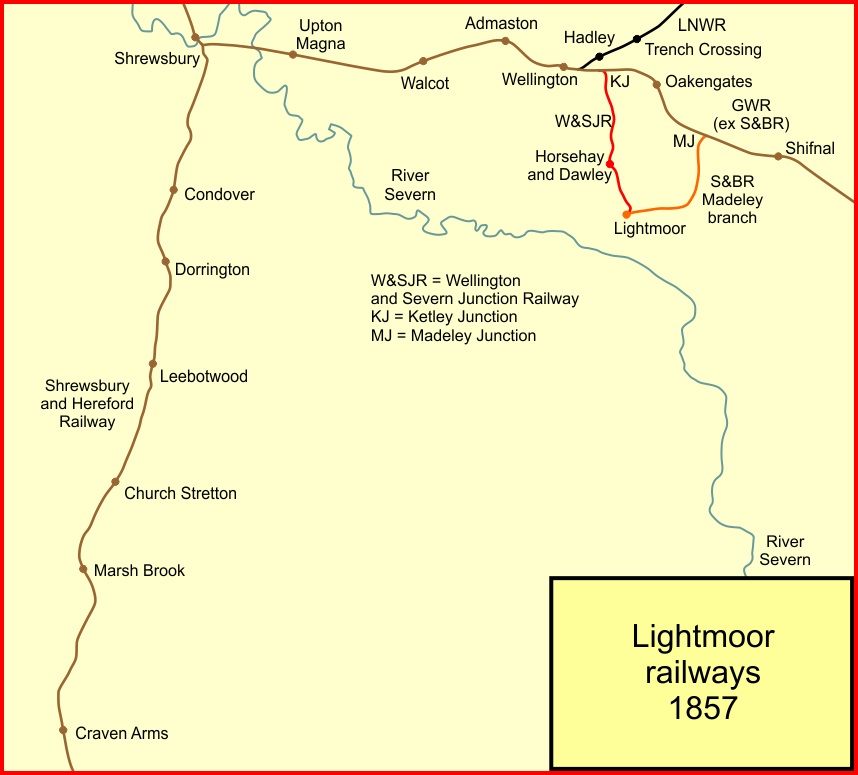
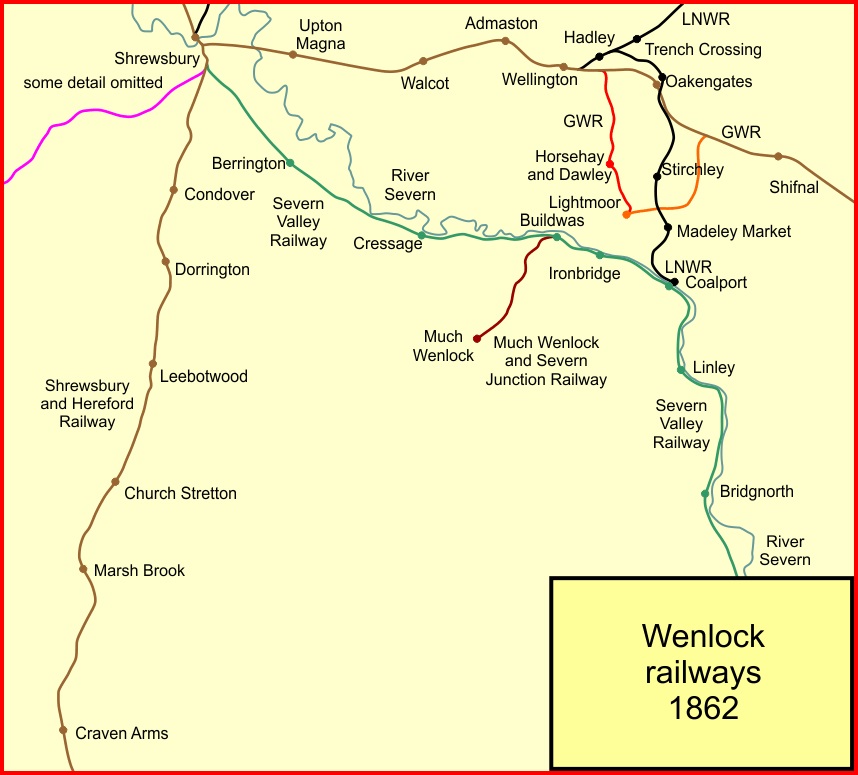
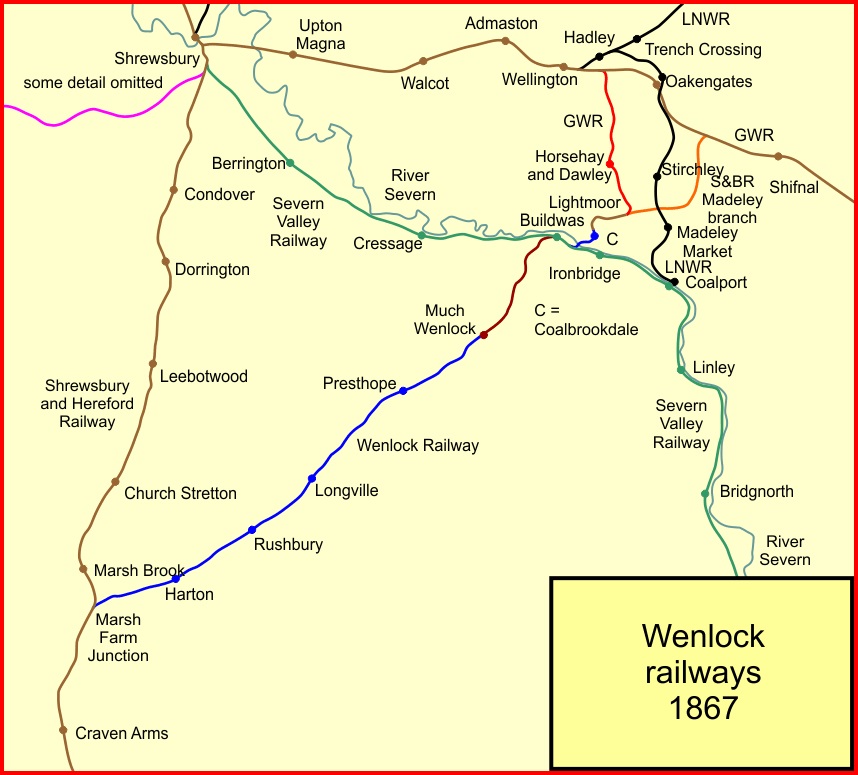
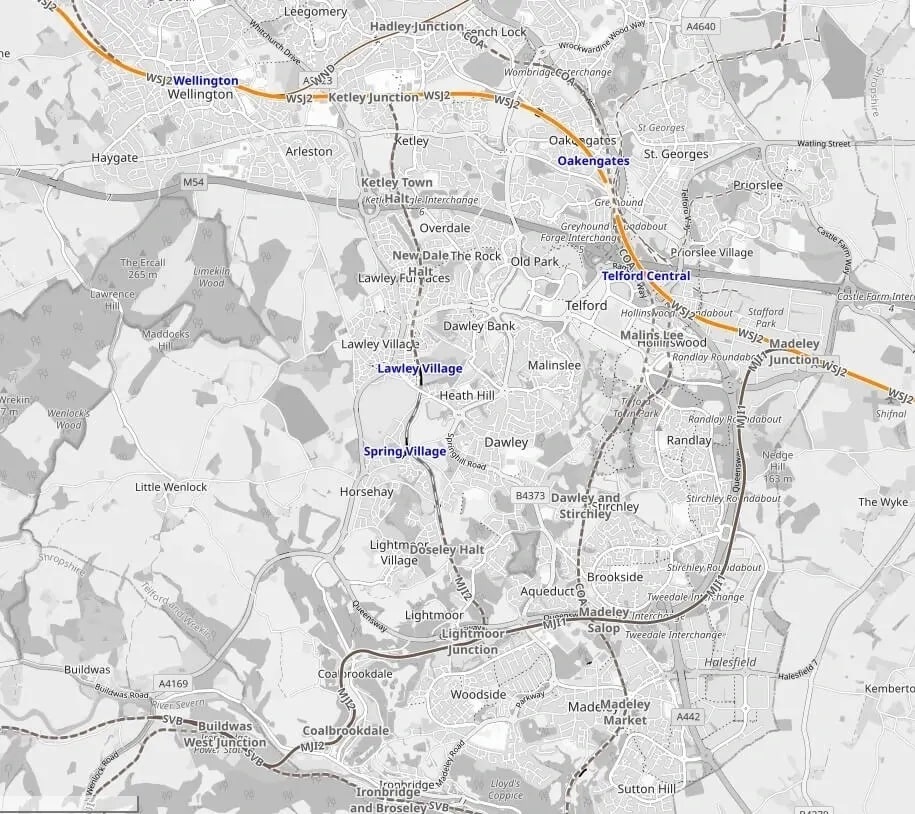

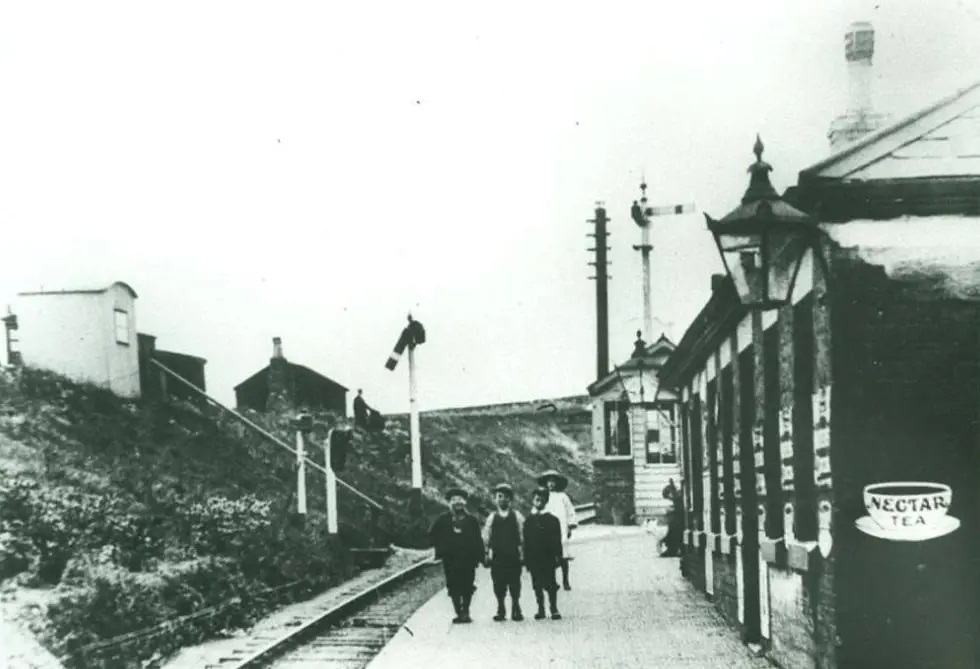
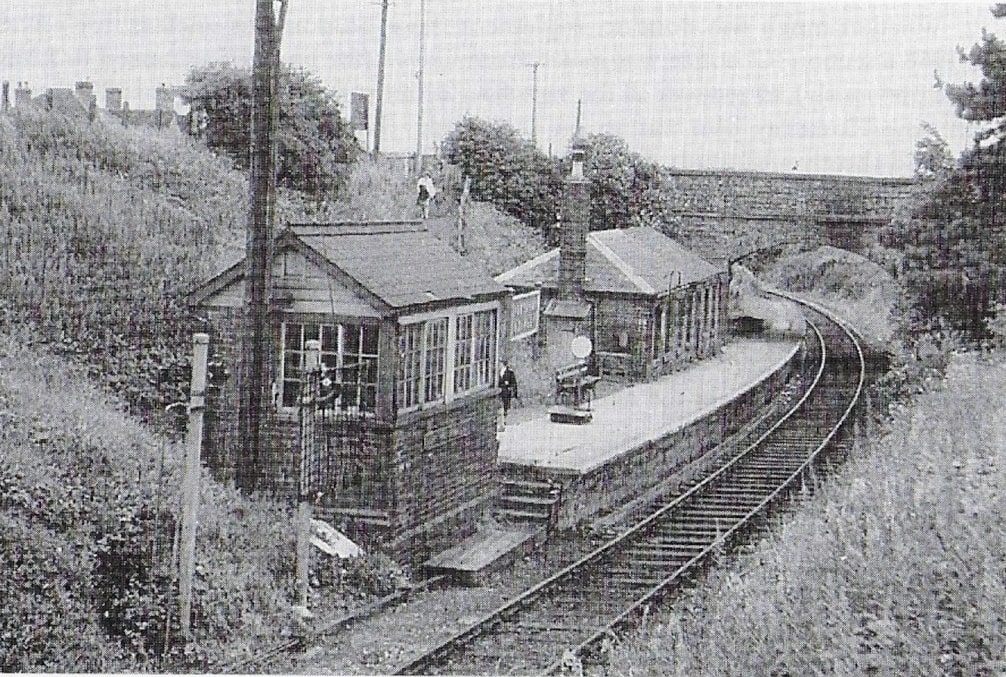
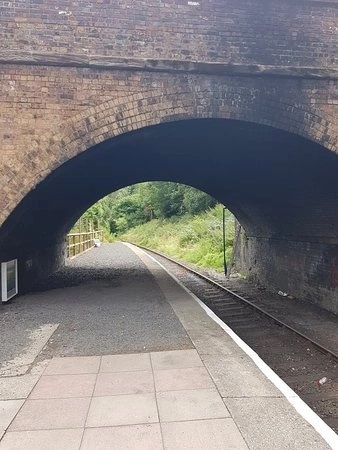
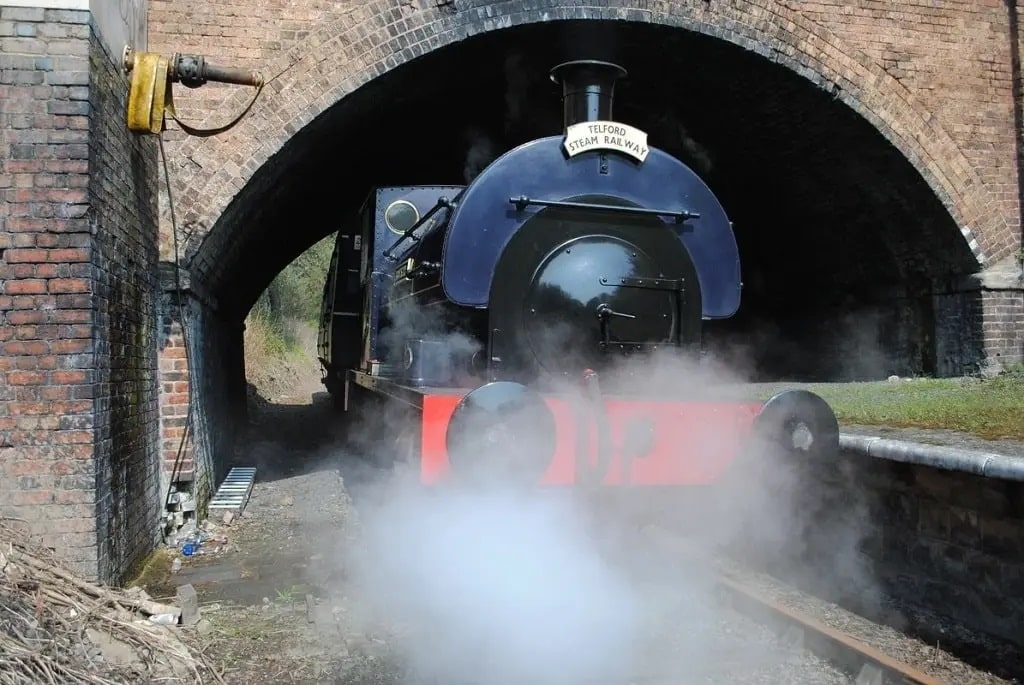
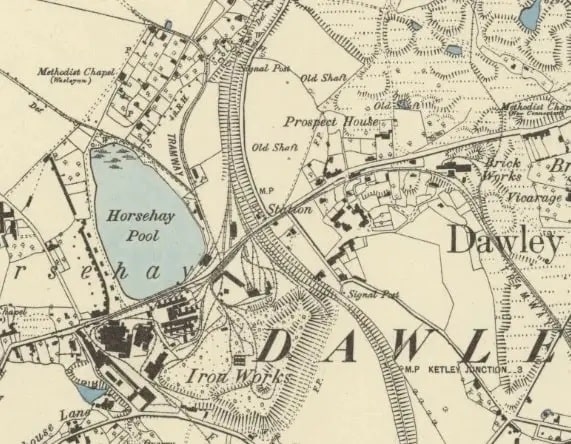
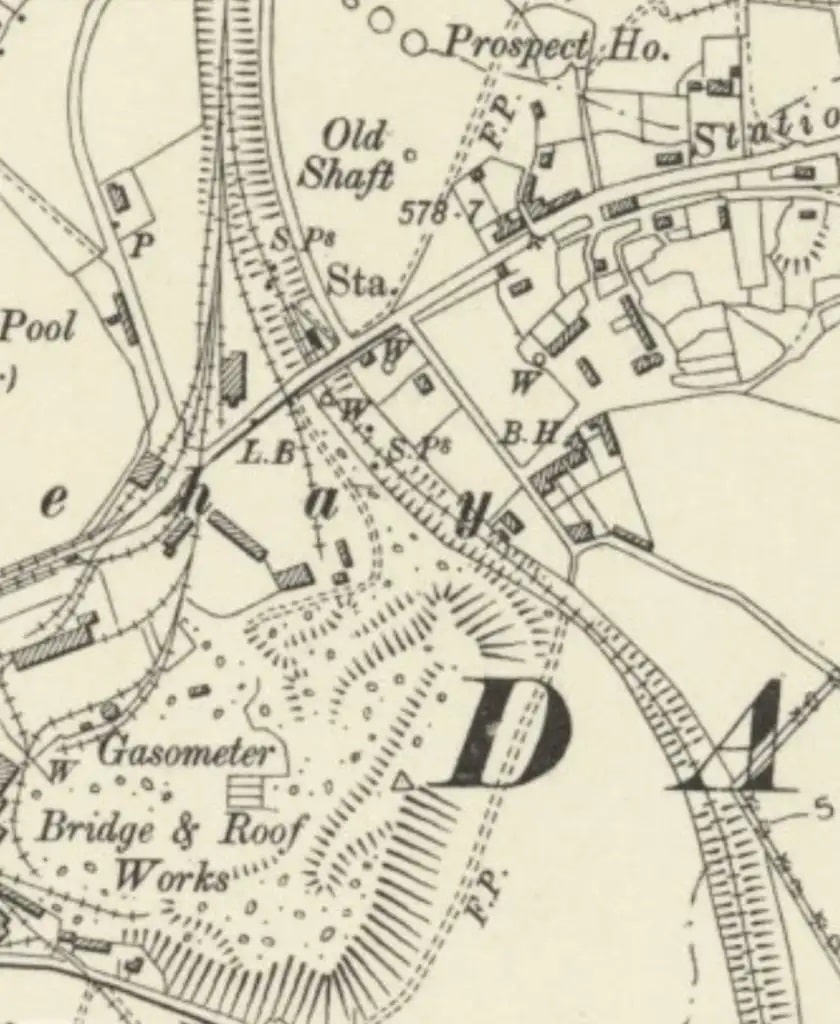
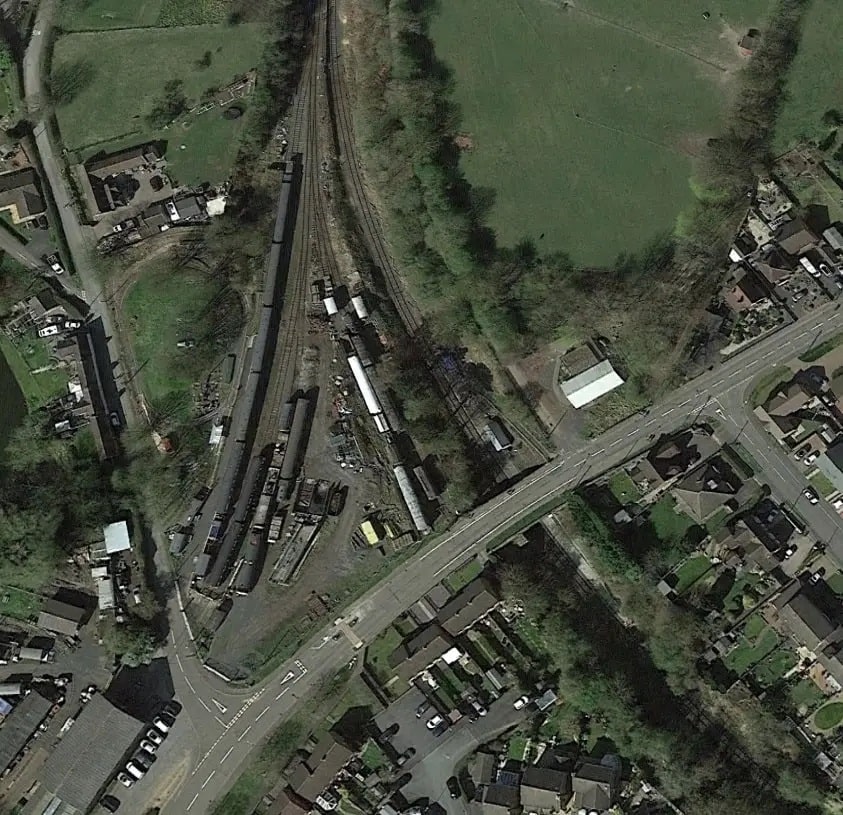
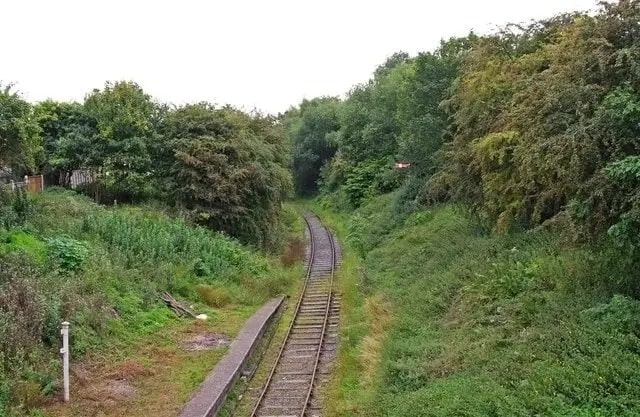
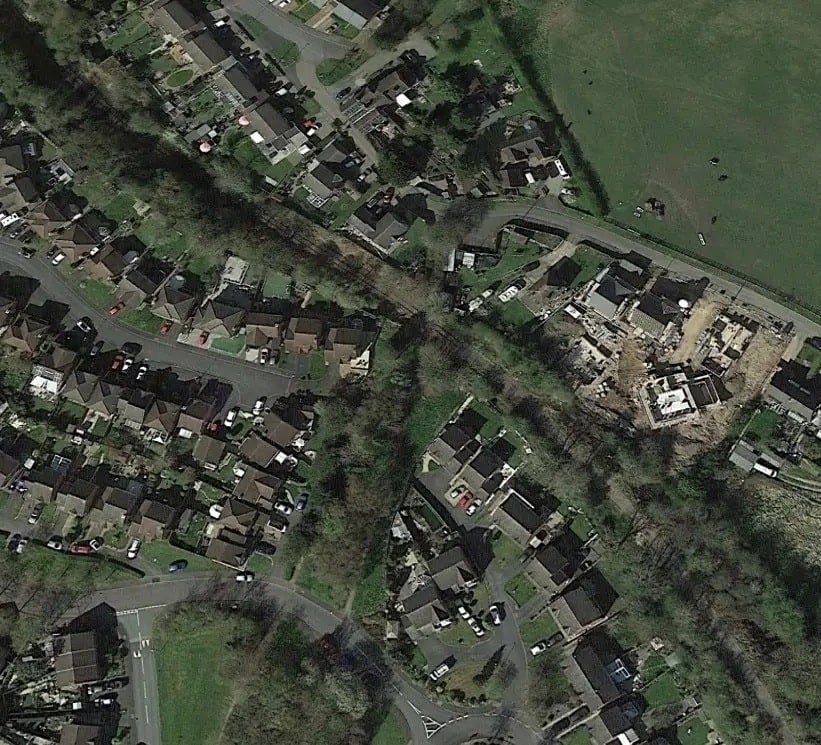
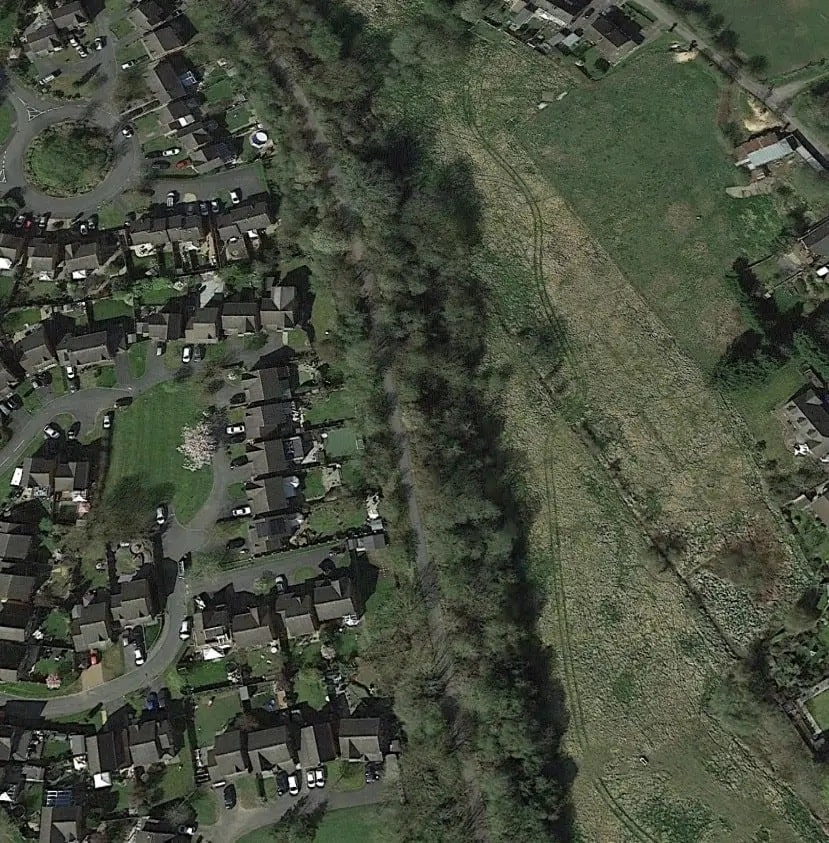
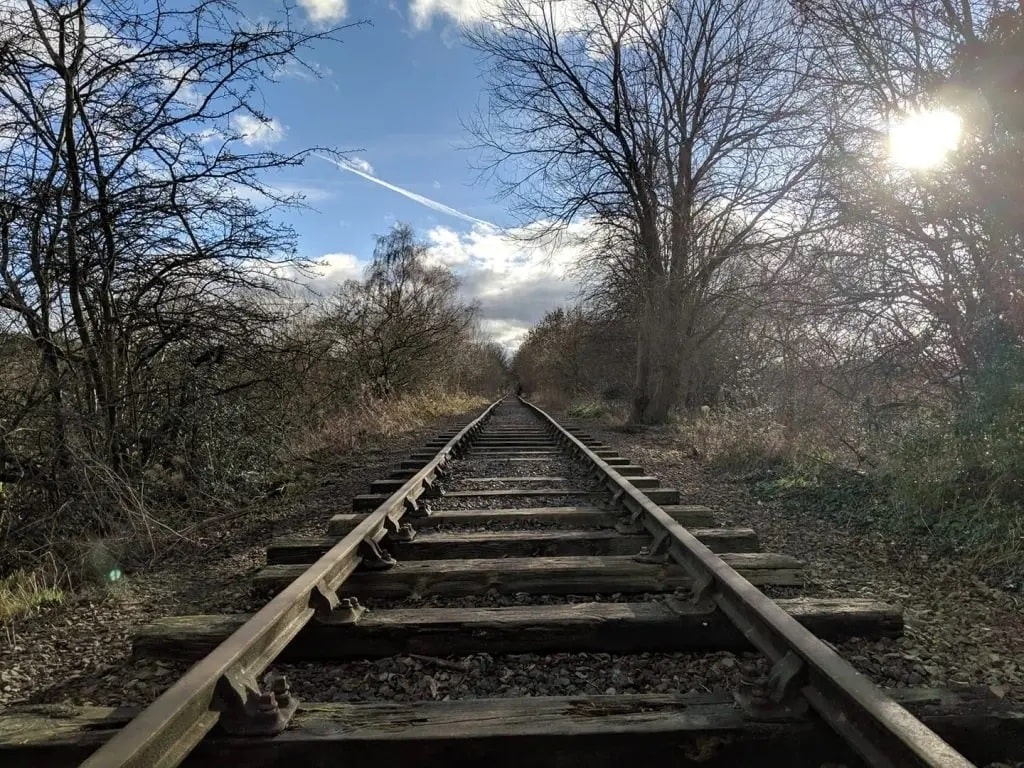
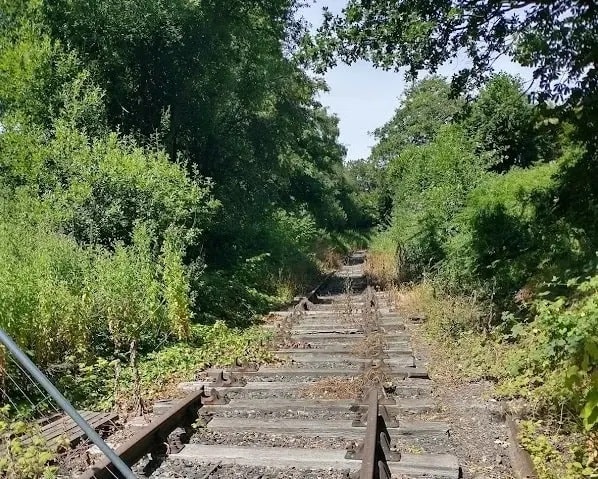
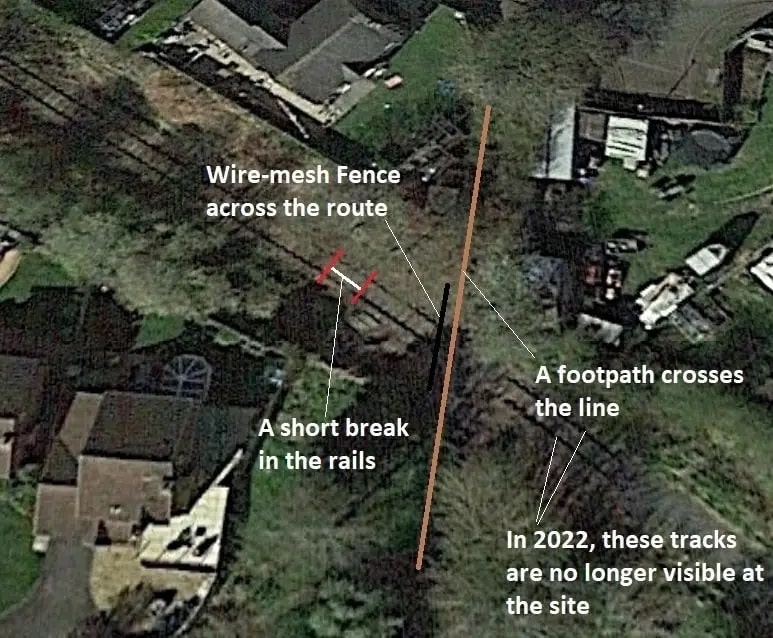
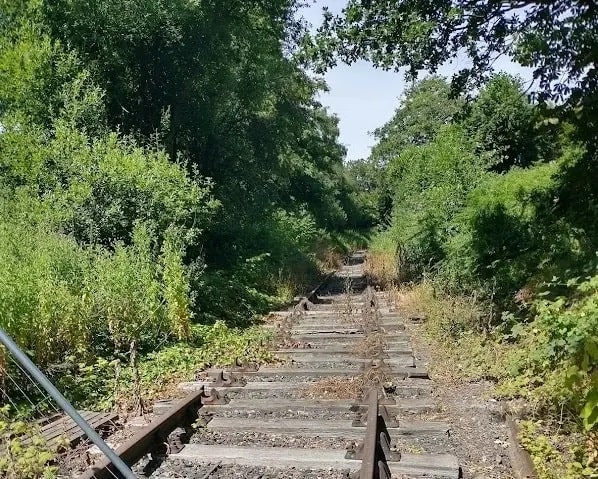

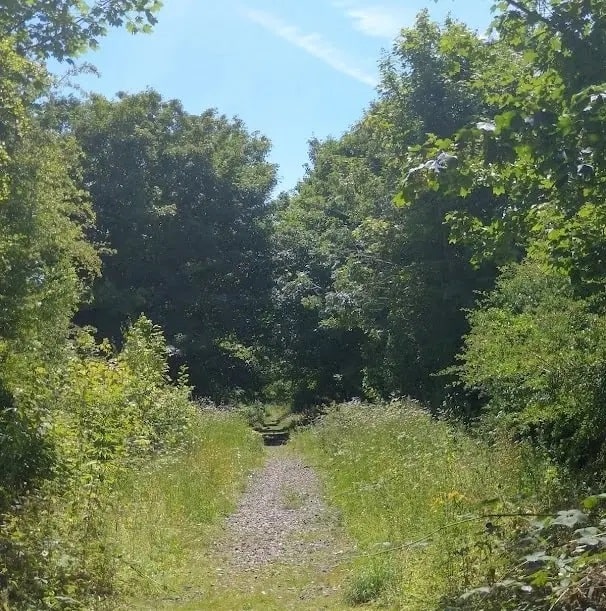
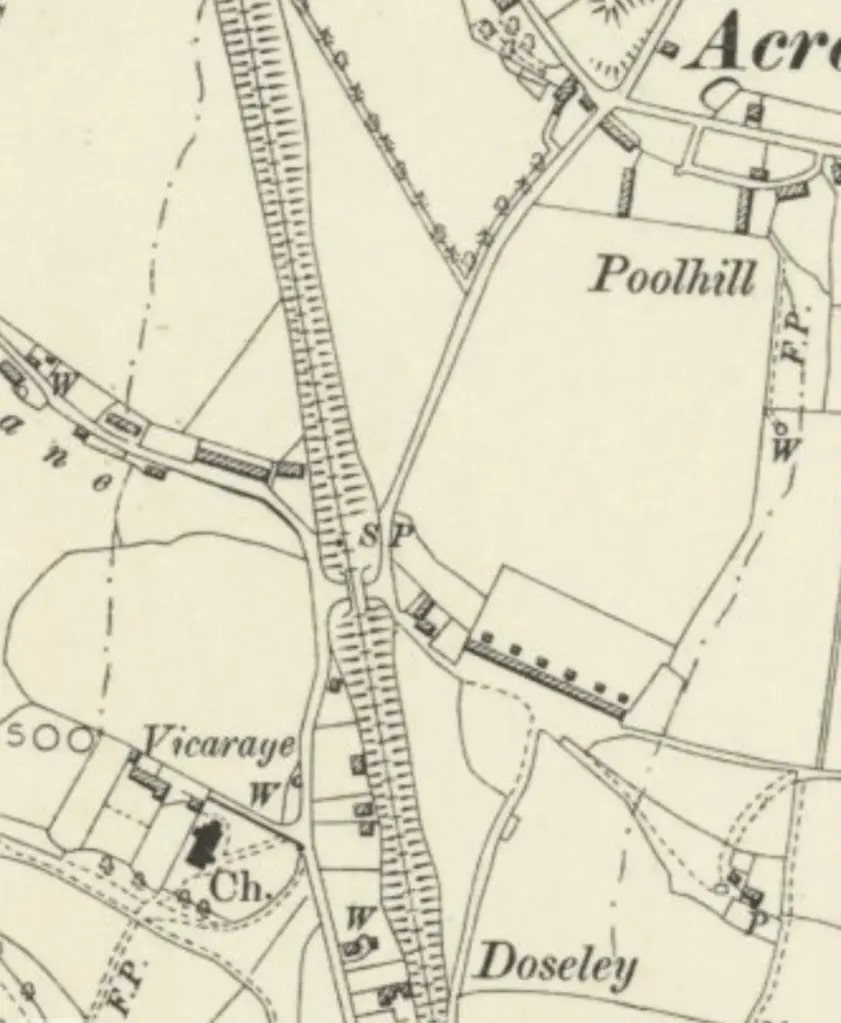
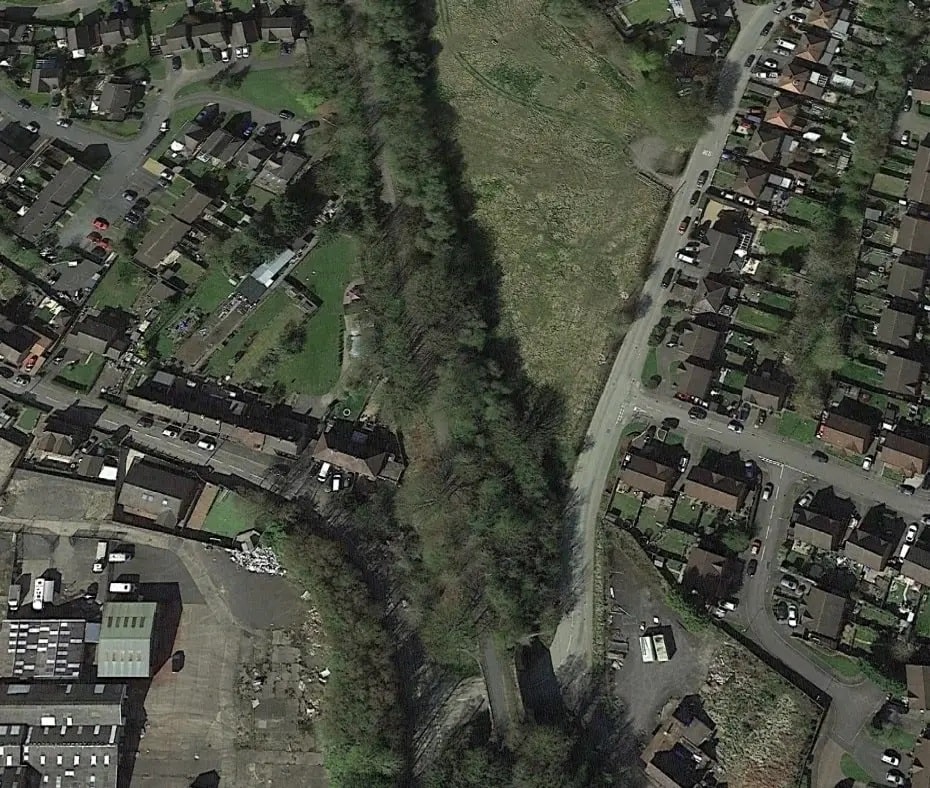
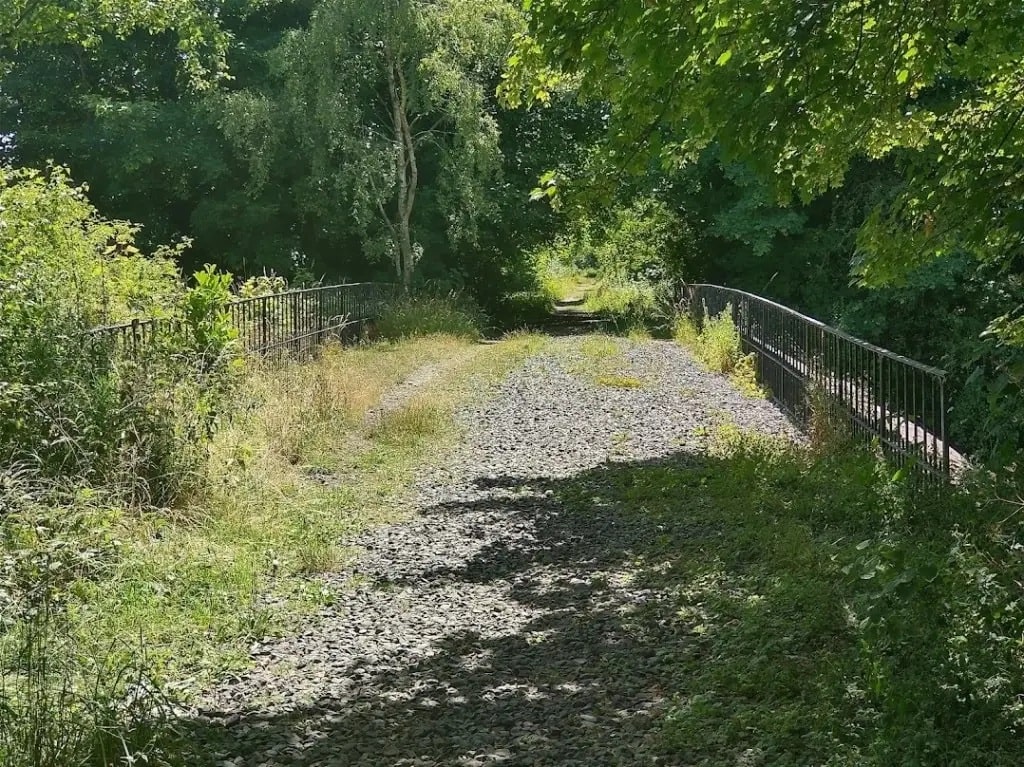
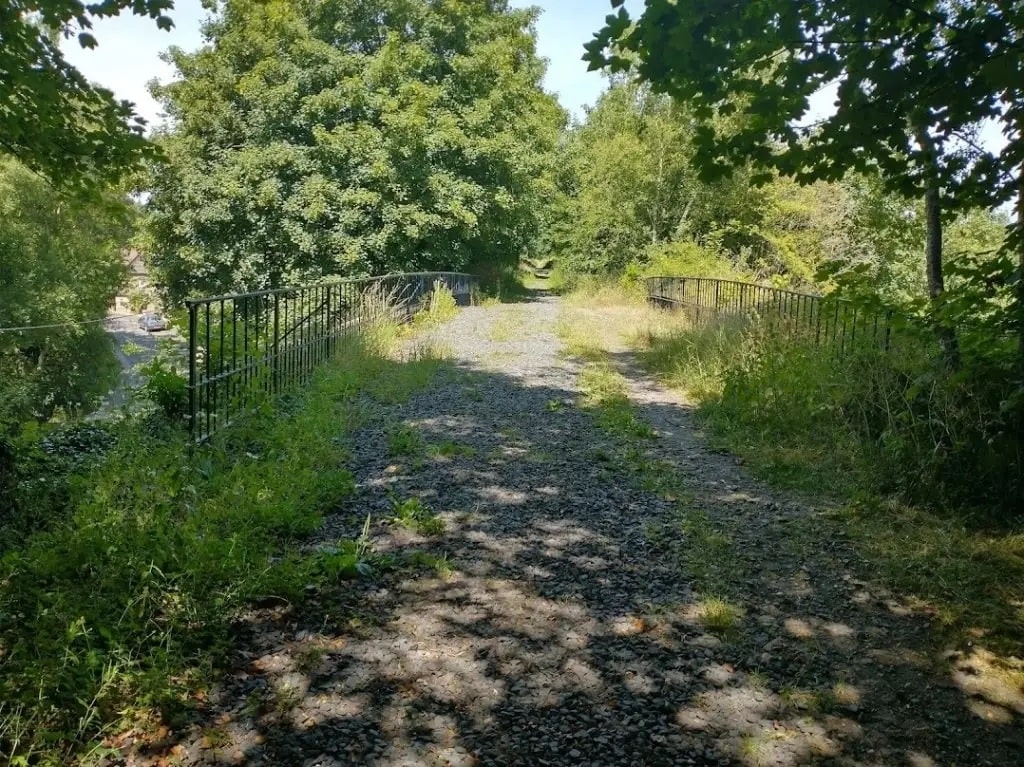
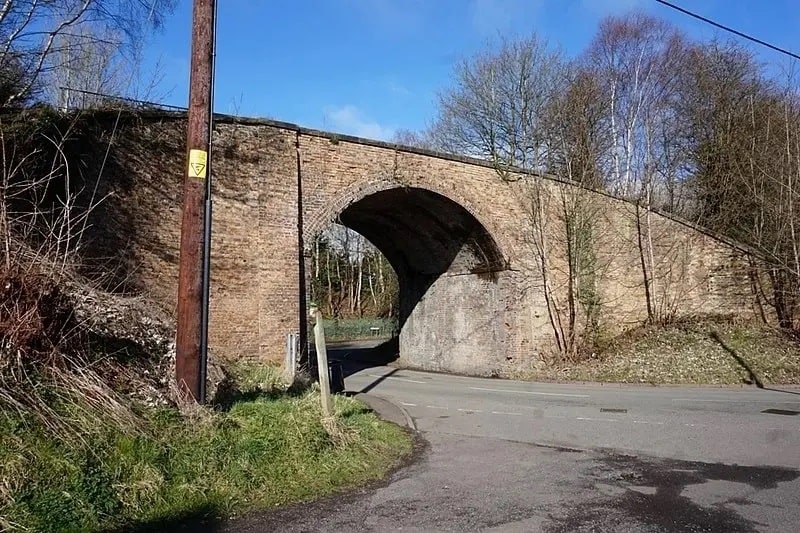
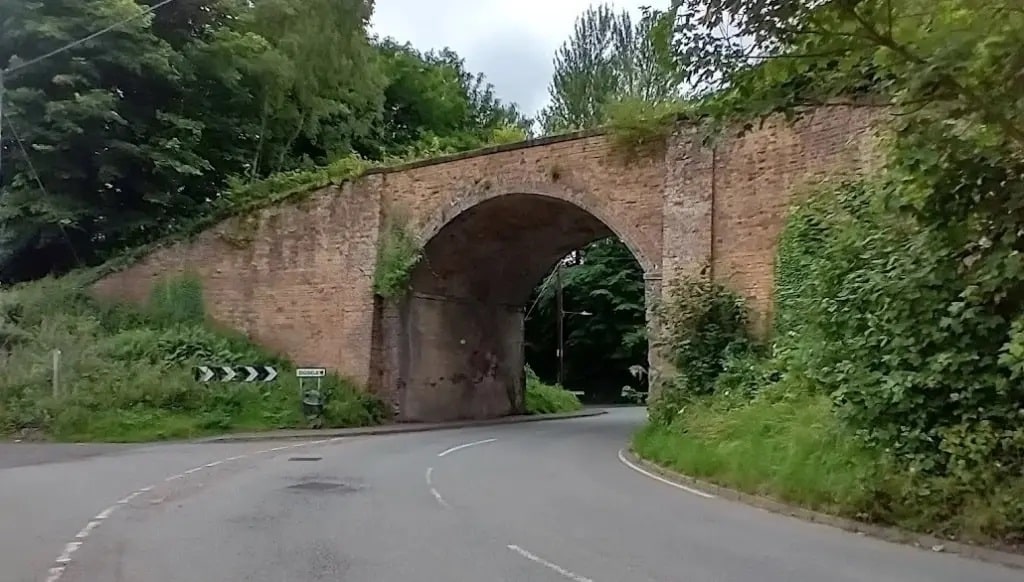
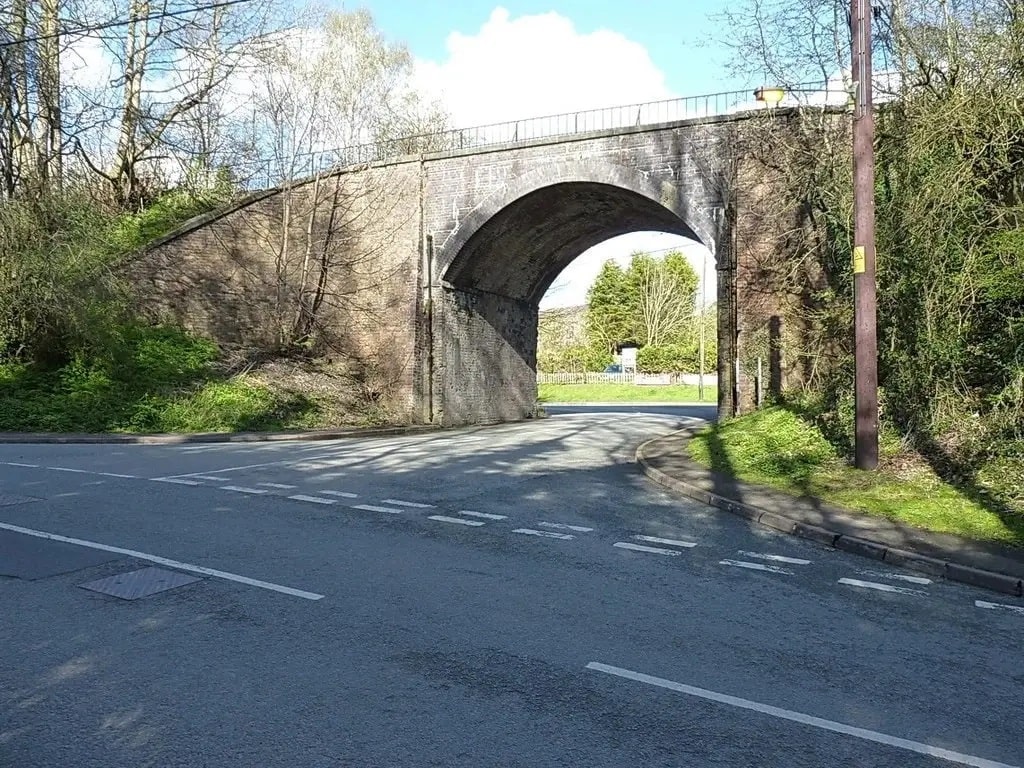
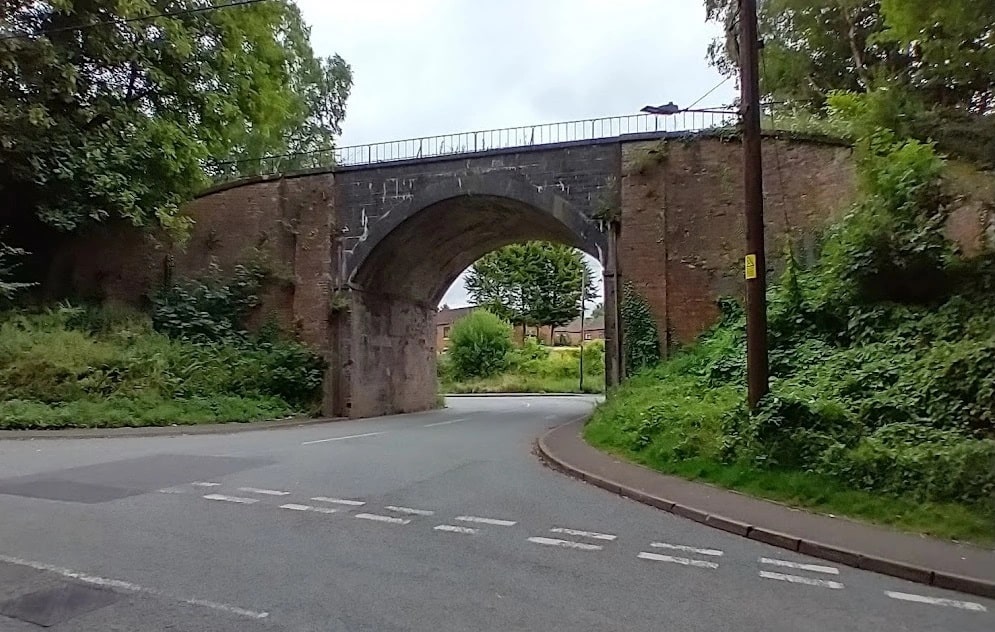
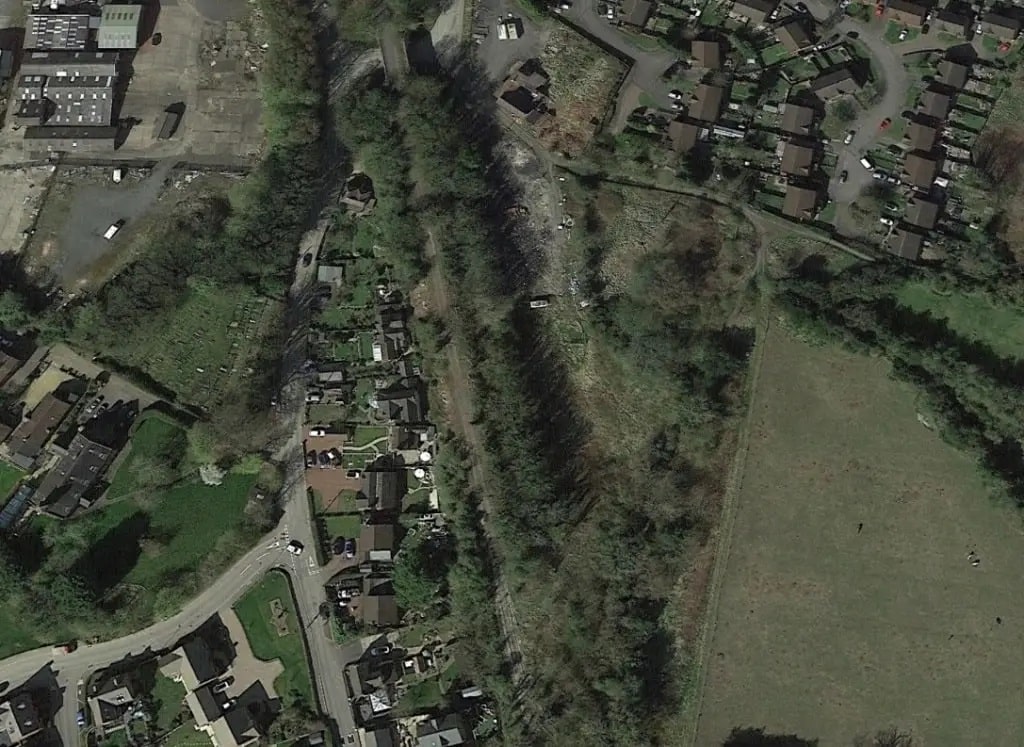
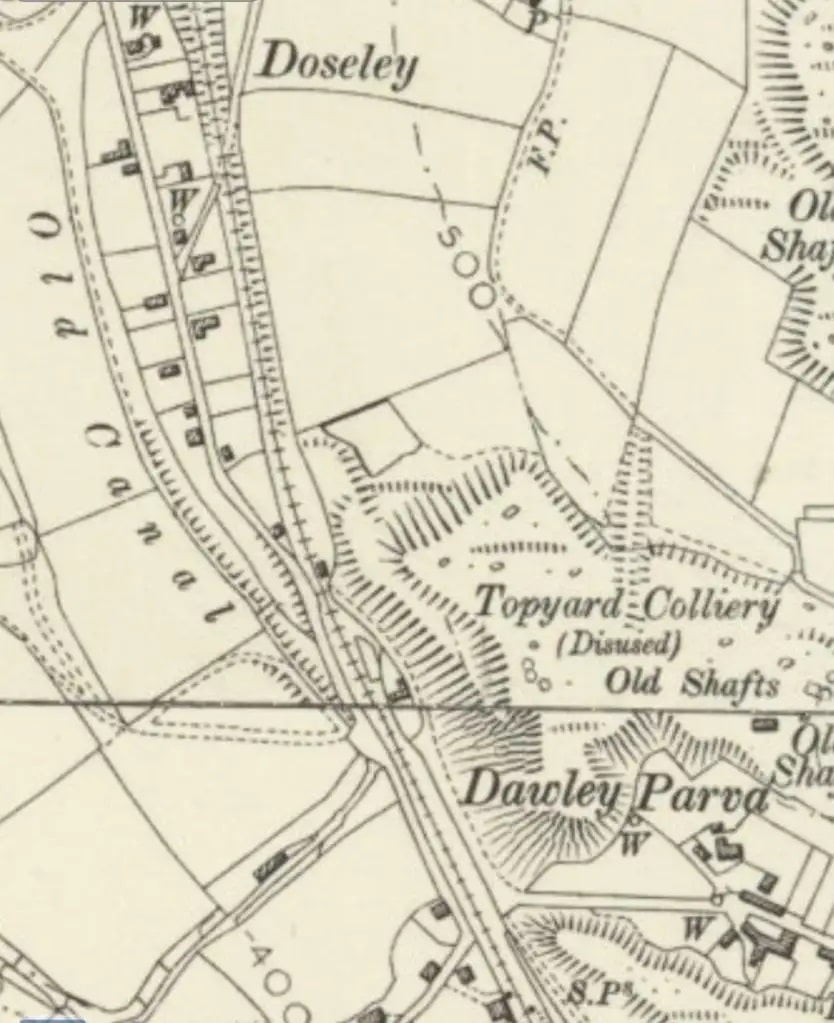
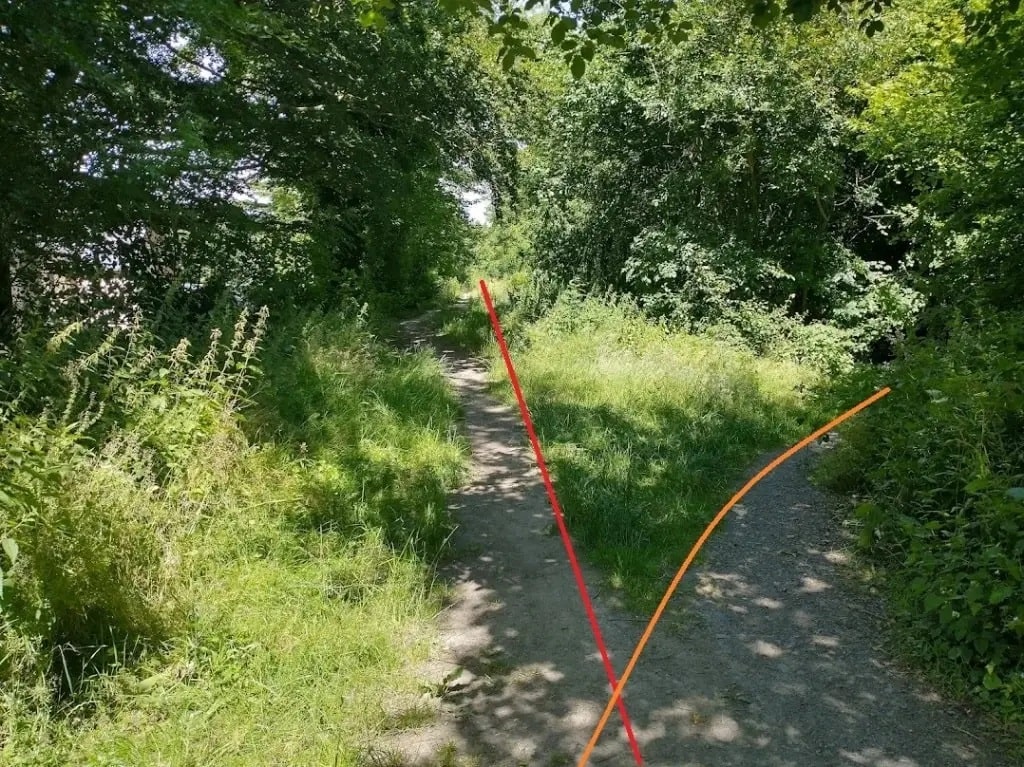
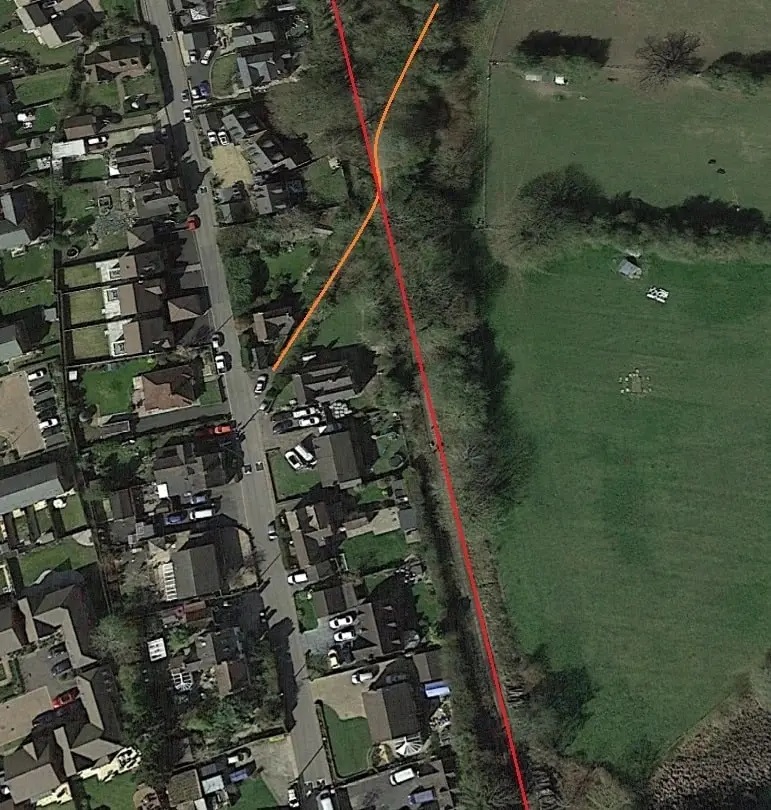
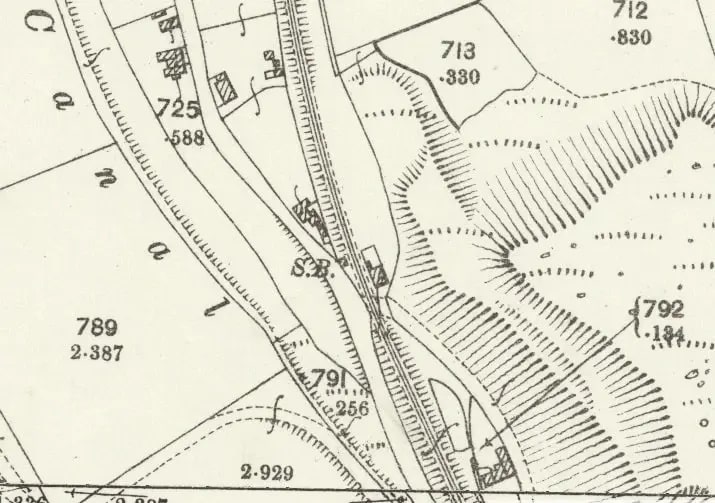
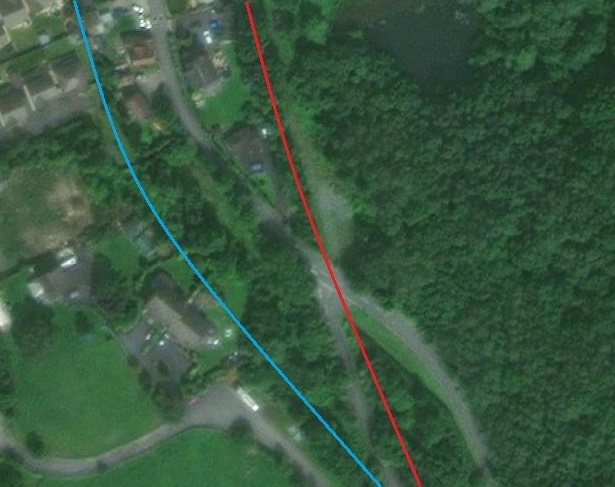
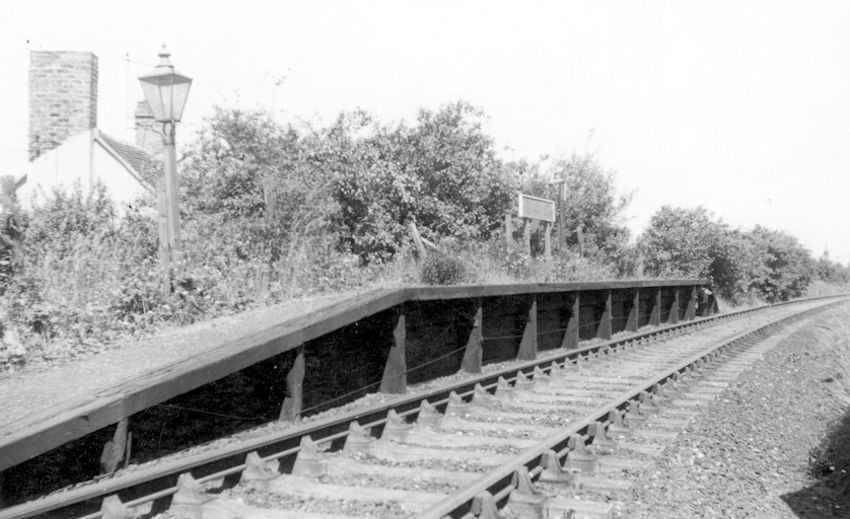
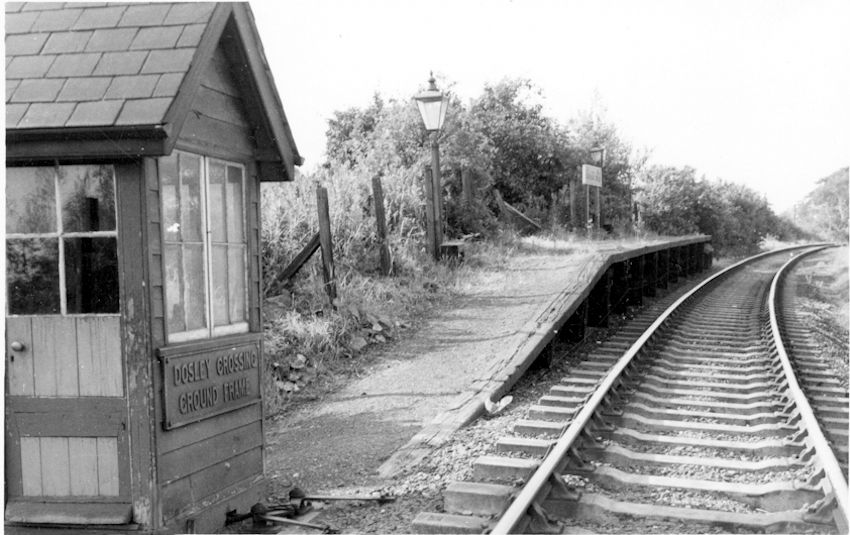

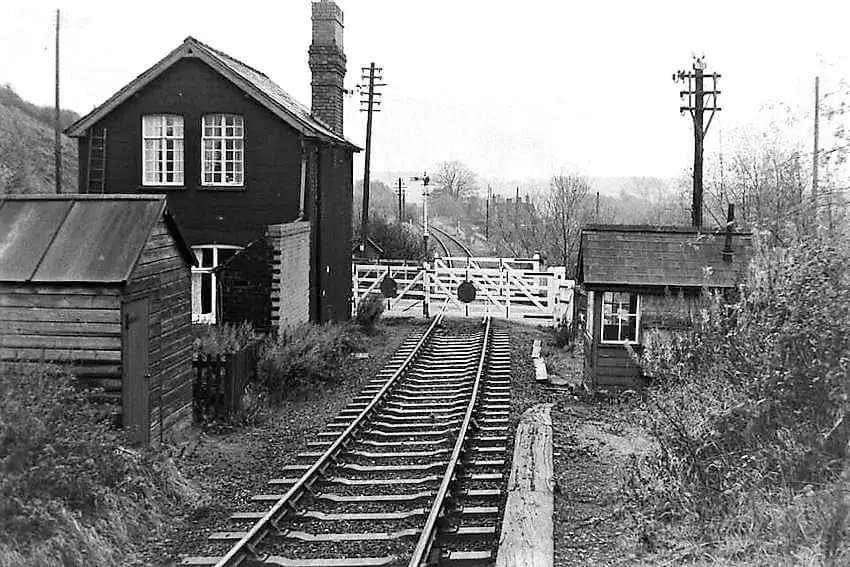
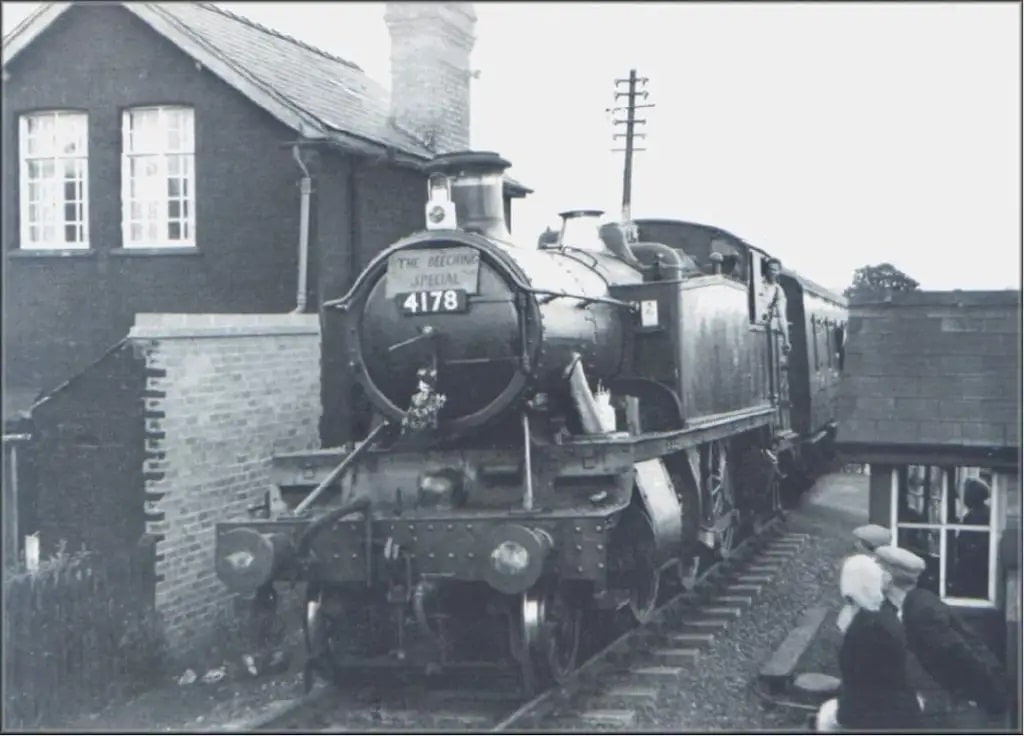
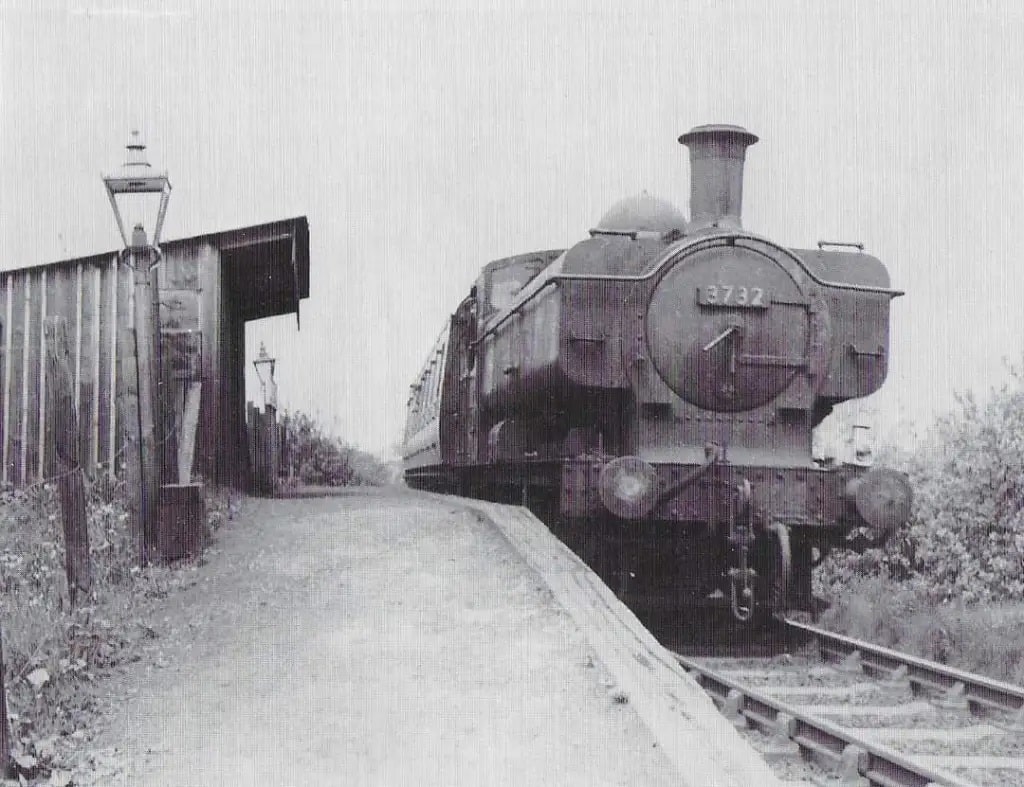
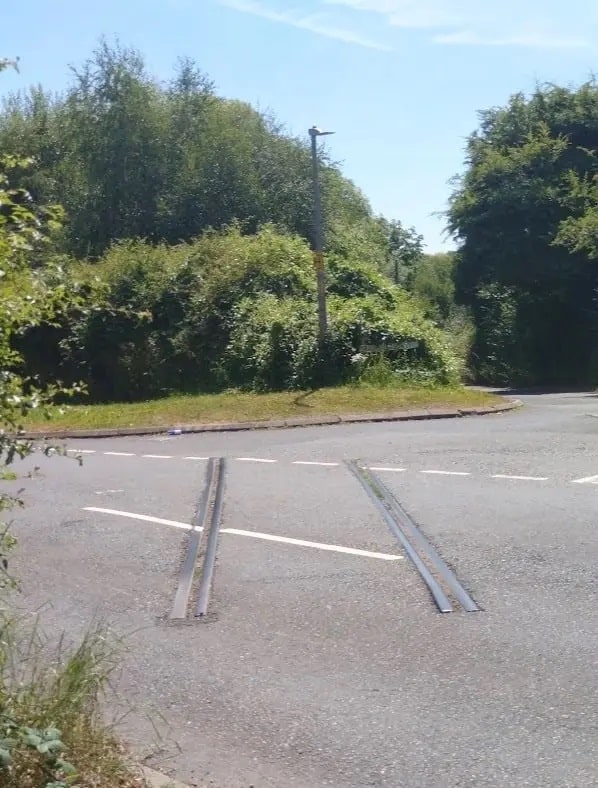
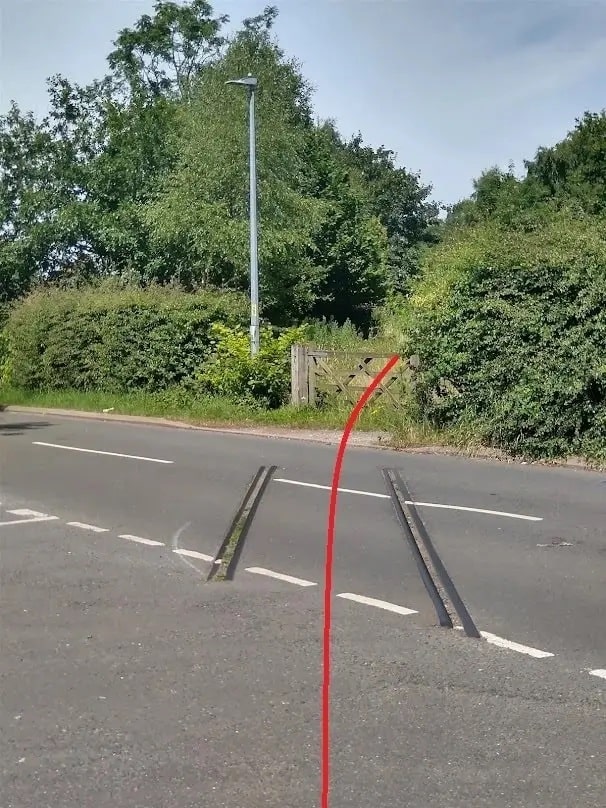
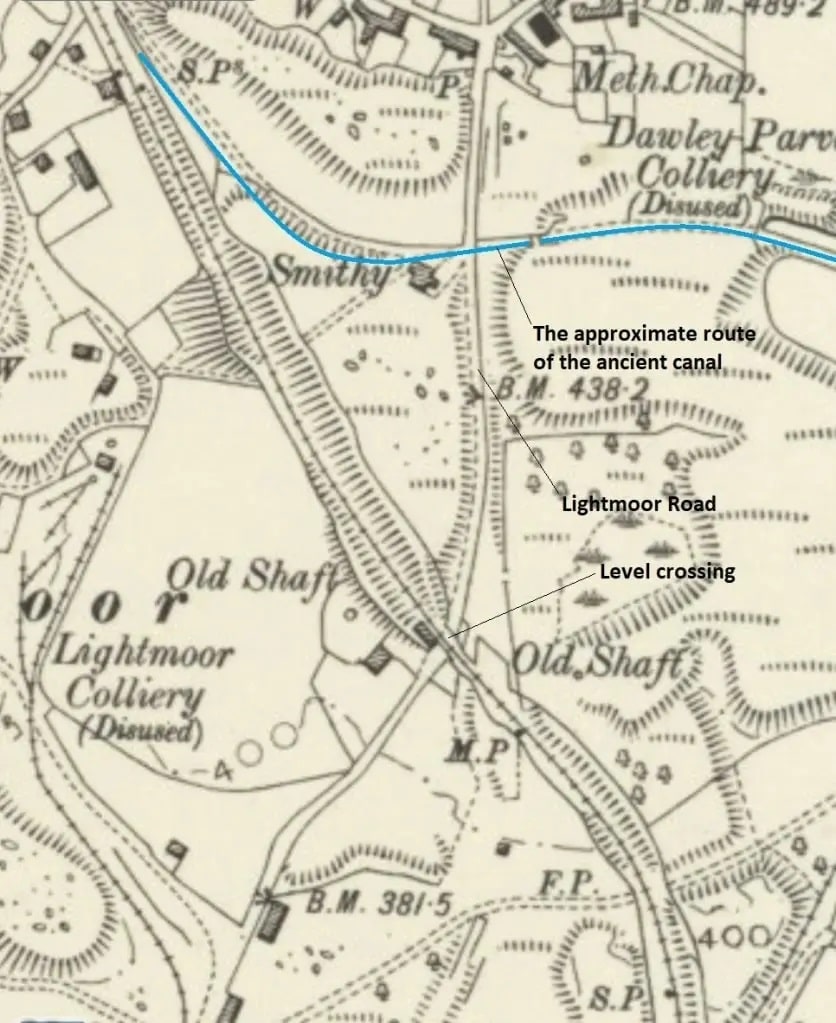
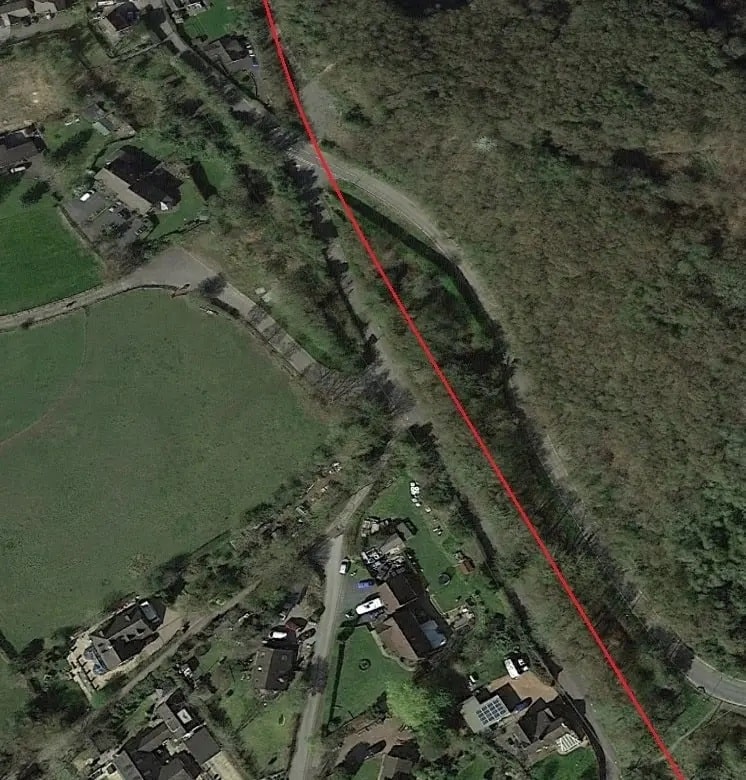
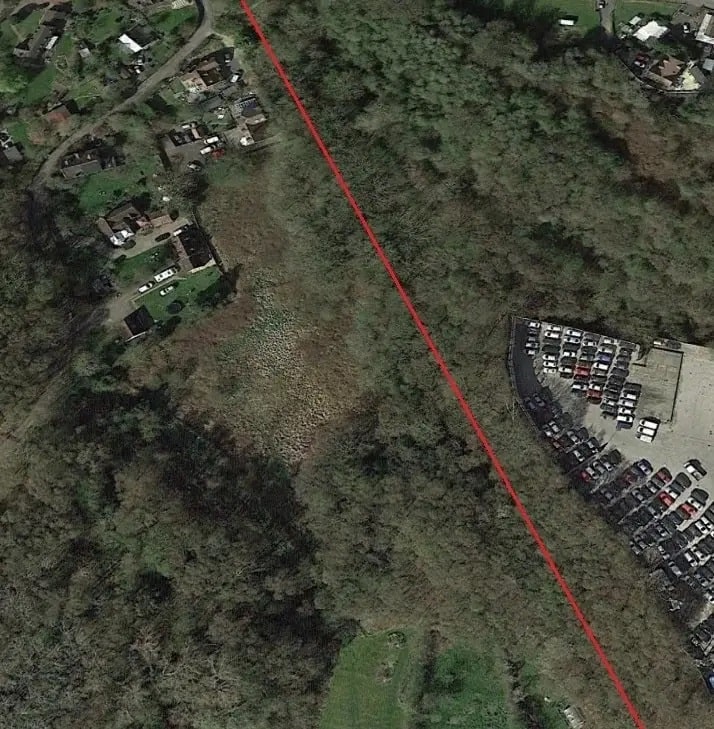
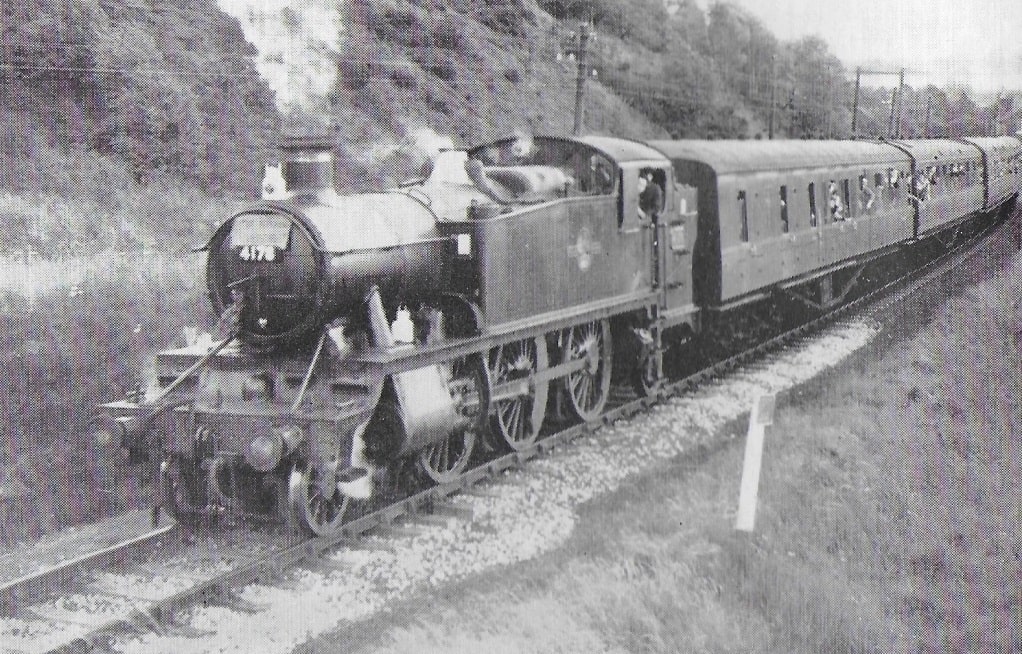
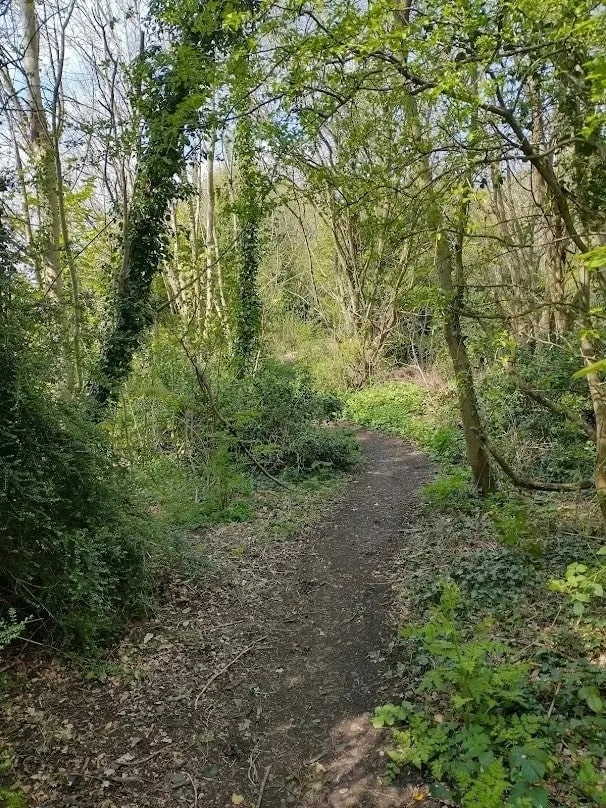
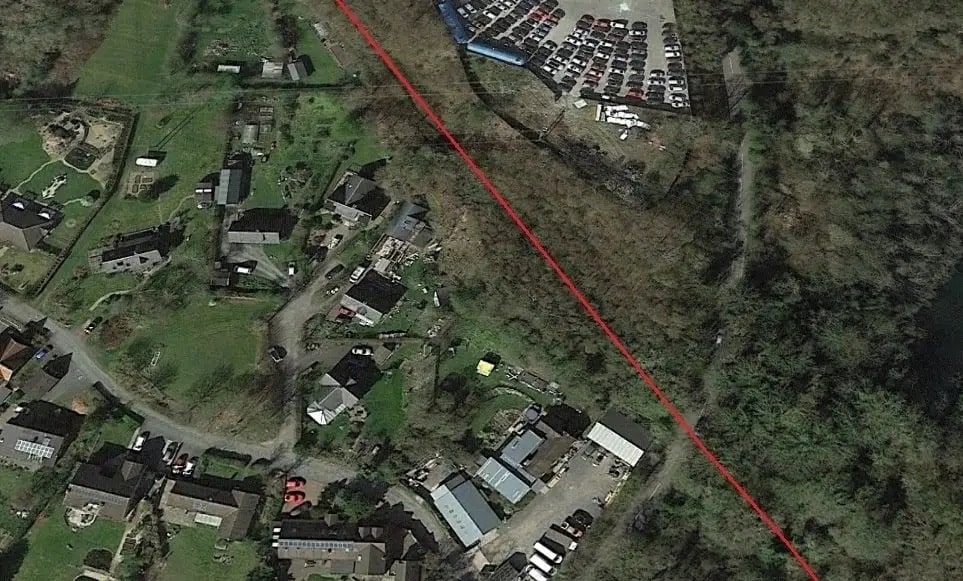
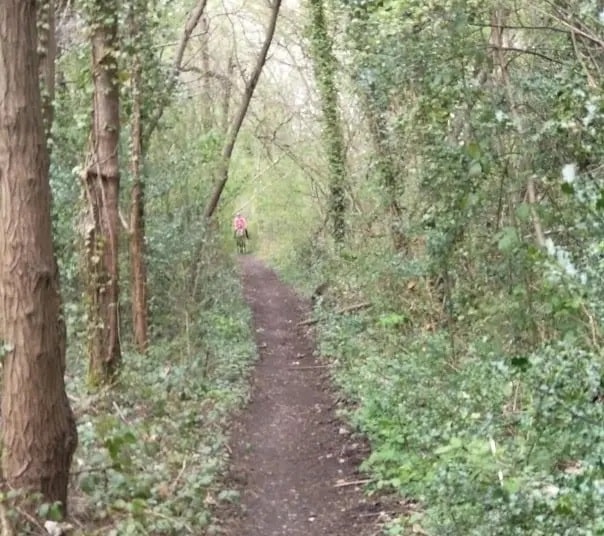
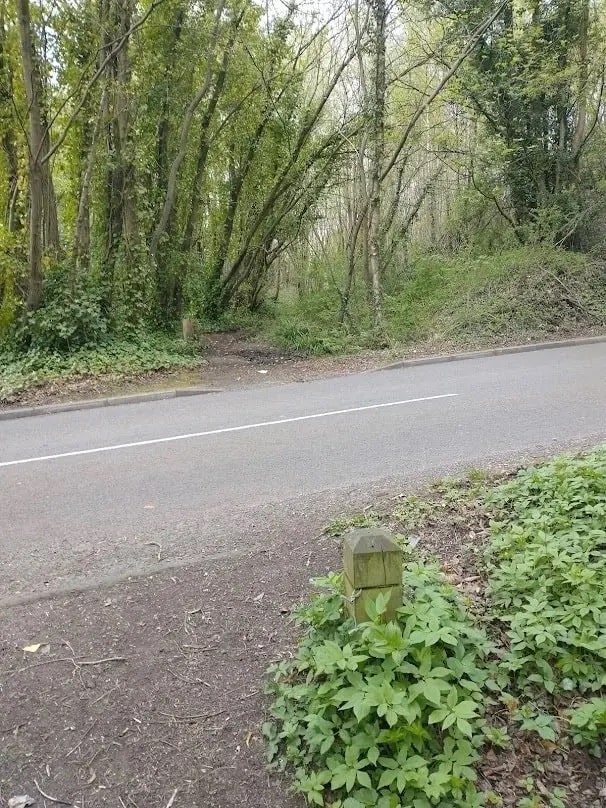
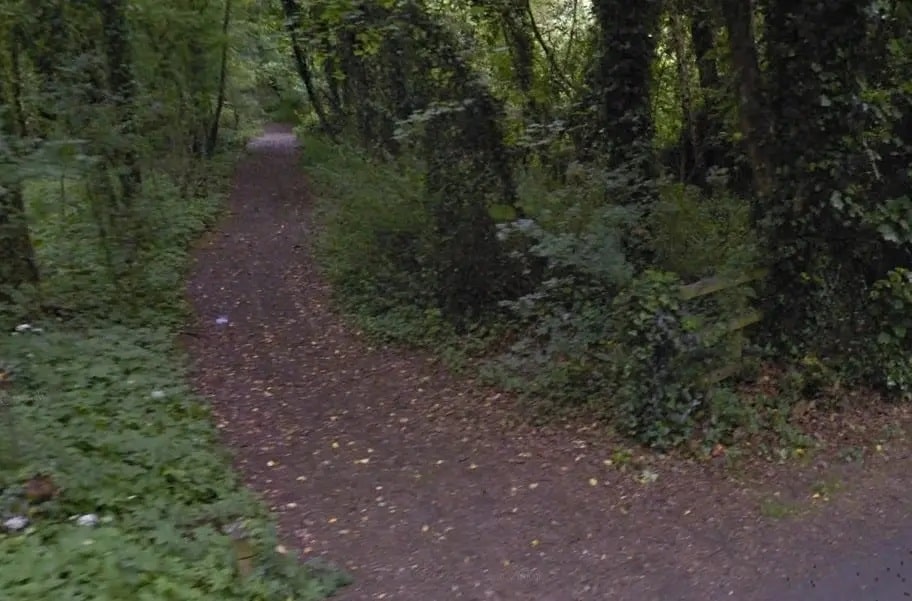
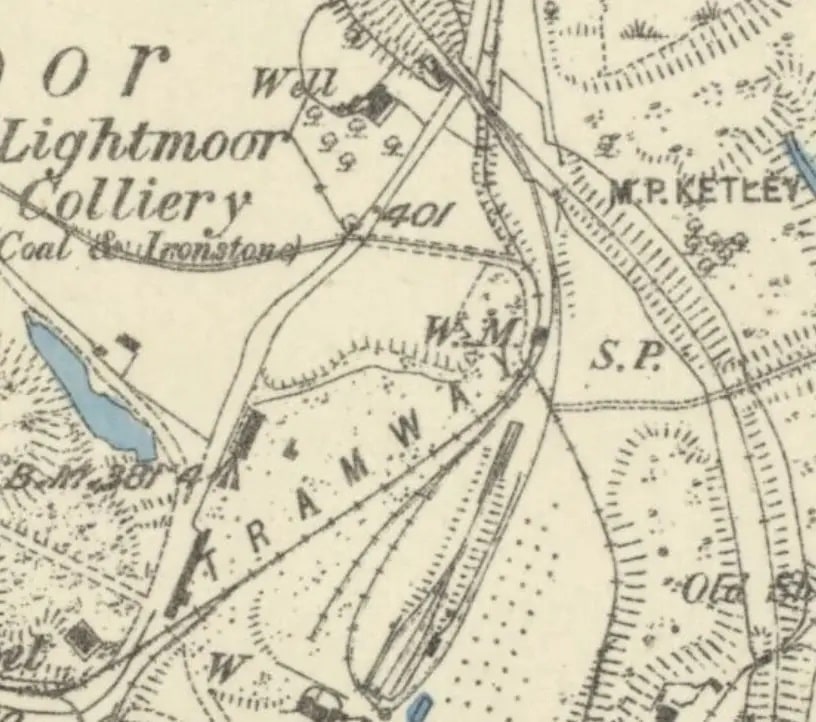
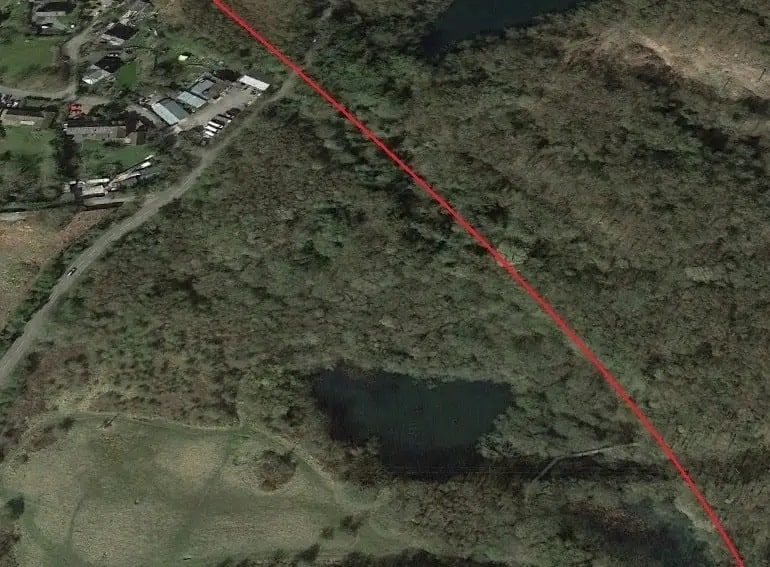
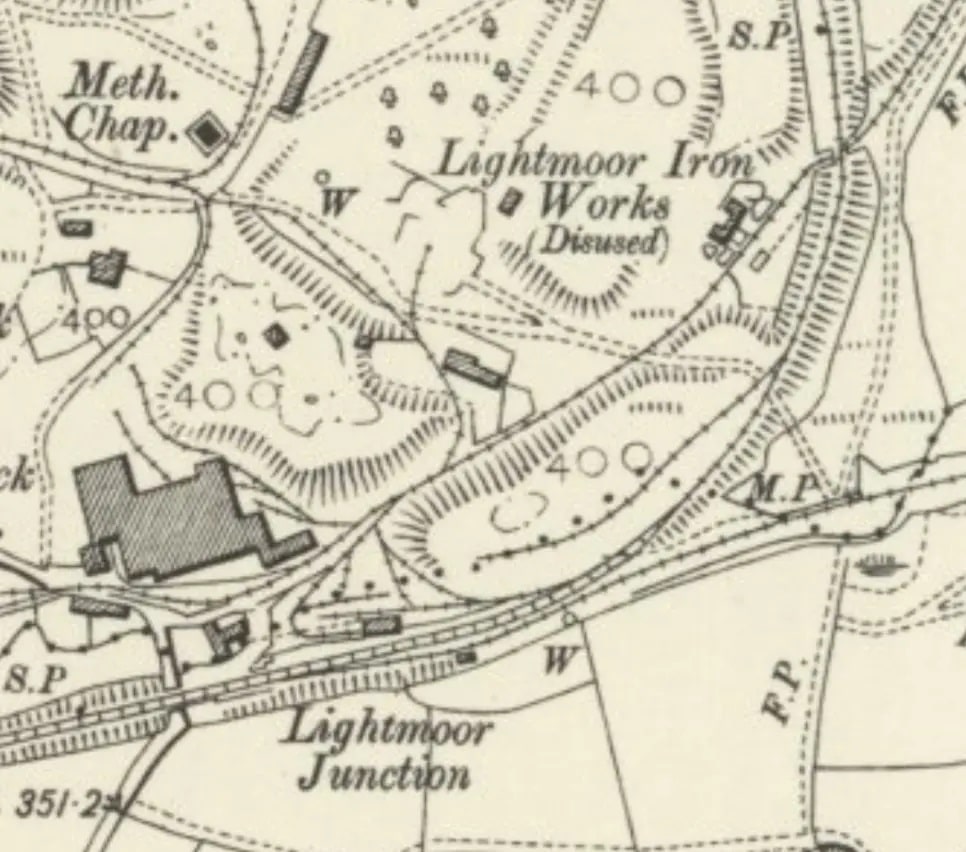
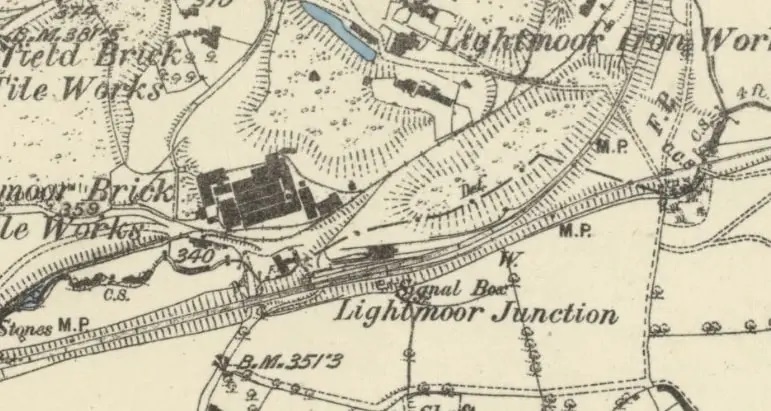
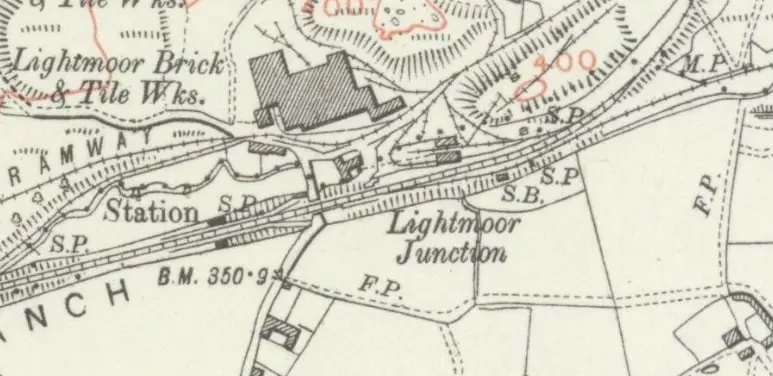
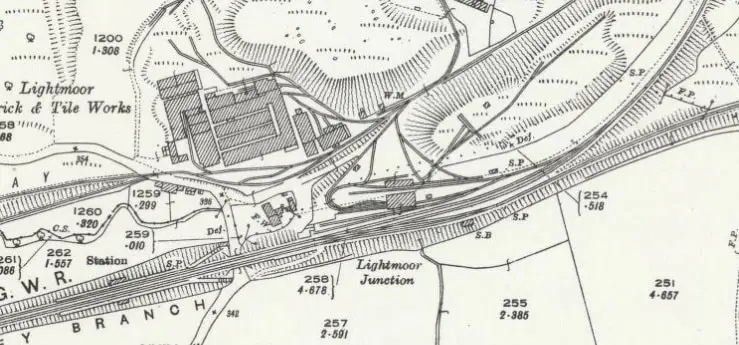
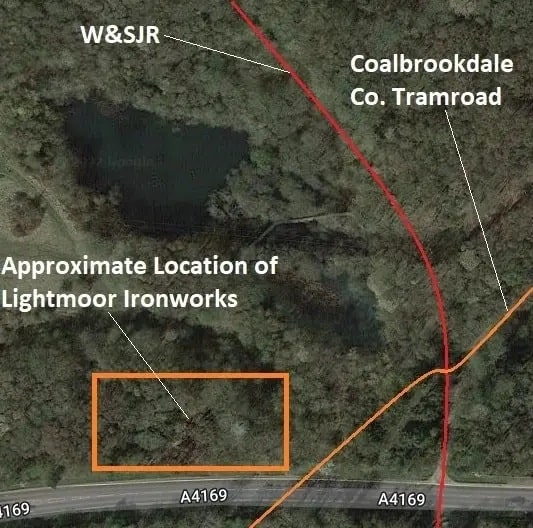
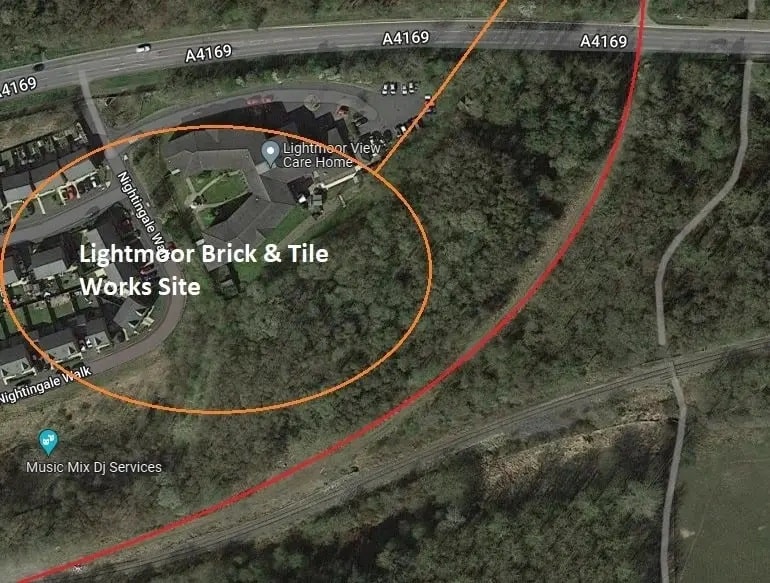
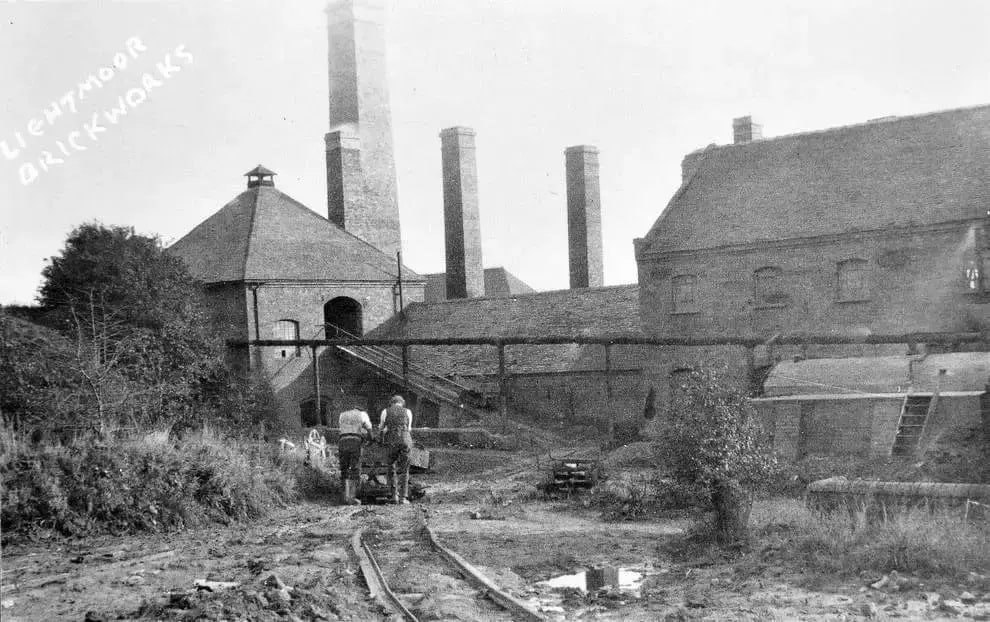
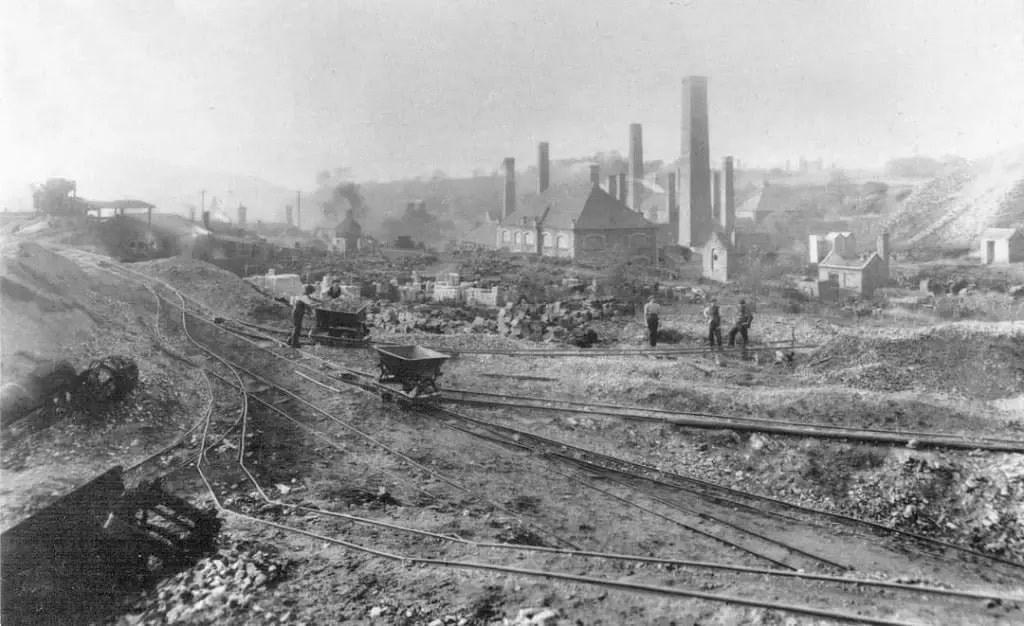
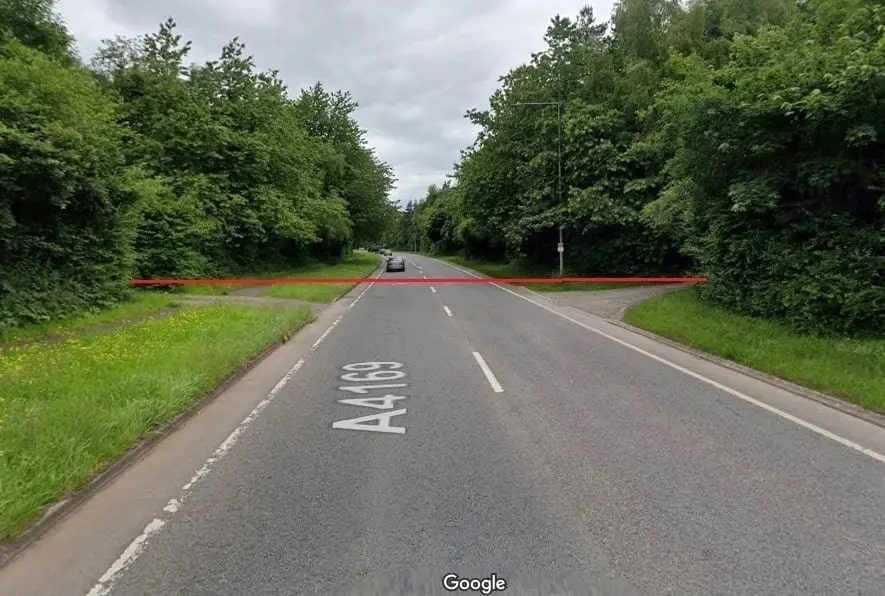
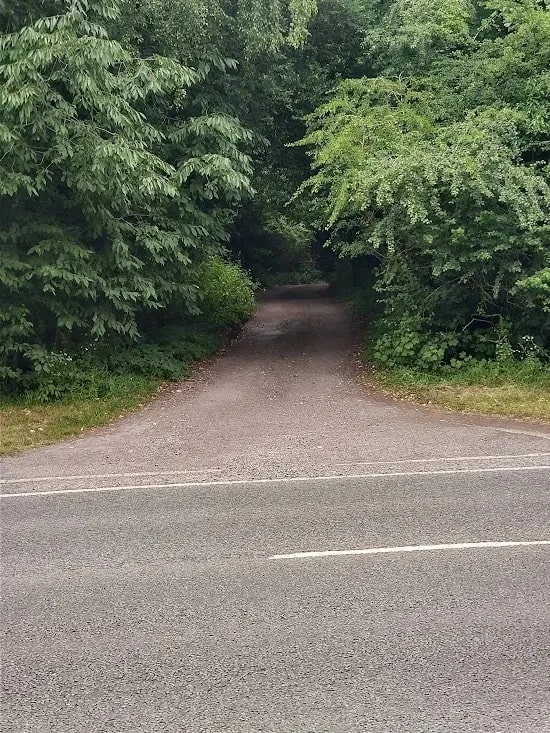
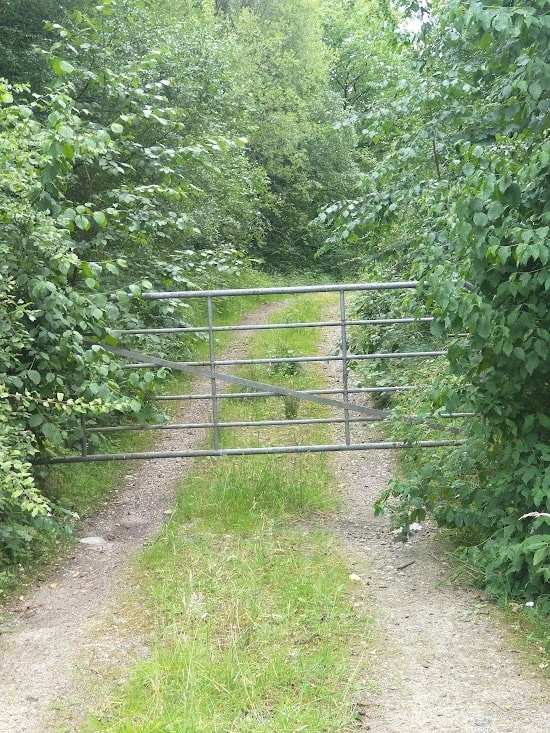
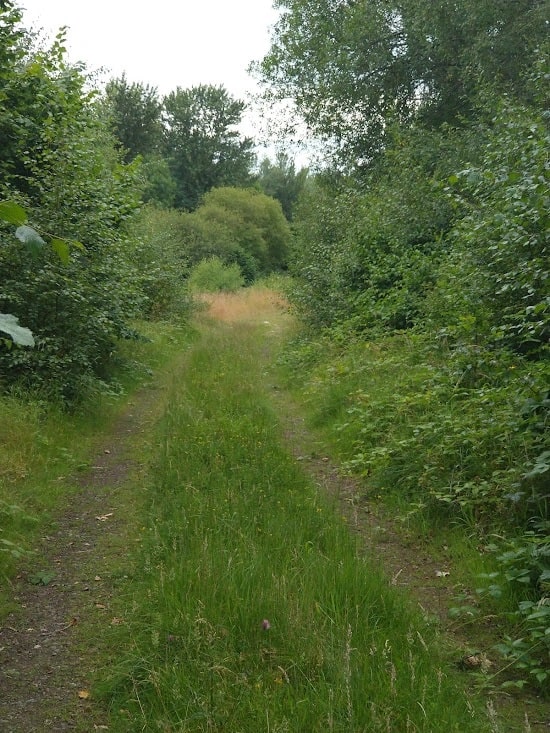
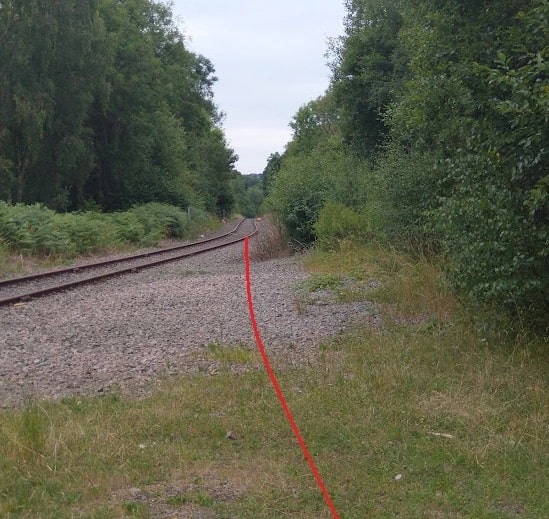
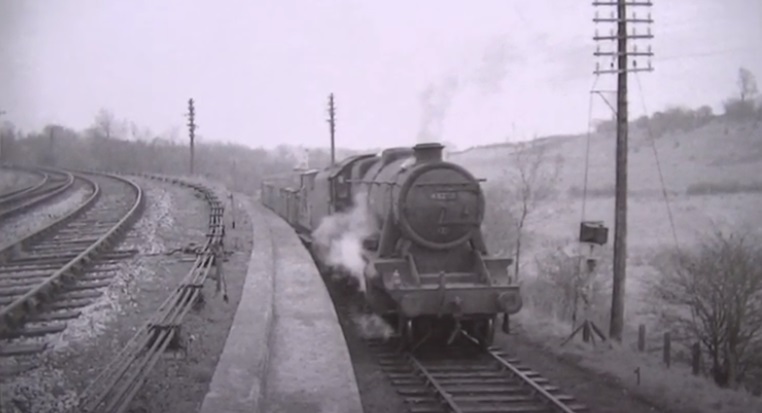
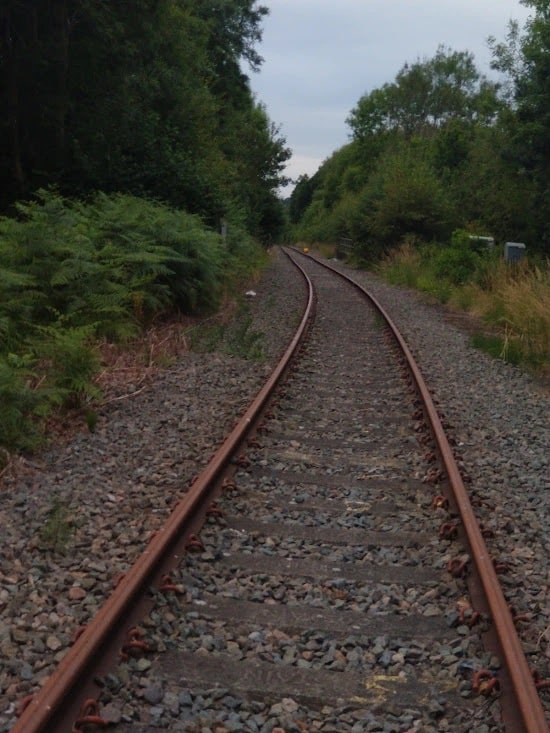
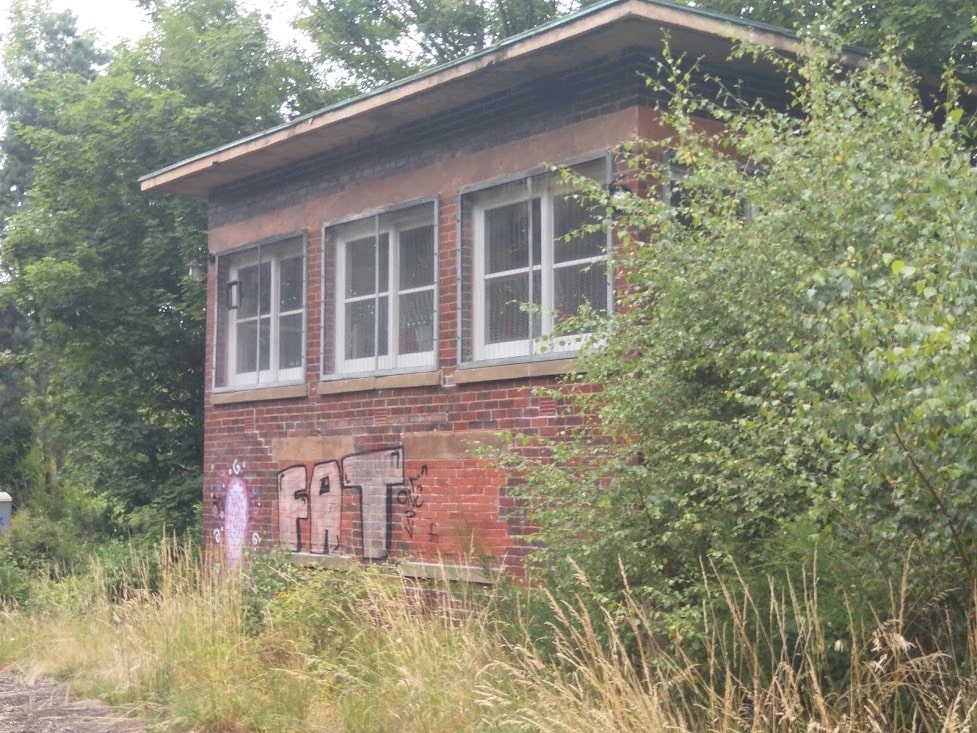
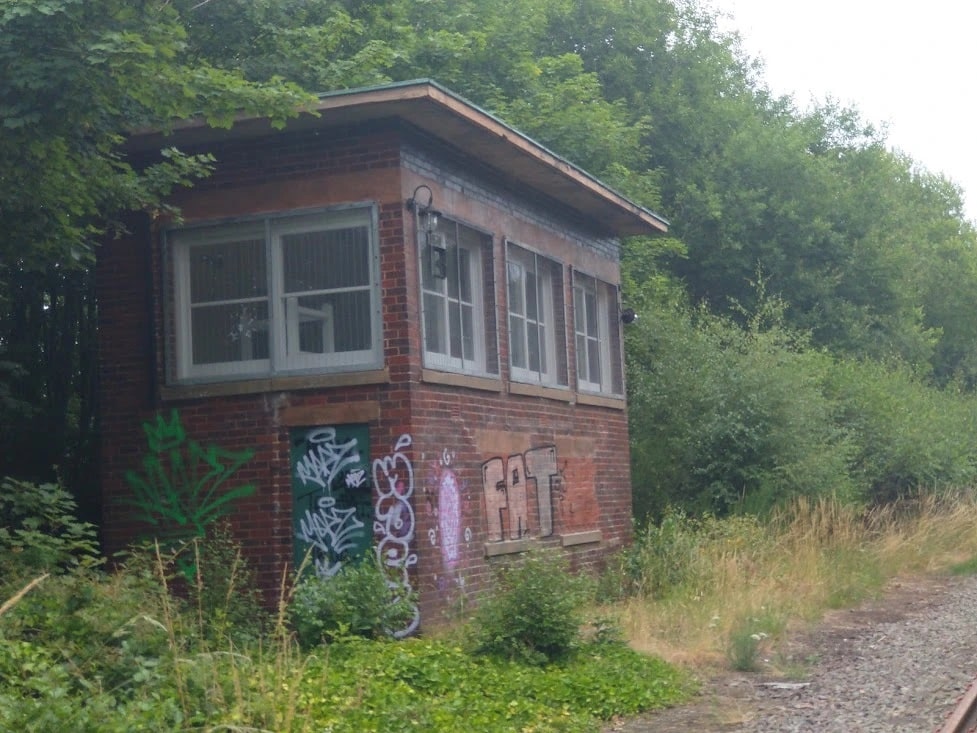
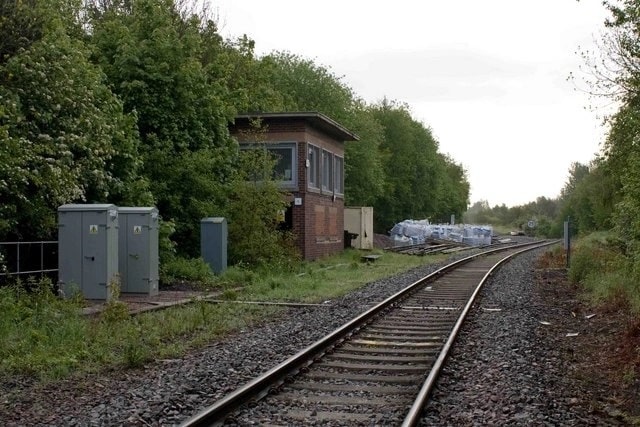
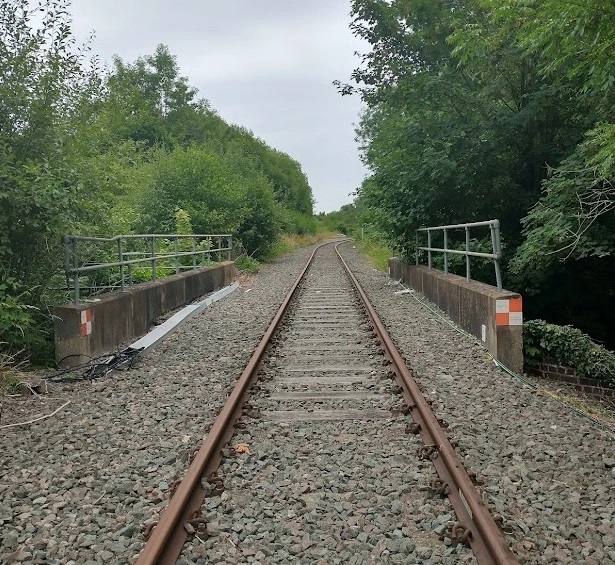
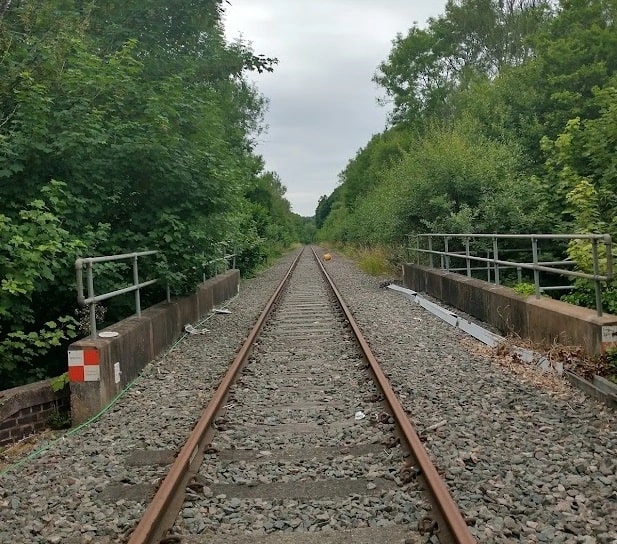
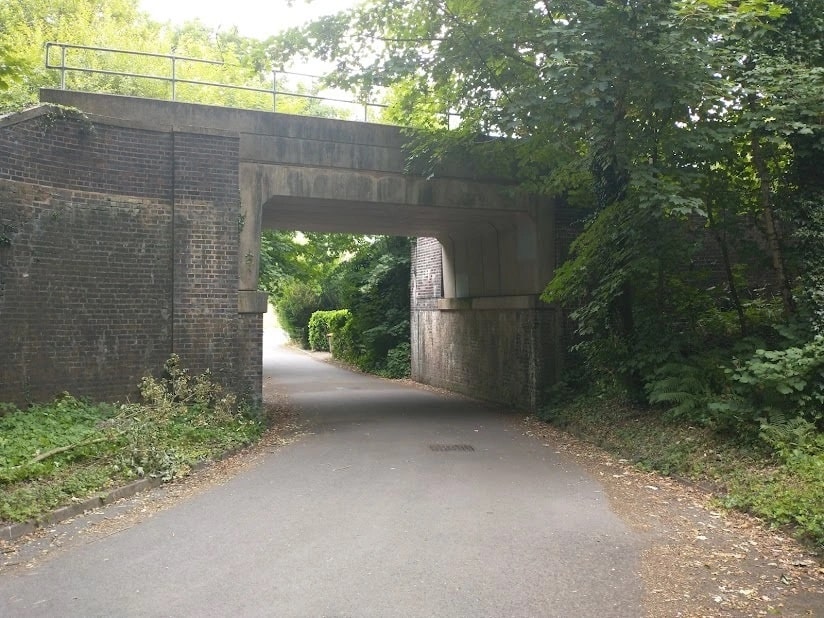
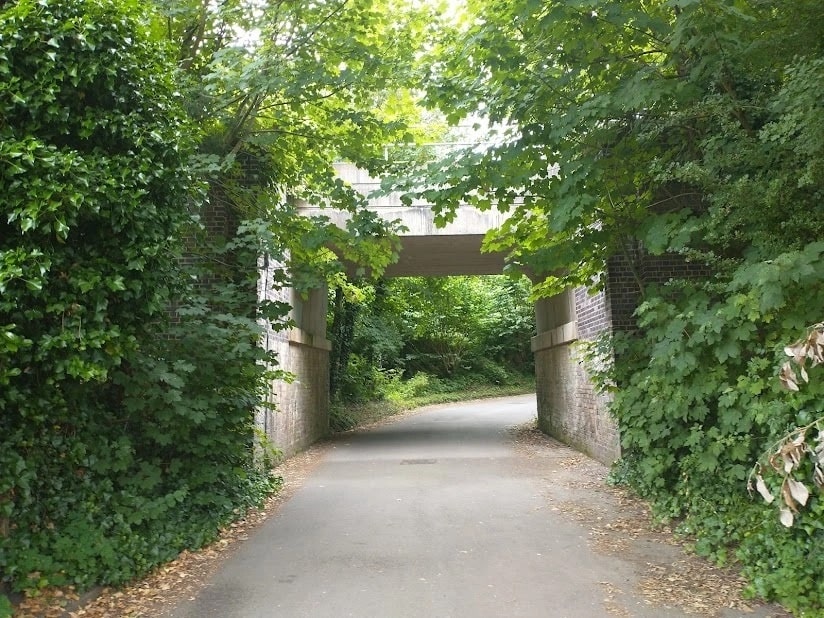
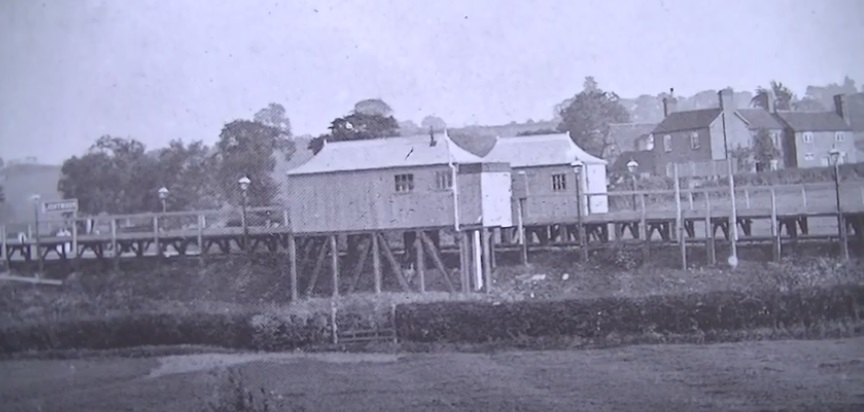
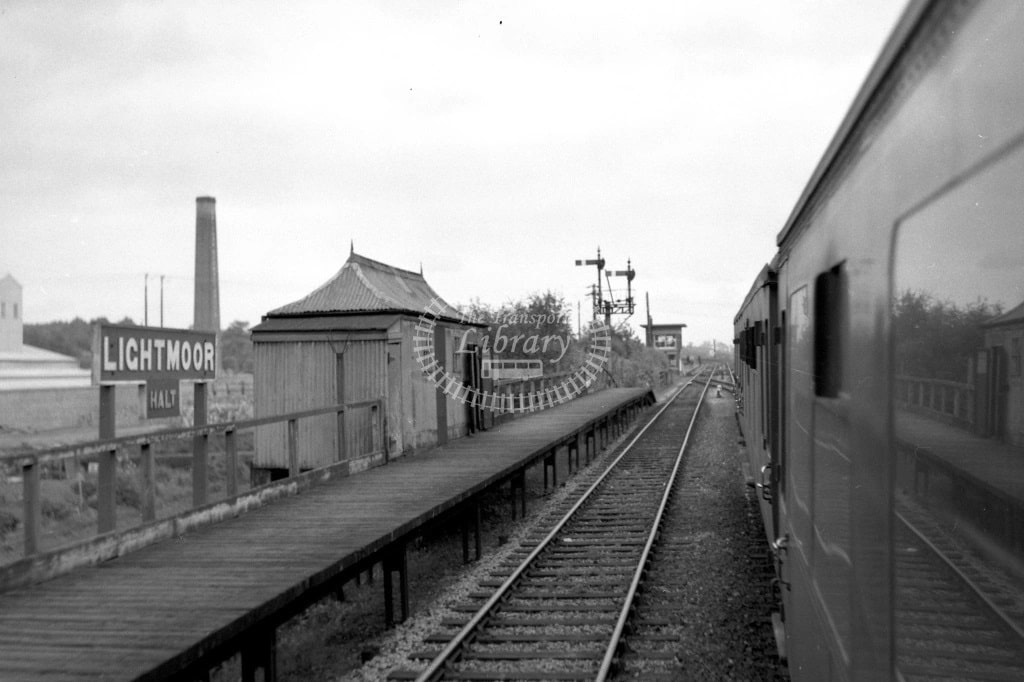
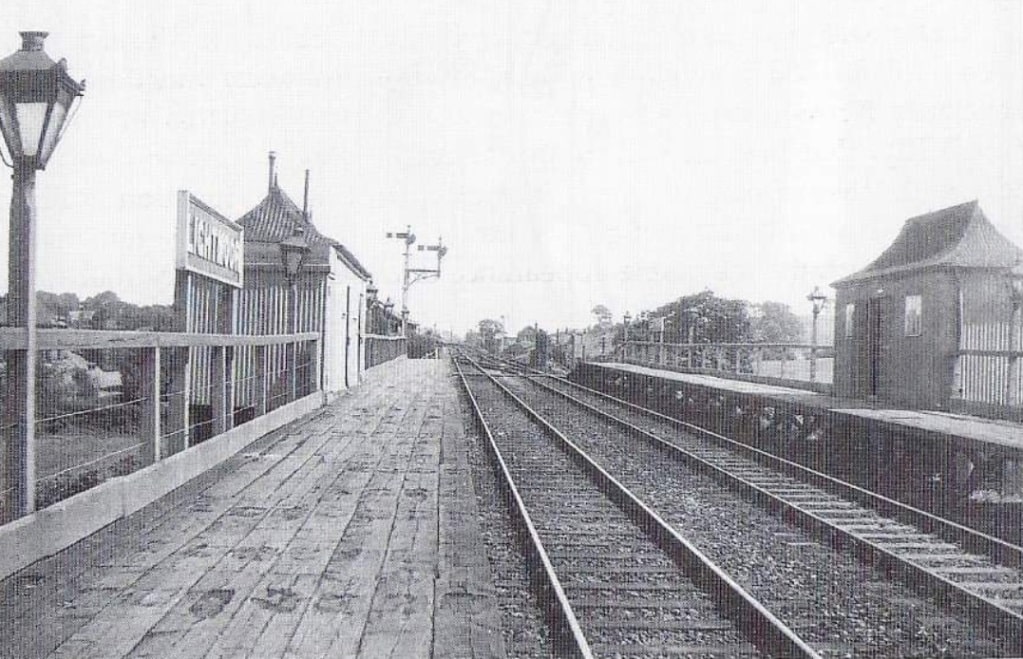
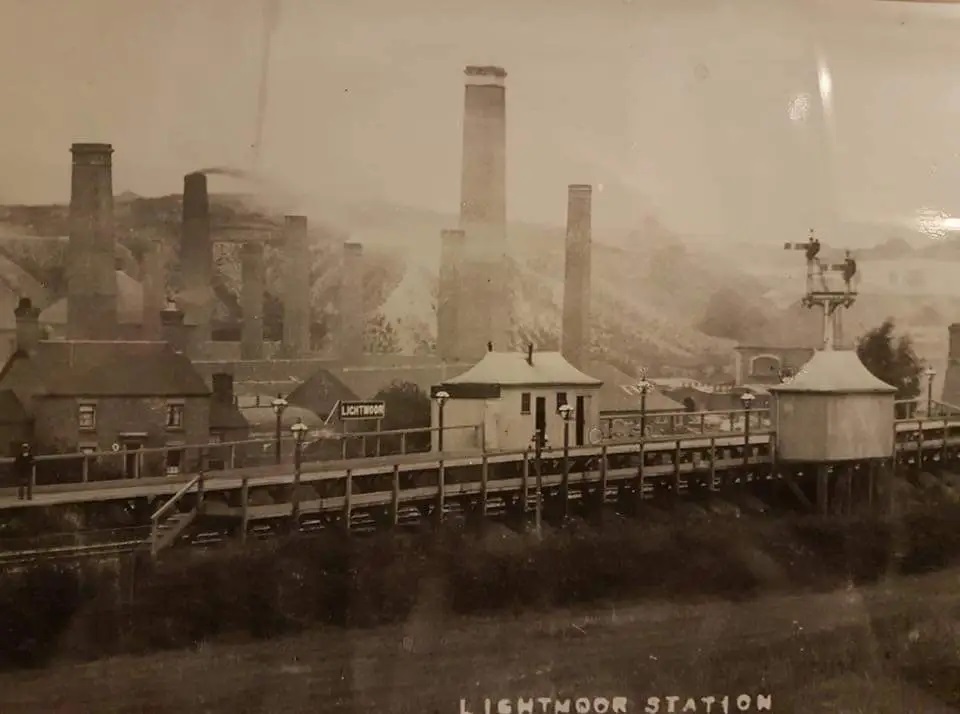
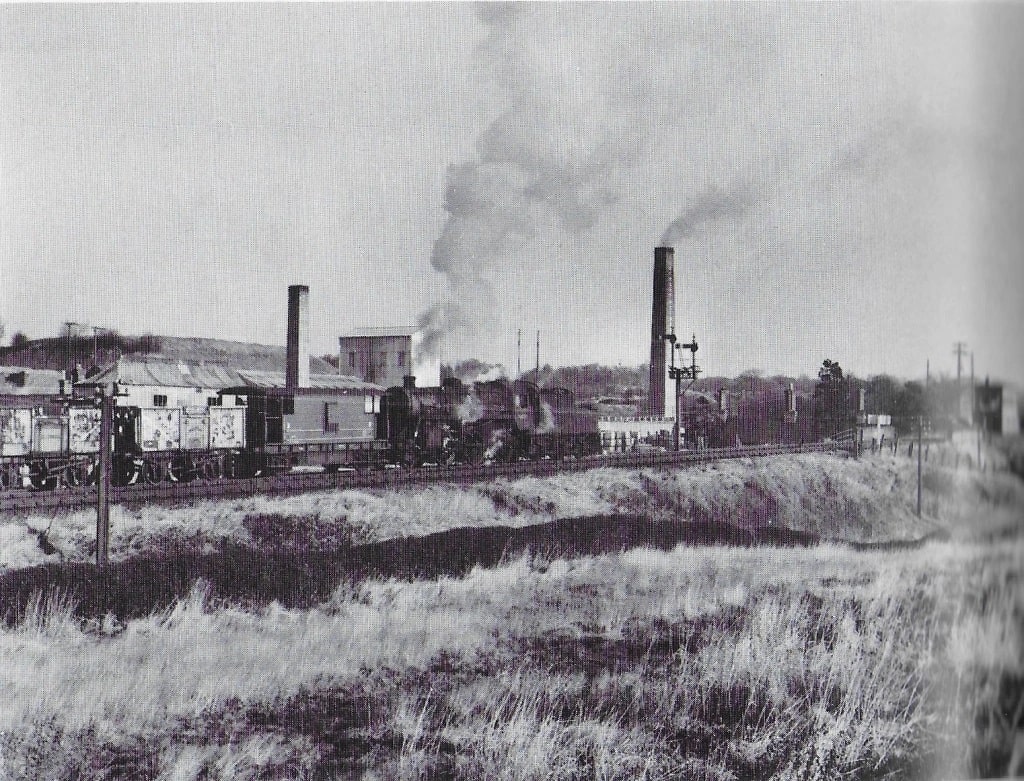
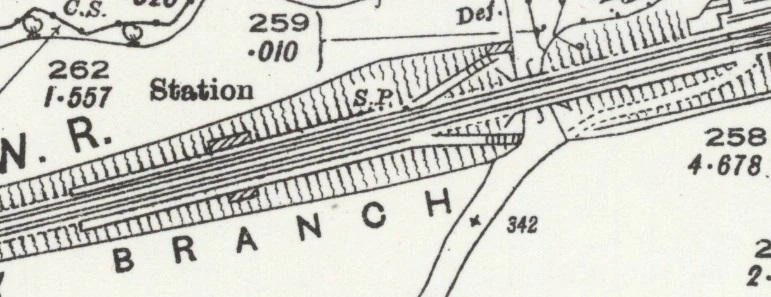
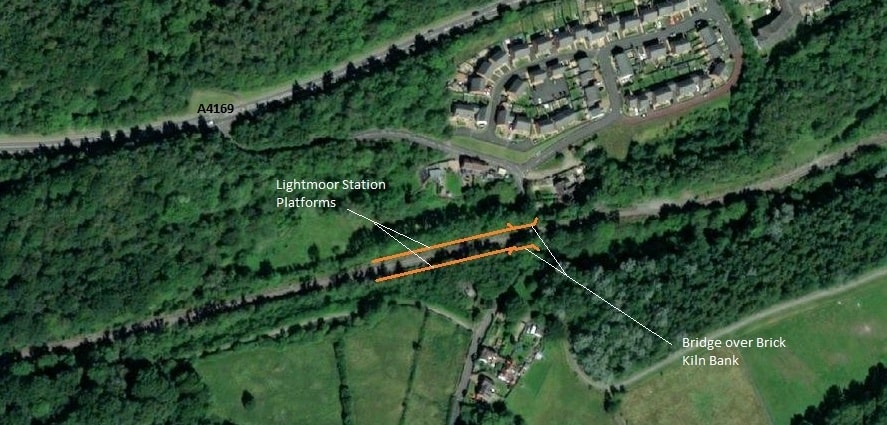
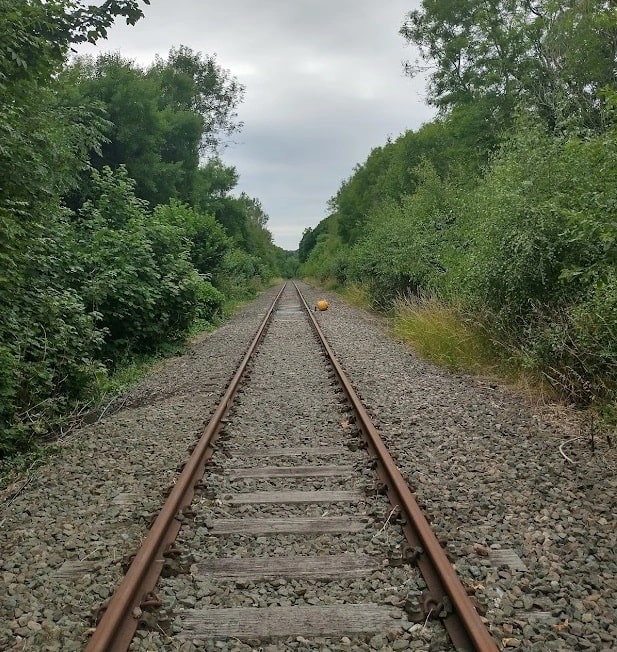
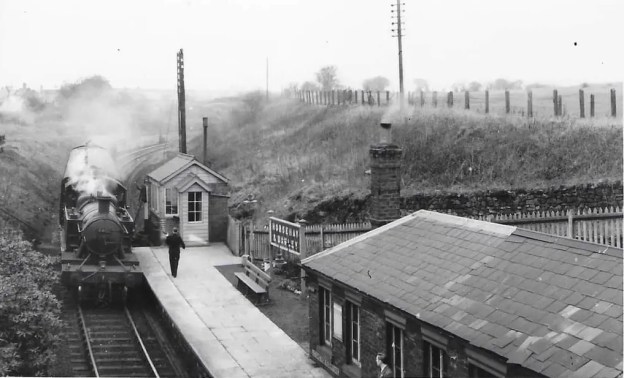
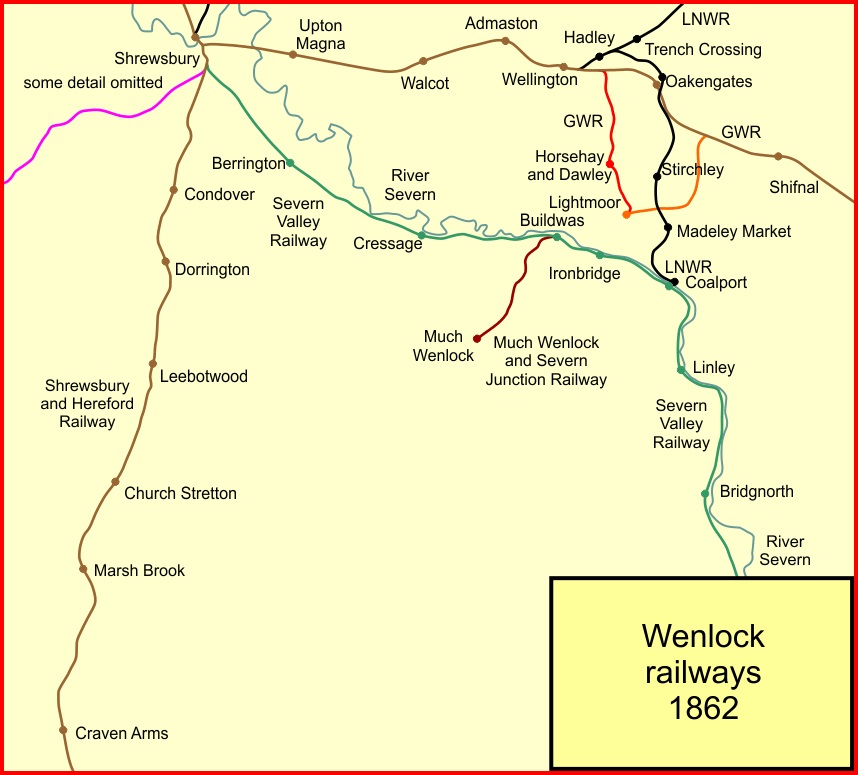
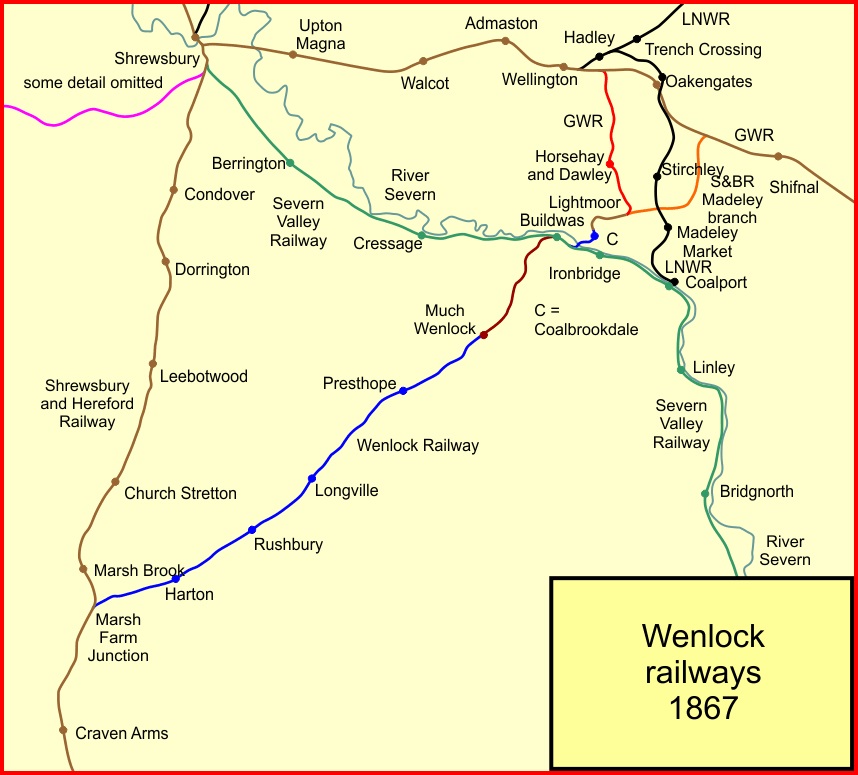
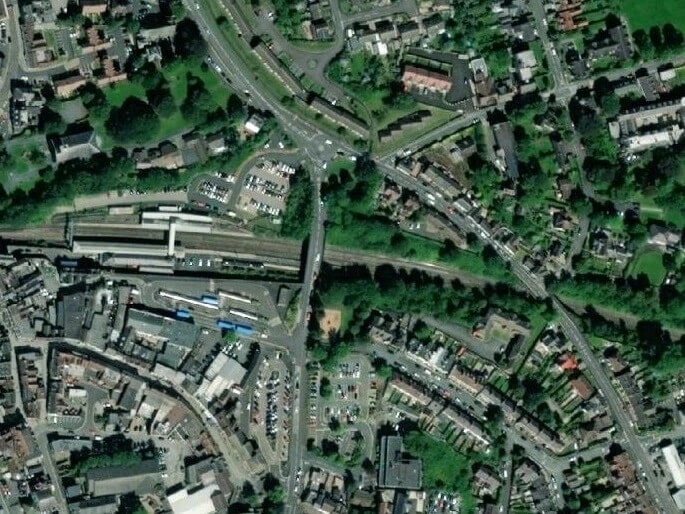
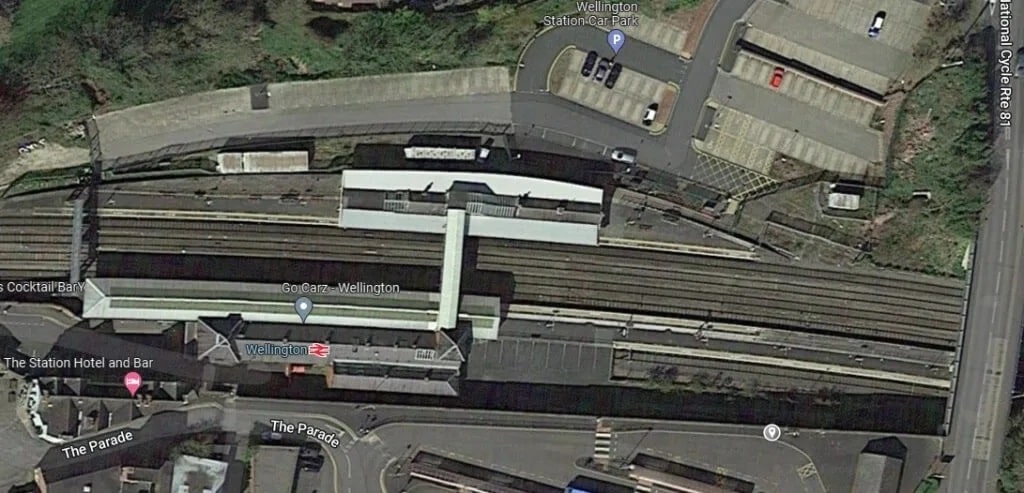
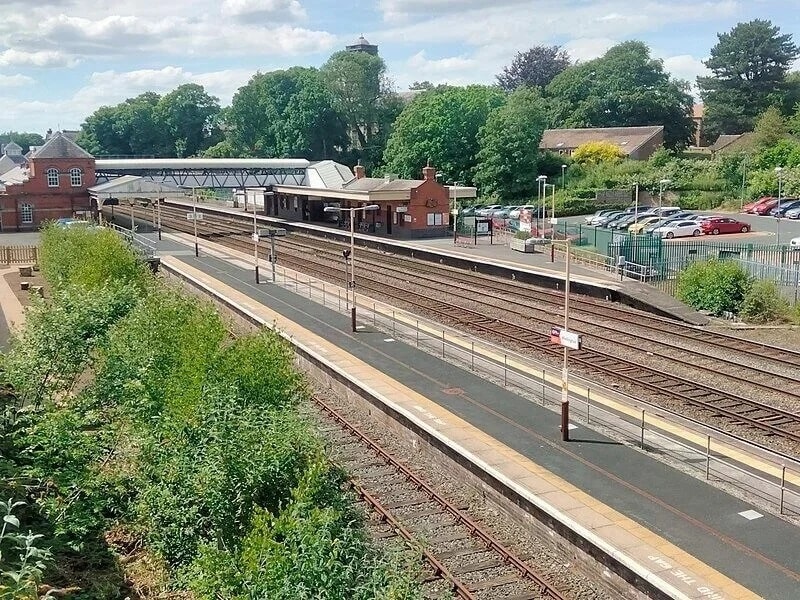
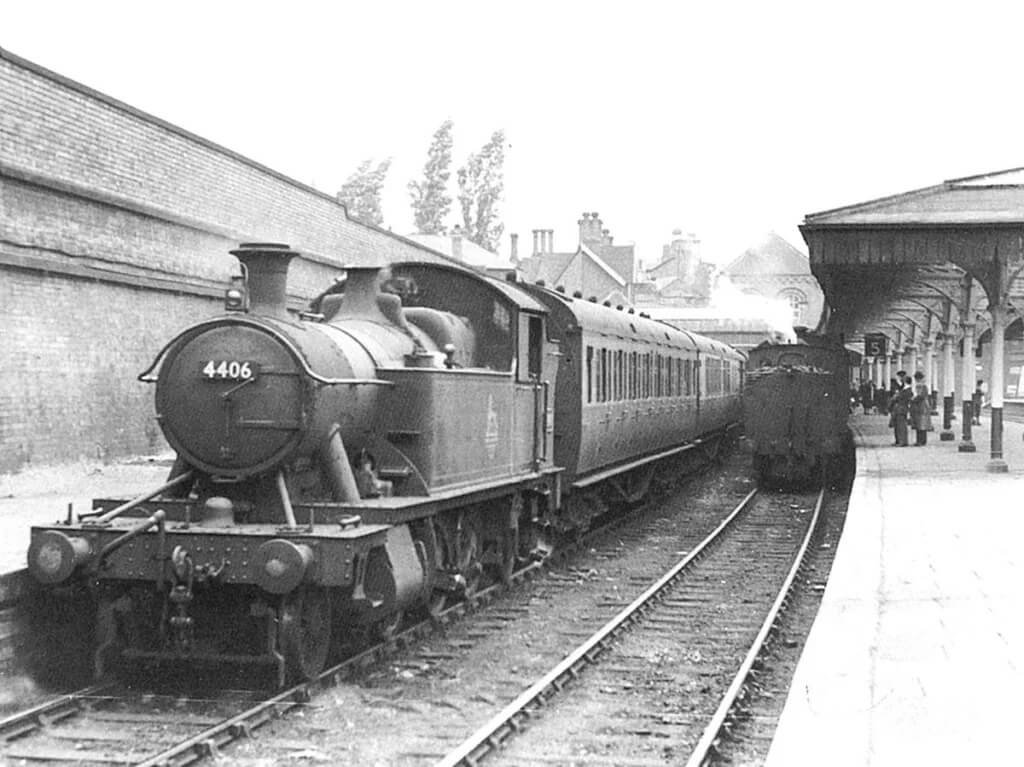
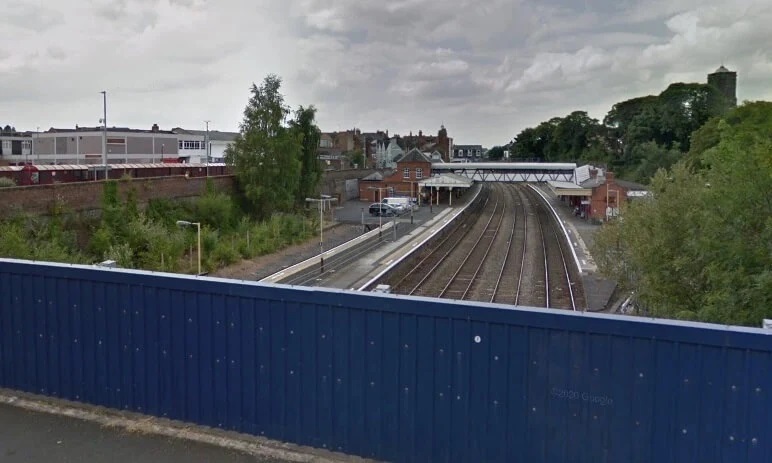
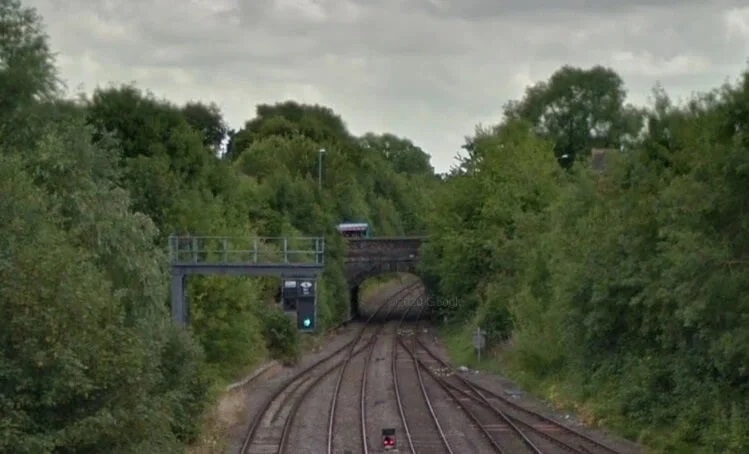
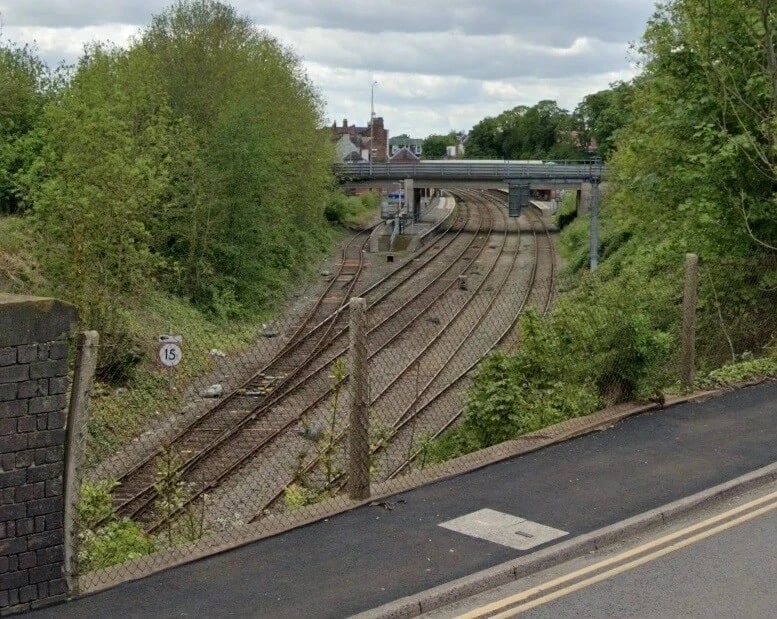
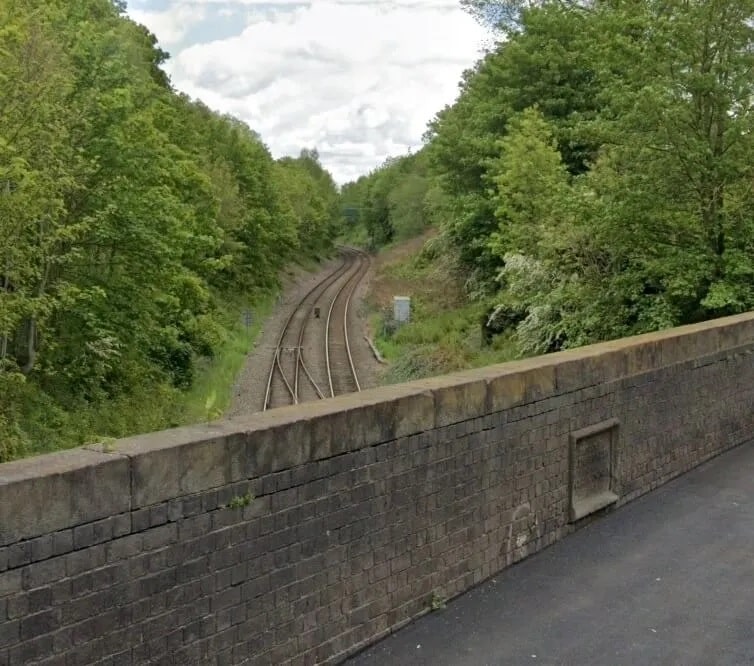
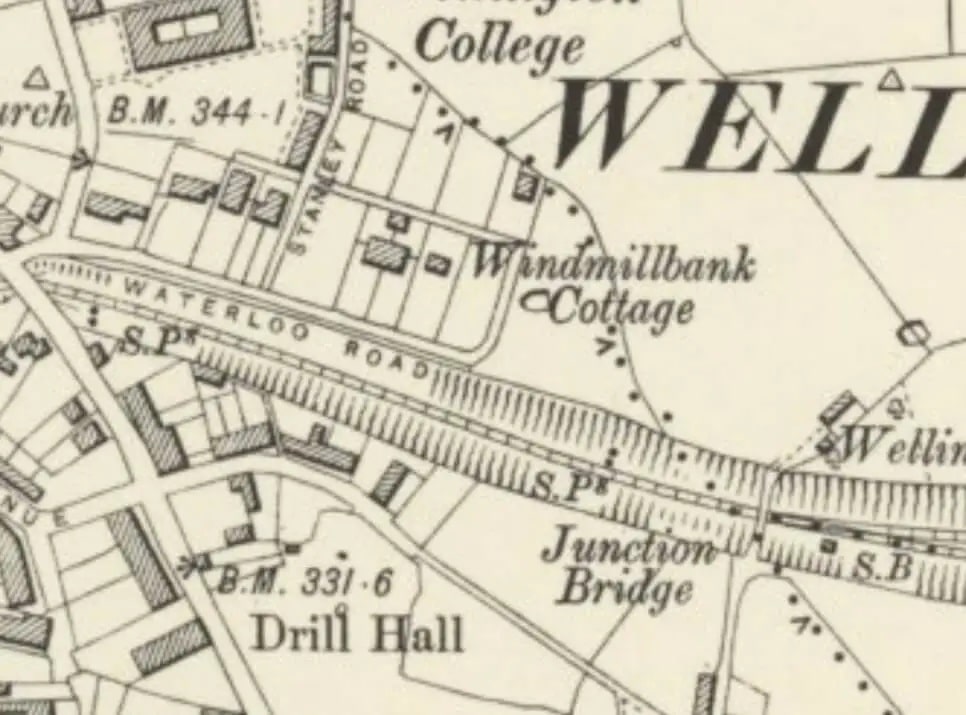
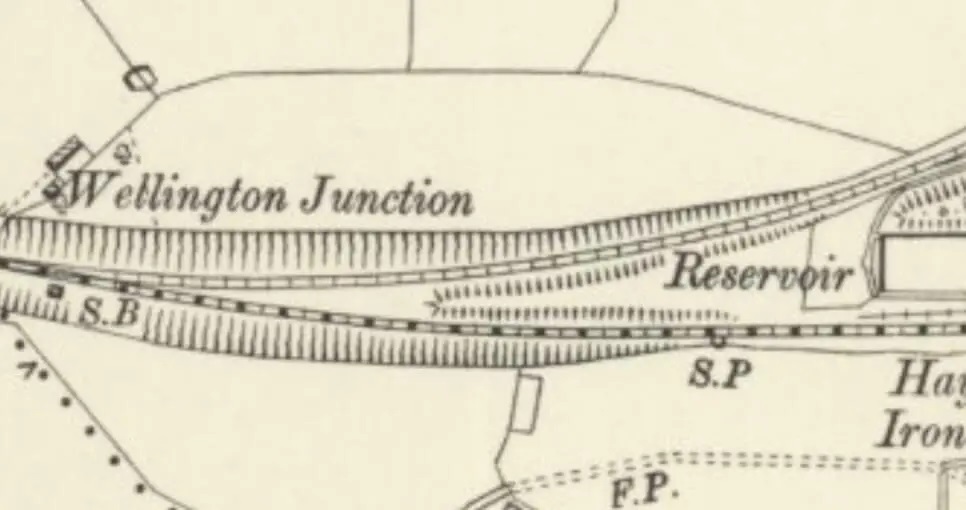
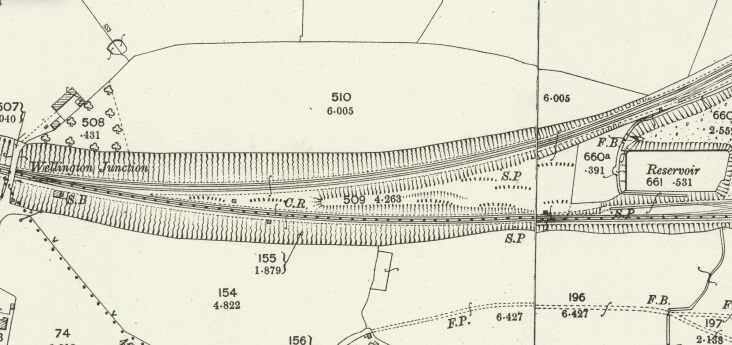
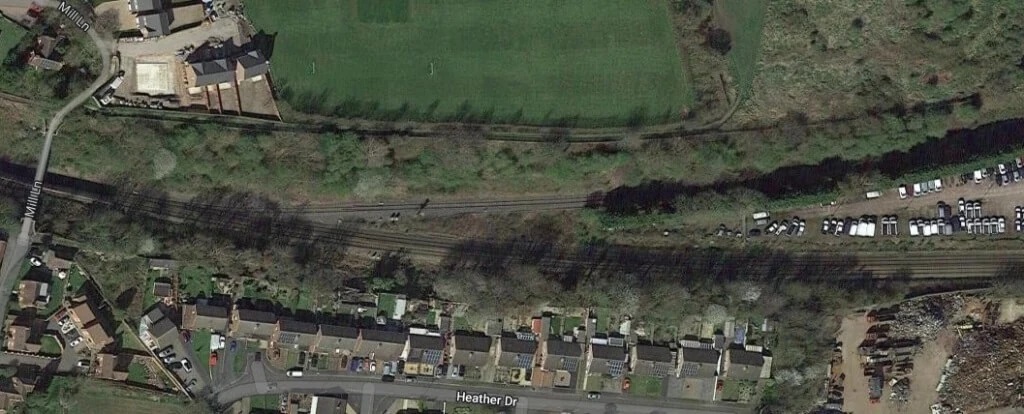
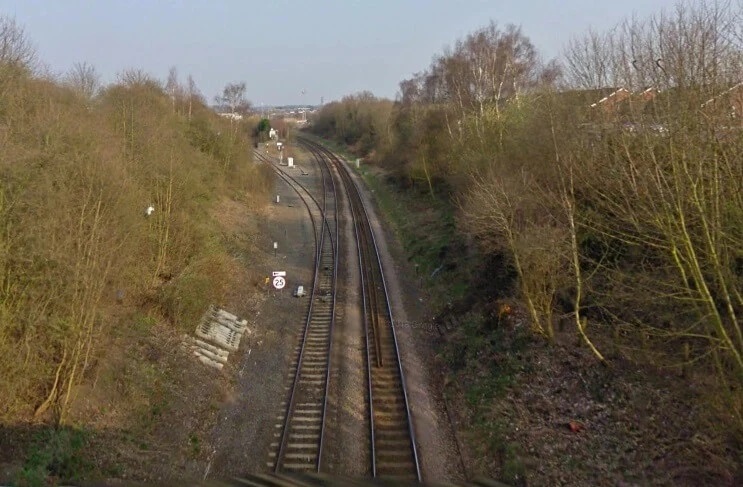
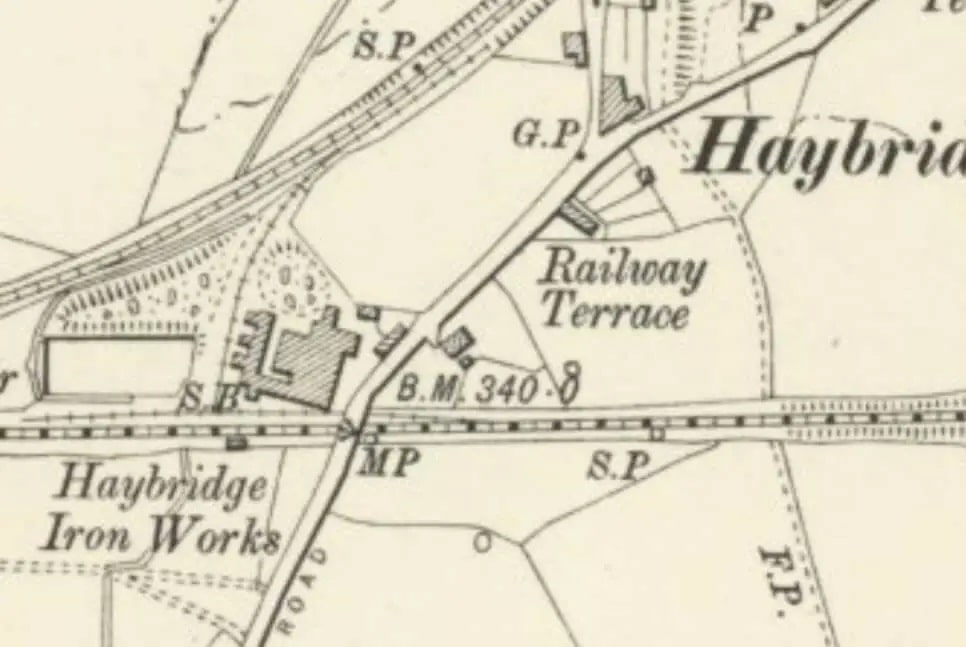
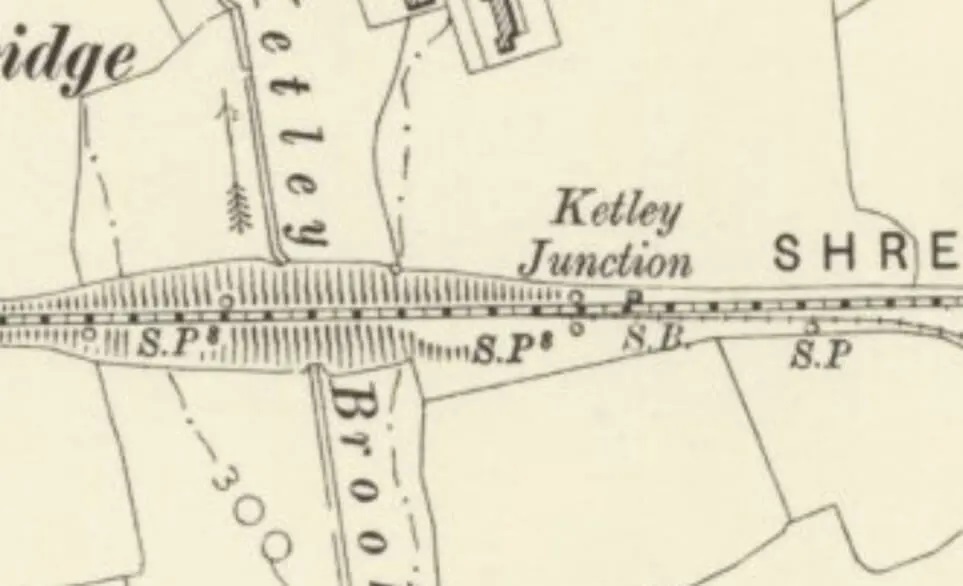

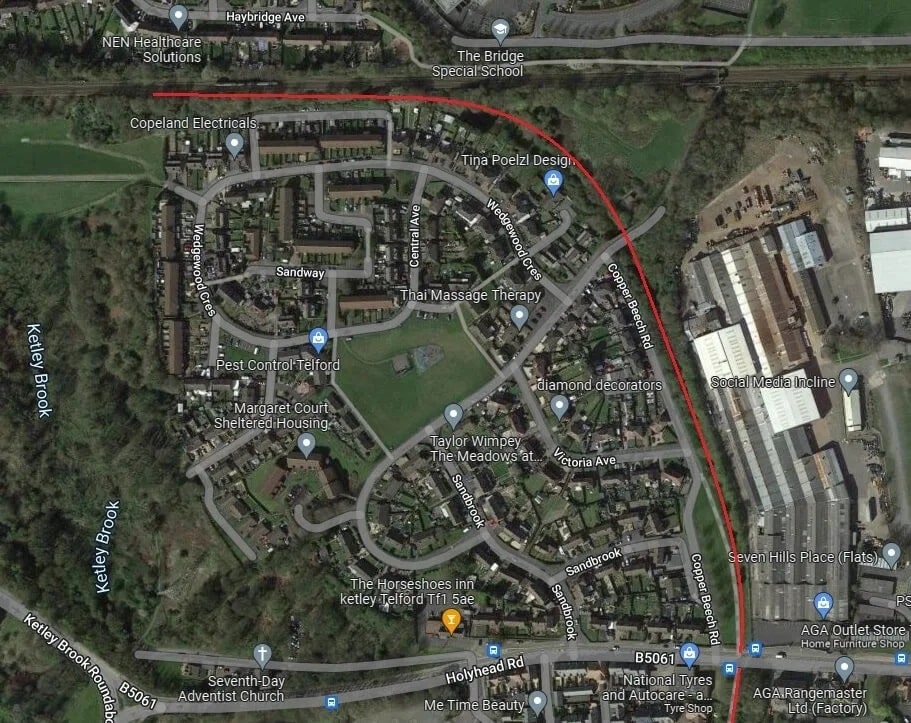
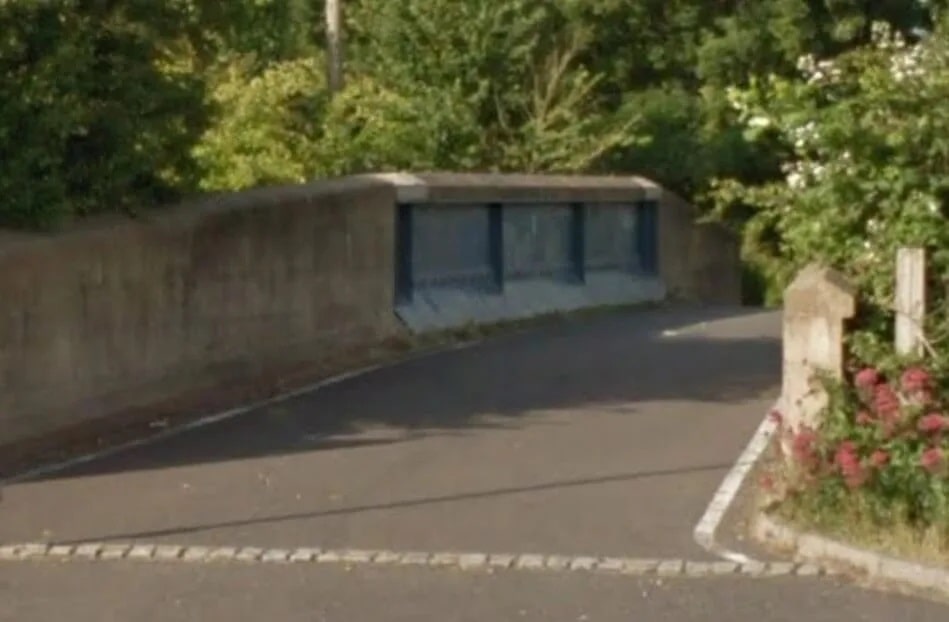
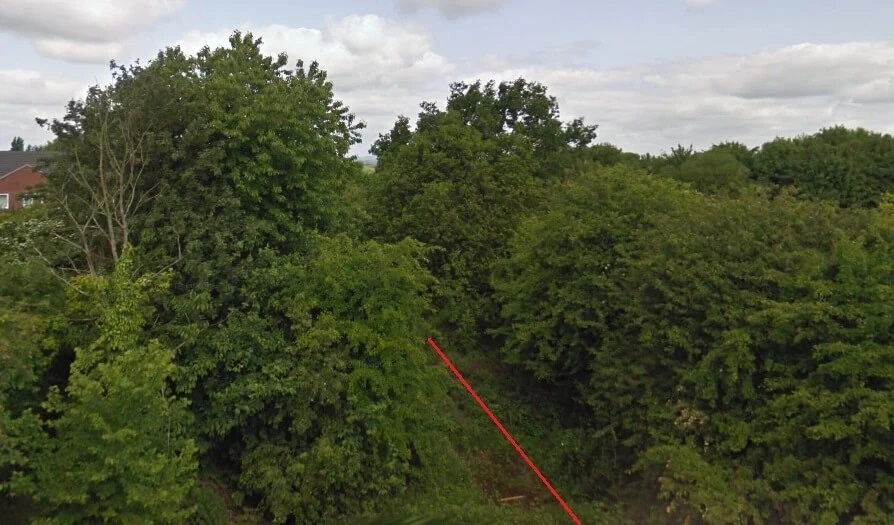
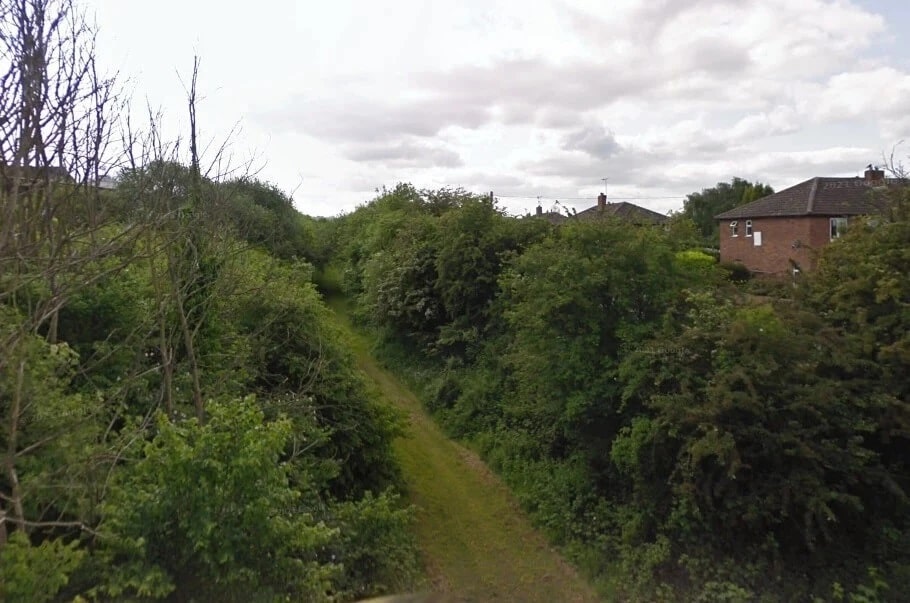
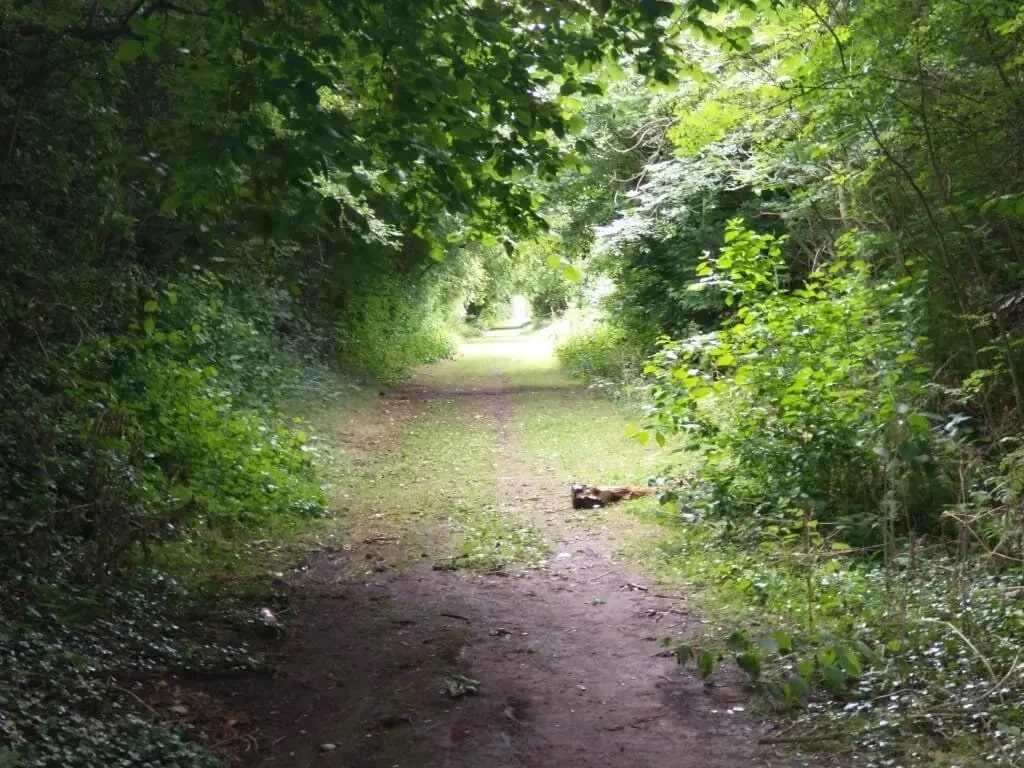
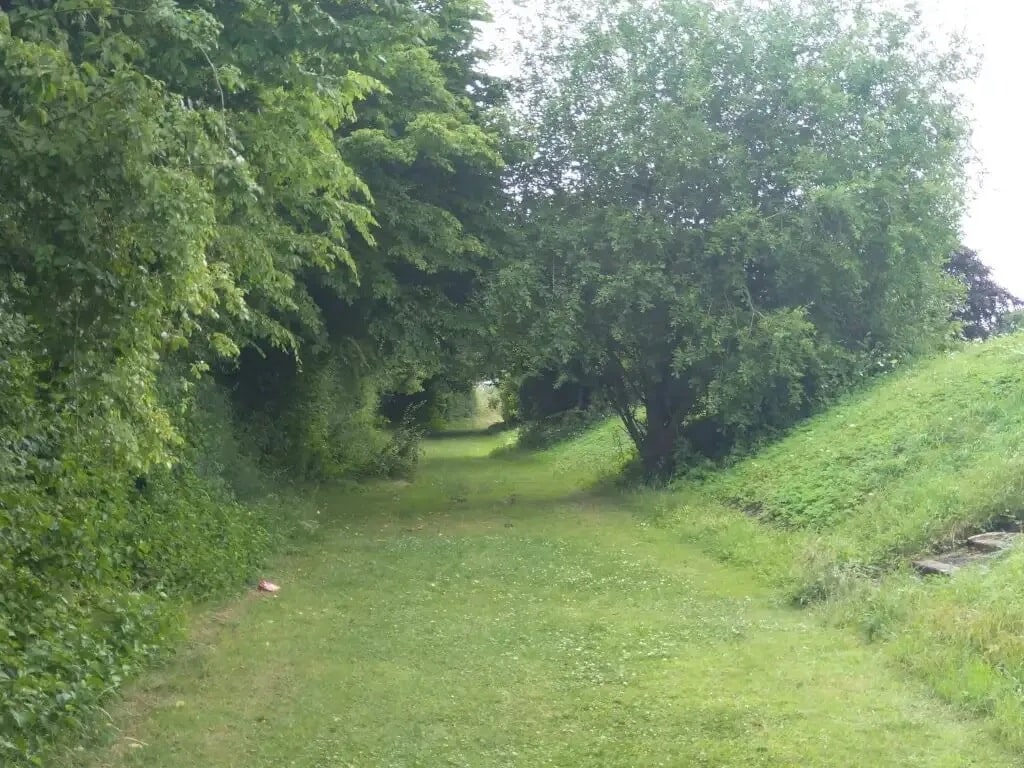
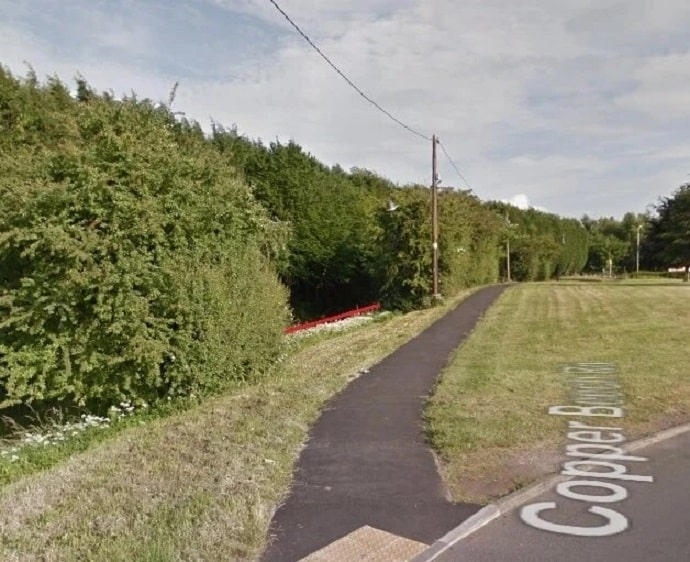
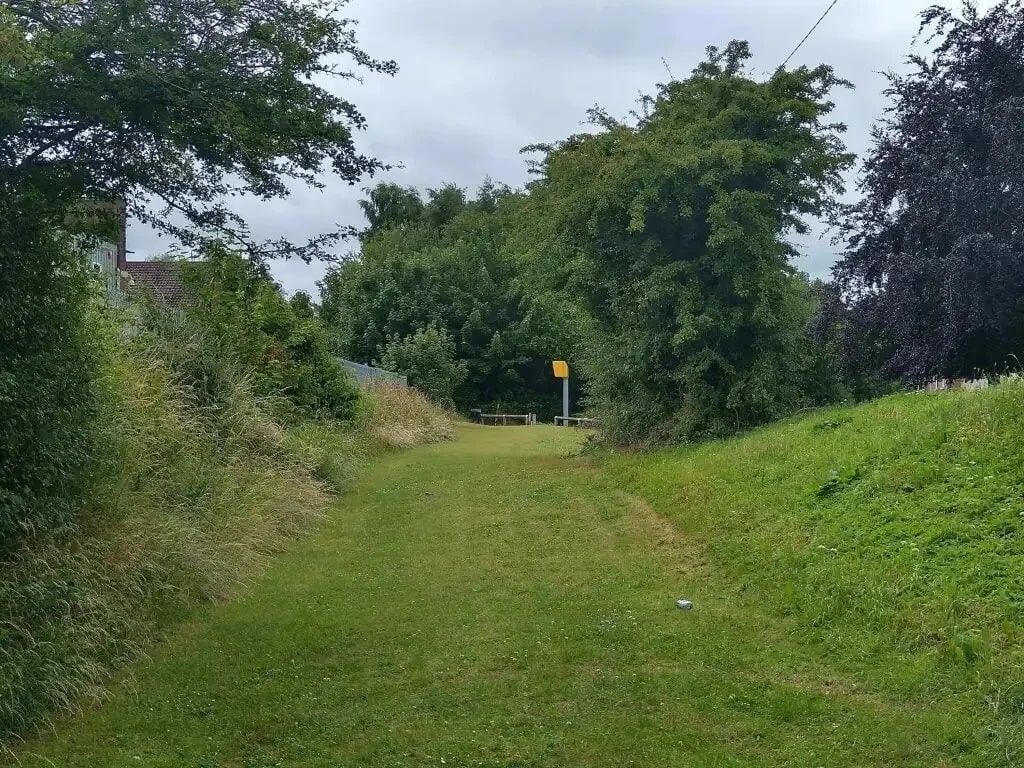
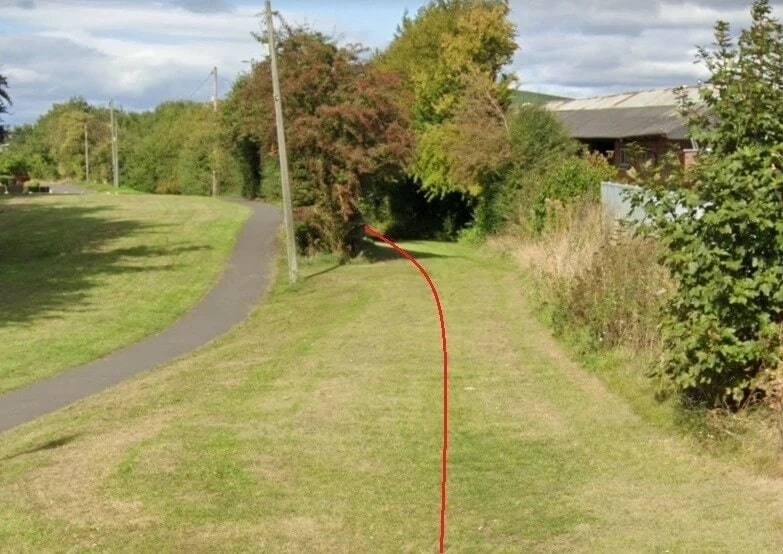
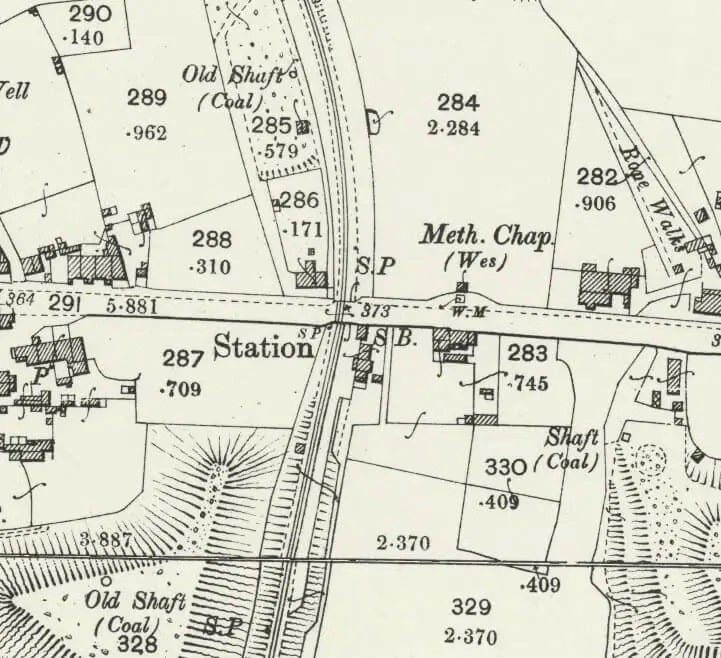
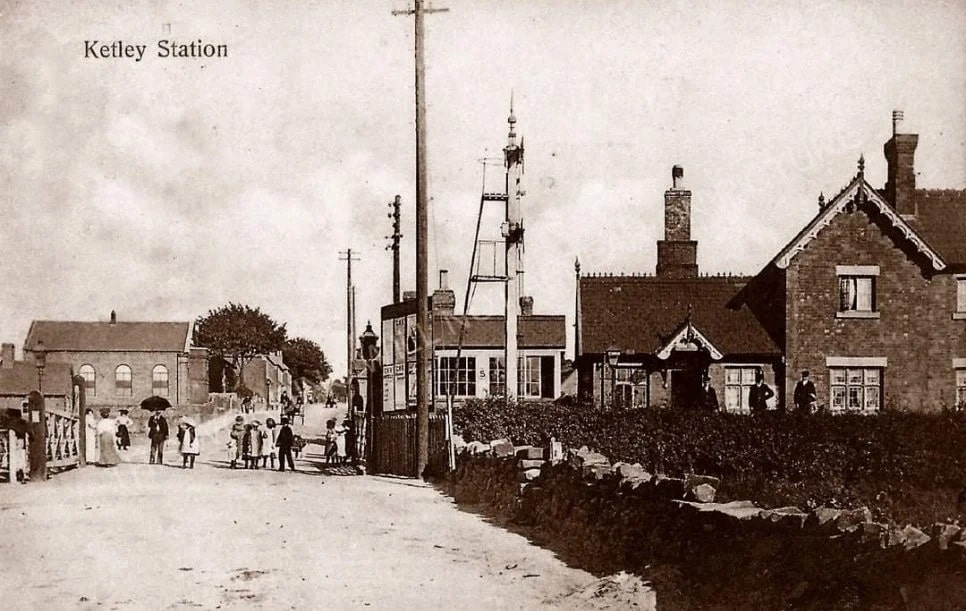
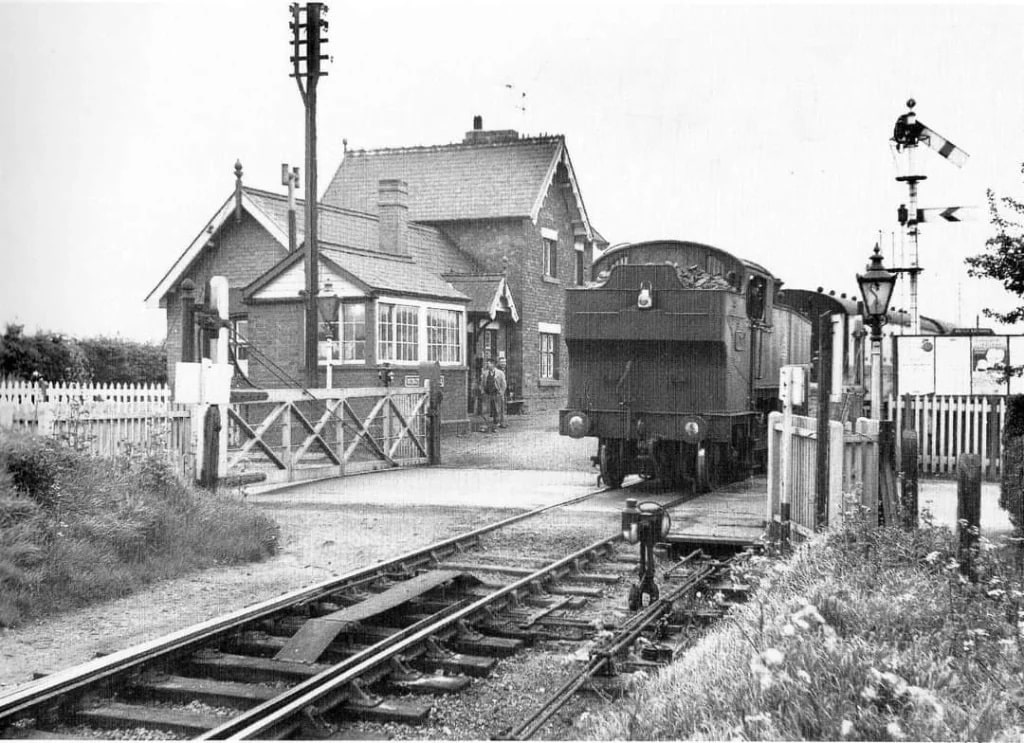
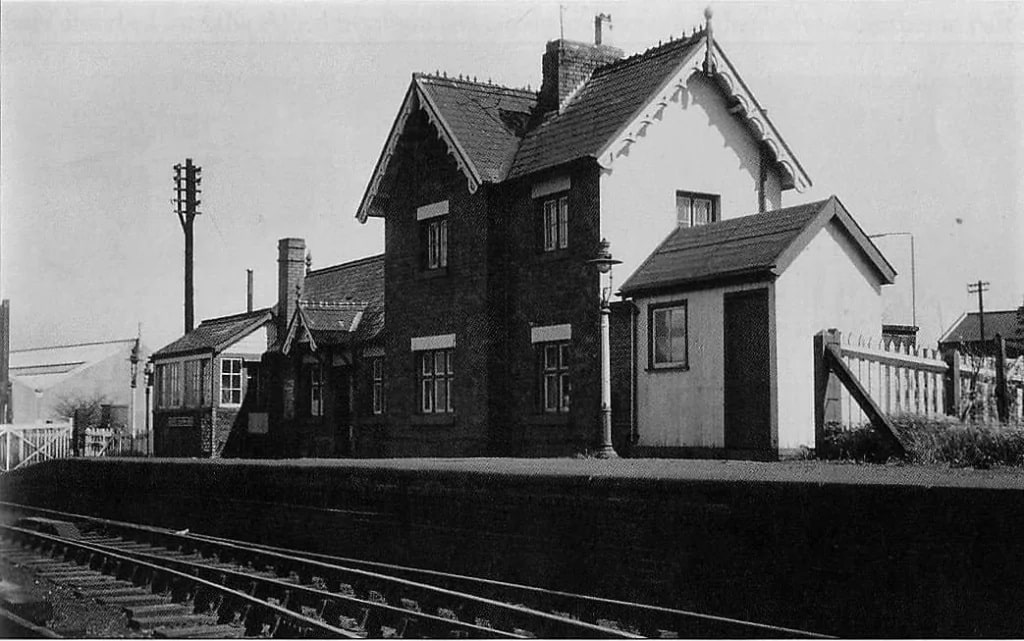
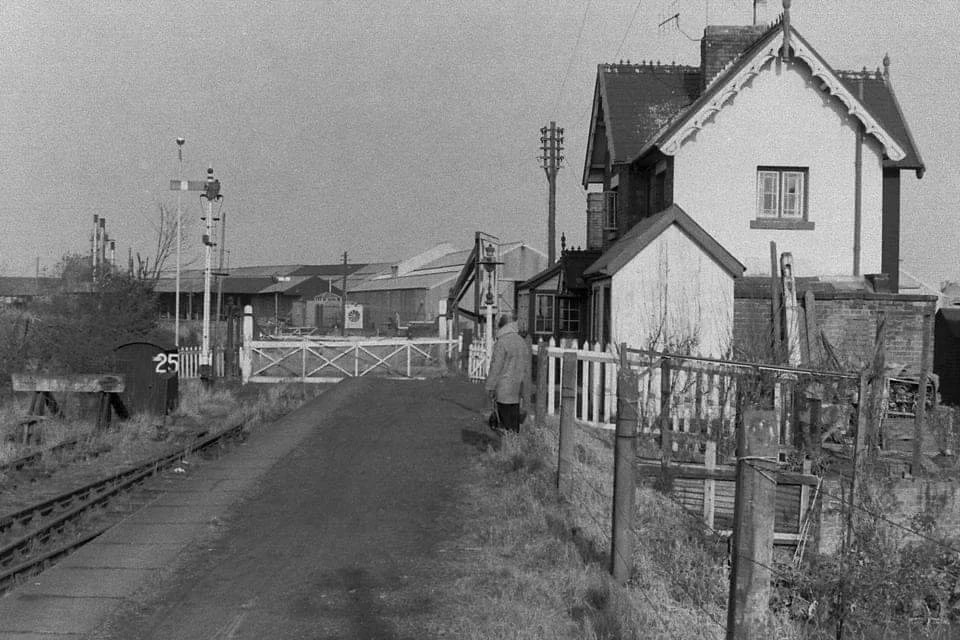
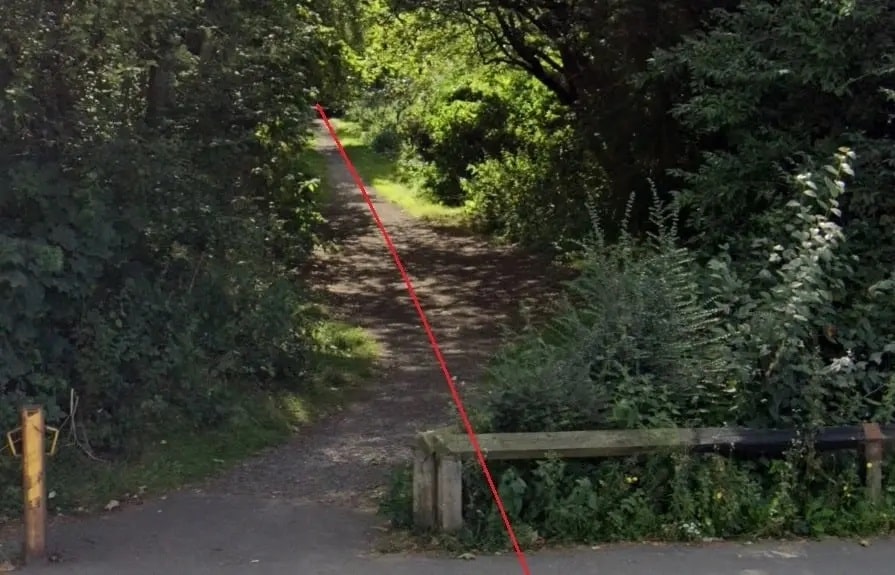
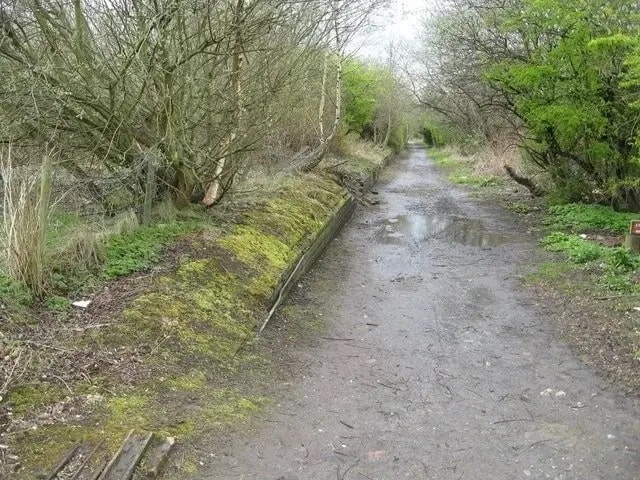
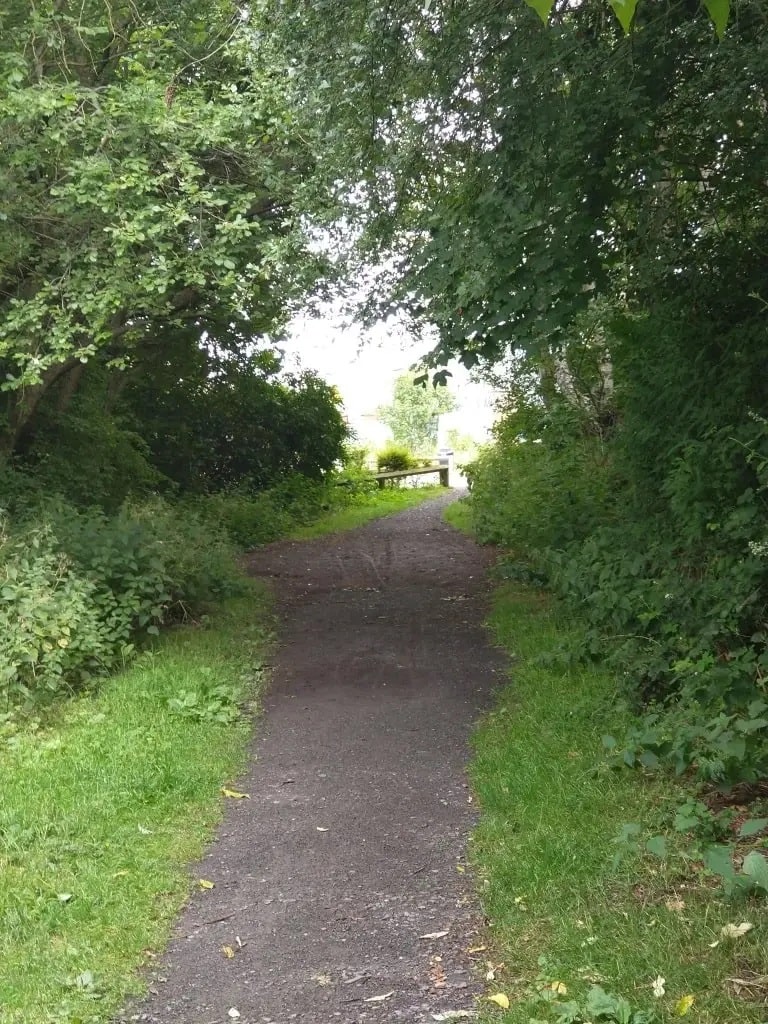
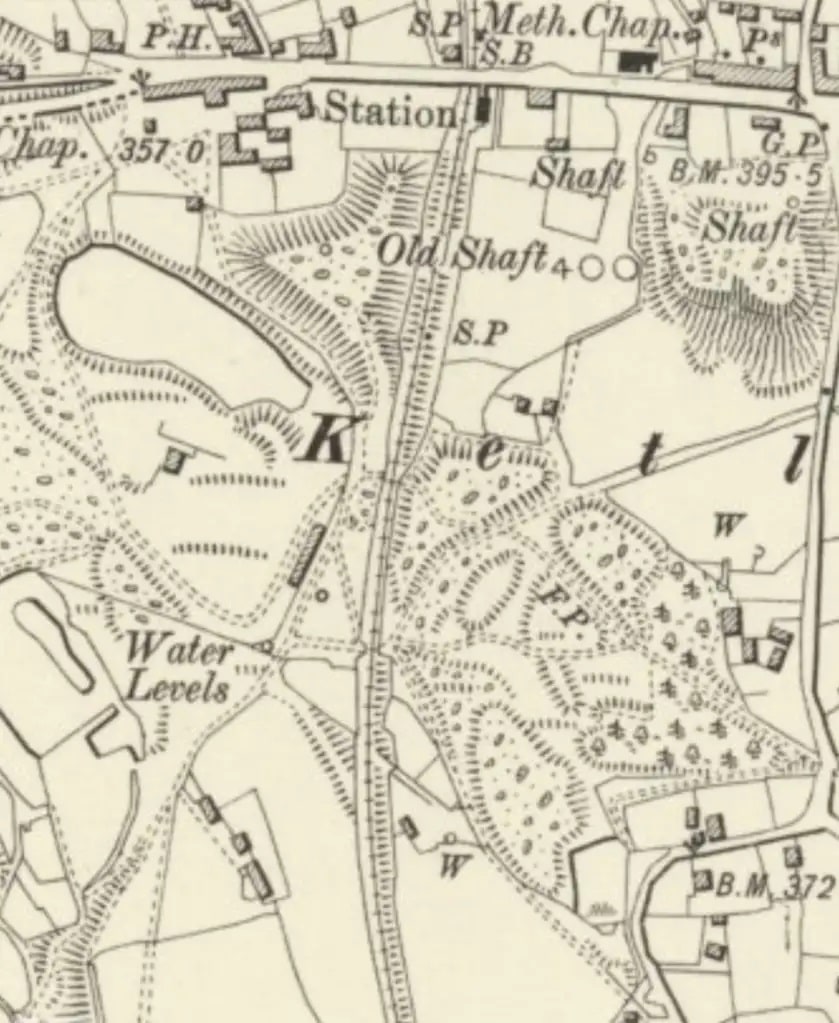
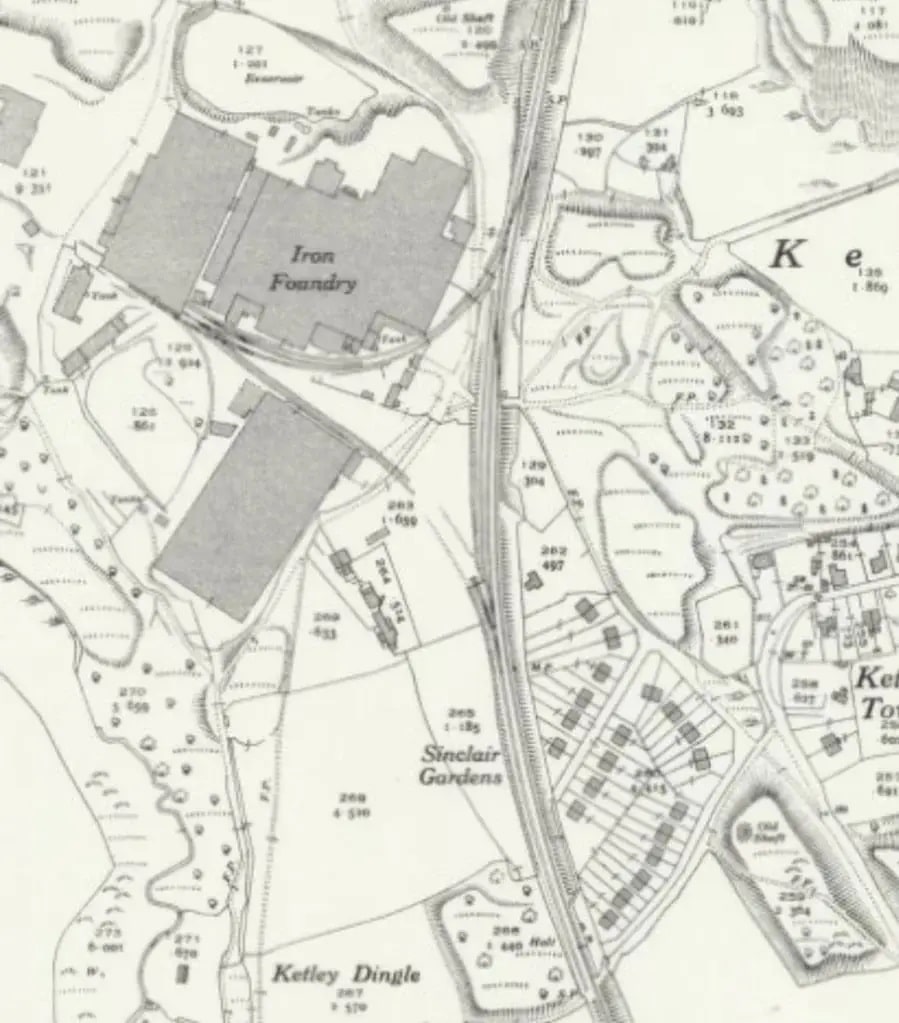
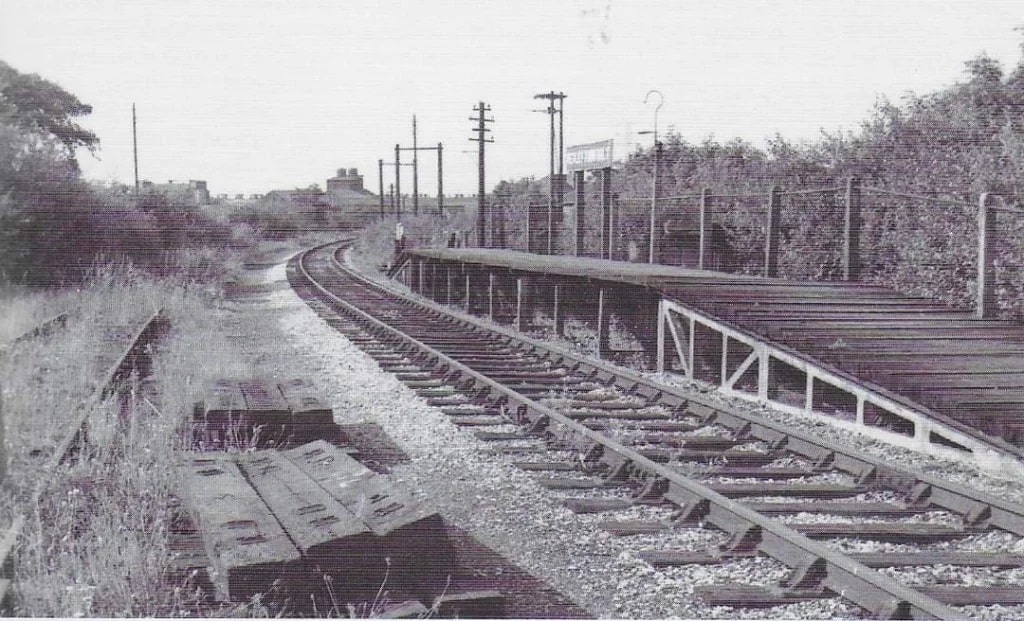
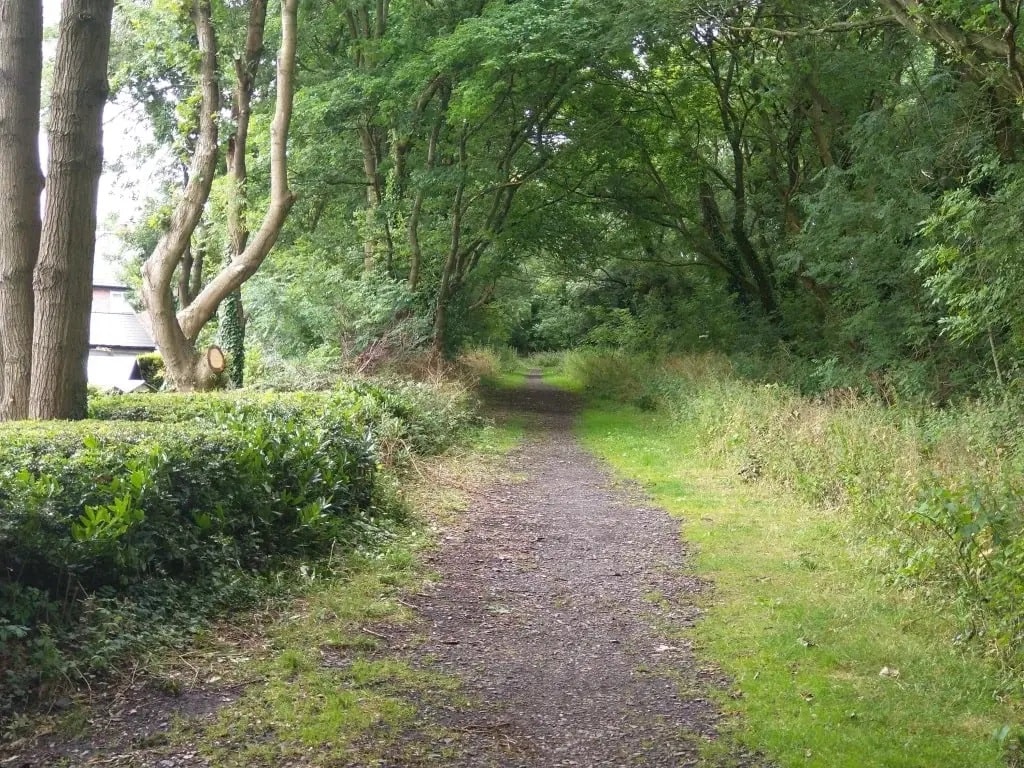
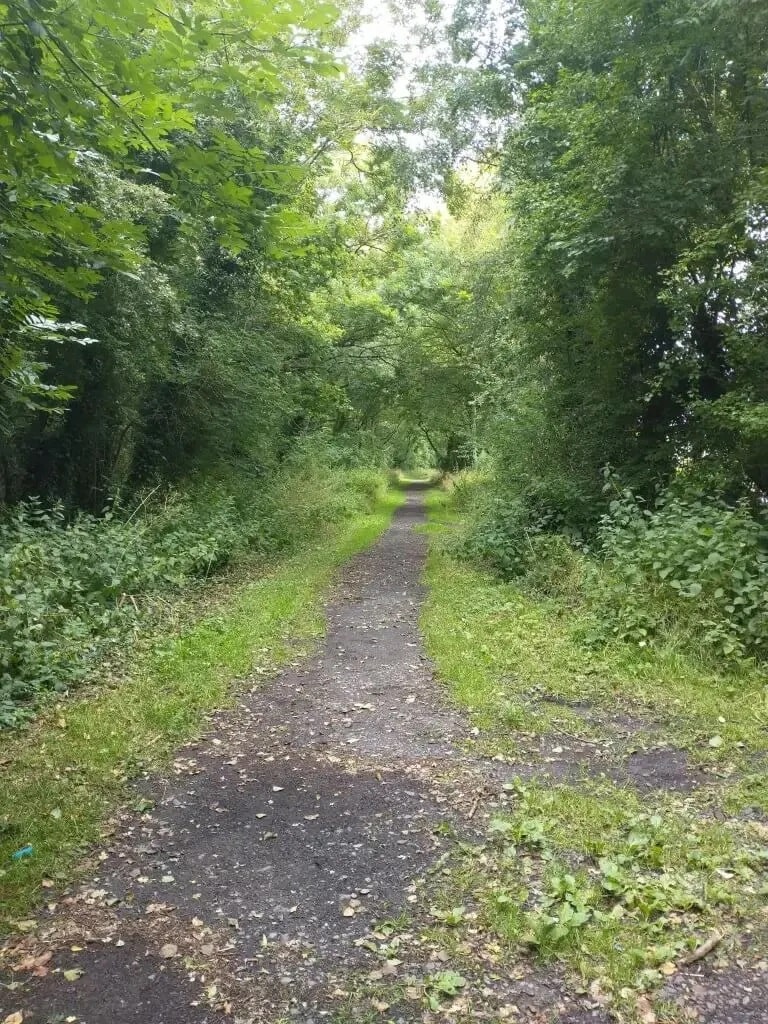
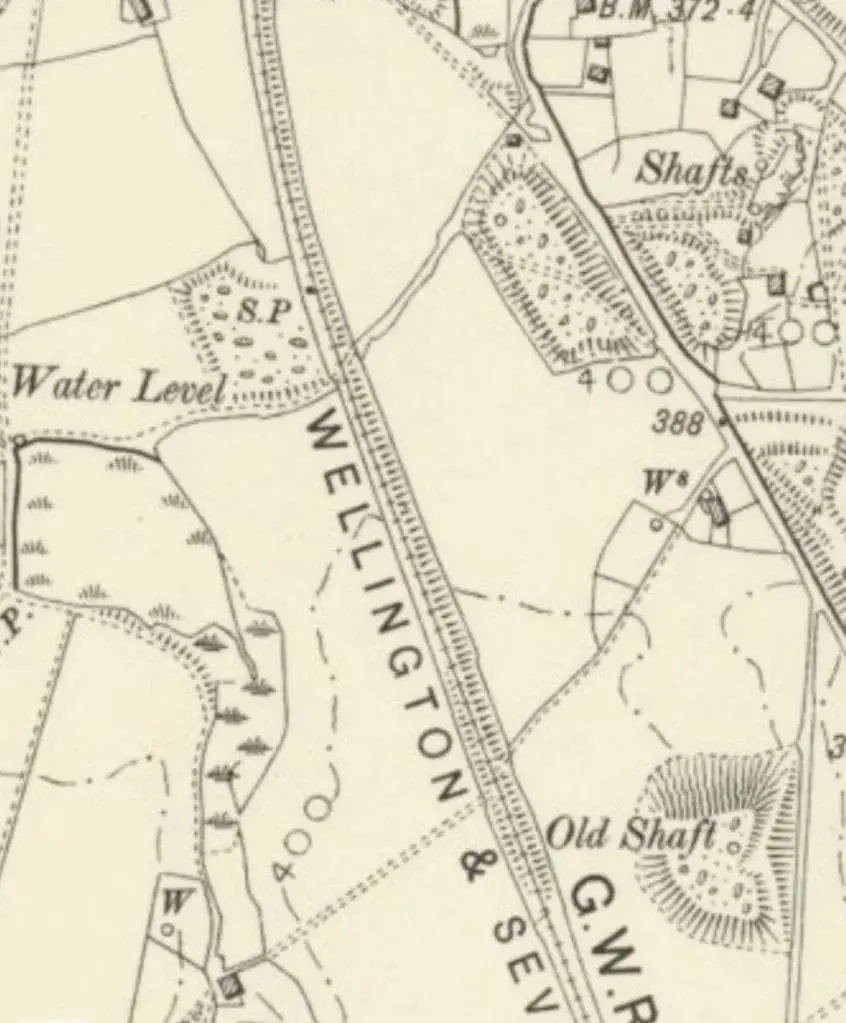
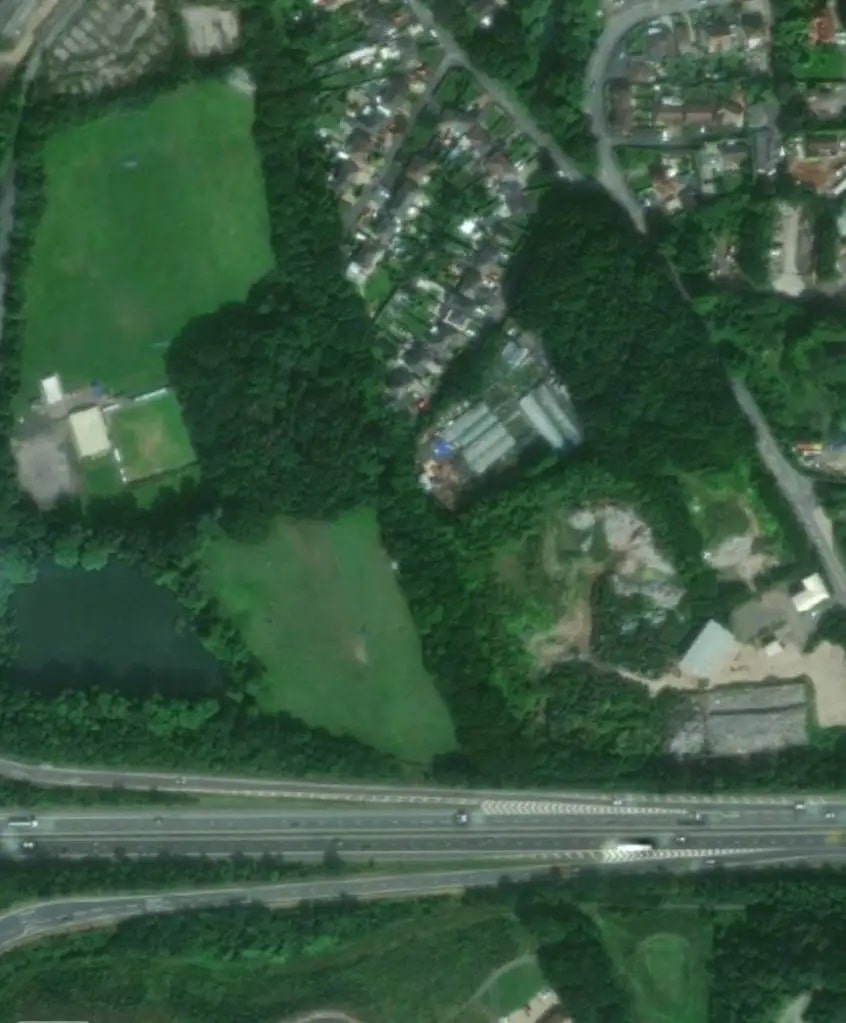
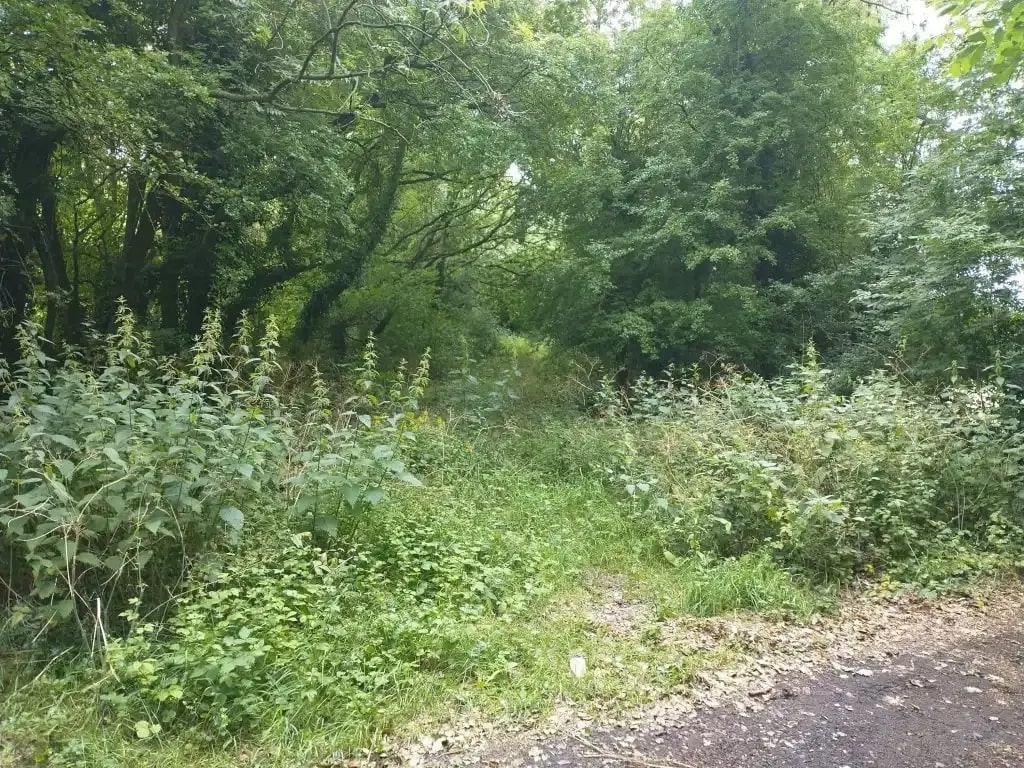
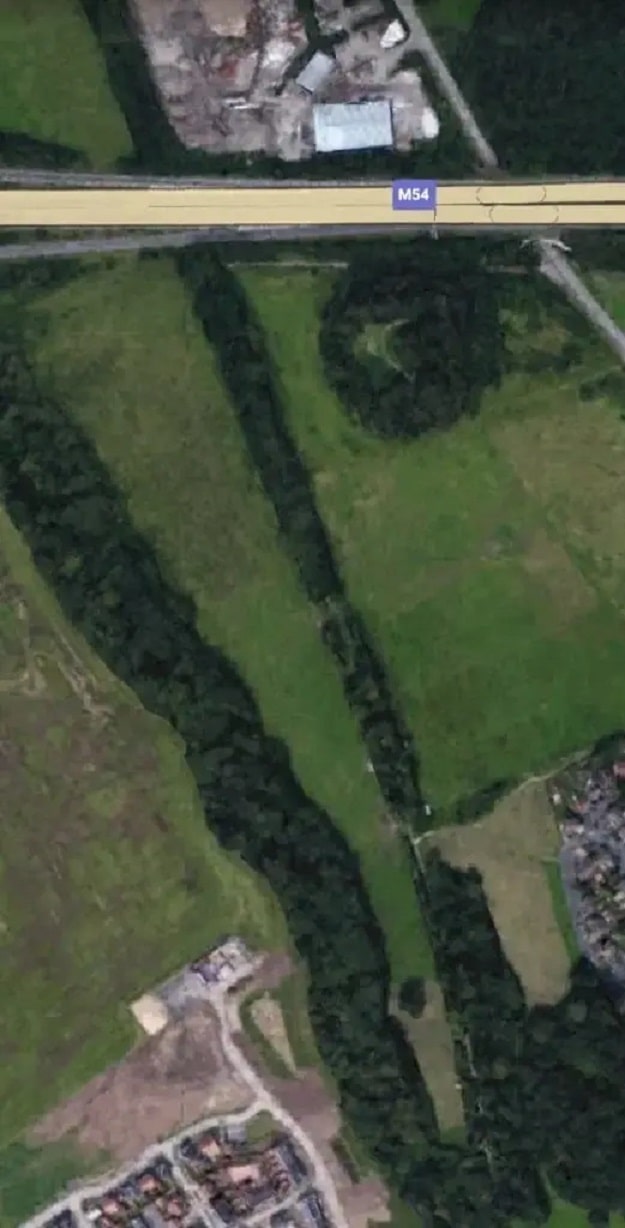
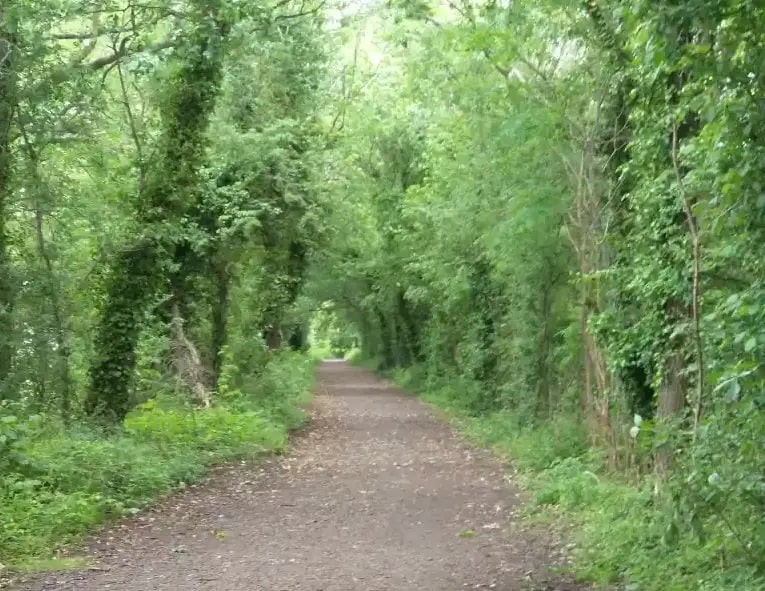
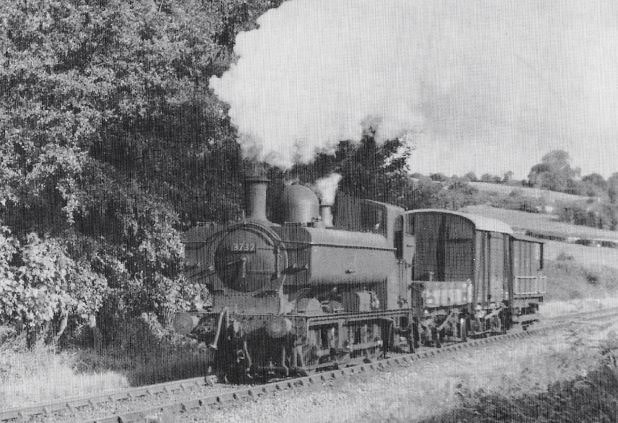
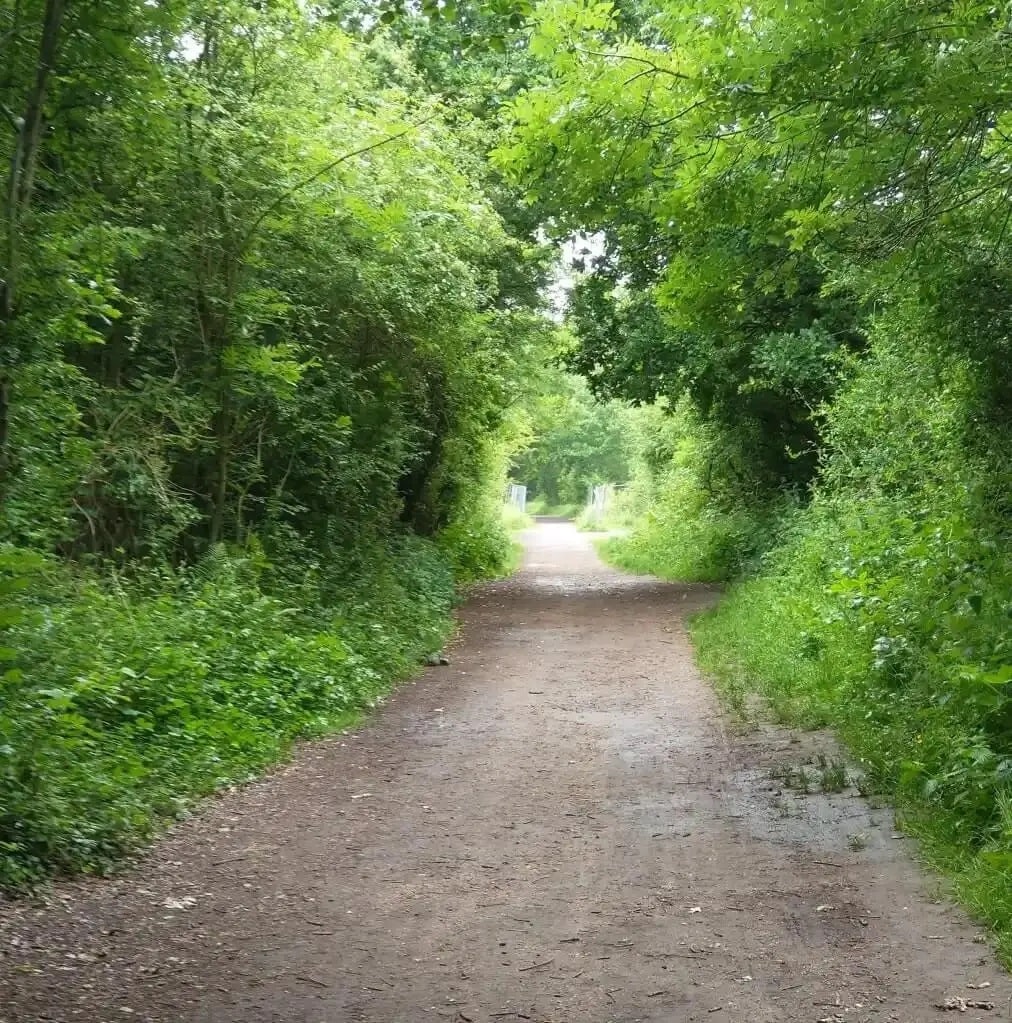
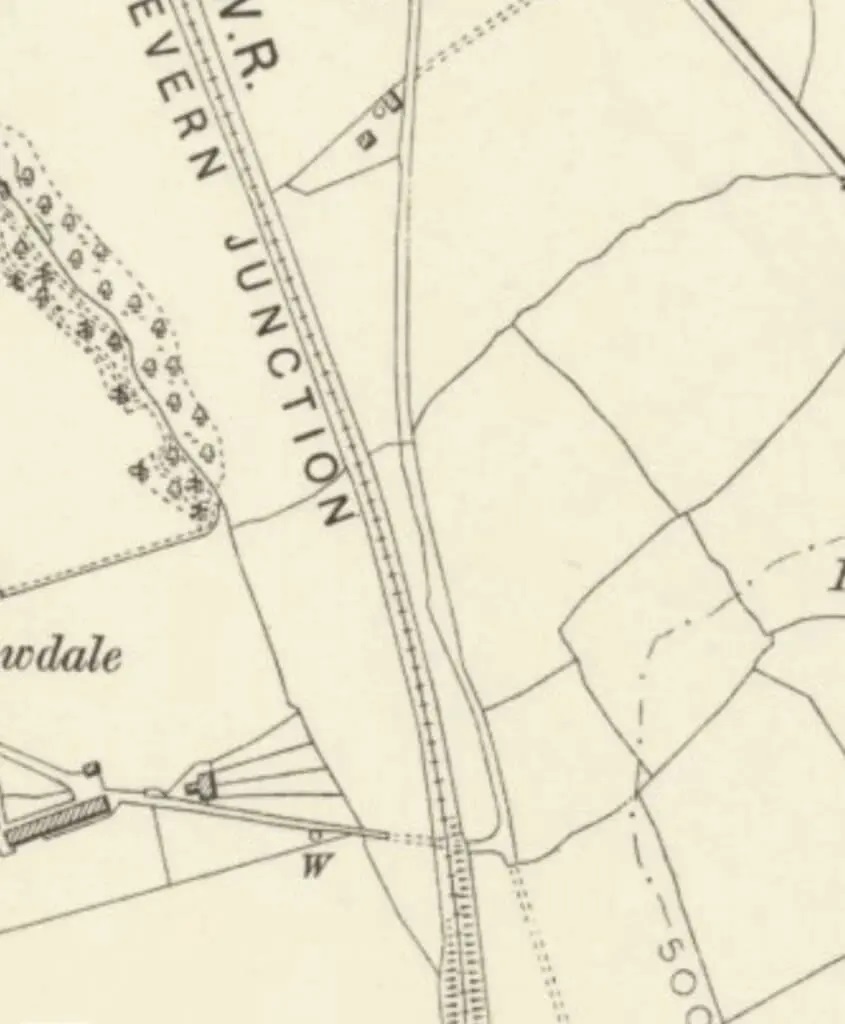
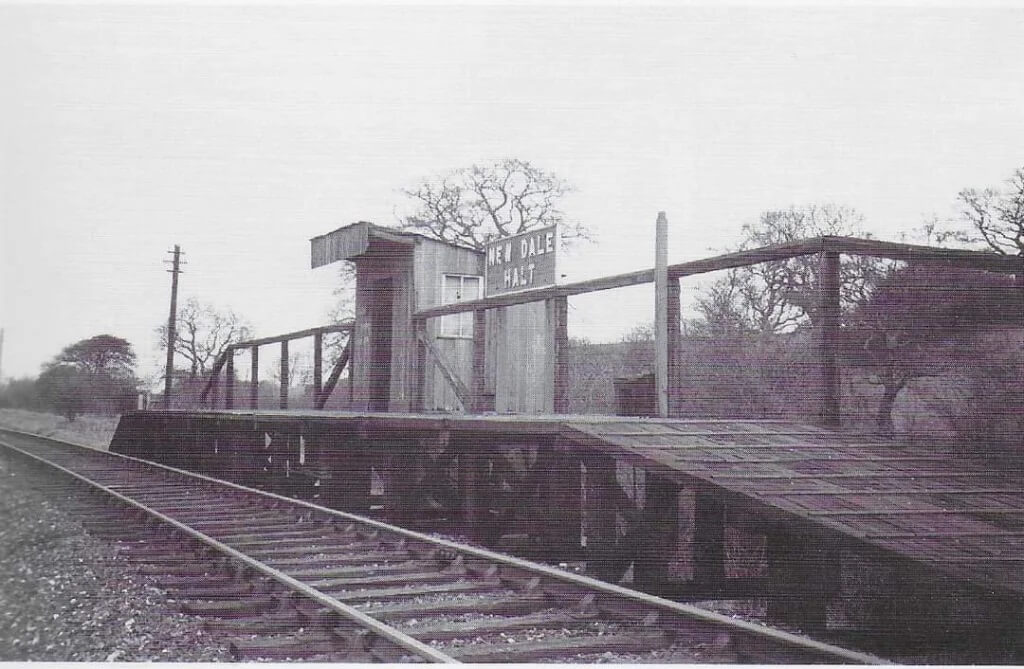
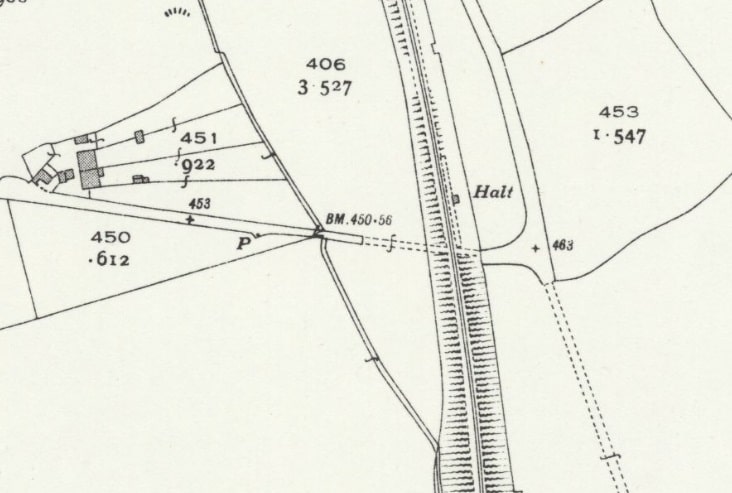
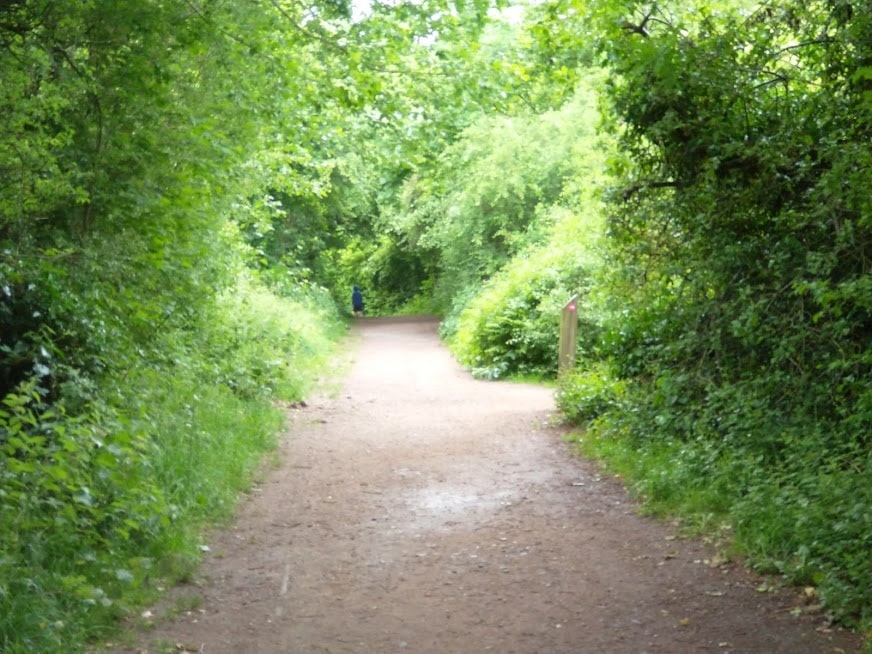
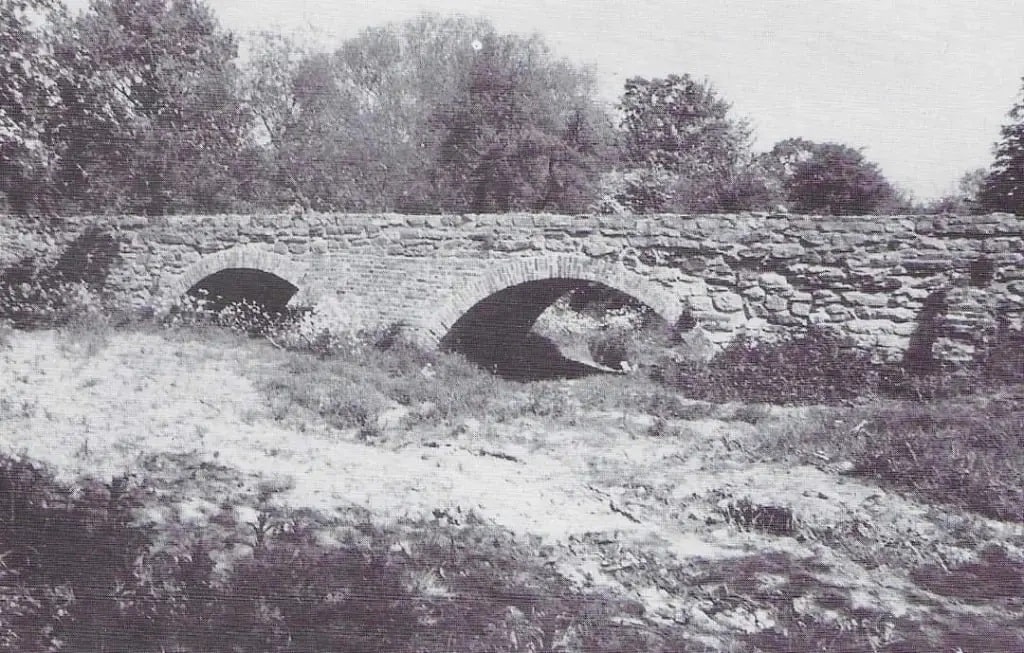
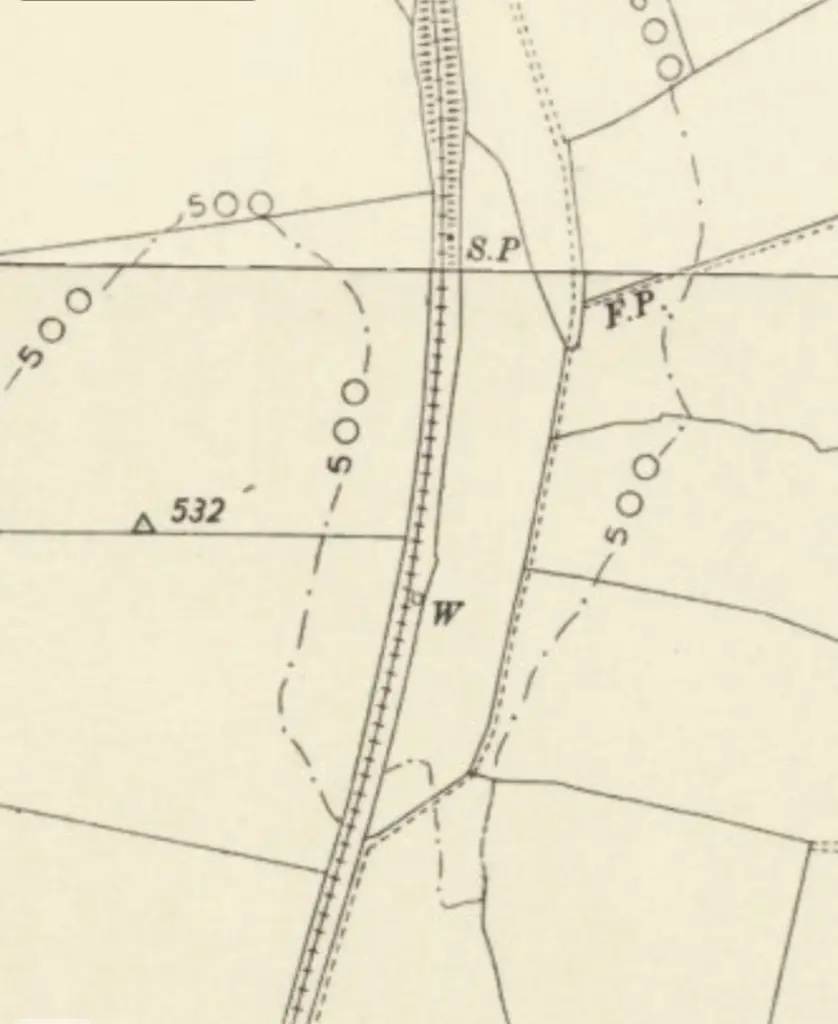
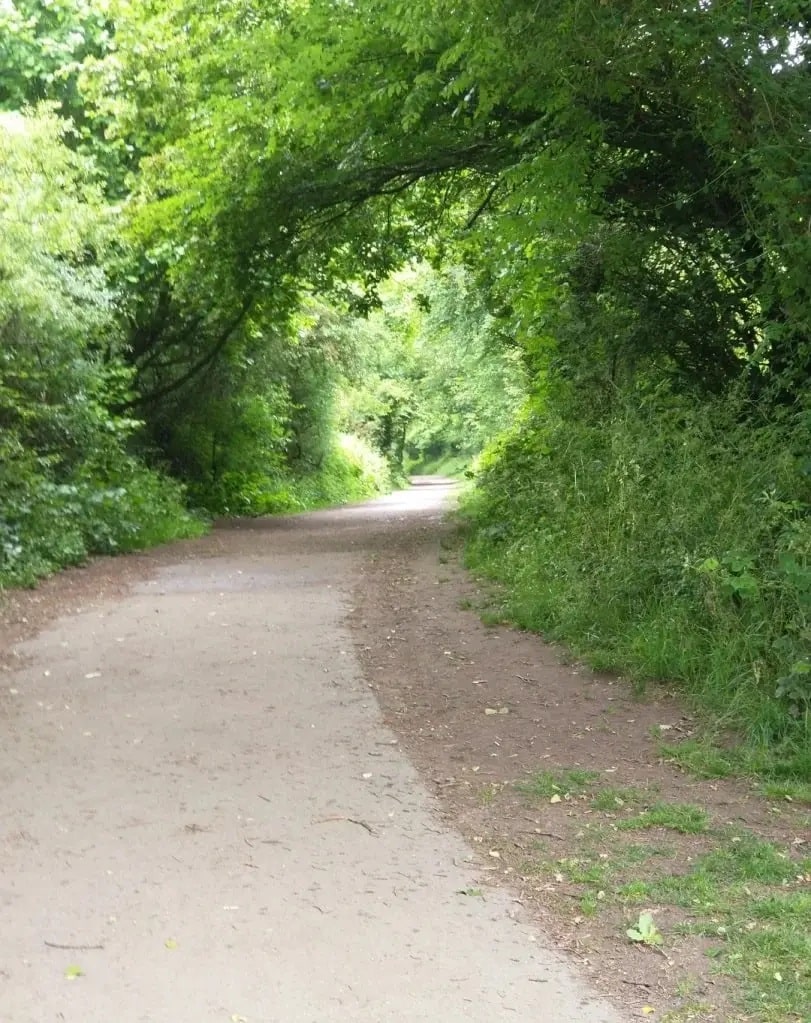
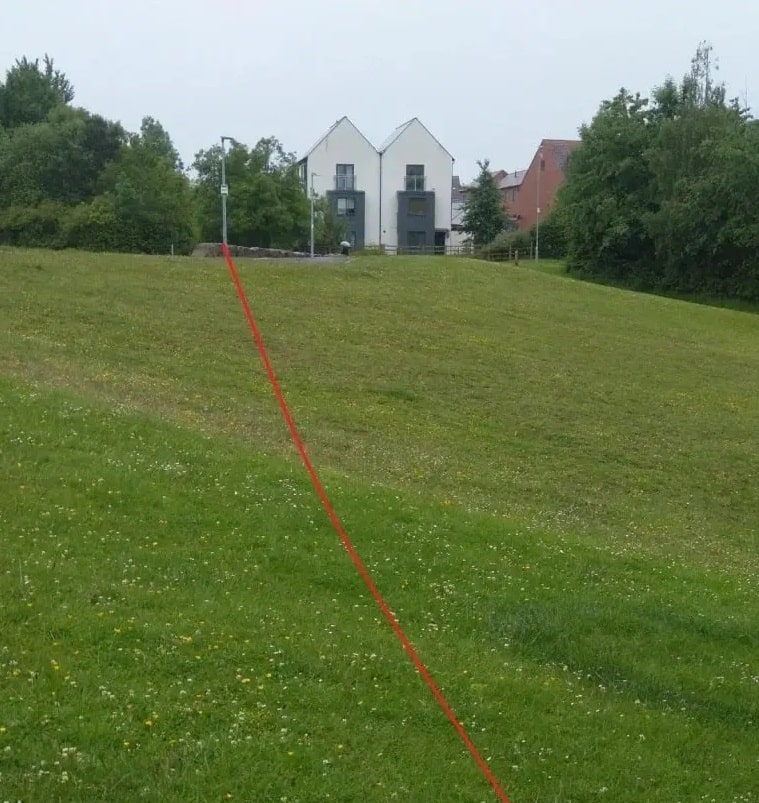
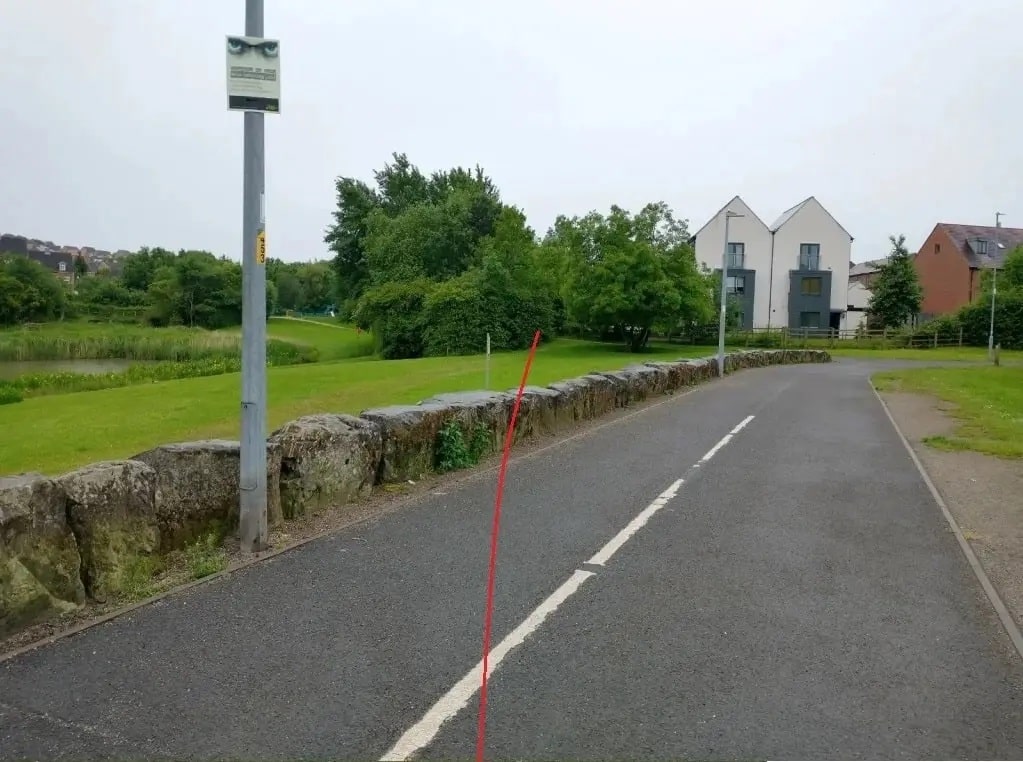
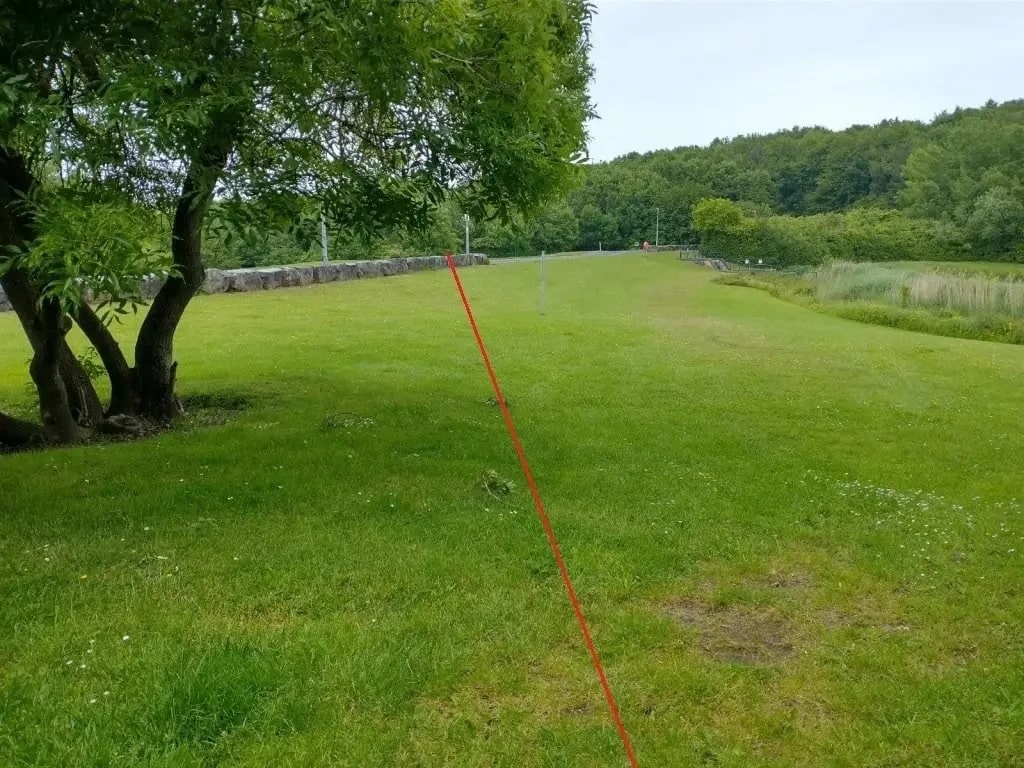
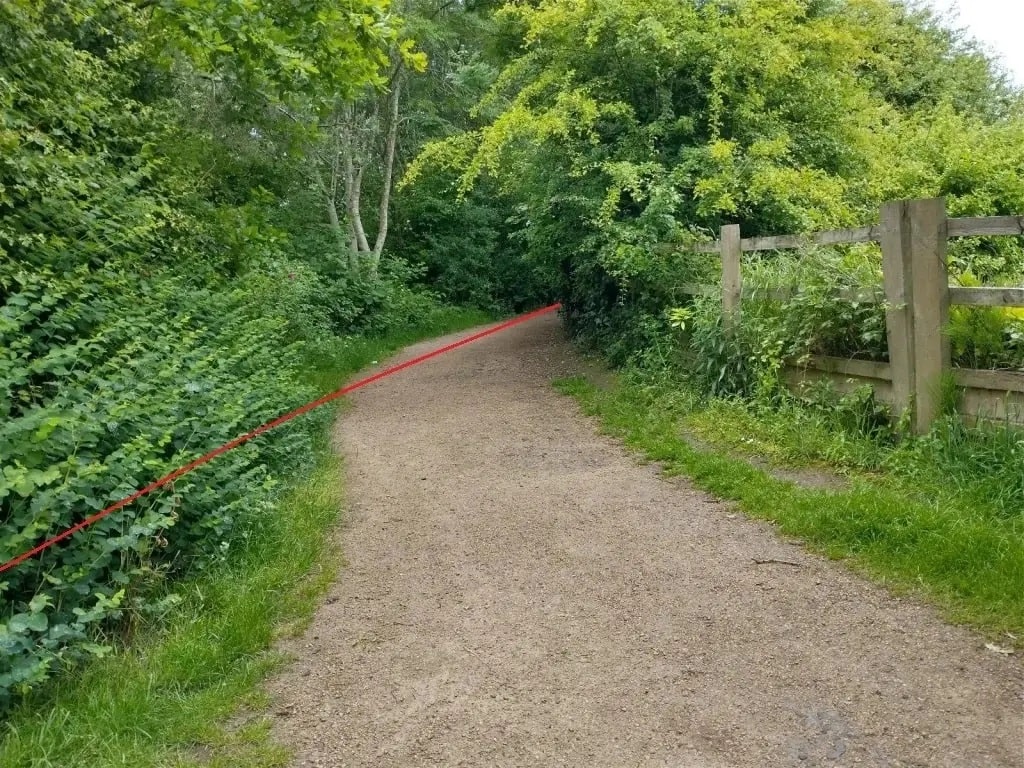
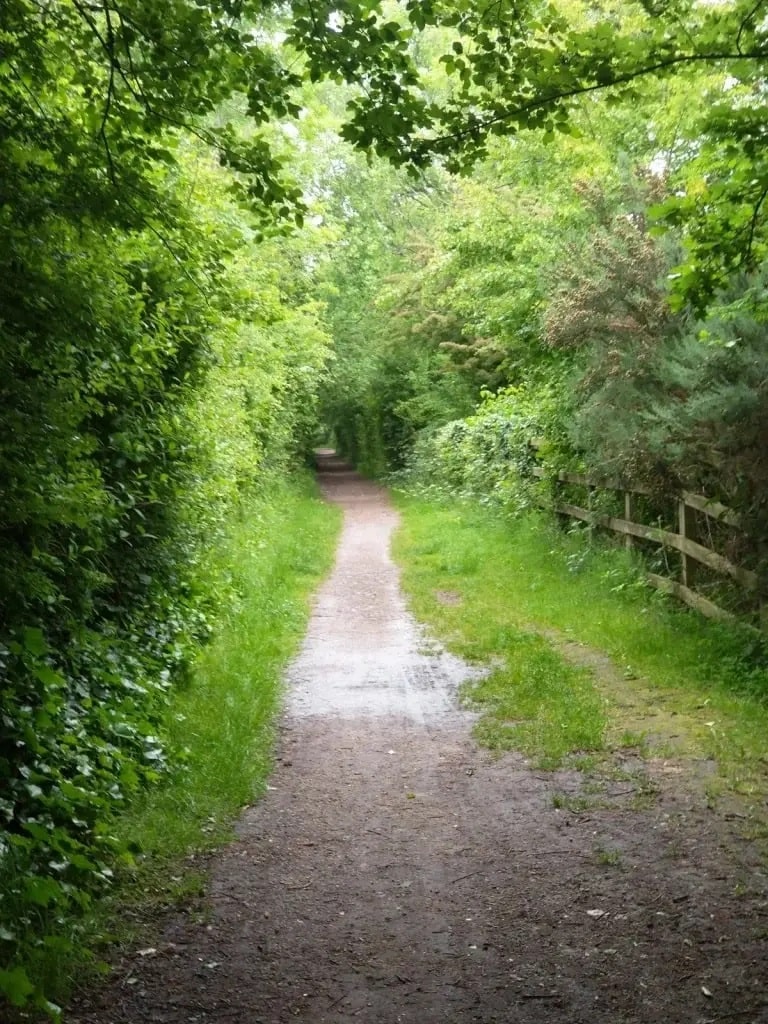
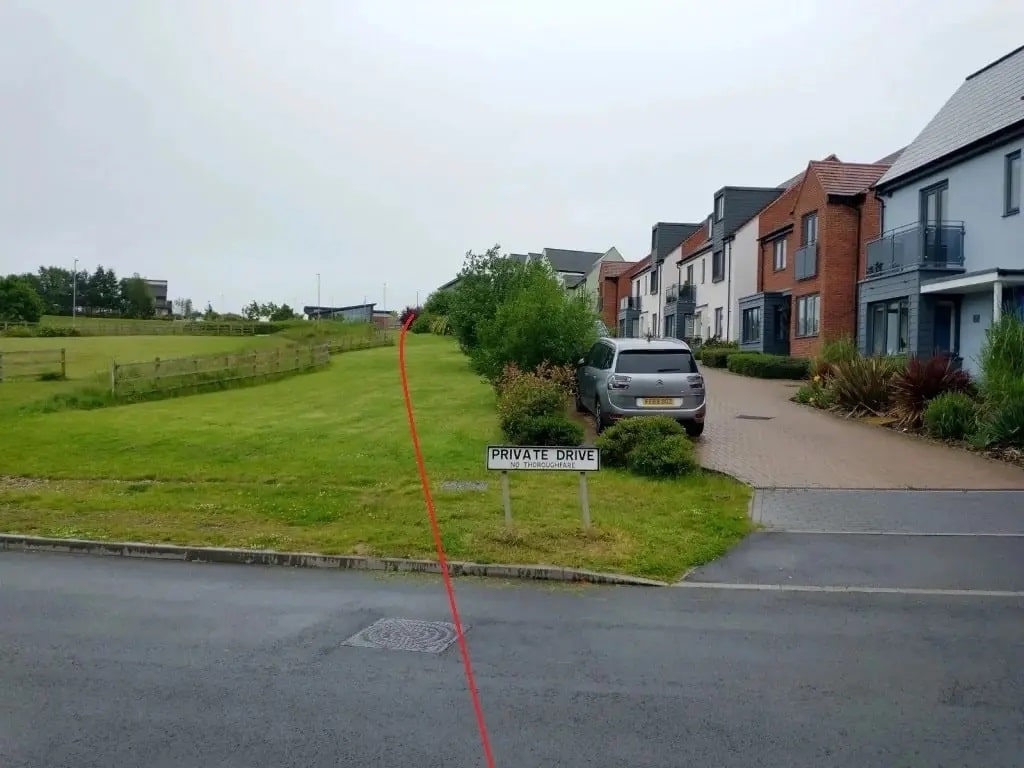
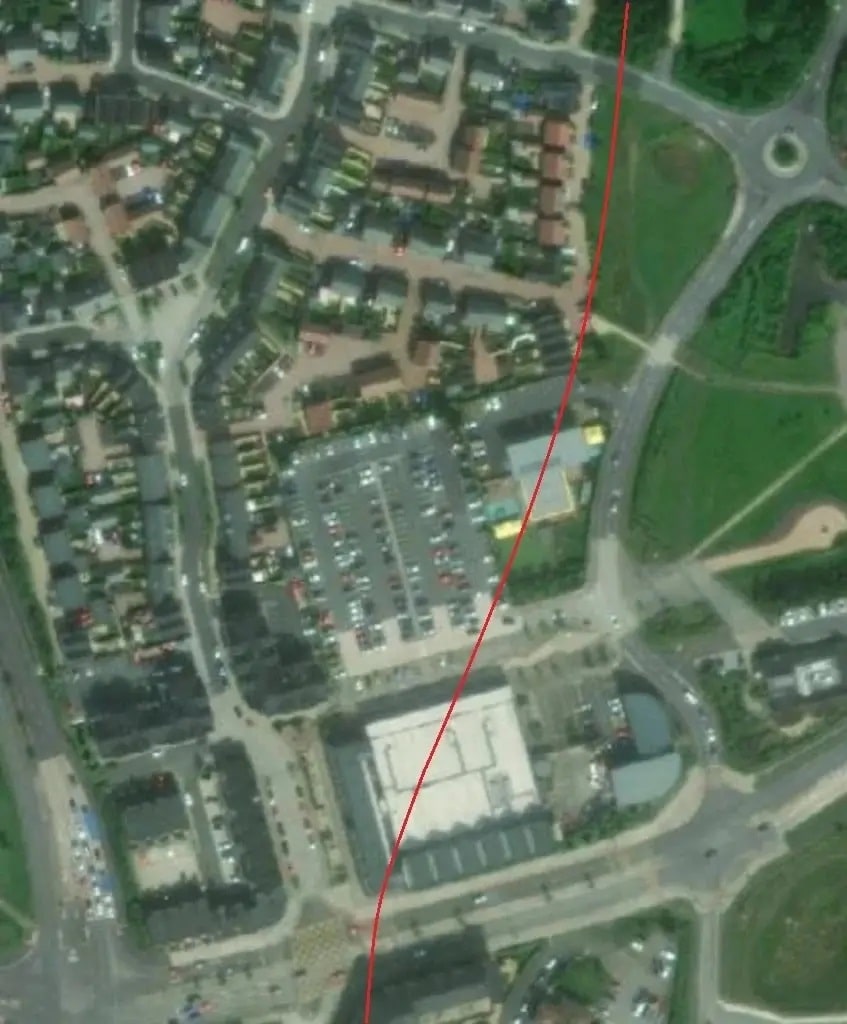
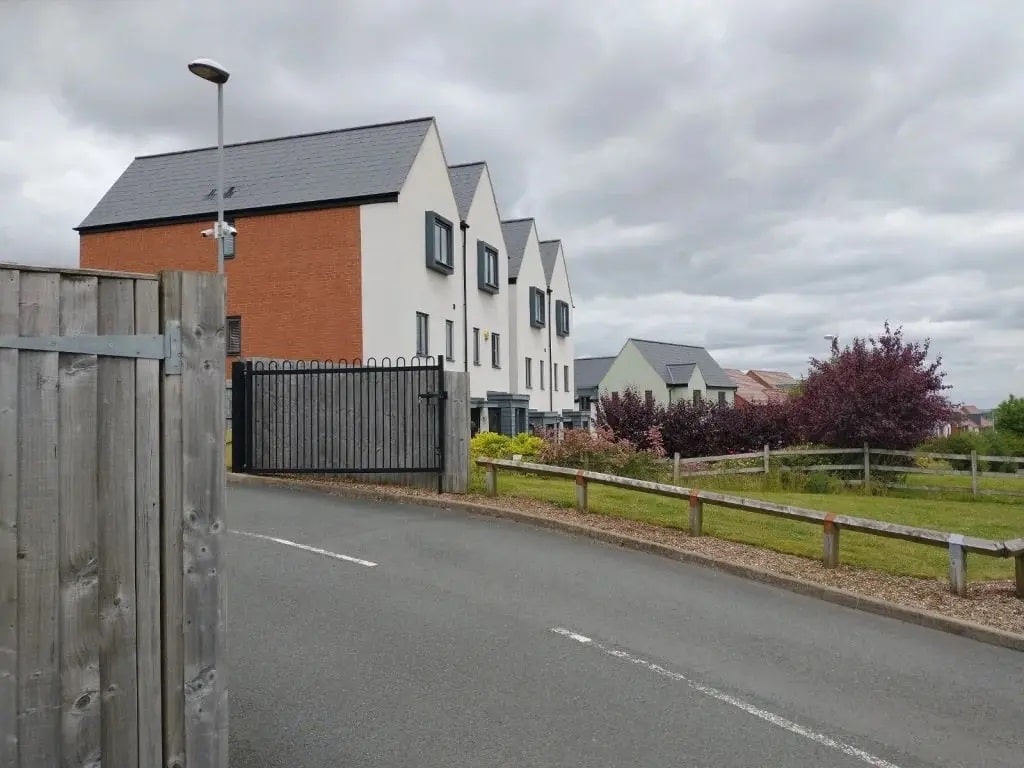
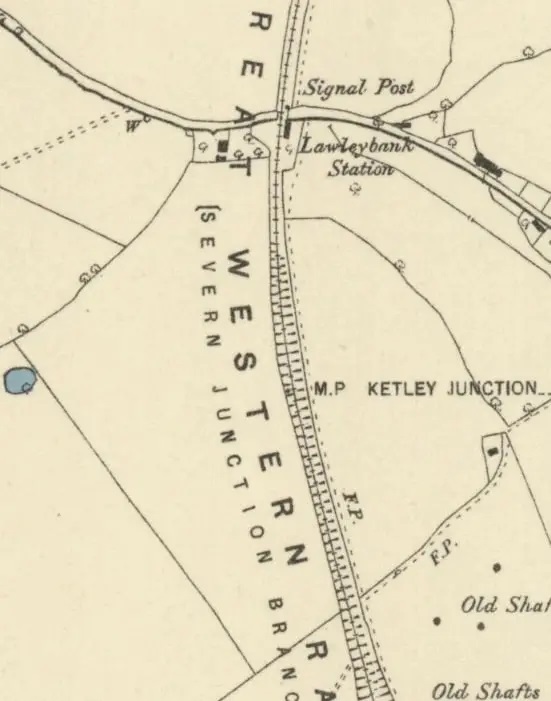
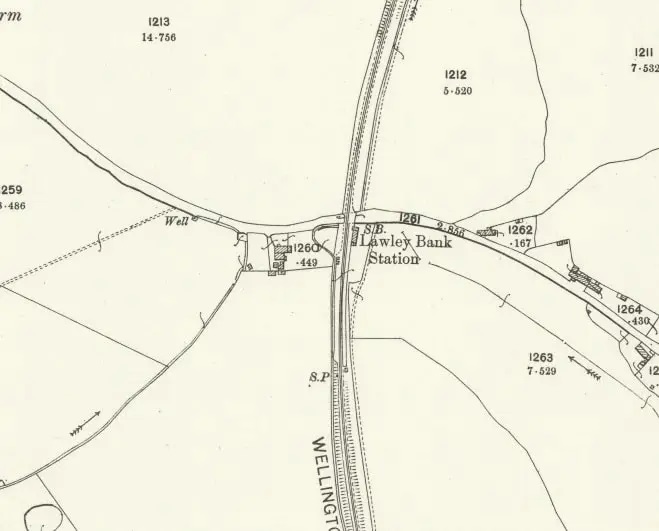
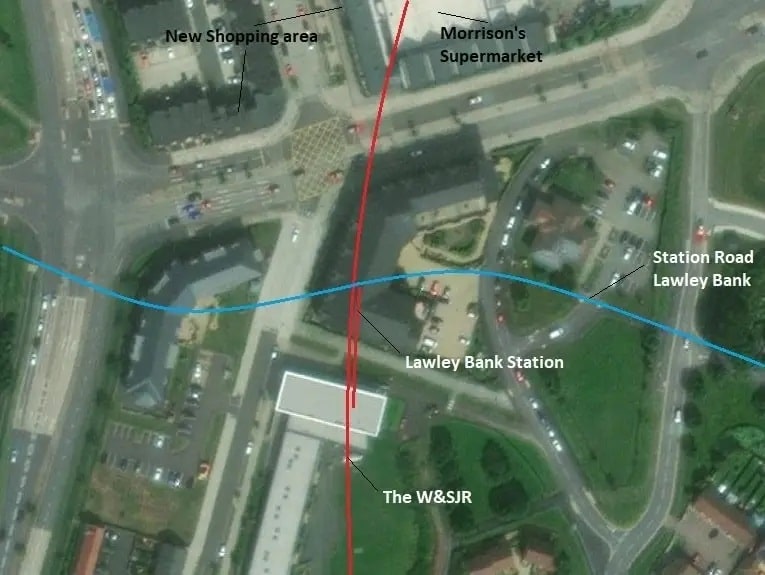
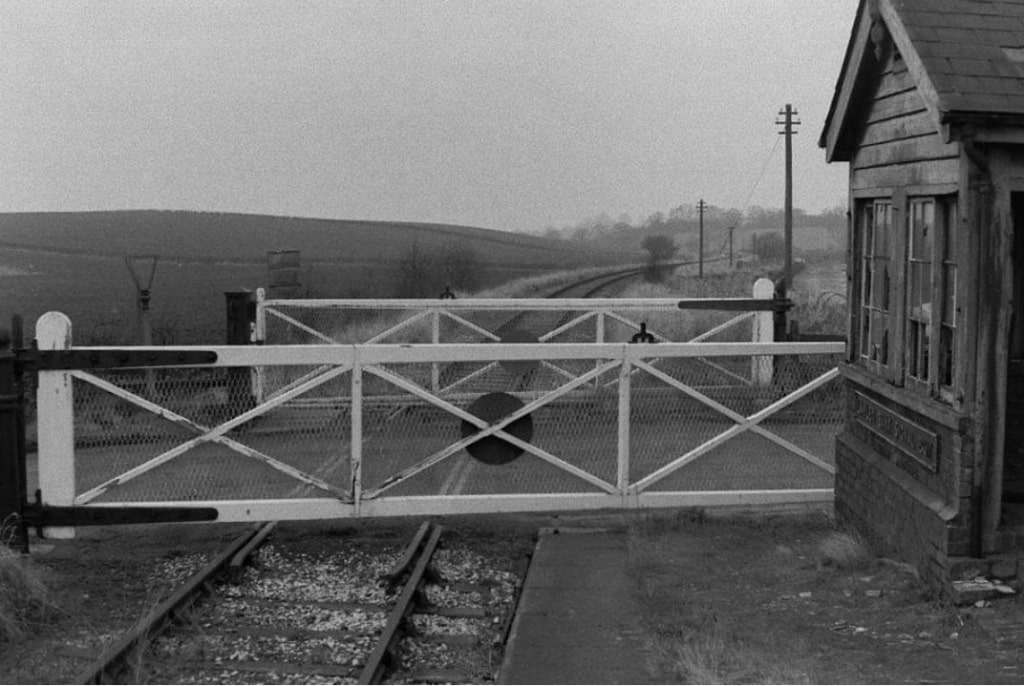
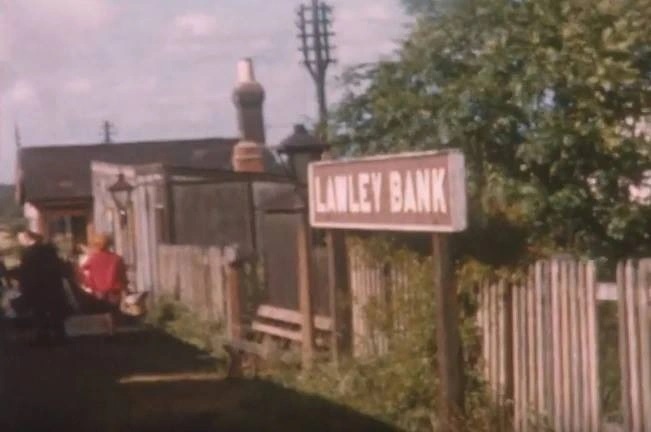
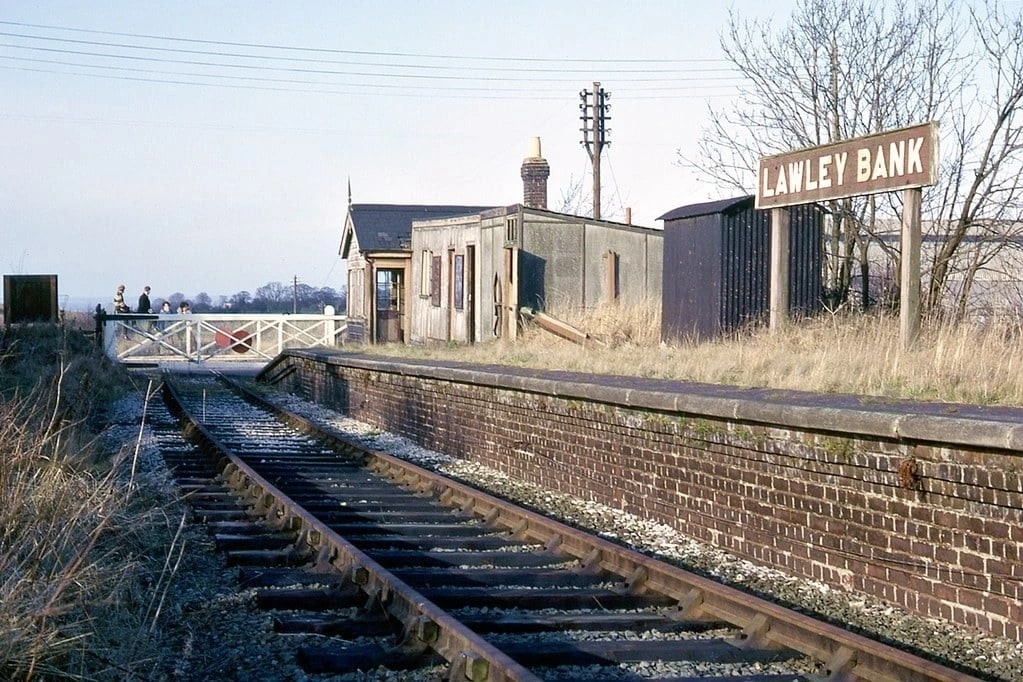
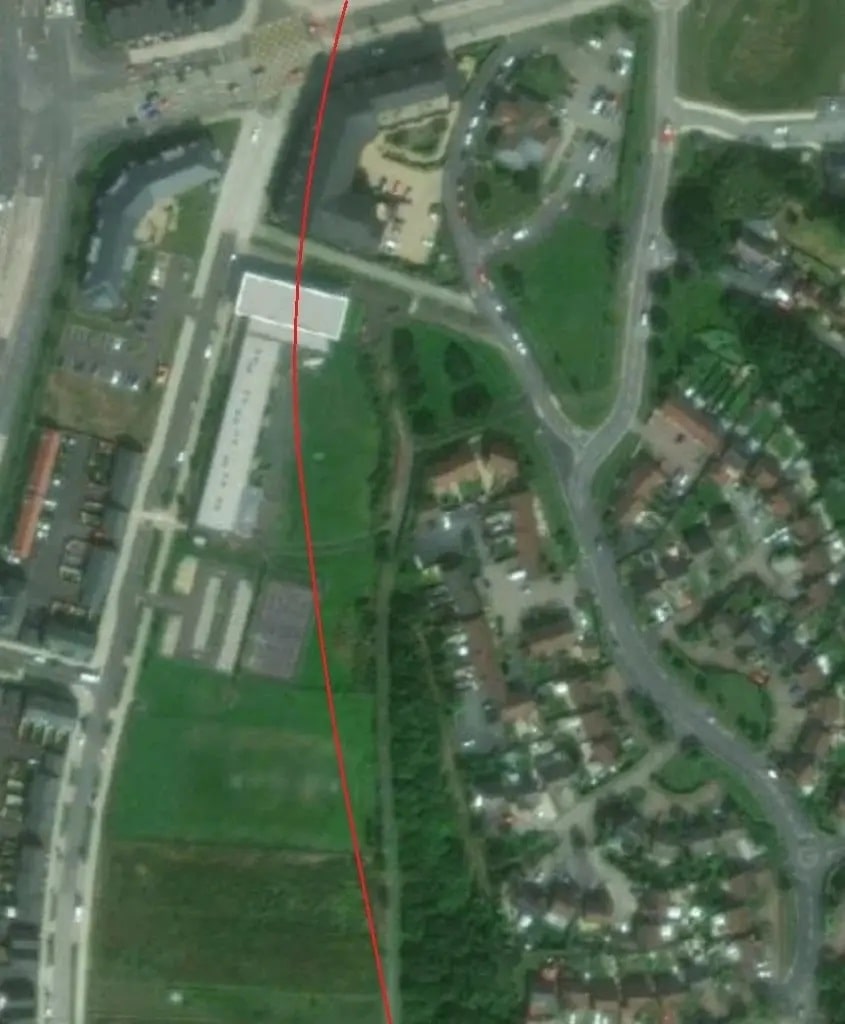
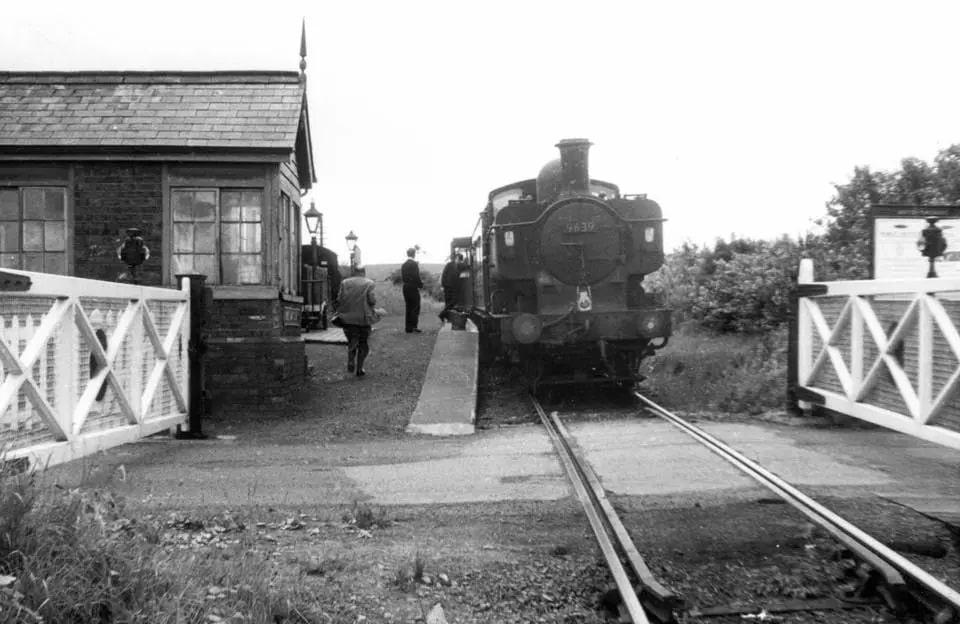
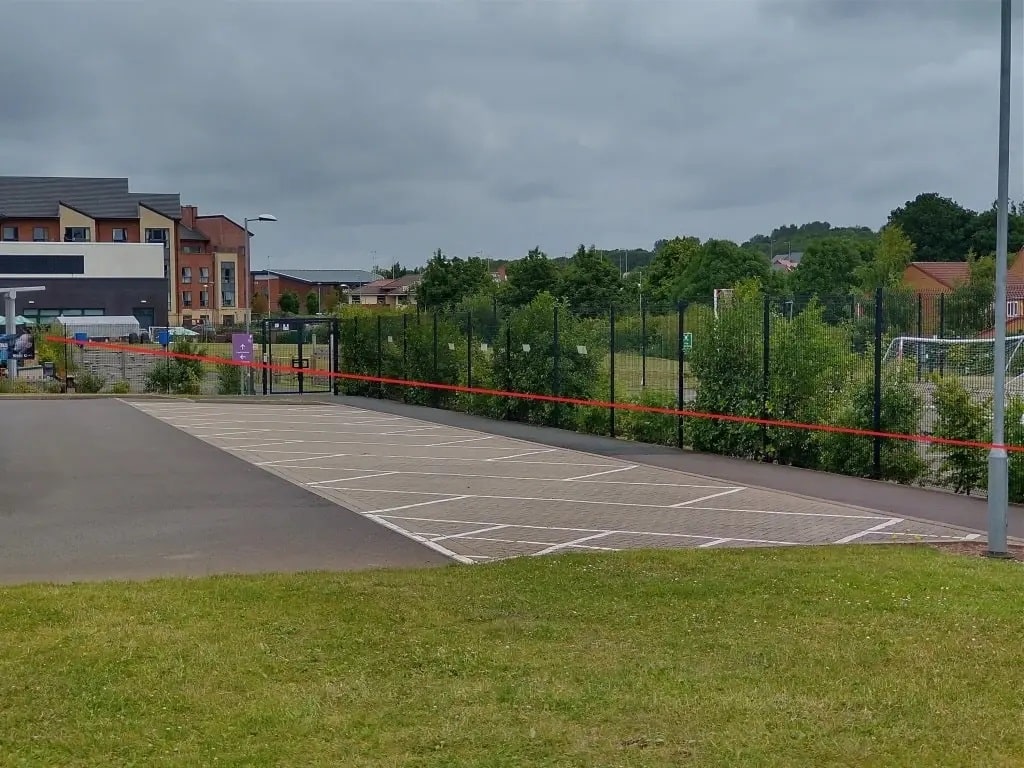
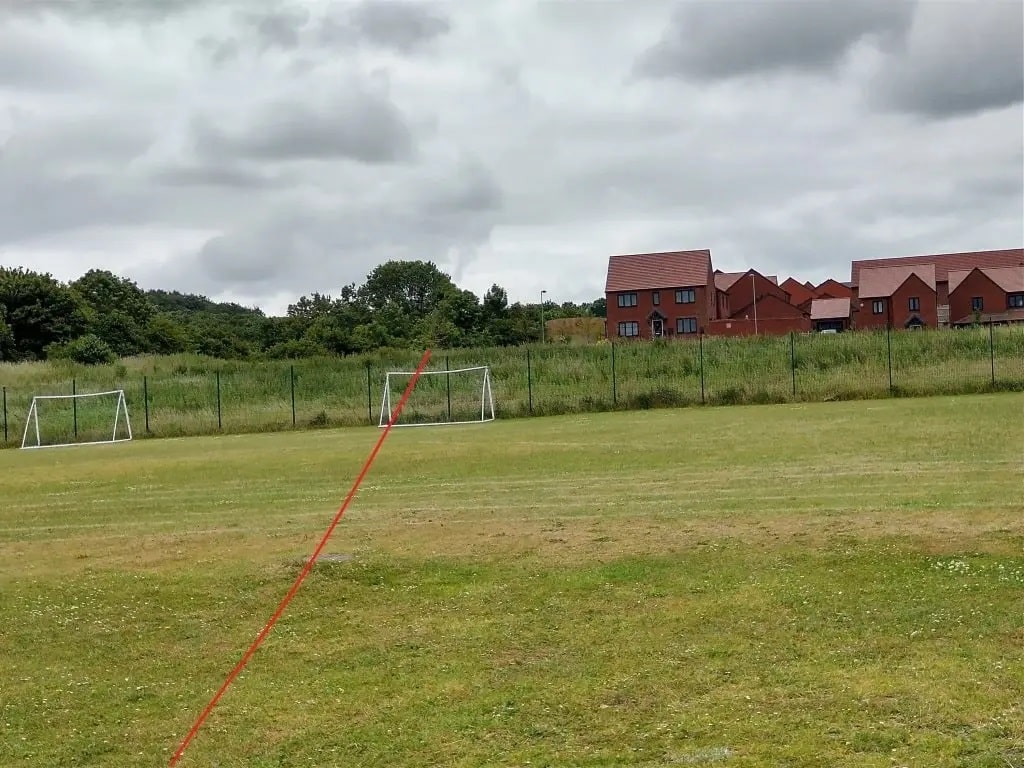
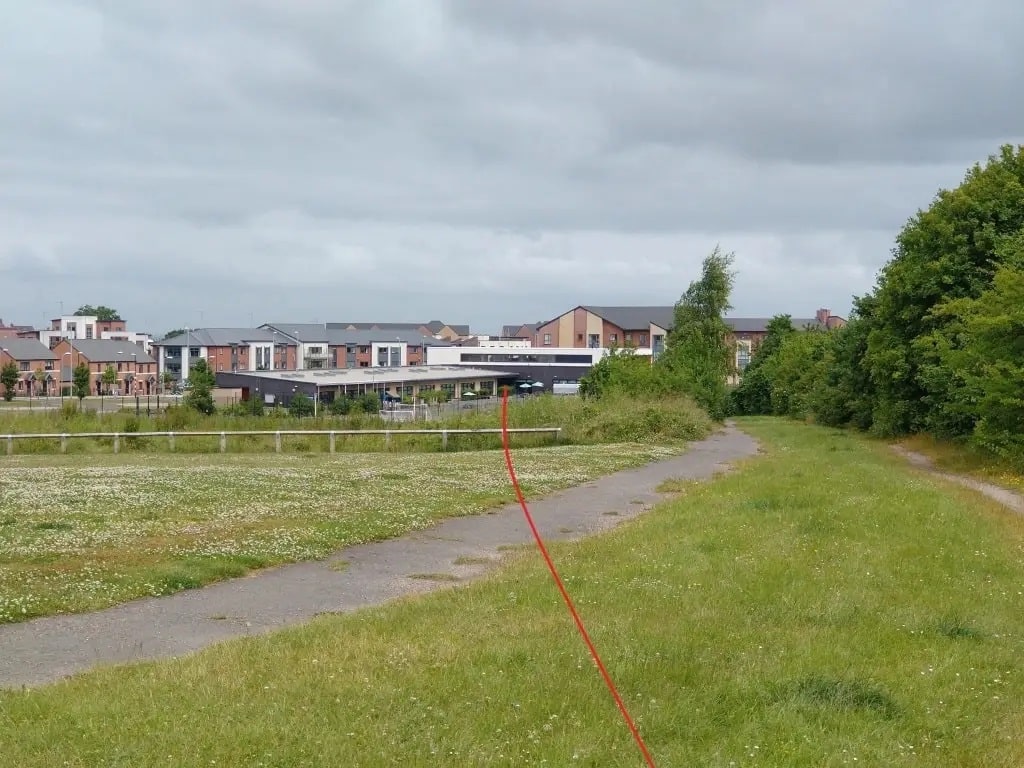
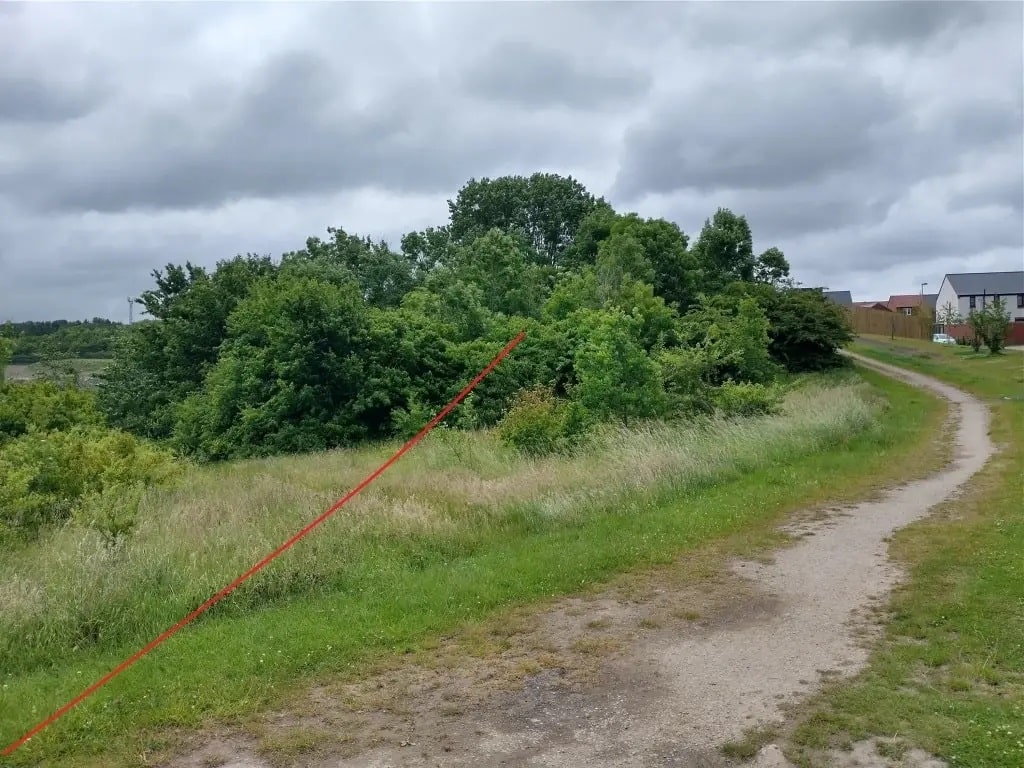
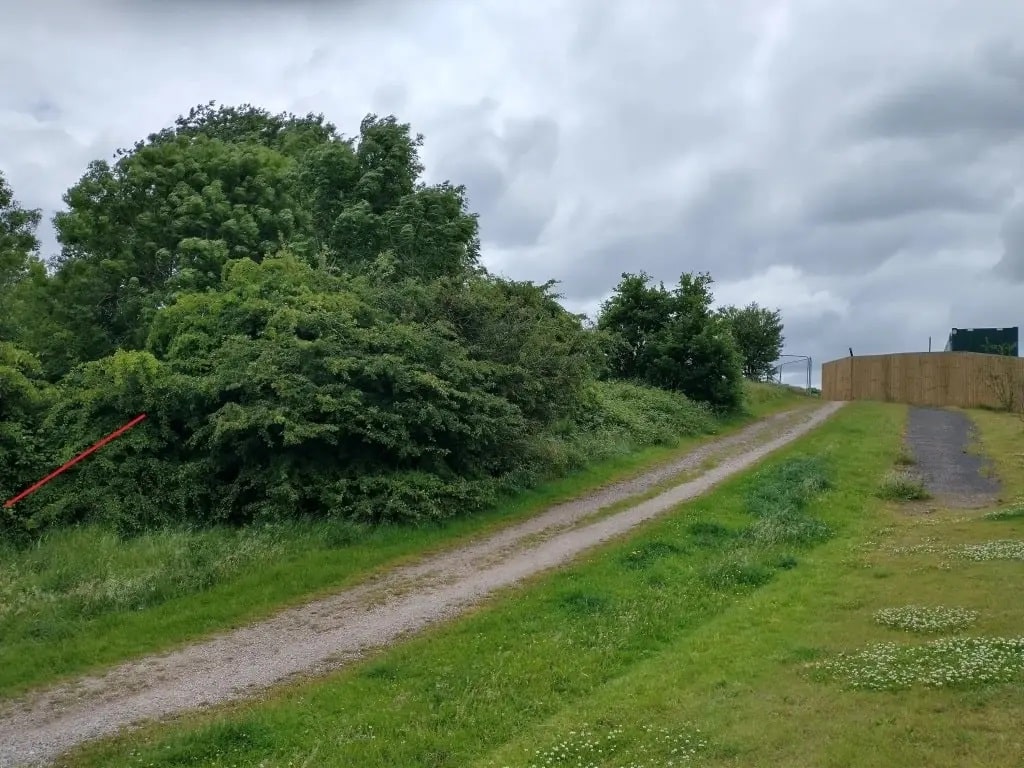
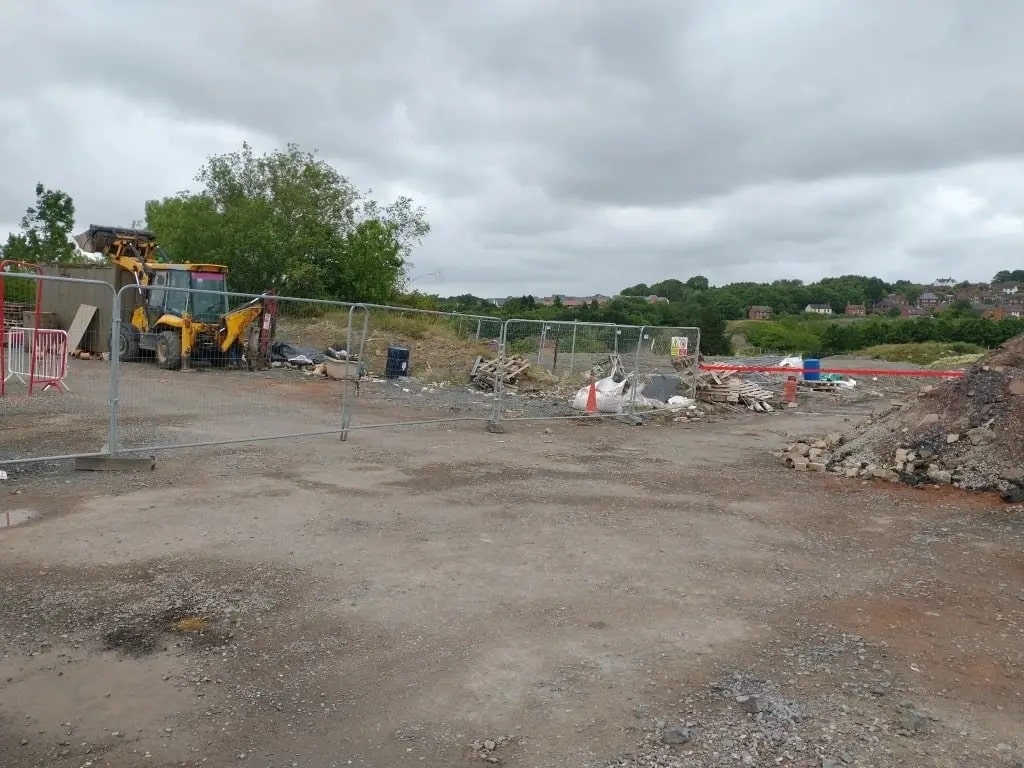
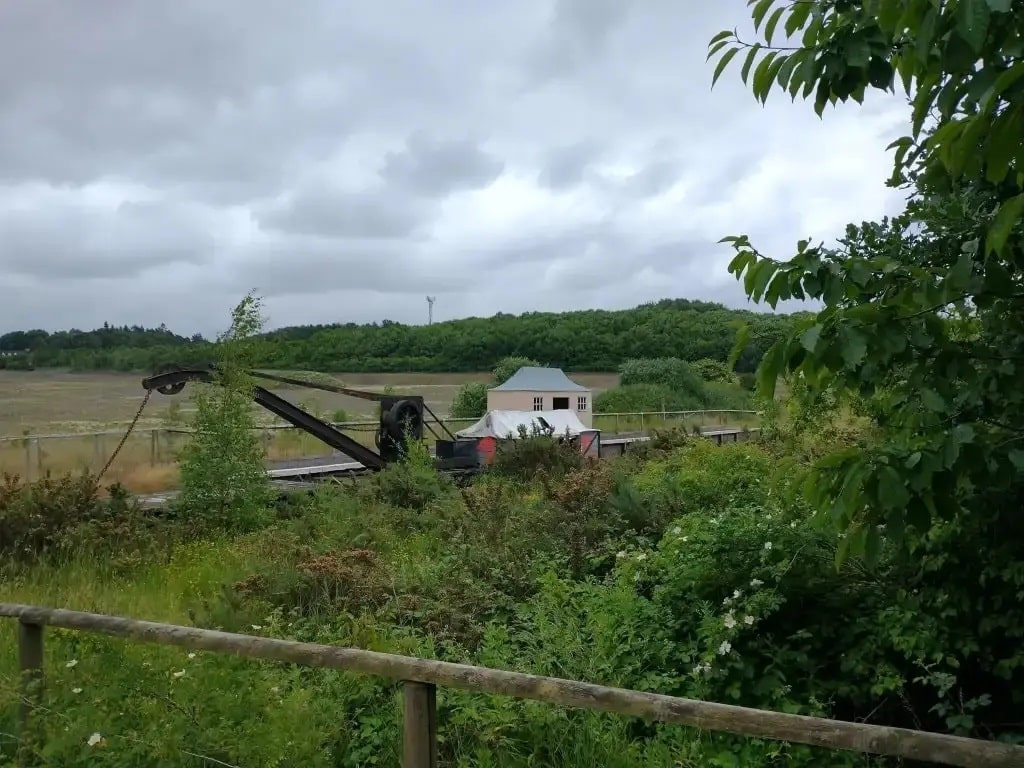
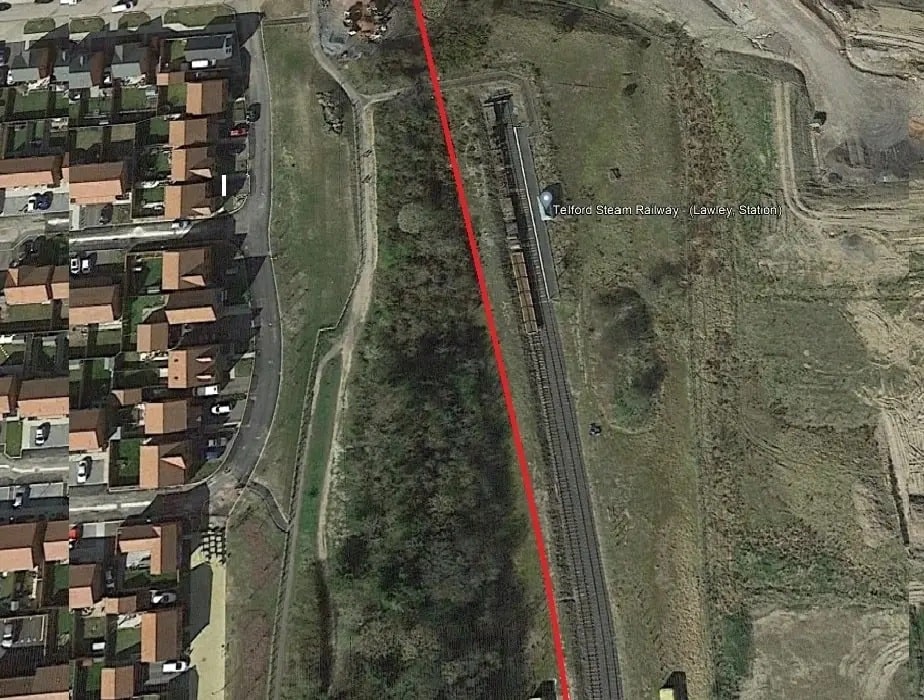
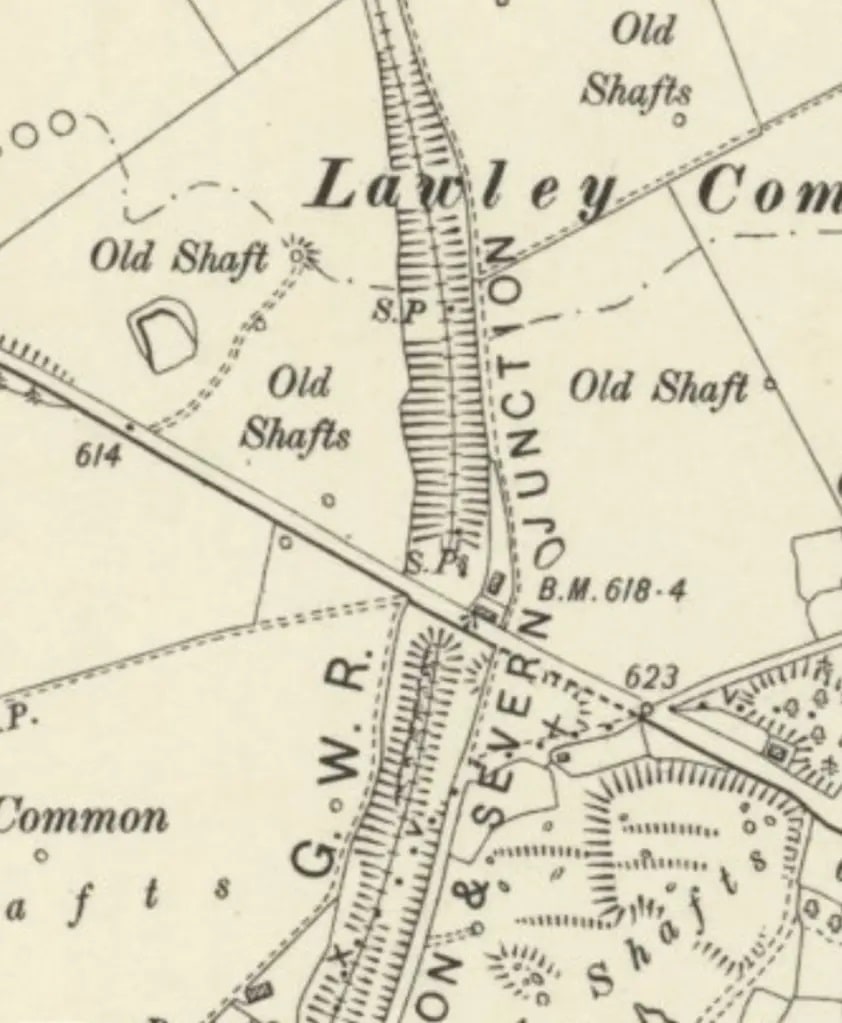
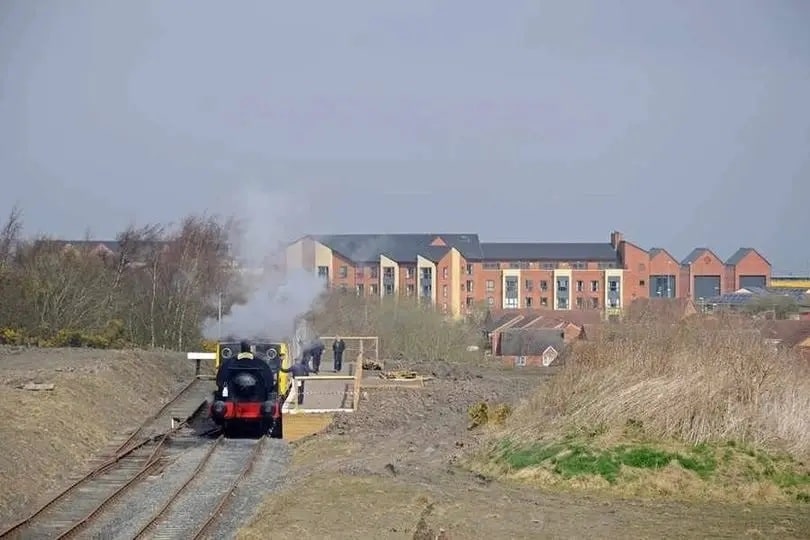
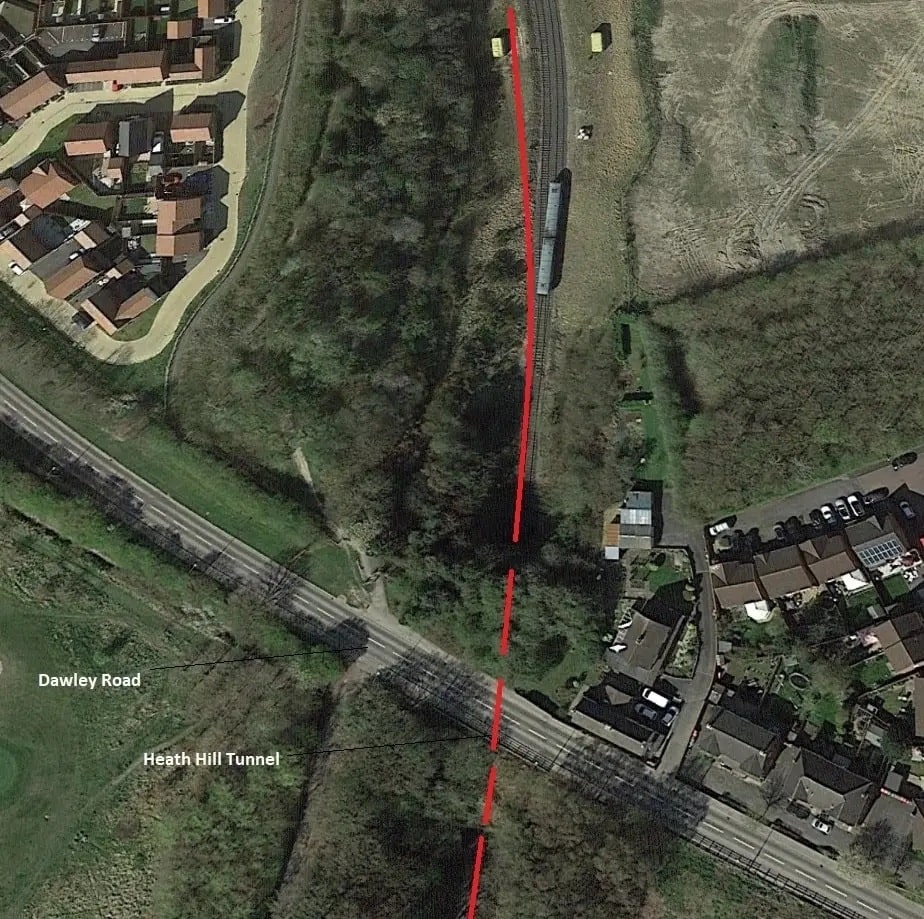
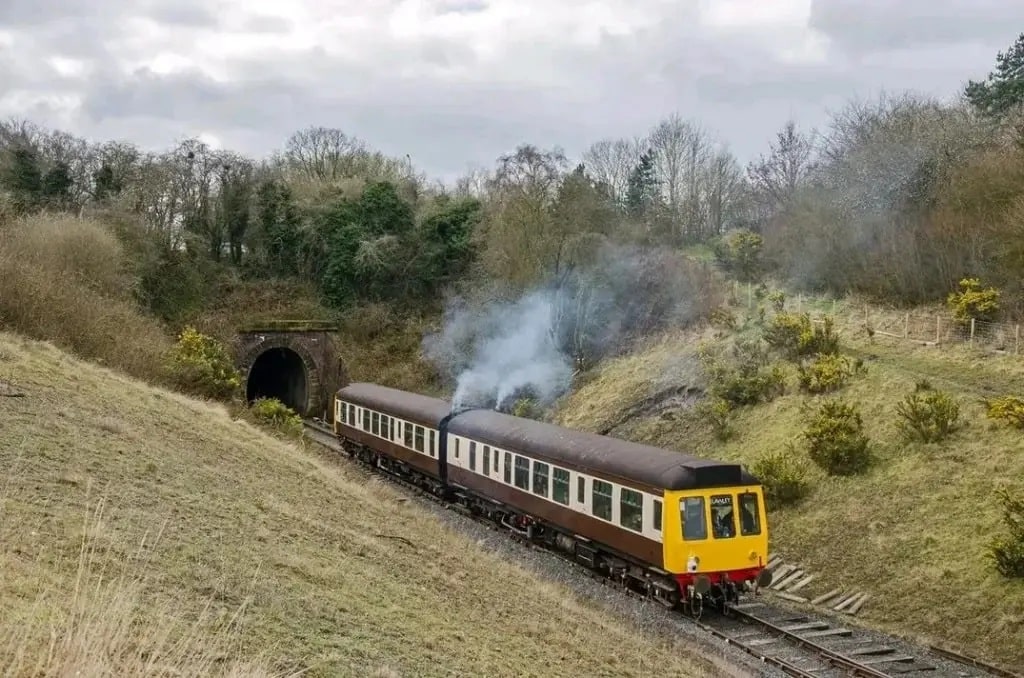
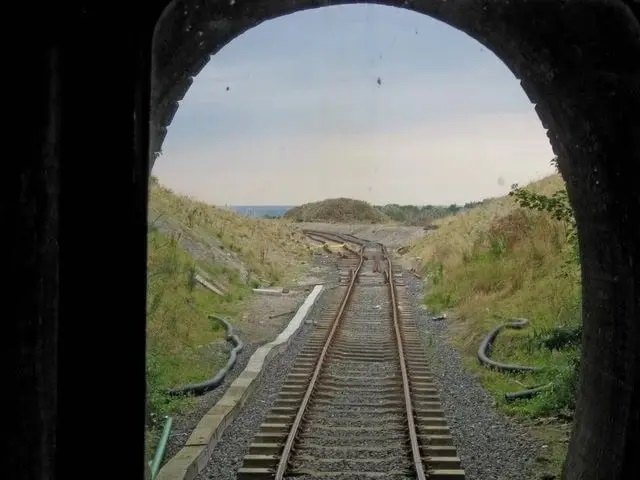
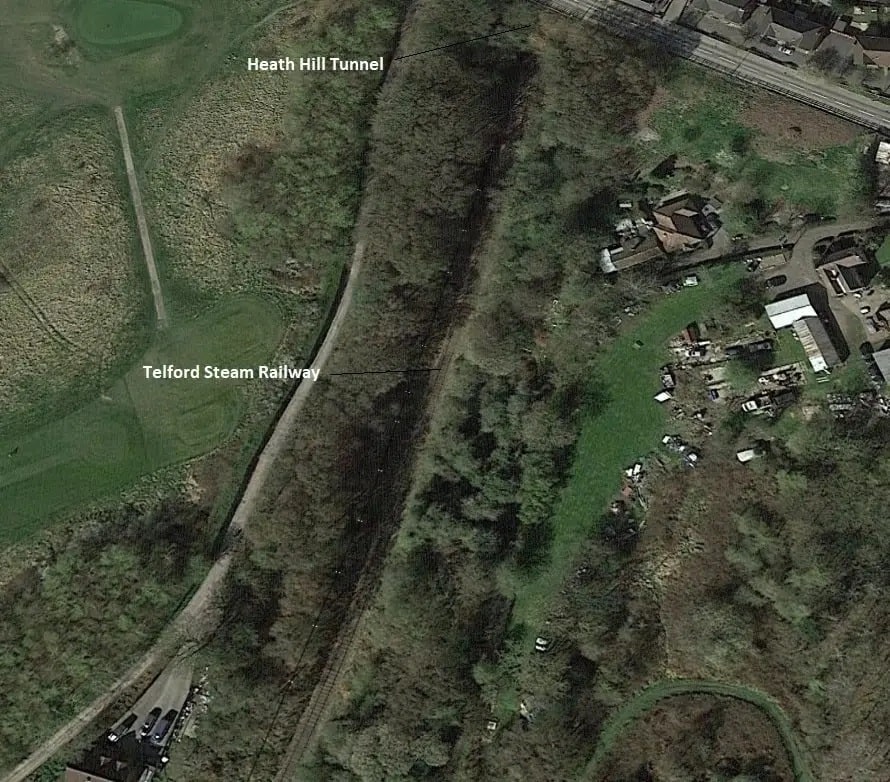
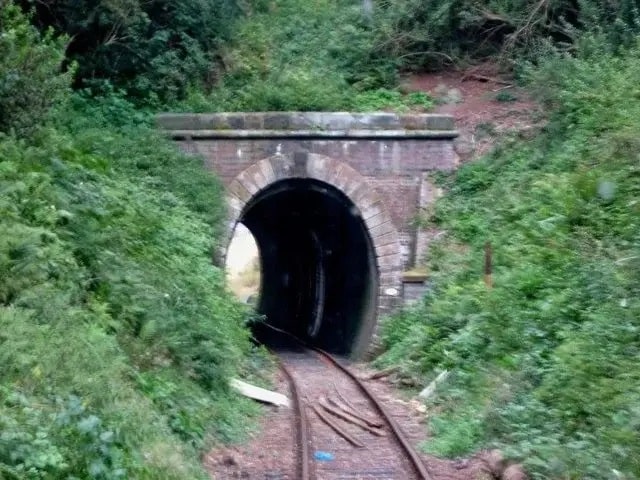
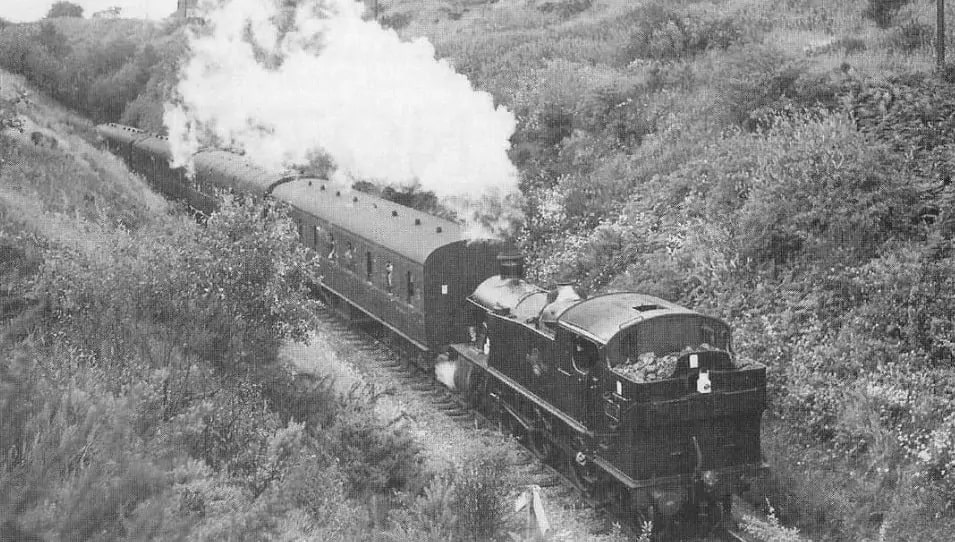
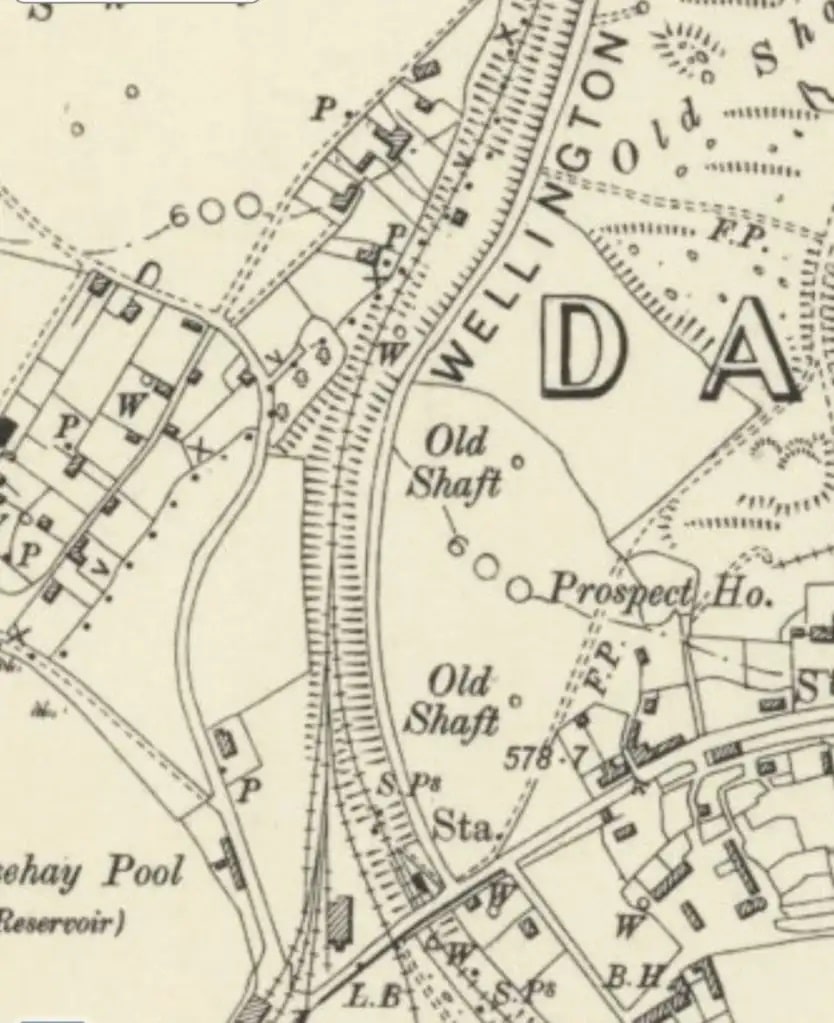
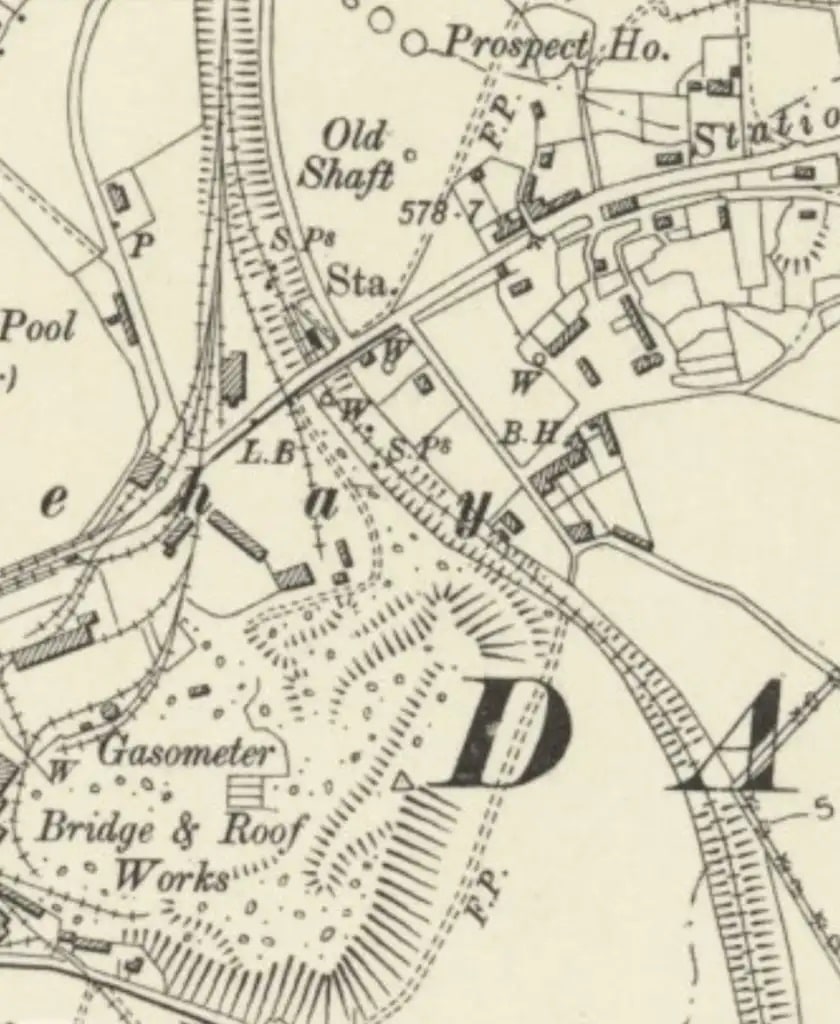
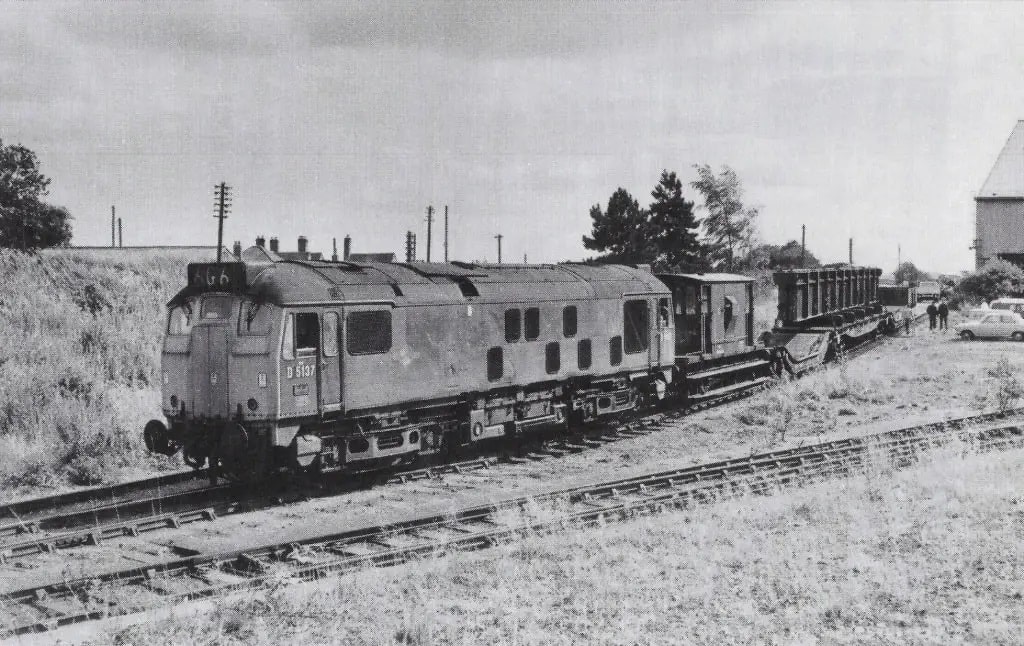
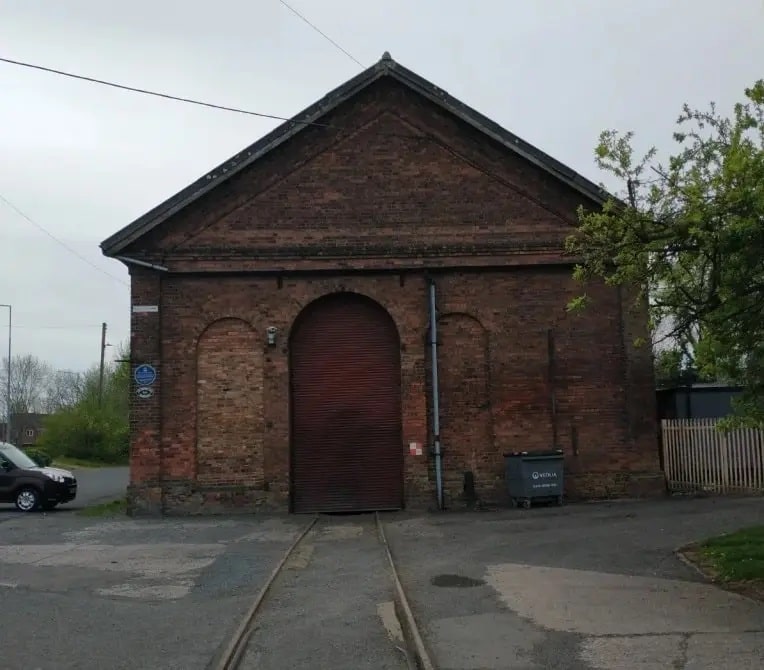
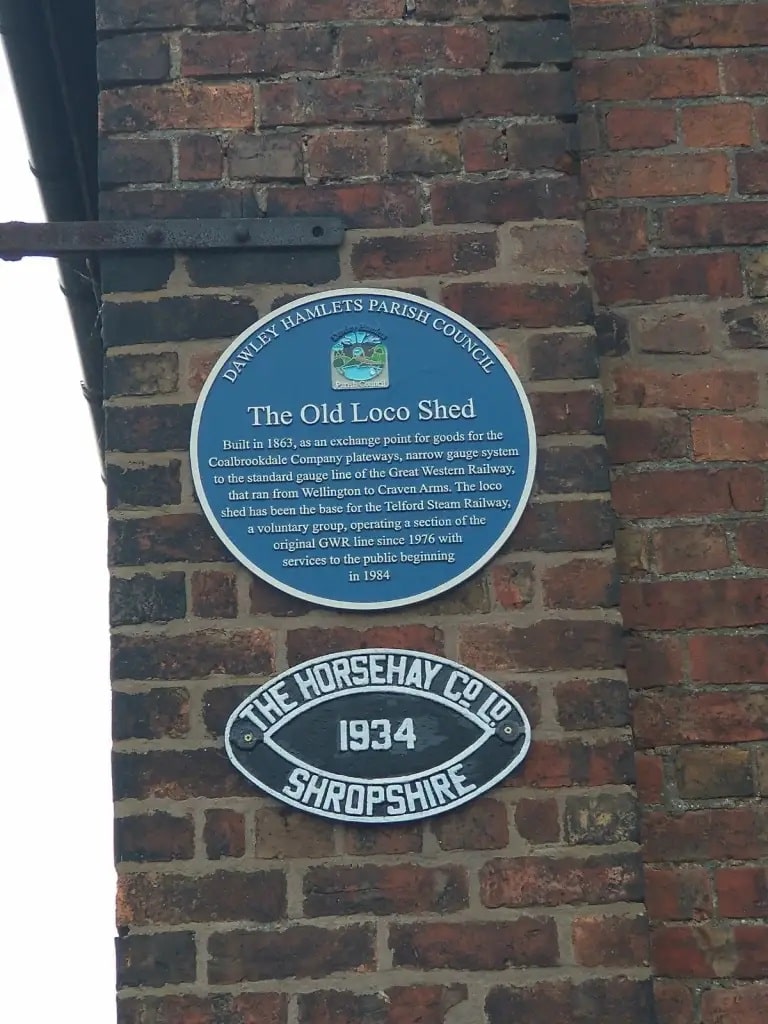
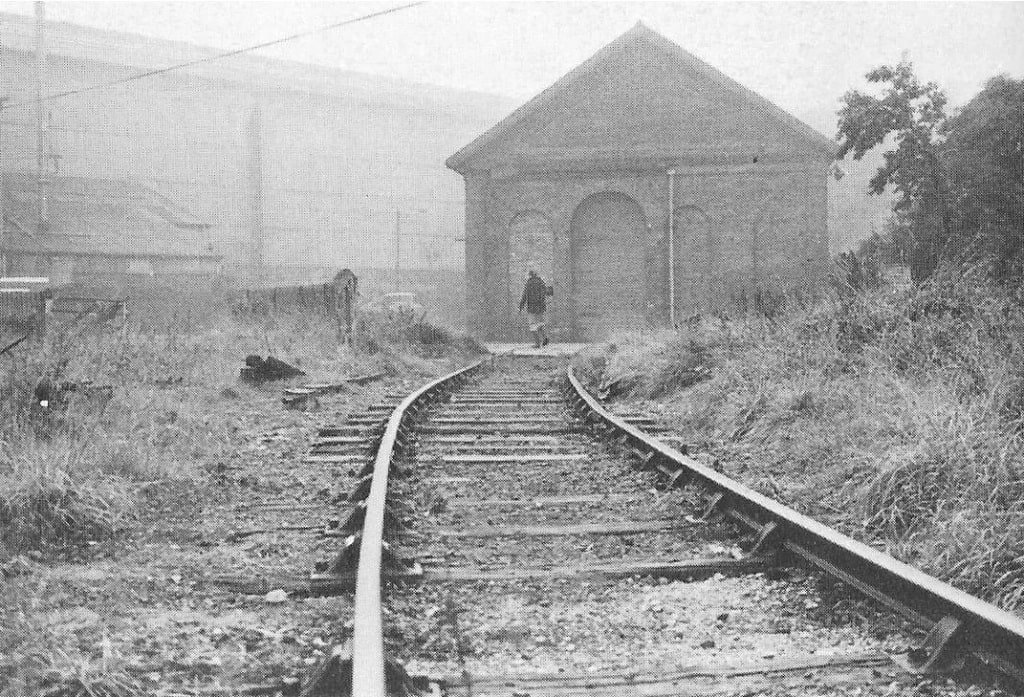
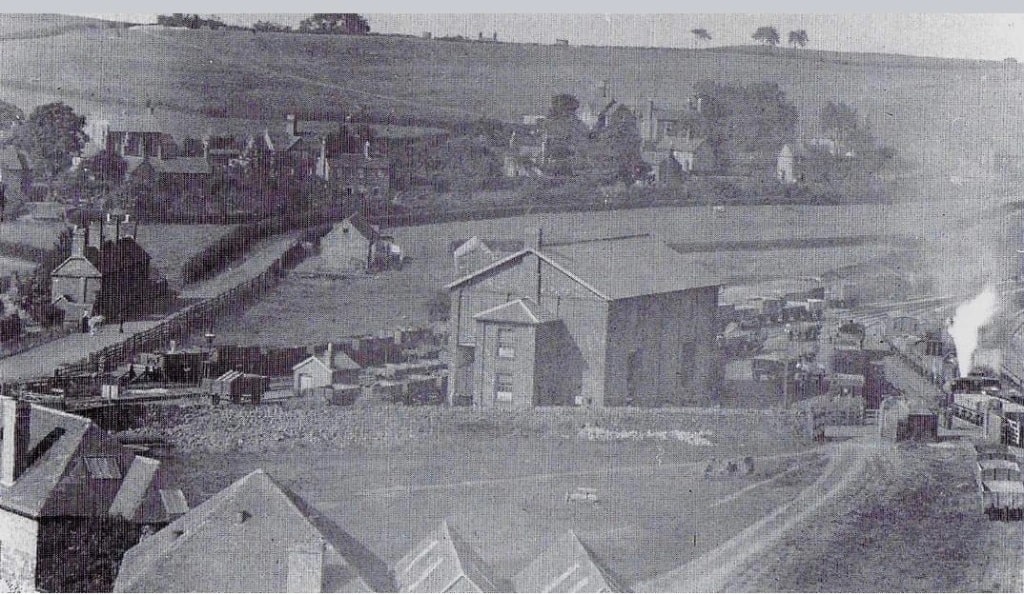
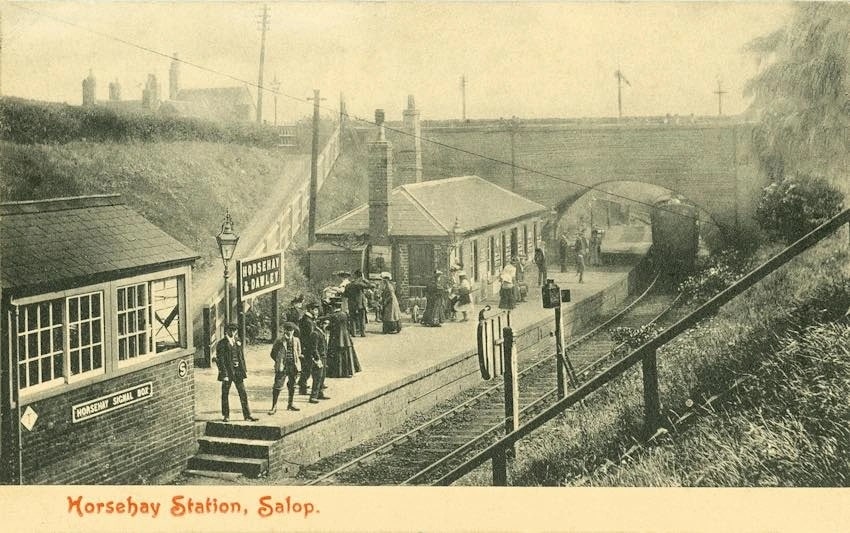
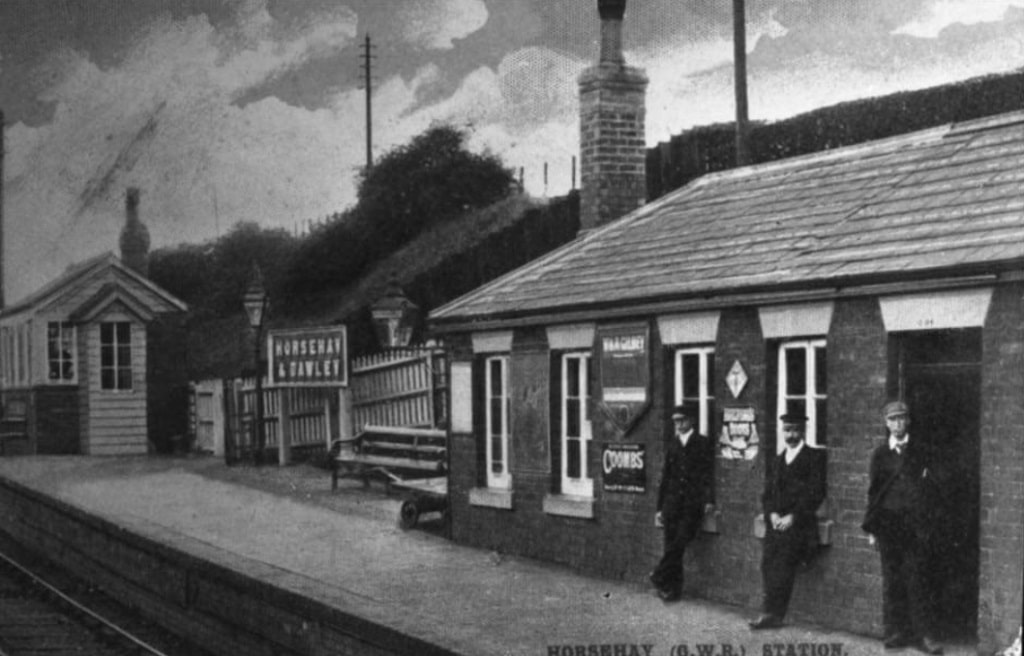
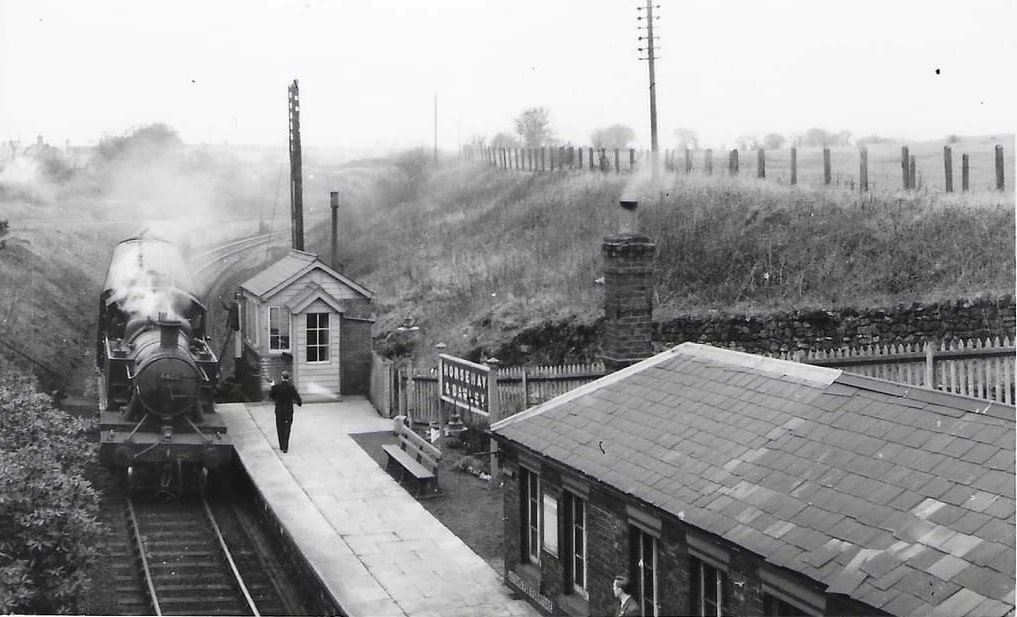
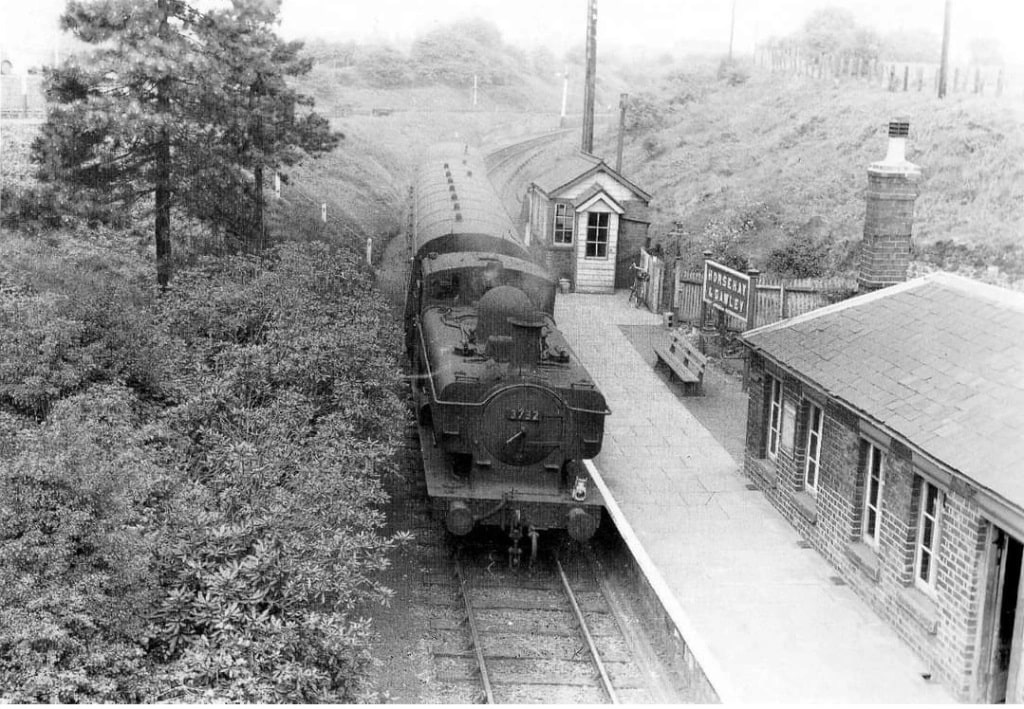
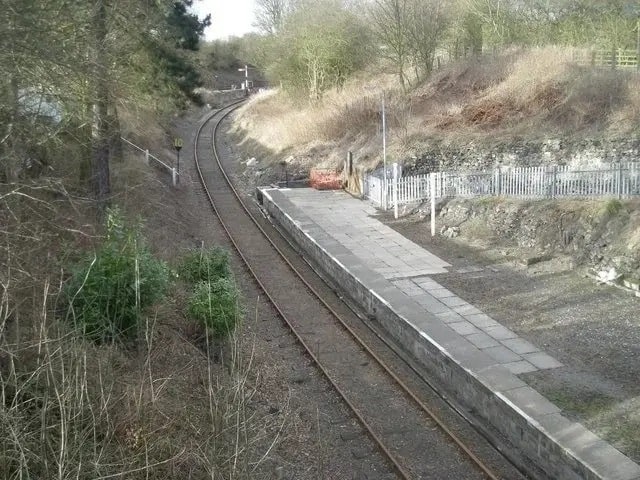
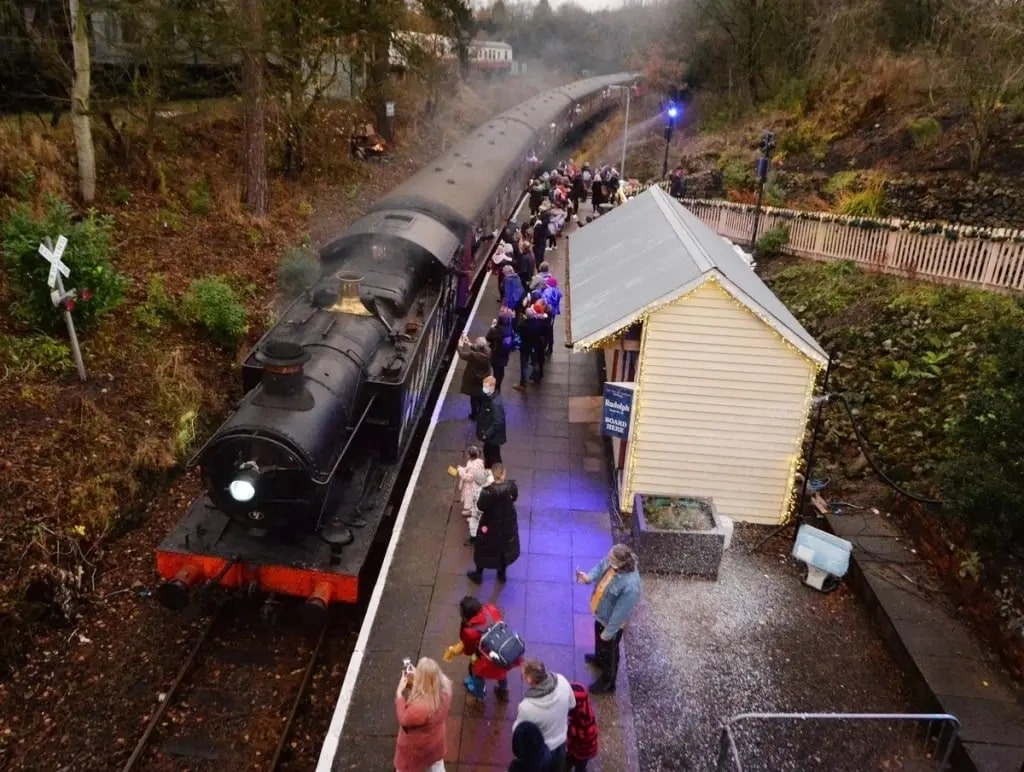
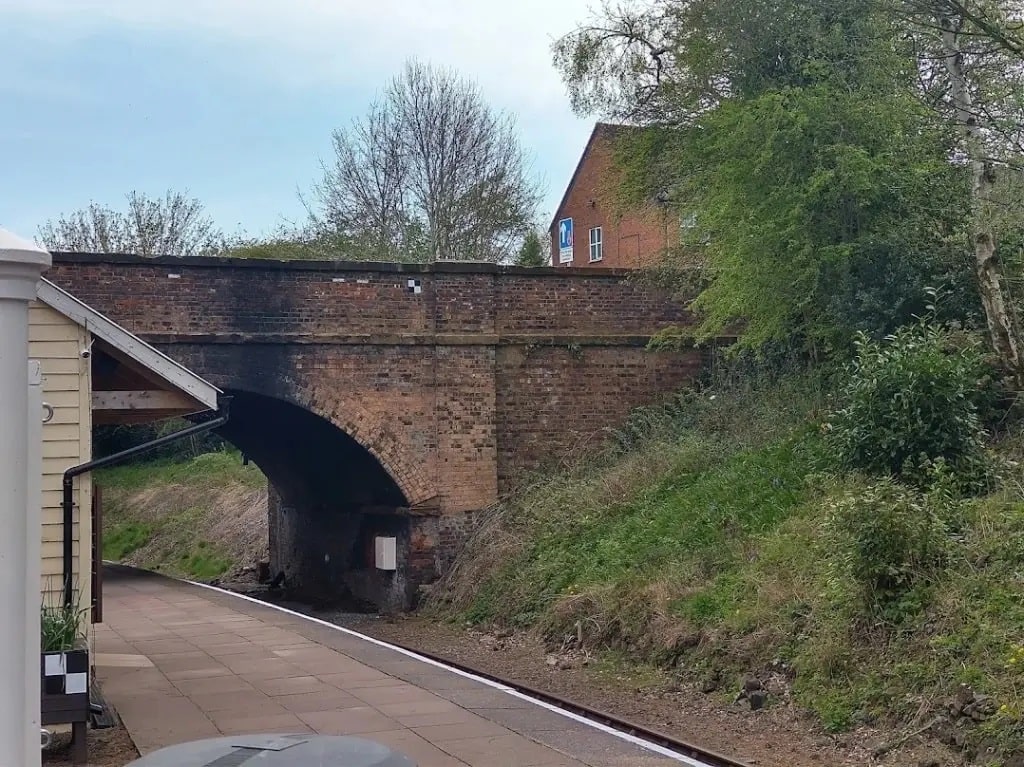
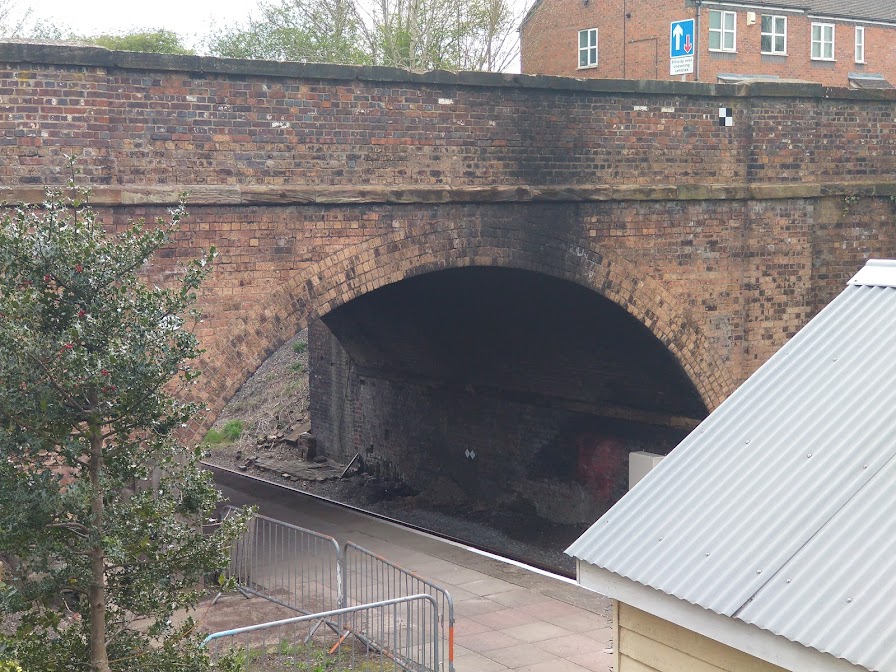
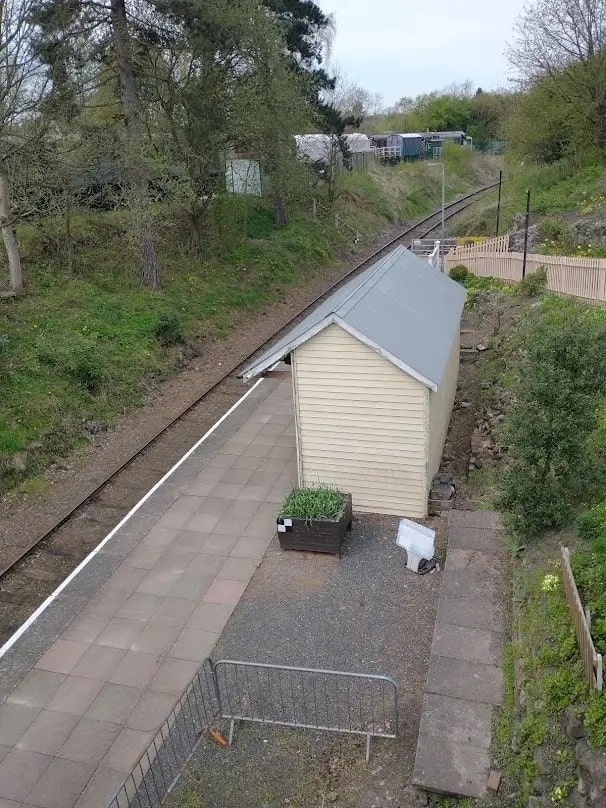
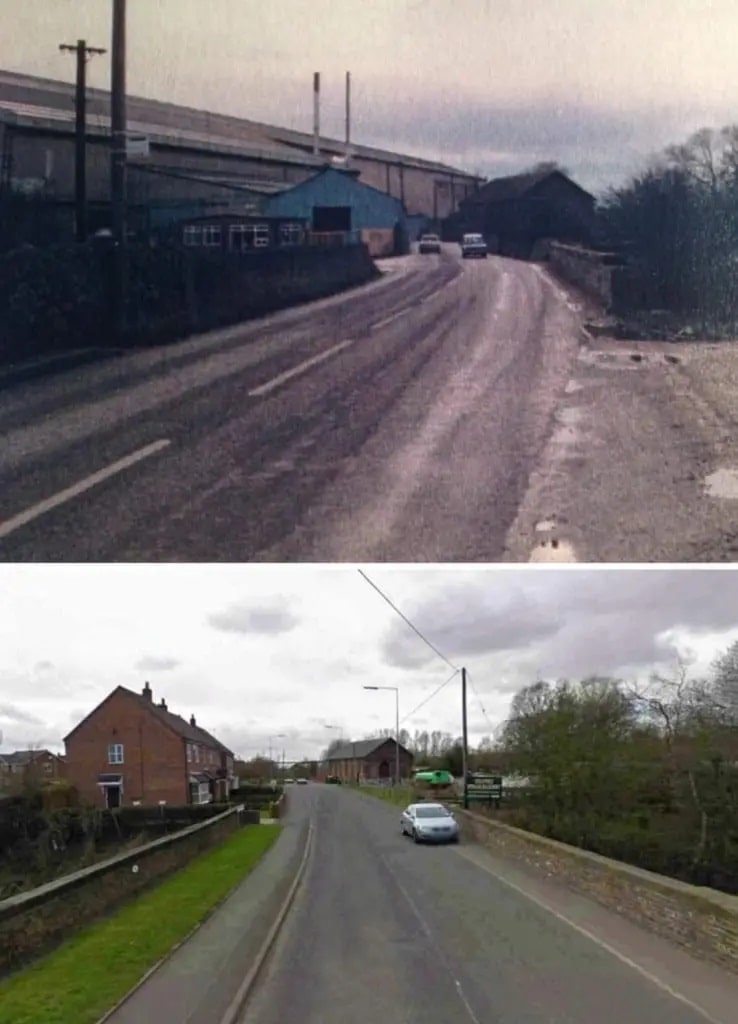
 Roger Farnworth