The July 1962 issue of ‘Modern Tramway’ included a short article about the Carstairs House Tramway, written by Christopher T. Harvie. [1]
Wikipedia states that the Carstairs House Tramway operated between Carstairs railway station and Carstairs House between 1888 and 1895. [2] Railscot has slightly different information. It indicates that the tramway opened in 1889 as an electric tramway but reverted to being horse-powered by 1896. It continued operating in this way until 1925. [3]
Carstairs Junction Station as it appears on the 6″ Ordnance Survey of 1896/1898. The tramway can be seen on the left of the map extract running from close to the Hotel. [4]The full length of the tramway appears on this smaller scale extract from the OS mapping. Carstairs House appears bottom-left. [5]
The two RailMapOnline extract below show the full length of the line superimposed on Google Maps satellite imagery. [7]
The route of the tramway is shown by the pink line on these extracts. [7]Looking Southwest along St. Charles Avenue in Carstairs. The drive to Monteith House is directly ahead. The tramway route ran under the modern properties on the right. [Google Streetview, October 2010]
Carstairs House is now known as Monteith House. It overlooks the River Clyde and sits “about one mile from the main Glasgow-London line of the Caledonian Railway at Carstairs West Station, and in 1886 the owner decided to build a tramway from the railway station to carry passengers to the house, agricultural implements and supplies to the Home Farm, and the great amount of coal then needed for heating the mansion. Accordingly plans were made for a line of 2 ft. 6 in. gauge, electrified at 250 volts, the current being generated by a turbine driven by a waterfall on the Clyde. … The positive and negative conductors were wires running alongside the tracks, supported by insulated posts about a foot high. On the car there was a double shoe to pick up current.” [1: p226]
At Carstairs House there were a few short branches serving a carriage shed and stores/outhouses. Between the House and the railway station was Carstairs Mains Home Farm where there were two further branch lines, one into the yard and the other to a sawmill. The sawmill provided the Caledonian Railway “with a considerable traffic in timber, the area being well forested. Leaving the Farm, the line cut across wooded country to rejoin the road and run alongside it to the main gates of the Estate where, at a lodge immediately opposite the railway, the terminal for passengers was situated. Shortly before it reached the lodge a branch diverged to the left, to run to a transfer siding with the Caledonian Railway.” [1: p226]
This extract from the 25″ Ordnance Survey of 1896/1897 shows the terminus of the line at the roadside opposite the Caledonian Railway station and the siding which ran Northwest alongside the Caledonian Railway to a transfer platform. [6]
There were three electric cars used for passenger services, “the first was a saloon four-wheeler built at the House in 1886. The other two were probably obtained second-hand from the electric railway demonstrated at the 1886 Edinburgh Exhibition and may have been built by the North Metropolitan Tramway Company of London.” [1: p227]
The small six-seat 2ft 6in gauge tram constructed locally for the Carstairs House tramway can be seen below. Different sources give different information about the year in which electric operation ceased. Most probably electric operation ceased in 1905 but the tramway itself survived for a further 30 years in order to ship coal and other freight from Carstairs station to the house and to export sawmill products from the estate, through the use of horse-drawn wagons. The tram, which was powered through electricity generated by a hydro-electric plant, drew its current from raised conductor rails, as clearly visible in the photograph below.
One of the Carstairs electric trams in action on the Tramway. The conductor rails can clearly be seen in this photograph. This image was shared on the I Belong to Carstairs Facebook Group on 21st July 2020 by Mark Allison. [8]
A further image showing one of these trams can be found in a book by Peter Waller, Lost Tramways of Scotland: Scotland West. [9]
In 1905, apparently, the owner was electrocuted by falling on the live electrical contacts. The result was that the electrical equipment was removed, the electric cars were placed in storage in their dedicated shed. They remained there until the final closure of the line.
Harvie tells us that:
“After the removal of the electrical equipment, horses took over the working of the line and its history continued uneventfully until the first world war, when it saw a period of intense activity as a transporter of spagnum moss, or bog-cotton, which was used as a substitute for American cotton during the period of unrestricted submarine warfare.
The line continued in use until around 1935, when the Montieth family left Carstairs House. Apparently the electric cars were then scrapped, after over thirty years of disuse. As the coming of the motor-car had ended its passenger services the agricultural tractor and motor-lorry meant the end of its usefulness as a freight carrier.
Shortly after the opening of the line there was put forward a plan for the construction of a network of local electric railways to serve the towns of Motherwell, Hamilton and Wishaw, after the same pattern as the Carstairs House Tramway, with power generated by the Falls of Clyde, near Lanark. Although this scheme remained a proposal, both parts of it were later carried out independently, a conventional electric tramway of 4 ft. 7 in. gauge being built to link these towns with Glasgow in 1903 and a generating station being built on the Falls of Clyde by the Clyde Valley Power Company.” [1: p227]
Christopher T. Harvie; The Carstairs House Tramway; in Modern Tramway and Light Railway Review, Volume 25 No. 295, Light Railway Transport League and Ian Allan Hampton Court, Surrey, p226-227.
In June 1962, the ‘Modern Tramway’ carried a report by J. W. Higgins and Ralph Forty entitled ‘A New Electric Interurban in Japan’. [1]
The Izu Express was at that time Japan’s newest railway. It had opened on 10th December 1961.
In the 21st century, the line is known as ‘The Izu Kyūkō Line’. It is a privately owned railway line of the Izukyū Corporation in Shizuoka Prefecture, Japan. [2]
The line approximately parallels the eastern coast of the Izu Peninsula, a tourist district noted for its numerous hot spring resorts, and golf courses, between Itō Station in Itō and Izukyū Shimoda Station in Shimoda. [2]
The Izu Peninsula showing the route of the Izu Express as produced for the ‘Modern Tramway’ journal. [1: p206]The Izu Peninsula as it appears on Google Maps in 2023. [Google Maps, 8th August 2023]
The line extended “southwards from the National Railways railhead at Ito, 76 miles south-west of Tokyo, to Shimoda on the south coast of the Izu peninsula, serving Kawana, Atagawa and several other resort towns en-route.” [1: p206]
Higgins and Forty continue:
“The mountainous topography of the peninsula has kept Shimoda relatively isolated in recent years, despite the resort development. Shimoda’s place in history stems from this isolation, for the town was chosen as the site for the first American Consulate in 1853 by a Japanese government trying to minimise the impact of foreign influence. The Izu Express Railway, or IKK, electrified at 1500 volts, d.c., has overcome the mountains by long tunnels and many bridges, and the line took almost two years to build; during this period, 34 workers were killed by cave-ins, landslides and other accidents. Completion of the line was a major engineering feat, and required 31 tunnels and 66 bridges of various sizes. These included an elevated structure on concrete pillars between Ito and Minami-Ito, and the Yazu tunnel, some 2,796 metres long, between Kawaza and Inazusa. A new depôt was constructed at Izu Kogen, equipped with car washers and a repair pit.
Shiny blue cars of the line’s small fleet provide local service between Ito and Shimoda at intervals of 25 to 55 minutes, the journey taking about 70 minutes. Three of the workings operate through between Shimoda and Atami, where the JNR 10.5-mile branch to Ito connects with the main Tokaido line, and have two classes of accommodation. The remaining 24 (25 on Sundays) workings make connections at Ito with Ito-Tokyo or Ito-Atami trains, and generally have second-class cars only. The JNR runs through expresses on the new line, using ‘Shonan’-type multiple-unit railcar trains which take 2 hours 50 minutes for the through run from Tokyo. Of three such workings, one operates only at weekends and one appears to be worked by Izu Express cars between Shimoda and Ito or Alami. There are only eleven intermediate stops between Ito and Shimoda; all are passing places, and the separation is unusually wide for a Japanese interurban.
The Tokyu Car Company supplied the 22 passenger cars, which have end doors and transverse seating in keeping with the resort-area nature of the traffic. Car design is up to the best of modern Japanese design, though not as luxurious as the new panorama cars of the Nagoya Railway. Fares are high by Japanese standards, at 230 yen (4s. 7d.) for the run from Ito to Shimoda, compared with 130 yen for the same distance on JNR. However, the express buses which the line replaced charged 260 yen plus 50 yen for a seat reservation, and took two to three hours for the journey.
Inatori station has an additional track for freight and express workings, and Shimoda station has a building which could be used for freight when completed, but on 16th December there was no freight service in operation. There is, however, a package-express service using a car borrowed from the Tokyo Express Electric Railway (TKK). The TKK … controls the Izu Express Railway as well as several other railways and bus routes in Japanese tourist centres, and also the Tokyu Car Company.” [1: p206-207]
“With the 1964 Olympic Games drawing near, development of the Shimoda area into a tourist centre is going ahead rapidly. A Luftseilbahn has been opened from Shimoda to Mt. Nesugata, and hotels are under active construction in readiness for the expected influx of business. So, as over a hundred years ago when Admiral Perry arrived in Shimoda with his black ships and opened Japan to foreign commerce, the IKK has also arrived. Now when the yearly ‘Black Ship Festival’ is held, the tourists will arrive, not by bumpy bus ride, but by a fast smooth, efficient electric interurban ride through the hills and along the beautiful Izu peninsula.” [1: p207-208]
All the cars provided at the opening of the line are 20 metres long and 2.8 metres wide. They were:
Class Kumoha 100: Nos. 101-104 each with 68 seats. Their capacity was set at 150 people which means that when full nearly 100 passengers would have to stand. They were double-ended motor cars.
Class Kumoha 110: Nos. 111-120 each with 74 seats. Their capacity was set at 160 people which means that when full nearly 90 passengers would have to stand. They were single-ended motor cars.
Class Kuha 150: Nos. 151-156 each with 74 seats. Their capacity was set at 160 people which means that when full nearly 90 passengers would have to stand. They were single-ended control trailers.
Class Saroha 180: Nos. 181-182 each with 30 first-class seats and 41 second-class seats. Their capacity was set at 116 people which means that when full 45 passengers would have to stand in second-class. They were two-class trailers.
TKK 3608: a passenger car used for package express workings.
The normal train formation consisted of two sets for Atami-Ito-Shimoda workings, made up: 110+180+110+150+110; for Ito-Shimods workings, there were four sets made up: 150+110 or 150+110+100. TKK3608 ran independently, not as part of a passenger consist.
Wikipedia records 21st century stock as:
“Izukyu 2100 series, Izukyu 8000 series, E257-2000/2500 series. Future Izukyu 3000 series (Former 209-2000/2100 series). Former 185 series.” [2] This listing does not include the cars first used on the line and shown in monochrome above. It was completed before the Izukyu 3000 series entered service in 2022.
J. W. Higgins and Ralph Forty; A New Electric Interurban in Japan; in Modern Tramway and Light Railway Review, Light Railway Transport League and Ian Allan Hampton Court Surrey, Volume 25 No. 294, June 1962, p206-208.
The June and July 1962 issues of ‘Modern Tramway’ included a 2-part review of the first five years of operation and maintenance of the Manx Electric Railway (MER) after nationalisation on 1st June 1957.
June 1962 marked the end of the first term of office of the MER Board. … ‘Modern Tramway’ Journal, in its June 1962 edition, begins:
“We should first explain something of how the Isle of Man Government sets about its work; day-to-day administration is in the hands of Boards of Tynwald, consisting partly of elected members of the House of Keys (the Manx House of Commons) and partly of non-Tynwald members appointed by the Governor. These Boards occupy much the same position as Ministries in the British Government, except that they serve in a part-time capacity. The M.E.R. Board, set up in 1957, has three Tynwald members and two others.
The first Manx Electric Railway Board was appointed in May, 1957. Its Chairman was Sir Ralph Stevenson, G.C.M.G., M.L.C., with Mr. R. C. Stephen, M.H.K. (a journalist), Mr. A. H. Simcocks, M.H.K. (a lawyer), Mr. T. W. Kneale, M.Eng. (a former Indian Railways civil engineer, with an expert knowledge of permanent-way) and Mr T. W. Billington (an accountant) as it’s members. … They were entrusted with the task of running the railway and reconstructing much of the permanent way, and an annual estimate of the money required was to be presented to Tynwald by 31st March of each year. No changes were made in the railway’s staff, the full-time management, as under the Company, remaining in the capable hands of Mr. J. Rowe (Secretary and Joint Manager) and Mr. J. F. Watson, M.I.E.E. (Chief Engineer and Joint Manager), who occupy the same posts today.
The new Board took over from the Company with due ceremony on 1st June, 1957, but found during their first year of office that, owing to rapidly rising costs, far more money than anticipated would be needed to reconstruct the railway at the rate intended, and to keep it running. Instead of a grant of £25,000 per year (the figure agreed upon by Tynwald), they would require £45,000, and after Tynwald had rejected both this request and their alternative proposed economies (cutting out early and late cars, and closing down in winter) the entire Board, with the exception of Mr. Kneale, resigned. A new Board then came into being, the Chairman being Mr. H. H. Radcliffe, J.P., M.H.K., with the following gentlemen as Mr. Kneale’s new colleagues: Mr. W. E. Quayle, J.P., M.H.K.. (Vice-Chairman), Lieut.-Commander J. L. Quine, M.H.K., and Mr. R. Dean, J.P. The new Board undertook to do their best to run the railway within the originally- planned subsidy of £25,000 per year, and reaffirmed that they would continue the work of reconstruction, but at a rate such as to lie within the original budget, the effect being of course that the rate of reconstruction has been somewhat slowed down and the method of financing has varied from that originally planned. The original. intention was to finance the relaying of the Douglas-Laxey section by an outright. annual grant, so that the track would enjoy. many years of debt-free life, but after the 1958 re-appraisal Tynwald reverted to the proposal of the second Advisory Committee to finance this work by a loan repayable over the 20-year life of the new track.” [1: p201-203]
A map of the MER and other rail routes. I find the hand drawn maps, which appear in the post-war to 1960s period magazines, of greater interest than the computer-aided mapping/drawings of layer years. This image should assist in placing elements of the MER referred to in the text. [1: p202]Roughly the same area as shown on the hand-drawn map above. The light blue line is the MER. The red lines are the Isle of Man Railway. The pink line is the Groudle Glen Railway. The Green line is the Douglas Bay Horse Tramway. The Dark Blue line is the Snaefell Mountain Railway. Manx Northern Railway is shown in Yellow. []
Modern Tramway continues:
“In July, 1958, the Board was granted borrowing powers up to a maximum of £110,000, and of this the sum of £20,000 has been borrowed at 5 per cent, the usual interest and sinking funds being set up to provide for repayment. The money was used to relay 200 tons of rails, including labour, rail fastenings, sleepers and ballast. In January, 1960, however, Tynwald made a special grant of £9,000 for the next stage of the track relaying, with another grant a year later, while the traffic results from the 1960 and 1961 seasons were so good that in these two years a sizeable part of the £25,000 operating subsidy remained in hand and was able to be spent on relaying; 4,000 sleepers were bought out of the annual grant in 1961, and 100 tons of rails and 4,000 sleepers by the same means early in 1962. …
Since June, 1957, despite the overall financial stringency, quite a lot has therefore been done. Five hundred tons of new rail have been laid, and to date the Board has completely renewed about seven single-track miles of line between Douglas and Laxey. Concurrently, more than half of the 24,000 sleepers on this section have been renewed. To date, new 60 lb. per yard flat-bottom rails have been laid on the following sections: both tracks from Douglas Bay Hotel to Onchan, the northbound track from Far End to Groudle, both tracks from Groudle to Baldrine, the northbound track from Baldrine to Garwick, the southbound track from Ballagaune to Ballabeg, the north- bound one from Ballabeg towards Fairy Cottage, and the southbound track from Fairy Cottage to South Cape, plus new crossovers at Onchan Head and Groudle. Many of the new sleepers were produced on the island by the Forestry Board, but the more recent ones have been imported from Scotland since no more are available locally at present. The old ones, apart from a few sold to the Groudle Glen railway, are sent to Douglas prison and cut up there for firewood.
Since the M.E.R. Company had been living a hand-to-mouth existence for several years prior to the nationalisation, the management had lost touch with manufacturers, and had to make fresh contacts. This has had the incidental advantage of allowing them to benefit from the very latest improvements in track components, and much of the recent relaying has been done with elastic rail spikes, while to the north of Ballagaune is an experimental 200-yard length of track laid with rubber pads, giving a superb and almost noiseless ride. Modern techniques have also been adopted when relaying some of the sharp curves, with careful prior calculations to determine the correct transition and super-elevation for each, instead of the rule-of-thumb methods used in earlier days.
The permanent way renewal carried out to date represents about half the total trackage between Douglas and Laxey, including all the heavily-worn sections which in 1956 were overdue for renewal. At the time the Government took over, it was hoped to relay the entire line to Laxey within seven years, followed by the Snaefell line in the ensuing three. …
Corresponding renewals have also been made to the overhead line, using round-section trolley wire and phosphor-bronze overhead parts supplied by British Insulated Callenders’ Cables Ltd., who have undertaken to continue the manufacture of whatever components the MER. may require. With gradual change to grooved wire at Blackpool, the Manx Electric will probably be the last British user of tradi- tional round trolley wire, with its big trolley wheels and “live” trolley poles reminiscent of American interurban practice. The gradual corrosion of the overhead standards in the coastal atmosphere … has been very largely arrested by a very thorough repainting.” [1: p204-205]
Further support from the Manx Government was forthcoming during the first-year period after nationalisation under a scheme designed to offset the seasonal nature of the island’s biggest industry, tourism. £7,000/year was allocated dependent on the level of employment achieved. This funding could not be for planned major work as it covered the provision of work for those employed in the summer tourism period. It was “used for marginal rather than essential work, and the Board prepare[d] estimates of such work that could usefully be done and submit them to Tynwald for eventual adoption later on. Under these schemes, Laxey and Ramsey stations [were] resurfaced in tarmac, and the whole of the Douglas-Ramsey line and most of the Snaefell line [were] completely weeded and the fences and drainage works trimmed and cleaned, which when related to the real mileage (all double track) is a considerable achievement. … The Board, … in addition, treated the whole right-of-way with a selective weed-killer. … The chemical [was] applied by a special 6-ton wagon rebuilt as a weed-killer tank wagon, with a small petrol engine providing pressure spraying at 5 m.p.h. This unit [was] based at Laxey depot.” [1: p205]
Track maintenance formed the largest element of the Board’s expenditure. Little, other than routine maintenance, was done to rolling stock during this period. Physical deterioration to stock was reduced as a result of track improvements. As the images above show, some stock received cosmetic treatment, what might be called rebranding in the 21st century world.
Modern Tramway continues:
“The passenger stock remains at 24 cars and 24 trailers (excluding trailer 52, which is now a flat car). … With the increased amount of track work, car No. 2 has been converted each winter to a works car, with work-benches and equipment in place of its longitudinal seats, but like No. 1 it can be restored to passenger service in mid-summer if need be. Certain freight wagons not required for engineering purposes, including those lying derelict at Dhoon, have been dismantled in the general clearing-up. The average age of the present 48 cars and trailers is now 61 years, but most of them are only used in the summer and should be good for many years yet.” [1: p205]
This begs the question about the stock remained on the MER in the 21st century. …
In 2023, Wikipedia tells us that, “The Manx Electric Railway … is unique insofar as the railway still operates with its original tramcars and trailers, all of which are over one hundred years old, the latest dating from 1906. Save for a fire in 1930 in which several cars and trailers were lost, all of the line’s original rolling stock remains extant, though many items have been out of use for a number of years, largely due to the decrease in tourism on the island over the last thirty years. Despite this, members of each class are still represented on site today, though not all are in original form or in regular use.” [2]
The following list details what has happened to the full fleet of motorised trams:
No. 1: built in 1893 by G.F. Milnes & Co., Ltd is an Unvestibuled saloon and painted Red, White and Teak. It has 34 seats and is painted in the MER 1930s house style. It remains available for use.
No. 2: built in 1893 by G.F. Milnes & Co., Ltd is an Unvestibuled saloon and painted Red, White and Teak. It has 34 seats and is painted in the MER 1930s house style. It remains available for use.
No. 5: built in 1894 by G.F. Milnes & Co., Ltd is a Vestibuled saloon and painted Red, White and Teak. It has 32 seats and is painted in the MER 1930s house style. It remains available for use.
No. 6: built in 1894 by G.F. Milnes & Co., Ltd is a Vestibuled saloon and painted Maroon, White and Teak. It has 36 seats and is painted in the MER late Edwardian livery. It remains available for use.
No. 7: built in 1894 by G.F. Milnes & Co., Ltd is a Vestibuled saloon and painted Blue, Ivory and Teak. It has 36 seats and is painted in the original MER livery. It was rebuilt between 2008 and 2011 and remains available for use.
No. 8: lost in 1930 in a shed fire.
No. 9: built in 1894 by G.F. Milnes & Co., Ltd is a Vestibuled saloon and painted Red, White and Teak. It has 36 seats and is painted in the standard MER livery. It is illuminated and remains available for use.
No. 10: built in 1895 by G.F. Milnes & Co., Ltd is a Vestibuled saloon, painted Grey and has no seats. It was rebuilt as a freight car and is currently stored.
No. 11: was scrapped in 1926.
No. 12: was scrapped in 1927
No. 13: was scrapped in 1957.
No. 14: was built in 1898 by G.F. Milnes & Co., Ltd is a roofed ‘toastrack’ and painted Maroon. It has 56 seats and was rebuilt/restored to original condition between 2015 and 2018 and remains available for use.
No. 15: was withdrawn from service in 1973, it is currently stored. It was originally built by G.F. Milnes & Co., Ltd in 1898 and is a roofed ‘toastrack’. It is painted Red & White and has 56 seats.
No. 16: was built in 1898 by G.F. Milnes & Co., Ltd is a roofed ‘toastrack’ and painted Red & White. It has 56 seats . The livery is described as ‘House Style’. It remains available for use.
No. 17: was built in 1898 by G.F. Milnes & Co., Ltd is a roofed ‘toastrack’ and painted Red &White. It was withdrawn in 1973. It has 56 seats and is currently stored.
No. 18: was built in 1898 by G.F. Milnes & Co., Ltd is a roofed ‘toastrack’ and painted Red &White. It has 56 seats and was withdrawn to storage in 2000.
No. 19: was built in 1899 by G.F. Milnes & Co., Ltd is a winter saloon and is painted Maroon, Cream & Teak. It has 48 seats and is in its original livery. It remains available for service.
No. 20: was built in 1899 by G.F. Milnes & Co., Ltd. It is a winter saloon and painted Red, White & Teak. It has 48 seats and is in 1970s style. It remains available for service.
No. 21: was built in 1899 by G.F. Milnes & Co., Ltd. It is a winter saloon and painted Green & White. It has 48 seats and is in nationalisation livery. It remains available for service.
No. 22: was built in 1899 by G.F. Milnes & Co., Ltd. It is a winter saloon and painted Red, White & Teak. It has 48 seats and is in standard livery. It remains available for service.
No. 23: was built in 1900 by the Isle of Man T. & E.P. Co., Ltd. It is a Green & Grey Locomotive. It was withdrawn to storage in 1994.
No. 24: was lost in a shed fire in 1930.
No. 25: was built in 1898 by G.F. Milnes & Co., Ltd was a roofed ‘toastrack’ and painted Red &White. It had 56 seats and was withdrawn in 1996.
No. 26: was built in 1898 by G.F. Milnes & Co., Ltd was a roofed ‘toastrack’ and painted Red &White. It had 56 seats and was withdrawn in 2009.
No. 27: was built in 1898 by G.F. Milnes & Co., Ltd was a roofed ‘toastrack’ and painted Yellow, Red &White. It had no seats and was withdrawn in 2003.
No. 28: was built in 1898 by the Electric Railway and Tramway CarriageCo., Ltd. It was a roofed ‘toastrack’ and painted Red &White. It had 56 seats and was withdrawn in 2000.
No. 29: was built in 1904 by the Electric Railway and Tramway Carriage Co., Ltd. It is a roofed ‘toastrack’ and painted Red &White. It has 56 seats and was rebuilt between 2019 and 2021.
No. 30: was built in 1904 by the Electric Railway and Tramway Carriage Co., Ltd. It was a roofed ‘toastrack’ and painted Red &White. It had 56 seats and was withdrawn in 1971.
No. 31: was built in 1906 by the Electric Railway and Tramway Carriage Co., Ltd. It was a roofed ‘toastrack’ and painted Red &White. It had 56 seats and was withdrawn in 2002.
No. 32: was built in 1906 by the United Electric Car Co., Ltd. It is a roofed ‘toastrack’ and painted Green &White (Nationalisation livery). It has 56 seats and is still available for service.
No. 33: was built in 1906 by the United Electric Car Co., Ltd. It is a roofed ‘toastrack’ and painted Red &White (Nationalisation livery). It has 56 seats and is still available for service.
No. 34: was built in 1995 by Isle of Man Transport. It is a diesel locomotive, painted Yellow & Black.
As an aside, G.F. Milnes & Co., Ltd was initially based in Birkenhead but before the turn of the 20th century had purchased a site in Hadley, Shropshire, now part of Telford. “Production commenced at Hadley in June 1900, and the works in Birkenhead closed in 1902. There were around 700 employees and 701 tramcars were built in 1901. The business benefitted from the rush of orders when horse and steam tramway systems were converted to electric traction, but the market had begun to contract by the beginning of 1903. The Company went into receivership in September and, after some complex manoeuvering, became part of the United Electric Car Company Ltd. in June 1905.” [3]
Hadley is only a few miles away from our home in Malinslee, Telford. The Works are still referred to as the Castle Car Works.
Other rolling stock on the MER included four roofed ‘toastrack’ trailers which were lost in the 1930 fire (Nos. 34, 35, 38, & 39); two ‘toastrack’ trailers in storage (No. 50, withdrawn in 1978; and No. 55, withdrawn in 1997); two ‘toastrack’ trailers being rebuilt in 2020 (Nos. 36 & 53); nineteen available for passenger service in 2020 (Nos. 37, 40-44, 46-49, 51, 54, 56-62); and two flatbed trailers (Nos. 45 & 52). [2]
In addition to ‘home-based’ stock the MER has welcomed a number of visiting vehicles over the years details of which can be found on Wikipedia. [2]
Returning to the ‘Modern Tramway’ articles: the Journal reported that, “Maintaining this picturesque but veteran fleet has brought its usual quota of problems, and in view of the age of much of the equipment the Company has installed an ultrasonic flaw-detector at Derby Castle works, which is being used very successfully to detect cracks in axles, and has also been used to test axles bought from British Railways before turning them down to size for use in trailers. This method of flaw-detection is markedly superior to the earlier method with magnetic fluid, since the latter could not reveal faults that were hidden by the wheel boss or the gear seating. The car motors are being rewound with glass fibre insulation, which is expected to cure burn-outs caused by the moisture that tends to accumulate while the cars are idle in winter, and should therefore bring longer motor life. Cars 7 and 9 have been fitted experimentally with hydraulic shock-absorbers on the bogie bolster springs to counteract excessive sideways motion, and the Brush type D bogies of car No. 2 have had their axlebox leaf-springs replaced with a system of brackets and coil-springs, allow- ing more movement in the hornways and. giving a smoother ride. The Management hope that these two modifications when combined will give a vastly superior ride on the ten cars with this type of bogie.” [1: p205]
In the second of the two articles, [4] the Journal continued to note that in 1960 further modern compressor sets were purchased from Sheffield Corporation which were fitted to cars Nos.1, 5, 6, 7, 9, 16, 25, 26, 27, 32 & 33.
For a short while after nationalisation a green and white colour scheme was employed to mark the change. It was quickly realised that the vehicles looked their best when painted and trimmed in accordance with their builders intentions. So, in 1962, the Journal noted that, “The more recent repainting of M.E.R. cars has therefore seen a reversion to varnished teak and Post Office red with white and light brown secondary colourings, and with full lining, crests and detail in pre-war style, and many visitors have expressed their pleasure at this reversion. For the open cars, the equivalent livery is red and white, in each case with the full title instead of the initials M.E.R. During the winter of 1960, saloon trailer No. 57 was splendidly re- upholstered in blue moquette, replacing the original cane rattan which dated quite unchanged from 1904, and No. 58 has undergone the same transformation during the past winter; the concurrent refurbishing of the interior woodwork is a joy to behold. The red used on these two cars is somewhat deeper than that mentioned above.” [2: p221-222]
Planned addition provision of four new saloon cars had by 1962 been deferred indefinitely. Grants being only sufficient to address trackwork concerns. And, since inflation had seen the cost of new cars rise significantly, it was likely that in future the Board would “probably be forced back on the alternatives of reconstructing existing cars or buying others second-hand, if any can be found. Unfortunately, the engineering restrictions imposed by the 3ft. gauge and the 90ft. radius curves and reduced clearances are such that none of the available second-hand cars from Continental narrow-gauge systems is acceptable, and although quotations were obtained for relatively modern cars from the Vicinal and the E.L.R.T., the Vicinal cars were too wide and the cost of the others including modifications was prohibitive. In the whole of Continental Europe, the 3ft. gauge (exact or approximate) is found on electric lines only in Majorca, Linz and Lisbon, and although Lisbon has some two-motor Brill 27G trucks that would be ideal for the MER, the Lisbon tramway staff think the world of them and have no intention of selling.” [2: p222]
The Journal also observed that “the problem of the two main-road crossings between Douglas and Laxey, … still remains unsolved, and although a quotation was obtained for installing powerful flashing lights, the Highways Board whose responsibility this is has not yet been willing to find the money. This is a pity, for 1962 will see the introduction of a car-ferry steamer from the mainland and the arrival of many motorist visitors unfamiliar with such Manx phenomena as rural electric railways. Despite the vigilance of MER drivers, accidents are likely to continue at these points until something drastic is done; in the meantime, some prominent warning boards and white letters on the road surface would be better than nothing.” [2: p222]
A quick look at Google Maps/Streetview shows that by 2023 that problem had been resolved.
The road crossing closest to Douglas is at the top-right of this extract from RailMapOnline. [5]The view North-northeast along the A2 at the above crossing. [Google Streetview, October 2010]The road crossing closer to Laxey. [5]The view North along the A2 at the crossing above. [Google Streetview, October 2010]
By 2010, both crossing points were protected by standard crossing lights.
During the 5 years from 1957 to 1962 traffic, as predicted, fluctuated with the weather. It was “doubly unfortunate that the first two summers (1957 and 1958) were rather poor ones. However, the splendid weather in the summer of 1959 revitalised the railway, and the new Board was happily surprised to find that the returning popularity of the railway was sustained in 1960 and even more evident in 1961.” [2: p222]
The Journal provided a comparison of passenger numbers on a number of heritage lines on the Isle of Man and in Wales. Their table is reproduced below.
‘Modern Tramway’ cautions against making too much from the figures in this table as season are not comparable. It is clear however that the MER was performing acceptably when it’s performance was judged against its peers. [2: p222]
Throughout 1957 to 1962, the MER operated with the limits imposed by Tynwald (operating revenues plus an annual grant of £25,000, supplemented by monies allocated under employment relief schemes). A wage increase threatened to upset this equilibrium, but Tynwald responded by increasing the annual grant by £3,000 in 1961. Performance improvements meant that the sum was not actually drawn down.
References
Manx Electric 1957-1962; in Modern Tramway, Volume 25, No. 294, June 1962; Light Railway Transport League and Ian Allan, Hampton Court, Surrey, p201-205
Manx Electric 1957-1962; in Modern Tramway, Volume 25, No. 295, July 1962; Light Railway Transport League and Ian Allan, Hampton Court, Surrey, p221-225.
Modern Tramway and Light Railway Review, June 1962 carried an article based on notes by H.J. Bertschmann, G.A. Meier and M. Frei about then new articulated trams in these two Swiss cities. [1]
Both the Basler Verkehrs-Betriebe and the Verkehrsbetriebe der Stadt Zürich had taken delivery, in the months prior to the article being written, of the first prototypes of a new design of articulated tramcar. The design was a new departure, a double-articulated tram on three trucks. Earlier models of articulated cars had two sections on two or three trucks, or three sections on two or four trucks, but never before three sections on three trucks.
“Wages costs represent a very high pro- portion of the total costs in the operation of public transport, and in both Basel and Zürich reach[ed] 80 per cent of the total expenditure. Economy in staff [was] therefore the only way in which undertakings [could] remain solvent, and the rapid increase in traffic oblige[d] transport undertakings to use high-capacity vehicles in order to minimise utilisation of the road surface. The development of bogie cars was the first step in this direction, and the delivery of the first articulated cars carries this a stage further.” [1: p19]
The very different technical requirements of the Swiss urban transport undertakings had often hindered the development of a Swiss standard tramcar, one of the difficulties was caused by differences in the topography of the towns.
“This … led to a unified effort by the Basel and Zürich undertakings, the two largest tram- ways in Switzerland, to design an articulated car whose basic design was suitable for both undertakings. Whilst a classical (by German standards) two-section single-articulated six-axle car was built for Zürich by SWS (Schlieren), the co-operation between the two systems to find the most advantageous design resulted in an order for three articulated cars, two for the BVB (Basel) and one for the VBZ (Zurich), being placed with SIG (Neuhausen). SIG conceived a new style of construction, departing from the customary articulation over the central bogie (known as a Jacobs bogie) in favour of a short middle section on a two-axle non-rigid truck with an articulation at each end.
There [we]re so many common features in the design for both BVB and VBZ that practically the only differences [we]re in the number of motors and their electrical connections. Basel cars [had] four motors totalling 264 kW, whilst Zürich cars [had] six motors rated at a total of 396 kW. Motor bogie wheels ha[d] a diameter of 720 mm against the 660 mm of the Basel middle bogie wheels. Whilst the Basel cars [would] normally each haul a bogie trailer and the Zürich prototype car will also do this, the production batch of Zürich cars [would] run in multiple-unit pairs, and … (like Basel) have only two power trucks. Zürich has still to decide whether the two leading trucks will be motored, as distinct from the end trucks as at Basel. By confining the differences to these features (apart from minor differences in interior styling), the cars [could] achieve the maximum economy whilst ensuring the best use of the adhesion weight. By means of special mechanisms, it was possible to arrange the axle loadings so that the load on the driving axles was the same in both the four-motor and six-motor cars. Variations in the axle-load on the middle truck induce[d] horizontal forces in the upper part of the articulations; these induce[d] turning movements in the vertical plane, with consequent transfer of load between the outer and inner trucks. As a result of this design, the car [was] better able to start from rest on hills. [1: p19-21]
The advantages of the new design were:
The middle truck is not under the articulation mechanisms – so maintenance is much easier.
Rotation over each of the two mechanisms is half of that for one mechanism.
The body did not obstruct the drivers view of the exit doors which are in the middle section of the tram.
Double articulation permits wider front and end designs which allows doors to be built in the parallel sides of the tram.
A minimising of internal obstructions for passengers was achieved by the lesser amount of articulation required.
Trams travelled at a maximum speed of 60km/h and had a capacity of 42 seated and 123 standing. The empty car weighed 28.3 tonnes. The significant dimensions of the tramcars were:
Overall length between couplings: 20.45m
Length of body: 19.7m
Height of roof over rails: 3.385m
Width: 2.2m
Distances between king-pins: 7.0m
Overhangs: 2.85m
Wheelbase of motorised truck: 1.86m
Wheelbase of non-motorised truck: 1.7m
The article describes the trucks, braking systems and control systems as follows:
“The motor trucks are swing-link trucks with outside frames and torsion-bar springing. The springing of the torsion bar and the swing-links is combined into a single springing system, and this contributes considerably to noise reduction, in conjunction with the resilient wheels. The longitudinally-mounted motors are held by a three-point suspension to the truck frames, using rubber inserts.
The braking system: … The service brake is rheostatic, augmented with an air-operated disc-brake. A Charmilles brake handle is fitted under the controller wheel (a Volkswagen steering-wheel), … the air brake automatically supplements the electrical brake as the regenerative current dies out, and excessive braking through combined electric and air braking applications is eliminated. In an emergency, the braking effort can be supplemented with magnetic brakes. The parking brake is a hydro-mechanical hand brake. An Electro-pneumatic valve proportions the application of air to the trailer and (on the Basel cars) to the un-motored truck.
The control system has 22 running notches, of which the last three are field-weakening notches; there are 23 notches for rheostatic braking and a 24th emergency notch for magnetic braking in addition. The motors are connected in series pairs, each motor operating at half-voltage, and every effort has been made to keep the number of power cables crossing an articulation to a minimum.” [1: p190-191]
The Modern Tramway Journal also reported on a number of other features:
“The exit doors incorporate a device similar to that on the Stuttgart articulated cars. They are operated by the passengers through a push-button, and the opening of a light inner door by the passenger in order to gain access to the step holds the main doors open. The other function of the inner door is to prevent the entry of passengers at the exit doors. In Zürich, passengers would press the push-button to signal to the conductor to open the doors, whilst Basel had intended that passengers should open the doors themselves. However, as Basel experienced some confusion with this arrangement, they changed over to the Zürich system.
Particularly interesting features of the new cars include a “Hesomat” indicator blind, driven by an electric motor. The driver merely presses a “tens” button and a “second digit” button for the code number of the desired destination, and this is automatically set-up. Another innovation is the point-changing button enabling the driver to simulate a “power” signal whilst coasting past the detector. To prevent the current taken by auxiliaries causing a false “power” signal, a push-button in the centre of the controller wheel can cut off all auxiliary power as the detector is passed.
The Zürich undertaking needs new cars urgently and it is hoped that the number of articulated cars will ultimately rise to 200; they are intended to be the basic unit for the planned Tiefbahn (subway) services. The Basel plans are less ambitious for the present, but they hope to operate route 6 entirely by these cars at some date in the future. This route, from Allschwil to the German border at Riehen, is one of the fastest urban routes in Switzerland, and these cars should be particularly suitable.” [1:p191]
Ultimately, tram No. 1801 was a success as a prototype in Zurich. A series of these vehicles were purchased later in the 1960s and were called ‘Mirages’. [4] An online acquaintance tells me that a number of these trams were later sold to the city of Vinnytsia in Ukraine. Details can be found here, [6] and in the YouTube video below. [7]
Ukraine passes trams to Vinnytsia. [7]
Tram No. 601 and its partner were less of a success in Basel. As a result, the two trams ordered by Basel were not followed by a larger order. They remained the only Basel trams of their specific type. [5] Basel did purchase further articulated trams but from different a different source.
References
H.J. Bertschmann, G.A. Meier & M. Frei; New Articulated Tramcars for Basel and Zurich; in Modern Tramway, Light Railway Transport League and Ian Allan, Hampton Court, Surrey, June 2022, p187-191.
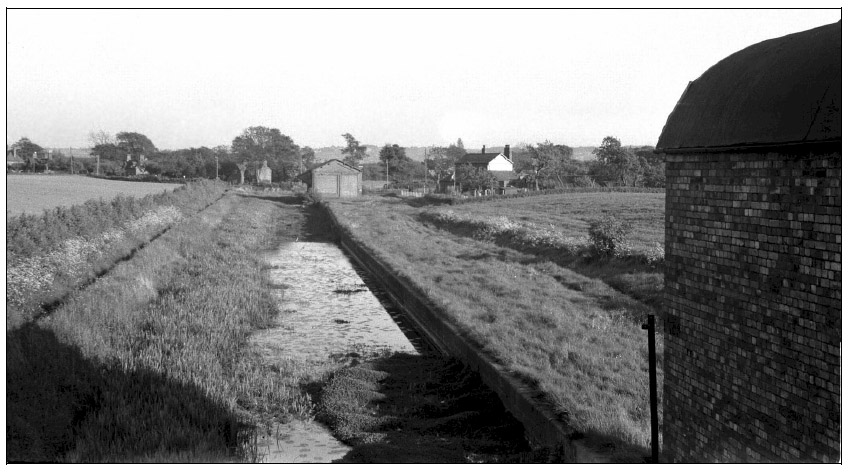
The Humber Arm Railway linked an earlier canal branch (which ran from the Newport Branch of the Shropshire Union Canal at Kynnersley to a wharf at Lubstree close to The Humbers, a small hamlet North of the old LNWR mainline through Donnington and on the North side of Venning Barracks, the base of the 11th Signal Brigade and Headquarters West Midlands, part of the British Army’s 3rd UK Division.) with the Lilleshall Company’s private rail network. [1]
The Canal was opened to traffic in May 1844 and was initially served by a tramway which ran from Lubstree Wharf to Lodge Furnaces. Between the Canal and the tramway the distance from the Shropshire Union Canal to Lodge Furnaces was about 4 miles (1 mile of canal and 3 miles of tramway).
The canal arm was authorised by an Act of parliament in 1827. If built at that time it would have been part of the Birmingham and Liverpool Junction Canal. Its successor was the Shropshire Union Canal. It seems that the Duke of Sutherland landowner and influential partner in the Lilleshall Company built both the canal arm and the associated tramway. [2: p41]
Charles Hadfield notes that two branches were authorized from canal serving Newport, “one to Edgmond that was never built, and one, to be a cut with 7 locks or a tramroad, to Lilleshall. This, on a different line and without locks, became the Humber Arm, … leading to the Marquess of Stafford’s Lubstree wharf, which opened for business in 1844.” [29: p185]
The six map extracts immediately below are mostly taken from the 25 inch Ordnance Survey of 1881/1882 and they show the full length of the canal. Traffic on the Humber Arm ended in 1922, when the fifth Duke of Sutherland closed the wharf and the railway line to Lilleshall. [3]
The junction of the Shropshire Union Canal Newport Branch and the Humber Arm which was just a few tens of metres to the South of the aqueduct shown above. The junction was to the East of Kynnersley. The Humber Arm heads Southeast from the Newport Branch. very little changed at this location from the opening to the closing of the Humber Arm. This map comes from the 1901 25″ Ordnance Survey. The following three images are extracts from the next sheet from the Ordnance Survey of 1881.[4]Three successive map extracts cover the length of the Humber Branch (Humber Arm of the Shropshire Union Canal) which appears to the bottom left of the relevant 1881 Ordnance Survey sheet. [5]The remainder of the Canal Arm is on the next 25″ Ordnance Survey sheet to the South which was published in 1882. This length brings the canal to the North end of Lubstree Wharf. [6]The Canal Wharf at Lubstree. 25″ Ordnance Survey of 1882. [6]Approximately the same area as shown on the last map extract above as it appears on the RailMapOnline.com satellite imagery. The purple lines are the approximate line of the Mineral Railway that replaced the tramway we will following first. Satellite imagery shows nothing of the Canal Arm to the North of this image. Heading to the North from here, the line if the canal traverses open fields and then Aqueduct plantation. The trees in the plantation obscure any direct evidence of the old canal arm from above and, similarly, the location of its junction with the Shropshire Union Canal Newport Branch. [10]
While it is true that direct evidence of canal remains cannot be seen, tree growth differs along the line of the two old canals as this next satellite image from Google Maps shows.
Tree growth patterns highlight both the line of the Humber Arm and the Shropshire Union Canal Newport Branch. [Google Maps, July 2023]
Derelict structures once sat adjacent to the remaining length of canal at Lubstree Wharf.
The West elevation of the Engine Shed. [13]The Engine Shed at the top end of the remaining length of canal close to the bridge which used to span the Humber Arm but which now forms a scenic break with no canal beyond. [18]The view South from the ‘bridge’ alongside the Engine Shed in the mid 20th century. The remaining length of the canal alongside Lubstree Wharf was not always full of water. [19]The view South from alongside the Engine Shed down the line of the tramway/railway which served the Wharf. [13]The transhipment shed at Lubstree Wharf in the 20th century before major deterioration set in and the roof was lost. [16]The transhipment shed early in the 21st century before reconstruction started. [17]Looking North-northwest from Humber Lane the remaining length of the canal can be seen to the right of the centre if this image. The Goods Shed which appears on the map extract and satellite image above can be seen to the left of the young tree close to the camera. It appears to be being refurbished. [Google Streetview, June 2022]
The site was advertised for sale online by Barbers Rural Estate Agents with planning permission, granted on 31st January 2019. [13] At the time the above image was taken (June 2022) the old Goods Shed/transfer facility was being refurbished as a dwelling. The three images below come from the Estate Agent’s site and show what the architect planned for the Goods Shed and the Engine Shed.
The proposed dwelling built out of the remains of the Goods Shed. [13]The computer-aided 3-D design drawings look very realistic. This image shows the planned refurbishment of the Goods Shed, the remaining length of the canal, and in the distance a refurbished Engine Shed! [13]The proposed refurbishment of the Engine Shed adjacent to the bridge which once spanned the Canal, but which now forms a ‘scenic-break’. The is no canal to the North of the bridge. [13]
The tramway was replaced by a standard-gauge railway as part of the Lilleshall Company’s network of private railways in 1870.
The Tramway
I have not been able to find earlier maps than the 1881/1882 Ordnance Survey that would show the tramway. It is, however, reasonable to assume that, at least as far as the tunnel under the LNWR mainline, the railway was built on the formation of the old tramway. The last map extract above shows the terminus of the railway (which would have also been the tramway terminus) alongside the canal wharf, the next series of map extracts show the railway (and so also the route of the tramway), running South to pass under the LNWR railway line.
The Humbers hamlet at the end of Lubstree Wharf. The end of the canal can be seen in the top-left of the extract. The tramway/railway crossed the lane through the hamlet at the end of the canal. The Humber Brook runs to the South side of the tramway/railway. [6]These two extracts from RailMapOnline’s satellite imagery cover the same length of the tramway/railway as the map extract above. [10]A wide-angle view looking West-southwest along Humber Lane. The tramway/railway crossed the lane closer to the camera than the bridge which carried Humber Lane across Humber Brook. [Google Streetview, June 2022]The camera is just to the East of the bridge over Humber Brook and is looking Southeast. The brickwork to the right edge of the picture is the end of the parapet of the bridge carrying the lane across the brook. The tramway/railway used to run along the modern driveway, heading Southeast. [Google Streetview, June 2022]This photograph is taken from a point further to the East along Humber Lane. The old tramway/railway ran just beyond the vegetation on the left of the image and behind the properties visible in the right of the picture. [Google Streetview, June 2022]The old tramway/railway continued in a South-southeast direction. [6]Again, this RailMapOnline satellite image shows roughly the same length of line as the map extract above. [10]The old tramway/railway continued following the East bank if the Humber Brook. [6]This satellite image shows the same length of line as the map extract above. [10]This map extract shows the old tramway/railway turning towards the Southeast. The Humber Brook turns away to the West. An open drain crosses under the railway and runs parallel to the old tramway/railway as it heads Southeast. [6]A similar area to that shown on the top-left of the map extract above. The purple line indicating the route of the old tramway/railway is crossed by other purple lines which mark later rails serving MOD Donnington. [10]This RailMapOnline covers approximately the same length of line as the bottom-right quadrant of the last map extract and the top-left quadrant of the map extract below. [10]The old tramway/railway turns once again to the South-southeast and is shadowed by one arm of the open drain. [6]This satellite image extends just a little further to the South than the map extract above. [10]Two map extracts showing the South-southeast trajectory of the line as it came closer to the LNWR mainline. The next map extract takes the tramway/railway on to another 25″ map sheet. [6]The approach to the point where the LNWR line crossed the route of the tramway/railway. [7]A series of three extracts from RailMapOnline’s satellite imagery which bring the purple line to approximately the position as the bottom of the last map extract above. The gate into MOD Donnington can be picked out under the purple line adjacent to the Babcock building. [10]Looking North through the gates to MOD Donnington the road running North-northwest (directly ahead of the camera) from the gate follows the line of the old tramway/railway. [Google Streetview, June 2022]Looking South-southeast from a very similar location. The bridge ahead carries the A518 over the access road to MOD Donnington. It is at the same location as the bridge which carried the old LNWR mainline over the old tramway/railway. [Google Streetview, June 2022]This extract from the 1882 25″ Ordnance Survey shows the point at which the LNWR bridged the Lilleshall Company’s tramway/railway. It also shows the old tramway route continuing to the South-southeast and the later standard-gauge mineral curving round to the Northeast to run parallel to the LNWR main line. [7]This final RailMapOnline satellite image shows the features noted on map extract above and shows the dramatic changes which have occurred in the immediate vicinity of the old tramway. The tramway route is not followed by RailMapOnline South-southeast of Wellington Road. [10]Looking North-northwest towards the bridge carrying the A518 across the entrance road to MOD Donnington. As we have already noted, the bridge is at the same location as that which carried the LNWR line over the old tramway/railway. The road leading under the bridge to the site gates of MOD Donnington follows the line of the old tramway/railway. The camera is at the approximate location where the old tramway route separated from the newer mineral railway. The mineral railway curved away to the right of this image after passing under the old bridge. [Google Streetview, June 2022]
The last map extract above shows the route of the old tramway extending South-southeast from the LNWR mainline with the more modern standard-gauge mineral railway curving round after passing under the mainline and climbing on a gradient of about 1 in 77 to run alongside the LNWR line.
This image is a further extract from the 25″ 1881/1882 Ordnance Survey. It shows the route of the old tramway crossing what became Wellington Road and continuing along what became Wrekin Drive. [7]
South of this point the old tramway continued in a South-southeasterly direction. It crossed what became Wellington Road as can be seen below on the next extract from the 1881/1882 25″ Ordnance Survey. As can also be seen on the map extract, South of the road the old tramway formation was by 1882 being used as a road/track. Which ultimately became Wrekin Drive.
The next two satellite images are taken from the ESRI images provided by the National Library of Scotland. They show the long straight length of the tramway route which is followed by modern roads.
This satellite image is taken from the ESRI image set supplied by the National Library of Scotland. The road shown running North-northwest to South-southeast across the centre of the image follows the formation of the old tramway/railway. In the bottom right of the image a bridge carries the modern A518 over the road just mentioned. That bridge and the A518 are on the line of the old LNWR mainline through Donnington. The bridge is at the same location as the bridge carrying the LNWR line over the tramway/mineral railway. [8]At the same scale as the satellite image above, this ESRI image shows the road with continues to follow the route of the old tramway. The later mineral railway turned away to the East in the top left of this image, rising to run alongside the old LNWR mainline. The smaller of the two roundabouts was built over the line of the old tramway. The road running South-southeast from the roundabout is Wrekin Drive which was also built over the line of the old tramway. [9]Looking South-southeast across the smaller of the two roundabouts mentioned above. Wrekin Drive is the road directly ahead of the camera and it follows the line of the old tramway. [Google Streetview, June 2022]
The on-going tramway route is followed on the 25″ Map extracts below but as a smaller scale than the images above. It passed Donnington Wood Farm and crossed Queens Road and then following the route of what became St.George’s Road it crossed the Donnington Wood Canal. At this point the map extract shows that the tramway tracks remained in place to serve an old ironstone mine/shaft.
It was then only a short distance further south that the tramway met the wider network of tramways in the Donnington area.
A first smaller-scale extract from the 25″ Ordnance Survey of 1882. [7]Following Wrekin Drive to the South on Google Streetview, the road entering the image from the left is Turreff Avenue. [Google Streetview, June 2022]Wrekin Drive heading towards its junction with Queen Road/Oakengates Road, still on the line of the old tramway. [Google Streetview, June 2022]This 25″ map extract from the 1882 Ordnance Survey shows (centre-top) the point at which the old tramway route crossed what is now the junction between Wrekin Drive and Queens Road/Oakengates Road. From this point on the road name changes to St. George’s Road. In the bottom-left the crossing point over the Donnington Wood Canal can be seen with tramway rails still in place to serve the Ironstone shaft which appears centre-bottom of the extract. [7]This extract from Google Maps covers the length of the old tramway route from the North edge of the extract above to the South edge of the next map extract below. [Google Maps, July 2023]This extract from the RailMapOnline satellite imagery shows the old tramway in turquoise overlaid on St. George’s Road and Lodge Road. [10]The view South from Wrekin Drive onto St. George’s Road at the crossroads with Queen’s Road and Oakengates Road. [Google Streetview, June 2022]The view South across the point where the old tramway crossed the Donnington Wood Canal. The road on the right is High Mount which follows the old canal towpath. The canal itself is long-gone. [Google Streetview, June 2022]Further to the South, the connection is made between the tramway crossing the Canal and the wider tramway network. The road entering the bottom the extract and running Northeast toward the tramway is now St. George’s Road. Its extension to the East of the tramway is Bradley Road. The tramway curves round from what is now the South-southeast bound St. George’s Road onto what is now Lodge Road. [7]As St. George’s Road veers to the right to meet the roundabout ahead the old tramway alignment runs through the bus stop and trees parallel to the footpath on the left of the image. [Google Streetview, June 2022]The old tramway crossed what is now Bradley road and then turned to the left along what is now Lodge Road, joining the wider tramway network. [Google Streetview, June 2022]The view Southeast from the roundabout along Lodge Road. The old tramway ran on the South side of the road. [Google Streetview, June 2022]The tramway followed the South side of what became Lodge Road. [7]The tramway and Lodge Road only just touched the top-right corner of this 25″ OS sheet published in 1882. [14]This RailMapOnline image shows the approximate route of the tramway from the modern roundabout and across Donnington Wood Way heading towards Old Lodge Furnaces in what is now Glanville Country Park. Its Eastern edge is in approximately the same location as the Eastern edge of the OS map extract immediately above. The turquoise line running left to right across the image is the approximate line of the tramway. The 1882 OS map extracts show the line running within the carriageway, but on the South side, of Lodge Road. [10] Lodge Road looking East. The track on the left is an arm of Lodge Road. Ahead the road is gated and now-a-days narrows to a tarmacked footpath leading towards Donnington Wood Way. [Google Streetview, July 2018]Looking West along Lodge Road footpath from a point 30 metres or so beyond the gate. [My photograph, 27th July 2023]Looking East along Lodge Road towards Donnington Wood Way. [My photograph, 27th July 2023]Looking back West along Lodge Road from the pelican crossing on Donnington Wood Way. [My photograph, 27th July 2023]Looking East across Donnington Wood Way from the same location. The bollards on the opposite side of the road mark the continuing line of Lodge Road and the old tramway. [My photograph, 27th July 2023]Travelling further to the East and on the next OS sheet, the tramway continues East-southeast along Lodge Road which is shown as a relatively wide track. [15]This image from RailMapOnline covers a similar length of the tramway as does the OS map extract above. [10]Looking Southeast from Donnington Wood Way along the route of the tramway. In the past Lodge Road was a wider track, the tramway continued to run just inside the South verge of the track. [Google Streetview, June 2022]Looking back along the line of the old tramway towards the modern Donnington Wood Way. [My photograph, 27th July 2023]Turning through 180°, this is the view Southeast along the line of the tramway. [My photograph, 27th July 2023]Around 100metres further to the Southeast, this is the view back towards Donnington Wood Way. [My photograph, 27th July 2023]And again, Turning through 180°, this is the view Southeast towards Old Lodge Furnaces. [My photograph, 27th July 2023]At the bottom-right of the satellite image above, and at the top-left of the satellite image below, this is the view along the line of the old tramway where it crosses Granville Road. The line ran through the trees ahead curving round a little towards the South but still generally on a Southeast bearing. [My photograph, 27th July 2023]This next map extract from the 25″Ordnance Survey published in 1882 shows the line curving round to the Southeast and passing a series of spoil heaps before arriving at the site of Old Lodge Furnaces. [15]This RailMapOnline image is approximately the same width as the map extract above. The tramway route we have been following enters top-left and runs diagonally across to the right edge of the image. Modern industry now occupied the Western part of the Old Lodge Furnaces site. [10] The site of Old Lodge Furnaces as it appears on the 25″Ordnance Survey of 1882. The tramway enters the site at the bottom-left of this map extract. [15]Covering approximately the same area as the map extract above, this image, from the RailMapOnline satellite imagery shows the area of Old Lodge Furnaces as it appears in the 21st century. The turquoise lines are tramways, the purple lines are the later standard-gauge Mineral Railways of the Lilleshall Company. [10]This is a close-up of part of an information board in Glanville Country Park. It shows Old Lodge Furnaces as they would have appeared when the tramways provided for their transport needs. The view is from the Northeast. [My photograph, 27th July 2023]
This is as far as we follow the old tramway which served the Humber Arm, as the tramways near Old Lodge Furnaces will be covered in greater detail elsewhere. It is worth noting that a significant investment was made in the transport facilities at the site which depended, while open, on a series of tramway branches to supply the furnaces and to take away the iron that they produced.
Old Lodge Furnaces. [21]
The Friends of Granville Country Park’s website provides a general introduction to the history of the Old Lodge Furnaces: … [22]
In 1824 the company brought into blast two new furnaces near the site of the Old Lodge. They were named the Old Lodge furnaces because of their proximity to the site of an old hunting lodge which was demolished in 1820. In March 1825 the Lilleshall Company paid the Coalbrookdale Company £2392 for (presumably) a Blast Engine. George Roden, a stonemason from the Nabb, was paid £425 in 1825 and £777 and 5 shillings in 1826 for erecting loading ramps and the retaining walls. In 1830 the Donnington Wood and the Old Lodge ironworks together produced 15,110 tons. A third furnace was added in 1846 and two more in 1859.
New blast beam engines, manufactured by the Lilleshall Company, were installed in 1862 and the height of the furnaces was increased from 50 to 71 feet at about the same time. Limestone came, via the canal, from the Lilleshall quarries and the coal (coke) and iron stone from the local pits via an extensive system of tramways, some of which, were later converted to standard gauge railways. The 1882 map show this series of transport plateways to transport the materials to the top of the furnace, and remove pig iron the furnace bottom.
The Old Lodge Furnaces produced cold-blast pig iron of the finest quality, but eventually it could not compete with cheaper iron made elsewhere and in 1888 the last of the Old Lodge furnaces was blown out 1888. The furnaces were demolished in 1905 by Thomas Molineaux Jnr, including a tall chimney 140 feet high by 13 feet diameter, known locally as “The Lodge Stack”. In 1956 the stone was reused for St Mathew’s Church. Thereafter the company concentrated all its iron and steel making at Priorslee. [22]
The Mineral Railway
We return now the the overbridge which carried the LNWR over the tramway and the later mineral railway which curved round to the East after passing under the bridge. The length from Lubstree Wharf to the LNWR overbridge is covered above. Charles Hadfield explains that in 1870, anxious to save money on the Trench Incline, the Canal company “agreed to lease Lubstree wharf on the Humber Arm of the Newport branch from the Duke of Sutherland and pay a wharfage rate of 0.5d/ton, so that the coal and other traffic from Lilleshall could be shipped there. To carry it, 30 boats were taken from the company’s fleet, and others ordered to replace them. New accommodation was provided, and a railway line built from Lubstree to the Lilleshall Company’s works.” [29: p239]
However, by 1880, “the Humber Arm was only carrying fluxing stone, though two years before the iron ore toll from Ellesmere Port had been specially reduced for the Lilleshall Co. Negotiations for its better use followed, and the [canal] company agreed to take 300-400 tons a week of limestone and 100-150 tons of ore at agreed rates. The Shropshire Union also hoped for a coal trade outwards, and pig-iron to be carried for transhipment to the L.N.W.R. Business seems to have remained brisk for some time after that, for in 1891, when the wharf lease was renewed, another siding was built. In 1905 it was renewed for another fourteen years.” [29: p242]
David Clarke the photographer of the image above is also the author of a book about the Railways in the Telford Area published by the Crowood Press. You can find a review of the book on this link.
The canal route can be followed on the Captain Ahab’s Watery Tales blog, so there is no need to repeat it here. [27] The remaining length of the mineral railway to Muxton Bridge Colliery is covered below.
This sequence of 9 extracts from RailMapOnline.com show the same length of the mineral railway as covered by the Ordnance Survey extract above the sequence. [10]Looking Southeast along Cookson Close from a point close to the roundabout on Donnington Wood Way. The old tramway ran through the trees to the right of the fence visible in this image. It ran at a higher level. [Google Streetview, June 2022]Further Southeast, this view looks East along Cookson Close. The old tramway was at a higher level. Its route runs beyond the fence and trees at the right of this image. [Google Streetview, June 2022]Cookson Close curves round towards the Northeast before reaching a modern development boundary. A short footpath takes us to Jarrett Walk. This photograph is taken at the point where we join Jarrett Walk and looks Northeast. The old tramway route ran at a higher level beyond the fence and trees to the right of this image. [Google Streetview, June 2022]As we reach the far boundary of this development, Jarrett Walk turns away to the Northwest. The old tramway route continues ahead parallel to but beyond the fence to the right and at a higher level. [Google Streetview This next extract from the 1881 25″ Ordnance Survey shows Muxtonbridge Colliery, which was served by the mineral railway, Muxtonbridge Farm and the Donnington Wood Canal arm meandering its way Northeast towards Lilleshall Grove Lilyshall Abbey and Lilyhurst Road. [26]These last two extracts from RailMapOnline.com show the last length of the mineral railway that served Muxtonbridge Colliery. [10]
Both Waxhill Barracks Collery and Muxtonbridge Colliery closed at around the same time at the turn of the 20th century. [22] Muxtonbridge Colliery was active from 1890 to 1905. Waxhill Barracks Colliery had a longer life, 1818 to 1900.
The remains of Muxton Bridge Colliery pumping engine house is a listed ancient monument. [28]
We have now looked beyond the immediate length of the Humber Arm of the Newport Branch of the Shropshire Union Canal and the Lilleshall Company’s tramways and mineral railways in the immediate area of the canal arm. We have covered the old tramway between the Canal and Old Lodge Furnaces and a significant length of the later Mineral Railway, so as to get an impression of the area that the Lubstree Wharf served when it was active.
The ‘Modern Tramway’ reported in January & February 1963 on a relatively short lived experiment on Blackpool’s trams. The Marton route was an inland route through Blackpool which complemented the promenade route. It is route ‘C’ on the featured image above. [11]
The two articles were written by F.K. Pearson who suggested that his articles could perhaps have been entitled, ‘The Experiment That Didn’t Quite …‘ [1]
The Marton Route opened in 1901 but by 1938 it was approaching the end of it’s useful life, needing relaying and requiring a new fleet of 15 trams. A decision to undertake the work was deferred by Blackpool Town Council. War intervened and the existing trackwork was patched up to last a few more years.”By the time relaying could be considered again, technical progress had rendered the 1938 plan out of date, and the Marton route was chosen for one of Britain’s most interesting public transport experiments, the only attempt ever made to provide a tram service which by its sheer frequency, comfort and riding qualities could compete not just with the bus but with its future competitor, the private car.” [1: p14] Pearson’s article reports on that experiment, how near it came to success. and where it eventually failed.
Pearson continues:
“The story begins with the acquisition in 1945 by Crompton Parkinson Ltd. of a licence to manufacture in Britain certain equipment similar to that in the American PCC-car, the patents of which were held by the Transit Research Corporation in the USA. The experiments which followed were aimed at producing a vehicle which in silence, comfort, performance and soothness of riding would outshine any existing public service vehicle and rival that of the best private car. Blackpool already had modern trams, plenty of them, designed for the straight, open, track on the Promenade where even orthodox cars could give a smooth and quiet ride, but what was promised now was a tram with silent ‘glideaway’ performance even on grooved street track with frequent curves These route conditions, frequently met with in other towns, existed in Blackpool only on the Marton line, and Mr. Walter Luff the Transport Manager, made no secret of the fact that he hoped to persuade the Town Council to let him use the Marton route for a large-scale experiment that might have considerable repercussions on the future of tramways elsewhere in Britain; in short, to make it a show-piece.
The question of relaying the route was reopened as soon as the war ended, and the Town Council asked for comparative estimates for trams, buses and trolleybuses. Mr. Luff reported that to keep trams would cost £136,380 (£61,360 for new track £75,000 for 15 new cars), buses would cost £56,940 including road reinstatement and depot conversion, and trolleybuses would cost £87,360. He made no secret of his belief that the experiments then in progress would result in a vehicle superior to be existing tram, bus or trolleybus, and the Town Council, wishing to await the outcome of the trials, postponed a decision and asked that the track be patched up for a few more months.
The first objective of the new equipment was silent running on grooved street track. This was achieved by using resilient wheels with rubber sandwiches loaded in shear between the tyre and the wheel hub, which would absorb small-amplitude vibrations arising from irregularities in the track instead of transmitting them through the springing to the rest of the car, and in the process would achieve virtual silence. Furthermore, the resilient wheel allows slight lateral flexibility and reduced side friction between flange and rail, eliminating the usual scrub on curves and incidentally reducing flange wear to an extent which eliminated the need for re-turning the tyre profile between successive re-tyrings. These rubber-sandwich wheels could be unbolted and changed like those of a bus, necessitating a newly-designed inside-frame truck (type H.S. 44) produced by Maley & Taunton, Ltd., who also designed and supplied a “silent” air-compressor to eliminate another source of noise. The experimental trucks were placed under car No. 303, and on 26th April 1946, the B.B.C. took sound-recordings on street track on this and an older car, with the microphone only three feet from the wheels.
With the old-type car the noise was considerable but with No. 393 it was practically nil.
Another traditional source of tramcar noise is the straight spur-gear drive, and this was replaced in the new truck by a right-angle spiral bevel drive, completely silent in operation, and requiring the two motors to be placed fore-and-aft in the truck. In many towns this alone would have led to a remarkable reduction in noise level, but Blackpool also knows how to keep spur gears quiet, and one wonders whether a right-angle drive (less efficient mechanically) can be justified by noise reduction alone. However, these and similar gears had been developed to such a pitch of efficiency for motor vehicles by their manufacturers (David Brown, Ltd.) that their use in a tram presented little difficulty. The technical and metallurgical problems had long since been overcome, and the only question was that of expense.
The other main objective was complete smoothness of acceleration and braking with private-car performance, and for this experiments were carried out by Crompton Parkinson, Ltd., using Blackpool car No. 208 to which the experimental trucks were transferred from No. 303 later in 1946. All four axles were motored, giving a possible initial acceleration rate of 3.5 mph. per second, and a smooth rate of change was achieved by arranging the motors in permanent series-parallel pairs and feeding them through a resistance having 94 steps instead of the usual eight. This resistance, mounted on the roof for ease of ventilation, was built around a circular steel frame with contacts on a rotating arm, turned by a small pilot motor, and the master control was by a joystick control by which the driver could select the rate of acceleration or braking required. Acceleration was automatic, for if the lever were left in a constant position the traction motors would accelerate or decelerate at constant current, yet it could also be varied by moving the stick, which explains the trade-name “Vambac” (Variable Automatic Multi-notch Braking and Acceleration Control) used for this equipment. Although inspired by that of the American PCC-car, it differed in several important respects, notably in that it enabled the car to coast. A car with this equipment, operating at the limit of its potential, was expected to consume about 4.5 units per car per mile (about 2.5 times the Blackpool average), but provision was also made to give a lower performance comparable to that of older trams if the two had to provide a mixed service on the same route. This reduced performance later became the Blackpool standard.” [1: p14-15]
Two pages from Newnes Practical Mechanics which give details of the type H.S. 44 bogies produced by Crompton Parkinson Ltd. and Maley & Taunton, Ltd. [4]
It transpired that the complete car was ready to begin trials in December 1946, and the Town Council were very soon invited for a demonstration. The track was now in an awful condition requiring a relay or abandon decision.
“After considerable debate, the Transport Committee recommended that it be relaid, and the Town Council on 8th January, 1947, decided by the narrow margin of 25 votes to 21 to instruct the Borough Surveyor to proceed with the reconstruction of the track. Blackpool Town Council, then as now, included some shrewd business-men, and the fact that they were prepared to spend twice as much on keeping trams than would have been needed for buses is the most eloquent testimonial to car No. 208 and the impression which its revolutionary equipment and performance had made. For the first time, they realised, it was possible for a public service vehicle to offer a performance as good as the private car, and it was bound to be popular.
Work began straight away, using rail already in stock, followed by 600 tons of new rail and Edgar Allen pointwork to complete the job. Other traffic was diverted, with single-line working for the trams, and by the autumn of 1948 new Thermit-welded asphalt-paved track extended throughout the 3-mile route, save only for a short section held back until 1950 because of an anticipated new road layout. …
Meanwhile, the experiments with prototype car No. 208 continued, and by mid-1947 the car (specially equipped with fluorescent lighting) was ready for regular service, though frequently in demand for demonstration runs with visitors from other undertakings. The car was not used on Marton, for the Marton schedules were based on 78-seat instead of 48-seat cars, and for its first three years the new Marton track was traversed by the same cars that had worked the service since the mid-twenties, the gaunt, upright standard-type double-deckers, some of them with open balconies. These had no part in the Marton Experiment, and were due to disappear as soon as the heralded 15 new cars made their appearance.
At this point, compromises were made. Inflation meant that the planned new cars could no longer be obtained at anything like the estimated figure. Blackpool decided, for the sake of economy, to fit the new equipment to existing trams. Twelve surplus modern single-deckers were seen as suitable.
“These cars (10 to 21) had been built cheaply in 1939 for use during the holiday season only, with second-hand electrical equipment, wooden seats, no partition between driver and passengers, the minimum of interior lighting, waist-high sliding doors, and the upper half of the windows permanently open. … Scarcely had they entered service than war intervened and they were put in store, emerging in 1942 with full-length windows, doors and cabs for use on extra workings such as troop specials.
Late in 1947, the Corporation ordered 18 sets of H.S. 44 trucks and Vambac equipment, to enable them to equip sufficient cars to work the entire Marton service, including spares. Rigby Road Works set to work rebuilding the 10-21 series into a new silent-running fleet, soon to become known as the ‘Marton Vambacs’. … Internally, the cars were given soft fluorescent lights, comfortable seats upholstered in brown moquette, new floor-coverings, and tuneful bells. The first car, No. 21, appeared in December, 1949, and its lack of noise when running was quite uncanny, the only remaining sounds being the soft buzz of the “silent” compressor, the hissing of the motor brushes, the clicking of the accelerator contacts, and the sound of the trolley wheel. Even this latter was to have been eliminated in due course, for when the Marton overhead next needed renewal the round wire was to be replaced by grooved wire suitable for use with silent-running carbon skids, of the type used on trolleybuses.” [1: p17-18]
Pearson tells us that, “Conversion of the 12 cars, took just over two years, and during this period the “new” cars could be seen side by side with the older double-deckers. In the eyes of the tramway enthusiast, the “vintage” year of the Marton route was undoubtedly 1951, when about half the service was still in the hands of the venerable but never decrepit standard cars, and mingled with these like gazelles among heavier quadrupeds (a purist might say ‘octopeds’) were the first half dozen Marton Vambacs’.” [1: p18-19]
The map of Blackpool’s trams included in Pearson’s article. [2: p54-55]
In the second installment of the story, Pearson moves on from the Autumn of 1951 to the early months of 1952, when conversion of trams No.10-21 was complete. With No. 208, this meant that there were 13 tram cars serving the Marton route which had to be supplemented at times by older double-deckers. The Council’s resources were by this time dedicated to introducing Charles Roberts cars on the Promenade.
Two of the Marton Vambac trams in Blackpool South. The nearest Vambac Railcoach No. 208 was prototype test bed for the new type of controller & inside frame bogies. Behind is one of the twelve Marton Vambac’s, rebuilt from 1939-built sun saloons. This image was shared on the History of Blackpool Facebook Group on 6th February 2021 by Pete Dumville. [5]
From 1954, when the double-deckers had been withdrawn from service. The Marton route was worked by the 13 Vambac cars and, usually, three pre-war English Electric rail coaches.
It was unfortunate that rising crew costs began to become a significant issue for the Council.
“It may perhaps have been overlooked that the success of the PCC-cars on the street routes in the USA was nearly always coupled with one-man operation. … If passengers were satisfied with the new equipment, so we’re the platform staff.
The manufacturer’s claims were fully borne out, for the automatic acceleration and the provision of simple joystick and pedal control made the cars delightfully simple to drive, reducing fatigue to a minimum and eliminating some of the finer points of instructional training, since “notching up” no longer depended on the driver’s skill. However, it was rather curious to observe the use which different drivers made of the two braking systems, due, perhaps, to the admixture of pre-war and Vambac cars. The Vambac equipment provided a smooth and reliable brake effective down to a speed of less than two miles per hour, and was intended as the main service brake, the air brake being used only for the final stop, brake-shoe life being increased accordingly. This theory can be seen in everyday application on the Promenade, with the post-war cars, yet on the Marton Vambacs many drivers seemed to prefer the familiar air brake for service use, leaving what they termed the “stick brake” in reserve for emergencies. The smoothness of braking was thus dependent once again on the skill of the driver, and the smooth automatic deceleration purchased at such expense was wasted. Other drivers would use the Vambac brake to commence deceleration but would then change to air at a speed higher than intended by the designers for the final stop, and at least one journey made by the writer was marred by the Vambac deceleration being “interrupted” each time while the driver remembered to “put on the air.” One wonders why they were so fond of the air brake, but a possible reason lies in the fact that both terminal approaches were on slight gradients, where the air brake had in any case to be applied to hold the car on the grade, unlike the flat expanses of the Promenade.” [2: p51-52]
Another factor associated with the trial was that of maintenance of the tram cars.
“On the one hand, the provision of automatic acceleration and electric braking with minimum and controlled current peaks certainly eliminated the possibility of mishandling the electrical equipment, and must have reduced routine maintenance on the control gear, while the use of cardan shafts and totally-enclosed spiral bevel drives eliminated the troubles associated with the servicing of motor-suspension bearings and reduced the shopping periods. The service availability of the Vambac cars, judging from their daily appearances has been quite as high as that of the orthodox cars, and from this one can safely say that the new equipment must have been fully adequate in avoiding excessive servicing requirements. Moreover, while new and somewhat revolutionary equipment in any field has to cope with the burden of tradition on the part of older generation staff (human nature being what it is), this hurdle seems to have been surmounted with conspicuous success. On the other hand, obtaining spare parts must have been very awkward quite apart from the cost aspect for apart from Blackpool’s own 304-class cars no one else used the same equipment, despite all the hopes that were placed in it. In 1947 the potential British market for modern tramway equipment still included Leeds, Sheffield, Glasgow and Aberdeen, and anyone who had sampled the new equipment could be forgiven for seeing in it a germ of resurgence for tramways and a hope of further orders; but this was not to be. From this aspect, one begins to understand why the five extra sets of trucks and equipments were used as a source of spares rather than to equip further cars.” [2: p52, 54]
An interesting claim made for the new resilient-wheeled trucks was a saving in track costs. Although the track was abandoned before claims of a 30-year life could be tested, the track, “certainly stood up very well to 15 years’ life, and even at the end much of the track and paving was still of exhibition standard, Some of the sharper curves had been renewed, but this was only to be expected, for grooved rail generally lasts four times as long on straight track as on curves. On the sections with non-welded joints (usually) curves), there has been none of the usual deterioration of joints through hammer-blow … [found in] towns using heavy double-deck cars. The one unexpected phenomenon [was] the appearance of a few patches of corrugation.” [2: p54]
Pearson spent a short while alongside a corrugated stretch in Whitegate Drive, listening to sounds made by different types of car. He comments: “The passage of a Vambac car, even on the corrugations, was a process of exemplary quiet, but the occasional pre-war solid-wheeled car produced a roaring noise that told its own story.” [2: p54]
In his opinion, it was the “periodic traverse of the Marton tracks by these few pre-war solid-wheeled railcoaches (and by cars going to and from the Marton depot) that ha[d] given rise to the corrugations, and Whitegate. Drive residents who wrote to the papers in complaining terms can only have had these cars in mind. From the track aspect, it is therefore a pity that the original plan to equip 18 cars was not carried out, for the pre-war Blackpool cars, lacking track brakes, beget corrugations wherever they encounter solid foundations.” [2: p54-55]
A sequence of monochrome photos which were published as part of Pearson’s articles are shown below. The first four show something of the lifespan of the experiment. The following three show Marton Vambac trams at the various termini of the Marton Route.
“From the various engineering aspects – performance, silent running, case of control, routine maintenance, track wear, and availability – the Marton Experiment was therefore a success, even though it did not induce any other tramways to invest in similar equipment. The new equipment did all that the manufacturers claimed for it, and once the teething troubles were overcome ha[d] continued to function smoothly and efficiently for more than 10 years, with no further modifications of any importance. The Crompton Parkinson/Maley & Taunton Vambac/H.S.44 combination represented the ultimate development of street tramway practice in this country.” [2: p55]
Pearson considered that the VAMBAC trams had infinitely superior qualities both in riding and silence, so far as solid track was concerned. They were popular with the public – when abandonment was first proposed there was a significant outcry from customers who said that the VAMBAC trams were the finest transport service they had known. “Marton residents organised a massive petition to the Town Council for its retention, without any prompting from tramway-enthusiasts, in fact without their even knowing of it. The campaign was headed by Alderman J. S. Richardson, now the Mayor of Blackpool, and it is a sad coincidence that in his mayoral capacity Alderman Richardson himself had to preside at the closing on 28th October, 1962.” [2: p55]
It is Pearson’s view that the main reason for the failure of the experiment and the closure of the Marton tram route was the economic impossibility of two-man operation with only 48 seats per tram. While this was the main reason, there were at least three subsidiary factors: the cost of spare parts; the high energy cost of starting from rest; awkward relationships with other road users as visiting road users were no longer used to mixing with trams in their own communities.
He notes that crew costs in the 1960s accounted for an average of about 75% of a transport budget. Tram costs were higher than buses, the only way to offset that difference was to maximise the customer load-factor (this was effective on the Promenade) or to use tramway units of higher capacity than the largest available bus, so as to bring the cost per seat-mile down to a competitive figure. Had articulated cars been available that would have addressed the issue. “The 48-seat Marton Vambacs were below the minimum economic size … and throughout the experiment the route … had to be increasingly subsidised from the receipts of others. The Marton residents … enjoyed a superb service at considerably less than cost, and were naturally loth to lose it, but any suggestion of passing on the cost by raising the fares to a scale above that of the inland bus routes (as is done in summer on the Promenade) would clearly have been politically out of the question.” [2: p56]
Pearson’s own opinion, expressed in his article, is that the 12 year experiment proved that “revolutionary new concepts in tramway engineering [could] be applied to a normal street route as well as on the special field of the Blackpool Promenade, and Marton’s disappearance [was] a sad occasion for all who [saw] in the tramcar a still only partially-exploited form of transport. Looking back, it seems a repeat of a sadly familiar pattern; the engineering profession has delivered the goods, but the confused pattern of public transport in this country has never made full use of the potential made available by the engineers, electrical and mechanical, who gave practical expression to what [was], for most of us, still a composite dream.” [2: p56]
The Blackpool Trams website tells us that, “the first VAMBAC was withdrawn in 1960 as car 10 suffered accident damage and was scrapped soon after. The second VAMBAC withdrawn was 21 in 1961, which was withdrawn as a source of spare parts for the remaining trams, while 14 was also withdrawn for use as a driver training car. The writing was on the wall for the Marton Route, which had been isolated and lost it’s summer services to South Pier following the closure of the Lytham Road route in 1961, however, the remaining VAMBACS remained in use until October 1962 when the Marton route closed, with 11, 13, 15, 17 and 18 operating on the last day. The VAMBACS remained in Marton Depot and were joined by other surplus trams for scrapping in 1963. … One VAMBAC did manage to survive however, VAMBAC 11 was requested for a tour of the remaining parts of the tramway early in 1963 and was extracted from Marton Depot and made it’s way to Rigby Road. Following the tour, 11 was eventually preserved and found its way into preservation and is now at the East Anglia transport museum, where it still sees regular use today.” [3]
One of the Martin Vambacs in service in Blackpool in the late 1950s or early 1960s. This image was shared on the History of Blackpool Facebook Group on 7th April 2017 by Tony Latham. [6]Another Marton Vambac outside Abingdon Street Market. This photograph was shared on the History of Blackpool Facebook Group on 18th May 2023 by Jess Tulloch. [8]The interior of Marton Vambac No. 11 in its preserved condition at the East Anglia Transport Museum near Lowestoft. This image was shared on the History of Blackpool Facebook Group on 23rd February 2023 by Col Macloud. [7]A composite image of Marton Vambac No. 11 as used by ‘Videoscene’ in their range of transfers applied to mugs. [9]Marton Vambac No. 11 at its present home – the East Anglia Transport Museum. [10]
References
F.K. Pearson; The Marston Experiment; in Modern Tramway, Volume 26 No.301; Light Railway Transport League & Ian Allan, Hampton Court, Surrey, January 1963, p14-19.
F.K. Pearson; The Marston Experiment …. ; in Modern Tramway, Volume 26 No.302; Light Railway Transport League & Ian Allan, Hampton Court, Surrey, February 1963, p51-56.
As part of a batch of magazines from the 1950s and 1960s I picked up a number of editions of ‘Modern Tramway’ from 1963 into 1964. ‘The Modern Tramway’ was the journal of the Light Railway Transport League (LRTL). By 1963 it had dropped the ‘The’ and was published jointly by Ian Allan and the LRTL. Its formal title was ‘Modern Tramway and Light Railway Review’.
The February 1963 edition of the journal was priced at 2s 6d.
Among a number of articles in the journal was a piece by G. Hyde, The Strange Tale of No. 2.
This No. 2 was Beyer Peacock steam tram engine No. 2. It is shown in the featured image above in which it is seen at Beyer Peacock’s works in Gorton, Manchester. [2]
It was originally built to a Wilkinson patent for the New South Wales Government tramways in 1885 and shipped to Australia in April of that year. It made several trial runs on the Redfern Station line of the Sydney steam tramways, but it evidently did not compare favourably with the Baldwin locomotives then in use there. Hyde says that, “It was reputed to have a heavy fuel consumption. and Beyer Peacock’s received complaints about the difficulties in maintaining a sufficient head of steam, but the engine hardly had a fair trial as only short runs were made with it, and the drivers’ inexperience may have contributed to its shortcomings. The trials were invariably carried out after midnight so no photographs were taken of the engine in service; neither was it ever incorporated into the Sydney tramway stock, consequently it never had a fleet number. Whilst in Australia it was referred to as ‘John Bull’.” [1: p48]
After its short unsuccessful trials in Sydney, John Bull was shipped to the small port of Wollongong and worked the isolated Wollongong-Clifton section of the New South Wales Government railways. It stayed there until the section was connected to the main coastal line in 1886.
Hyde commented that at this point “John Bull” disappeared. “Nothing further is known about it until it turned up again at Manchester in 1890, when it featured in Beyer Peacock’s stock list as yard engine No. 2. The mystery of this missing four years is heightened by the fact that Beyer Peacock’s records refer to the engine as having been salvaged, and returned to their works. This led to the rumour which persists in the Gorton works that No. 2 fell into the sea at one point during its travels round the world.” [1: p48]
In 1890 the loco was modified, the duplicate controls were removed, as also were the wheel curtains, then railway type buffers and drawgear were fitted.
In 1915 a steam brake was fitted, then in 1930 a new boiler was installed and in 1958 a new steam dryer was fitted. It was ultimately withdrawn from service in early 1959.
Hyde asserted that No. 2 was “certainly the biggest tramway engine ever built to Wilkinson’s patent, and was one of the most powerful steam tramway engines ever to be built in this country Its gross working weight of 16 tons compares with the 12 tons of the heavy 83-86 class Wilkinson engines of the Manchester, Bury, Rochdale & Oldham tramway, one of which is being kept by the British Transport Commission.” [1: p49]
Hyde provided detailed information about No. 2. … It had two simple cylinders, 9.5 in. diameter by 12 in. stroke. The crank axle had a pinion in the centre with 20 teeth geared to a spur wheel on the driving axle having 33 teeth, thus having a ratio of 1.65 to 1. It was fitted with a Stephenson type link motion. The four coupled driving wheels were of 30 in. diameter, with a wheelbase of 6 ft. 8 in. The water capacity was 225 gallons and there was a fuel space of 11 cubic feet. The vertical boiler was of the Field type, and had 121 tubes, each with an outside diameter of 2.13 in. The tubes, which project down into the firebox, were between 19 and 27 inches long, and had fitted concentric open-ended internal tubes known as circulating tubes. The working pressure is 150 lb. per sq. in., and the total heating area was about 184 sq. ft. with a total fire grate area of 10.8 sq. ft. The engine has an overall length of 13 ft 6 in. and an overall width of 7 ft.
“For close on 70 years, No. 2 trundled round the Gorton works of Beyer Peacock’s being affectionately known there as Old Coffeepot,” and it is hoped that it will now see many more years of active life at the Crich Tramway Museum. In the erecting shops at Beyer Peacock’s the wheels were re-tyred and the new tyres turned down to tramway standards. Then, after boiler inspection and insurance formalities had been completed, it was despatched to join the T.M.S. fleet at Crich as the only working British steam tram engine.” [1: p49]
Hyde noted that “Project Steam Tram” would involve the Tramway Museum Society in some heavy capital outlay, and that the Society was appealing to tramway enthusiasts to take an interest in the project and support it with donations. [1: p49-50]
More recent research has filled in some of the unknowns which Hyde commented on in 1963. It was Beyer Peacock Works No. 2464 and carried an operational number of 47 in Australia. In the missing years the locomotive is thought to have spent time working in Illawarra between 1887 and 1888 prior to returning to the UK in 1889. That it was at Illawarra may be a reference to its work on the Wollongong-Clifton section of the New South Wales Government railways. If so then it remained in New South Wales longer than the article in ‘Modern Tramway‘ suggested. [2][3]
As a works shunter, the tram operated in the firm’s large works complex towing huge Beyer-Garrett locomotives from one shed to another.
After arriving at Crich in 1962, No. 2 “was operated under steam for some years from 1966. A period of off-site storage between 1971 and 1978 was followed by a return to steam in the 1980s, during which it even performed on the Santa specials. However, the work involved in firing it up, supplying it with coal and clearing away the ash helped to explain why steam traction gave way to electricity on Britain’s tramways in the early years of the twentieth century.” [3]
Crich Tramway Museum’s website tells us that, “because it was destined for export and as it was expected to be pulling much heavier loads it was much larger than those built for the home market. With 30 inch driving wheels and weighing almost 16 tons it was a true giant of a tram engine, though it did boast a number of features in common with other road-going locomotives including the fully enclosed wheels and a mechanism – in this case a “Wilkinson Patent” exhaust superheater – that was designed to reduce the amount of smoke emitted.” [3]
References
G. Hyde; The Strange Tale of No. 2; in Modern Tramway Volume 26 No. 302, LRTL and Ian Allan, Hampton Court, Surrey; February 1963, p48-50.
How are we meant to read Leviticus 18:22 and 20:13?
The later part of this article attempts to understand the nuances in different arguments about the actual meaning of these two texts. Attempting to do this is, of necessity, complex and really requires a far greater understanding of Ancient Hebrew than I can aspire to, having only followed a relatively short course at theological college. They say that a little knowledge can be a dangerous thing. Nowhere is this more true than in the area of ancient texts and their meaning. Any misunderstandings of the arguments made by others and covered in this article are solely mine.
The traditional view and the approach of much of the English-speaking international church to these two verses is to continue to use what have been accepted English translations of the texts. So, we have these translations:
Leviticus 18:22: You shall not lie with a male as with a woman; it is an abomination.
Leviticus 20:13: If a man lies with a male as with a woman, both of them have committed an abomination; they shall be put to death; their blood is upon them.
In order to get to grips with these two verses we need, first, to understand their context and then look at the meaning of the original Hebrew text. As part of doing so we may also need to look at similar uses of the words used in these two texts.
In addition, we will need to ask what status these texts have for Christians who now live under ‘grace’ rather than under ‘the law’. Romans tells us, “‘sin shall no longer be your master, because you are not under the law, but under grace.’ [Romans 6:14] … In the New Testament (NT), the Old Testament (OT) law is described as something that ‘proved to be death’ to us [Romans 7:10], ‘came to increase trespass’ [Romans 5:20], and held us ‘captive’ and ‘imprisoned’ [Galatians 3:23].” [3]
However, we cannot just dismiss ‘the law’. “In Matthew 5:17, Christ teaches that he is indeed not progressing away from the law: ‘Do not think that I have come to abolish the Law or the Prophets; I have not come to abolish them but to fulfill them.’ … [and] … Romans 3:31 says: ‘Do we then overthrow the law by this faith? By no means! On the contrary, we uphold the law.’” [3] If this is also true, how do we live not under ‘the law’ but under ‘grace’? How do we interpret OT law in a NT age?
First, context! …
The Holiness Code
The section of Leviticus in which the two verses fall (Leviticus 17 to 26) is often referred to as the Holiness Code. The emphasis, throughout these chapters is “on holiness, on being holy, on being pure. And so what you eat, what you do, what you are, all these things can affect how holy you are, how pure you are.” [2]
“And so,” says Jonathan Tallon, “eating the wrong food makes you less holy [Lev. 20:25]. Having a tattoo makes you less holy [Lev. 19:28]. Wearing clothes from different fibres – like wool and linen together – makes you less holy [Lev. 19:19]. Even having a physical disability makes you less holy [Lev. 21:16-23].” [2]
In part, the holiness code encouraged Israelites to be pure, separate from, different to their pagan neighbours. Everyday life became a symbol of that purity. Israelites were not to assimilate to surrounding cultures, just as different types of fibres shouldn’t be in the same cloth.
It is reasonable, therefore, in thinking about the meaning of the verses which make up the ten chapters of the ‘Holiness Code’, to ask what the prevailing cultural norms of those other cultures were. How were Israelites to be different from their neighbours?
It is probably also reasonable to note that there is no mention in Leviticus 18:22 & 20:13 of the actions/roles of two women.
But perhaps we are getting ahead of ourselves. Let’s look at the two chapters in Leviticus first.
Leviticus 18 and 20
I have found an article by Susan Day Pigott helpful as an introduction to these chapters. [25]
“Leviticus 18 and 20 forbid all sorts of sexual activity as well as foreign cult practices. In both, the purpose of the laws is clearly stated in the context of avoiding the practices of other nations. Lev. 18:3: “You shall not do as they do in the land of Egypt, where you lived, and you shall not do as they do in the land of Canaan, to which I am bringing you” (NRSV). Lev. 20:23: “You shall not follow the practices of the nation that I am driving out before you. Because they did all these things, I abhorred them” (NRSV). Thus, the first thing we should notice is that the laws of Leviticus 18 and 20 are about avoiding the practices of other nations—nations which worshiped other gods.
Leviticus 18 and 20 differ in the order and in some of the practices they list. Leviticus 18 simply cites the practices and sometimes labels them as abominations or other such things. Leviticus 20 tends to cite the practices and also commends punishments for each one. Often the penalty is death.
Both Leviticus 18 and 20 emphasize avoiding the worship of Molech, a foreign deity, especially in regard to child sacrifice (Lev. 18:21; Lev. 20:2-5). This is another clue that these laws revolve around avoiding the practices of other nations. Interestingly, the law forbidding sacrificing children to Molech appears immediately prior to the oft-prooftexted 18:22, usually understood to forbid homosexuality.
Most of the laws of Leviticus 18 forbid sexual relations amongst family members (Lev. 18:6-18). One verse warns against having sex with a menstruant (Lev. 18:19; cf. Lev. 20:18 which states that both the man and woman will be cut off from their people!). One verse forbids adultery (Lev. 18:20). And the next forbids sacrificing children to Molech (Lev. 18:21). Next comes our … verse (Lev. 18:22), followed by a verse forbidding bestiality (Lev. 18:23). The remaining verses emphasize that such practices are forbidden because the “defiled” nations practice them (18:24-30).
The laws of Leviticus 20 are more diverse. The chapter begins with the laws forbidding worship of Molech (Lev. 20:1-5). This is followed by forbidding the use of necromancers (Lev. 20:6), admonitions to remain holy (Lev. 20:7-8), and a warning against cursing one’s father or mother lest one be put to death (Lev. 20:9). The laws that follow focus on forbidden sexual relations, including our other … verse (v. 13) (Lev. 20:10-21). The chapter concludes with a restatement of the importance of making a distinction between Israel and the other nations (Lev. 20:22-26) and a final verse forbidding the consultation of necromancers (Lev. 20:27).” [25]
Tallon helps us to understand the prevailing culture in nations surrounding Israel in OT times: “In the surrounding cultures, the major socially acceptable form of same-sex activity was with male shrine prostitutes as part of temple worship to pagan gods and goddesses. And there is repeated rhetoric against these shrine prostitutes at different parts of the Hebrew Bible [see Deut. 23:17; 1 Kings 14:24 (linked with abomination), 15:12, 22:46, 23:7].” [2]
Susan Day Pigott draws attention to Leviticus 18:21 where pagan Molech worship is explicitly referenced and points to a passage in Isaiah:
“Upon a high and lofty mountain you have set your bed, and there you went up to offer sacrifice. Behind the door and the doorpost you have set up your symbol; for in deserting me, you have uncovered your bed, you have gone up to it, you have made it wide; and you have made a bargain for yourself with them, you have loved their bed, you have gazed on their nakedness. You journeyed to Molech with oil, and multiplied your perfumes; you sent your envoys far away, and sent down even to Sheol.” (Isa. 57:7-9 NRSV).
Susan Day Pigott comments: “Clearly, in this text, setting up your bed is a symbol for worship of Molech. Perhaps the same is true in Leviticus. And since both Levitical verses speak of lying with a male on the beds of a woman, perhaps the issue is sacred prostitution, not homosexuality.” [25]
More widely in the ancient Near East there were cultures like Ancient Greece, where the dominant form of male-male intercourse was (usually married) men with boys – pederasty. Perhaps is is significant, then, that the translation of Leviticus 20:13 above, talks of a man lying with a male (a boy or a man).
This means that we have two areas of ancient pagan life from which the Israelites were called, in the Holiness Code, to be different – pagan temple coupling between males and pederasty. These two things are manifestly different from faithful, loving, committed relationships. Tallon provides a helpful image to help us visualise this:
This simple Venn diagram helps us to understand that what was condemned in Leviticus was different from the matters we are discussing in the church today. Some overlap is reasonable – all relationships can go wrong and become sinful. [2]
If we are to take these two verses from Leviticus seriously, we have to engage with their context.
Second, we need to ask what status these verses have for people who follow Jesus.
Status of the Holiness Code in a Christian’s Life
We touched on this earlier in this article. This is a serious question which relates to the applicability of OT passages in our own context. We cannot just say that we write-off the OT and particularly the Holiness Code as inapplicable to Christians. Jesus, himself, does not do this. Rather than negating or dispensing with the OT law, Jesus reinvigorates it. In the Sermon on the Mount, he takes external rules and applies them internally to our hearts, thoughts and lives. So, for example, he says: “You have heard that it was said, ‘You shall not commit adultery. ‘ But I tell you that anyone who looks at a woman lustfully has already committed adultery with her in his heart.” [Matthew 5: 27-28]
Here, I have to part ways with Jonathan Tallon. His argument is that, “Christians don’t have to keep the Law. Why not? Because, with the arrival of the Messiah, Jesus, the time of the Law has come to an end. [Romans 10:4; Galatians 3:24-26]. We have been given a new law – the law of love. Love God, and love your neighbour [Galatians 5:14]. So it doesn’t matter whether you get a tattoo, or wear a cotton-polyester blend, or work on a Saturday (which is the Sabbath). The only thing that matters is whether what you are doing is loving.” [2]
I think that he overstates his case. It is true that as Christians, we are not under ‘the law’ but under ‘grace’. It is not true that we can, as a result, ignore what the OT scriptures say. Evangelical Christians believe that all scripture is ‘God-inspired’, breathed out by God. Not only does that mean that we have to treat it with respect, which we manifestly need to do, but also we need to listen to it and allow it to speak into our lives. That is actually what Tallon was doing as he helped us to understand the context in which these verses were written. It is also what Tallon was doing as he helped us to listen more carefully to the message of these passages from Leviticus. He is actually acknowledging that these OT passages do have something to say to us about what it means to be ‘loving’ and to live under ‘grace’.
How should we apply these verses (and others from Leviticus)? Taking them literally will mean that we have to accept the death penalty for homosexuality. [Leviticus 20:13] We will also need to accept that adultery is punishable by death. [Leviticus 20:10] It will mean that a person who gets a tattoo should be cut off from the community. [Leviticus 19:28] It will also mean that we cannot have mixed-fibres in our clothes nor mix food on our plates. [Leviticus 19:19] Or we take all these passages literally but ignore the bits we say no longer matter – we pick and choose.
While it is true that there is significant problem with taking these passages, as we read them today, primarily in translation, literally. We must also acknowledge that a significant number of the things written about in the Holiness Code are still seen, and must ever be seen, as wrong – incest is a prime example.
So, rather than taking these scriptures literally or saying that they no longer apply to us, we are, I think, intended to think these things through carefully, to understand the original point being made and then to apply these scriptures to help us understand what it means to be under ‘grace’ and living according to a ‘law of love’.
There is a sense in which our discussion so far has not yet delved deeply into the meaning of these passages. We have noted the context and the contrasts being made with the pagan world around Israel in OT times. In doing so we have focussed to a great extent on the verses translated into English.
What happens if we try to focus primarily on the Hebrew text? Is the position the same, or do have to look agin at out thinking?
Lost in Translation?
How sure are we that the English translation of the verses we are looking at are a fair and accurate translation of the original text?
Perhaps we should start by trying to understand the process of translation and then try to consider the original texts. …
Translation from Hebrew into English (or any other modern language is not simple. The original Hebrew text had to be interpreted by later readers to add what we would call vowels to the original words. Wikipedia is not necessarily the best authority to turn to but it is of general assistance. Wikipedia tells us that:
“Biblical Hebrew has been written with a number of different writing systems. From around the 12th century BCE until the 6th century BCE the Hebrews used the Paleo-Hebrew alphabet. This was retained by the Samaritans, who use the descendent Samaritan script to this day. However, the Imperial Aramaic alphabet gradually displaced the Paleo-Hebrew alphabet after the exile to Babylon, and it became the source for the Modern Hebrew alphabet. All of these scripts were lacking letters to represent all of the sounds of Biblical Hebrew, although these sounds are reflected in Greek and Latin transcriptions/translations of the time. … No manuscript of the Hebrew Bible dates to before 400 BCE. … Vowel and cantillation* marks were added to the older consonantal layer of the Bible between 600 CE and the beginning of the 10th century. The scholars who preserved the pronunciation of the Bibles were known as the Masoretes.” [4]
* Cantillation is is the manner of chanting ritual readings from the Hebrew Bible in synagogue services. The chants are written and notated in accordance with the special signs or marks printed in the Masoretic Text of the Bible, to complement the letters and vowel points.
This does not necessarily mean that meanings were changed in this process. As writing systems changed and as pointing was introduced and developed, the scholars of the time were seeking to preserve pronunciation, not to change it. But that process means a that an inevitable layer of interpretation occurred over a period of perhaps four centuries. We only need to think of the differences between 17th century English and 21st century English to realise that in four centuries a great deal of change can and does occur over time in pronunciations, in the meaning of specific words and in the way in which letters make up words.
In addition, Ancient Hebrew sentence structure is different from modern English. It is not just written from right to left, rather than our English practice of writing from left to right. In sentences, verbs nouns, etc are placed differently. There is perhaps also a greater sense that the meaning of particular words sometimes has to be determined by the context in which they are used. In modern English, these words are called ‘Homographs’ (words spelt the same but with different meanings). Examples in English include: Content (‘satisfied’ or ‘what is contained in something’); Does (‘female deer’ or ‘the third person singular form of the verb ‘to do”; Desert (‘a course in a meal’ or ‘a hot, arid region’; Minute (’60 seconds’ or ‘tiny’). These may be pronounced the same or differently, but they are spelt the same. We determine their meaning either by the context or by the pronunciation.
All these factors mean that we have to accept that the process of translation, almost inevitably, can distort the original meaning of a sentence. We have to rely on the best efforts of those who do the translation and it is why, often, translation is done by teams of scholars rather than by individuals. It is still possible that those teams of scholars will be culturally influenced and share the assumptions of the prevailing cultures in which they live. Or that they may choose to “dispel ambiguity by making the translation as simple as possible.” [1: p240]
Susan Day Pigott says: “The problem with all [English] translations is they don’t reflect what the Hebrew actually says.” [25]
Is she right?
In the case of Leviticus 18:22, Lings suggests “that the translators’ attempts to clarify the Hebrew text presents a reading that is not only harmful, but incongruent to the context of Leviticus.” [1] Particularly, Lings focusses on two primary things: the introduction of propositions by English translators; and the use of the rare Hebrew word miškevē.
If a man lies with a male as with a woman, both of them have committed an abomination; they shall be put to death; their blood is upon them.
First, then, in Leviticus 18:22, English translators have added the prepositions as and with to give sense to the verse. There is an assumption made in that decision. That assumption is that the verse is making a comparison between a ‘normal’ action and a ‘deviant’ action. [1: p246-247] Lings points out that this assumption is not warranted by the verse. “To substantiate such a translation, the Hebrew equivalent for as (kě) must be connected directly to miškevē (“lyings”) since the Hebrew preposition attaches grammatically to either a noun or an infinitive.” [1: p236-237] That does not occur in the verse. Instead, “miškevē is the direct object of the verb tiškav (you shall not lie).” [1: p237] “Similarly, another grammatical construction that validates the English translation “with a woman” involves the Hebrew preposition ‘eth appearing a second time in front of ’iššâ.” [1: p237] This construction does not exist in Lev. 18:22.
“The Hebrew phrase kӗšōkhēv’eth (“as one lies with”) also conveys the same meaning that traditional English translators seek, but it is not present within the original text.” [1: p237] The absence of an equivalent preposition in Hebrew casts doubt on an assumption that the verse compares “normative” and “deviant” sexual actions.
Secondly, “the plural word miškevē is a rare biblical word. Therefore, it warrants careful scrutiny. In fact, miškevē only occurs one more time in the entire Bible besides its parallel occurrence in Lev. 20:13. [1: p245, p241] In Gen. 49:4, the verse explicitly refers the incestuous activity of Reuben with his father’s concubine, Bilhah. While “lyings”, “acts of lying down,” or “beds” are possible translations for the word miškevē, the comparison to the Hebrew singular word for bed, yātsūa, suggests that the two Hebrew words are not interchangeable. [1: p240] Lings asserts that the plural miškevë may focus on the deviant nature of Reuben’s incestuous relationship with Bilhah. [1: p241] The philological nuance implies that miškevē means rape of a family member.” [1]
If Lings is right, the incestuous connotation of the word miškevē may make more sense in the context of Leviticus 18 as much of that chapter relates to divine condemnation of incest but the connection is not as clear there as it is in Leviticus 20 which focusses primarily on incest . In Leviticus 20:13, “the miškevē ‘iššâ is an act that is punished identically to other acts that are clearly incestuous. Therefore, the likely meaning of miškevē ‘iššâ refers … to incestuous male-male rape.” [1] If Lings is right, this certainly means that it is less easy to apply miškevē ‘iššâ it to all erotic, same-sex relationships.
Lings’ reading of the Hebrew text suggests that Leviticus 18:22 clearly condemns incestuous, same-sex rape. It is far less sure that it can be used to condemn all same-sex relationships.
מִשְׁכְּבֵי אִשָּׁה(miškevē ‘iššâ)
Are things really as simple as Lings suggests?
Scholars cannot agree on the right way to interpret Leviticus 18: 22 and 20:13. There are a significant number who argue for a traditional interpretation. Mark Preston Stone highlights many of these in the introduction to his paper which was published in the journal Currents in Biblical Research. [5]
The earliest of those on Stone’s list were arguing their point before there was any recognition of the possibility of faithful loving homosexual relationships and show little or no differentiation between varying forms of homosexual actions and relationships.
In 1994, Saul M. Olyan published an article which carefully considered philological issues (‘philology’ being the study of the structure, historical development, and relationships of a language or languages) which the two verses and their contexts raise. [6]
Oylan’s conclusion was that the verses related to male-to-male anal sex. Together with two other papers published in 1994 and 1995, Oylan’s essay heralded a new era in research into the two verses in Leviticus.
Since 1994, there have been 21 different scholarly studies which have been reported in French, English and German, all of these have differences of approach. Mark Preston Stone [5] has surveyed the papers produced and in doing so concluded that those which are still considered viable have 5 different main themes. Papers by Olyan [6], Dershowitz [7][8][9], Stewart [10][11], Töyräänvuori [12], and Wells [13] are representative of the main perspectives espoused by those studies.
“Much of the disagreement stems “from the Hebrew phrase משכבי אשה. English translations tend to gloss this as analogical, ‘as one lies with a woman’ … but literally we have … ‘And with a male you shall not lie down the beds of a woman’ … Many interpreters have assumed that משכב connotes ‘the act of lying’ … This may be possible but, as Wells [13] insists, the primary meaning of the noun is ‘bed’. What could this mean, and why is it worthy of proscription? We can see that all translations are freely interpretive in their understanding of משכבי אשה, so the question before us is whether such translations are justified or whether another rendering is preferable.” [5]
Oylan compares משכבי אשה with a similar, but male, reference in Number 31:17 and Judges 21:11-12, משכב זכר (‘the lying down of a male’) which, in both those contexts, refers to a woman who is a virgin (who has not know male vaginal penetration). [5][6: p184] Oylan argues that it is reasonable to assume that since משכב זכר has a restricted usage, it is likewise reasonable to assume that משכבי אשה must also have a very specific meaning. But we must note that משכב זכר is singular and that משכבי אשה is plural. Oylan considers that in Hebrew thought, male anal penetration was seen as analogous to vaginal penetration and that משכבי אשה is aimed at the penetrator rather than the one penetrated. [5][6: p186-188]
In commenting on Oylan’s paper, others, including Jerome Walsh [14] have argued that the one addressed is the one penetrated rather than the penetrator. Both agree on the link with Numbers 31:17 and Judges 21:11-12.
If we accept Oylan’s and Walsh’s working hypothesis that both Leviticus 18:22 and 20:13 proscribe male same-sex anal intercourse, we have to ask, why? Why might this have been an issue in ancient Israelite society?
Stone cites a list of those who see this as a blanket ban on all same-sex erotic behaviour. The actual references are not necessarily as important as the number of references: Smith (1967), Wenham (1979), Niditch (1982), Greenberg (1988), Alpert (1989), Levine (1989) Eilberg-Schwartz (1990), Biale (1992), Gagnon (2001), Kiuchi (2007), Zehnder (2008), Himbaza, Schenker & Edart (2012). [5]
A more restricted variant sees this prohibition as referring only to physical same-sex activity. Stone calls these views ‘traditional’. Stone tells us that, “the first explicit articulation of this broad reading can be traced to the late 4th century CE ApostolicConstitutions (linking it to Sodom in Gen. 19), it did not become the mainstream Christian reading until the Middle Ages with Peter Damian, Peter of Poitiers, and Peter Cantor. … Early Jewish views [were] similarly diverse and complicated … Both the uncertainty with and popularity of this view can be glimpsed in some of the earliest English translations. Wycliffe’s 1382 translation, for instance, offered two different renderings: ‘Thou shalt not be meddled with a man, by lechery of a woman, for it is an abomination. (Thou shalt not be mixed together with a man, like in a fleshly coupling with a woman, for it is an abomination)’.” [5][15: p217-18]
Stone also wants us to note that if Leviticus 18:22 & 20:13 can be accurately described as articulating a universal ban on homosexual behaviour, “then it would constitute the only known ban of this sort among ancient Near Eastern and Classical sources, which are typically concerned with issues of class, incest, and violence (see Olyan 1994 for a brief survey).” [5]
He further comments that, “if one insists that the opaque Hebrew of Lev. 18.22/20.13 really does represent an unprecedented ban on all male same-sex intercourse, the burden of proof remains high: The laws of Leviticus come from literate cultural producers, and the views found there do not always necessarily reflect Israelite culture as a whole but a limited segment (see Albertz and Schmitt 2012: p1-56) [5][16]. Even if we were to conclude that the most reasonable understanding of Lev. 18.22/20.13 was a blanket prohibition against ‘homosexuality’—certainly now the minority view among specialists—there is no obvious reason to assume this view would have carried the same weight in every context. The most we could say is that it represents one particular view from one segment of society. Many scholars have noted the contradictory views of sexual ethics by comparing the following: Lev. 18.9 and 20.17 forbid sex and marriage, respectively, with one’s sister. And yet in Gen. 20, we encounter Abraham’s marriage to Sarah, his half-sister, with no hint of censure. In Lev. 18.6 and 20.21, a man is forbidden from marrying the wife of his brother—in stark contradiction to the law of Levirate marriage in Deut. 25. Or compare Lev. 18.18, which forbids marriage to two sisters, with Jacob’s marriages to Leah and Rachel. We should reemphasize here not only the uniqueness of Lev. 18.22/20.13 within the biblical literature, but also—if one insists it articulates a blanket prohibition against either ‘homosexuality’ or even male same-sex anal intercourse in general— its sui generis character compared with ancient Mediterranean and Near Eastern cultures. On the other hand, laws against incest (Deut. 22.30, 27.20-23), adultery (Exod. 20.14; Deut. 5.18, 22.22-27; Num. 5.11-31; Ezek. 18.6-11, 33.26) and bestiality (Exod. 22.19; Deut. 27.21) are found elsewhere.” [5]
Stone also notes (as per Lings [16]) that the comparative particle ‘as‘ (not present in the Hebrew) has to be worked quite hard and has the potential to mean other things than most translators might intend. (For instance ‘as’ might be taken to mean ‘in the same way as’ which could give freedom for bisexual relationships provided the participant(s) do not use the same erotic practices with men as with women.)
An alternate traditional view which dates back as far as Philo of Alexandria (first century CE) is that Leviticus 18:22 & 20:13 should be seen as referring particularly to pederasty. Luther’s translation reflects this (‘Du sollst nicht beim Knaben liegen wie beim Weibe; denn es ist ein Greuel’, ‘Knaben’ = ‘boys’). While we today would condemn these relationship due to their predatory power differential, in antiquity they were condemned for their feminisation of boys, the squandering of sperm and the absence of procreative intent. [5][17]
Some commentators argue that Leviticus 18:22 and 20:13 specifically allude to Genesis 1-3. People can be found on the traditional side of the debate and on the more liberal side, that use an assumed link to Genesis 1-3 to argue their case. [5]
Comparative evidence from antiquity has also played a significant role in the debate. Stone notes that the available material is sparse, at best. It does exist in Hittite Laws and in the Egyptian Book of the Dead. [5]
In antiquity ‘active’ and ‘passive’ roles were seen differently depending on the prevailing culture. Oylan sees there as gendered [6: p189], ‘male’=active, ‘female’=passive. In other cultures the concerns about active and passive roles revolved around other factors such as class, social role and age. Walsh argues that since the Levitical laws are addressed in the first instance to the free male Israelite citizen, “The central issue in both laws is not gender confusion in general, but precisely gender confusion wherein the free male citizen takes on the “female” role….The male sexual role is to be the active penetrator; the passive role of being penetrated brings shame to a man (at least to a free adult male citizen) who engages in it and, in the later redactional stratum, also to the one who penetrates him. Apart from this situation, the Hebrew Bible is silent.” [14: p207-208]
Stone goes on to assert that “When scholars appeal to the evidence from the comparative material they broadly agree that the anxiety reflected cannot be reduced to a broad taboo against male same-sex erotic behaviour. On the contrary, sex acts between men of different status were not only allowed but even taxed (e.g., Greco-Roman pederasty) or at the very least broadly institutionalized and incorporated into specialized priestly roles. Some roles intentionally blurred the gender boundaries and seem to have involved some form of sex work (e.g., the Assyrian assinnu, kurgarrû, kuluʾu, and kalû) (see eg. [18: p28-36] [19]). [5]
It seems that across the ancient near- and middle-east ‘homosexuality’ was not a real concern and where these matters do appear, they are rare and cannot easily be mapped onto modern conceptions of sexuality. They seem to be concerned “with issues of power and social class, ancient conceptions of appropriate gender roles, and maintaining proper boundaries between these categories. … Sex benefitted the active/penetrative party, not the passive/penetrated. Note, too, that these ancient anxieties around male same-sex anal intercourse are largely premised on misogyny.” [5] what does seem to be a shared concern is male to male sex between parties of the same class which is effectively seen as rape by the penetrator. if this argument is followed then the better translation of Leviticus 18:22 would be “Sex for the conquest, for shoring up the ego, for self-aggrandizement, or worse, for the perverse pleasure of demeaning another man is prohibited. This is an abomination.” [20: p206 & 21: p132-33] It does not seem unreasonable to postulate that a concern for the social standing of the participants referred to in Leviticus 18: 22 & 20:13 is at least a part of reason for its consideration as tôʿēbâ.
A parallel possibility which must carry some weight in out thinking is what has often been referred to as ‘cult prostitution’. There is debate about whether this existed and in what form but a considerable number of scholars are listed by Stone as considering that activity as the focus of Leviticus 18:22 & 20:13. In concert with these views are a number who relate the principal concern of the two verses to ‘idolatry’. Stone quotes Deuteronomy 23:17-18 here:
“None of the daughters of Israel shall be a temple prostitute; none of the sons of Israel shall be a temple prostitute. You shall not bring the fee of a prostitute or the wages of a male prostitute into the house of the LORD your God in payment for any vow, for both of these are abhorrent to the LORD your God.” (NRSV)
He notes, however, that there is nothing in the broader context of Lev. 18 and 20 that would suggest a restriction to the cultic sphere. [5]
There is also a possibility, argued for by Dershowitz [7] that the earliest textual version of Leviticus 18 did not include verses 18-23. This is a particularly technical proposal based on an apparent contradiction in the structure of the chapter which suggests additions by an editor. [5] [7]
Stone then concentrates on three specific hypotheses about Leviticus 18:22 & 20:13.
a. Töyräänvuori (2020) [12] “has recently proposed the novel view that male same-sex intercourse is not even addressed in these verses. Instead, the law is concerned aboutambiguous paternity resulting from a male-male-female threesome.” [5] In this scenario it is what is conceived in the womb that is an abomination (tôʿēbâ). “The children resulting from such situations would have unclear social roles, and ‘the statutes aim to prevent the creation of illicit and potentially abominable offspring. The creation of such offspring would be considered as disruptive to the social order, but ultimately it is questions of inheritance that the statutes aim to resolve’ [12: p249 & 250].” [5]
b. Stewart (2000, 2006) [10][11] “has argued that the laws are concerned only with male same-sex incest.” [5] His hypothesis has been picked up and expanded by Lings [1][15: p231-250] and Milgrom [22: p1786] Stewart’s argument revolves round משכב זכר (‘lying of a male’ – in Stewart’s argument this means ‘vaginal penetration’) and משכבי אשה (‘lyings of a woman’ – ‘vaginal receptivity’) Stewart points to Genesis 49:4 whereאביךמשכבי (‘the bed of your father’ talks of Reuben’s sexual activity with one of Jacob’s wives – incest) and he argues that “The lyings-of-a-woman still presumes the agency of a male but refers to an act with another male by a kind of literary gender play. Just as the ‘lyings-of-your-father’ refers to a usurpation of the father’s bed by the son, the ‘lyings-of-a-woman’ metonymically refer to a male as incestuous object—a metonym because elaboration of the incest category has been (primarily) in terms of female objects (Lev. 18.7-16).” [11: p97]
Stewart also argues that the “singular משכב indicates licit sex, whereas the plural משכבי is a technical term indicating illicit sex. What is illicit? Incest, and in the particular case of Lev. 18.22, all the ‘male versions’ of prohibitions just enumerated [11: p74]. It is a catch-all phrase … tacked on ‘to make sure that the general prohibition against incest applies in all directions’ [1: p245].” [5] So, incest is the target of Leviticus 18:22 & 20:13, rather than male same-sex activity in general.
c. Wells (2020) [13] “has proposed that the issue is … that of prohibiting sexual intercourse with an ‘unavailable’ man—either due to his being married to a woman (i.e., adultery) or his being a younger male under the authority of another woman.” [5] He notes elements missing from both Leviticus 18:22 & 20:13, particularly that neither qualify the זכר ‘male’ with כל ‘all/every’. … “This is significant because the pattern elsewhere is to identify the illicit sexual partner, typically preceded by another word (e.g., ‘nakedness’) or a preposition, and אשה is always qualified so as to limit the prohibition to a certain woman or situation. Given this pattern, every illicit sexual partner in Lev. 18 is restrictively qualified unless we find כל or a similar all encompassing reference (e.g., 18.23). Since we lack any such indicator in 18.22 or 20.13, we should infer that the prohibition is similarly restricted to a particular person or situation. For Wells, this qualifier is משכבי אשה. … The second missing element is … the almost universal choice to translate [using] analogy, but we are missing a Hebrew particle ofcomparison.” [5] We have already noted this factor.
Given these two things, the missing ‘all/every’ and a missing analogy, Wells insists that משכב should in this context mean a ‘location’ rather than an ‘action’. He concludes this on the basis of the usage of the verb שכב elsewhere. “Outside of Lev. 18.22/20.13, there are eleven other uses of the verb שכב with an adverbial accusative. In eight of these, it is clearly an adverbial accusative of location (2 Sam. 4.5, 11.9, 12.16, 13.31; Mic. 7.5; Ps. 88.6; Ruth 3.8, 14). Wells draws an analogy to the modern English idiom, ‘I found the two of them in bed together’ [13: p129]. The remaining three are Priestly texts with an adverbial accusative of ‘manner’ (Lev. 15.18; 19.20; Num. 5.13), namely, שבכת זער ‘a lying of seed’ (i.e., seminal emission). ‘This use’, says Wells, ‘shows that the priestly authors…already had an expression at hand that they could use to convey the sexual nature of an act, and this expression does not occur in [Lev. 18.22 and 20.13]’ [13: p129].” [5]
Wells presents a carefully argued linguistic analysis/critique to support an understanding of ‘location’ rather than ‘manner’. This results in a relatively straightforward translation of the text of Leviticus 18:22 into English – ‘And with a male you shall not lie on the beds of a woman; it is an abomination’. He then goes on to consider why ‘lying on the beds of a woman’ might be worthy of censure. He starts by considering the particular form of the plural משכבי. Hebrew nouns can take different forms The normal plural form of משכבwould be משכבות , “but the construct plural in משכבי אשה corresponds to the alternative form משכבים*. Besides Leviticus 18:22 & 20:13 there are very few other ancient Hebrew texts with this plural form.” [5]
I am not confident enough of what little I understand of ancient Hebrew to comment on the quality of Wells arguments. I have to rely on Stone’s analysis. Wells notes the parallel use in Genesis 49: 4, which we have already encountered, and a use in intertextual material (1QSa I, 8-10). “Wells concludes that these four occurrences (Gen. 49.4; Lev. 18.22, 20.13; 1QSa I, 10) … all refer to illicit sex [13: p139] In each case the noun related to the plural construct represents the opposite gender of the sexual partner. … Wells seeks to provide an interpretation that can incorporate both Gen. 49.4 and 1QSa I.10, the latter of which is clearly not about incest. This is an important point, but Wells’ discussion muddies things a bit by incorrectly describing the idiom in 1QSa I.10 as connoting an inherently illicit sexual act … Regardless, the more salient point is Wells’ broader conclusion, which does not require the assumption that the act is necessarily illicit: ‘In this way, I arrive at my proposal that משכבי [or] משכבים* is an abstract plural that communicates the notion of someone’s lying-down area or zone. We might even say that it stands for an individual’s sexual domain’ [13: p140].” [5] Stone carefully observes possible objections to this notion and, again, I have to defer to his capacity to engage with the detailed arguments put forward by Wells and the cogency of Wells’ conclusions. Nonetheless, in context, Wells’ conclusion is that no general prohibition is intended in our two passages but rather men who legitimately were not free to have such relations – those already married or those who, though single, fall under the guardianship of an Israelite woman. Stone comments: “As for who is left for licit male same-sex activity, the implication would be that male slaves, foreign travelers (but not a resident foreigner, גר), and possibly male prostitutes were permissible [13: p147-148]. The primary drivers include purity issues, but more pertinent are concerns to maintain social cohesion while ensuring the community behaves differently from certain groups of foreigners [23: p39]. Since there is no other legal material in the Pentateuch that comes close to speaking of such concerns, Wells also thinks the specific regulations found in Lev. 18.22 and 20.13, along with a handful of others, were ‘comparatively new’ additions [13: p154-56].” [5]
Conclusion
Stone’s conclusion, it seems to me, is very significant: “The sheer variety of proposals about Lev. 18.22/20.13 should lead us to emphasize the tentative nature of any hypothesis. While we might find some arguments more compelling than others, all are ultimately more suggestive than decisive. At present, no clear consensus exists, but research trends reflect a growing resistance to understanding the law as a blanket condemnation of ‘homosexuality’. As the survey has shown, many now find this to be an unacceptable category error and opt for alternative proposals related to issues of power and social class, ancient conceptions of appropriate gender roles, and maintaining the proper boundaries between these categories.” [5]
This ‘provisionality’, it seems to me, has to extend to the more conservative approaches to these two texts. Stone quotes Seow: “We must move beyond the explication of texts. The issue of homosexuality is not merely an exegetical one—that is, it is not merely a question of what the ancient texts ‘meant’. It is, more importantly, a hermeneutical issue, a question of how we understand the texts and appropriate them for our specific contexts.” [24: pX]
It seems to me that we will never be sure of the meaning of these texts.
There is a lack of clarity in the original Hebrew which has then been compounded by the choices made by translators. The net effect of these two factors is that two texts which are complex in their original form, have been rendered simply in English and have then been built on by others in a way that the original Hebrew probably does not warrant.
However, this conclusion, in itself must also be regarded as provisional. It may well be wrong. For me, personally, I would want to look elsewhere in scripture to form my theology and praxis. The English translation of these texts is not enough, neither is the ancient Hebrew. I would want to allow the New Testament to provide the appropriate theological landscape on which an approach were to be built.
Saul M. Olyan; ‘And with a Male You Shall Not Lie the Lying Down of a Woman’: On the Meaning and Significance of Leviticus 18:22 and 20:13; in the Journal of the History of SexualityVolume 5, No. 2, 1994, p179-206.
Idan Dershowitz; Revealing Nakedness and Concealing Homosexual Intercourse: Legal and Lexica Evolution in Leviticus 18; in Hebrew Bible & Ancient Israel Volume 6 No. 4, 2017, p510-26.
Idan Dershowitz; The Secret History of Leviticus; in The New York Times, 21st July 2018. Op-ed.
Idan Dershowitz; Response to: ‘Was There Ever an Implicit Acceptance of Male HomosexualIntercourse in Leviticus 18?’ by George M. Hollenbackin Zeitschrift für die alttestamentliche Wissenschaft Volume 131 No. 3, 2019, p464-466; in Zeitschrift für die alttestamentliche Wissenschaft Volume 131 No.4, 2019, p625-628
David Tabb Stewart; Ancient Sexual Laws: Text and Intertext of the Biblical Holiness Code and Hittite Law; Ph.D. dissertation, University of California, Berkeley, 2000.
David Tabb Stewart; Leviticus; in Deryn Guest, Robert Goss, Mona West, and Thomas Bohache (eds.), The Queer Bible Commentary; SCM, London, 2006, p77-104.
Joanna Töyräänvuori; Homosexuality, the Holiness Code, and Ritual Pollution: A Case of Mistaken Identity; in the Journal for the Study of the Old Testament Volume 45, No. 2, 2020, p236-267.
Bruce Wells; On the Beds of a Woman: The Leviticus Texts on Same-Sex Relations Reconsidered; in Hilary Lipka and Bruce Wells (eds.); Sexuality and Law in the Torah; Library of Hebrew Bible/Old Testament Studies No. 675; T&T Clark, Bloomsbury, London, 2020, p123-158.
Jerome T. Walsh; Leviticus 18:22 and 20:13: Who is Doing What to Whom?; in the Journal of Biblical Linguistics Volume 120, 2001, p201-209.
K. Renato Lings, Love Lost in Translation: Homosexuality and the Bible; Trafford, Bloomington Indiana, 2013.
Ranier Albertz & Rüdiger Schmitt; Family and Household Religion in Ancient Israel and the Levant; Eisenbrauns, Winona Lake, Indiana, 2012.
Note, however, that the sex laws in Leviticus 18 and 20 do not seem to consistently address this particular concern as “there are no laws against other genital acts that result in ejaculation without the possibility of conception (e.g., male masturbation, coitus interruptus, necrophilia, male-female anal intercourse, sex with a post-menopausal woman).” [5]
Martti Nissinen; Homoeroticism in the Biblical World: A Historical Perspective (trans. Kirsi Stjerna); Fortress, Minneapolis, 1998.
Saana Svärd & Martti Nissinen; (Re)constructing the Image of the Assinnu; in Saana Svärd and Agnès Garcia Ventura (eds.), Studying Gender in the Ancient Near East; Eisenbrauns, University Park, Pennsylvania, 2018, p373-411.
Steven Greenberg; Wrestling with God & Men: Homosexuality in the Jewish Tradition; University of Wisconsin Press, Madison, 2004.
William Stacey Johnson; A Time to Embrace: Same-Sex Relationships in Religion, Law, and Politics (2nd ed.); Eerdmanns, Grand Rapids, Michigan, 2012.
Jacob Milgrom; Leviticus 17-22; Anchor Bible Commentaries 3A, Doubleday, New York, 2000.
Hilary Lipka; Sexual Transgressions in the Hebrew Bible; Sheffiled Phoenix, Sheffield, 2006.
C.L. Seow; Introduction; in C. L. Seow (ed.), Homosexuality and Christian Community; Westminster John Knox, Philadelphia, 1996, pVII-XII.
Susan Day Pigott; Leviticus Defiled: The Perversion of Two Verses; in a Blog: Scribalishness; 28th February 2014; accessed via. https://wp.me/p4cVdH-2w on 24th July 2023.
Robert J. Harley begins his chapter on 1950 with these words:
“The dawn of 1950 brought new hope to Londoners. It was an important psychological divide – hardship, war, destruction, austerity and the harsh winters of the 1940s seemed to belong to a more distant age. Prosperity was returning, and the advent of antibiotics, the National Health Service and new employment laws had begun to exorcise the scourges of disease and poverty which had characterised pre-war years. People could look forward to the future, and to the new showcase of British achievement, the Festival of Britain, which was due to open in 1951 on the South Bank opposite Victoria Embankment.
The trams were still running, and indeed the rumble of cars over Westminster Bridge had a deceptive air of permanence. But the reality of tramway abandonment was just round the corner, and the planners at London Transport intensified their efforts to complete the programme within the allotted timespan.” [1: p50]
January 1950 saw the closure of Thornton Heath Depot with trams diverted across Croydon to Purley Depot. Tram Scrapping sidings were laid out next to Penhall Road, Charlton and we’re in use by 12th February.
In February, London Transport (LT) heralded the arrival of 259 new buses to take the place of the first four tram routes, promising shorter queues and more comfort. The closed routes served Wandsworth, Clapham, Battersea and Vauxhall.
New Tramroads, were still being built! It was recognised that the 1951 Festival of Britain would require the diversion and improvement of tramways in the vicinity of County Hall. Harley says that:
“Throughout February, the preliminary works in connection with the Festival of Britain roundabout at County Hall were continuing. It was noted that, on a bombed site between Addington Street and Westminster Bridge Road, conduit track and points were taking shape. The opportunity of witnessing the construction of new conduit tracks was not lost on many enthusiasts, and the progress on this, London’s last tramway extension, was subject to much scrutiny. Construction work of another kind had, by 14th February, lowered Wandsworth Depot’s fleet strength to a mere 36 trams.” [1: p53]
In March 1950, damage to Battersea Bridge by an errant coal barge closed the bridge to all but pedestrian use. The result was the early abandonment of that length of Route 34.
As March progressed,
“speculation about proposed fare rises was never far from the surface. Public relations people at LT preferred the expression ‘fare adjustments’, but whatever the terminology, it became increasingly obvious that it would be more expensive to ride on a bus or a tram. These changes were set to start on 1st Octo- ber and included, amongst other things, the complete abolition of workmen’s fares. On 7th March, F. K. Farrell wrote: ‘The national press report that London Transport fares are to be increased next October to offset the cost of conversion from trams to buses.’
Local authorities and other organisations representing community interests were also concerned about the issue, and doubts were raised whether passengers would get a fair deal on the replacing buses. It was calculated that those who travelled to work in London would pay another £3.5 million a year for transport. On 22nd March, the TUC joined in the fight and its Special Economic Committee broached the topic of the 4.5 per cent fare rise in a meeting with Sir Stafford Cripps, the Chancellor of the Exchequer.” [1:p54]
The first batch of motormen left Wandsworth on 12th June to train as bus drivers. Those at Clapham depot soon joined them. Most ex-tram men ultimately passed muster for their new roles.
In July it was announced that the first phase of closures would happen on 1st October with a rolling programme of closures following with the last closure expected to take place in October 1952.
A temporary closure of immediately adjacent tram routes allowed the construction of a Bailey Bridge across the Thames to allow better access to the Festival of Britain site on the South Bank.
As a publicity stunt, LT invited the press to a funeral on 28th July 1950. It was actually a cremation. Car 1322 was burnt at Penhall Road. Penhall Road was known locally as the ‘Tramatorium’! Harley says: “It was calculated that almost two trams a day could be disposed of by this method. … Throughout September the tramatorium was made ready. On 6th September, cars 020, 1383, 1385, 1654 and 1762 were noted in the yard. Car 1385 was burnt on the afternoon of 26th September. On the next day, cars 1727, 1744 and accident victim 1396 appeared at Penhall Road.” [1: p57]
At the end of September fare rises were publicised. They came into effect on 1st October 1950. “In general, fare rises look moderate by modern standards; for instance ticket values below 7d went up by a halfpenny, and in the range from 7d to 1s 2d, by a penny. The real blow fell on transfer, workmen’s and return fares, which were abolished. … The last link with the old regime was severed when crews were instructed not to use the word ‘WORKMAN’ on the destination blinds.” [1: p59-60]
Late in October 1950, the new trackwork close to County Hall and St. Thomas’ Hospital was commissioned while contractors were at removing rails in the Wandsworth/Battersea areas. Harley tells that:
“As an interim measure tramlines were filled with an asphalt mixture, but the conduit slot was left visible. Depending on the work load, a gang would arrive days or sometimes weeks later to cordon off one side of the carriageway so that either the up or the down track could be lifted. Many frontagers complained about the noise of pneumatic drills as they sliced into large chunks of the road surface. Granite setts were normally lifted with the old surface, but at certain locations track, conduit and setts were all buried under a new asphalt layer. Rails were generally cut up on site and then carted away by lorry to be sold as scrap metal. Pointwork which contained large amounts of recoverable steel was particularly valuable. Wood blocks were sold as logs for open fires. Well tarred, they burnt well! Wandsworth Borough Council was quoted as needing to spend £428,000 on removing 11.5 miles (18.4 km) of track and reinstating the carriageway.” [1: p61]
Late in 1950, LT began their preparations for the second round of closures due in early January 1951. “The process of abandonment had acquired a lethal momentum, and 1951 would see a substantial proportion of the remaining system swept away.” [1: p61]
The final night for routes 2, 4, 6, 8, 10, 20, 22, 24 and all night service no. 1 (between Streatham Library and Victoria Embankment) came on 6th January 1951. 101 trams in total were withdrawn and 20 miles (32km) of track removed. Routes 2 and 4 ran between Wimbledon and Victoria Embankment (via Westminster Bridge and Blackfriars Bridge respectively). Route 6 ran between Tooting and Southwark Bridge. Route 8 was a circular from Victoria Station through Clapham and Streatham. Route 10 ran from Tooting Broadway to Southwark. Route 20 was the reverse of Route 8. Routes 22 and 24 ran from Tooting Broadway to Victoria Embankment (via Balham/Clapham and Streatham/Brixton respectively.
As the year continued, Harley tells us that February and March saw a number of minor permanent way renewals. 7th/8th April saw the next round of closures, this time in the Croydon area – Route 16 (Purley to Victoria Embankment via Westminster Bridge), Route 18 (Purley to Victoria Embankment via Blackfriars Bridge) and Route 42 (Croydon (Coombe Road) to Thornton Heath).
The Festival of Britain was opened by King George VI on 4th May 1951. Harley tells us that:
“London Transport had putout much publicity for visitors, but the men- tion of tram services was only very cursory. The emphasis was now firmly on the bus side and eight special bus routes were inaugurated in connection with the Festival. It was obviously a hectic time for King George and Queen Elizabeth, because on Tuesday 8th May, the King and Queen of Denmark paid a state visit. The processional route caused some disruption to tram traffic, but trams continued to use Vauxhall Bridge Road. In order to shift the crowds afterwards, trams were despatched, fully loaded – 74 seats per car, four at a time. Also at times of street closures for state visits, cars could be turned short on the new County Hall roundabout. This was not without its dangers, as an official notice to drivers explains: ‘Several accidents have occurred recently where Addington Street, Lambeth adjoins Westminster Bridge Road. A Tram Pinch sign has recently been erected in this vicinity, but all drivers, particularly those operating tramcars, are requested to exercise special care when traversing this thoroughfare’.” [1: p80]
The next tranche of tram-route closures took place on Tuesday 10th July when Route 68 (Greenwich Church to Waterloo Station) and Route 70 (between Greenwich Church, Bermondsey and London Bridge Station) were closed. After these closures, the system had shrunk to 65.5 route miles (104km) and 129 track miles (206km).
Harley tells us that The Star on 2nd August 1951 maintained that, “that the removal of London’s trams had given rise to more congestion, because to match the seating capacity of the trams, more buses were needed. At the same time London Transport had issued a set of figures showing the average speed of trams, including stops, to be 10.25 mph (16 kmh) – just one mile per hour short of the central bus average. [The] Modern Tramway noted that, even under adverse conditions imposed by track layout and age of the rolling stock, London’s trams still held their own in the face of LT propaganda about the alleged greater speeds of the replacing buses.” [1: p82]
Harley comments further that, “On the face of it, the conversion scheme seemed to be going well, and London Transport was in self congratulatory mood, when in the October issue of London Transport Magazine it published a leader on the half way mark of Operation Tramaway. Headed A First Class Job, it mused on the fact that 200 miles (320 km) had been abolished in a year and that everything reflected ‘the high standard of efficiency that London Transport has set for such major traffic operations’.” [1: p85] He says that there were, of course, contrary views. A letter to The Modern Tramway expressed those sentiments:
“The buses on service 185 run every ten minutes in off peak periods, whereas the trams had a four minute headway … A London Transport regulator remarked that people are sometimes unable to board vehicles at midday, a state of affairs hitherto unprecedented. A tramcar, he said, acts like a dredger and eliminates the queue. . .’ It would seem from this letter that the RT and RTL type diesel buses were still lacking in their ability to transport crowds and to clear the queues.” [1: p85]
Over 1951, the number of trams operating on the network reduced from 650 at the beginning of the year to 323 by 31st December 1951. [1: p85]
On 5th January 1952, Routes 48 (between West Norwood and Southwark via Elephant & Castle), 52 (Grove Park Station to Southwark), 54 (Grove Park Station to Victoria Station), 74 (Grove Park Station to Blackfriars), 78 (West Norwood to Victoria Station) and night service 5 (between Downham and Victoria Embankment) were withdrawn with the loss of 109 trams. [1: p93]
The state funeral of King George VI took place on 15th February 1952. Later in February, “Lewisham Borough Council revealed that it was having some qualms about tram track removal. John Carr, the Lewisham Borough Engineer, was quoted as saying that it cost £10 to tear up every yard of disused double tram track. He also estimated that the council might have to pay £10,000 for the removal of tramlines in London Road, Forest Hill. Although he went on to state that payment by London Trans-port plus money from the sale of scrap steel would cover the £168,000 Lewisham was obliged to spend on track lifting in the borough, he intimated that the council was still concerned that it would be have to fund any shortfall.” [1: p95]
On Sunday 2nd March LT imposed a further fare increase. April 1952 saw the closure of the Kingsway Subway and Routes 33 (between West Norwood and Manor House Station) and 35 (between Highgate (Archway Tavern) and Forest Hill), including the 35 night service (Highgate (Archway Tavern) to Bloomsbury and Westminster).
The remaining routes were lost at the beginning of July 1952. A schedule of route closures is kindly provided on yellins.co.uk/transporthistory, the table is reproduced below:
This schedule of route closures can be found on the yellins.co.uk/transporhistory website. [9]
London’s last tram week, the last full week of operation of London’s first-generation street tram system, from 29 June to 5 July 1952. Wikipedia tell us that “it was the culmination of the three-year programme, known as Operation Tramaway, that saw the replacement of south London’s entire tram network with a fleet of modern diesel buses, at a cost of £10 million. The trams had been very popular among Londoners, and in south London they accounted for the majority of local journeys by public transport. Many people regarded their demise as a particularly momentous event. On the last day of operation, large crowds gathered to see the last trams in service and to take a final ride. On arrival at its depot, the very last tram was ceremoniously received by a group of dignitaries, watched by a large number of spectators.” [2]
“Many Londoners regarded the disappearance of the trams as a particularly momentous event. On the final day, the trams were crowded with passengers wanting to take a last ride, with many more people lining the routes to say goodbye to the vehicles. Souvenir hunters stripped everything that could easily be removed from the cars.” [2][3]
Crowds turned out to watch a d travel on the final trams during their last week of operation. [4]
The very last tram was car no. 1951, running on the five-mile Route 40 from Woolwich to New Cross via Charlton and Greenwich. From New Cross to Greenwich it was driven by Driver Albert Fuller. At Greenwich, the Mayor of Deptford, Mr F. J. Morris, took over the controls. And John Cliff, a former tram driver from Leeds who was now deputy chairman of London Transport, drove the car for the final leg of the route into the New Cross depot. The journey was delayed by crowds of cheering spectators (20,000 of them, according to one report) who surrounded it along its route and followed it to the depot.” [2][3][4]
Last tram week in Woolwich New Road the terminus for the Eltham routes 44 and 46. Unlike the two Cars behind it, Tramcar No. 312, an ex-West Ham Car doesn’t have room for the ‘Last Tram Week’ poster on its side panel. [9]Another of the last trams to run on the network. This appears to be tram No. 1864 on Route 46, overcrowded and thronged by cyclists! [10]
What is, perhaps, surprising about the Wikipedia article is that it talks relatively positively about the removal of the first generation trams with little in the way of caveats. So, the article says, “The withdrawal of tram services in London was generally considered successful in reducing traffic congestion, at least in the short term. According to various press reports, traffic now flowed freely at what had previously been the worst bottlenecks. Some journeys by public transport were also noticeably faster. Lord Latham wrote, ‘The changes in traffic conditions at a number of key points are little short of dramatic.’ A decrease in road accidents was also reported.” [5: p101-103]
Our recent look at articles from editions of ‘The Modern Tramway‘ from the 1950s suggests that the benefits were far from clear, that proper statistical measurement and analysis was not respected by LT not by the press of the day, and that the costs of the transition were probably under-reported. It is also evident that, had LT chosen to invest in trams as part of postwar modernisation of transport in the capital, some considerable benefits to the urban environment would have accrued.
We have discovered, no doubt with the benefit of hindsight, that the change was a relatively ill-conceived decision based on the prevailing dogma of the times that individual freedoms were paramount and that the car was the future. It is also possible that these decisions were made by those who had little understanding of the general public’s needs and who did not depend on public transport for their daily lives.
No doubt some change was necessary and public opinion demonstrated a frustration with the trams (resulting primarily on underinvestment in the network). The conduit system may well have been a significant issue. However, most of the difficulties and objections could have been resolved with a political will to do so.
The demise of trams elsewhere in the UK could be seen as, perhaps, a greater injustice/travesty, partially in places were reserved tracks were in use.
In further articles in this series we will looked at the renamed ‘Modern Tramway‘ of the 1960s which was published jointly by Ian Allen and the Light Railway Transport League.
References
Robert J. Harley; London Tramway Twilight: 1949-1952; Capital Transport Publishing; Harrow Weald, Middlesex, 2000.
About 9 months after my first article about Govilon, Richard Purkiss contacted me to offer a wander around the area immediately to the West of my last walk.
The location plan which appears on the information board at Govilon Railway Station. Note the red dotted line which shows the route of Bailey’s Tramroad; the location of Bailey’s Wharf and Govilon Wharf at the right side of the image; the route of the canal shown in blue; and the route of the railway in cream on the right half of the map and in green as part of one of the village trails.
In this second article we explore the route of Bailey’s Tramroad and the adjacent Railway as they are shown on the left side of the sketch map above.
The short section of the Heads of the Valley Line which is part of Govilon’s Forge and Railway Trail is a very easy stroll. Following the route of Bailey’s Tramroad is a much more difficult exercise which requires scrambling around on private land which can only be done with permission. I was very grateful to have Richard Perkiss as my guide while doing so!
The dotted line representing Bailey’s Tramroad on the plans above should be taken as a schematic representation rather than an accurate alignment. It is clear, when walking the route, that the section of the Tramroad close to Forge Car Park actually passed under the location of the viaduct and was for a very short distance on the North side of the later standard gauge line. I will try to show this in the images below which were taken on site.
We start this article back at Govilon Railway Station and looking West along the old standard gauge railway line. ….
Govilon Railway Station opened on 1 October 1862, [7: p191][8: p107] a couple of days after the ceremonial opening of the first section of the railway. It was the first station beyond Abergavenny Brecon Road. [9] The 1st October was also the first day of the LNWR’s lease of the line. [10: p112] There is a possibility that Govilon was the first station opened on the line because of its proximity to Llanfoist House, the residence of Crawshay Bailey who by this time was a director of the MTAR. [11: p20]
Wikipedia notes that “Decline in local industry and the costs of working the line between Abergavenny and Merthyr led to the cessation of passenger services on 4th January 1958. [13: p139][14: p68] The last public service over the line was a Stephenson Locomotive Society railtour on 5th January 1958 hauled by LNWR 0-8-0 No. 49121 and LNWR Coal Tank No. 58926. [13: p139][15: fig. 65] Official closure came on 6 January.” [12][7: p184][16: p55][8: p107][17: p191]
Govilon Railway Station was “situated on a steep 9-mile (14 km) climb from Abergavenny at gradients as severe as 1 in 34. [14: p68][17: p164] A gradient post showing 1 in 80 /1 in 34 was installed on one of the station platforms.” [12][13: p116]
This gradient marker is present on the wall of the old station building. It does not match the gradient marker which was originally present. The original gradient marker highlighted a change in gradient from 1 in 80 to 1 in 34. [My photograph, 25th April 2022]Govilon Railway Station looking East along the platform for Abergavenny trains, this image was shared by Malcolm Lewis on the Abergavenny Railways History Facebook Group on 16th April 2023. [18]Govilon looking East along the second platform, for trains for Merthyr Tydfil. Malcolm Lewis shared this photograph on the Abergavenny Railways History Facebook Group on 2nd April 2023. [19]The view West from Govilon station along the route of the old railway. It is just about possible to make out the road overbridge in among the trees which surround the route of the old line in the 21st century. [Google Streetview, July 2011]Looking back towards Govilon Station along the route of the old railway. [My photograph, 5th July 2023]Turning through 180° we see the first overbridge on this length of the old railway. [My photograph, 5th July 2023]Looking back to the East through that first overbridge. [My photograph, 5th July 2023]Looking back East from 100 metres further West along the old line. [My photograph, 5th July 2023]Looking West along the footpath/cycleway which follows the Merthyr, Tredegar & Abergavenny Railway (The Heads of the Valleys Line) This winter view takes advantage of the vegetation die-back to show the bridge across the line much more clearly. The photograph was taken on 27th November 2010 and the image was shared by Gareth James on the Geograph website on the same day. It is shared here under a Creative Commons Licence (CC BY-SA 2.0). [21]The view West over the stone parapets of bridge carrying the road over the old line. The footpath/cycleway can just be made out between the trees. [Google Streetview, October 2009]
The plan below shows this length of the Merthyr, Tredegar & Abergavenny Railway leaving the Govilon Station (on the right of the extract), and passing under the road bridge before curving towards the Southwest and then back towards the West. On the North side of the double-track mainline are the sidings at Govilon Railway Station and then further West at the left edge of the extract, the sidings used by Wildon Iron Works.
The railway Station at Govilon and the area to the West of the Station. The base map is the 6″ Ordnance Survey of 1879-1881 which was published on 1888. The steep batter on the South side of the Railway indicates that the land is rising at that point and on the next map extract it will be noted that the level difference between the Railway and the land immediately to its South is significant. The Tramway ran at a lower level than the railway and, in order to follow the postulated route from the sketch map at the Railway Station, would have required a significant grade just off to the left of the map extract had the dotted mauve line been correct. The more likely line follows the contours and so ran across what became the line of the Railway curving to the South as it leaves the extract. Outward bound from the railway station our route follows the old railway as highlighted by the bold red line. Our route of return follows the narrower mauve line where possible. [24]The same area as included in the map extract above as shown on Google Earth. The route of the Merthyr, Tredegar & Abergavenny Railway is flanked by large trees. The route of Bailey’s Tramroad follows School Lane before running East-West to cross the line of the standard gauge railway. [Google Earth, 20th April 2023]The standard gauge railway, again shown by the red line, crosses the valley in which Wildon Iron Works was sited. This is another extract from the 6″ Ordnance Survey of 1879-1881 which was published in 1888. Bailey’s Tramroad route is highlighted by the thin mauve line. To the immediate East of the viaduct, the Tramroad’s route was significantly disturbed by the work to construct the Heads of the Valleys Railway. It is difficult to precisely fix the line of the Tramroad over that length but it would have kept to a falling grade towards Govilon and followed the contours as closely as possible. The solid mauve line on the extract does this. The dotted line, which is an approximation to the line drawn on the information board at Govilon Railway Station, does not do so. As the earthworks for the standard gauge line indicate, there was a significant rise in ground levels to the South of the standard gauge line. [24]The same area as included in the map extract above as shown on Google Earth. The route of the Merthyr, Tredegar & Abergavenny Railway is flanked by large trees apart from the length which ran over the viaduct close to the centre of the satellite image. Its route enters the image in the top-right, curves down through the centre of the image before running Northwest towards the top-left. The route of Bailey’s Tramroad enter from the right edge of this image, crossing the field above the mid-point of that edge of the photo. It crosses the line of the standard gauge railway, running on its North side for a short distance before following the contours of the side valley (lined by trees) and crossing a stone arch bridge before turning sharply to the North, again following the contours, crossing the standard gauge line once again and running alongside it to the North at a higher level. [Google Earth, 22nd April 2023]
The map extract above shows Bailey’s Tramroad deviating away to the South from the line of the more modern standard-gauge railway and following the contours of the valley as it sought a suitable crossing point over the stream which sustained a suitable gradient on the Tramroad. The more modern standard-gauge line crossed the stream valley on a stone viaduct.
The standard-gauge line’s viaduct was flanked by two significant local structures, one of which remains in place, the other of which has been substantially removed.
The Tramroad Bridge is a scheduled ancient monument. It has had some work done to secure it’s future, but is again in need of remedial work if it is not soon to collapse into the stream it crosses. We will see pictures of this bridge later in this article.
Wildon Iron Works closed in the 1870’s. The remains can be viewed from the railway viaduct or, with permission, by walking over privately owned land.
“The origins of the works are not documented but pre-date a 1790 entry in Bradney’s History of Monmouthshire. An 1846 map shows a number of workshops and outbuildings. Later this was expanded into a single complex. The site had a small furnace from which wire rod and nails were made from bar iron. It had its own water wheel fed from a large rectangular reservoir, and the site also housed a lime kiln. It expanded in the latter half of the nineteenth century, resulting in the stream being culverted and the addition of a number of buildings including a brick kiln. At this time it was known as Wilden Wireworks and therefore, may have been related to the wireworks of the same name in the Stour Valley, Worcestershire.” [26]
“Over the road to the North of the works were 4 small cottages in front of a managers house (whose deeds date from 1675 when the owners were the Prosser family). A cottage and the managers house still remain today. Near the cottages was the works weighing machine, stables and a blacksmiths shop – now 2 private houses. An incline ran down the valley, passing Upper Mill and stopping at the canal ”dry dock”. A branch of Bailey’s tramroad was run into the works, and later this was replaced by a railway siding running from the location of the current Forge car park.” [26]
This map extract from the 1879-1881 Ordnance Survey is a repeat of one shown some distance above. It shows the tramroad arrangement in the Wildon Iron Works referred to in the text below. [24]
The 1879-1881 Ordnance Survey map some distance above is repeated immediately above. It shows the railway siding running into Wildon Iron Works. The track layout immediately adjacent to the buildings suggests that it predated the railway. The curve at the Northwest corner of the buildings it probably too tight a radius for locomotive movements. Shunting on the private siding may well have been undertaken by horses.
To the West of the standard-gauge railway’s Viaduct, the line of the Tramroad, shown on the map extract above, now considerably higher than the later railway, followed a line on the North side of the railway cutting before switching back to the South side of the railway as shown on the next map extract below.
At its peak, up to 14 blacksmiths were employed at Siop-newydd for repairs and maintenance. This included shoeing horses used to pull the trams. The tramway sidings are clearly recognisable in the field between the lane and the railway track. [28]
The next few photographs focus on this area. …
Looking East along the old standard-gauge line from a point close to the West edge of the map extract above. [My photograph, 5th July 2023]Crossing between the old standard-gauge line and the route of the old Tramroad, this is the view East into the land between the standard-gauge line and what was probably a Tramroad yard and possibly exchange sidings once the length of the Tramroad East was closed. [My photograph, 5th July 2023]Looking North towards the old standard-gauge line from the line of Bailey’s Tramroad which is now a minor road. [My photograph, 5th July 2023]The view from the gates into the land which was once the Tramroad yard. [My photograph, 5th July 2023]Looking East along the line of Bailey’s Tramroad which ran across the front of the cottage on the left and down the minor road ahead. The Tramroad yard entrance is the greenway between the cottage and the minor road ahead. The gate(s) in the last two images are just beyond the cottage. [Google Streetview, July 2011]Looking West along the line of Bailey’s Tramroad. The cottage on the left of the image above is now seen on the right. The access to the Tramroad yard is on the right closer to the camera. [My photograph, 5th July 2023]Looking East from the same location as the photograph immediately above. [My photograph, 5th July 2023]Looking West along Bailey’s Tramroad from a point 100, or so, metres to the East of the picture above. [My photograph, 5th July 2023]Siop-newydd seen from the same location on the minor road which follows the route of Bailey’s Tramroad. [My photograph, 5th July 2023]The Tramroad yard seen from the minor road. [My photograph, 5th July 2023]Looking West along the line of the Tramroad. [My photograph, 5th July 2023]Turning through 180° to look East along the line of the Tramroad. [My photograph, 5th July 2023]Continuing East for a further 100 metres, this photograph looks along the line of the Tramroad. [My photograph, 5th July 2023]Still looking to the East along the line of Bailey’s Tramroad. As the minor road now turns to the left to cross a bridge over the footpath/cycleway which follows the old standard-gauge railway, Bailey’s Tramroad continued directly ahead. Its line ahead is cut by the cutting made for the Merthyr, Tredegar and Abergavenny Railway. [My photograph, 5th July 2023]The mauve line follows the route of Bailey’s Tramroad which was cut by the cutting of the Merthyr, Tredegar and Abergavenny Railway. [24]For a short distance the formation of the old tramroad was on the North side of the standard-gauge line. It turned South looking for a suitable place to cross the stream valley. [24]Hopefully this map will not confuse matters. It was very kindly shared with me by Richard Purkiss. On this map North is to the bottom side of the image. The map shows land ownerships after the construction of the standard-gauge railway.The view Southwest across the road bridge over the Merthyr, Tredegar and Abergavenny Railway. The original route of Bailey’s Tramroad crossed this road on the near side of the bridge. [Google Streetview, July 2011]Looking South along the line of the old Tramroad as it followed the contours round the stream valley. [My photograph, 18th April 2023]The line continued, curving round towards a stone-arched bridge. [My photograph, 18th April 2023]Hidden in the top soil are a series of stone blocks which were the ‘sleepers’ for the Tramroad. [My photographs, 18th April 2023]The South side of the historic masonry arch which carried Bailey’s Tramroad. [My photograph, 18th April 2023]The North side of the same arched structure. [My photograph, 18th April 2023]Looking East along the Tramroad formation over the historic arched bridge. [My photograph, 18th April 2023]
Ancient Monuments UK, is an online database of historic monuments that are listed as being of particular archeological importance. It lists this Tramroad bridge on Bailey’s Tramroad as being scheduled on 3rd January 1980 by Cadw (Source ID: 302, Legacy ID: MM204).
The website records the structure as being to carry Bailey’s Tramroad as it “crossed the steep valley of Cwm Llanwenarth by a loop following the contour of the valley. … The tramroad bridge is a simple single arched structure of excellent quality ashlar masonry. The springings of the arch are set back from the jambs leaving a step, a feature not uncommon on early 19th century industrial structures. … The monument is of national importance for its potential to enhance our knowledge of medieval or post-medieval construction techniques and transportation systems. It retains significant archaeological potential, with a strong probability of the presence of associated archaeological features and deposits. The structure itself may be expected to contain archaeological information concerning chronology and building techniques.” [27]
To the East of the old bridge, the Tramroad turned North following the contours of the valley.
This extract from the 6″ OS mapping of 1879-1881 shows the route of the old Tramroad crossing the later railway and curving to the East. Just to the South of the Merthyr, Tredegar and Abergavenny Railway the dashed-mauve line shows the line if the Tramroad presumed by the noticeboard at Govilon station. That route is shown on the second image below which makes it clear that the gradient involved was too steep. [24]The Tramroad formation heads North towards what became the line of the Merthyr , Tredegar and Abergavenny Railway. [My photograph, 18th April 2023]The field-track confused with the line of Bailey’s Tramroad. The Tramroad remained at the level of the land at the left of this image. [My photograph, 18th April 2023]
We have covered much of what is possible relating to railways just to the West of Govilon, with one exception. There is a reference on the Govilon History website to “An incline ran down the valley, passing Upper Mill and stopping at the canal ”dry dock”.” [26] The route of that incline may well be the straight track shown to the North if the stream and Mill Race on the map extract below.
Another extract from the 6″ IS maps of 1879-1881. Upper Mill is close to the centre of the image. The canal can be seen top-left. It is possible that the incline followed the long straight track to the North of the Mill Race. [24]
Bailey’s Tramroad and the Merthyr, Tredegar and Abergavenny Railway West of Siop-newydd
The footpath/cycleway continues to follow the Merthyr, Tredegar and Abergavenny Railway route to the West of Siop-newydd with Bailey’s Tramroad running parallel to it to the South. The route of railway and Tramroad to the West will be the subject of future articles in this short series, as a taster, here is one photo taken further to the West.
Further ahead of this location, the line curves round once again to the West and passes through Gilwern Station some distance ahead.
John Bartlett’s father, Cyril, was Station Master in the period before the closure of Govilon Railway Station. This picture was shared by John Bartlett on the Facebook group ‘Govilon and Gilwern Past’, accessed on 26th April 2022.
Michael Quick; Railway passenger stations in Great Britain: a chronology (4th ed.); Railway & Canal Historical Society, Oxford, 2009.
R.V.J. Butt; The Directory of Railway Stations: details every public and private passenger station, halt, platform and stopping place, past and present (1st ed.); Patrick Stephens Ltd., Sparkford, 1995.
W.W. Tasker; The Merthyr, Tredegar & Abergavenny Railway and branches; Oxford Publishing Co., Poole, 1986.
Mike Hall; Lost Railways of South Wales; Countryside Books, Newbury, 2009.
David Edge; Abergavenny to Merthyr including the Ebbw Vale Branch; Country Railway Routes; Middleton Press., Midhurst, 2002.
C.R. Clinker; Clinker’s Register of Closed Passenger Stations and Goods Depots in England, Scotland and Wales 1830–1980 (2nd ed.); Avon-Anglia Publications & Services, Bristol, 1988.
James Page; Rails in the Valleys. London: Guild Publishing, London, 1989.
I have lost the full details of the source of this image. If you know anymore about this photograph, please let me know. If you hold copyright for this image please also make contact. As far as I know it is out of copyright but I may be wrong. It can be taken down if necessary.

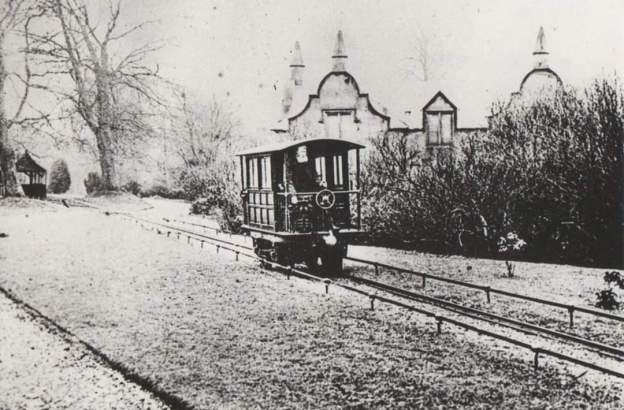
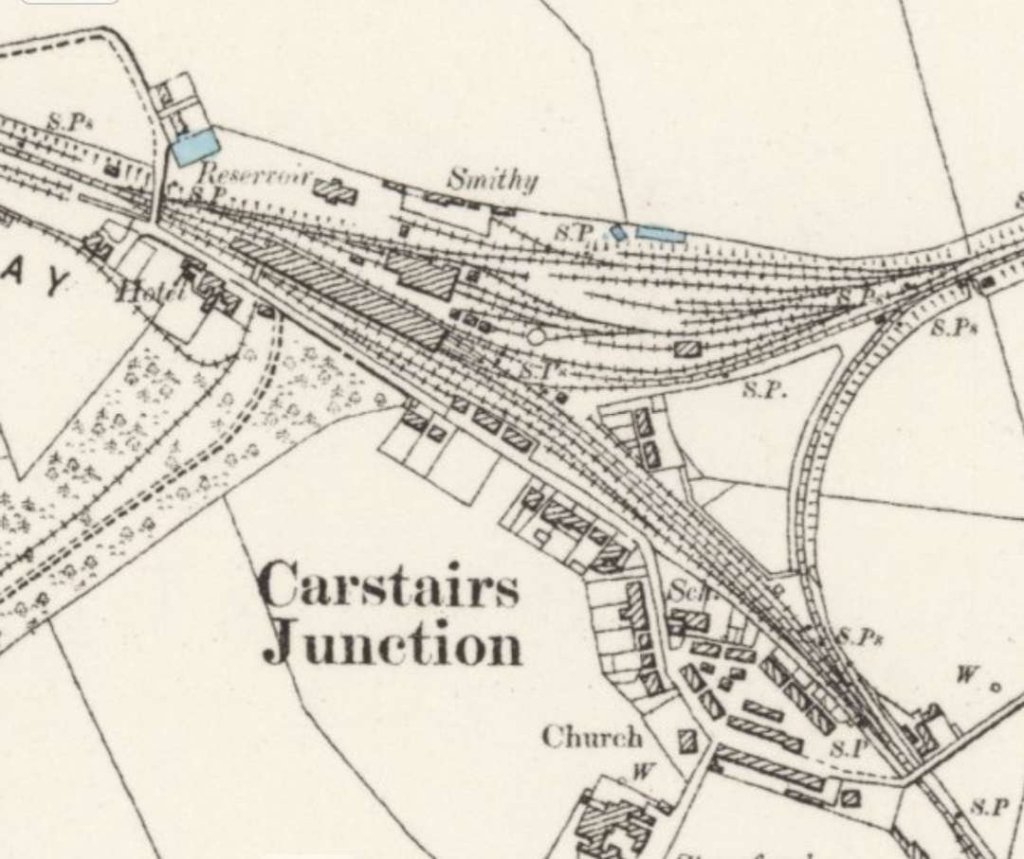
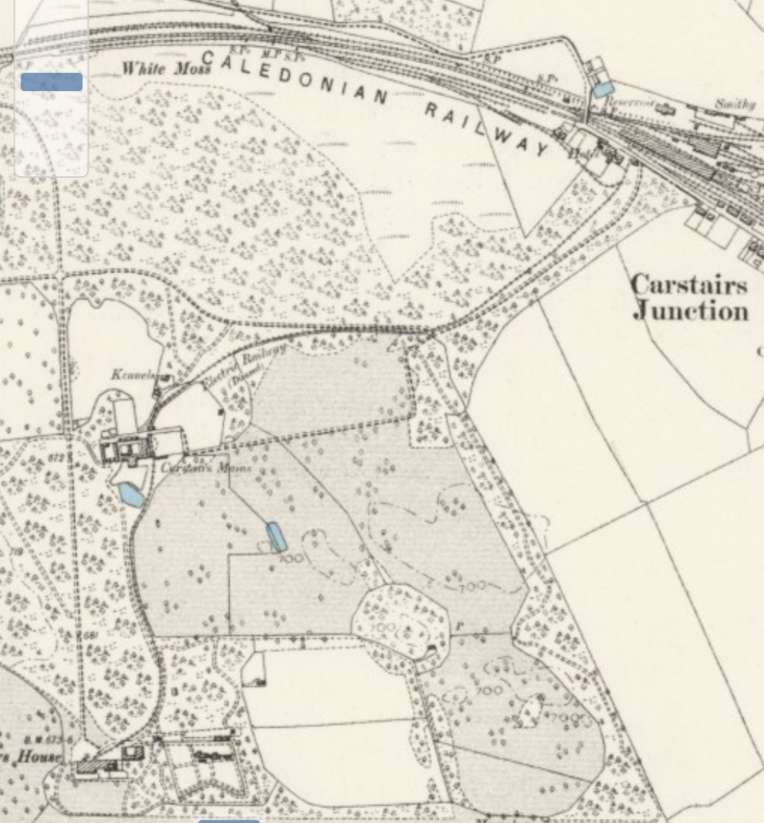
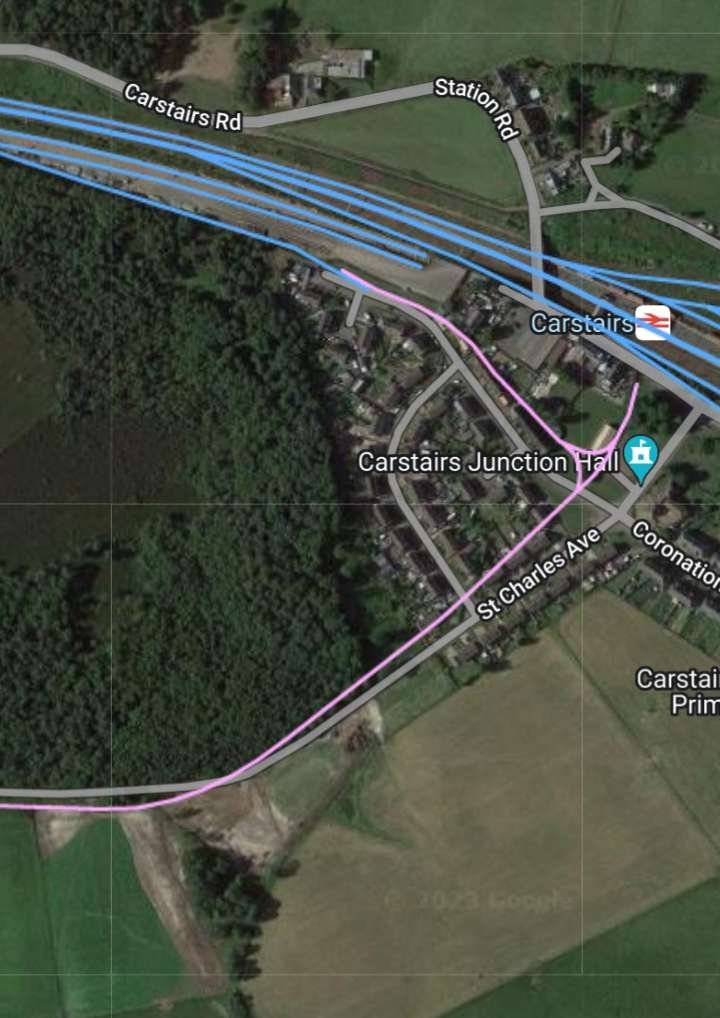
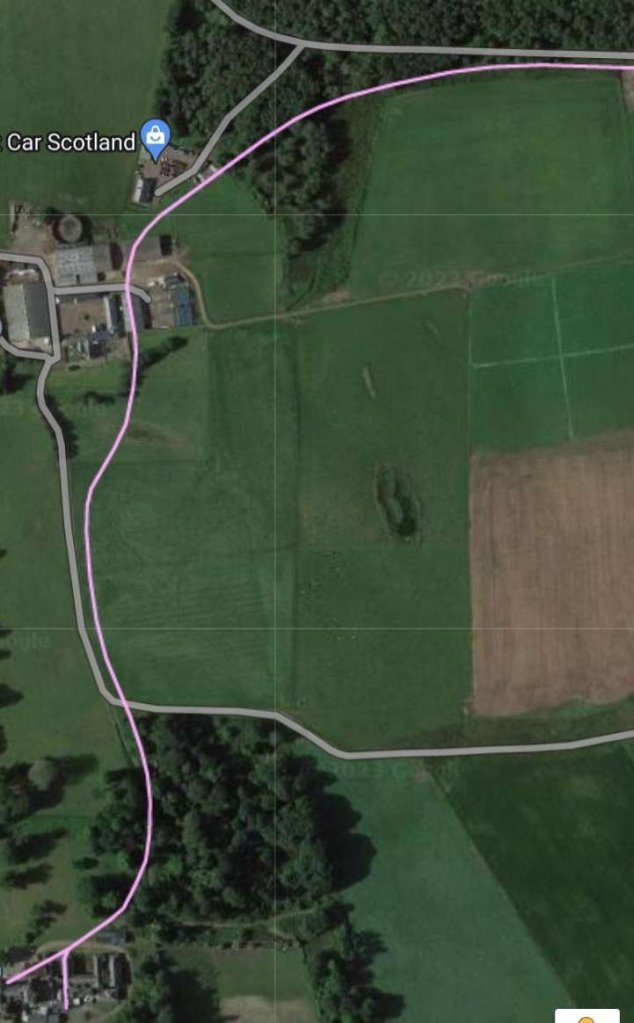
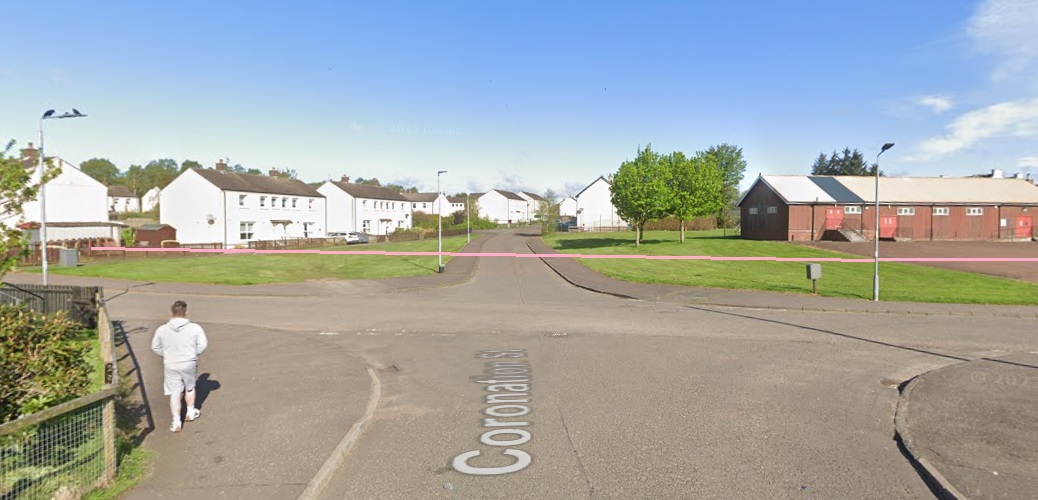
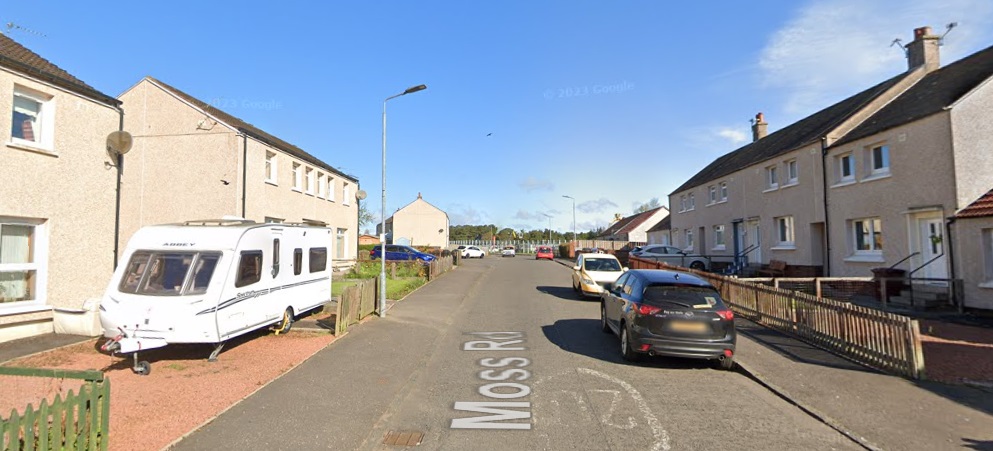
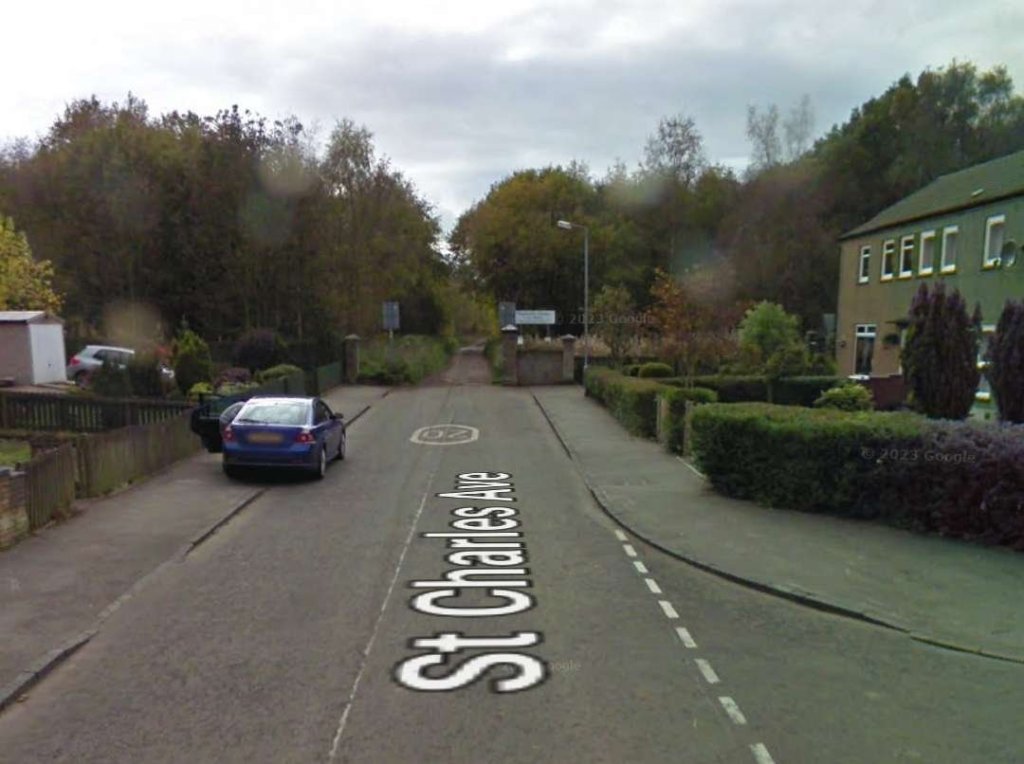
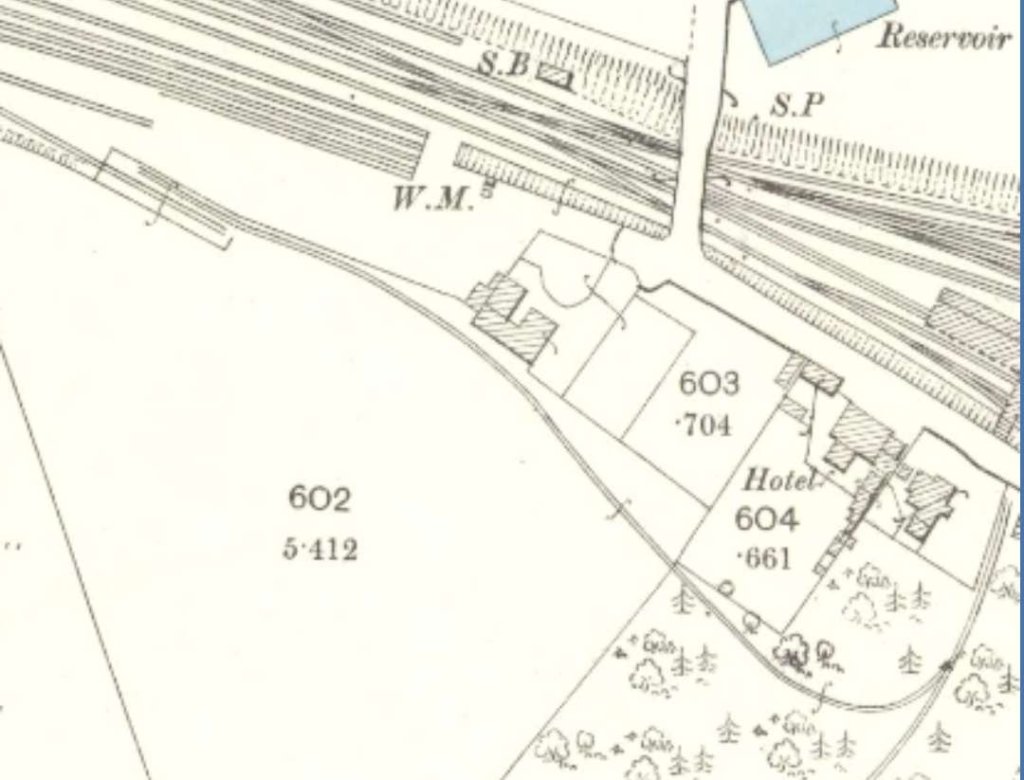
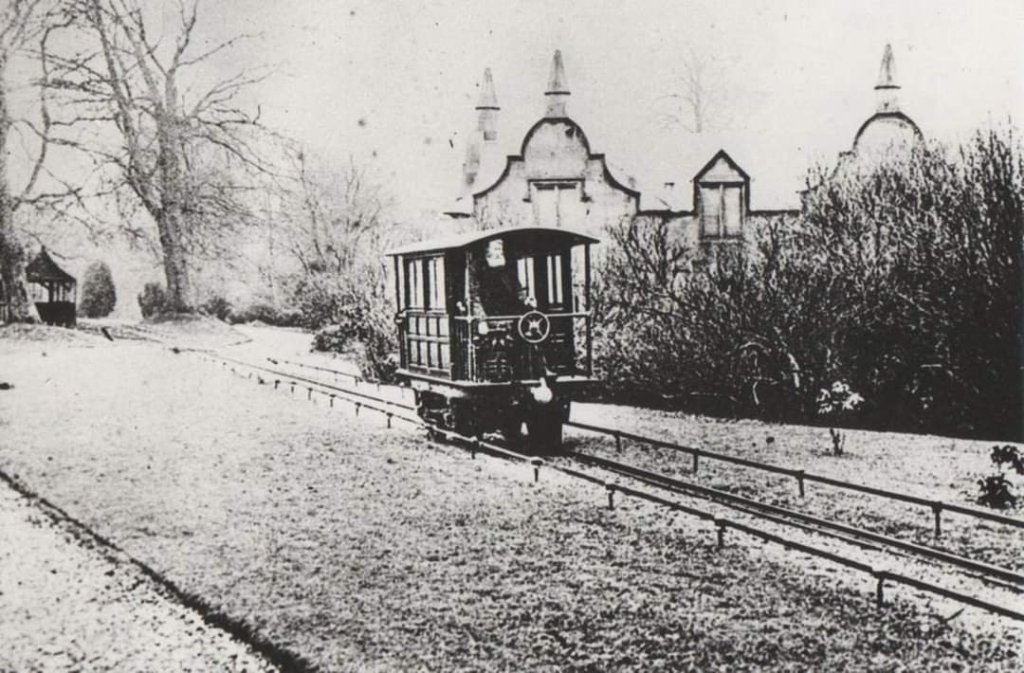
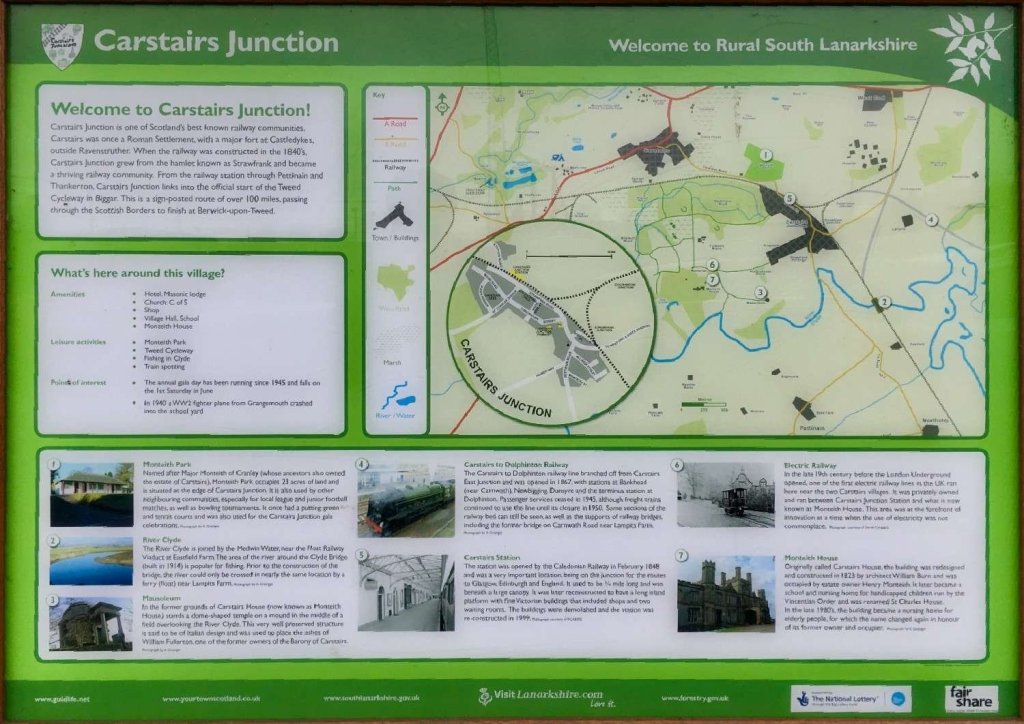
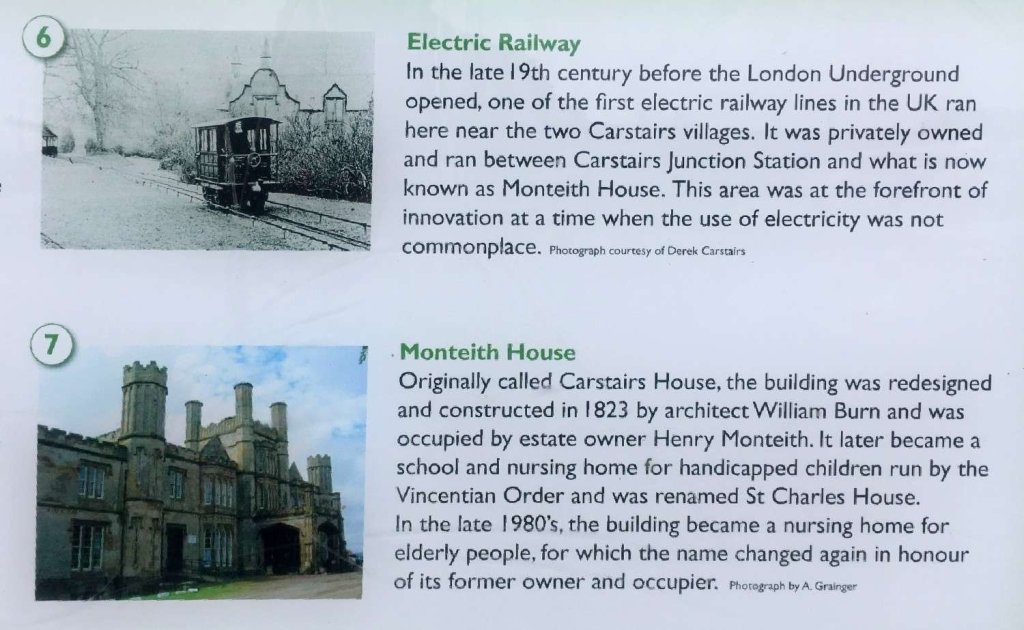
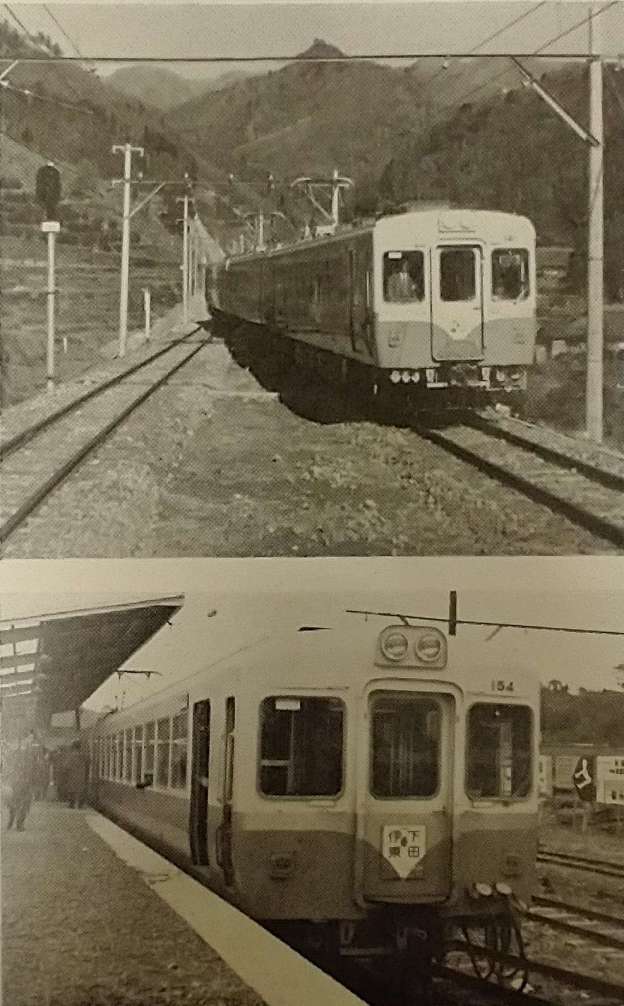
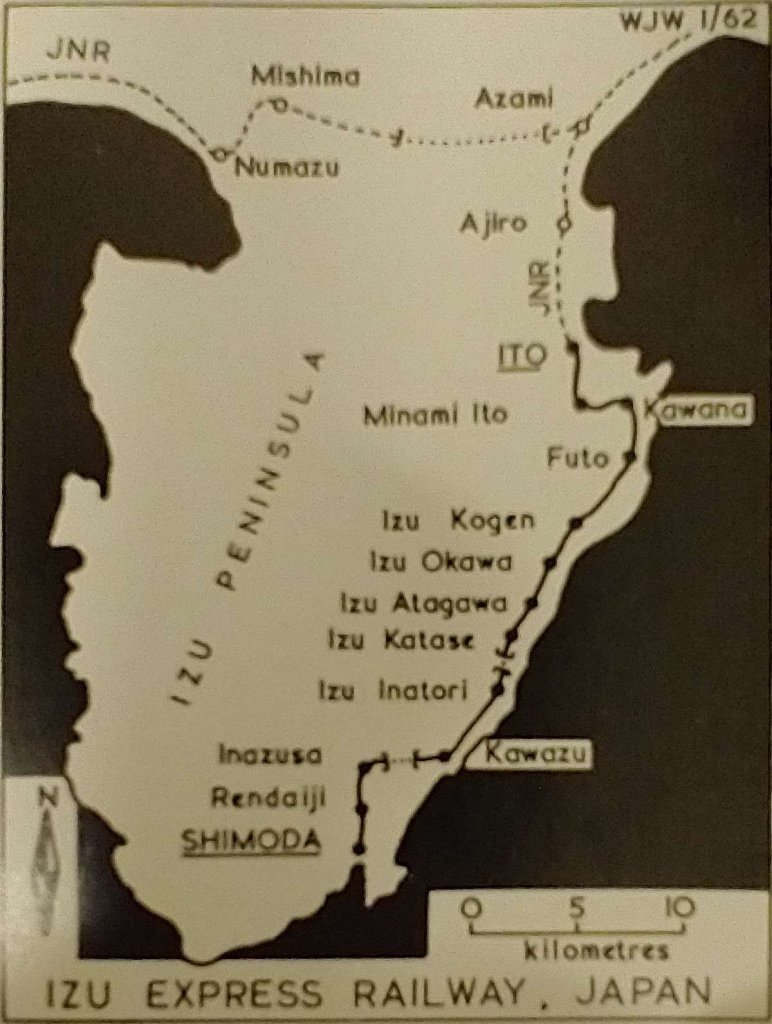
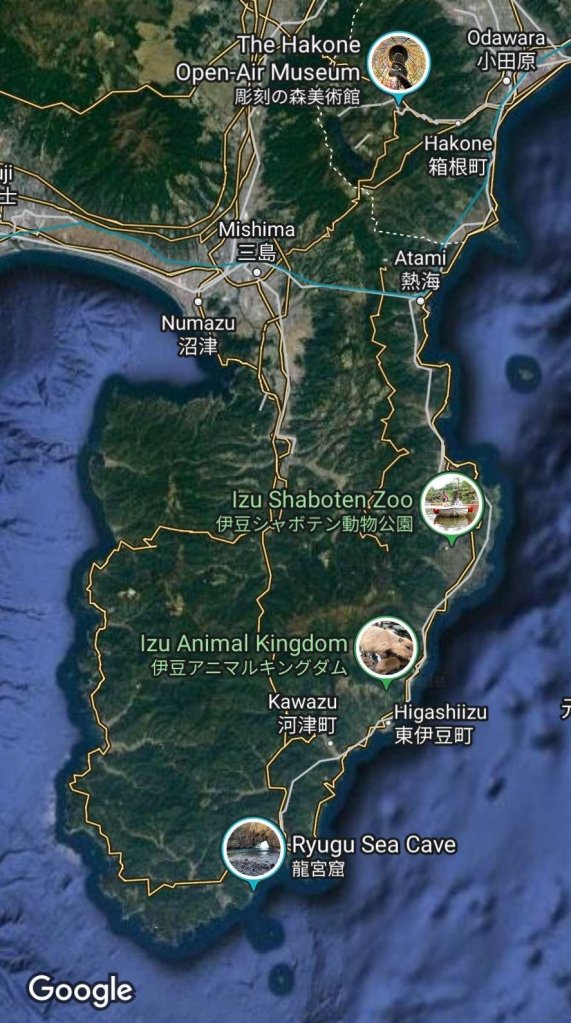
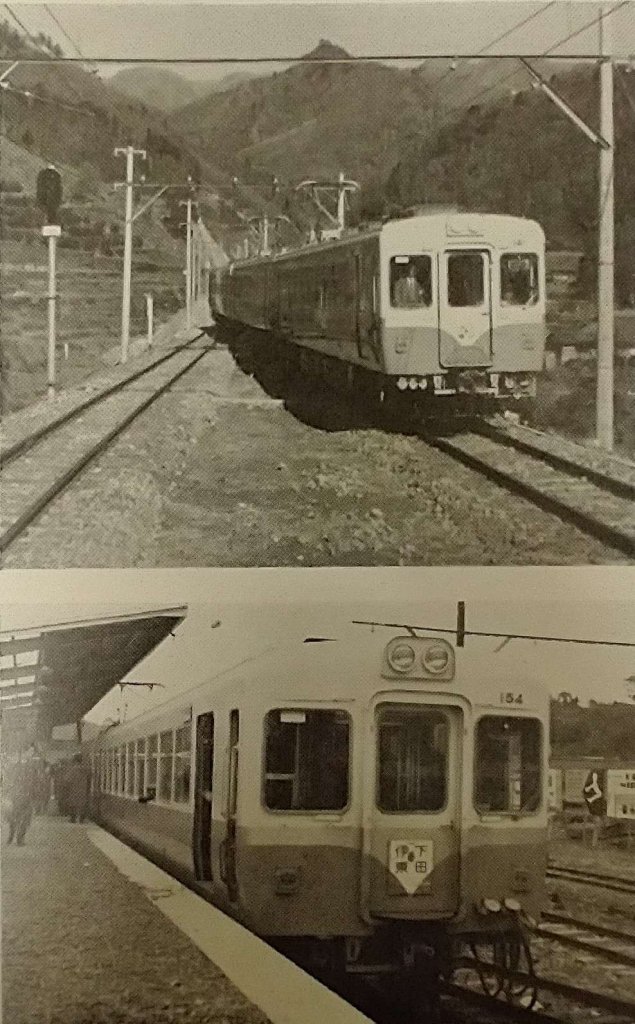
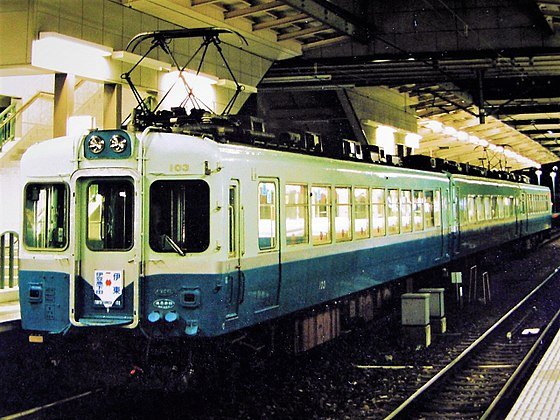
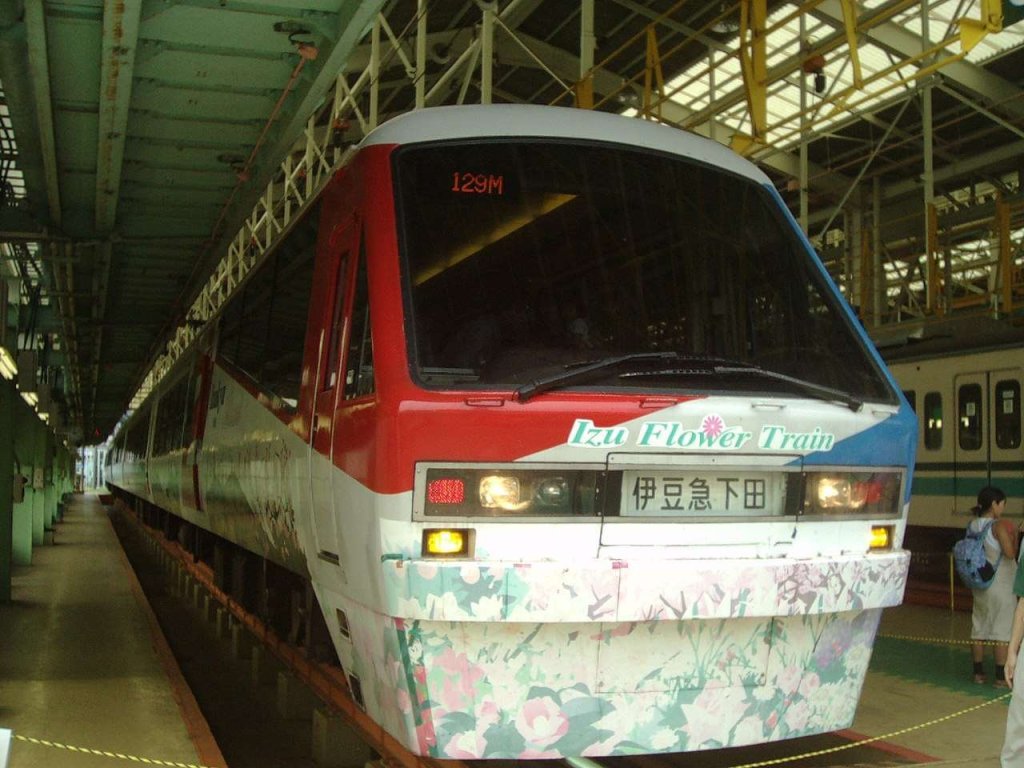
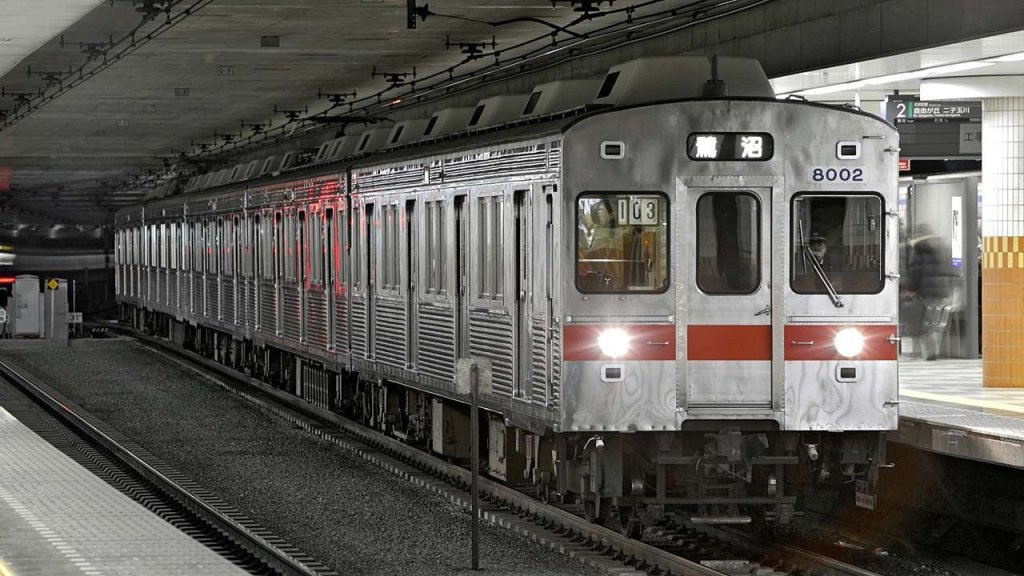
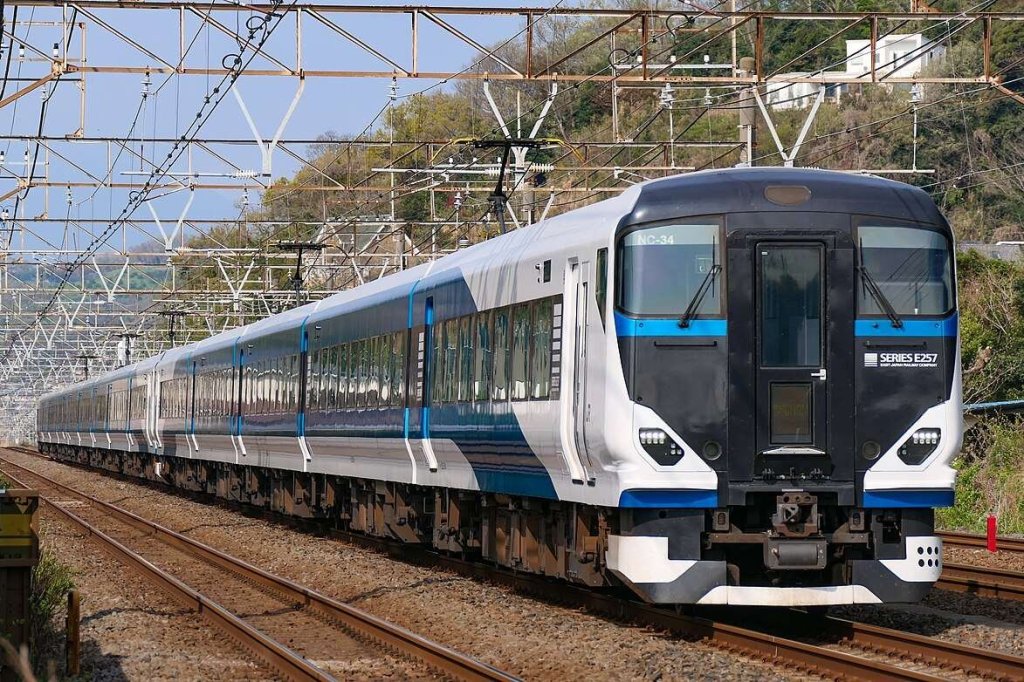
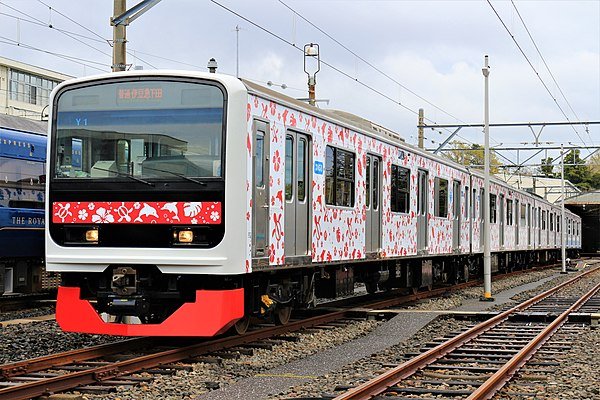
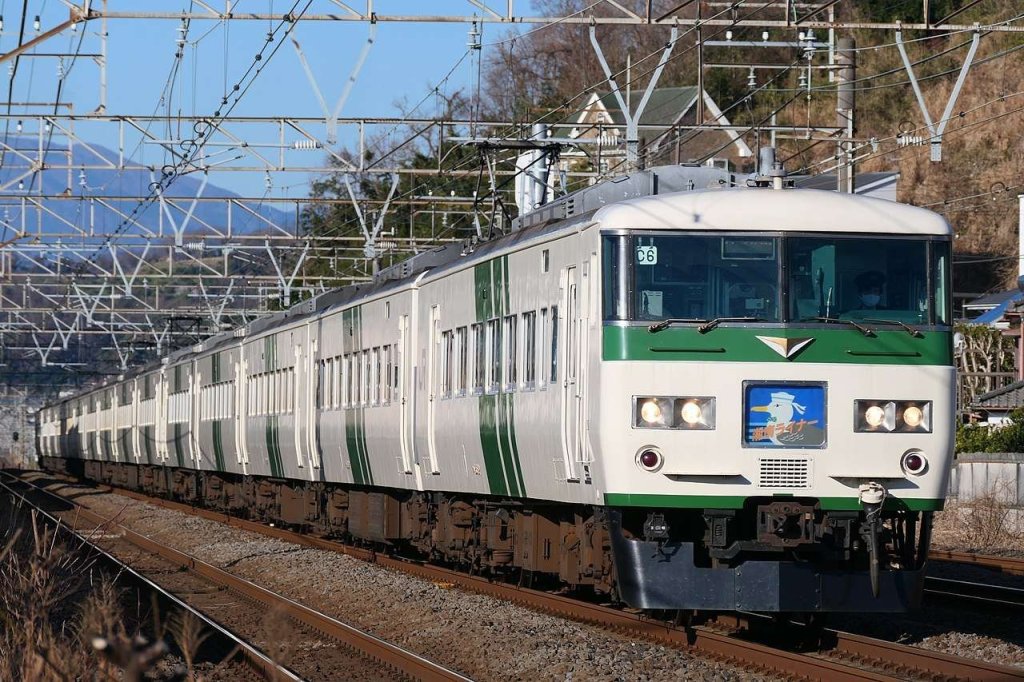
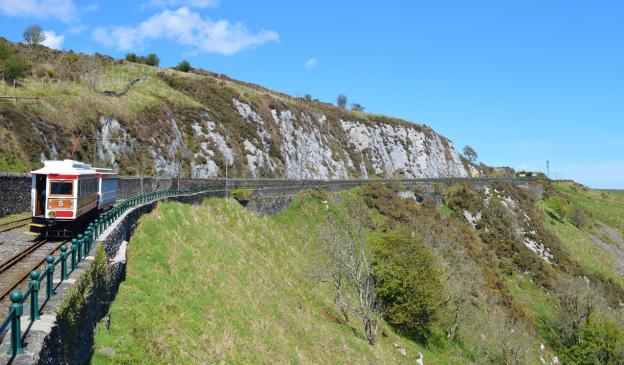
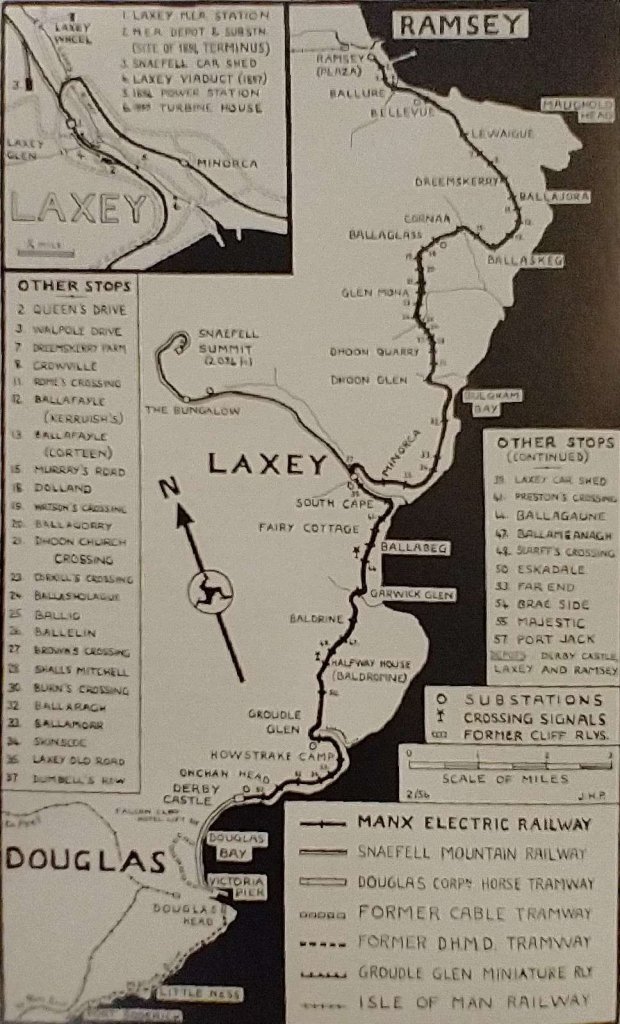
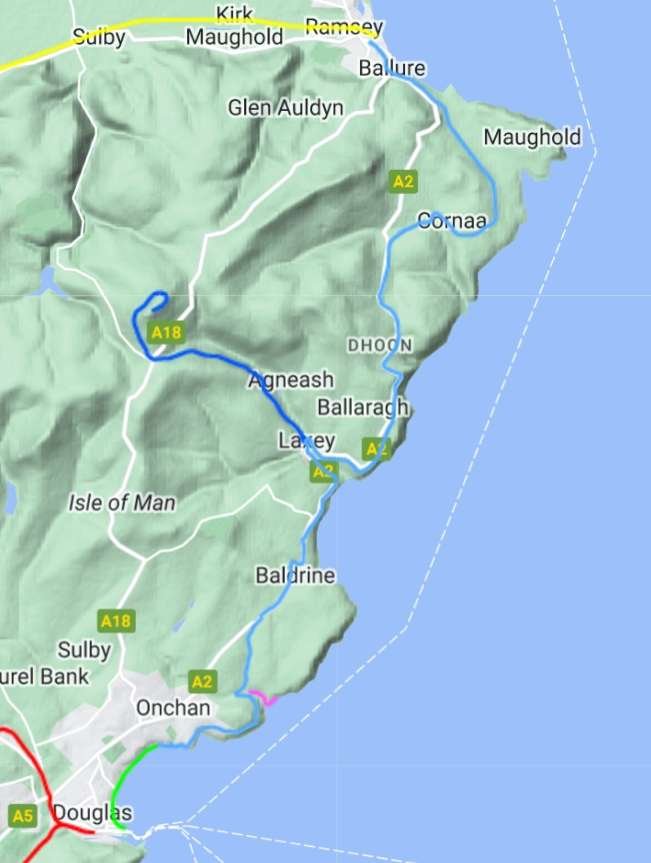


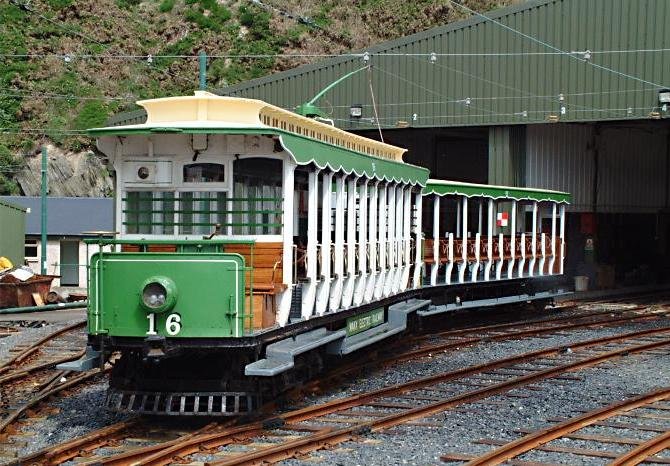

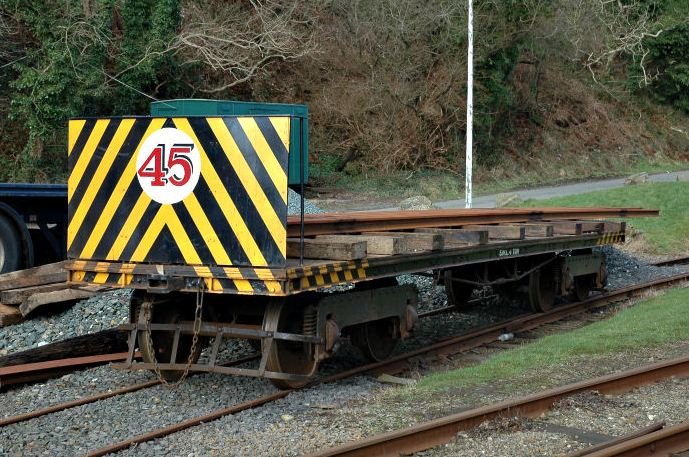


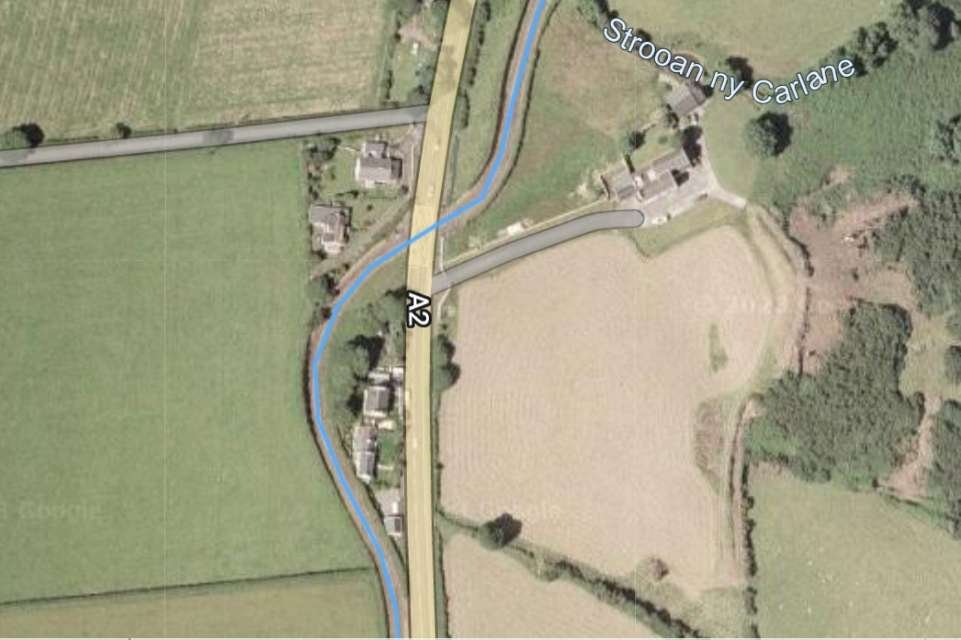
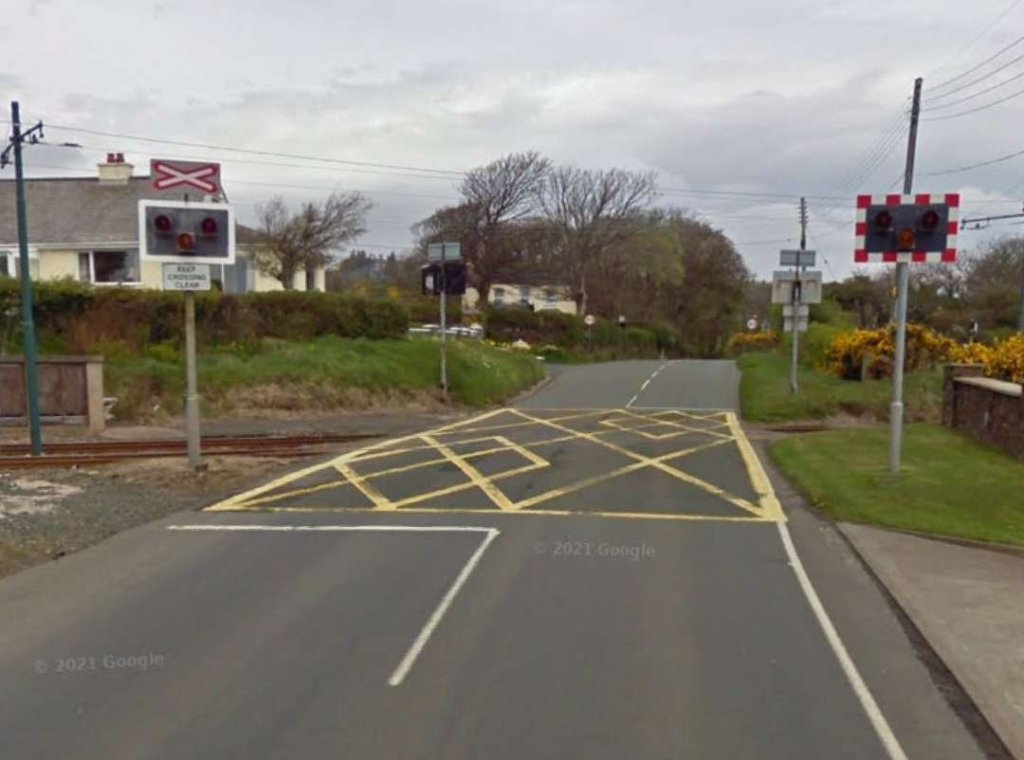
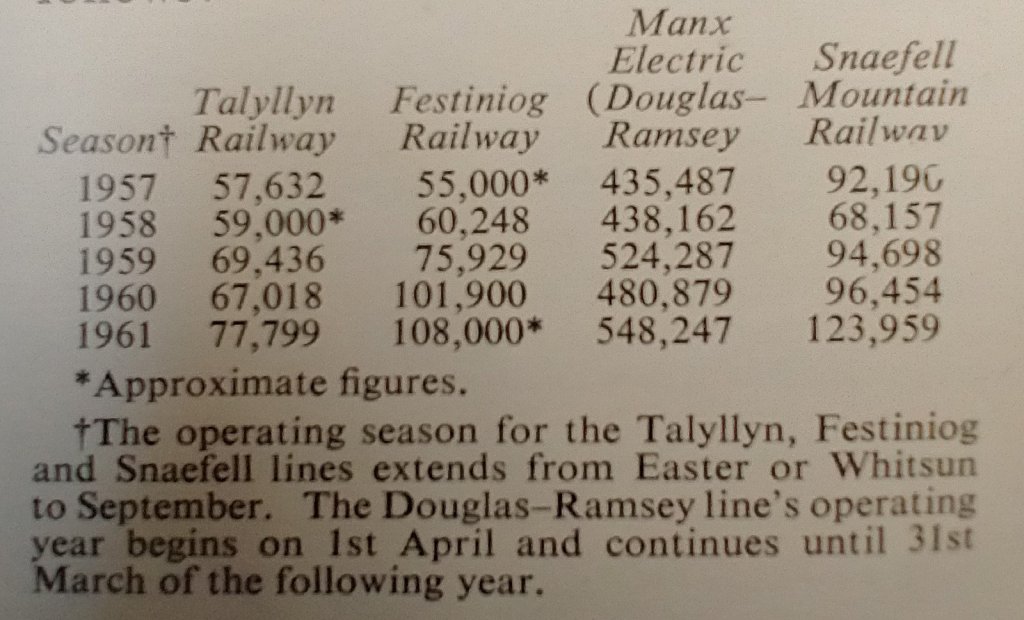
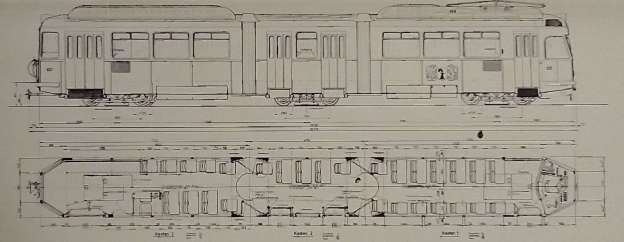
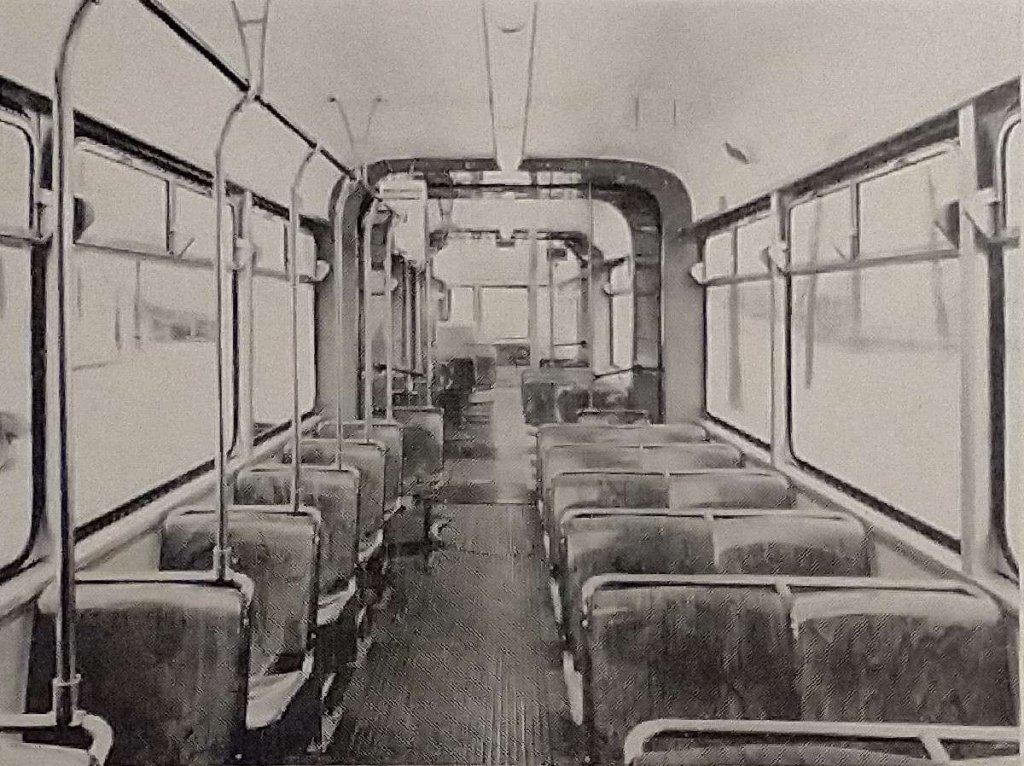
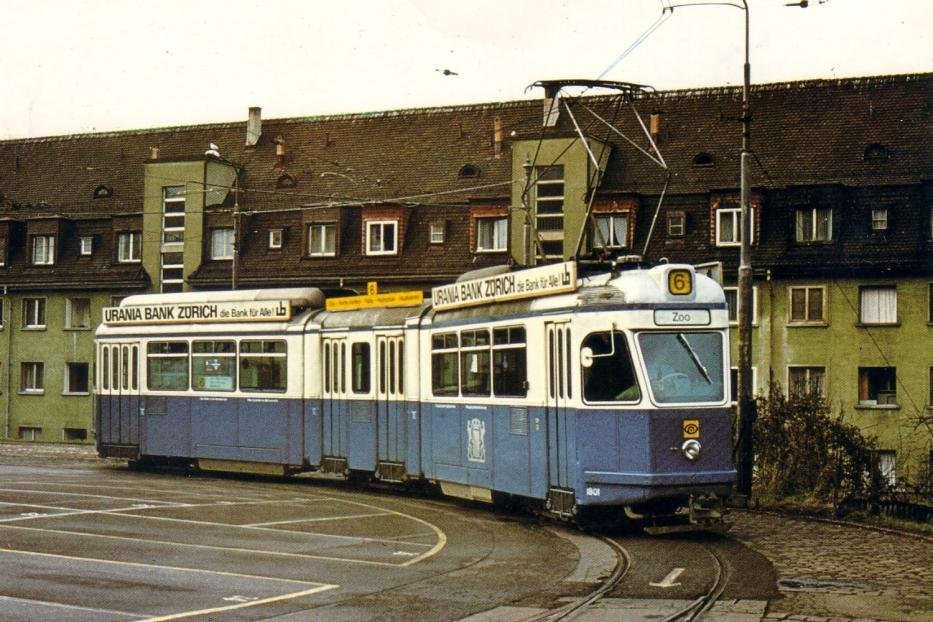
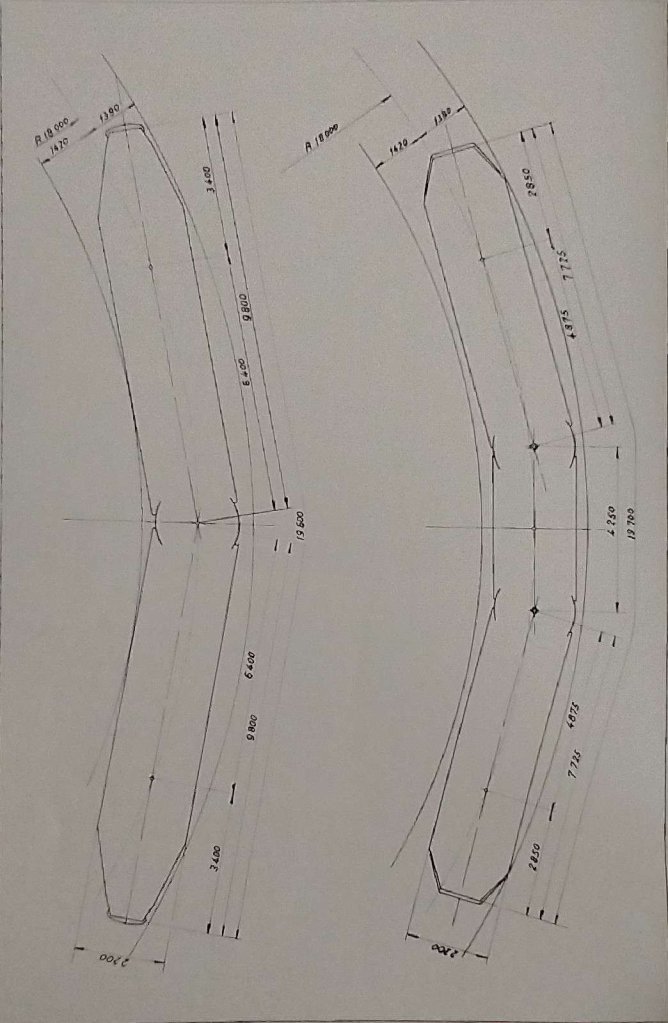
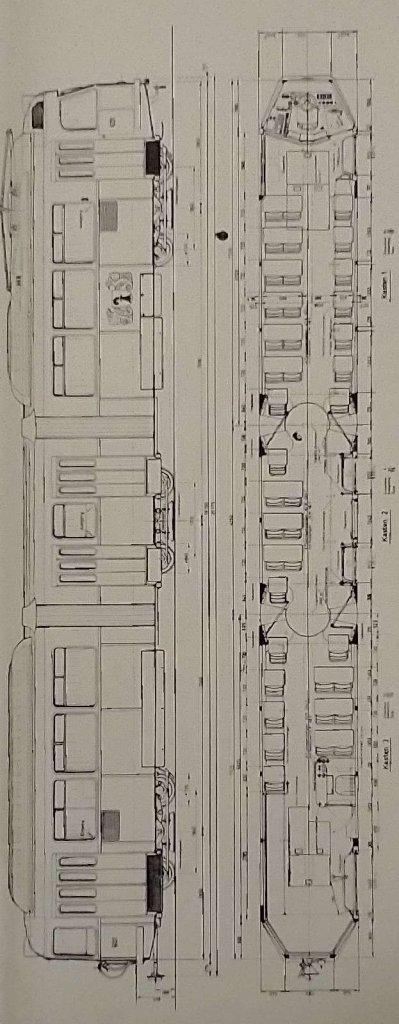
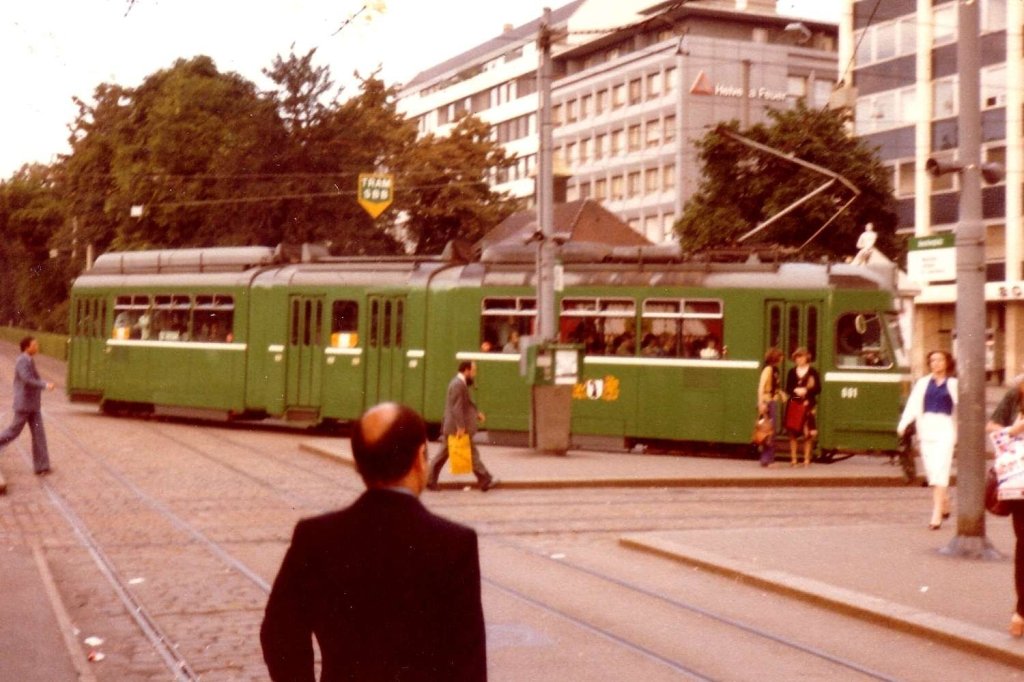
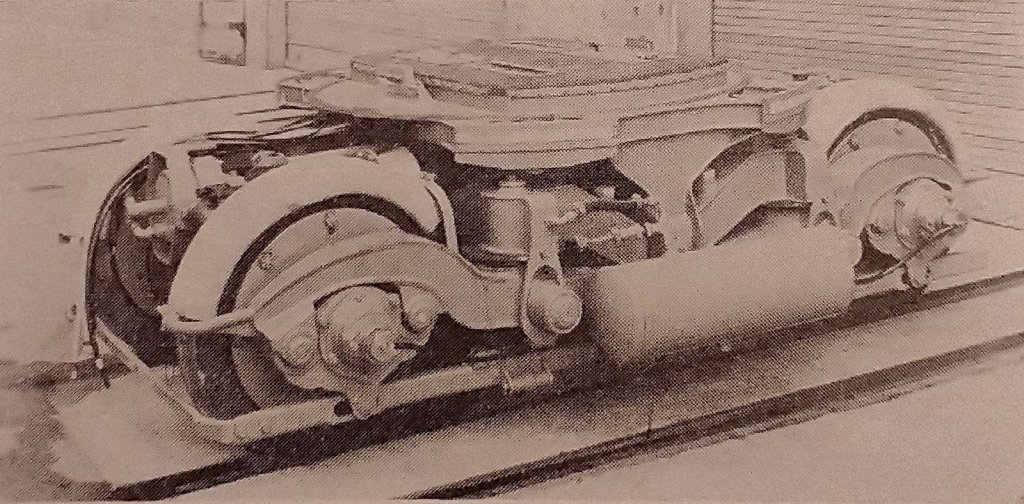
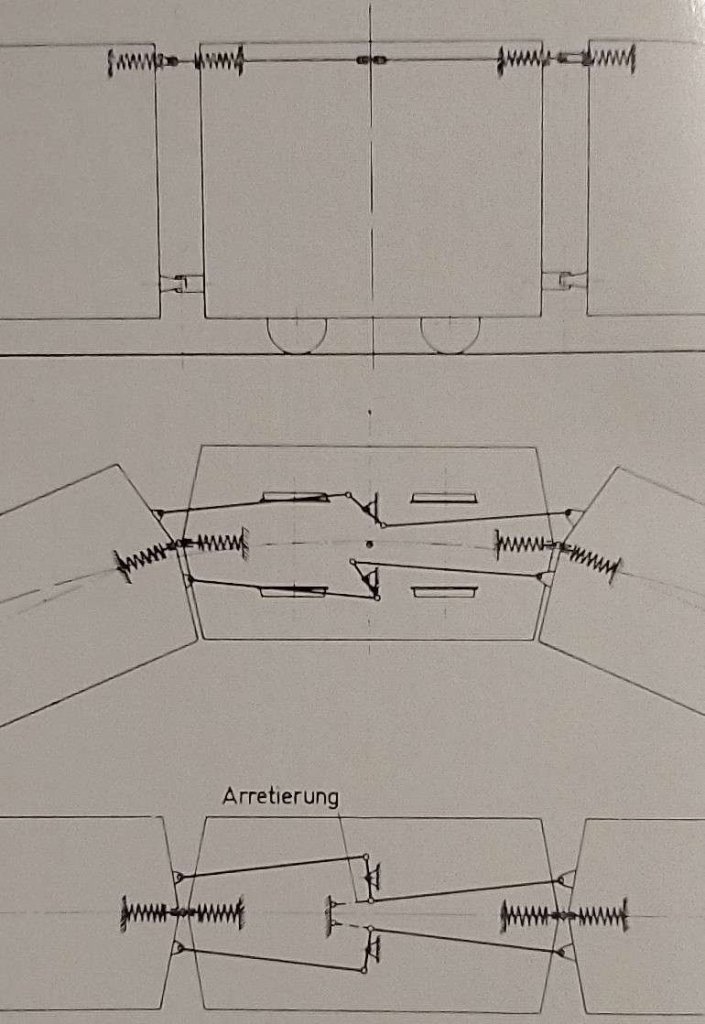
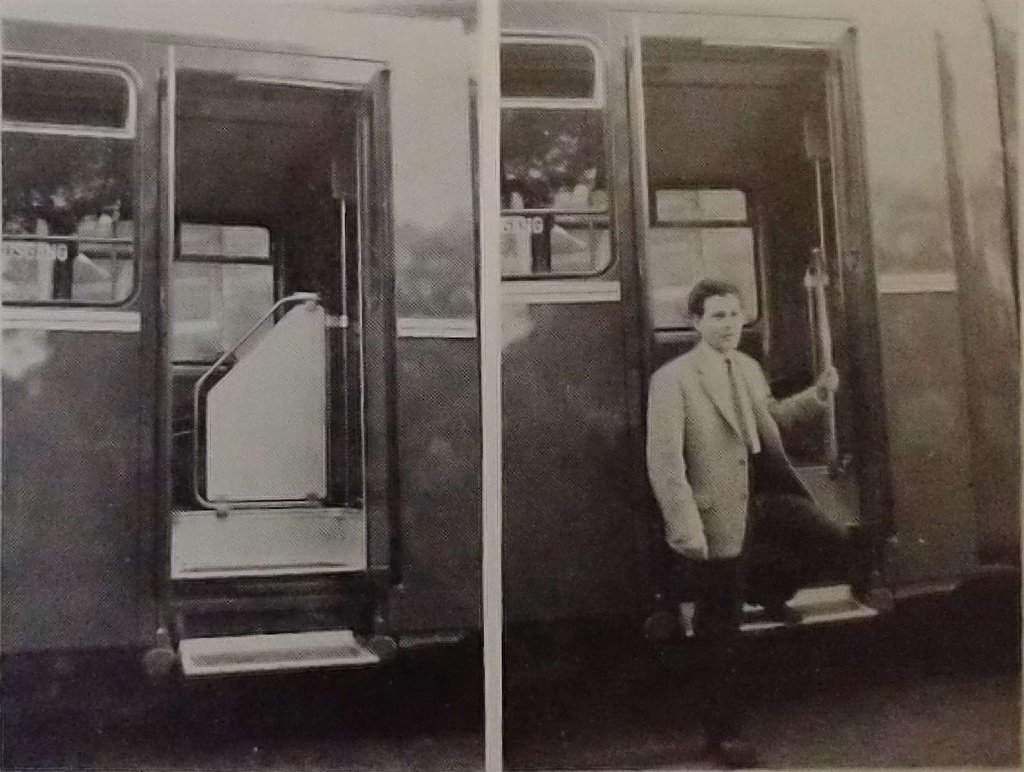
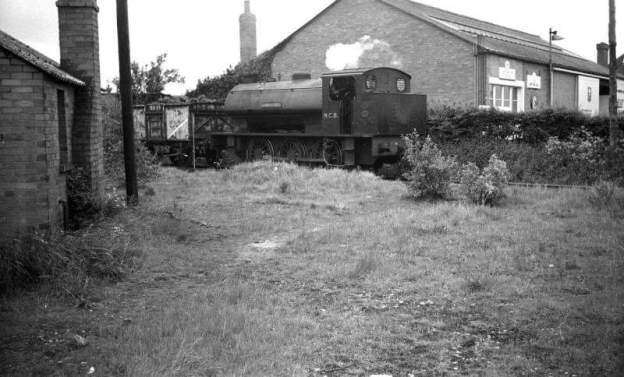
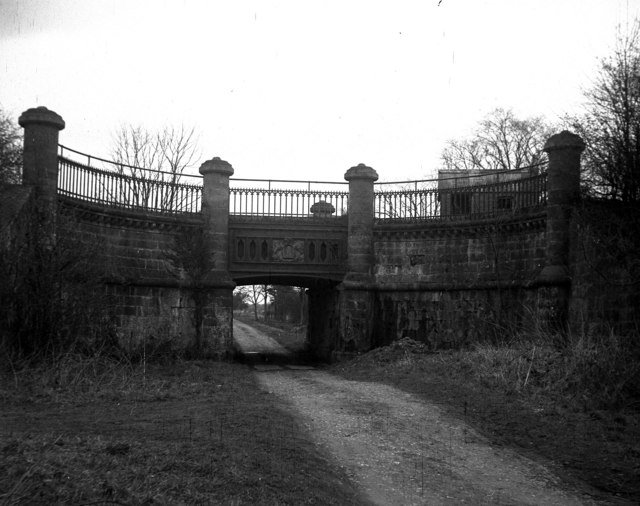
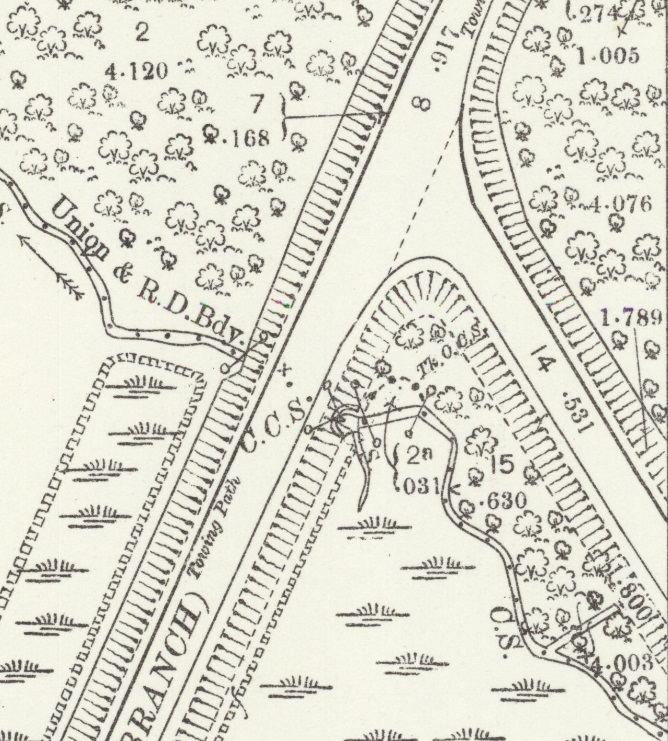
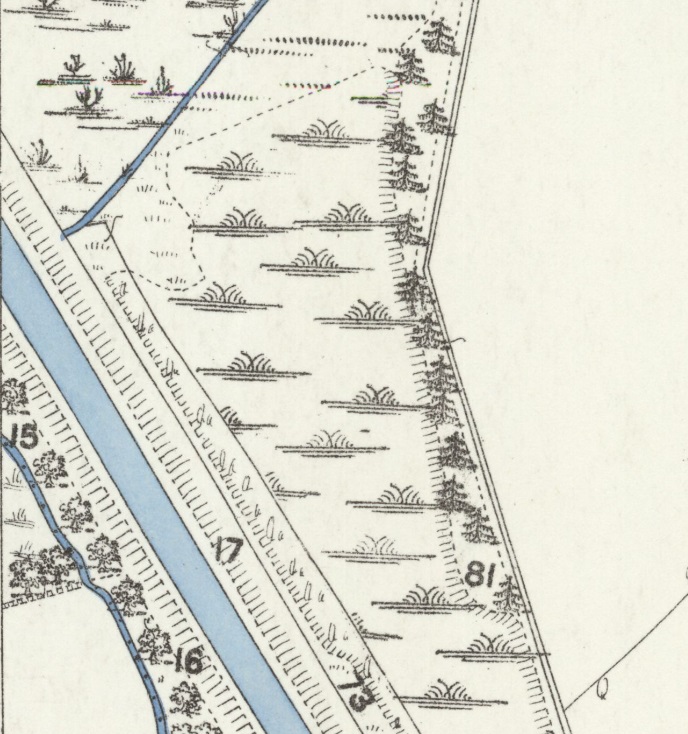
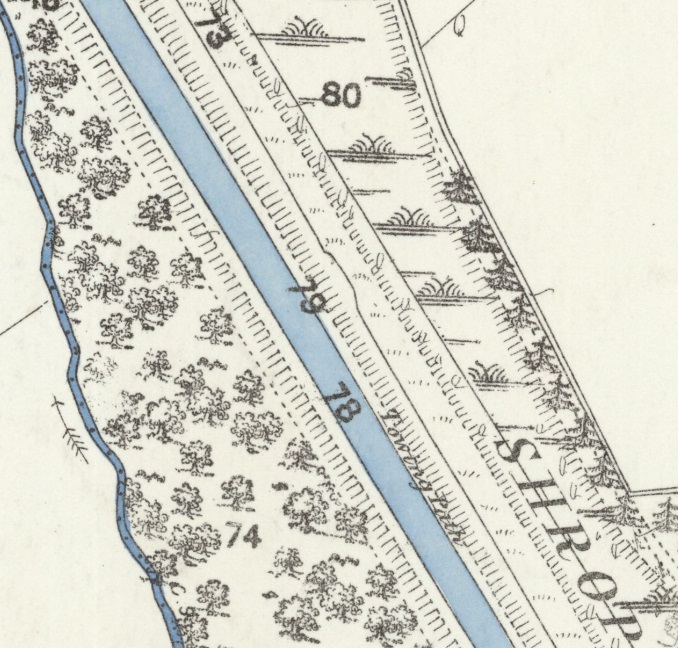
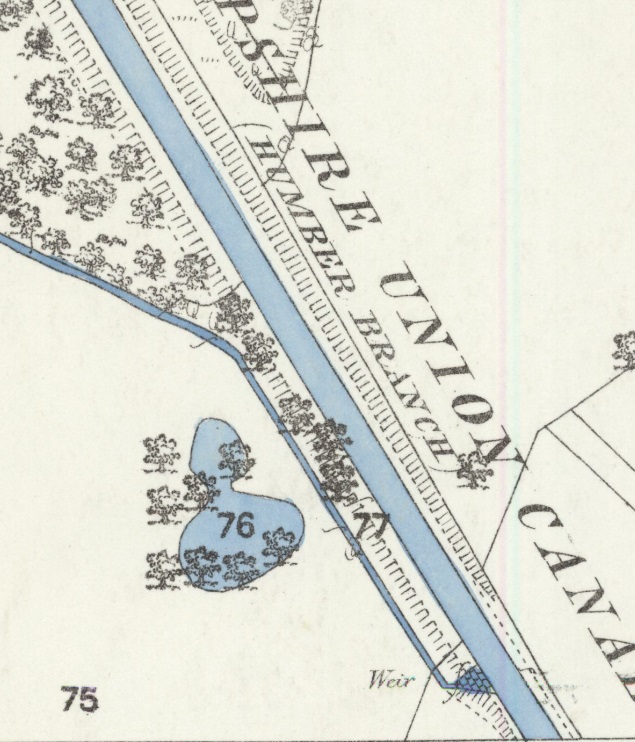
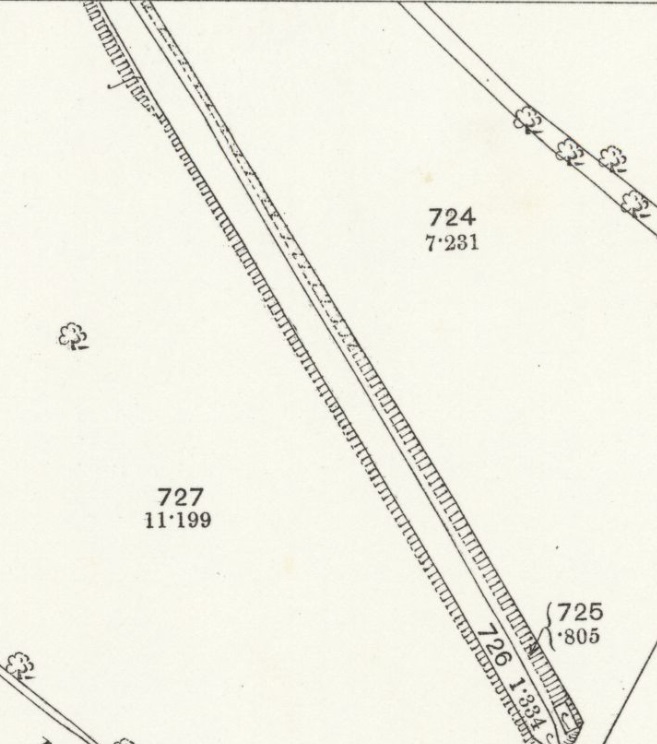
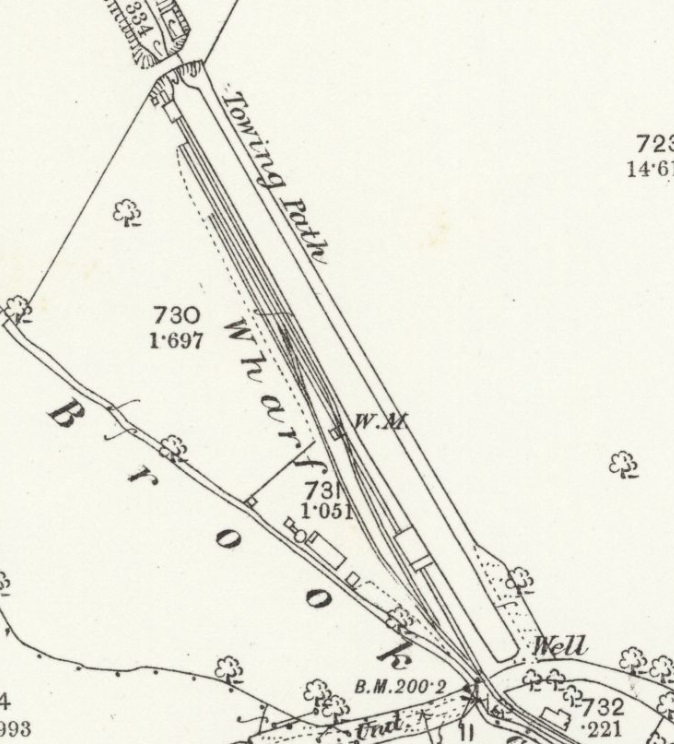
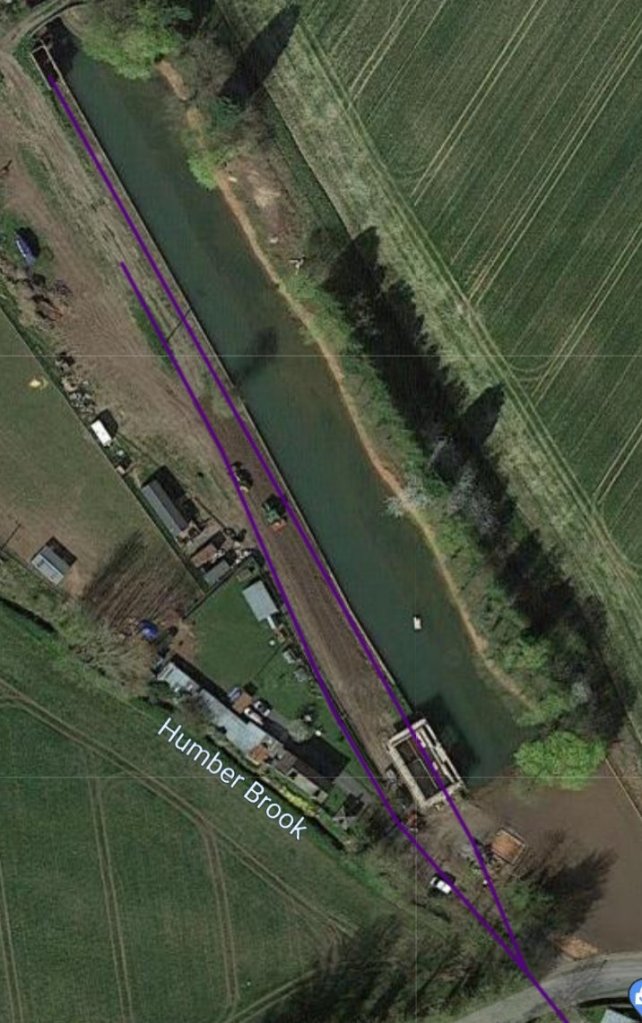
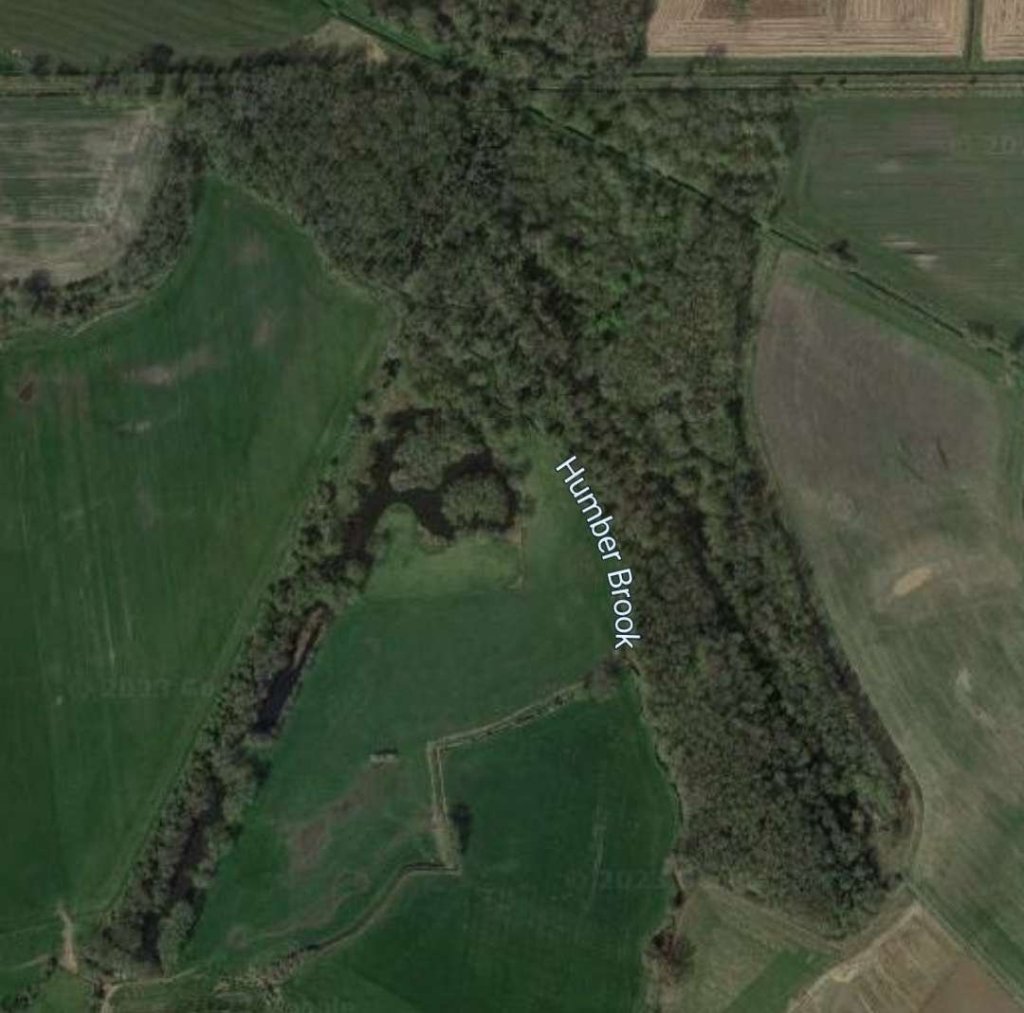
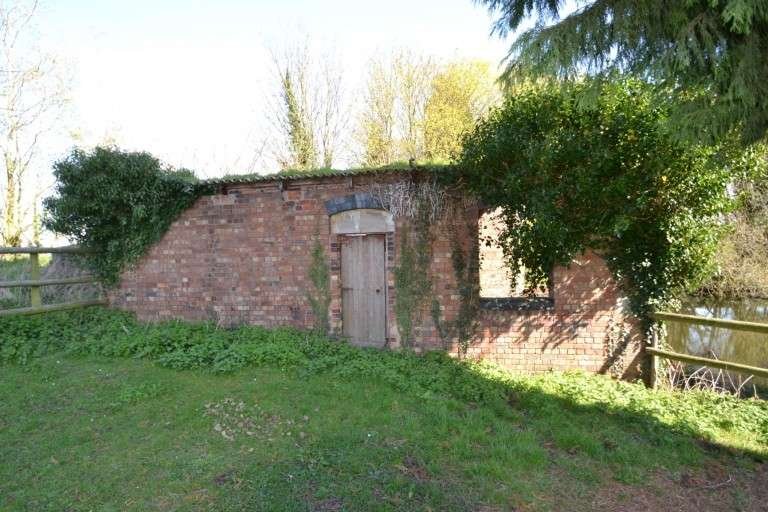
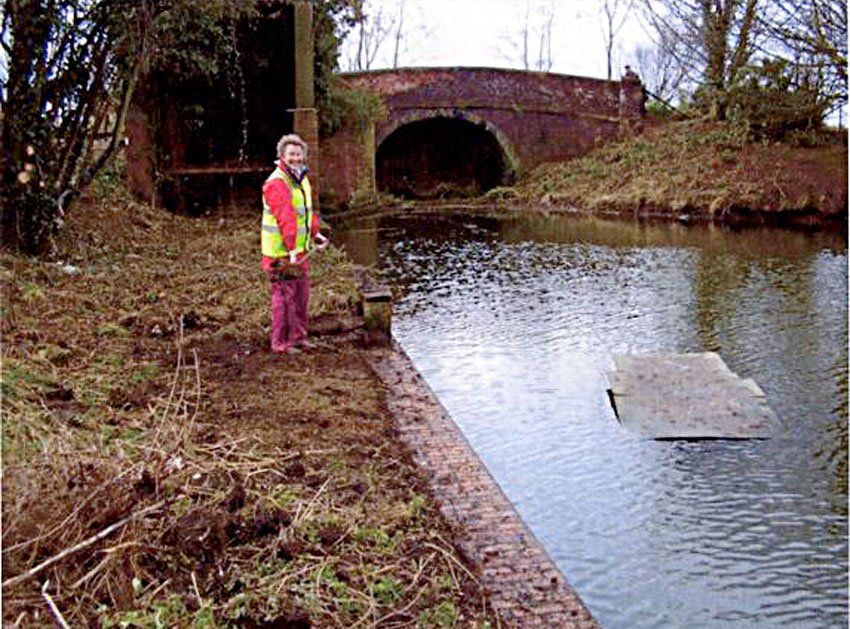
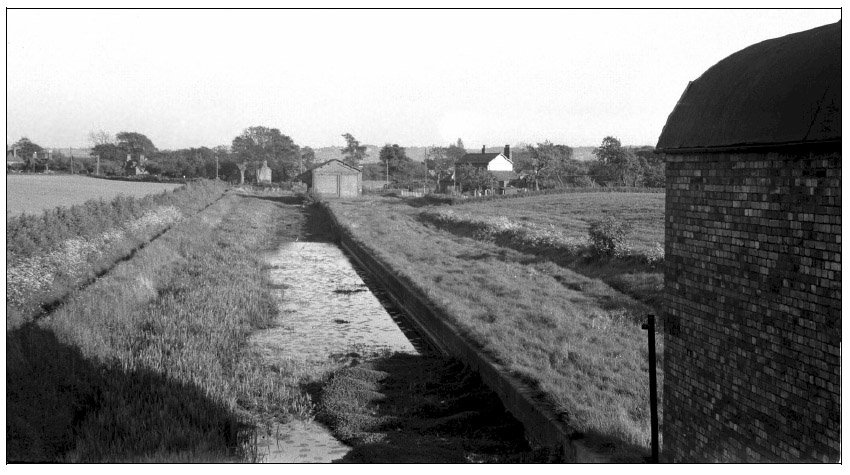
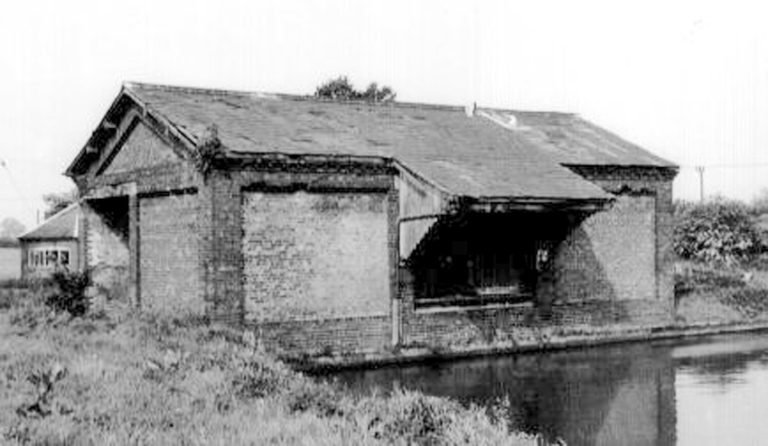
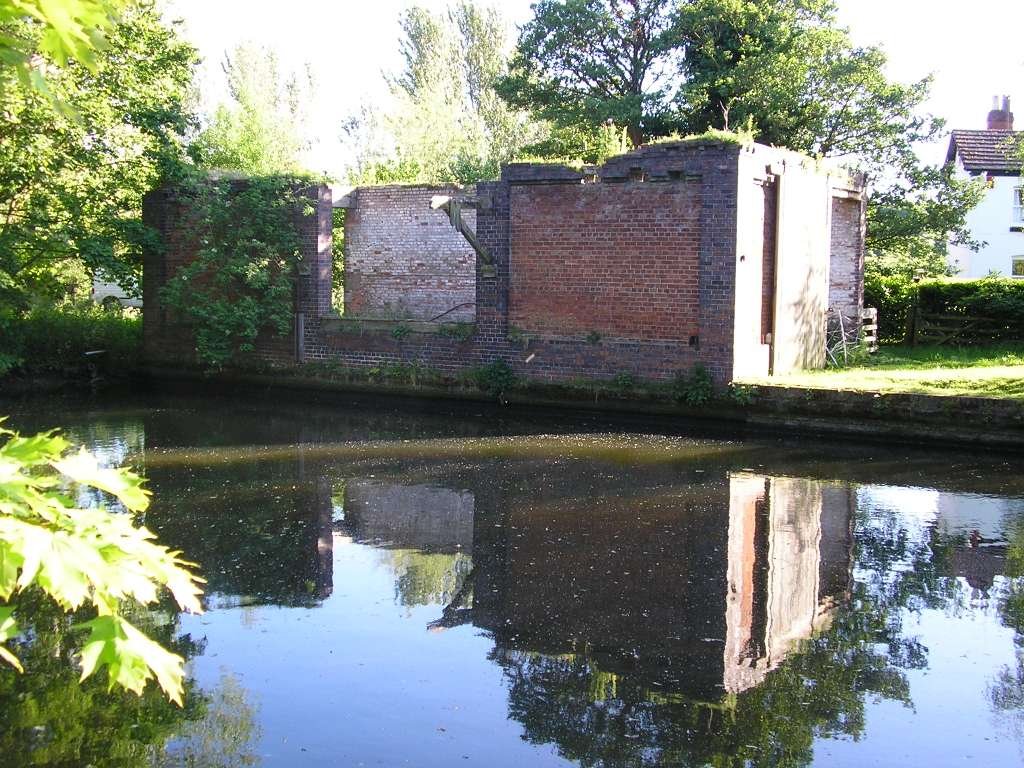
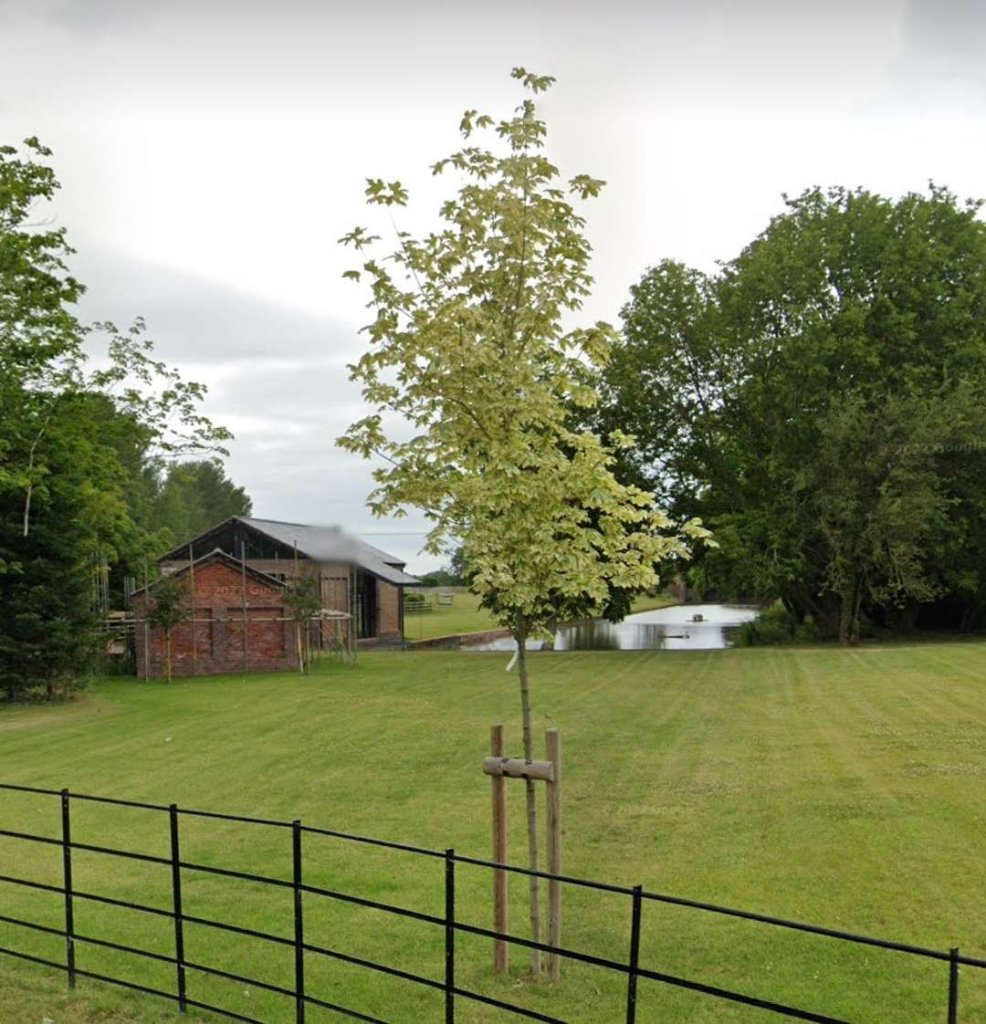
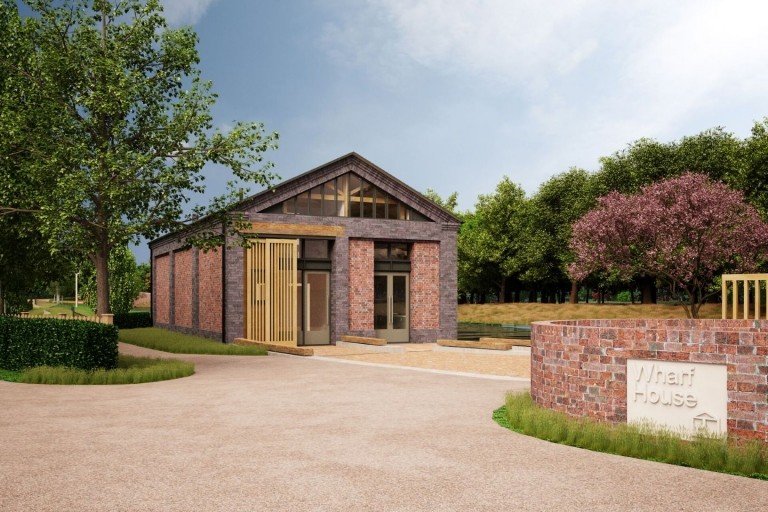
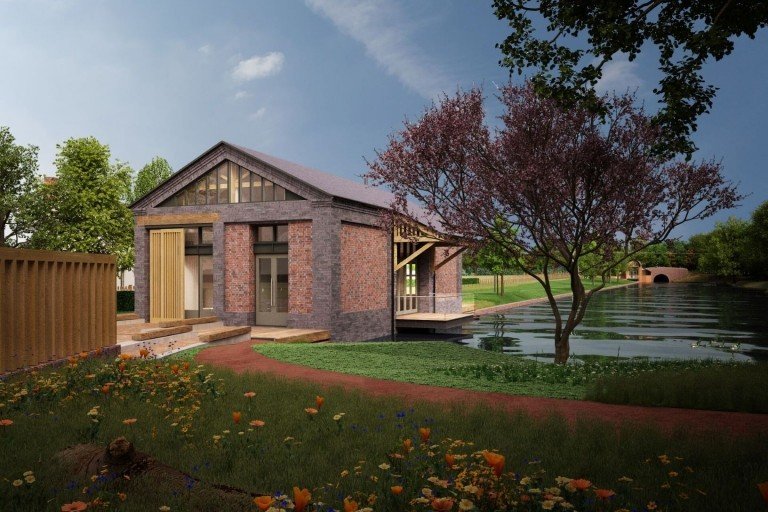

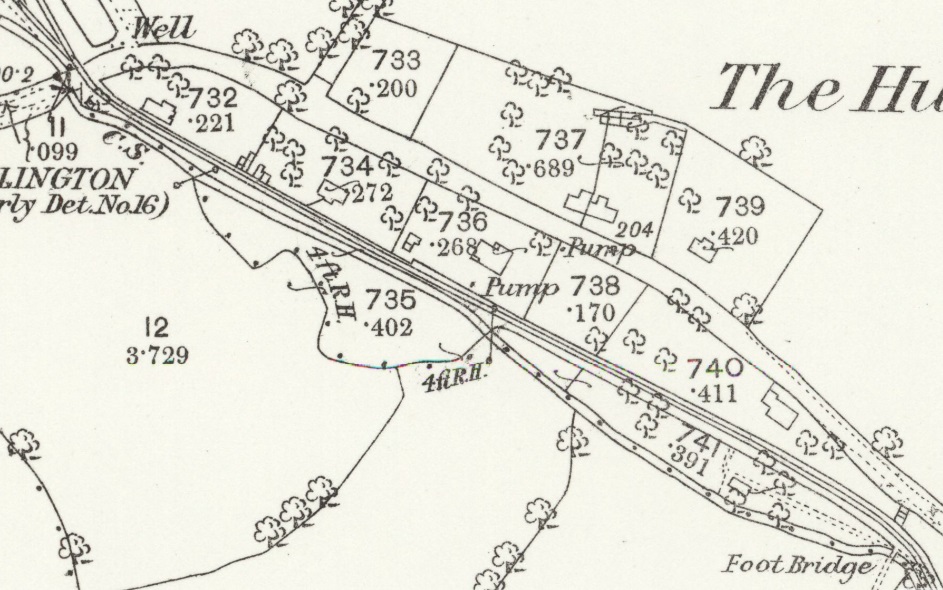
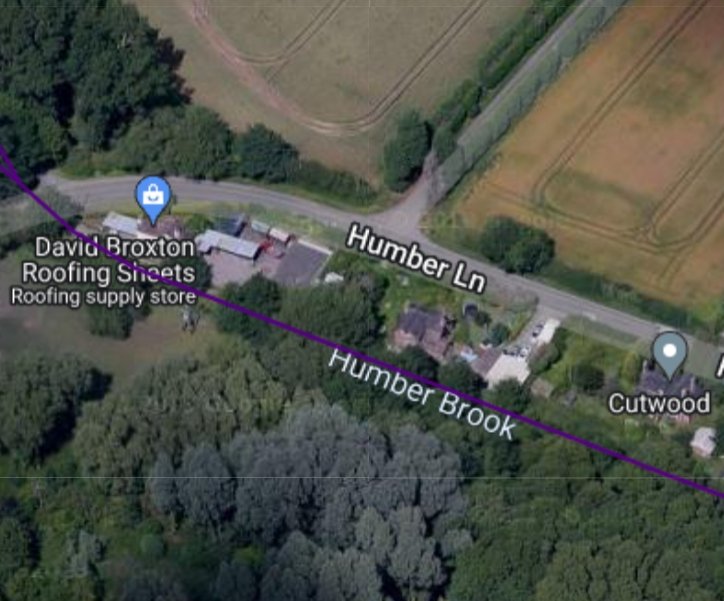
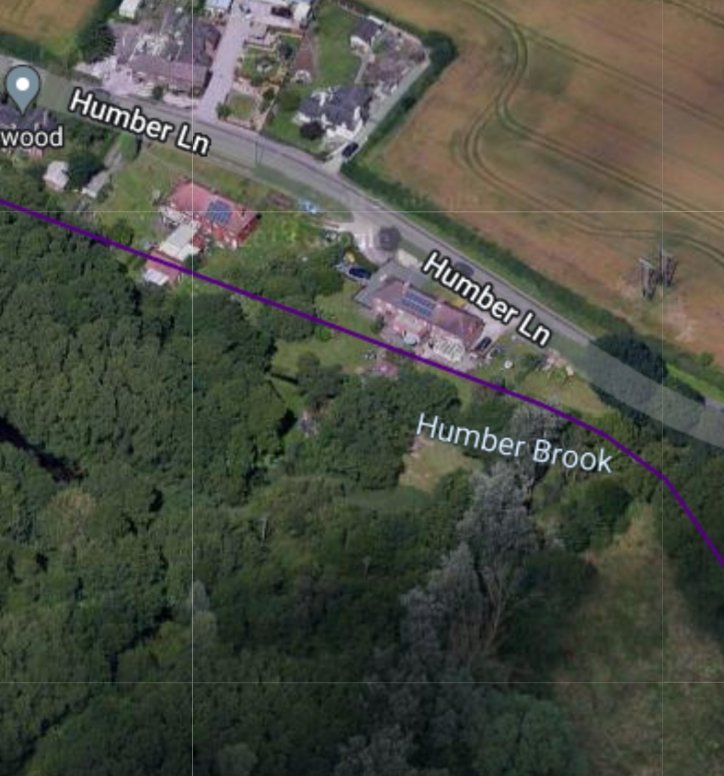
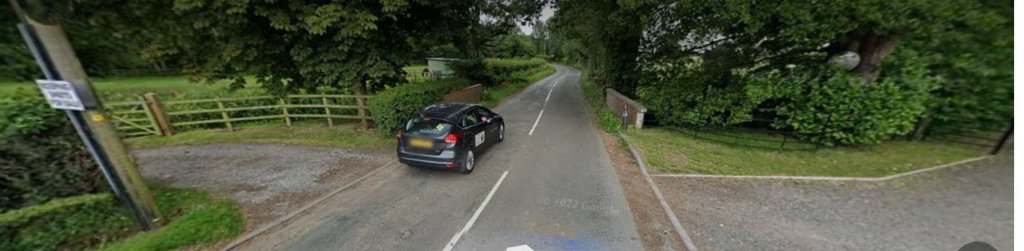
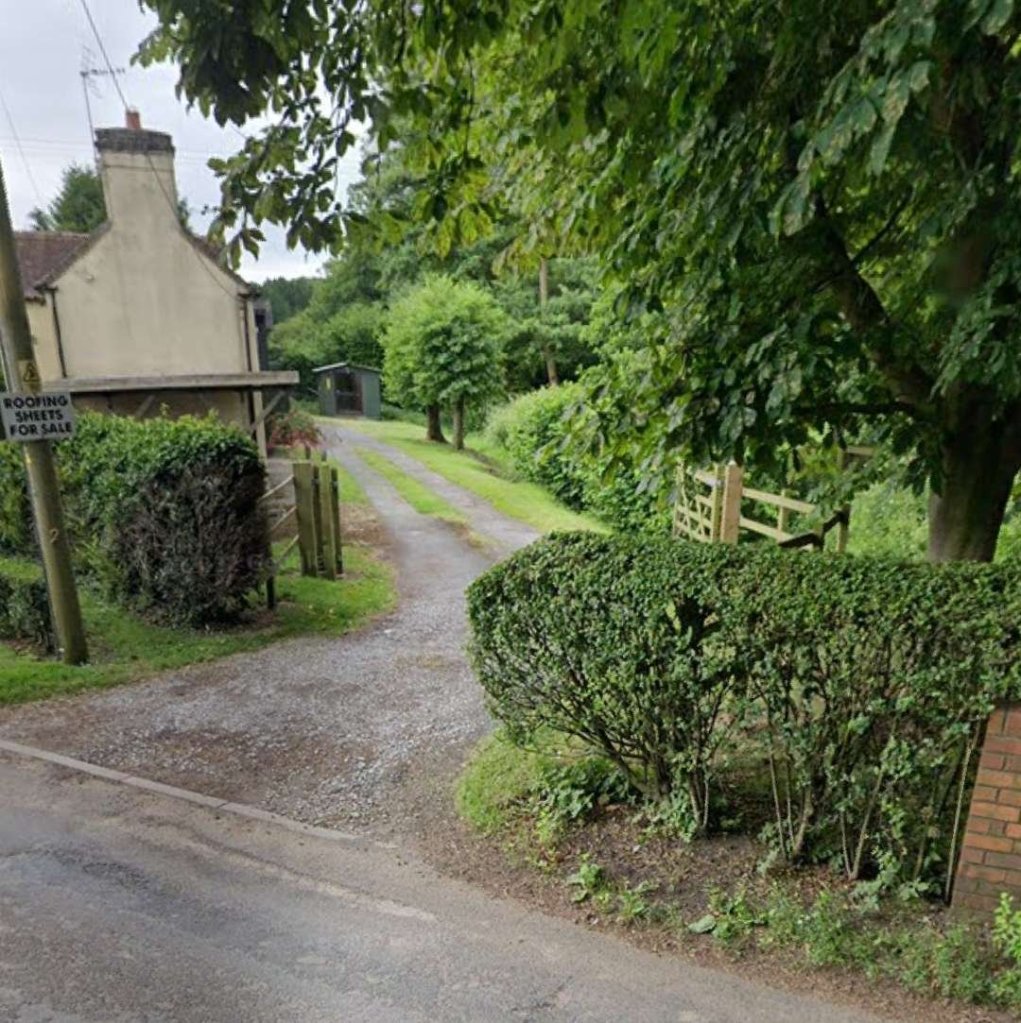
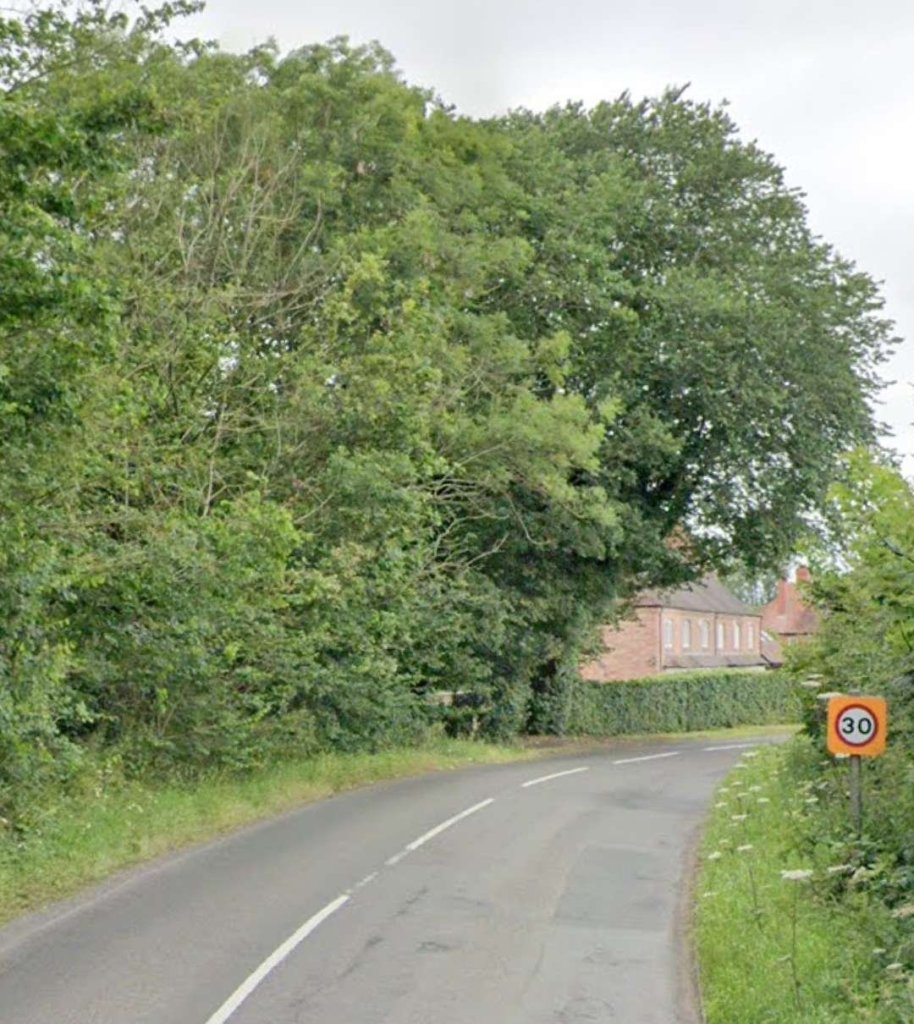
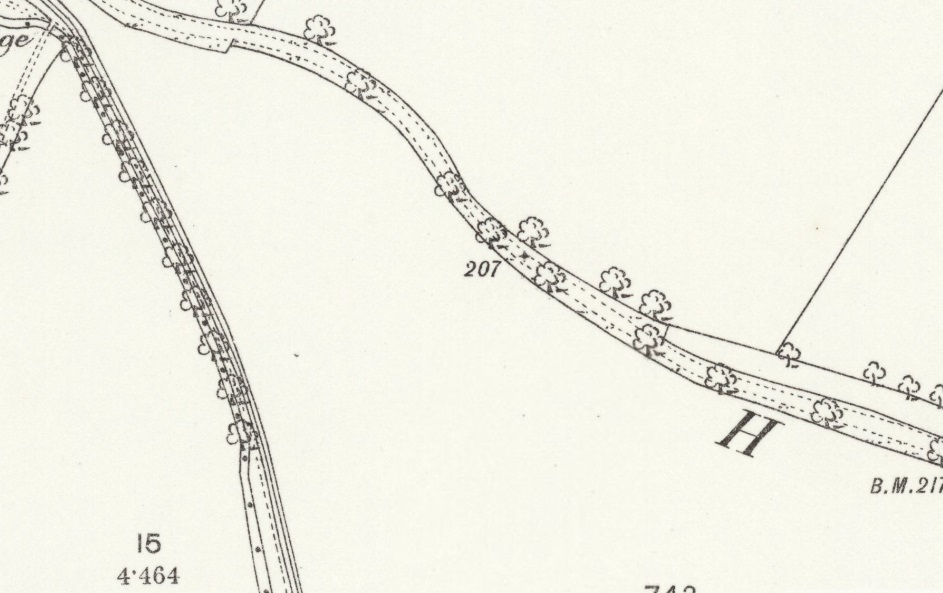
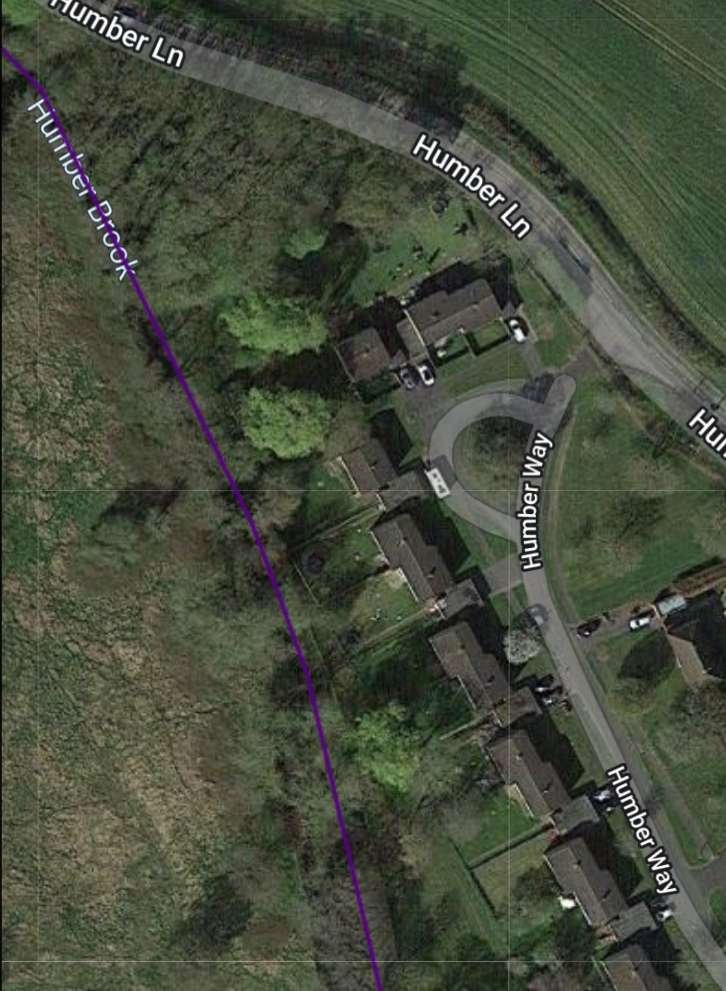
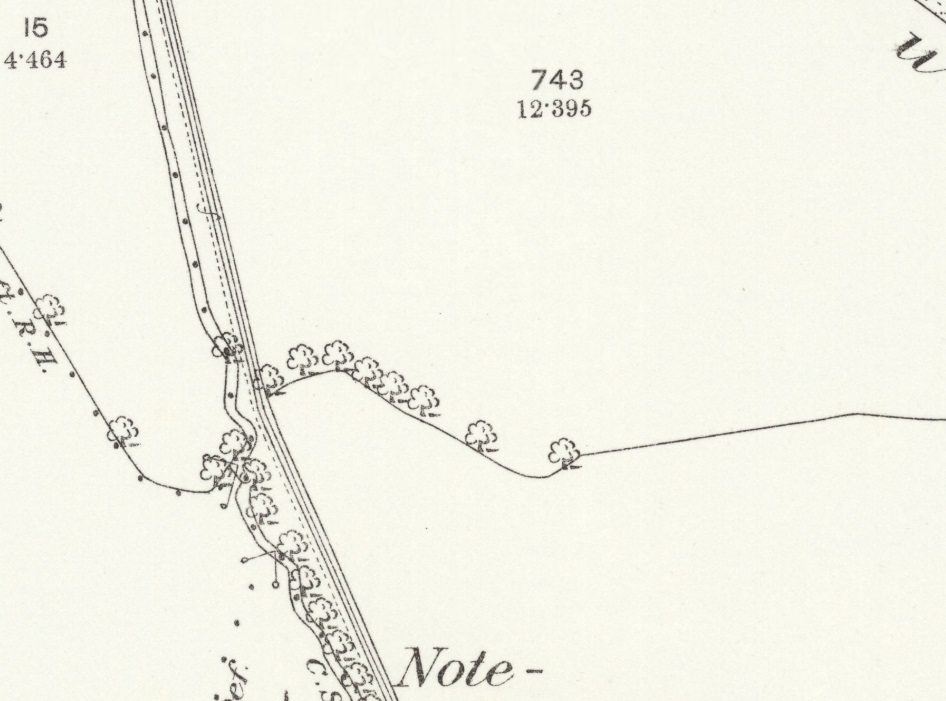
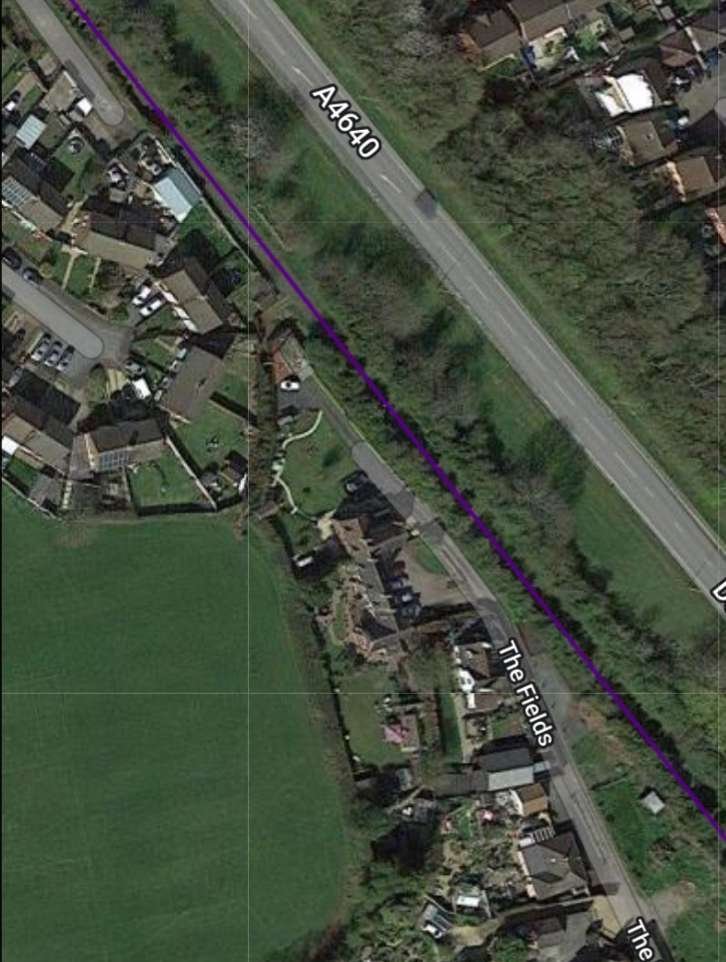
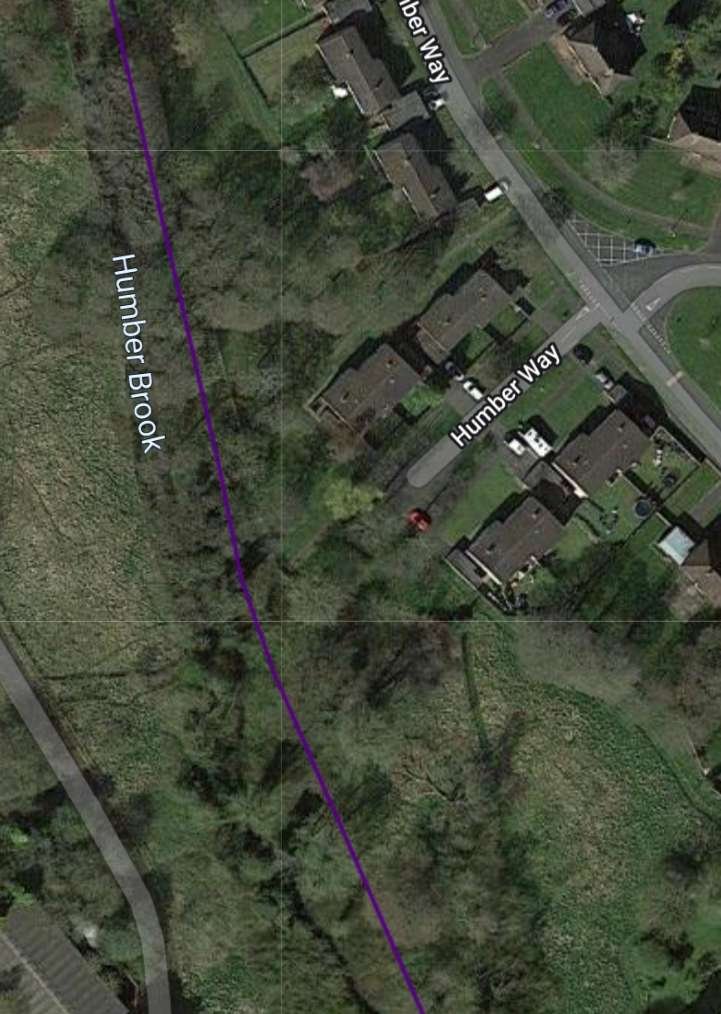
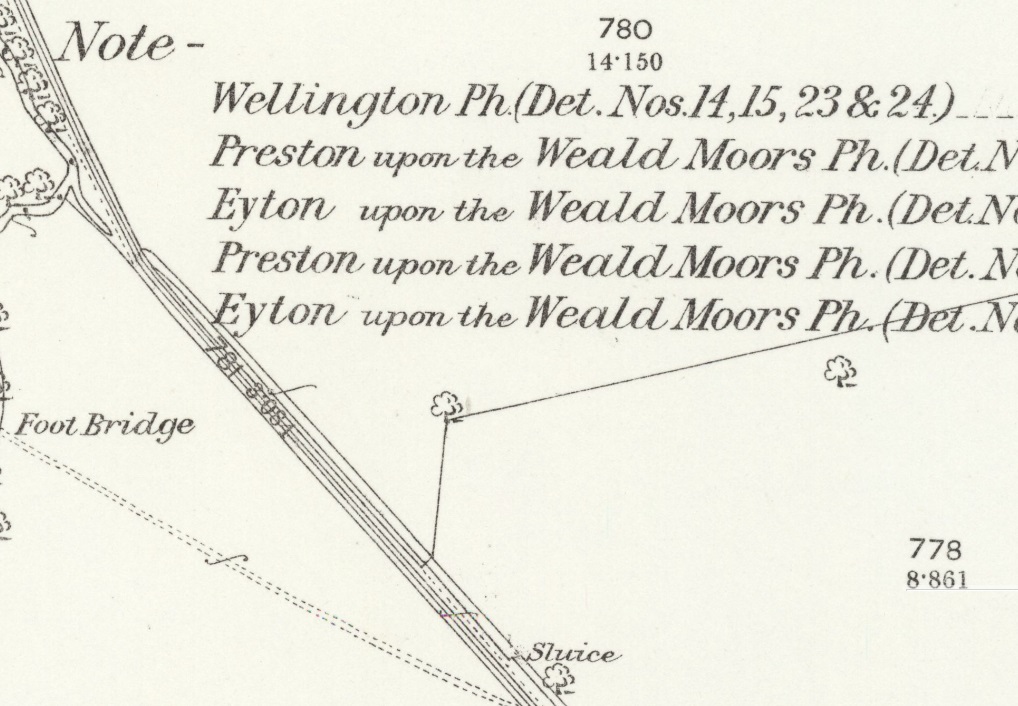
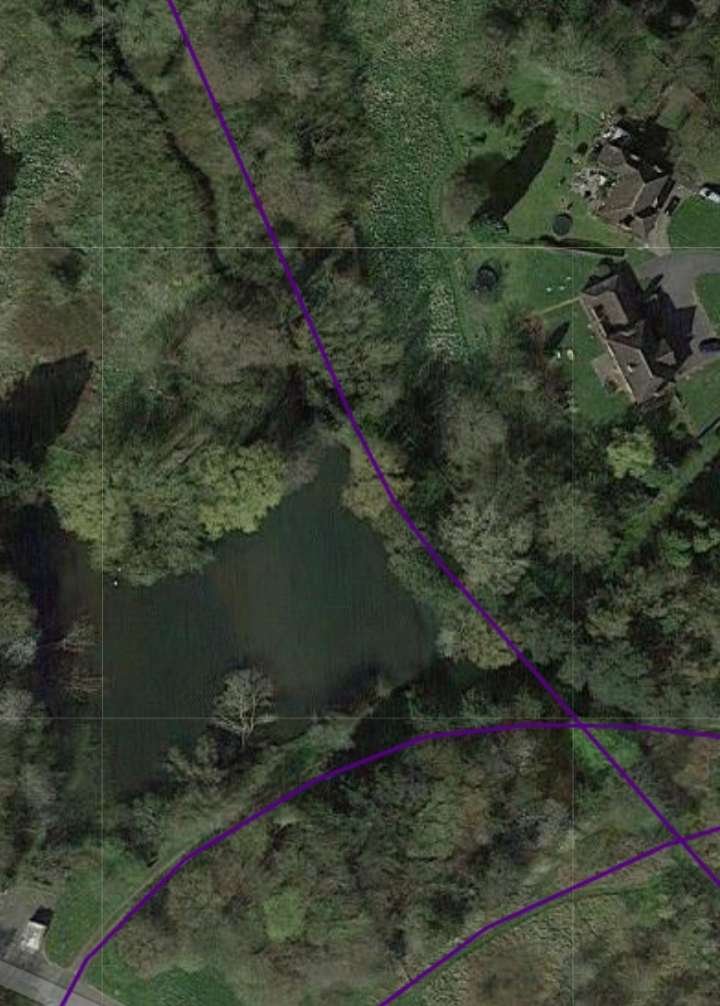
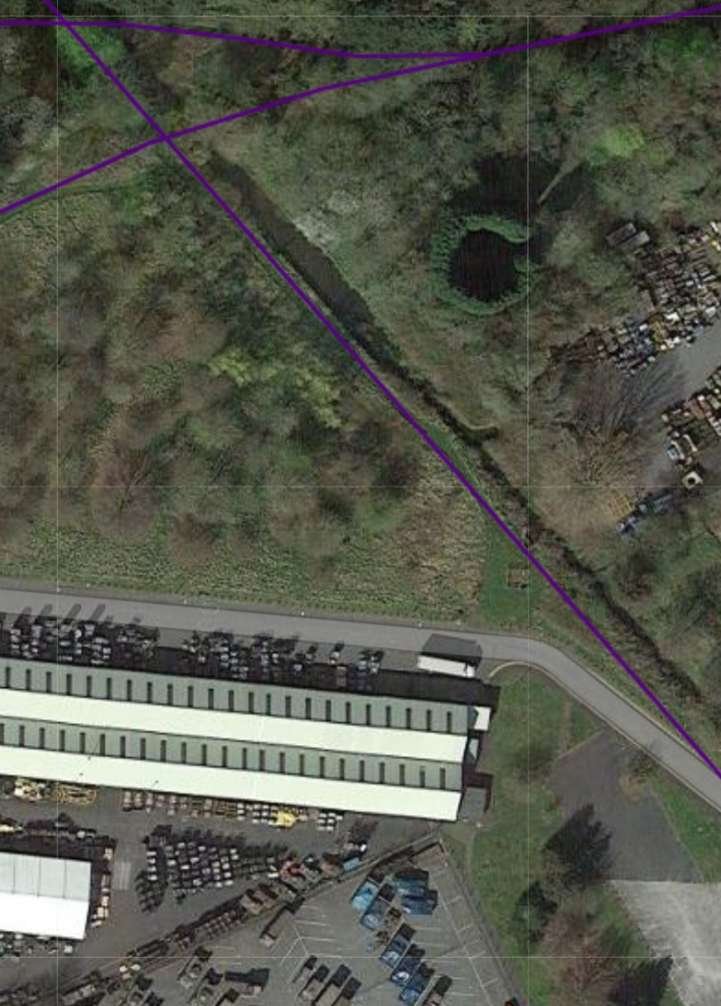
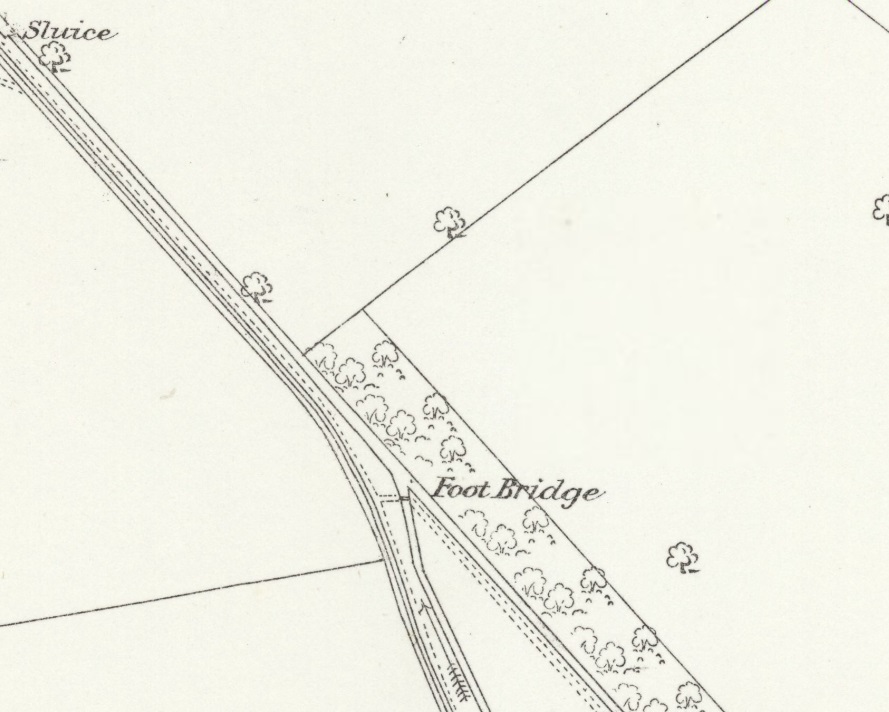
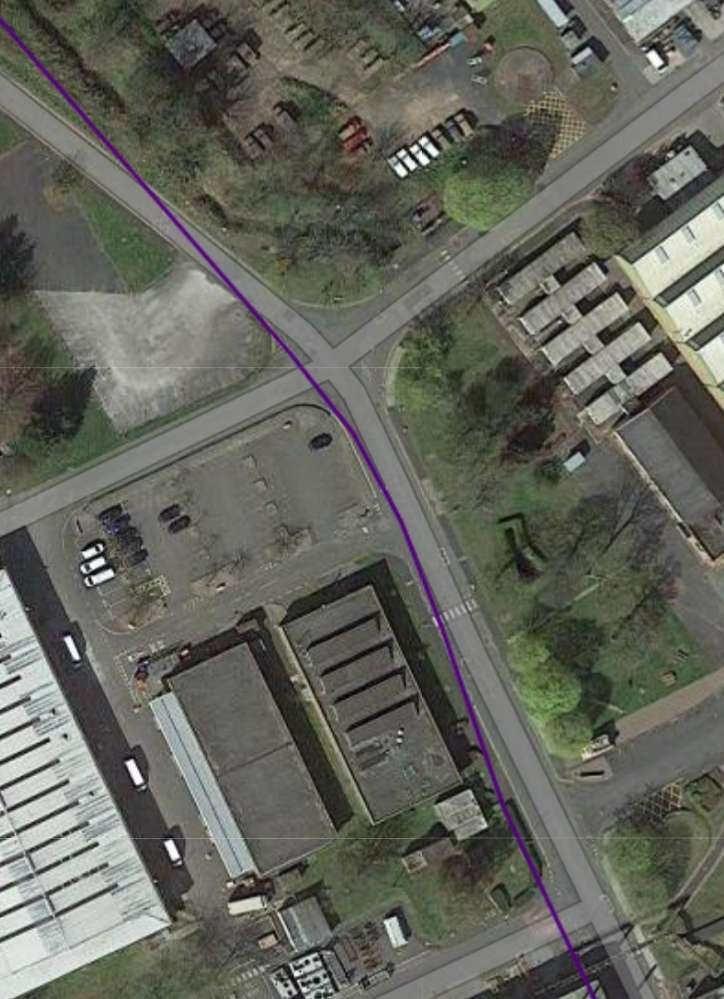
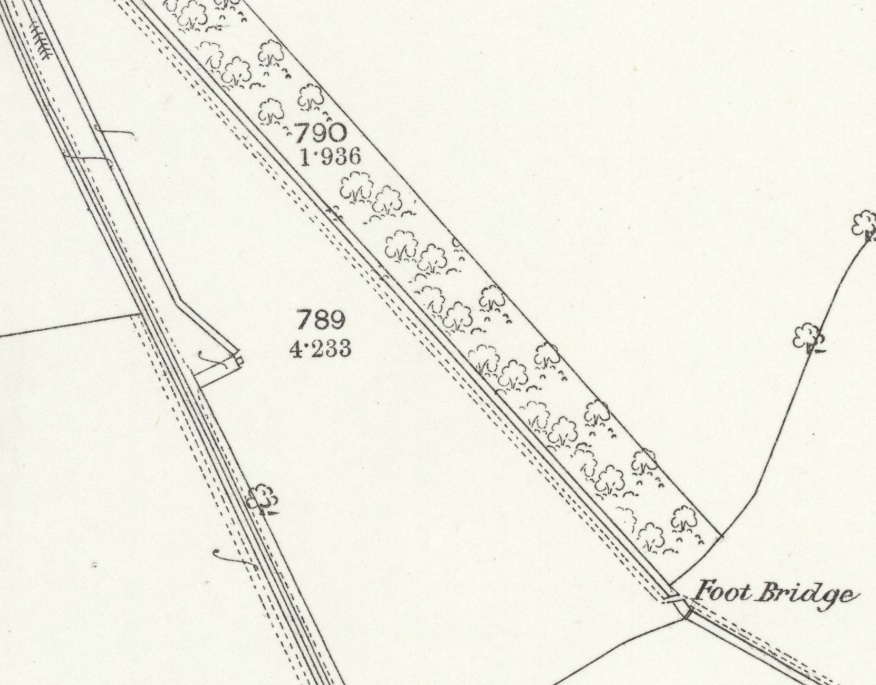
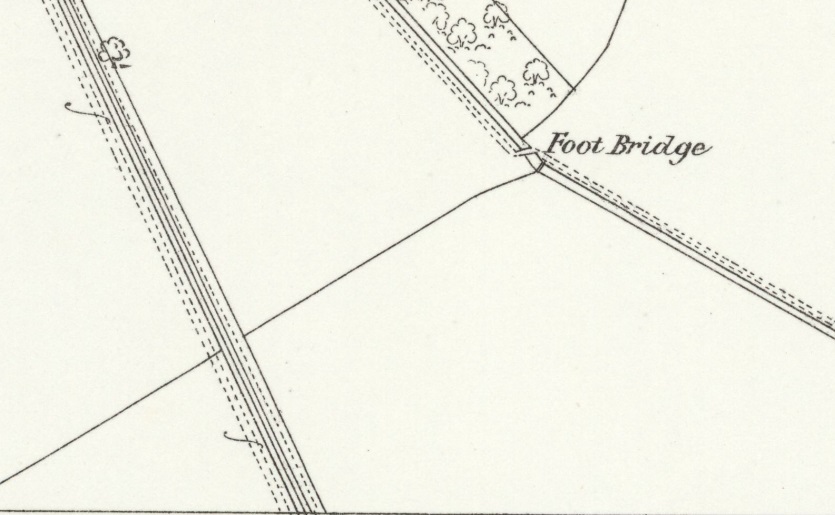
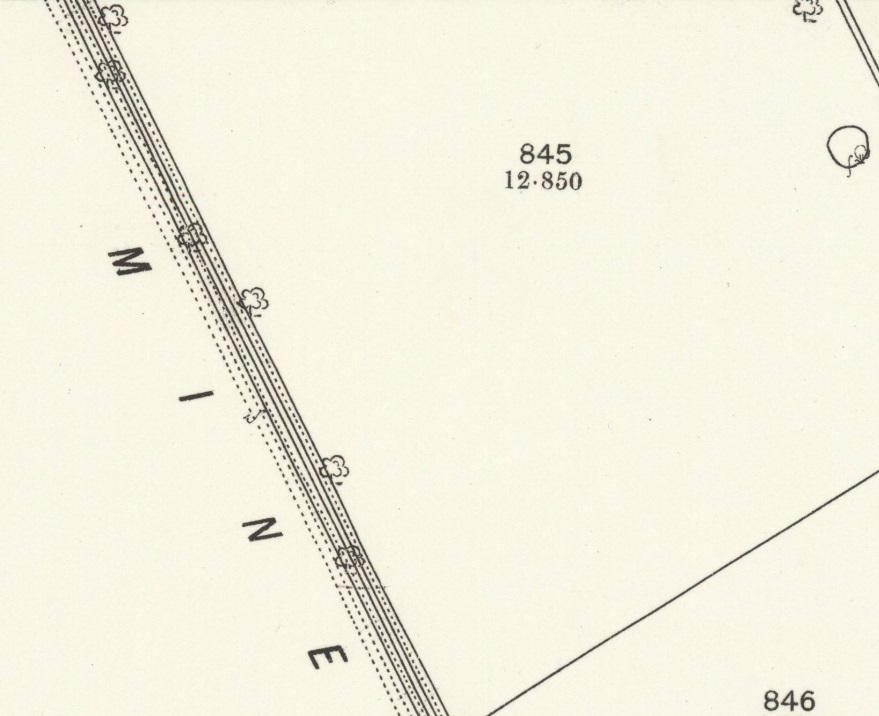
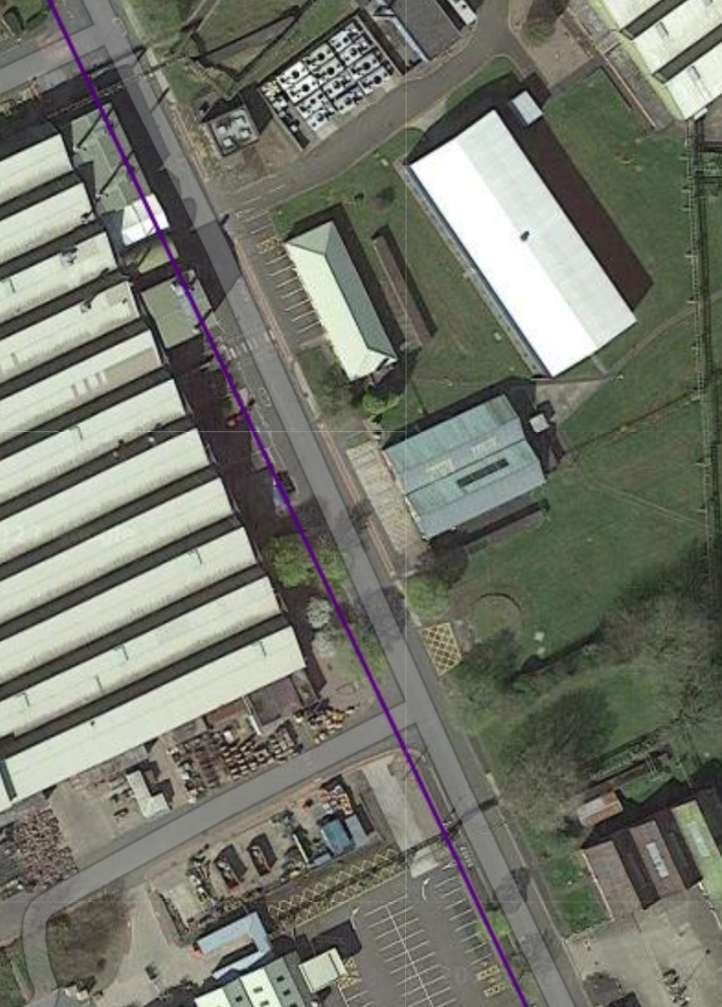
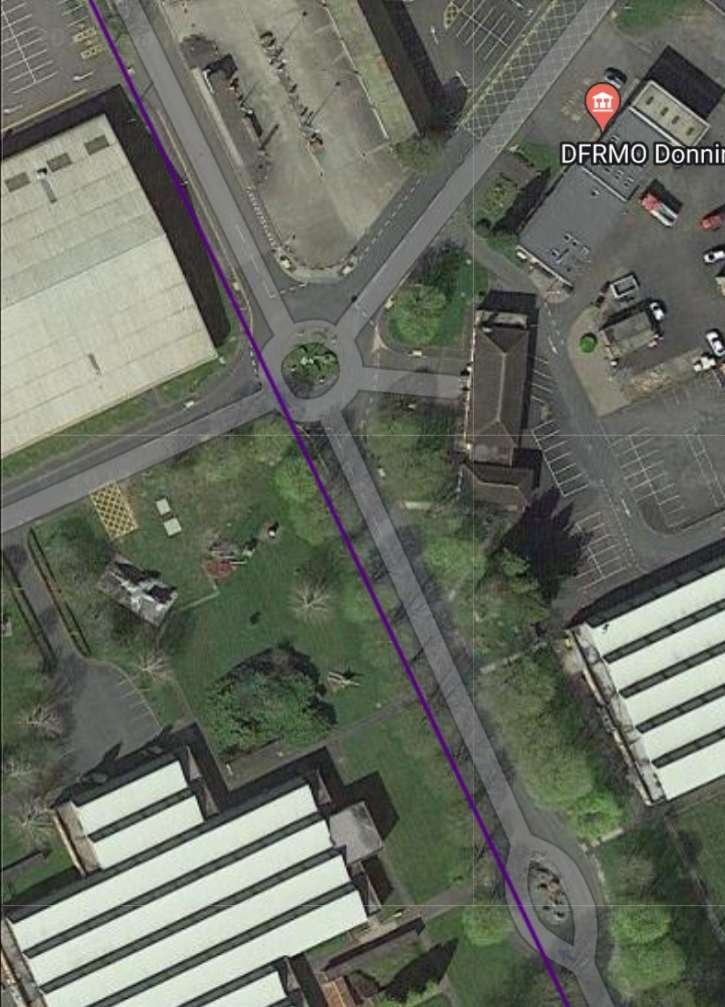
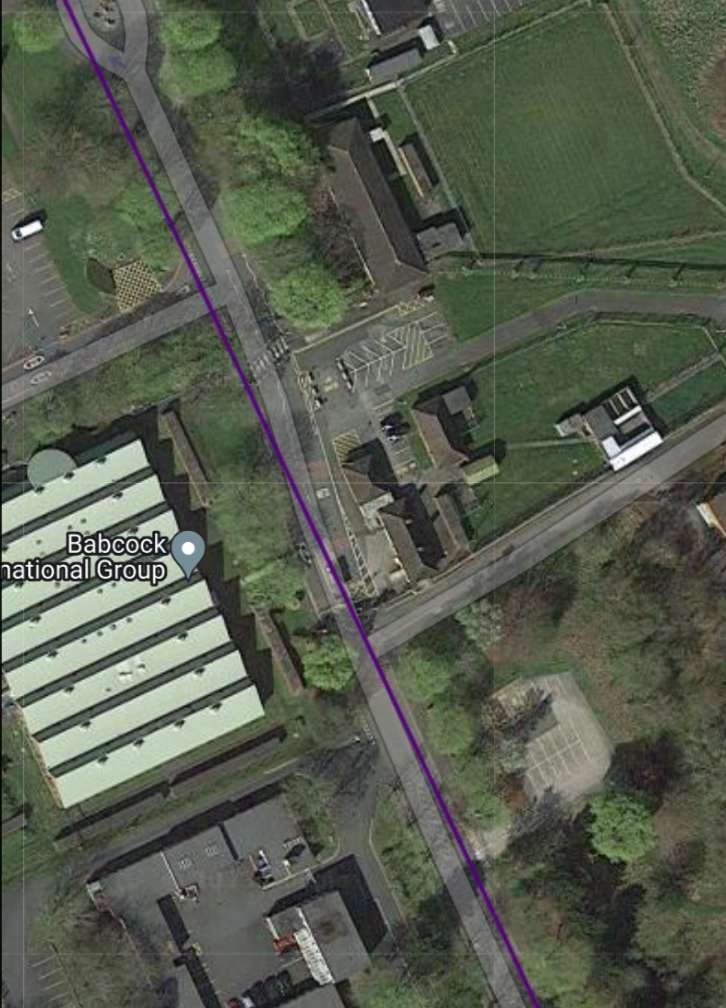
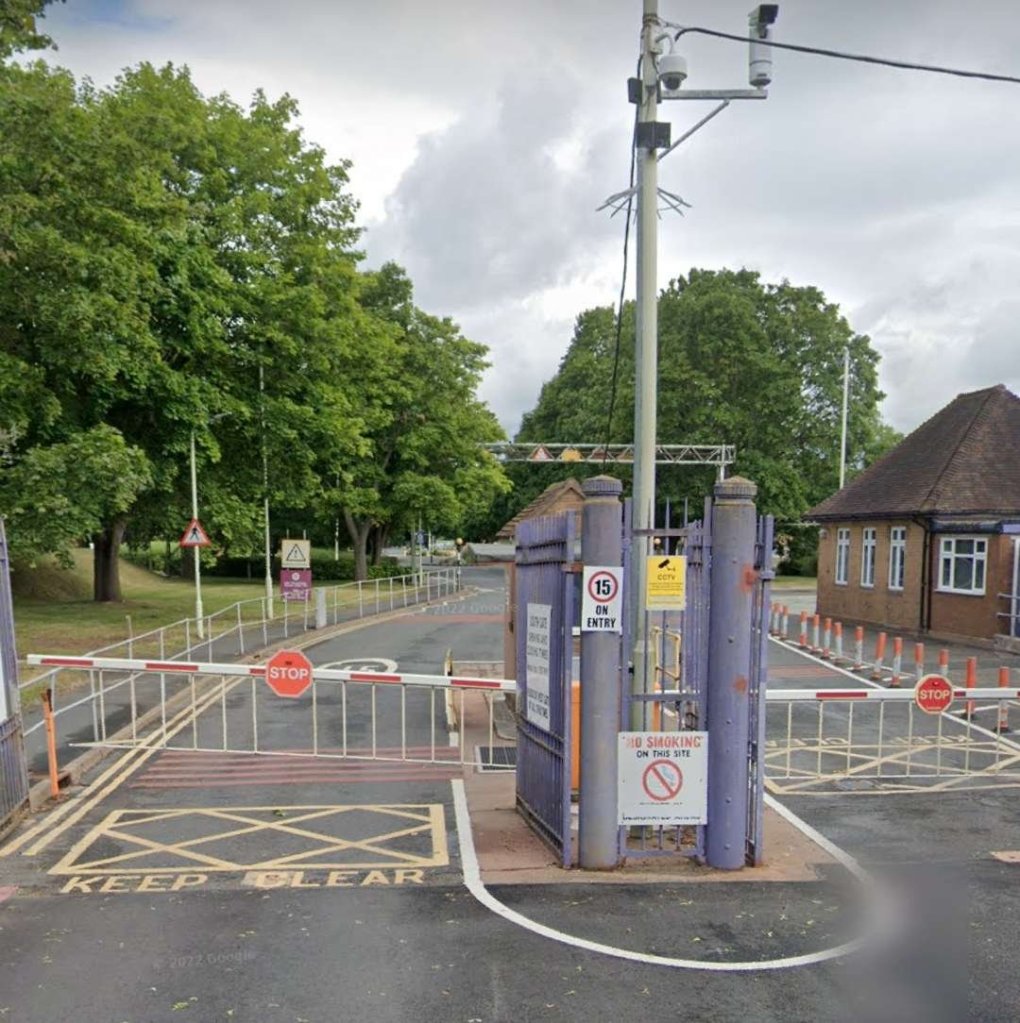
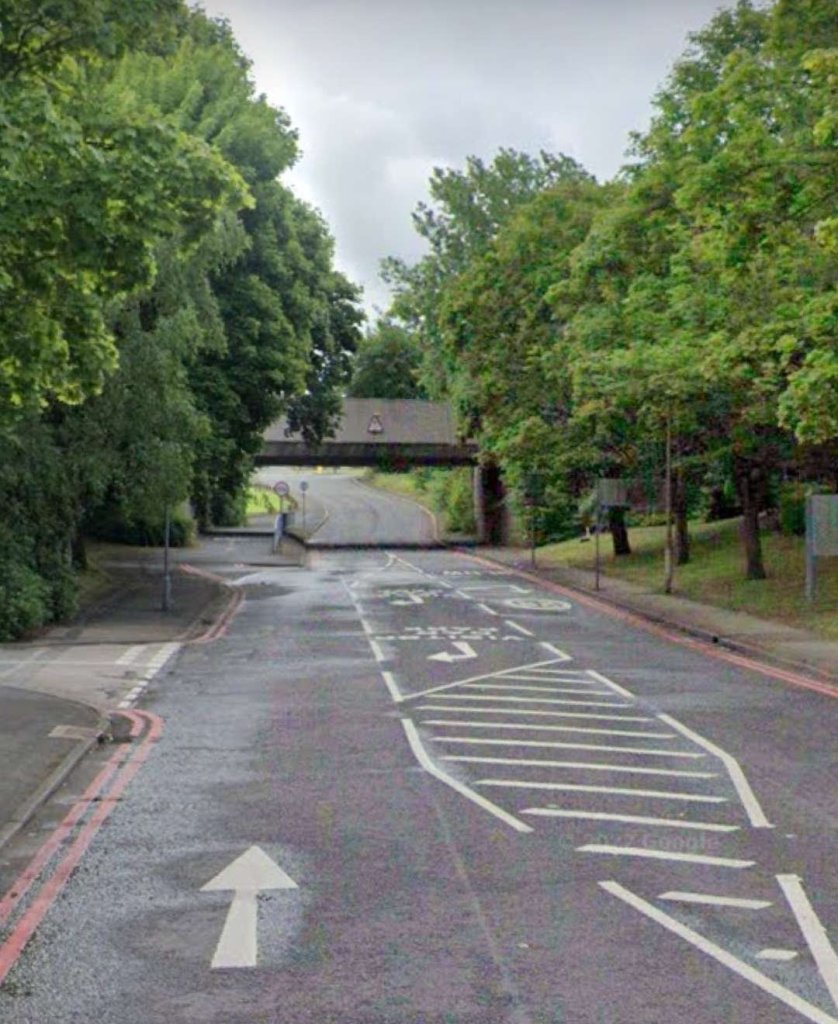
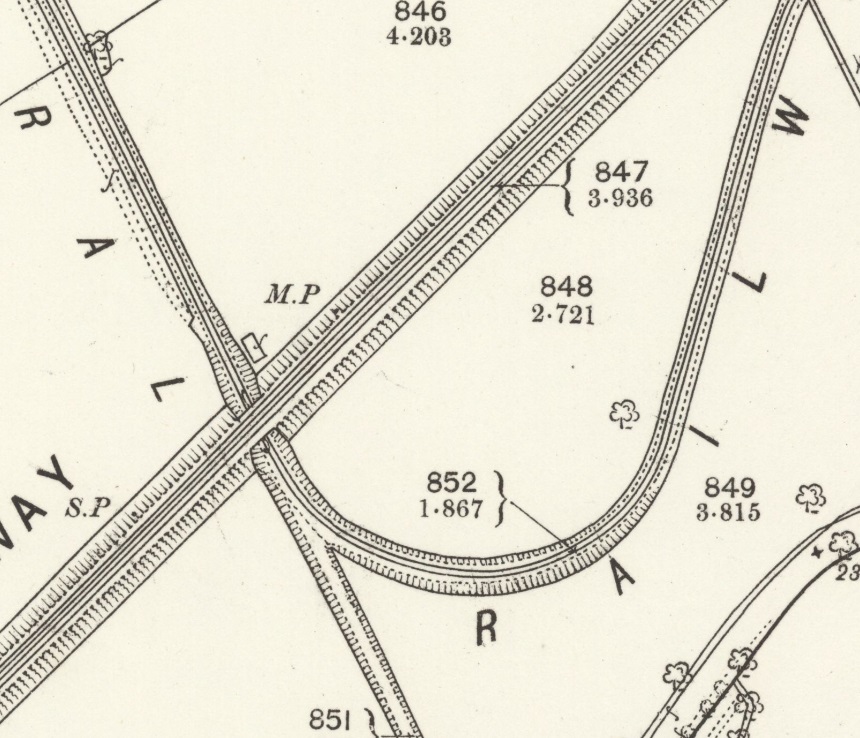
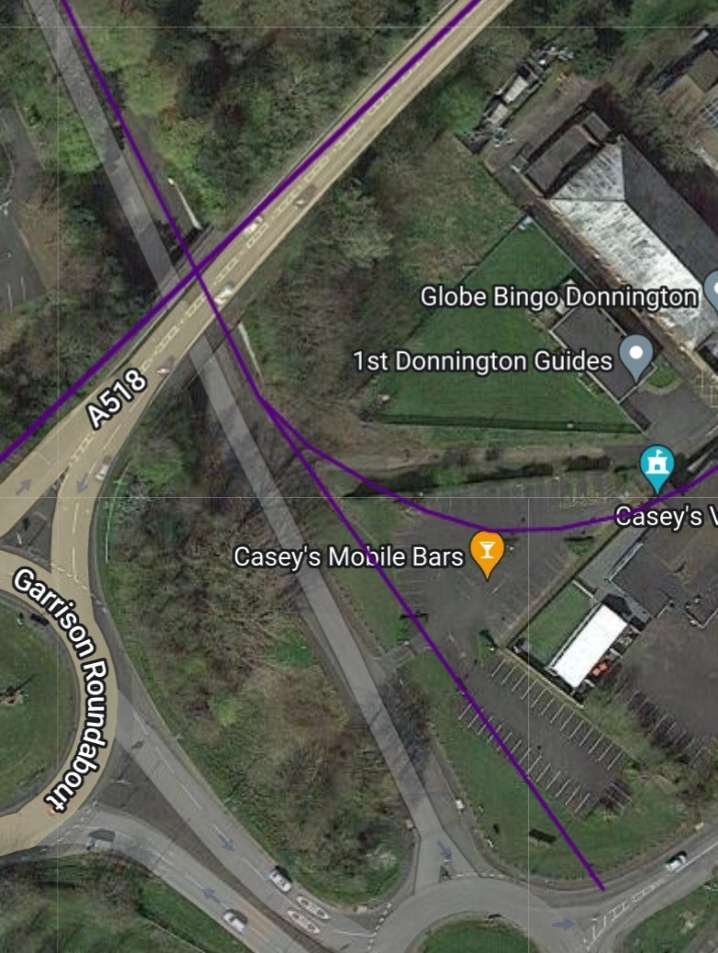
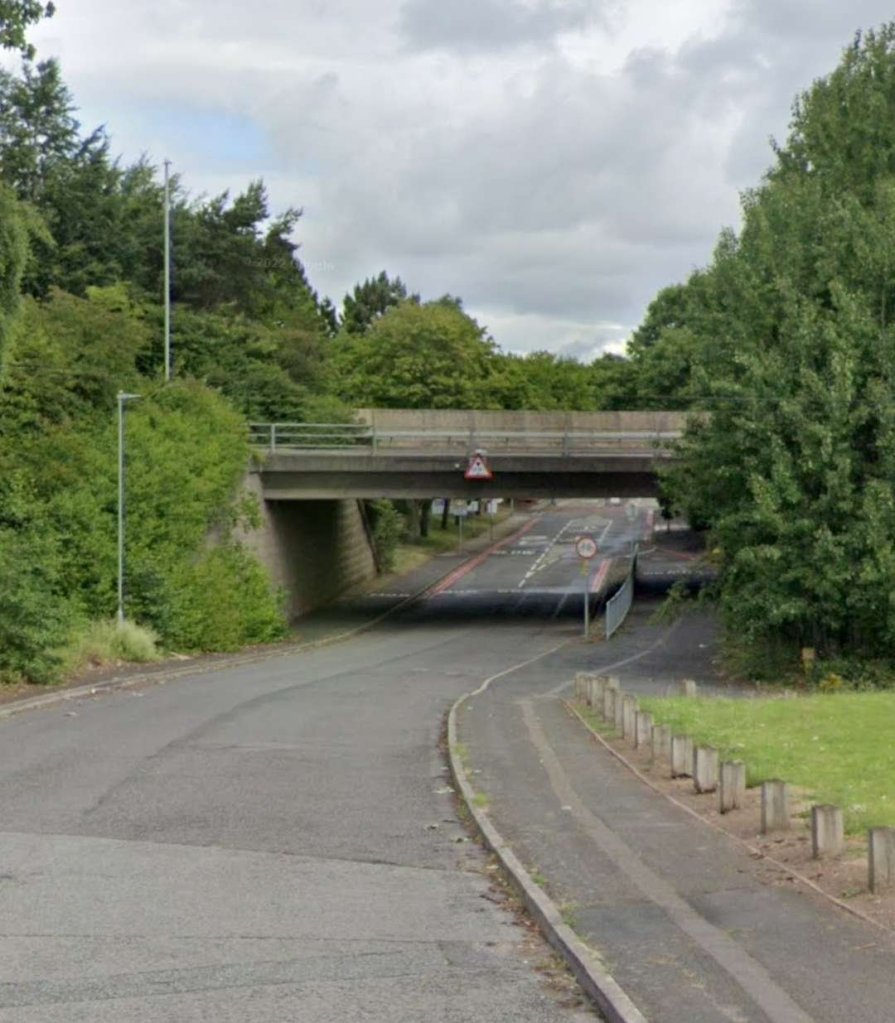
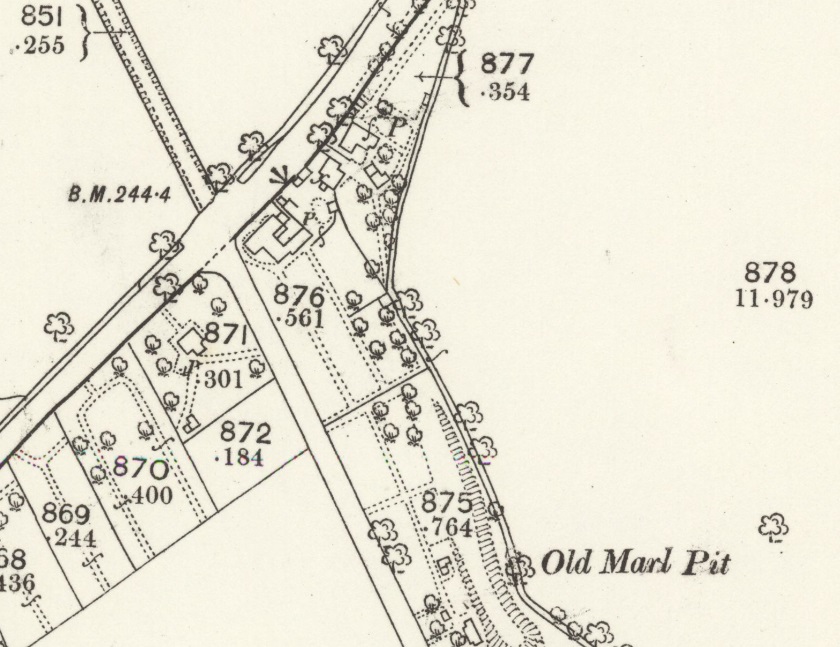
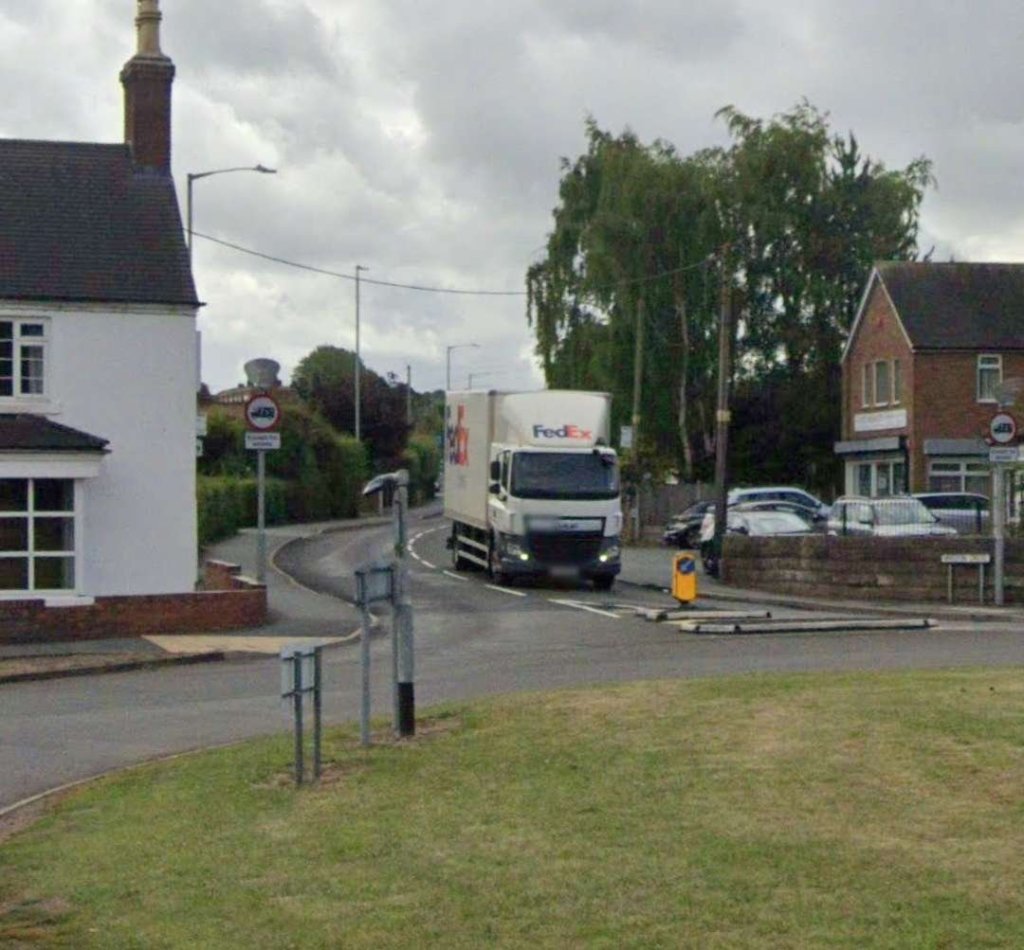
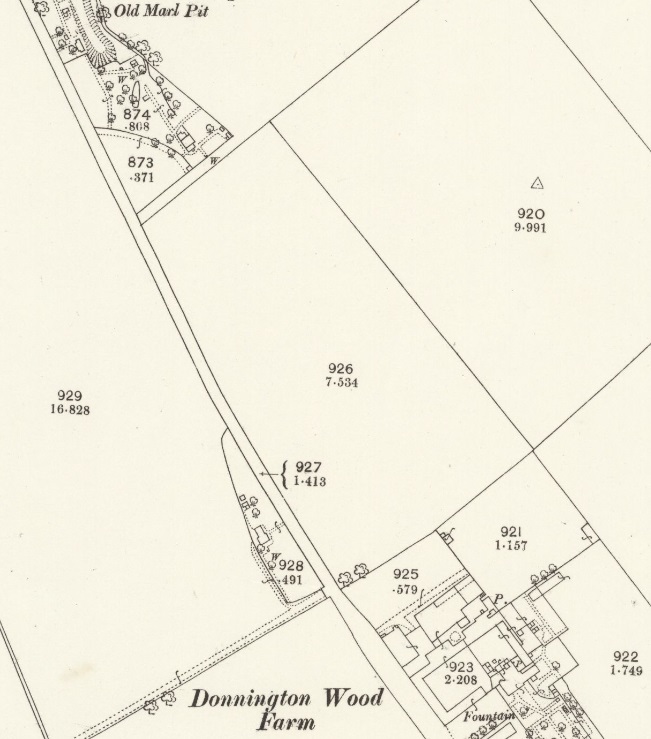
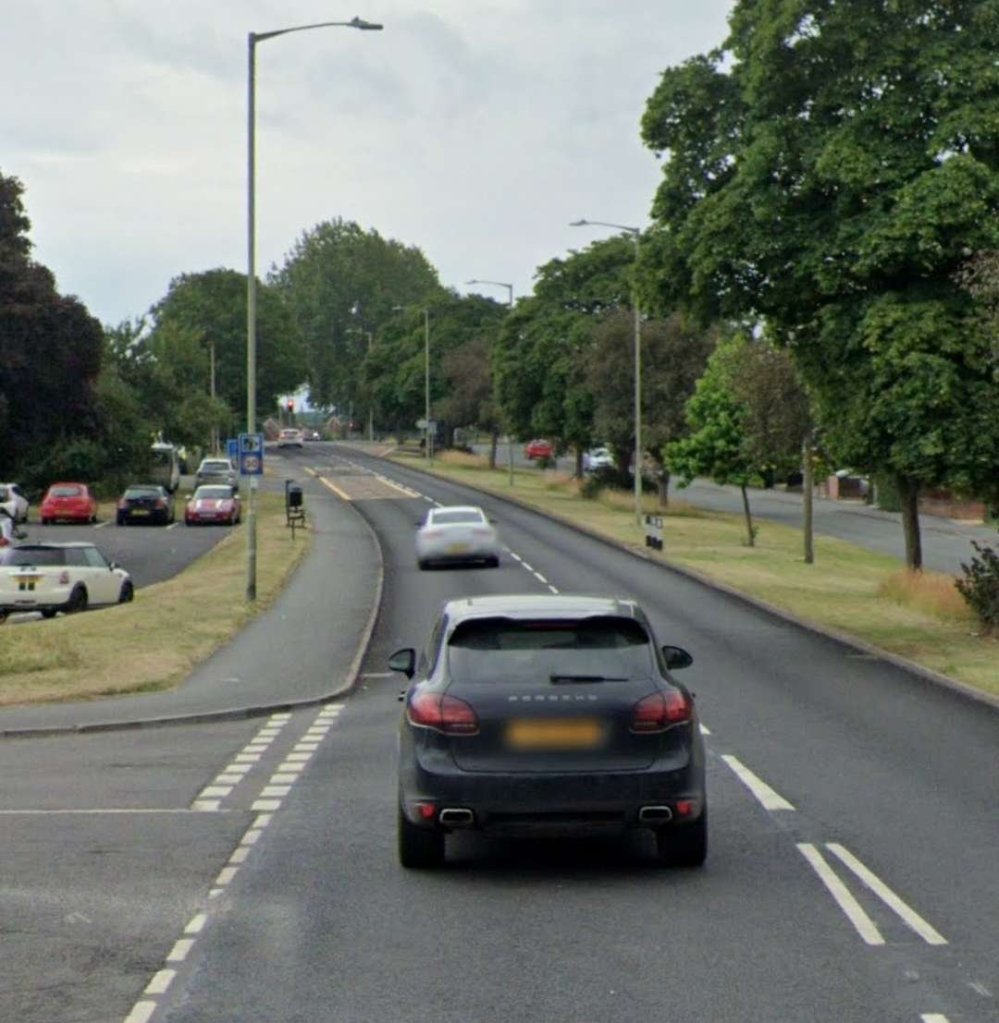
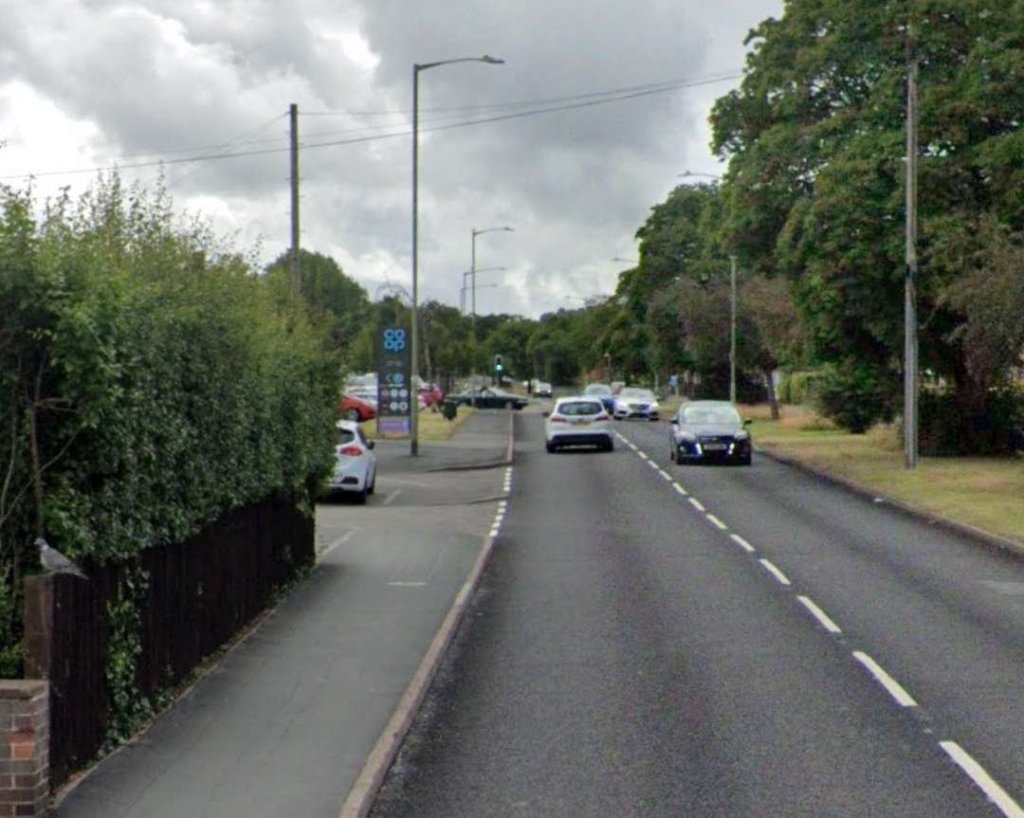
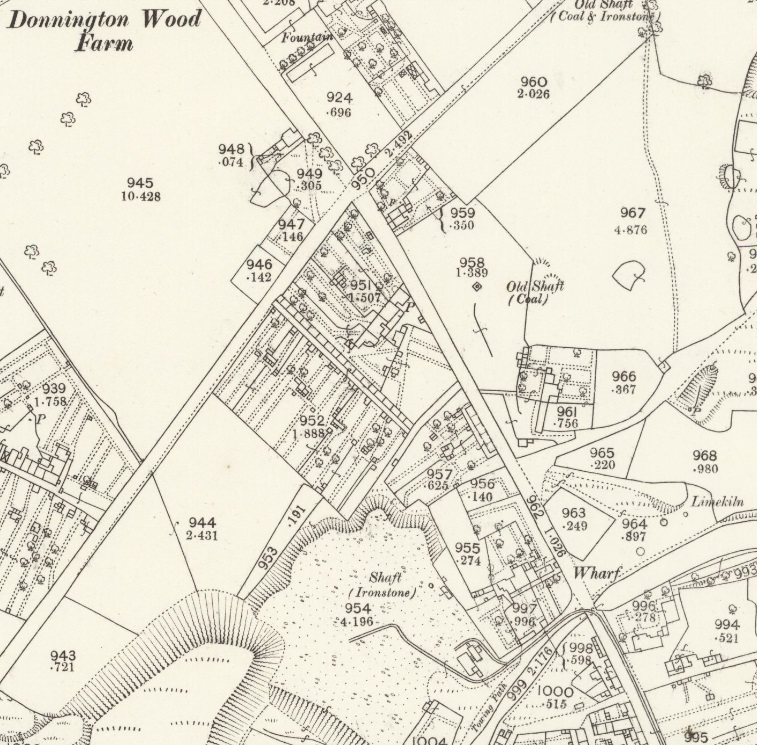
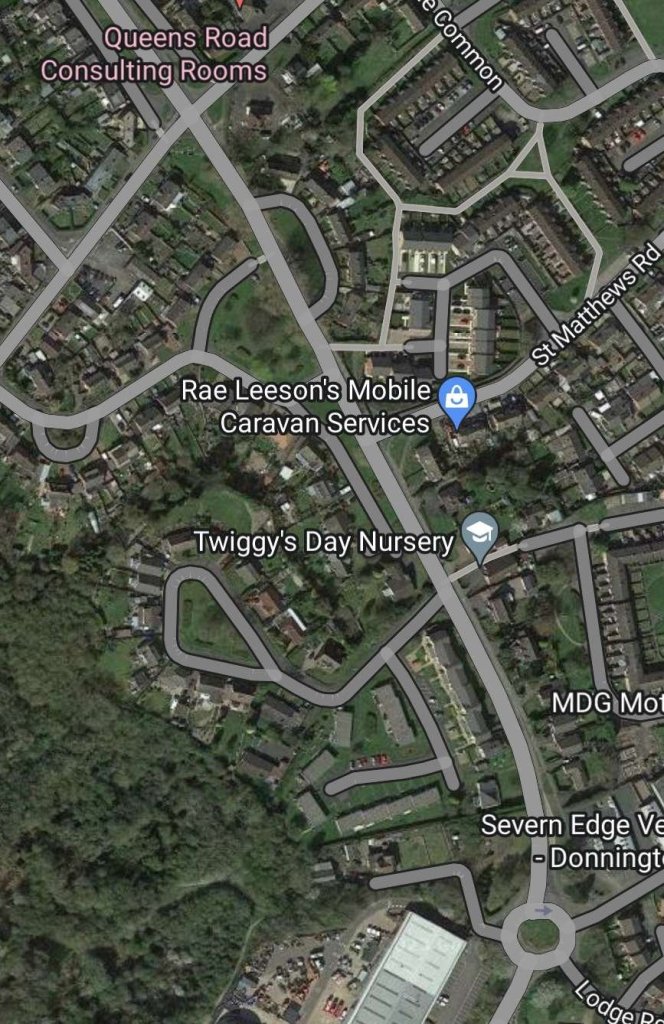
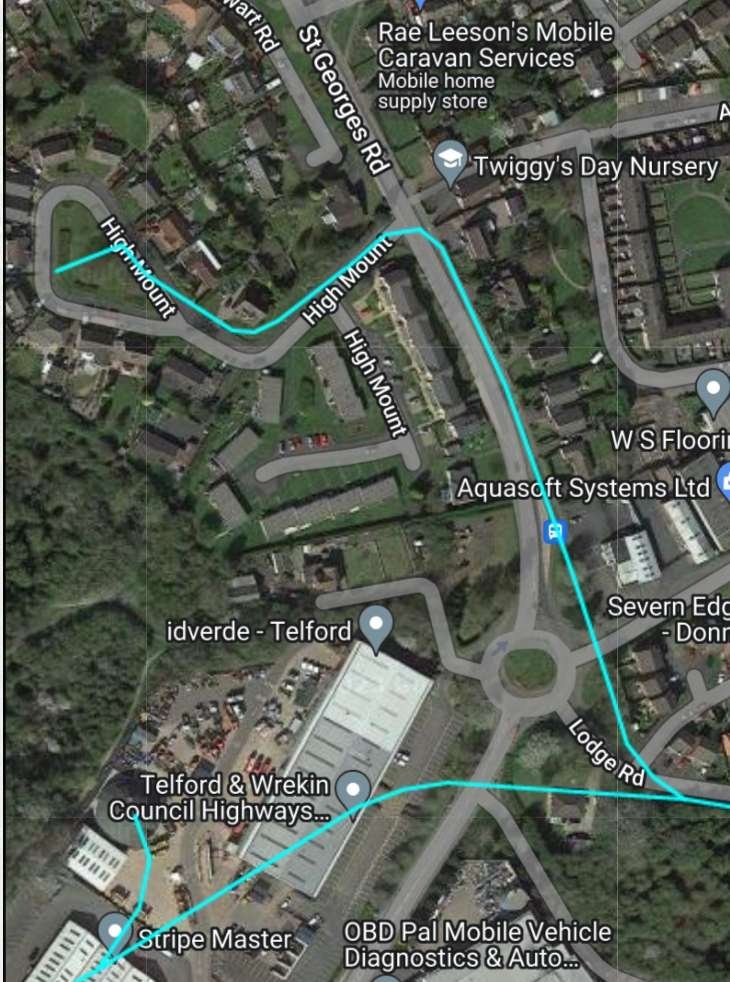
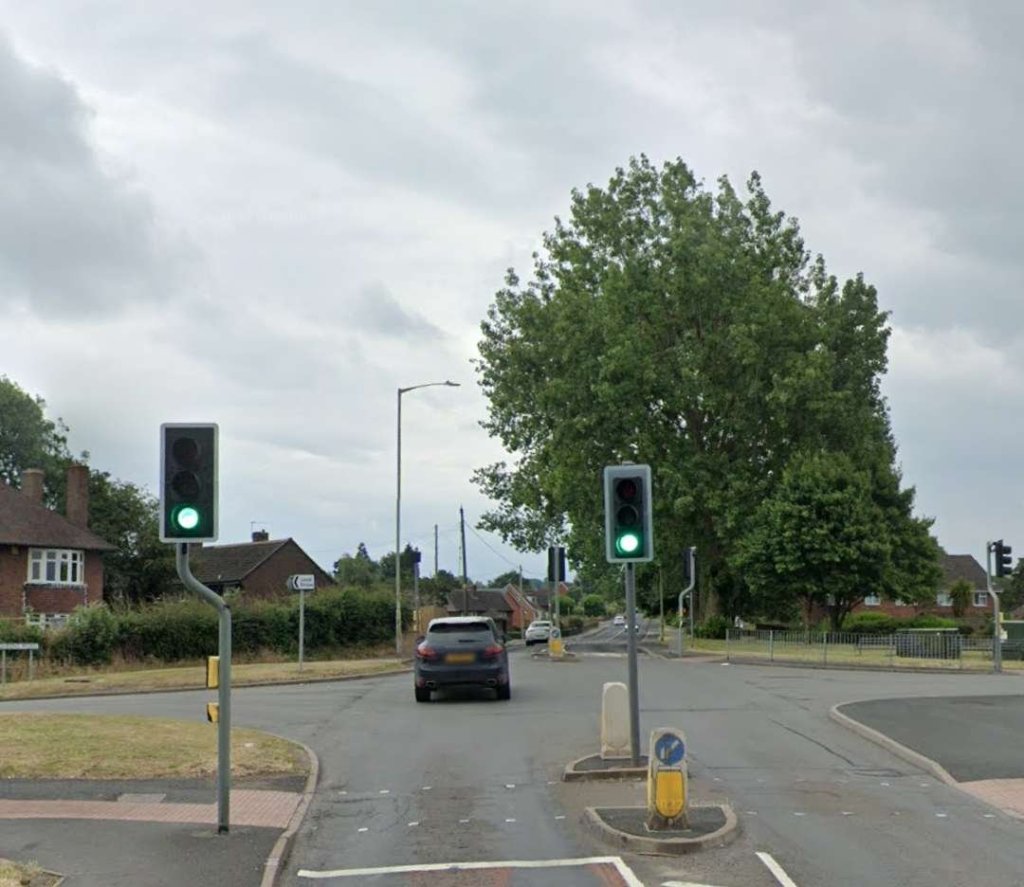
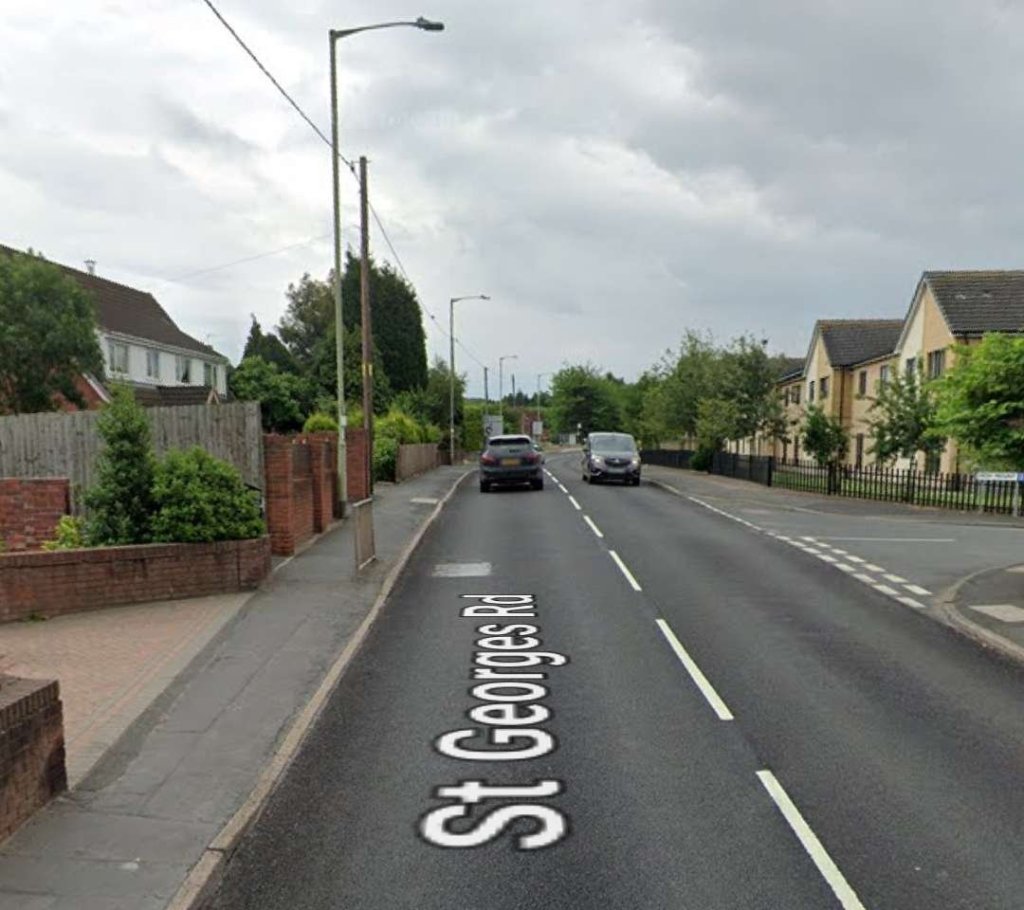
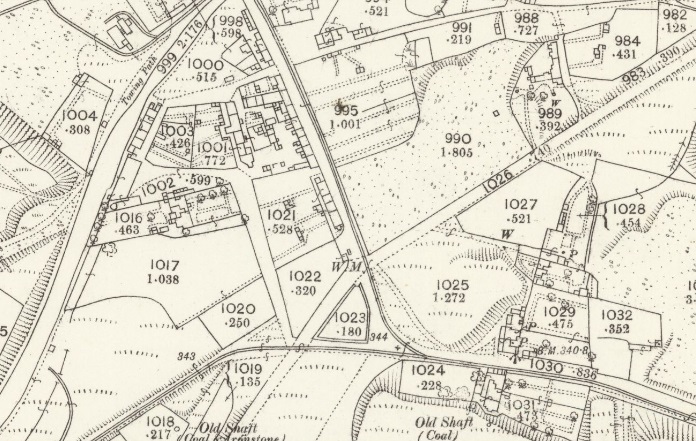
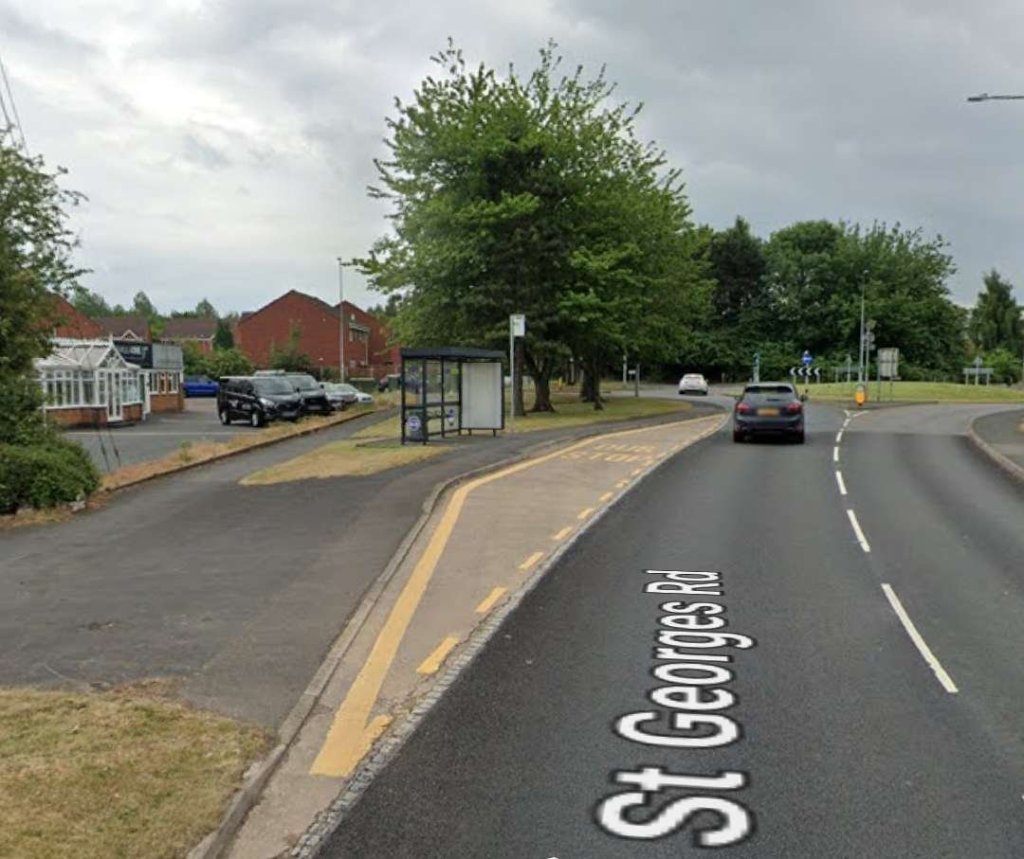
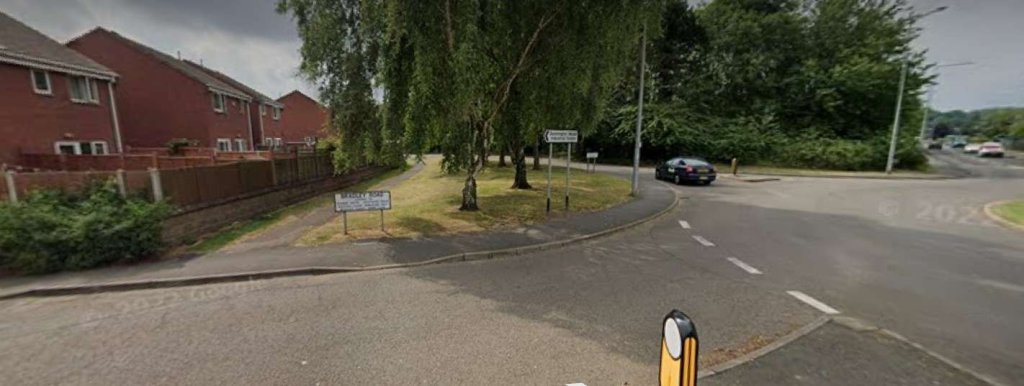
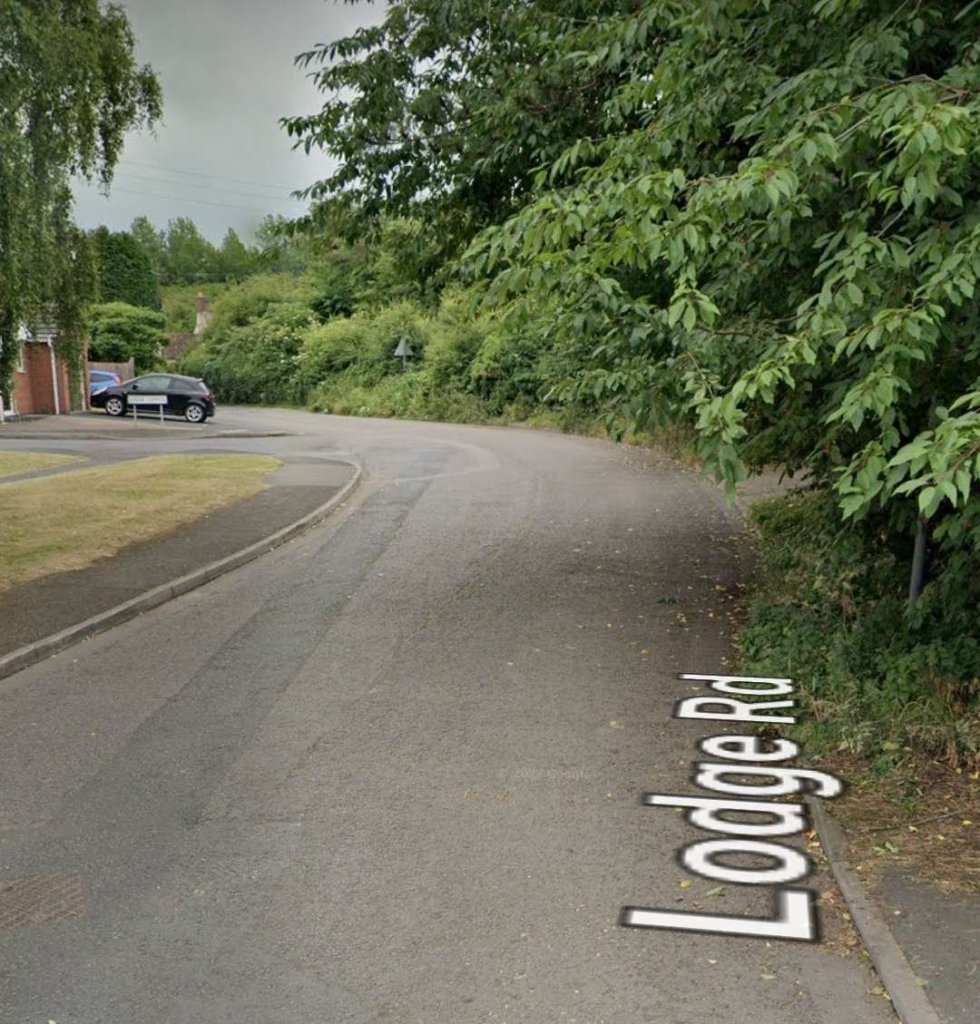
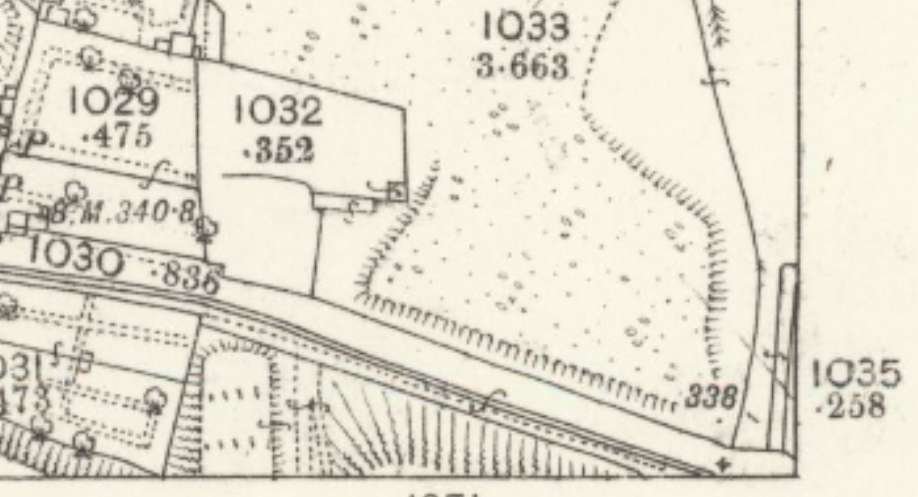
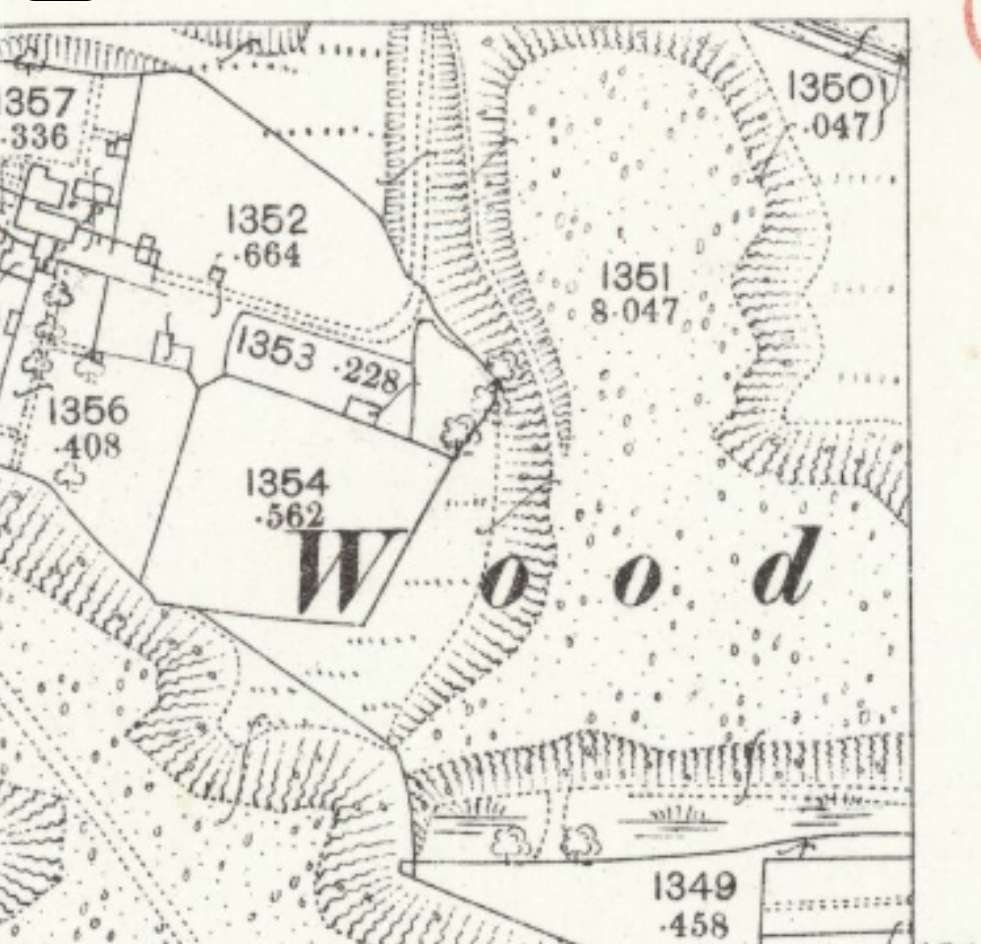
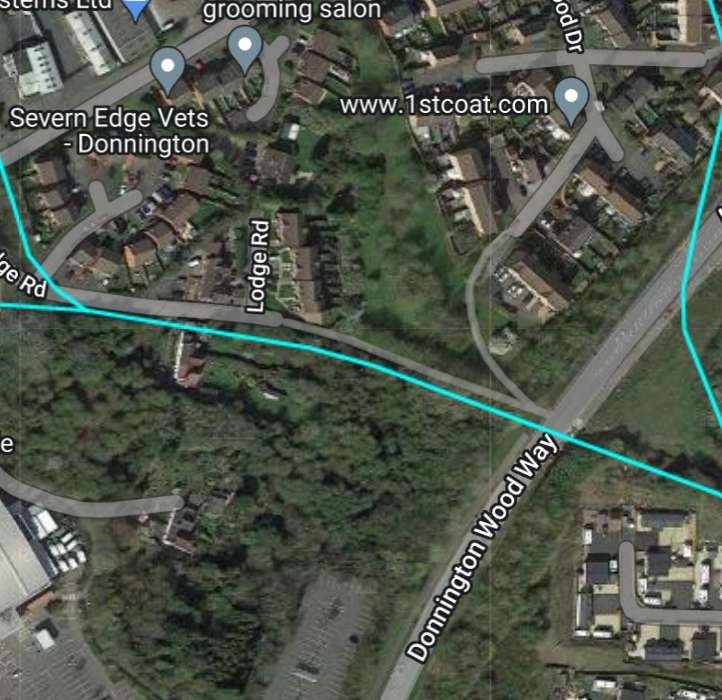
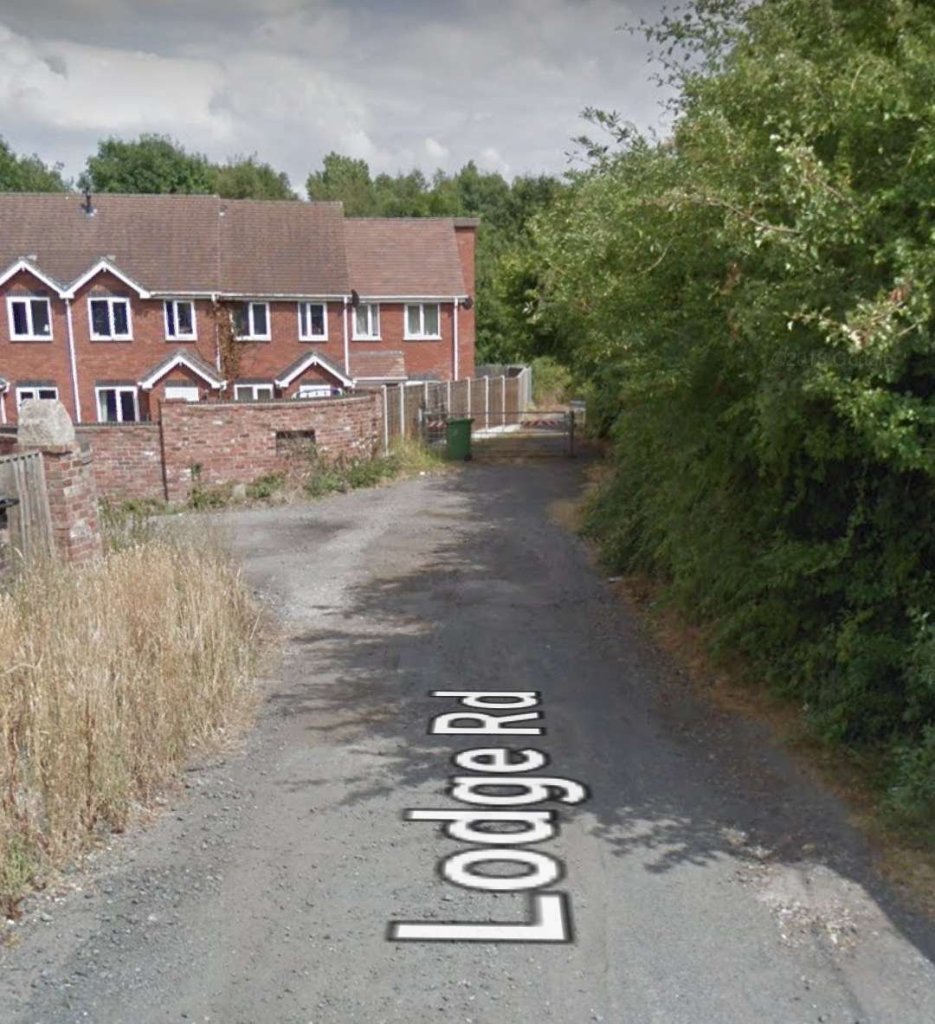
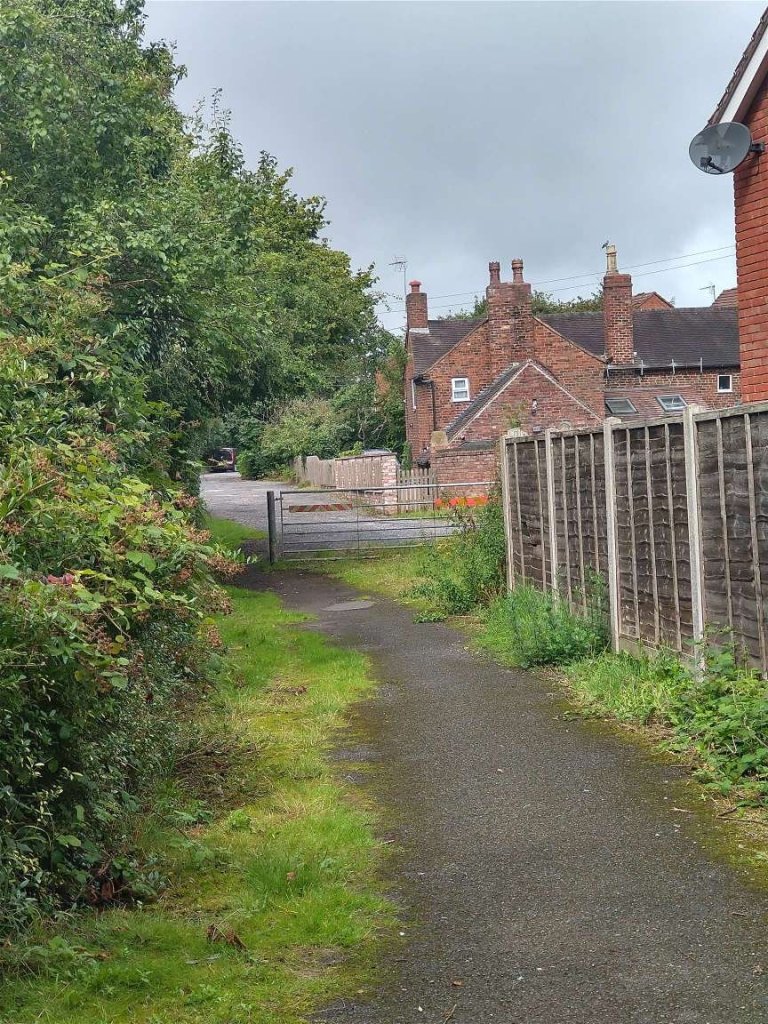
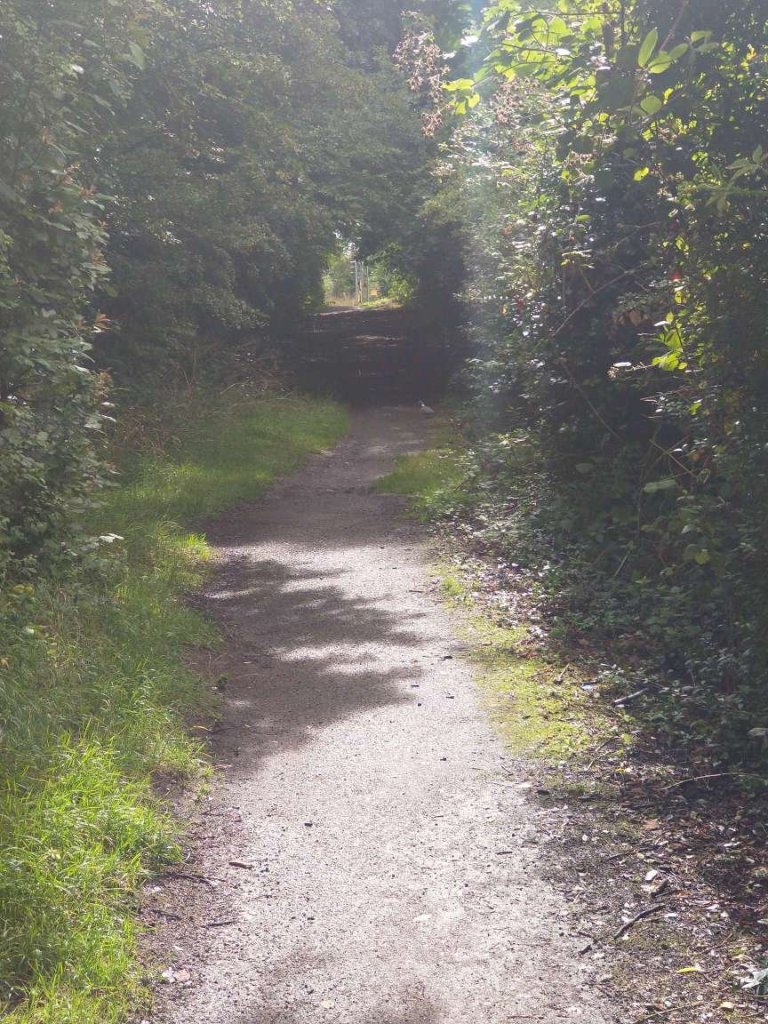
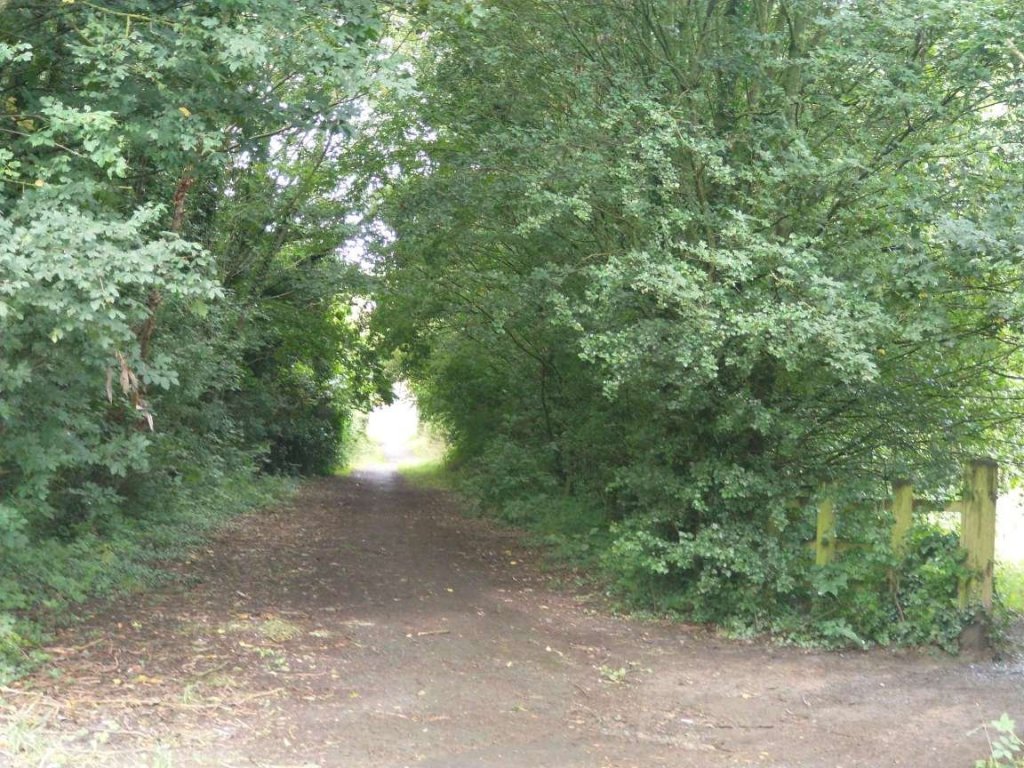
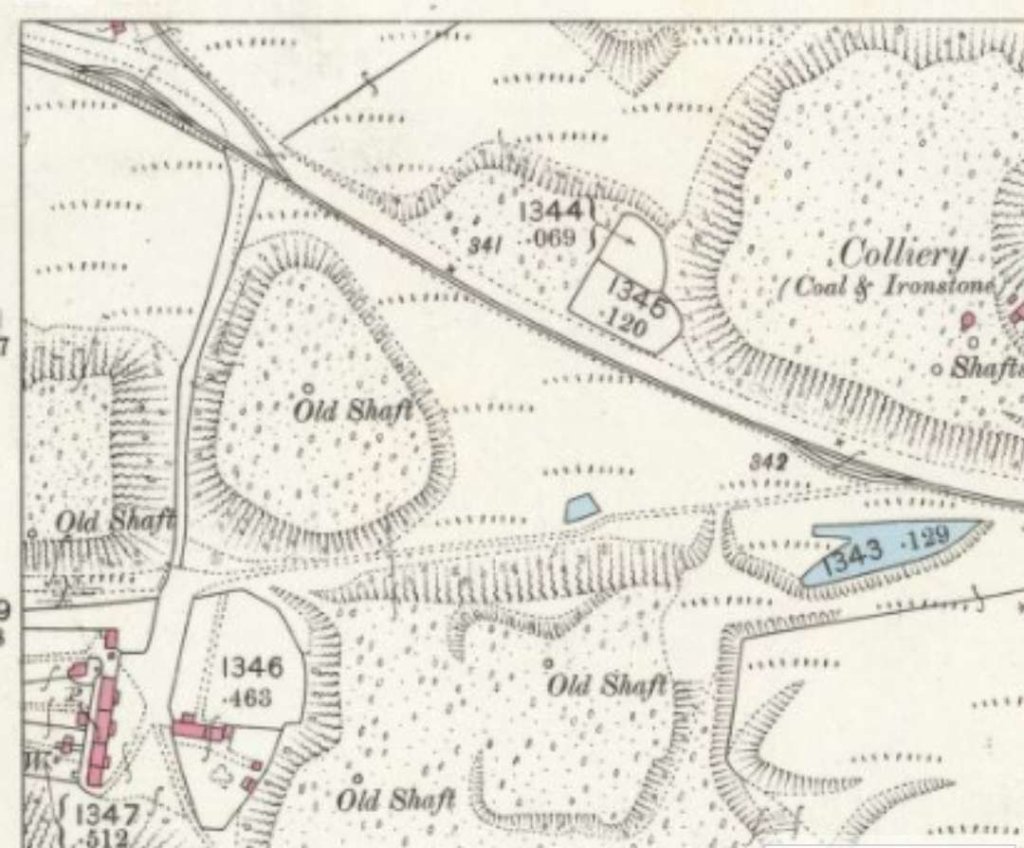
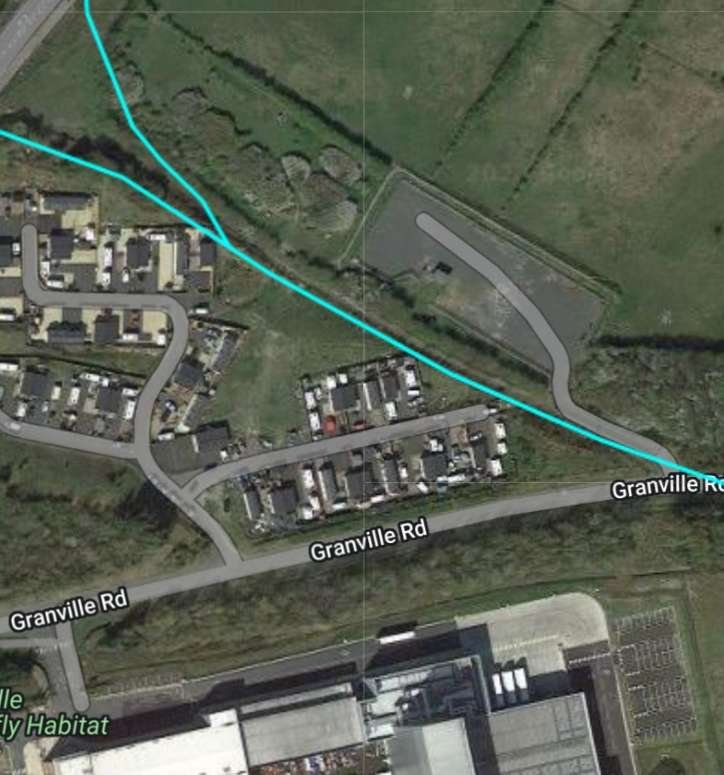
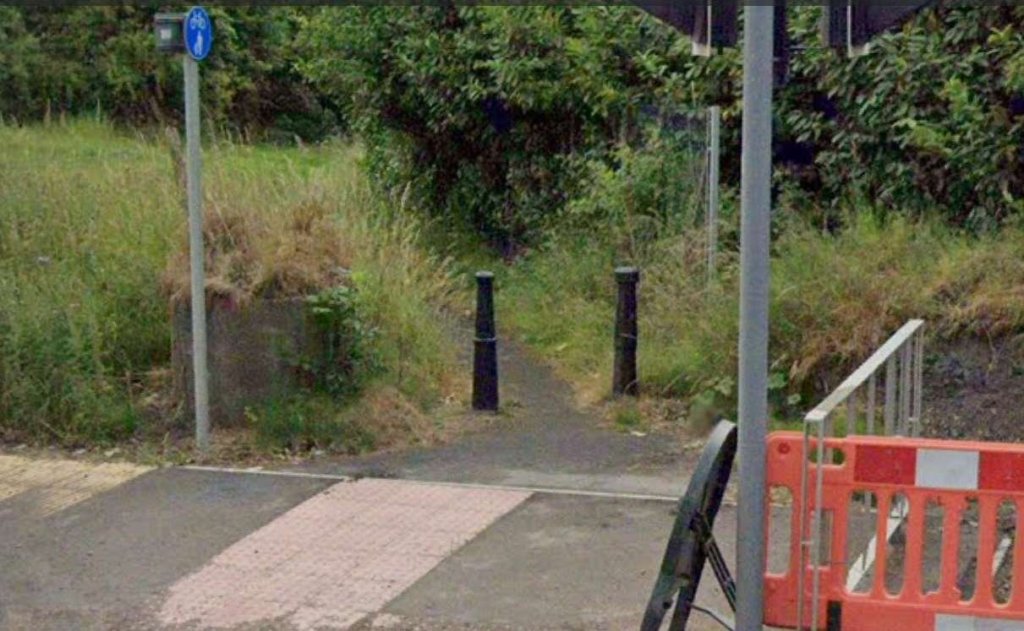
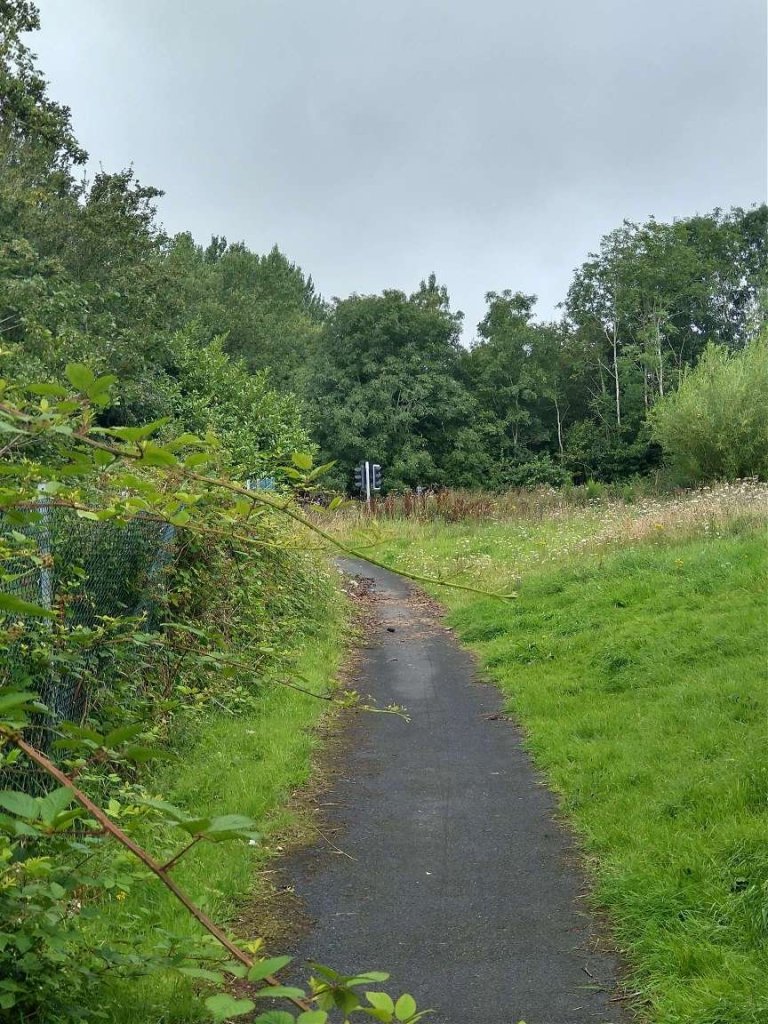
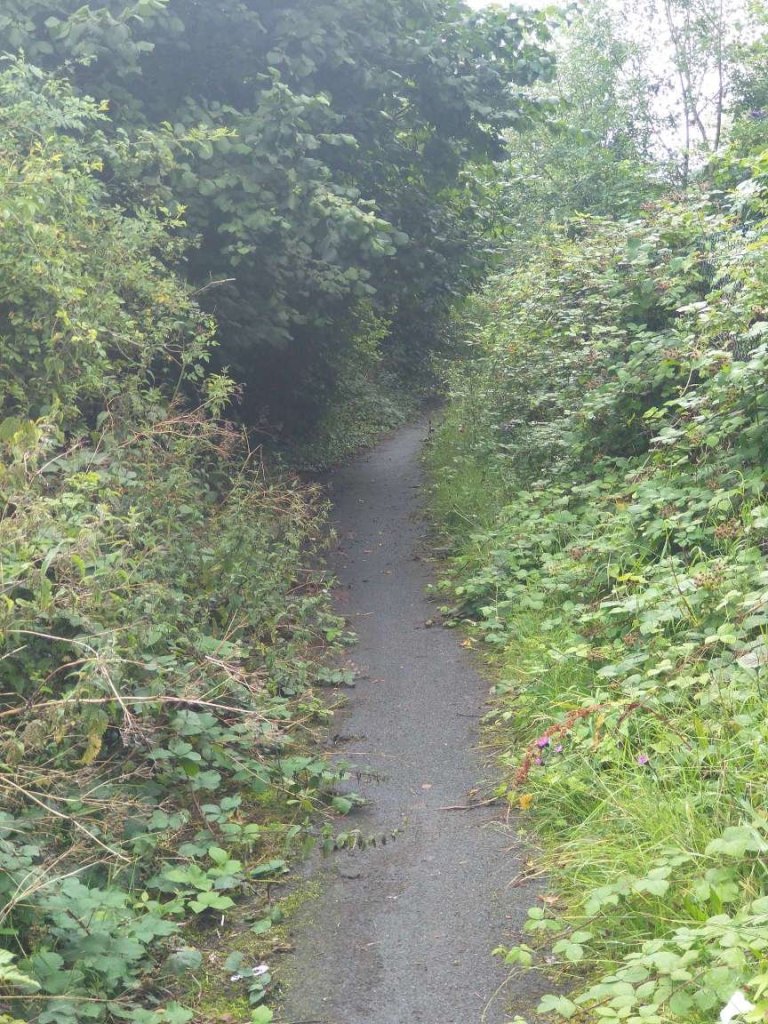
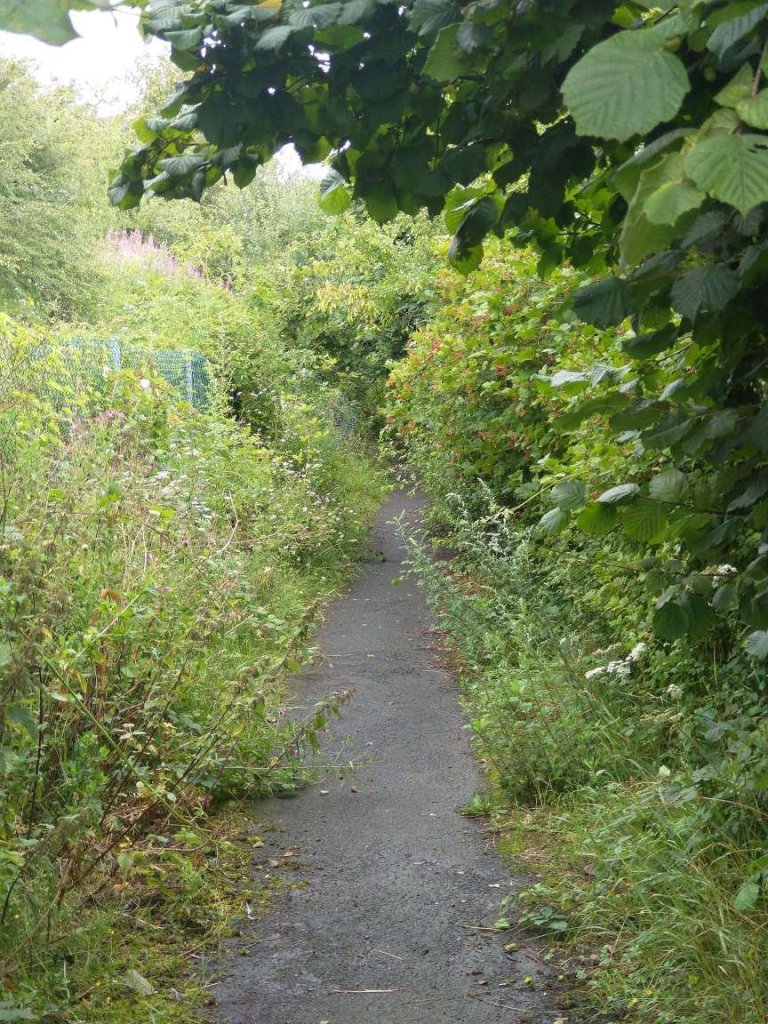
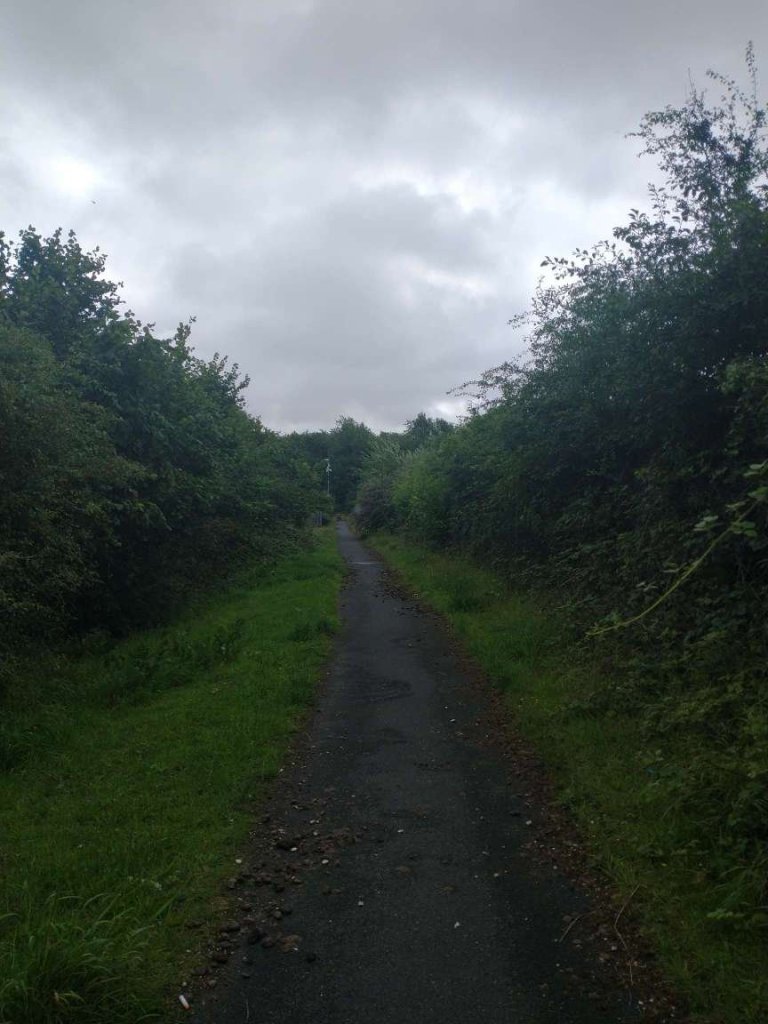
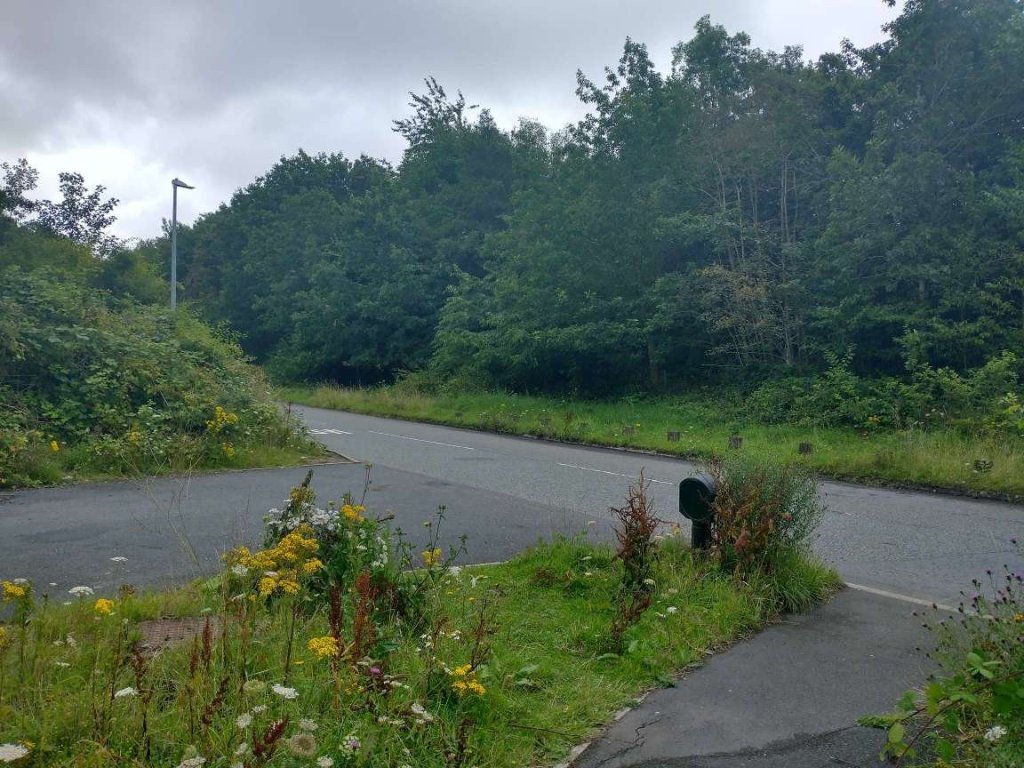
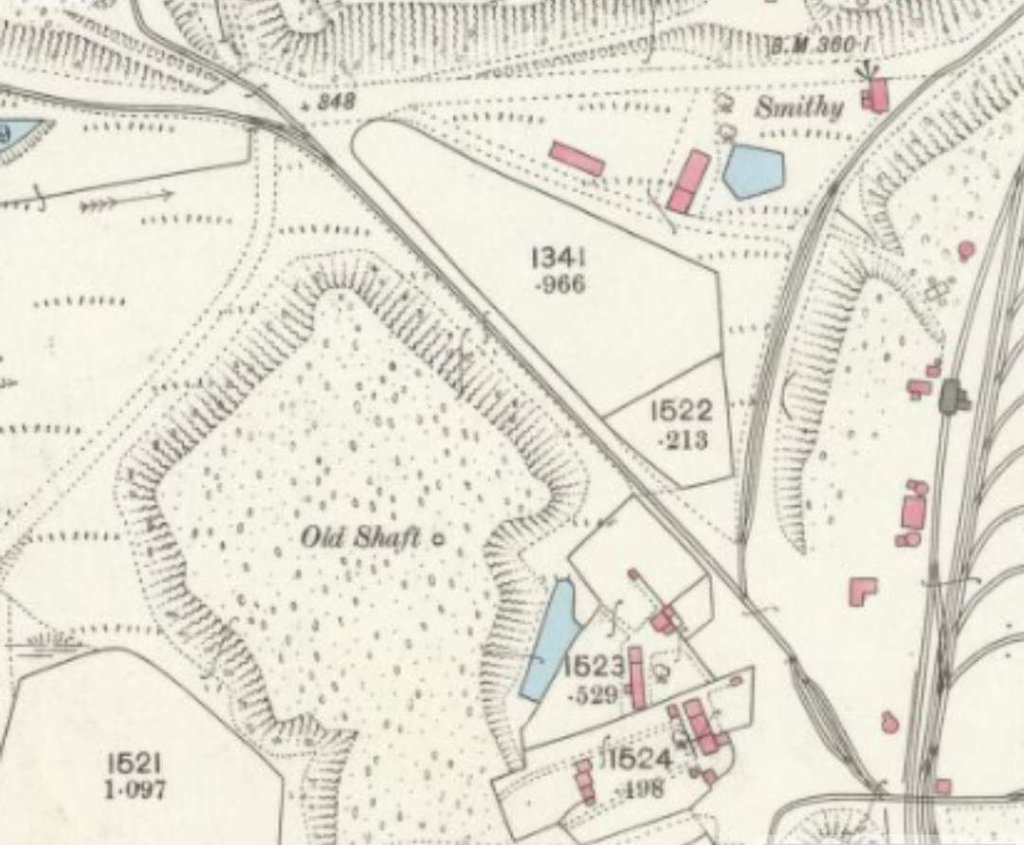
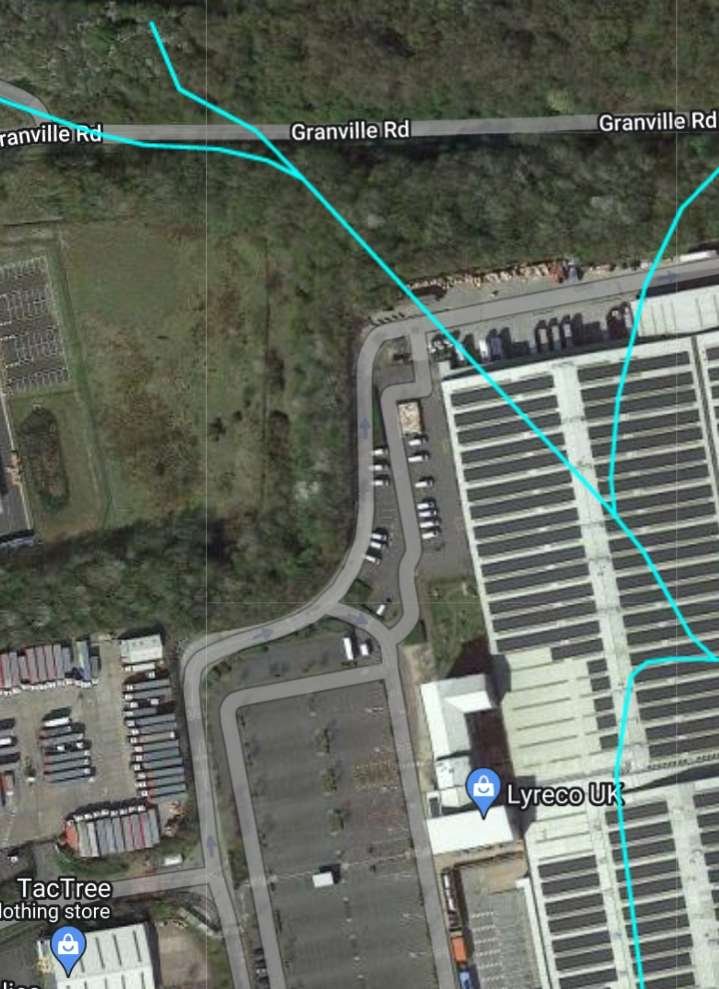
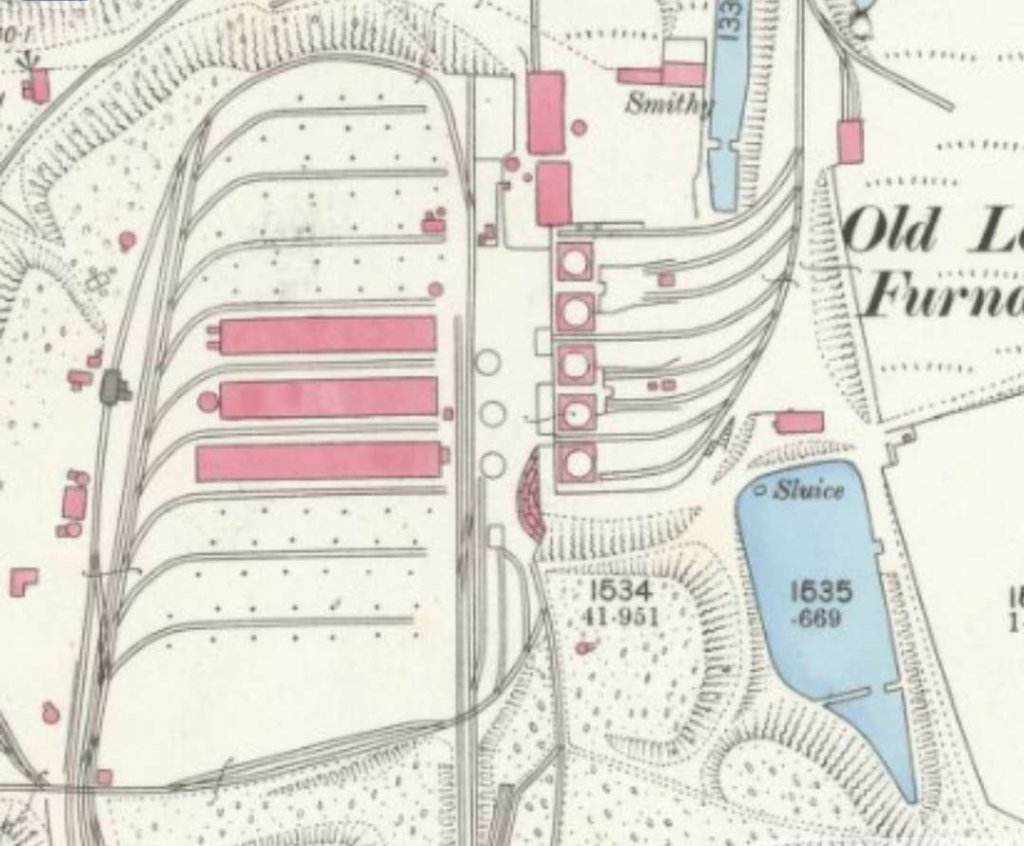
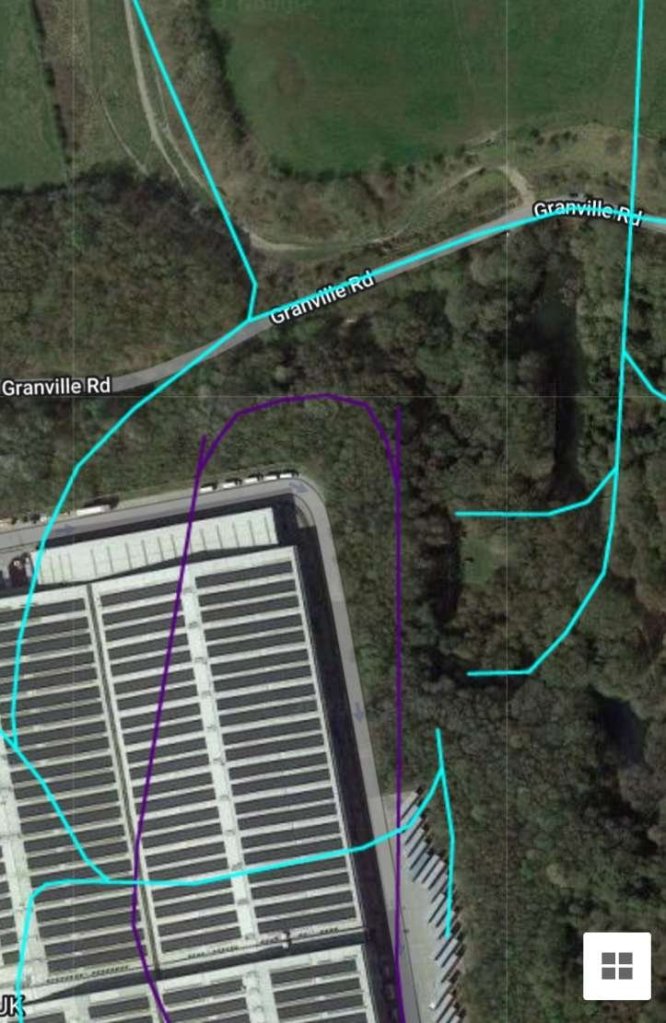
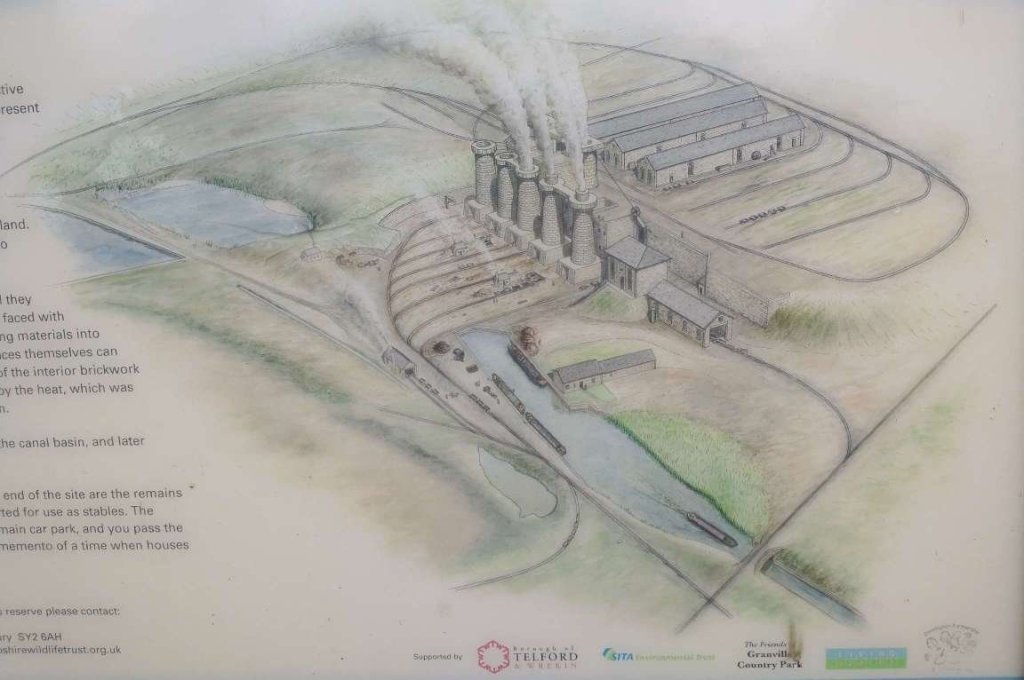

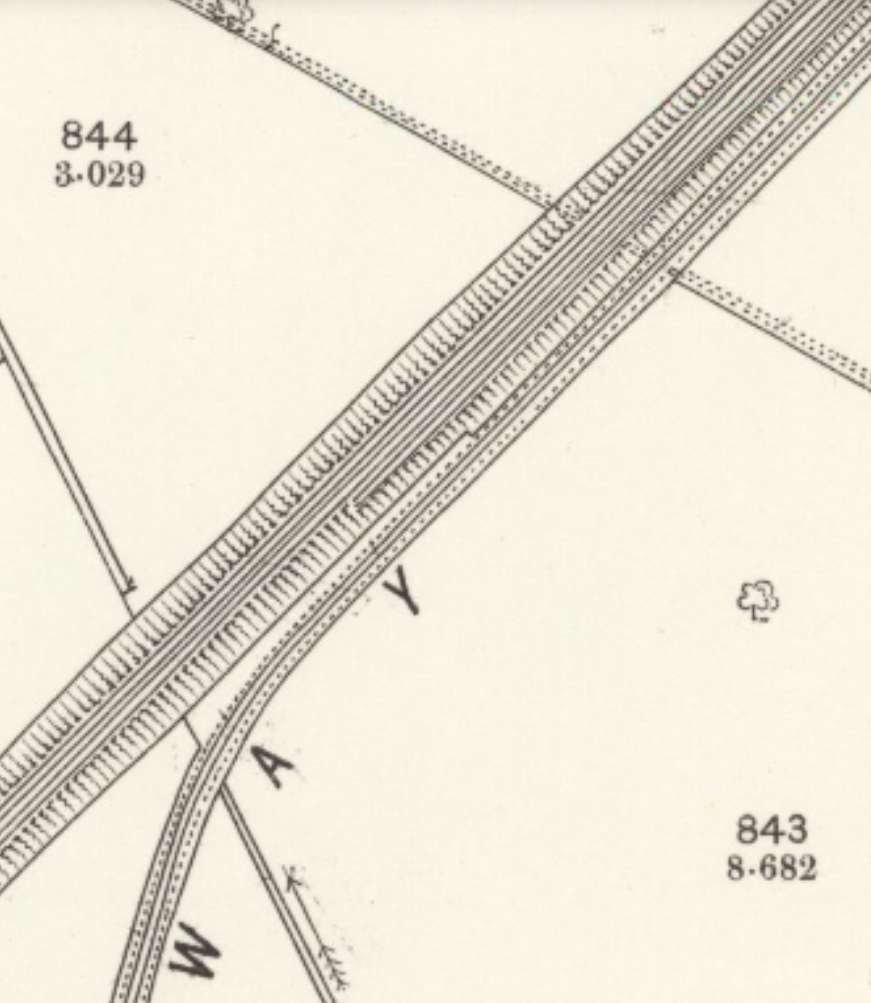
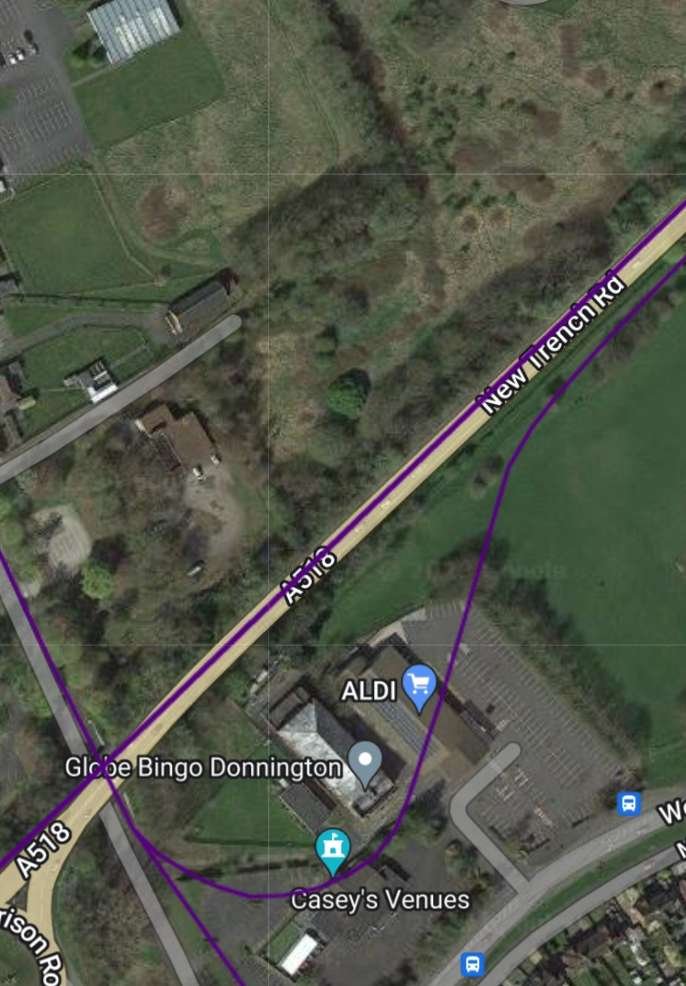
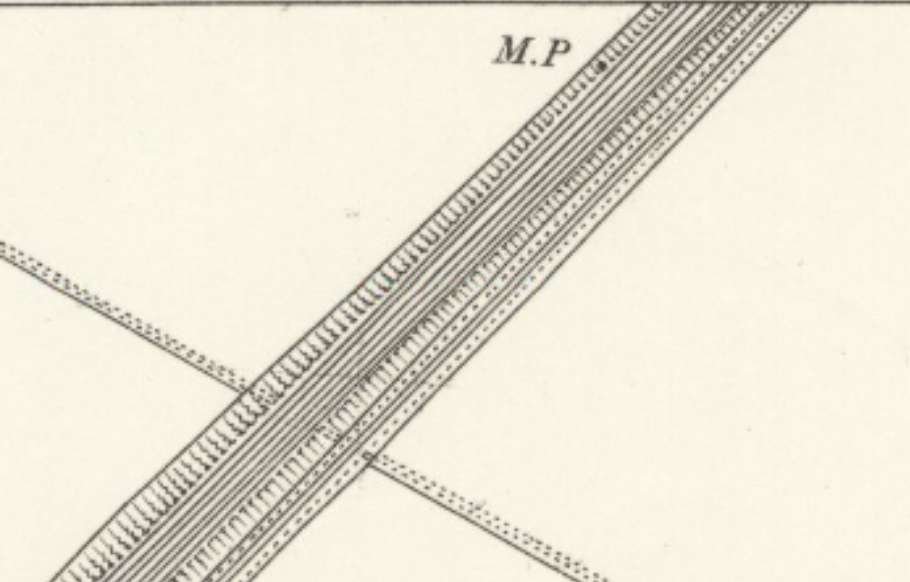
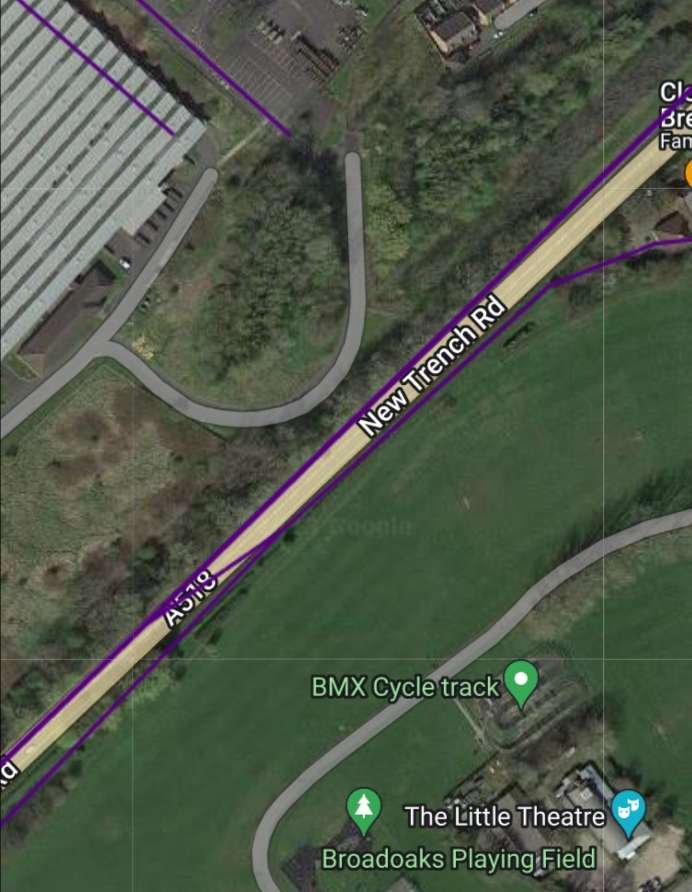
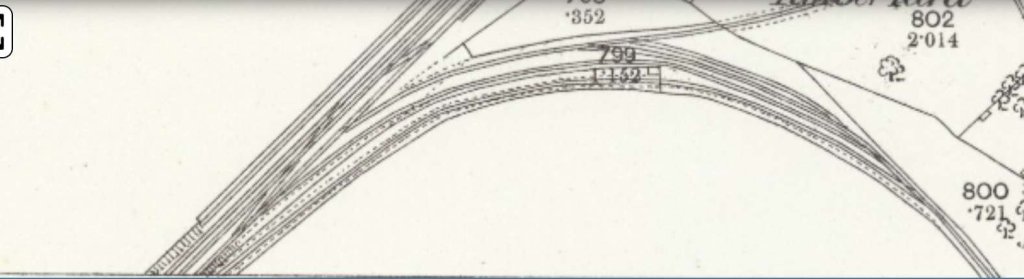


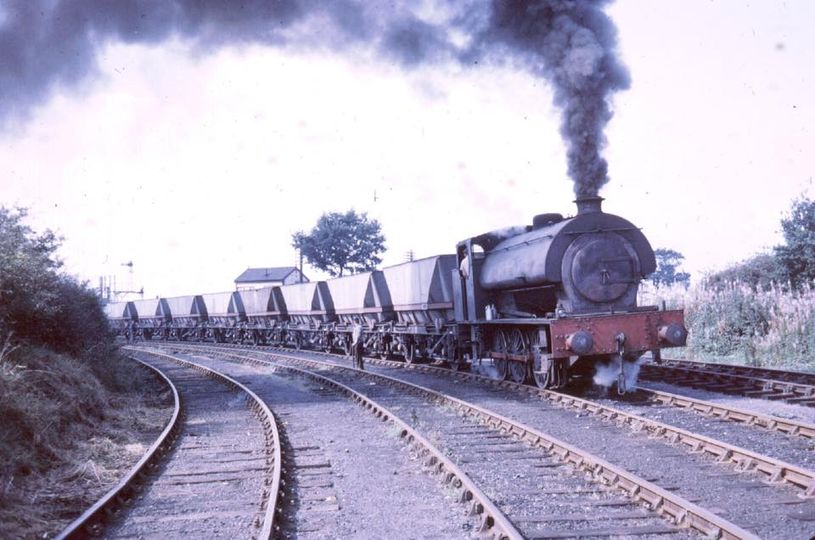
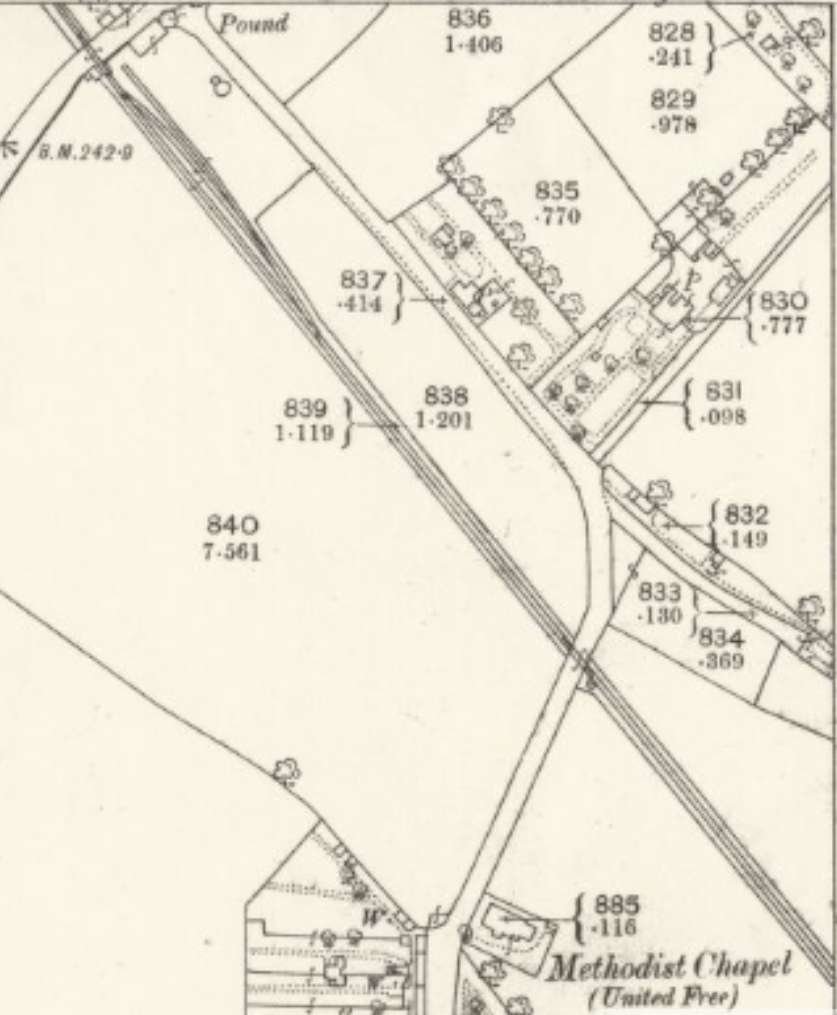
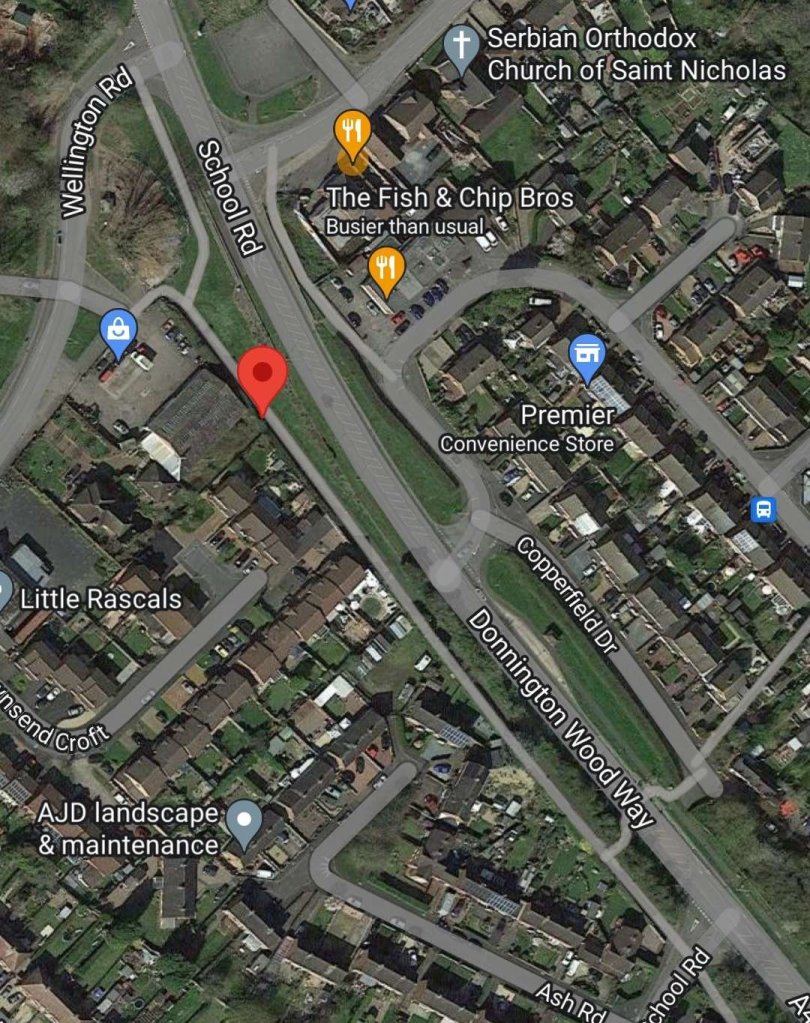
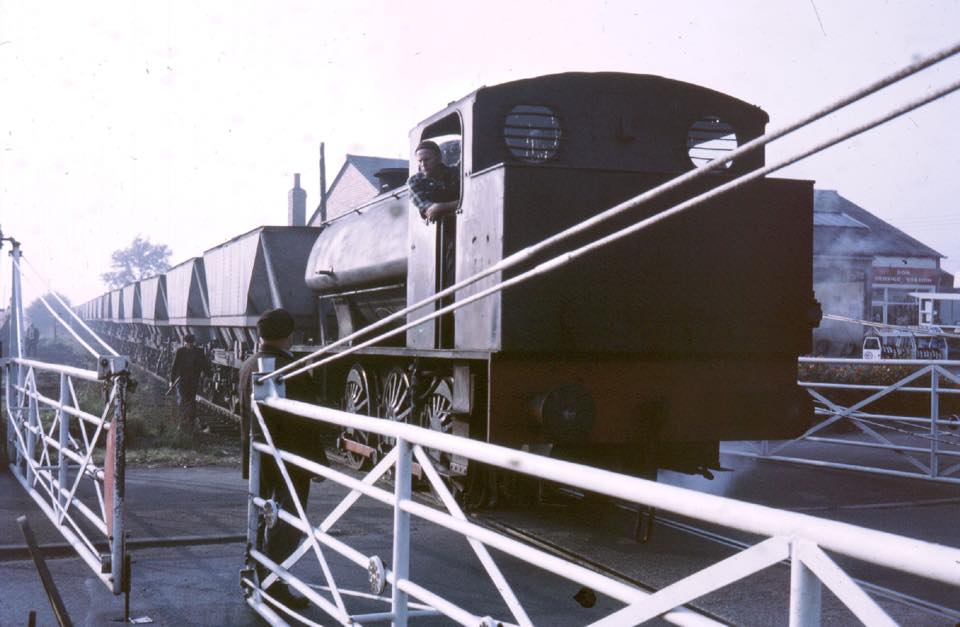
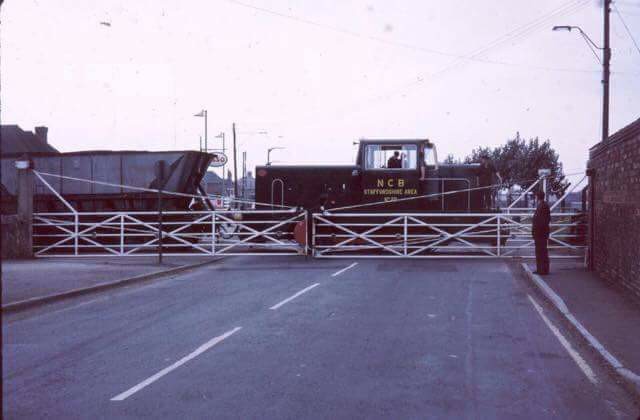


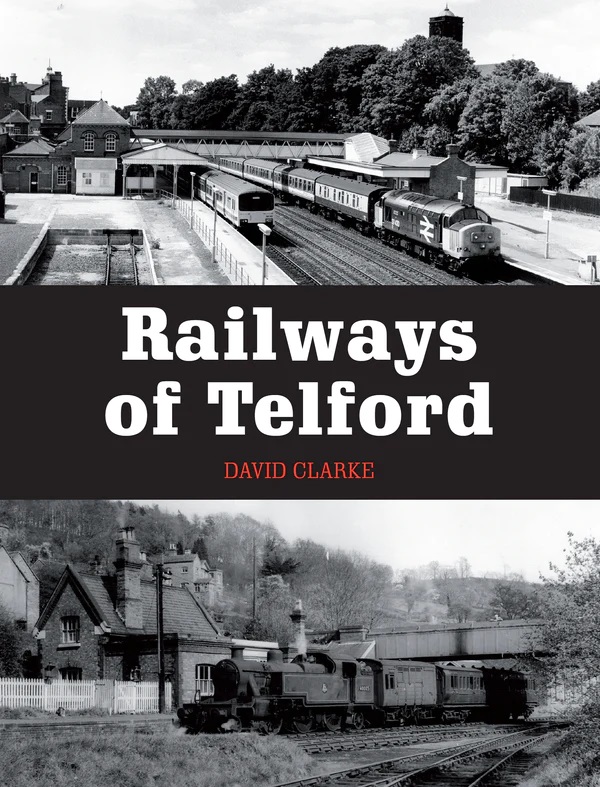
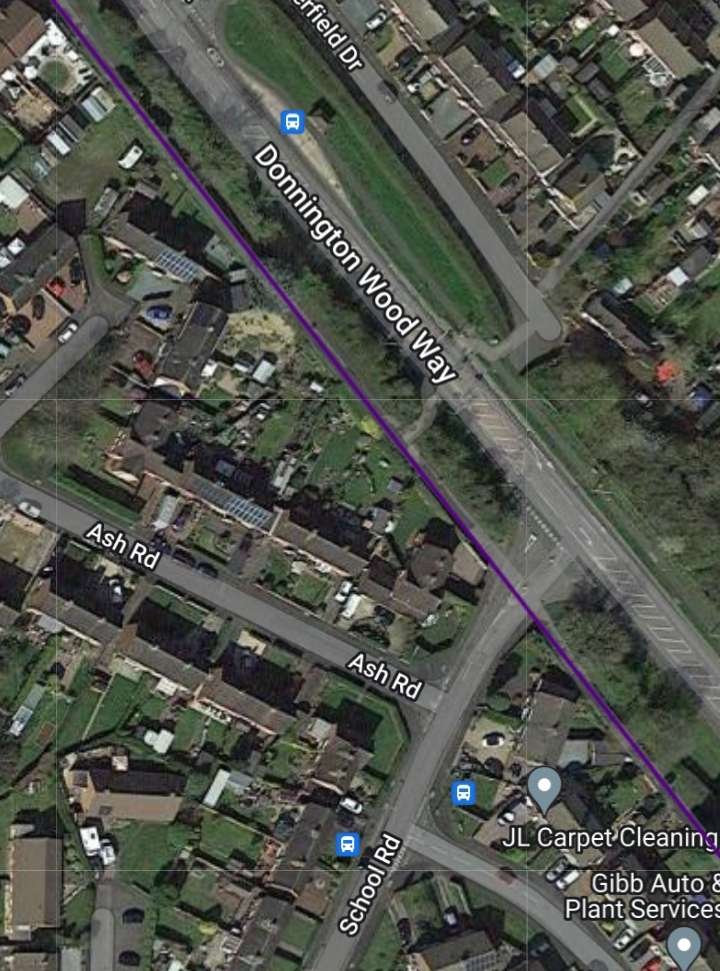
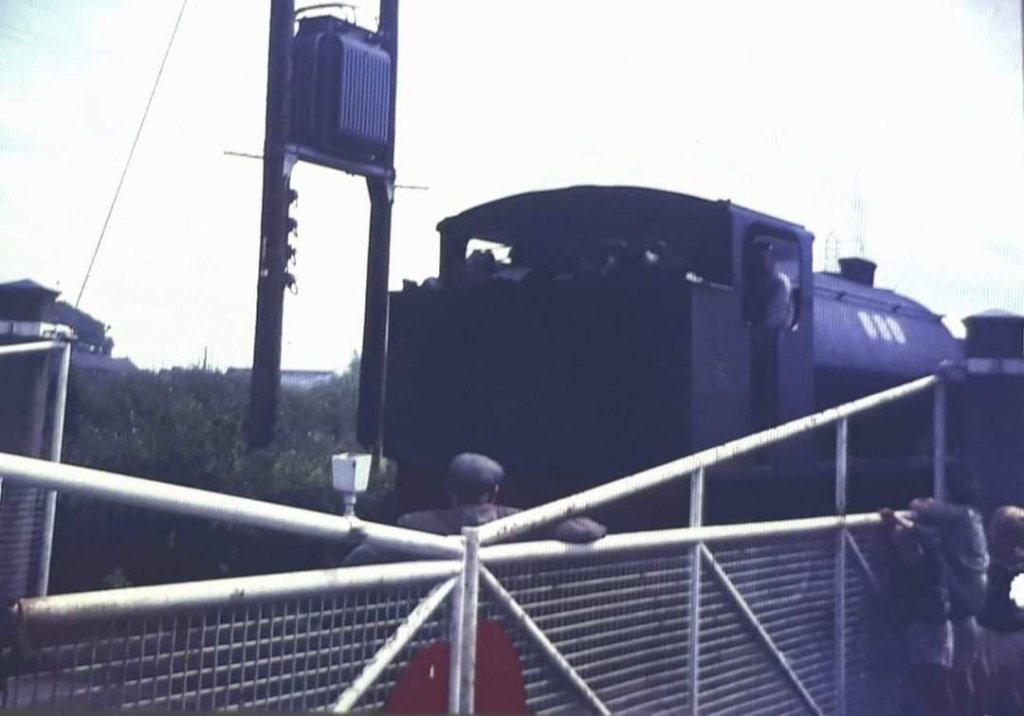
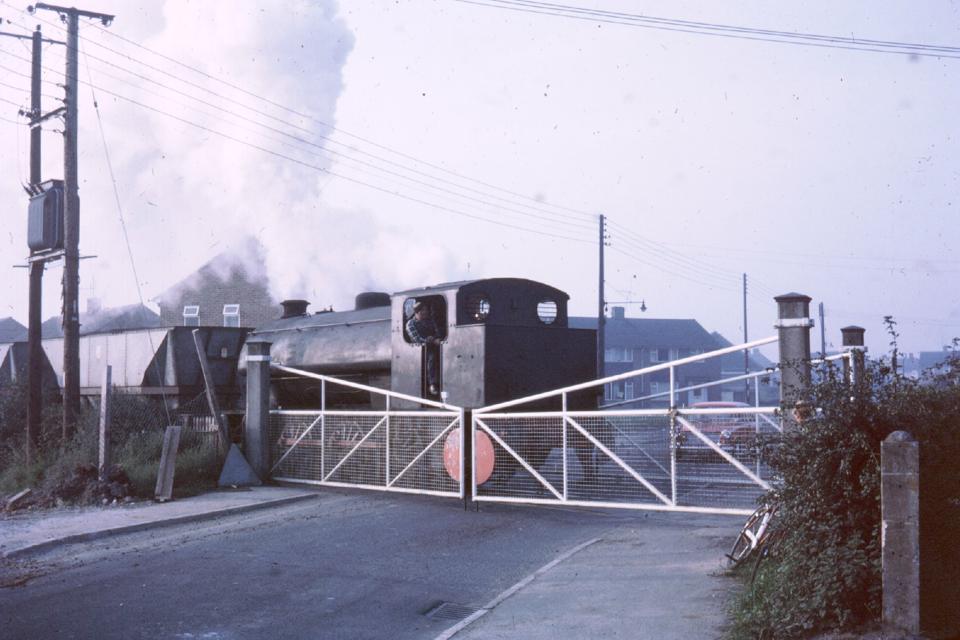
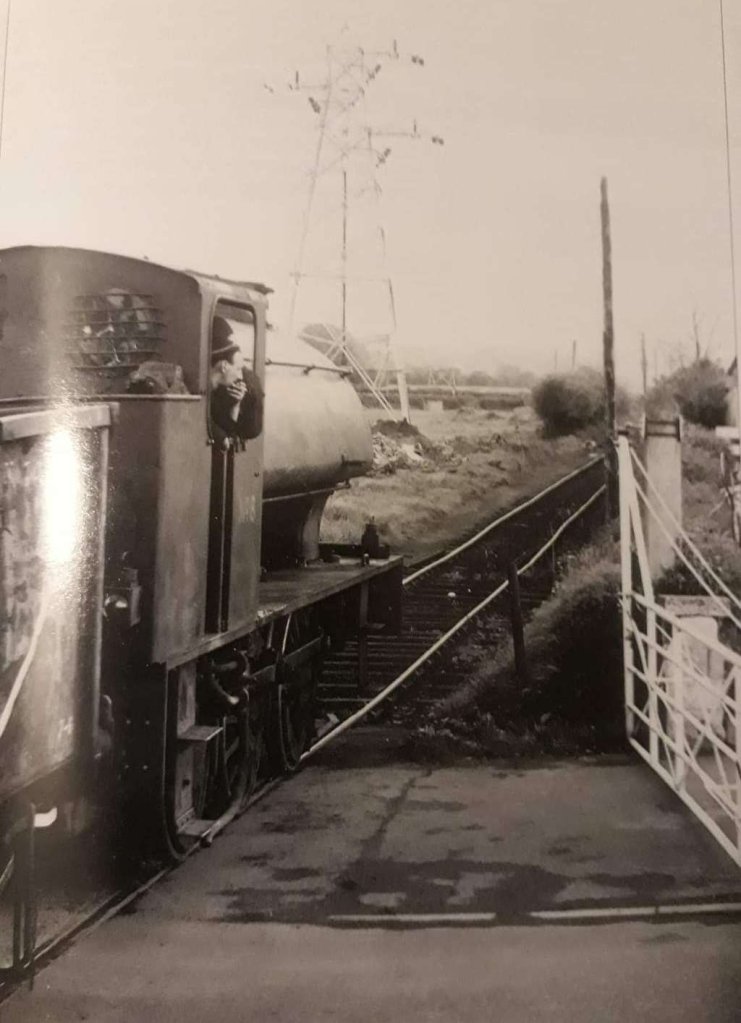
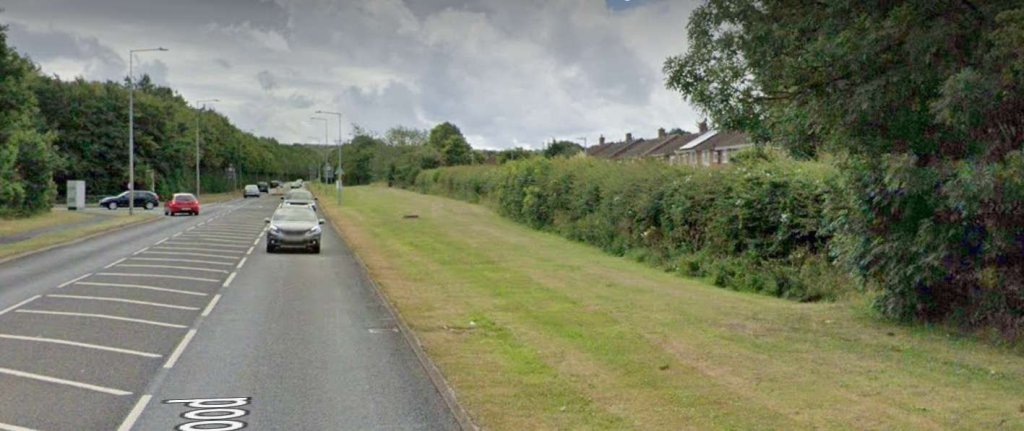
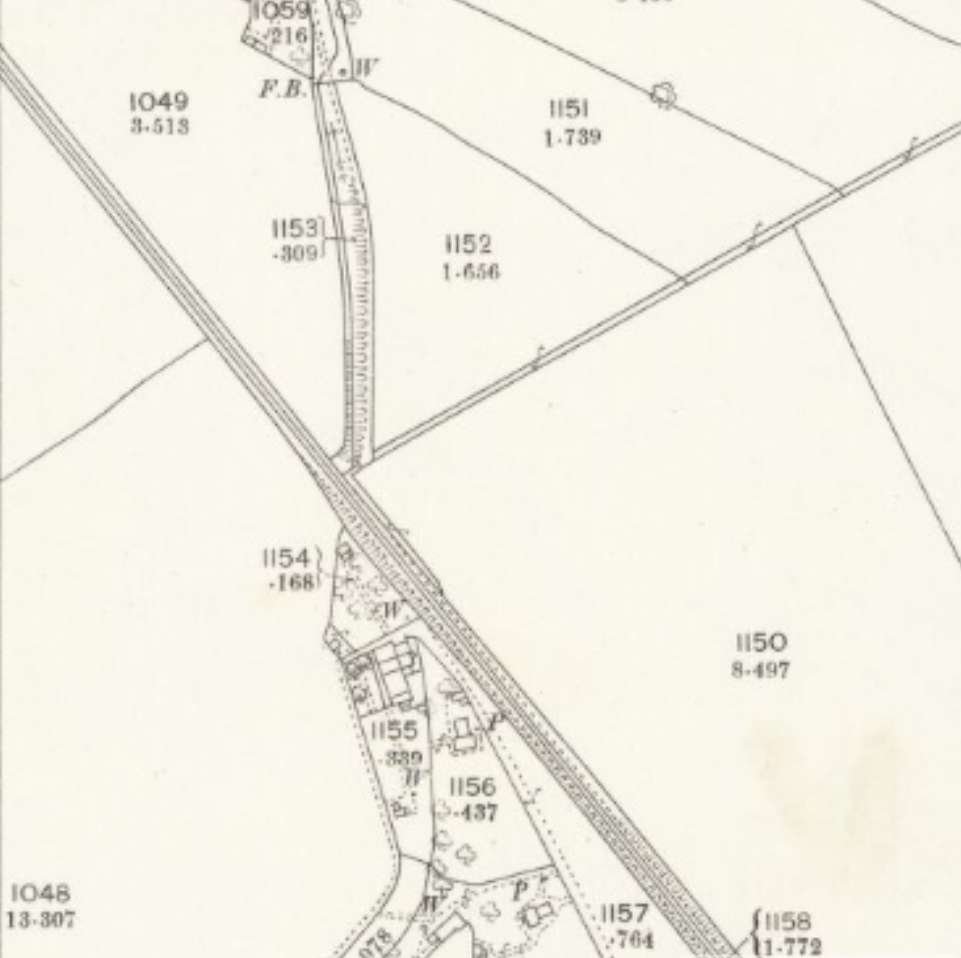
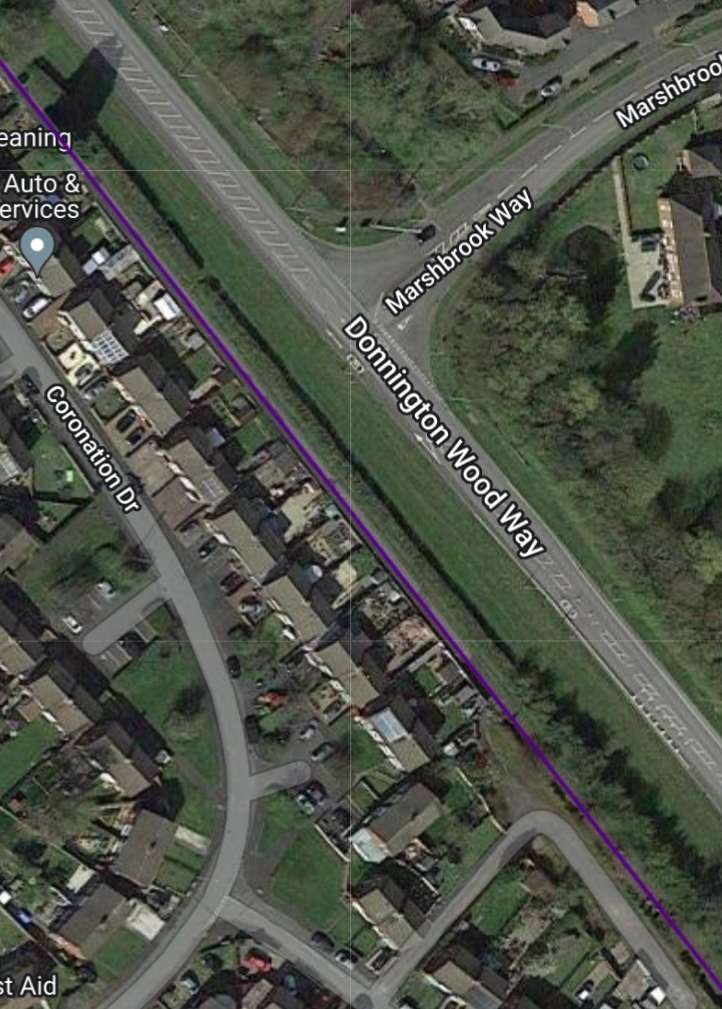
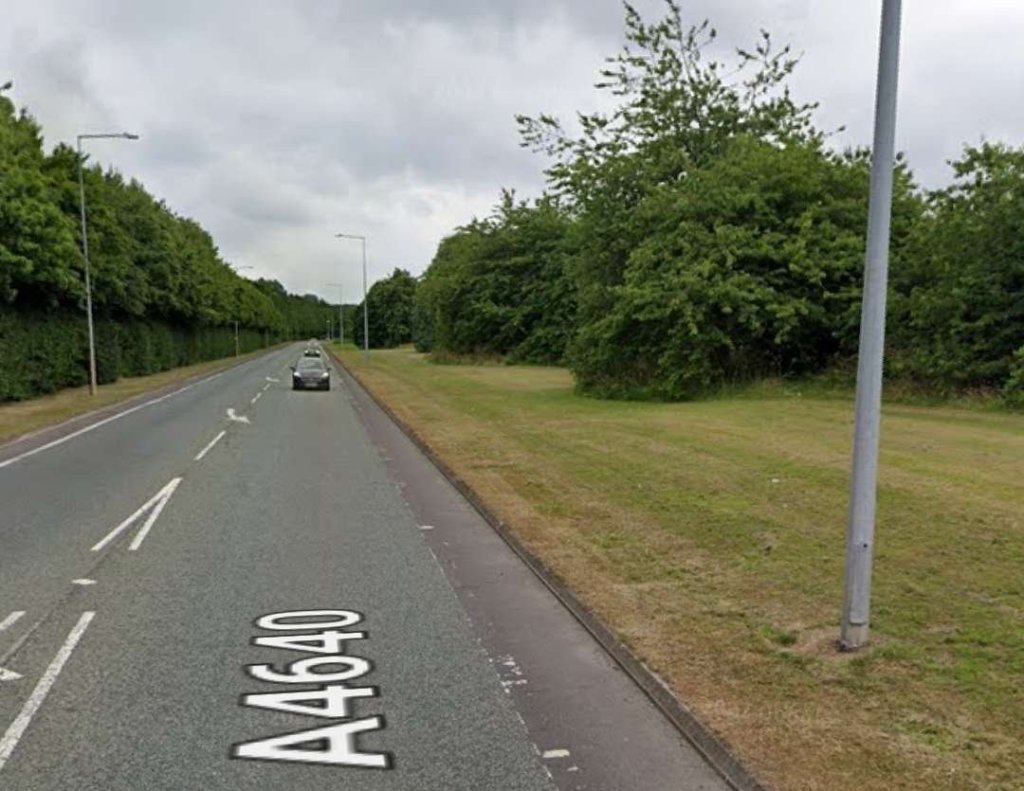

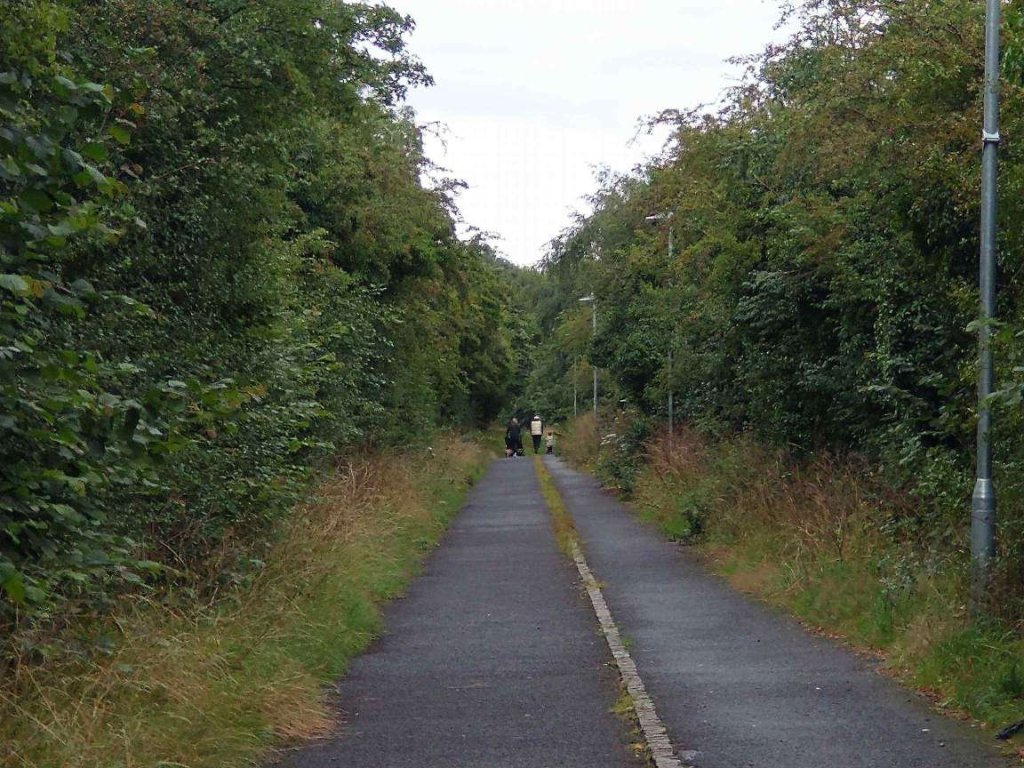
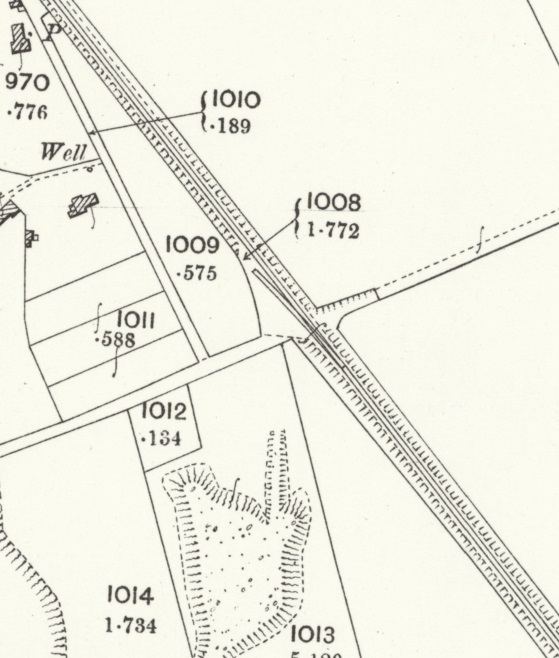
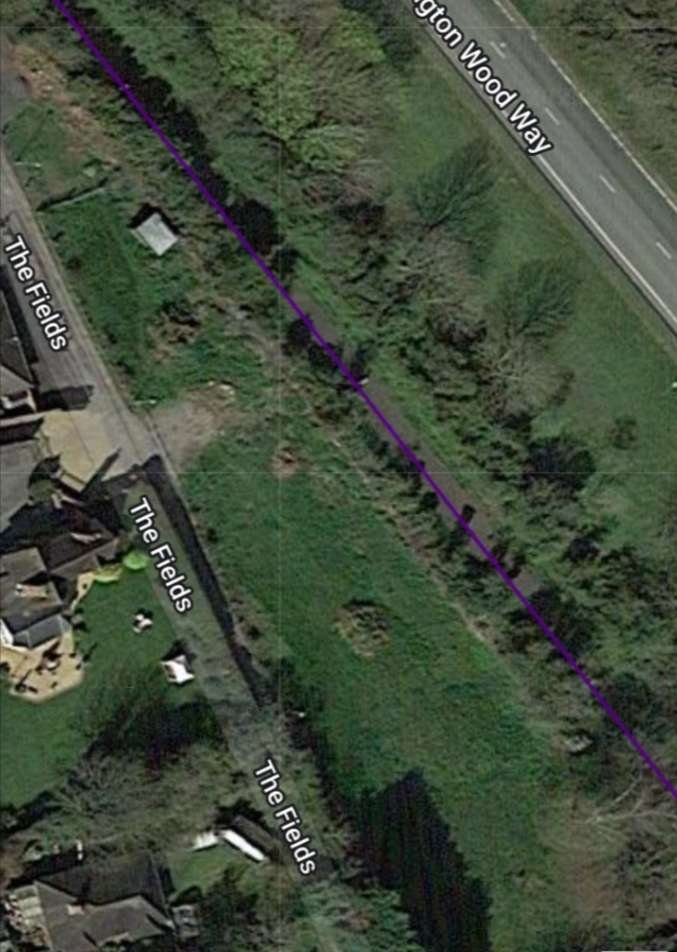

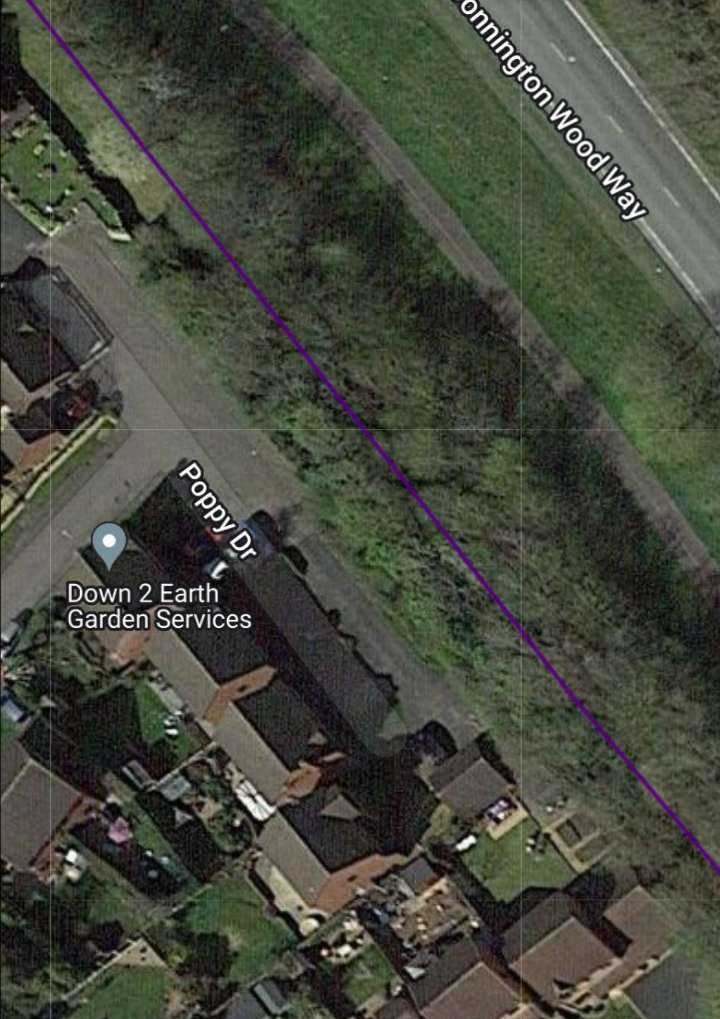
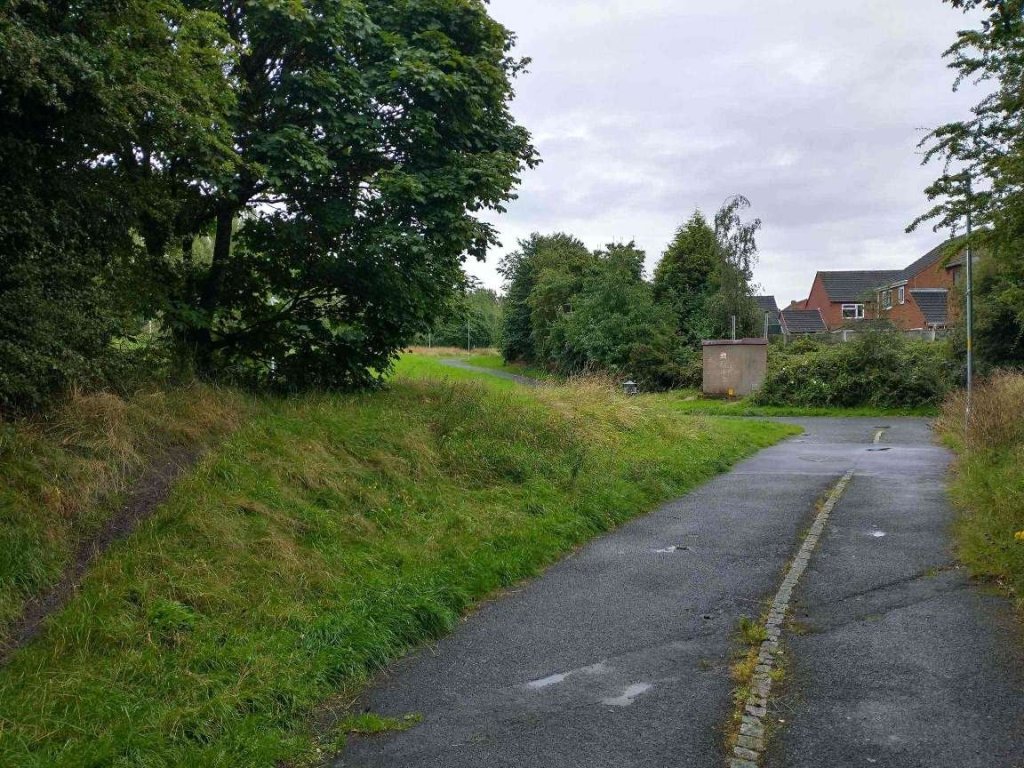
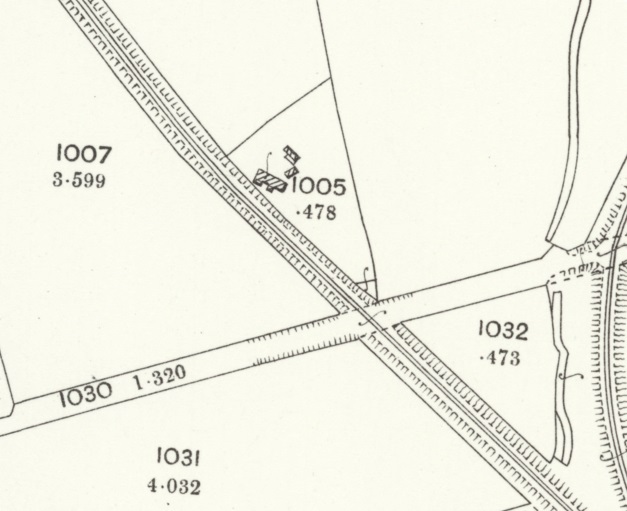
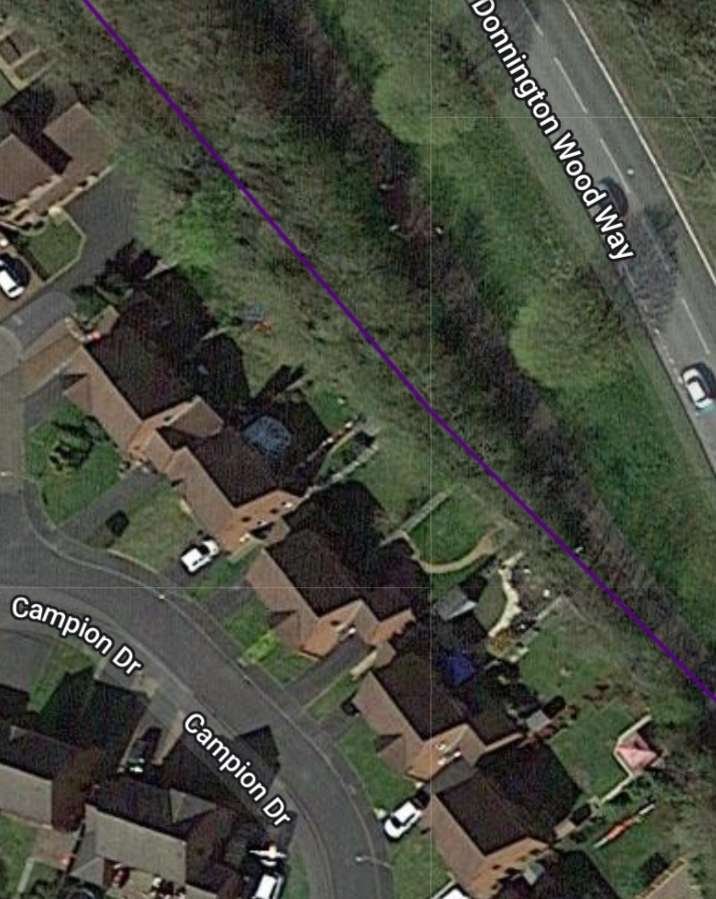
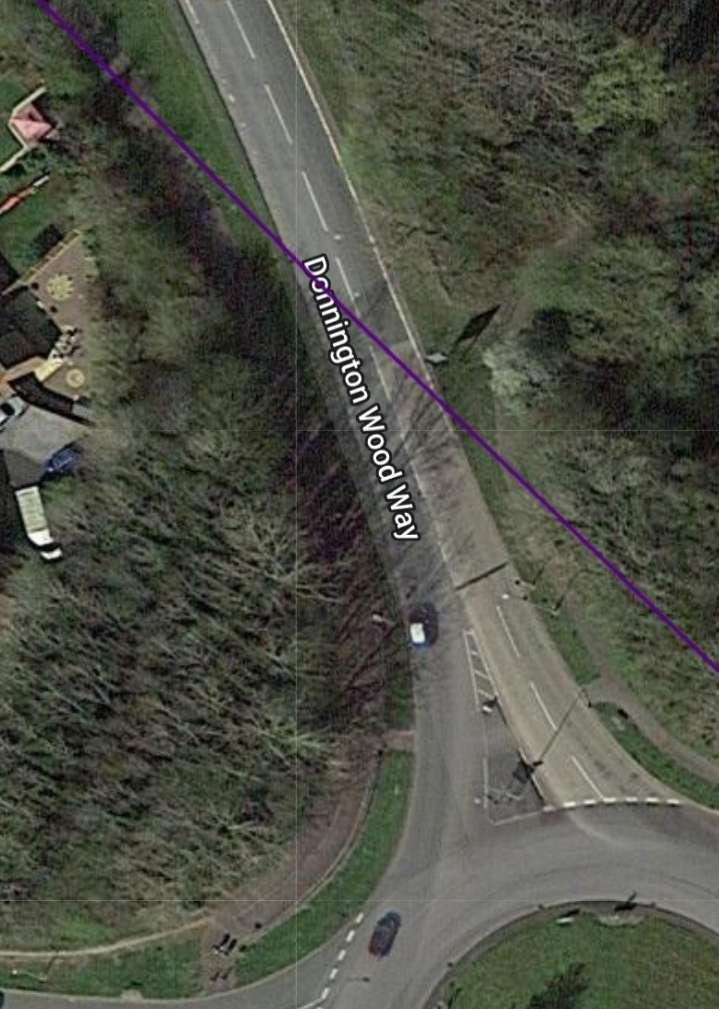
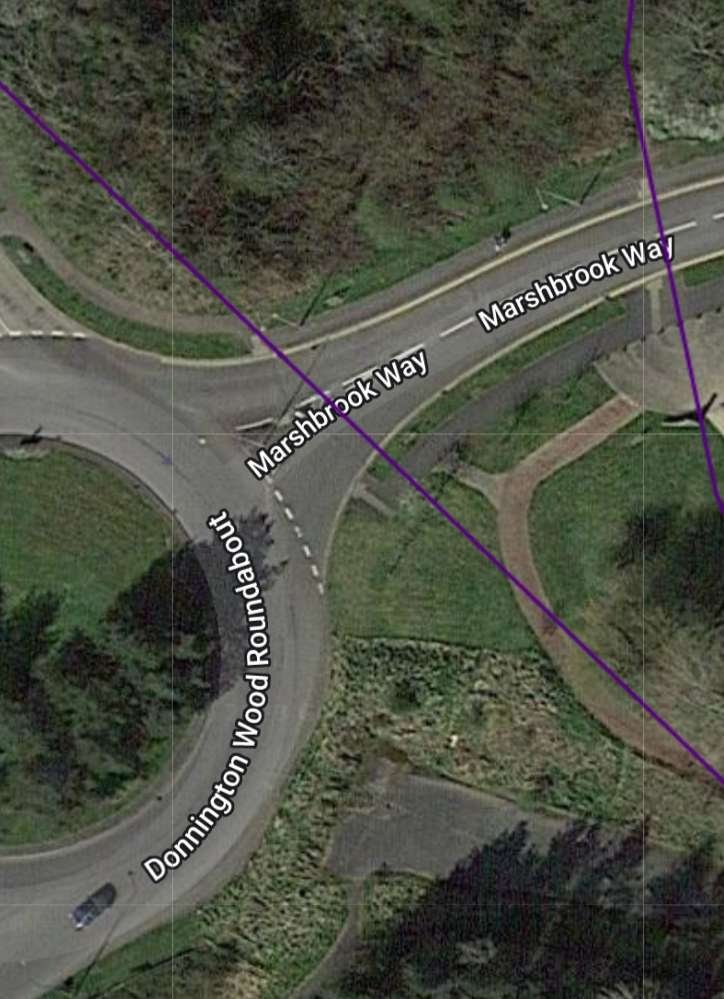
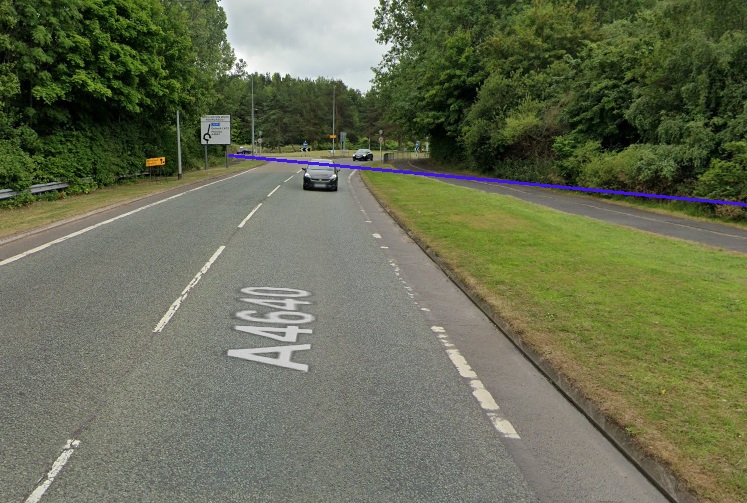
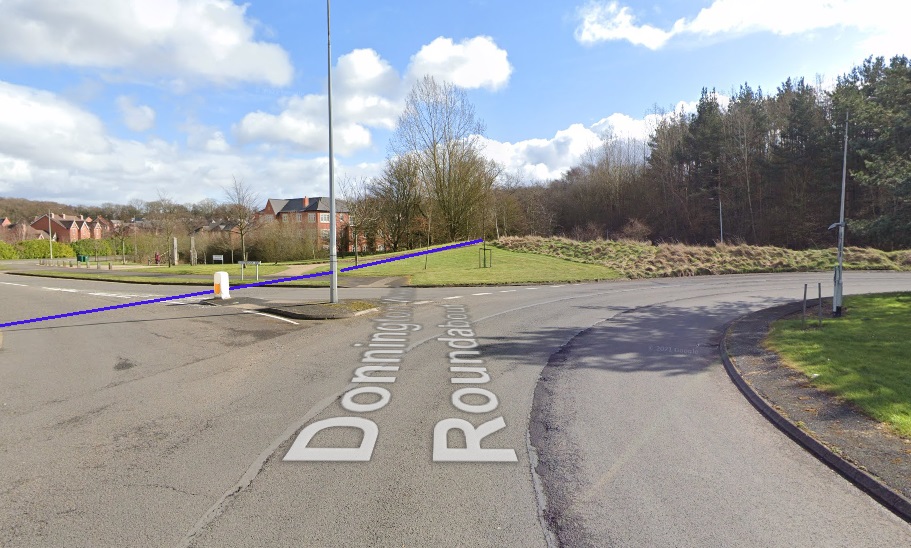

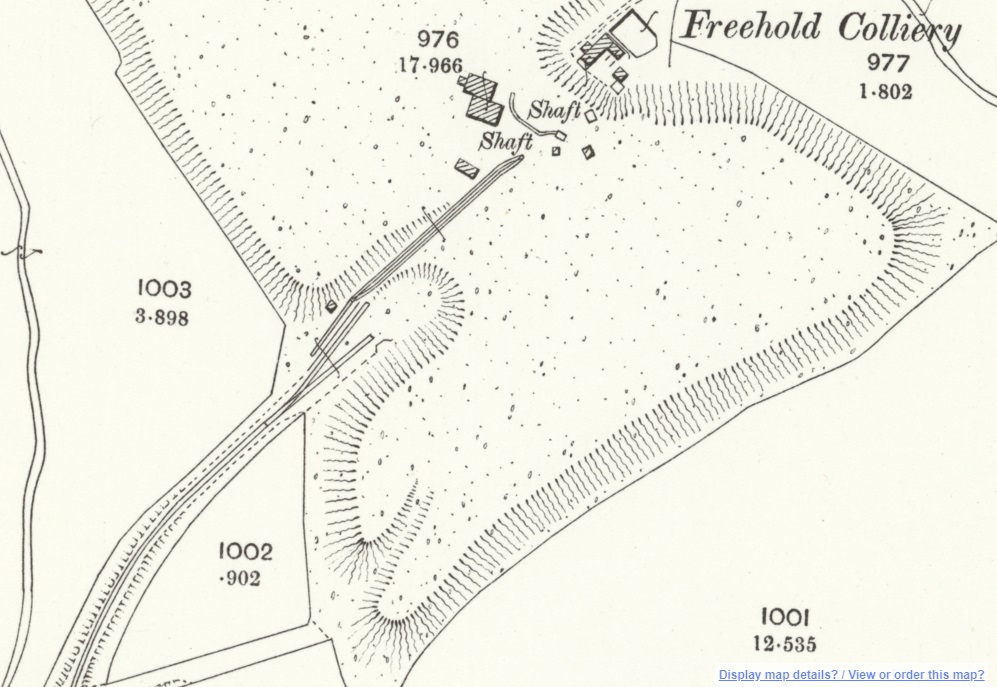


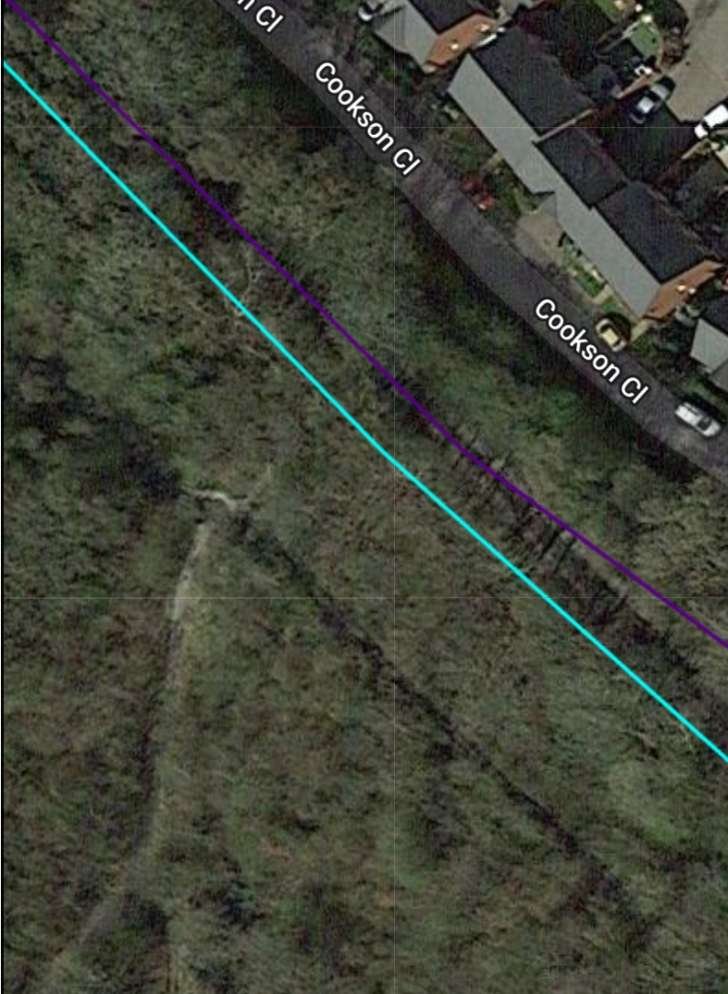
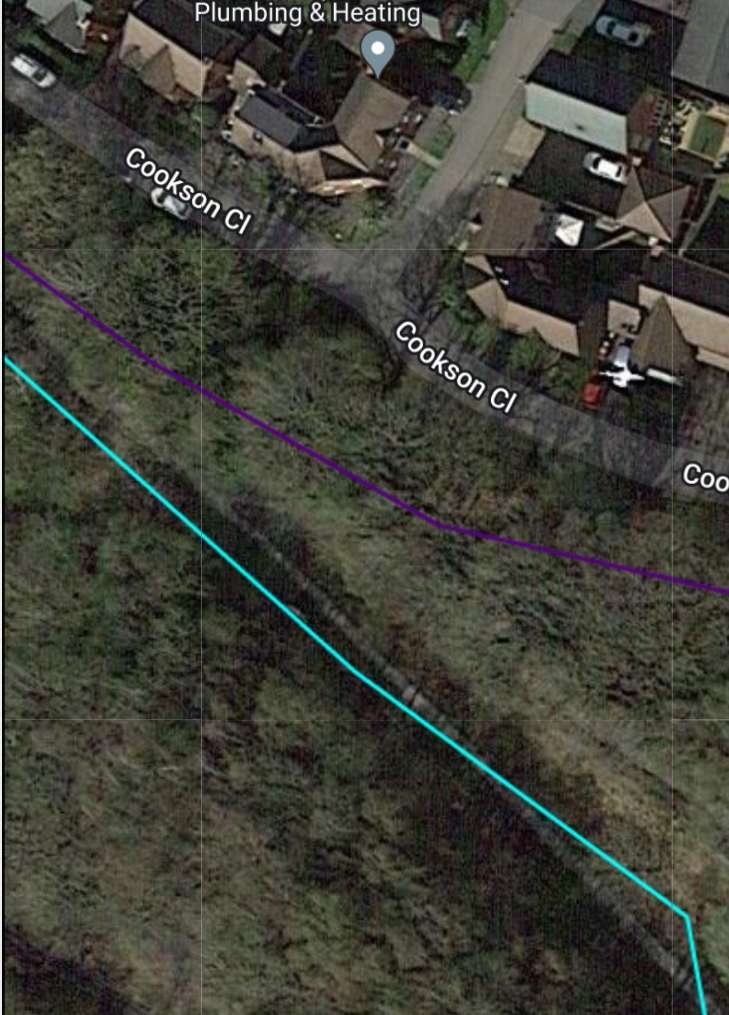
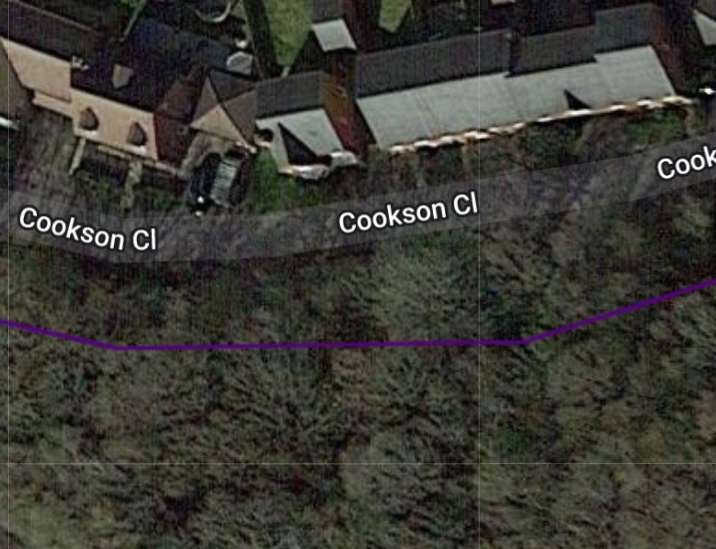
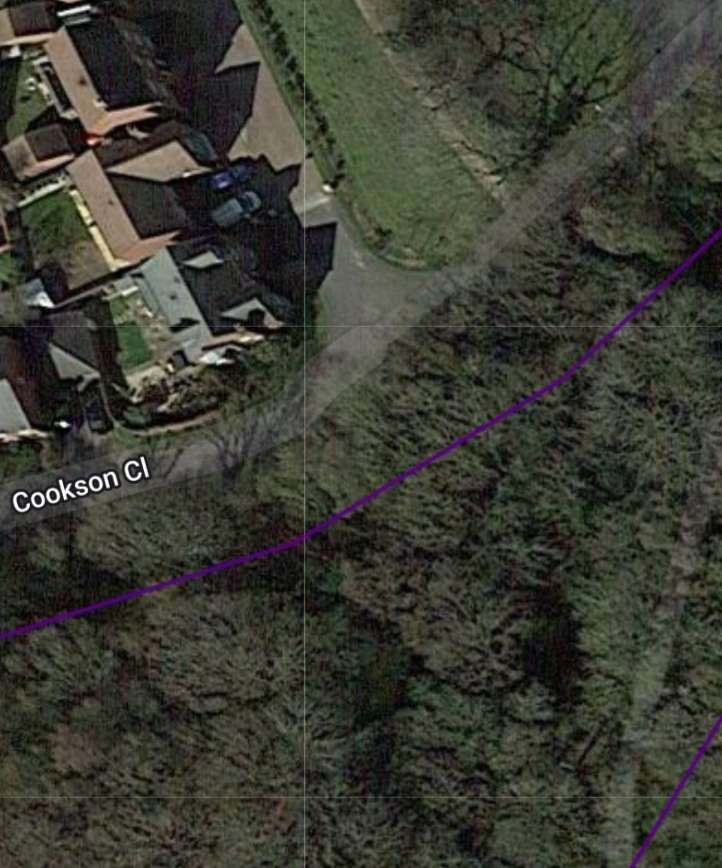
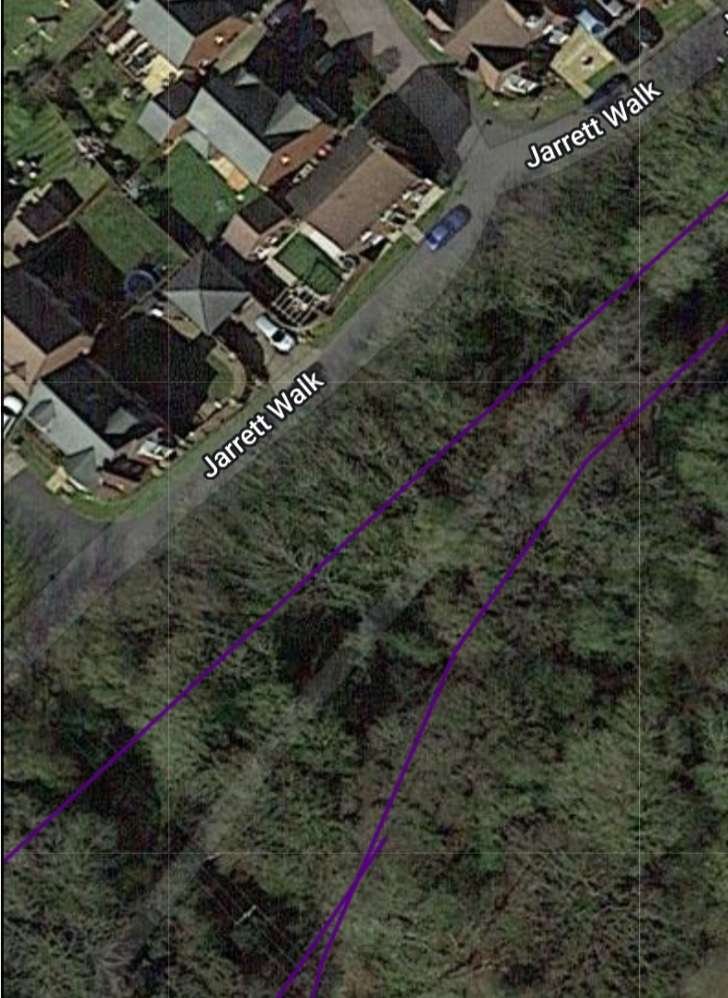
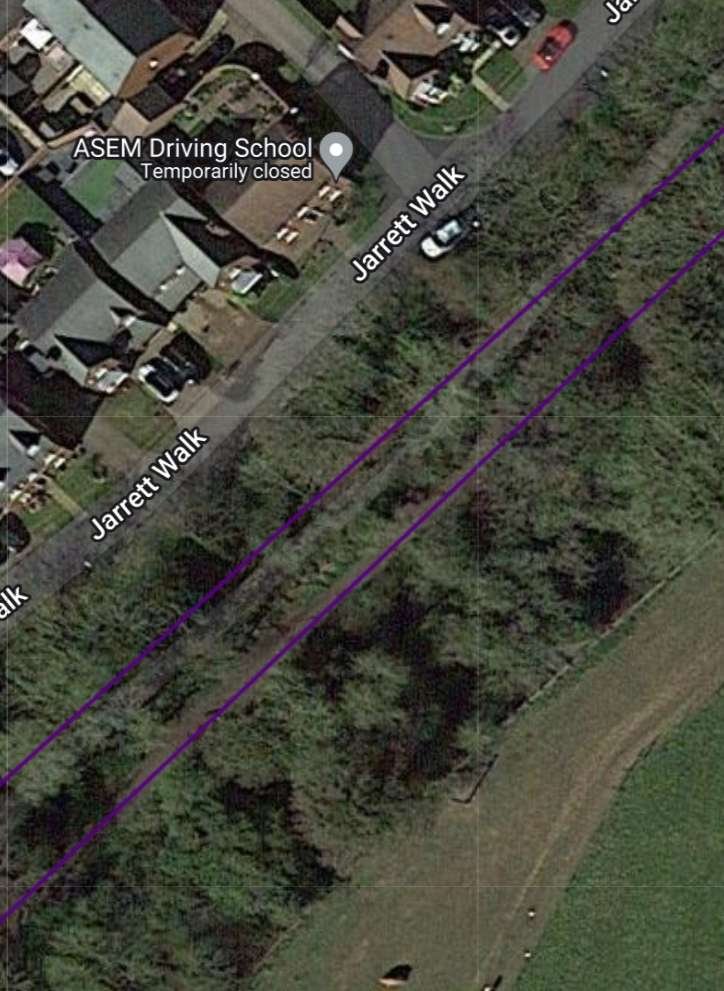
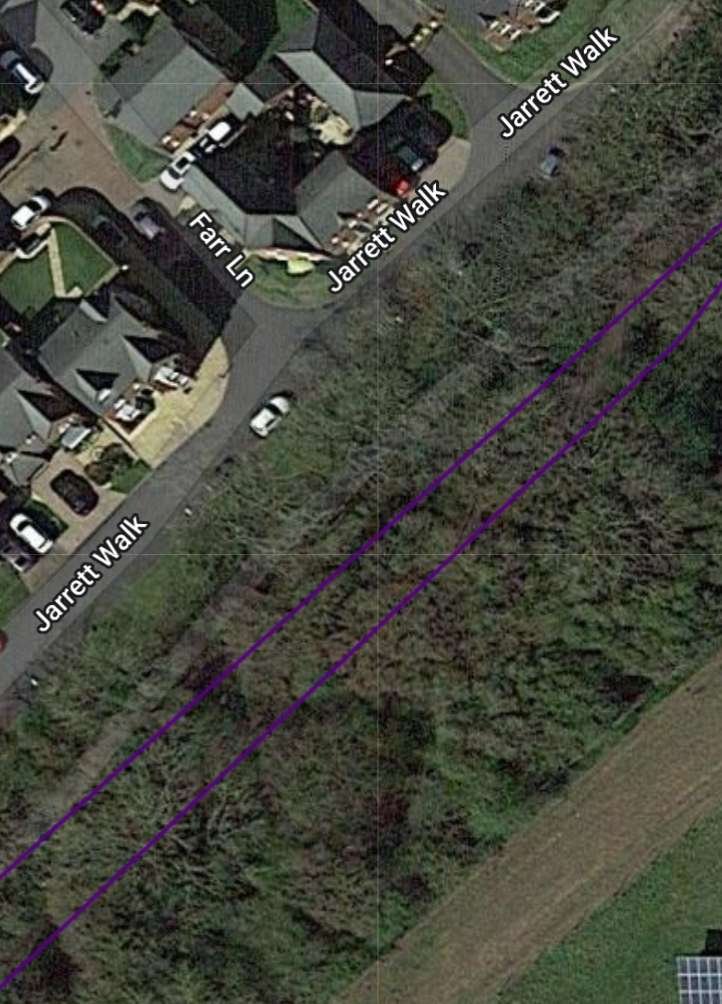
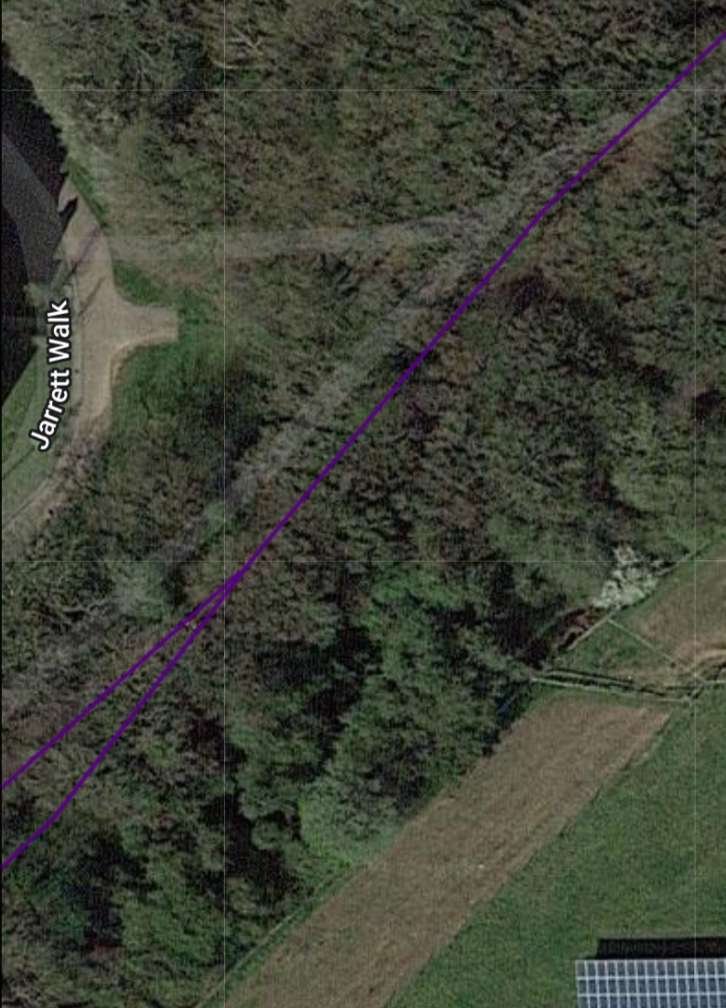
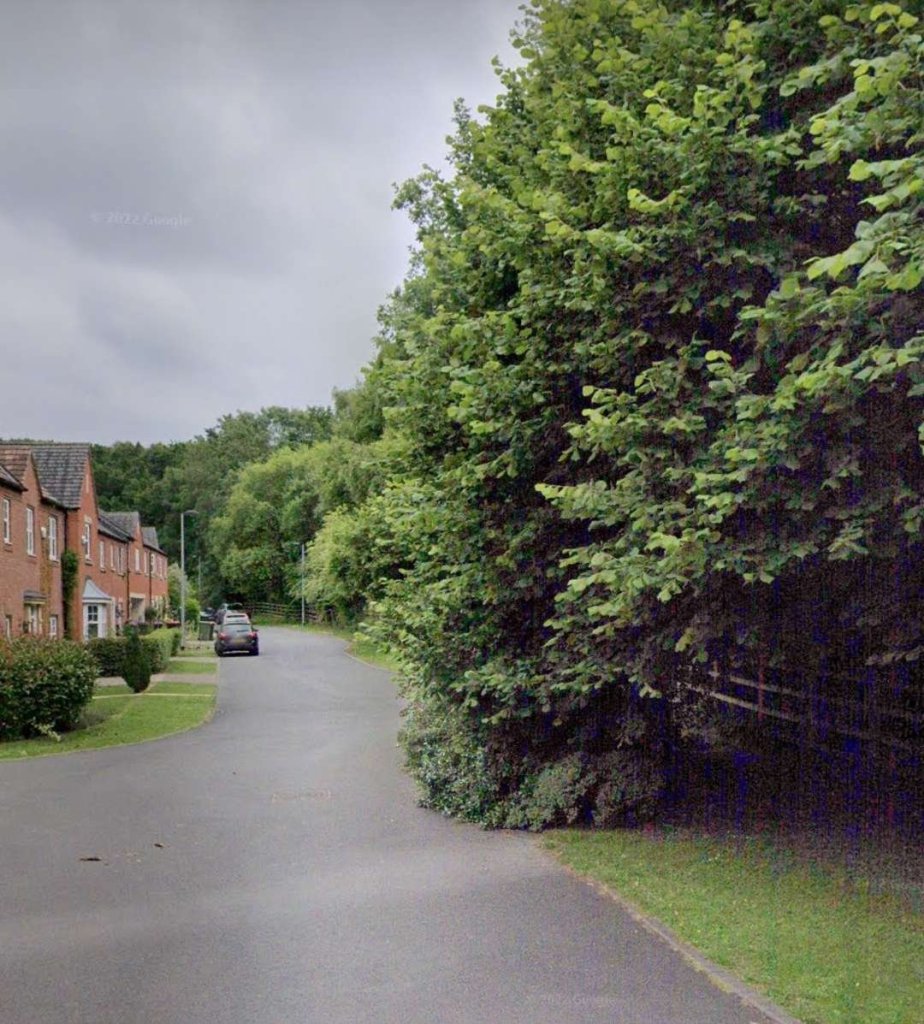

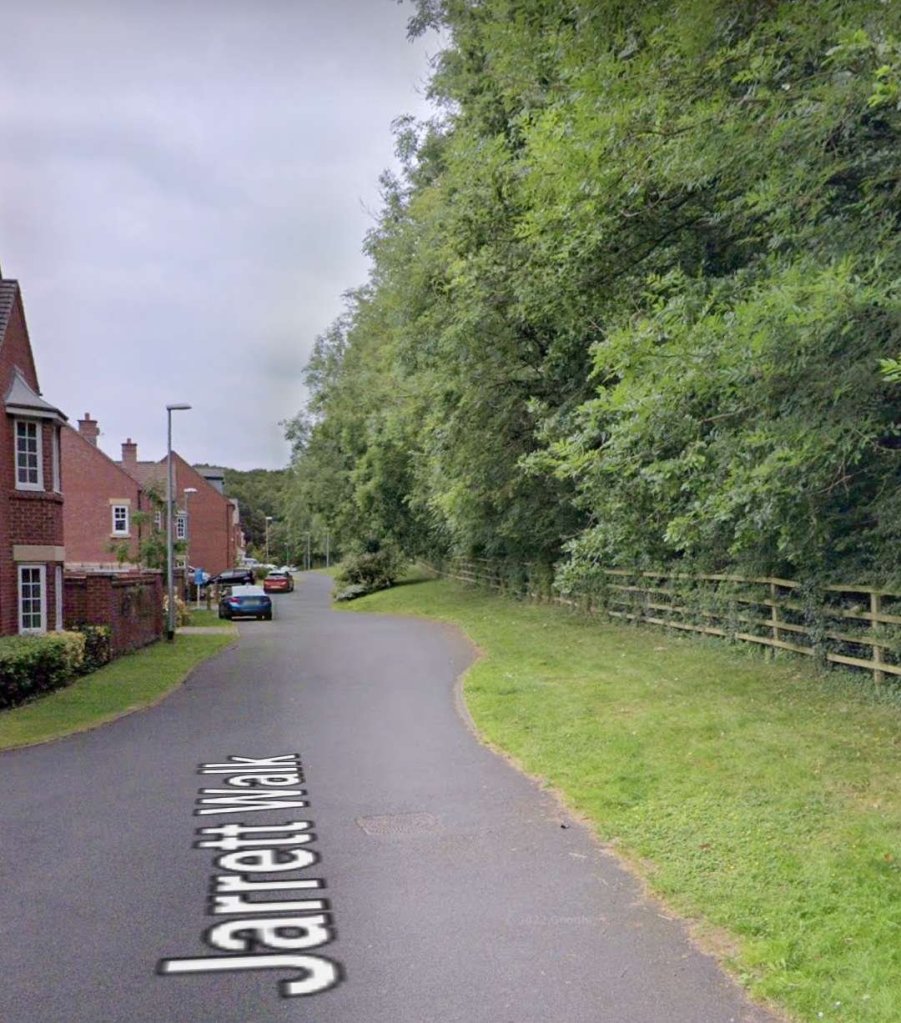
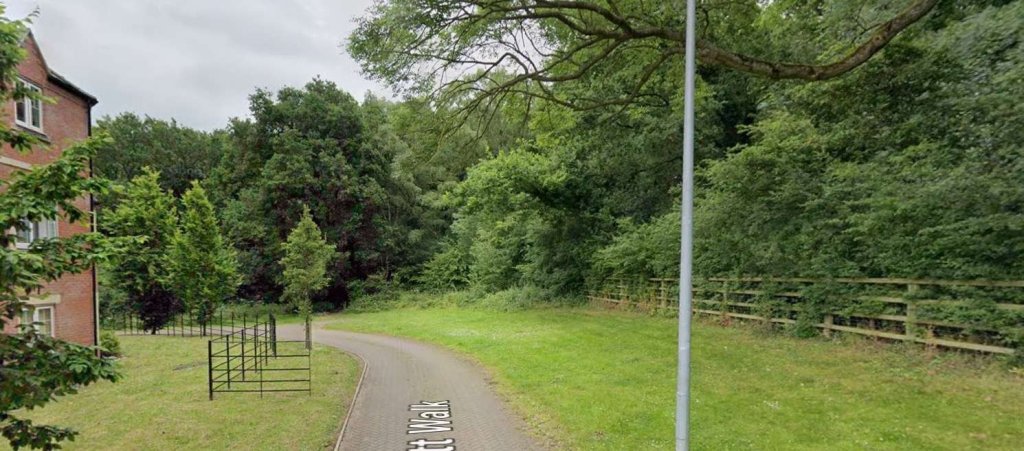
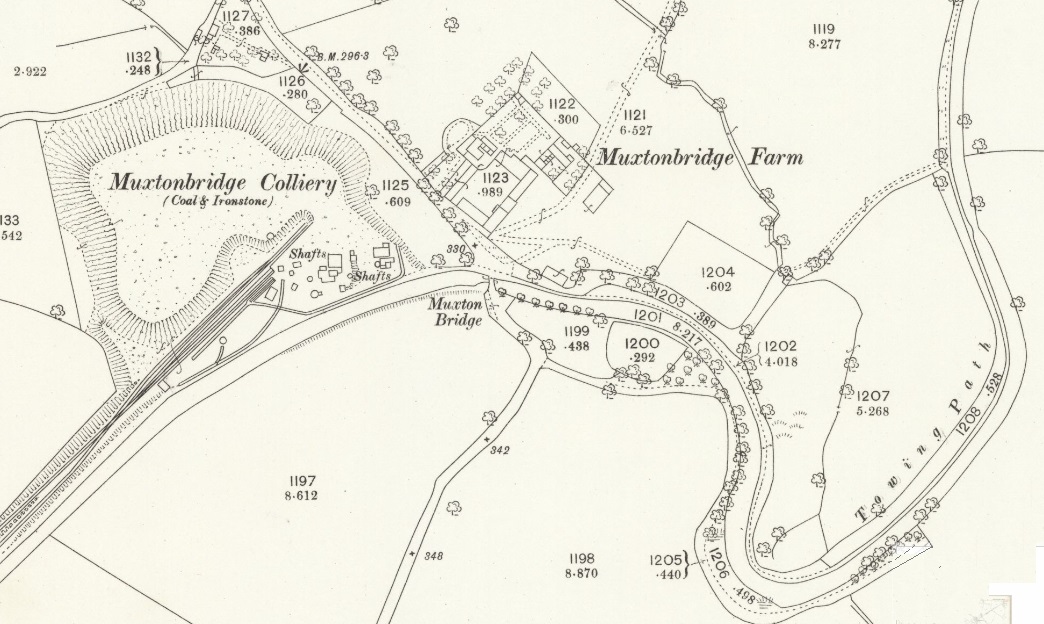
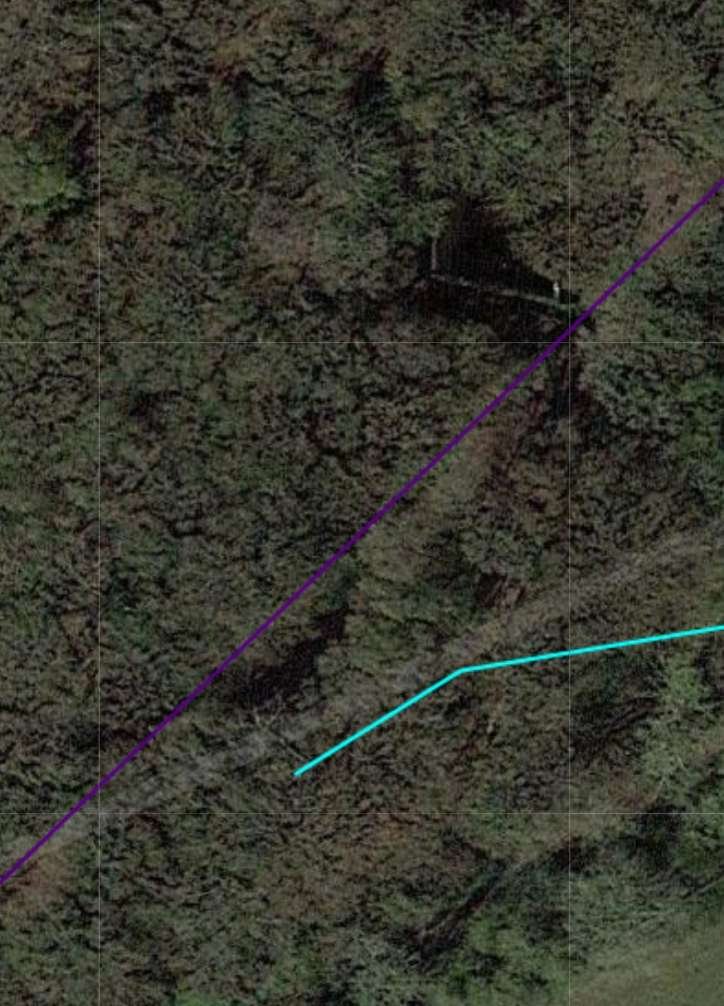
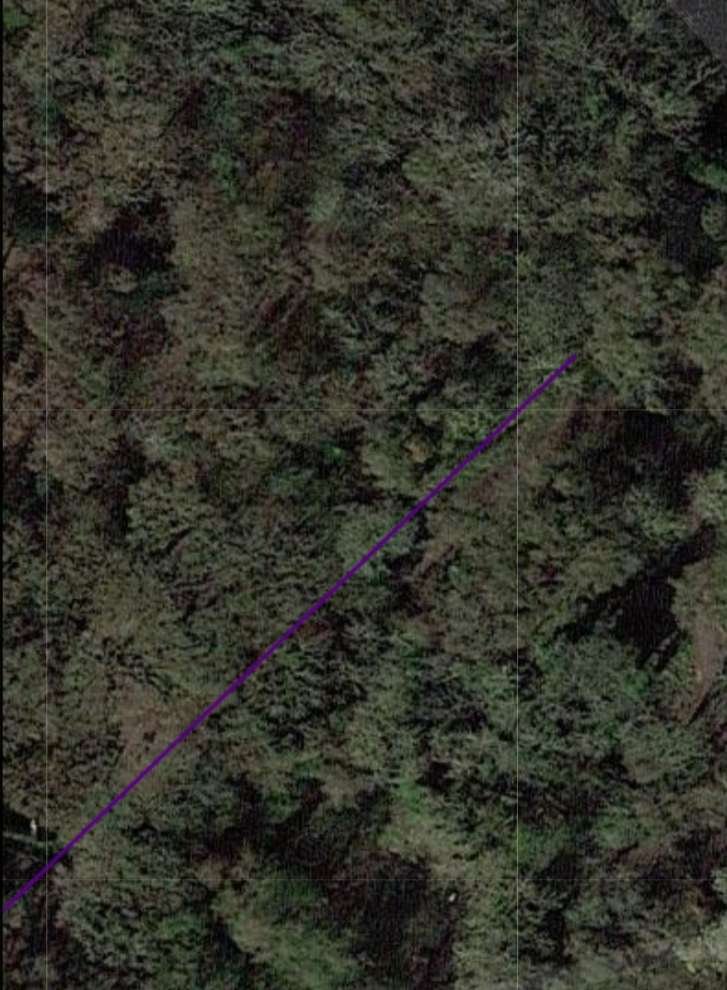
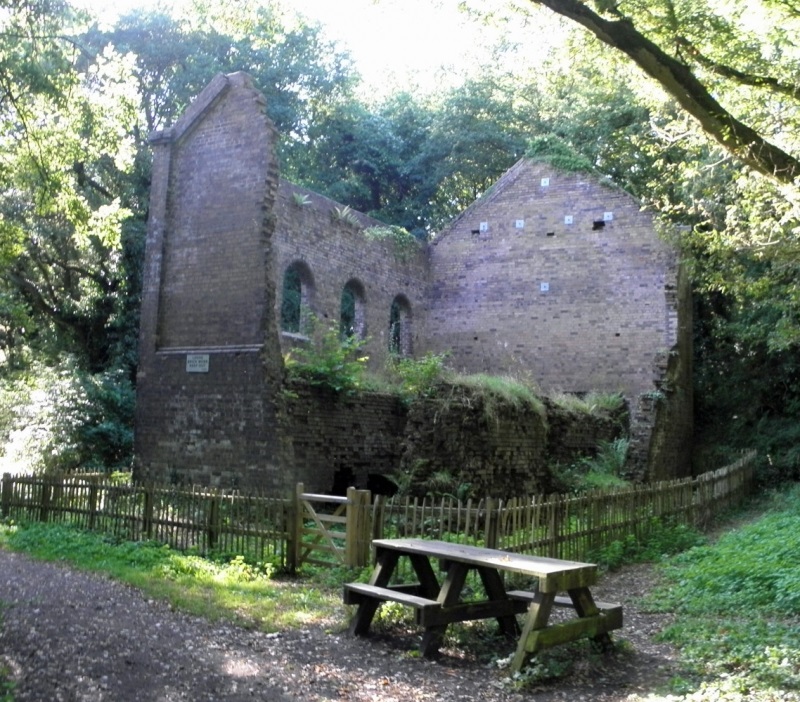
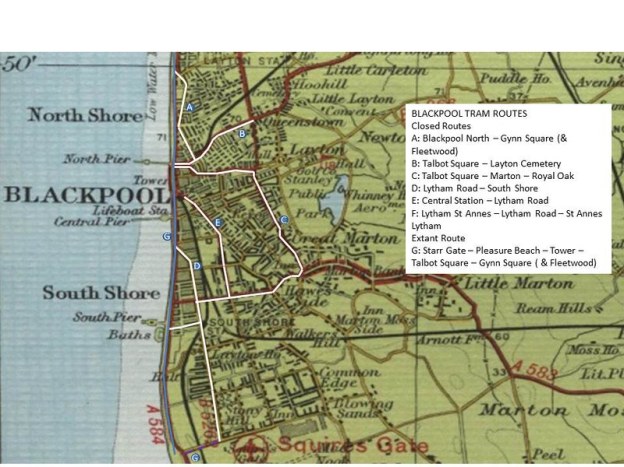
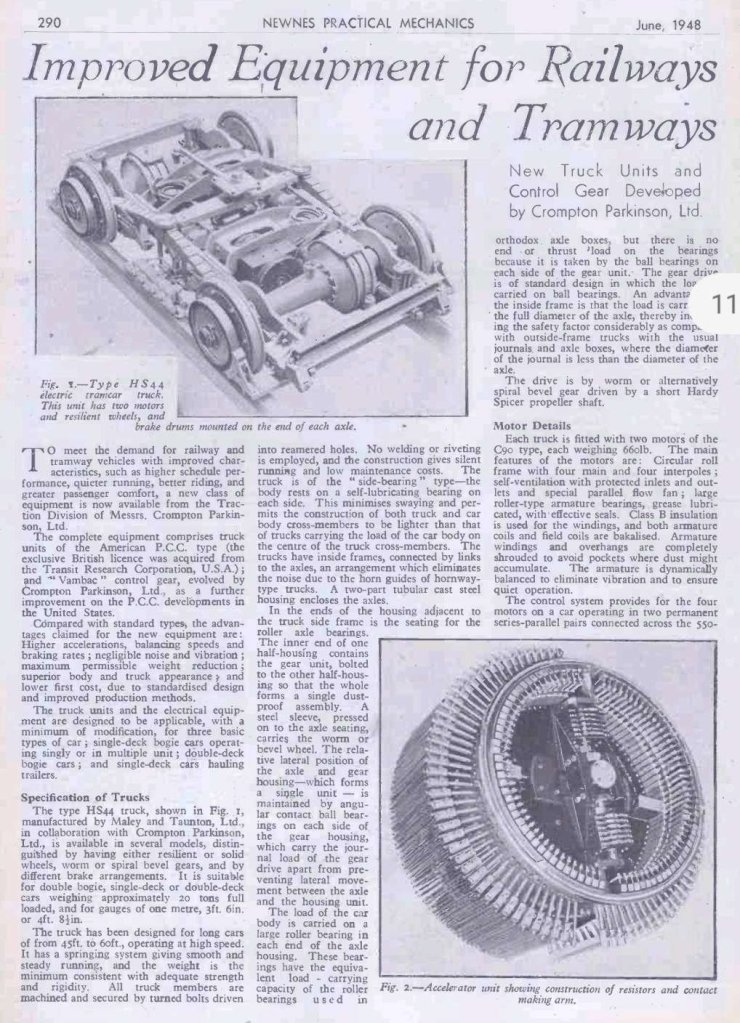
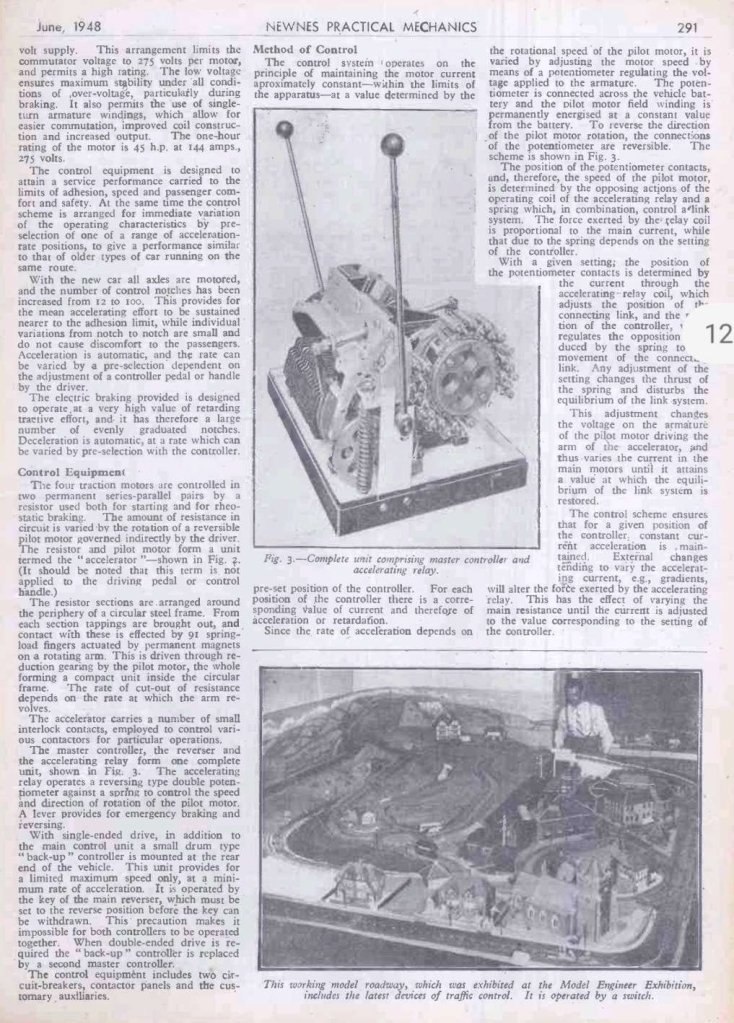
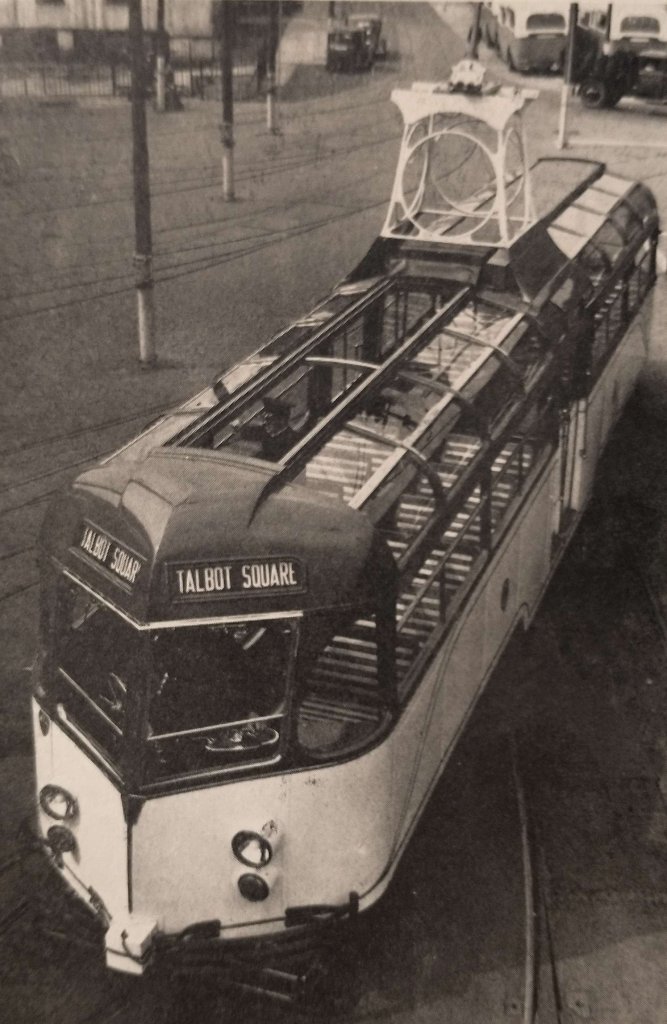
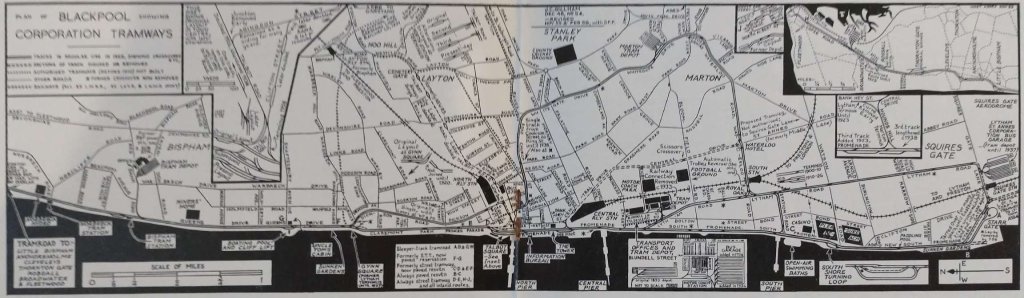
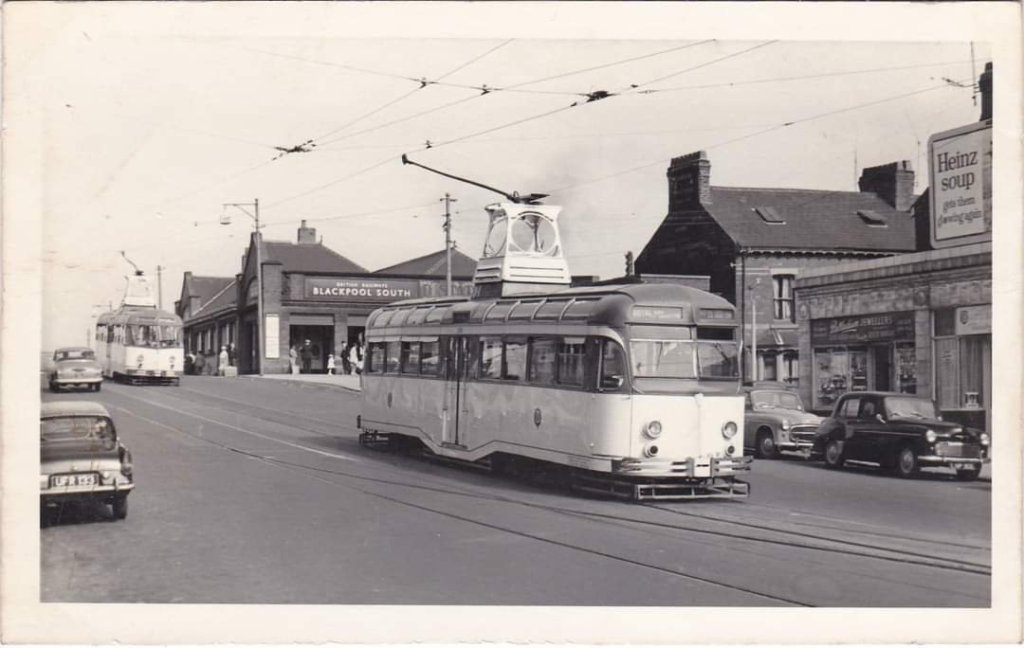
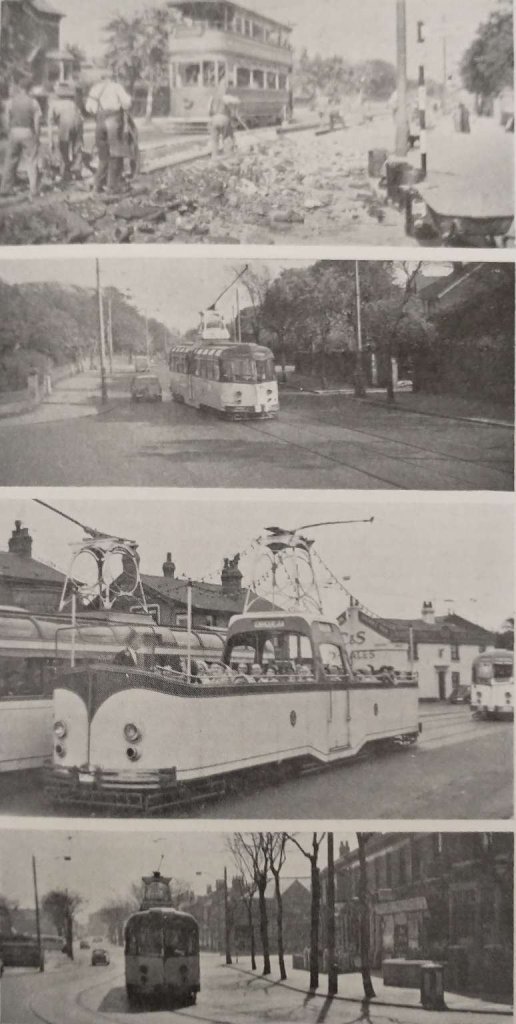
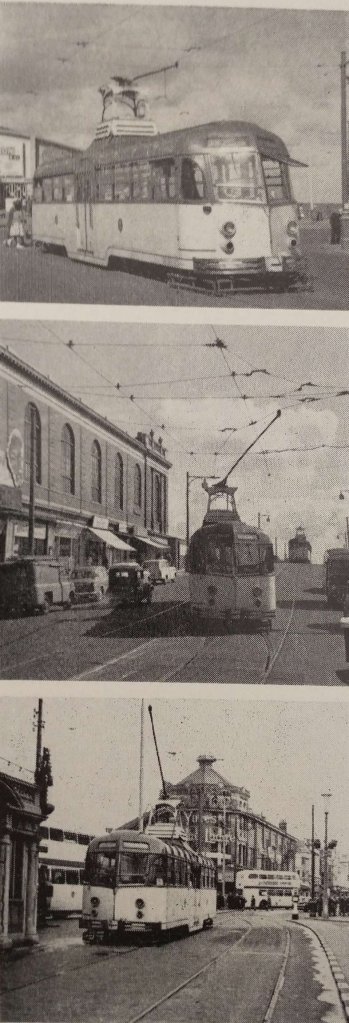
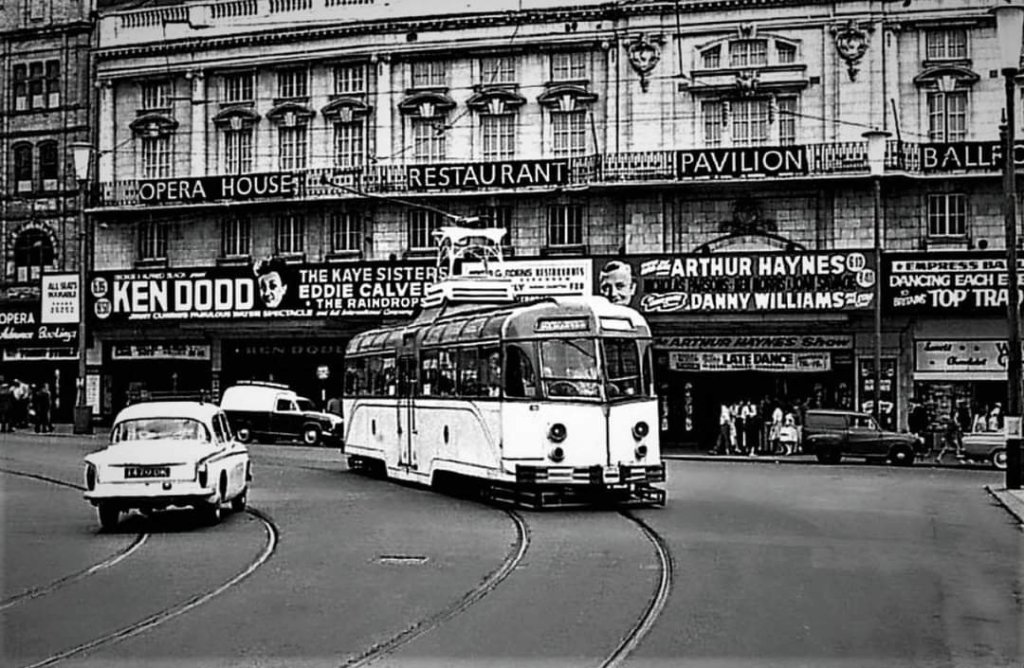
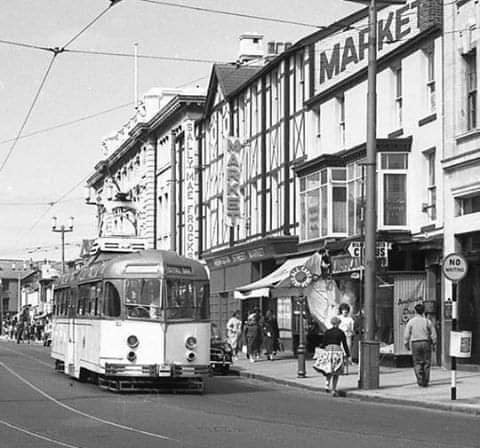
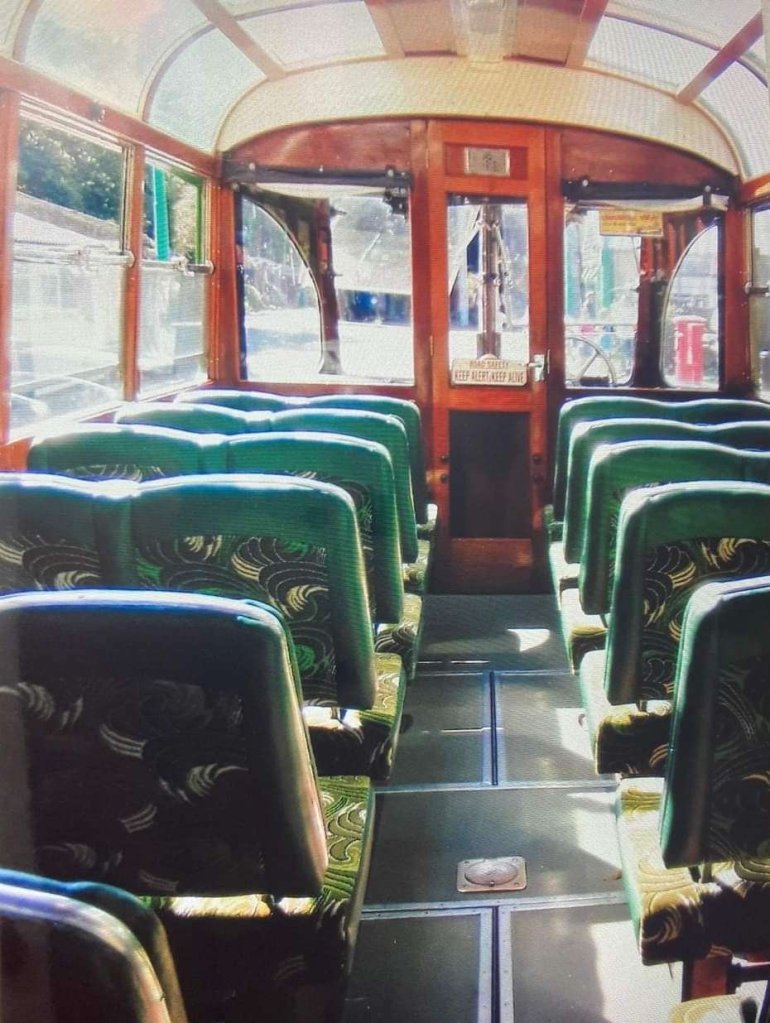
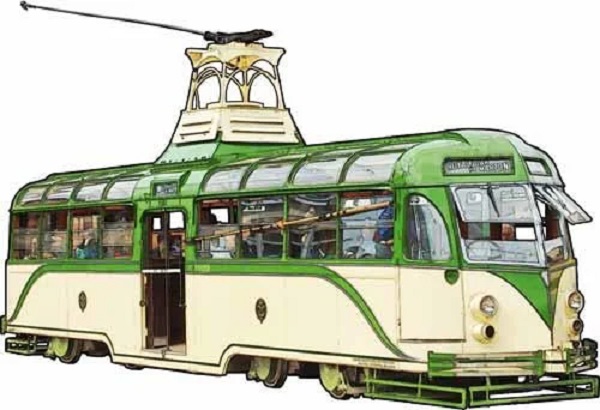
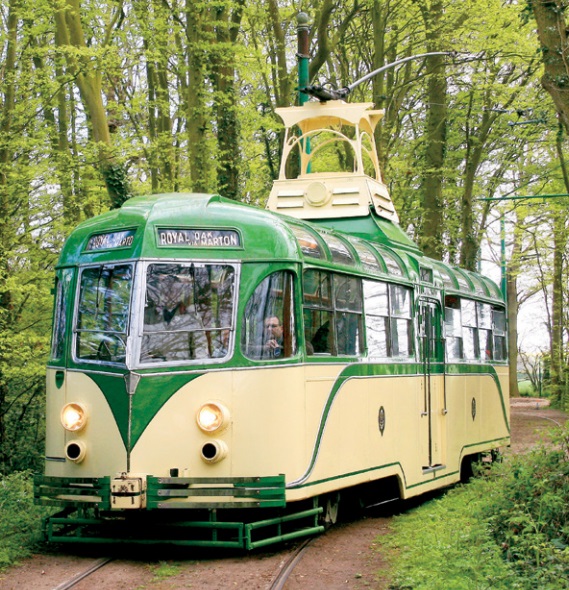
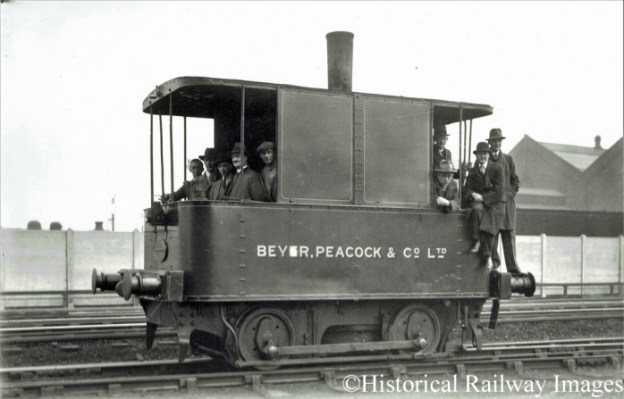
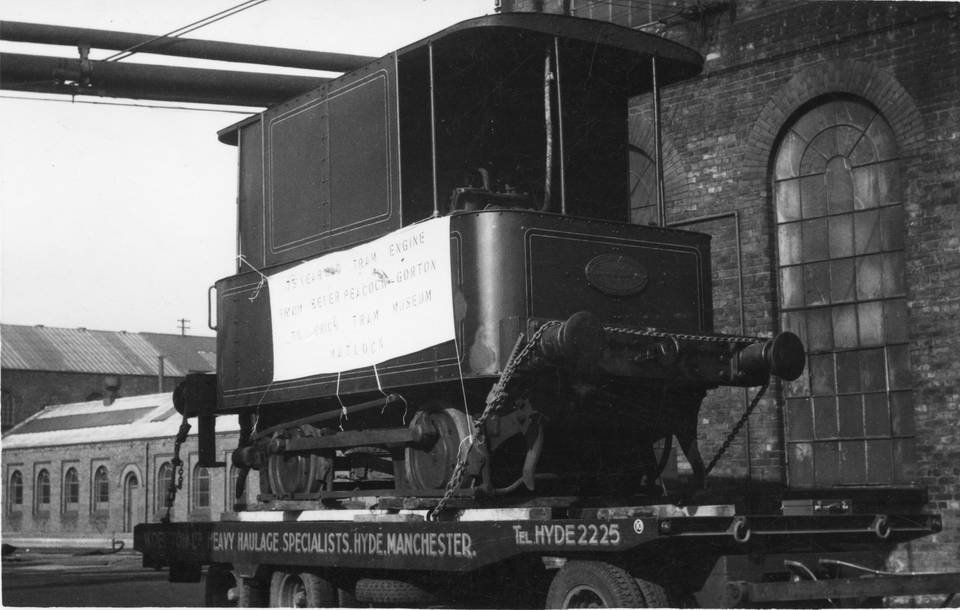
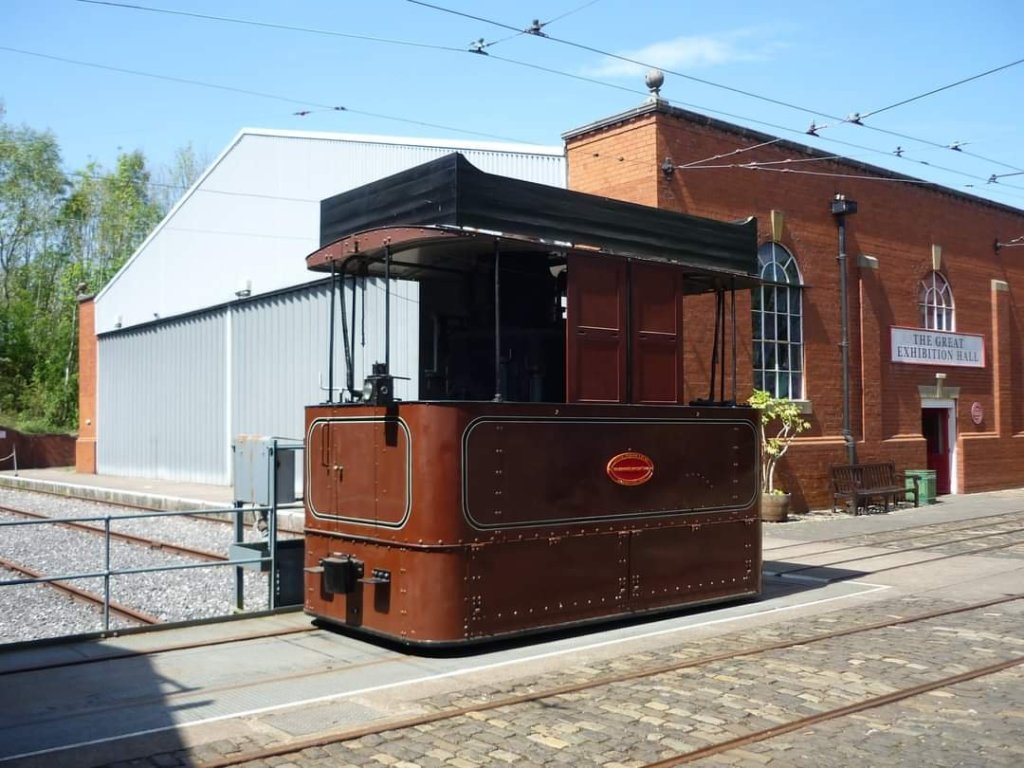

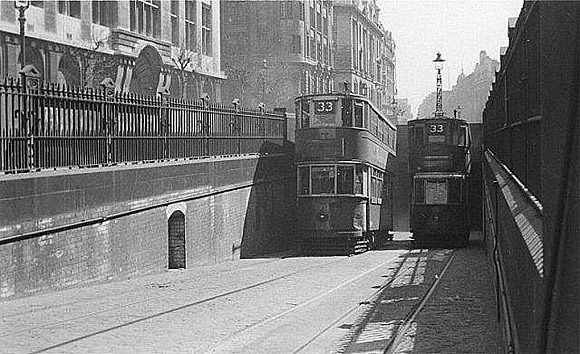
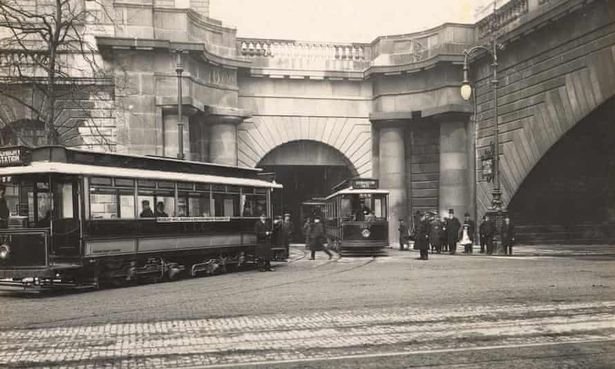
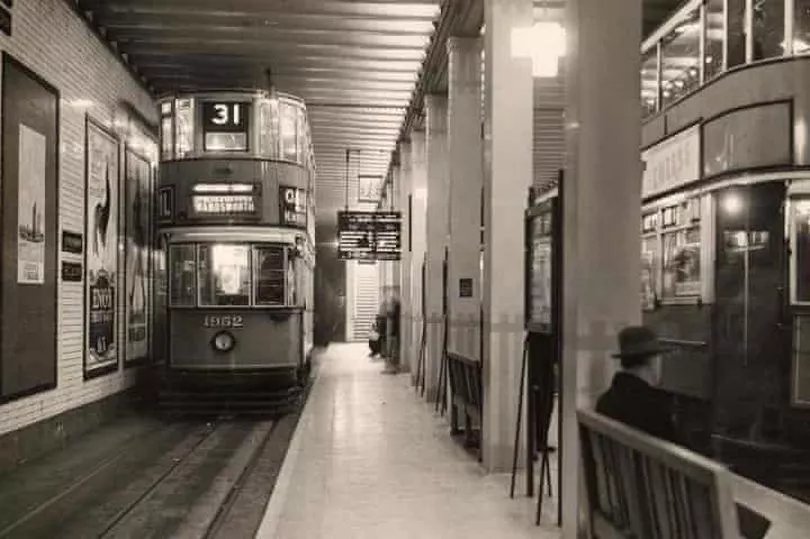


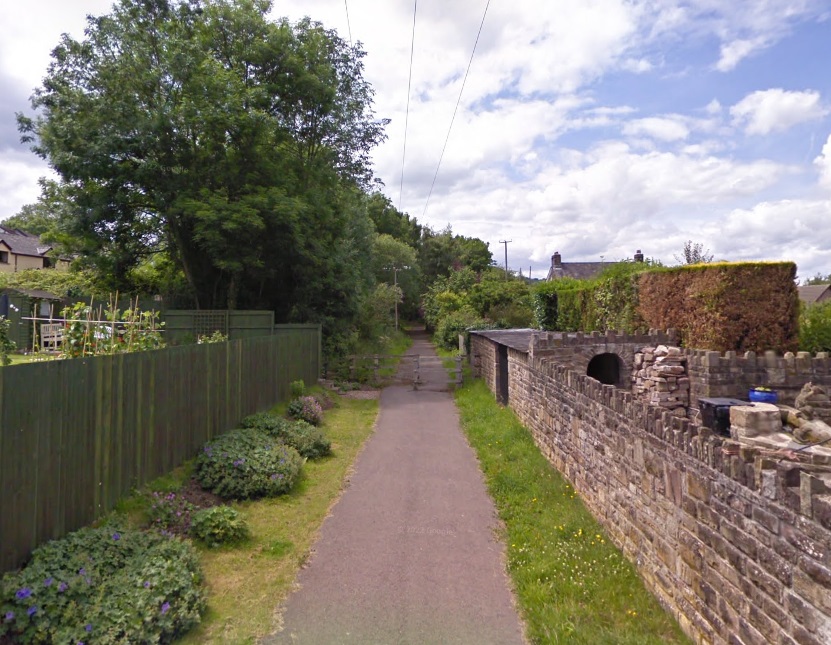
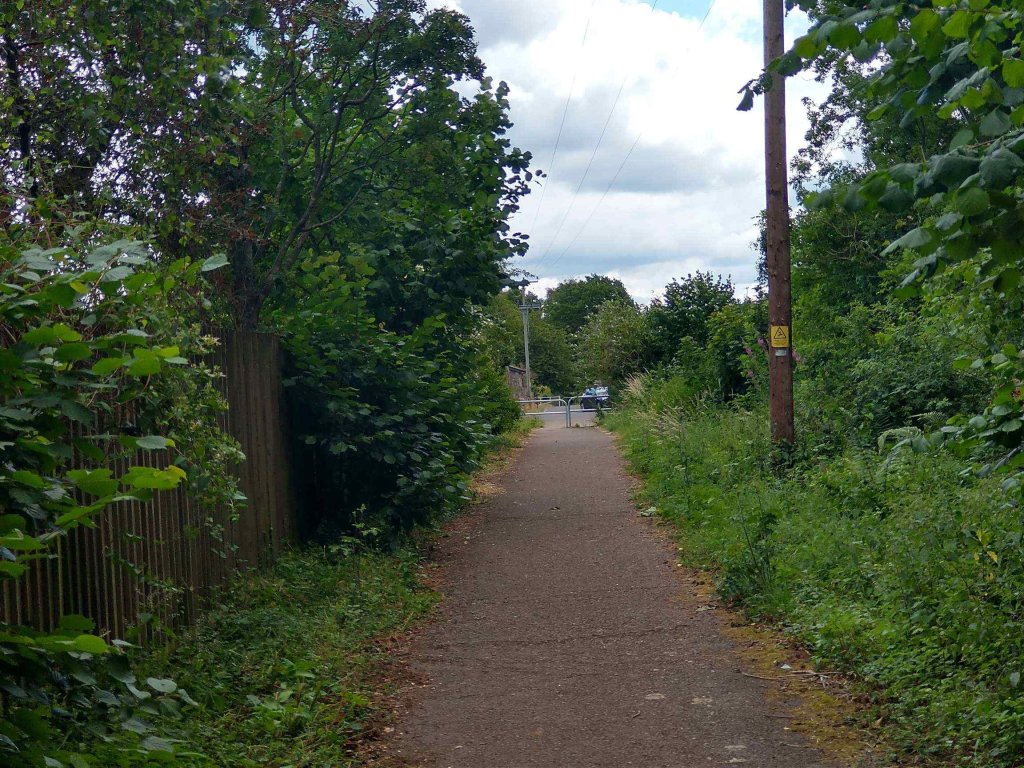
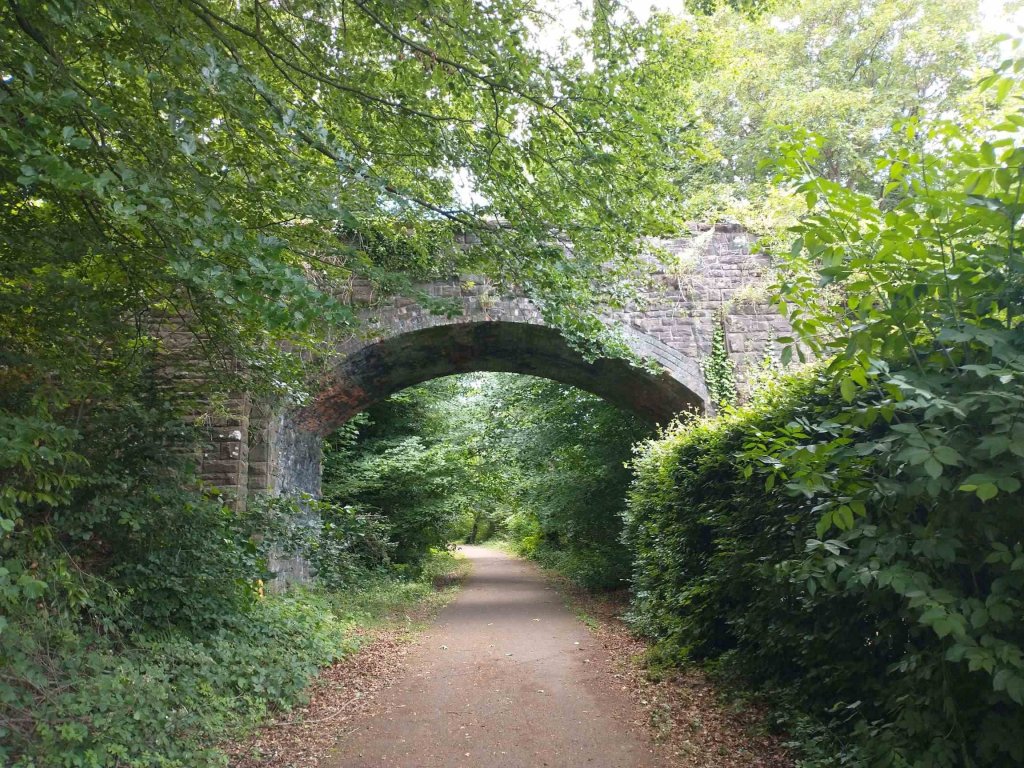

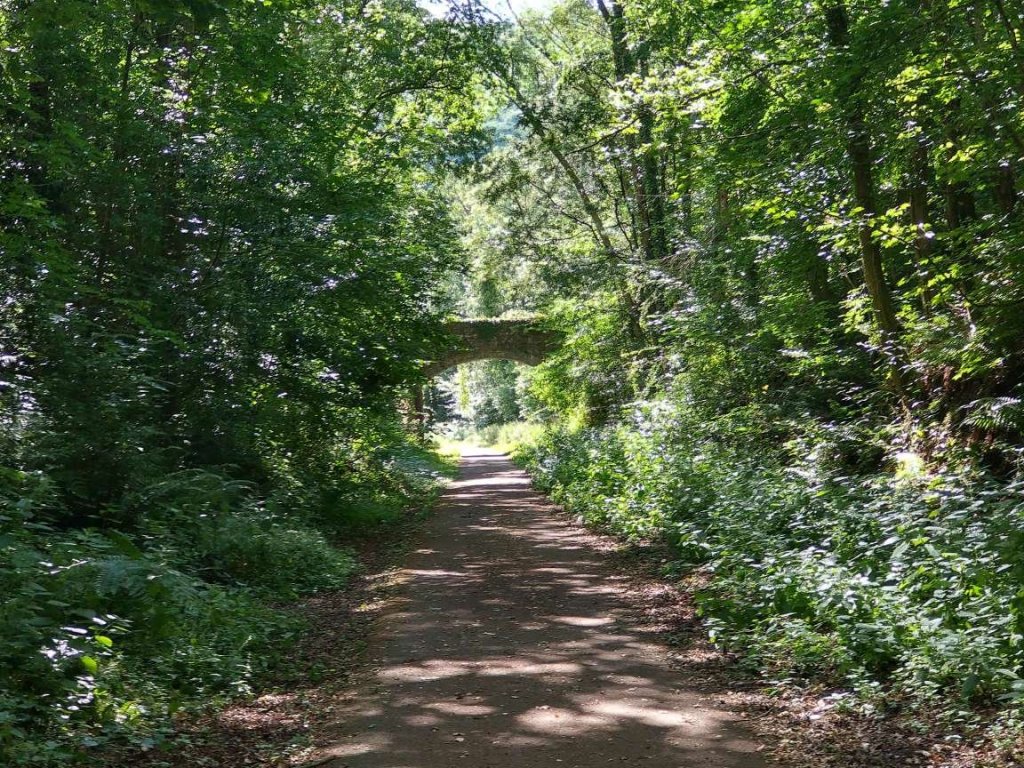





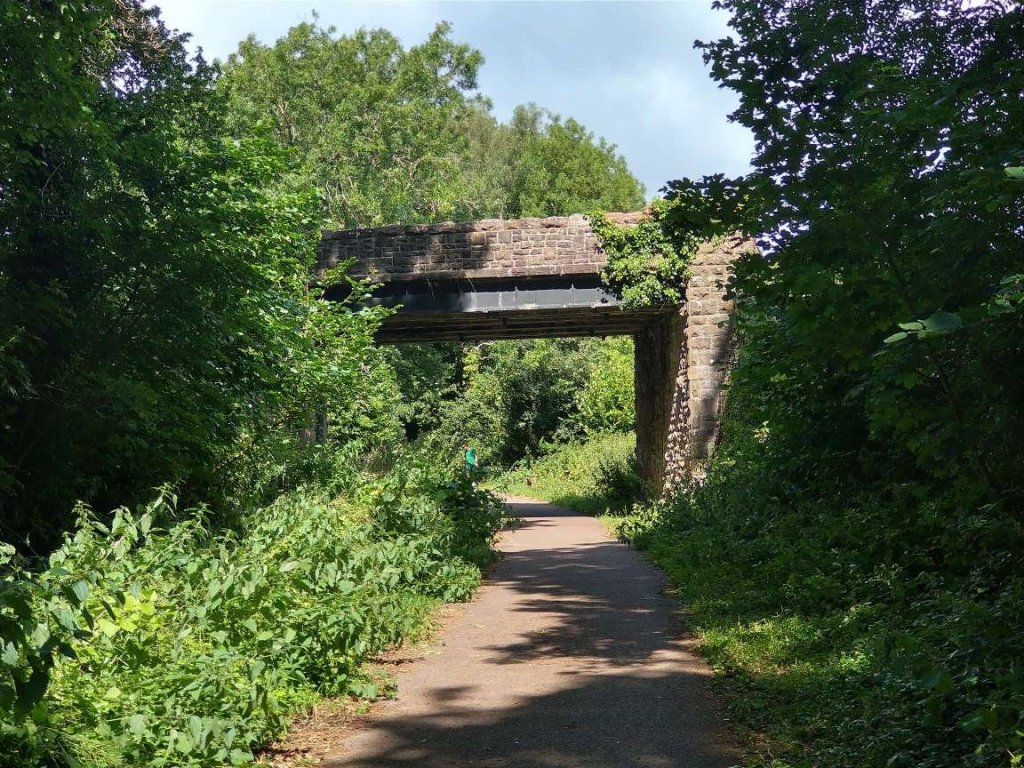
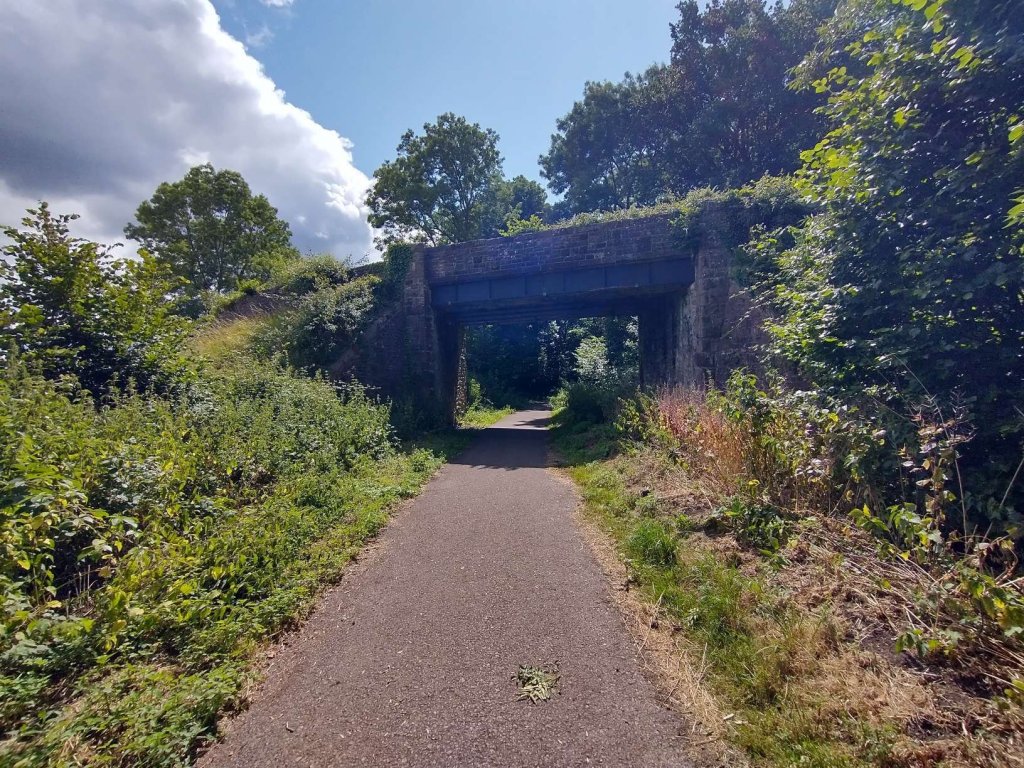
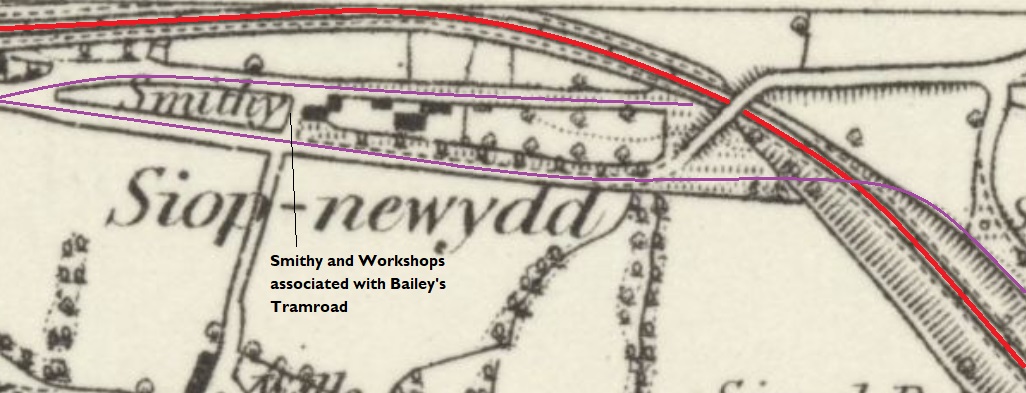







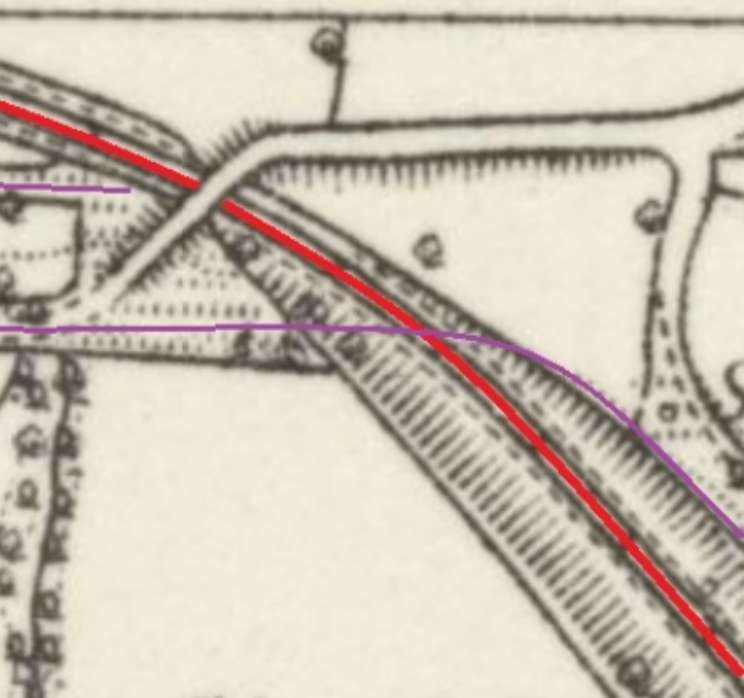
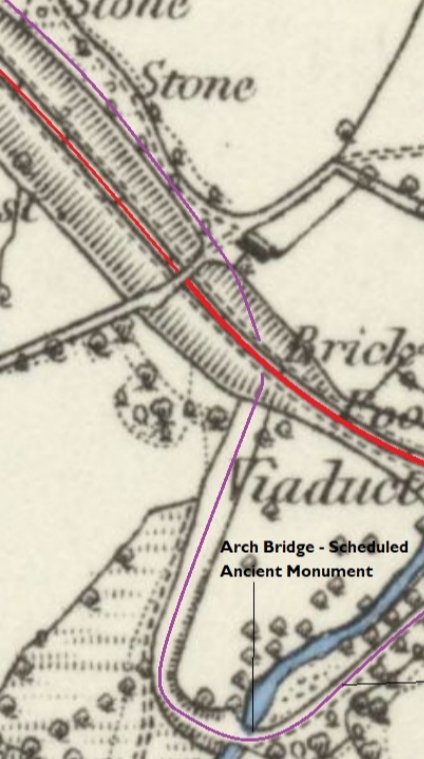

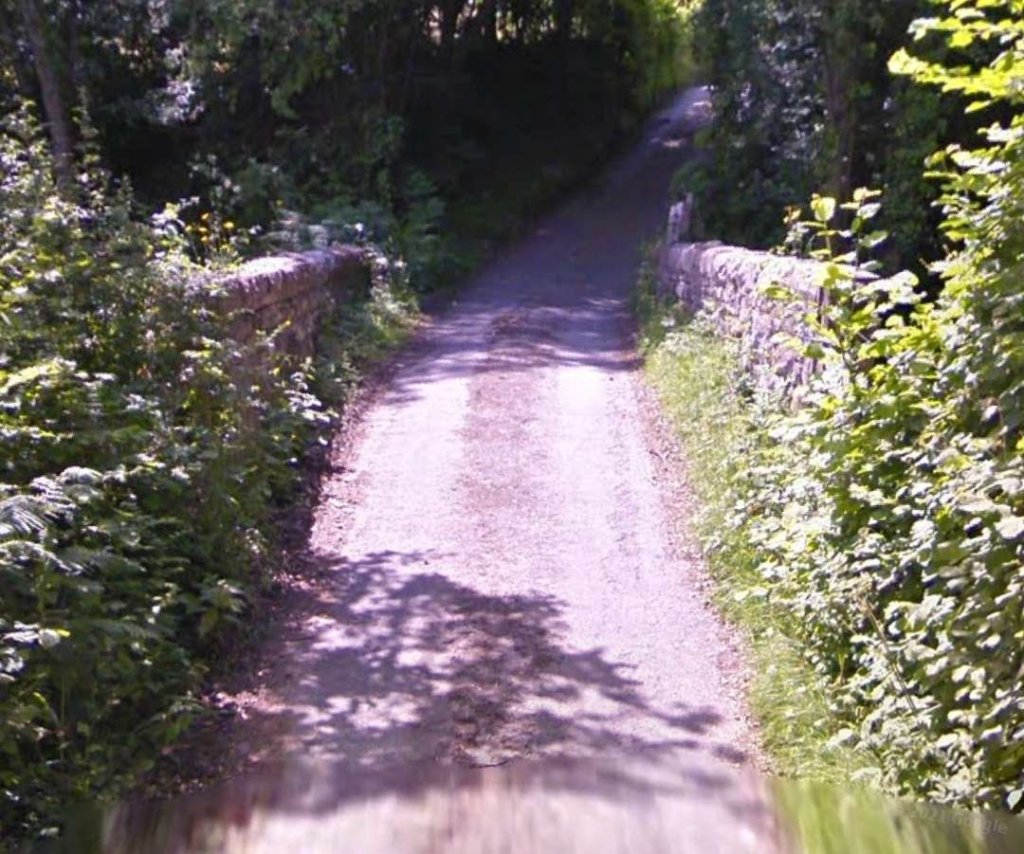

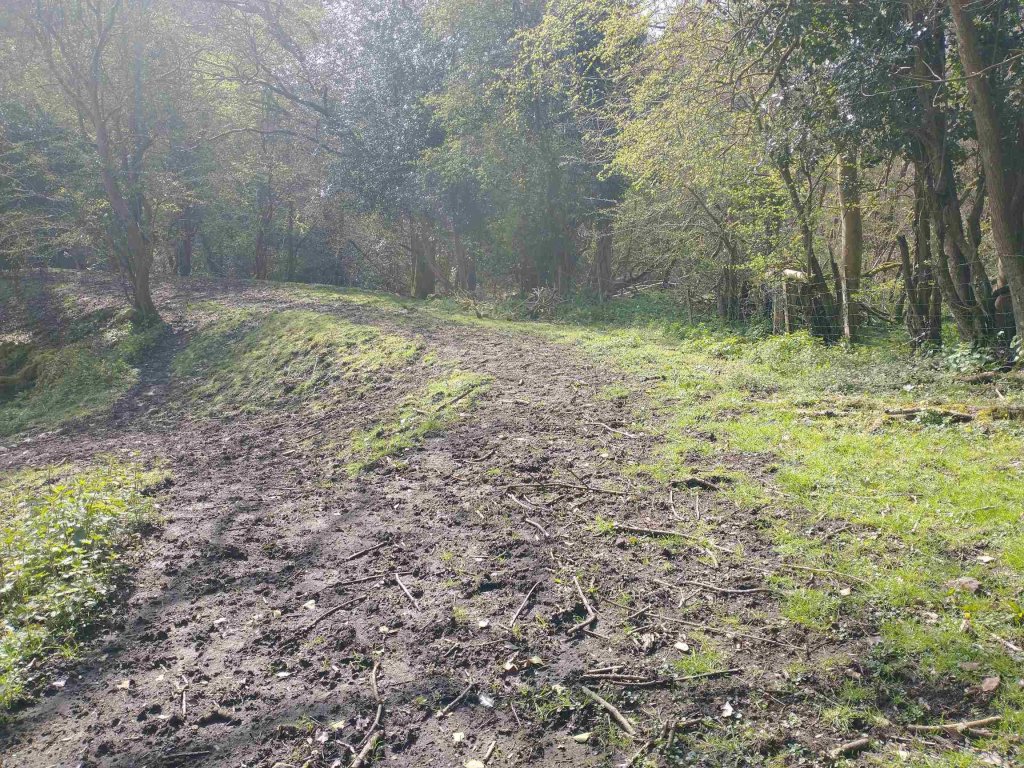
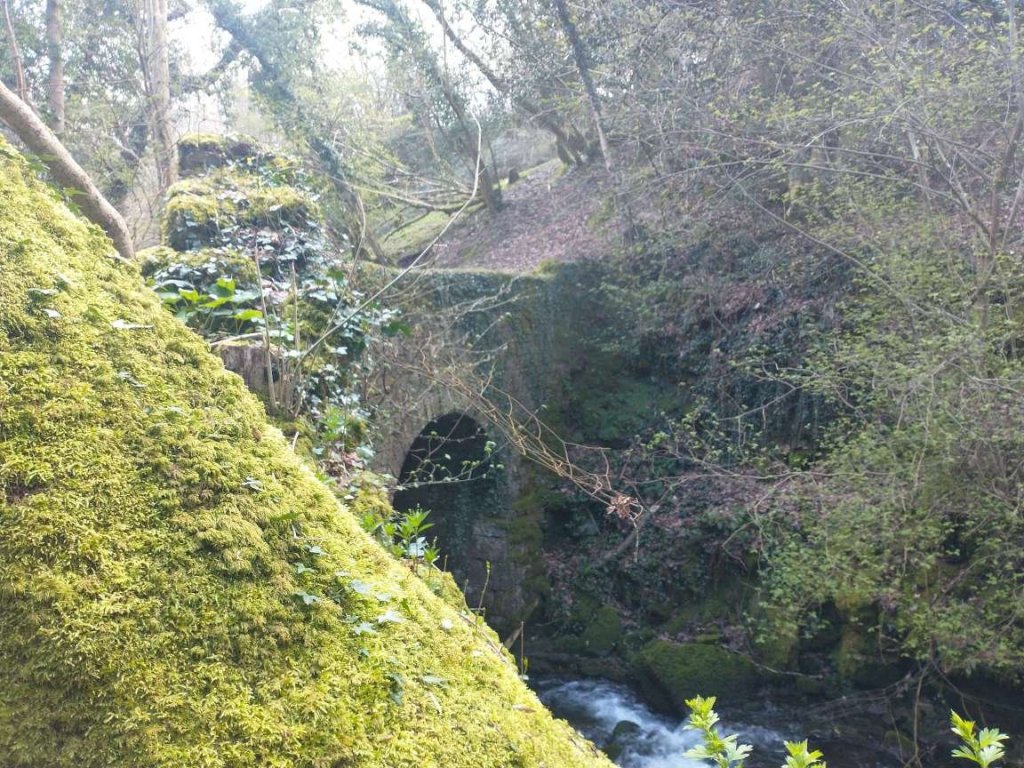
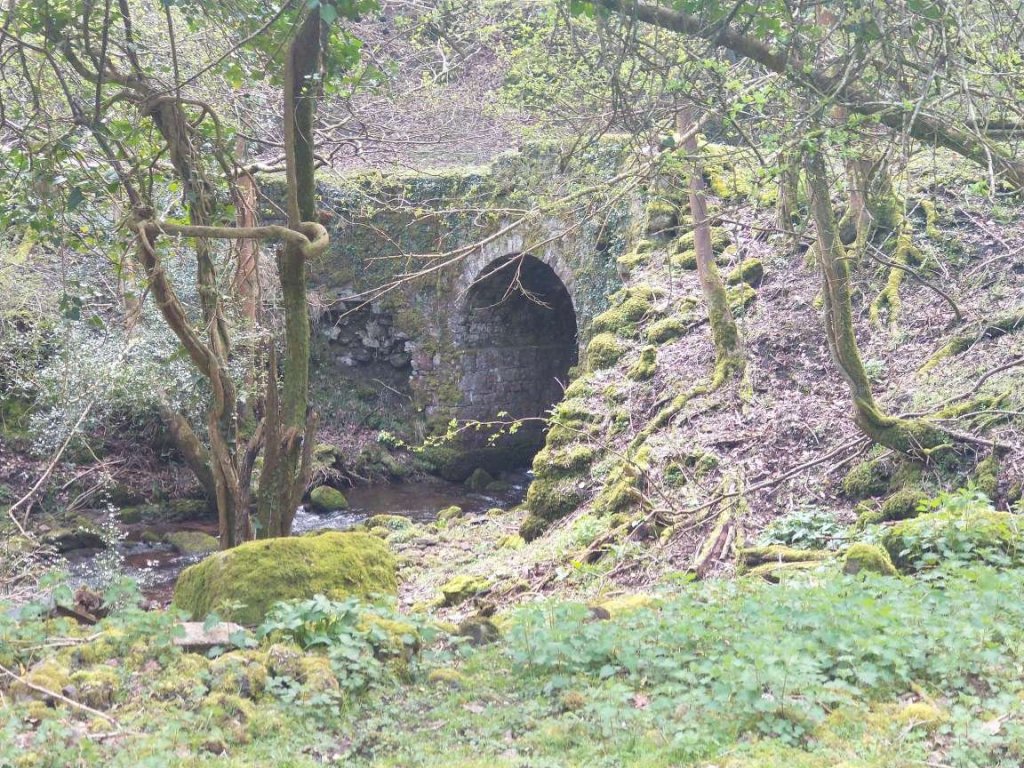
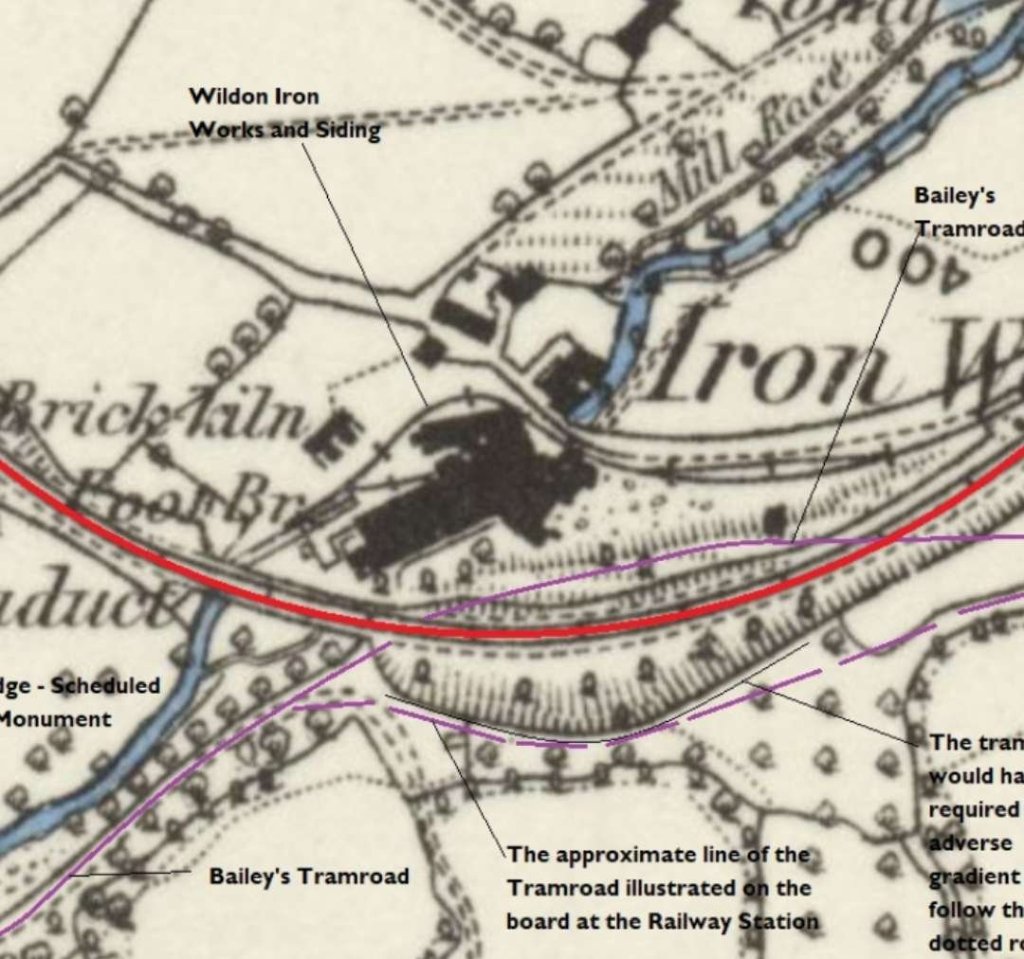
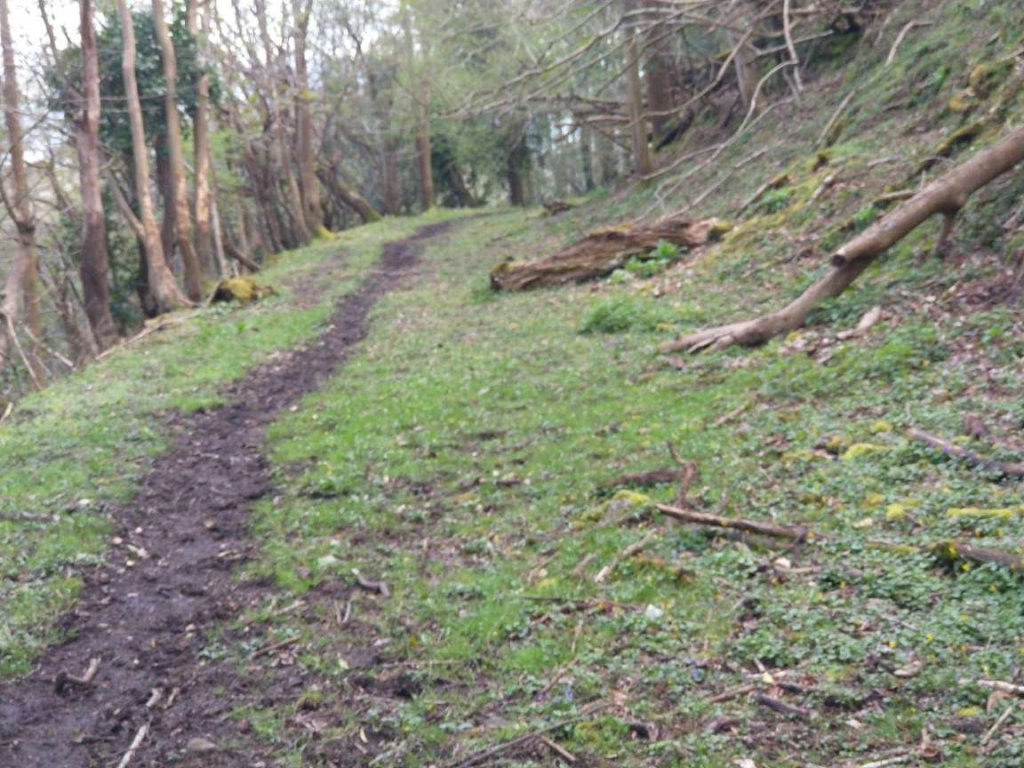


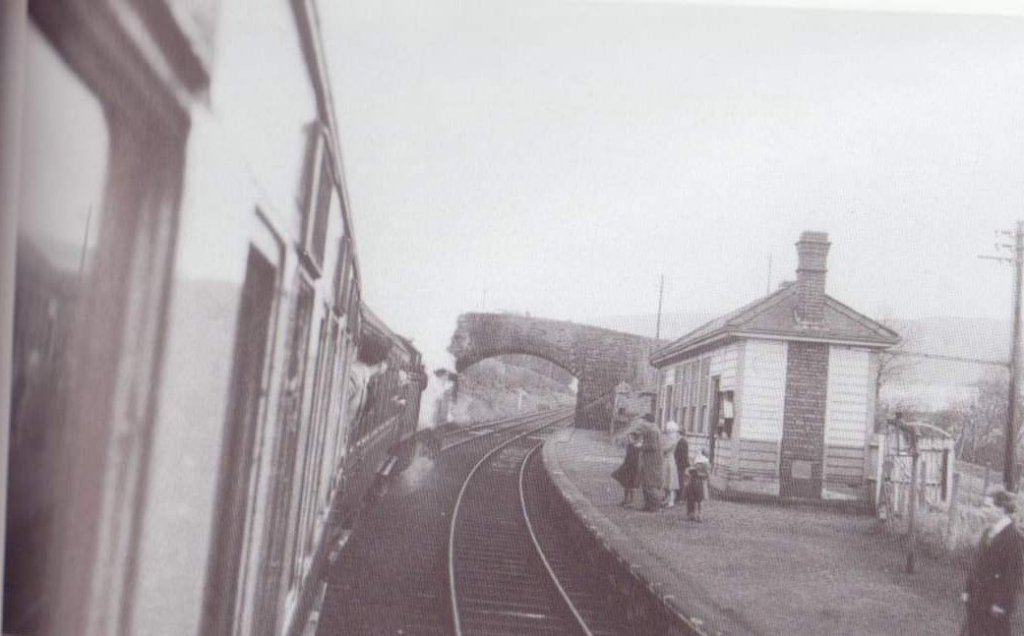
 Roger Farnworth