The featured image above is a postcard view of la Trinite-Victor Railway Station in the very early years after the line opened. [20]
In the first seven articles about the line from Cuneo to the sea we covered the length of the line from Cuneo to Breil-sur-Roya and then to Ventimiglia, before beginning to look at the line between Breil-sur-Roya and Nice. These articles can be found here, [9] here [10] here, [11] here, [12] here, [13] here, [14] and here. [15]
Woven into the text below are a series of stills from a video of the train journey from Breil-sur-Roya to Nice. The video can be seen here. [4]
This article begins the journey from Drap-Cantaron Railway Station.
The length of the line from Darp-Cantaron Railway Station to Nice-Ville Railway Station. [5]Drap-Cantaron Railway Station, (c) Eugenio Merzagora and licenced for reuse under a Structurae (non commercial use) Licence. [6]
Drap-Canteron Railway Station. [Google Maps, September 2025]
The view South from the cab of a Nice-bound service waiting to depart from Drap-Cantaron Railway Station. [4]The view from the same train heading South from Drap-Canteron Station. [4]The bridge over the railway to the South of Drap-Cantaron Station. [4]
Looking North into the site of Drap-Cantaron Railway Station from the road bridge over the line. [Google Streetview, March 2025]The bridge over the line, seen from the Northwest. [Google Streetview, March 2025]Looking South from the same road bridge. [Google Streetview, March 2025]
Tunnel de Serradone (33 metres long), seen from the cab of the Nice-bound train. [4]
Tunnel de Serradone. [23]
The same short tunnel seen from Terre d’Eze. [Google Streetview, March 2025]
The view from the cab of the Nice-bound train leaving Tunnel de Serradone. [4]
Looking back along the line towards Drap-Cantaron Station, this is the South portal of Tunnel de Serradone. [23]
A level-crossing and railway house just beyond Tunnel de Serradone. The crossing takes Terre d’Eze across the line. [4]
Looking back Northeast towards Tunnel de Serradone from the level-crossing. [Google Streetview, March 2025]Looking Southwest at the level-crossing. [Google Streetview, March 2025]
Continuing South along the line, this is the North portal of Tunnel du Moulin (83 metres long), seen from the cab of the Nice-bound train. [4]
Tunnel du Moulin. [22]
Immediately beyond Tunnel du Moulin, and with the sun in our eyes, the Nice-bound train passes under Penetrante de Paillon (D2204B). [4]
Looking back towards Tunnel de Moulin from the Penetrante de Paillon. [Google Streetview, March 2025]
The line continuing towards Nice after passing under the Penetrante de Paillon. [Google Streetview, March 2025]
Looking back under the bridge carry the Pentrante de Paillon towards Tunnel du Moulin. [22]
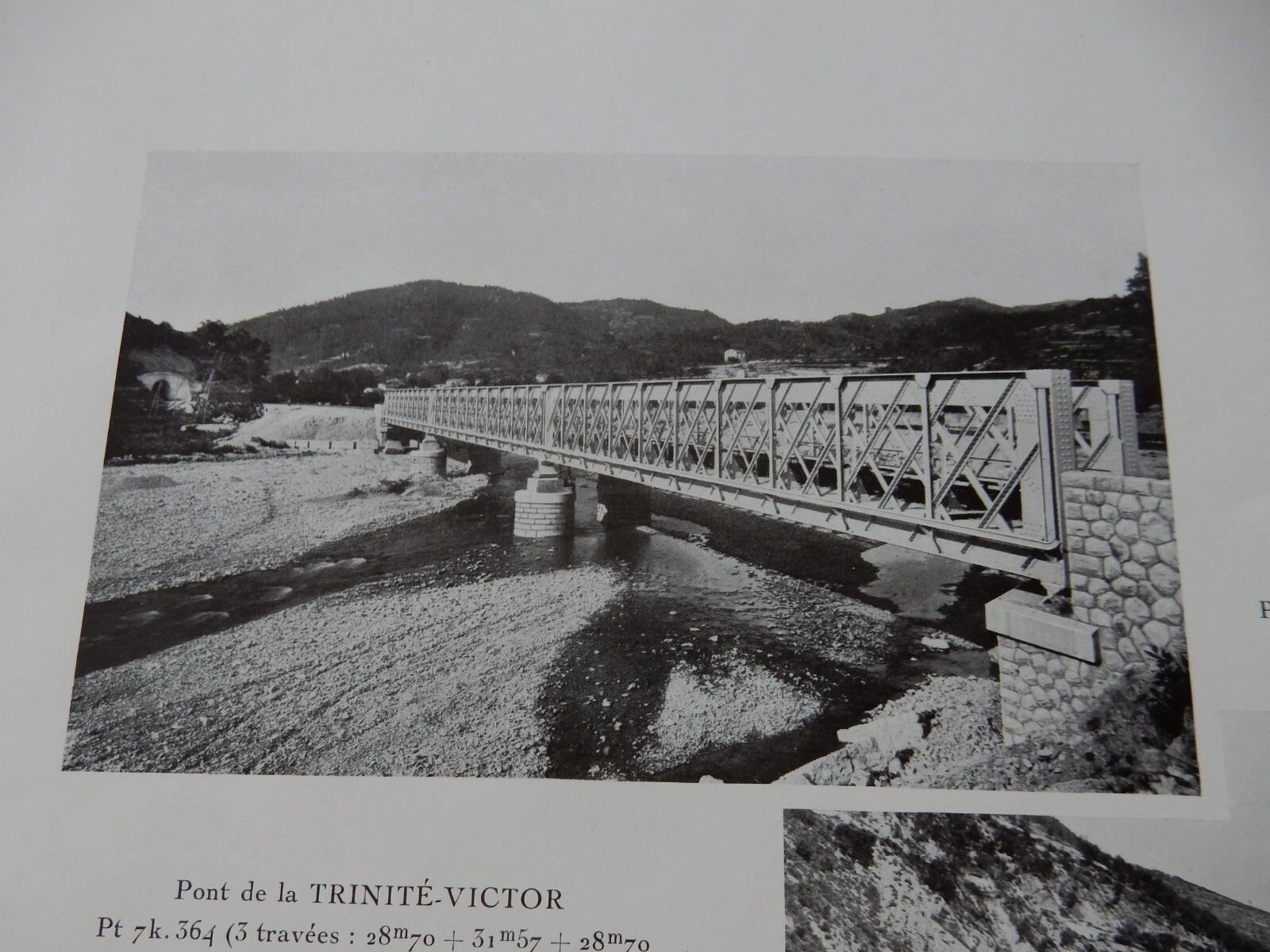
With the sun in our eyes again, the Nice-bound train crosses the Pont de Paillon, a 95 meter long bridge across the River Paillon. [4]
Pont de Paillon (or Pont de Trinite Victor) seen from the bridge carrying Boulevard Georges Bueno over the river. [Google Streetview, February 2025]An early photograph of the same bridge which was built in 1928. The bridge has three spans, one 28.7 metres, one 31.6 metres and one 28.7 metres (c) Unknown but probably Public Domain. [7]
Just a short distance further along the line and with the sun once more in our eyes, this cab view shows the bridge carrying Boulevard George Bueno over the railway. [4]
Looking back towards Pont de Paillon from the bridge carrying Boulevard Georges Bueno over the line. [Google Streetview, March 2025]A strategically place signpost blocks our view Southwest from Boulevard Georges Bueno towards La Trinite Victor railway Station. [Google Streetview, March 2025]
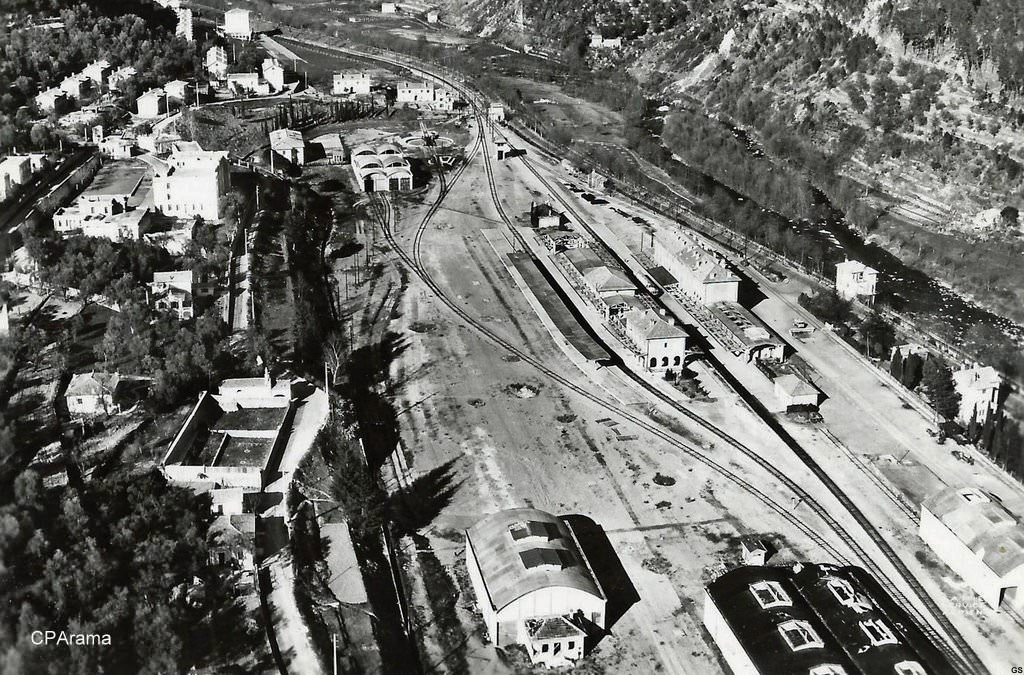
La Trinite-Victor Railway Station as seen from the cab of a Nice-bound service. [4]
The La Trinite-Victor Railway Station. [Google Maps, September 2025]
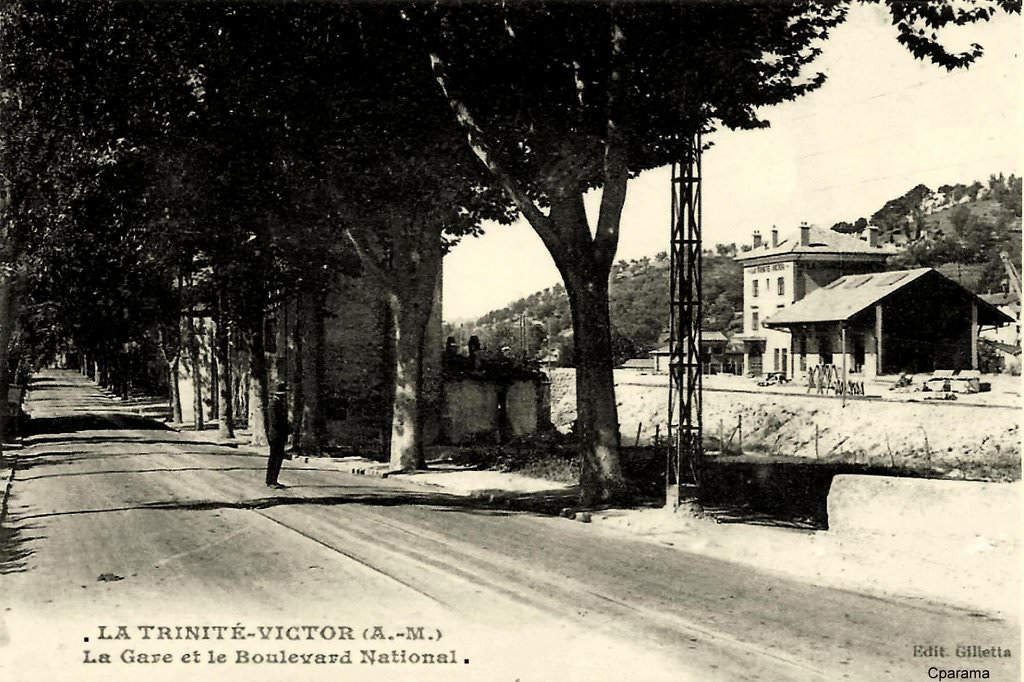
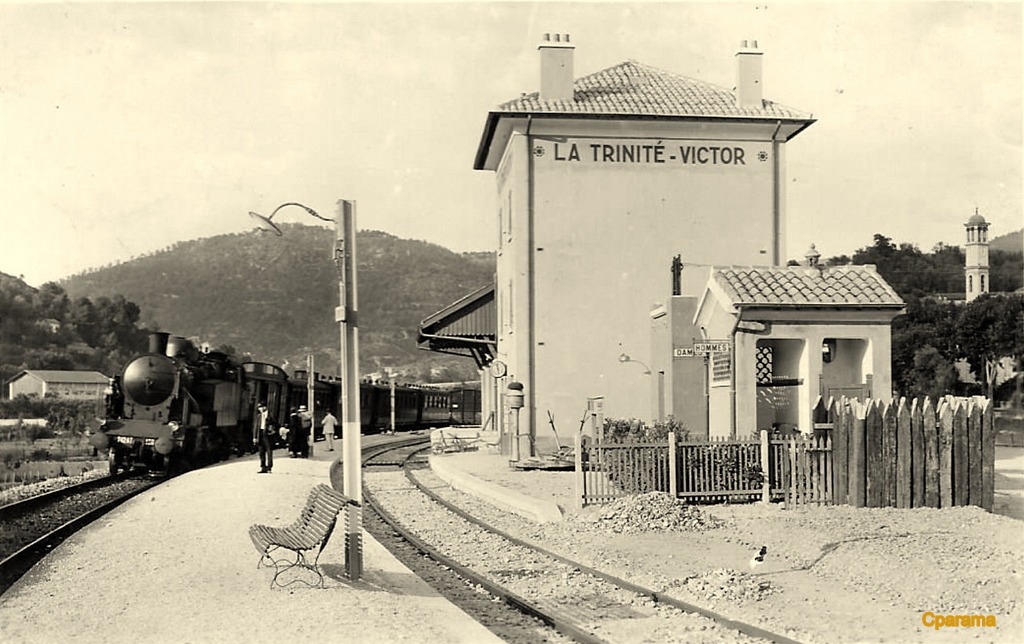
Old postcard image showing the original buildings at La Trinite-Victor Railway Station, (c) Public Domain. [8]La Trinite-Victor Railway Station seen from what was the Boulevard National, (c) Editions Gilletta, now Public Domain. [19]A train heading for Nice arrives at La Trinite-Victor Railway Station, (c) Unknown but probably Public Domain. [20]La Trinite-Victor Railway Station as seen looking East from Boulevard Anatole France. [Google Streetview, March 2025]
A level-crossing to the South of La Trinite-Victor Station. [4]
The view back towards Lat Tinite-Victor Station from the level-crossing (Road: M2204C). [Google Streetview, March 2025]The view South towards Nice from the level-crossing. [Google Streetview, March 2025]
Continuing Southwest alongside the Paillon the railway runs to the East of the modern road which sits below the flood defences on the East side of the River Paillon. The road is a later addition to the river bank and is protected from the river by a high retaining wall. To its East, the railway sits on a stone embankment. …
A typical example of the stone retaining wall that holds the railway above the immediately surrounding land and the modern road. The retaining wall is pierced by a stone-arched underpass. A number of such underpasses provided for access under the railway when it was first built. [Google Streetview, February 2025]
The next halt, alongside the River Paillon, is L’Ariane La Trinité. …
The Halt at L’Ariane La Trinité, seen from the cab of the Nice-bound train. [4]
The level-crossing just to the West of the halt at L’Ariane La Trinité. [4]
Another view of La Gare de l’Ariane La Trinité can be seen here. [21]
Looking Northeast from the junction of Pont de la Liberté with Boulevard Riba Roussa, the crossing barriers are closed as a train is just about to set off for Nice from the halt at l’Ariane La Trinité. [Google Streetview, March 2025]
Looking towards Nice from the level-crossing on Pont de la Liberté. [Google Streetview, March 2025]
The line soon passes under the A8 flyover. The sun is still in our eyes as we look out from the cab of the Nice-bound service. The road to the right of the line and at a lower level is the Boulevard Anatole France. [4]
A short distance further along the line towards Nice it bridges the Route de Turin. This view looks West under the railway bridge. [Google Streetview, March 2025]The same bridge seen from the West on the Route de Turin. [Google Streetview, March 2025]
The North portal of Tunnel du Bon Voyage (369 metres in length), seen from the cab of the Nice-bound train crossing the bridge over the Route de Turin with the sun low in the sky. [4]
The North portal of Tunnel du Bon Voyage and the adjacent bridge over the Route de Turin. [24]
Tunnel du Bon Voyage. [24]
The view from the cab of the same train as it leaves the South portal of Tunnel du Bon Voyage. [4]
The South portal of Tunnel du Bon Voyage. [Google Earth, September 2025]
A short distance further along the line the railway is crossed on the level by a minor road before it reached Tunnel de Roche. [4]
The Northwest portal of Tunnel de Roche, seen looking East from a minor road. [Google Streetview, December 2010]
A better view of the Northwest portal of Tunnel de Roche, from the level crossing mentioned above. [25]
Tunnel de Roche, 96 metres in length. [25]
The view Southeast from the Southeast portal of Tunnel de Roche. [4]
The Southeast portal of Tunnel de Roche. [Google Earth, September 2025]
Pont Michel seen from the cab of the Nice-bound service. [4]
A glimpse of the line to the North, from the carriageway over Pont Michel in Nice. [Google Streetview, March 2025]
Looking North along the line towards Pont Michel. [Google Earth, September 2025]
Looking South across Pont Michel. The running lines from Breil-sur-Roya are on the left of this image. The other lines are part of Nice Depot. Pont Michael Railway Station is at the bottom of the image. See the notes below about the history of this location. [Google Earth, September 2025]
Pont Michel Railway Station. [4]
The platform on the left was part of the Saint-Roch Railway Station, now closed. [4]
The Saint Roch Railway Station is highlighted in the top-right of this map extract. The line continues towards Nice-Ville bridging a number of roads before crossing the River Paillon again. [26]
The area to the West of Nice-Depot and Saint Roche Station. The line crosses three roads on its way to the riverbank. [Google maps, September 2025]The first of these structures, seen looking North from Avenue Denis Semeria provides access under the line to Nice-Depot. [Google Streetview, February 2025]The same bridge, seen from the North (from the access road to Nice-Depot. [Google Streetview, October 2022]
Looking towards Nice-Ville from the cab of the Nice-bound service as it crosses the access road to the Nice-Depot. [4]
A more modern structure now spans the M2204B, Route de Turin. [Google Streetview, March 2025]A similar aged steel bridge spans Boulevard Jean Baptiste Verany adjacent to the River Paillon. A series of graceful arches make up the railway viaduct across the Paillon. [Google Streetview, March 2025]The Stone-arch viaduct across the River Paillon seen from the Southeast – 3 spans, 127 metres in length. [Google Streetview, March 2025]The same structure seen from the Southwest on Avenue du Maréchal Lyautey. The three arches over the river are clearly visible and the two steel spans at either end of the structure are also visible. [Google Streetview, March 2025]
After crossing the Paillon the line curves to the South and crosses another modern bridge. …
The bridge which carries the railway over Rue de la Gendarmerie, Nice. This photograph is taken facing West on Rue de la Gendarmerie. [Google Streetview, March 2025]
A short distance further along the line it enters Tunnel de Carabacel.
The line of the Tunnel de Carabacel is shown by the red, blue and green dots. It is 663 metres in length. [27]
The Northeast portal of Tunnel de Carabacel. [27]
The Southwest portal of Tunnel de Carabacel, seen through mesh fencing. The two tracks marked with the green arrows are those from Breil-sur-Roya. The yellow arrow marks the track which runs through Tunnel de Cimiez Nord and the orange arrow marks the track which runs through Tunnel de Cimiez Sud. [27]
The view West from the cab of the Nice-bound train after it has left Tunnel de Carabacel. [4]
Looking North along Avenue Desambrois, Nice the old railway bridge is dwarfed by the concrete structures of the motorway! [Google Streetview, July 2025]
Also looking North, this time on Rue de Lépante, Nice, the motorway structures loom over the old railway bridge. [Google Streetview, July 2025]
Looking North along Rue Miron, the motorway bridge seems to be even higher! [Google Streetview, April 2025]
The final structure before the line runs into Nice-Ville Station. This bridge spans Avenue Jean Médecin. [Google Streetview, May 2018]
The sun is in our eyes as we approach Nice-Ville Railway Station. [4]
Nice-Ville Railway Station seen from the cab of the train from Breil-sur-Roya which terminates in Nice. [4]
Banaudo et al tell us that The first 5 kilometres of the line in the suburbs of Nice were constructed by the Nice-based company Orizet Frères, work began in August 1909. Their work included three tunnels with a total length of 1,127 metres, a bridge over the Paillon, nine metal-decked road underpasses, an overpass, and three level-crossings. Between Nice-Ville and Cimiez Hill, the track-bed of the existing line to Menton had to be be extensively reworked to accommodate the new tracks. [1: p101]
Work on the site of the Saint Roch station commenced in January 1910 and on the Tunnel de Carabacel in May 1910. Work on the tunnel was only undertaken from the Northeast end so as to avoid the need t remove spoil from close to the railway station in Nice. This also meant that the excavated material could be used in constructing the embankment from the tunnel towards the bridge over the Paillon. The river bad of the Paillon was found to be unstable. “Foundations up to 17 m deep had to be dug using compressed air to firmly establish the piers of the three shallow arches made of La Turbie stone. Despite these precautions, ground movements recurred, which an attempt was made to remedy in the fall of 1912 by overloading the Nice-side arch with a mass of gravel bags representing a pressure of 2,500 kg per square metre, while recording devices measured the gradual settlement of the ground.” [1: p103]
The extensive depot at Nice, Saint-Roch. The large engine shed can be seen at the top-left of this image. The Breil-sur-Roya to Nice line runs around the left-hand side of the site (the Southeast), passing very close to the engine shed. [28]On 12th May 1960, a 141R locomotive (2-8-2 using UK notation) heads towards the steam depot exit, passing the signal cabin. At that time, Nice-Saint-Roch had 47 No. 141Rs, a number that increased to 56 in 1963, then gradually reduced following the progress of electrification. On 1st March 1968, the depot closed its doors to steam traction; the roundhouse was partially demolished in 1967, and completely demolished in 1969. [29]
Nice Saint-Roch locomotive depot soon after opening. [30]
The Nice Depot was built on the site of orange groves. “The Société des Travaux en Ciment Thorrand et Compagnie, … originally from Grenoble and based in Nice, used reinforced concrete to build a 110 m diameter rotunda for forty-eight locomotives, a maintenance workshop for six locomotives, a water tower supplied by the Paillon water table, a fuel park with an 80 m quay served by 4.40 m turntables, several buildings housing apprentices, administrative offices, … refectory, oil mill, lamp room, etc.” [1: p103]
And Finally ……
Nice-Premium reported on 2nd September 2024 that major works were to be undertaken on the railway between Nice and Breil-sur-Roya. [32]
The ambitious regeneration program for the Nice to Breil-sur-Roya railway line began in September 2024 and is due to be completed by 14th December 2025.
The work will cost about 78.1 million euros. It will strengthen the infrastructure, improve the transport service, and guarantee better comfort for travellers.
The work aims to reinforce the many engineering structures and improve the stability of the tracks. This will not only secure the transportation of users but also protect this vital infrastructure against climate hazards. It promises concrete improvements for users. By the end of the work, it’s planned that one TER per hour, per direction, will run between Drap and Breil. As well as two TERs per hour between Nice and Drap. This increase of 46% in transport service will be accompanied by a notable improvement in traveler comfort thanks to the renewal of equipment and modernization of infrastructure. These changes aim to make the service more reliable and regular!
The closure of the line between September 2024 and December 2025 is necessary, particularly to permit a large number of tunnels to be renovated The closure will ensure the efficiency and speed of the work, as opposed to a partial closure which could prolong the timeline.
The total cost of the work amounts to 78.1 million euros, with an additional approximately 8 million euros for the transport substitution system. The Region is contributing 56.5 million euros, with participation from the State, SNCF Réseau, the Nice Côte d’Azur Metropolis, as well as the Communauté d’Agglomération de la Riviera Française and the Communauté de Communes du Pays des Paillons. [32]
Jose Banaudo, Michel Braun and Gerard de Santos; Les Trains du Col de Tende Volume 1: 1858-1928; FACS Patrimoine Ferroviaire, Les Editions du Cabri, 2018.
Jose Banaudo, Michel Braun and Gerard de Santos; Les Trains du Col de Tende Volume 2: 1929-1974; FACS Patrimoine Ferroviaire, Les Editions du Cabri, 2018.
Jose Banaudo, Michel Braun and Gerard de Santos; Les Trains du Col de Tende Volume 3: 1975-1986; FACS Patrimoine Ferroviaire, Les Editions du Cabri, 2018.
Franco Collida, Max Gallo & Aldo A. Mola; CUNEO-NIZZA History of a Railway; Cassa di Risparmio di Cuneo, Cuneo (CN), July 1982.
Franco Collidà; 1845-1979: the Cuneo-Nice line year by year; in Rassegna – Quarterly magazine of the Cassa di Risparmio di Cuneo; No. 7, September 1979, pp. 12-18.
Stefano Garzaro & Nico Molino; THE TENDA RAILWAY From Cuneo to Nice, the last great Alpine crossing; Editrice di Storia dei Trasporti, Colleferro (RM), EST, July 1982.
The featured image above shows an unidentified steam locomotive crossing the highly unusual Viaduc de Bevera. The train is heading toward Sospel.
In the first five articles about the line from Cuneo to the sea we covered the length of the line from Cuneo to Breil-sur-Roya and then to Ventimiglia. These articles can be found here, [9] here [10] here, [11] here, [12] and here [13]
I want to acknowledge that a series of stills from a video of the train journey from Breil-sur-Roya to Nice have been used in this article. The video can be seen here. [4]
This article begins the journey from Breil-sur-Roya to Nice.
South of Breil-sur-Roya a junction allows direct access to Ventimiglia and to Nice. The map below shows the two routes as they existed prior to the alteration of the border between France and Italy after the Second World War.
The lines Nice to Tende and Ventimiglia to Tende in the period from 1928 to the Second World War, before the annexation, in 1947, of St-Dalmas de Tende and Piene to France. [40]
The project was finally agreed by the PLM on 7th January 1907 but various portions of the work would be delayed by disputes relating to the transfer of land. “Acquisitions began in the suburbs of Nice in May 1907, at Saint-Roch … and Roccabiliera, where the PLM had decided to build a vast facility with a goods station, marshalling yard and engine depot to relieve congestion at Nice central station, whose rights of way, enclosed in the urban fabric, could no longer expand. This program for the redesign of Nice’s railway facilities also provided for a 3,610 m connection between the new Saint-Roch station, Riquier station and the port. In the hinterland, events also began to take shape and in December 1908, a section of engineers set up in Fontan and undertook the first work along the Roya the following January.” [1: p90]
Banaudo et al continue: “In 1909, Chief Engineer Paul Séjourné (1851-1939), then fifty-eight years old and already renowned for his original designs for civil engineering structures, took over the direction of the construction department. The line from Nice to the Italian border would give him the opportunity to exercise his talent in the design of structures that were as daring as they were harmoniously integrated into the landscape.” [1: p90]
In this series of articles, we have already seen Séjourné‘s Scarassoui Viaduct spanning La Roya to the North of Breil-sur-Roya.
The line from Breil-sur-Roya to l’Escarene. [
This article follows the line South from Breil-sur-Roya to l’Escarene in two parts. The first from Breil to Sospel and the second from Sospel to l’Escarene.
1. The Line South from Breil-sur Royato Sospel
Banaudo et al tell us that, “In December 1912, tranches 8 and 9 were awarded in turn for a length of 10,500 m from Sospel to Breil to the François Mercier company, of Moulins-sur-Allier. The work included three tunnels with a combined length of 5,307 m, including the Mont Grazian and Caranca structures established at double-track gauge and equipped with defensive devices, as well as seven bridges and viaducts representing twenty-five masonry arches and two metal spans. Among them, the exceptional structure of the Bévéra viaduct. There were also three culverts and three level crossings in this section.” [1: p102-103]
Banaudo et al take up a significant part of Volume 1 of the story of the line with an album of photographs of the construction work on the French side of the border. [2: p152-331] A superb record of the work undertaken.
On the Sospel-Breil section of the line the contract works were gradually completed. By the end of 1921, the Bancao and Caranca tunnels were completed. The Mont Grazian tunnel was finished in 1923. The Bévéra viaduct’s abutments and masonry arch were ready by then and only awaited the delivery of the metalwork of the decking. [1: p141]
The length of the lien from Breil-sur-Roya (top-right) to l’Escarene (bottom-left). [8]
This drawing/map shows the two routes heading South from Breil-sur-Roya. [40]
As with the line immediately to the North of Breil-sur-Roya, the works to the South and Southwest were constructed by the French. Both of the lines heading South from Breil-sur-Roya entered tunnels just a short distance South of Breil.
The first length of the line South of Breil-sur-Roya is common with the line to Ventimiglia. The two lines separate at the Lavina bridge.
A colourised postcard view of Breil-Sur Roya Railway Station looking North through the station site in advance of the official opening in 1928. This colourised image was shared on the Stura-Cuneo Facebook Page on 20th February 2020, (c) Public Domain. [29]Breil-sur-Roya station during its very early operation (1928-35), before electrification, with numerous passenger carriages standing idle. The passenger building is in the background; in the foreground are the buildings on the second platform, the only ones today significantly reduced in height and length, publisher Frédéric Laugier, (c) Public Domain. [30]Breil-sur-Roya Railway Station at the height of its development, with electrification completed (1935), with the passenger building, the large freight yard filled with wagons, and the concrete sheds with arched vaults. Those in the background still exist but are used for non-railway purposes. The Breil Ecomuseum is now located on the north side, half-hidden by the foliage of the tree in the foreground. The photograph was taken from the hillside to the Northwest of the station site and faces Southeast, (c) Public Domain. [30]After the war, the line to Nice was reopened in 1947, but the station, reduced to the simple terminus of a secondary section, was greatly simplified, removing almost all the sidings (the long straight lines of which can still be made out). In the background, the line to Fontan still features the electrification poles (removed from the rest of the station), but it was naturally abandoned and remained there until its reconstruction in the 1970s. In the 21st century, platform 2, which had been removed at the time, has been restored, the buildings on the second platform have been scaled down, and the third platform has been eliminated. The turntable, which still exists, is part of the Ecomusée, publisher Lapie à Saint-Maur, 1955, (c) Public Domain.[31]Breil-sur-Roya Railway Station in 2013, (c) Gilles Tagadaand licenced for reuse under a Creative Commons Licence (CC BY-SA 3.0). [32]The southern end of the railway station site in Breil-sur-Roya. Two lines leave the station heading South-southwest. [Google Maps, August 2025]
The view from the cab of a Nice-bound service waiting to set off from Breil-sur-Roya. [4]
South of the station adjacent parallel bridges cross the Voie de la Première Dfl and Vallon de la Lavina (the Lavina Bridge).
Lavina Bridge seen at rail-level from the cab of the Nice-bound train. [4]
Looking East under the railway bridges (the Lavina Bridge) along Voie de la Première Dfl. [Google Streetview, October 2008]Looking West under the railway bridges (the Lavina Bridge)along Voie de la Première Dfl. [Google Streetview, October 2008]A short distance to the South the two lines can be seen to be separating both geographically and in level. This view looks Northeast with the station off to the left. [Google Streetview, October 2008]The view South from the cab of a Ventimiglia-bound train. Again, the separation in level is quite marked. [55]At the same location, this view looks Southeast. Both lines enter a tunnel just to the South. One tunnel mouth is visible on the left of the image at a lower level. The other tunnel mouth is behind the vegetation on the right of this image. [Google Streetview, October 2008]
The two tunnel mouths seen from the cab of a Nice-bound service. [4]
The two tunnel mouths. On the left, that of Gigne Tunnel, on the right, that of Caranca Tunnel. Left for Ventimiglia, right for Nice! The whole structure is provided with a series of small openings to facilitate the holding of the tunnels in the event of war. [17]
Caranca Tunnel North Portal prior to vegetation growth. The tunnel was built to accommodate double-track to allow for possible future growth in traffic. [20]
The North portal of Caranca Tunnel in the 21st century (915 metres long). [4]
This extract from the OpenStreetMap mapping shows the close correlation of the two different routes over the first fe kilometres. The short red lines are the locations of tunnel mouths. [14]
The route of Caranca Tunnel crosses twice over the Gigne Tunnel which is on the Ventimiglia line. The lines to both Nice and Ventimiglia are shown as dotted lines when in tunnel. [1: p126]
Nice-bound trains exit Caranca Tunnel heading Southeast. This is the view from the cab of a Nice-bound train. [4]
Turning round to face the Tunnel portal, this is the Southeast portal of Caranca Tunnel. [20]
The next tunnel is Tunnel de Bancao (508 metres long). This is the North portal of the tunnel. [4]
The North Portal of Bancao Tunnel is at the higher level. the lower tunnel mouth is that o Sanfurian Tunnel. [19]
The South portal of Bancao Tunnel gives way onto Viaduc Bancao. [19]
The line leaves Bancao Tunnel and immediately crosses Bancao Viaduct. [4]
Bancao Viaduct on the line from Breil-sur-Roya to Ventimiglia is a single span arch close to the D6204 on this extract from OpenStreetMap. The line to the West is the line we are now following from Breil-sur-Roya to Nice which is at a much higher level and its viaduct is a multi-span structure. [15]
Both the Nice line and the Ventimiglia line can be seen in this image. That to Nice is at the higher level. The longer viaduct at the lower level is Viaduc Eboulis. Viaduc Bancao is at the higher level. [18]
An earlier monochrome view of Viaduc Bancao. The viaduct has eight 9 metre arches. [18]
Looking West from the D6204/E74, a small culvert close to the road is dwarfed by the bridge carrying the line to Ventimiglia which in turn is dwarfed by the viaduct carrying the line to Nice. [Google Streetview, April 2008]
Viaduc de Bancao on the Nice to Breil-sur-Roya line appears, in part, at the top of this image.
The two rail lines are still running in parallel, only beginning to separate significantly at the bottom of this extract from Open StreetMap.
The line we are following enters the Mont Grazian Tunnel, bottom right of this OpenStreetMap extract. [16]
Before the Tunnel three structures are crossed – two 10 metre-span arched bridges and then Viaduc d’Arbousset none of the three are marked on this map extract. The Viaduct sits at the point where the line which has been curving round to the South begins to turn to the Southwest, just before entering Mont Grazian Tunnel. [16]
Viaduc d’Arbousset (63 metres long with three 7 metre arches). Ahead the line curves to the right and enters Mont Grazian Tunnel. [4]
The Northeast portal of the Tunnel de Mont Grazian, seen from the cab of a Nice-boud train. [4]
The Mont Grazian Tunnel was built wide enough to accommodate double-track to allow for possible future traffic growth. “It was lined with defensive measures at both ends, a precaution imposed by the major strategic importance of this structure, which connects the Roya and Bévéra valleys.” [1: p94] Details of the defensive measures can be found here. [27]
The Northeast portal of Tunnel de Mont Grazian. This view from above shows the Viaduc d’Arbousset and the high retaining wall on the right of the mouth of the tunnel. [27]
Tunnel de Mont Grazian is 3891 metres in length. [27]
The view Southeast from the cab of the Nice-bound service as it leaves the tunnel mouth. A very short distance beyond the tunnel mouth the line crosses Viaduc de Bassera. [4]
Turning through 180, the Southwest portal of the Tunnel de Mont Grazian. [27]
The Southeast portal of the Mont Grazian Tunnel before the opening of the line in 1928. Viaduc de Bassera is in the foreground. There are detailed differences between the appearance of the tunnel entrance in this view and the photograph of the entrance above. As part of the Maginot strategic defence plan for the SFAM (Alpes Maritimes Fortified Sector) the Southeast portal of Mount Grazian Tunnel had fortified side chambers with loopholes overlooking the tunnel to guard against enemy incursion. More details can be found here. [27]A different postcard view of the Bassera Viaduct and the tunnel mouth of the Mont Grazian Tunnel. [46]
The Bassera Viaduct is curved with seven 12-metre arches and crosses the Basséra River.
A broader view of the Viaduc de Bassera at the time of its construction, (c) Public Domain. [23]
In this image, Viaduc de Bassera is on the right and Viaduc Cai (over the River Bevera) is on the left. [23]
The two bridges as seen on Google Earth. [Google Earth, August 2025]
The original bridge over the Bevera (Pont de Cai) which was built in time for the opening of the line in 1928. More details can be found here. [24]
A very short distance beyond the end of Viaduc de Bassera, the line crosses the River Bevera on another viaduct – Viaduc Cai. [4]
This extract from OpenStreetMap illustrates the proximity of the two viaducts and Mont Grazian Tunnel. [22]
Due to its proximity to the Italian border, this unused tunnel (marked with a red arrow) was built for strategic reasons as part of the Maginot Plan for the defense of the SFAM (Fortified Sector of the Alpes Maritimes). [28]
It was intended to provide an emergency route in the event that the large neighboring Caï viaduct needed to be destroyed, and to store the metal spans of a replacement viaduct. [28]
Halfway along its length, on the left wall, it has an annex gallery (tunnel window – marked by the yellow arrow) which opens onto the western abutment of the Caï viaduct. More information can be found here. [28]
The Bevera River flows West to East (its confluence with La Roya (Roia) is adjacent to the village of Bevera which sits on the North bank of the Bevera River). Once across the Bevera River on the Cai Viaduct, the line heads up a gradient of 17 mm/m to Sospel Railway Station.
The route of the line between Breil-sur-Roya and Sospel was determined by the military. The military authorities dictated that the line should be routed to ensure that it could “be easily intercepted by the artillery of The Barbonnet fort, above Sospel, in the event of an infiltration attempt from the Roya valley.” [1: p92 & 94]
The Cai or Bevera Viaduct “crosses the river at a very acute angle. [This] inspired an original arrangement by Paul Séjourné: the deck, formed of two metal spans of 45.30 m, framed by four masonry arches of 8 m, rests 30 m above the river on a perpendicular arch of 25 m opening and egg-like in shape, resting transversely on the walls of the gorge.” [1: p94]
The line follows the valley side to the South of the Bevera rising, as we have already noted at a gradient of 17 mm/m. It crosses a minor road by means of a level crossing (Route de Suez).
The level crossing at Route de Suez, seen from above. [Google Maps, August 2025]
The level crossing at Route de Suez seen from the cab of a West-bound train. [4]
The next level crossing on the line is immediately at the East end of Sospel Railway Station site. [Google Maps, August 2025
The same crossing seen from the cab of the Westbound train approaching Sospel Railway Station. [4]
The road crossing of the line (seen from the South) is on the left of this image. The track to the right heads back towards the Viaduc de Cai. A small culvert can be seen alongside the road at this location. [Google Streetview, October 2008]The road crossing of the line (also seen from the South) is on the right of the image. The track to the left heads into Sospel Railway Station. [Google Streetview, October 2008]
Further West and fully within what was the station site but which in the 21st century is an open plateau of unused land. [4]
The station passing loop seen at its eastern end from the cab of the Westbound train. [4]
The final approach to Sospel railway Station from the East. [4]
Sospel Railway Station was to be a station “with substantial facilities which would allow the reception of military convoys in the event of conflict with neighboring Italy.” [1: p92] Arriving on Sospel, trains from Breil-sur-Roya pass through a large flat open area which was designed to accommodate the needs of the military.
The town was, in the middle of the 19th century, the second city of the County of Nice. “The location of Sospel … in … a basin where the Bévéra Valley widens, is very unique. From wherever one arrives from France, one must cross a pass: the Braus pass coming from Nice, the Castillon pass towards Menton, the Brouis pass towards Breil and La Roya, and the Turini pass towards La Bollène and La Vésubie. Towards Italy, the Vescavo Pass road connects Piena and Olivetta, while downstream, the Bévéra flows in impassable gorges where one could only venture on foot.” [1: p101-102]
The year 1912 was quite momentous in the history of Sospel not only was construction work getting underway but on 15th April 1912 the Compagnie des Tramways de Nice et du Littoral (TNL) opened its Menton-Sospel tramway. More about the tramway can be found here, [36] here [37] and here. [38]
Closer to the centre of Sospel, this is the terminus of the Menton-Sospel Tramway. [46]
Banaudo et al comment that “The Gianotti company immediately took advantage of this opportunity to transport the tools and equipment from Nice that would be used for the construction of the Braus tunnel. … In the initial stages of the construction, the Gianotti brothers used a network of portable 0.60 m gauge railways, on which Decauville dump trucks pulled by horses ran. Later, one-metre gauge tracks were laid, on which steam locomotives pulled larger capacity trains, consisting of Koppel wagons with a load of 6 m³ or wooden-bodied wagons with a capacity of 3 m³. Several locomotives from the contractor were brought to site via the tramway, coupled to a ‘mortrice electrique’ (an electric tram engine) as a safety measure on the steeply graded tramway.” [1: p102]
“In the early months of 1913, the Mercier company got to work and obtained permission from the TNL company to open a special branch line at each end of the Menton-Sospel tramway line. The construction site’s supplies then provided the tramway with more than half of its freight traffic. In July 1913, two to three round trips ran daily, and in October, Mercier received 745 tons of materials in Sospel. In May 1914, the Gianotti brothers opened their own branch line in the Careï Valley in Menton, but soon, the saturation of the small freight yard and insufficient equipment forced the TNL to limit shipments to five wagons per day.” [1: p103]
2. Sospel to l’Escarene
The journey from Sospel to l’Escarene takes the line through and under the mountains of the Col de Braus.
The line climbs through a series of embankments and cuttings on a gradient of 9.5 mm/m and enters the Tunnel de Braus.It continues to climb within the tunnel to a high point of 420 metres above sea level. Within the tunnel the gradient then changes to a 2 mm/m downward grade towards l’Escarene. The tunnel was double-track both to aid ventilation and to allow for possible expansion of services if demand required it. At the insistence of the military defensive fortifications surrounded the two tunnel mouths. [1: p92]
Of the 12 tranches of contract work on the French side of the international border, two tranches covered the 9.7 km length between Sospel and l’Escarene – lots 6 and 7. The work was awarded in December 1911 and April 1912 to Jean and Antonin Gianotti. Banaudo et al tell us that the work included over 6.4 km of tunnel. “As well as a few secondary structures: three culverts, four level crossings, two underpasses and six overpasses, most of which were built using the new reinforced concrete technique.” [1: p101]
After waiting for a Breil-sur-Roya-bound service to clear the line ahead, we set off in a Westerly direction from the station at Sospel.
A Nice to Breil-sur-Roya service arriving at Sospel. [4]
As the Nice-bound train sets off from Sospel Station it crosses Rte d’Erc at a level-crossing. [4]
Rte d’Erc crosses the railway at the West end of the Sospel Station site. [Google Maps, August 2025]Looking back East towards Sospel Railway Station. [Google streetview, August 2022]A departure for Nice in 1947. The steam locomotive has just crossed the level-crossing over Rte d’Erc. [47]A similar view looking back East towards Sospel Railway Station from close to the level crossing featured above. [44]A view from the railway house which sits beside the level-crossing which shows Sospel Railway Station in very early days! [45]Looking ahead along the railway towards l’Escarene (on the left of this post and image), the town of Sospel is laid out in front of the camera. In the text of this article we mention the use of concrete on the line. Two bridges of reinforced concrete construction can be seen on the left of this image. [46]Looking West towards the bridge carrying Mnt des Capuchins over the railway. The station passing loop ends just to the West of the Rte d’Erc level crossing. [Google Streetview, August 2022]
A closer view of the bridge carrying Mnt des Capuchins. [4]
Rte de la Penetrante passes under the railway. [Google Maps, August 2025]Rte de la Penetrante (D2566A) is crossed by means of a stone arch bridge. This is the North elevation of the structure. [Google Streetview, October 2022]The South elevation of the same structure. [Google Streetview, October 2022]Chemin de la Saint-Roch bridges the line a short distance further West. [Google Maps, August 2025]
The bridge carrying Chemin de la Saint-Roch over the line as seen from the cab of a Nice-bound train. [4]
The overbridge carrying Chemin de la Saint-Roch, seen from the North. [Google Streetview, April 2013]Looking back along the line towards Sospel Railway Station. [39]
The next overbridge carries the D2204 (boulevard de l’Egalite over the line. [4]
Boulevard de l’Egalite (D2204) bridges the line a short distance further West. [Google Maps, August 2025]Looking Souttheast from Boulevard de l’Egalite towards Sospel Railway Station. [Google Streetview, October 2022]Looking Northwest from Boulevard de l’Egalite. [Google Streetview, October 2022]
The next structure visible form the cab of the Nice-bound train is an accommodation bridge which carries a driveway to a larger property running Northeast from La Condamine. [4]
An accommodation bridge carries a driveway from La Condamine over the line. [Google Maps, August 2025]Rte du Moulinet (D2566) passes under the railway. [Google Maps, August 2025]Just a short distance to the Northwest from the bridge above. The bridge over Rte du Moulinet is seen here from the Northeast. [Google Streetview, August 2021]The same structure, seen from the Southwest on the D2566. [Google Streetview, August 2021]
A short distance further West the line crosses Rte Sant-Antoine by means of a level-crossing. [4]
Rte Saint-Antoine crosses the line at level a little further to the West. [Google Maps, August 2025]Looking East from Rte Saint-Antoine towards Sospel. [Google Streetview, October 2008]Looking West from Rte Saint-Antoine. [Google Streetview, October 2008]
The D2566 crosses the line (heading North-northwest) with the line travelling in a southwesterly direction. [4]
Rte de Moulinet (D2566) crosses the line again. [Google Maps, August 2025]Looking Northeast from Rte du Moulinet towards Sospel. [Google Streetview, August 2016]Looking Southeast towards l’Escarene from the same bridge over the line. [Google Streetview, August 2016]
In deep shade, this is the mouth of Tunnel de Braus, seen from the cab of an approaching Nice-bound train.[4]
The same tunnel mouth in better light. [31]
The full length of Tunnel de Braus (5.94 km long), as it appears on OpenStreetMap. [30]The full length of Tunnel de Braus as it is recorded in the French Inventory of Tunnels. The yellow dot marks the approximate location of a significant water flow intersected by the construction work which required significant remedial works before the construction of the tunnel could proceed. More information and drawings can be found here. [31]
As we have already noted, both the tunnel portals were fortified at the insistence of the military. … Completing the tunnels also required significant additional work to deal with a very high level of water ingress during construction.
The Southwest portal of Tunnel de Braus is flanked to the Southeast by a very high retaining wall and to the Northwest by a water channel created for the Ruisseau de Redebraus. [31]
The Tunnel de Braus was built to accommodate a double-track line to allow for possible future growth in traffic.
This extract from Google’s satellite imagery shows the various structures from above – the river bridge is towards the bottom-left of the image with the tunnel mouth in the top-right. [Google Maps, August 2025]
The view from the cab of the Nice-bound train as it leaves the tunnel behind. [4] The first couple of hundred metres beyond the tunnel portal are within a narrow, damp and dark defile.
The bridge over the Ruisseau de Redebraus. [4]
The Nice-bound train approaches the halt at Touët-de-l’Escarène. [4]
Touët-de-l’Escarène Railway Station (Halt). The village is to the North of the Station. [Google Maps, August 2025]
Touët-de-l’Escarène Railway Station. [4]
Three older images of Touët-de-l’Escarène follow. Two while the station was under construction. …
Touët-de-l’Escarène Railway Station, seen from the South and under construction, seen from the Southwest. [49]Touët-de-l’Escarène also under construction, seen from the West. [49]Touët-de-l’Escarène, the completed line, seen heading away towards the Tunnel de Mont Grazian. [49]
The line beyond Touët-de-l’Escarène continues West along the North side of the Ruisseau de Redebraus towards the next tunnel. …
The next tunnel is Tunnel de l’Escarène or Tunnel de Coalongia (527 metres in length). [34]
The East portal of the Tunnel de l’Escarène. [4]
The view from the cab of a Nice-bound train as it leaves l’Escarene Tunnel. The points which provide the passing loop at l’Escarene Railway Station sit just outside the tunnel mouth. [4]
The West portal of the Tunnel de l’Escarène. [34]
Within the tunnel the line has begun to turn towards the South and the relatively tight curve continues until between the platforms at Sospel Station the line is on a North-South axis.
The final approach to l’Escarene Railway Station. [4]
L’Escarene Railway Station. [4]
These two images show the Station site from above. The red ring highlights the location of the station turntable which, in the 21st century, is the location of the town’s fire station. [35]]
L’Escarene sits at the top of a long climb from Nice. We will follow the line through to Nice in the next two articles in this series. (The next article can be found here. [5]) Like Sospel, l’Escarene Railway Station had substantial facilities on a wide open plateau designed to allow the reception of military convoys in the event of conflict with neighboring Italy. [1: p92]
References
Jose Banaudo, Michel Braun and Gerard de Santos; Les Trains du Col de Tende Volume 1: 1858-1928; FACS Patrimoine Ferroviaire, Les Editions du Cabri, 2018.
Jose Banaudo, Michel Braun and Gerard de Santos; Les Trains du Col de Tende Volume 2: 1929-1974; FACS Patrimoine Ferroviaire, Les Editions du Cabri, 2018.
Jose Banaudo, Michel Braun and Gerard de Santos; Les Trains du Col de Tende Volume 3: 1975-1986; FACS Patrimoine Ferroviaire, Les Editions du Cabri, 2018.
Franco Collidà, Max Gallo & Aldo A. Mola; CUNEO-NIZZA History of a Railway; Cassa di Risparmio di Cuneo, Cuneo (CN), July 1982.
Franco Collidà; 1845-1979: the Cuneo-Nice line year by year; in Rassegna – Quarterly magazine of the Cassa di Risparmio di Cuneo; No. 7, September 1979, pp. 12-18.
Stefano Garzaro & Nico Molino; THE TENDA RAILWAY From Cuneo to Nice, the last great Alpine crossing; Editrice di Storia dei Trasporti, Colleferro (RM), EST, July 1982.
SNCF Region de Marseille; Line: Coni – Breil sur Roya – Vintimille. Reconstruction et équipement de la section de ligne située en territoireFrançais; Imprimerie St-Victor, Marseille (F), 1980.
The featured image for this article, above is an FS Series 320 0-6-0 (030 in Italian notation) steam locomotive which was used in the early days of operation on the southern section of the Ventimiglia-Cuneo line, before the North and South sections could be linked. The locomotive depicted is FS3620 and carries a nameplate – ‘Terni’. 201 locomotives of this Class were built between 1904 and 1908. [8]
In the first four articles about the line from Cuneo to the sea we covered the length of the line from Cuneo to Breil-sur-Roya. These articles can be found here, [9] here [10] here, [11] and here. [12]
I also want to acknowledge the assistance given to me by David Sousa of the Rail Relaxation YouTube Channel https://www.youtube.com/@RailRelaxation/featured and https://www.railrelaxation.com and particularly his kind permission given to use still images from rail journeys that he has filmed on the Cuneo-Ventimiglia railway line. [35][55]
South of Breil-sur-Roya a junction allows direct access to Ventimiglia and to Nice. The map below shows the two routes as they existed prior to the alteration of the border between France and Italy after the Second World War.
The lines Nice to Tende and Ventimiglia to Tende in the period from 1928 to the Second World War, before the annexation, in 1947, of St-Dalmas de Tende and Piene to France. [40]
This article follows the line South from Breil-sur-Roya to Ventimiglia in two parts: the first as far as Airole and the second from Airole to Ventimiglia. ….
1. The Line South from Breil-sur Royato Airole
This drawing/map shows the two routes heading South from Breil-sur-Roya. [40]
As with the line immediately to the North of Breil-sur-Roya, the works to the South were constructed by the French. Both of the lines heading South from Breil-sur-Roya entered tunnels just a short distance South of Breil.
Breil-sur-Roya to Piene. [22]A colourised postcard view of Breil-Sur Roya Railway Station looking North through the station site in advance of the official opening in 1928. This colourised image was shared on the Stura-Cuneo Facebook Page on 20th February 2020, (c) Public Domain. [29]Breil-sur-Roya station during its very early operation (1928-35), before electrification, with numerous passenger carriages standing idle. The passenger building is in the background; in the foreground are the buildings on the second platform, the only ones today significantly reduced in height and length, publisher Frédéric Laugier, (c) Public Domain. [30]Breil-sur-Roya Railway Station at the height of its development, with electrification completed (1935), with the passenger building, the large freight yard filled with wagons, and the concrete sheds with arched vaults. Those in the background still exist but are used for non-railway purposes. The Breil Ecomuseum is now located on the north side, half-hidden by the foliage of the tree in the foreground. The photograph was taken from the hillside to the Northwest of the station site and faces Southeast, (c) Public Domain. [30]After the war, the line to Nice was reopened in 1947, but the station, reduced to the simple terminus of a secondary section, was greatly simplified, removing almost all the sidings (the long straight lines of which can still be made out). In the background, the line to Fontan still features the electrification poles (removed from the rest of the station), but it was naturally abandoned and remained there until its reconstruction in the 1970s. In the 21st century, platform 2, which had been removed at the time, has been restored, the buildings on the second platform have been scaled down, and the third platform has been eliminated. The turntable, which still exists, is part of the Ecomusée, publisher Lapie à Saint-Maur, 1955, (c) Public Domain.[31]Breil-sur-Roya Railway Station in 2013, (c) Gilles Tagadaand licenced for reuse under a Creative Commons Licence (CC BY-SA 3.0). [32]The southern end of the railway station site in Breil-sur-Roya. Two lines leave the station heading South-southwest. [Google Maps, August 2025]
South of the station adjacent parallel bridges cross the Voie de la Première Dfl and Vallon de la Lavina (the Lavina Bridge).
Looking East under the railway bridges (the Lavina Bridge) along Voie de la Première Dfl. [Google Streetview, October 2008]Looking West under the railway bridges (the Lavina Bridge)along Voie de la Première Dfl. [Google Streetview, October 2008]This extract from the OpenStreetMap mapping shows the close correlation of the two different routes over the first fe kilometres. The short red lines are the locations of tunnel mouths. [13]A short distance to the South the two lines can be seen to be separating both geographically and in level. This view looks Northeast with the station off to the left. [Google Streetview, October 2008]The view South from the cab of a Ventimiglia-bound train. Again, the separation in level is quite marked. [55]At the same location, this view looks Southeast. Both lines enter a tunnel just to the South. One tunnel mouth is visible on the left of the image at a lower level. The other tunnel mouth is behind the vegetation on the right of this image. [Google Streetview, October 2008]The two tunnel mouths. On the left, that of Gigne Tunnel, on the right, that of Caranca Tunnel. Left for Ventimiglia, right for Nice! [54]
The approach to the junction from Ventimiglia. The line from Nice is at the higher level on the left. [35]
The mouth of Gigne Tunnel (1188 metres in length), seen from the cab of the Ventimiglia-bound service. The tunnel is S-shaped. Trains heading South turn to the East within the tunnel and then, close to the East Portal, begin to turn to the South again. [55][1: p126]
The view North from the North Portal of Gigne Tunnel, seen from the cab of a Northbound train. [35]
The route of this tunnel crosses twice under the Caranca tunnel on the Nice line. [1: p126]
Just beyond the East Portal of Gigne Tunnel the line begins to curve South again. [55]
The East Portal of Gigne Tunnel, seen from the cab of a Northbound train. [35]
The North Portal of Sanfurian Tunnel (260 metres in length) was in deep shade when this image was taken from the cab of a Ventimiglia-bound train. [55]
The view Northwest from the same portal of Sanfurian Tunnel. [35]
The view South from the mouth of Sanfurian Tunnel. Note the high retaining walls to the right of the image. [55]
The South Portal of Sanfurian Tunnel, seen from the North end of Eboulis Viaduct. This viaduct has eight 18 metre stone arches and nine 7 metre stone arches. [35][1: p126]
The view from the North along the Route de Ventimiglia with the railway viaduct alongside the road. [Google Streetview, July 2014]
Eboulis Viaduct facing South. [55]
Eboulis Viaduct looking North, seen from the cab of a Northbound train. [35]
Eboulis Viaduct before the construction of the road between it and the River Roya. The quality of this image is not perfect but it is still possible to make out the South portal of Snfurian Tunnel towards the right of the image. [49]
The view along the E74/D6204 from the South with the viaduct to the left of the road and the river to the right below the road. [Google Streetview, July 2014]
Looking South over Bancao Viaduct. [55]
Looking North along Bancao Viaduct. [35]
Bancao Viaduct on the line from Breil-sur-Roya to Ventimiglia is close to the D6204 on this extract from OpenStreetMap. The line to the West is the line from Breil-sur-Roya to Nice which is at a much higher level. [14]
Looking West from the D6204/E74, a small culvert close to the road is dwarfed by the bridge carrying the line to Ventimiglia which in turn is dwarfed by the viaduct carrying the line to Nice. [Google Streetview, April 2008]
The bridge carrying the line to Ventimiglia is also known as the Bancao Ravine Bridge. [1: p126]
The length of the line South of Bancao Viaduct. The two rail line are still running in parallel, only beginning to separate significantly at the bottom of this extract from Open StreetMap. Cottalorda Tunnel begins towards the bottom of this map extract. [15]
The line can only be seen fleetingly from the road.
It runs in front of the terracotta-coloured building near the centre of this image. Railings at the edge of a retaining wall supporting the line can be seen to the right of the image. [Google Streetview, July 2014]
The North portal of Cottalorda Tunnel (297 metres long). [55]
Turning through 180°, this is the view North at the same location. [35]
Just a glimpse of the tunnel mouth and the associated retaining wall can be seen from the D6204/E74. [Google Streetview, July 2014]
The view South from the southern portal of Cottalorda Tunnel. [55]
The southern portal of Cottalorda Tunnel. [35]
Looking back towards Breil-sur-Roya and the mouth of Cottalorda Tunnel. Note the arcaded retaining wall on the left, typical of the retaining walls on this length of the line. The D6204 runs alongside and below the line to the right. [35]
This next length of the line from the South portal of Cottalorda Tunnel runs immediately adjacent to the E74/D6204. [16]
This smaller image, looks South along the D6204/E74. The railway can be seen adjacent to, but above the road. To the West side of the line, large retaining walls create space for the line on the steeply graded valley side. {Google Streetview, July 2014]
A little further South the Hydroelectric Plant is now visible. [Google Streetview, July 2014]
This View looks North. The building beyond the trees is Breil’s Hydroelectric Power Station (below). [35]
Now just beyond the Power Station , again looking South with a high retaining wall above the railway which sits a few metres above road level on the right. Three arcades carrying the line are followed by the three stone arches of the Riou Viaduct. [Google Streetview, July 2014]
Construction work on the Italian length of the line in the lower Roya (Roia) Valley began in Ventimiglia. Banaudo et al have chosen to follow the line from South to North to reflect the way this section of the line was constructed. We continue to follow the line from North to South.
The length of the line from the border at Piena (Piene) to Airole was completed before the first world war but traffic along this part of the line had to wait for completion of the length of the line in French territory. The Italian authorities decided that services would commence only between Ventimiglia and Airole. That length is covered later in this article.
The international border at the time of construction was just to the North of Piena (Piene). That border line remained the same through the interwar years. Services North from Airole via Piena to Breil-sur-Roya had to wait until 1928 and the opening of the full line.
The Riou Viaduct (three 6.25m masonry arches) was the location of the international boundary. Banaudo et all tell us that the point that the line crossed the boundary is marked by the letters I and F engraved in a stone on the deck of the structure. [1: p125]
The Riou Viaduct straddled the centuries old border between Genoa and Savoy which became the border between Italy and France. This view looking South along the D6204/E74 shows the arcade retaining wall (3 bays) followed by the three-arch viaduct. [Google Streetview, July 2014]This view looks North along the D6204/E74 towards Breil-sur-Roya. The three arches of the Riou Viaduct are on the left of the image. [Google Streetview, July 2014]
Immediately to the South of the Riou Viaduct, Piene (Piena) Station was built as a frontier station below the village of Piena-Alta which, Banaudo et al tell us, was for centuries the outpost of the Genoese republic and the border with the States of Savoy. [1: p125-126]
Close to the road border post at Piena-Bassa, the “Italian administration decided to establish a station intended for police and customs control operations. There were three platform faces, a two-story passenger building and a customs clearance hall of the same size for goods, comprising a warehouse, offices and two apartments on the upper floors. The site was hemmed in by the tunnel to the South, the French border to the North, the mountainside to the West, and the Roya River to the East, necessitating the construction of the station, cantilevered over a masonry gallery supported by seven arches, above the SS 20 roadway.” [1: p126]
This photograph was taken in 1925 facing upstream.. It shows Piene (Piena) Railway Station sitting at high level, above the Ventimiglia road, (Collection of J. L. Taylor) (c) Public Domain. [26]
Also facing up stream, this image shows the structures at this location in 2006, (c) Markus Schweiss and licenced for reuse under a Creative Commons Licence, (CC BY-SA 3.0). [33]
Since the photograph above was taken a netting protection has been applied to the principal buildings at rail level. This photograph taken in 2019 also faces upstream, (c) Eugenio Merzagora/Structurae and made available for reuse under their non-commercial licence. [34]
This view looks South along the D6204/E74. it is taken a couple of hundred metres South of the Riou Viaduct where the road passes what was Piene Railway Station building. The site was tight and in order to accommodate the necessary station buildings, they were built over the road. [Google Streetview, October 2008]
Piene Railway Station (closed) seen from the cab of a Southbound train. [55]
Piene Railway Station (closed) seen from the cab of a Northbound train. [35]
Writing about the length of the line between Ventimiglia and the border at Piena (Piene), Banaudo et al say: “In the lower Roya Valley, the seven tranches of the Ventimiglia – southern border section were successively awarded in 1908, 1910, 1911, 1912, and 1913. Despite the lower altitude, the route was as difficult as on the purely Alpine section of the line, with steep gorges and terrain that offered highly varied resistance to earthworks: unstable marly limestone, very hard black limestone, clayey marl, schist, sandstone, etc. Of the 17,260 m route, nearly half way to be in tunnels, with nineteen structures totaling 8,259 m, fifteen bridges and viaducts representing sixty-four masonry arches, as well as various secondary structures for crossing waterways and rural roads.” [1: p118]
Piene Railway Station to Airole Railway Station. [22]
South of Piene (Piena) a series of structures carry the line over or through the obstacles in its path:
• the Fromentino Tunnel, 645 m long; • a viaduct with three 10 m arches; • the Arme Tunnel, 333 m long; • a viaduct with four 10 m arches; • the Agrie Tunnel, 820 m long; • the Fanghetto tunnel, 419 m long, extended by a gallery (the post-WW2 border was established at the North end of this tunnel); • the Sardinesca Tunnel, 820 m long; • a single span arch bridge over the Tron valley.
These are all illustrated below.
The North Portal of Fromentino Tunnel (645 metres in length) in shade. [55]
The view from the North portal of Fromentino tunnel. [35]
It is just possible to see the tunnel mouth above, when looking up from the road. [Google Streetview, October 2008]
The view South from the D6204/E74 above the South portal of Fromentino Tunnel. Before reaching the Arme Tunnel, the line crosses a 3-viaduct of three 10 m span arches. The stone parapets of the viaduct can be seen below the top rail of the parapet immediately in front of the camera. [Google Streetview, September 2010]
The view South from the cab of a Ventimiglia-bound train at the southern portal of Fromentino Tunnel. The viaduct parapets are in the foreground. [55]
Turning round, this is the view of the South Portal of Fromentino Tunnel. [35]
Looking toward the northern portal of Arme Tunnel (333 metres long) which again is in shade. [55]
A view looking north along the railway from the road immediately above the North portal of Arme Tunnel. The parapets of the viaduct can again be seen between the two tunnel mouths. [Google Streetview, September 2010]
A similar view back towards Breil-sur-Roya from the cab of a Northbound service the mouth of Arme Tunnel. [35]
This next length of the line is heading South-southeast. Arme tunnel is at the top of this extract from OpenStreetMap. The line bridges (on a four-arch viaduct) a tributary of La Roya before being swallowed by Agrie Tunnel.
The view South from the mouth of Arme Tunnel. [55]
Turning through 180°, this is the South portal of the Arme Tunnel. [35]
The railway and the bridge are just visible over the edge of the road, looking East. The bridge is a viaduct of four 10 m spans. [Google Streetview, September 2010]
The northern portal of Agrie Tunnel (820 metres in length). [55]
The view from the cab of a Northbound service leaving Agrie Tunnel. [35]
A better view is obtained from the road above the North portal of Agrie Tunnel. This view shows the viaduct mentioned above. [Google Streetview, September 2010]
This is the view from the cab of a Southbound train at the South portal of Agrie Tunnel. The train is travelling at 68 km/hour and the still image from the video is much less distinct. [55]
A similar view but from the road. A metre high wall separates the road and the railway. [Google Streetview, July 2014]
Turning through 180°, we see the mouth of the Agrie Tunnel from the cab of the Northbound service. [35]
A similar view from the road. It is at this location that we cross into Italy! The border was adjusted as part of reparations after WW2. [Google Streetview, July 2014]
At high speed the video stills are less distinct. This is the northern mouth of the Fanghetto Tunnel which is in shade. This tunnel is 419 metres in length and trains cross the border between France and Italy as they enter it. [55]
A much more distinct view from the road of the mouth of Fanghetto Tunnel. [Google Streetview, July 2014]
Here, we are looking from Italy into France in this view back towards Breil-sur-Roya from the mouth of the Fanghetto Tunnel. [35]
The southern end of the Fanghetto Tunnel is galleried/arcaded with low level arches letting in light before the tunnel mouth is reached. [55]
The arcades close to the southern mouth of Fanghetto Tunnel seen from the East side of the valley. [Google Streetview, July 2021]
The view along the line from the southern portal of Fanghetto Tunnel. [55]
The southern portal of the Fanghetto Tunnel. [35]
With the Southbound train now travelling at 75 km/hr, small structures (like this accommodation bridge) whizz by and, certainly in this direction with the bridge face in shadow, it is impossible to make out any detail.. [55]
The structure is seen in better light, from the cab of the Northbound service. [35]
The northern mouth of Sardinesca Tunnel (820 metres long) again in shadow and indistinct because of the speed of the train. [55]
Looking back towards Breil-sur-Roya from the cab of a Northbound train at the mouth of the Sardinesca Tunnel. [35]
The view South beyond the southern portal of Sardinesca Tunnel. The parapets of a single span arch bridge are visible close to the camera. [55]
Turning through 180° we get a look at a footbridge over the line just outside Sardinesca Tunnel. [35]
The same footbridge seen from the SS20 road. the arch bridge over the Tron, a tributary of the Roya, can be seen on the left of the image. [Google Streetview, August 2021]
An extract from Google’s satellite imagery showing the same location. Note the tunnel mouth and adjacent footbridge in the top-left quadrant of the photograph. [Google Maps, August 2025]
Next comes the Olivetta-San-Michele Station and the San-Michele Tunnel (133 m long).
A very short distance South of the footbridge is Olivetta San Michele Railway Station. [Google Maps, August 2025]
Olivetta San Michele Station, seen from the cab of the Ventimiglia-bound service. [55]
A better railside view of the station building at Olivetta San Michele, this time from the cab of a Northbound train. [35]
The station building seen looking South from the SS20/E74 road. [Google Streetview, August 2021]
The station building seen from the East, (c) Pampuco and licenced for reuse under a Creative Commons Licence (CC BY-SA 4.0). [36]
The view ahead along the line towards Ventimiglia from the cab of the Southbound train as it pulls out of Olivetta San Michele Station. The tunnel ahead is San Michele Tunnel which is 126 metres in length. [55]
A view, looking South from the SS20, of the northern mouth of San Michele Tunnel with an Italian Locomotive heading into the tunnel (I may well need correcting on this) is shown in more detail below… It appears to be a Belgian locomotive (SNCB) No. 7336 with the name, ‘Mexico’. [Google Streetview, August 2021]
This picture it taken just a short distance to the South of the image above. It shows a side-on view of the same locomotive. I would not expect to see this locomotive at this location! [Google Streetview, August 2021]
This is SNCB 7304 – the image is provided by Wikipedia. The family resemblance with 7336 is manifest. The Class 73 locomotives formed the backbone of the SNCB/NMBS shunting locomotive fleet. [20]
Class 73 locomotives were built in three batches: 7301-7335 during 1965–1967, 7336-7375 during 1973-1974 and finally 7373–7395 in 1976–1977. [20]
This is the view North through the station site as seen from the cab of a Northbound service at the North postal of the San Michele Tunnel. [35]
Looking out from the Southeast portal of San Michele Tunnel, the line ahead crosses Roya IV Bridge which is 126 metres in length and then enters Mantici Tunnel which is 604 metres long. [55]
One hundred metres further South and turning through 180°, this is the view across Roya IV Bridge towards the San Michele Tunnel. Note that the road tunnel is just above the railway tunnel, although on a different line. [35]
The view from the road above the Southeast portal of San Michele Tunnel. The mouth of Mantigi Tunnel (604 metres long) can be seen at the end of the railway viaduct. [Google Streetview, August 2021]
A very short distance along the road a somewhat better view of the viaduct. [Google Streetview, August 2021] More views of the viaduct can be seen here, [17] here, [18] and here. [19]
Roya IV Bridge was also known as the San-Michele Viaduct. It was made up of five 15 metre arches. [1: p125]
The Mantigi tunnel has a short section where it is very close the the surface of the ground above, Banaudo et al, tell us that this allowed the provision of a vertical ventilation shaft. [1: p125]
Trains travelling South to Ventimiglia crossed the viaduct and ran on through Mantigi Tunnel. Airole Railway Station was originally on a large plateau beyond the Southeast portal of Mantigi Tunnel.
The original location of Airole Railway Station. The substantial passenger building remains. The walls of one other building can be seen to the Southeast of the passenger facilities. [Google Maps, August 2025]
Banaudo et al tell that “Airole station was located in an olive grove to the North of the village, in the only place where the shallower slope of the left bank of the Roya allowed the construction of a retaining wall to support all the railway infrastructure: the passenger building, three platform tracks and two freight tracks with a goods shed and high platform, as well as a water column for the locomotives.” [1: p121]
The station was built in 1914 and remained operational until, sadly, the station site was abandoned in the 1970s when it was replaced by a single platform halt in the centre of Airole. [25]
At the southern end of Mantigi Tunnel, trains enter a passing loop (Airole Loop), which is all that is left of the original railway station, before entering another tunnel! [55]
Looking back towards Breil-sur-Roya from within the passing loop. Immediately to the North of the loop, Northbound trains plunge into the Mantigi Tunnel. [35]
Looking North from the cab of a Northbound train approaching the old railway station building. It is evident from both these pictures that there were originally sidings at this location – confirmation that the station facilities at Airole were once quite significant. [35]
At the end of the passing loop trains enter Madonna Tunnel (249 metres long). [55]
Looking back towards Breil-sur-Roya from the portal of Madonna Tunnel. The passing loop is still provided at this location as there is no room at the present Airole Railway Station for more than a single track. [35]
Leaving Madonna Tunnel trains immediately pass under a local road bridge which appears as not much more than a silhouette as eyes get used to the light on leaving the tunnel. [55]
Airole Railway Station seen from the cab of a Ventimiglia-bound train passing under the accommodation bridge shown above. [55]
The view West from the bridge which carries Via Giacomo Matteotti over the line. [Google Streetview, August 2021]
Turning to face East, this is the present Airole Railway Station as seen from Via Giacomo Matteotti. [Google Streetview, August 2021]
A Northbound train is stationary at Airole Railway Station. This is the view ahead, West towards Olivette San Michele. The road over bridge sits a few metres closer to the station than the mouth of Madonna Tunnel. [35]
Airole Railway Station seen from the cab of a northbound service entering the station from the East. [35]
A similar view but this time the camera is on Via G. Biancheri which crosses the railway line above the West portal of Airole Tunnel (153 metres in length). [Google Streetview, August 2021]
This extract from Google’s satellite imagery shows the village of Airole which sits over the line. Airole Tunnel curves to the Northeast. Its West Portal is bottom-left in this image, its Northeast portal is top-right. [Google Maps, August 2025]
The view Southwest from the cab of a Ventimiglia-bound train at the Northeast portal of Airole Tunnel. [55]
The Southwest portal of Para Tunnel (754 metres long). [55]
Looking Southwest from Via Luigi Trucchi the Northeast portal of Airole Tunnel can be seen below the village of Airole. [Google Streetview, August 2021]
The view from Via Nazionale of the short bridge (Airole Bridge, one 10 metre arch) which sits to the Southwest of the mouth of Para Tunnel. The stonework of the tunnel portal can be seen above and to the right of the viaduct. Para Tunnel is over 747 metres long. [Google Streetview, August 2021]
This is the view back towards Airole Village and Railway Station from the mouth of Para Tunnel. White fencing sits on top of the parapet walls of Airole Bridge. [35]
Para Tunnel curves round to the Southeast. This is the view from the cab of the Southbound train as it exits Para Tunnel and crosses La Para II viaduct (four 10 metre arches). [55]
The viaduct mentioned above can be glimpsed from Via Natzionale. [Google Streetview, August 2021]
This is the view back into the mouth of Para Tunnel. [35]
The Northwest portal of Pian de Para Tunnel. The tunnel is 184 metres long. [55][1: p125]
A view of the Northwest portal of Pian de Para Tunnel from Via Nazionale. There is a single-span arch bridge carrying the line close to the tunnel mouth. [Google Streetview, August 2021]
The next length of the line as it appears on OpenStreetMap and annotated with the tunnel names. [21]
The Southeast portal of Pian de Para Tunnel seen from the cab of the Northbound train. [35]
Immediately to the Southeast of the tunnel portal Southbound trains cross La ParaI Viaduct. The Viaduct appears to have three 5 metre spans. This image looks Northeast from Via Nazionale. [1: p125]
The Southeast portal of Pian de Para Tunnel can be seen in the top-left of this image, looking North from a point a little further along Via Nazionale. [Google Streetview, August 2021]
The Southbound train is now travelling at over 80 km/hr. This is the portal of the next tunnel on the route – Gambetto Tunnel (173 metres in length. [55] [1: p125]
Turning through 180°, this is the view back towards Airole from the mouth of the Gambetto Tunnel. [35]
Gambetto Tunnel opens out onto the next bridge over La Roya – Roya No. III Bridge. [55] This structure is also known as the Lamberta Viaduct, it is made up of three 14 metre arches and two 10 metre arches. The gallery beyond the bridge is the route of the modern SS20. [1: p125]
Turning through 180°, this is the mouth of the Gambetto Tunnel from the cab of a Northbound service. [35]
With the railway running South-southeast towards Bevera and Ventimiglia, it alternates between tunnels and viaducts switching sides of La Roya (Roia) river. [23]
The Roya No. III bridge is also known as the Lamberta Viaduct. [1: p125]
The Roya No. II bridge is also known as the Colombo Viaduct. [1: p125]
A view of Roya No. III bridge from the bridge carrying Via Nazionale of the Roya to the West of the railway. [Google Streetview, August 2021]
The old road, Via Nazionale passes under the five stone arches of La Roya No. III bridge – three 14 metre arches and two 10 metre arches. The concrete gallery allows light into the tunnel carrying the modern SS20/E74. [Google Streetview, September 2011]
A view of La Roya No. III bridge from the Via Nazionala further to the East along the valley. [Google Streetview, September 2011]
Southbound trains then plunge into Lamberta Tunnel which is 750 metres in length. [55]
Turning through 180°, this is the view across Roya III bridge from the mouth of the Lamberta Tunnel. [35]
Leaving Lamberta Tunnel at its southern end, Southbound trains immediately crossed La Roya again on Roya No. II bridge. [55] The bridge is also known as the Colombo Viaduct. [1: p125]
Turning through 180° we see the Lamberta Tunnel Portal. [35]
Once across La Roya on No. II bridge trains ran on into Colombo Tunnel. [55]
Looking back across La Roya from the mouth of the Colombo Tunnel. [35]
Roia (Roya) No. II Bridge, seen from the viaduct carrying the SS20/E74 across the river. The old road down the valley (Via Nazionale) can be seen crossing the river at a lower level. The northern portal of Colombo Railway Tunnel can be seen on the left of this image. [Google Streetview, August 2021]A similar view, looking West from the Via Nazionale. [Google Streetview, September 2011]The view from the West of Roia No. II bridge, looking East. The tunnel mouth visible in this photograph is the southern portal of the Lamberta Tunnel. [Google Streetview, September 2011]
Looking South across Roia (Roya) No. 1 bridge (also known as the Bocche Viaduct) from the South portal of Colombo Tunnel. [55]
Roia No. I bridge, seen from the West on Via Nazionale. [Google Streetview, September 2011]Roia No. I bridge, seen from the East on Via Nazionale. The tunnel mouth visible on the left of the image is the northern portal of Delle Bocche Tunnel. [Google Streetview, September 2011]
The northern tunnel mouth of Delle Bocche Tunnel. [55]
Looking back from the Delle Bocche tunnel mouth across the Roia No. 1 bridge. [35]
Banaudo et al tell us that the length of the Roia (Roya) Valley that we have just traversed is known as the ‘Bocche’, “the wild gorges of the Roya which for a long time represented an abstacle to communications between the Ligurian lands of the Republic of Genova and the Piedmontese domain of the Kingdom of Sardinia. It was only in 1893that the … road from Ventimiglia to Breil was completed … after lengthy construction work hampered by the difficult terrain and the reluctance of the military authorities. The railway tamed this gorge through an uninterrupted succession of tunnels and viaducts.” [1: p121, 125]
Delle Bocche Tunnel (927 metres long) ends at the top of this OpenStreetMap extract. There is a short bridge which carries a length of the line before Southbound trains enter d’Allaveri Tunnel which, although it appears as one tunnel on the map extract is actually two tunnels with a very short open length in between. The Aqueduct illustrated on the map passes under the railway in that opening in pipes, (Pont sur les conduites forcées de la centrale hydroélectrique de Bevera). The first length of the tunnel is named d’Allaveri Tunnel (69 metres long), the second length is known as Serro Soprano Tunnel (245 metres long).
Once beyond these tunnels, Southbound trains have a clear run down to Bevera Railway Station. [24]
Looking South from the South portal of Delle Bocche Tunnel. [55]
Looking back to the North, this is the South portal of Delle Bocche Tunnel. [35]
A glimpse of the line from a local road (Localita Madonetta) at a point a couple of hundred metres South of the South portal of Dell Bocche Tunnel. The camera is facing Northeast. [Google Streetview, November 2011]
A short distance further South the line bridges a shallow valley and crosses a minor access road. This is the East elevation of the Varese Viaduct (three 8 metre arches) seen from Via Comunale di Varase. [Google Streetview, November 2011][1: p121]The western elevation of the same structure, seen from the Southwest. [Google Streetview, November 2011]
A little further Southwest the line is carried on a low bridge under another minor road. This view looks West from Via Comunale di Varase. [Google Streetview, November 2011]
The same structure seen from the West. [Google Streetview, November 2011]
Continuing South the line is carried alongside the River Roia (Roya) and above Via San Rocco on retaining walls and a series of nine 8 metre arches. The arches comprise one structure known as the Allaveri Viaduct. The North portal of d’Allaveri Tunnel can be glimpsed just to the right of centre in this photograph. [Google Streetview, November 2011]
The North portal of d’Allaveri Tunnel. This and the next tunnel are in the vicinity of the hamlet of Varese and the Bevera Hydroelectric Power Station. [55]
The view North from the cab of a Northbound train at the North portal of d’Allaveri Tunnel. [35]
This extract from Google’s satellite imagery shows the two tunnels at this location and Bevera’s Hydroelectric power plant which is immediately adjacent to the railway. It is the white-roofed building just above the centre of this image.
D’Allaveri Tunnel is the very short tunnel to the North of the Hydroelectric plant (71 metres in length). Serro Soprano Tunnel (244 metres long) extends South from the building to a point near to the bottom of this image.
The grey area at the bottom of the image (surrounding the tunnel mouth) is a series of greenhouses. As shown below.
[Google Streetview, July 2019]
An overexposed photograph showing the view South from the southern portal of d’Allaveri Tunnel. The Aqueduct which carries water under pressure to Bevera’s hydroelectric plant can be seen on the right. The line bridges the penstock on three 5 metre arches before southbound trains enter Serro Soprano Tunnel ahead. [55]
Another over-exposed view, this time facing North at the North portal of Serro Soprano Tunnel. The southern mouth of d’Allaveri Tunnel can be seen ahead.[35]
Looking South towards Bevera at the mouth of Serro Soprano Tunnel. [55]
The South portal of Serro Soprano Tunnel. [35]
An accommodation bridge North of Bevera Railway Station, seen from the cab of the Southbound service. [55]
The accommodation bridge, seen from above. [Google Maps, August 2025]
The same structure seen from the cab of the Northbound train. [35]
As we head South towards Bevera Railway Station, the valley of the Roia widens significantly and we enter the suburbs of Ventimiglia, of which Bevera is one part. Beverea Railway Station was built with a large “classically designed passenger building, two platform faces and and two freight tracks with a goods shed and loading platform.” [1: p121] In the 21st century Bevera is a single platform halt.
A Southbound train approaches Bevera Railway Station. [55]
Bevera Railway Station seen from above. [Google Maps, August 2025]
Bevera Railway Station building and forecourt seen from the Northwest. [Google Streetview, October 2010]Bevera Station building seen from the South adjacent to a low underpass under the railway. [Google Streetview, July 2019]A second underpass just a little further to the South. [Google Streetview, August 2021]
The Northbound service sits at Bevera Railway Station which is a single platform halt. [35]
The Southbound train, stationary at Bevera Railway Station. [55]
Bevera to Ventimiglia. [22]
Looking North into the Bevera Station site
South of Bevera Railway Station the railway bridges the Bevera River (Torrente).
The bridge over the Bevera Torrente. The river is quite a significant tributary to the Roia (Roya). [Google Maps, August 2025]The railway bridge over the Bevera, seen from the main road to the East. The viaduct has four16.35 metre arches and spans the Bevera close to its confluence with the Roia. [Google Streetview, August 2021][1: p119]
The same bridge, seen from the Northwest. [Google Streetview, August 2021]
The view North along the line from the cab of a Northbound train as it crosses the bridge over the Bevera River. [35]
The line runs on to the South on embankment through the suburbs of Ventimiglia.
The bridge over Via Madeira seen from the East. [Google Streetview, August 2021]
The same bridge seen from the West. [Google Streetview, August 2021]
Looking back along the line towards Bevera Railway Station from Pont Bevera (Viadotto Autoporto). [Google Streetview, August 2021]
Facing towards Ventimiglia this image taken from the cab of the Ventimiglia-bound service looks through Pont Bevera (Viadotto Autoporto). [55]
Facing North towards Bevera and looking under Pont Bevera (Viadotto Autoporto). [35]
Looking ahead along the line towards Ventimiglia Railway Station from Pont Bevera (Viadotto Autoporto). [Google Streetview, August 2021]
The North portal of Maneira Tunnel (171 metres in length) is in shadow and difficult to make out from the cab of the ventimiglia-bound train. [55][1: p119]
Turning through 180°, this is the view North from the cab of a Northbound service as it leaves the North portal of Madeira Tunnel. [35]
The view South from the South portal of Maneira Tunnel. [55]
Turning through 180°, this is the South portal seen fr
The line continues on embankment with low height underpasses to provide vehicular access under the line as shown below. [Google Streetview, August 2021]…
In between the second and third underpasses shown above the line passes through d’Isnardi Tunnel (168 metres in length). The North portal is so much in shade that the view from the cab of the Ventimiglia-bound service does not provide any detail. [55] That is the first image below…
The North portal of d’Isnardi Tunnel is so much in shade that no details can be made out from the cab of the Ventimiglia-bound service. [55]
Turning through 180° this is the view North from the North portal of the tunnel. [35]
The view South from the South portal of d’Isnardi Tunnel. [55]
Turning through 180° the South portal is seen from the cab of a Northbound service. [35]
The next few images come from above the level of the line further to the South – the first two from alongside to the West of the line and then from over bridges. ….
The first two of the images above look back along the line and then forward towards Ventimiglia Railway Station from Via Peglia. [Google Streetview, November 2011] The second pair of images look back and forward along the line from the bridge carrying Via Gallardi over the line. [Google Streetview, August 2021] The final par of images look back (across a curve in the line) and then forward along the line from the E80 (close to the toll booths). In the first of this pair of images the bridge carrying Via Gallardi over the line can be seen. [Google Streetview, July 2019]
The next two images show the bridge carrying Via Gallardi over the line. [55][35]…
This next pair of photos show the overbridge which carries the E80. [55][35] …
The next batch of photos continue towards Ventimiglia Railway Station. …
Two further underpasses are shown in the first two images above, the second pair of images are taken from the bridge carrying the SS20 over the line, the first looks back to the West towards the point where the double-track line from Nice begins to run alongside the single-track line from Cuneo. The second looks forward from the same bridge towards Ventimiglia Railway Station. The last two images are underpasses that the 3 lines cross on their way East. [Google Streetview, September 2024]
A cab level view of the diverging tracks seen in the third of the six views in the gallery above. The double-track line heading towards Nice diverges to the left. It is just approximately 6 kilometres to the international border. [35]
The next pair of images show the bridge carrying the SS20 as seen from cabs on services to and from Cuneo. [55][35] The first faces towards Ventimiglia, the second towards Bevera. …
The next three images show the final approach into Ventimiglia Railway Station. [55] …
The middle image above shows a shunter idling in a siding alongside the main running lines – TS D100 Shunter [Vossloh G1000 BB]. The Vossloh G1000 BB is a class of off-centre cab diesel-hydraulic B’B’ 4 axle locomotives built by Vossloh in Kiel since 2002. The class is based upon the standard Vossloh locomotives design, and they are a higher powered development of the Vossloh G800 BB which were produced mainly for the Austrian Federal Railways, with a 1.1 MW (1,500 hp) MTU engine replacing the 0.8 MW (1,100 hp) Caterpillar engine in the G800; as a result the front engine compartment is enlarged, whilst other features: bogie frame and overall dimensions remain the same. [27]
Another view of the TS D100 Shunter [Vossloh G1000 BB], this time from the cab of the Cuneo-bound service. [35]
Looking Northwest from the cab of a Cuneo-bound train about to depart from Ventimiglia Railway Station. [35]
Ventimiglia Railway Station is on a Northwest to Southeast axis. [Google Maps, August 2025]
A postcard view of Ventimiglia taken from the hillside to the Northeast of the Railway Station which features in the foreground of the image. [44]
Banaudo et al write that “the single track of the Col de Tende line runs alongside the Nice double track for a few hundred metres. [Initially] they crossed the Roya River together on a six-span metal viaduct, which was soon replaced by a new structure with eight 17-metre stone arches. Immediately beyond the bridge, the two routes separate and the Cuneo route climbs up the right bank of the river, at a gradient of 13 mm/m, the valley is still relatively wide. A bundle of three service tracks called Scalo Roia is located to the left of the main track. The Isnardi tunnel (168 m long) and Maneira tunnel (171 m long) precede a four-arch viaduct (with 6-metre arches).” [1: p119] This description assumes that the line is followed West out of Ventimiglia Railway Station.
Banaudo et al comment thatwhile construction was just beginning between“Breil and the southern border, the work begun in 1908 by the Italian companies from the coast was nearing completion. While awaiting the connection to France, the FS decided to operate the Ventimiglia-Airole section (11.970 km), which entered service on 16th May 1914. The service was provided by three round trips, including two local passenger trains and one mixed train, which covered the entire route in about thirty minutes uphill and twenty-five minutes downhill. Traction was provided by three-axle 030 locomotives with separate tenders, Group 320 (formerly the 3600 of the Rete Mediterranea), based to the newly created Savona depot.” [1: p142]
In France, WWI caused the cessation of all work on the line and in the aftermath of the conflict, “the resumption of construction proved very difficult. The PLM’s construction department received only meager allocations from the state, with priority funding being allocated to the recovery of the disaster-stricken regions of the northeast.” [1: p138]
On site, the years of inactivity had allowed serious deterioration, particularly of the tunnels on the unopened line. Following a three-day inspection tour of the entire line, the French decided to begin work once again.
The contractors made a significant investment in manpower and materials at the beginning of 1920 but discovered that rather than dealing with the PLM, the works would be directly funded by the government. The government determined that the budget for the work on French soil would be reduced from 104 to 75 million Francs and indicated that the maximum spend in 1920 would be 17 million Francs. This inevitably led to redundancies and to slower progress of the works. [1: p140]
When the authorities indicated in June 1920, that “only 700,000 Francs of credit remained to complete the year, … the elected officials of the Alpes-Maritimes immediately rushed to Paris to meet with representatives of the Ministry and the PLM management. Following discussions, a new budget was allocated by the State for railway construction. The PLM had a budget of 41 million Francs, 25 of which were allocated to the Nice-Cuneo line. Work could [continue], but the engineers and contractors in charge of it would have to take into account the irregular arrival of funds until the end when organizing their work.” [1: p140]
Work on the Nice to Breil-sur-Roya line and the remaining length of the line between Ventimiglia and Breil ran in parallel. The increased budget meant competition to attract staff was strong and people had to be hired from Italy, Spain, Portugal and Morocco. Stonemasons were in particularly short supply. We will probably see more about what this meant for the work when we follow the line from Breil-sur-Roya to Nice.
Banaudo et al note that in the early 1920s the line was opened between Ventimiglia and Airole for passengers and was used also to supply the French construction site on the length of the line between Breil-sur-Roya and Piena (Piene).
“From Breil to the southern border, the [railbed/formation]was passable by 1921 and the final track was immediately laid, while the FS did the same between Airole and Piena on the section removed during the war. On30thJanuary 1922, the Italian and French rails were finally connected on the Riou bridge, and the Borie company obtained from then on the authorization to directly route its materials from Nice to Breil by rail.” [1: p142]
Once the line opened fully between Ventimiglia and Cuneo, the line “retained the Ventimiglia-Airole service created before the war, while on the Cuneo San-Dalmazzo-di-Tenda line, the timetable included three daily three-class buses and a seasonal train running on public holidays from July to September. The 58 km journey took 2 hours 30 minutes in the north-south direction and 2 hours 10 to 15 in the opposite direction. This service included one less return journey than in 1915, because a fast Cuneo Nice bus connection was introduced in 1921 following an agreement between the FS and the Compagnia Generale dei Tramways Piemontesi (CGTP), to avoid the inconvenience of transhipment while waiting for the railway to be fully operational.” [1: p143-146]
In December 1923 it was agreed that on the length of line between the two borders, “all trains … would be hauled by the FS, including maintenance trains; in the event that they had to be exceptionally handled by a French locomotive, the latter would be accompanied by a pilot from the FS. The San-Dalmazzo Piena section would be equipped with Morse-type telegraph devices. The protection signals for Breil station on the Fontan-Saorge and Piène sides would be Italian, but the departure signals for all directions would be the PLM-type. The organization of customs controls between San-Dalmazzo, Fontan-Saorge, Breil and Piena was also [agreed].” [1: p146]
Banaudo et al provide a significant series of photographs of the construction work on the lines between Cuneo, Nice and Ventimiglia which takes up a large proportion of Volume 1 of Les Trains du Col de Tende. The photographs and drawings are predominantly from the French lengths of the line. [1: p152-311] It is a very significant collection of images which stand as a superb tribute to the amazing work of the various contractors employed on the line.
Opening of the line from Cuneo to Ventimiglia to passenger traffic had to wait for the completion of all of the French construction work. “Finally in October 1928 the lines were all completed – the celebrations must have been fantastic events. At last the small towns and villages along the route had access to jobs, schools and universities, cultural activities, hospitals … everything the cities had to offer.” [39]
The next article in this short series will look a the line heading out of Breil-sur-Roya towards Nice. It can be found here. [5]
References
Jose Banaudo, Michel Braun and Gerard de Santos; Les Trains du Col de Tende Volume 1: 1858-1928; FACS Patrimoine Ferroviaire, Les Editions du Cabri, 2018.
Jose Banaudo, Michel Braun and Gerard de Santos; Les Trains du Col de Tende Volume 2: 1929-1974; FACS Patrimoine Ferroviaire, Les Editions du Cabri, 2018.
Jose Banaudo, Michel Braun and Gerard de Santos; Les Trains du Col de Tende Volume 3: 1975-1986; FACS Patrimoine Ferroviaire, Les Editions du Cabri, 2018.
Franco Collidà, Max Gallo & Aldo A. Mola; CUNEO-NIZZA History of a Railway; Cassa di Risparmio di Cuneo, Cuneo (CN), July 1982.
Franco Collidà; 1845-1979: the Cuneo-Nice line year by year; in Rassegna – Quarterly magazine of the Cassa di Risparmio di Cuneo; No. 7, September 1979, pp. 12-18.
Stefano Garzaro & Nico Molino; THE TENDA RAILWAY From Cuneo to Nice, the last great Alpine crossing; Editrice di Storia dei Trasporti, Colleferro (RM), EST, July 1982.
SNCF Region de Marseille; Line: Coni – Breil sur Roya – Vintimille. Reconstruction et équipement de la section de ligne située en territoireFrançais; Imprimerie St-Victor, Marseille (F), 1980.
The featured image above is a poster for the Nice-Cuneo line. It shows Scarassoui Viaduct with a Northbound steam service between the wars (c) Adolphe Crossard. … Public Domain. [49]
In the first three articles about the line from Cuneo to the sea we covered the length of the line from Cuneo to St. Dalmas de Tende. These articles can be found here, [9] here [10] and here. [11]
I also want to acknowledge the assistance given to me by David Sousa of the Rail Relaxation YouTube Channel https://www.youtube.com/@RailRelaxation/featured and https://www.railrelaxation.com and particularly his kind permission given to use still images from rail journeys that he has filmed on the Cuneo Ventimiglia railway line. [35][55]
1. The Line South from St. Dalmas de Tende as far as the French/Italian Border …
St. Dalmas de Tende (San-Dalmazzo-di-Tenda in Italian) was “the last station on Italian territory, before the northern border. This is where the French Forces would install a large-scale border station that will handle customs clearance operations in addition to the French facilities at Breil. In the first phase, a temporary passenger building and a small freight shed were built on the vast embankment created from the spoil from the tunnels upstream of the confluence of the Roya and Biogna rivers. The original layout includes four through tracks, one of which is at the platform, five sidings, three storage tracks, a temporary engine shed, a 9.50 m turntable, and a hydraulic power supply for the locomotives.” [1: p127]
It is here, at St. Dalmas de Tende, that we start this fourth part of our journey from Cuneo to the coast. Before we do set off southwards we note that the Tende to La Brigue “tranche of the work on the line was awarded to the Tuscan contractor Enrico Lévy, and the Briga to St. Dalmas de Tende tranche was executed by the Rosassa company of Alessandria. Work began in 1912 and progressed more quickly than upstream of Tende, thanks to the opening of the construction sites during public holidays and the use of new compressed air drills.” [1: p129]
The line from Tende (Tenda) to San-Dalmazzo-di-Tenda (St. Dalmas de Tende) was opened on 1st June 1915. The three of the four daily services were connected to the Southern arm of the line which by this time had reached Airole, by a coach shuttle. [1: p131]
A temporary station was provided as a terminus of the line from Cuneo. It was sited to the Northeast of the present large station building which was not built until 1928.
A postcard image overlooking the station site at St. Dalmas de Tende prior to the construction of the large station building. This image was shared on the Ferrovia Internazionale Cuneo-Ventimiglia-Nizza Facebook Group by Mauro Tosello on 12th June 2022. [19]The San Dalmazzo di Tenda station before the construction of the current building. [12]St. Dalmas de Tende Railway Station as show on OpenStreetMap. [56]The locomotive Depot at St. Dalmas de Tende. The depot was on the Southeast side of the running lines opposite the railway Station and close to the Biogna River. The road shown on the OpenStreetMap plan of the modern station to the Southeast of the site is the road shown at the top of this plan. This drawing comes from From the December 1929 Technical Magazine of Italiane Ferrovie. It was shared on the Ferrovia Internazionale Cuneo-Ventimiglia-Nizza Facebook Group on 13th February 2024 by Francesco Ciarlini Koerner. [18]The station during construction work. There is scaffolding on the main station building, which appears to have been built in sections with a completed length nearest to the water tower. The engine shed is under construction, centre-right. This image was shared on the Ferrovia Internazionale Cuneo-Ventimiglia-Nizza Facebook Group by Mauro Tosello on 12th June 2022. [20]A postcard view of the Railway Station at St. Dalmas de Tende, taken from the East. The tunnel at the Southwest end of the station site can be seen on the left of the photograph. This image was shared on the Ferrovia internazionale Cuneo-Ventimiglia-Nizza Facebook Group by Luisa Grosso on 1st November 2021. [57]The station forecourt, seen from Avenue Martyrs de la Resistance. [Google Streetview, August 2016]A schematic view of the line South of St. Dalmas de Tende, as far as the French/Italian border. [13]
St. Dalmas de Tende Railway Station seen, looking Northeast, from the cab of a North-bound service. [35]
Looking Southwest from alongside the end of the platform of the modern railway station at St. Dalmas de Tende with the grand edifice of the 1928-built station building fenced off on the right. [55]A little further to the Southwest, the line bridges the Bieugne (Biogna) River over a 15-metre arch bridge and then heads into the Biogna Tunnel. [55]The tunnel mouth is in shadow at the bottom-left of this extract from Google’s satellite imagery. The railway bridge over the River Bieugne is centre-bottom with the road bridge (D91) to the left. [Google Maps, August 2025]The railway tunnel mouth is on the centre- left of this view from the D91 with the rail bridge over the river bottom-left and the road bridge over the river ahead. [Google Streetview, August 2016]Looking Northeast from the D91 through the station area. [Google Streetview, August 2016]The view Northeast from the tunnel mouth of the Biogna Tunnel, the road bridge over the river is on the left, the rail bridge over the river is immediately in front of the camera. This photograph is a still image from a video taken from the cab of a Northbound train. [35]The portal of Biogna Tunnel and the bridges over the Bieugne immediately after Storm Alex in October 2020. This photograph was shared on the Ferrovia Internazionale Cuneo-Ventimiglia-Nizza Facebook Group by Mario Zauli and Olivier Woignier on 3rd October 2020. [17]One final view of St. Dalmas de Tende railway station. This the Direct 18:83 Turin Porta Nuova – Imperia Porto Maurizio, Locomotive D445.1056 heads a train of five coaches passing through St. Dalmas de Tende on 24th April 1994. This image was shared by Andrea Richermo on the Ferrovia Internazionale Cuneo-Ventimiglia-Nizza Facebook Group on 11th April 2020. [21]
From San-Dalmazzo (St. Dalmas), the railway forms two horseshoe loops underground, crossing the Roya three times over a distance of just over a kilometre as the crow flies.
The Biogna Tunnel is the first of these horseshoe tunnels, it is 1154 metres long. We have already seen the approaches to the tunnel from St. Dalmas de Tende Railway Station. The tunnel’s horseshoe shape can be seen on the OpenStreetMap extract below. …
The Biogna Tunnel is horseshoe shaped. [14]
The view Northeast from the southern mouth of Biogna Tunnel. [55]
Turning through 180 degrees this is the mouth of the tunnel, seen from the cab of a Northbound train. [35]
Two viaducts cross the valley off La Roya, San Dalmazzo II Viaduct crosses the River Bieugne (three arches each of 15 metres, then the San Dalmazzo III Viaduct, also three 15 metres arches bridging the Avenue de France (E74/D6204) and then La Roya, before disappearing into the Porcarezzo Tunnel. [15]The two viaducts as they appear on Google Maps satellite imagery. [Google Maps, August 2025]In the foreground is a viaduct over the Biogna Torrent; beyond are a viaduct over the River Roya, and then the entrance to the Porcarezzo Tunnel. This section of line is near San Dalmazzo di Tenda. This image was included in an article about the line in Railway Wonders of the World. All that is left of the building at rail level in the left half of the image is the widened surface of the embankment between the two viaducts. [24]
Looking East across San Dalmazzo II Viaduct which has three arched spans, each of 15-metres and crosses the Bieugne River. [55]
Looking East across San Dalmazzo III Viaduct which spans La Roya. This Viaduct has one opening for the road and a narrower archway for pedestrians and has three further 15-metre spans. The mouth of the Porcarezzo Tunnel is in shade. [55]
The bridge over Avenue de France seen from the North. [Google Streetview, August 2016]
The same bridge seen from the South. In this image both the secondary (narrow) arch and the viaduct over La Roya can be seen. [Google Streetview, August 2025]
San Dalmazzo di Tenda Viaduct III, seen from the South on 23rd October 2020. This image was shared on the Ferrovia Internazionale Cuneo-Ventimiglia-Nizza Facebook Group by Federico Santagati on 23rd October 2020. [22]
Reinforcement/repair works in November 2020 on San Dalmazzo di Tenda Viaducts II and III after the damage from Storm Alex on October 2 – 3, 2020. This image was shared on the Ferrovia Internazionale Cuneo-Ventimiglia-Nizza Facebook Group on 20th November 2020 by Mario Zauli, courtesy of Bernard Woignier. [23]
Looking West across the same viaduct towards the Biogne Tunnel. [35]
The Porcarezzo Tunnel mouth to the East of La Roya. [55]
Looking West from the Porcarezzo Tunnel mouth across the San Dalmazzo III Viaduct. [35]
The Porcarezzo Tunnel turns through 180°, continuing to drop at a gradient of 25mm/m. It is 1249 metres in length. [16]
Southbound trains leave Porcarezzo Tunnel and immediately cross San Dalmazzo di Tenda Viaduct IV. [55]
Turning through 180° we see the Southwest mouth of the Porcarezzo Tunnel which sits above La Roya and is seen here from the cab of a Northbound train on the San Dalmazzo IV Viaduct. [35]
San Dalmazzo di Tenda IV Viaduct as it appears on Google’s satellite imagery. [Google Maps, August 2025.
The approaches to the Porcarezzo Tunnel from the Southwest cross the San Dalmazzo di Tenda IV Viaduct (six 15-metre spans) over La Roya and the E74/D6402. [35]
San Dalmazzo di Tenda IV Viaduct seen from the North. [Google Streetview, August 2016]
San Dalmazzo San Dalmazzo di Tenda IV Viaduct seen from immediately below on the North side. [Google Streetview, July 2014]
San Dalmazzo IV Viaduct di Tenda seen from the South. [Google Streetview, August 2016]
Once Southbound trains had crossed La Roya, it was just a short distance before they entered Gorges Paganini Tunnel. This is the tunnel mouth. [55]
Turning through 180° this is the view from the cab of a Northbound train leaving Gorges Paganin Tunnel (1,702 metres in length). [35]
Gorges Paganin Tunnel runs South-southwest parallel to the valley of La Roya and only a few metres beyond the valleys western face, occasionally running close enough to the valley side for gallery openings to shed light into the tunnel.
Gorges Paganin Tunnel is marked by the dotted line to the West of the river valley. It is over 1700 metres in length with occasional gallery openings in the valley side. [25]
The Gorges Paganin Tunnel is actually considered to be a series of six different tunnels separated by sections of galleries with arched openings into the valley side. These tunnels are: Foce (167m long); Tornau I (270m long); Tornau II (475 m long); Ravallone I (392m long); Ravallone II (91m long; and Balma (337m long). [1: p129]
One of a series of gallery openings in the walls of Gorges Paganin Tunnel, seen from the cab of a Southbound service. [55]
OpenStreetMap shows a short length of line within the Paganin Valley above the Hydroelectric Power Station which is next to the E74/D6204 in the valley of La Roya. [26]
Google’s satellite imagery shows the hydroelectric scheme in the Vallon de Paganin and the power station next to the road and La Roya. The railway line can be seen just to the left of centre. [Google Maps, August 2025]
Banaudo et al tell us that at “the end of the tunnel, the line opens into the Paganin Valley, which marks the northern border between Italy and France. … In this wild and steep site, where a torrent and the penstock of the Paganin Hydroelectric Power Plant tumble, the portals of the last Italian tunnel and the first French tunnel face each other, each guarded by a roadside cottage in the typical style of the FS and PLM.” [1: p129]
Having reached the old French/Italian border we can stop and take stock. We will look at the construction of the line North from the coast once our journey reaches that portion of the line. Suffice to say that by 1915 tracklaying from the coast had reached Airole.
As far as the line heading South from Cuneo is concerned track laying had reached San Dalmazzo di Tenda and the structures and track formation was in place to the Northern French /Italian border.
2. The First World War
In 1915, Italy entered the war on the side of the allies. “Leading up to WWI, Italy had formed an alliance with the Central Powers of the German Empire and the Empire of the Austria-Hungary in the Triple Alliance. Italy should have joined on the side of the Central Powers when war broke out in August 1914 but instead declared neutrality.” [27]
“The Italian government had become convinced that support of the Central Powers would not gain Italy the territories she wanted as they were Austrian possessions – Italy’s old adversary. Instead, over the course of the months that followed, Italy’s leaders considered how to gain the greatest benefit from participation in the war. In 1915, Italy signed the secret Treaty of London and came into the war on the side of the Triple Entente (Britain, France, Russia). By its terms, Italy would receive control over territory on its border with Austria-Hungary stretching from Trentino through the South Tyrol to Trieste as well as other areas.” [27]
“After the war ended, at the Paris Peace Conference that led to the Versailles Treaty, the Italian government struggled against the other Allied leaders, the Big Three (Britain, France and the US), to gain all that they believed had been promised to them. Although Italy did receive control of most of the European requests, they failed to gain their colonial ambitions and felt they did not get what they had been promised. This engendered resentment towards the Allied countries, especially as Italians felt they had paid a high price, in terms of men and money, fighting for the Allies. These resentments helped drive the success of Benito Mussolini and his fascist movement – four years after the war, Mussolini and his blackshirts gained power.” [27]
Ultimately, the war stopped all progress on the line. Banaudo et el tell us that “the work begun thirty-two years earlier by the SFAI, then continued by the RM until nationalization, was thus virtually completed by the FS. The construction of the 80.3 km of line in Italian territory cost nearly 85 million lire compared to the 76 million initially planned, representing an average expenditure of 1,058,500 lire per kilometre.” [1: p135]
In France, the war caused all work to be halted. An attempt was made to continue the work in 1915, but failed because of underground conditions encountered. In 1917, an attempt to continue activity using prisoners of war was unsuccessful.
During the war, Italian authorities lifted track between Piena and Airole in the South for use on the front. Work on the new Cuneo railway station halted.
French and British troops were sent to augment Italian forces on 1917. It seems as though many of these passed through San Dalmazzo di Tenda. Between 19th October and 15th December 1917, “192 military convoys departed from San-Dalmazzo, and the Col de Tende line saw up to twenty movements of all categories on some days.” [1: p136]
After the war, resources were in short supply. In France priority was given to the devastated areas in the Northeast of the country. The PLM received very little support. Contractors found recruitment a problem because of the drastic loss of life among working age men. Banaudo et al tell us that in France “tunnels, abandoned for nearly five years, had suffered serious deformation, particularly in areas with high water infiltration. In Italy, the situation was no better, and construction of the new Cuneo station was suspended, even though an arch of the large viaduct over the Stura River, which was to provide access to it, was already being erected.” [1: p138]
Nevertheless, work did resume, supplies began to head North from Menton on the tramway to Sospel and supplies were arriving from the South via the FS on the Italian side of the border at Airole. Transport via Airole proved better than via the Menton-Sospel tramway and by 1920 the two main contractors on either side of the border (Giianotti and Mercier) ceased to use the Menton-Sosel route. [1: p138]
1920 saw a significant budget reduction for the works in French territory – 104 million Francs to 75 million Francs. Only 17 million Francs were allowed in 1920. “The Mercier company alone was spending 4 to 5 million francs per month on its construction sites.” [1: p140] Layoffs were necessary and work slowed significantly to remain within budget.
“In June 1920, the Inspector General of Public Works announced to companies that only 700,000 francs of credit remained to complete the year, an insignificant sum that forced construction to be suspended immediately, putting hundreds of workers out of work. Elected officials from the Alpes-Maritimes immediately rushed to Paris to meet with representatives of the ministry and the PLM management. After heated discussions, a new budget was allocated by the State for railway construction. The PLM had a credit of 41 million, 25 of which were allocated to the Nice – Cuneo line. Work could resume, but the engineers and contractors in charge of it would have to take into account the irregular arrival of funds until the end when organizing their construction sites.” [1: p140]
2. The Northern French/Italian Border South to Breil-sur-Roya
Two tranches of construction work covered the length of the line from the French/Italian border to Breil-sur-Roya. Banaudo et al tell us that this length of the line “contained the highest density of engineering structures on the French route, and, with a few exceptions, the war had interrupted work there in its early stages.“[1: p142]
A schematic representation of the line between the historic Italian/French Border and Breil-sur-Roya. [13]
The view across the border from the North, a view from the cab of a Southbound service at the mouth of the Gorges Paganin Tunnel. [55]
Looking back North towards the southern portal of the Gorges Paganin Tunnel, a view from the cab of a Northbound train. [35]
Once on the French side of the border the line immediately entered the Frontiere Tunnel. …
The North portal of the Frontiere Tunnel, seen from the cab of a Southbound train. [55]
Looking North across the border from the cab of a Northbound service leaving the mouth of the Frontiere Tunnel [35]
The view from the cab of a southbound train just to the Southwest of the Frontiere Tunnel mouth. [55]
The short open section of track appears on the left of this extract from OpenStreetMap. Tree cover means it is impossible to show the short section of line on and extract from Google’s satellite imagery. [28]
The view from the cab of a Northbound train approaching the mouth of Malaba Tunnel. Ahead is the southern portal of Frontiere Tunnel. A very short length of line runs between Frontiere Tunnel and Malaba Tunnel. [35]
Malaba Tunnel is 389 metres in length. This image shows the view from the cab of a Southbound service as it leaves the tunnel. [55]
Turning through 180 degrees we see the Southwest portal of Malaba Tunnel from the cab of a Northbound train. [35]
This extract from OpenStreetmap shows the next open length of track running from centre-top to bottom-left. We are just entering the first length of another spiral and can see the lower length of track in tunnel under the line and then bridging La Roya. [29]
Google’s satellite imagery shows the same length of railway high above the Scarassoui Viaduct which can be seen bottom-right. [Google Maps, August 2025]
From the cab of the Southbound service, we see the mouth of Scarassoui Tunnel. The Tunnel is 181 metres in length. [55]
Turning through 180°, we look Northeast from the cab of the Northbound train as it leaves the Scarassoui Tunnel. [35]
The spiral in this location consists of a number of tunnels and open lengths of track. The first tunnel encountered travelling South is the Scarassoui Tunnel (top-right) which has a gallery of a series of arches at its southern end. A length of open track leads to Peug Tunnel, Vernardo Tunnel, Caussagne Tunnel and then Berghe Tunnel. [31]
A view North along the valley of La Roya. Top-left in this image, the line from St. Dalmas de Tende enters the image at high level and on a falling grade, through Scarassoui Tunnel. It passes through Peug Tunnel and, after running parallel to the river for a short distance, curves away to the left in tunnel. It appears again beneath Scarassoui Tunnel to cross La Roya before travelling down the East side of the river in a series of tunnels. Source not recorded. [30]
The high level tunnels of Scarassoui (its South portal can be seen at the top of this extract) and Peug. The metal frames over the open lengths of track are part of an avalanche warning system. [30]
Two views looking South inside the gallery at the southern end of Scarassoui Tunnel. [55]
A driver’s eye view of the South end of Scarassoui Tunnel. [35]
The gallery seen from below soon after it was constructed. This image appear in the Railway Wonders of the World article about the line, (c) Public Domain. [24]
Just a short distance further South, we can look over our shoulder to see the modern Scarassoui Viaduct crossing the River Roya some distance below. In a short while we will cross that viaduct. [35]
Turning through 180°, this is the view South towards the North portal of Peug Tunnel which is just 75 metres in length. [55]
The view North from the mouth of the Peug Tunnel. [35]
This Google Earth 3D satellite image gives good idea of how far up the valley side from the river and road the railway is positioned. [Google Earth, August 2025]
The view South from the mouth of Peug Tunnel, seen from the cab of a Southbound train. [55]
The southern portal of the Peug Tunnel seen from the cab of a Northbound service. [35]
A little further South and looking South from the cab of the Southbound service across the Peug Viaduct (50 metres long). [55]
Looking across the valley of La Roya we can see the line heading South . Our train will travel along that length of the line in a short while. [35]
Further South again, a driver’s view from a Southbound service along Capuon Viaduct (45 metres long) towards the North Portal of Verardo Tunnel (53 metres long). [55]
Looking back at the southern mouth of Verardo Tunnel. [35]
The cab of the Southbound train again, looking from the southern end of Verardo Tunnel over Berghe Viaduct (30 metres long) towards the mouth of the Caussagne Tunnel (275 metres long). [55]
Caussagne Tunnel curves West into the valley of the Torrent de la Ceva. The far tunnel mouth faces West-northwest.
The view back towards Vernardo Tunnel over the Berghe Viaduct from the mouth of Berghe Tunnel. [35]
The view from the cab of the Southbound train as it leaves Caussagne Tunnel, heading Northwest up the valley of the Ceva. [55]
Turning through 180°, this is the tunnel portal, seen from the cab of a Northbound train. [35]
The Ceva valley is steep sided and the line sits on a narrow ledge supported above the valley floor by a retaining wall. Before entering the 1881 metre Berghe Tunnel it crosses the Ceva Viaduct (71 metres long).
The view from the cab of a Southbound train crossing Ceva Viaduct before entering the Berghe Tunnel. [55]
This extract from a photograph taken to illustrate the demands placed on cyclists riding up the Ceva Valley shows the retaining structure which holds the railway above the minor road. The tunnel mouth of the Berghe Tunnel can just be made out at the left of this image, (c) Cromagnon. [32]
The Mouth of the Berghe Tunnel, seen from the cab of a Southbound service. The Tunnel curves back to the North and then round to the Southeast. [55]
Turning through 180°, this is the View from the mouth of the Berghe Tunnel, seen from the cab of a Northbound service. [35]
Throughout the spiral the line continues on a falling grade. It opens out, well below the level it enters the spiral, onto the Scarassoui Viaduct.
The view from the mouth of the Berghe e Tunnel across the Scarassoui Viaduct. [55]
Looking back towards the mouth of Berghe Tunnel. [35]
This postcard image shows the Scarassoui Viaduct as built in 1922, (c) Public Domain. [33]The Scarassoui Tunnel, top-left, and the Scarassoui Viaduct, bottom-right. [46]
The French engineer, Paul Séjourné decided to create a significant structure at the location of the Scarassoui Viaduct. Banaudo et al quote Séjourné: “The Scarassoui Viaduct is the first French structure that one will see when coming from Italy. It is like a gateway to France; it must be worthy of it.” [1: p142] Séjourné was of the opinion that: “Of all the structures — I mean all, even the smallest — appearance matters. It is not permissible to make ugly. It is a strange opinion to consider expensive what is beautiful, cheap what is ugly.” [1: p142] The bridge Séjourné designed was a curved viaduct (radius 300 metres) carrying the railway on a falling grade of 21 mm/m. It was 125 m long, spanning both La Roya and the E74/D6204 at a height of 42 m. Banaudo et all, tell us that “two arches of 11 m on the Nice side and a 13 m arch on the Cuneo side give access to a central arch of 48 m decorated with six vaults, according to a design that Séjourné had applied on other works. … The central arch was supported by two massive pilasters with crenellated facings, whose bases were widened to compensate for the misalignment due to the curvature of the deck.” [1: p142]
Sadly this bridge was destroyed by the retreating German forces in 1944 and it was not reconstructed in any form until the 1970s. Details of this bridge and photographs of its condition prior to reconstruction can be found here. [34] The replacement 1970s structure is shown below. …
The modern Scarassoui Viaduct seen from the E74/D6204, looking South. [August 2016]The modern Scarassoui Viaduct seen from the E74/D6204, looking North. [August 2016]One of the regaul=ar service trains posed on the Scarassoui Viaduct in the 21st century. [36]
Scarassoui Viaduct crosses the River Roya close to the top of this image. Trains heading South then pass through a series of short tunnels following the East bank of La Roya. [30]
The northern portal of the Camera Tunnel is in deep shade. [55]
The view back across the Scarassoui Viaduct from the northern portal of the Camara Tunnel. [35]
The view South from the southern portal of Camara Tunnel. [55]
Looking back at the South Portal of the Camara Tunnel. [35]
Just to the South of Camara Tunnel is Camara Viaduct, seen here from the cab of a Northbound train. [35]
While it is not possible to see the line on the West bank of La Roya over this length of the valley from the road, it is possible to glimpse the line on the East side of the valley occasionally. [Google Streetview, August 2016]
The North Portal of Vallera Tunnel No. 1. [55]
The view North from Roches-Rouges Viaduct towards the South Portal of Vallera Tunnel No. 1. [35]
The view South from Roches-Rouges Viaduct towards Vallera Tunnel No. 2. [55]
The North Portal of Vallera Tunnel No. 2. [55]
Looking North from the tunnel mouth above. [35]
Looking South from the southern tunnel mouth of Vallera Tunnel No. 2. [55]
Looking South along Vallera Tunnel No. 2 [55]
Looking back at the South Portal of Vallera Tunnel No. 2. [35]
Looking North from Vallera Viaduct towards Vallera Tunnel No. 2. [35]
The North portal of Torette Tunnel (121 metres long). The village of Fontan can be seen to the right on the valley floor, [55]
The view from the Southern Portal of Torette Tunnel. [55]
The southern mouth of Torette Tunnel seen from the cab of a Northbound train. [35]
The approach to Fontan-Saorge Railway station from the North, seen from high on the valley side to the West of the River Roya. [My photograph, 18th November 2014]
The the track duals to the North of Fontan-Saorge Railway Station. [55]
The D38 (Route de la Gare crosses the River Roya and turns South for quite a length of the road the railway towers over it, held above by a large retaining wall. [Google Streetview, July 2014]Road and railway become much closer in height before the road passes under the railway. [Google Streetview, July 2014]Another image from the cab of the Northbound train. Just before arriving at Fontan-Saorge Railway Station the line bridges Route de la Gare – the road between Fontan and Saorge. [55]After passing under the railway the road continues to climb. [Google Streetview, July 2014]
The final approach to Fontan-Saorge Railway Station. [55]
Fontan-Saorge Railway Station, seen from the cab of a Southbound train. [55]
This extract from Google’s satellite imagery shows the site of the Fontan-Saorge Railway Station which sits between the two villages. It is a large site as it was designed to be a frontier station. The historic border between France and Italy was just a short distance North along the valley of La Roya. [Google Maps, August 2025]
A view of the Fontan-Saorge Railway Station from high on the West flank of the valley of La Roya in 1927/1928. This image illustrates the significant earthworks needed to create a ‘plateau’ for the station (c) Public Domain. [50]
As trains head south from Fontan-Saorge they cross Ambo Viaduct (a short viaduct – just 36 metres in length) before entering Saint-Roch Tunnel . The wall on the left carries the D38 (the road to Saorge). [55]
Ambo Viaduct and the North Portal of Saint-Roch Tunnel, seen from the E74/D6204. [Google Streetview, August 2016]
The road to Saorge climbs above the level of the railway. [Google Streetview, July 2014]
The tunnel carrying the road to Saorge runs just above the railway tunnel. Saint-Roch Railway Tunnel is named for the church close to the road as it enters Saorge. [Google Streetview, July 2014]
This is the view North along the railway towards Fontan-Saorge Railway Station from the mouth of the road tunnel on the D38. The Ambo Viaduct is in the bottom-left of the image, Fontan-Saorge Railway Station is in the top-right. [Google Streetview, July 2014]
Looking back along the line towards Fontan-Saorge Railway Station from the mouth of Saint-Roch Tunnel. The viaduct in the foreground is Ambo Viaduct. [35]
Looking Southwest across the bridge at Saorge from the cab of a Southbound service leaving the mouth of Saint-Roch Tunnel. Tracks cross the bridge 60 metres above the valley floor. [55]
Turning through 180 degrees this is the Southwest portal of the Saint-Roch Tunnel as seen from the cab of a Northbound train. [35]
The bridge at Saorge in the 21st century. It was rebuilt in the 1970s after destruction in 1944. [Google Maps, August 2025]
Early during the construction of the bridge at Saorge. Here we see the formwork for the arch being constructed high above the valley floor, (c) Public Domain. [50]
Work on the bridge at Saorge started “in February 1922 from the Saint-Roch and Nosse tunnels, between which a conveyor cable was stretched for the assembly of the 40 m lowered arch. A suspended footbridge was then launched over the precipice and a 0.60 m track was placed there to supply the materials onto small 500 kg load wagons, maneuvered by gasoline-powered shunters. … The main work of the bridge was completed in March 1923.” [1: p143]
The bridge at Saorge was completed in 1922, it spanned the valley of La Roya at a particularly tight point along the gorge. The village of Saorge can be seen beyond the bridge. This bridge was destroyed by the retreating German troops in 1944. [47]This extract from a postcard image shows the bridge in use in the early 1930s. [51]Looking Southeast from road level, the modern bridge seems to fly between the valley walls! [Google Streetview, August 2016]The same structure seen from the Southeast. [Google Streetview, August 2016]
Looking Northeast over the bridge at Saorge towards the Saint-Roch Tunnel from the mouth of Nosse Tunnel. [35]
Significant savings on construction costs were made (even when the cost of construction of the bridge was included) by following the right bank of La Roya down towards Breil-sur-Roya. [1: p142]
The Northeast portal of Nosse Tunnel (89 metres in length). [55]
The view Southwest from the tunnel mouth of the Nosse Tunnel. [55]
Turning through 180°, looking Northeast into the mouth of Nosse Tunnel. [35]
The open length of the line between Nosse and Four A Platre tunnels. [Google Maps, August 2025]
The North Portal of Four A Platre Tunnel (316 metres long), seen from the cab of a Southbound train. [55]
The view South from the South Portal of Four A Platre Tunnel. [55]
Turning through 180°, this is the South Portal of Four A Platte Tunnel. The village of Saorge can be seen in the sunlight on the right of the image. [35]
The length of line between Four A Platre (Plaster Kiln) Tunnel and Commun Tunnel. [Google Maps, August 2025]
The village of Saorge is a lovely ancient perched village sitting high above La Roya. We have stayed there three times over the years renting the same small apartment each time that we have been there. Most recently, we were there post-Covid and after Storm Alex. That short holiday was in November 2023.
The view from our apartment window – the railway can be seen on the far bank of La Roya, high up the valley side. The visible length of railway is that to the South of Four A Platre Tunnel. [My photograph 11th November 2014]A closer view of the line on the West bank of La Roya, seen from the apartment window. [My photograph, 20th November 2014]An even closer view, also from the apartment. [My photograph, 19th November 2014]Another view, focussing, this time, on the vaulted retaining wall which is typical of a number of retaining walls along the line. [My photograph, 11th November 2014]Saorge village, seen from the road below. [My photograph, 13th November 2014]
The northern mouth of Commun Tunnel (60 metres in length), seen from the cab of the Southbound service. [55]
The view South from the South portal of Commun Tunnel towards Precipus Tunnel over the Petit Malamort Viaduct. [55]
This satellite image shows Petit Malamort Viaduct which cannot easily be seen from the road network. [Google Maps, August 2025]
Turning though 180, just a short distance further along the line, this is the view back towards the South Portal of Commun Tunnel from the Petit Malamort Viaduct (56 metres long). [35]
Petit Malamort Viaduct and the North portal of Precipus Tunnel (623 metres long). [55]
Between Saorge and Breil-sur-Roya construction works were delayed for a time by high pressure water ingress into tunnels. [1: p142]
Looking North across Precipus Viaduct (46 metres long) toward the South Portal of Precipus Tunnel. [35]
The Precipus Viaduct seen, looking West from the D6204 in the valley floor. [Google Streetview, August 2016]
Looking North from the North Portal of Combe Tunnel. [35]
The South Portal of Combe Tunnel. [35] 262
Looking South across a minor road crossing on the North side of Breil-sur-Roya. [55]
Looking back North across the same road crossing to the North of Breil-sur-Roya, seen from the cab of a Northbound train. The D6204 is off to the right of the image, the museum is off to the left of the camera. [35]
Maglia Bridge looking South from the cab of a Southbound train. [55]
Maglia Bridge looking North from the cab of a Northbound service. [35]
Maglia Bridge seen from Route de la Giandola. [Google Streetview, October 2008]
The bridge carrying the Route du Col de Brouis over the railway. [55]
Looking back North from the same bridge over the railway. [Google Streetview, August 2016]
Looking ahead towards Breil-sur-Roya Railway Station from the bridge which carries Route du Col de Brouis over the railway. [Google Streetview, August 2016]
Looking Back North through the same bridge. This is the view from the cab of a Northbound train. [35]
Looking South from the D6204 adjacent to the level crossing at the North end of the station site, along the line towards Breil-sur-Roya Railway Station. Beyond the crossing is the Eco Musee, Breil-sur-Roya, Haut-Pays et Transports, an exhibition of vintage trains, trams & buses. The road on the right is Avenue de l’Authion. [Google Streetview, August 2016]
The same location looking to the North. The D6204 is on the right of the picture. [35]
The Eco Musee at Breil-sur-Roya, seen from the road to its North, Avenue de l’Authion. [Google Streetview, 2009]
The Eco Museum was founded in 1989 to showcase the history and heritage of the Roya valley, it became a museum focused mostly on industrial heritage in 1991. It now houses exhibits of hydropower and transportation. The collection comprises lots of interesting locomotives, railcars, trams, postal vans and other vintage vehicles.
Looking North from adjacent to the end of the platform at Breil-sur-Roya Railway Station. [35]
Looking North at Breil-sur-Roya as a Southbound service arrives at the Station. [35]
Breil-sur-Roya Railway Station facing North. [35]
The approach to Breil-sur-Roya from the South, seen from the cab of a Northbound train. [35]
We finish this fourth length of the journey from Cuneo to the coast of the Mediterranean here at Breil-sur-Roya South of Breil, there are two routes to the coast. One heads to Ventimiglia, the other to Nice. The next article will look at the line heading South towards Ventimiglia.
In Breil, the earthworks for the international station were constructed starting in June 1920. The area was around 1 kilometre in length and 300 metres wide. To build this the, “National Road 204 had to be diverted towards the Roya for about a kilometre, as was the Goulden power plant canal. The natural ground was cleared on the northern side and raised with excavated material from the tunnels on the southern half. At this end of the station, the modest single-arch bridge over the Lavina valley, which provides access to the Nice and Ventimiglia lines, required considerable work. The foundations for the abutment on the Nice side had to be dug into a gypsum bed sloping to a depth of 16 metres (compared to 2.20 metres on the Breil side, where hard rock quickly emerges). and a 15.12 m high reinforced concrete cantilever to the abutment anchored it in the loose fill.” [1: p141]
The next article in this series can be found here. [4]
References
Jose Banaudo, Michel Braun and Gerard de Santos; Les Trains du Col de Tende Volume 1: 1858-1928; FACS Patrimoine Ferroviaire, Les Editions du Cabri, 2018.
Jose Banaudo, Michel Braun and Gerard de Santos; Les Trains du Col de Tende Volume 2: 1929-1974; FACS Patrimoine Ferroviaire, Les Editions du Cabri, 2018.
Jose Banaudo, Michel Braun and Gerard de Santos; Les Trains du Col de Tende Volume 3: 1975-1986; FACS Patrimoine Ferroviaire, Les Editions du Cabri, 2018.
Franco Collidà, Max Gallo & Aldo A. Mola; CUNEO-NIZZA History of a Railway; Cassa di Risparmio di Cuneo, Cuneo (CN), July 1982.
Francohttps://www.geneanet.org/cartes-postales/view/186296#0 Collidà; 1845-1979: the Cuneo-Nice line year by year; in Rassegna – Quarterly magazine of the Cassa di Risparmio di Cuneo; No. 7, September 1979, pp. 12-18.
Stefano Garzaro & Nico Molino; THE TENDA RAILWAY From Cuneo to Nice, the last great Alpine crossing; Editrice di Storia dei Trasporti, Colleferro (RM), EST, July 1982.
SNCF Region de Marseille; Line: Coni – Breil sur Roya – Vintimille. Reconstruction et équipement de la section de ligne située en territoireFrançais; Imprimerie St-Victor, Marseille (F), 1980.
A proposed tramway that did not get built. … The featured image is a map showing the full length of the proposed line which followed National Route No. 204 in France.
Late in the 19th century before a link from Vievola to the Mediterranean was really on the agenda. Alongside the experimental ‘Train Scotte’, [1: p40][2][3] a “local engineer, M. Chatelanat, proposed building a tramway line between Vievola station … and Ventimiglia. He knew the region well, having just overseen the construction of the rack railway from Monte Carlo to La Turbie. [4] Here is the project he presented in an application filed on 7th February 1899.” … [1: p47]
The submission made by M. Chatelanat began, “The electric tramway for which we are requesting a concession is intended to facilitate the movement of passengers and goods in the Roya Valley through a rapid, convenient, and economical means of communication. Currently, to reach Nice and the other communes of the department, the population of the French part of this valley must either travel more than 60 kilometers along the old Nice-Cuneo road, crossing the foothills of Brouis and Braus, in unsafe conditions due to the steep slopes, the height of the passes, and, in winter, the seasonal inclement weather. Or, since the opening of the national road from Breil to Ventimiglia, travel approximately 30 kilometers and cross two customs lines to join the coastal railway line in Ventimiglia. … Between the coast and Upper Piedmont, especially the province of Cuneo, there is a very intense movement of population every year, but if you want to go by train, you have to make a long detour via Savona, which is long and expensive. The province of Cuneo sends to Nice and the coast some of its products that our region cannot obtain elsewhere. On the other hand, our particular products from the South are in demand and consumed in the upper Po Valley. Facilitating the movement of travelers and this exchange of products between Piedmont and the coast will at the same time allow the French populations of the Roya Valley to come easily and quickly to Nice to stock up and connect with the entire French coast without having to cross the Braus and Brouis passes, such is the goal we are pursuing.” [1: p47]
There were a number of projects of this nature being explored at the time. The tramway between Menton and Sospel is an excellent example. [5][6] Others in the valley of the River Var and in the valley of the River Paillon were also built.
M. Chatelanat continues to explain how up to that time it had not been possible to devise a railway scheme that enable a link between Nice and Cuneo. His proposed tramway was not claimed to be a replacement for the planned railway, but while awaiting the development of the railway scheme, the tramway would “provide great services by greatly reducing the communication difficulties between the two regions. The project [would] not provide the speed of the railway, it [would] require two transshipments at Ventimiglia and Tende. Nevertheless, the transport of goods [would] be significantly more economical and passengers [would] find facilities and comfort there which [would] undoubtedly give the population satisfaction, if not complete, at least acceptable. The electric tramway, executed at a width of 1 metre with gradients of up to 70 mm/m and curves down to 20 metres in radius [could not] be used for the passage of standard-gauge locomotives and wagons, and therefore [could not] be used in the event of war.” [1: p48]
Concern about possible conflict was paramount in the minds of many and projects were vetted and often vetoed by the military. M. Castelanat went on to explain that power for the section of the line would be supplied from a hydraulic plant close to Breil-sur-Roya which could easily be put out of action, and if the overhead cables were also removed no use would be possible. He was sure that no advantage would be gained by a future enemy and that “The tramway must therefore be considered a commercial means of communication with no possibility of use in the event of war.” [1: p49]
Castelanat confirmed that electrical operation would mean no problem would be encountered with gradients up to 7% without the need for any regrading of the highway. He planned stations at Breil, Giandola, Saorge, Fontan, and Berghe. The tramway would use National Road No. 204 without any deviations and would cost around 1,400,000 francs. This tramway would, strictly speaking, be only a section of an international line which would have its origin in Ventimiglia and which would go up the valley of the Roya.
A conference including all the statutory interested parties was arranged for 23rd November 1899. Differing views were expressed about whether the tramway could provide a military advantage to the enemy in the case of war. A few months after the conference, on 2nd May 1900, “Chief Engineer Aubé of the Ponts et Chaussées (Roads and Bridges Department) reached the following conclusions: ‘The establishment of the planned electric tramway has lost much of its appeal since the military authorities ceased, with certain reservations, to oppose the construction of the railway from Nice to Sospel and to the Italian border, near Fontan. This line would, in fact, provide the French population of the Roya Valley with the access to Nice they were willing to seek in an economical manner by means of the tramway connecting them to the international station at Ventimiglia‘.” [1: p50]
The effect of the military’s withdrawal of their opposition to the Nice-Sospel-Fontan line was to render the tramway proposals obsolete. It was 1904 before “an international conference finally approved the construction of the Vievola – Breil – Ventimiglia and Breil – Sospel – Nice railway sections. … [Nevertheless] two tram lines were created[in the area]: one from Menton to Sospel, which operated from 1912 to 1931, [5][6] and a line from Ventimiglia to Bordighera, which operated from 1901 to 1936.” [1: p50]
Instead of the ‘Train Scotte’ and a tramway, from perhaps as early as 1900, but definitely by 1st September 1906, a service connecting with trains was introduced between Vievola station and Ventimiglia. The two images below show the mixture of different vehicles in use. Both focus on the road on the West side of the station building at Vievola.
Banaudo et al provide details of a bus service which started on 1st September 1906. The bus service between Vievola and Ventimiglia provided two buses a day from Vievola to Ventimiglia, the first leaving Vievola at 12:15 and arriving in Ventimiglia at 17:00, the second leaving Vievola at 20:40 and arriving in Ventimiglia at 0:40. The cost of the full journey was 5 lire/person. [1: p52]
The advert in the local paper commented that, “Without making the tedious Bastia-Savona detour, travelers can reach the Nice or western Ligurian coast from Cuneo and nearby towns in just a few hours, take care of their business, and return to their hometowns the same day, if they wish, even finding enough time in Vievola to refuel. Every modern comfort will be available in the station buffet, since, with appropriate consideration, the owner, Mr. Giuseppe Borgogno, has asked the Italian State Railways Administration to expand and repurpose the space for this purpose.” [1: p52]
Banaudo et al share details of services which developed over the next few years with pictures of the various buses in use. [1: p52-56]
Jose Banaudo, Michel Braun and Gerard de Santos; Les Trains du Col de Tende Volume 1: 1858-1928; FACS Patrimoine Ferroviaire, Les Editions du Cabri, 2018.

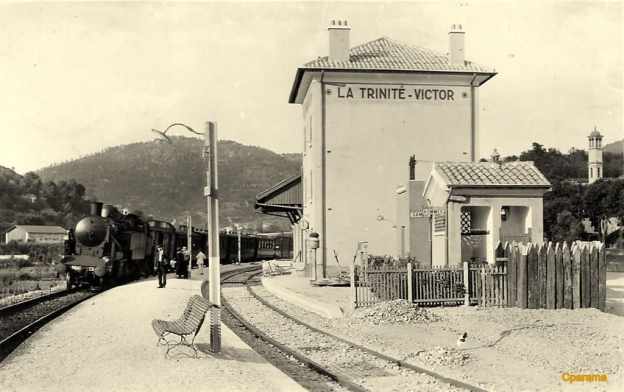
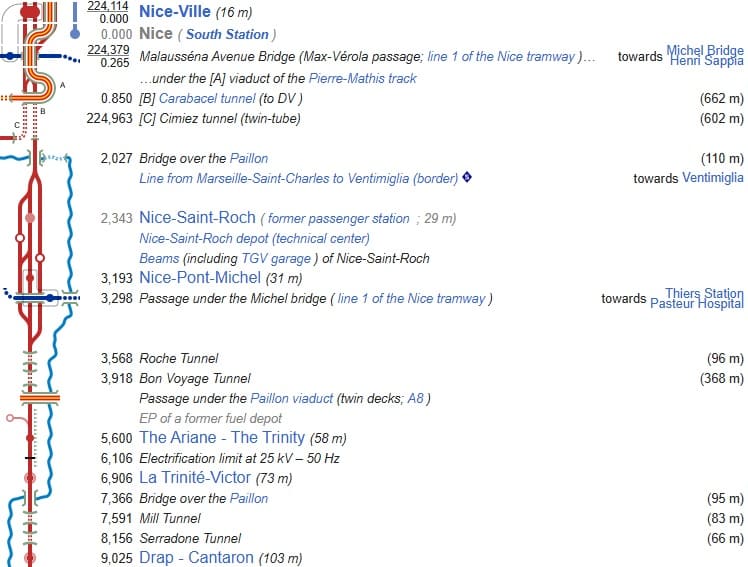
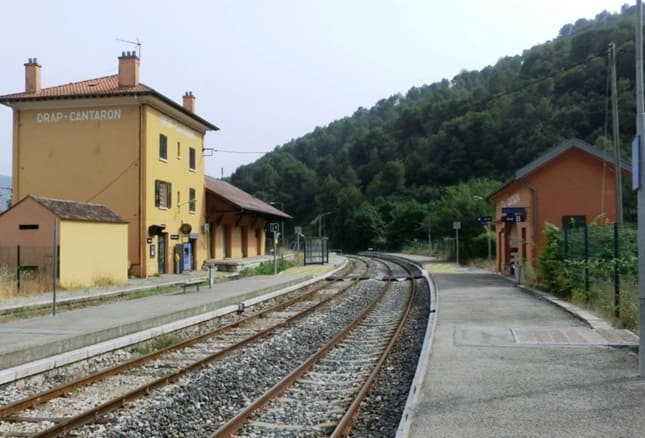
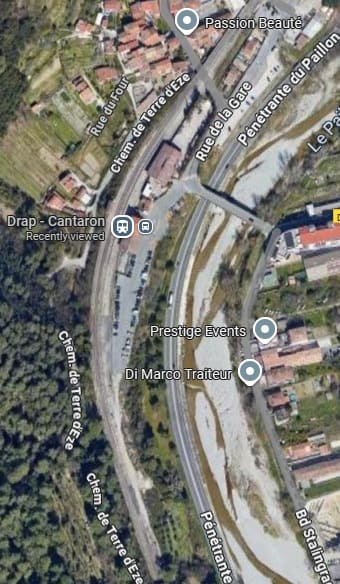
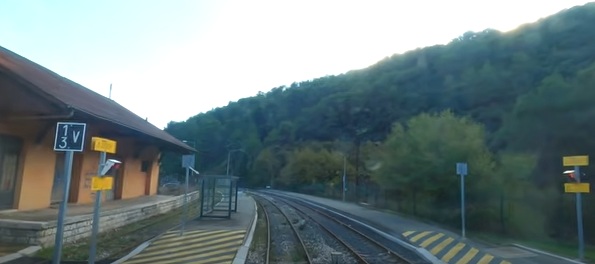
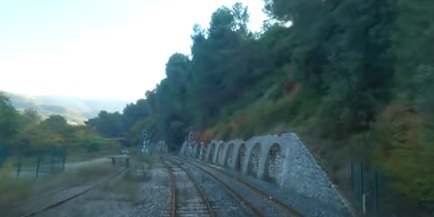
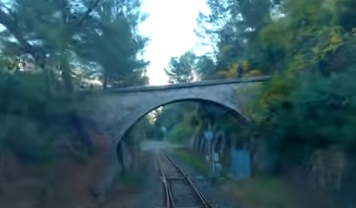
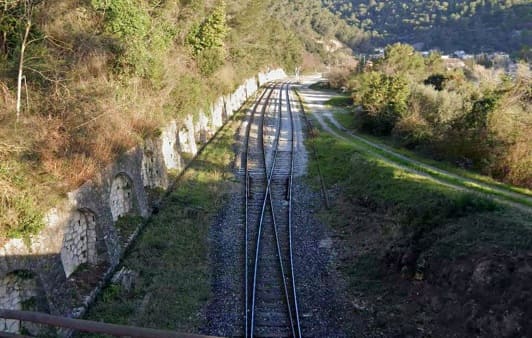
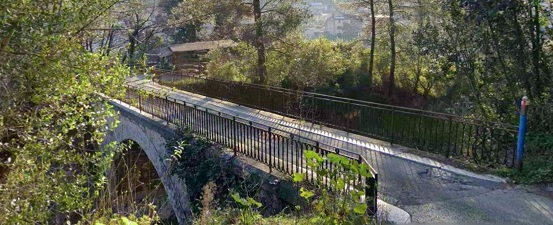
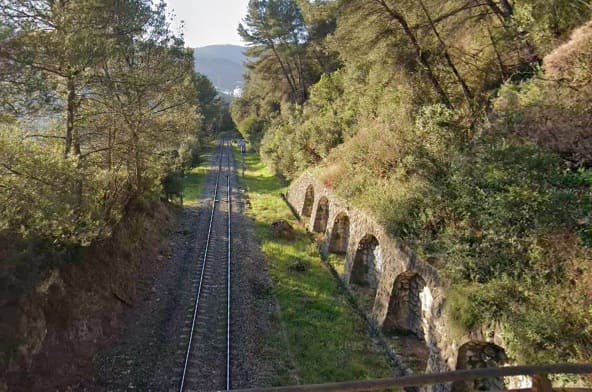
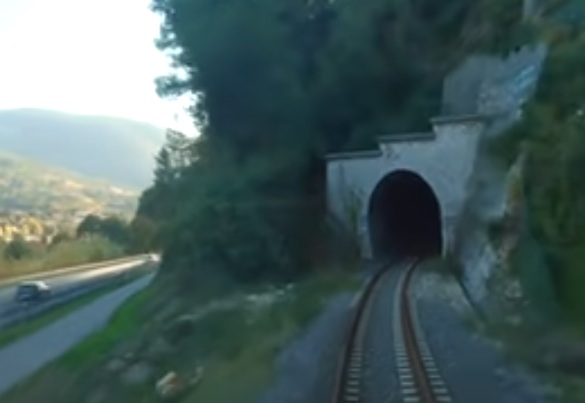
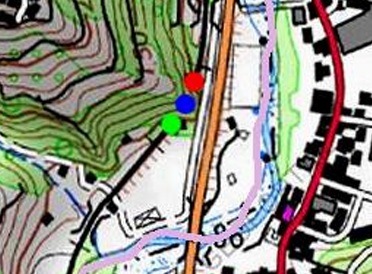
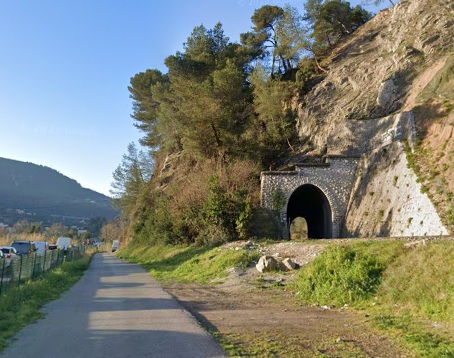
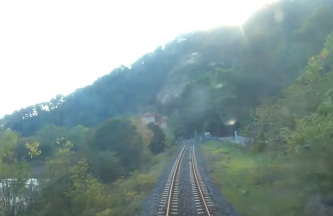
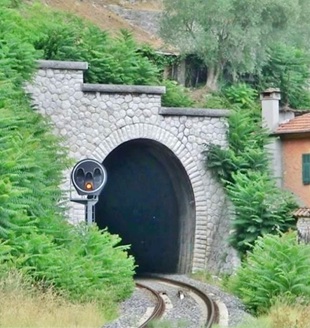
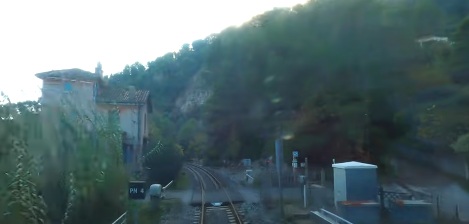
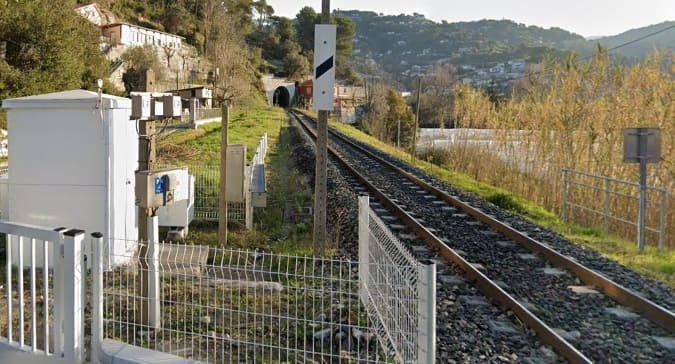
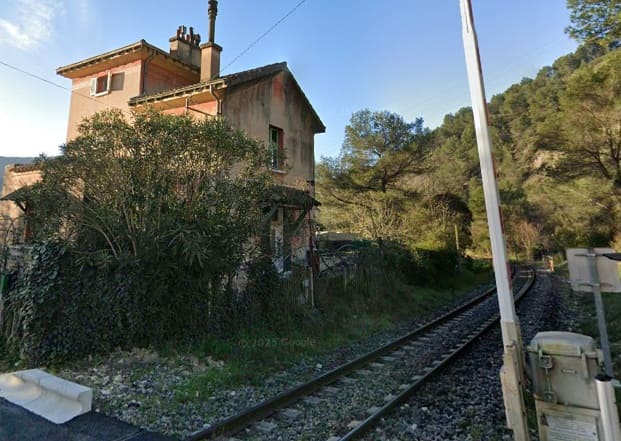
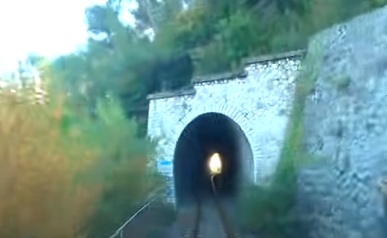
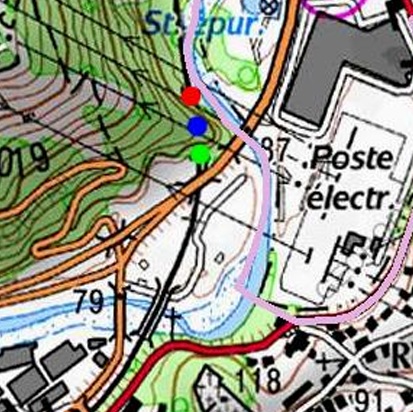
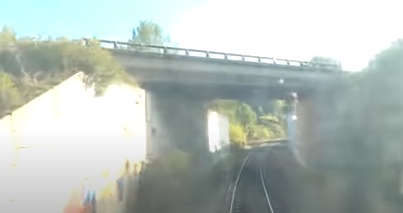
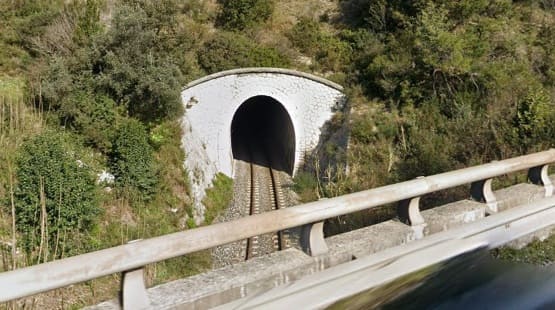
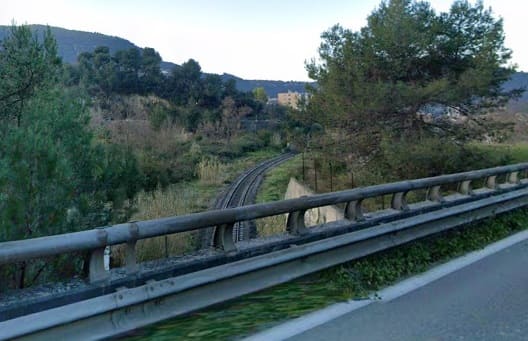
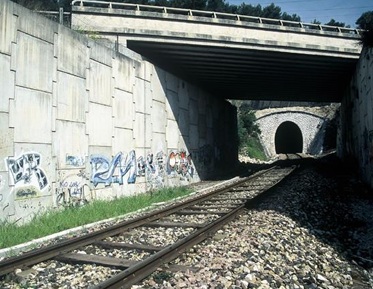
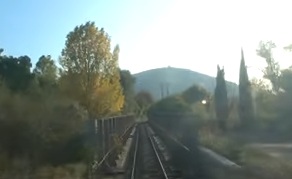
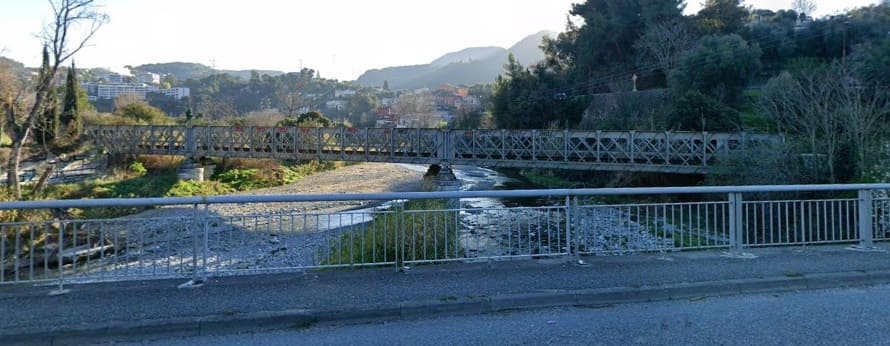
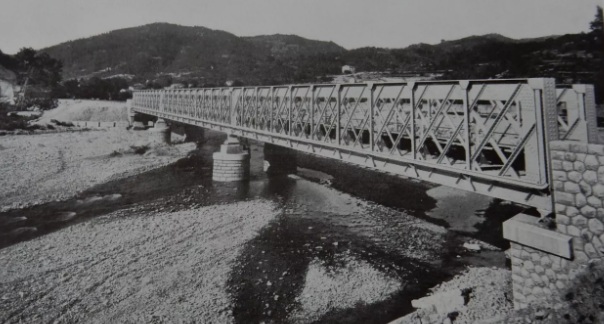
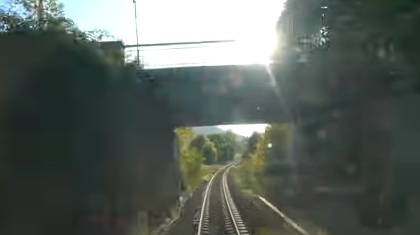
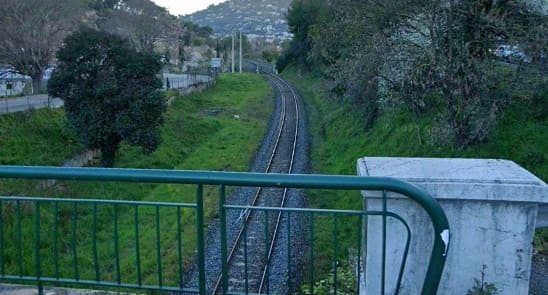
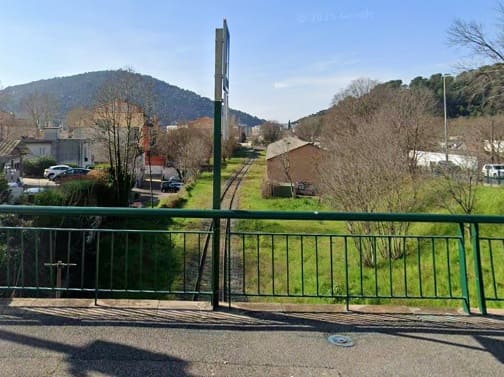
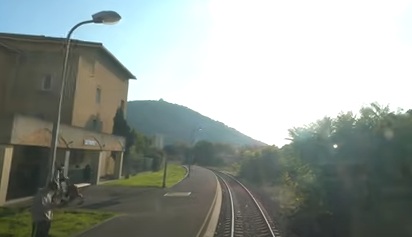
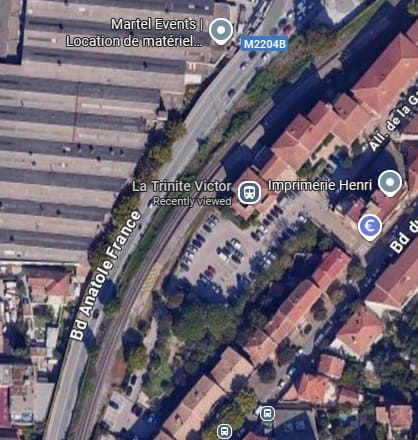
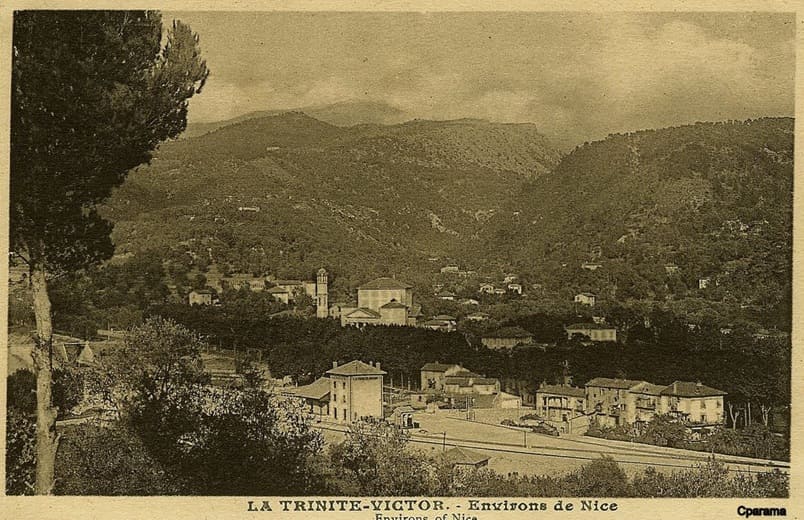
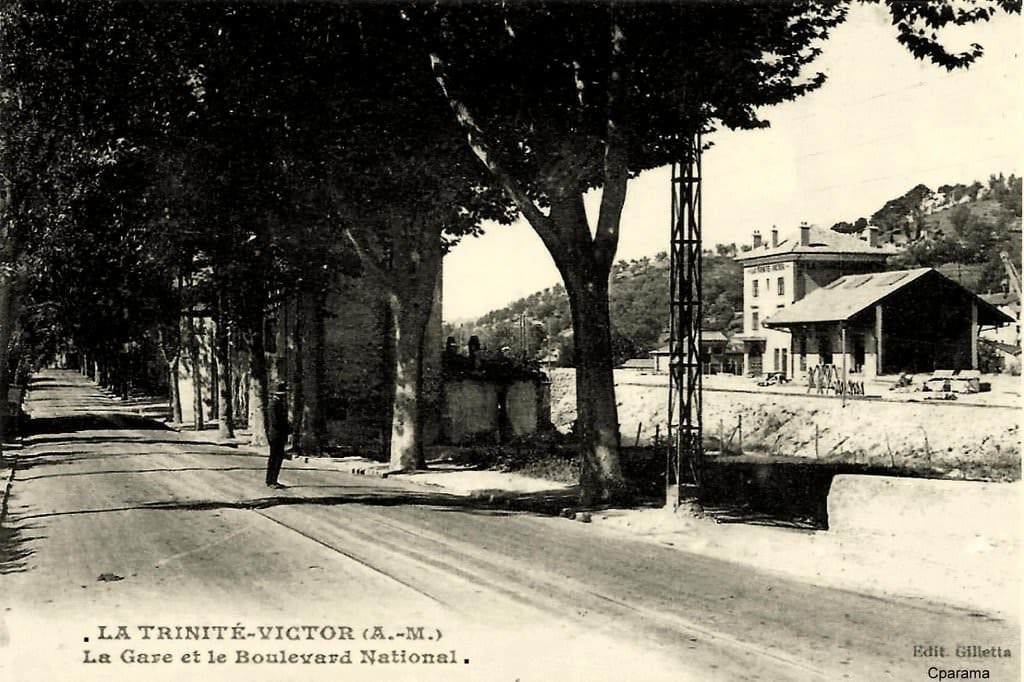
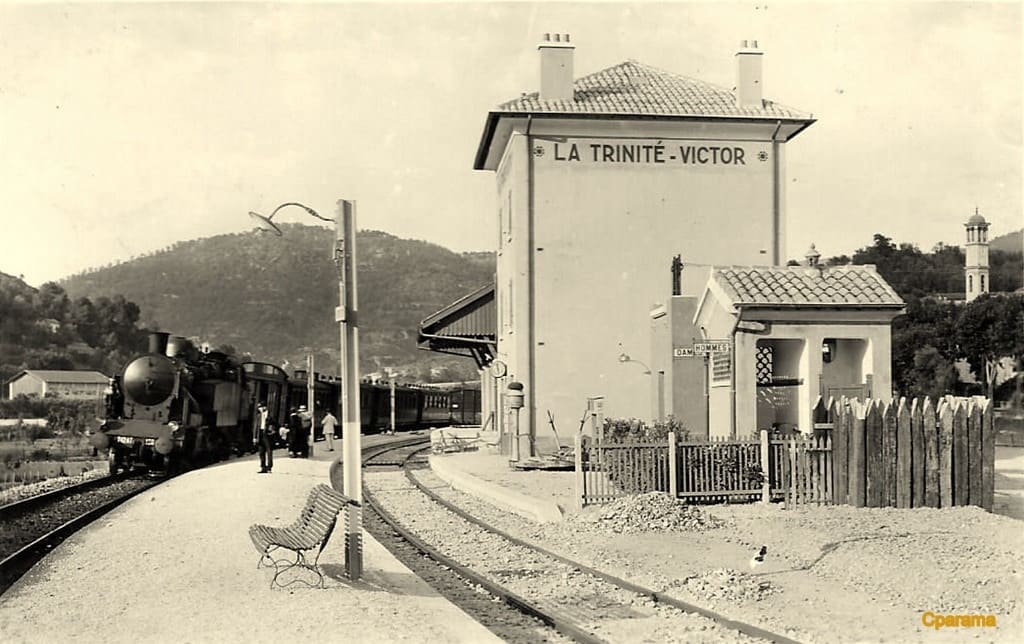
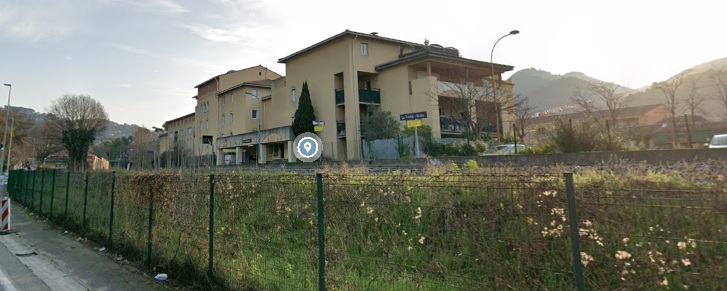
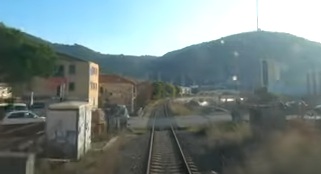
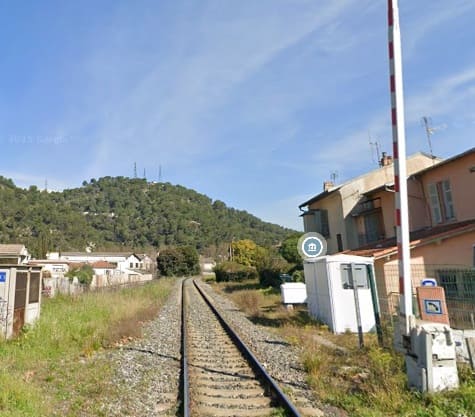
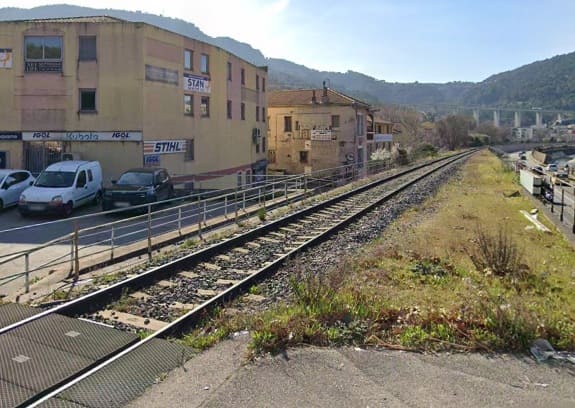
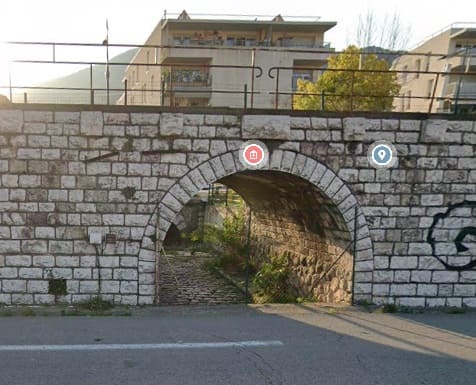
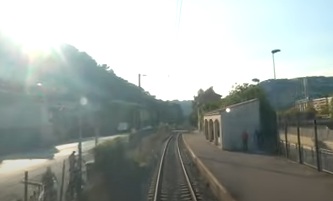
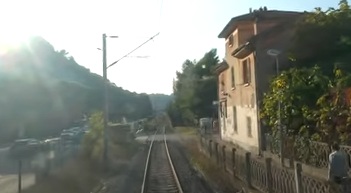
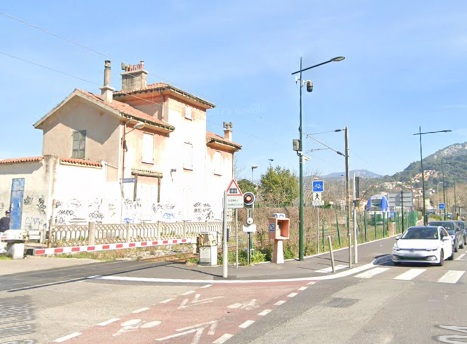
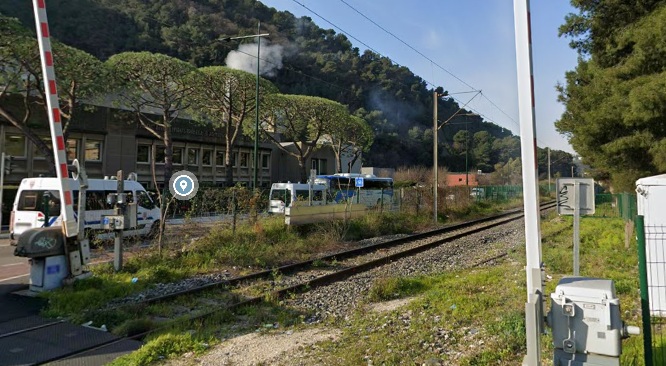
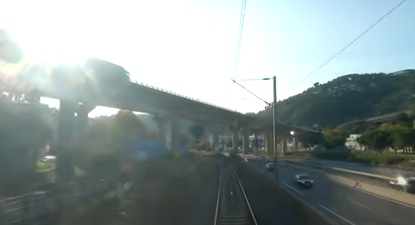
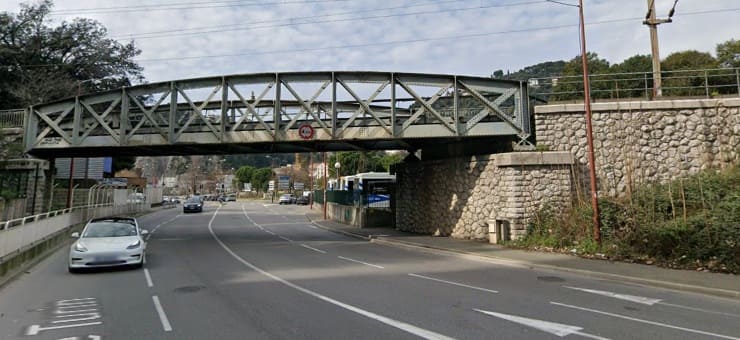
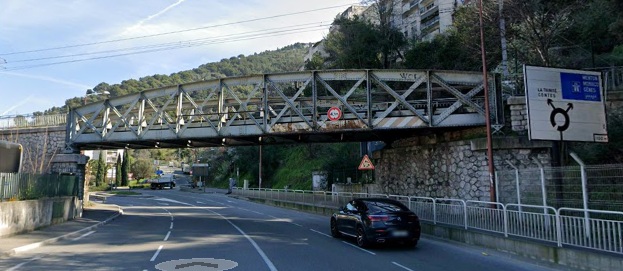
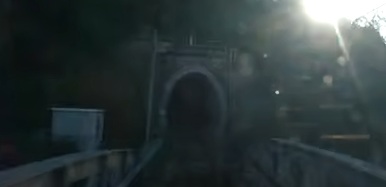
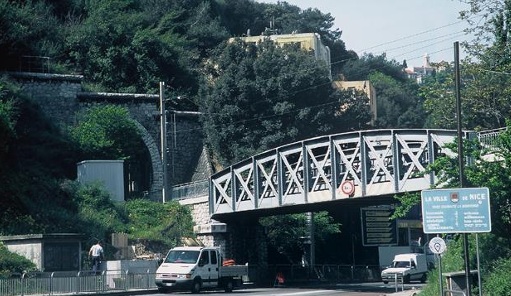
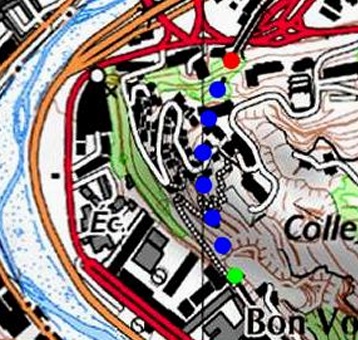
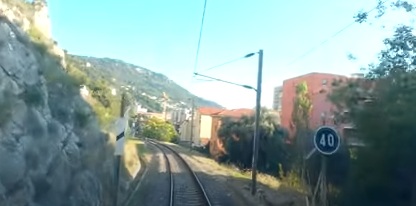
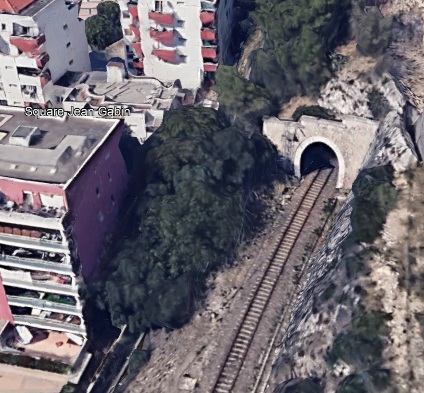
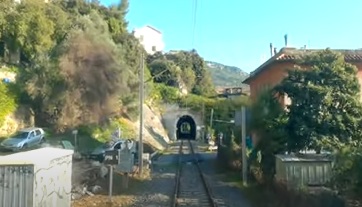
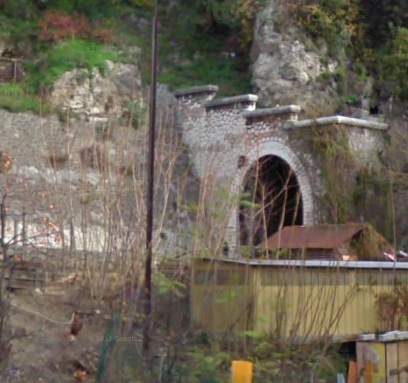
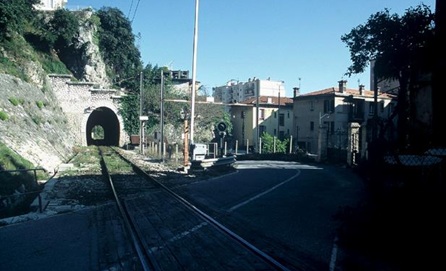
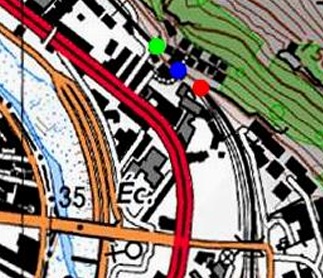
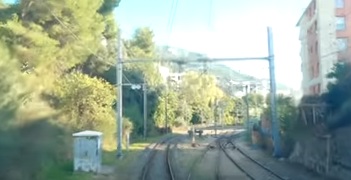
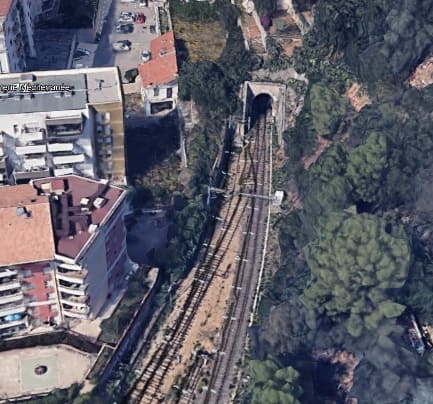
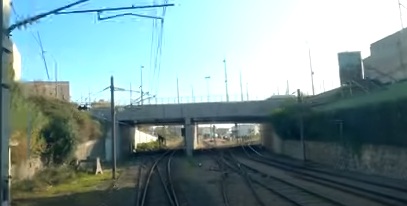
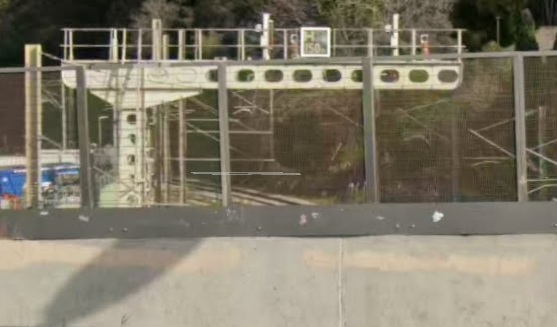
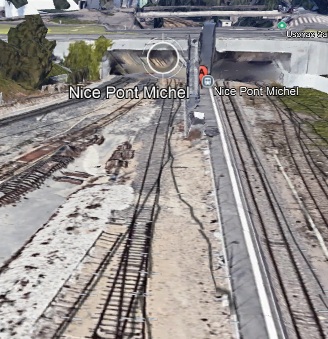
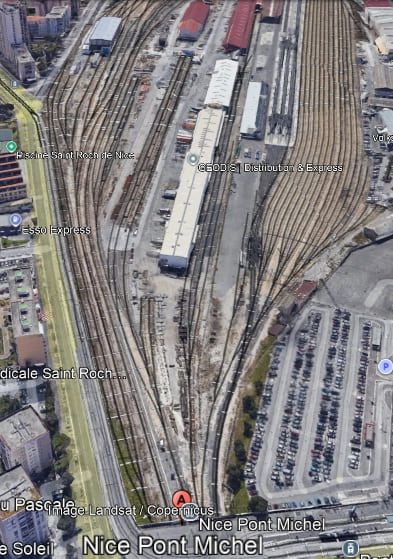
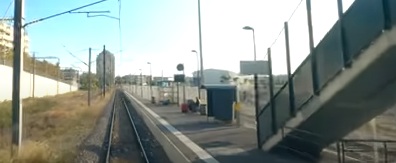
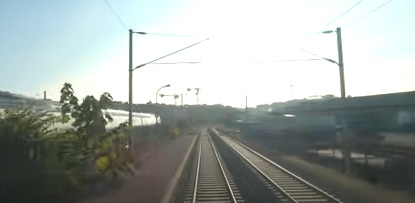
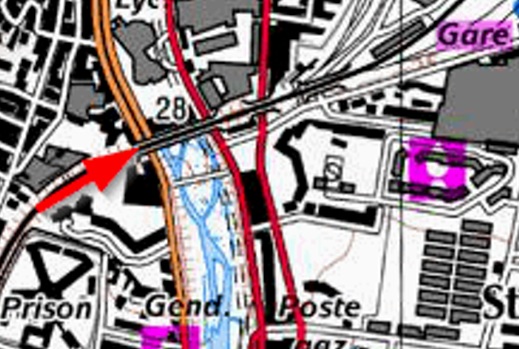
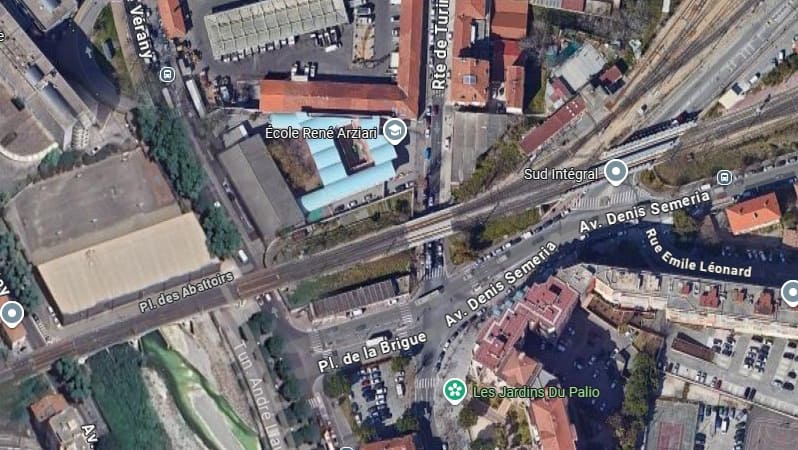
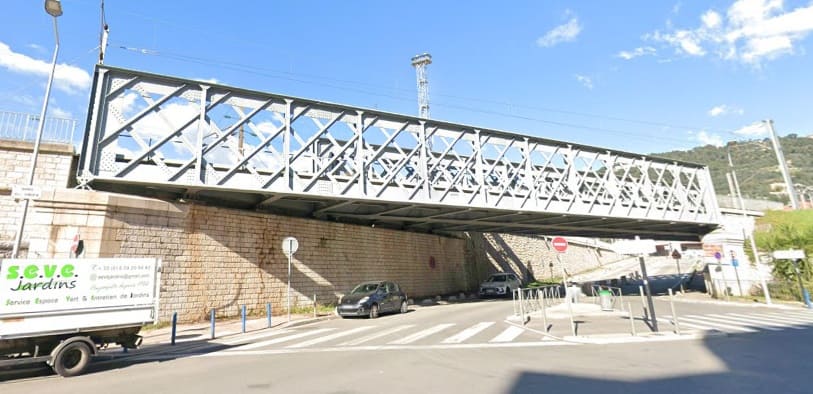
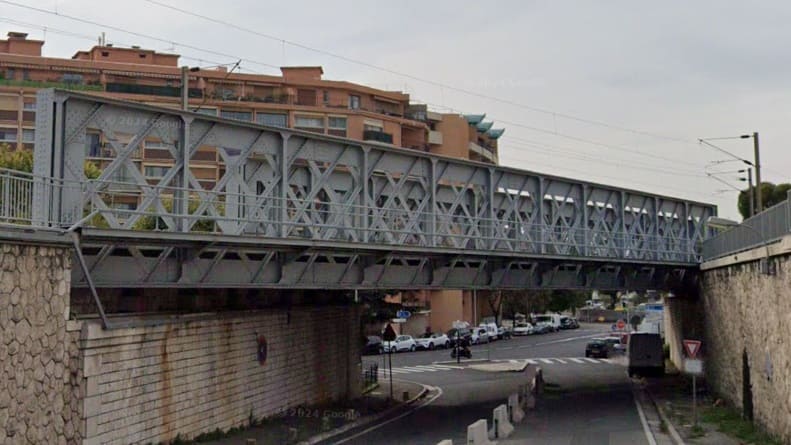
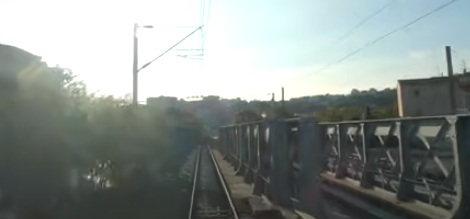
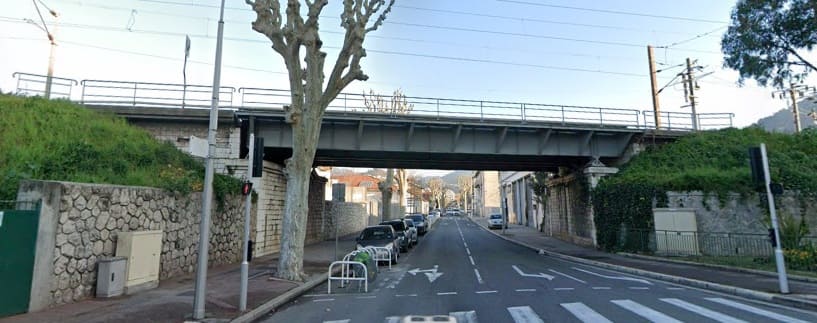
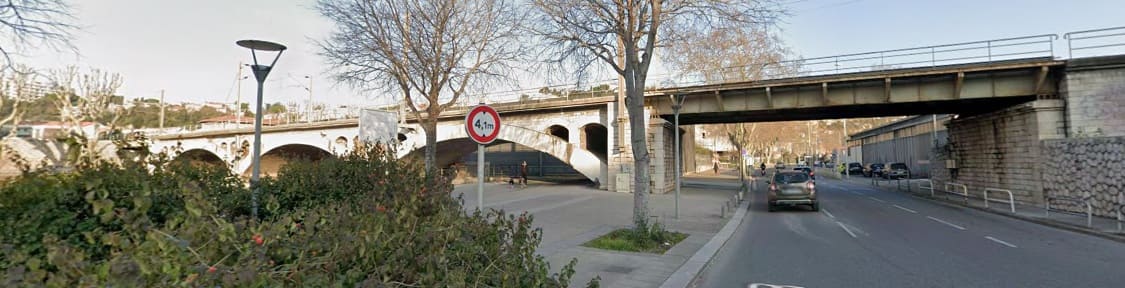
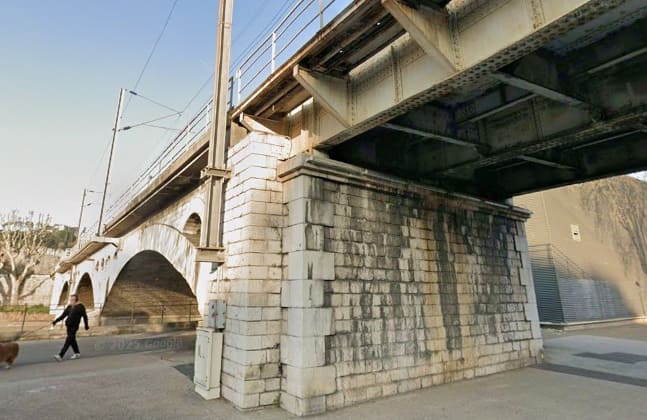
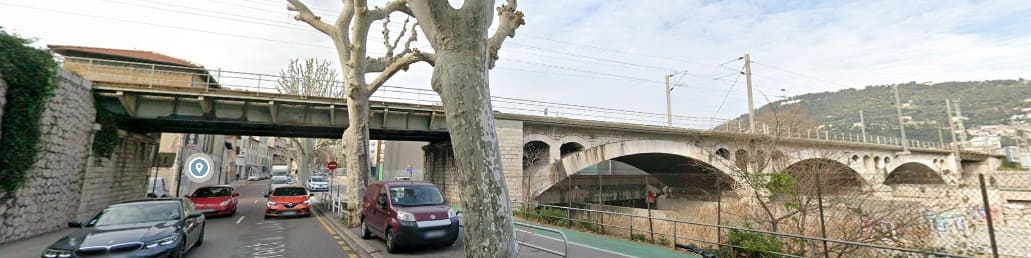

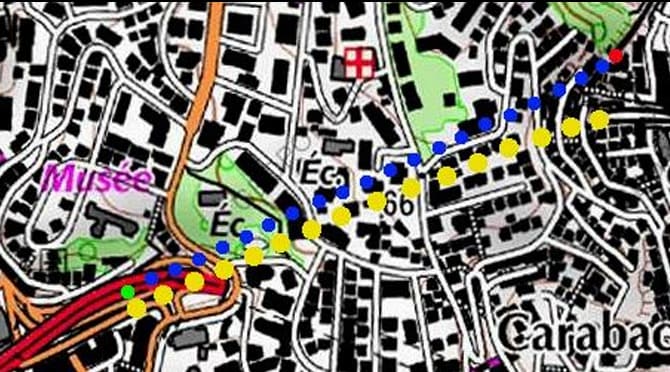
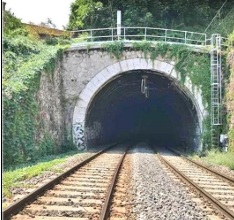
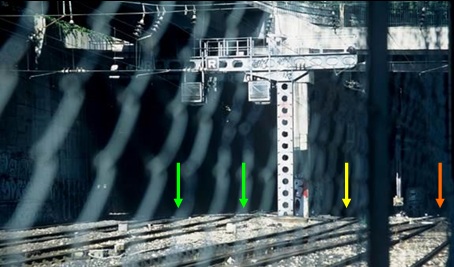
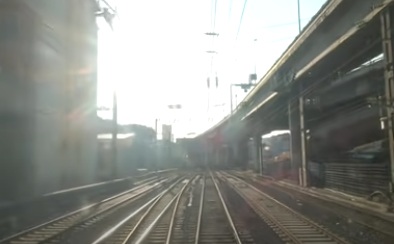
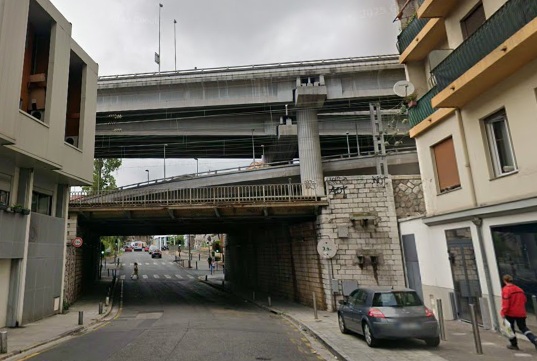
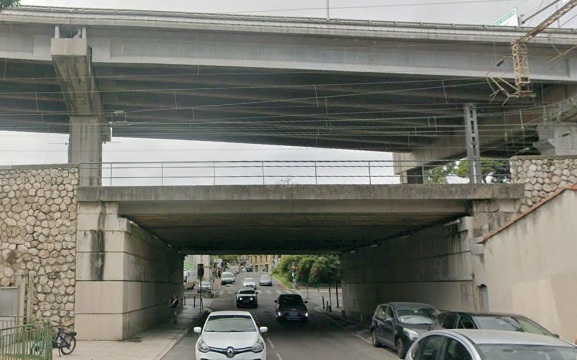
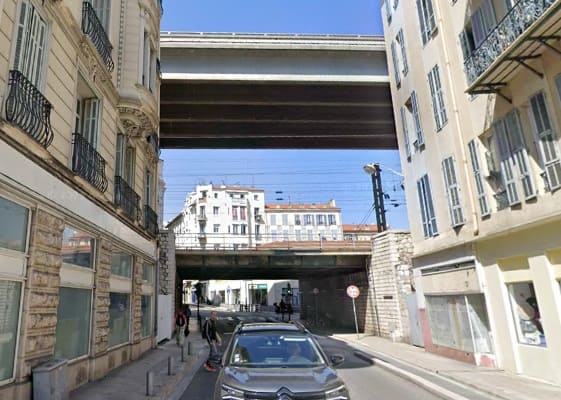
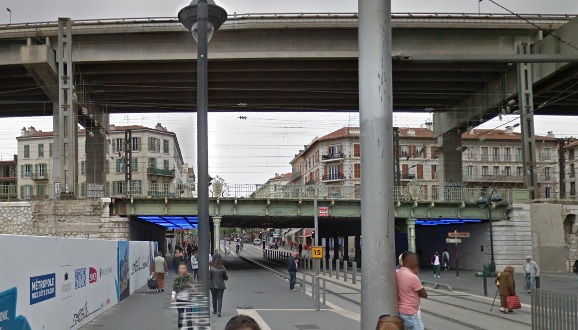
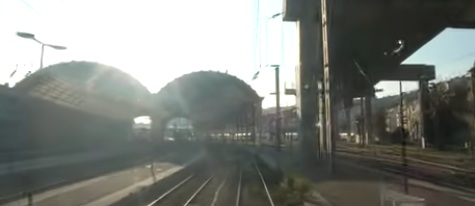
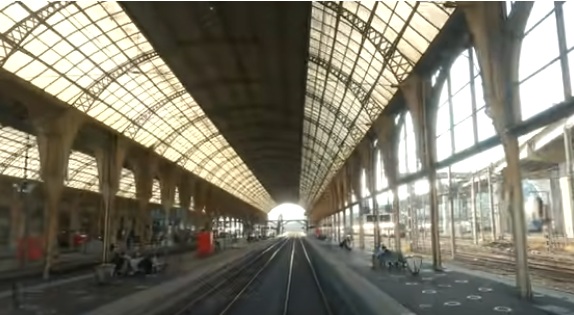
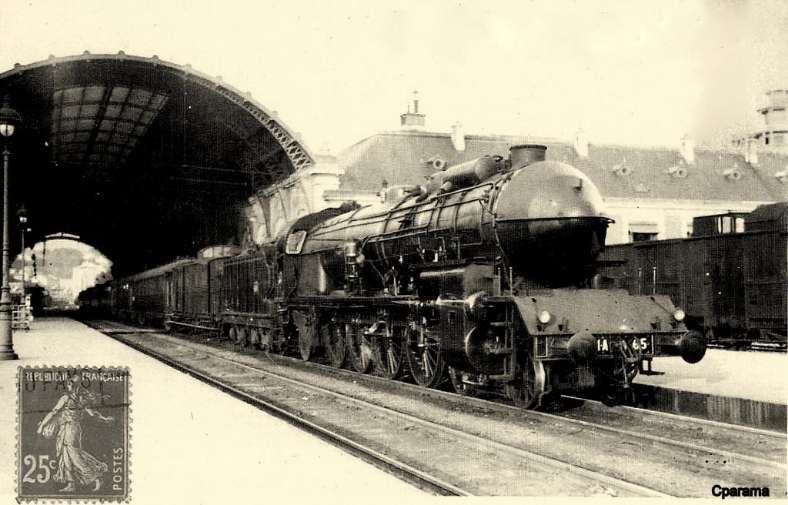
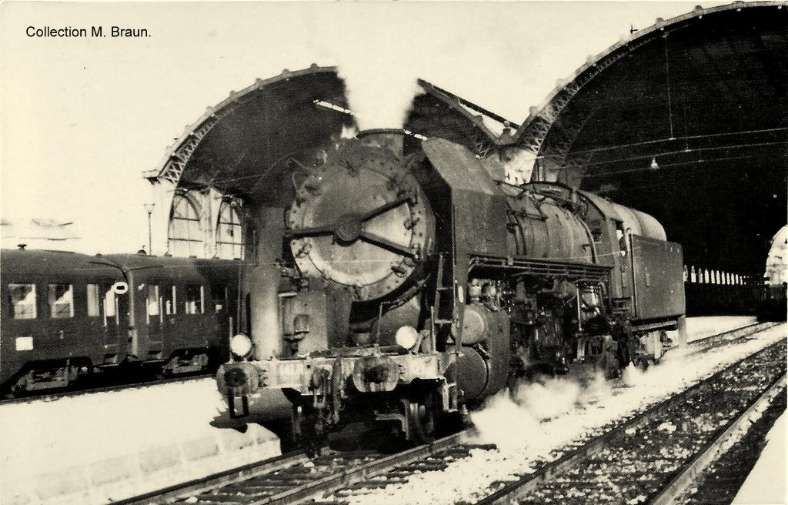
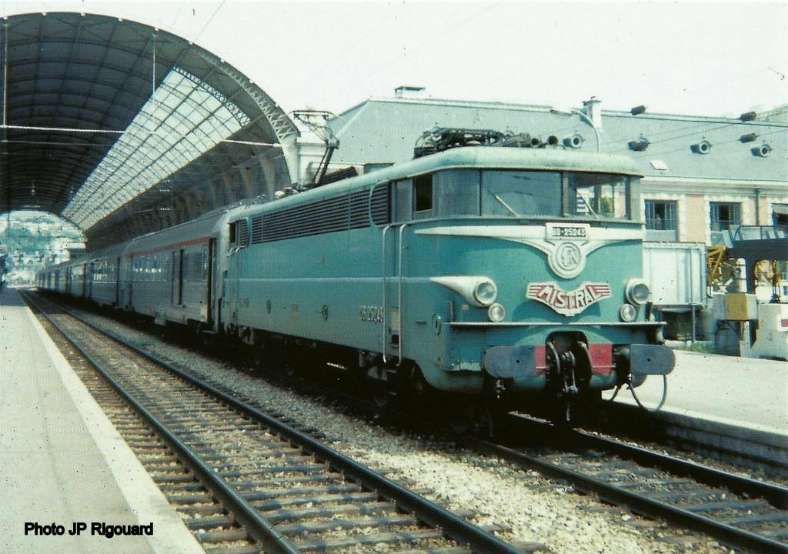

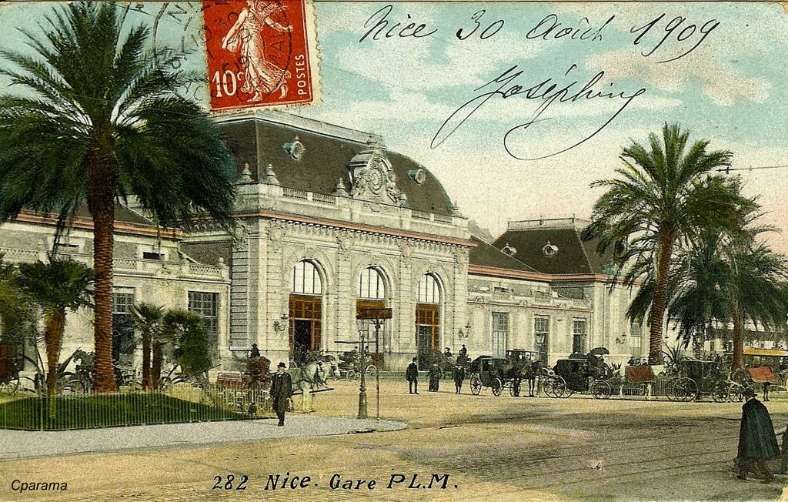
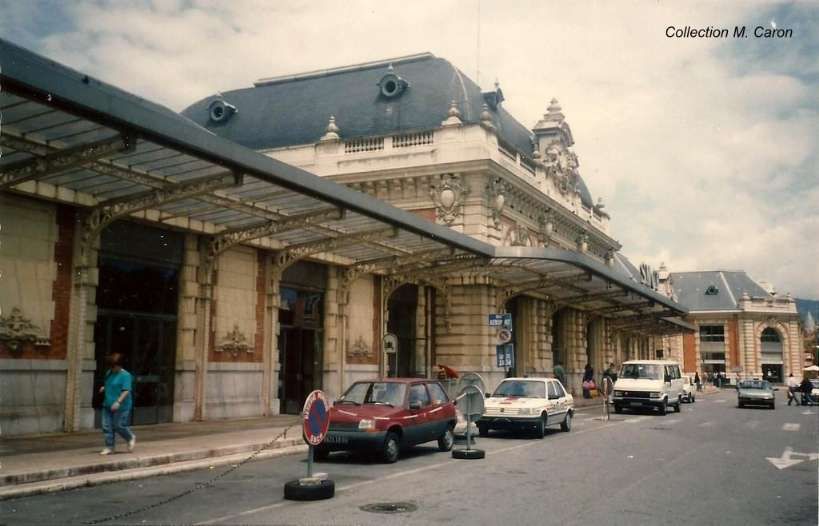
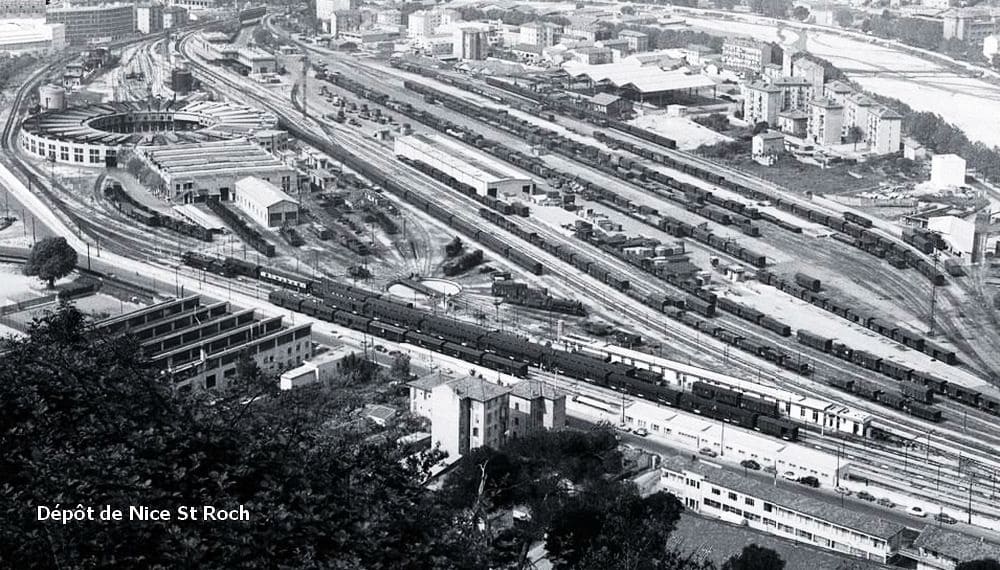
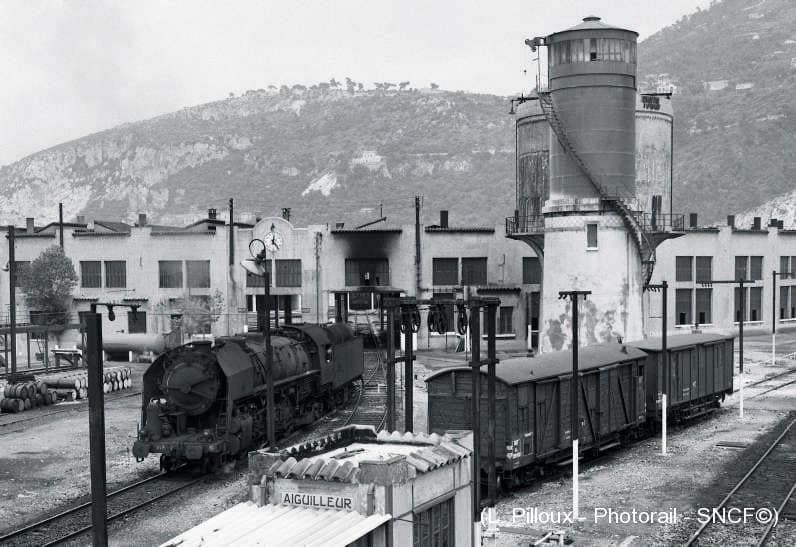
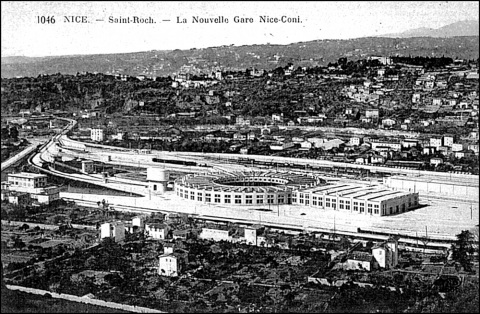

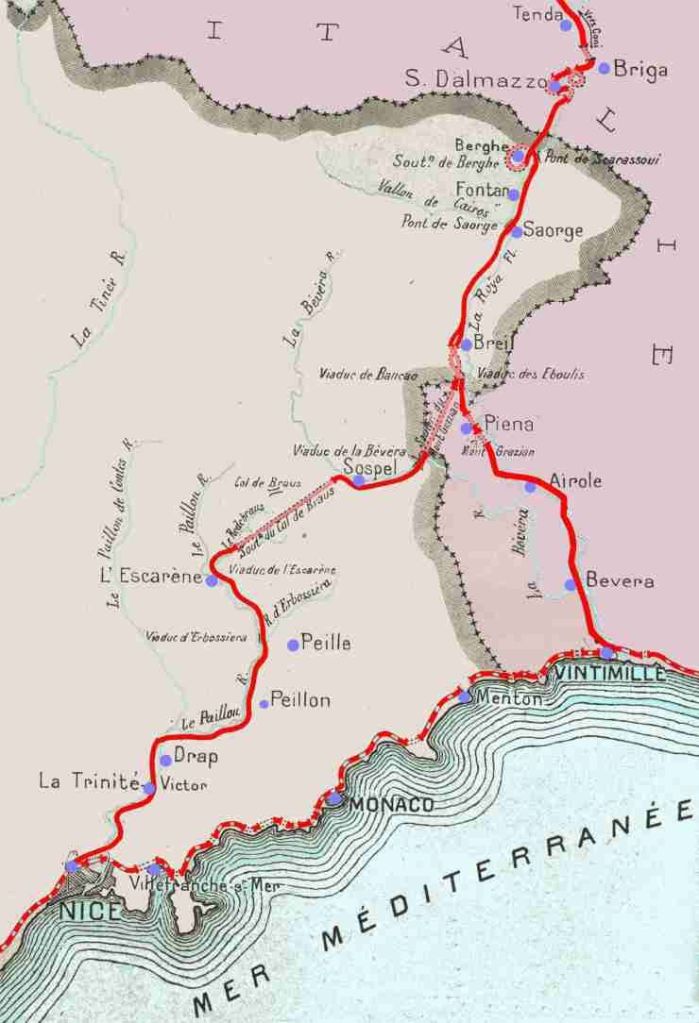
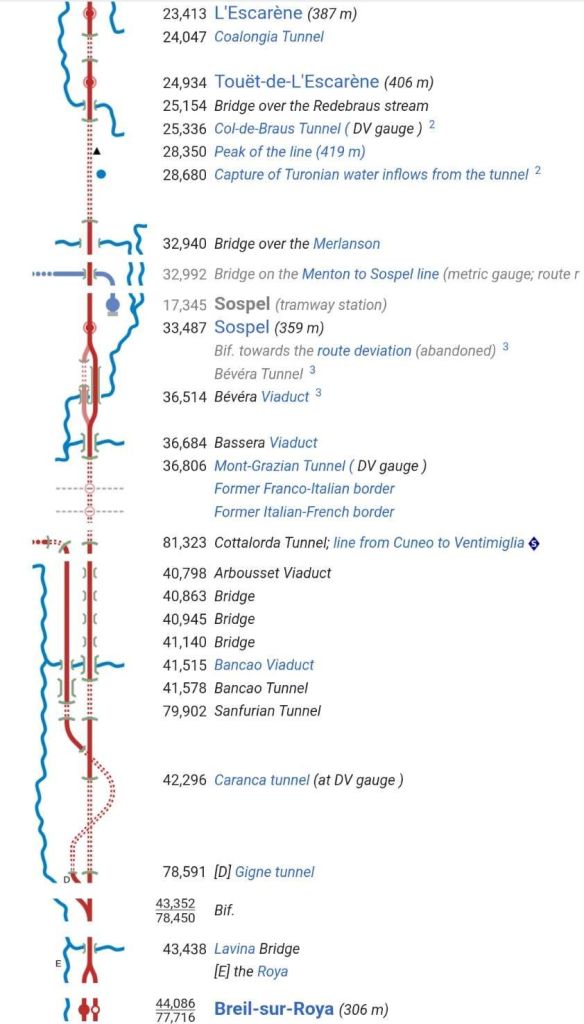
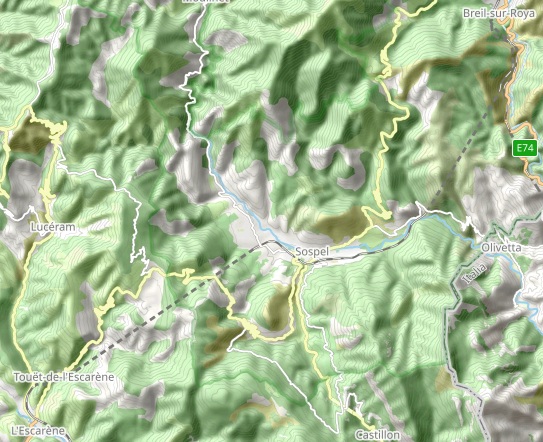
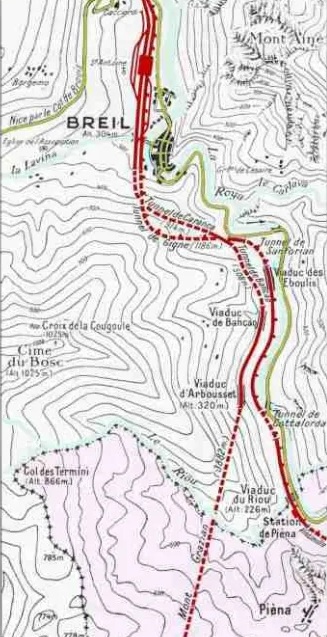
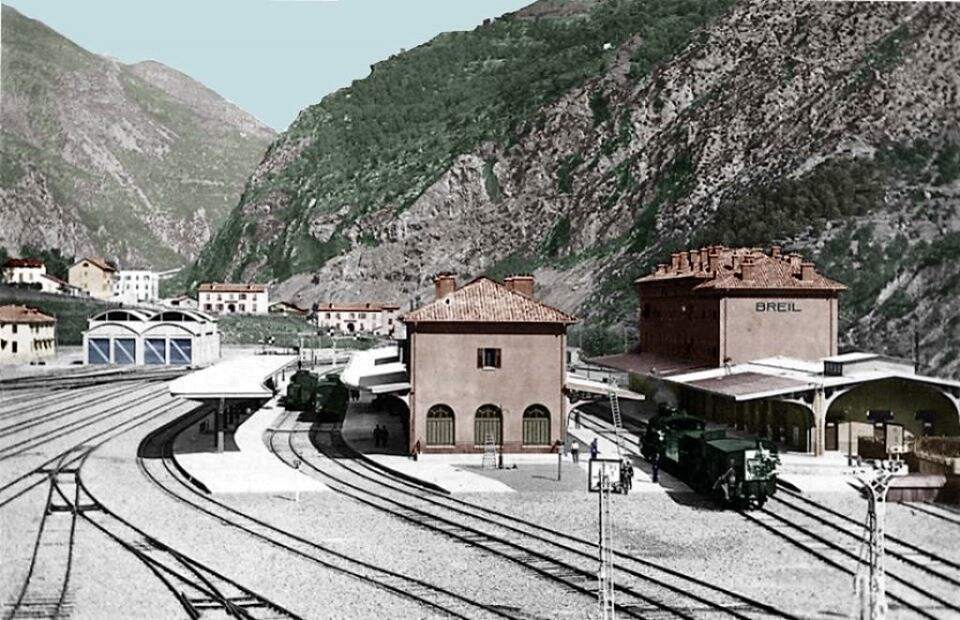
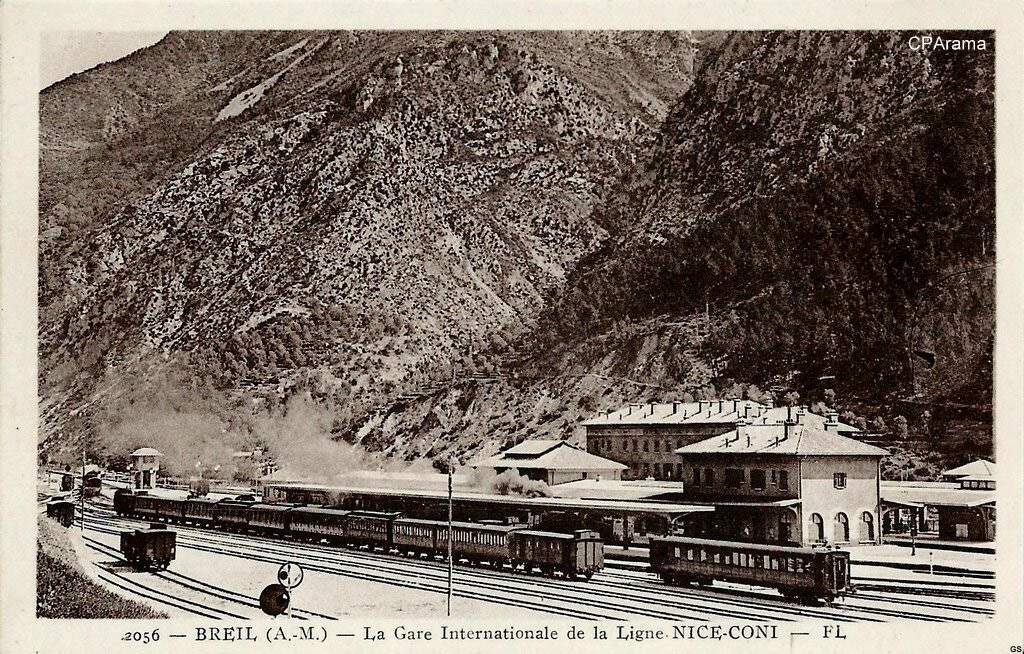
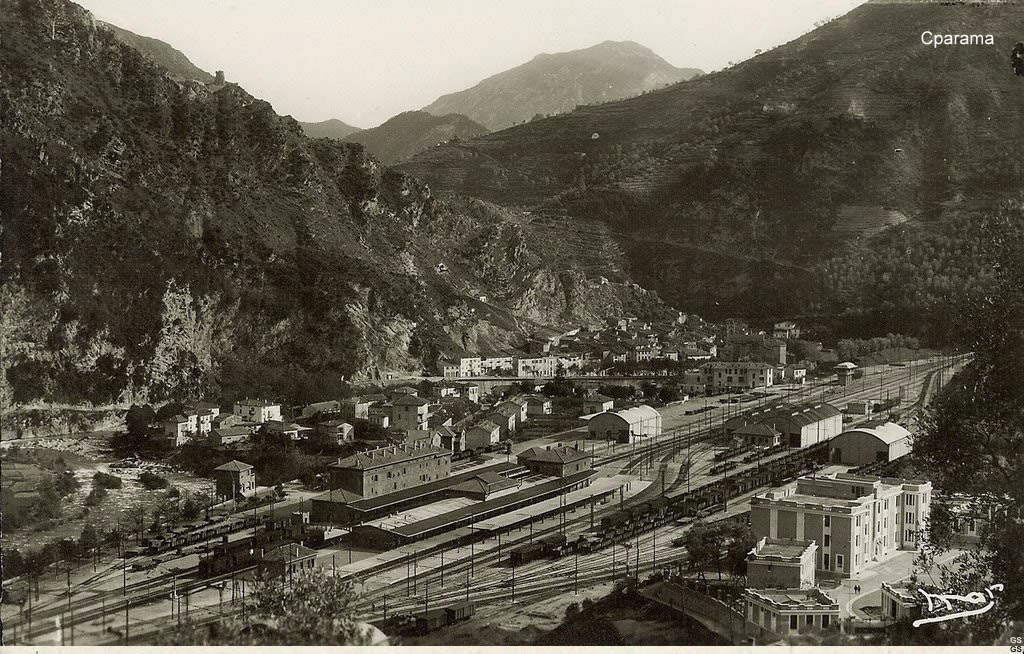
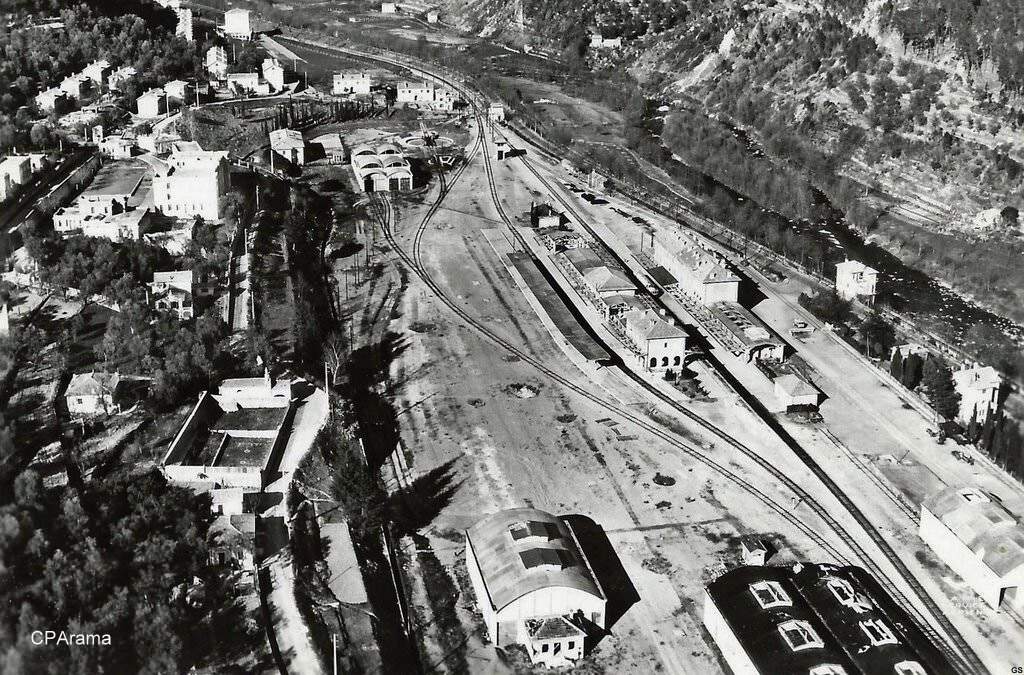
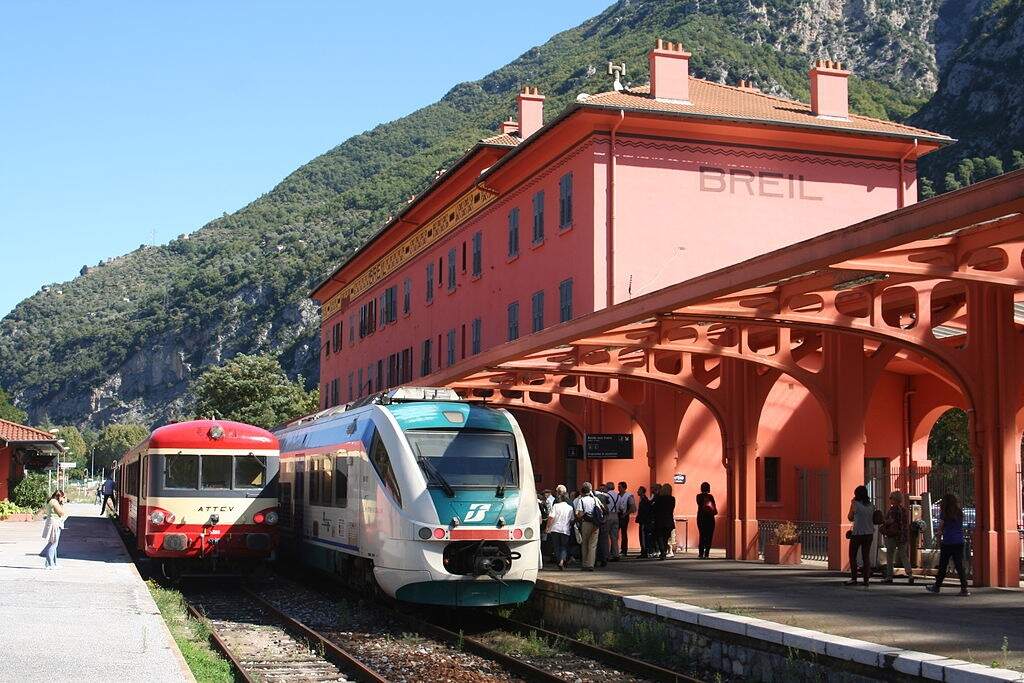
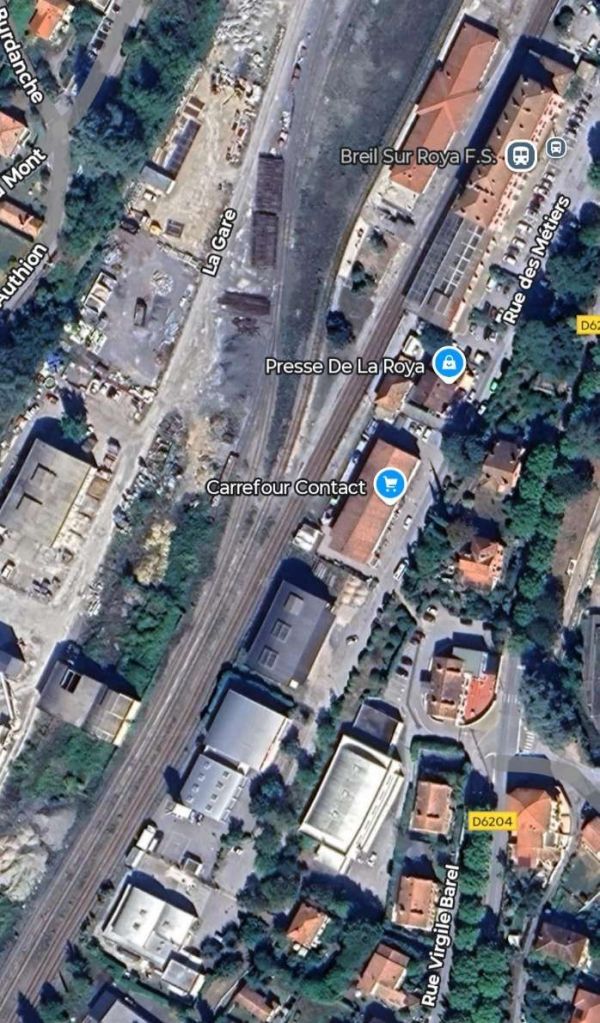
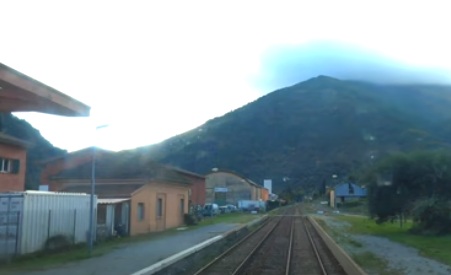
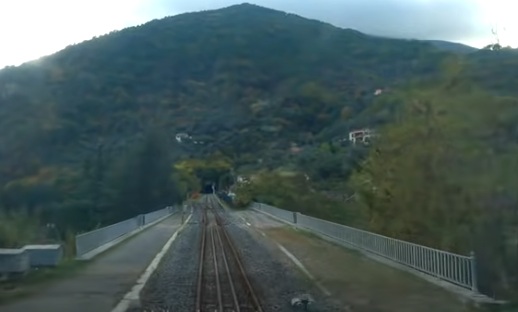
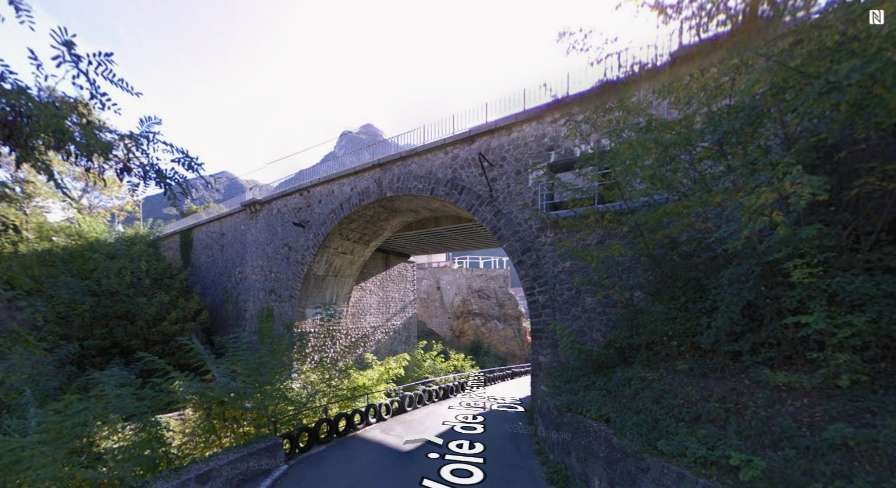
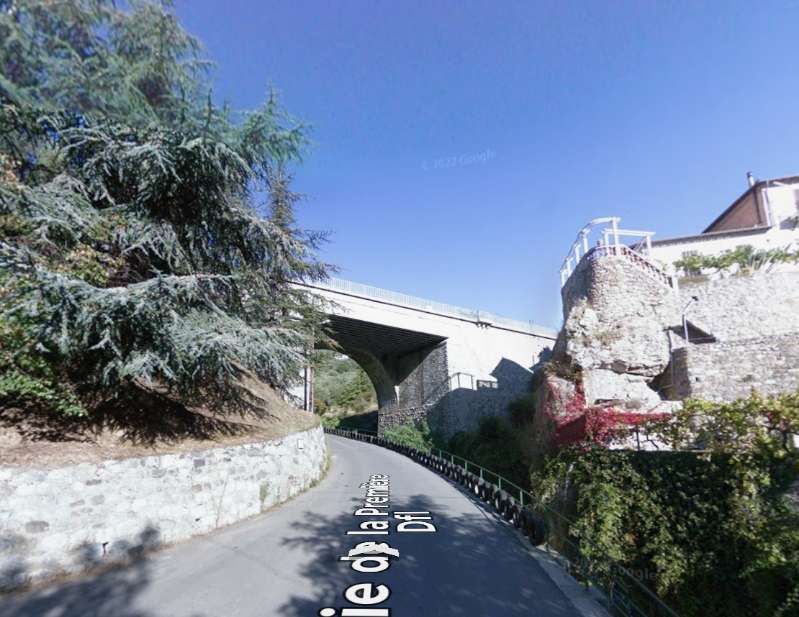
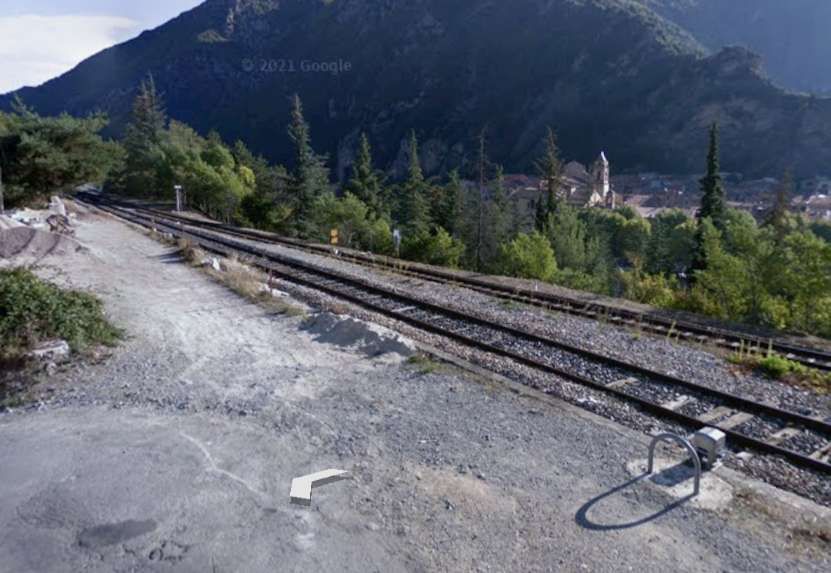
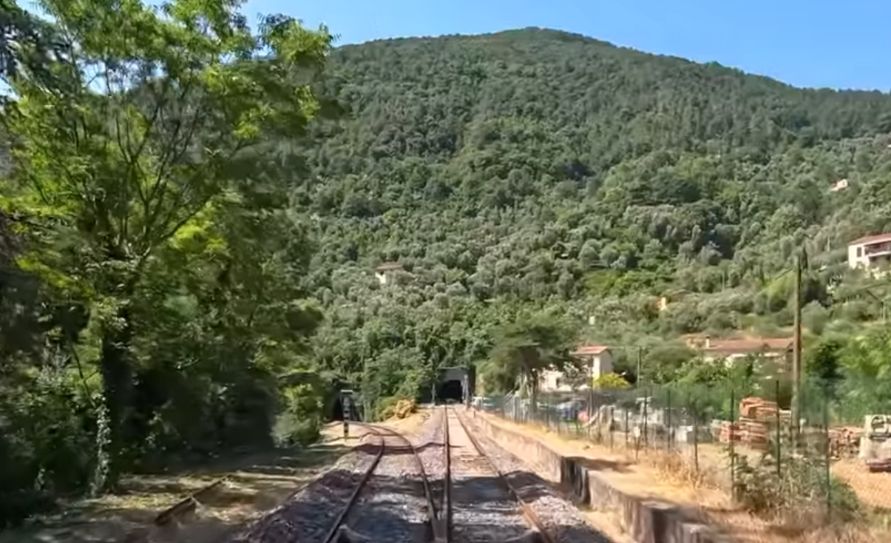
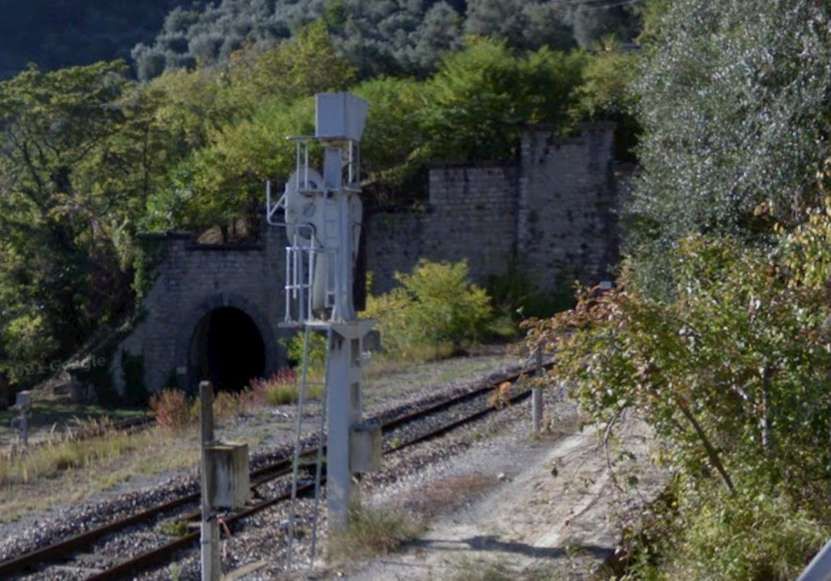
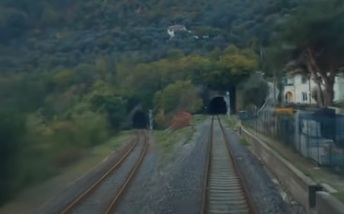
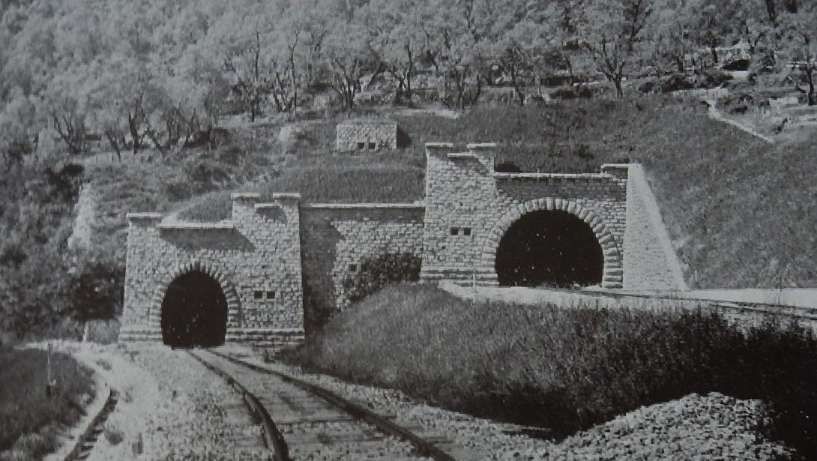
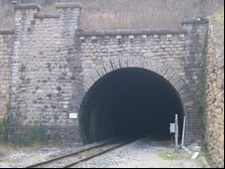
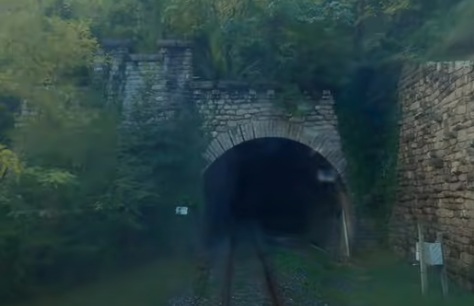
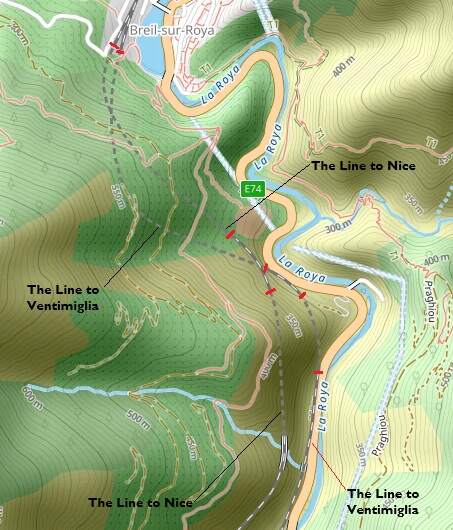
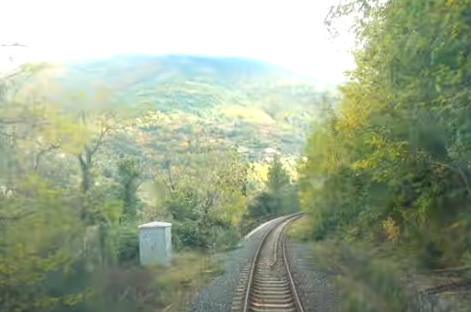
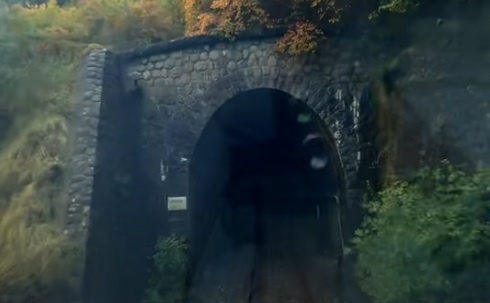
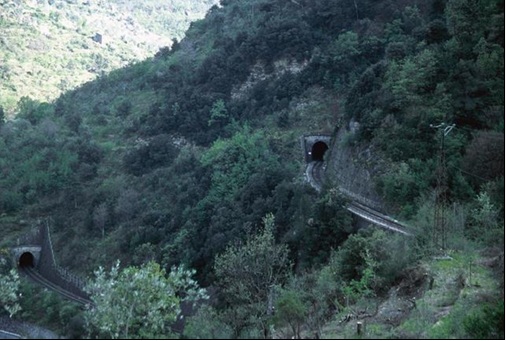
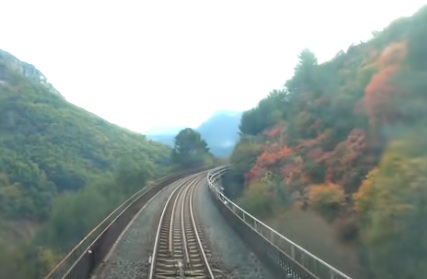
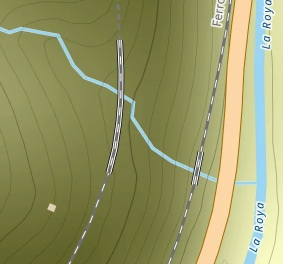
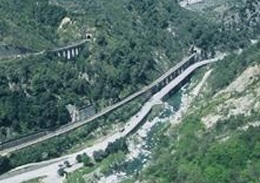
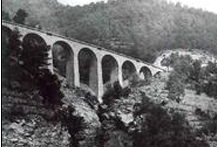
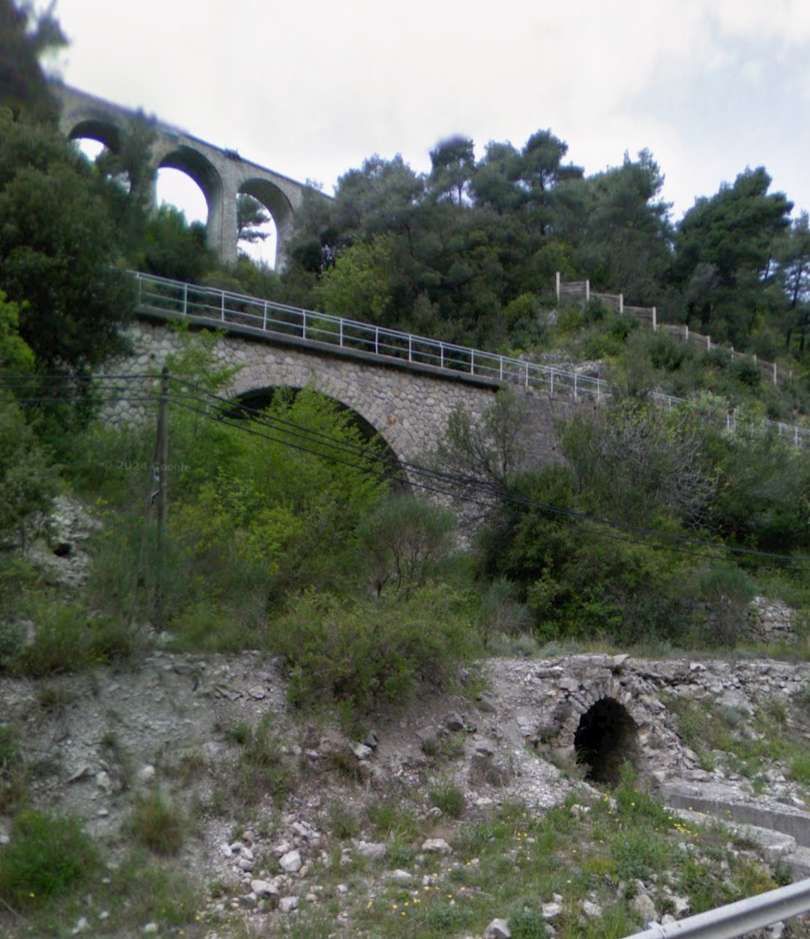

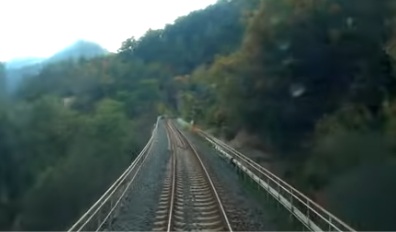

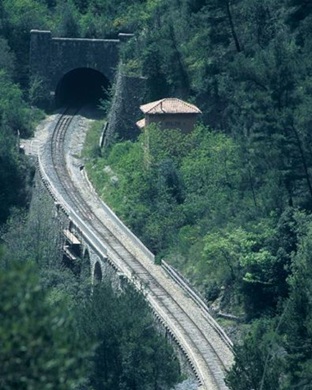
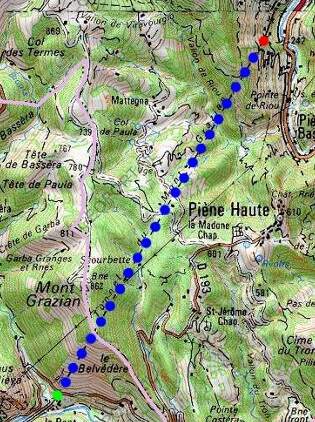
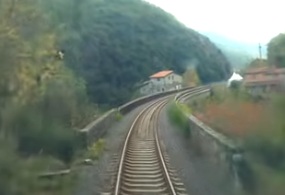
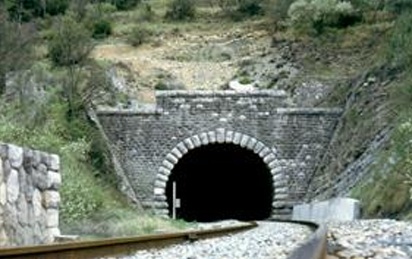
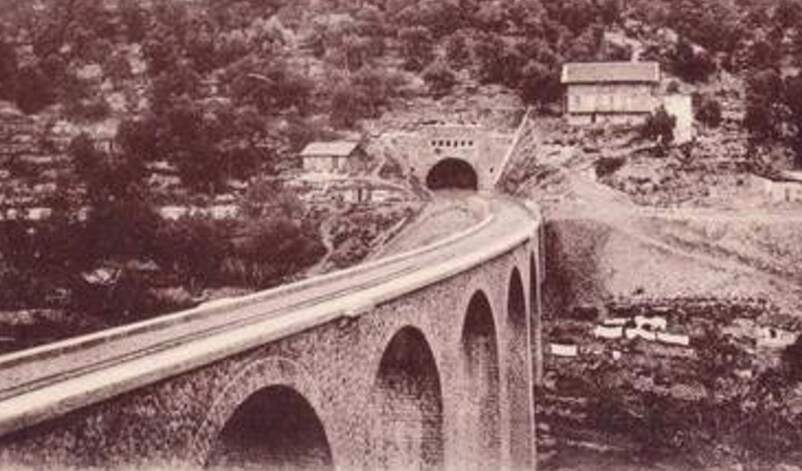
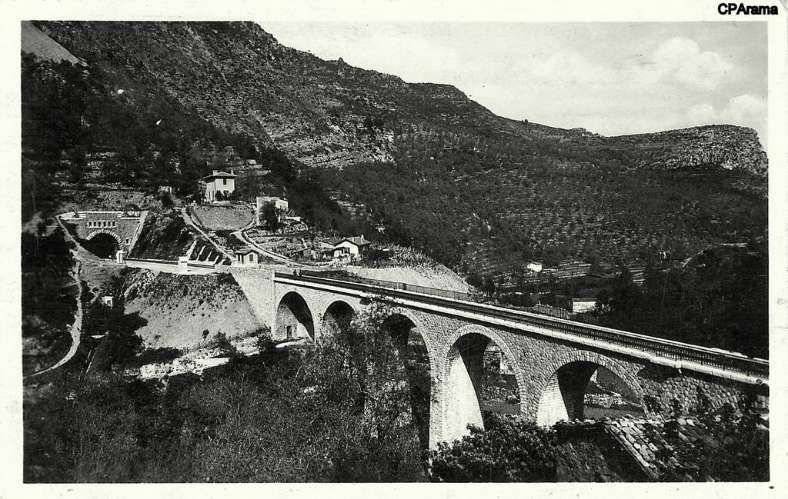
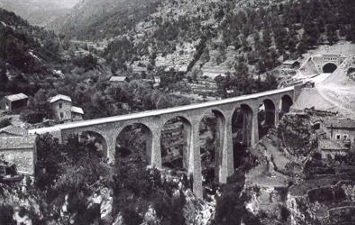
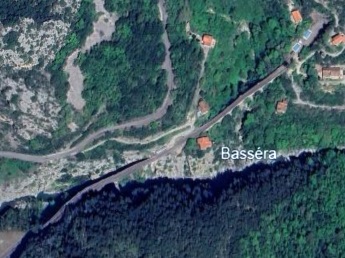
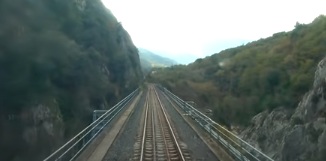
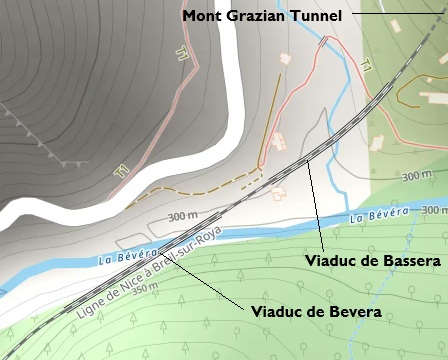
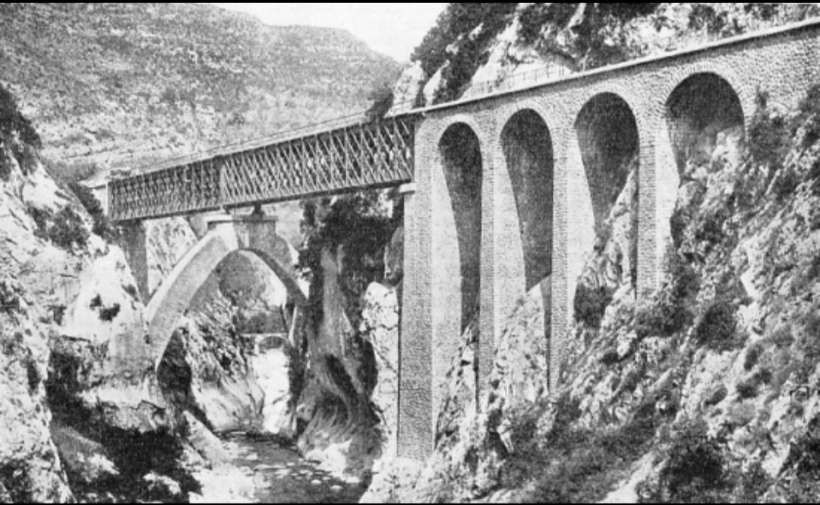
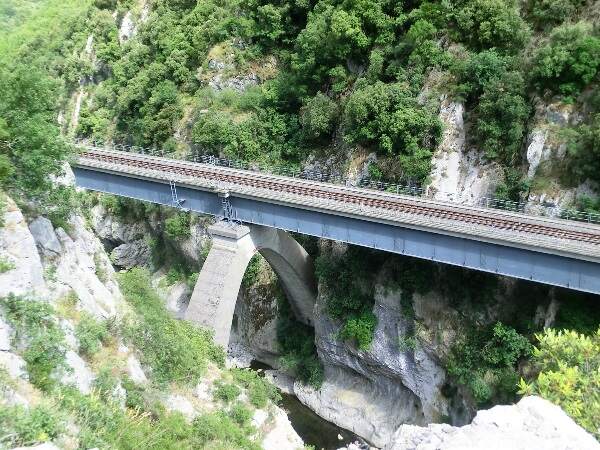
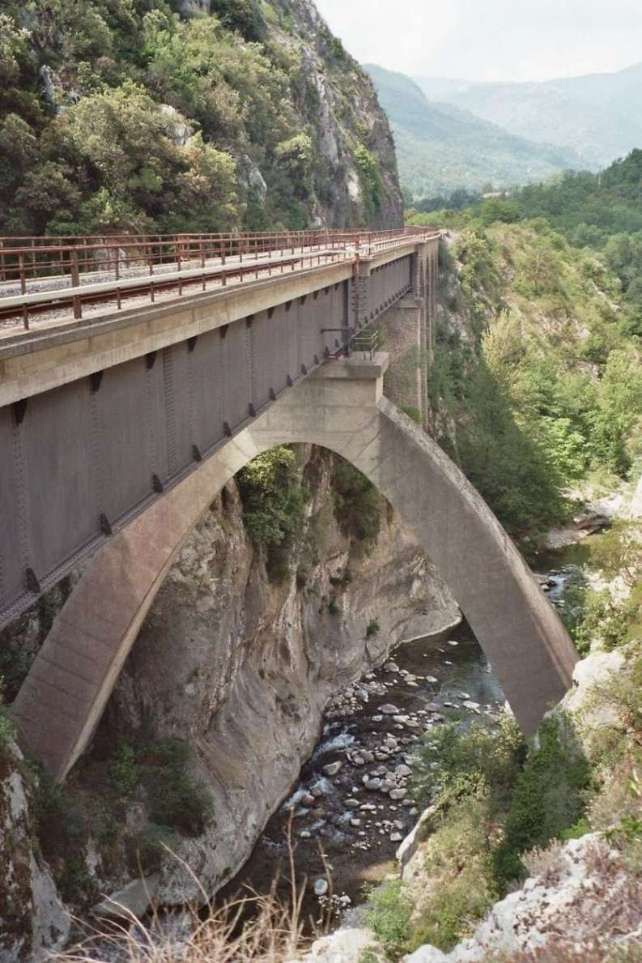
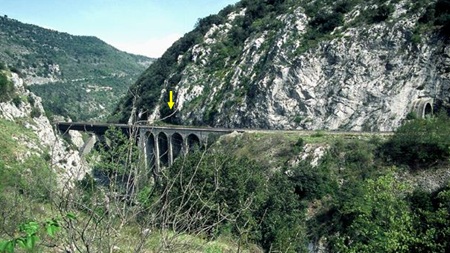
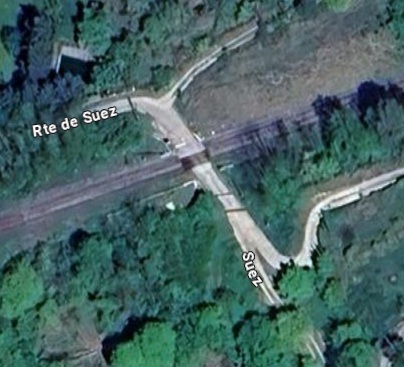
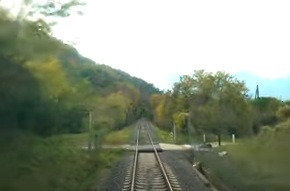
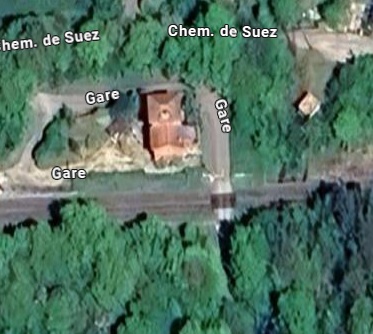
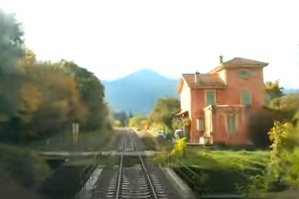
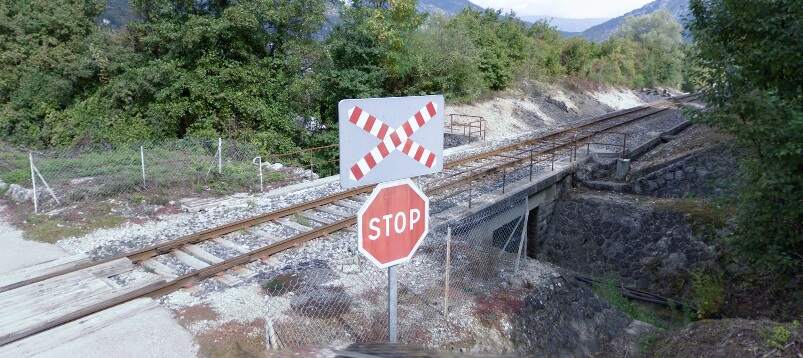
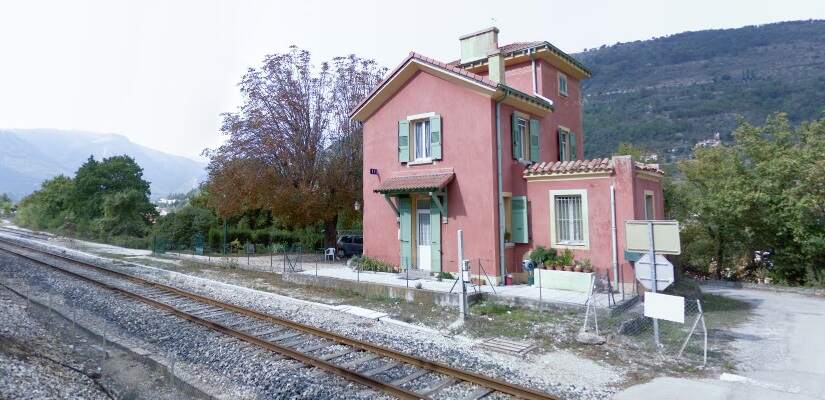
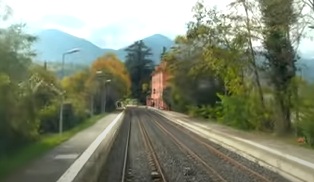
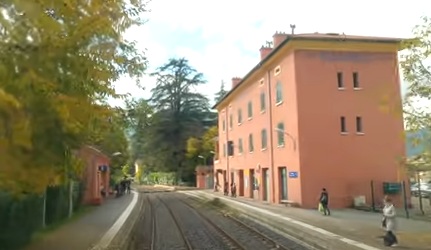
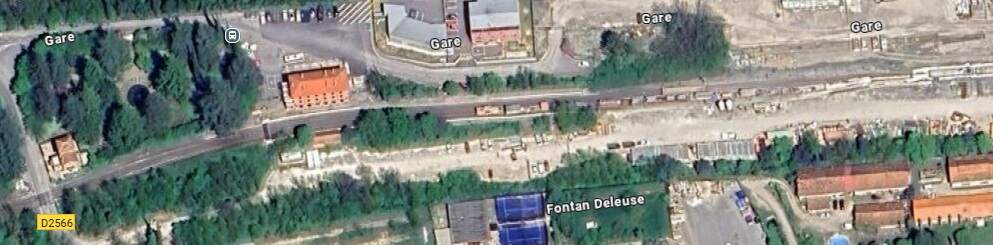
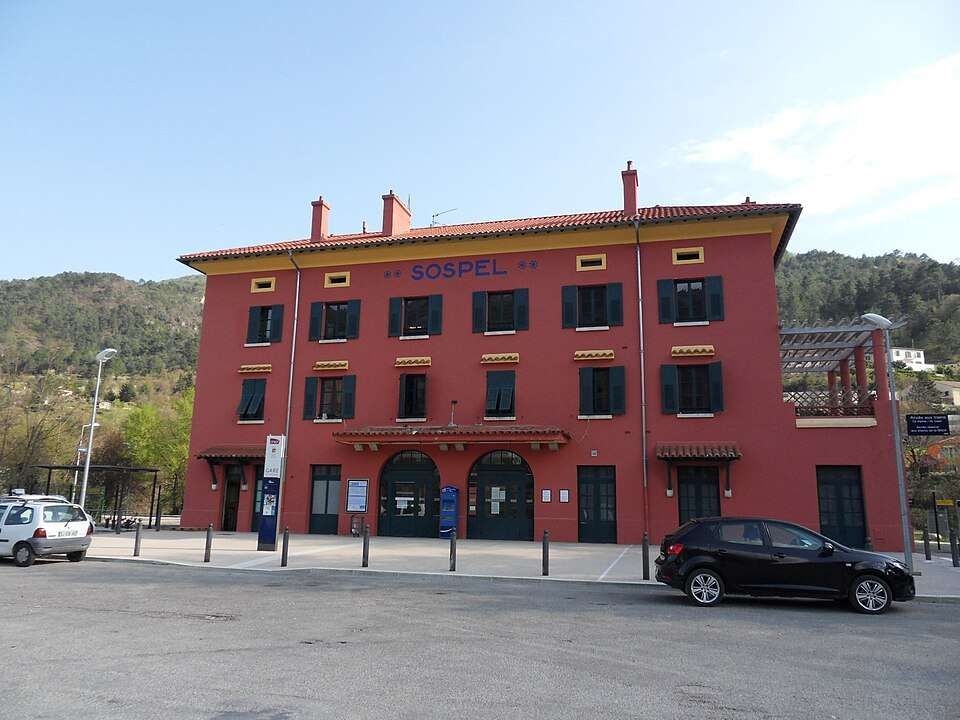
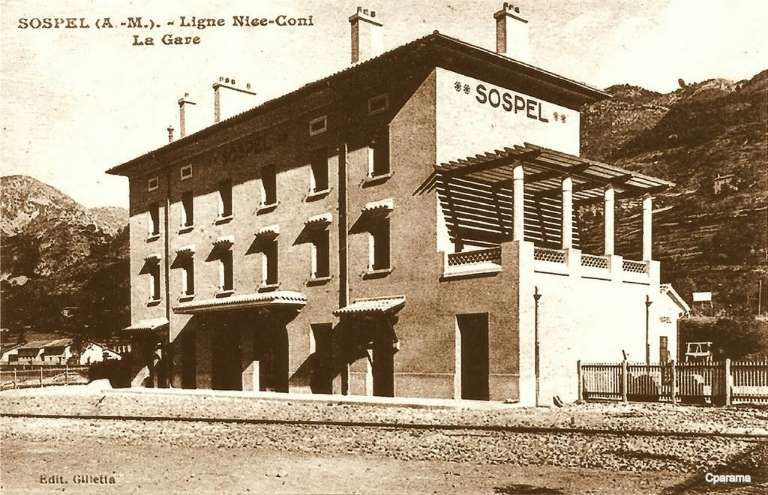
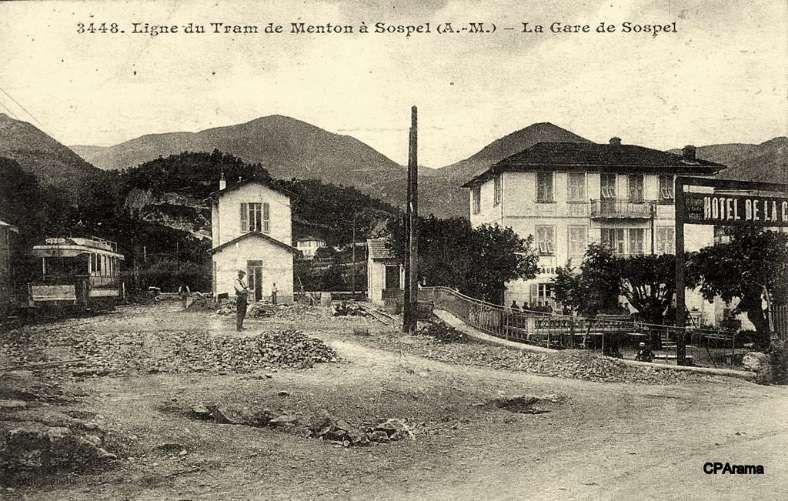
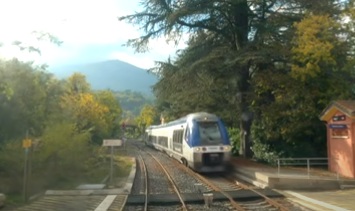
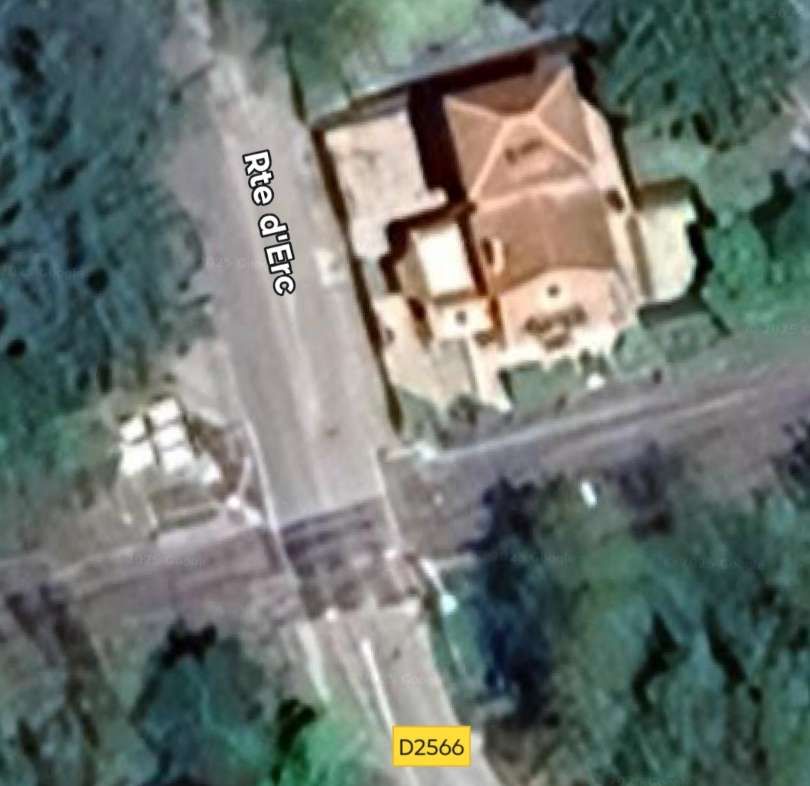
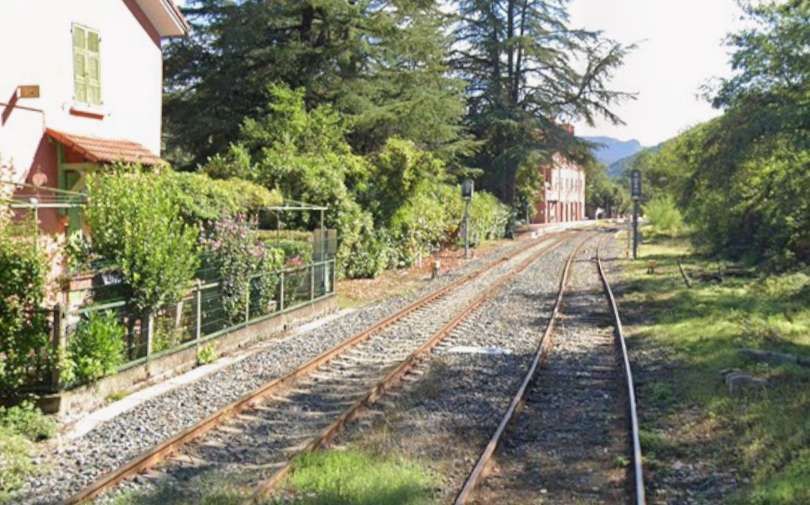
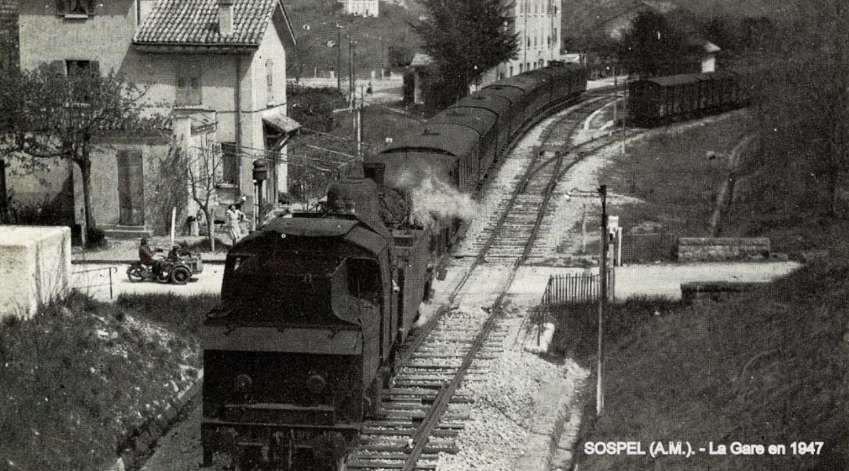
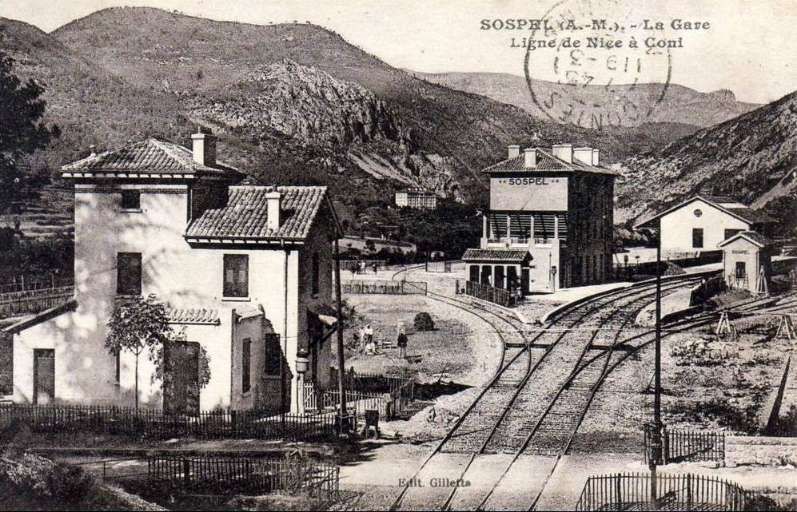
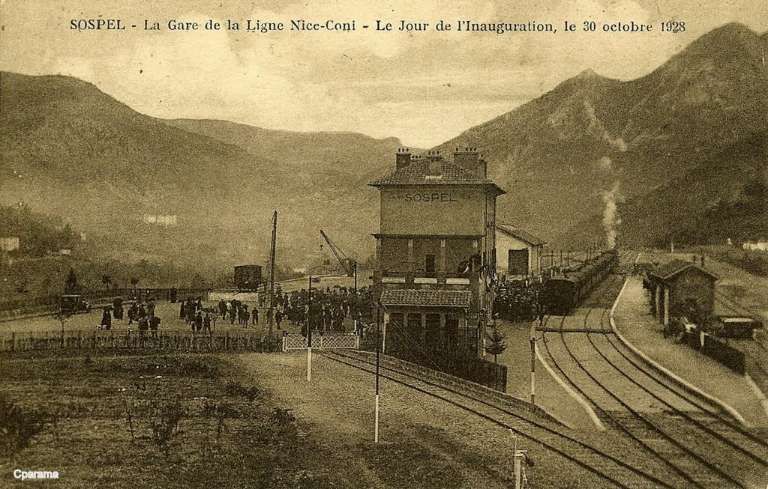
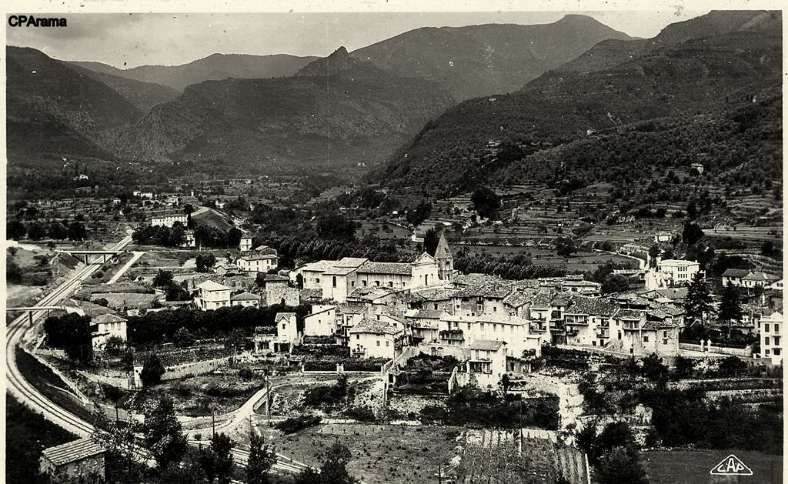
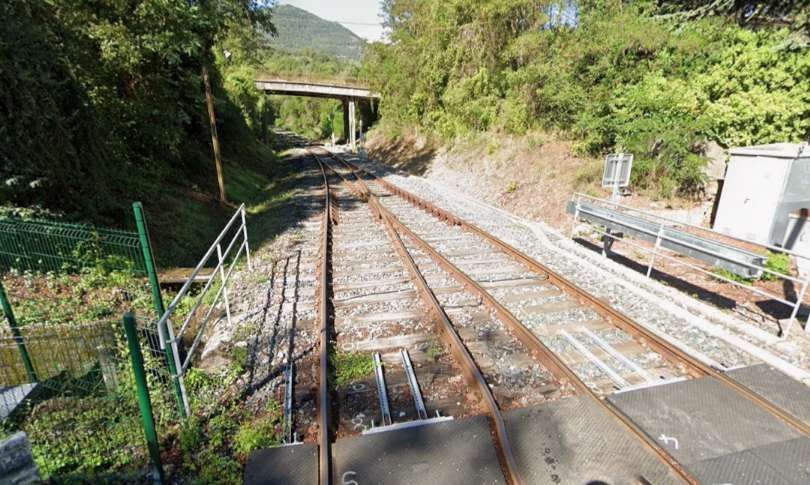
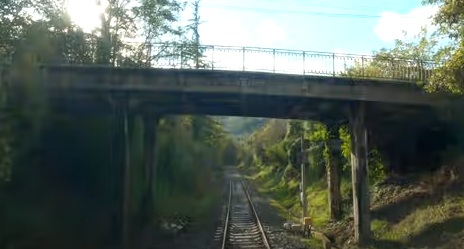
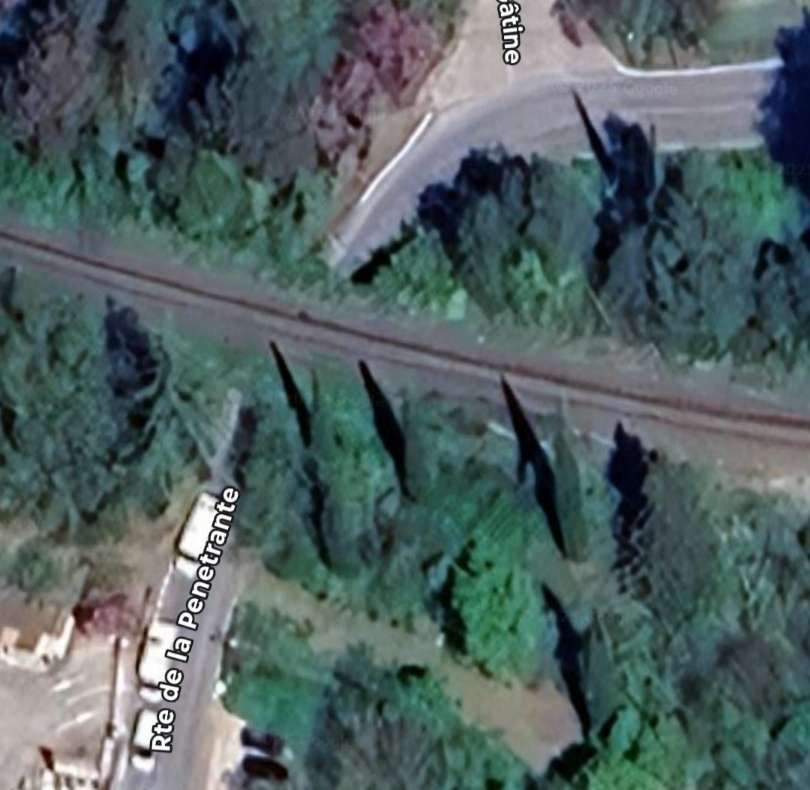
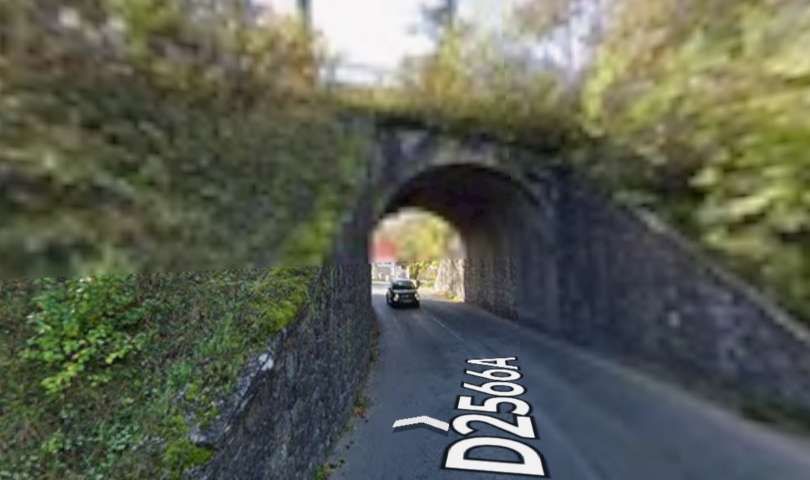
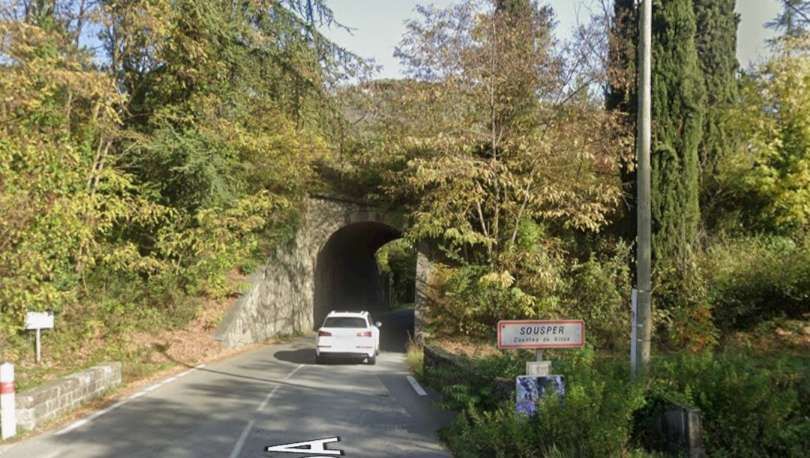
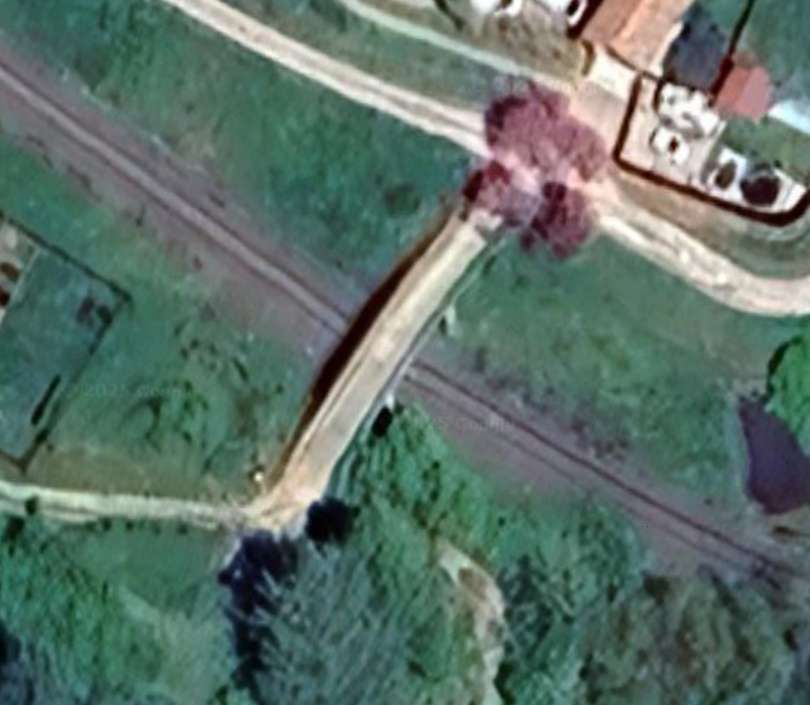
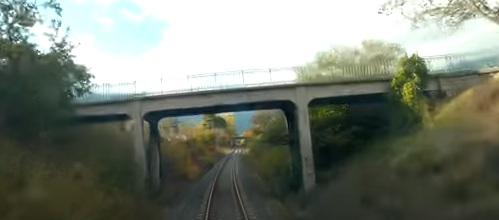
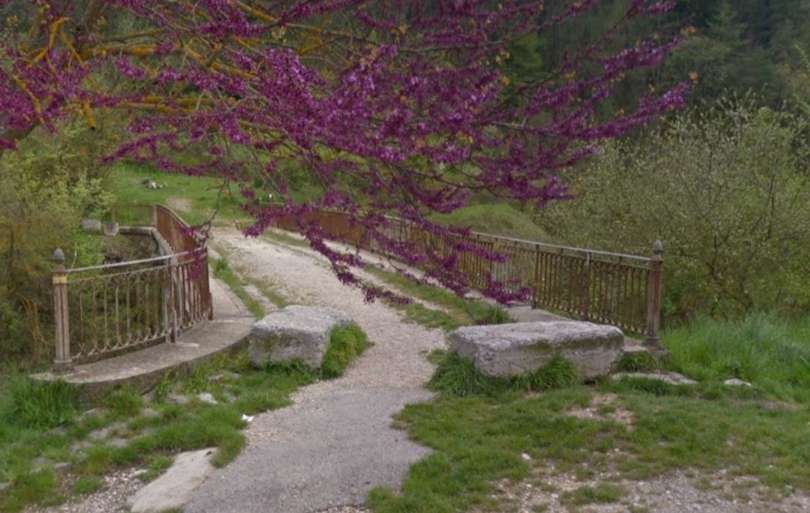

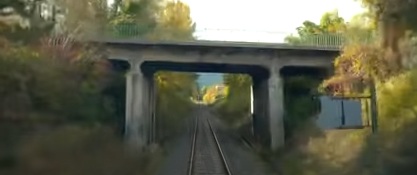
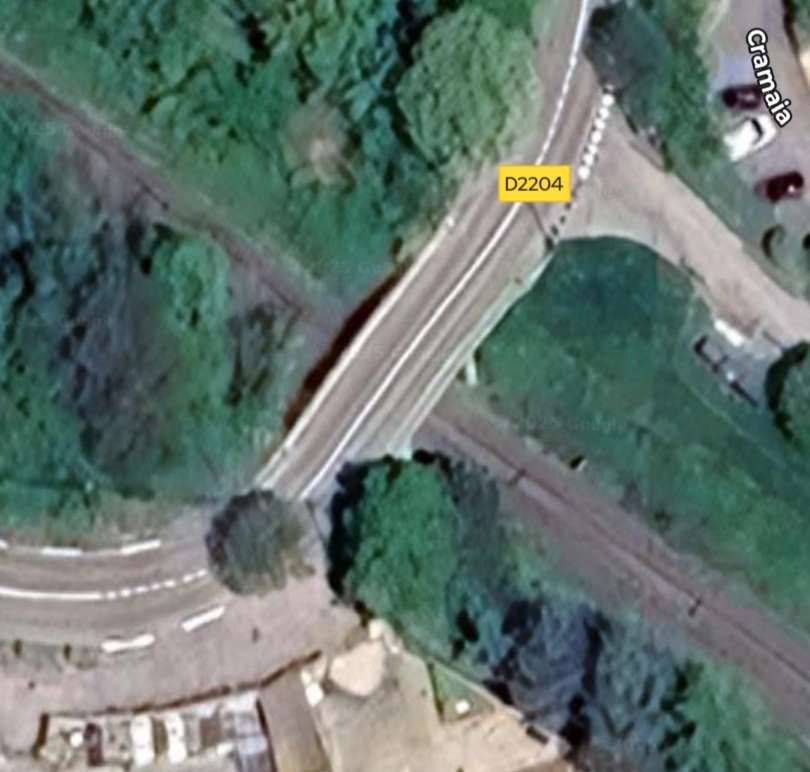
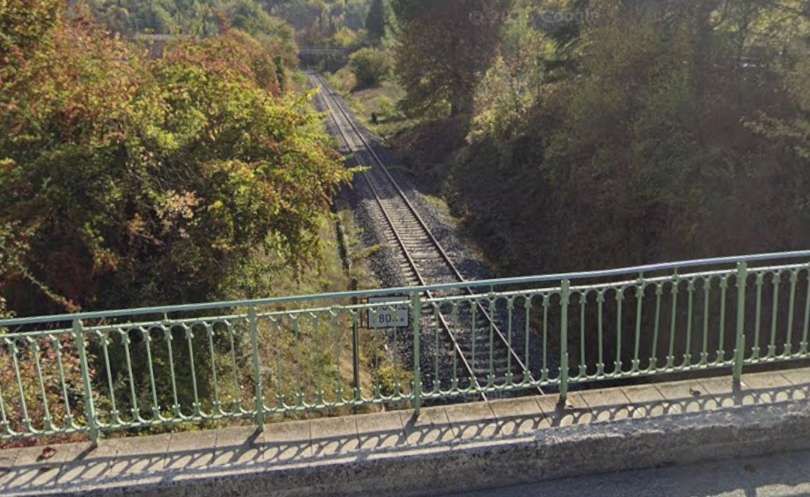
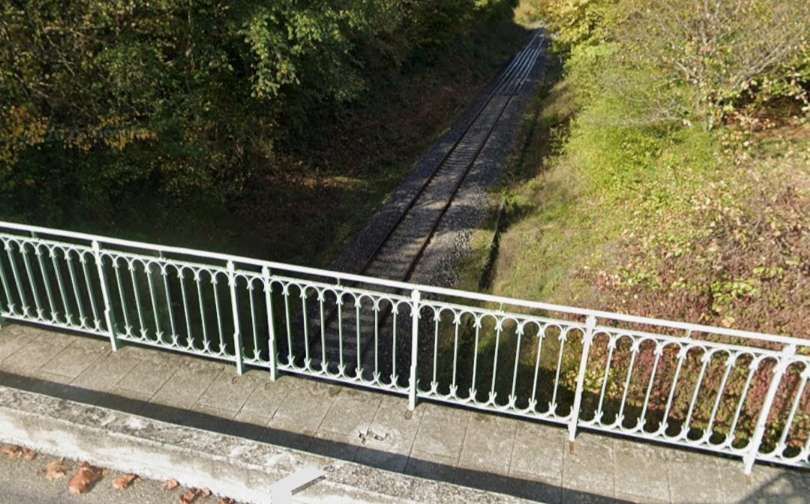
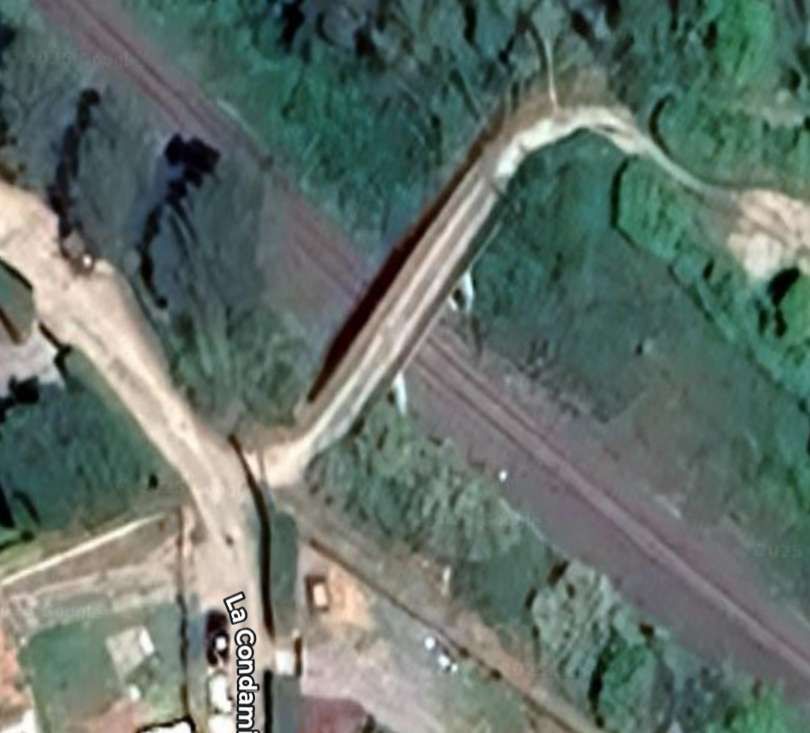
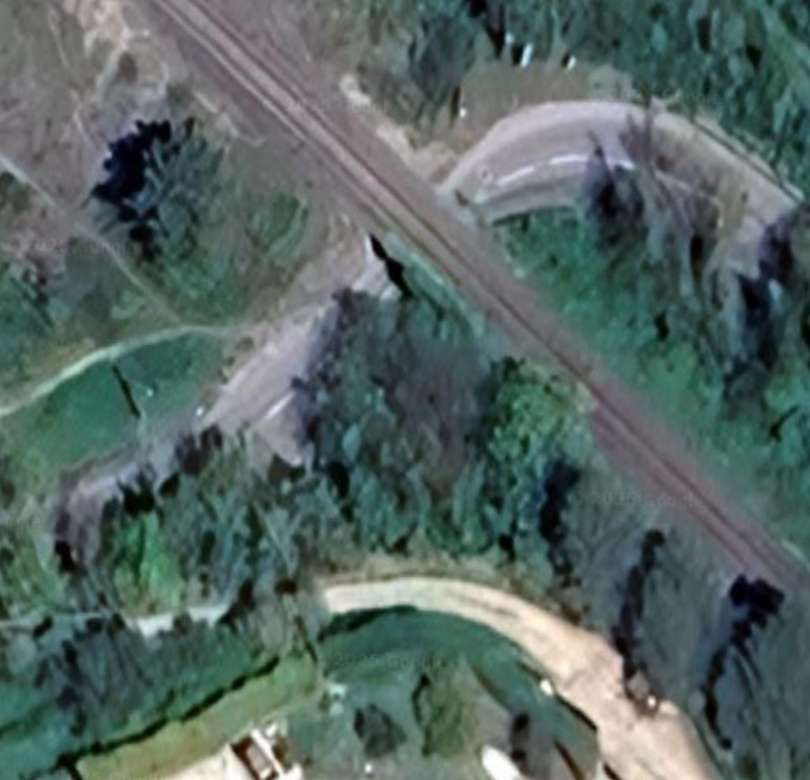
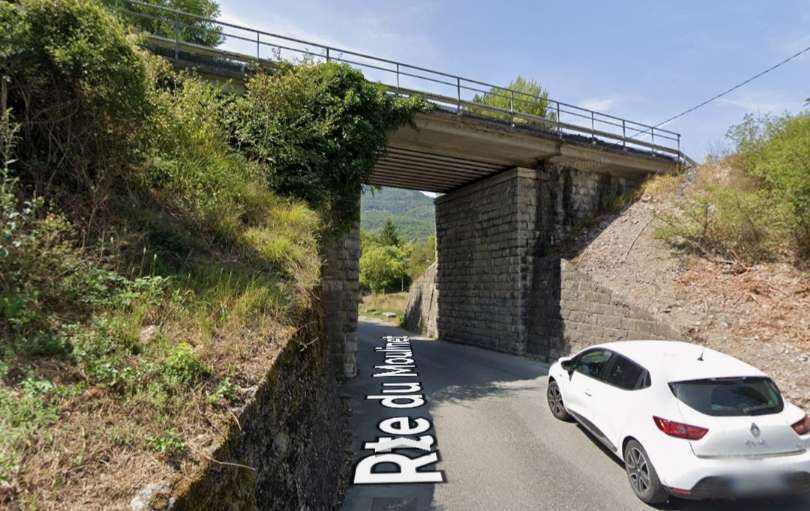
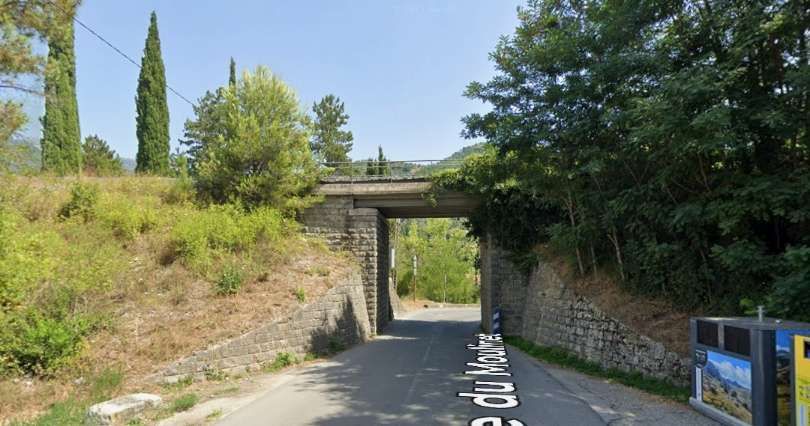
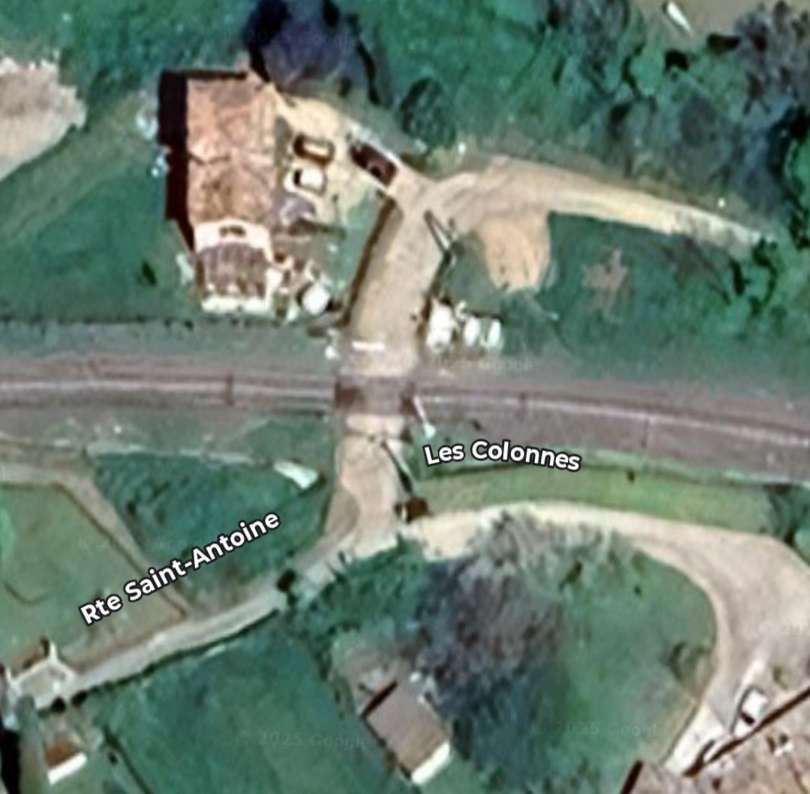
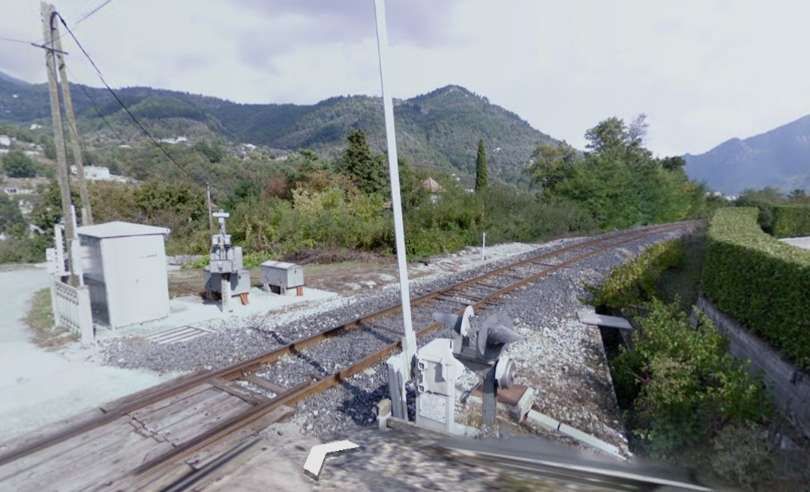
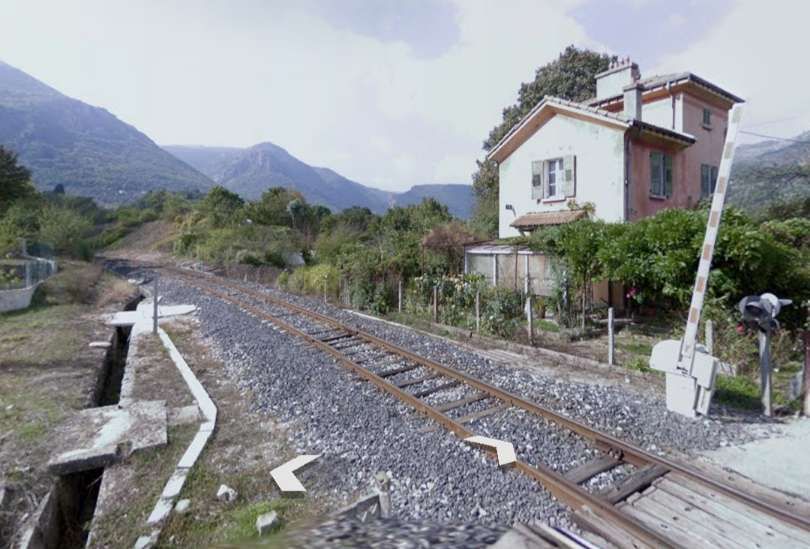
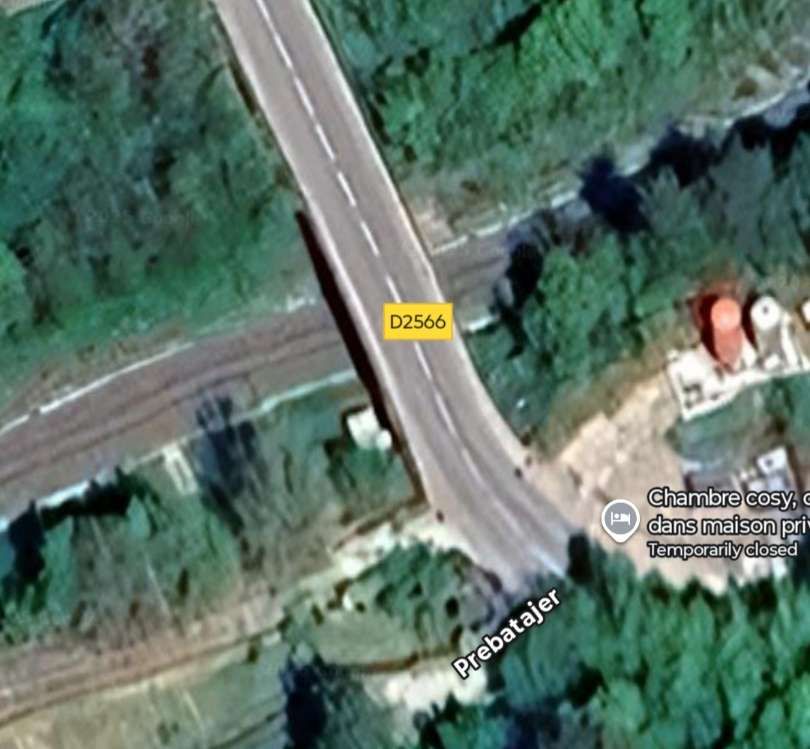
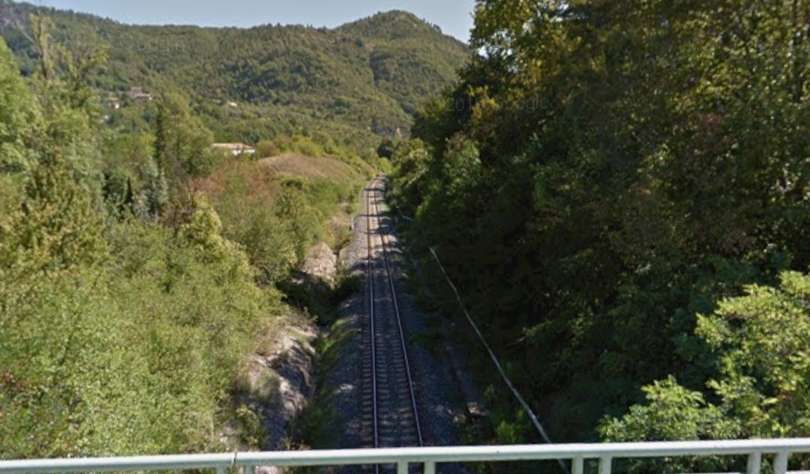
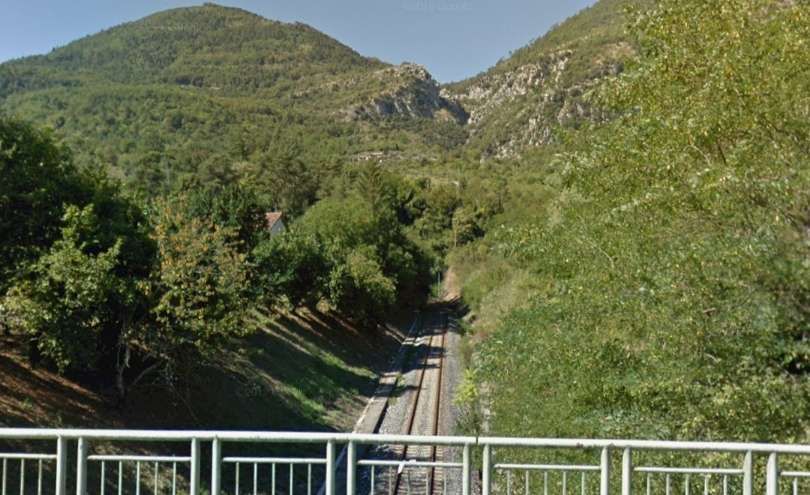
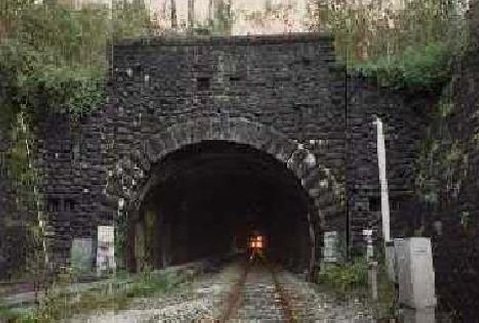
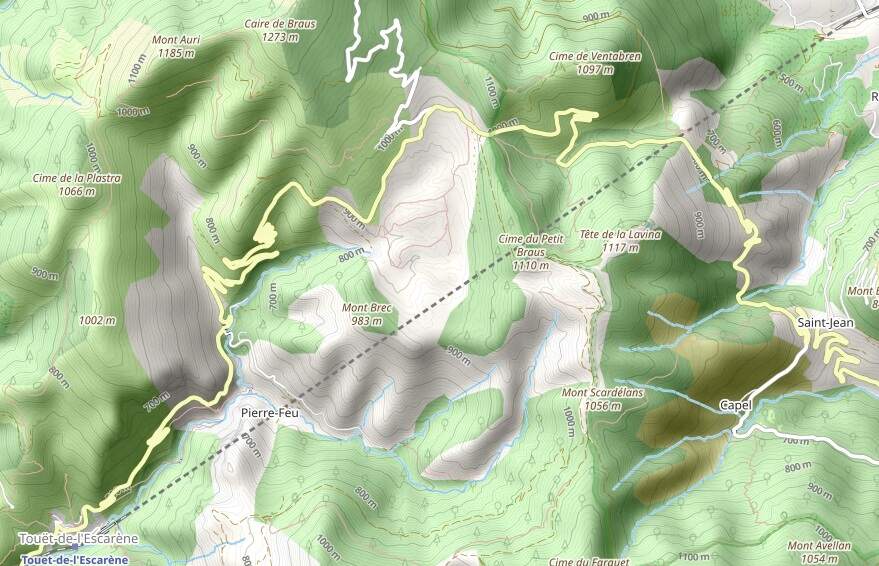
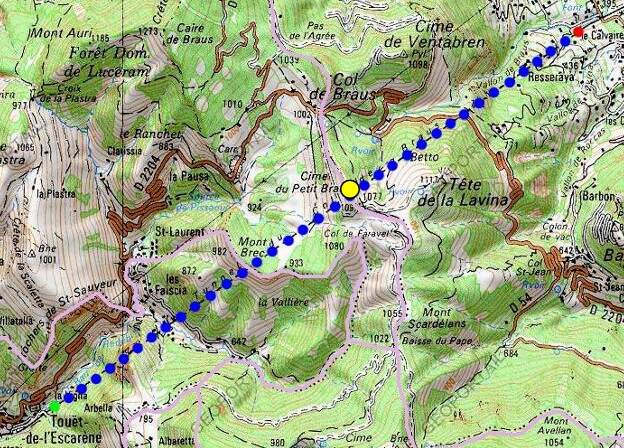
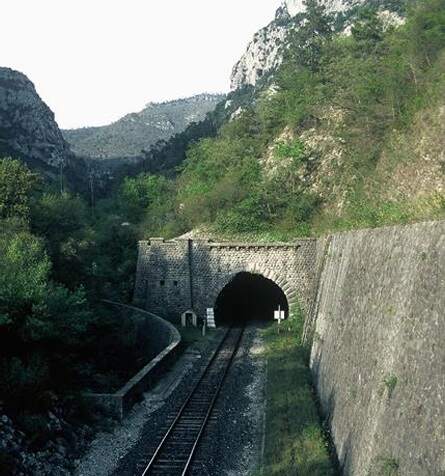
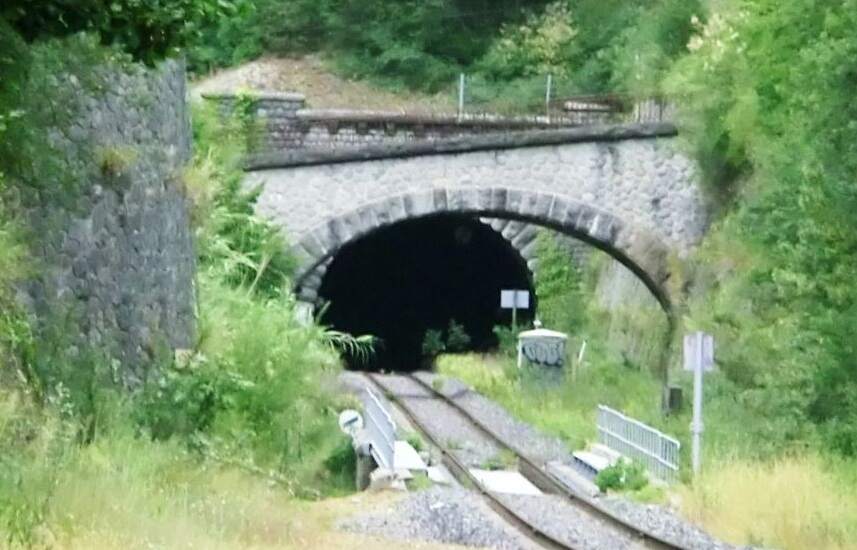
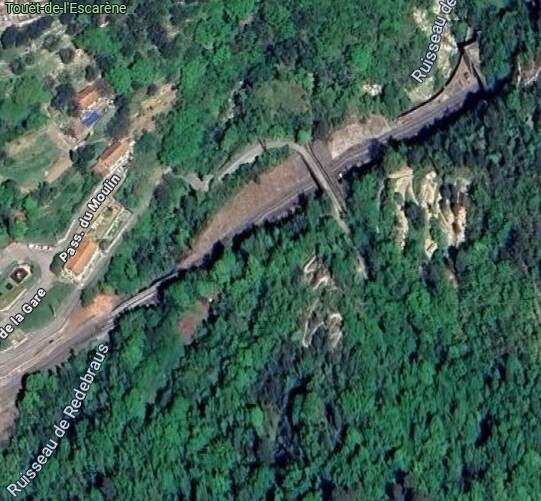
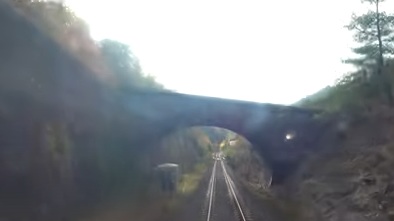
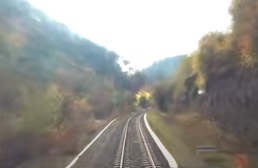
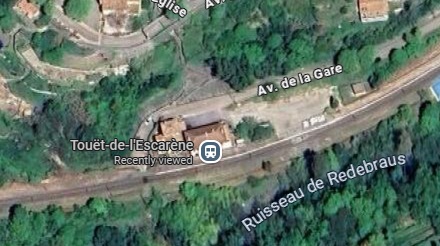
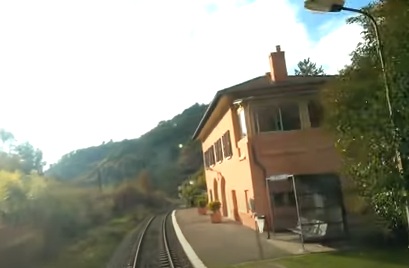
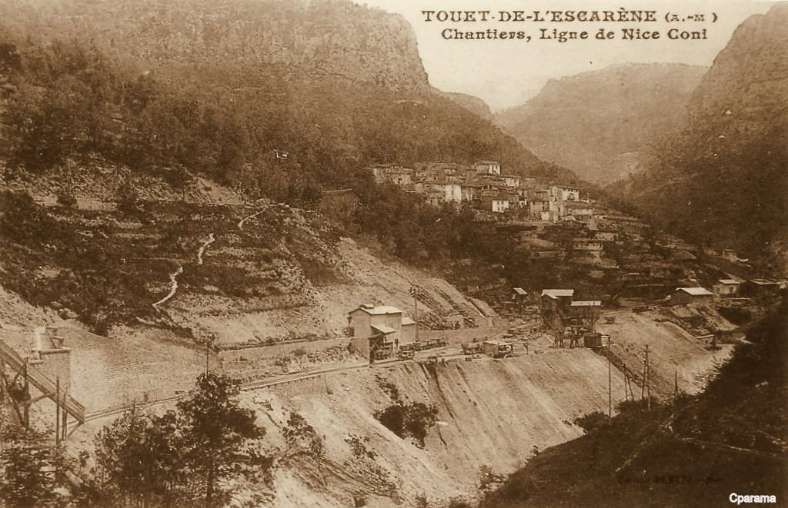
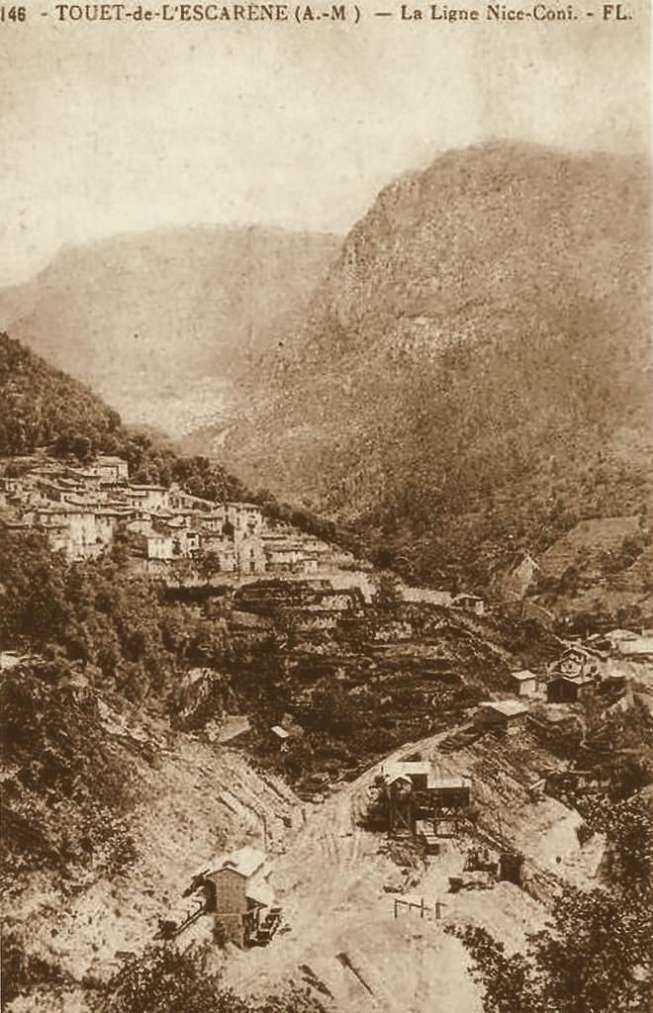
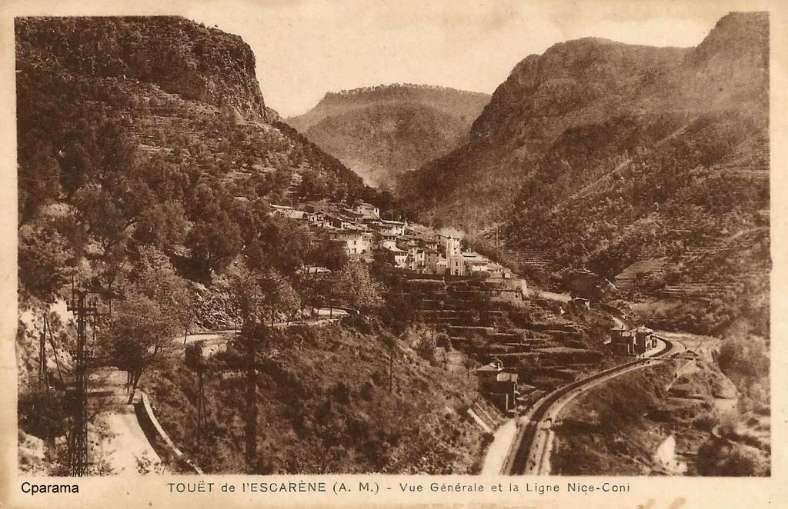
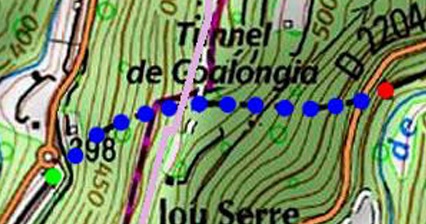
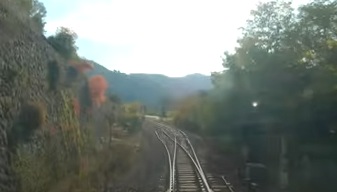
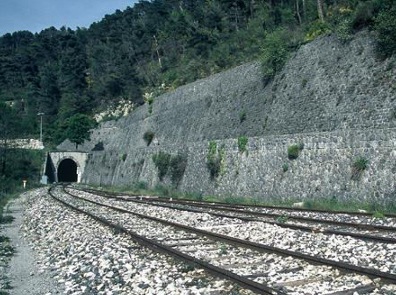
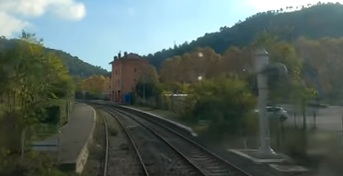
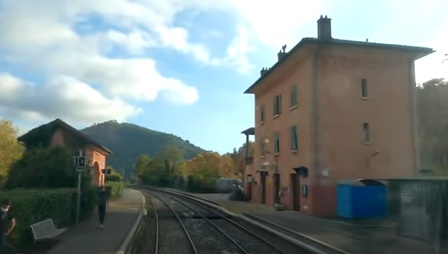
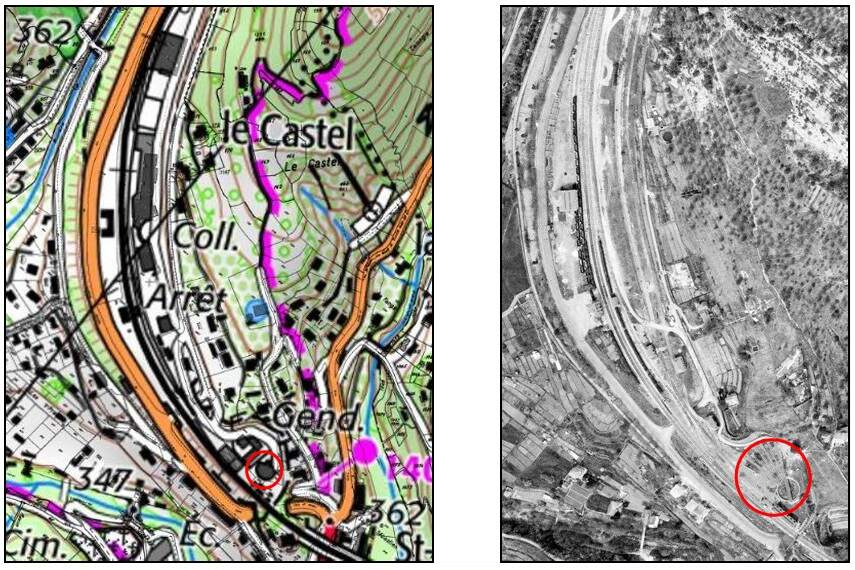
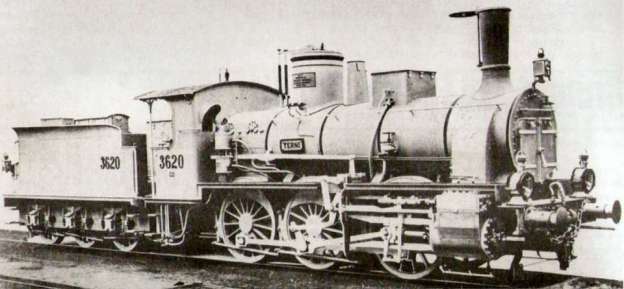
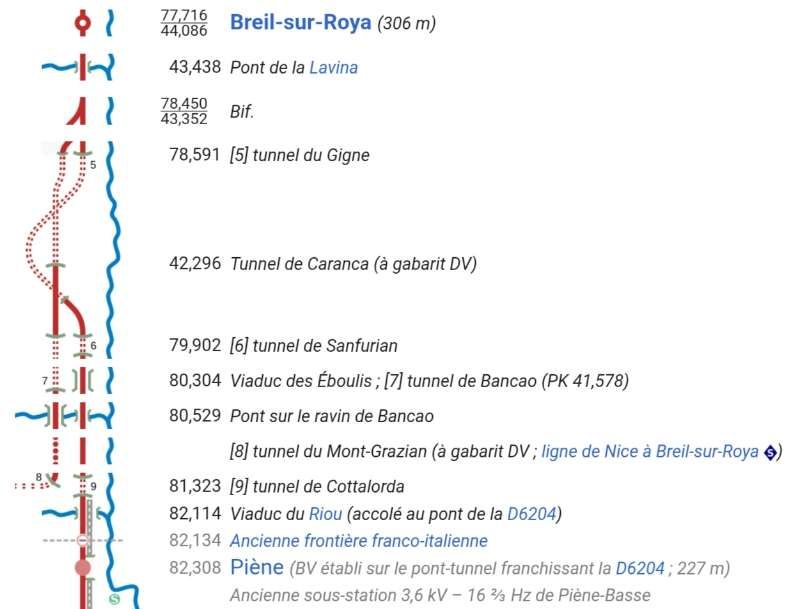
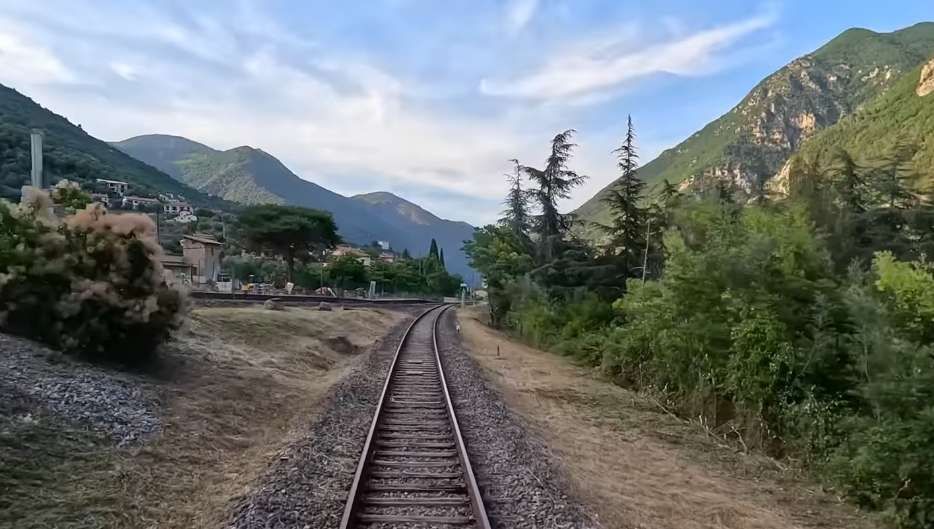
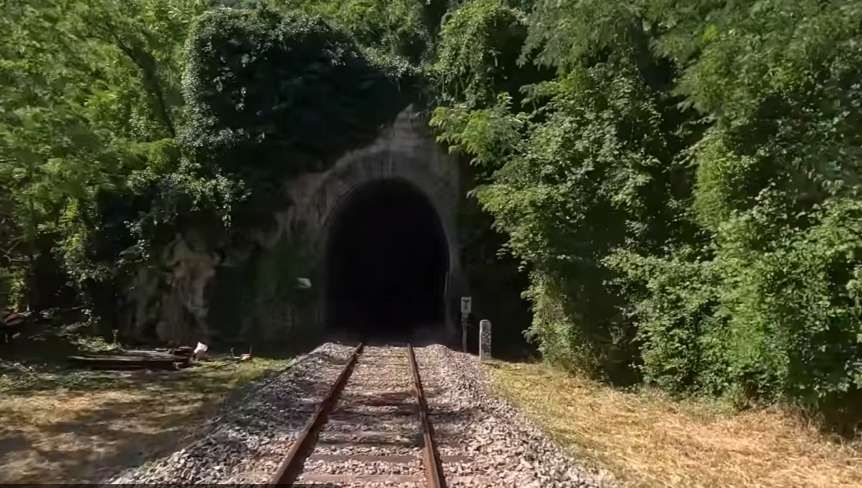
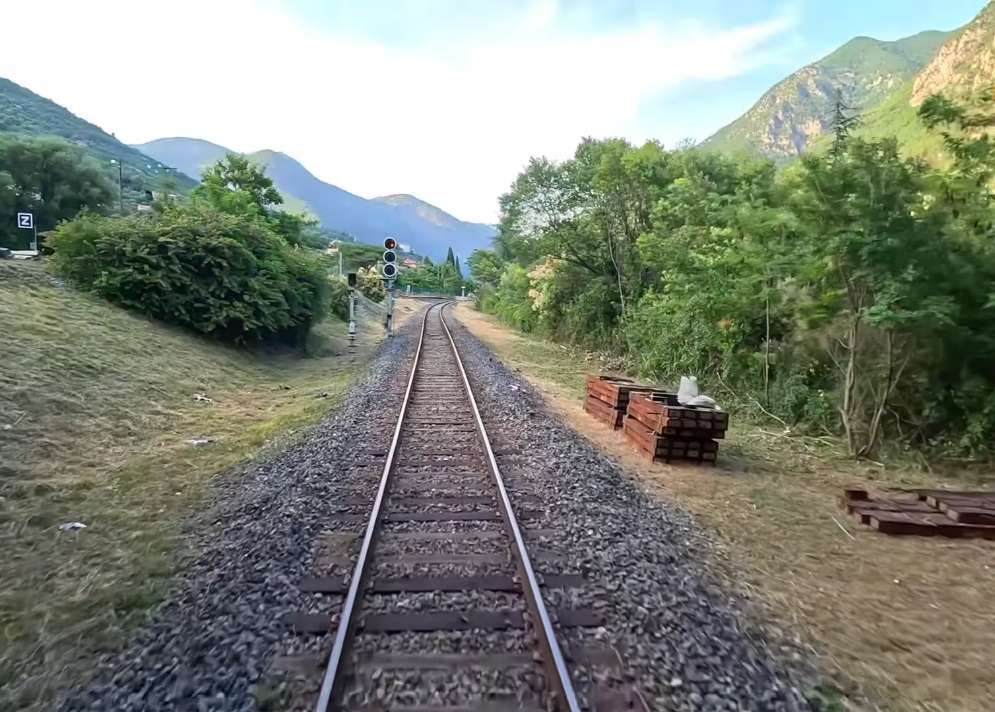
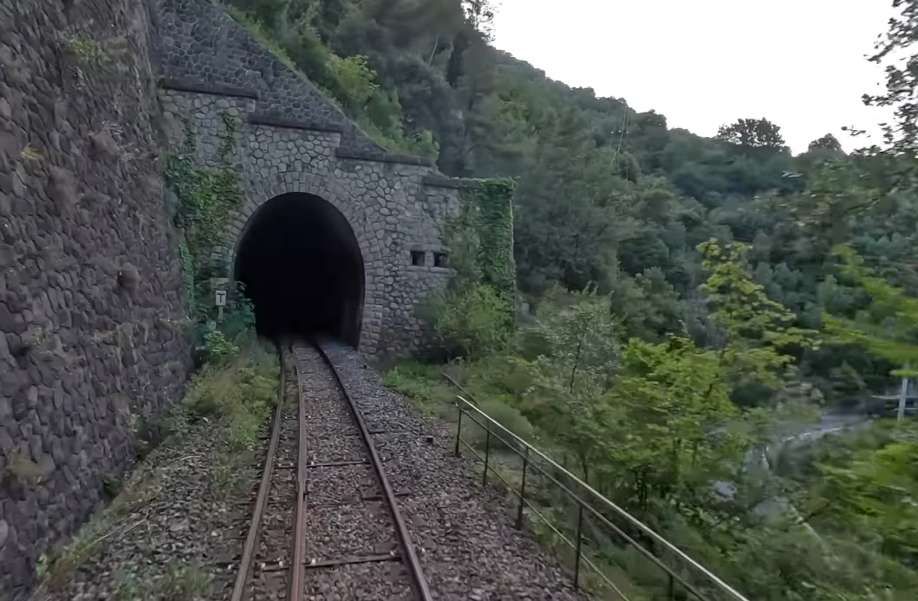

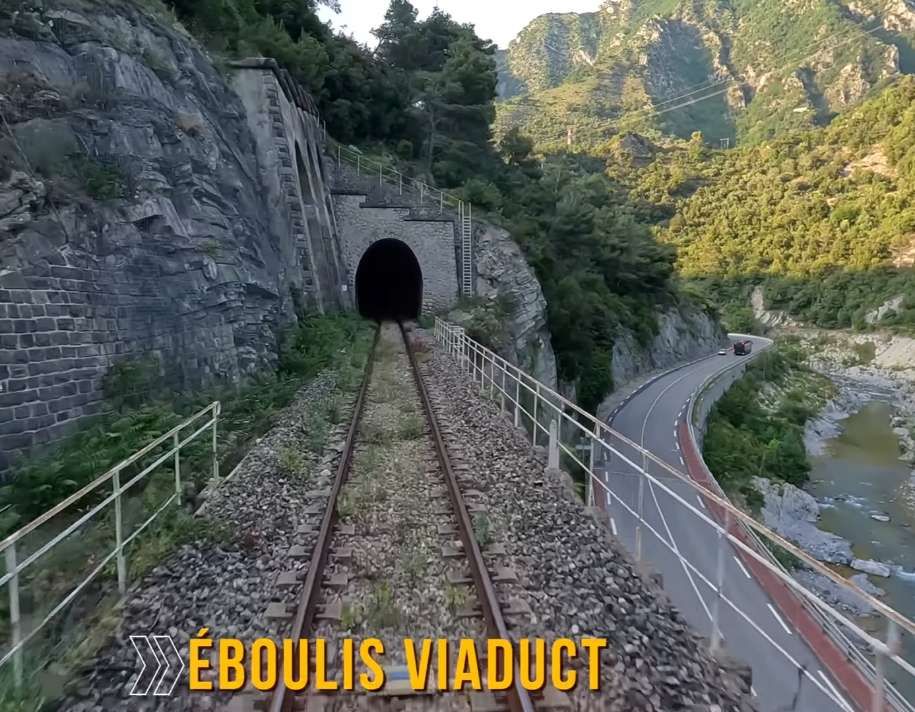
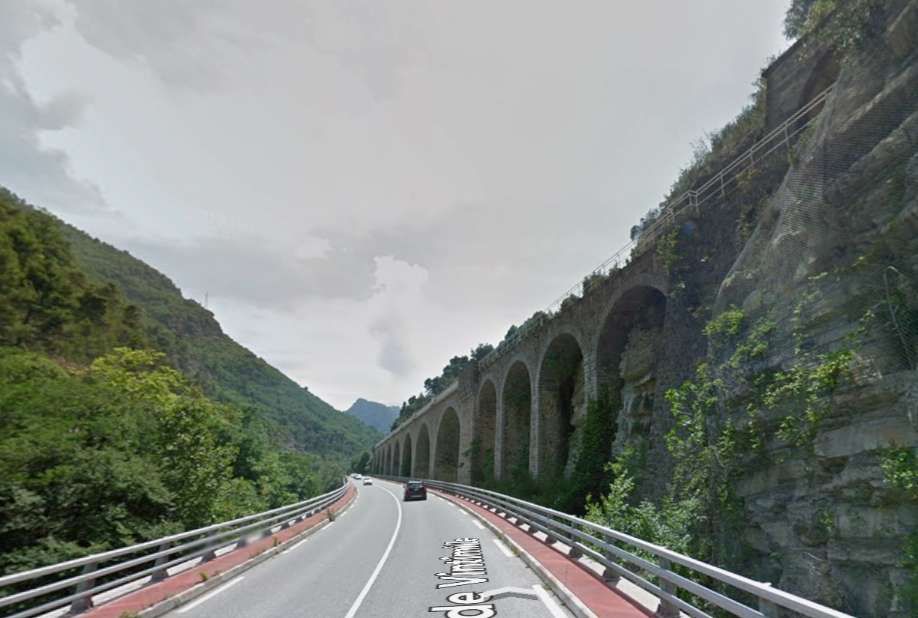
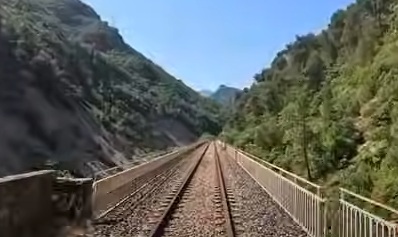
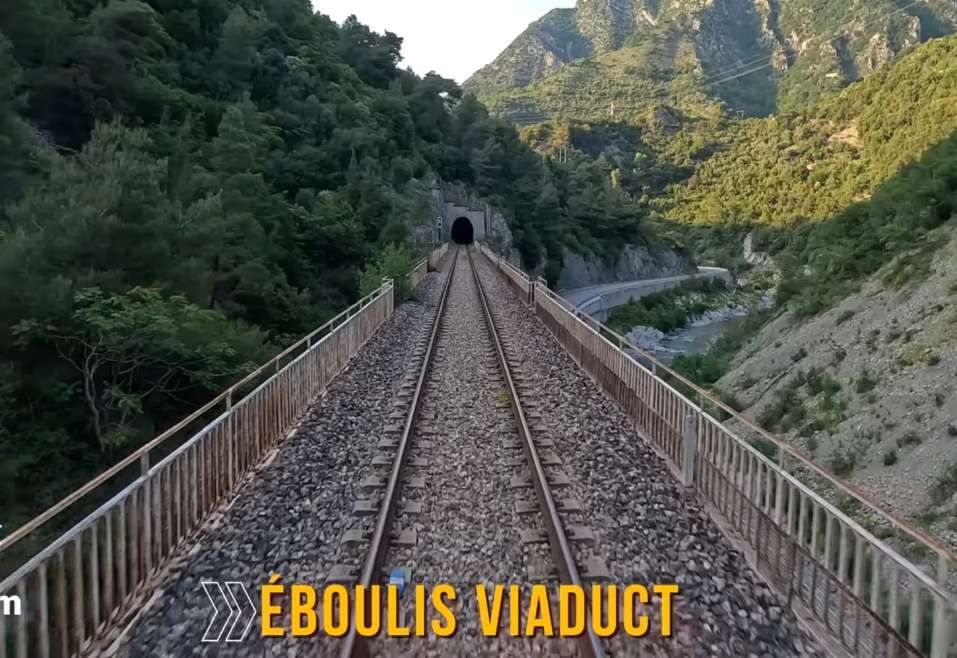

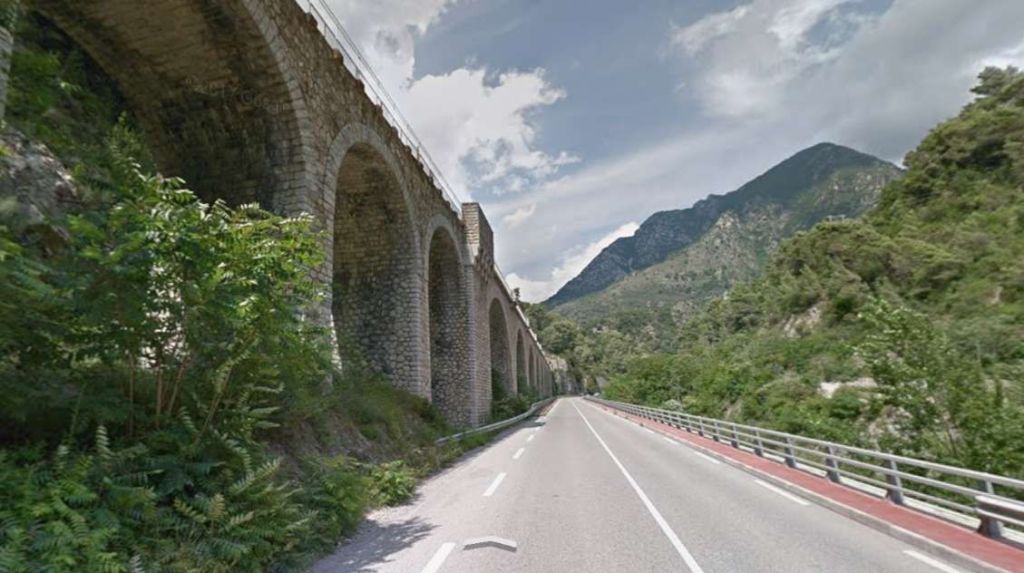
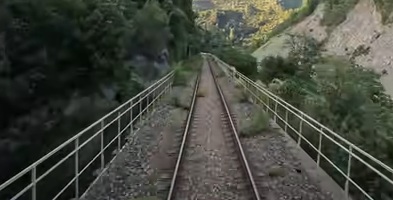
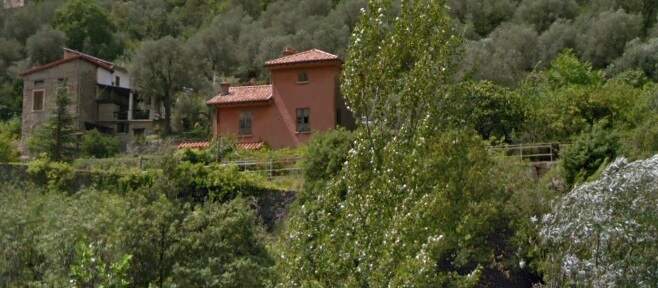
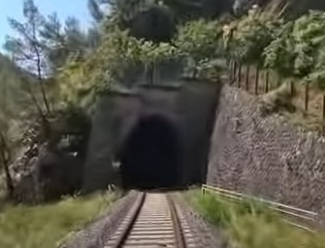
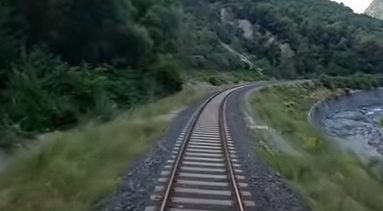
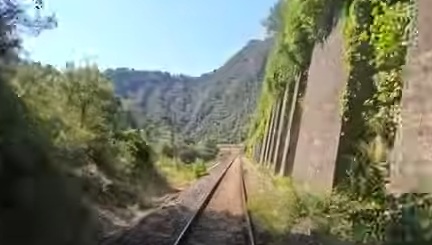
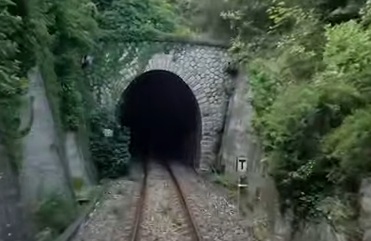
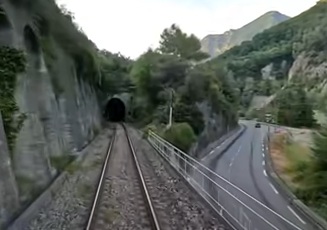
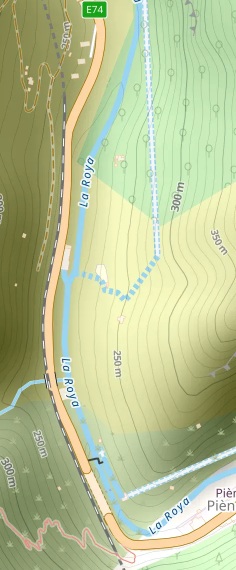
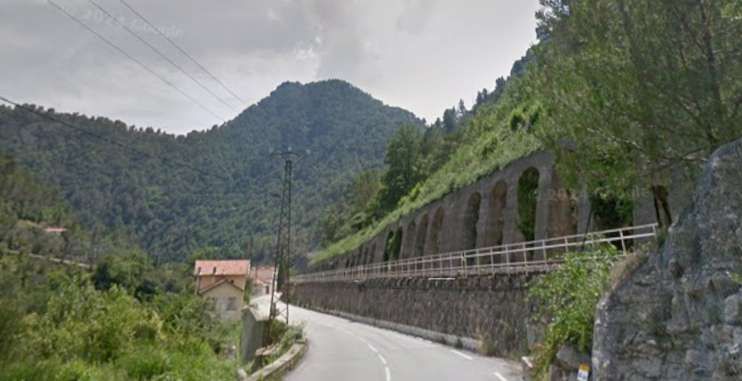
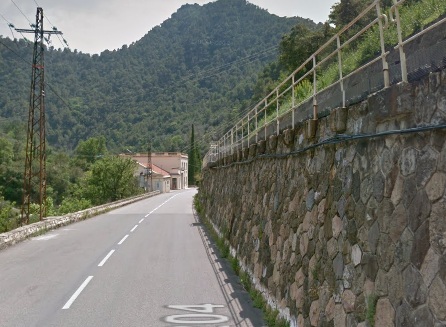
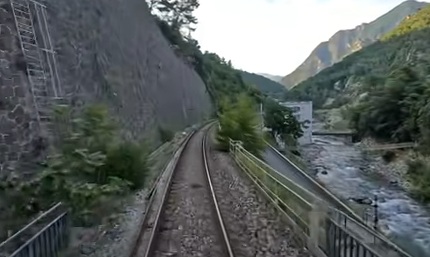
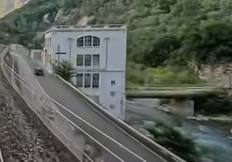
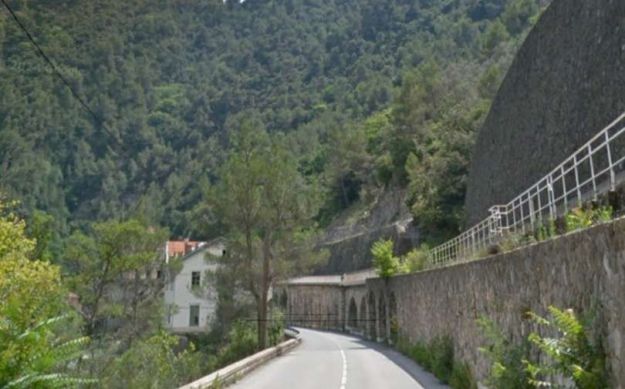

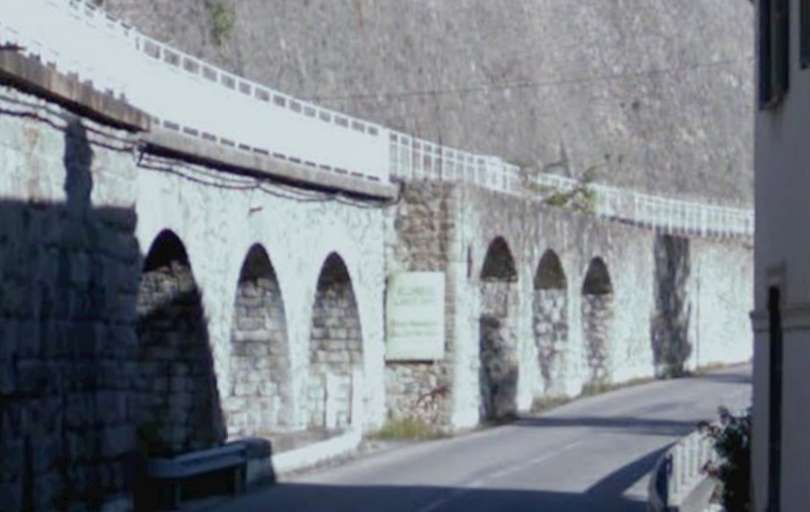
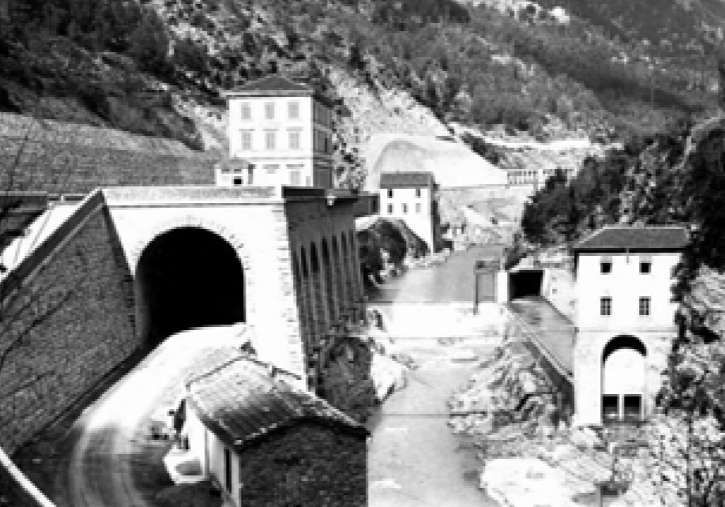
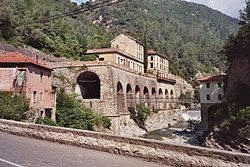
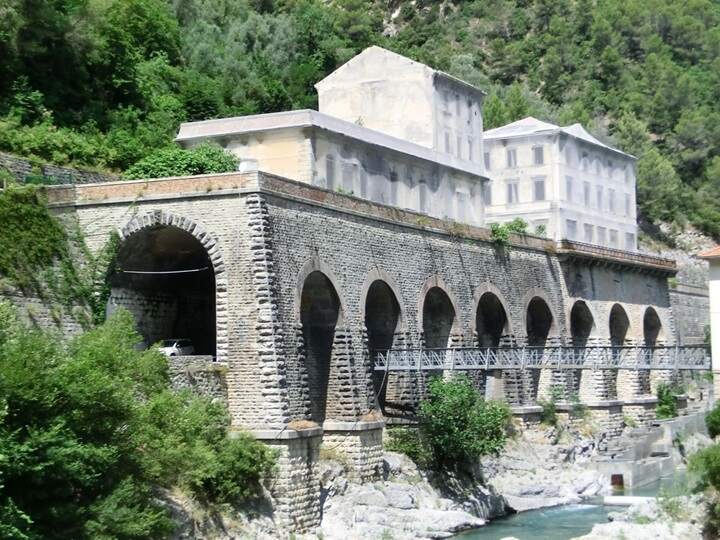
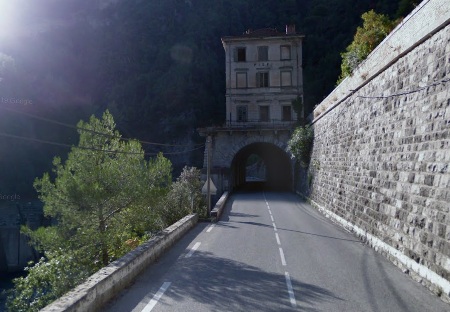
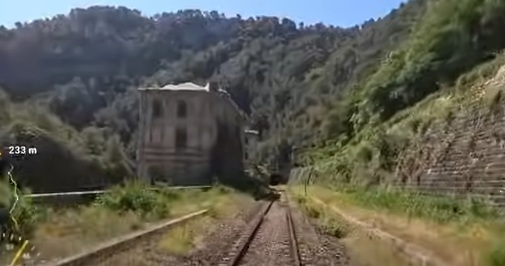
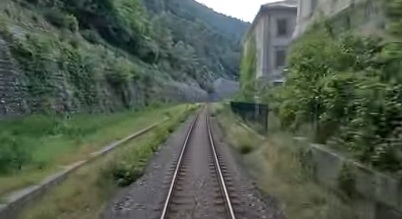
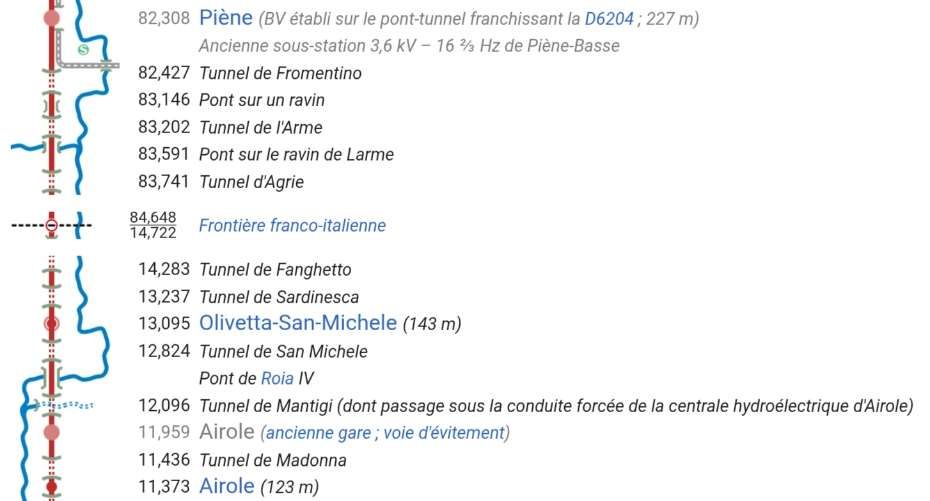
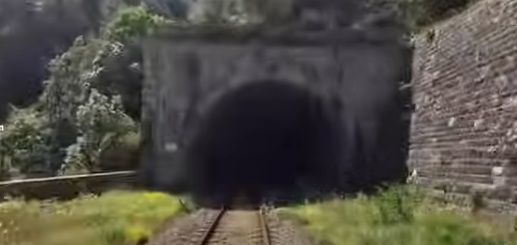
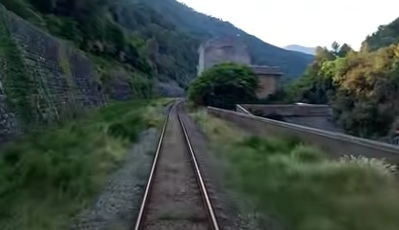
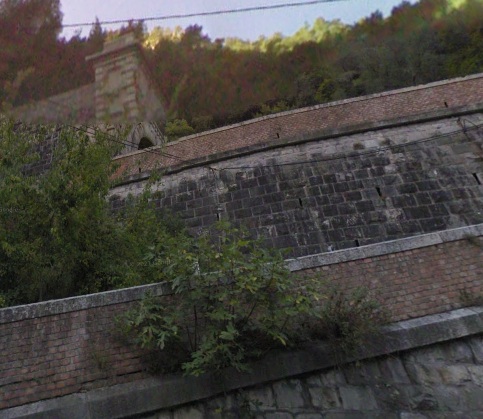
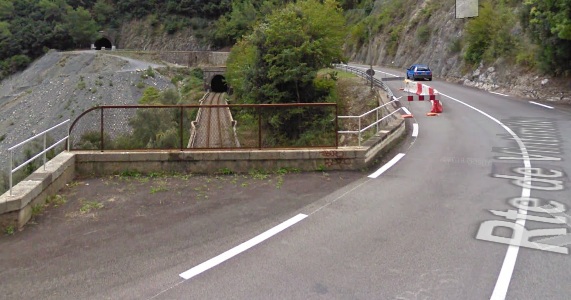
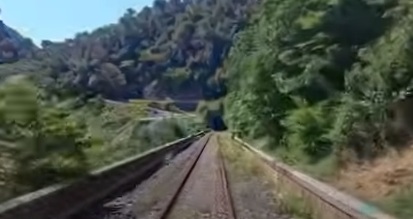
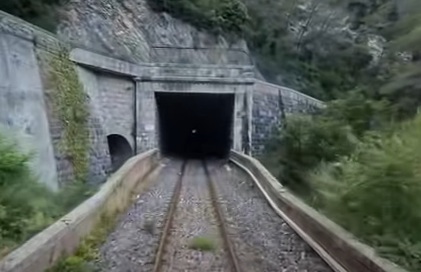
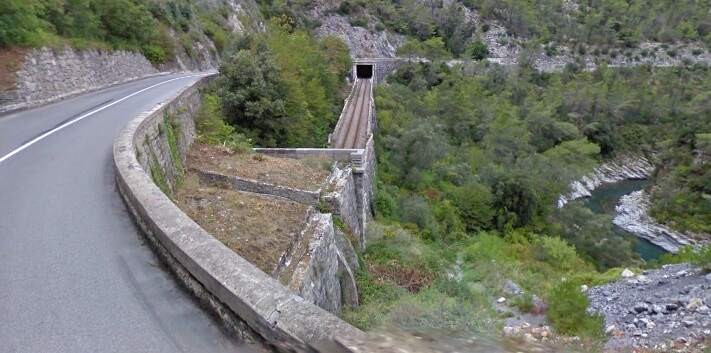
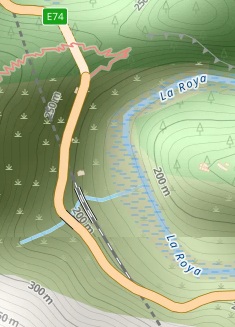
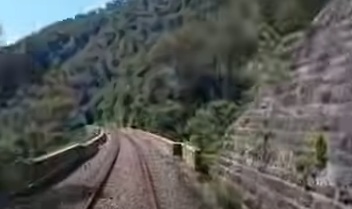
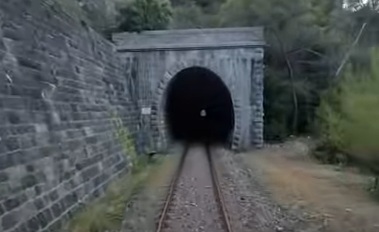
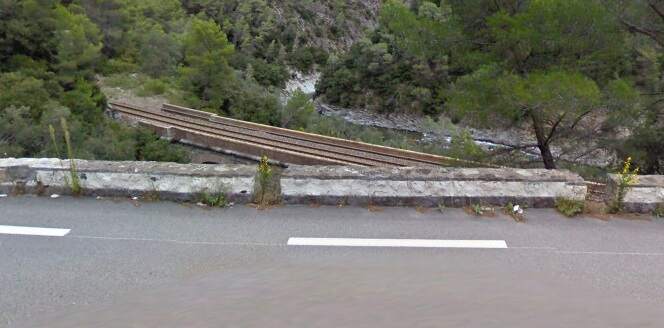
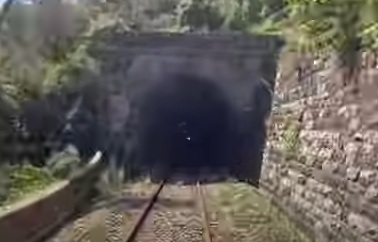
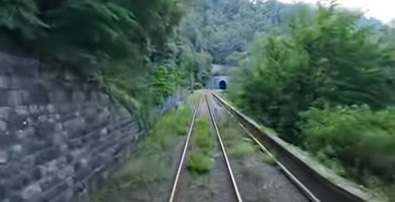
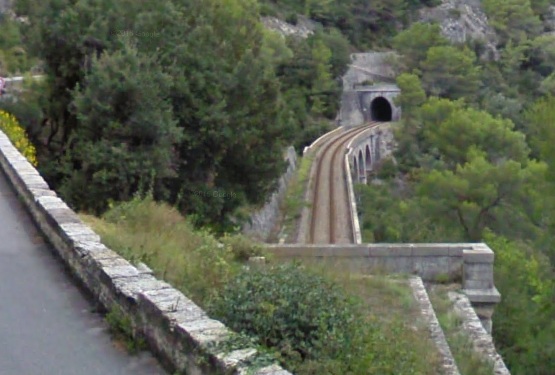
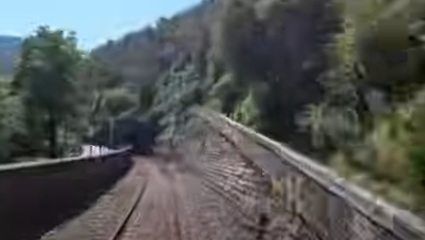
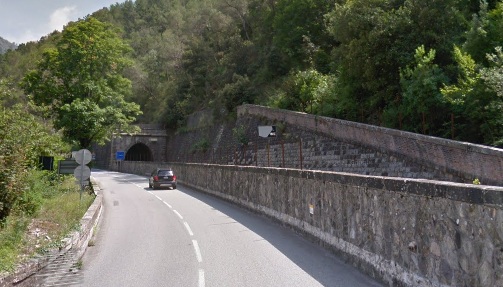
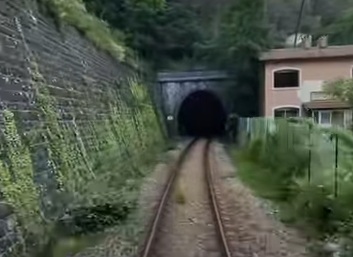
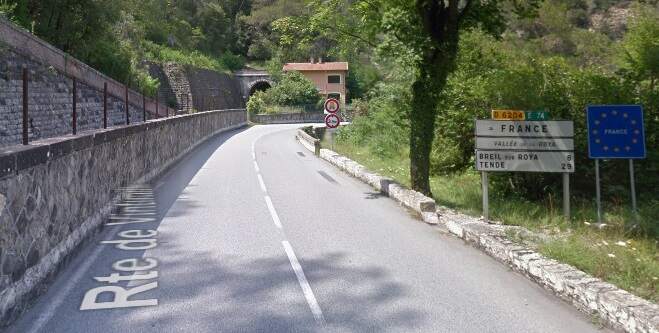
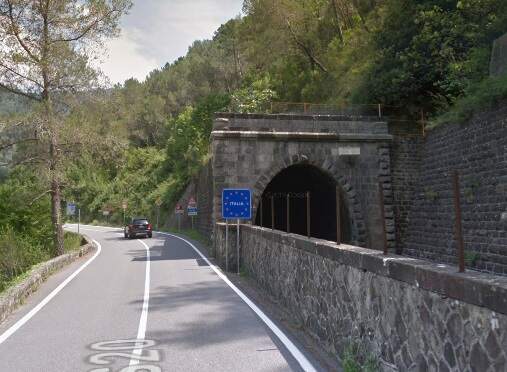
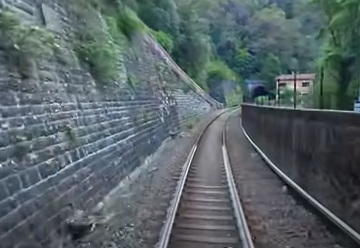
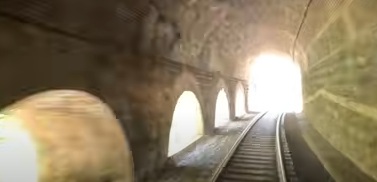
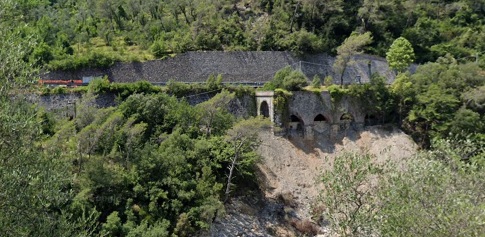
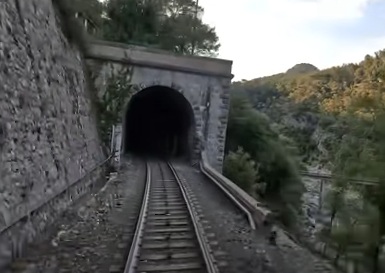
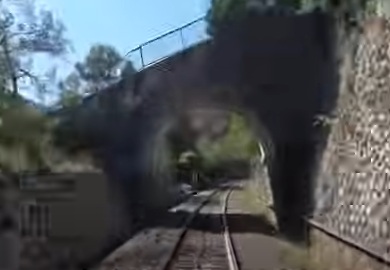
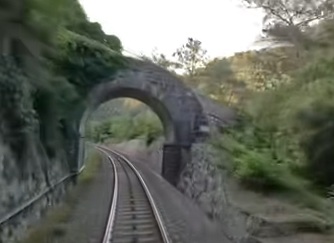
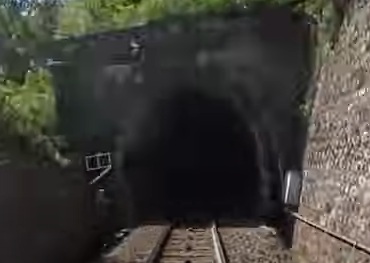
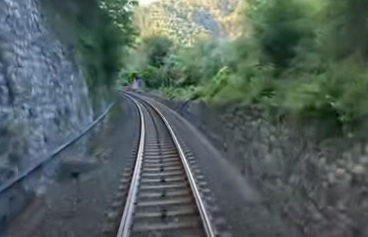
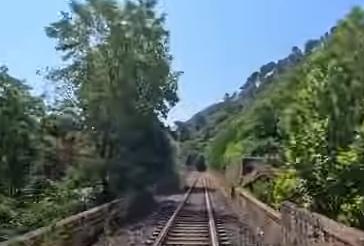
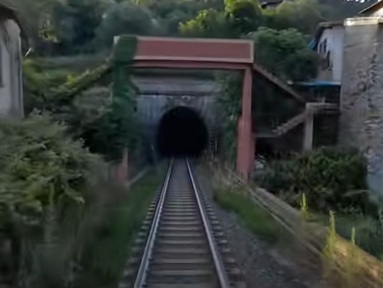
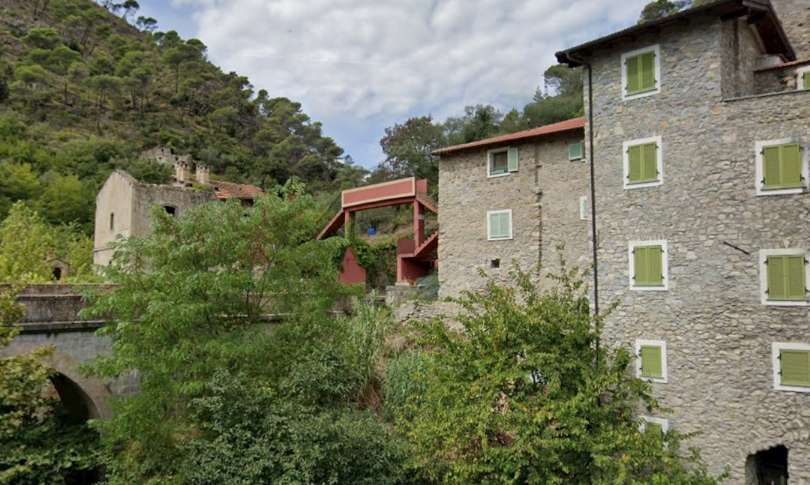
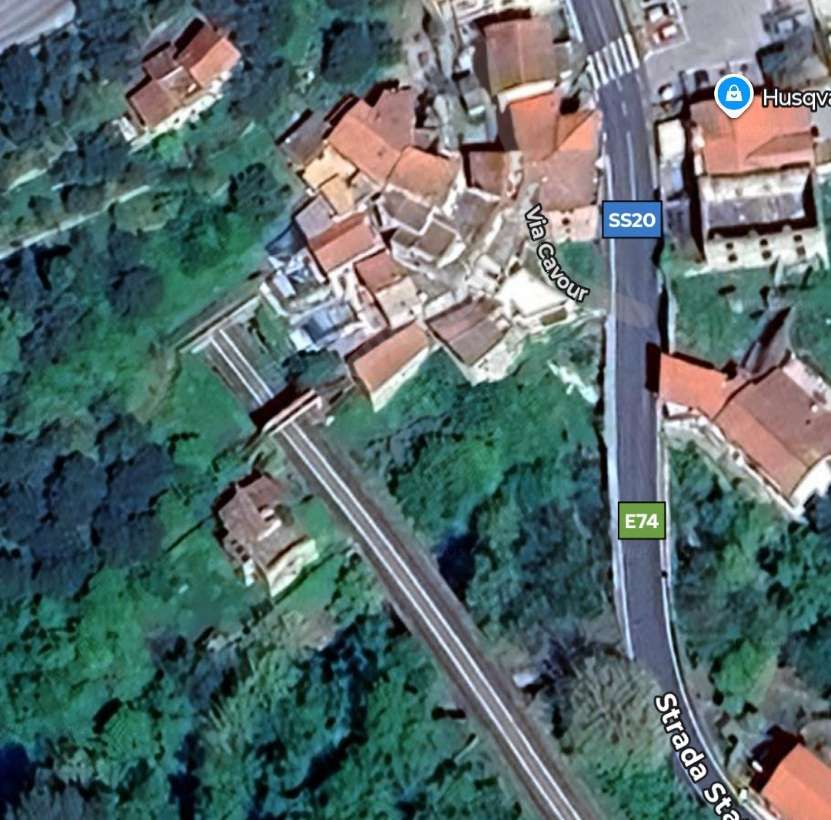
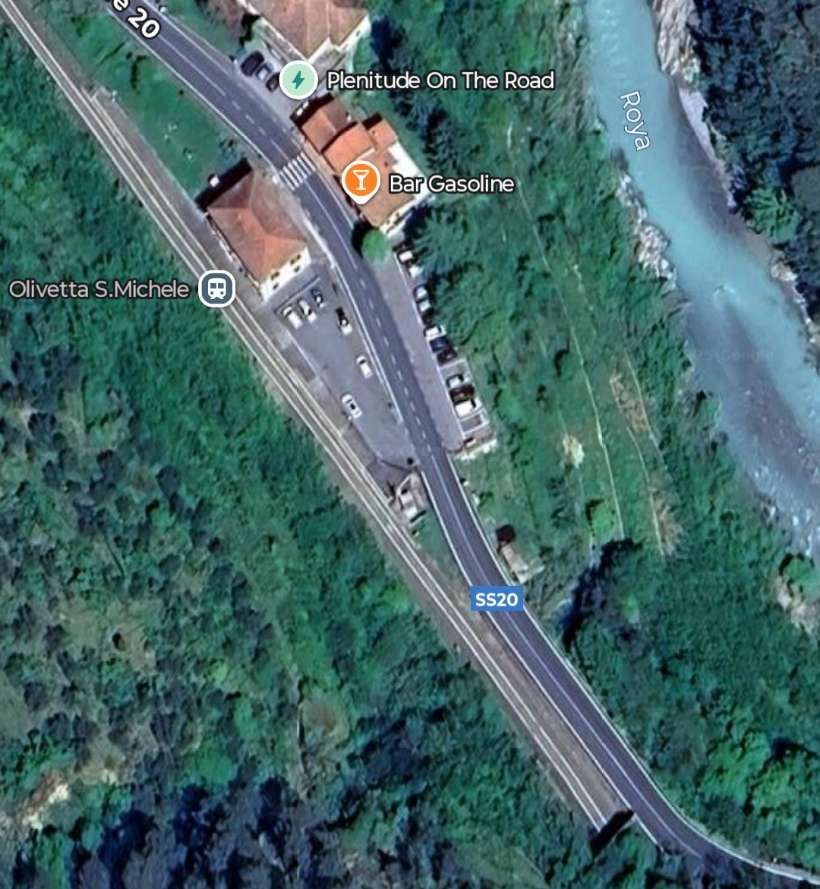
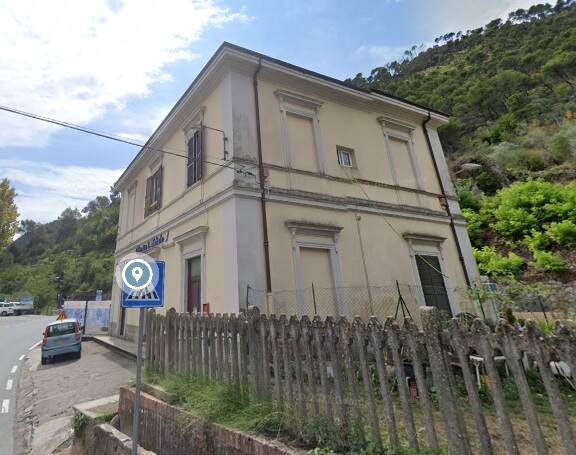
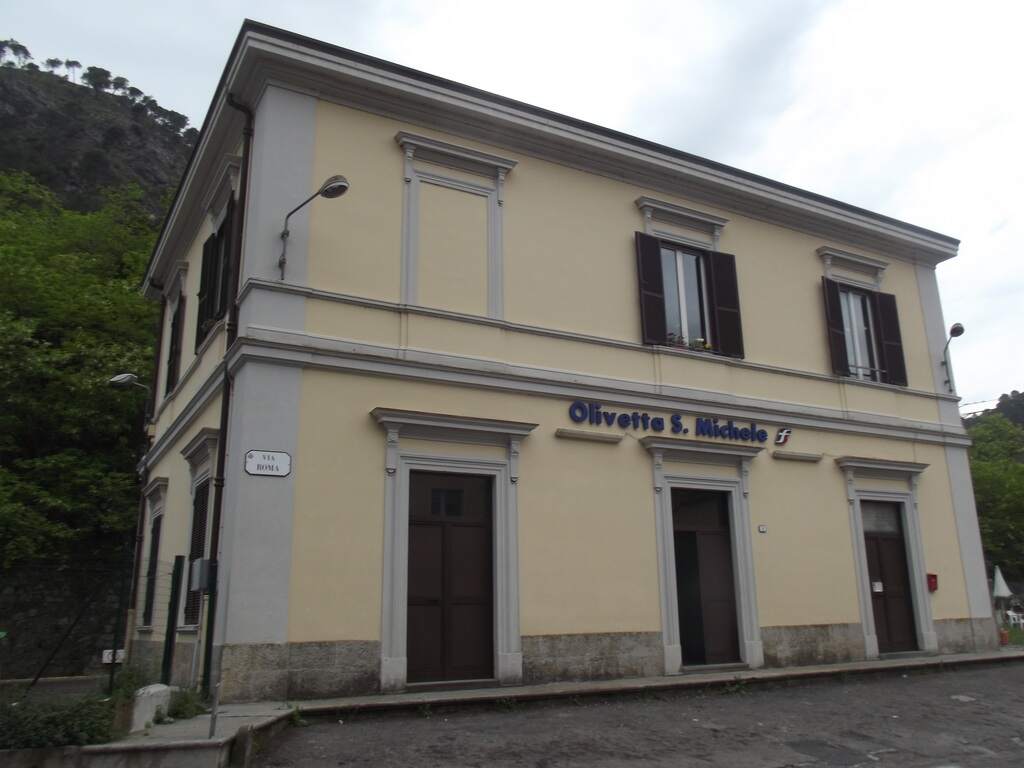
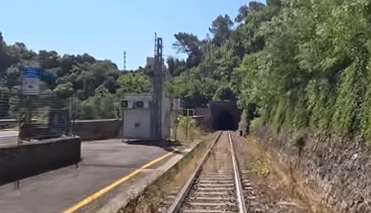
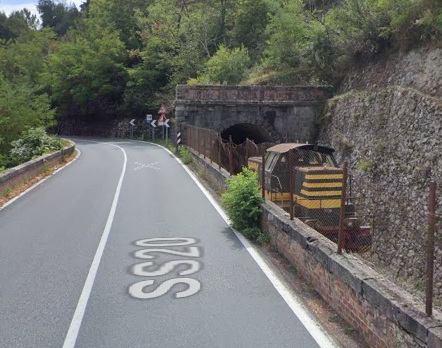
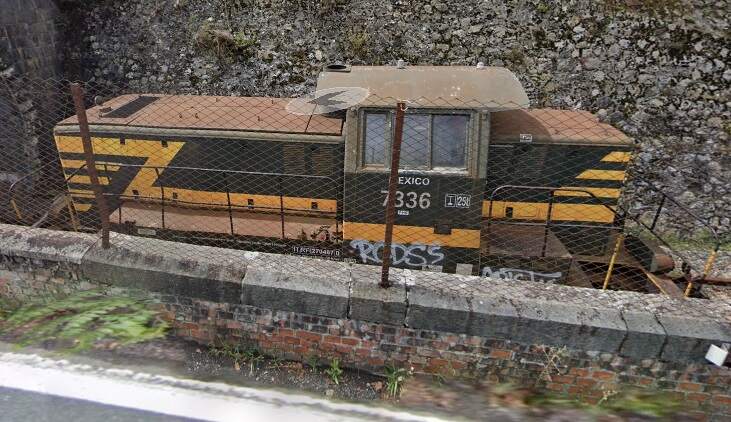
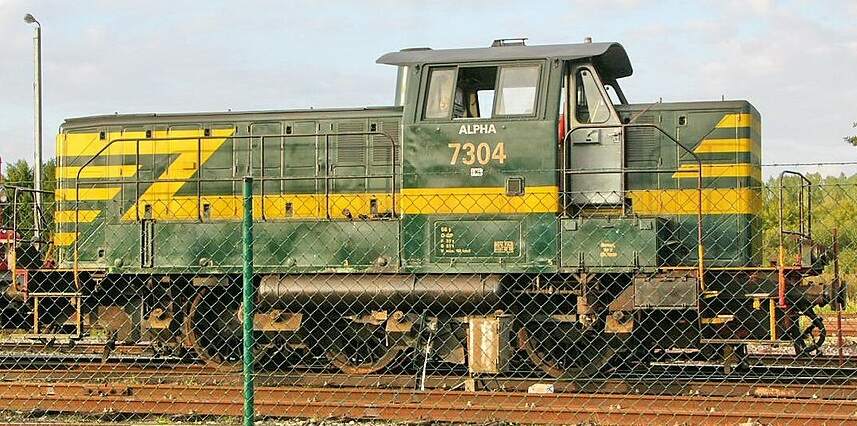
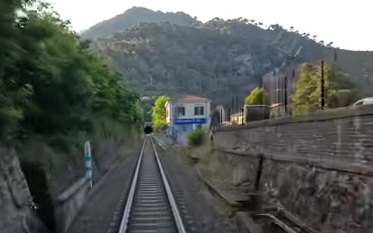
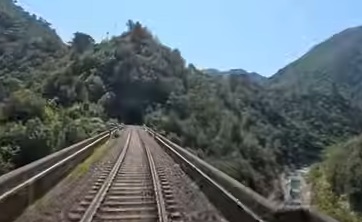
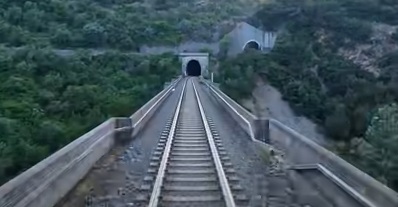
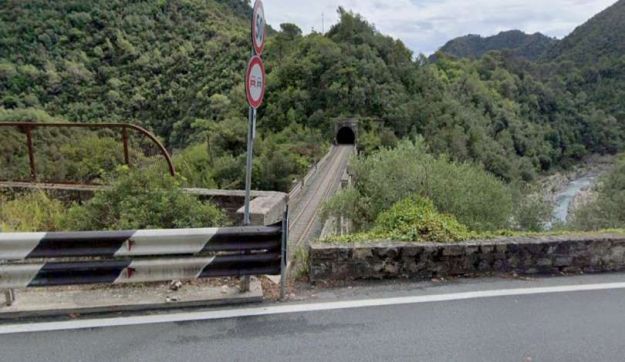
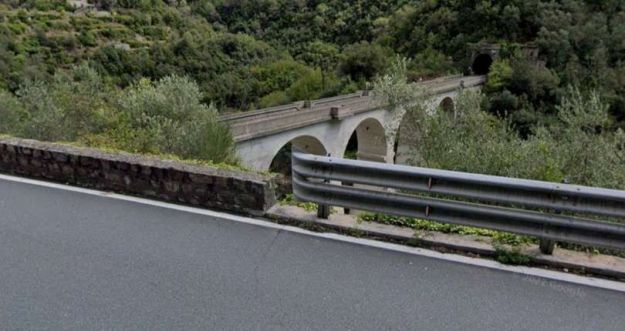
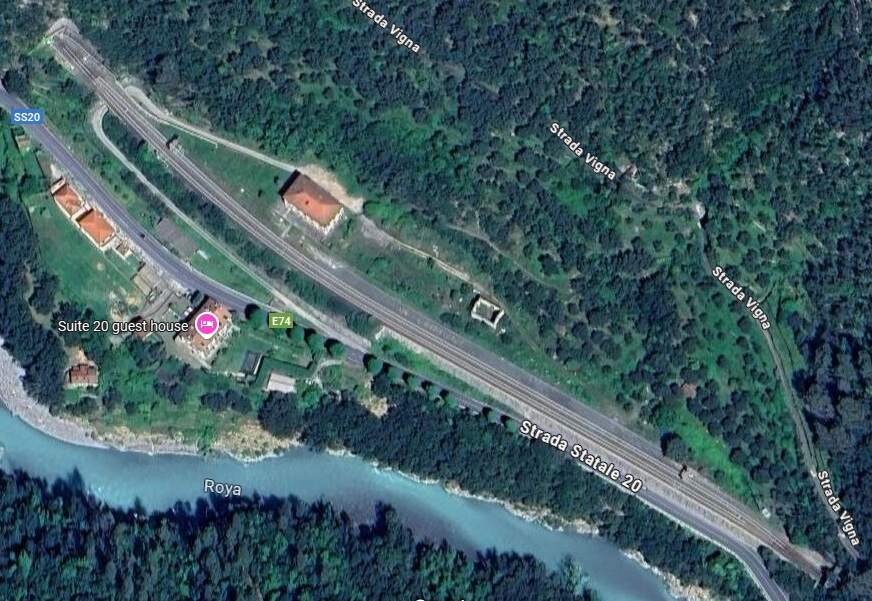
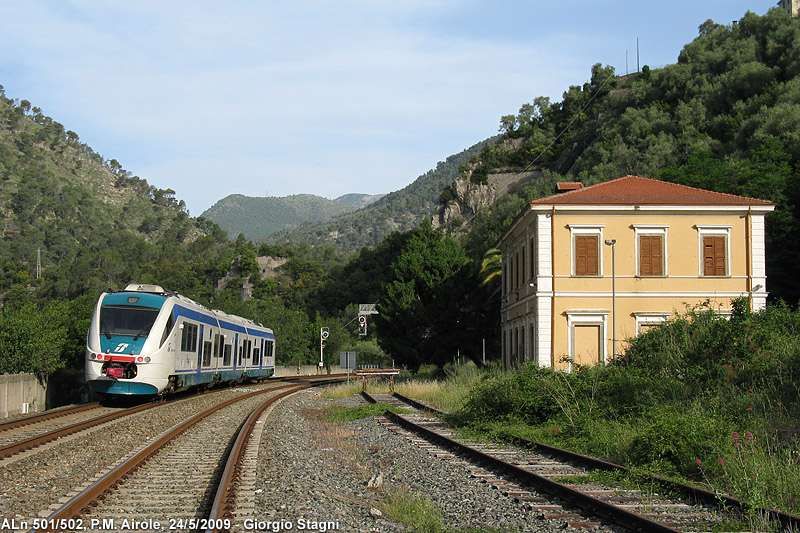
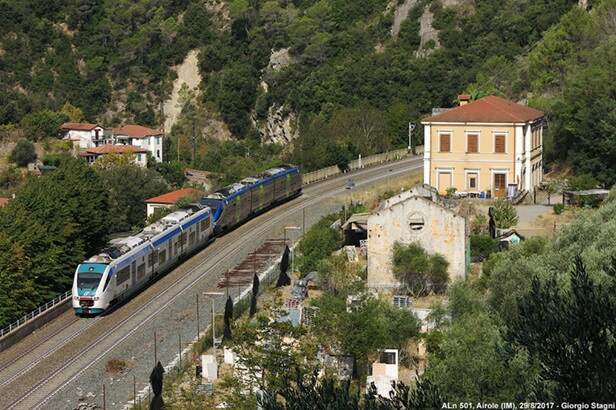
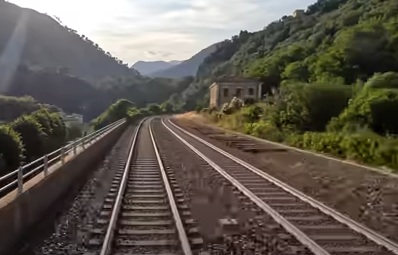
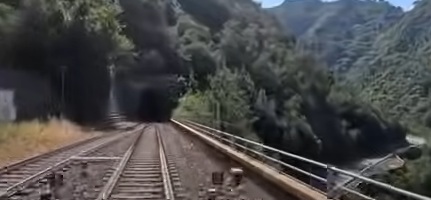
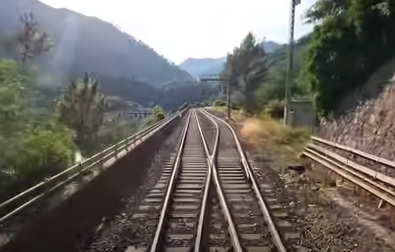
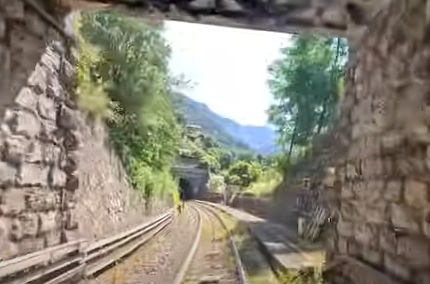
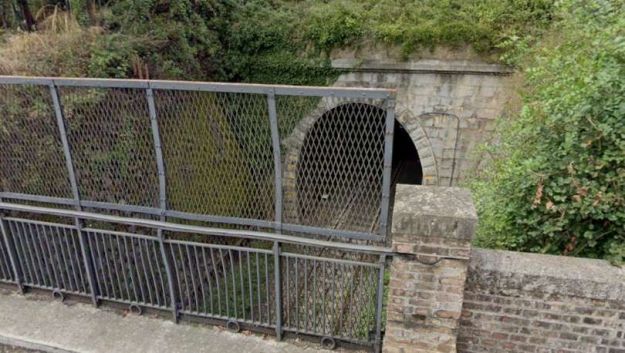
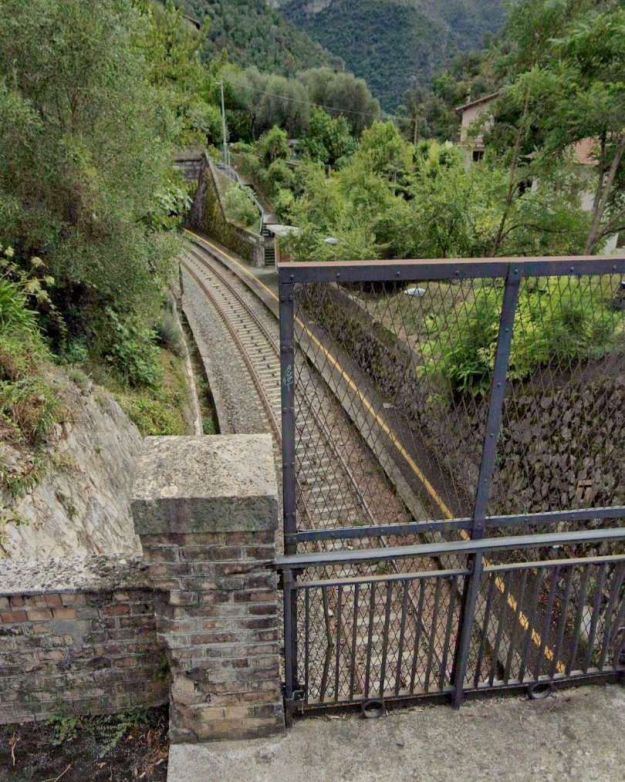
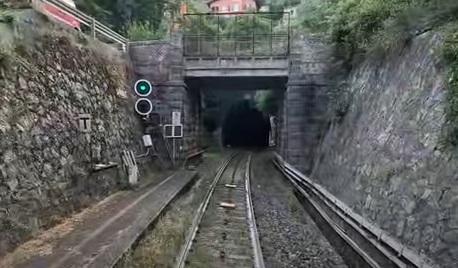
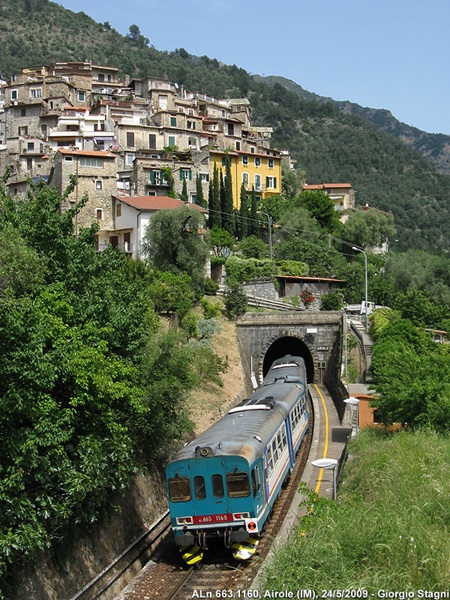
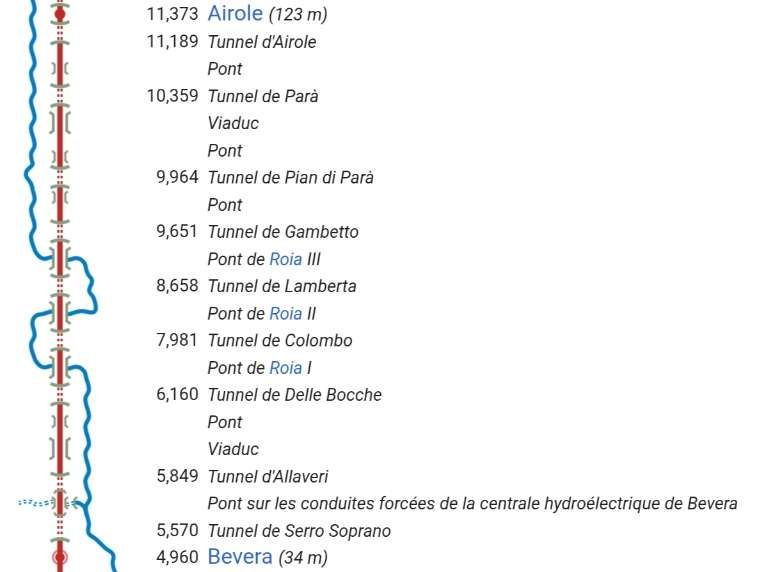
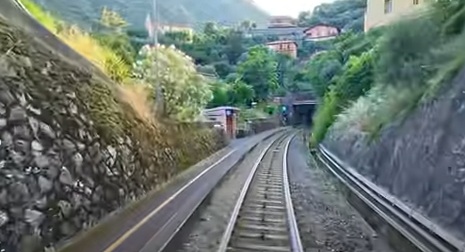
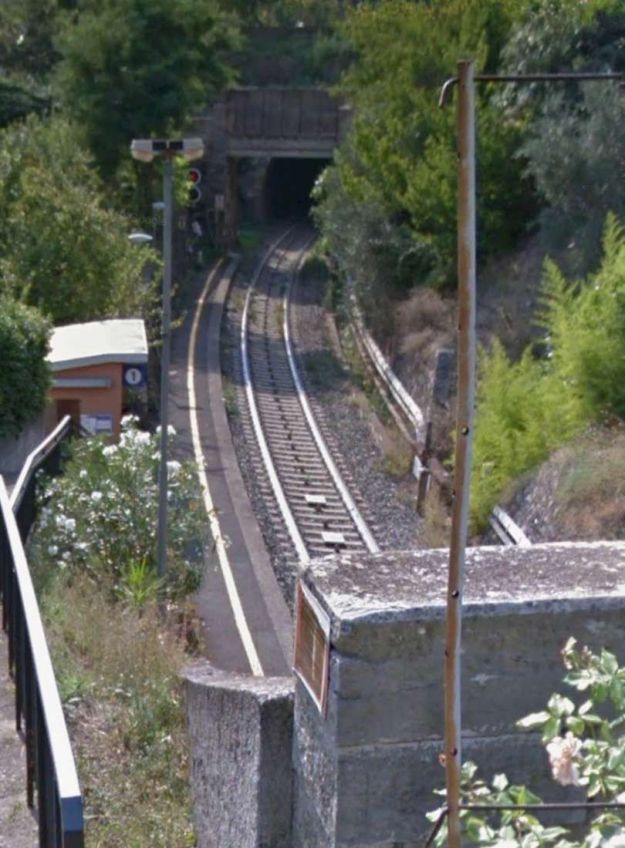
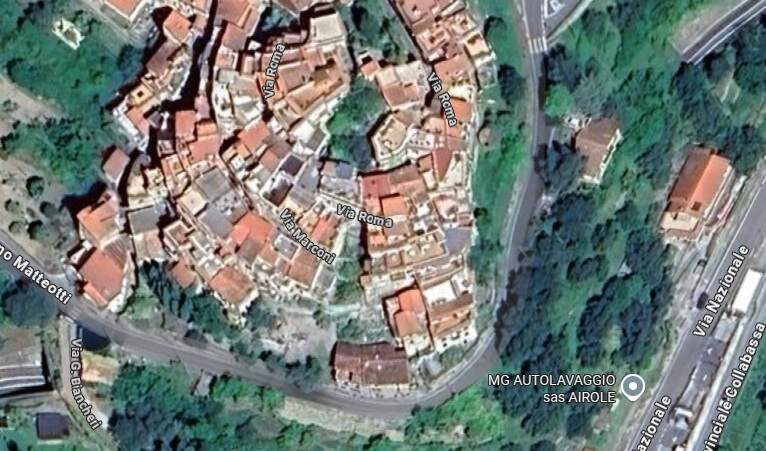
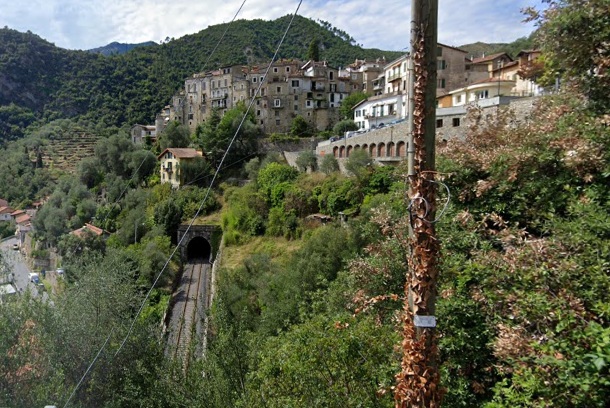
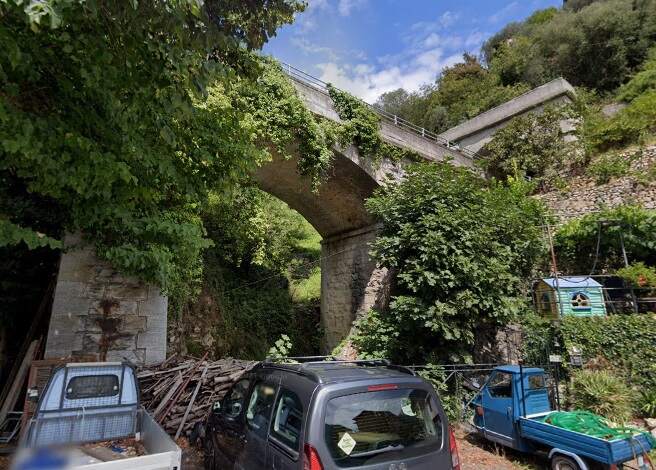
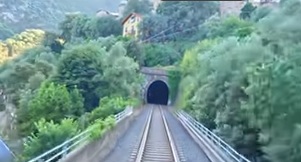
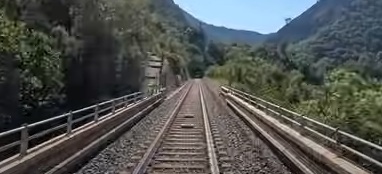
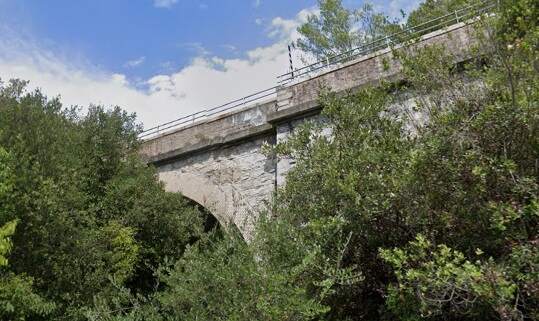
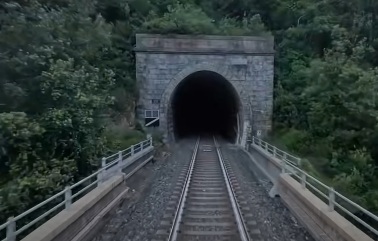
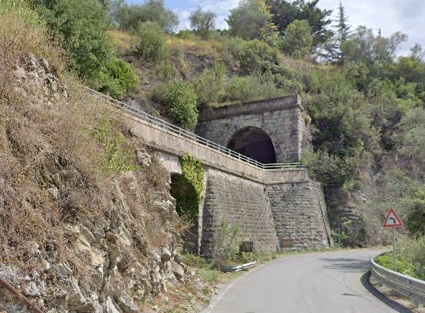

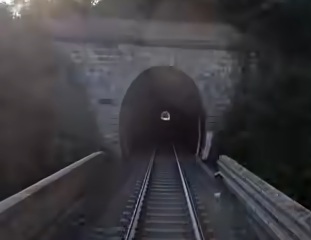
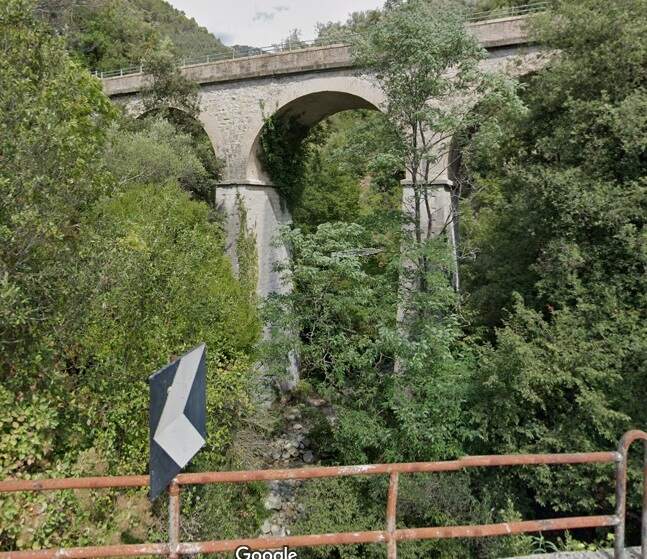
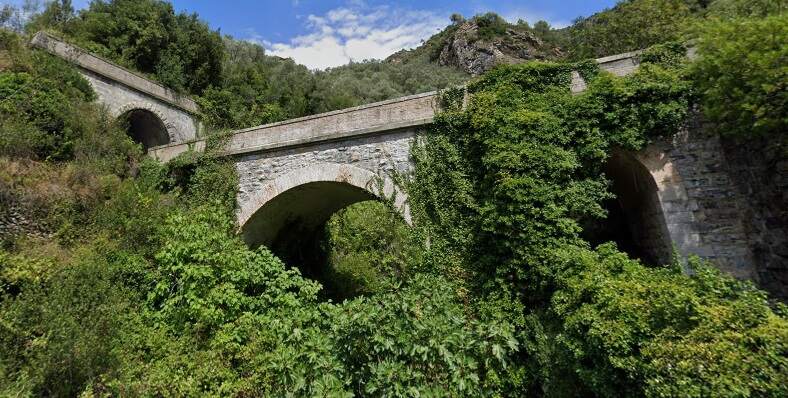
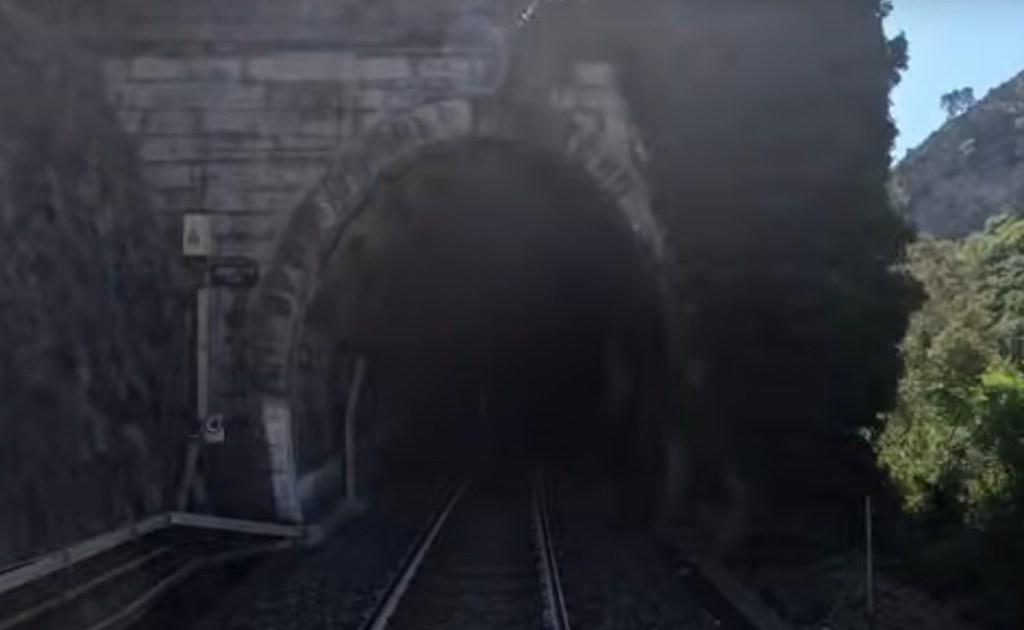

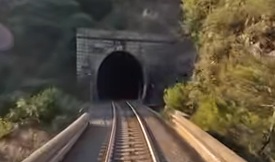
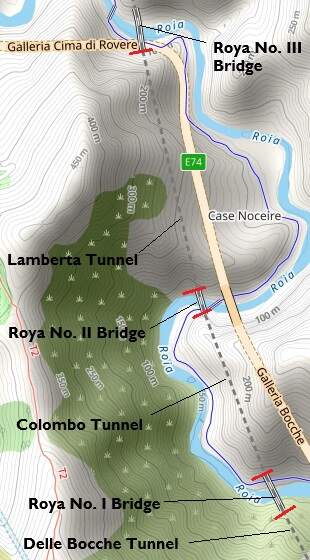
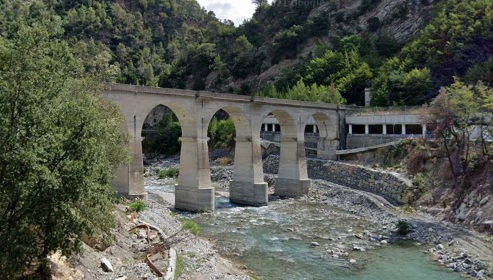
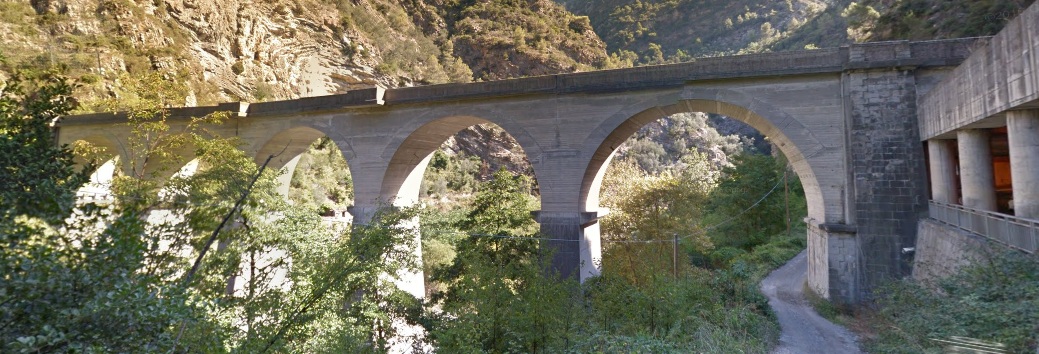
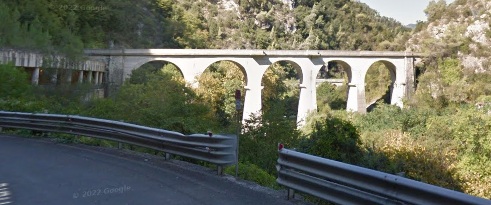
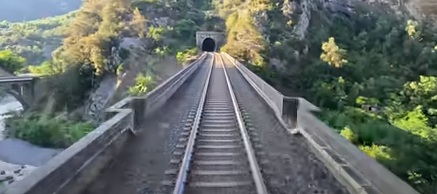
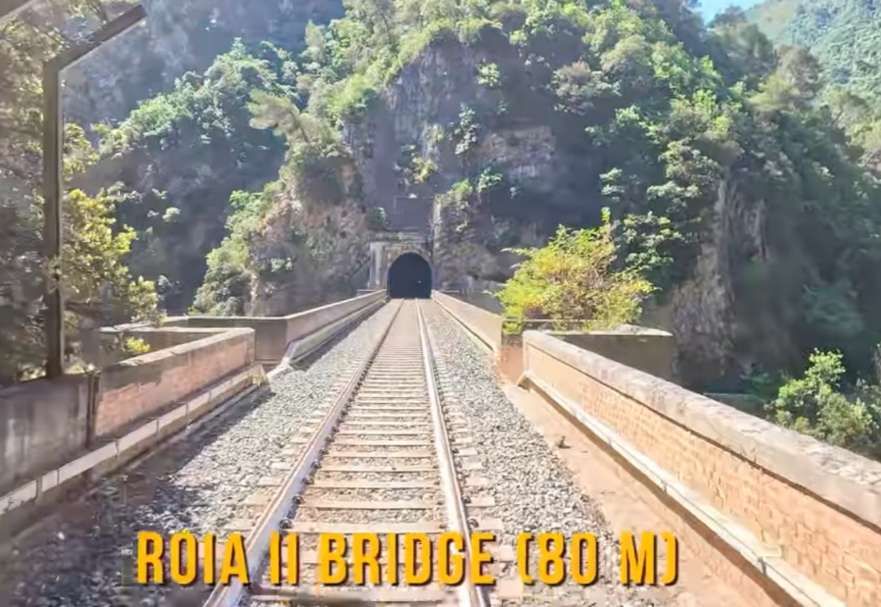
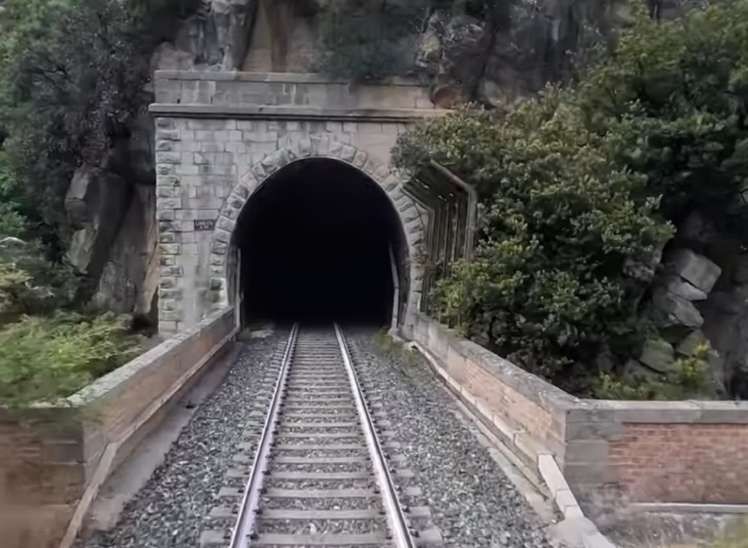
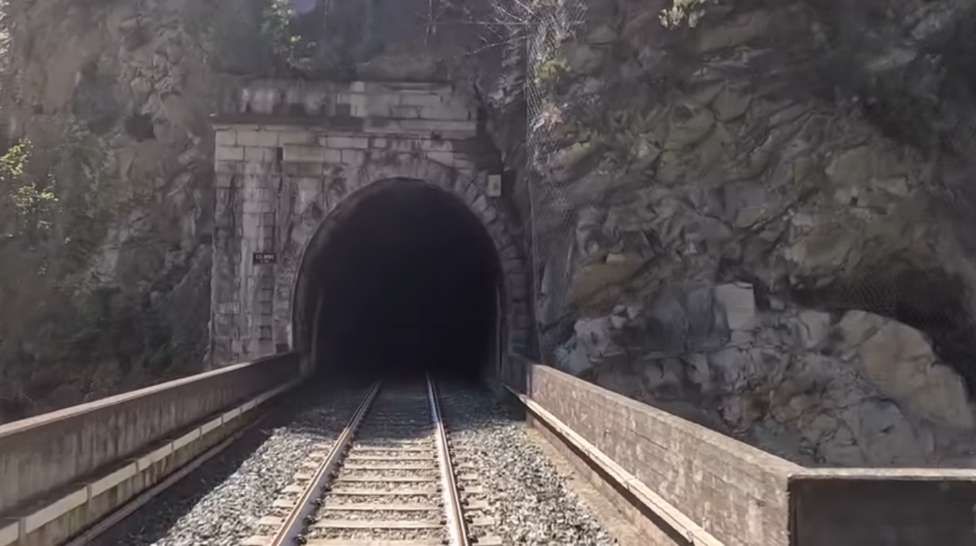
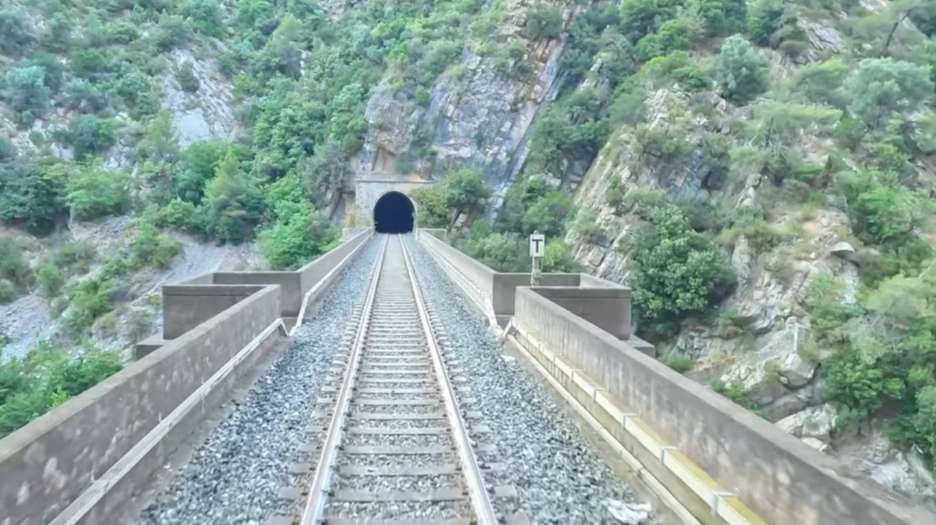
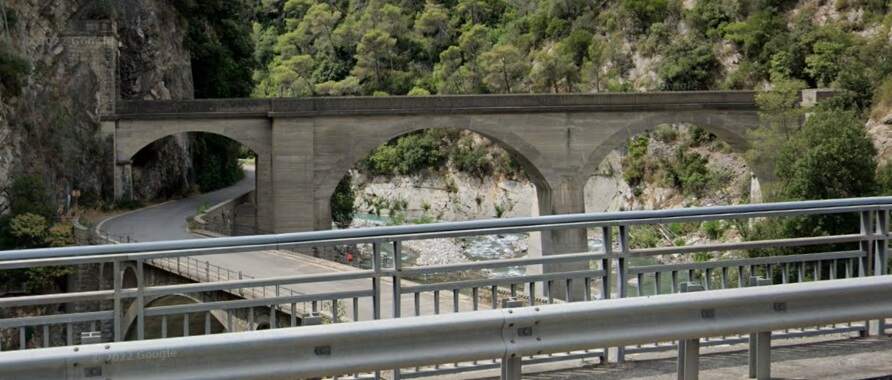
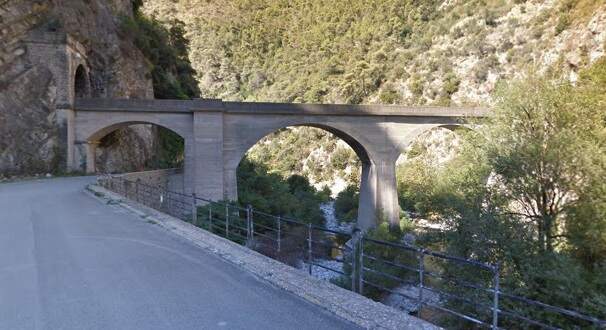
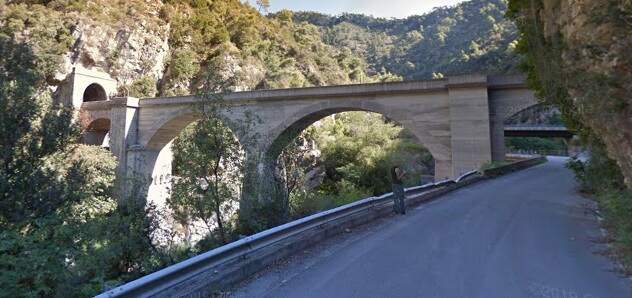
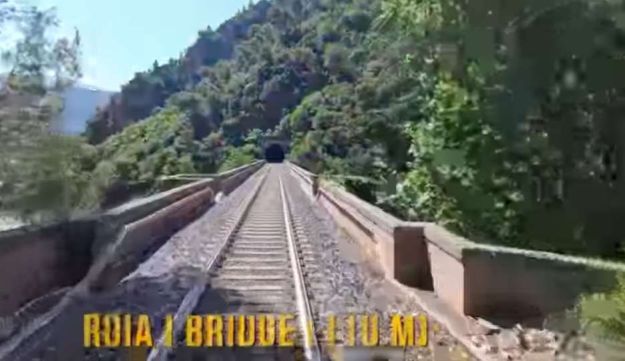
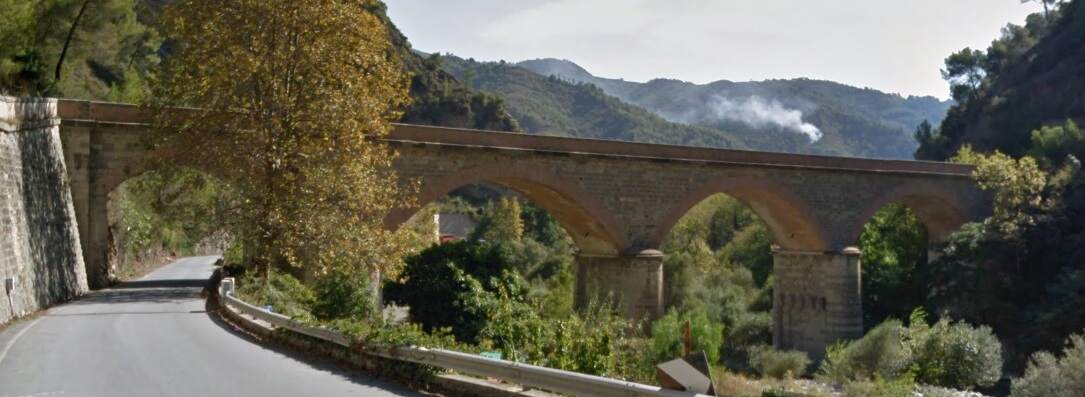
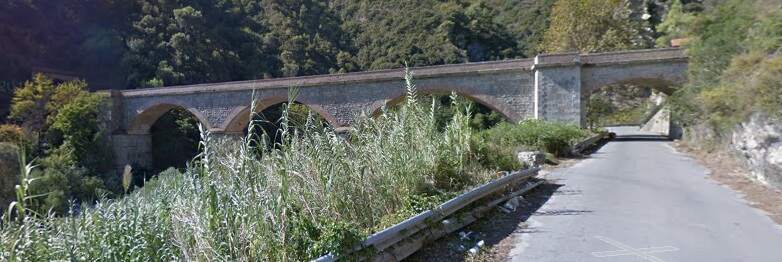
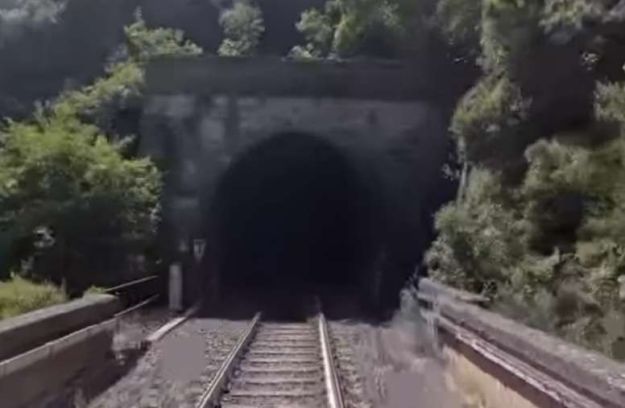
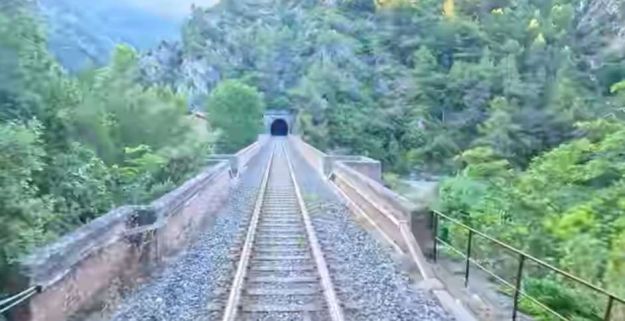
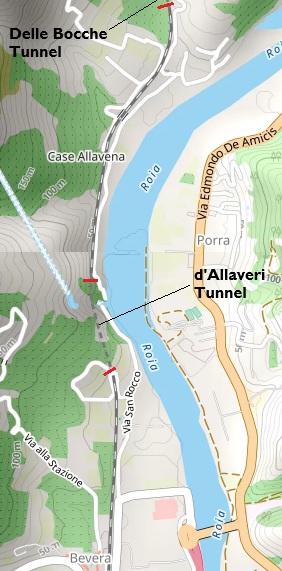
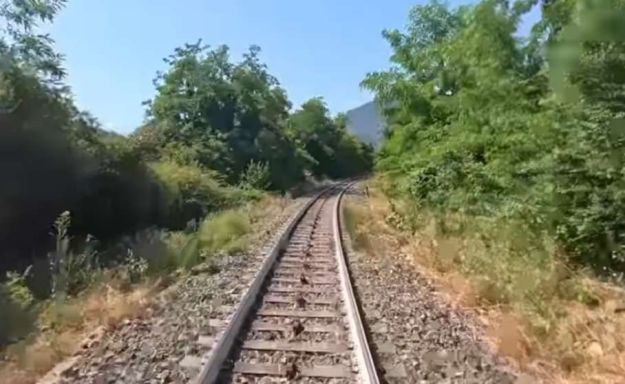
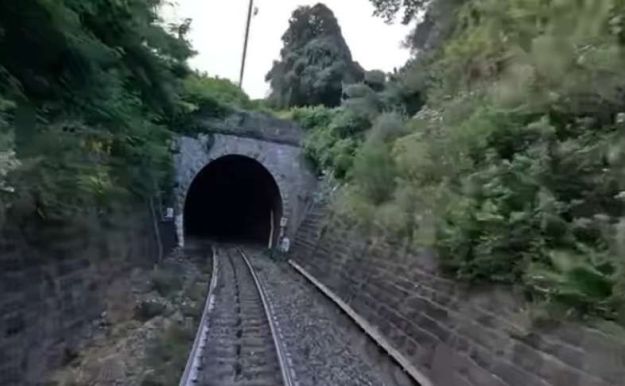
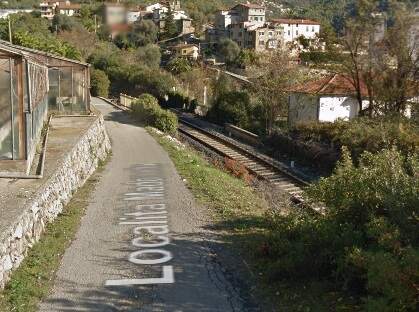
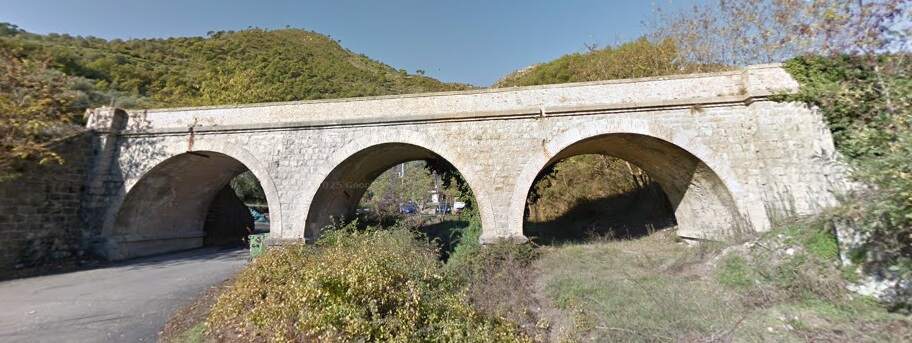
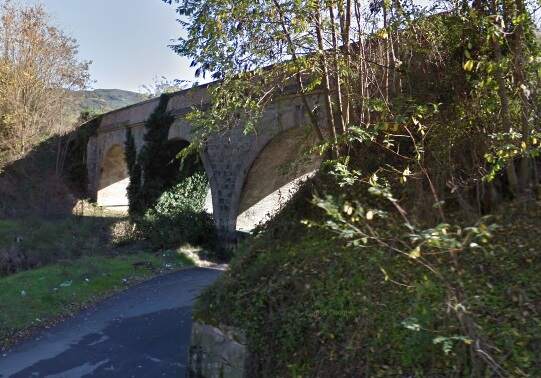
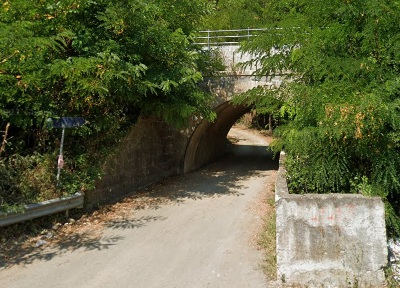
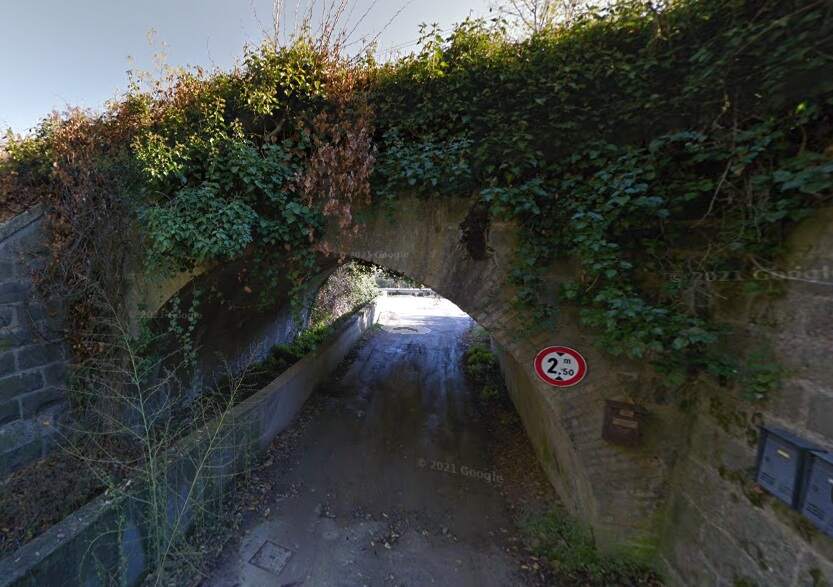

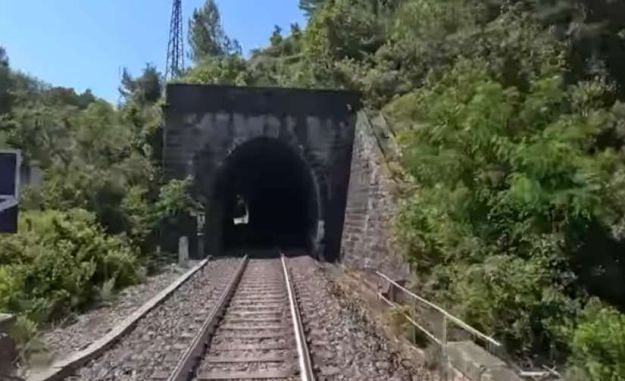
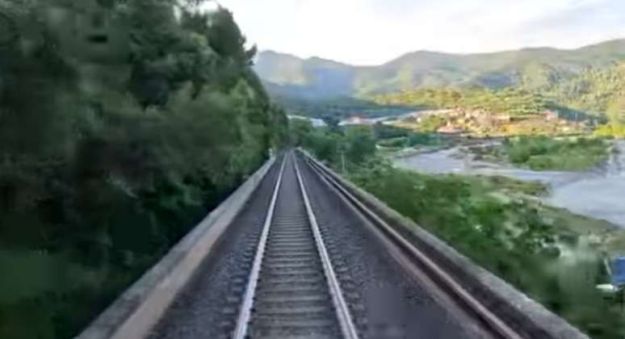
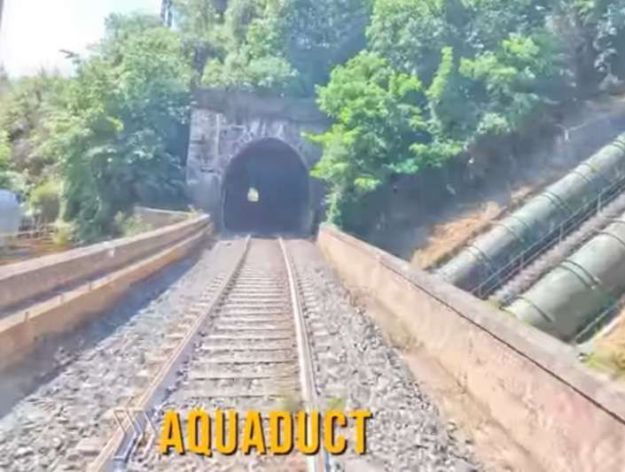
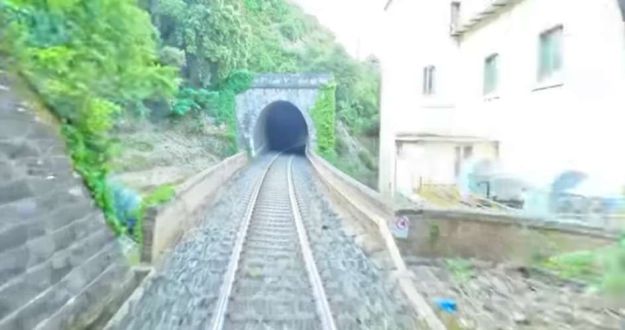
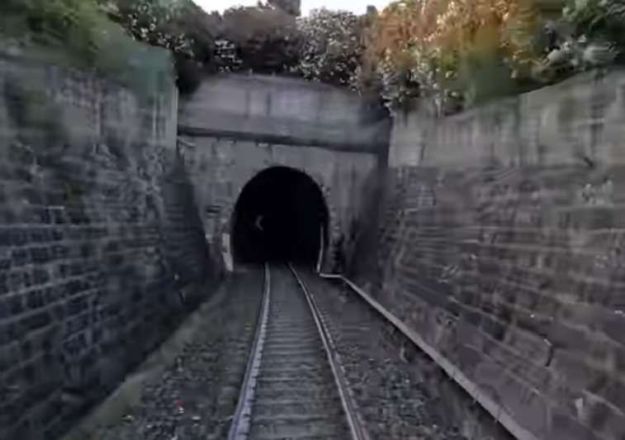
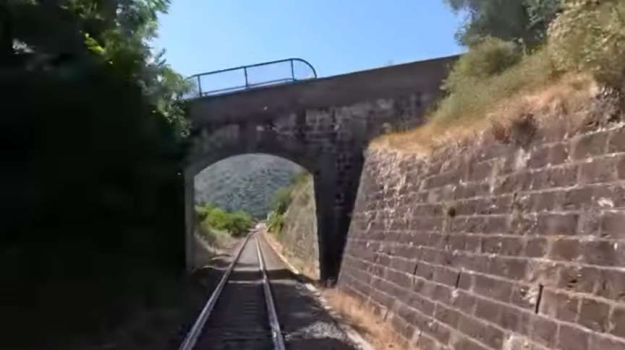
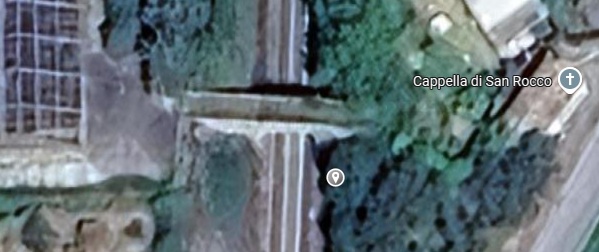
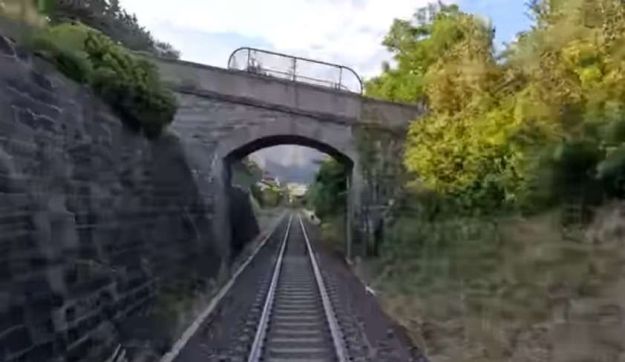
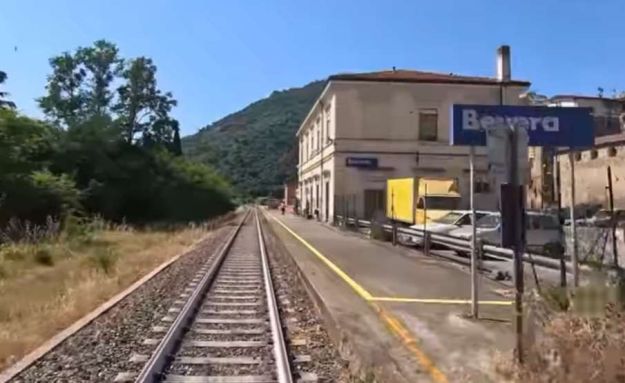
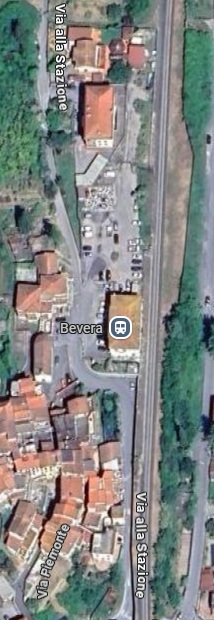
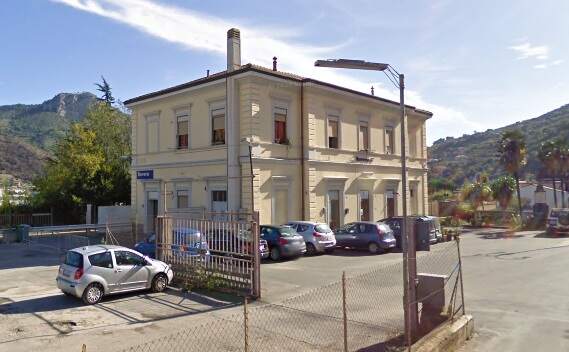
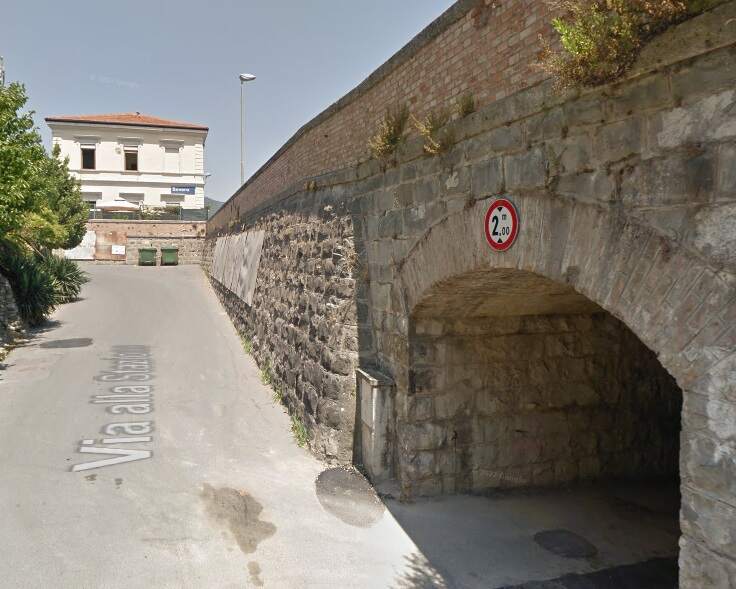
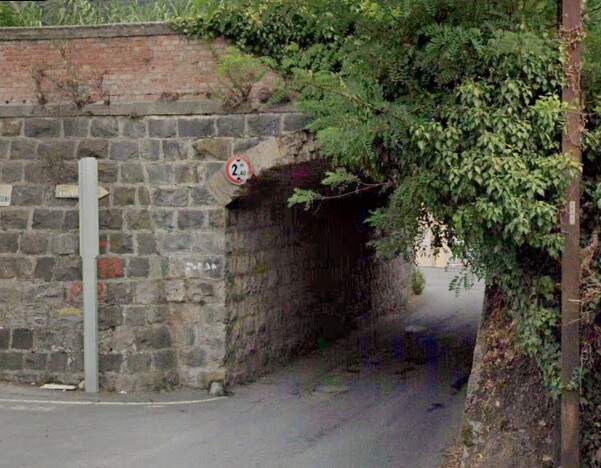
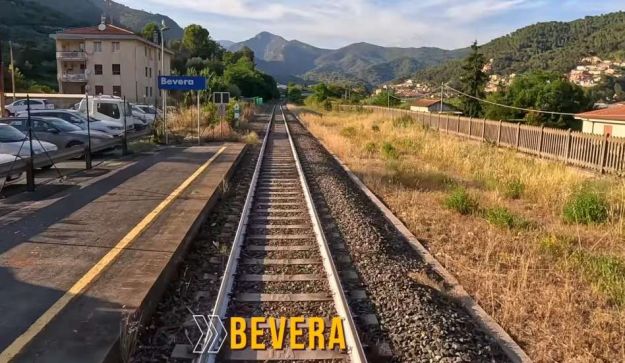
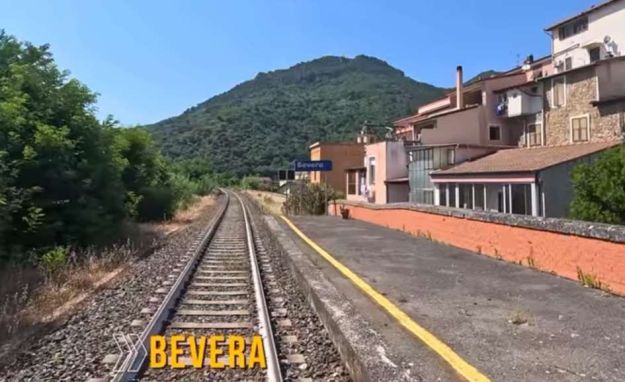
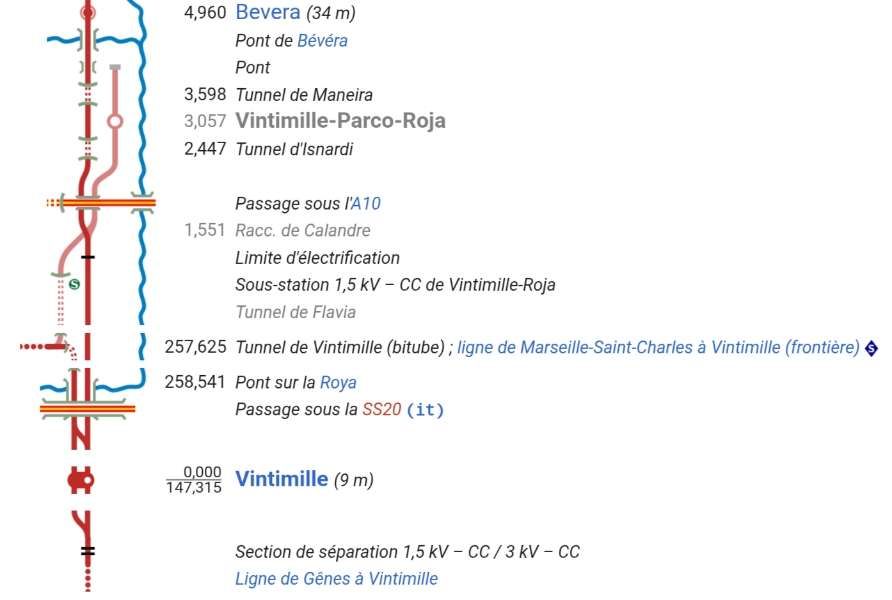
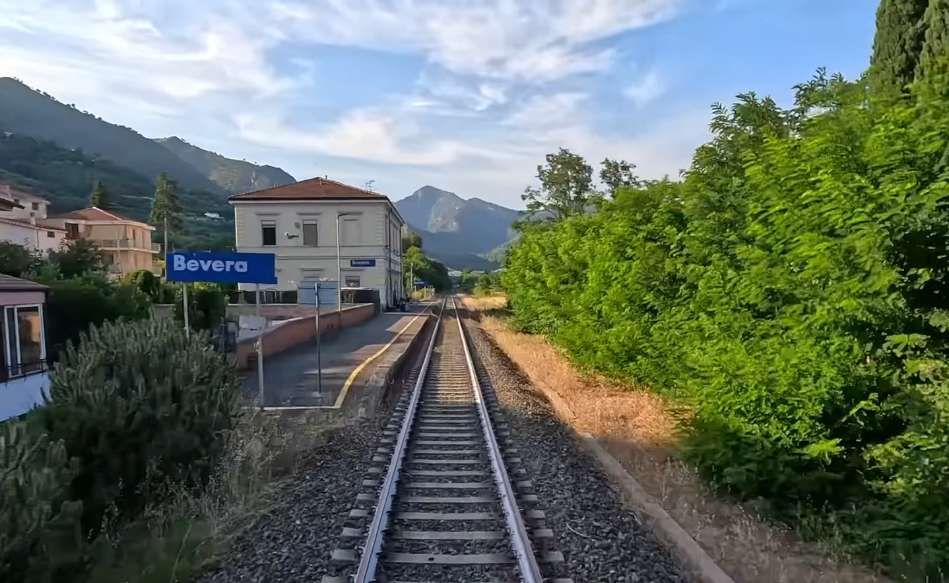
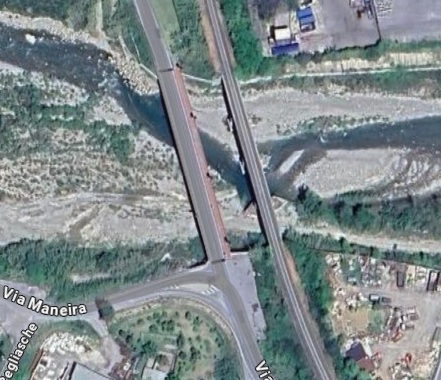
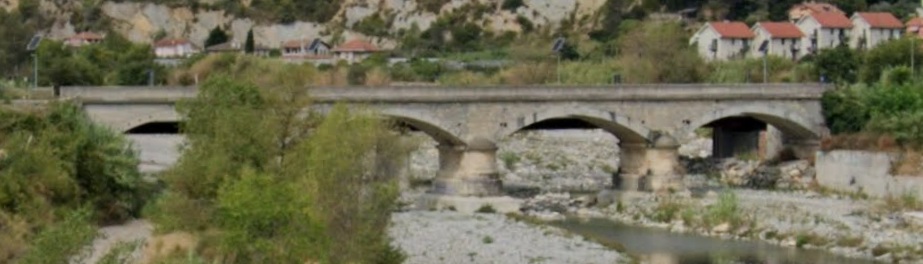
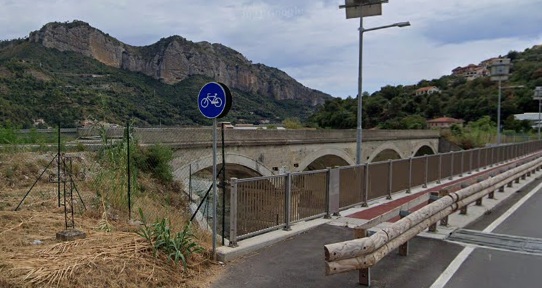
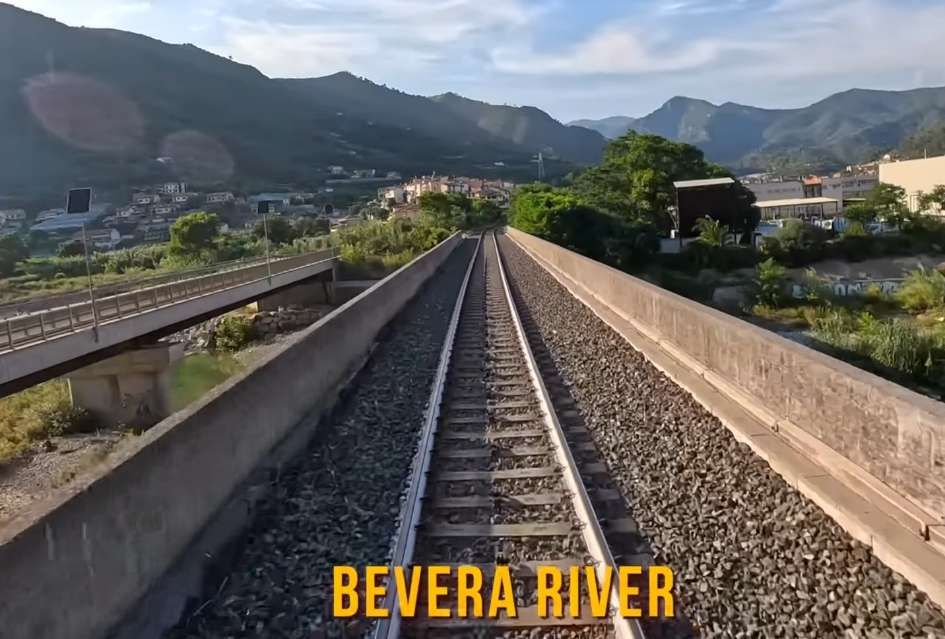
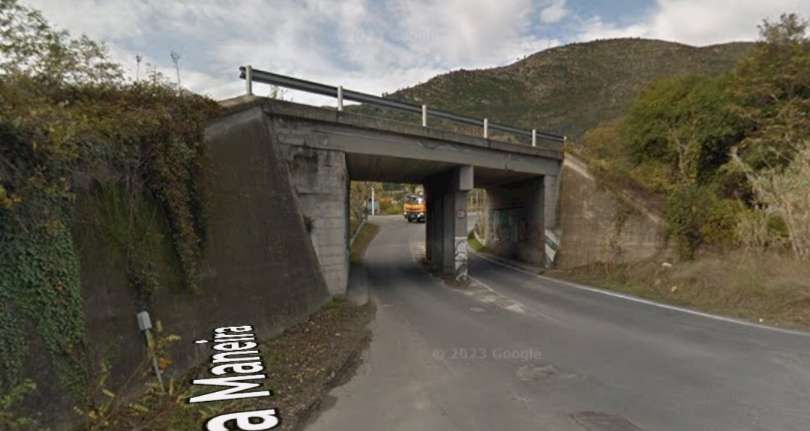
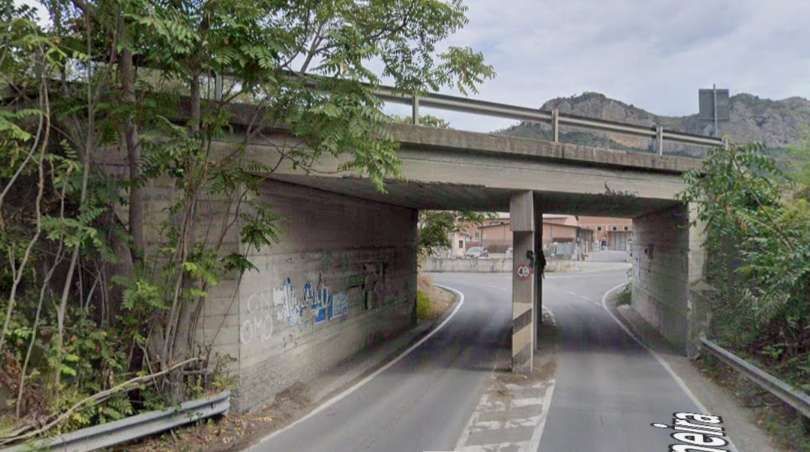
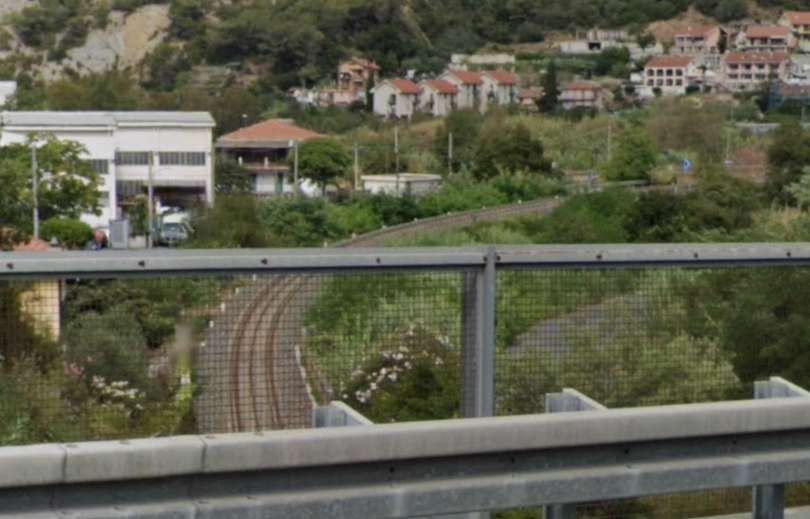
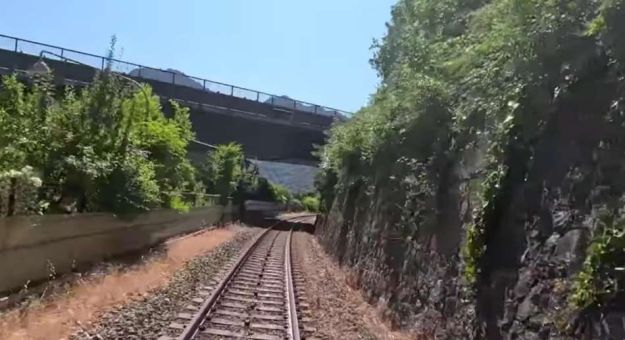
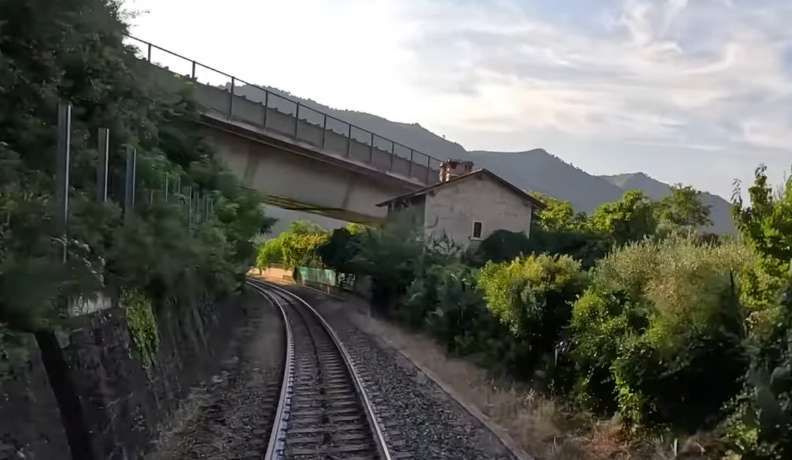
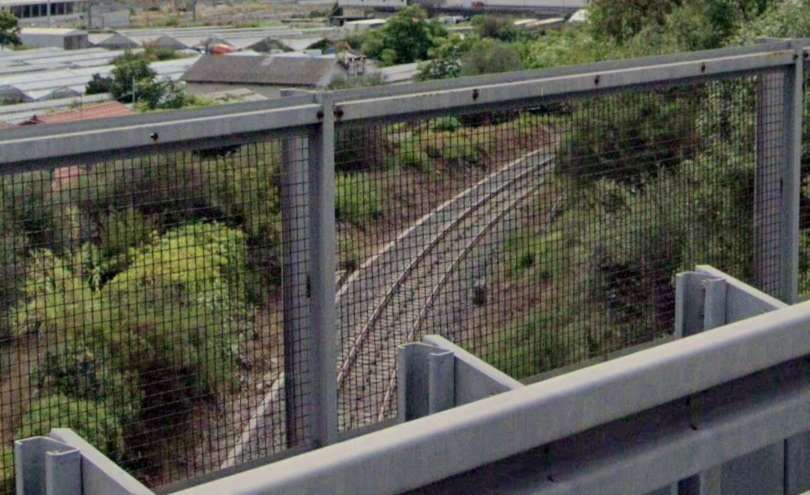
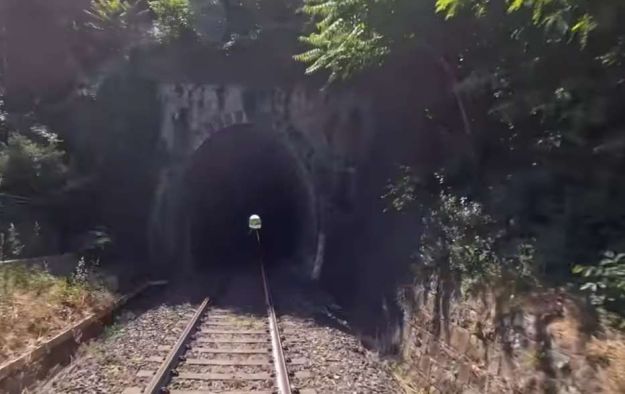
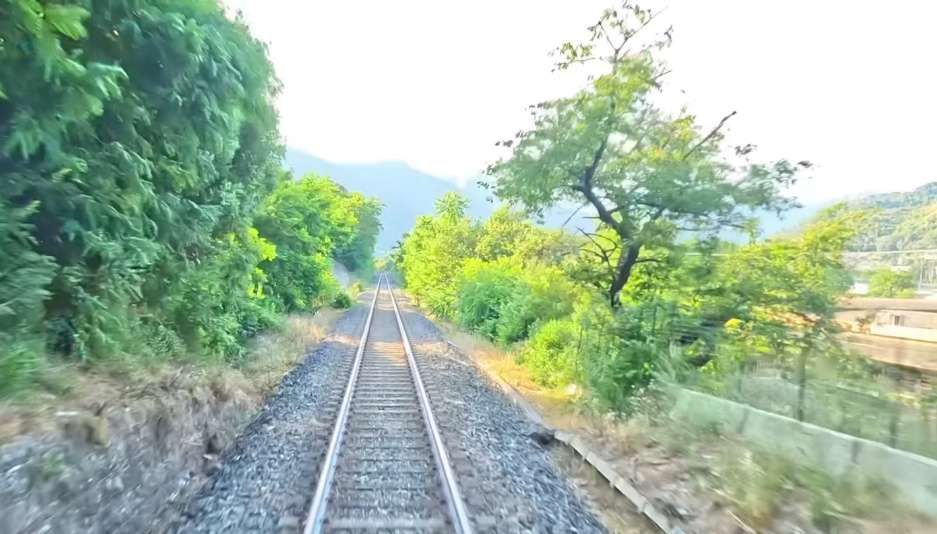
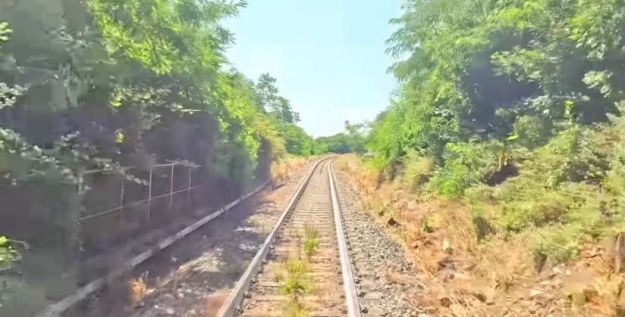
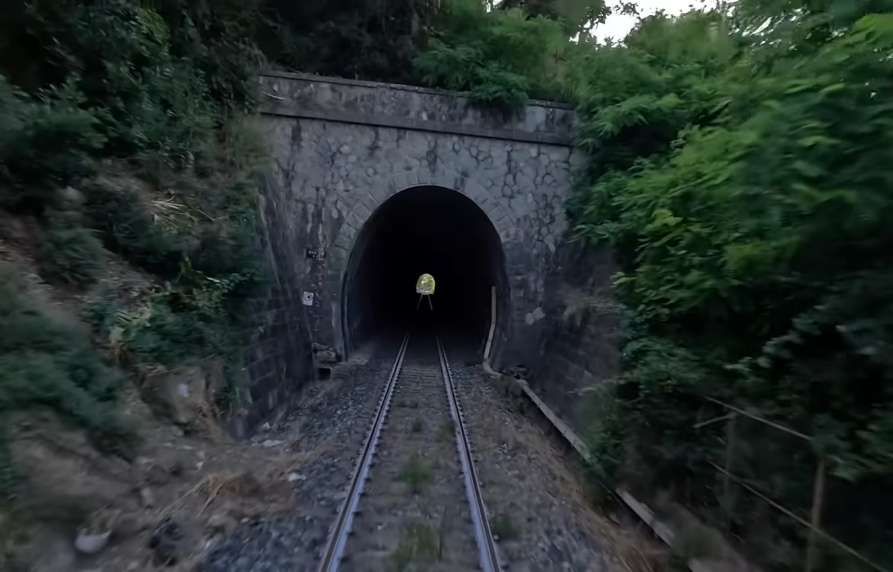
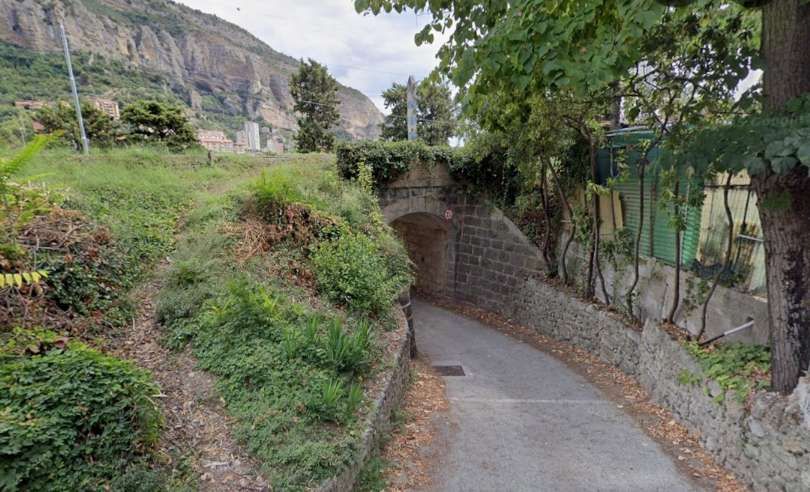
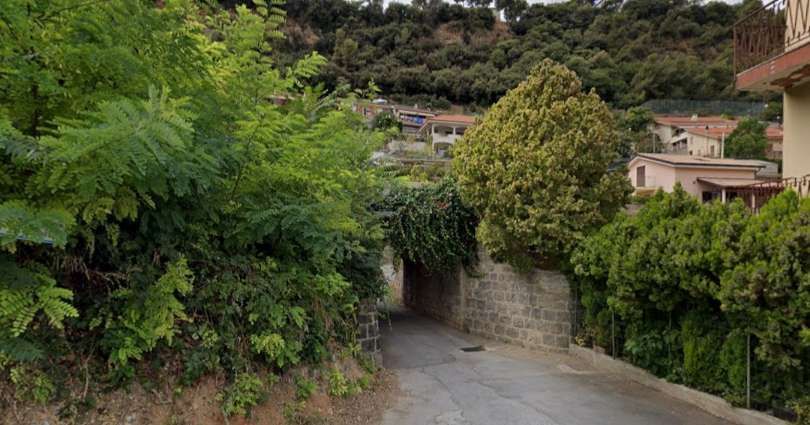
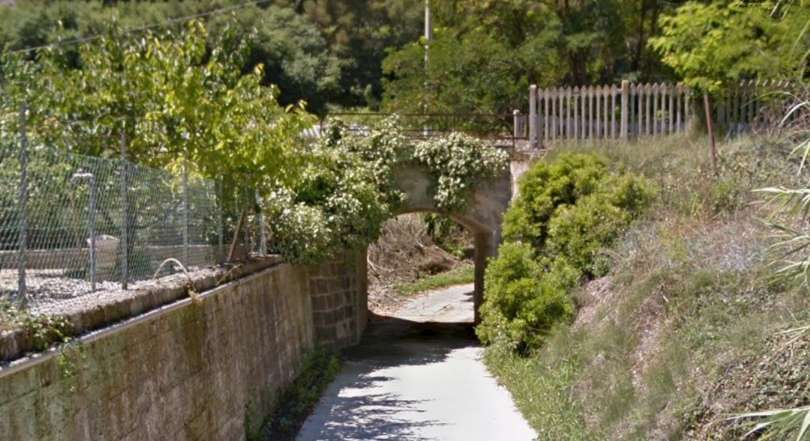
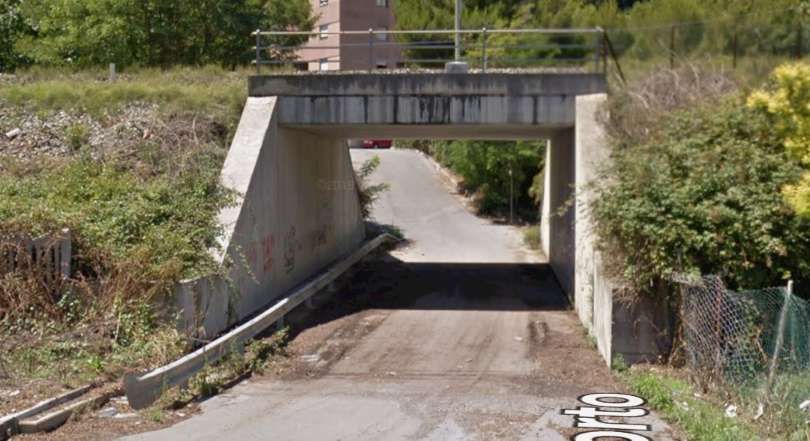
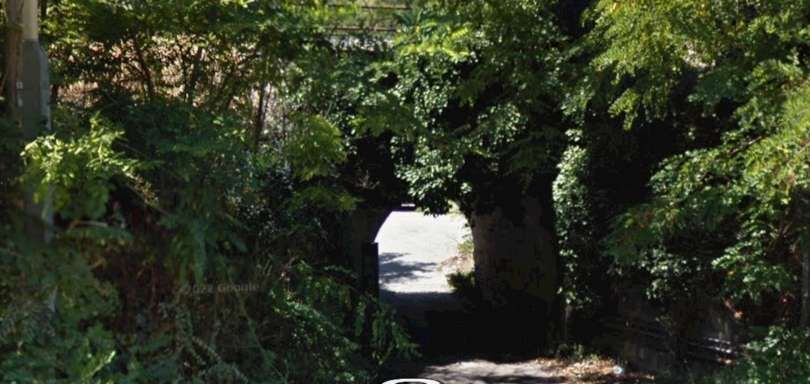
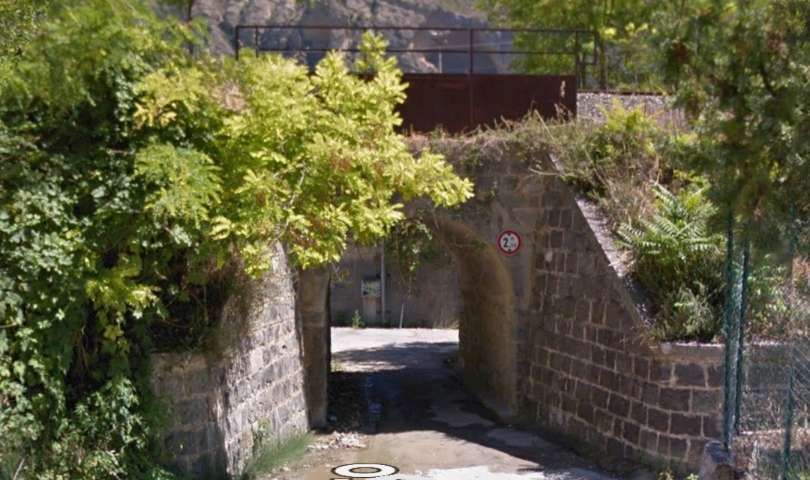
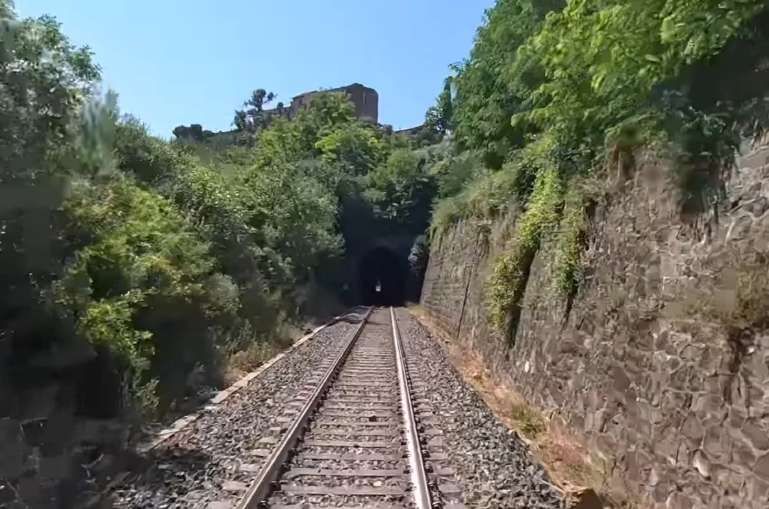
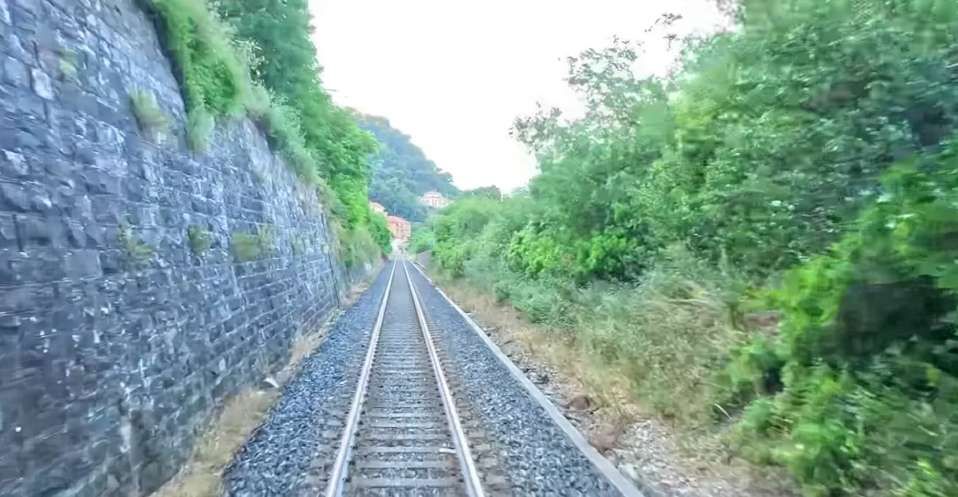
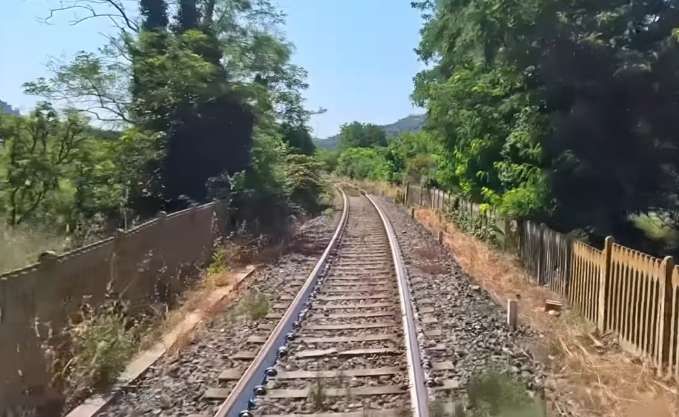
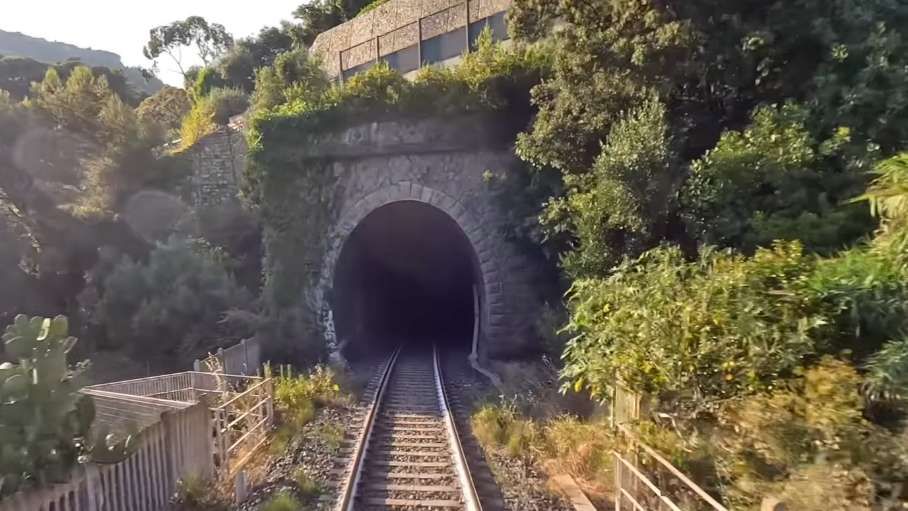
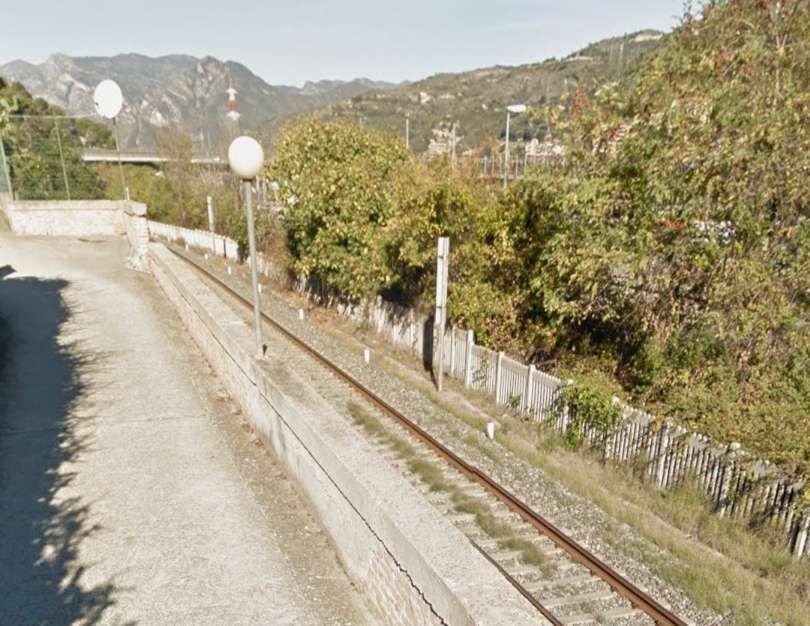
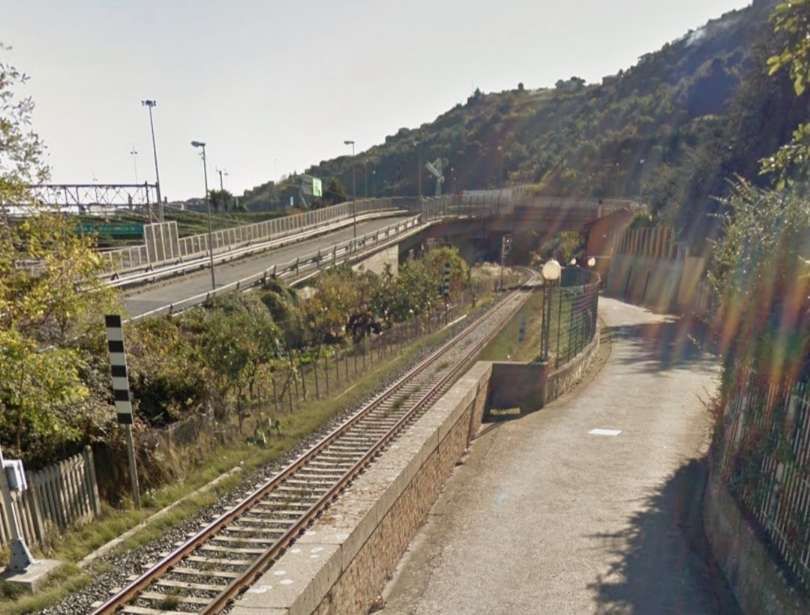
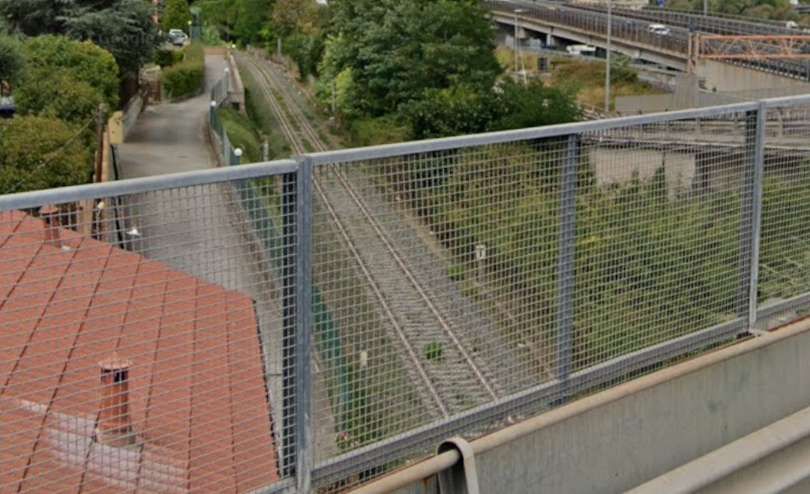
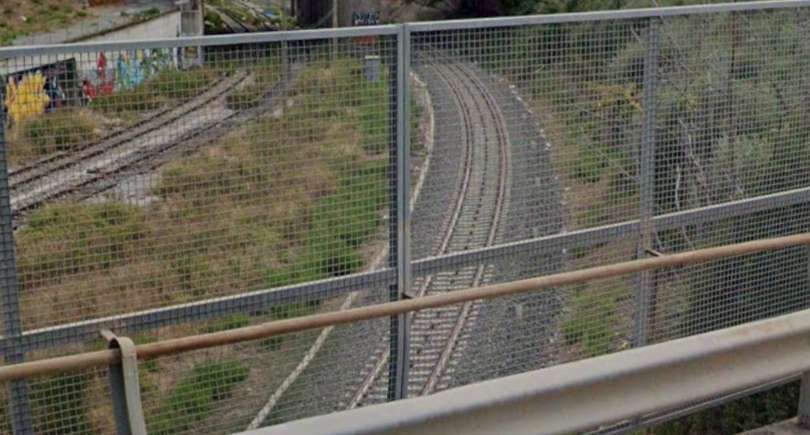
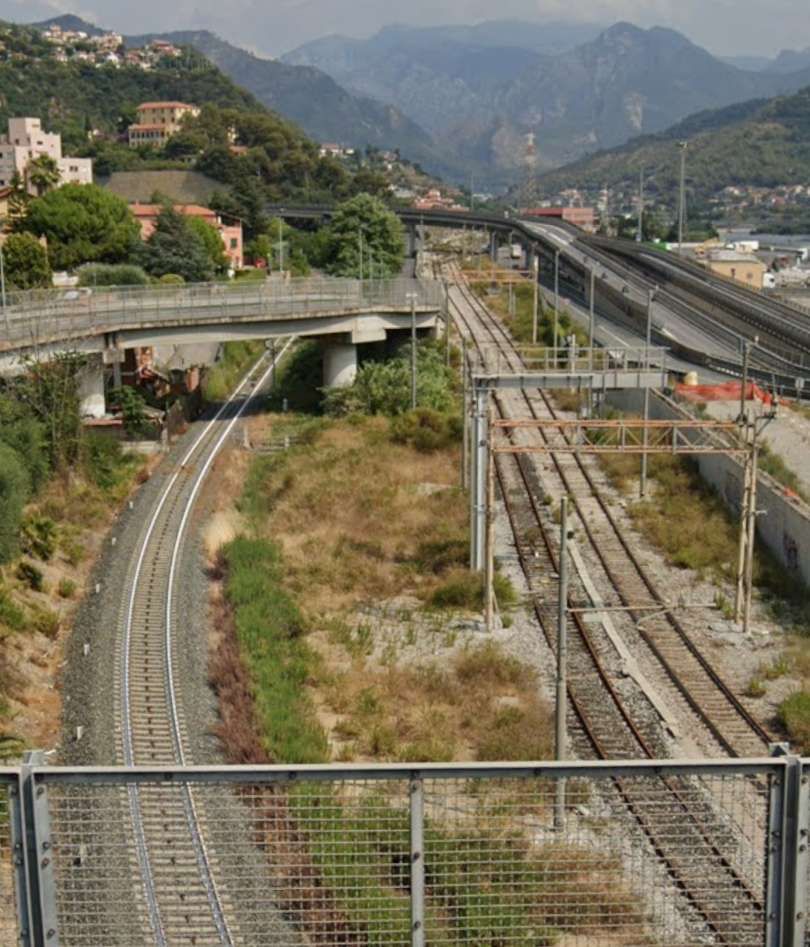
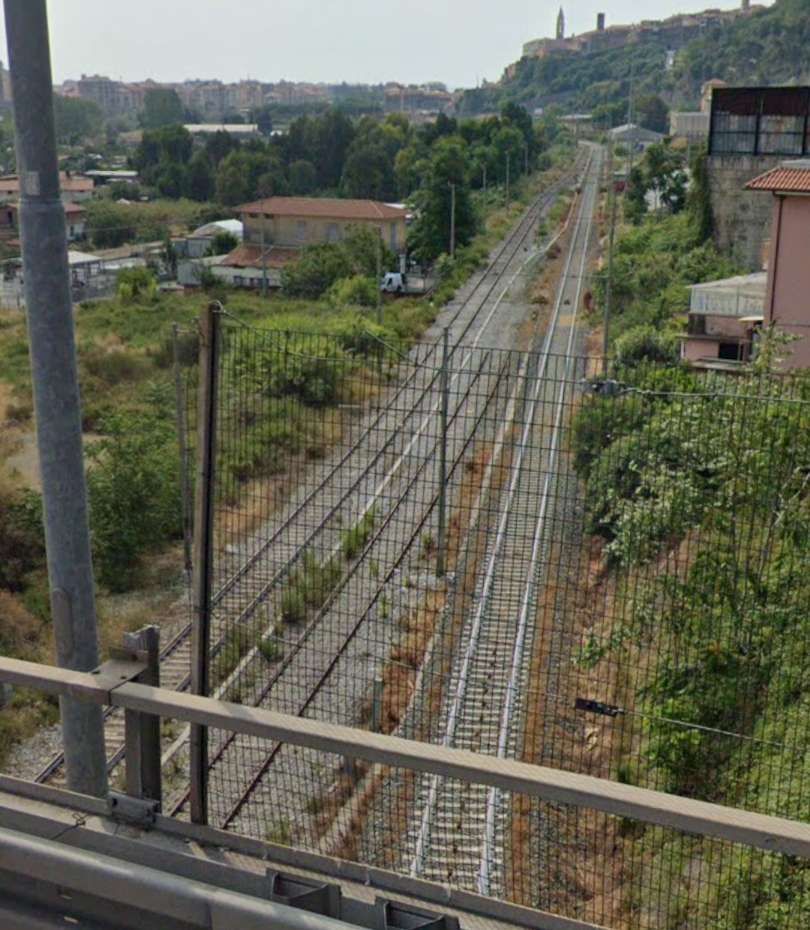
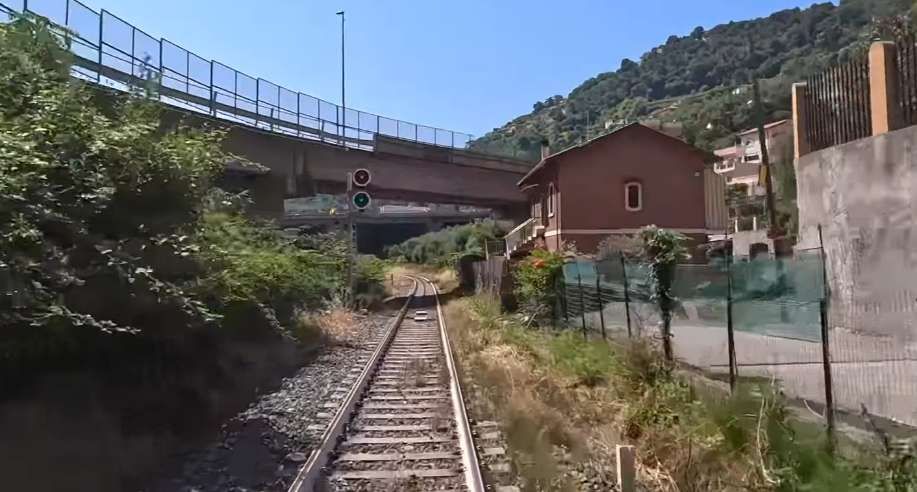

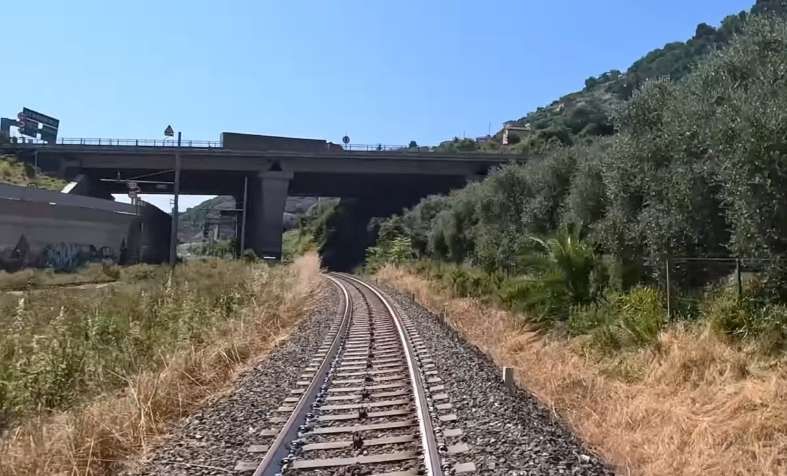
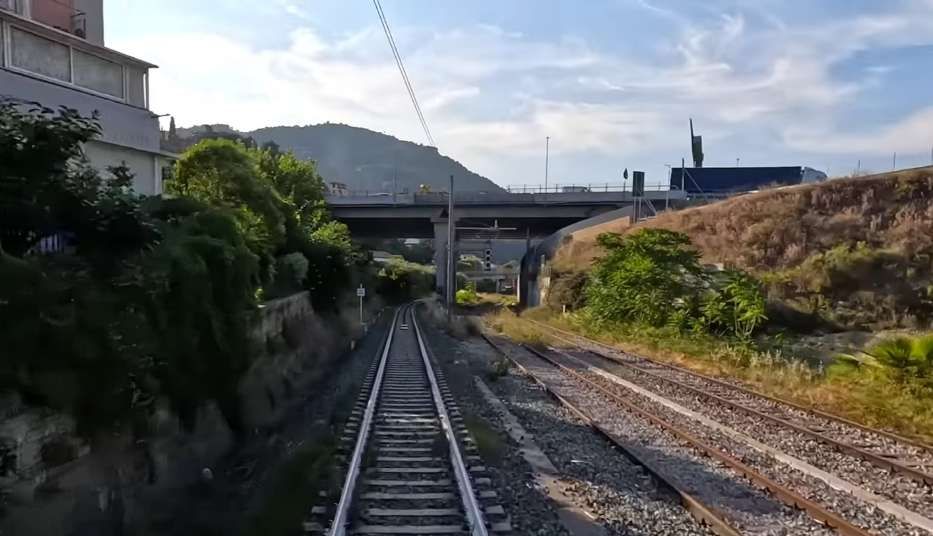
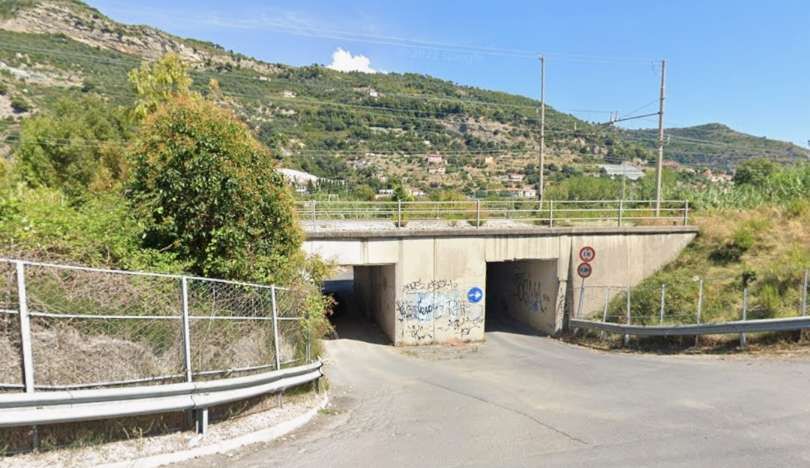
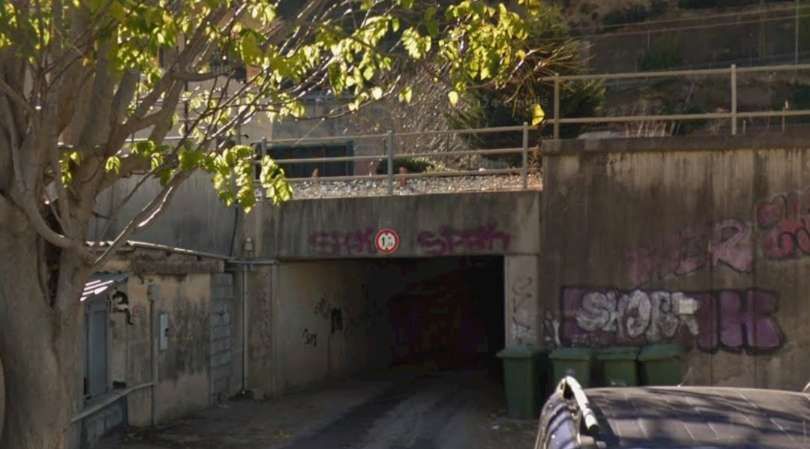
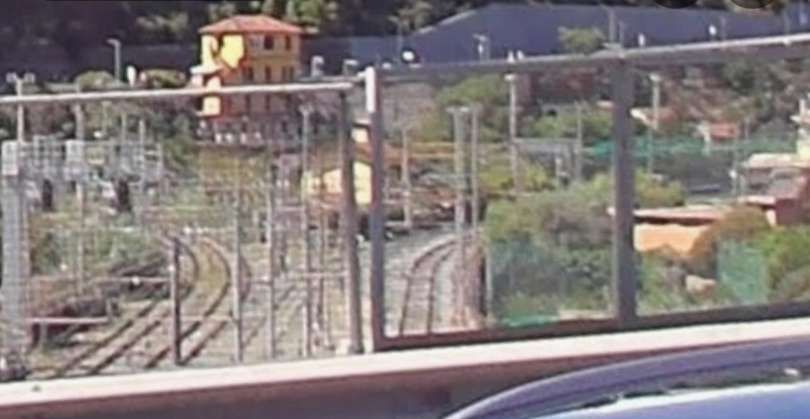
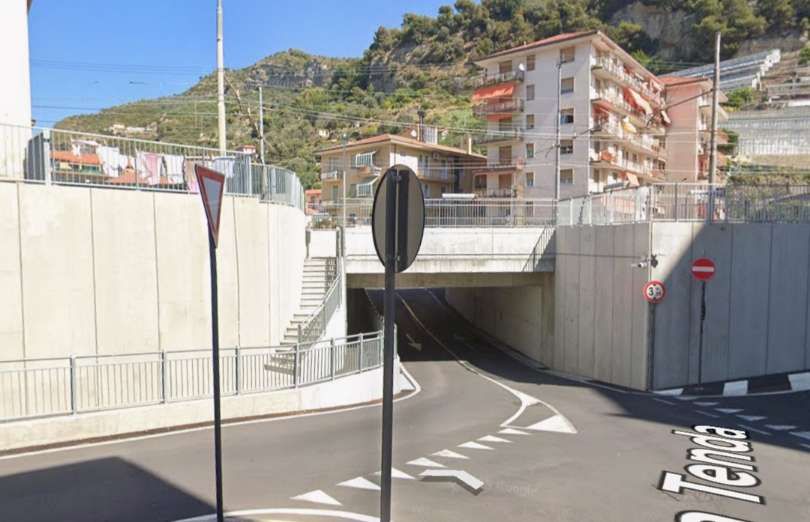
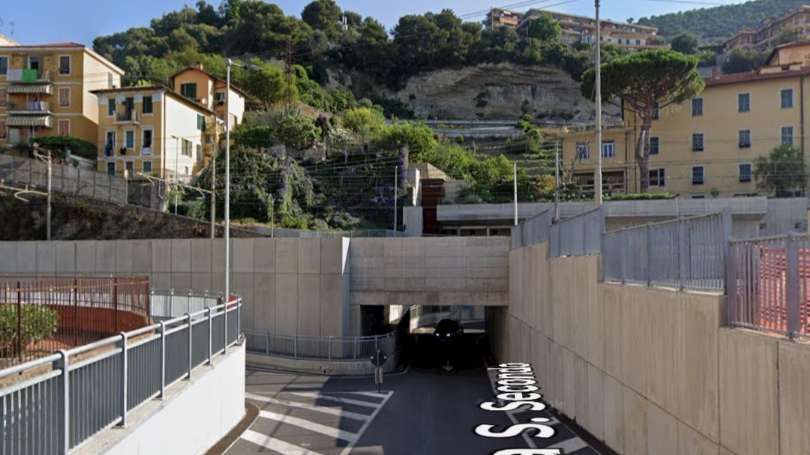


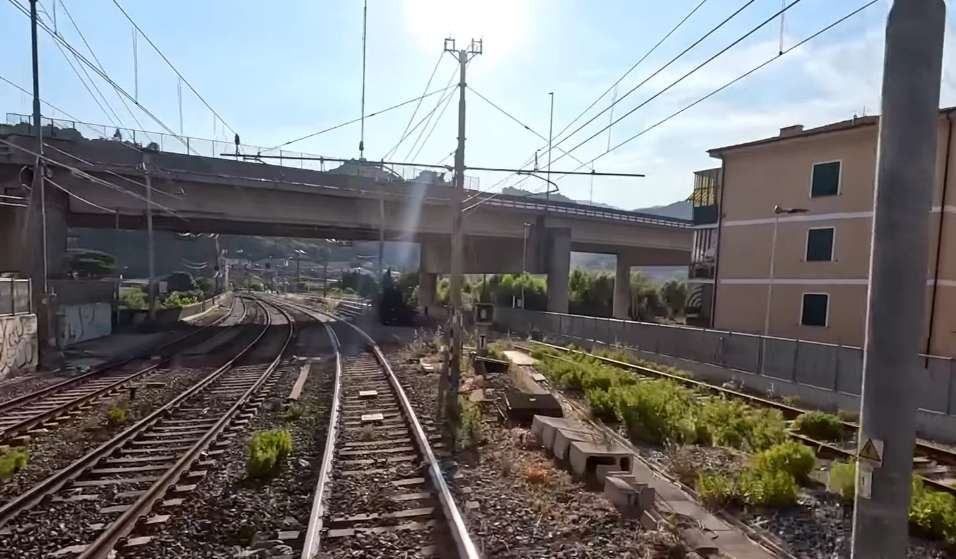
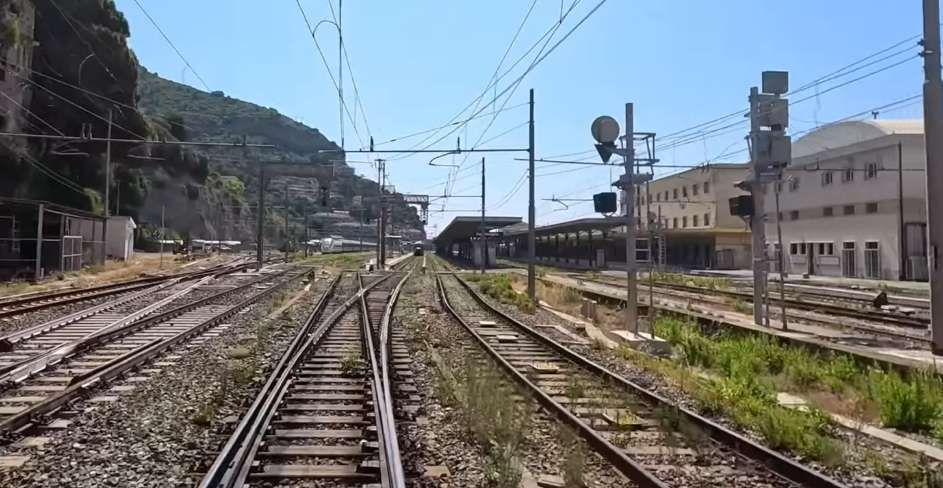
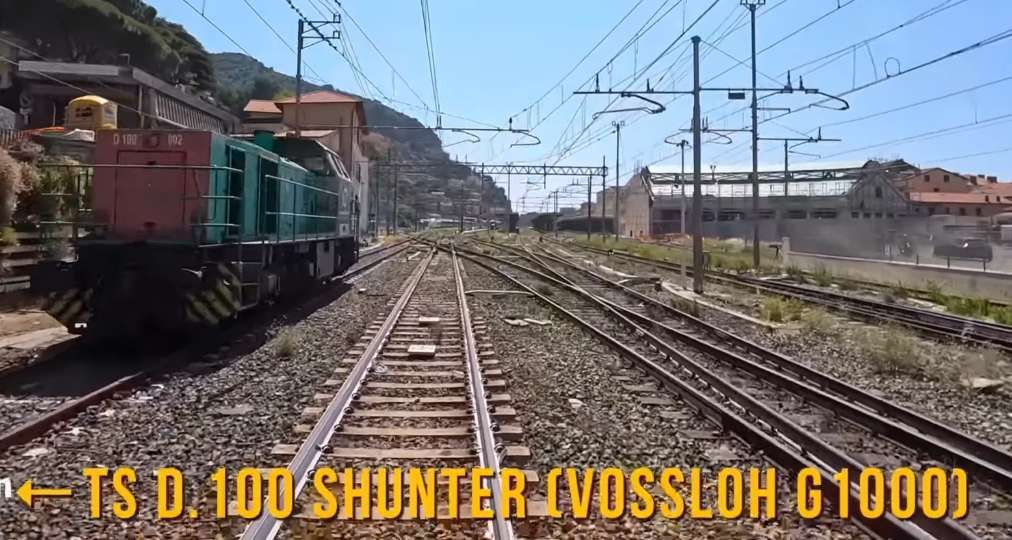
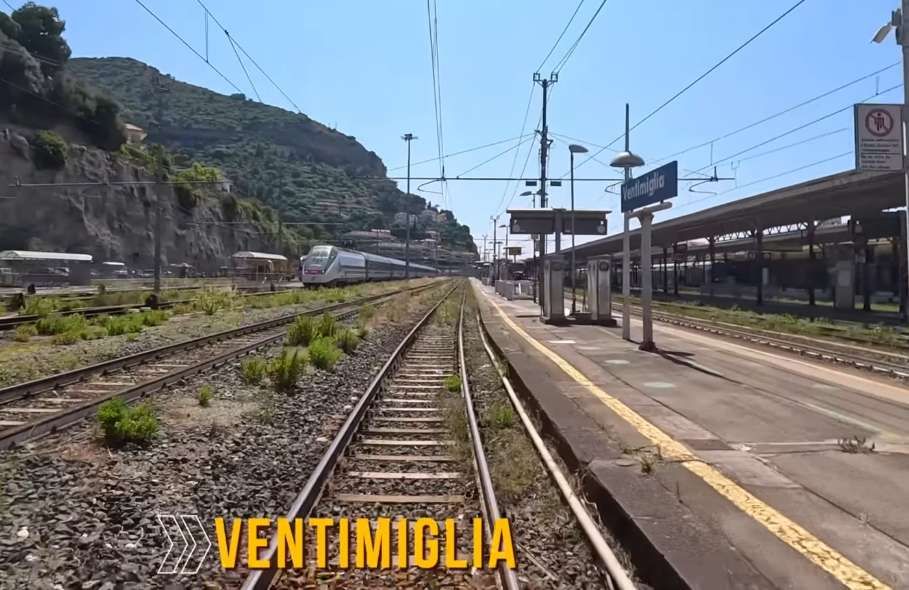
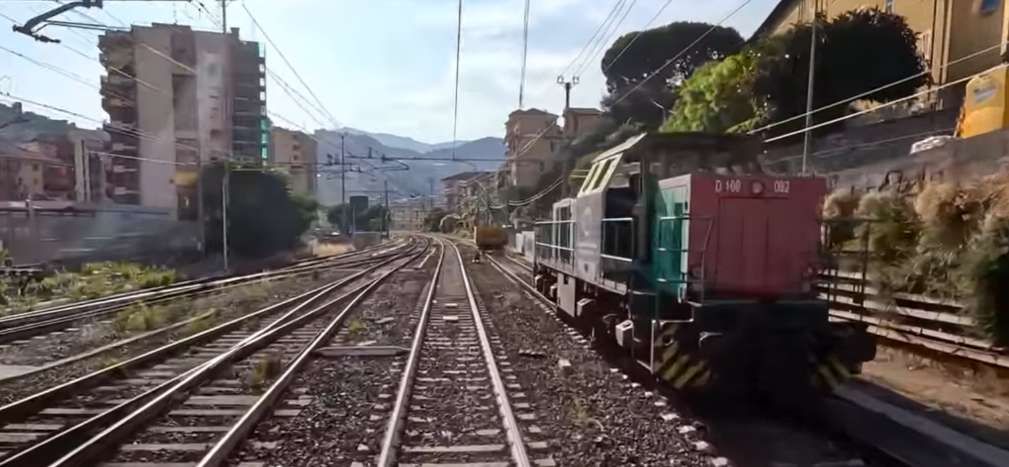
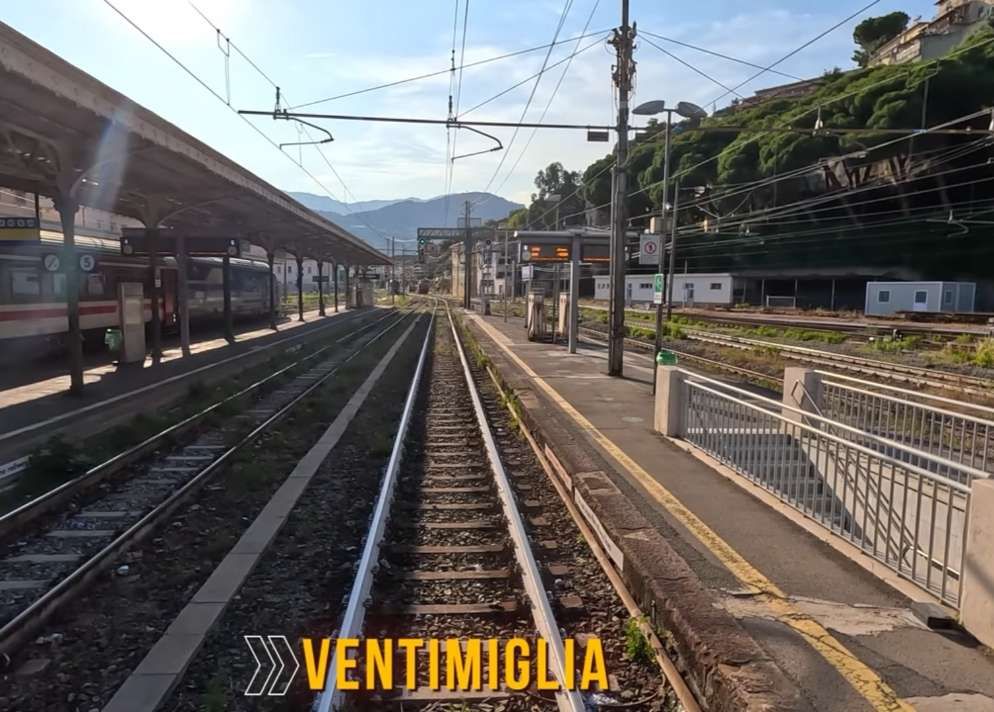
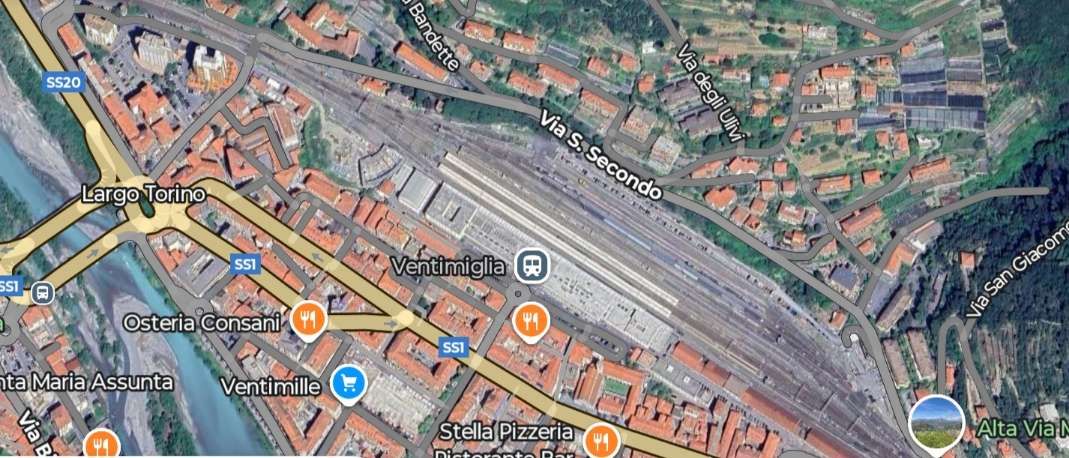
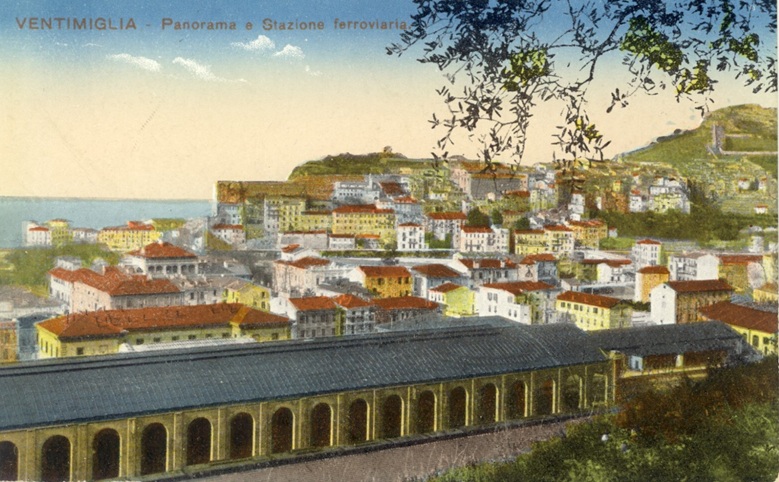
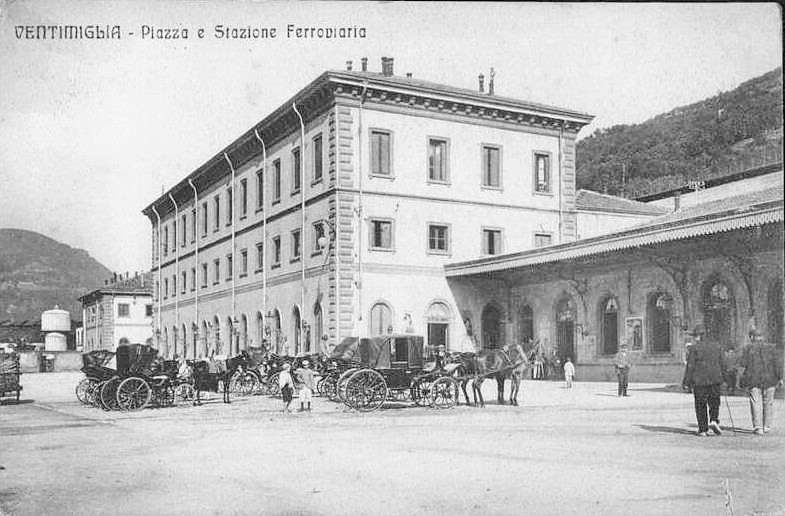
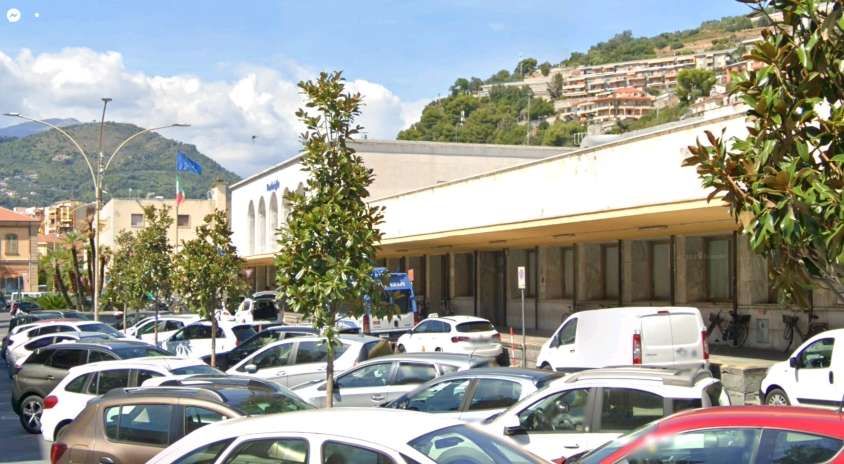
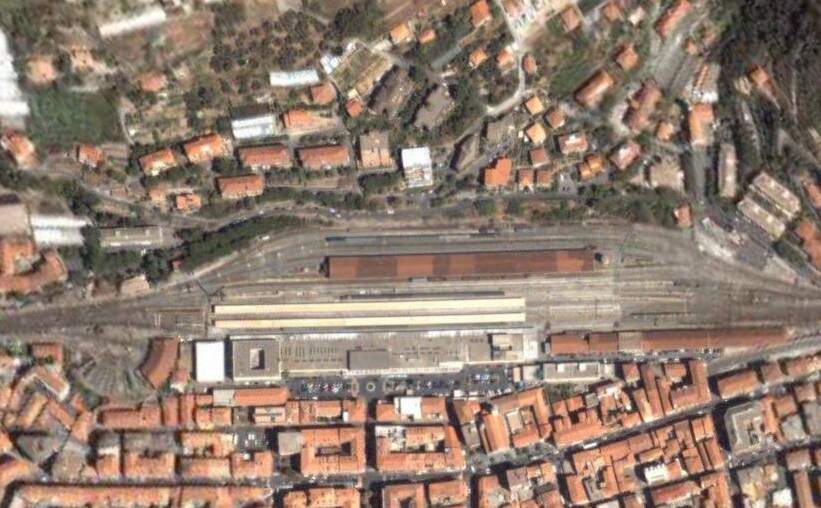
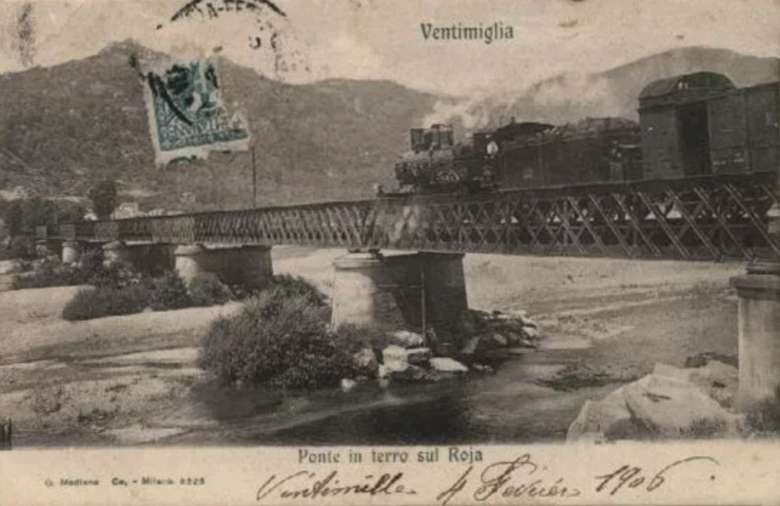

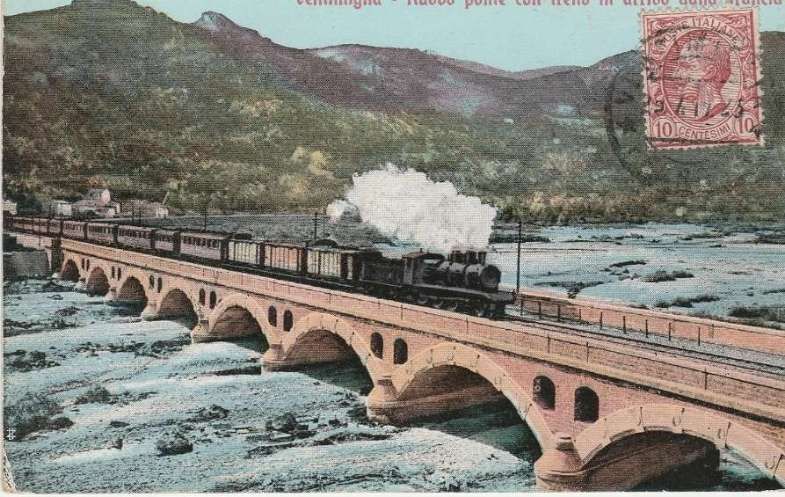
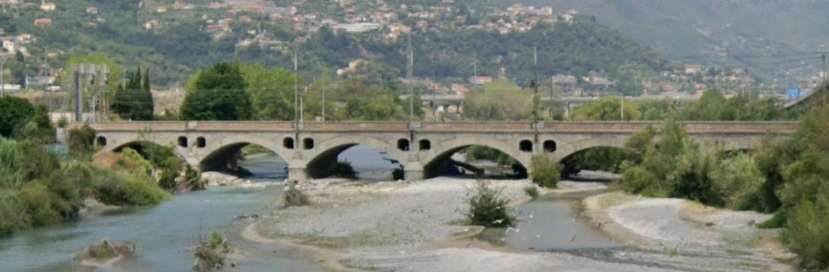
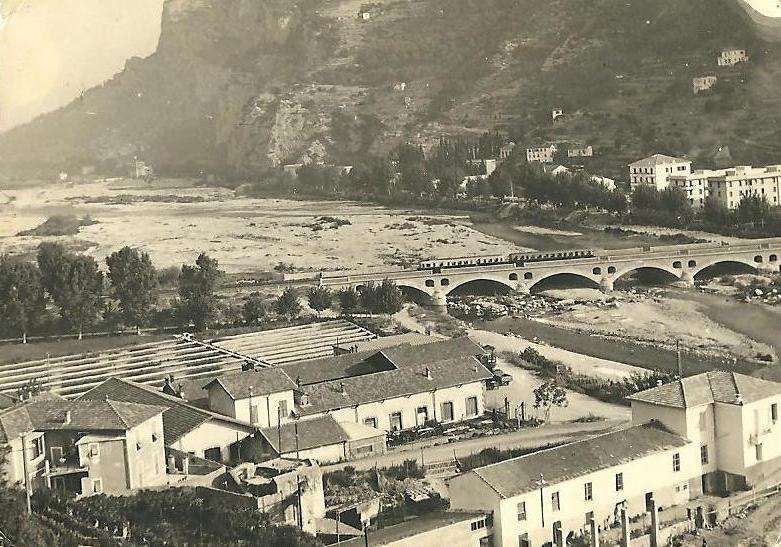
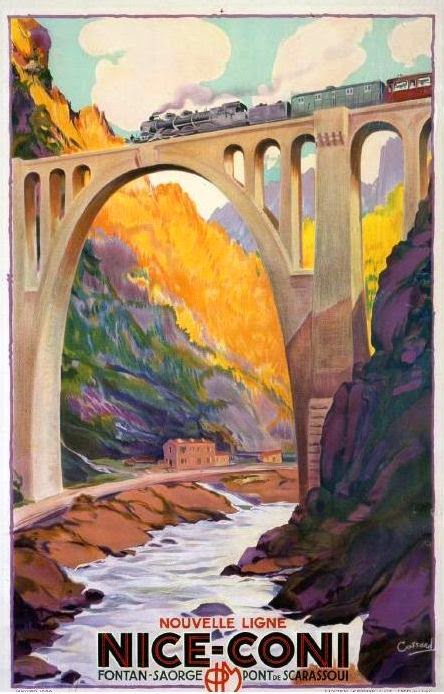
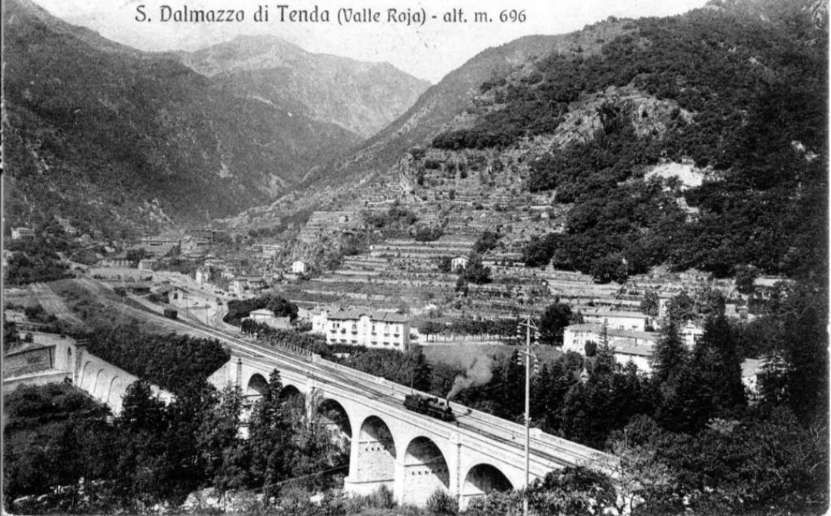
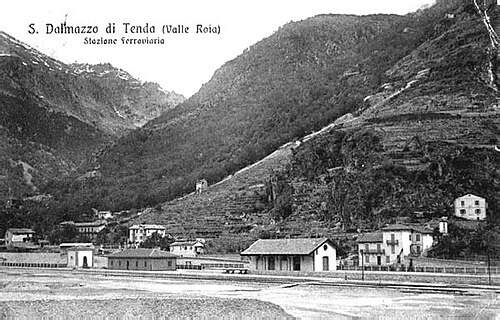
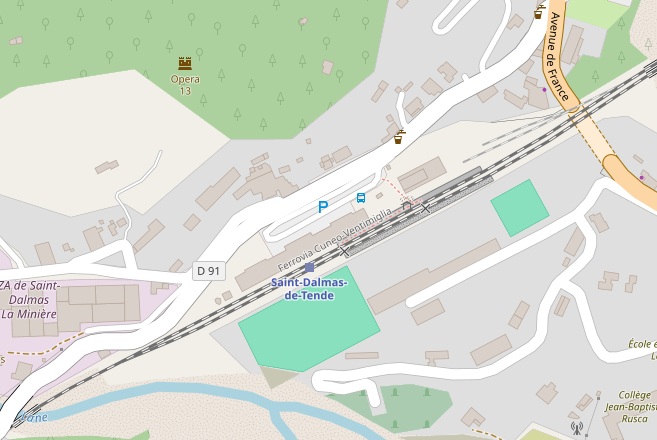
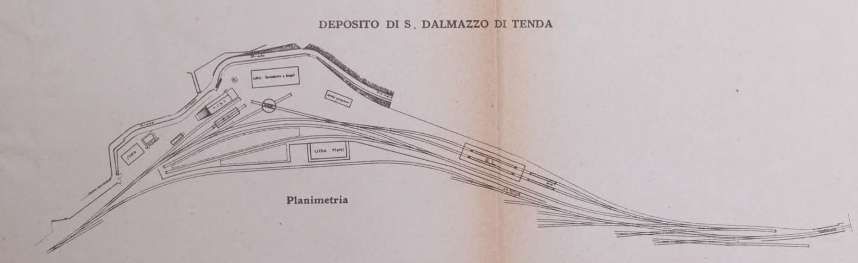
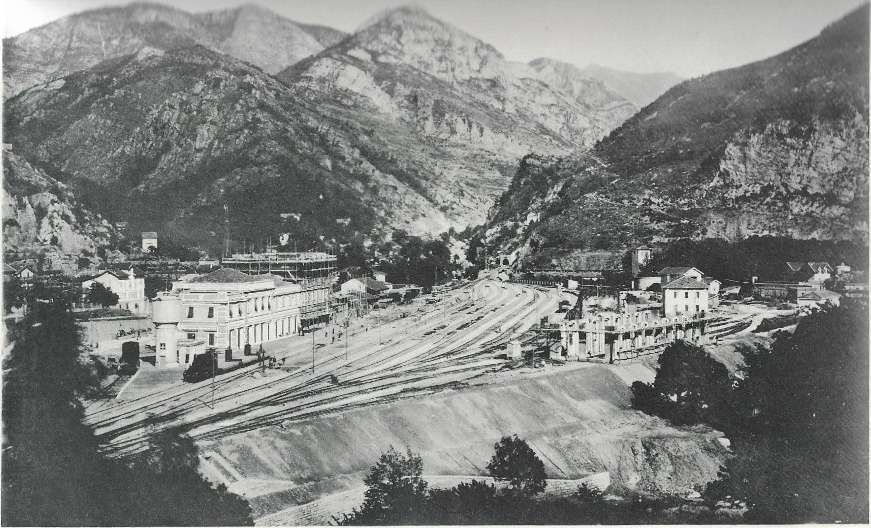
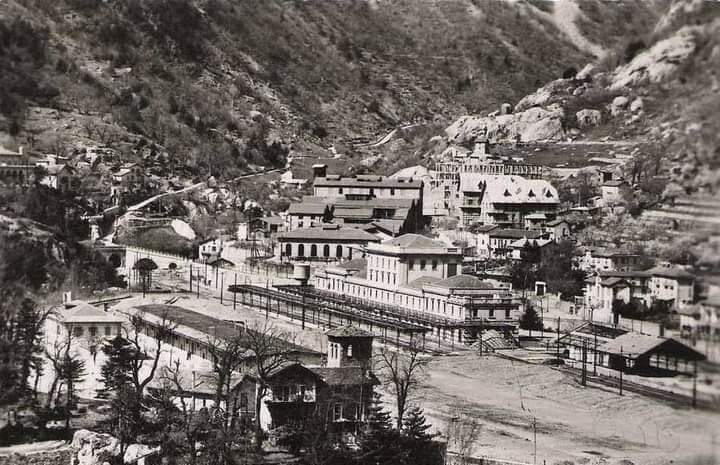
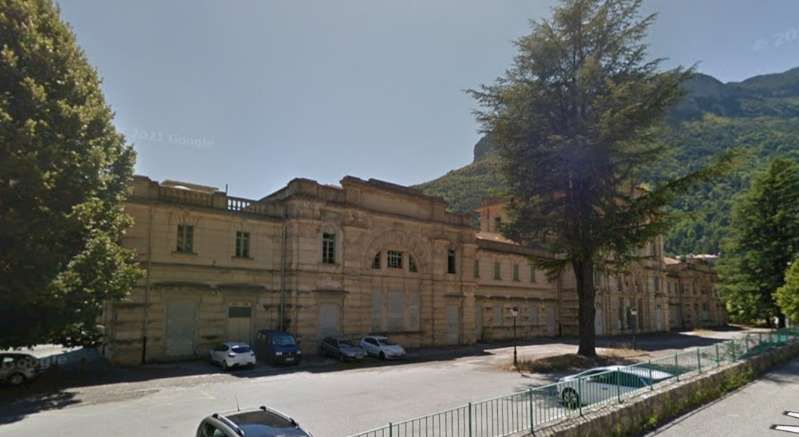
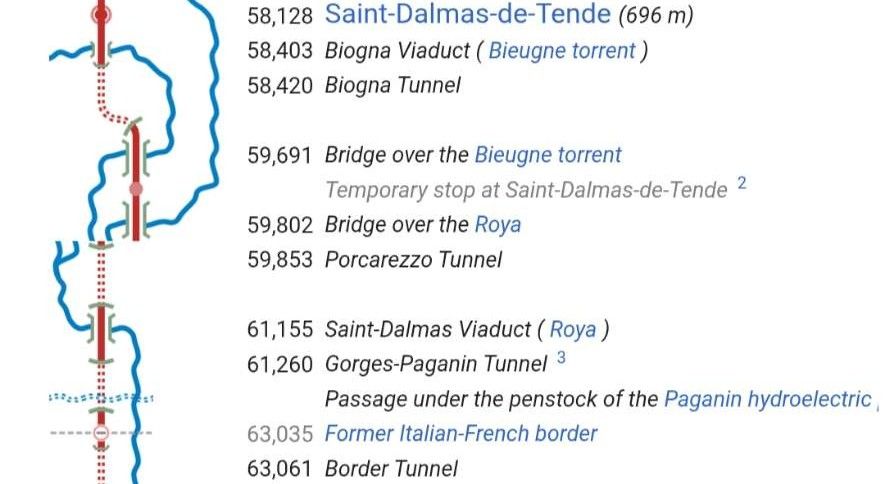
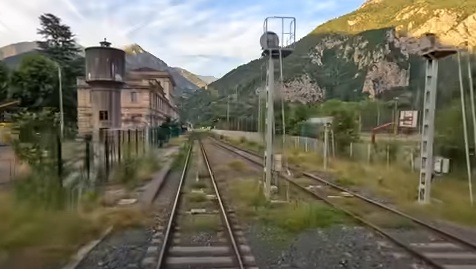
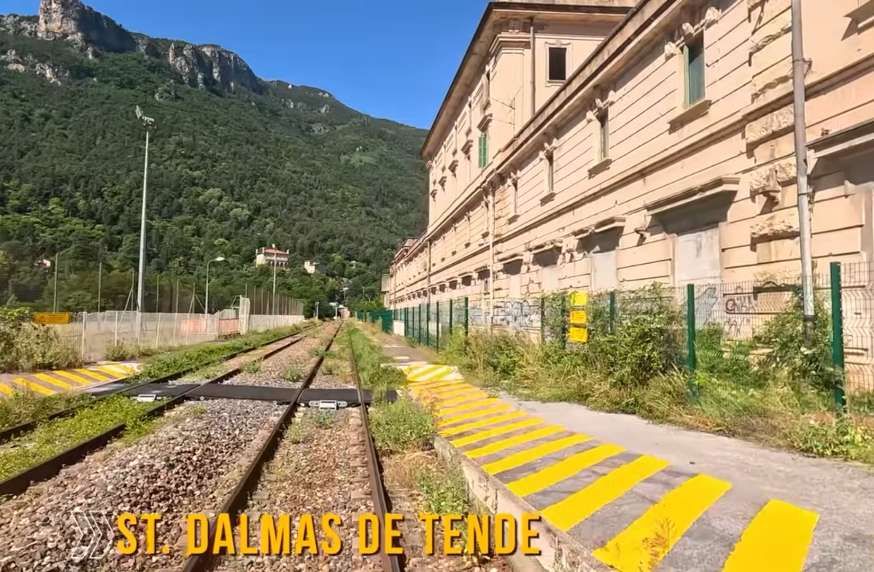
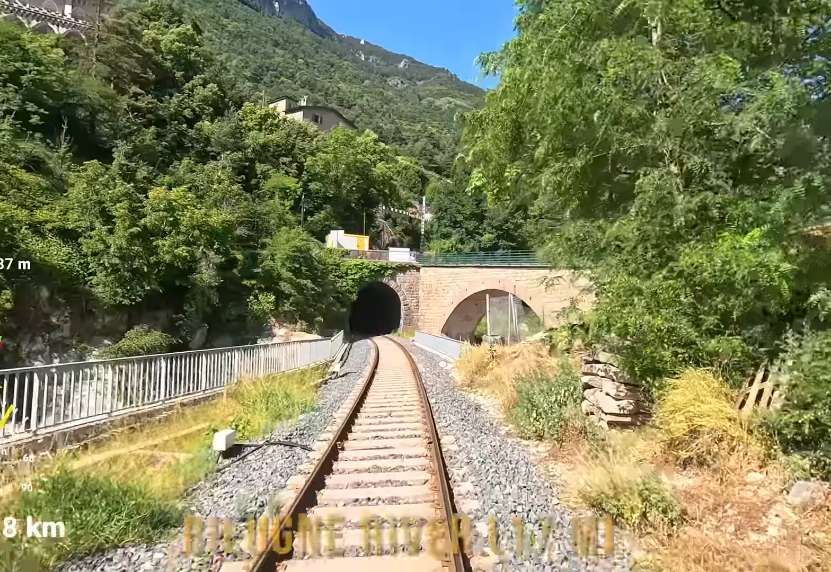
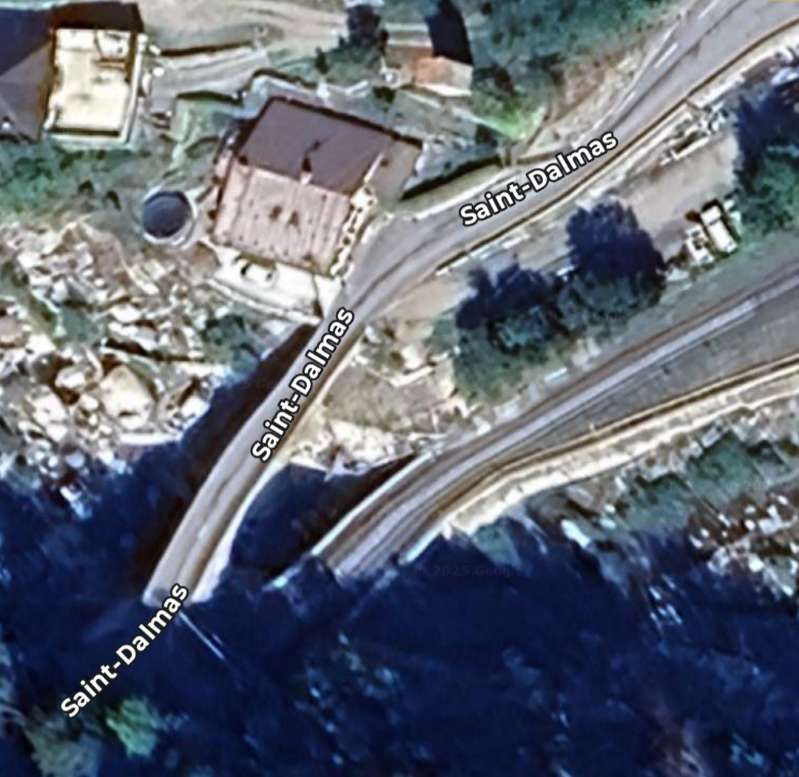

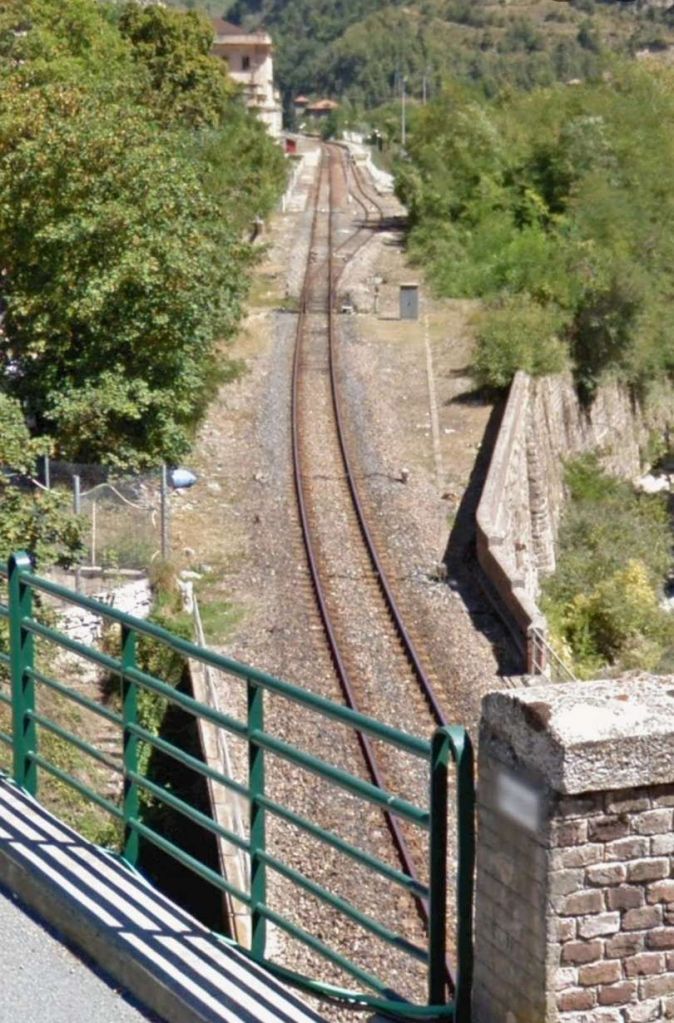
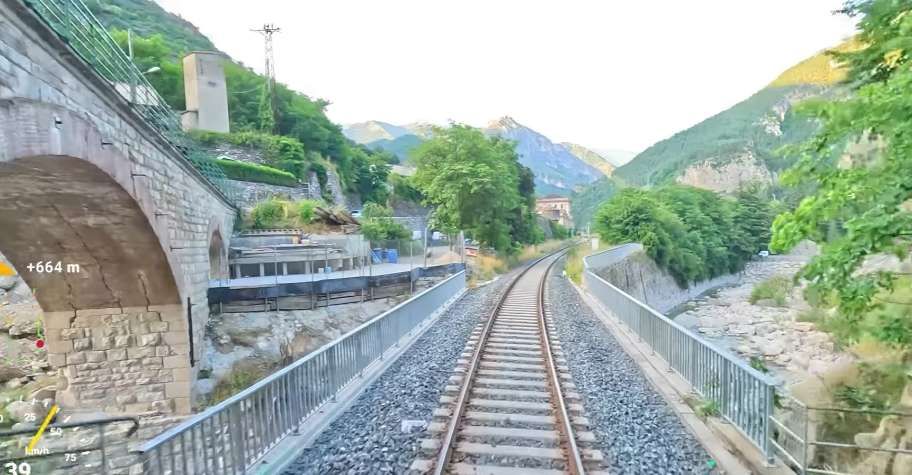
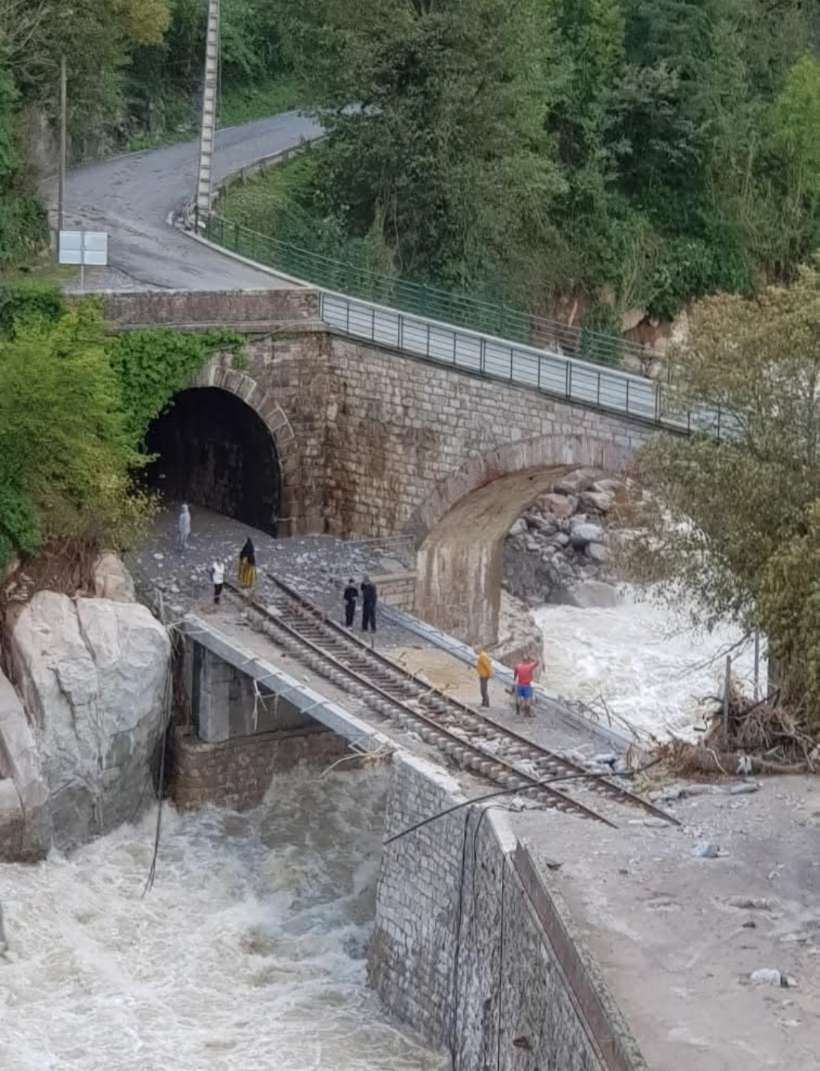
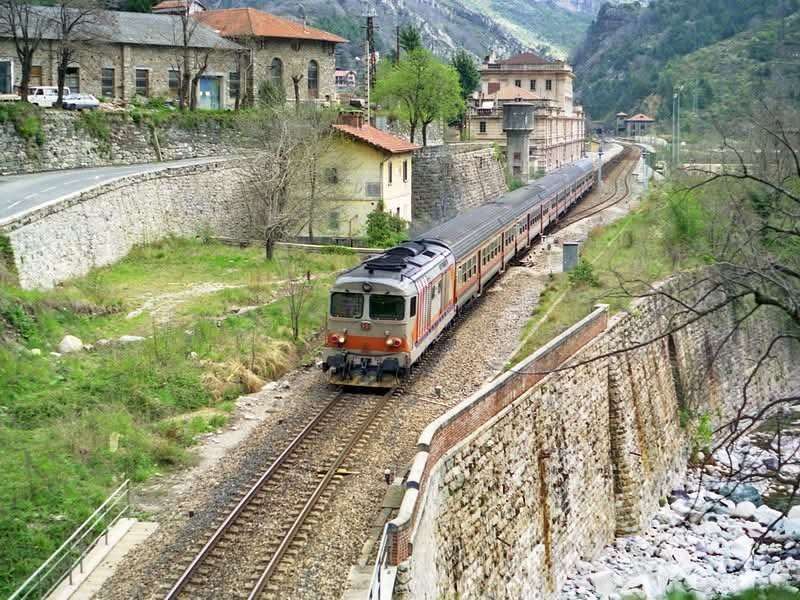
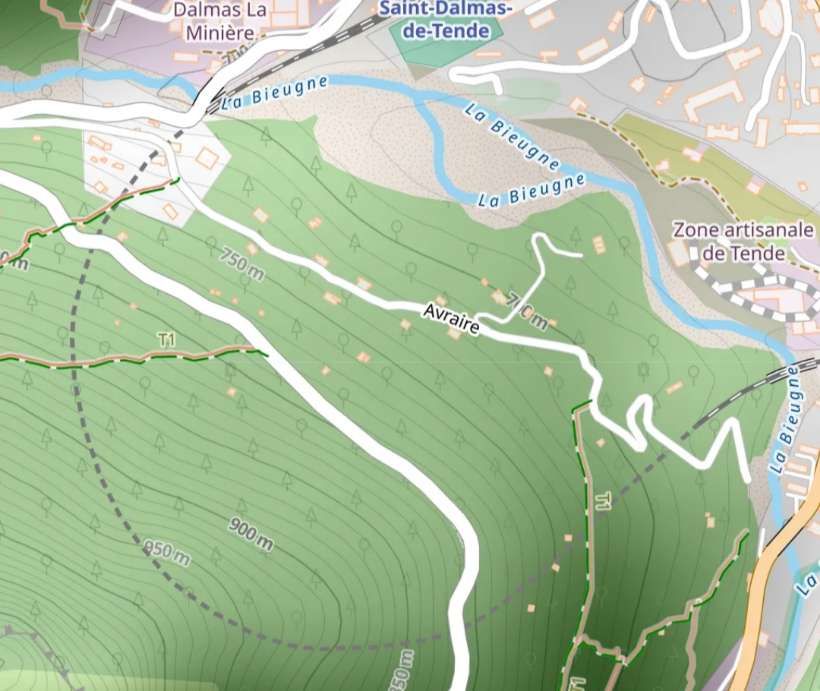
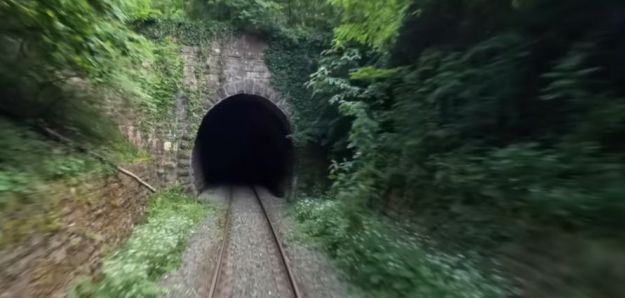
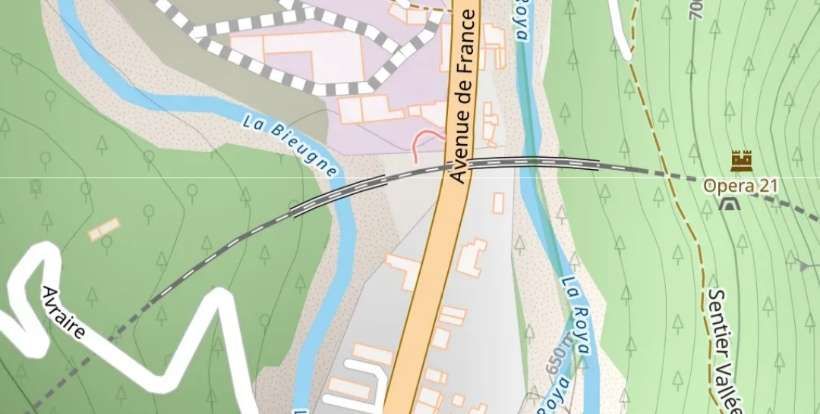
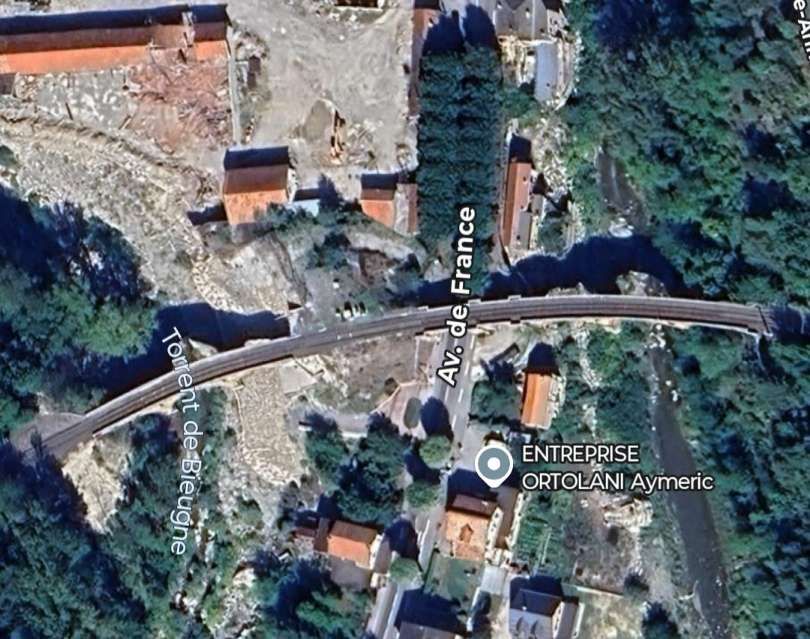
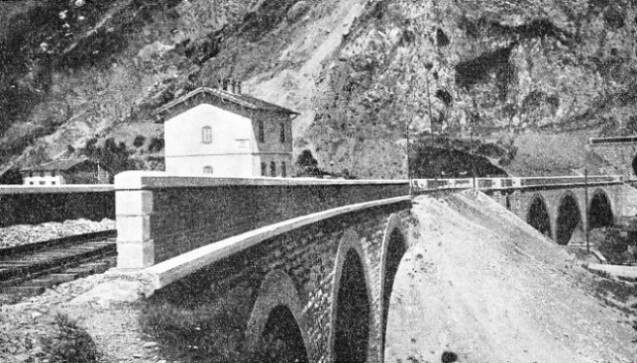
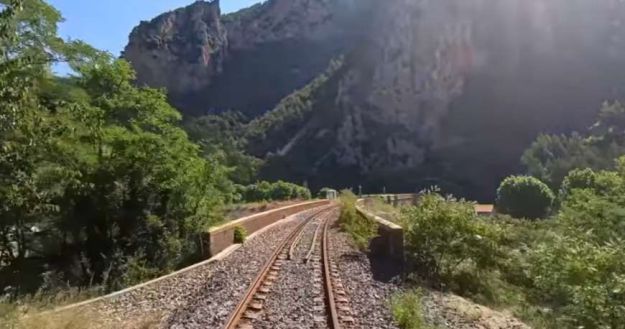
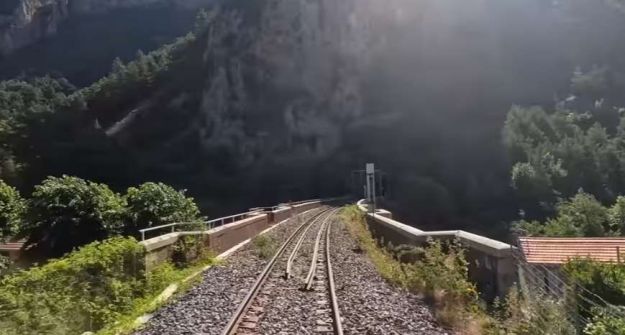
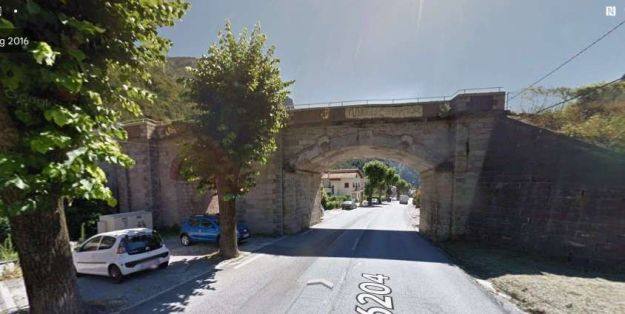
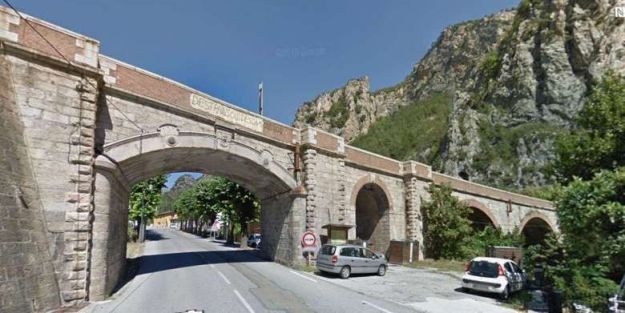
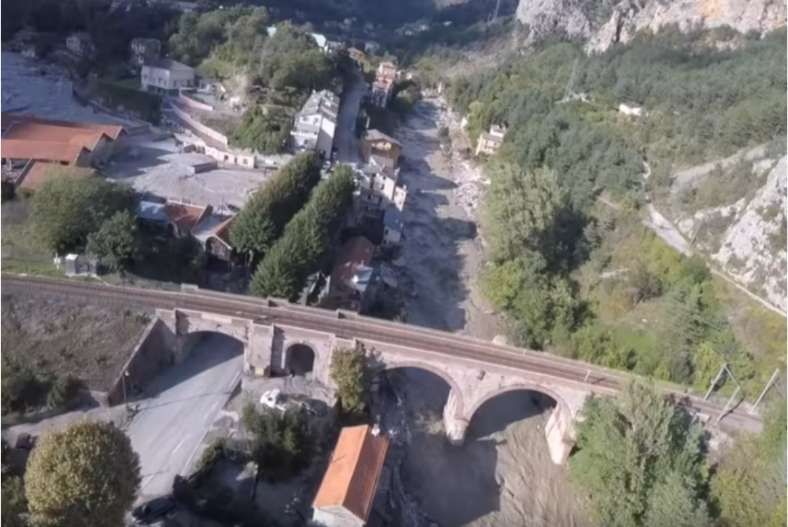
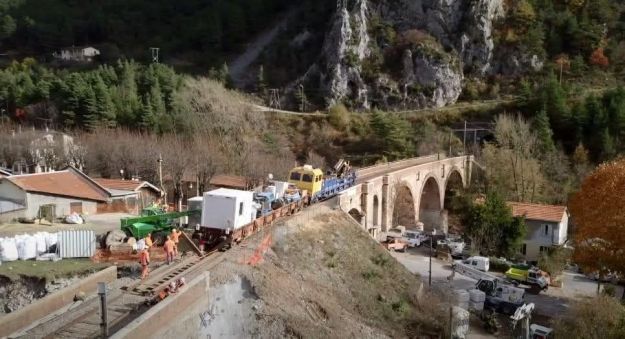
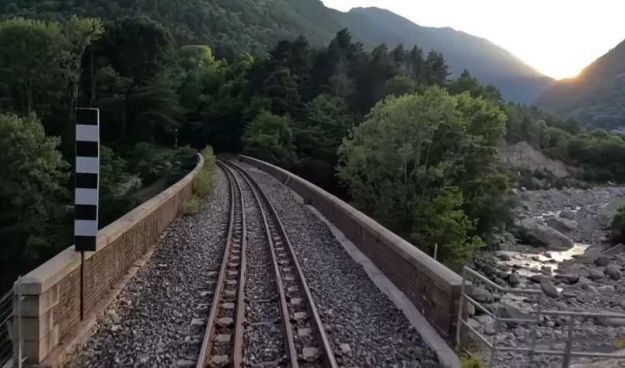
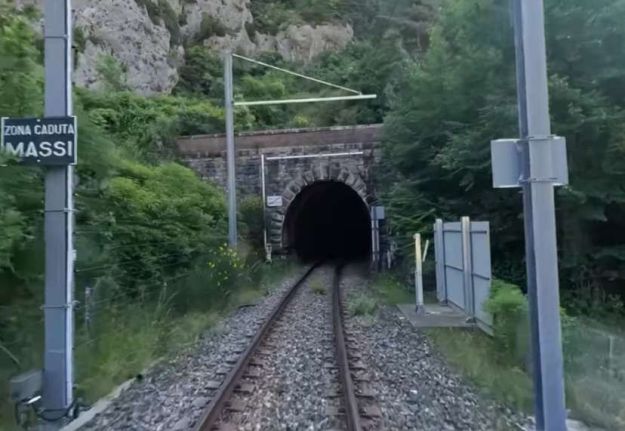
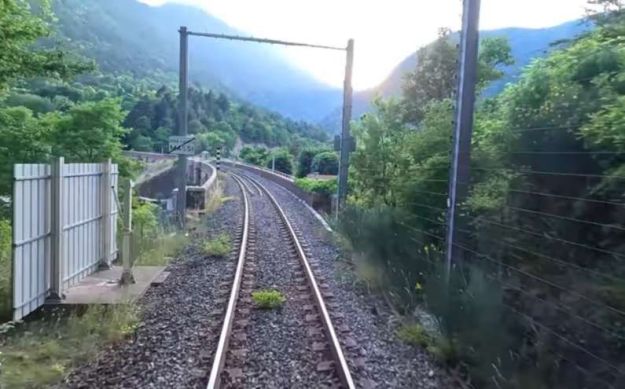
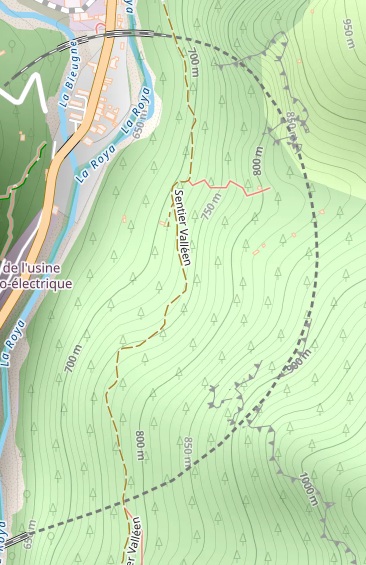
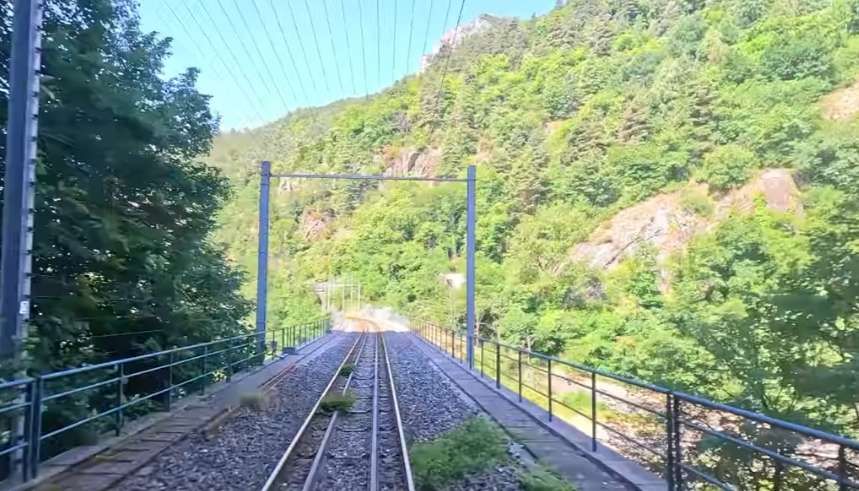
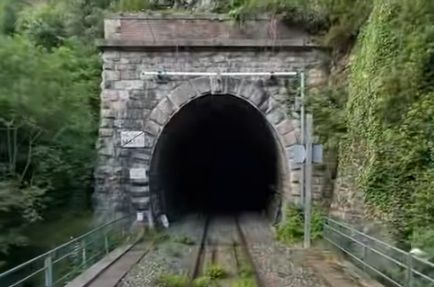
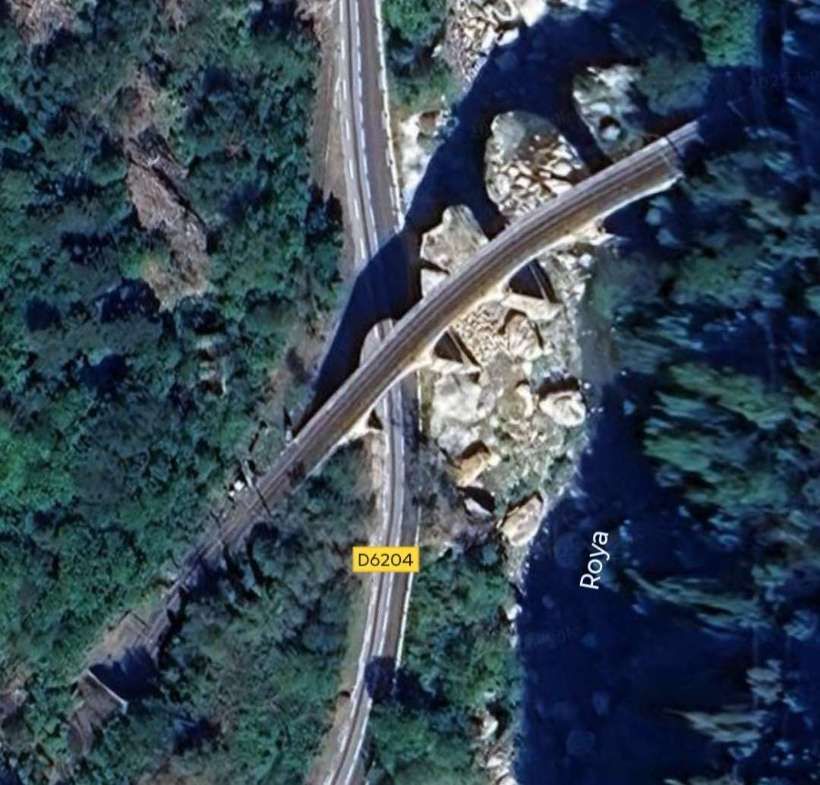
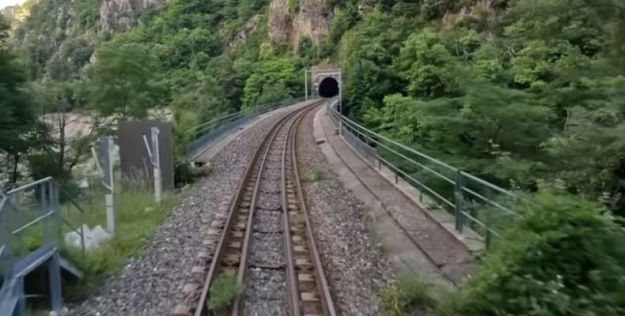
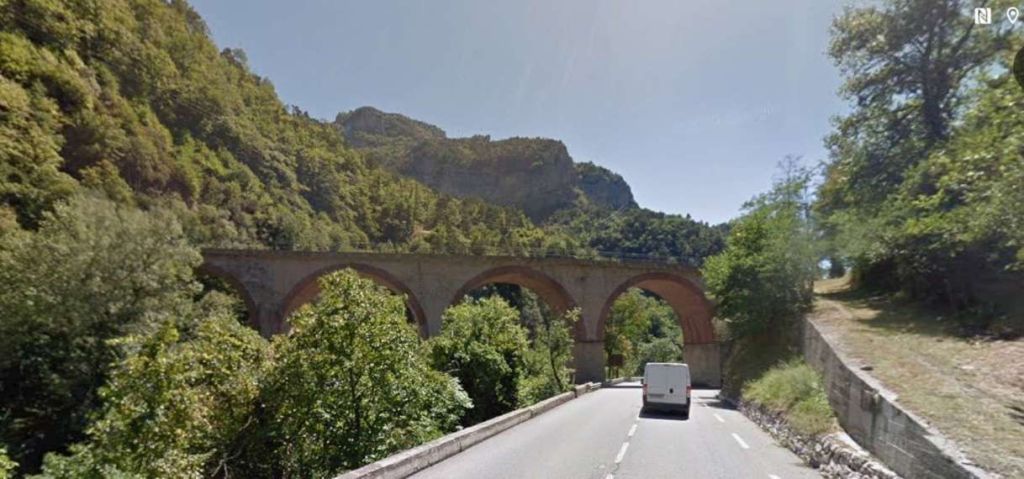
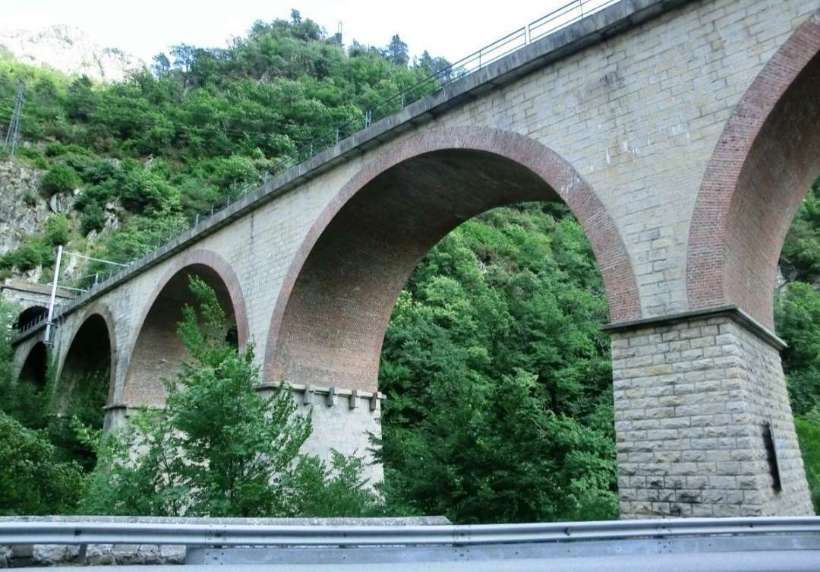
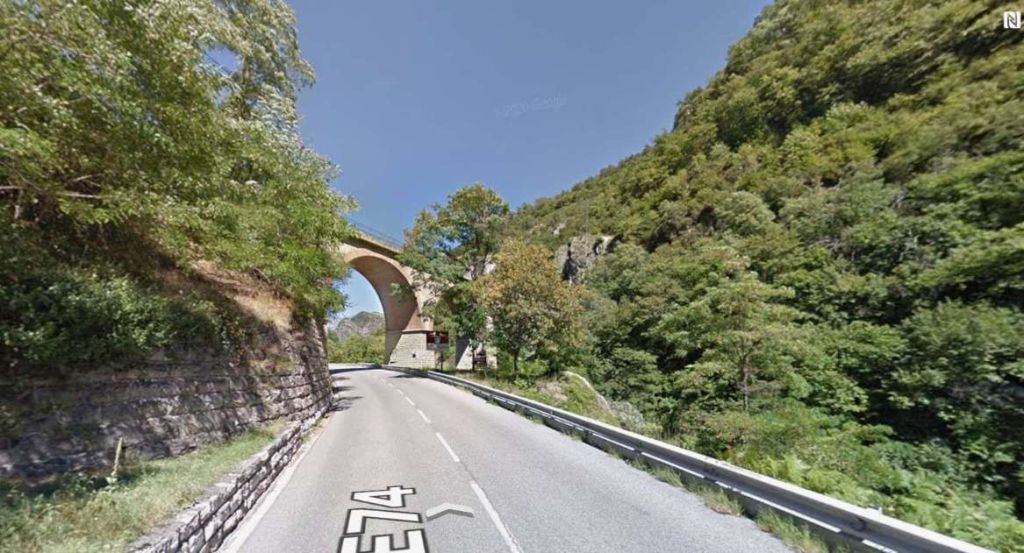
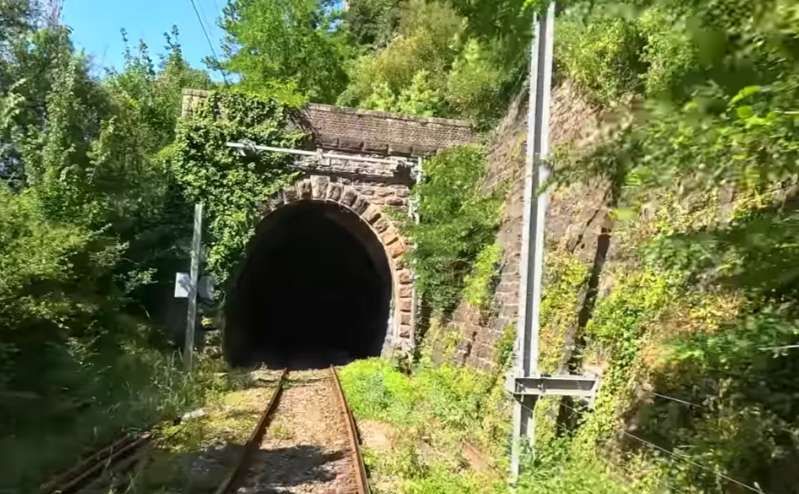
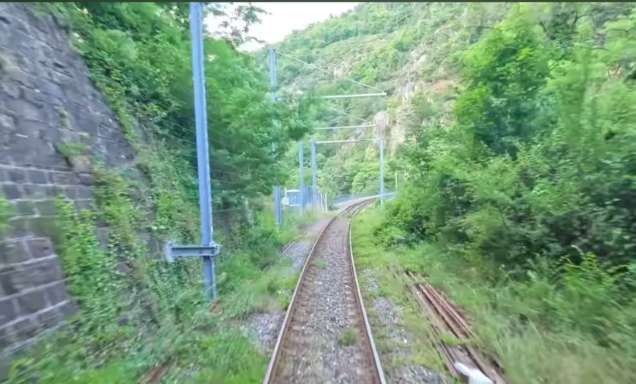
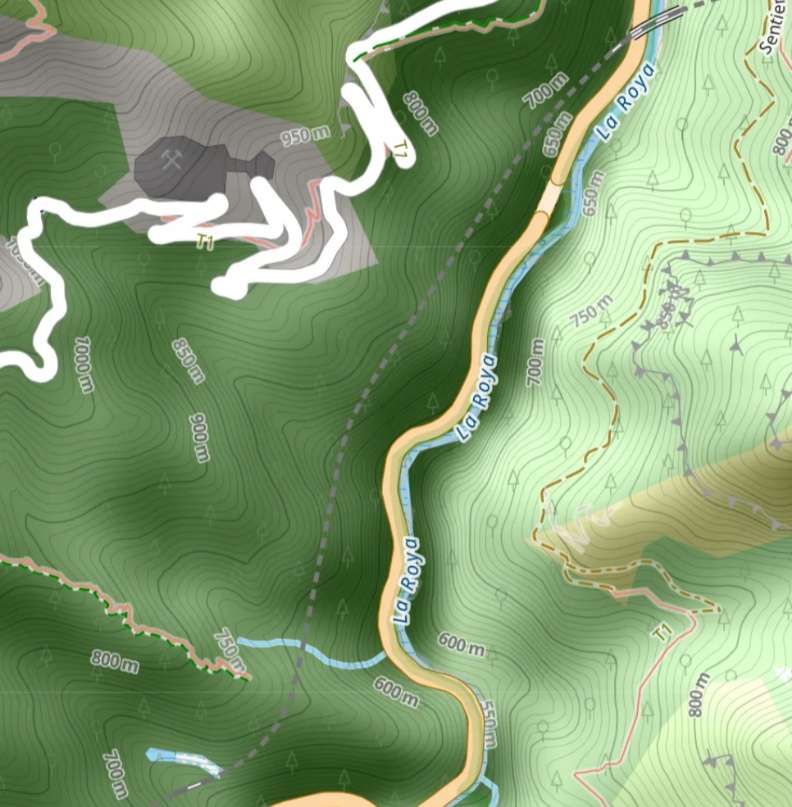
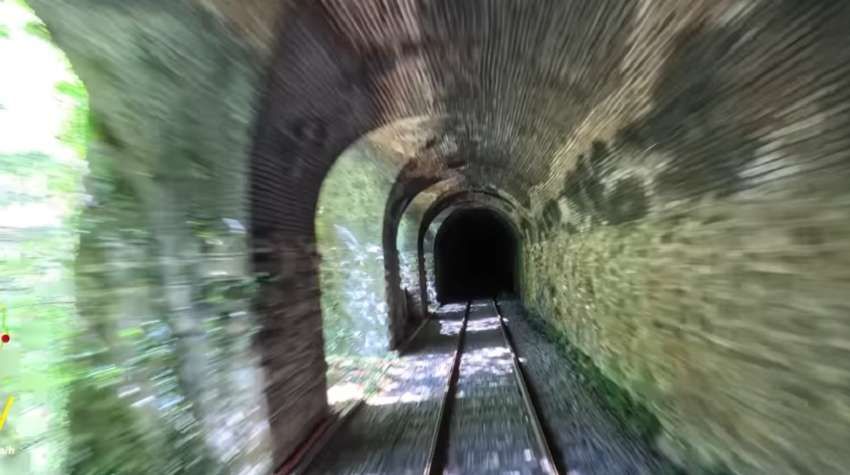
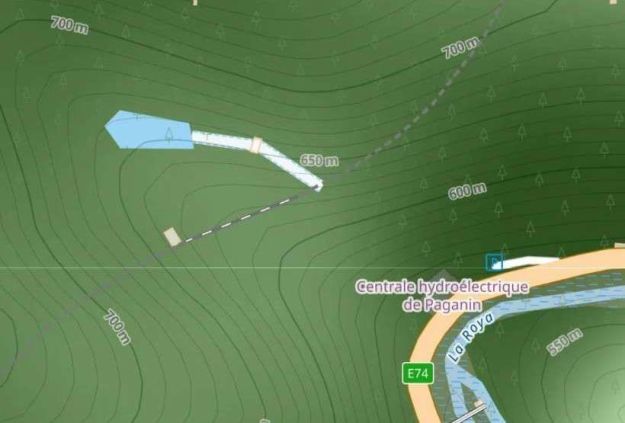
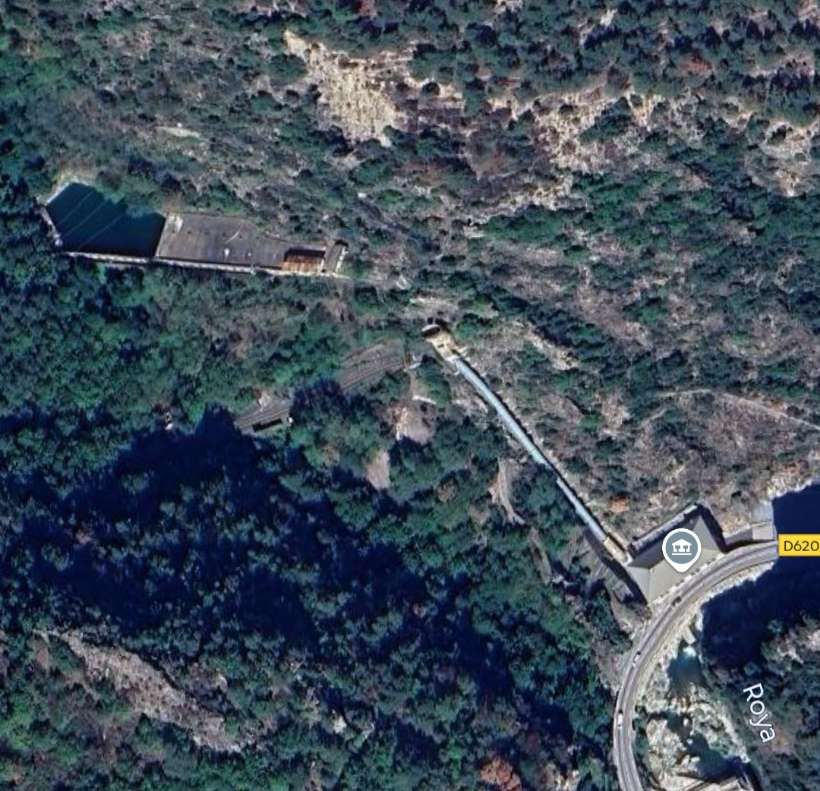
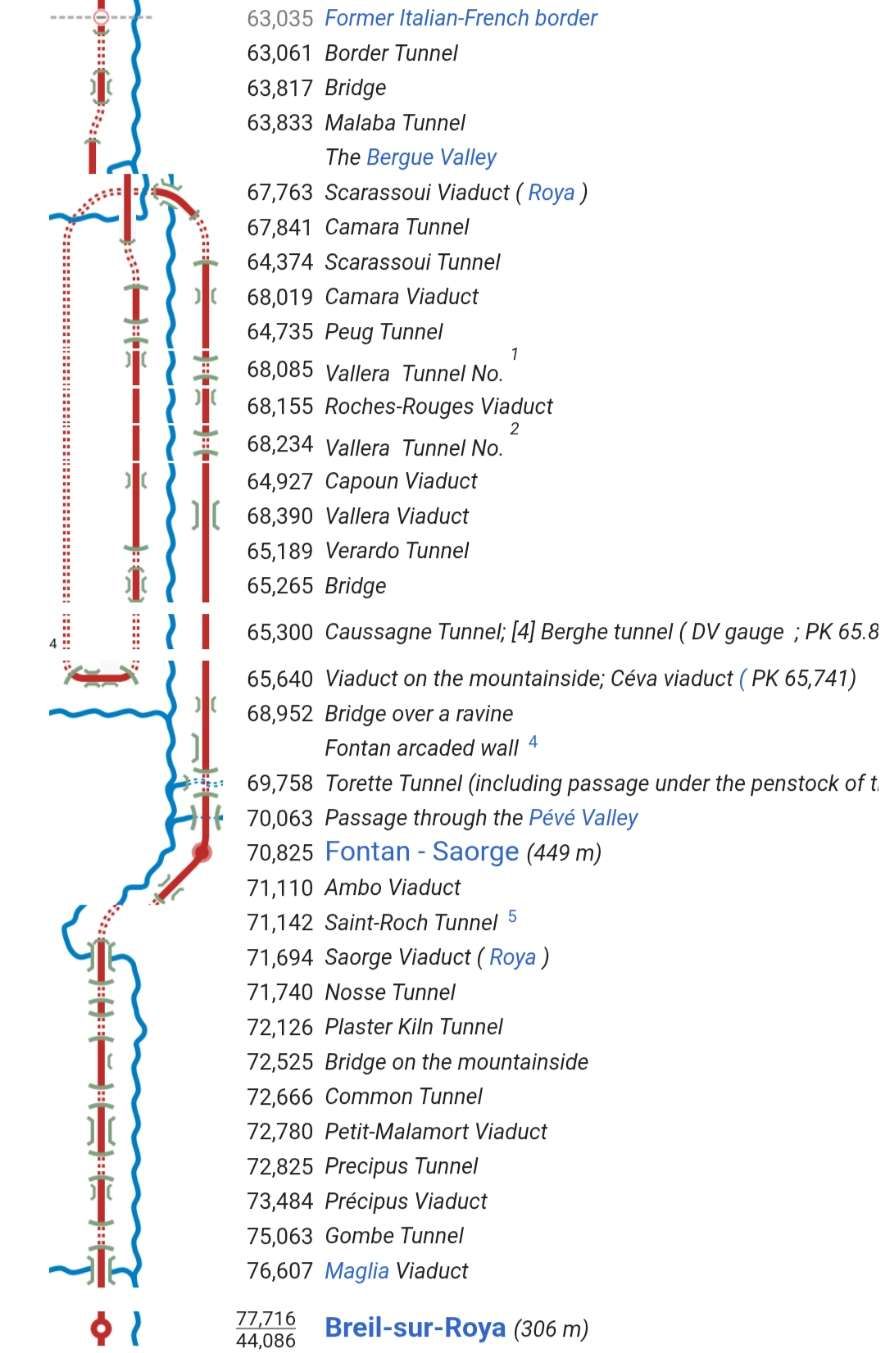
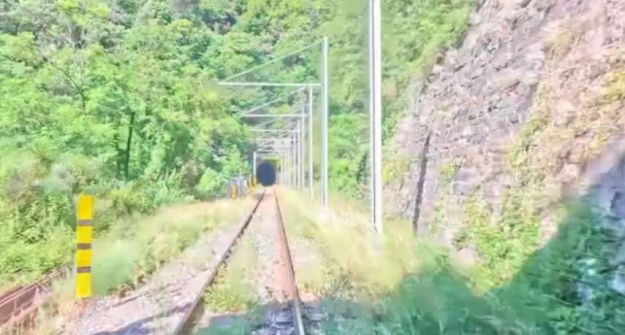
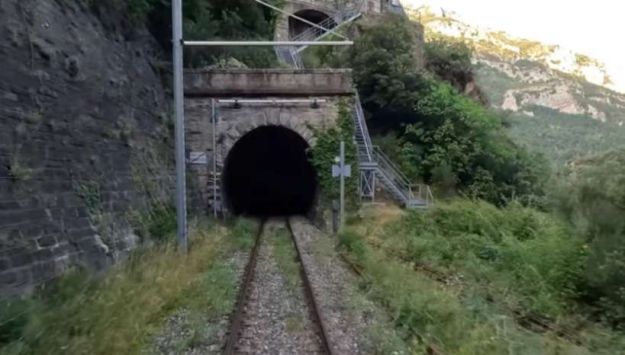
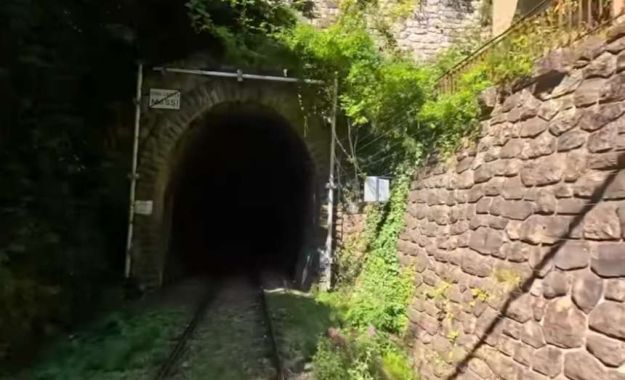
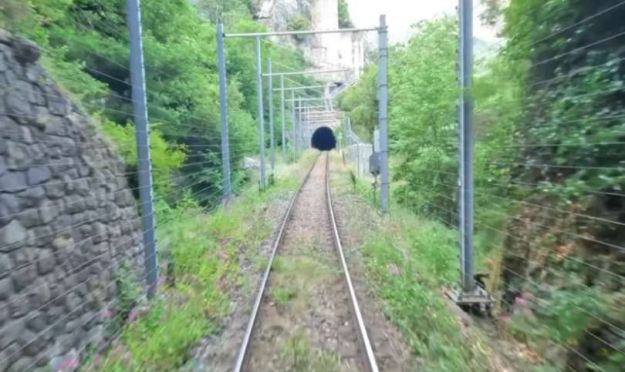
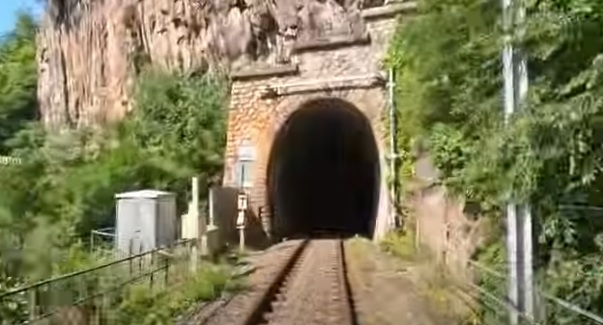
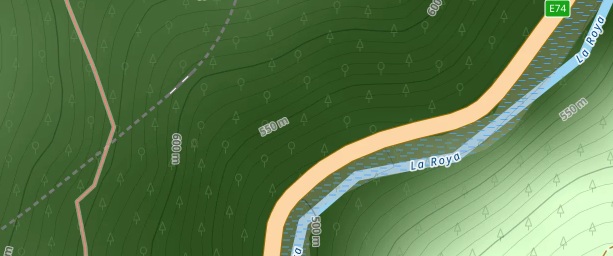
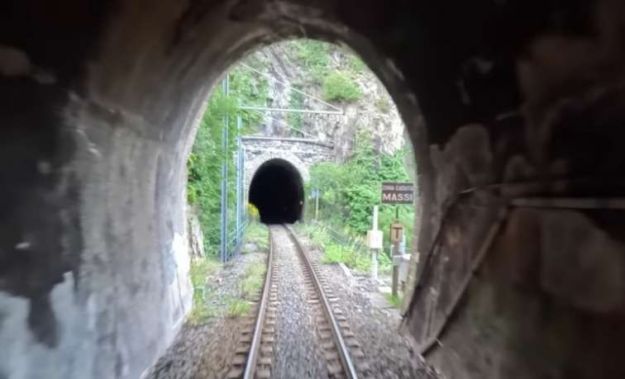
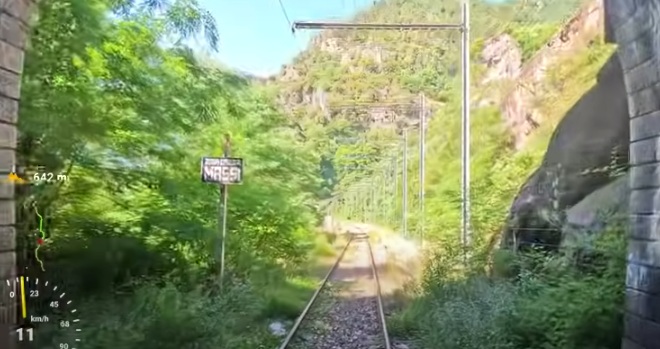
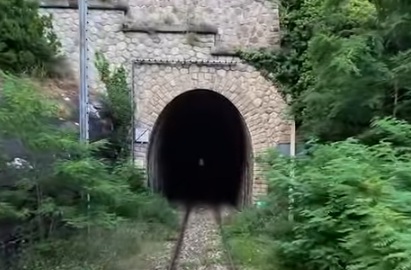
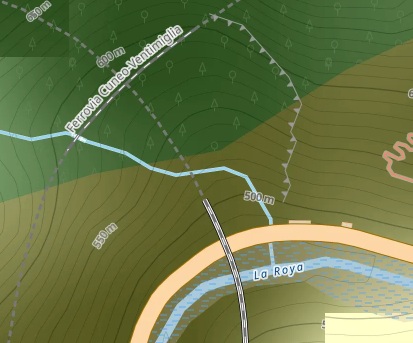
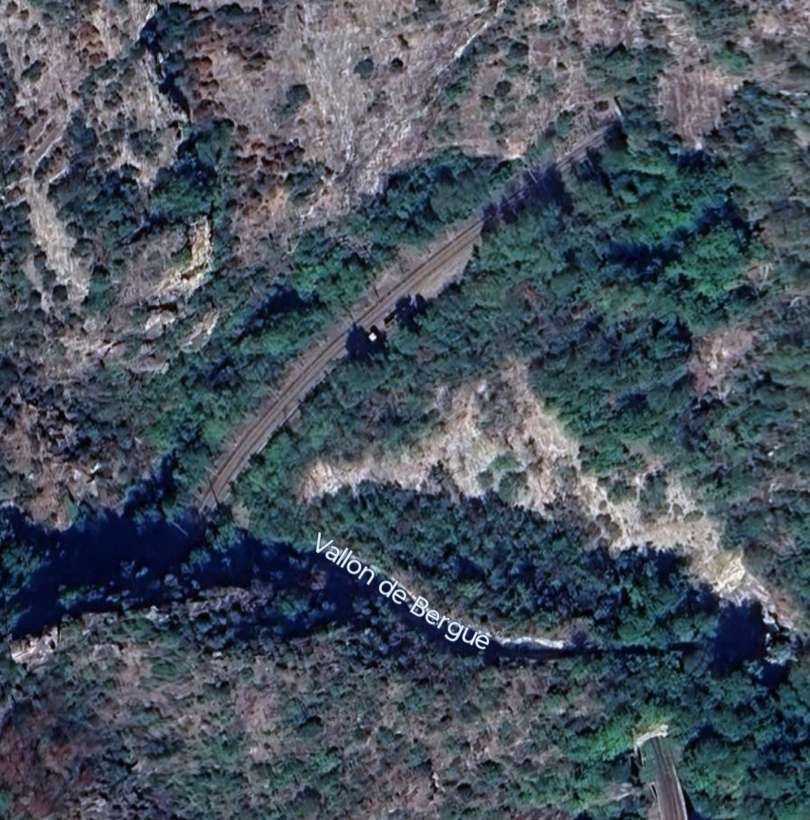
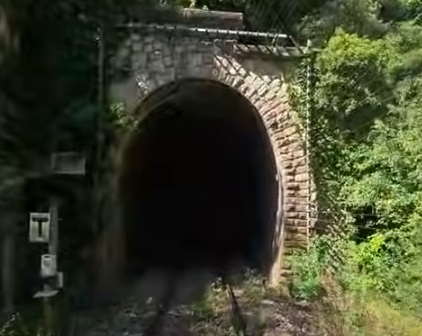
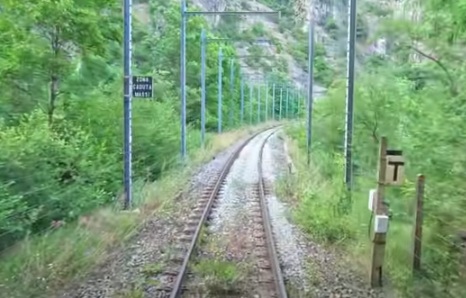
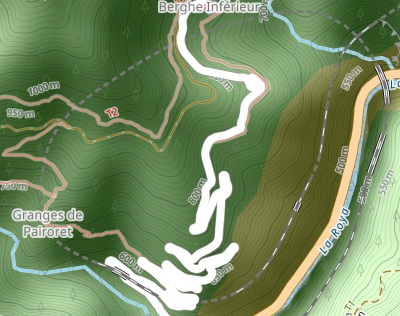
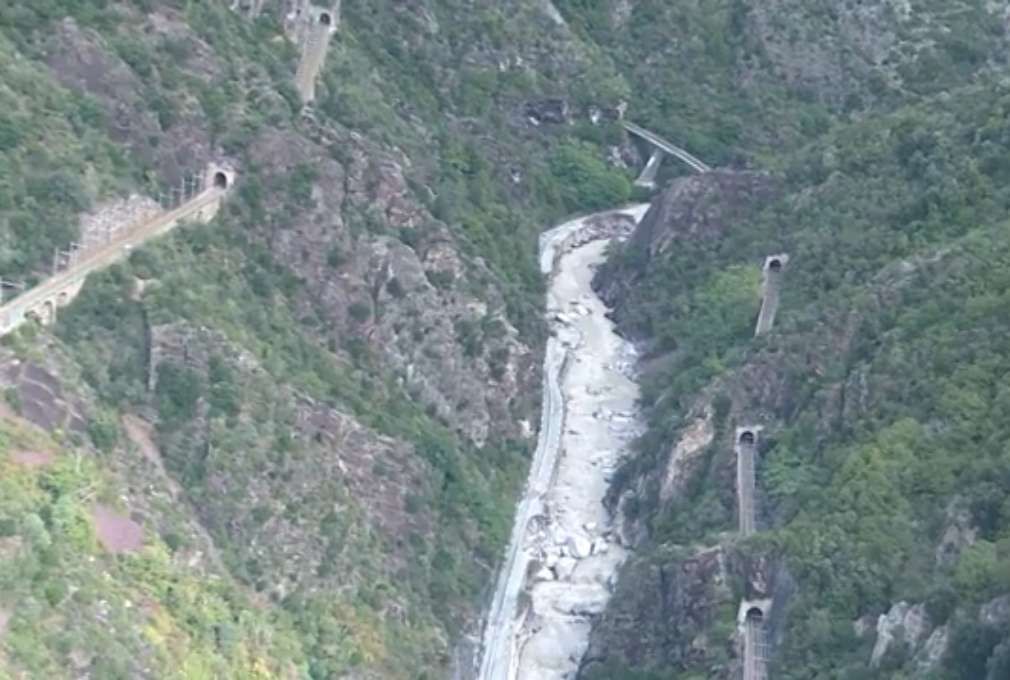
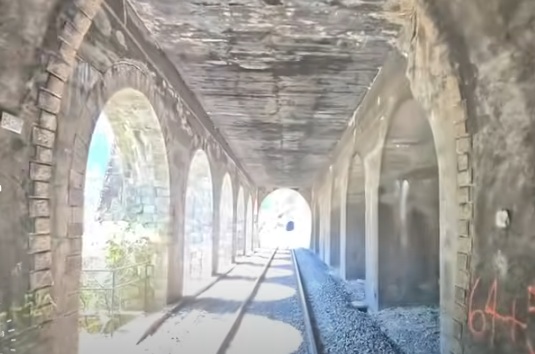
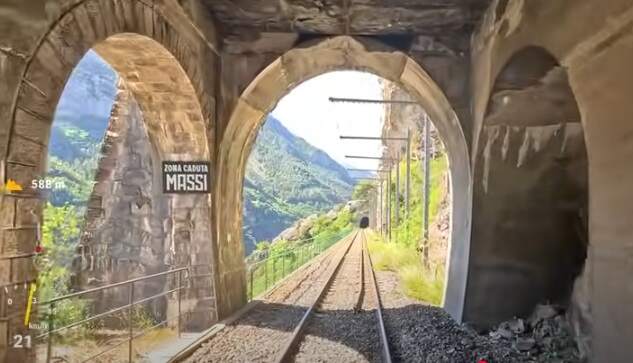
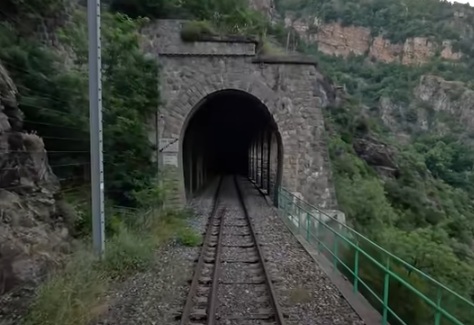
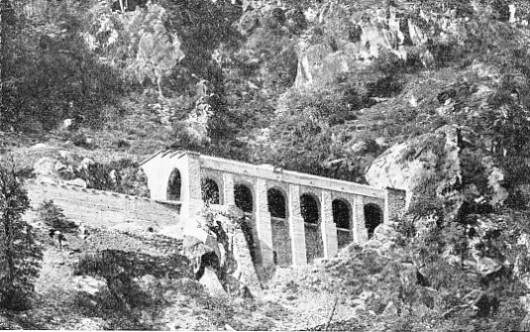
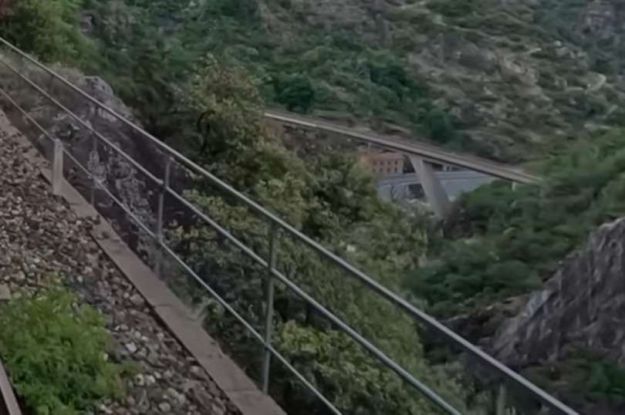
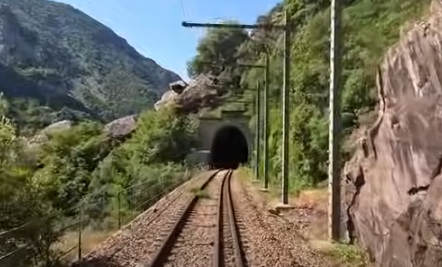
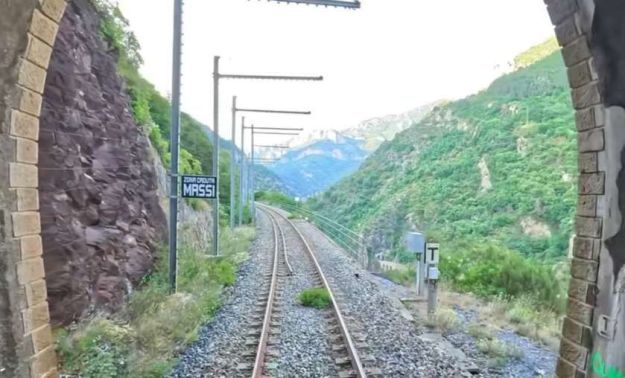
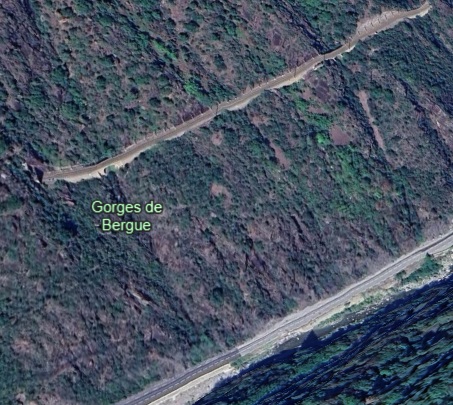
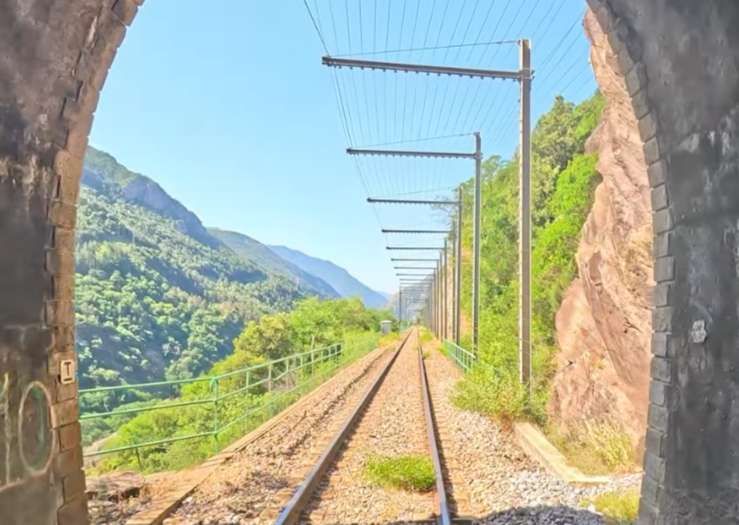

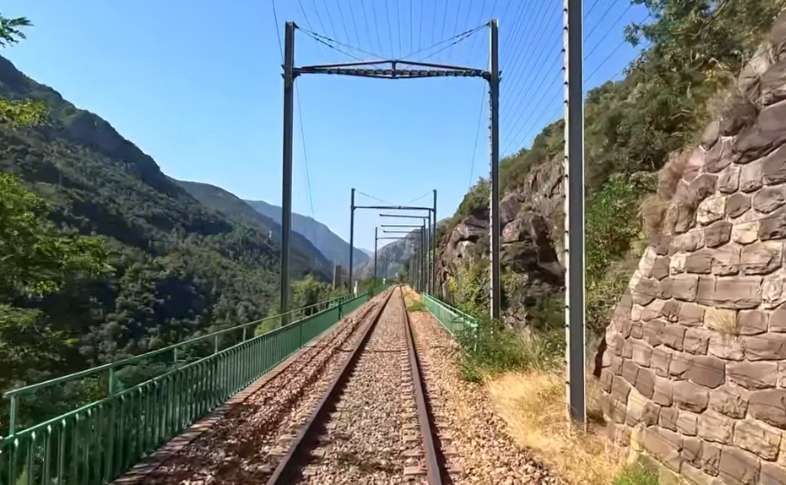
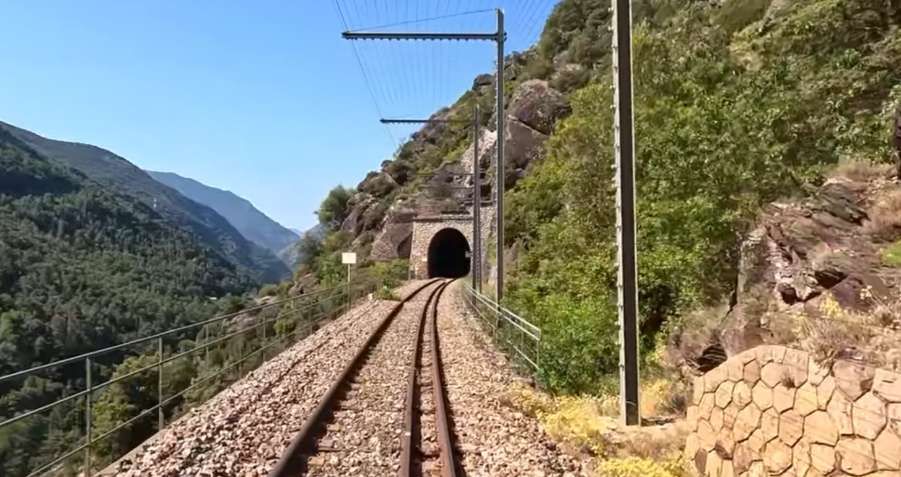

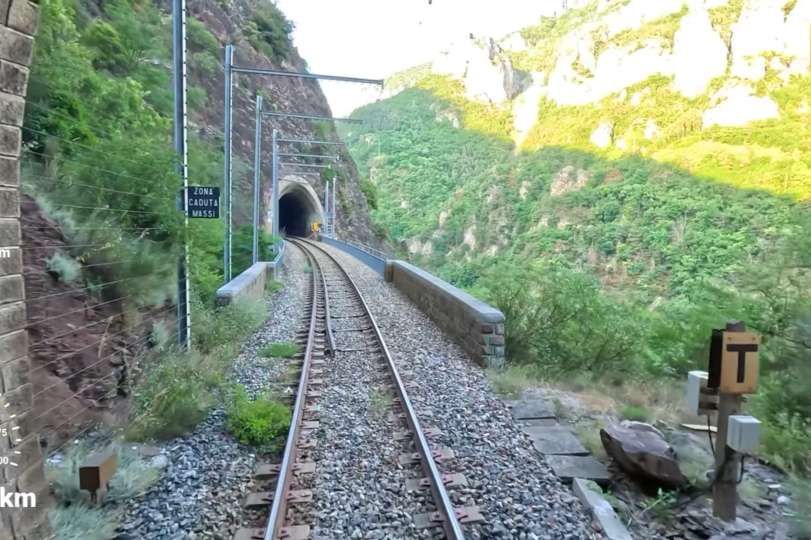
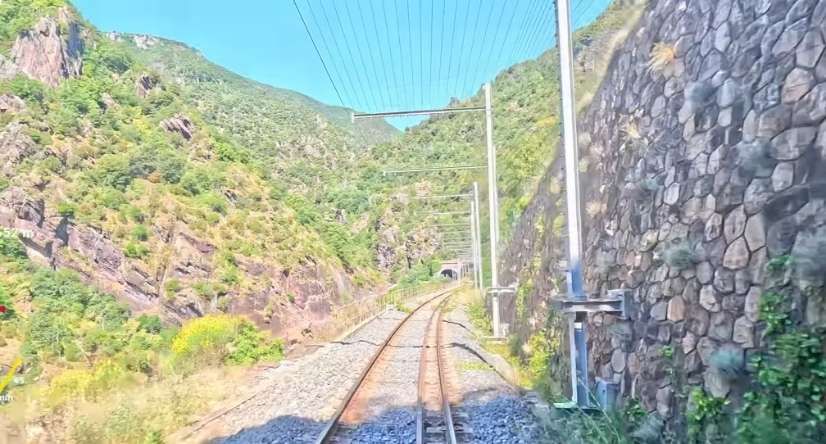

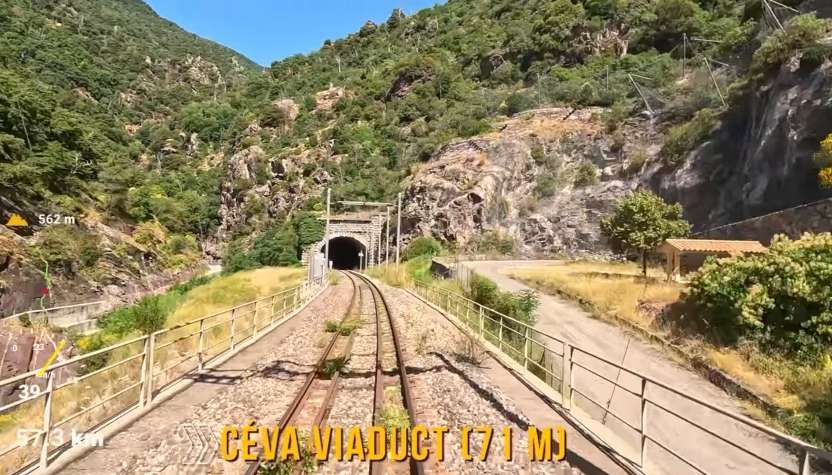
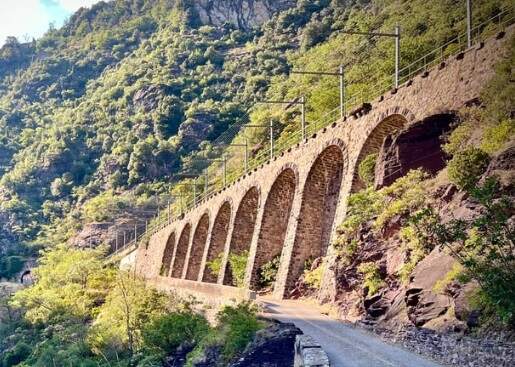
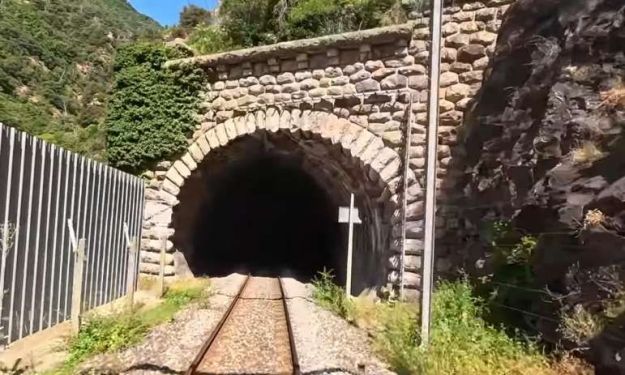
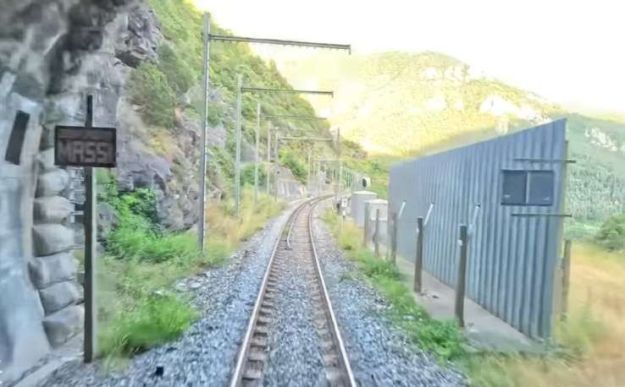
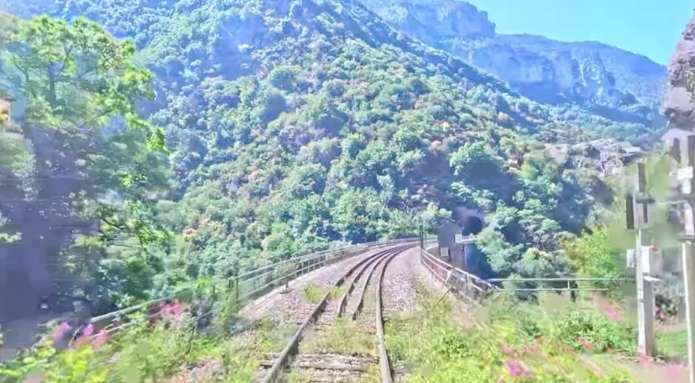
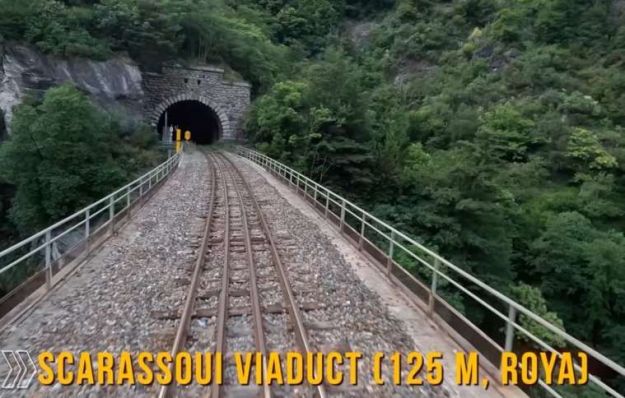
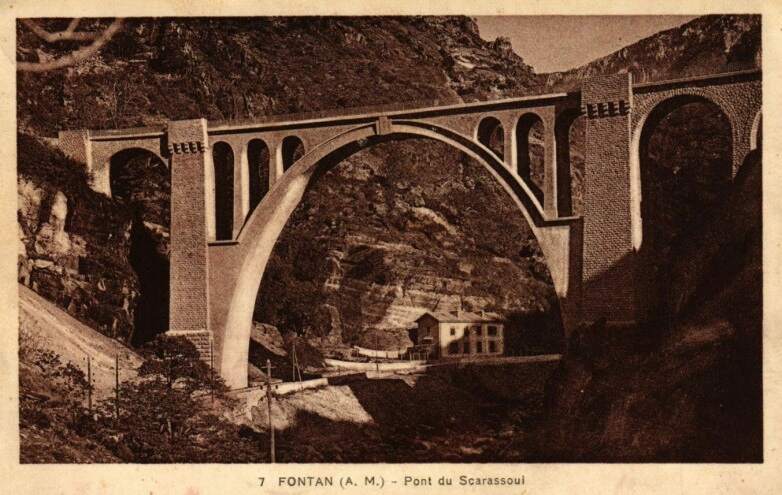
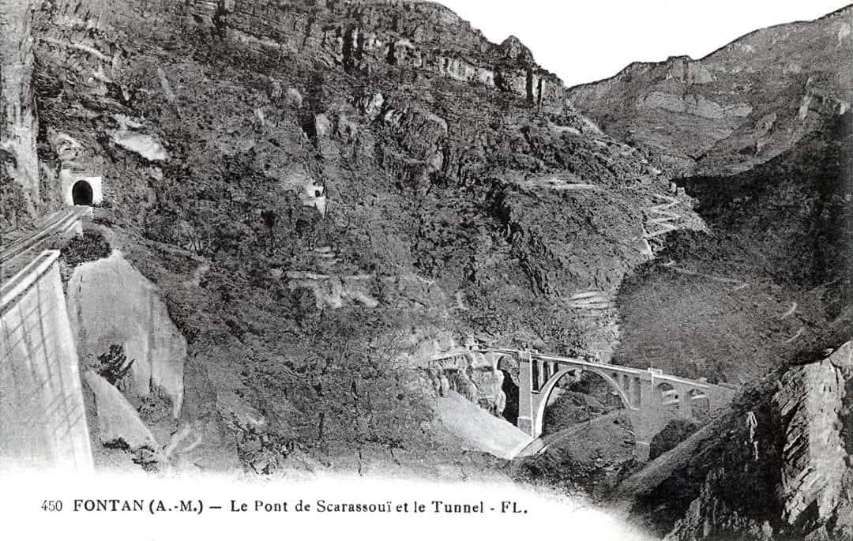
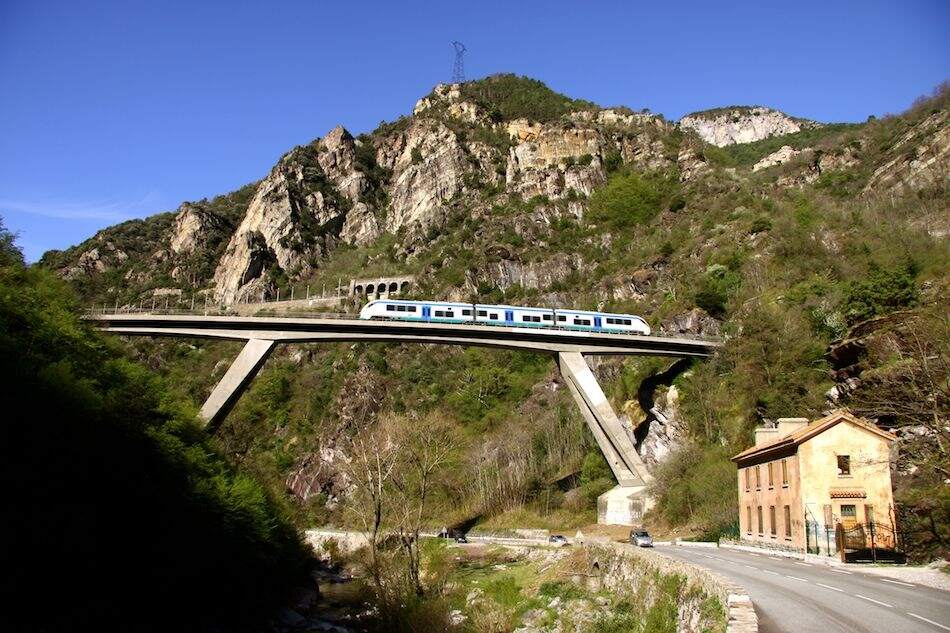
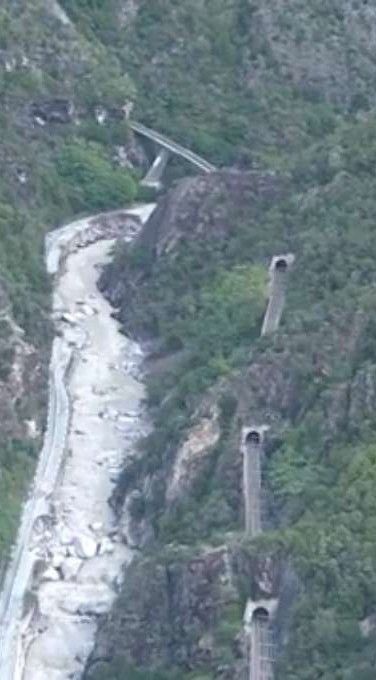
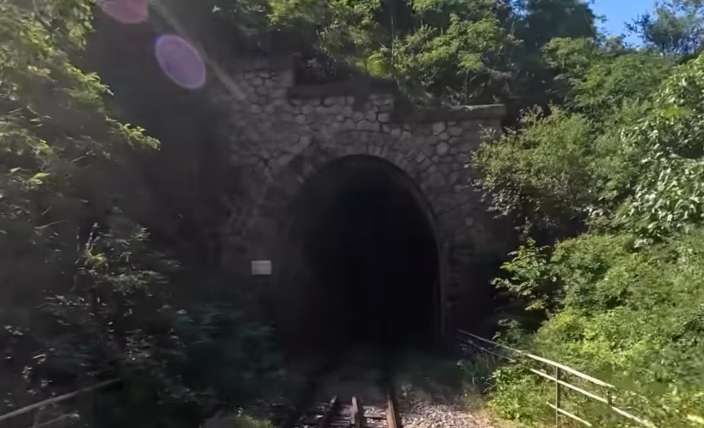
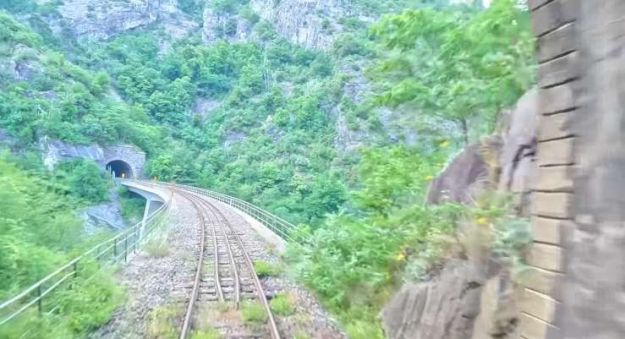
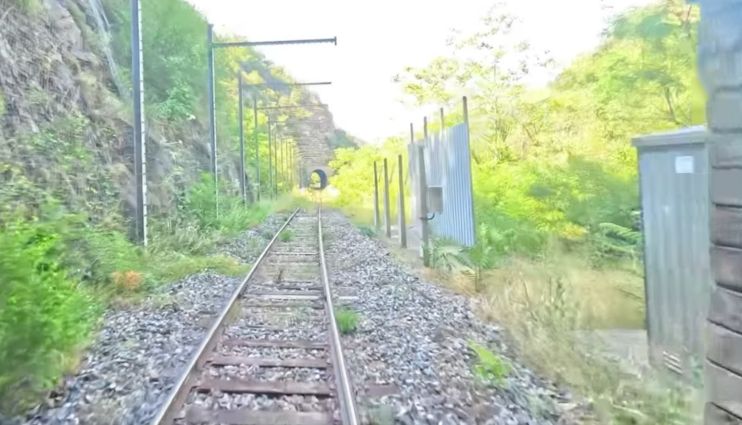
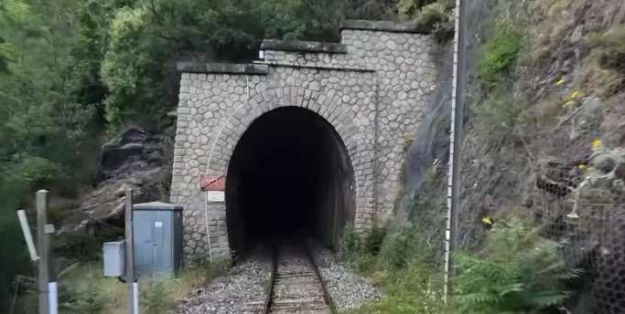
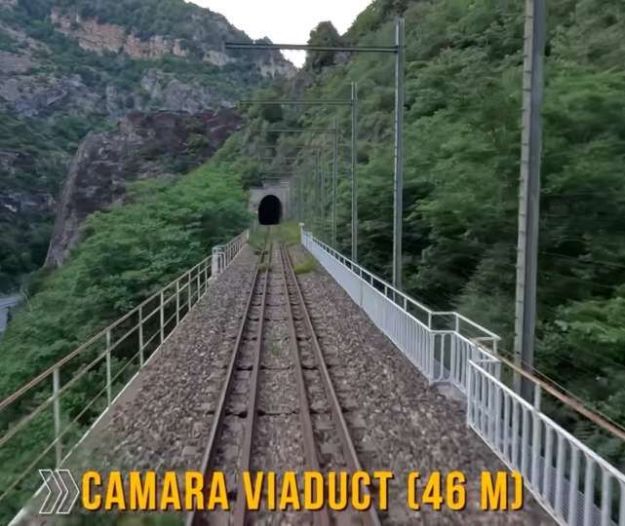
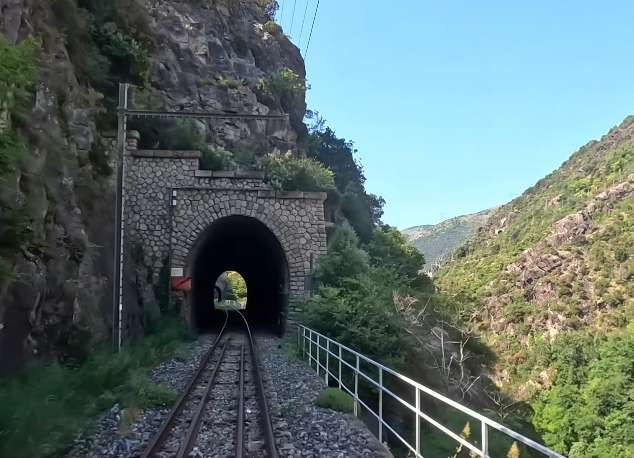
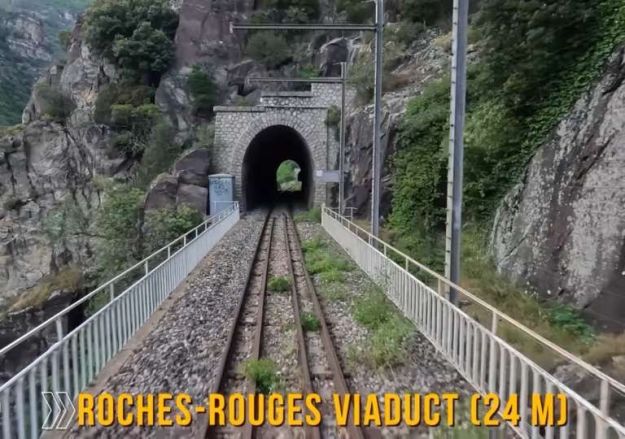

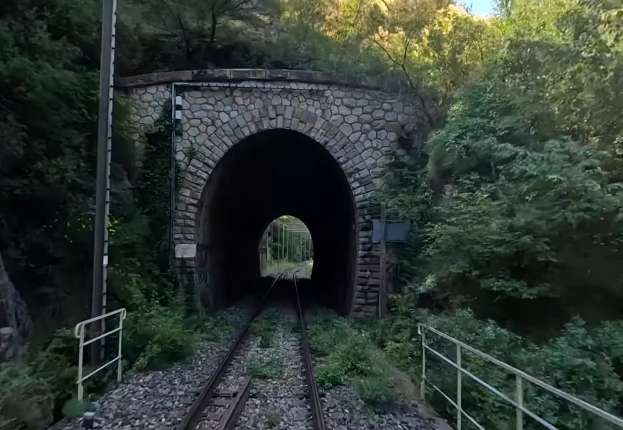
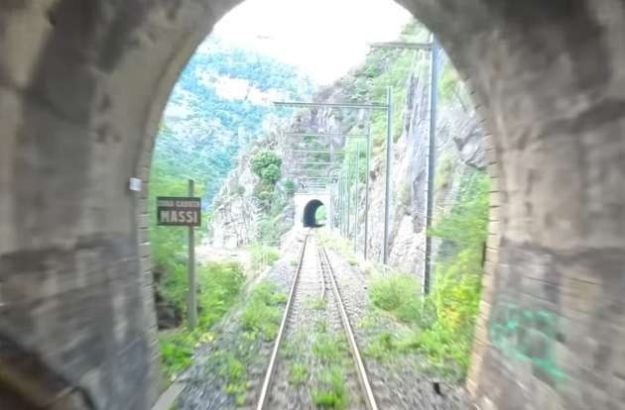
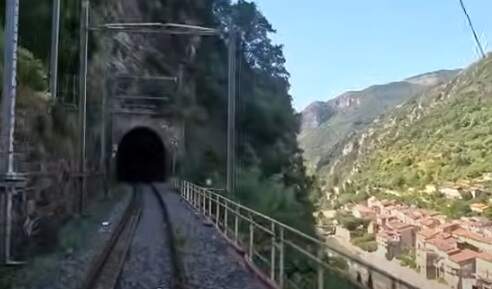
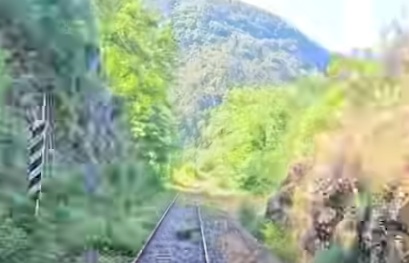
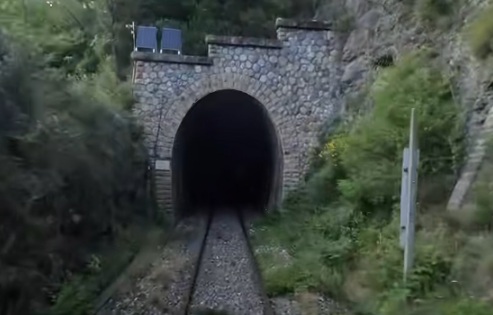
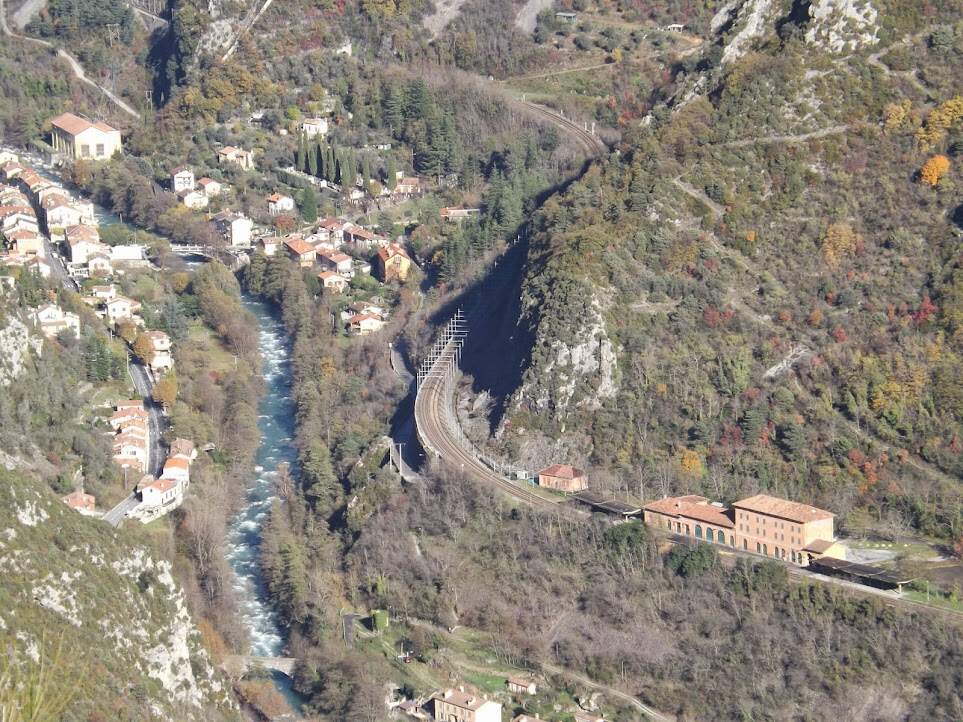
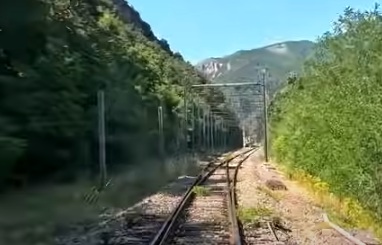
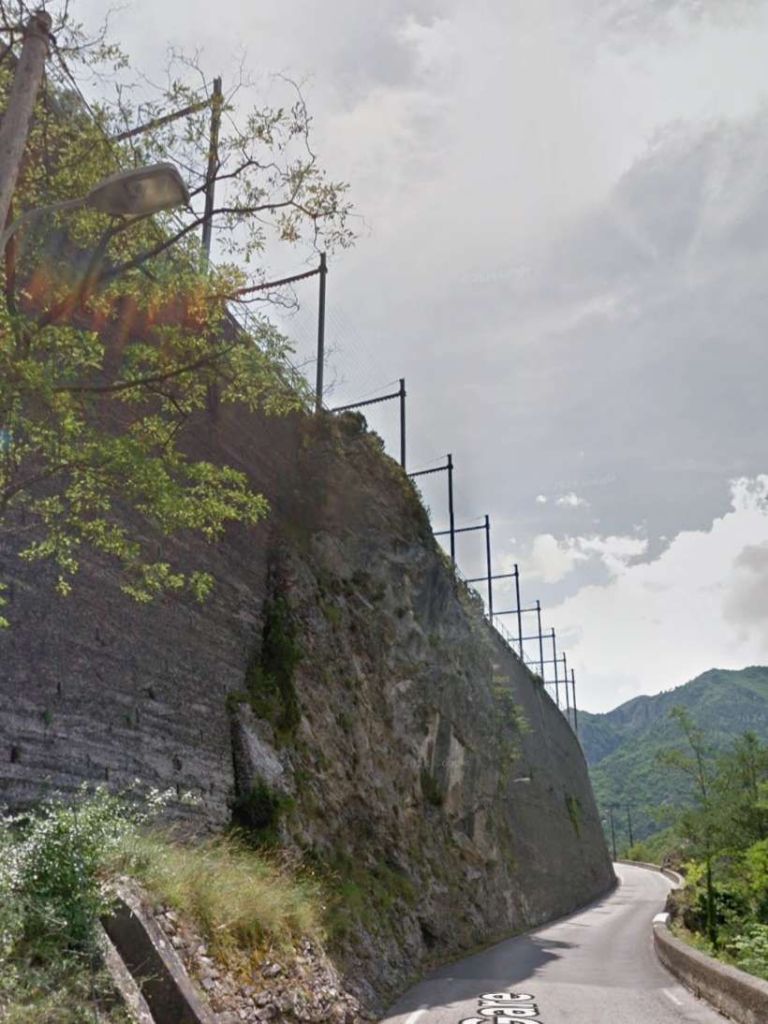
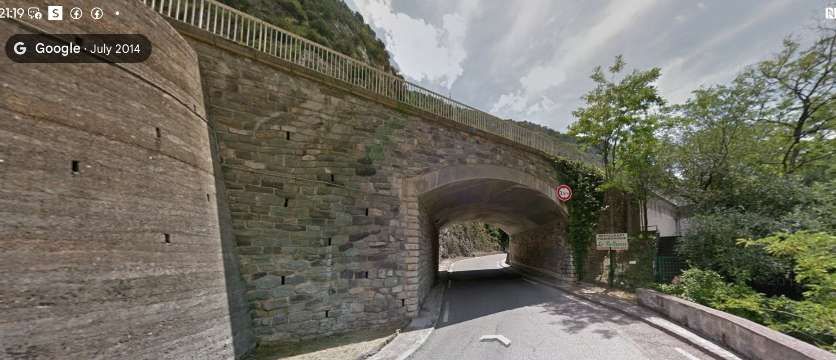
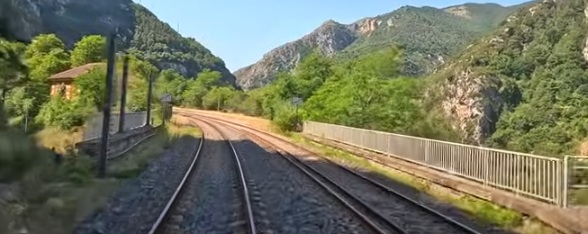
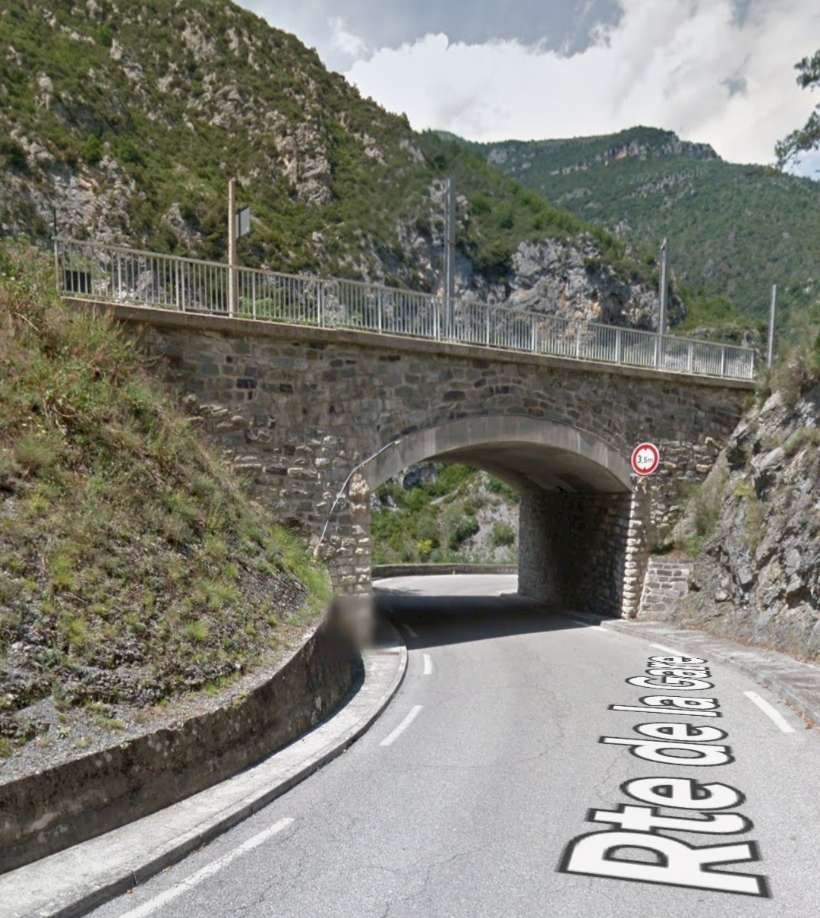
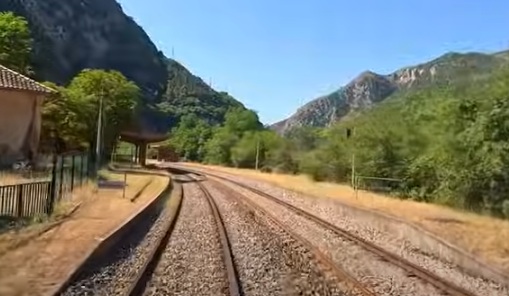
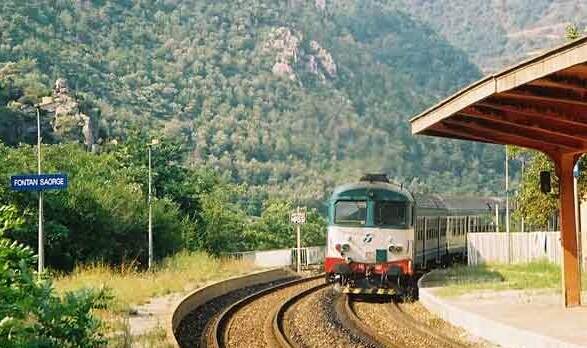
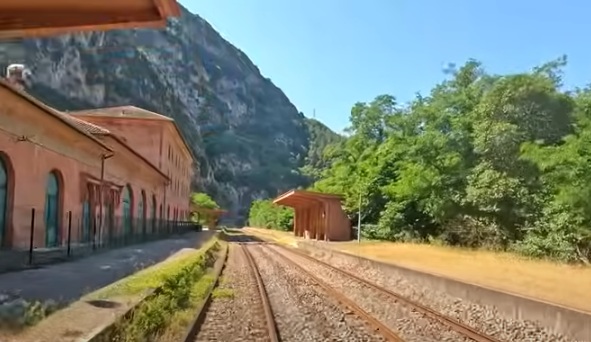
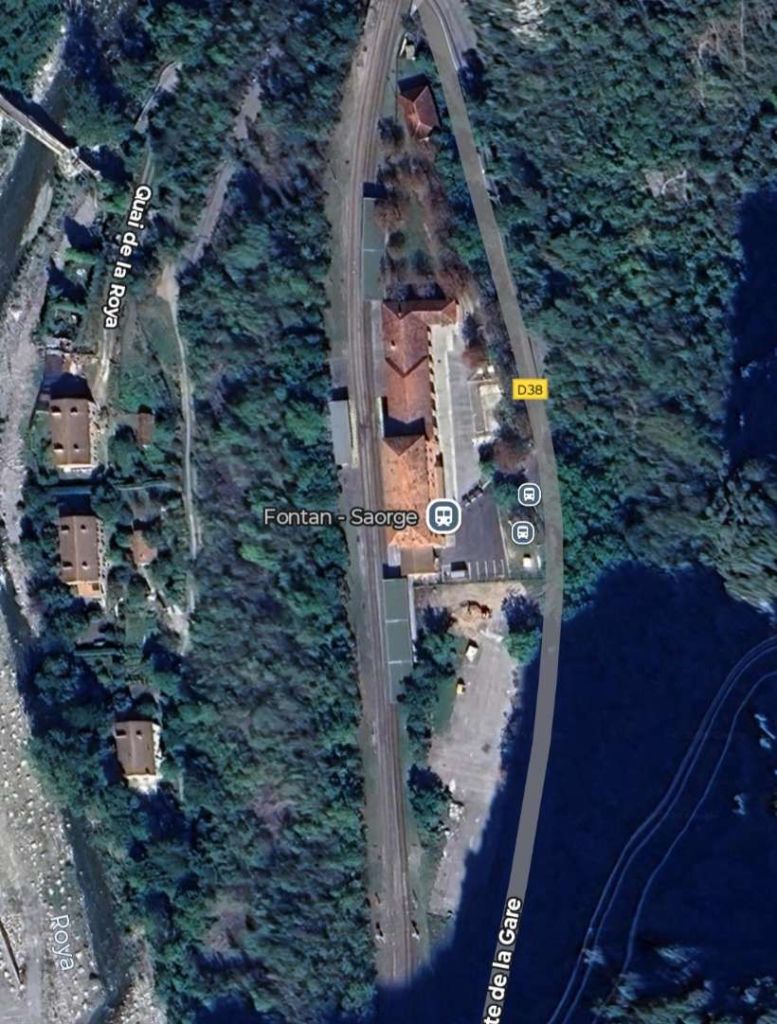
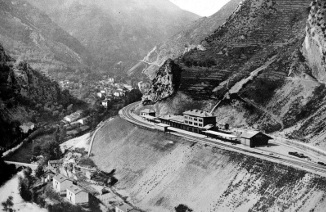

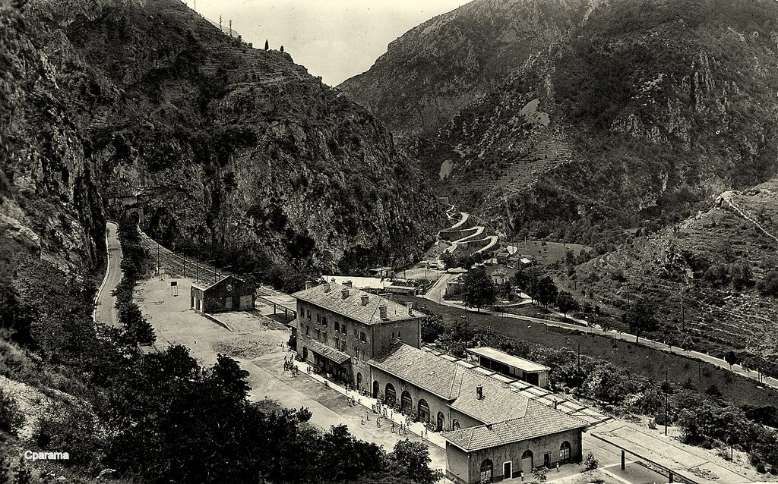
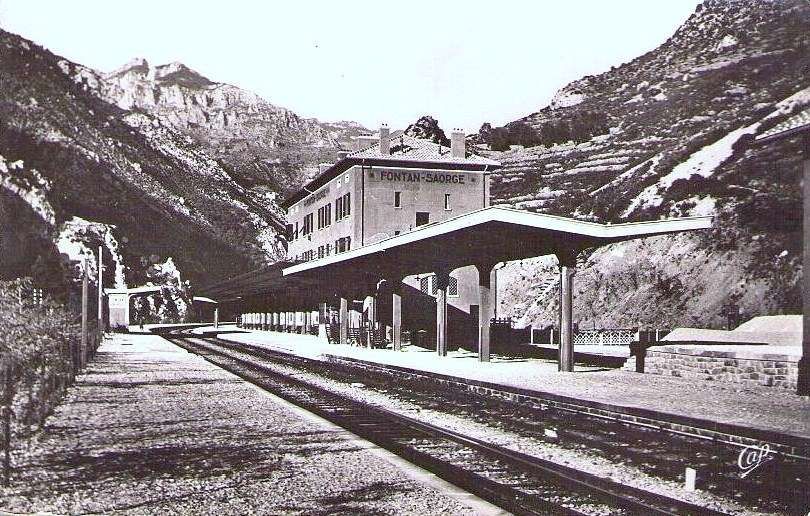
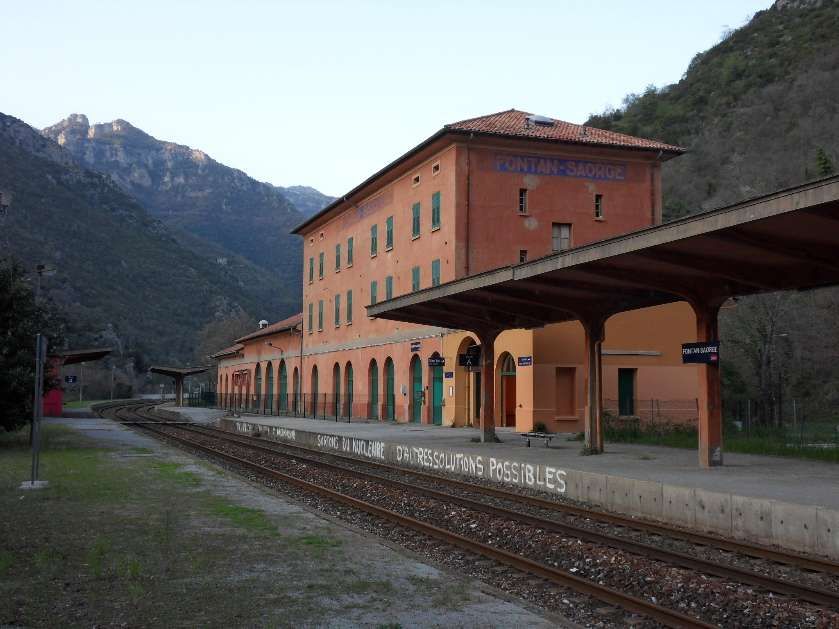
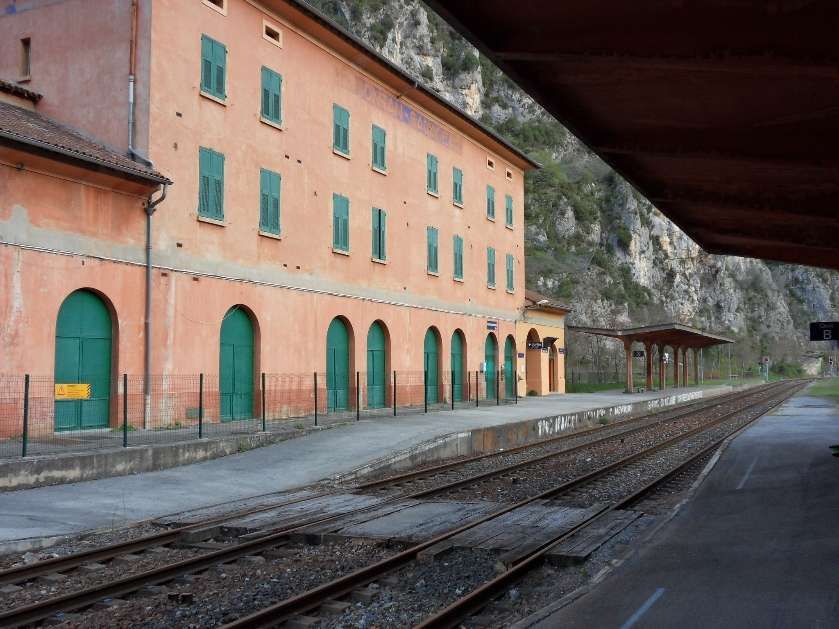
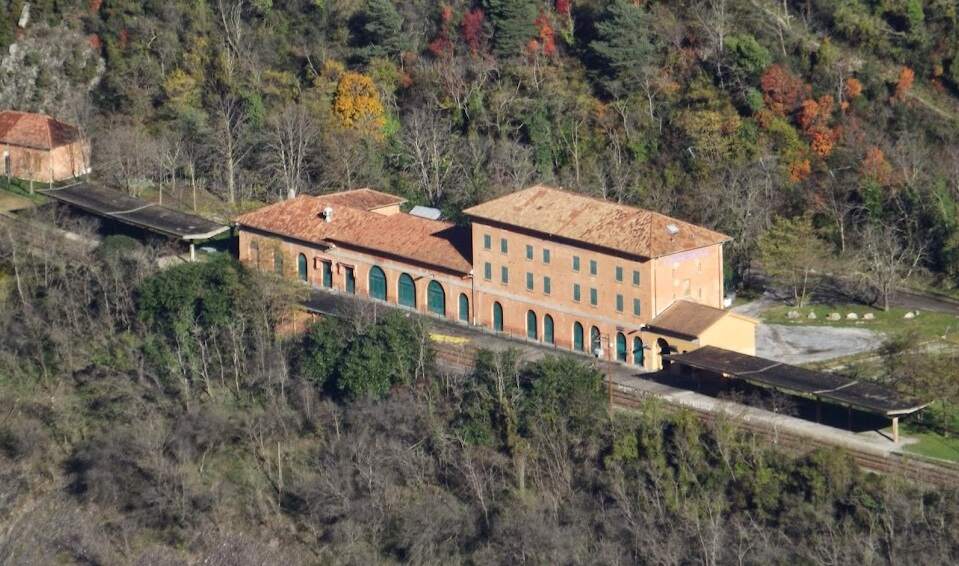
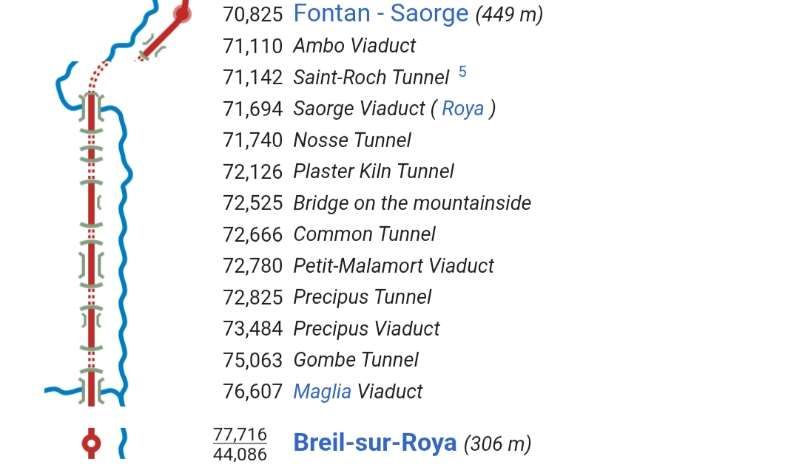
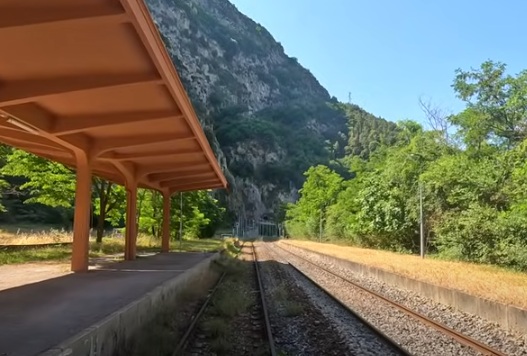
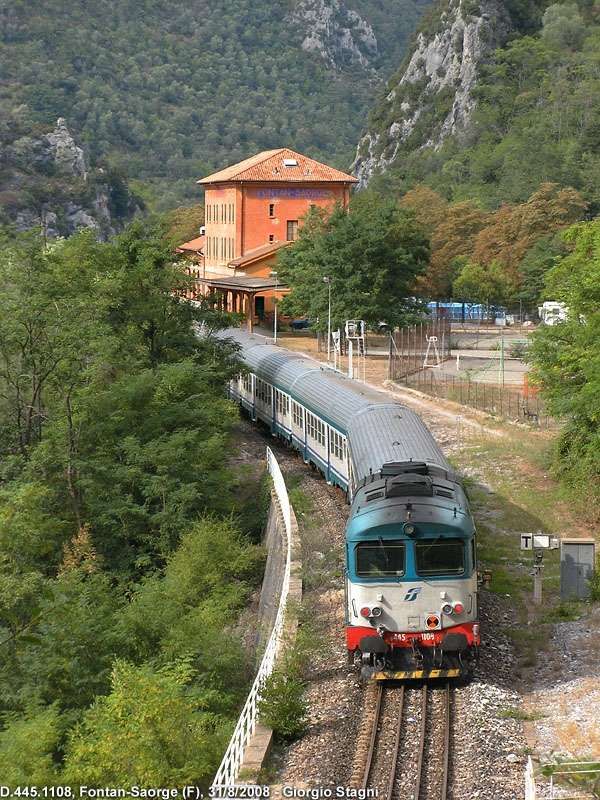
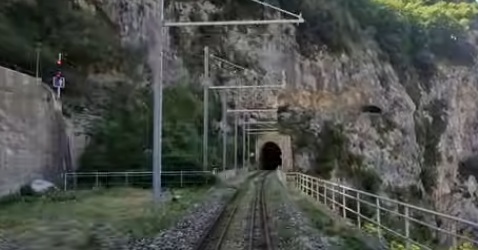
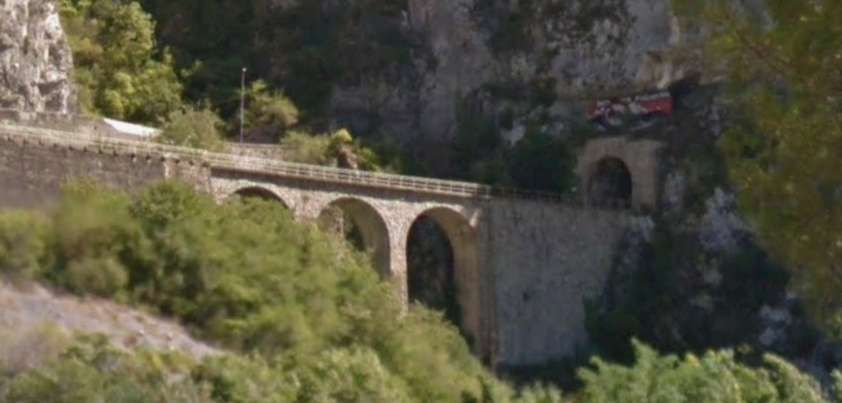
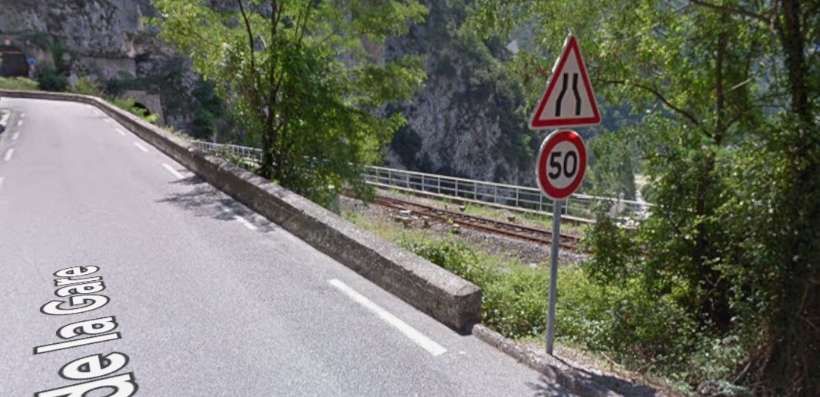
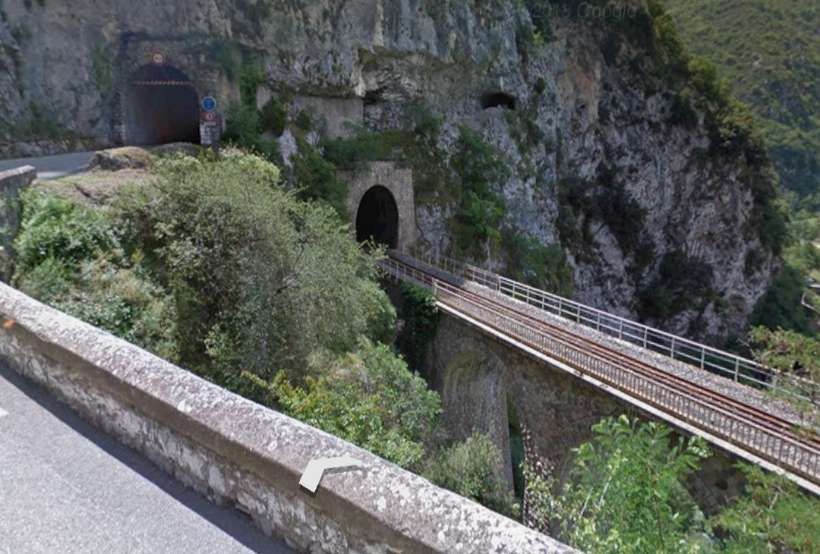
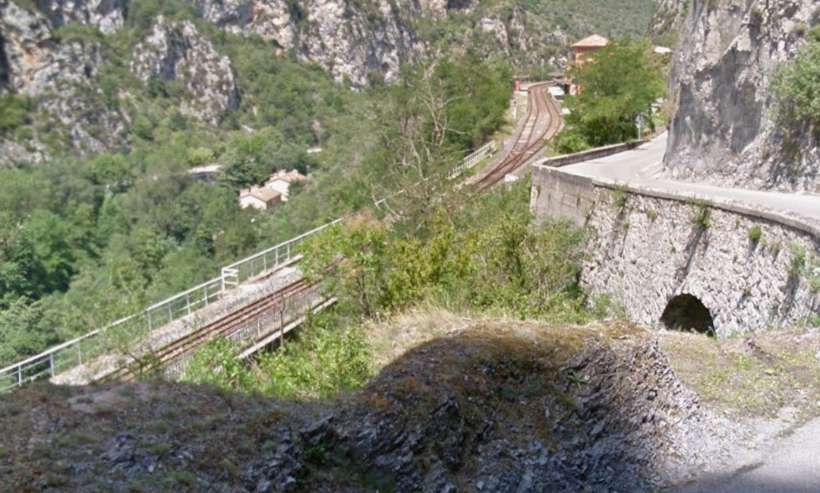
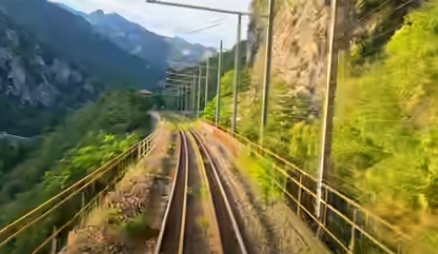
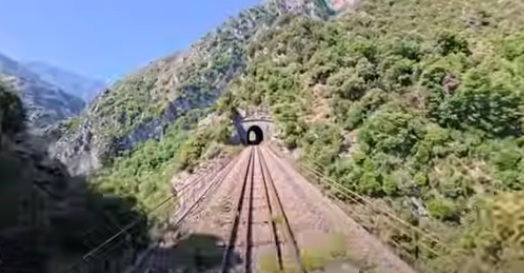
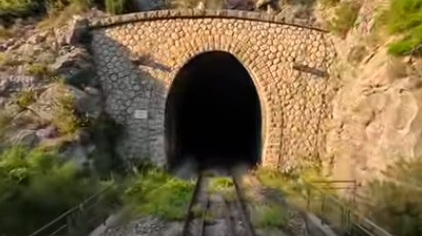
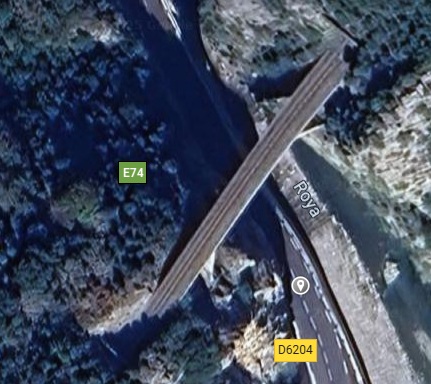
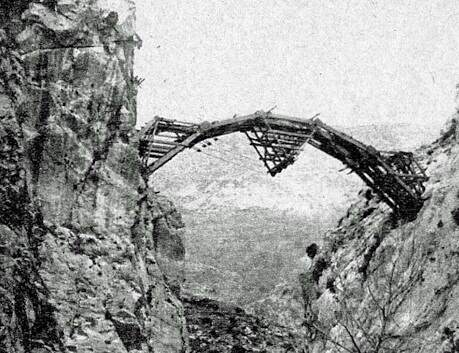
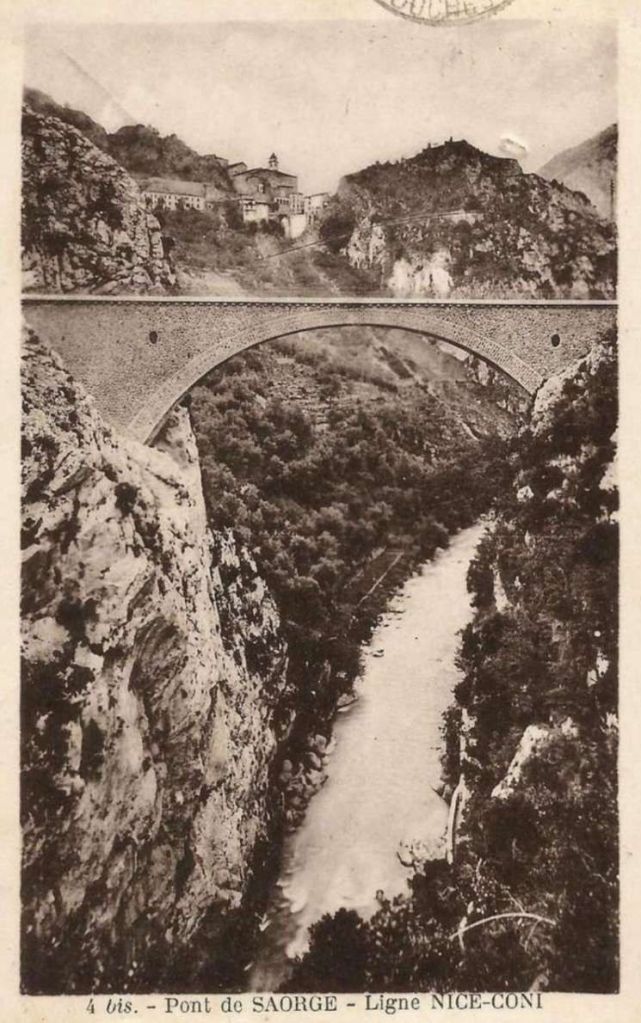
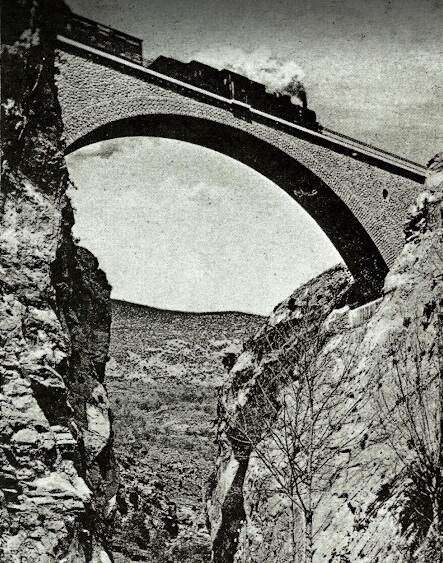
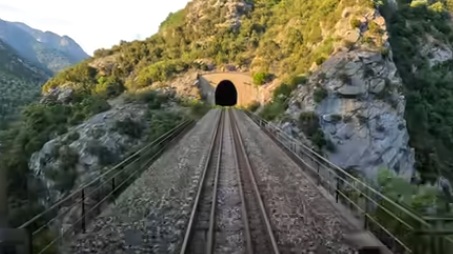
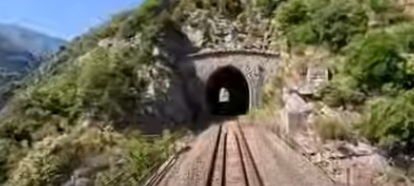
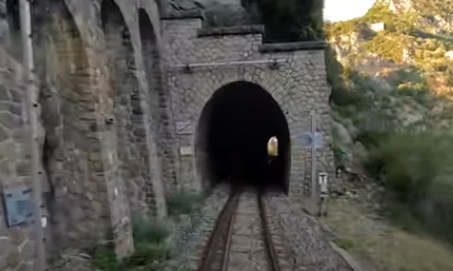
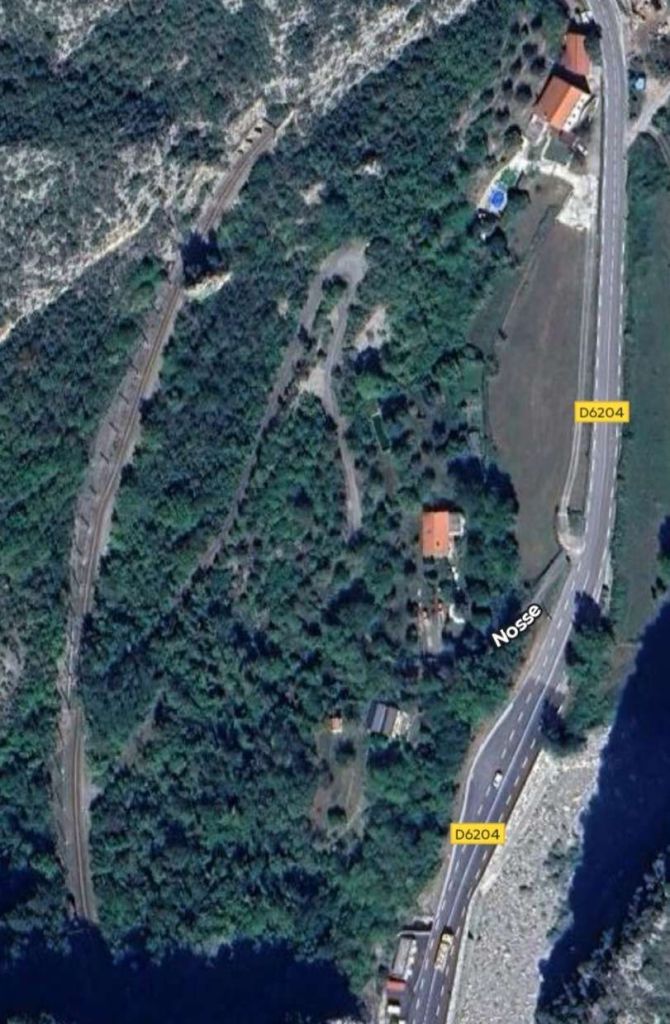
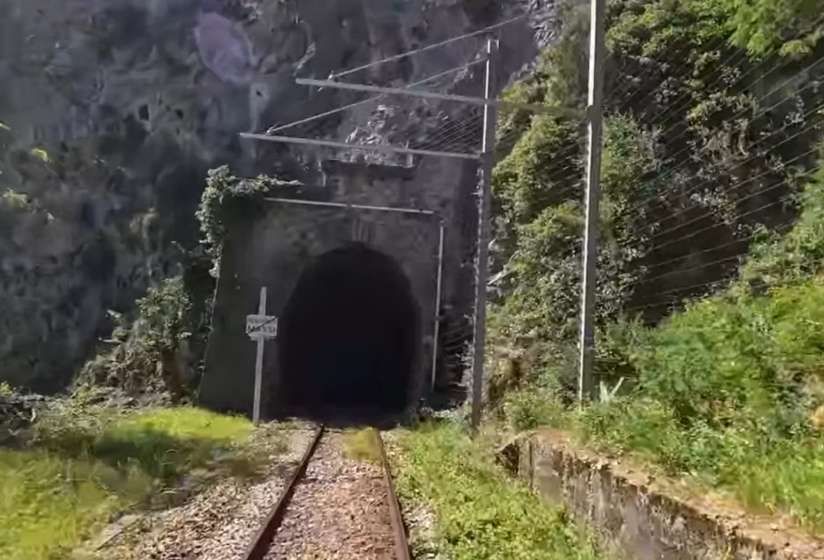
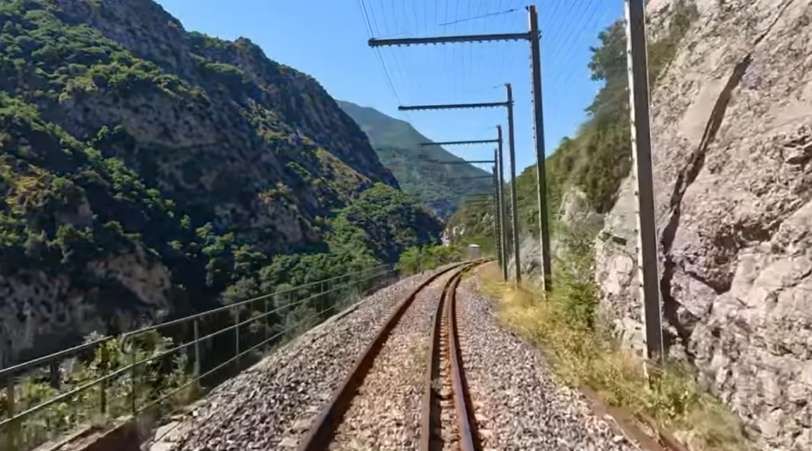
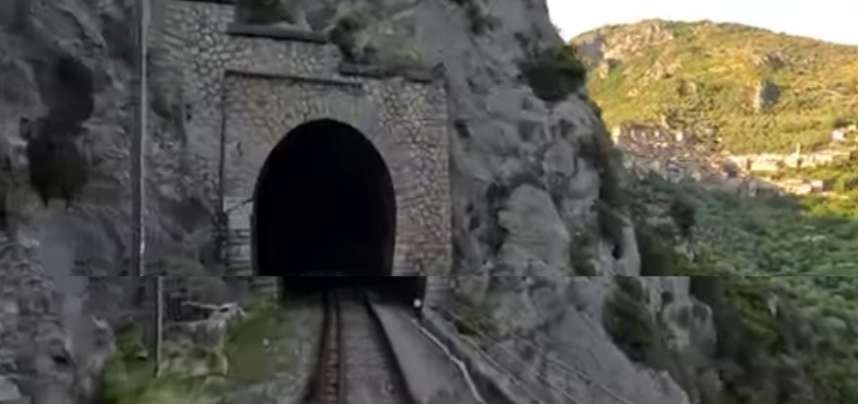

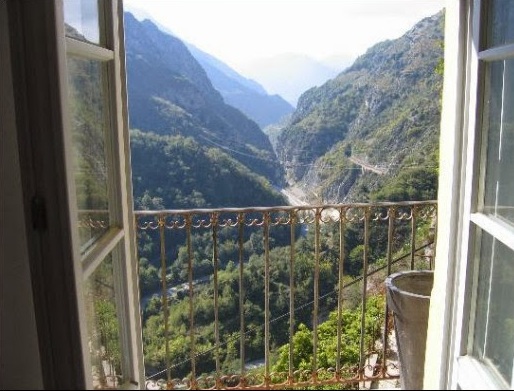
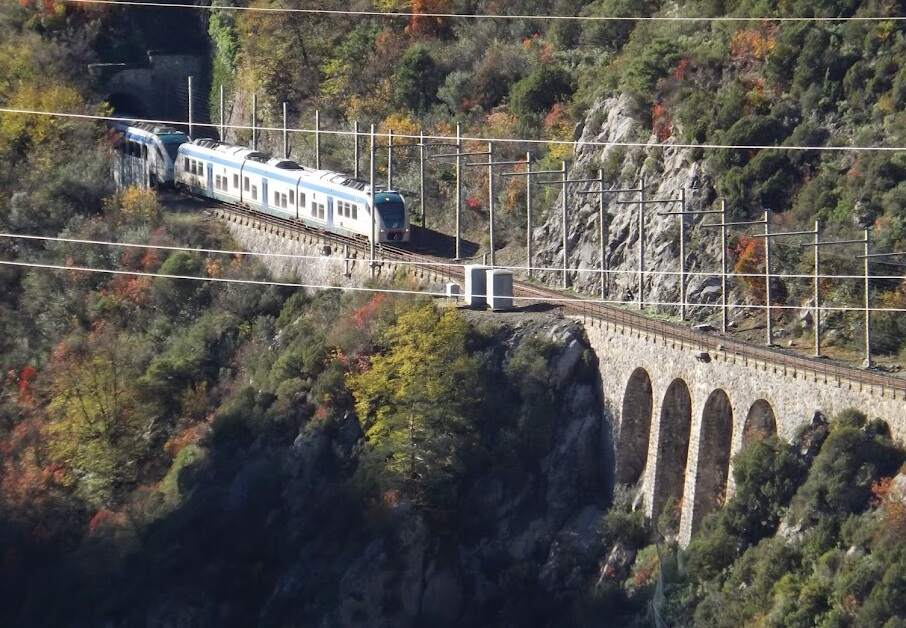
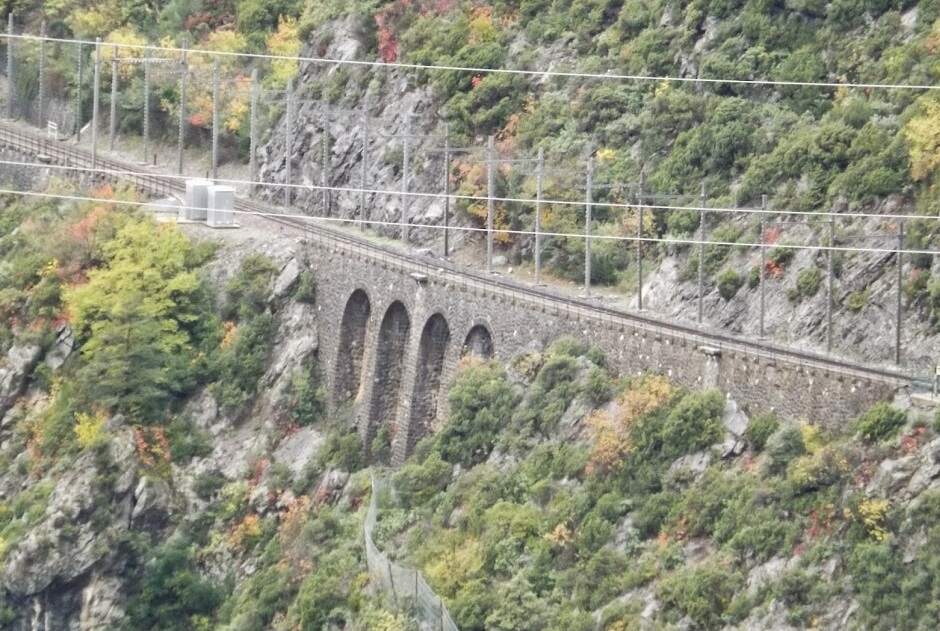
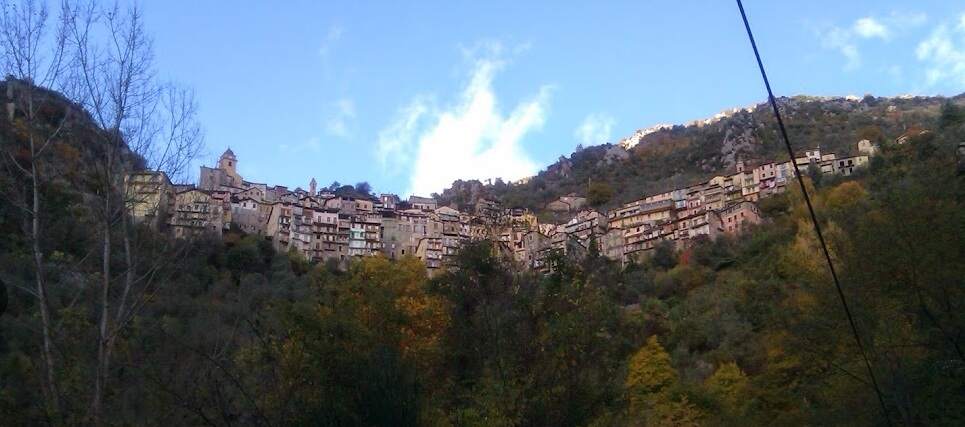
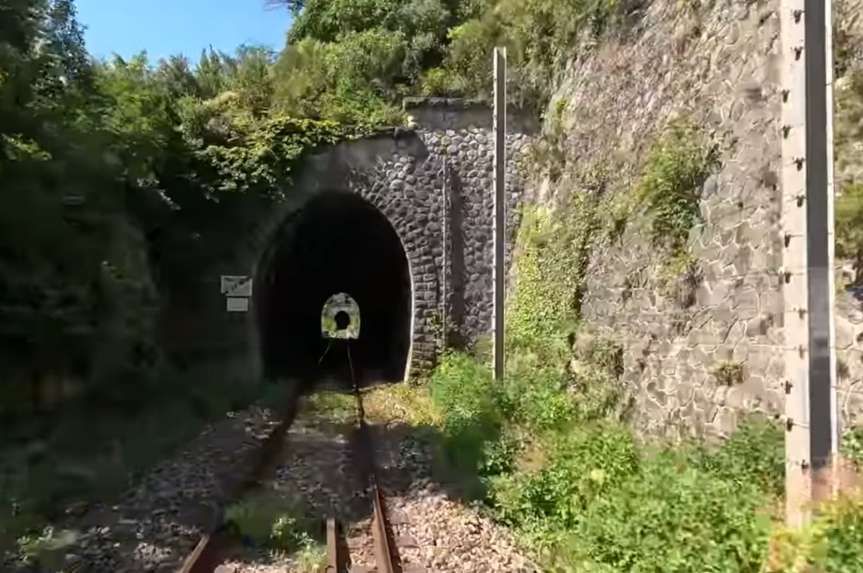
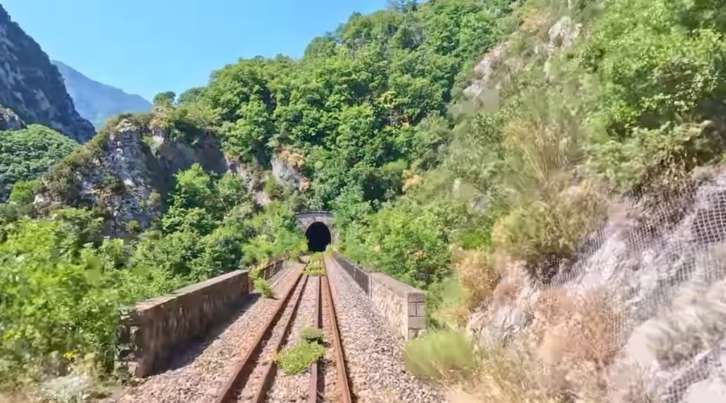
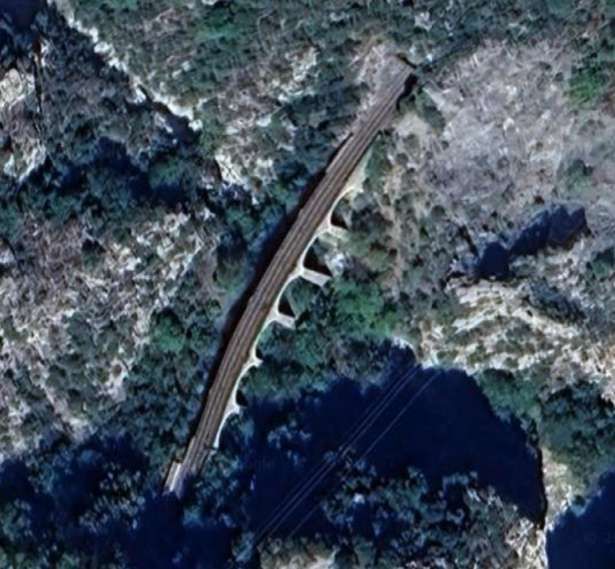
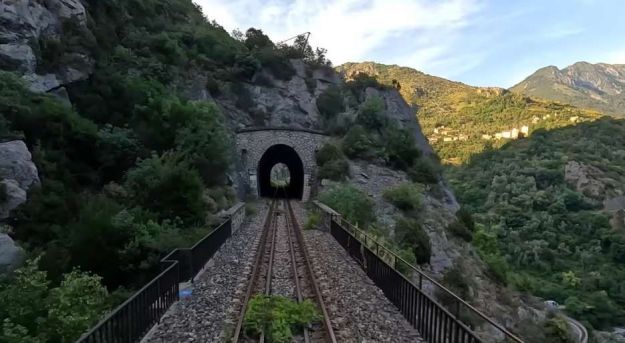
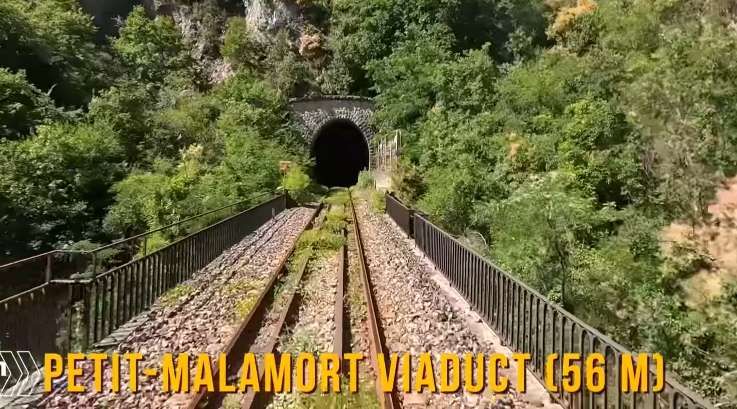
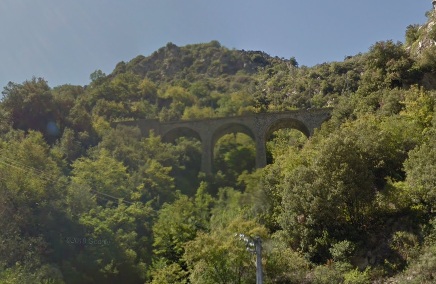
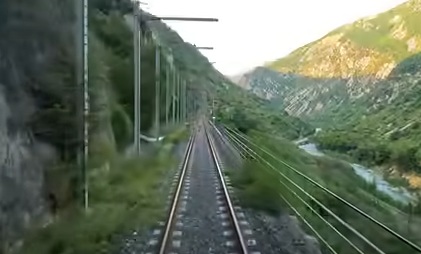
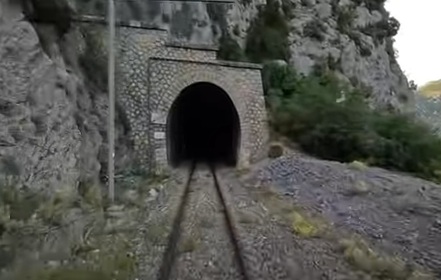
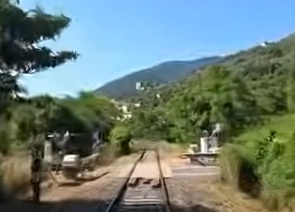
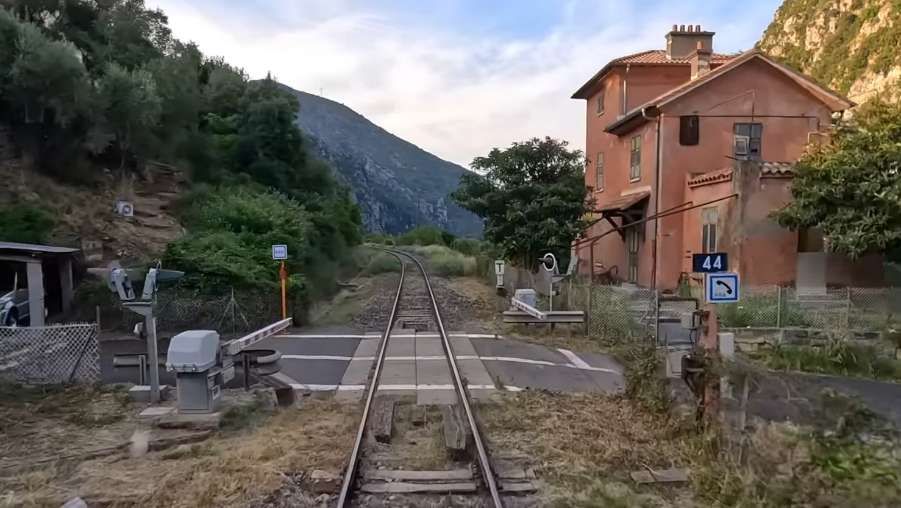
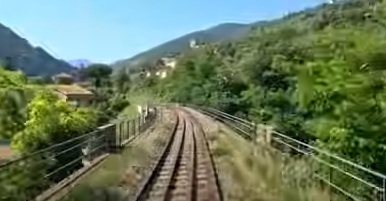
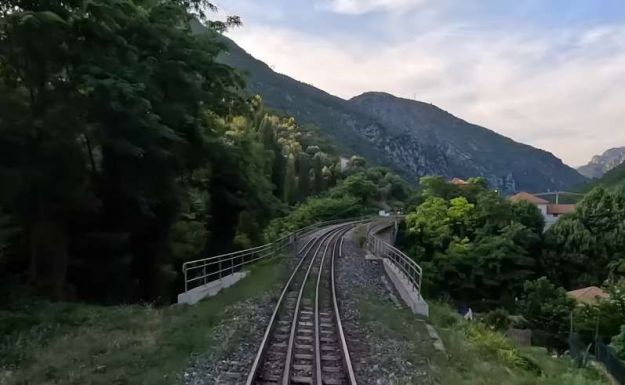
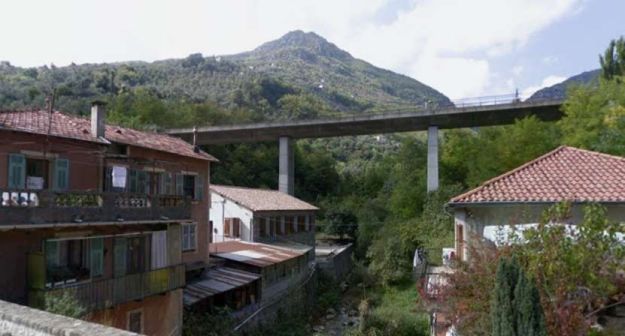
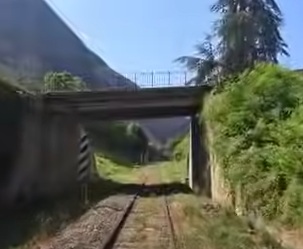
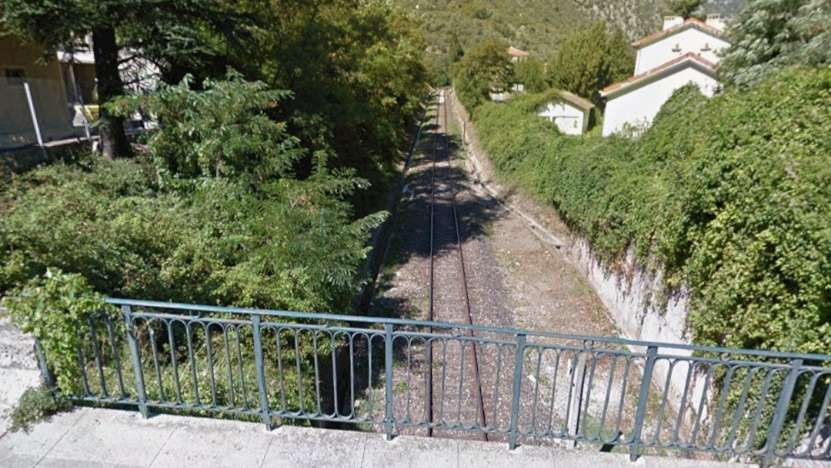
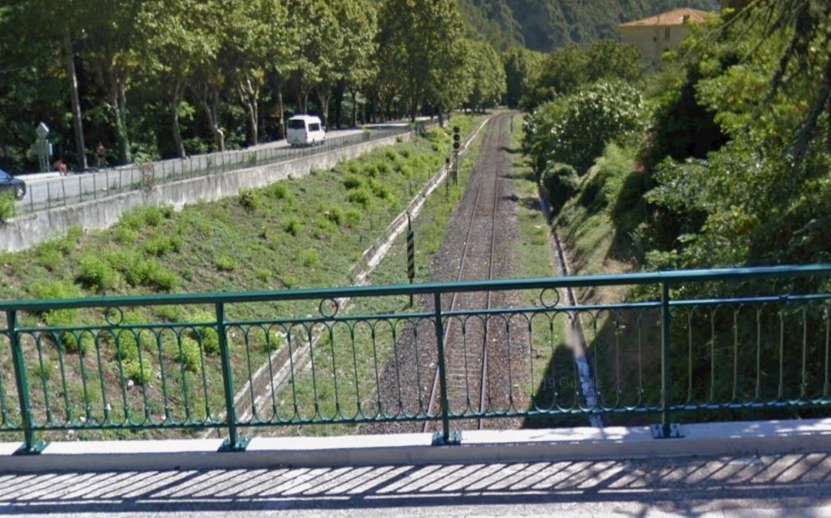
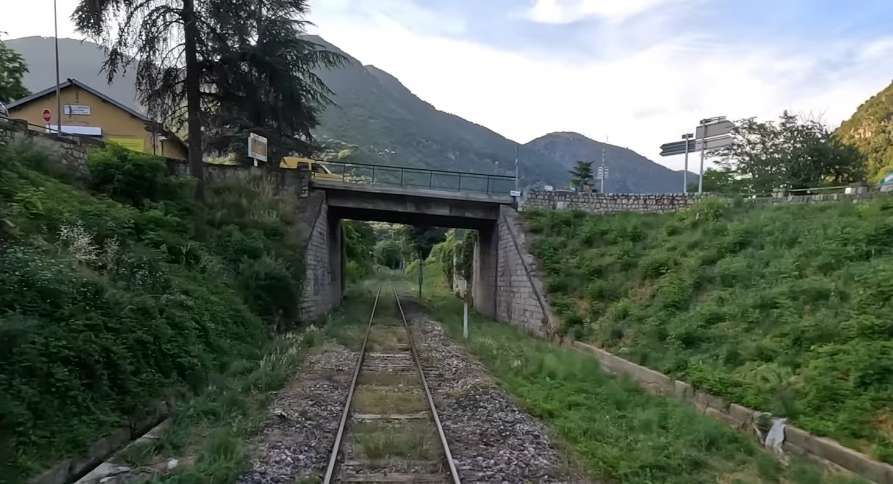
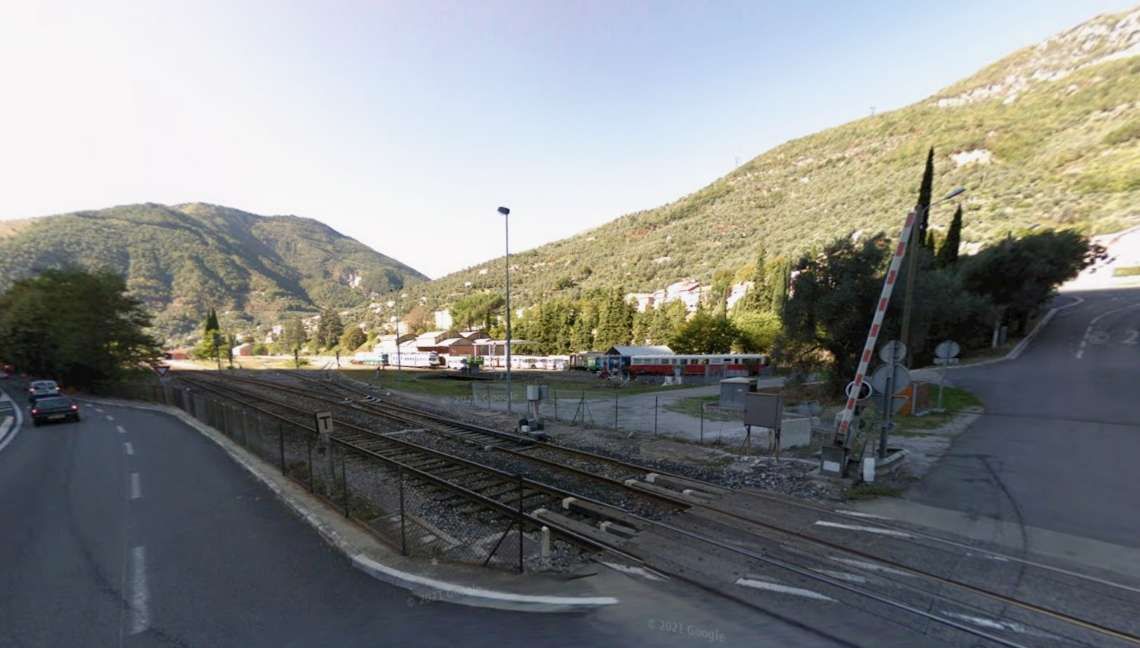
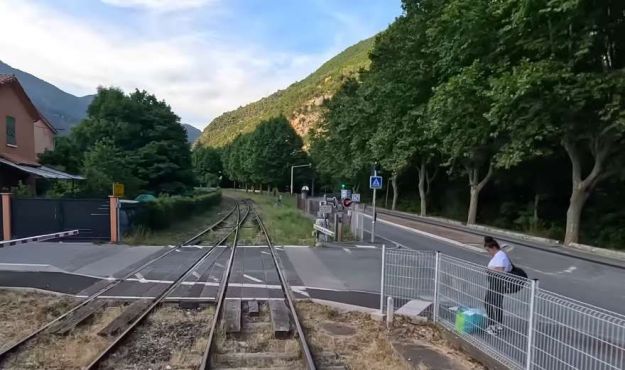
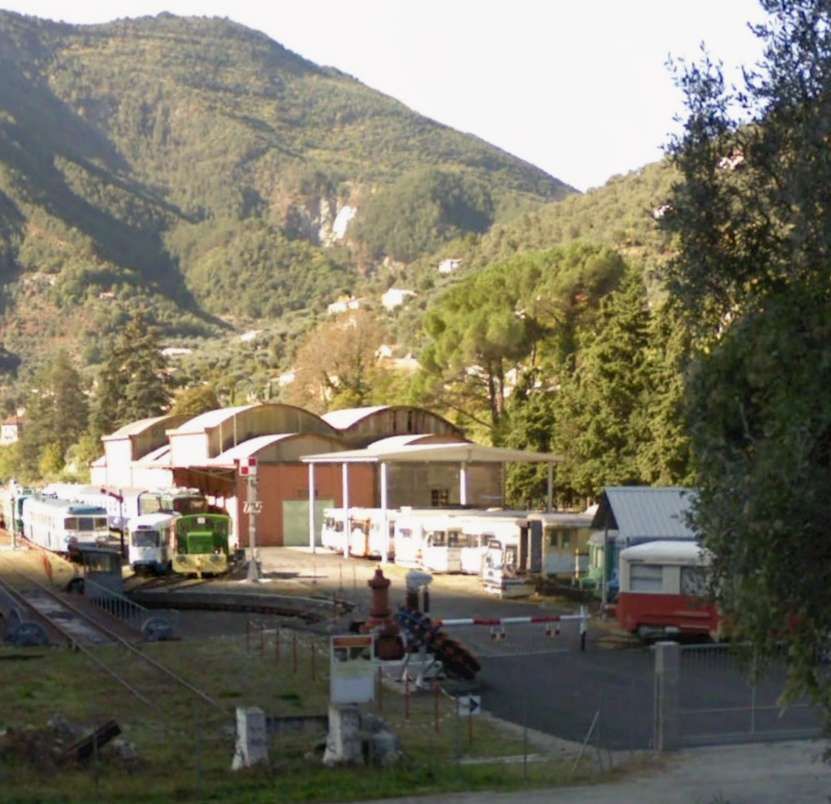
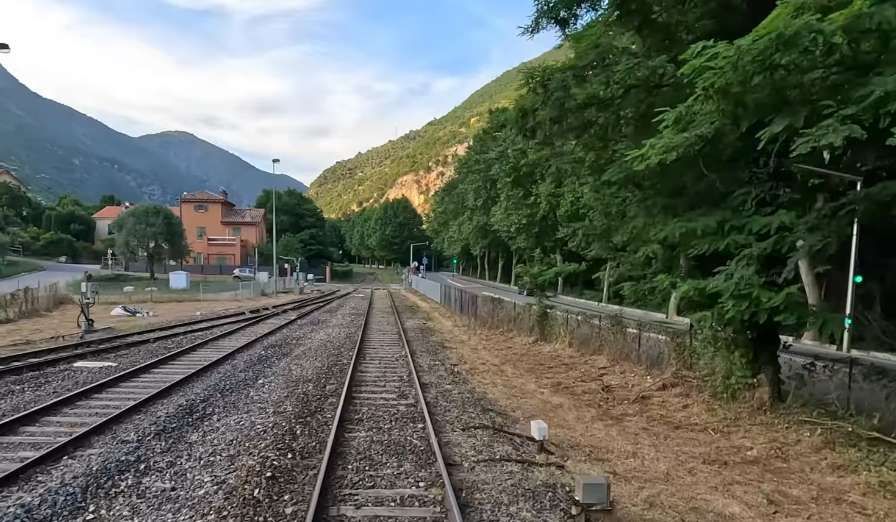
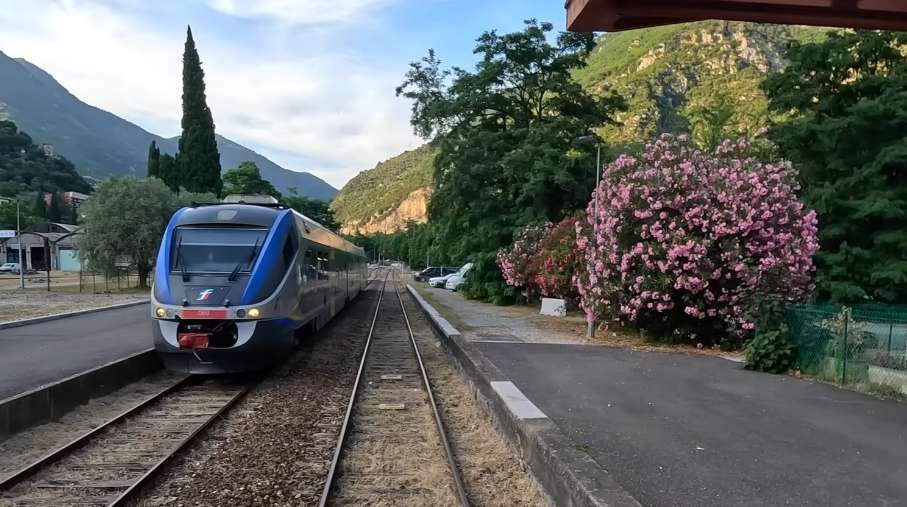
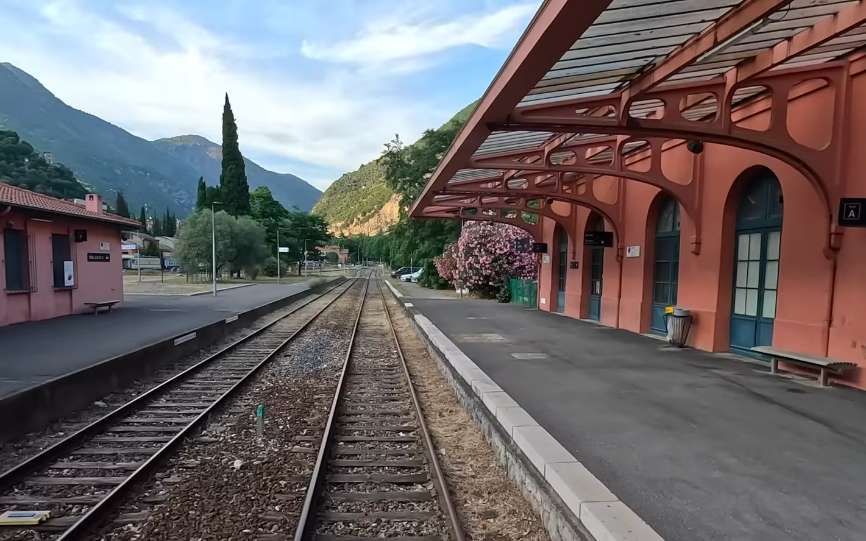
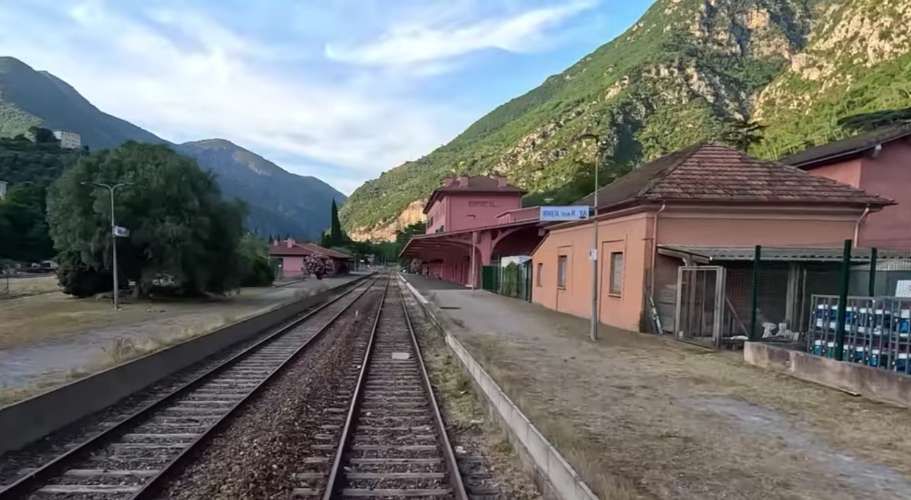
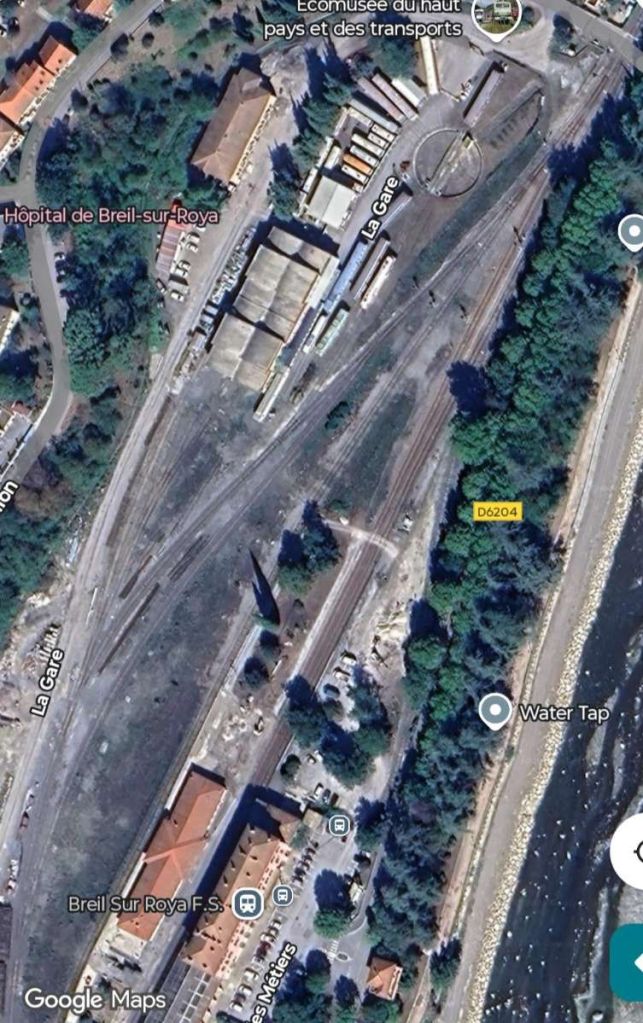
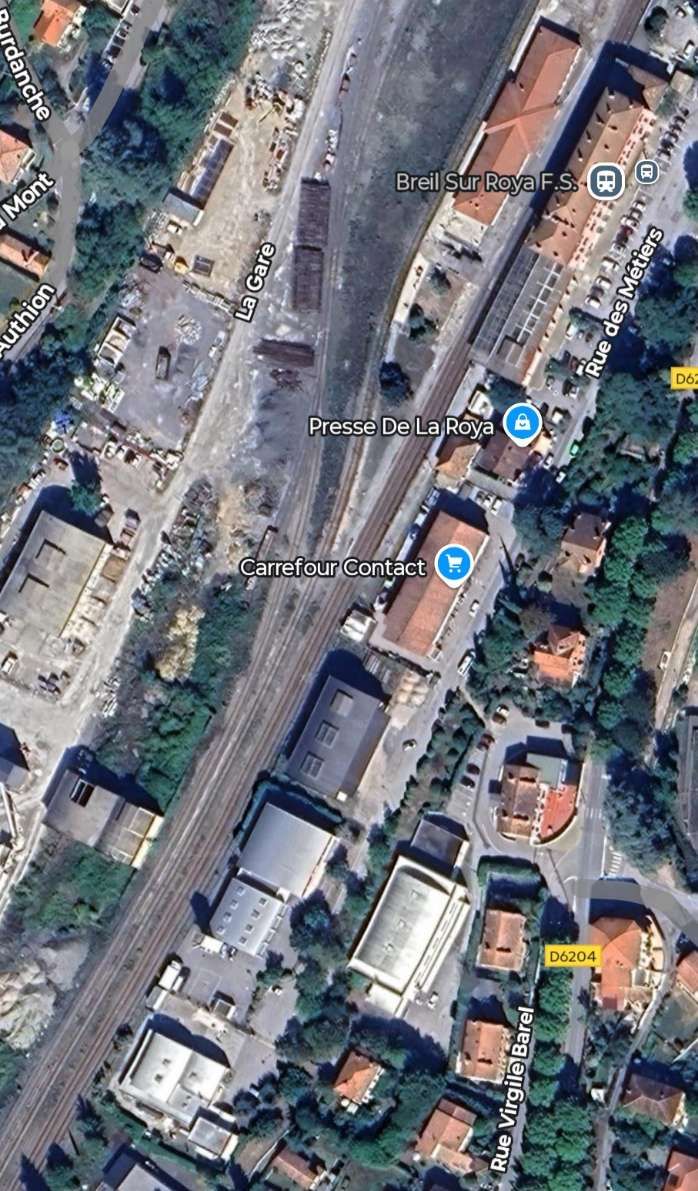
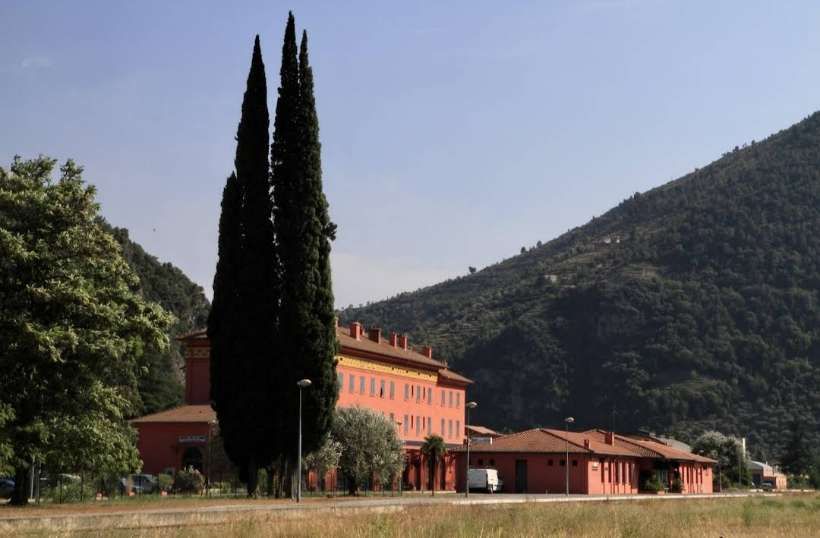
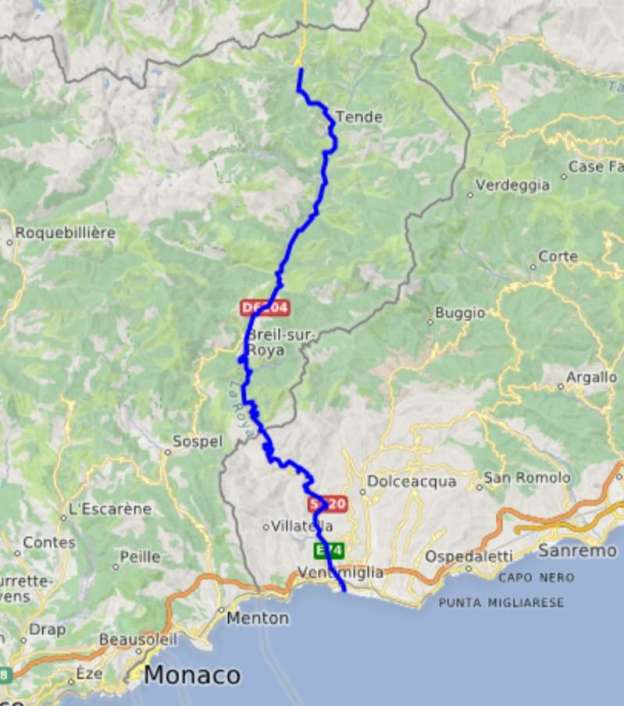
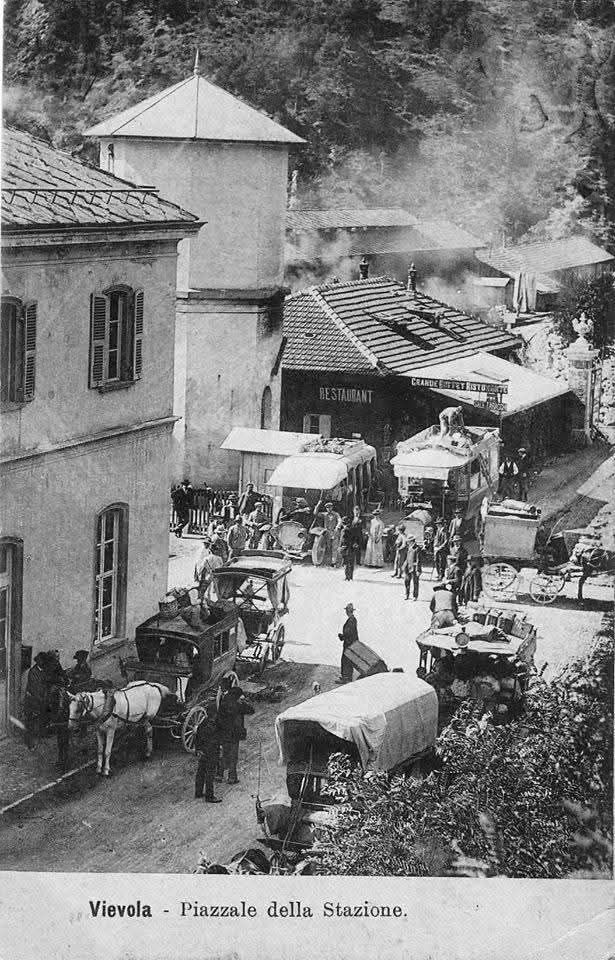
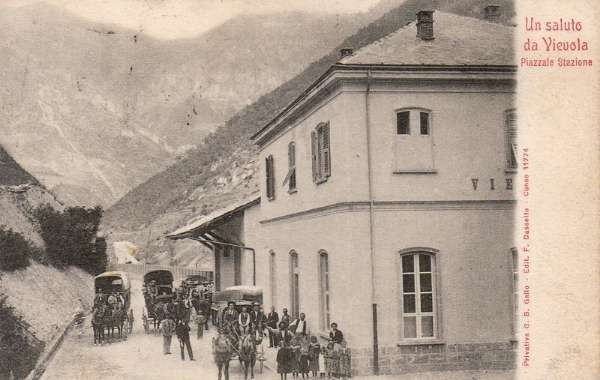
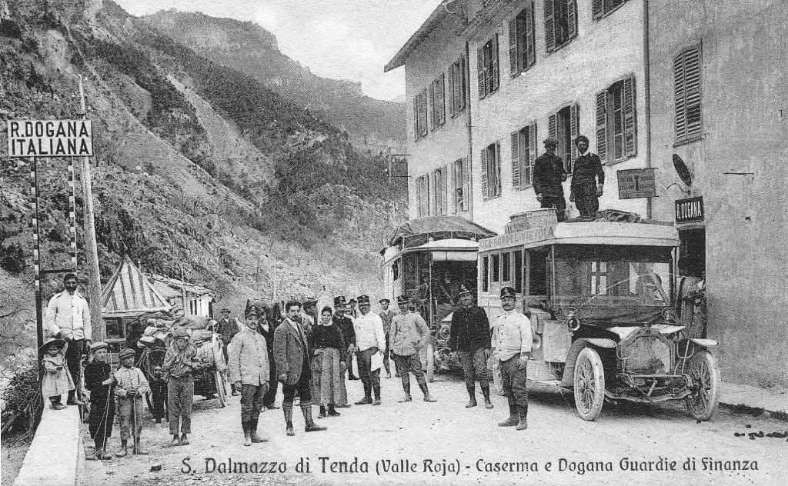
 Roger Farnworth