
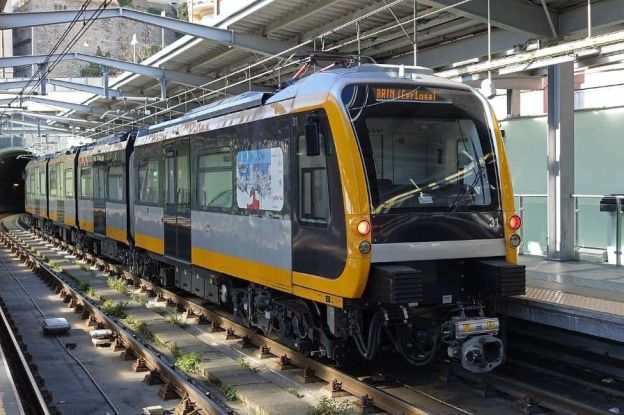
The Metropolitana di Genova is, in 2024, a single-line, double-track light rapid transit system that connects the centre of Genova, Italy with the suburb of Rivarolo Ligure, to the north-west of the city centre. It runs through to Brignole Railway Station in the East of the city. In 2024, the service is managed by Azienda Mobilità e Trasporti (AMT), which provides public transport for the city of Genoa. [1]
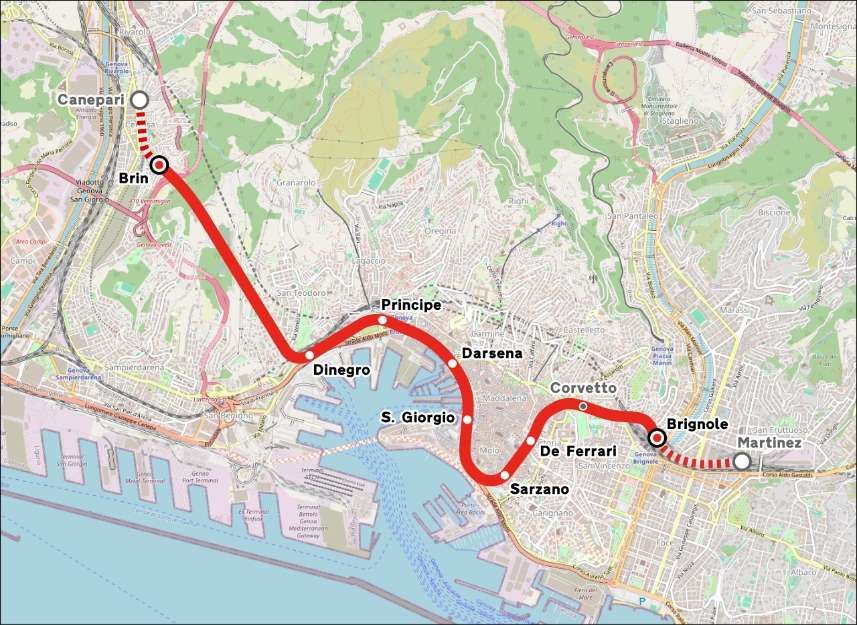
The Metro is a 7.1 kilometres (4.4 mi) long 1,435 mm (4 ft 8 1⁄2 in) (standard gauge) double-track line and is electrified with overhead lines at 750 volts DC. It has a direct connection with Trenitalia’s mainline railway station, Principe. [1]
The origins of a subway in Genoa date back to the beginning of the twentieth century; in 1907 Carlo Pfalz, who had already designed the Zecca-Righi Funicular, [2] was the first to explore the construction of an underground railway with electric traction. Several projects, including that of the engineer Angelo Massardo and those of Renzo Picasso (1911 and 1930), were proposed without being realized. Instead, a tram system at surface level was built which ultimately was abandoned in 1966. An attempt to introduce an alternative means of transport was made on the occasion of the International Exhibition of Marine and Maritime Hygiene of 1914: it was a ‘Telfer’, an elevated monorail that connected the Port (Giano Pier area) to the exhibition area in Piazza di Francia, in front of the Brignole station. The infrastructure was then abandoned and finally demolished in 1918. [1]
An article about the Telfer can be found here. [3]
The underground ‘Metro’ was built in a series of phases. “The first section, opened on 13th June 1990 in time for the 1990 FIFA World Cup, was 2.5 kilometres (1.6 miles) [6] between the stations of Brin and Dinegro. [7] The line was extended to Principe in 1992, [6] to San Giorgio-Caricamento in 2003, [6] to De Ferrari (the underground station at Piazza De Ferrari) in 2005, [6] and to Brignole in 2012.” [8]
Since 2024, citizens of Genoa have been able to use the subway free of charge without any time restrictions.[9]
Stations
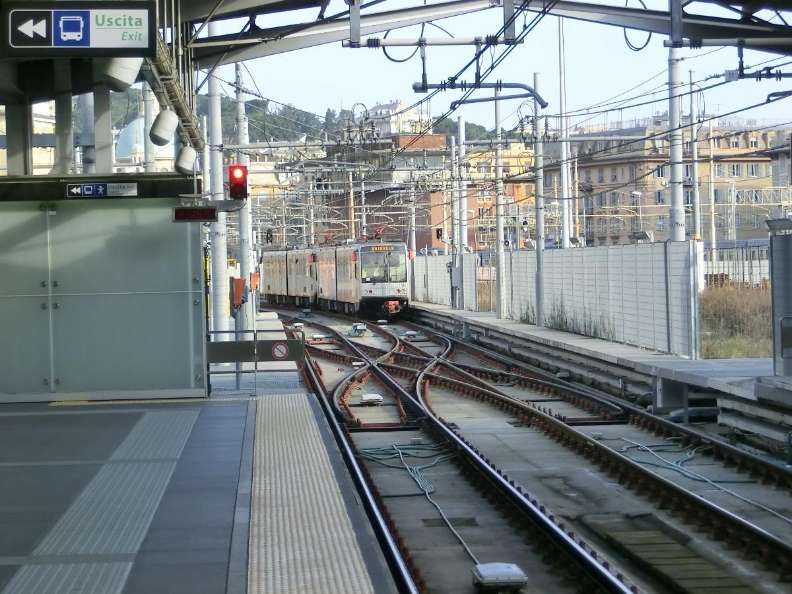
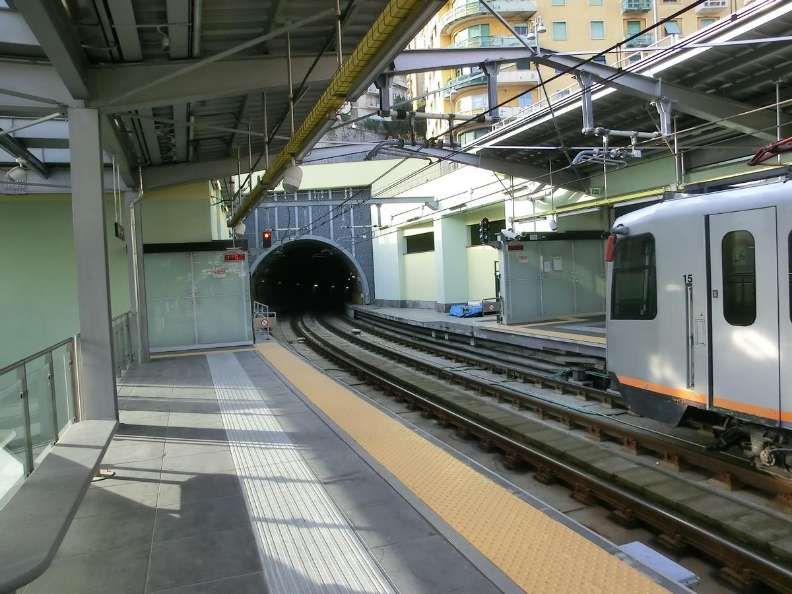
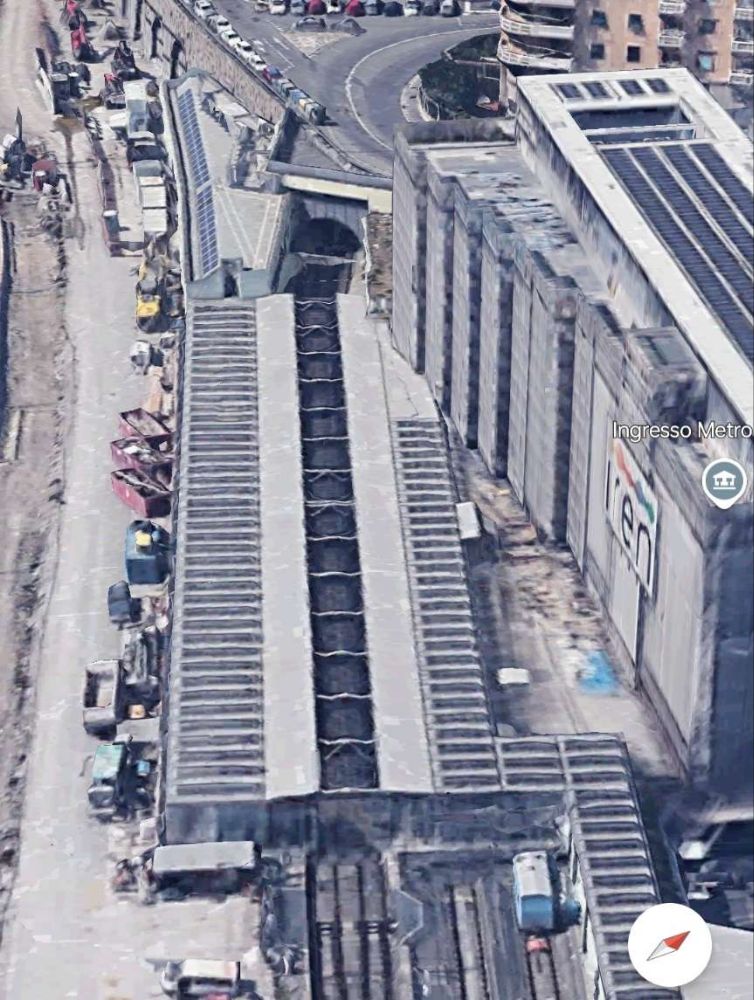
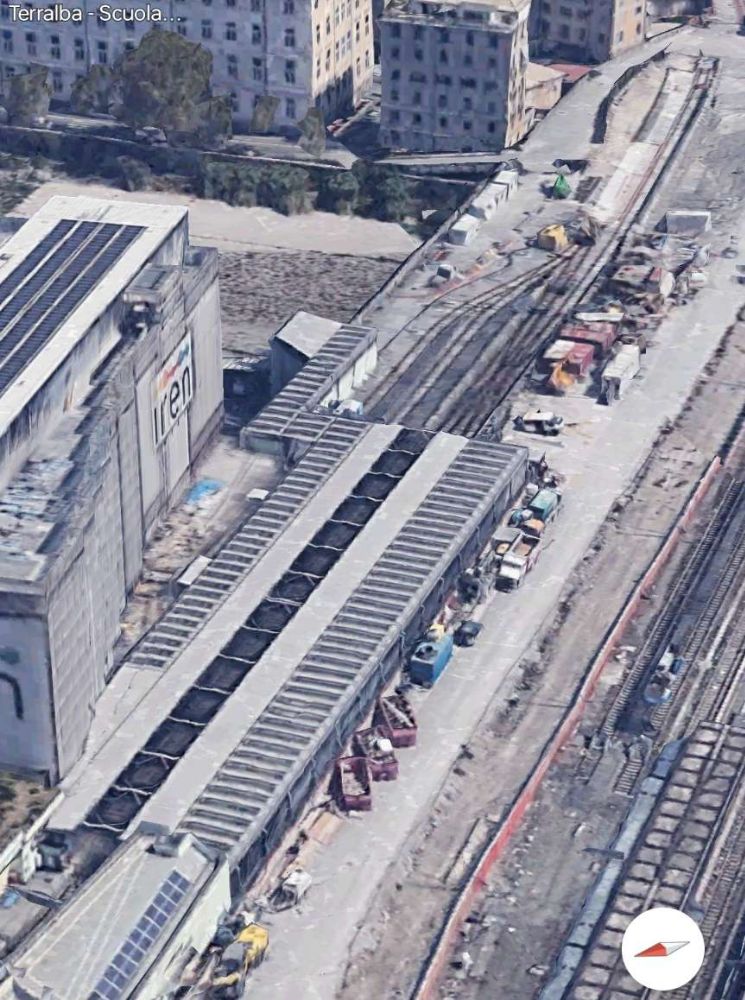
Brin Station – is currently (2024) the Northwest terminus of the line. It is situated along Via Benedetto Brin in the neighbourhood of Certosa in Rivarolo Ligure, a suburban area in the north-western outskirts of Genoa, Italy. The station, currently the terminus of the line, is located just west of the tunnel mouth on the line from Dinegro station. [10] It is built on a viaduct, which allows for the line to be extended to the north.
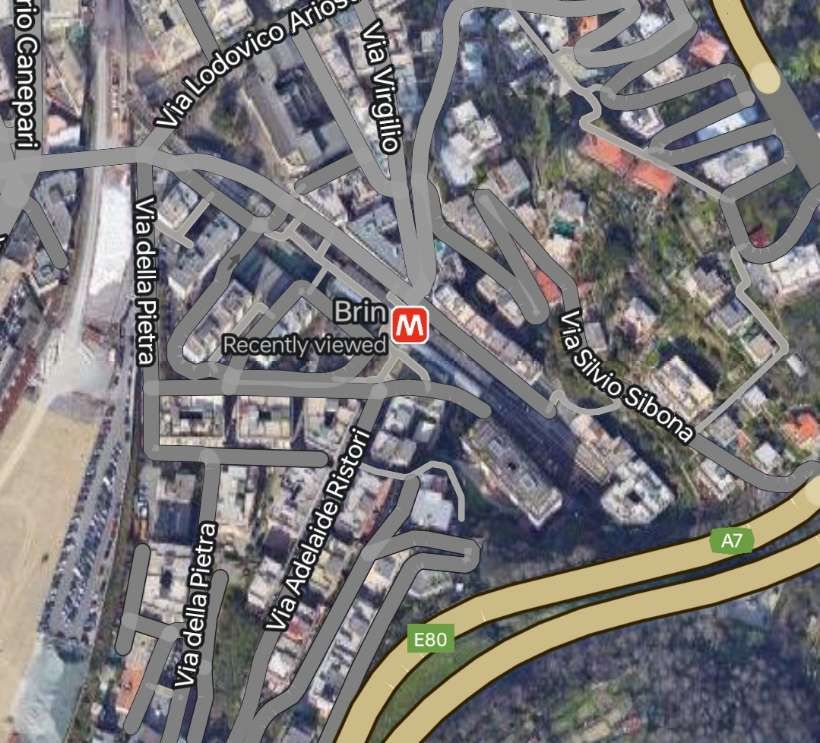
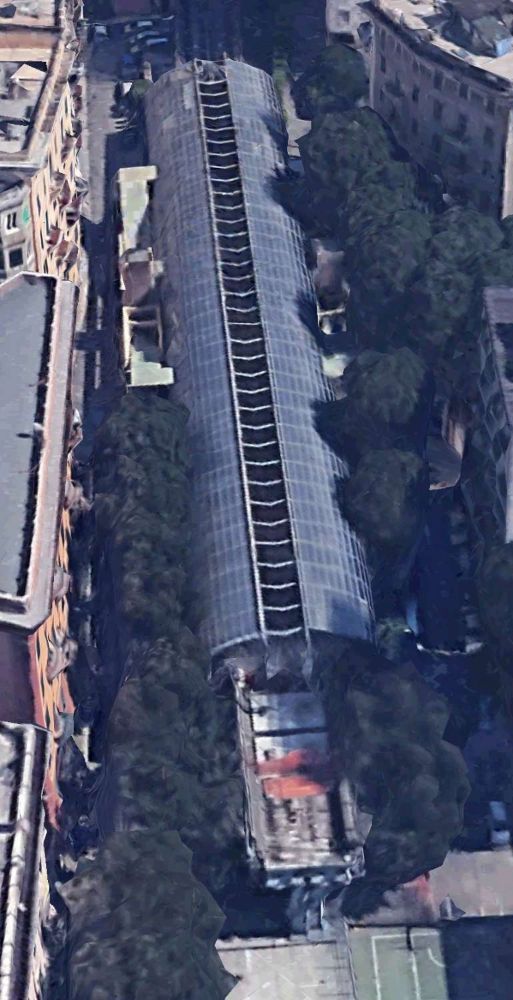
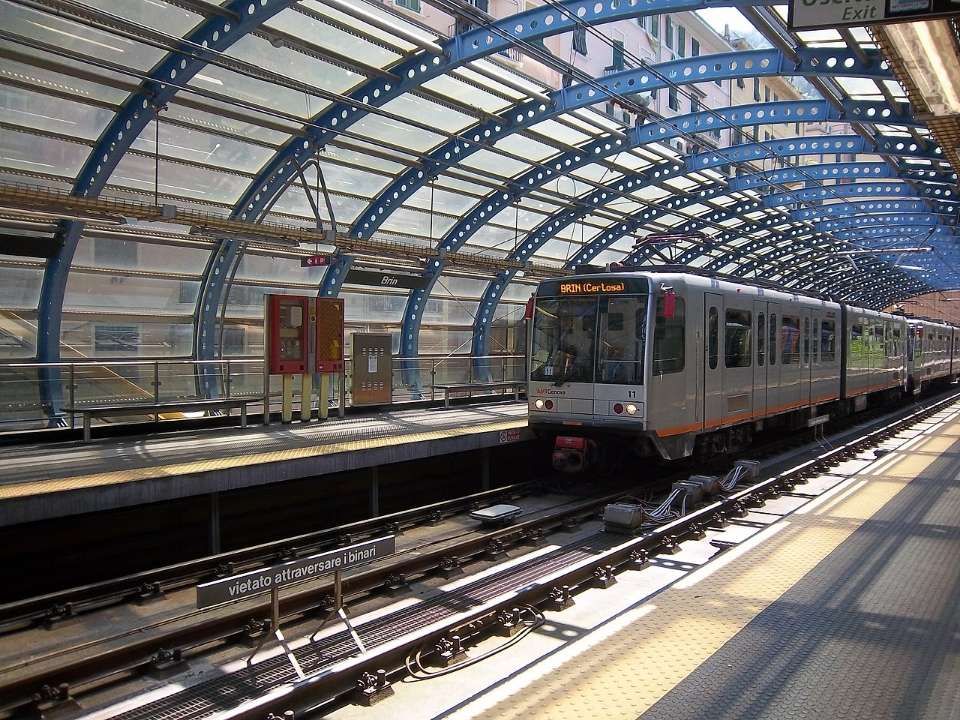
The station was designed by architect Renzo Piano, the station’s official opening took place on 13th June 1990. [10]
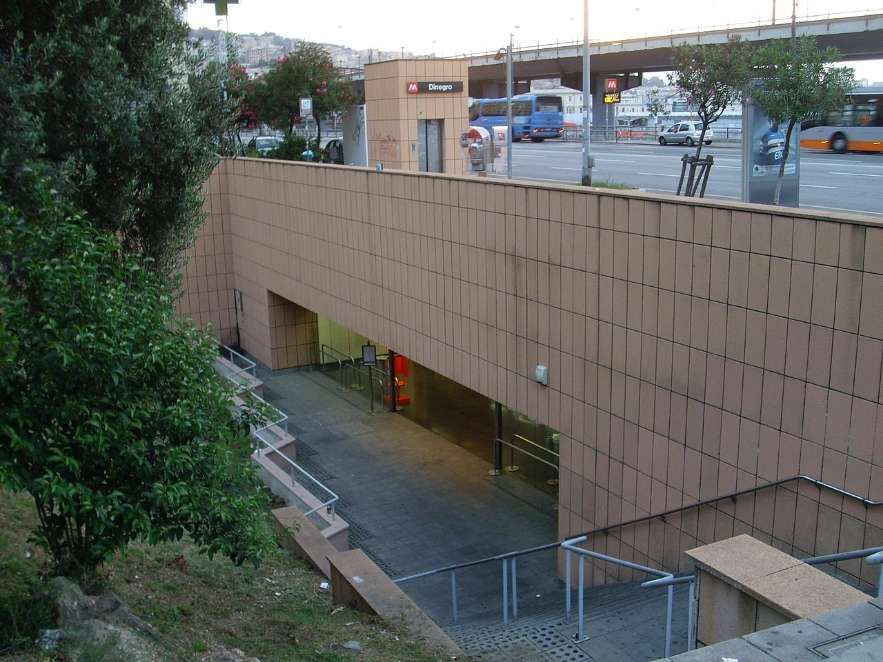
Dinegro Station is located under Via Milano, adjoining the Piazza Dinegro from which it derives its name, in the Fassolo area of Genova. It is just East of the business district of San Benigno and close to the ferry terminal.

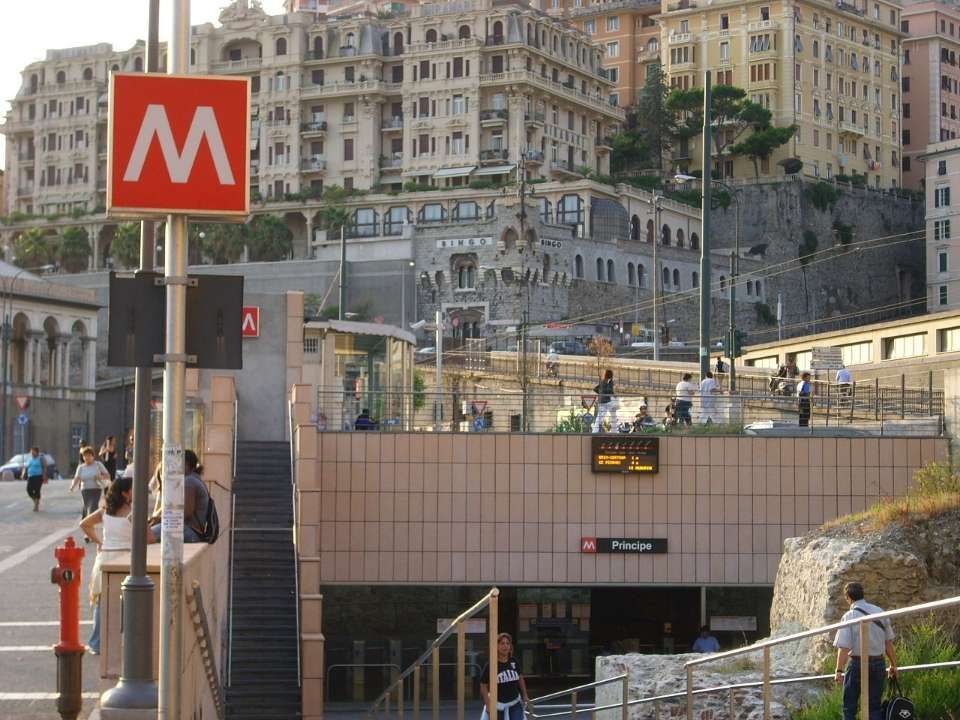
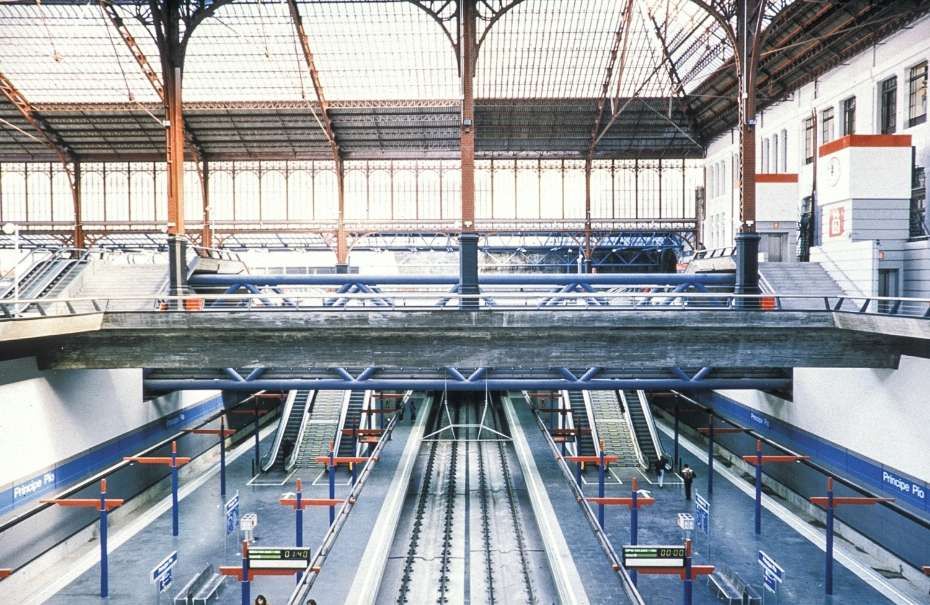
Principe Metro Station – its main entrance sits just outside the main railway station in Genova – Principe.
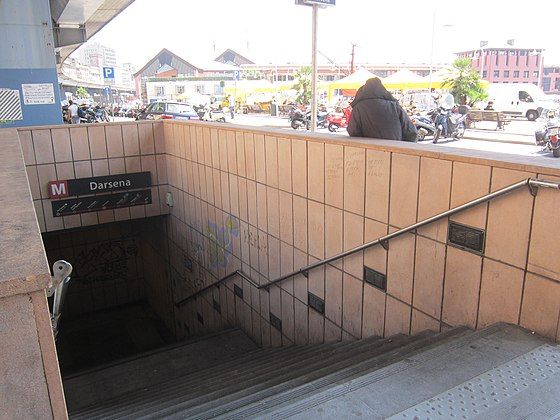
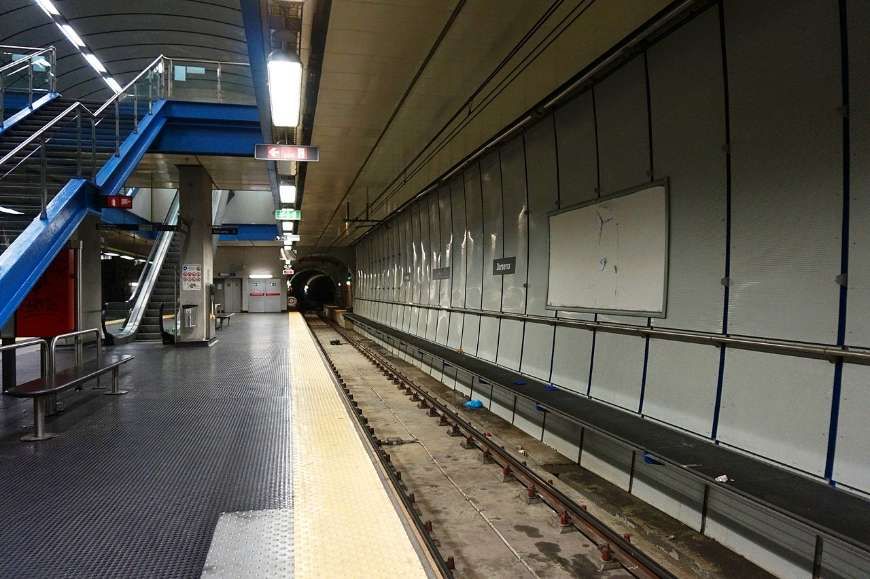
Darsena Metro Station is located on Via Antonio Gramsci close to Piazza della Darsena. ‘Darsena’ translates to ‘dock’ in English. The station serves the old port area of the city. [15]
San Georgio Station is located under Piazza della Raibetta beside the Palazzo San Giorgio, after which it is named. It is in the Old Harbour area near the Aquarium of Genoa. It was opened together with Darsena Station on 25th July 2003 and saw its first trains on 7th August 2003. [17]
The tracks of the San Giorgio station run beneath the Piazza Caricamento underpass and its underground architecture is similar to the model adopted for the Principe and Darsena stops, that is, with the tracks on the sides of the single central platform. During 2006, some electronic display boards were installed to inform users of the arrival times of trains. [17]
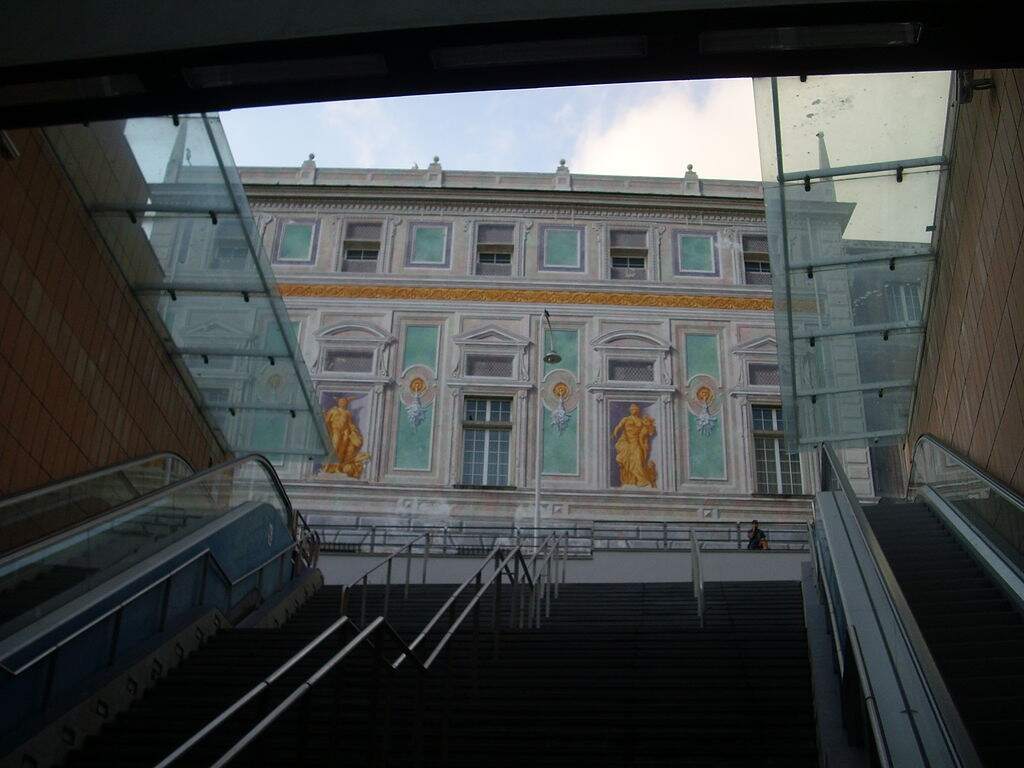
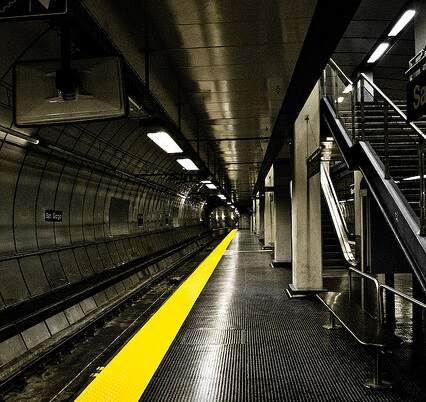
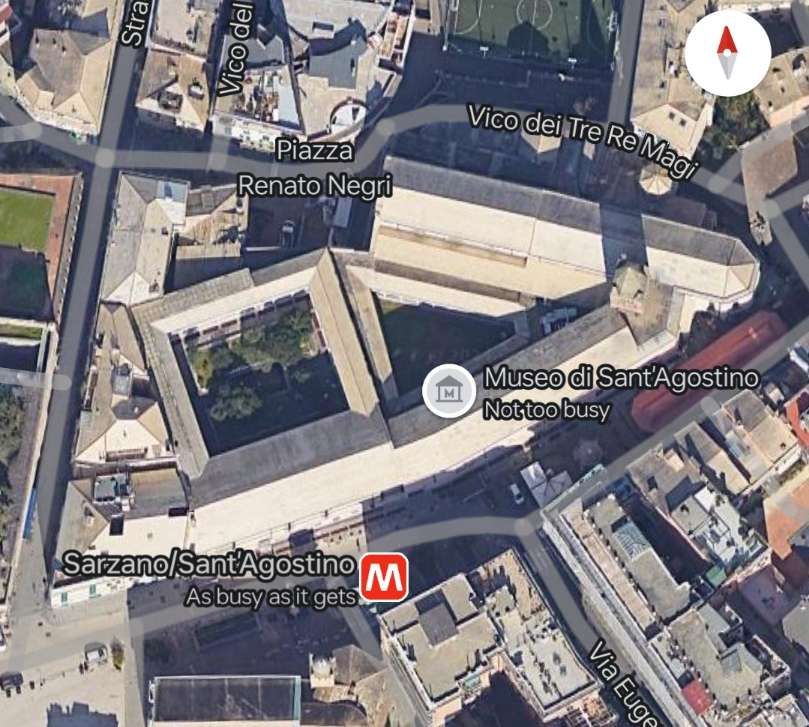
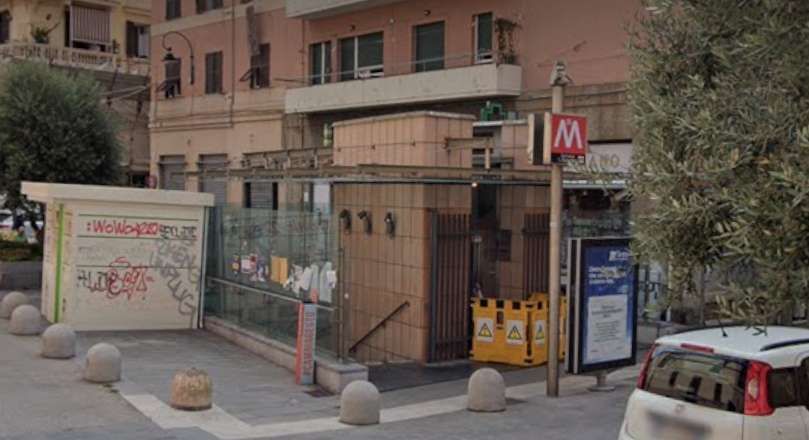
Sarzano/Sant’Agostino Station is located in the historical centre of Genoa. The main entrance is in the Piazza di Sarzano near the Church of St. Augustine, now deconsecrated and turned into a museum, with a second entrance on the Mura della Marina, the old seawall. It opened on 3rd April 2006. [19]

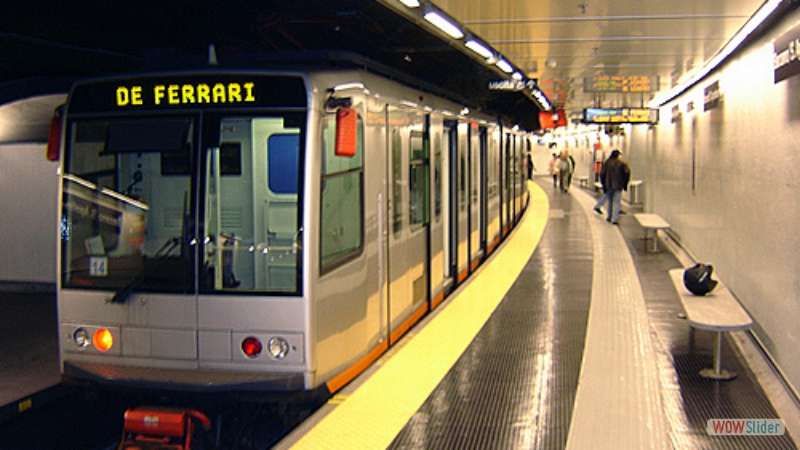
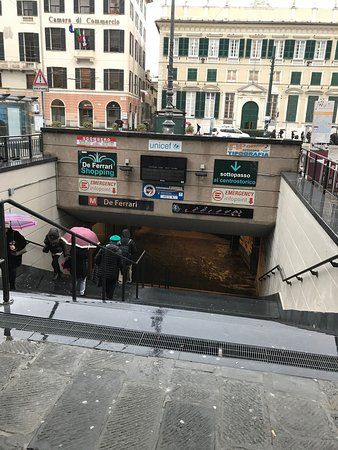
De Ferrari Station is close to Teatro Carlo Felice, Galleria Mazzini, the Doge’s Palace, and Via XX Settembre. It opened on 4th February 2005. It was originally designed, like others, by Renzo Piano with finishing touches by Renzo Truffelli. This used to be the last station on the line until the easterly extension towards Genova Brignole Railway Station opened in 2012. [21][22]
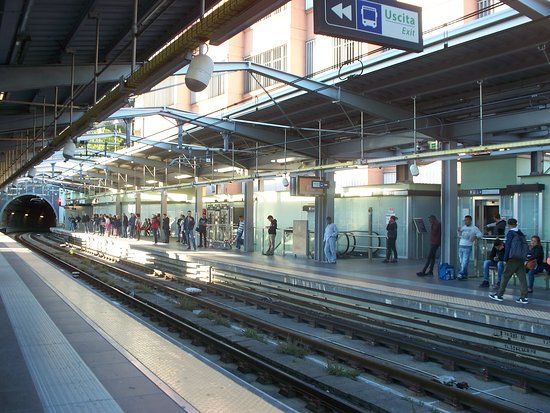
Corvetto Station – In March 2024 3Ti Projeto announced that the design of Corvetto Station had been approved by the municipality. Work is expected to cost around 38.3 million Euros and be completed late in 2024 or early in 2025. [24][25][26]
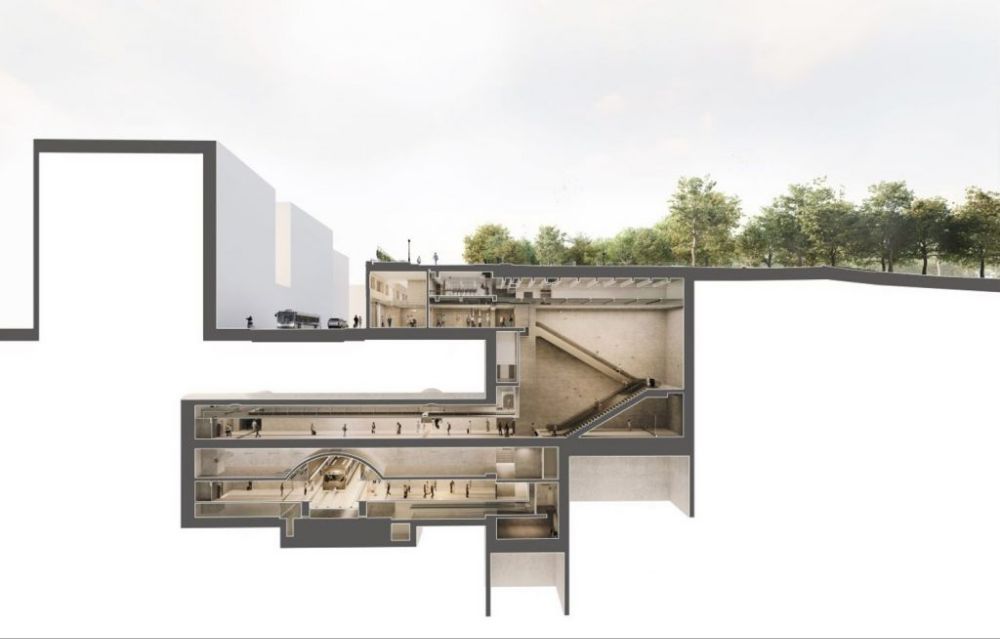
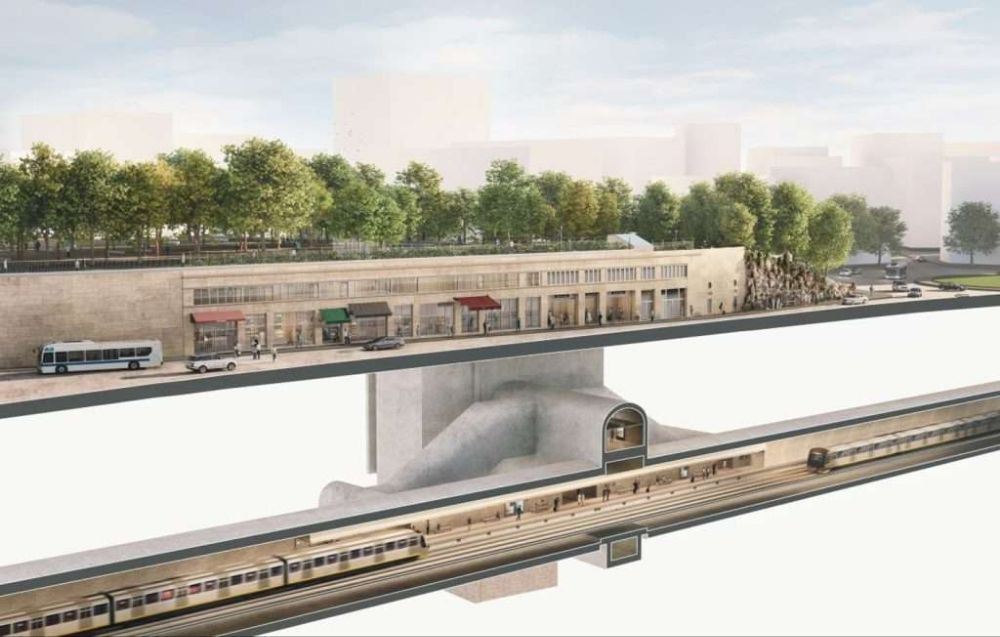
Brignole Station – sits close to the main line Brignole Station to the West of the city centre. It opened in 2012. [27]
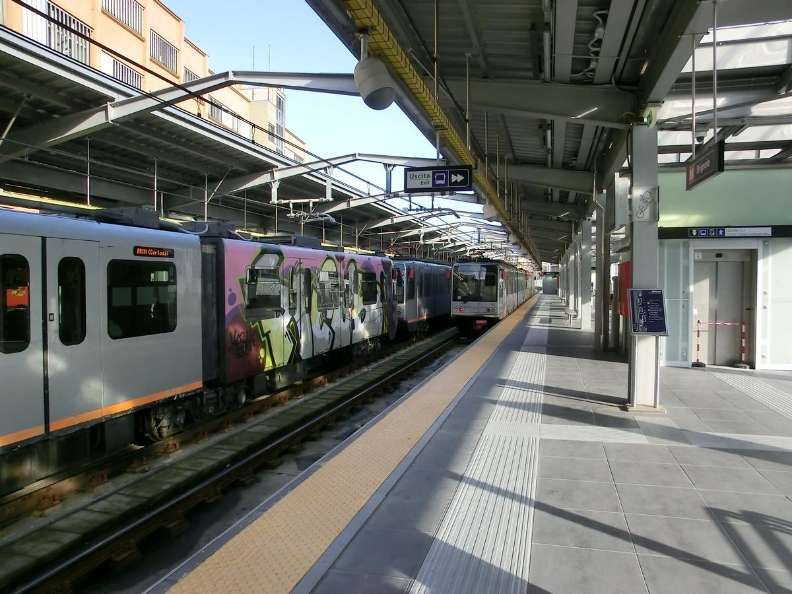
Rolling Stock
Wikipedia tells us that Genova is just (in 2024) bringing a fourth generation of trams into service. The three previous generations each served the city well.
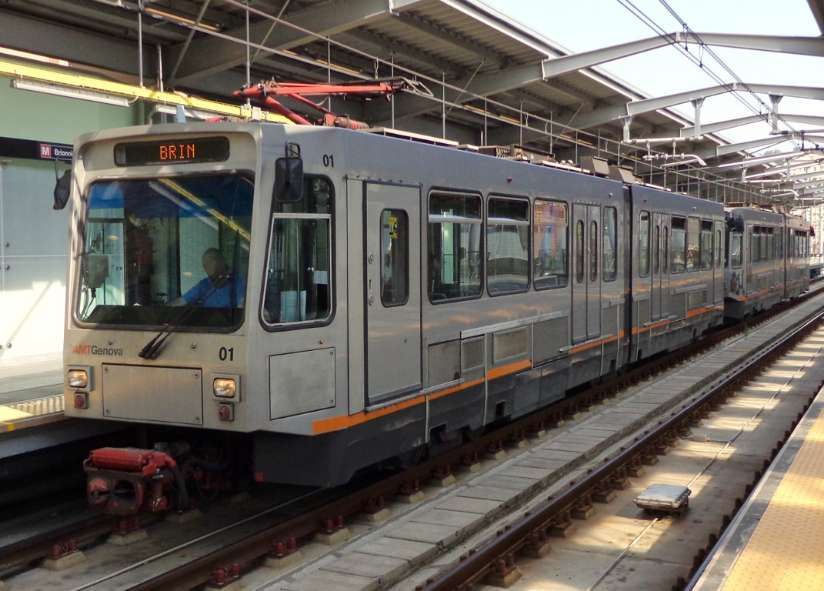
First Generation Rolling Stock – consisted of 6 sets of articulated cars, built by Ansaldo, and introduced in 1990. They were derived from the Zurich Tram 2000 tram used in Switzerland, but altered for standard gauge running. Each vehicle had two sections with one central articulation. They were supported on three bogies The two outer bogies were motorised. The vehicles were bidirectional and had four sets of doors on each side. They had blue seats in a transverse arrangement. The train were numbered 01 to 06. [1][29]
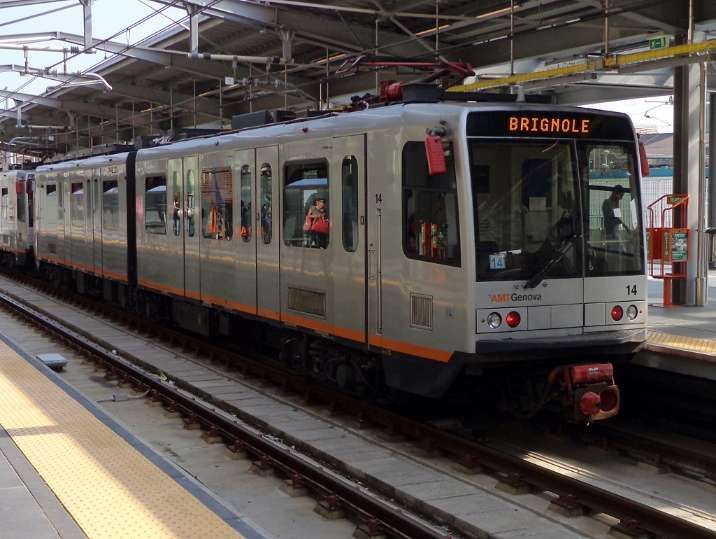
Second Generation Rolling Stock – was made up of a group of 12 trains. Numbered 12 to 24. Like the first generation, each train was made up of two sections resting on three bogies, with the outer two motorised. The trains were bidirectional with six doors on each side, and the seats were arranged longitudinally. The trains were built by Ansaldo and introduced in 1992. [1][30]
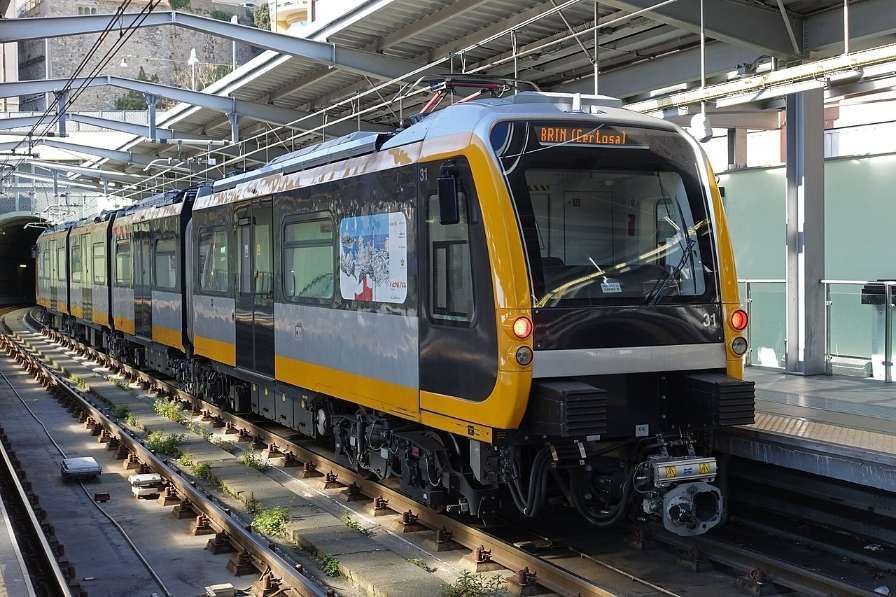
Third Generation Rolling Stock – these trams/trains significantly differ to the previous two. They were delivered by Hitachi Rail Italy in 2016. There are 7 trains numbered 31 to 37. The trains are longer than previous generations at 39 metres and four articulated sections with five bogies. Of the five bogies, the central three are motorised. There are a total of four doors per side of the bidirectional sets. [1][31]
Fourth Generation Rolling Stock – In anticipation of the planned extensions (see below) and considering the now thirty-year service of the first generation trains, in 2020 the Municipality obtained a loan of 70 million Euros to purchase 14 new generation trains. [32] In 2021, Hitachi Rail signed the contract to supply the new trains on a rolling programme, monthly by month, to coincide with the inauguration of the Brin-Canepari and Brignole-Martinez routes. [33]
In June 2024, Sustainable Bus E-magazine reported that the first of these new units had arrived in Genoa. [26]
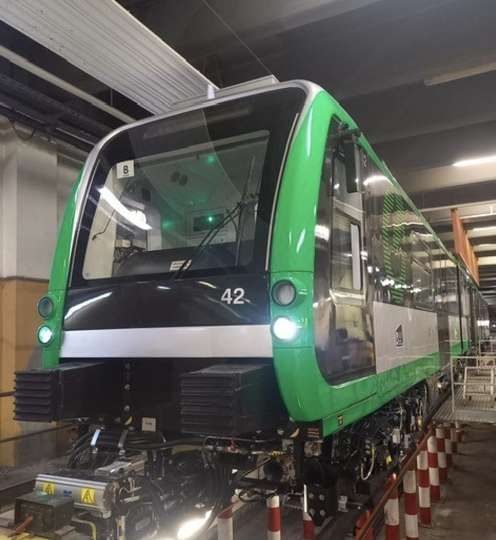
The new units will be numbered 41 to 54. “Each of the 14 new vehicles is made up of four half-cars, resting on five bogies, for a total length of 39 metres, will be able to accommodate up to 290 passengers, will be bidirectional, and will also run in double formation for a total length of 78 metres and a capacity of 580 passengers.” [26]
“In order to ensure greater operating flexibility, these trains will also be able to operate in double traction with the 7 third-generation vehicles, the 31-37 series delivered in 2016, currently in service.” [26]
The new units entry into service will “allow the scrapping of the 6 first-generation trains, series 01-06, … the average age of the fleet will thus be lowered from 18.5 years to 9.8 years. The 10-series trains (11-22 series) built between 1991 and 1995 will be kept in operation.” [26] The fleet will therefore consist of the 21 trains of the 30, 40 and 10 series trains.
Extensions to the Network
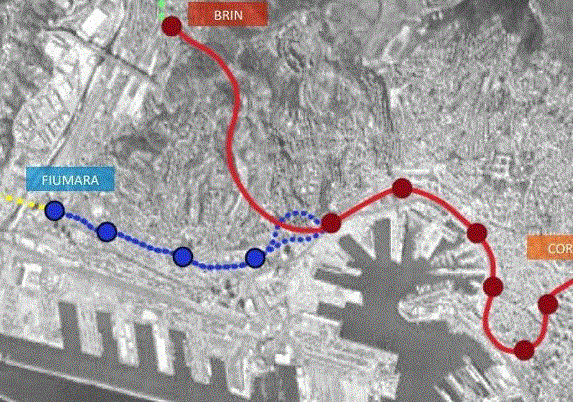
In 2022, the Railway Gazette reported that Genova municipality had approved plans for a 3 km western branch of the metro with four stations, linking Fiumara with the city centre. [4]
In September 2024, the city secured 74.5 million Euros to significantly expand the Metro network as shown on the map below. [5]
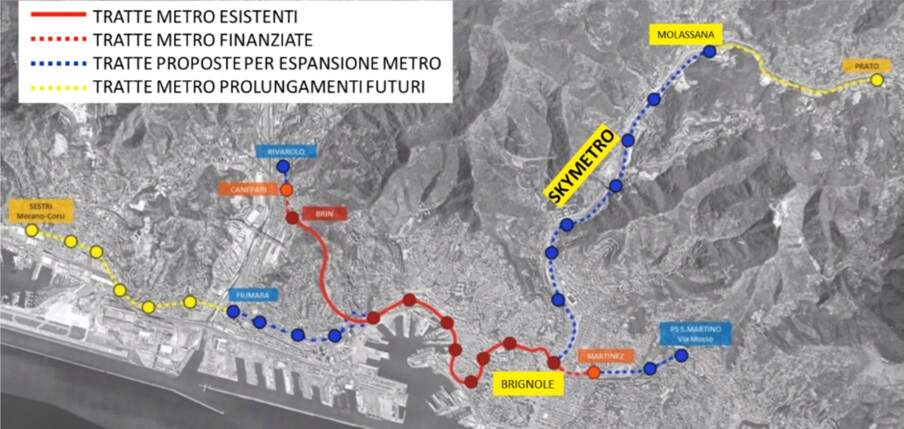
As can be seen in the map above these significant additions to the network include a length up the Val Bisagno of elevated railway (SkyMetro).
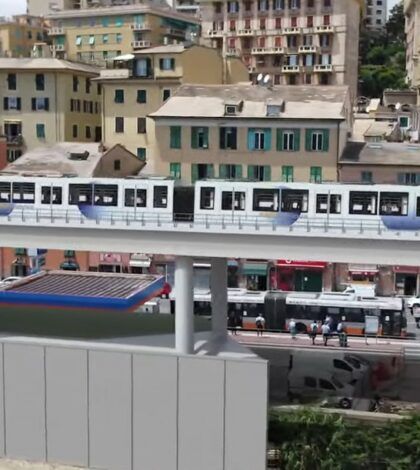
The planned investment is over 400 million Euros at 2022 prices. Genoa will receive 418.9 million Euros to finance the SkyMetro of Val Bisagno, the extension of the metro from Brin to Via Canepari and work associated with the Rio Maltempo. The majority of the new money (398.8 million Euros) is intended for the construction of the SkyMetro.
During rush hour, the new line will be able to transport eighty percent of the valley’s users, resulting in a significant reduction in the production of exhaust fumes from private cars. It will be seven kilometers long and will have a neutral energy balance thanks to the photovoltaic system mounted on the roof, which will make the SkyMetro partially sustainable. The project will reach as far as Molassana but the city has every intention to take the scheme further, as far as Prato. [34]
References
- https://en.m.wikipedia.org/wiki/Genoa_Metro, accessed on 9th November 2024.
- https://rogerfarnworth.com/2024/11/13/genoa-funicular-railways
- https://rogerfarnworth.com/2024/11/14/genoa-a-telfer
- https://www.railwaygazette.com/metros/genova-metro-expansion/62437.article, accessed on 25th November 2024.
- https://italy.cleancitiescampaign.org/pums-updates/genova-27-9-2024-ok-del-governo-al-a-745-milioni-di-euro-per-prolungamento-metro, accessed on 25th November 2024.
- HOME – Rete e orari – Metropolitana; http://www.amt.genova.it/orari/metropolitana.asp; Azienda Mobilità e Trasporti S.p.A. (AMT), 2013, accessed on 25th November 2024.
- Modern Tramway and Light Rail Transit, October 1990, p354. Ian Allan Ltd./Light Rail Transit Association.
- Tramways & Urban Transit, April 2005, p149. Ian Allan Ltd./Light Rail Transit Association.
- Metropolitana; Azienda Mobilita’e Trasporti; https://www.amt.genova.it/amt/trasporto-multimodale/metropolitana, accessed on 25th November 2024.
- https://en.m.wikipedia.org/wiki/Brin_(Genoa_Metro), accessed on 25th November 2024.
- https://en.m.wikipedia.org/wiki/Dinegro_(Genoa_Metro), accessed on 25th November 2024.
- https://commons.m.wikimedia.org/wiki/Category:Dinegro_station_(Genoa_metro)#/media/File%3AL04_163_Hp_Dinegro%2C_ET_37.jpg, accessed on 25th November 2024.
- https://en.m.wikipedia.org/wiki/Principe_(Genoa_Metro), accessed on 25th November 2024.
- https://www.cfcsl.com/en/portfolio/principe-pio-madrid-transport-station-spain-1994, accessed on 25th November 2024.
- https://en.m.wikipedia.org/wiki/Darsena_(Genoa_Metro), accessed on 25th November 2024.
- https://fr.m.wikipedia.org/wiki/Darsena_(m%C3%A9tro_de_G%C3%AAnes), accessed on 25th November 2024.
- https://web.archive.org/web/20120120225605/http://www.metrogenova.com/sangiorgio.html, accessed on 26th November 2024.
- https://en.wikipedia.org/wiki/San_Giorgio_(Genoa_Metro), accessed on 26th November 2024.
- https://en.m.wikipedia.org/wiki/Sarzano/Sant’Agostino_(Genoa_Metro), accessed on 26th November 2024.
- http://www.metrogenova.com/sarzano.asp, accessed on 26th November 2024.
- https://en.m.wikipedia.org/wiki/De_Ferrari_(Genoa_Metro), accessed on 26th November 2024.
- https://web.archive.org/web/20120120003444/http://www.metrogenova.com/deferrari.html, accessed on 26th November 2024.
- https://www.tripadvisor.co.uk/LocationPhotoDirectLink-g187823-d8854114-i375721192-Genoa_Metro-Genoa_Italian_Riviera_Liguria.html, accessed on 26th November 2024.
- https://www.3tiprogetti.it/corvetto-underground-station-in-genoa, accessed on 26th November 2024.
- https://manelligroup.com/en/projects/corvetto-station-completion-works, accessed on 26th November 2024.
- https://www.sustainable-bus.com/trolleybus-tramway/discovering-genoas-new-subway-trains, accessed on 26th November 2024.
- https://en.m.wikipedia.org/wiki/Brignole_(Genoa_Metro), accessed on 26th November 2024.
- https://structurae.net/en/media/254830-brignole-metro-station, accessed on 26th November 2024.
- http://www.metrogenova.com/treniI.asp, accessed on 26th November 2024.
- http://www.metrogenova.com/treniII.asp, accessed on 26th November 2024.
- http://www.metrogenova.com/treniIII.asp, accessed on 26th November 2024.
- Veronica Pallotta; Metropolitane: Genova, Comune e Ferrovie siglano accordo per il prolungamento verso Canepari; in Ferrovie.Info (in Italian), 30th December 2020, accessed on 24th February 2022.
- Editorial; 14 nuovi treni per la metro di Genova a partire dal 2024. Li fornirà Hitachi Rail; in Liguria Business Journal (in Italian); https://liguria.bizjournal.it/2022/02/08/amt-dal-2024-hitachi-rail-fornira-14-nuovi-treni-per-la-metropolitana-di-genova, accessed on 26 November 2024.
- https://www.goamagazine.it/sky-tram-valbisagno-prolungamento-metro-brin-canepari-e-adeguamento-rio-maltempo-ecco-le-opere-del-mims, accessed on 26th November 2024.
 Roger Farnworth
#/media/File%3AL04_163_Hp_Dinegro%2C_ET_37.jpg)