Category Archives: Comments and Reflections

Mum and Dad – Part 2 – Mum

This the second of two posts about my parents. The first tells Dad’s story:

Mum and Dad – Part 1 – Dad

This post tells Mum’s story, predominently in her own words ….
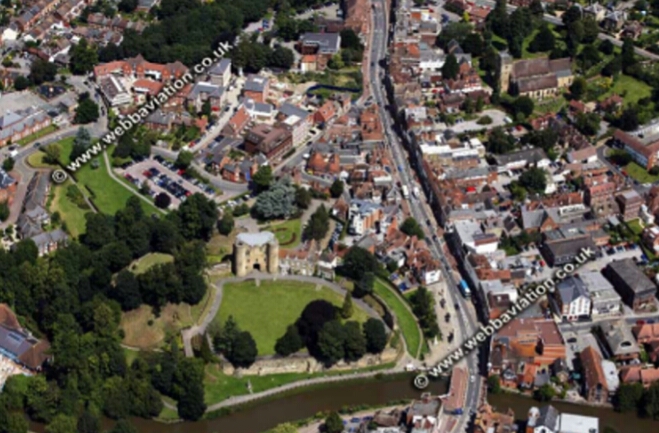
Mum was born in Tonbridge, Kent [1] in the home of friends of her parents on 14th December 1929. She had an older brother, Bernard, born on 2nd January 1924 in a hospital in London. Her maiden name was Phyllis Rosanna Ellen Norton (Rosanna was her Mother’s Mother’s name and Ellen was her Father’s Mother’s name).

Mum was actually Christened ‘Hosanna’ as the clergyman didn’t hear properly!

Early in her life, Mum lived in Tonbridge – she says that she did not play out as a child, nor go to school until she was 6 years old; her mother didn’t want to part with her. The ‘school-board’ man came to visit to see why she was not there!

Mum’s dad (we called him Garpe) had his own business and was doing reasonably well, but his brother joined him and became a sleeping partner, needing a share in the profits but doing very little. To ease the situation, Garpe returned to being a shipwright in Chatham dockyard and moved his family to Gillingham. The house in Tonbridge was let out and they rented one in Gillingham. Mum thinks that this happened early 1938.

Later in 1938, with the scare of war, she was sent back from Gillingham to Tonbridge to live with her Uncle Syd and family. Mum did not think thatbshe was too unhappy, but her mother (our Nana) was and as a reult Mum went back to Gillingham in 1939. School was an unhappy time for Mum in Gillingham. She says: “I was picked on by head and staff and children.”

In 1939, Mum sat the scholarship and passed. She and her family moved to Plymouth in 1940 as Garpe (misguidedly, as it turned out) thought it would be safer – he transferred to Plymouth dockyard. Mum went to a local primary school, but was transferred to Devonport High School – in a blue summer dress, while everyone else was in a brown uniform!
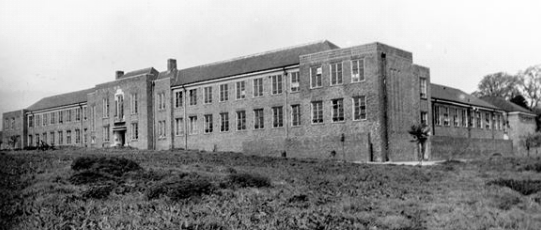
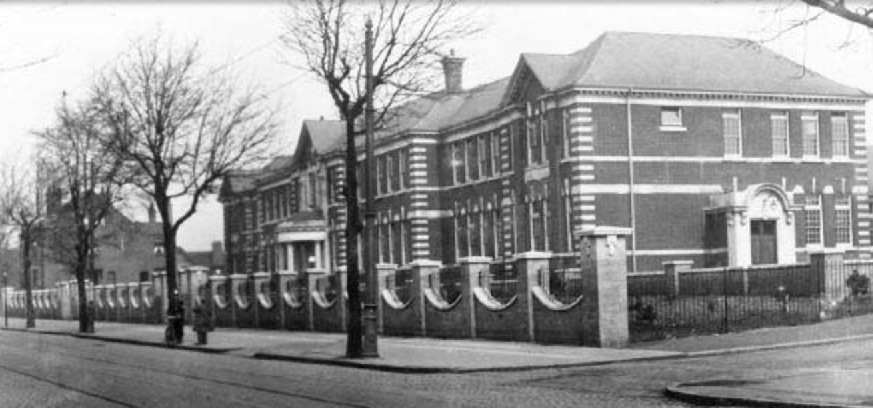
Devonport High School for Girls (1940). [2]

Early that first term,  as far as Mum can remember, Devonport High School was evacuated to Tiverton, but she stayed in Plymouth and went to Plymouth Emergency High School. Before the evacuation, Mum remembered crossing one of the quadrangles and being fired on from an aeroplane. She also remembered a land-mine landing just in front of the school one night.

For a while, mum and her mother slept out of town at Bere Ferrers to avoid the worst bombing, although that didn’t last long. She remembered watching incendiaries being dropped in fields opposite the family home, also hearing explosions when a fort nearby was hit, and, going up a road close by to witness Plymouth on fire from end to end!

In Spring 1945, Mum had some 6 weeks off school with scarlet fever – during that time,she says: “I read a book called ‘Stepping Heavenwards’ and it helped me, as I’d been lacking assurance (I was never sure that I was truly converted).” After that time Mum returned to school in time for School Certificate at Plymouth Emergency High School.
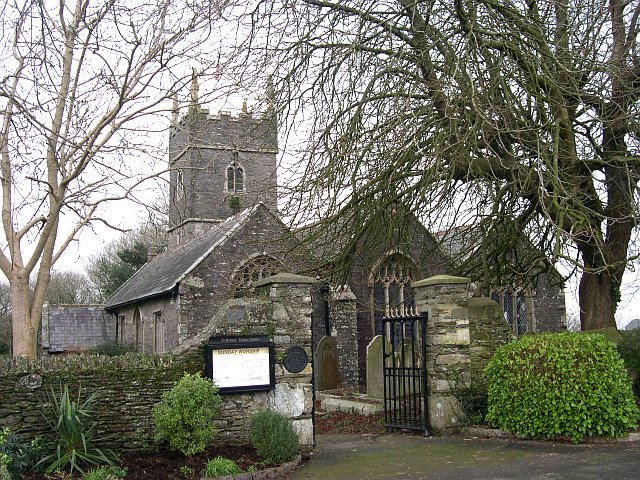
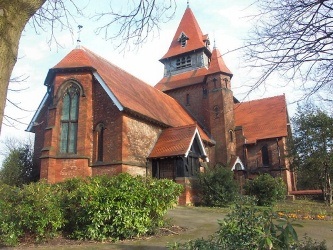
St. Budeaux Parish Church.[5]

Mum and her family continued living in Higher St. Budeaux during the war and going to St. Budeaux Parish Church and she went to Sunday School there too. Come Summer 1945, the war ended and life returned somewhat to as it had been. Mum returned to Devonport High School;  In her own words: “I think mornings only to start with, I went into the 6th Form and was over zealous for the Lord – nevertheless a number of girls came to know Him, both at school and other friends too. Miss Moore, the head at that time, asked me what I wanted to do and I said I didn’t mind as long as it was what God wanted! She called another teacher and I had to repeat myself. Later, I presumed they were both Christians.”

Just a bit later, with a new head, Miss Vale, interviewing Nana, she said, ‘I’d be alright when I got rid of the Youth for Christ’ nonsense. Mum says, “I was so thankful it was my mother, who was a Christian and not one of the other girls’ parents, who weren’t Christians.”
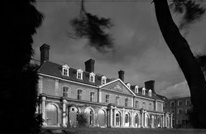
Mum organised a group of students who used to meet, before school, in the Physics lab dark room to pray once a week. She had three years in the 6th Form and then went to Stockwell Teacher Training College in Bromley, Kent to train for teaching. At that time is was a 2 year course.

While at college, she was involved with the Christian Union and held responsible positions both in the hostel (1st year) and then in college. During this time, the Christian Union booked General Dobbie to speak, but as he was such an important person, the Principal made it a compulsory lecture for the whole college, so everyone heard his testimony.

In the Summer holiday before the second year’s training it was expected that you’d do some teaching practice. However, if you were to help lead a holiday camp, that would count, so Mum opted to help at a Church Pastoral Aid camp in the South of England.

Following college, Mum started teaching Reception Class in West Park Primary, Plymouth and also took on responsibility for Plymouth National Young Life Campaign and she was baptised (by full immersion) and went to St. Budeaux Baptist to worship. As Garpe was not happy to use public transport on Sundays – the family used to walk to and fro to church. At this time, she was very involved with Open-air work and preaching on the Baptist Lay Preachers plan. Open-air work was Saturday night in the red-light district in Plymouth, while Sunday afternoons they hired p.a. equipment and went to beaches – Kings and Cawsand, etc.

After 18 months teaching, which Mum says she thoroughly enjoyed – sometimes 50+ in class. Mum applied to go nursing 18 months ahead, but live at home (her parents had never wanted Mum to nurse! She applied early so that they would get used to the idea). However, Mum failed the medical!! Although she was later accepted.
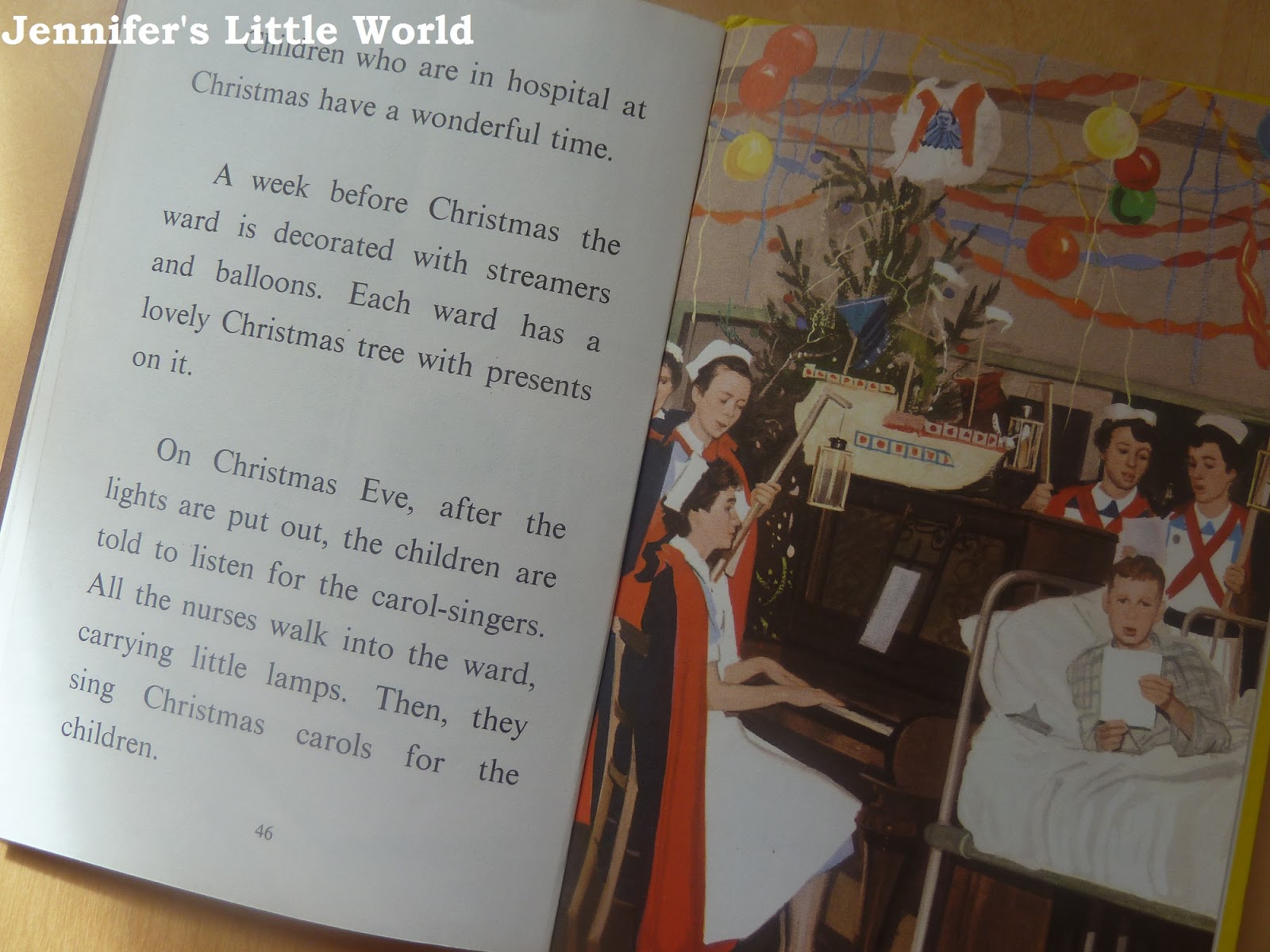
Proof that Mum worked as a nurse can be found in the Ladybird Book of Nursing! In this picture, Mum is on the left holding the lantern over the piano. [4]

Mum says: “All except one person thought I was stepping out of God’s will in going nursing! It was not easy to start with, but again despite a lot of ups and downs, overall I enjoyed it. While nursing, often when I had an evening off, I would phone a friend of ours at the Royal Engineering College near home, and invite any Christians to come round for a time of fellowship (prayer, bible study and refreshments). I’d collect any nurses interested as well. It was at this time that Fred first appeared.”

Mum moved round from different hospitals and wards, for experience, including the Fever hospital, sometimes having to walk several miles to start work at 7.30am! She completed her studies with the Gold Medal and a Nursing Prize. Later, she got the midwifery prize too. In those days for midwifery you did 6 months in different departments in the hospital and then 6 months on the district, working with a midwife and always on call.

Having done S.R.N. and S.C.M. Mum wondered what God would have her do. Mum says: “Church reckoned I was going to the mission field! I applied to go back teaching, but was turned down!! A job opened up to teach at a school for cerebral palsy children and they were thrilled to have me.”

Dad (Fred) appeared back on the scene (some years later now) and during late 58 and early 59, Mum says: “We felt we should marry – hence on 1st August 1959, we married and had Psalm 34:3 ‘Let us exalt his name together’ engraved in our rings as that was what we hoped our marriage would do.”

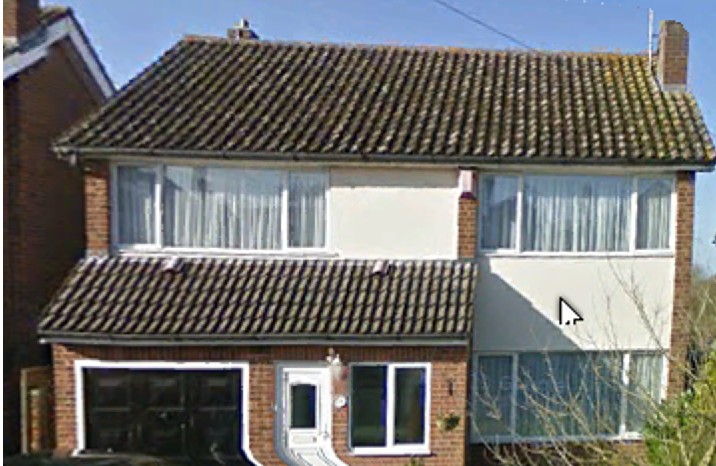
Mum and Dad set up home in a flat near Altrincham, buying a house in mid-December in Altrincham as well. They had folks staying for Christmas too!! Dad was working for Shell and Mum taught in a primary school at that time. Roger arrived in May 1960. He was born in the local hospital on Sinderland Road, just round the corner; as was Gill some 19 months later, on 27th December 1961.

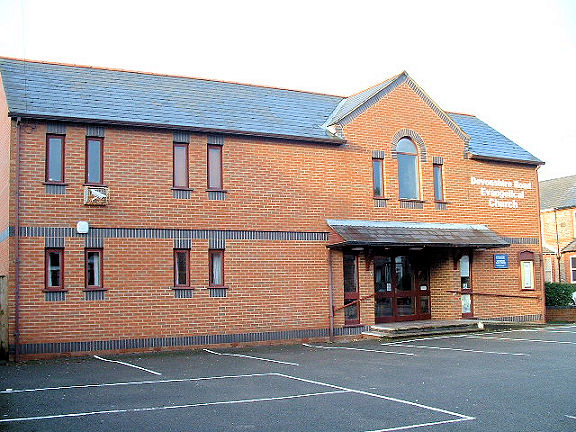
At this time they worshipped at Devonshire Road Evangelical Church (which was Brethren based).Devonshire Road Evangelical Church in the early 21st Century. The old building which we attended and which abutted the old Ice Rink in Altircham has long gone.
Each Christmas from 1960 on, for 11 years, they had both sets of parents and Fred’s younger sister, Christine, to stay. Mum and Dad thought that they might change the pattern, but then one of them was not well, so the pattern changed anyway.

In January 1965, until the end of that year, Dad went to Bolton each day to study for a teaching certificate. It was 2nd May that year that David was born by Caesarian Section at Wythenshawe Hospital. Mum says: “He didn’t make his own way into the world as he had a broader head than Roger and Gill. Roger and Gill stayed with Fred’s Mum and Dad for the spring of that year.”

Amazingly, having had no income for the year, after Dad had finished at Bolton, Mum and Dad bought their first car – a Reliant 3-wheeler van, which Dad drove on a motor-cycle licence. There was no reverse gear in these Reliant’s and there were a few occasions on holiday in rural areas when some awkward moments occurred when on narrow lanes other drivers expected Dad to reverse out of their way.

Kingston-upon-Hull was Dad’s first teaching post, starting at the beginning of January 1966. We all moved house after Christmas, from Altrincham to Willerby, on the outskirts of Hull, just in time for Dad to start at the college at the beginning of term. This happene,” says Mum, “thanks to me ringing our buyer’s solicitor just before Christmas, as the solicitors were sitting on the papers and we could not move – the Solicitor’s comment to our buyers was ‘That woman rang me up!’ Our buyer was grateful anyway.”

Roger and Gill went to school further down Carr Lane, where we were living. It was in October 1966 that Ian was born at Beverley. He had been elbow and cord presenting, but was delivered breach under anaesthetic. The Doctors reckoned that Mum should not have any more children as she had been through most of the midwife’s textbook! (What would it have been like to have younger siblings after Ian?
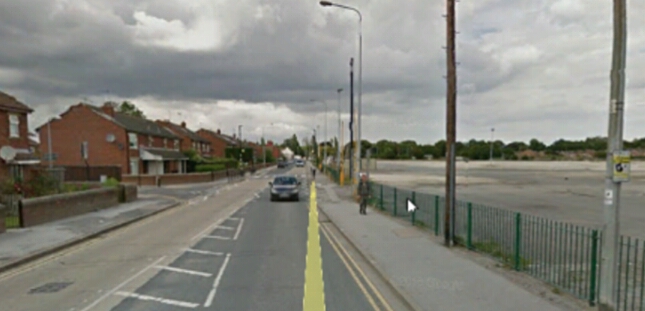
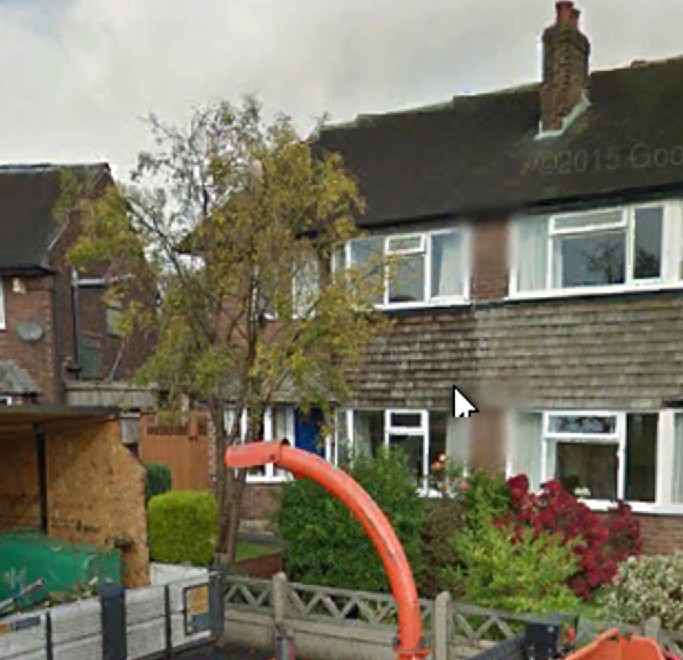
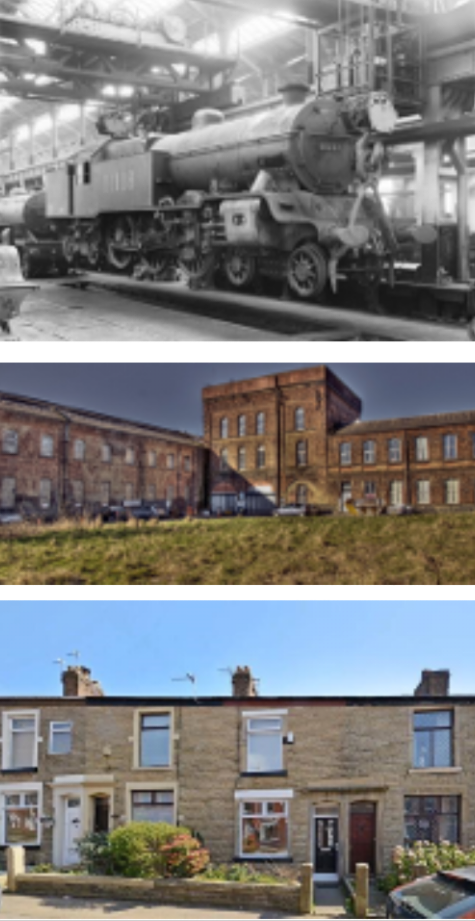
While we lived in Hull we worshipped at Walton Street Gospel Hall. Mum was involved with an evangelistic team that visited Hull prison and the mental hospital in Willerby. The picture above shows Walton Street at the approximate location of the Gospel Hall which now seems to have been removed. It stood opposite the fairground where the Nottingham Goose Fair came each year.

It was in 1970 that we moved to Braintree, Essex. Dad had accepted a position as a Senior lecturer at the technical College in Chelmsford. We sold our home in Willerby and the furniture went into store. Dad started his job and looked for a property for us. Meanwhile, with the children, Mum moved in with Nana, in Tonbridge. We found a 5-bedroomed house and eventually moved in, in Braintree.

We applied to the primary school in Braintree, hoping that Roger, Gill and David would be admitted there. Ian was still too young for school. A letter arrived from the school and Mum feared they weren’t able to accept the children, but it was to ask her to teach a class of Junior age children. She didn’t really want to refuse in case it was what God had planned, but she did rather hope that the Education Authority would not accept her!!!
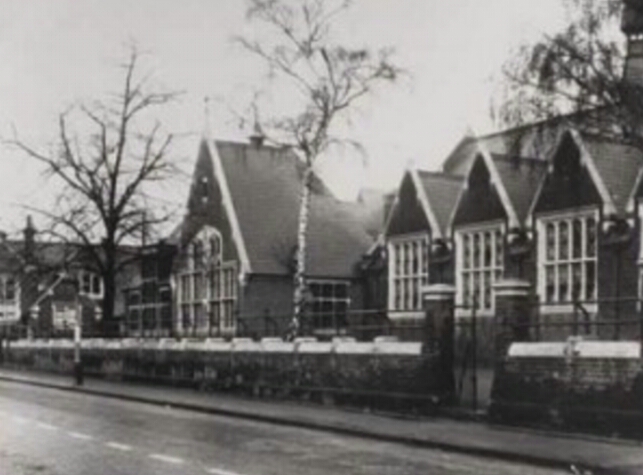
Manor Road Primary School, Braintree Essex. Roger can remember: playing in the playground; teachers names such as Mr West and Mr Broad; being forced by the school bully to suport Arsenal and then discovering that they had won the double.

In September of that year, Roger, Gill, David and Ian all started with Mum at the school. Ian in Reception class! Mum says: “Over all I think we coped until Fred accepted a post in Kings Lynn. That was after a couple of years. His post was for Head of Department – we weren’t sure what we should do as a family. However, we thought if I applied for a job in Kings Lynn and got it then we’d take it that we should all move.”
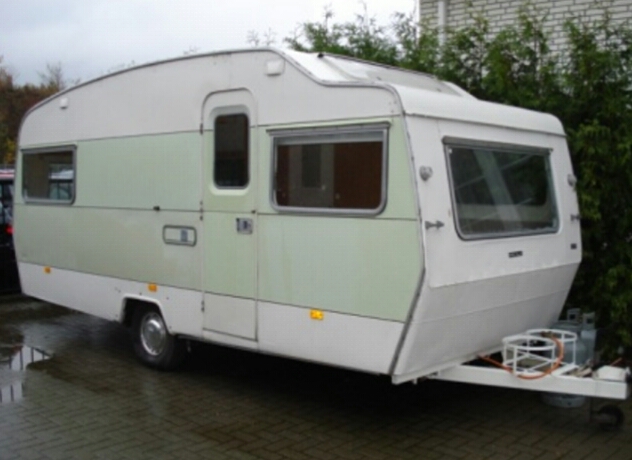
Sprite Major Caravan from the early 1970s.

Mum continues: “Then started a bit of a picnic!?! We couldn’t sell our house (that’s a story in itself). So we bought a towing caravan that would cater for 6 of us and moved to Kings Lynn on a caravan site in Pentney, outside Kings Lynn.”

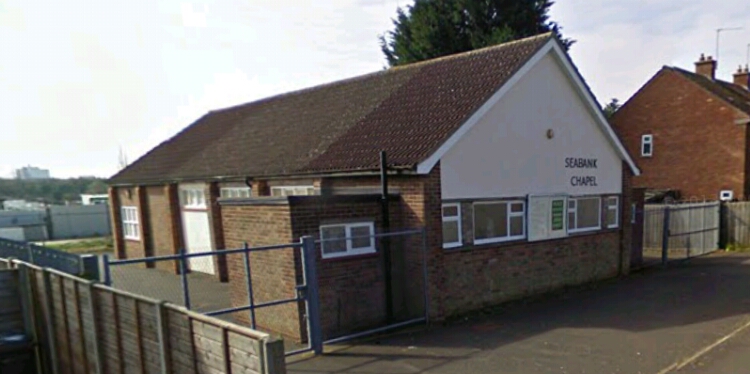
From Monday to Friday we all lived in the caravan, going back to Braintree for weekends to get the washing done. After a few weeks, a memo came round the schools about a school house, available to rent at Terrington St. Clements. We rented it, taking our caravan with us and moving some furniture up from Braintree – eventually our Braintree house sold and we bought a new four-bedroom house on the outskirts of Kings Lynn, near the new hospital.During this time we worshipped at Seabank Chapel. Dad led the Covenantors and Mum was in the Sunday School. She was Area Secretary for Scripture Union and helped with Crusaders on Fairstead Estate and at Sandringham.Life continued quite busily. Mum and Dad offered for her mother (Nana) to come and live with us after her father died in 1968, but it wasn’t until 1980 that she felt that she’d had enough in Tonbridge. We had a Granny flat built and two extra bedrooms over the top – so that all the children had their own bedroom. Mum became a part-time teacher at Pott Row (before that she’d taught at Rosebery Avenue).Rosebery Avenue Primary School. [6]
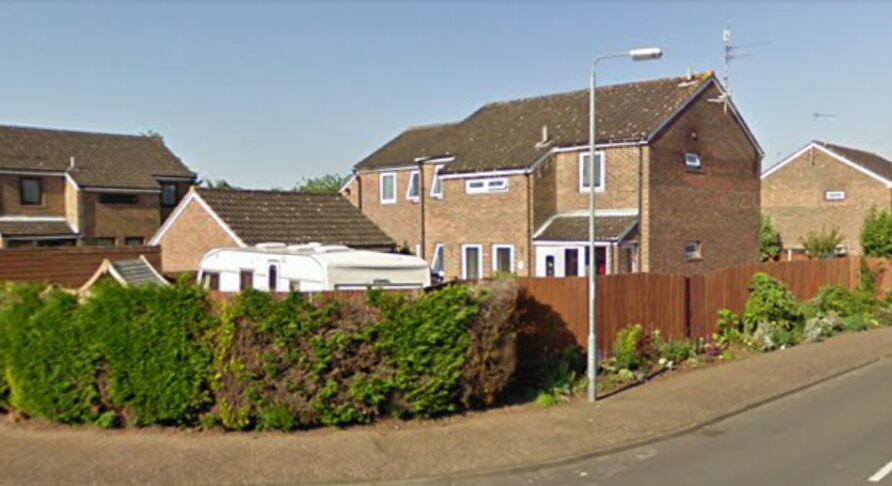
After Pott Row, she taught for a while at a private school (where Princess Diana had been a pupil), and at the same time at a special school for ESN children, as the school hours were different.

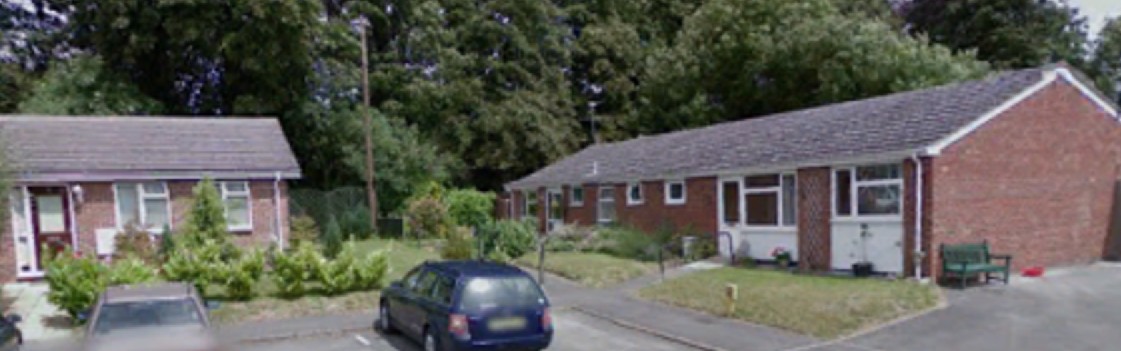
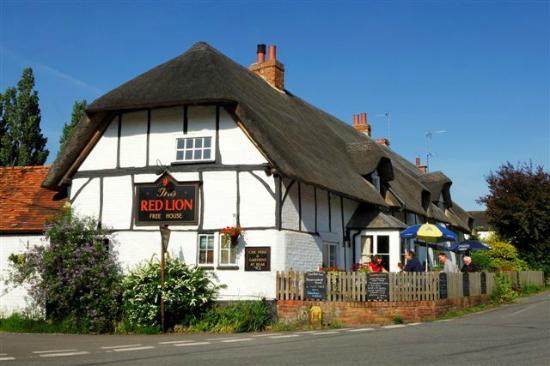
Mum says: “Fred retired at the end of 1985, I think. I had already retired by then. We wondered what the Lord would have us do. After various opportunities, we left Kings Lynn and moved to rural Oxfordshire to look after 14 bungalows for Datchet Evangelical Fellowship. We had No. 12 and Nana, No. 11. They had been built for retired missionaries and full-time Christian workers.” The family had more-or-less all left home by then.The Red Lion in Brightwell-cum-Sotwell, the village was dominated by thatched properties.
After about 6 months to a year after arriving in Brightwell-cum-Sotwell, the pastor at the little chapel resigned as he had a nervous breakdown. Mum says: “We then led the little church for about 7 years until they appointed a full-time worker. About the same time, Datchet Evangelical Fellowship decided to sell the bungalows and Nana died at the age of 99.”

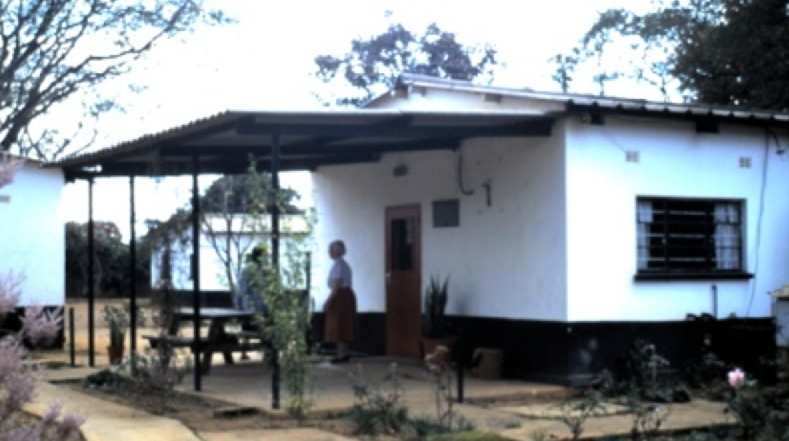
Mum continues: “What next Lord? … We moved to our little place in Didcot and worshipped at East Hanney Mission. In the meanwhile we were sorting out ready to go to Lusaka, Zambia with Africa Evangelical Fellowship, officially for Fred to be a Town and Travel Manager. I usually helped, but also, we provided meals for missionaries passing through Lusaka and did clinics and radio work when missionaries had gone home for furlough. We thoroughly enjoyed our time in Africa.”
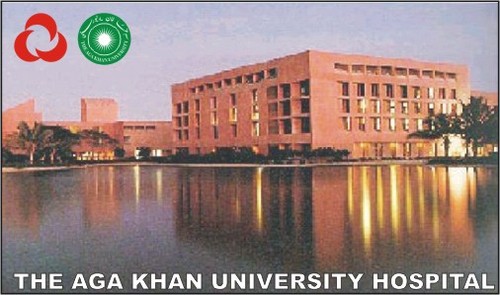
Part way through the time, Mum came back through the U.K. to Pakistan, as Gill was expecting their third child and giving birth in the Aga Khan Hospital in Karachi. They had a 2-bed room and Mum was able to sleep in the bed next to Gill. The surgery was good, but the nursing left a lot to be desired!

After Mum returned to Zambia, she was not well. In looking back, it was due to endeavouring to remove burglar wires and decorate our bungalow. Mum says: “At the time the missionary doctor thought I had a brain tumour. I came to the U.K. for tests, etc. and Fred delights to tell people that the Neurological Hospital in London could find nothing … no brain!! I did join Fred again in Lusaka and we completed our 2 year stint.”

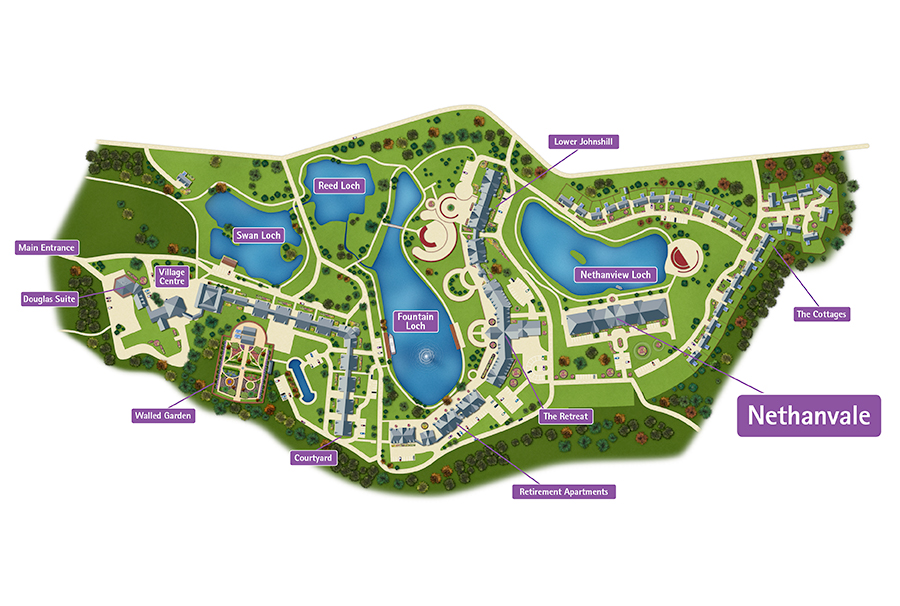
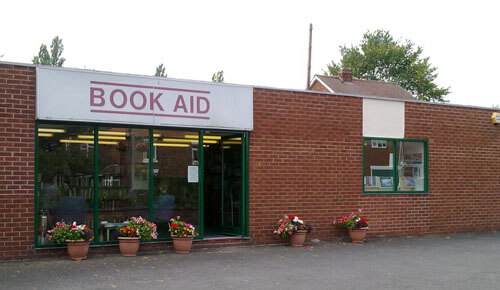
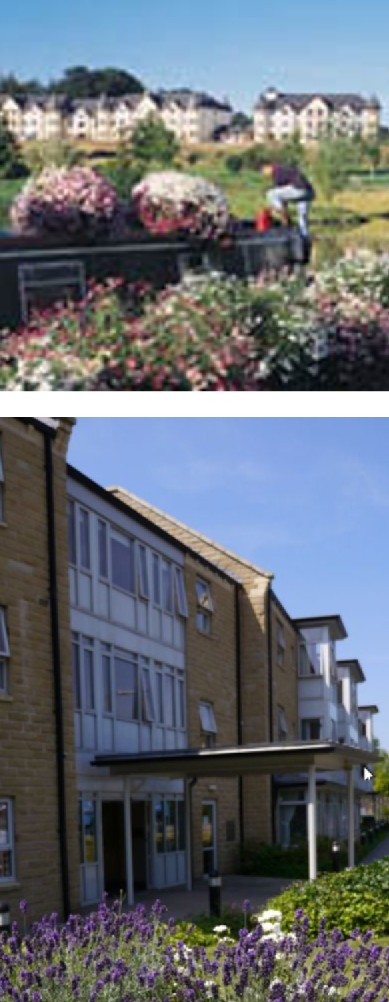
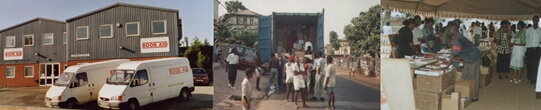
Returning to the UK, Mum and Dad felt that they should look for a town, not to large, where there was a hospital and shopping centre and where they could do something useful. Retford seemed to fit the bill and they were able to help at Book Aid, part-time. They lived in Mattersey Thorpe and worshipped in Bawtry at the Evangelical Church.At this stage Mum and Dad were fairly active, but thought it was time to consider their Home-call (Mum’s words) and after much prayer and thought moved to a bungalow in Auchlochan – a Christian retirement complex, having several buildings catering for different stages of old age, including full care, if necessary. Mum and Dad had one of the bungalows at the right-hand side of the above plan.
Mum says: “We did enjoy it, but one problem was accessibility to hospitals in Glasgow or Edinburgh. So, when I was not well, we felt we should come back to England. From first thinking this to moving in at Royd Court in Mirfield (a Pilgrim Home) it was about 3 months. We sold the bungalow, got rid of loads of books, furniture, etc., bought a two-bedroom flat in a Pilgrim Homes Independent Living Complex! What a blessing – had an excellent doctor across the road who set the ball rolling for me to go to St. James’ Hospital in Leeds for major surgery for removal of a cancerous growth – a Whipples operation. This operation was really successful.”

Mum concludes her own notes by saying that they worshipped at Batley Evangelical Church and have been very blessed and encouraged there. Since Mum wrote those notes a few years ago, she has suffered from womb cancer and most recently from the effects of secondaries from the womb cancer on her lungs.

Once Mum had her diagnosis and had been told that there was little that could be done for her, she began to put her affairs in order and until very recently used the time God left her in ministry within the confines of Royd Court. Mum was greatly looking forward to what she called her ‘home-call’.

As a family, we have seen the love and care that Mum and Dad have experienced in the immediate communities to which they have belonged in the Mirfield area, at Royd Court and at Batley Evangelical Church. And we are grateful to all who have provided care for Mum in these last few months.

References

  1. https://www.webbaviation.co.uk, accessed first on 1st August 2016.
  2. https://www.dhsg.co.uk/gallery/?pid=113&gcatid=1&albumid=7 accessed on 13th November 2018.
  3. https://www.architecture.com/image-library/RIBApix/gallery-product/poster/former-stockwell-teachers-training-college-in-the-grounds-of-bromley-civic-centre-stockwell-close-br/posterid/RIBA58194.html?tab=print, accessed on 13th November 2018.
  4. https://www.jenniferslittleworld.com/2013/10/ladybird-tuesday-people-at-work-nurse.html, accessed on 13th November 2018.
  5. https://en.m.wikipedia.org/wiki/St_Budeaux, accessed on 13th November 2018.
  6. http://www.kingslynn-forums.co.uk/viewtopic.php?f=15&t=3512&start=60, accessed first on 1st August 2016.


Mum and Dad – Part 1 – Dad

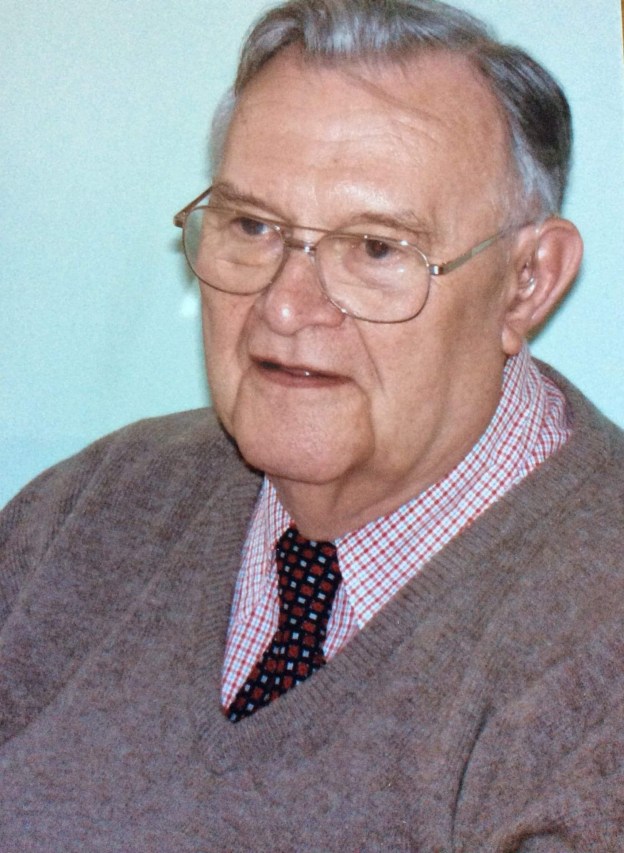
We lost my father in the Summer last year (2017) and as I write (11th November 2018), Mum is on her way to glory. Both of them had a strong Christian faith and were sure of their place with the Lord in heaven. Some of Dad’s last words to Mum were … ‘I go to a better, better place.’

I want to write a little about both Mum and Dad. I hope that you will indulge me in a couple of posts! The second of these posts tells Mum’s story and can be found at:

Mum and Dad – Part 2 – Mum

I have just said in sermons on Remembrance Sunday (2018) that we are rooted in who we are most effectively when we tell our own stories and as we hear the stories of our communities. …… So perhaps it is appropriate that I tell the story of two saints that I remember with affection.

The words below are predominantly those that Dad wanted to say about himself.

In the second post I’ll share Mum’s story too.  …

Dad was born on 29th September 1931 at Nelson Street, Horwich, to Wilfred and Hilda Mary (nee Carr) Farnworth. His Dad (Grandad) was a blacksmith at Horwich Loco Works and his Mum was a Cotton Mill worker prior to getting married. Dad’s first visit to church was when he was 2 weeks old. His family went to Horwich Gospel Hall. Apparently he was not interested in the message but was reported to be sucking noisily and had a good meal!

Dad was not sure of the date, but his family moved to 29 (I think), Crown Lane  when Grandad became unemployed. For a time Grandad worked for engine builders in the Salford area (possibly Beyer Garrett) before finding work at Derby L.M.S.  Loco Works.

Before moving to the Midlands they were living next door to Grandma’s parents and Dad had his first experience of death when his Grandma died. Dad was about 3 years old and was found sitting on the bed talking to the corpse. They also lived within 300 yards of Grandad’s parents who had a chicken farm. Dad said: “I was a regular visitor, primarily to get in on Gran’s cooking!”

Dad shares two things that he was reputed to have done. He said …. “I eloped to school when about 3 years old. All the kids down the row were going, so I just joined them!” and, “During a particularly dry summer, the women were asked not to empty their wash tubs so that local gardeners could use the water. I ended up in our’s and was fished out by my Grandad – very wet!”

Around 1935, Dad and his family moved to Derby for Grandad’s work. They lived at 768 Osmaston Road and went to church at Curzon Street Gospel Hall in the City centre. Dad says it was a “solemn assembly!”

He started school at Nightingale Road School which was next door to the Rolls Royce factory. “The nearest,” says Dad, “that I ever got to a ‘Roller’. He made a second attempt at drowning himself by falling through the ice on the frozen canal and being fished out by a passing stranger who took him home – again dripping wet! 

Around 1938 Grandad was, again, out of work until he found a job as a blacksmith working for Stanton (later Stanton and Staveley) Iron Works. They moved to 28, Shanklin Drive, Stapleford and went to church at Eatons Road Gospel Hall (another solemn assembly!). Church was made more solemn by all the younger men going off to war.

Dad attended Albany Primary School and Grandma worked at the local ‘National Feeding Centre’. Eventually, Grandad went back to Derby L.M.S. Works, mainly working nights, but we continued to live in Stapleford.

In September 1942, Dad went to Henry Mellish Grammar School, Bulwell and remained there until 1949,  for School Certificate and Higher School Certificate. He couldn’t remember the results. He was far more interested in rugby, swimming, cricket and athletics at school, and soccer (Stapleford Rovers and others) out of school. The round ball was banned at the grammar school! There were no more drowning incidents, but he did learn to swim in the local canal – warm, smelly and dirty!

In September 1949, Dad went to Loughborough College (as it was then, now Loughborough University),  staying there for 3 years. He studied Mechanical Engineering. It was an unusual arrangement – one week in lectures and then the next week in the extensive college workshops. He gained a 1st Class honours Mechanical Engineering Diploma. His priorities were quite clear. He says: “I went home most weekends to play football.”

While at College Dad had contact with a strong Christian Union, a number of members later became Christian Leaders and Missionaries.

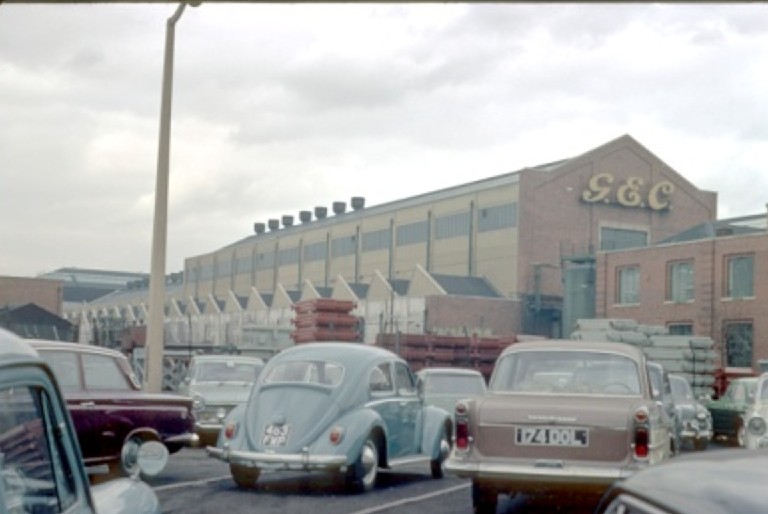
After College, in 1952, Dad started working in Birmingham  for the General  Electric Company (GEC) as a graduate apprentice at their Witton Works. He was mainly working on heavy electrical machinery for the first year.

Dad was in digs with the Fletcher family at 47, Wheelwright Road, Erdington. Mrs Fletcher was the widow of the man who’d headed up the GEC Accounts Department. She was a rather presidential Victorian old lady who was rather domineering. Dad says: “Just imagine my reaction.”

Two of their 4 children had married and incurred disapproval, and so were never mentioned! The two remaining children were Kitty, who was a rather sour middle-aged spinster who taught at a Girl’s Grammar School; and  Theo who brought some reality into the setup! He worked at GEC in Research and was one of the leaders of the Erdington Boy Crusader Class. Interestingly, Theo married immediately after his mother died!i

The Fletchers had a live-in maid, an old spinster who was a very good cook. Dad says: “That enabled me to bear with the rest of it!”

Dad comments: “After an introduction to church at two weeks of age, and with biblical things running like blood through my veins it was not, however, until the time spent in Birmingham that Jesus became real to me and I was baptised at Charlton Road Gospel Hall.

In about August 1953, Dad was transferred to London (Erith) by GEC to Fraser and Chalmers – manufacturers of heavy  mining  machinery for a period of just over 12 months. He lived in Rostrevor Guest House, Belvedere and worshipped at Belvedere Gospel Hall – a happy family – a time of spiritual growth. He was involved as a Counsellor at the 1954 Harringay Billy Graham Crusade.

From November 1954 until November 1956, Dad did his 2 years National Service in the Royal Navy (RNVR). He says: “Initially, for basic courses, I was a Stoker at HMS Raleigh in Plymouth. Then as a Sub.Lt(E) for 3 months at R.N. Engineering College Manadon, Plymouth. It was during this time that I first met Phyl (and her very welcome cheese pies) at times of fellowship at her home with other naval folk and some nurses. I was then posted abroad.”

(You may have picked up a common theme in Dad’s autobiography …. food!)

Dad served in Malta on HMS Striker (a tank landing craft) and HMS Whirlwind (a frigate) around the Mediterranean, Northern Ireland, Spain, France and Bermuda – all for short stays Finally, he served on HMS Savage for trials of low noise propellers to avoid submarine detection.

Dad says: “These were times of spiritual growth and great fellowship, both with naval personnel an in the churches that I visited, particularly in Malta. I found my theological views being broadened!”

In November 1956, Dad found himself working with ‘Shell’ at Stanlow Refinery as plant maintenance engineer for major petrochemical plants. He lived in Chester and worshipped at Chester Gospel Hall.

In February 1958, Dad was transferred to ‘Shell Chemicals’ at Carrington as Project Engineer for the production of petrochemicals (polyethylene and polystyrene). It was at this time that he became a member of the Institution of Mechanical Engineers. Dad was living initially in Sale, and then later (1960) in Broadheath at 112, Lindsell Road. he says: “I married Phyl in August 1959 and we were worshipping at Hebron Hall, close to the ice-rink in Altrincham. For some of the time I served as an Elder. Over the next few years, Roger, Gill and Dave joined the family.”

In 1965, Dad gave up working for Shell Chemicals and studied at Bolton Teacher Training College.The family continued living in Broadheath. 

We moved, right at the end of 1965, to Hull. From January 1966 to 1970 we lived at 103, Carr Lane, Willerby and Dad was lecturing at Hull Technical College. We were worshipping at Walton Street Gospel Hall and Dad was an Elder for part of the time that we were there.  Ian, my youngest brother joined us in 1966 and  Dad says, “We became ‘F, P & Co. Ltd’!”

From 1970 to 1972 we lived in Braintree in Essex and Dad taught at Chelmsford Tech. (Dovedale) as a Senior Lecturer. We lived on Sycamore Grove in Braintree and worshipped at Coggeshall Road Gospel Hall in Braintree.

We lived in Kings Lynn, Norfolk from 1972. Mum and Dad stayed there until 1986. Dad was based Norfolk College in Kings Lynn as Head of the Engineering Department and later as Head of the Faculty of Technology until early retirement in December 1985.

We lived, first, for about 12 months in Terrington St. Clement and then at 5, Elvington in Gaywood in King’s Lynn We worshipped at Seabank Chapel and I led the Covenantor Group for several years. During this time, Nana, Phyl’s mum came to live with us in a Granny Flat extension to the house.

There is, perhaps, a lot more to tell about Mum and Dad’s last few years in King’s Lynn as they found themselves in the midst of difficult times at Seabank Chapel. Dad chose not to focus on this in his notes, but they really were difficult times for both Mum and Dad. By this time, I was living in Manchester and watching from afar. Dad and Mum showed great integrity and leadership during this time and suffered some significant levels of stress.

Dad and I had/have differing views about our shared faith and he struggled with my decision to become an Anglican priest, feeling unable to take Communion from me. However, he always acted with integrity and at times found remaining true to his convictions difficult, physically, spiritually and emotionally.

Mum and Dad moved to Brightwell-cum-Sotwell, in South Oxfordshire in August 1986 to manage a small estate  of 15 bungalows mainly provided for retired missionaries and Christian workers. There were some very interesting folk. Nana had her own bungalow. The estate belonged to the Datchet Evangelical Fellowship (later to be known as ‘Rural Ministries’).

Dad and Mum also had a small house in Didcot because their bungalow on site in Brightwell-cum-Sotwell was very small. They worshipped in the little free church (FIEC) in the village. After about 6 months of being there, the young pastor of the church had a breakdown and eventually resigned and moved away. Dad led the church for about 7 years until a new pastor was appointed. At almost the same tim as the new pastor was appointed, Nana died at the age of 99 years and the Datchet Evangelical Fellowship decided to sell the  complex of bungalows. Mum and Dad moved into their house in Didcot.

While Dad and Mum were in Brightwell they were involved not only in looking after the bungalows and leading the FIEC church, but also took part in various village-wide things like Lent Courses and a Men’s Prayer Breakfast.

Mum and Dad lived in Didcot for a further 12 months, worshipping and helping out in a small Mission Church in Hanney, Oxfordshire. At the end of that 12 months they rented out the Didcot house and set off for Zambia!

From 1994 to 1996, Mum and Dad worked for ‘Africa Evangelical Fellowship’ seconded to the ‘Evangelical Church in Zambia’. The brief said: ‘To work as Town & Travel Manager’. The job spec. included the phrase: ‘must be able to cope with a high degree of ambiguity’ – Spot on! The job involved virtually all of the mission business in Lusaka – immigration, customs, banking, post office, travel agents, technical shopping for folks up country, and airport duties (meeting people coming into the country and helping others leave.

Dad says: “I succeeded in losing the Australian Office Manager. Having delivered him to the airport at 5am om a Sunday morning for a flight to Namibia (2 hours), we received a call at 2pm: ‘Where is he?’ I guess that he got there eventually but I have never heard of him since.  Was this a case of lions at the airport?”

Meanwhile, Dad says, “Phyl did all kinds of things – helping him in Lusaka, standing in for folks who should have spoken on the radio, various clinics, etc.”

They lived at Chamba valley, 10 kilometres outside Lusaka and worshipped at the mission church on site. Occasionally they travelled in, on a Sunday evening, to worship at Lusaka Baptist Church. Their little car, a Subaru Justy, enabled them to travel out quite a bit on business and for holidays to:

  • North West and South West Zambia
  • Zimbabwe (several times) – to Kariba, Harare, Victoria Falls and the eastern highlands
  • Botswana
  • South Africa – to Johannesburg, Durban and the Kruger Game Park
  • Malawi – including a 4 day sail down the lake on a ferry as it carried local passengers and goods from port to port. 

From 1996 to 1997, after getting back from Zambia, Dad and Mum spent about 12 months living in Didcot before selling up and moving to Mattersey Thorpe, North Nottinghamshire.

From 1997-2005, Mum and Dad worked part-time with Book Aid, in their Ranskill Store, and  worshipped at Bawtry Evangelical Church.

In 2005, Mum and Dad moved North to Scotland. They lived in Auchlochan, a privately run retirement village built around 4 small lochs. It was a complex of Bungalows, flats, apartments and units for residential care. Mum and Dad bought a bungalow and worshipped at the fellowship on site. The complex is now operated by Methodist Homes.

In 2010, Dad and Mum moved South again to a flat at Royd Court, Mirfield, West Yorkshire, in a group of 56 flats run by Pilgrim Homes. They worshipped on site and attended Batley Evangelical Church as well.

We lost Dad in August 2017. Mum continued to live in their flat in Royd Court and often spoke longingly of going home …. She too is now at rest, at home with her Lord.


The Joys of Sunday 4th November 2018

What a wonderful day!!!!😇😇

Sunday 4th November has been a wonderful “full-on” day for this clergyperson!😇😇

Work started soon after 8am with time spent on final preparations for the day. Three sermons, written late in the week, needed reading through. I suppose you could call it a working breakfast!

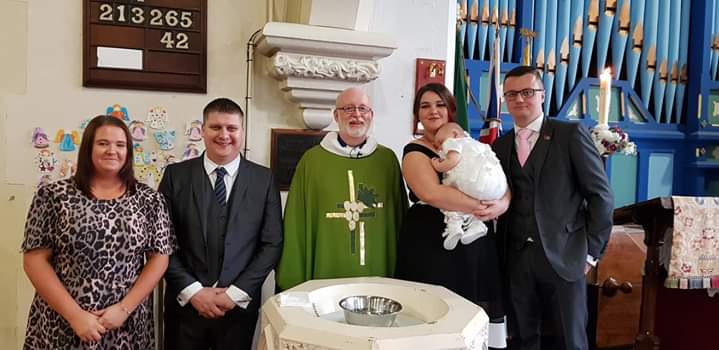
The first two services of the day were in two of the five churches that I have responsibility for. ……… St. James Church was full for Lilly Isabelle Anne Smith’s baptism at 9.30am, (early doors!)Because our clergy have a good number of things to do on Sunday and, perhaps more importantly, because Baptism is about becoming a member of Jesus’ family the church, we have our baptisms as part of our usual church services.

At St. James the baptism took place in a service of Holy Communion. The reading from Isaiah (25: 6-9) led me to think and talk about how the sharing together of food is one of the most important ways in which we acknowledge the importance of our relationships.

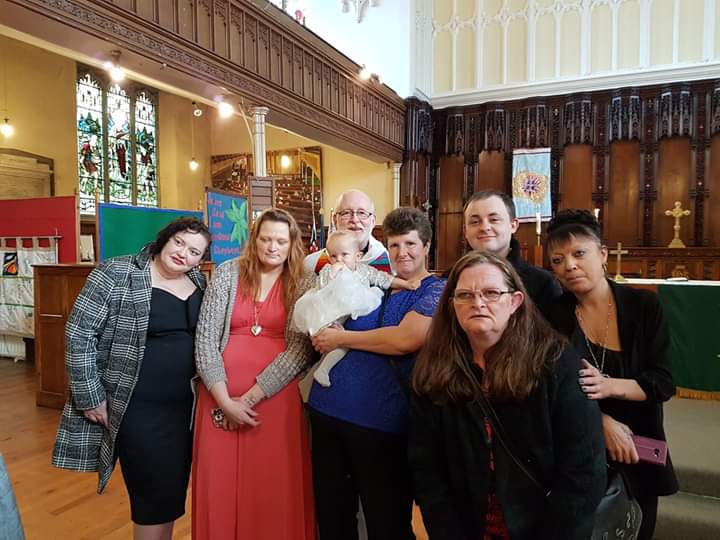
At St. Peter’s Church at 11.00am we baptised Elizabeth Leavy. I baptised her older brother a few years back. We welcome all the newly baptised into our church families.St. Peter’s is increasingly seeing visitors from other countries many of whom are seeking asylum in the UK. Some stay with us over many months either until they are moved elsewhere by our government, or their cases are decided. We seek where we can to support people through the asylum process and we are about to set up a drop-in centre in partnership with the Red Cross.

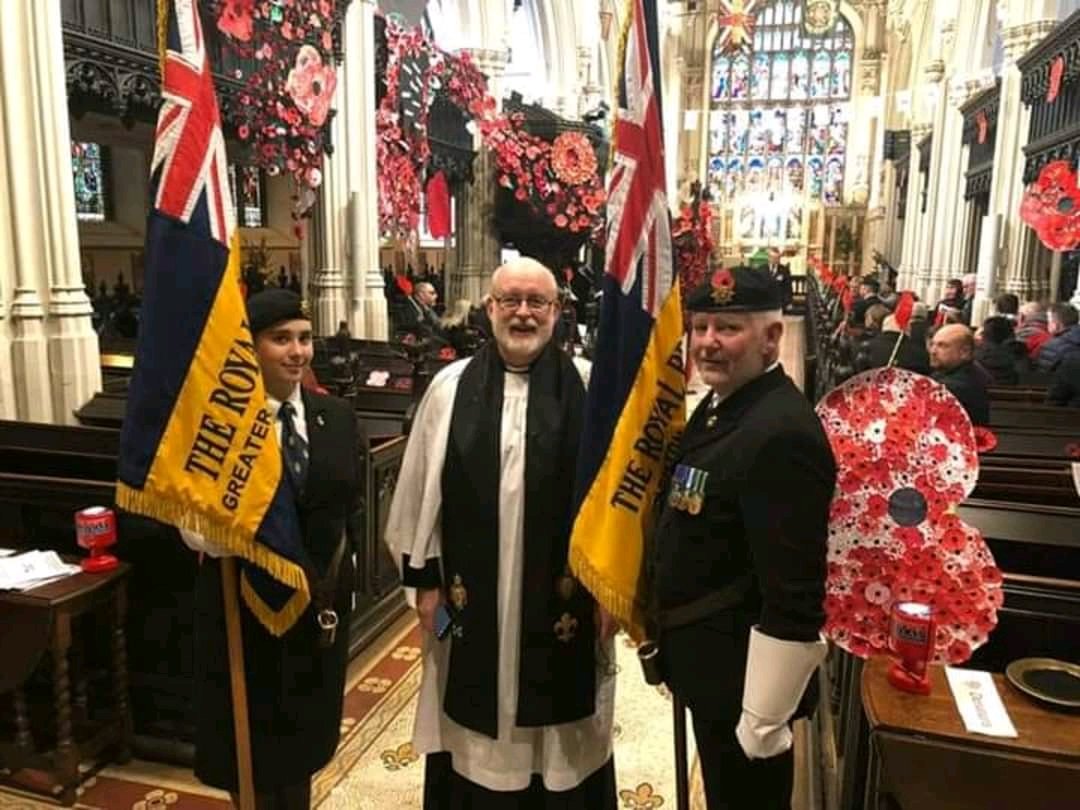
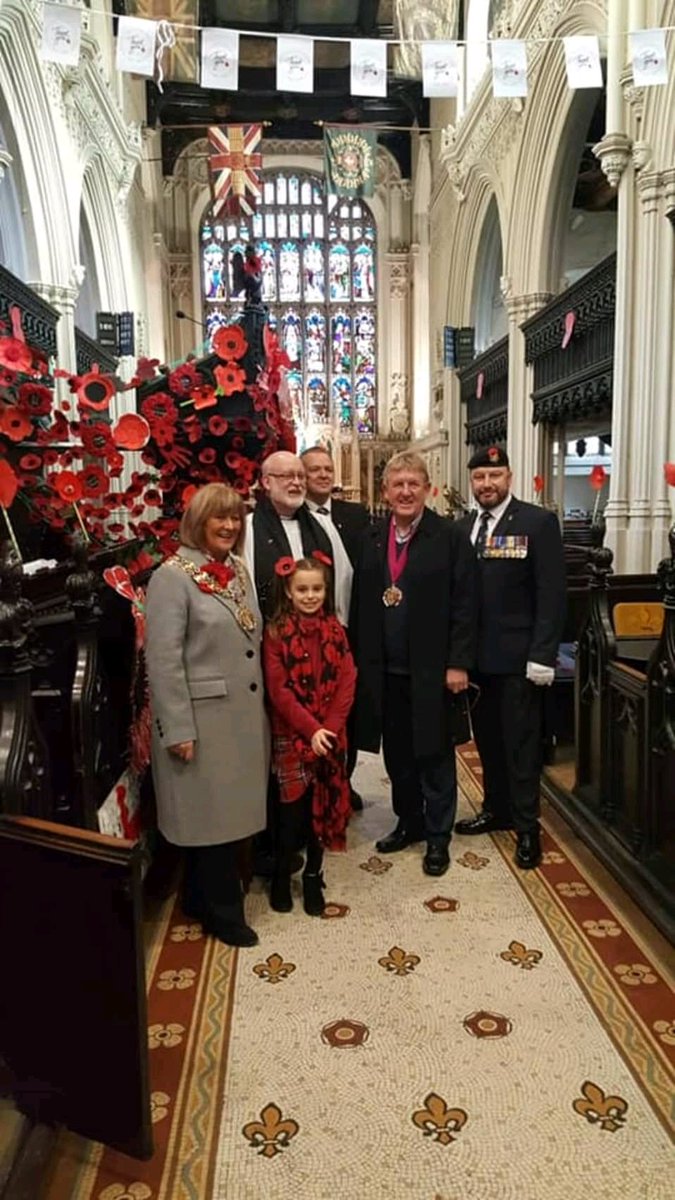
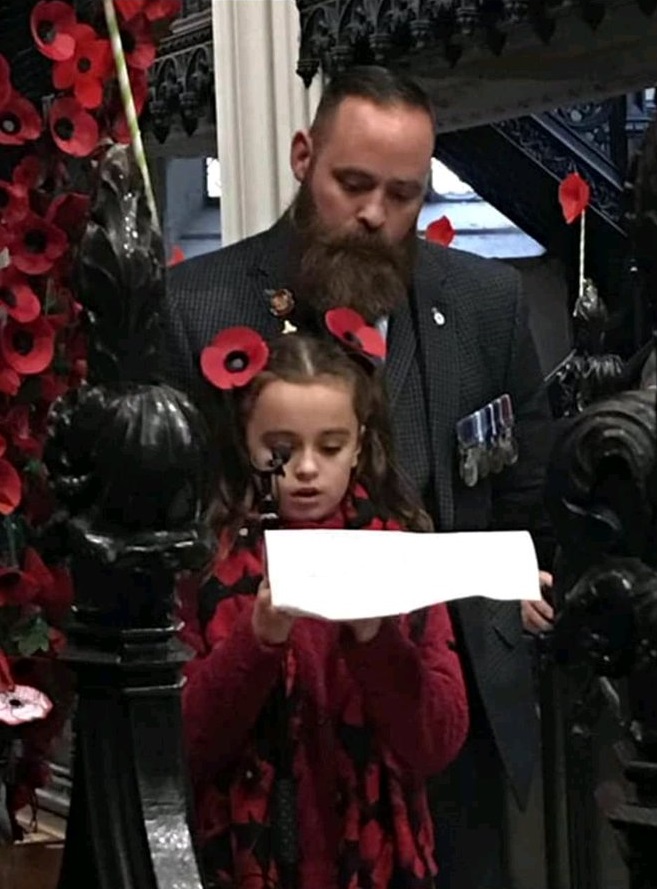
By 12.15pm it was time to dash to St. Michael’s Church, the civic church in Ashton. A number of community organisations and schools have worked with the Ashton Branch of the British Legion to create a poppy wall in church for the period from 3rd November to 12th November. Standards were processed, the poppy wall was dedicated and we had time to remember and give thanks, as part of the Legion’s ‘Thank You’ Campaign, for all who have worked for the betterment of society during and after the first world war. I have the privilege of being Padre for the local branch of the Royal British legion and so am honoured to take services such as these. By now, the day was just getting going! ….

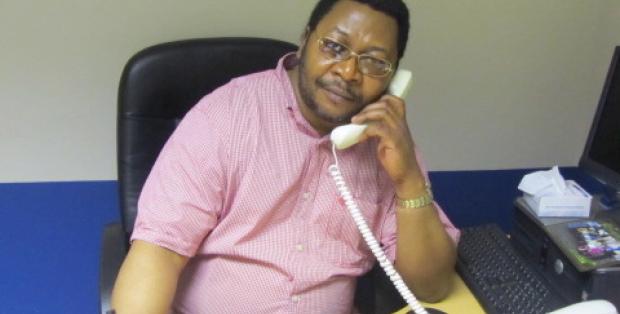
A close colleague has just moved on from our Parish – the Parish of the Good Shepherd, Ashton-under-Lyne. … Jules Mambu has served as a curate in the parish since he chose to move from the Roman Catholic Church to the Anglican Church. I have know Jules for 15 years. He was a refugee from the Democratic Republic of Congo, having served there as a Catholic priest and having discovered that being a faithful priest put him at odds with the government of the day.

Jules left the Congo after serving time in prison after challenging the policies of the government of the country.

Part of Jules’ ministry, over the past 15 years or so, has been to lead Tameside African Refugee Association (TARA) based in Ashton-under-Lyne. Discernment of God’s plan for his life has led him into the Anglican church and to move on from TARA.

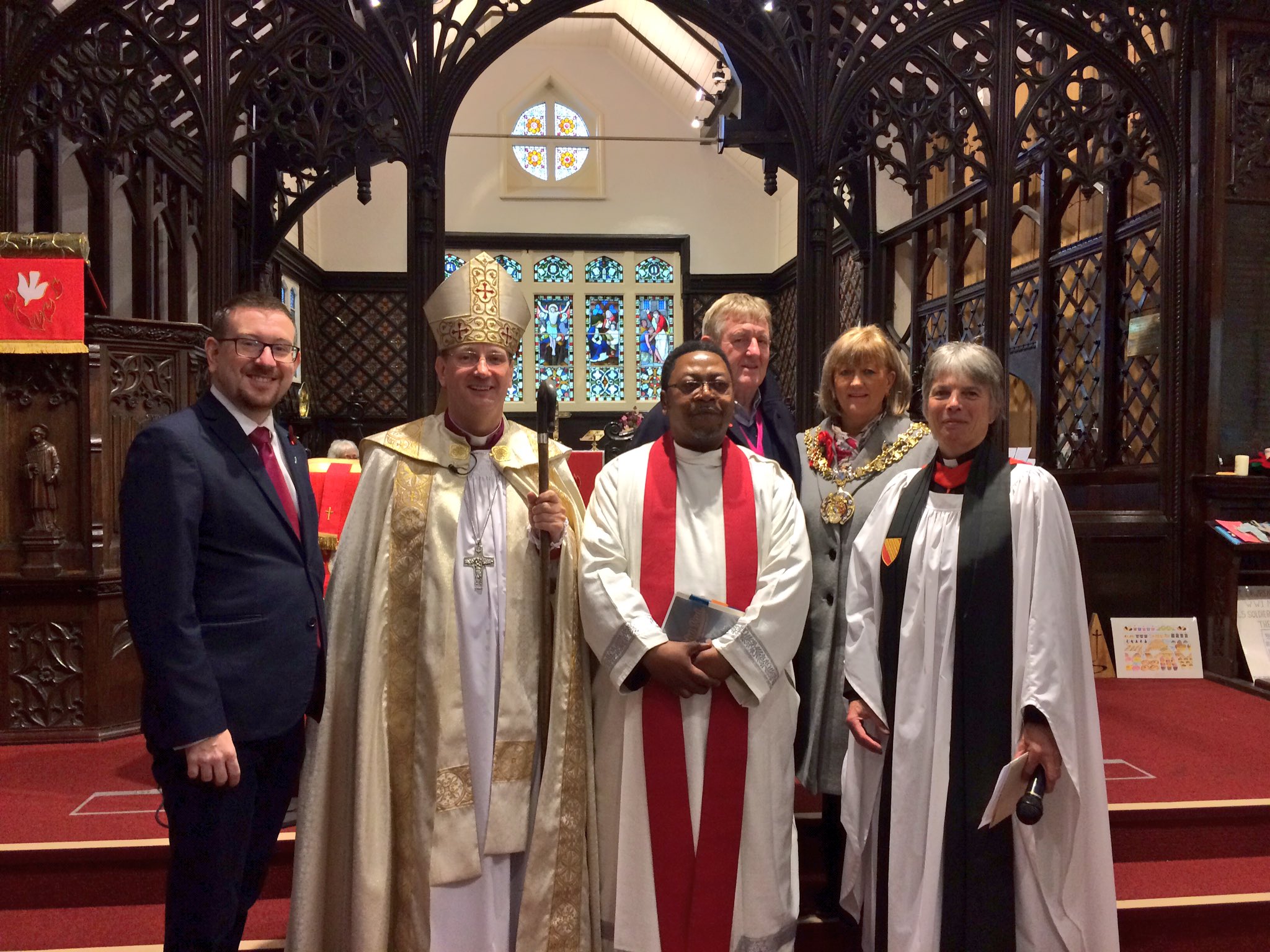
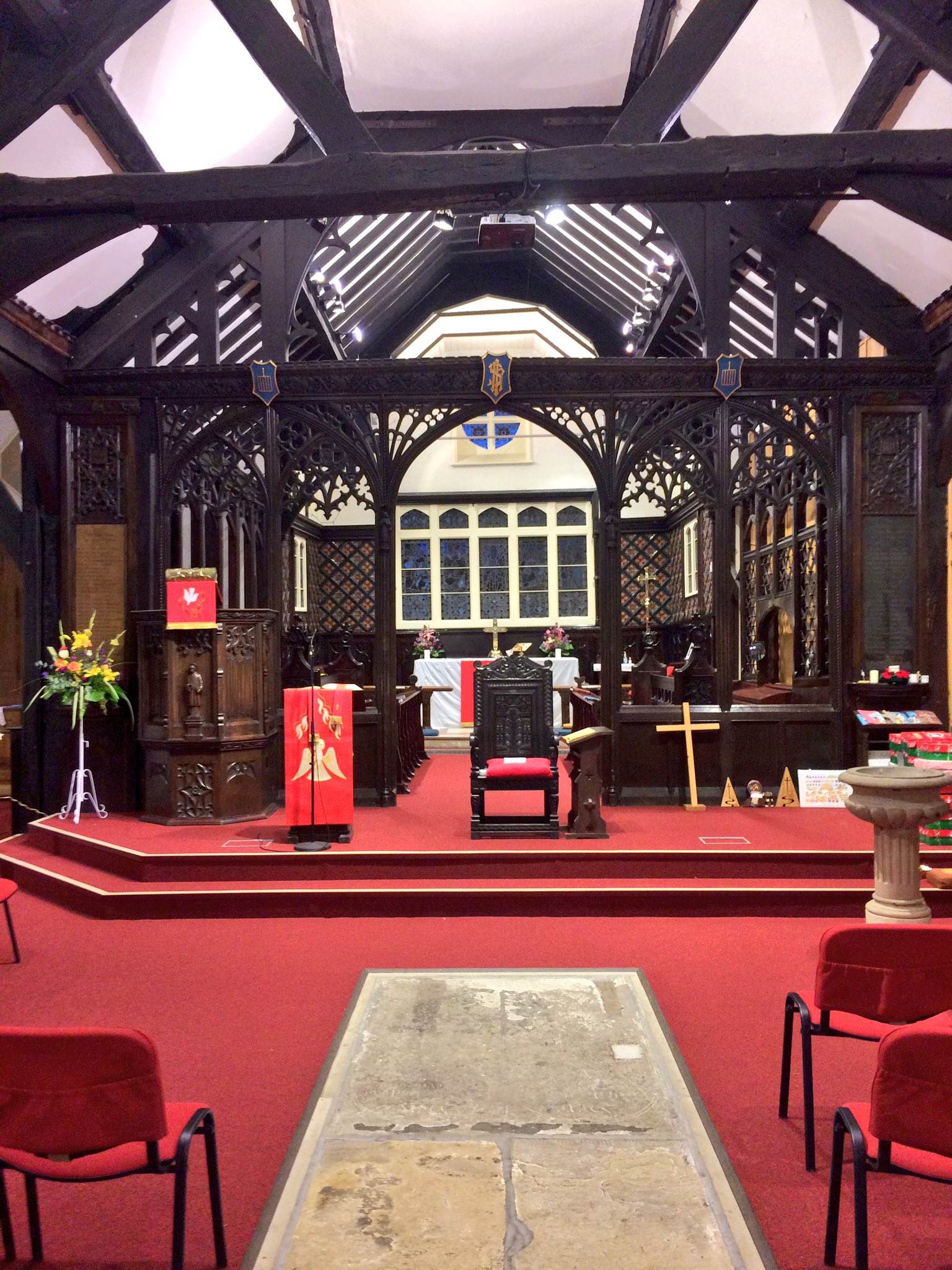
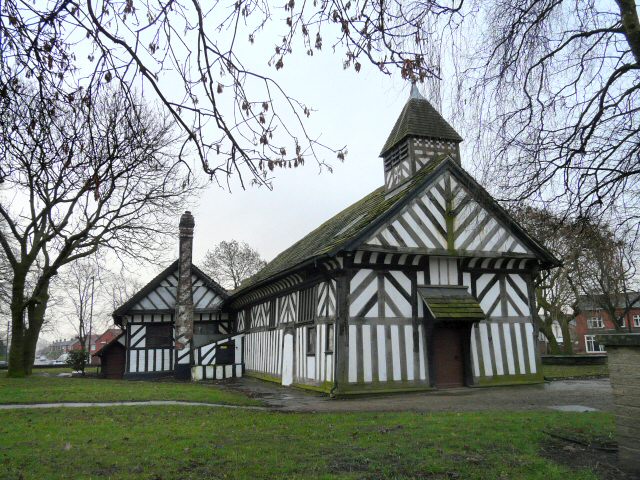
Jules now is licensed as Priest-in-Charge of St. Lawrence, Denton and will soon take on responsibility for St. Ann, Haughton as well. Both in Denton, both in Ashton Deanery, and both in Manchester Diocese. The licensing service at St. Lawrence’s was led by Bishop Mark Davies and Archdeacon Cherry Vann.Jules’ move to Denton leaves us (The Parish of the Good Shepherd) one member of clergy down. We wish Jules every blessing in his ongoing ministry in this new place and we pray for ourselves that we will revive additional resources for ministry in the centreof Ashton-under- Lyne. The church buildings which will fall within Jules’miniustry role ar e both really interesting structures!

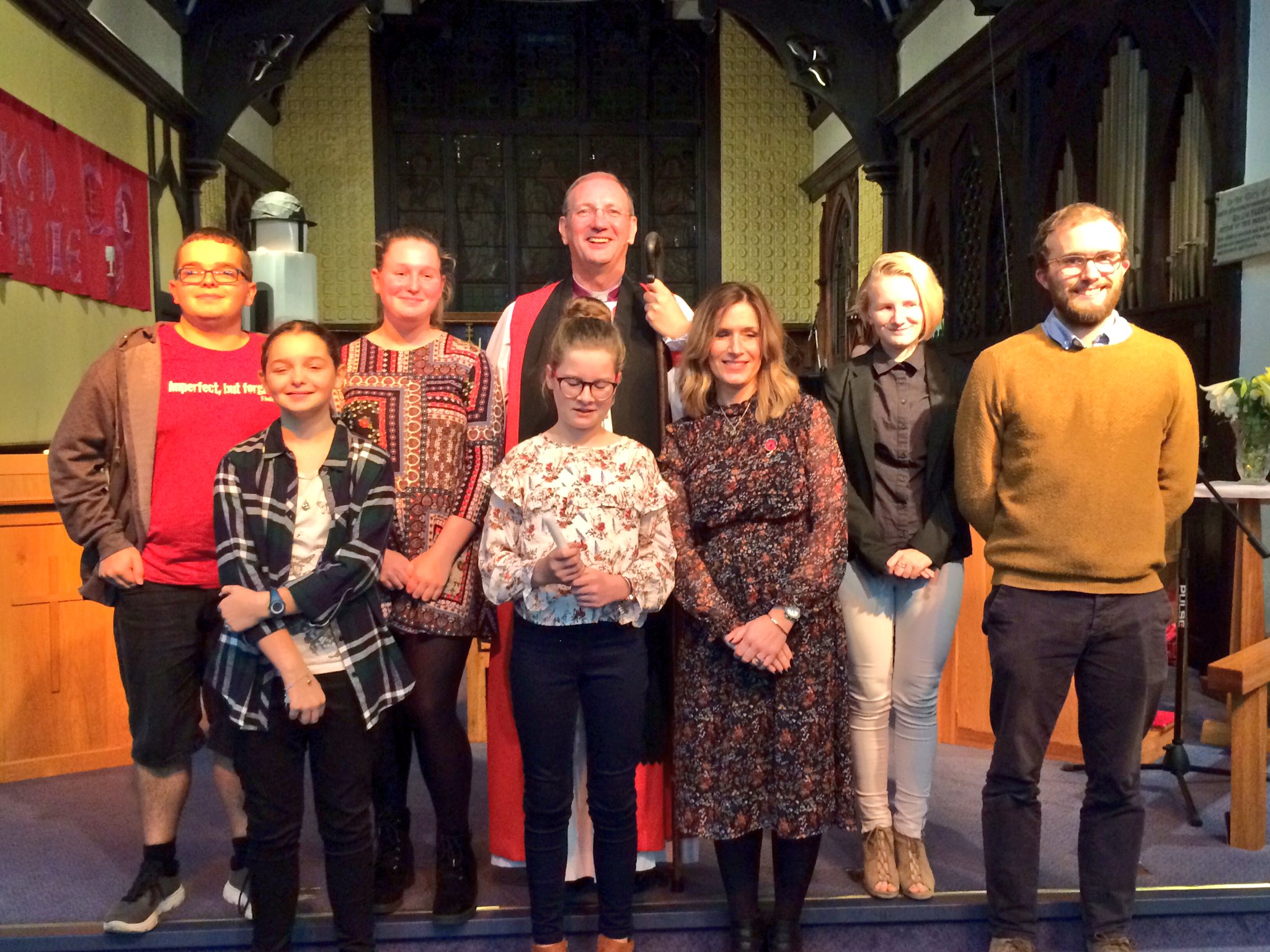
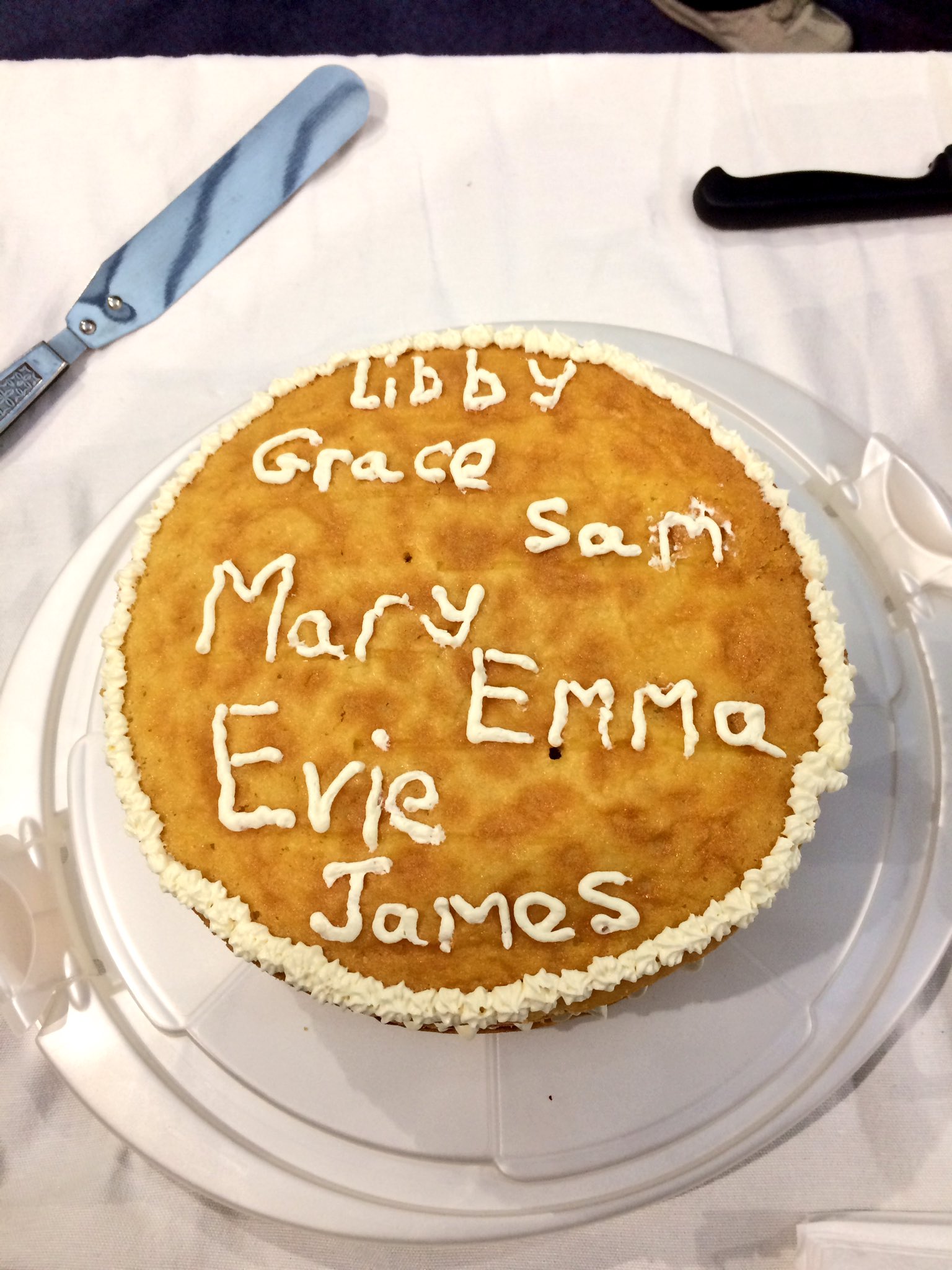
Jules’ installation and licensing were followed by a Confirmation Service at which the Parish of the Good Shepherd presented two candidates for Confirmation. It was a real joy over the past few weeks to be able to do Confirmation preparation with Emma and Evie.

Check out @BishMiddleton’s Tweet: https://twitter.com/BishMiddleton/status/1059522440605429761?s=09

A day in the llfe of a Manchester Diocese Clergy person!

Choices: John 6: 56-69; Joshua 24: 1-2a, 14-18; Ephesians 6: 10-20

The right to choose. …. That phrase has been used in a whole series of contexts over recent years. It has become one to the defining characteristics of our society. We are told time and again just how important it is that we have the freedom to make choices. And rightly so, because the ability to make choices to make value judgements is one of the distinctive marks of being a human being.

I am sure you can think of examples – but here are a few …

A Woman’s Right to Choose – I am not going to enter the very complex debate about abortion. It is enough to acknowledge that a woman’s right of choice is an important issue in the ethical debate that surrounds abortion. This is the context that we most often talk of a right to choose.

The Right to Choose – is the title of a government advice booklet to agencies dealing with involved with handling cases of forced marriage. Each individual has a right to choose who they marry and an inalienable right not to be forced into a marriage for whatever reason.

The Right to Choose has recently been extended in the health service to mental health patients as well as those suffering physical symptoms. We can increasingly choose where we are treated and when we are treated. The Heath system is changing slowly to focus more on the patient than the clinician.

The withdrawal of the right to choose is also significant: Right wing totalitarian regimes deny freedom of choice to their subjects. Difference is frowned upon. Left wing/communist regimes value the proletariat above the individual, subjugating individual freedom to the needs of the masses.

In a very significant way, when we lose the ability to choose, we become less than human. Freedom and choice are really as fundamental to our lives as the right to shelter, food and water.

Successive governments have been right to emphasise freedom to choice.

Some of us might want to question whether we really do have freedom to choose. … So often, the right to choose a school for our children is limited, or perhaps negated, by the catchment area of the school. … Patients’ choice in the health service is often limited by our ability to travel to a hospital. … It is often almost impossible for a woman in abusive relationship to make the choice to leave, she feels completely trapped by her circumstances.

Nonetheless I feel so much better when I’m treated as an individual and given a say in the things that affect me. When I am given the freedom to choose.

Freedom of choice is so important. … Yet putting the two words “freedom” and “choice” in the same phrase is perhaps misleading. … For the very exercise of our freedom to choose restricts our freedom. When we choose to join a club, we are choosing to be bound by its rules, if not we very soon find that we are no longer welcome. When we choose to marry, we commit ourselves to one person, we are not free to play the field.

Choice, by its very nature restricts freedom.

Our readings set for 26th August 2018 seem to focus on that ability to choose.

Joshua actually uses the word. … “Choose this day whom you will serve,” he says. “As for me and my household, we will serve the Lord.”

Paul in Ephesians encourages us to make the choice to stand firm under attack, to stand against evil, and he promises us that God’s armour, God’s resources are available to us as we stand firm.

Jesus presents his disciples with a choice. “If my words are too hard for you,” he says, “you don’t have to stay!” And we heard Peter’s response, “Lord, to whom can we go? You have the words of eternal life.”

All three passages leave us with a challenge: “What choice are we going to make?”

Are we going to do our own thing, follow our own instincts, in life? Or are we going to commit ourselves to God’s agenda? Are we going to stick with God even when the going gets tough?

God gives us the freedom to choose. He does not force us to accept him. Jesus doesn’t demand our allegiance. He offers himself to us as friend and as Lord, with every possibility of our turning our back on him.

Vulnerable love, love which was willing to die for us, love which does not impose itself on us but waits patiently for our decision. Love which is prepared to release us if we choose to turn away from him.

We are free to choose.  …. Yet as we exercise our freedom to choose, we make commitments which on the face of it restrict our freedom. We cannot make Christ ‘Lord’ and still give other things a more important place in our lives. Christ being ‘Lord’, means just that, Lord of our lives, our families, our work, our lifestyle. The free choice we have made, the one we continue to make as we commit ourselves to Christ each week in worship, seemingly limits our freedom.

And yet, here is perhaps the greatest paradox of all, when we commit ourselves to Christ as Lord we don’t feel trapped by our choices – we feel set free, set free to be who we really are. Here in the Christian family, when it is functioning as Jesus intended, we find our true freedom, our true dignity, our true equality as we worship the one who is worthy of all the praise that we can offer.

Contemporary society talks of human rights and ‘the freedom to choose’. In Christian worship, we confess that we cannot speak of ‘our rights’, for we have been given everything and forgiven everything and promised everything, not as of right, but of the loving grace of God who, as we freely give ourselves to him, as we chose his sovereignty, freely gives us all things.

When we come to Communion, we exercise our right, our freedom to choose, and as we take bread and wine into ourselves, we commit ourselves again to a choice to be God’s children and family. The end of August heralds a new cycle, a new academic year, it is a time for re-commitment re-commitment to God’s sovereignty in our lives. And as we make that renewed commitment we experience once again the release that comes from being who we truly are! … Those who are loved, accepted and redeemed, chosen ourselves by the grace of God.

Uganda 2018 – 16th May

Wednesday 16th May 2018

Just a short post for today.

A quiet day in Kampala with SimonPeter and Lisa and lovely lunch in Cafe Javas in the centre of the city. An afternoon reading before a late evening drive to theAirport for our 11.30 departure from Entebbe.

Should be back in the UK before 9.00am tomorrow.

This is the last of our posts from our trip to Uganda.

Uganda 2018 – 15th May

Tuesday 15th May 2018

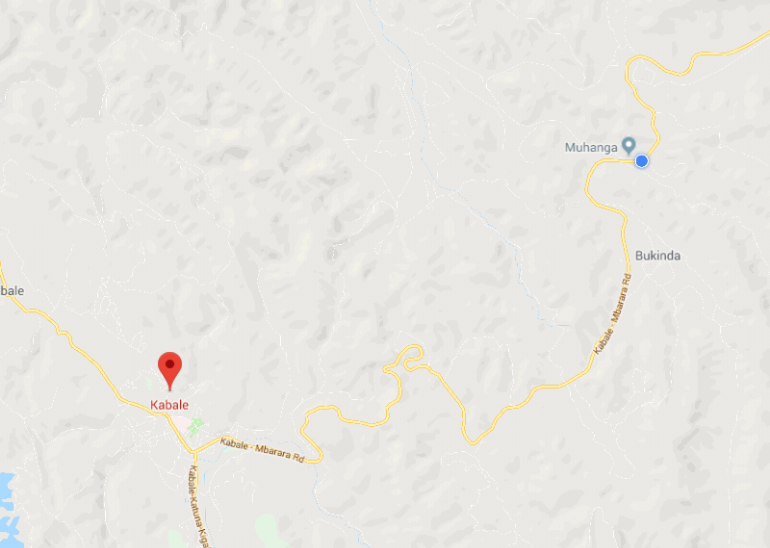
Up at 6.00am ready for a prompt 7.30pm departure from Kisoro. Cranmer was up to send us on the way with a prayer for safety on our journey. A comfortable and relatively new car picked us up and as we climbed over the pass between Kisoro and Kabale we found ourselves in thick early morning cloud. We encountered a lot of slow moving lorries on the road and did not pass through Kabale until 9:10am.

We then encountered a significant accident between two lorries on the steep hill down from the Kabale hills. It looked as though a lorry and trailer tried to take a sharp bend at too great a speed.

From Kabale to Muhanga we drove through steady heavy rain. Just after Muhanga we hit thick fog with visibility down to little more than a car-length in front of our vehicle. The rain intensified once we cleared the worst of the fog, so it was still very difficult to see through the windscreen!

Rain and low cloud continued through Ntungamo and the Ankole hills, and on to Mbarara. By the time we reached the Mbarara by-pass at about 11.00am then weather was beginning to lift. The road between Mbarara and Masaka is older tarmac and the traffic heavier, the humps harder to see. By the time we reached Masaka (1:00pm) the clouds had lifted somewhat and the rain had stopped.

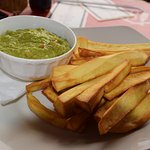
We stopped at the Equator (but didn’t get a photo at the circles) for a lunch of guacamole and sweet potato chips at AidChild’s Equation Cafe’ and Gallery, Kayabwe.

Arrived safely at Whitecrest Guest House at 4.30pm.

Uganda 2018 – 14th May

Monday 14th May

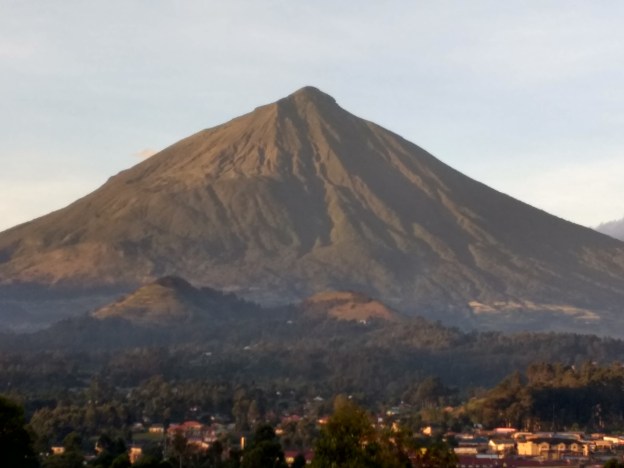
A gentle morning started for Roger with an early rise to watch the dawn over Kisoro and Mt. Muhabura and to post images on Facebook. Today is our last full day in Kisoro. We travel to Kampala tomorrow. It will be a 7 hour drive. Bishop Cranmer has negotiated a good rate for us for the journey. It will cost us 570,000 UgSh ….. sounds a lot but it is about £120 at the local exchange rate. Mid-morning we walked into Kisoro and did a little shopping before having lunch at The Coffee Pot – Guacamole and Chapati.

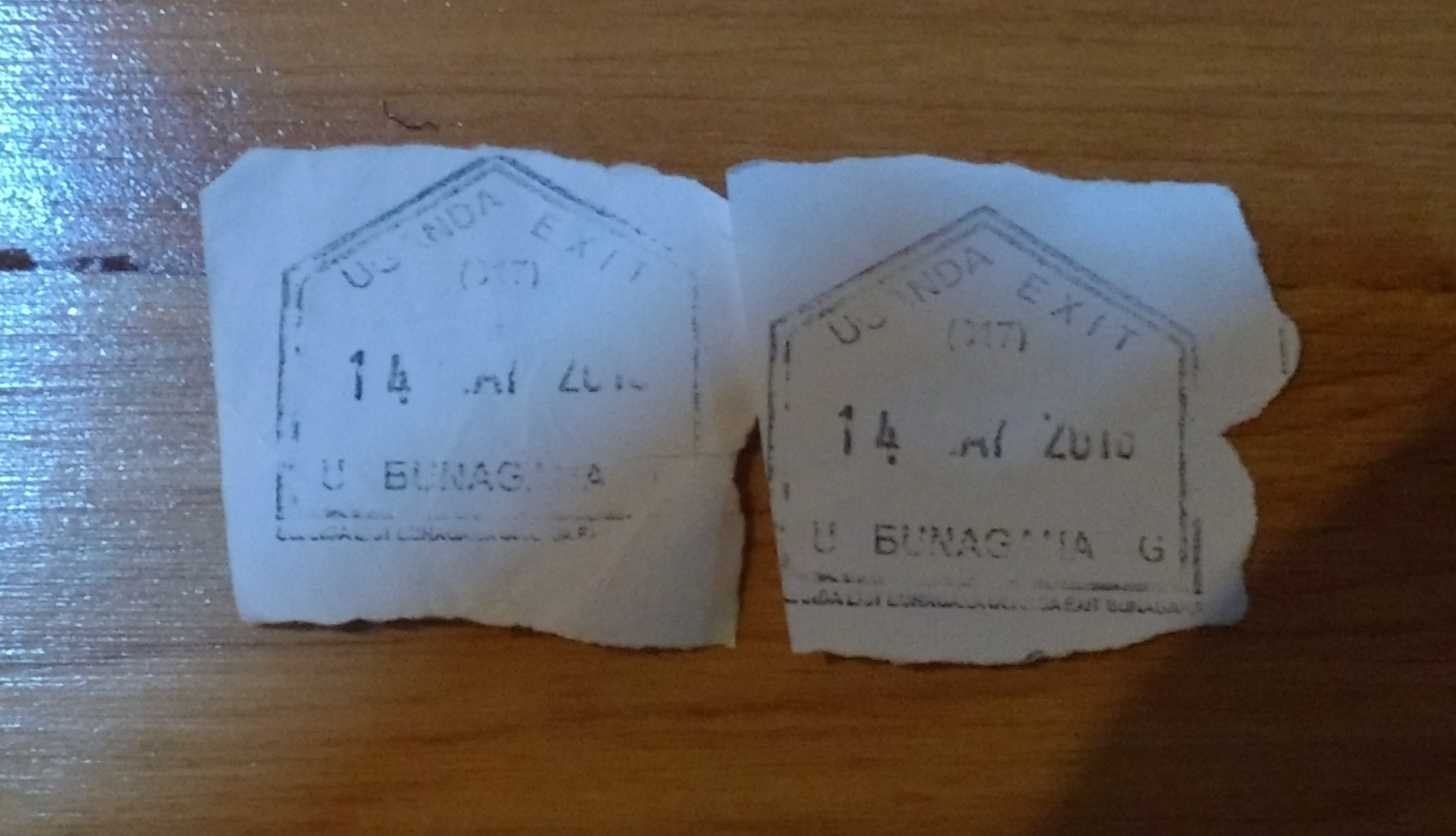
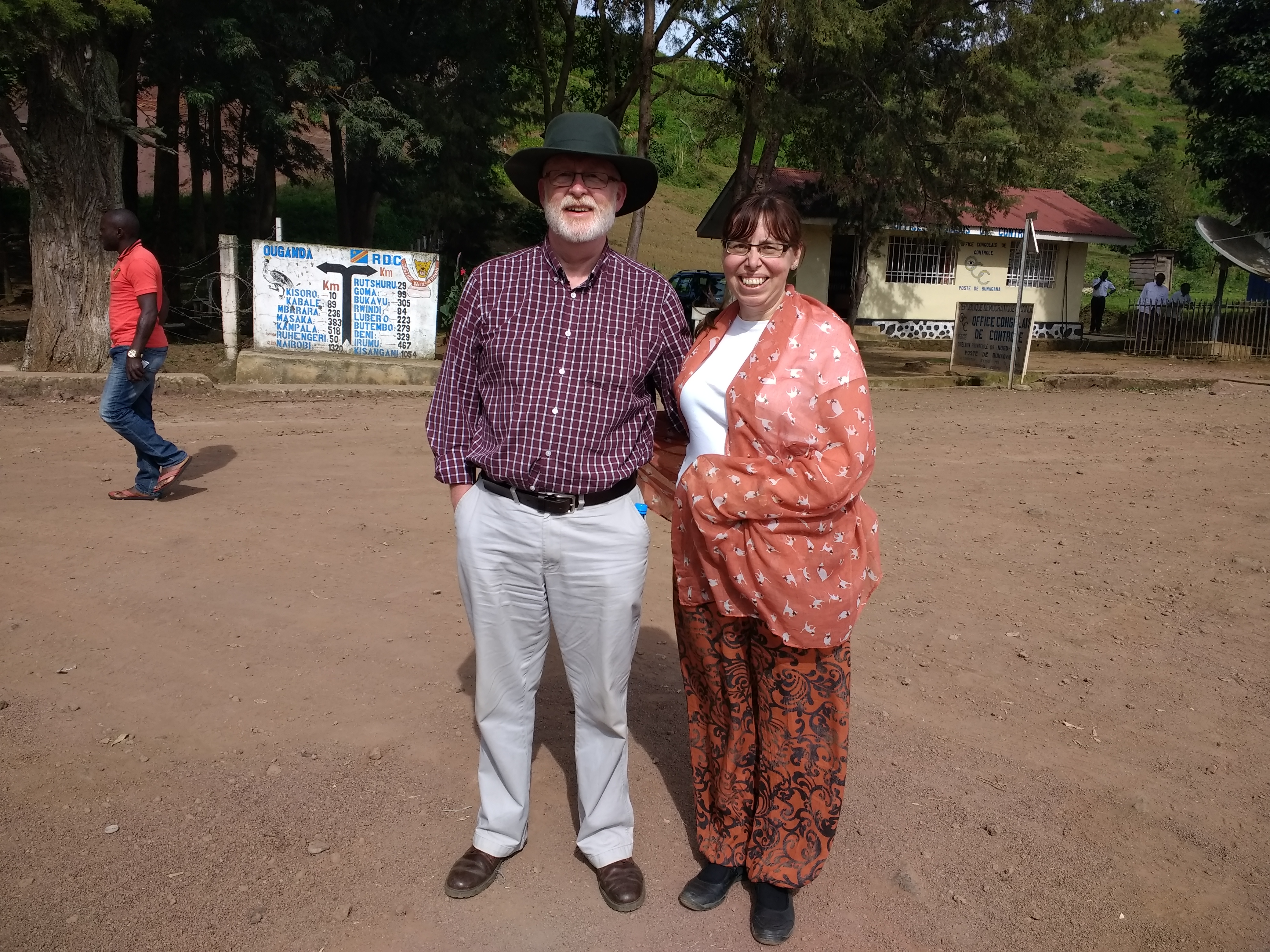
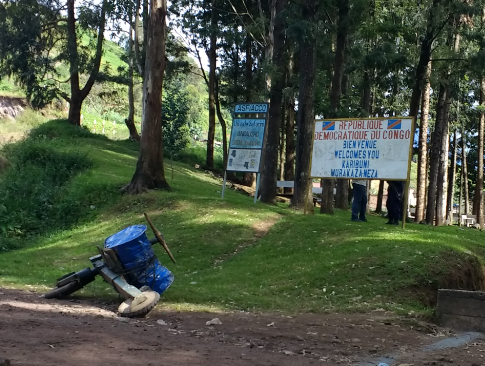
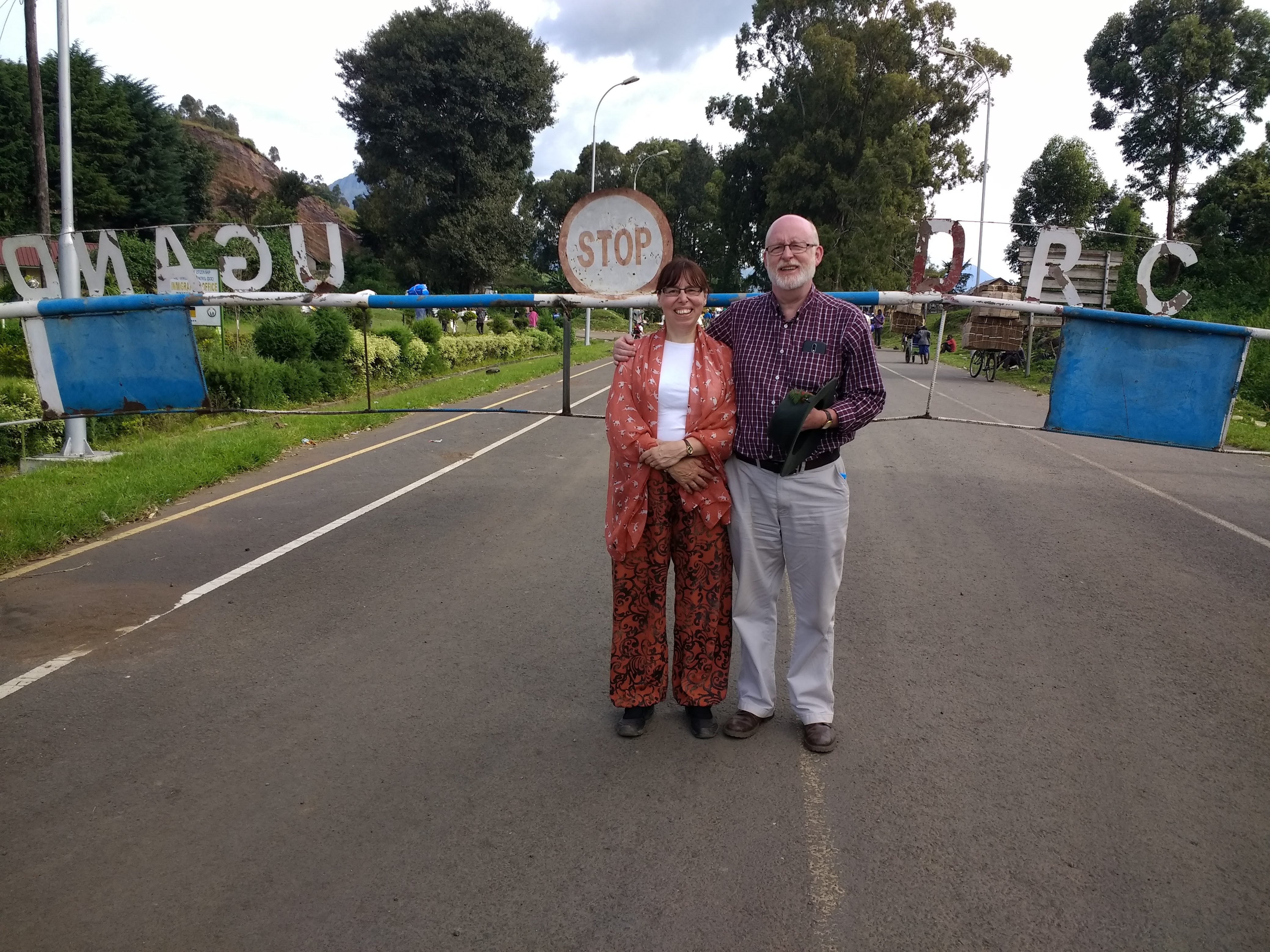
In the afternoon, Bishop Cranmer took us to the border with the Congo and we were given permission to cross and return by customs officers.We had a different experience at the border gate at the other end of the crossing. The customs officers for the DRC were great, they allowed us to enter the DRC temporarily and even gave permission for photographs to be taken, but then a relatively young man not in uniform who had a big car, called us over and threatened to put Cranmer in jail, then he took my phone and scrutinised all the photographs before giving us a stern rebuke for taking photograph without permission.

We wondered who he was, the customs officers told us to take no notice of him, they had given permission for the photographs. Still, it leaves one wondering, ……… given that government structures are weak in the DRC and given the story in the news recently of two British people being kidnapped and then released in the eastern part of the Congo.

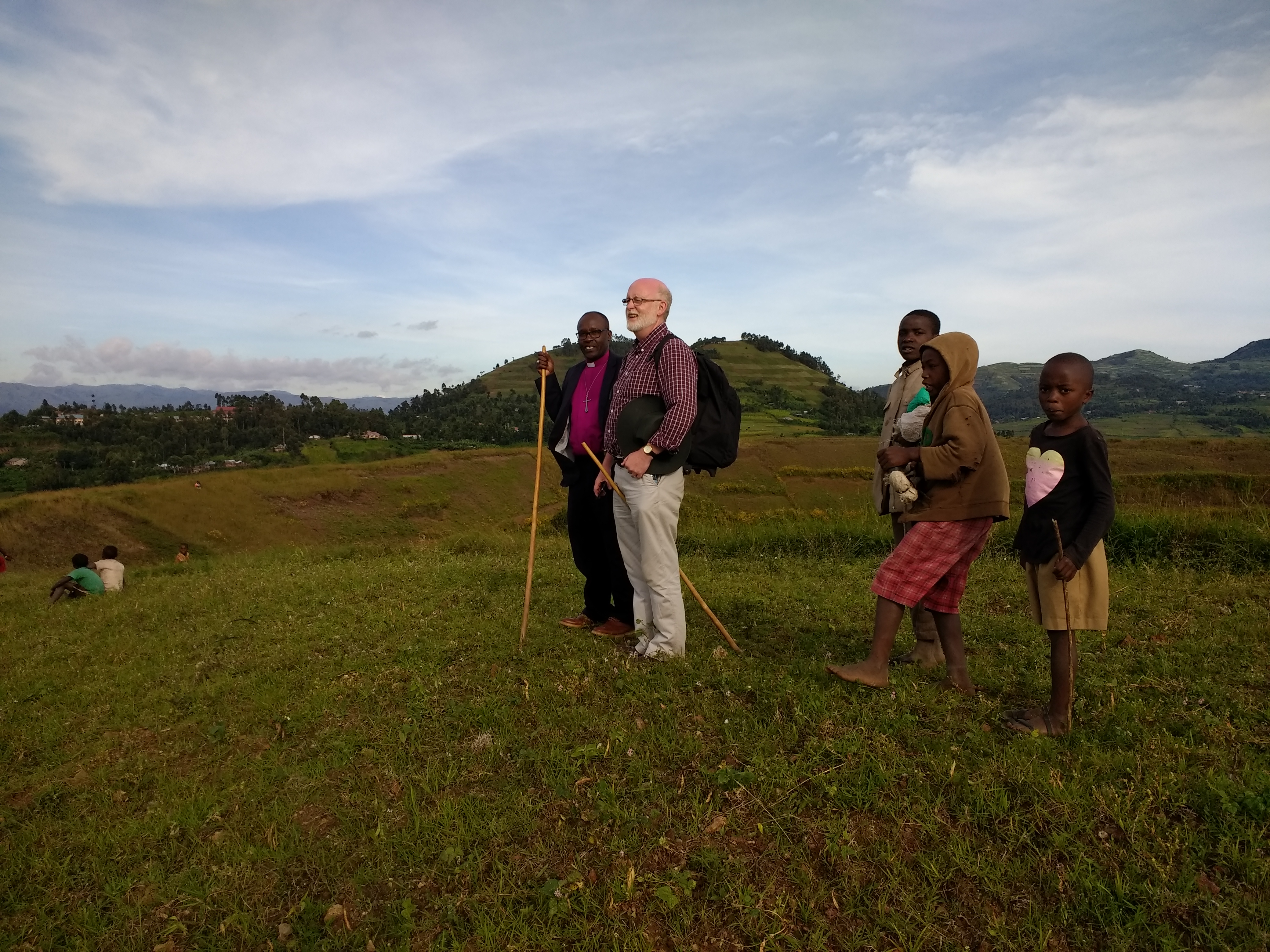
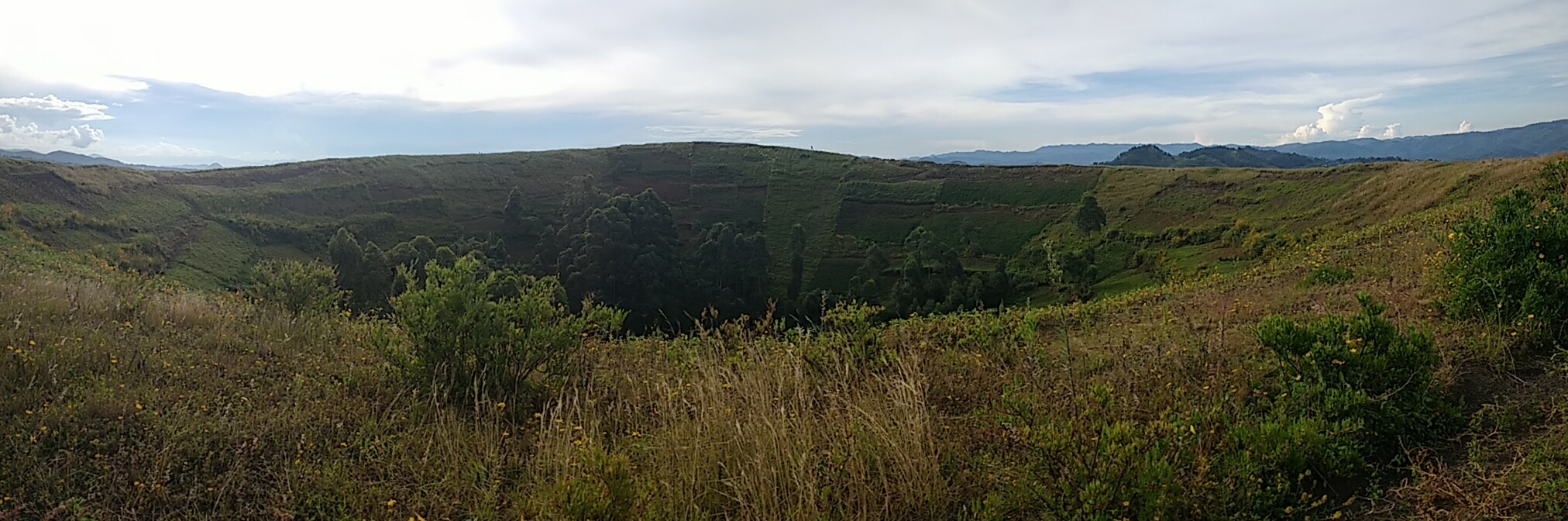
Anyway, we got our 10 minutes in a different country!☺ We got a few photos to prove it, and Roger did not, in the end, lose his phone!After our border experience, we stopped off on the south side of the main road at a small hill, Sagitwe and climbed it. In the past, it was a volcano and the caldera still remains. The whole hill is intensively farmed. At the top we also had a good view of the Virunga Mountains.We spent the early evening with Cranmer and Hope, and then completed our packing.

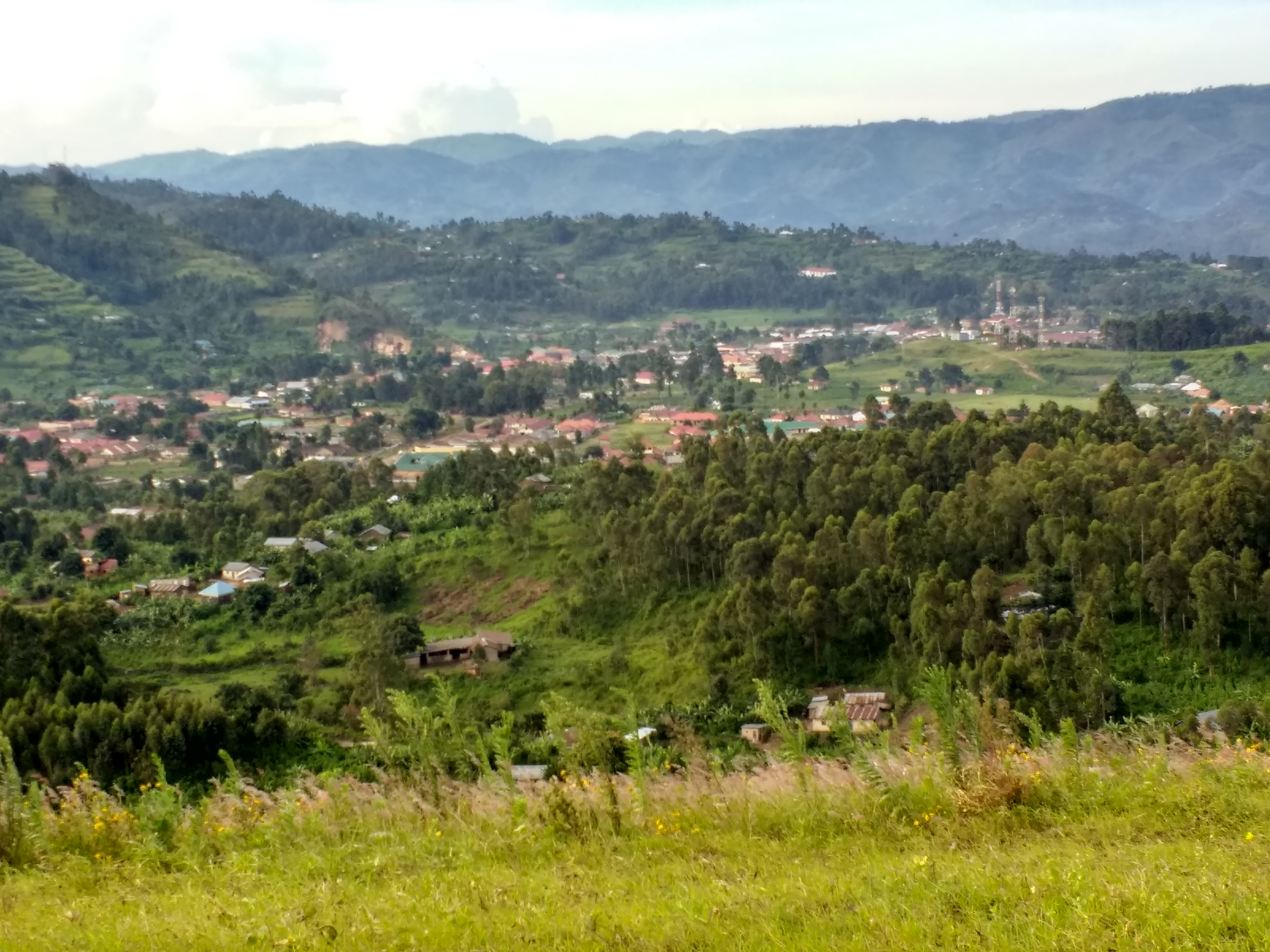
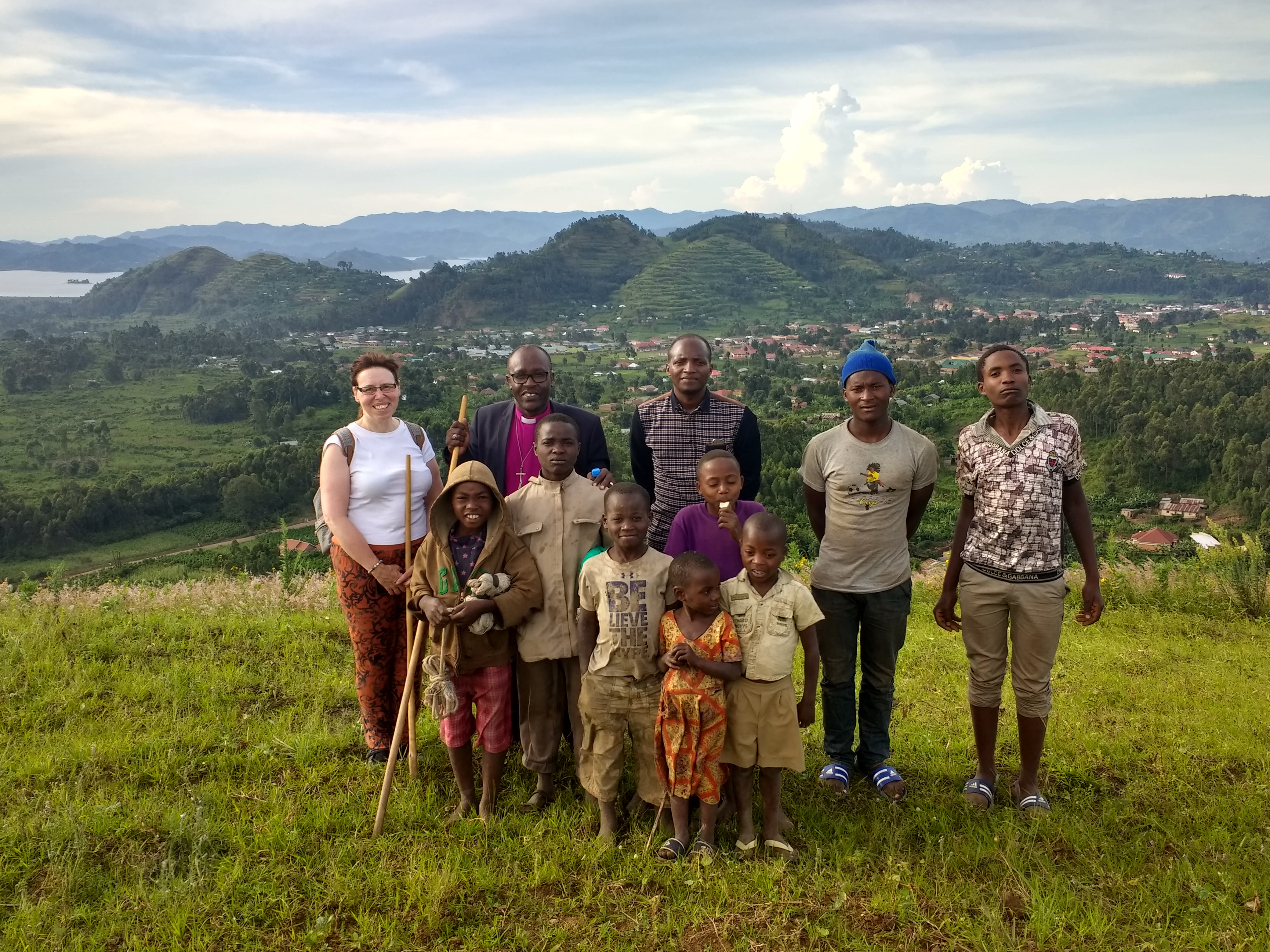
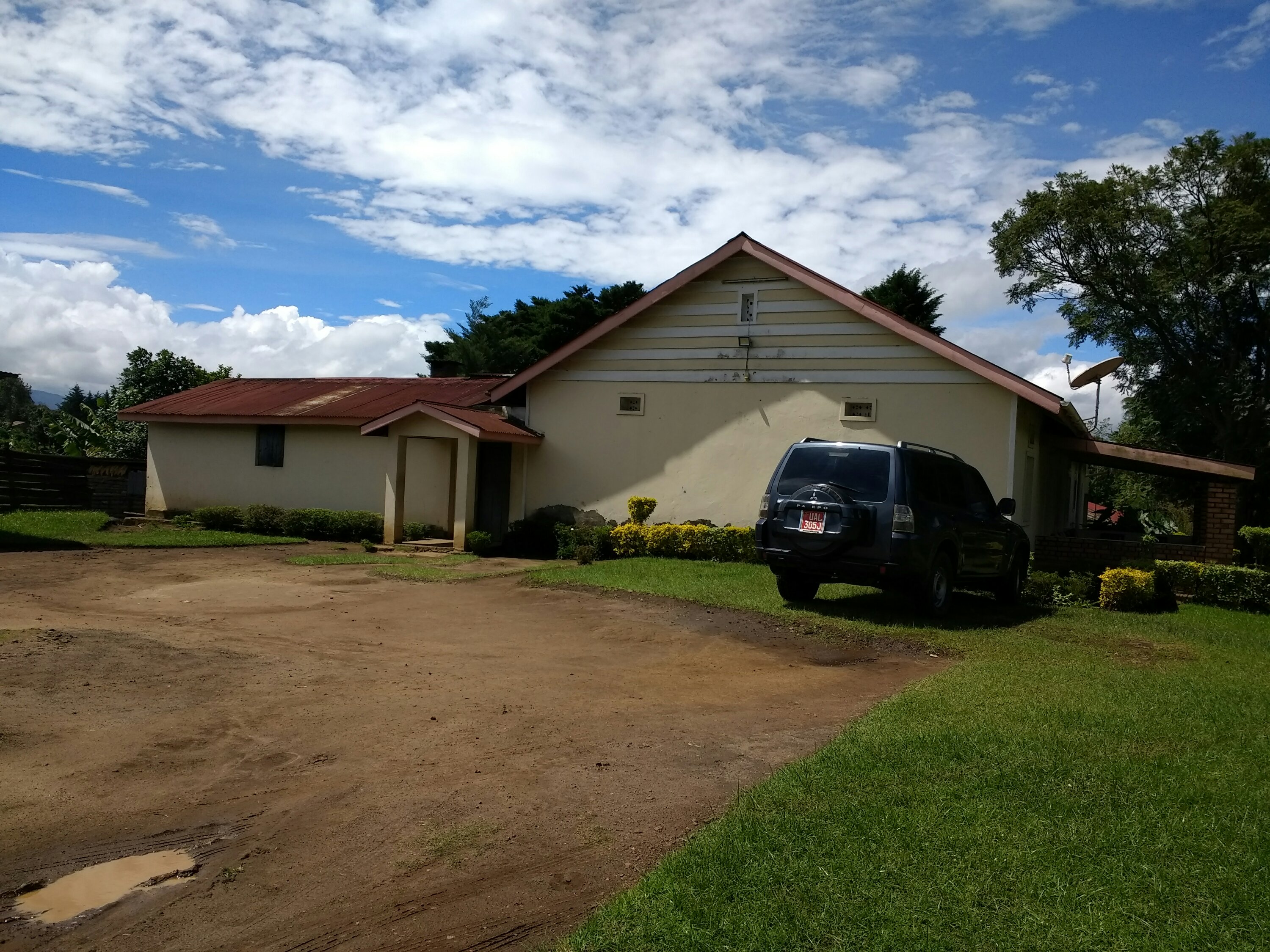
Our home over the past week has been Muhubura View Guesthouse (http://www.muhaburaview.com) which is owned by the Diocese of Muhabura. It sits on a hill overlooking Kisoro and the Virunga Mountains.The Guest House from the Bishop’s compound.

It is very close to the Bishop’s house.


Uganda 2018 – 13th May


Sunday 13th May 2018

An early start today, heading for another confirmation service. This one is also close to the DRC border and in Hope Mugisha’s home village of Buhozi. We arrived for 10am and left at about 2.30pm.Roger discovers that drumming is not his forte!

First order of the day after arriving was our second breakfast. The processing up hill (steeply up hill) to the church.

The church was packed (literally – there was no room to process to the altar as the aisle was full of young adults and children sitting on the floor).

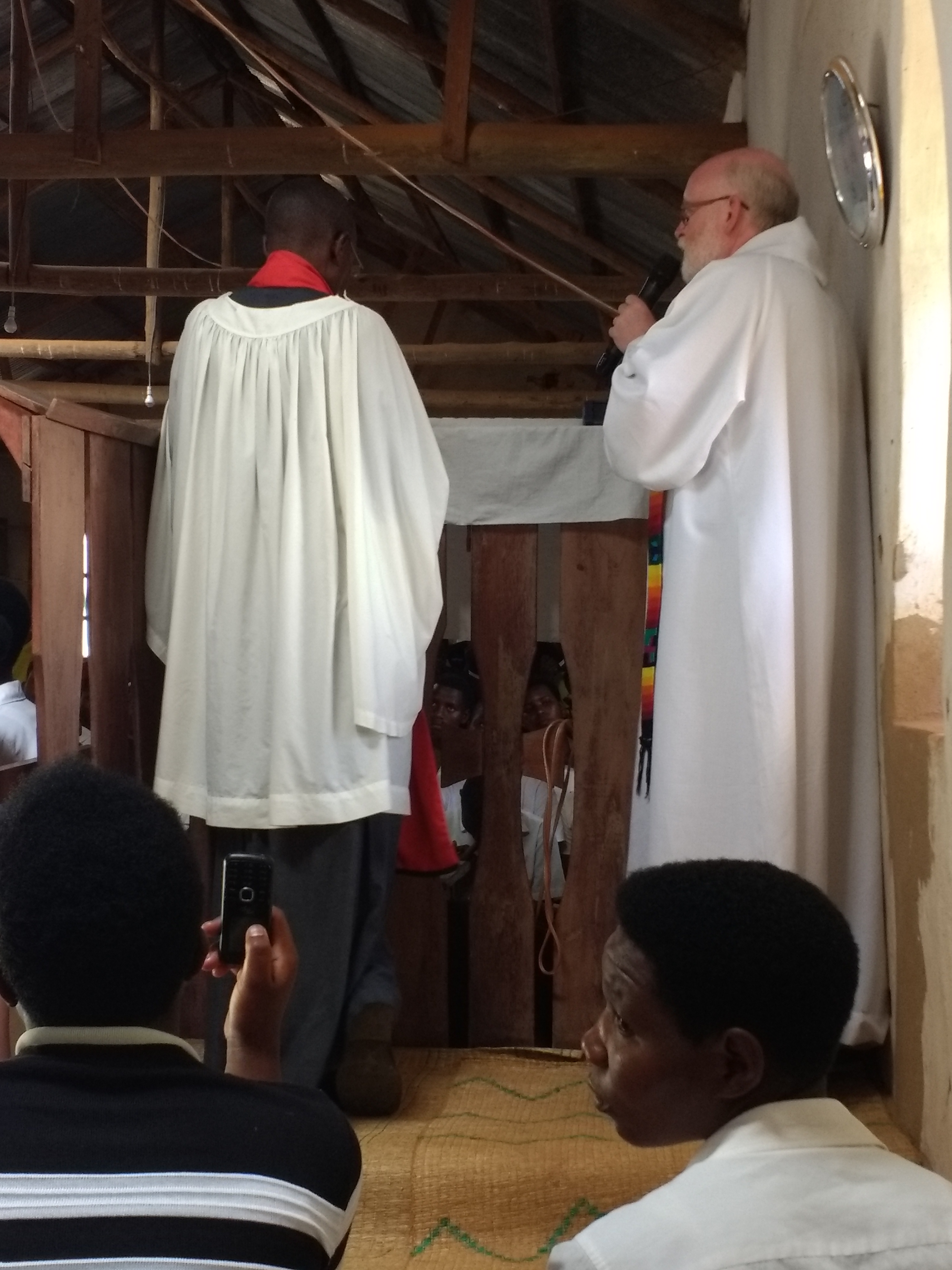
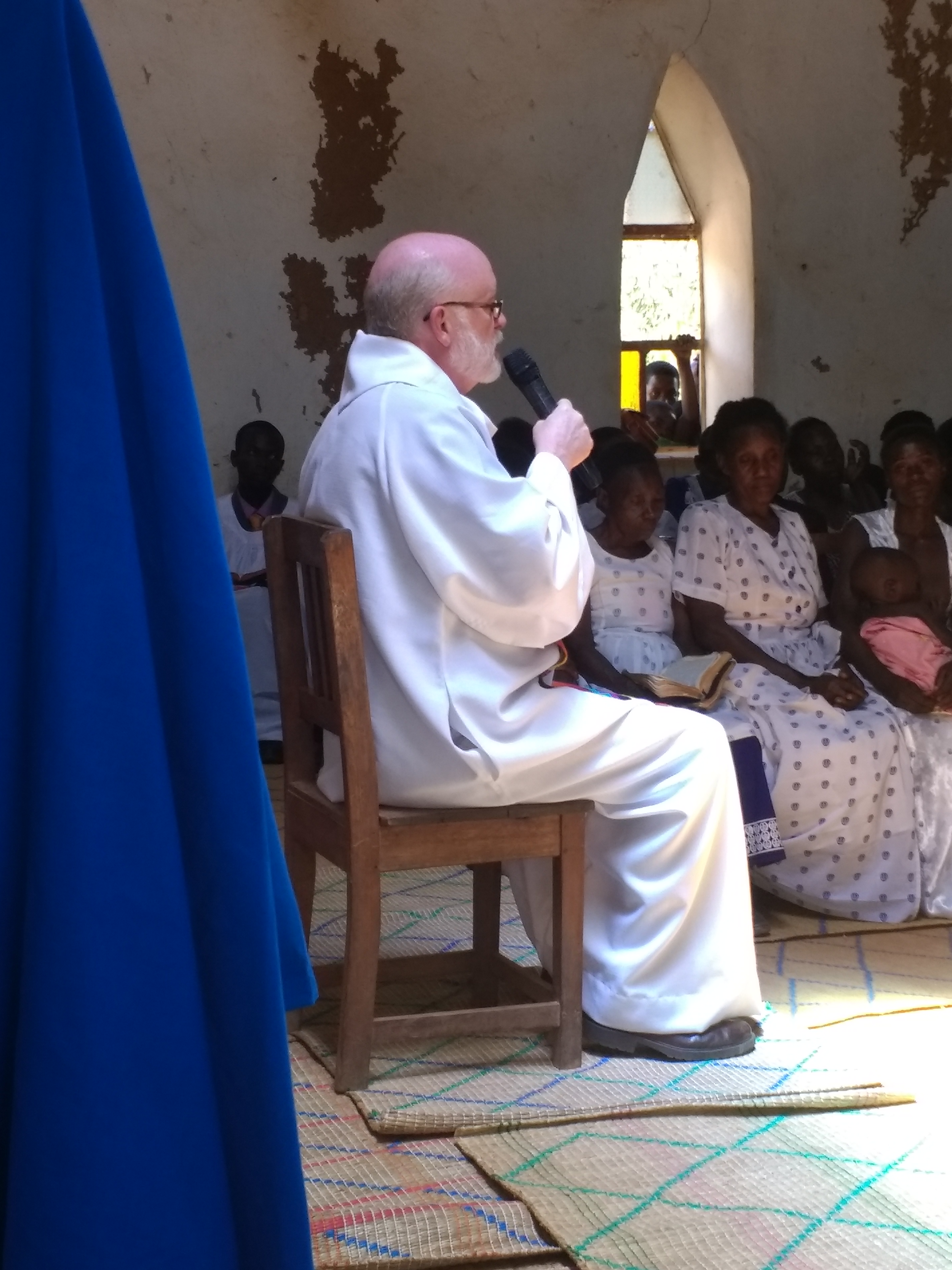
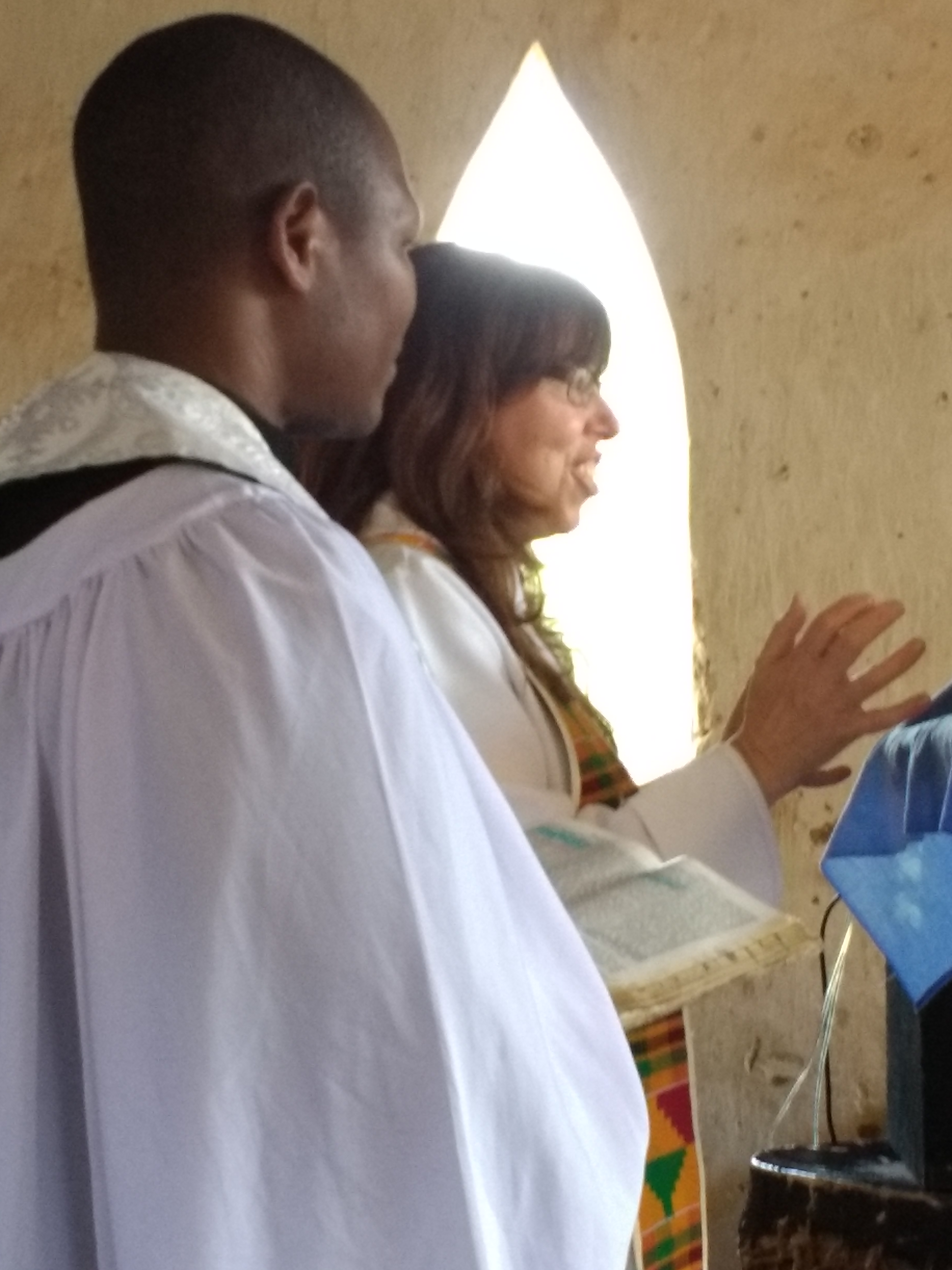
The church was roasting hot😥, but we loved the service and Roger got to preach for 45 minutes. It is a pity that cannot happen often in Ashton-under-Lyne!😏 Should we try to make it possible?Do not fear, for I have redeemed you, I have called you by name. You are mine. (Isaiah 43:1-4).

33 young people and one adult from Buhozi parish were confirmed.

It was about 1.30pm when we processed back to the vicar’s house for lunch and 2.30pm when we left to head back to Kisoro.

Two pastoral visits with Bishop Cranmer completed ‘work’ for the day.

The evening was spent at the Bishop’s house with a meal prepared by Phoebe their youngest daughter.

Uganda 2018 – May 12th

During a relaxed morning we strolled down into Kisoro to visit the Coffee Pot Cafe to say thank you for my birthday cake and enjoy a cup of Ugandan coffee. We added extra data onto the local SIM that we have, and changed some more money.

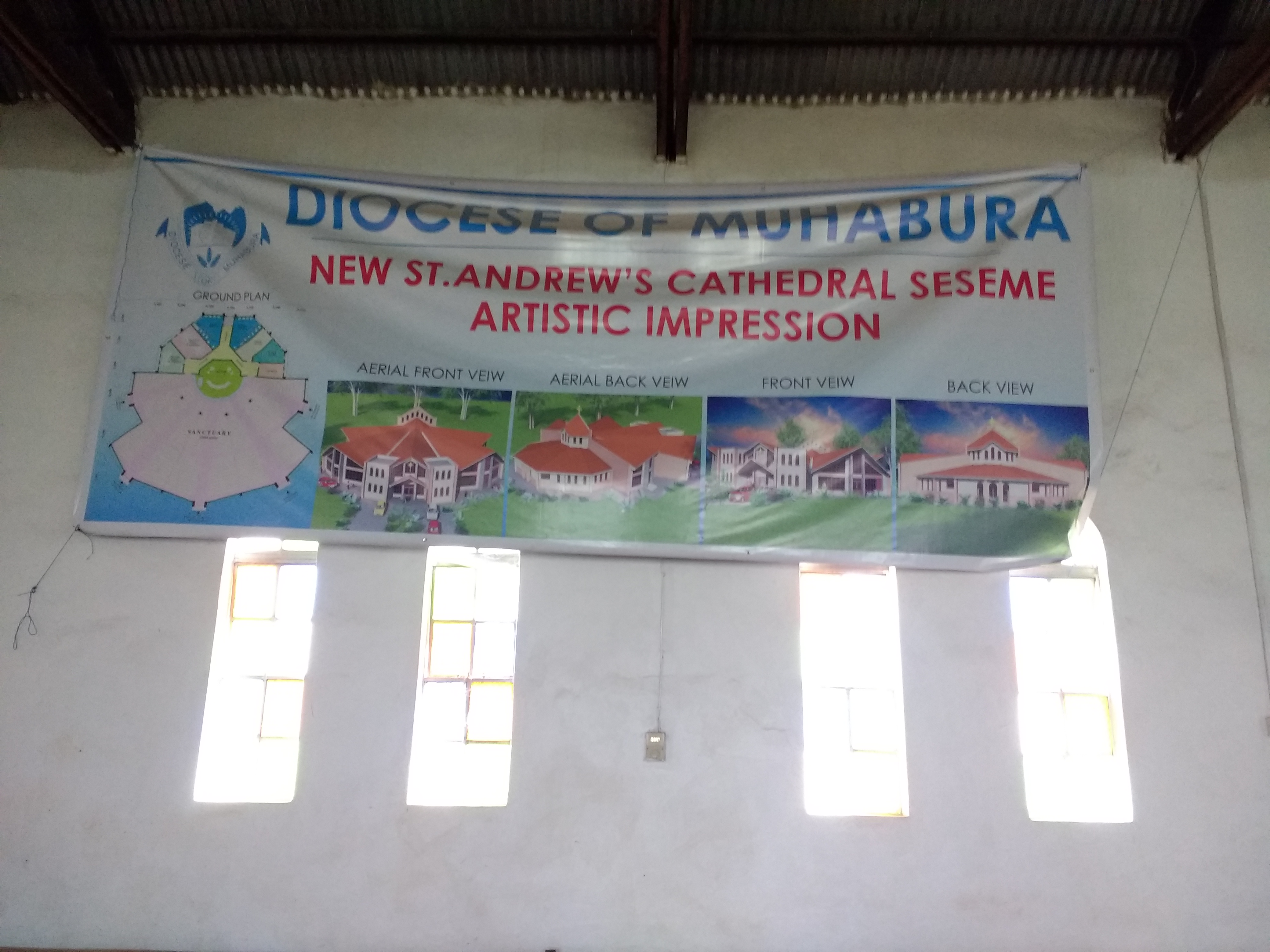
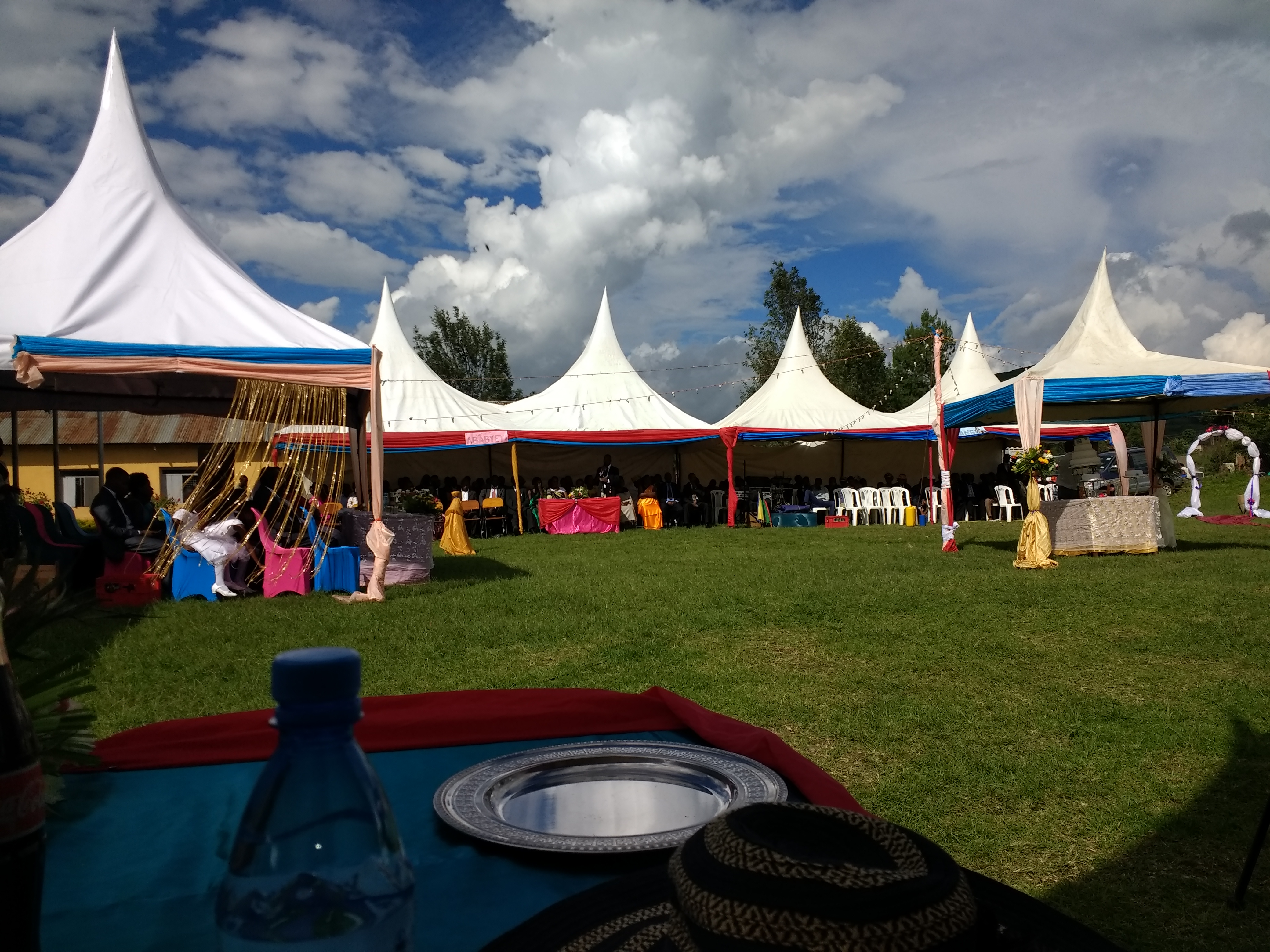
By 12 noon we were at St. Andrew’s Cathedral for the first of two weddings today.There are plans to build a new cathedral. They are in an advanced stage of development but the diocese has been advised that they should not start the project until they have at least 500 million UgSh set aside which will cover the cost of the foundations. It sounds a lot of money but it is approximately £100,000. I doubt we’d get the foundations of a new cathedral in the UK anything like as cheaply as this.Then on with Bishop Cranmer to Sooko for a second wedding.After which we enjoyed going to two wedding receptions in one day! They took place within a hundred metres of each other in Kisoro town!Another full day!

Uganda 2018 – 11th May

Friday 11th May 2018

11th May, oops, Roger nearly forgot it’s his birthday!

An early start this morning, after a good breakfast. We travelled to Nshungwe on the DRC border for a parish confirmation service.

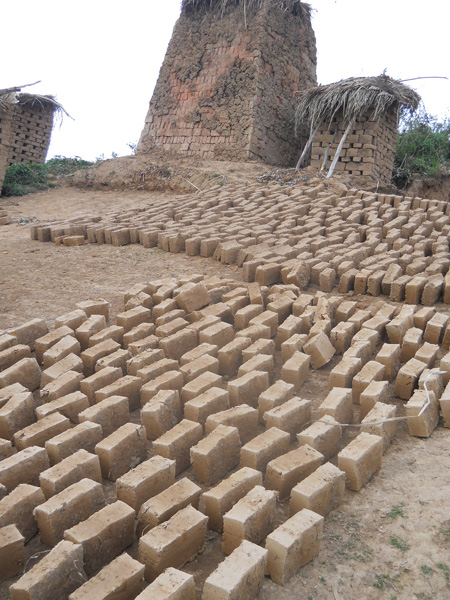
We arrived at 10.00am after an hour’s journey over murram roads. Unusually, in this area, the roads were very sandy. Most roads are pumice stone and dark soil in the Kisoro area. A major income earner in this part of the diocese is making bricks.

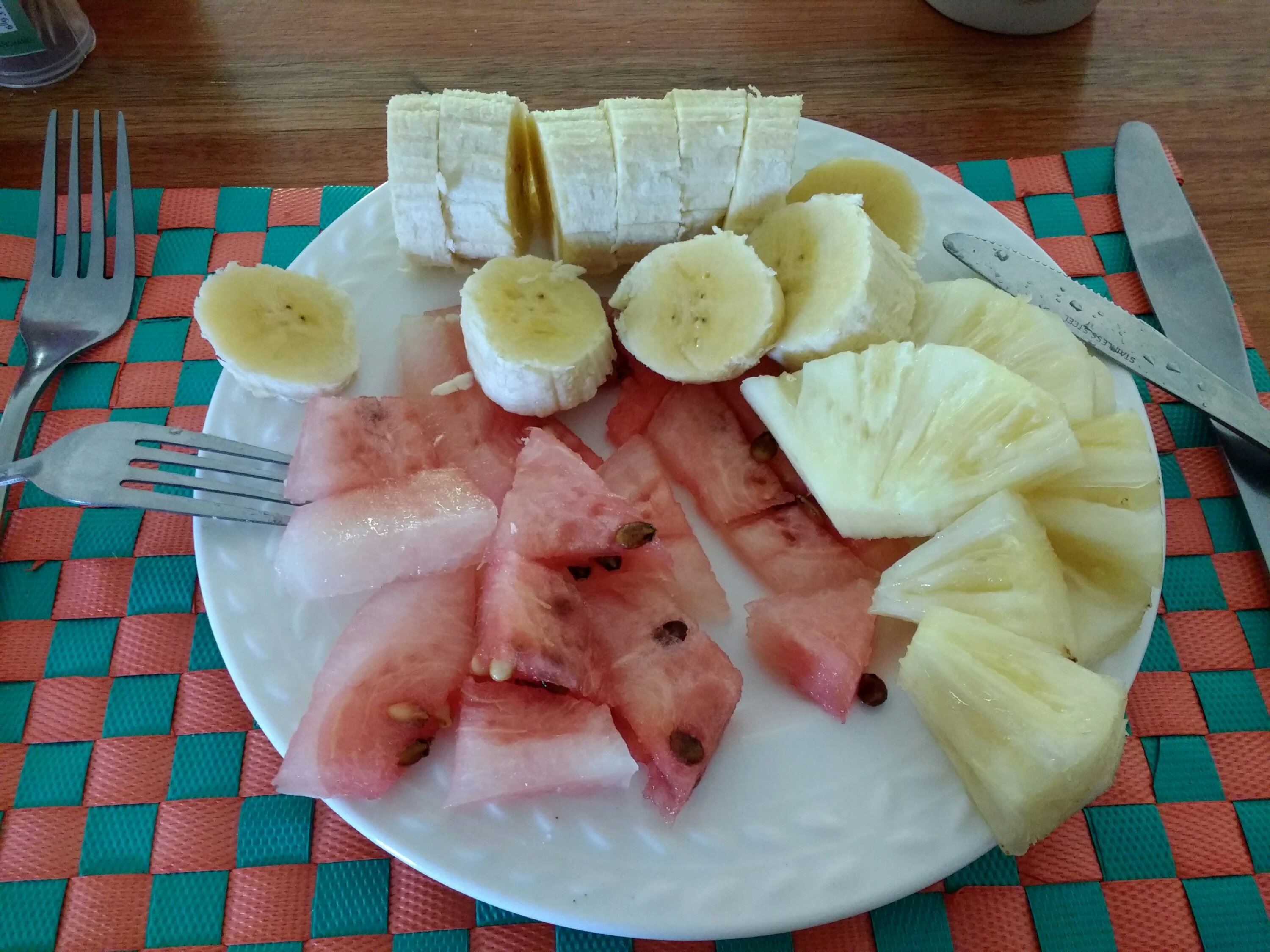
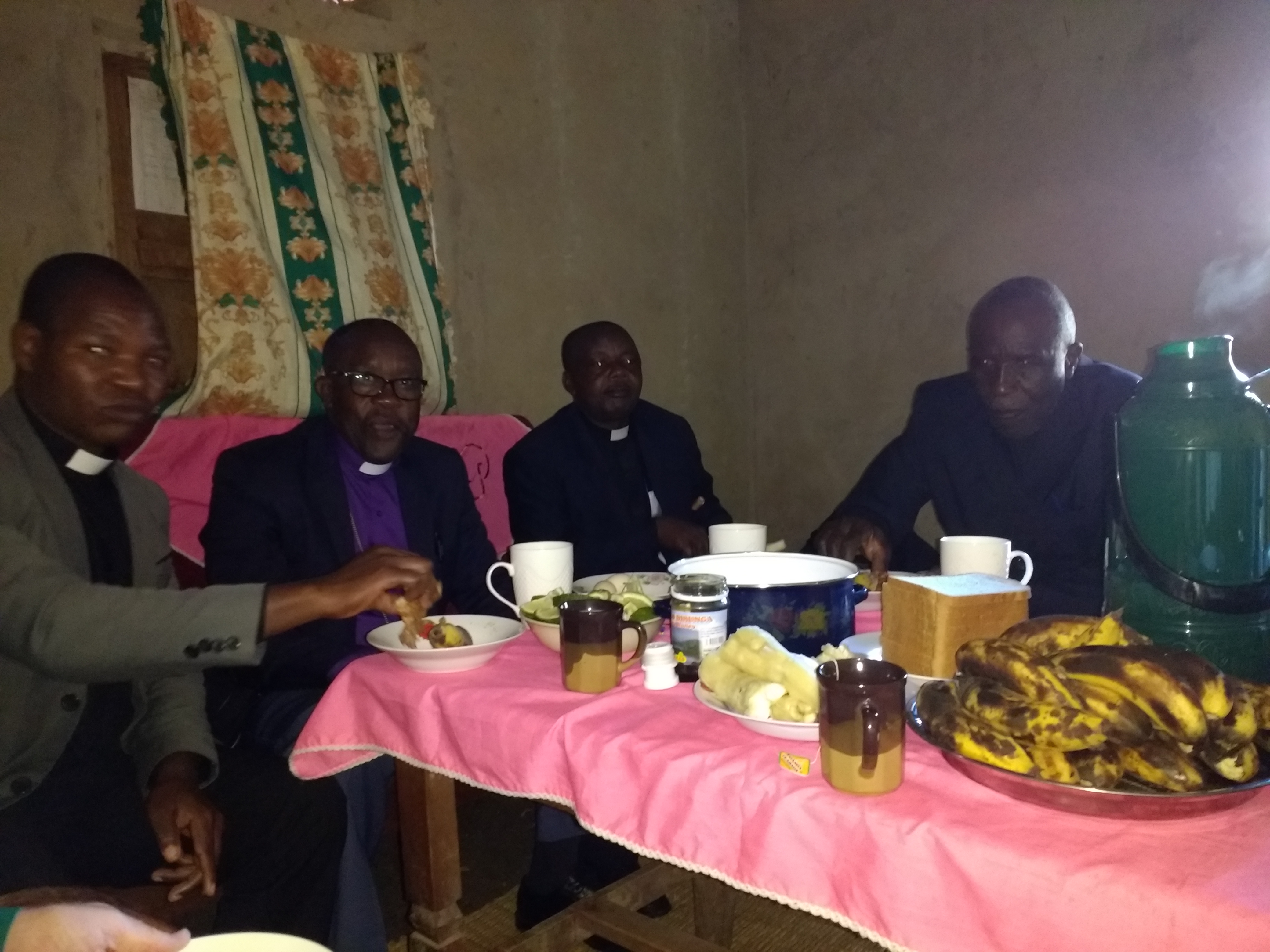
When we arrived, breakfast was served!

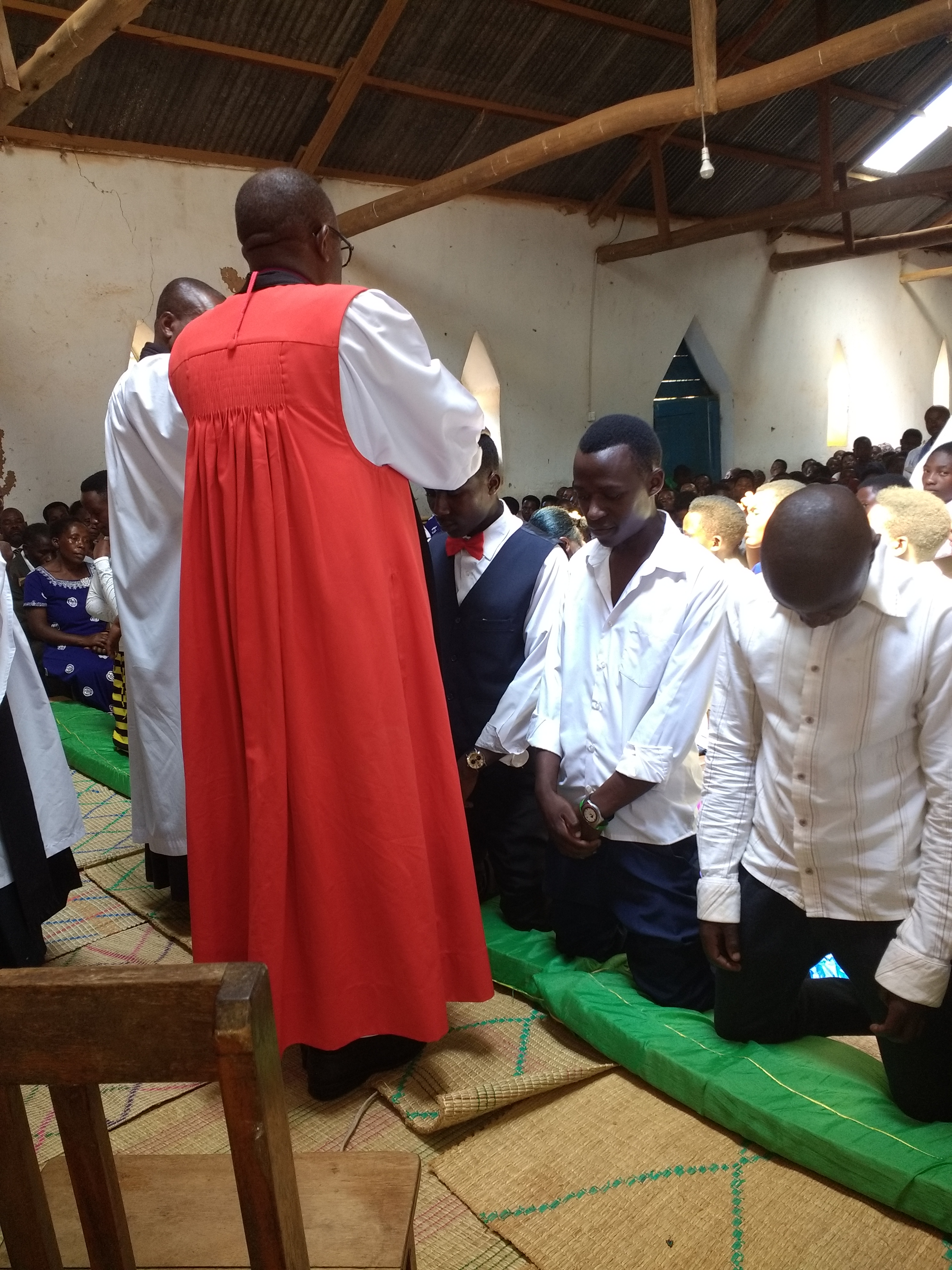
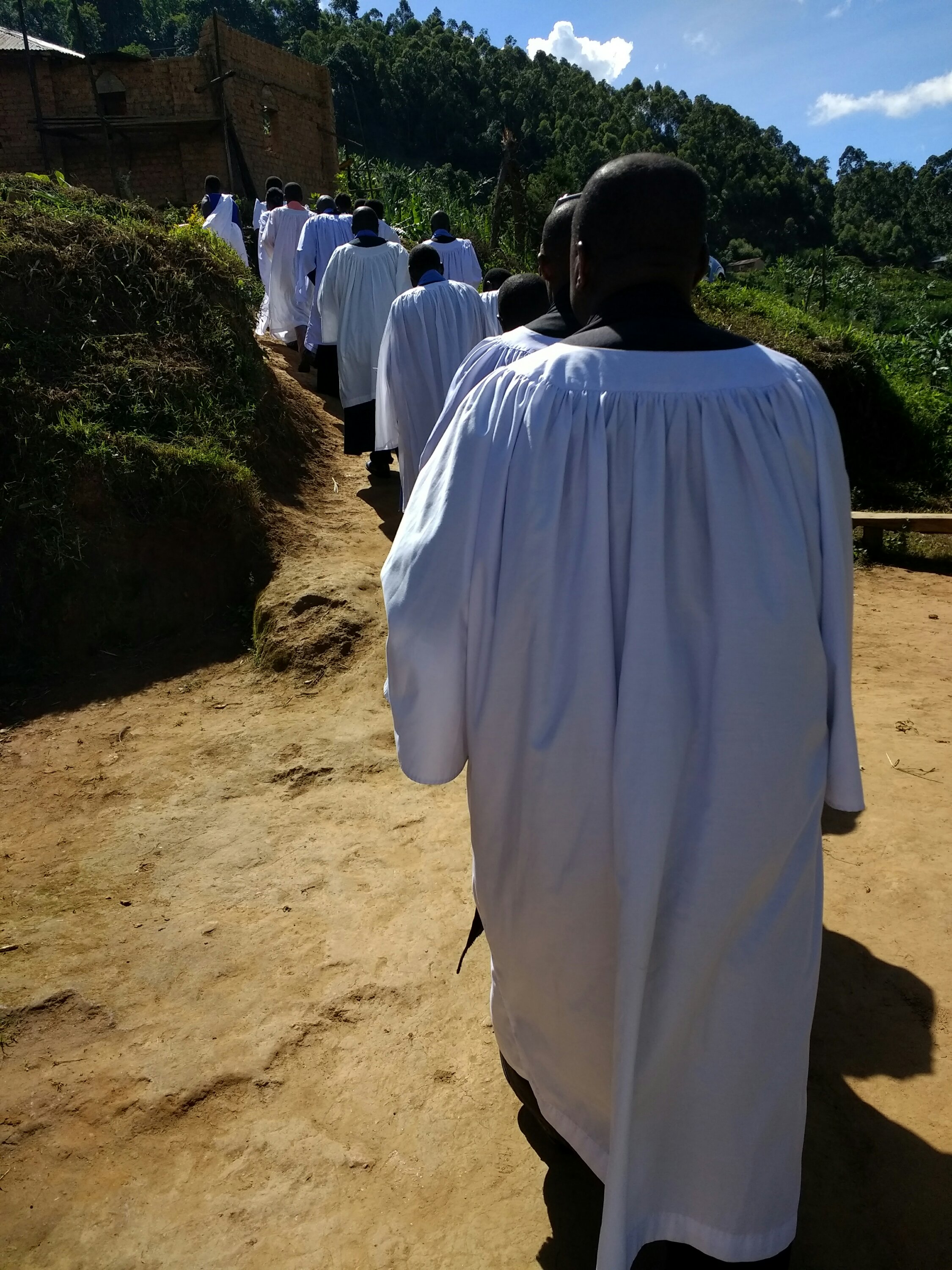
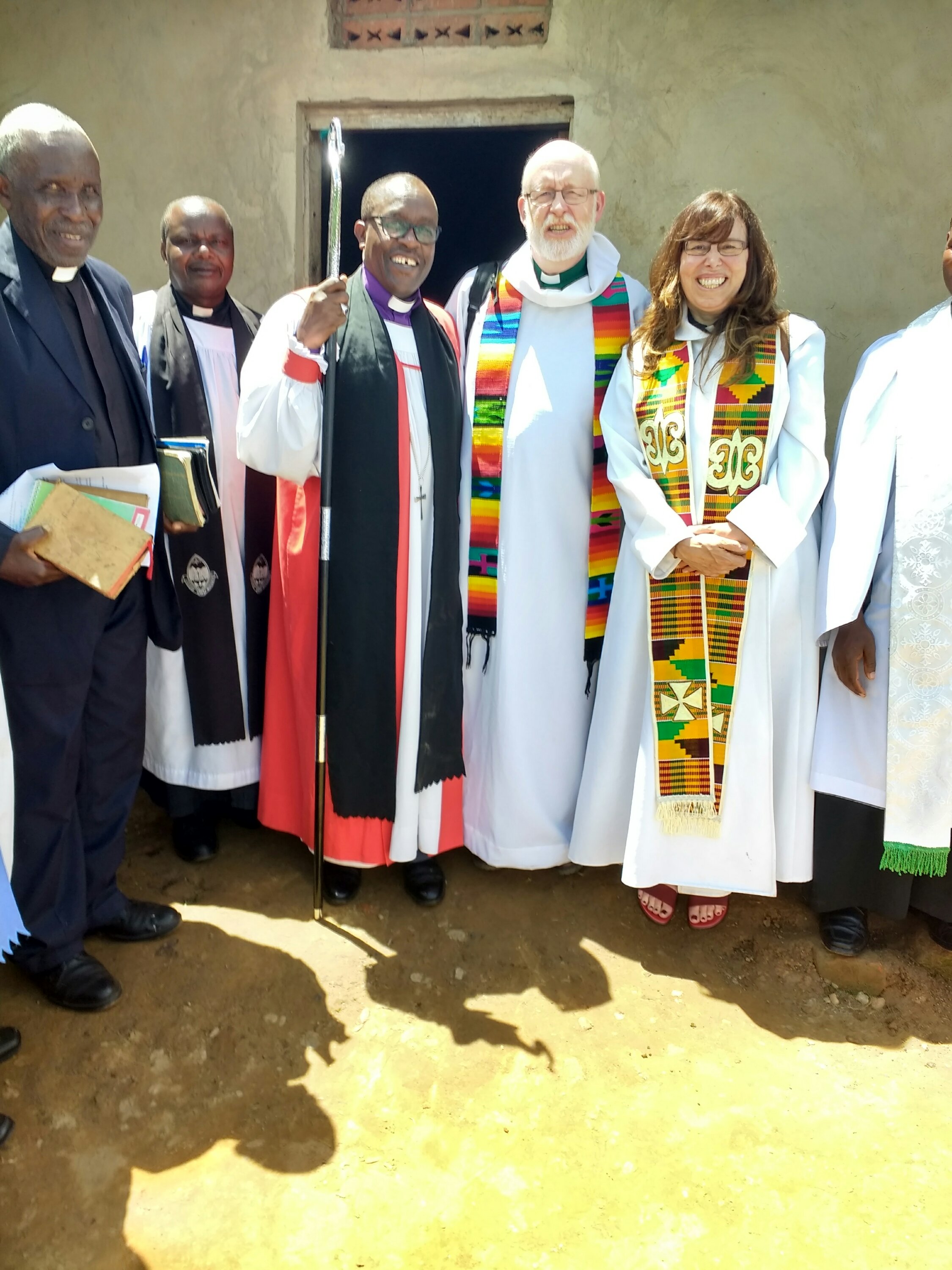
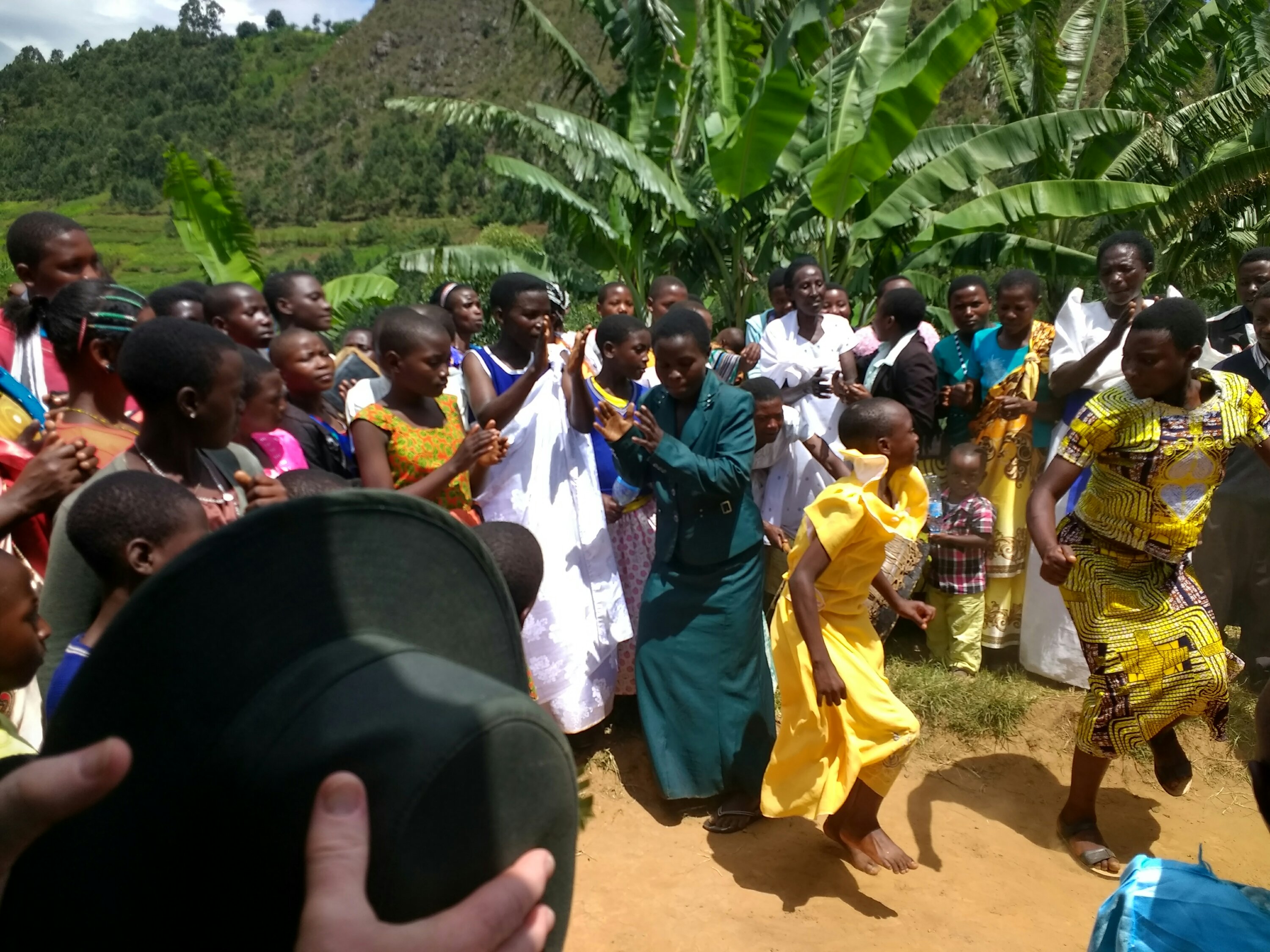
We robed and walked up to the church which was full!The 28 confirmations preceded the sermon which Jo enjoyed preaching. After the service there was some traditional dancing which Roger ended up getting caught up in!We were then given lunch before we set off back towards Kisoro. We spent 6 hours in all, travelling and at Nshugwe. We had a quick visit to our room before heading out again. We enjoyed a visit to the giving-away ceremony which precedes one of tomorrow’s weddings. Local custom has the bride being bartered over at the giving-away ceremony before her family agree to her becoming part of her future husband’s family. This is largely ceremonial now-a-days.After this we joined members of Cranmer and Hope’s families at their home after the death of one of the family.

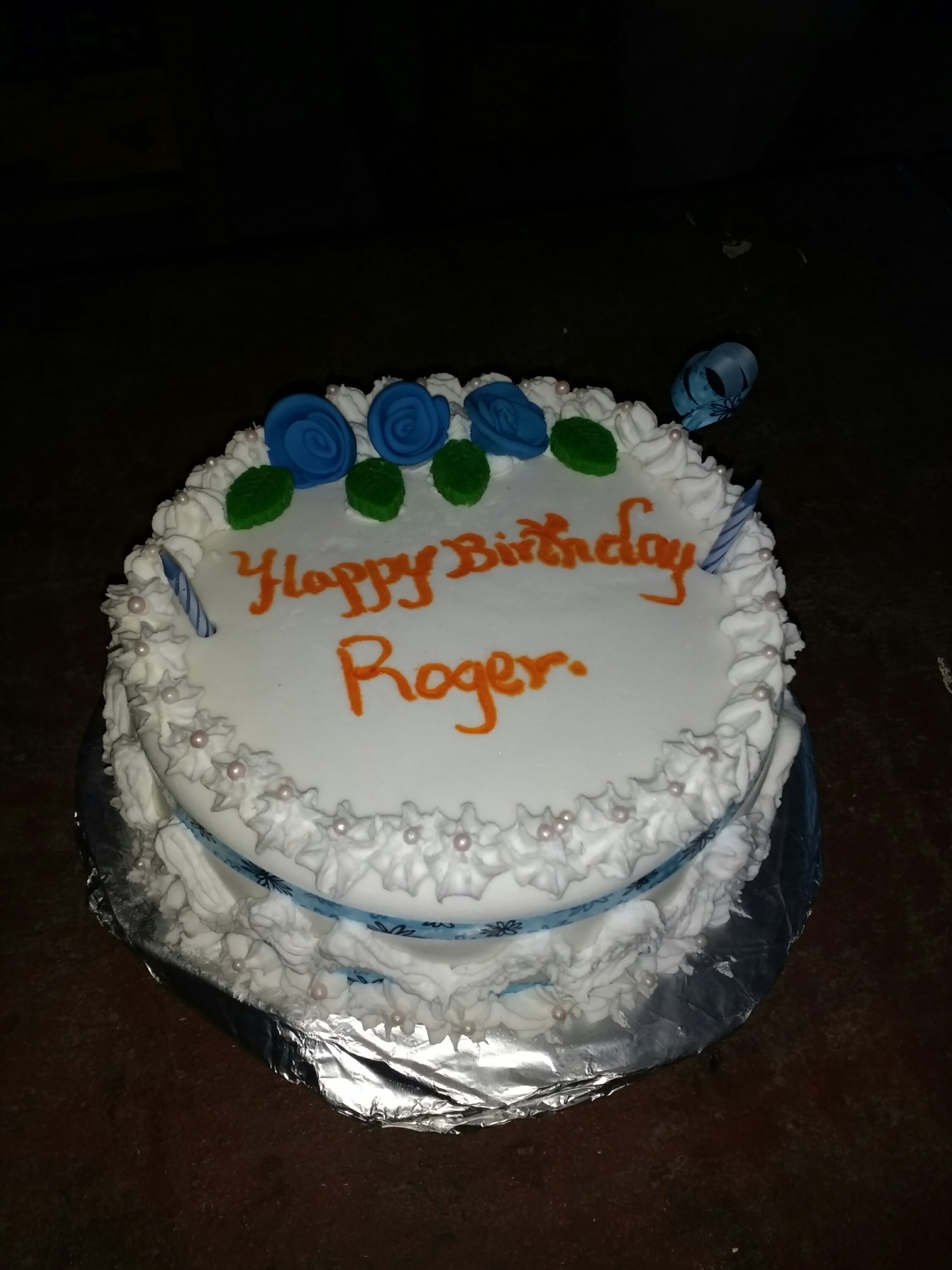
We were glad to get back to the Guest House after what was a very long day.  Somehow during the day, Jo conjured up at cake for Roger’s birthday and we shared it with Cranmer and Hope.