Work on Ashton Old Baths – Video provided by Vanessa Lyn Dixon

Work on Ashton Old Baths – Video provided by Vanessa Lyn Dixon
6th September 2015
Mark 7:24-37
Children and Dogs ….
In the light of the events of the last few weeks the Gospel set for 6th September makes uncomfortable reading. I wonder what you make of it? … What does Jesus mean when he talks about the children and the dogs? Does it sound racist? Was Jesus being racist? That seems to be a blasphemous question to ask. Doesn’t it? ……..
 “First let the children eat all they want,” he told her, “for it is not right to take the children’s bread and toss it to the dogs.”
Why did Jesus say those words? Was it just rhetorical, aimed at getting the response it did? Was he just quoting a standard Jewish phrase? Was he, perhaps, working out his theology on the hoof? Learning as he went along? Applying what he had been taught by others and then discovering that it didn’t work or it was wrong, only realising as a result of this incident that his calling was wider than just to Israel?
On the surface, in the first instance, he seems no different from his disciples. … Was it the woman herself that changed his mind? ……. What was going on? ………….
We know that the Jewish establishment in Jesus’ day was concerned above all with purity. Last week we heard Jesus challenging hypocritical ritual purity laws. This week our gospel raises questions about racial purity. Just who does God see as his people. For many Jews the issue was clear – only the chosen people, only Jews. God wasn’t concerned for others, for the Gentiles.
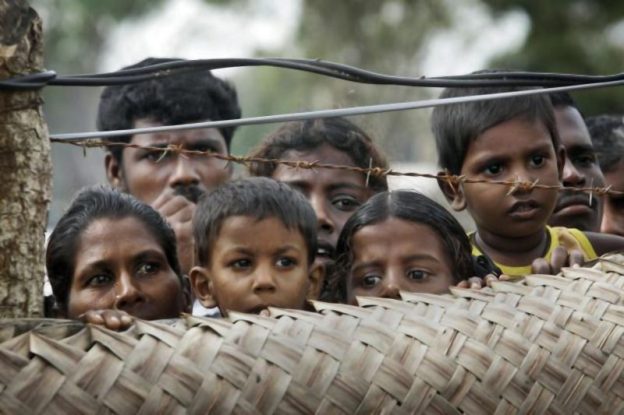
 Over past month or so, we have seen graphic images of refugees crossing the Mediterranean and we have heard reports of many being killed crossing the sea or in lorries in different parts of Europe. How should we respond to what we hear and see. There is a very strong lobby which wants us to be fortress Britain. We are too full says that lobby. We cannot take any more. Yet the figures are striking. Since the start of the Syrian crisis the UK has taken 216 Syrian refugees – 216 in 4 years. The camp near the channel tunnel has about 5,000 refugees wanting to come to Britain, that sounds a little more demanding. But the most astounding figure is the number of refugees who have been granted asylum in Germany in the past year – wait for it – ¾ million. Yes, ¾ million. In this context, what is our response to be, put up walls and exclude those most in need? Britain for the British! Fortress Britain. Keep everyone else out?
The rhetoric is disturbing – words like ‘swarm’ have been used, among others, which effectively allow us to ignore the true human stories of refugees and see them as a blight upon our lives – as animals (dogs) rather than people. Only the picture of the little boy dead on the beach has brought us up short.
When we read the Old Testament story we see that there was a constant tension in the life of Israel between those who believed that the Jewish race should be pure and ethnically ‘clean’, (whatever their reasons) and those who had a much broader vision. So Nehemiah and Ezra enact laws to prevent Jews marrying foreigners. Yet the stories of Ruth and Jonah, probably written at around the same time, suggest that God is interested in the outsider and the foreigner. Ruth, who became the grandmother of King David (the person who became the symbol for the nation of Israel), was a hated foreigner, a Moabitess. And in Jonah, it is Nineveh, the hated Assyrian enemy city, that repents.
Jesus grew up in a community for whom those issues of racial purity were very important. Israel for the Jews, no one else! That attitude would have been accepted as normal, an unwritten truth that the community accepted and which no one challenged. At some stage Jesus had to confront those attitudes in himself and his friends and family. Was this Gospel story the moment when it happened? …
Ultimately Jesus healed the woman’s daughter. But did he go through some sort of conflict within himself first? ……….. Does that help us when we grapple with our own feelings and ideas? Does it help to think of God/Jesus having similar struggles and overcoming them? Was this incident, for Jesus, just a little like the temptations in the wilderness – a real struggle? Or was it no more than the equivalent of swatting a fly? Easy? After all he was God, wasn’t he? Nothing too big or difficult for him!
But Jesus was a real human being who had to learn and grow just like us. The toddler who had to take his first steps, the five year old who had to learn to read. ……
We have a struggle to engage with now. It is a real struggle for the heart of our nation. Are we going to be xenophobic, focused only on ourselves or are we going to be the open, welcoming nation, that for much of our history we have been? ……
There are no easy answers, …. but I want to live in a country, in a world, where people matter; where we respond to real need with a generous and open heart. I want our children and other people’s children to grow up in a world which seeks to set aside prejudice and is open and welcoming.
In the churches of the Parish of the Good Shepherd, Ashton-under-Lyne this morning we bring a number of children to be baptized. The words of our baptism service talk about God’s blessing and love for those children. I want them to grow up in a world where people are valued for who they are. I want God’s love for them to be seen in those they encounter day by day. I want our lives to be attractive, drawing people into closer relationship with God.
There will be difficult choices along the way, but we will need to choose to be open, to place love and concern at the heart of our motives and actions. And as we do so we will begin to be a community that we can be proud of, a community that children that we bring to baptism can also be proud of.
In the Gospel readings over the past two weeks we have heard Jesus say these words: “I am the bread of life. Whoever comes to me will never be hungry, and whoever believes in me will never be thirsty.” And over the Summer period the lectionary asks us to spend time in John 6. Sunday’s Gospel readings seem to have become repetitive – almost too repetitive. Why do we spend so much time focussing on this one chapter of John’s Gospel?
John’s Gospel does not have the story of the Last Supper and the institution of Holy Communion. Where the other Gospels focus on that story, John chooses to highlight Jesus washing his disciples feet. It is here, in John 6, a passage that commences with the feeding of the 5000 that John chooses to reflect on the importance of the Communion meal of bread and wine to his first readers.
We reflected in my post: “God loves and calls us all” ( http://wp.me/p45mBO-mw) that as physical beings we need food and drink to survive. John wants us to understand that our participation in Holy Communion is just as important to our survival as spiritual beings.
All of us, although we might not want to admit it, are really quite fragile. We all have needs and longings at the core of our being which need to be fulfilled. So many of us feel driven to try to fulfil these longings for significance, for meaning in our lives. It’s part of the human condition! We long for our deepest needs to be met and we search for ways to make this happen! These needs are spiritual – but in the end they are also physical. For when these needs are not met our physical well-being is compromised. We encounter and suffer from depression, or the stress we feel opens up the possibility of heart attack, or arthritis. The physical and the spiritual cannot be separated.
Jesus says to us all: “I am the bread of life. Whoever comes to me will never be hungry, and whoever believes in me will never be thirsty. … Whoever feeds on this bread will live for ever.” Or to put it more succinctly, “I am all you will ever need.”
John is so concerned that we grasp this message that he places Jesus cryptic words about Holy Communion alongside the story of Jesus meeting the physical needs of the crowd in feeding the 5,000. John is saying to us: “See, just as Jesus met physical needs he can meet spiritual needs as well.” God is interested in everything that makes up who we are, there is no distinction between physical and spiritual. In God’s eyes it is all one.
And John wants us to grasp that participating in a meal together is deeply significant for our spiritual and physical well-being. When we eat together, we do so much more that satisfy physical hunger and thirst. Eating together speaks volumes about our relationships. When we share a meal together we say very clearly to those we are with: “You are worth sacrificing time for.” When we invite friends round for a meal we really are valuing them. So often it is sharing a meal together that cements friendships and relationships – whether it be the marriage breakfast, or the business lunch, or any other kind of meal. Eating together either creates or cements those bonds of commitment.
So, when we share Holy Communion together we cement our relationship with God and our relationships with each other. We enact, in a way that physically affects us, the drama of Jesus’ death. We take into ourselves again the signs of that passion. We receive again the physical signs of God’s love for us and as we do so we are renewed and we’re strengthened for all that life can bring our way.
Jesus says: “I am the bread of life. Whoever comes to me will never be hungry, and whoever believes in me will never be thirsty.”
2 Peter 1:16-19 and Luke 9.28-36
Glimpses of Glory – Back in the 1980s I used to do a lot of walking in the Lake District. One of my favourite places is Lake Buttermere – I love sitting on the ground at the end of the lake closest to Buttermere village on a still summer evening. It’s a place I identify with a key moment in my life.
I was sitting there one summer day in the 1980s. The lake was completely still and the towering masses of Robinson, Fleetwith Pike and Chapel Crag were reflected perfectly in its blue waters. It was a day to die for! It was in the middle of this beauty that for the first time I felt that God loved me. I had known for years that he did, but this was different. My heart was strangely warmed and I felt what I believed to be true.
This was for me a “Glimpse of Glory.” A moment when something changed for ever. You may well have had a similar experience – perhaps looking at the face of your first child or grandchild, perhaps listening to an evocative speaker, perhaps sitting with a dying friend or relative as they finally meet their Lord. Perhaps even the first time that we came to believe in Jesus. Moments which change our lives. Times when we gained a new perspective on our lives. Moments when something seemed to fall into place. Defining moments in our lives. “Glimpses of Glory.”
For Peter, James and John the Transfiguration of Jesus was one such moment, a moment when the curtains of heaven were drawn aside and they saw Jesus as he really was, as the Son of God in all his glory. This was their “Glimpse of Glory” and as Peter reminisces in his letter – it clearly changed their lives.
But moments like these are elusive. We can’t manufacture them, we can’t make them happen. Whatever you call them, “Glimpses of Glory”, “Mountain top experiences.” We want them to last for ever, but they don’t. “Mountain top” experiences cannot last. They slip from our fingers. Just as suddenly as we have encountered them, they’re gone. They become part of the past – sometime just good memories to reflect on.
Peter’s first response is to speak almost without thinking, “This is a moment to die for,” he says. “It must be captured. We must build churches or shrines.” Peter wants to cling on to the experience, to make it concrete, physical.
We read his later response in his letter: “we were eye witnesses to his majesty,” he says. But what mattered to us was the voice of God speaking to us in the experience. “And what we need to do,” says Peter, “is to allow the experience to be the first fruits, the deposit, the guarantee of the truth which has yet to be revealed.” Here are his exact words ….. “Be attentive to this as to a lamp shining in a dark place, until the day dawns and the morning star rises in your hearts.”
Peter knew that his “Glimpse of Glory” was more than just a positive experience, it was a glimpse of the way things really are, Jesus as King and Lord in Glory. Peter knew that just for a moment he had seen things from God’s perspective. That rather than building a shrine to the experience, he needed to allow the truth of the experience govern the way he lived, until God’s reign in Jesus was obvious for all to see.
So Peter says to us today. “Those moments in your lives, where the veil of heaven seems to have been drawn aside and you have felt God’s touch, or been overwhelmed by joy, where you have encountered truth not just as ideas but as living reality (like I did at Buttermere), where you have been deeply affected by the faith of a relative or friend . Allow those moments to be for you, lamps in the darkness, the precursors of the dawn. For they are moments when you have seen with God’s eyes; moments when you have seen the way things really are, and the way they will be. Don’t create physical shrines, but take from them the courage to believe until the day dawns and the light has come.”
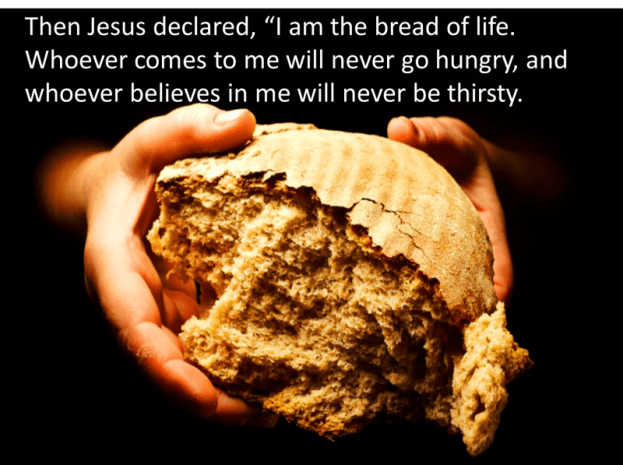
“I am the bread of life. Whoever comes to me will never be hungry, and whoever believes in me will never be thirsty” – John 6:35 .
These words from Jesus follow the story of the feeding of the 5,000. …
We have all probably experienced what is is like to be physically hungry. Just as those 5,000 who were fed by Jesus did. However, in the context of that miracle, Jesus talks about our hunger and thirst – not so much physical but spiritual.
Just as we feel hunger, all of us experience deep longings at the core of our beings which need to be fulfilled. Longings to be accepted, to be loved, to count for something, to make an impact, for others to see us as significant, as important or as strong.
Often these longings are well hidden away, but at times we encounter them in powerful ways. Perhaps in grief over the loss of a loved one, perhaps in the dark of the night when we are less in control of our emotions, perhaps at the point where everything seems to be going so well for us, yet something seems to be missing.
So many of us are driven to fulfil these longings for significance, for meaning in our lives. Perhaps we become workaholics, or we become demanding and jealous in our relationships, or we pursue success at the cost of everything else, or we turn to alcohol or drugs, or … some of us even go shopping.
And this is not a new problem – throughout the Old Testament – the people of Israel sought meaning, security and hope anywhere that they could. The prophets of old called their actions “prostitution.” For rather than being faithful to a God who had shown them immeasurable love, who had rescued them from slavery and had given them their own land, they wanted tangible security – gods that they could touch and feel. They sought solutions to their problems where no solutions would be found.
It’s part of the human condition! We long for our deepest needs to be met and we search for ways to make this happen!
Jesus says: “I am the bread of life. Whoever comes to me will never be hungry, and whoever believes in me will never be thirsty.” Or to put it more succinctly, “I am all you will ever need.”
All those desires for meaning, for hope, for significance, for love – those thirsts, those hungers. Pursue me, get to know me, spend time with me – and I will meet them. This is not just some idle promise made by a preacher looking for something to say on a Sunday evening. These are the timeless words of Jesus. They are Jesus promise to us.
And note: he doesn’t say “I’ll find you something to do for me, and then you’ll feel better” No, Jesus is talking about our very being, the very core of who we are, the bit no one else can see. Right at the core of who we are, that’s where Jesus will be – meeting our deepest desires for wholeness. And not just sparingly, but overwhelmingly, generously, and, just as in the story of the feeding of the five thousand, there’ll be plenty of leftovers, flowing out of hearts that are truly loved. For once we really know that we are loved, we can really begin to love others.
This is what Paul talks about in the Ephesians reading set for today. …
Out of the joy of knowing that we are loved will always come a response ….
Some of us will have seen an excellent example of being surprised by joy this week as we watched some of the celebrations of the England cricket team at what, I guess, for them, as well as for us, is an unexpected victory. The Guardian had some great photos – the great hug between Joe Root and Ian Bell after the winning run had been scored, the leap of joy by Joe Root when he scored the winning run. A jump that was high enough to see the stumps under his feet. Amazing natural responses of joy.
 For Christians, there is also an overwhelming response of joy to the unbelievable truth that each of as individuals is loved by God and that we together are God’s people, loved and accepted by him. Paul says that the natural outworking of that joy is worship
  and loving service. We respond in worship and service. We use the gifts that God has given us as part of God’s on-going mission in the world. We give of ourselves to others, just as God in Jesus has given himself for us.
Jesus says: “I am the bread of life. Whoever comes to me will never be hungry, and whoever believes in me will never be thirsty.” … In the Eucharist, I meet with you, I feed you. And in me you will find all that you need for life – and you are resourced to give of yourself to others in my church and in the world.
I want to leave you with Paul’s words from Ephesians …. as we read them, let’s remember that elsewhere in his letters Paul extends the list of gifts to include all kinds of ministry and service. And let’s hold one question in the forefront of our minds: ‘What can I/we do to respond in love to the God who loves me/us so much?
“When Christ ascended on high … he gave gifts to his people. The gifts he gave were that some would be apostles, some prophets, some evangelists, some pastors and teachers, to equip the saints for the work of ministry, for building up the body of Christ, until all of us come to the unity of the faith and of the knowledge of the Son of God, to maturity, to the measure of the full stature of Christ. … Speaking the truth in love, we must grow up in every way into him who is the head, into Christ, from whom the whole body, joined and knitted together by every ligament with which it is equipped, as each part is working properly, promotes the body’s growth in building itself up in love.” (Ephesians 4.8-16)
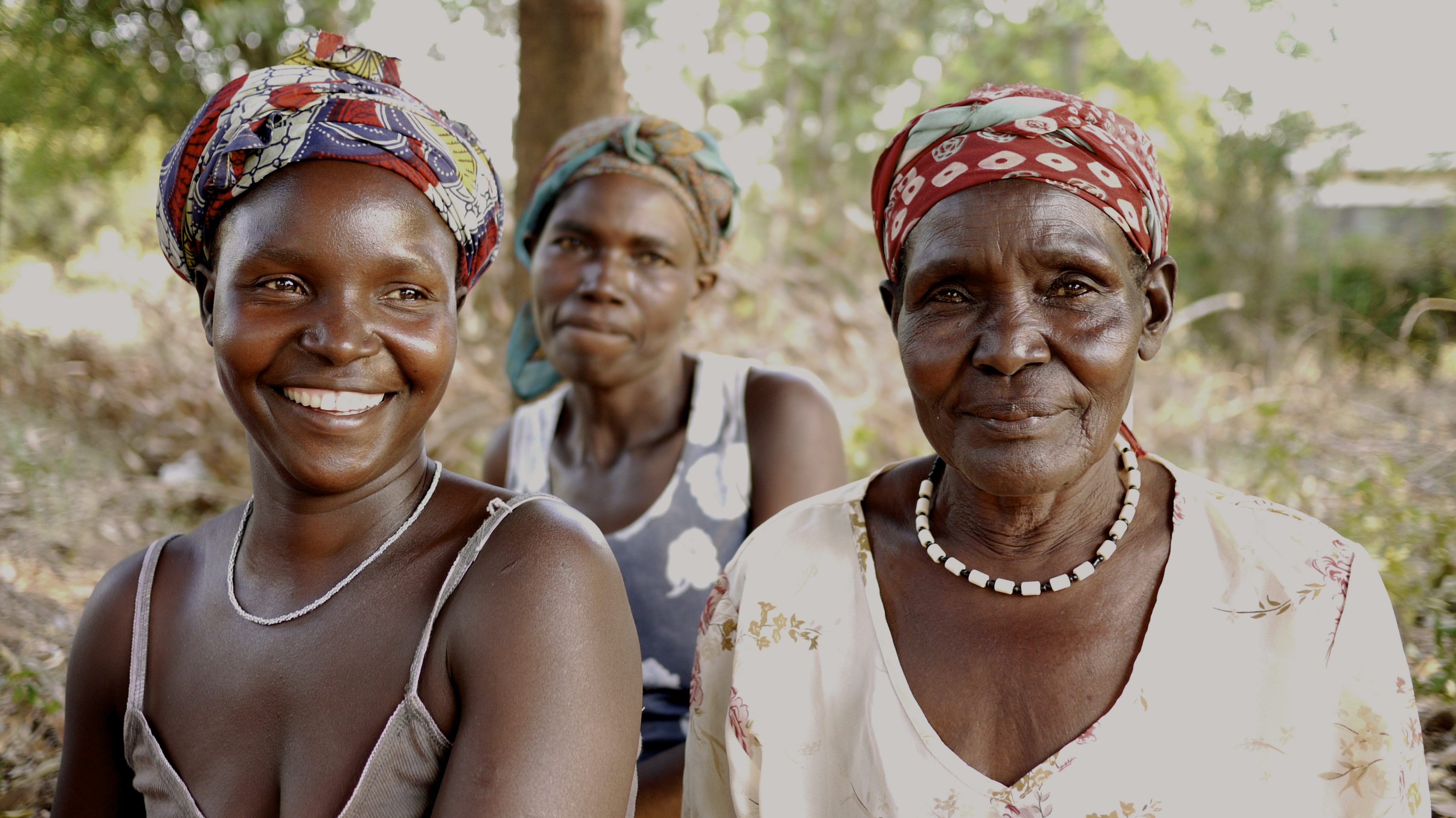
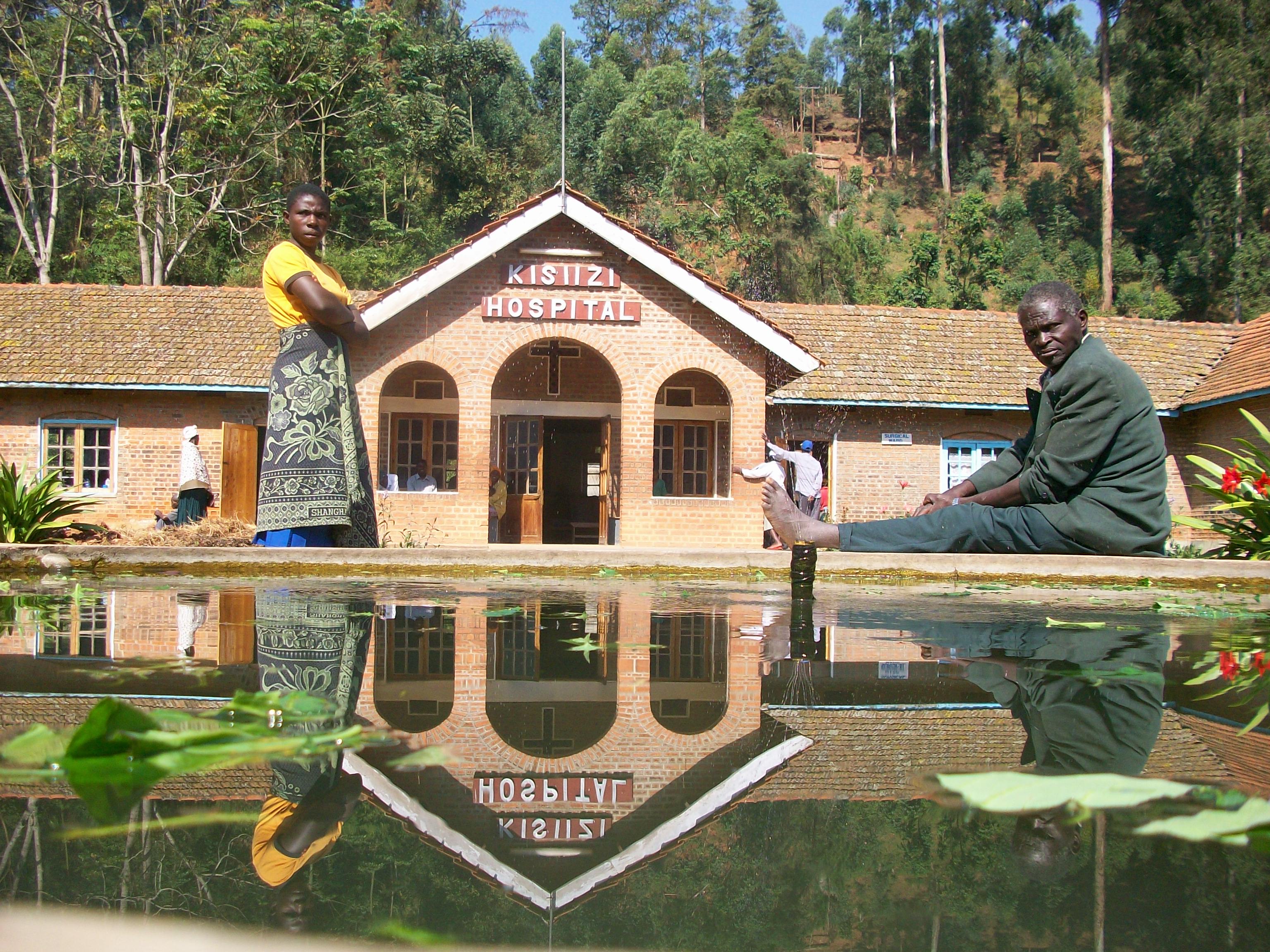
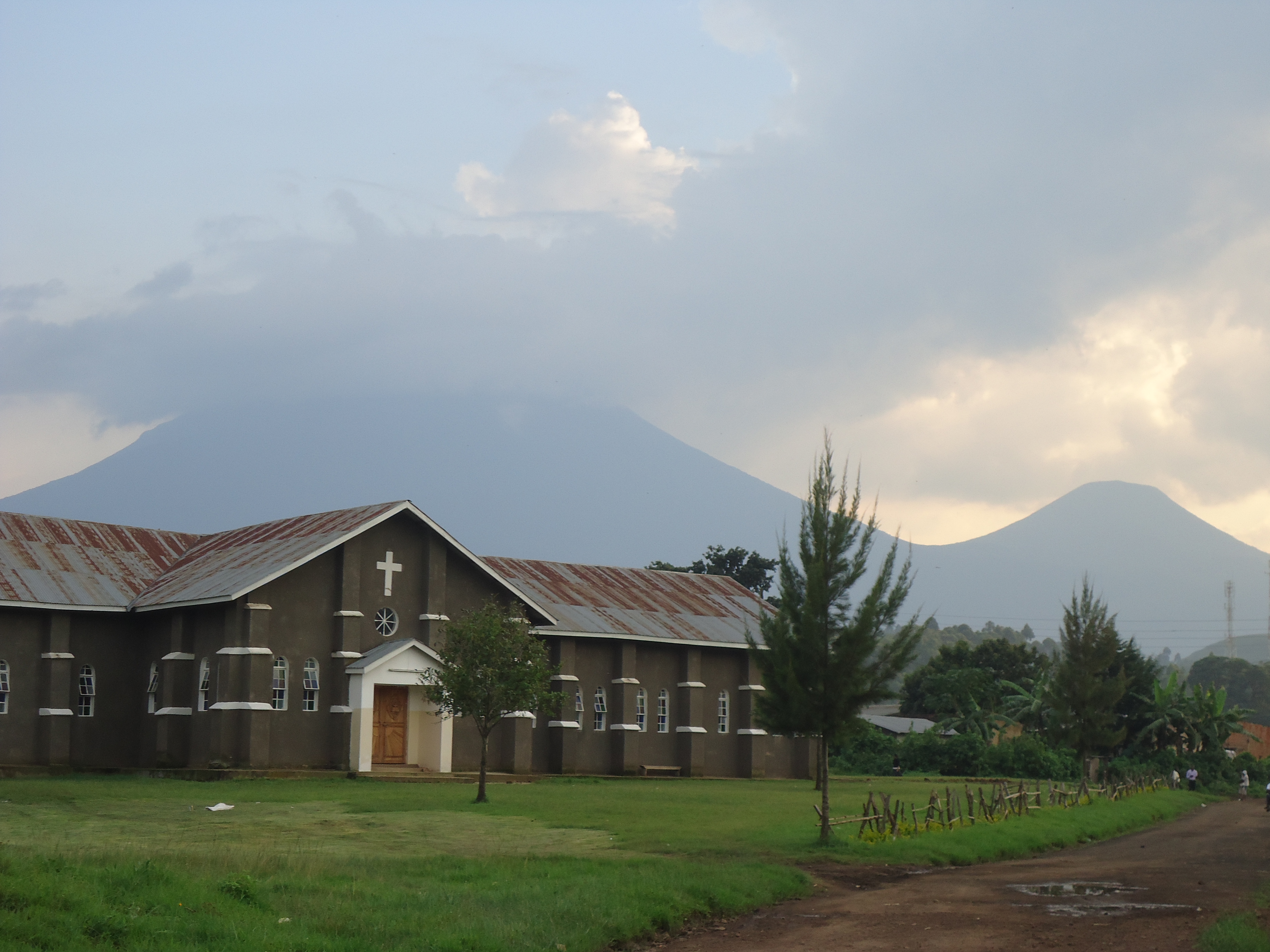
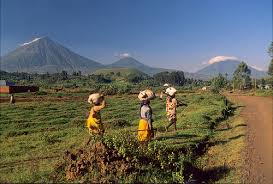
I saw a photo of Lake Albert this morning with thunderstorms rolling in. It was a National Geographic photo. It made me want to search for some more images of what is one of may favourite countries in the world!
So – there are a few below!
I hope you like them.
They are mainly culled from the internet and give some idea of the beauty and vitality of this pearl of Africa!















A thought or two for St. James’ Saint’s Day and for Sunday 26th July ….

St John and St James’ mother recommending her children to Jesus, panel of altar of St James, by Leonardo di Ser Giovanni (active 1358-1371), silver foil with embossed decoration, Chapel of Crucifix, Cathedral of St Zeno, Pistoia, Italy, 14th century
Matthew 20:17-34
Matthew 20:17-34 provides some interesting contrasts: first Jesus talks of the death he must die – his passion, his glory, his enthronement, his coming into his kingdom through death and resurrection!
Then, immediately after he says these words, James and John’s mother asks him a favour for her sons – it is as though she just has not been listening to what Jesus said. She sees him as the Messiah, she has fixed ideas of what he will do as Messiah, and so she seeks preferment for her sons. “When you come into your kingdom grant that my sons will sit one on your right and one on your left!”
Jesus response: “You don’t know what you are asking!” is telling. For the places reserved either side of him when he came into his kingdom were for two thieves and brigands. James and John and their mother had no idea what they were asking for – and ironically they made the request immediately after Jesus had made it very clear what his enthronement would be like.
James and John and their mother are contrasted for us in our reading with two groups of two other men.
The first contrast is with the thieves on the cross. Jesus chosen supporters when he came into his kingdom were from outside his band of followers, people who we would say were completely undeserving. Yet one of those thieves was the first into the kingdom of heaven as Jesus promised that he would be with him in paradise. The first into the kingdom of heaven was a thief, possibly even a murderer. But one who recognised his need of salvation.
That’s one contrast – between righteous disciples of Jesus who don’t listen and renegades, one of whom encountered Jesus and whose life was transformed even in the midst of death.
But that isn’t the only contrast that is made for us. At the end of our reading two other men are mentioned. Not two good disciples, but two people who cannot see. Two blind people. Two people who should not have been able to recognise who Jesus was. Yet two people who really did see him for who he was: “Lord, Son of David, have mercy on us!”
James and John, faithful but perhaps self-righteous disciples, could not see for looking. They were so focussed on what they wanted and on what they believed, that they did not listen to Jesus.
James and John are contrasted with two blind men and two brigands. Brigands who had no right to assume God’s love for them, blind men who could not be expected to see clearly. And in the comparison it is very clearly James and John, the supposedly faithful disciples, who come off worst, who look foolish and grasping. Who appear foolish!
Matthew’s challenge to his first readers and to us who listen to his Gospel is really quite clear. Are we so wrapped up in our own concerns, our own ideas, however much they might be about Jesus, that we fail to hear him speak? Have we got our preconceived ideas about what he is like, so much so that we are just completely unable to hear him speak when he shakes those assumptions?
We are Jesus disciples, just like James and John. … Will we remain open to listen to what God is saying to us, will we remain open to be changed? John and James had to suffer not only Jesus rebuke, but the rebuke that came from their own eyes as first they saw two blind men respond to Jesus and then, quite a while later began to understand that it was on the Cross that Jesus was glorified rather than an ornate throne of gold. How foolish they must have felt as they began to grasp what God was really doing among them – nothing like the assumptions that they first made!
So this is Matthew’s challenge to us. Are we likely to be caught out? So caught up in our own understanding of faith or in our own issues that we miss what God is actually doing right in front of our eyes?
Rukungiri in North Kigezi Diocese
The latest news from Rukungiri is in the newsletter from Rukungiri Orphan Partnership
https://drive.google.com/file/d/0B5AxeuclIupaVGxXNElLTFM3dFU/view

Uganda Water Tanks News! Kisoro in Muhabura Diocese
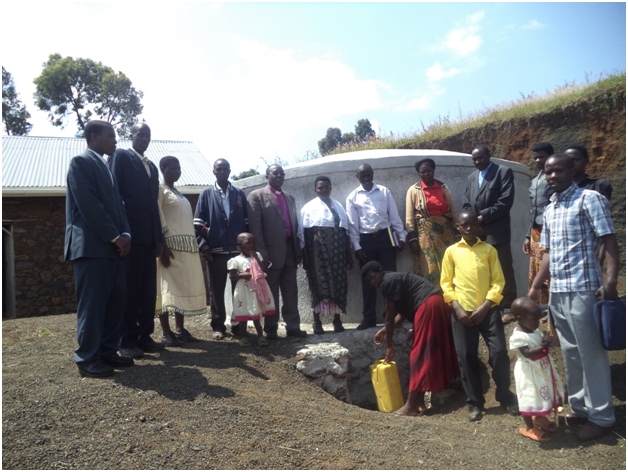
 Jo and I met with Bishop Cramer and Hope Mugisha in Didsbury on Friday. It was lovely to see them again. They were able to provide an update on what has been happening about the water tanks funded by churches in Ashton Deanery. Bishop Cranmer writes: ‘Dear partners in mission, we thank God for the work done constructing water tanks in the Diocese of Muhabura with your support. We commissioned and handed over the water tanks in Nyakimanga and at Sesame Girl’s school recently. I was able to officiate at the commissioning and handover of the water tanks.’
‘People present at the ceremonies were so appreciative to the Diocese and you, our partners, who saw their suffering and constructed for them a water tank. Someone from Nyakimanga testified: “We used to walk many kilometres to Lake Chahafi, but now we thank God for this tank. We now have water in our village. The parish priest also says thank you: “before the tank was constructed I got my water from Rwanda or from the water tap in Chanika” (some kilometres away).’
Bishop Cranmer brought pictures with him of the commissioning of the water tank in Nyakimanga. here is one of them.
A few thoughts based on the Gospel reading set for 19th July 2015 ….
Rest …
Mark 6:30-56 includes the story of the feeding of the 5,000. Those who drafted our lectionary wanted us, however, to focus on the context of the story rather than on the miraculous feeding of the 5,000. So they have left the feeding of the 5,000 for another day!
Some interesting statistics:
Just walking round Ashton town centre I see people on their mobile phones – keeping up to speed with work, running the home or catching up with friends. Social media and emails mean that we can contact people in an instant, and expect an instant response. Everything is busy, busy, busy.
For many life is too busy – they feel stressed. … But then others have no work at all – and that lack of work is stressful in itself. Stress related illnesses are now so prevalent in our society. Relationships suffer and so our homes and communities suffer.
Busyness was a problem in Mark 6. It began with the disciples returning from their mission. They want to tell Jesus all that they had done and taught. You can imagine them surrounding Jesus full of excitement. They’ve made a difference in people’s lives and they’re eager to talk about what they’ve done, how great it was.
Moments later we’re told that Jesus and his disciples were recognised by many people who hurried to meet them, in a rush to hear Jesus’ teaching or receive healing. At every village, town or farm that Jesus went to, he was surrounded by people begging for his attention.
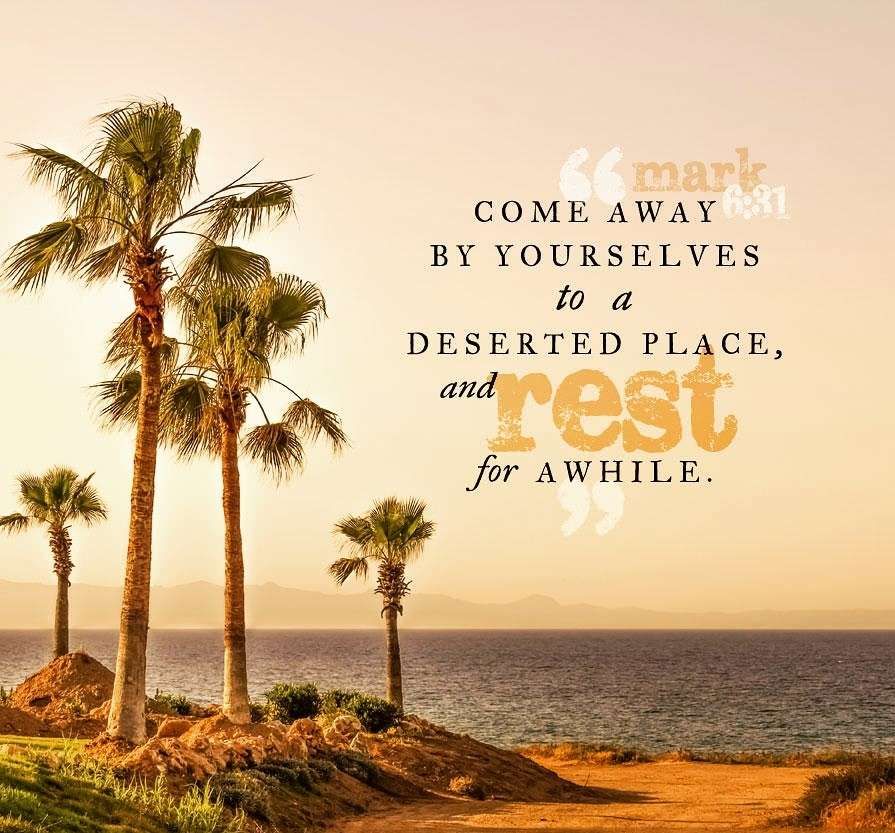
Yet in the midst of this busyness, Jesus says something highly significant. Listen to his words: “Come away to a deserted place all by yourselves and rest a while”. … Jesus recognised that without rest, refreshment and reflection neither he nor his disciples would be fit for anything. Throughout the Gospels we see this model: Jesus goes off by himself to pray and to find some peace – especially when he has a major task ahead of him. He goes into the wilderness for forty days after his baptism and before starting his ministry. The night he’s arrested he’s found in the garden of Gethsemane taking time to pray to prepare himself for the ordeal to come.
The needs around him were obvious, but Jesus took time to relax, to rest and reflect, to pray, and he encouraged his disciples to do the same. It must have been hard to do this, with needs pressing in on every side. … Jesus faced the same dilemma we do. If we take time out for ourselves, how’s the ironing going to get done; how will I find time to visit my friend who’s lonely? Or in my case, how will next Sunday’s sermon get written?! Can you imagine the vicar turning up on Sunday shrugging his shoulders – “Sorry, no sermon today, I needed time to rest!”
As Christians we seek to model ourselves on Jesus – to be like him, to make him known to others. This doesn’t just apply to the active Jesus – telling people about God, showing God’s love in action – it needs to apply to the Jesus we see resting, or seeking time to rest. Just as Jesus knew that he needed timeout away from the daily demands so that he would be fully effective in his ministry, we need to ensure that we get timeout in our lives so that we too are effective for him.
If we’re too busy to stop, to spend time with God, to spend time on our own resting, then we’re too busy. We need to hear Jesus’ words: “Come away to a deserted place all by yourselves and rest a while”. I spend time reading and being quiet, when I can. Jo and I make sure that we keep our day off sacrosanct. But we need to heed Jesus call to rest more than we do. Each of us will need to discover our own pattern. But we all need to find rest & refreshment so that we can be effective in what we do, in who we are.
As well as making sure that we “rest a while” ourselves, we need to make sure that others are able to do the same. We need to be aware of others who are too busy and we need to seek to share their load so that they are not overloaded. We need to make it possible for them too to find refreshment.
Jesus and his disciples needed to rest, needed time out. We do too if we are to play a full part in building his kingdom on earth. But we also need to look around us, in our churches and parishes, at home, at work, wherever we find ourselves and be ready to share other people’s loads so that each person is able to have space for themselves and for God in the midst of their demanding schedules.
 In August 2014, I wrote a very short blog which mentioned Graham Turnbull. In 2015, I had a call from a Daily Mail journalist asking me about Graham. His death in the 1990s had been linked with the arrest in June 2015 of Karenzi Karake, Rwanda’s intelligence chief on a European Arrest Warrant. Karake was wanted in Spain for war crimes. He was accused of ordering massacres while head of military intelligence in the wake of the 1994 Rwanda genocide. Later in 2015 he was released from custody in the UK.
See more at:
The Spanish indictment named Chris Mannion, a British Catholic missionary shot dead in 1994, and Graham Turnbull, an aid worker and observer with the UN High Commission for Refugees killed in 1997, among foreign nationals who were targeted alongside thousands of Rwandan Hutus in the aftermath of the genocide, during which ethnic Tutsis and moderate Hutus were massacred wholesale by Hutu extremists.
I wonder, is there anything that you think it is worth dying for?
Perhaps if those you love were threatened? …….
What would you risk your life for?
I first met Graham Turnbull when I was staying in Uganda in 1994. Graham had given up his job as a solicitor in the UK, driven across the Sahara to deliver a landrover to Rwanda and had the intention of teaching English in a small town there. His visit coincided with the genocide in Rwanda and he could not get into the country. We shared a house for a short while in Kisoro in SW Uganda.
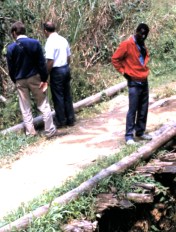 I can only find this picture of him taken in 1994 on a trip out to inspect some of the main road bridges in Kisoro District. Graham is facing away from the camera in the blue top.
After I had returned to the UK, Graham later managed to get into Rwanda and taught there for a time. About three years later he felt that God was asking him to be a UN observer in Rwanda. A very dangerous occupation. He wanted to do what he could to stop some of the killing which was still going on. He and his family prayed about this for some time and everyone agreed that Graham should apply for the job. It was in 1997, I was listening to the BBC news at 6 o’clock and there was a report of a group of UN observers being killed in Rwanda. Graham was one of them.
Graham gave up life in this country to serve God, and died doing so. He was 34 years old when he died.
British soldiers around the world are similarly risking their lives on a daily basis for the cause of peace and justice.
What would you be prepared to risk your life for?
That might be too hard a question to answer, so let me ask you a perhaps easier question – I wonder what it would take to make you stand up and be counted?
At times I’ve lobbied the local MP about third world debt. A little while back some of us felt that it was right to try to fight the introduction of a sex shop near the centre of Ashton. There has been the rise and fall of the British National Party and the English Defence League – an increase in racist views. ……….
What kind of issue would be big enough for you to do something in a committed way?
We are usually reasonably happy if someone chooses to write a few letters, or to do a bit of campaigning, provided of course they don’t go overboard about it! But what would make you act, even at the risk of the disapproval of others?
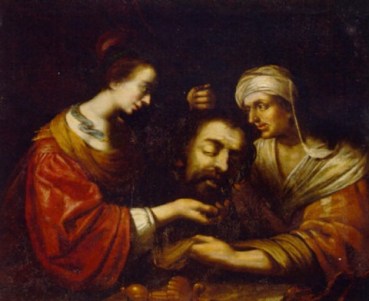
John the Baptist, in Mark 6:14-29, was prepared to make a stand. His stand against Herod’s wrong relationships cost him his life.
For the sake of God’s work and God’s Word, for the sake of truth and justice, John was prepared to die. He was willing to be a martyr for what he knew to be right, for his faith. And John is not alone – for down through the centuries many people have seen their faith as more important than their own lives. Astoundingly the 20th century saw more Christian martyrs than in all 19 previous centuries since the birth of Christ, put together.
As Christians we talk sometimes about being a prophetic people. A people who model God’s love and God’s life in the world. John the Baptist, and Graham Turnbull model for us what it means to be prophetic. When we see injustice, when we see wrong, when people around us are far from God – we need to take up their challenge. We need to do something about it.
If we talk about our Christian faith we may feel foolish, we may even suffer rejection. If we stand out and speak against injustice, it’s possible people may become fed up with us. But these afflictions are nothing compared to what our sisters and brothers around the world or down the centuries have faced for the sake of the Gospel.
Working with the ongoing campaign for the relief of debt. Speaking out against injustice in our own communities. Fighting for the human rights of asylum seekers. Taking action on behalf of the oppressed. Talking of, and living out, the love of God in our communities. These, and things like them, are just small steps in the footprints of those who have gone before us.
My friend Graham decided that there were things that were worth more than his own life. Not selfish things, but things which benefited others. British soldiers have died in Afghanistan and in many other places in recent years. It is unlikely that any of us will personally be faced with the same kind of life and death issues. But we live in a world where everything is not right, where injustices exist, where people live in fear and have little or no hope. Graham and others like him are a challenge to us all.
We too need to be courageous, to be willing to act. And as we do these things we know that we do not stand alone. We stand with people like John the Baptist, like Graham Turnbull. We stand with many people that we call Saints. But more than that, we have Jesus’ promise to his disciples. “I will be with you always – even to the end of the age!” We have Jesus walking alongside us as our friend, strengthening us by his spirit. Enabling us to be his servants. Whatever actions it is right to take, whatever decisions we face, we are definitely not alone.

