The Co. Donegal Railways were early adopters of modern technology, First, in the early 1900s, it was petrol railmotors with which they flirted. Later, they were the quickest narrow-gauge lines in the British Isles to adopt diesel railcars. This post looks at the Co. Donegal’s use of petrol railmotors! I have generally called the petrol-powered vehicles ‘railmotors’ and when I get round to looking at the later vehicles starting with No. 7, I will call them ‘railcars’!
When W.R. Lawson retired in 1910, Henry Forbes was appointed as Secretary and Traffic Manager. Forbes was an innovator. He realised very quickly that an increase in the number of stopping places would result in increased usage of the network. He introduced a number of new halts. He also introduced a number of improvements in many of the more established stations. And in a very short time he started to allow the railmotors and railcars he bought to stop anywhere on the network, not just at stations and halts. [1: p61-62]
A few years prior to his appointment, a tiny 4-wheeled railmotor had been purchased. It was just 6ft high and originally had a 10hp petrol engine. Its capacity was only 10 passengers. Because of its diminutive size, it was only infrequently used to cover passenger duties. Its main functions were the carriage of post and serving as a maintenance vehicle. [1: p60] There is an excellent study of this railmotor sitting in Stranorlar Station which was taken by H.C. Casserley. Peterson et al reproduce it in their book. [1: p114]
The Donegal Railway Heritage Centre posted a picture of the railmotor on Facebook,a long with the description beneath. [3]
”Even if this original … Railmotor … was used spasmodically, it had yielded valuable experience. In 1926, with the balance sheet insisting on lowered operating costs, Forbes decided that the time was ripe to show that his railway could give as flexible a service as the road omnibuses and a faster one withal.” [1: p60, cf. p114] It was preserved in its final version and is now housed at the Ulster Transport Museum. [4]Co. Donegal Railways Railmotor No. 1, (c) Ulster Transport Museum, used under a Creative Commons Attribution-Share Alike 4.0 International. [5] The YouTube video below shows pictures of this railmotor in the museum at Cultra and a computer simulation of the railmotor in action on the Trainz simulation software produced by ‘ing4trainz’. [21]
Railmotors Nos. 2 & 3 which came from the DVLR. [22]
Railmotor No. 1 – A simulation by ING4Trainz. [22]
Given his experiences with the diminutive Railmotor No. 1, Forbes took a chance on a pair of Ford petrol-engined railcars. They came from the standard-gauge Derwent Valley Light Railway (DVLR) near York. They had been purchased by the DVLR in May 1924 at a total cost of £1070 with the intention of keeping the costs of transporting passengers to a minimum. “Each was built on a Ford 1‑ton truck chassis with bodywork by C.H. Roe Ltd of Leeds. Rated at 22hp, they weighed 2tons 7cwts, and were fitted with 17seats.” [2] They were not popular with passengers on DVLR and were soon up for sale. Forbes bought them in June 1926 for a total of £480. By August 1926 the pair of railmotors were in Londonderry being converted to 3ft-gauge! [2]
There were a number of these railmotors, from a number of different manufacturers, in use on Light Railways around England at the time. A review of their use on the Colonel Stephens’ family of Light Railways can be found on the following link:
It is worth noting that Colonel Stephens took an interest in the two DVLR railmotors when they were put on the market. It seems likely that his expressed interest prevented Forbes negotiating a lower price for the vehicles. [1: p115]
These railmotors were usually used in pairs, back-to-back, but on the Co. Donegal Lines they were often used singly. (Although initially on the DVLR, they had been used as a pair, small turntables were installed at Layerthorpe and Skipwith in order to allow the units to be used singly.) Once available on the Co. Donegal Railways, these vehicles were “reasonably successful and lasted until 1934 when they were withdrawn from service.” [2]
Patterson et al. comment: “On the DVLR they had run in tandem, … but on the Donegal lines they were run separately. From the start, they operated regular passenger services: by modern standards they were noisy and subjected the passengers to considerable vibration, but their ability to stop anywhere was deservedly popular in a country of small farms and isolated cottages. Futhermore, the operating costs were only a fraction of those of orthodox steam trains:” [1: p60] 3.25d per mile rather than 11.25d per mile. It appears that Patterson et al were unaware of the use of small turntables on the DVLR.
I have managed to find one old photograph of this par of railmotors while in use on the DVLR at York – Layerthorpe Station. They look to be in as new condition. It has beenn impossible to establish the provenance of this photograph. [6]DVLR Railmotors in use at Layertorpe Sation near York. [6] These railmotors became Railmotors No. 2 and 3 on the County Donegal railways.It is interesting that this photograph of one of the two railmotors (No. 2) after conversion for the Co. Donegal Railways is shown on the IRS website in an article from 1973 and it is credited to Dr. E.M. Patterson, [2] but the picture does not appear in the Book about the Co. Donegal Railways from Patterson et al. [1] … The changes are self-evident. The re-gauging to 3ft-gauge would have left the centre of gravity of the vehicle too high and as a result the body was lowered on the chassis which created a very different look. The rear wheels were almost hidden inside the bodywork.
Petrol Railmotors No. 2 and 3 were a success. Not an unqualified one, but nonetheless they resulted in a significant change of direction for the management of the Co. Donegal Railways. The future would be in the use of railcars rather than in the continued development of steam traction.
Patterson et al. comment that the alterations to the railmotors before they saw service on the Co. Donegal Railways took place at Dundalk rather than in the Northwest. They were ready for use in the Autumn of 1926. They did have some axle problems and during their lifetime saw their axles strengthened to be more in line with usual railway practice. [1: p117] But they served well until 1933 when they were beginning to be rather tired.Railcar/Railmotor No. 4 with the loco shed, water tower and carriage shed in Donegal Town, 1931. This picture was found on the Facebook group associated with the Donegal Railway Heritage Centre. (c) Sam Carse and held in the collection of the Donegal Railway Heritage Centre. [20]
Railmotor/Railcar No. 4 – a simulation produced by ING4Trainz. [22]
County Donegal Railcar/Railmotor No. 4, 16mm scale model for use on 45mm-gauge track, recently for sale on an internet-based sales platform. [18]
Co. Donegal Railmotor No. 4 – Model of the body shell which was for sale relatively recently on a internet-based sales platform. [15]
In 1928 they were joined by Railcar/Railmotor No. 4 which was also fueled by petrol. It was a significantly larger beast, based on a 30-cwt Ford chassis. Its size meant that it could not operate with a rigid chassis if it was to negotiate the tight curves on the network. It was therefore given a pony truck for the from axle. The vehicle was fully assembled by October 1928. Apart from some problems with its axles, the vehicle was again a success and lasted in service throughout the Second World War only being scrapped in 1947 after 19 years service. [1: p118]. There is a small scale drawing of this railmotor in Appendix 11 E.M. Patterson et al. [1: p173]
Appendix 8 of ‘The County Donegal Railways’ tells us that the petrol powered railmotors gradually gave way to diesel powered units but petrol continued to be a power source until the late 1940s. [1: p165]
We have already noted that Railmotor No. 1 was not scrapped but was eventually preserved at Cultra. Railmotors No. 2 and 3 were scrapped in 1934. They were replaced by two other units which were given the same designation. The new No. 2 was of a similar power to the one’s scrapped and arrived in 1934. It had a 22-hp engine but carried 30 rather than 17 people. It came second-hand from the Castlederg & Victoria Bridge Tramway and remained in service until 1944 when it was converted to a trailer. It was not sold until 1961 when it was removed to Mountcharles in the South of Co. Donegal. The new No. 2 was a 24-seat railcar with a Fordson paraffin engine built in 1925 at Castlederg and referred to in the Wikipedia article about that line. [7] Although basic in design, that vehicle was capable of being driven from either end and the driver also sold the tickets.
I have not been able to find the drawings for the new No. 2, although I believe that they are included in E.M. Patterson’s book about the Castlederg and Victoria Bridge Tramway (C&VBT). [8] ING4Trainz do not appear to have produced a simulation for this railcar/railmotor either in its C&VBT guise or its CDR livery days. There is however a model of the railcar running on a layout which depicts the Castlederg terminus of the old Tramway which closed in 1933. It is a kit-built model from a Worsley Works kit, built by Andy Cundick. [9],[10] The scale is OOn3.
Railmotor/Railcar No. 3 (new) which came from the D&BST – a simulation by ING4Trainz [22]
The new No. 3 came from the Dublin & Blessington Steam Tramway (D&BST) in 1934. It was also a larger vehicle than the old No. 3 with a passenger capacity of 40 and a 35-hp engine. The vehicle was built by the Drewry Car Co. Ltd. It arrived on the Dublin and Blessington Steam Tramway in 1926. It had two driving axles and two pony axles, and could be driven from either end. On that tramway it ran on a track gauge of 5ft 3in and so had to be converted to 3ft gauge. It operated successful on the Co. Donegal until 19….. when it was converted into a trailer and continued in active use until 19…….. “It is now the sole surviving vehicle from the old Dublin & Blessington Steam Tramway, residing at the transport museum at Cultra.” [11]
Shapways 3D-printed model of Drewry Railcar No. 3 [12]
A number of other pictures are available across the internet. There is an excellent study at https://transportsofdelight.smugmug.com. [13] Some discussion about detailing of models of this vehicle can be found on the Irish Railway Modellers Forum. [14]
Railcar/Railmotor Trailer No. 5 ( and No. 2). A simulation by ING4Trainz. [22]
No. 5 in the series is a slight anomaly. The designation was given to the railmotor/railcar trailer which was purpose-built for that role. it had a 9ft wheelbase and was designed by the drawing office in Dundalk. A software simulation of the trailer has been produced by ING4Trainz. [22] The chassis was constructed by Knutsford Motors Ltd and the body by O’Doherty at Strabane. It weighed 3 ton 4.5-cwt and had sufficient room for 28 passengers. E.M. Patterson et al. say that the “trailer survived until the end of service on the CDR and was sold at auction in 1961 to Donegal Town football club, where its body was used as a cash-office. It was subsequently photographed in use as a holiday chalet in Rossnowlagh in 1965.” [1: p118] After an interesting ‘life’ out in the country it was brought down to Donegal Town Station and restored during the mid 1990s as part of exhibits at the Donegal Railway Heritage Centre. It was discovered by the local photographer, the late Conor Sinclair at Doochary, near Fintown. [16]
Trailer No. 5 in the garden of the Donegal Railway Heritage Centre. [17]
It was originally believed that Trailer No. 5 had been scrapped in the mid seventies but it had actually been towed to Doochary for use as a holiday home. It received a full body restoration at the Railway Preservation Society of Ireland premises in Whitehead, Antrim. This included new roof timbers and felting to make it watertight. The doors have been remade using the original patterns. The restoration effort was financed with the help of an Interreg IIIA European cross-border grant. [17]Trailer No. 5 in the process of being prepared to travel through the streets of Donegal on the St. Patrick’s Day Parade in 2019. [19]
Railmotor/Railcar no. 6. [23]
No. 6 was also a petrol railmotor, although exactly which vehicles were railmotors and which were railcars is difficult to determine as often all of them were referred to as railcars. No. 6 was built by Great Northern and O’Doherty and came into use in 1930. It had a 32hp petrol engine and weighed 5-ton 11-cwt. It cost £900 when new and carried a maximum of 32 seated passengers. It was rebuilt as a 4-wheeled trailer in 1945 and then sold into private owenrship in 1958 and removed to Inver. [1: p165]
Patterson et al., say that “it ran on a front radial truck, arranged for side-play of 4.5 in. to take the worst curves on the system and on a rear driving bogie. … It mainly served on the Glenties and Ballyshannon lines.” [1: p119]
Railmotors/Railcars No. 9 and 10. [23]
No. 6 was the last purpose built petrol-powered railmotor/ railcar. After it, only two further petrol powered vehicles were commissioned for the network. They were No. 9 and No.10, both were converted road vehicles. They had seen service for 3 years on the demanding roads of West Donegal and were converted at Stranolarto run on the 3ft rails of the Co. Donegal railways. They were similar in appearance to No. 4 and were powered by 36hp Ford petrol engines. Both had a seating capacity of 20. [1: p121] No. p lasted 16 years in service and was scrapped in 1949. No. 10 was destroyed in a fire at Ballshannon shed in 1939. [1: p165] They were distinguished from No.4 by having a short body panel in front of the access doors. This can be seen on the ING4Trainz simulation above and in the picture immediately below.Railcar No 9 in the shops at Stranorlar. In 1930 the CDR acquired four Reo buses second hand from the GNR. A few years on the Donegal’s poor roads reduced them to wreaks but Henry Forbes had the two in the best condition converted to Railcars. They had 20-seat bodies and were powered by 36hp petrol engines. No.10 was destroyed in an accidental fire in 1939 but No. 9 seen here lasted until 1949. This picture was found on the Facebook group associated with the Donegal Railway Heritage Centre. (c) Sam Carse and held in the collection of the Donegal Railway Heritage Centre. [24]
References
Edward M Patterson (original author), Joe Begley & Steve Flanders (authors of additional material in the Revised Edition); The County Donegal Railways; Colourpoint Books, Newtownards, Co. Down 2014. As noted in my first article about the Co. Donegal Railways this was to have been my holiday reading while walking different parts of the network, but 2020 has been a strange year!
R.R. Darsley; The Derwent Valley Railway 60 Years On; The Industrial Railway Record No. 51, p129-146; https//www.irsociety.co.uk/Archives/51/Derwent.htm, accessed on 28th May 2020.
http://www.mtfca.com/discus/messages/179374/185052.html?1296125299, accessed on 1st June 2020. I have tied to establish copyright ownership of the image but have not be successful. The source of the image on the forum is Peter Kable, Kiama, Australia. He is no longer active on the forum. The image was posted on 26th January 2011.
Incidentally, local knowledge indicates that there was a station at Over Junction for a very short time in the 1990s. It might be one of the shortest-lived stations on the British railway network. Roger Smith says: “Over Junction Station was erected in 1998 I think when the River Severn was in flood and the was concern about the stability of the railway bridge. A temporary station was erected with a Park and Ride operating from there into Gloucester.” He sent me a photograph of the station to prove its existence. The platform was constructed in scaffolding. [56]
Over Junction on the GWR South Wales MainLine sat to the west of the West Channel of the River Severn, the Docks Branch Junction was immediately to the East of the West Channel. The two images immediately below show the old railway alignment prior to the reconstruction of the river crossing (the first is the small picture below). The next, modern, image shows the railway on it newer alignment just a very short distance south of the old line. The Railway Gazette of 4th May 1951 reported on the work to replace the old railway bridge which had been built by Brunel. which improved the alignment of tracks and eliminated a permanent 30 m.p.h. speed restriction on the main lines.
From the Railway Gazette of 4th May 1951, a copy of which is held in the Stephen Mourton collection, (c) Stephen Mourton. The Docks Branch is just leaving the GWR Mainline in the foreground. [2]
The Brunel designed and built bridge was built in 1850 and strengthened in 1880. It was built with wrought iron main girders which had circular (balloon-shaped) compression flanges and these were retained when the bridge was strengthened in the 1880s.
Before 1880, the bridge was supported on timber piles, and there were approach spans which were built entirely of timber. When it was strengthened, cast-iron piles and columns were employed, The original bridge had three river spans of approximately 73 ft. in length but bolted together to create a continuous series of beams which increased the load-capacity of the structure. The original bridge is shown in the small photograph above and is marked on the first map below. [2]
An extract from the 4th Edition of the 25″ OS Map showing the two junctions on the South Wales Main Line – Over Junction and the Docks Branch Junction. [3]The same area in the 2020s. The old road bridge over the River Severn West Channel still shows up in between the railway and the modern A40, but the road over-bridge which crossed the GWR mainline between the West Channel and the flood relief bridge has disappeared completely. The Docks Branch has gone, as have the sidings either side of the Mainline to the West of the river channel. The branch to the North which served Ledbury has also disappeared. Also gone by the 21st century is the truss bridge which appears on the first map and in the image below. [9]Up Parcels train from South Wales crossing the River Severn at Over Junction. By this date the railway had been realigned over the new bridge. The view looks westward, towards Chepstow, Severn Tunnel Junction, Newport etc. along the ex-GWR Gloucester – South Wales main line. On the left the line from Docks Branch Sidings and Gloucester Docks is joining, while beside Over Junction Box just across the river the branch to Ledbury (closed to passengers 13/7/59, goods 1/6/64) diverges right. In the distance an Up freight waits in Over Sidings. The locomotive on the Parcels is 4-6-0 No. 4956 ‘Plowden Hall’ (built 9/29, withdrawn 7/63). The scene is from the old A48 bridge over the railway at its junction with the A417 and just before crossing the river, (c) Ben Brooksbank. (Creative Commons Attribution Share-alike license 2.0). The picture was taken in 1959. [4]
Photograph taken in 2012 and shows the Severn Bore passing under the railway bridge which carries the main Gloucester – Cardiff railway line. This was taken from the former road bridge built by Thomas Telford and now used only by pedestrians, (c) John Winder (Creative Commons Attribution Share-alike license 2.0). [5]
Thomas Telford’s ‘Over Bridge seen from beneath the modern A40. It was built by Telford in the 1820s, and was, until the 1960s, the lowest bridging point on the Severn (actually only across its western arm). Now traffic-free, it was in use as a road until 1975., (c) Derek Harper (Creative Commons Attribution Share-alike license 2.0). [6]
The Docks Branch and it’s sidings feature in Neil Parkhouse’s book, British Railway History in Colour Volume 1: West Gloucester & Wye Valley Lines which is now in its 2nd Edition. I have the 1st Edition and the later supplement which covers the additional material in the 2nd Edition. [1] In the first edition, the Llanthony Docks Branch features from page 33 onwards. In the supplement (p7) there is a superb image of a pannier tank leaving the GWR mainline and heading onto the Llanthony Docks Branch.
As we have noted the Llanthony Docks Branch left the GWR Mainline just to the East of the West Channel of the River Severn. it curved round to the South alongside what was the route of the A40. It ran through what is now Alney Island Nature Reserve. It’s route is shown on the plan immediately below by red dotted lines at each end and by the green-lined main footpath which predominantly follows the line of the old railway. The first half of the route is shown approximately in red on the satellite image below.The approximate route of the old railway branch (Google Maps) runs through what is now the Alney Island Nature reserve. The northerly end of the Over sidings on the Llanthony branch. The picture was taken looking to the Northwest soon after closure in the 1980s, (c) M.R. Phelan (CC BY-SA 2.0) [26]The former GWR Llanthony (Gloucester Docks) branch line at the western end of Over Sidings, shortly after closure when the track was still in-situ. 19th September 1989, (c) Roger Marks. [16]The northerly end of the Over sidings on the Llanthony branch. The picture was taken looking Southeast soon after closure in the 1980s, (c) M.R. Phelan (CC BY-SA 2.0) [27]
Two extracts from the 4th Edition of the 25″ OS Map showing the sidings immediately to the South of the South Wales Main Line on the Llanthony Docks Branch on Alney Island. [3]The BR map of the ex-GWR Gloucester Docks Branch Sidings Yard amended to November 1969. This is an amended drawing from the Stephen Mourton Collection. [15]
The remains of Over sidings on the ex-GWR Gloucester Docks branch. 19th September 1989, (c) Roger Marks. [18]
BR Pannier 0-6-0T active in Over Sidings in 1959. Notice the shunter’s truck behind the loco. The view looks SE from near Over Bridge, towards Gloucester Docks on the Over Branch, ex-GWR. Gloucester Docks was served by this branch from Over and also by an ex-Midland branch to the south at High Orchard and from Tuffley. ‘Modern’ ‘1600’ class 0-6-0T No. 1616 (built 12/49, withdrawn 10/59) has a spark-arrestor because of all the timber traffic dealt with at the Docks, (c) Ben Brooksbank (CC BY-SA 2.0) [7]
Looking back Northwest along the route of the old railway from approximately the location of the junction with the Power Station sub-branch. [28]
From the sidings, the Branch continued South by Southeast towards a junction with a sub-branch which served Castle Meads Power Station.EAW021182 – Britain From Above. Castle Meads Power Station and environs, Gloucester, from the east, 1949. The Llanthony Docks Branch runs across the top of the image with the marshalling sidings just off the right side of the image. [8]This enlarged detail shows the Llanthony Branch heading towards the sub-branch which served the power station [8]An extract from the 25″ OS Map from the 1950s. The siding serving Castle Meads Power Station can be seen curving away from the docks branch at the bottom of the extract. [3] The Llanthony Branch – the disused former GWR branch from Over Junction to Llanthony Yard in Gloucester Docks. Seen here on 19th September 1989, it had closed a few years previously but the track had not yet been lifted, (c) Roger Marks. [14]Llanthony Branch – the former GWR Llanthony (Gloucester Docks) branch line shortly after closure when the track was still in-situ. 19th September 1989, (c) Roger Marks. [19]The junction where the spur that served Castle Meads power station diverged from the former GWR Gloucester Docks branch. 19th September 1989, (c) Roger Marks. [17]EAW021187 – Britian From Above. Castle Meads Power Station and environs, Gloucester, 1949. This superb panorama shows the full extent of the sub-branch or spur which served Castle Meads Power Sation and shows the Llanthony branch running into the docks sidings. [20]EAW021186 – Britain From Above. Castle Meads Power Station and environs, Gloucester, 1949. This photograph is taken looking North across the Power Station and again provdes a fullview of the sub-branch/spur. This time the Llanthony Sidings are fully visible. [25]
Wikipedia tells us that “Castle Meads Power Station was opened in December 1942. [22] It was built to replace the electricity supply from Gloucester Corporation’s works on Commercial Road. Castle Meads was one of two ‘war emergency’ stations intended to spread the risk due to war damage. [23] The other station was at Earley near Reading. … Coal was brought to the station by rail on the Great Western Railway’s Docks branch from Over, and by barge. [22][24] Once at the station, coal was transported toward the boilers by a fireless locomotive, one of only 162 ever built in Britain. It was built by Andrew Barclays of Kilmarnock in 1942, carrying the works number 2126. After the closure of the power station, the locomotive was preserved at the National Waterways Museum in Gloucester.” [21][24]
After becoming redundant Andrew Barclay No. 2126 found its way into the collection of the National Waterways Museum at Gloucester Docks.Fireless 0-4-0 locomotive built by Barclay in 1942 (No.2126) for the Castle Meads Emergency Power Station, Gloucester in the livery of the CEGB. Withdrawn 1962. At the National Waterways Museum, Gloucester Docks in September 2009, (c) Hugh Llwelyn (Creative Commons Attribution Share-alike license 2.0). [33]Another view of fireless 0-4-0 locomotive built by Barclay in 1942 (No.2126) for the Castle Meads Emergency Power Station, Gloucester in the livery of the CEGB. Withdrawn 1962. At the National Waterways Museum, Gloucester Docks in September 2009, (c) Andrew Bone (Creative Commons Attribution Share-alike license 2.0). [34]
The sub-branch which served the power station extended beyond the coal loading facilities to a wharf on the bank of the River Severn. On the way it crossed a bridge which allowed flood drainage off the island. Tne YouTube video (https://youtu.be/ZwQT5JQfBcM. [29]) shows both the bridge below in its refurbished condition, and the wharf as it is in the early 21st century.The bridge on the short branch that served Castle Meads Power Station. The branch opened in 1943. It closed in 1970 and this section now forms a pathway linking a car park on the power station site to Gloucester Docks. 29th March 2009, (c) Roger Marks. [32] The bridge location is flagged on aerial image EAW021187 above.
The Docks branch continued Southeast from the junction with the spur to the power station and then crossed the river by means of a swing girder bridge.
The approximate route of the branch line as it approaches the docks sidings (Google Earth).
Looking back to the Northwest along the Branch line from the point marked ‘X’ on the satellite image immediately above. At this point the path for the nature reserve and the old railway route diverge, (c) John Winder (Creative Commons Attribution Share-alike license 2.0). [30] This point can been picked out in the YouTube Video (https://youtu.be/ZwQT5JQfBcM which then shows the area beyond the turn of the footpath going towards the bridge over the river. [29]).An extract from EPW024157 – Britain from Above. The River Severn Lock and the approaches to the Llanthony Bridge over the Eastern branch of the River Severn. [38] The sign in the colour photograph above is positioned just of the top left corner of this image.3D aerial image of the Lock in the 21st Century (Google Earth).An extract from EPW037837 – Britain From Above. This shows the embankment and approach spans to the Llanthony Swing Bridge which gave access across the River Severn into Llanthony sidings. [37]Another extract from EPW037837 – Britain From Above. The Llanthony swing bridge over the branch of the River Severn and the footbridge which formed the gateway to the Llanthony Sidings. [37]A small extract from EAW012210 – Britain From Above. [36] This image shows the footbridge at Llanthony Road level-crossing and the first point at the throat of the sidings for the Docks in Gloucester.
Llanthony Swing Bridge from the North This bridge only ever carried single track. One thing not apparent in this view is that the track is still in place on the bridge, despite it being 25 years or so (at least) since the last train crossed, (c) John Winder (Creative Commons Attribution Share-alike license 2.0) [42]
Llanthony Swing Bridge is, in the 21st Century, in a poor state of repair. The YouTube video we have been referring to already (https://youtu.be/ZwQT5JQfBcM [29]), gives an overview of its condition. Roger Marks took the picture below in 2006.A track level view of Llanthony swing bridge, Gloucester. It carried the GWR Over Junction to Gloucester Docks branch over the eastern channel of the River Severn, (c) Roger Marks. 25th March 2006. [39]3D Image of Llanthony Swing Bridge in the early 21st century (Google Earth).2D satellite image of the swing bridge in the 21st century (Google Earth).Looking East under the Swing Bridge (c) John Winder (Creative Commons Attribution Share-alike license 2.0) [40]
The swing bridge again. This photograph shows the former footbridge Shot from directly underneath, this shows the parlous state of the old footbridge. Hidden by the steel bridge pier to the left of centre is the remains of the swinging mechanism, last operated in 1922, (c) John Winder (Creative Commons Attribution Share-alike license 2.0) [41]
The original bridge was designed by Brunel. It had a span of 103ft which could be rotated to allow the passage of river traffic. Brunel’s design mirrored his design over the Western Channel of the River Severn which carried the GWR South Wales Mainline and which appears in a single image near the head of this article.
Hugh Conway-Jonest says that, “each girder was fabricated from iron plates riveted together, the upper flange being in the shape of a balloon and the lower flange triangular. The pivot was off-centre, so that two-thirds of the span’s length crossed the river passage and the shorter tail section carried more than enough additional weights to provide a counter balance, the excess being supported by two wheels running on a section of circular track. The main pivot was supported on a central group of six 14in square piles, and two side-wheels ran on a 6ft radius circular track supported by 14in and 12in piles.” [43: p19]
To facilitate the operation of the bridge, an hydraulic press was used to carry much of the weight of the swinging span, so reducing the load on the roller shells and permitting the bridge to turn easily. [43: p19]
Hugh Conway-Jones continues: “The importance of this design is that it is believed to be the first railway swing bridge to use hydraulic power. … By using an hydraulic press to lift the span, the load on the wheels was much reduced, making turning much easier.” [43: p20]
In 1890 and 1891 a 5 month closure of the bridge was required to replace the timber pier supporting the pivot of the bridge with cast iron cylindrical columns. By 1899 it was necessary to replace the swinging section of the bridge with a riveted steel span, Possibly due to a failure of the hydraulic system. It seems as though it was necessary to employ horses to turn the bridge span. Hugh Conway-Jones says: “Because of the length of time this could take, the foreman in charge of the railway yard frequently refused to open the bridge because it formed part of the railway shunting yard.” [43: p21]
The 1899 structure remains in place in the 21st century. Rails are still in place but the structure appears not to be in the best of conditions.
Immediately East of the swing bridge a footbridge was installed to allow pedestrians to pass when the level-crossing at Hempsted Lane had to be closed to permit shunting movements.Llanthony Road level crossing and its distinctive Tubewright footbridge. The crossing took the road across the former GWR branch from Over Junction to Llanthony Quay in Gloucester Docks. The line closed in the mid 1980s. This part of Llanthony Road has now become the A430 and instead of curving to the right it now carries straight on, crossing the river and joining the A417 at Over Causeway. (c) Roger Marks, 19th September 1989. [35]Looking North early in the 21st century, the footbridge is a distant memory. It sat approximately in front of the grey panelling. The old road curved round to the right at this point (Google Streetview).An extract from EPW037837 – Britain From Above. Llanthony Dock Sidings in 1932 view from the West. the footbridge frames the entrance to the Yard. [37]
As can be seen in the aerial image above, the single line which crossed the River Severn branched out into extensive sidings that terminated just short of the Western quay wall of the canal/docks. Branching away to the left of the above photograph is a branch which ran between the River Severn and the docks, eventually crossing the northern locks which provided access from the docks to the river and linking with the sidings on the East side of the docks. To the right of the picture, running behind the buildings which can be seen on the right of the image, another siding served the southern quayside of the docks and ran further down the canal.Llanthony Railway Yard as shown on the 1st Edition of the 25″ Ordnance Survey Maps. This extract shows the Yard at a relatively early stage in its development in broad-gauge days. Later editions show some changes. The lines running North were mixed gauge as the GWR and MR shared them. Crossing Lanthony Bridge to the right of the extract was a line crossing the bridge connecting the two sides of the dock basin.[44]Llanthony Railway Yard as shown on the 4th Edition of the 25″ Ordnance Survey Maps. This map extract better reflects what can be seen on the aerial photograph of the Yard above. Immediately to the North of Llanthony Priory the buildings to the right of the aerial image can be seen, these were sheet works used for the repair and conditioning of the tarpaulins used to cover open wagons. [43: p21] The large building at the centre-bottom of this extract (and the top-right of the following extract) is a transit shed which according to Conway-Jones, “provided space for temporary storage and customs inspection of goods being transferred from ships to railway wagons. It was particularly used for handling cargoes (principally sugar) imported by the regular steamers of the Bristol Steam Navigation Company.” [43: p21] In addition to these changes, a link curves from the North side of the Yard to the quayside where the sidings have been developed to improve access and to serve the transit shed. To the North of Llanthony Road the arrangements are much as they were on the 1st Edition Map. By this time all of the track shown on the map extract would have been standard-gauge. [44]By the time of this later map series, this extract for the OS Map shows that the railway company had extended their lines to the south of Llanthony Yard to serve premises around the new Monk Meadow Dock. [44]Looking South from Llanthony Railway Yard along the Canal Quay with the ex-GWR transit shed on the right, (c) Roger Marks. [45]A few steps further South looking South along the side of the Transit Shed again, (c) Roger Marks. [46]Looking North along the transit shed on the GWR’s Llanthony Quay in Gloucester Docks. 16th April 1991. The site is now part of the campus of Gloucestershire College of Art and Technology, (c) Roger Marks. [47]An extract from EAW012211 – Britain From Above. This image provides a view of the GWR transit shed in 1947 across the Llanthony Secunda Priory site. [48]
Looking South along Llanthony Quay in 2020 (Google Earth) The large building(s) on the site of Llanthony Railway Yard make up the campus of Gloucestershire College of Art and Technology. Llanthony Road is at the bottom of the image and the new St. Ann Way at the top. Llanthony Quay extends beyone the top of the image by some hundreds of yards to Monk Meadow Dock.
Llanthony Quay extended south along the canal to Monk Meadow Dock which was opened in 1892 to provide additional quay-space for the timber trade, and it was later used for receiving petroleum products. To the south of the dock, Monk Meadow Quay was built beside the canal in 1965 for the discharge of timber from motor coasters. [49]
Monk Meadow Dock is shown on the aerial images below The first is taken looking West across the Gloucester and Berkeley Canal in 1928.
The second looks North across Monks Meadow Dock right along the Llanthony Quay to the Llanthony Railway Yard. It was taken in 1932 and is an excellent study of the use of these sidings and the Yard.
The transit shed at Monk Meadow can be seen on the first image looking bright and new to the right-hand side of the Dock. It is centre-left on the North side of the Dock in the second image.An extract from EPW024167 – Britain From Above. This image shows Monk Meadow Dock in 1928. [50]An extract from EPW037836 – Britain From Above. Looking North towards the Main Basin of the Docks with Monk Meadow Dock visible in the foreground and Llanthony Railway Yard towards the top of the extract. [51]A view looking East through the canopy of the transit shed at the West end of the North side of Monk Meadow Dock in 1992. The dock is now a marina, (c) Roger Marks. [54]A view of the transit shed on the south side of Monk Meadow Dock. It was taken in the 1950s and is included here by kind permission of Paul Barnett of the Friends of Purton. Paul is the author of ‘Fore and Aft… Lost Ships of the Severn Sea.’ [52][53] The presence of the oil storage tanks on the horizon point towards this being the shed on the south side of the Dock.
As well as the quayside rails, a branch from Llanthony Yard ran south behind the transit shed on Llanthony Quay and then crossed Abbey Road to serve an number of oil storage depots and provide good access to Monk Meadow Docks sidings as shown on the map extract below. The sinuous curve of these lines is well illustrated on the map extract and on the Aerial image next below.
An extract from EAW012196 – Britain from Above. The extract shows the route of the branch running on the West side of the Industrial Area and serving Monk Meadow Dock. The photograph was taken in 1947. [55]
An extract from the 4th Edition 25″ OS Map. [44]
This next map extract shows the area around the timber holding pond which was created to prevent imported timber drying out before onward shipment. Railway lines ran both quayside to the East of the pond and on the West. On the extract below we have our first look at the New Docks
An extract from the 4th Edition 25″ OS Map. [44]
The length of the canal south of Gloucestershire College of Art and Technology is shown as it is in the early 21st century on these satellite images from Google Maps.
Branch on this side of the canal. Installed by the LMS to gain access to the sidings on the West of the Canal. We followed the route of this line on the East side of the Canal to the point where it crossed to the Hempsted side of the Canal.
The quayside lines and the New Docks Branch continue South along the West side of the Canal for only a short distance with the New Docks Branch (or the Hempsted Branch turning to cross the Canal as shown on this next map extract.
The New docks branch and the bridge over the canal are long-gone. The area has been extensively developed as housing. The first satellite image extends from the College in the North, across St. Ann Way, past Monk Meadow Dock which is now a marina and further along the canal-side. Domestic dwellings on The West side of the canal sit within a stone’s throw of significant industrial premises to the East.
The new road has been built along the line of the ancient New Docks Branch. The approximate alignment of the old railway is shown on the second of the two images at the point where it curved towards the canal , crossing it on a swing bridge which was removed in the middle of the 20th century.
This brings us to the end of our study of the railways associated with Gloucester Docks. There is more to consider further to the South at Sharpness Docks but those docks and their railways need to be left for another occasion. We have literally only looked at a very short length of the Canal. There is so much more to explore along its length and in the areas either side of its route.
A useful point to start an exploration on line is on the website owned by Hugh Conway-Jones who is an acknowledged expert on the history of the docks and the canal. The link to that website is:
New Bridge at Over Junction, Western Region; in The Railway Gazette 4th May 1951, p565, found at https://sites.google.com/site/gloucestershirerailwaymemories/home/a-new-way-and-works/new-bridge-at-over-junction which also carries additional information and a parallel article which was first published in the BR ‘Western Region News.’ The latter article covers the construction of the newer bridge. Gloucester Railway Memories us a site complied by the author Stephen Mourton. He comments: “This website is completely non-commercial and compiled purely as a hobby, I hope that readers will find it of interest. All articles are copyright of the author and may not be reproduced without permission. … I don’t mind others using my copyright pictures on another website provided that it is non-commercial use.”
Ben Ashworth; The Last Days of Steam in Gloucestershire; Amberley Publishing, 2009.
Ben Ashworth; The Last Days of Steam in Gloucestershire A Second Selection; Amberley Publishing, 2013.
Colin Maggs; The Branch Lines of Gloucestershire; Amberley Publishing, 2013.
Gloucestershire Archives, Clarence Row, Alvin Street, Gloucester. GL1 3DW, at the time of writing the Archives are closed to public access because of COVID-19.
https://sites.google.com/site/gloucestershirerailwaymemories/home/a-new-way-and-works/gloucester-dock-branch-sidings-and-llantony, accessed on 4th June 2020. Gloucestershire Railway Memories is a site published by Stephen Mourton. He comments: “All articles are copyright of the author and may not be reproduced without permission. Photos credited to Robin Stanton, Stephen Mourton and Stephen Mourton collection are also copyright of the author. I don’t mind others using my copyright pictures on another website provided that: It is non-commercial use … [and] you credit the source of the picture as [the] Stephen Mourton collection.”
Think of the smallest child you know. It might be one of your own, or a grandchild, a nephew, a niece or a neighbour’s child.
Almost inevitably, the clothes they wear are endearing.
We have a neo-natal knitting group in our Parish which meets at Holy Trinity Church and Community Centre on a Wednesday. You can find out more about them at the bottom of this reflection. They make some of the most wonderful, the most amazing small things which contribute to keeping delicate little ones alive and well. Their work is much appreciated by the hospitals they work for.
Little clothes suit tiny people! You and I need something a little bigger to wear. And during this time of crisis, I am finding that some of the things I normally wear are getting gradually tighter.
Nevertheless, if I was to ask you to put on a small child’s jumper, you’d look at me as though I was being daft. I guess you would probably tell me that you were too large, or that the jumper or cardigan was too small.
It is Trinity Sunday this weekend. It is the patronal festival for Holy Trinity Church, one of the five churches in our Parish of the Good Shepherd, Ashton-under-Lyne. This is often a Sunday when clergy struggle to help us understand what God is like. It is as though, if we try once again, we might just this year be able to explain the Trinity. We come up with a whole range of different images which are helpful to some extent but which never quite work. I guess we wind up proving something very important – that our minds are too small to comprehend fully what God is like!
We all do it. We often expect God to be able to fit into our human-sized minds. So, when we think about God we come up with all sorts of questions, like: How can God possibly be able to hear us all praying at once?
What we mean when we ask such questions, is that we know a human being could not do that, so it must be impossible for God as well.
Or perhaps we say something like – everything has to begin somewhere, everything has a beginning, so God too must have had a beginning!
It is so hard to understand God. So often, when we ask these kinds of questions, it is the same as holding out a child’s jumper; holding out our small human shape (or jumper) and expecting God to climb into it. And, of course, God does not fit, because God is so much bigger and deeper and wider and higher than any human being can comprehend.
God is so different. God is always going to be full of wonderful mystery for us. However much we learn about God, however clever we are, however much we think about God, we will always struggle to understand God. We will never be able to hold God’s nature in our minds and understand God, no more than a child’s sweater can hold someone like me.
So, does that mean that we cannot know God? Not at all! We are not at the moment able to make physical contact with other people outside our own household. But just imagine if we could walk across a room and shake hands with another person. Imagine talking with someone you don’t know, finding out things about them.
You might ask questions like these: How old are you? What do you do during the week? How many people are in your family? What is your favourite colour? What music do you like listening to?
We don’t need to completely understand someone before we can become friends. Indeed, being friends is partly about discovering new things about each other and about sharing together in discovering things around us.
Just because God is God and I am a human being – it does not mean that we cannot be friends. There are people in our church communities who talk with God everyday! Did you know that? It is called praying. And if you ask them, they might well tell you that God is the person that they love and trust best in their lives!
We’ve been given a lifetime to get to know God really well and to live as his friends. Sometimes we waste that time,at other times we realise that nothing else matters as much as knowing God and how much God loves us.
Sometimes we can’t be bothered to talk about God, or sometimes we let our behaviour suggest that God isn’t worth knowing, sometimes we are unkind of difficult or rude or selfish. But at other times we feel such love for God that we cannot wait to tell other people. And sometimes our loving behaviour speaks of God too.
God is Father, Son and Holy Spirit. God is wonderful and all-knowing. God is the maker of the universe and of each one of us. God is the one who came as Jesus to die to love and save us. God is present in and with his people, living in us as the Holy Spirit. We cannot possibly expect to fully understand a God as amazing as that!
The fact that God is great and full of holy mystery should make us excited not frustrated. It should encourage us to get to know God more. But, ultimately, if I could get a hold on God, if I could fit God into my small mind then God wouldn’t be God.
I wonder how big a jumper we’d need for God to fit in it?
Neonatal Knitters are a community group who knit, crochet and sew items for the Neonatal units of Tameside, St Mary’s and Royal Oldham hospitals. We meet every Wednesday 10.30 – 1.00 at Holy Trinity Church and Community Centre. We are a very friendly bunch and welcome new members from our community. Unfortunately, we cannot include children in our group for safety reasons and we do not have the capacity to teach people to knit or crochet. For more information please drop into the group any week, check out our Facebook page (Neonatal Knitters) or email us on neonatalknitters@outlook.com.
The featured image above has a sense of both the wind and flames of Pentecost, and the call to move out into the world as God’s ambassadors and servants. [1]
Today is Pentecost or Whit Sunday the birthday of the Christian Church and a time for celebration and gifts.
Gift, what does that word conjure up? Something given to us, something special that the person who is giving has taken the time to pick, or that one thing we were born with and able to excel at without trying, a talent.
On the very first Pentecost the Holy Spirit descended on the disciples and gave them the gift to be able to go out into the world and spread the Gospel. It says in Acts 2, ‘suddenly there was a noise from the sky which spread like a strong wind blowing, and it filled the whole house where they were sitting. Then they saw what looked like tongues of fire which spread out and touched each person there’. (Flames of fire just like candles on a birthday cake!) The Holy Spirit being the ultimate gift from Jesus.
Jesus told them at The Ascension, “I am going so I can send the Spirit to you”. (The Holy Spirit is another name of comforter, which is very apt). They were able to speak and be understood in different languages, what must that have felt like?
Just before the lockdown, the Parish of the Good Shepherd in Ashton-under-Lyne started a group to learn to speak Spanish, we were given simple phrases and words to learn, it certainly wasn’t something that happened straight away! So, it must have felt pretty frightening to the disciples, that they were able to understand and speak a language that was not their own.
Do we all have this gift, to be able to go out and spread the love that God has for us all? Yes, I think we do, because it not just about speaking, it’s what we do and how we conduct ourselves. We all know that person who has the knack of being able to say the right thing when someone needs a helping hand with a problem, it might not be the answer, but sometimes it is a pointer in the right direction. Or that person who sees that something needs doing and organises a group to do it or just gets on with it without a big show.
The past few weeks have brought out the gifts in people. Simple things like shopping for those who are self-isolating, or making contact by phone or text to check that people are OK. We are reflecting the love of God with what we do in our daily lives.
The way we ‘do’ church has changed during the pandemic, many of us have followed services online, radio, television, from many different sources, and we have received each week, by post or email the service and prayer sheet. And although we have not been able to meet up with our friends from our own church, we are able to worship God with others who we may never meet but have so much in common with. But we are still in touch with other because we pray together, sing together. The fact that we haven’t physically seen each other doesn’t necessarily mean we are apart, God has given us the gift of being part of the his greater family.
Some ‘gifts’ are waiting to be recognised. It takes a nudge, a word, an email or a post on social media to start the ball rolling. We question ourselves, could I do that? Do I have the time? Am I qualified enough? Am I doing this for the right reason? But if we put our trust in God, he will show us the way. God will help us fit things into our daily lives. God will show us where to find the time. God will point us in the right direction.
No matter what our gift is, it is a mission given by God, and all we need to do is trust in him.
I love superheroes. I love reading graphic novels (comic books), watching the films and wondering which power I would like to have. Having a 7-month old child means early mornings but a surprise benefit of these early starts is that together Stanley and I have been working our way through the classic (in my opinion) Michael Keaton Batman films. Batman is one of my favourites. But whether the hero is bitten by a radio-active spider (Spider-Man), crashing to Earth from the planet Krypton (Superman) or even caught in Gamma rays and can’t control their temper (The Incredible Hulk) I love them all.
So, if you could have a super-power, what would it be? Speed, so you could complete lots of work in a short period of time? Invisibility, so you can have some undisturbed alone time? Flight, so you can really save on those flights during the summer holidays? Super strength, so you may be able to beat Mick from St Gabriel’s at boxing?
Personally, I find all of these worthy of countless hours of daydreaming.
However, two problems tend to arise. Firstly, I always seem to focus on how they would benefit ME.
Secondly, I’m pretty sure they are never going to happen and only appear in daydreams.
The Church celebrates Pentecost on Sunday 31st May this year. This is when we remember the gift of the Holy Spirit coming on to the disciples “like tongues of fire” (Acts 2:3). I find this image very dramatic.
Once in a school assembly, I heard someone say “The Holy Spirit came as fire onto all their heads!” Quite rightly, this received gasps of horror from the children. In some Christian icons, the Holy Spirit is depicted like a candle flame above the disciples’ heads. This holy anointing is so powerful, it calls to my mind the verse that speaks about “Children of Light” (1 Thessalonians 5:5). … Now comes the challenge, because this applies to us too, now. …. To carry this light into our homes, work and communities. But what does this look like?
We are told about the fruit of the Spirit. This is what we are to bear out with the Spirit within us. Galatians 5:22-23 tells us “the fruit of the Spirit is love, joy, peace, patience, kindness, generosity, faithfulness, gentleness and self-control.”
It is important to note that it says “fruit” not ‘fruits”. This is a real game changer. It means that unlike choosing whether you would rather fly OR have super strength, we get both. We don’t have to choose between having more patience or faith. We can pray for all the fruit of Spirit. I don’t know about you, but I definitely need at least a few of them daily!
God in his love for us sent us the Holy Spirit so that, just like planting a seed, we can bear this fruit. However, like tending a plant, we need to tend to ourselves. When I was in Uganda, I led a session on the Holy Spirit. I openly shared how personally I have experienced great senses of being loved and a deep sense of peace. We used the metaphor of a sponge saturated in water. Then over time the sponge dries out. There is no need to panic, just put the sponge into some water again. Over time, we may feel like we have dried out of patience, kindness or self-control. But Jesus says he is the “Living Water” (John 4:10) and we just have to ask to be filled again.
So I encourage you to nurture the Holy Spirit within you. Bear the fruit and pray to be refreshed whenever you need. In doing so, we can all bless and reflect the love of God onto all those with who we come into contact.
The featured image above is a 1951 Plan of Gloucester Docks which was produced by the Docks and Inland Waterways Executive South Western Division in 1951 which was found on the Llanthony Secunda Website. [14]
Railways on the East Side of the Docks
The railways on the East side of the docks replaced the older tramroad/plateway which served the dockside. They were sidings from the Midland Railway in Gloucester, whereas the railways to the west of the docks were sidings from the Great Western Railway.
It had initially been intended to follow the alignment of the Gloucester and Cheltenham Tramroad into the docks from the East. This was always going to be impracticable as the tramroad operated with tight curves through the streets of Gloucester. In the end, these Eastern sidings had to be served from elsewhere. Within the main docks area they took over the role of the tramroad in two separate phases. The first phase came about as a result of the tramroad route along the east side of the Main Basin between it and what became the Victoria dock, was cut as part of the construction of the Victoria Dock and was not re-instated.
In this phase, the Midland railway sidings took over the whole of the area North of the Barge Arm. A new Midland Railway Branch was built to make this possible – The High Orchard Branch.
In a second phase the Midland Railway took an effective monopoly over the area immediately to the South of the Barge Arm. It was at this time (1861) that the tramroad closed completely. These additional sidings were also served from the High Orchard Branch.
Steam was used on the main sidings of the new system but horse were still gainfully employed on some of the wharves, warehouse sidings and quays of the docks, specifically where these were accessed by wagon turntable rather than points.
The High Orchard Branch
I first came across the branch when reading one of the volumes of ‘British Railway History in Colour’ published by Lightmoor Press and compiled by Neil Parkhouse. [1]
In this volume of what is a magnificent series of books there is a section dedicated to the High Orchard Branch and the Sidings on the East side of the Docks. [1: p51-80]
Parkhouse notes that the Midland Railway opened its High Orchard Branch in 1848 which was 6 years before the Great Western Railway opened its Llanthony Branch. [1: p52] He notes that as the 19th century progressed the network, in and around the Docks, developed significantly. Many of the sidings were owned by the Docks Company and leased jointly to the two railway companies to operate. This did not work effectively and from 1880 it was agreed that the Midland (MR) would operate on the East side of the Canal and Docks and that the Great Western (GWR) would operate on the west side of the site. [1: p52]. This arrangement held, with the exception of some disputes over a new branch built by the Midland as the end of the 19th century approached.
The 1843 map of Gloucester does not show the Midland Railway line which curved through the eastern area of the City of Gloucester. It clearly shows the route of the old tramroad and Gloucester Railway Station which sat on the East side of the old city on roughly the same latitude as the cathedral. The MR took over the Bristol and Gloucester Railway and the Birmingham and Gloucester Railway in 1845 and the original station became the MR Station in the City. This is shown on the extract from the map drawn 1843 below.
The Midland Railway Station in Gloucester – the image is an extract from Causton’s 1843 Map of Gloucester. [2]
The Midland Railway Station in Gloucester – the image is another extract from Causton’s 1843 Map of Gloucester and shows the planned railways close to the station. [2]
In 1848 the High Orchard Branch was completed it ran from the mainline access to the MR railway station down across Barton Street and then curved to the west through the bottom corner of the Park. Its route is shown in red below.
In 1851 the GWR built its South Wales line across the North of the city and built its own station to the North of the MR station. The approximate line of the GWR South Wales Route near the MR Station is shown on the plan above. The two stations shared the same throat although they were still operating on different track gauges.
In 1854 the MR built its Tuffley Loop because the rapid expansion of the rail network had left their station difficult to work. The Loop followed the first part of the original High Orchard Branch and then headed away t the Southeast to meet the MR mainline which ran to the East of Gloucester. Parkhouse notes that the issues surrounding the MR station were only partially resolved by the construction of the Tuffley Loop. It did however allow the MR to “dispence with the operation of broad gauge trains. The line was effectively and extension of the High Orchard Branch to the docks, with the twin tracks of the loop curving away from the docks branch between Barton Street and what was to be the site of California Crossing.” [1: p82]
The 1852 Map drawn for the Local Board of Health can be found in an interactive form on the ‘Know Your Place’ Website [3] This Map predated the construction of the Tuffley Loop. It shows the original form of the High Orchard Branch and its route through into the docks There is a short section of the route which falls outside the mapping area. The name ‘High Orchard’ acknowledges the early use of the land as an Orchard for Llanthony Priory.
In the 1852 map the developments in the station area are visible – the GWR line is shown as was, at the time, only recently open to traffic. The station ‘yard’ and sidings of the MR station are by this time more complex.[3]
The Branch crossed Barton Street close to the old Tramroad and curved to the West around the bottom of Gloucester’s Park. On the curve, it became double-track for a short distance which, I guess, gave trains room to pass and may also have been used as storage space when trains arrived before they could be taken down into the docks. This can be seen on the third of the map extracts on the bottom side of the Park. [3]
As it left the Park area, the Branch once again became single track. This can be seen at the left-hand side of the third extract from the 1852 map. It was then just a matter of a few 10s of yards before the dock complex was reached and the fourth map extract shows this area. [3]
The fourth map extract shows three main areas to the South of the Barge Arm which can be seen centre-top of the map extract.
First, there are sidings around the High Orchard Dock at the bottom left of the extract. (1)
Second there is a single long siding giving limited access to the rail network for canal frontages between High Orchard Dock and the more northerly Barge Arm. (2)
Third, a series of sidings (3)accessed from the main branch which curved round to the north to serve properties North of the Barge Arm.
The fifth extract from the 1852 Map (adjacent) highlights the sidings which served the Northern part of the docks at this early stage. It is worth noting that the Tramroad sidings on the North side of the Barge Arm have now been removed and replaced by standard-gauge lines. On the map, the Gaol can be picked out centre-top (4) next to the River Severn (5). The two main basin are central to the extract – The Basin (or Main Basin) (6) and Victoria Dock (7). These two docks are linked by a short canal which severed the tramroad access and which has not by the time of the map been bridged by the MR sidings. [3]
The next series of maps of Gloucester which we have access to are those prepared between 1880 and 1925. Three series of 25″ OS Maps appeared in relative quick succession – Series 1 (1886), Series 2 (1901) and Series 3 (1923).
Firstly, Series One. In the first extract below we see what was the northern end of the High Orchard Branch in the East of the City. By the time this map was drafted, the railway network had expanded considerably. The pattern of railway lines close to Gloucester Station had begun to look much like it would be in later years. The two Gloucester Stations (A & B) were at this time still adjacent to each other. The Midland Loco Shed is in a position (C) which would soon eb seen to be preventing expansion. The lines of the Tuffley Loop follow what was the older High Orchard Branch across Barton Street (D).
Very little else on the High Orchard Branch differs from what can be seen on the Series 2 Map extracts below. However, one area which was still under used at this time, was that South of the early buildings of the Wagon Works shown on the adjacent extract. Railway sidings hugged the canal bank to provide access to timber yards further south along the canal. These appear in the bottom left of the map extract.
The area alongside the Canal at that location was known as Canada Wharf.
Secondly, Series Two, The first extract below shows that the Midland Station had been moved to the Southeast when this map was drafted. This meant that it was possible for the New Midland Station (Eastgate) to be a through station, making the handling of trains significantly easier. The Loco Shed to the east side of the map is the GWR Shed at Horton Road. A footbridge now links the two stations. The MR Loco Shed was just off the east side of the map extract.EPW041489 – Britain From Above – Great Western Road, the railway stations and city centre Gloucester, from the east, 1933. [4]EPW024156 – Britain From Above. Central Station, Eastgate Station and railway sidings, Gloucester, 1928. [5]
Heading to the Southwest across the Barton Street level crossing the map shows the Tuffley Loop leaving Eastgate Station (the MR Station).
The second extract shows the High Orchard Branch leaving the Tuffley Loop at a very shallow angle and crossing Parkend Road, again on a very shallow angle and curving round to the West.
EPW024171 – Britain From Above. The area between Park Road and the railway station, Gloucester, 1928. This shows the route of the Tuffley Loop down the East side of Gloucester and the point at which the High Orchard Branch left that route. [6]An extract from EPW050780 – Britain From Above. The photograph was taken in 1936 and the extract shows the junction between the High Orchard Branch and the Tuffley Loop. California Crossing can be seen in the bottom-centre of the image. [50]
An extract from EAW012211 – Britain From Above. Gloucester Docks and the surrounding industrial area, Gloucester, 1947. This shows the High Orchard Branch and its sidings on the far side of the Canal. The photograph is taken from the West. [7]
The third extract, which appears above at a slightly smaller scale, shows the Branch crossing Lower Southgate Street and providing access to enhanced siding approaching the canal. Space has been created for these sidings by infilling the High Orchard Dock which was visible on the 1852 Map. Gloucester Carriage and Wagon Works had grown significantly since they first opened in the 1860s and had a complex of lines serving its site.
As shown by the fourth map extract, the two lines running north from the sidings had changed little until they reached Lanthony Road. An East-West line crossed Lanthony Bridge linking the West and East Sidings. and which met the ongoing Midland lines at a trailing crossing. This map also shows that new sidings had been developed on the South side of the Barge Arm to serve premises which in 1852 were still being served by the Gloucester and Cheltenham Tramroad.
The fifth extract shows the most northerly end of the docks complex. Things to note here include: the line crossing the bridge across the canal between the Main Basin and Victoria Dock; the two link bridges across the locks leading to the River Severn, North of the Main Basin which allowed access to the West side of the Main Basin; the fact that no attempt has been made to serve the quays on the river to the North of these Locks.
An extract from EAW012204 – Britain From Above. Gloucester Docks and the surrounding warehouses, Gloucester, 1947. [8]
Finally, above, on the Series 2 mapping, we have zoomed out to get an idea of the railway system South of the Railway Carriage and Wagon Works alongside the Gloucester and Berkeley Canal, which were referred to in the notes about the Series 1 mapping. The Carriage and Wagon Works had expanded and new timber yards were now served by the railway.
An extract from EPW016965 – Britain From Above. This shows the Baltic Wharf and timber yards on the Gloucester and Sharpness Canal, Gloucester in 1926. Very soon after the Series 3 OS Maps were produced. The map extract below covers this area. [9]
The most significant overall difference between the Series 2 maps and the Series 3 OS Maps is the mapping style. However, there is one area of the map which has changed – the area shown below, This is the area south of the Carriage and Wagon Works. Madleiz Road, just to the South of the main site of the Wagon Works, has been shortened significantly to allow the Wagon Works to expand southwards. The track-work has been expanded in this area to serve new works building(s).By the 1950s, the Carriage and Wagon Works was redeveloped and modernised. External track-work seems to be only marginally changed from the 1920s.1950s 25″ OS Map of the Carriage and Wagon Works. [10]
An extract from EAW032295 – Britain From Above. The Gloucester Railway Carriage and Wagon Company Works and environs, Gloucester, 1950. The main sigins of the High Orchard Branch seem tightly hemmed in between the industrial buildings. [11]An extract from EAW032296 – Britain From Above. The High Orchard Branch sidings are shown to good advantage, 1950. [12]
A final set of maps [13] show the area to the east of the Docks as it is in the early 21st century after significant redevelopment has occurred.
The modern Trier Way (A430) follows the line of the old High Orchard Branch as far as Southgate Street. This is mapped on the adjacent image and on the one below. [13] The next map extract shows the approximate relation of old lines to the modern High Orchard Area, Shopping Centre and St. Ann Way (A430).
The final map in this sequence shows the Northern end of the docks. These maps do not always appear at the same scale in this blog. They are schematic illustrations rather than accurate plans. The lines shown for the dock railways and sidings are only approximate. Detail can be gleaned from the earlier maps above. However, these plans illustrate that modern development has generally respected the alignment of the old dock buildings. This clearly has not bee possible in the case of the new shopping development at High Orchard.
The High Orchard Branch
We have already noted that this Branch left the Tuffley Loop just to the south of the Barton Street Level Crossing. Up to now, we have primarily concentrated on mapping and aerial images to give an idea of the Branch and its sidings. We now look at the route of the Branch and its sidings from ‘street’ or ‘rail level’ wherever that detail is available to us.
This view was taken in 1975 looking North towards Barton Street Crossing. The High Orchard Branch has not yet been lifted and is the railway track to the left of the mainline, leaving the mainline to the left of the DMU, (c) David Stowell / Towards Barton Street / CC BY-SA 2.0 [16]California Crossing looking North towards the Barton Street Crossing. The Park can be seen to the left of the image. The High Orchard Branch has left the Tuffley Loop and runs across Parkend Road at a very shallow angle behind the crossing gate in this picture, (c) David Stowell / California Crossing / CC BY-SA 2.0. [17]
The picture above is taken, as shown by the red arrow, on the adjacent map extract.The next picture shows the California Crossing at an earlier date and is taken from within the park. The tracks of the High Orchard Branch cannot easily be picked out on this picture, but they run under where the Ford Anglia is waiting to turn across the Level Crossing. [18]
There are some excellent pictures of the eastern end of the High Orchard Branch in Neil Parkhouse’s book [1: p53-58], in Ben Ashworth’s pictorial essay on the railways of Gloucestershire in the steam era [21: p6-8], and in Colin Maggs’ book, ‘The Branch Lines of Gloucestershire’ [22: p66] but not many that I can find across the web. There are also photographs available in the Gloucestershire Archives. [23]
Colin Maggs’ book includes a picture of the gated entrance to the High Orchard Branch which was taken on 9th March 1968 by Derrick Payne. Ben Ashworth’s book includes a series of great photographs of steam at work in the docks area and a couple of excellent shots of the eastern end of the branch: one of ex S&DJR 2-8-0 53806 crossing Parkend Road heading away from the docks on 12th May 1961; and one, taken on 4th June 1962, showing MR class 0F 41535 hauling a timber load away from the docks and passing under the footbridge which gave access to the South side of the park from Weston Road.
Early 21st century view looking South across the location of California Crossing (Google Streetview).
There are a few photographs of the area around California crossing in Ben Ashworth’s first book, “The Last Days of Steam in Gloucestershire.” [51: p59-60] These include: a shot of Locomotive No. 41537 crossing Parkend Road on its way onto the branch, travelling cab first; S&DJR travelling tender first onto the branch; and Wigmore Castle on the Tuffley Loop heading south across California Crossing.
As we have already seen, the branch curved to the West on the South side of Gloucester Park. Neil Parkhouse’s book should to be consulted if you wish to see images along the length of the line as it runs towards Southgate Street. [1: p53-58] Ben Ashworth’s book also includes a picture of 41535 on 17th December 1962, shunting the yard at High Orchard which took it East along the branch before setting back across the Crossing at Southgate Street.
Southgate Street Level Crossing on the High Orchard Branch (c) A Rigby. [19]
The adjacent picture shows the level crossing at Southgate Street and is taken looking West into the docks complex. The factory buildings on the right are part of the former Fielding & Platt engineering works. [19]
The ‘Fielding and Platt History’ website [20] has a number of pictures which show the High Orchard Yard.
The same Junction in 2002 after the building of St. Ann Way, but before the demolition of Fielding and Platt’s site to make way for the High Orchard Shopping Centre (https://www.gloucestershirelive.co.uk). [24]To the West of Southgate Street the line divided to form High Orchard Yard. Most of that Yard is now under the buildings of the High Orchard Shopping Centre (Google Streetview).
The High Orchard Yard ran along the South side of the Fielding and Platt site and on the North side of Gloucester Railway Carriage and Wagon Works site. As noted above, in searching the internet, I have discovered some pictures of the Yard on the The ‘Fielding and Platt History’ website [20] I have very kindly been given permission by them to share these pictures here. A night-time shot of the level crossing on Southgate Street/Bristol Road. The crossing provided access from the Branch into High Orchard Yard (c) Henry Jenner. [20]High Orchard Yard with the tracks in the process of being lifted. (c) Paul Regester. [20]High Orchard Yard again, this time prior to dismantling of the track-work but further into the site. (c) Paul Regester. The image shows the rear of No. 1 Hydraulic shop, the Boiler Yard and the Former Iron Foundry. The tracks curving away ahead of the photographer are the lines which provide access the the main dock basins. [20]This picture is taken from the South looking towards No. 1 Hydraulic Shop (c) Ralph Tucker. [20]
Paul Regester notes this picture as showing the unloading of an F&P Press for modification in the plant (c) Paul Regester. [20]
The last three pictures show the unloading of wagons supplying Fielding and Platt in High Orchard Yard. The first looks from the South across the Yard towards Fielding and Platt’s factory. The remaining two pictures seem to have been taken of the same operation but from different angles. The first from the East, the second from the West.
High Orchard Yard – Crane at work, probably taken looking West towards the Canal (c) Paul Regester. [20]This final shot in the sequence appears to have been taken from the West looking back towards the Level Crossing and shows No. 1 Hydraulic shop behind the locomotive and crane, (c) Paul Regester. [20]
Turning North from High Orchard Yard there were three different lines. One was little more than a quay-side siding which ran up the East side of the canal and served a number of the properties very close to the Yard. Another ran up Merchants’ Road towards Lanthony Road but stopped short of making a junction with the tracks in Lanthony Road. The remaining line was the most significant of the three. It appears in one of the pictures credited to Paul Regester above and appears in a couple of excellent images in Ben Ashworth’s book. One image shows No. 41537 on a short covered freight running between the high walls of Fielding and Platt’s site. The other image shows the same engine leaving the narrow channel between those high walls, crossing Baker Street and entering High Orchard Yard. [21: p14]
High Orchard Street looking North towards Gloucester Cathedral, showing the original Fielding and Platt buildings, (https://www.gloucestershirelive.co.uk). The railway to the main basin and the Victoria Dock runs to the right of the building in the centre of this image. Llanthony Road is just out of sight between the buildings two-thirds of the way up the image. [24]Looking North along High Orchard Street in July 2018 (Google Streetview).Turning to the left from the image above we get a glimpse of the Canal at Bakers Quay. Merchants’ Road runs into the shot from the bottom-left (https://www.gloucestershirelive.co.uk). [24]Street level view north along Merchants’ Road in 2019 (Google Streetview).
Llanthony Road looking West towards Llanthony Bridge in 2002. There was a line running East-West across Llanthony Bridge which connected the Docks sidings either side of the Canal, (https://www.gloucestershirelive.co.uk). [24]Llanthony Raod looking West in 2019 from roughly the same position as the image above (google Streetview). There has been major redevelopment of this area.
Llanthony Road Bridge – April 2011 (Google Streetview)
Looking North using a long telephoto lens along what was the line of the Old Docks Railway. The older building which is coloured white, and which is only just visible below the tower of the Cathedral and above the parked cars, is Albion Cottages which can be seen on the images below. The photograph was taken from Llanthony Road. (Google Streetview). There is a photograph in Ben Ashworth’s collection from a similar position but taken in April 1962 which shows No. 41537 advancin towards the crossing at Llanthony Road and the line diverginf to run along Llanthony Road to the swing bridge. [21: p13] The old docks railway alignment (Google Streetview).
The same location adjacent to Albion Cottage (c) Roger Marks. He comments: The track-bed of one of the former Midland Railway lines at Gloucester Docks, looking towards Llanthony Road from the Southgate Street docks entrance in 1991 and 2015. The building on the right is known as Albion Cottages. If you look carefully at the wall on the left on the left hand picture, you can make out two gate pillars. This was the entrance where the Gloucester & Cheltenham Tramroad once entered the docks. The gateway was bricked up for many years but has recently been restored. [26]
The Docks Sidings and Quays on the East Side of the Canal and Main Basin
Tank Engine LMS 41537 (0-4-0T) close to the entrance to the docks off Southgate Street. Albion Cottages can be seen behind the locomotive. [15] The following monochrome image is taken looking East along the front of Albion Cottages. [27]
A pair of replica Gloucester & Cheltenham Tramroad wagons on display at Gloucester Docks on a section of original track. They stand on the original route of the Tramway, which entered the Docks through the gateway in the background. 21st May 2015 (c) Roger Marks. [27]
No. 41537 again. This picture is taken from almost the same position as the preious one featuring this locomotive, only the photographer is now facing West rather than facing South on 13th April 1959 (c) Ben Brooksbank (Creative Commons Attribution Share-alike license 2.0) [35]
Wikipedia provides some details of this small class of locomotives – Midland Railway 1528 Class. [34] Ten were built in two batches; all at the Midland Railway’s Derby Works: the first five, Nos 1528–1533, in 1907 on Derby order number 3031, and the second five, 1534–1537, in 1921–1922, with only minor detail differences between the batches. When they were given BR numbers a ‘4’ was placed in front of the original locomotive numbers – so ‘1537’ became ‘41537’. No. 41537 was withdrawn from service in 1963. As the picture above shows, these locomotives were unusual in not having a coal bunker and so carried spare coal on top of the side-tanks. The last locomotives of the Class were withdrawn in 1966 (41528, 41533).
Ben Ashworth’s first photographic collection includes a shot of 41537 travelling North away from the Southgate Street entrance to the docks in 1962. It was waiting for some road vehicles to be moved out of its way before propelling its train of four covered wagons towards the Commercial Road entrance to the docks. [51: p59] The colour image below mimics the same movement but a little further to the North.This photograph of No. 41537 is taken from the East side of Victoria Dock looking North. The building at the North end of the dock are still recognizable in the 21st century. Permission to use this image was kindly given by the Tewkesbury Direct website. [36]A view from a similar location in the 21st century (Google Streetview).A five-plank open goods wagon displayed outside the National Waterways Museum, Gloucester. 29th March 2009 (c) Roger Marks. Immediately behind the wagon, just beyond the roofed area to the left, is the Barge Arm. The short length of track on which the wagon sits is on the line of one of the old docks railways which surrounded the Barge Arm. Turning 90 degrees to the left would bring the main building of the Museum into the picture.[28]Close to the same location in 2012 (Google Streetview).
Severn & Canal Carrying Company motor narrowboat “Oak” in the Barge Arm, Gloucester Docks. 21st May 2015 (c) Roger Marks. Biddle & Shipton’s Warehouse is on the North side of the Barge Arm, in the centre of this image. At one time, railway sidings ran down each side of the Barge Arm. [33]The Biddle & Shipton Warehouses in 1989 (c) Roger Marks. These warehouses are that the Western end of the Barge Arm. A railway siding ran around the dock wall at this location. [31]Biddle & Shipton Warehouses (c) Roger Marks.He writes: “The Biddle & Shipton warehouses, Gloucester Docks. 21st May 2015. Now rebuilt as residential apartments.” In this image, the Barge Arm is to the right. To the left, the Canal opens out into the Main Dock Basin and warehouse continue down its eastern edge. [30]Warehouses on Gloucester Docks, 21st May 2015 (c) Roger Marks. These warehouses are alongside the Main Dock Basin to the North of the Biddle & Shipton Warehouses. The dockside railway ran in front of these buildings before turning sharply by means of a wagon turntable to the right just beyond the far wall of the warehouses. Access to these sidings required the use of horese-power. [32]The City Flour Mills (c) Roger Marks. He writes: “The former City Flour Mills, Gloucester Docks, 21st May 2015. Anyone with an ounce of railway knowledge will immediately see that the railway track foreground is what is technically known as ‘utter bollocks’. Although it links two sections of authentic old docks railway, the physically impossible set of points is a figment of the mind of the developer who rebuilt this section of the docks in the late 1980s.” The Priday Flour Mills (these buildings) formed the northern backdrop to the Main Basin and the Victoria Dock. Behind the photographer is the old steam crane which has been placed on the North end of the docks and which was the first image in Part 1 of these notes about the Docks Railways. [29]Turning round to look to the West from the same position as the immediately preceding photograph, we look along the North end of the Docks Main Basin in the 21st century (Google Streetview)..
There is an excellent view of the East side of Victoria Dock on 5th July 1965 in Ben Ashworth’s photo collection. [21: p12]. The photograph shows the three lines on the East side of the Dock.
We have reached the northern end of the Docks complex. In order to finish our survey of the railways on the East Side of the Docks and Canal, we need to go back to the High Orchard Yard and turn to the South. A single line ran down the East bank of the Gloucester and Berkeley Canal and served a number of industrial concerns. The first, was the Gloucester Railway Carriage and Wagon Works and then there were a series of timber yards and Saw Mills along Baker’s Quay and Canada Wharf as far as the other Midland Railway Branch which for a time served the Docks. This branch was known as the Hempsted or New Docks Branch.
Baker’s Quay, Baltic Wharf and Canada Wharf
There was a single-track line serving the various industries which fronted onto Baker’s Quay. The Quay ran southwards from the High Orchard Yard down to the point where the Hempsted Branch was to cross the Canal just before the turn of the 20th century, The next three map extracts show the full length of Baker’s Quay, Baltic Wharf and Canada Wharf in the late 1940s and early 1950s. [3]
Gloucester Railway Carriage and Wagon Works were a significant employer in Gloucester> Their engineering products travelled all over the world. The business was formed in 1860 and lasted until 1986 when it was acquired by Powell Duffryn Rail, all operations ceased in 1993/1994. [39] The factory site was accessed by rail directly from High Orchard Yard and from Baker’s Quay.
The Timber Yards were used by a number of different traders during their lifetime. Once such was Nicks & Co. [40]
Nicks & Co. are still trading in 2020 from their site on Canada Wharf. The adjacent image shows their first offices, the picture was taken in 1863. [41] Hugh Conway-Jones has written a short history of this company which appeared in the GSIA Journal in 2007. [40]
Typical view of the timber yards alongside the Canal. The view is taken looking North from Baltic Wharf towards the Docks. This is not a view of Nicks Timber Yard but shows the length of canal about 500 yards North. The access railway siding can easily be seen in the picture running from the bottom-left towards the top-right. Typical timer wagons stand on the siding [42]
This smaller image comes from the 1880s and is included in an article by Hugh Conway-Jones published in the GSIA Journal, (c) Nicks& Co. Archive [40]. It shows Nicks & Co.’s frontage onto the Canal at Canada Wharf.
Nicks & Co.’s yard was rail served, initially along the canal-side, as can be seen by the first image below. The image shows the unloading of timber at the canal-side from one of the 1940 shipments. [43]
There were also internal sidings and the next picture shows. The main feature of the image is the construction of a new chimney in 1916. The internal sidings of the yard a visible towards the bottom of the image. [44]
Griggs’ Timber yard was at the South end of the wharves close to the Bristol Road. It started operating in 1875 and is still in operation in 2020. [48]
Saw Mills were an integral part of the industrial development of Baltic Wharf and Canada Wharf. Two large concerns are marked on the OS Maps at the Southern end of the site.
Rail access to all of these concerns was along the canal-side from High Orchard Yard, no connection seems to have been made to the Hempsted Branch when it was installed. All of the OS Map Series show a dis-connect (as in the adjacent extract) between the Canal-side lines and the Hempsted Branch,
The Hempsted Branch
The Hempsted Branch was a Midland Railway incursion into GWR territory. The two companies has reached a competitive truce which saw the Midland managing traffic on the East side of the Docks and the GWR operating on the West side of the Docks. Visit-Gloucestershire reports that the Hempsted Branch opened on 5th September 1898. [15] Colin Maggs says that, “The variously named New Docks, Tuffley, or Hempsted branch ran from Tuffley Junction (where the hitherto parallel MR and GWR divided to make their separate ways to Gloucester) to Hempsted Wharf. The branch opened to goods on 24 May 1900; a sub-branch, opened in 1913, served the gasworks. Another line crossed Monk Meadow where, until 1938, it linked with the GWR’s docks line. At Monk Meadow a dock and large pond for floating timber had been constructed west of the canal in 1891 and 1896 respectively. In 1969, the branch closed west of the gasworks siding and was shut completely two years later.” [22] Wikipedia supports the date Maggs has indicated for the opening of the line. [37]The Railway Clearing House Map of 1910 shows the Hempstead Branch on the bottom-left (Wikiwand) [38]25″ OS Map – the Hempsted Branch leaves the main line. [3] Its primary purpose was to proved the Midland Railway with access to the West side of the Gloucester and Berkeley Canal. The next few 25″ maps show its route up to the Canal Bridge.The ‘Know Your Place’ 2019 digitized maps [3] show the modern Podsmead Road at the hear of residential development. The old accommodation bridge which carried the Hempsted Branch over the road shown in the top-left of the 25″ OS Map above is long gone. Earlier OS Maps show the bridge in place supporting the line long before Podsmead Road was extended South under the line. The old branch was carried on an embankment which is also long-gone.
Looking Northwest along the line of the old branch (Google Streetview). A little to the Northwest of Podsmead Road the branch broadened out into a series of sidings and at that point a ‘sub-branch’ turned away to the Southwest. [3]
A ‘sub-branch’ turned away to the Southwest at the beginning of the branch sidings. It does not appear on the 25″ 2nd Edition OS Maps. It first appears on the 25″ 3rd Edition OS Maps. It served the Bristol Road Gas Works. The Gasworks was not rail-served until 1920. A regular ‘4F’ 0-6-0 working saw coal delivered twice a day to Gloucester Gas Works Siding. Locomotive 4F 0-6-0 No. 44269 was photographed at the Gasworks in August 1965 by its fireman Dick Courtney. The photograph can be found on the Gloucestershire Railway memories Website. [45]
An extract from EPW037842 – Britain From Above. The picture was taken in 1932 and shows the Gasworks at the centre of the image. The canal can be seen in the bottom-left of the image with Bristol Road (A38) running parallel to it and almost empty of traffic! The Gasworks sidings can be seen heading away North towards the Hempsted Branch which runs across the top of the picture [46]
There are also two photographs of this working in Ben Ashworth’s first collection [51: p64]. the first shows 4F 0-6-0 No. 44264 leaving the sub-branch with a train of empties. The second shows the same engine propelling a train of coal onto the sub-branch.
Two further images appear in his second collection [21: p18-19]. The first shows 4F 0-6-0 No. 44264 in charge of a train of coal wagons heading along the Hempsted branch towards the Gasworks sidings in September 1965. [21: p18] The second is a view across the allotments which are centre-bottom of the first of the two map extracts above. [21: p19] The picture shows the 44264 returning, tender first, from the Gasworks with empties on the same day.
The gasworks were decommissioned in the early 1970s but it took around 40 years for the site to fully made safe. [46]
At the Northwest end of the sidings before the Branch passed under the Bristol Road ther was a further siding bearing away to the Southwest and a short stub-siding on the Northeast side of the running line. The first of these served Hempsted Wharf although it was divided from the Canal by Bristol Road (A38). The stub-siding served a chemical works.
And finally ……….
In order to build the Hempstead Branch the Midland Railway had to realign the A38 Bristol Road and build a substantial 3-arch bridge. This is the last significant feature before the branch crossed the Canal on a sing bridge.
The parapets of the bridge over the Hempsted Branch, still in place in 2019 (Google Streetview).Looking to the East from the A38 bridge over what was the Hempsted Branch. This picture was taken in 2019 (Google Streetview).Looking West along what was the Hempsted Branch towards the Canal. Joseph Griggs’ Timber yard is beyond the bridge parapet.A grainy extract from EPW037841 – Britain From Above (1932). The bridge carrying the A38 Bristol Road is highlighted. The Hempsted Wharf Sub-Branch and the Hempsted Branch are indicated. Both have wagons sitting on them. It is impossible to make out the Canal Bridge on this image. [49]Bristol Road Bridge in 2019 looking along the old Hempsted Branch to the Canal (Google Earth 3D).Looking East across the A38 from above Griggs’ Timber Yard in 2019. The three-arch bridge is hidden in the shadows created by the trees (Google Earth 3D)
The A38 bridge also appears in Ben Ashworth’s collection. A view taken from the West bank of the Canal in 1970 shows the structre to good advantage looking along what was the old railway but by then was part of Griggs’ Timber Yard. [21: p16]
The route of the Hemsted Branch as it crosses the Canal is shown by the red line on this image. The swing bridge has long been removed. The route on the far side of the canal is now a footpath (2020 – Google Earth -3D).
Ben Ashworth; The Last Days of Steam in Gloucestershire A Second Selection; Amberley Publishing, 2013.
Colin Maggs; The Branch Lines of Gloucestershire; Amberley Publishing, 2013.
Gloucestershire Archives, Clarence Row, Alvin Street, Gloucester. GL1 3DW, at the time of writing the Archives are closed to public access because of COVID-19.
Hugh Conway-Jones; Nicks & Co. Long Established Timber merchants of Gloucester; Gloucestershire Society for Industrial Archaeology (GSIA) Journal for 2007, p3-13. Found online at https://www.gsia.org.uk/reprints/2007/gi200703.pdf, accessed on 25th May 2020.
My wife and I were due to take our annual holidays in 2020 in April and May. We would have been staying in Co. Donegal in Ireland and would, among other things, have explored some parts of the old 3ft gauge railways which served Co. Donegal.
Map of the Co. Donegal 3ft-gauge railway network. [25]
I have been reading through the 1948 editions of The Railway Magazine and on 16th May 2020, I found this short paragraph in the ‘Notes and News’ section of the May and June 1948 edition. Volume 94 No. 575. …
Closing of the Glenties Branch, County Donegal Railways Joint Committee
Passenger services were withdrawn on 13th December 1947, from the Stranorlar-Glenties branch of the County Donegal Railways Joint Committee in Ireland. The stations affected were Glenmore, Cloghan, Ballinamore, Fintown, Shallogans and Glenties. The branch of 3ft-gauge and 24.5 miles in length was constructed under the Light Railways (Ireland) Act of 1889, and opened on 23rd June 1894.
This seems to be far too short an obituary to the Glenties Branch. So, it seemed to me that I should start looking at the Co. Donegal Railways by looking at the Glenties Branch.
As part of my holiday reading, I had set aside the updated version of E.M. Patterson’s book about the Co. Donegal railways (which I first read as a teenager). That 2014 book has been a companion over a couple of weeks of lockdown in 2020. [3]
The Glenties Branch ran through a very rural part of Co. Donegal and seemingly stopped short of what could be considered a ‘sensible’ destination – the Atlantic Coast. Indeed it seems as though there were quite a few people in Ardara on the coast who thought that way. There was a concerted campaign over many years to get a short extension built between Glenties and Ardara. [3] But more of that later!
Grace’s Guide tells us that the line between Stranorlar and Glenties was 24 miles (38 km) long and that It opened in 1895. [2] Stranorlar and Ballybofey (located on the other side of the River Finn) together, form the “Twin Towns.” [5] It might interest you to know that there are no schools or churches in the town of Ballybofey itself, all these amenities were governed by laws during plantation times when certain Catholic buildings were not allowed within a specified range of Protestant towns. Times have changed a little now as Stranorlar has both a Roman Catholic and a Church of Ireland church. Both of the Twin Towns have their own railway station.
Stranorlar Railway Station was a junction Station with the line to Glenties branching off the Donegal to Strabane line. Ballybofey Railway Station was on the other side of the River Finn. Ballybofey Railway Station opened on 3rd June 1895 and closed on 15th December 1947 along with the rest of the Glenties branch.
Wikipedia tells us that Stranorlar Railway Station was built by the Finn Valley Railway and opened on 7th September 1863 and finally closed on 6th February 1960. “The old railway station was demolished to make way for a new bus garage owned and run by Bus Éireann. To celebrate the millennium, the old clock from the railway station was restored and installed in a new clock tower which sits at the old pedestrian entrance to the railway station yard. The town remains the main depot for Bus Éireann within County Donegal.” [5]
When first built, the station was the terminus of an Irish standard-gauge (5ft 3in – 1600mm) line which ran from Strabane to Stranorlar. It served in this form for a number of years.In 1880 work commenced on the West Donegal Railway which was built to 3ft-gauge and for a time Stranolar served in this new mixed-gauge era.In 1892, the Finn Valley Railway merged with the West Donegal Railway to form a new company, the Donegal Railway Company. The line from Stranorlar to Strabane was then reconstructed to (3 ft – 914mm) gauge. [6] Conversion took very little time as it only required the moving of a single rail and respiking of the railchairs on the smae sleepers that had been used for the 5ft 3in gauge line. As we have already noted the branch to Glenties opened in 1895.
The story of all machinations which eventually brought all these lines into the same fold is told well by Patterson, Begley and Flanders and does not need repeating here. [3]
An extract from the Ireland GSGS one inch OS Map Series of the early 1940s [4]
The station building in Stranorlar taken from the station forecourt. This image is shared with the kind permission of David Parks. It appears on his blog: Irish Postcards: irishpostcards.wordpress.com. [8]
Stranorlar Railway Station in 1948 (c) Wlater Dendy CC BY-SA 2.0. [7]
There are a number of excellent monochrome photographs of Stranorlar Railway Station available on Flickr on the Photostream “Ernies Railway Archive” [9] You might want to check out the links to a sample of the different images available which are included in the notes. [10-24]
The image above looks into the site of Stranorlar Railway Station from the direction of Strabane. I found it on the Irish Railway Modeller’s Forum. [27] The contributor had found it on Facebook.Railcar No 8 arrives at Stanorlar from Glenties sometime in the 1930’s. These railcars had a single front axle and a chain-driven rear bogie, and did not provide the most comfortable rides, (c) John Langford. This image was found on the Donegal Railway Heritage Centre’s Facebook page and is used by kind permission. [40]
I have recently been given access to some station plans from the Co. Donegal Railways produced by Chris Amundson. The link immediately below shows what is known about the layout of Stranorlar Railway Station in different eras.
Stranorlar, based on Ordnance Survey and numerous photographs, (c) Chris Amundson (CC BY-SA 2.0), included by kind permission . [41]
The next two images show Stranorlar in the mid-1950s and come from the blog, “Hyde Park Now!” and are, in turn, sourced by that site from elsewhere. [25] In giving permission to use these two images, londonblogger expresses concern that it is easy for the historic content of blogs to be lost or dissipated in the sharing of images. The two blogs from ” Hyde Park Now! are very much worth a visit and give a great overall context to this post which focuses on one part of the whole network. These are the relevant links:
Stranolar was effectively the headquarters of the Co. Donegal Railways. ‘londonblogger’ on the blog ‘Hyde Park Now!’ notes thatit had “an extensive works for the maintenance of rolling stock.” [25] In the first of the two pictures above the maintenance facility is shown to really good advantage. Railcars were serviced in the buildings to the left of the image and steam locomotives to the right.The site of Stranorlar Railway Station as it appeared in 2009 – it functions as Bus Eireann’s Stranorlar Depot. None of the railway infrastructure and buildings remain. (Google Streetview).
Stranorlar to Clohan, GSGS Map of the early 1940s. [30]
The Glenties Branch set off West from Stranorlar Station with the line to Donegal bearing away to the Southwest. In a very short distance the branch crossed the River Finn.This image shows just how short the distance was from the end of the station platform, used by the Glenties Branch trains, to the bridge over the River Finn at Stanorlar. The village of Ballybofey can be seen at the top of this image. It had its own station. The image is used by kind permission from of David Parks. It appears on his blog: Irish Postcards: irishpostcards.wordpress.com. It was first published by ‘Aero-Views’, Dublin. [28]
The Glenties branch can be seen crossing the bridge over the River Finn and then cuvidn around the North side of Ballybofey after having been crossed by the main road (N15) on a single-span stone-arch bridge. [28]
The Glenties Brach crossed the River Finn on a large-span truss girder bridge which sat on stone abutments.
Those abutments remain in the 21st century and can be glimpsed from the N15 as it approaches and then crosses the River Finn on its stone-arch viaduct. On the Stranorlar bank of the river, the line first passed over a narrow lane serving the river side on a girder-bridge before crossing the river. The remains of that bridge and the East abutment of the bridge can be seen on the first colour image below. You can just pick out the River Finn in the greenery to the right of the image. The stonework to the bottom right is a length of coping from the road-bridge parapet.
The Glenties Branch Bridge over the River Finn, east abutment. The picture was taken in June 2018 (Google Streetview).It is impossible to pick out the stone abutment to the West of the River Finn among the greenery on the river banks. This picture was also taken in June 2018. (Google Streetview).The view back into Stranorlar across the River Finn from Ballyfoley. The Glenties Branch Railway Bridge over the River Finn can be seen on the right of this picture [33]A postcard view of the Bridge over the River Finn (The Linen Hall Library Collection – available for sharing) [35]
The River Finn Railway bridge at Stranorlar/Ballybofey during construction of the line. The superstructure sits alongside the railway awaiting being moved into position across the river. The image is from the geocache webpage for this location. [36]
A postcard view looking back across the River Finn from Ballybofey towards Stranorlar Railway Station. Both of the river bridges are in the photograph, as is the bridge wingwall of the stone arch bridge which carried the road over the Glenties Branch. [37]
The adjacent small image shows the two River Finn Bridges (road and rail) in use. Sadly the rail bridge is only partially visible on the right of the photograph. The image is from the Facebook page ‘Ballybofey Stranorlar’. [34]
The route of the old branch-line to the Northwest of the N15 is now hidden by redevelopment. The early 1940s GSGS One-inch Map shows the railway crossing Back Road on an overbridge and then running alongside the river into Ballybofey Railway Station. [29]The approximate line of the old railway which ran across the North side of the village of Ballybofey, lifted from the GSGS Map of the early 1940s. [29]The site of Ballybofey Railway Station. This picture was taken in 2010 (Google Streetview)
At the West end of Ballybofey Station the line crossed what is now Railway Road/Beechwood Avenue on the level and then ran between Beechwood Avenue and Glenfin Street/Road (R252) parallel to the River Finn. The first length is now buried under domestic dwellings.
After a short distance the R252 (Glenfin Road) crossed the old line on an over-bridge. With the closure of the line, it became possible for a small road improvement scheme to straighten out the line of the roadas shown below.
The Glenties Branch West of Ballybofey. [31]After passing under an accommodation bridge the line continued in a westerly direction with the R252 once agin dog-legging to cross it close to the River Finn (Google Earth).
Glenmore Railway Station opened on 3rd June 1895. [32] There is no evidence of its existence in the early 21st century. The church which is marked on the GSGS Map of the early 1940s is still standing to the West of the old road junction. The railway passed to the South of the Church between it and the R253. I have shown the location ringed in red on the satellite image immediately above. The R252 curves through what would have been the station site. there would have been a level-crossing and the point above where the line crossed the old road (marked with a break in the red line).Looking East from the R253 adjacent to the churchyard at Glenmore in July 2011 (Google Streetview).The line of the old railway is so much easier to determine when the boundary walls still remain in place. This view looks to the West from the old road junction, again in July 2011. Glenmore Church can be seen on the right (Google Streetview).Cloghan Railway Station was a couple of kilometres South of the Village with the same name. The old railway turned gradually to the Northwest as it approached the station, still following the River Finn. The old station building retains the designation Station House although it is in the Townland of Gortiness. It has been extended along the line of the old platform tp the Southeast.This postcard view of Cloghan Station is a colourised monochrome image. It is taken from the Southeast. The station building can be seen on the left of the image and the road bridge can be seen beyond the platform. Permission to include this image was very kindly given by David Parks. It appears on his blog: Irish Postcards: irishpostcards.wordpress.com. [8]This view shows the old Station House which is in cream at the centre of the picture. It is taken from the road bridge shown in the postcard view, looking Southeast along the route of the old railway line. The line is marked by the line of bushes running towards the Station House (Google Streetview).The old Station House at Cloghan Railway Station. The image comes from June 2011. The first three windows from the left on the 1st floor were part of the original building. The extension is on the right (Google Streetview).
From Cloghan Railway Station the Glenties Branch turned North, crossing the River Finn twice as shown on the adjacent extract from the GSGS 1940s Map and continued up the Finn Valley. The next three photographs show the route of the line at the road bridge marked at the top of the map extract which was about a kilometre South of the village of Cloghan.
The first is a view on Google Streetview which is taken from just to the West of the the River Finn road bridge at the top of the adjacent map extract. The road alignment on the extract needs verifying. It seems as though the position of the railway was a little closer to the river.
The second image is a close up satellite view from Google Maps which has had the old railway route at its centre.The old road alignment is marked by the cartographers who have provided the road overlay to the satellite images associated with Google Maps. Teh road used to turn sharply to the South after crossing the river to a point where crossing the line was possible. It is not clear whether this was a bridge or a level-crossing.
I have been unable to find photographs of the two bridges over the River Finn. Nor are there any photos of the road crossing point near the top of the satellite image.
The next image shows the Glenties Branch alignment through this area. The red line, again, show the route of the railway.
The next map extract is at a smaller scale and shows the route of the old line to Ballinamore. The valley of the River Finn turns once again to the West after passing Cloghan village and the railway remained on the West and then South side of the river.
These next two satellite images follow the old railway route along the West side of the River Finn before it turns to the West again.
The first runs across open fields alongside the River Finn. The second continues in the same vein. At around the half-point of the satellite image extract a farm access track now uses the old railway formation as it travels North.
The first landscape image below is another satellite image which shows the gradual change of direction of the old line as it swung round towards the West. The next, illustrates the condition of the railway formation in 2009, At that time the gravel surface had newly been relaid. Further to the North the track shows up as having been tarmacked in 2009.
A sequence of photographs from Google Streetview covers the next few kilometres of the old railway. Various dwellings have been built since the closure of the line which have the old railway formation as their only access route.
A good number of these homes appear to have been constructed since the turn of the 21st century.
Eventually the tarmacked length of the old formation ends where the old railway crossed another road. A satellite image follows the Google Streetview photographs and again picks up the line close to that road crossing.The last Streetview photograph above shows the point at which the old railway formation meets what is now a local road. If the road had been present during the life of the Glenties Branch, this would have been a level crossing probably without gates. However the GSGS map (see below) does not show a road at this location in the early 1940s. The Glenties Branch continued westward on the South side of the River Finn. There was a need for a significant number of culverts to allow land drainage to reach the river. They show up particularly well of the extract from the GSGS map above.Ballinamore Station Building in 2010 seen from the R252. It is difficult to imagine a more remote location for a Station Halt nor a more run-down, but still standing, corrugated iron building. As we can see in the last picture of this article, the platform face still remains! (Google Streetview)Ballinamore Station Building! It was still standing in 2020 as can be seen on the Satellite image above. This picture was taken in 2009 (Google Streetview).
Ballinamore Railway Station opened in June 1895 and closed in December 1947. [38]
Former Ballinamore County Donegal Railway Station, June 1990 – The photographer says, “Miles from anywhere, not a house or tree in sight. Once the haunt of snub-nosed diesel railbuses. Ballinamore station, opened in 1895 was about half way between Glenties and Stranorlar on the CDR County Donegal Railway.” (Scanned slide) (c) G Sludge (Attribution-ShareAlike 2.0 Generic (CC BY-SA 2.0)). [39]
We have reached the end of this first part of the journey from Stranorlar to Glenties. It is hard to think of a worse place to stop and we only do so because it is roughly at the half-way point on the journey to Glenties.
References
The Railway Magazine: ‘Notes and News’; May & June 1948 edition. Volume 94 No. 575, p202.
Edward M Patterson (original author), Joe Begley & Steve Flanders (authors of additional material in the Revised Edition); The County Donegal Railways; Colourpoint Books, Newtownards, Co. Down 2014.
http://ballybofeyandstranorlar.com, accessed on 26th May 2020. (A subsequent internet search to find this image only produced a similar but watermarked version of the photograph.)
Chris Amundson has been working on a series of large scale map plans of the Co. Donegal Railway Stations. He has very kindly allowed me to link to that work. (https://www.flickr.com/gp/spw45/y49162)
Father, the hour has come; glorify your Son so that the Son may glorify you (NRSV)
I wonder what Jesus means when he says these words? …
If we are to discover answers to this question, we need to look at the context.
In our Gospel reading, time seems to have stood still. The first 12 chapters of the Gospel cover the first 33 years of Jesus’ life. Then, from the beginning of Chapter 13 right through to the end of Chapter 17, we are in the Upper Room at a Passover Meal with Jesus and his disciples, his friends. This is last evening of Jesus’ time with his disciples before the Crucifixion.
We have watched Jesus washing his disciples’ feet. We have heard him talking of the Holy Spirit who will walk alongside them, live within them, help them to be witnesses to the love of God as they live their lives. We know that these actions and these words were spoken as much for us as for the disciples’ benefit.
In what Jesus says and does, he is encouraging us to share in his priorities for our lives: serving others; receiving their service to us with grace and love; witnessing to the love of God; listening to the inner voice of the Holy Spirit; and later in Chapter 17, placing a priority on working together as one, respecting each other, knowing that without our shared fellowship and witness, we are so much poorer.
And in the middle of all this, come those words of Jesus:
Father, the hour has come; glorify your Son so that the Son may glorify you.
I guess that there are two ways that we can think about those words.
First, there is the wider context of all that Jesus has been saying and doing in the Upper Room and the wider context of the whole prayer in John 17. He could be praying that God will be glorified through the lives of his friends. Jesus has commissioned them to serve him and they will, from now on, be the ones through whom God is glorified. This means that we are the ones to be God’s visible presence in the world. Our actions, good or bad speak about the Lord that we claim to follow and serve. Our choices and actions speak loudly about the God we say we serve. We are the ones who will glorify God. Or our behaviour and actions could bring shame on the God we say we serve. So, Jesus prays that God will be glorified by the choices we make and by our actions.
Secondly, and in line with the immediate context of John 17: 1-6, Jesus could be talking about something very different. …
When Jesus talks about himself being glorified and so bringing glory to God, it seems that he has in mind the days which immediately follow this prayer. He sees the events of the crucifixion and resurrection as being about glory! And particularly, the events of Good Friday. For Jesus, the glory of God will be revealed in him at the cross and in his resurrection. As Jesus is lifted-up in the eyes of everyone, so he gives glory to God.
Glory is to be found, not in power and influence, but in obedient submission to God’s will.
Jesus’ throne is the Cross. God’s glory is revealed in suffering. God is revealed most clearly at the place of suffering.“Father, use these next hours,” prays Jesus in John 17, “to glorify me and to glorify you.” And Jesus re-emphasises this as he says to God the Father, in John 17:4: “I glorified you on earth by finishing the work that you gave me to do.”
Jesus’ example to us is one which centres on the Cross. It is at the Cross, the place of suffering, that God’s redeeming work is done. The place of weakness is the place of glory! This is the place where we discover who God really is, and God’s glory is revealed.
We are safe in the love of God, in some mysterious way, because of the Cross.
And because of the Cross, we too can serve others without counting the cost. And if we suffer, we can be sure that, in Christ, God has walked the same journey that we walk. God is not surprised or shocked by our struggles, but there alongside us each step of the way.
Prayers for Sunday 24th May 2020 from Jesuit communities in the USA.
Jesus Christ, you travelled through towns and villages “curing every disease and illness.” At your command, the sick were made well. Come to our aid now, in the midst of the global spread of the coronavirus, that we may experience your healing love.
Heal those who are sick with the virus. May they regain their strength and health through quality medical care.
Heal us from our fear, which prevents nations from working together and neighbours from helping one another.
Heal us from our pride, which can make us claim invulnerability to a disease that knows no borders.
Jesus Christ, healer of all, stay by our side in this time of uncertainty and sorrow.
Be with those who have died from the virus. May they be at rest with you in your eternal peace.
Be with the families of those who are sick or have died. As they worry and grieve, defend them from illness and despair. May they know your peace.
Be with the doctors, nurses, researchers and all medical professionals who seek to heal and help those affected and who put themselves at risk in the process. May they know your protection and peace.
Be with the leaders of all nations. Give them the foresight to act with charity and true concern for the well-being of the people they are meant to serve. Give them the wisdom to invest in long-term solutions that will help prepare for or prevent future outbreaks. May they know your peace, as they work together to achieve it on earth.
Whether we are home or abroad, surrounded by many people suffering from this illness or only a few, Jesus Christ, stay with us as we endure and mourn, persist and prepare. In place of our anxiety, give us your peace. …… Jesus Christ, heal us. Amen.
The Ascension begs a question: … What exactly is happening as Jesus goes into heaven?
Is this the triumphant finale, the final victory parade? When at last Jesus goes home to the Father, to be paraded through the streets of heaven in victory – much like the Liverpool football team had hoped to be driving around the streets of the city in an open-top bus at about this time. Is it the time when Jesus is welcomed back into that indescribable unity which is the Trinity of the Godhead – back home at last?
Or is it a moment of desertion. The disciples have only just received Christ back among them after his death and now cruelly he is taken from them into heaven. A renewed relationship is abruptly ended!! A commission is given and then the bombshell is dropped.
“Listen!” says Jesus, “I have a job for you to do – to be my witnesses throughout the known world.”
“Great, Lord, when do we get down to business, when do we work out the strategy, when to do you provide the corporate plan of action, when do we do our Mission Action Planning?”
“Not us. … Not me!” says Jesus, “You! …… I’m going away and you’ll never see me again this side of heaven!”
Or is this, actually, rather than desertion, the point at which followers become leaders, children become adults. Is this primarily the point where Jesus followers can no longer hide behind a leader and have to begin to make important choices themselves.
For all the participants in this story, this must have been a confusing moment. A time which carried so much emotion – parting from friends, losing a friend and leader, going home …
All sorts of mixed emotions.
In the end all of these scenarios have more than a grain of truth to them.
Christ is going home in victory. A job well done.
Christ is leaving behind a ragged group of followers who must have felt deserted. Yes, he did promise the Holy Spirit as helper and guide. But what’s a Spirit when you’ve had real flesh & blood to relate to?
And perhaps most crucially for us, Jesus is asking this ragged group to stand up for themselves. To be what he knows that they can be with the Spirit’s strength – a missionary band that will turn the world upside down within a century.
St. Teresa of Avila’s prayer sums it up well …..
Christ has no body now but yours. No hands, no feet on earth but yours. Yours are the eyes through which He looks compassion on this world. Christ has no body now on earth but yours.
As we mark the Ascension today, of course we celebrate a job well done, the earthly part of Christ’s mission over. But, most critcally, the Ascension reminds us that we are the ones that count – between now and eternity God has left his concerns, his mission in our hands. And on Ascension Day, it behoves us to commit ourselves again to serving to God – to discovering his way and walking in it, to being his hands, eyes and feet here in the places that God has put us.
Midland Railway Crane, Gloucester Docks, (c) Robert Powell, 2011, reproduced under a Creative Commons Licence. [24]
Gloucester Docks is an historic area of the city of Gloucester. It is important for its Victorian warehouses which are listed buildings. [2] Within the old Dock’s site are the Gloucester Waterways Museum [3] and the Soldiers of Gloucestershire Museum. [4] The docks are located at the northern junction of the River Severn with the Gloucester and Sharpness Canal. [7]
The docks were rail-served by both the Great Western Railway and the Midland Railway, later by the GWR and the LMS and ultimately by British Railways (BR).
Steam Crane, Gloucester Docks (c) Crispin Purdye, 2006, reproduced under a Creative Commons Licence [26]
Neil Parkhouse, in one of his fantastic collections of colour photographs from the last decades of steam in Gloucestershire (British Railway History in Colour) focusses on the Midland lines serving the docks, specifically three lines in the area – the Tuffley Loop; the High Orchard Branch; and the Hempsted or New Docks Branch. [9] He covered the Western approaches to the docks in the first volume in his series. [41]
Wikipedia offers us the following volumes for researching the docks and the associated railways in Gloucester, although it is unable to provide links to the relevant texts: [10]
Hugh Conway-Jones; Gloucester Docks: An illustrated history; Sutton & Gloucestershire County Library. 1984. [35]
A Guide to Gloucester Docks; Sutton, 1988
Michael Stimpson; The History of Gloucester Docks and its Associated Canals and Railways; West London Industrial Archaeological Society, Potters Bar, 1980.
Further research on the internet produces a number of sites which focus on the railways of the Docks in Gloucester:
Gloucester Docks and the Sharpness Canal, Past and Present. [11]
Gloucester Transport History: Railways in Gloucester and Churchdown After 1845. [20]
Gloucester Transport History: Railways in Gloucester [34]
The Tramroad
However, the first rail link to the docks was not a standard-gauge edge railway, but rather a plateway – The Gloucester and Cheltenham Tramroad. Its primary economic purpose was the transport of coal from Gloucester’s docks to the rapidly developing spa town of Cheltenham and the transport of building stone from quarries on nearby Leckhampton Hill to Cheltenham and Gloucester. [16][33]
”The tramroad was opened for mineral traffic on 2 July 1810. The line was a 3ft 6 in (1,067mm) gauge plateway, with cast iron plates on stone blocks. Wagons with plain wheels could run on the plates and were guided by an upstand on the plates. The route was single track, but passing places were provided at four to the mile, or more frequently. It appears that more passing places were added later, no doubt in response to higher traffic densities.” [16][33]
The picture below is a sketch map of the route of the tramroad produced by the GSIA (Gloucestershire Society for Industrial Archaeology) of which I am a member. (Membership of the society costs £9 per annum.) [40]
The route of the tramroad between Cheltenham and Gloucester. [32]
I have read through some of the internet links to the Cheltenham & Gloucester Tramroad and I have undertaken further research into the history of the line. That research has resulted in the drafting of a number of articles about the Tramroad:
The tramroad/plateway was horse-powered and only briefly flirted with the use of steam-power. [39] But the use of horses did not stop with the construction of what we today would see as more conventional railways. After the Midland Railway had built its lines into the Dock complex, horses were still vital to the operation of the railways in the docks. Hugh Conway-Jones explains:
“Horses were used on the dock railways to distribute incoming wagons, marshall outgoing wagons and make short transfers between quay and warehouse etc. These movements could be quite time consuming as many of the lines along the quays were only linked to the main system by small turn-tables that could only take one wagon at a time. The horses knew exactly where to stop to position a wagon correctly on a turntable, which was then rotated by pushing on an extending arm. Sometimes a horse was hitched up to the arm to get the turntable moving, but care was required not to exert too much force or the wagon could swing round out of control. The horses also knew that it was worth stopping outside the black shed beside the Great Western Warehouse, as this was where the lump sugar was stored and some body would usually give them a lump or two. Locomotives were used for transfers between the different parts of the docks, and as some of the bends were rather sharp, the Midland Railway had a special type of tank locomotive with a very short wheelbase.” [35: p123]
The tramroad made, in its time, a dramatic contribution to the economic life of Cheltenham, Gloucester and its Docks. It was unable, however, to compete with the more modern railways and gradually became less and less significant in the life of the Docks and nearby conurbations. Eventually it closed in 1861. Much of the line has disappeared under development in Cheltenham and Gloucester. There are things to find which relate to the old tramway and details can be found in the series of articles above. Information on some of the remains can also be found at http://www.gsia.org.uk. [32]
The Railways
It was the middle of the 19th century when branches from the Midland Railway were laid to serve to docks in Gloucester. The GWR also laid tracks to serve the docks. These became a better option than the waterways for carrying imports into the Midlands and they eclipsed the tramroad for local supplies to Cheltenham. The Midland sidings cut the tramroad access to the northern part of the docks and to the quay further north along the River Severn
The Midland Railway completed their branch to Bakers Quay and the east side of the docks in 1848. That branch also served the timber yards established along the canal banks to the south. “Locomotives moved wagons to and from the main line, but most movements around the docks area, as we have already noted, were done by horses, particularly as there were a number of turntables needed to negotiate sharp corners around existing buildings.” [11]
The Great Western Railway completed their branch to Llanthony Quay and the west side of the docks just a few years later – around 1853. Broad gauge lines were laid at this time but soon these were converted to mixed-gauge. Hugh Conway-Jones says that, “it had been hoped that the GWR line would provide a ready supply of coal from the Forest of Dean for export, but most masters preferred to load coal at one of the South Wales ports.” [11]
The different railway routes at the docks will be covered in subsequent articles. It is interesting to note that because of the differing access arrangements, the sidings on each side of the docks had very different characteristics. The sidings from the Midland Railway had to find their way through relatively built up areas to reach the dockside. Those from the Great Western Railway crossed open fields and the River Severn before they formed a fan of sidings close to the docks with some extensions southwards down the west side of the docks.
Aerial Images of Gloucester Docks
These aerial images of the docks are available on the Historic England website, ‘Britain From Above’. They show the docks at work in the period between about 1920 and 1950.
Image No. EPW024154 – Gloucester prison and the docks, Gloucester, 1928. The River Severn can be seen curving away to the right of the image. The Canal to Sharpness heads away to the South at the top of the image. [27]Image No. EPW024161 – Gloucester Docks, 1928. It is interesting to note the presence of open fields on the far side of the River Severn!The Main Basin is shown in the centre of the image and the canal running from it to the bottom of the image was the access for shipping into the Victoria Dock. [28]Image No. EPW024164 – Victoria Dock, Southgate Street and environs, Gloucester, 1928. The Main Basin is just off the photograph to the right. The railway sidings in the foreground were originally Midland Railway Sidings and those in the top right corner of the picture were GWR sidings. [29]Image No. EPW024166 – The Docks and environs, Gloucester, 1928. Both Victoria Dock and the Main Basin are centre stage in this image. The River Severn can be seen in the top right with green fields beyond. Top-centre are the GWR sidings with a bridge access across the River Severn, top right. [30]Image No. EPW037837 – GWR Railway sidings next to Llanthony Priory and surroundings, Gloucester, 1932. The River Severn and one of its locks are in the foreground. [31]
References
The Docks Conservation Area (Conservation Area No. 3) Appraisal & Management Proposals. Gloucester City Council, Gloucester, 2007, accessed on 9th April 2020, quoted in reference [2] below.
One of several museums and attractions operated by the Canal & River Trust, the successor to The Waterways Trust, the Gloucester Waterways Museum is housed in the old Llanthony Warehouse in the heart of what once was the bustling Gloucester Docks. [5]
The Soldiers of Gloucestershire Museum is also located in Gloucester’s Historic Docks. It reopened in April 2014 after a significant Heritage Lottery funded refurbishment. It is a place to discover the lives of Gloucestershire soldiers over the last 300 years. The story begins in 1694, travels through the Napoleonic Wars, the Age of Empire, Worlds Wars, Korea and right up to modern day conflicts. [6]
The Gloucester & Sharpness Canal was once the broadest and deepest in the world. Even today, it stands out from other navigations because of its sheer scale and impressive engineering. [8]
Neil Parkhouse; British Railway History in Colour: Volume 4A – Gloucester Midland Lines Part 2 : South, Eastgate to Stroud & Nailsworth; Lightmoor Press, Lydney, Gloucestershire, 2019; cf. http://lightmoor.co.uk/books/gloucester-midland-lines-part-2-south/L8665, accessed on 18th April 2020.
Hugh Conway-Jones; Gloucester Docks: An Illustrated History; in the County Library Series, Allan Sutton, Gloucester and Gloucestershire County Libraries, 1984.
Neil Parkhouse; British Railway History in Colour: Volume 1 – West Gloucester and Wye Valley Lines, 2nd Edition, Lightmoor Press, Lydney, Gloucestershire.

 The Co. Donegal Railways were early adopters of modern technology, First, in the early 1900s, it was petrol railmotors with which they flirted. Later, they were the quickest narrow-gauge lines in the British Isles to adopt diesel railcars. This post looks at the Co. Donegal’s use of petrol railmotors! I have generally called the petrol-powered vehicles ‘railmotors’ and when I get round to looking at the later vehicles starting with No. 7, I will call them ‘railcars’!
 Co. Donegal Railways Railmotor No. 1, (c) Ulster Transport Museum, used under a Creative Commons Attribution-Share Alike 4.0 International. [5] The YouTube video below shows pictures of this railmotor in the museum at Cultra and a computer simulation of the railmotor in action on the Trainz simulation software produced by ‘ing4trainz’. [21]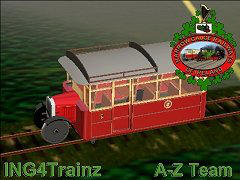
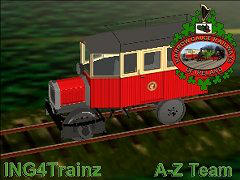
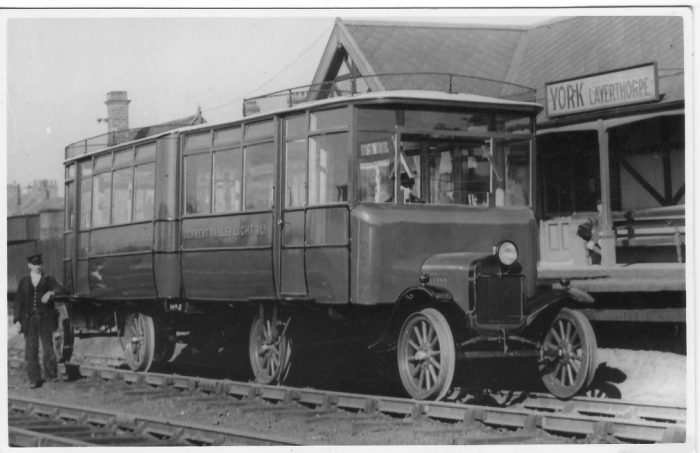 DVLR Railmotors in use at Layertorpe Sation near York. [6] These railmotors became Railmotors No. 2 and 3 on the County Donegal railways.
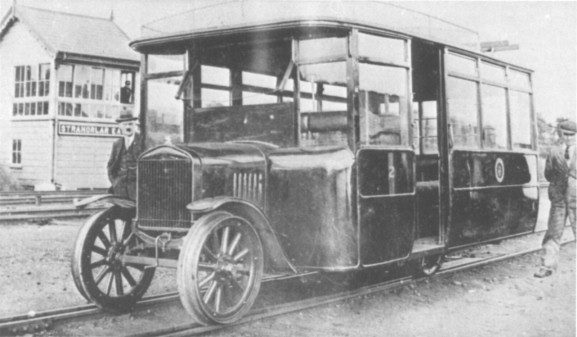 It is interesting that this photograph of one of the two railmotors (No. 2) after conversion for the Co. Donegal Railways is shown on the IRS website in an article from 1973 and it is credited to Dr. E.M. Patterson, [2] but the picture does not appear in the Book about the Co. Donegal Railways from Patterson et al. [1] … The changes are self-evident. The re-gauging to 3ft-gauge would have left the centre of gravity of the vehicle too high and as a result the body was lowered on the chassis which created a very different look. The rear wheels were almost hidden inside the bodywork.
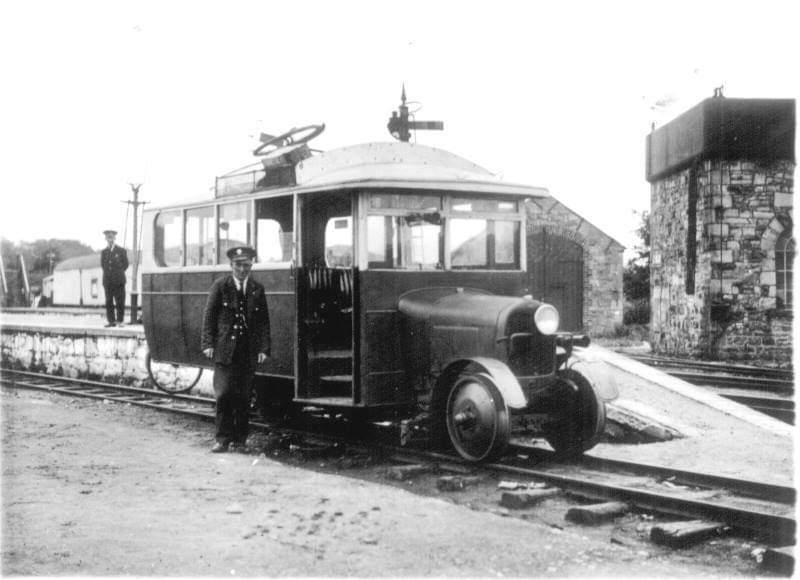 Railcar/Railmotor No. 4 with the loco shed, water tower and carriage shed in Donegal Town, 1931. This picture was found on the Facebook group associated with the Donegal Railway Heritage Centre. (c) Sam Carse and held in the collection of the Donegal Railway Heritage Centre. [20]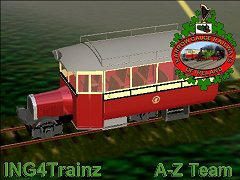
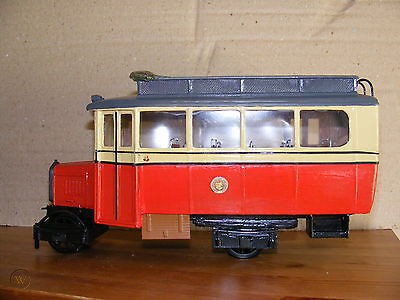
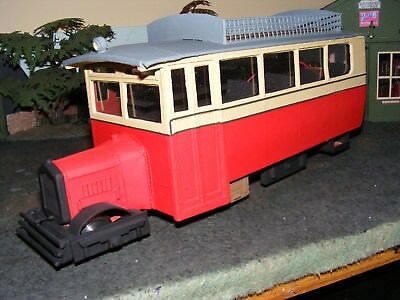
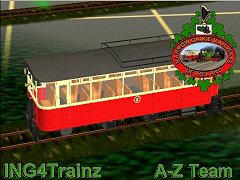
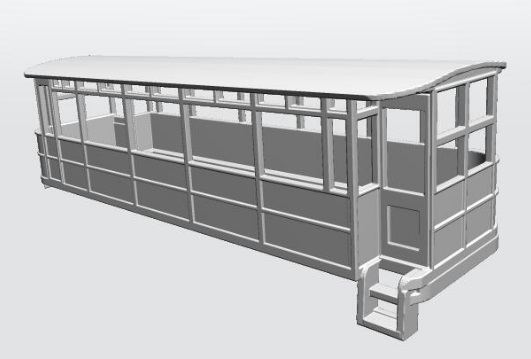
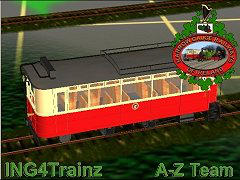
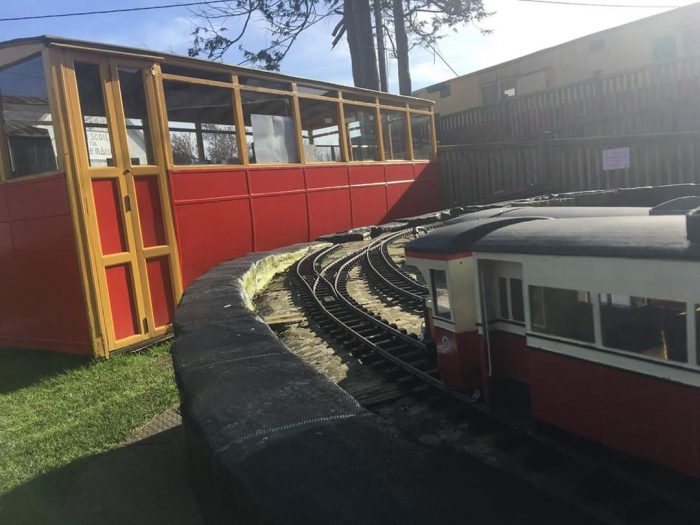
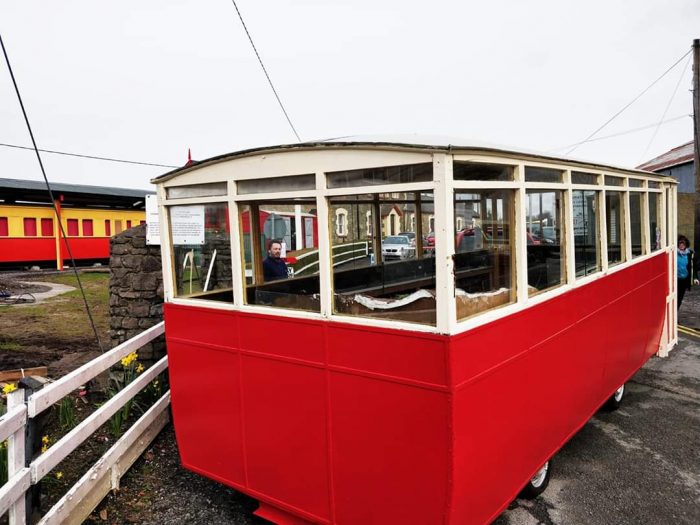 Trailer No. 5 in the process of being prepared to travel through the streets of Donegal on the St. Patrick’s Day Parade in 2019. [19]
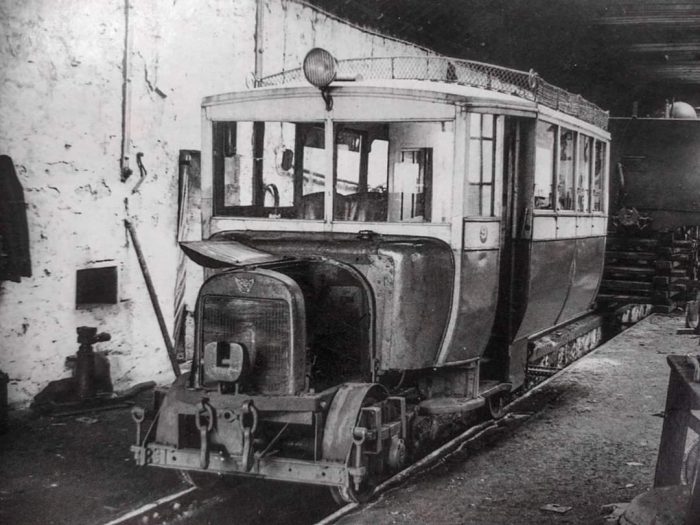 Railcar No 9 in the shops at Stranorlar. In 1930 the CDR acquired four Reo buses second hand from the GNR. A few years on the Donegal’s poor roads reduced them to wreaks but Henry Forbes had the two in the best condition converted to Railcars. They had 20-seat bodies and were powered by 36hp petrol engines. No.10 was destroyed in an accidental fire in 1939 but No. 9 seen here lasted until 1949. This picture was found on the Facebook group associated with the Donegal Railway Heritage Centre. (c) Sam Carse and held in the collection of the Donegal Railway Heritage Centre. [24]
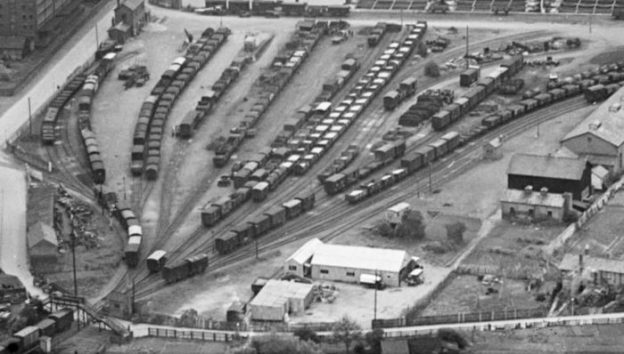
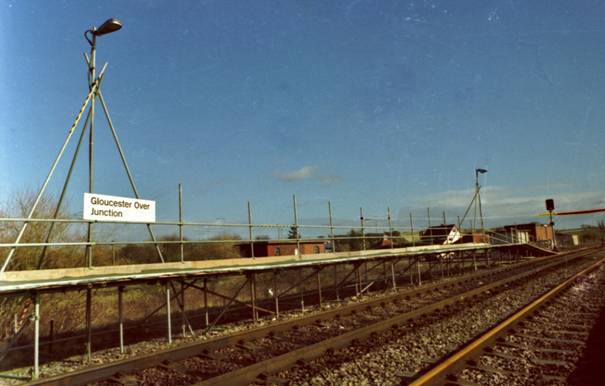
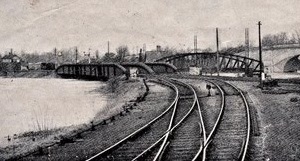
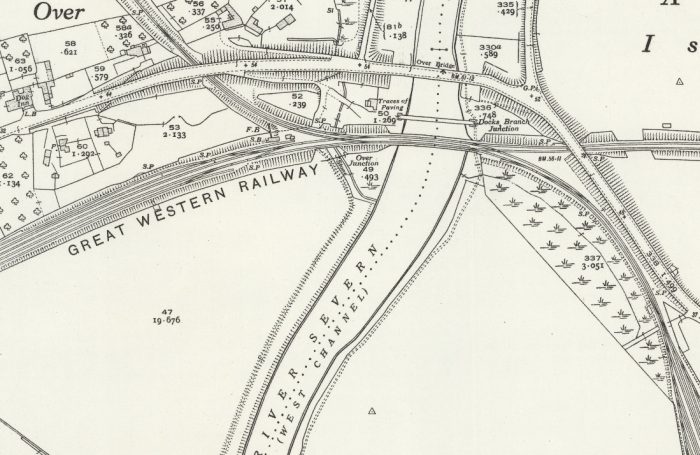
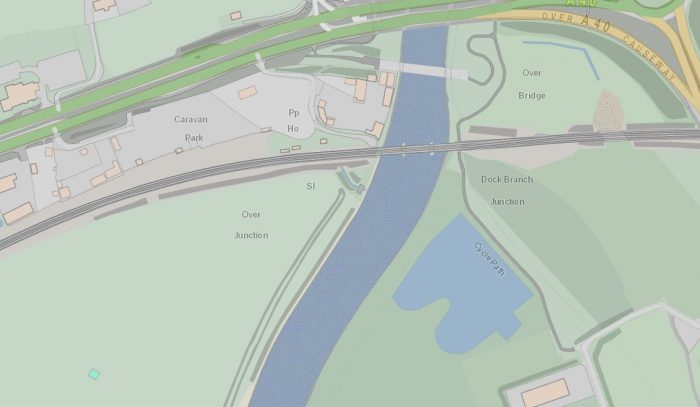
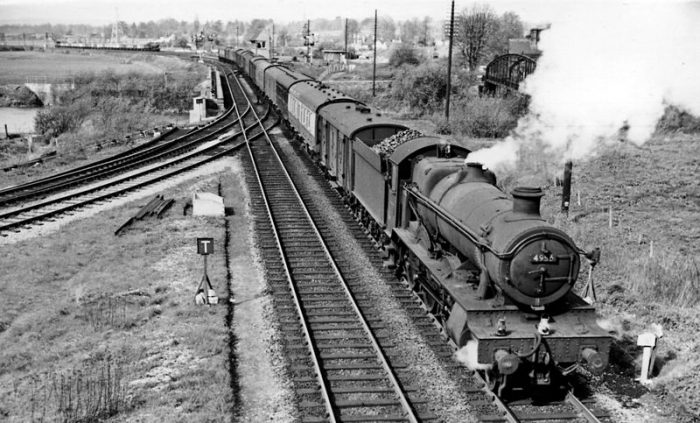
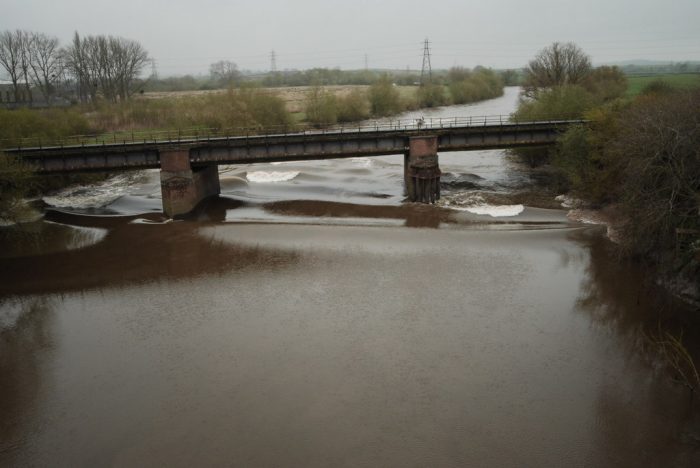
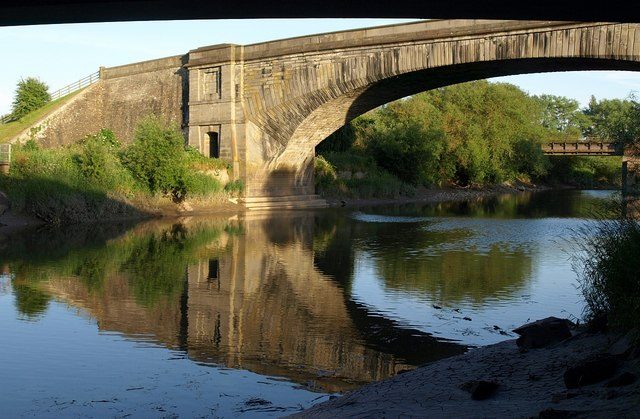
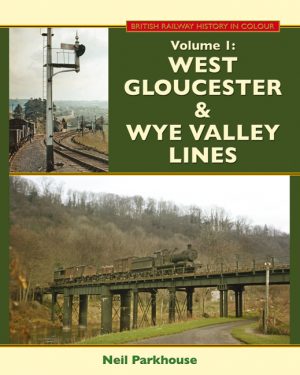
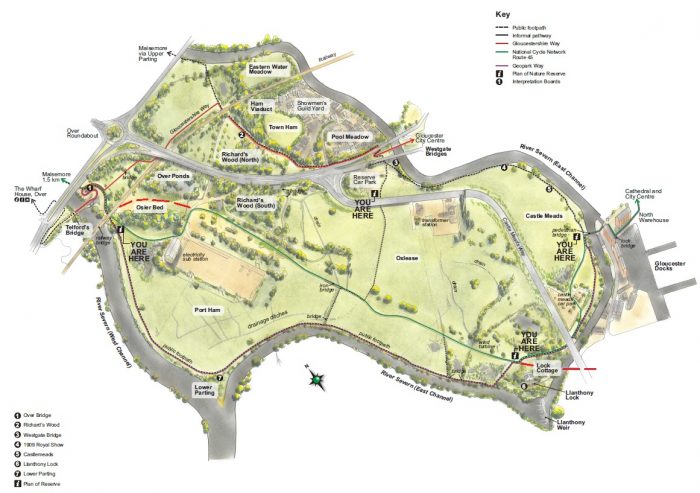
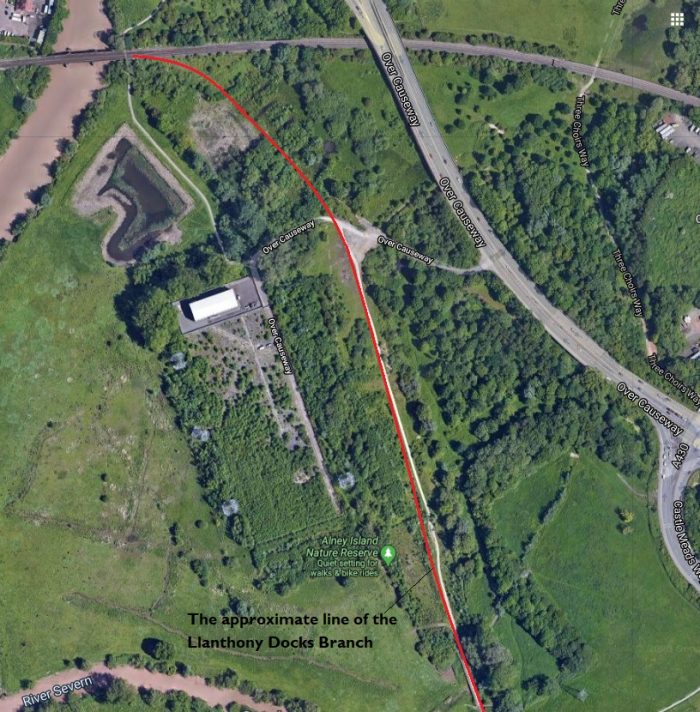
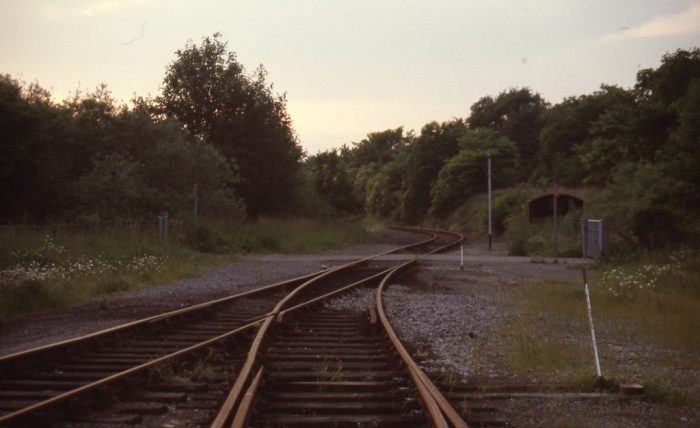
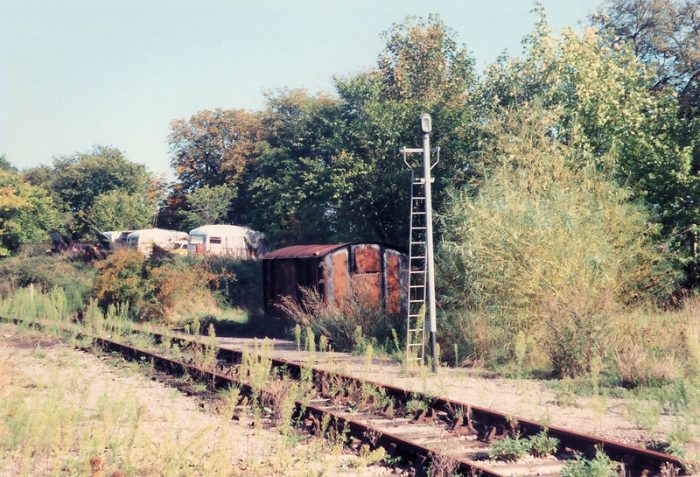
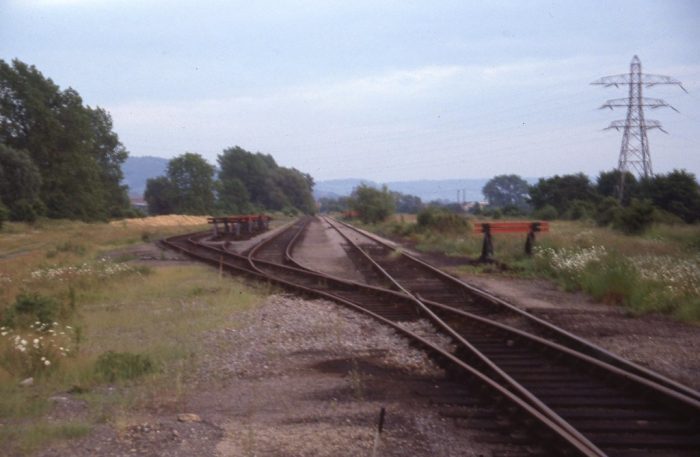
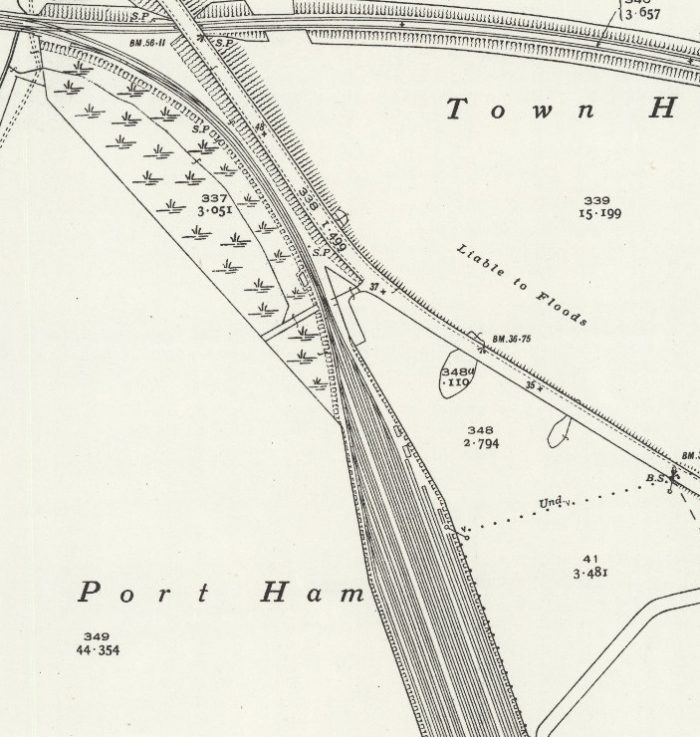
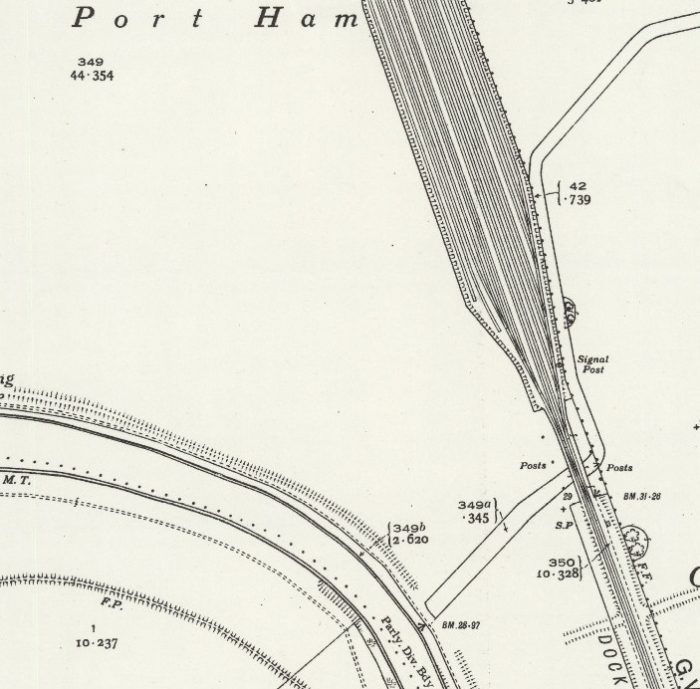
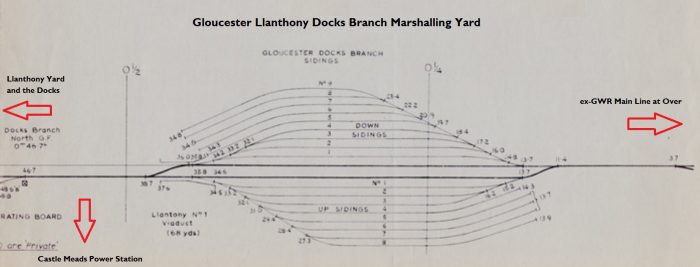
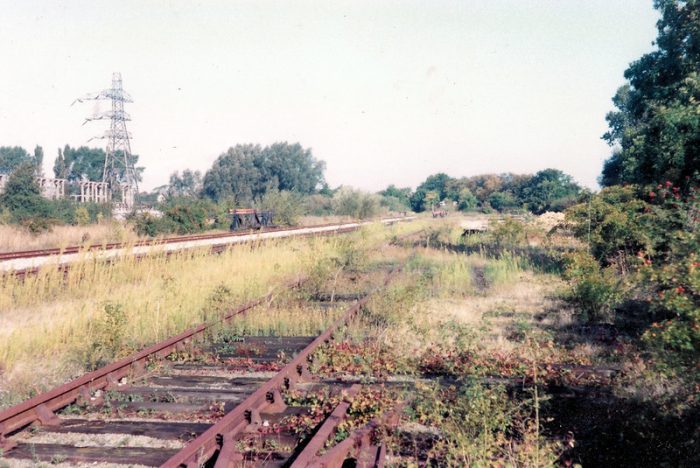
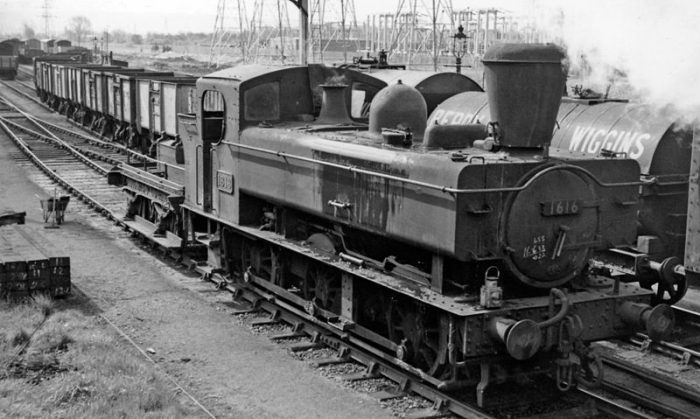
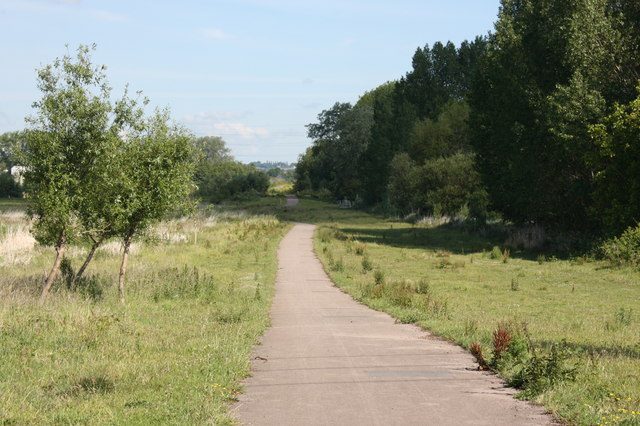
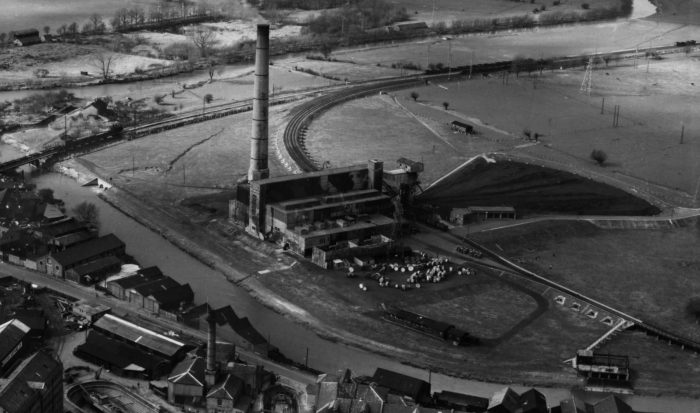

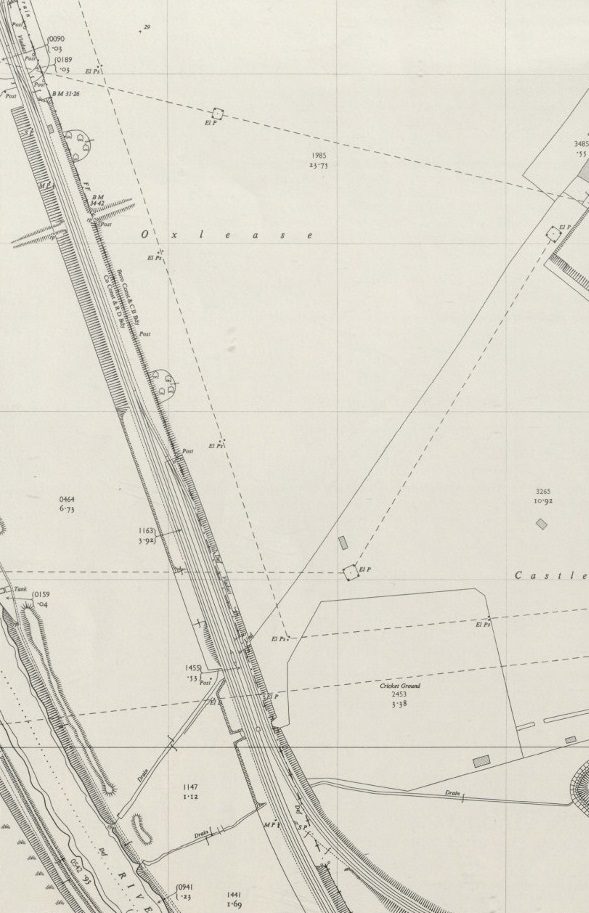
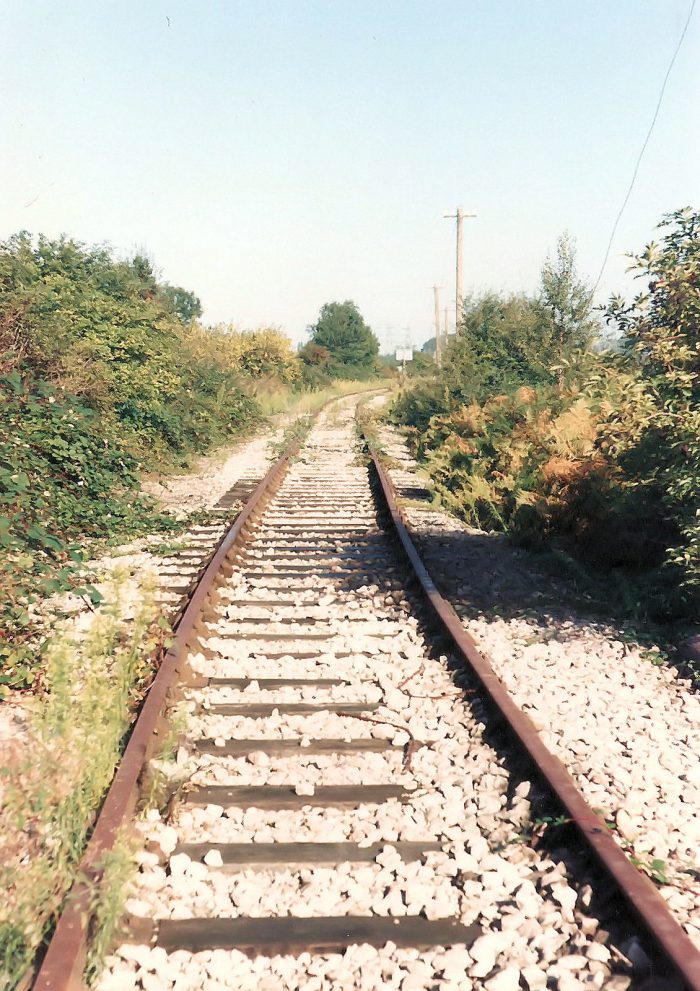
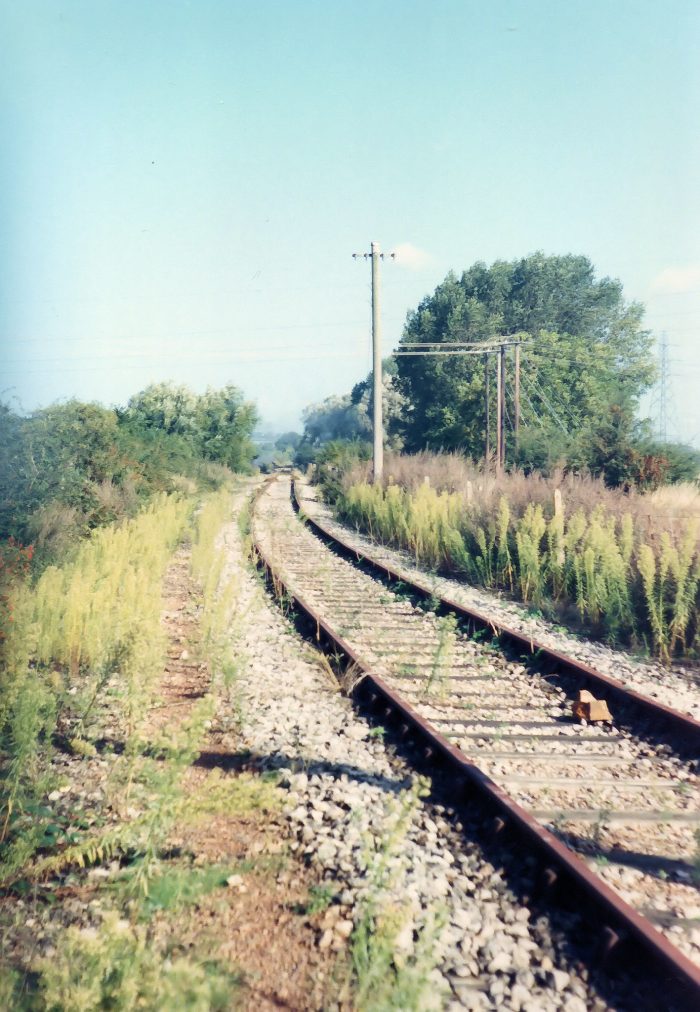
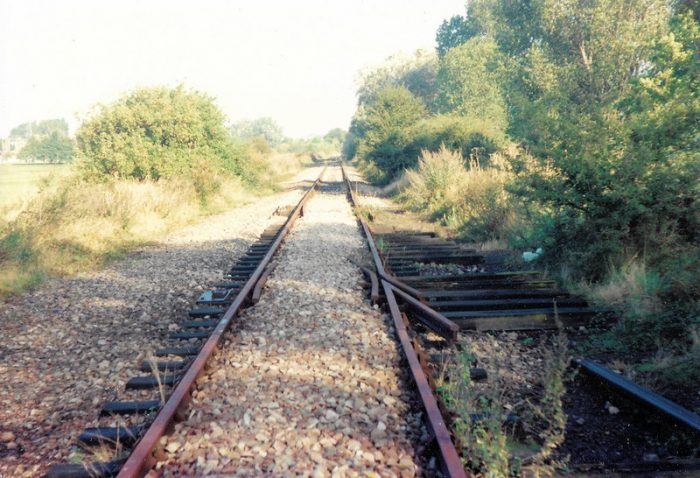
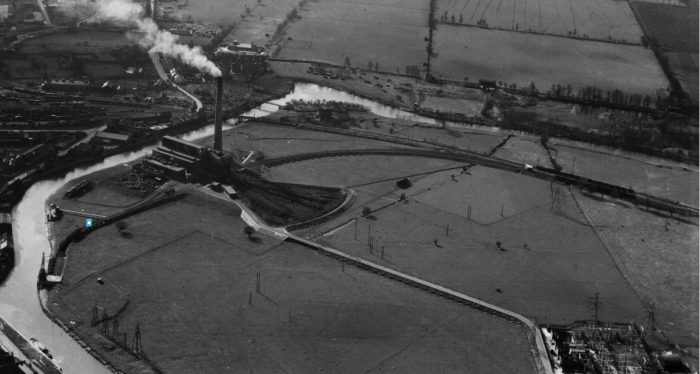
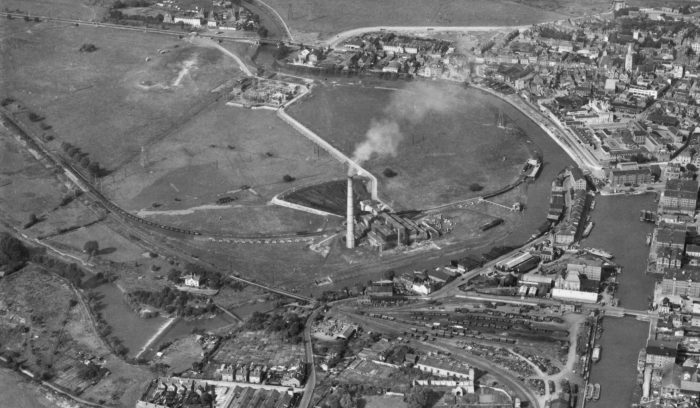
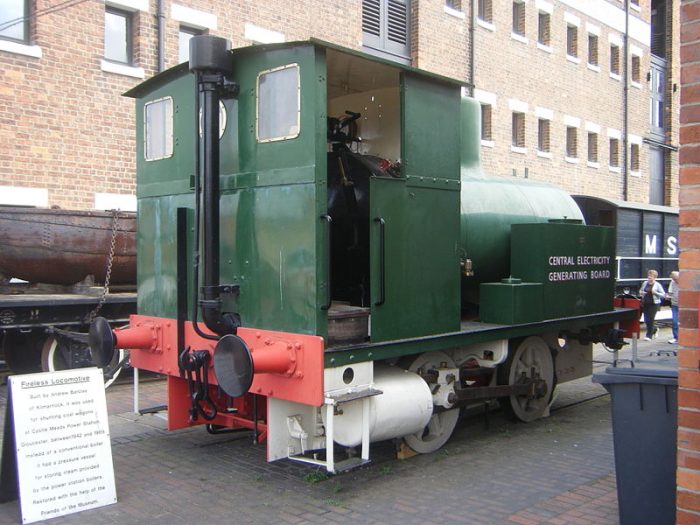
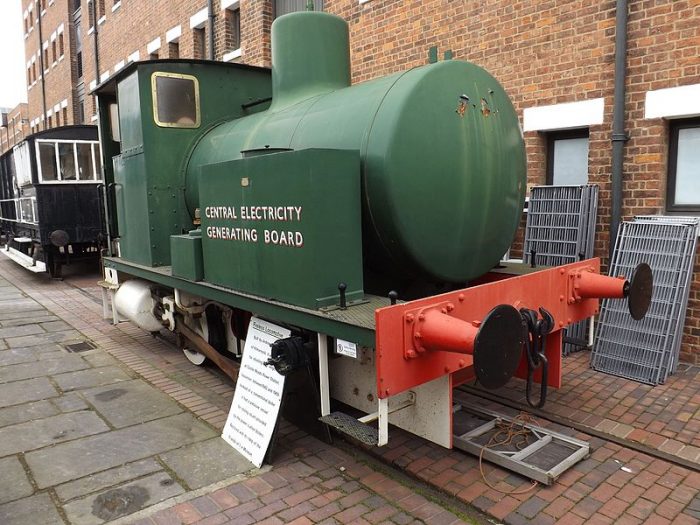
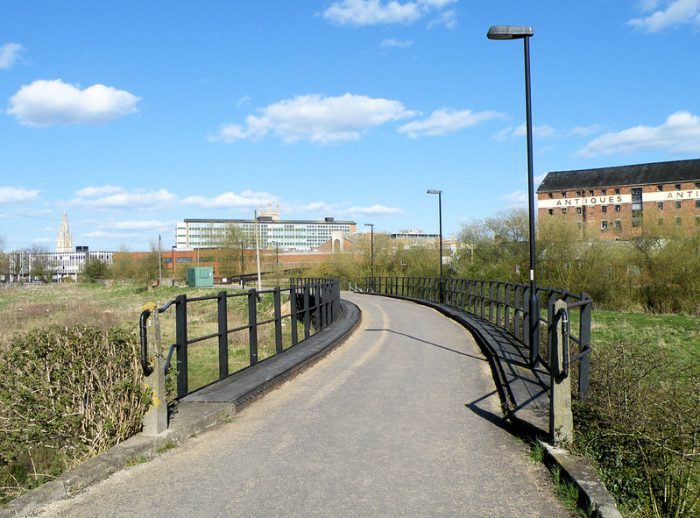
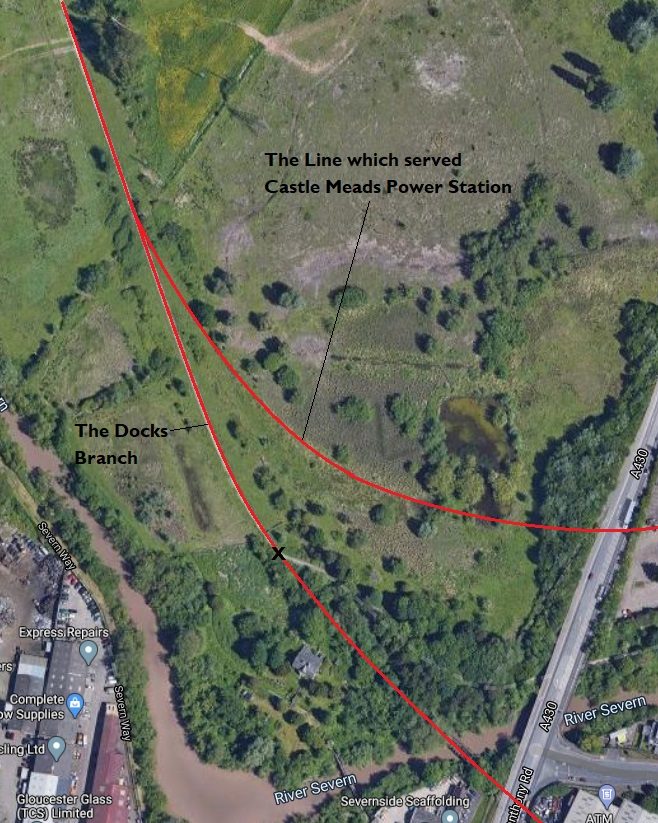
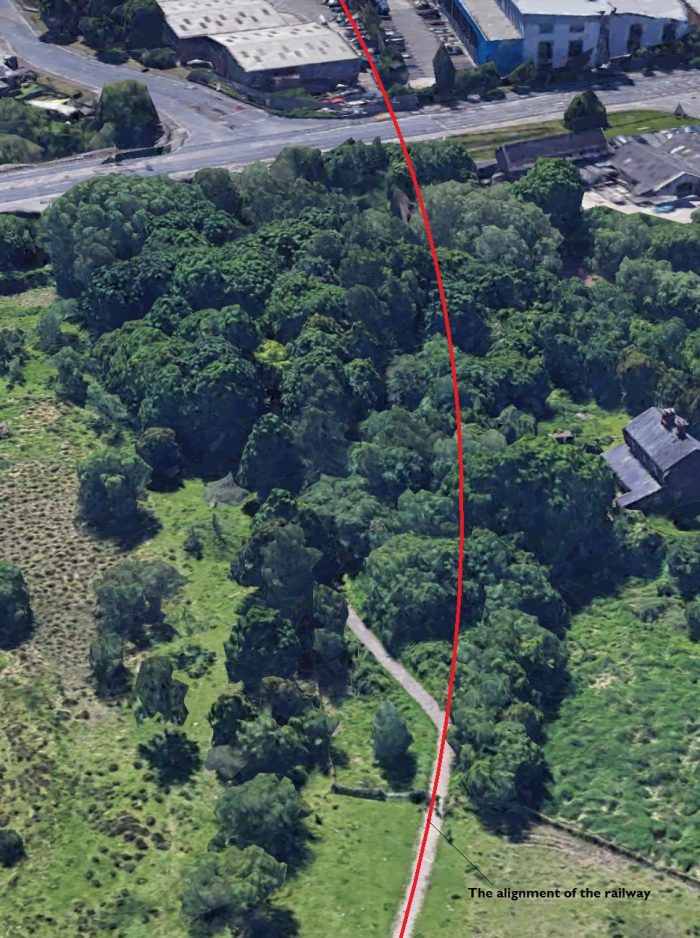
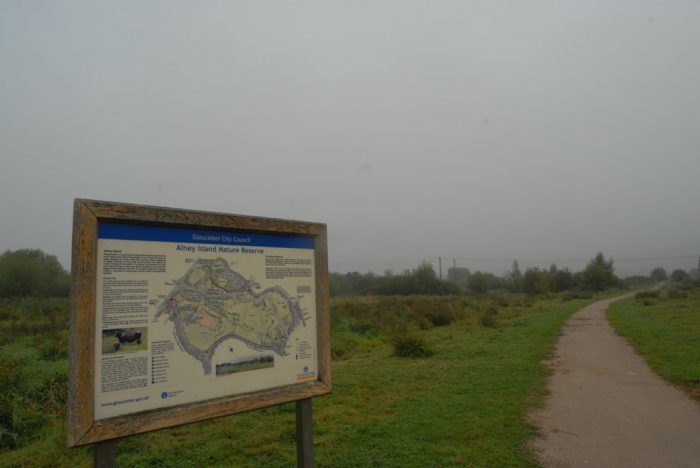
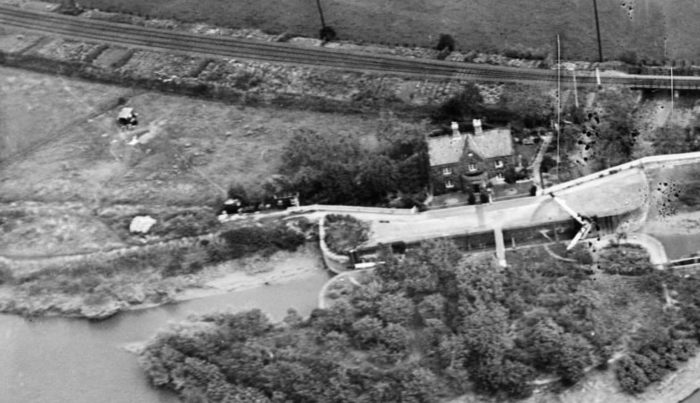
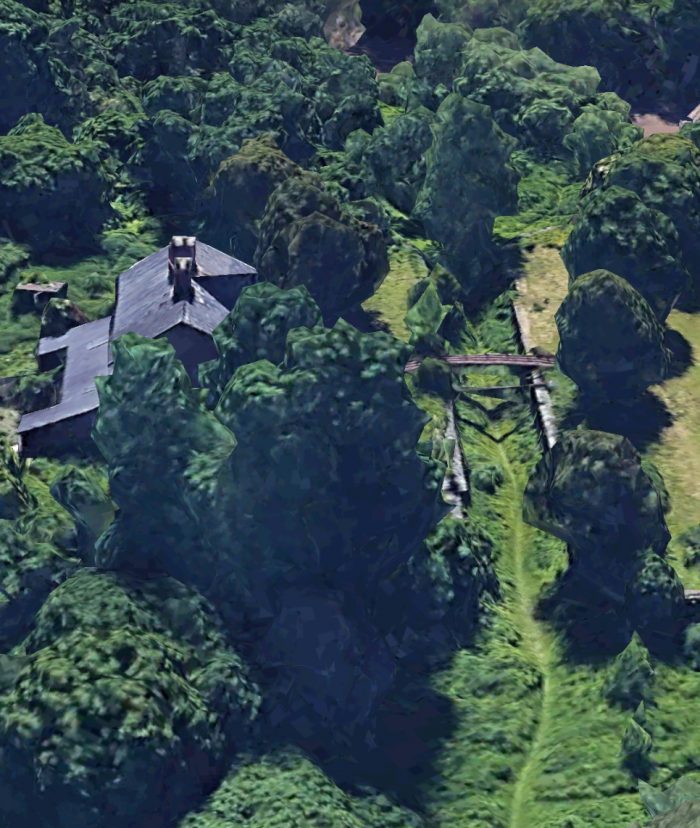
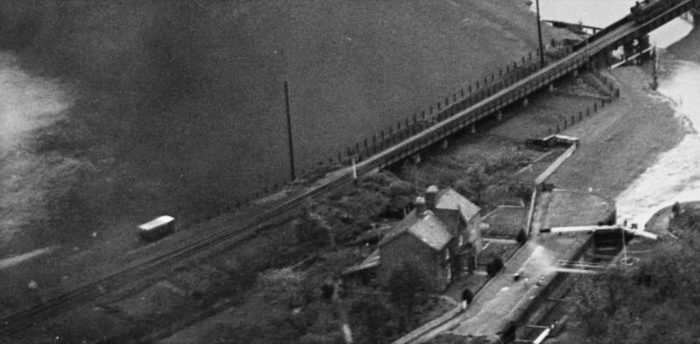
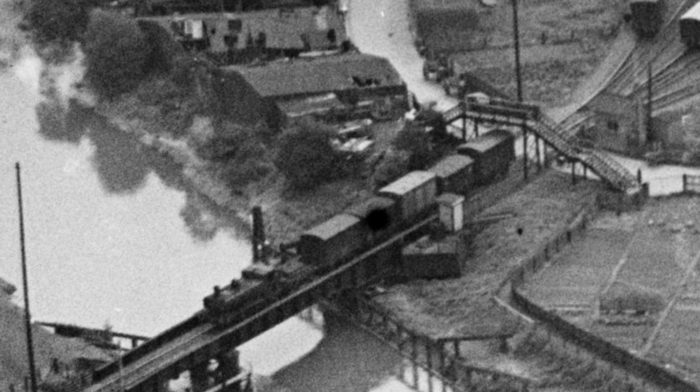
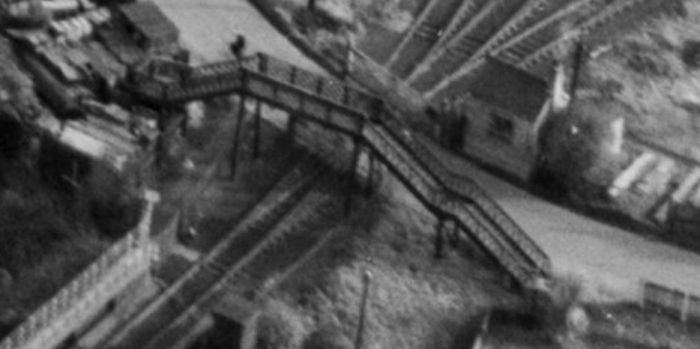
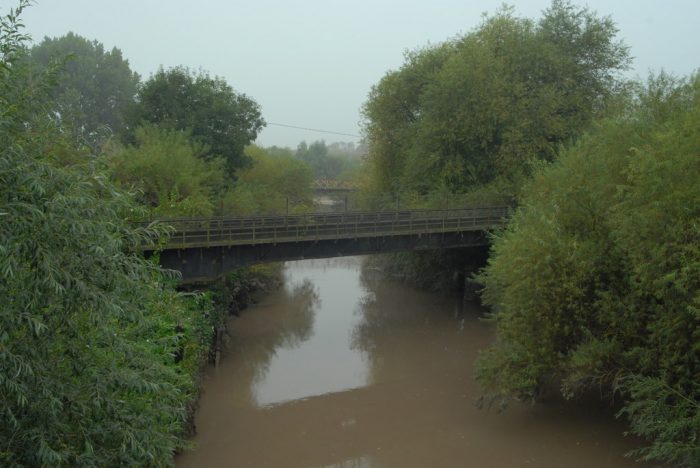
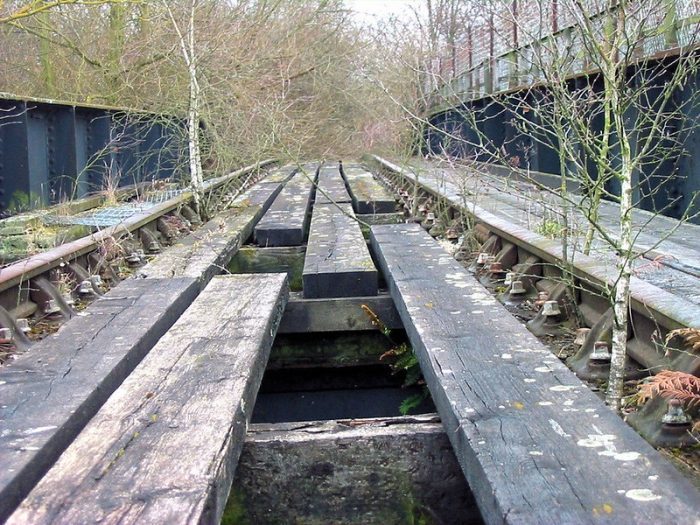
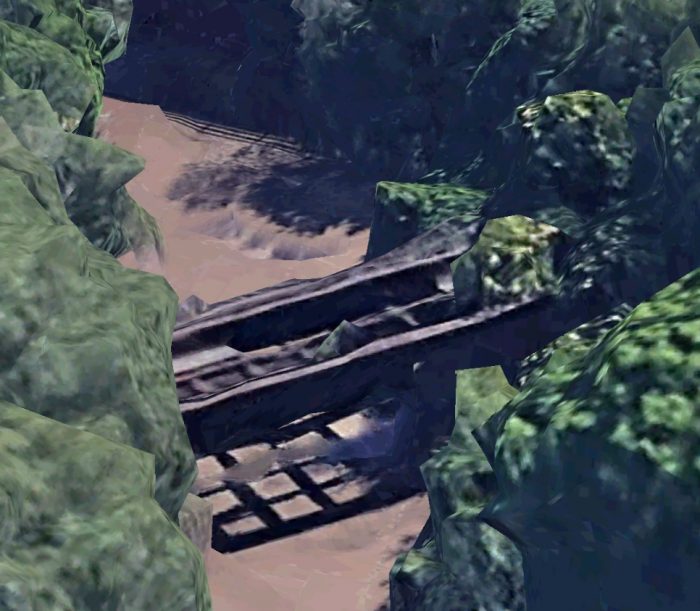
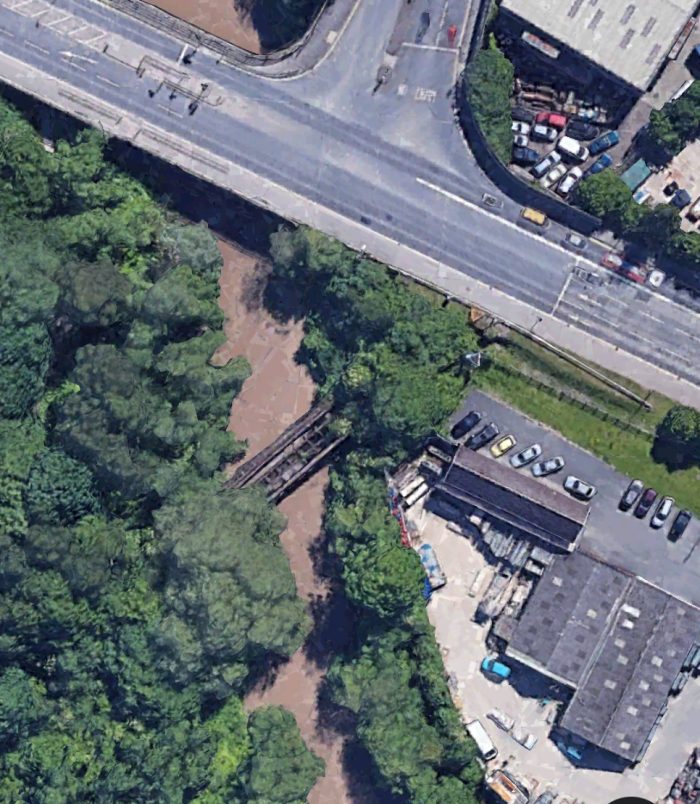
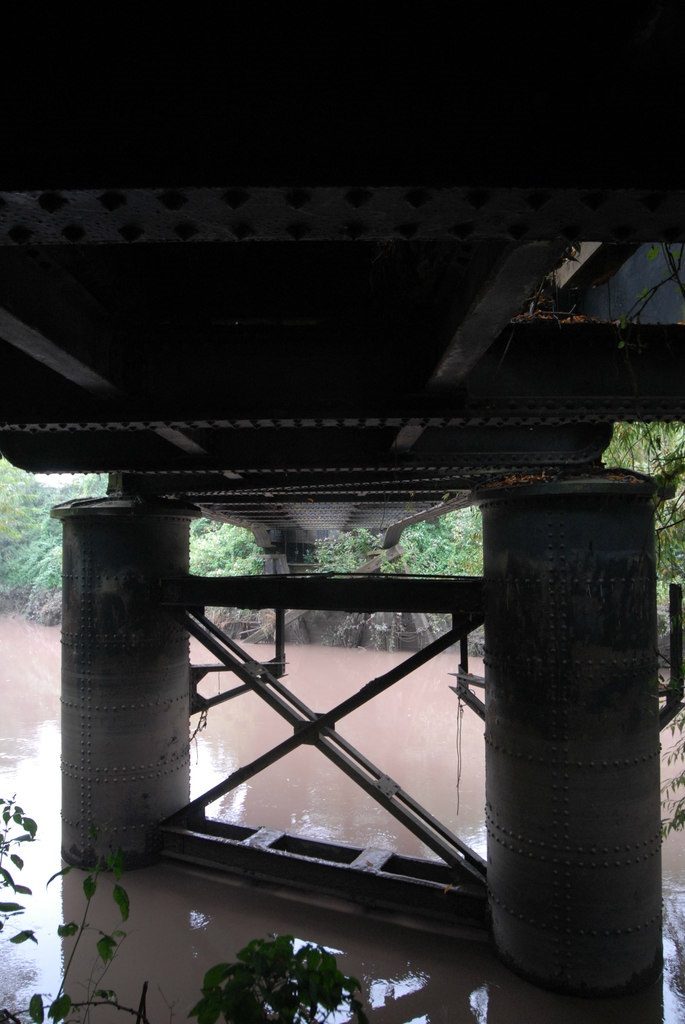
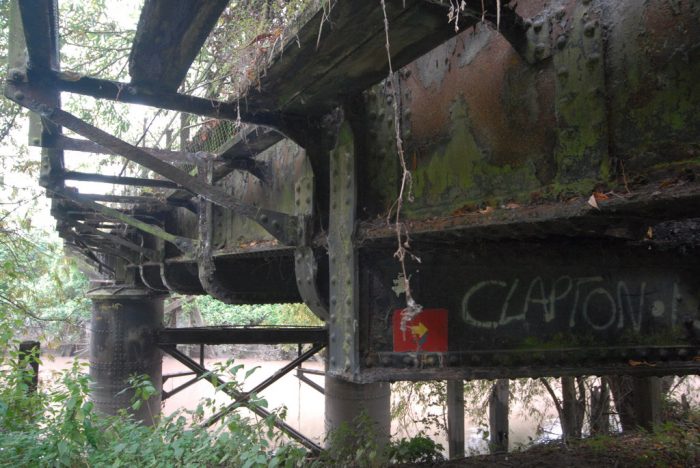

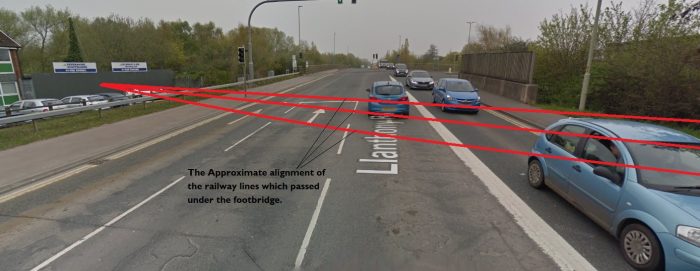
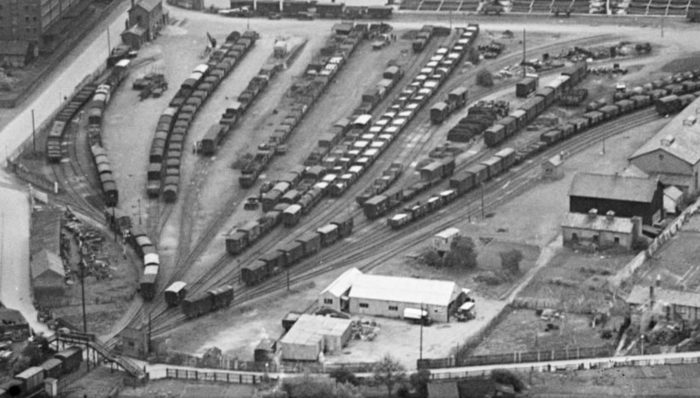
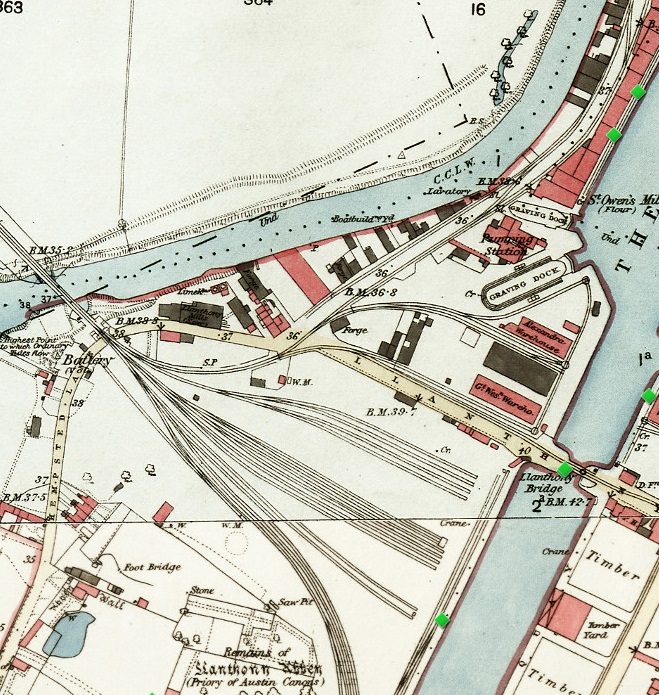
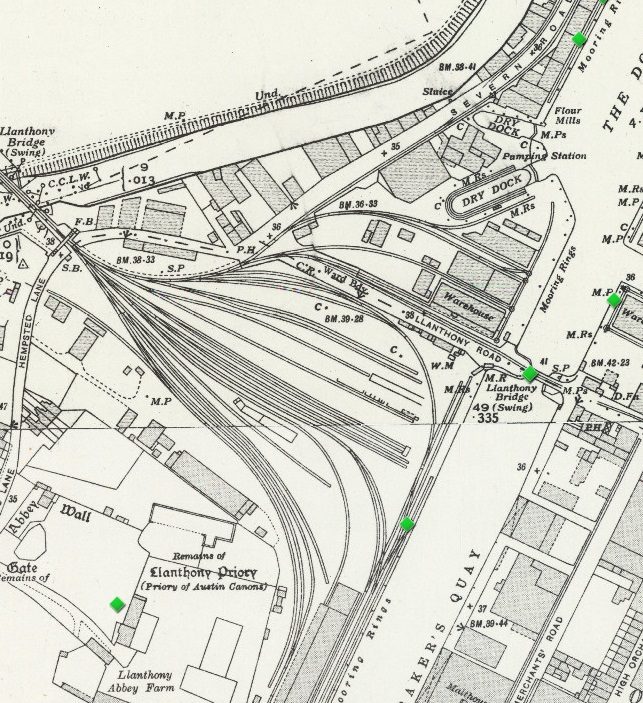

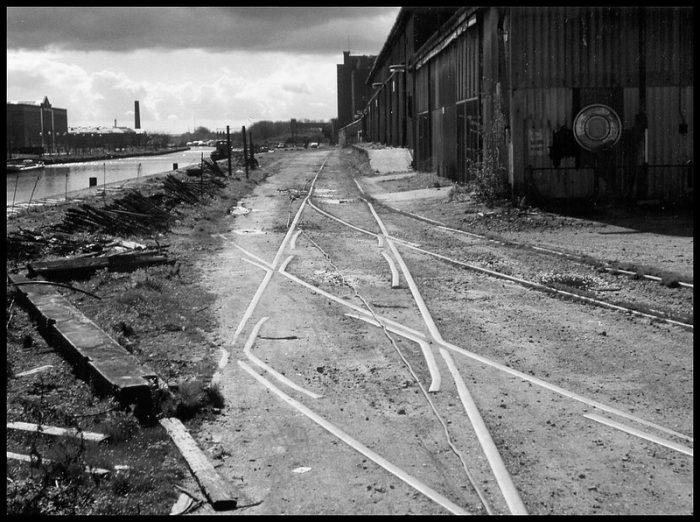
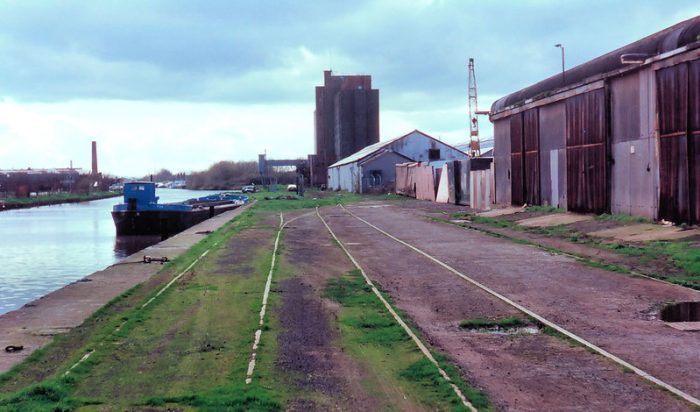
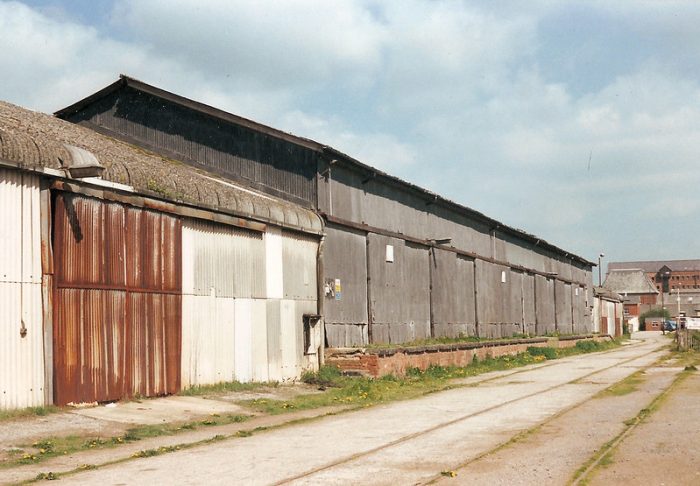

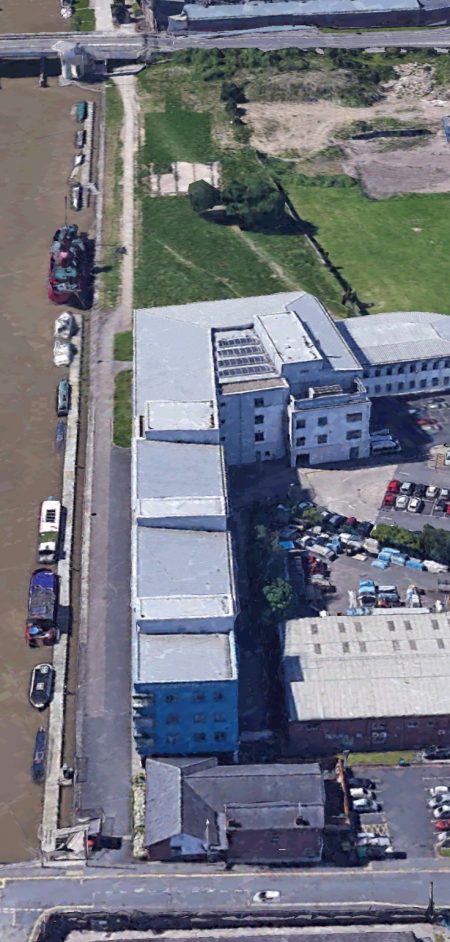
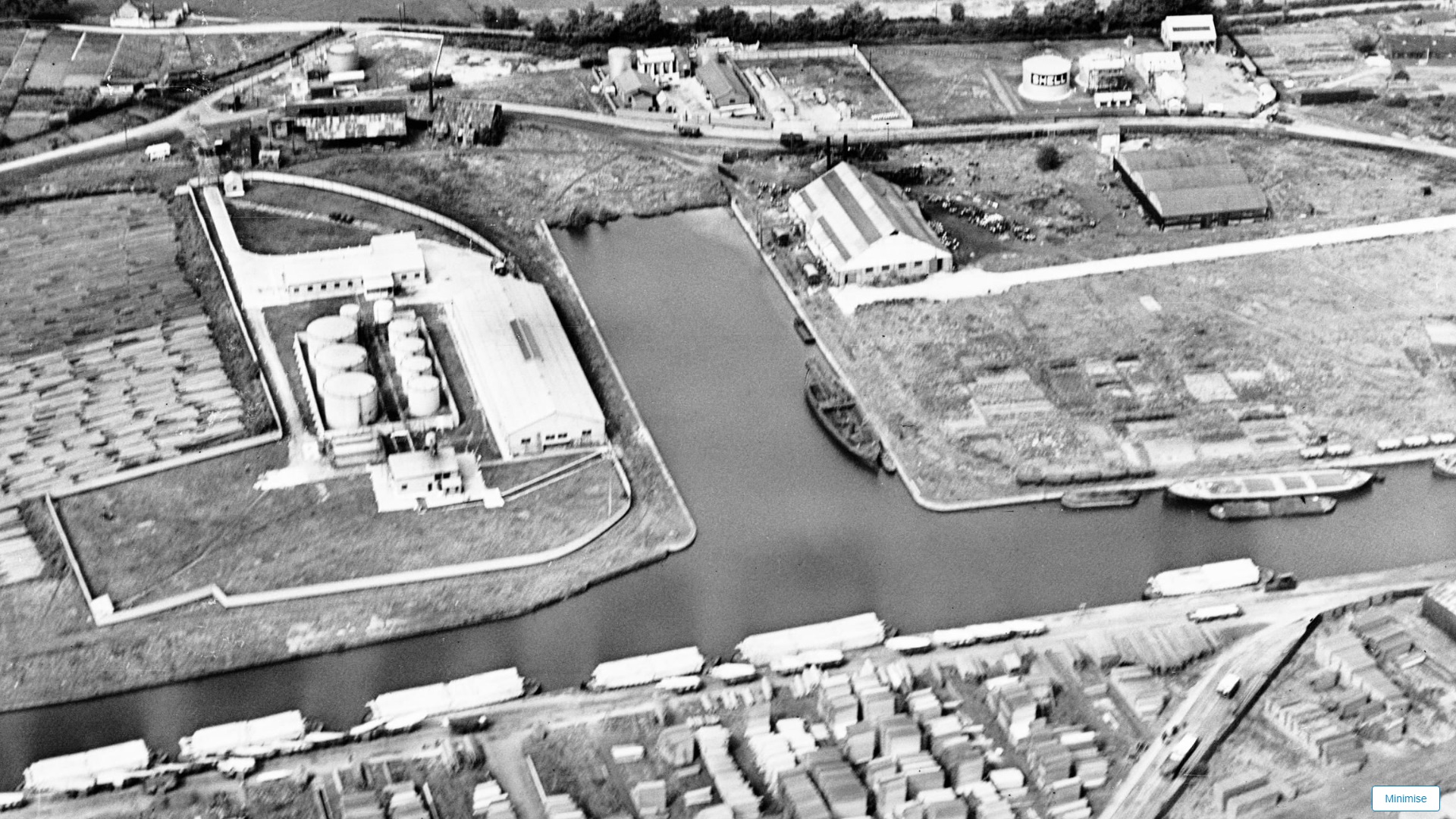
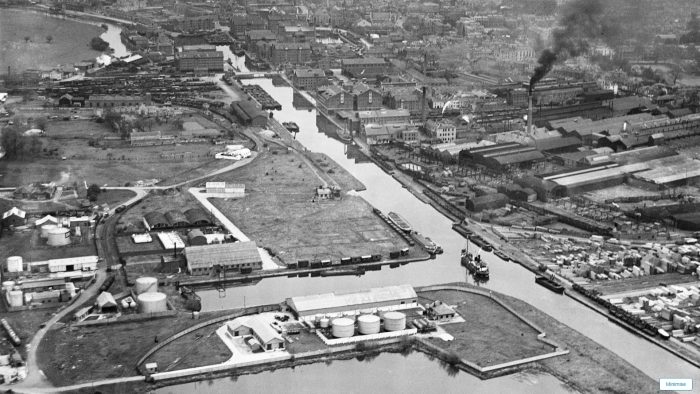
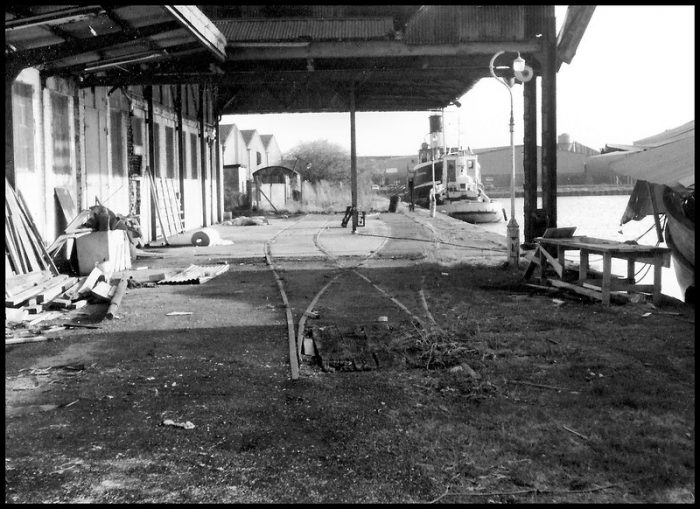
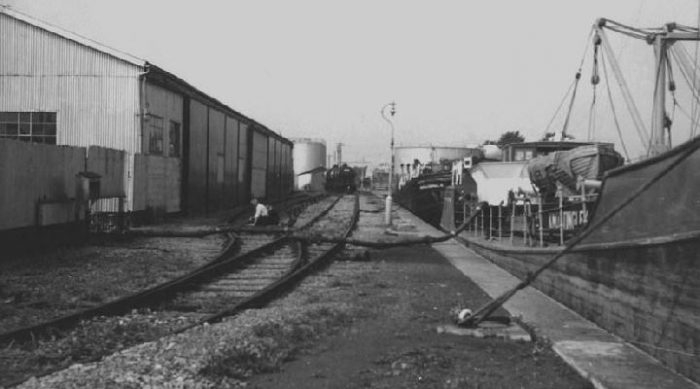
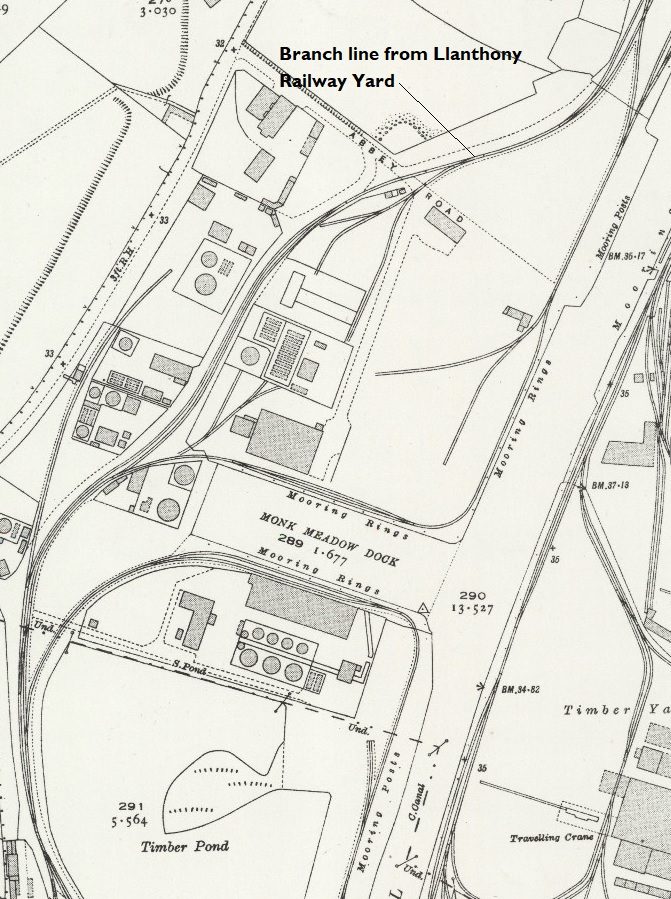
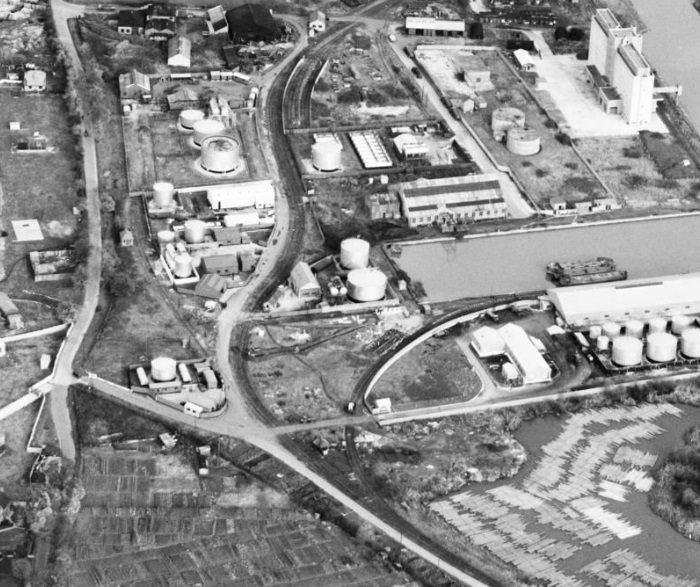
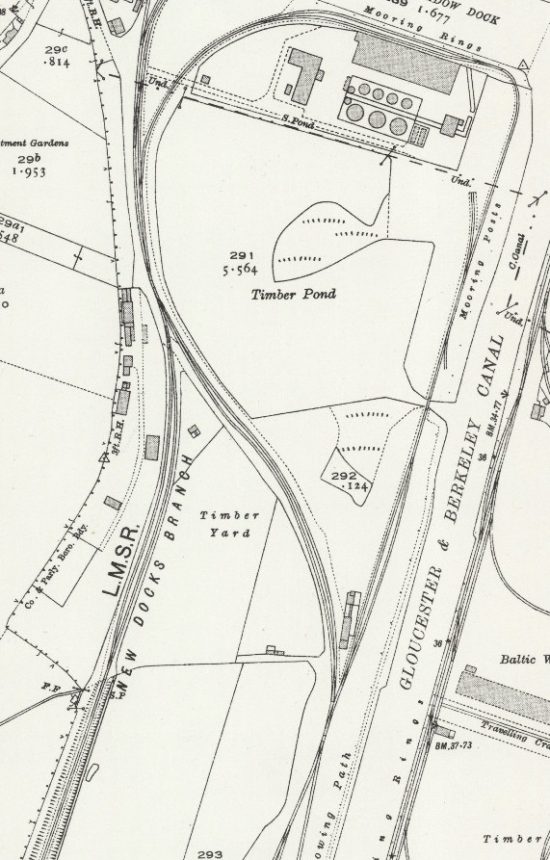
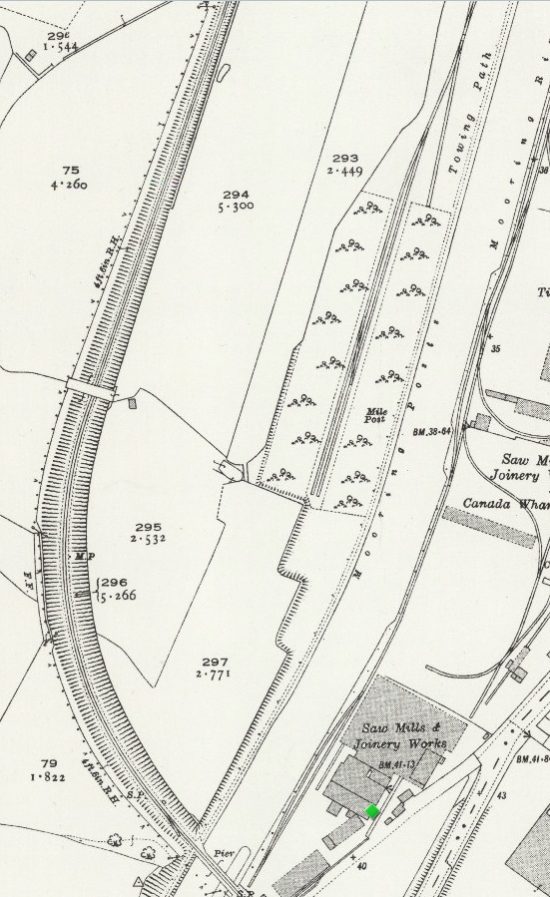
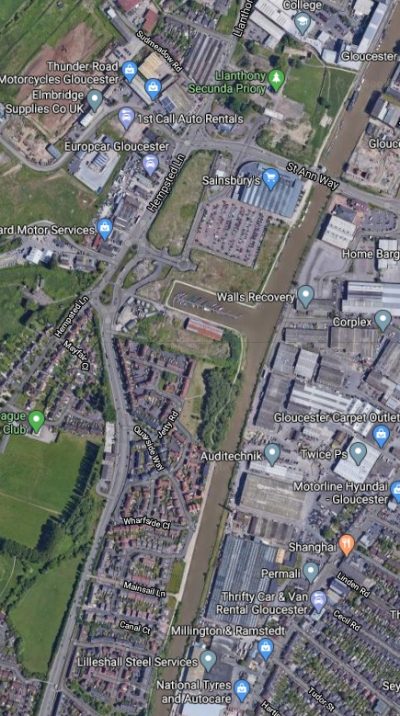
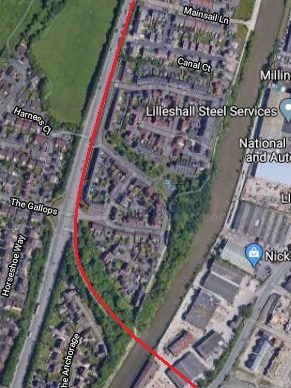


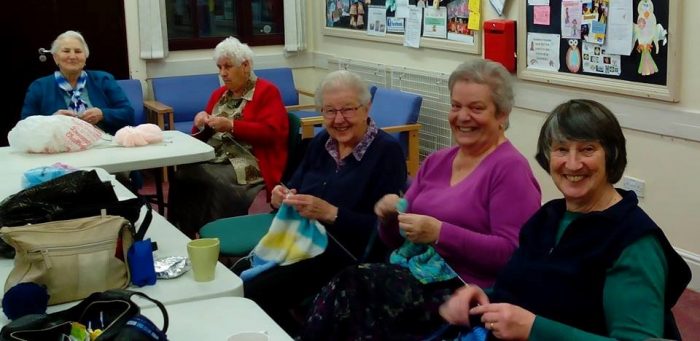


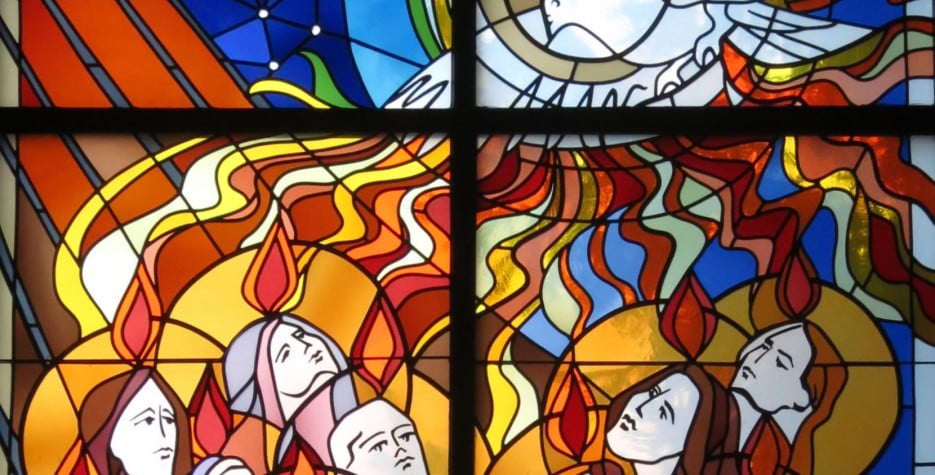


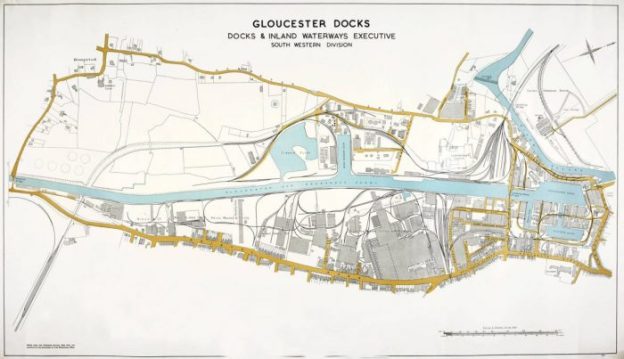
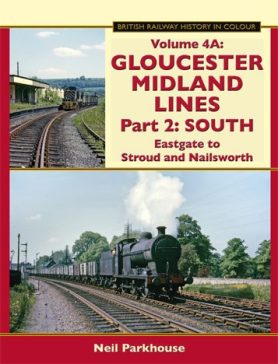
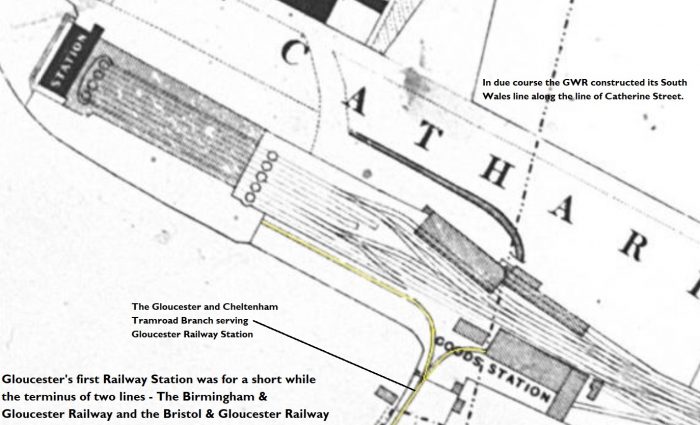
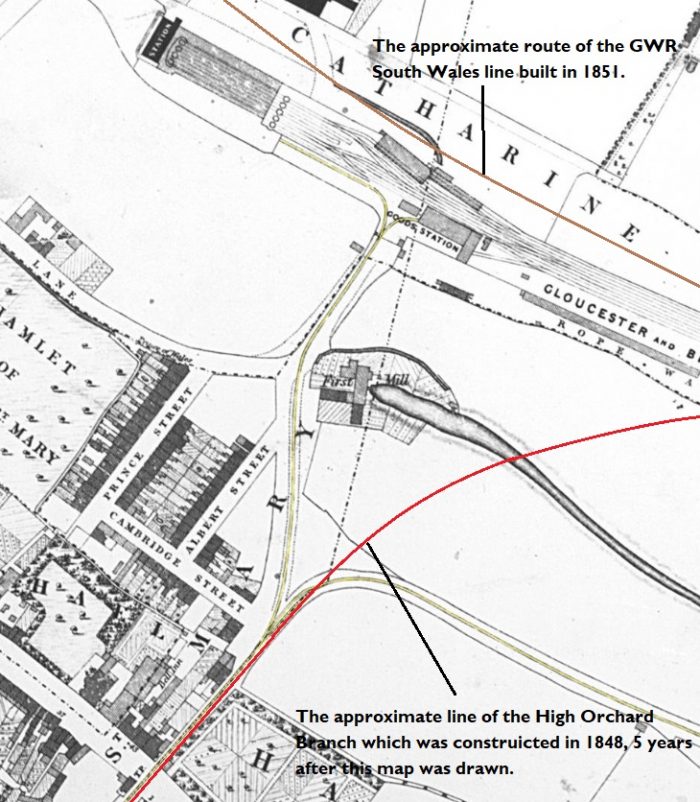
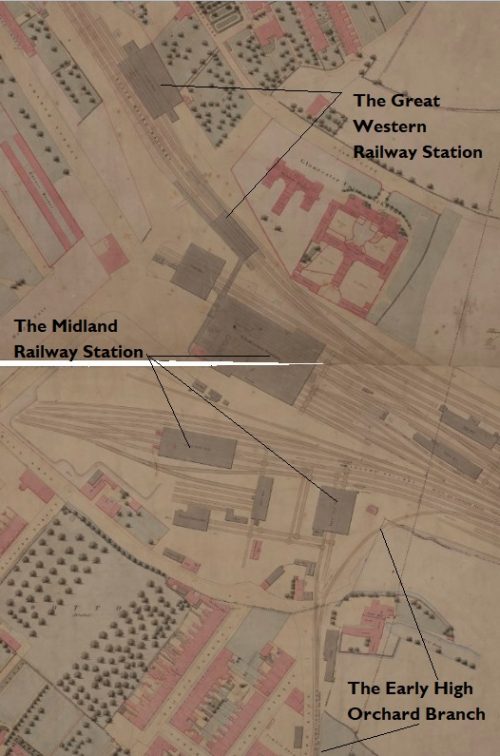
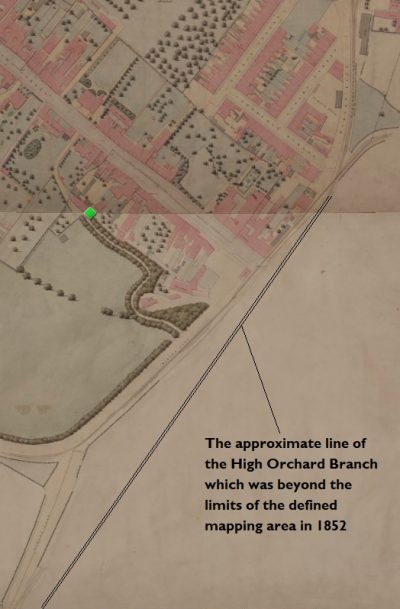
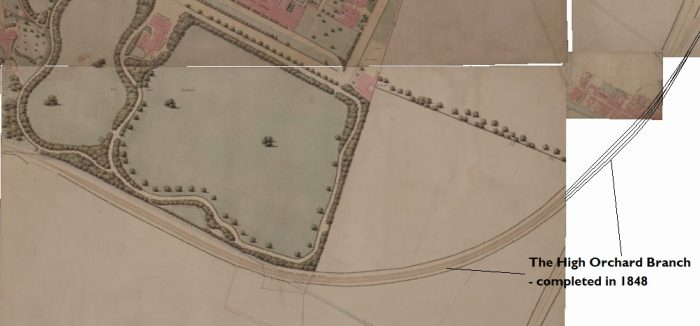
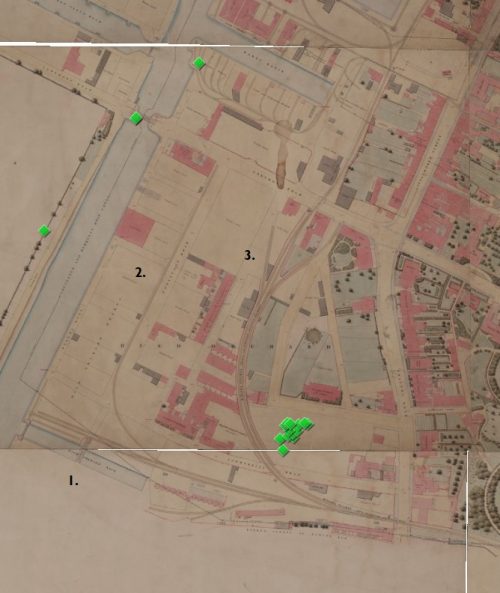

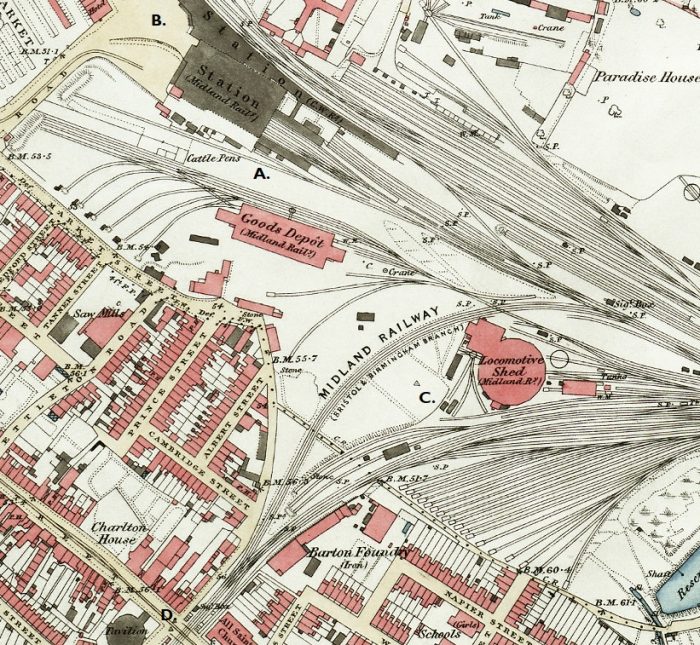
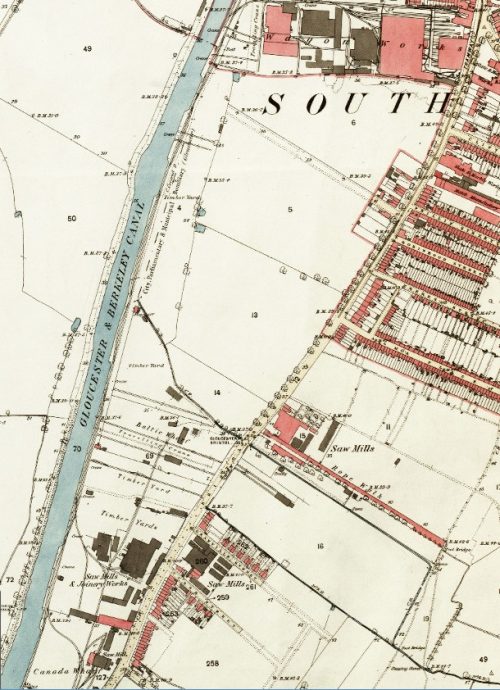
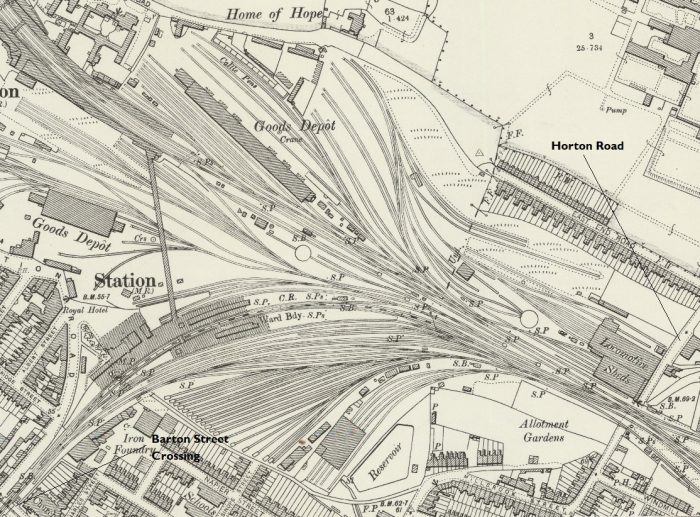

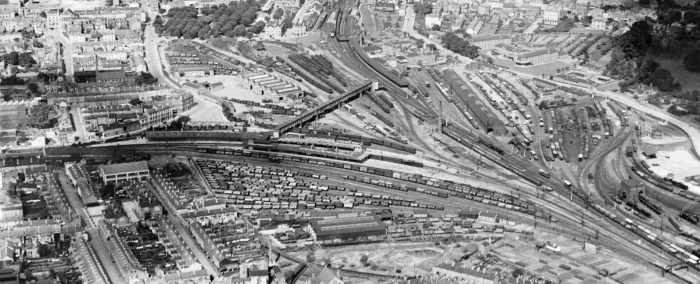
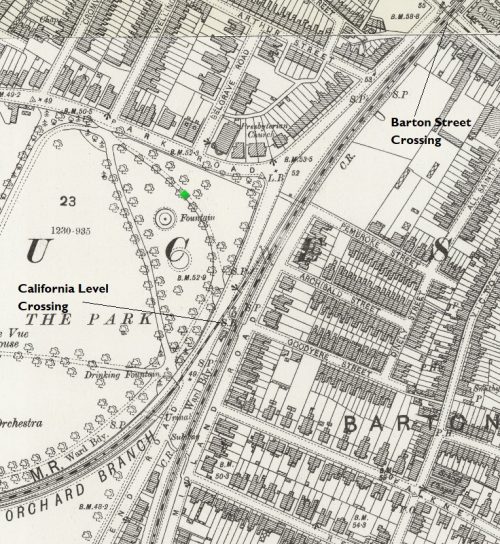
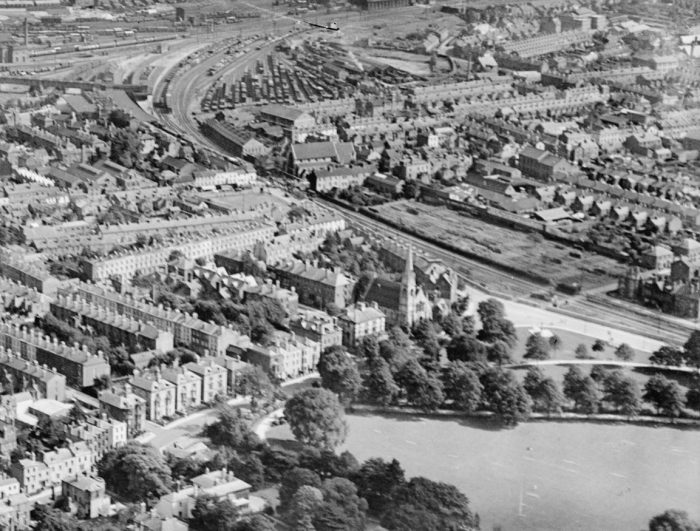
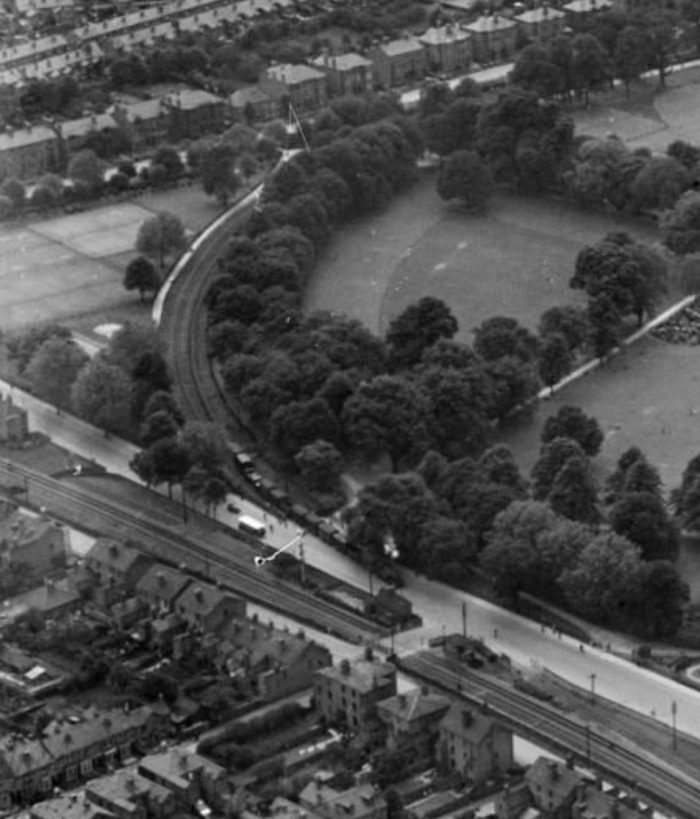
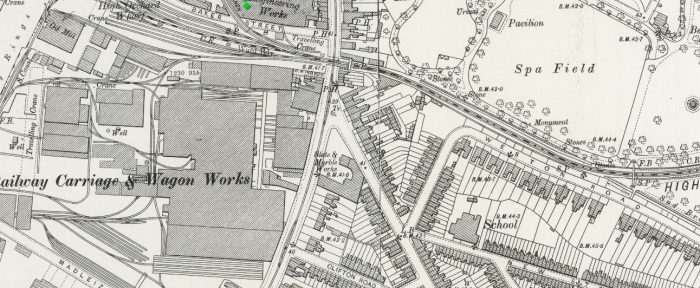
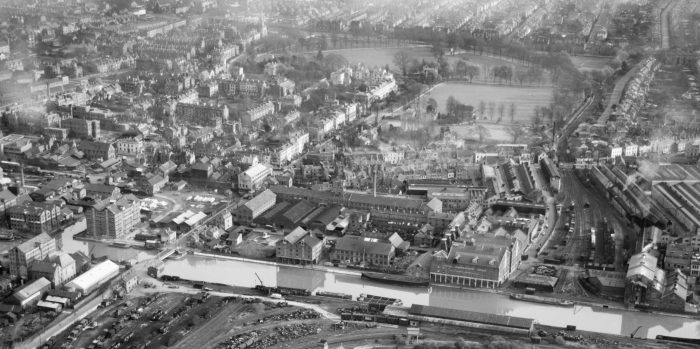
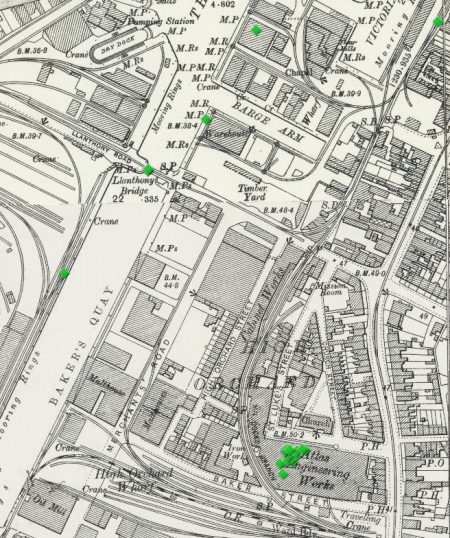
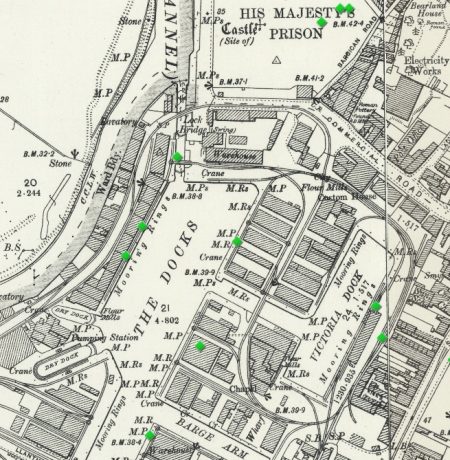

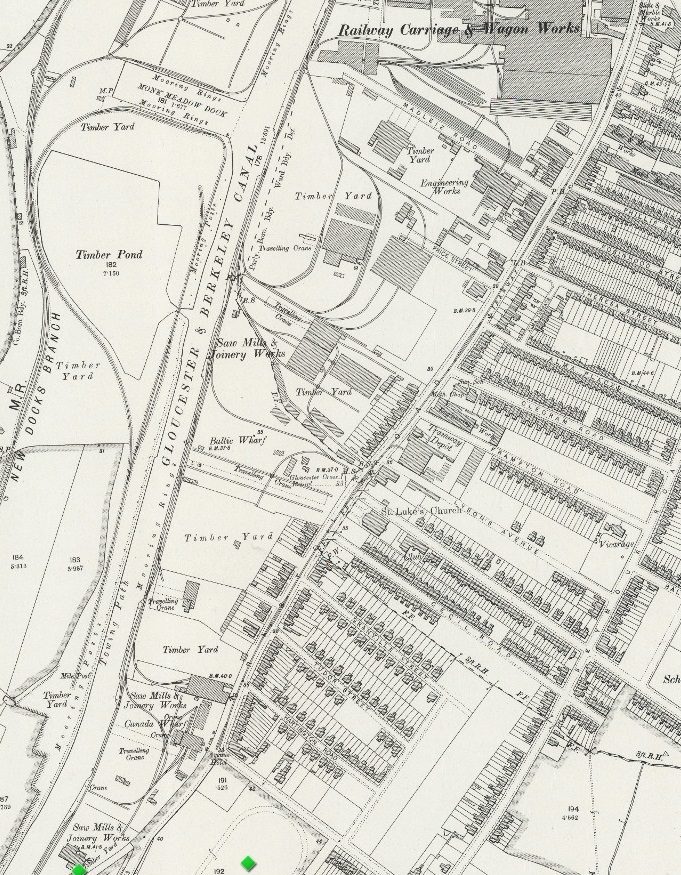
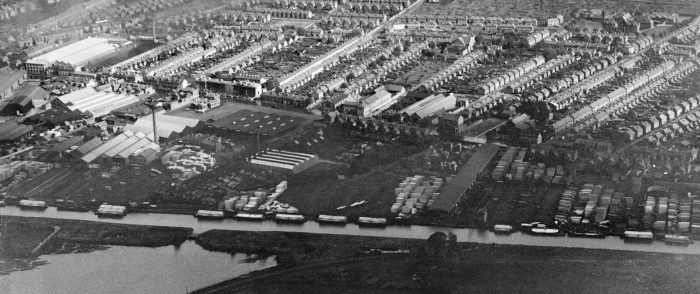
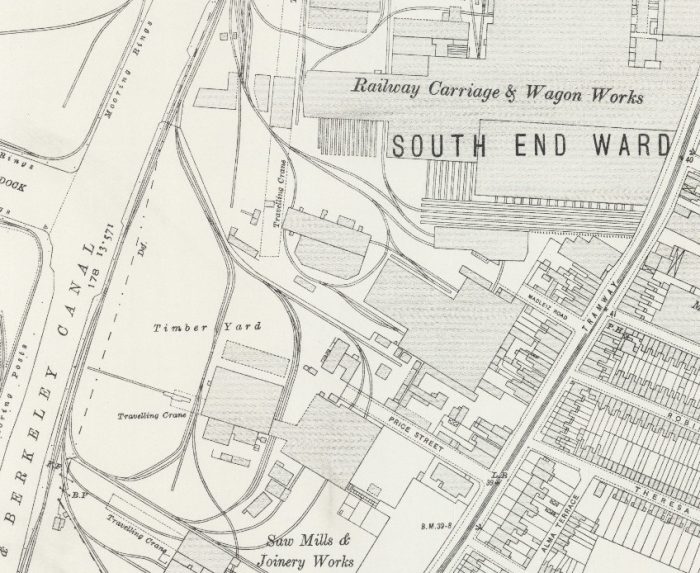
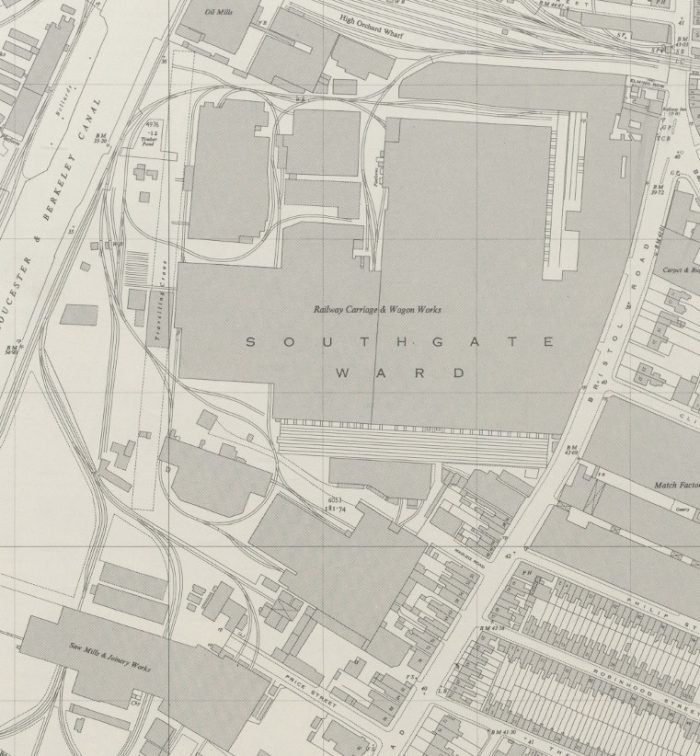
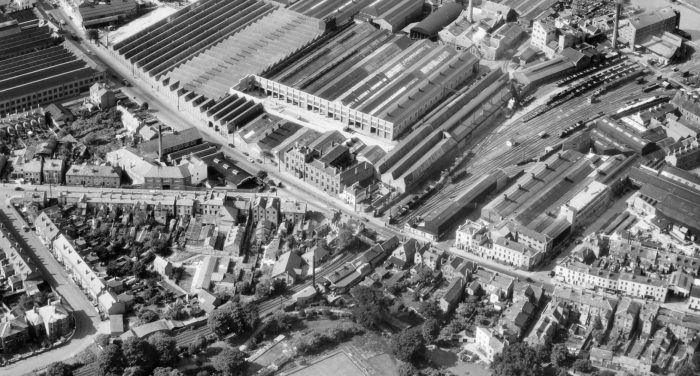
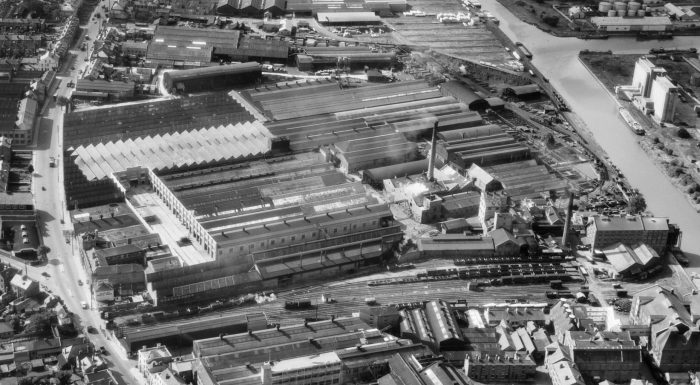
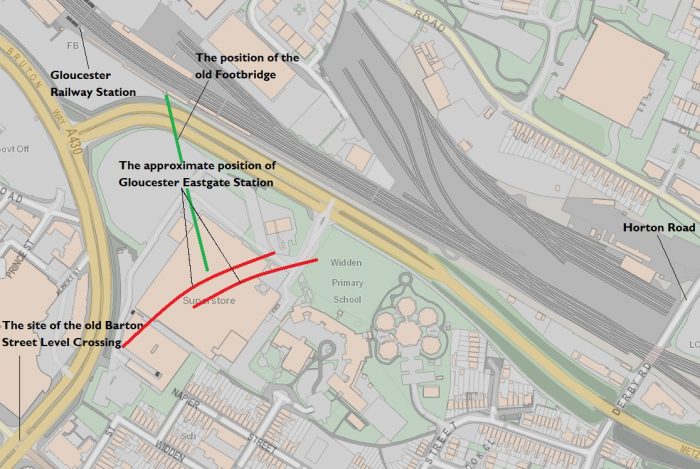
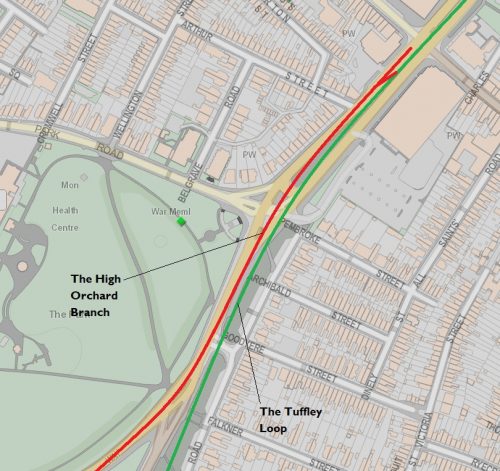
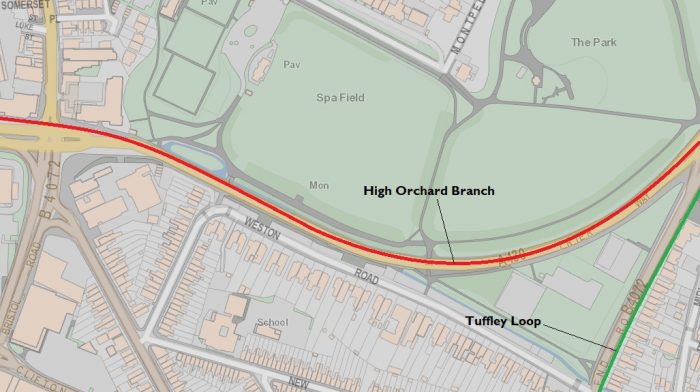
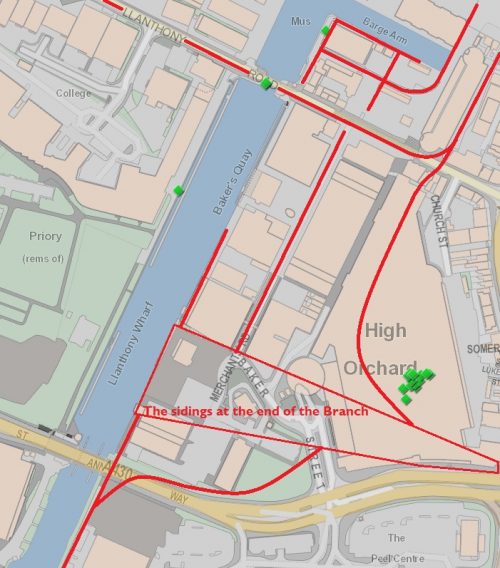
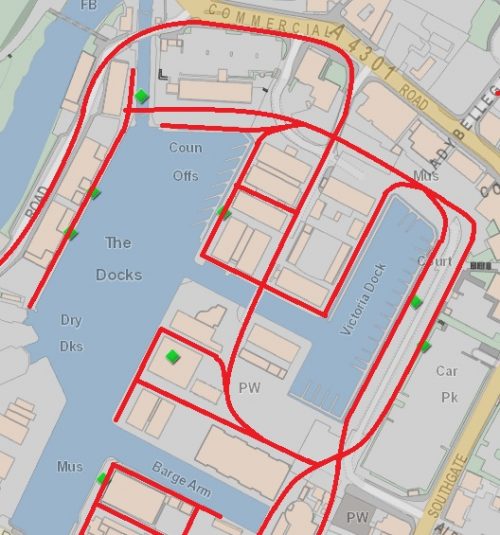
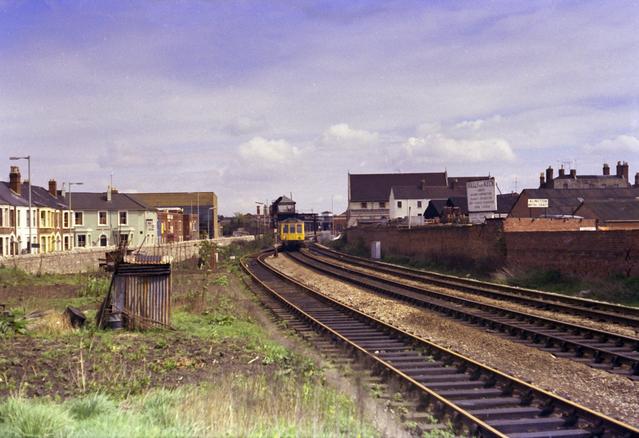
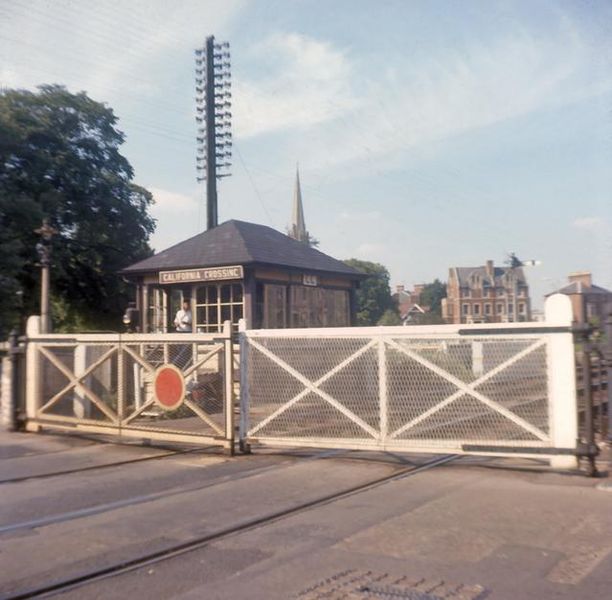
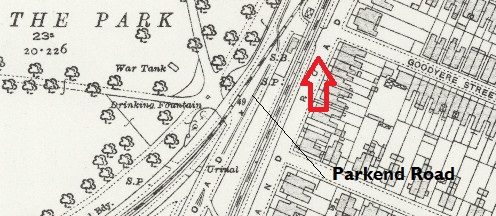
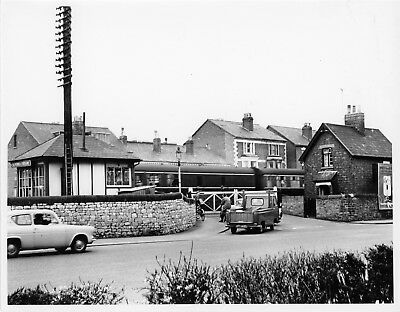
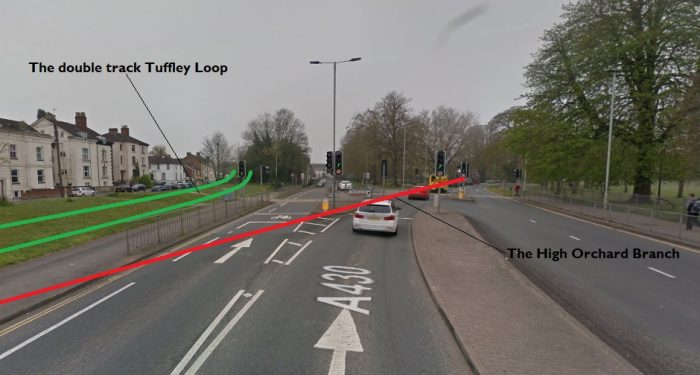
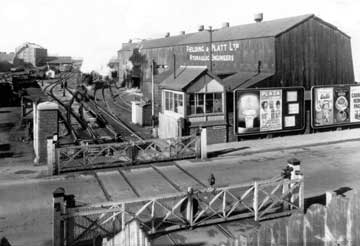
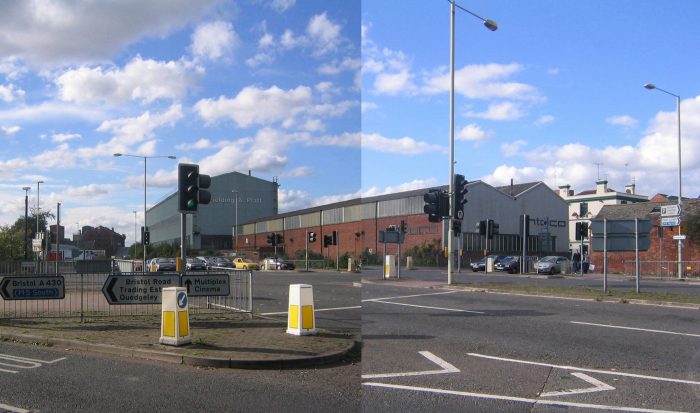
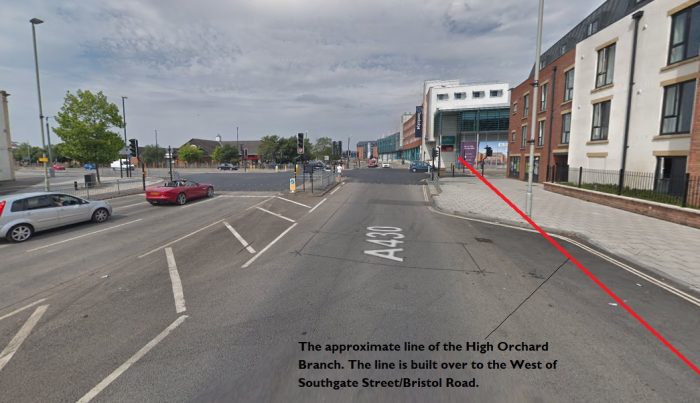
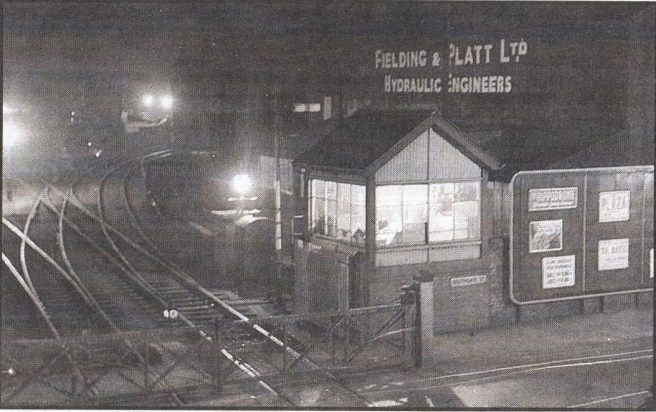
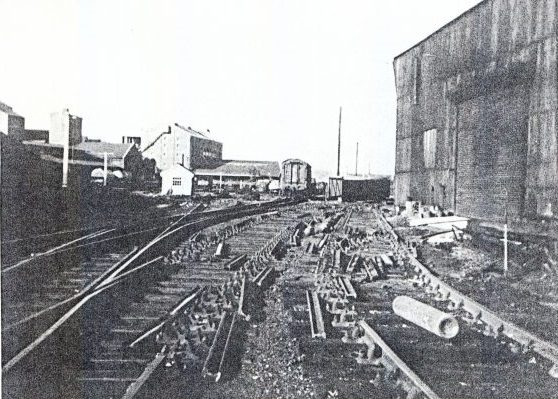
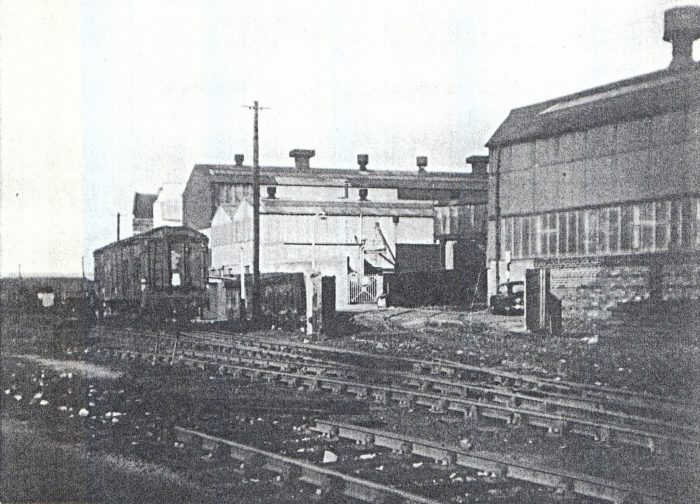
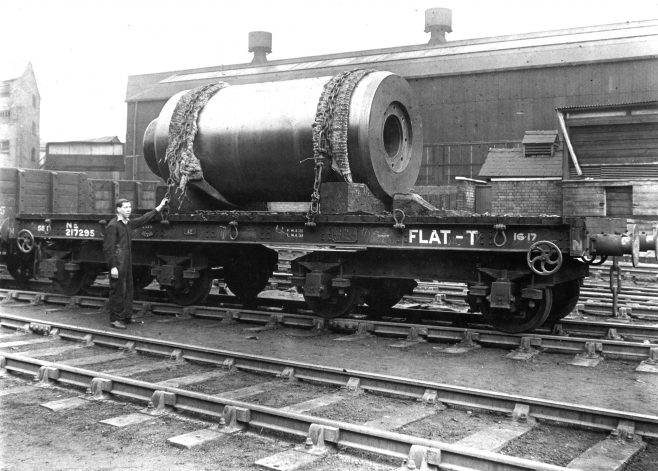
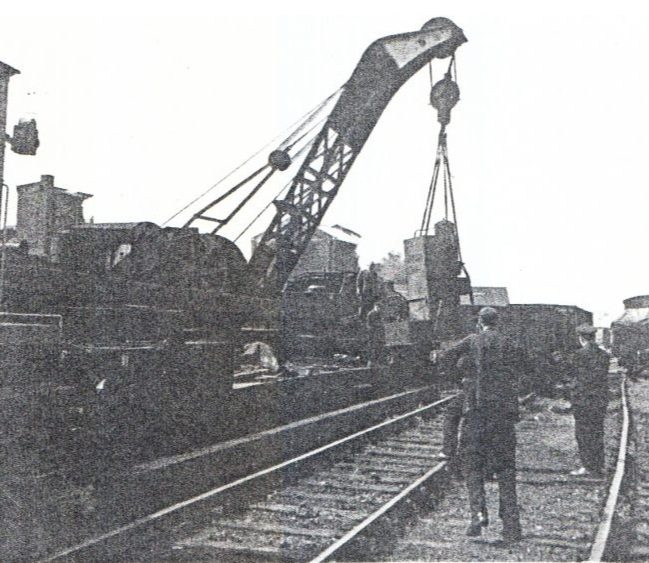
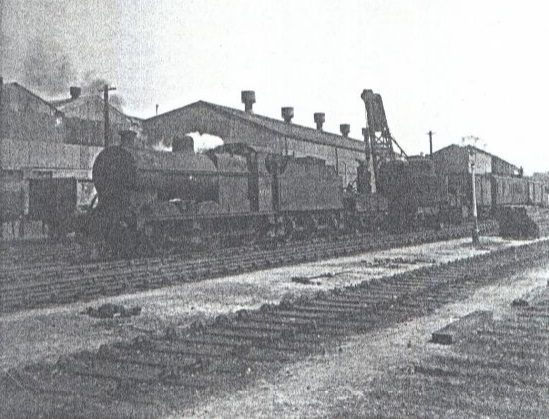
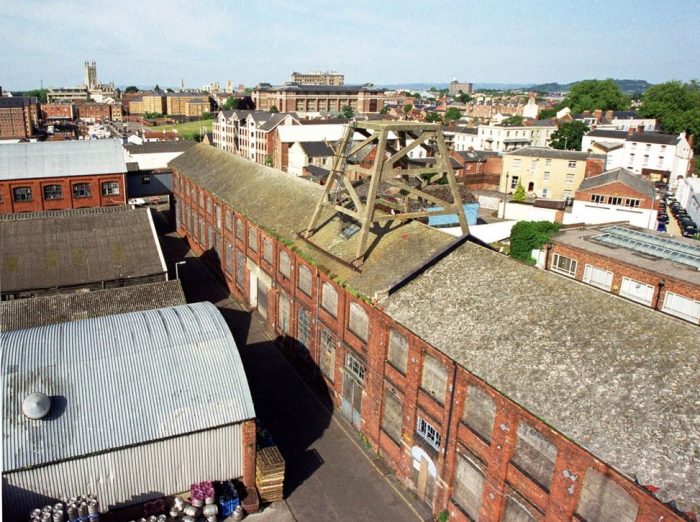
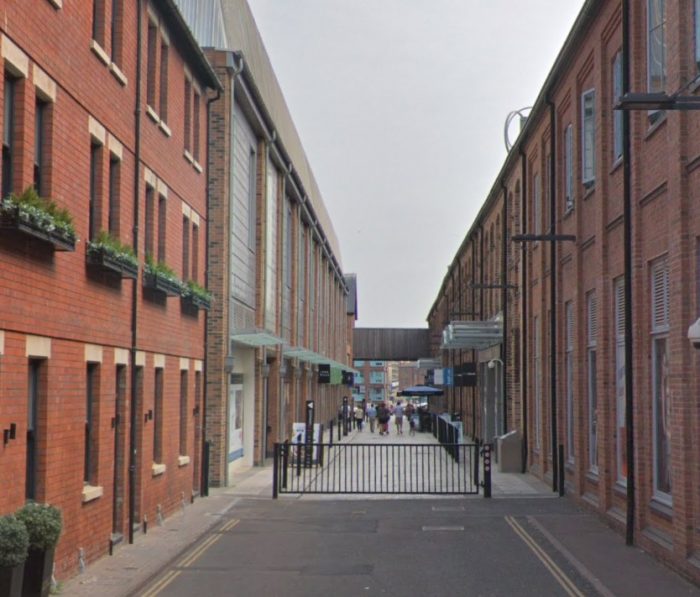
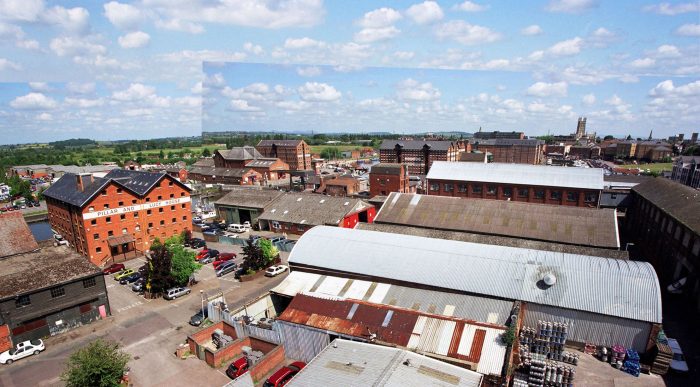
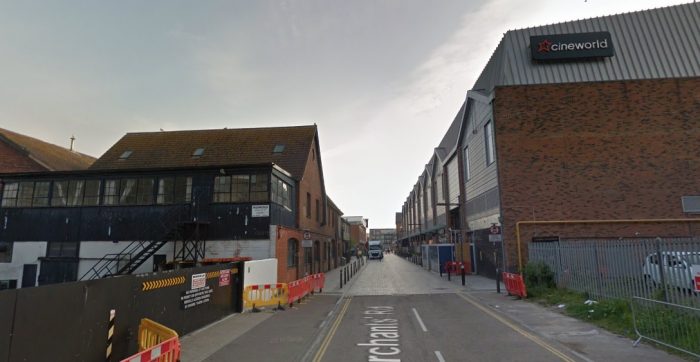
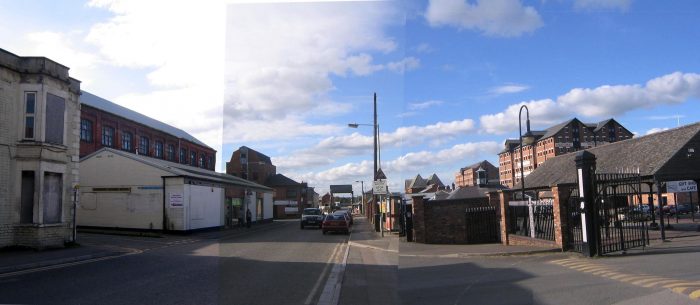
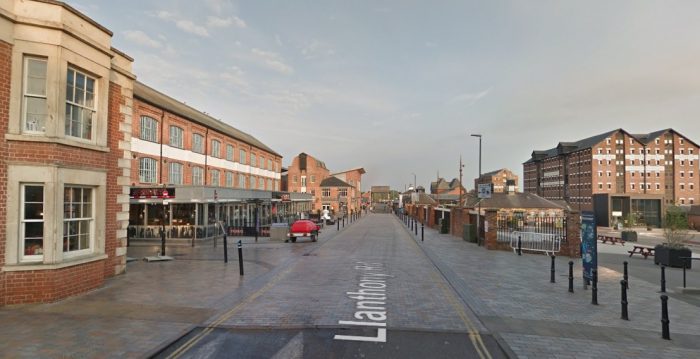
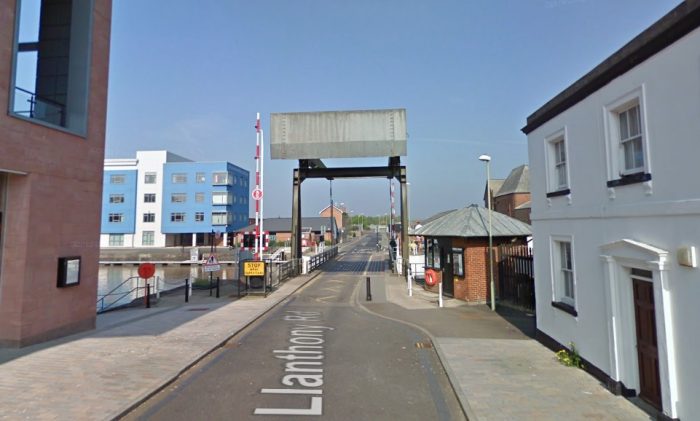
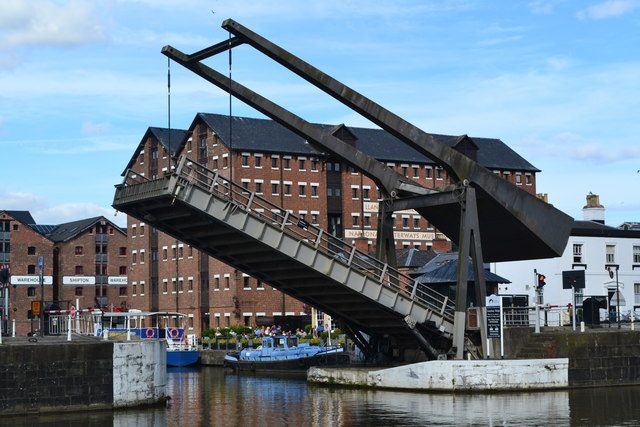
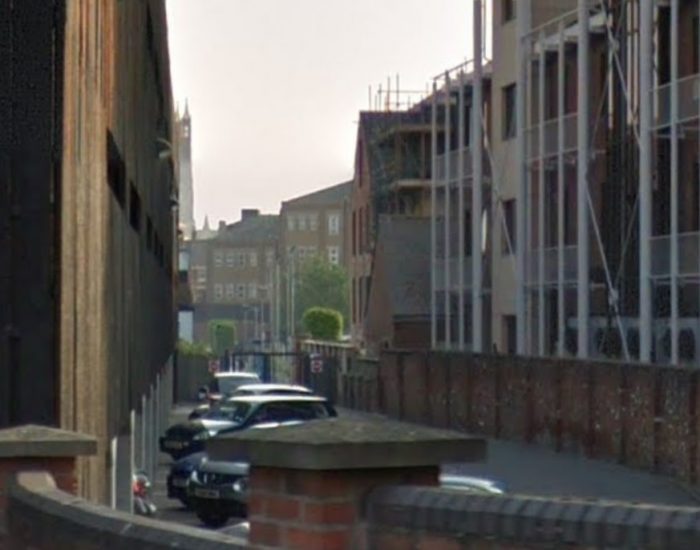
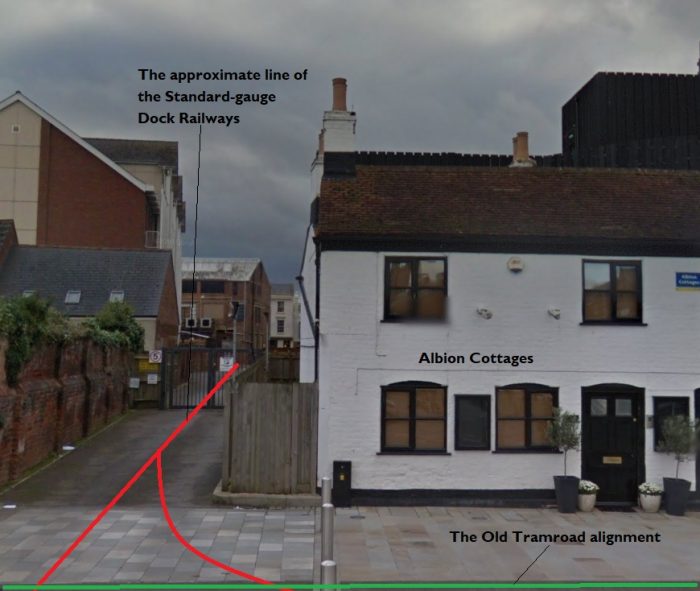
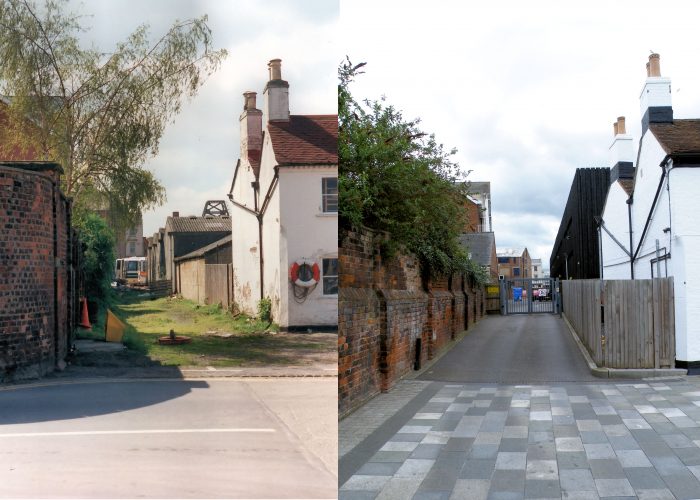
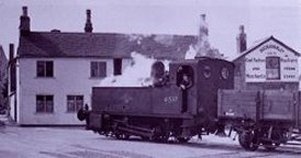
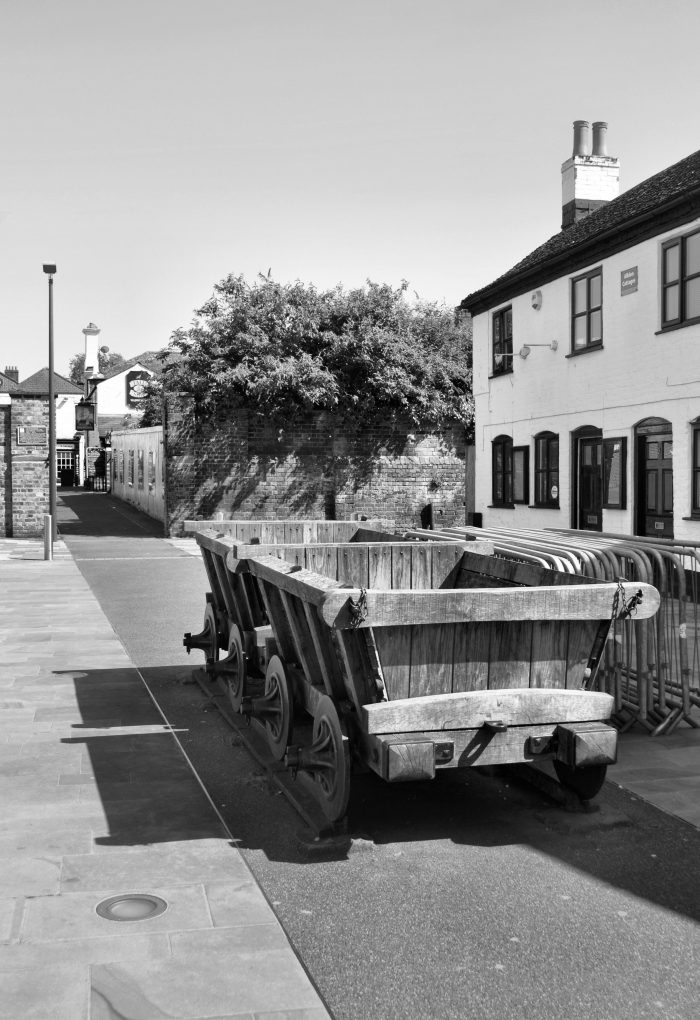
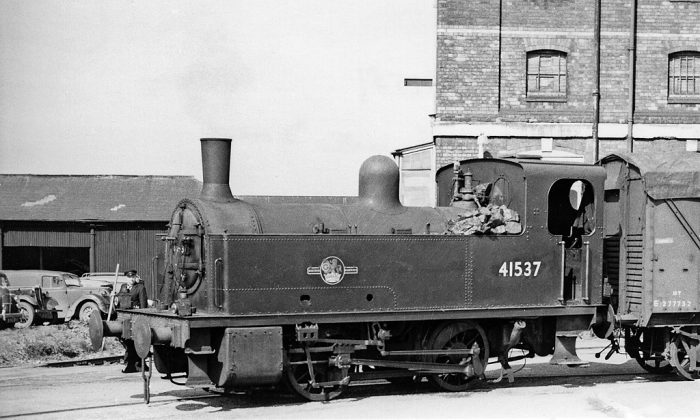
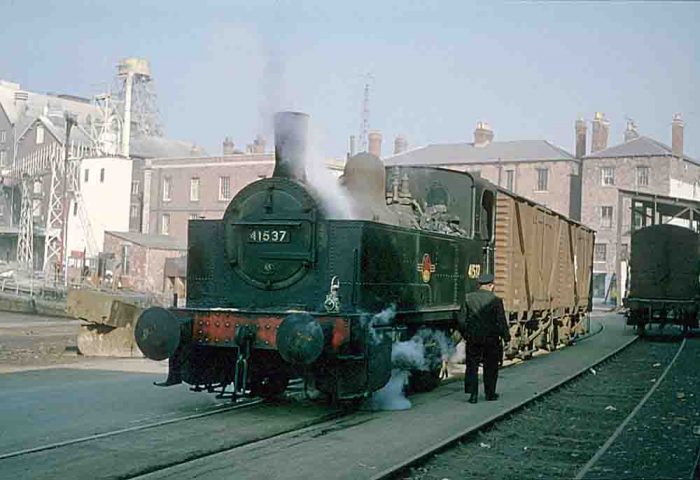
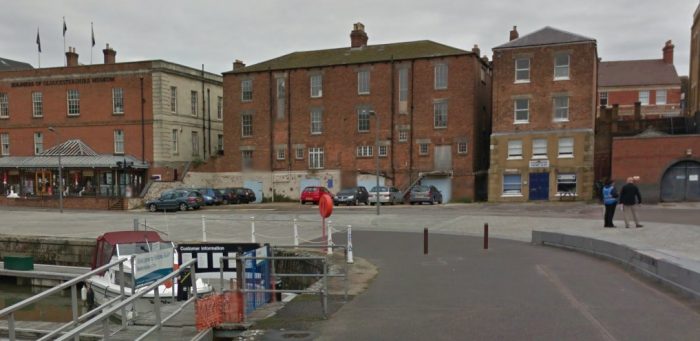
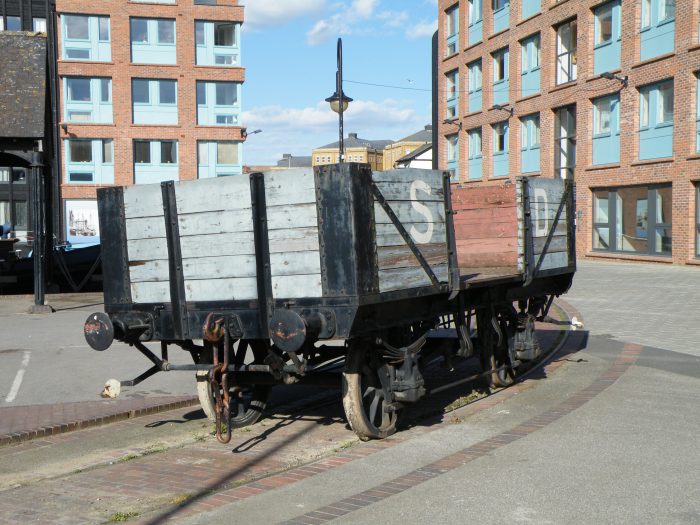
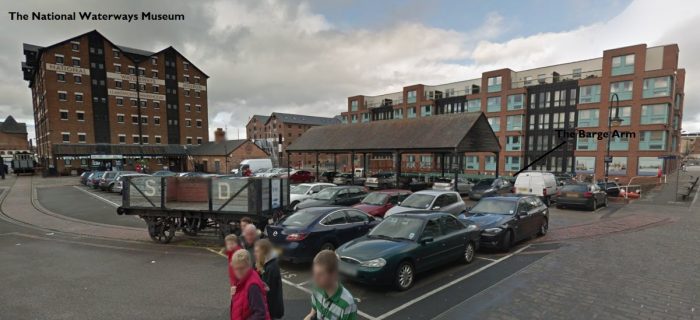
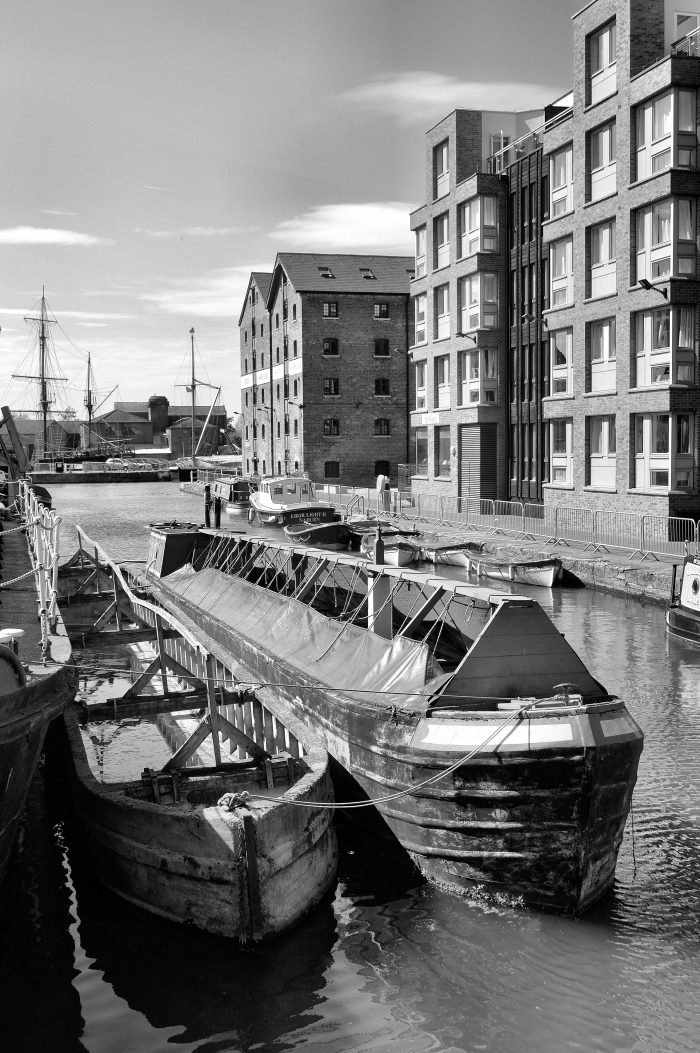
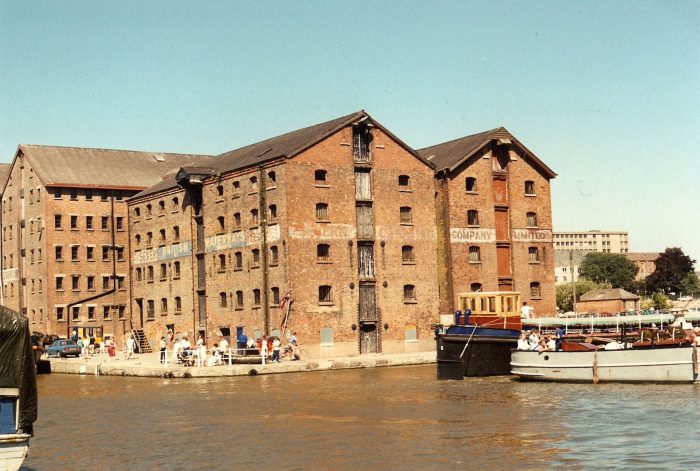
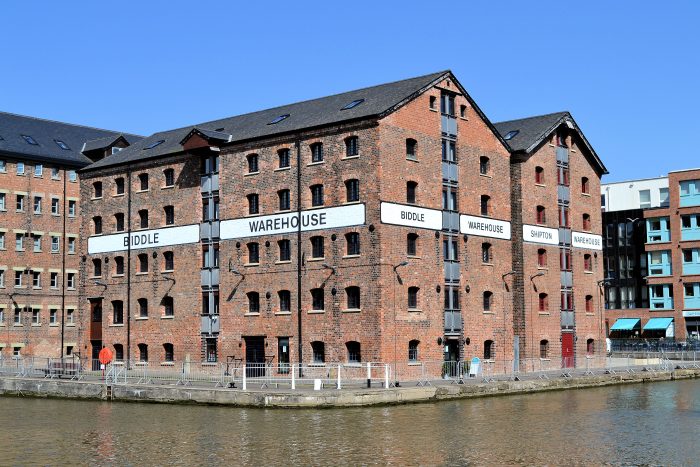
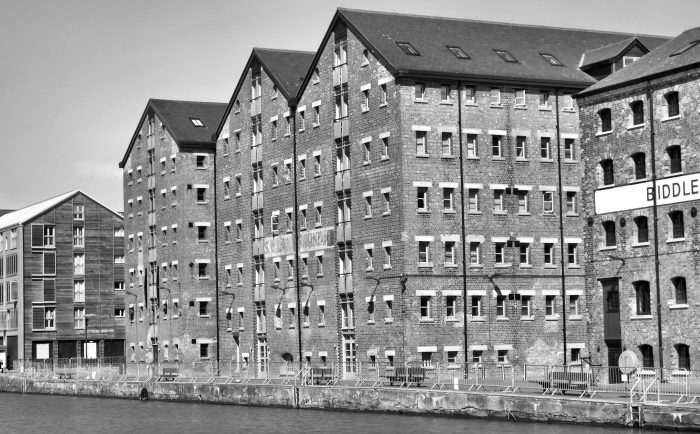
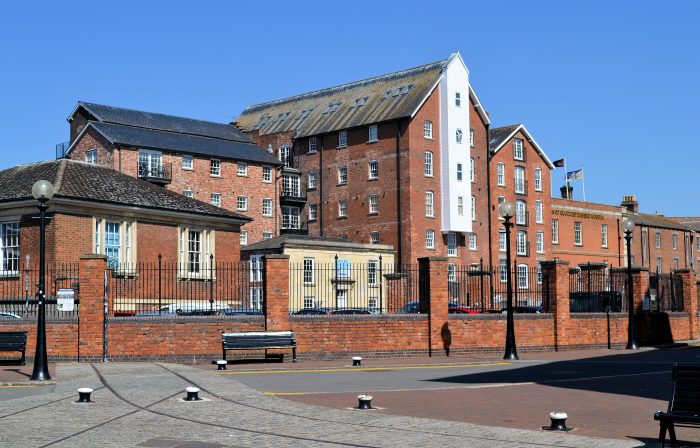
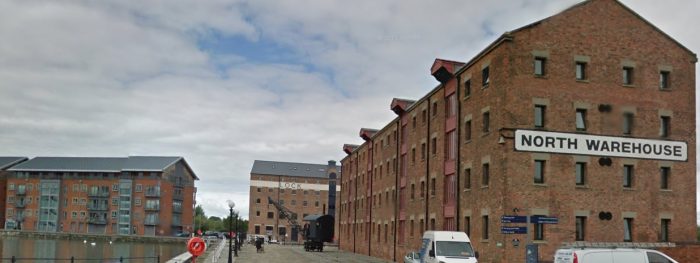
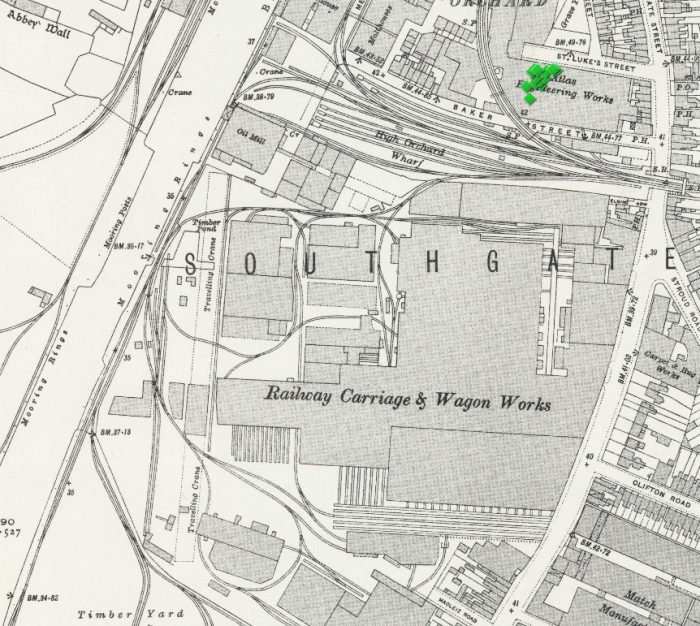
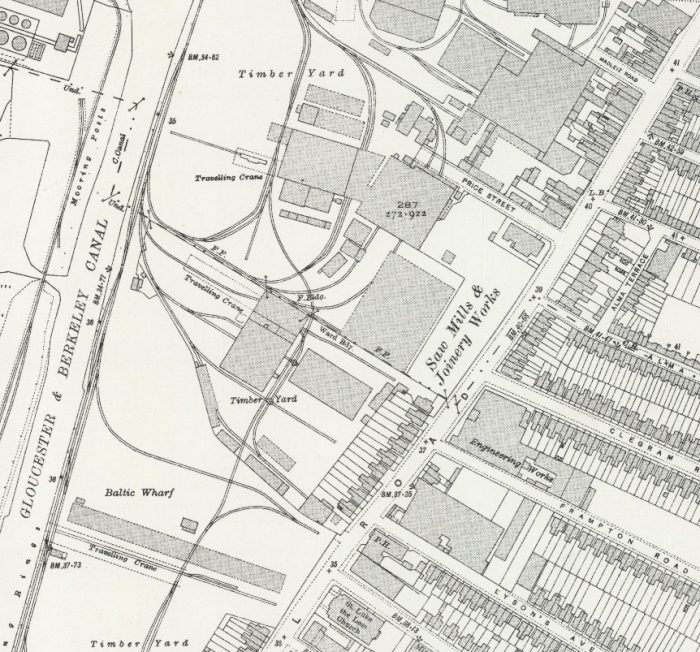
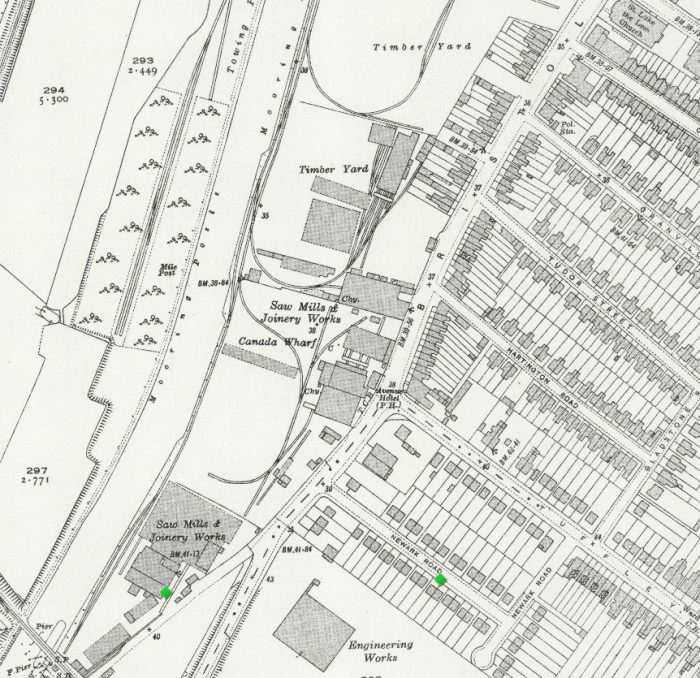
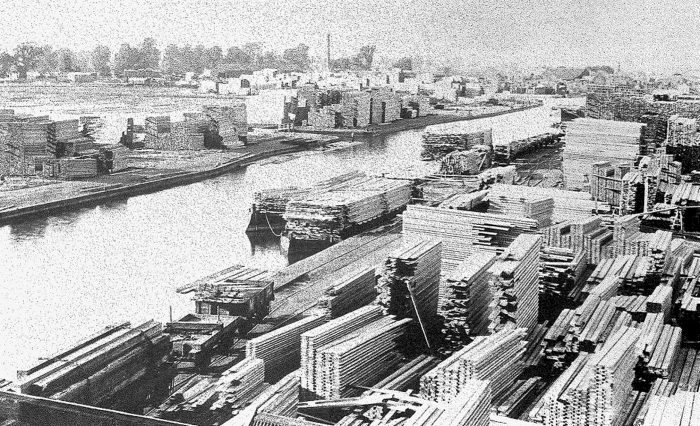
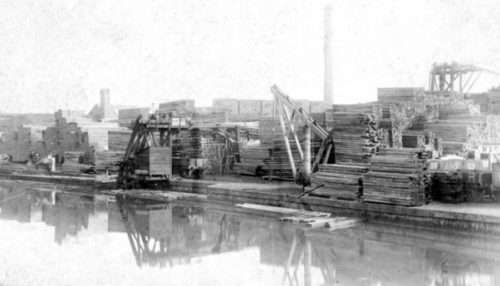
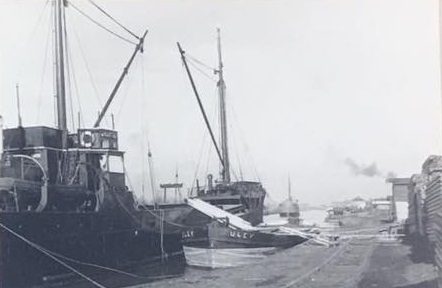
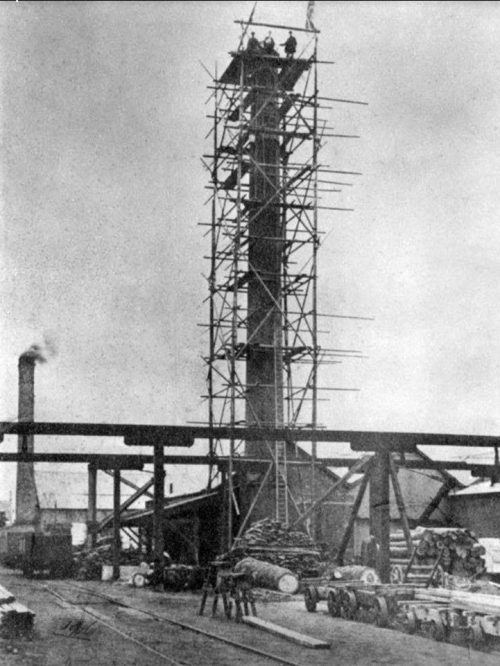
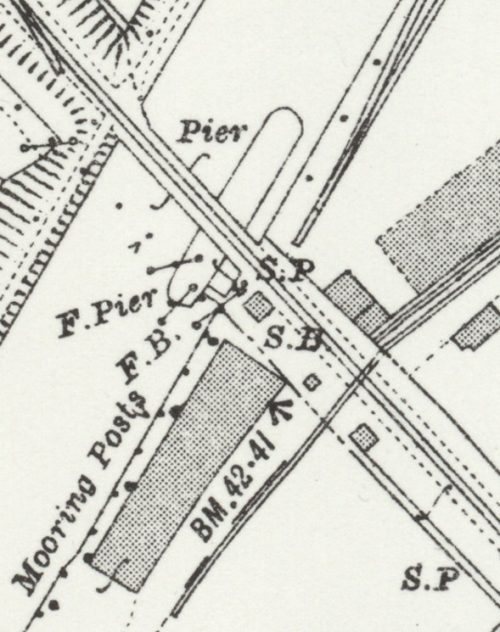
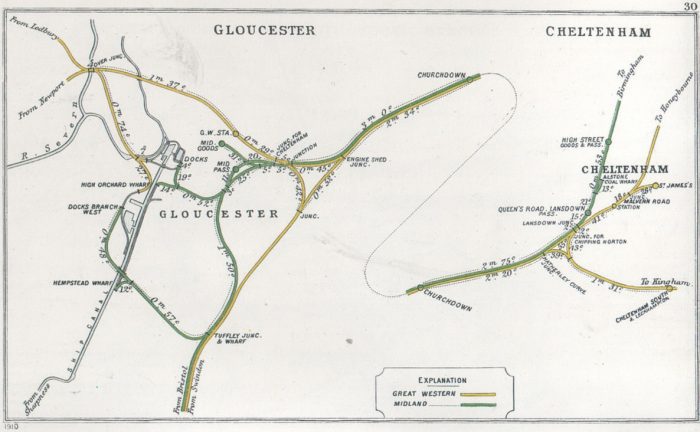
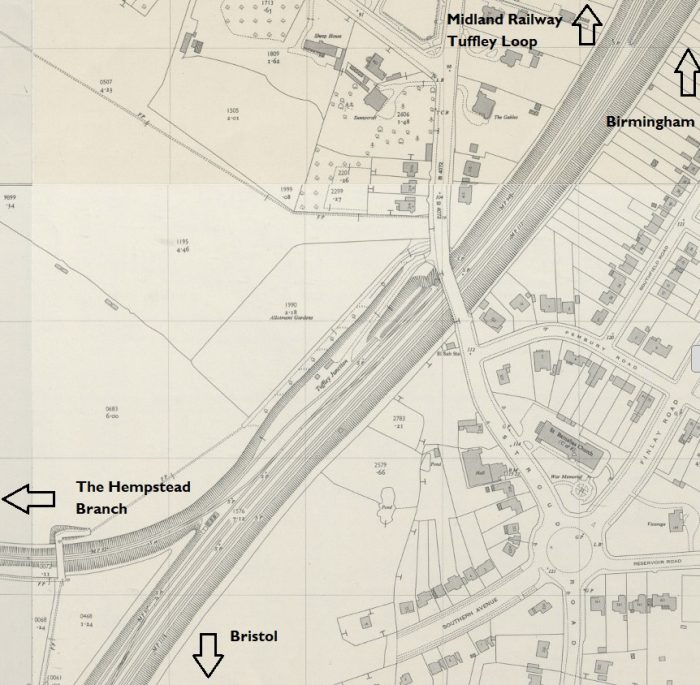
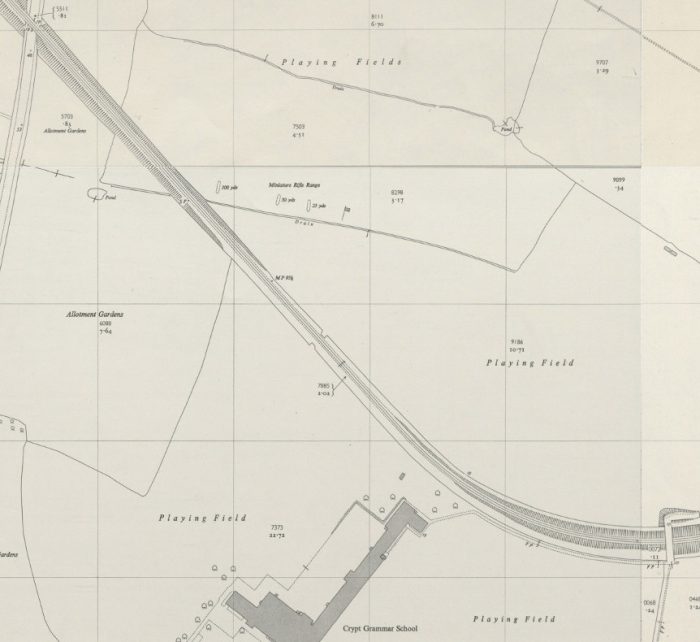
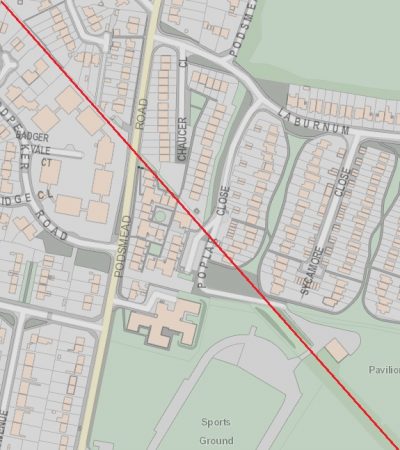
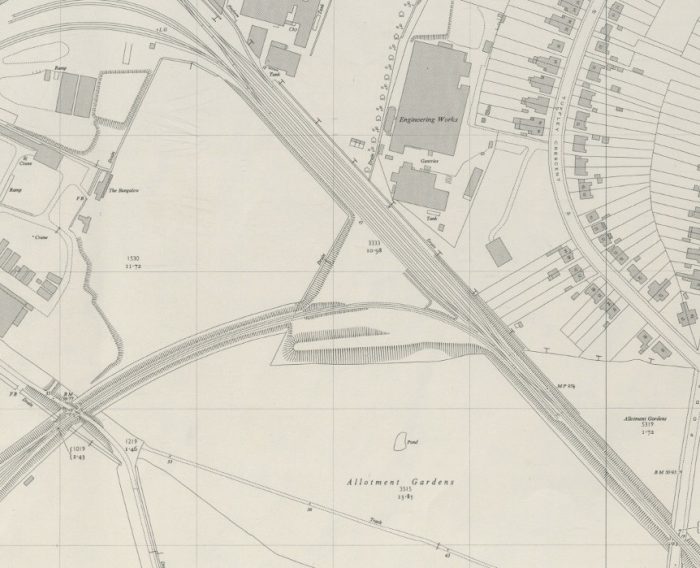
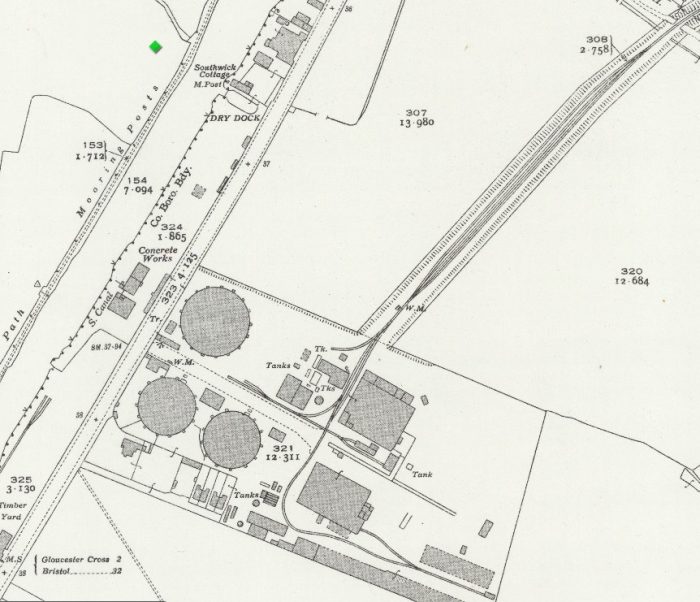
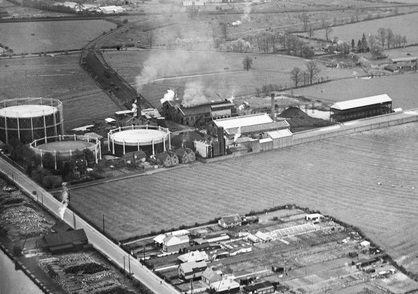
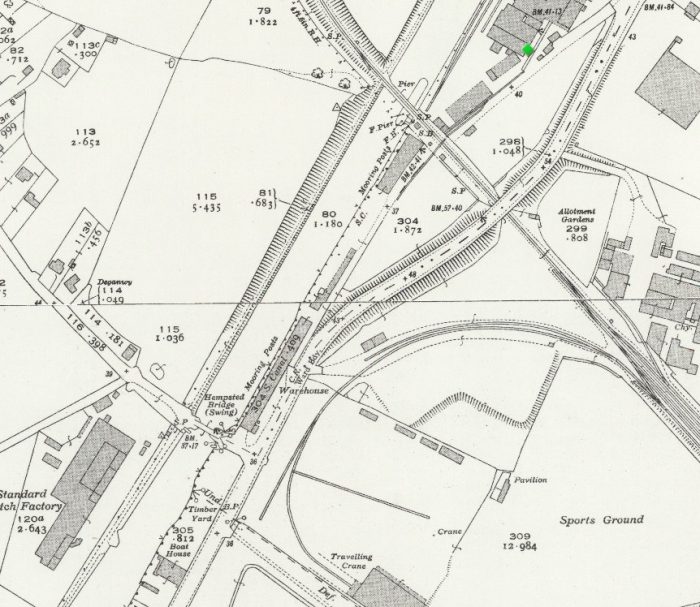
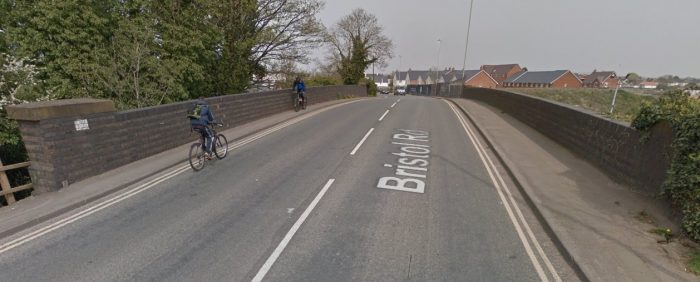
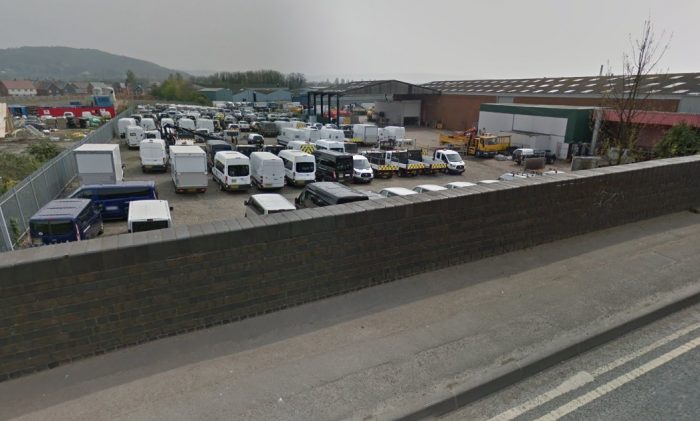
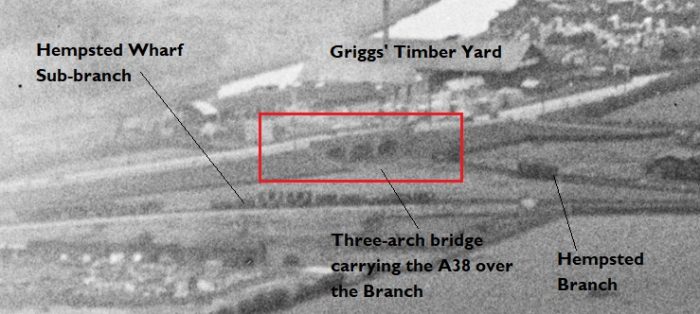
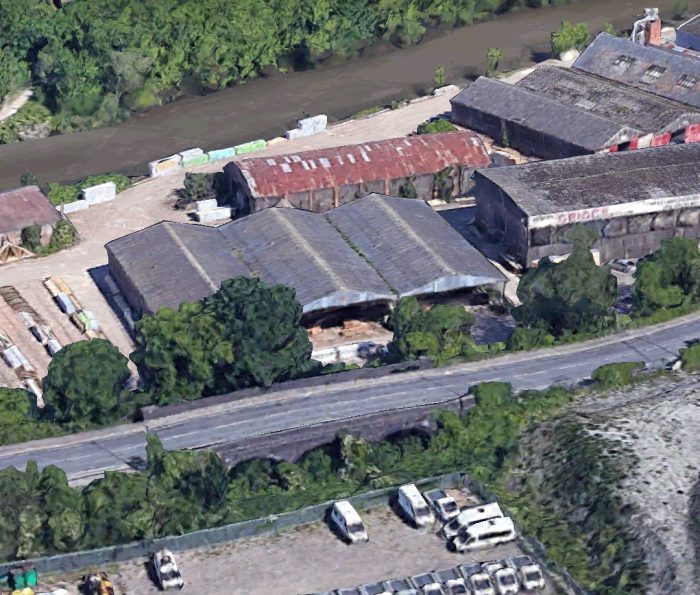
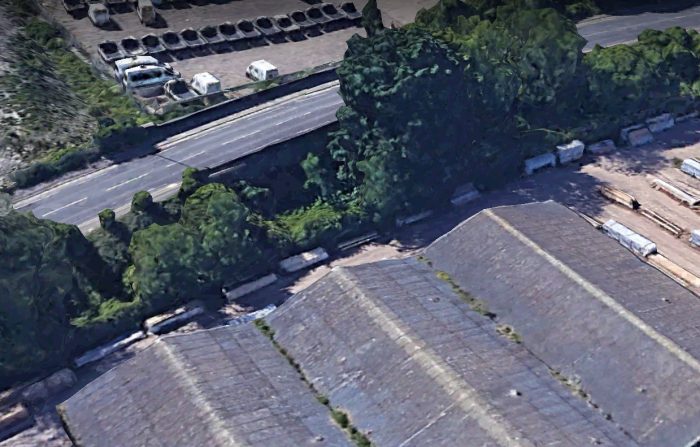
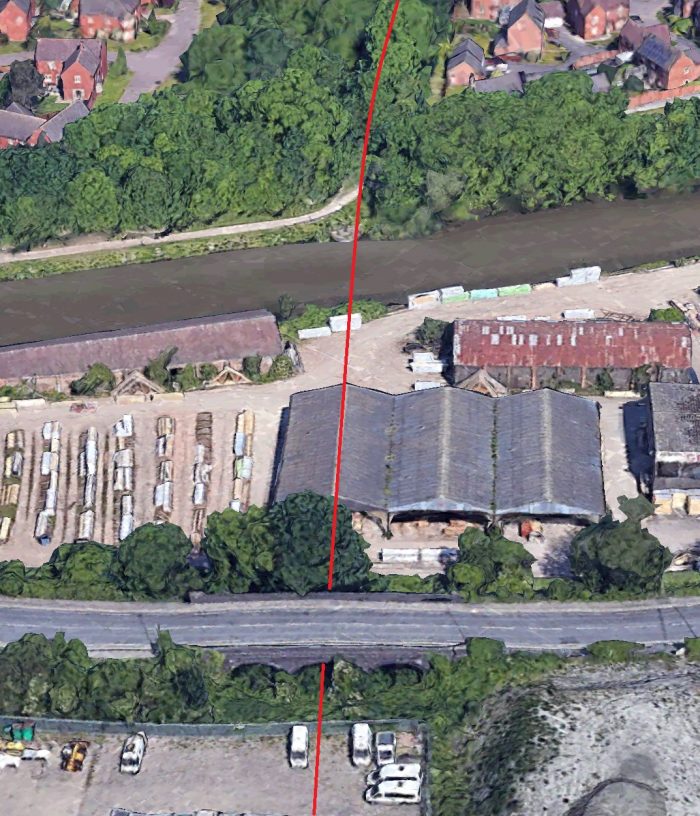
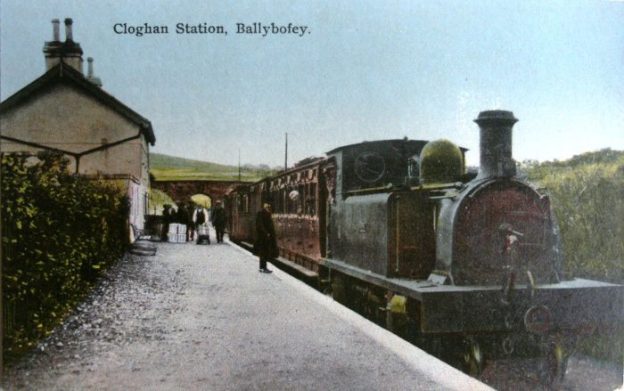
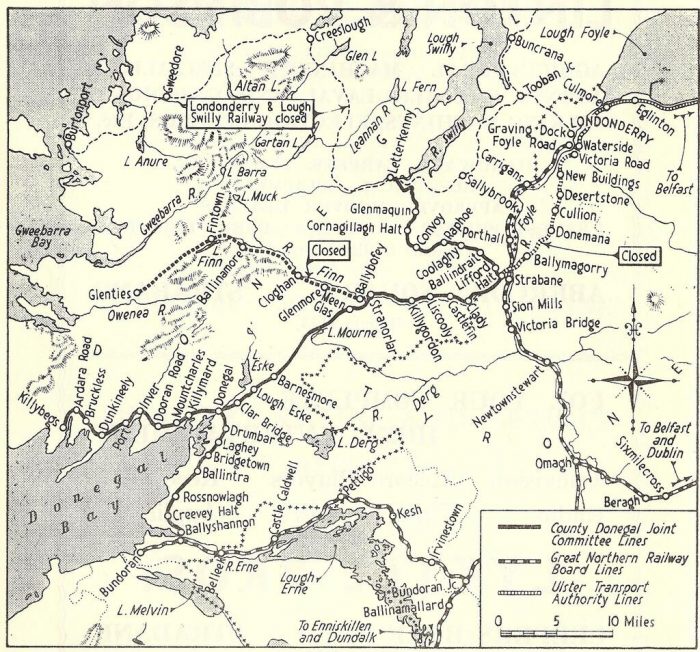
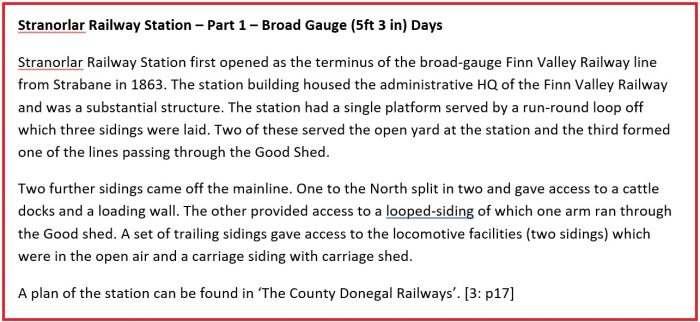
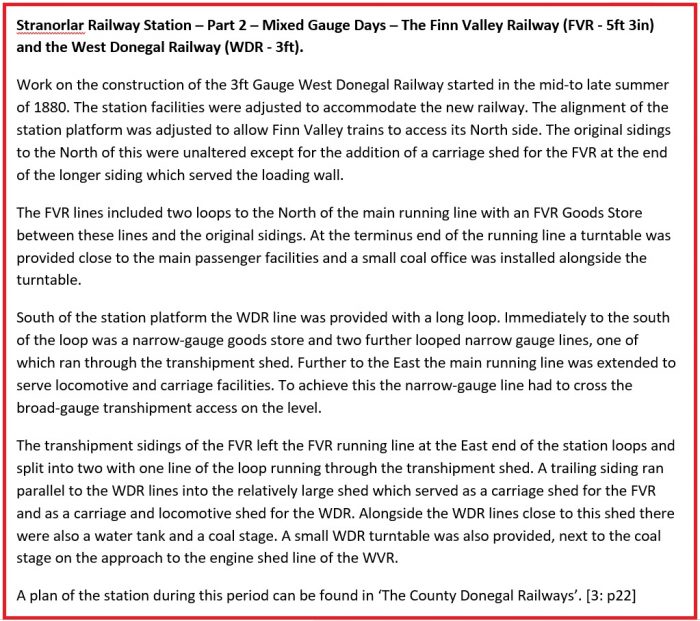
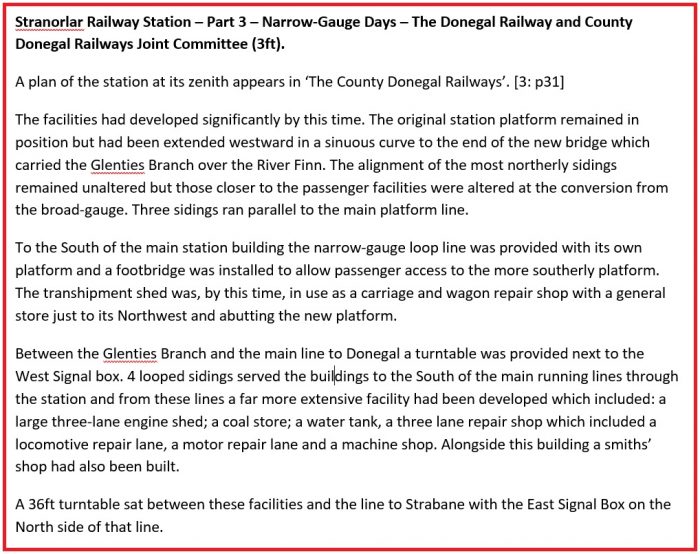
 The image above looks into the site of Stranorlar Railway Station from the direction of Strabane. I found it on the Irish Railway Modeller’s Forum. [27] The contributor had found it on Facebook.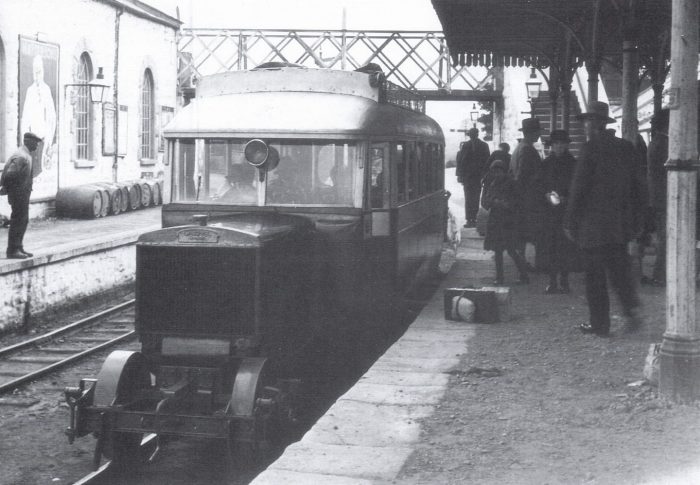


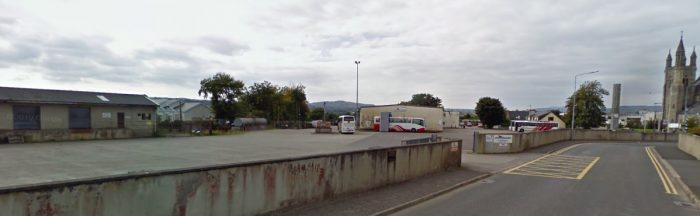
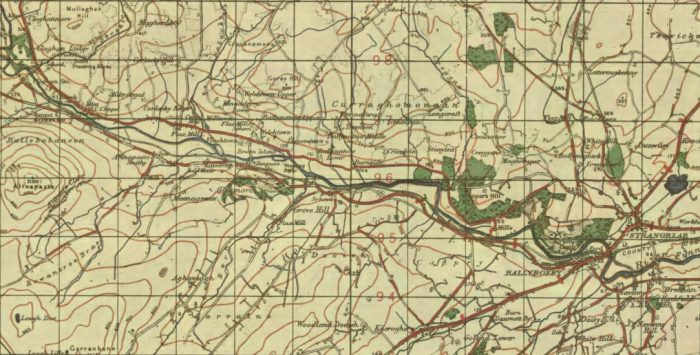
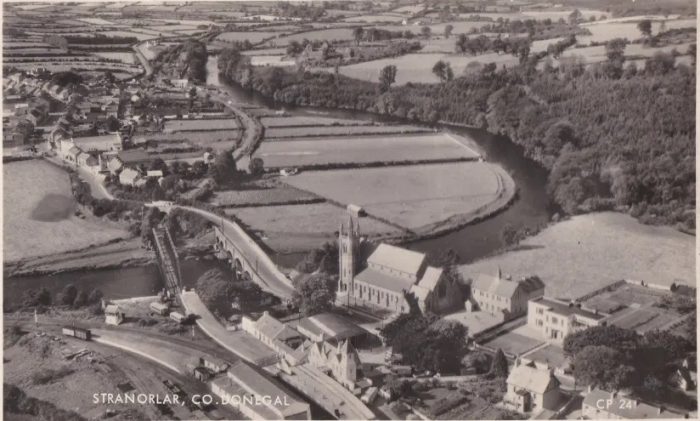
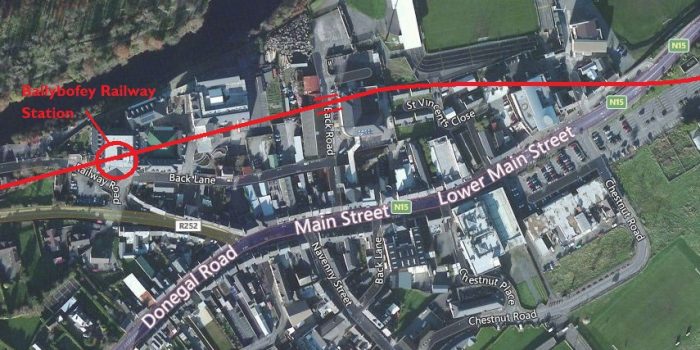
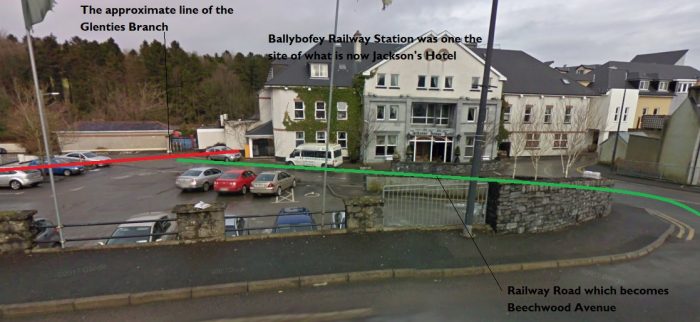
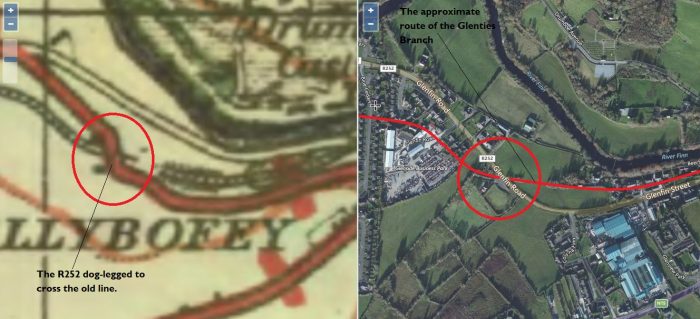
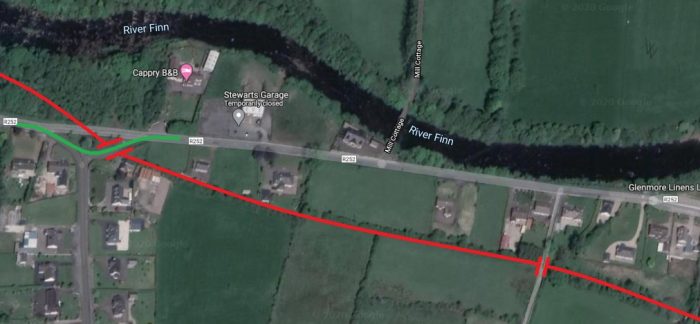
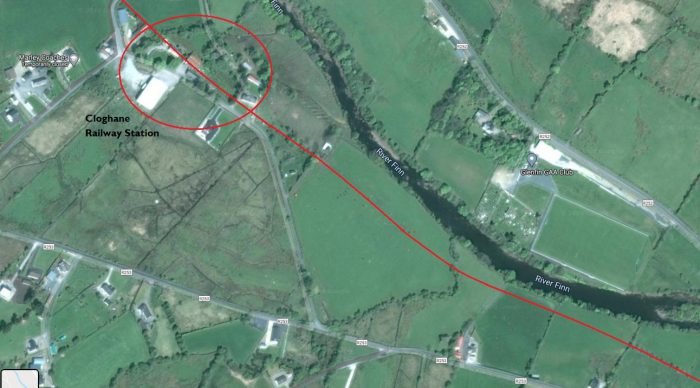
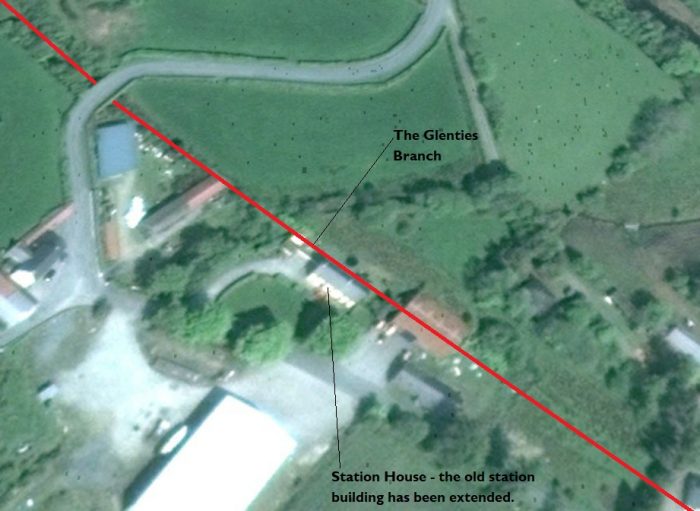

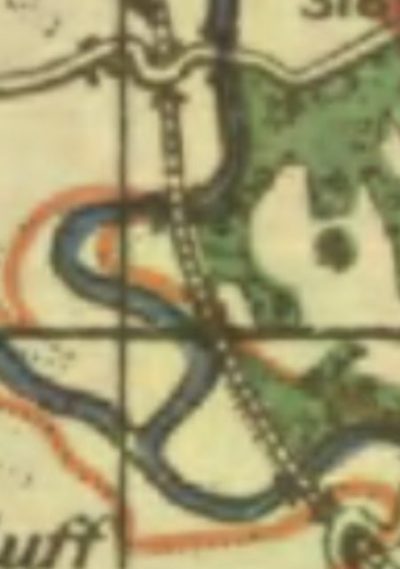





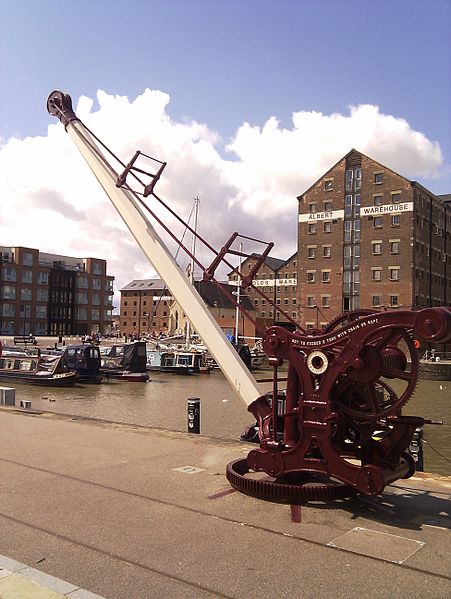
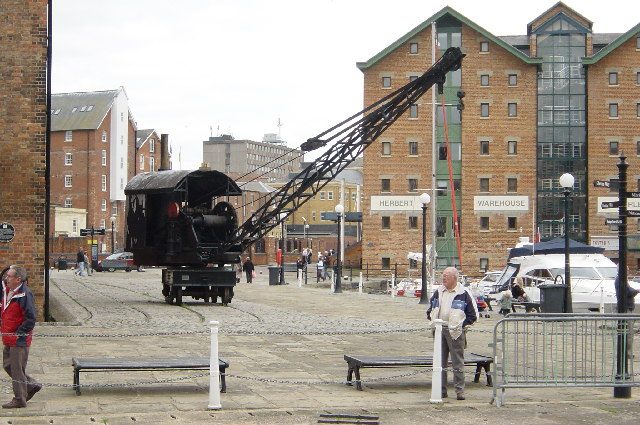
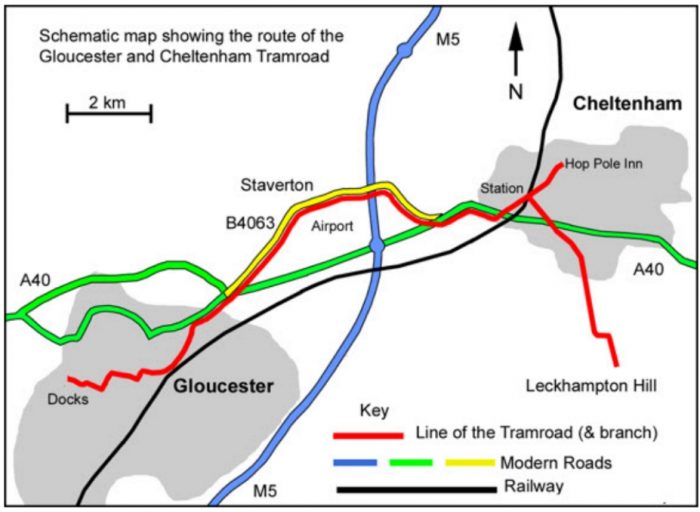
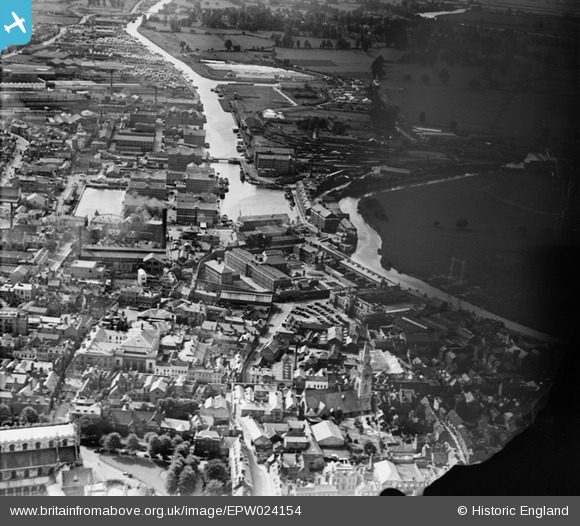
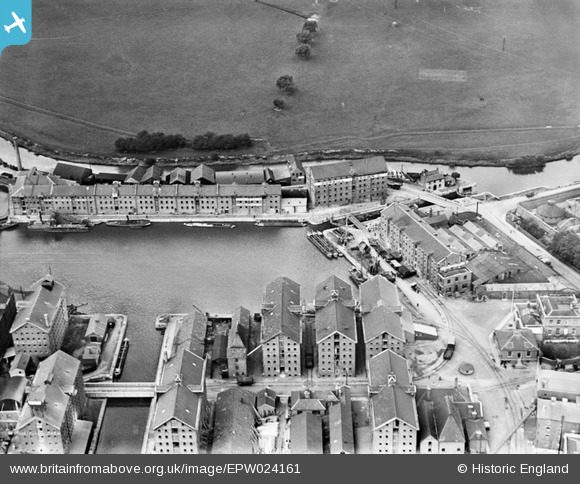
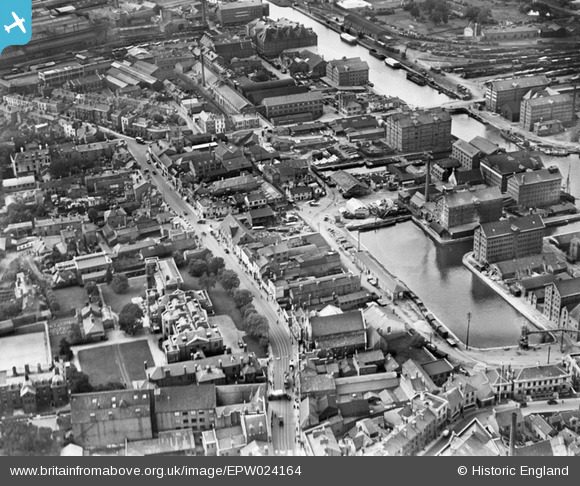
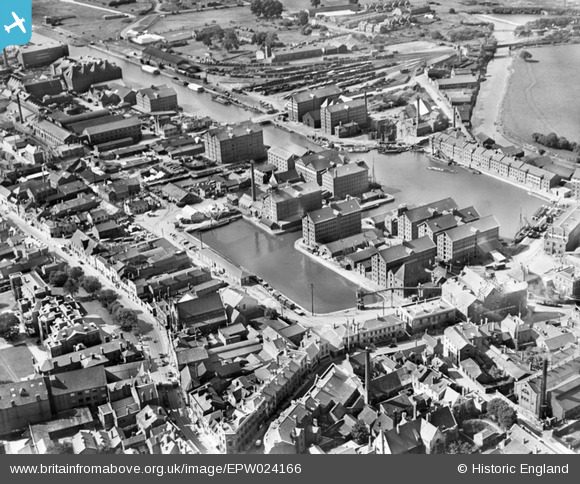
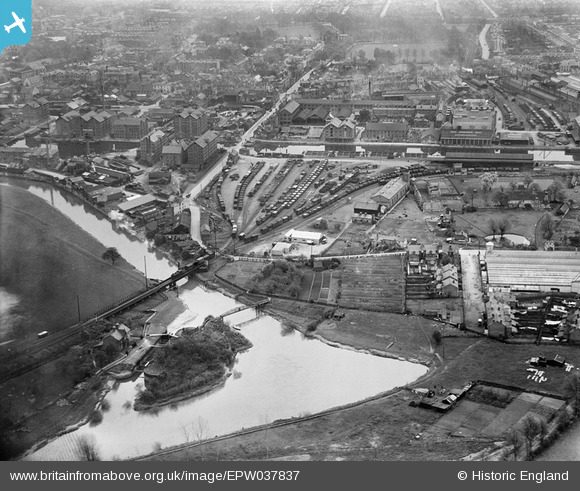
 Roger Farnworth
.jpg)


.jpg)
.jpg)


.jpg)
