
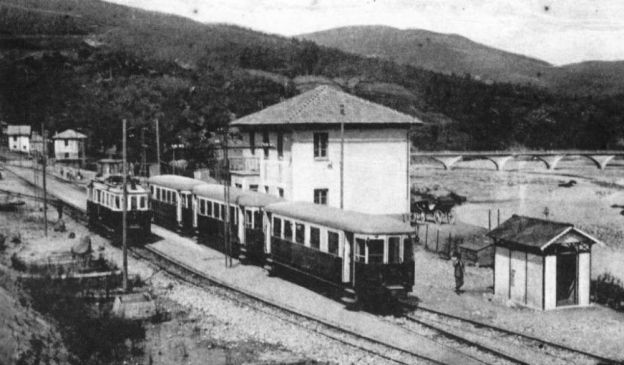
This article covers the northern half of the line and has a quick look at the motive power and rolling-stock used.
Another article covers the history of the Line and the southern half of its route. It can be found here. [18]
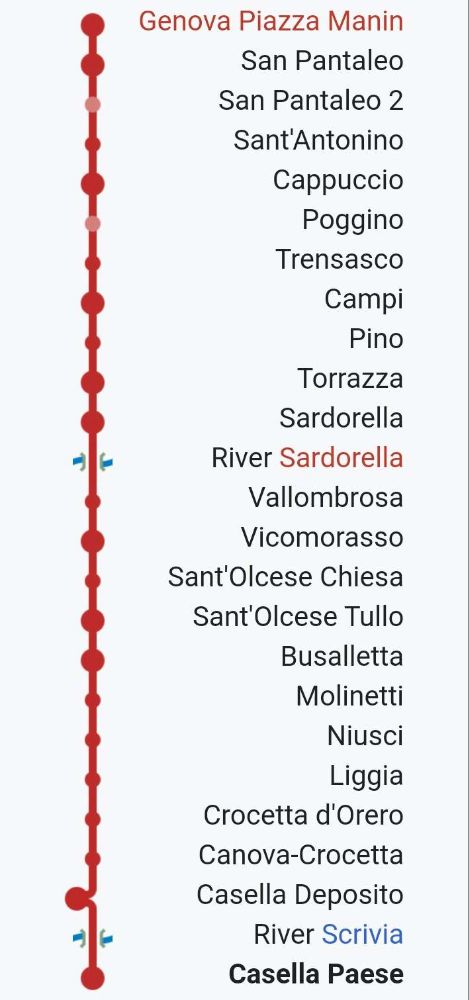

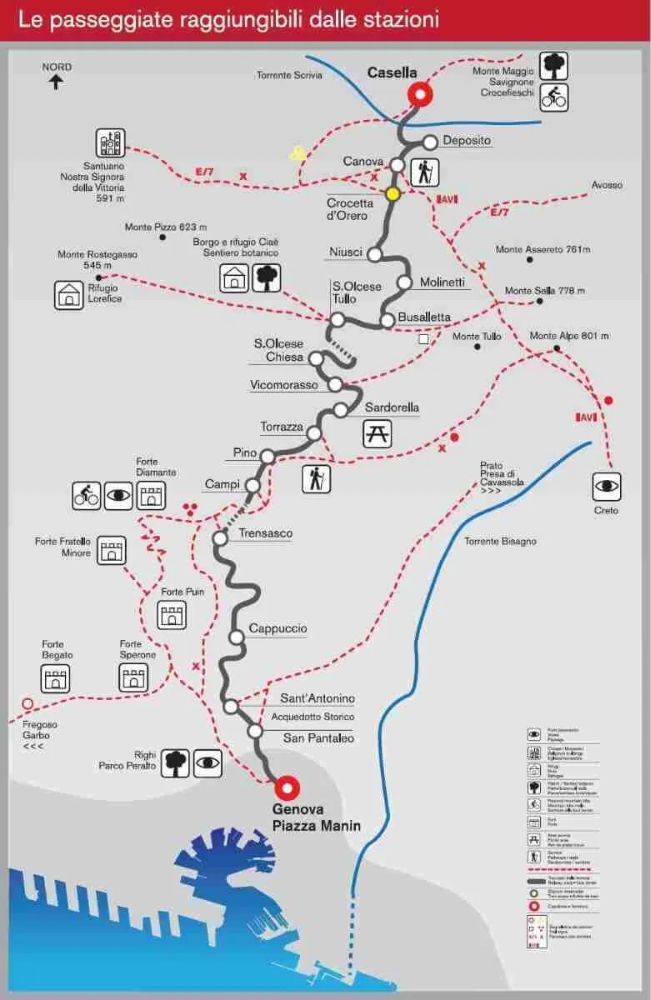
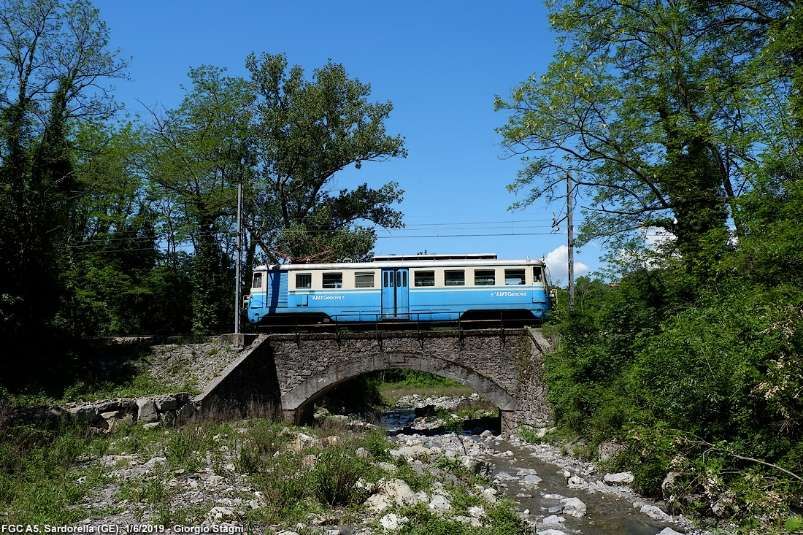
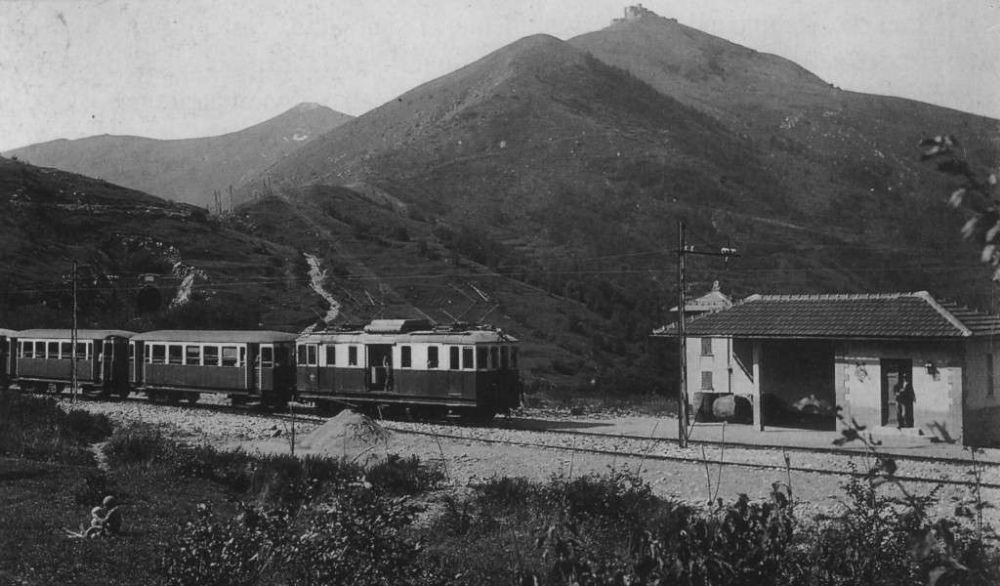
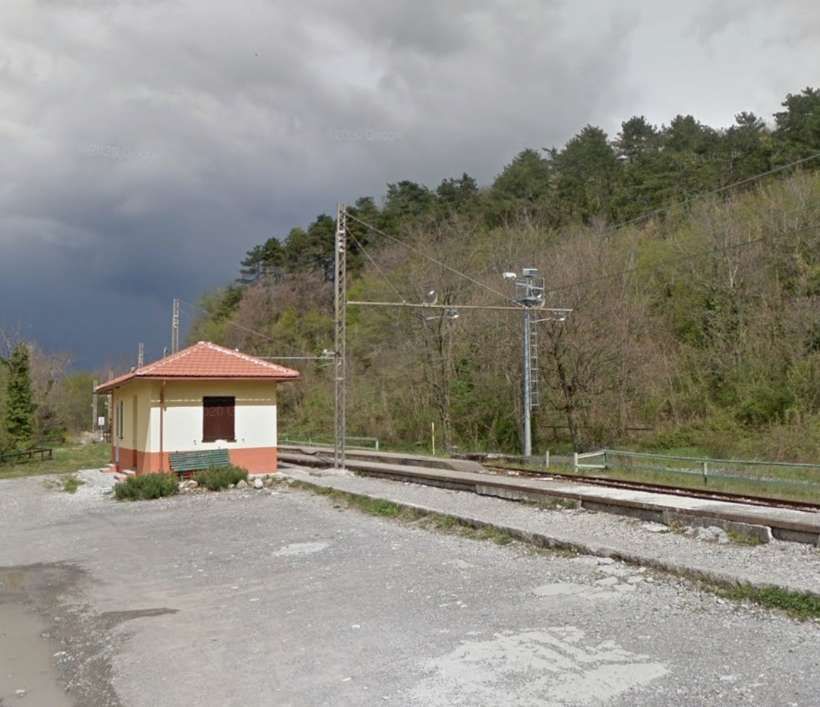
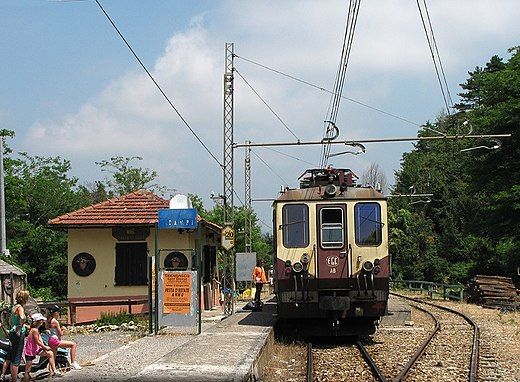
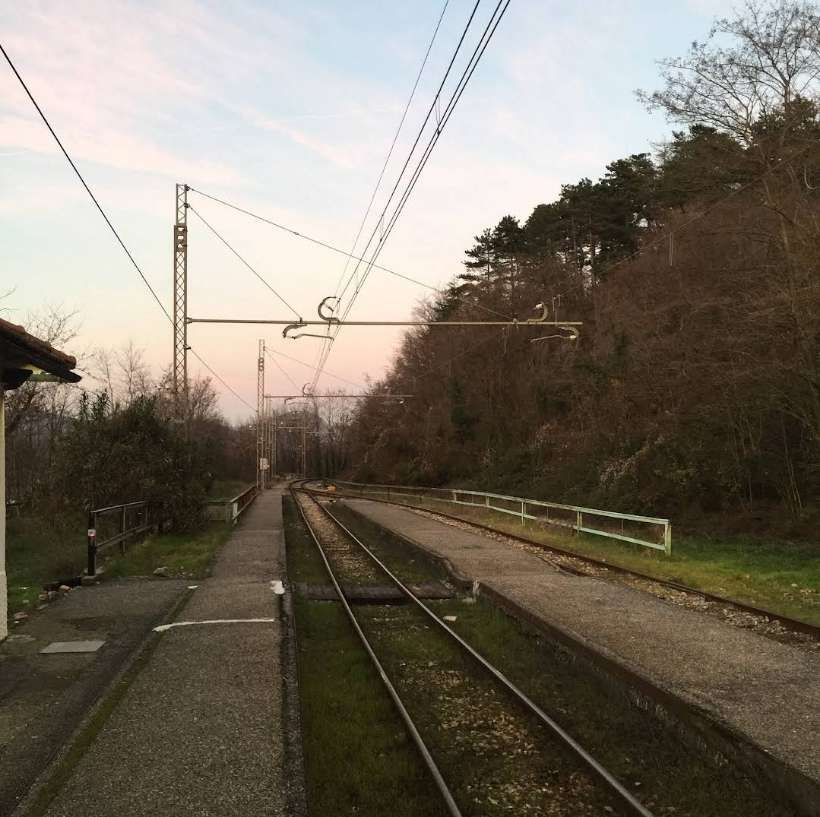
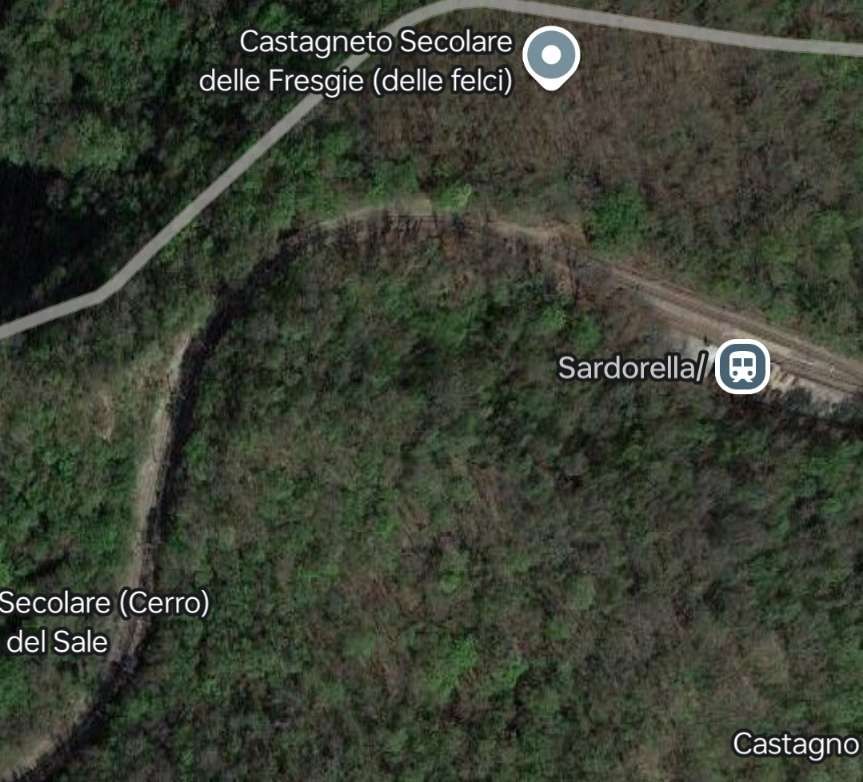
We restart our journey from Genoa to Casella at Sardorella Halt. …
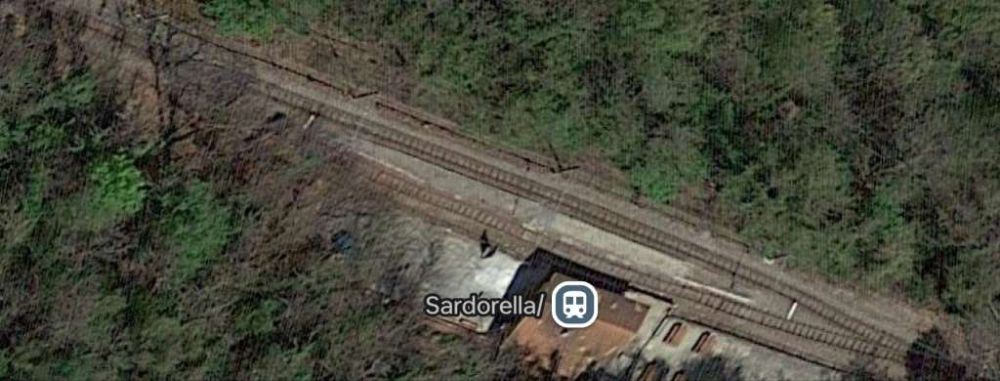
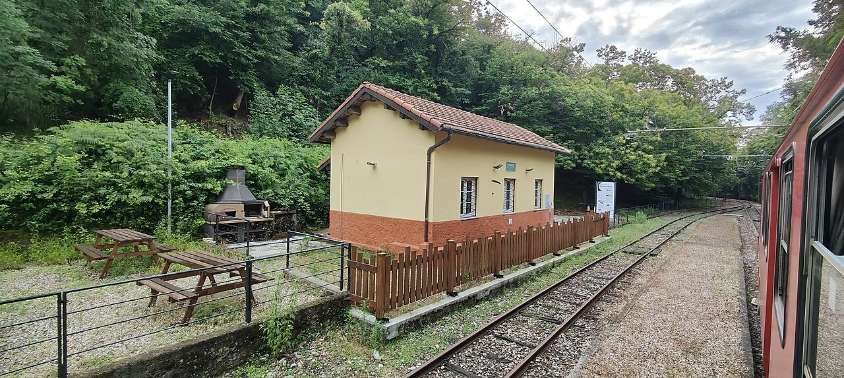

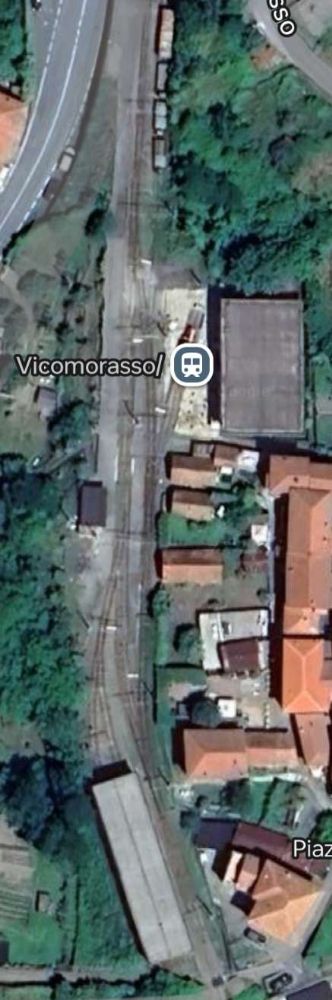
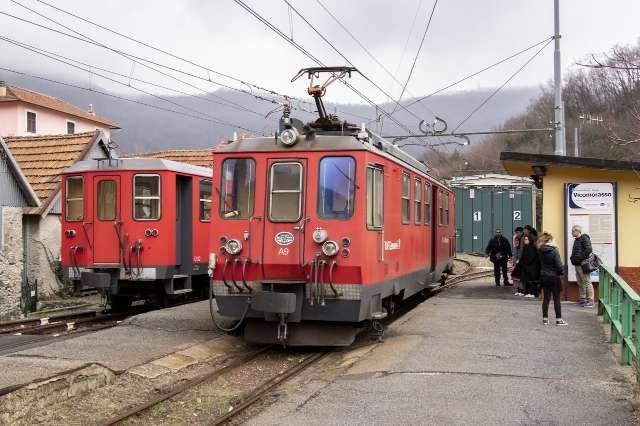
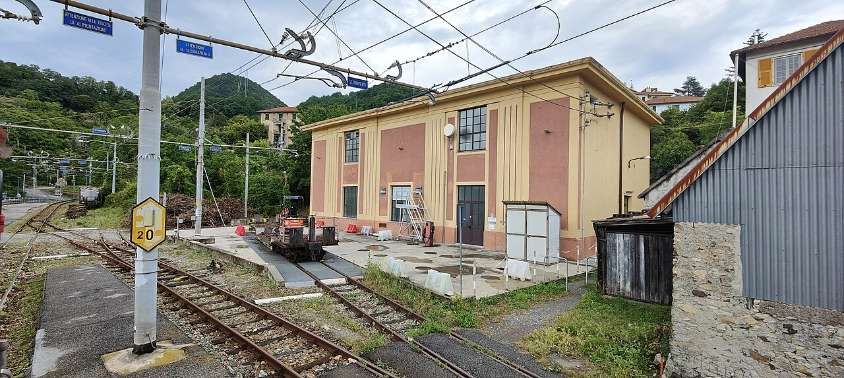
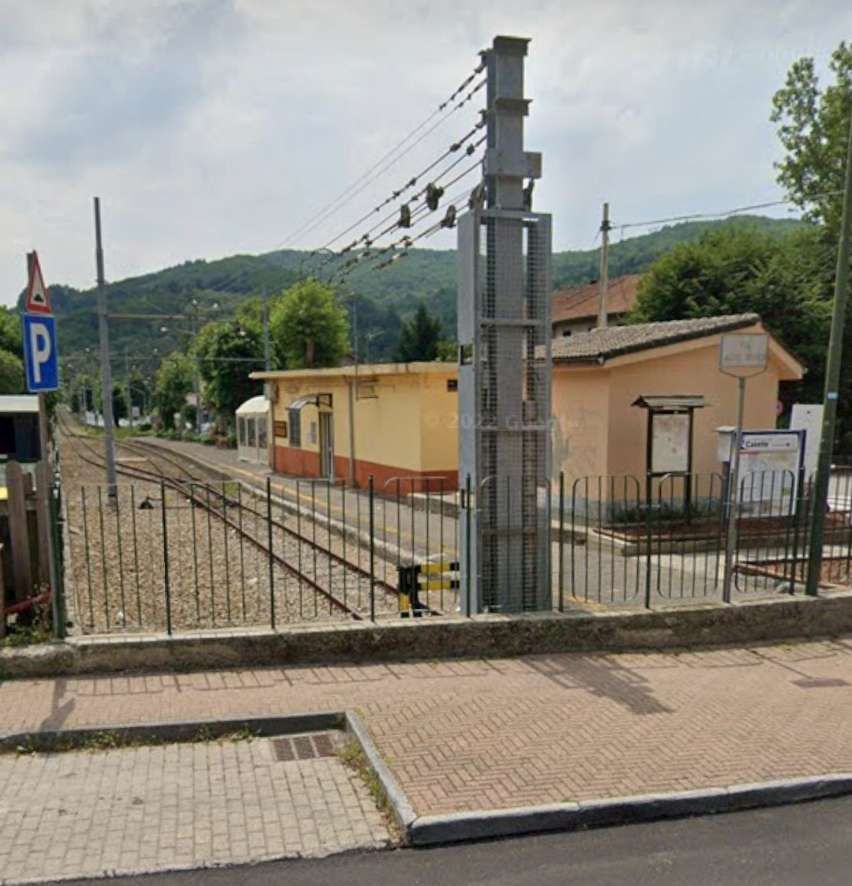
Vicomorasso Railway Station is a more substantial site than those already encountered since leaving Genoa.
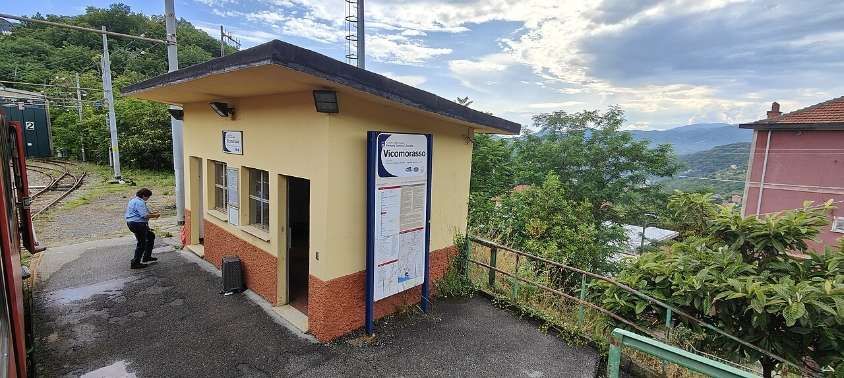
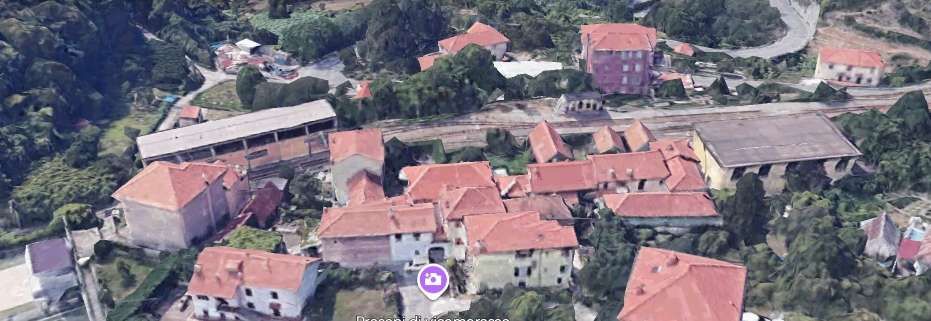


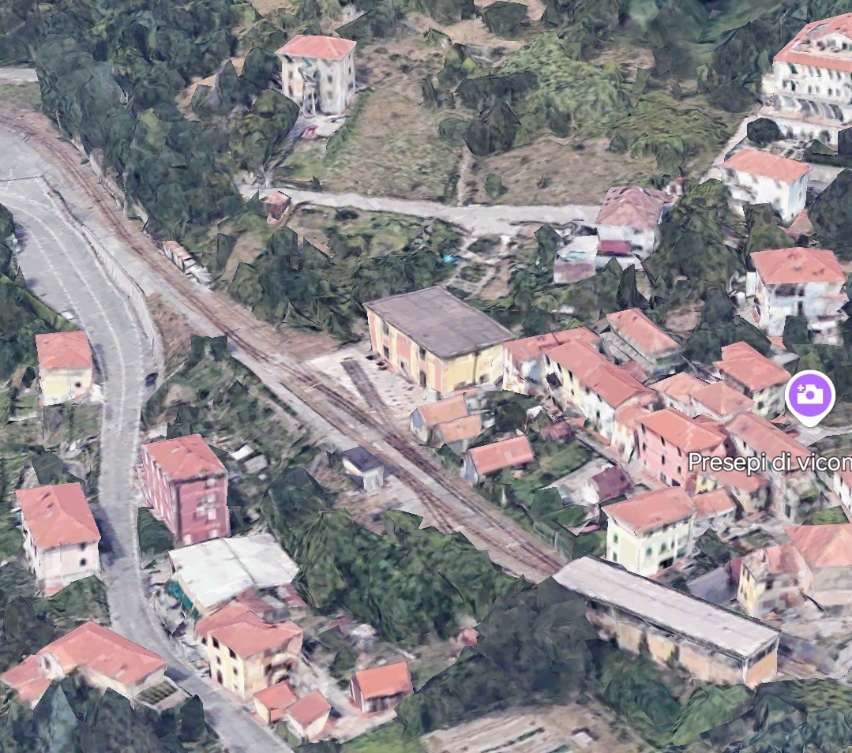
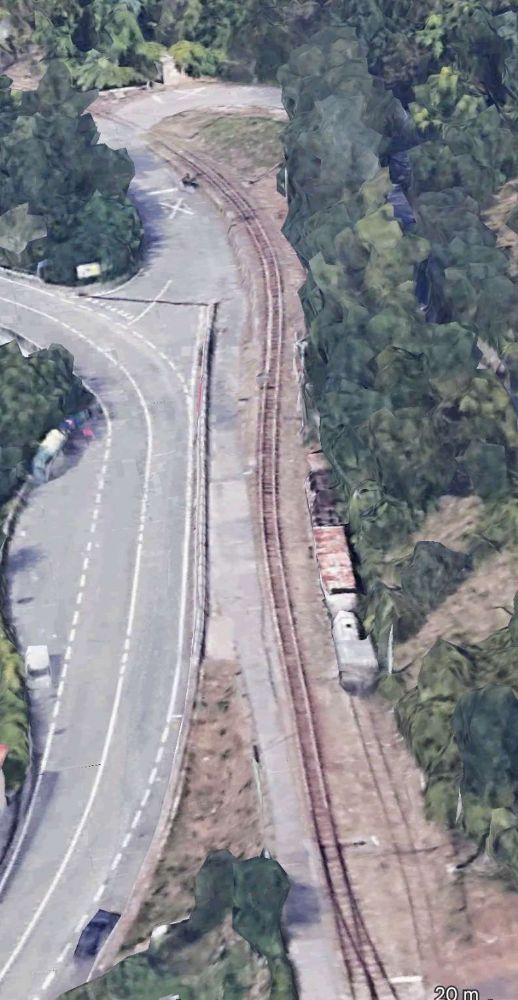
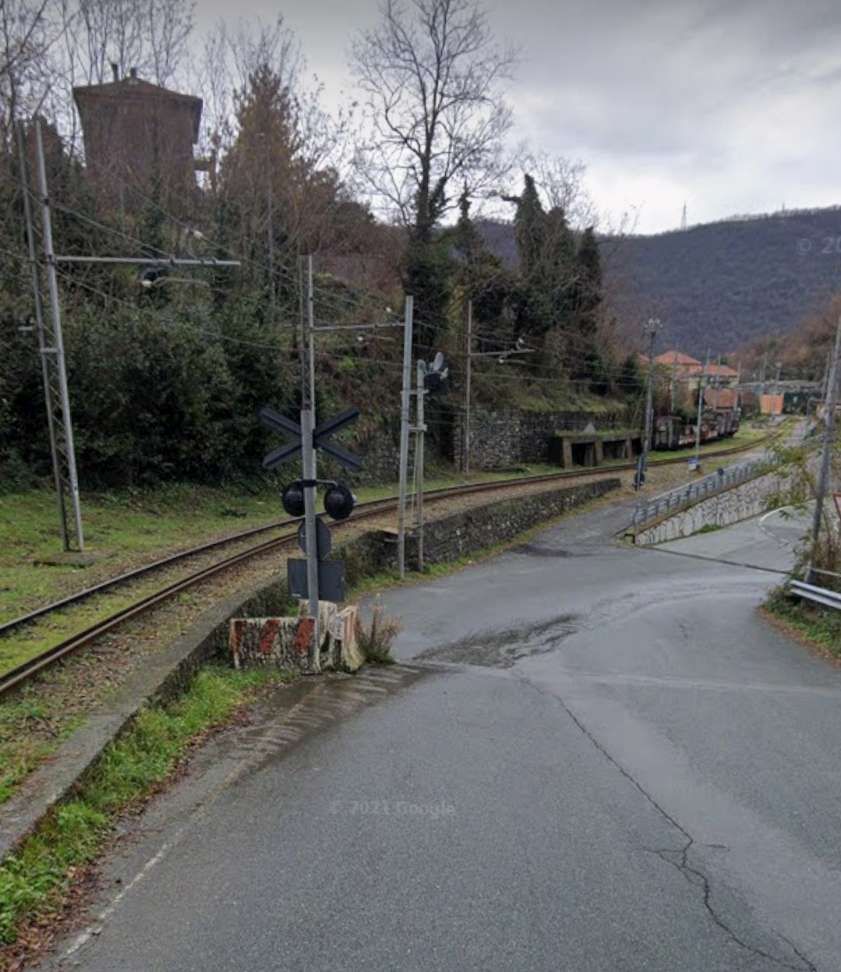
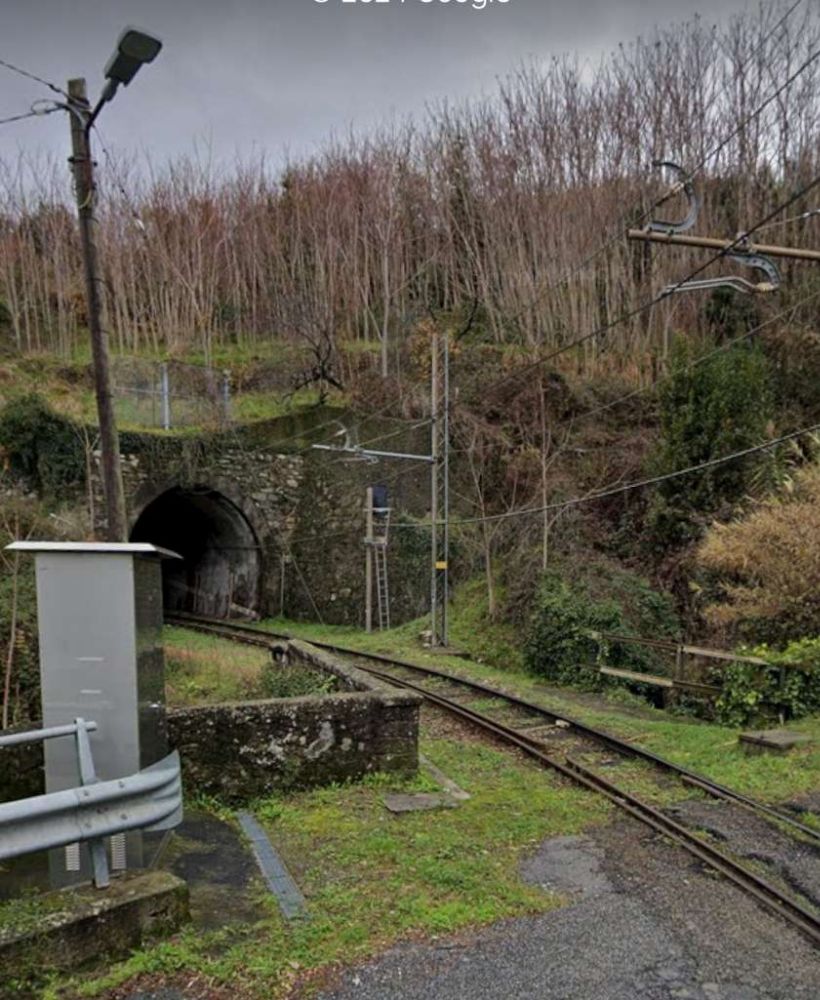
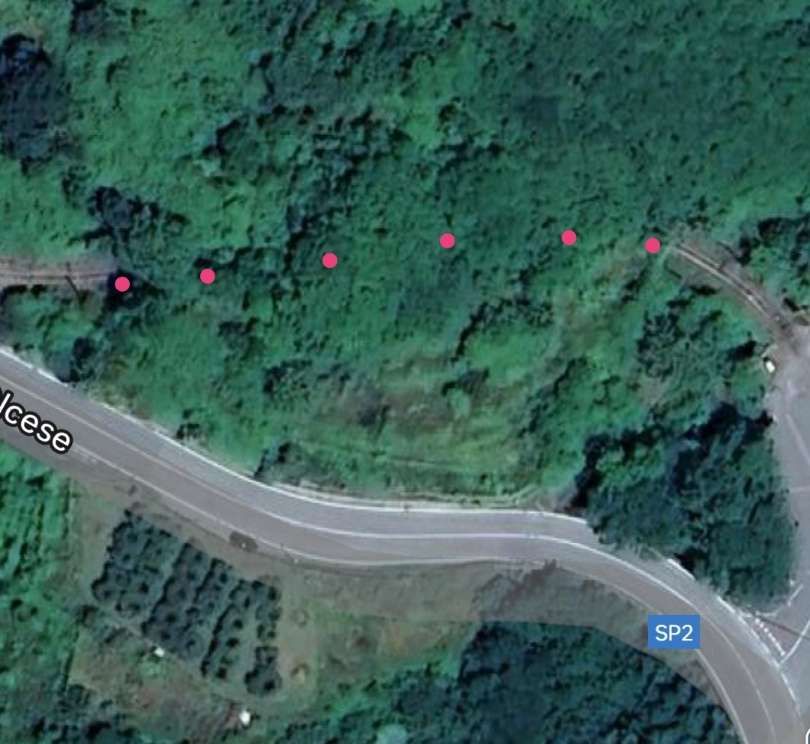
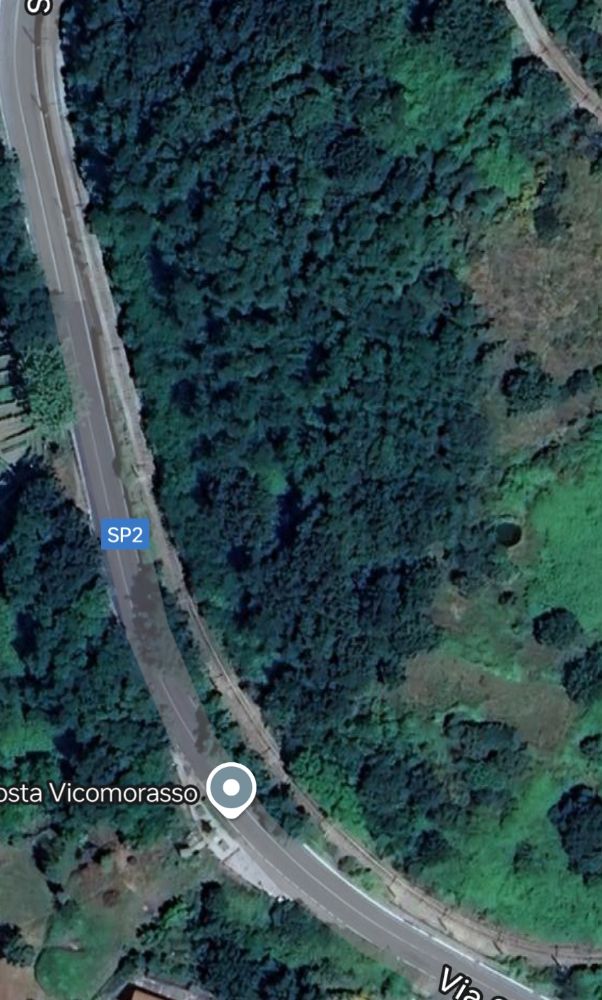
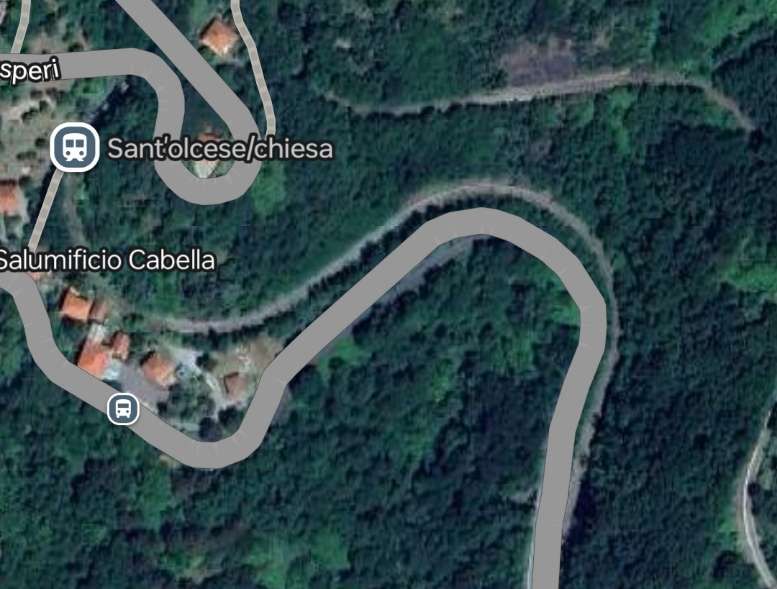
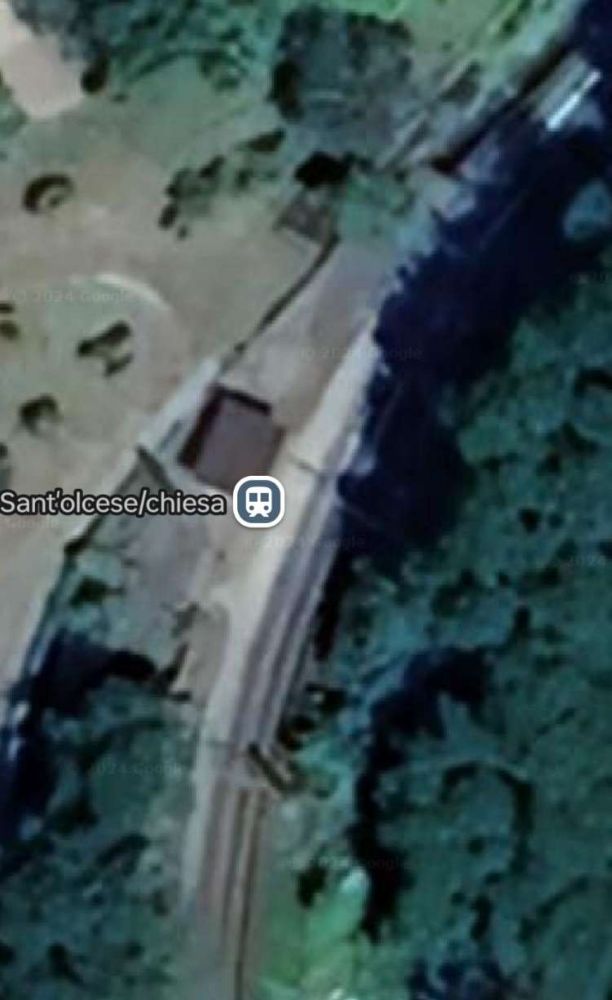
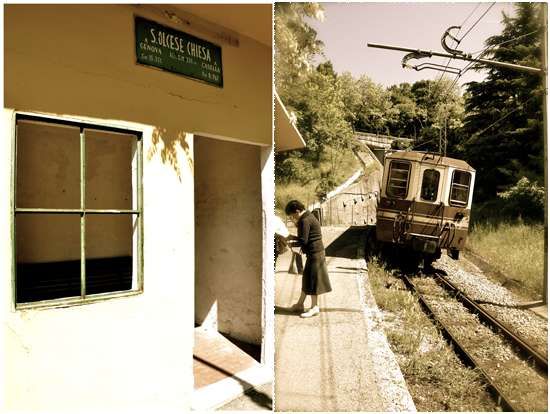
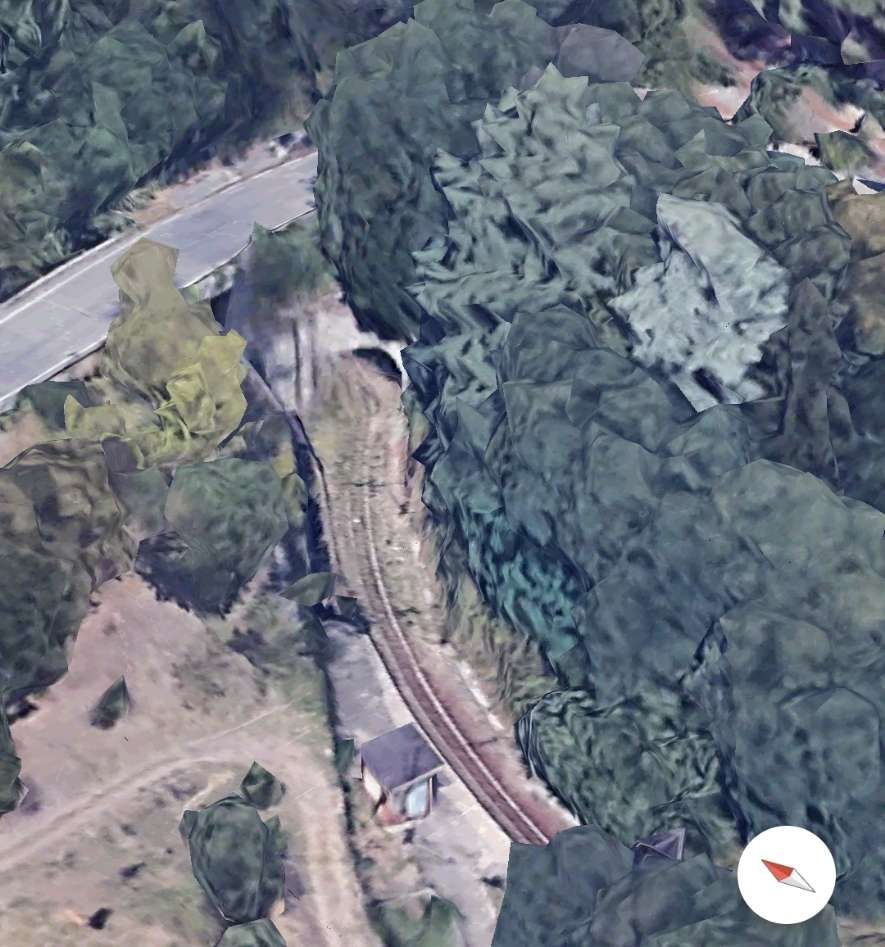
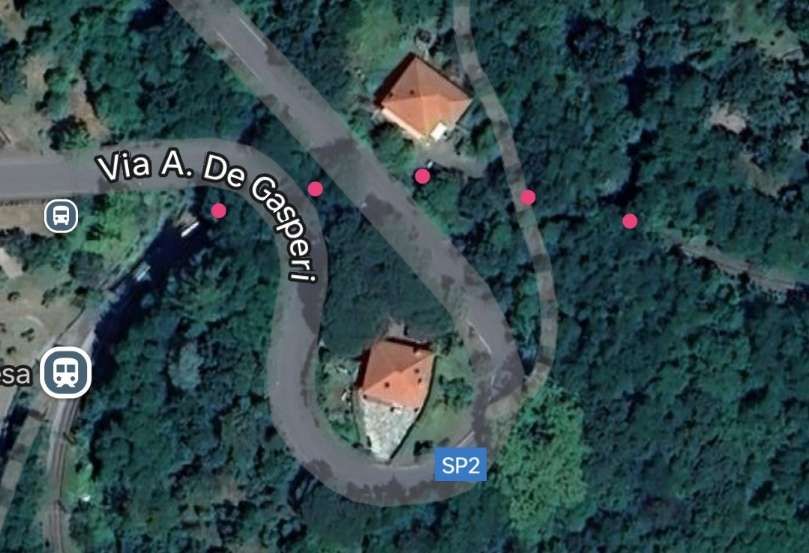
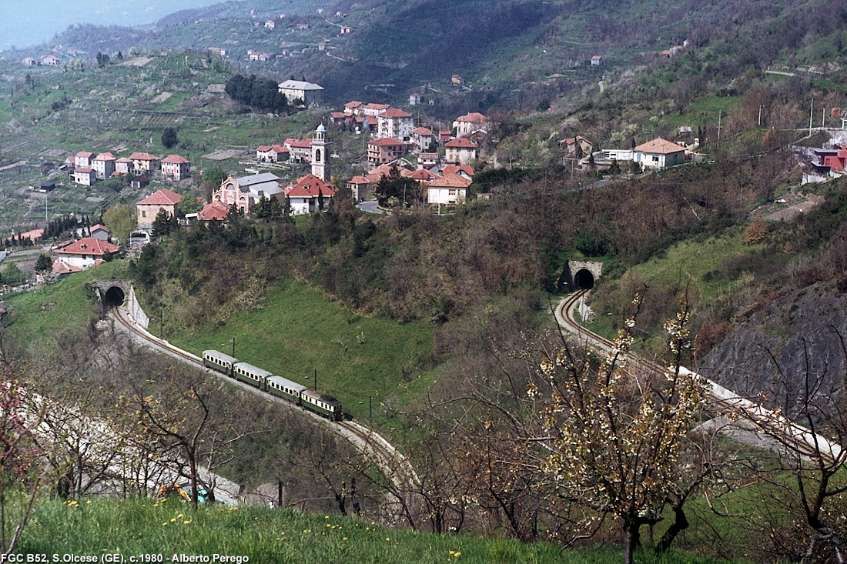
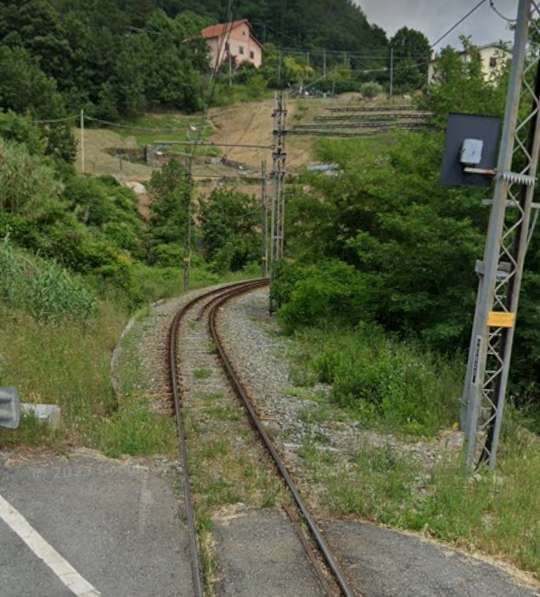
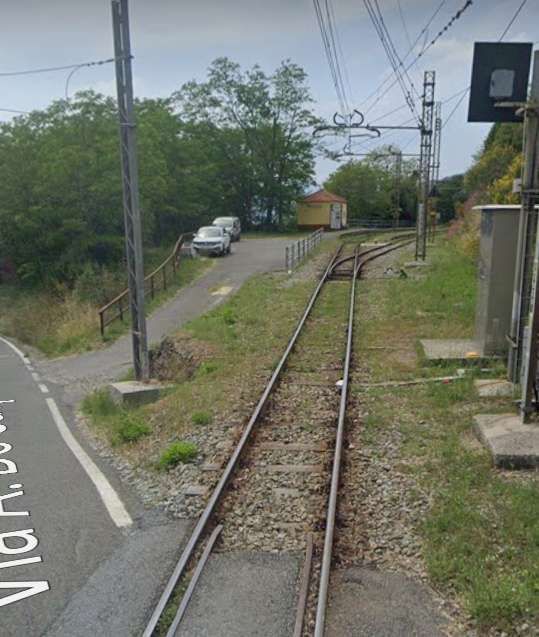
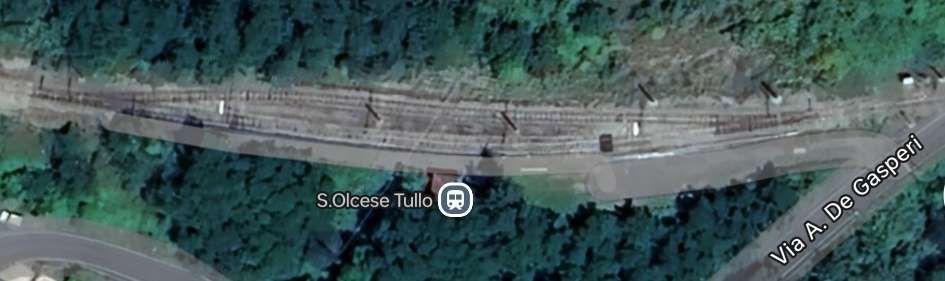
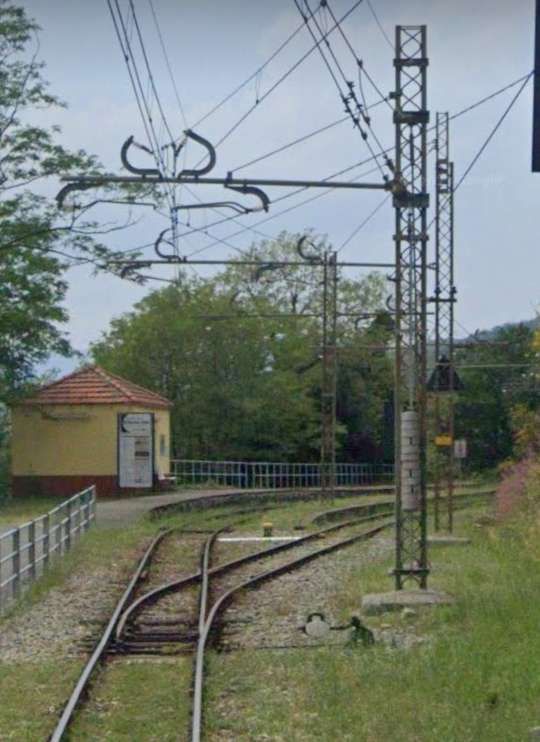
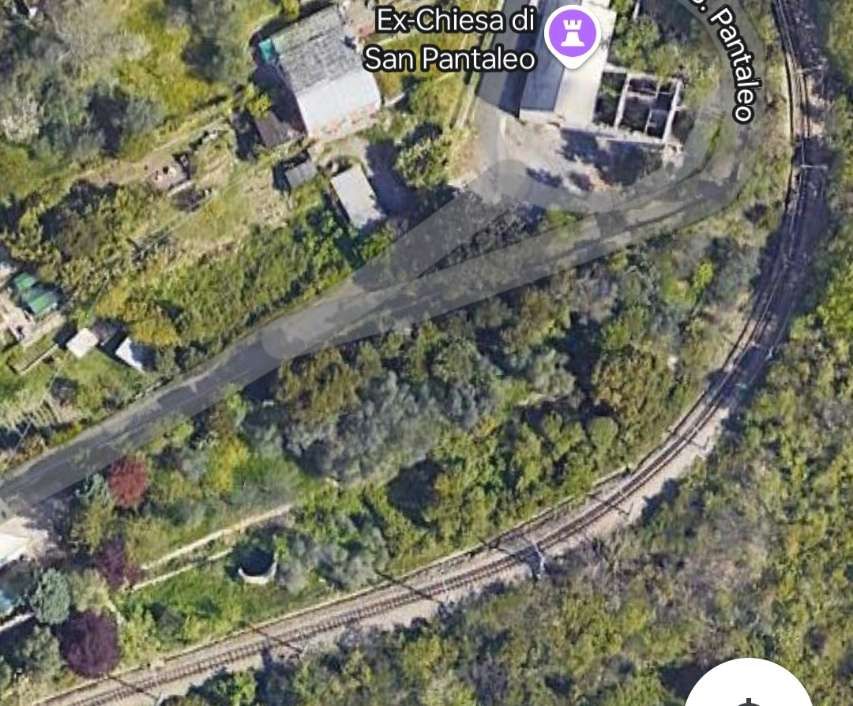
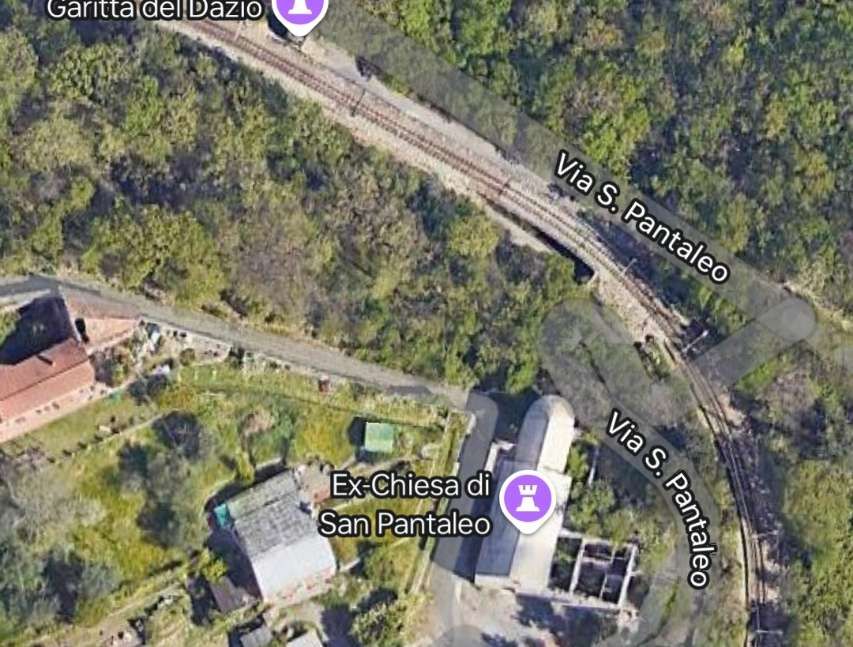
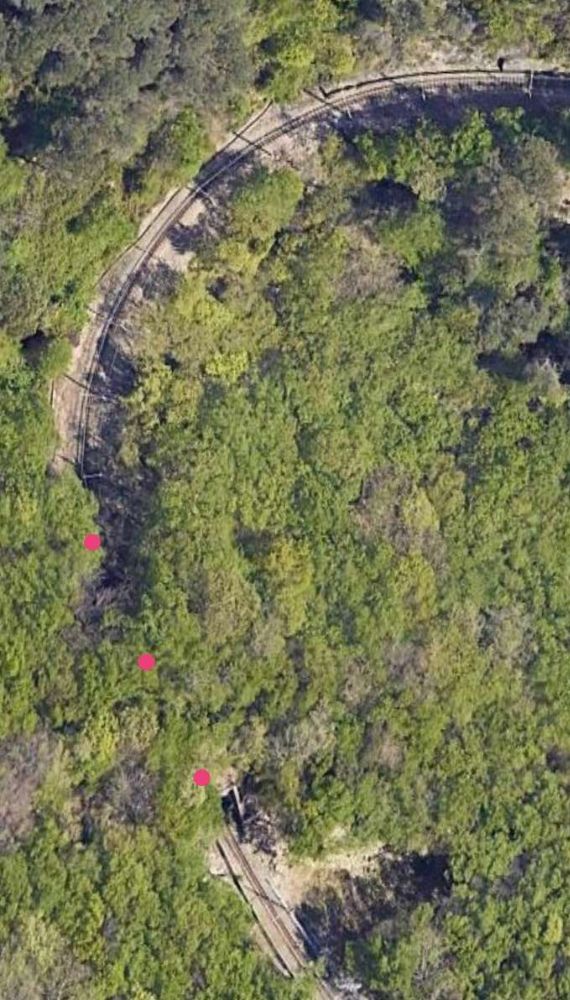
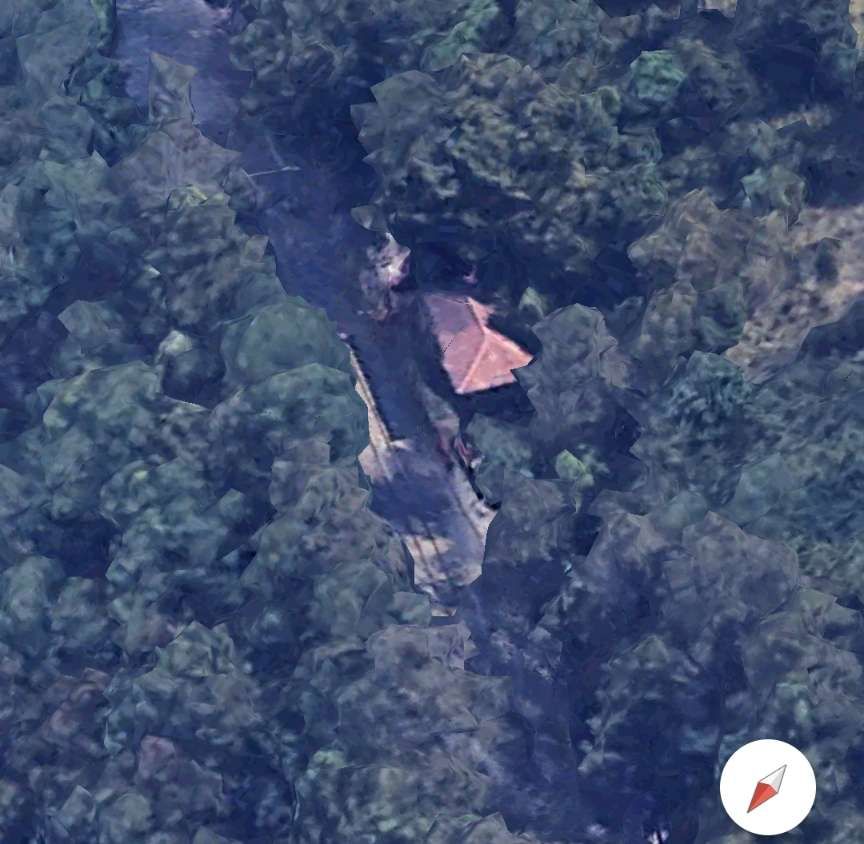
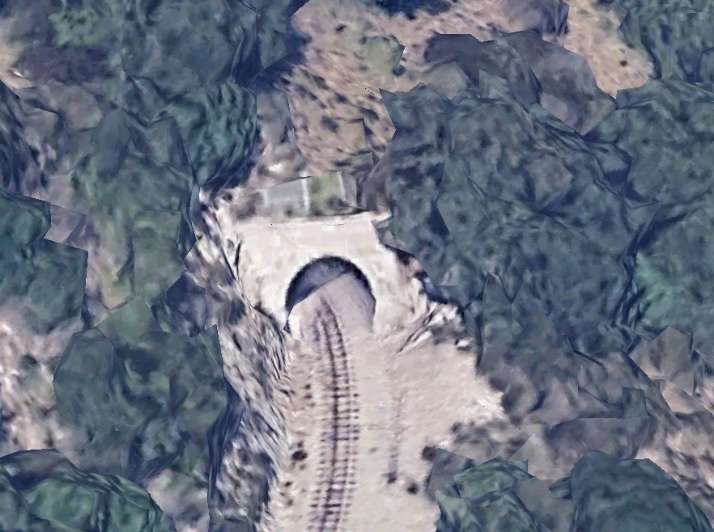
The railway is on three different levels on the hillside at Sant’Olcese. The first accommodates the Chiesa Halt, the tunnel above opens out onto the second level. The third level hosts the Tullo Halt.
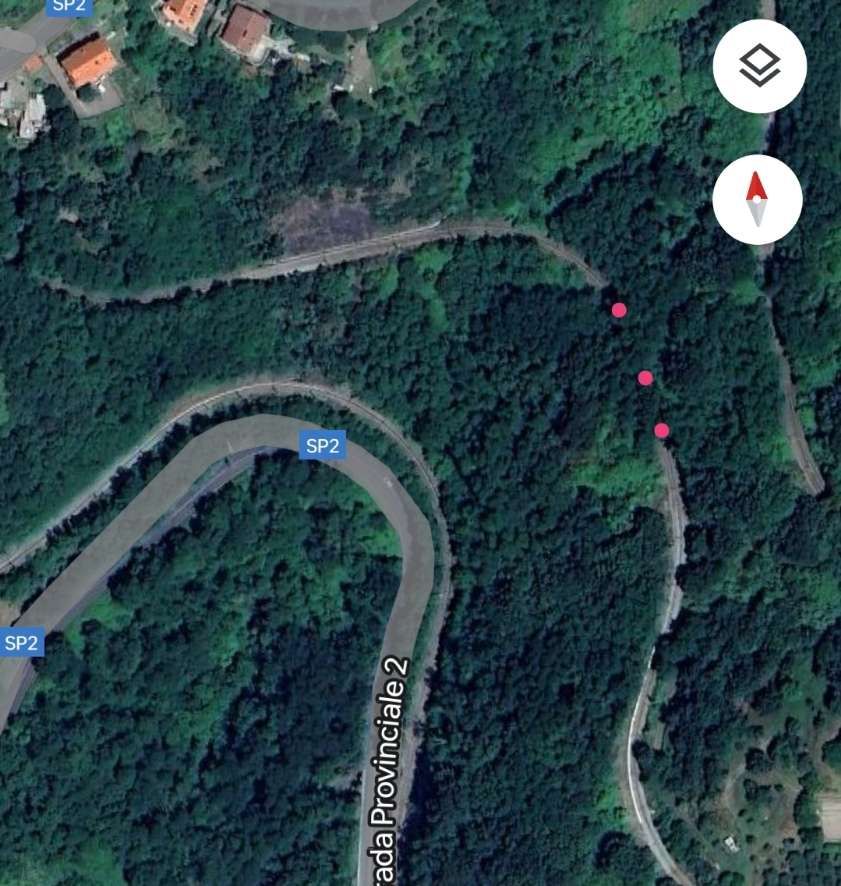
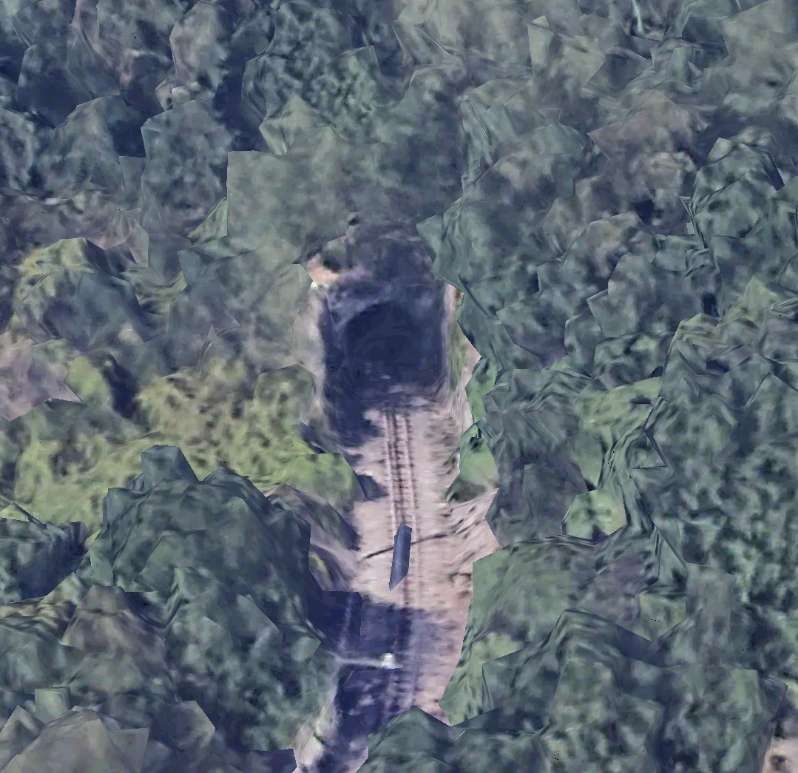
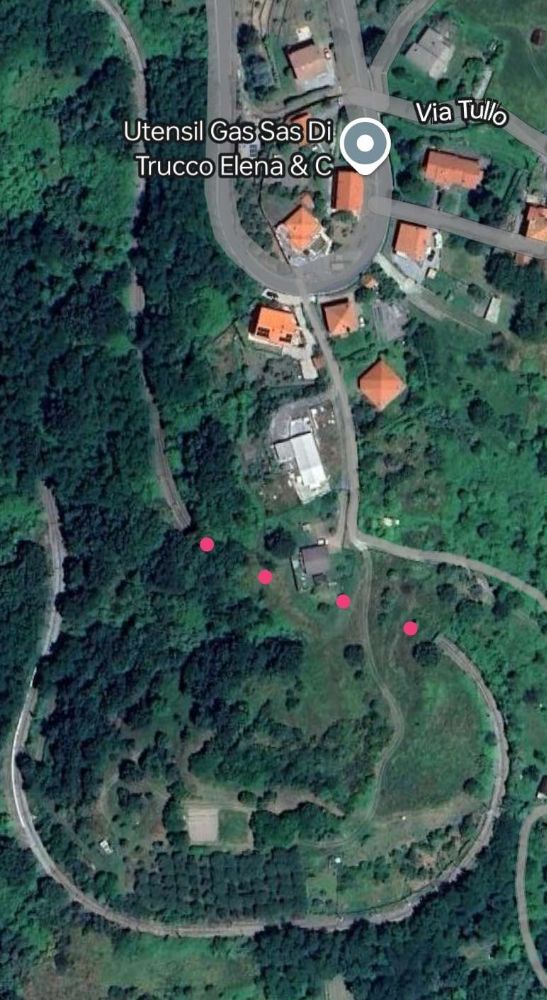
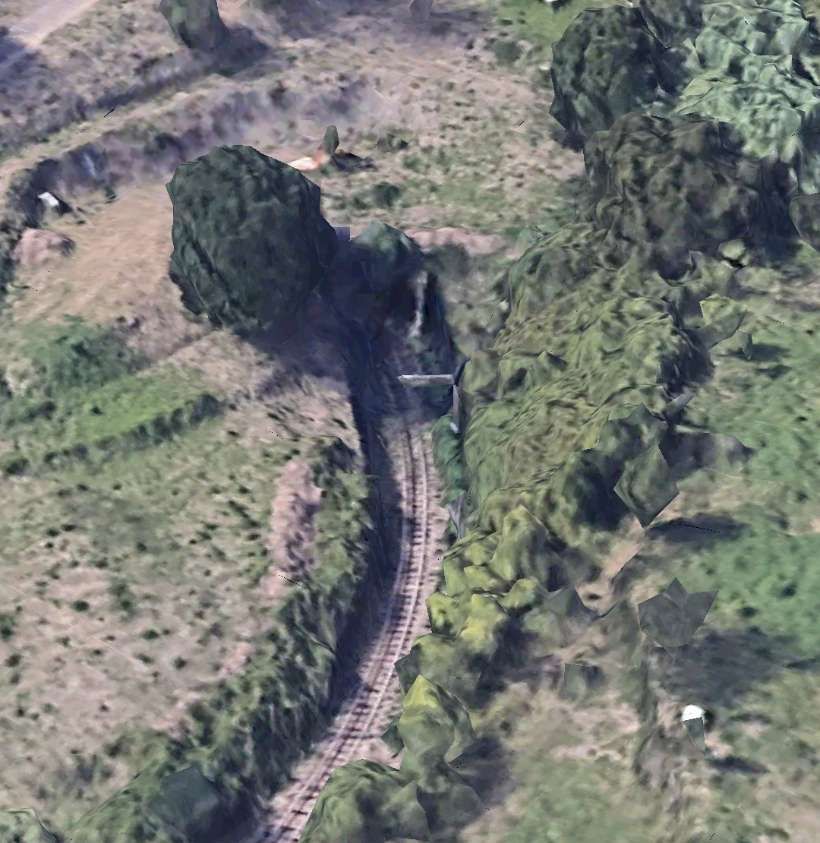
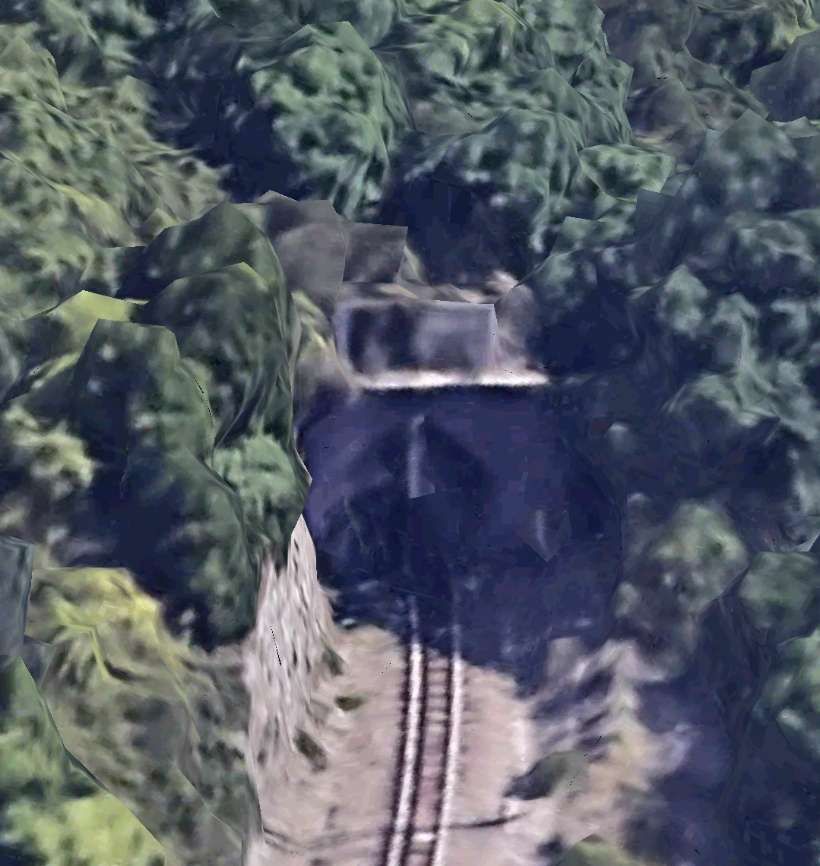
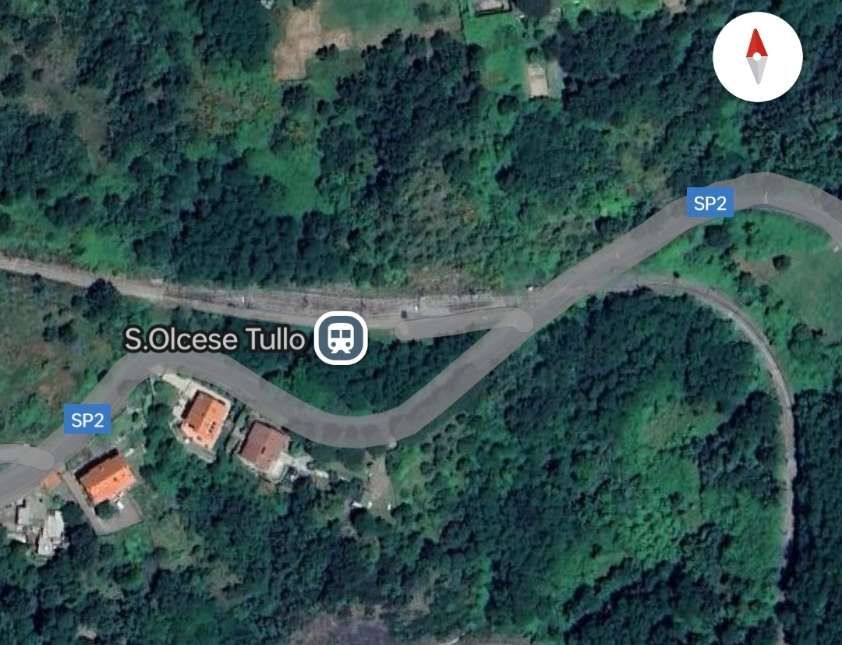
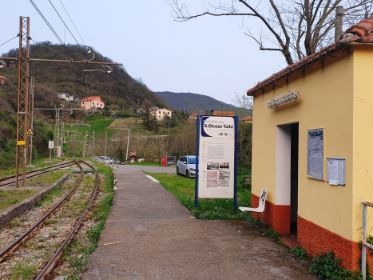
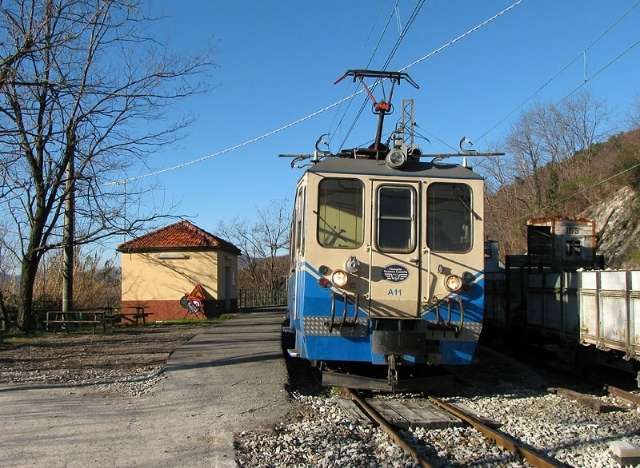
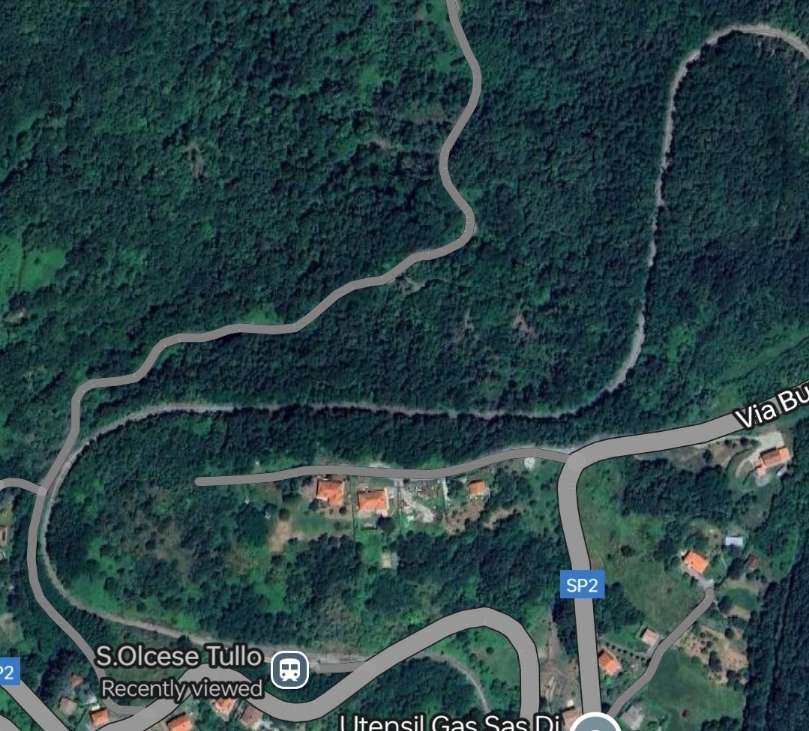

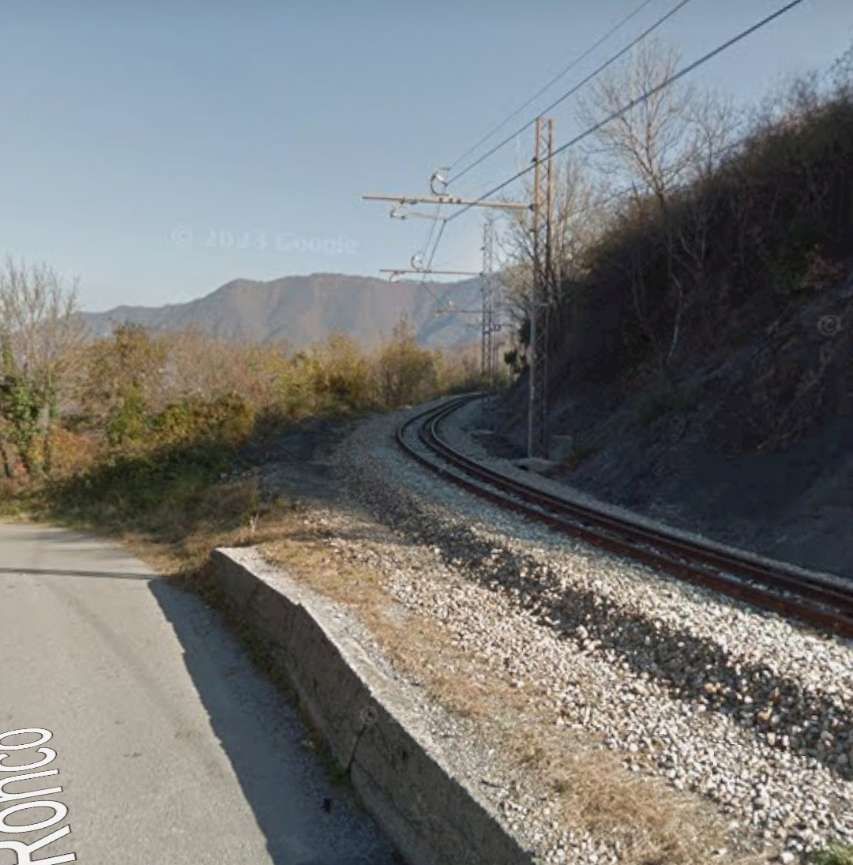
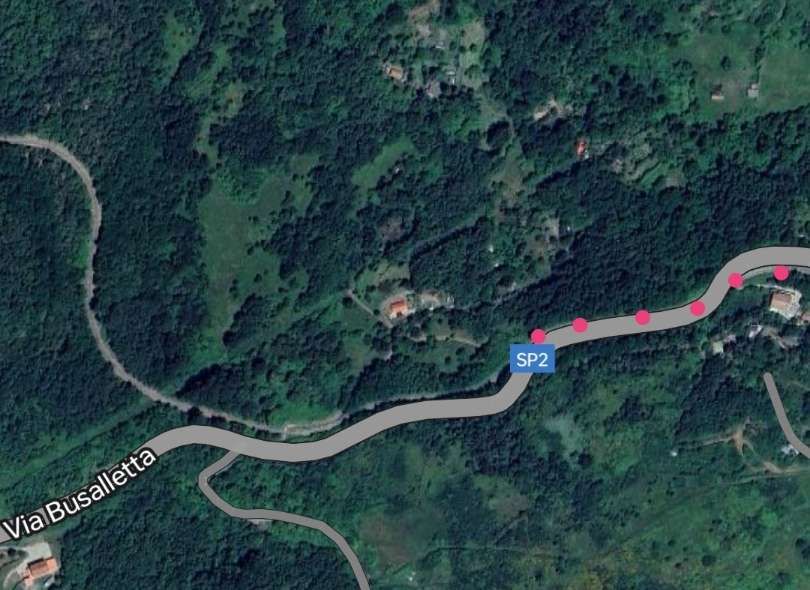
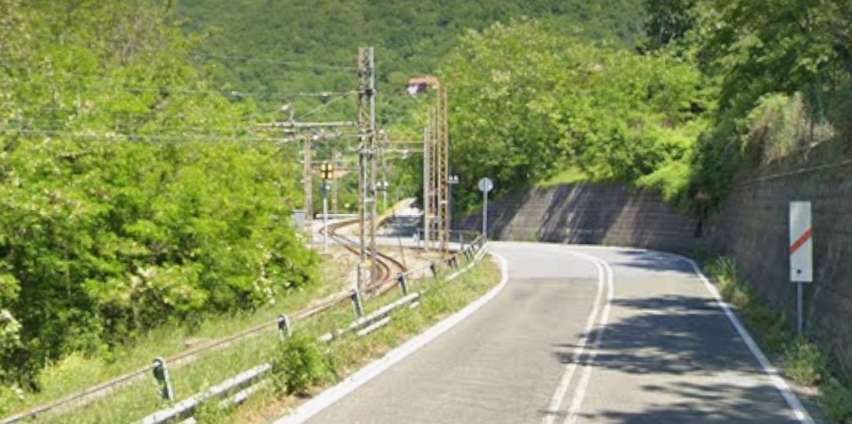
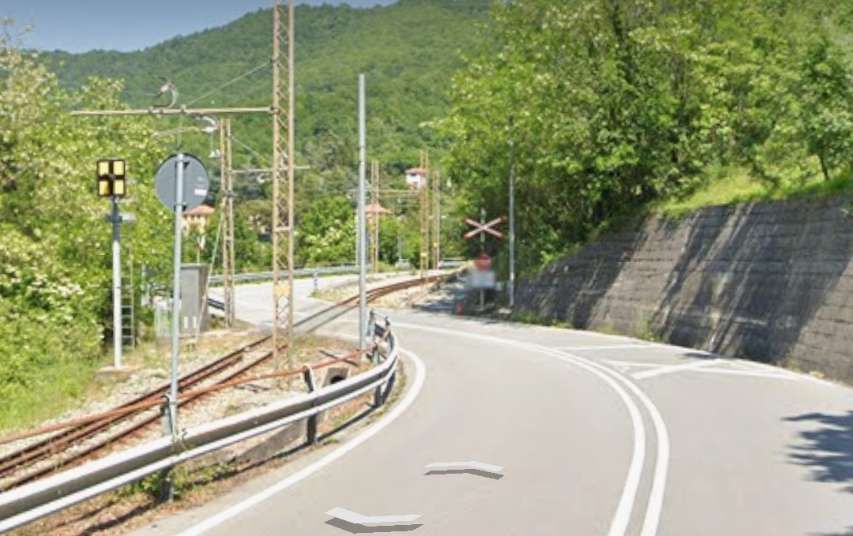
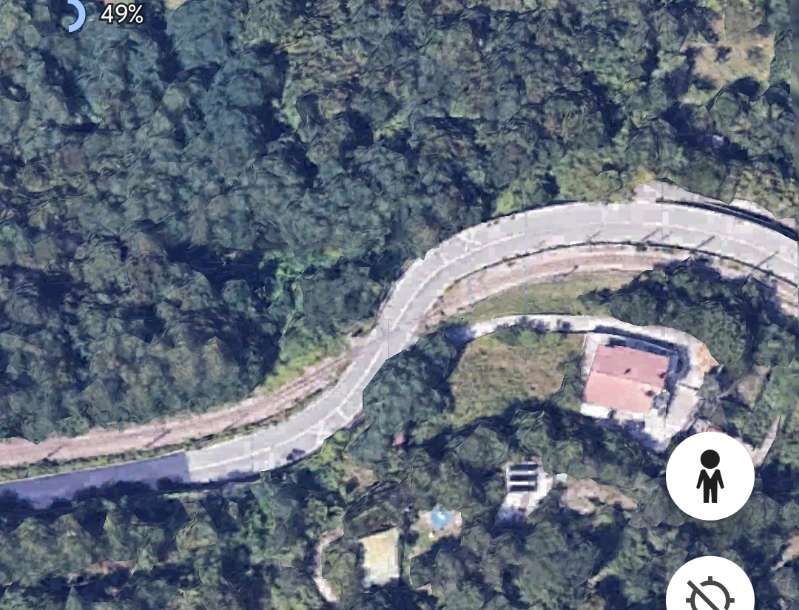
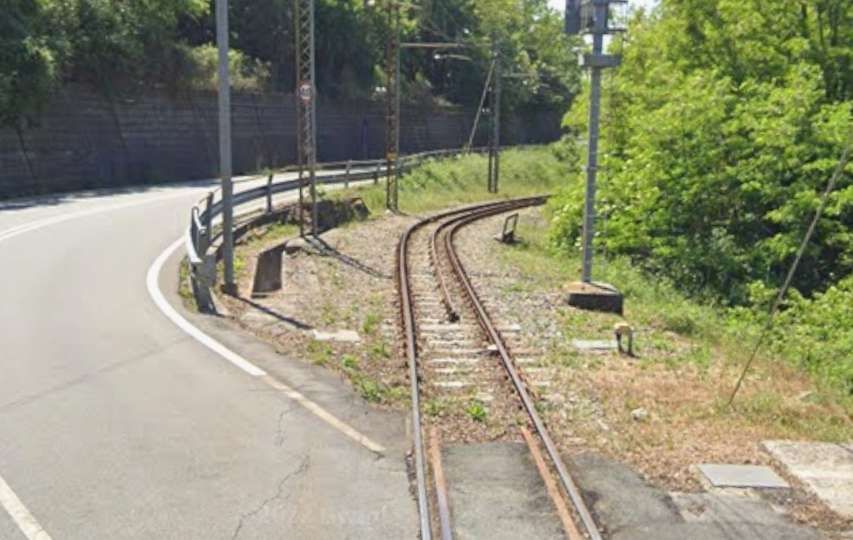
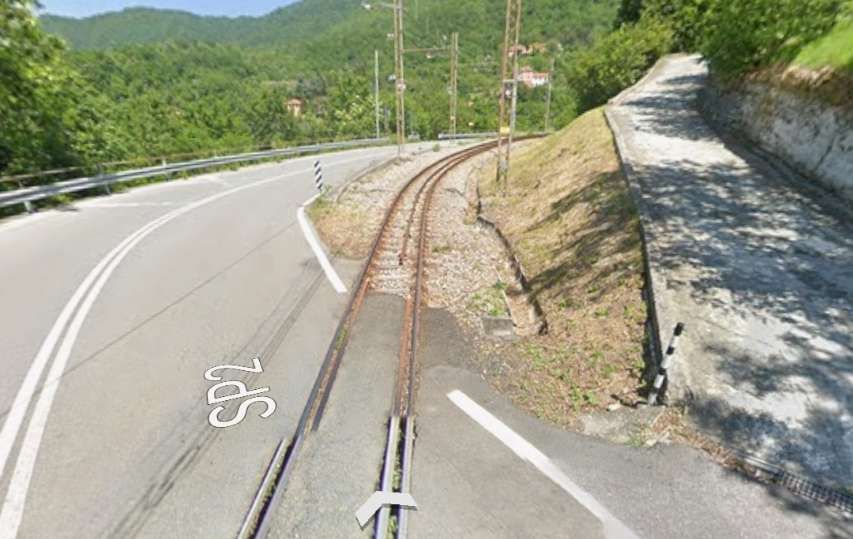
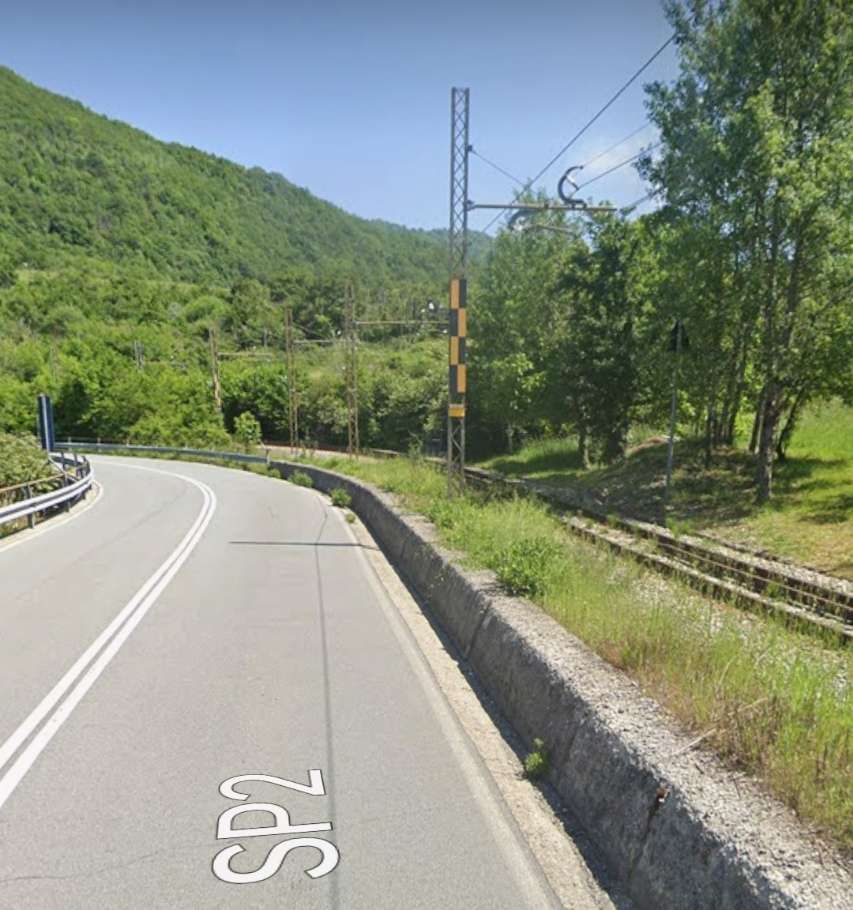
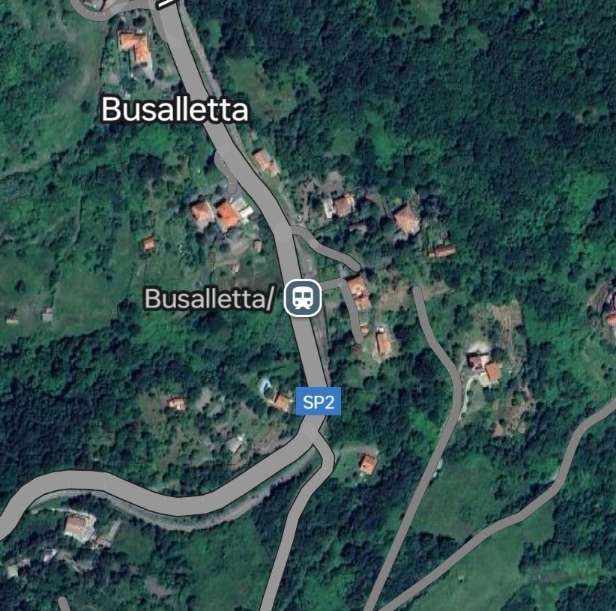
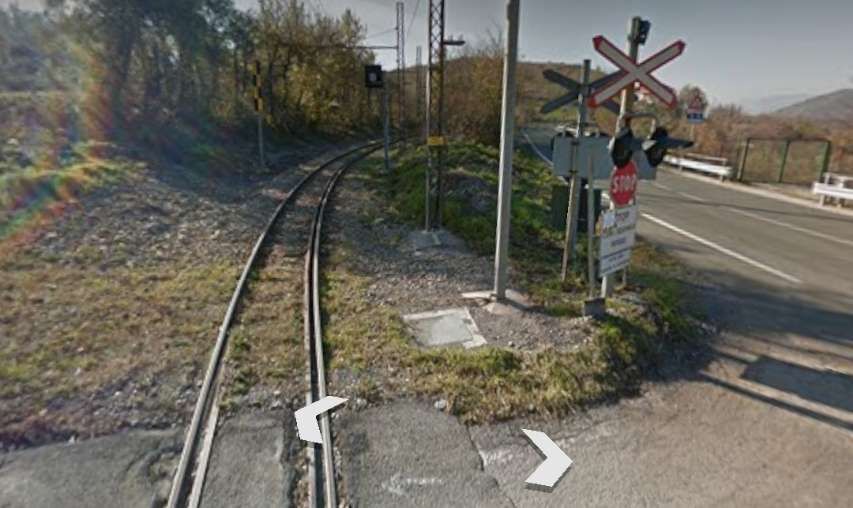
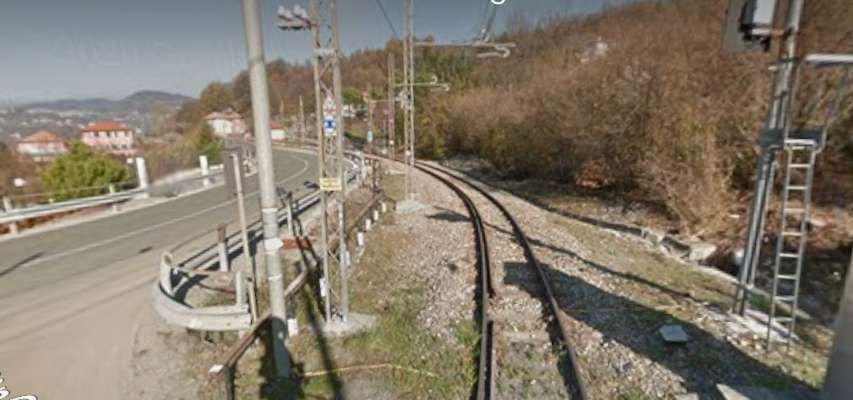
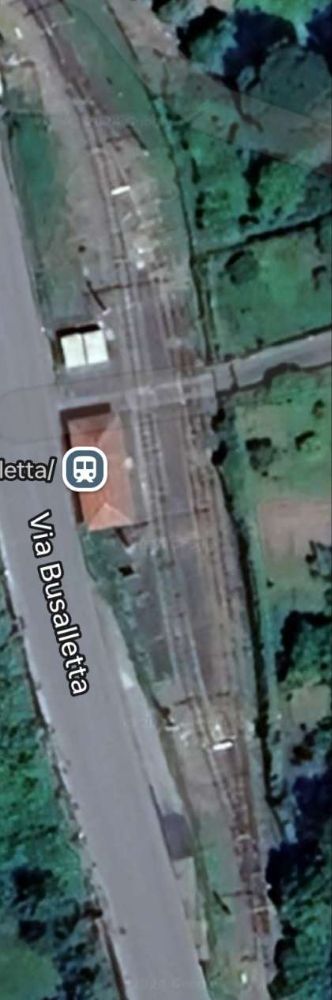
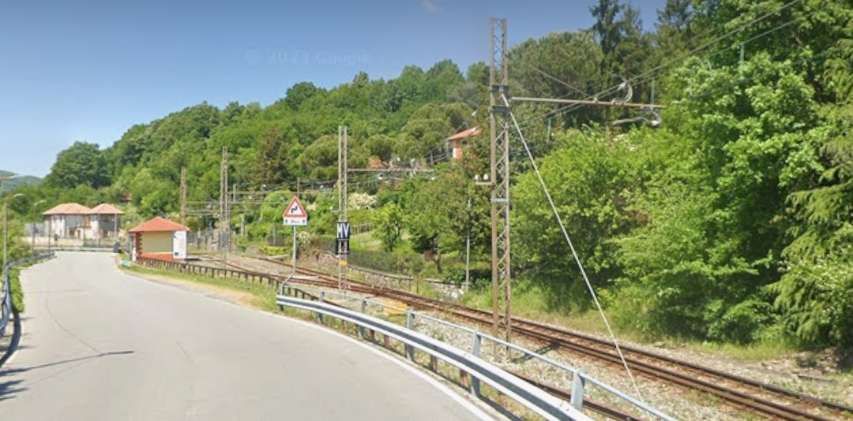
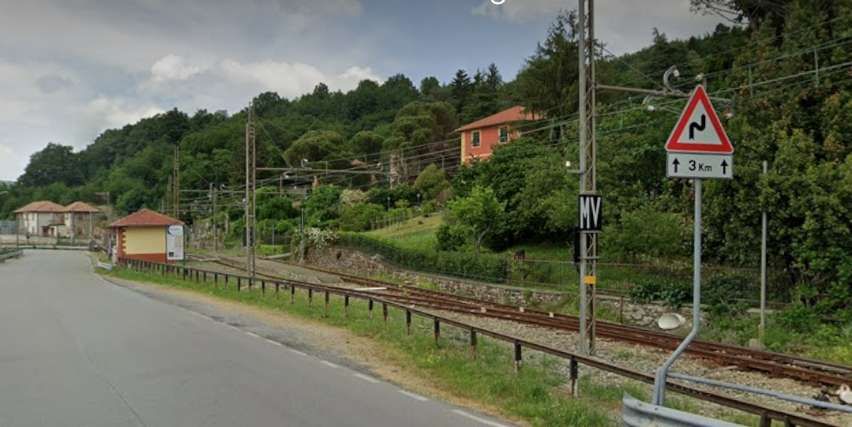
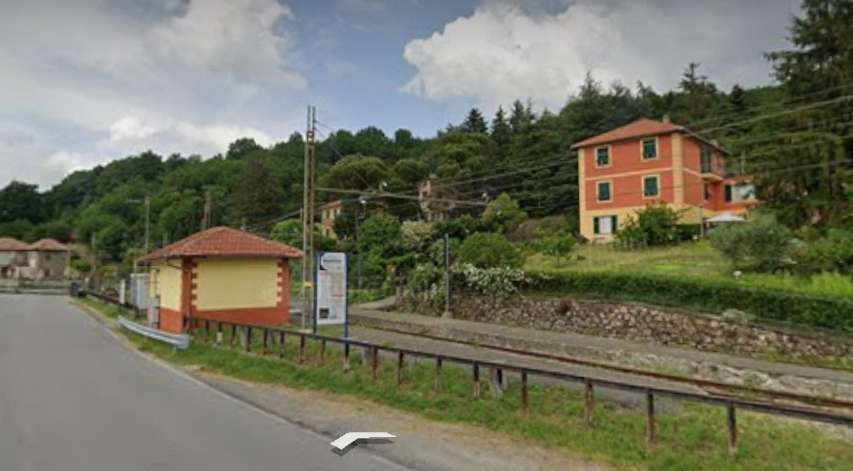
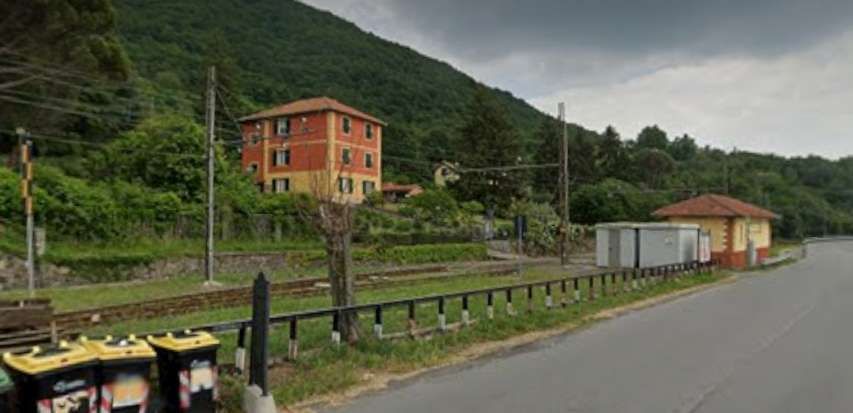
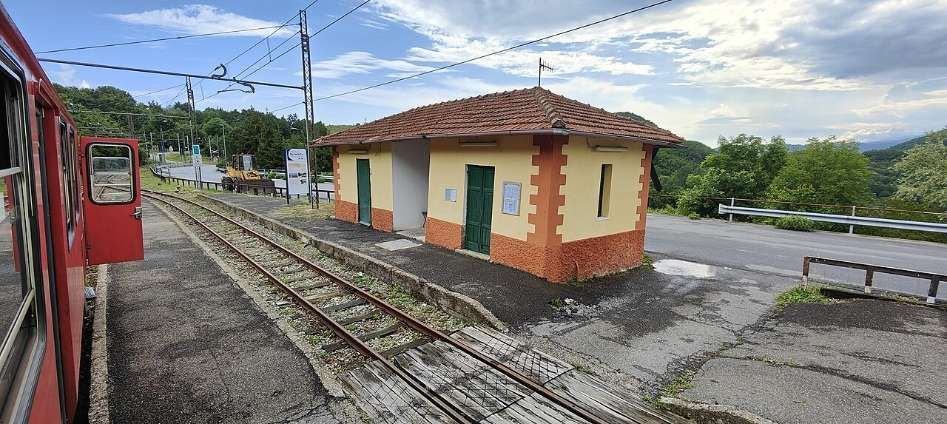


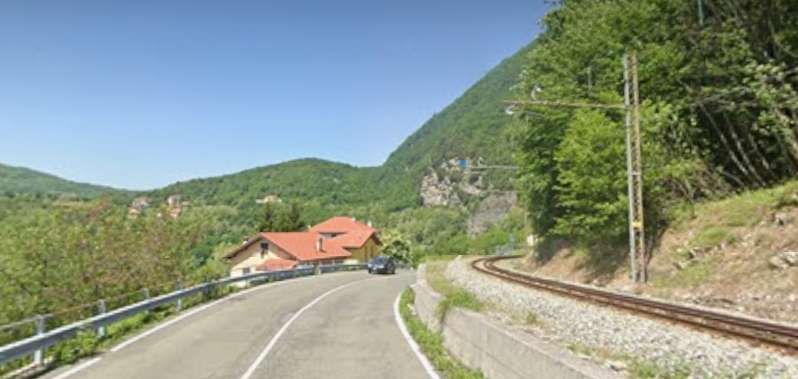
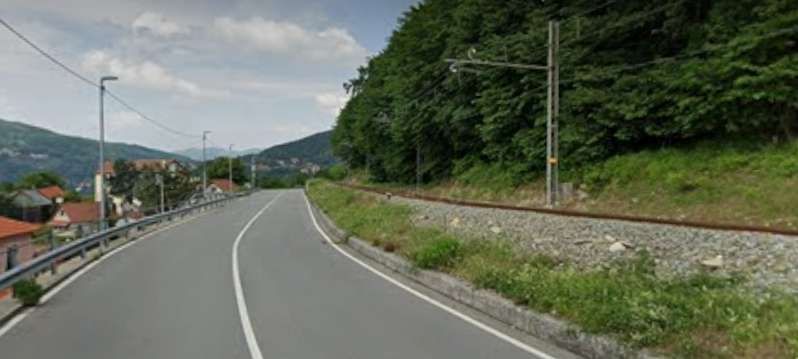
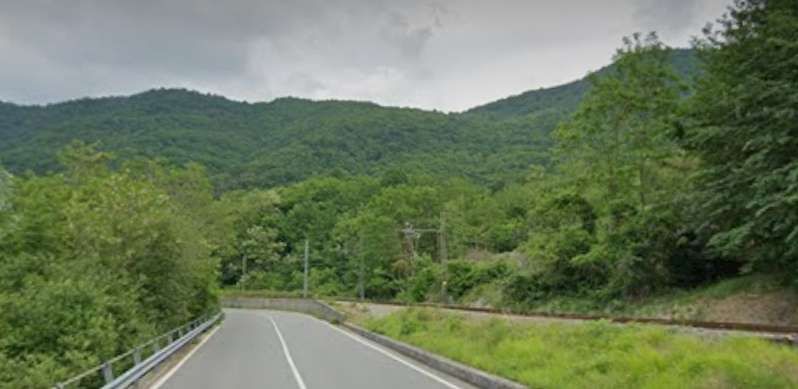
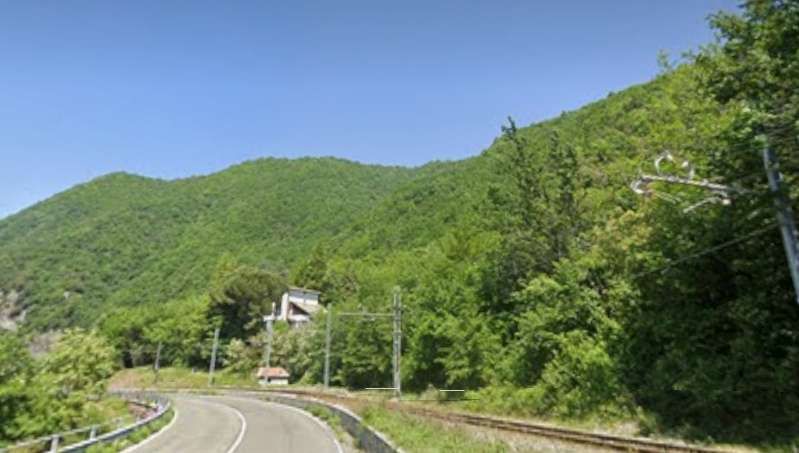
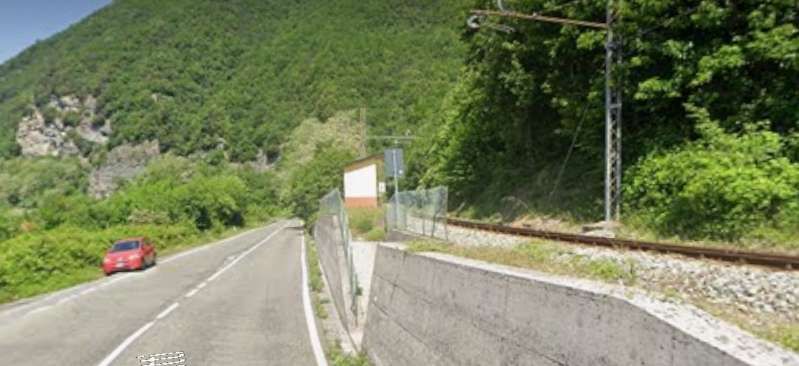
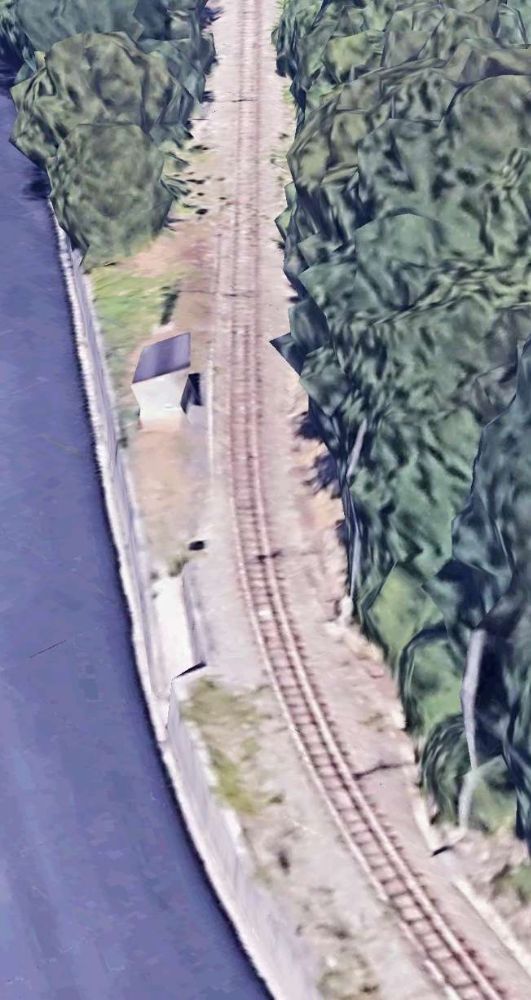
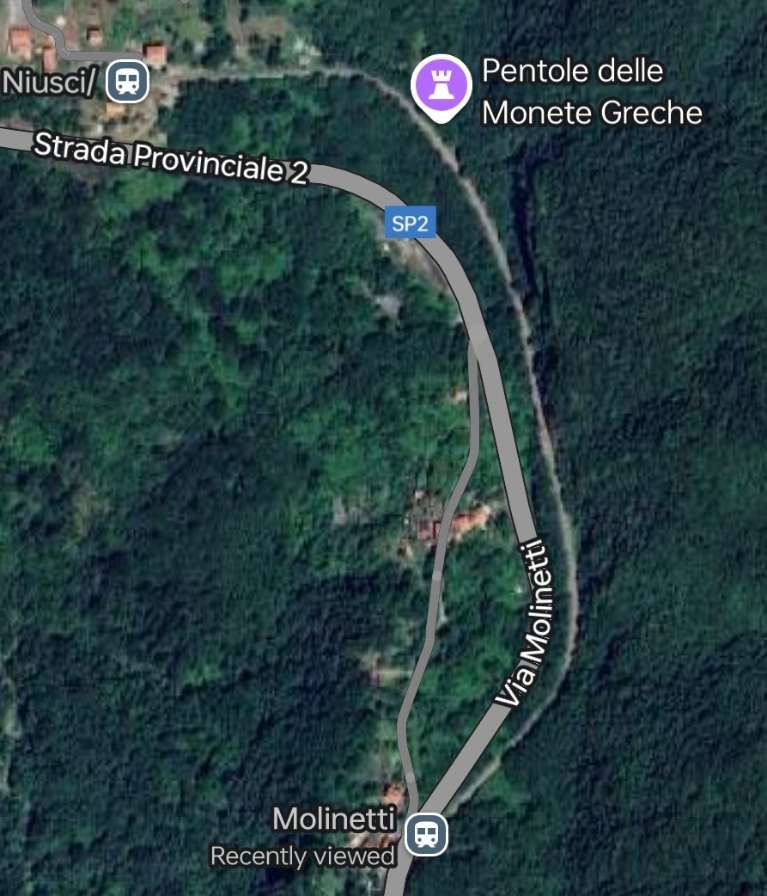
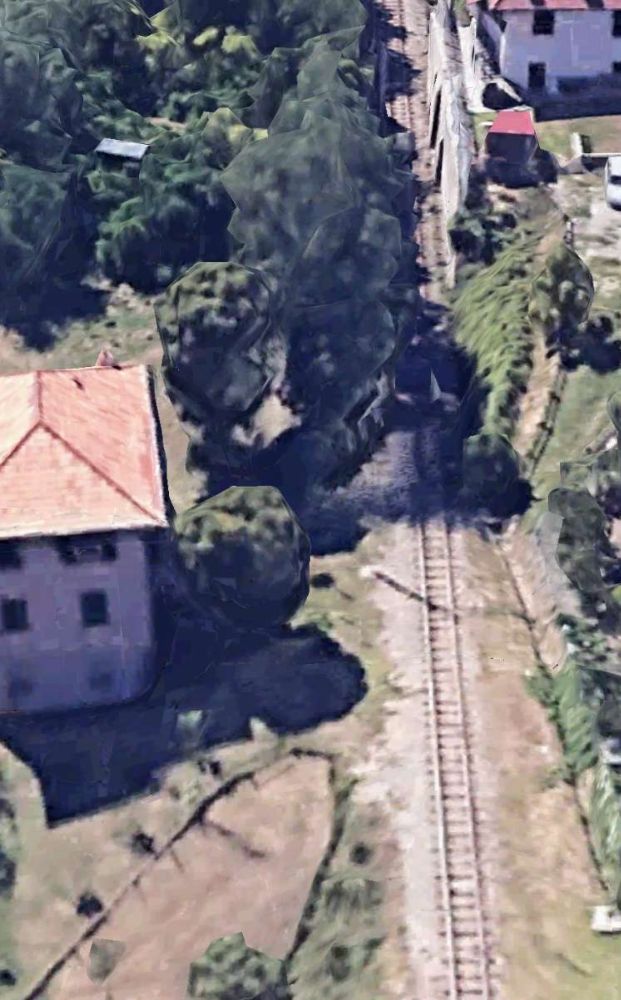
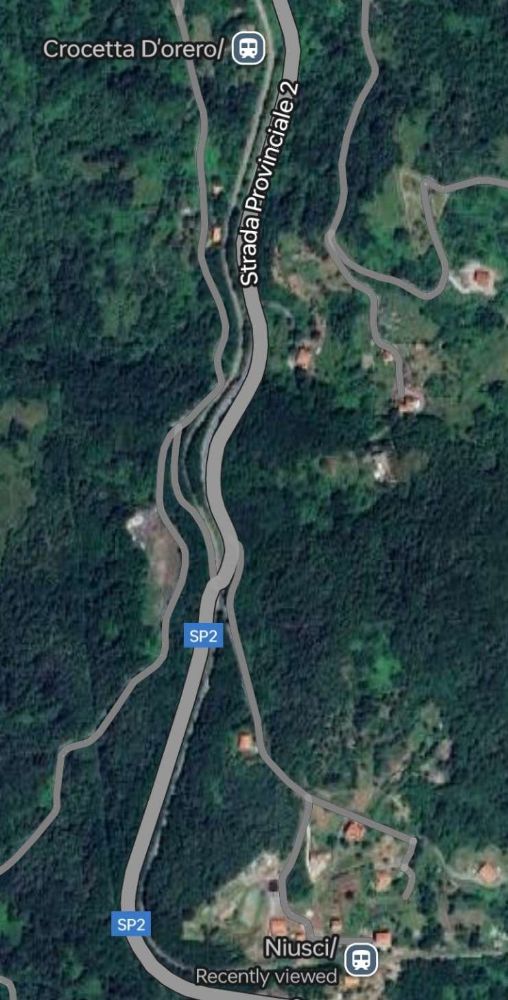
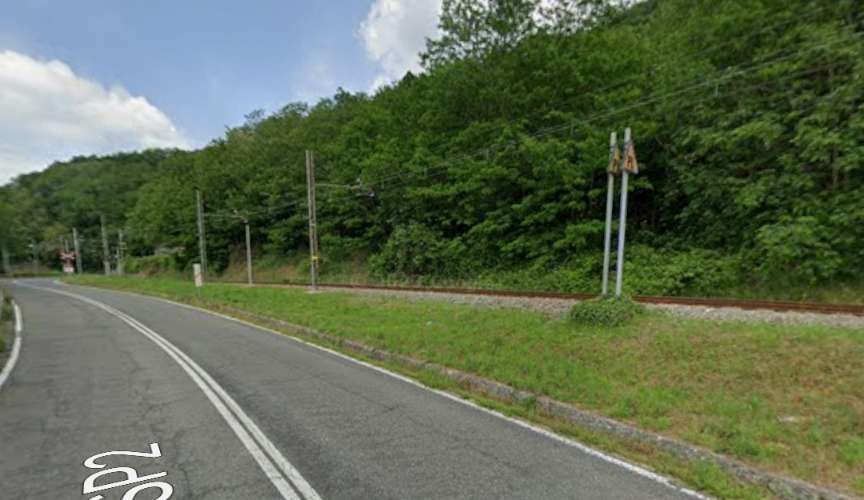
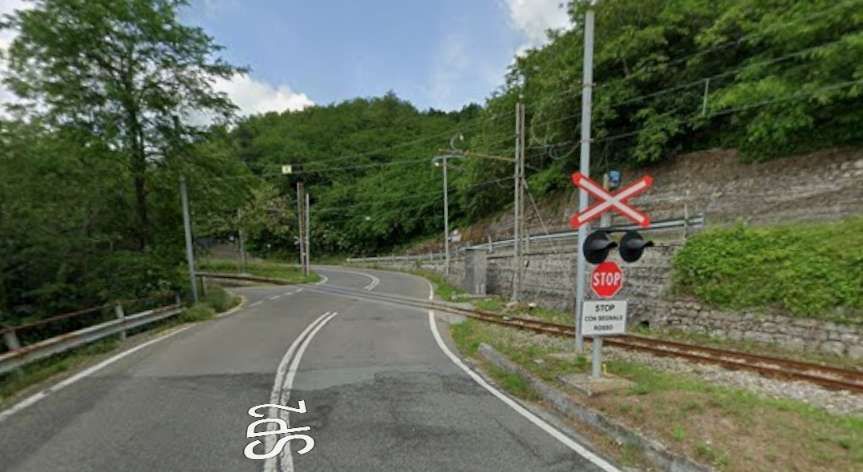
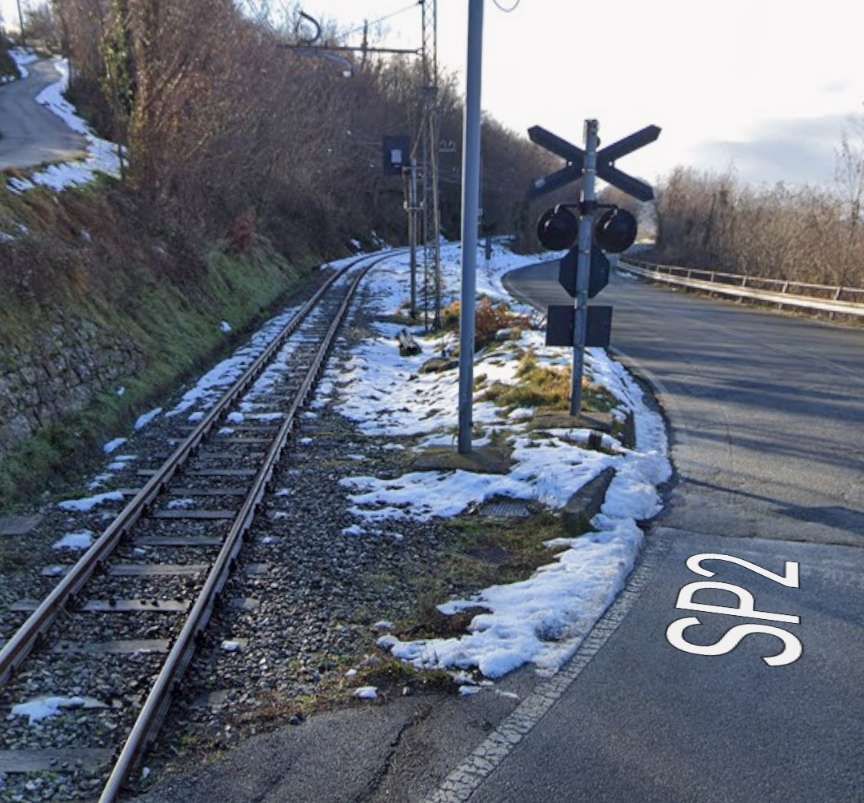
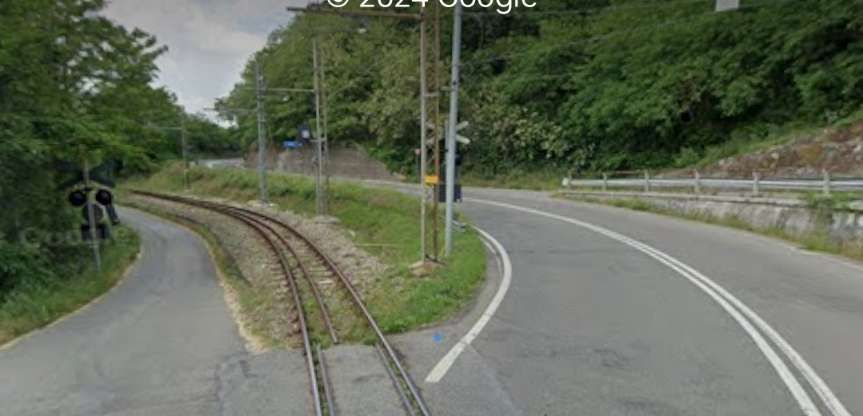
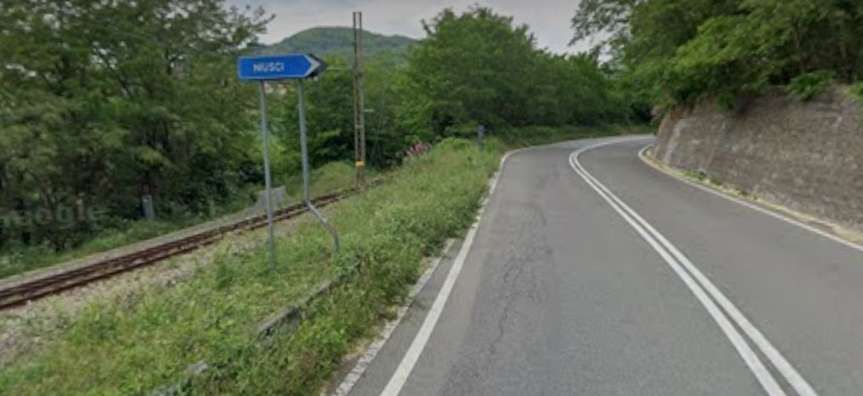
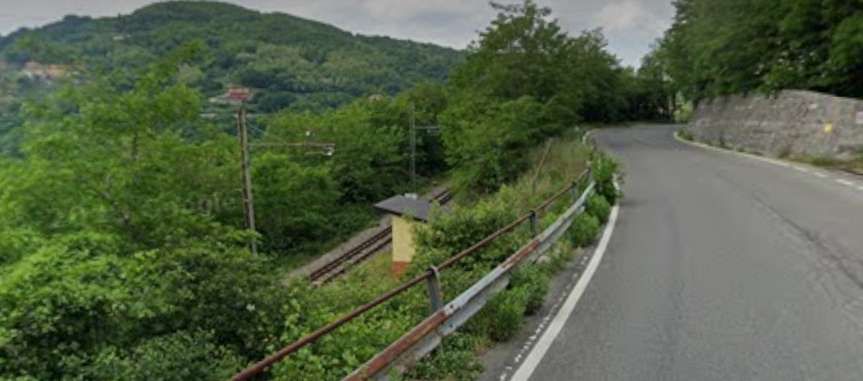
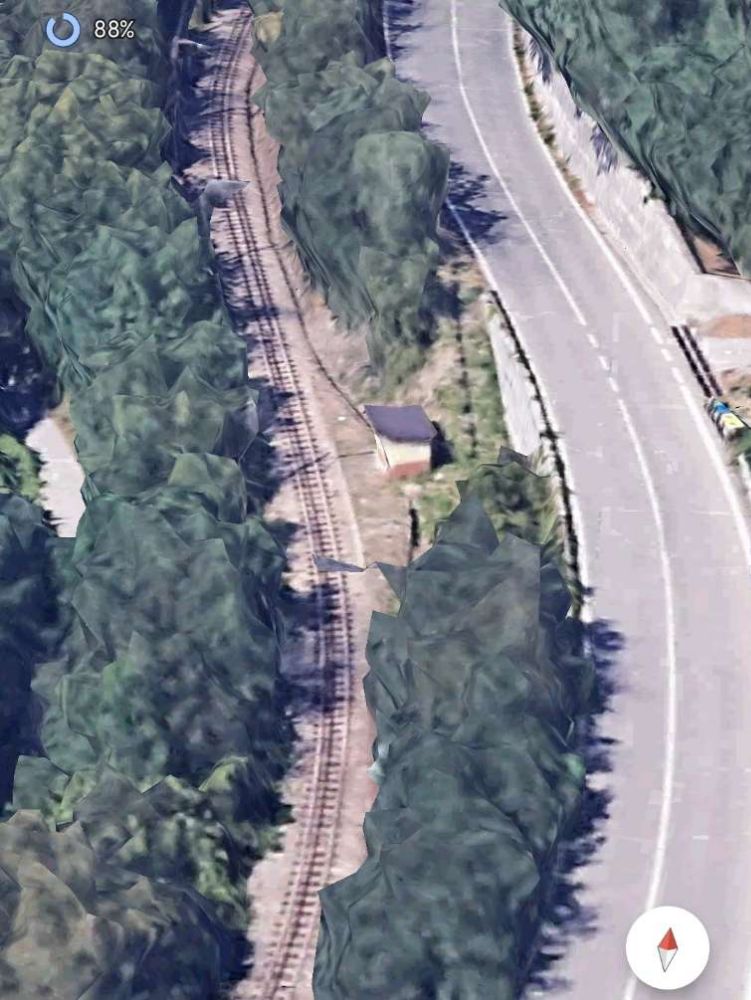
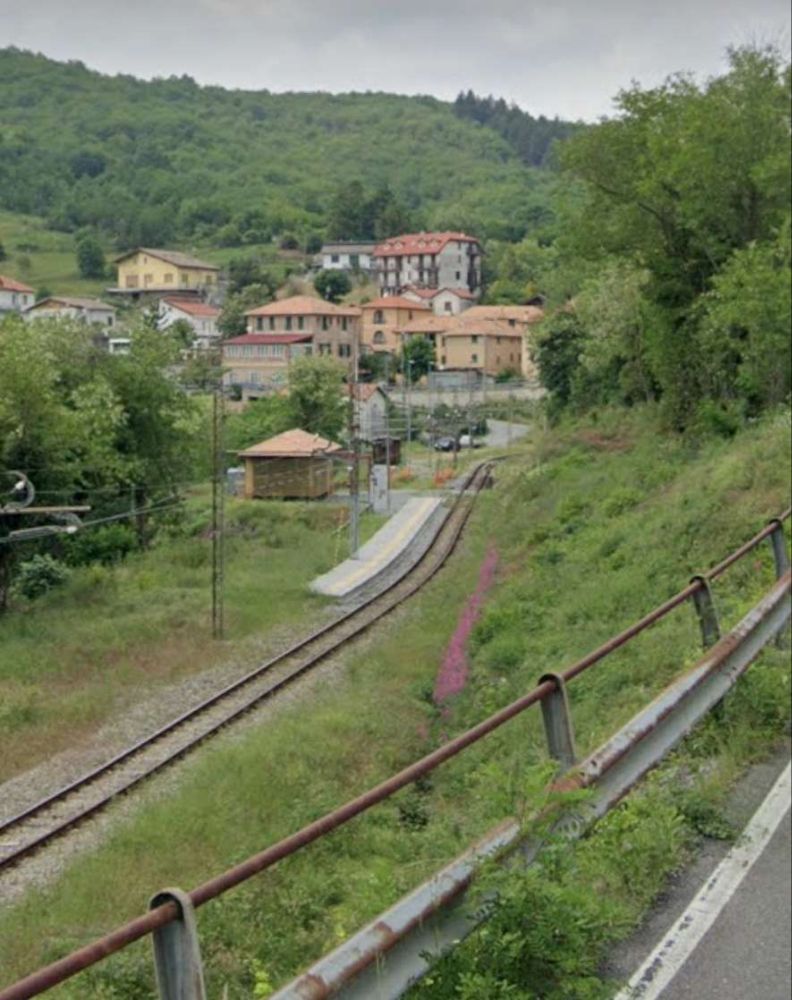
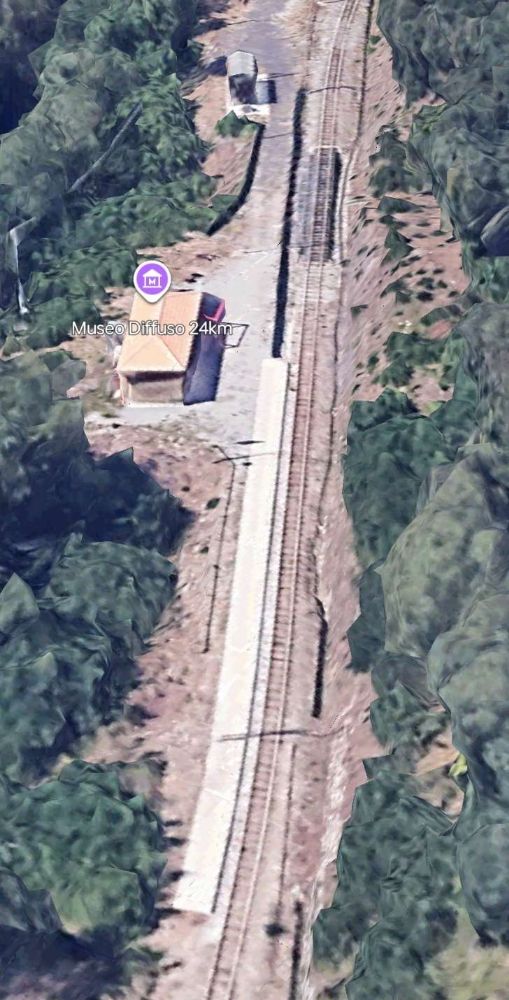
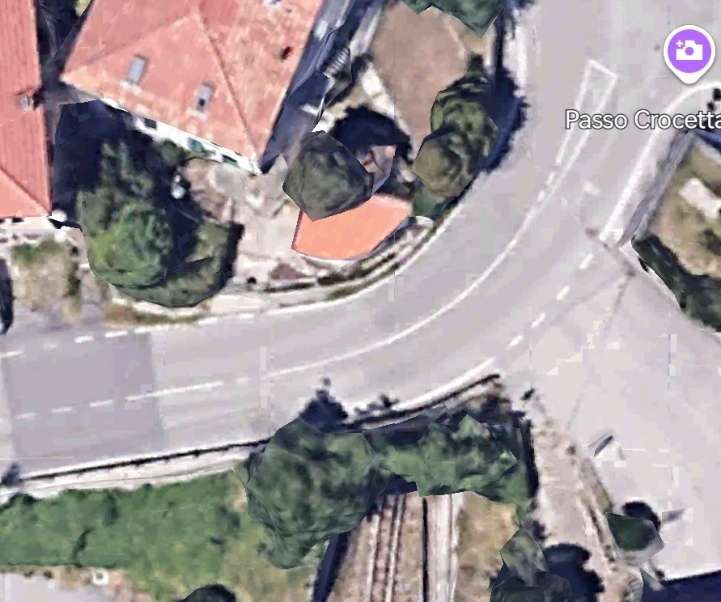
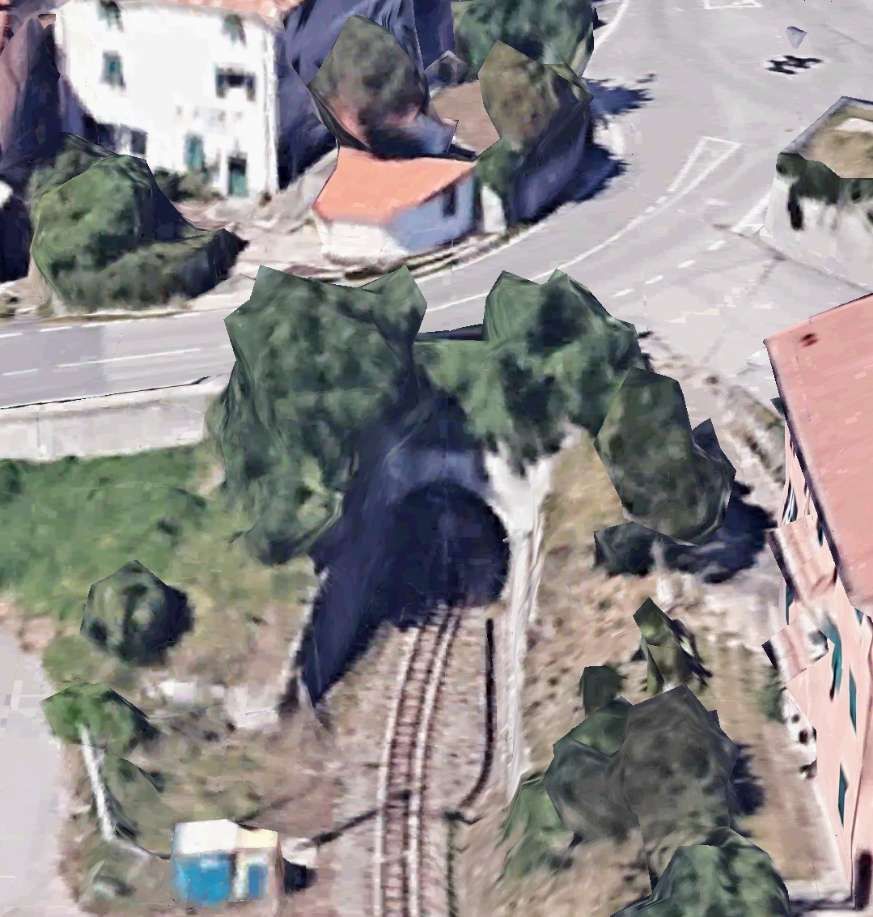
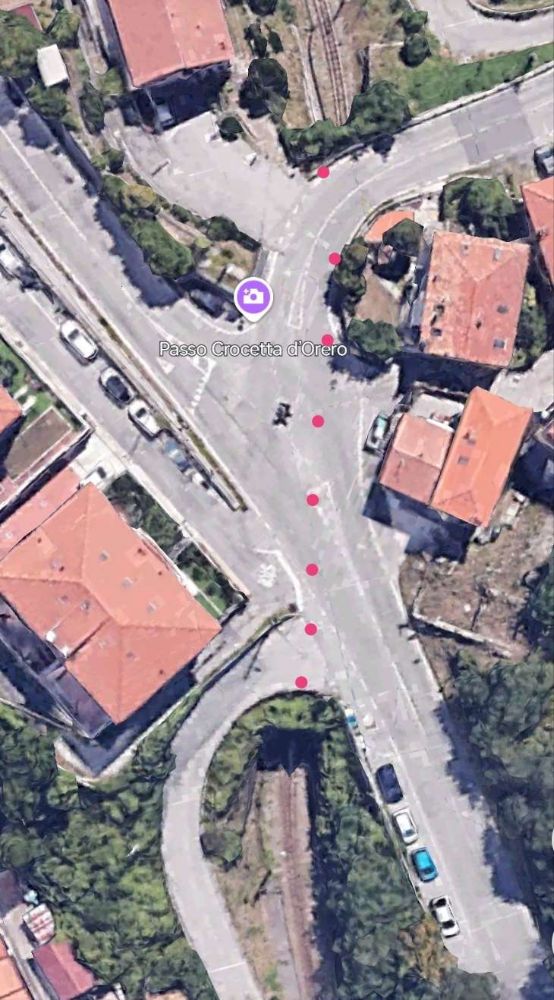
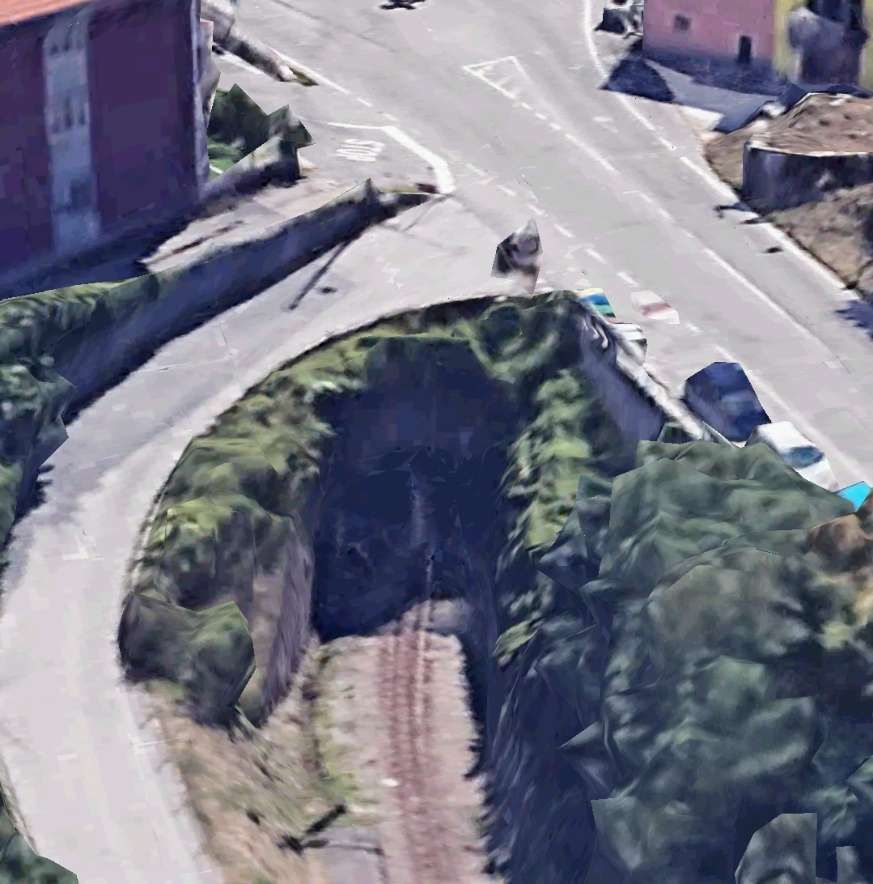
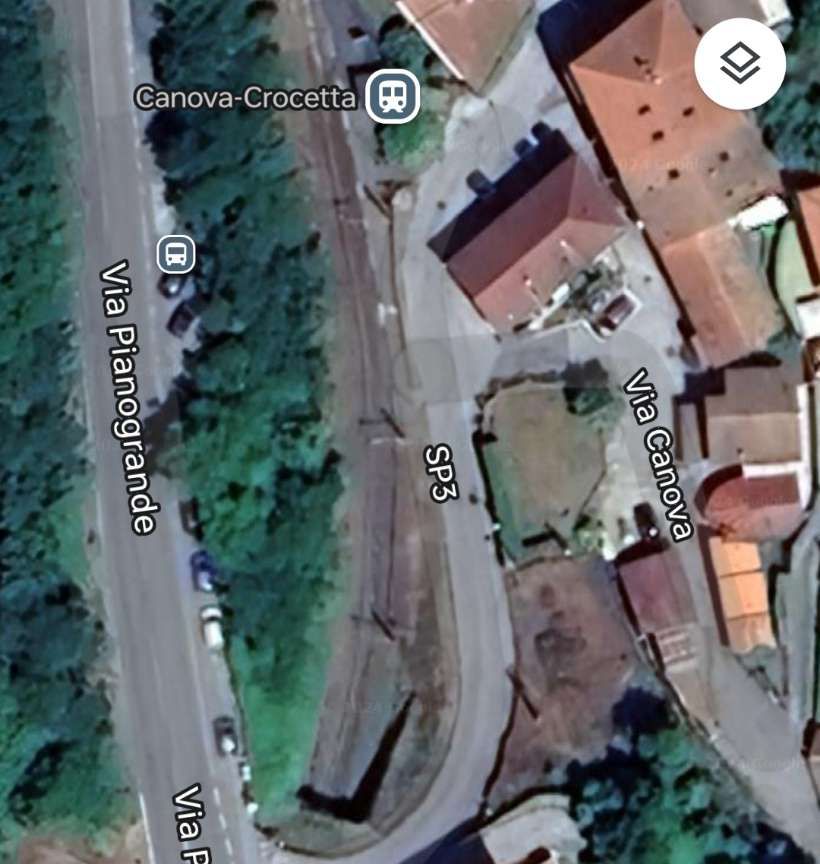
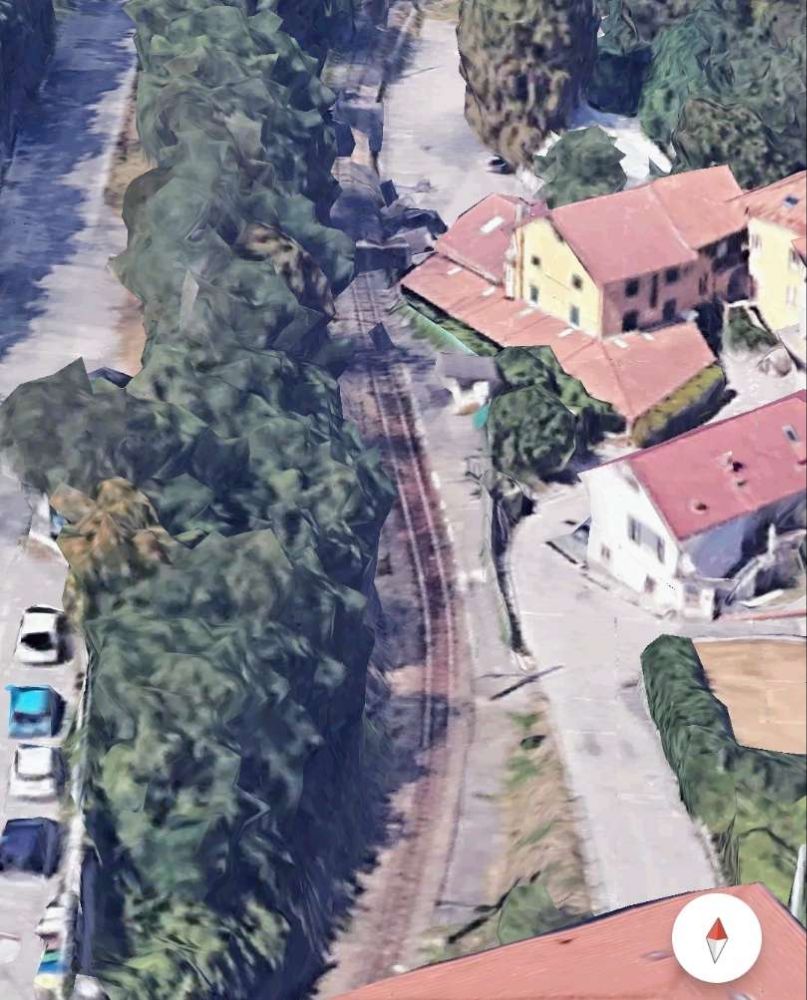
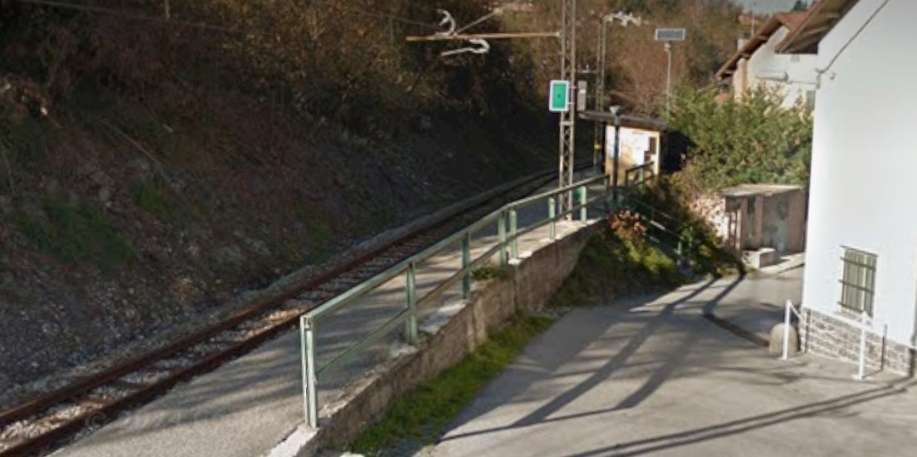
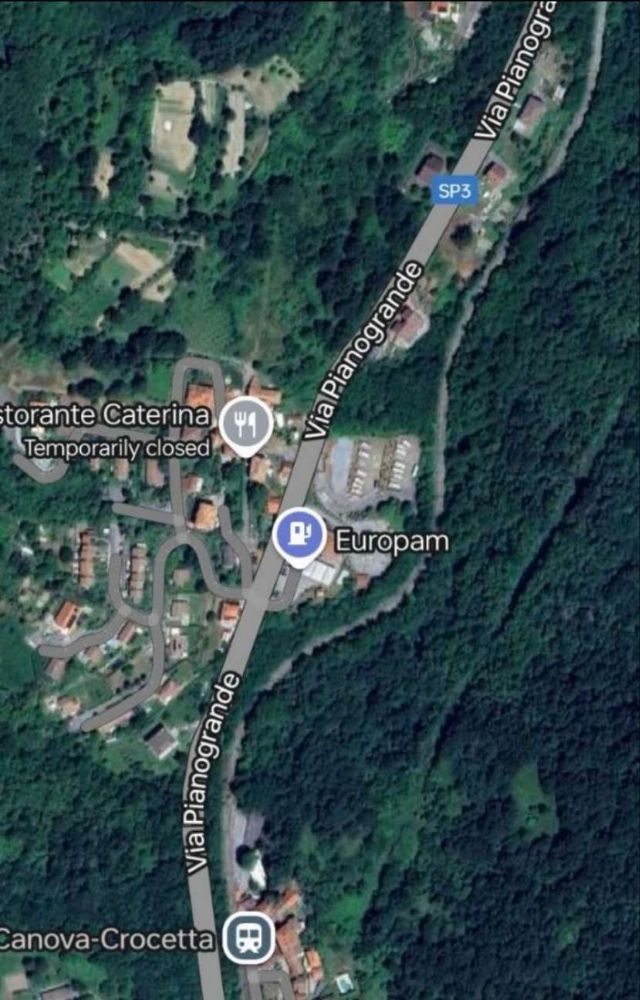
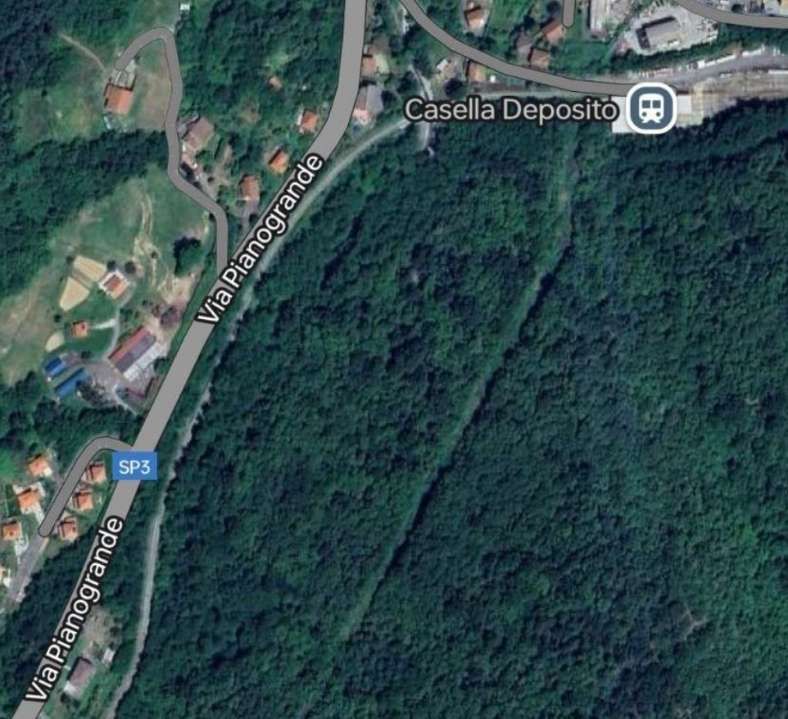
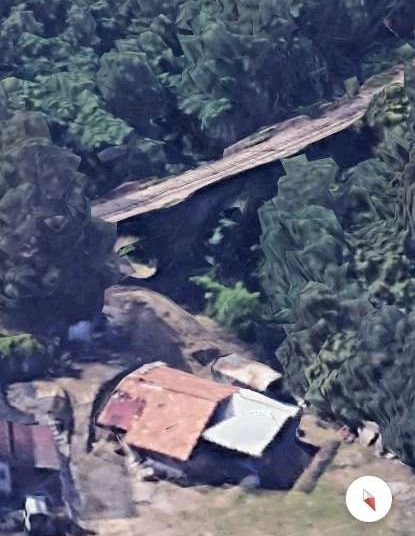

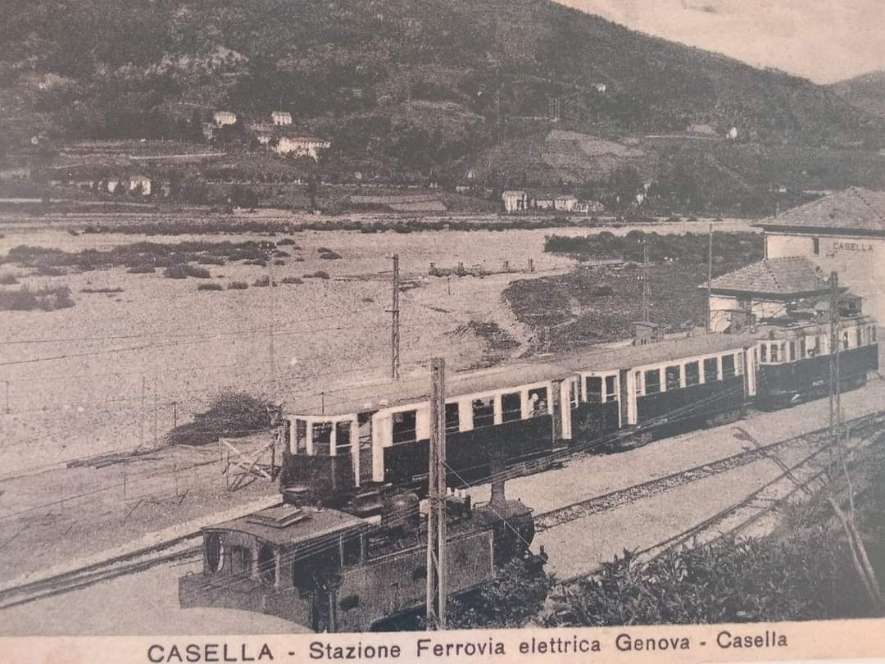
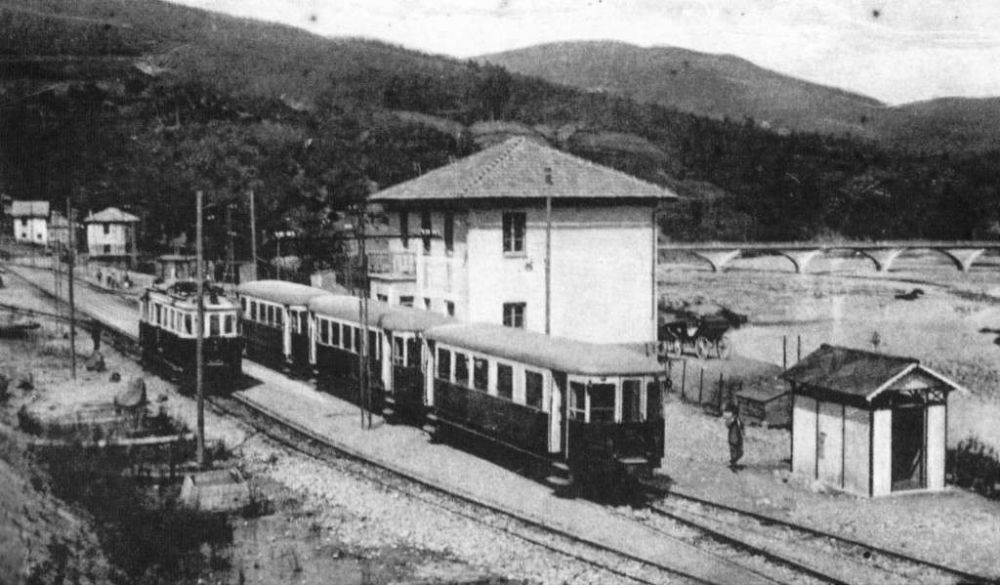
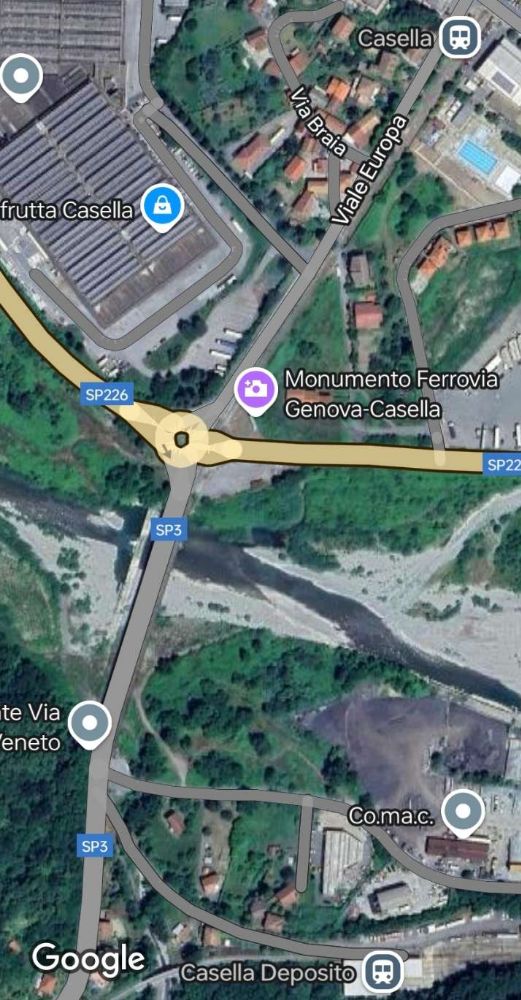
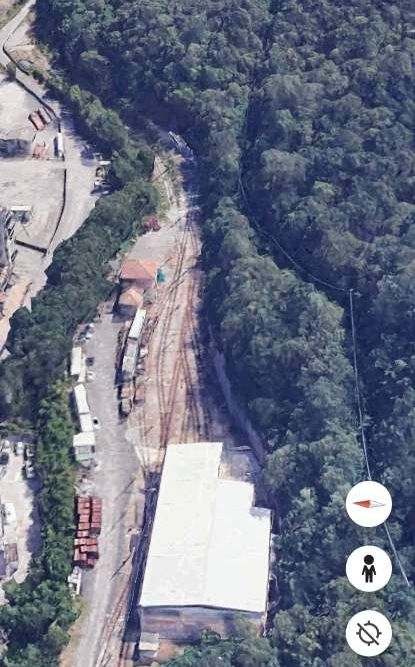
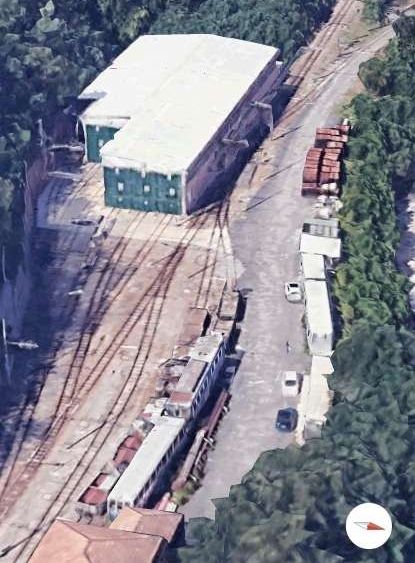
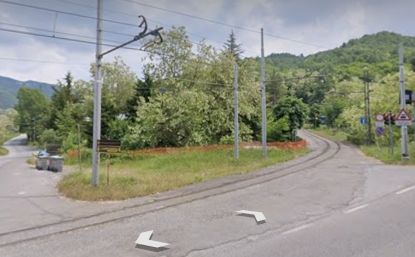
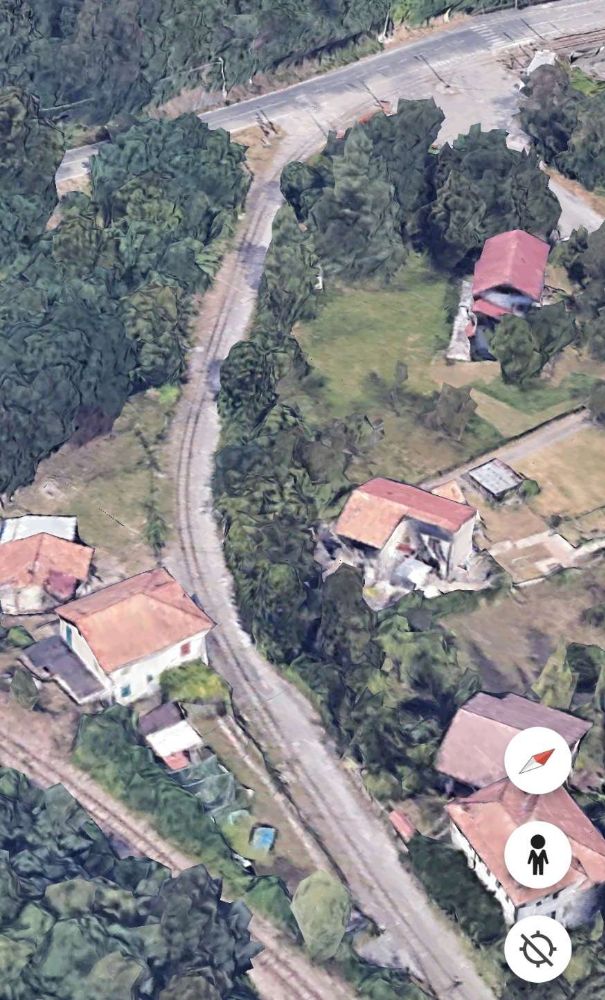
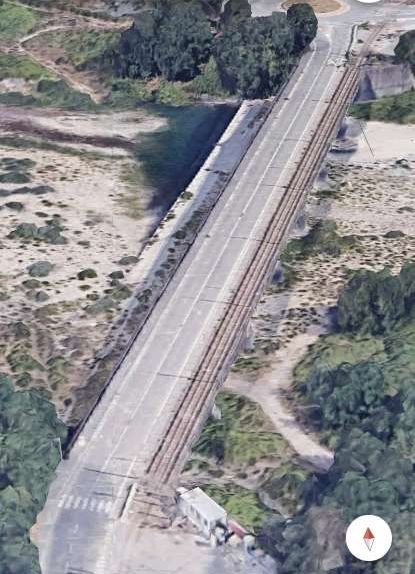
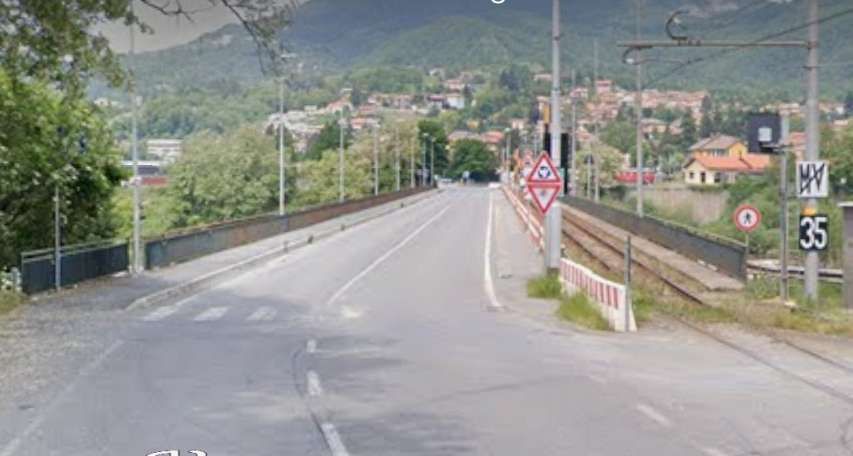
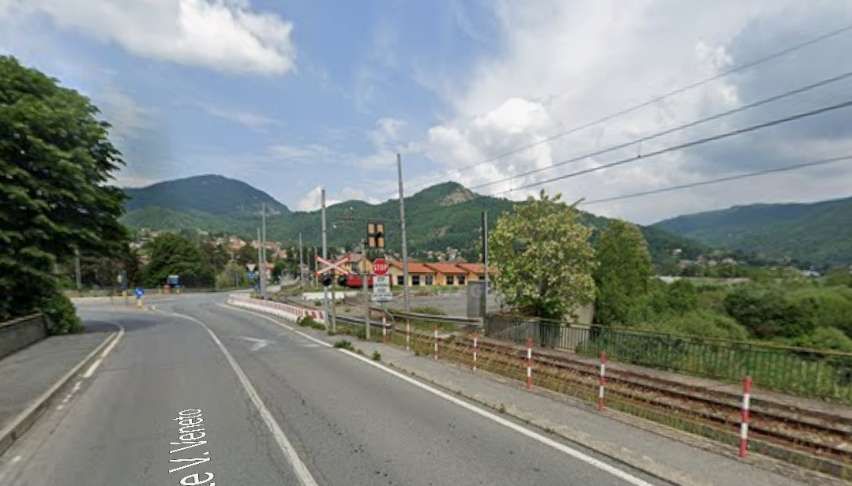
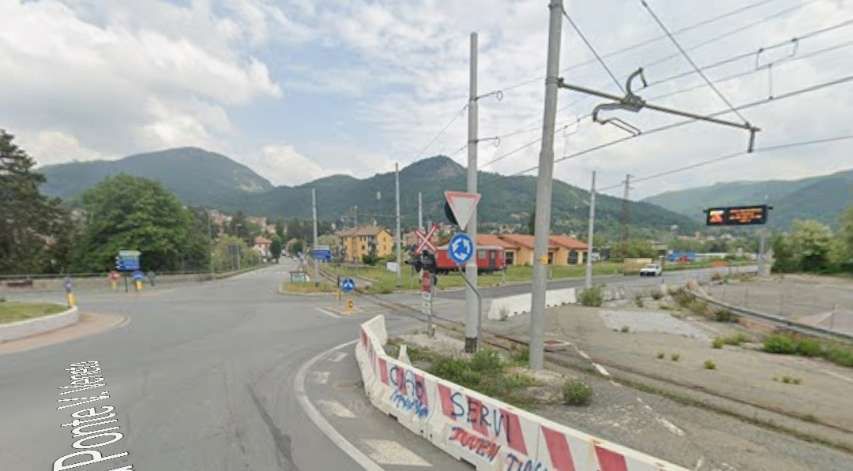
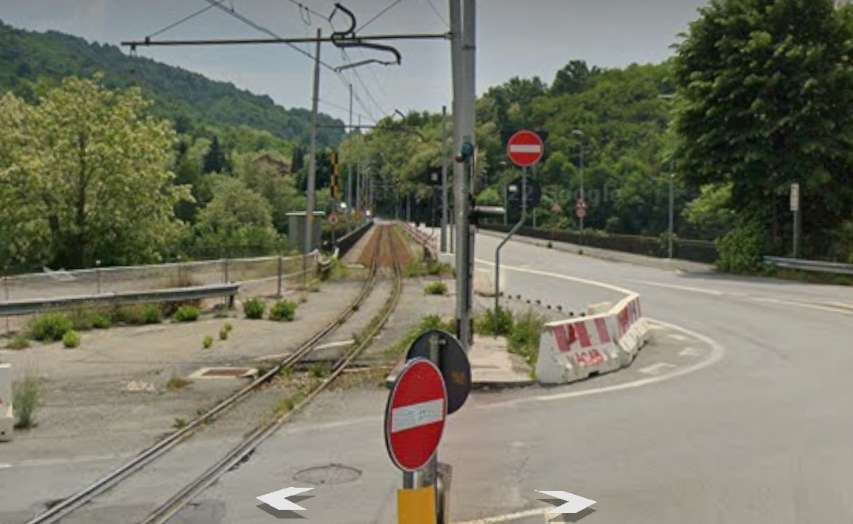
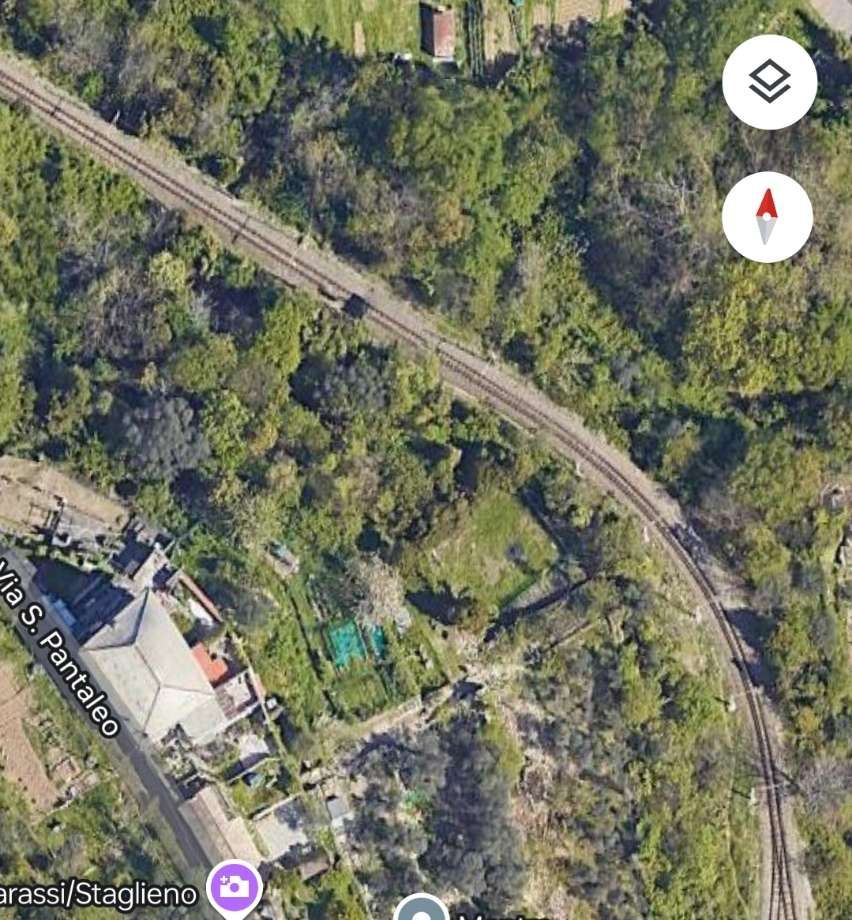
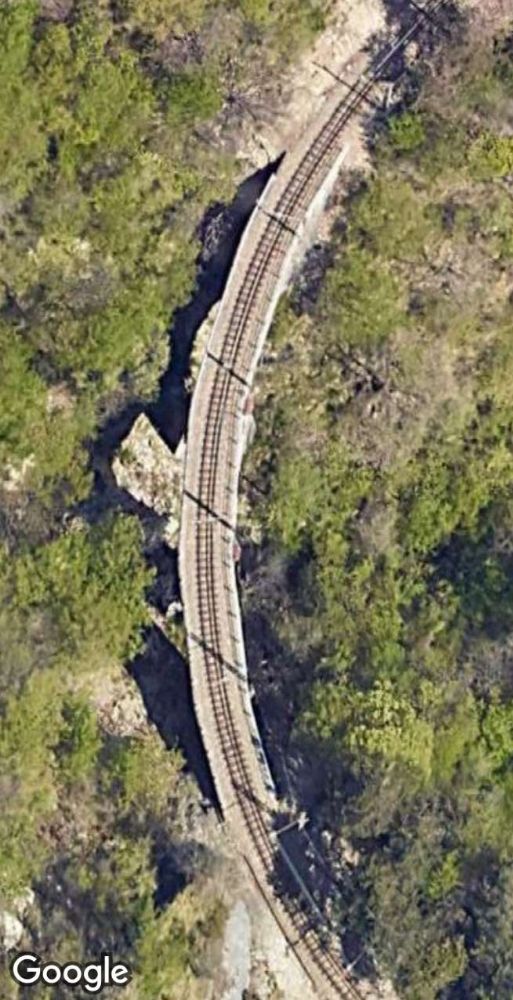
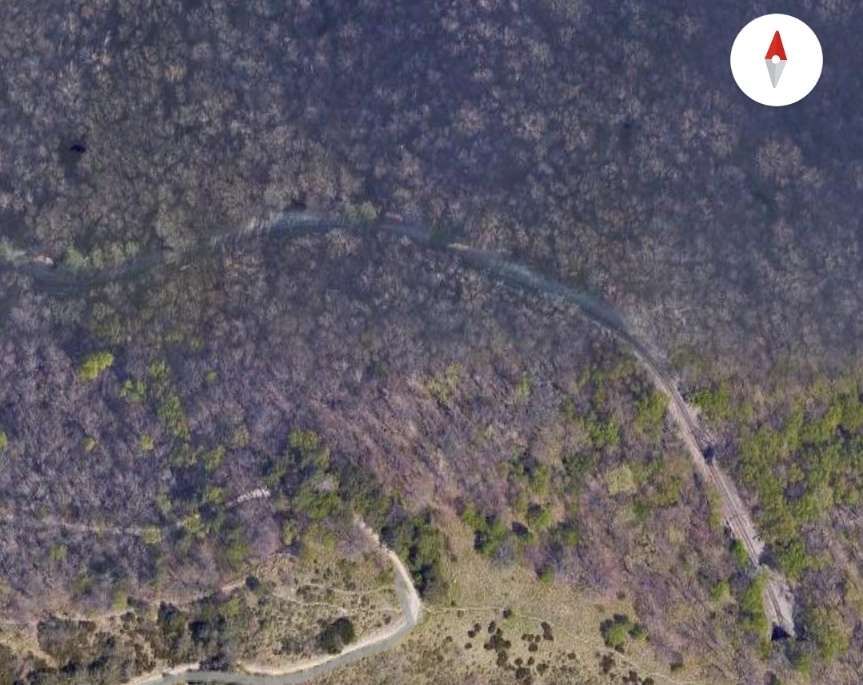
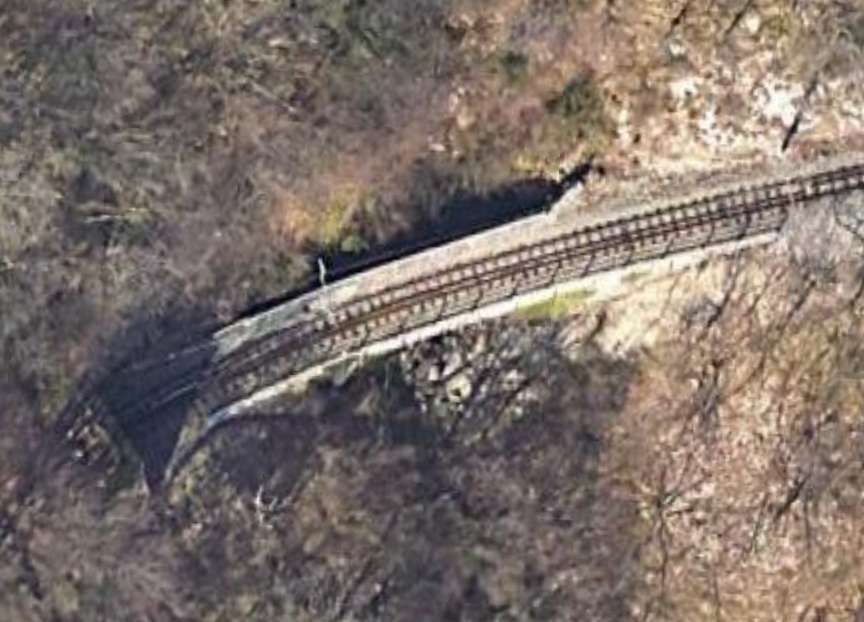
A photograph of a later elettromotrice travelling on this curve can be found here. [17] In the linked image, unit A12 is shown on the curve from Casella Deposito to the Vittorio Veneto bridge (over the River Scrivia). It was shared by Gian-Paolo Codebo on the Sei de Casella se… Facebook Group on 7th May 2020.
Locomotives and Rolling Stock
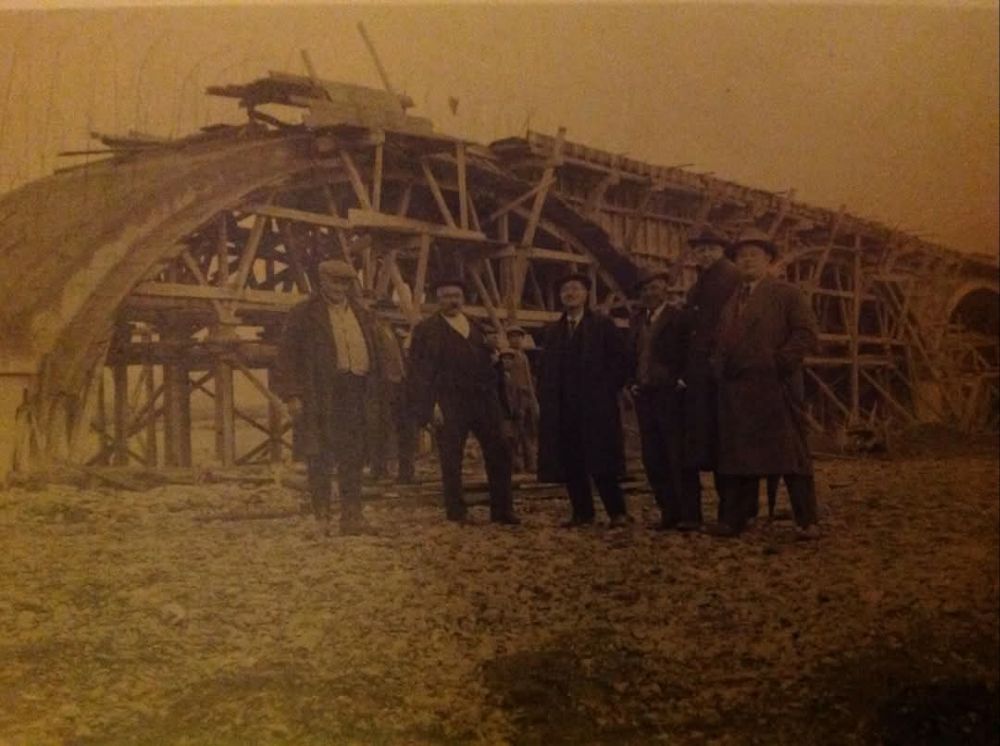
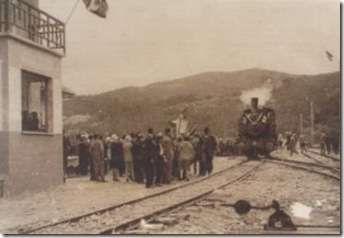
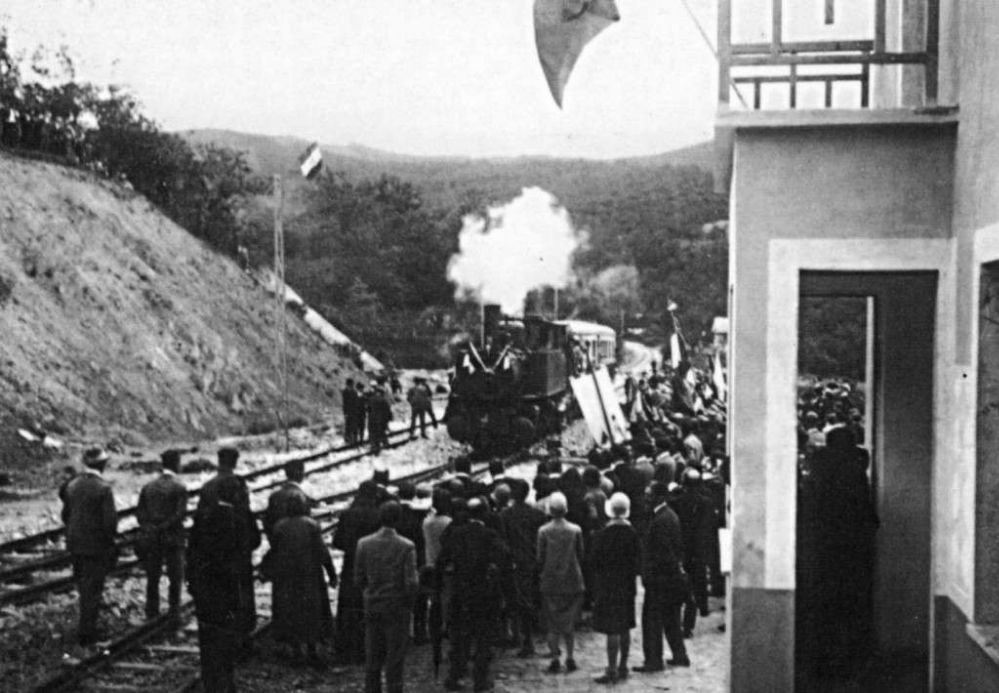
During Construction steam power was employed by the contractor and there are images around which show at least one excursion event that was steam hauled prior to the Line’s formal opening.
Two pictures can be found on the first article in this series, here. [18]
In that first article, we noted that the electric supply was originally 2400V DC. “The first electric locomotives were supplied by Breda, numbered 1 to 3. They were 360 horsepower Bo-Bo locomotives with an innovative Breda-Somarini energy recovery system, unique in Italy. In addition to the motive power, 4 third-class carriages (Nos. 50-53); 3 mixed first-third class carriages (Nos. 20-22) and 16 freight wagons of various types were delivered in 1926, well before the railway opened.” [1]
Unless noted otherwise, the paragraphs below are translated/paraphrased/amended from the Italian Wikipedia page about the Genoa (Genova) to Casella Railway. [21]
Locomotives
At the commencement of the service on the railway, the three locomotives mentioned above were supplied by Breda and numbered 1 to 3. [21]
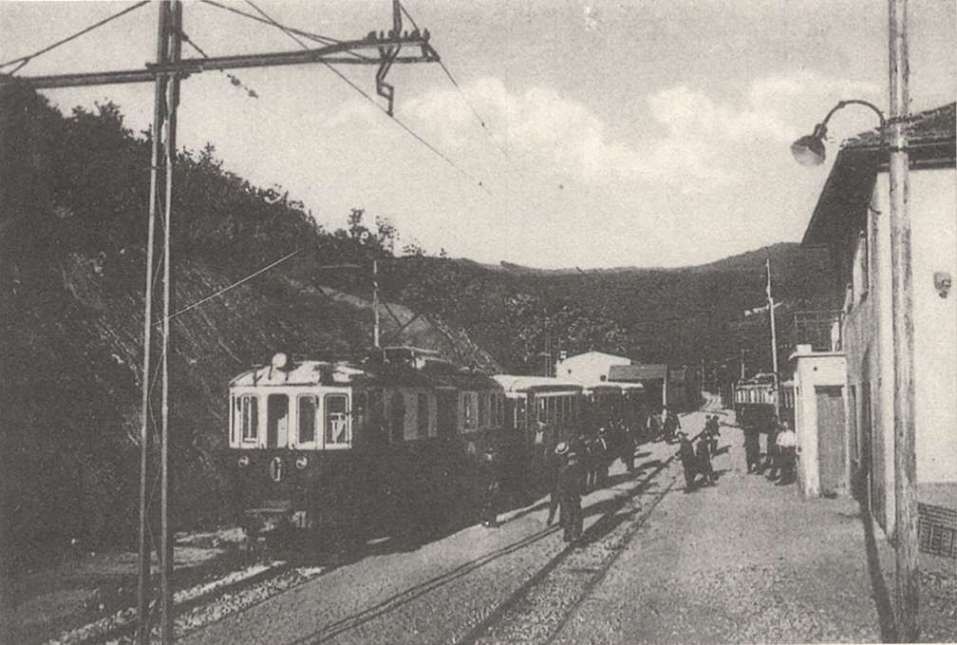
On 23rd August 1937, two of the locomotives were destroyed in an accident near Vicomorasso in which five people lost their lives. [22: p67]
This accident meant that replacement locomotives were required. Three electric locomotives were purchased from the Società Veneta. They had been built by MAN in 1913 for the Montebelluna – Asolo and Montebelluna – Valdobbiadene tramways in Veneto which closed in 1931. [21]
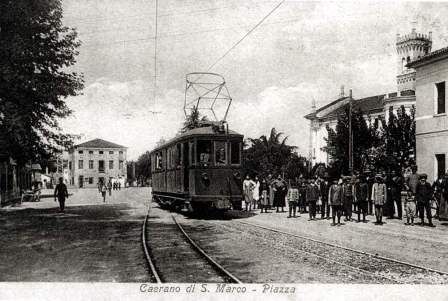
“These locomotives entered service in 1939, initially maintaining the original numbering (053, renumbered 055 in 1943, 054 and 056), after conversion of the original power supply system from 975 V DC to 2400 V DC.” [1]
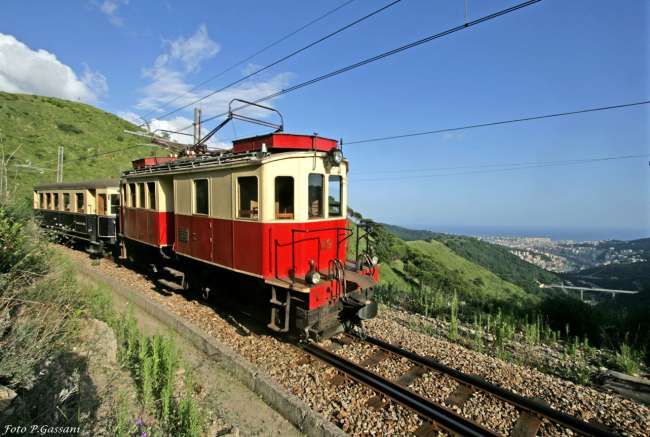
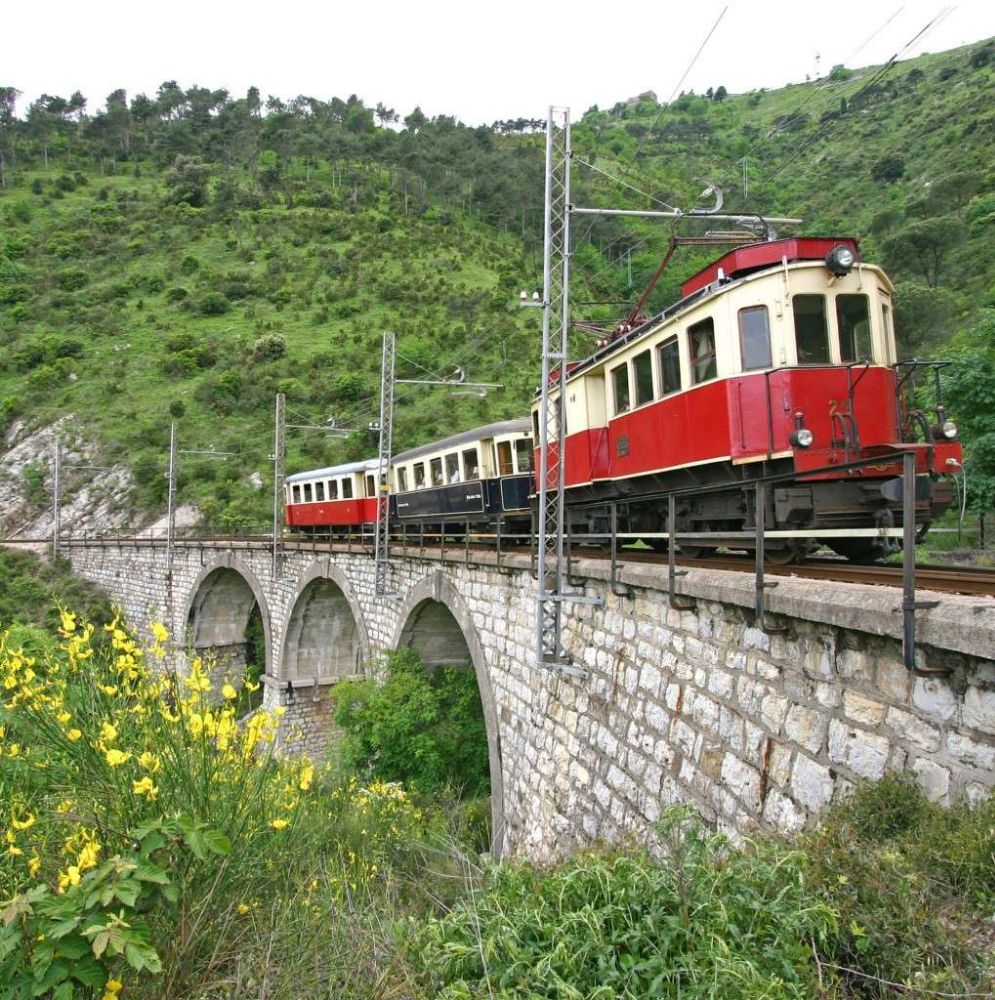
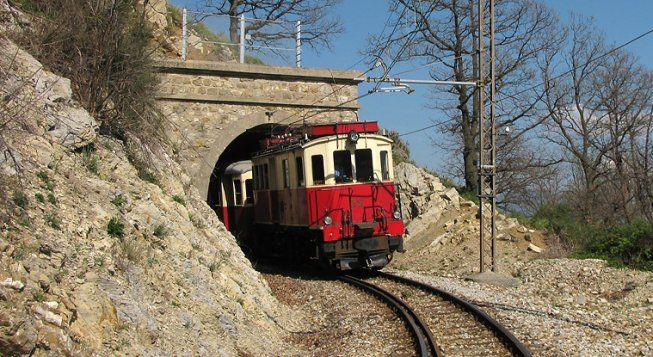
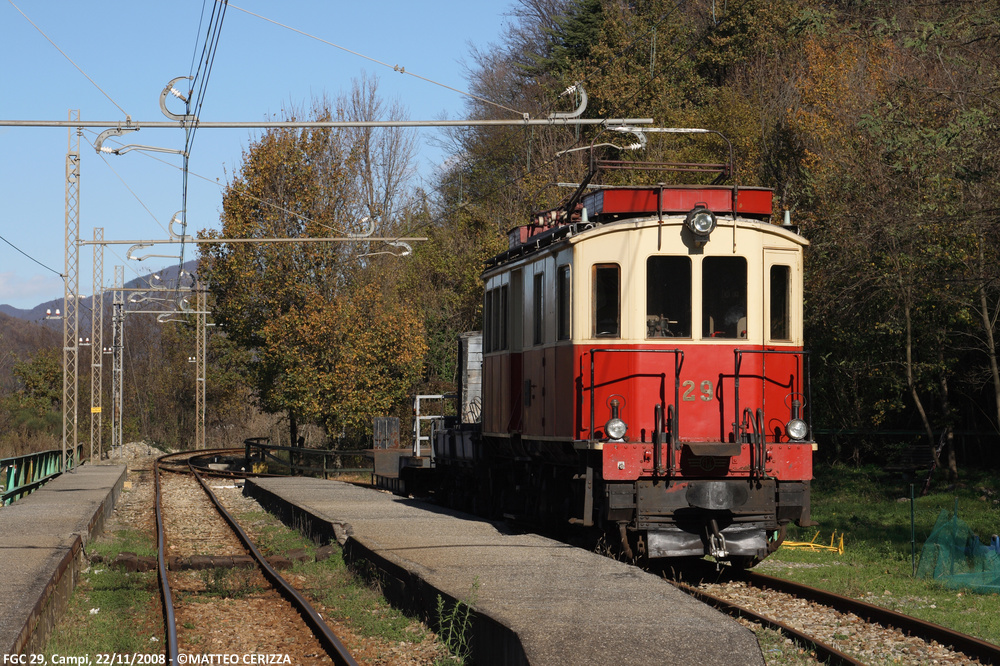
Locomotive 28 and 29 were built in 1924 for the Adriatic-Appennino Railway. The electrical equipment was supplied by TIBB of Vado Ligure; the body and bogies were made by Carminati & Toselli of Milan. Originally, they were part of a 1922 order for 14 locomotives of 950 mm gauge for the Sangritana Railway. Two (Nos. 28 and 29) were sold to Ferrovia Genova Casella (FGC) – No. 28 in 1956 and No. 29 in 1960. [22: p98 & 184] Conversion was necessary as the locomotives required a gauge change and modification from freight/baggage locomotives to passenger locomotives.
Locomotive No. 29 can be seen here. [24]
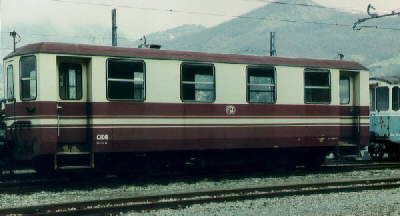
The two locomotives entered service in 1962. No. 29 is currently the oldest electric locomotive still in operation in Italy and is used in composition with three carriages (C22-C103-C104) as a historic train used on charters. No. 28 was placed in storage in 1975 and finally decommissioned and dismantled in 1998. [21][22: p184]
Electtromortices A1, A2 and A3 were built in 1929 for the Ferrovia della Val di Fiemme (Ora – Predazzo), similarly by TIBB and Carminati & Toselli. These were transferred on the closure of the Ora – Predazzo line in 1963 to the Ferrovie Genoa Casella. [21][1]
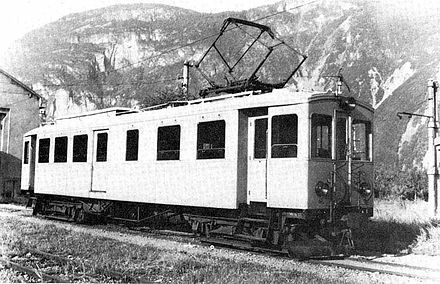
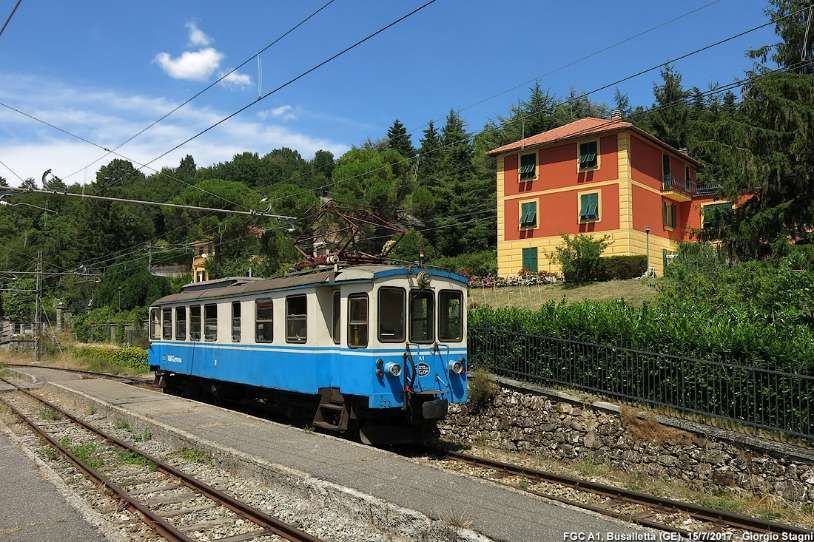
A1 was painted blue/cream in 2011 with AMT logos. It was used for ordinary trains until 2019 and in 2022 it was set aside awaiting significant maintenance. [21]
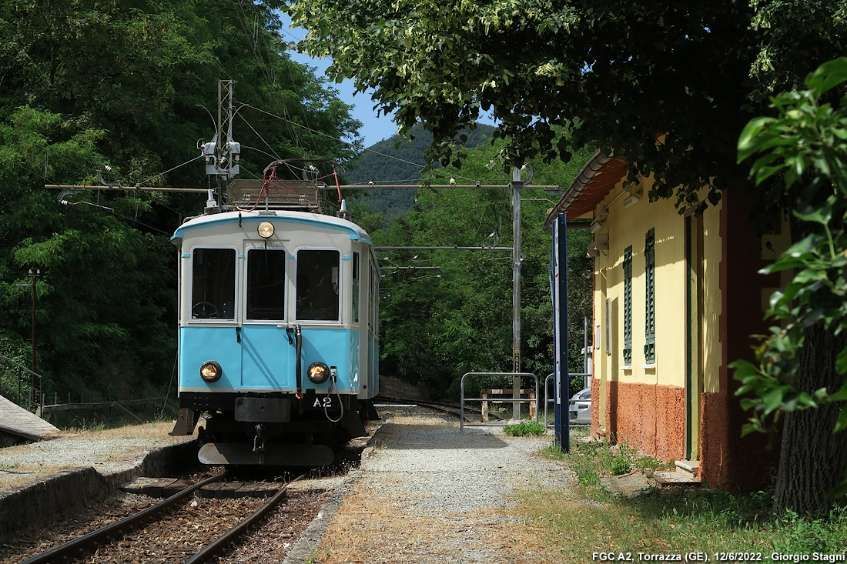
A2 was reconditioned and returned to its 1929 condition. It re-entered service in June 2018. In that December it was involved in an accident but emerged with little damage. In September 2019, further restoration work was completed and from February 2020 it was undertaking a regular historic train service, usually being timetabled for Saturday running. [21][26]
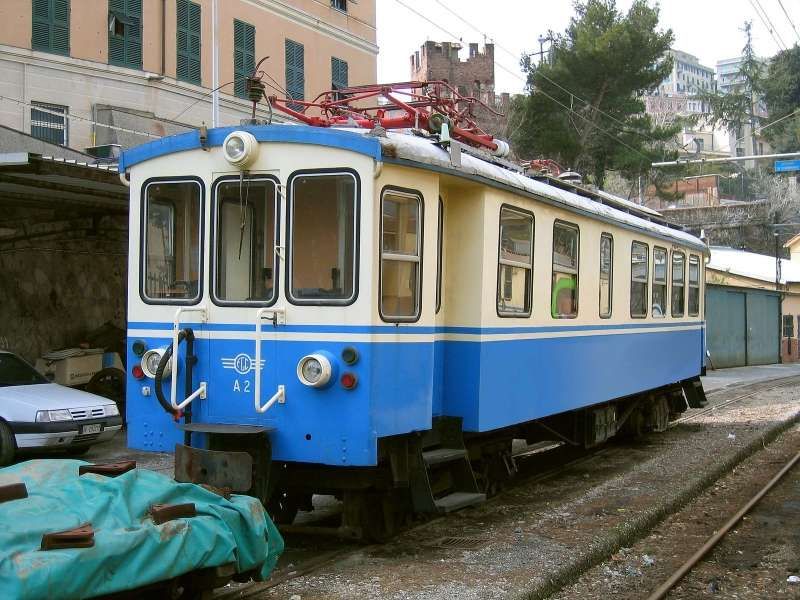
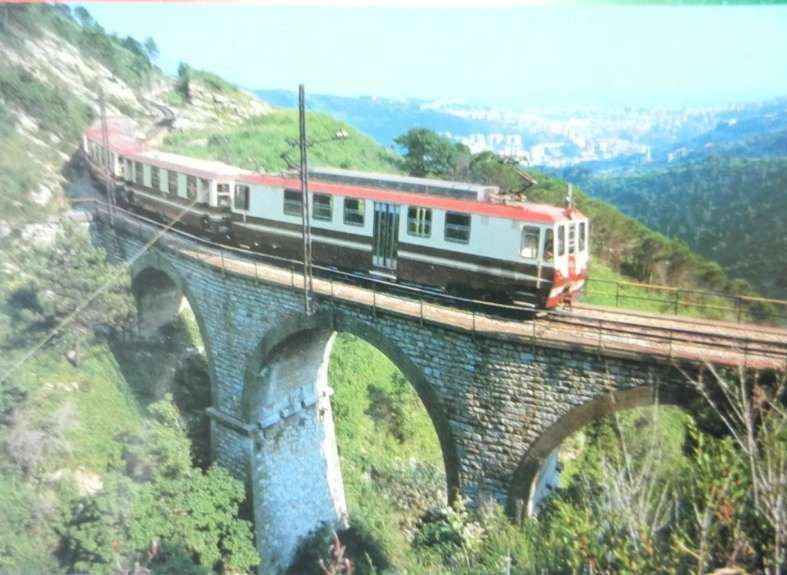
A3 was built by Gleismac/EAA, after having suffered serious damage in an accident at Sardorella in 1974. It returned to service in 1983. It remained in service until 1999. After it was withdrawn, it doesn’t 12 years in storage before ultimately being dismantled in 2011. [21]
Elettromotrices, A1, A2 and A3 were part of a batch of about thirty electric locomotives which were built by Carminati and Toselli of Milan. Twenty-three of these were very similar to each other. being produced between 1924 and 1940. Three of this batch of locos (A1-A3) were deployed on the Ora-Predazzo line and on its closure came to the FGC. [21]
In addition, two 420 horsepower locomotives (max. speed 45 km/hr), B51 and B52 with Bo-Bo running gear were also transferred to the FGC in the early 1960s. [1]
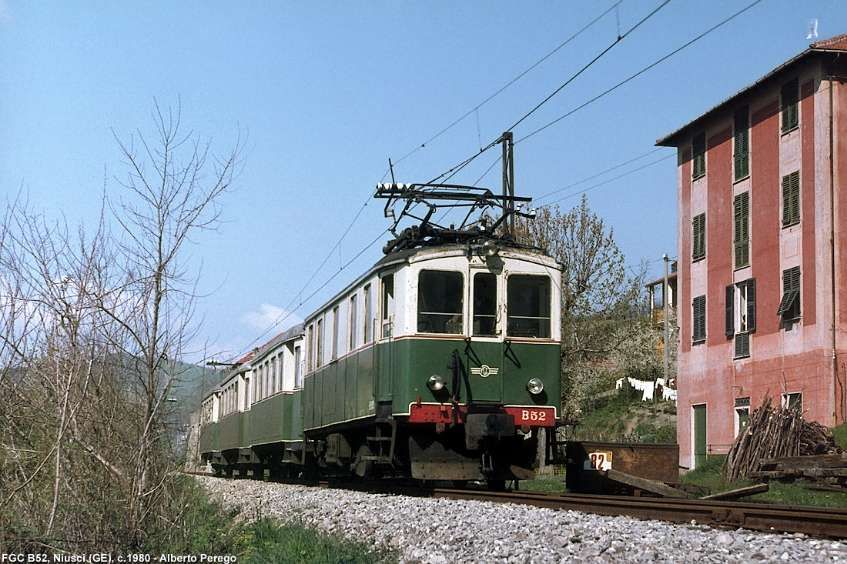
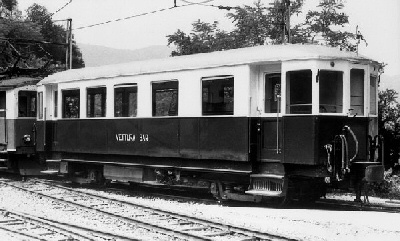
Also from Val di Fiemme came six bogie-carriages, two longer coaches numbered C101 and C102 and four of shorter carriages, numbered from C103 to C106. [1]
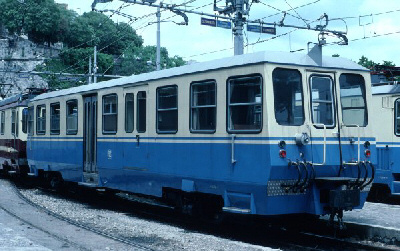
Elettromotrices A4-A7 were built in 1957 on the chassis and bogies of locos built by TIBB/Carminati & Toselli in 1926 for the Spoleto-Norcia railway. That reconstruction was undertaken by Casaralta-TIBB. It saw the application of new electrical equipment and the adoption of a new rounded body, typical of the mid-20th century. These elettromotrices transferred to Genoa in 1970 with the closure of Spoleto-Norcia line. They entered regular service, re-numbered A4-A7, between 1971 and 1973 after gauge-conversion from 950mm to metre-gauge. [21]
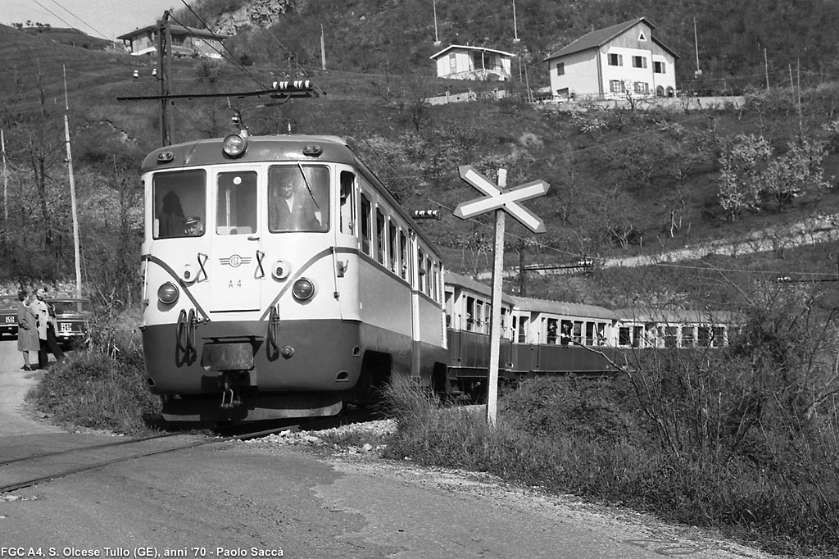
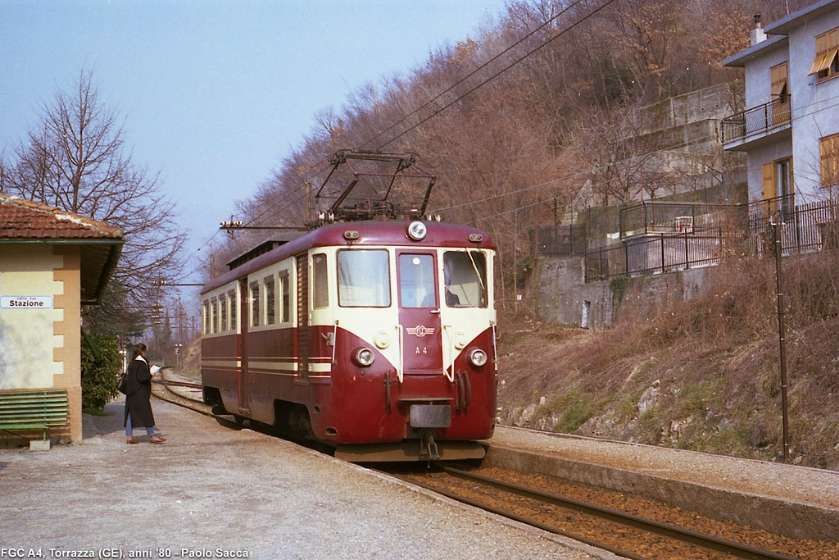

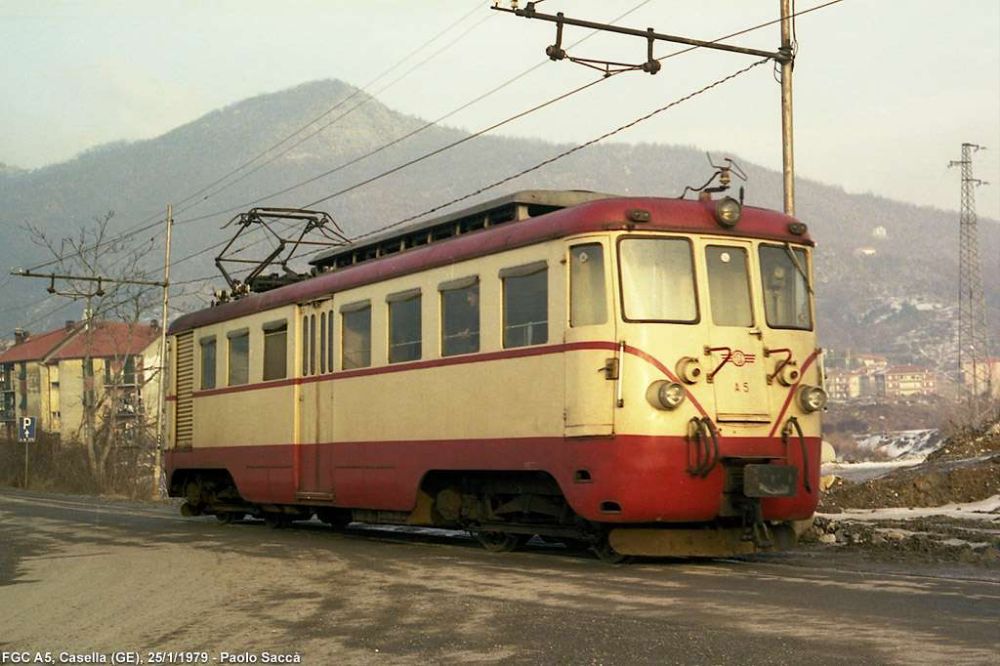
Units A6 and A7 were visually the same as units A4 and A5.
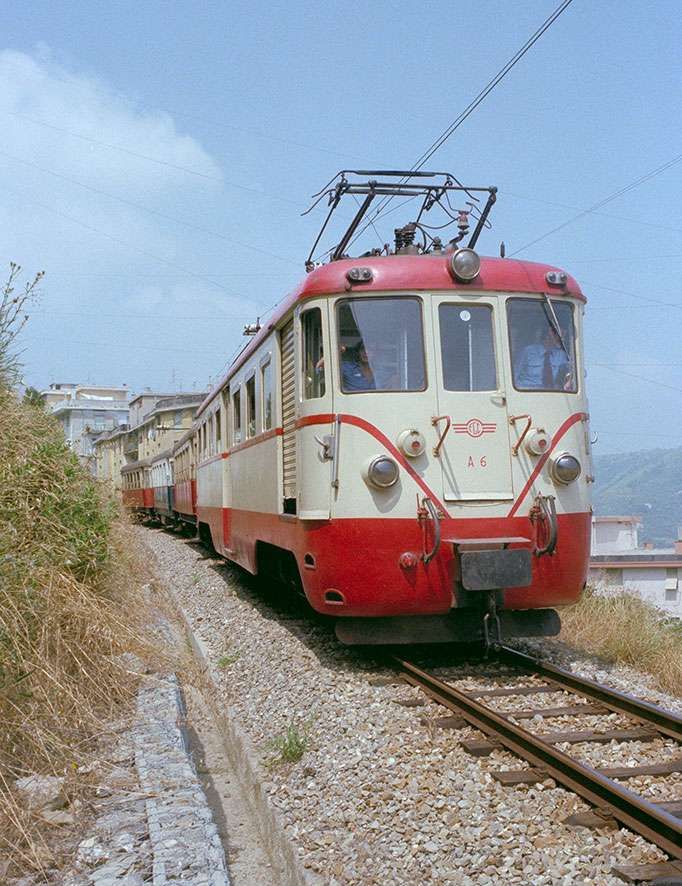
Units A4 and A7 were scrapped (in 2014 and 2016 respectively), while A5 was restored to running order in February 2010, with the installation of fully electronic speed measuring devices and a dead man’s device, the application of a cream/blue anti-graffiti film and new AMT logos. It was taken away for restoration in 2022, and finally A6 has been shelved for over 10 years awaiting restoration. [21][22: p191]
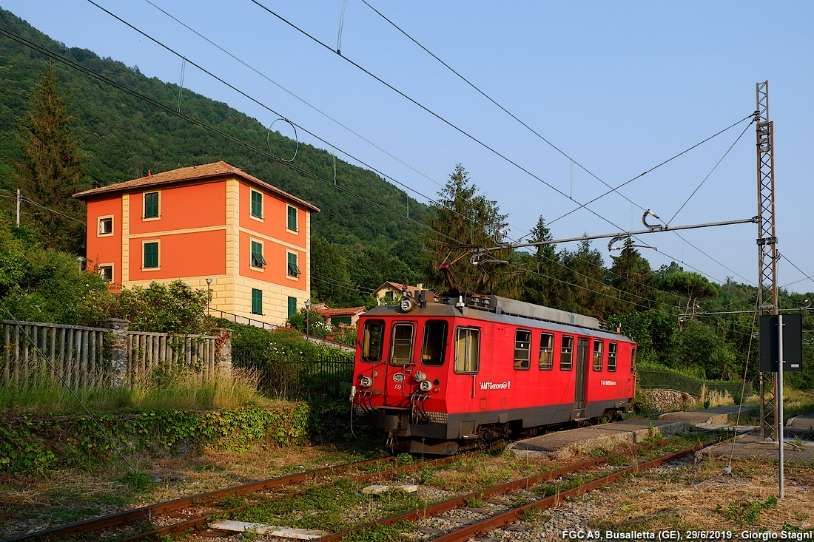
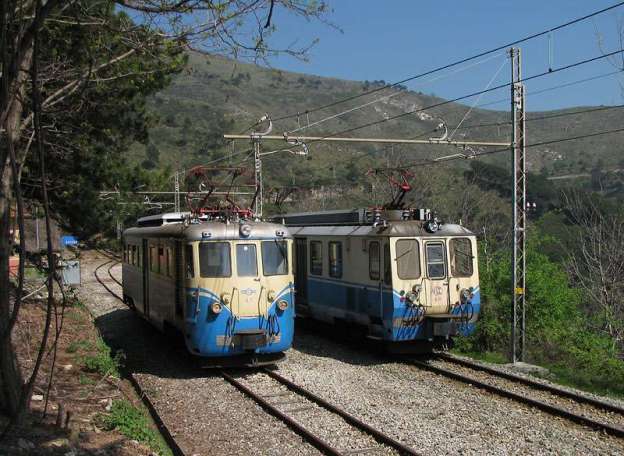
Electric locomotives A8-A10 were built in 1993 by Firema-Officine di Cittadella at the request of Ferrovia Genova-Casella, they have identical bodies to the decommissioned A3. However, A8 uses the TIBB bogies from B51, the A9 those from B52 and the A10 those from A3. This last unit also has a body slightly different from the others due to the lower window line. [21]
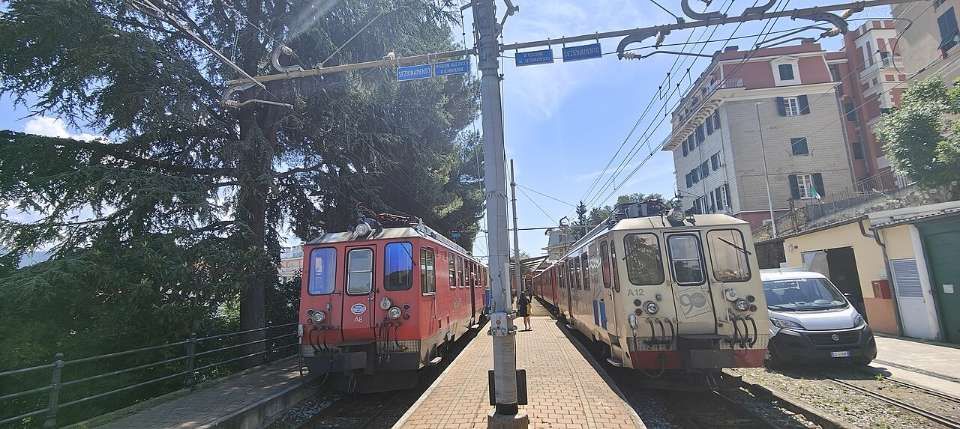
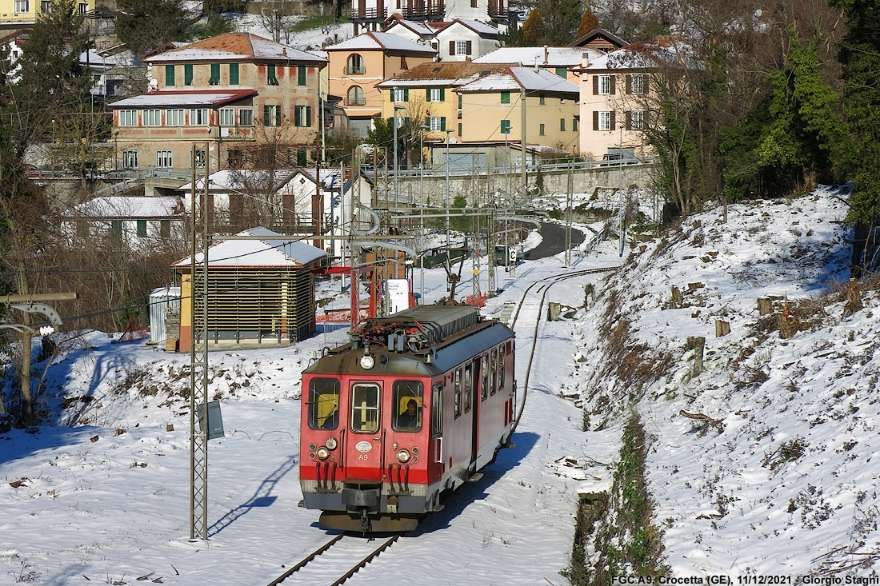
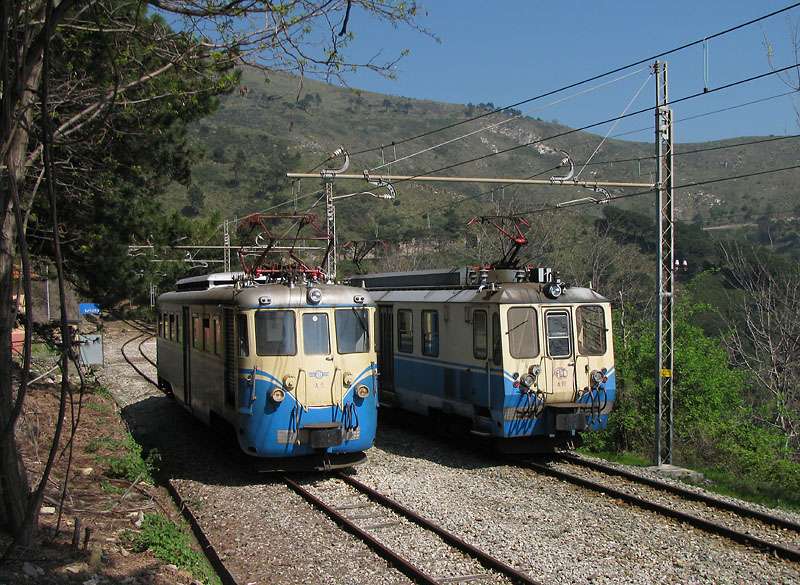
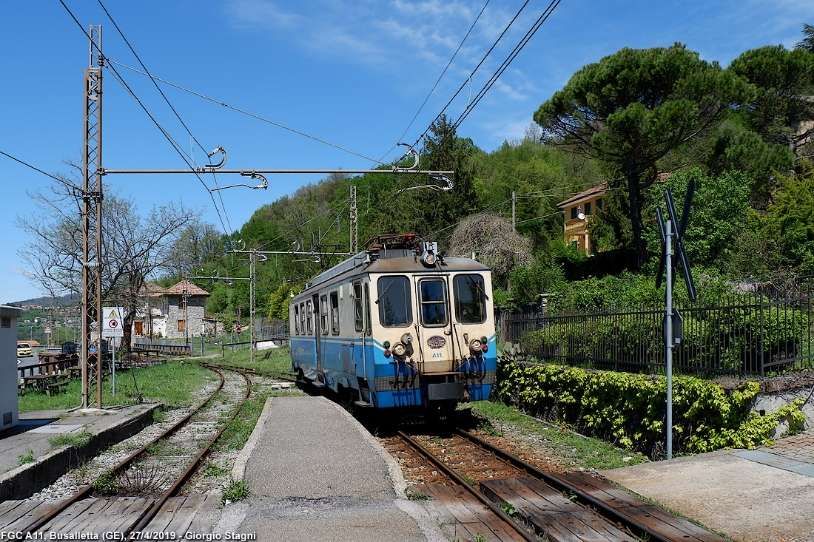
Elettromotrices A11-A12 were built in 1998 by FiReMa-Officine di Cittadella at the request of Ferrovia Genova-Casella. They have a body identical to the A10. A11 underwent a restyling in 2011 with the application of cream/blue anti-graffiti film and new AMT logos and is currently used in regular service. A12 is also back in service after an extraordinary overhaul of the bogies. [21][22: p198]
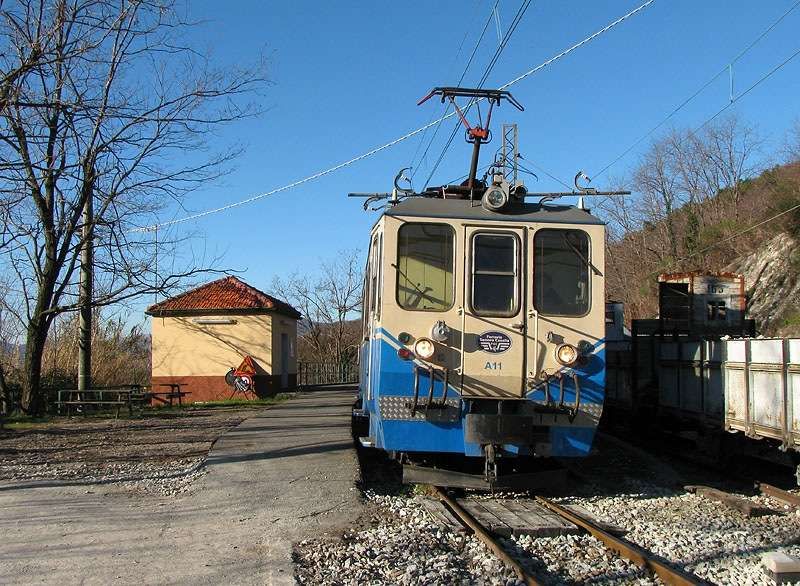
A12 can be seen on Flickr here. [32]
Locomotive D1 was built in 1964 on behalf of the German railways by the manufacturer Gmeinder & Co. by adapting the MaK V100 standard-gauge locomotive to metre gauge, it was numbered V52 902 (later 252 902) and used on the 28 km long Mosbach-Mudau metre-gauge line. When it’s service on that line came to an end (2nd June 1973), it was first converted to standard-gauge by Gmeinder and used by Sudwestdeutsche Eisenbahngesellschaft (SWEG) which put it to work on the Breisach-Endingen-Riegel line (numbered VL46-01). In 1986, it was sold to the Gleismac company which converted it to metre-gauge and then sold it to the FGC. It was used to haul construction and passenger trains during the renovation of the overhead line. It was then set aside at Casella Deposito for over 10 years until in 2008 it was sent to Monopoli where it was rebuilt by 2014 and it returned to service on the line in November 2015. [33][34]
Other Rolling Stock
We have already picked up some snippets of information about coaching stock and wagons. …
When the line opened there were “4 third-class carriages (Nos. 50-53); 3 mixed first-third class (Nos. 20-22) and 16 freight wagons of various types (delivered in 1926, well before the railway opened).” [1]
We also noted that, along with the B51 and B52 locos “from Val di Fiemme came six bogie-carriages, two longer coaches numbered C101 and C102 and four of shorter carriages, numbered from C103 to C106.” [1]
The following information is gleaned from H Rohrer’s detailed website about Italian railways. That website can be found here. [35]
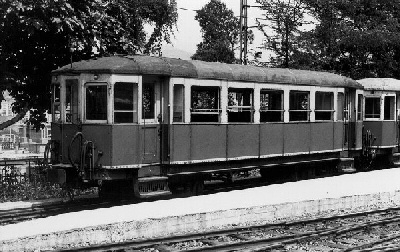
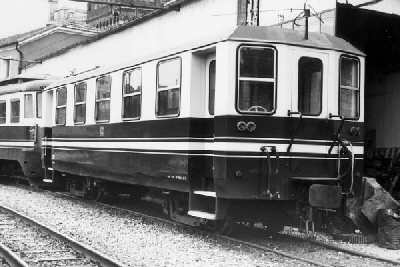
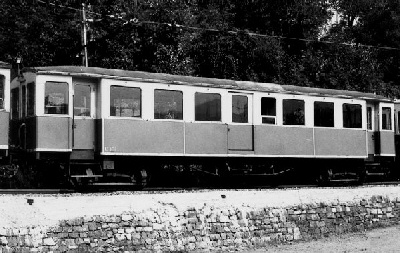
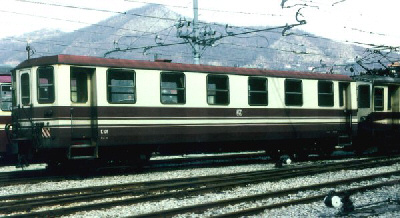
Coaches C20-C22 were built by Breda and supplied in 1926, of which C22 was renovated by FGC in 1960 and C21 was renovated by Gleismac in 1979-1980. An image of Coach 22 can be found here. [36]
Coaches C50-C53 were built by Breda and supplied in 1926. An image of Coach C50 can be found here. [37] An image of refurbished Coach C53 can be seen here. [38]
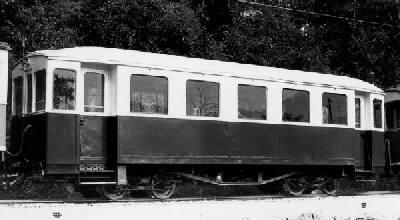
Coaches C101-C102 were long-wheelbase bogie coaches, built by Carminati Toselli and supplied in 1929. These were later renovated by Gleismac between 1980 and 1983. An image of Coach 101 in original condition can be found here. [39] The renovated Coach 101 can be seen here. [40]
Coaches C103-C106 were short-wheelbase bogie coaches built by Conti (?) and supplied in 1929 (?). Of these C105 and C106 were later renovated by Gleismac between 1980 and 1983. The original Coach 104 can be seen here. [41] A refurbished Coach C106 can be seen here. [42]
Coaches C60-C62 were built by Citadella Firema and supplied in 1996/1997. An example can be seen here. [43]
References
- https://en.m.wikipedia.org/wiki/Genova%E2%80%93Casella_railway, accessed on 11th November 2024.
- https://www.bimbeinviaggio.com/en/italy/liguria-en/genoa/genoa-casella-train-route-timetable, accessed on 19th November 2024.
- https://it.m.wikipedia.org/wiki/Stazione_di_Sardorella#/media/File%3AStaz.Sardorella.jpg, accessed on 21st November 2024.
- https://www.stagniweb.it/foto6.asp?File=fgc19&Inizio=11&Righe=10&InizioI=1&RigheI=100&Col=5 , accessed on 21st November 2024.
- https://www.flickr.com/photos/126337928@N05/47033340152, accessed on 21st November 2024.
- https://commons.m.wikimedia.org/wiki/Category:Vicomorasso_train_station, accessed on 21st November 2024]
- https://www.flickr.com/photos/prazene/4889371810, accessed on 21st November 2024.
- https://www.ferroviagenovacasella.it/geca/il-primo-decennio, accessed on 19th November 2024.
- https://www.ferroviagenovacasella.it/geca/la-seconda-guerra-mondiale, accessed on 19th November 2024.
- https://www.ferroviagenovacasella.it/geca/dagli-anni-settanta-ad-oggi, accessed on 19th November 2024.
- https://www.flickr.com/photos/188768670@N06/53771228353, accessed on 21st November 2024.
- https://m.wikidata.org/wiki/Q56371269#/media/File%3AFCG_A11_Sant_Olcese_Tullo_20111228.jpg, accessed on 21st November 2024.
- https://structurae.net/en/structures/sant-olcese-tullo-station, accessed on 21st November 2024.
- https://commons.m.wikimedia.org/wiki/Category:Busalletta_train_station, accessed on 22nd November 2024.
- https://www.facebook.com/share/p/rHqZdscSXSdCuAKT, accessed on 22nd November 2024.
- https://www.facebook.com/share/p/hcrJ3NCNeUdQFZxX, accessed on 22nd November 2024.
- https://www.facebook.com/share/p/a1WSMYTtU7vbsyjT, accessed on ,22nd November 2024.
- https://rogerfarnworth.com/2024/11/21/genoa-casella-narrow-gauge-railway-part-1-genova-to-sardorella.
- https://www.mentelocale.it/genova/57212-ferrovia-genova-casella-dal-6-settembre-il-servizio-avverr-con-bus-sostitutivo.htm, accessed on 23rd November 2024.
- https://commons.m.wikimedia.org/wiki/File:Elettromotrice_A2_della_Ferrovia_Genova_Casella.JPG, accessed on 23rd November 2024.
- https://it.m.wikipedia.org/wiki/Ferrovia_Genova-Casella, accessed on 23rd November 2024.
- Corrado Bozzano, Roberto Pastore and Claudio Serra; Illustrated History of the Genoa-Casella Railway; Recco (GE), Il Geko Edizioni, 2016.
- https://commons.m.wikimedia.org/wiki/File:Caerano.jpg, accessed on 23rd November 2024.
- https://passionetrasporti.com/wp-content/uploads/2021/07/fgc-29-campi-2008-11-22-cerizzamatteo-1.jpg?w=1110&h=, accessed on 23rd November 2024.
- https://it.m.wikipedia.org/wiki/Ferrovia_della_Val_di_Fiemme, accessed on 23rd November 2024.
- https://www.ferroviagenovacasella.it/geca/wp-content/uploads/2020/02/VOLANTINO-viaggio-storica-AGGIORNATA-al-11.02.-2020.psd.pdf, accessed on 23rd November 2024.
- https://www.ebay.co.uk/itm/115360290908?mkcid=16&mkevt=1&mkrid=711-127632-2357-0&ssspo=Fbvtwm00Q0S&sssrc=4429486&ssuid=afQhrar7TGK&var=&widget_ver=artemis&media=COPY, accessed on 23rd November 2024.
- https://www.stagniweb.it/foto6.asp?File=casella2&Inizio=2&Righe=10&InizioI=1&RigheI=150&Col=5, accessed on 24th November 2024
- https://www.stagniweb.it/foto6.asp?File=fgc21&InizioI=1&RigheI=100&Col=5, accessed on 24th November 2024.
- https://www.stagniweb.it/foto6.asp?File=fgc19&Inizio=66&Righe=10&InizioI=1&RigheI=100&Col=5, accessed on 24th November 2024.
- https://commons.m.wikimedia.org/wiki/File:FCG_A11_Sant_Olcese_Tullo_20111228.jpg, accessed on 24th November 2024.
- https://api.flickr.com/photos/188768670@N06/50009526478, accessed on 24th November 2024.
- Maria Vittoria Cascino; Il trenino di Casella arranca in ritardo tra guasti e amianto; on ilgiornale.it, 20th March 2008; accessed on 24th November 2024.
- Andrea Martinelli, La D1 è tornata!, in iTreni N° 388, January 2016, p24-26.
- https://www.hrohrer.ch/railways/carrozze/cap19.htm, accessed on 24th November 2024.
- https://www.hrohrer.ch/railways/carrozze/f1904.jpg, accessed on 25th November 2024.
- https://www.hrohrer.ch/railways/carrozze/f1901.jpg, accessed on 25th November 2024.
- https://www.hrohrer.ch/railways/carrozze/f1905.jpg, accessed on 25th November 2024.
- https://www.hrohrer.ch/railways/carrozze/f1902.jpg, accessed on 25th November 2024.
- https://www.hrohrer.ch/railways/carrozze/f1906.jpg, accessed on 25th November 2024.
- https://www.hrohrer.ch/railways/carrozze/f1903.jpg, accessed on 25th November 2024.
- https://www.hrohrer.ch/railways/carrozze/f1907.jpg, accessed on 25th November 2024.
- https://www.hrohrer.ch/railways/carrozze/f1908.jpg, accessed on 25th November 2024.




 Roger Farnworth



_a_Torrazza.jpg)