The Humber Arm Railway linked an earlier canal branch (which ran from the Newport Branch of the Shropshire Union Canal at Kynnersley to a wharf at Lubstree close to The Humbers, a small hamlet North of the old LNWR mainline through Donnington and on the North side of Venning Barracks, the base of the 11th Signal Brigade and Headquarters West Midlands, part of the British Army’s 3rd UK Division.) with the Lilleshall Company’s private rail network. [1]
The Canal was opened to traffic in May 1844 and was initially served by a tramway which ran from Lubstree Wharf to Lodge Furnaces. Between the Canal and the tramway the distance from the Shropshire Union Canal to Lodge Furnaces was about 4 miles (1 mile of canal and 3 miles of tramway).
The canal arm was authorised by an Act of parliament in 1827. If built at that time it would have been part of the Birmingham and Liverpool Junction Canal. Its successor was the Shropshire Union Canal. It seems that the Duke of Sutherland landowner and influential partner in the Lilleshall Company built both the canal arm and the associated tramway. [2: p41]
Charles Hadfield notes that two branches were authorized from canal serving Newport, “one to Edgmond that was never built, and one, to be a cut with 7 locks or a tramroad, to Lilleshall. This, on a different line and without locks, became the Humber Arm, … leading to the Marquess of Stafford’s Lubstree wharf, which opened for business in 1844.” [29: p185]
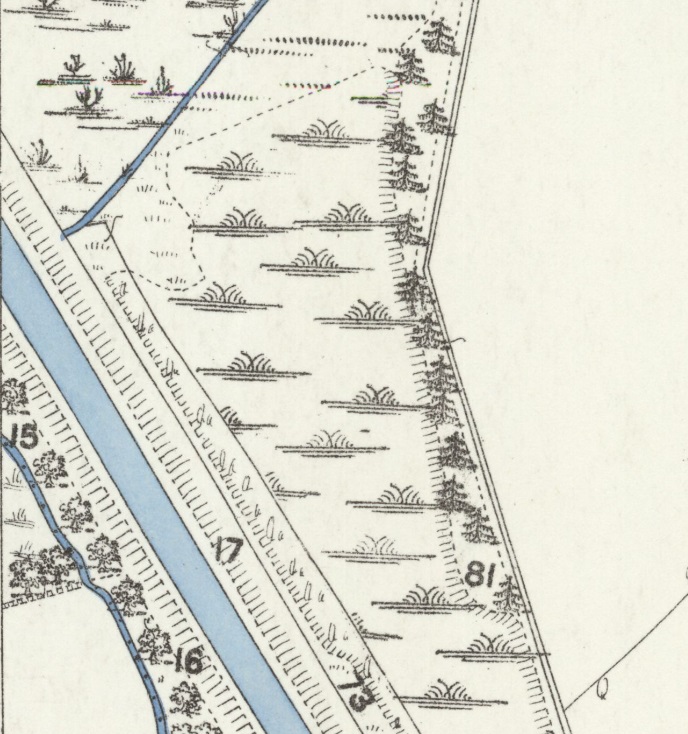
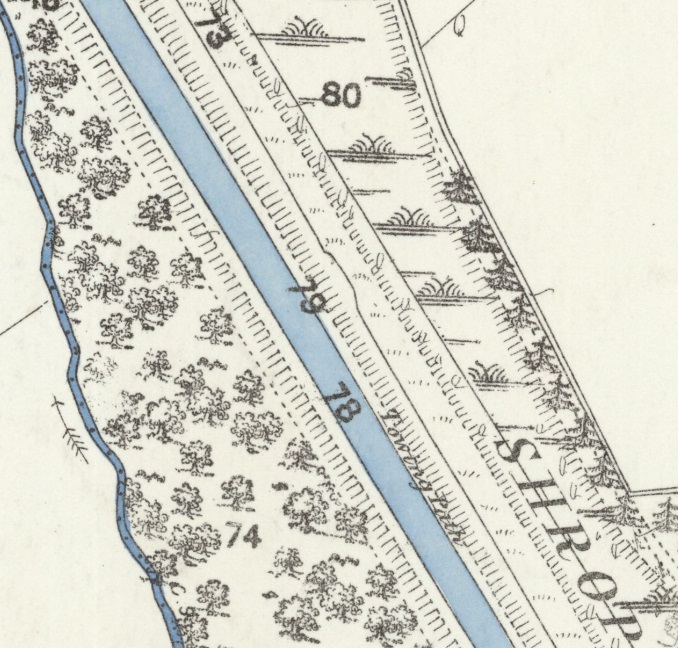
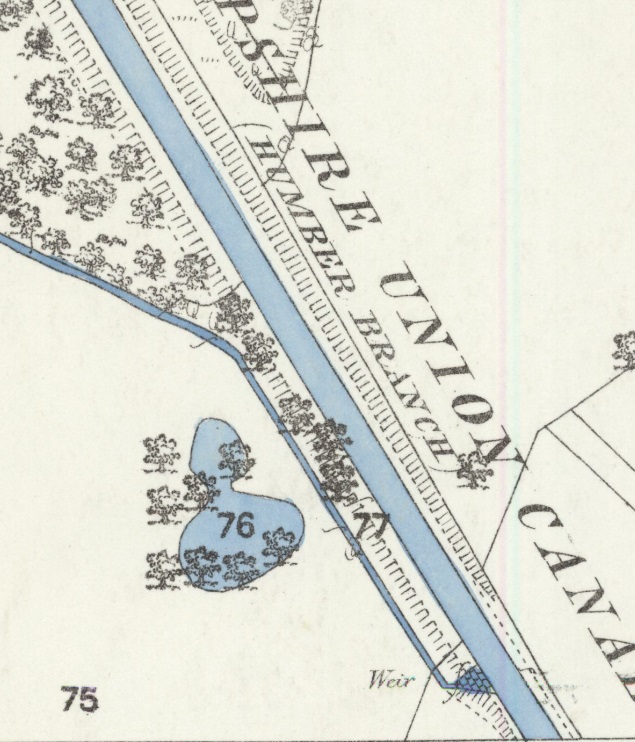
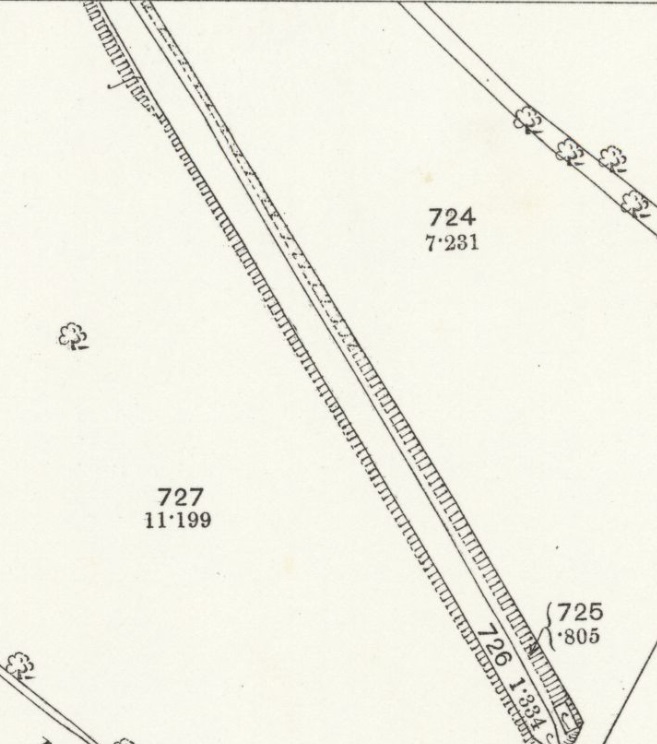
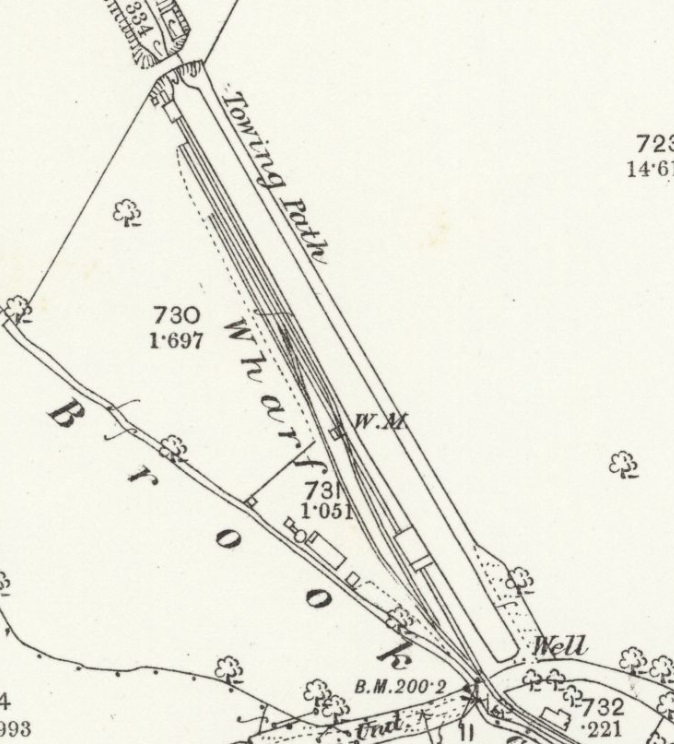
The six map extracts immediately below are mostly taken from the 25 inch Ordnance Survey of 1881/1882 and they show the full length of the canal. Traffic on the Humber Arm ended in 1922, when the fifth Duke of Sutherland closed the wharf and the railway line to Lilleshall. [3]
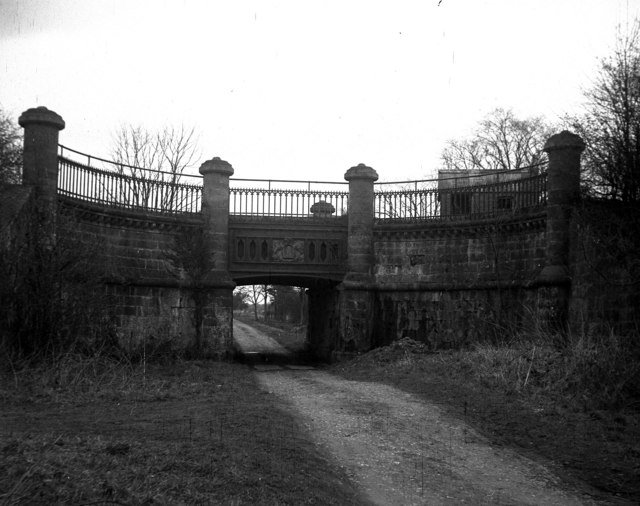
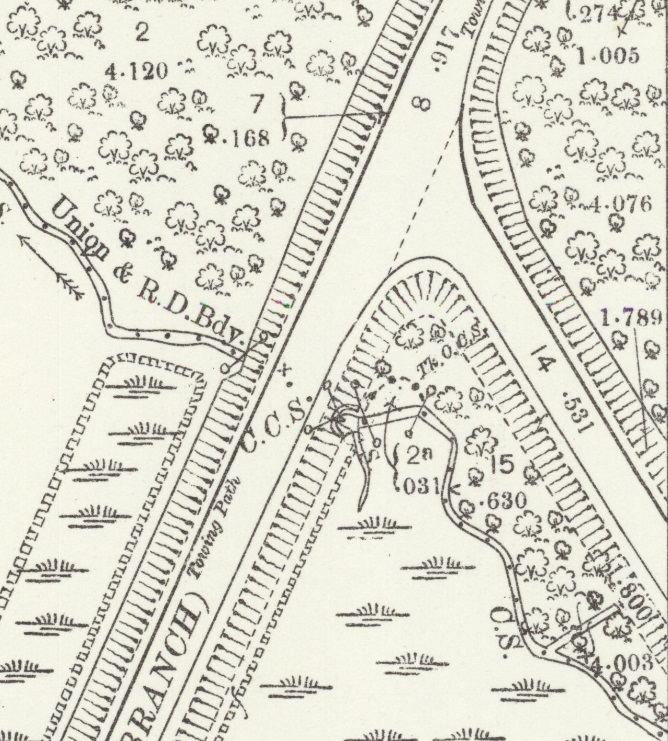
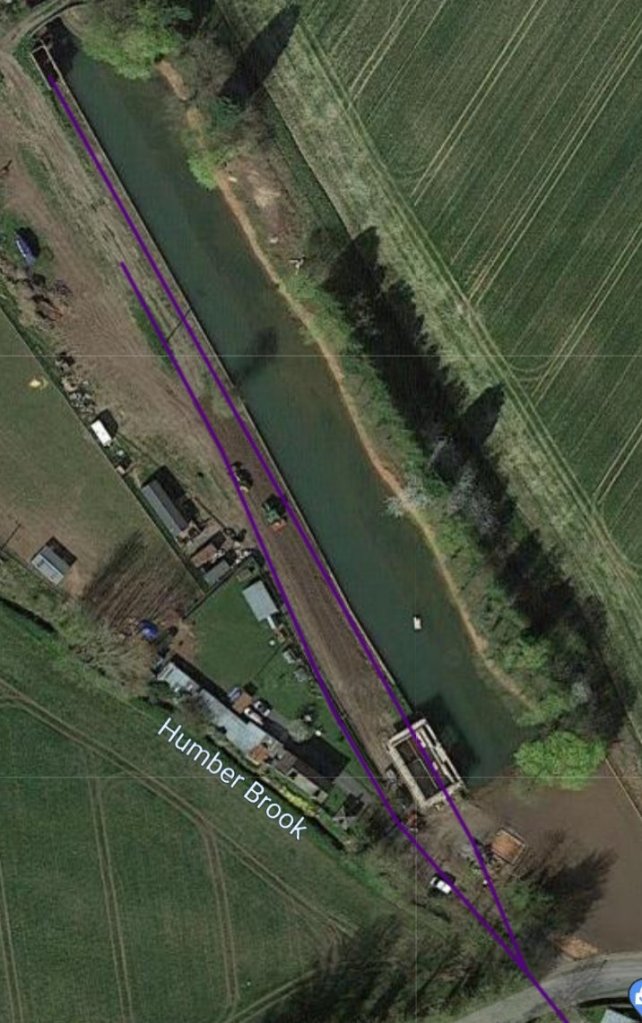
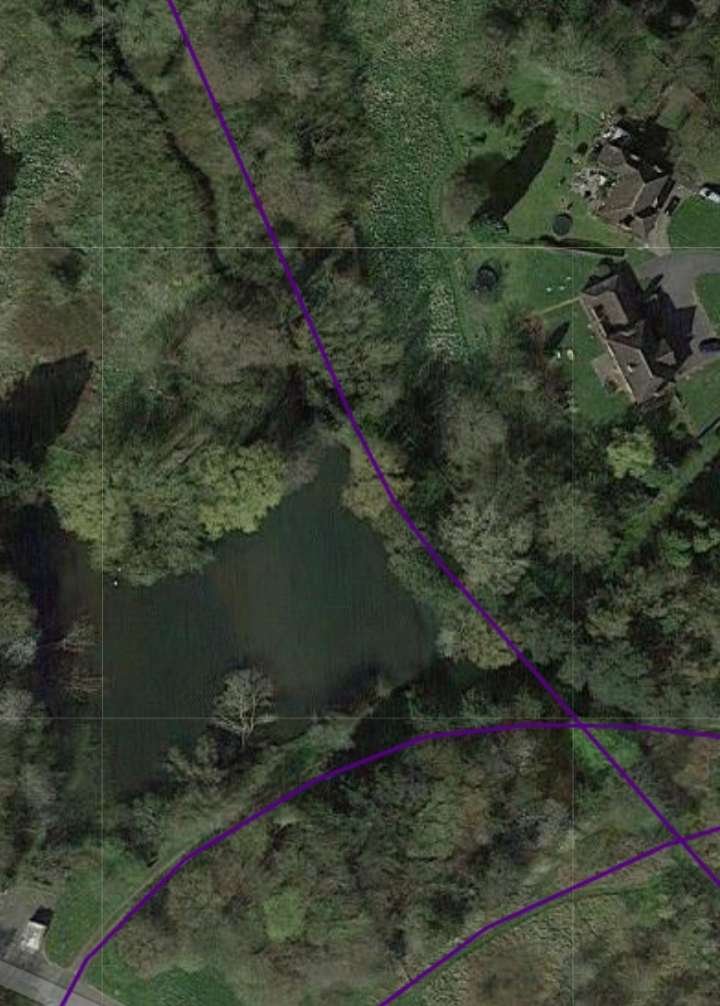
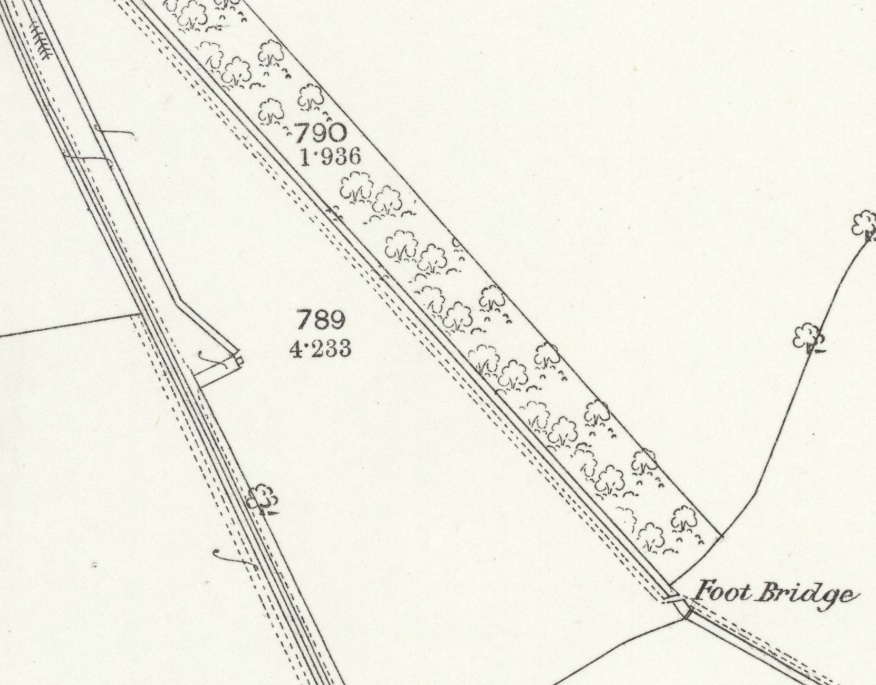
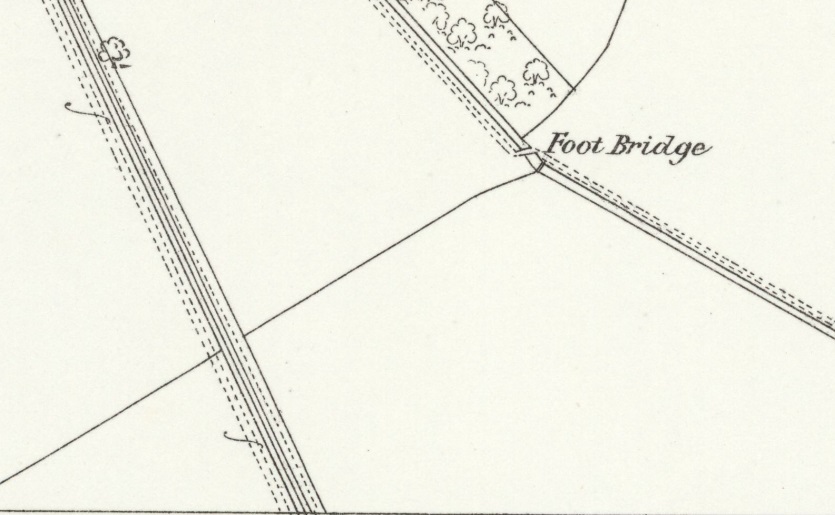
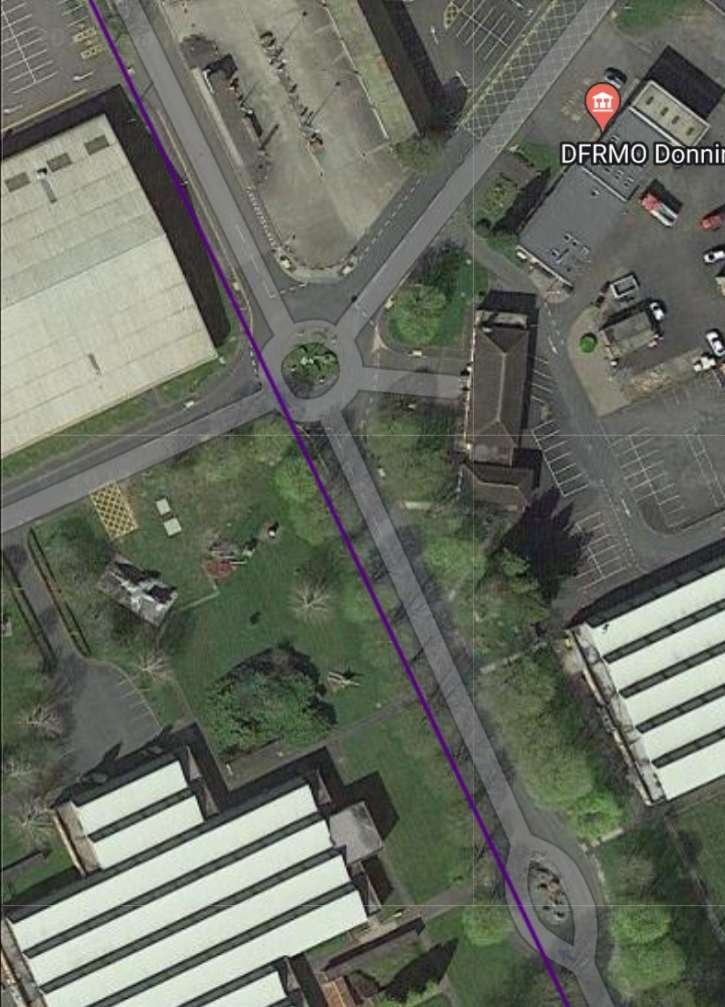
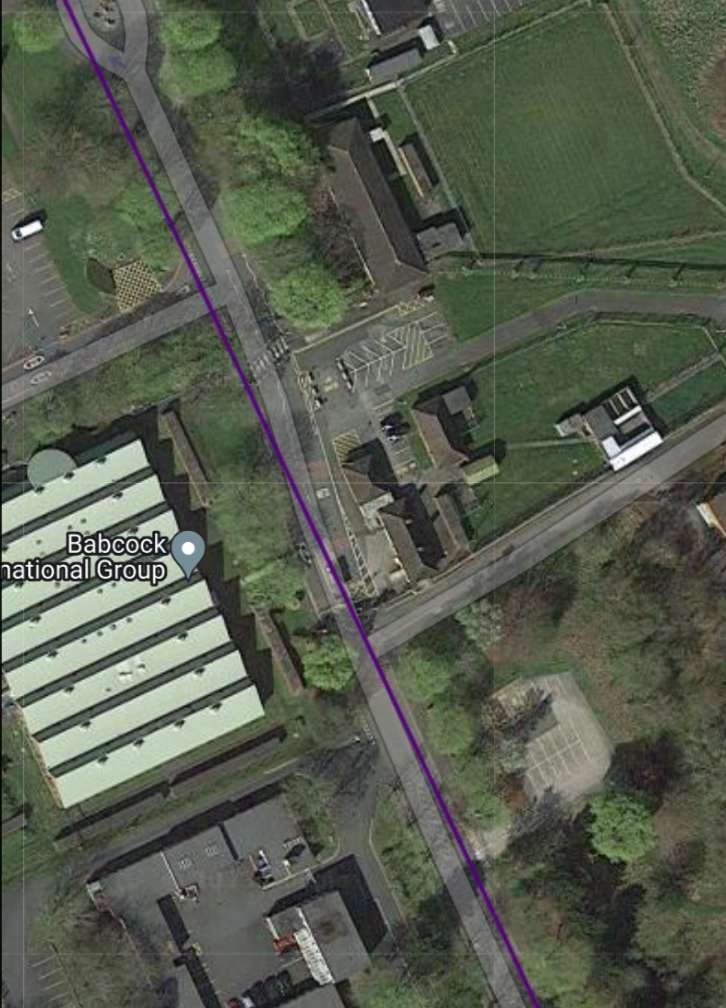
The junction of the Shropshire Union Canal Newport Branch and the Humber Arm which was just a few tens of metres to the South of the aqueduct shown above. The junction was to the East of Kynnersley. The Humber Arm heads Southeast from the Newport Branch. very little changed at this location from the opening to the closing of the Humber Arm. This map comes from the 1901 25″ Ordnance Survey. The following three images are extracts from the next sheet from the Ordnance Survey of 1881.[4]Three successive map extracts cover the length of the Humber Branch (Humber Arm of the Shropshire Union Canal) which appears to the bottom left of the relevant 1881 Ordnance Survey sheet. [5]The remainder of the Canal Arm is on the next 25″ Ordnance Survey sheet to the South which was published in 1882. This length brings the canal to the North end of Lubstree Wharf. [6]The Canal Wharf at Lubstree. 25″ Ordnance Survey of 1882. [6]Approximately the same area as shown on the last map extract above as it appears on the RailMapOnline.com satellite imagery. The purple lines are the approximate line of the Mineral Railway that replaced the tramway we will following first. Satellite imagery shows nothing of the Canal Arm to the North of this image. Heading to the North from here, the line if the canal traverses open fields and then Aqueduct plantation. The trees in the plantation obscure any direct evidence of the old canal arm from above and, similarly, the location of its junction with the Shropshire Union Canal Newport Branch. [10]
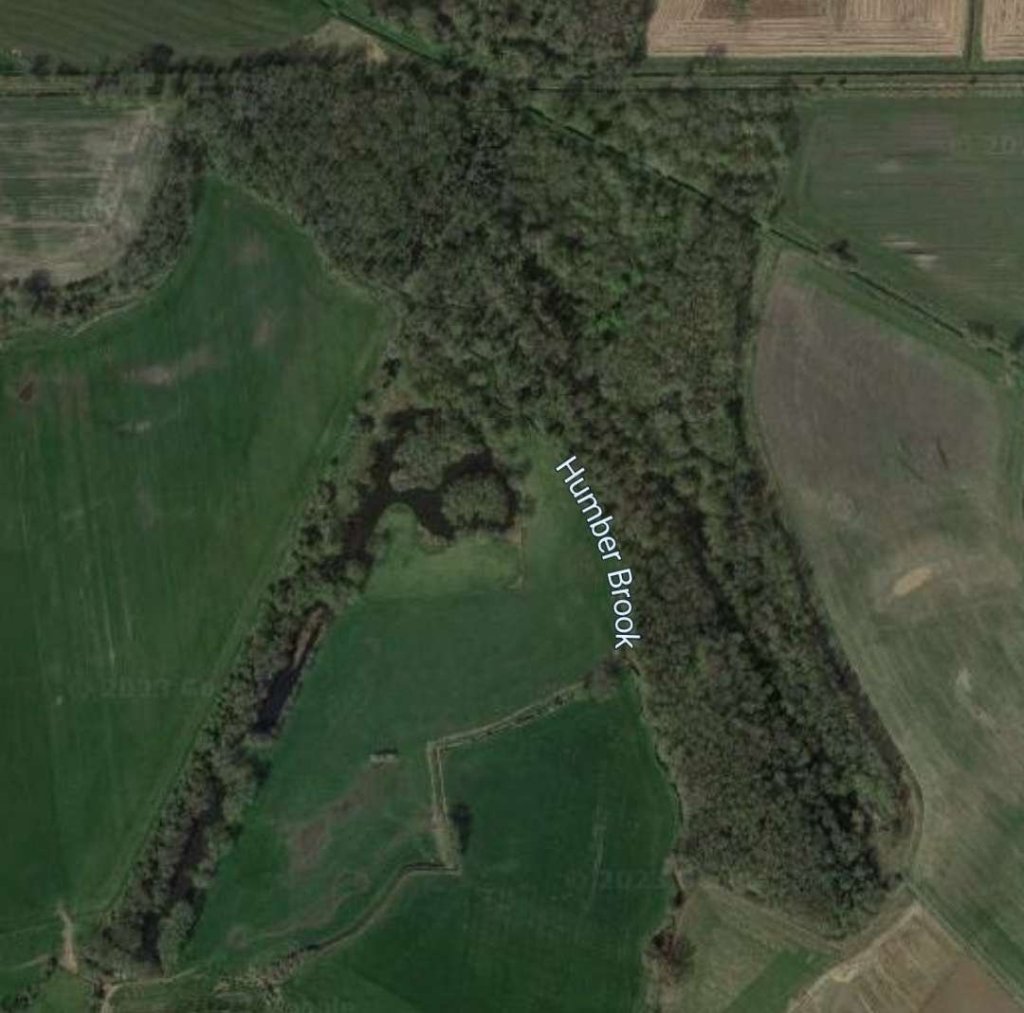
While it is true that direct evidence of canal remains cannot be seen, tree growth differs along the line of the two old canals as this next satellite image from Google Maps shows.
Tree growth patterns highlight both the line of the Humber Arm and the Shropshire Union Canal Newport Branch. [Google Maps, July 2023]
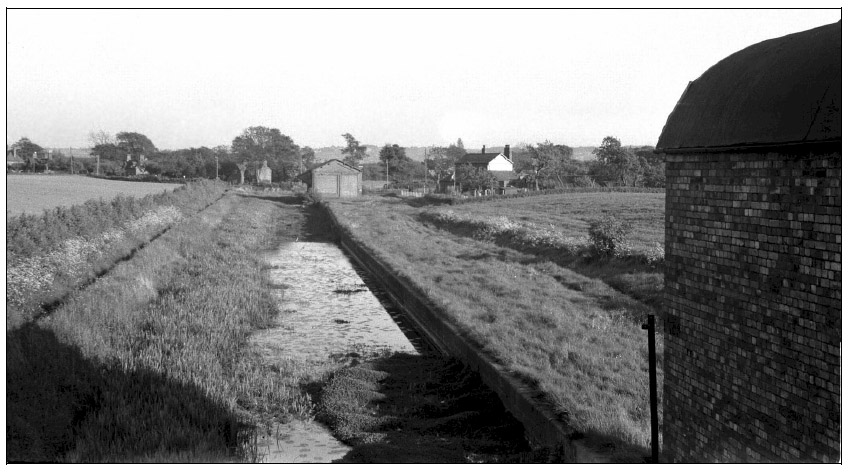
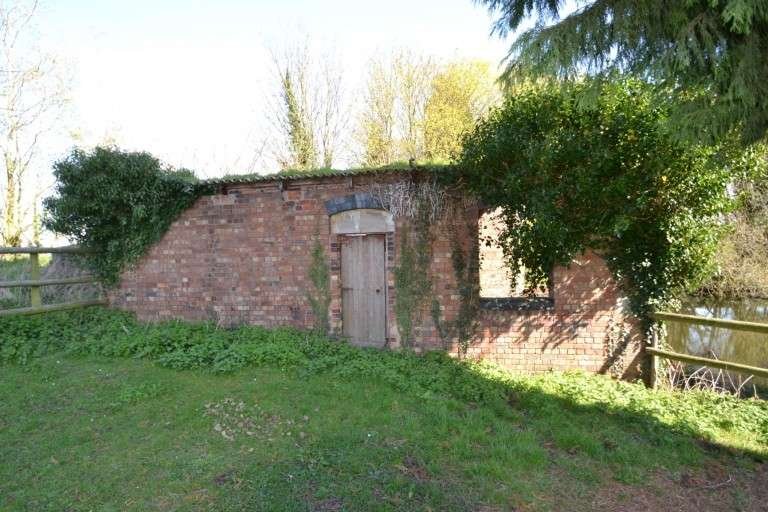
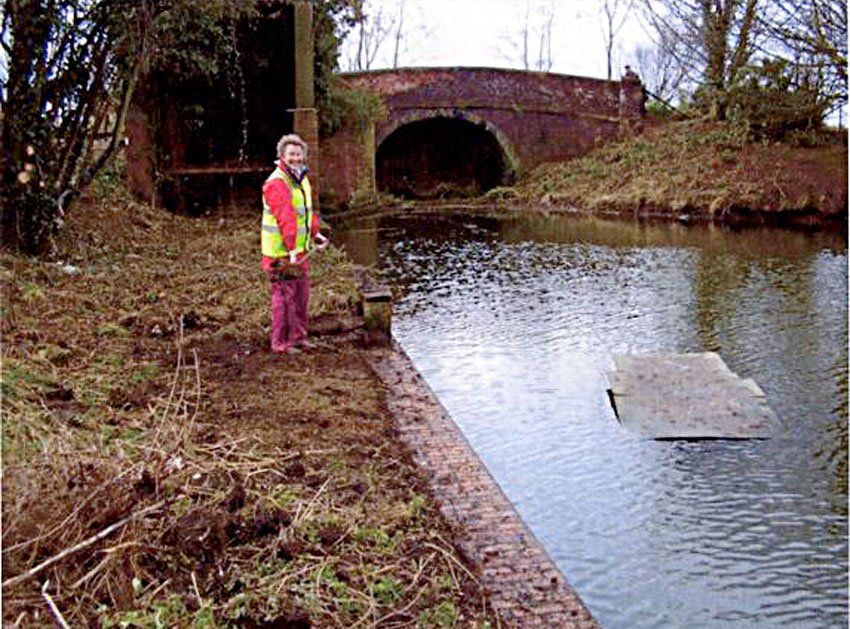
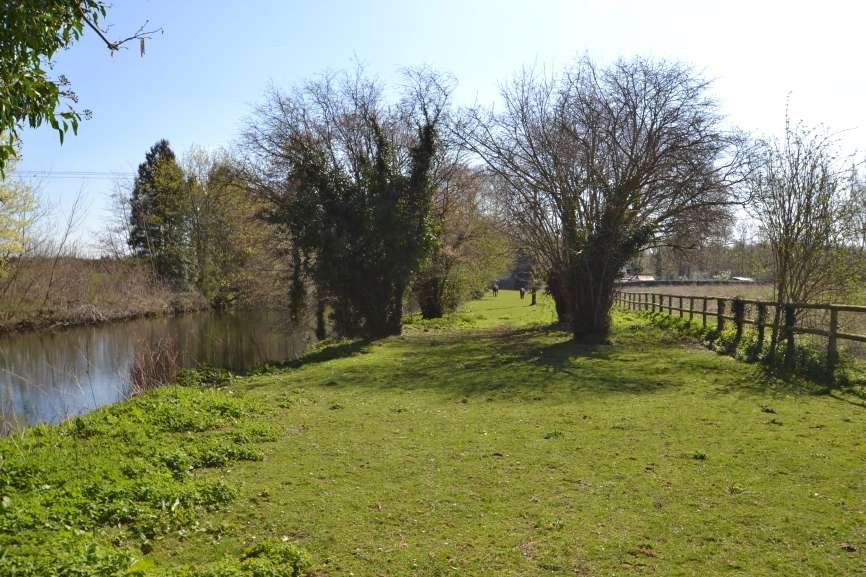
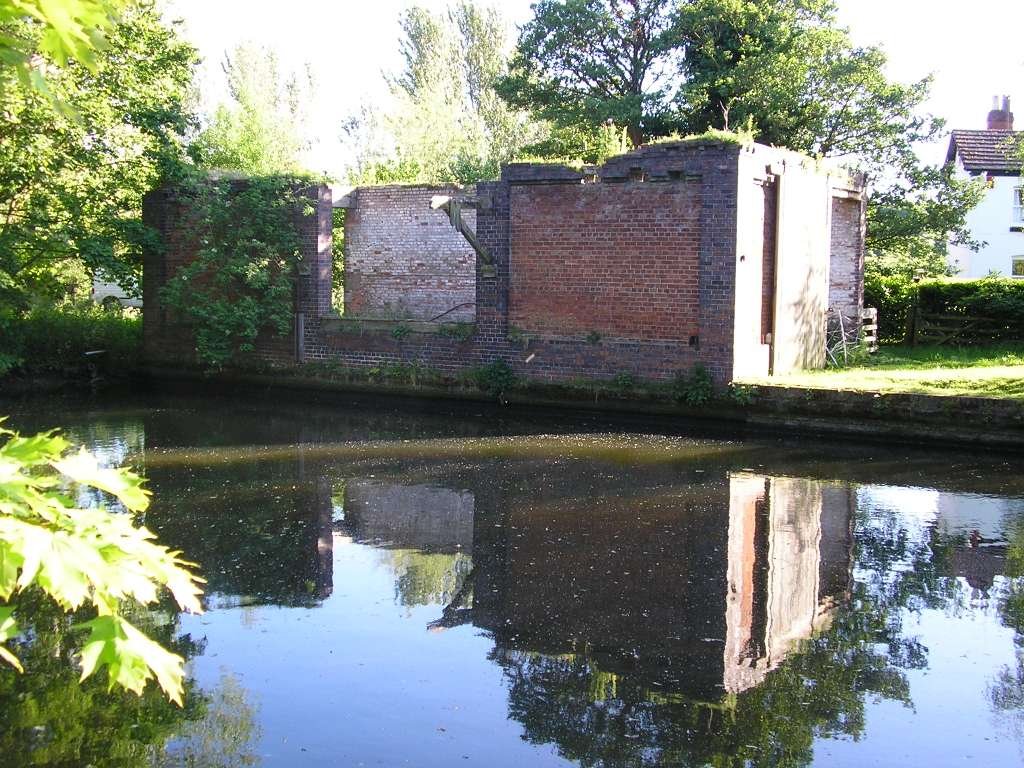
Derelict structures once sat adjacent to the remaining length of canal at Lubstree Wharf.
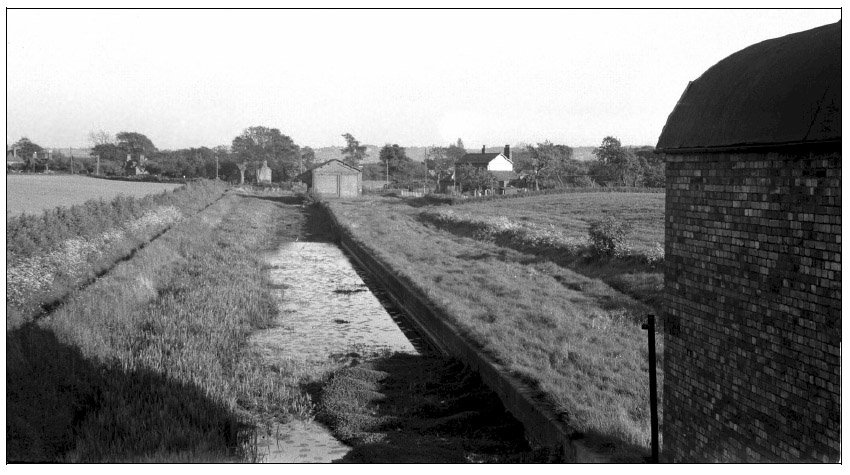
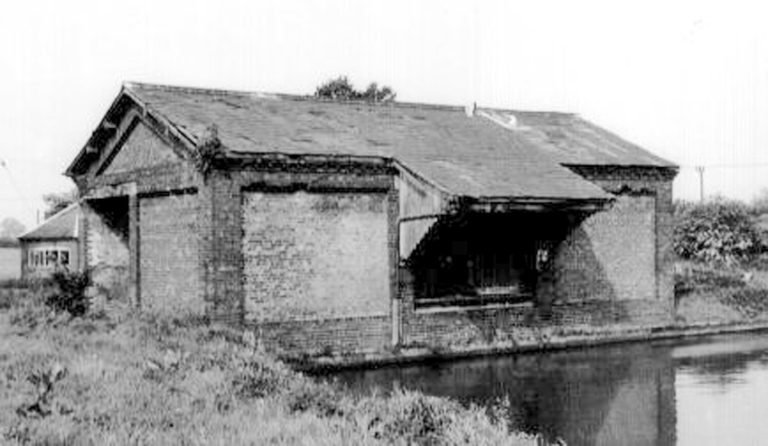
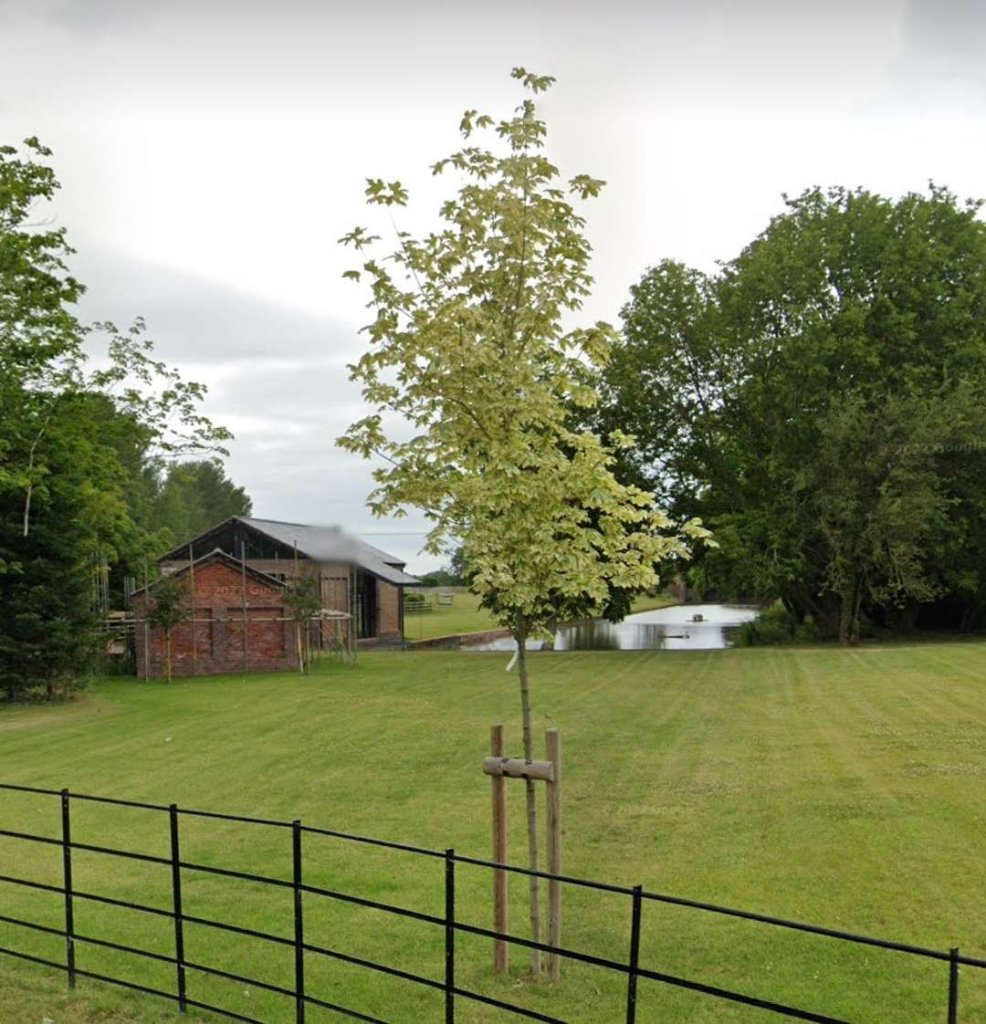
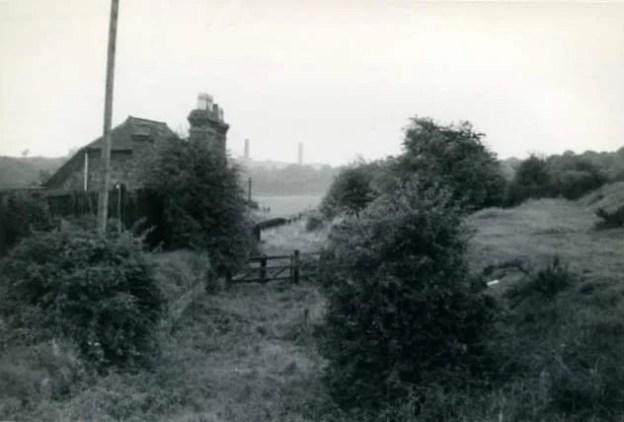
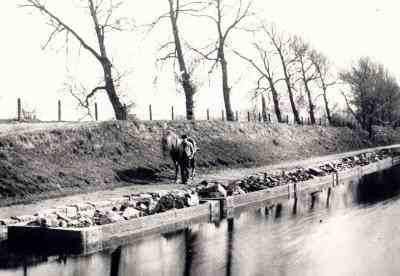
The West elevation of the Engine Shed. [13]The Engine Shed at the top end of the remaining length of canal close to the bridge which used to span the Humber Arm but which now forms a scenic break with no canal beyond. [18]The view South from the ‘bridge’ alongside the Engine Shed in the mid 20th century. The remaining length of the canal alongside Lubstree Wharf was not always full of water. [19]The view South from alongside the Engine Shed down the line of the tramway/railway which served the Wharf. [13]The transhipment shed at Lubstree Wharf in the 20th century before major deterioration set in and the roof was lost. [16]The transhipment shed early in the 21st century before reconstruction started. [17]Looking North-northwest from Humber Lane the remaining length of the canal can be seen to the right of the centre if this image. The Goods Shed which appears on the map extract and satellite image above can be seen to the left of the young tree close to the camera. It appears to be being refurbished. [Google Streetview, June 2022]
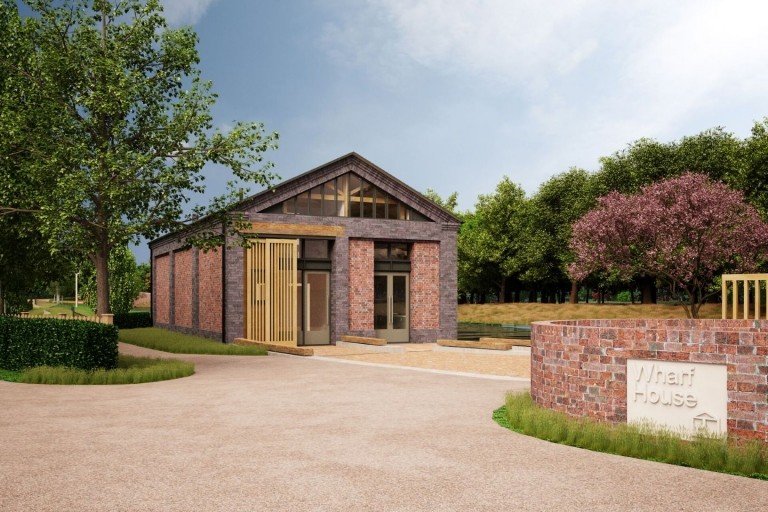
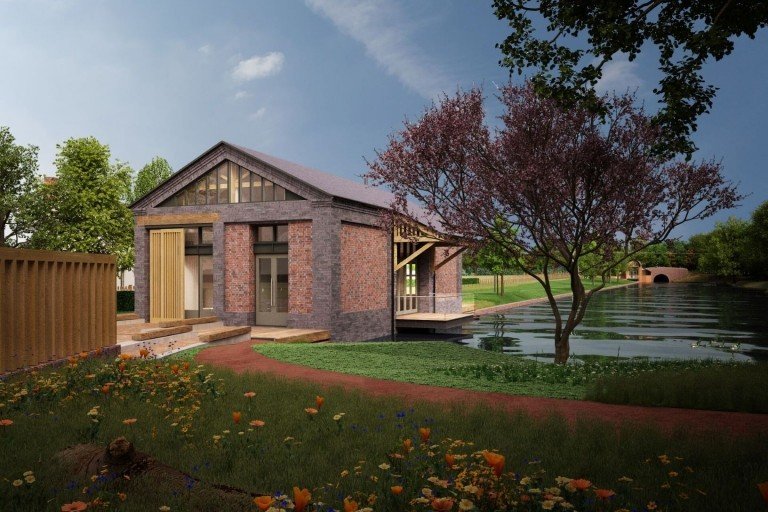
The site was advertised for sale online by Barbers Rural Estate Agents with planning permission, granted on 31st January 2019. [13] At the time the above image was taken (June 2022) the old Goods Shed/transfer facility was being refurbished as a dwelling. The three images below come from the Estate Agent’s site and show what the architect planned for the Goods Shed and the Engine Shed.
The proposed dwelling built out of the remains of the Goods Shed. [13]The computer-aided 3-D design drawings look very realistic. This image shows the planned refurbishment of the Goods Shed, the remaining length of the canal, and in the distance a refurbished Engine Shed! [13]The proposed refurbishment of the Engine Shed adjacent to the bridge which once spanned the Canal, but which now forms a ‘scenic-break’. The is no canal to the North of the bridge. [13]
The tramway was replaced by a standard-gauge railway as part of the Lilleshall Company’s network of private railways in 1870.
The Tramway
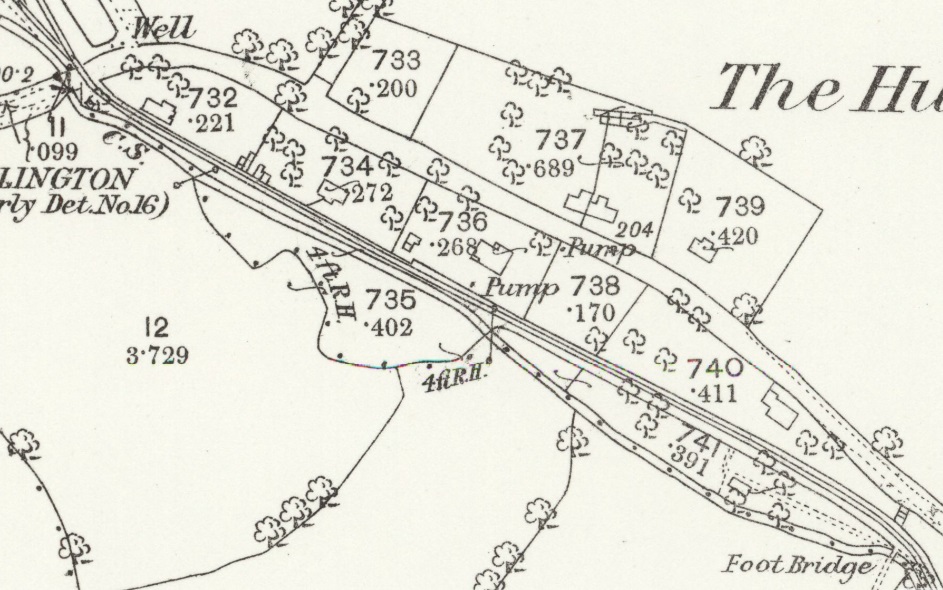
I have not been able to find earlier maps than the 1881/1882 Ordnance Survey that would show the tramway. It is, however, reasonable to assume that, at least as far as the tunnel under the LNWR mainline, the railway was built on the formation of the old tramway. The last map extract above shows the terminus of the railway (which would have also been the tramway terminus) alongside the canal wharf, the next series of map extracts show the railway (and so also the route of the tramway), running South to pass under the LNWR railway line.
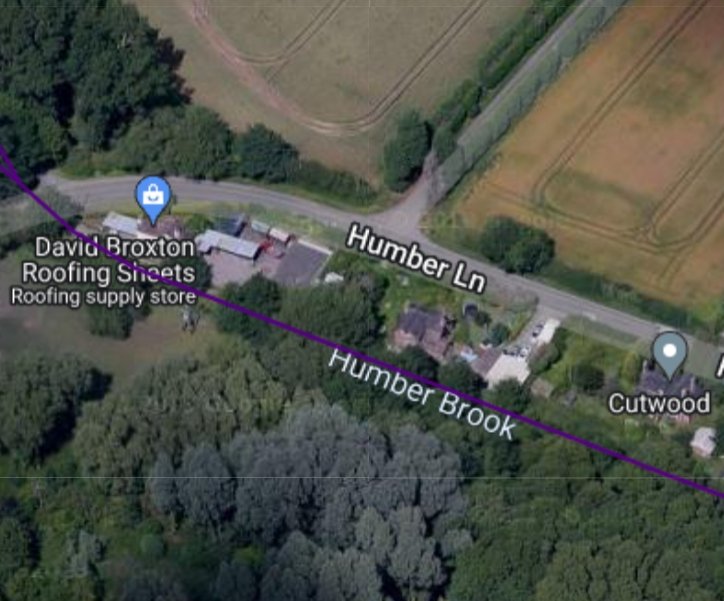
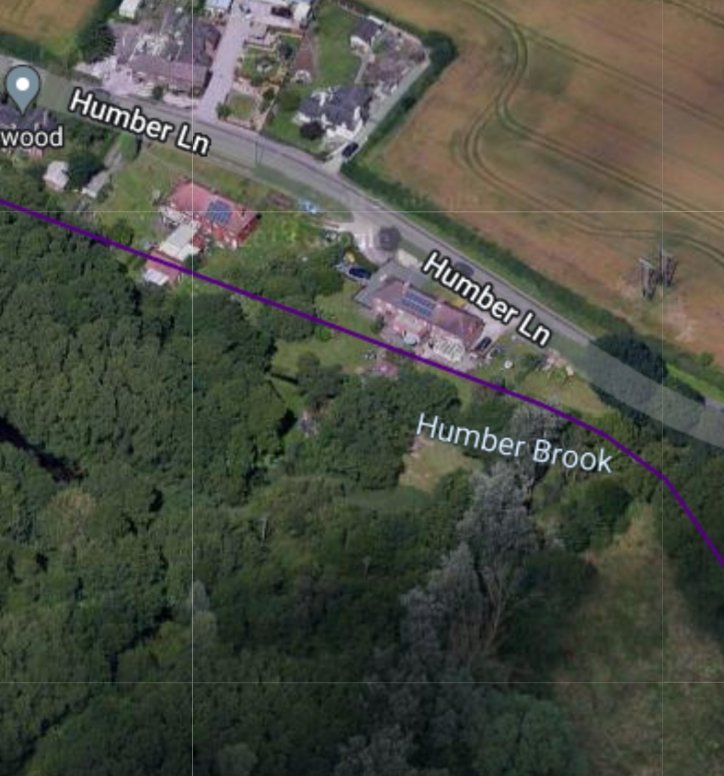
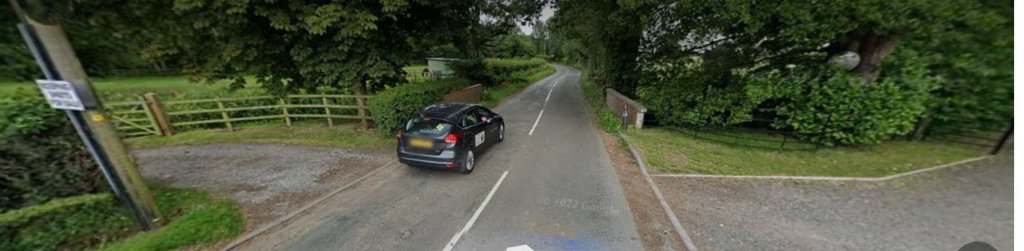
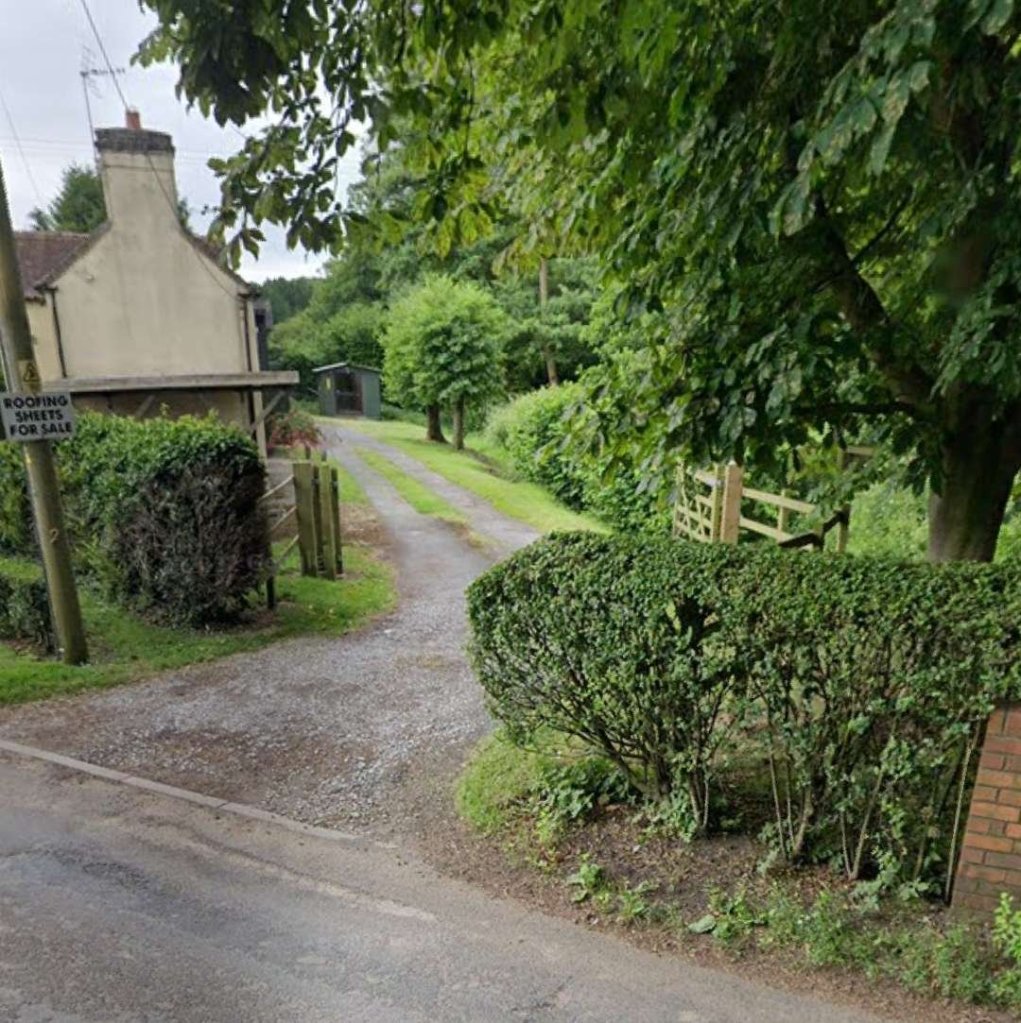
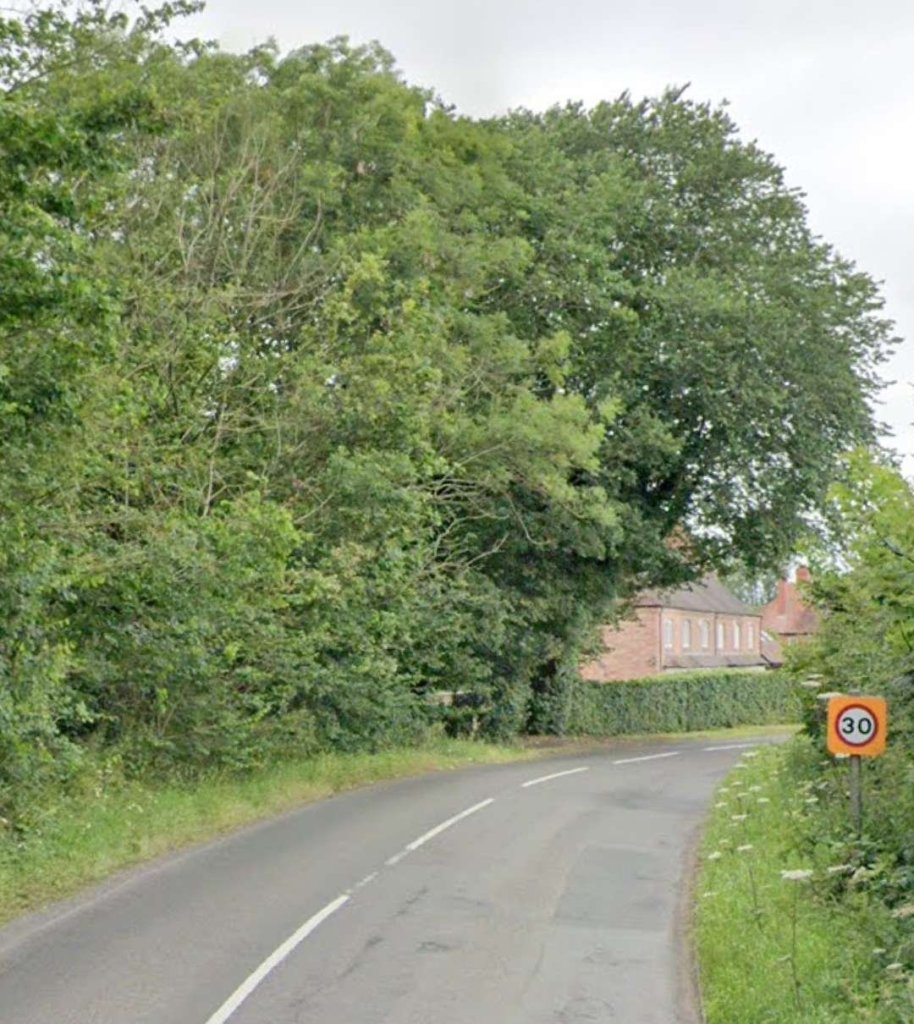
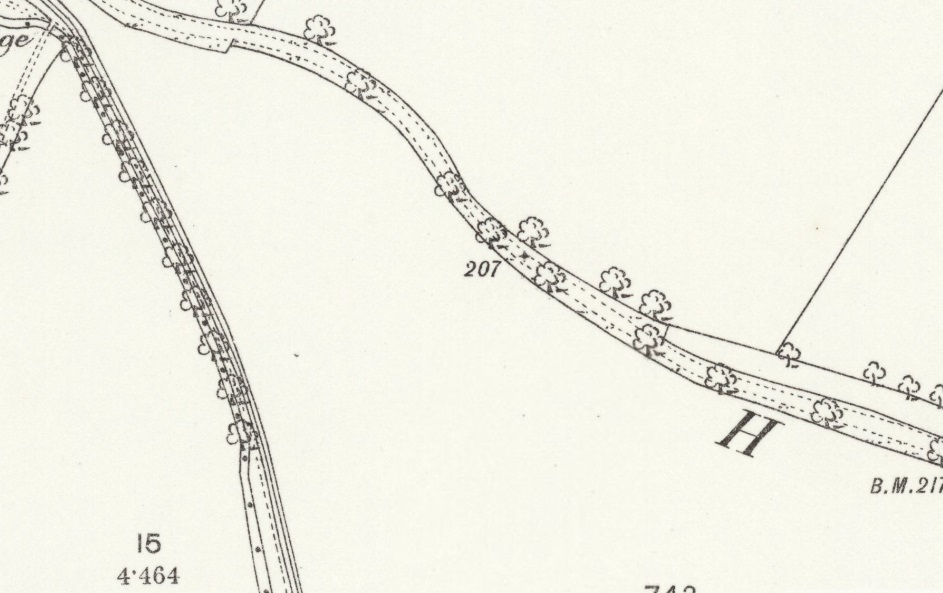
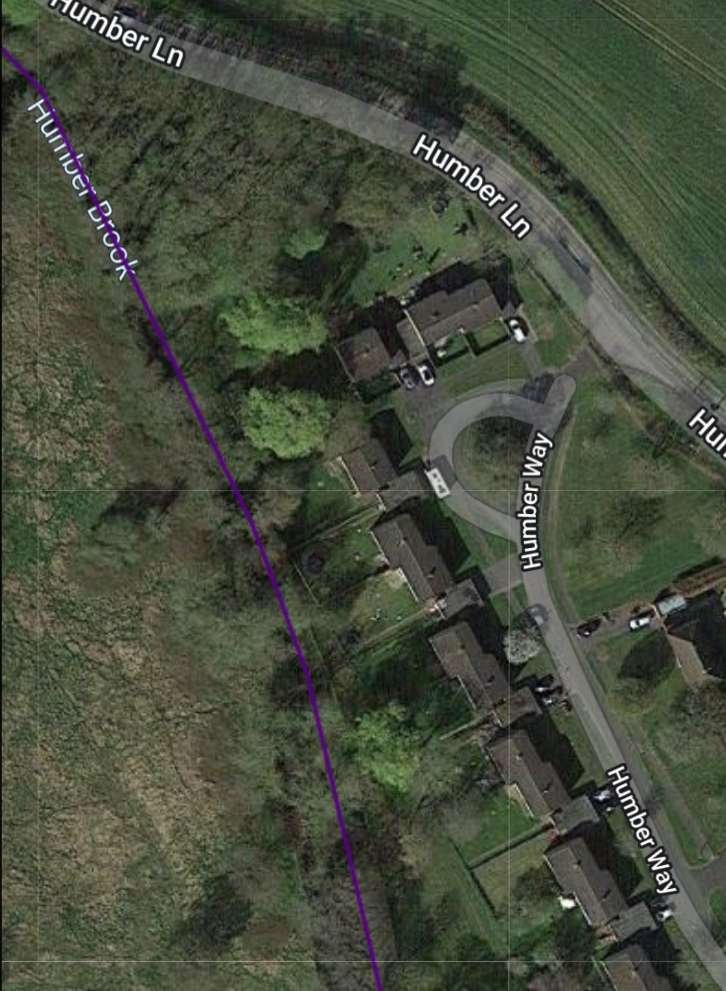
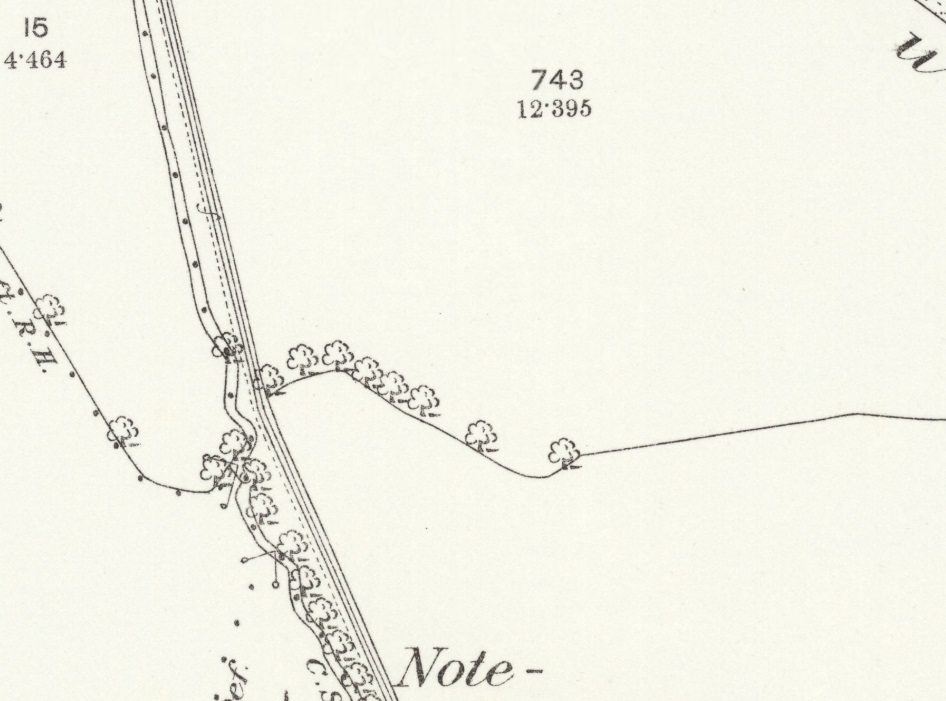
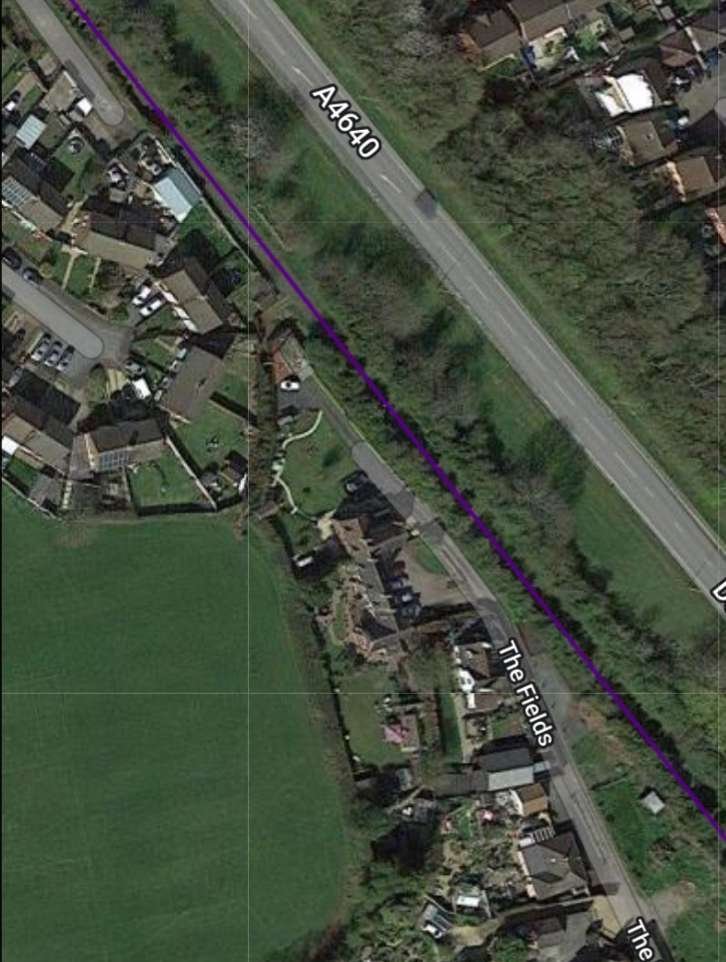
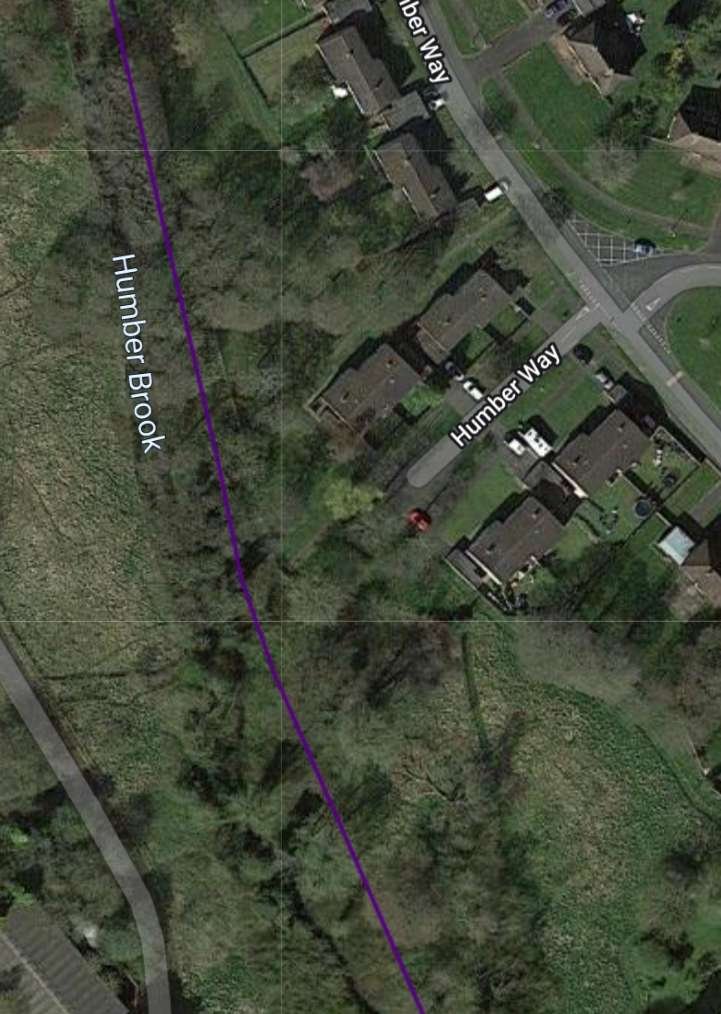
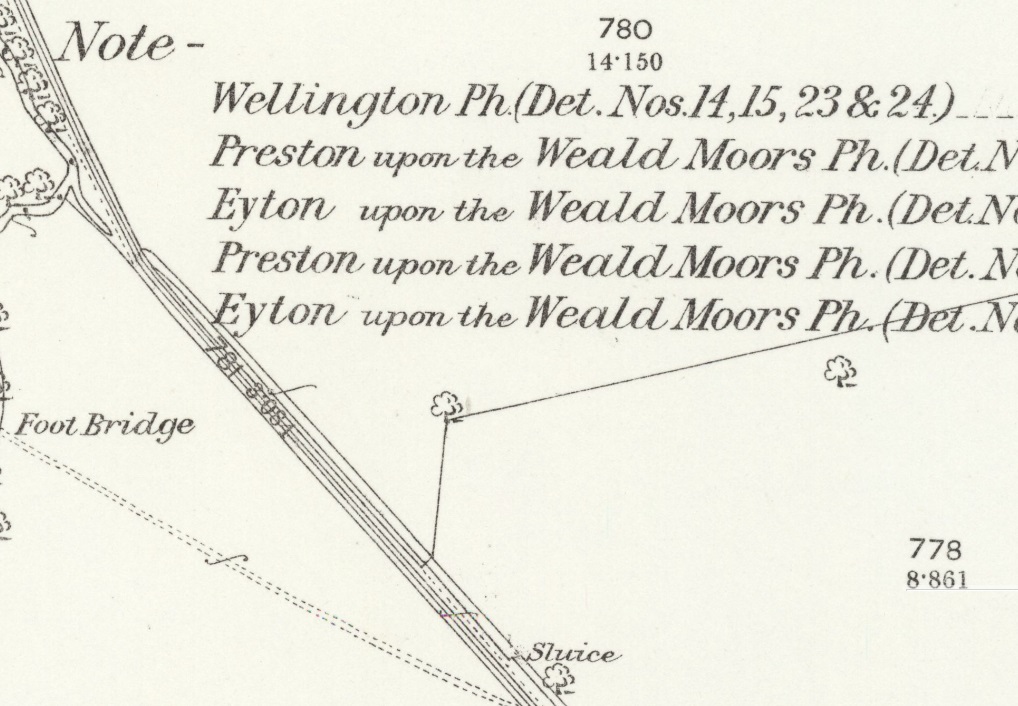
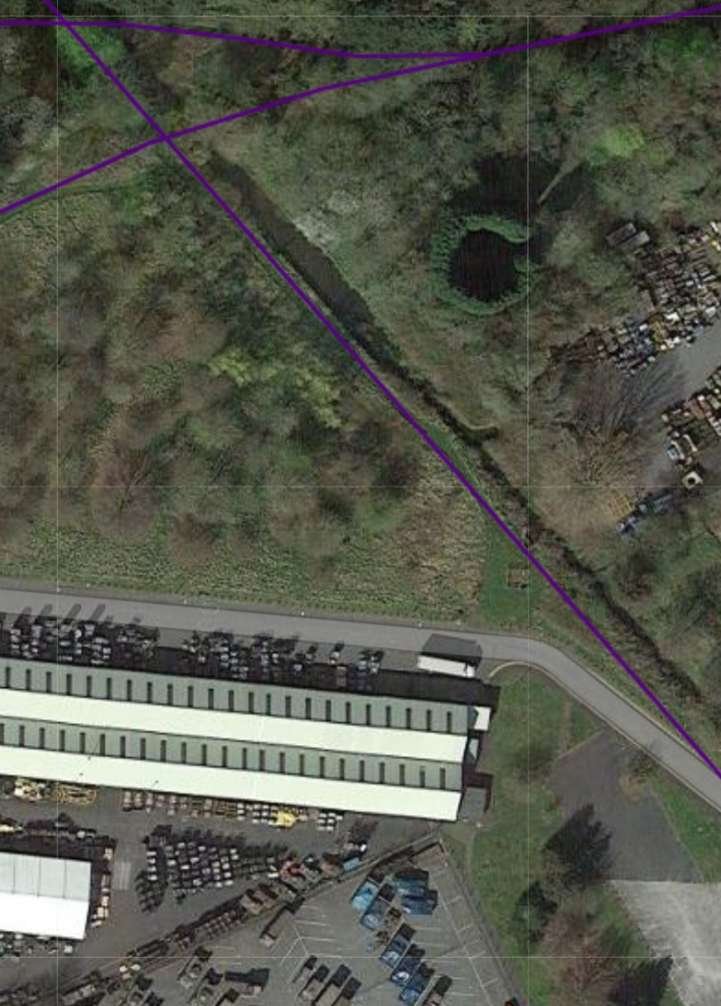
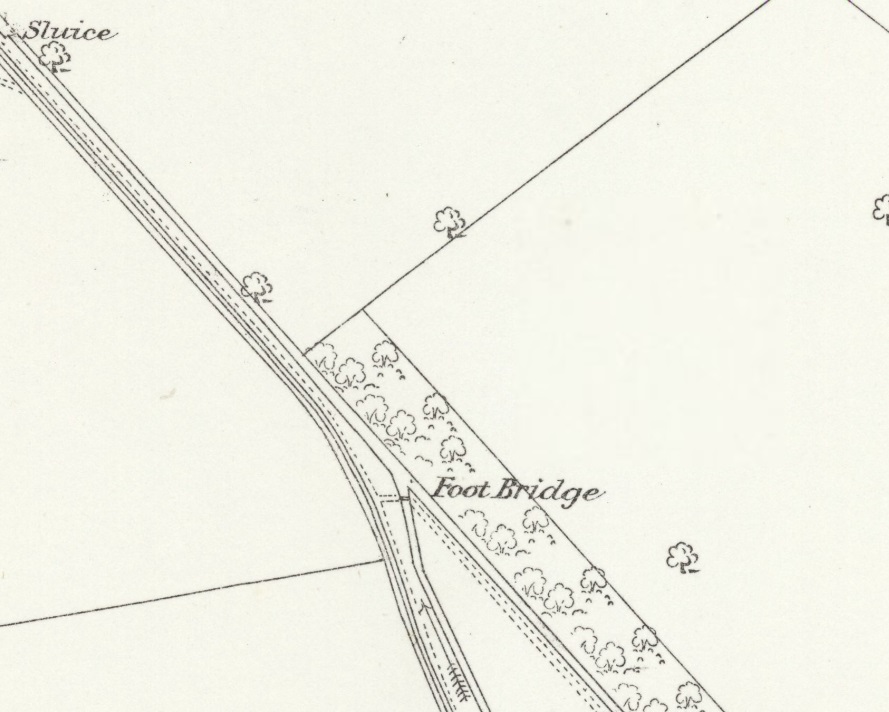
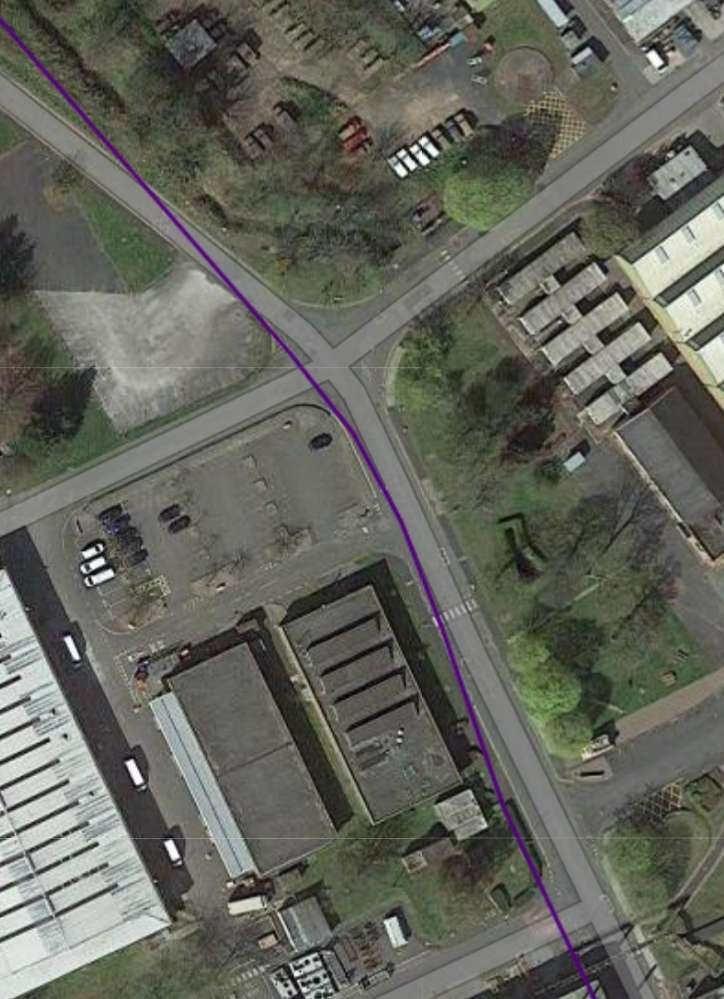
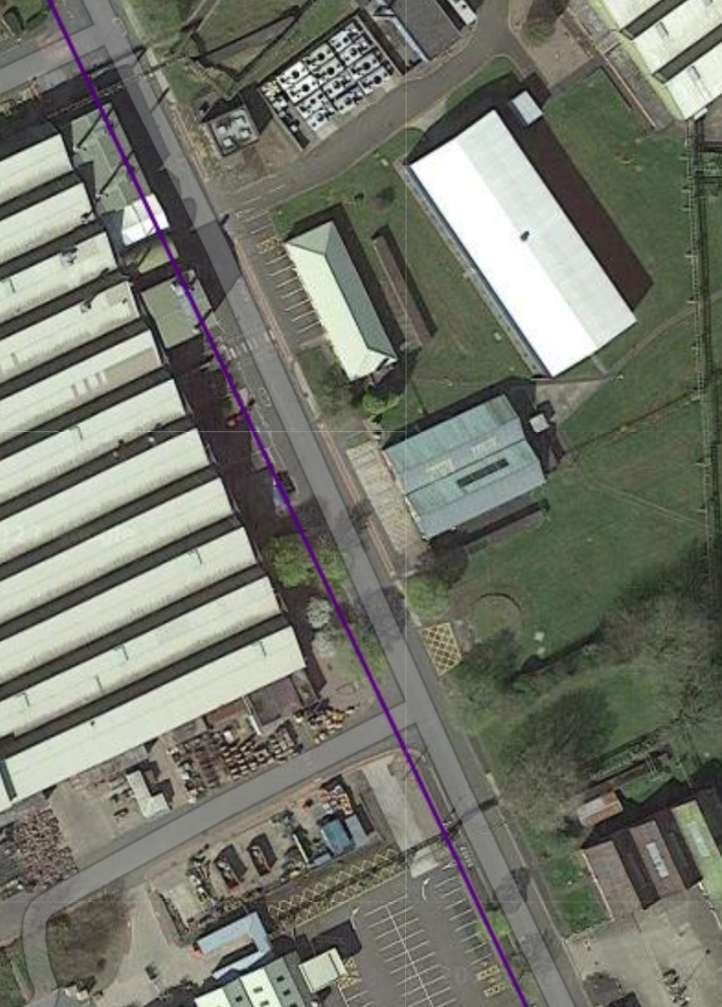
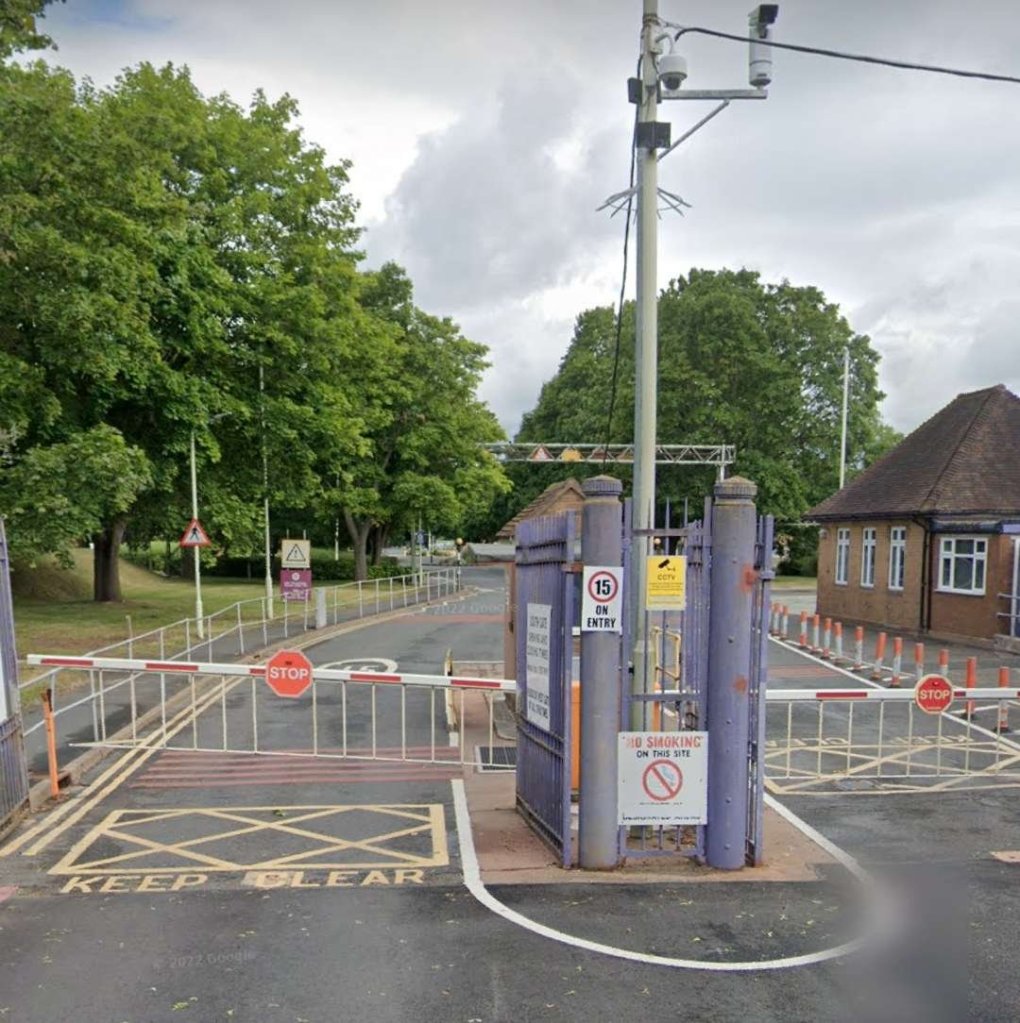
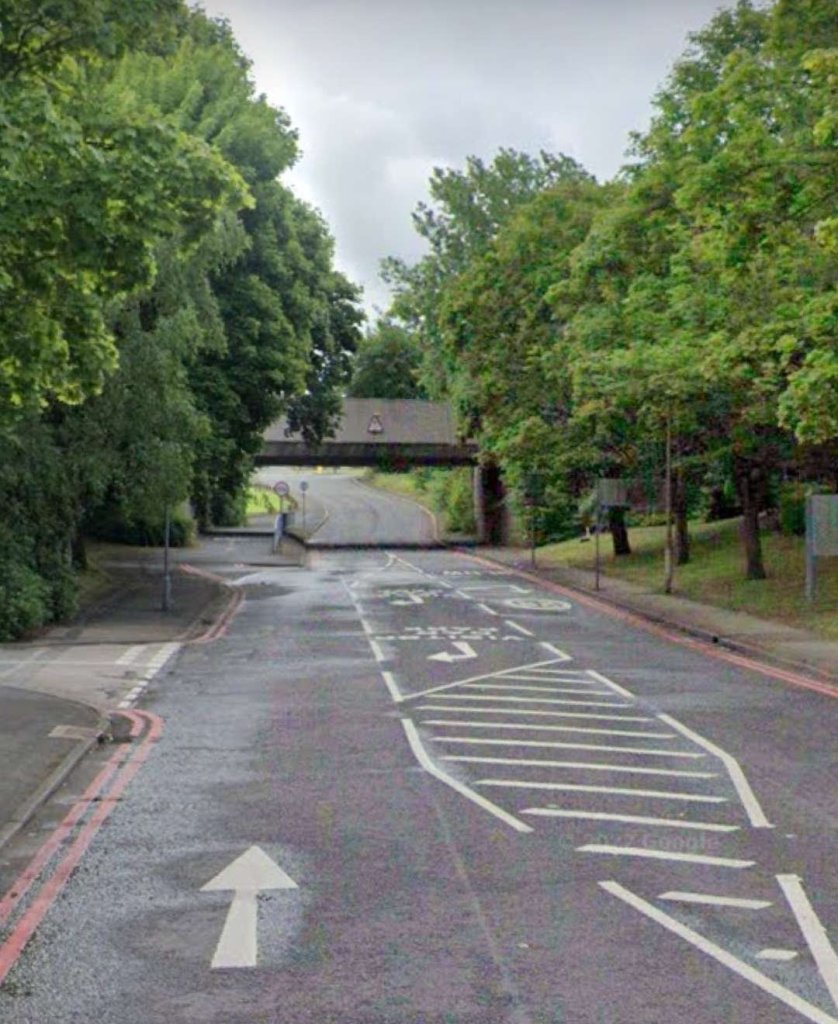
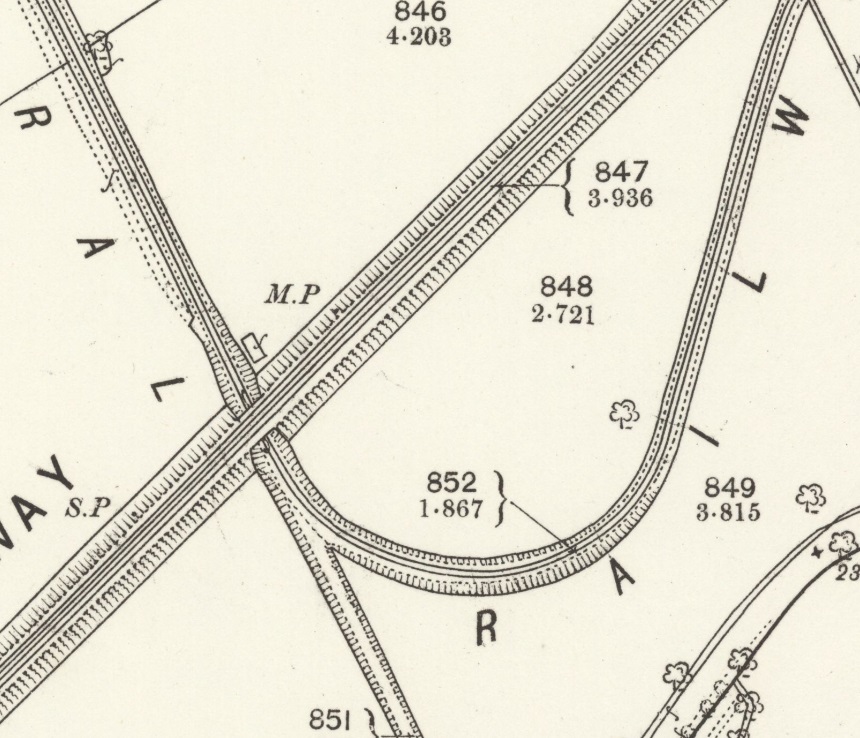
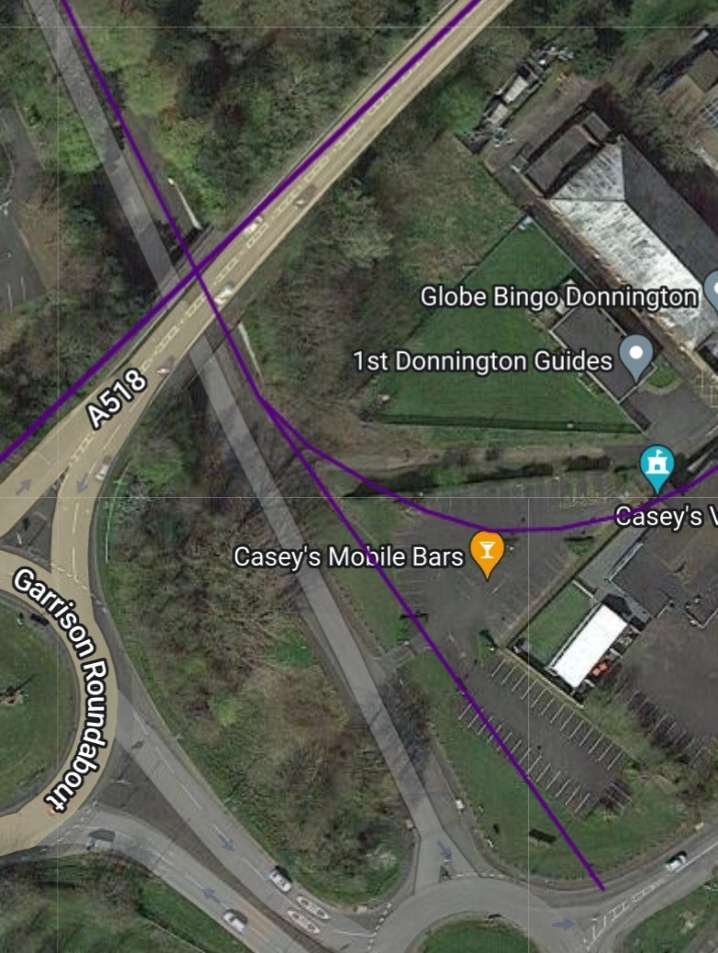
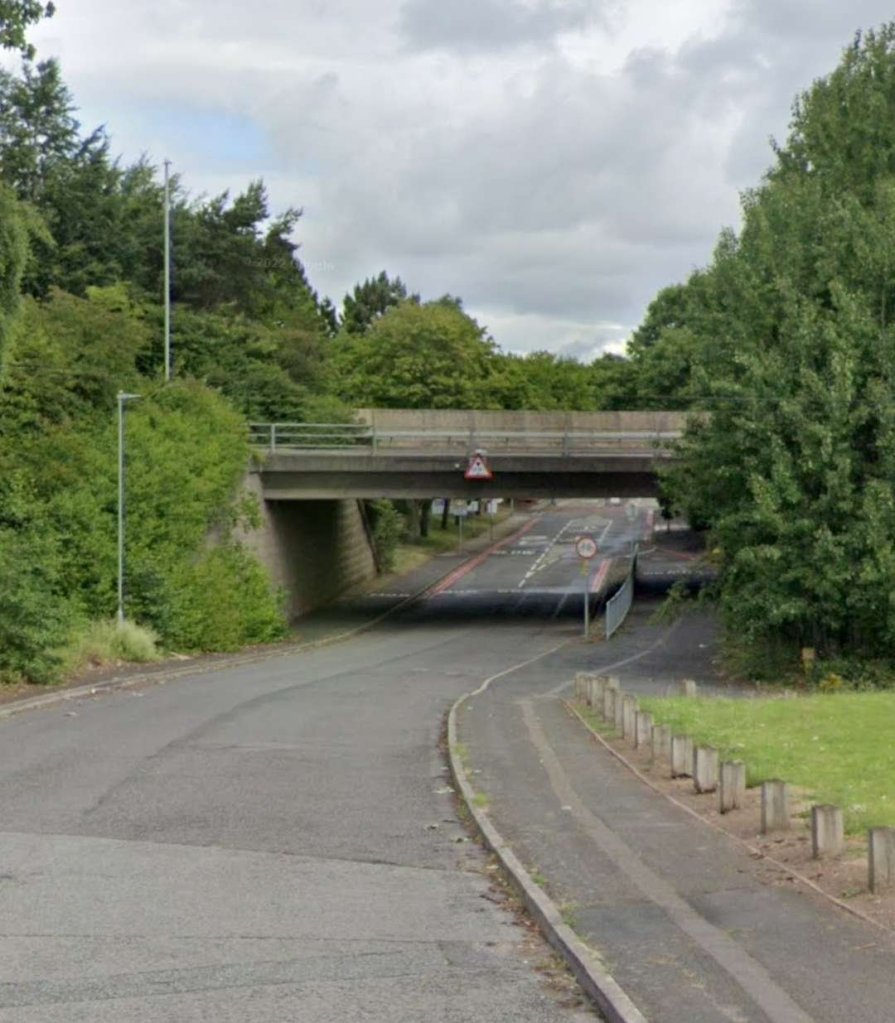
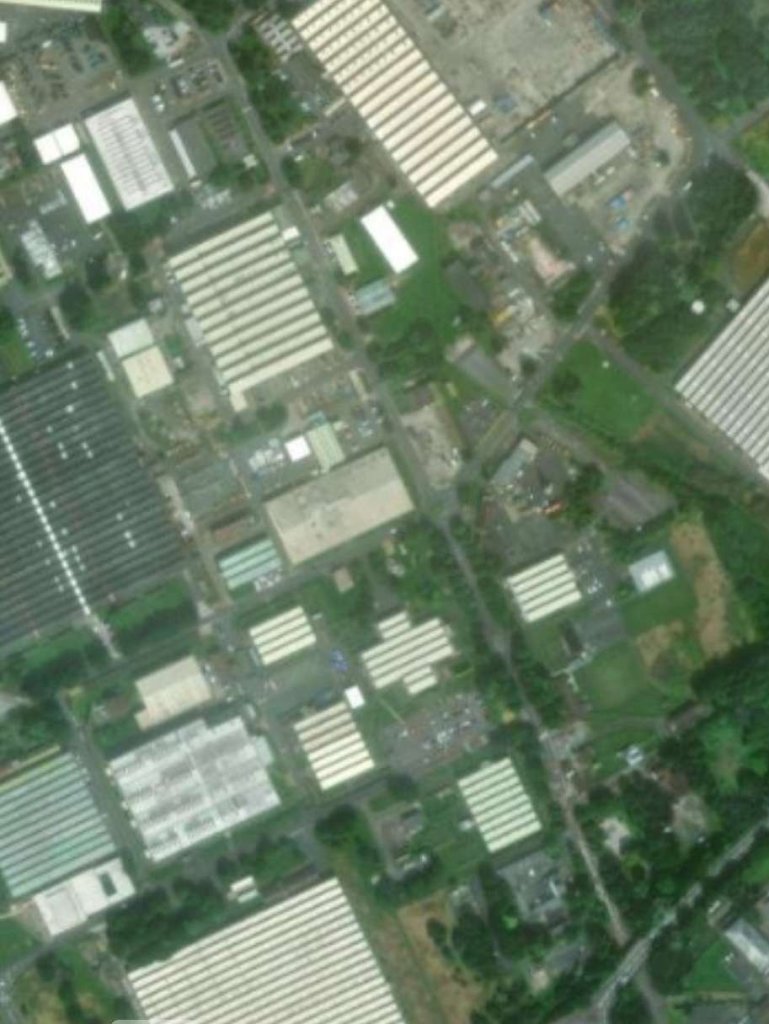
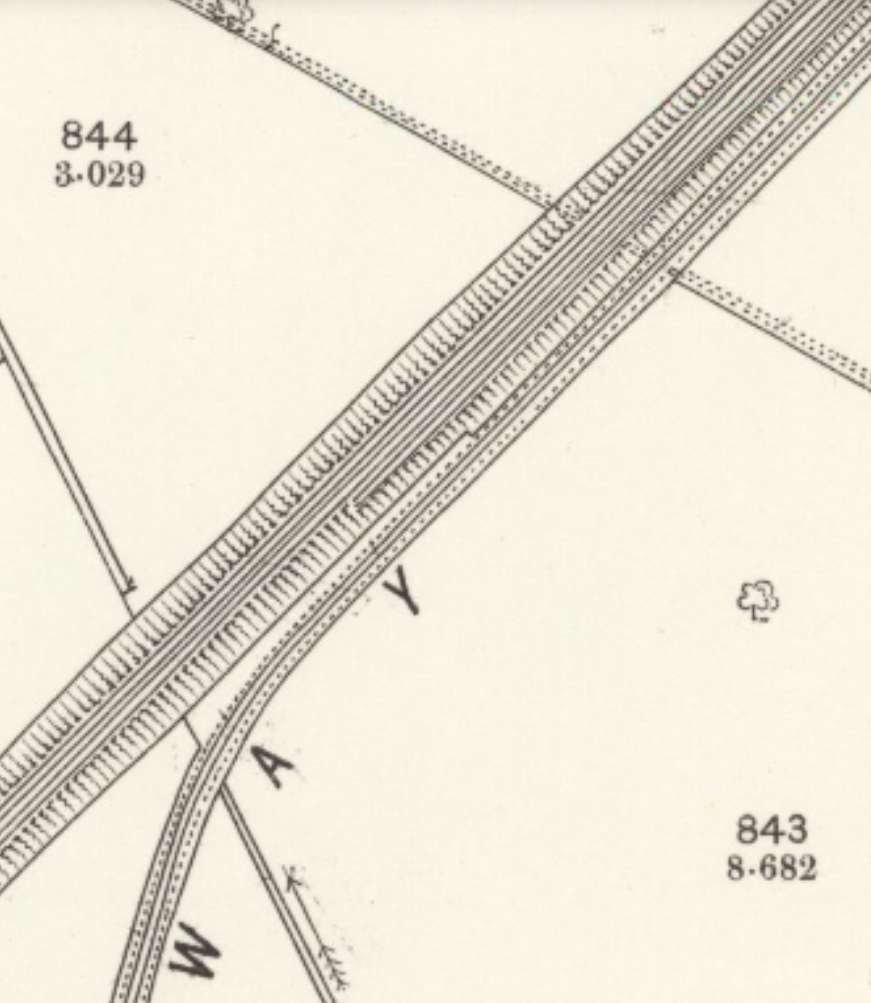
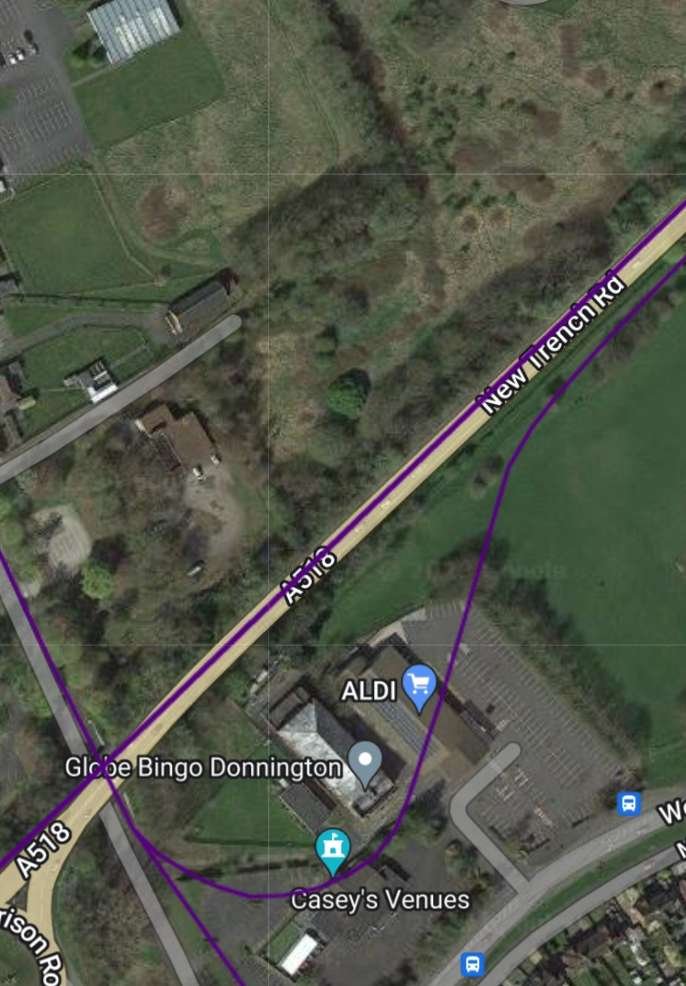
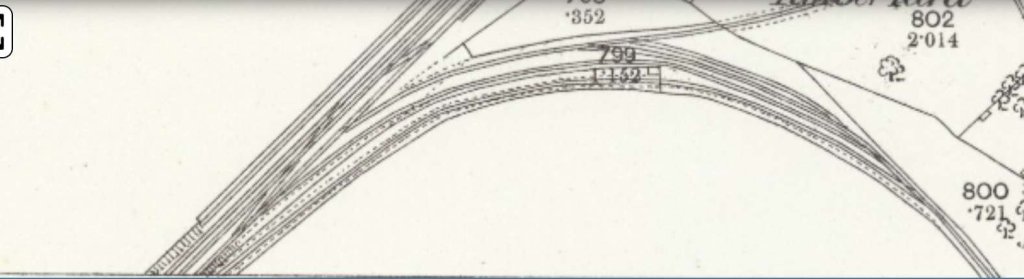
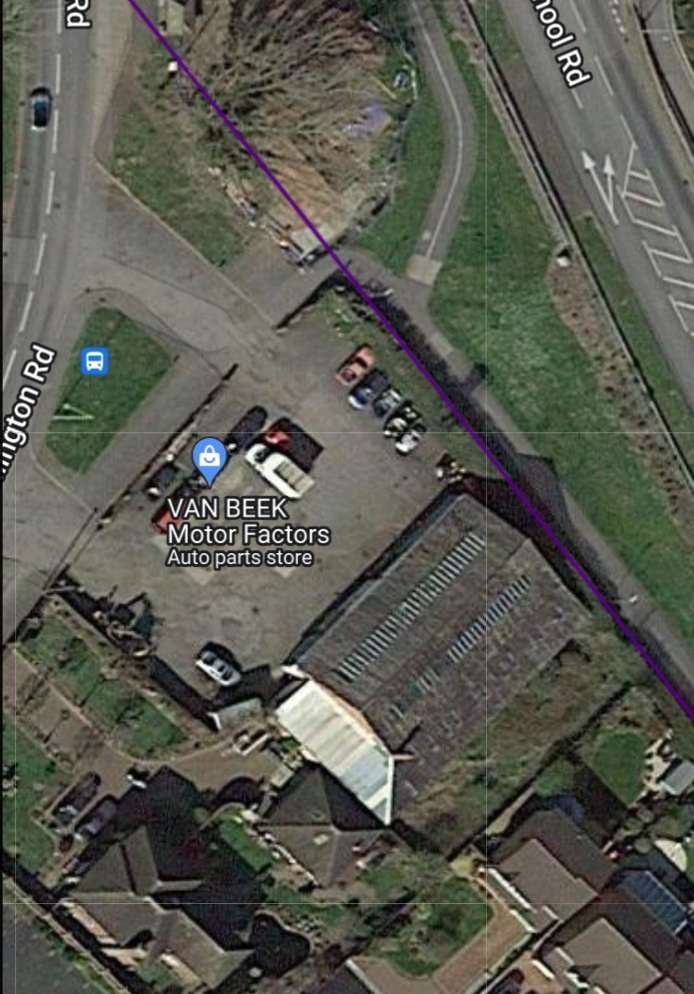
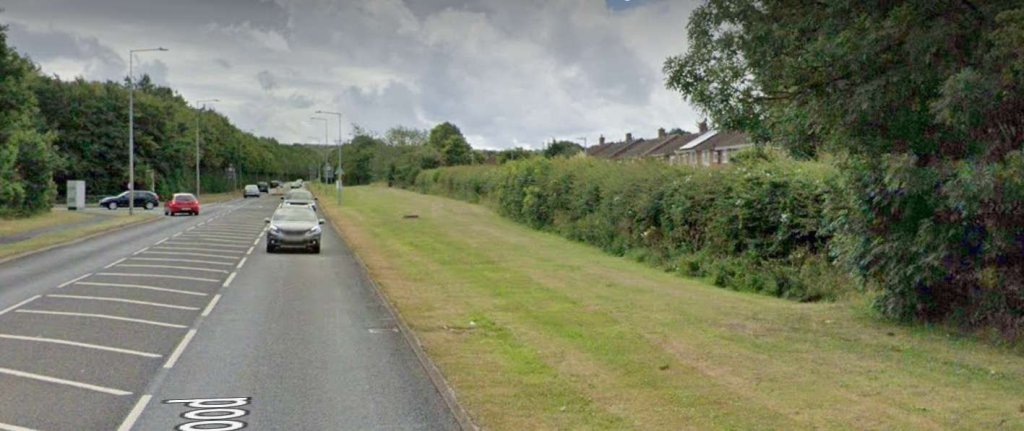
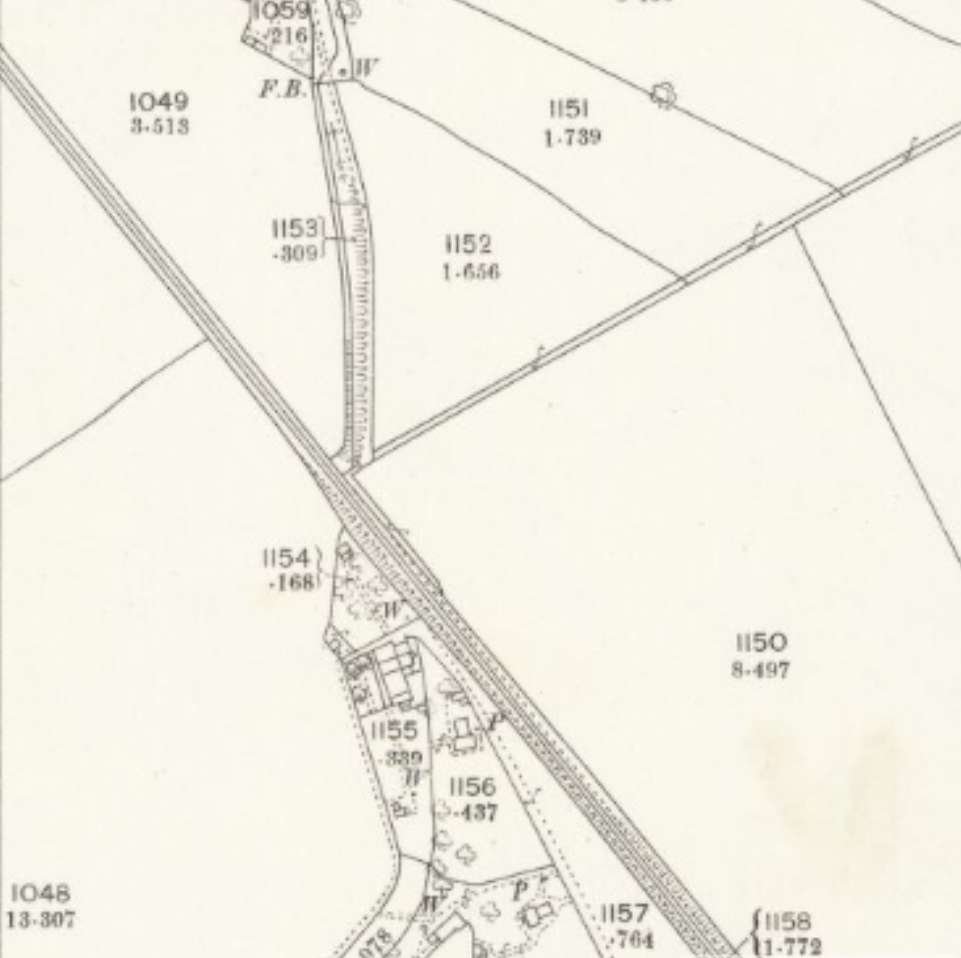
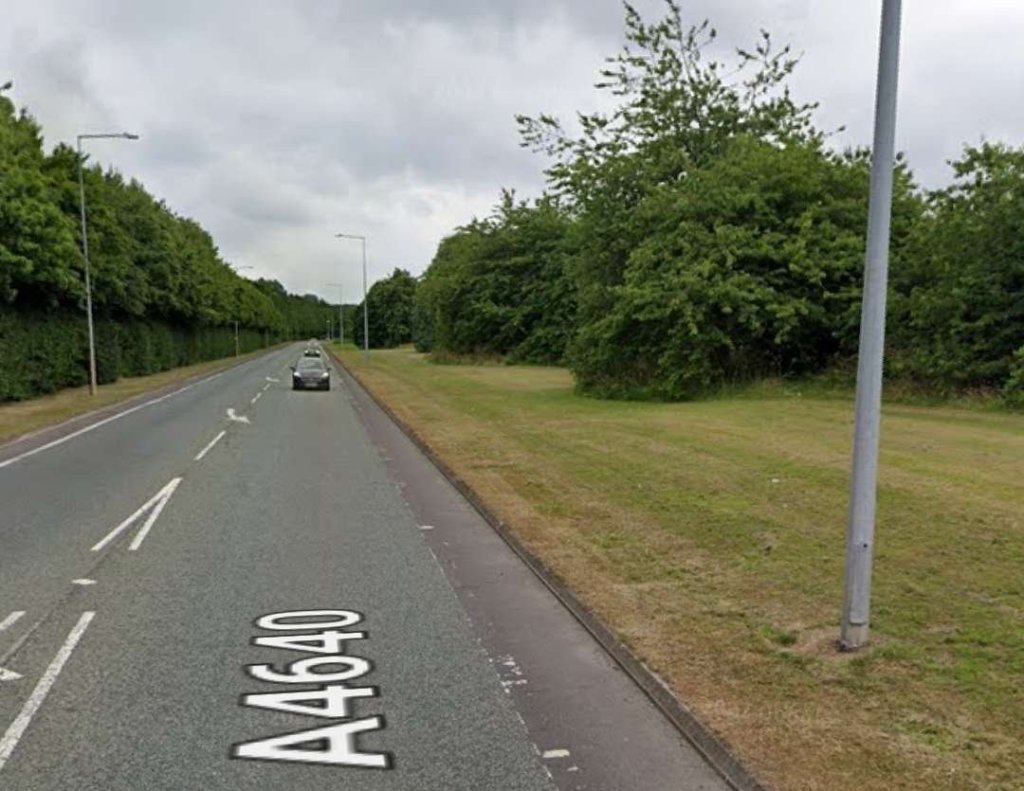
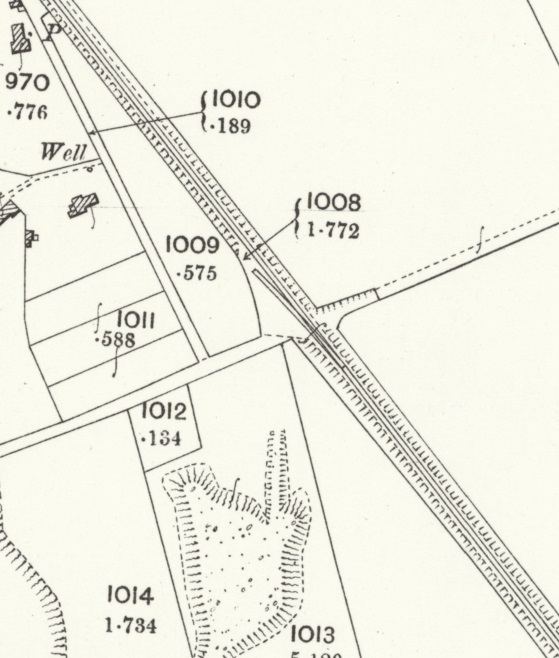
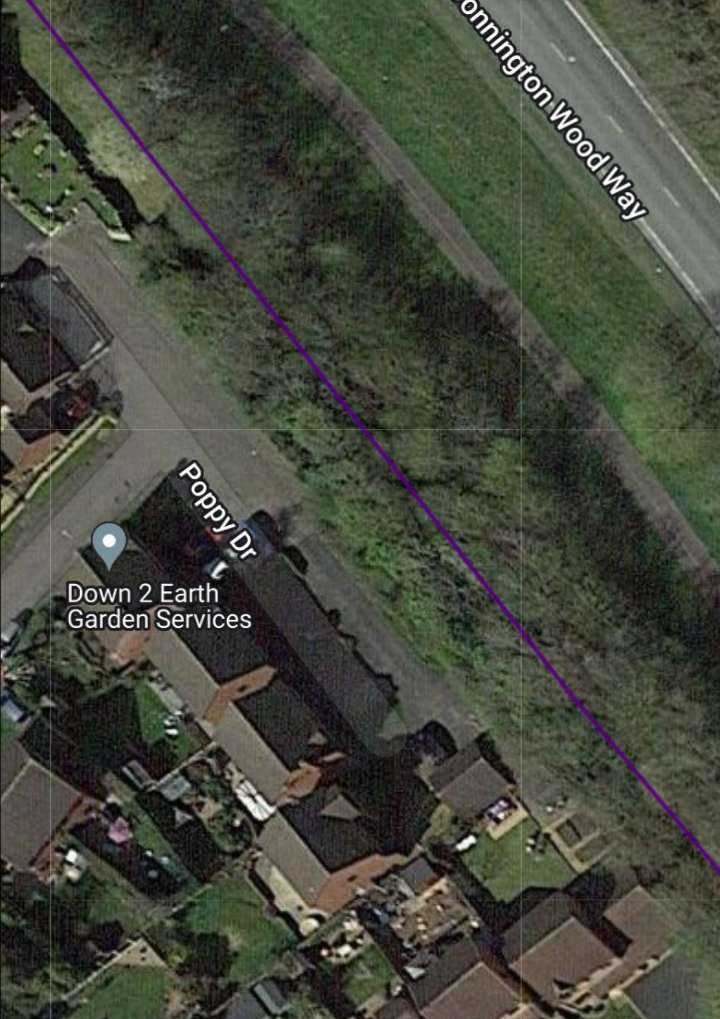
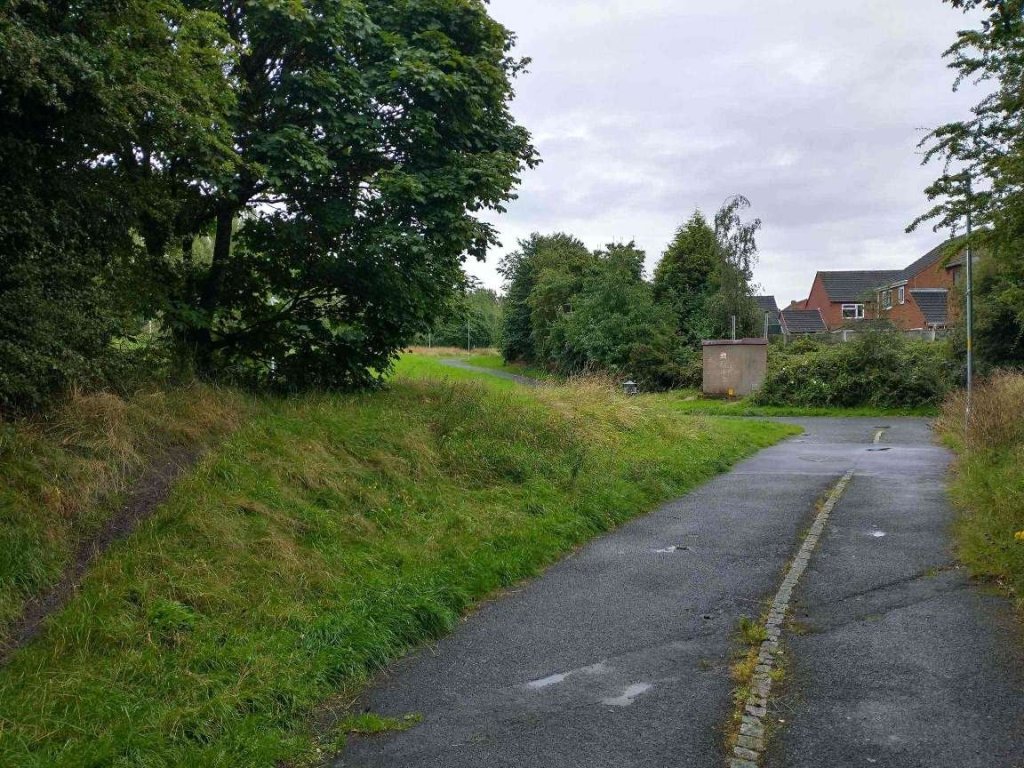
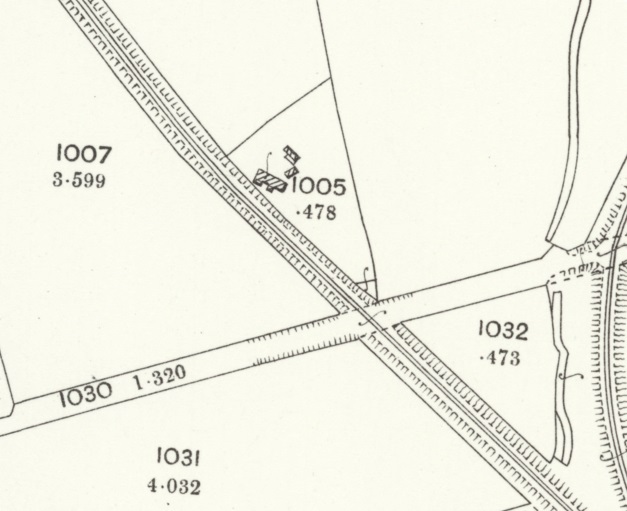
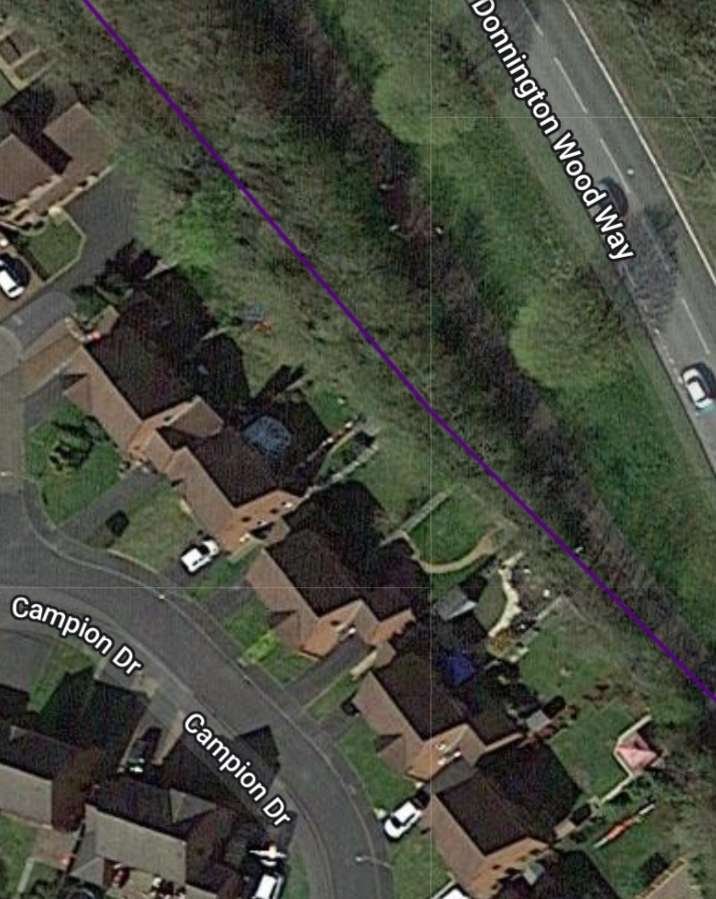
The Humbers hamlet at the end of Lubstree Wharf. The end of the canal can be seen in the top-left of the extract. The tramway/railway crossed the lane through the hamlet at the end of the canal. The Humber Brook runs to the South side of the tramway/railway. [6]These two extracts from RailMapOnline’s satellite imagery cover the same length of the tramway/railway as the map extract above. [10]A wide-angle view looking West-southwest along Humber Lane. The tramway/railway crossed the lane closer to the camera than the bridge which carried Humber Lane across Humber Brook. [Google Streetview, June 2022]The camera is just to the East of the bridge over Humber Brook and is looking Southeast. The brickwork to the right edge of the picture is the end of the parapet of the bridge carrying the lane across the brook. The tramway/railway used to run along the modern driveway, heading Southeast. [Google Streetview, June 2022]This photograph is taken from a point further to the East along Humber Lane. The old tramway/railway ran just beyond the vegetation on the left of the image and behind the properties visible in the right of the picture. [Google Streetview, June 2022]The old tramway/railway continued in a South-southeast direction. [6]Again, this RailMapOnline satellite image shows roughly the same length of line as the map extract above. [10]The old tramway/railway continued following the East bank if the Humber Brook. [6]This satellite image shows the same length of line as the map extract above. [10]This map extract shows the old tramway/railway turning towards the Southeast. The Humber Brook turns away to the West. An open drain crosses under the railway and runs parallel to the old tramway/railway as it heads Southeast. [6]A similar area to that shown on the top-left of the map extract above. The purple line indicating the route of the old tramway/railway is crossed by other purple lines which mark later rails serving MOD Donnington. [10]This RailMapOnline covers approximately the same length of line as the bottom-right quadrant of the last map extract and the top-left quadrant of the map extract below. [10]The old tramway/railway turns once again to the South-southeast and is shadowed by one arm of the open drain. [6]This satellite image extends just a little further to the South than the map extract above. [10]Two map extracts showing the South-southeast trajectory of the line as it came closer to the LNWR mainline. The next map extract takes the tramway/railway on to another 25″ map sheet. [6]The approach to the point where the LNWR line crossed the route of the tramway/railway. [7]A series of three extracts from RailMapOnline’s satellite imagery which bring the purple line to approximately the position as the bottom of the last map extract above. The gate into MOD Donnington can be picked out under the purple line adjacent to the Babcock building. [10]Looking North through the gates to MOD Donnington the road running North-northwest (directly ahead of the camera) from the gate follows the line of the old tramway/railway. [Google Streetview, June 2022]Looking South-southeast from a very similar location. The bridge ahead carries the A518 over the access road to MOD Donnington. It is at the same location as the bridge which carried the old LNWR mainline over the old tramway/railway. [Google Streetview, June 2022]This extract from the 1882 25″ Ordnance Survey shows the point at which the LNWR bridged the Lilleshall Company’s tramway/railway. It also shows the old tramway route continuing to the South-southeast and the later standard-gauge mineral curving round to the Northeast to run parallel to the LNWR main line. [7]This final RailMapOnline satellite image shows the features noted on map extract above and shows the dramatic changes which have occurred in the immediate vicinity of the old tramway. The tramway route is not followed by RailMapOnline South-southeast of Wellington Road. [10]Looking North-northwest towards the bridge carrying the A518 across the entrance road to MOD Donnington. As we have already noted, the bridge is at the same location as that which carried the LNWR line over the old tramway/railway. The road leading under the bridge to the site gates of MOD Donnington follows the line of the old tramway/railway. The camera is at the approximate location where the old tramway route separated from the newer mineral railway. The mineral railway curved away to the right of this image after passing under the old bridge. [Google Streetview, June 2022]
The last map extract above shows the route of the old tramway extending South-southeast from the LNWR mainline with the more modern standard-gauge mineral railway curving round after passing under the mainline and climbing on a gradient of about 1 in 77 to run alongside the LNWR line.
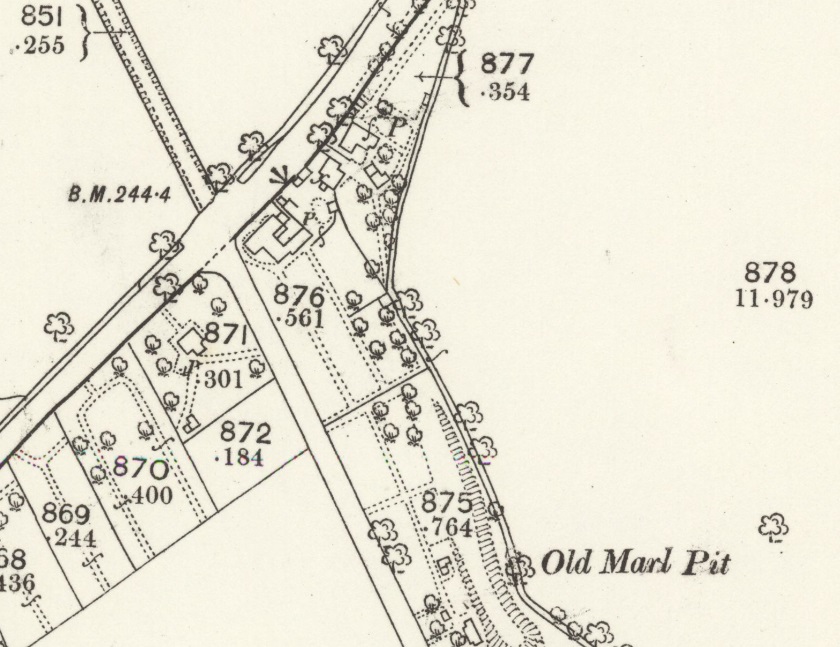
This image is a further extract from the 25″ 1881/1882 Ordnance Survey. It shows the route of the old tramway crossing what became Wellington Road and continuing along what became Wrekin Drive. [7]
South of this point the old tramway continued in a South-southeasterly direction. It crossed what became Wellington Road as can be seen below on the next extract from the 1881/1882 25″ Ordnance Survey. As can also be seen on the map extract, South of the road the old tramway formation was by 1882 being used as a road/track. Which ultimately became Wrekin Drive.
The next two satellite images are taken from the ESRI images provided by the National Library of Scotland. They show the long straight length of the tramway route which is followed by modern roads.
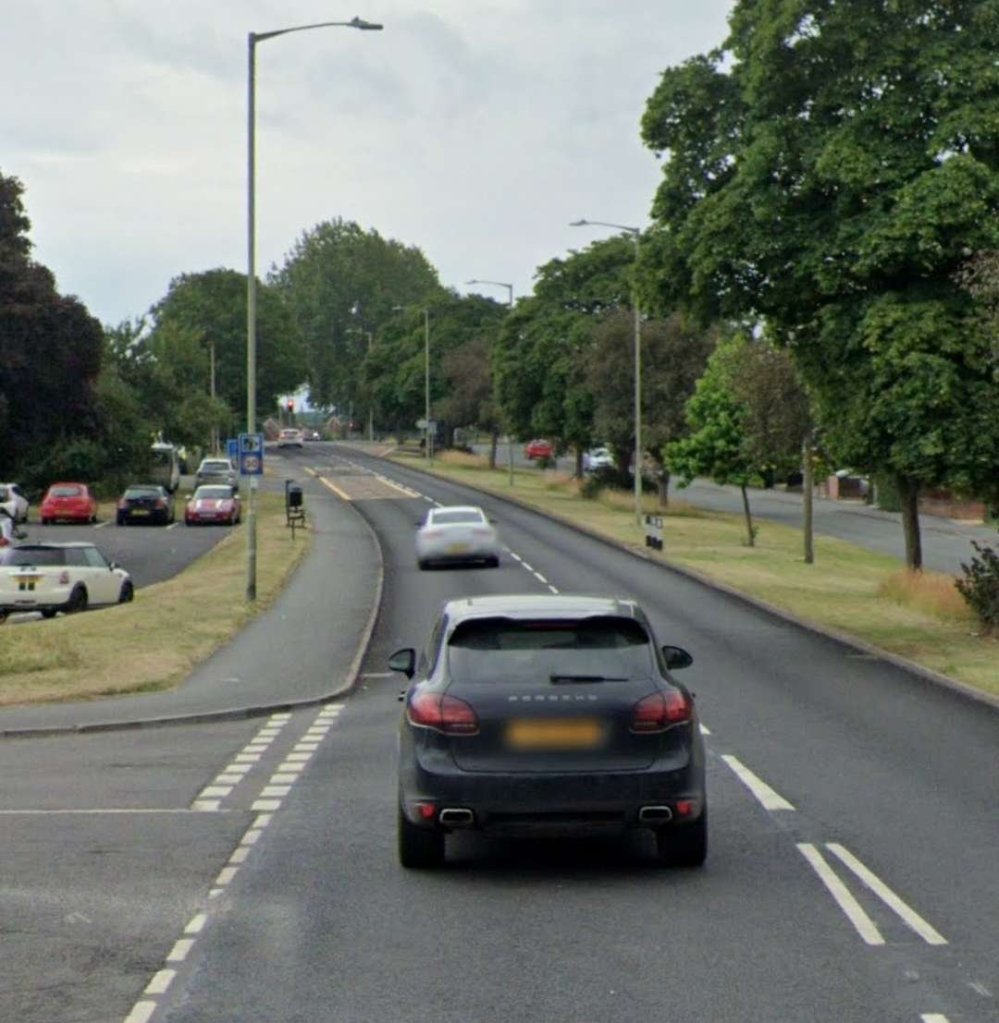
This satellite image is taken from the ESRI image set supplied by the National Library of Scotland. The road shown running North-northwest to South-southeast across the centre of the image follows the formation of the old tramway/railway. In the bottom right of the image a bridge carries the modern A518 over the road just mentioned. That bridge and the A518 are on the line of the old LNWR mainline through Donnington. The bridge is at the same location as the bridge carrying the LNWR line over the tramway/mineral railway. [8]At the same scale as the satellite image above, this ESRI image shows the road with continues to follow the route of the old tramway. The later mineral railway turned away to the East in the top left of this image, rising to run alongside the old LNWR mainline. The smaller of the two roundabouts was built over the line of the old tramway. The road running South-southeast from the roundabout is Wrekin Drive which was also built over the line of the old tramway. [9]Looking South-southeast across the smaller of the two roundabouts mentioned above. Wrekin Drive is the road directly ahead of the camera and it follows the line of the old tramway. [Google Streetview, June 2022]
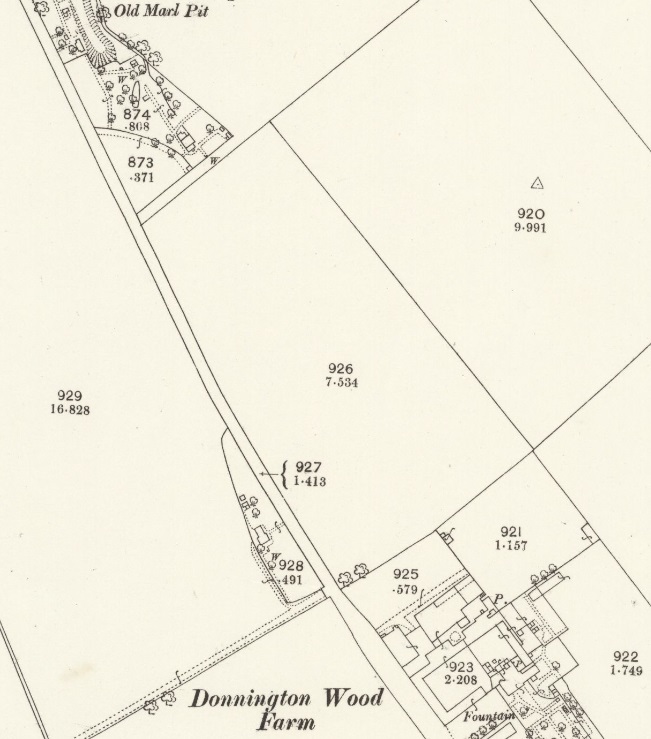
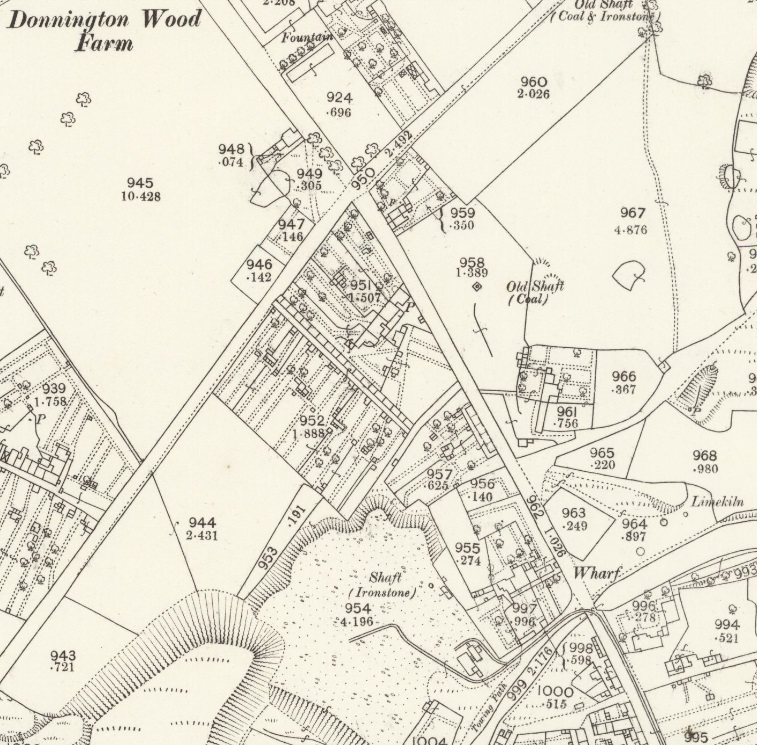
The on-going tramway route is followed on the 25″ Map extracts below but as a smaller scale than the images above. It passed Donnington Wood Farm and crossed Queens Road and then following the route of what became St.George’s Road it crossed the Donnington Wood Canal. At this point the map extract shows that the tramway tracks remained in place to serve an old ironstone mine/shaft.
It was then only a short distance further south that the tramway met the wider network of tramways in the Donnington area.
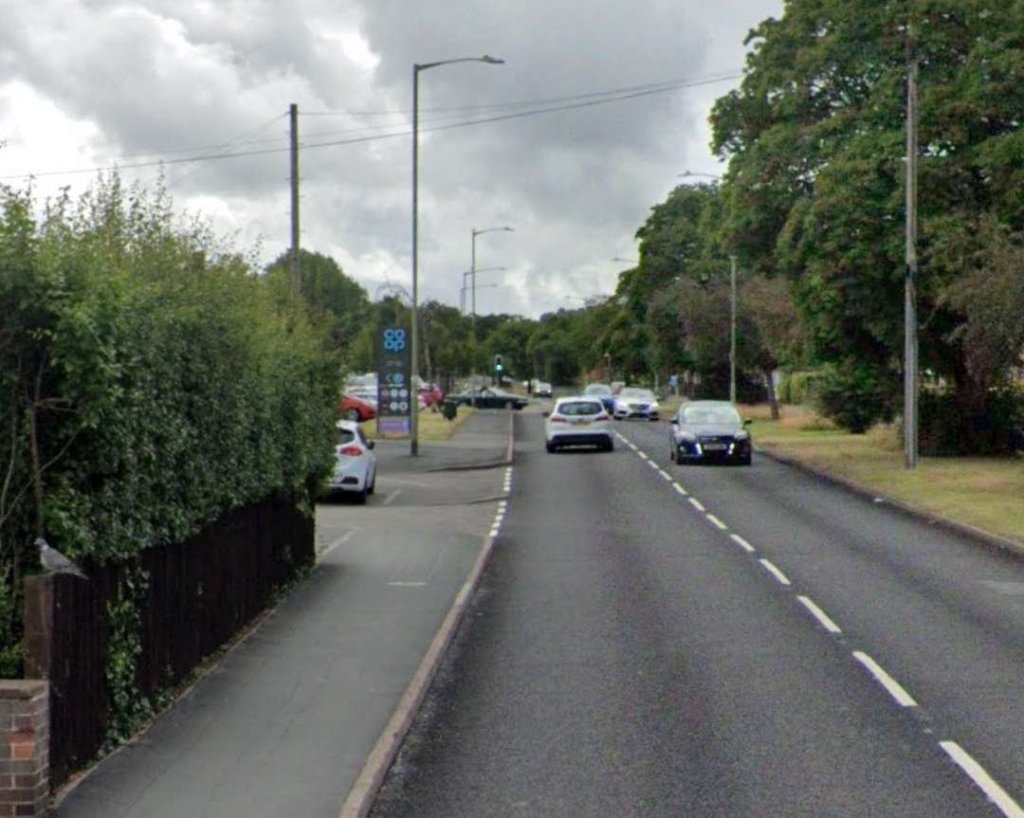
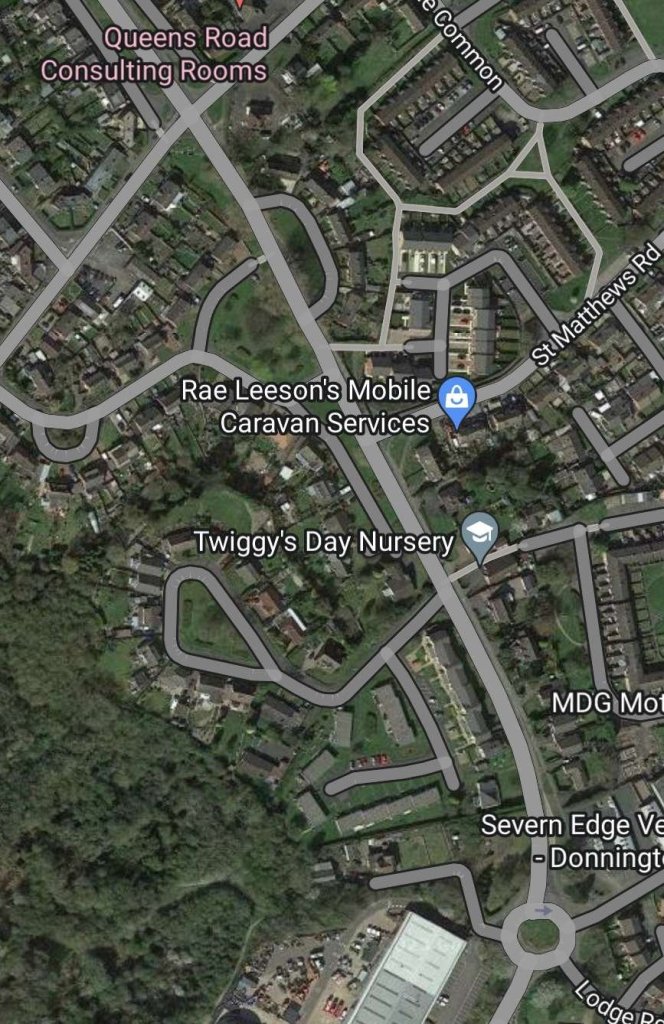
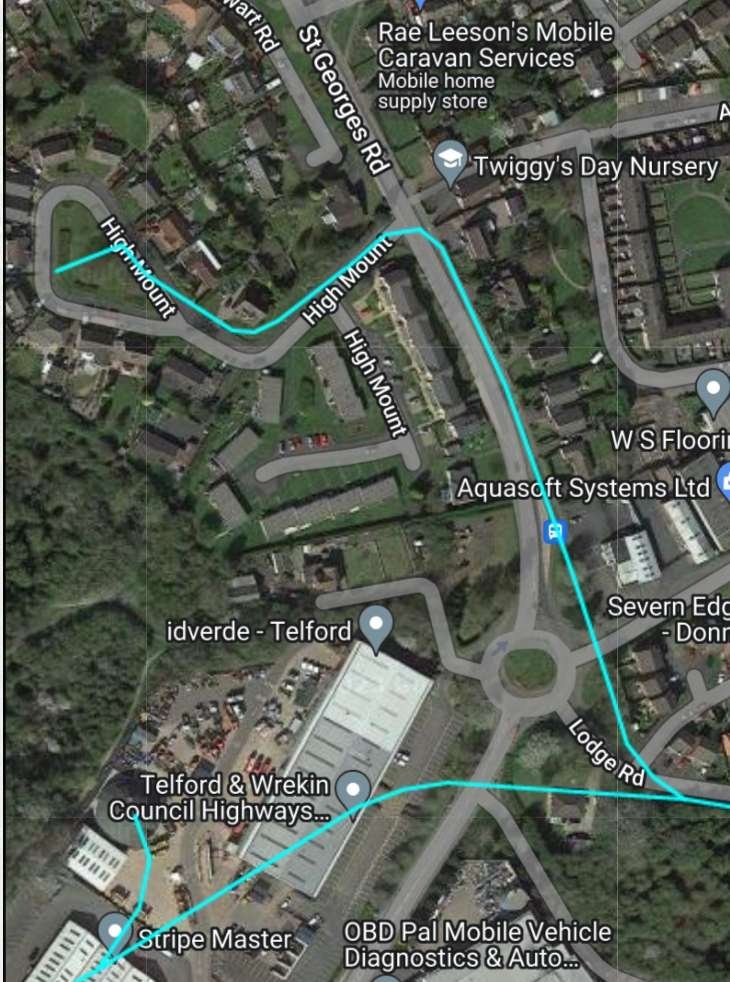
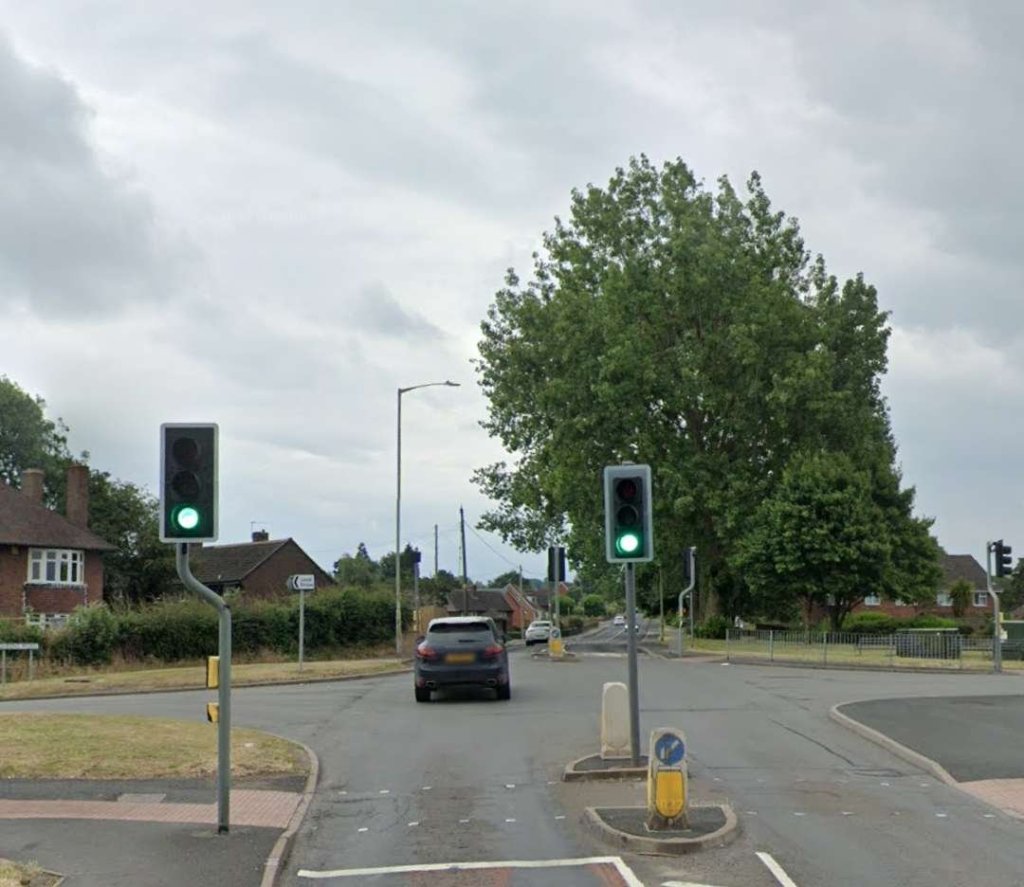
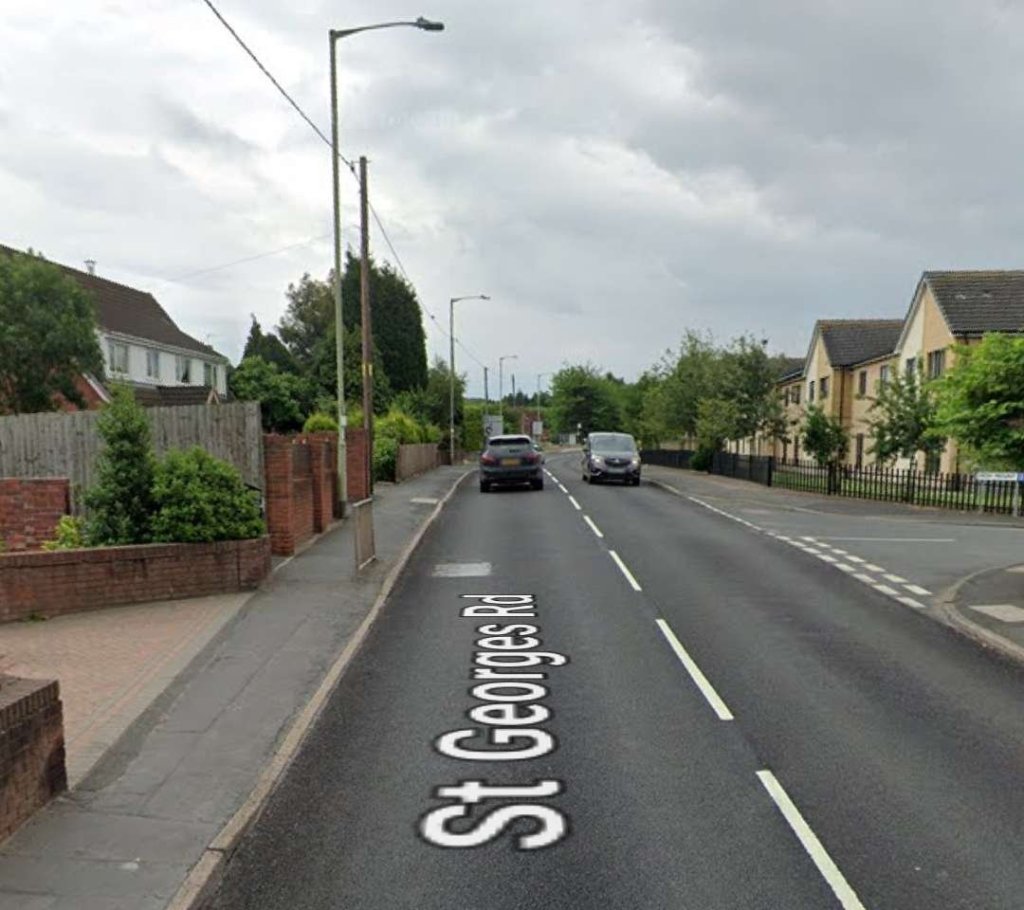
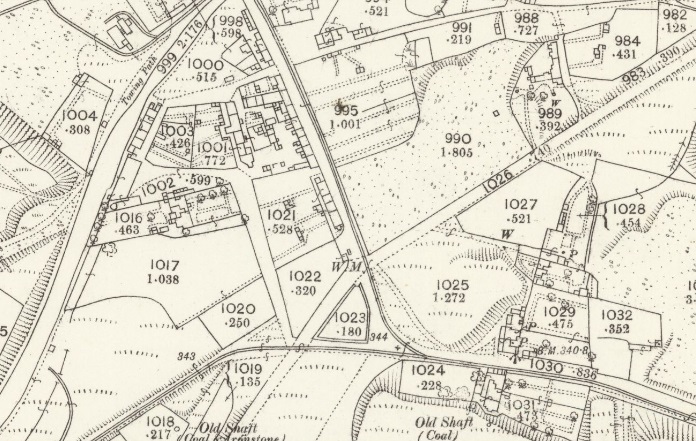
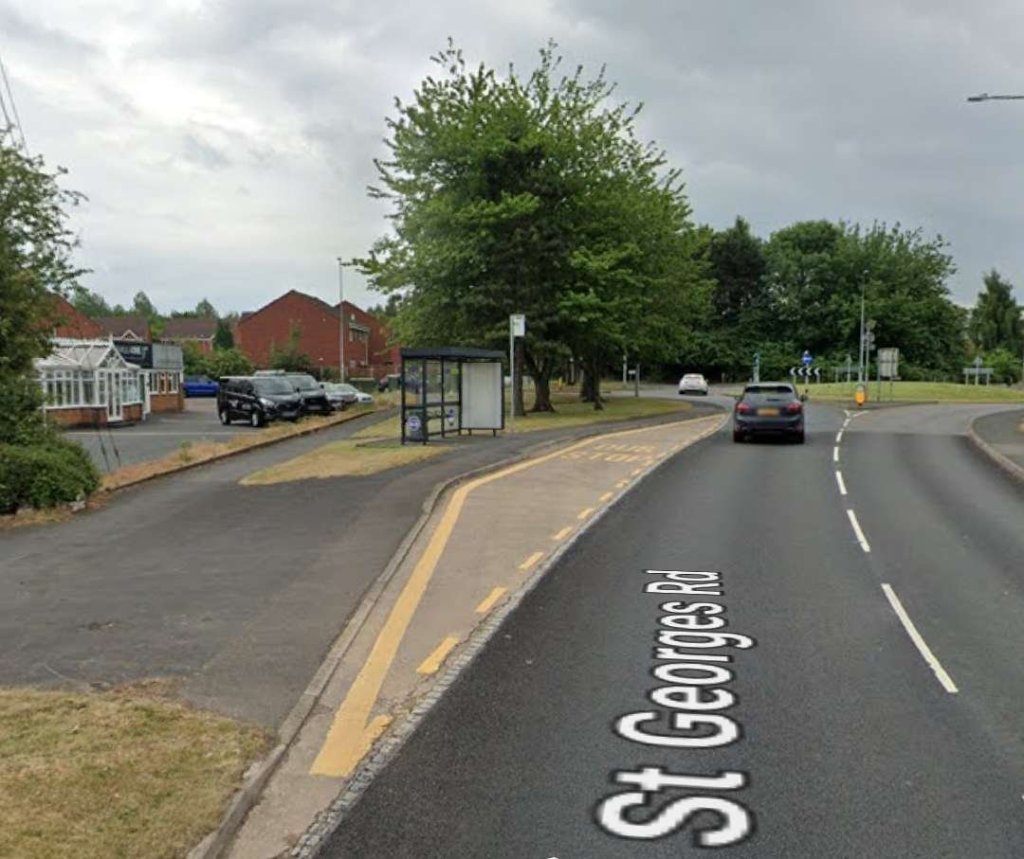
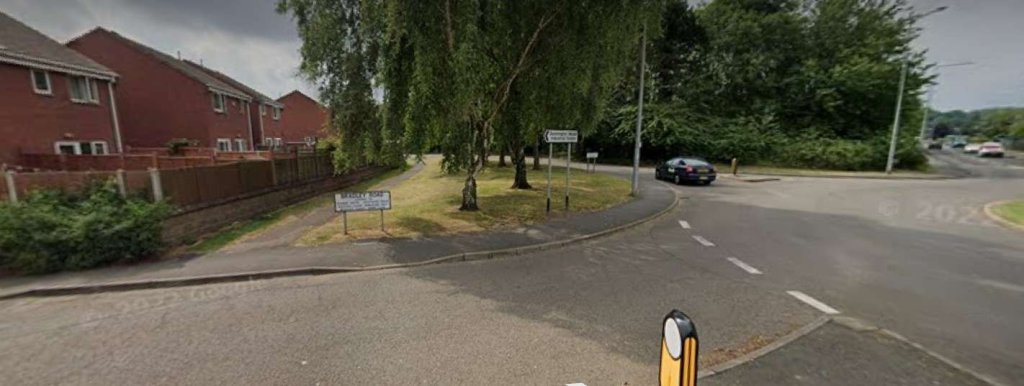
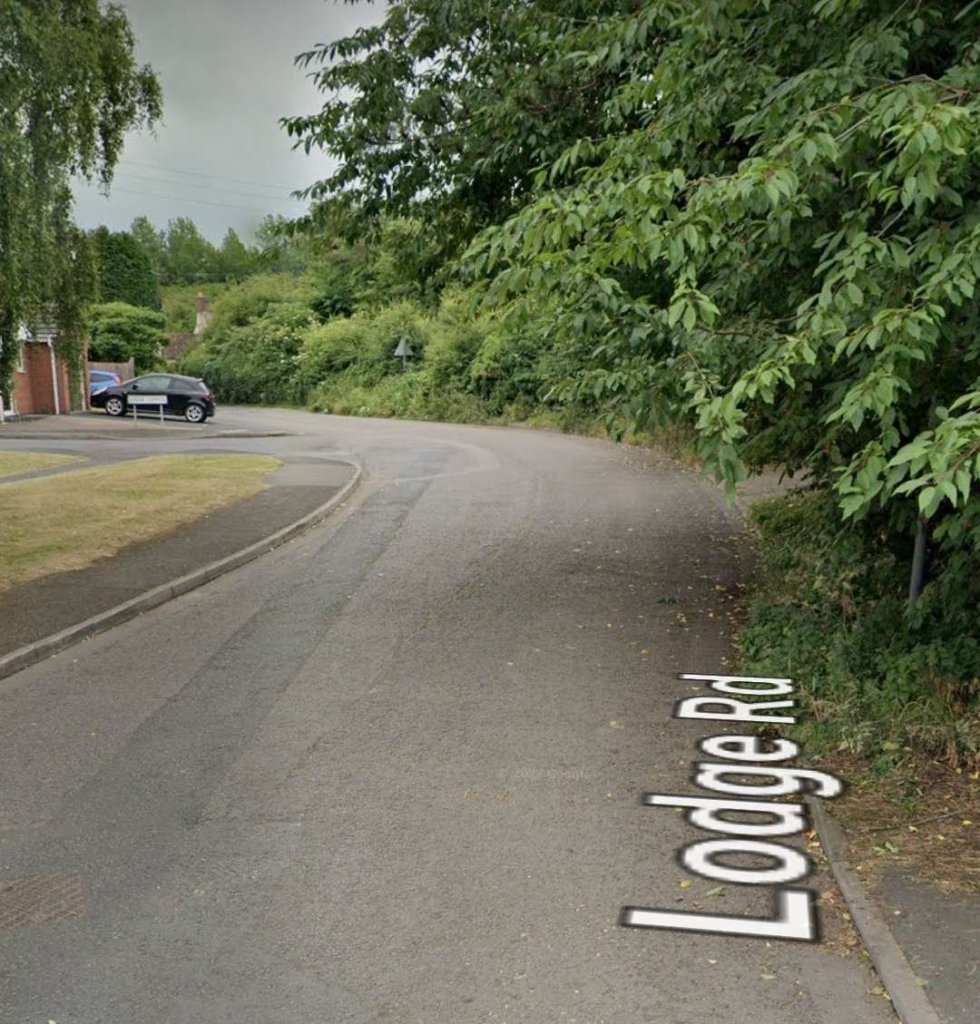
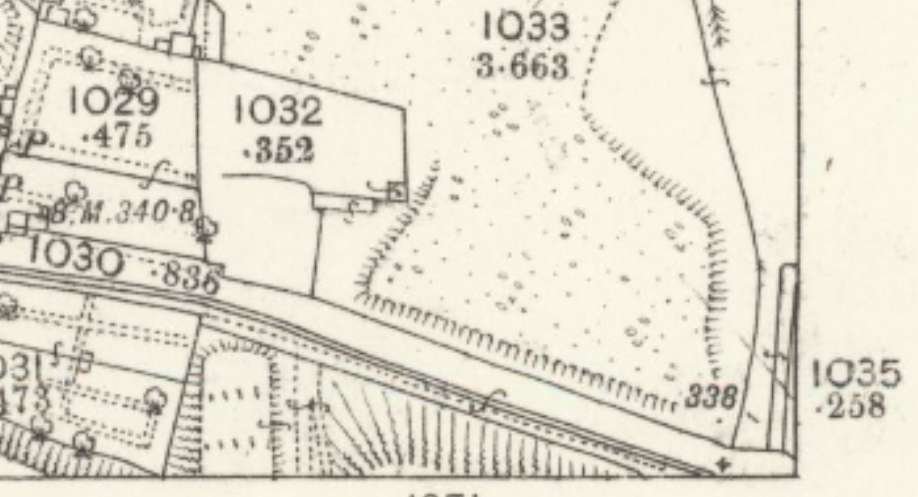
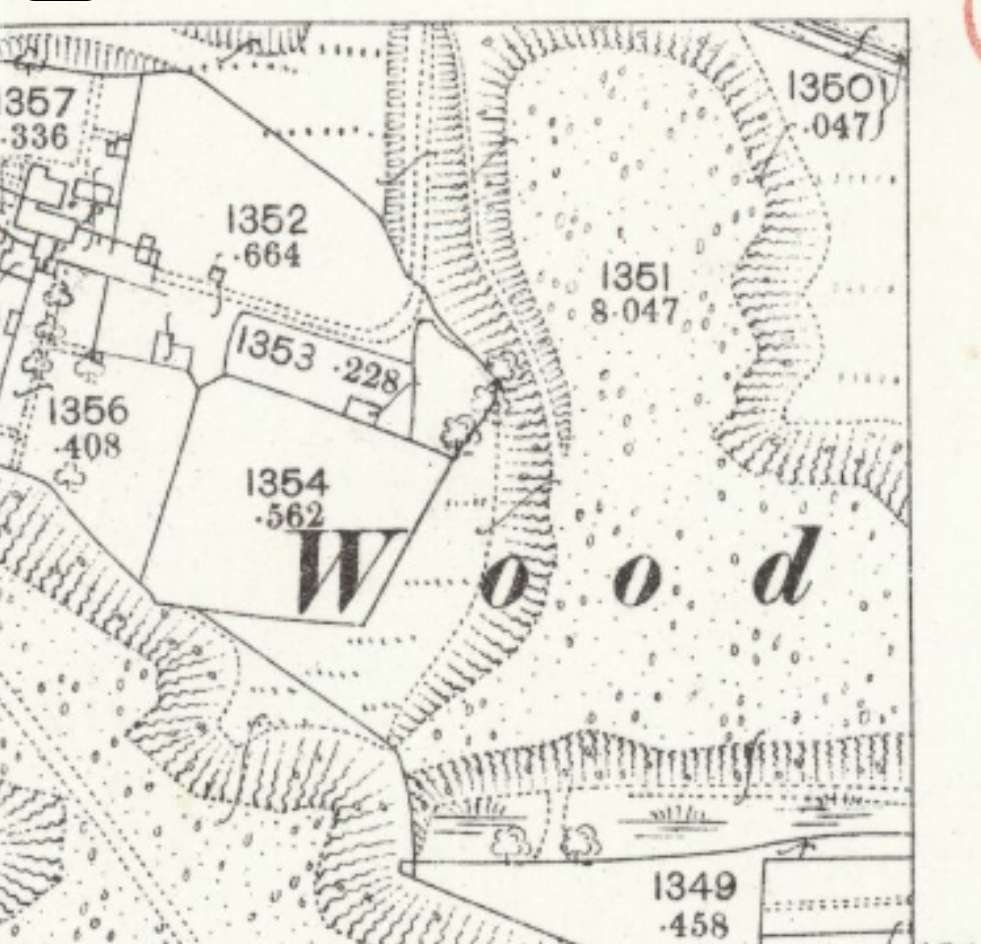
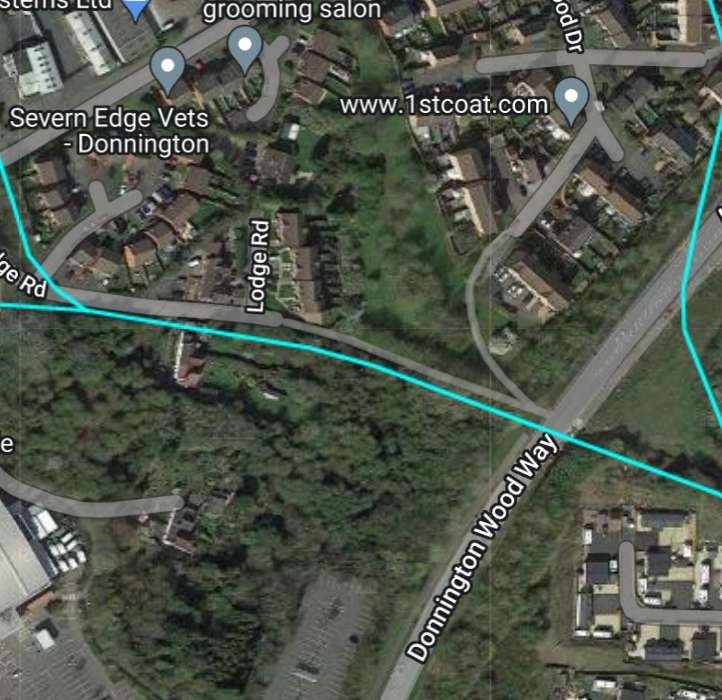
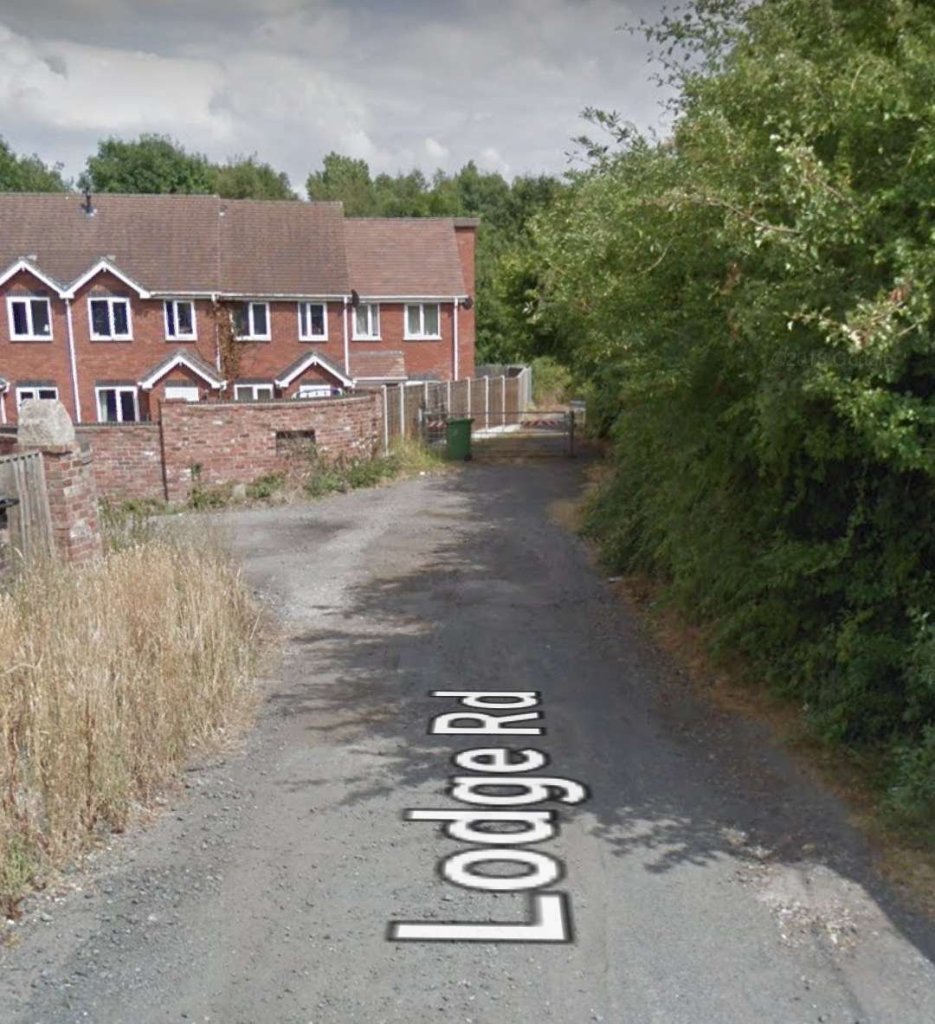
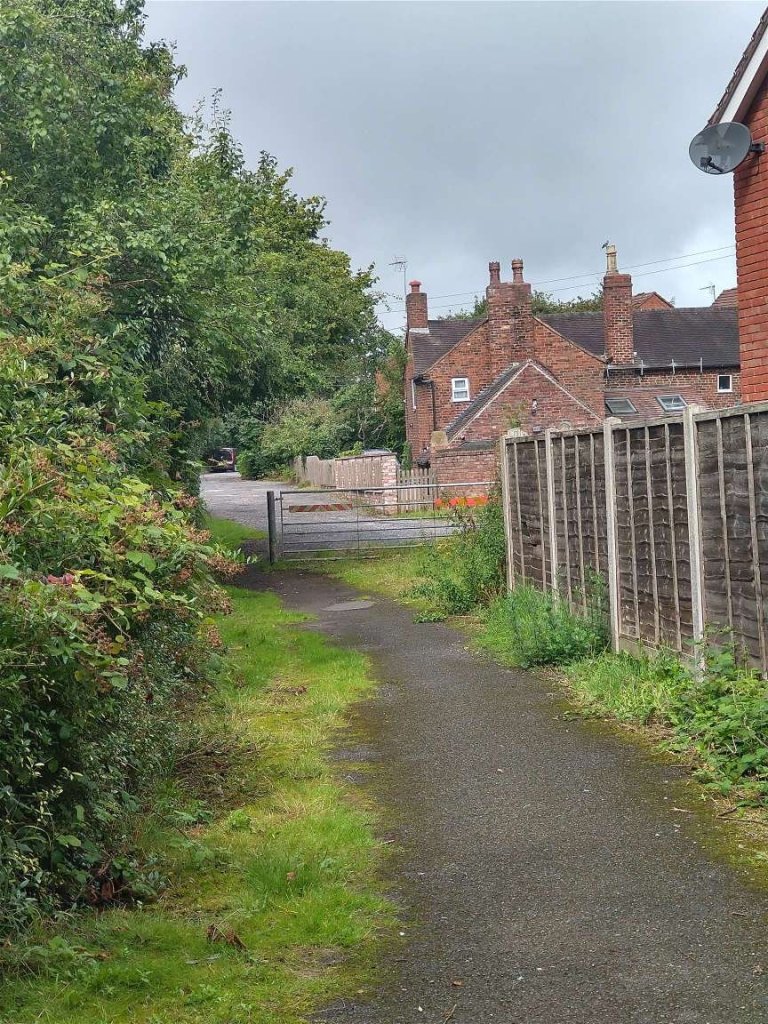
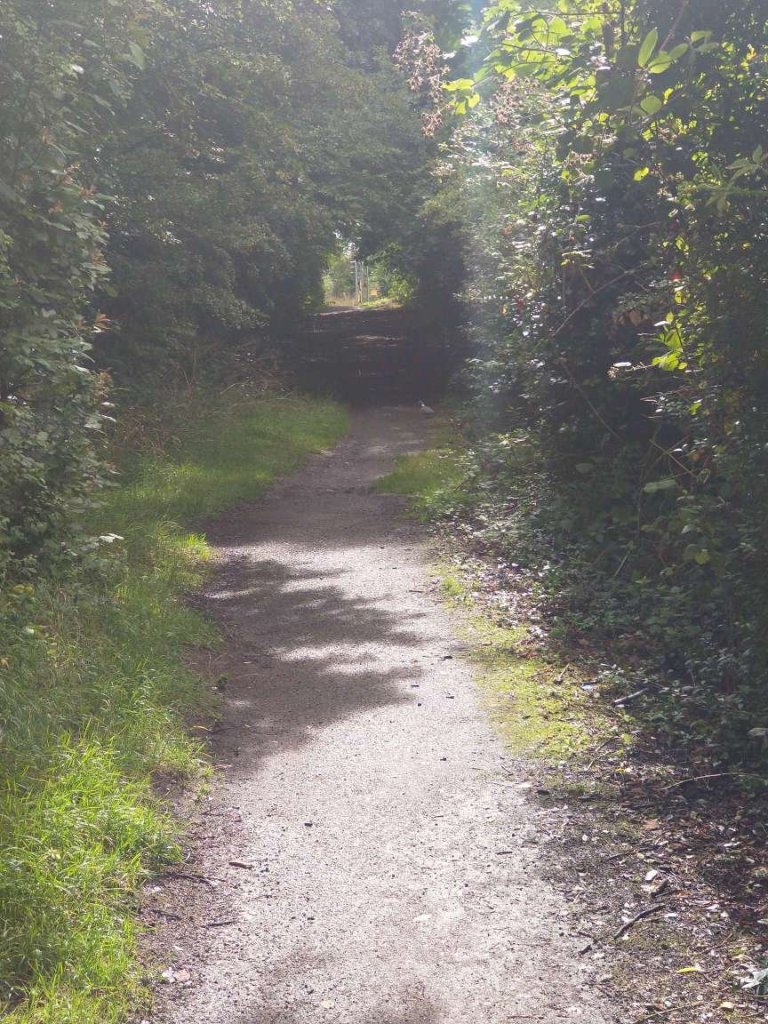
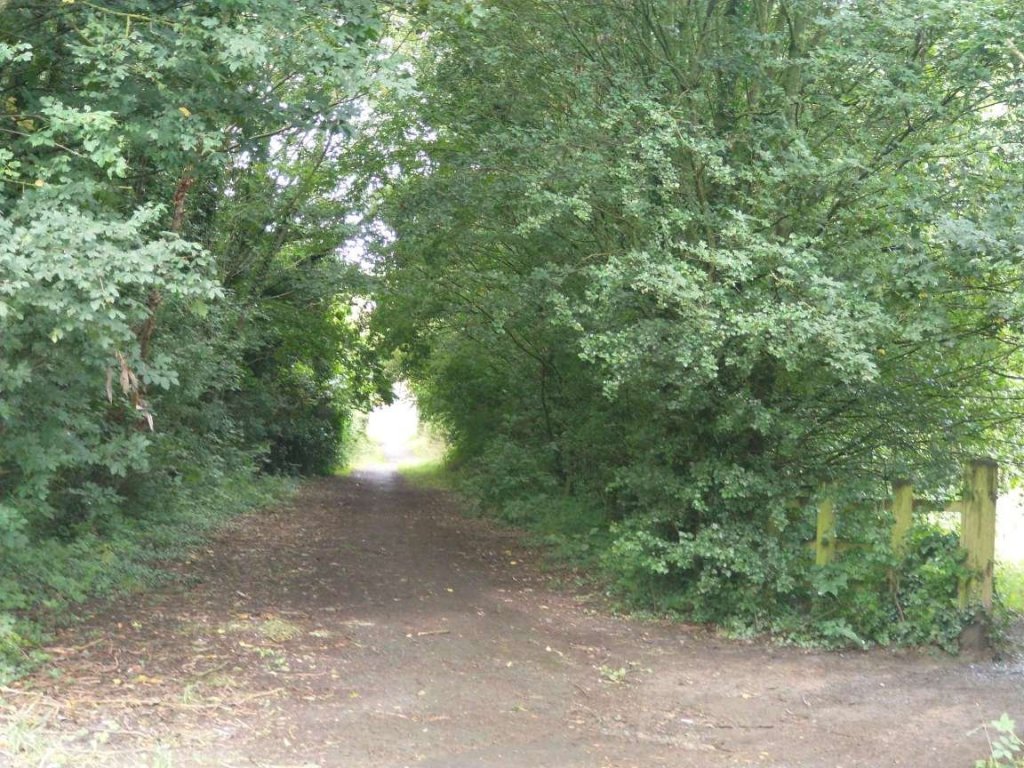
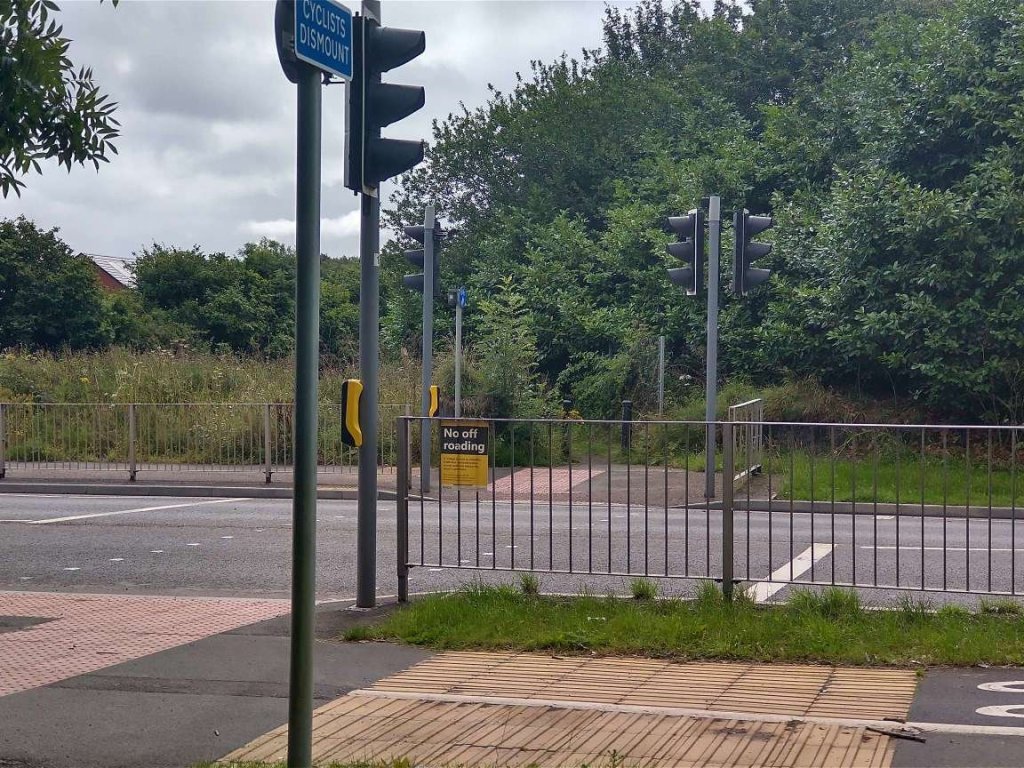
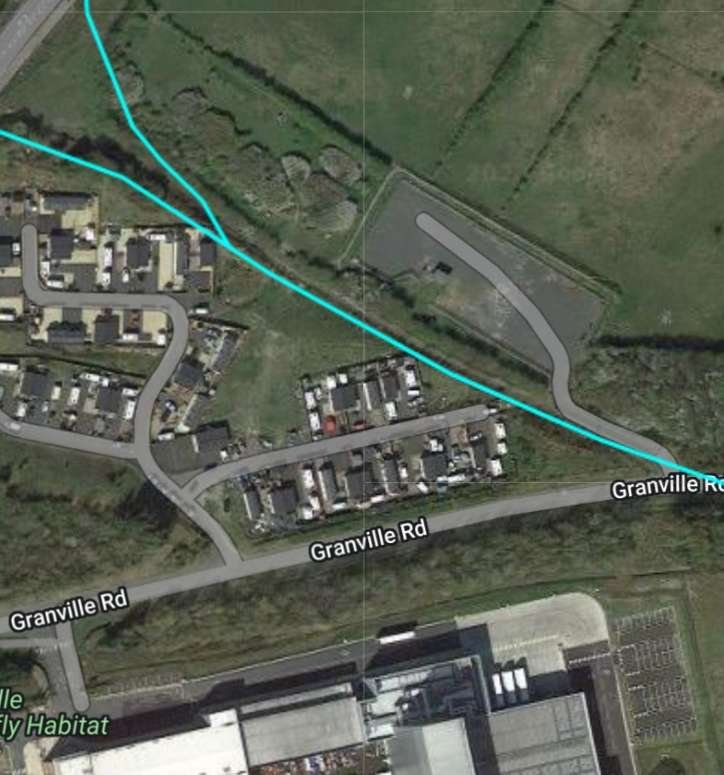
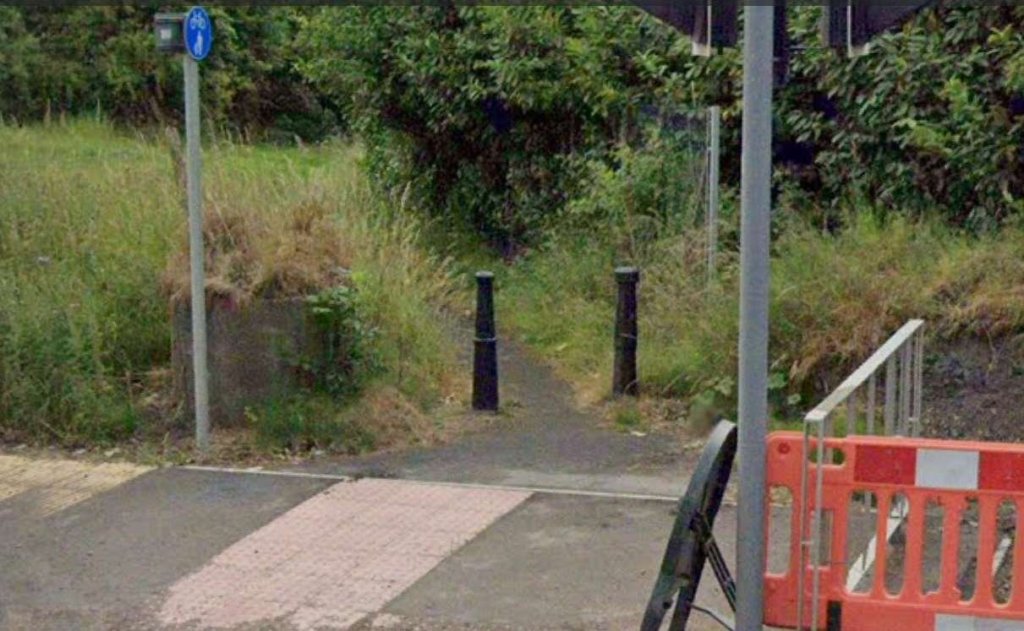
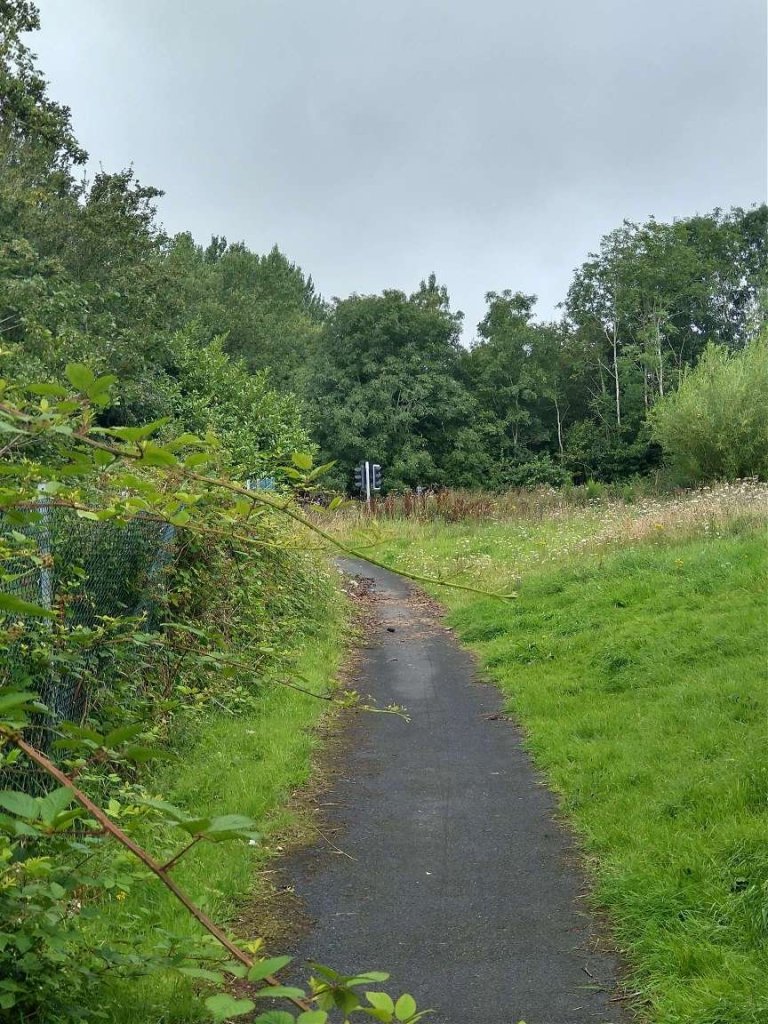
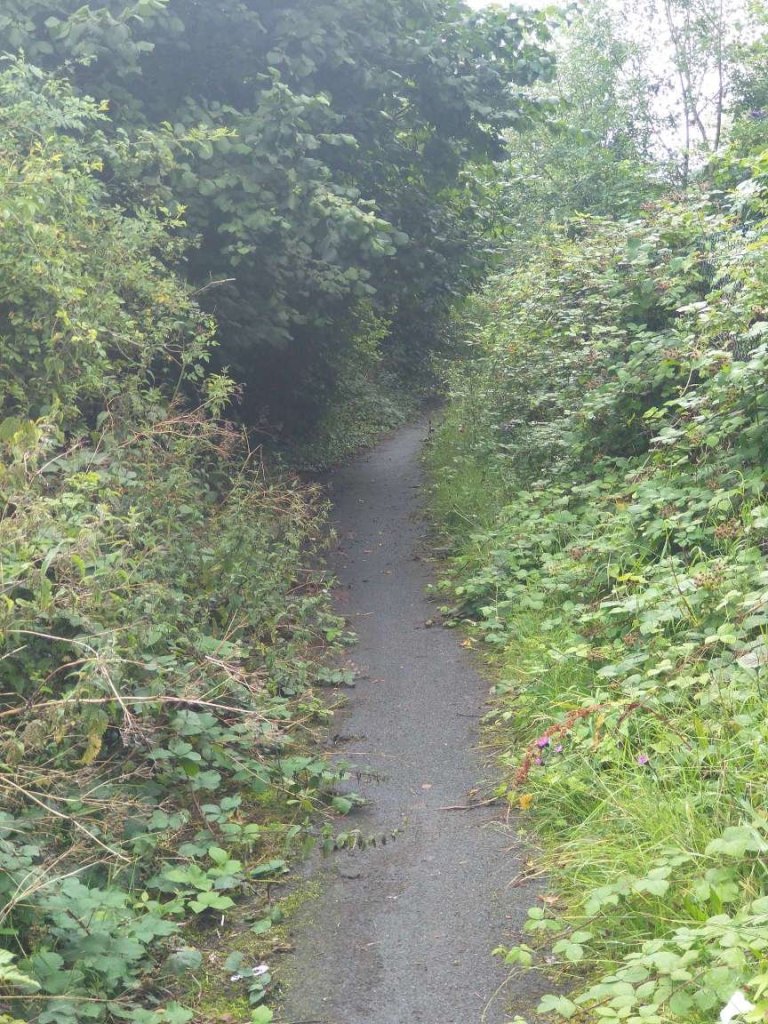
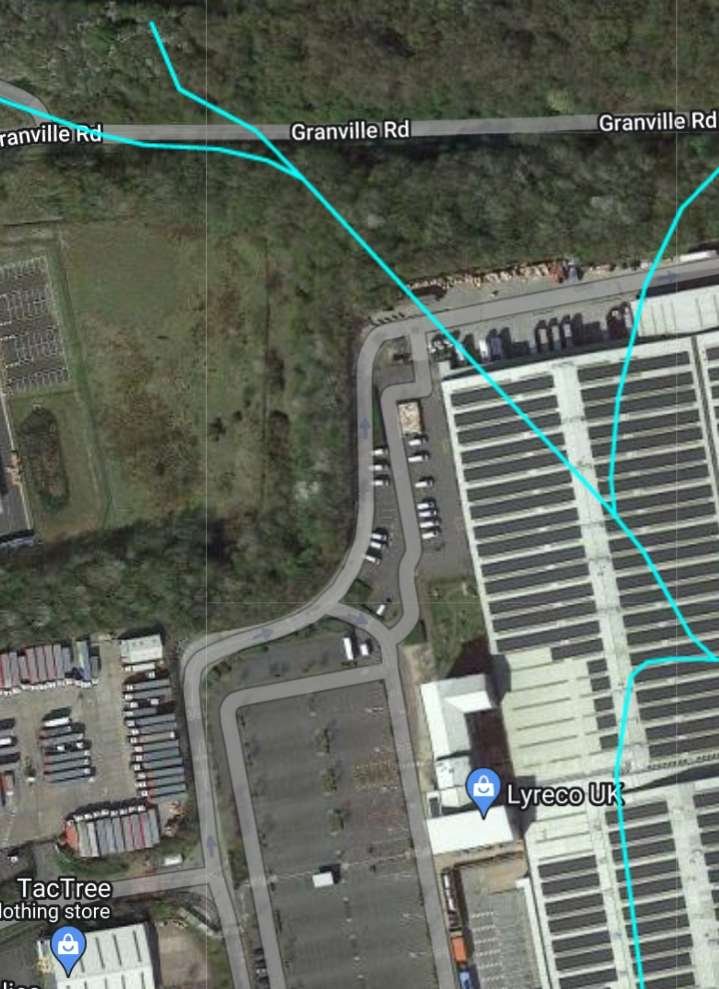
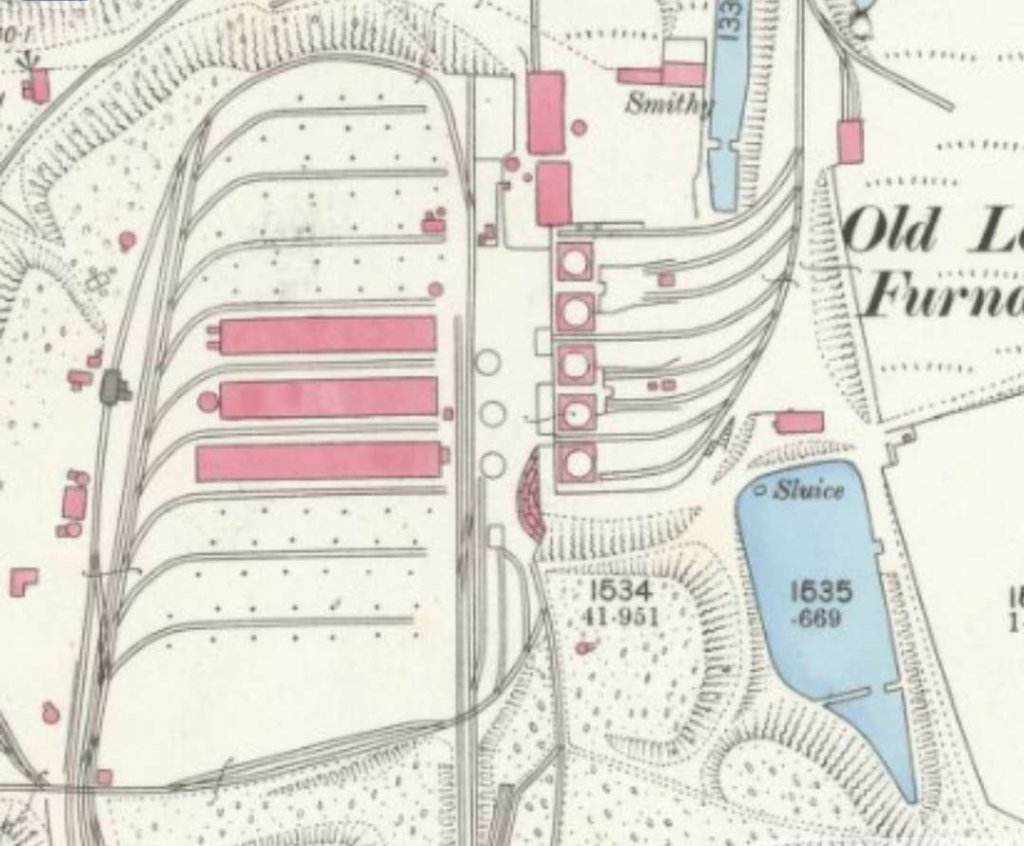
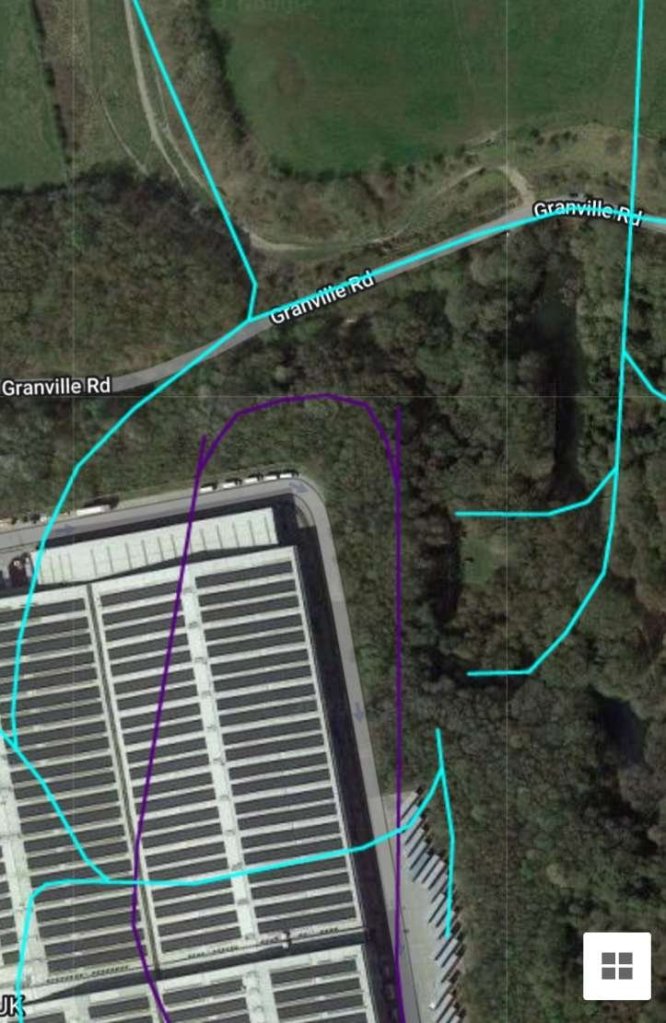
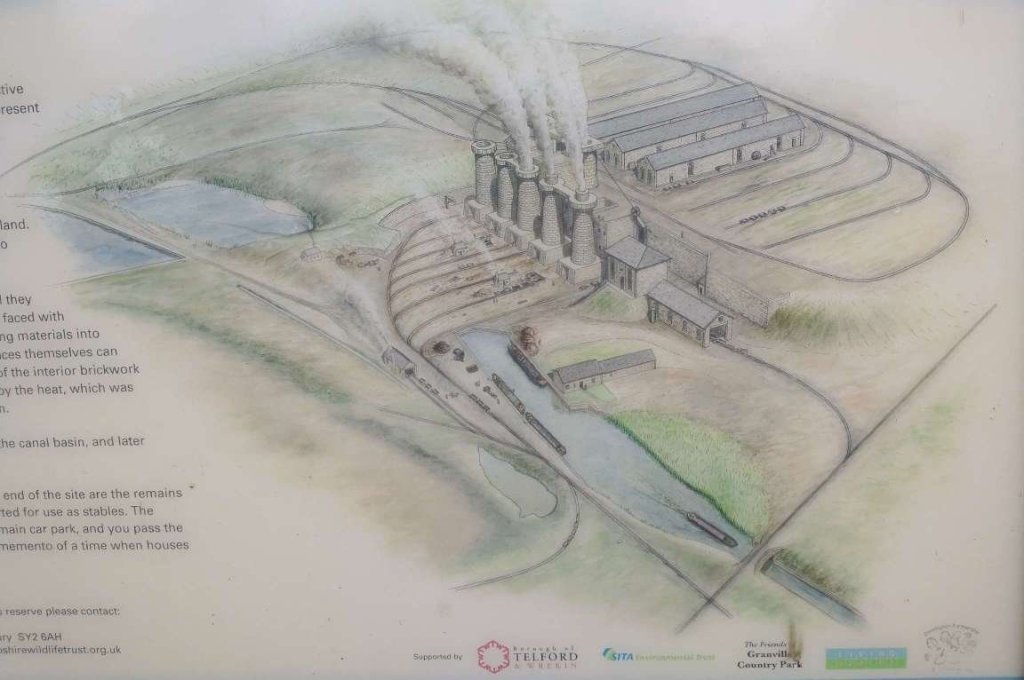
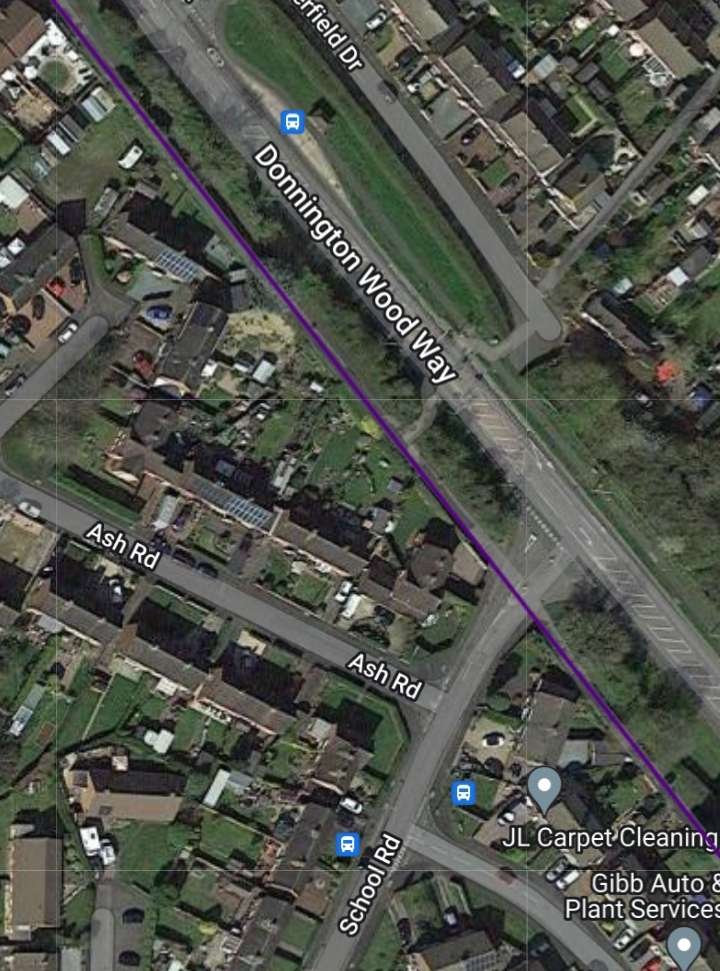
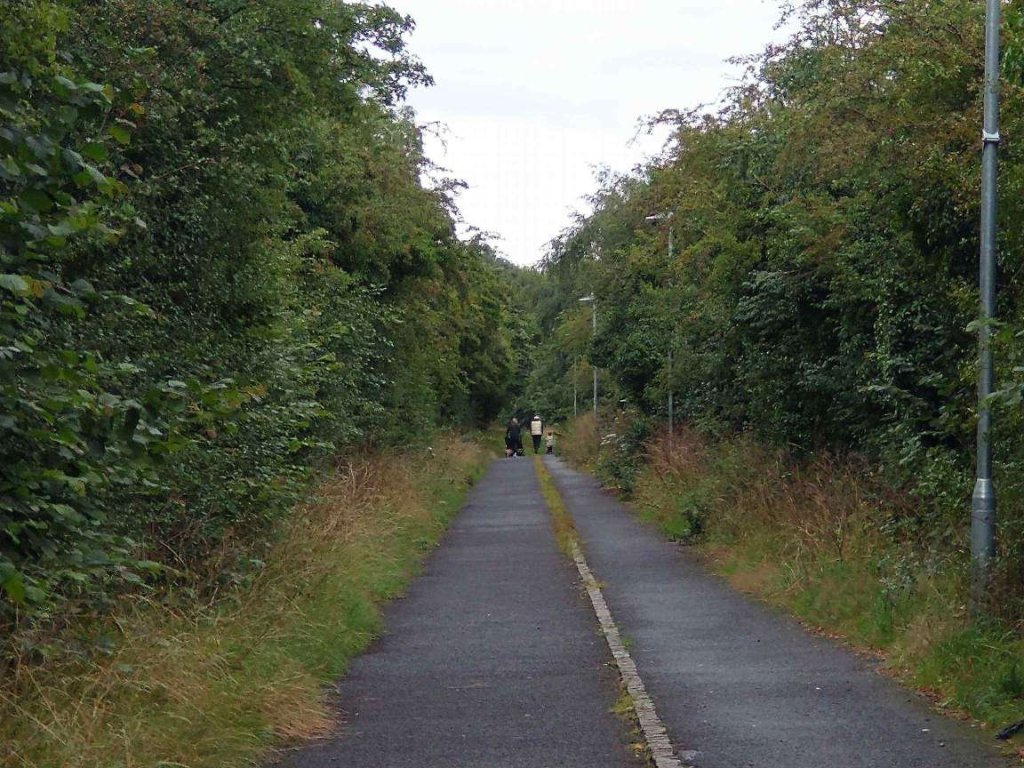
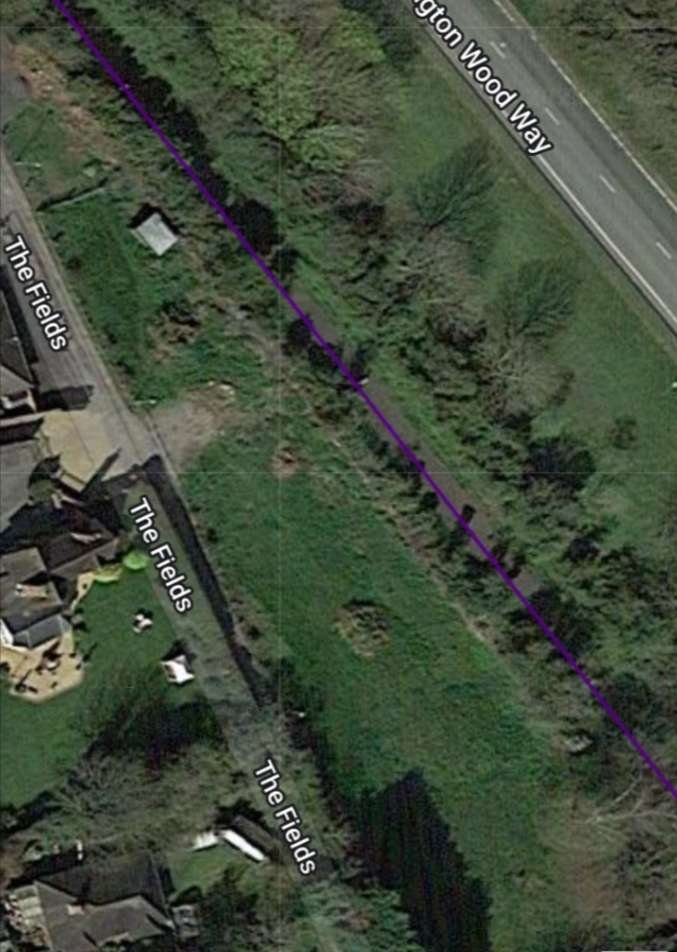
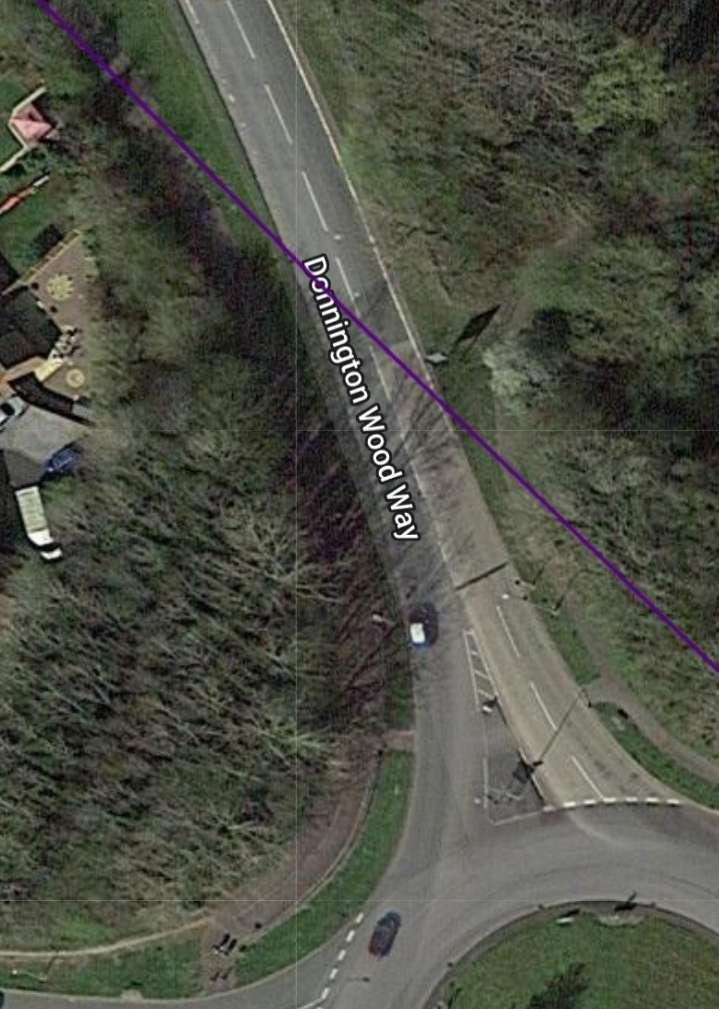
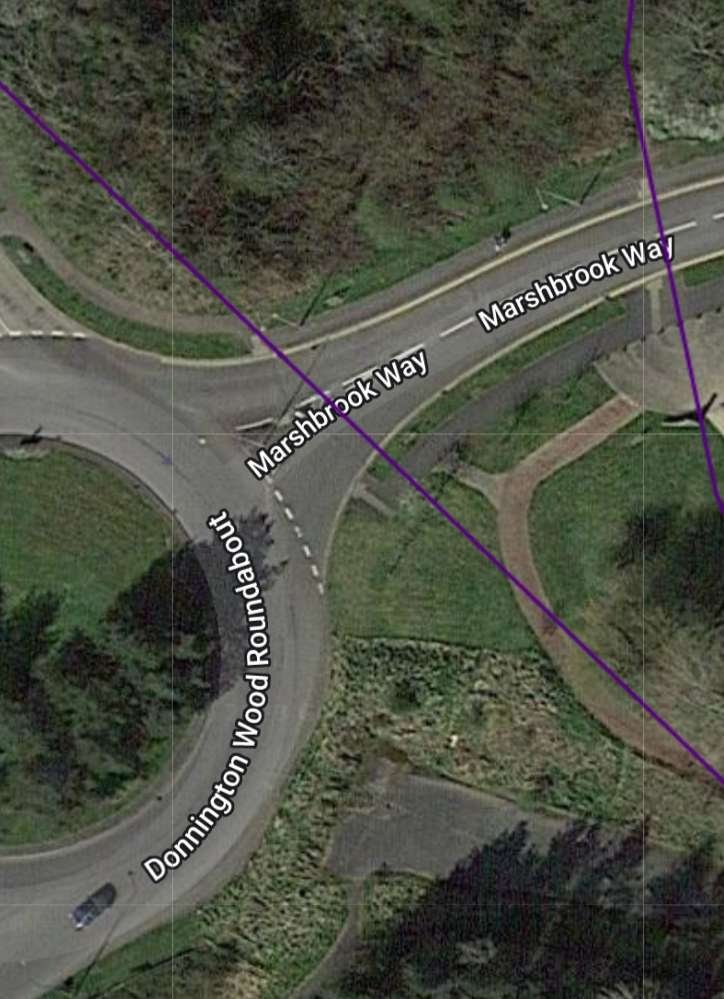
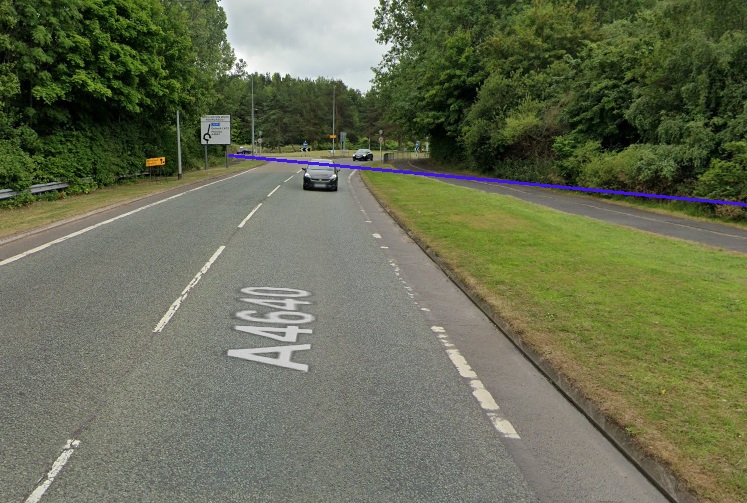
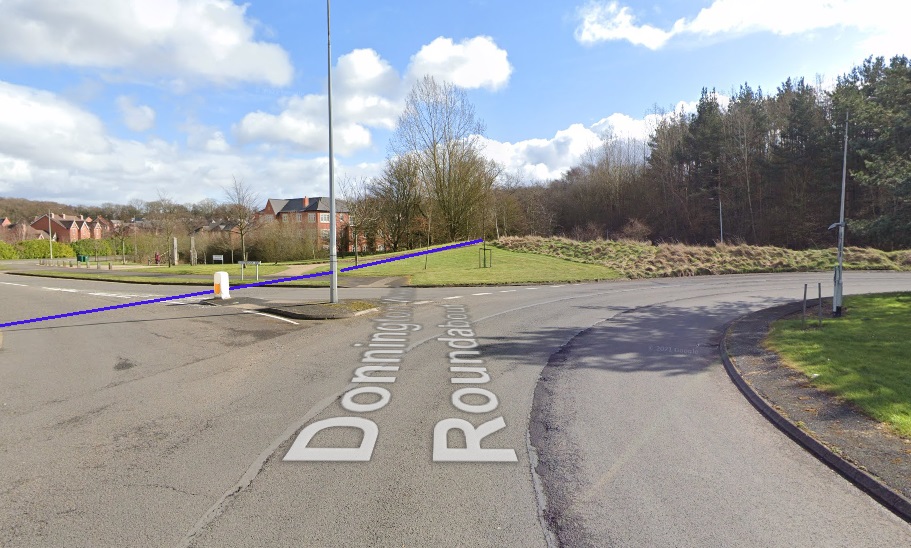
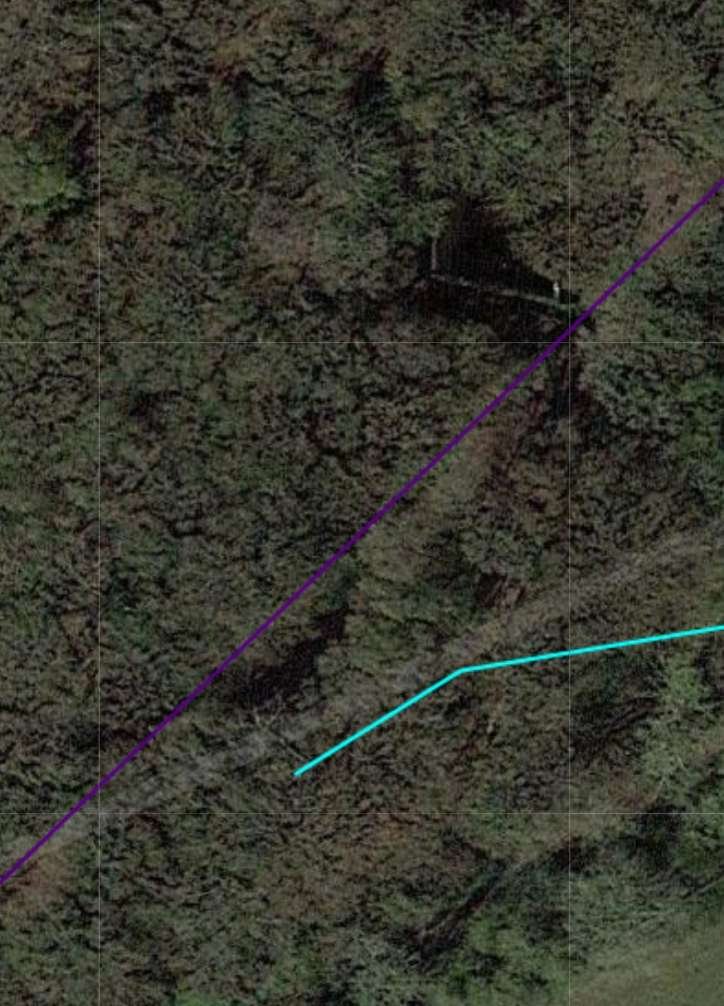
A first smaller-scale extract from the 25″ Ordnance Survey of 1882. [7]Following Wrekin Drive to the South on Google Streetview, the road entering the image from the left is Turreff Avenue. [Google Streetview, June 2022]Wrekin Drive heading towards its junction with Queen Road/Oakengates Road, still on the line of the old tramway. [Google Streetview, June 2022]This 25″ map extract from the 1882 Ordnance Survey shows (centre-top) the point at which the old tramway route crossed what is now the junction between Wrekin Drive and Queens Road/Oakengates Road. From this point on the road name changes to St. George’s Road. In the bottom-left the crossing point over the Donnington Wood Canal can be seen with tramway rails still in place to serve the Ironstone shaft which appears centre-bottom of the extract. [7]This extract from Google Maps covers the length of the old tramway route from the North edge of the extract above to the South edge of the next map extract below. [Google Maps, July 2023]This extract from the RailMapOnline satellite imagery shows the old tramway in turquoise overlaid on St. George’s Road and Lodge Road. [10]The view South from Wrekin Drive onto St. George’s Road at the crossroads with Queen’s Road and Oakengates Road. [Google Streetview, June 2022]The view South across the point where the old tramway crossed the Donnington Wood Canal. The road on the right is High Mount which follows the old canal towpath. The canal itself is long-gone. [Google Streetview, June 2022]Further to the South, the connection is made between the tramway crossing the Canal and the wider tramway network. The road entering the bottom the extract and running Northeast toward the tramway is now St. George’s Road. Its extension to the East of the tramway is Bradley Road. The tramway curves round from what is now the South-southeast bound St. George’s Road onto what is now Lodge Road. [7]As St. George’s Road veers to the right to meet the roundabout ahead the old tramway alignment runs through the bus stop and trees parallel to the footpath on the left of the image. [Google Streetview, June 2022]The old tramway crossed what is now Bradley road and then turned to the left along what is now Lodge Road, joining the wider tramway network. [Google Streetview, June 2022]The view Southeast from the roundabout along Lodge Road. The old tramway ran on the South side of the road. [Google Streetview, June 2022]The tramway followed the South side of what became Lodge Road. [7]The tramway and Lodge Road only just touched the top-right corner of this 25″ OS sheet published in 1882. [14]This RailMapOnline image shows the approximate route of the tramway from the modern roundabout and across Donnington Wood Way heading towards Old Lodge Furnaces in what is now Glanville Country Park. Its Eastern edge is in approximately the same location as the Eastern edge of the OS map extract immediately above. The turquoise line running left to right across the image is the approximate line of the tramway. The 1882 OS map extracts show the line running within the carriageway, but on the South side, of Lodge Road. [10] Lodge Road looking East. The track on the left is an arm of Lodge Road. Ahead the road is gated and now-a-days narrows to a tarmacked footpath leading towards Donnington Wood Way. [Google Streetview, July 2018]Looking West along Lodge Road footpath from a point 30 metres or so beyond the gate. [My photograph, 27th July 2023]Looking East along Lodge Road towards Donnington Wood Way. [My photograph, 27th July 2023]Looking back West along Lodge Road from the pelican crossing on Donnington Wood Way. [My photograph, 27th July 2023]Looking East across Donnington Wood Way from the same location. The bollards on the opposite side of the road mark the continuing line of Lodge Road and the old tramway. [My photograph, 27th July 2023]Travelling further to the East and on the next OS sheet, the tramway continues East-southeast along Lodge Road which is shown as a relatively wide track. [15]This image from RailMapOnline covers a similar length of the tramway as does the OS map extract above. [10]Looking Southeast from Donnington Wood Way along the route of the tramway. In the past Lodge Road was a wider track, the tramway continued to run just inside the South verge of the track. [Google Streetview, June 2022]Looking back along the line of the old tramway towards the modern Donnington Wood Way. [My photograph, 27th July 2023]Turning through 180°, this is the view Southeast along the line of the tramway. [My photograph, 27th July 2023]Around 100metres further to the Southeast, this is the view back towards Donnington Wood Way. [My photograph, 27th July 2023]And again, Turning through 180°, this is the view Southeast towards Old Lodge Furnaces. [My photograph, 27th July 2023]At the bottom-right of the satellite image above, and at the top-left of the satellite image below, this is the view along the line of the old tramway where it crosses Granville Road. The line ran through the trees ahead curving round a little towards the South but still generally on a Southeast bearing. [My photograph, 27th July 2023]This next map extract from the 25″Ordnance Survey published in 1882 shows the line curving round to the Southeast and passing a series of spoil heaps before arriving at the site of Old Lodge Furnaces. [15]This RailMapOnline image is approximately the same width as the map extract above. The tramway route we have been following enters top-left and runs diagonally across to the right edge of the image. Modern industry now occupied the Western part of the Old Lodge Furnaces site. [10] The site of Old Lodge Furnaces as it appears on the 25″Ordnance Survey of 1882. The tramway enters the site at the bottom-left of this map extract. [15]Covering approximately the same area as the map extract above, this image, from the RailMapOnline satellite imagery shows the area of Old Lodge Furnaces as it appears in the 21st century. The turquoise lines are tramways, the purple lines are the later standard-gauge Mineral Railways of the Lilleshall Company. [10]This is a close-up of part of an information board in Glanville Country Park. It shows Old Lodge Furnaces as they would have appeared when the tramways provided for their transport needs. The view is from the Northeast. [My photograph, 27th July 2023]
This is as far as we follow the old tramway which served the Humber Arm, as the tramways near Old Lodge Furnaces will be covered in greater detail elsewhere. It is worth noting that a significant investment was made in the transport facilities at the site which depended, while open, on a series of tramway branches to supply the furnaces and to take away the iron that they produced.
Old Lodge Furnaces. [21]
The Friends of Granville Country Park’s website provides a general introduction to the history of the Old Lodge Furnaces: … [22]
In 1824 the company brought into blast two new furnaces near the site of the Old Lodge. They were named the Old Lodge furnaces because of their proximity to the site of an old hunting lodge which was demolished in 1820. In March 1825 the Lilleshall Company paid the Coalbrookdale Company £2392 for (presumably) a Blast Engine. George Roden, a stonemason from the Nabb, was paid £425 in 1825 and £777 and 5 shillings in 1826 for erecting loading ramps and the retaining walls. In 1830 the Donnington Wood and the Old Lodge ironworks together produced 15,110 tons. A third furnace was added in 1846 and two more in 1859.
New blast beam engines, manufactured by the Lilleshall Company, were installed in 1862 and the height of the furnaces was increased from 50 to 71 feet at about the same time. Limestone came, via the canal, from the Lilleshall quarries and the coal (coke) and iron stone from the local pits via an extensive system of tramways, some of which, were later converted to standard gauge railways. The 1882 map show this series of transport plateways to transport the materials to the top of the furnace, and remove pig iron the furnace bottom.
The Old Lodge Furnaces produced cold-blast pig iron of the finest quality, but eventually it could not compete with cheaper iron made elsewhere and in 1888 the last of the Old Lodge furnaces was blown out 1888. The furnaces were demolished in 1905 by Thomas Molineaux Jnr, including a tall chimney 140 feet high by 13 feet diameter, known locally as “The Lodge Stack”. In 1956 the stone was reused for St Mathew’s Church. Thereafter the company concentrated all its iron and steel making at Priorslee. [22]
The Mineral Railway
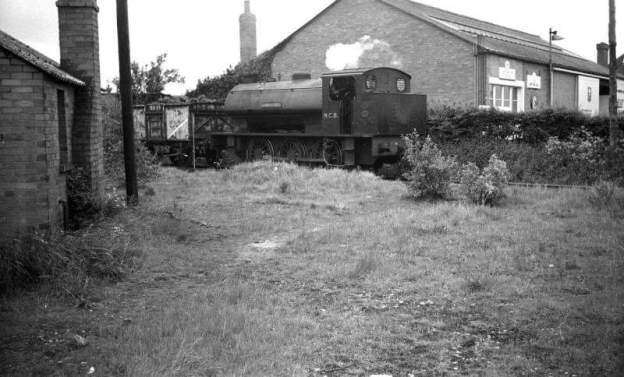
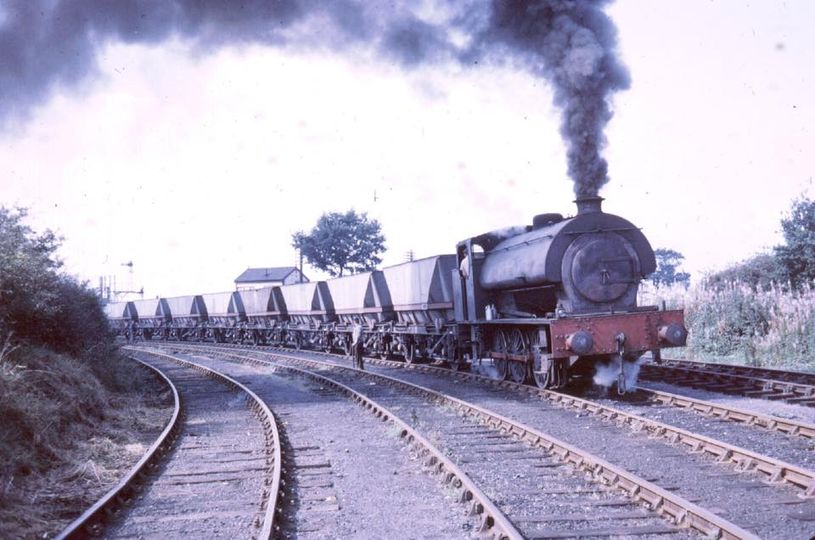
We return now the the overbridge which carried the LNWR over the tramway and the later mineral railway which curved round to the East after passing under the bridge. The length from Lubstree Wharf to the LNWR overbridge is covered above. Charles Hadfield explains that in 1870, anxious to save money on the Trench Incline, the Canal company “agreed to lease Lubstree wharf on the Humber Arm of the Newport branch from the Duke of Sutherland and pay a wharfage rate of 0.5d/ton, so that the coal and other traffic from Lilleshall could be shipped there. To carry it, 30 boats were taken from the company’s fleet, and others ordered to replace them. New accommodation was provided, and a railway line built from Lubstree to the Lilleshall Company’s works.” [29: p239]
However, by 1880, “the Humber Arm was only carrying fluxing stone, though two years before the iron ore toll from Ellesmere Port had been specially reduced for the Lilleshall Co. Negotiations for its better use followed, and the [canal] company agreed to take 300-400 tons a week of limestone and 100-150 tons of ore at agreed rates. The Shropshire Union also hoped for a coal trade outwards, and pig-iron to be carried for transhipment to the L.N.W.R. Business seems to have remained brisk for some time after that, for in 1891, when the wharf lease was renewed, another siding was built. In 1905 it was renewed for another fourteen years.” [29: p242]
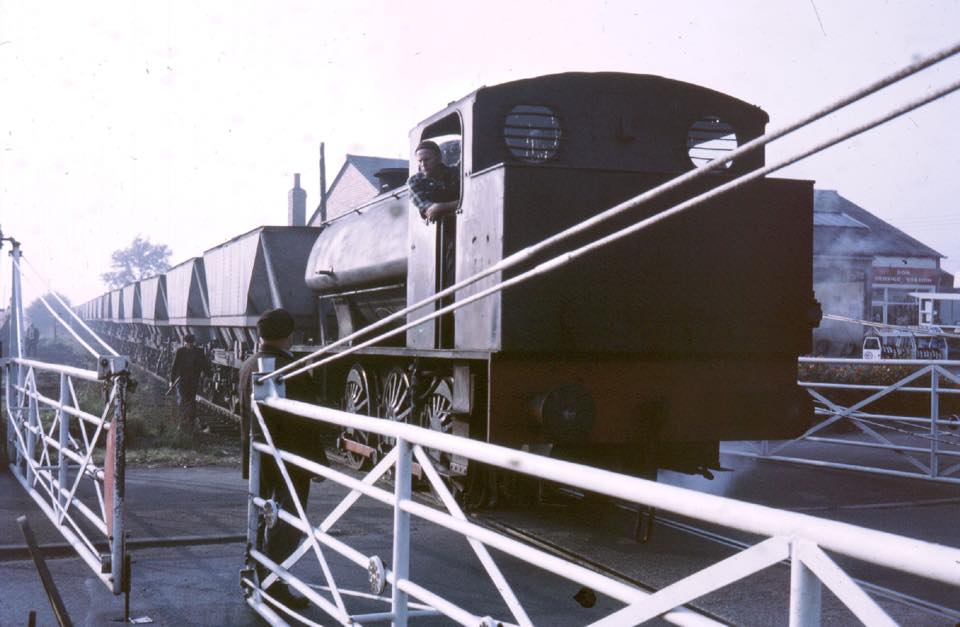
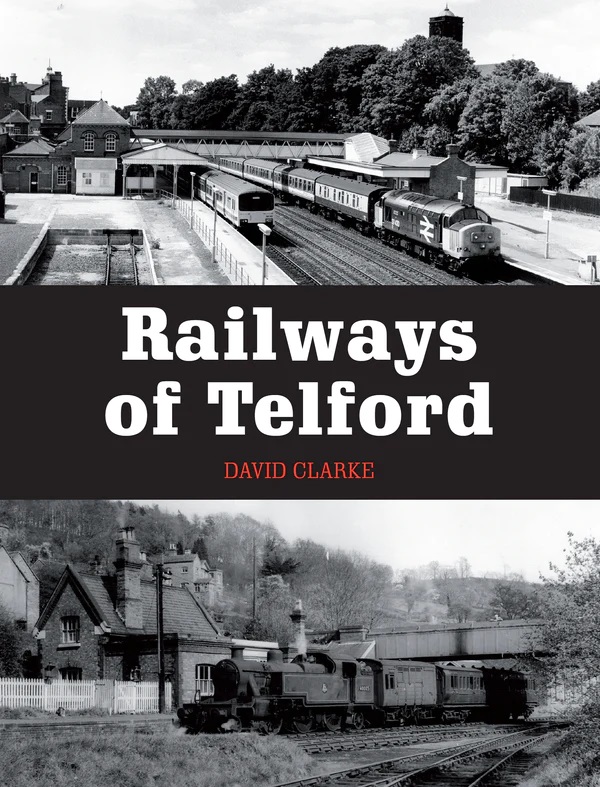
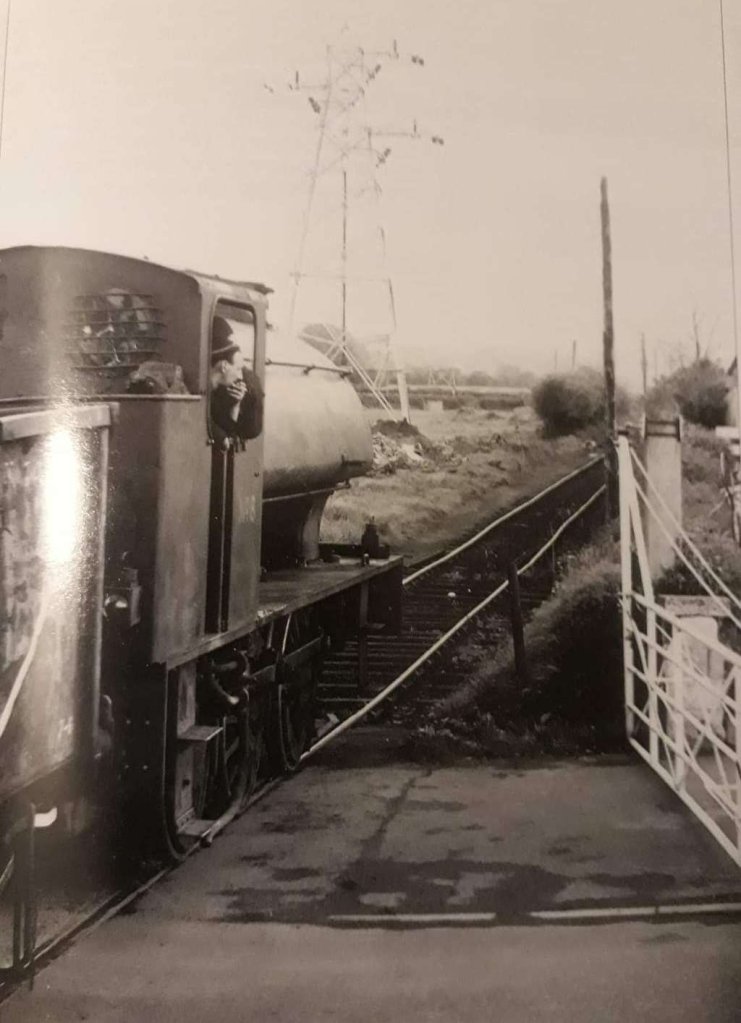
David Clarke the photographer of the image above is also the author of a book about the Railways in the Telford Area published by the Crowood Press. You can find a review of the book on this link.
The canal route can be followed on the Captain Ahab’s Watery Tales blog, so there is no need to repeat it here. [27] The remaining length of the mineral railway to Muxton Bridge Colliery is covered below.
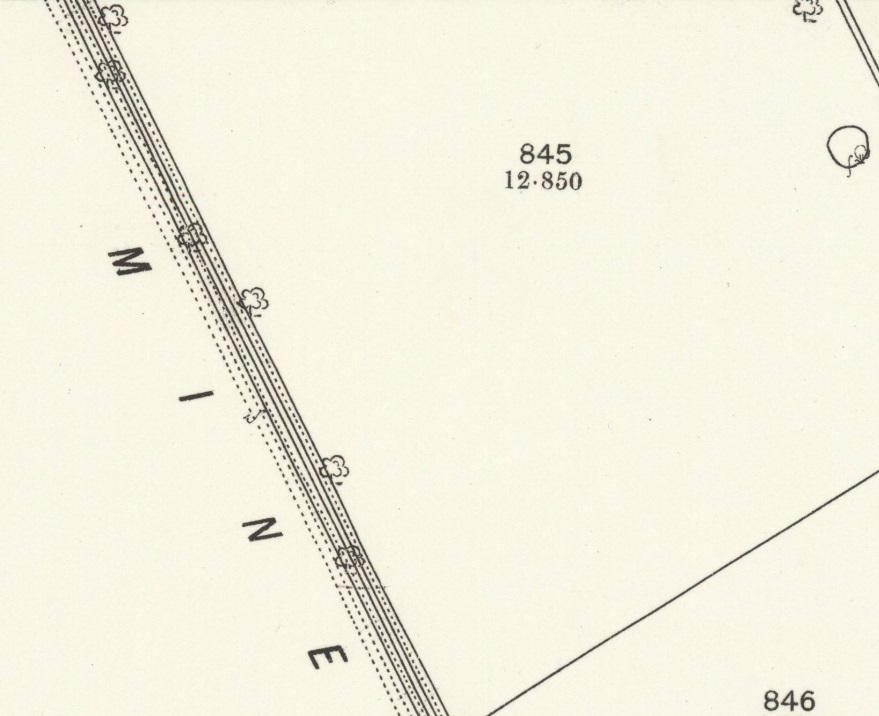
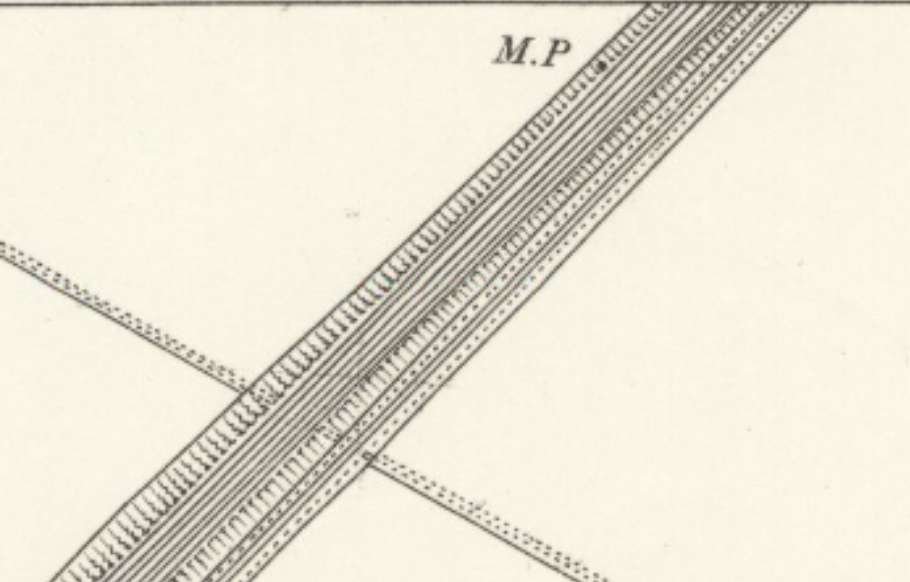
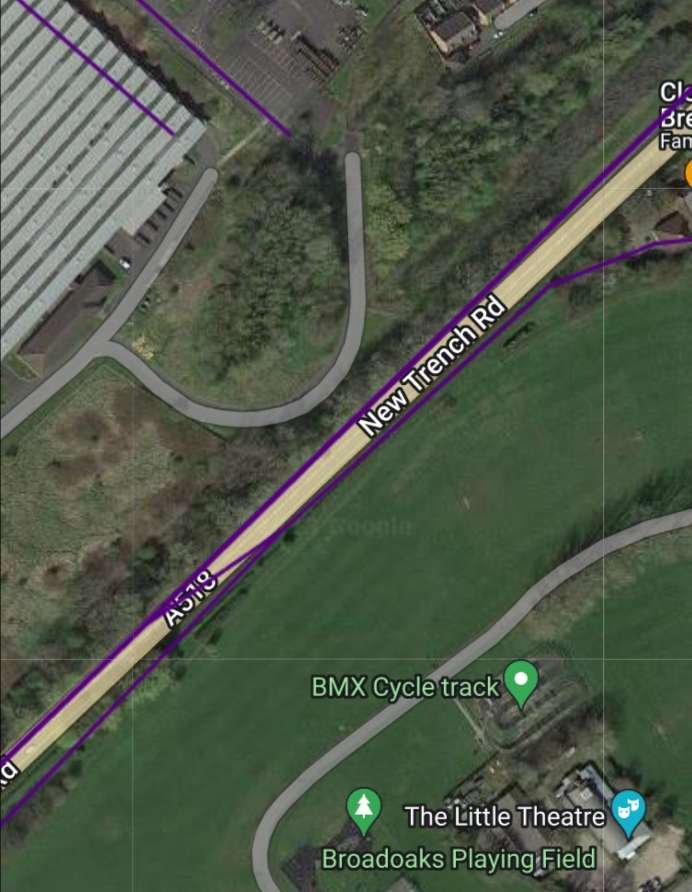
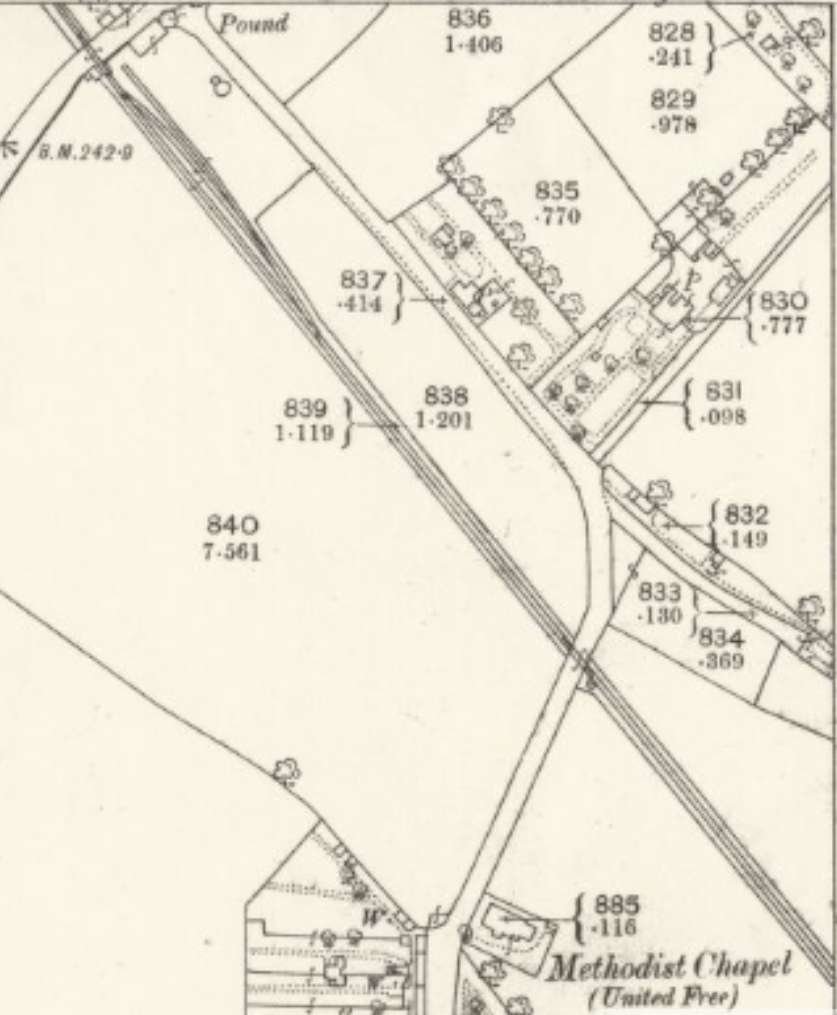
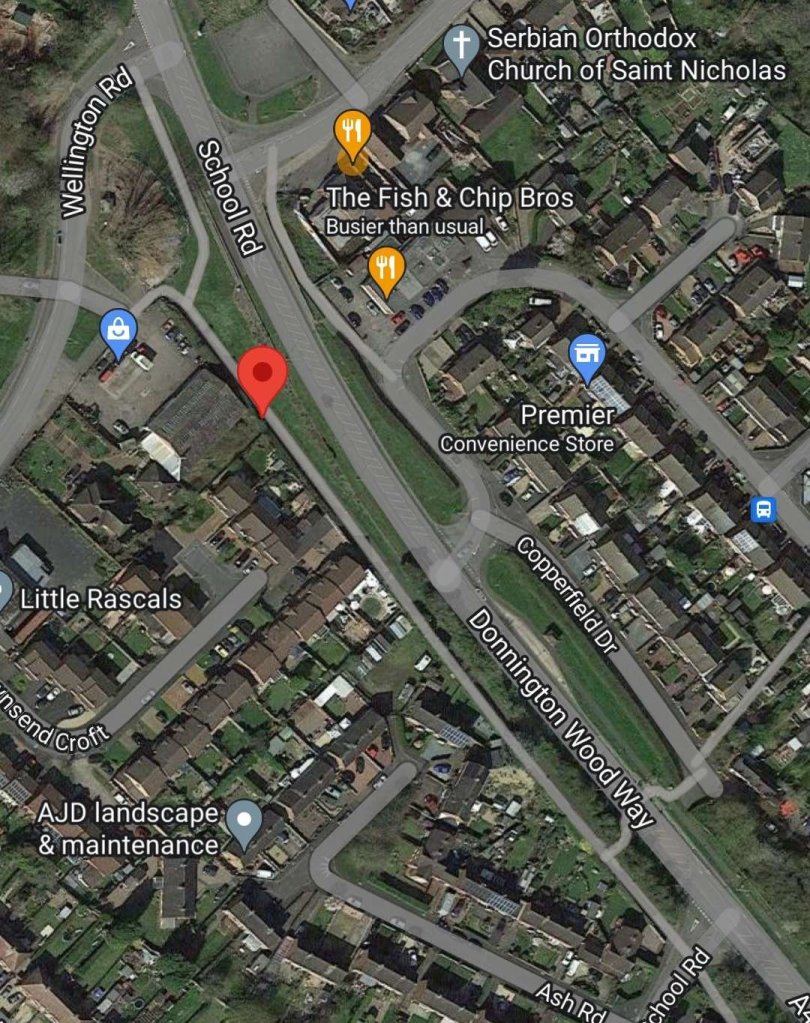
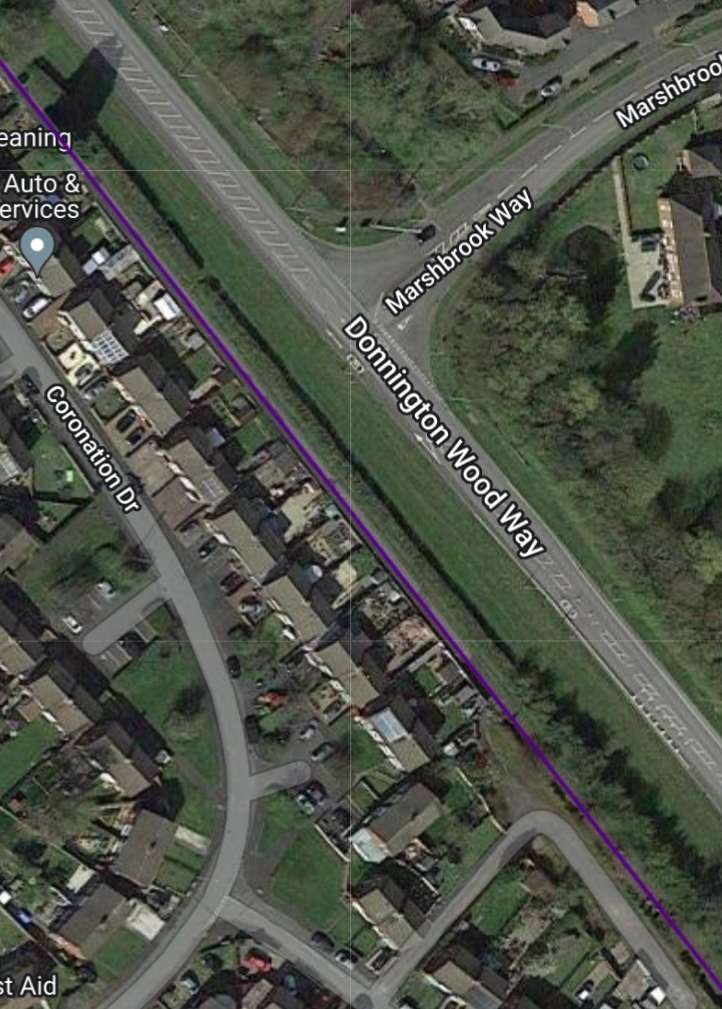
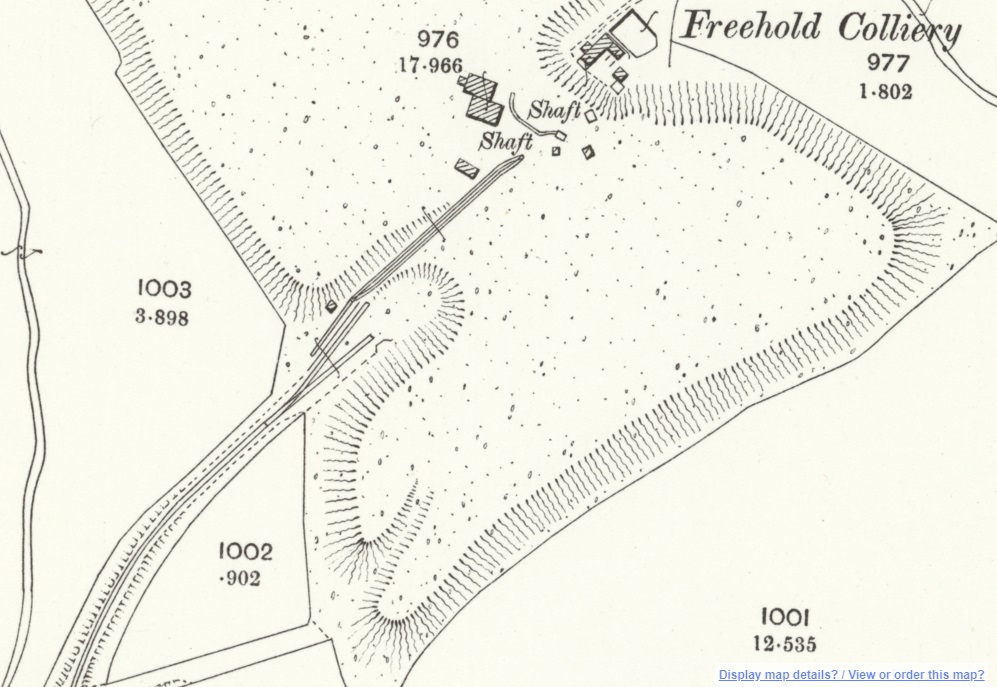
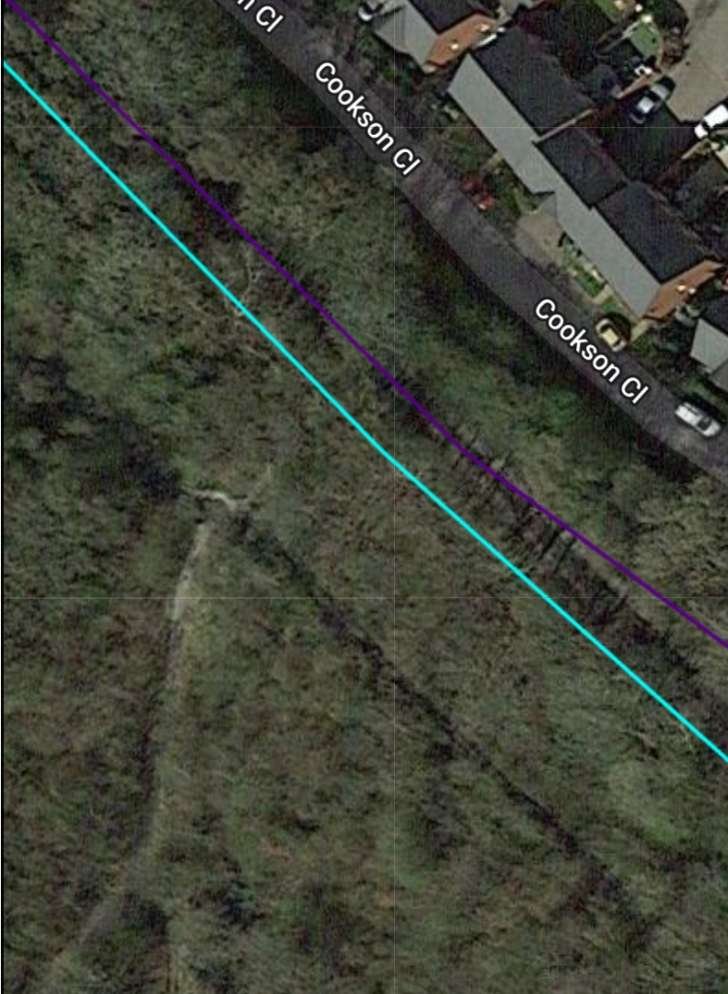
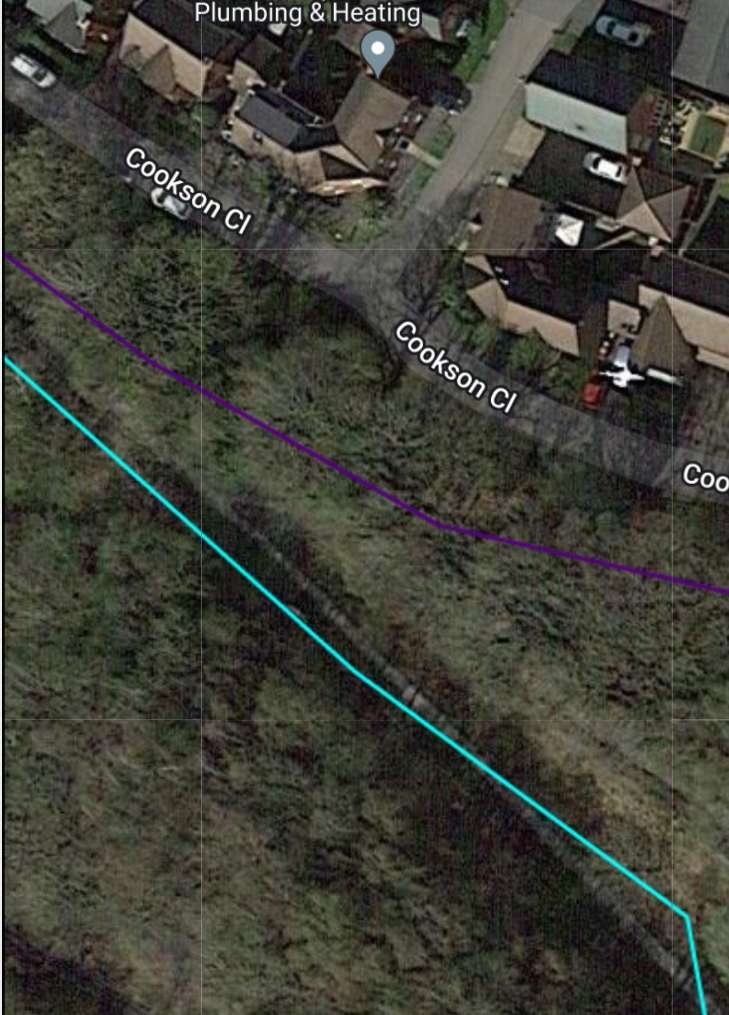
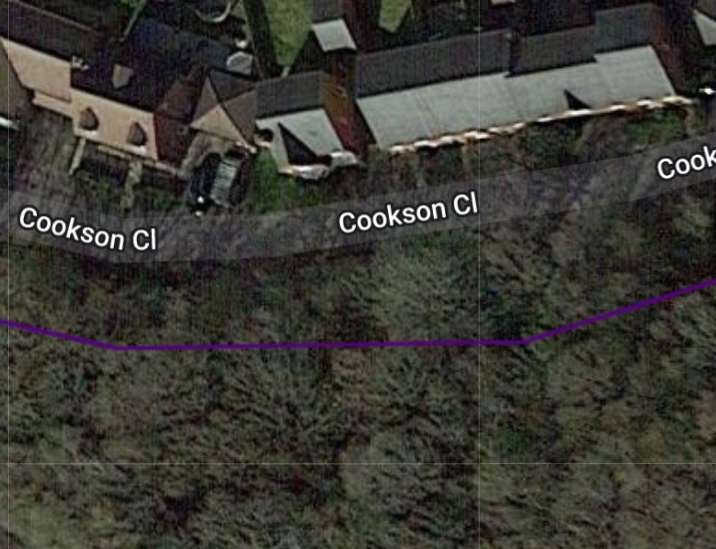
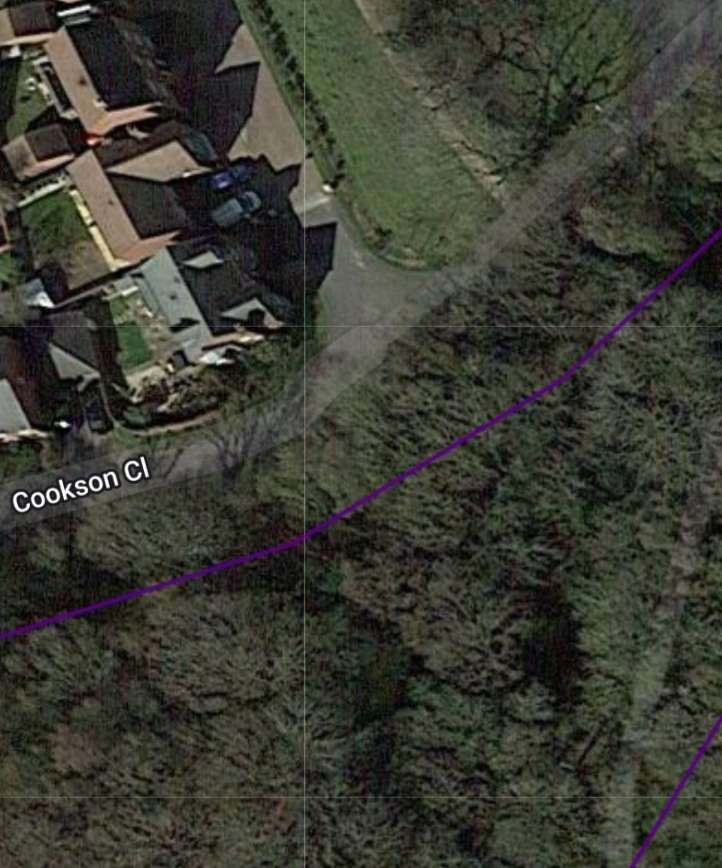
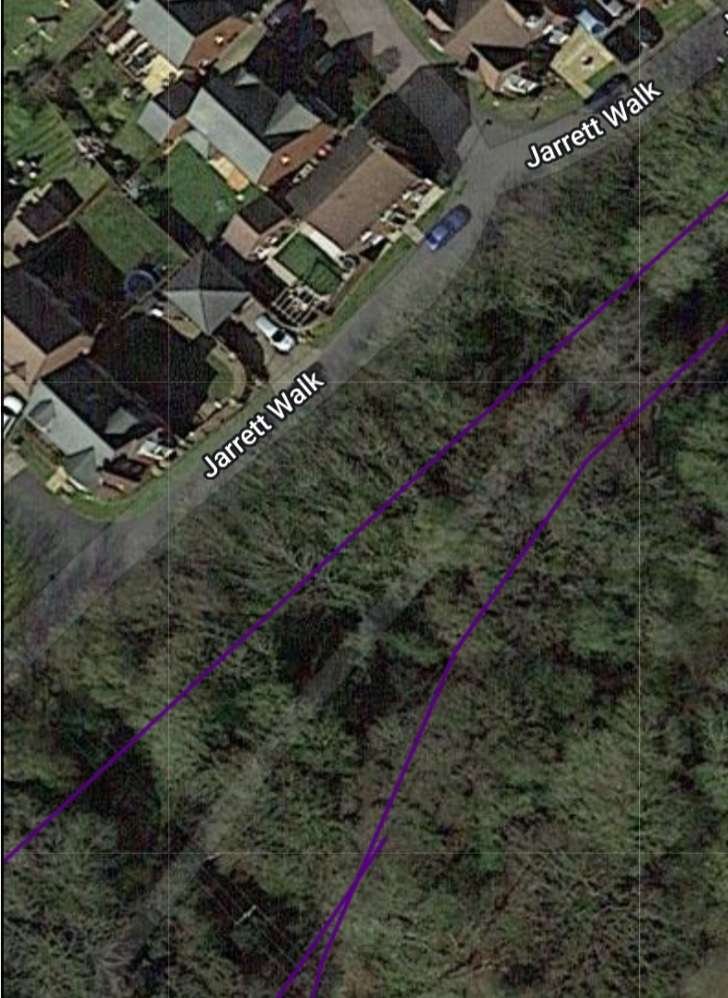
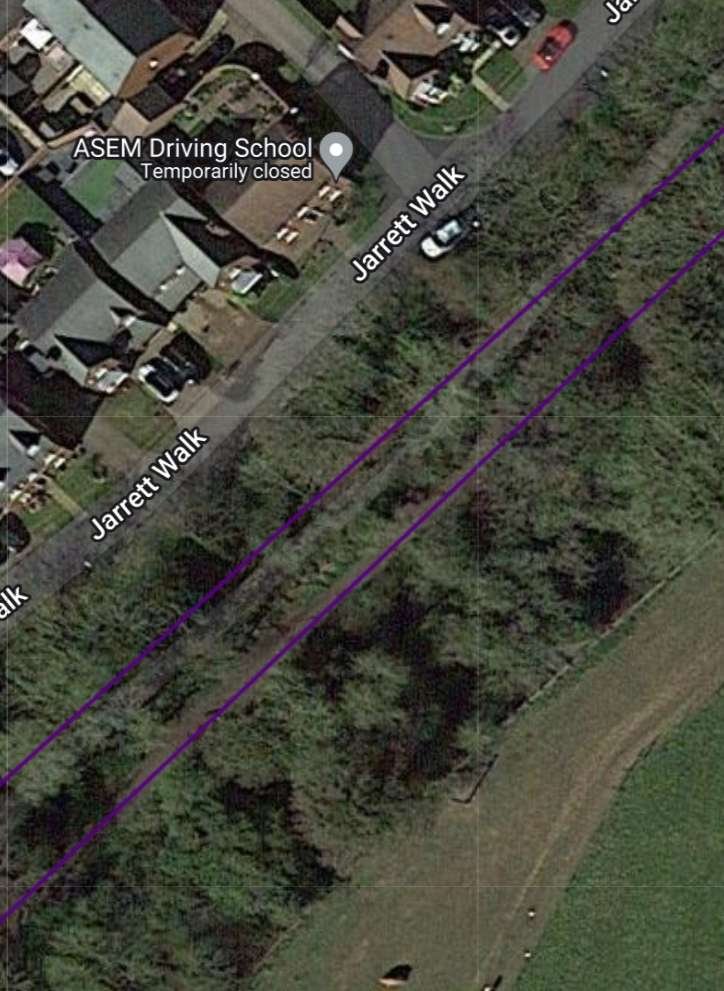
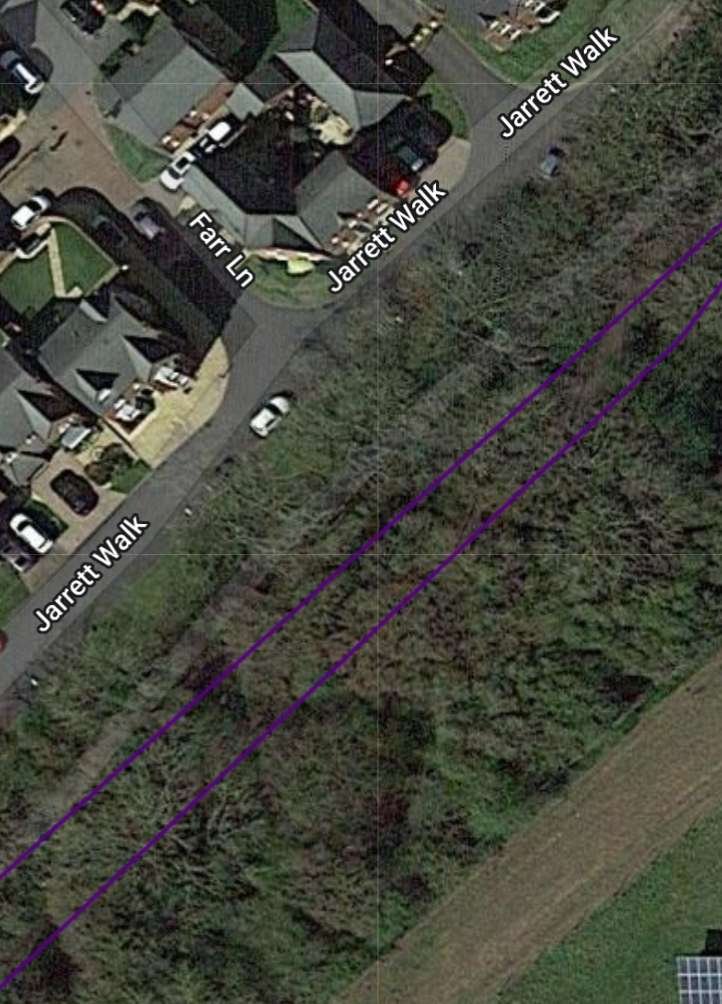
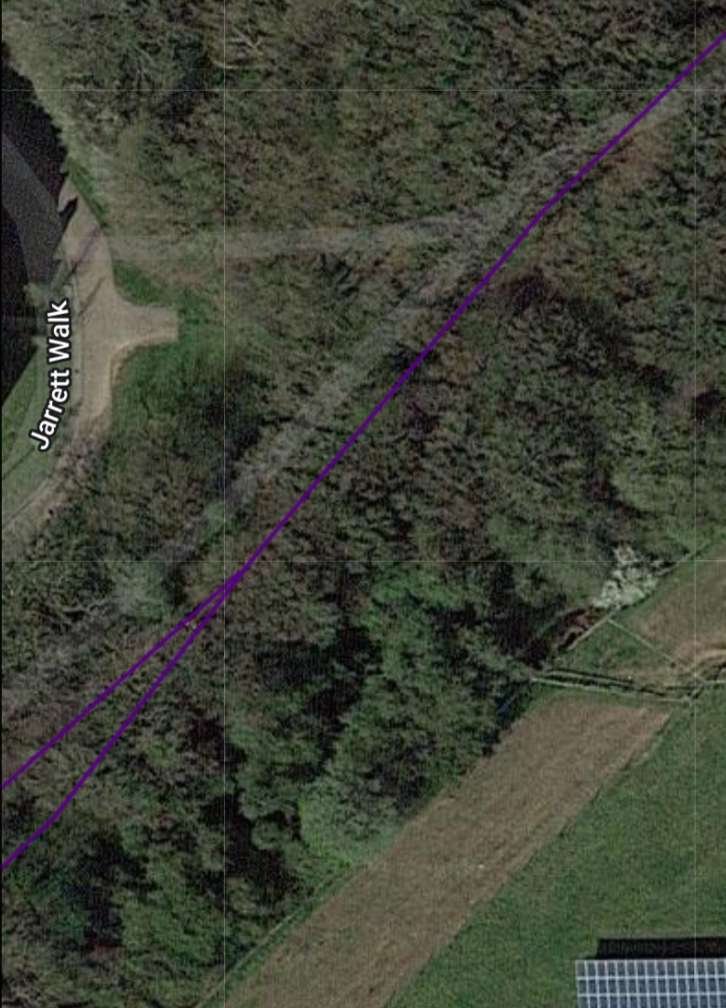
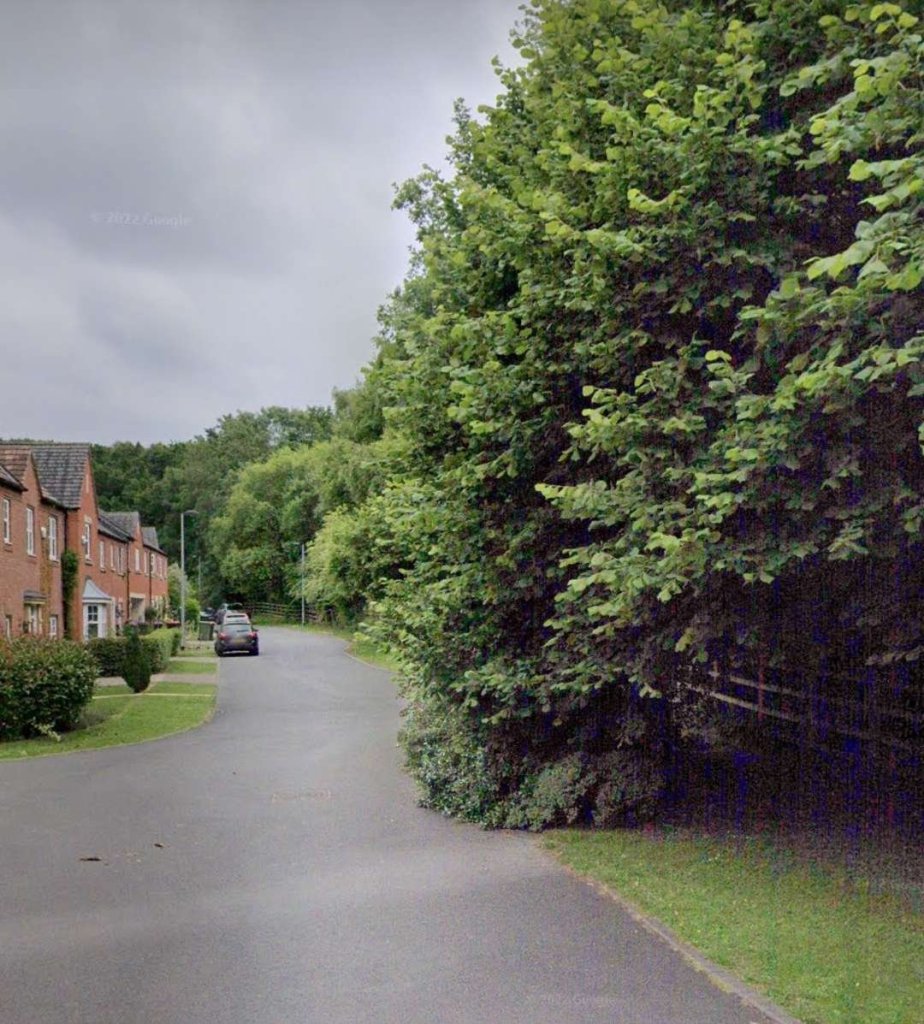
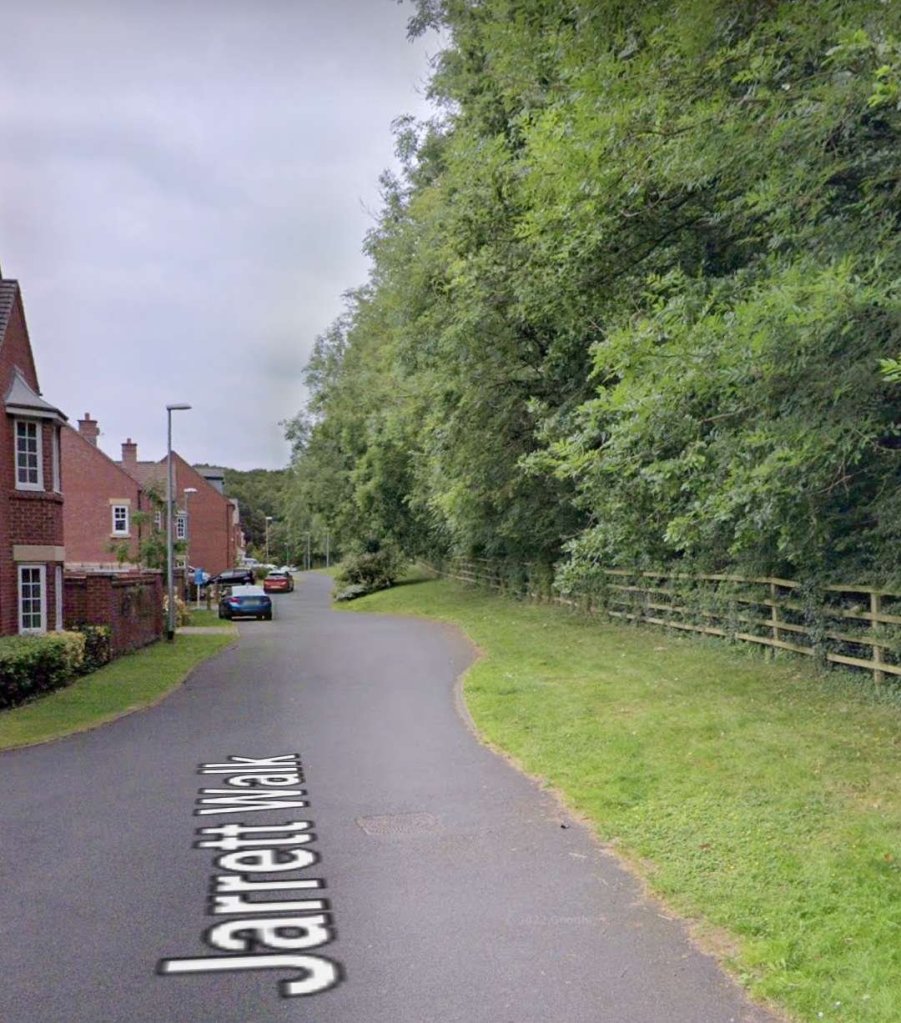
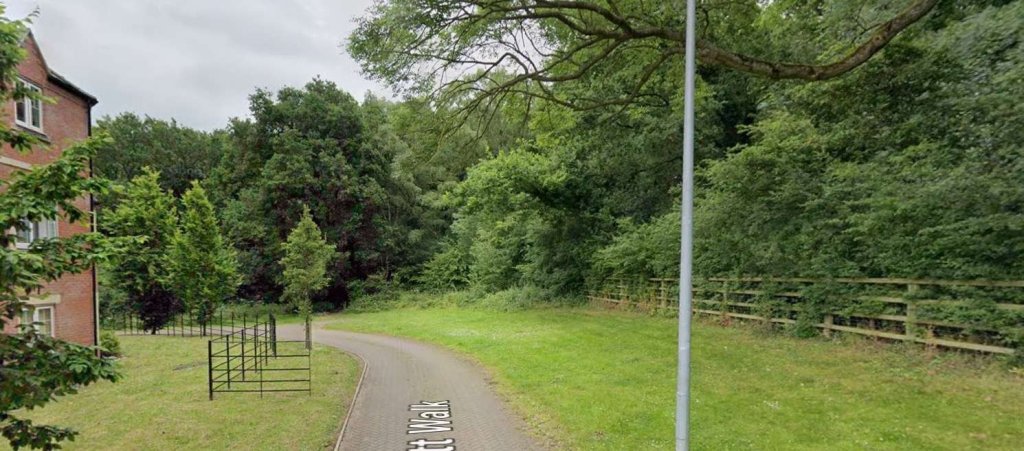
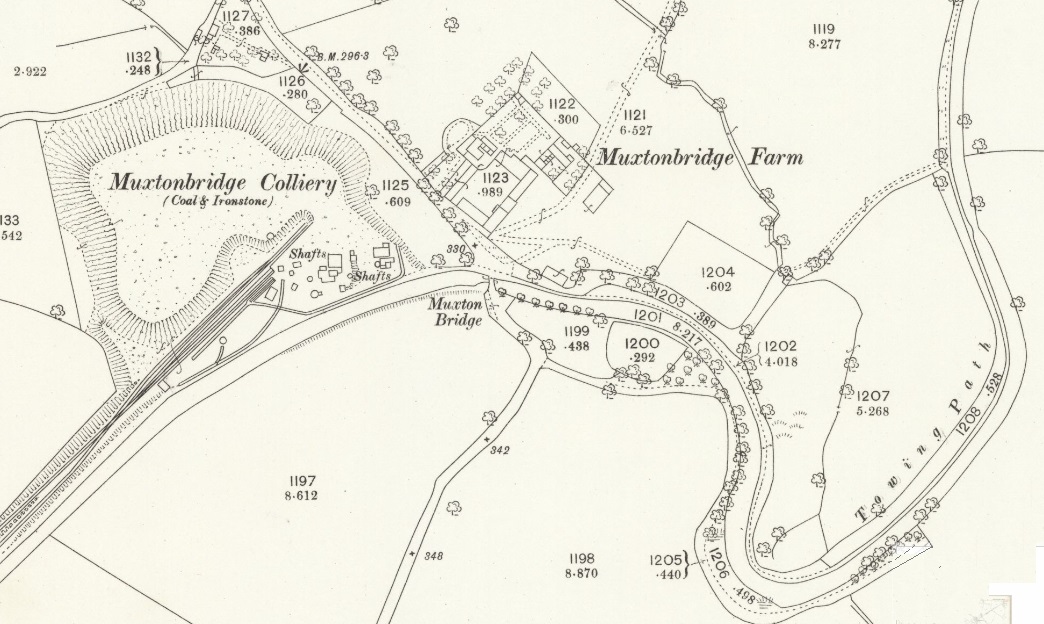
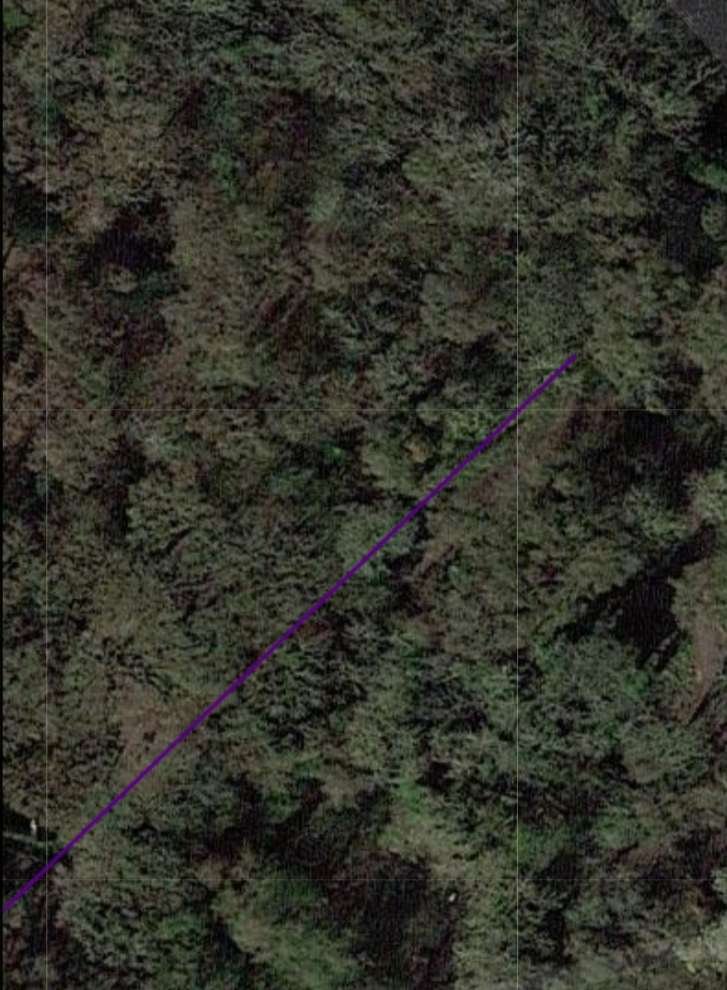
This sequence of 9 extracts from RailMapOnline.com show the same length of the mineral railway as covered by the Ordnance Survey extract above the sequence. [10]Looking Southeast along Cookson Close from a point close to the roundabout on Donnington Wood Way. The old tramway ran through the trees to the right of the fence visible in this image. It ran at a higher level. [Google Streetview, June 2022]Further Southeast, this view looks East along Cookson Close. The old tramway was at a higher level. Its route runs beyond the fence and trees at the right of this image. [Google Streetview, June 2022]Cookson Close curves round towards the Northeast before reaching a modern development boundary. A short footpath takes us to Jarrett Walk. This photograph is taken at the point where we join Jarrett Walk and looks Northeast. The old tramway route ran at a higher level beyond the fence and trees to the right of this image. [Google Streetview, June 2022]As we reach the far boundary of this development, Jarrett Walk turns away to the Northwest. The old tramway route continues ahead parallel to but beyond the fence to the right and at a higher level. [Google Streetview This next extract from the 1881 25″ Ordnance Survey shows Muxtonbridge Colliery, which was served by the mineral railway, Muxtonbridge Farm and the Donnington Wood Canal arm meandering its way Northeast towards Lilleshall Grove Lilyshall Abbey and Lilyhurst Road. [26]These last two extracts from RailMapOnline.com show the last length of the mineral railway that served Muxtonbridge Colliery. [10]
Both Waxhill Barracks Collery and Muxtonbridge Colliery closed at around the same time at the turn of the 20th century. [22] Muxtonbridge Colliery was active from 1890 to 1905. Waxhill Barracks Colliery had a longer life, 1818 to 1900.
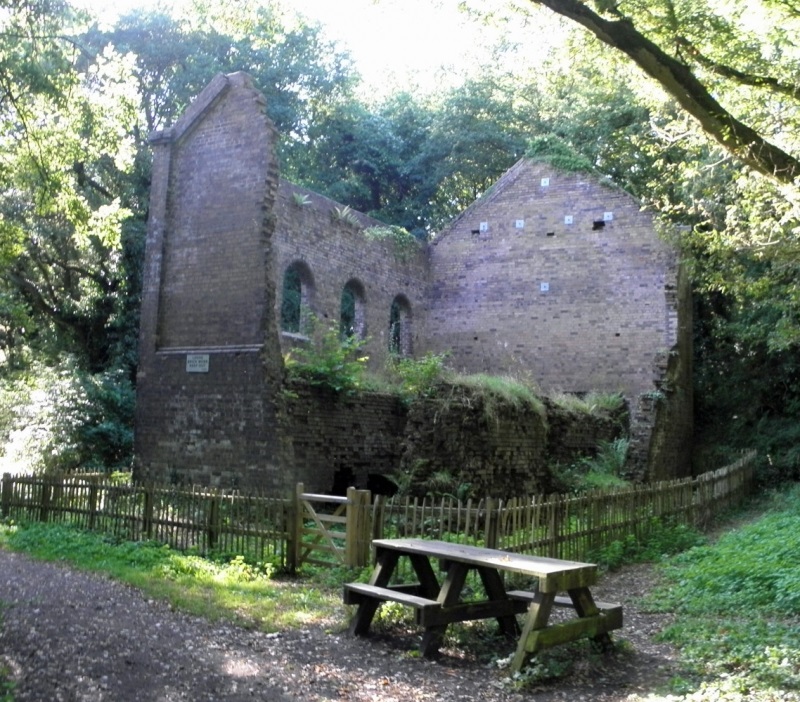
The remains of Muxton Bridge Colliery pumping engine house is a listed ancient monument. [28]
We have now looked beyond the immediate length of the Humber Arm of the Newport Branch of the Shropshire Union Canal and the Lilleshall Company’s tramways and mineral railways in the immediate area of the canal arm. We have covered the old tramway between the Canal and Old Lodge Furnaces and a significant length of the later Mineral Railway, so as to get an impression of the area that the Lubstree Wharf served when it was active.
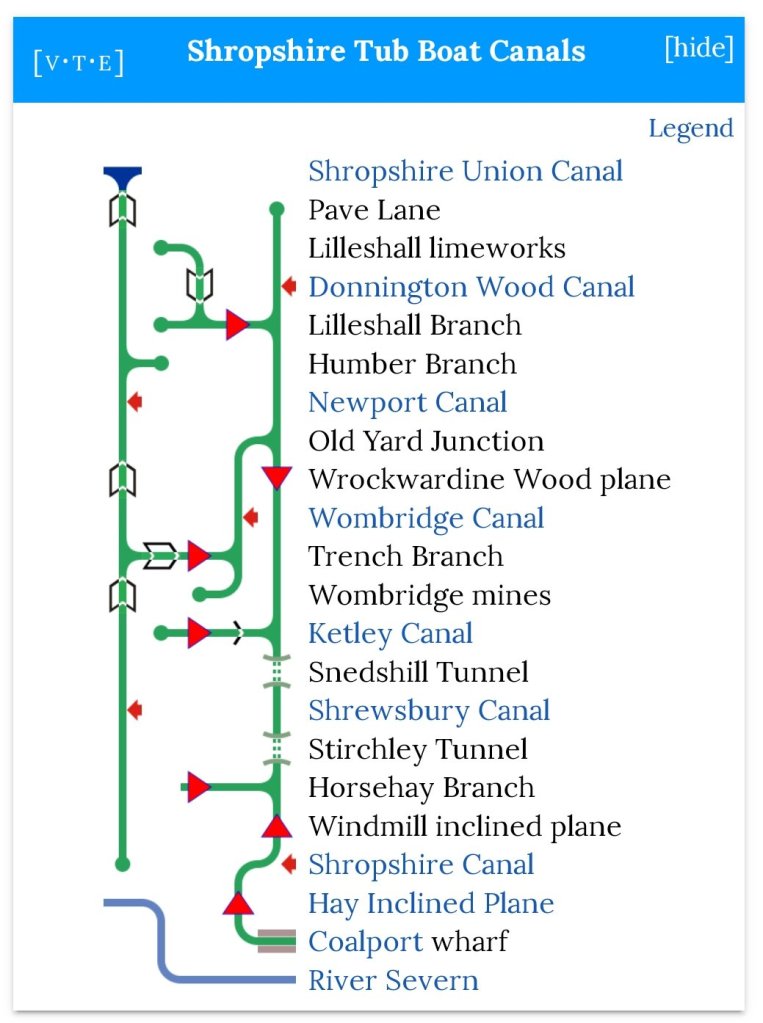
The Coalport Branch of the Shropshire Canal appears on the schematic plan below. The tub boat canals were linked to the Shropshire Union Canal via the Newport Canal (the Shrewsbury and Newport Canal).
This schematic representation of the Shropshire Tub Boat Canals is helpful in clarifying the extent of the network. It shows the locations of all the inclined planes on the system. These are marked with a red arrowhead which in each case highlights the direction of the lift. The Trench Branch and Incline were in important link in the journey between the Shropshire Union Canal and the River Severn at Coalport, linking the Newport Canal to the Wombridge Canal which became a part of the Shropshire Canal. [2]
An Act of Parliament dated 11th June 1788 enabled the construction of the Shropshire Canal. It was opened along nearly its full length by 1791 and served the major ironworks and collieries in its immediate vicinity. These included “the Snedshill and Priors Lee Furnaces, the Lilleshall Company’s early mines, the Madeley Court Ironworks, Blists Hill Furnaces and the Coalbrookedale Company.” [24: p 167]
The Shropshire Canal was blighted by subsidence throughout its life. Many of the mines in the area were shallow workings only had short working lives and, once the reserves that they exploited were exhausted, were abandoned. Their demise often resulted in water loss from the canal, a problem which could not be addressed quickly. Of more substantial difficulty were the occasions when subsidence led to more significant structural damage to the waterways and their associated inclined planes.
Initially, the majority of the loads carried by the canal were transported only short distances between industrial sites in the immediate area. Over time, first coal and pig iron and later other products were dispatched to a variety of destinations outside the area. An inclined plane (the Hay Inclined Plane) linked the Canal to the River Severn. See:
Coalport grew significantly as a result of this trade and “within a few years two potteries, a rope works and a chain works opened there.” [24: p167]
A length of the canal from Trench to Shrewsbury was open by 1797, but it remained isolated from the rest of the canal network until 1835, when the Birmingham and Liverpool Junction Canal built the Newport Branch from Norbury Junction to a new junction with the Shrewsbury Canal at Wappenshall. [1]
The Trench Branch brought the Canal to the top of Trench Inclined Plane, that length of canal and the Inclined Plane are covered in an article which can be found here:
At the top of the incline a junction was made with the Wombridge Canal which is marked as a continuation of the Trench Branch on OS Maps.
The Wombridge Canal opened in 1788, and parts of it were taken over by the Shrewsbury Canal Company in 1792, who built the inclined plane at Trench. It lowered tub-boats 75 feet (23 m), and remained in operation until 1921, becoming the last operational canal inclined plane in the country. The canal had been little used since 1919, and closed with the closure of the plane. [3]
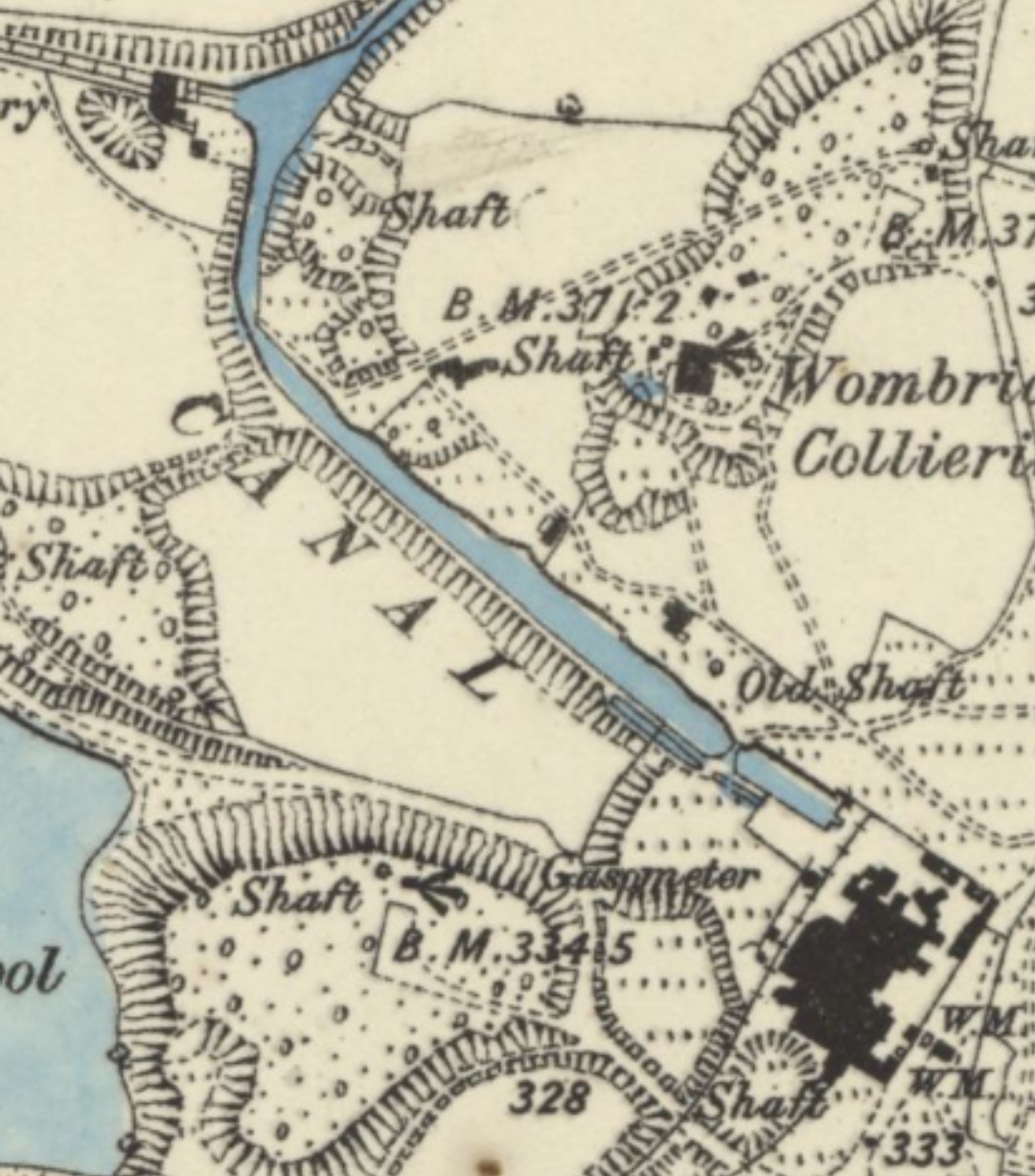
As the schematic plan of the Shropshire Canal network above shows, from the top of Trench Inclined Plane (Wombridge Wharf) tub-boats could be taken in two different directions. Turn to the South and it was only a short journey to Wombridge Iron Works. This short length of the canal is shown on an extract from the 6″ Ordnance Survey of 1881 below. …
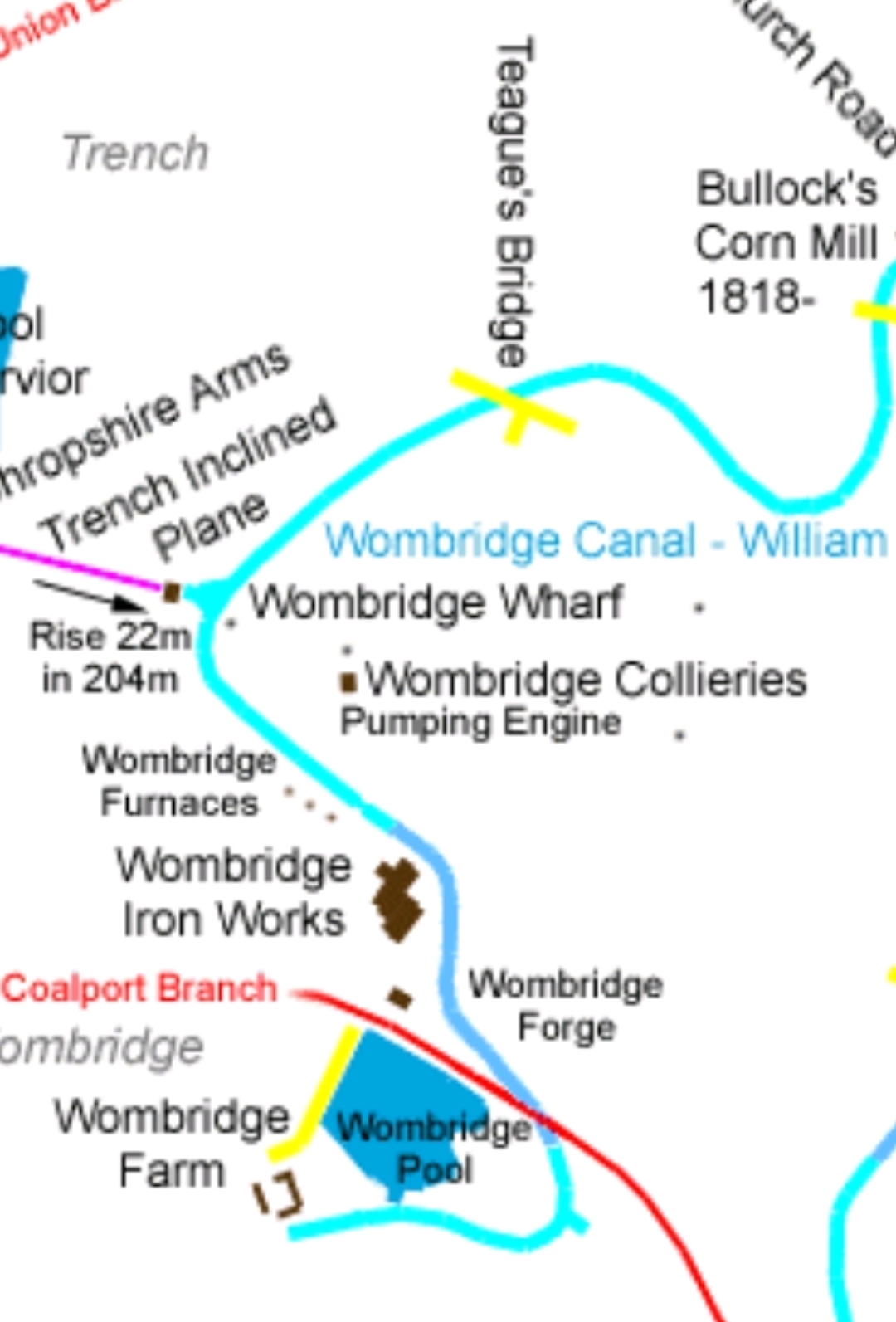
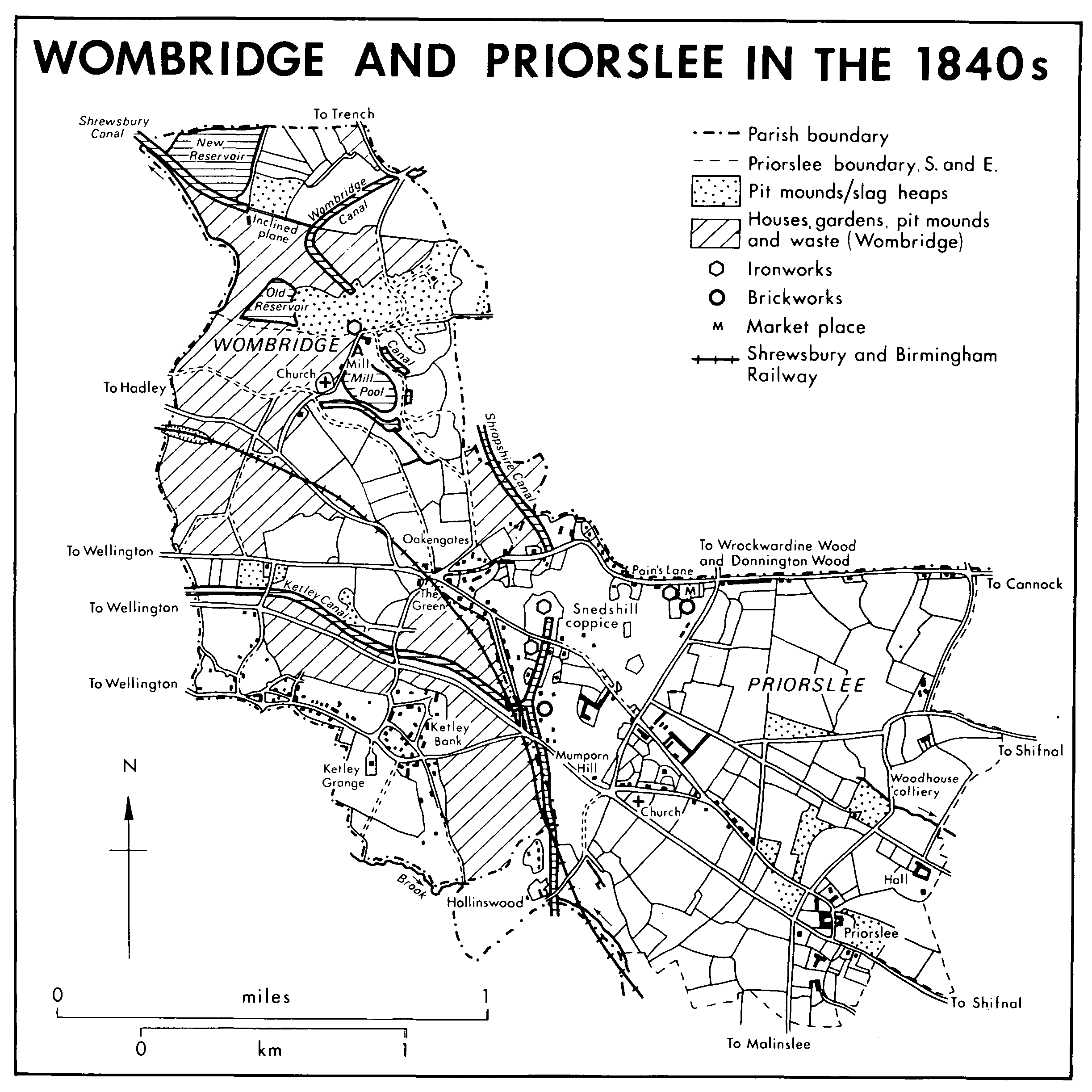
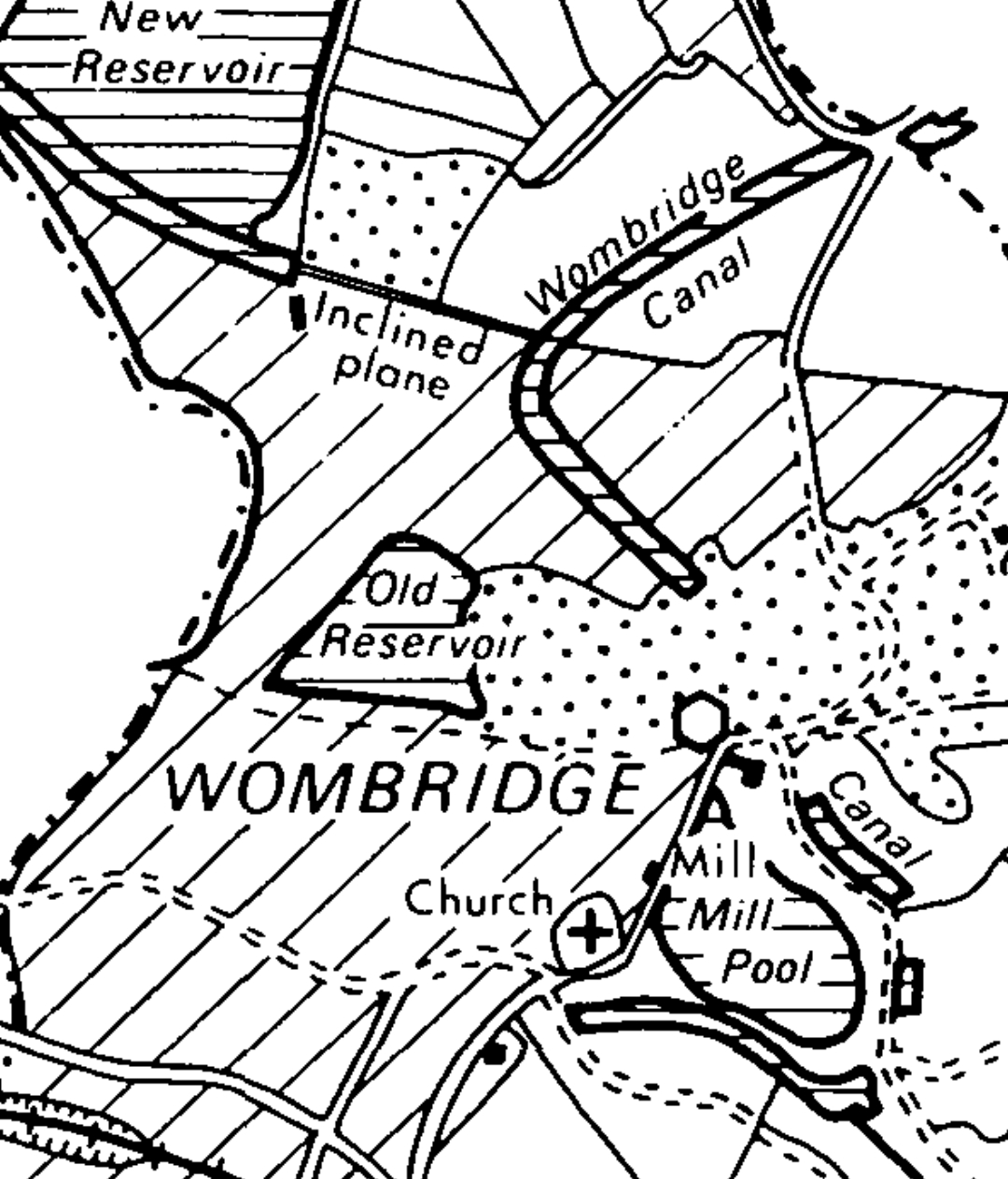
Trench Inclined Plane enters this map extract from the 6″ OS Map of 1881 (published in 1887] in the top-left corner. Wombridge Ironworks are shown in the bottom-right of the image. Wombridge Collieries appear close to the centre of the map. Wombridge Ironworks where extended, before the time of the Ordnance Survey, across the line of what was a slightly longer canal arm. [5]This is an extract from a wider plan of the Shropshire Canal network included on the website, ‘Exploring Telford’. It shows a longer length of the canal South of Trench Inclined Plane, running on passed Wombridge Iron Works, Wombridge Forge and on to Wombridge Farm. The website ‘Exploring Telford’ [21] was developed by Richard Foxcroft. Richard, sadly died in 2018, I have been unable to contact anyone about his website. The plan from which this extract is taken appears on the Homepage of ‘Exploring Telford’. [21] The line shown on this computer generated drawing matches well with the drawing included immediately below and which was sourced from British History Online [22]Wombridge and Priorslee in the 1840s. The area of interest to us here is in the top-left of the image around Wombridge. That area is enlarged below. [22]An enlarged extract from the plan above. In the 1840s, the canal arm which extended South of Trench Inclined Plane was already truncated with short lengths isolated from the network still in use. [22] British History Online indicates that this length of the canal (South of Wombridge Ironworks) was probably abandoned by 1819. [23]
Northeast of Trench Inclined Plane the Wombridge Canal linked across to Old Yard Junction. Here the Donnington Wood Canal continued Northeast and the Coalport Branch ran to the South.
Travelling South on the Coalport Branch Canal, tub-boats would have immediately encountered Wrockwardine Wood Inclined Plane.
Construction of the Wrockwardine Wood Inclined Plane took place in 1791 after the Ironmaster, John Wilkinson petitioned Parliament to extend the Shropshire Canal from Snedshill to form a junction with the Donnington Wood Canal. [4]
P. Whitehead [11] provides approximate figures for the inclined planes on the Shropshire Canal as follows:
Wrockwardine Wood Inclined Plane: 350yds long, 120ft rise. Or 316yds long, 113ft 2in rise. (But note the information provided by British History Online below and reference [17] which gives different dimensions again.
Windmill Inclined Plane: 600yds long, 125 ft rise.
Lilleshall Inclined Plane: 123 yds long, 43 ft. This replaced an earlier vertical lift in a shaft and tunnel system. [11]
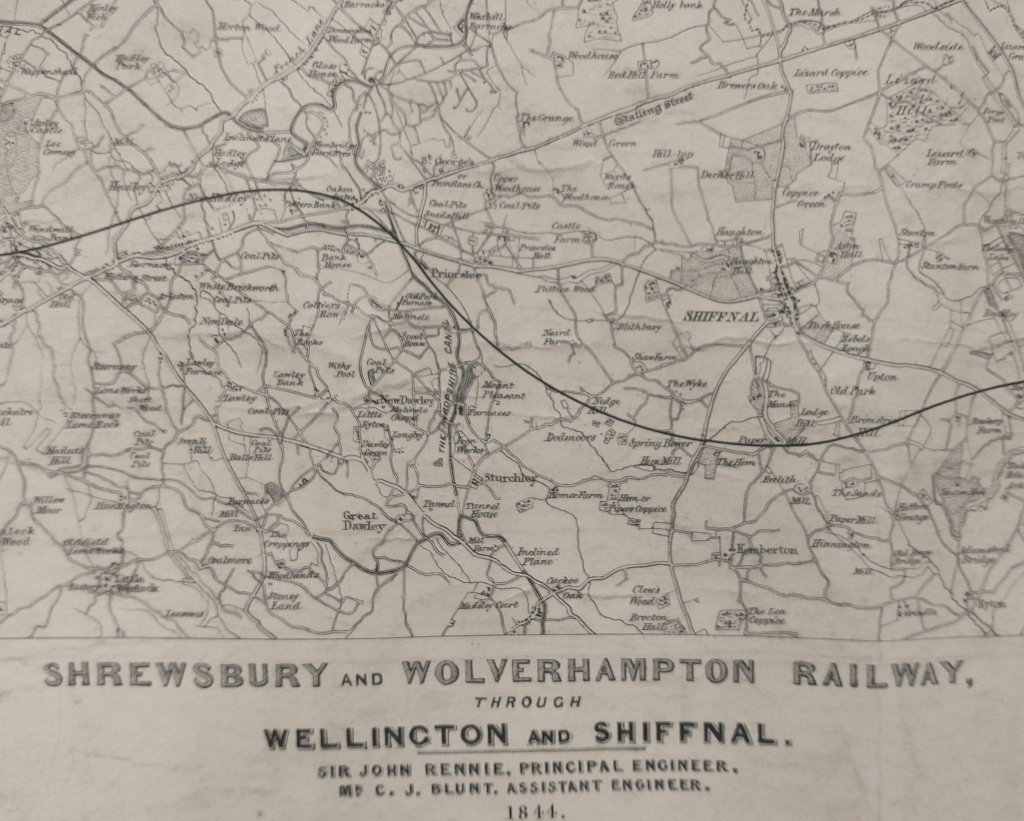
The Coalport Branch continued South. The majority of its route is picked up on John Rennie’s plan showing the proposed route of his Shrewsbury & Wolverhampton Railway which predated the construction of the LNWR’s Coalport Branch.
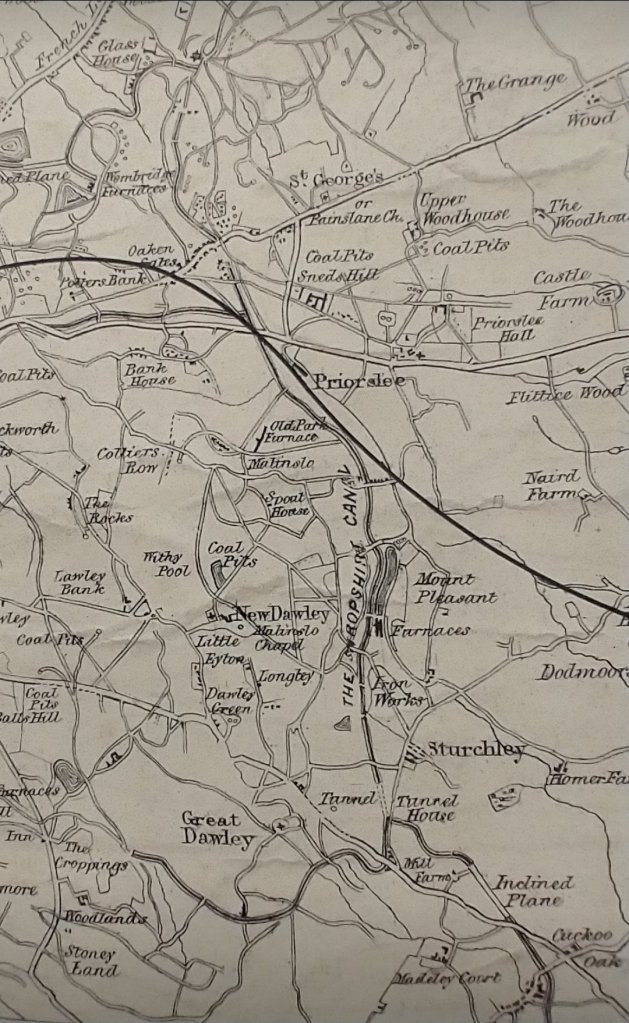
An extract from a plan drafted by John Rennie in 1844 showing the proposed route of the Shrewsbury and Wolverhampton Railway through Wellington and Shiffnal [Shifnal]. This plan predates the LNWR’s construction of its Coalport Branch. The Shropshire Canal can be seen clearly at the centre of the extract. This plan is held by the Shropshire Archive Ref. X6008/201 and is included here with their kind permission. The original map is at a 1″ to 1 mile scale. [10]An enlarged extract taken from the image immediately above. The extract shows the top of the Trench Inclined Plane in its top-left corner with the Wombridge Canal running sinuously East towards the canal junction from where the Donnington Canal heads Northeast and the Coalport Branch runs to the South. The Coalport Branch crosses the line of the proposed railway just to the Northwest of Priorslee, where a branch canal can be seen heading to the West. This is the Ketley Canal. Coalport Branch then runs parallel to the intended railway for a short distance before turning South along the East side of Dawley. Just to the Southwest of Stirchley it passes through a tunnel and at a junction divides into two. One arm runs to the South of Great Dawley in a generally Westerly direction. The other branch heads to the Southeast before encountering Windmill Inclined Plane to the Northeast of Madeley Court. From here it heads South towards the Hay Inclined Plane and the River Severn both of which are off John Rennie’s plan to the South. [10]
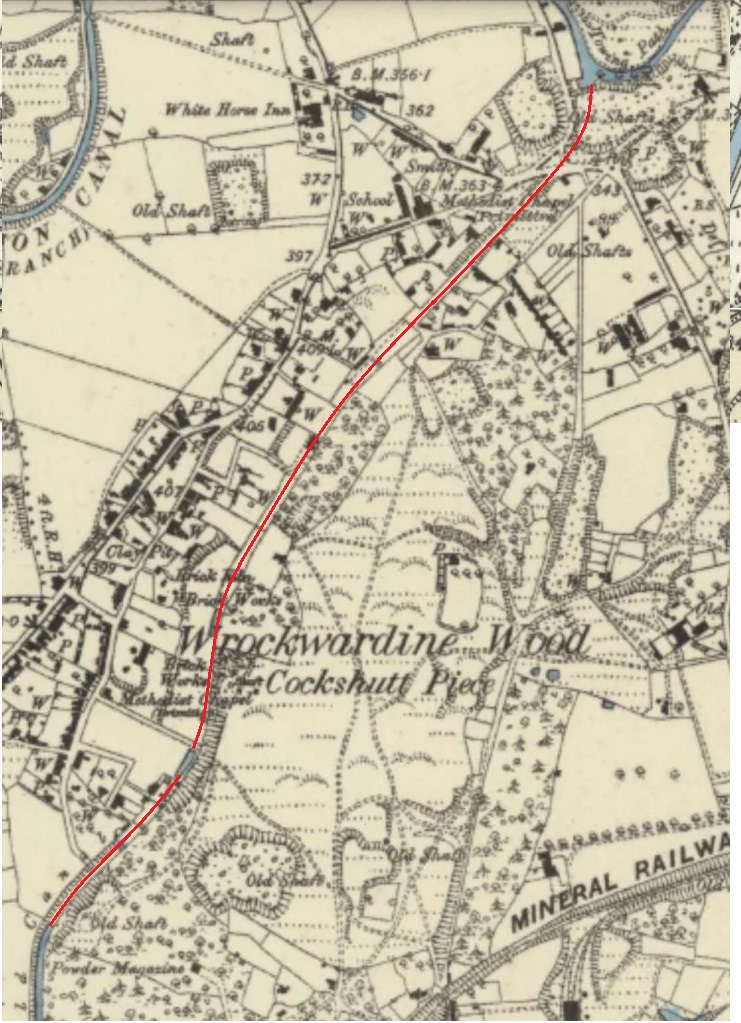
The route of the Canal can be picked out in greater detail on the 6″ Ordnance Survey which was completed in 1881 and published in 1888. By this time the LNWR’s Coalport Branch had been built and the canal can only been where it had not been replaced by the railway. There are, however, some very short sections of the canal still visible alongside the railway route even into the 21st century.
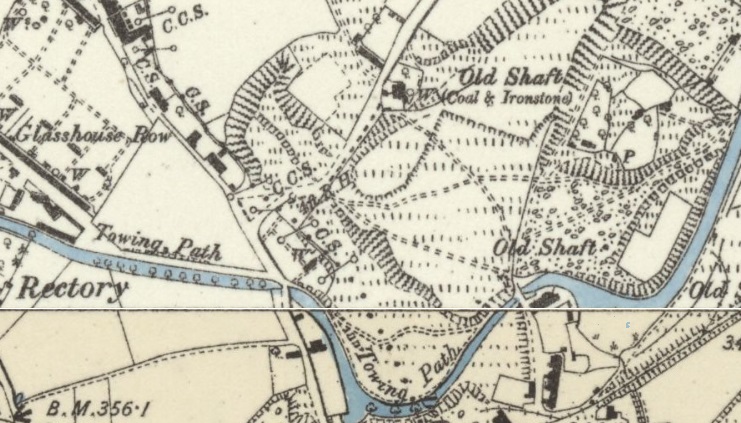
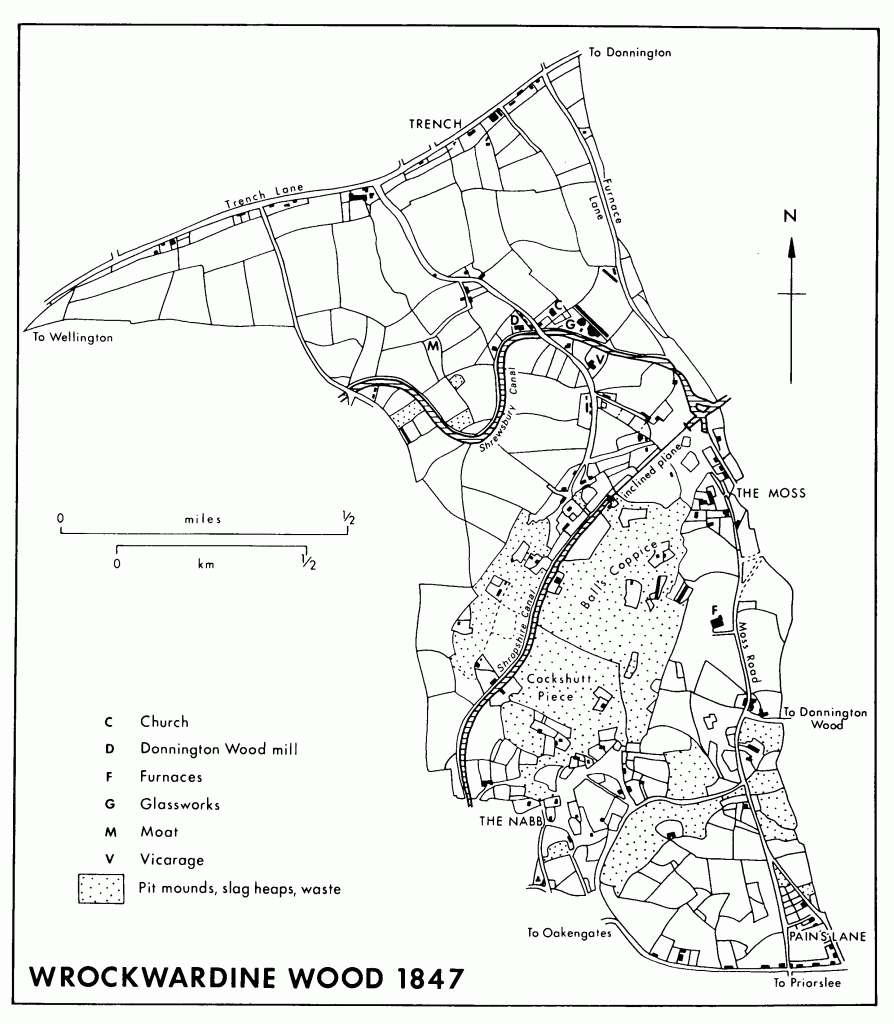
Wrockwardine Wood, north-east of Oakengates town centre, was originally a detached piece of woodland, later a township, belonging to the manor and parish of Wrockwardine, the rest of which lay 7 km. to the west. British History Online provides a history and a plan of the area. The plan (reproduced below) clearly shows the Inclined Plane. “An inclined plane on the Shropshire Canal rose 122 ft. in 320 yd. from the junction to a summit level on Cockshutt Piece. The Shropshire Canal closed in 1857, the Shrewsbury c. 1921. [19] An underground level, perhaps navigable, ran between Donnington Wood furnaces and the area north-west of the Nabb by c. 1800. [20]” [17]
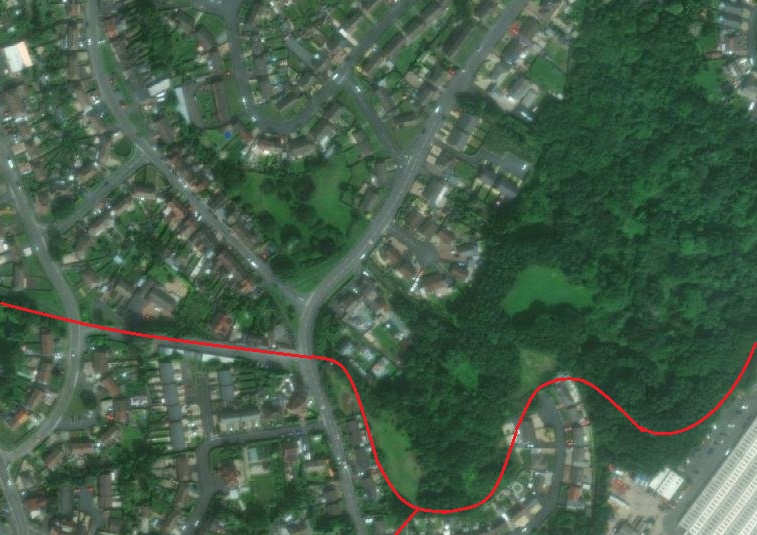
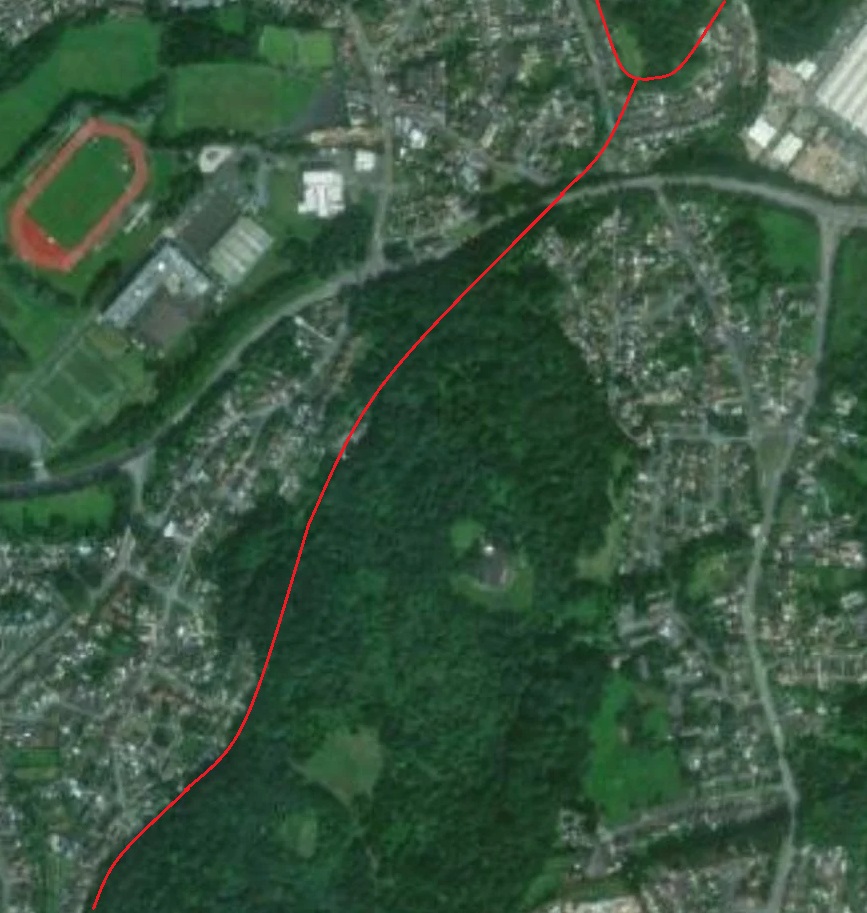
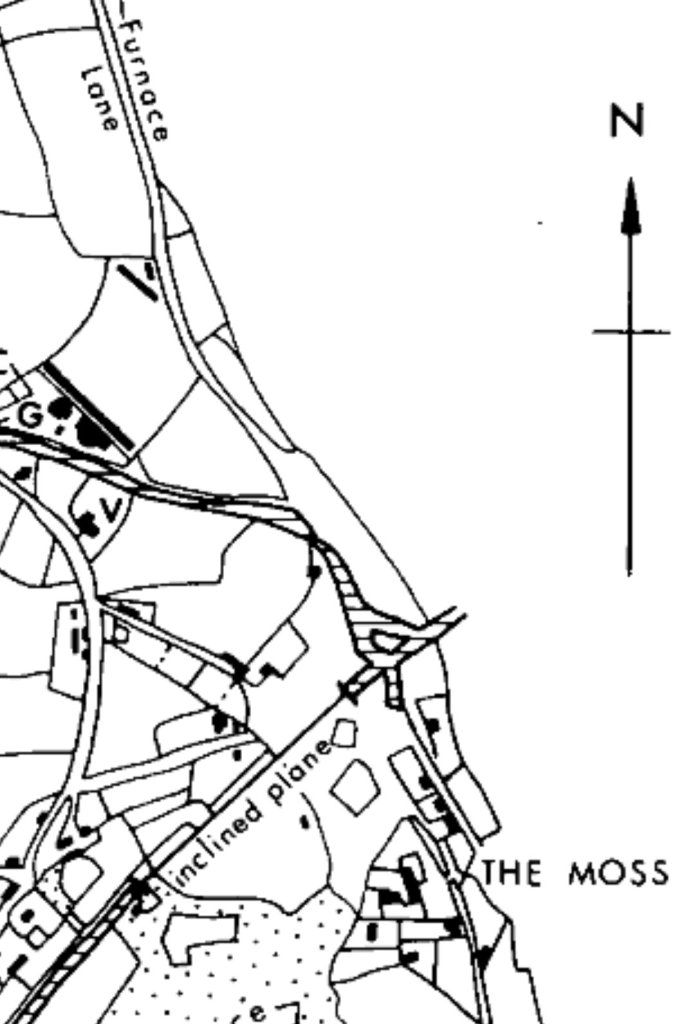
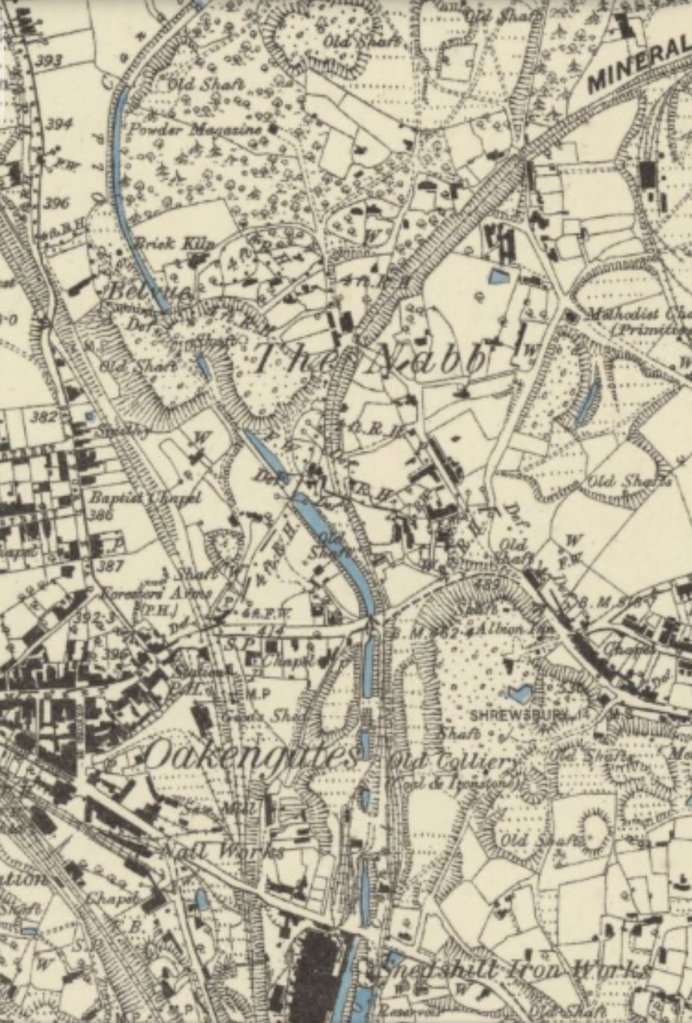
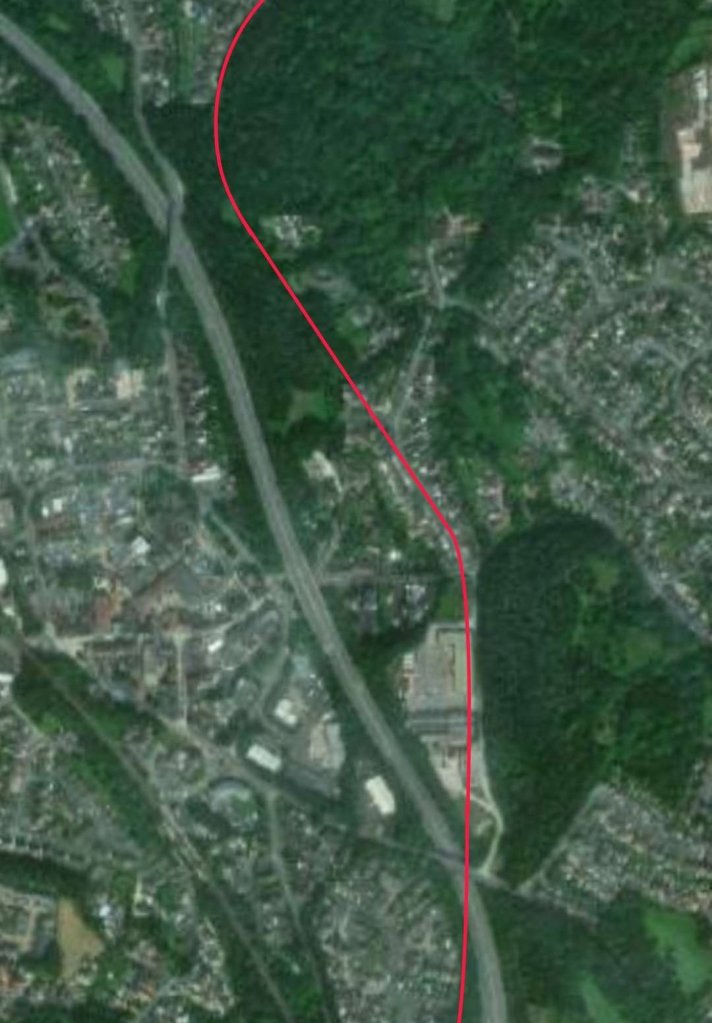
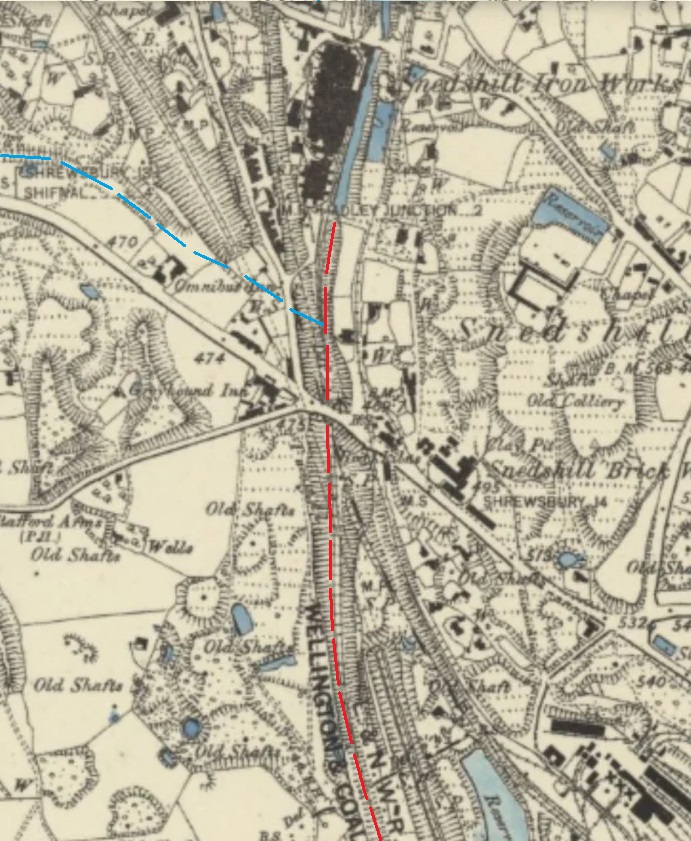
The 1847 plan of Wrockwardine Wood as provided by British History Online. It shows the Inclined Plane to the right-side of the map slightly above the centre line. The high point of the Inclined Plane was at the Northeast end where it left the Wombridge/Donnington Wood Canals at the Old Yard Junction. This map is enlarged below. [17]Wrockwardine Wood Inclined Plane. [17]Another extract from the 6″ Ordnance Survey of 1881. The Canal route can more easily be seen on this image as, although disused, significant length were still holding water in 1881 and are coloured blue. Oakengates is on the West side of the Canal and Snedshill Ironworks can be made out at the bottom edge of the map extract. [6]I have drawn the approximate alignment if the canal onto this image. The curved edge of Wrockwardine Wood one-third along the top edge of this ESRI (NLS) satellite image extract from the left defines the point at which the canal alignment enters this image. It curves round to the Southeast, running on the Northeast side of the A442 which dominates the centre of the image. It runs along the line of the lower portion of Willows Road before running South through the modern site of Fitchett (Redland) Business Park (which sits alongside the first designated length of the Silkin Way) and then across the A442 alongside what was once Snedshill Ironworks. The line is defined by the western edge of the woodland on the West side if the A442, the East side of the Reynolds Drive estate and the tree line in Madin Park. [13]The 1881 6″ Ordnance Survey shows a section of canal alongside Snedshill Iron Works still ‘in water’. South of the Works and before reaching what was for many years the A5 Trunk Road. The newer Coalport Branch began to run along the line of the old canal. One of the Works sidings followed the line of the canal to join the LNWR branch. The red-dashed line approximately indicates the route of the canal. The blue-dashed line is the approximate route of the old Ketley Branch canal. [6]
The Loop adjacent to, and South of, Malinslee Railway Station
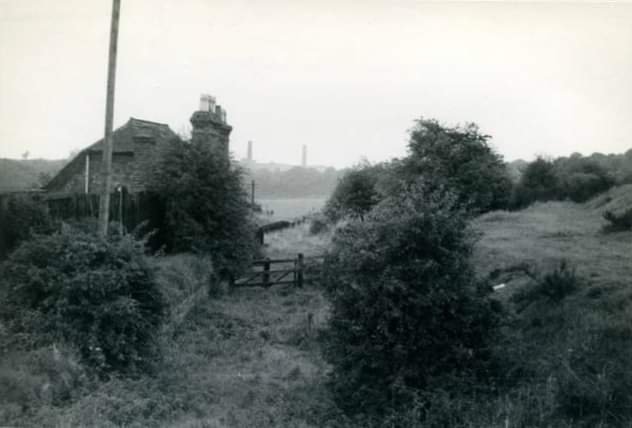
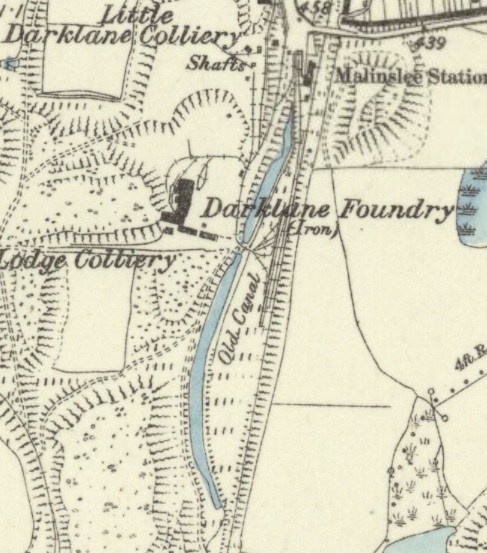
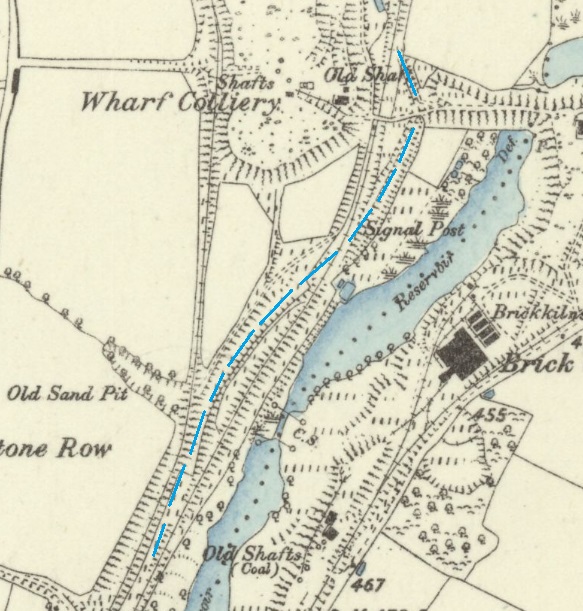
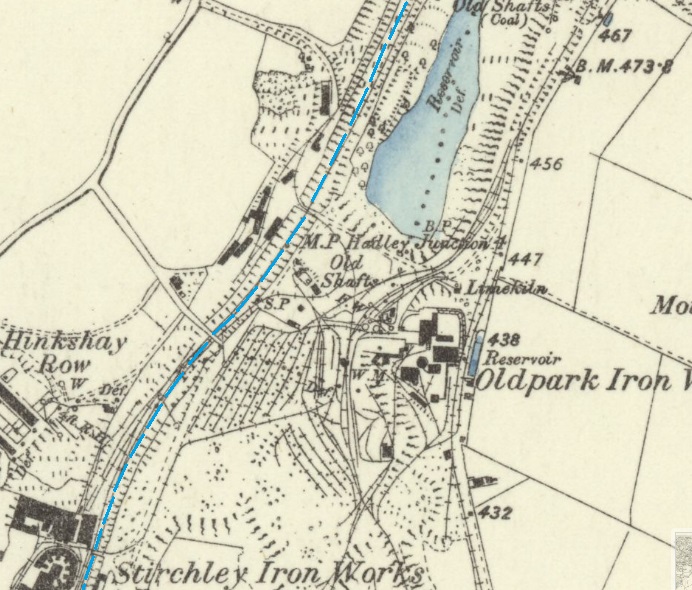
The Canal bed behind Malinslee Railway Station buildings in 1962. This image was shared on the Telford Memories Facebook Group by Marcus Keane on 27th February 2022. [14]An extract from the 1881 Ordnance Survey, published in 1882 showing the area to the South of Dark Lane. Little Dark Lane Colliery to the immediate West of the Station was still in use at the time of this survey. The standard-gauge siding to the West of the Station buildings can be seen on this extract as serving a tramroad wharf, as can the longer siding to the South. Tramroads are not the subject of this article, but given that the tramroads shown seem to only serve the Little Dark Lane Colliery and the Dark Lane Foundry, the traffic on these lines may have either been horse-powered or even man-powered. When the Canal was active a wharf would have existed on the West side of the canal. [25]A further extract from the 1881 6″ Ordnance Survey, showing the next length of the canal. The route of the old canal is indicated approximately by the light blue dashed line. [25]The next extract from the 6″ Ordnance Survey of 1881 takes the canal as far South as Stirchley Ironworks. There are a myriad of tramroad sidings shown at the time of the 1881 survey. Many of these are associated with Oldpark Iron Works and they fill the space between the old canal route and the Works. Most of these will not have been present in the period while the canal was active. As we will see below, there was at least one tramroad bridge across the canal in the time before the canal was replaced by the LNWR Coalport Branch. [25]
The Loop near Stirchley Ironworks
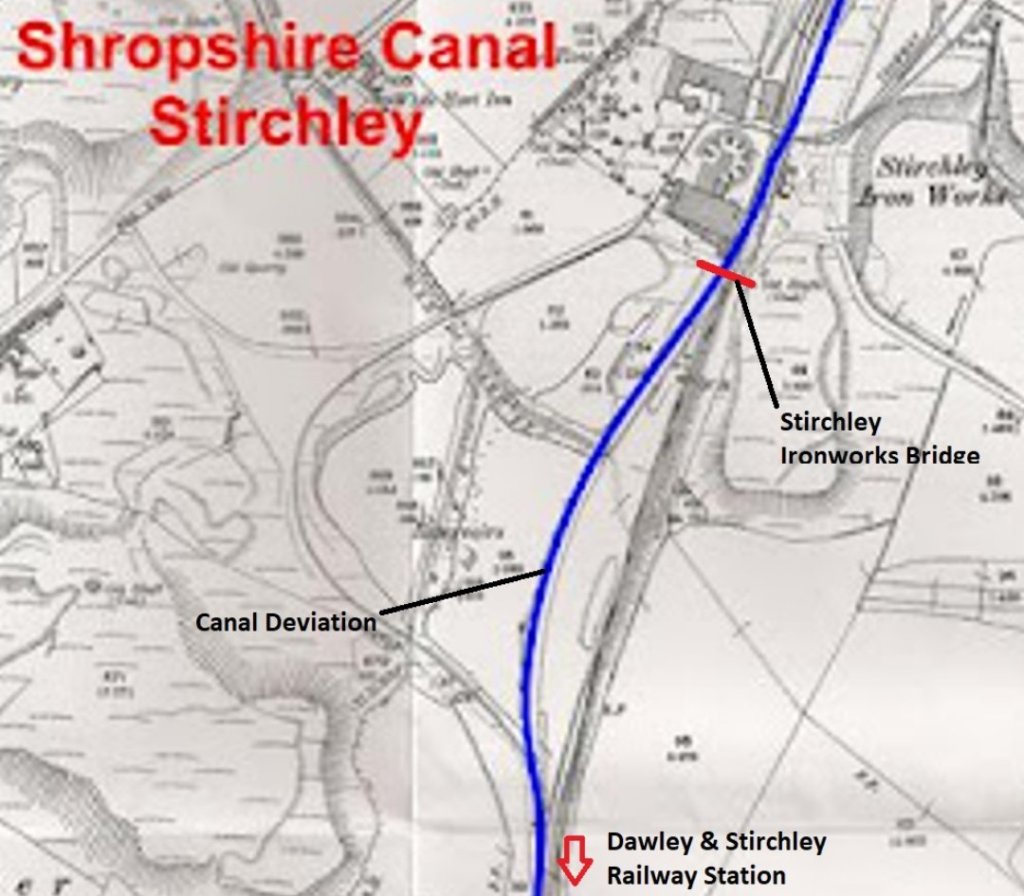
Andy Tidy surveyed the route of the Coalport Branch of the Shropshire Canal in March 2012. He highlighted two areas worthy of note. The first adjacent to Hinkshay/Stirchley Pools and the second to the South of Dawley and Stirchley Railway Station where the Canal was in tunnel during its working life. [15]
Adjacent to the Hinkshay Pools, the Canal alignment deviated from the formation of the later Railway. Andy Tidy provided a plan (below) of the location which I have annotated with the key features he refers to. His pictures of the canal deviation can be seen here. [15]
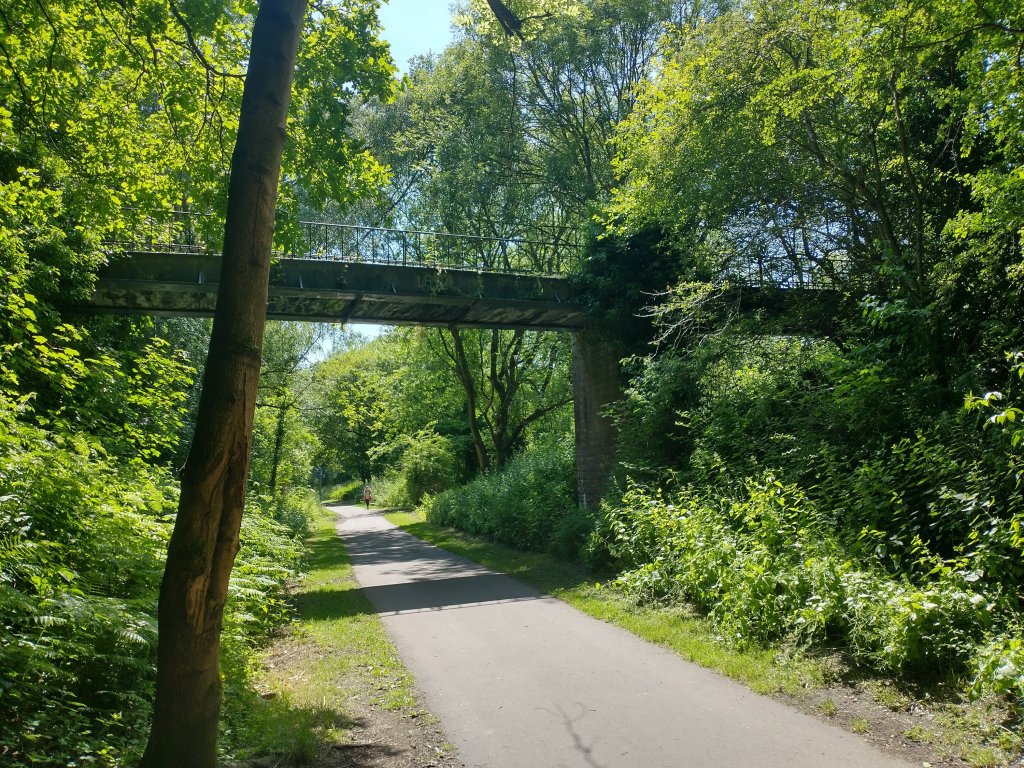
Andy Tidy says: “No sooner has the line moved off the modern Silkin Way than it is in water, first in the undergrowth but then as it passes the first reservoir the bed squeezes through the foundations of a collapsed bridge and on into open water. … The towpath sits on a narrow strand of land between the canal and the Stirchley Pools Reservoir, a pretty spot which is carefully maintained as a nature reserve. This clear stretch of canal is haunting and as you walk under the shade of the trees you almost expect to meet a horse plodding the other way towing a string of loaded tub boats. … All too soon this enduring stretch of canal slides back into the railway bed, all traces are lost at it passes through the recently rebuilt Stirchley Station.” [15]Looking North along the Silkin Way, this is the Stirchley Ironworks Bridge which crossed the Canal and later the railway. Stirchley Ironworks were on the left-hand side of the photograph, on the far side of the bridge. [My photograph, April 2022]This picture shows the length of the canal on the map above. It was shared by Andy Rose on the Telford Memories Facebook Group in February 2022. [18]
The remaining length of the canal to the South of Stirchley Iron Works is covered in a second article which can be found on this link:
A P Baggs, D C Cox, Jessie McFall, P A Stamper and A J L Winchester; Wrockwardine Wood, in A History of the County of Shropshire: Volume 11, Telford, ed. G C Baugh and C R Elrington (London, 1985), pp. 323-326. British History Online http://www.british-history.ac.uk/vch/salop/vol11/pp323-326, accessed on 29th August 2022.
This photograph was shared as a comment by Andy Rose on a group post by Marcus Keane dated 27th February 2022 which showed the length of the Shropshire Canal bed directly behind Malinslee Railway Station; https://m.facebook.com/groups/674238619260811/permalink/7378452445506028, accessed on 29th August 2022.
References provided in Reference [17] C. Hadfield; Canals of W. Midlands (1969), 40, 151, 251, 328-9; I.G.M.T., Lilleshall Co. colln. 106, 110; Trinder, Ind. Rev. Salop. (1981), 76, 84-5, 153.
Reference provided in Reference [17] Shropshire Records Office 691/1; Salop. News Sheet, xvii. 7-8.
A P Baggs, D C Cox, Jessie McFall, P A Stamper and A J L Winchester; Wombridge: Growth of settlement, in A History of the County of Shropshire: Volume 11, Telford, ed. G C Baugh and C R Elrington (London, 1985), pp. 285-289. British History Online http://www.british-history.ac.uk/vch/salop/vol11/pp285-289; accessed on 2nd September 2022.
A P Baggs, D C Cox, Jessie McFall, P A Stamper and A J L Winchester; Wombridge: Communications, in A History of the County of Shropshire: Volume 11, Telford, ed. G C Baugh and C R Elrington (London, 1985), pp. 284-285. British History Online http://www.british-history.ac.uk/vch/salop/vol11/pp284-285; accessed on 2nd September 2022.
Bob Yate; The Shropshire Union Railway – Stafford to Shrewsbury including the Coalport Branch (OL129); Oakwood Press, Usk, Monmouthshire, 2003.







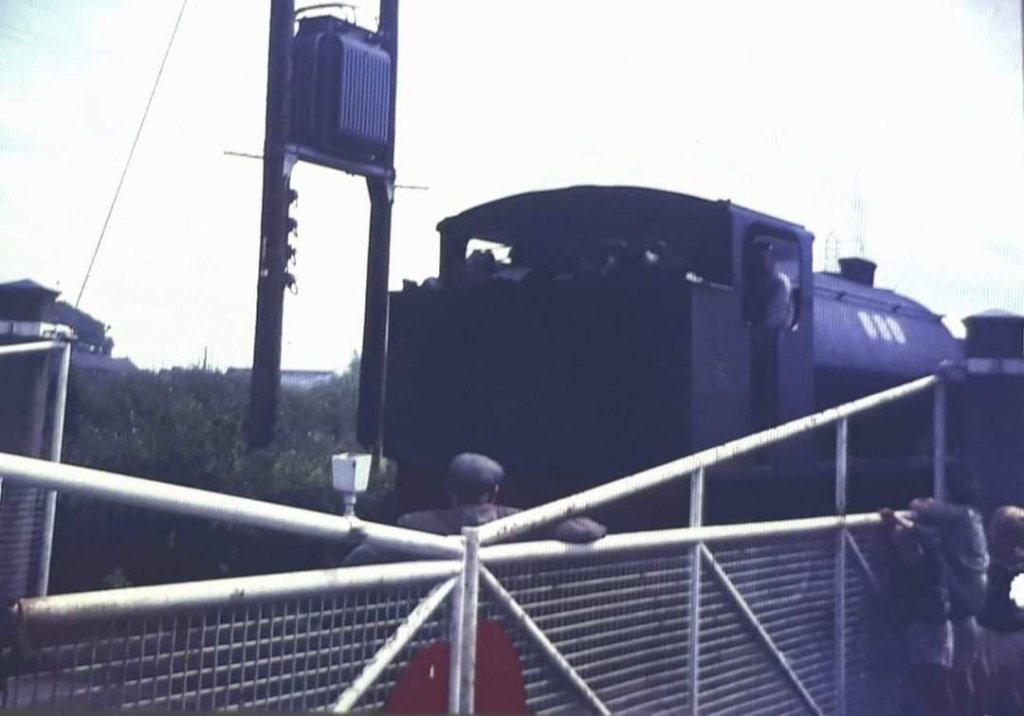
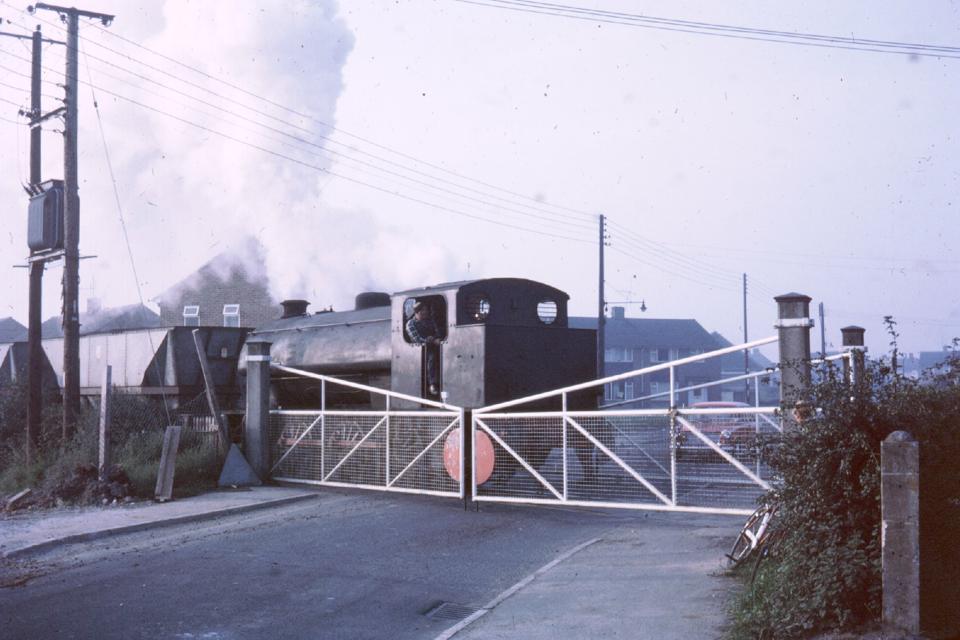






 Roger Farnworth