In Part 1, we looked at the railways in the North of Namibia, that article can be found here. [4] This article covers lines which left Windhoek and covered the South of the country.
After the aerial image immediately below, the next three images form a kind of ‘tryptic’ which shows the TransNamib train yard and station at Windhoek. Taken together they show the full site. …
The railway line from Windhoek to Nakop is 869 kilometres (540 miles) long. The section between Karasburg and Keetmanshoop was completed in 1909. In 1912, the 500 kilometres (310 miles) connection between Karasburg and Windhoek was completed, and the extension to Upinhton (South Africa) was built in 1915.
Windhoek
Aris
Rehoboth
Tses
Keetmanshoop
Karasburg
Nakop (border)
Upington
We start our look at the main line to the South, in Windhoek at the South end of the Railway Station site. …
The southern end of Windhoek Railway Station, seen from John Meinert Street. [Google Streetview, 2023]The line South, from John Meinert Street. [Google Streetview, 2023]A satellite image showing the railway South of John Meinert Street. [Google Maps, June 2025]The next length of the line to the South, to a point South of the B6. [Google Maps, June 2025]The bridge carrying the railway across the B6. [Google Streetview, 2024]
Although it does not look like it as yet, the line South of Windhoek Railway Station climbed relatively steeply as it meandered South. … As we will soon see, the landscape South of Windhoek is different to that to the North of the city.
The line to the South of the B6 curves round the residential area of Schmerenbeck Street. [Google Maps, June 2025]The line then crosses the Gammams River and under David Hosea Meroro Road. [Google Maps, June 2025]The triangular junction visible in this image gives access to the branch line to Gobabis. [Google Maps, June 2025]The line then passes under the B1. [Google Maps, June 2025]Looking South from the B1. [Google Streetview, 2024]Then the line(s) cross the Arebbusch River. [Google Maps, June 2025]The next road to bridge the line is the C26. [Google Maps, June 2025]The view from Mandume Ndemufayo Avenue (C26) back towards Windhoek Railway Station. [Google Streetview, 2024]The view South from Mandume Ndemufayo Avenue towards the hills. [Google Streetview, 2024]The line passes under the city’s Western Bypass. [Google Maps, June 2025]This view looks North-northeast under the Western Bypass towards Windhoek Railway Station. [Google Streetview, 2024]Looking South from the Western Bypass. [Google Streetview, 2024]The line passes once again under the B1 as the hills draw closer. [Google Maps, June 2025]The view South-southeast along the line from the bridge carrying the B1. [Google Streetview, 2022]
The line continues to wind its way into the hills passing under the B1 once again.
The line has deviated away from Birmingham as it finds its own way into the hills. It returns to pass under the modern road again. [Google Maps, June 2025]The view South from the bridge carrying the B1. The line enters a very short tunnel just to the South of the modern road. [Google Streetview, 2022]The B1 continues to climb as it heads South. The railway takes a different path as it gains height. It crosses over the B1 by means of this bridge. [Google Streetview, 2022]
Some kilometres further along the line it again crosses the B1. This time the road bridges the line. …
Both road and railway continue their journey South. Here their paths cross once again close to Aris Railway Station. [Google Maps, June 2025]Looking back along the line to the North from the bridge carrying the ,B1 over the line. [Google Streetview, 2022]And from the same bridge looking Southwest into Aris Railway Station. [Google Streetview, 2022]
The community of Aris and its railway station are shown in a YouTube video. …
Aria Railway Station. [9]
South of Aris Railway Station,two tracks run in parallel as far as Aris Quarry.
Part of Aris Quarry appears at the bottom left of this satellite image. The other significant part of the Quarry sits to the Southeast on the East side of the B1. [Google Maps, June 2025]At Aris Quarry Google Maps shows three bogie hopper wagons at a short wharf. [Google Maps, June 2025]T
The line continues South towards Rehoboth. …
Quarry land sits on the East side of the line at the top of this next satellite image. A dry water ourselves can be seen across the image. It is bridged by the line. [Google Streetview, June 2025]A closer image of the truss girder bridge crossing the dry river bed. [Google Maps, June 2025]
The next two satellite images show the line heading further South. …
For a short distance the B2 runs close to the railway. The railway then crosses two more dry watercourses. [Google Maps, June 2025]The view from the B1 at the top of the satellite image immediately above looking West. The railway line can be seen between the road and the mountain. [Google Streetview, January 2024]The bridge over the first dry river. [Google Maps, June 2025]The bridge over the second of the two watercourses. [Google Maps, June 2025]
The next three satellite images take the line further South, running on its own course with the B1 away to the East. …
Close to the bottom of this image the railway crosses the Oanob River’s watercourse on a causeway with a short trestle bridgeThe truss girder bridge over the dry watercourse of the Oanab River. [Google Maps, June 2025]
More satellite images take us further South. The first two of these extracts from Google’s satellite imagery shows the line running past the Omeya Golf and Residential Oasis. More about this relatively recent development can be found here [6] and here. [7]. The second of these is a sales video produced to attract investors and house sales.
Four satellite images take the line South to a point where it once again runs alongside the B!. [Google Maps, June 2025]Looking Southwest from the B1 just to the North of its junction with the D1427. The railway can be seen in the background behind the closest trees. [Google Streetview, 2022]
Over the next 3 or 4 kilometres the line and the road run in parallel, with little worthy of note, Before the railway moves away to the West of the road once again. …
The line crosses four dry watercourses before turning towards the East. [Google Maps, June 2025]Running Southeast the line follows the fourth of the watercourses and passes under the B1. [Google Maps, June 2025]Looking North-northwest along the line from the bridge carrying the B1. [Google Streetview, November 2023]Looking Southeast from the same bridge towards Rehoboth. [Google Streetview, November 2023]
The line wanders its way through the hills to the East of the B1 passing from the Khomas Region of Namibia into the Hardap Region. It runs through a number of small townships close to the Usip River before entering Vogelpan where Rehoboth Railway Station was sited.
Just a short distance to the South of Vogelpan, the railway turns East to cross the Usip River. ….
Looking East from the C25, the line can be seen curving away to the East and crossing the channel of the Usio River. [Google Streetview, August 2024]
Just to the South of the location of the photograph immediately above, the C25 itself turns East and crosses both the Usip River watercourse and then the railway.
Looking North-northwest from the ungated crossing on the C25, along the railway back towards Vogelpan. [Google Streetview, August 2024]Looking Southwest from the same crossing on the C25, along the railway. [Google Streetview, August 2024]
The railway runs down the East side of the River Usip passed its confluence with the Oanob River. It then continues alongside the Oanob (less than 1 kilometre to the East of the river).
The railway then crossed the Oanob River and a tributary in quick succession. [Google Maps, June 2025]
The first bridge (on the left) crosses the Oanob, the second (on the right, crosses the tributary). [Google Maps, June 2025]
The line then continues, pretty much in a South-southeast direction for some considerable distance with little to remark on. It passes close to Duinevelde on its way South before reaching Kalkrand.
The railway is seen here (from a minor road to the West of the line) approaching Kalkrand from the North. [Google Streetview, August 2024]Kalkrand and its railway Station. [Google Maps, June 2025]Kalkrand Station and passing loop. [Google Maps, June 2025]
Southeast of Kalkrand the line and the B1 run in parallel. …
Road and rail together head Southeast. [Google Maps, June 2025]Looking East from the B1, the railway can be seen on a parallel course. [Google Streetview, December 2023]The dunes of the Kalahari desert appear in the top right of this satellite image. [Google Maps, June 2025]The railway flirts with the edge of the dunes. [Google Maps, June 2025]
The line continues in a generally Southeasterly direction along the edge of the Kalahari Desert before beginning to swing round to the South and heading into rougher terrain where its route is dictated by the contours. …
Sidings some distance to the South of Kalkrand. [Google Maps, June 2025]These two structures carry the line over watercourses in the hills [Google Maps, June 2025]
Further South and again on flatter terrain the line passes under the C20. …
Looking North-northwest along the line from the bridge carrying the C20. [Google Streetview January 2018]Looking Southeast along the line from the same bridge. The various storage tanks on the horizon are associated with Agrimark, an agricultural and retail store, part of the Agrimark, Namibia network. Adjacent to it, between the Fish River and the B1 and on the West side of the Fish River is an area of irrigated fields. [Google Streetview, January 2028]Agrimark’s storage facility heralds the arrival of Southbound strains in the town of Mariental. [Google Maps, June 2025]Looking North from an ungated crossing on a minor road North of Mariental. [Google Streetview, December 2023]Looking South from the same crossing. [Google Streetview, December 2023]Further South, the line bridges a dry watercourse which is a tributary of the Fish River. [Google Maps, June 2025]The bridge in the above satellite image as seen from the B1. [Google Streetview, December 2023]Immediately North of Mariental, the crosses another minor road at an ungated crossing. This view looks North along the line. [Google Streetview, December 2023]Looking South towards Mariental from the same crossing. [Google Streetview, December 2023]Mariental Township with the Railway Station at the centre of the satellite image. [Google Maps, June 2025]
The next two extracts from Google Maps satellite imagery cover the length of the railway station site. …
These two images show the station site at Mariental. [Google Maps, June 2025]Mariental Station building. [Google Streetview, December 2023]The station building at Mariental seen fromt he Southwest. [Google Streetview, December 2023]Immediately South of Mariental, the B1 and the railway run South side by side. [Google Maps, June 2025]The railway seen from the B1 to the South of Mariental. [Google Streetview, January 2018]A series of different culverts and bridges support the line over historic channels most of which are dry. [Google Streetview, December 2023]The next road crossing is that for the C18. It is another ungated crossing and this is the view looking North along the line. [Google Streetview, August 2024]And this is the view South along the line at the same crossing. [Google Streetview, August 2024]Looking Northwest from the ungated crossing over the D1068 at Asab. [Google Streetview, December 2023]Looking Southeast from the D1068 into the station at Asab. [Google Streetview, December 2023]Asab Trading CentreSidings/Station and River. [Google Maps, June 2025]Looking North from the B1 along the Asab River watercourse with the railway bridge close to the centre of the image. [Google Streetview, December 2023]
The line continues Southeast from Asab. …
Looking North from the D3919Looking Southeast from the D3919The line continues Southeast towards Tses on a shallow embankment with bridge openings for run-off water over dry watercourses. [Google Streetview, December 2023]Tses Township, the B1 and the railway. [Google Maps, June 2025]Tses Station and Sidings. [Google Earth, June 2025]Tses River Bridge. [Google Earth, June 2025]Looking Northeast from the bridge carrying the B1 along the line, back towards Tses. {Google Streetview, December 2023]Looking ahead to the Southwest from the same bridge. [Google Streetview, December 2023]
The line continues in a generally Southwards direction. Again, when hills are encountered it curves its way along the contours to limit gradients. …
Another glimpse of the line from the bridge carrying the B1 across the outfall channel from the Van Rym Dam on the approaches to Keetmanshoop. [Google Streetview, December 2023]
Keetmanshoop is the next significant settlement on the line. …
4-8-0 Locomotive Class 7A, No. 1011 was built by Neilson & Co, of Glasgow, Scotland, as works no 4930 in 1896, it was brought to Keepmanshoop in 1980 to be plinthed. The first Class 7 locomotives were commissioned by the Cape Government Railways and delivered by Dübs & Co of England in 1892. Follow-up batches were built by Sharp, Stewart & Co, Neilson, Reid & Co, and North British Locomotive Company. They had a wheel arrangement of 4-8-0, coupled wheels of 3’6 3/4″ (1086mm diameter) and Stephenson link valve gear. The engines were originally powered by saturated steam, but many were later reboilered and converted to use superheated steam. Modifications such as larger boilers, increases in cylinder diameters and larger cabs resulted in the reclassification of the locomotives as Class 7A, 7B, 7C, 7D, 7E and 7F. More information and photographs can be seen here. [16]
More modern facilities at Keetmanshoop Railway Station. [Google Maps, June 2025]A view of these modern facilties from the Southwest on Darn Viljoen. [Google Streetview, December 2023]The yard and turning triangle at Keetmanshoop Station. [Google Maps, June 2025]The view of the yard from the corner of 3rd Street and 12th Avenue. [Google Streetview, December 2023]
While Keetmanshoop railway Station sits approximately on an East-West alignment is is approached bey means of a sharp curve from the North and trains leaving to the South take a sharp curve to the South within the township.
The line continues to the South. … First five images following the line South and Southwest as far the point where the B4 bridges the line.
A series of five images following the line, first along Railway Street and then at an ungated crossing, all photographs are taken looking Southwest. [Google Streetview, December 2023]The length of line covered by the images above. The B4 crosses the line at the bottom of the image. [Google Maps, June 2025]
Two pictures now taken from the bridge carrying the B4 over the line.
Looking North from the B$ towards Keetmanshoop. [Google Streetview, December 2023]Looking South along the line ahead. [Google Streetview, December 2023]Looking Southwest along the line from an ungated crossing to the South side of the B4. [Google Streetview, December 2023]Looking Southwest along the line from another ungated crossing to the South side of the B4. [Google Streetview, December 2023]The B4 and the railway run parallel, perhaps around 100 metres apart. This photograph shows the line running parallel to the road. Google Streetview, December 2023]Another view looking Southwest, this time from the ungated crossing which takes the C12 dirt road over the line. [Google Streetview, January 2018]The last image showed a passing loop to the Southwest of the C12. This satellite image shows the full length of the loop. [Google Maps, June 2025]
The railway turns to the West as it approaches the junction at Seeheim.
The railway continues to run parallel to the C12/M28 for some considerable distance. Close to Grunau the C12/M28 meets the B1 which crosses the line at 90°.
Looking East-southeast from the bridge carrying the B1 over the railway, the passing loop at Grunau is just ahead. [Google Streetview, 2024]The railway station/passing loop at Grunau to the East of the B1. [Google Maps, June 2025]Grunau Railway Station, (c) Pgallert (2010) and licenced for reuse under a Creative Commons Licence (CC BY-SA 3.0). [17]
East of Grunau, the line runs parallel to the B3 in a southeasterly direction. …
The line bridges the dry watercourse of the Hom River and other watercourses as it head Southeast. [Google Maps, June, 2025]The Hom River Railway Bridge, seen from the B3 Bridge over the same watercourse. [Google Streetview, 2022]Two further structures carry the Railway over dry watercourses on the run into Karasburg. [Google Streetview, The railway enters Karasburg from the North West, curving round to close to a North-South alignment through the railway Station and then sharply curving round to the Northeast as it leaves the town. [Google Maps, June 2025]The view South towards Karasburg Railway Station from the ungated crossing at Hendrik Snyman Street. [Google Streetview, January 2024]Karasburg Railway Station. [Google Maps, June 2025]The turning triangle at Karasburg. [Google Maps, June 2025]
Karasburg Railway Station: passenger platform/building (note the painted edge of the platform) and goods shed. The pictures below come from 1914/1915 and show different aspects of Karasburg Railway Station at that time.
Karasburg Railway Station in 1914/1915. [18]The engine shed in 1914/1915. [18]Pointwork at Karasburg Railway Station. [18]
As we have already noted the line South of Karasburg Station curves sharply to the Northeast and passing under the M21.
Looking West from the bridge carrying the M21 over the railway at Karasburg. [Google Streetview, September 2024]Looking East from the bridge carrying the M21 over the railway at Karasburg. The curve shown on the last image continues as the railway turns to the Northeast. [Google Streetview, September 2024]East of Karasburg the line runs Northeast alongside the B3 before head East on the South side of the road. [Google Maps, June 2025]
For some distance the line runs along the South side of the B3. separating from it close to Nuwefontein. The B3 crosses to the East side of the Ham River, with the railway remaining on the West side of the river, before crossing it close to De Villiersputs. Near Grondorner, the line crosses the D237 and bridges a tributary of the Ham River before running alongside the D237 in a Southeasterly direction. After a number of kilometres, the D237 turns away to the South and the line continues in a generally easterly direction.
Meandering to the north and then again to the East the line of the B3 once again and runs on its South side towards Ariamsvlei, the border with South Africa and Nakop, beyond the border in South Africa.
Ariamsvlei Railway Station and marshalling yard. [Google Maps, June 2025]The view East into the site from the B3. Google Streetview, January 2024]Ariamsvlei turning triangle and border post which is just about 10 kilometers from the border with South Africa. Nakop is beyond the border. [Google Maps, June 2025]
Beyond Ariamsvlei is the border crossing at Nakop and the South African town of Upington.
Windhoek-Gobabis
Next we look at a line which ran East from Winhoek. … The railway line from Windhoek to Gobabis is 228 kilometres (142 miles) long and was completed in 1930. [10]
Windhoek (capital – junction)
Neudamm
Omitara
Gobabis (branch railhead)
The line to Gobabis leaves the Windhoek-Nakop line at a triangular junction and headed East.
The Windhoek-Gobabis line leaves the line to Nakop in the Southern suburbs of Windhoek. [Google Maps, June 2025]
These next fourteen satellite images show the line wandering back and forth through the Windhoek suburbs. …
These fourteen extracts from Google’s satellite imagery take the Gobabis line to a point to the East of Sam Nujoma Drive. [Google Maps, June 2025]Looking South-southwest from Andries de Wet Street along the line of the railway towards Windhoek Railway Station, showing the substantial bridge under construction in 2024. [Google Streetview, 2024]
The journey beyond Andries de Wet Street continues, the next satellite images cover larger areas than the ones above. ….
This sequence of three images takes the line out into open country beyond the Avis River. [Google Maps, June 2025][The truss girder bridge which carries the railway over the B6 and the channel of the Avis River. [Google Streetview, January 2024]
The line continues in a generally easterly direction, although the contours of the terrain mean that the railway has to meander back and forth to find the most advantageous route. These next extracts from Google’s satellite imagery show the way that the line picks its way through the landscape. …
This sequence of four extracts from Google’s satellite imagery takes the line as far as Finkenstein. [Google Maps, June 2025]The railway station close to Finkenstein Estate/Village. [Google Maps, June 2025]The view Southwest from the D1527 along the railway towards Windhoek. Google Streetview, January 2024]Looking Northeast into the railway station site from the D1527. [Google Streetview, January 2025]A little further to the Northwest on the D1527, this is the view looking Northeast into the goods yard at the station. [Google Streetview, January 2024]
These two images indicate the area of the Finkenstein Estate/Village and current proposals for new housing and a new major road.The location of the railway Station can be seen at the top-left of the satellite image. The lighter swathe of ground curving across the top half of the satellite image is the construction site for the new road. [5][Google Maps, June 2025]
The line continues East from Finkenstein. At the right side of this satellite image the railway passes under the B6. [Google Maps, June 2025]Looking Northwest from the B6 along the line towards Finkenstein Station and Windhoek. [Google Streetview, January 2024]Looking Southeast from the B6 the line is curving to the South. The older road bridge is visible alongside the B6. Not too far ahead, out of shot are the construction works for the road that will replace the B6 as a main artery. [Google Streetview, January 2024.
Almost immediately after passing under the B6, the line begins to swing round from a Southwestern trajectory to the Northeast and then the East before passingunder the B6 again.
Looking Northeast from the bridge carrying the B6 over the line. The line can be seen curving round to the East. [Google Streetview, January 2018]
The line heads generally in an easterly direction and after some kilometeres runs alongside the Seeis River. …
The railway bridges the Seeis River and then runs alongside both the river and the B6. [Google Maps, June 2025]
Stocking close to the South bank of the Seeis River, the line passes to the North of Sonnleiton Village before rejoining the B6 close to Windhoek Airport, and passing to the South of the airport and then running immediately alongside the B6.
The railway seen looking North from the B6. [Google Streetview, January 2024]
Both road and rail pass just to the North of the settlement of Seeis where an old railway station was sited, and then over the River Seeis.
The Seeis River Railway Bridge seen looking North from the B6. [Google Streetview, January 2024]
The video below shows the settlement, its station and its bridge. ….
YouTube video of Seeis and its station and railway bridge. [19]
Beyond Seeis the railway continues alongside the B6 in a Northeasterly direction. The railway then turns further Northwest and leaves the B6, finding its own path towards Gobabis. It crossed the D1535 at an ungated crossing. The D1535 then runs alongside the railway heading Northeast before crossing the railway again at another ungated crossing. Both road and railway cross the Wit Nossob River and run along its North bank, crossing tributaries enroute before passing to the North of the Otjivero Reservoir and Dam.
The Otjivero Reservoir and Dam. The railway runs on the North side of the D1535. [Google Maps, June 2025]
Beyond the Dam, the railway follows the C29 heading East. it pulls away a little to the North to create room for Omitara Railway Station.
Omitara Railway Station. [Google Maps, June 2025]Omitara Railway Station, (c) Arche-foto, Burkhart Rüchel, and licenced for reuse under a Creative Commons Licence, (CC BY-SA 3.0). [20]
Northeast of the station the railway passes under the C29, continuing to run East-northeast and then East, and then Southeast, before returning to run alongside the B6 once again. Following the line on satellite images has become increasingly difficult.
This photograph looks along the line to the East from the ungated crossing over the D1658 at Grunental. As can be seen the line is significantly over grown by grasses. [Google Maps, June 2025]Looking East at the ungated crossing over the D1663, the line seems to be disappearing into the sand. {Google Streetview, January 2024]Looking West at the old station site at Witvlei. [Google Streetview, January 2024]Looking East at the old station site at Witvlei. [Google Streetview, January 2024]Witvlei Railway Station in 2018, (c) Hp.Baumeler and licenced for reuse under a Creative Commons licence, (CC BY-SA 4.0). [21]Looking back West along the apparently little used line towards Windhoek from the bridge carrying the B6 across the line. [Google Streetview, January 2024]Looking East from the same bridge, the line is almost indistinguishable from the surrounding grassland. [Google Streetview, January 2024]
The railway continues to the East, with the B6 running parallel to it on the North side.
Looking East along the line at an ungated crossing on a minor road.The B6 can be seen over to the left. [Google Streetview, January 2024]
The line begins to turn to the Southeast before crossing the Black Nossob River. …
Looking Southeast from the C30 along the line towards the Black Nossob River. [Google Streetview, January 2024]The railway bridge over the Black Nossob River close to Gobabis. [Google Maps, June 2025]Gobabis: the Black Nossob River, Reservoir and Dams are on the left side of the satellite image. The railway bridge over the Black Nossob can just be picked out in the extreme top left of the image. The railway flanks the reservoir and lake before passing under the B6 and then, after the B6 has turned through 90, under the B6 (Gobabis Bypass).Looking West from the B6 bridgeLooking East from the B6 BridgeLooking Northwest from the Gobabis Bypass (B6).Looking Southeast from the Gobabis Bypass (B6).Looking Northwest from Heroes Lane/Creamery Lane, GobabisLooking Southeast from Heroes Lane/Creamery Lane, Gobabis
The 6 images immediately above show the railways approach to Gobabis Railway Station.
Gobabis Railway Station. Its turning triangle can be seen at the right side of this satellite image. A series of sidings are the end of the line, these are just Southeast of the turning triangle. [Google Maps, June 2025]Gobabis Railway Station Buildings. [Google Maps, June 2025]Gobabis Railway Station Building, (c) Hp. Baumeler and licenced for reuse under a Creative Commons Licence (CC BY-SA 4.0). [22]Plinthed at Gobabis Railway station is this 5 man railway inspection car (c) Hp. Baumeler and licenced for reuse under a Creative Commons Licence (CC BY-SA 4.0). [23]Also plinthed at Gobabis Railway station is this small flatbed wagon, (c) Hp. Baumeler and licenced for reuse under a Creative Commons Licence (CC BY-SA 4.0). [24]
Gobabis is the end of the line. There are plans on the drawing board for a Trans-Kalahari Railway Line which would extend East from the current livestock railhead at Gobabis and may well be electrified. [25][26][27]
Seeheim-Lüderitz
The final length of line to be looked at is that from Seeheim to Lüderitz. The railway line from Seeheim to Lüderitz is 318 kilometres (198 miles) long. The connection between Lüderitz and Aus was completed in 1906, and the extension to Seeheim was completed in 1908. [1] The service between Aus and Lüderitz was decommissioned in 1997, due to poor track condition, and there is no regular passenger service between Seeheim and Aus. … The line to Lüderitz was rehabilitated in the 2010s and was scheduled for reopening in 2017. Test trains ran to Lüderitz in 2014 and Lüderitz Harbour in 2018. [2]
We begin this journey from Seeheim Railway Junction. …
Seeheim Railway Junction. [Google Maps, June 2025]
Just a short distance Northwest along the line from the junction is Seeheim Railway Station.
Seeheim Railway Station in very early days. [30]The train yard at Seeheim in the 21st century. The Skaap River is just to the South of the Yard. [Google Maps, June 2025]A short distance beyond the limits of the old railway station the line crosses the Fish River close to its confluence with the Skaap River. This is a very early postcard image of the railway bridge over the river. A modern image of the bridge in the distance on this postcard can be seen here. [29] [30]The bridges over the Fish River in the 21st century. [Google Maps, June 2025]After crossing the Fish River the railway follows its North bank. [Google Streetview, June 2025]It crosses a couple of tributaries before heading away from the river into the hills. [Google Streetview, June 2025]
After some distance winding through the hills, the railway line crosses the D463, bridges a dry watercourse and crosses an open area of sand before again winding its way through more hills, heading Northwest. The next image shows the location of Sandverhaar Railway Station and Bridge.
Sandverhaar Railway Station and Bridge. [Google Maps, June 2025]Sandverhaar Railway Station, (c) Matthias Bruhin & Hp.Baumeler and licenced for reuse under a Creative Commons Licence (CC BY-SA 4.0). [28]
A little further West the line crosses the dry watercourse of the Gurib River and close to Alte Kalkofen Lodge passes through the site of what was Simplon Railway Station.
Immediately to the West of Simplon Station, the line crosses the D462 and then, for a short while runs alongside the B4.
At Goageb, the line passes under the B4 before entering the Railway Station.
Looking Northwest from the first bridge at Goageb carrying the B4 over the line. [Google Streetview, December 2023]
Goageb Railway Station. [Google Maps, June 2025]
The Station building and water tower at Goageb, seen from the Southwest. [Google Streetview, December 2023]The platform, station building and water tower at Goageb, seen from the Northwest. [Google Streetview, December 2023]
The bridge carrying the railway over the Konkiep River, seen from the bridge carrying the B4 over the river. [Google Streetview, December 2023]Looking back towards the railway’s bridge over the river. [Google Streetview, January 2018]Looking Northwest from the bridge carrying the B4, along the line of the railway. [Google Streetview, January 2018]
After passing under the B4 the railway turns North-northwest and runs alongside the B4 for a few kilometres before the road turned away toward the North. The railway then turns to the Southwest.
A relatively short passing loop is provided seemingly in the middle of nowhere! [Google Maps, June 2025]
These next few pictures give a sequence of satellite images or views in sequence along the line.
An igneous rock intrusion alongside the lineA dramatic S-curve on the line. Another unnamed passing loopThe line running South of and close to the B4Looking South from the B4 along the D446 we can see an ungated crossing . The railway is around 100 metres from the B4 at this location.A memorial has been placed at the site of a prisoner of war camp from the First World War to the East of the town of Aus.The Camp near Aus for German prisoners of war 1915-1919, (c) Public Domain. [31]Immediately to the South of the Kriegsgefangenen Denkmal, the war memorial, there are a series of sidings/passing loop on the railway as shown here. [Google Maps, June 2025]A gantry crane, cabins and water tower are present at this location. [Google Streetview, January 2024]
It is only a short distance from this location to the township of Aus. The railway passes, first, under the C13 and then into Aus.
The view Northwest from the C13 towards Aus. [Google Streetview, January 2024]Aus Railway Station. [Google Maps, June 2025]Looking Southeast, this photograph shows the railway line curving round into Aus Railway Station. [Google Streetview, December 2023]The Southeast end of Aus Railway Station site. [Google Streetview, December 2023]The station approach at Aus. [Google Streetview, December 2023]
Northwest of the railway station, the line crosses the C13 again, this time at an ungated crossing.
Looking Southeast from the ungated crossing on the C13 towards Aus Railway Station. [Google Streetview, December 2023]Looking Northwest along the line from the ungated crossing on the C13 – Aus church is prominent in this photograph. [Google Streetview, December 2023]
West of Aus the railway passes through the hills. The next image looks backthrough those hills towards Aus.
Looking back towards Aus we can see the line meandering through the hills. [Google Streetview, November 2021]Looking ahead along the railway line from the same location. [Google Streetview, November 2021]
The next station on the line was at Garub. The station is no longer in use.
Garub Railway Station: the station hose and water tower remain standing. [Google Maps, June 2025]Garub Railway Station building in the early 1900s, (c) Public Domain. [32]
This image of Garub station house and water tower is embedded here from fineartamerica.com. [33]
To the West of Garub the B4 and the railway run in parallel. The line passes through another abandoned stations at Tsaukaib, Haalenburg, Rotkop and Grasplatz.
The abandoned Railway Station at Haalenburg, looking West. [Google Streetview, December 2023]The abandoned Railway Station at Grasplatz, looking West. [Google Streetview, December 2023]
At Kolmanskop there is an entire derelict mining station which once had its own railway station.
Kolmanskop seen from the B4 with the railway visible in front of the buildings.Kolmanskop mining village. The diamond mine was to the South of the village. [Google Maps, June 2025]
As well as its railway link to Lüderitz, Kolmanskop was “the terminus of two private narrow-gauge electrified railway lines that served the diamond mining industry further south. One ran 119 kilometres (74 mi) via Pomona to Bogenfels. It was completed in 1913 but destroyed during World War I in 1915 by South African troops. The other railway line, 7 kilometres (4.3 mi) long and completed in 1920, led to Charlottental. Both were powered by a 1.5 megawatts (2,000 hp) power station in Lüderitz, then assumed to be the largest in Africa.” [1][34][35]
Kolmanskop is only a short distance from the Atlantic Ocean. The B4 and the railway find their own way down to the coast at Lüderitz.
The railway meanders down to the coast following the contours to keep the gradient to a minimum. On the way it passes through a turning triangle. It not obvious why the turning triangle is located at this point on the railway. However, not far beyond the triangle there are a series of sidings/loops which are shown in the image below.
Goods transfer sidings/loops close to Lüderitz. [Google Maps, June 2025]Just short of Lüderitz, the Atlantic is on the left of this photograph, the railway on the right. [Google Streetview, January 2024]Looking West along the railway towards the centre of Lüderitz. [Google Streetview, January 2024]Further along the line and looking North. [Google Streetview, January 2024]Looking North from the ungated crossing at Bay Street. The platform of the passenger station is just ahead. [Google Streetview, January 2024]
A photograph looking Southwest through the station can be viewed here. [37]
The engine shed and yard in Lüderitz are to the Northeast of the station platforms. [Google Maps, June 2025]The gates to the port at Lüderitz seen from Hafen Street. [Google Streetview, January 2024]The Port of Lüderitz. [Google Maps, June 2025]An aerial view of the port. [36]
The Railway Magazine of February 1952 carried an article by Charles E. Lee about railways in what was German South West Africa. This encouraged me to have a look at the history of Namibia’s railways and their condition and extent in the 21st century. The 1952 article also caught my attention because Manchester Diocese (I was a priest in Manchester Diocese before retirement) is linked with the Diocese of Namibia.
The territory was formally colonized by Germany between 1884-1890. It covered an area of 835,100 sq. km. It was a settler colony and had attracted around 3,000 German settlers by 1903, who primarily settled in the central high grounds. [2]
German South West Africa, now known as Namibia, was a German colony from 1884 to 1915. It was not a province within the German Empire but a separate colonial territory. From 1891, the capital was Windhoek, which also serves as the capital of modern-day Namibia. [2]
The arrival of German settlers disrupted the existing socioeconomic balance and led to conflicts, particularly with the Herero and Nama people.
“In 1883 Franz Adolf Lüderitz, a merchant from Bremen, Germany, established a trading post in southwest Africa at Angra Pequena, which he renamed Lüderitzbucht. He also acquired the adjacent coastal area, which he named Lüderitzland. These areas were constituted the first German colony under German protection on April 24, 1884. The German occupation subsequently extended inland. By the latter 1880s the German Colonial Company for the South realized that it was incapable of administering the territory, and the German government immediately took over the colony’s administration. As a result of the Zanzibar Treaty (1890) between Germany and Great Britain, German South West Africa acquired the Caprivi Strip (named after the German chancellor Graf Leo von Caprivi), a tract of land 280 miles (450 km) long in the extreme northeast of the territory; the colony thus gained access to the Zambezi River.” [3]
German colonial rule was harsh, leading to insurrections and resistance. “Major Theodor Leutwein, governor of the colony in 1894–1904, suppressed insurrections of the Khoekhoe (1894) and of the Hereros (1896). In 1904, however, the Hereros fomented a far more dangerous rebellion. The German force, at first only 750 strong and supported only by one artillery battery, had to face an army of some 8,000 men equipped with modern weapons. Reinforcements increased the German force, ultimately under the command of General Lothar von Trotha, and resulted in a decisive German victory on the Waterberg River. Further Khoekhoe rebellions were put down in 1904–07.” [3]
German South West Africa was occupied by the South African Union Defence Force in 1915 during World War I, and Germany formally ceded the territory under the Treaty of Versailles in 1919. Its administration was taken over by the Union of South Africa (part of the British Empire) and the territory was administered as South West Africa under a League of Nations mandate. It became independent as Namibia on 21st March 1990. [2]
The Railways
The railways in German South West Africa played a crucial role in the colonial administration and the First World War campaign. The German colonial authorities built a railway network between 1897 and 1914 to enable colonial territorialization and facilitate the extraction of resources. [4]
Charles E. Lee tells that “under the German regime, the first railway in South West Africa was the Northern State Railway (NSR), as it was then called, built to a gauge of 60 cm. (1 ft. 11 in.) between Swakopmund and Windhoek, via Jackalswater and Karibib, a distance of 238 miles. This line was begun in 1897 and was built by a German Military Brigade from Europe. It was first intended to be worked by animal power – Argentine mules or Cape donkeys – but steam traction was soon adopted. The first section (15 miles) was opened to traffic from Swakopmund in January 1898. By the end of that year 68 miles were ballasted and 54 open. In July 1900, the line was opened to Karibib, 121 miles, and the whole railway completed to Windhoek, a further 117 miles, in June, 1902. The curves and gradients were very severe, the gradient out of the Khan River gorge, for instance, being 1 in 19 with curves of 180 ft. radius. The rails weighed about 19 lb. a yard and were laid on iron sleepers. There were iron girder bridges at Khan River, Dorst River, and Kubas. The only good and plentiful water supplies were at Swakopmund and Karibib.” [1: p121]
Wikipedia tells us that there was actually an earlier line than the one Lee talks about. It was a small mining rail line at Cape Cross in 1895. [5] “Soon afterwards, the ox-cart transport system totally collapsed, in the wake of a rinderpest epidemic in 1897. As it was necessary to react quickly to the now extremely precarious transport situation, decisions were made: to build a railway line from the German port of Swakopmund to Windhoek (the Staatsbahn); to use existing, 600 mm (1 ft 11 5⁄8 in) gauge military Feldbahn material; and to entrust a railway brigade with the construction work, which began in September 1897.” [5]
Wikipedia continues: “Construction of the railways connecting with the Staatsbahn was aimed partly at military strategic objectives following the uprising of the Herero and Nama, and partly at economic requirements. … By World War I, the following lines had been developed (listed by the first year of full operation):” [5]
1902: Swakopmund–Windhoek line, 600 mm (1 ft 11 5⁄8 in) gauge, Karibib–Windhoek section re-gauged in 1911 to 3 ft 6 in (1,067 mm) gauge. [5]
1906: Otavibahn, 600 mm gauge. [5]
1905: Onguati–Karibib branch. [5]
1908: Otavi–Grootfontein branch. [5]
1907: Lüderitzbahn, 3 ft 6 in (1,067 mm). [5]
1909: Seeheim–Kalkfontein branch. [5]
ca 1911: Kolmannskuppe–Elisabethbucht–Bogenfels, industrial railway of the diamond fields. This 600mm gauge railway was electrified from 1911 (the only electric railway in Namibia’s history). Diamond mining in the region gradually moved south. The northern part of the line as far as Pomona was abandoned in 1931, and some of its materials were used for the extension of the railway towards Oranjemund. The southern section was operated with diesel traction. This line no longer exists. [5]
1912: Windhoek–Keetmanshoop railway, 3 ft 6 in (1,067 mm) gauge. [5]
1912: Rehoboth shuttle, 600 mm (1 ft 11 5⁄8 in) gauge (questionable). [6][7][2][5]
1914: Otjiwarongo–Outjo–Okahakana, 600 mm gauge (project started, but not completed due to the war). [5]
Lee talks of the formation, by the Otavi Mining & Railway Company, an Anglo-German syndicate owning the copper mines at Otavi and Tsumeb, of a railway: “This company was formed in Berlin in 1900, in accordance with an arrangement between the South-West Afrika Company, the Disconto-Gesellschaft of Berlin, and the Exploration Company. The first intention was to build a 3 ft. 6 in. gauge railway from Port Alexander in Portuguese West Africa to run in a south-easterly direction up the Muende River Valley and via Etosha Pan to the Tsumeb Copper Mines, and later to extend this line to Rhodesia to form a trans-African railway. Eventually it was decided to form a 60 cm. gauge line entirely in German territory connecting Swakopmund with Tsumeb, a distance of 351 miles. Construction was undertaken by Arthur Koppel & Co. and was begun in November 1903, but was delayed by the Herero War, and the work completed on 25th August 1906. This undertaking, called the Otavi Railway, had the distinction of being the longest narrow-gauge railway in the world. Branches were laid subsequently from Otavi to Grootfontein (56 miles) and from Onguati to Karibib on the State Railway (9 miles). The cost is stated to have been about £2,400 a mile, or roundly £1,000,000 in total. The railway was bought by the German Imperial Government in 1910 for £1,250,000, but the management was left in the hands of the company under a 30-year lease, terminable after 10 years.” [1: p121]
This line was well constructed, and well ballasted. It had a ruling gradient of 1 in 66 and minimum curvature of 150 metres. The permanent way consisted of steel rails in 30-ft. lengths, 30 lb. a yard, laid on steel sleepers weighing about 26 lb. each. “From Swakopmund, for a distance of 68 miles, the line rises steadily on a grade of 1 in 66 to Ebony Station, where it reaches an altitude of 3,500 ft. (On the down journey, the last 40 miles into Swakop-mund can be run by gravity.) From Ebony there is a regular fall to Usakos, which is 2,640 ft. above sea level. From Usakos it climbs 690 ft. in 13 miles to Onguati, and continues to rise until it attains its greatest elevation near Kalk-feld, where the summit is 5,200 ft.” [1: p121]
“The Otavi Railway, like the State Railway, was built to the 2 ft-gauge, though a difference of 1 centimetre in the wheel gauges is stated to have prevented the free interchange of rolling-stock. The widening to 3 ft. 6 in. of the gauge between Swakopmund and Omaruru had been voted by the German Railway Board, but the work had not been put in hand by the outbreak of the 1914 war. A new branch projected at the same period was the Ovamboland Line, the first aim of which was to provide Ovambo labour for the South. The Landesrat in November 1913, approved a line of 2 ft-gauge, but on earthworks and bridges wide enough for a 3ft. 6in. gauge track, to run from Otjiwarongo (on the Otavi Railways) to Outjo and Okahakana.” [1: p121]
Railways in South West Africa from Swakopmund, mainly German- built, included the 361 miles to Tsumeb, opened in 1906, and the longest narrow-gauge railway in the world. The gauge at the Southern end was widened in 1915. [1: p122]
A sum of £450,000 was allowed for the line from Otjiwarongo to Outjo and Okahakana “in the German Loan Estimates for 1914-15. The first section, including the 55 miles from Otjiwarongo to Amiab Poort, was to cost £250,000. Construction was begun, and the line was laid for 22 miles before the outbreak of hostilities in the first world war.” [1: p123]
“Railway developments south of Windhoek, on the 3 ft. 6 in. gauge, made it desirable to convert the earlier 2ft. lines. During 1911, the section from Karibib to Windhoek was converted to 3 ft. 6 in. gauge at a cost of £550,000, with the Bechstein-Koppel Gesellschaft as contractor. The ruling gradient [was] 1 in 66 with a minimum curvature of 656 ft. This work was completed during 1913. The Swakop River at Okahandja [was] spanned by a bridge 350 ft. long, and there [was] a smaller bridge at Otjihavera. About the same time, the coastward section from Karibib to Swakopmund was practically abandoned in favour of the alternative route provided by the Otavi Railway. In fact, the settlers in the Swakop Valley, who asked for a short railway to link them with Swakopmund, were promised in November 1913, that the material from the disused 92 miles of the State line between Swakopmund and Kubas would be used for this purpose, but it was not done.” [1: p123]
An image showing an armoured train in South West Africa during World War I, 1914-1918, can be found here [29] The South African army invaded the German colony of South West Africa in March 1915 overrunning the much smaller German forces.
Wikipedia tells us that, “With the outbreak of World War I, the German Schutztruppe military unit retreated from the coast, and withdrew into the inland. In the process, the Schutztruppe destroyed the Otavibahn, and the old Staatsbahn towards Karibib, as far as Rössing.” [5]
The Staatsbahn was abandoned but this was not the case with the Otavibahn. In 1914, “British troops … moved forward from the British enclave of Walvis Bay, and by the end of 1914 they had built a 37 km (23 mi) long 3 ft 6 in (1,067 mm) railway to Swakopmund. The Otavibahn was also reconstructed in 3 ft 6 in (1,067 mm) as far as Usakos, and the section between Usakos and Karibib was realigned. The network north of Usakos remained in 600 mm (1 ft 11 5⁄8 in) gauge; the workshop for both gauges was consolidated in Usakos, and the one in Karibib was closed.” [5]
Lee tells us that by 1917 the Staatsbahn line from Karibib to the coast had ceased to exist. “the line between Karibib and Rossing (95 miles), the 10-mile branch from Jakalswater (built to carry water from the Swakop River at Riet), and the Kubas military line (4.5 miles), were lifted and removed to provide material for Tanganyika and the Union of South Africa.” [1: p123]
Lee goes on to confirm that the Union forces, in the course of their invasion of German South West Africa, “laid a 3 ft. 6 in. line for 100 miles inland from Swakopmund to Kranzberg along the original track of the Otavi line, which the Germans had wrecked in their retreat. This was completed in August, 1915. The construction of a new 12.5-mile section, of the same gauge, from Kranzberg to Karibib, was completed in July 1915, and again connected the Otavi Railway with the [NSR]. Thus, in August 1915, there was continuous communication of uniform gauge for the first time from Swakopmund to points south of Windhoek. As strategic railways had meanwhile linked the Union Railways with those of South-West Africa on 25th June 1915, a through railway of 1,635 miles was provided between Walvis Bay and Cape Town.” [1: p123]
Also during the first world war, a new railway from South Africa was constructed – “as an extension of the De Aar-Prieska Railway – to achieve a secure supply route for … South African troops. In 1916, the line was connected to the German network at Kalkfontein (now Karasburg).” [5]
“With the linking of the Kranzberg-Tsumeb 2ft-gauge line to the workshops at Usakos by means of a third rail between Usakos and Kranzberg on the 3-ft. 6-in. gauge track of improved location, the 9-mile section from Karibib to Onguati was no longer of value, and it was uplifted in 1924.” [1: p123]
“The former Otavi Railway system [was] therefore represented [in 1952] by about 100 miles of 3 ft. 6 in. line on the coastward section, part of the main railway system of South-West Africa, and 307 miles of 2ft-gauge farther inland. [In 1952, there were] also various private branch lines (some disused) connected with the 2ft section. [In 1952], the present main line of this gauge [was] from Kranzberg to Tsumeb, some 251 miles, on which one train in each direction [was] run two days a week.” [1: p123]
Wikipedia continues: Under South African/British occupation, the following lines were established (listed by first year of full operation): [5][10]
1914: Walvis Bay–Swakopmund in 3 ft 6 in (1,067 mm). [5]
1915: Swakopmund–Karibib: Reconstruction in 3 ft 6 in (1,067 mm). [5]
1915/1916: (De Aar)–Nakop (border)–Kalkfontein in 3 ft 6 in (1,067 mm). [5]
1921: Otjiwaronge–Outjo 600mm gauge (based on German preparations). [5]
1929: Windhoek–Gobabis railway in 3 ft 6 in (1,067 mm). [5]
From 1958: the Otavibahn north of Usakos was gradually regauged to 3 ft 6 in (1,067 mm), with the new line being laid parallel to the existing line, but largely on new foundations; the new line was in operation from 1961. [5]
“From August 1915 the Namibian railway network was operated de facto by South African Railways, and this arrangement became official in 1922. … From 1959, steam locomotives were gradually replaced by diesel locomotives, for which an engine-house was built in Windhoek. This made operations very much easier, because water is in short supply in Namibia, and the coal needed to heat the water in the steam locomotives also had to be procured from the Transvaal.” [5]
The Namibian Network in the 21st century
In the 21st century, the rail network of Namibia is operated by TransNamib. As of 2017, the Namibian rail network consisted of 2,687 km of tracks. [11]
The railway line from Windhoek to Kranzberg is 210 kilometres (130 miles) long and was completed in 1902. [10]
Windhoek (capital – junction)
Okahandja
Karibib (proposed cement works)
Kranzberg (junction Tsumeb v Windhoek)
After the aerial image immediately below, the next three images form a kind of ‘tryptic’ which shows the TransNamib train yard and station at Windhoek. Taken together they show the full site. …
Wikipedia tells us that “the station was built in a Cape Dutch-style and is located on Bahnhof Street. An additional northern wing was constructed by South African Railways in 1929 to match the existing style of the building. … The station also houses the small Trans-Namib Railroad Museum which outlines Namibian transport history, particularly that of the railway. Opened on 1st July 1993, the exhibition consists of a wide range of railway equipment, maps and related items which date back to German colonial times. Another part of the exhibition is dedicated to Namibian Airways history and Namibian Maritime history. … Across from the entrance [to the station] stands the German locomotive ‘Poor Ole Joe’, one half of a South West African Zwillinge, No 154A, the sole surviving specimen of this type of steam locomotive. It was originally shipped to Swakopmund in 1899 and reassembled for the run to Windhoek” [23][24]
Namibia Scientific Society posted the following on Facebook on 9th June 2020: Poor Ole Joe is a 600mm-gauge steam locomotive “and was manufactured in 1900 by Henschel & Sohn GmbH, Kassel, Germany, under the serial number 5376. It was put into operation in 1904 and operated on the Swakopmund – Windhoek route. The steam locomotive was taken out of service in 1939 after traveling approximately 371,000 miles.” [25]
There is some uncertainty over the date of fabrication of the locomotive. Perhaps the two years mentioned relate to a date when the locomotive was shipped from the factory and the date of completion of the reassembly in Swakopmund?
The railway line from Kranzberg to Walvis Bay is 201 kilometres (125 miles) long. The section between Kranzberg and Swakopmund was completed in 1902. In 1914, an extension to Walvis Bay was commissioned; the rails were laid close to the shore of the Atlantic Ocean. In 1980, this extension was replaced by an alternative route behind the dunes that allowed for higher axle load. [10]
Kranzberg (junction Tsumeb v Windhoek)
Usakos
Arandis (crossing loop)
Swakopmund
Walvis Bay (port)
Looking back Northeast towards Kranzberg Railway Station from the B2. [Google Streetview, 2024]Looking Southwest along the railway towards Usakos’, Arandis and Swakopmund. [Google Streetview, 2024]
Key locations along the line to Swakopmund are illustrated below: …
Before having a look at the Rossing Uranium Mine, it is worth a quick diversion Northwest of the station and marshalling yard shown above. The Namibia Institute of Mining & Technology is host to a plinthed display of a locomotive and carriages from the old 2ft-gauge railways of Namibia.
This image shows a complete (but short) 2ft-gauge train at the Namibia Institute of Mining and Technology. [Google Streetview, 2024],
This train was once on display in Windhoek. It was moved to the Namibia Institute of Mining Technology (NIMT) outside Arandis. and restored with the help of Wesbank Transport and AWH Engineering, Rigging and Rentals. The locomotive, is a Henschel Hb 56. The locomotive and its wagons were in use between Usakos and Tsumeb between 1906 and 1959. The South African Railways then donated it to the National Museum in Windhoek and in 1964 it was placed in front of the Alte Feste, but it was too close to the Reiterdenkmal and was moved in 1974 to the southern side. The train consists of the locomotive, a coal wagon, a closed goods wagon, a passenger coach for first and second class and a wagon in which the conductor travelled with the mailbags, milk and cream cans that were picked up along the route. The passenger coach could transport 16 passengers. The first-class passengers could sit on upholstered seats while the second-class passengers sat on plain wooden benches. The two classes were divided by a small washroom. The conductor’s wagon was destroyed in 2007 when it was set alight by a homeless person who slept in the train and made a fire. The boilermaker and carpentry students at NIMT renovated the train. [35]
“The locomotive is from the class Hb 0-6-2T. Of the 15 locomotives built by Henschel for the Otavi line between 1905 and 1908, six were absorbed into the SAR. The engines had Allan valve gear and often ran with an auxiliary tender attached which contained both coal and water.” [36]
Walvis Bay was a British enclave in German South West Africa. The first narrow gauge railway in the British ruled Cape Colony was in Walvis Bay. Initially projected merely to connect the jetty with the town, the Walvis Bay Railway was opened in 1899 and ran for twelve miles up north to the German border at Plum. [17]
“On 6th March 1899 the Agent General for the Cape of Good Hope ordered a “Sirdar” class locomotive named ‘Hope’ which was almost as long in transit to Walvis Bay – where it arrived on 22nd August 1899 on board the British barque Primera – as it had been in the building. Because of the extremely light nature of the track (12 lb. rail with sleepers spaced three feet apart) HOPE was provided with an additional pair of carrying wheels at both ends. Thus the standard 0-4-0T type was converted to a 2-4-2T type. Even so the maximum axle load of ‘Hope’ in working order would be about 1¾ tons, which is considerably more than today’s suggested figure for this category of track of 1 ton 4 cwt. Within six years the railway was virtually moribund and by 1915, ‘Hope’ had been laid aside and forgotten. That was because the Germans preferred to use their own harbour in Swakopmund.” [17][18]
Two works photographs of ‘Hope’: in the one with the valance (wheel cover) raised, one of the smaller carrying wheels can just be made out on the left of the picture. [17][18]
Kranzberg-Otavi
The railway line from Kranzberg to Otavi is 328 kilometres (204 miles) long and was completed in 1906. [10]
Kranzberg (junction Tsumeb v Windhoek)
Omaruru
Kalkfeld (short siding)
Otjiwarongo (junction for Outjo)
Otavi
Kranzberg Railway Station has already been featured above. The next images show the line from there to Otavi. …
Kranzberg Railway Station. [Google Streetview, June 2025]
The loop allows trains from Windhoek to access the route to Otavi without reversing. That line running towards Otavi sets off from Kranzberg in a Northeasterly direction crossing a series of dry watercourses and gradually taking a more northerly course before encountering the D2315 (a dirt road).
From Kalkfeld the line heads in a generally Northeasterly direction towards Otjiwarongo.
As on the earlier length of the line, we see it crossing a number of dry river beds. [Google Maps , June 2025]
The next five images are a sequence which shows a long passing loop, perhaps halfway towards Otjiwarongo.
A sequence of five images shows a passing loop. The sequence has the Northeast end of the loop in the first of the five images and the Southwest end of the loop in the fifth image, immediately above. [Google Maps, June 2025]
The next five images show a sequence of structures over dry river beds
Five bridges spanning dry watercourses. [Google Maps, June 2025]This photograph is taken from the C33 which has followed the railway Northeast towards Otjiwarongo. [Google Streetview, 2024]Approaching Otjiwarongo, this photograph faces East-northeast from alongside an ungated crossing around 50 metres Southeast of the C33. [Google Streetview, 2024]This photograph faces East-northeast along the approach to Otjiwarongo Railway Station. The road from which it is taken is the C38. [Google Streetview, 2024]Otjiwarongo Railway Station is a junction station with line onward to Otavi and Outjo. [Google Maps, June 2025]Otjiwarongo Railway Station building. [Google Streetview, 2024]Otjiwarongo Goods Shed. [Google Streetview, 2024]In 1912, Henschel built three 2-8-2 tender engines No. 40, No. 41 and No. 42 for the Otavi line for use on the Swakopmund-Karabib section. No. 41 is plinthed outside Otjiwarongo Railway Station. Like many other SWA locos they had dust covers to protect the motion. The carrying wheels were arranged as radial axles. As there were no separate bogie truck, the axle boxes were guided in such a way that the wheels could move radially with respect to the frame. At that time the railway was a 2ft-gauge line [Google Streetview, 2024] More information can be found here. [39]
The line to Otavi continues heading Northeast. …
The line to the Northeast of Otjiwarongo Railway Station. [Google Maps, June 2025]At the bottom-left of the image above the line crosses the C33 at an ungated crossing. [Google Streetview, 2024]A closer satellite view of the length of the line to the Northeast of the C33. A few sidings serve industries to the South of the line. The road at the centre of the image running North-South is Industria Street. [Google Maps, June 2024]Looking West from Industria Street. [Google Streetview, 2024]Looking Northeast from Industria Street. [Google Streetview, 2024]The B1 to the Northeast of Otjiwarongo bridges the line. This view looks Southwest towards the railway station. [Google StrLooking Northeast towards Otavi from the B1. [Google Streetview, 2024]The line runs parallel to the B1 heading Northeast. [Google Streetview, July 2024]Looking Northeast along the line from an ungated crossing at the D2430. The B1 can just be seen on the left of this image. [Google Streetview, July 2024]A little further Northeast this photograph, taken from the B1, shows a minor road crossing the railway at an ungated crossing. [Google Streetview, July 2024]As we travel Northeast, the landscape becomes greener. This another view looking East from the B1 and shows another ungated crossing of a minor road. [Google Streetview, July 2024]The line passing under the B1. The landscape has changed. The line is running through dense shrubs and small trees. [Google Streetview, 2024]In Otavi, this is Phyllis Street. It crosses the line at the Southwest end of the station site. [Google Streetview, 2024]Otavi Railway Station and turning triangle. [Google Maps, June 2025]Otavi Railway Station building. [Google Streetview, 2024]
It is worth noting here that the original gauge of the line from the coast to Otavi and Tsumeb was originally built to 2ft-gauge. Later it was converted to 3ft 6in gauge. The line was built for the Otavi Mining and Railway Company (Otavi Minen- und Eisenbahn-Gesellschaft or OMEG). The company was founded was a railway and mining company in German Son 6th April 1900 in Berlin with the Disconto-Gesellschaft and the South West Africa Company as major shareholders. [41]
The first locomotives designed for regular service were fifteen 22-tonne 0-6-2T locos built by Arn. Jung. [41][42: p45] Henschel & Sohn built twelve locomotives similar to the Jung design and three 0-6-0T locos. [41][42: p45] Twenty 8-wheel auxiliary tenders carrying 8 cubic metres of water and 3.5 tonnes of coal were built to enable these tank locomotives to complete longer runs. [41][42: p45][43: p65] Henschel & Sohn built three HD class 2-8-2 in 1912 with separate 8-wheel tenders for long-distance running. [42: p47] These locomotives weighed 59 tonnes (including the 26-tonne tender) and remained in service for 50 years as the 2-8-2 type became standard for the railway. [41]
By 1913, train service included 4 express trains, 14 mixed trains, and 29 freight trains each week. [42: p39] Express and mixed trains included a baggage car, a car for African passengers, and a coach for first and second class passengers. [42: p39] The passenger coaches carried concrete ballast in a depressed center section to minimize the possibility of wind tipping a lightly loaded car off the rails. [43] Express trains stopped only at designated stations, but other trains would stop at intermediate points when transport was required. [42: p39] Equipment included: 96 low-side ore gondolas; 55 high-side gondolas; 20 limestone gondolas; 20 boxcars; 12 tank cars; 4 stock cars; 3 passenger coaches; and an executive business car with a kitchen, a bathroom, and an office convertible to a bedroom at night. [41][42: p42][43: p65]
There were also some self-powered steam rail cars with a coal bunker, a mail compartment, 2 compartments for Europeans, and 4 for Africans. [41][42: p36]
Otavi-Grootfontein
The railway line from Otavi to Grootfontein is 91 kilometres (57 miles) long and was completed in 1908. [10]
Otavi (junction for Grootfontein)
Grootfontein (branch terminus)
Otavi Railway Station, seen from the C39 at the Northeast end of the station site. [Google Streetview, 2024]From the same location on the C39 a wider view shows the sidings at Otavi Railway Station [Google Streetview, 2024]Turning through approximately 180° and looking Northeast, the line to Tsumeb runs towards the hills at the left of the image. The line to Grootfontein curves away to the right. [Google Streetview, 2024]Looking back towards Otavi Railway Station from the ungated crossing on Josef Buchholz Avenue. [Google Streetview, 2024]Turning through 180°, this is the view Sputheast from Josef Buchholz Avenue towards Grootfontein. [Google Streetview, 2024]Heading Southeast out of Otavi the line to Grootfontein passes under the B1. This is the view along the line from the road and bridge. [Google Streetview, 2024]Out of Otavi, the line soon starts to accompany the B8 in its journey East. This photograph is taken from the B8 and shows an ungated crossing on a minor road. [Google Streetview, 2024]An ungated crossing provides access from the B8 into Kombat. The road is the D2863. This is the view East at the crossing. [Google Streetview, 2024]
The line turns away from the B8, to the North. As it does so it crosses the D2860 at an ungated crossing.
The line to Grootfontein crosses the D2860 at an ungated crossing. [Google Streetview, 2024]
The line follows the D2860 and then the D2905 before passing under the B8, as it heads for Grootfontein.
An ungated crossing to the South of the D2905. [Google Streetview, 2024]The view ahead along the line towards Grootfontein from the B8. [Google Streetview, 2024]The view towards Grootfontein from a minor road ungated crossing. [Google Streetview, 2024]Much closer to Grootfontein, another view East along the railway. [Google Streetview, 2024]The fuel depot at Grootfontein. [Google Maps, June 2025]Grootfontein Railway Station. [Google Maps, June 2025]Grootfontein Railway Station in 2007. This image was shared on the African Railway Station Stopping Places Facebook Page In 2012. [46]Grootfontein Railway Station goods depot in 2007. This image was shared on the African Railway Station Stopping Places Facebook Page In 2012. [47]
Grootfontein railway station is being converted into a logistics hub for business with the DRC and Zambia.
At the moment, trucks from the DRC, Zambia or Namibia travel about 2,500 kilometres from Walvis Bay harbour to Lubumbashi. With the introduction of the Grootfontein hub, these trucks will travel a distance of about 1,400 kilometres. TransNamib is prepared to dedicate four trains a week for this business idea. [44]
Immediately to the East of the railway station the line turns to the South and is clearly not well used and significantly overgrown in places. [Google Maps, June 2025]After a few hundred metres the line turns to the East. It can clearly be made out towards the bottom of this satellite image. [Google Maps, June 2025]The line continues East and passes under the D2830. [Google Maps, June 2025]Looking West from the D2830, a short length of the line can be seen just to the right of the centre of this image. [Google Streetview, 2024]To the East of the D2380 a series of sidings still exist. [Google Maps, June 2025]It is harder to make out the sidings in this view. The photograph looks East from the D2380. [Google Streetview, 2024]These last two satellite images show the extent of the tracks in the industrial area to the East of the D2380. [Google Maps, June 2025]
Otjiwarongo-Outjo
Otjiwarongo (junction for Outjo)
Outjo (railhead)
Otjiwarongo Railway Station is illustrated above. The railway line from Otjiwarongo to Outjo is 69 kilometres (43 mi) long. The first 26 kilometres (16 mi) were completed under the German colonial administration in 1914/1915; the railway line was named Amboland Railway in reference to the territory of the Ovambo people. The link to Outjo was completed in 1921 under South African rule. [10]
The branch line to Outjo can be seen turning away North from the line to Otavi. [Google Maps, June 2025]The branch line crossed the C33 at an ungated crossing. This photograph looks South from the C33 towards Otjiwarongo Railway Station. [Google Streetview, 2024]Turning through 120°, or perhaps more, standing on the C33, the rails of the line to Outjo disappear into the vegetation. The line has clearly not been used for some time. However, we will see that much of the line to Outjo remains in place and perhaps could be renovated should the need arise. [Google Streetview, 2024]The line curves round towards the West. On the way it appears often out of the undergrowth. Here, this minor road crosses the old railway and the signs still stand proudly either side of the line, either side of the railway. [Google Streetview, 2924]The road shown above appears bottom-right of this image. [Google Maps, June 2025]The line then heads Southwest for a while before gradually turning through the West to the Northwest. [Google Maps, June 2025]The line appears out of the brush quite often and sometimes for significant distances, as these two. [Google Maps, June 2025]These two images are typical of what can be seen on satellite imagery. The line appears out of the brush quite often and sometimes for significant distances. [Google Maps, June 2025]The line turns through West to Northwest. [Google Maps, June 2025]It continues, Northwest. [Google Maps, June 2025]One passing loop appears out of the undergrowth. [Google Maps, June 2025]Here it can be seen crossing another minor road. [Google Maps, June 2025]And then a tarmac road. All crossings are ungated. [Google Maps, June 2025]
The next series of six photographs show sidings parallel to the running line. This location is more than just a passing loop but I have not been able to establish whether a specific local industry was the reason for the sidings. The photographs run in sequence Southeast to Northwest. …
The last of six photographs of sidings adjacent to the line to Outjo. [Google Maps, June 2025]
The next sequence of four photographs shows a passing loop on the line. In sequence, these photographs run from the Southeast to the Northwest. …
In 2005, a new 89 km section of Northern Railway from Tsumeb to Oshivelo was opened by President Sam Nujoma, as part of the “Northern Extension” of the railway link from Kranzberg to Otavi. Construction on the project’s second phase, a 59 km stretch from Ondangwa to Oshikango on the Angolan border at a cost of about N$329m, was scheduled to be completed by December 2007. Ondangwa Station opened in 2006 for freight.
In phase 3, a 58 km branch from Ondangwa to Oshakati was constructed at an estimated cost of N$220m, for completion in December 2008. For the future a connection from Oshikango to a point near Cassinga is planned on Angola’s southern railway system. [11][13][14]
The Ondangwa-Oshikango line was officially opened by President Hifikepunye Pohamba in July 2012. In order to keep the system operational and safe, provincial governor Usko Nghaamwa implored local residents to stop stealing railroad ties and sections of the wire fence. [11][15]
Otavi (junction for Grootfontein)
Tsumeb
Ondangwa (junction)
Oniipa (road bridge)
Onjdiva [11][14]
Namacunde [11][16]
Oshakati
Oshikango (Angolan border)
The C39 crossed the railway immediately to the North of Otavi Railway Station. as we have already noted, this view from the ungated crossing shows the branch to Grootfontein heading away to the right and the line North-northeast to Tsumeb heading for the distant hills. [Google Streetview, 2024]
The journey towards Tsumeb runs uneventfully over flat ground surrounded by shrub and small trees, heading North-northeast, until it reaches Ohorongo Cement Works.
An aerial view of the works can be found here. [48] That view looks North across the Works and shows the railway and a dedicated branch to the Works in the background.
Ohorongo Cement Works. [Google Maps, June 2025]The passing loop and access to the cement works’ private sidings. [Google Maps, June 2025]The dedicated siding can be seen leaving the main line at the Southwest end of the passing loop. [Google Maps, June 2025]The siding curves round along the Northeast side of the Works. [Google Maps, June 2025]The siding ends towards the Northeast corner of thecsite
The railway continues Northeast over largely unremarkable flat terrain, before turning East, encountering one arm of the B1 and then a triangular junction.
Encyclopedia Britannica tells us that “In 1851 Sir Francis Galton, a British explorer, made note of copper ore deposits in the vicinity of what later became the town of Tsumeb. An Anglo-German company acquired mining rights for the Tsumeb area in 1903. Southwest of Tsumeb is the site of the final German troop surrender to South African forces in World War I. The town remained a small copper-mining centre until the Tsumeb mine was purchased in 1947 by a largely U.S.-based corporation. It has since been developed as a planned company town (although ownership of the mine has changed hands several times), exploiting mineral deposits that include significant amounts of lead and copper as well as zinc, cadmium, silver, and germanium (a metalloid element used as a semiconductor). An integrated copper and lead smelter treats concentrates from Tsumeb and other mines. Owambo labourers are the chief contract workers.” [50]
The mine, owned by Dundee Precious Metals sits to the East of the B1.
The line to the North of Tsumeb left the triangular junction to the West of the town heading first to the West and then to the Northwest and then directly North alongside the D3007, before turning West-northwest again.
Looking Southeast from the B1 towards Tsumeb. [Google Streetview, 2022]Looking Northwest from the B1 along the line towards Omuthiya. [Google Streetview, 2022]The ungated crossing at the D3007. [Google Maps, June 2025]
After a few kilometres on a West-northwest heading, the line then turns to the North-northwest and runs parallel to the B1 for some considerable distance.
The B1 and the railway converge and head North-northwest. [Google Maps, June 2025]The line seen from the B1. [Google Streetview, 2022]The ungated crossing on the D3004. [Google Streetview, 2022]The view North-northwest along the line from the ungated crossing on the D3001. [Google Streetview, 2022]The line diverges from the B1 just to the South of the River Owambo. Both the railway and the road cross the river in this satellite image. [Google Maps, June 2025]Triangle on the South side of the D3610 at Oshivelo. [Google Maps, June 2025]Oshivelo Railway Station on the North side of the D3610. [Google Maps, June 2025]Looking South East from an ungated crossing just to the Southeast of Omuthiya Railway Station. [Google Streetview, 2022]Looking Northwest from the same ungated crossing into the site of Omuthiya Railway Station. [Google Streetview, 2022]Omuthiya Railway Station. [Google Maps, June 2025]The line to the Northwest of the station, seen from the South. [Google Streetview, 2024]A short distance further up the line looking back towards Omuthiya. [Google Streetview, 2024]A little further Northwest again, this time looking North towards Ondangwa. [Google Streetview, 2024]Looking back towards Omuthiya from the ungated crossing on the D3603. [Google Streetview, 2024]At the same ungated crossing, this photograph is taken looking forward towards Ondangwa. [Google Streetview, 2024]Two culverts then take the line over the dry channel of the River Gwashigam. [Google Maps, June 2025]Looking back Southeast from the bridge carrying the D3622 over the line on the approach to 0ndangwa. [Google Streetview, 2024]Looking Northwest from the same bridge towards Ondangwa. [Google Streetview, June 2025]Looking South-southeast from an ungated minor dirt road crossing closer to Ondangwa Railway Station. [Google Streetview, 2024]Looking West-northwest towards Ondangwa. [Google Streetview, 2024]Ondangwa Railway Station and turning triangle. [Google Maps, June 2025]Looking South East from the B1 overbridge into the site of Ondangwa Railway Station. [Google Streetview, 2024]The view West from the same bridge across the turning triangle, the arm on the right leads to the line heading North towards the Angolan border. [Google Maps, June 2025]Fuel depots sit alongside the line as it heads North. [Google Maps, June 2025]Looking North from the bridge carrying the C45 over the railway which is now closing in on the railhead on the Angolan border. [Google Streetview, 2024]
The next three images are a sequence of North-facing photogra
The last photograph on the northern line is a satellite image showing the railhead
The railhead in Oshikango at the Namibia/Angola border. [Google Maps, June 2025]
References
Charles E. Lee; The Longest Narrow-Gauge Railway; in The Railway Magazine, February 1952, Tothill Press, Westminster, London, p121-123.
Helmut Schroeter; Die Eisenbahnen der ehemaligen deutschen Schutzgebiete Afrikas und ihre Fahrzeuge = Die Fahrzeuge der deutschen Eisenbahnen 7 [The Railways of the former German Protectorates in Africa and their Rolling Stock = the Rolling Stock of the German Railways 7]. (in German); Verkehrswissenschaftliche Lehrmittelgesellschaft, Frankfurt am Main, 1961.
Helmut Schroeter and Roel Ramaer; Die Eisenbahnen in den einst deutschen Schutzgebieten: Ostafrika, Südwestafrika, Kamerun, Togo und die Schantung-Eisenbahn: damals und heute [German colonial railways: East Africa, Southwest Africa, Cameroon, Togo and the Shantung Railway: then and now] (in German and in English); Röhr-Verlag, Krefeld, 1993.
Brenda Bravenboer and Walter Rusch; The First 100 Years of State Railways in Namibia; TransNamib Museum, Windhoek, 1997.
According to Schroeter; Bravenboer does not mention this line.
Frederic J. Shaw; Little Railways of the World; Howell-North, Berkeley, California, 1958.
Dick Andrews; Extra Narrow Gauge Junction: Otavi Ry., State Northern Ry. in South Africa [sic]; in Narrow Gauge and Short Line Gazette, Volume 16 No. 1, 1991, p63–66.
The featured image above shows a ‘Coffee Pot’ at work on the Stinkwood Line. Scratchboard/ Scraperboard Art by Solly Gutman, ‘The Colour of Black and White.’ [20]
I have been reading through old copies of the Railway Magazine from 1951. The 600th Edition of the Magazine was published in April 1951. A fascinating 2ft narrow gauge railway in South Africa is covered by a short article in the magazine and I have been doing a little research into the line.
The Railway Magazine now maintains an Archive of its past editions. Membership can be purchased as an addition to the annual subscription to the magazine itself. The article about the Stinkwood Railway is available through that archive. [1]o
The line ran into the forest from the town of Knysna on the South Coast in the area known today as ‘The Garden Route’. It was used to bring felled Stinkwood timber to the port at Knysna.The line between George and Knysna was until 2009 the last remaining steam hauled mainline service in South Africa. There are renewed hopes that the service will open again provided major repairs are completed on the route. That line is shown schematically by the line of grey diamonds on the pictorial map above. [2] And can be seen on the Google Earth Satellite image below. This line was built some 20 years after the 2ft-gauge line into the forest.The railway from George approaches Knysna across the river estuary.The construction of the estuary bridge in the late 1920s. [21]The construction of the estuary bridge in the late 1920s. [23]Looking West along the river bank towards the estuary bridge. The image comes from Google Street view.Looking East towards the terminus in Knysna.The station approach.The station buildings.The station site viewed across the turntable from Waterfront Drive.Another view from Waterfront Drive which shows the station buildings and watertank.The line to the East of the railway station. The picture is taken on Gray Street looking East.Further East looking South across the lines from Waterfront Drive.Even further East, this time looking East from Waterfront Drive.Looking back to the West from Long Street.Looking East from the same point on Long Street. Long Street is the extension of the causeway from Thesen Island into Knysna and was the route of the old 2ft gauge line from Thesen Wharf to Knysna Station.
The Stinkwood Railway, as the line is named in the Railway Magazine article, [1] was affectionately known locally as the Knysna ‘Coffee Pot’. It was owned and operated by the South Western Railway Co. Ltd and built over a period of three years from 1904 to 1907. [3] It ran from the pier-head in Knysna to Diepwalle in the forest and served for 42 years until its final closure on 30th April 1949. The story of the line as recorded locally is quite different from that in the introduction to the Railway Magazine article which suggests that the line was built around 1920 or thereabouts. One wonders whether R.A. Butler was misled.
The ‘Coffee Pot’ was also the nickname given to the locomotives with their cone-shaped chimneys that ran along the line. The pier-head was actually a government wharf (commonly known as Thesen’s Jetty) on Thesen Island. The line ran through the present-day suburbs of Costa Sarda and Old Place (alongside the Knysna Lagoon) and up to Brackenhill and Deep Walls (Diepwalle) in the Knysna forests. [4] It connected the port of Knysna with sawmills in the Tsitsikamma Forest and had a length of 31 kilometres. [5]
The Cape Colonial Government promulgated an act: the South Western Railway Co. Ltd. Act. (Act No. 16 of 1904), which provided a subsidy of £800 per mile for the construction, and stipulated various conditions. These included the gauge (2 feet or 600 millimetres), and that the quality of the construction materials had to be equal to that of the Government’s own narrow gauge lines. [4].
The company’s directors included local businessmen – these included the saw millers C.W. Thesen (who served as its chairperson for a thirty-five years) and George Parkes. The directors realised that ox-wagons (and Parke’s own steam-driven tractor – which tended to get stuck in the mud on rainy days) – couldn’t meet the demand for timber and that a railway was required. [4] The Wikipedia article on the line says: “In the late 19th Century, during the Second Boer War the timber transport with the help of mules and oxen reached its capacity limit, as many mules and their drivers had been drafted into military service. The 1898 replacing attempt using a steam tractor failed because the machine sank in the muddy roads. For this reason it was decided to build a railway.” [5]
The railway was built between 1904 and 1907 by Carl Westveldt, a Swede, and on its completion, when Westveldt turned down the offer of the post, Mr H. Noren was appointed General Manager. [3][6] It was owned by local businessmen, Messrs. Thesen, Parkes (both named above), Templeman, Morgan, Noble, and others. [4] The railway cost £49 858 : 30% less than the estimate. That cost included compensation for land. All the materials were imported. “The financial position of the Company appeared to be secure enough : in 1913 the [Union] Government [1910] bought over £20 000 worth of the 5% debenture shares, in order to obtain controlling interest in the line. This 73% interest was the source of a certain amount of discontent at later dates, for the affairs of the Railways slowly slid onto the downgrade.”[16][17: p155]
Three Orenstein & Köppel side-tank locomotives (0-4-0T, 0-6-0T and 0-8-0T) providing the motive power. A fourth, British-built model was added in 1930. [4]
The 2ft. narrow gauge railway line transported timber (mostly Stinkwood [7] and Yellowwood [10]) from Diepwalle to Knysna for milling and shipment. It ran three times a week 22 miles (31 kilometres) into the forest, to Diepwalle and back. Spark arrestors were fitted on the engine to prevent forest fires and gave the engines their “coffee pot” look. They were fat, bulbous fittings over their funnels, hence the name. There were 33 trucks designed to carry up to 70 tons of logs.
In Knysna, the line linked Parkes’ Mill to Thesen’s the jetty. There were three stops in the forest, Bracken Hill, Parkes Station and Diepwalle (Deep Wall). The Knysna station was a little corrugated iron building with a pitched roof and lean-to’s on either side lined with wood on the inside. [4]
“The railway also afforded a wonderful means of entertaining visitors and for those who grew up in Knysna, the “Coffee Pot” was part of the holiday fun. Passengers were treated to very leisurely journeys – the train rarely exceeded 6 miles an hour, and beauty spots would be pointed out to the passengers along the way.” [4] If the weather was good, the passengers would sit on benches and chairs set up on an open carriage. The route ran from Knysna to Thesen’s Shop and Sawmill at Brackenhil; then to Parkes Station at Veldman’s Pad (where Mrs. Perks, the ‘Forest Fairy,’ ran a little trading store), and finally to J.H. Templeman’s sawmill at Templeman Station, Diepwalle. The Coffee Pot transported about 28,000 tons of timber a year, and its rolling stock covered about 349,400 miles in total – all without a single serious accident. [26]
The following comments in italics together with the pictures included within the text are taken from notes researched and compiled by Mrs Margaret Parkes & Mrs. V.R. Williams on “South Western Railway Co. Ltd.” on the website http://www.webring.org. [6] The smaller photographs alongside the text in italics are courtesy of Millwood House Museum, Knysna, SANParks, Department of Forestry.
By 1911, the running costs of the railway were a constant worry to the Directors of the Company. There was a general depression in the timber industry, and the distance and costs of transport inhibited local prosperity. But there was a sudden wave of optimism with the discovery of deposits of lignite. The Knysna Lignite Syndicate was formed and hoped to be able to supply locally mined “brown coal” to fire the boilers of the ‘Coffee Pot’ engines. Hopes were high, but sadly, the quantity or quality was inadequate, and by mid-1911 the whole venture fell away.
In May 1916, Knysna was flooded after torrential rains. The flood not only washed away the brand-new concrete bridge over the Knysna river but also some of the railway bridges in the forest. In some places, tons of earth were washed away. Filling and repairs were started immediately and a mere month later, when the first train was again able to run to Diepwalle, approximately 16,368 tons of material had been excavated and deposited to replace what had been washed away.
The railway had to be put out of action during repairs which meant a further loss of revenue. It was a bad year for the Company with World War I and the loss of trade due to the reduction in the number of visiting ships at the port. Meanwhile maintenance and general repairs had to continue to keep the railway line in good order.
At last, in 1919, the Company made a profit! But unfortunately, in that same year the Government moved the sleeper factory from Knysna to Mossel Bay. This was a real blow as the railway would be used even less, with many a repercussion to the fragile economy of the town.
Throughout the 1920s’ and 30s’ maintenance costs and taxation took their toll and soon another engine had to be bought. The S.A.R. provided a 2nd-hand engine no longer required on the Umzinto line. The engine was in good condition and gave many years of service.
But in 1927 perhaps the most serious blow which fell was when the S.A.R. finally connected Knysna with George by the standard 3 ft.6 ins. gauge line and any hopes that they would eventually take over the forest railway were dashed as all narrow gauge lines were considered to be obsolete. Revenues from the wharf had also decreased dramatically as it became so much cheaper to bring goods to Knysna by train than by sea and shipping activities at the wharf died down with fewer ships coming into port.
Financial concerns over the company had still not abated.In 1944 a Committee from the S.A.R. & H. came to Knysna to examine and report on the state of the “Coffee Pot” railway with a view to closing it down. Corrosion was very bad on the line and “broken rails” were likely to become a major problem, and it had already been stated the line would carry no more passengers. Although the S.A.R. & H. recommended closing down the railway due to the deterioration of the line, they were forced to keep it going at least temporarily, because of the shortage of motor transport caused by World War II. It was then decided to have the line re-conditioned with old rails from South West Africa.
In 1946 the re-laying of the track was completed with the second-hand rails and pronounced good for another 20 years. It was a difficult task and took over a year to complete. A modest tribute remains however, in the foot or two of rail set in the pavement on the right hand side of Long Street diagonally opposite Thesen House. But safer rails were not the answer to the problems of the railway. After the end of the war it was used less and less, as it became uneconomical to rail timber and the forestries, merchants and ship owners used private lorries instead. This meant another drop in the Company’s earnings.
The historic decision was taken on 7 November 1947 to liquidate the South Western Railway Company and close down the railway by S.A.R. & H., and was sold to a sugar mill in Natal. The official closing date was fixed for 30 April 1949, and it was Tom Botha who drove the last train on the line. It was a sad day for the people of Knysna to have to bid farewell forever to their unique and beloved little “Coffee Pot” railway and Knysna certainly lost one of its quaint old characters. [6]The fate of the locomotives from the Knysna ‘Coffee Pot’ Line. [22]
The Route of the Line
The Knysna terminus of the line was located on Thesen Island. Thesen Wharf was, at the time of the construction of the railway in the early 1900s, a timber structure which was already showing its age. In 1910, the wharf came under the jurisdiction of the Department of Railways and Harbours. From 1911, the South Western Railway, under agreement with the new administration, took on responsibility for handling all the landing and shipping of the cargo on the wharf. [14]
In 1911, the construction of a concrete wharf (popularly known as Thesen Jetty) was authorised
to replace the worm-eaten wooden one. According to Parkes [15, p132] only three
reinforced concrete wharfs were built in South Africa, the first being at Robben Island, the
“White Jetty” at Mossel Bay and the Knysna wharf. She maintains that the Knysna wharf is
the only one of this type remaining on the continent (Parkes [15], p132).
Thesen Island only started being industrialised in the 1920’s with the re-erection of the sawmill of Thesen & Co which was originally situated at Brackenhill. Among the Thesen papers at the Cape Archives is a letter referring to the power station which generated 13300 KW of power per day for the use of the Industry as well as an additional 23 000 KW per day which supplied the municipality of Knysna. According to M. Parkes [15, p132] at first this was not located on the island but situated in premises next to the Thesen and Company Offices in Knysna. [14]
By 1933, the industrialisation of the island was well underway. The “sawtooth” building housing the hard wood mill was complete along with a small power station, stores, some residential structures, workshops and a small pole yard. The wharf is just on the right-hand edge of the picture and the 2ft narrow gauge railway enters centre-left and curves down to the wharf. [14]The much later picture above was taken in 1947 and shows the ongoing industrialisation of Thesen Island. The concrete wharf features strongly in the bottom right of the photograph.The railway feeding the wharf is evident once again entering the image centre-left. [14]
This final monochrome image (adjacent) shows the island later still in its development. The year is 1977 and although the railway is now long-gone its route is still evident and used as an access road. [14]
As we have seen above, the 2ft- gauge line commenced at the wharf and served Thesen’s plant on Thesen Island before crossing the causeway to the mainland.
The adjacent Google Earth satellite image shows the remaining tracks in the wharf road surface. These have been retained into the 21st century as evidence of the existence of the old railway. The Boat-shed visible in the monchrome photo above shows up clearly on this satellite image, right of centre at the top of the picture.
The next image shows those same lines in 2005. They are the last remnant of the 2ft gauge line in the town of Knysna. [6]
In the early 1980s Barlows, one of South Africa’s industrial conglomerates, purchased Thesen Island and its timber treatment plant from Thesen and Company. Barlows soon realized that the timber processing activities could not be continued on this island located in the midst of such a scenic and eco-sensitive lagoon. At the same time there was growing community concern about the environmental and industrial pollution caused by the factory’s activities. As a result the plant’s doors were finally closed. In the ensuing years the abandoned derelict buildings, machinery and waste dumps increasingly turned into an eyesore and a health hazard.
In 1991 Dr. Chris Mulder, a South African environmental engineer who received his doctorate in environmental design in Houston, USA, proposed a complete redevelopment of the island into a unique residential marina. As the Knysna River estuary is one of the most sensitive ecosystems in the country and a major tourism attraction, the development of Thesen Islands called for extremely careful and sensitive planning covering ecological, architectural, engineering, aesthetic, social and cultural criteria. After eight years of research and planning by Dr. Mulder and his team, approval was finally granted in December 1998 – but with over one hundred strict and complex conditions. In all, ten years passed from initial concept to final approval, involving twenty-five alterations to the master plan! [19] The site of the works, and indeed all of the Island, is now part of a luxury villa complex based around a series of canals.The wharf on Thesen Island. [18]
The causeway north from Thesen Island to the mainland appears in the adjacent Google Maps excerpt. At the half-point along its length there is, today a raised section (shown below) which allows access by boats and which also allows for tidal flows. There was a bridge at this location in the past, but at the time of the railway the causeway level was maintained across the structure.The old trains used to trundle along what is now Long Street north of the causeway and crossed Waterfront Drive before drifting away to follow the line of Mortimer Street and St. George’s Street to reach the location of the old Knysna Station. It appears that the station was located close to the timber merchants visible in the picture taken from Mortimer Street looking towards St. George’s Street below.The image above is a Google Streetview picture taken from Mortimer Street looking North.
The adjacent schematic map highlights the location of the station building. It suggests that it was on the West side of St. George’s Street just to the north of the timber merchants. [2]
The next few pictures show the Knysna Railway Station which was a corrugated iron structure on relatively open ground on what was then the north side of the town of Knysna.
Pictures of Knysna Railway Station on the 2ft gauge line. These were found on the website of the Knysna Museum. [23]
The adjacent sketch map suggests that, from Knysna Station, the line turned East to head towards Park Station. [6] The validity of the location on this map is suspect. The only plan of the route that I have been able to find in published material is that below which is superimposed on a Google Earth satellite image. It places Brackenhill on the N2 road far to the south of the location on the sketch map. The light blue line was known locally as ‘The Siding’. The image above can be found in the archives of http://www.historycape.co.za as RHG_Bulletin No.129 Part 2.[16] “There was indeed a branch line in the forests which was part of the SWR’s original track construction. This branch line of approximately two kilometres ran in an extended loop via a cutting (±5m at its deepest) and a wooden bridge from Brackenhill station to the Thesen saw-mill – at the western end of the Brackenhill village – and Thesen’s large general dealer’s store which was part of the village.” [16]
The RHG Bulletin indicates that most of the route of the Knysna Forest Railway is now on private land. I have used the image above as a reference point to follow the route of the old railway both to the West towards Knysna and to the North towards Diepwalle. The first satellite image below shows the length of the route which as of 4th April 2019 I have not been able to identify.Knysna Forest Railway Station is approximately at the location shown by the green arrow on the left of this image. Thesen Island and its causeway are visible to the south of that location. The red arrow shows the most westerly point of the Knysna Forest Railway that I have been able to identify from satellite images. The images below show the route from that point East at a larger scale.A train takes its ease at the end of the branch-line next to the sawmill. [16]Thesen’s sawmill at Brackenhills. [27]
The adjacent satellite image takes the extrapolation as far Northeast as it will go without being in any way forced.
From the place known as ‘The Siding’, “the main line continued to
Veldmanspad (see the next satellite image below) ….. At the siding there was a single switch point which could divert the train along a branch line which, because of the topography, ran in a wide loop to Brackenhill where Thesen & Co. owned ……… a General Dealer’s store which by contemporary standards was a fairly large
country store.” [16]
The line from Brakenhills to Veldmanspad is not easily visible on Google Earth and it runs far from any highway. The possible route of the line is shown dotted on the Google Earth Satellite images below.The alignment above seems likely from what can be picked out from Google Earth. North of the top edge of this satellite image it is very difficult to identify any particular route for the line until close to Veldmanspad Farm. The route shown below is however speculative. At Veldmanspad, Route 1 follows the line of the modern road. Route 2 seems less likely, but the location at which it leave the R339 is shown in the photograph below.The point where the possible alignment of the old railway leaves the line of the modern gravel road, the R339. The satellite images below assume that the route of the old railway line followed the modern gravel road.At the top of the satellite immediately above the line reached Templeman Station. The location is set aside for a short hike by the forestry authorities. The station served Templeman’s Mill. Both the adjacent picture and the one below show parts of the information boards at the site of the Station
I have been unable to establish beyond doubt the route of the line travelling on to Diepwalle. It seems to me that the most likely route is one which follows the road through the forest.
I hope to continue research on this line to confirm the route taken between Brackenhill and Diepwalle. Please, therefore treat the notes about the remaining length of the route with a degree of caution. …..
Given the layout of the land, it seems highly likely that the old railway followed the shoulder of the modern gravel road as shown on the adjacent satellite image. Towards the top of the image there a road junction. Turning left leads the explorer to the site of a large and old indigenous tree, the “Big Tree.” Heading straight-on keeps to the main gravel road. Bearing right takes on along what appears to be the old track-bed of the railway into Diepwalle.
The Google Streetview picture below shows the junction.The route from here travelled approximately northwards and the curved a little towards the East as it entered Diepwalle.
The satellite image below shows the whole Diepwalle site. The railway terminated here. Sadly, I have so far been unable to determine the layout of the railway at Diepwalle.
The two images above are display boards at Diepwalle. [28]Elephant Walks are provided from Diepwalle today. [29]
The weekday schedule was for the train to depart Knysna at 8.30am and to visit Brackenhill where it would arrive at about 11.00am and leave ten minutes later, arriving at Diepwalle at about 1.00 pm. The locomotive would then return via Brackenhill, to Knysna by about 5.00 pm. [16][24][25]
The South Western Railways ex Natal Government 2 foot Railway narrow gauge 4-6-2T – SAR class NG.3 No.4 – is seen here with a load of timber from the Knysna Forest. The image comes from the South Western Railway Co. Ltd. web-page and it is used there with permission from the Transnet Heritage Foundation. Neg. No. 049638. [6]
References
R.A. Butler; The Stinkwood railway; The Railway Magazine No. 600, April 1951, p249-250, p271.
Stinkwood: Stinkwood (Ocotea bullata – in South Africa Stinkhout) is the common name for a number of trees or shrubs which have wood with an unpleasant odour. [8] Stinkwood occurs from the Cape Peninsula to the Eastern Transvaal, but is absent in the Eastern Cape. It is a Protected Species, and is listed as Endangered in the South African Red List. Stinkwood is considered one of the most highly prized timbers in the world. The Tree is a medium to large evergreen tree, and can grow up to 30m in height. The bark is grey and mottled with white and orange circular patches, becoming rough and scaly. It has horizontal ridges and corky spots when young, but becomes flaky and dark grey-brown with age. The tree usually has a single stem, but sometimes shoots develop from the base of the stem or from an old stem, and these may grow into trees. The bark is greatly sought after for use in traditional medicine. The simple, alternate, leathery leaves are large and a glossy dark green with wavy, entire margins, with paler green below. They have conspicuous “bubbles” (bullae) in the axils of the lower lateral veins. This makes it very easy to identify the tree. Young leaves and leaf stalks can be quite red. Flowers are male, female or hermaphrodite. The small, yellowish-green or creamy flowers are in loose clusters in the axils of the leaf stalks near the tips of the branches. December – February. The fruit resembles an acorn. It is yellowish green to purple when ripe, with a large soft seed – about 20mm long. March – June. [9]
Yellowwood: Yellowwood is distributed across East and South Africa (Podocarpus latifolius, family Podocapaceae [11][13]), it is an easily worked wood which makes little demands on tooling. Trees are slow -growing and can easily reach 600 years of age. [12] Timber has a fine texture and straight grain. Colour is yellow and turns a rich ochre when finished. [13]

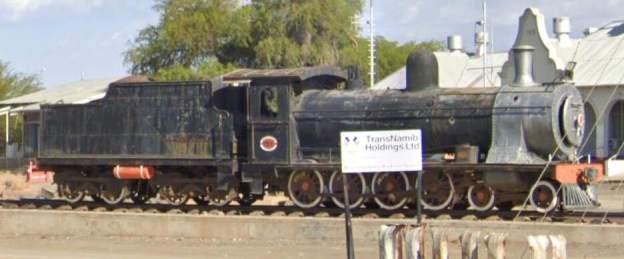
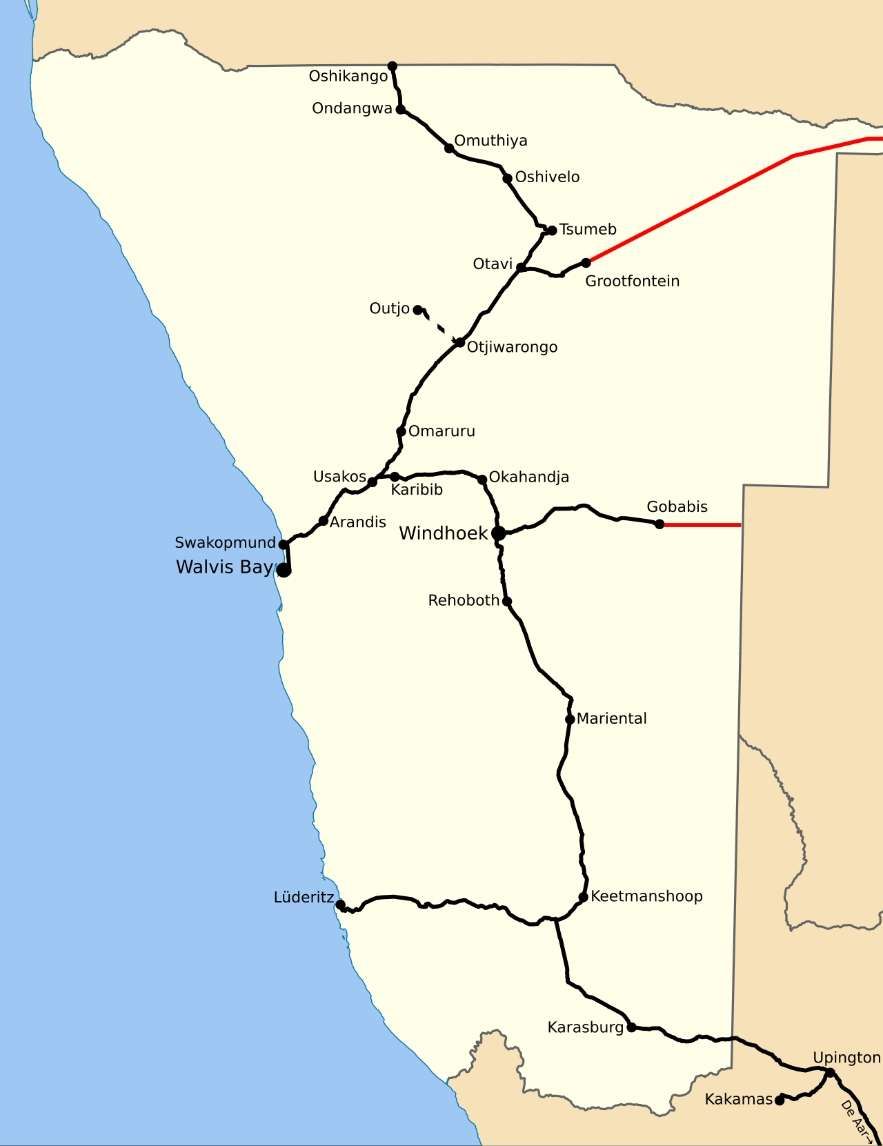
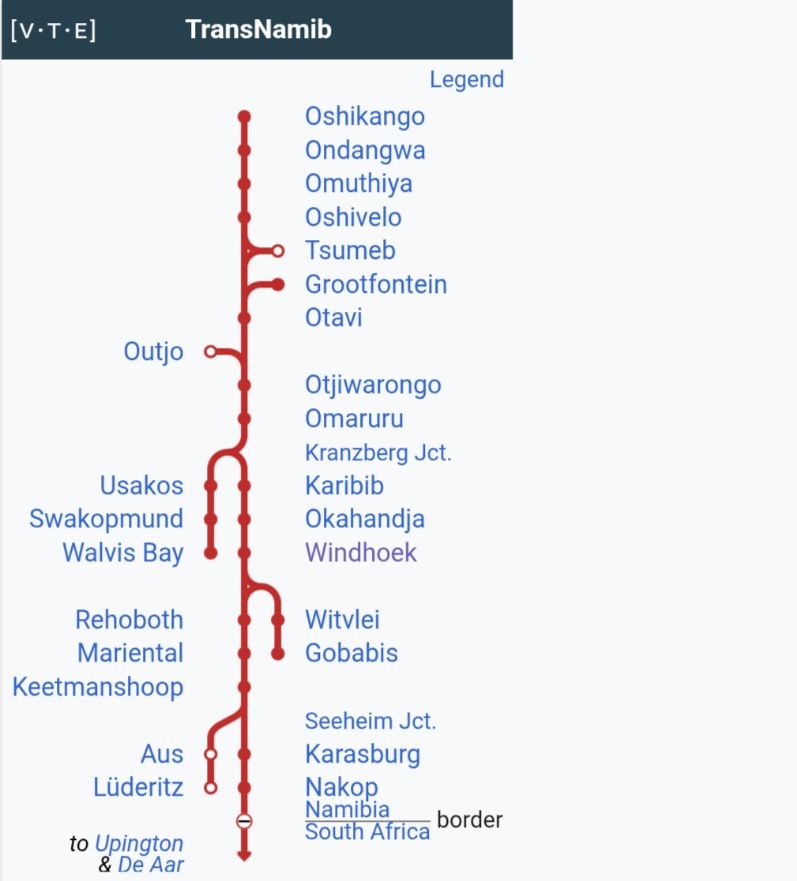
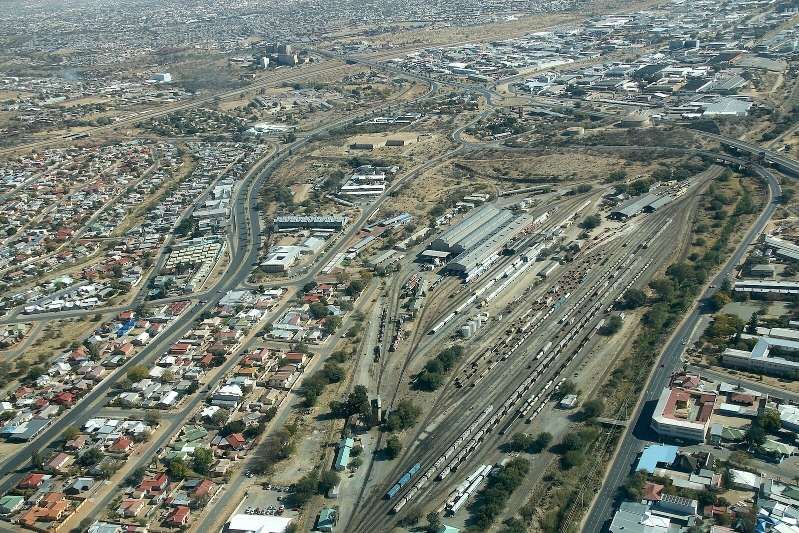
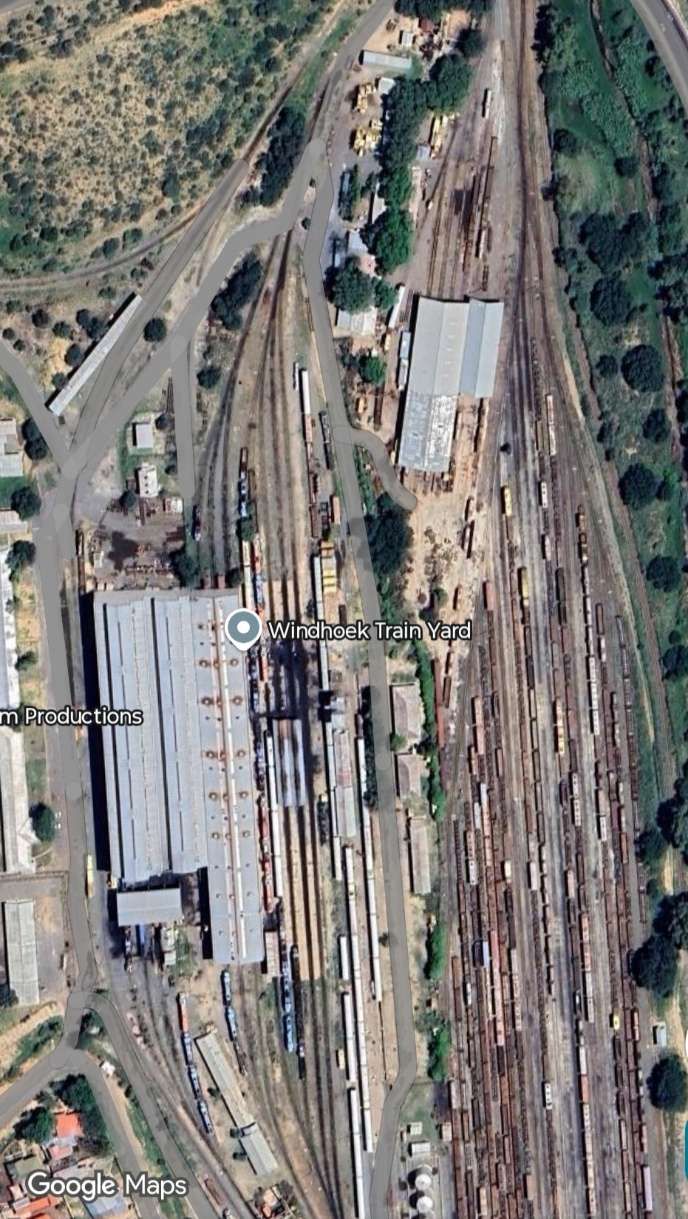
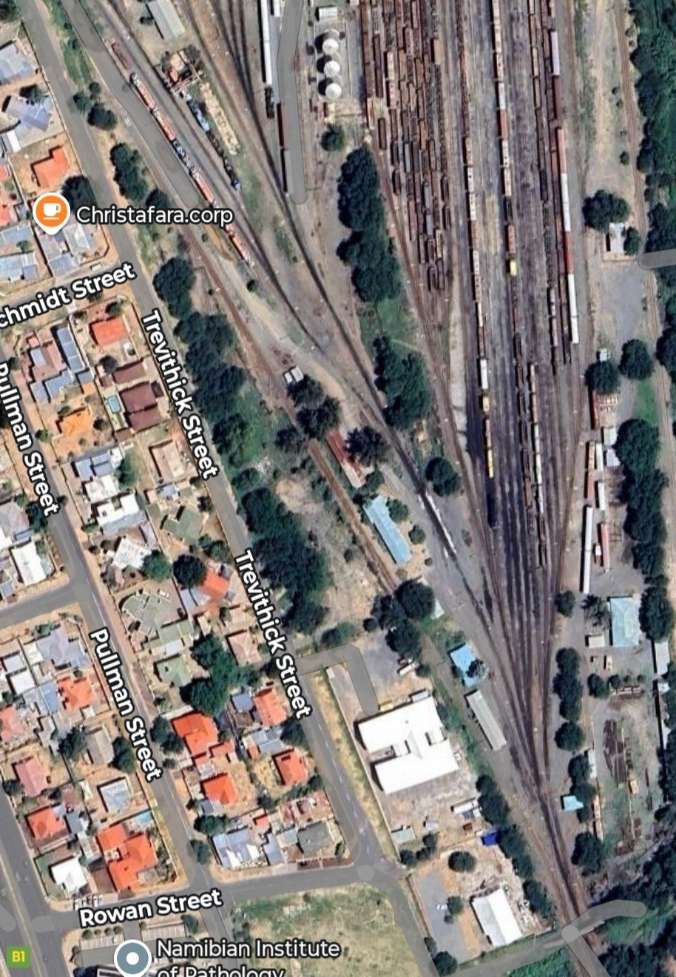
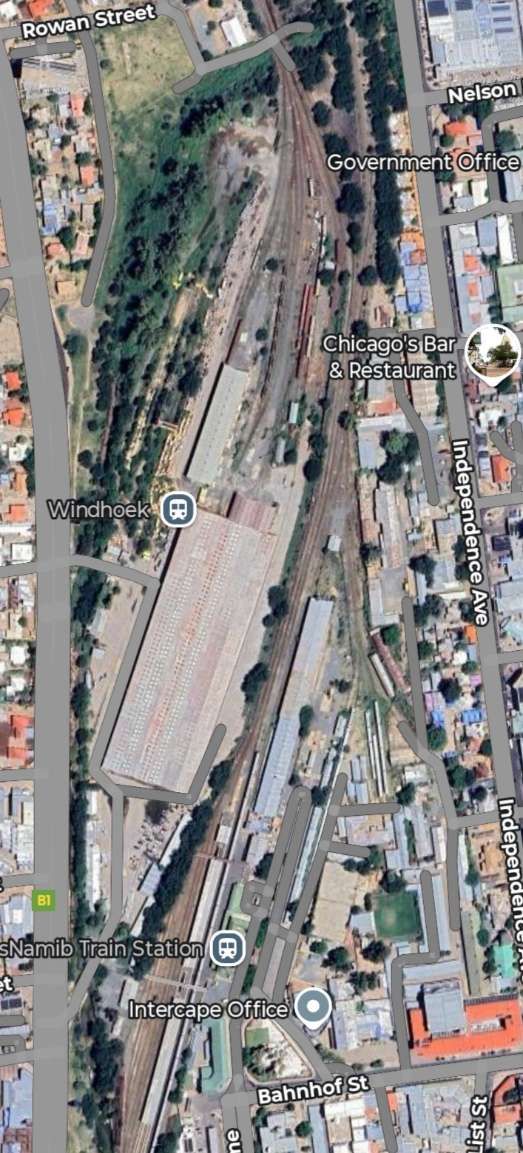
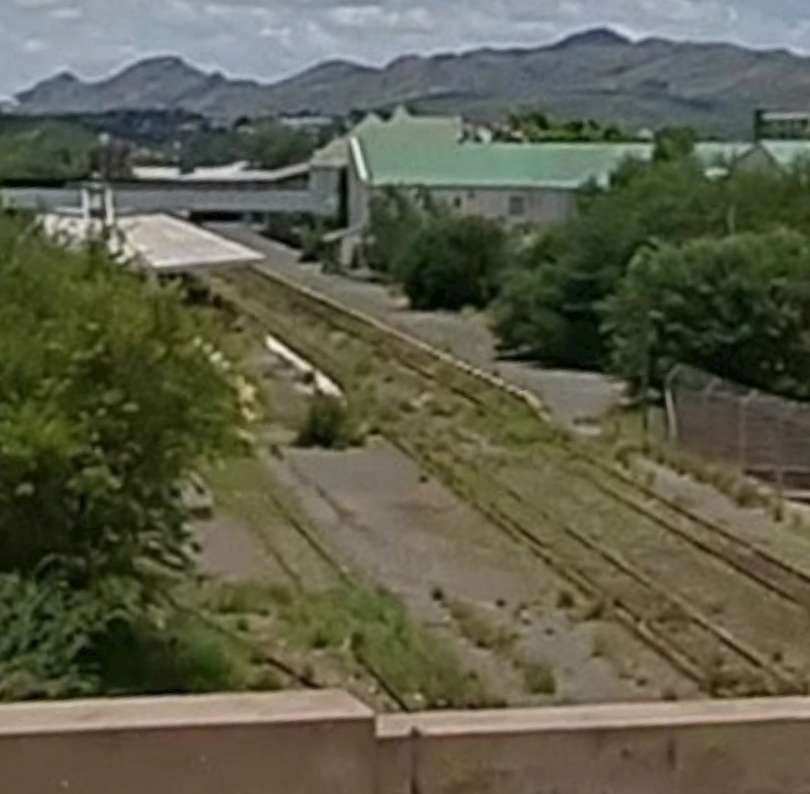
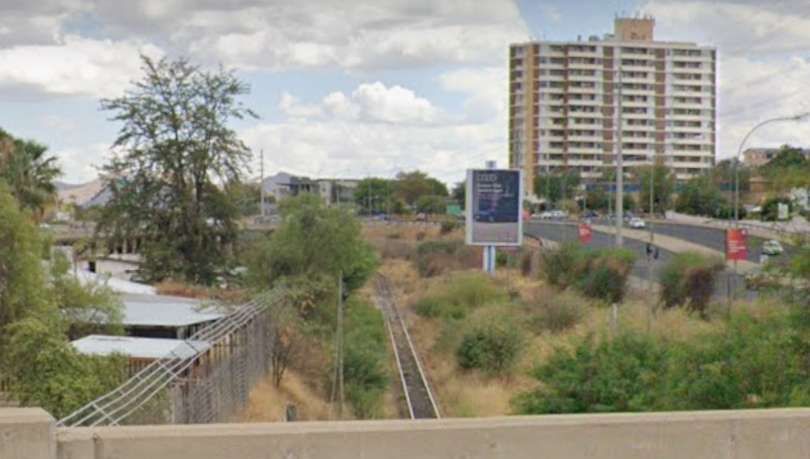
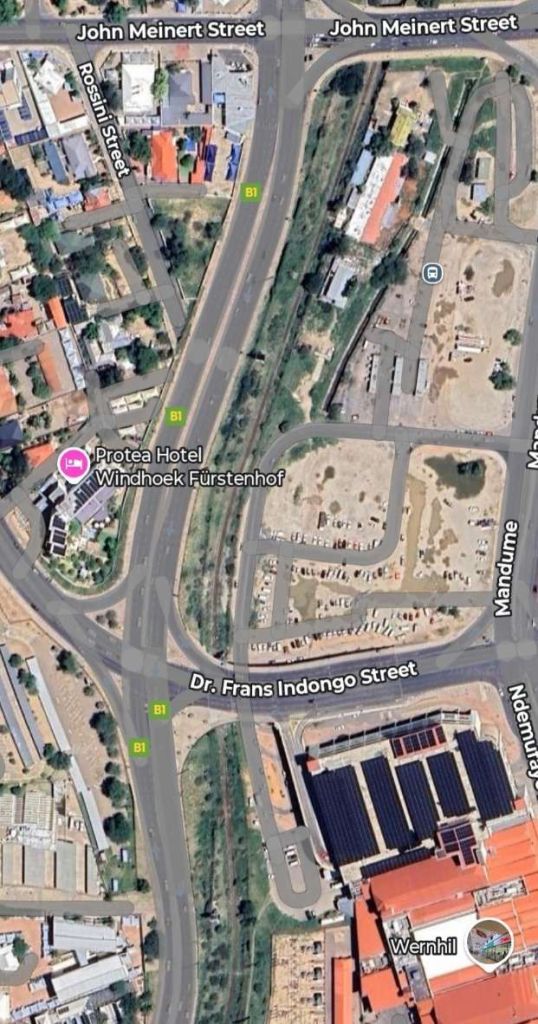
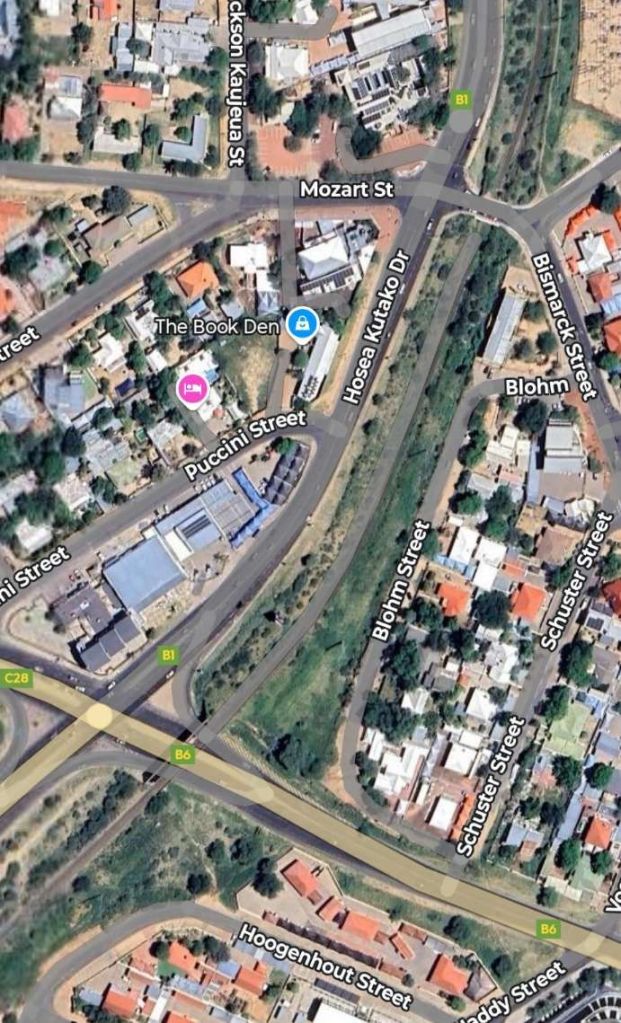
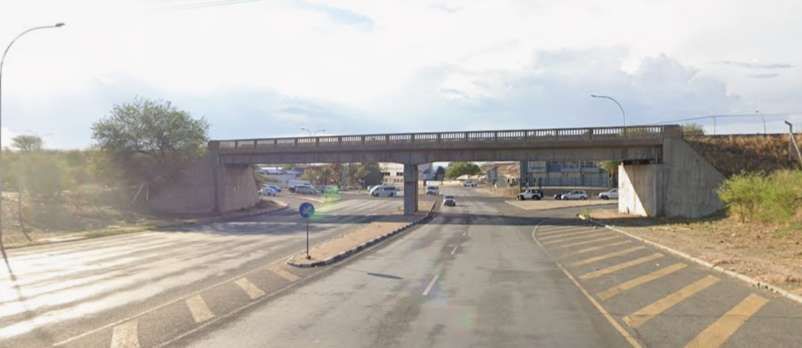
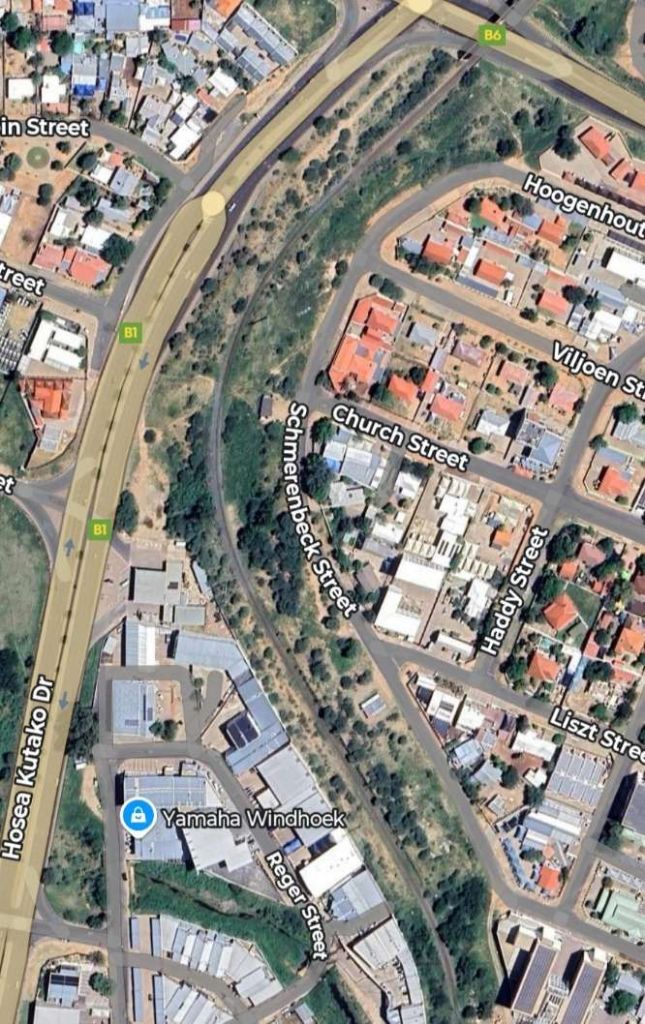
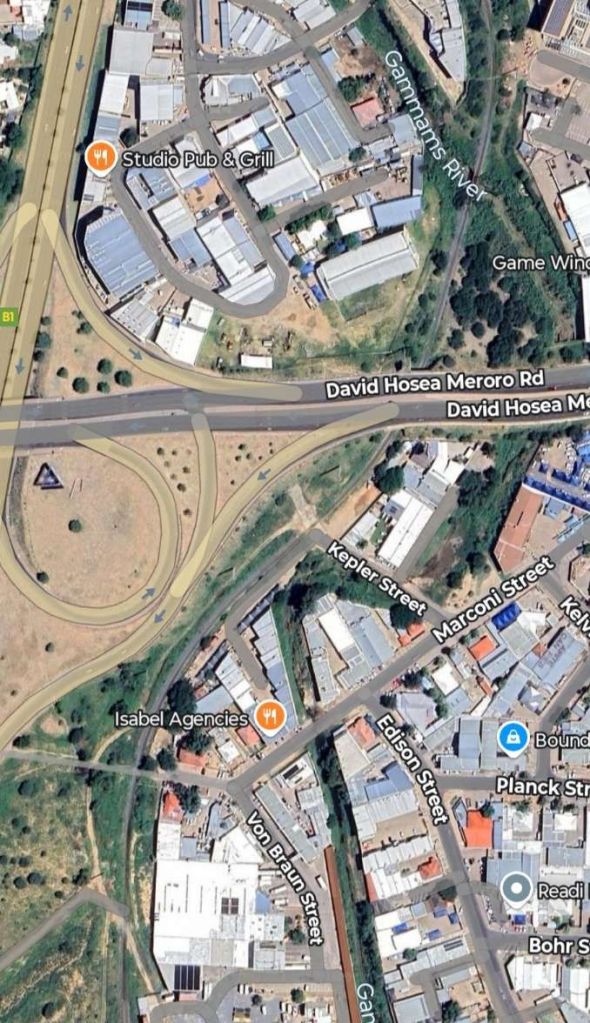
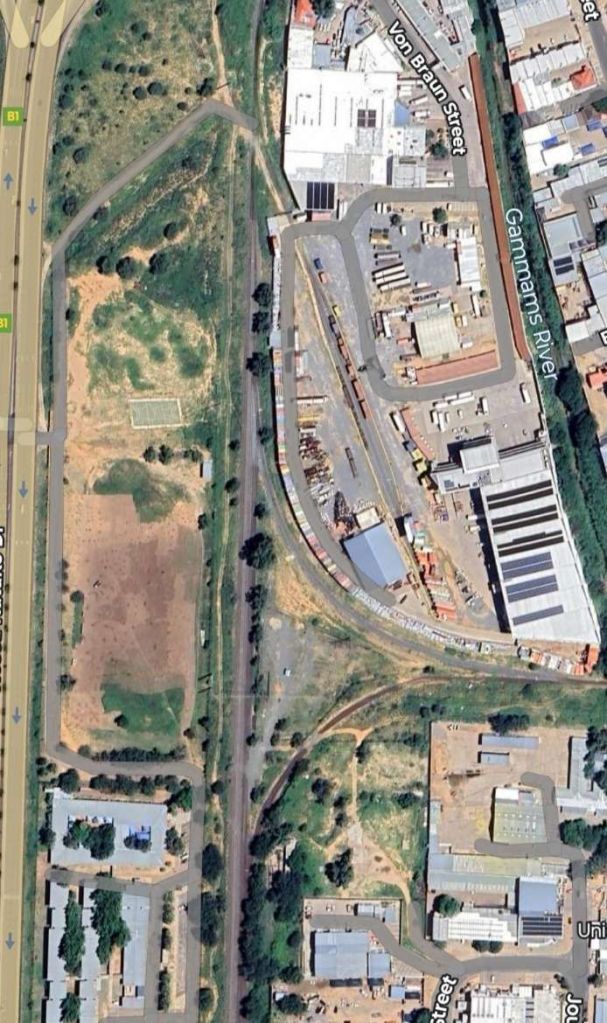
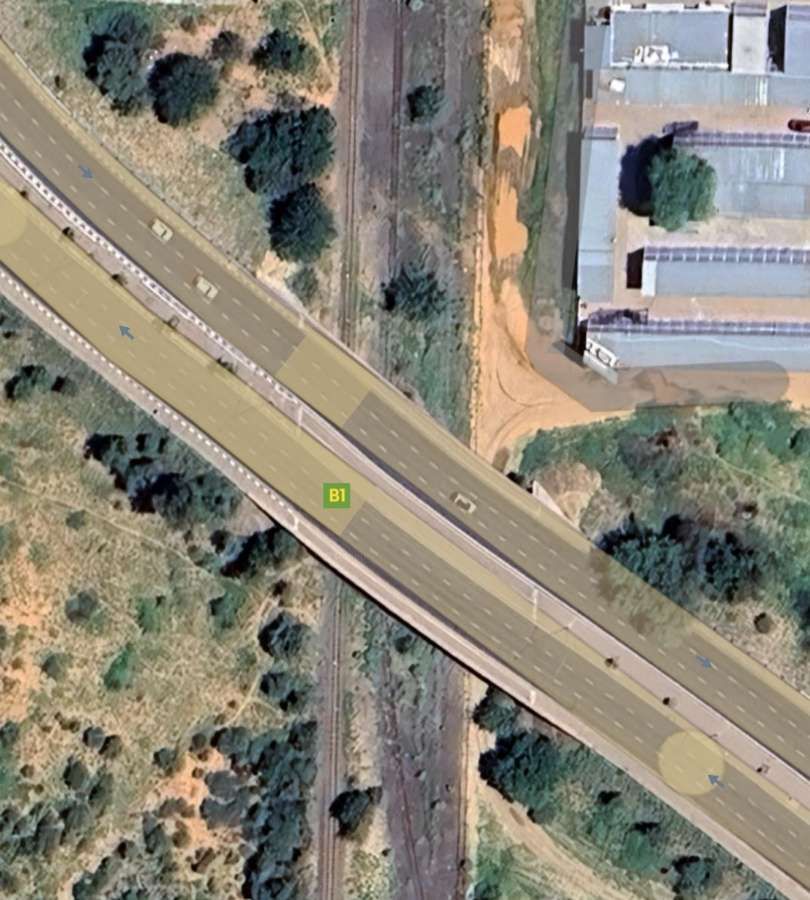
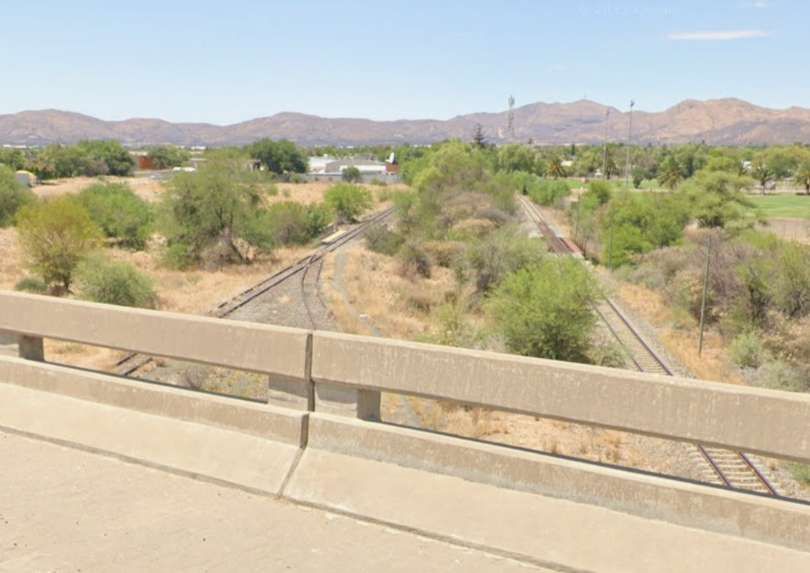
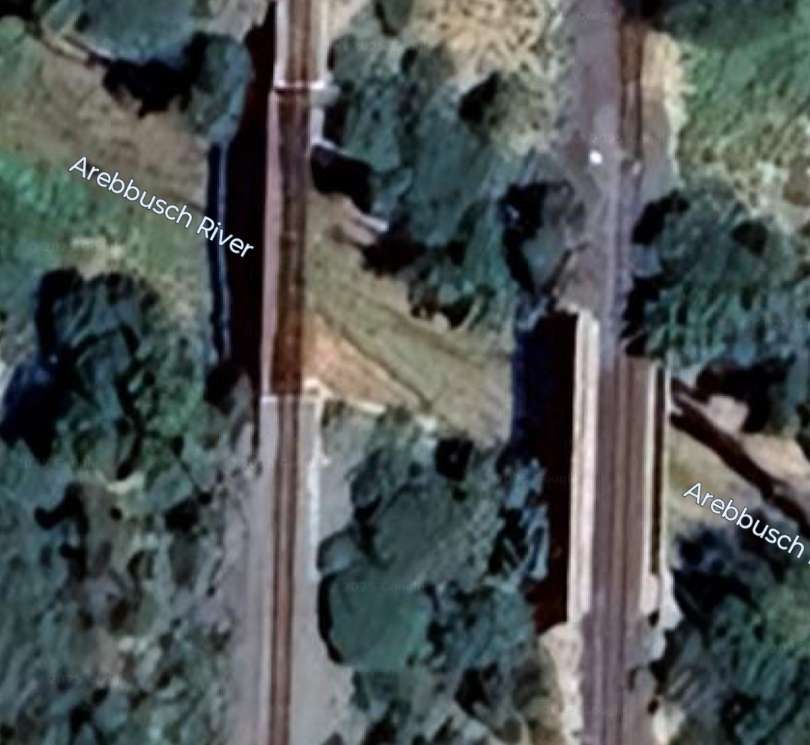
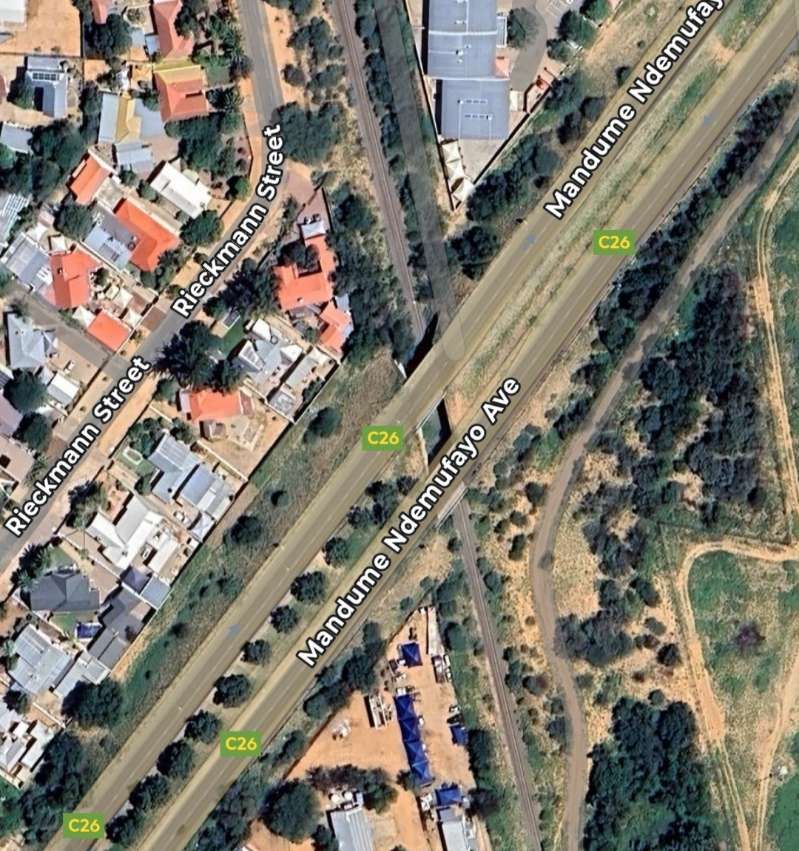
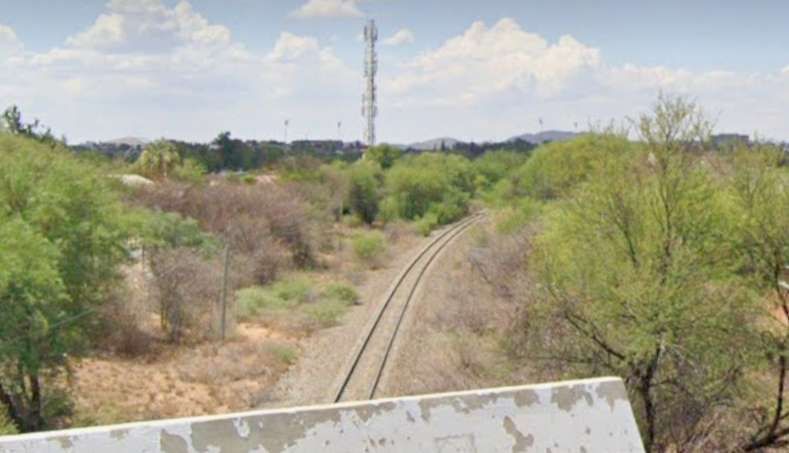
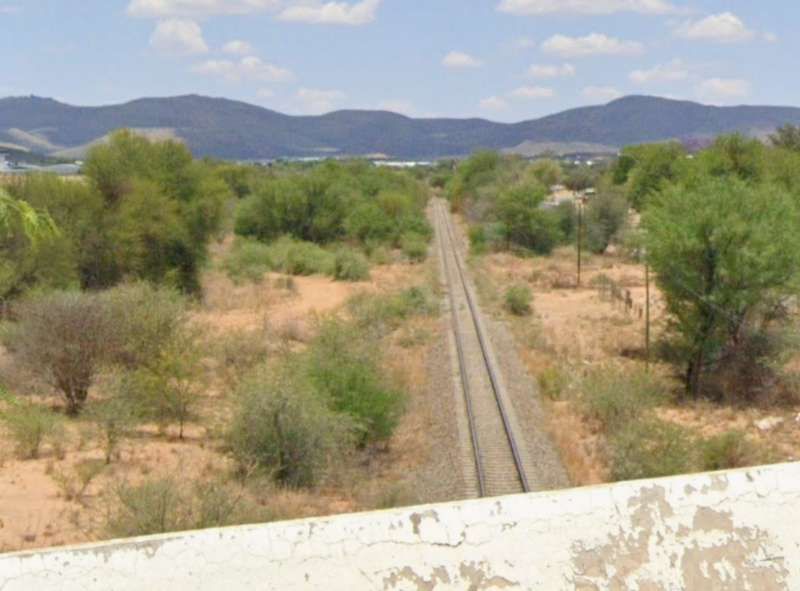
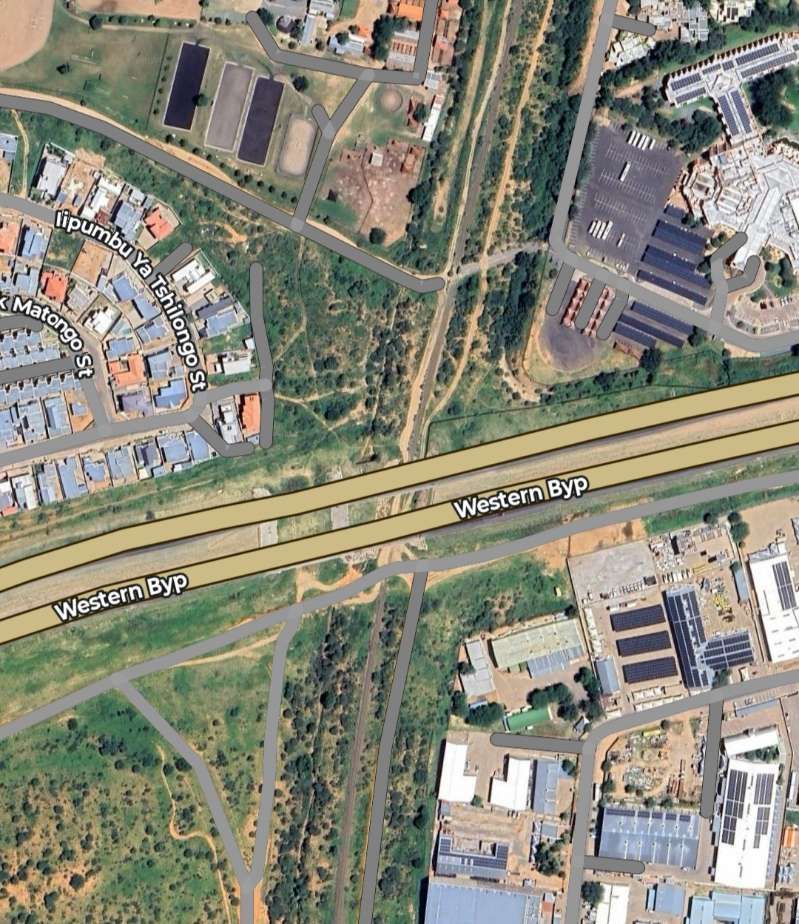
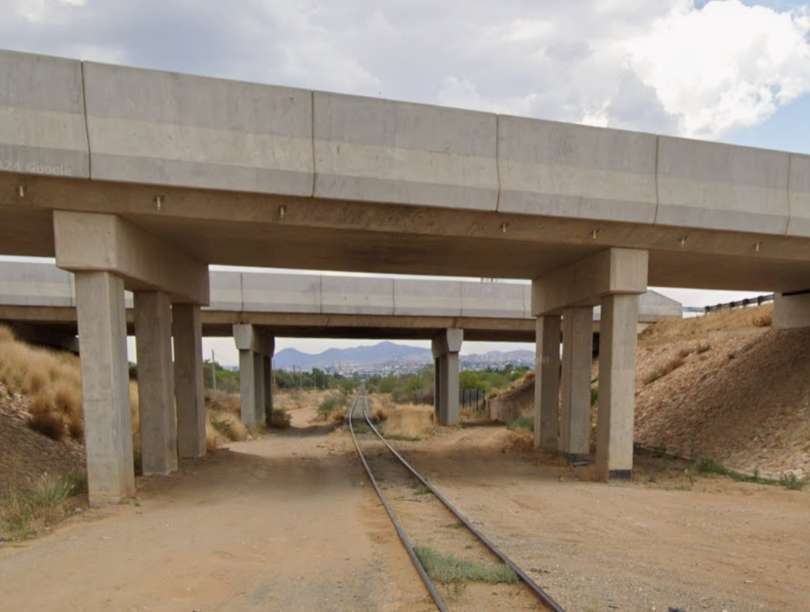
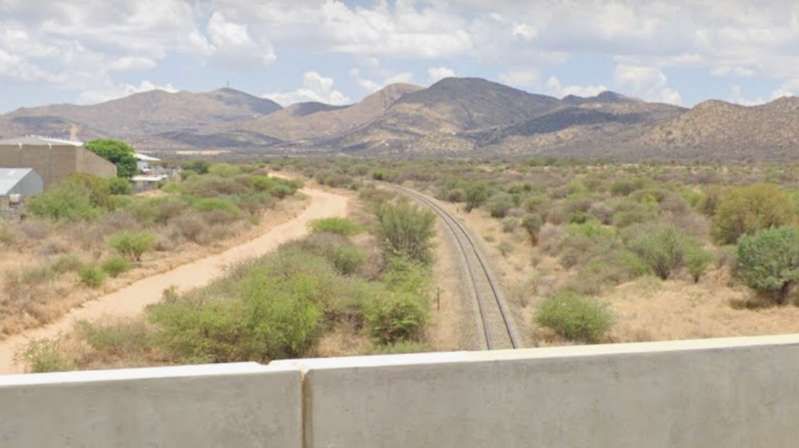
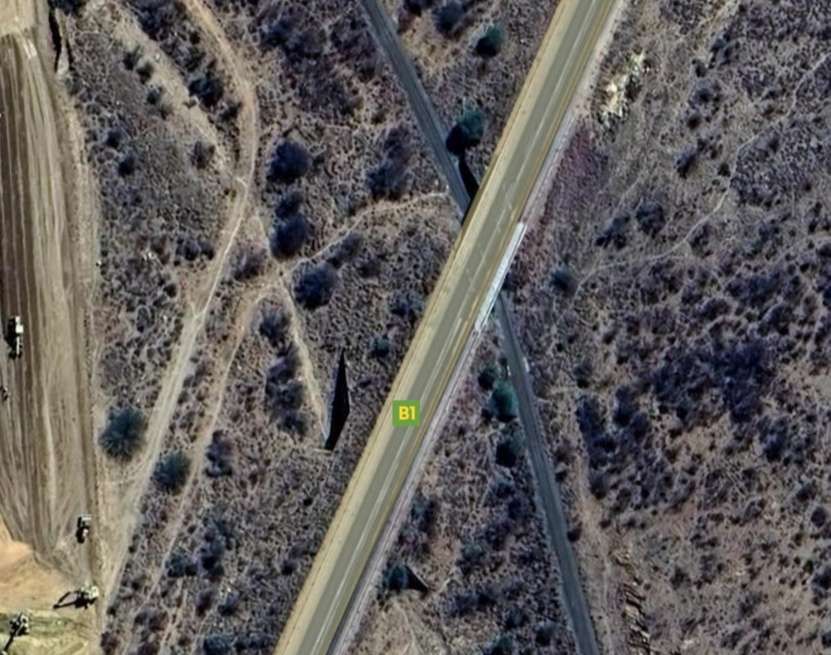
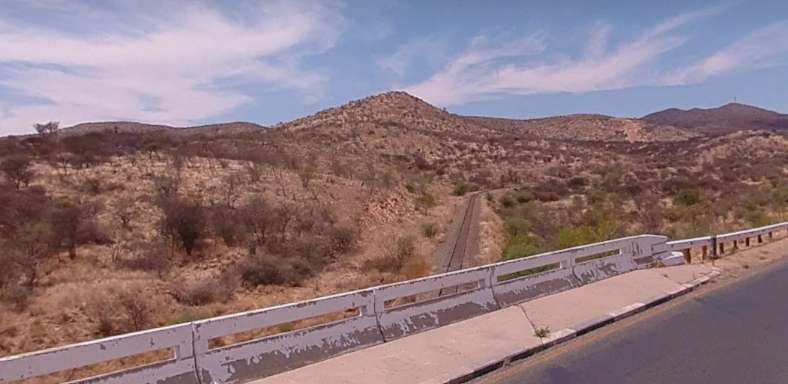
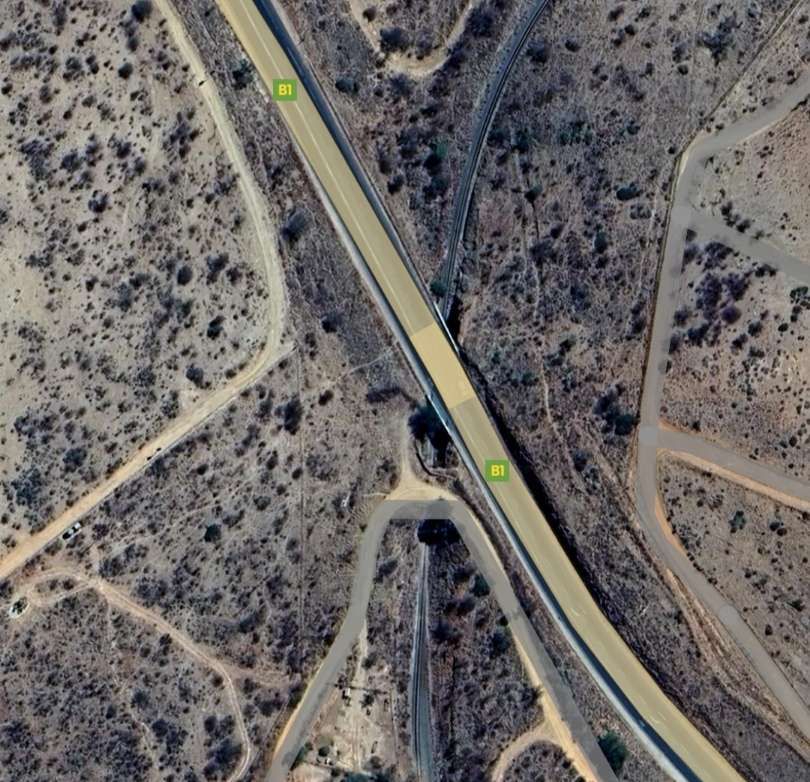
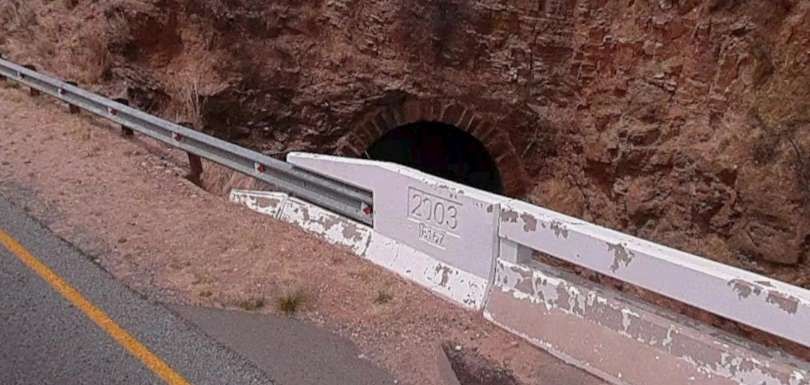
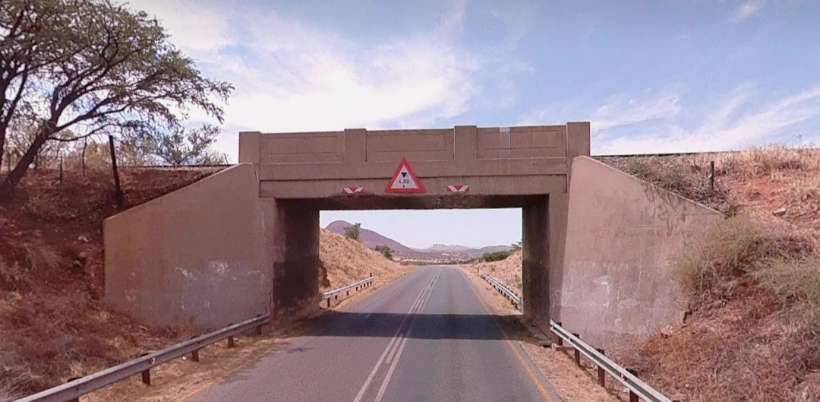
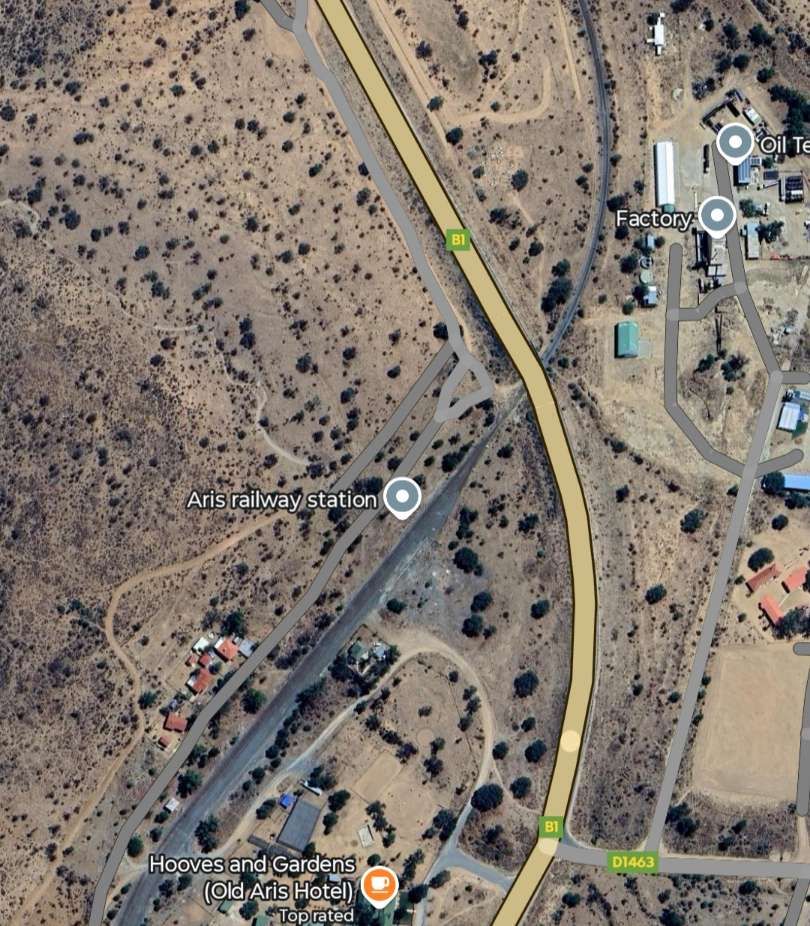
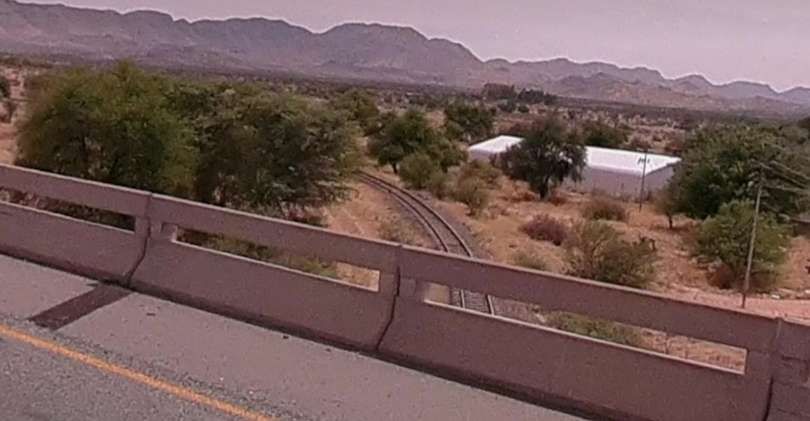
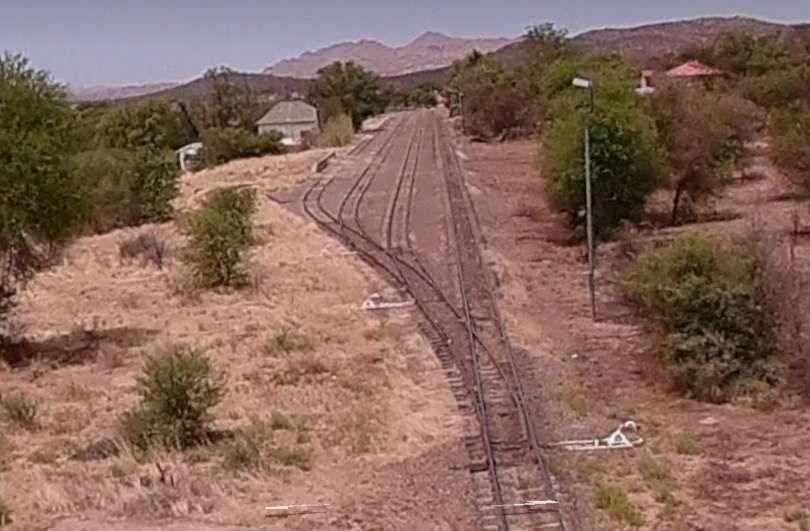
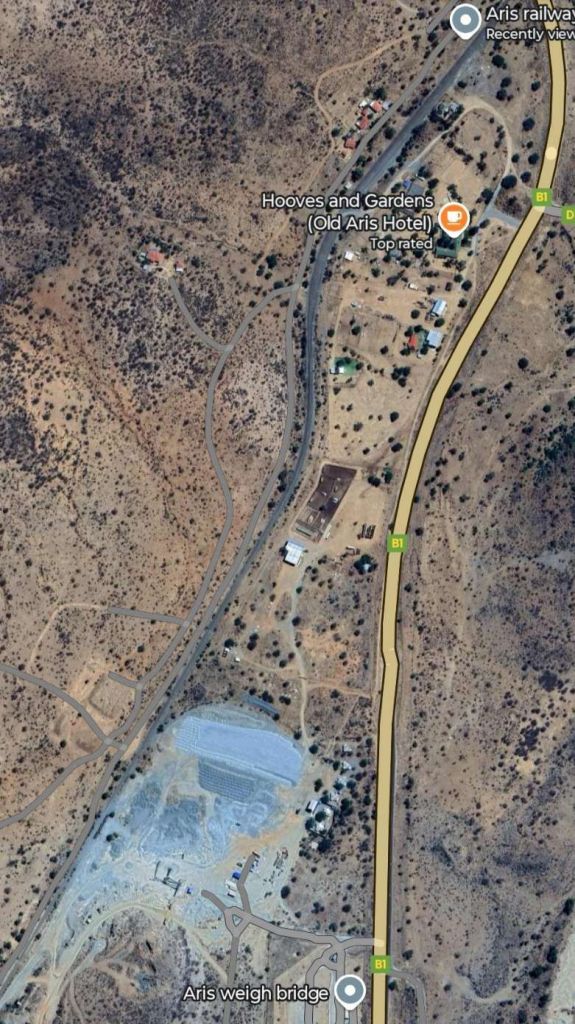
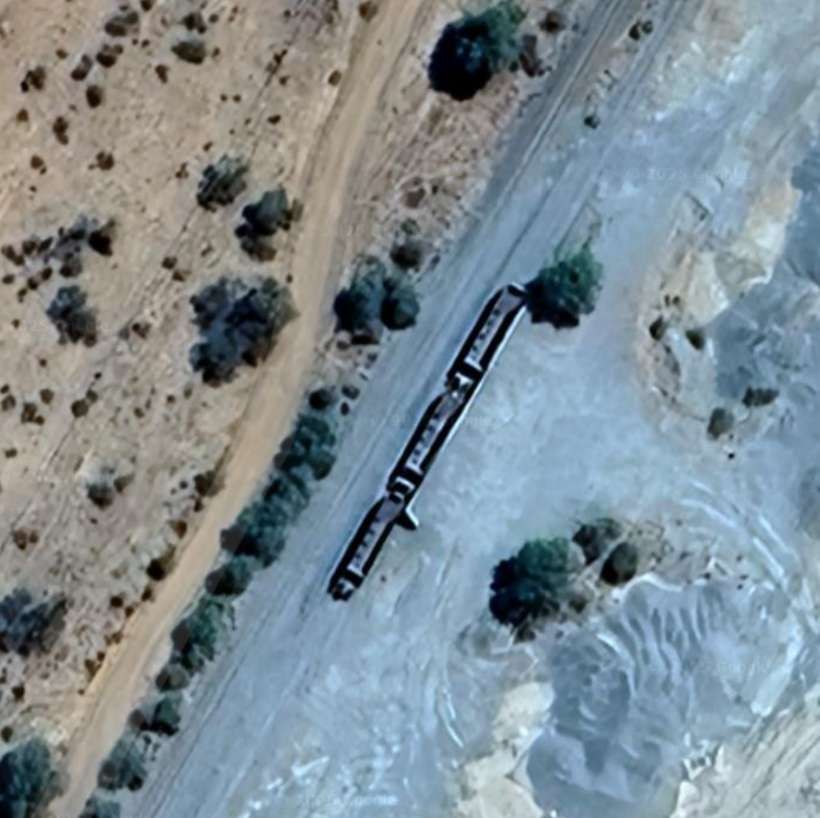
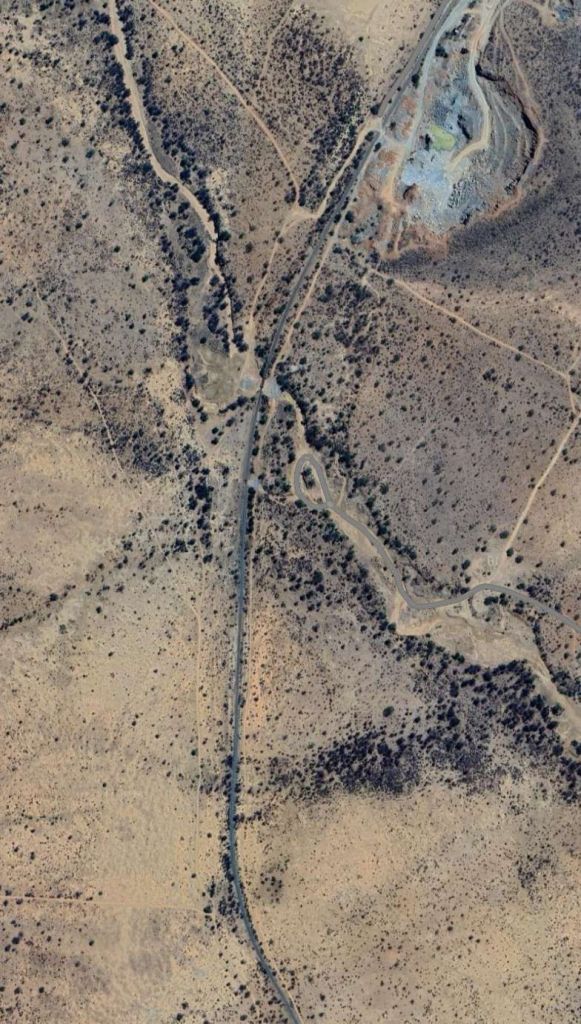
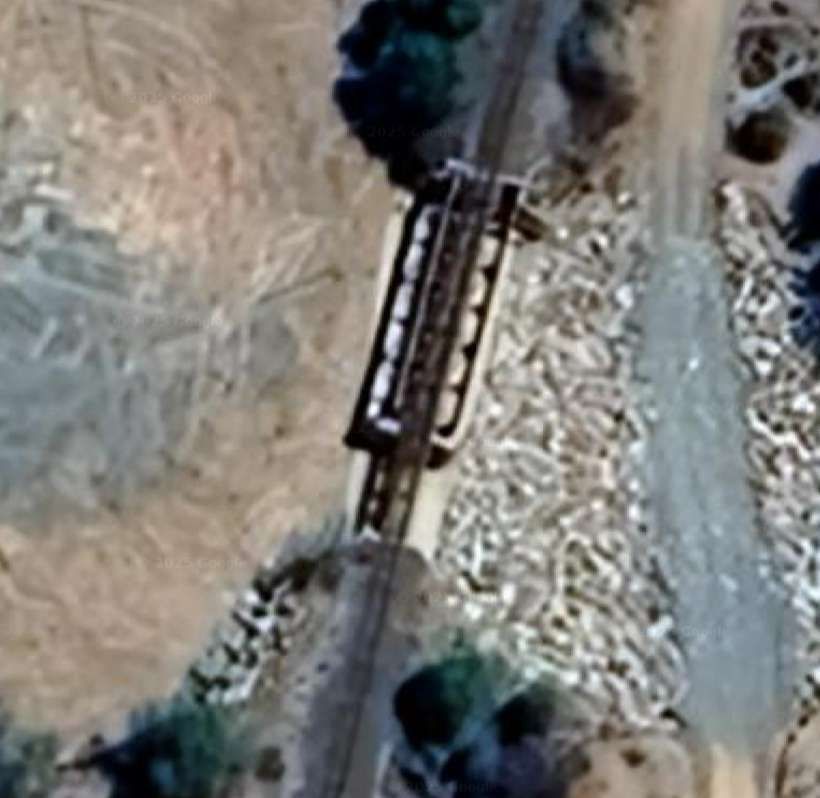
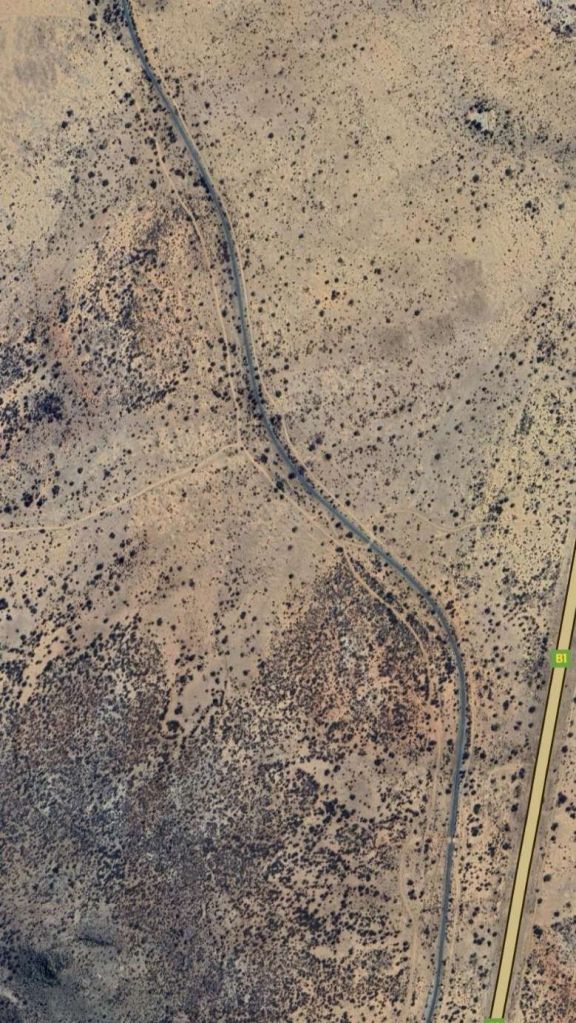
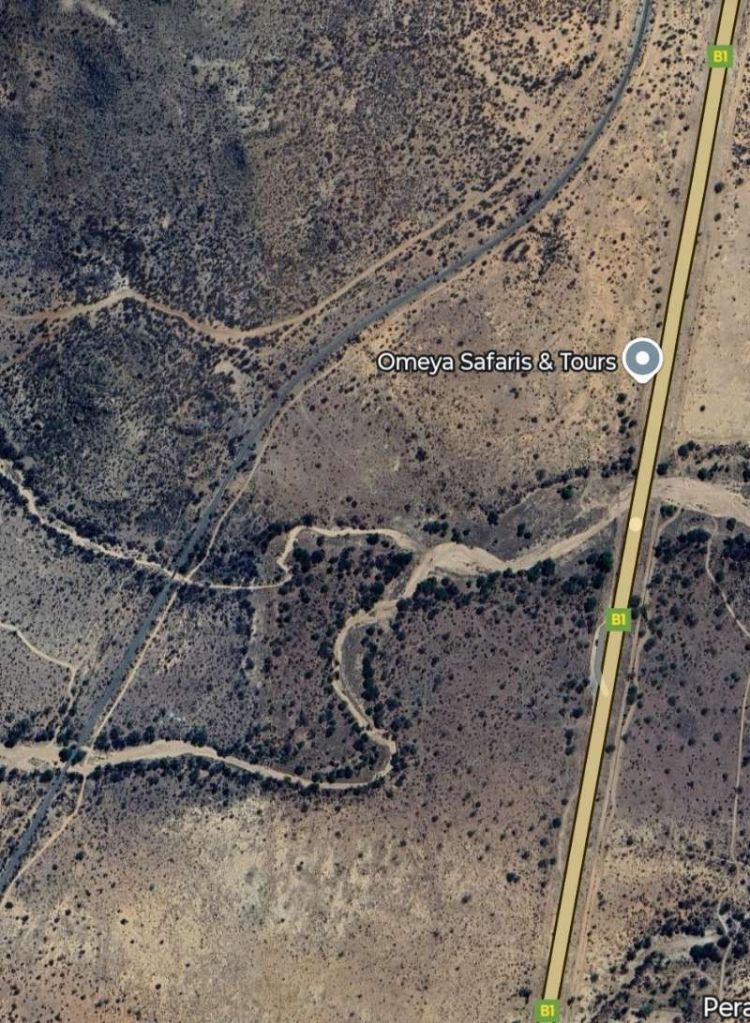
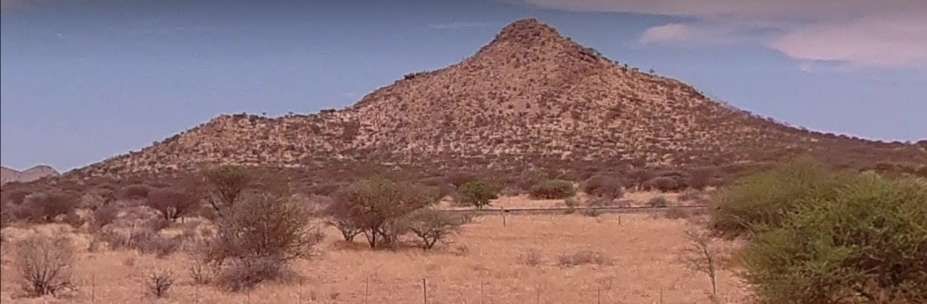
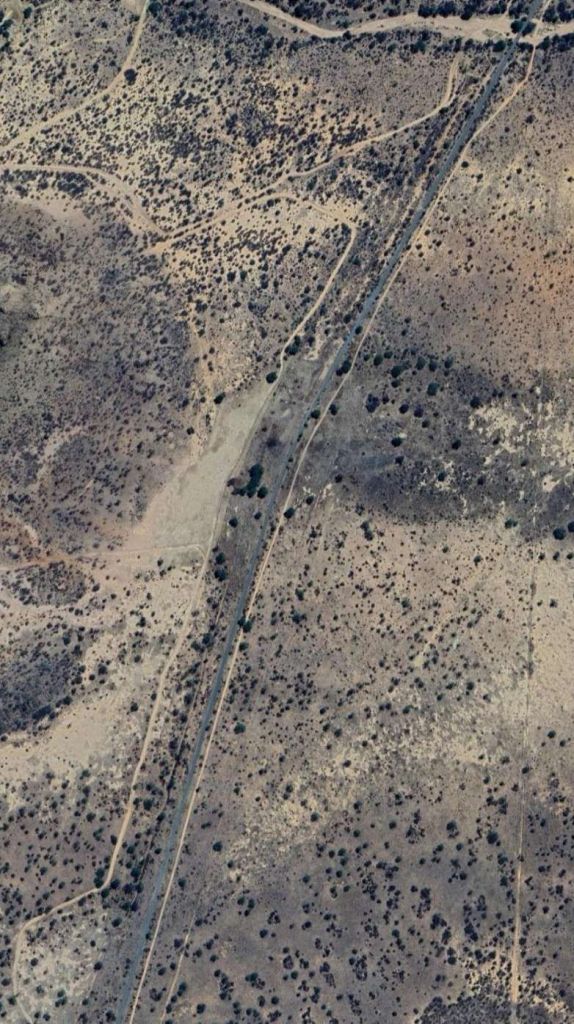
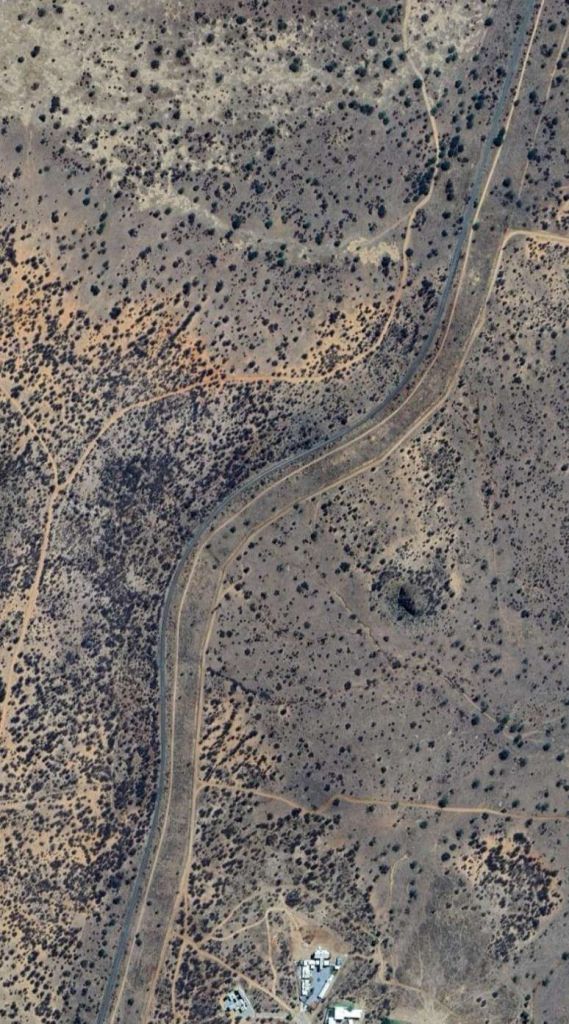
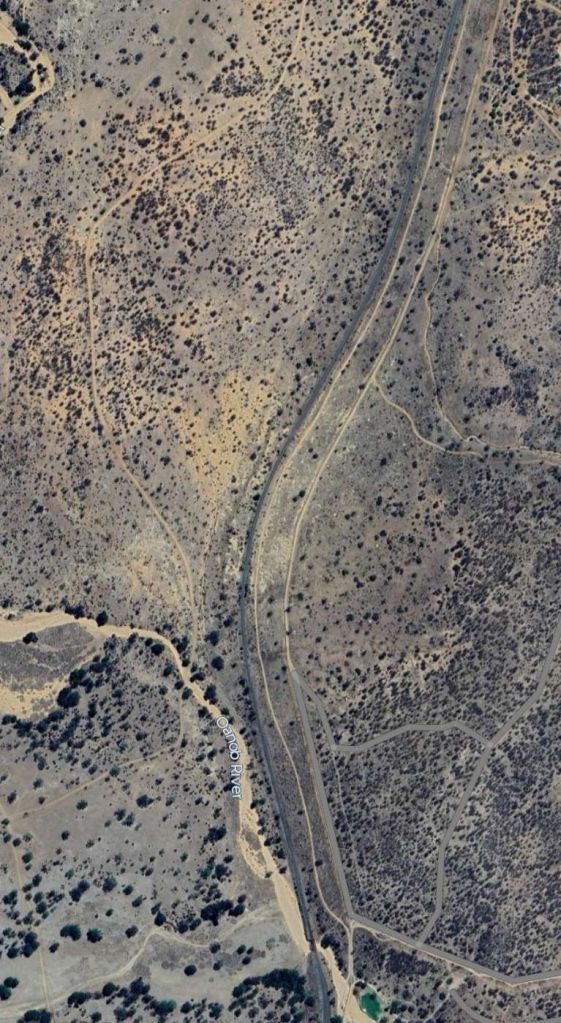
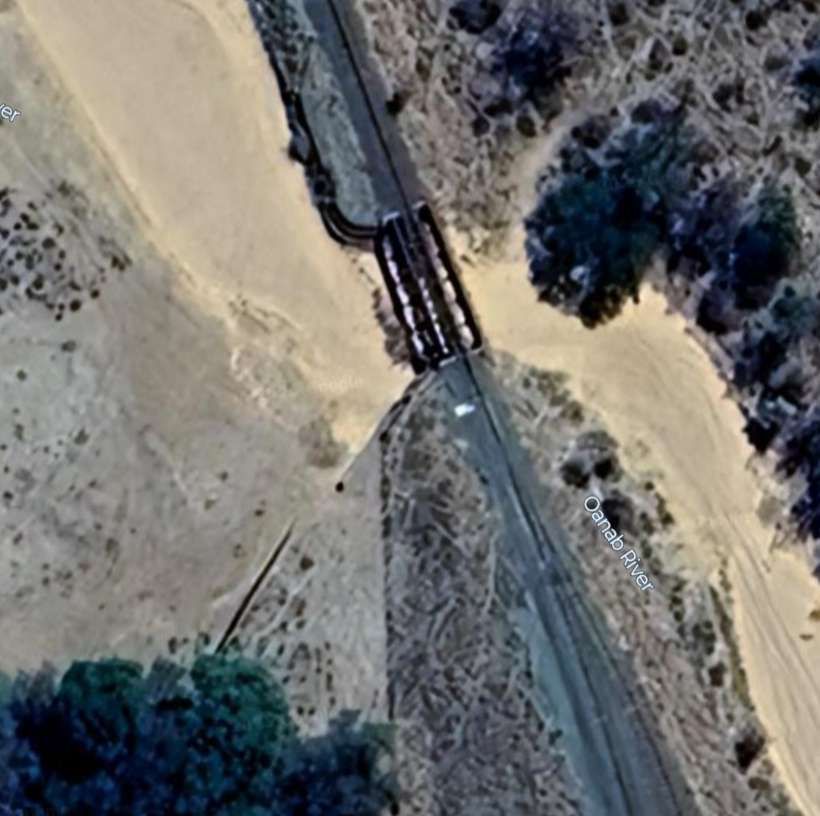
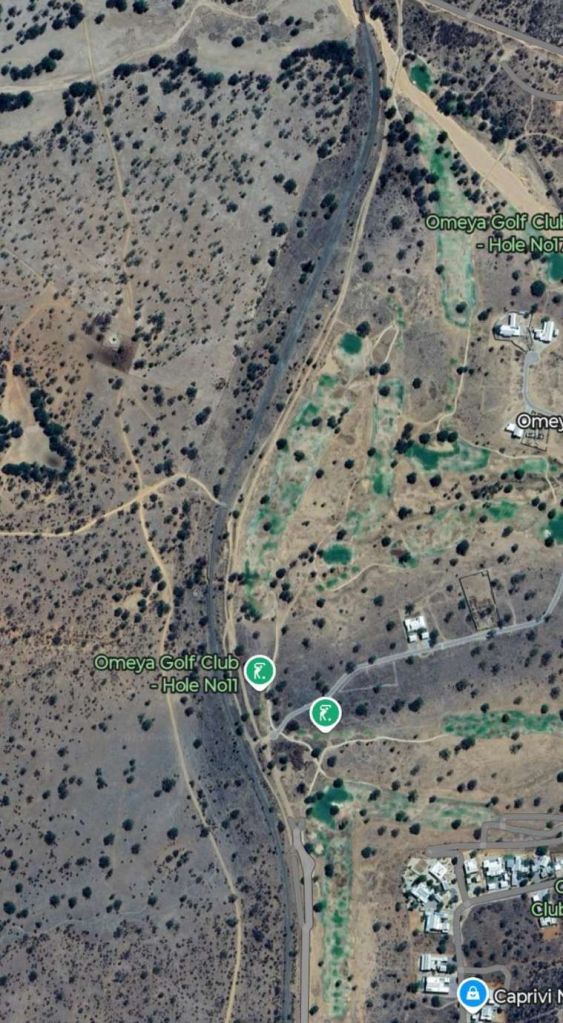
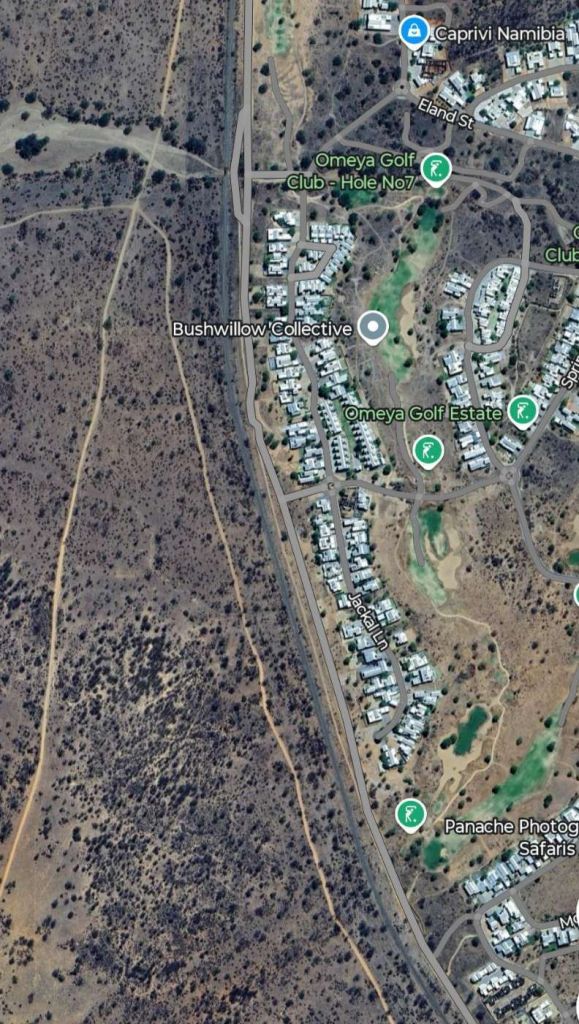
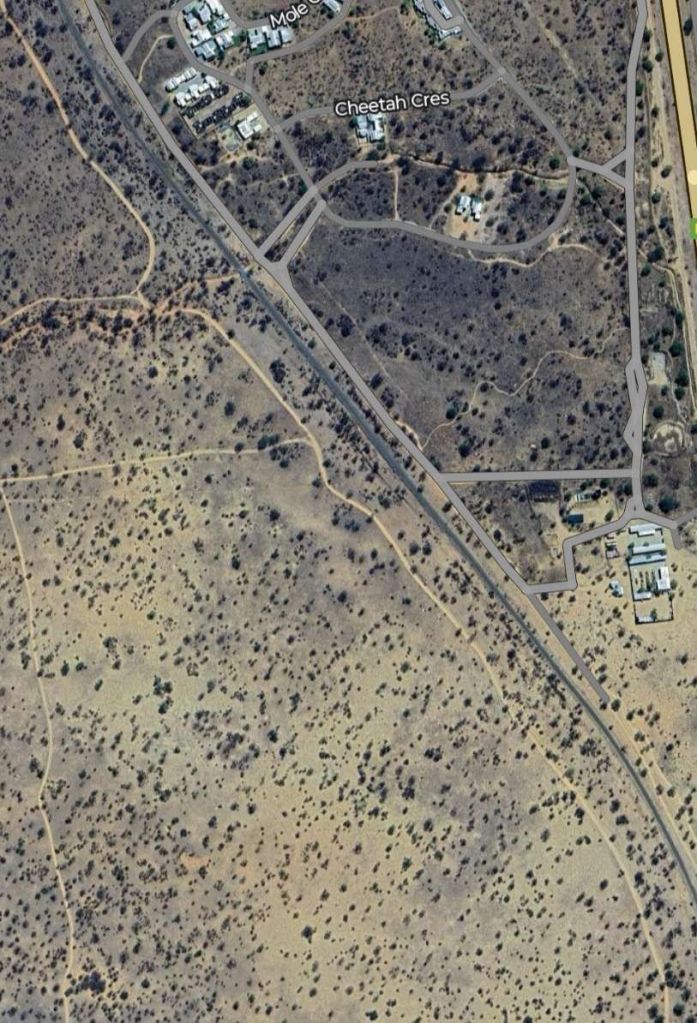
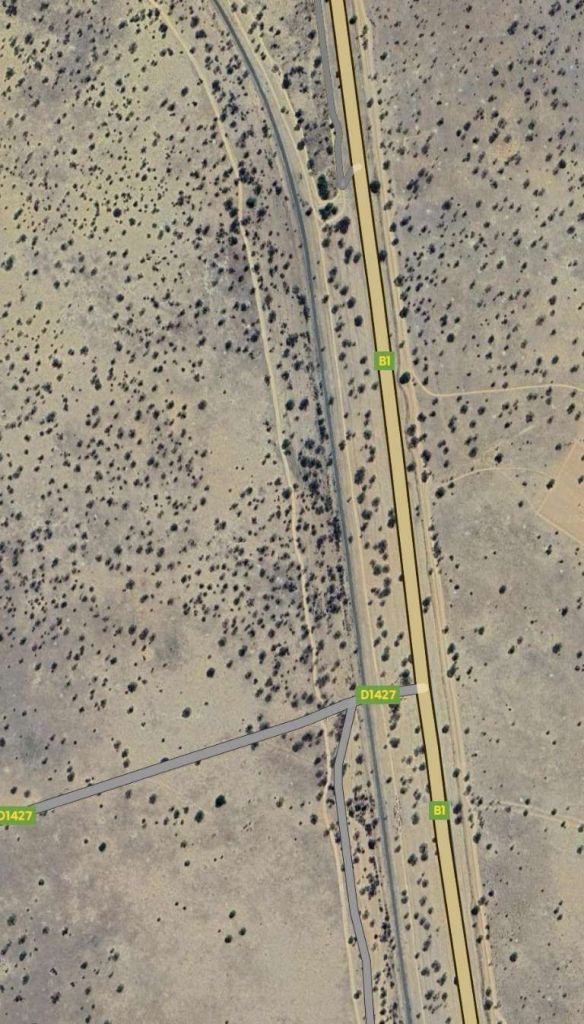
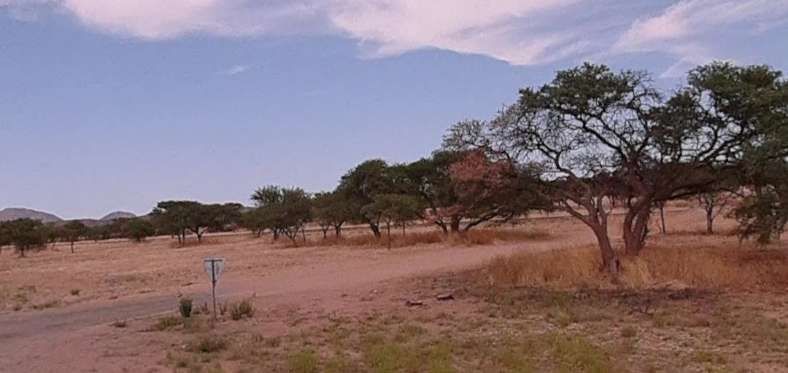
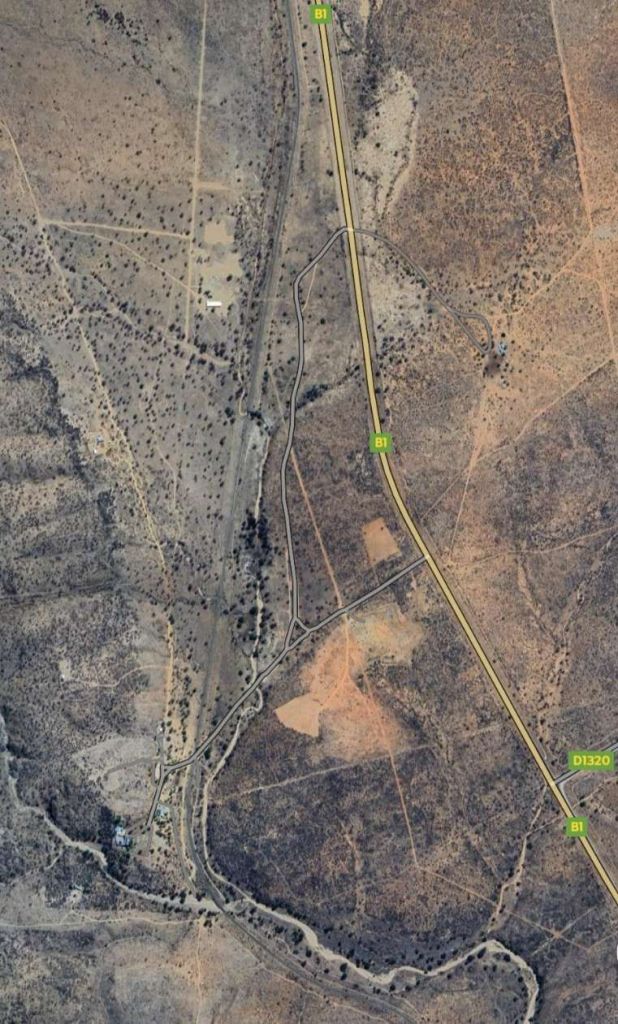
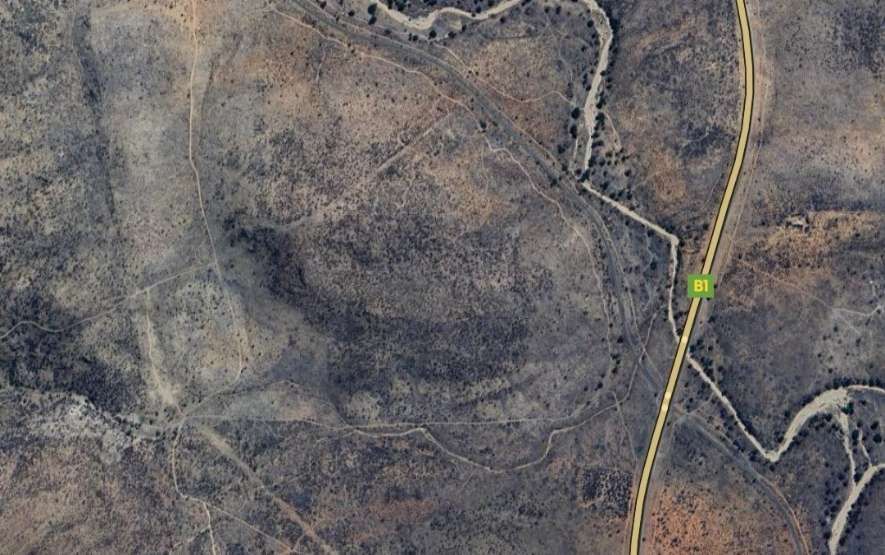
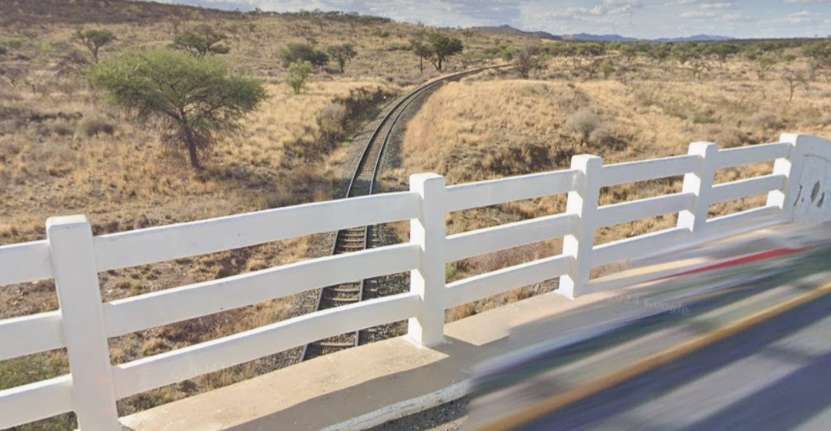
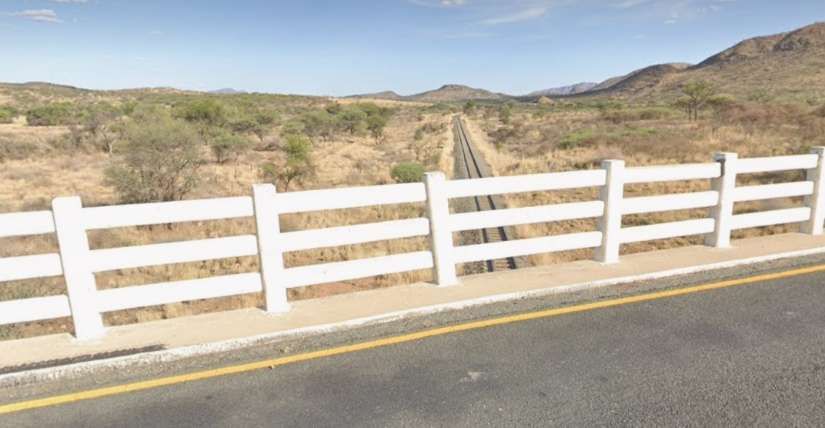
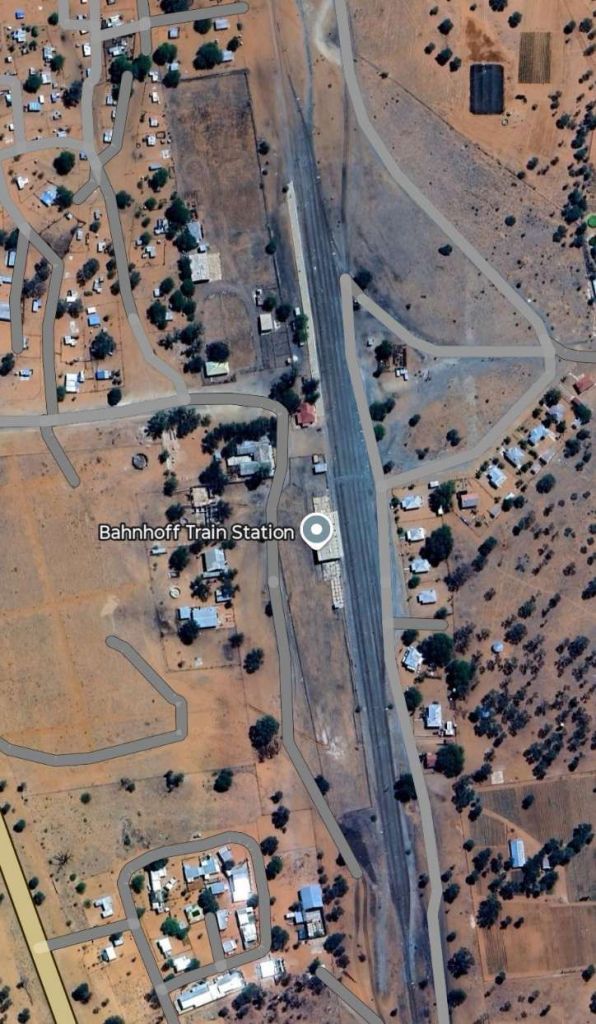
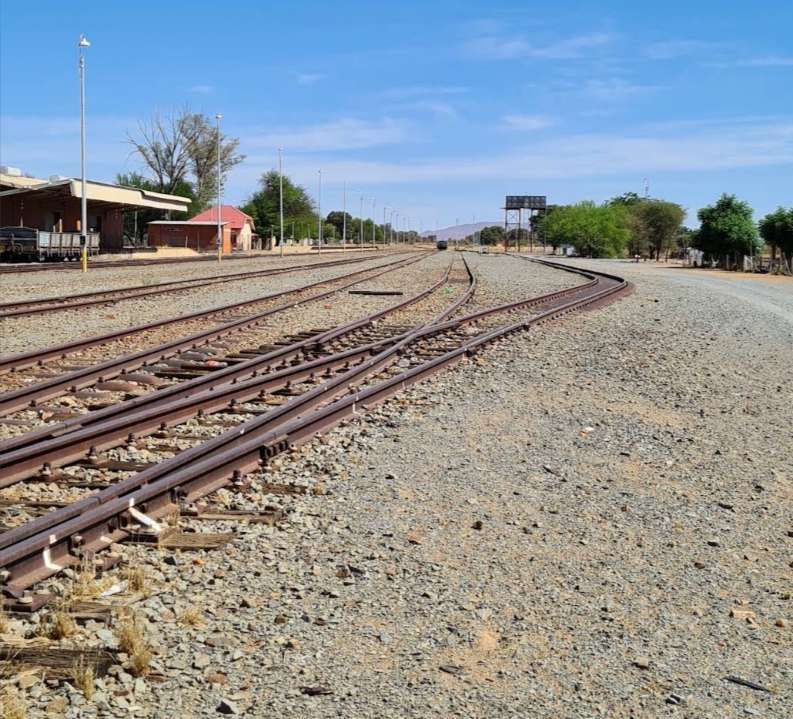
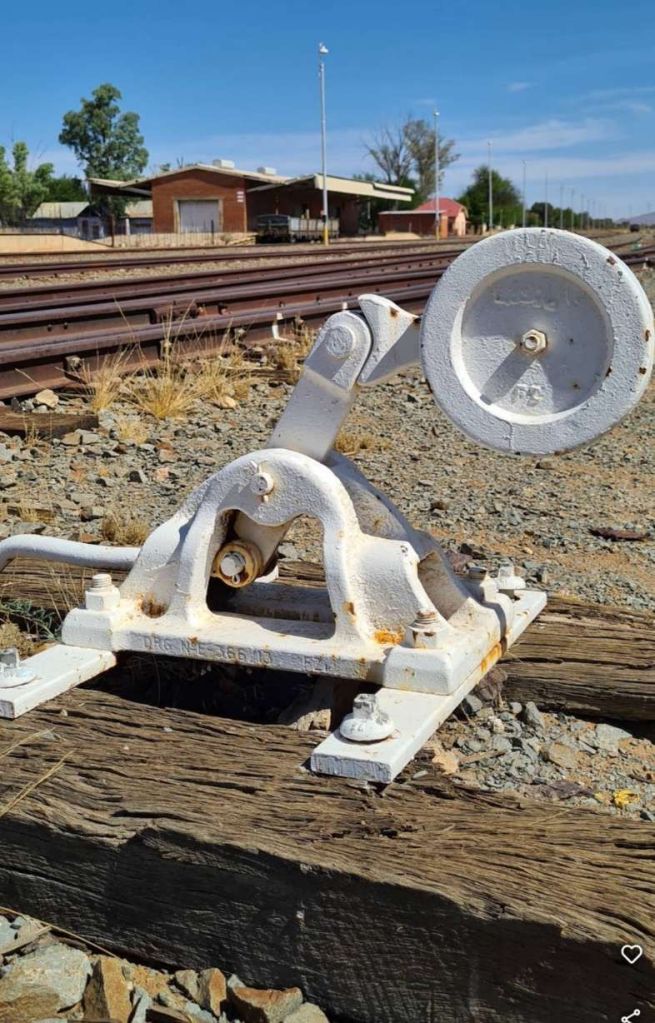
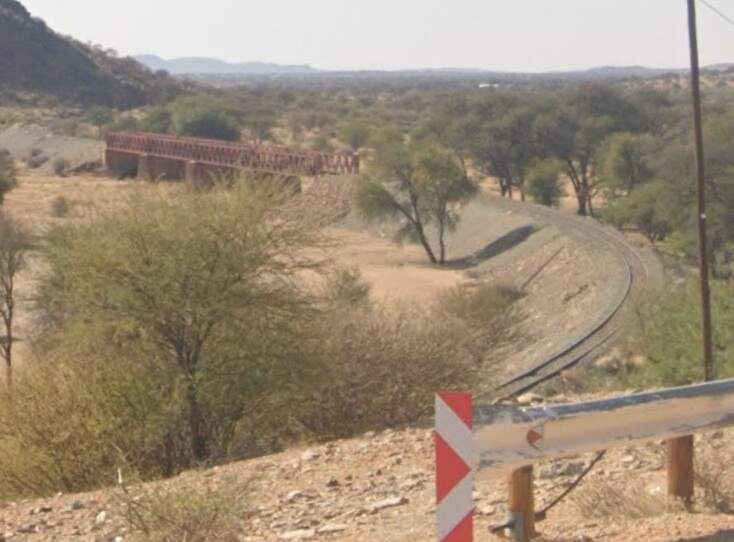
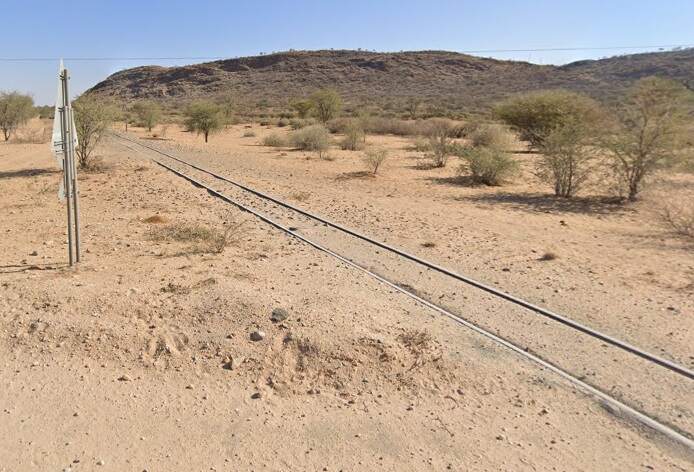
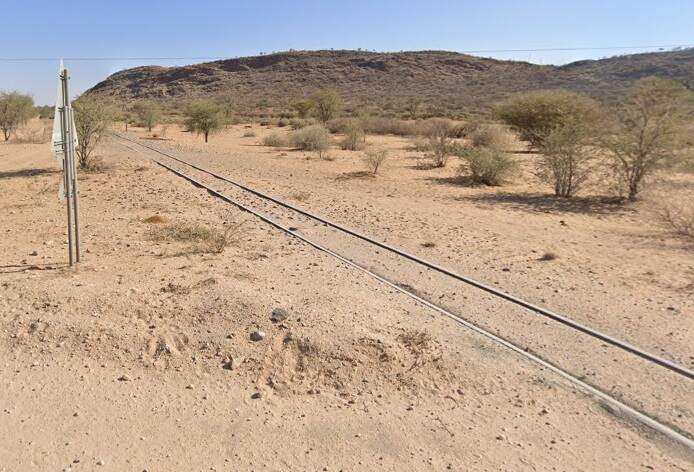
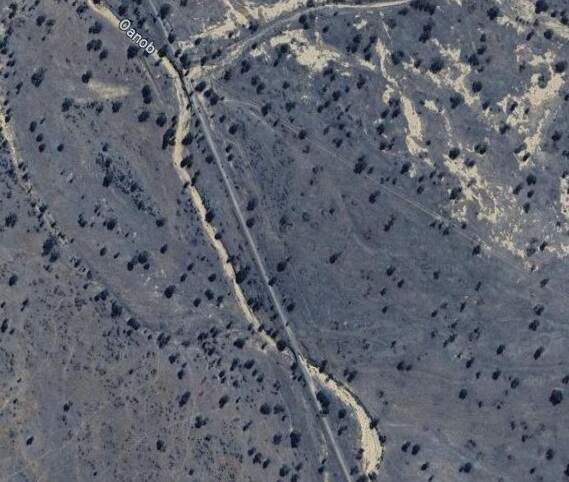
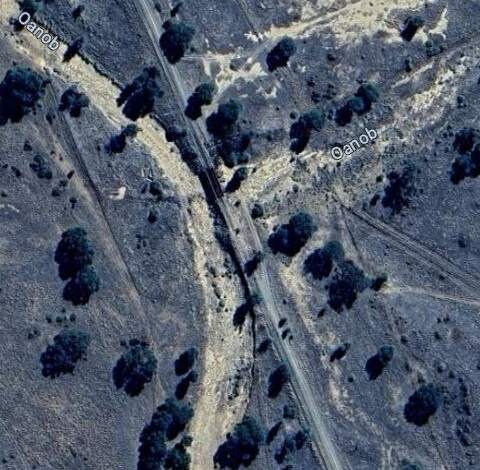
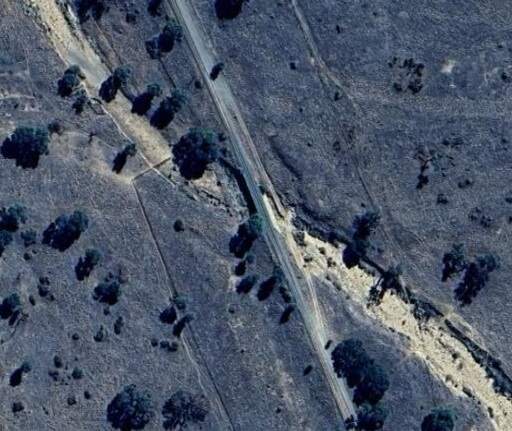
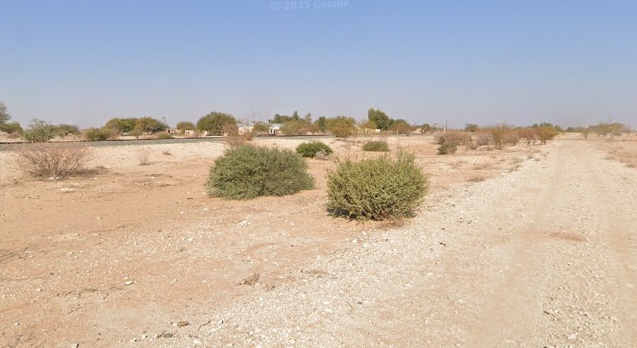
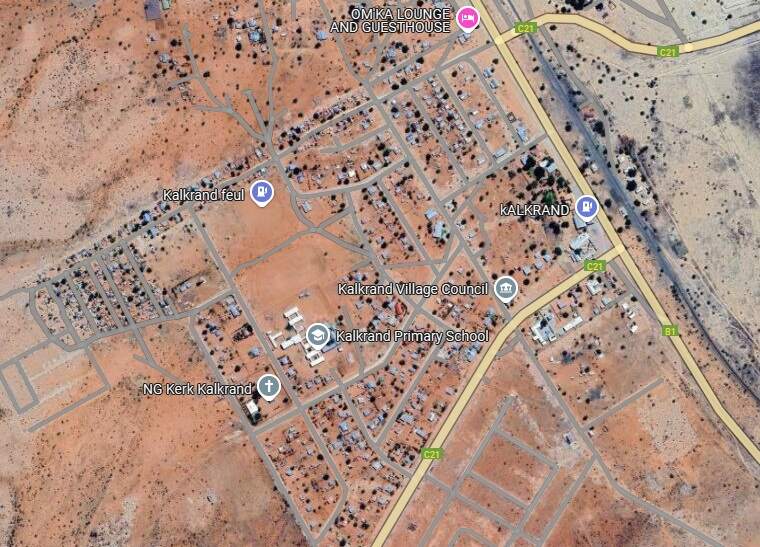
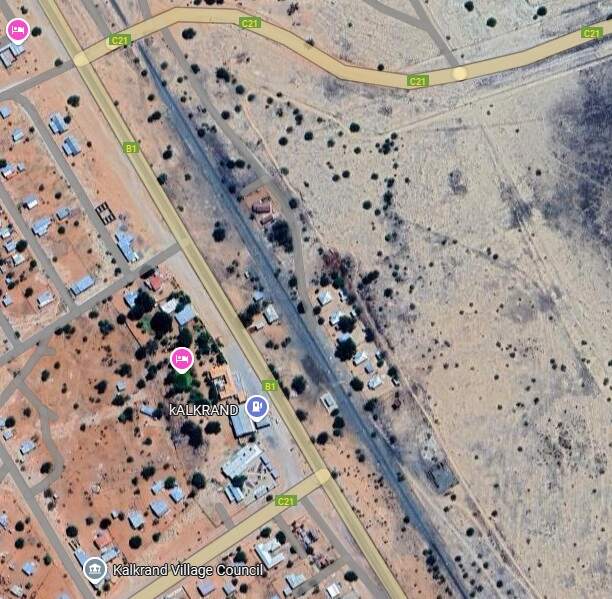
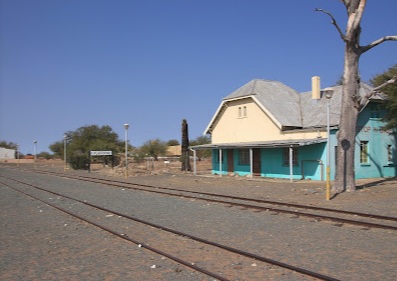
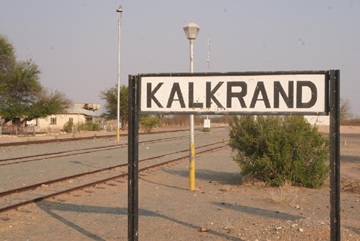
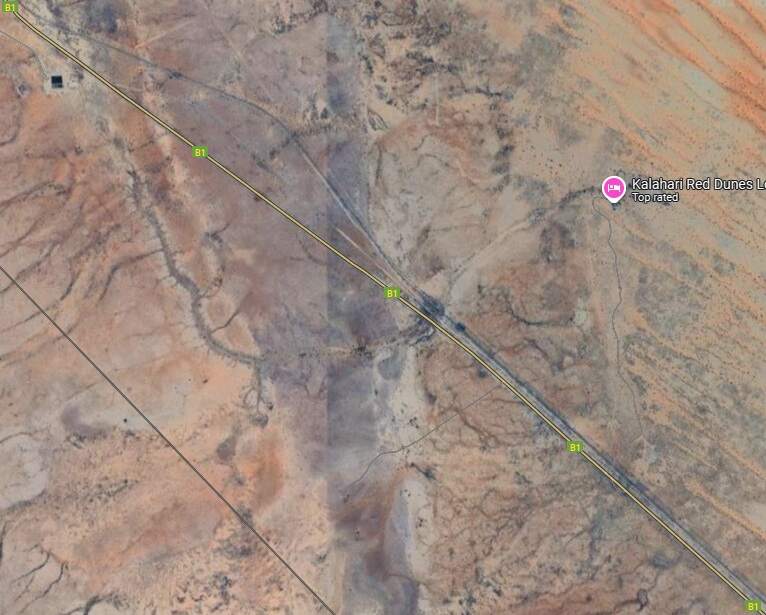
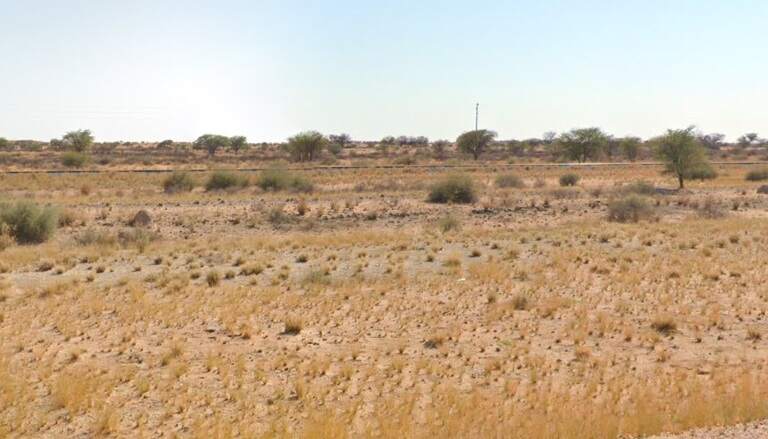
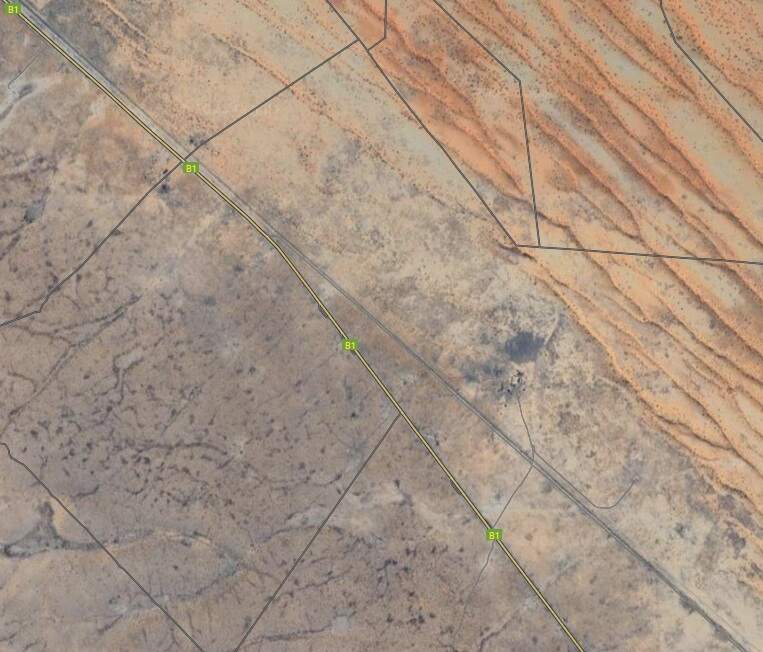
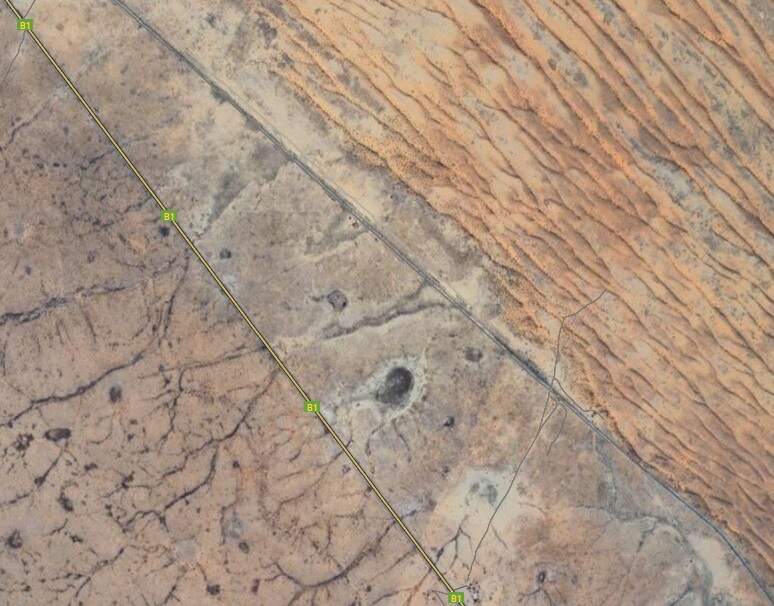

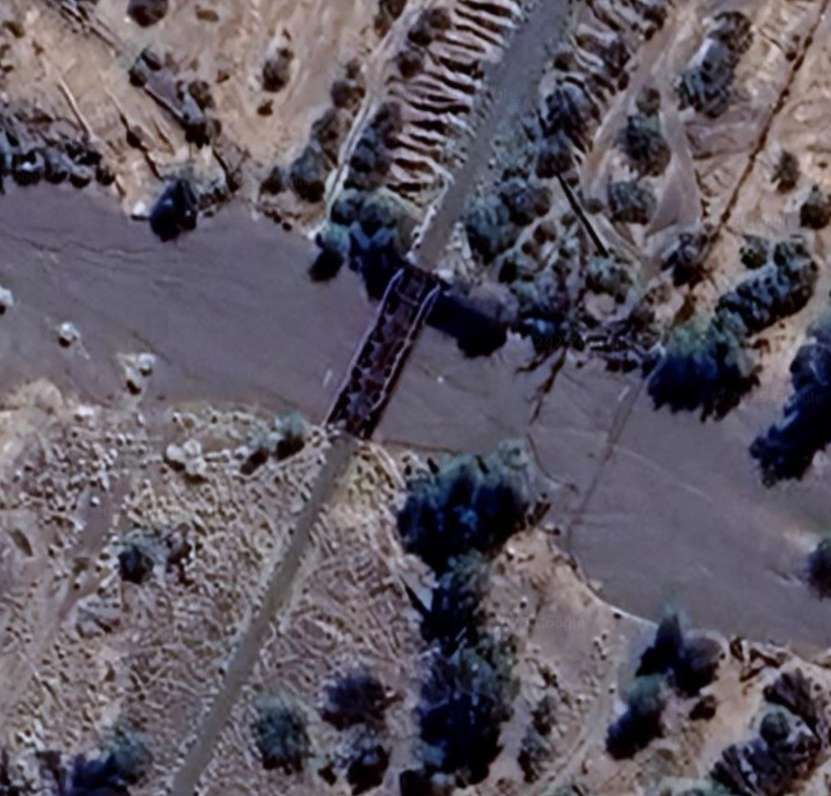
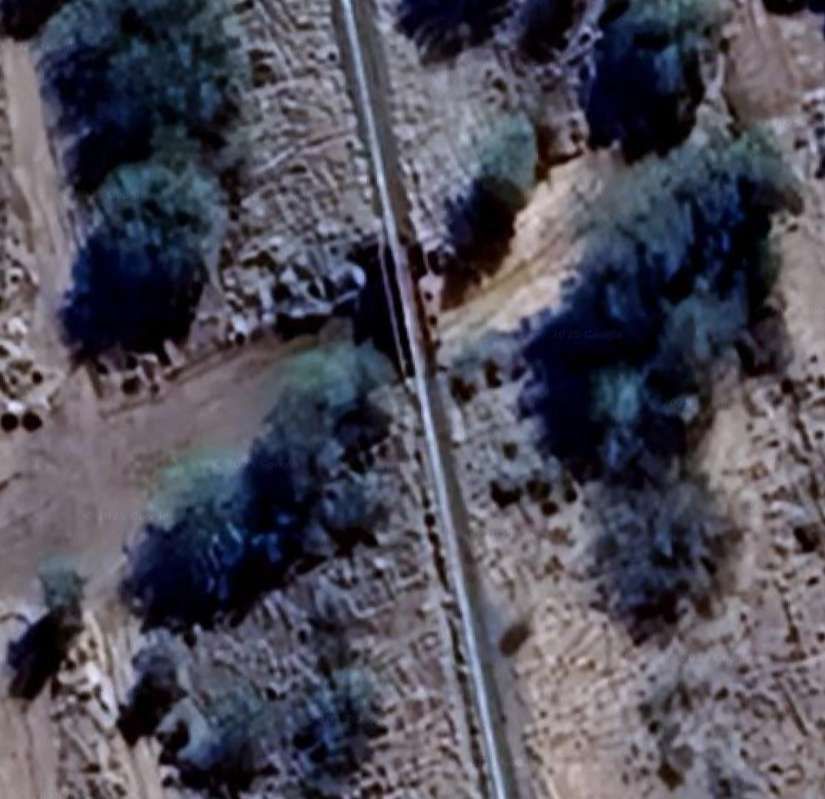
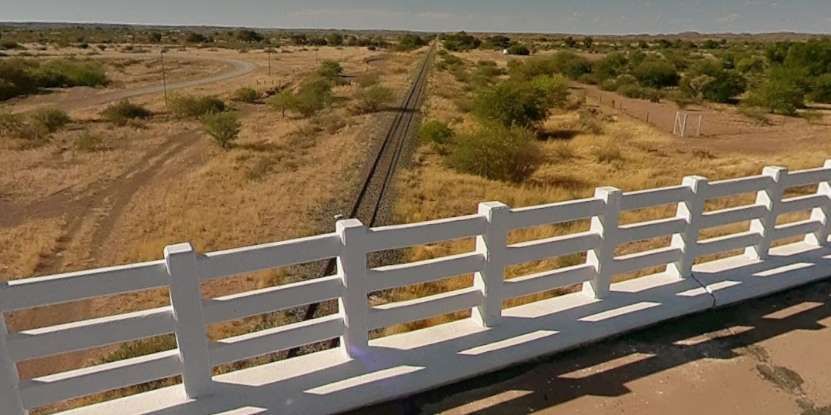
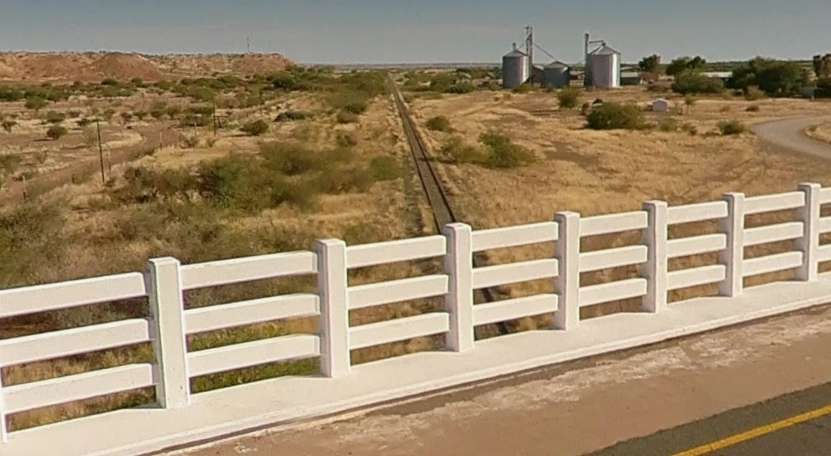
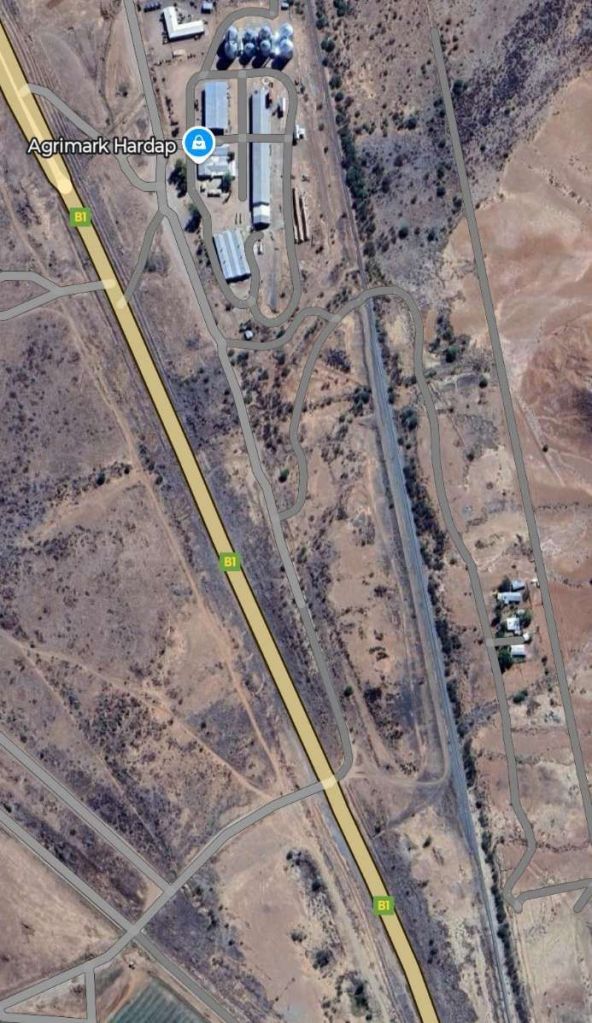
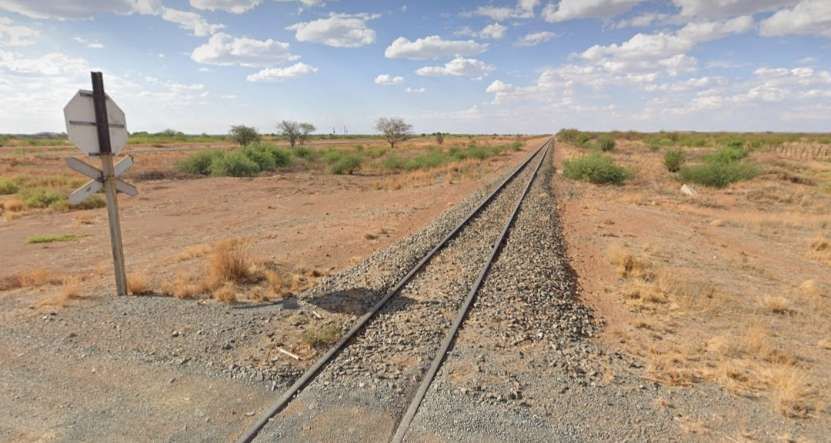
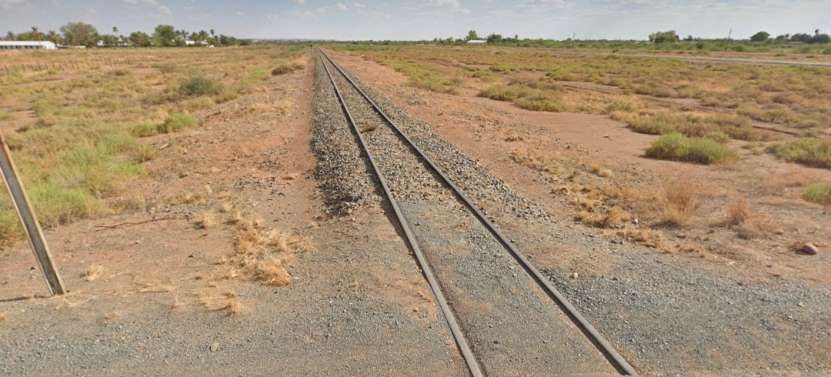
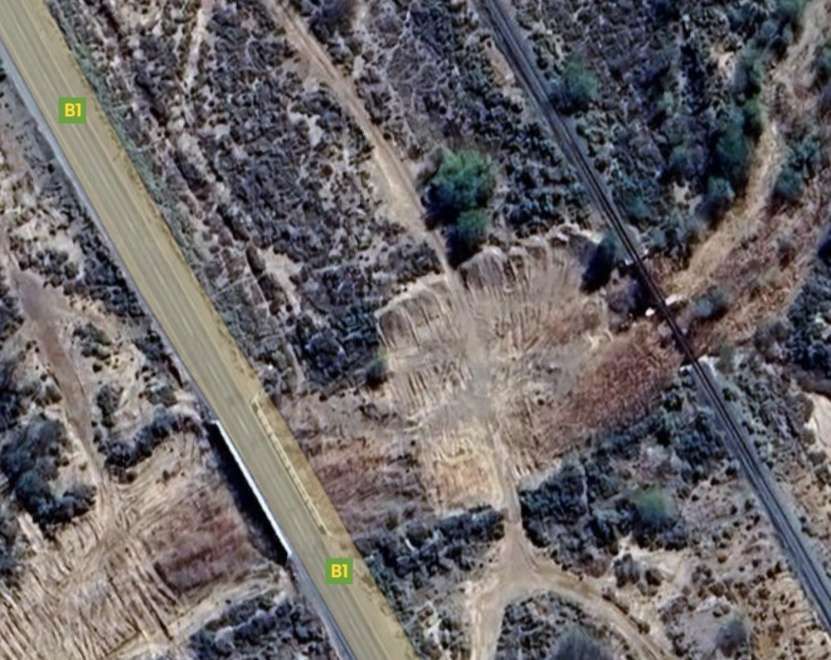
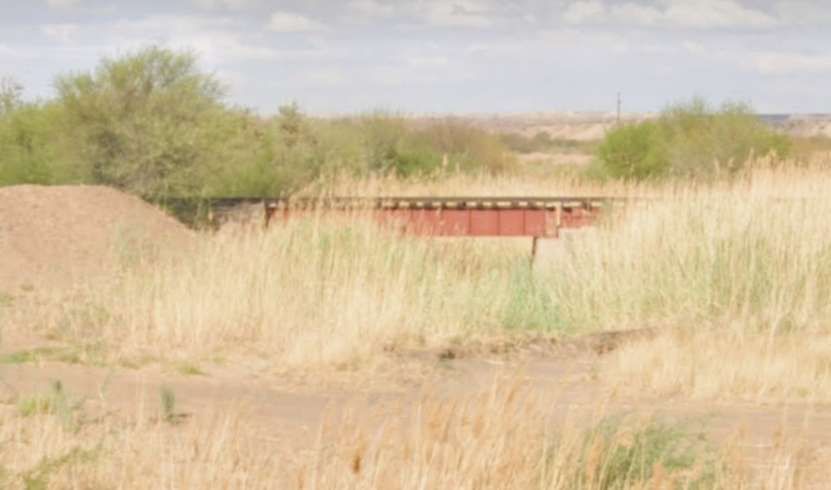
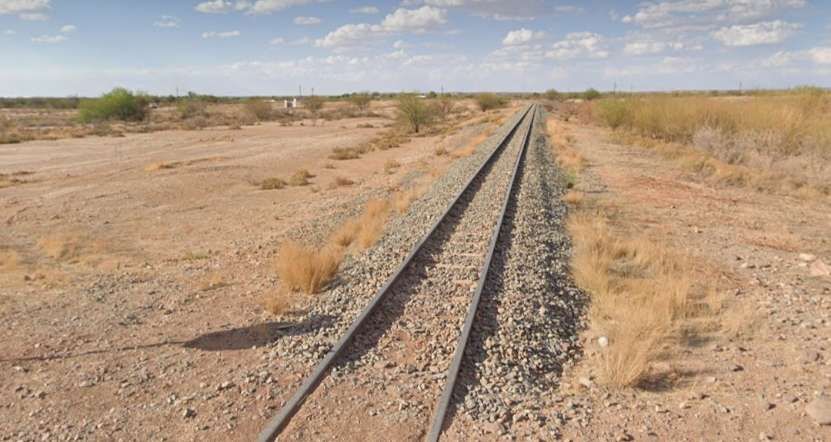
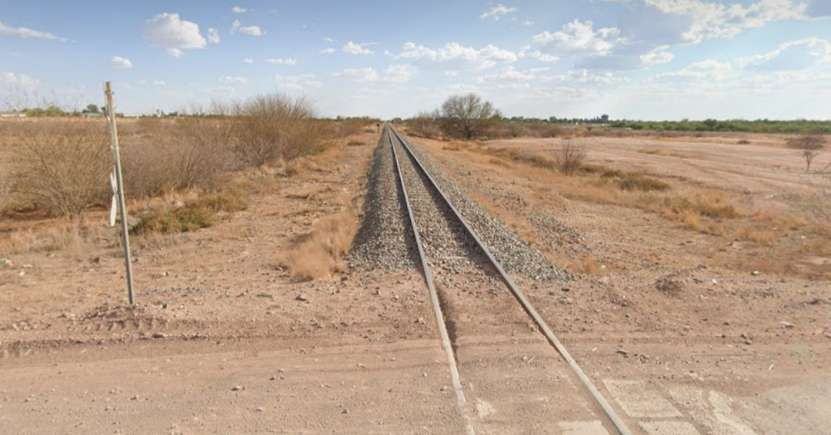
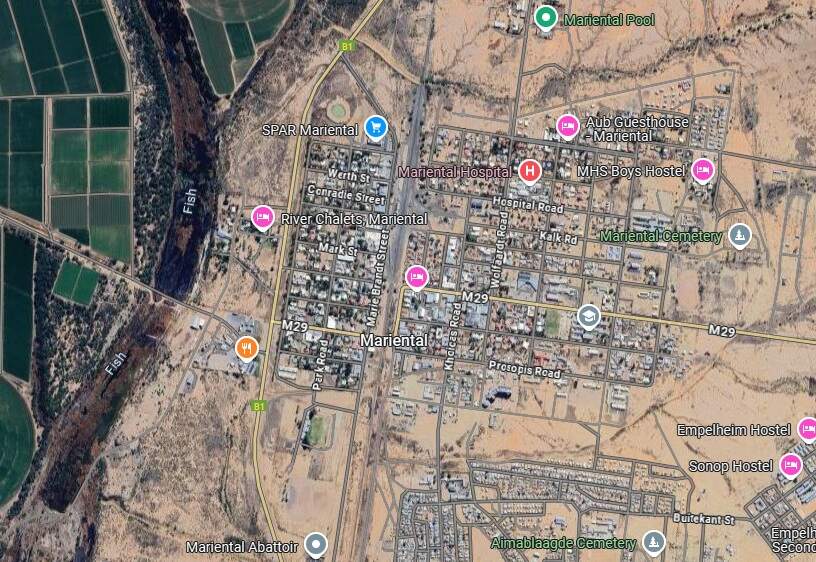
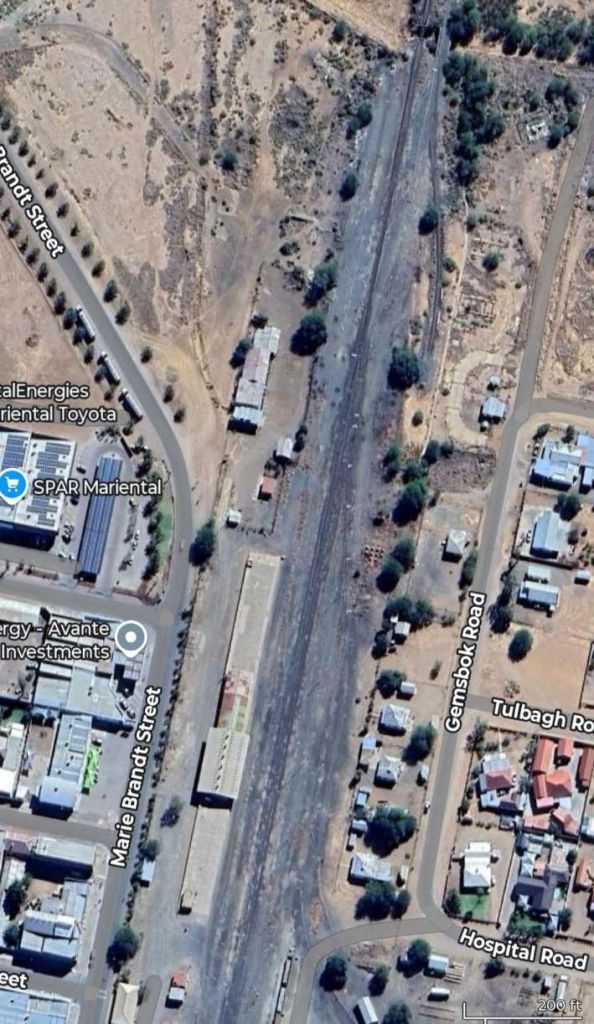
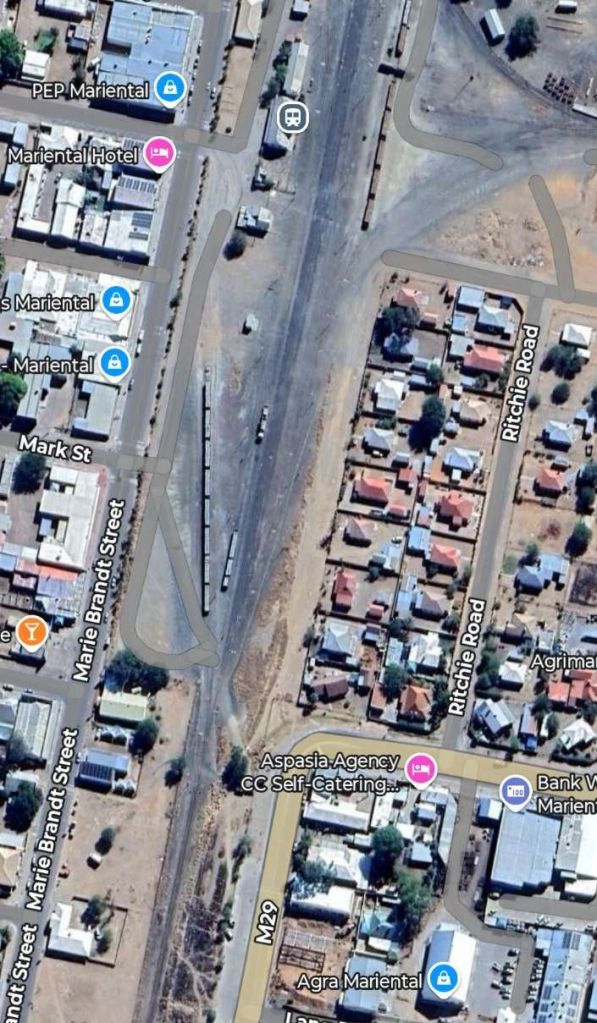
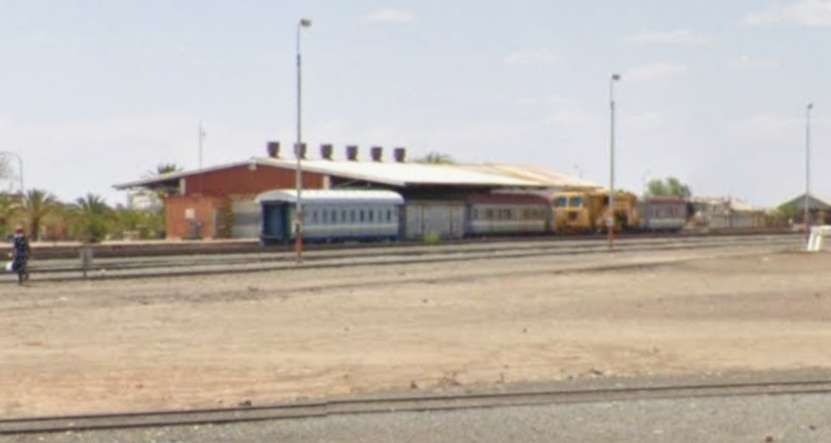
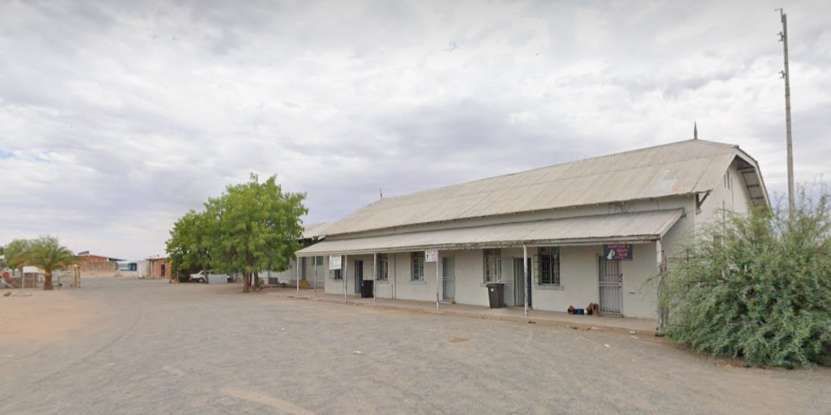
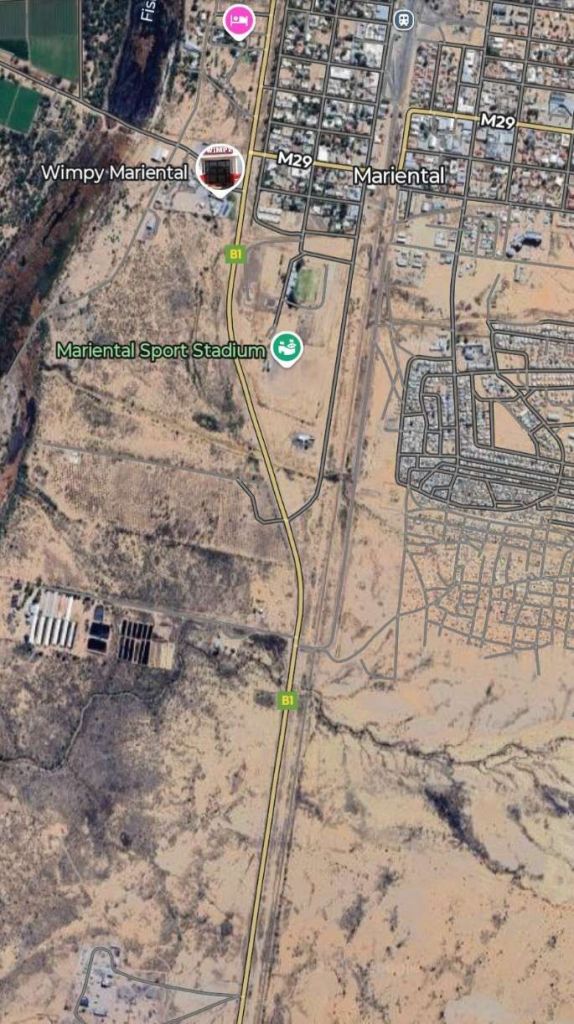
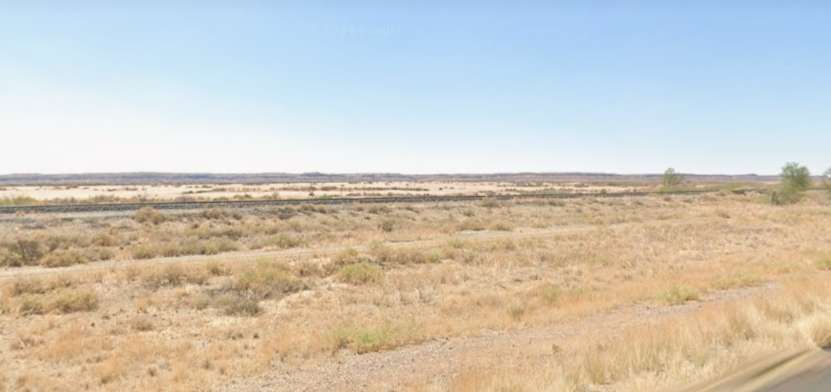
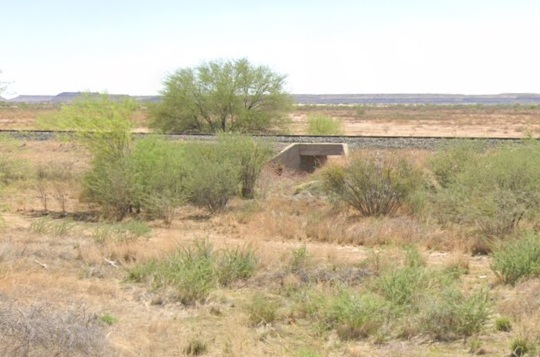
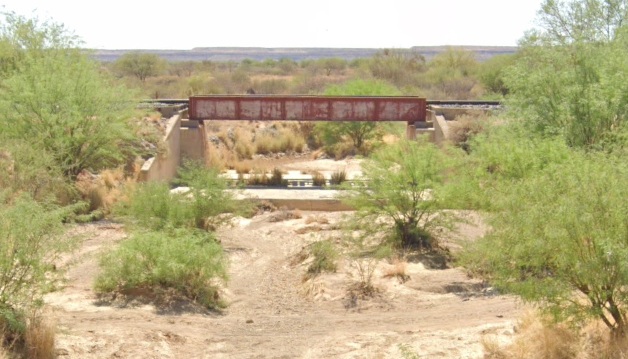
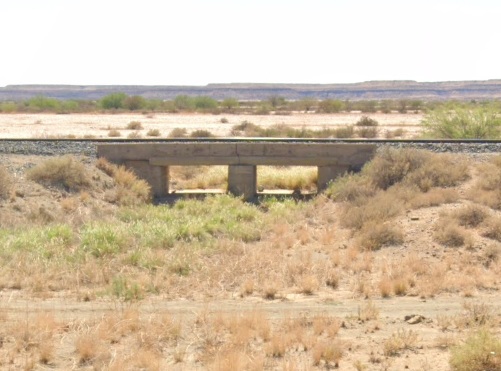

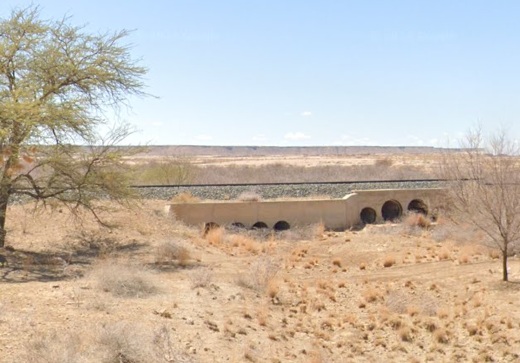
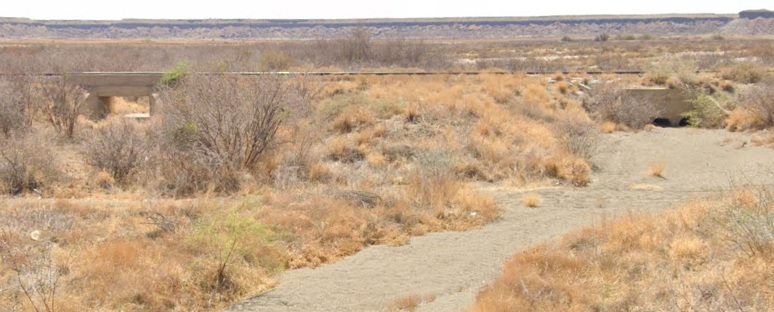
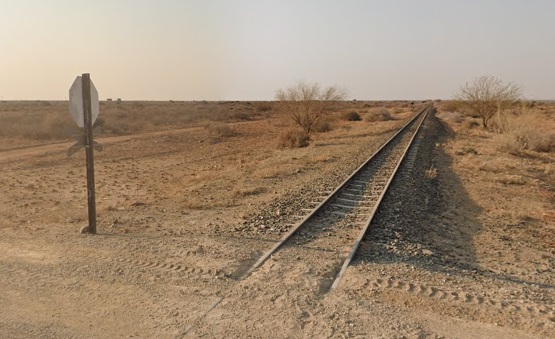
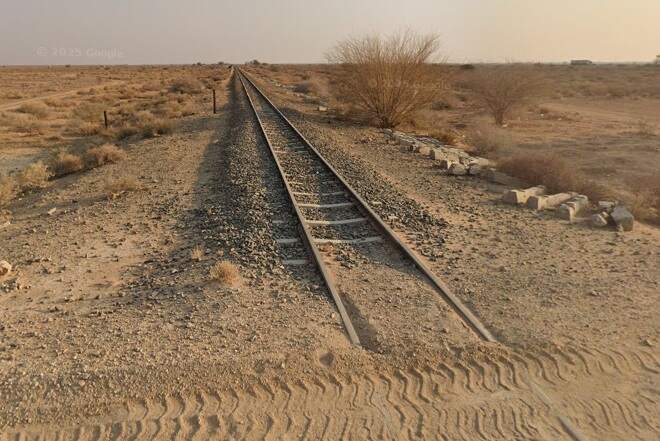
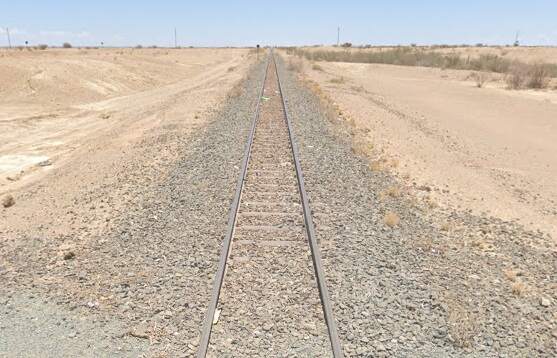
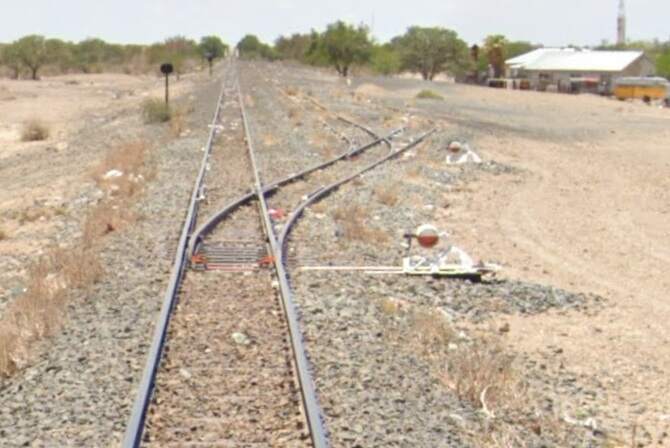
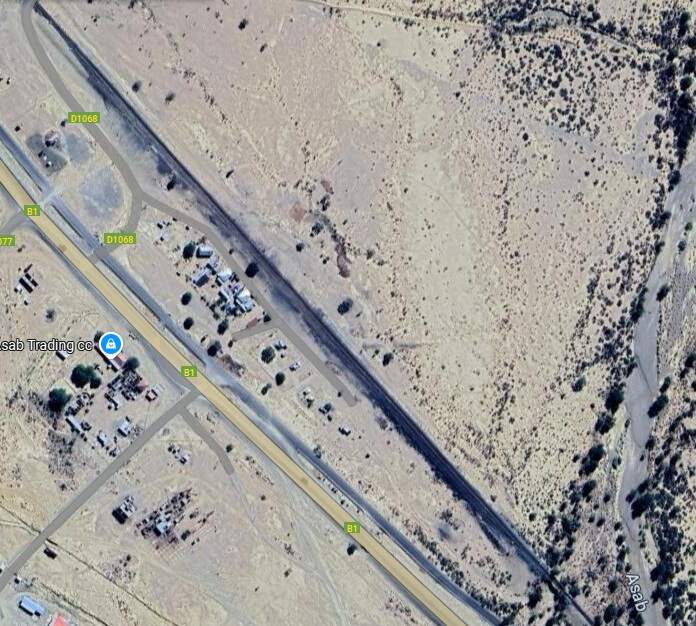
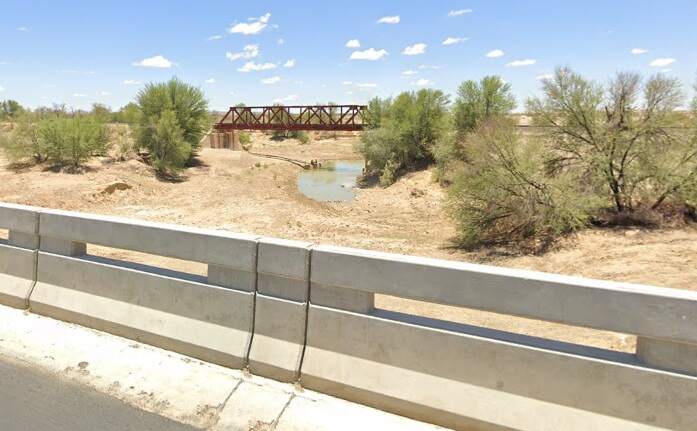
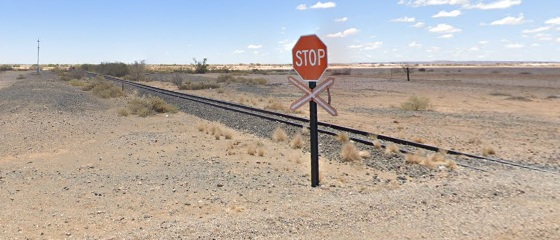
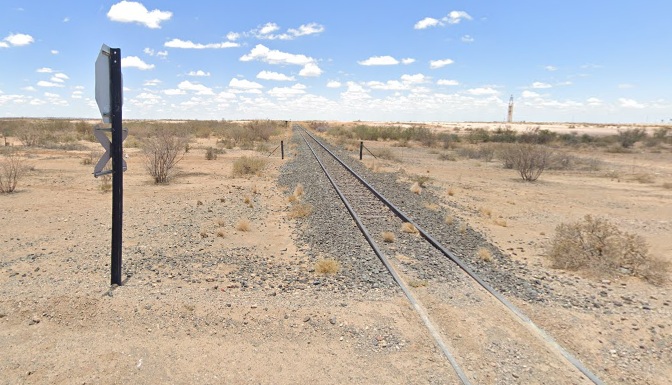
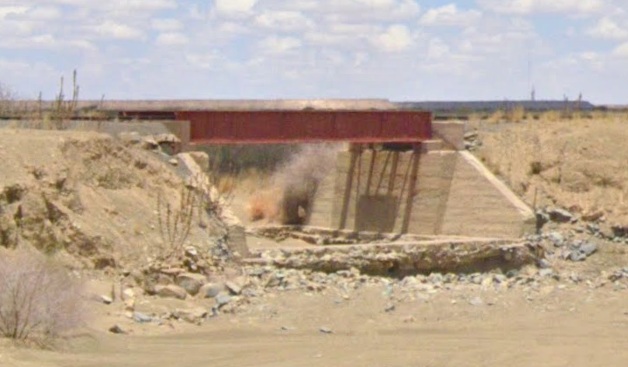
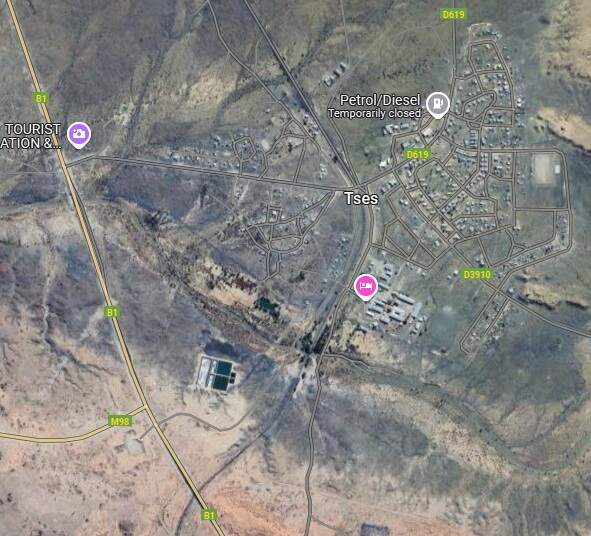
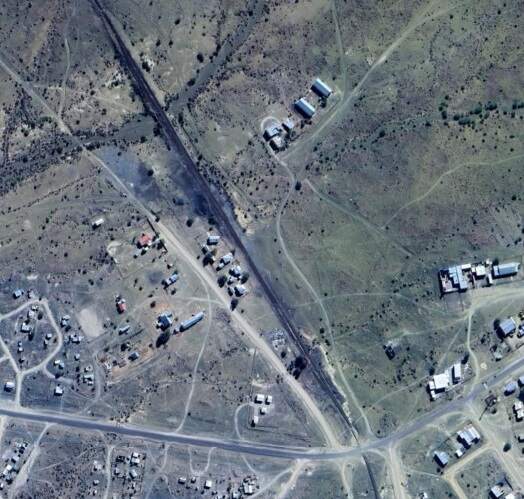
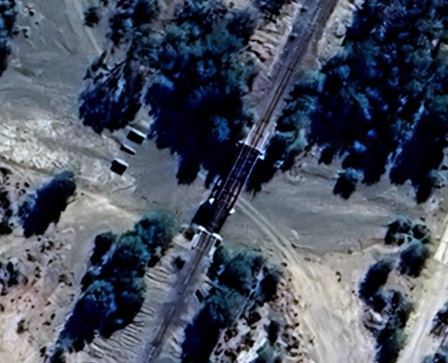
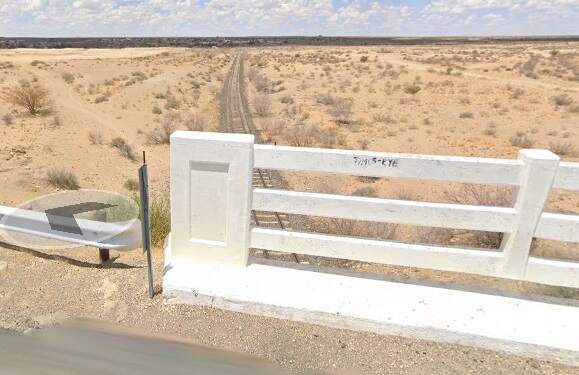
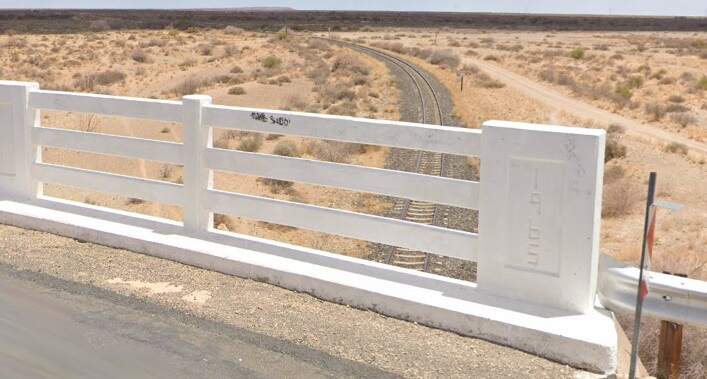
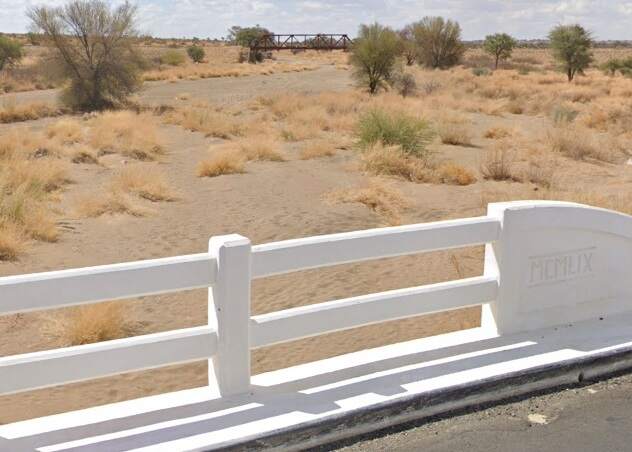
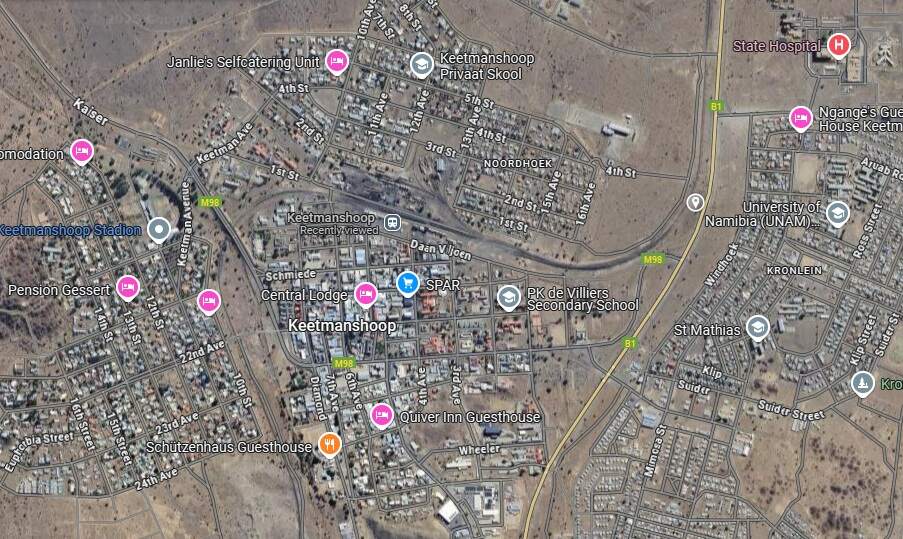
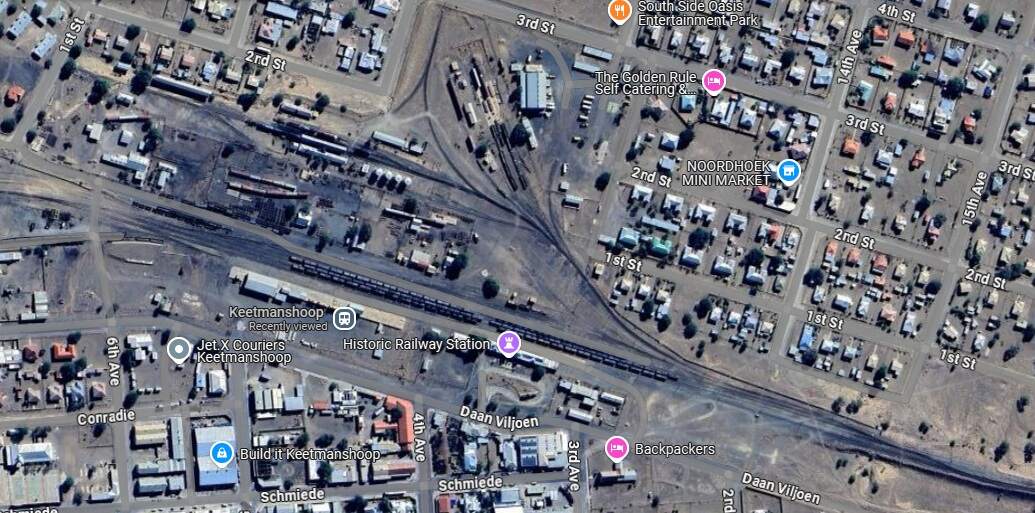
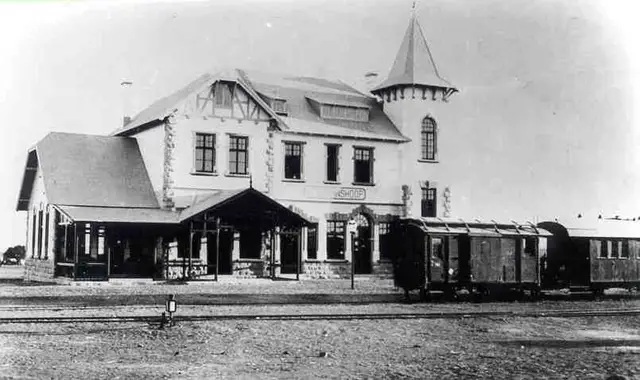
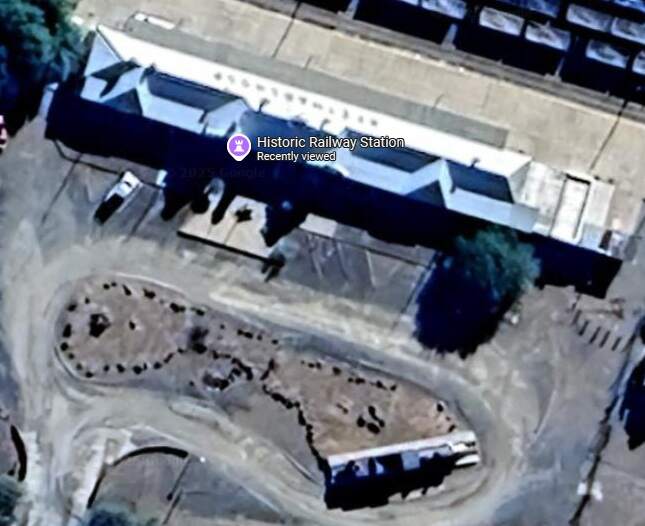
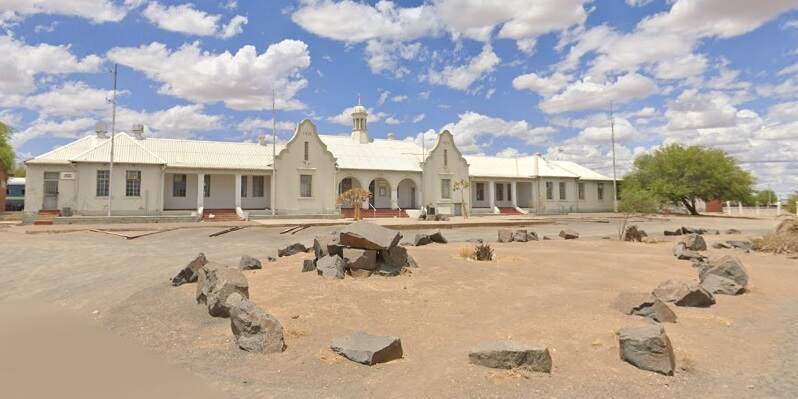
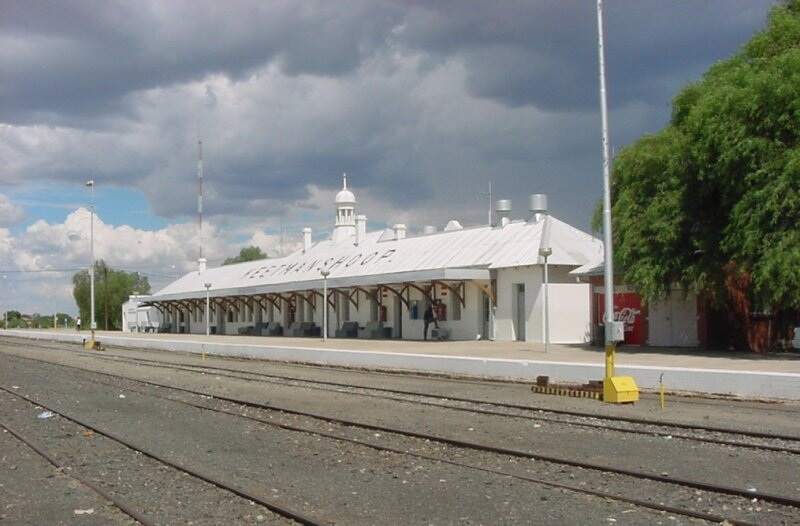
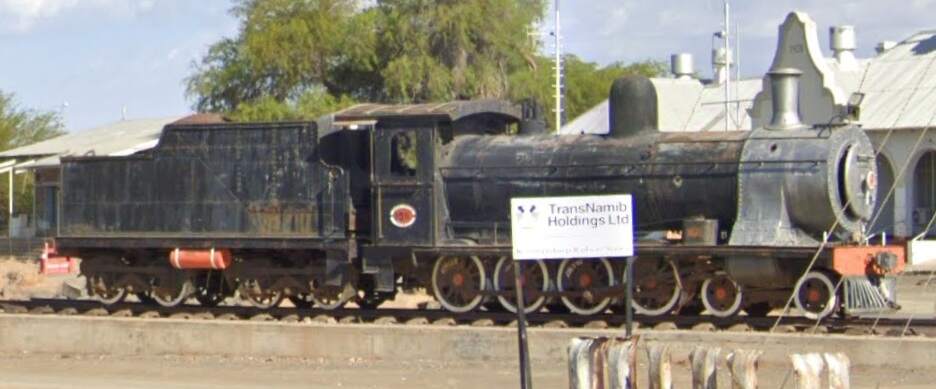
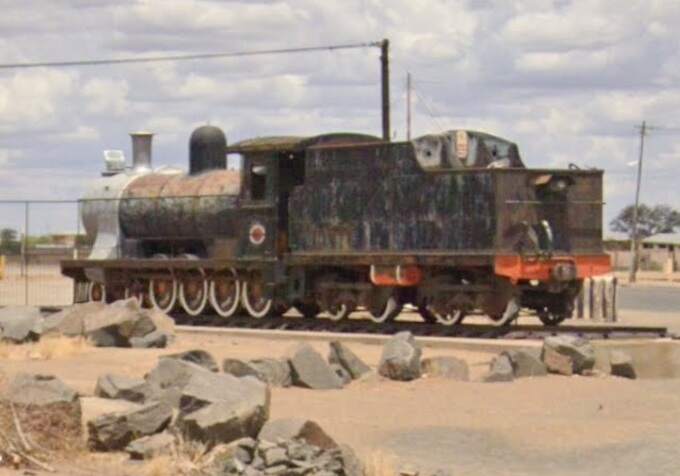
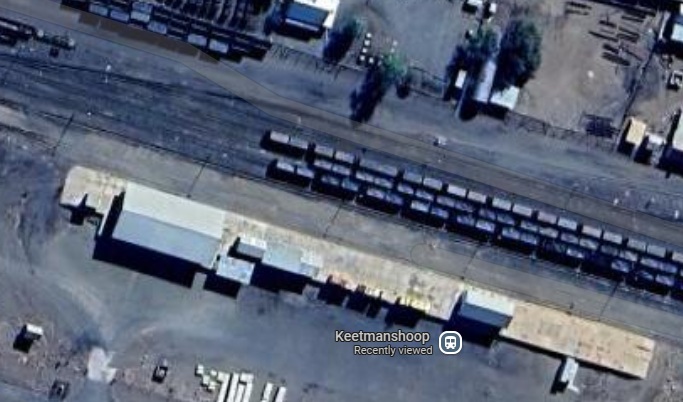
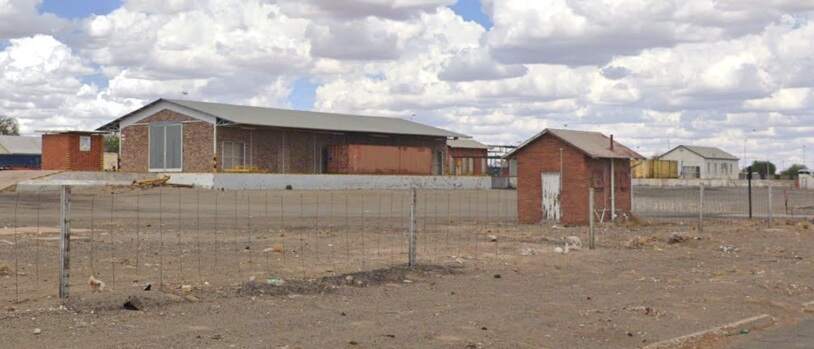
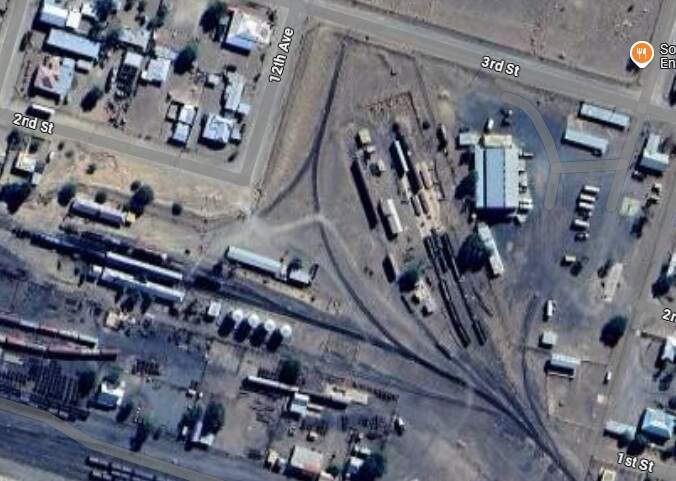
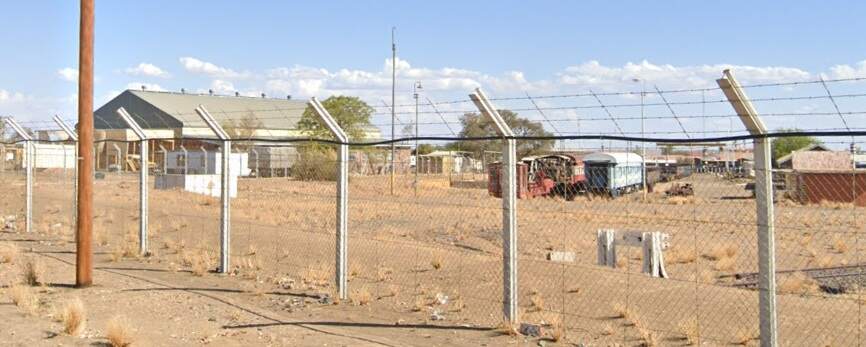
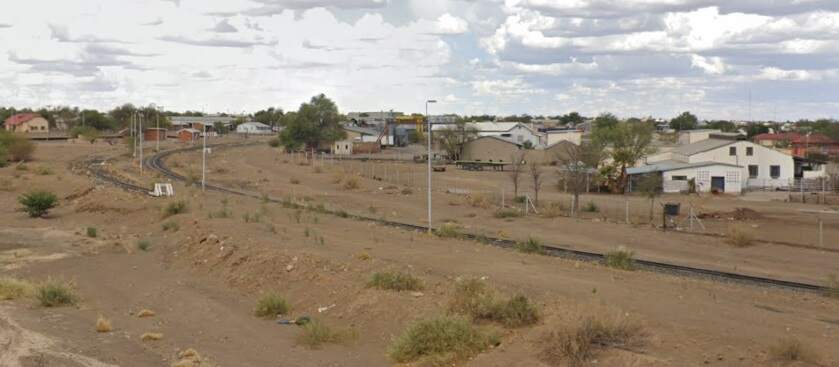
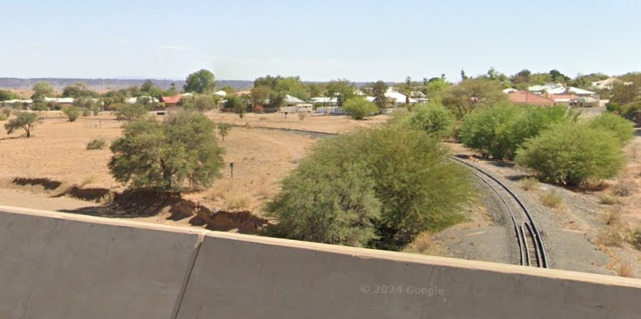
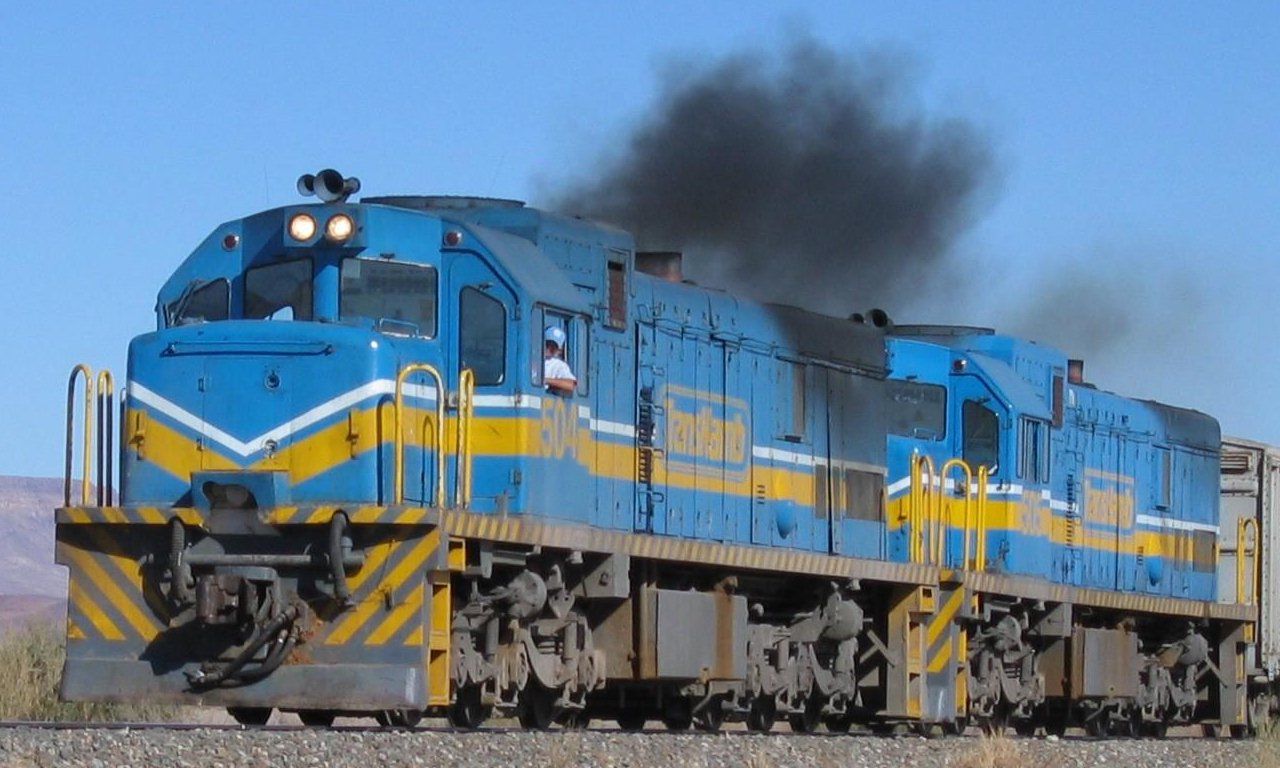
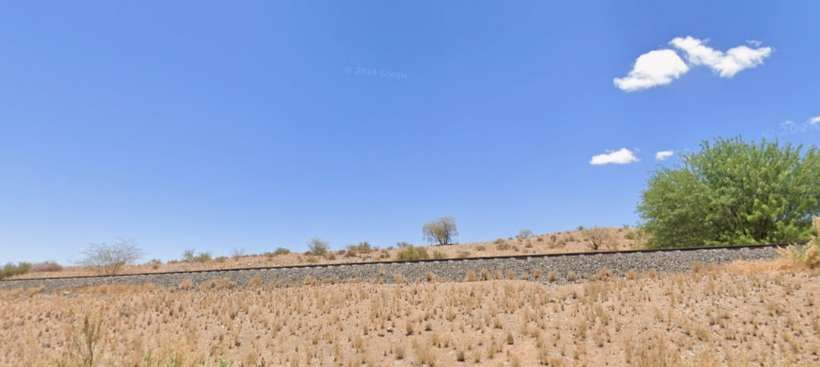
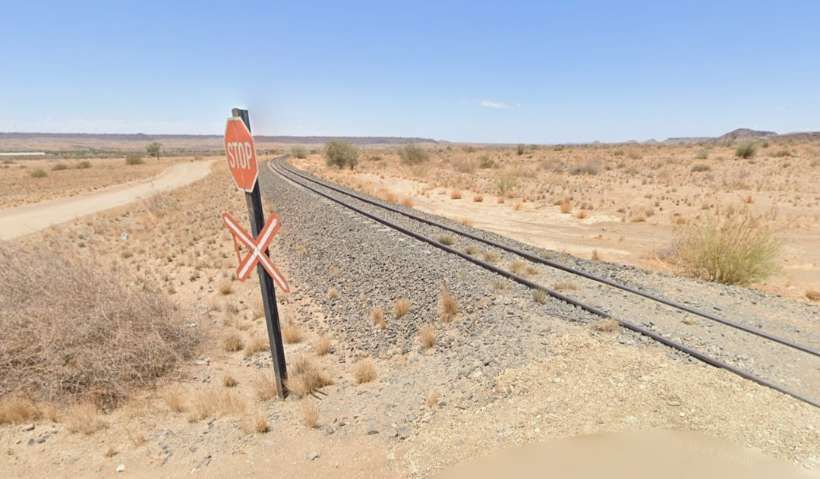
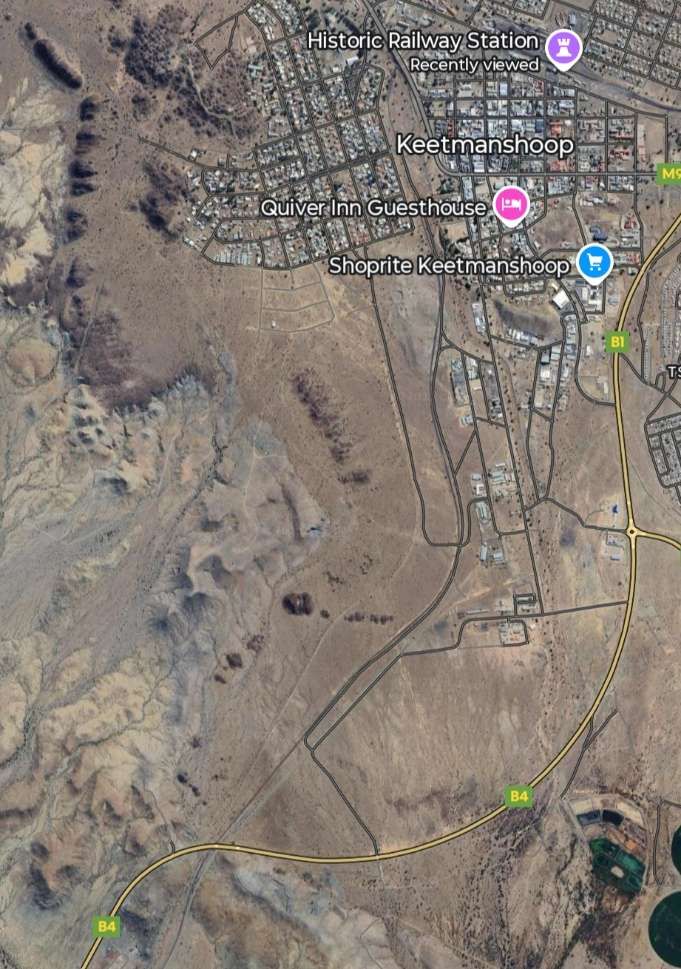
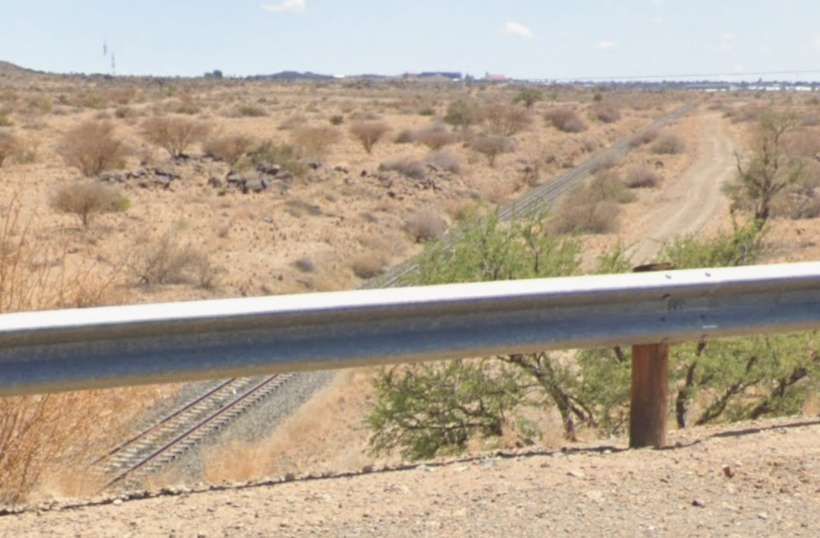
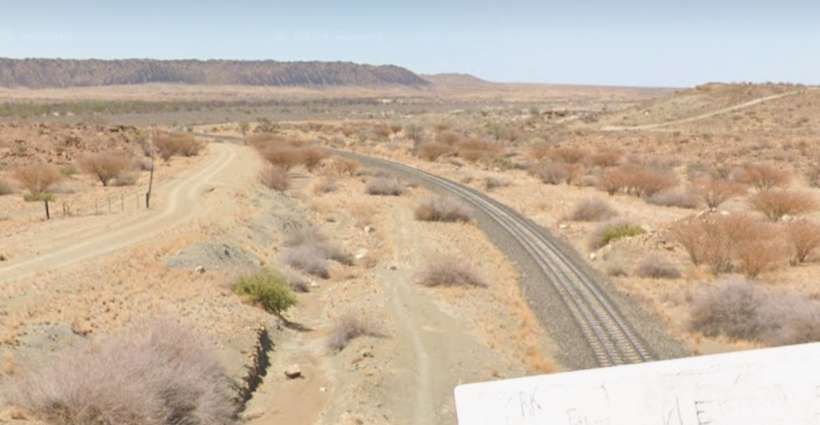
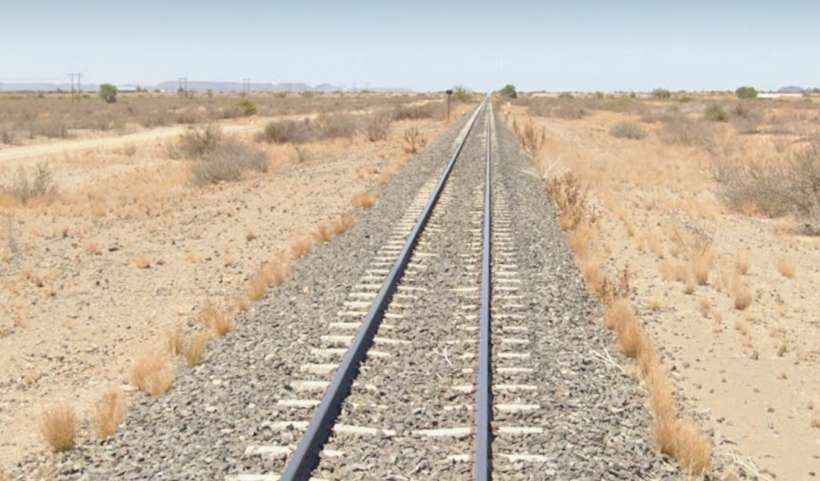

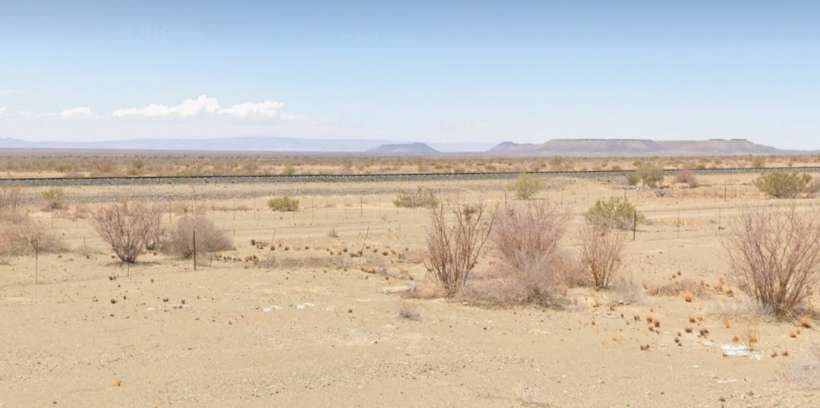
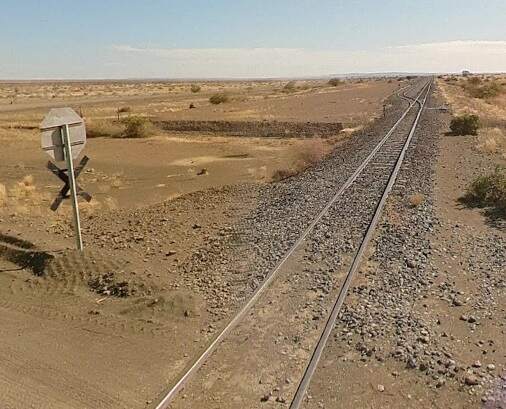
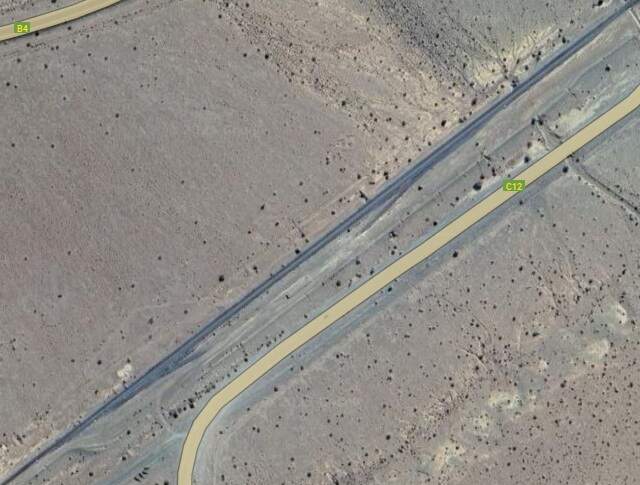

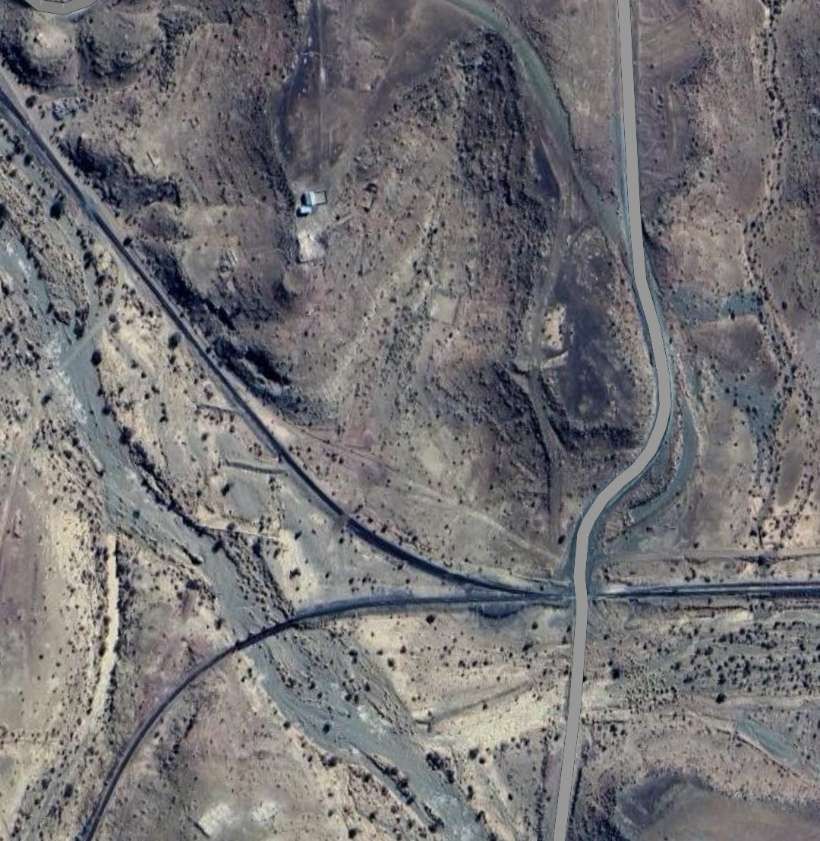
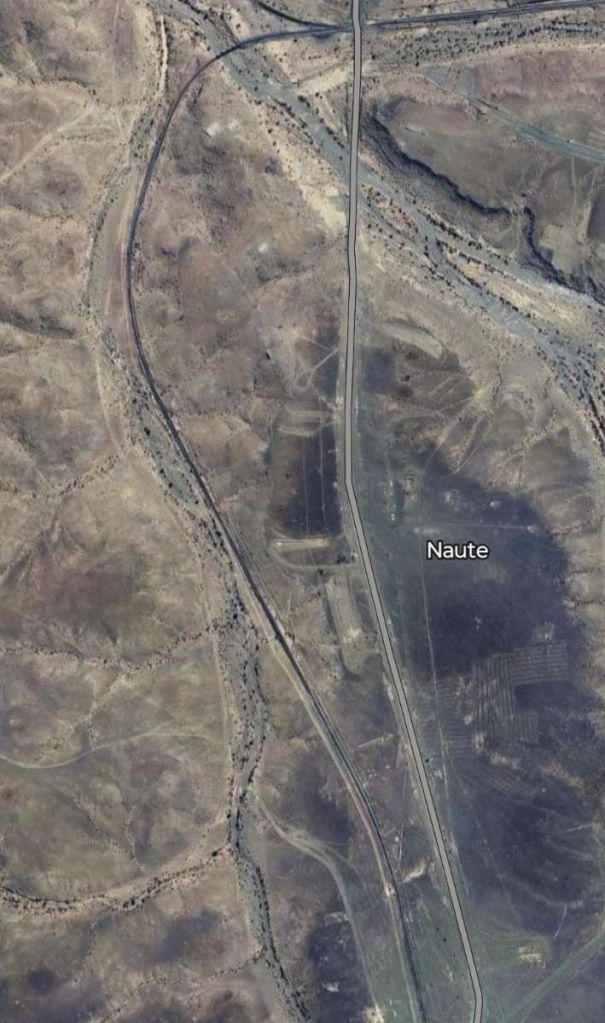
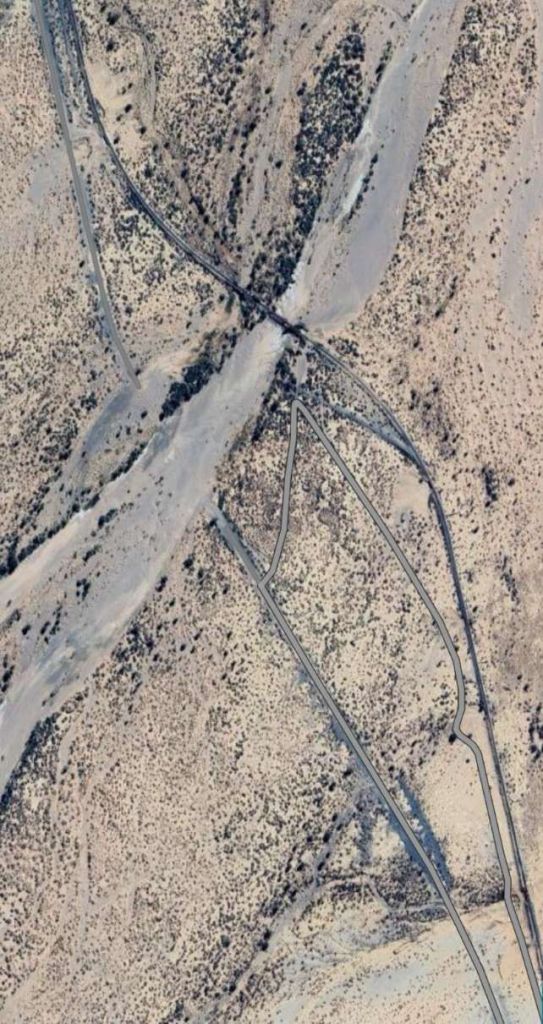
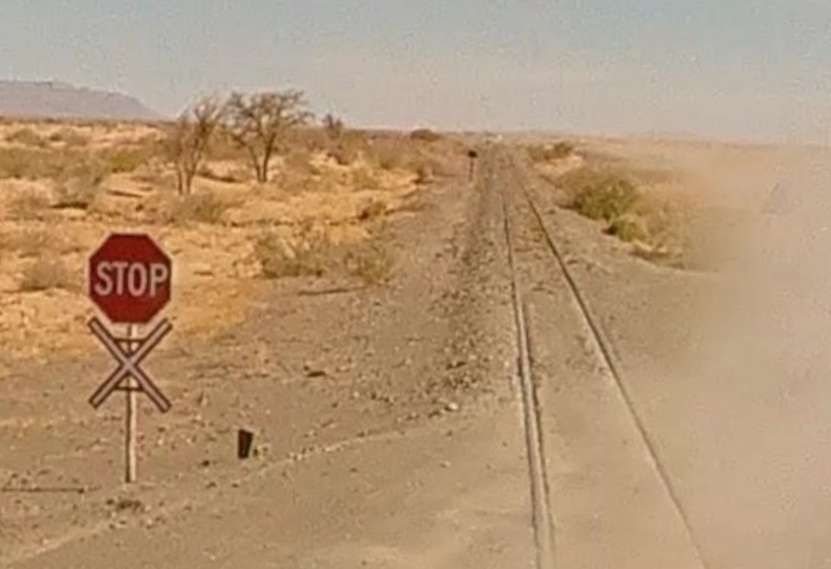
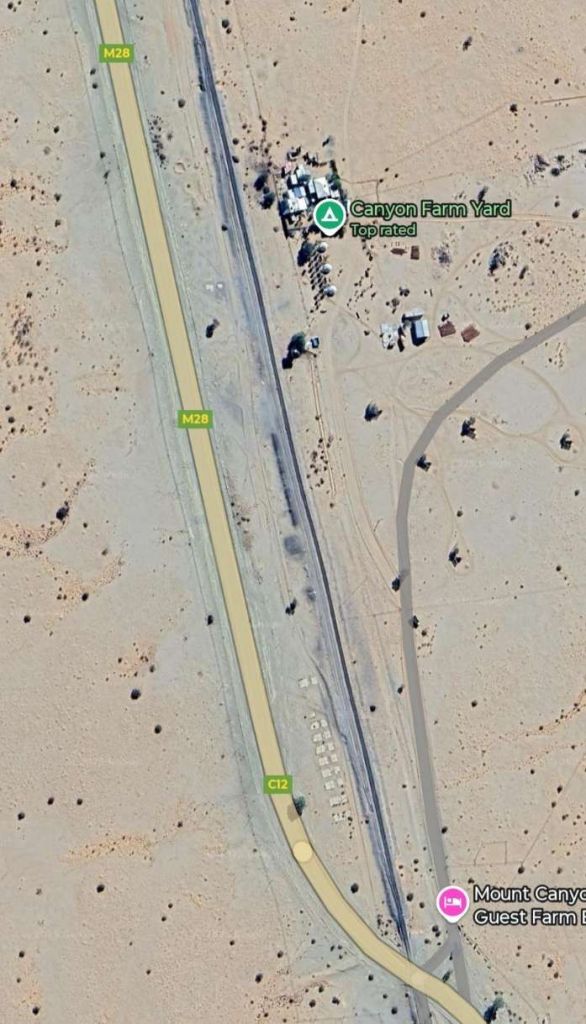
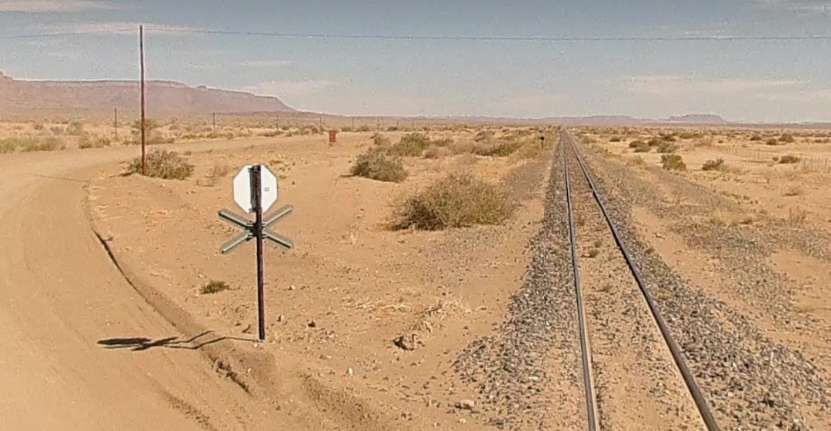
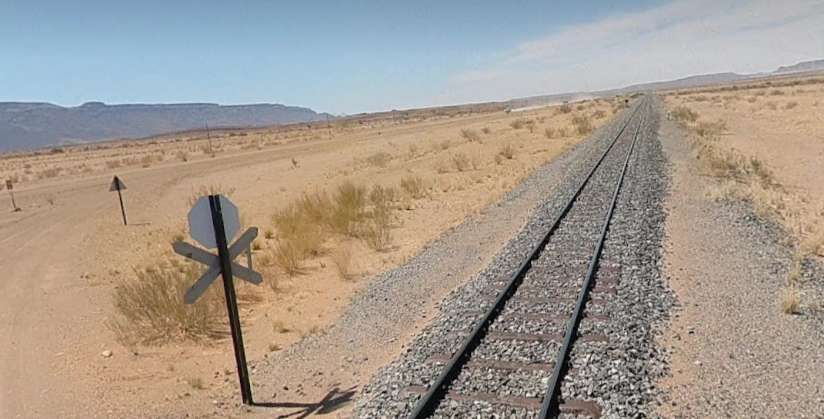
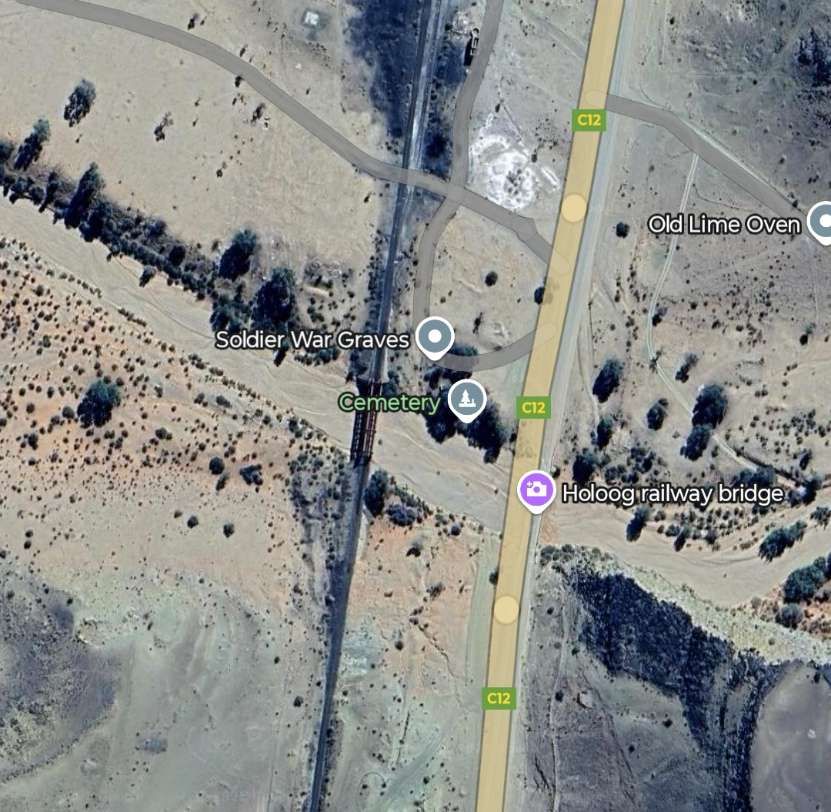
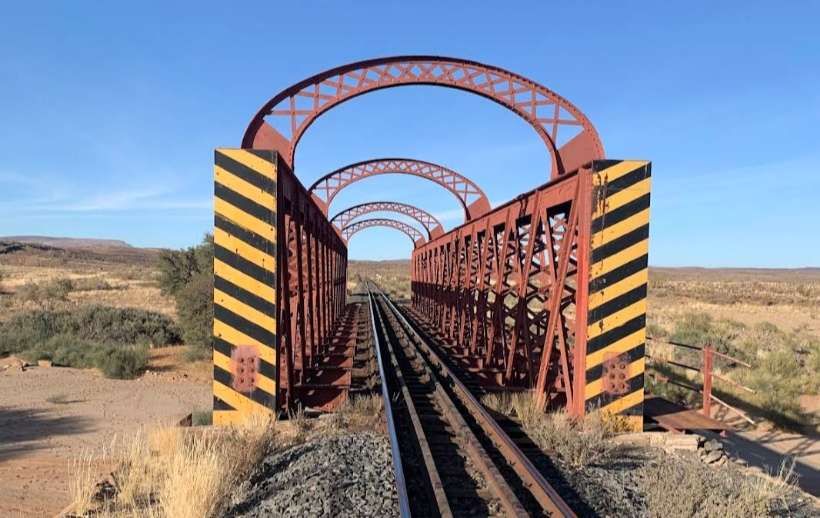

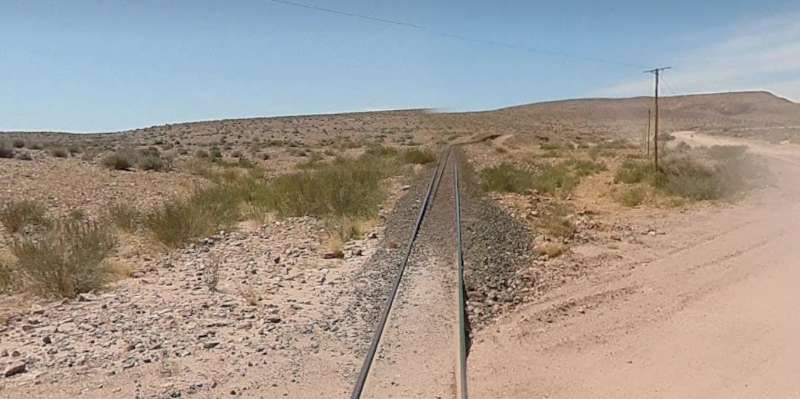
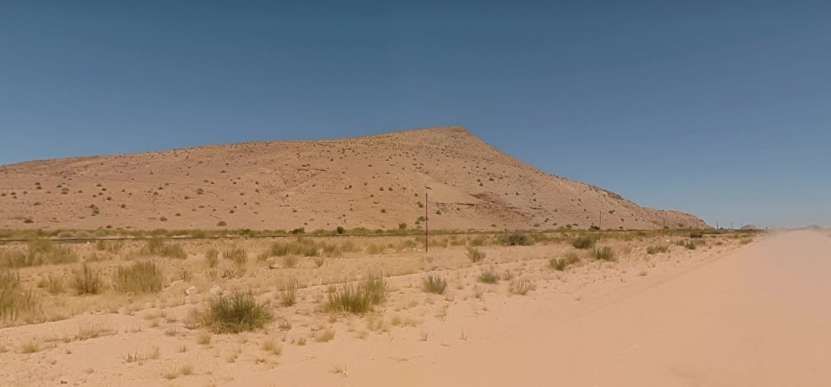
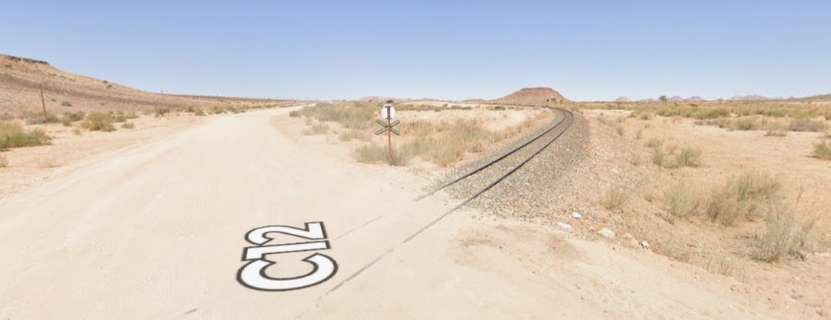
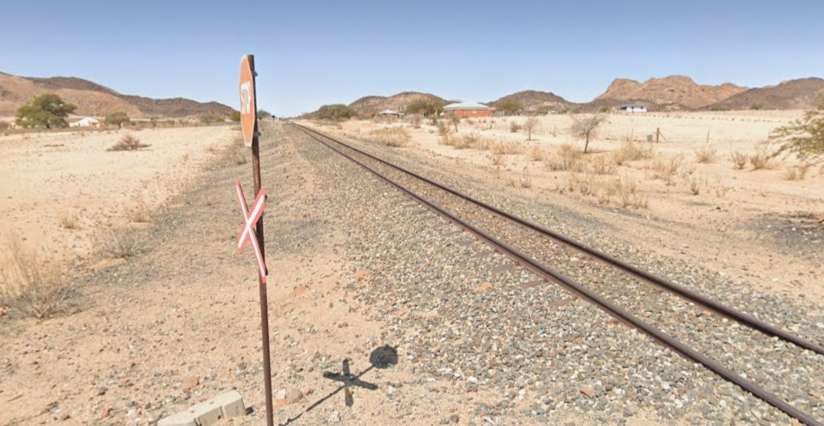
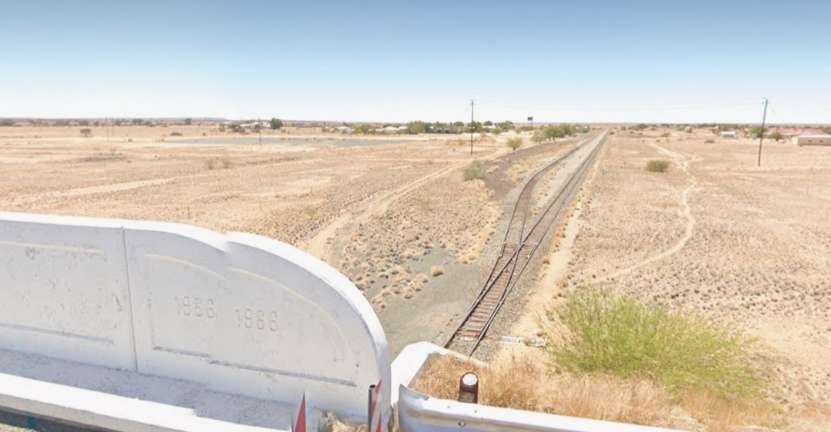
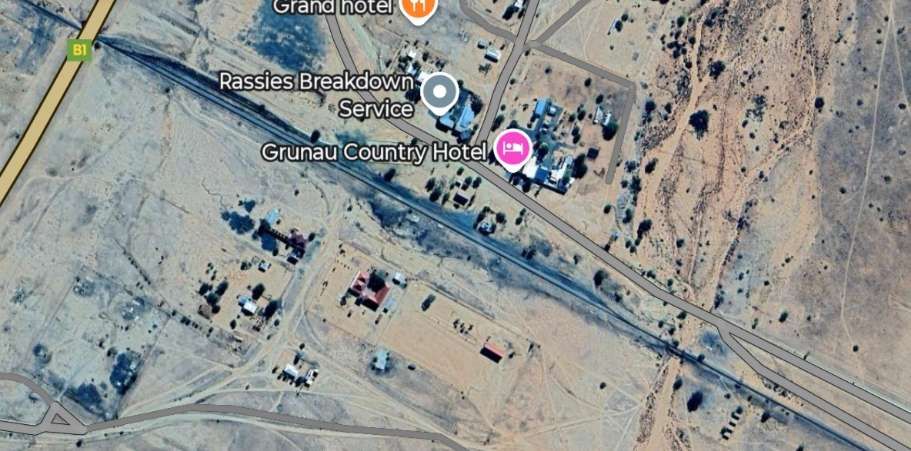
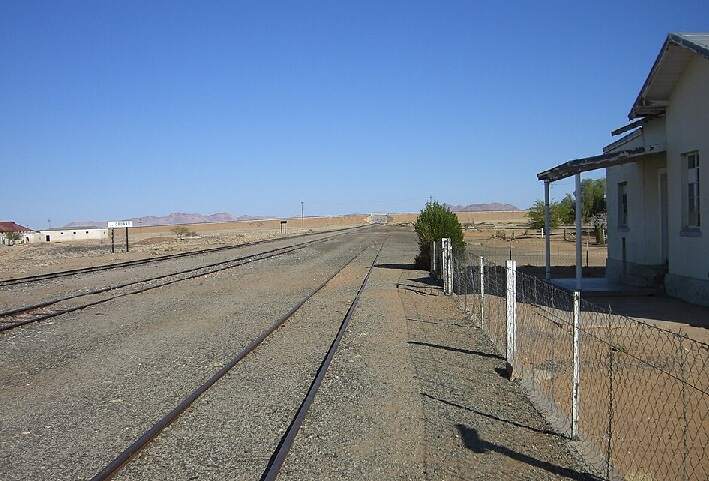
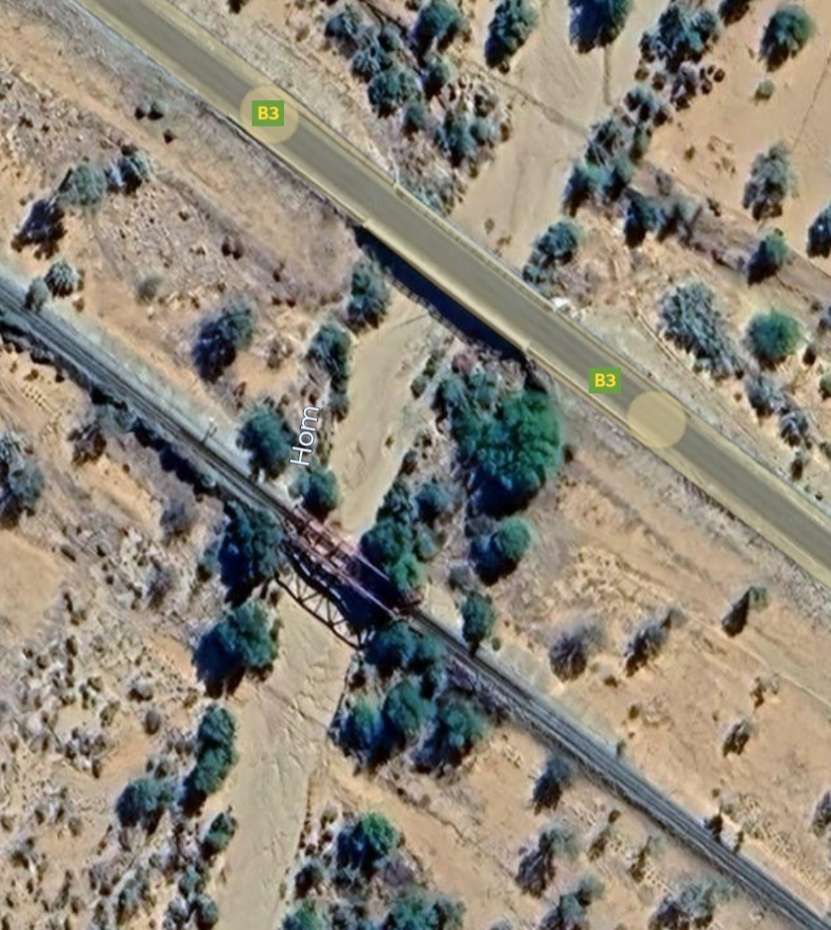
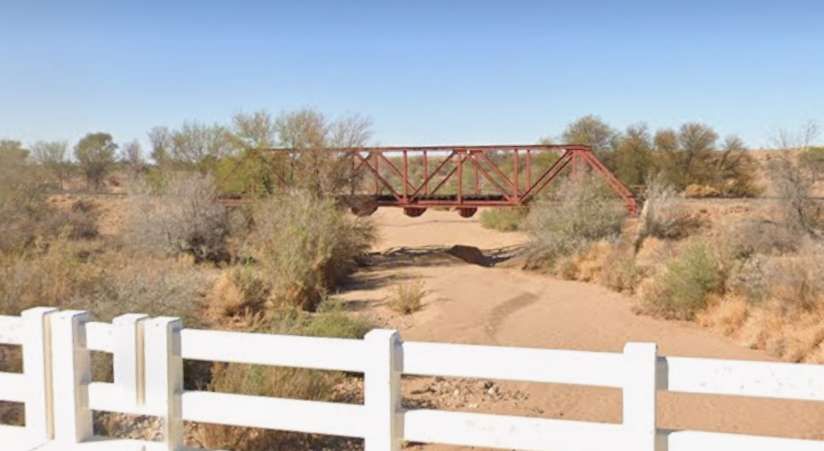
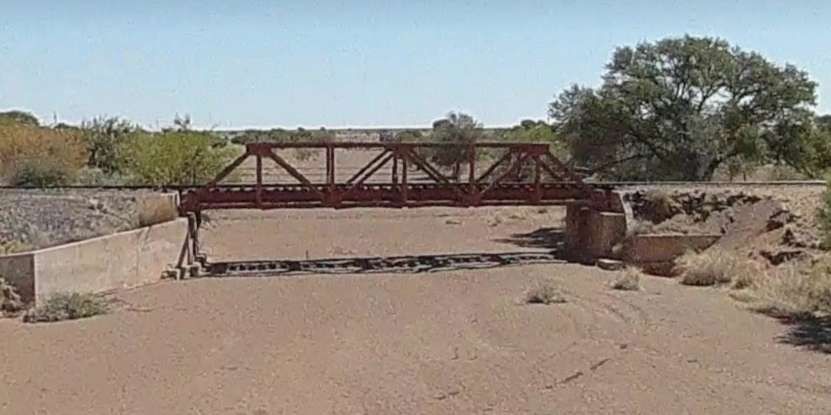
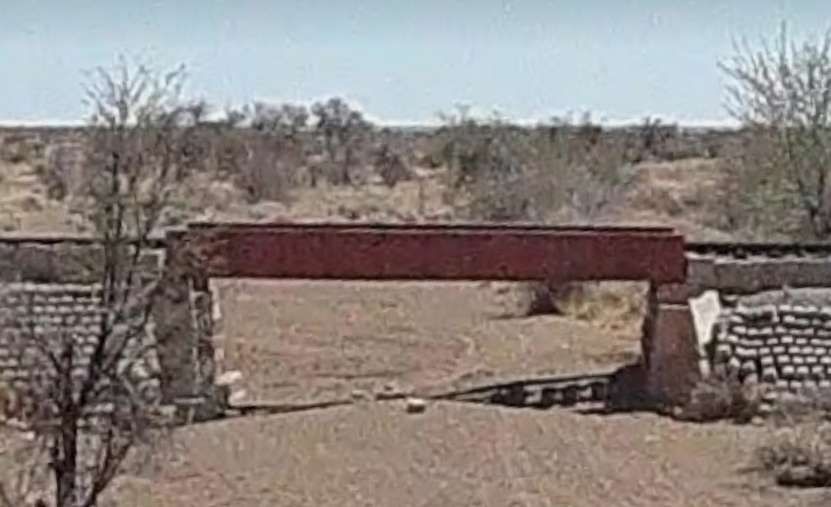
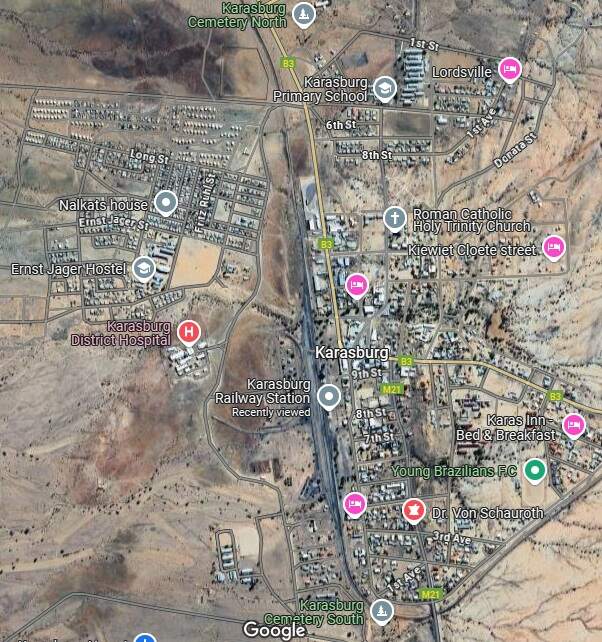
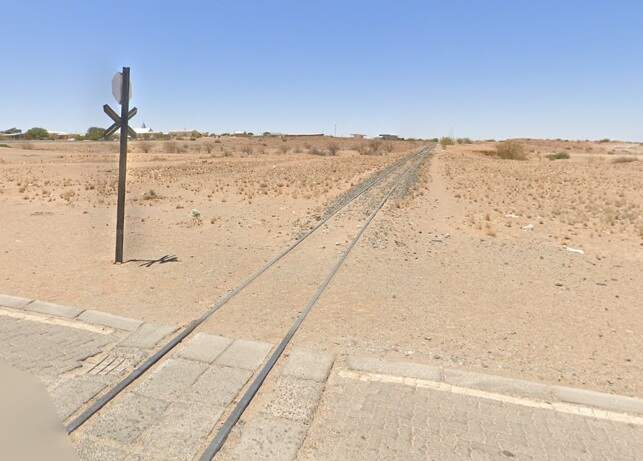
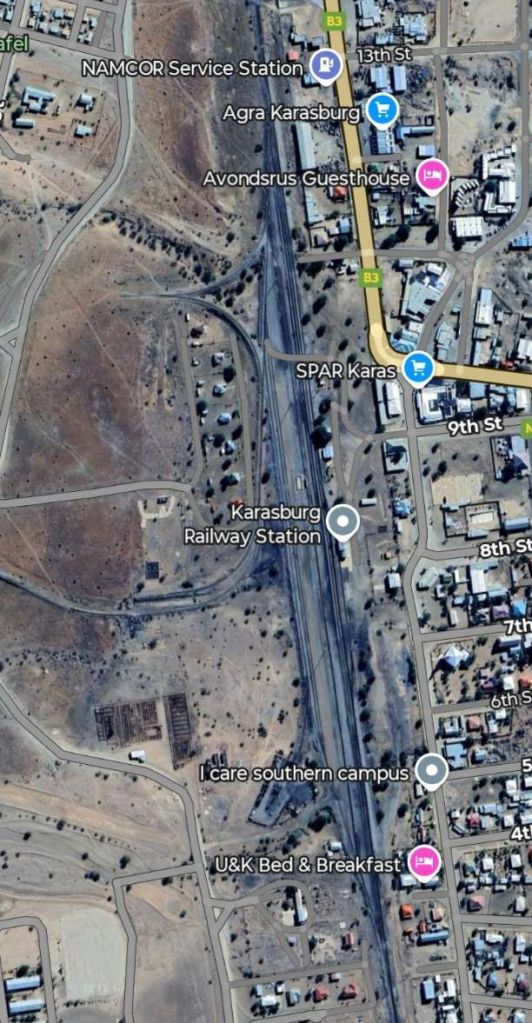
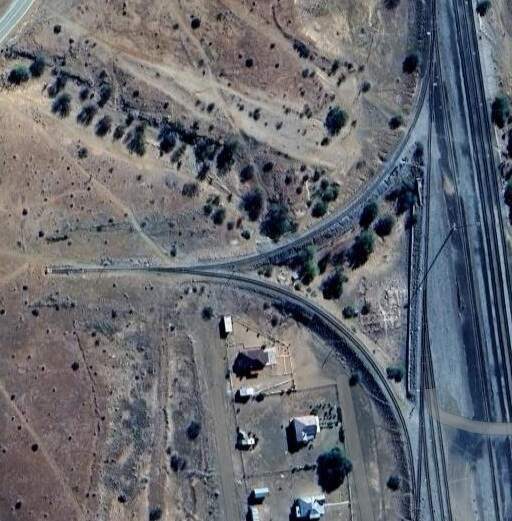
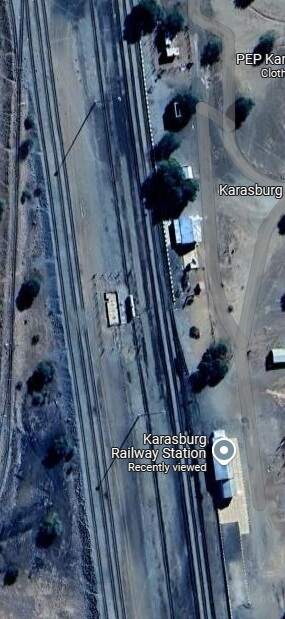
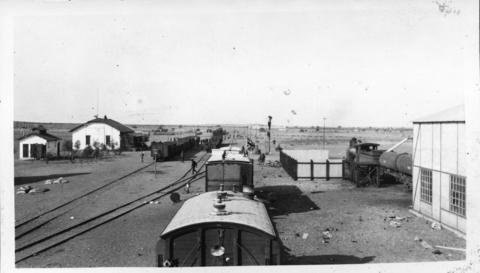
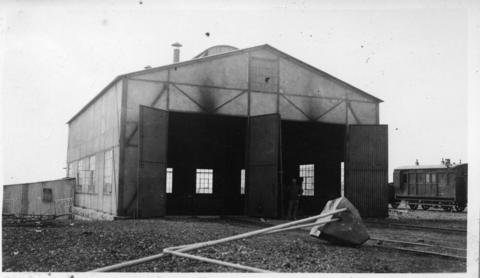
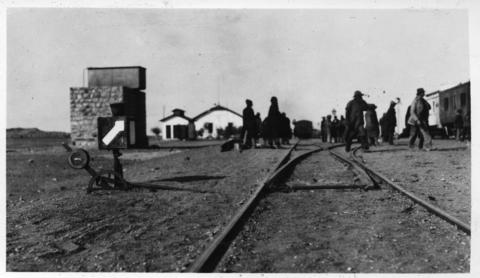
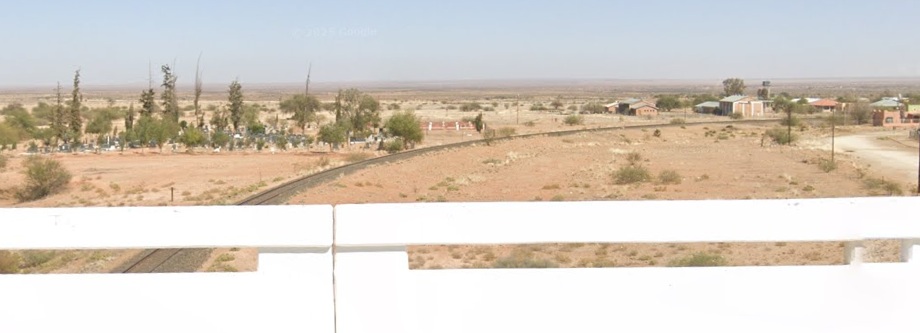

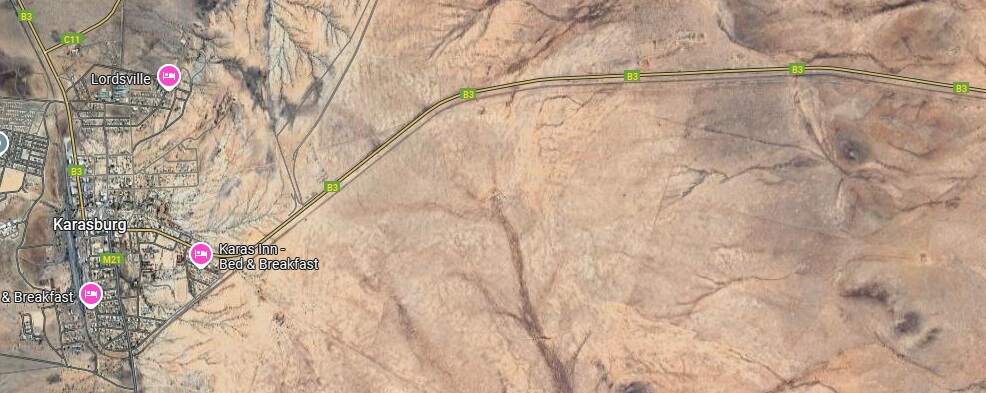
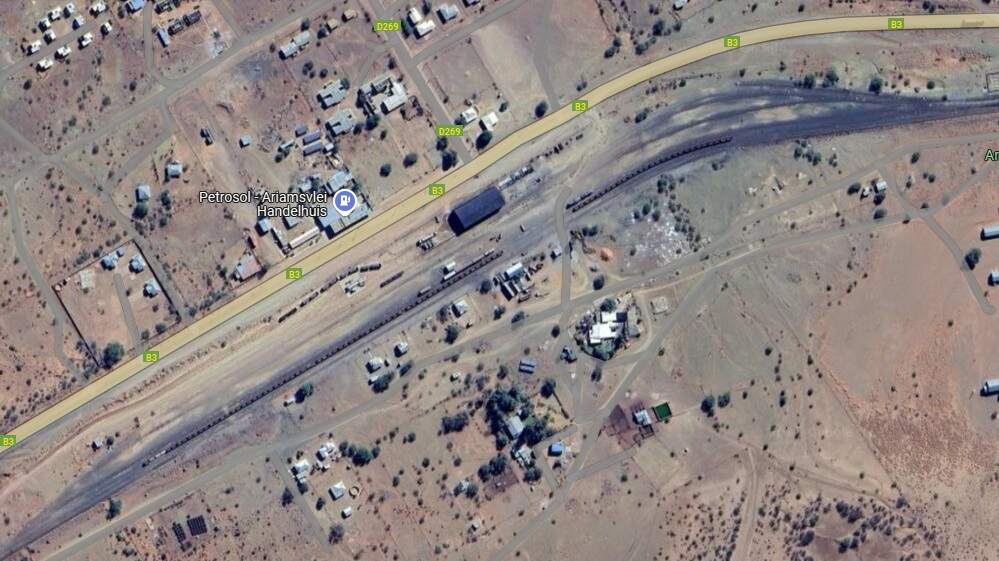
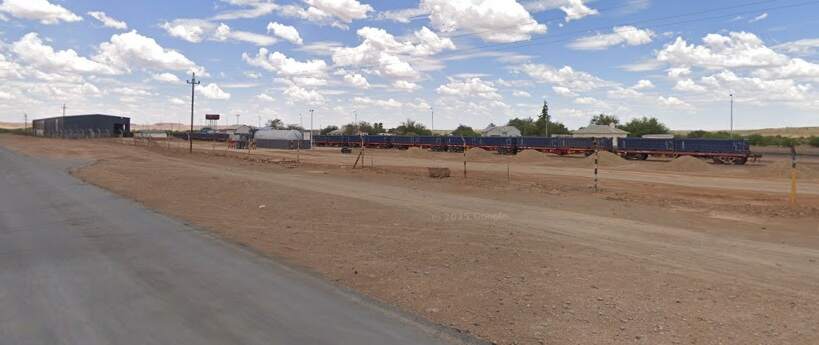
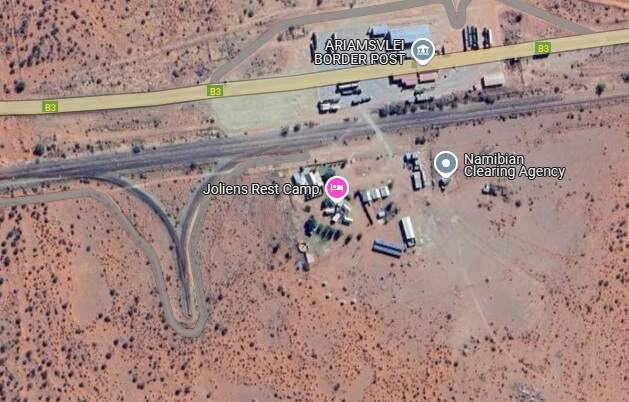
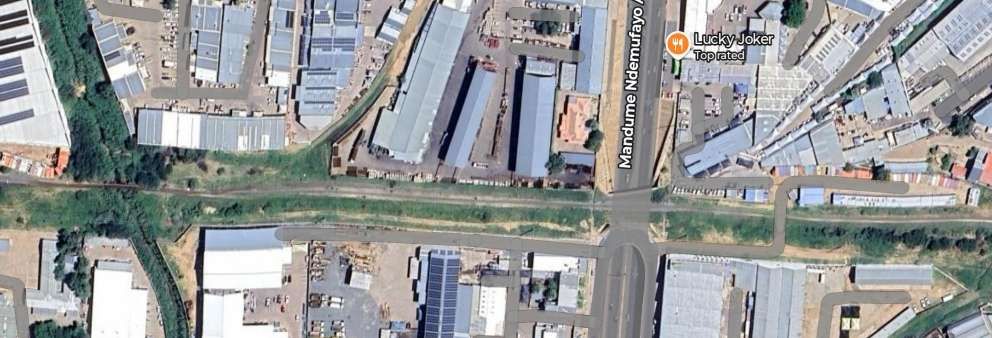

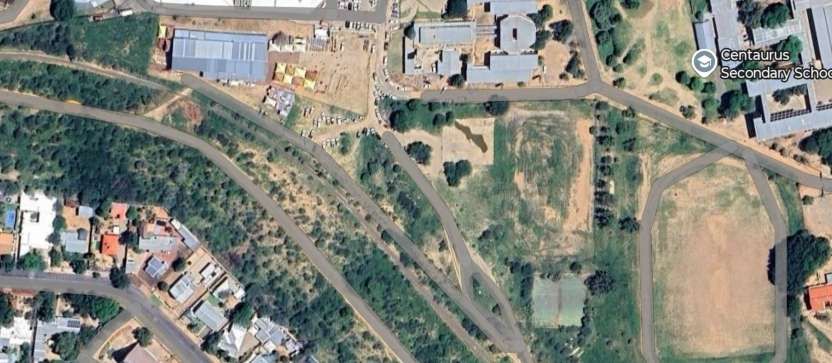
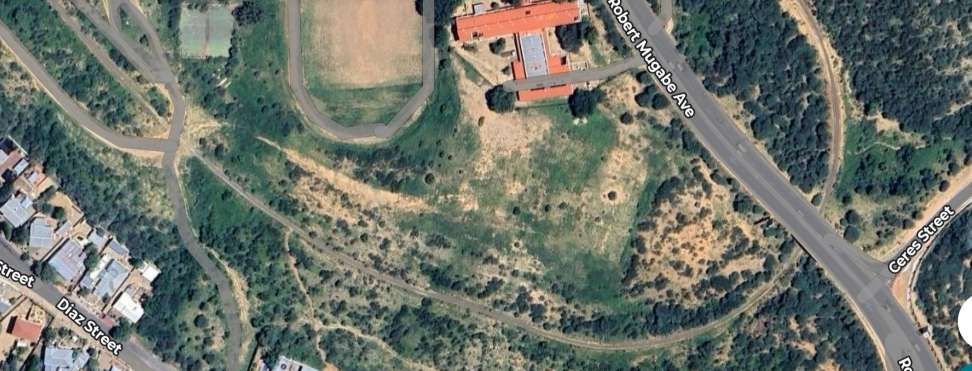
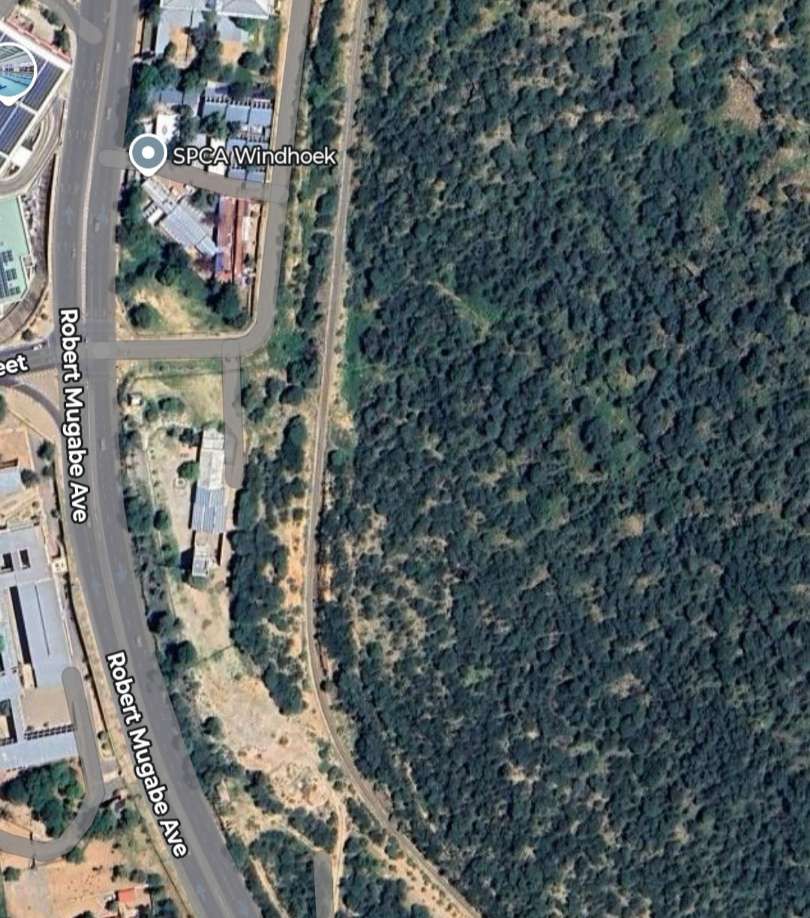
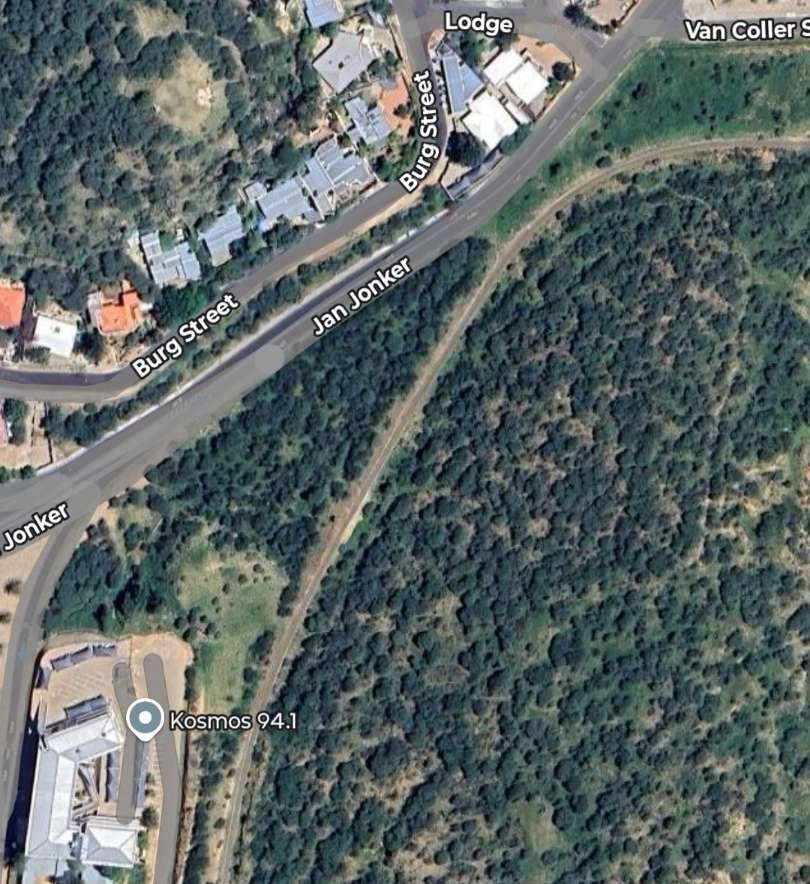
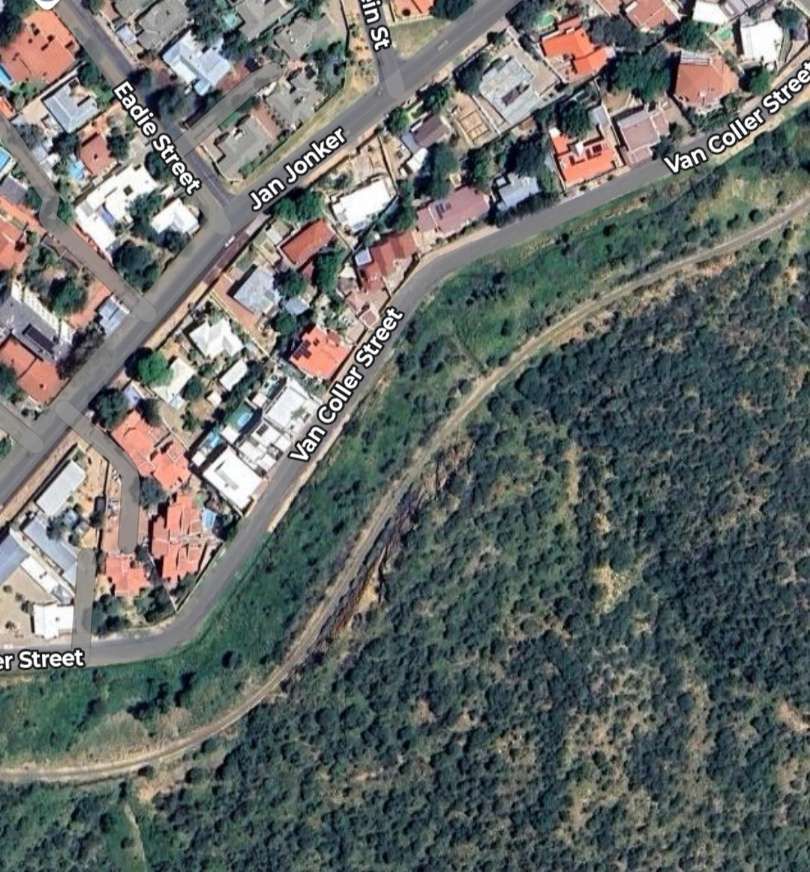
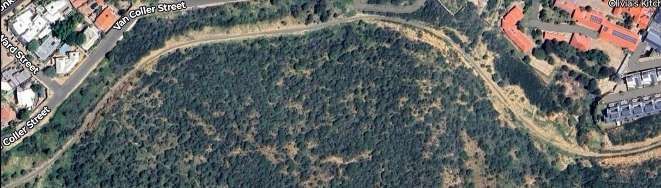
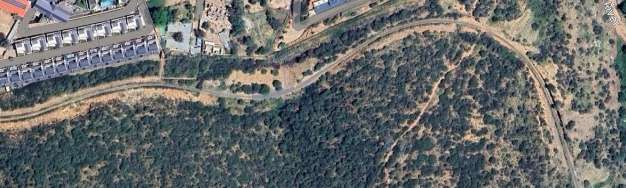
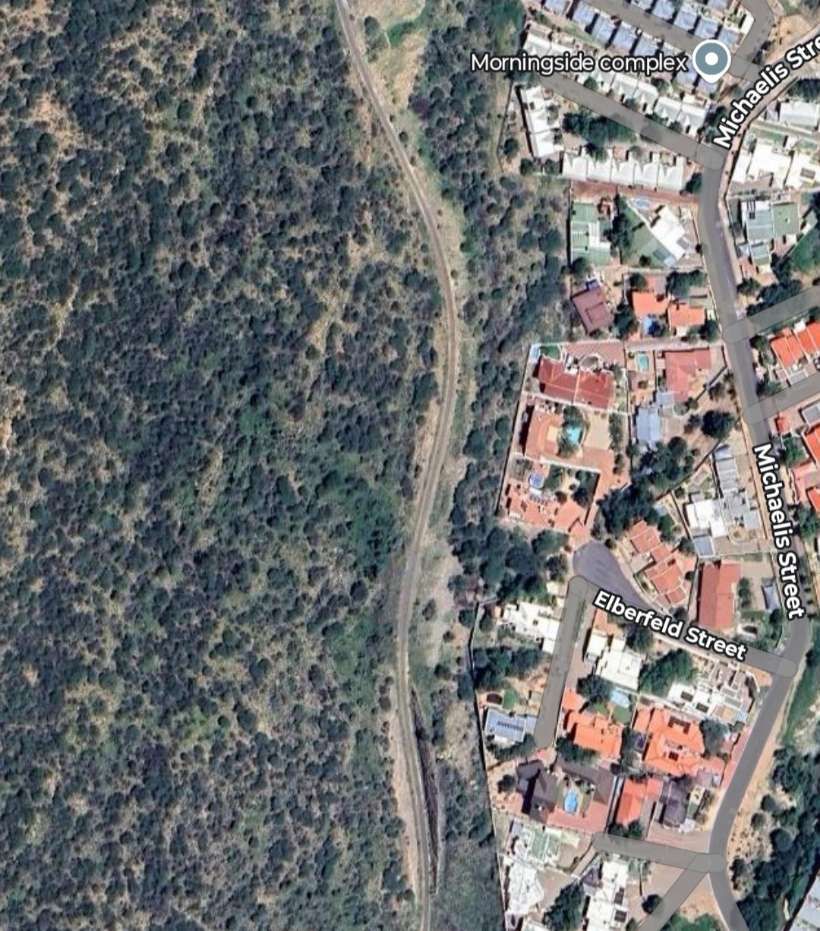
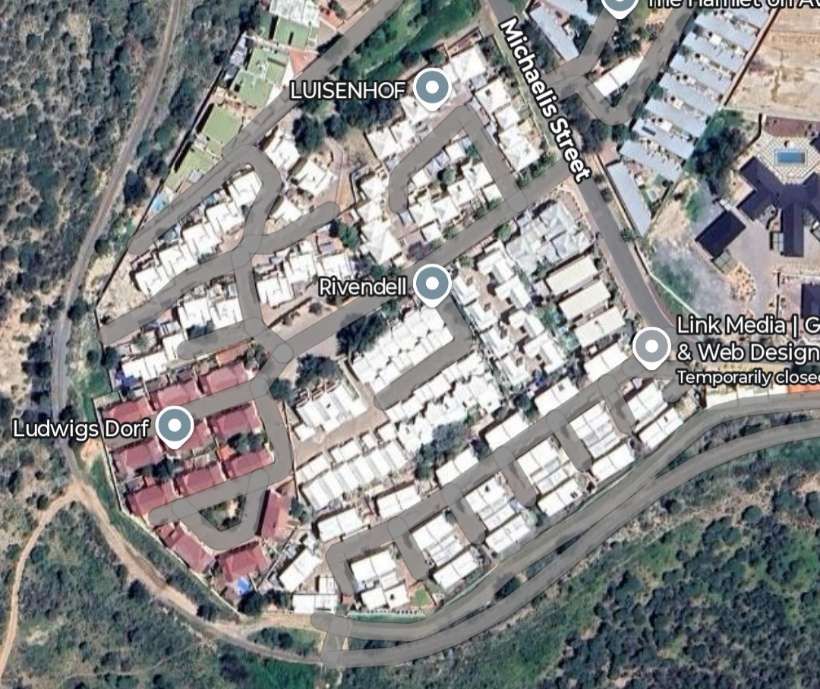
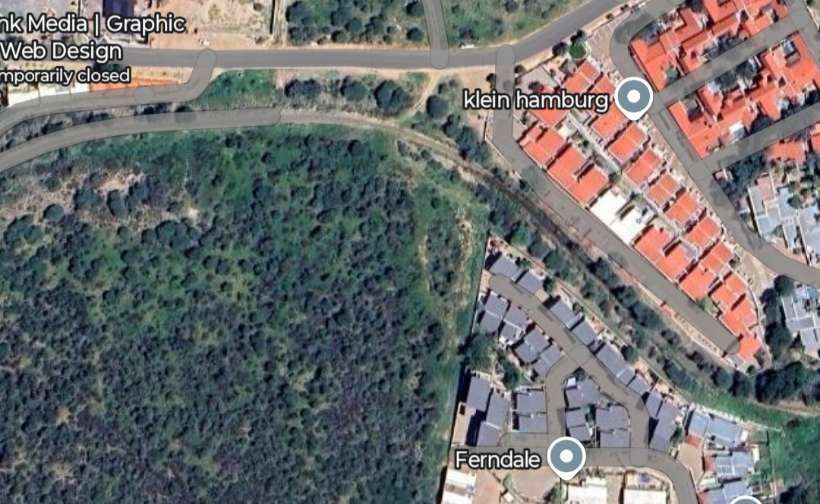
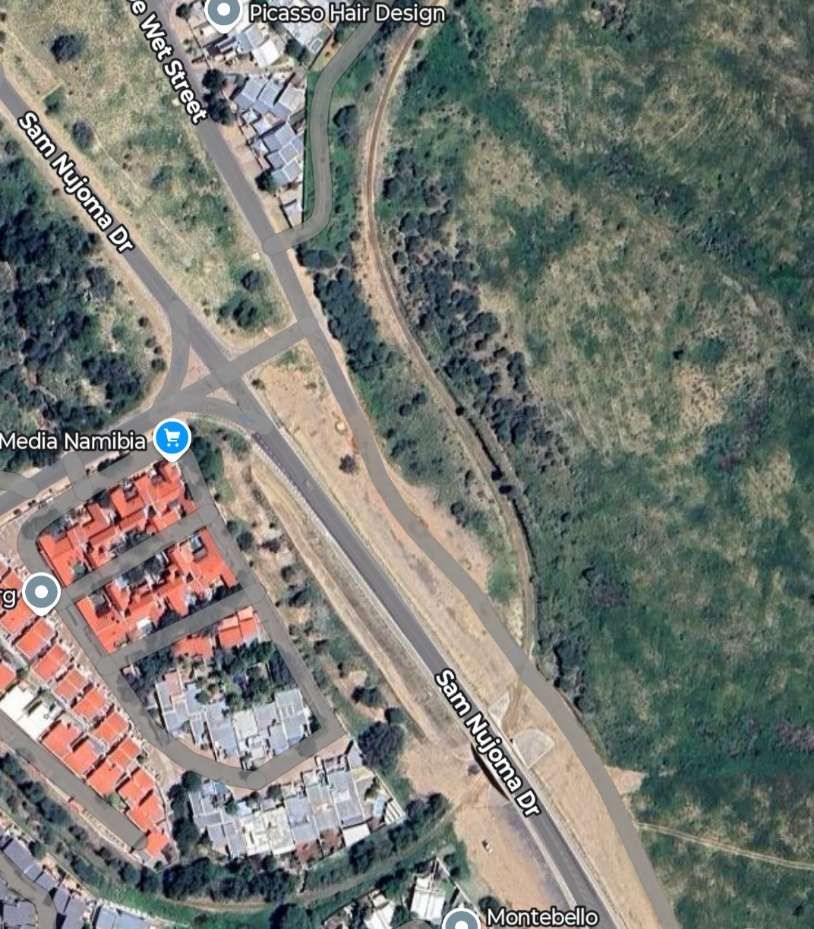
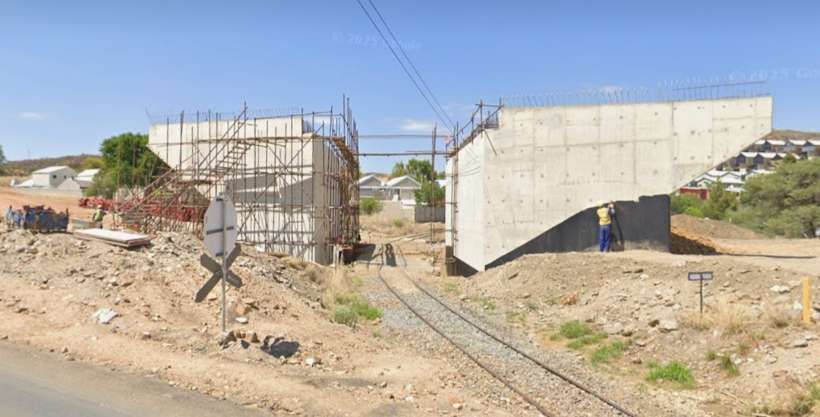
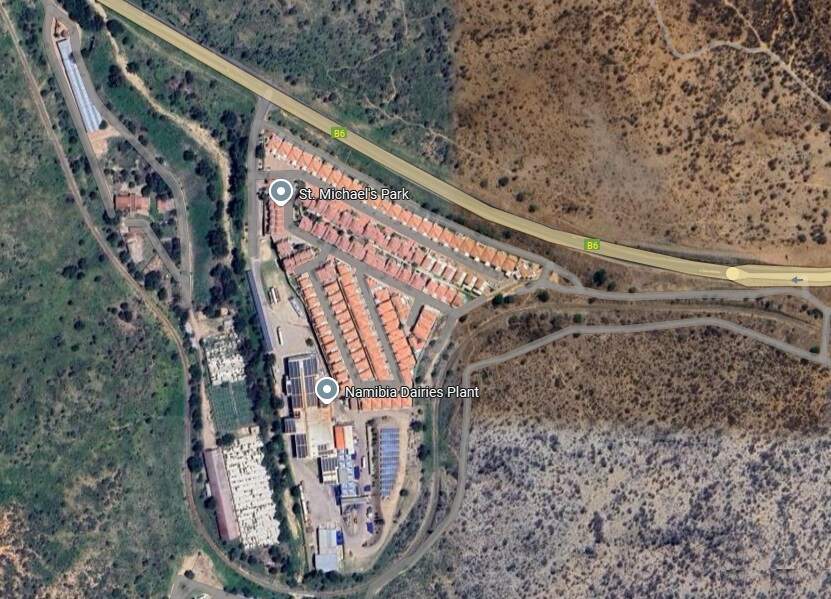
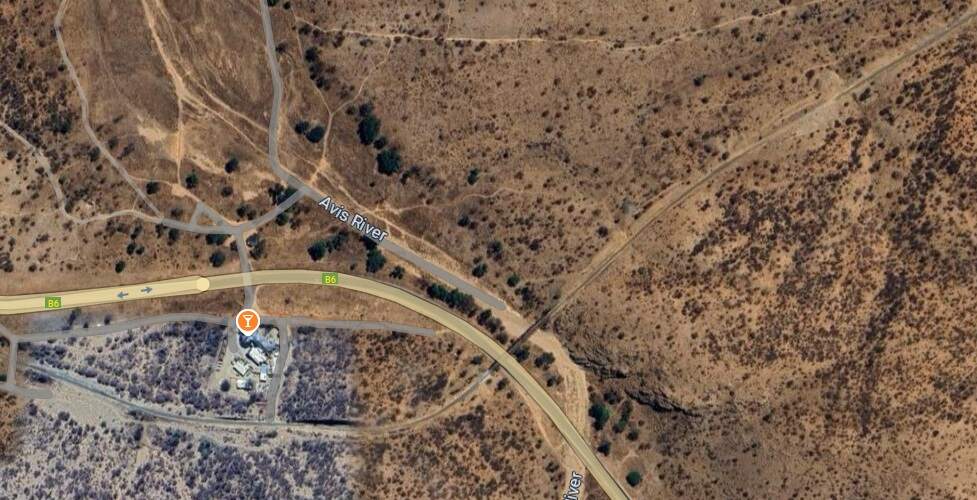
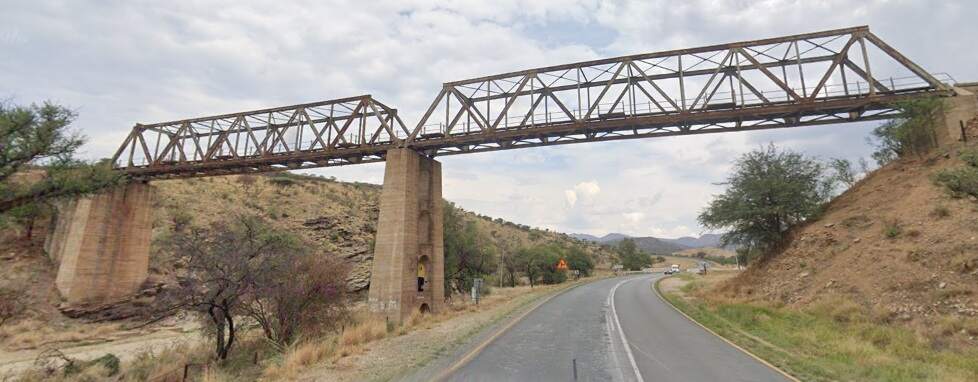
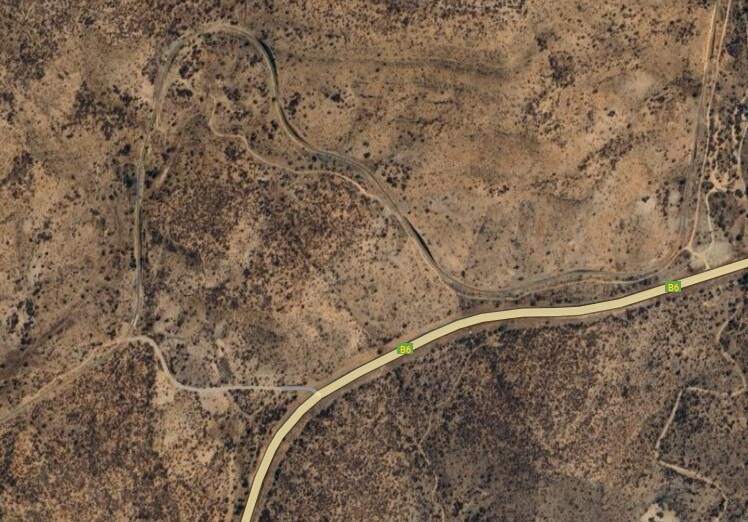
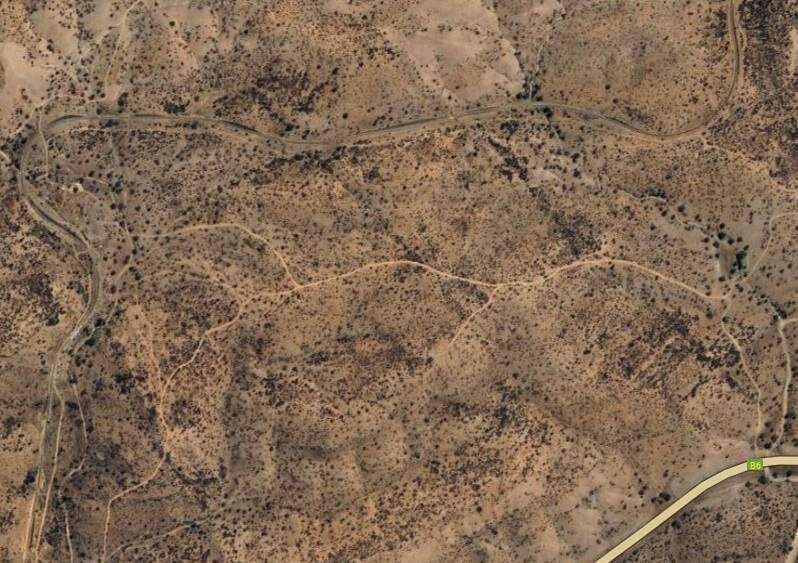
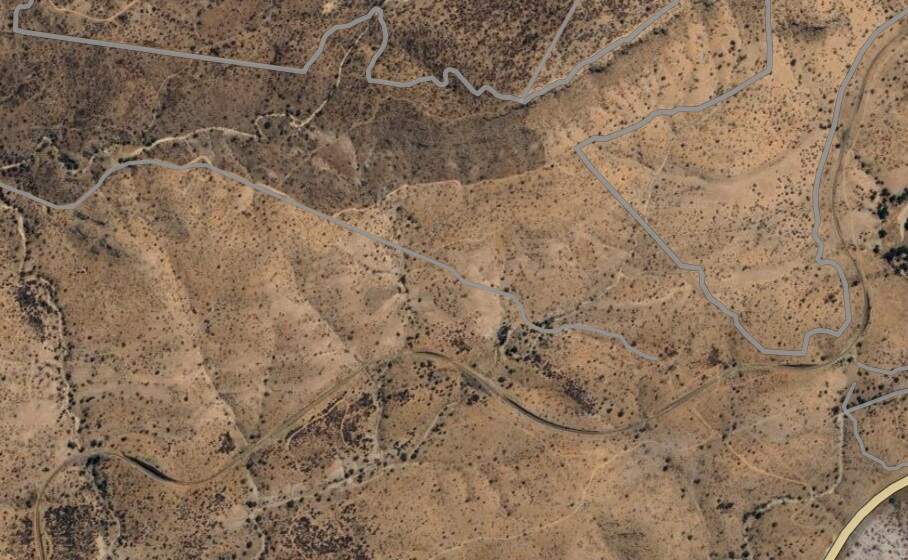
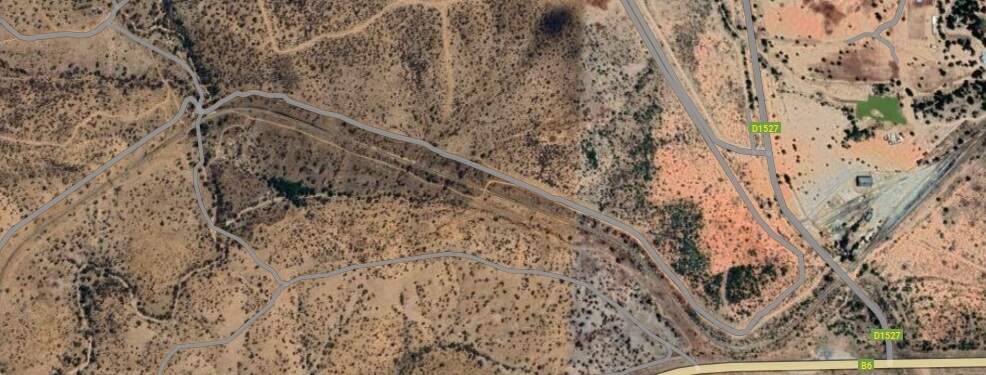
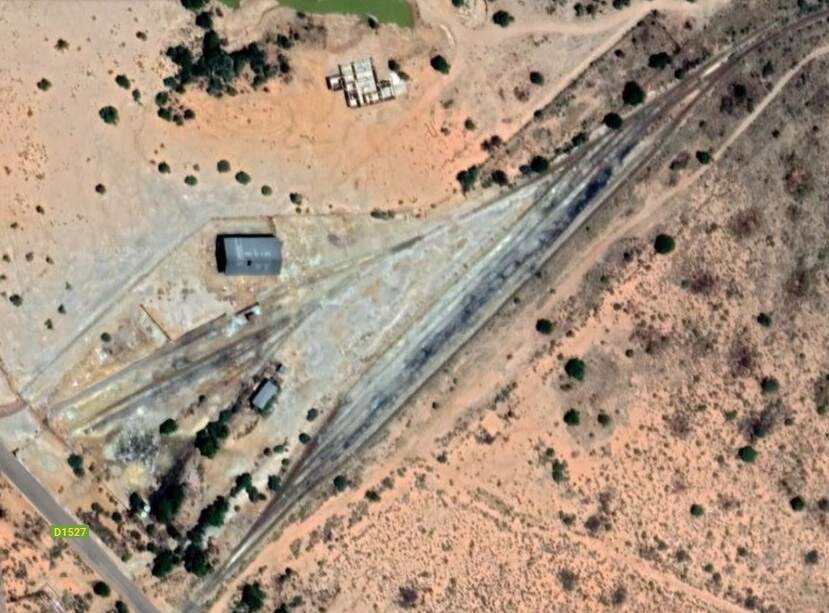
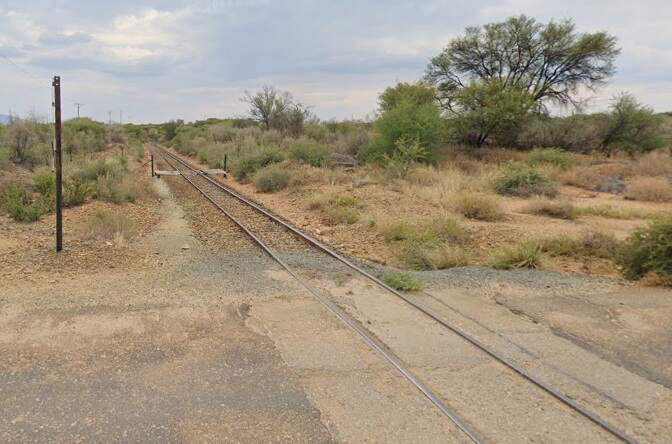
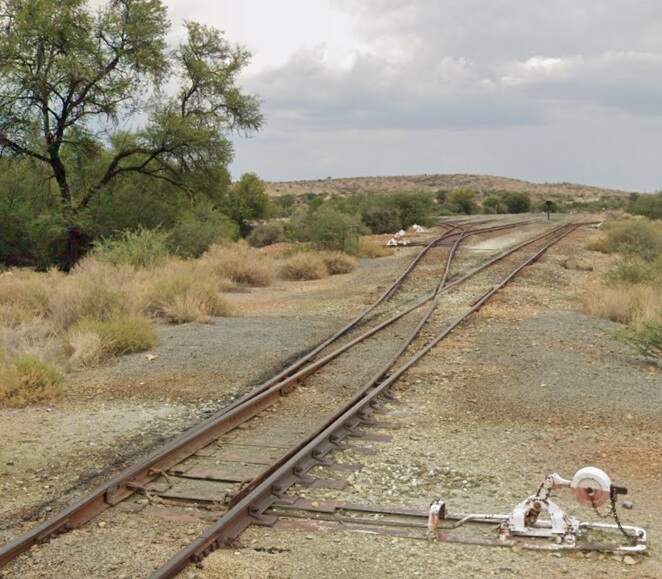
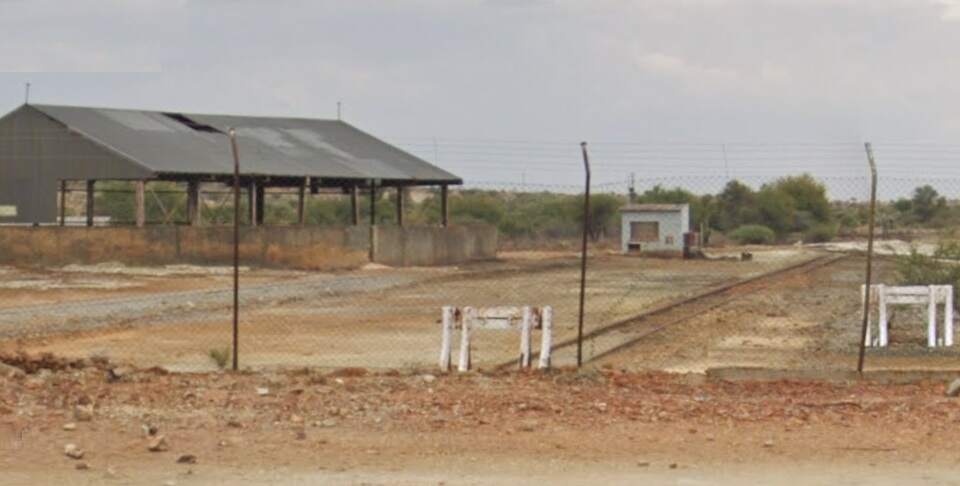
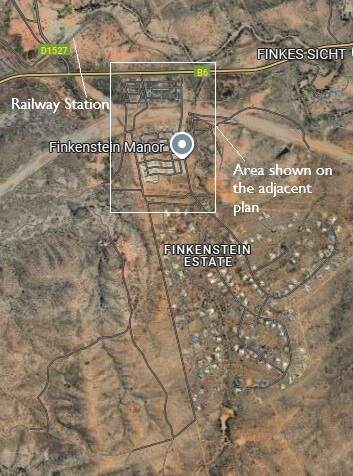
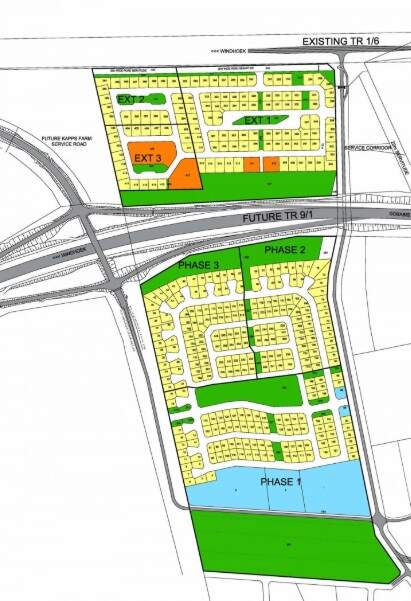
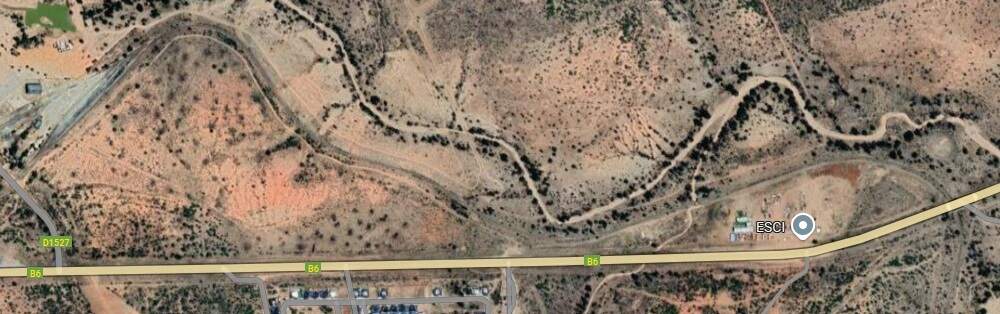

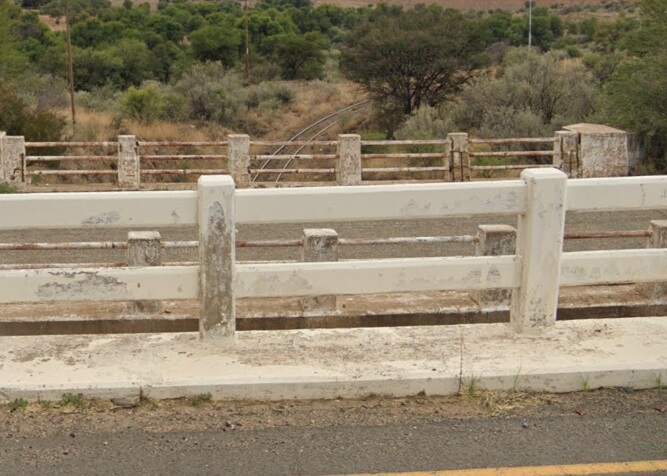
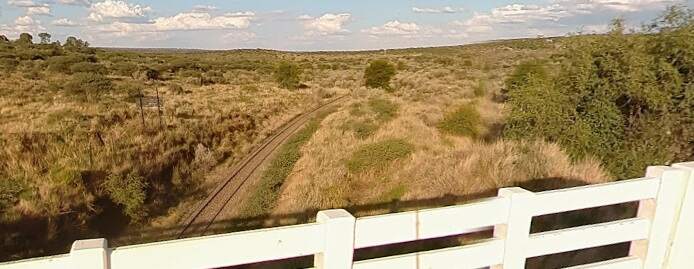
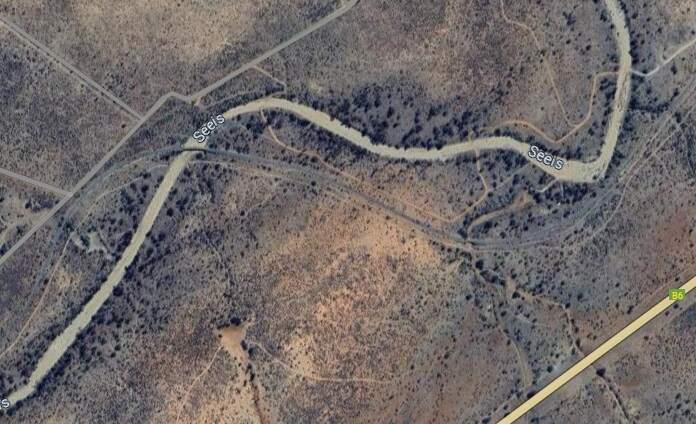
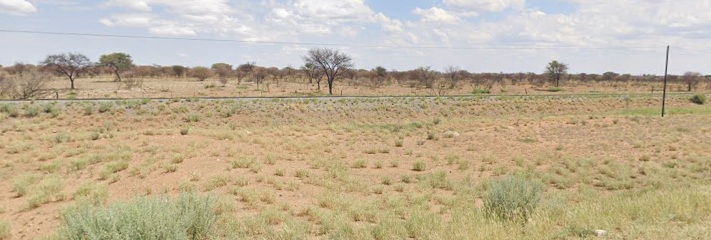
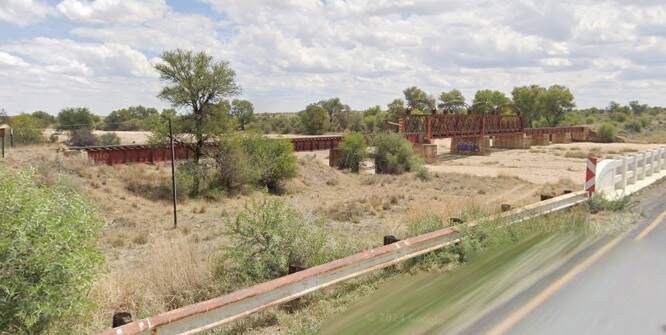
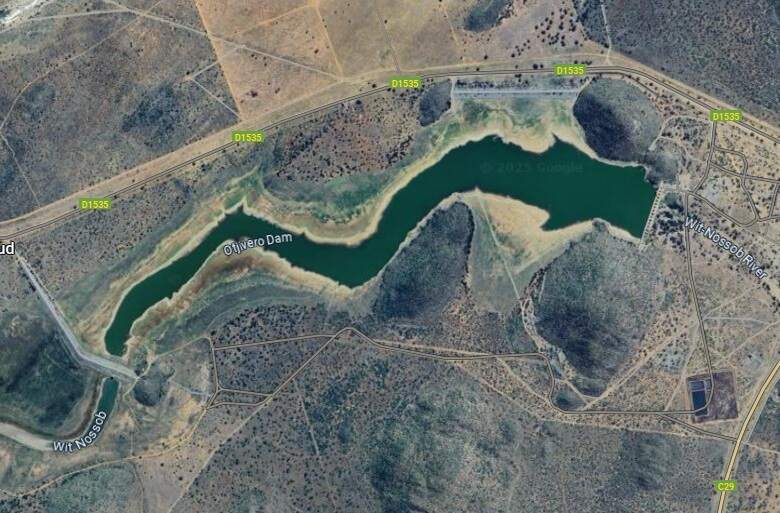
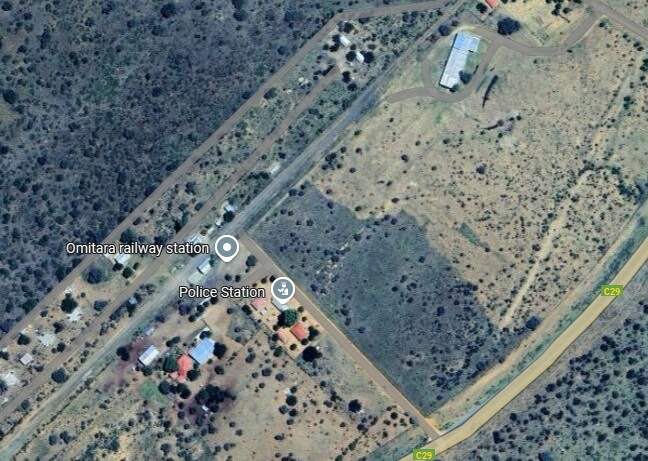
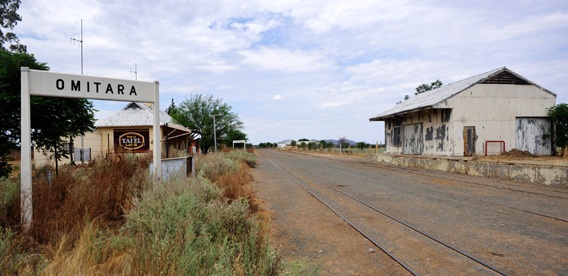
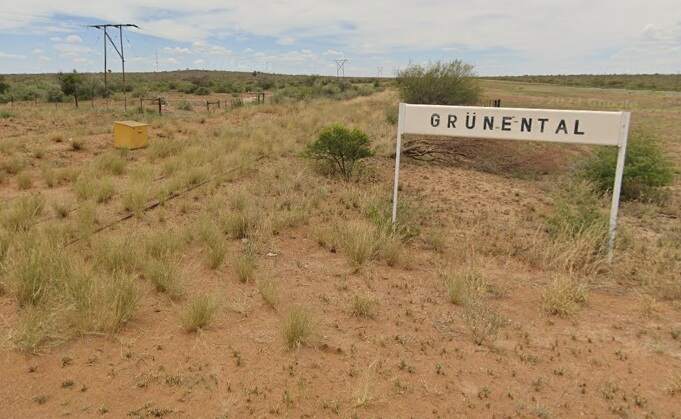
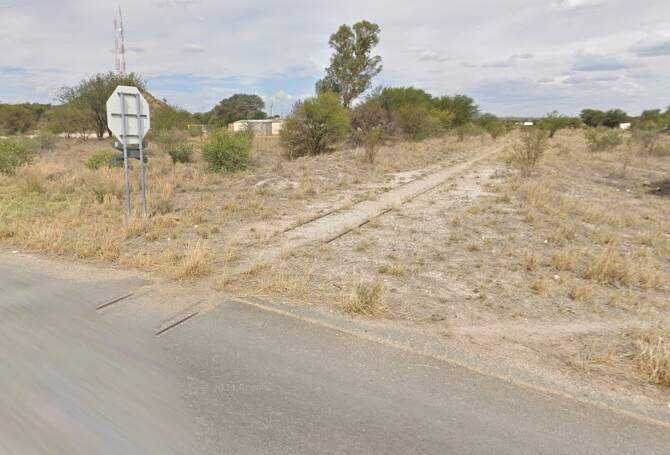
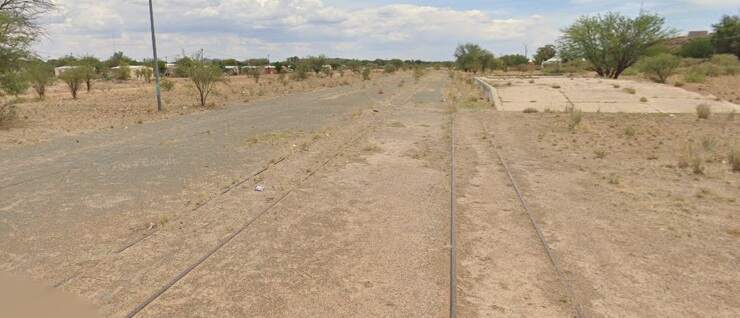
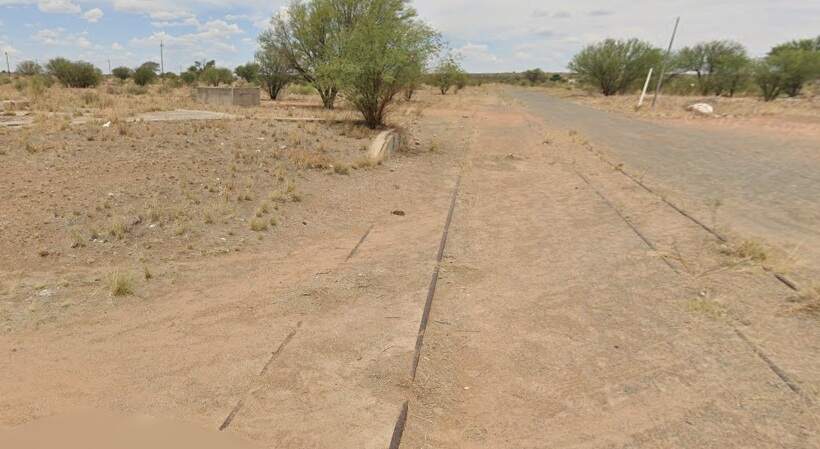
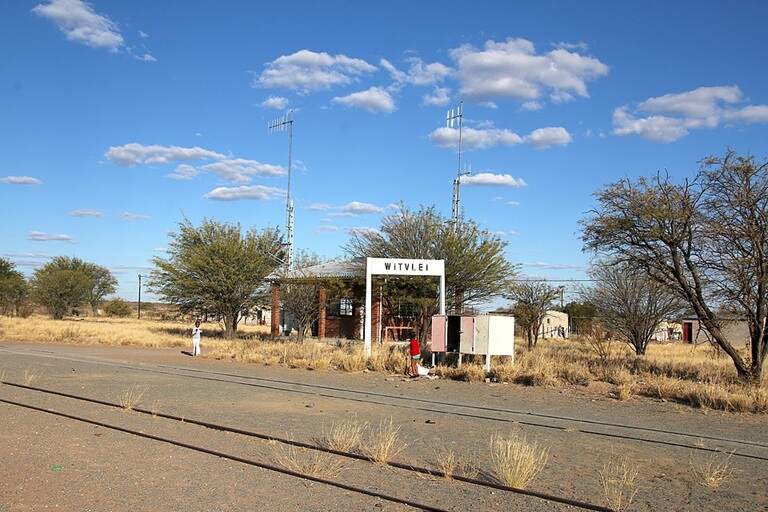
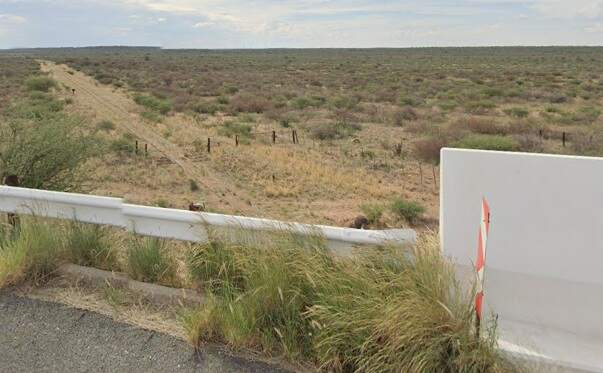
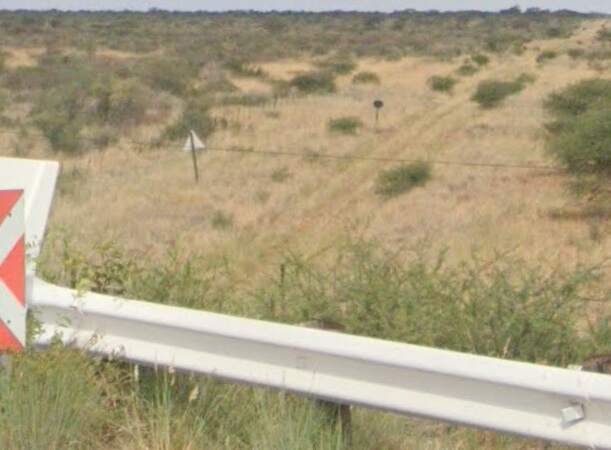
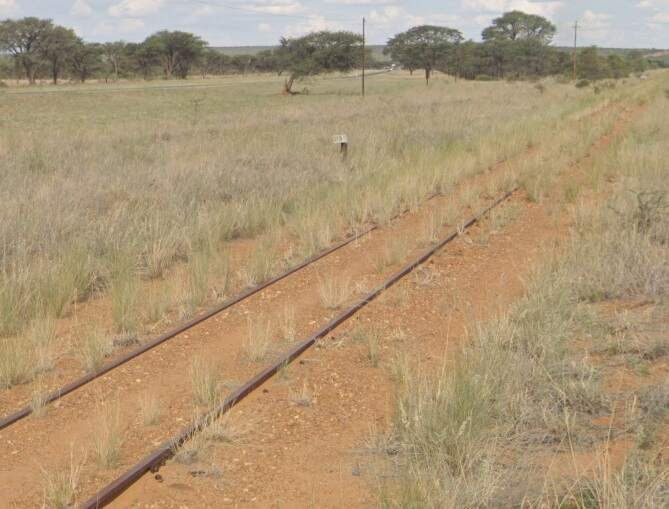
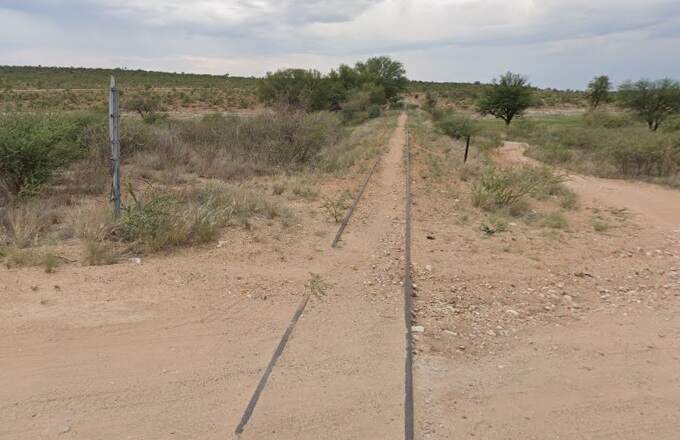
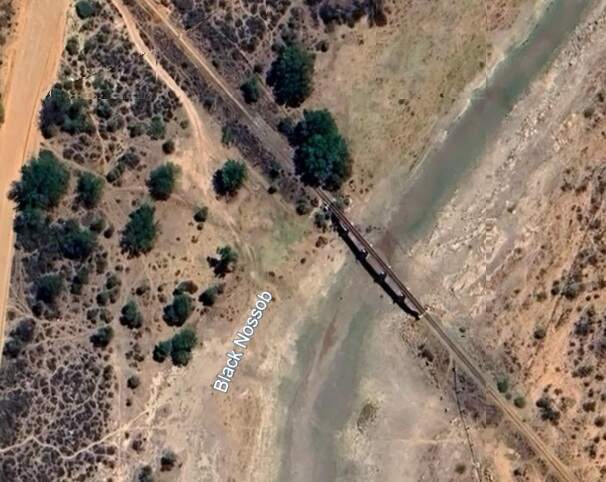
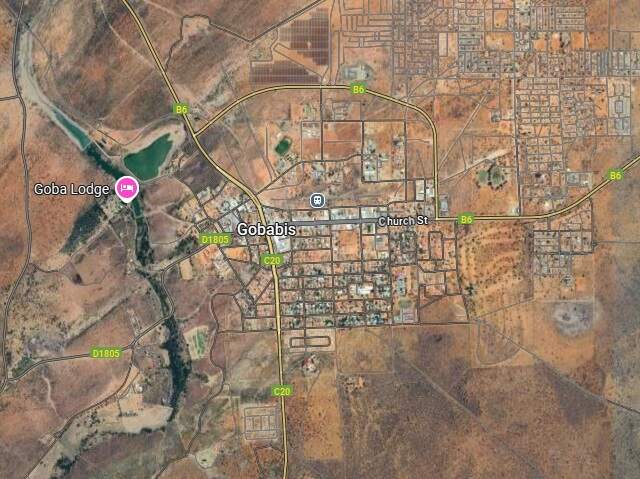
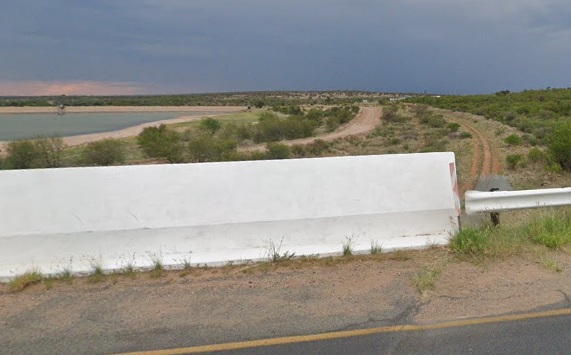
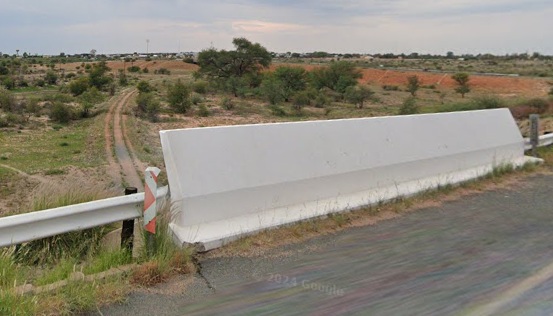
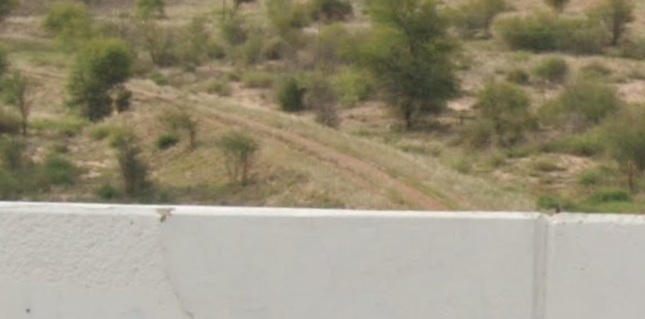
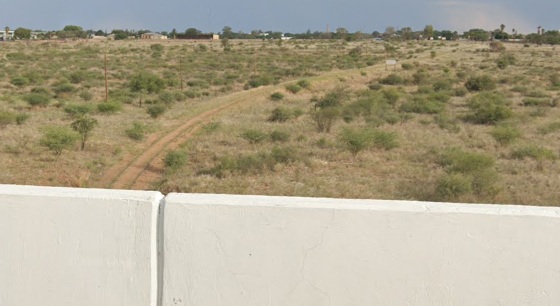
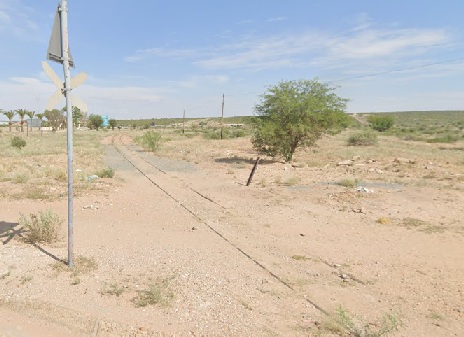
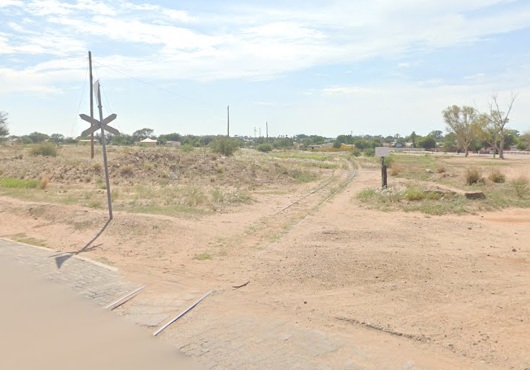
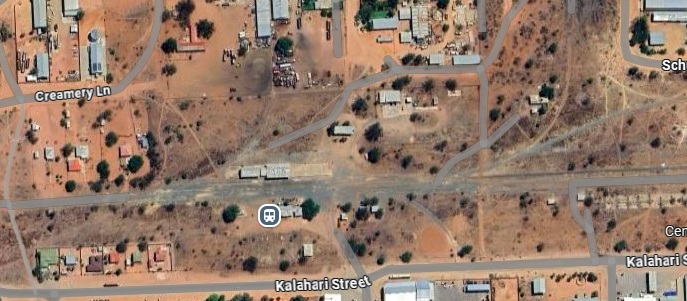
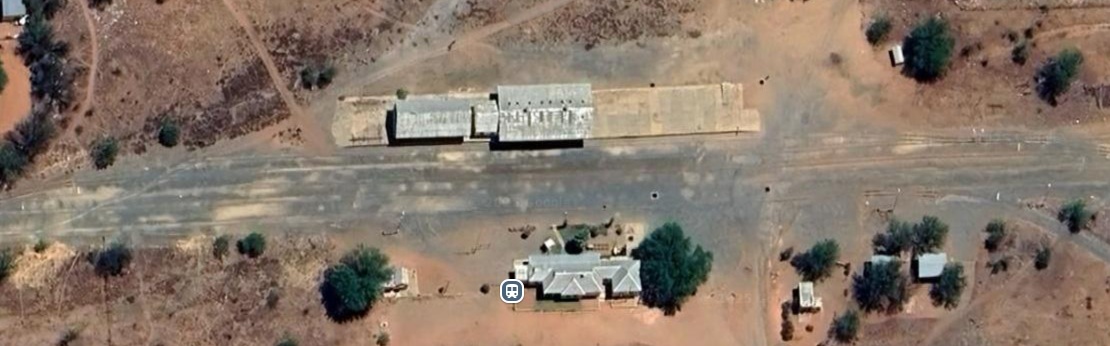
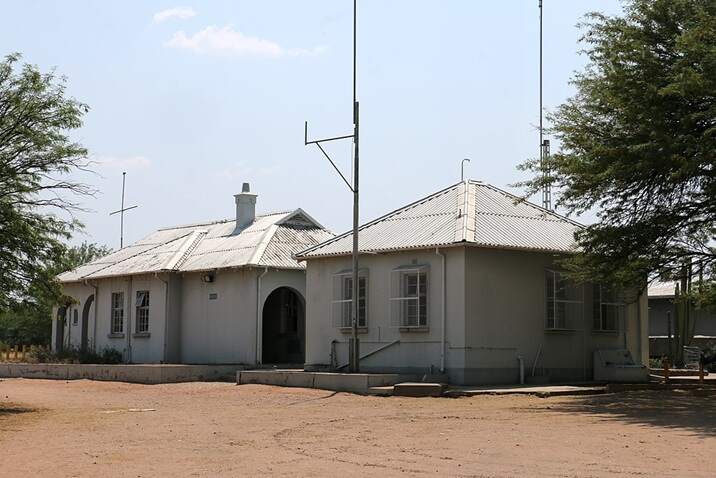
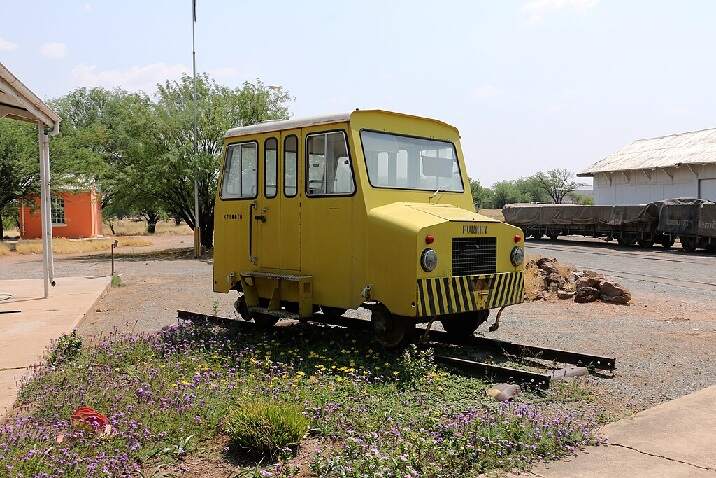


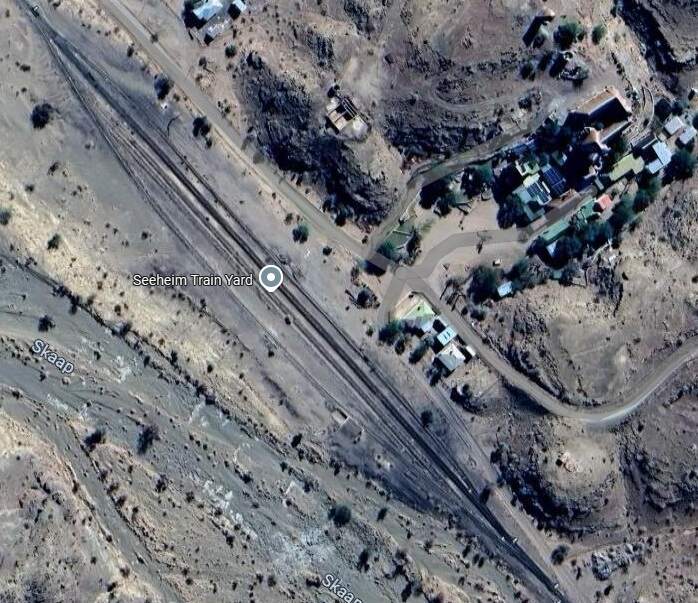
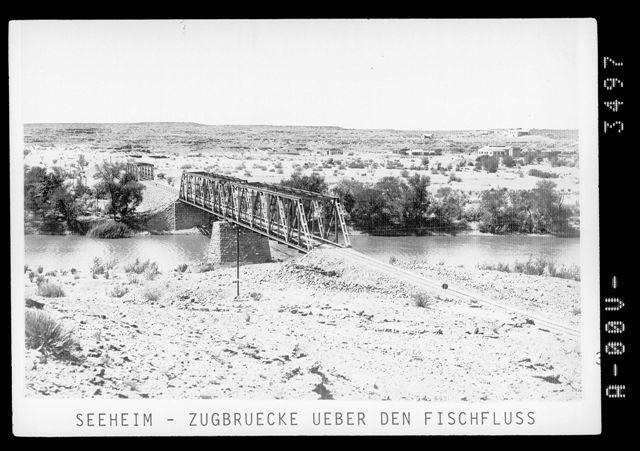
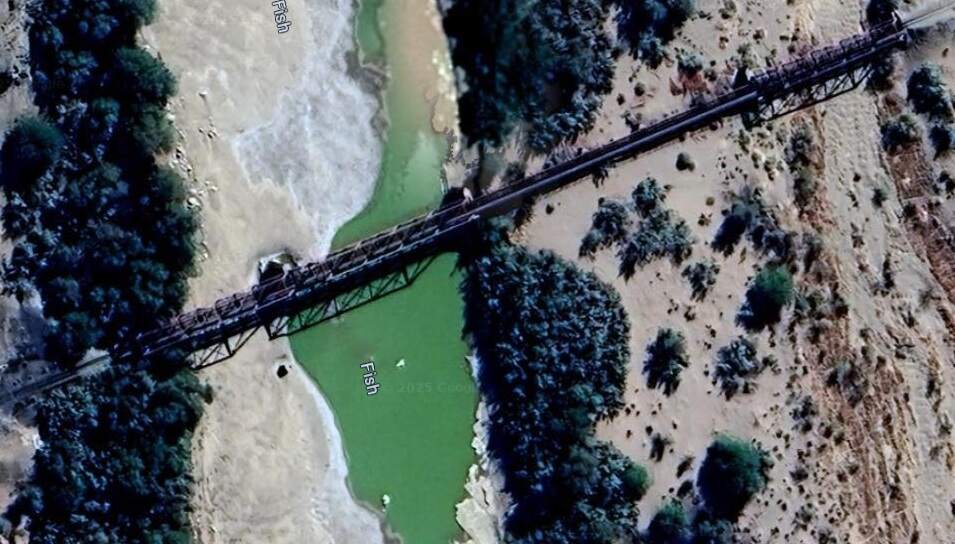
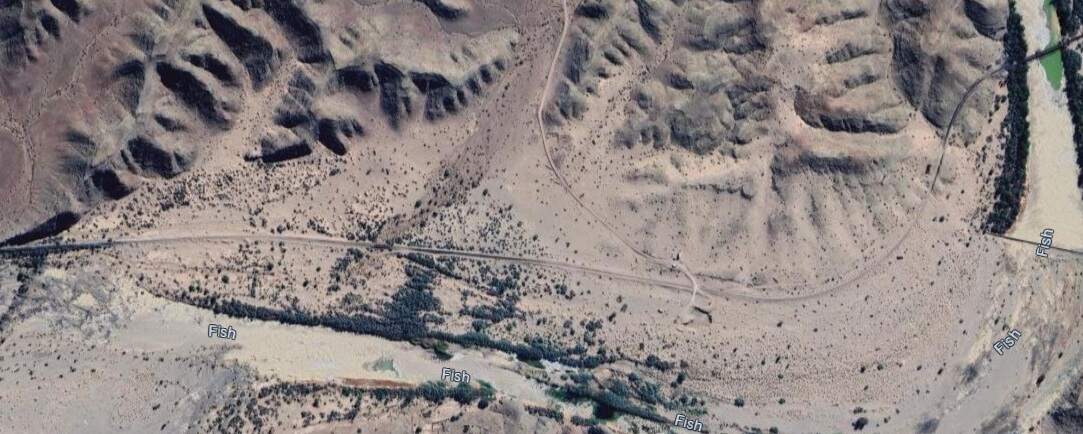
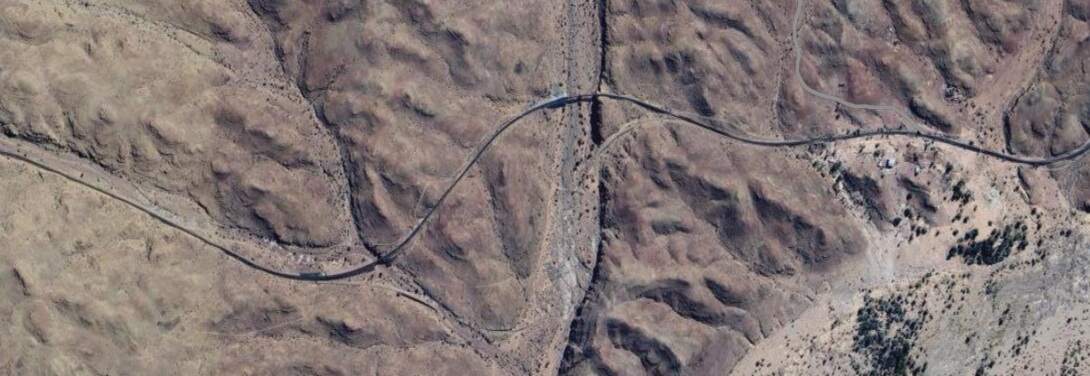
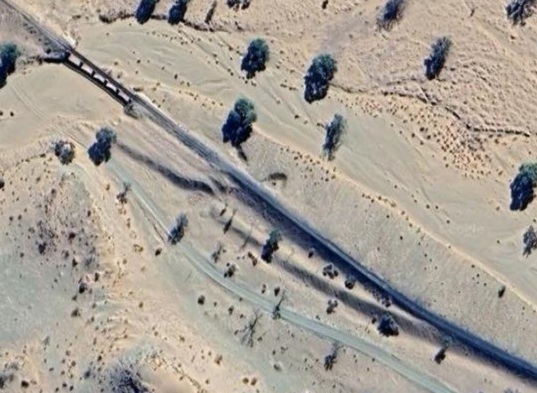
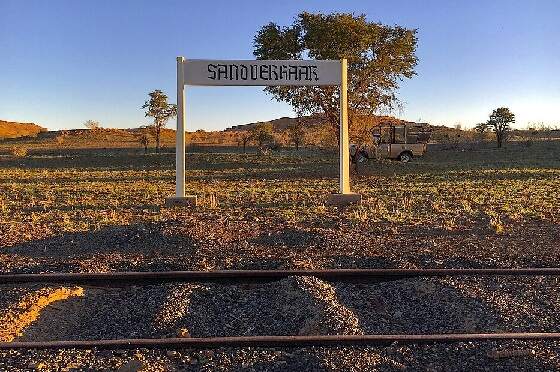

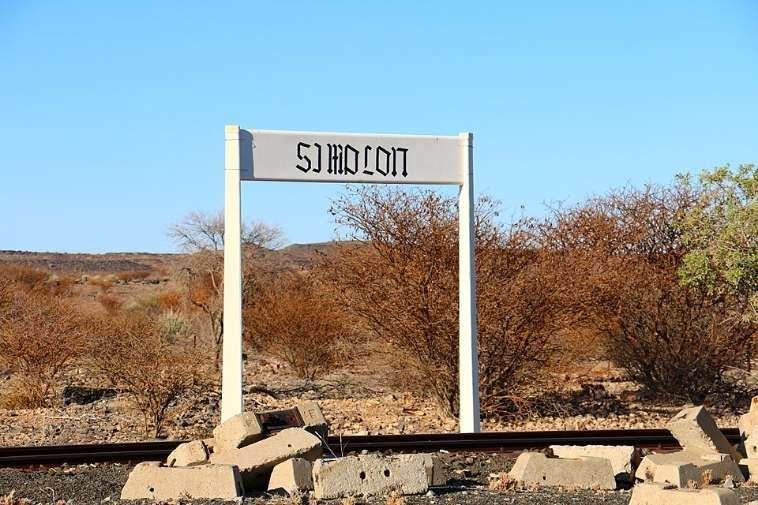
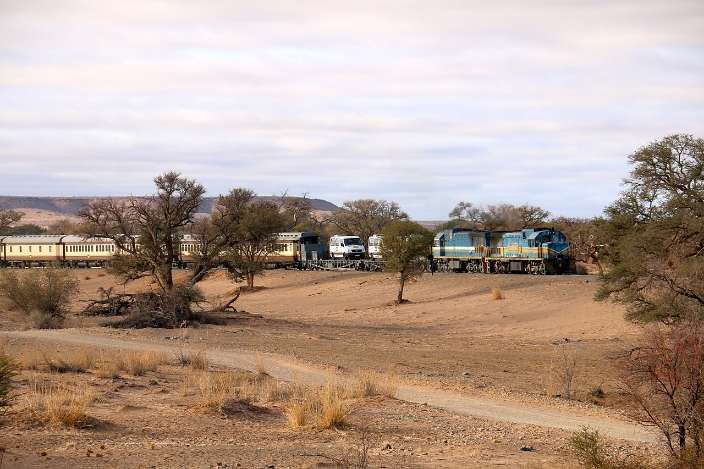
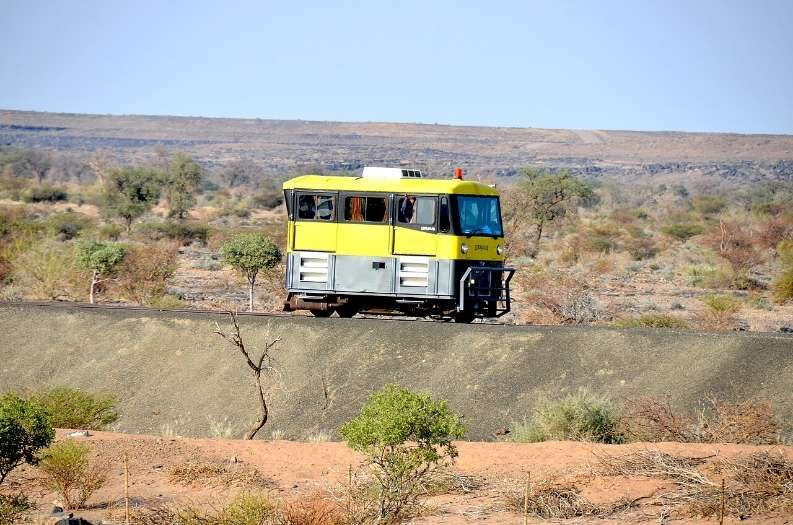
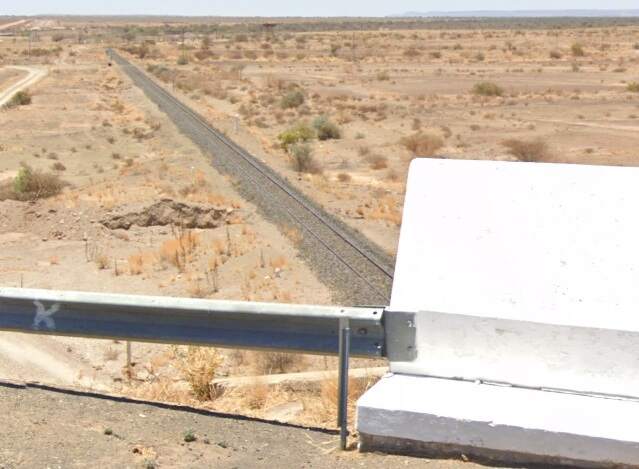
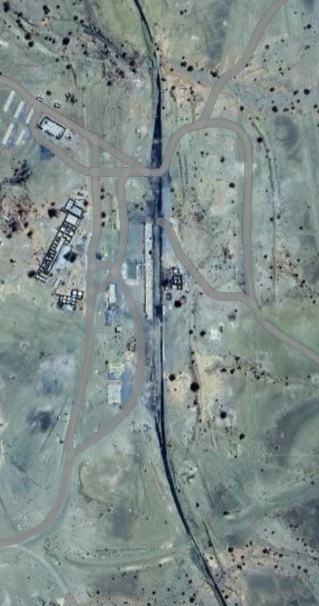
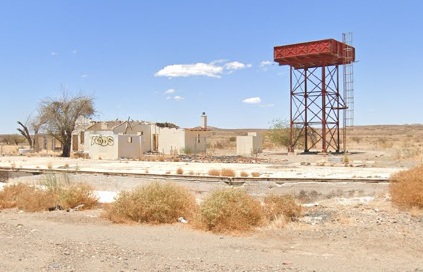
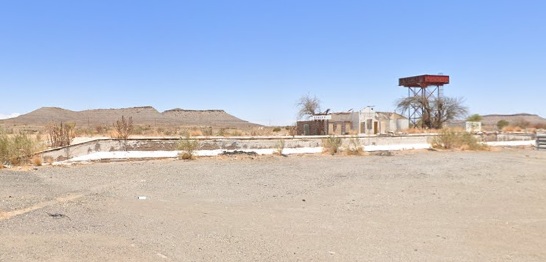
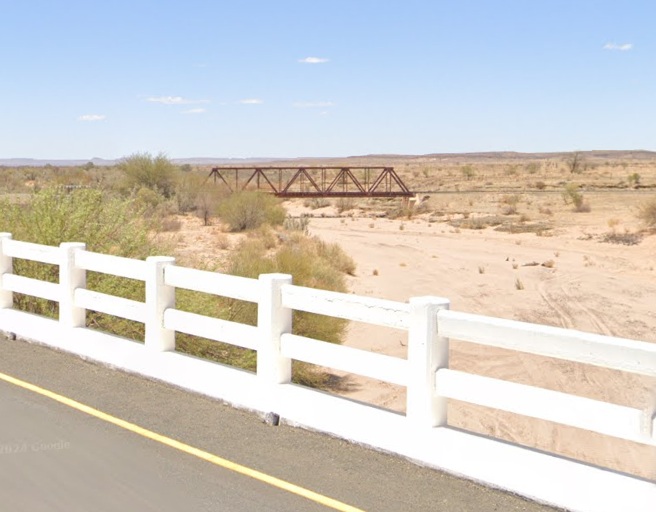

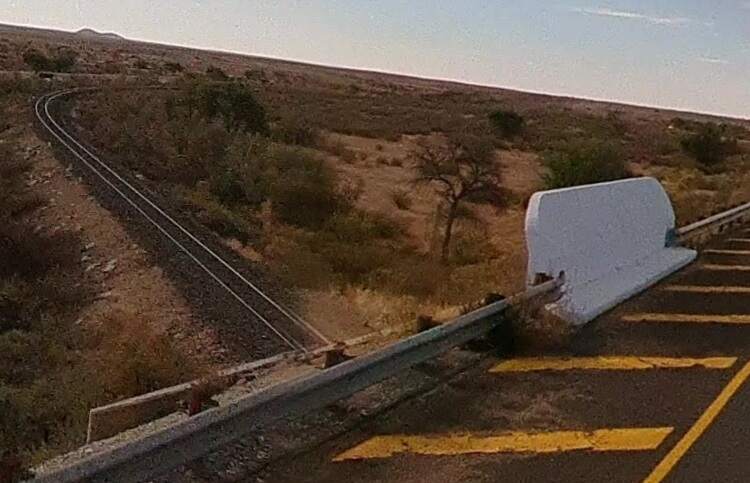
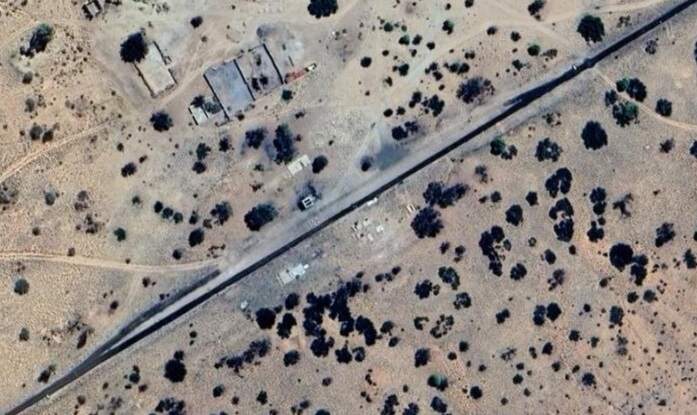
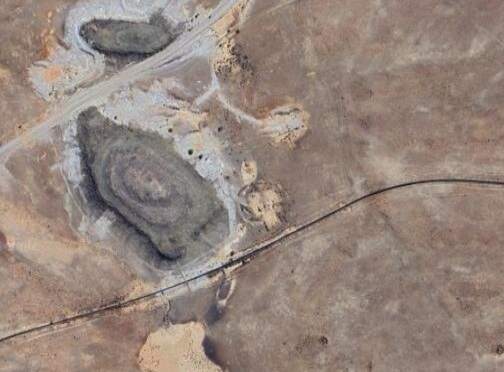
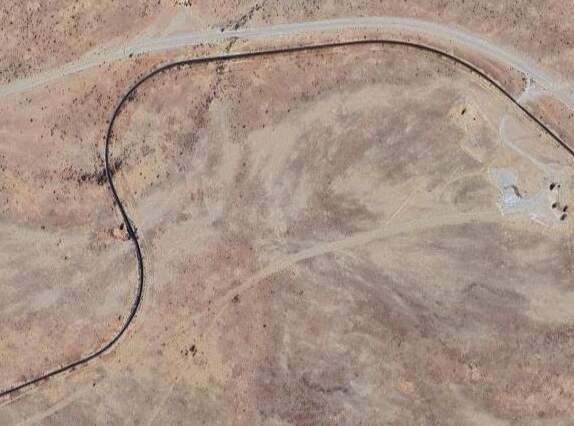
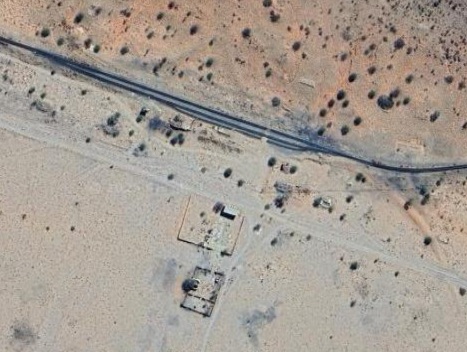
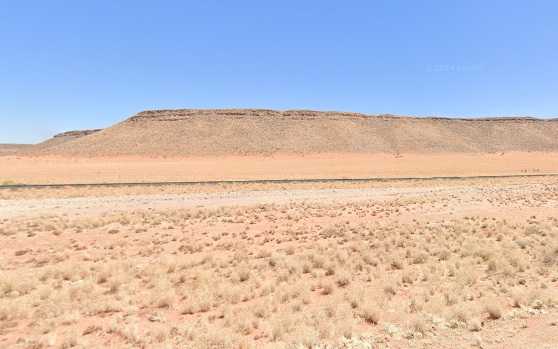
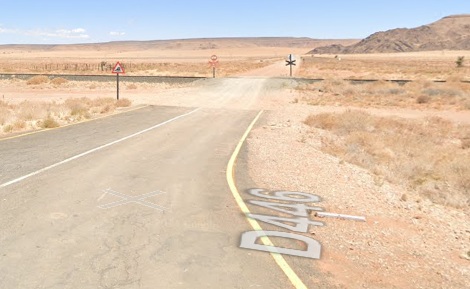
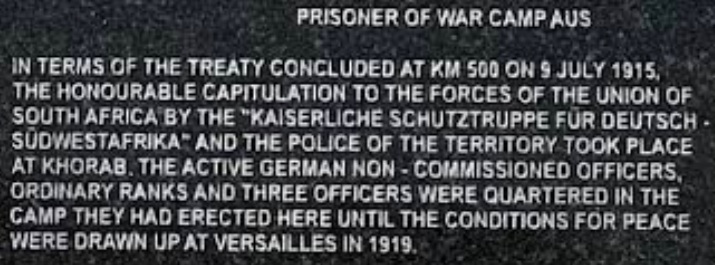
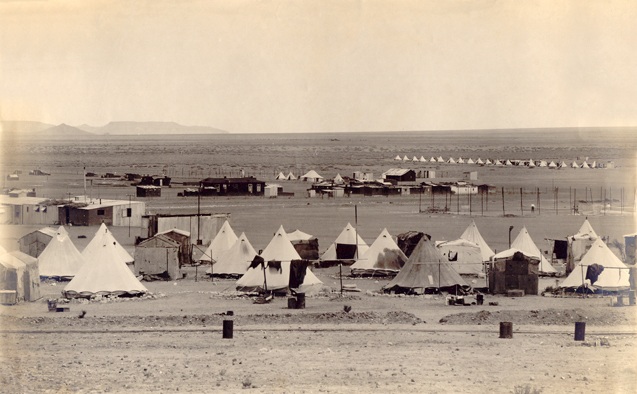
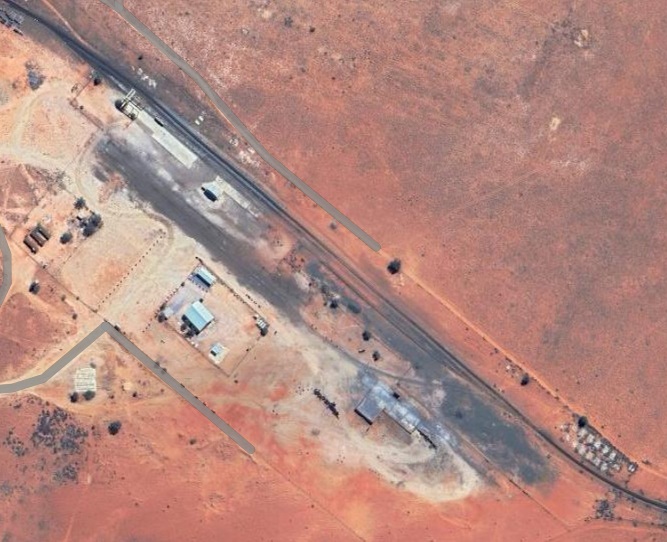
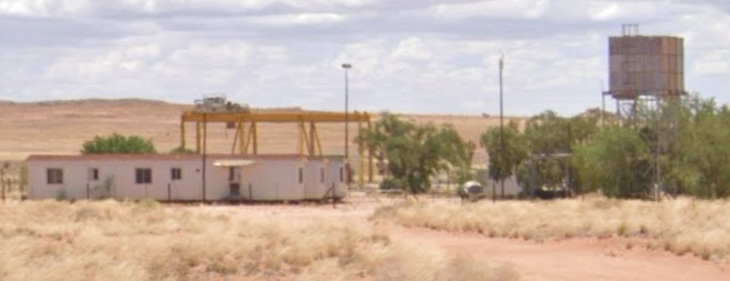
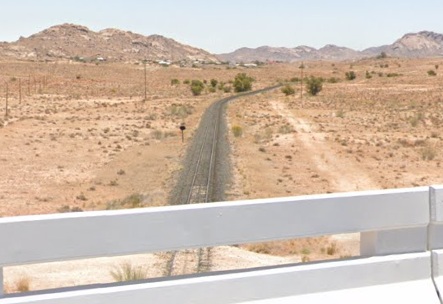
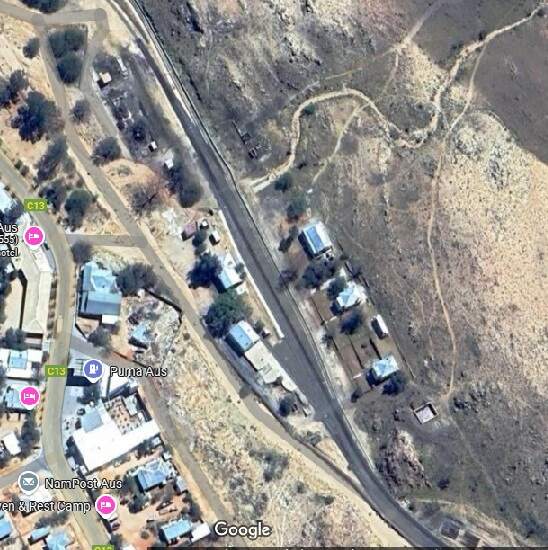
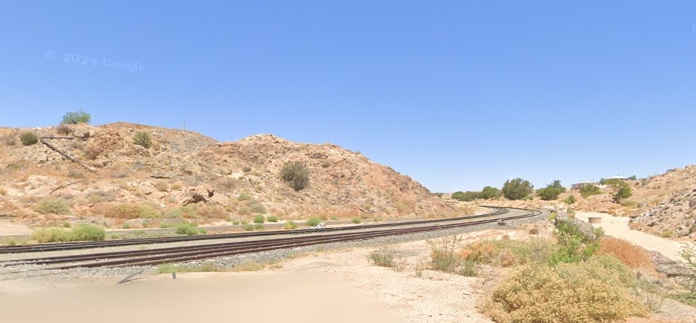
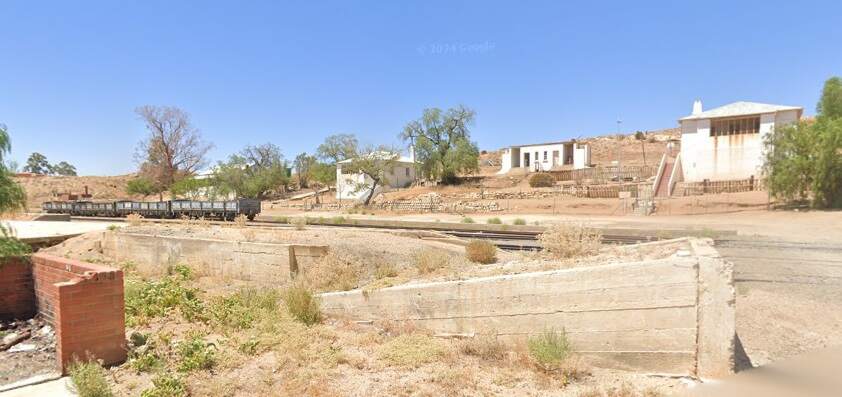
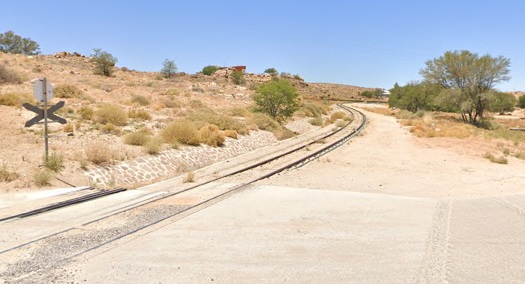
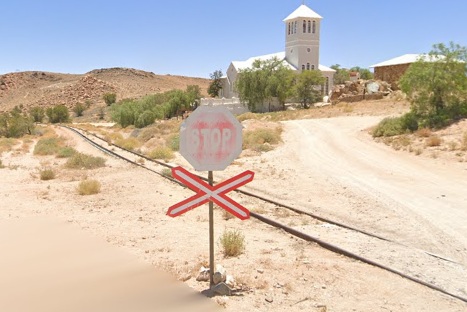
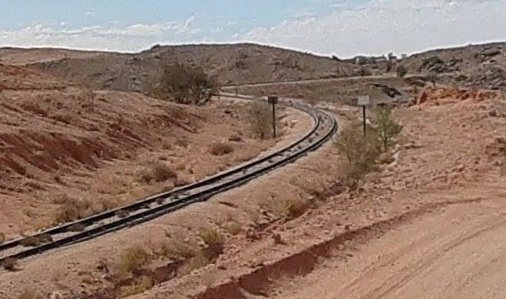
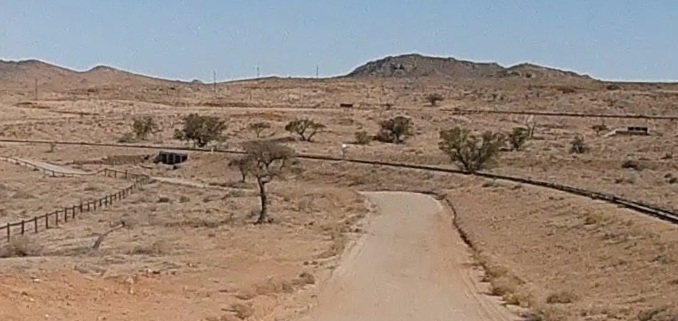
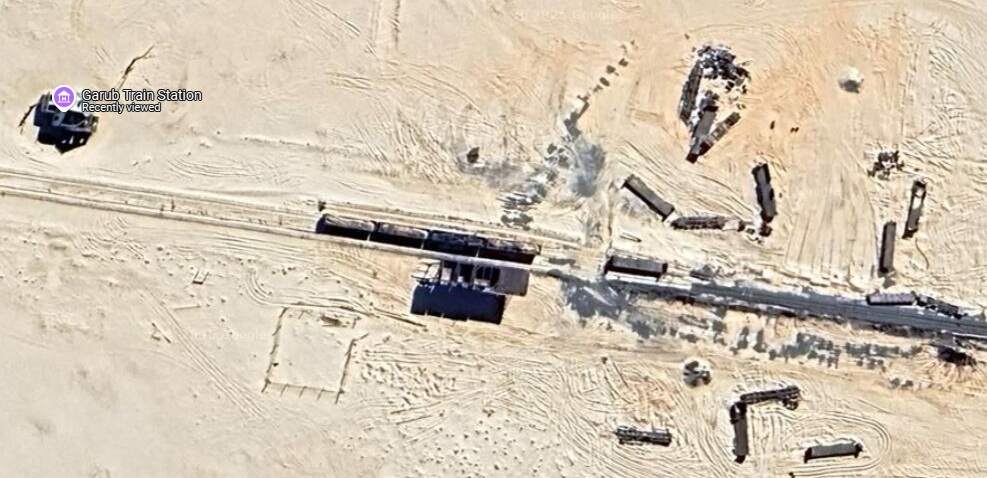
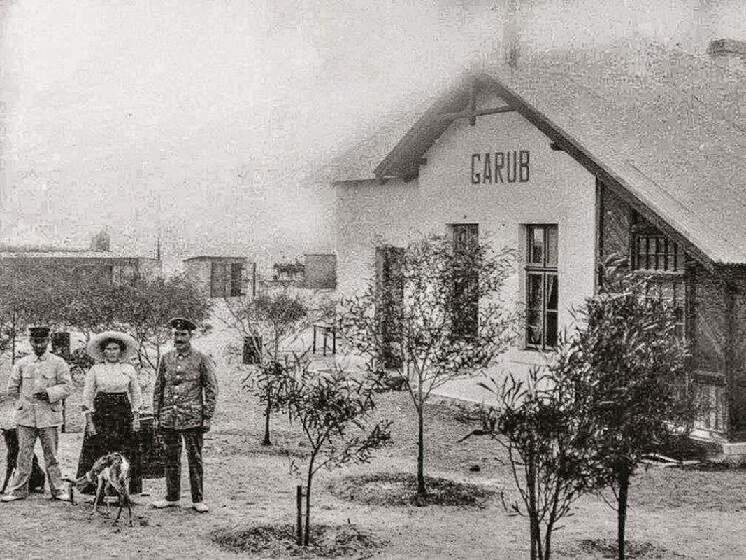

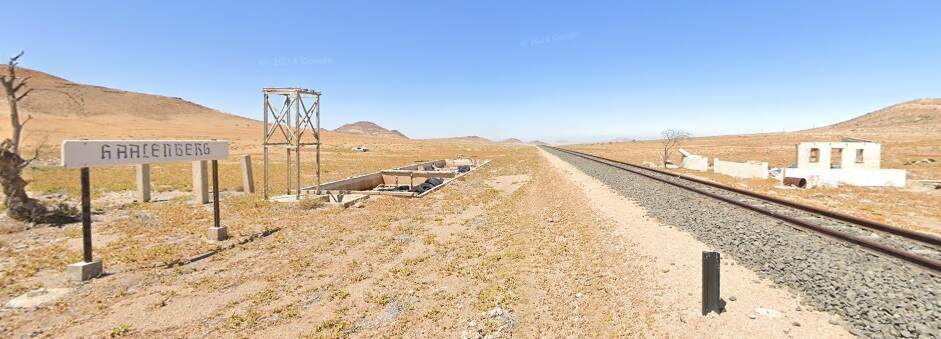
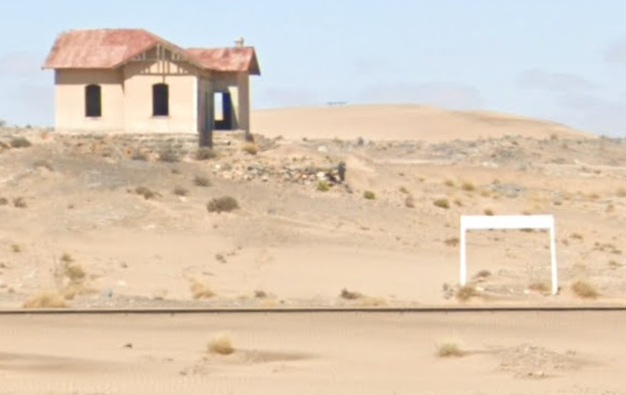
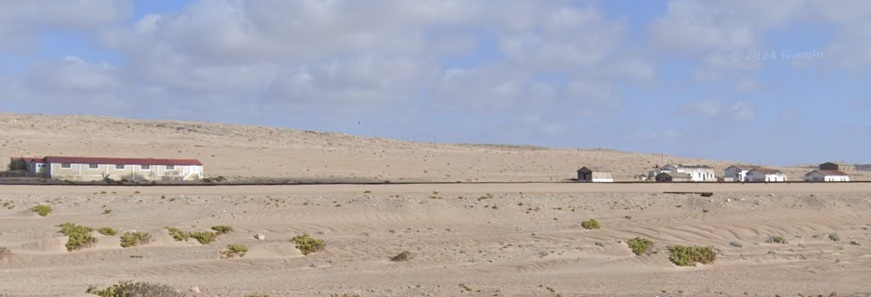
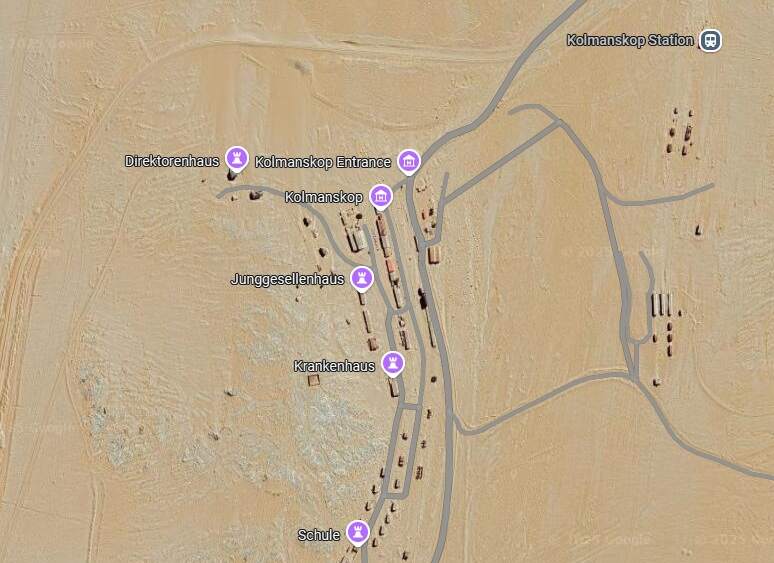
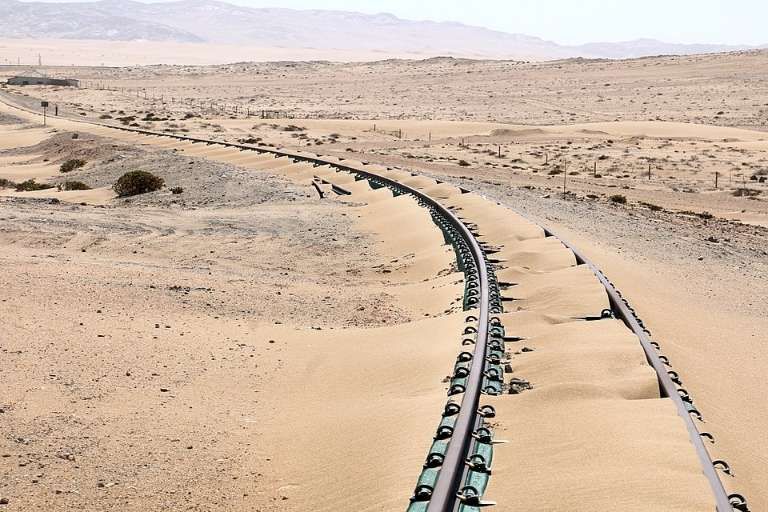
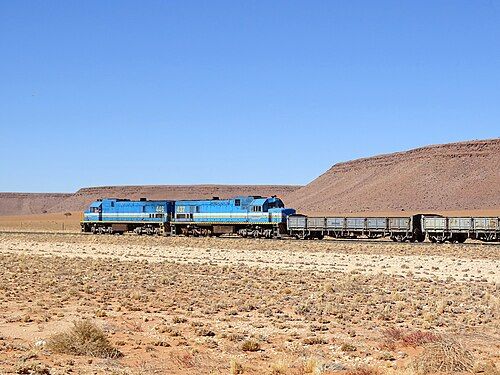
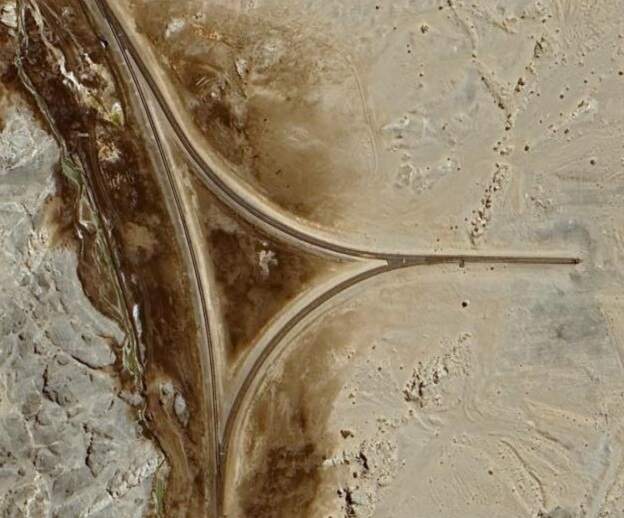
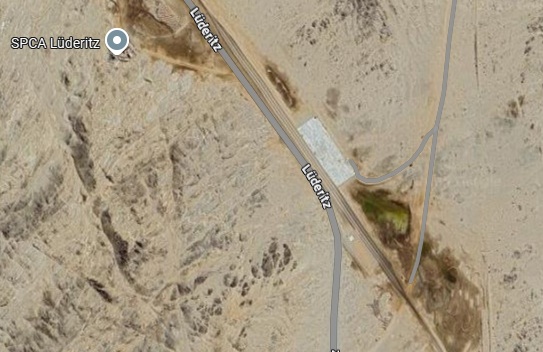
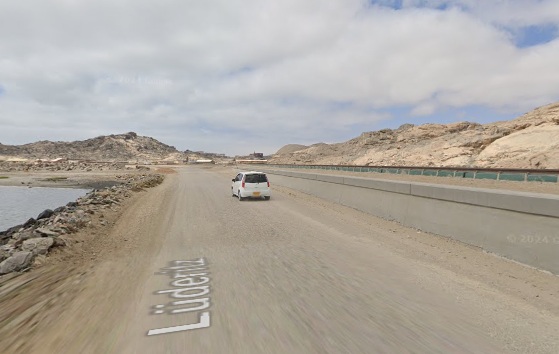
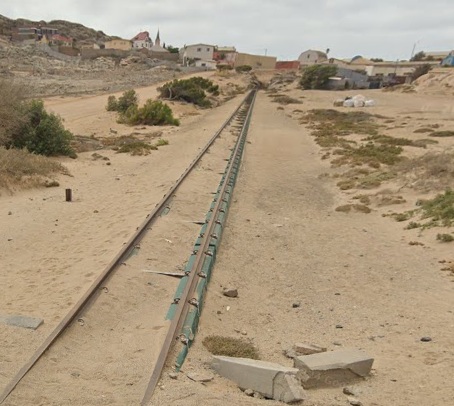
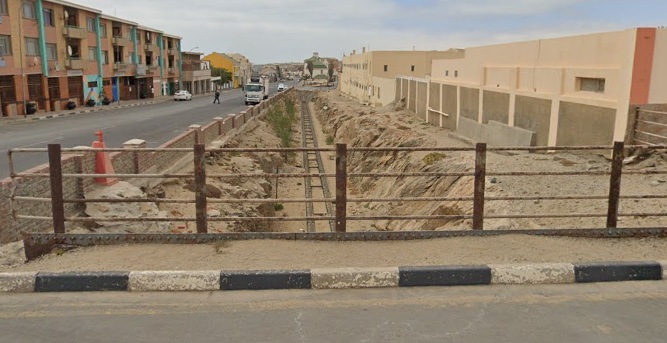
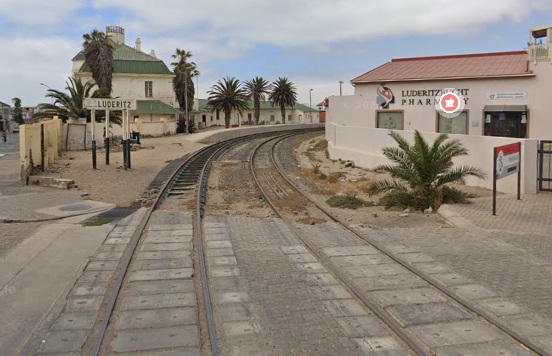
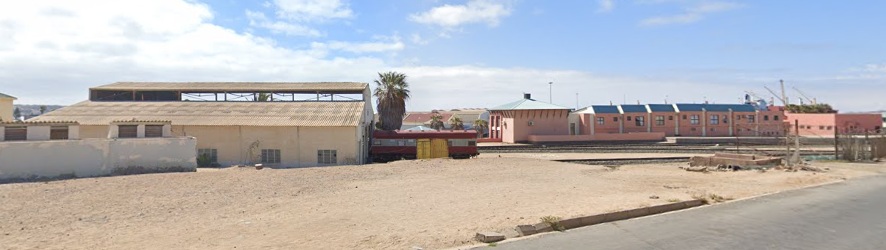
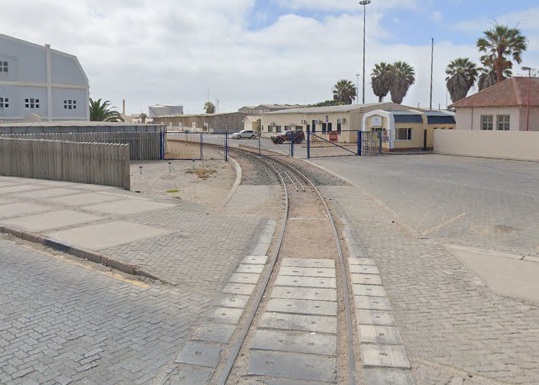
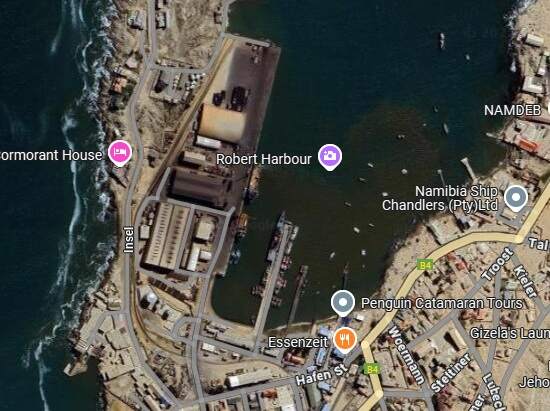
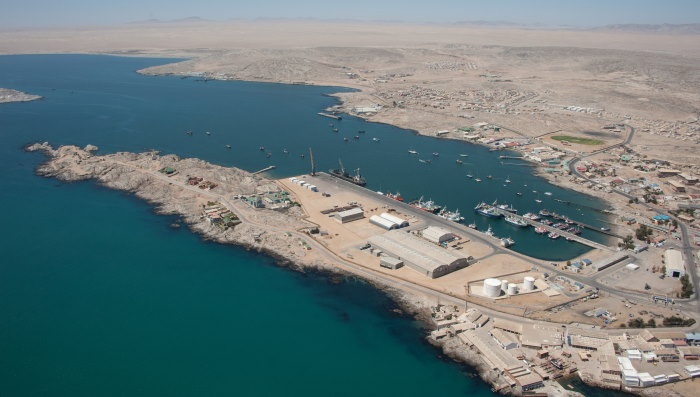
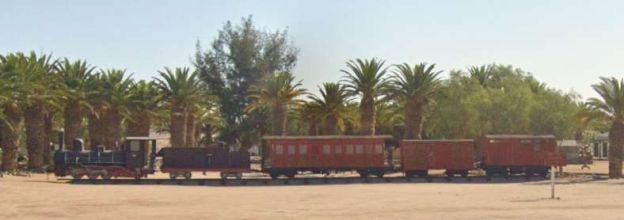
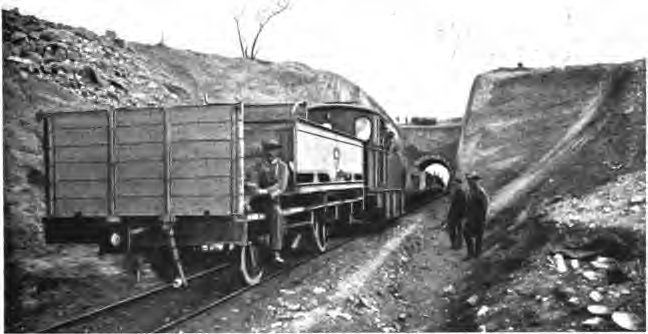

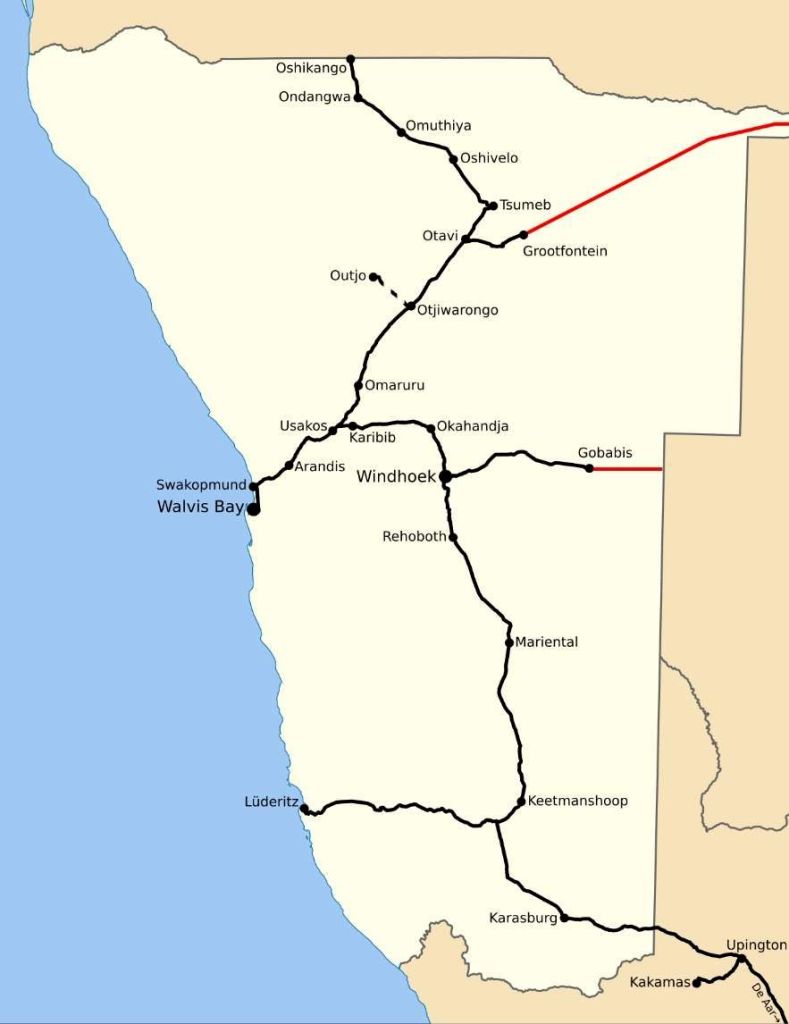
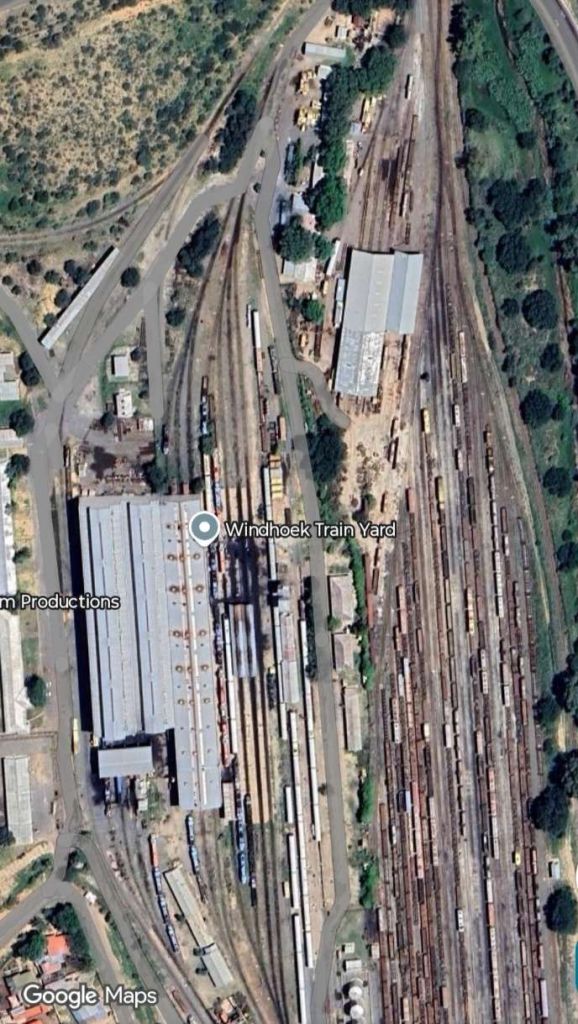
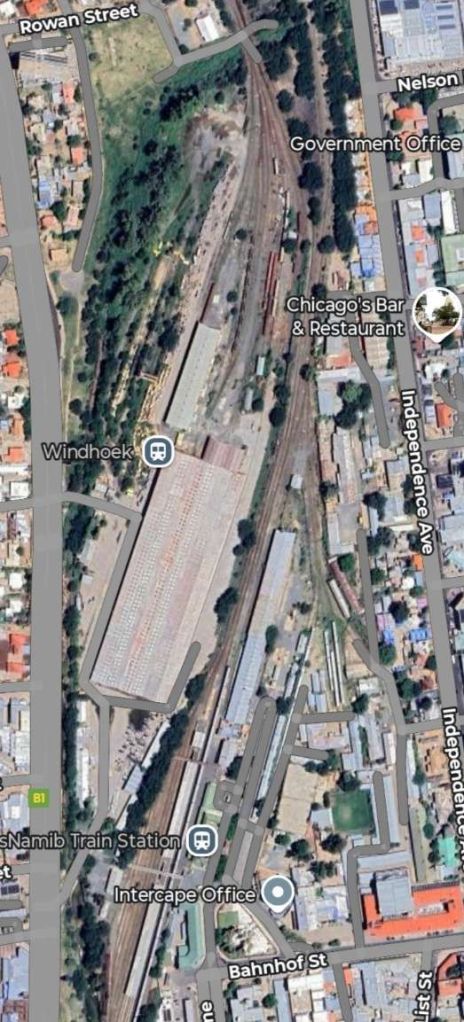
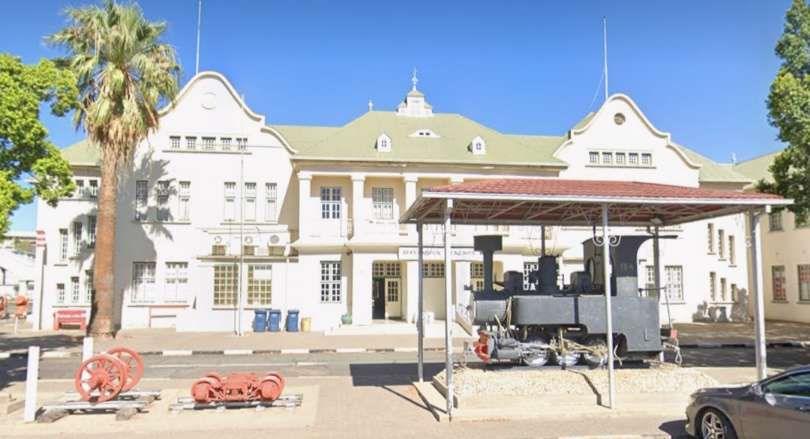
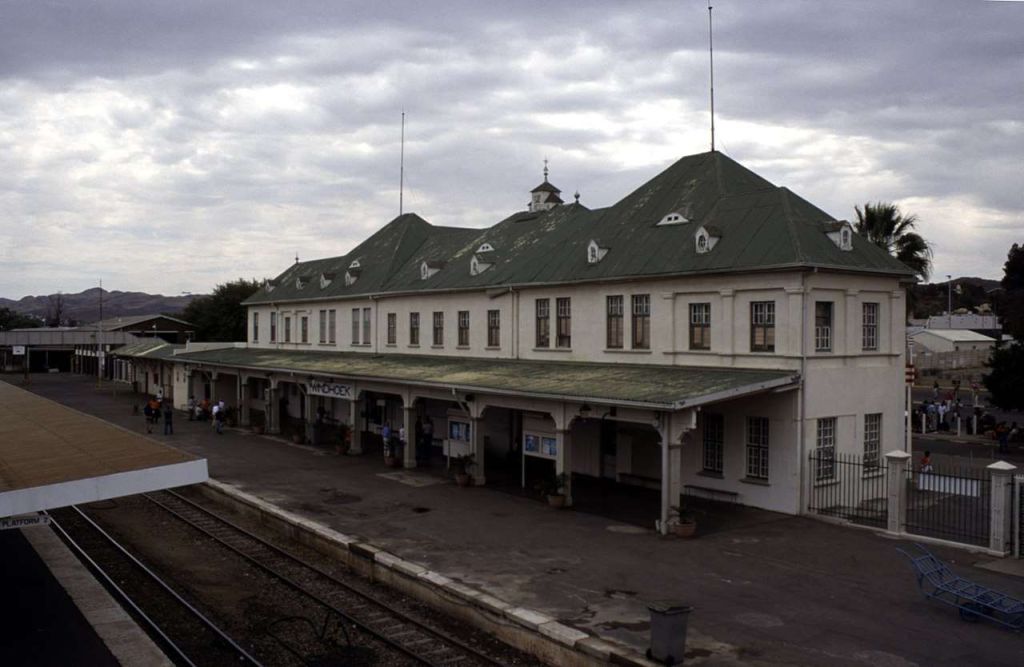

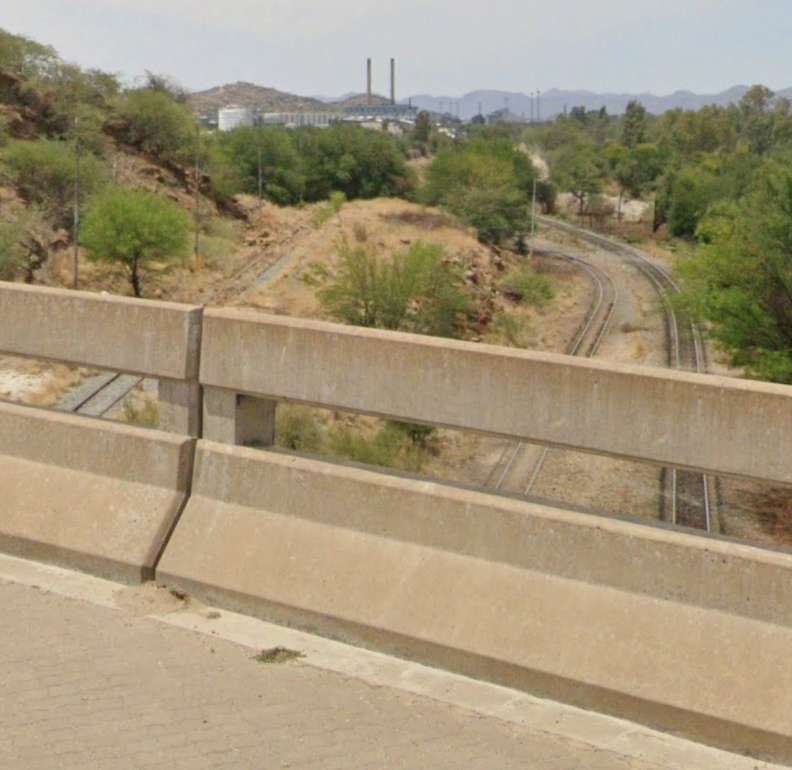
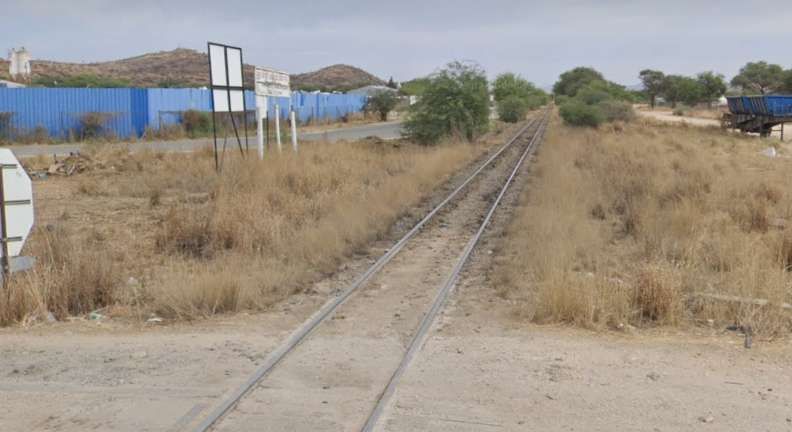
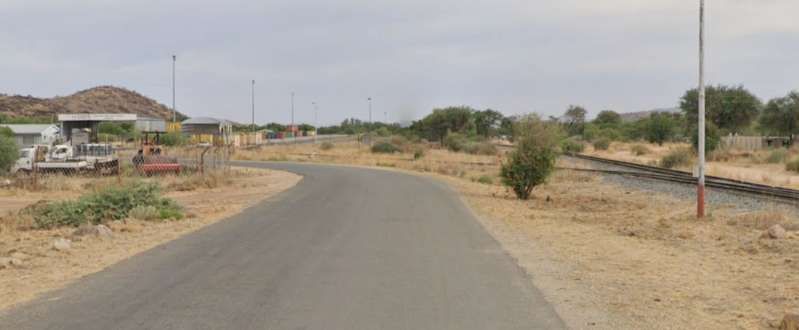
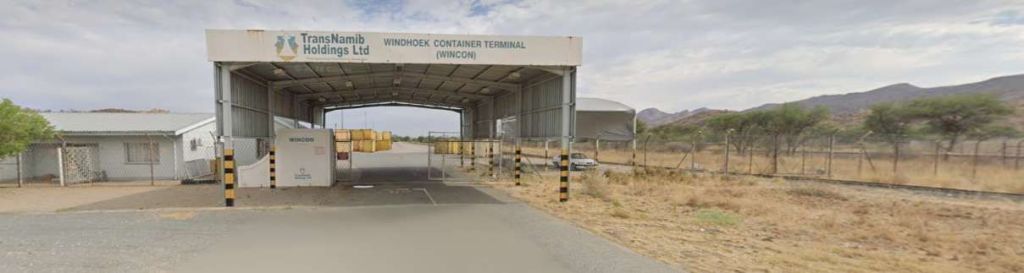
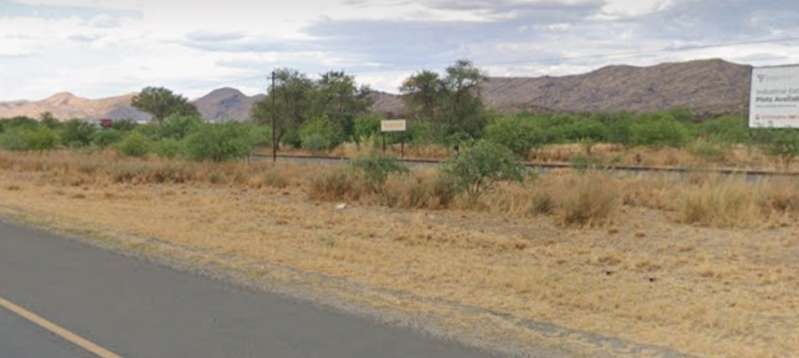
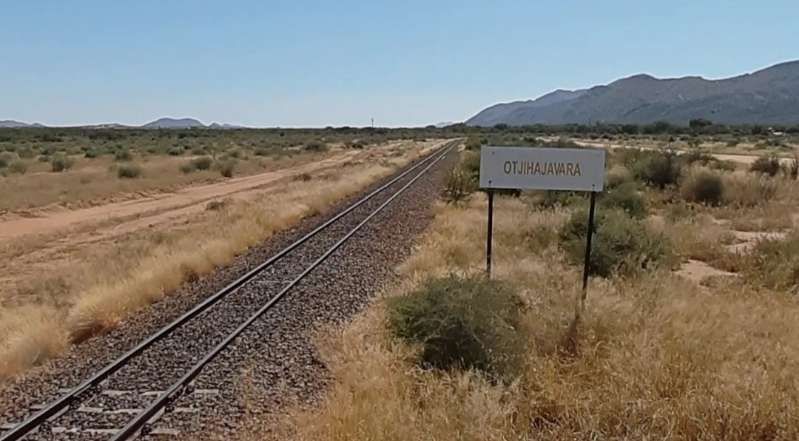
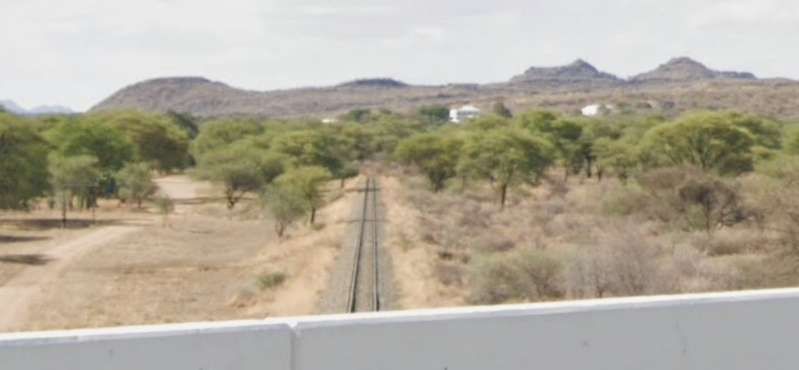
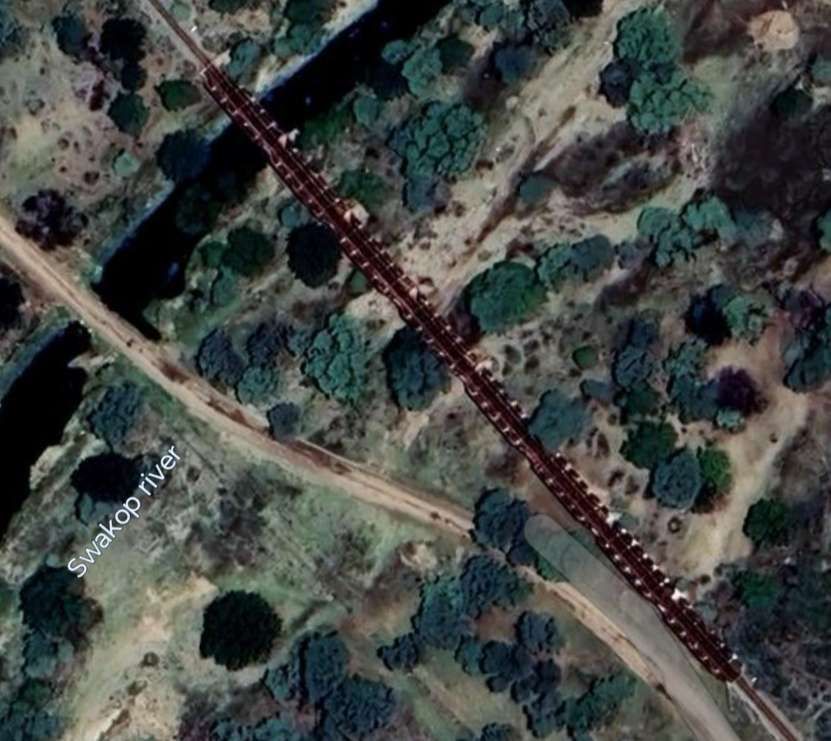
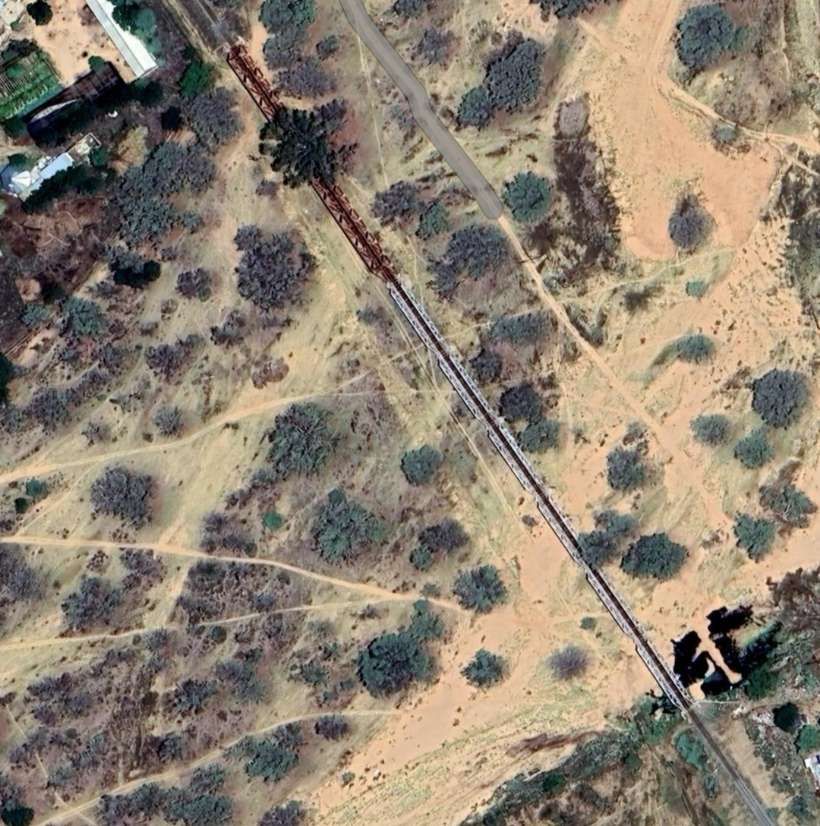
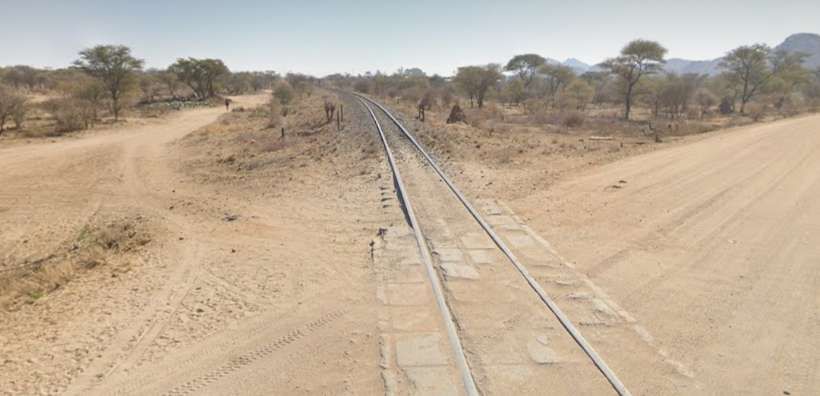
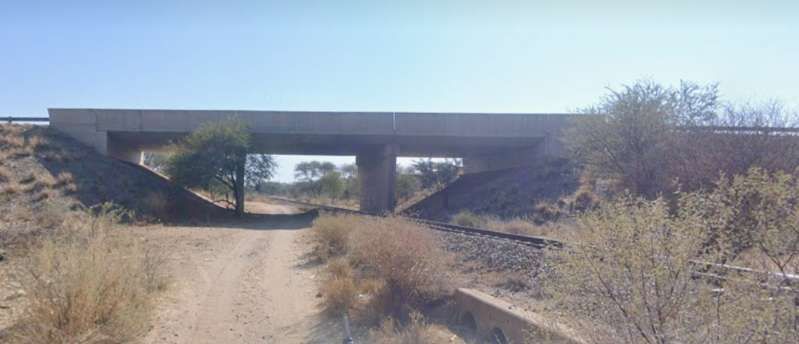
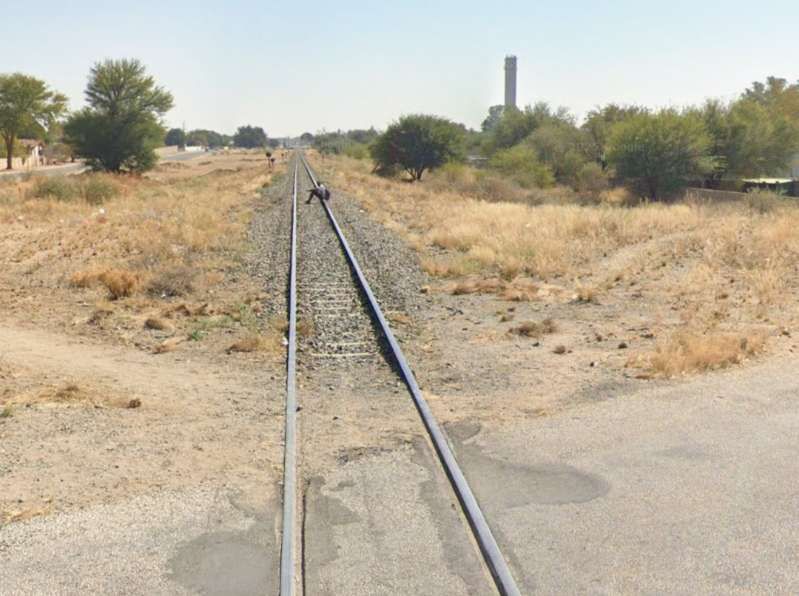
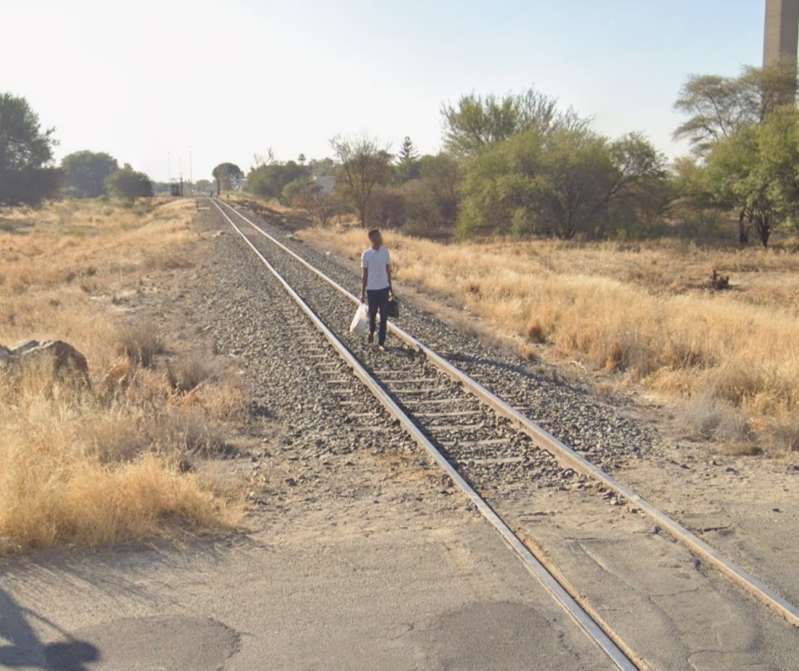
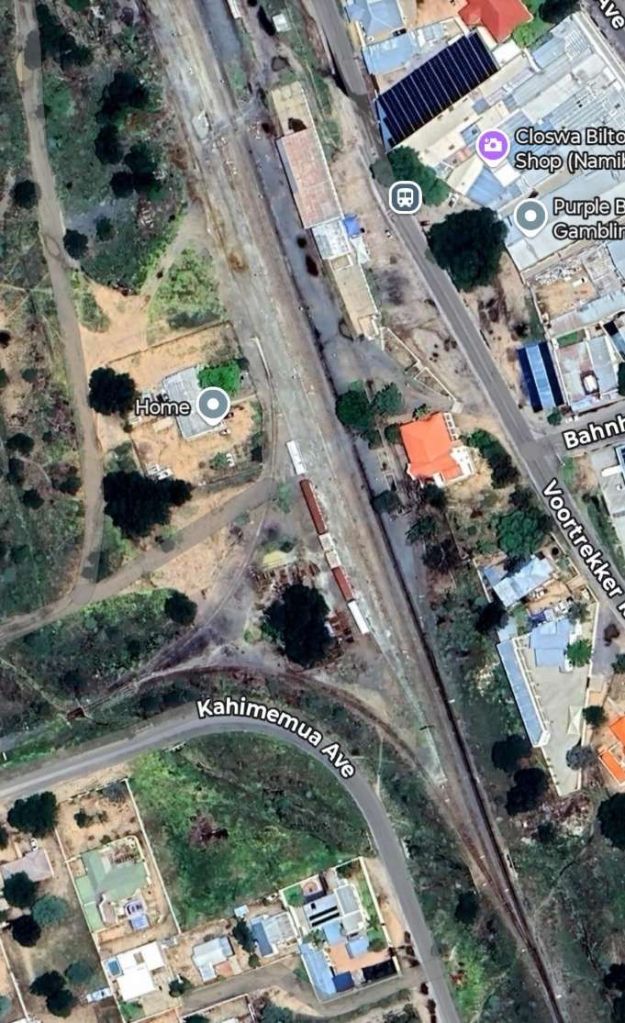
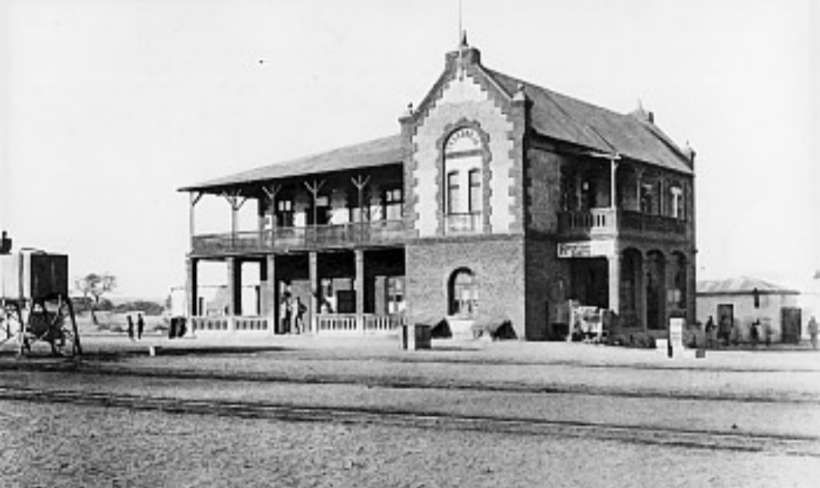
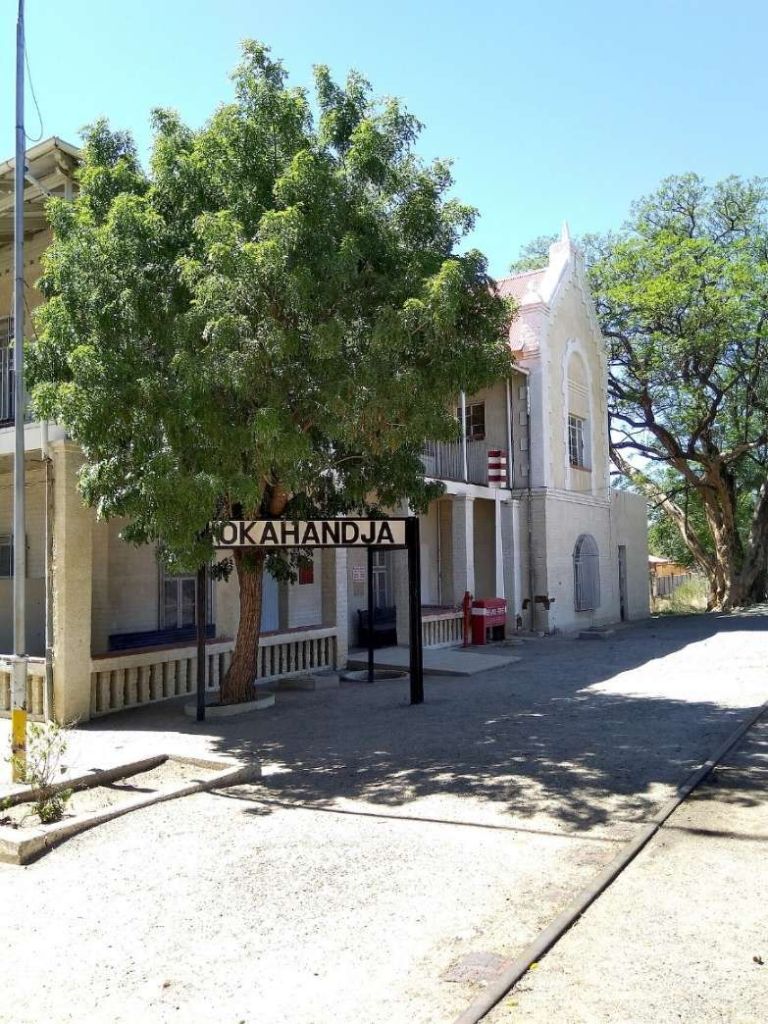
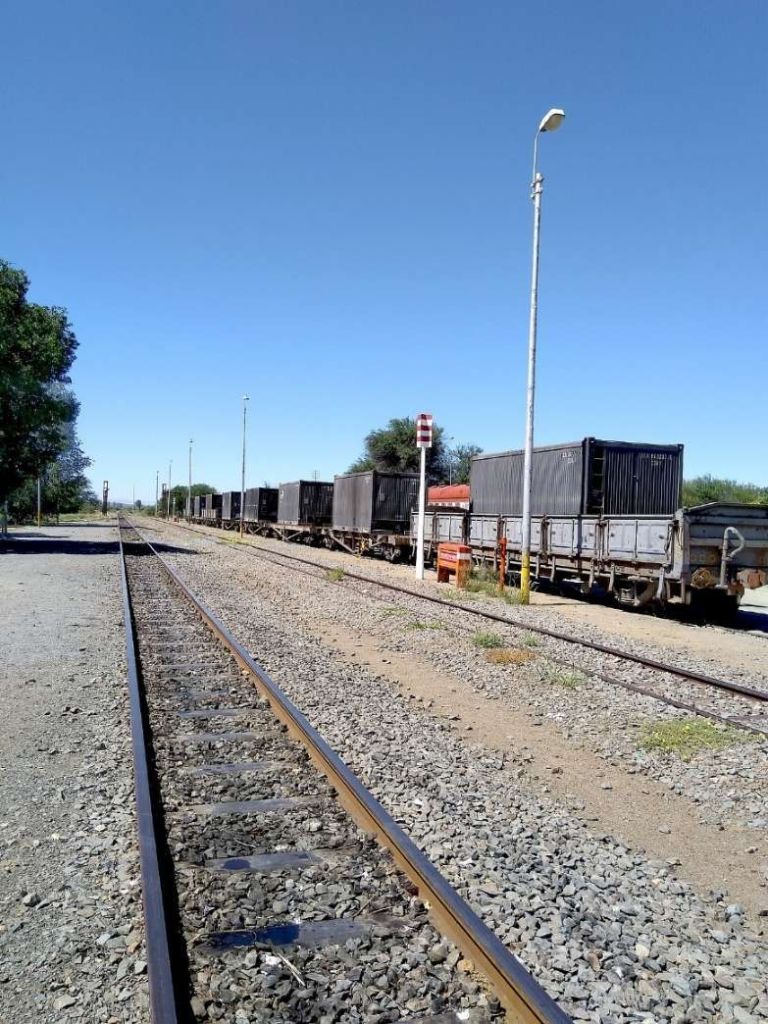
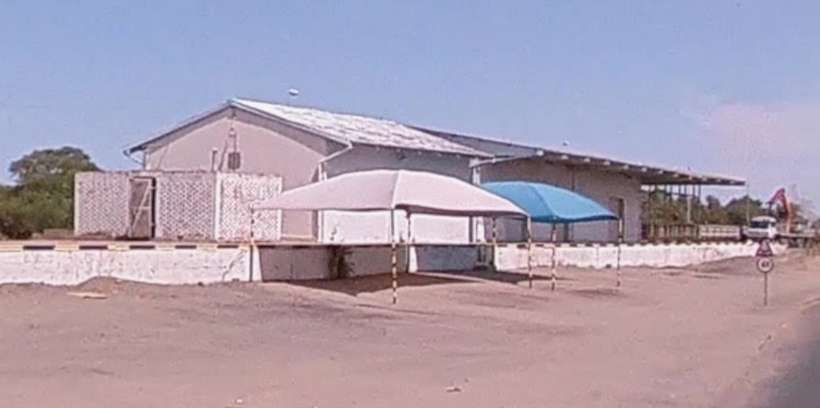
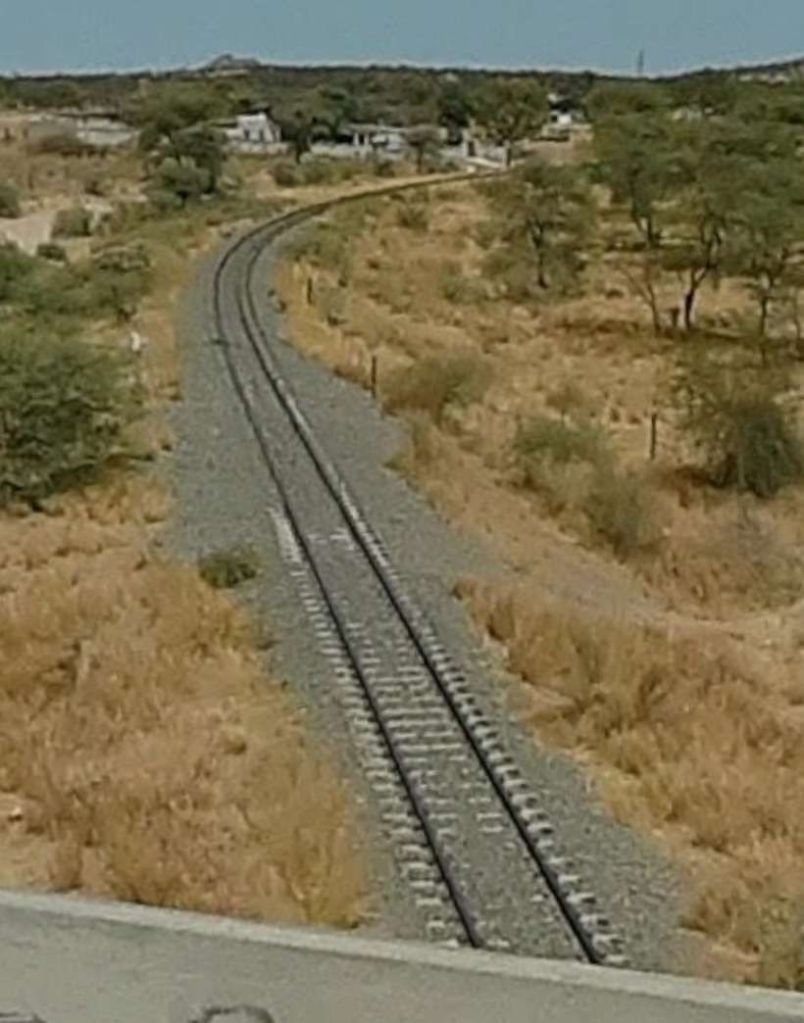
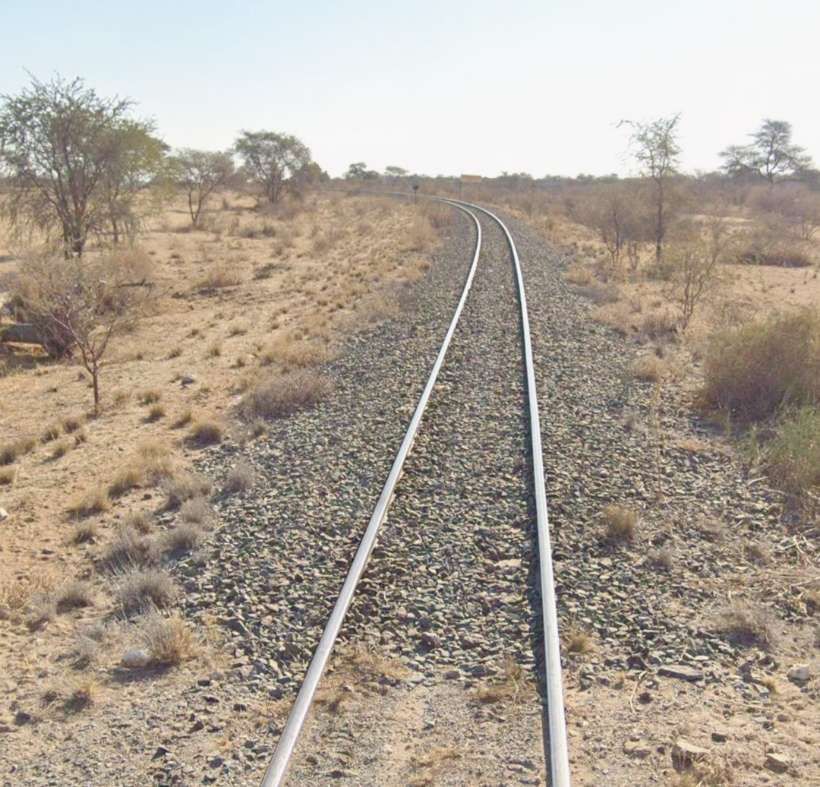
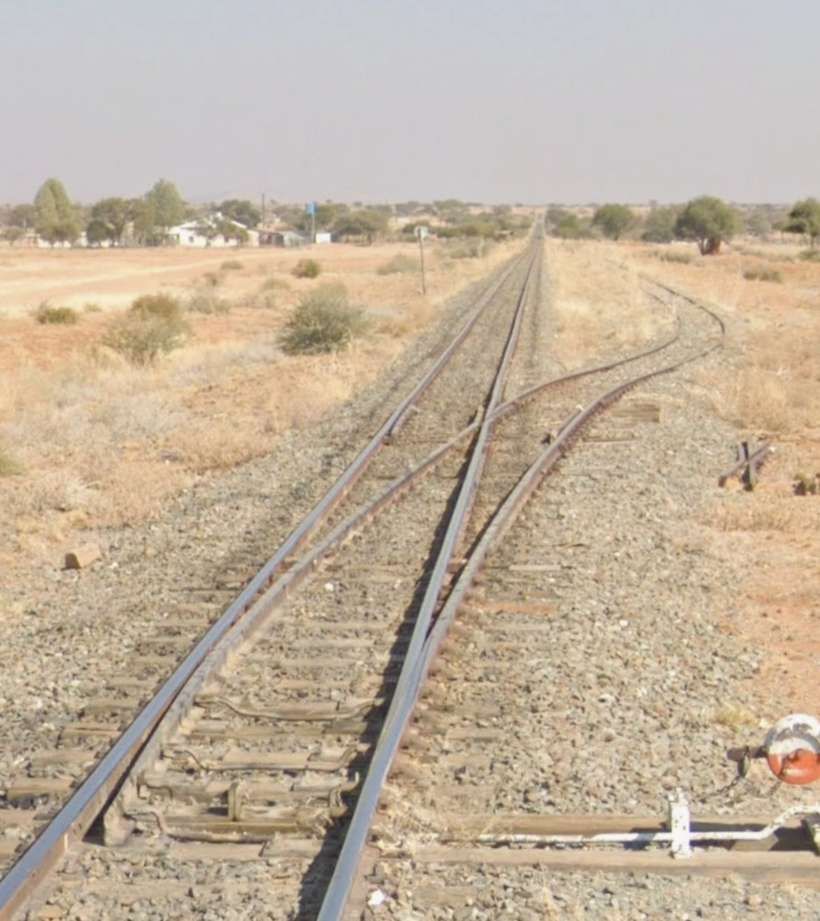
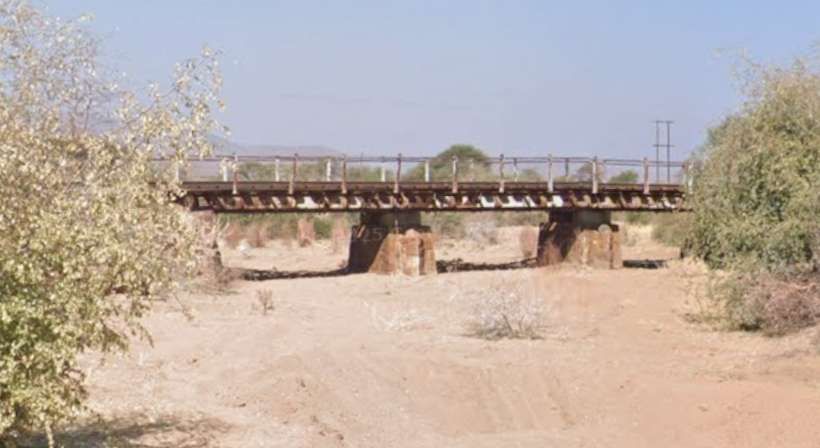
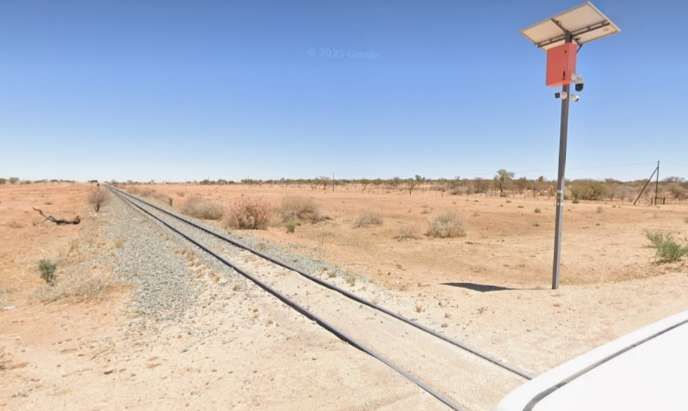
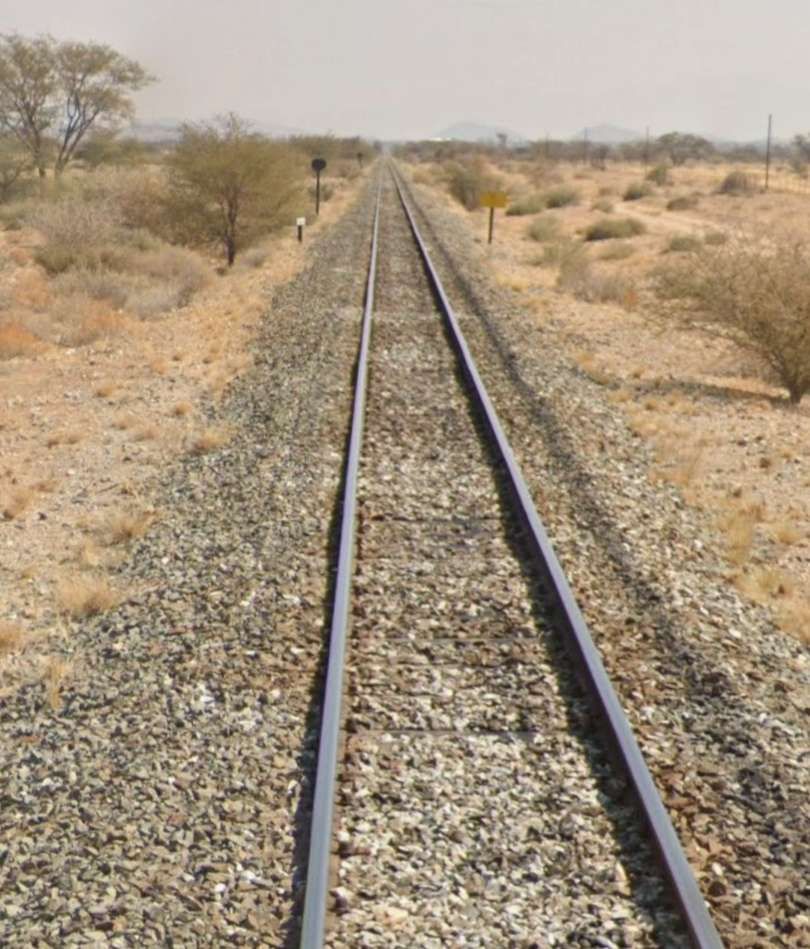
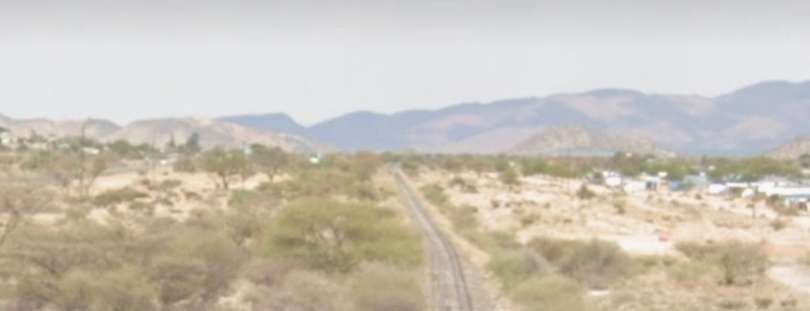
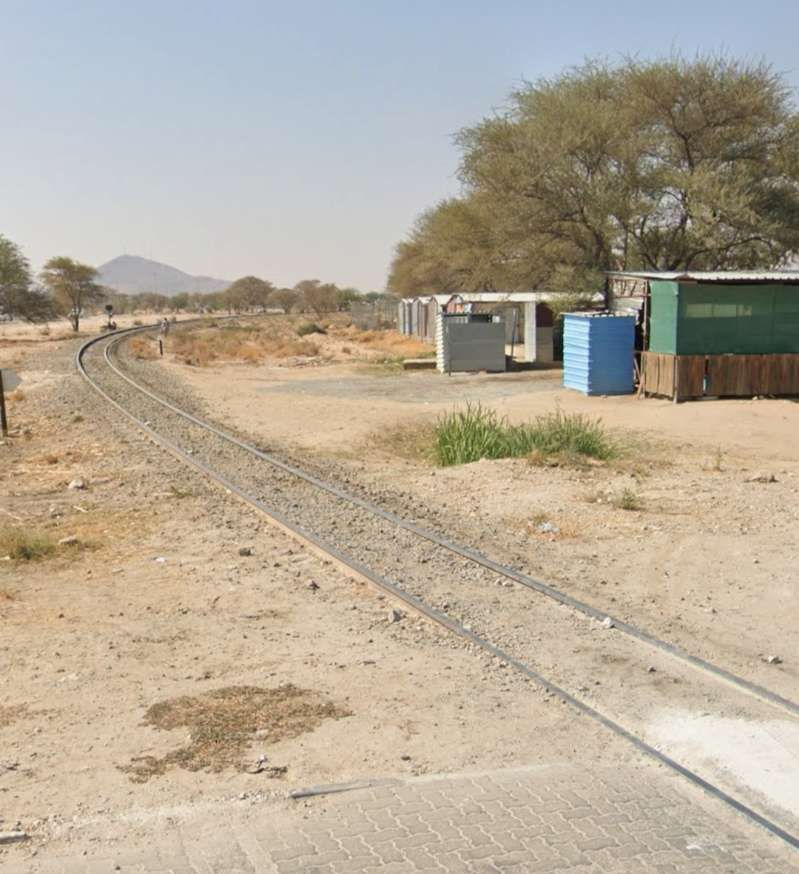
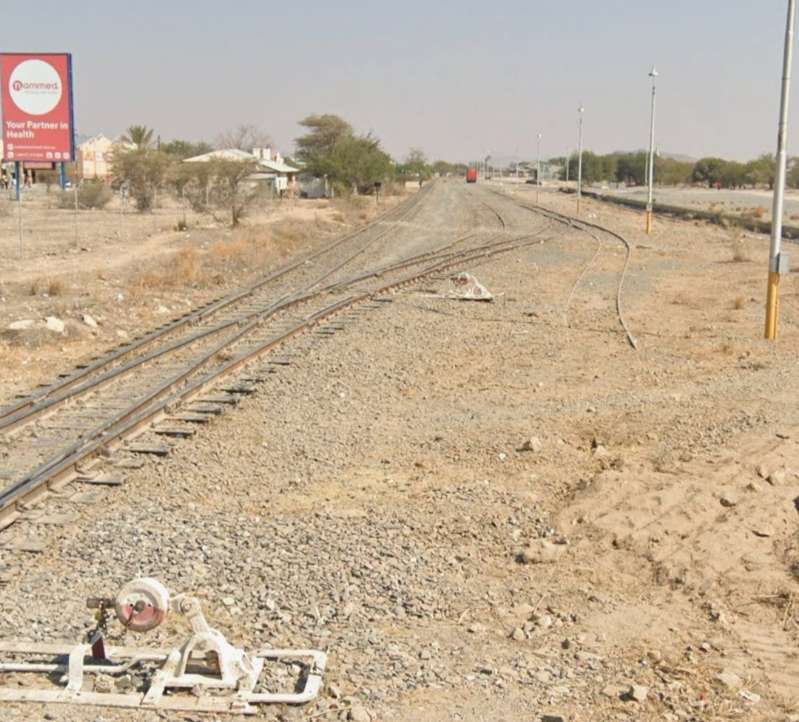
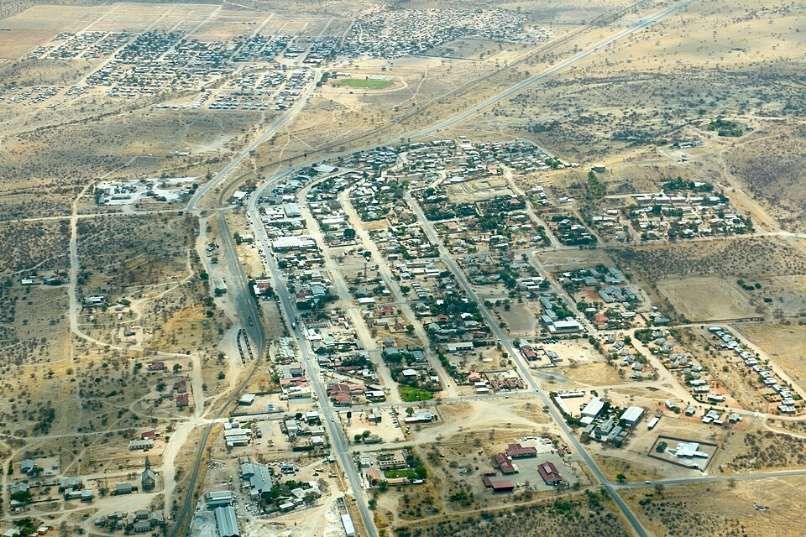

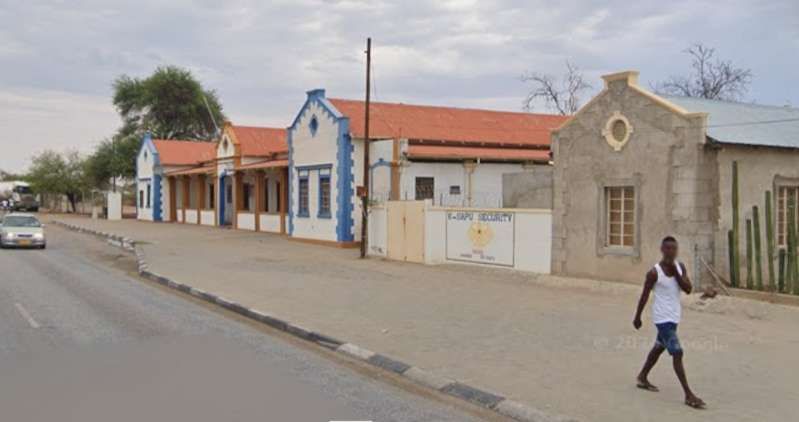
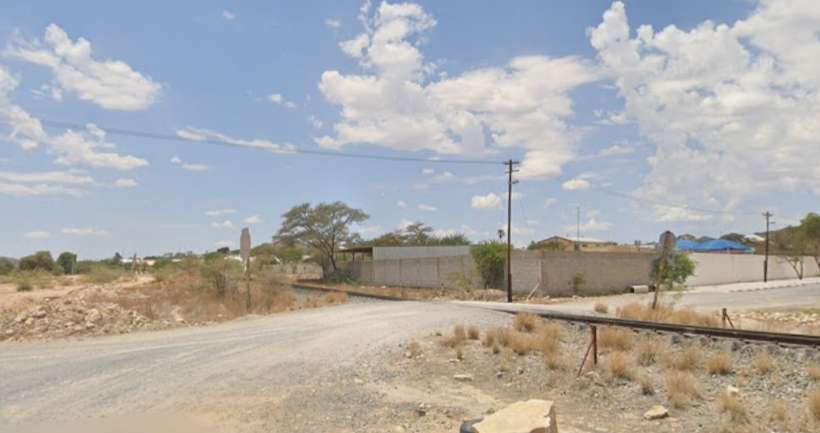
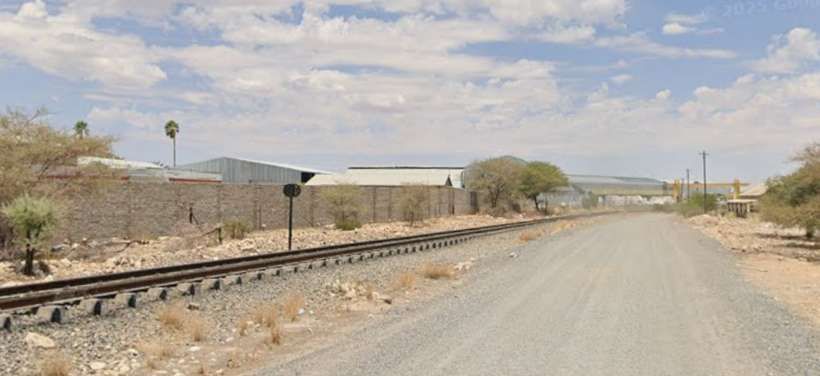
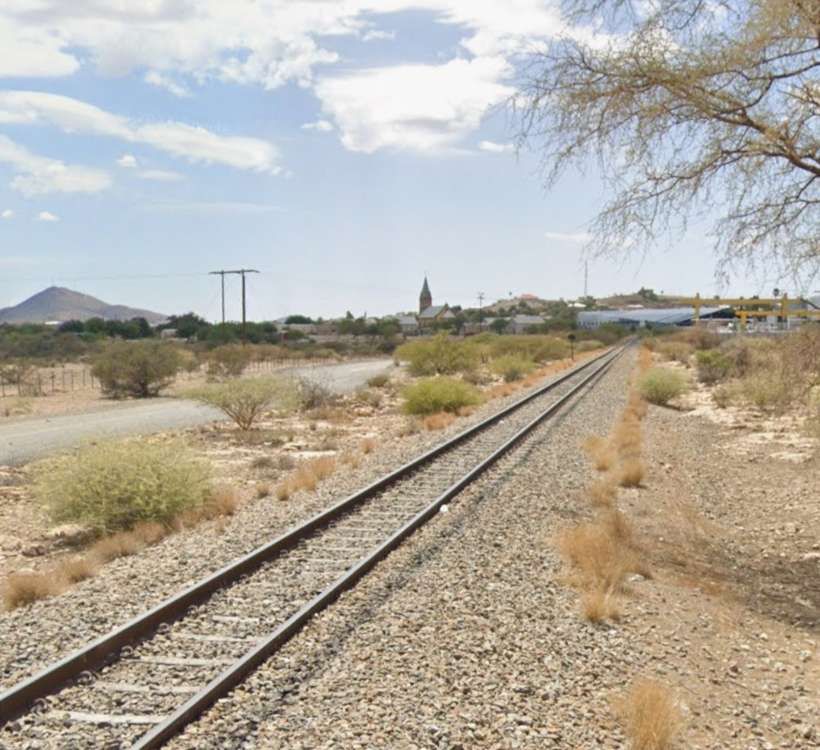
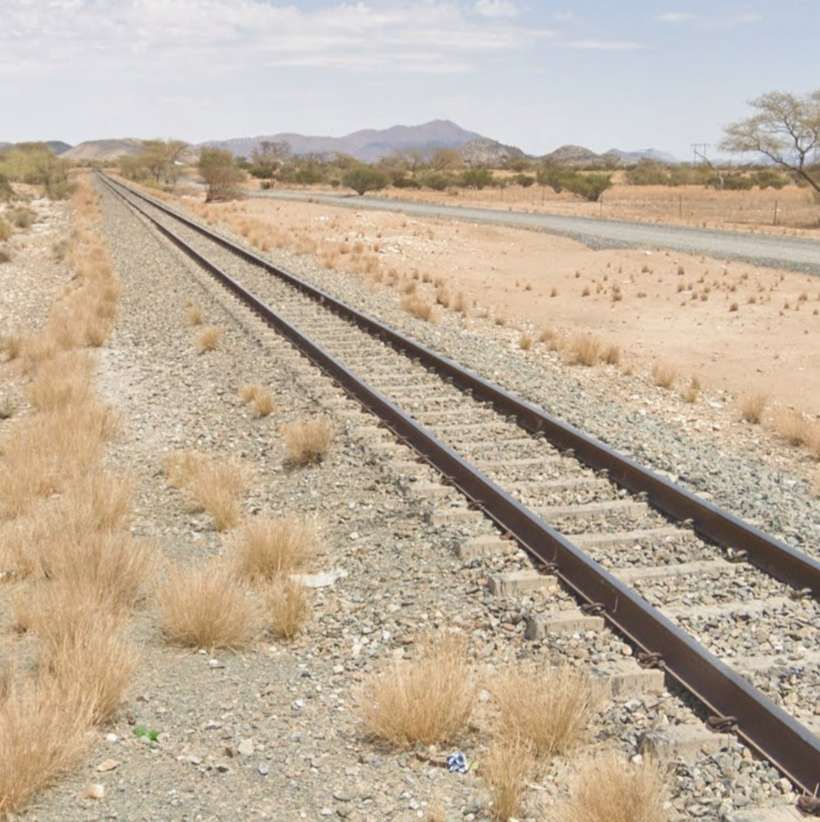
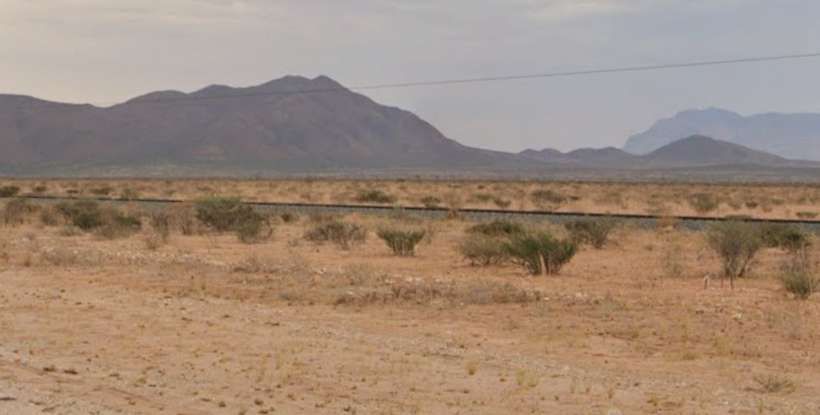
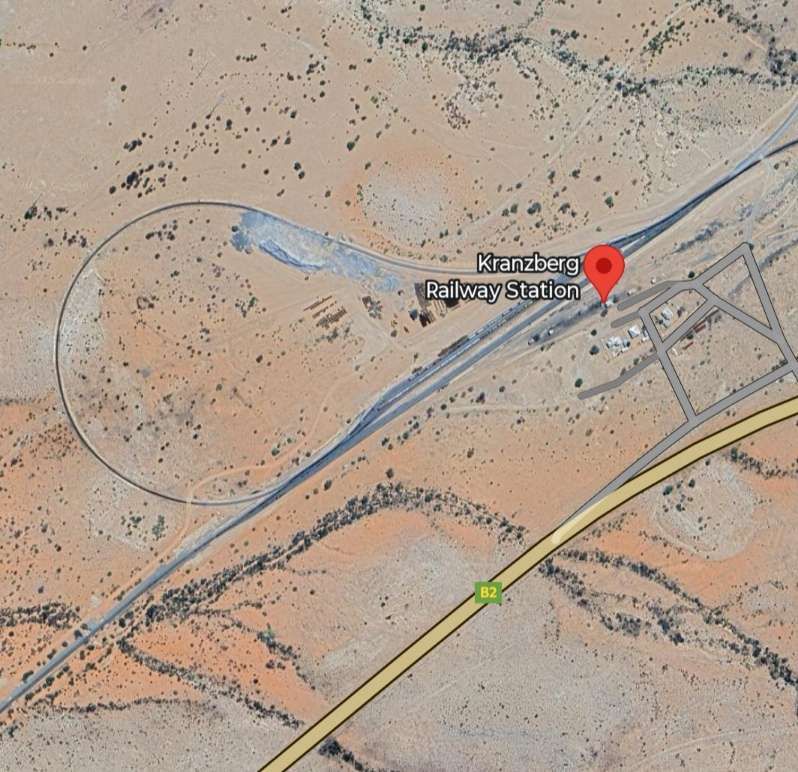
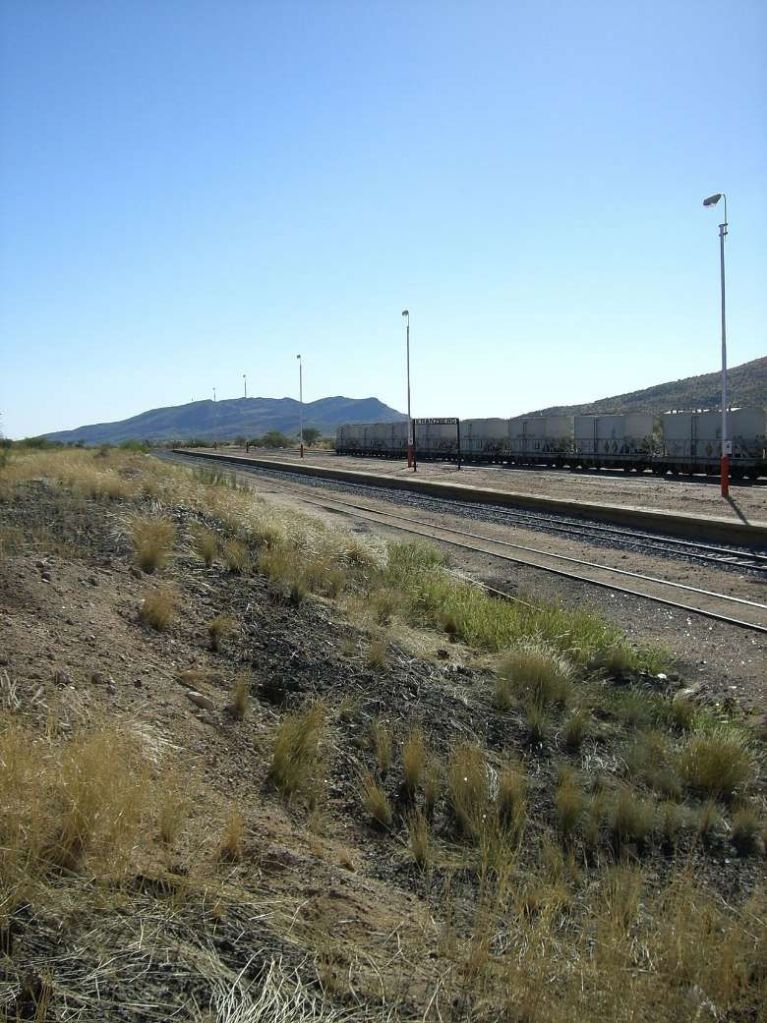
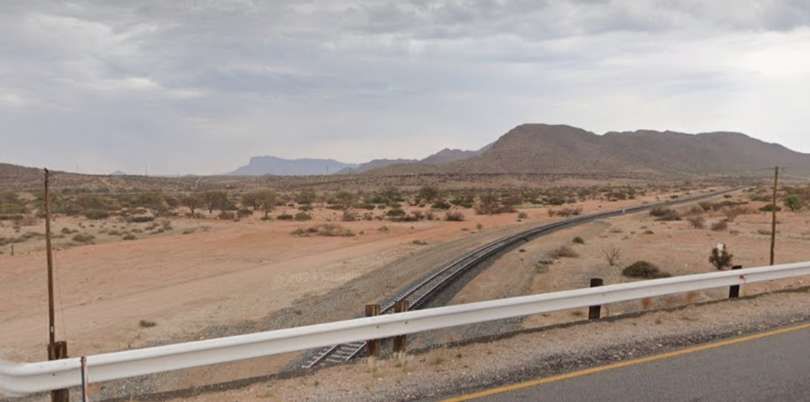
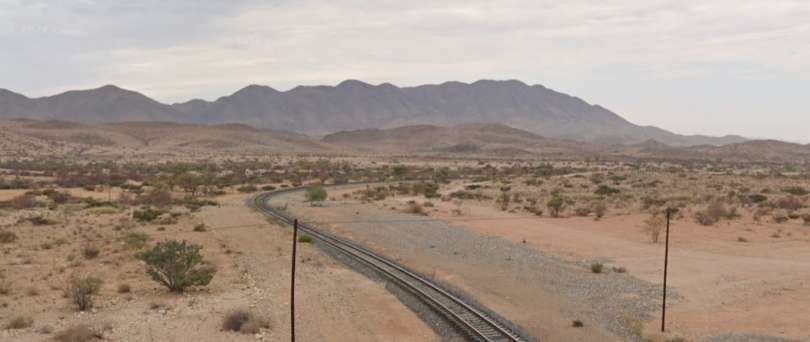
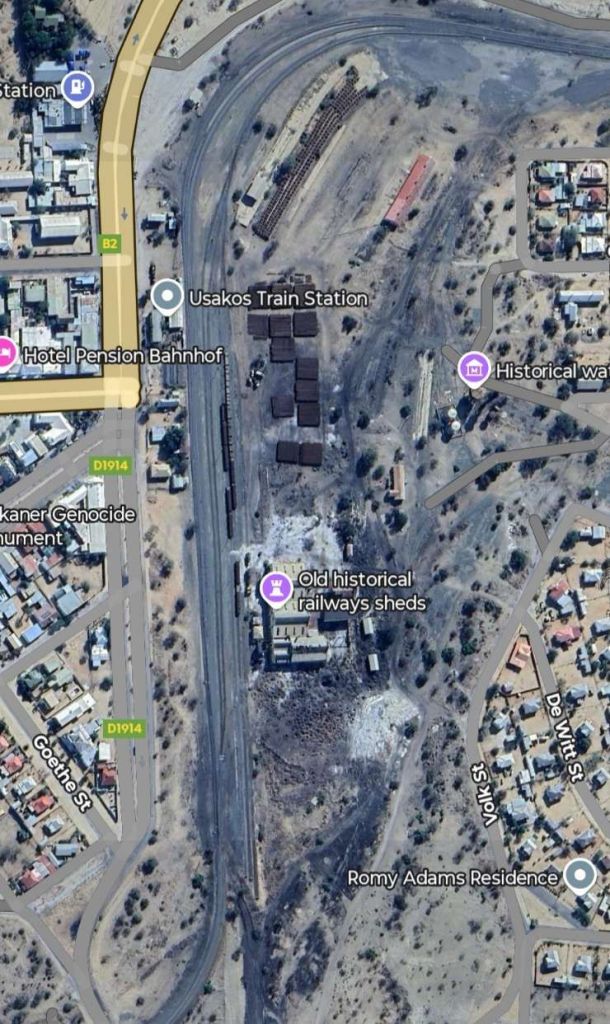
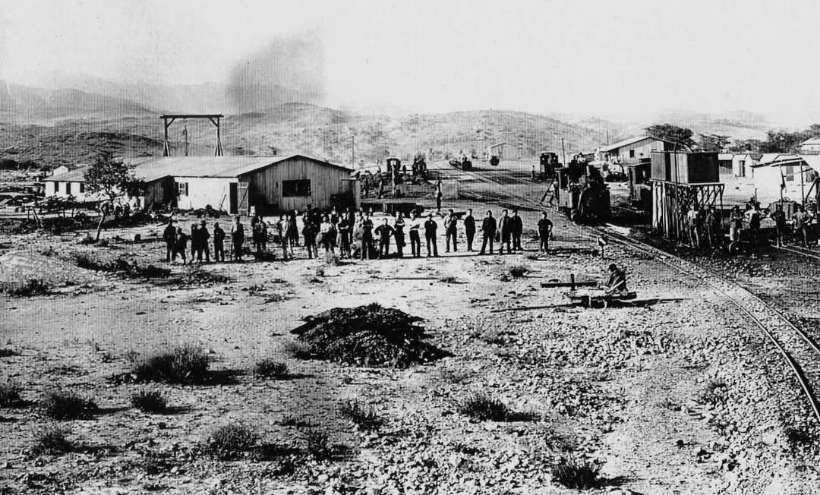
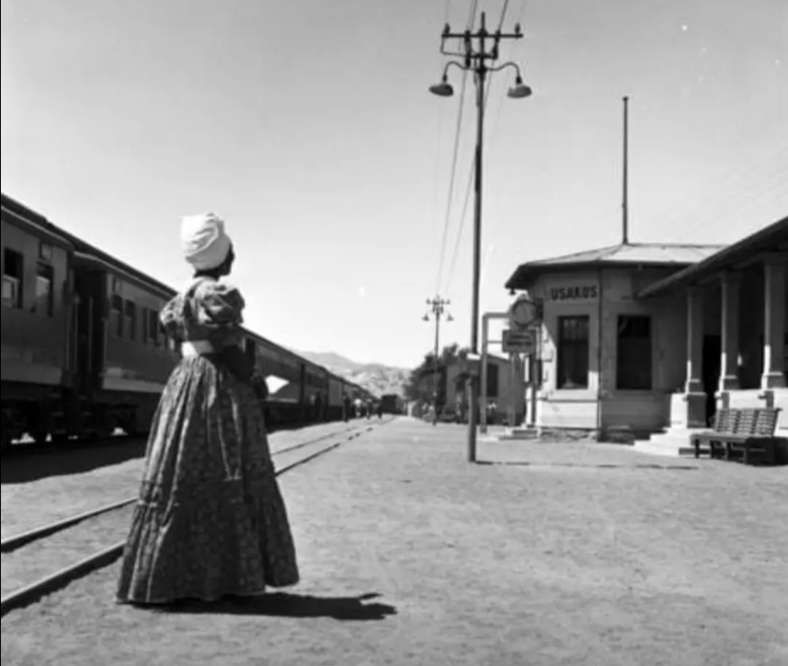
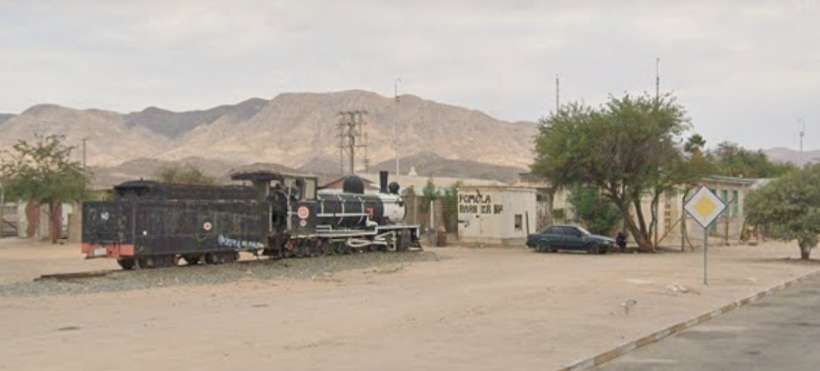
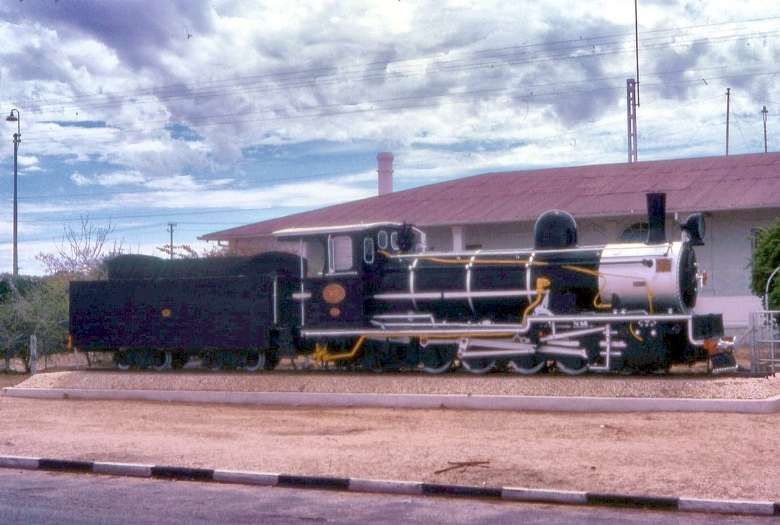
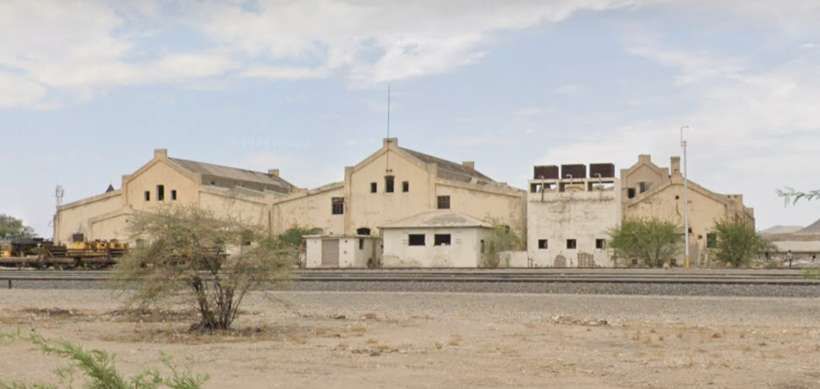

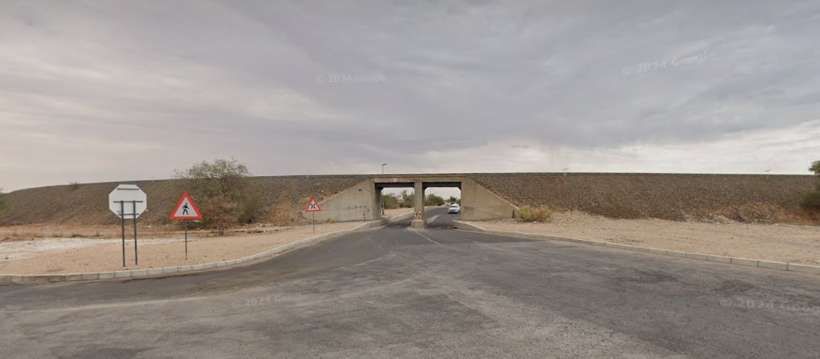
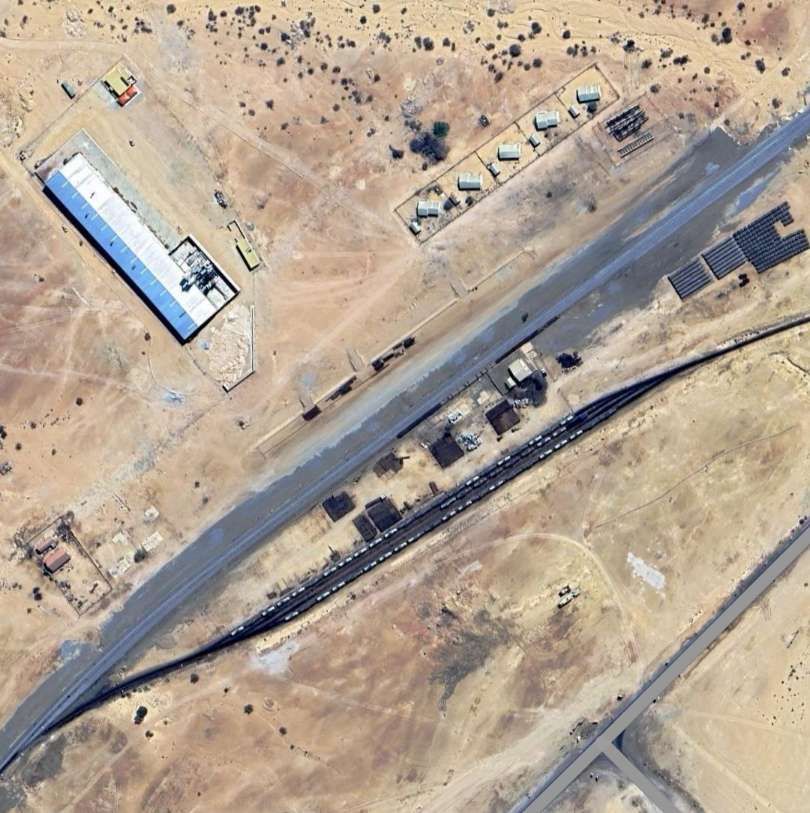
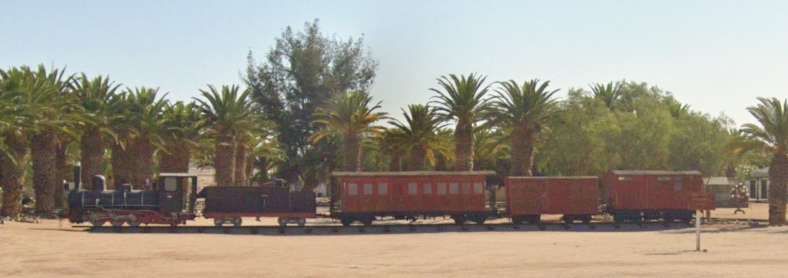
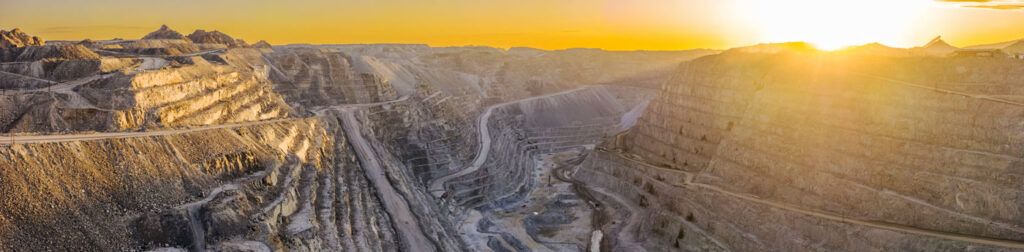
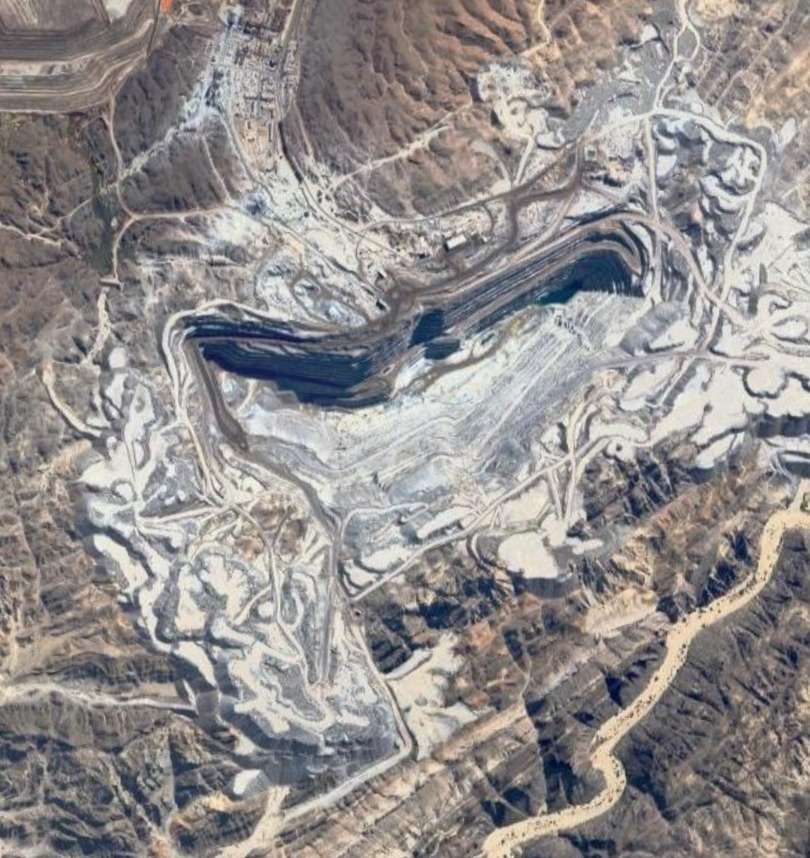
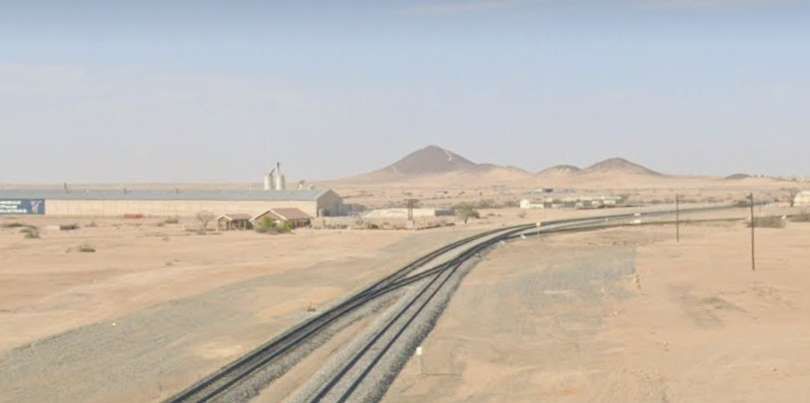
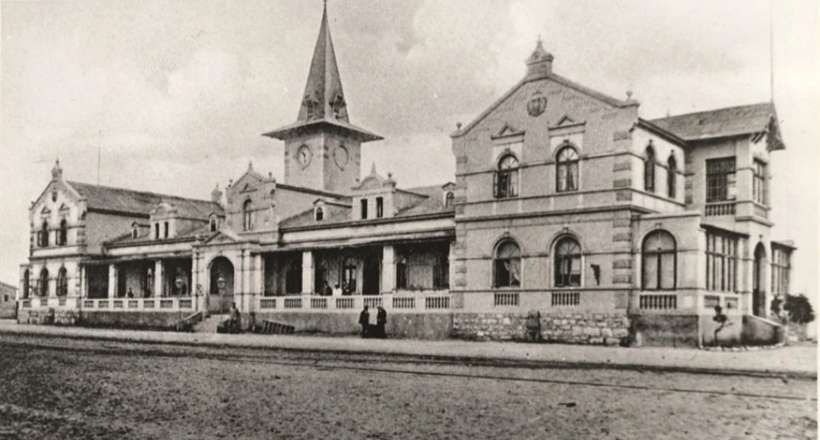
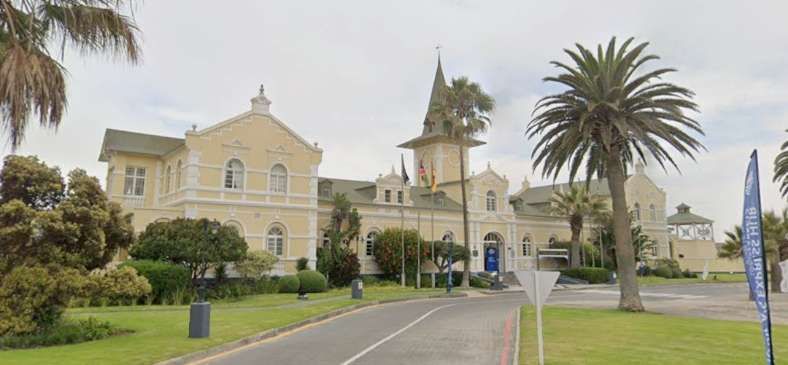
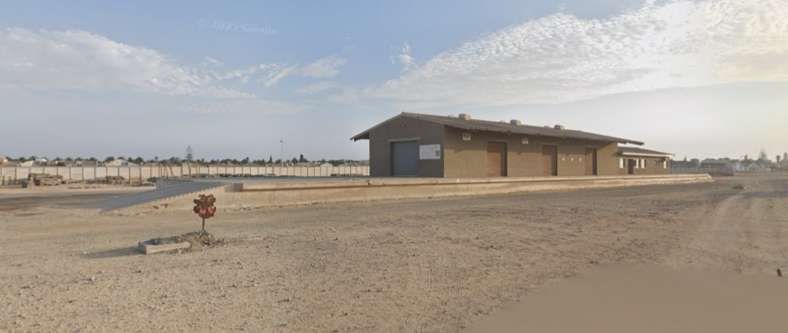
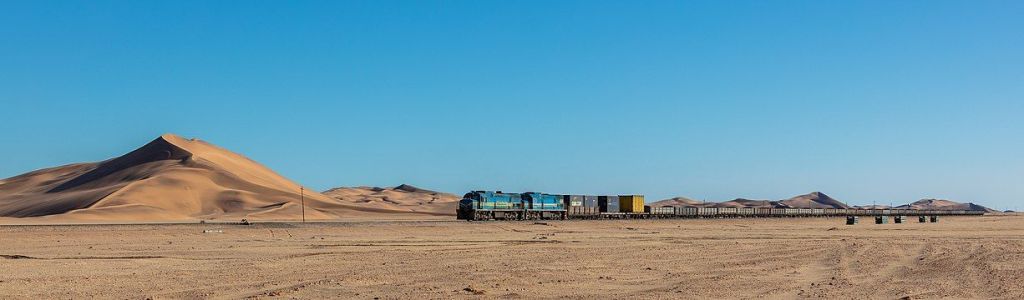
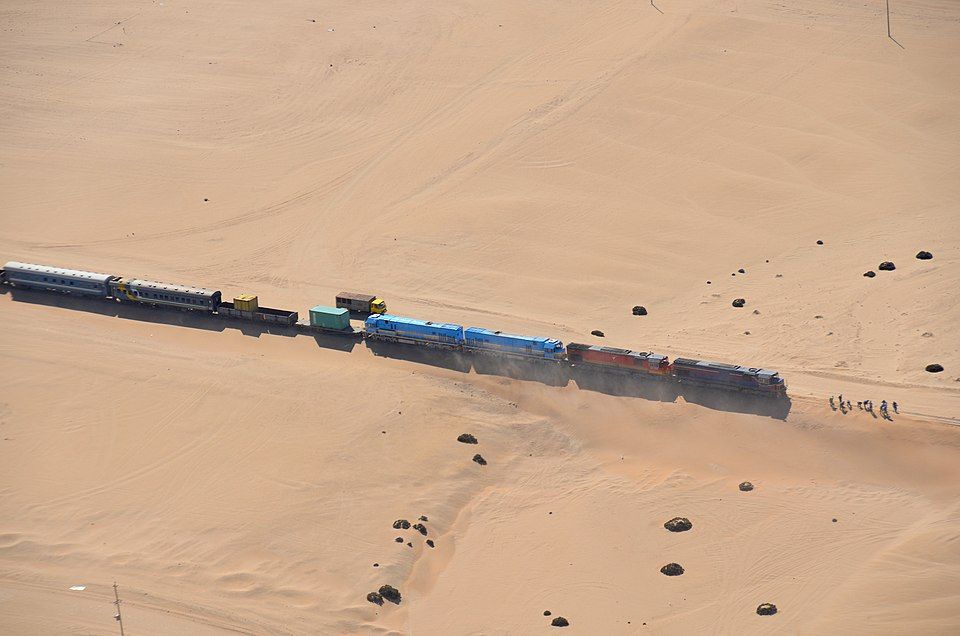
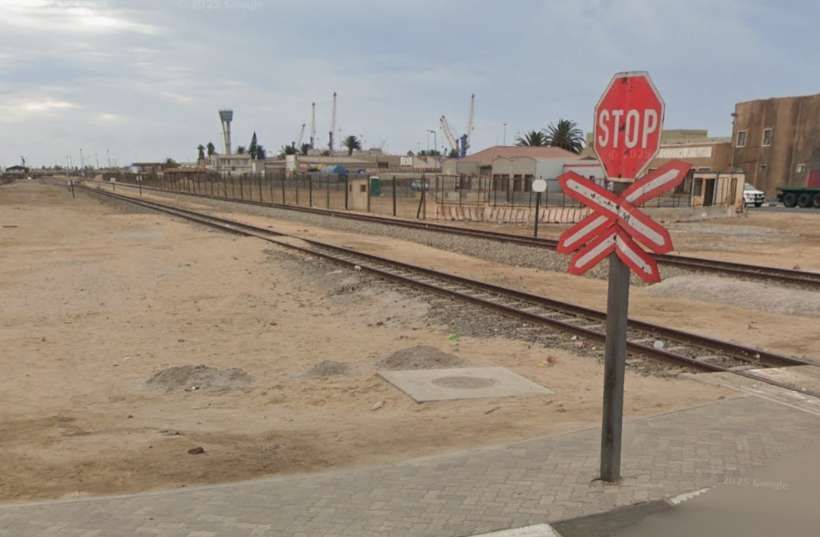
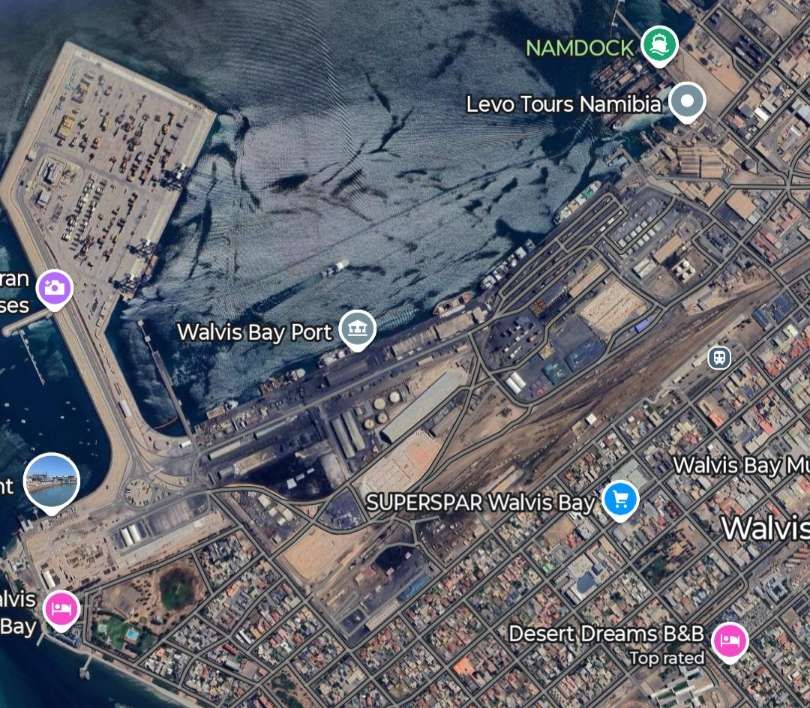
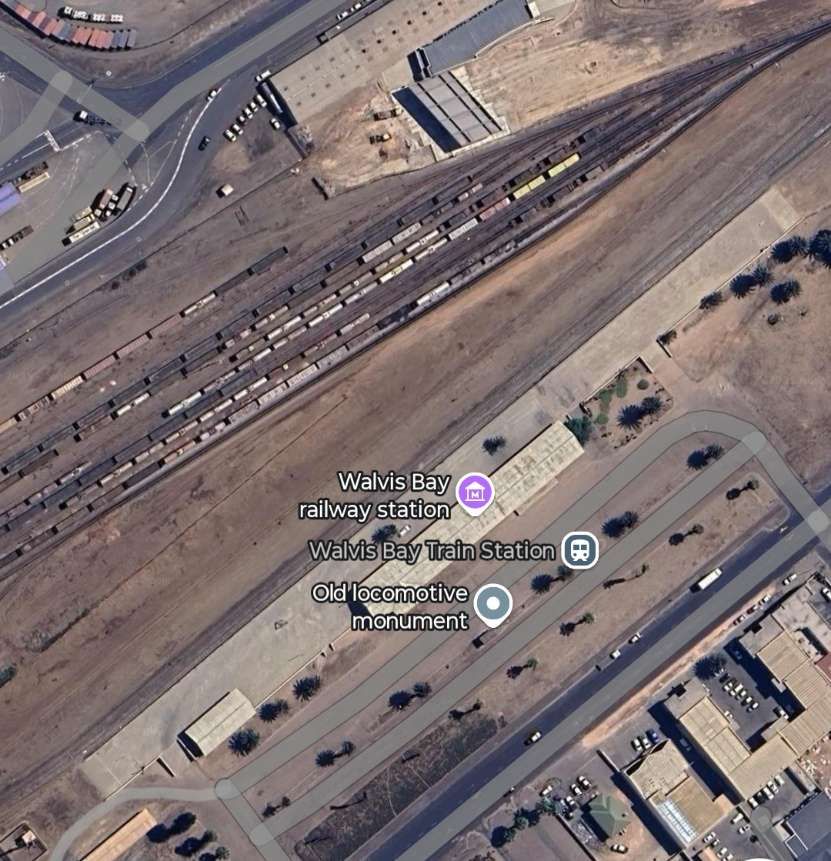
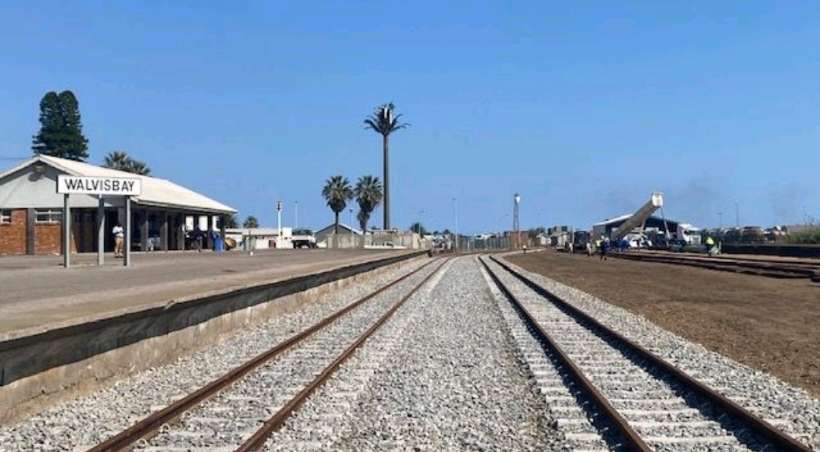
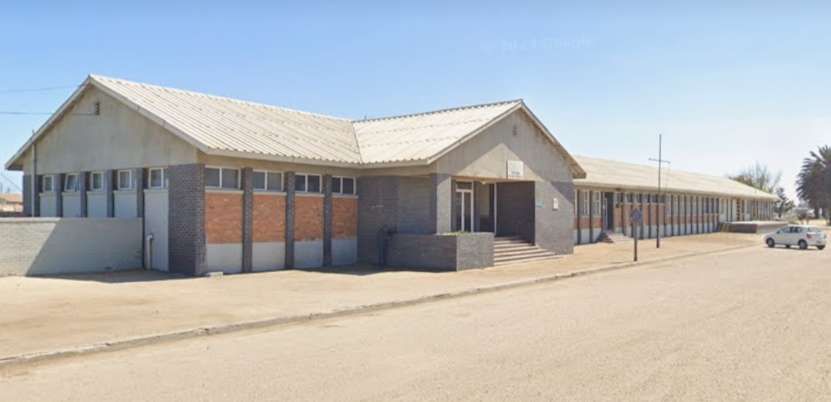
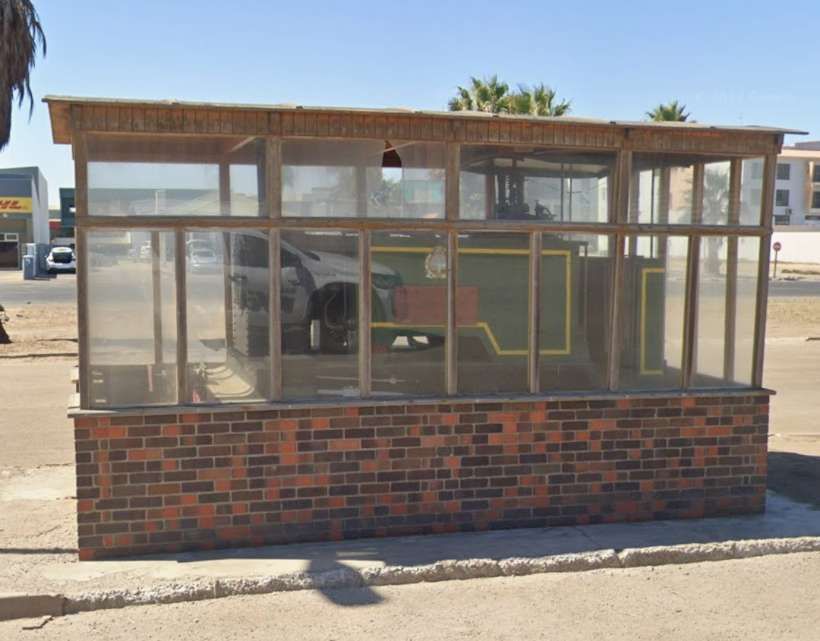
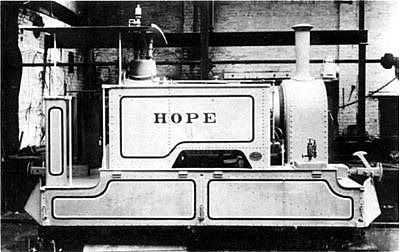
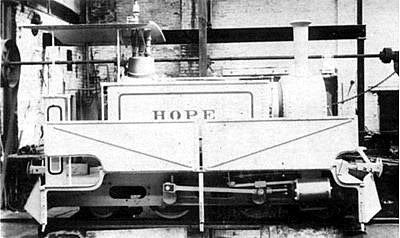
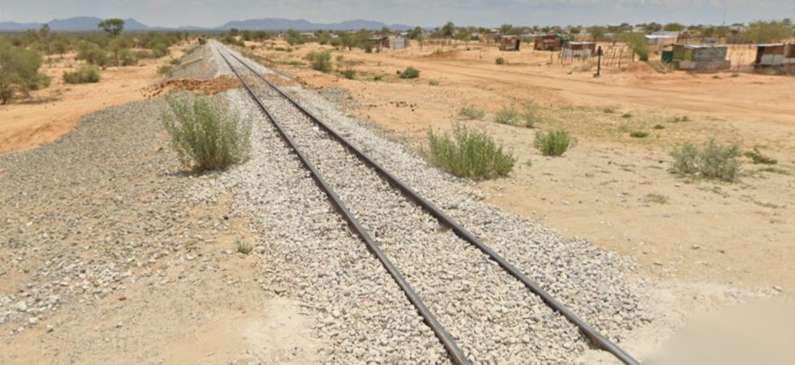
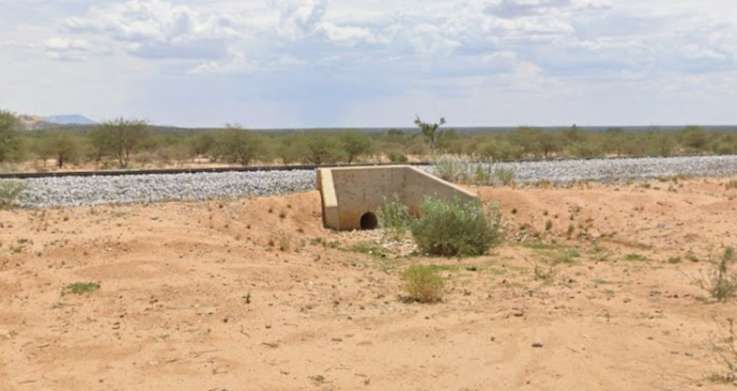

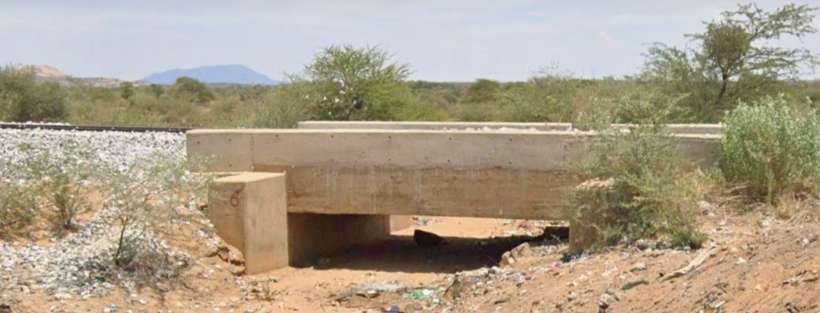
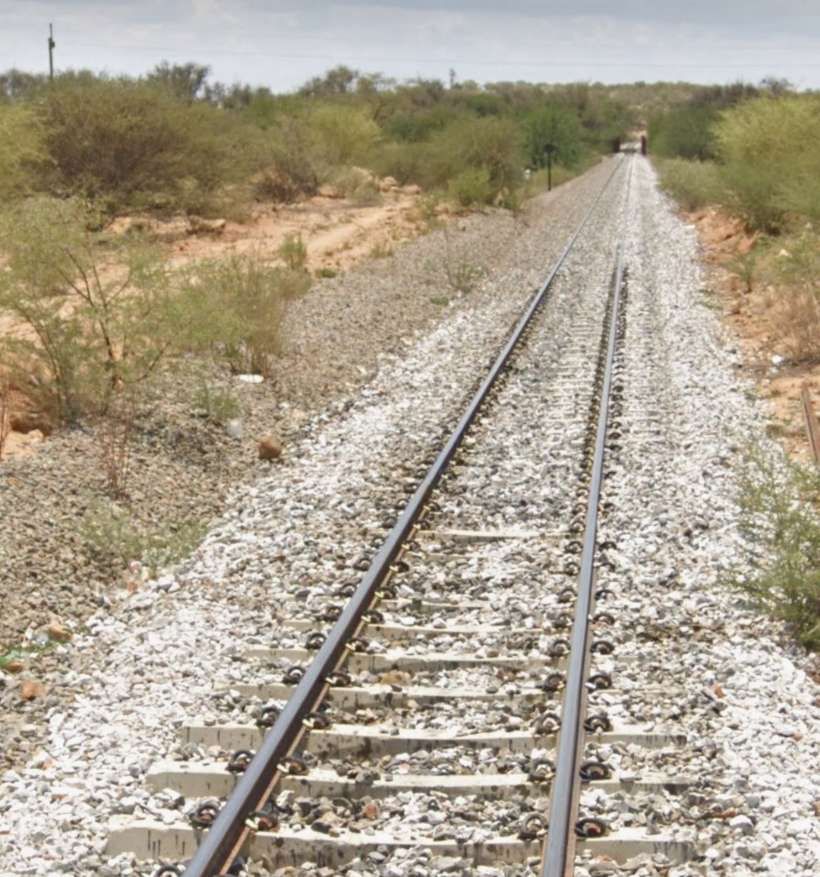
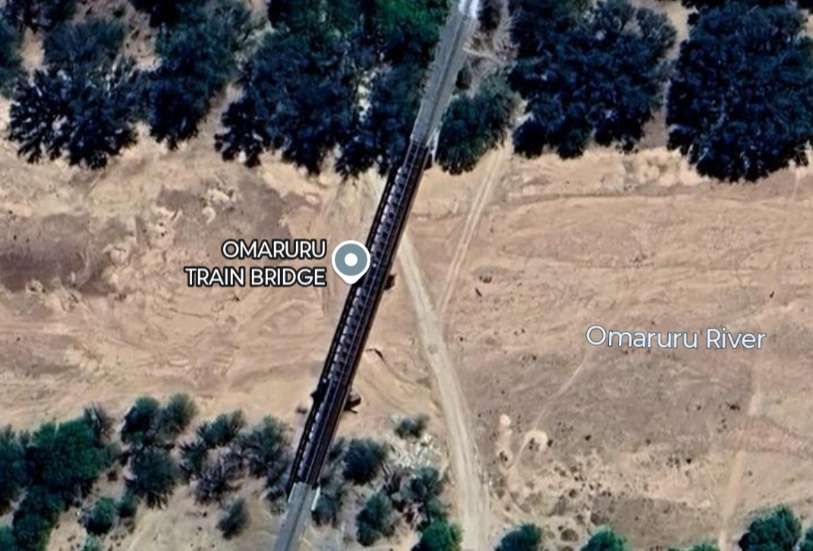
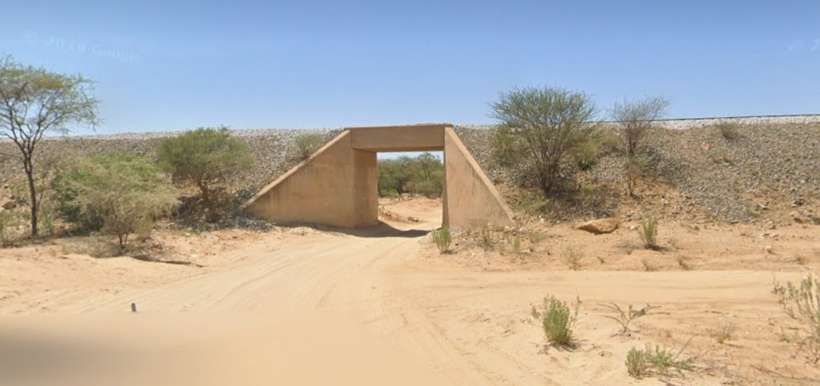
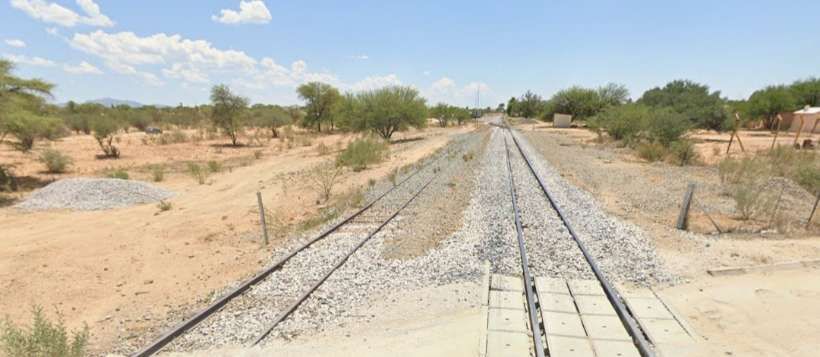
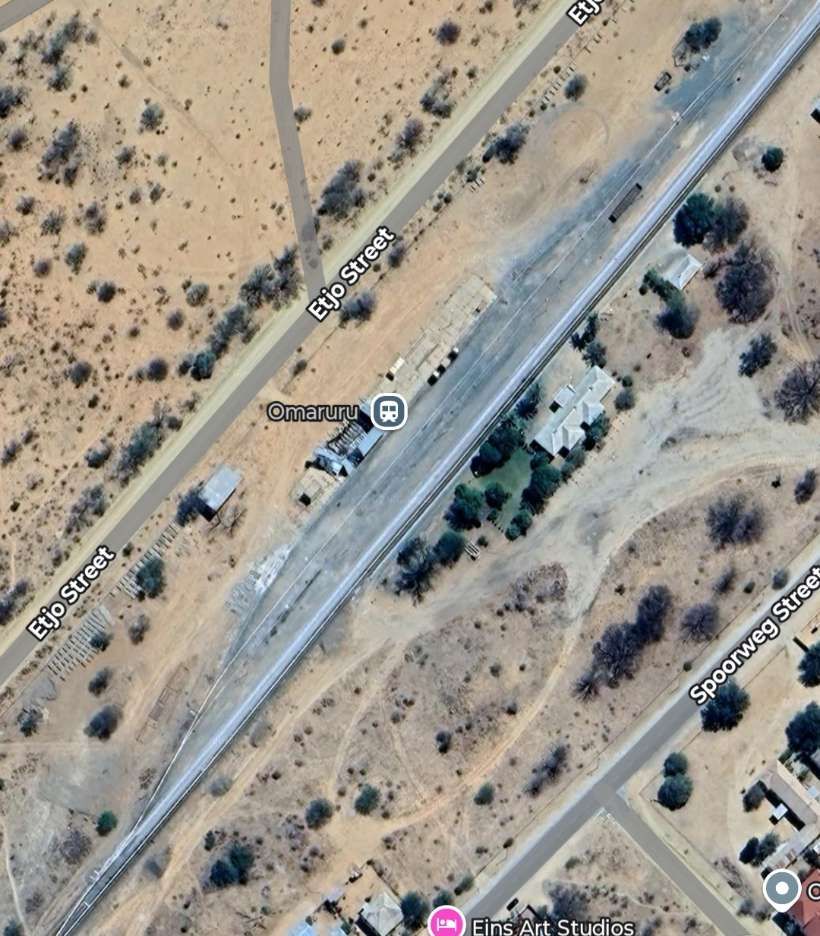
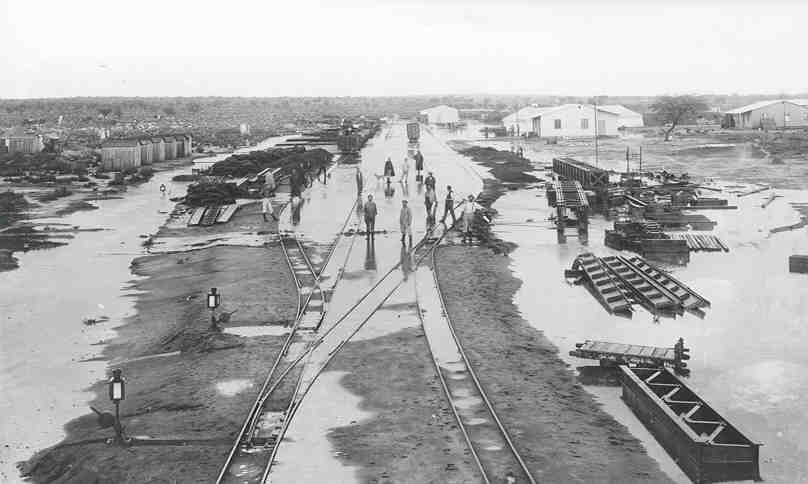
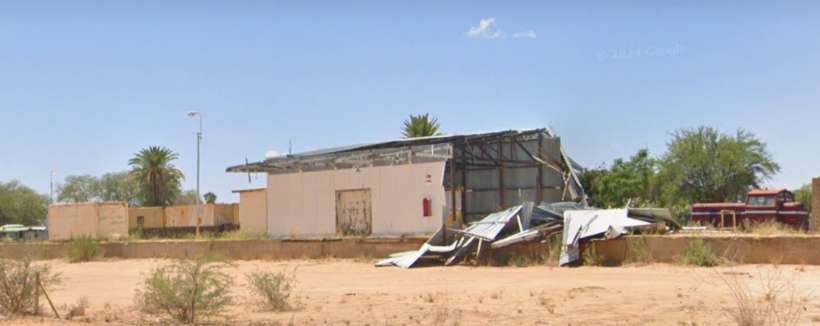
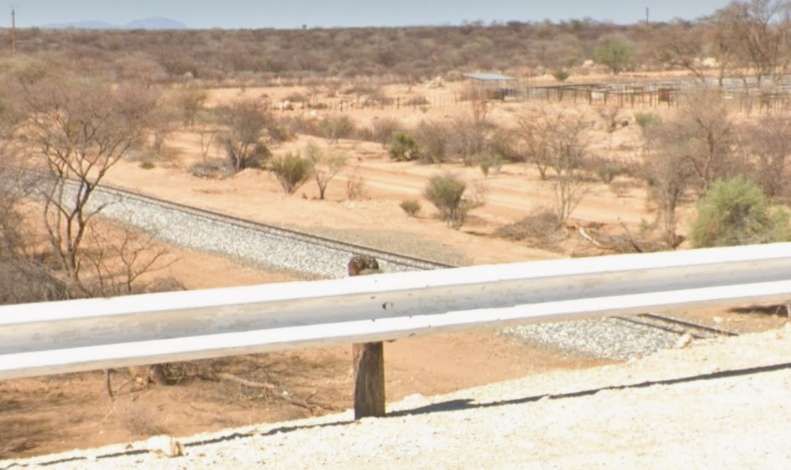
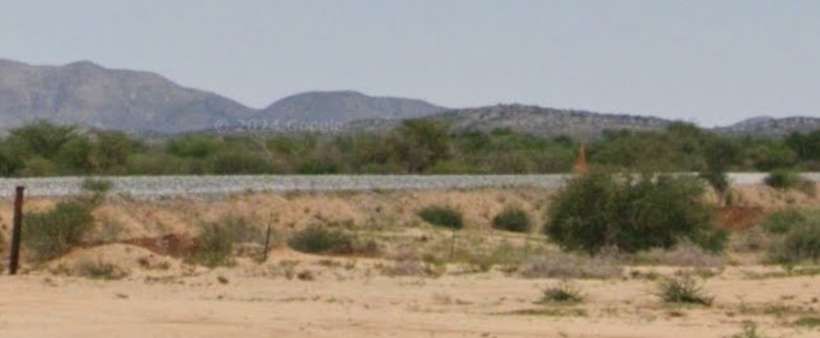
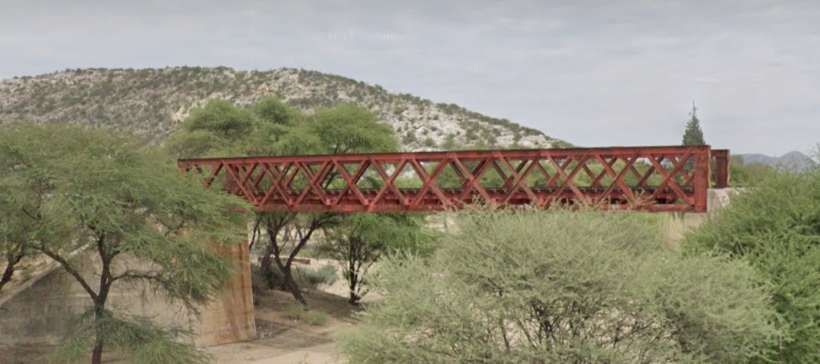
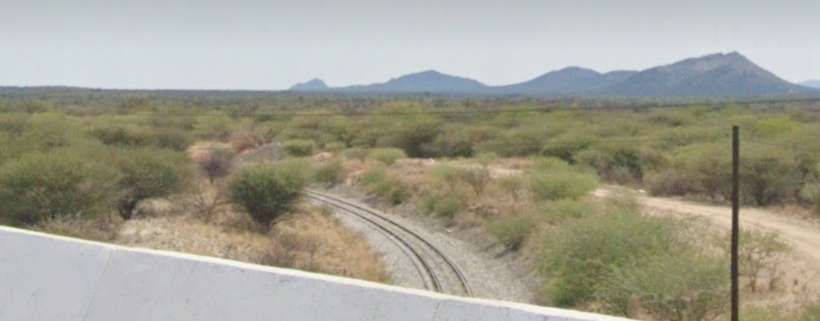
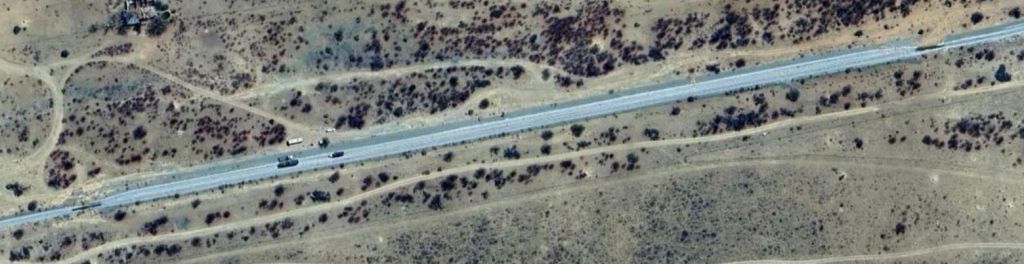
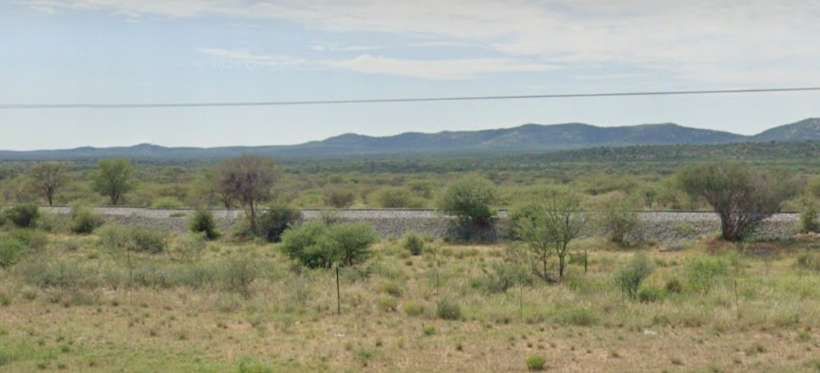
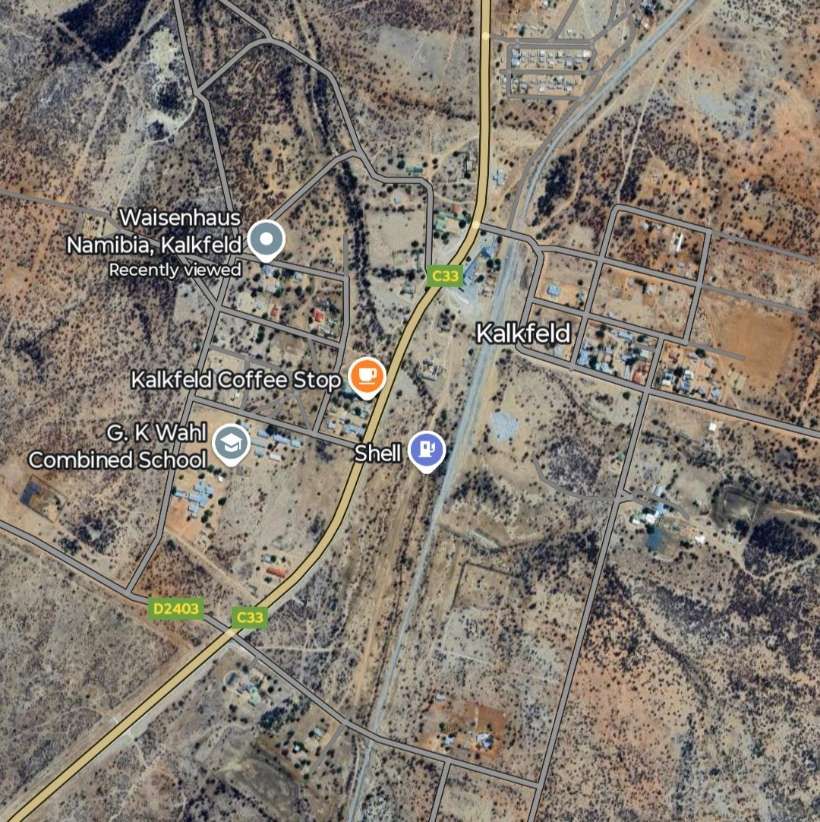
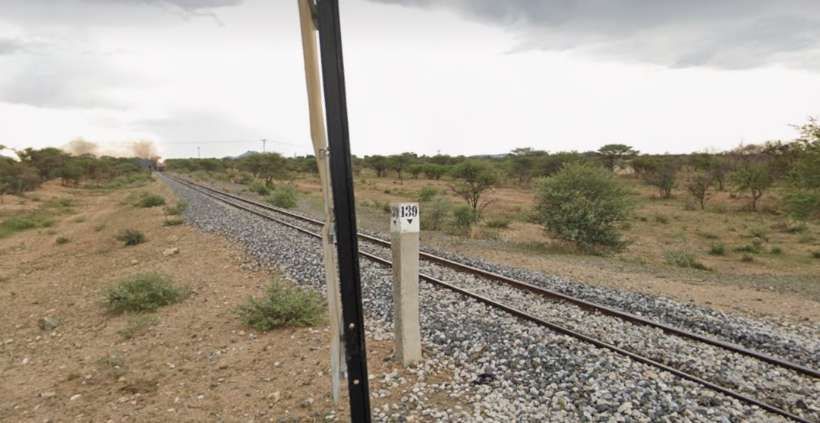
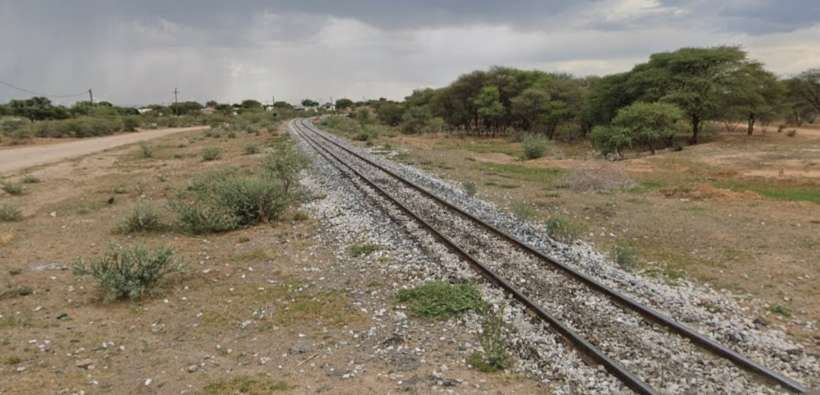
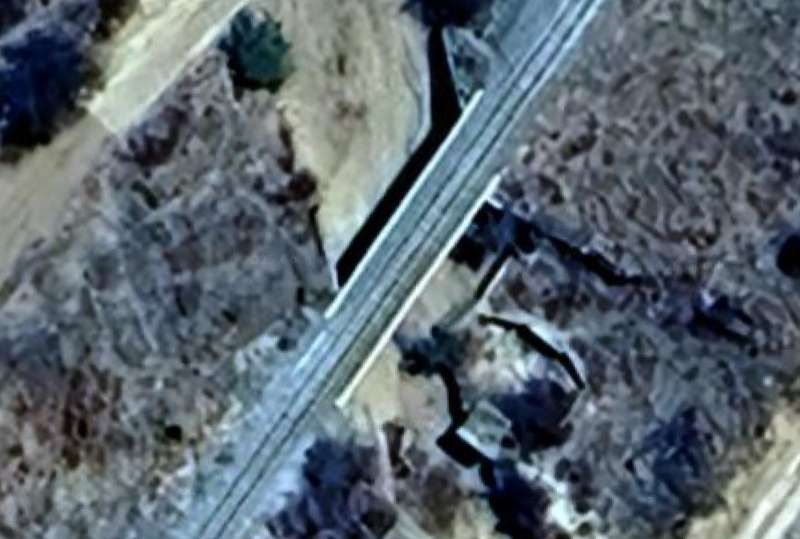
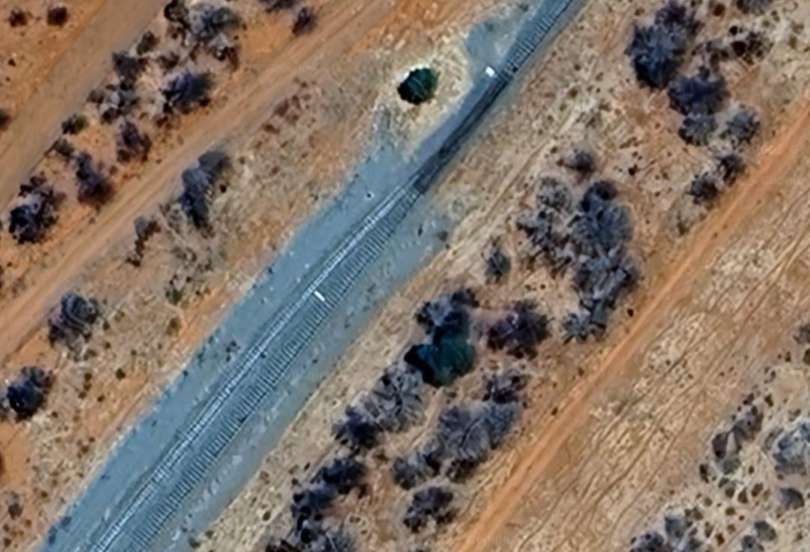
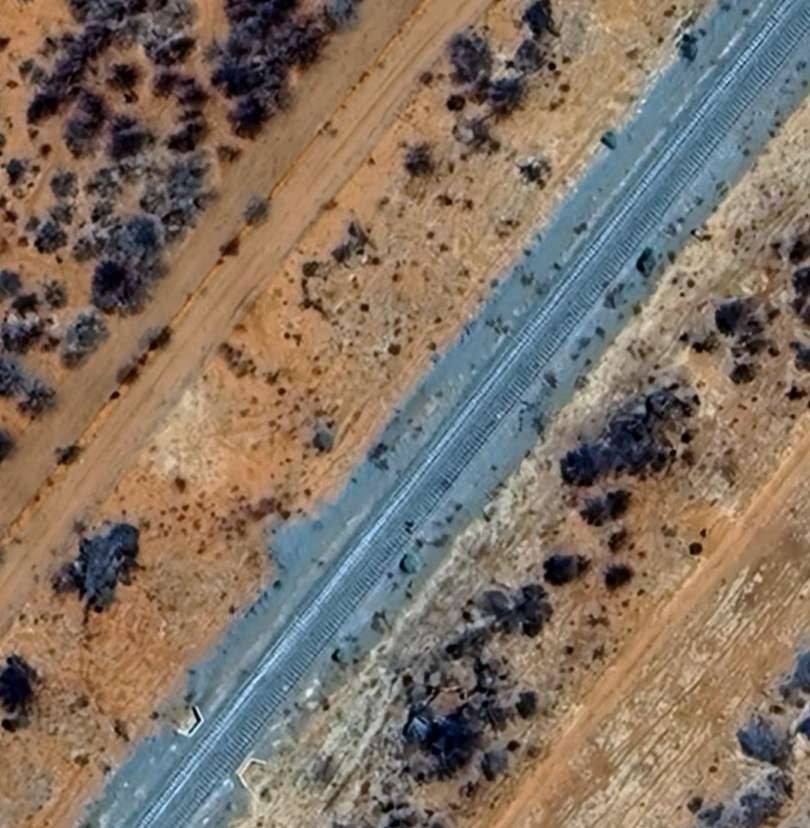
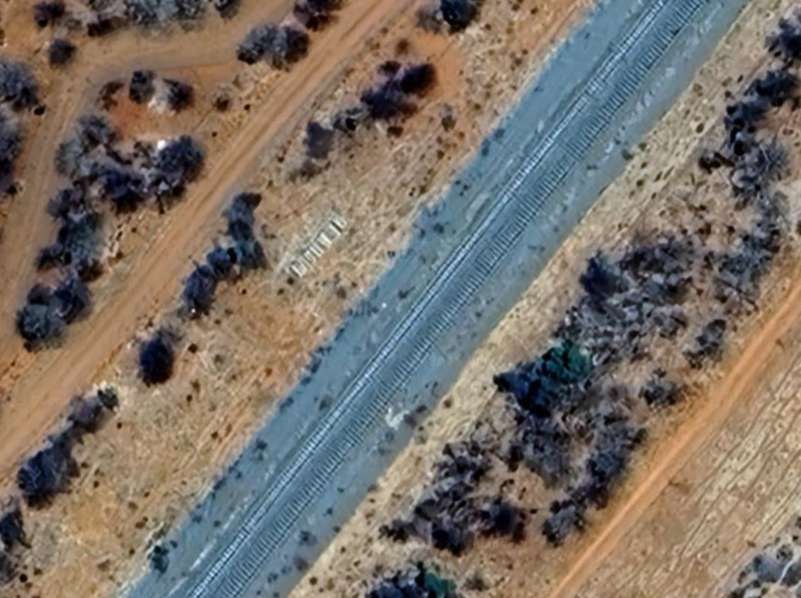
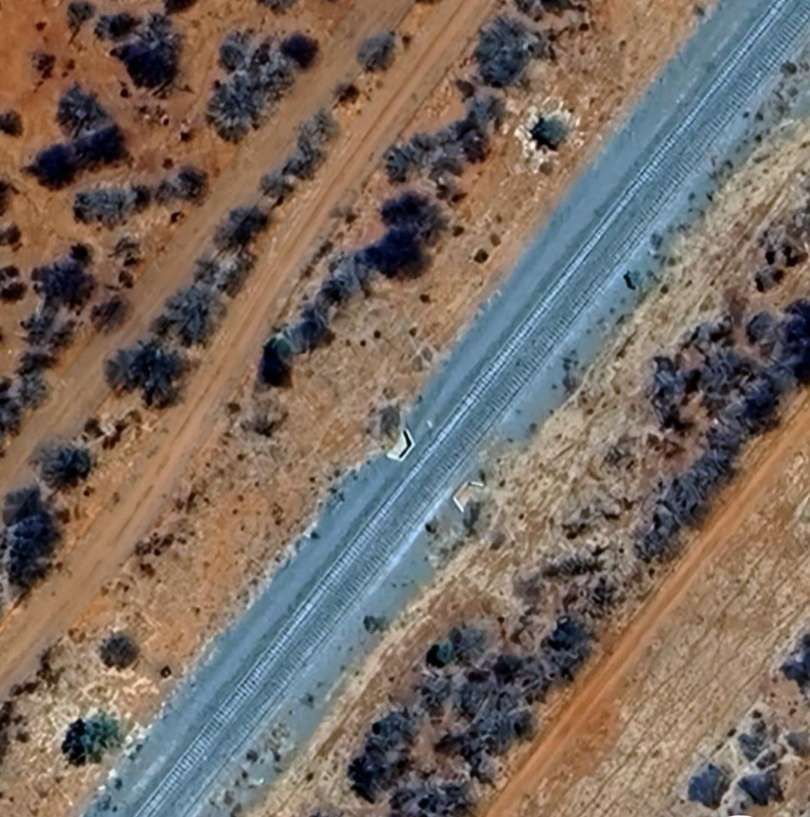
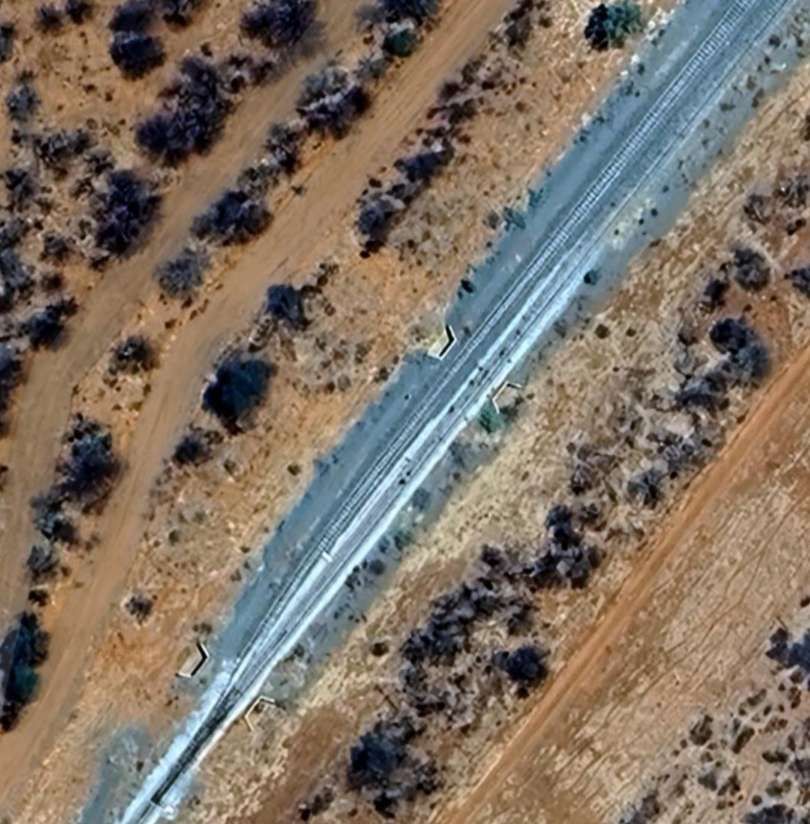
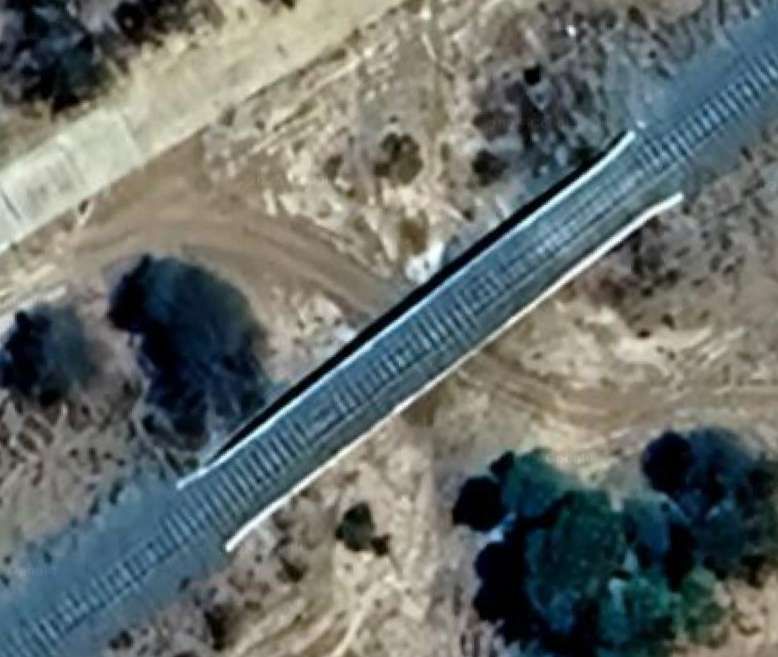
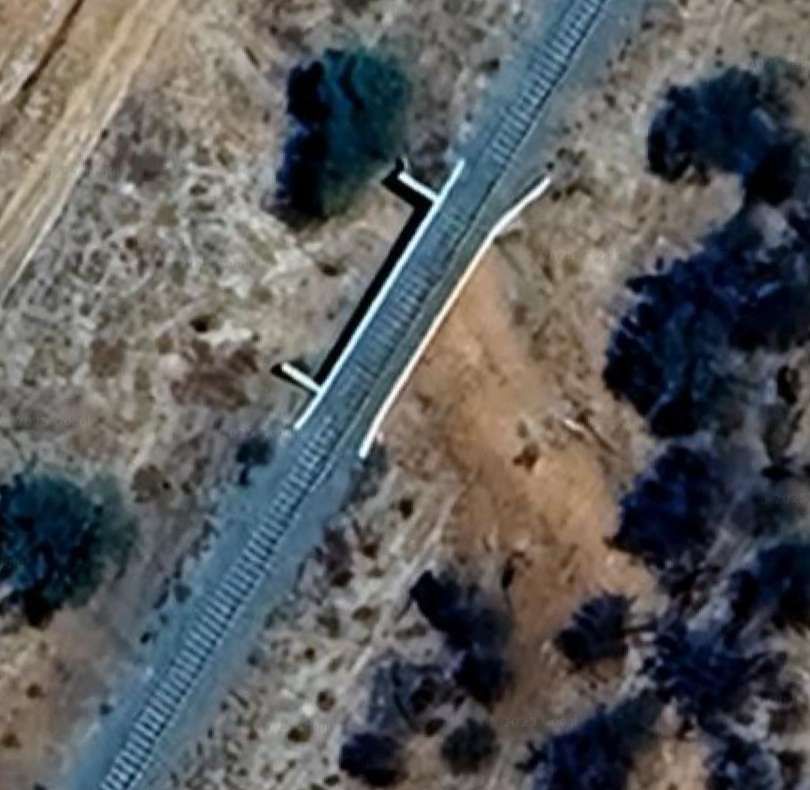
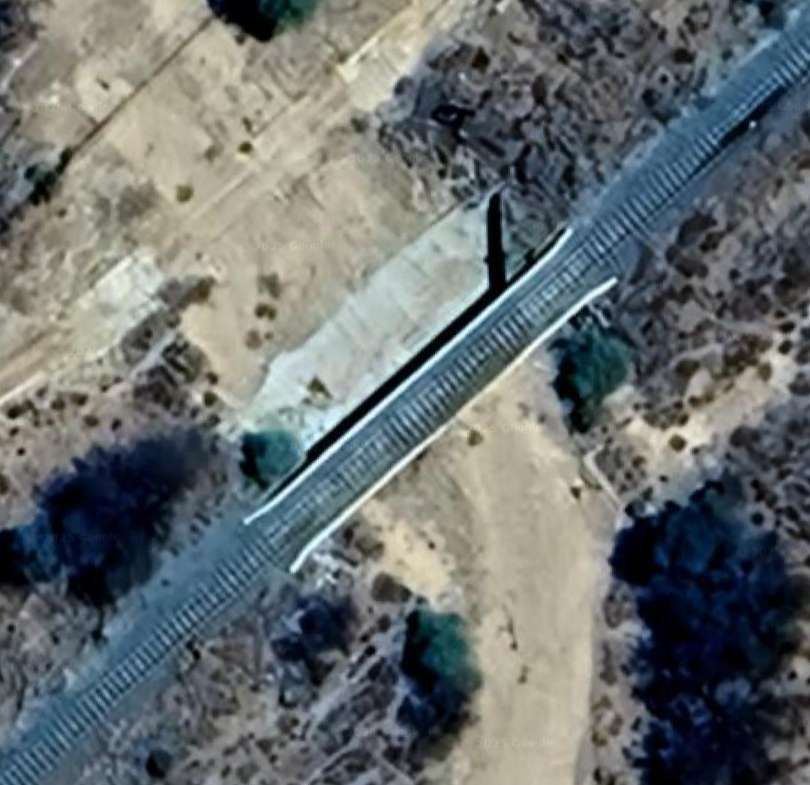
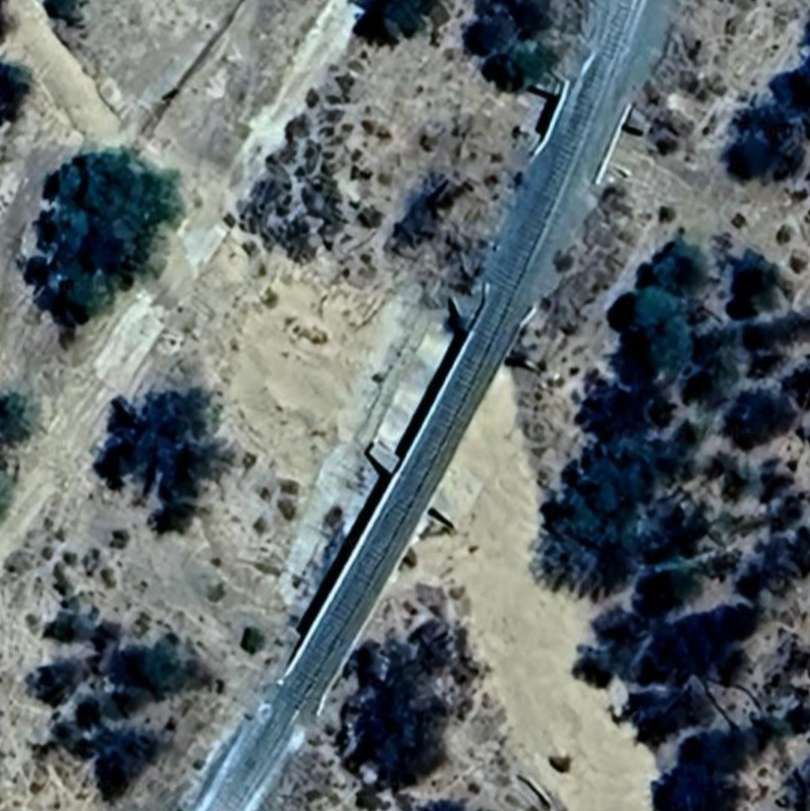
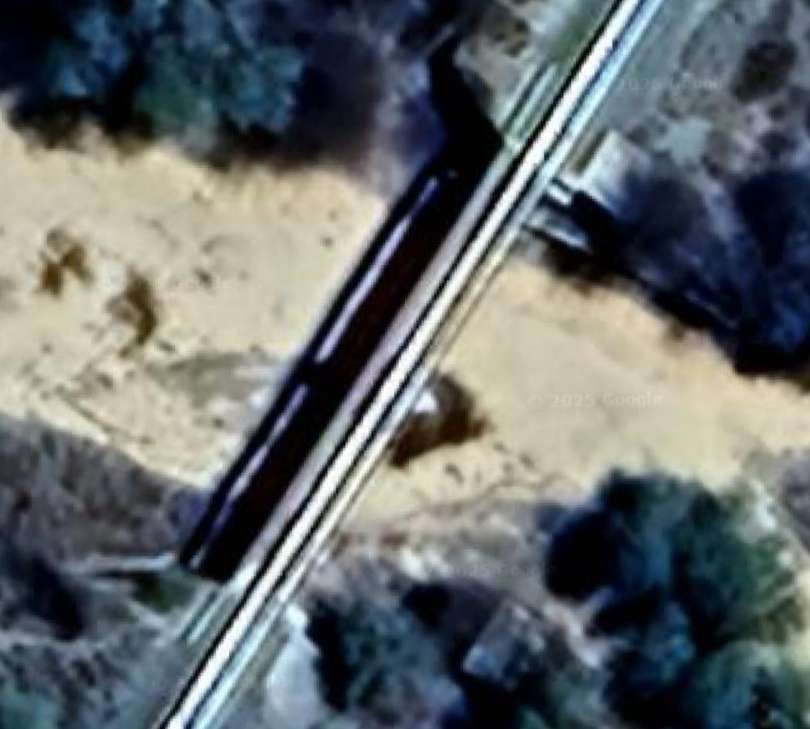
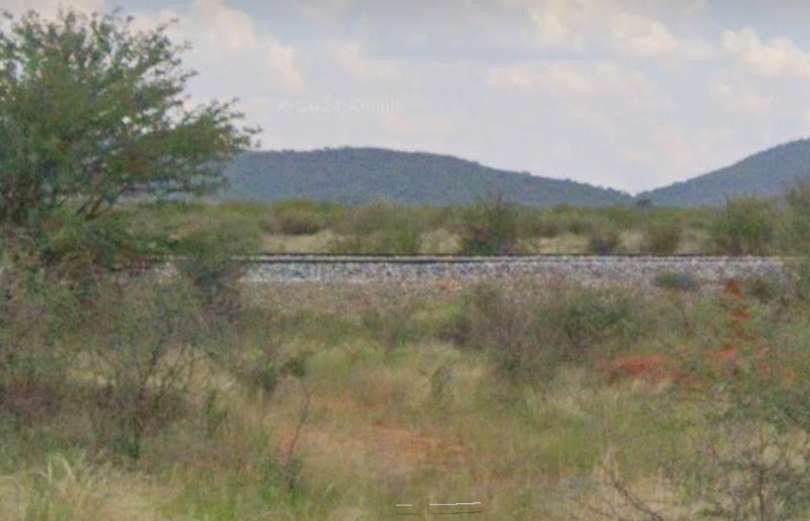
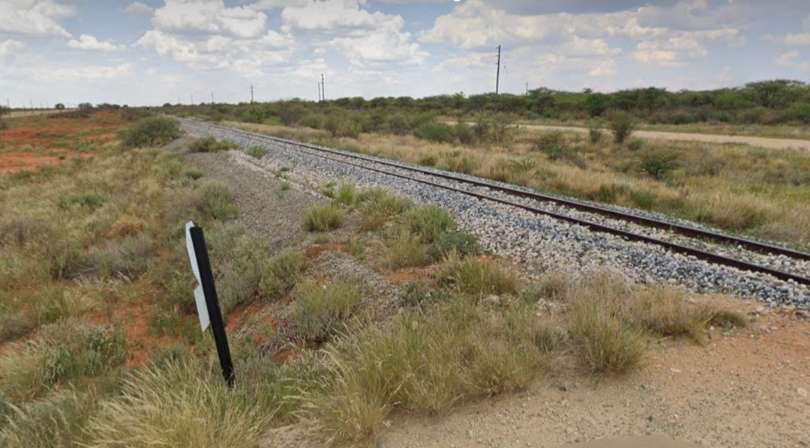
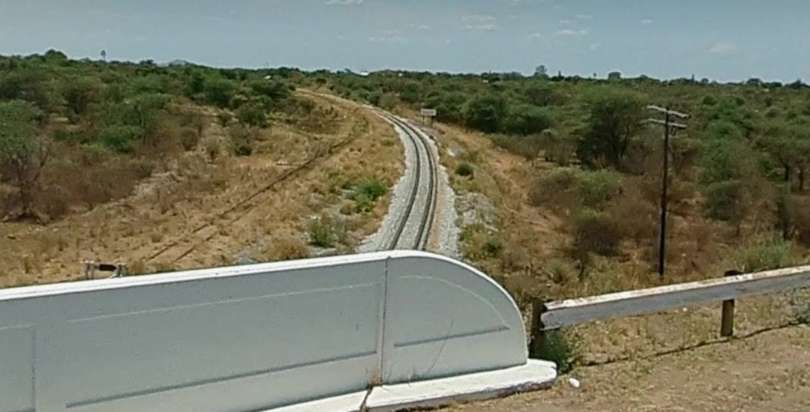
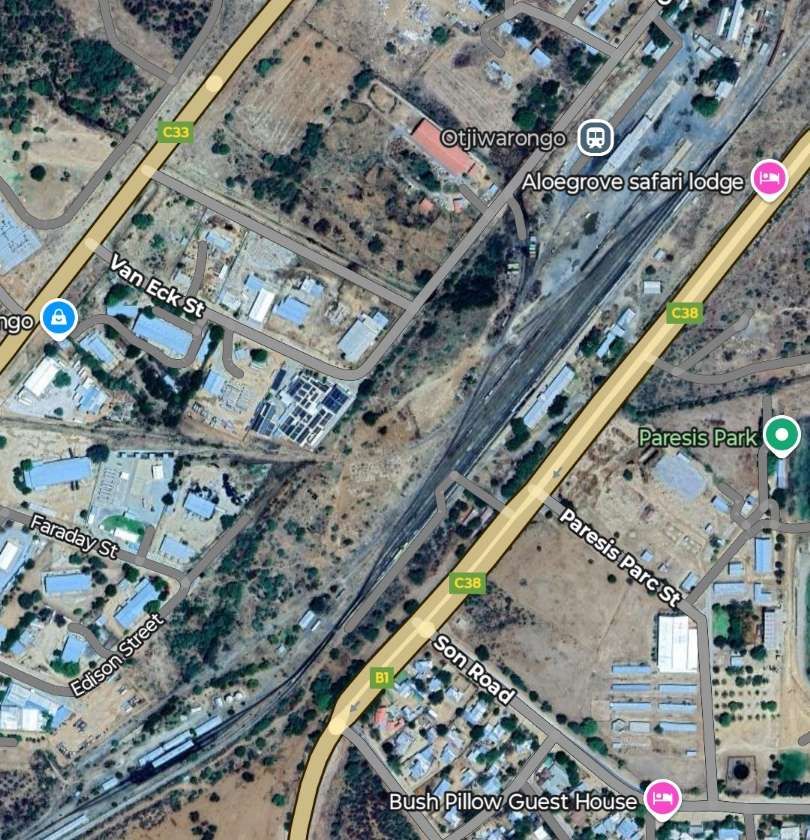
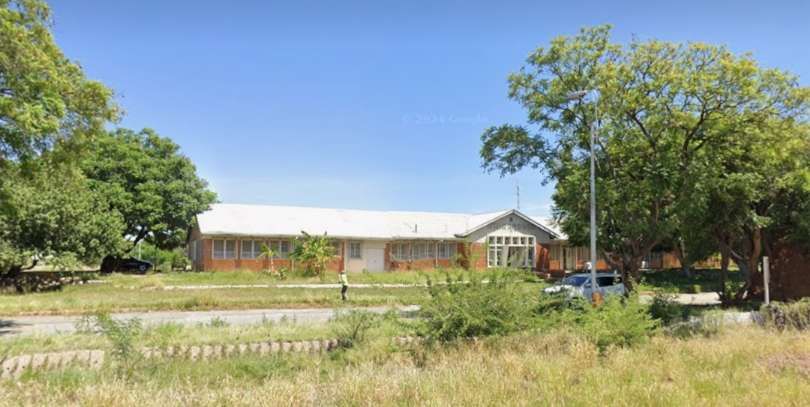
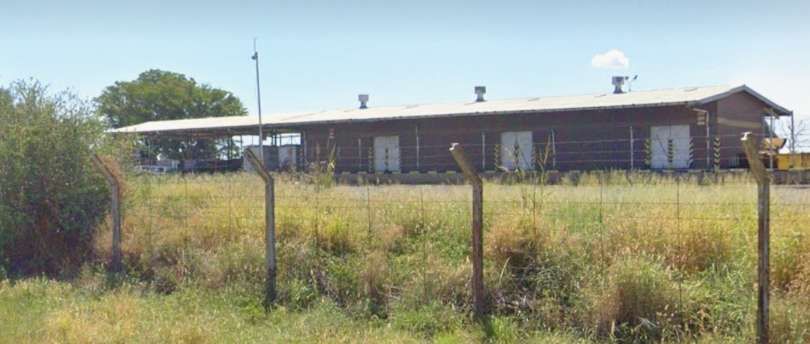
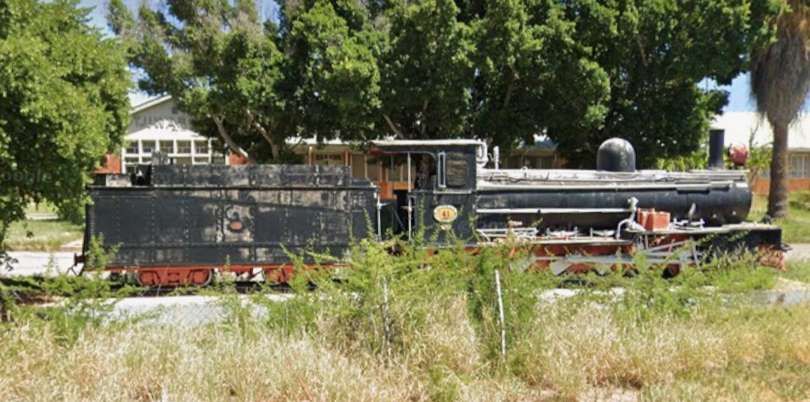
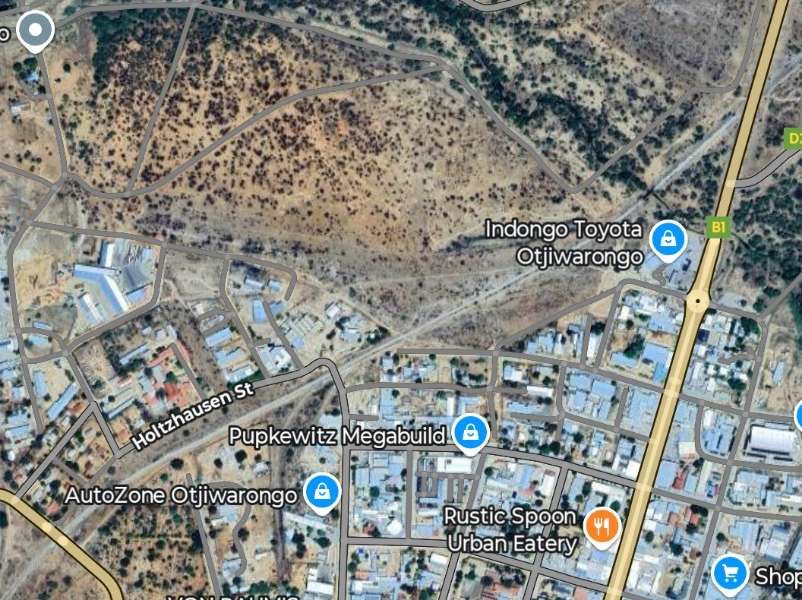
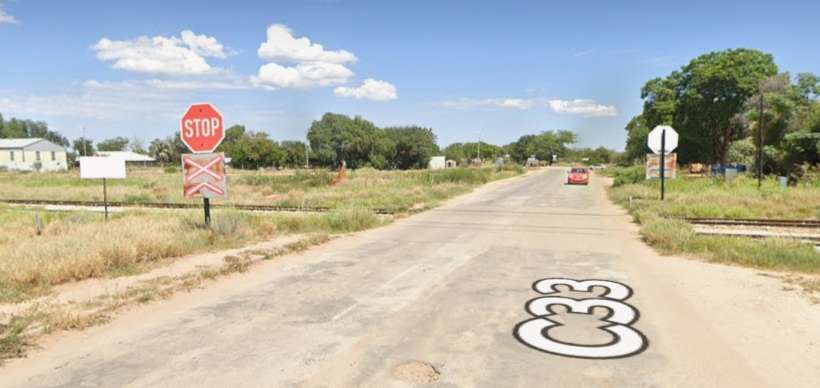
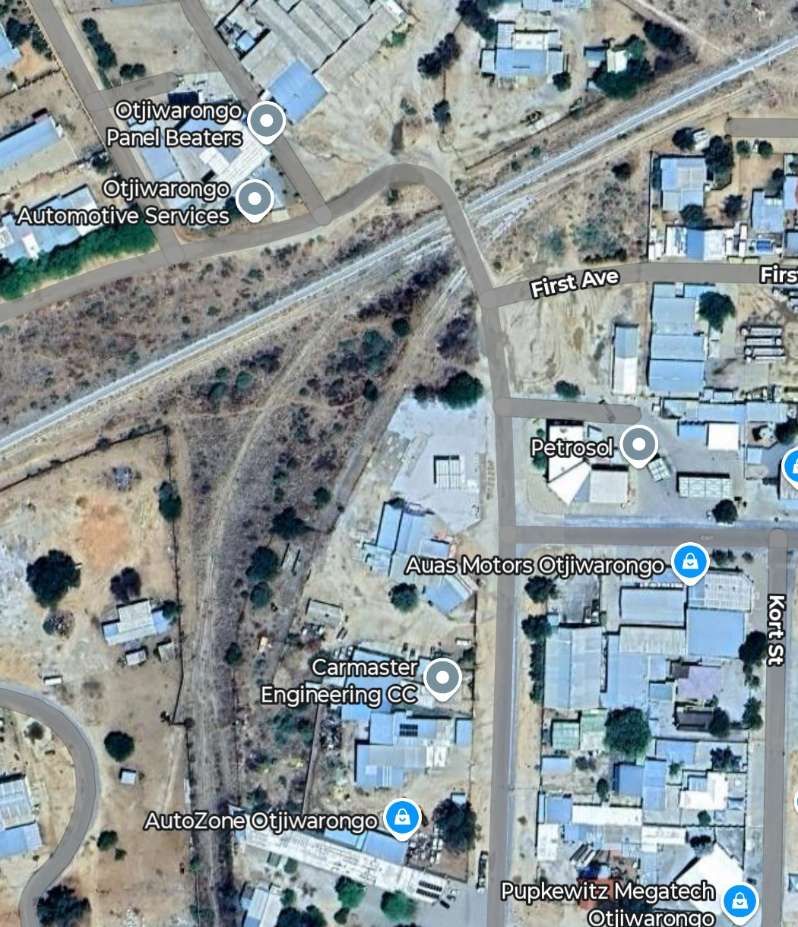
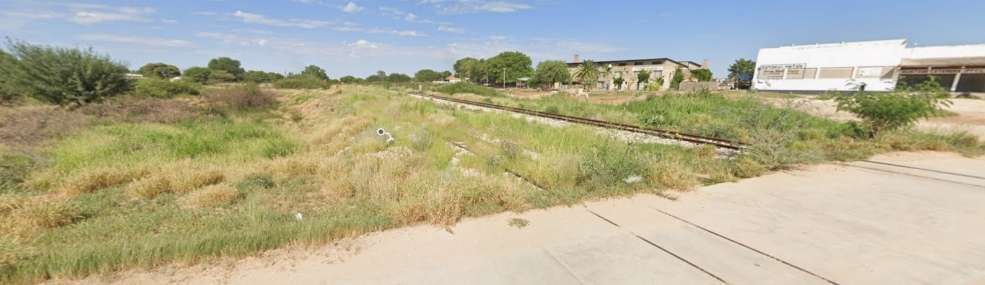
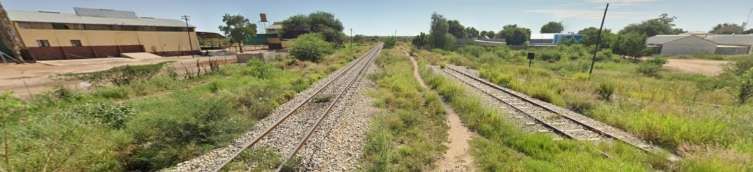
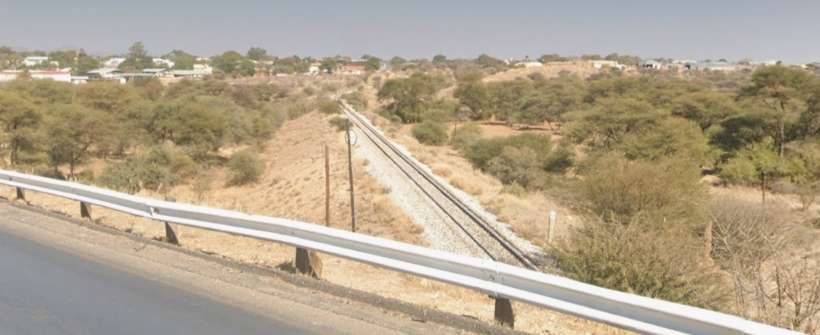
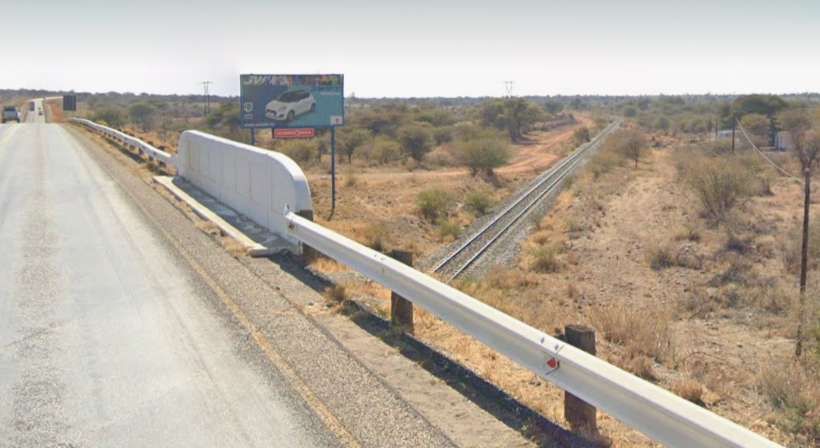
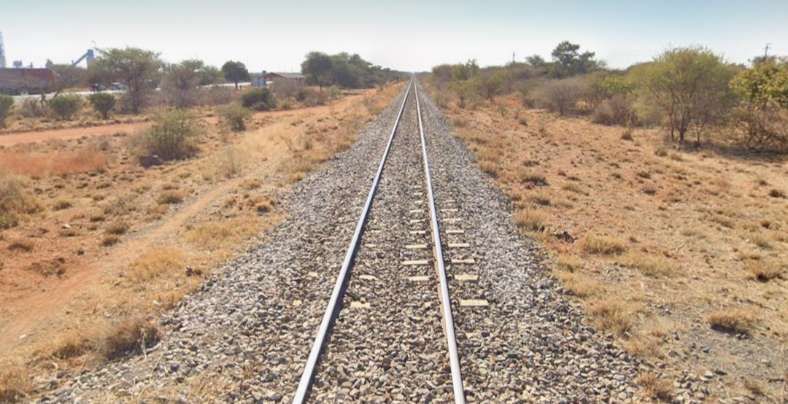
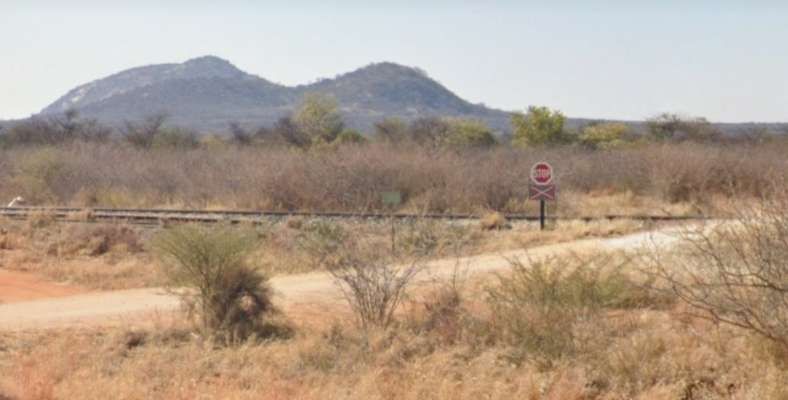
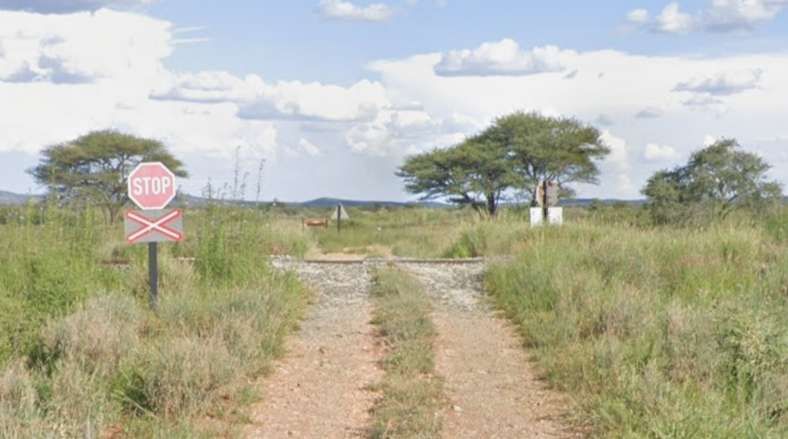
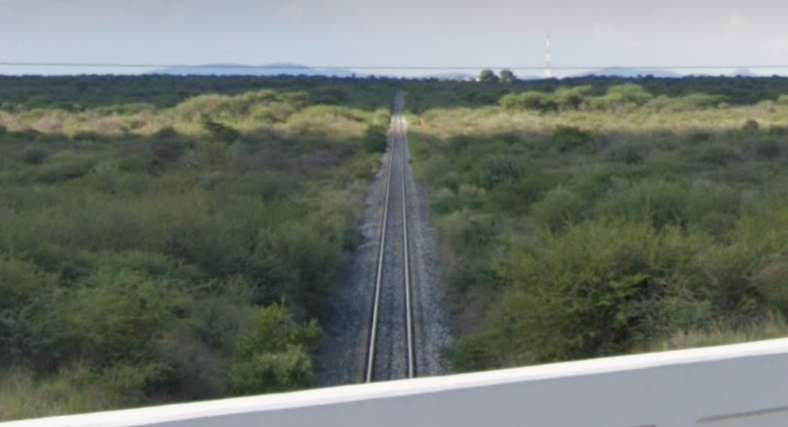
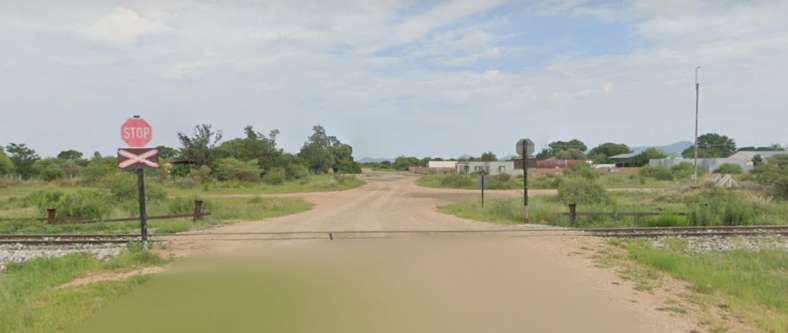
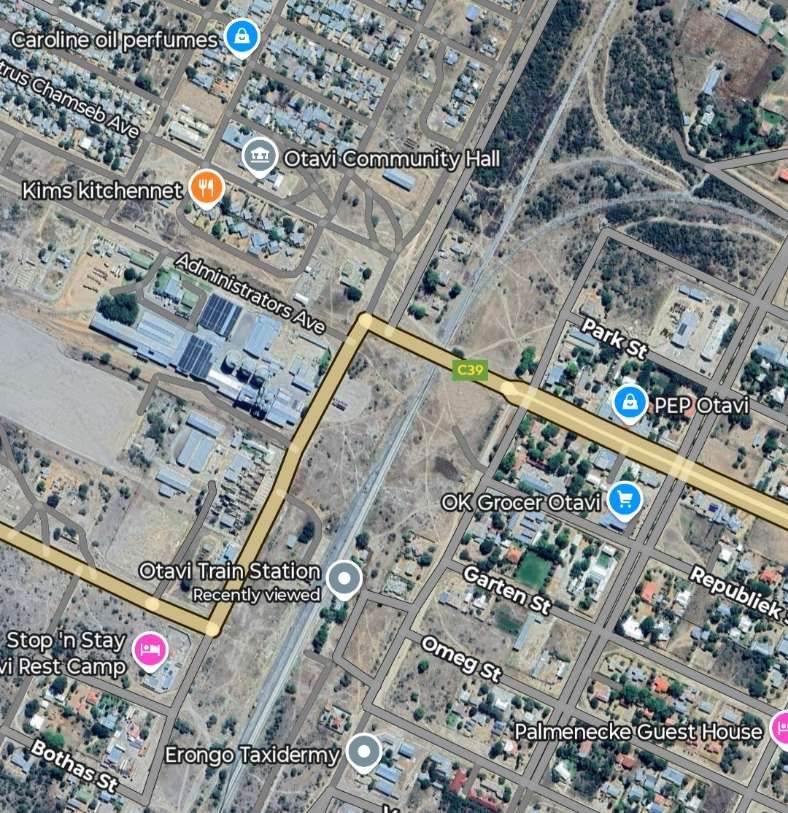
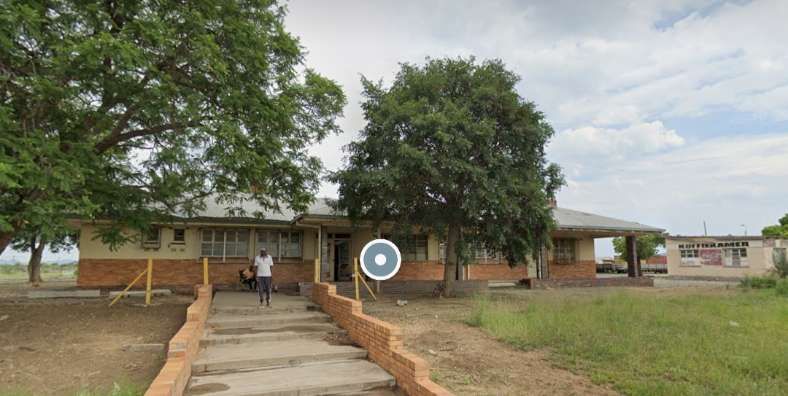
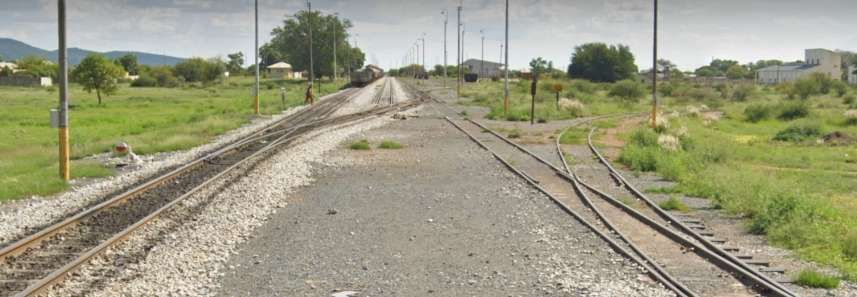
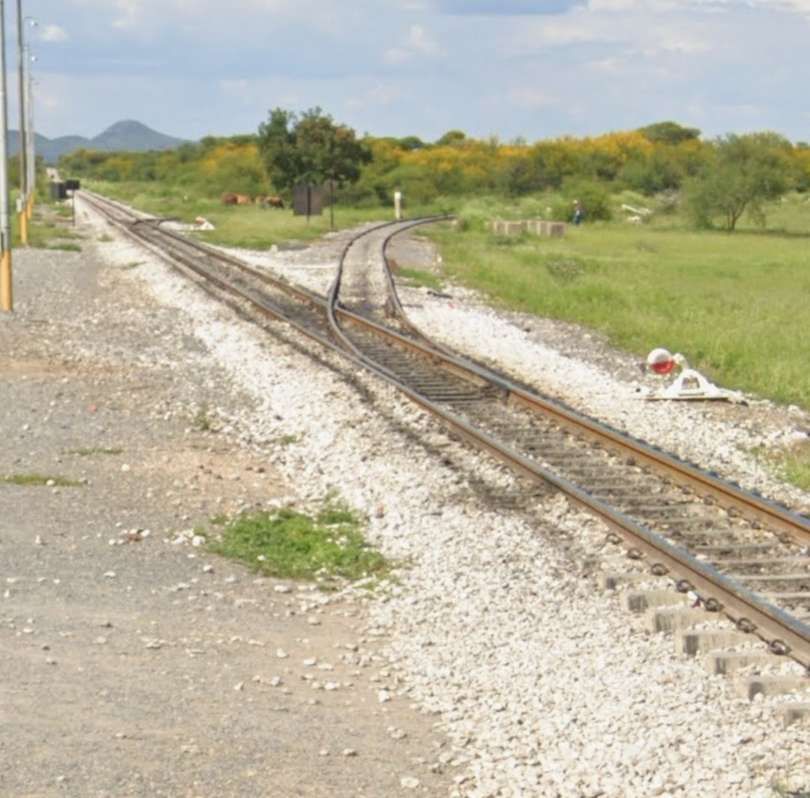
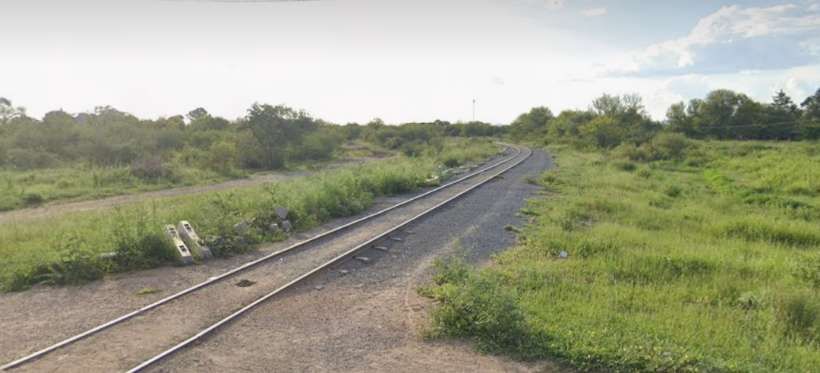
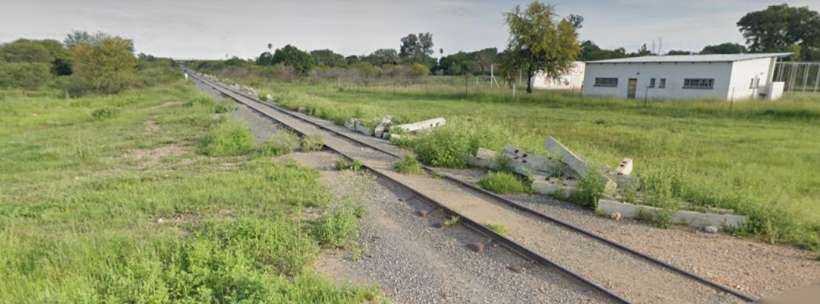
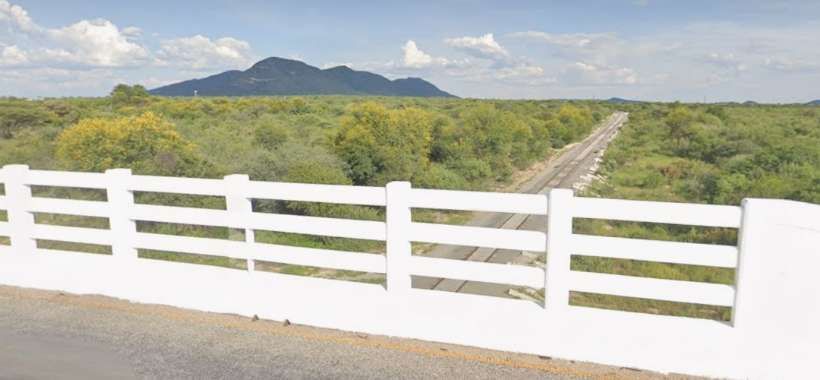
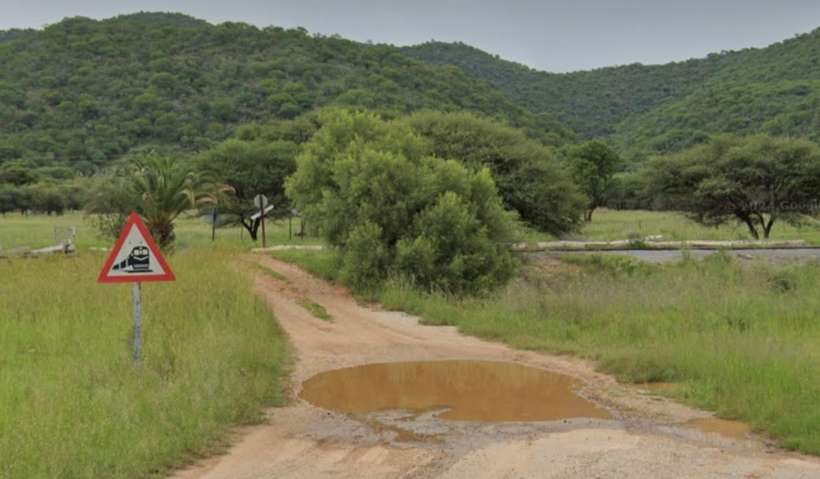
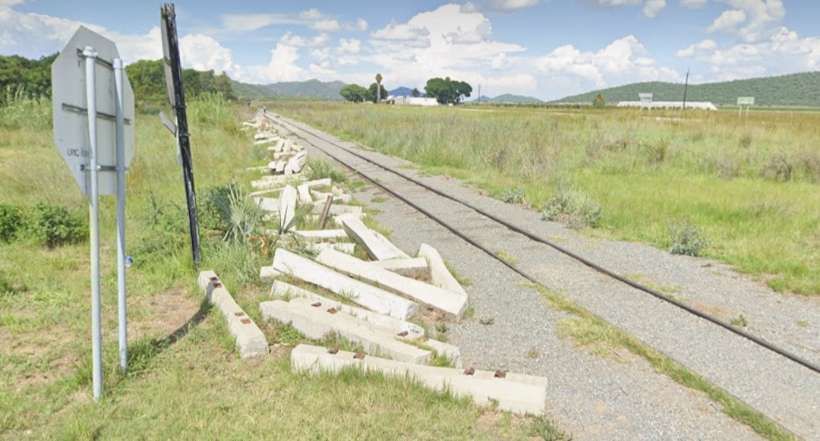
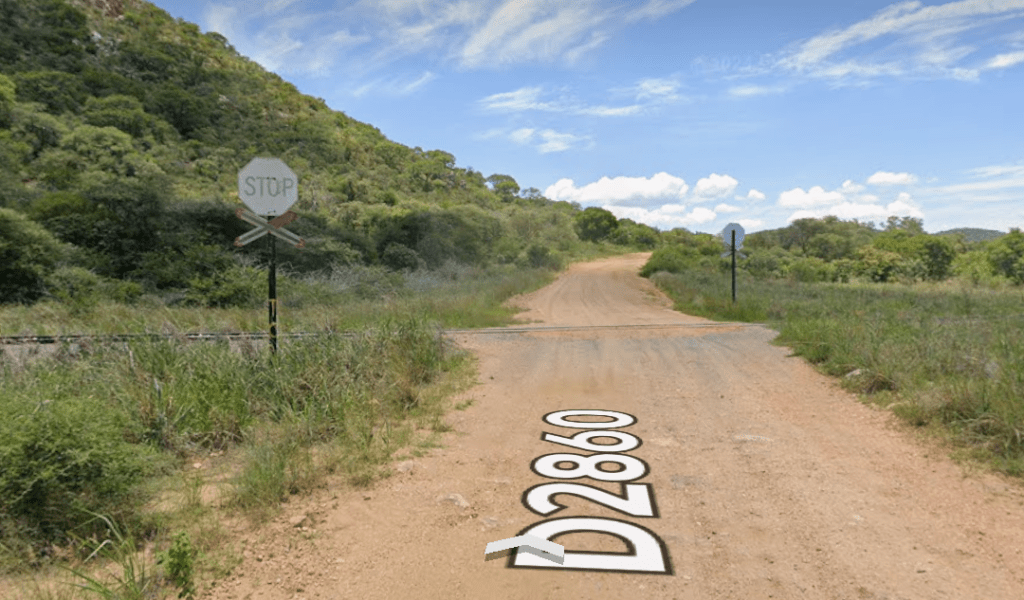
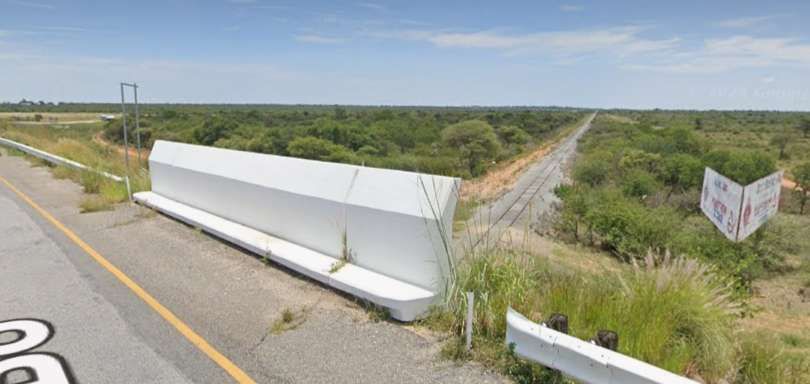
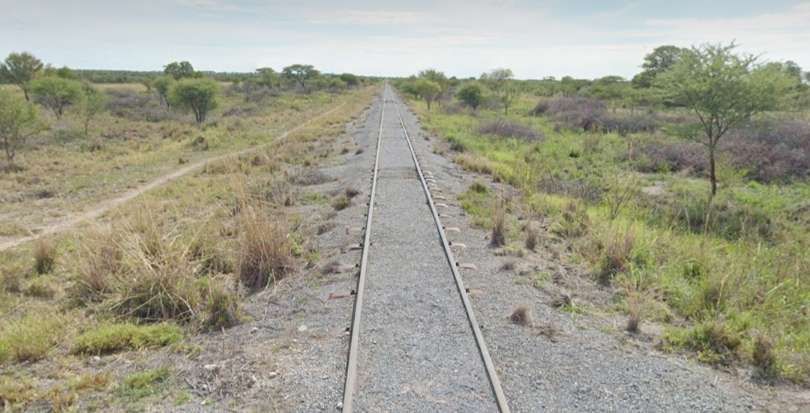
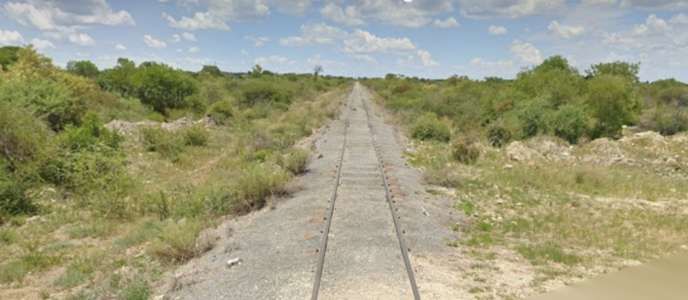
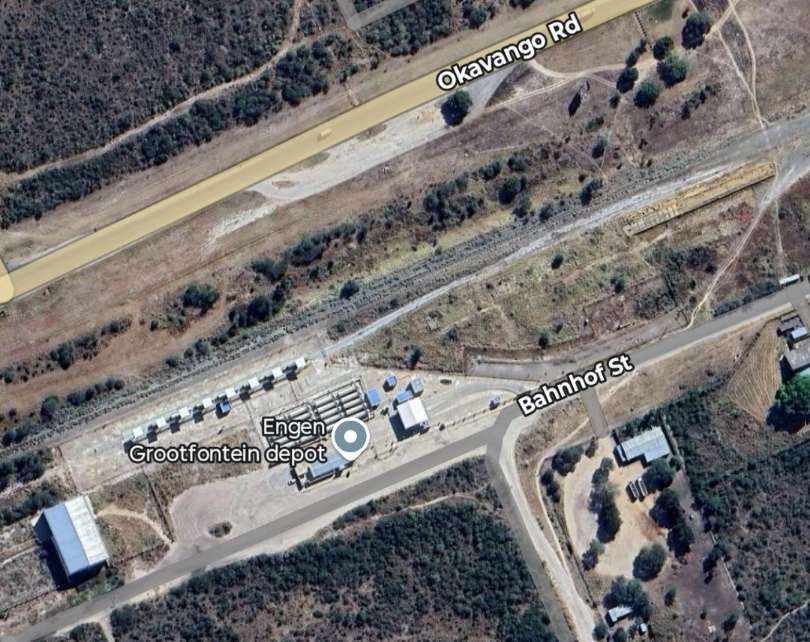
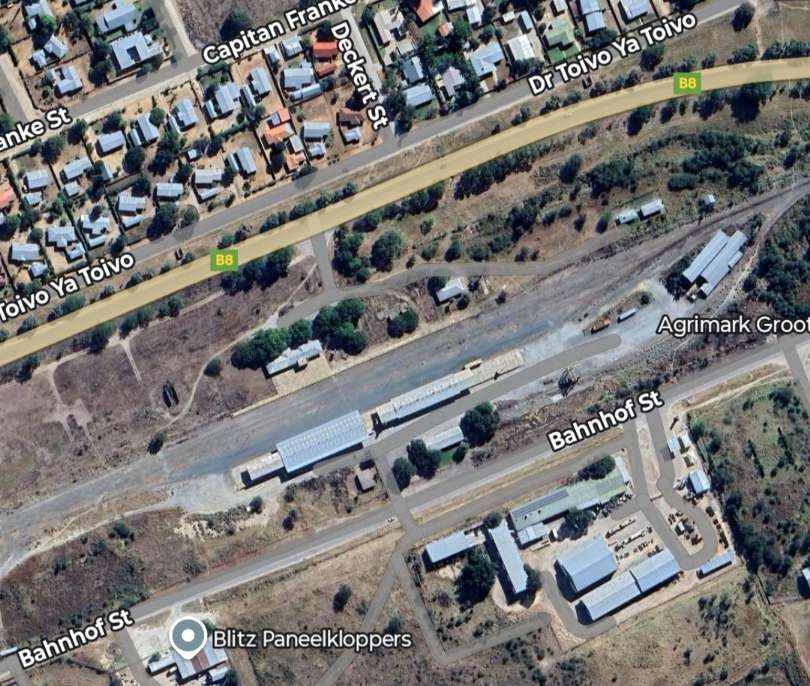
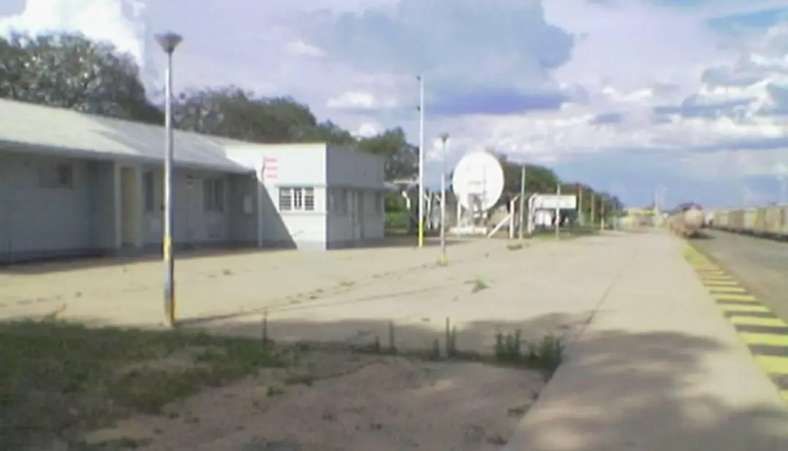
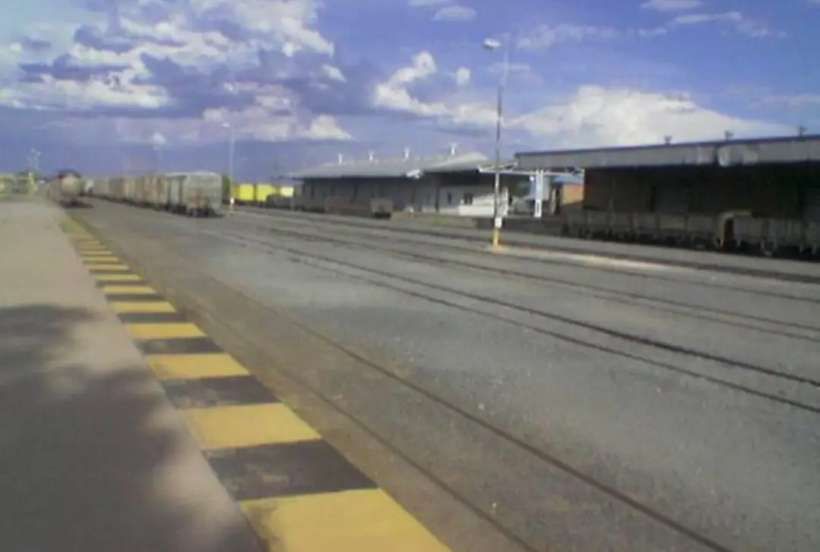
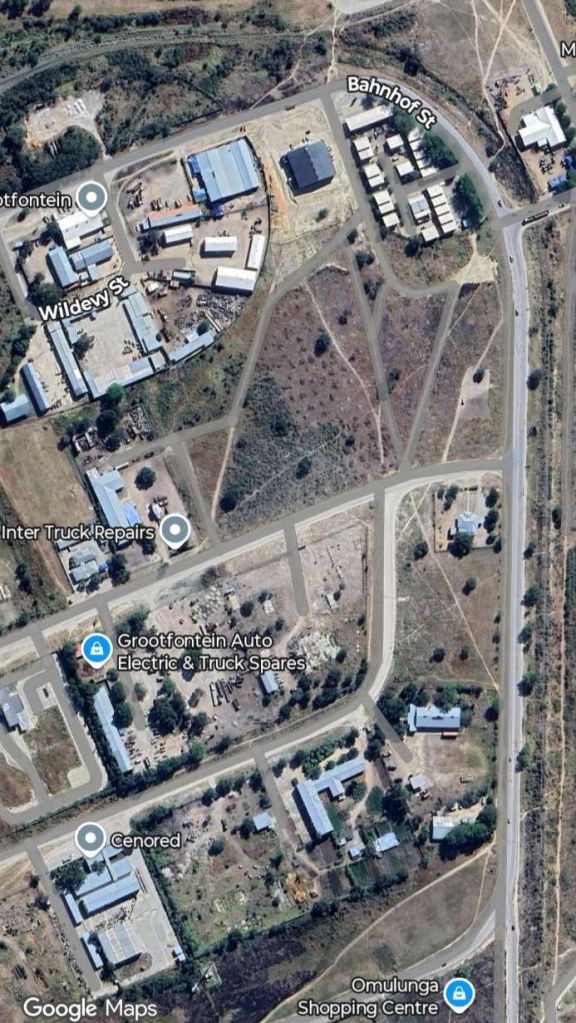
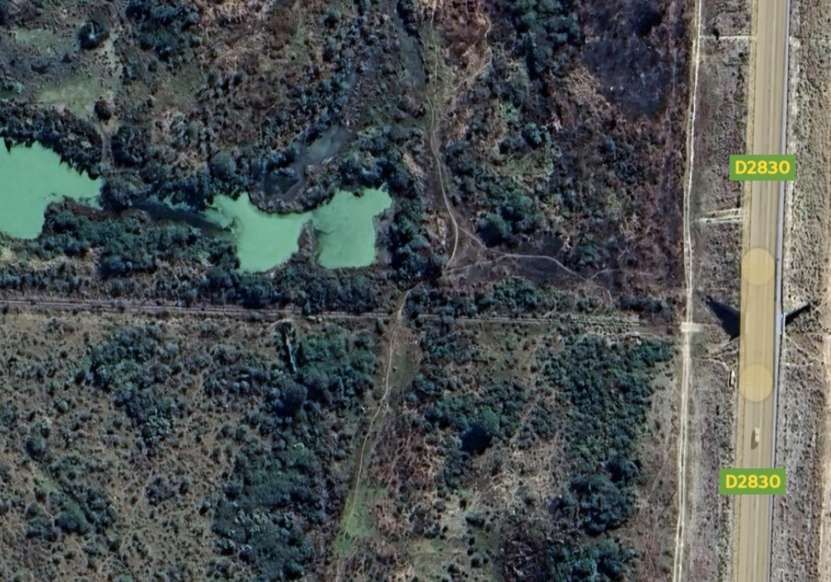
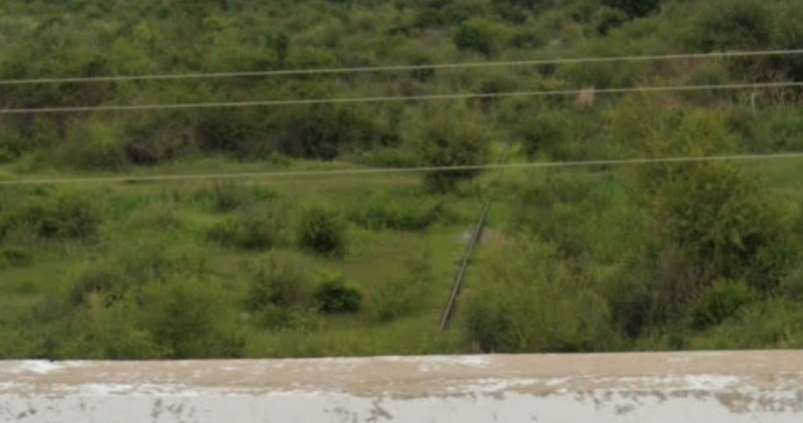
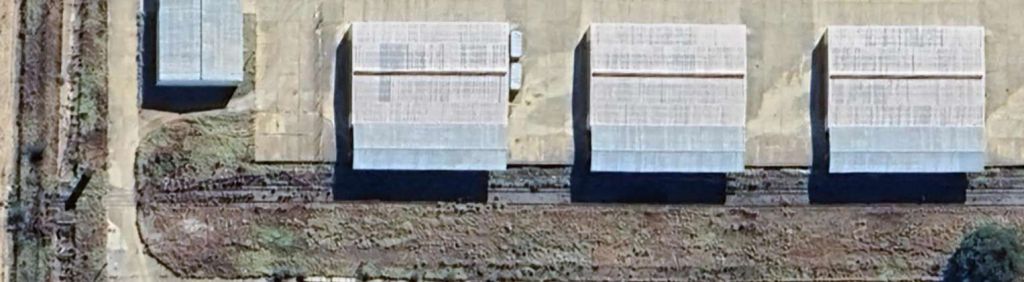
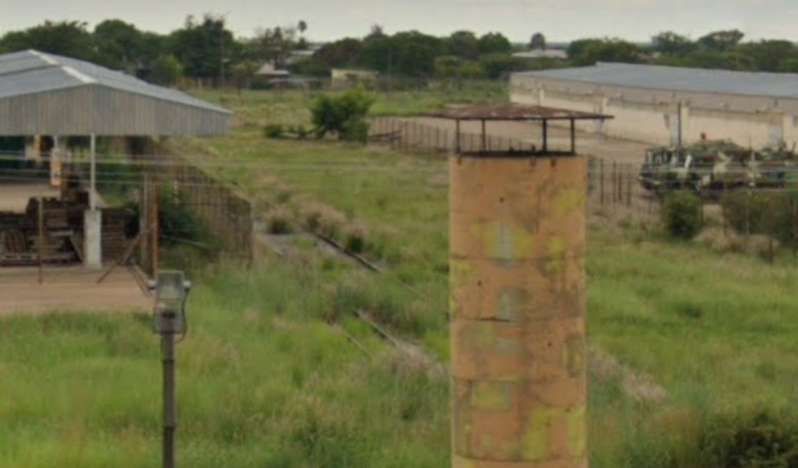
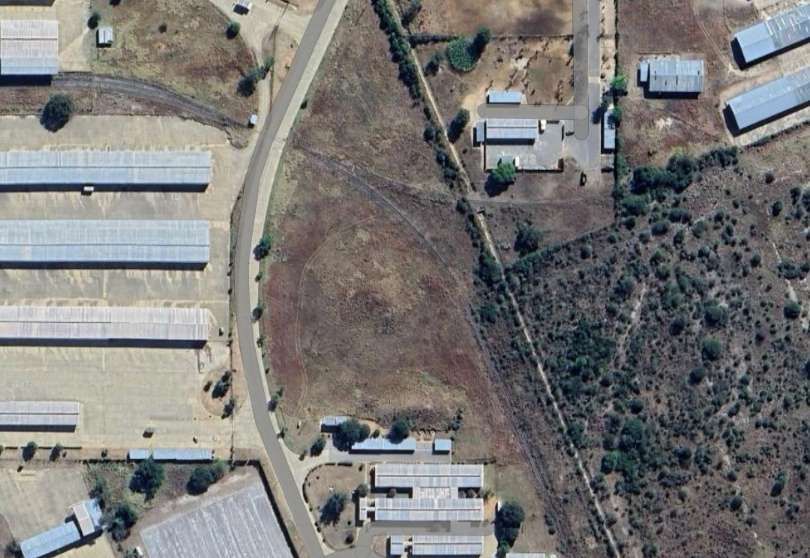
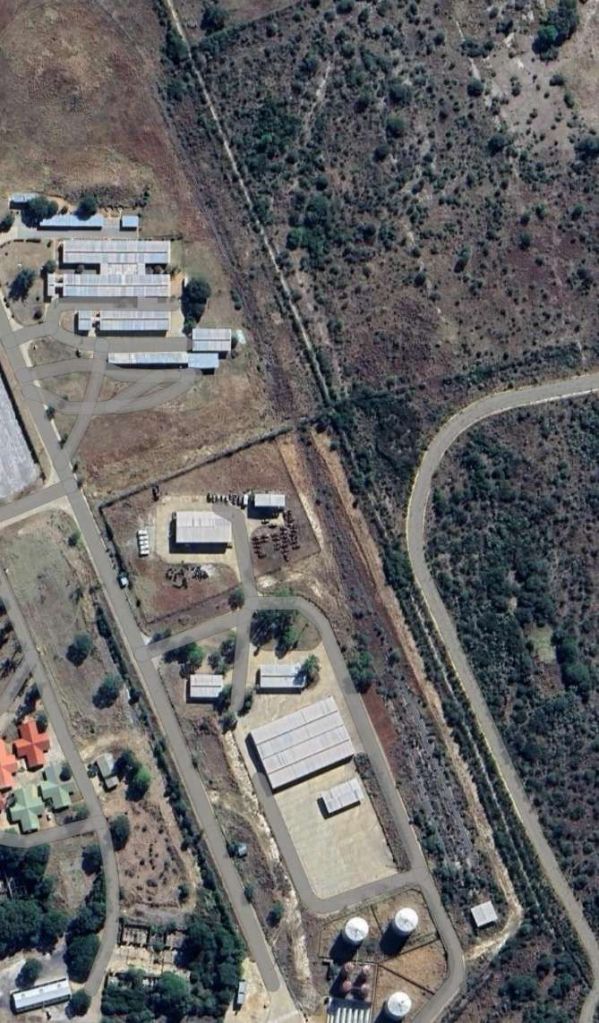
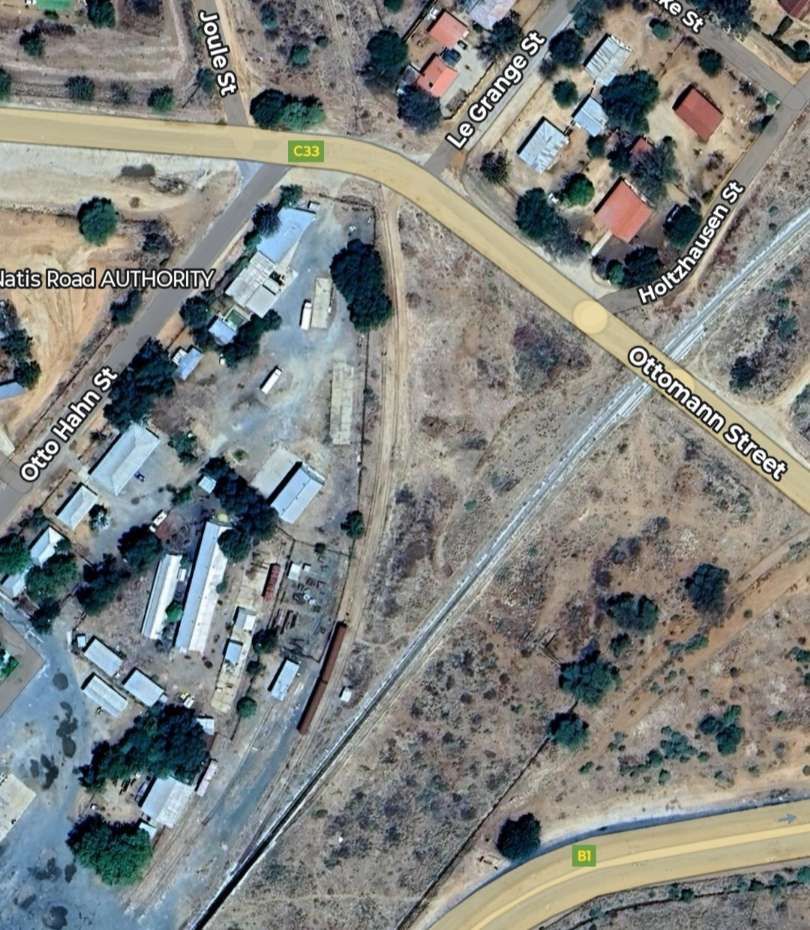
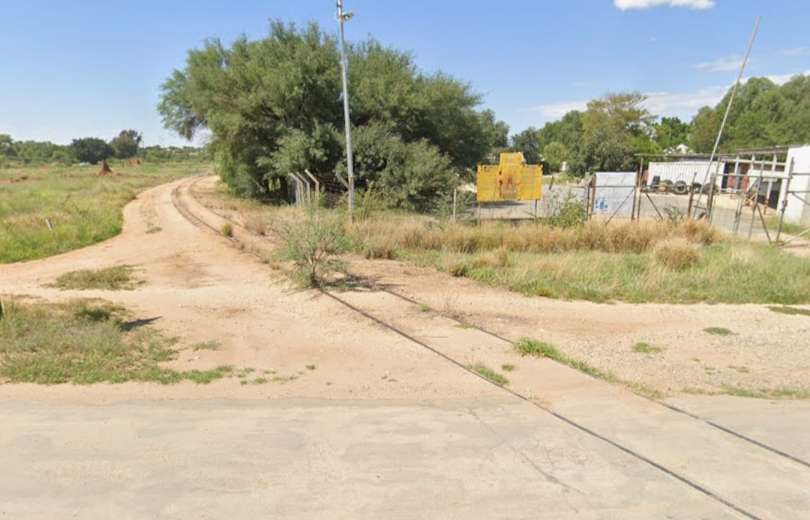
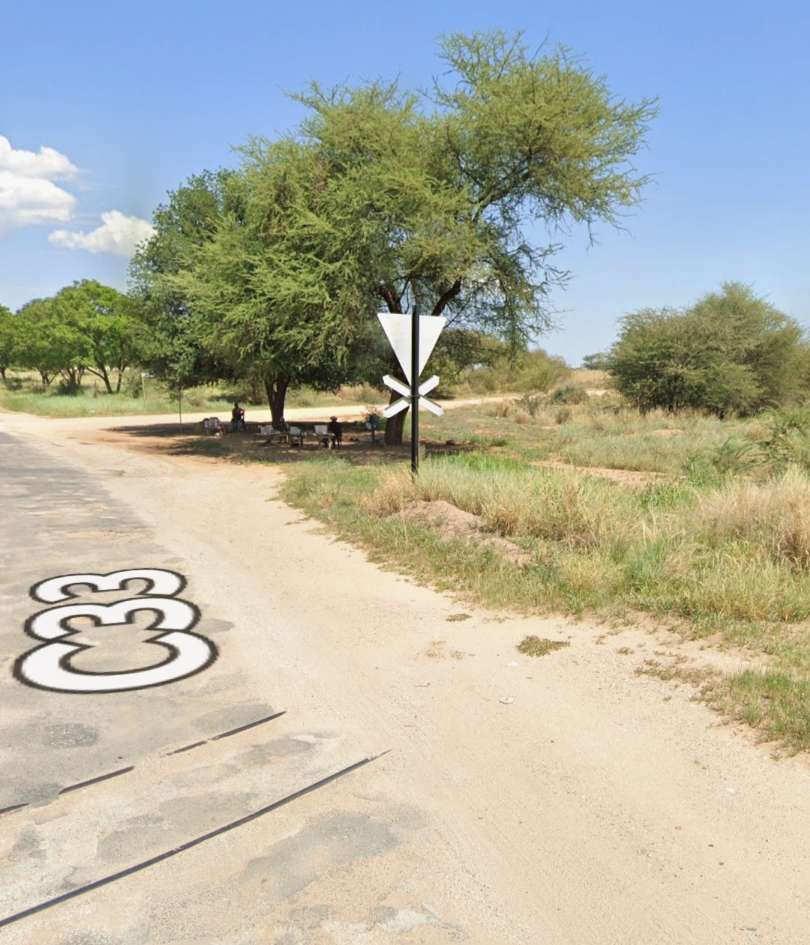
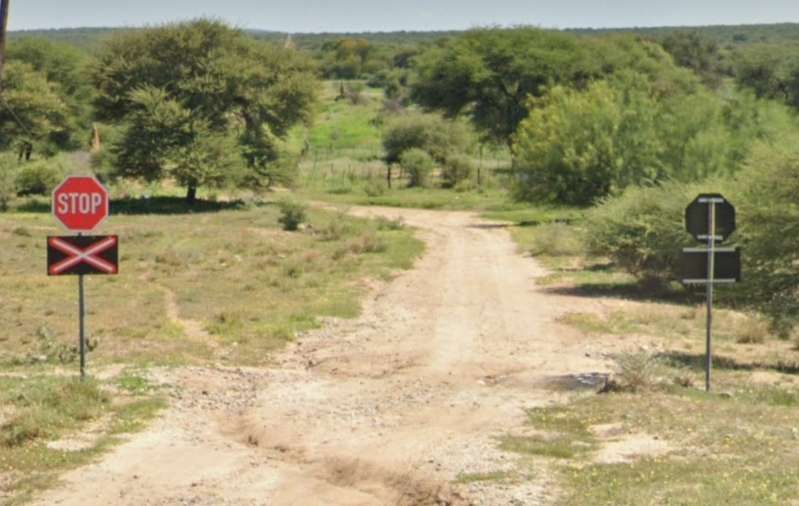
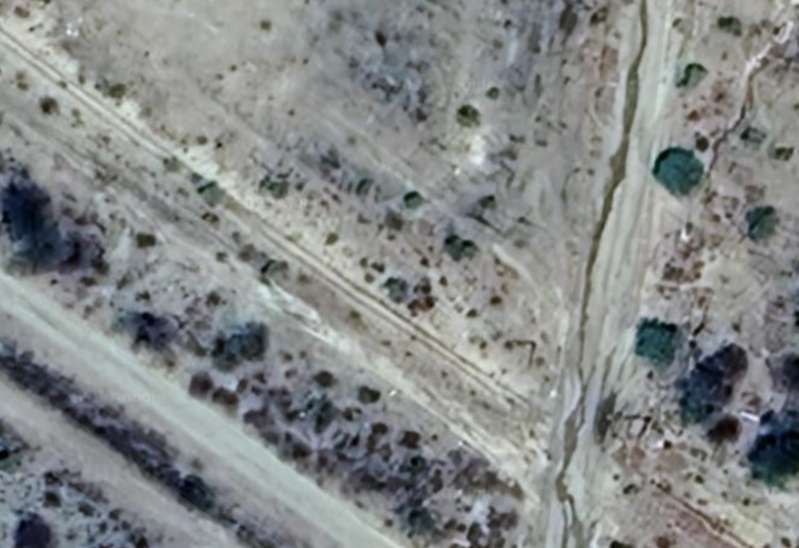
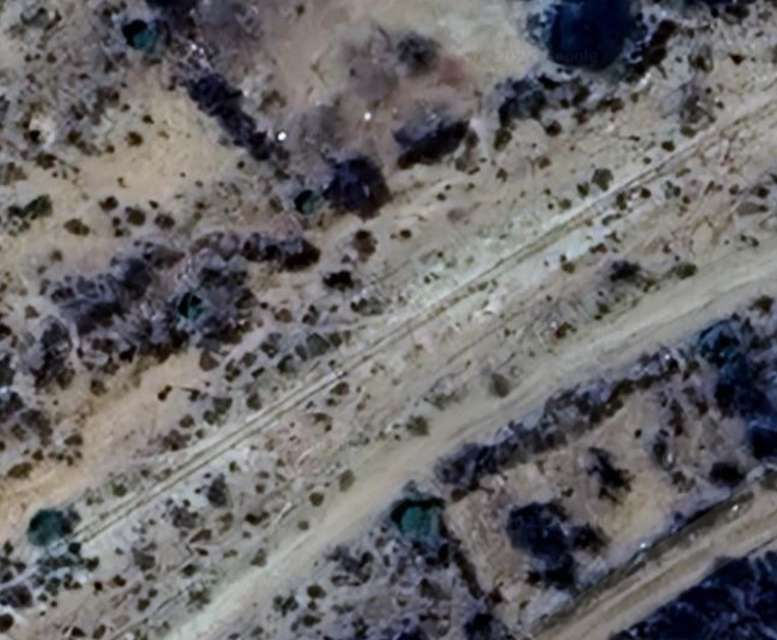
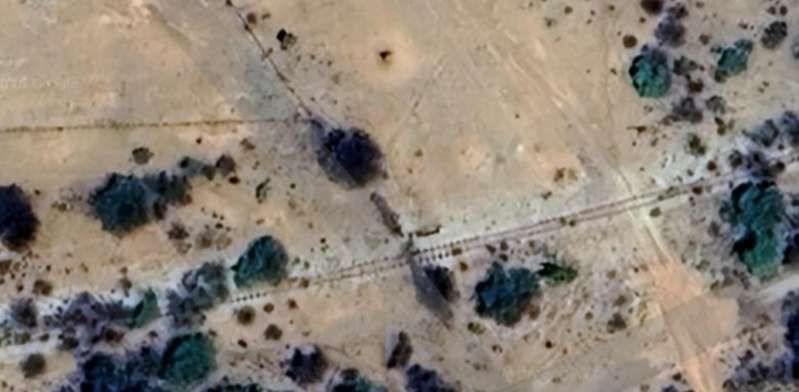
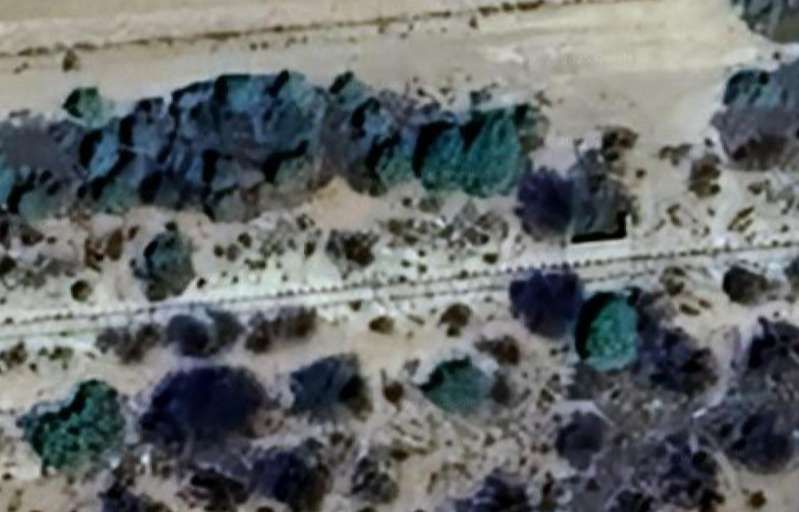
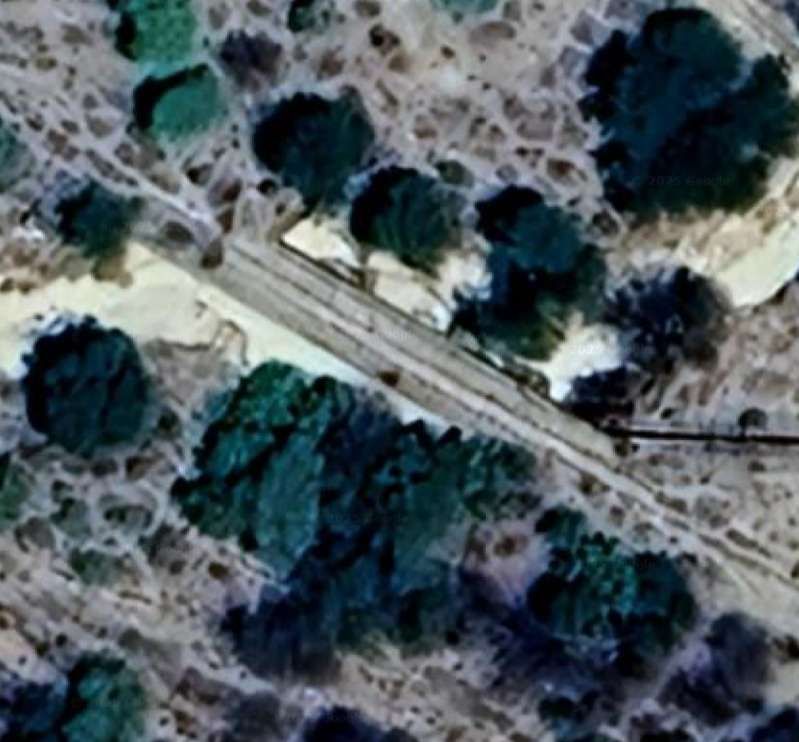
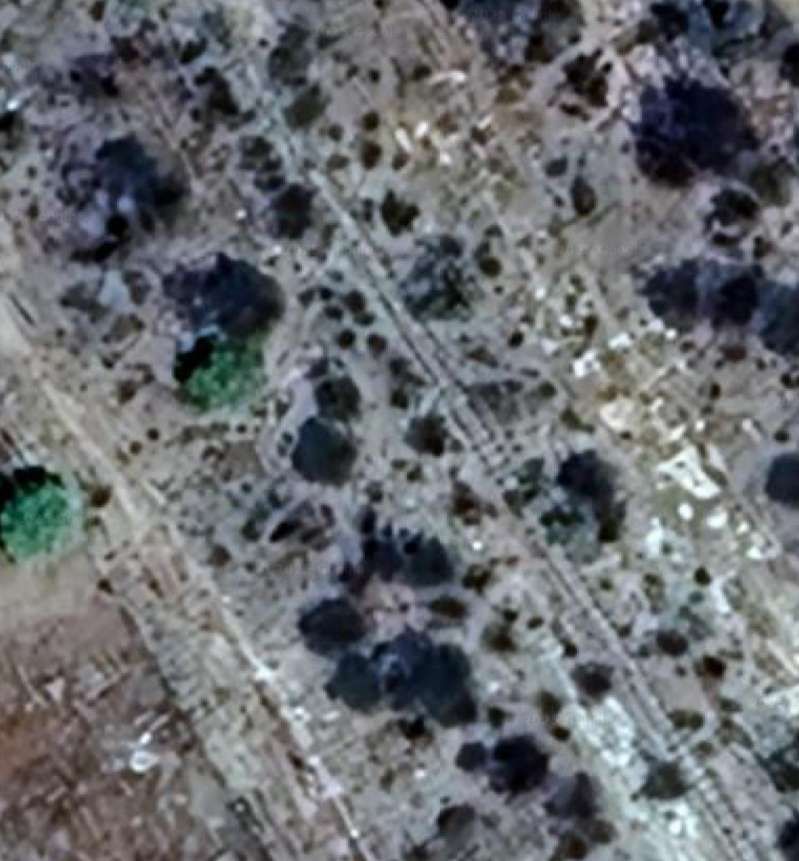
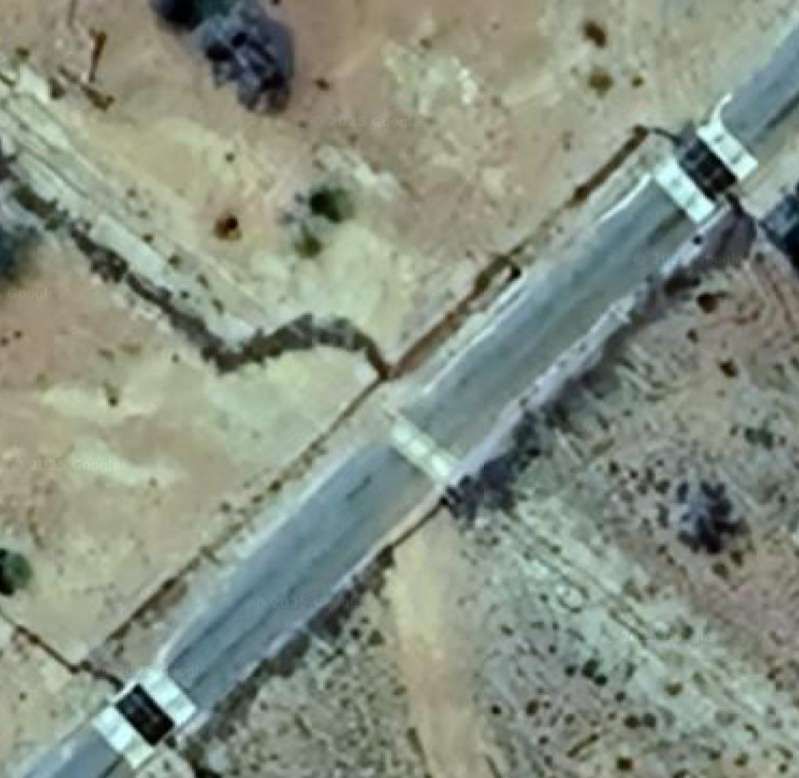
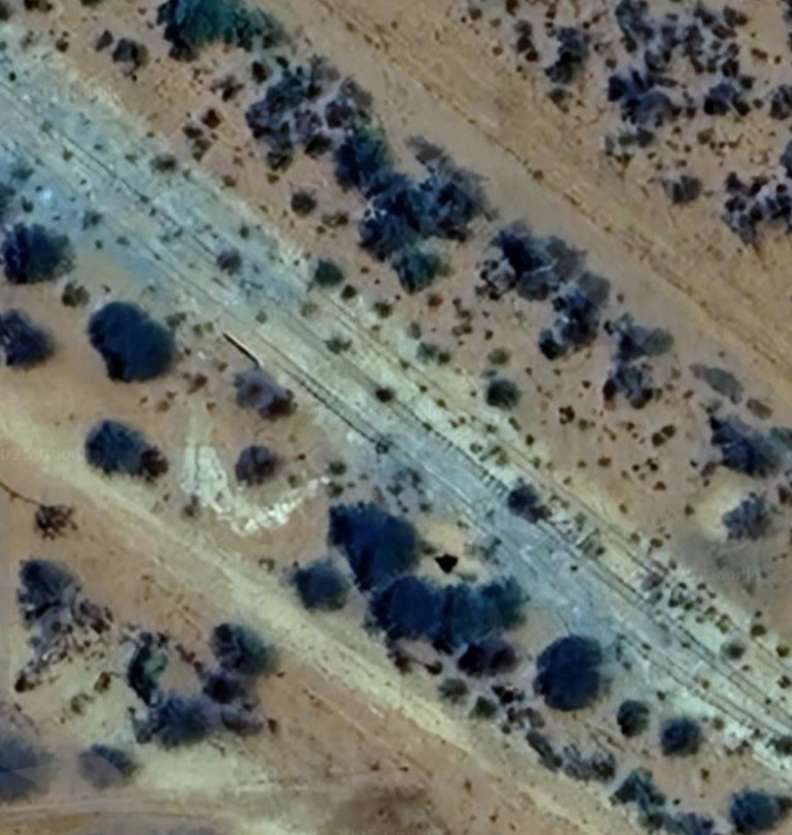
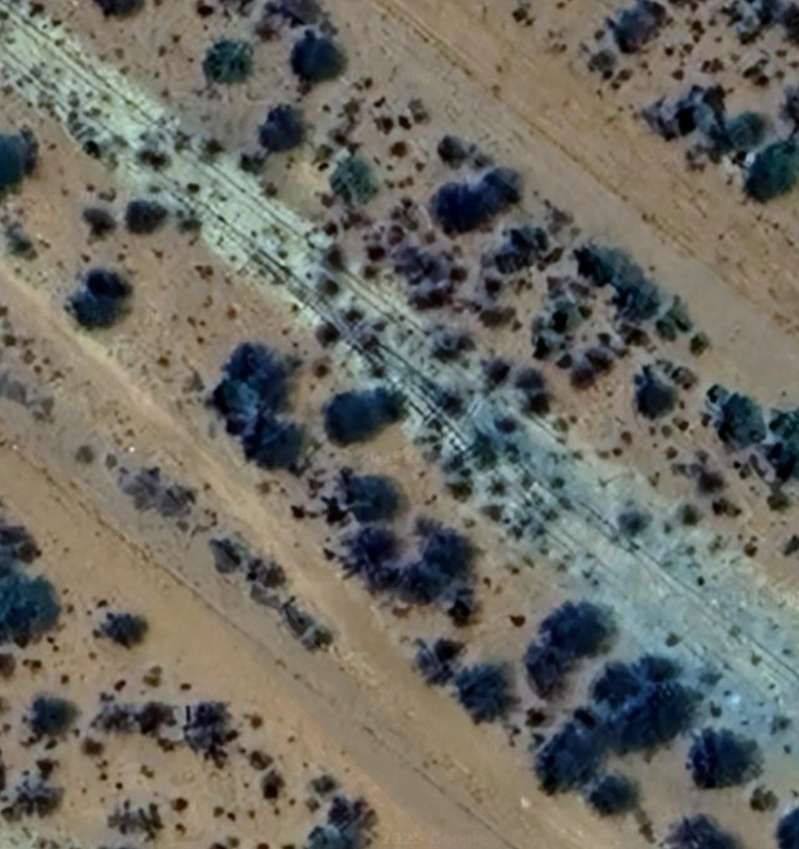
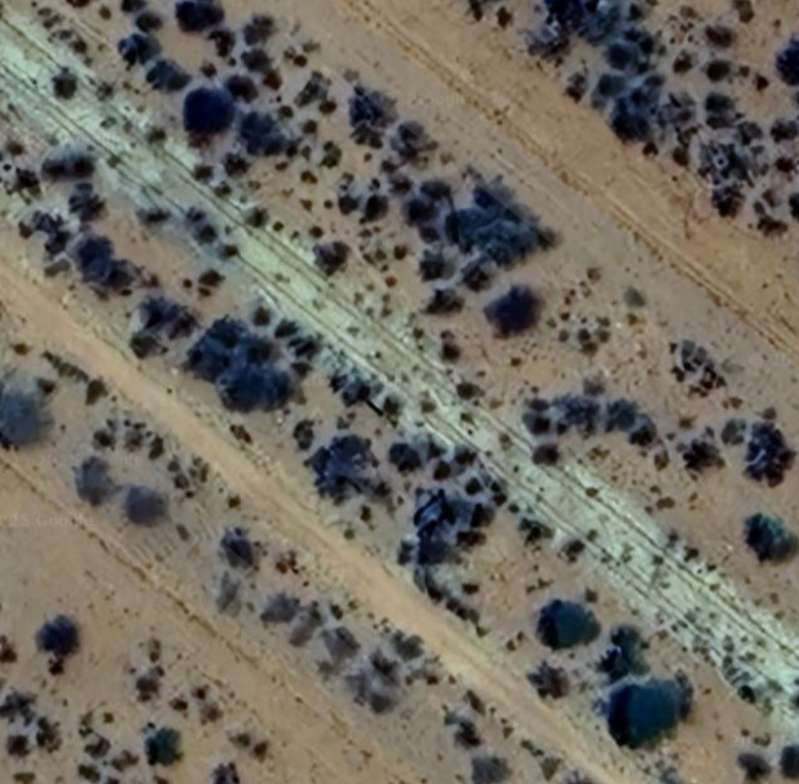
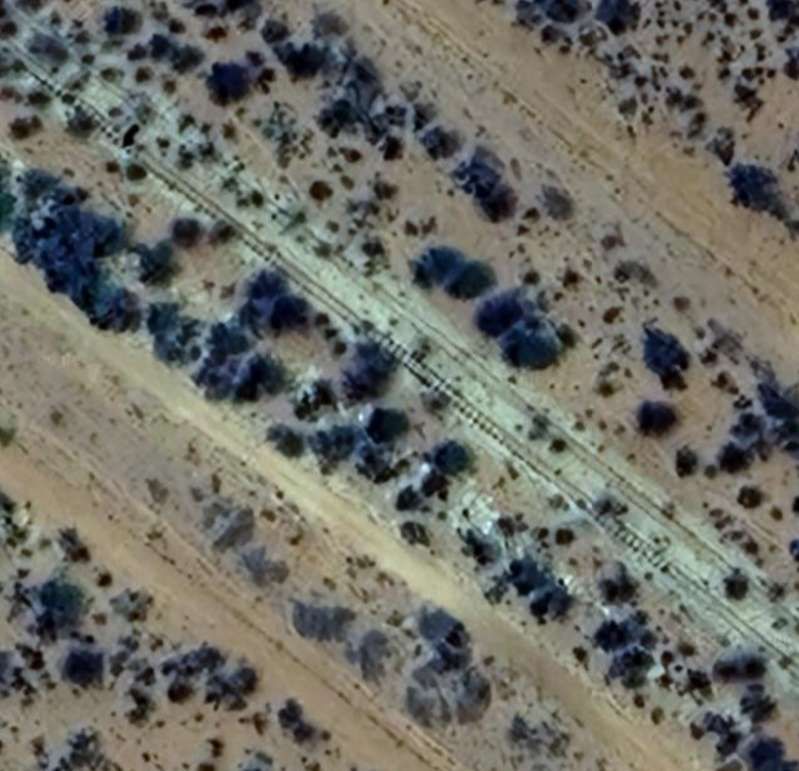
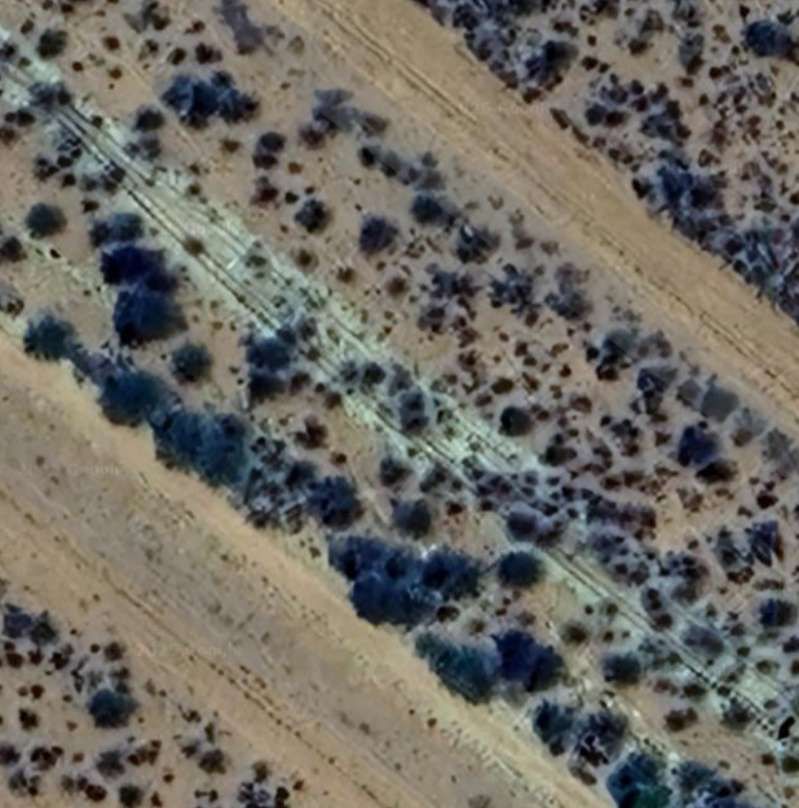
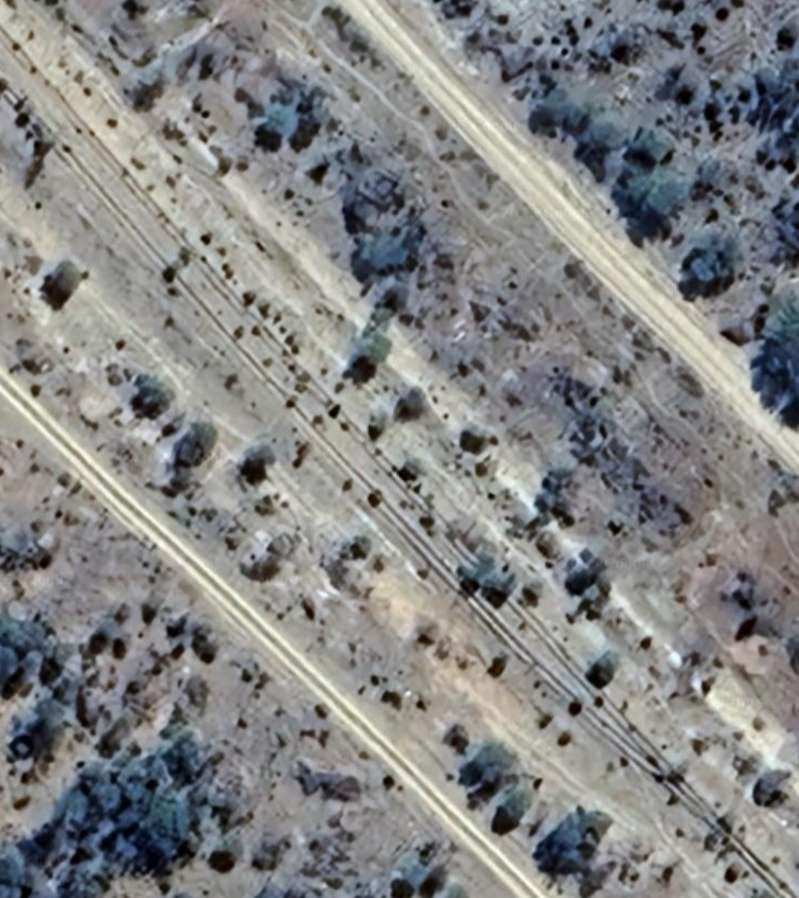
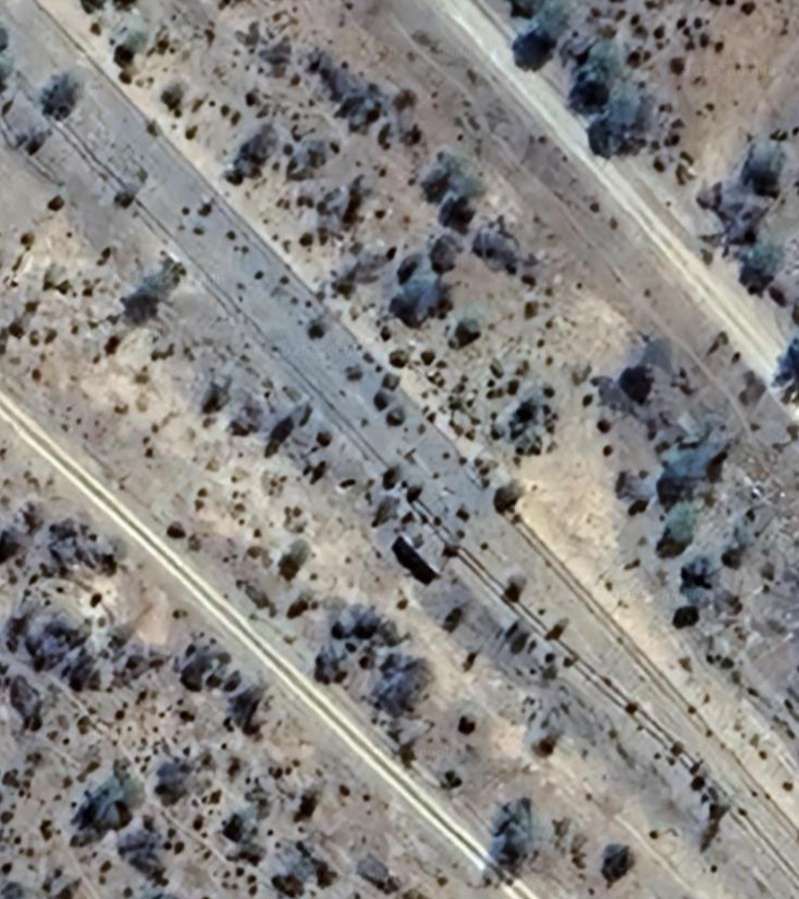
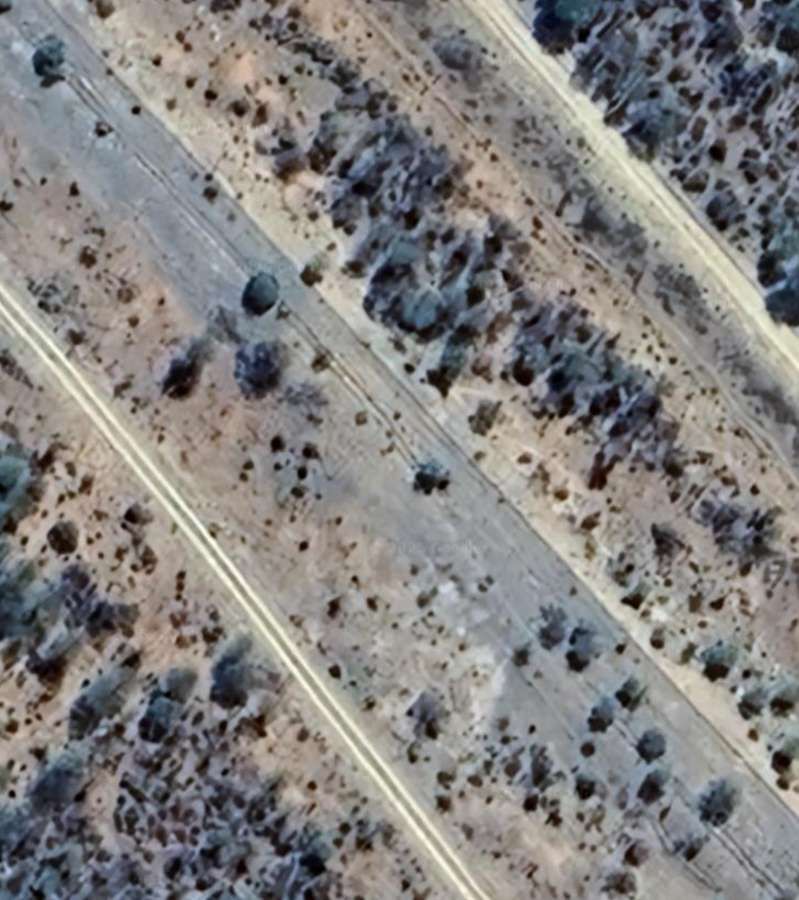
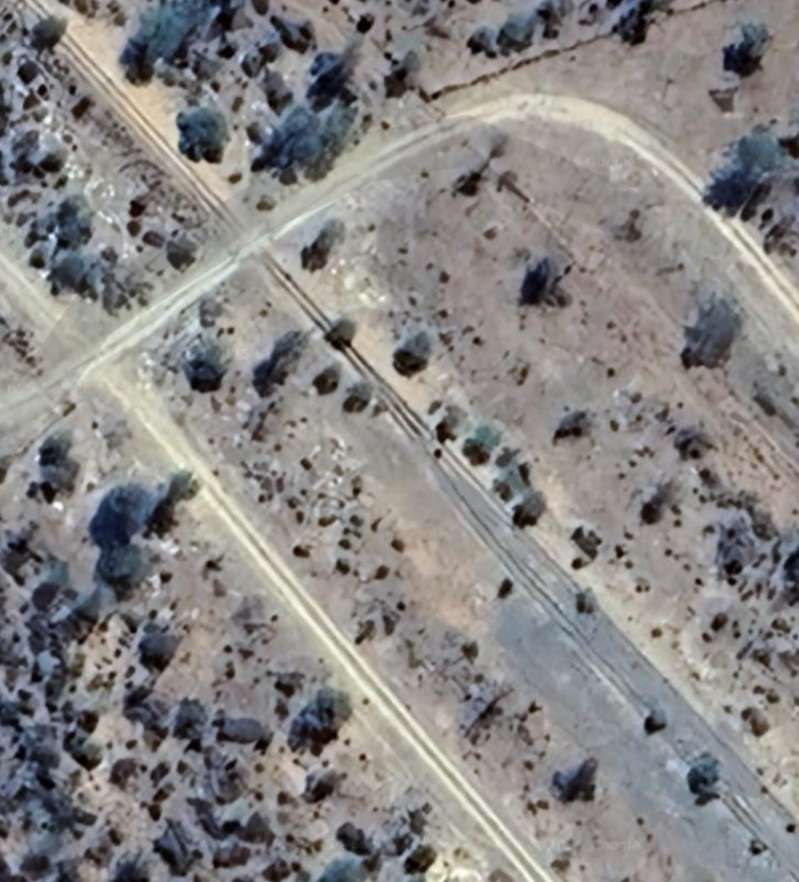
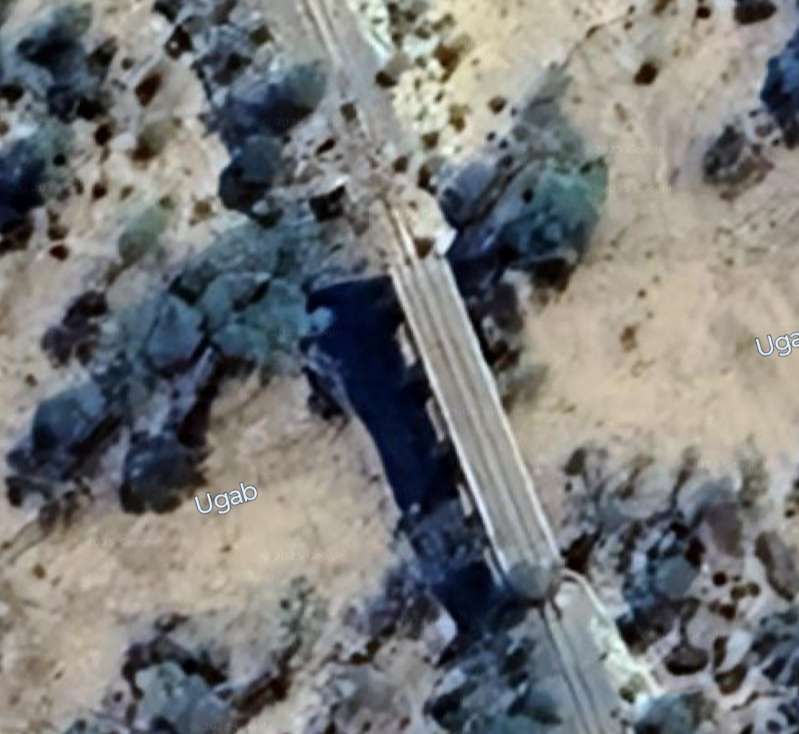
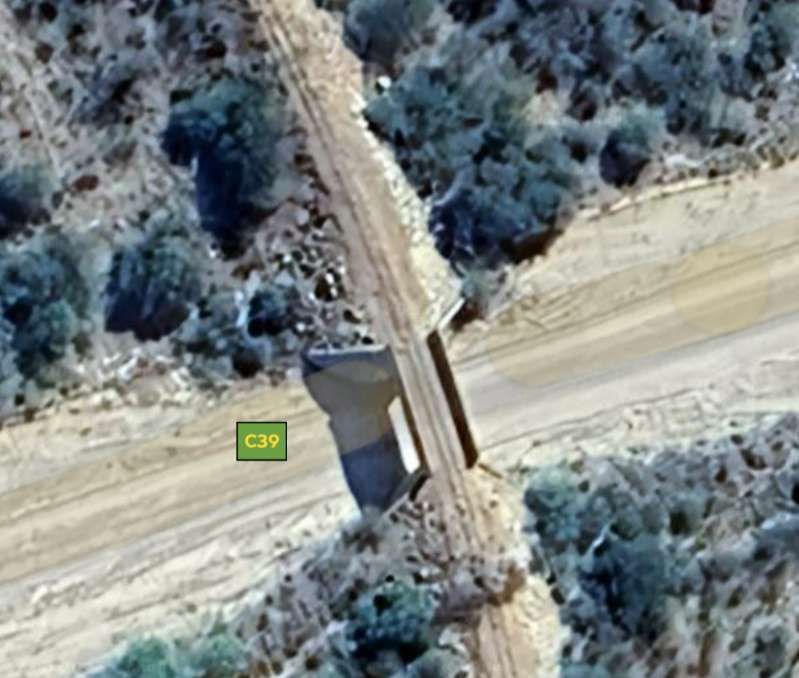
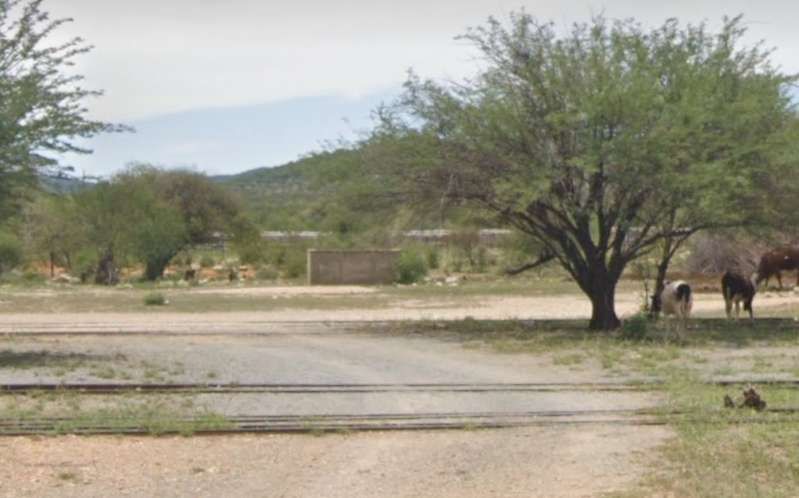
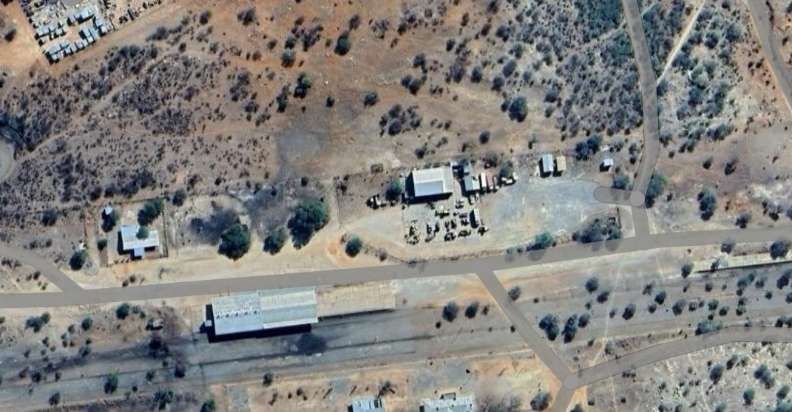
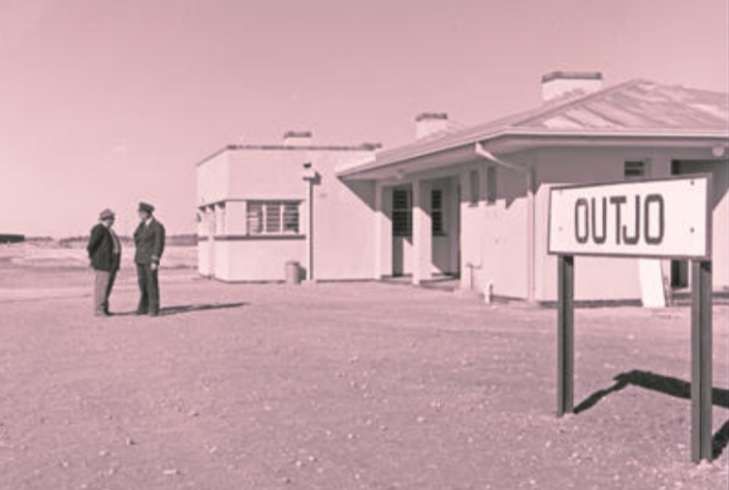
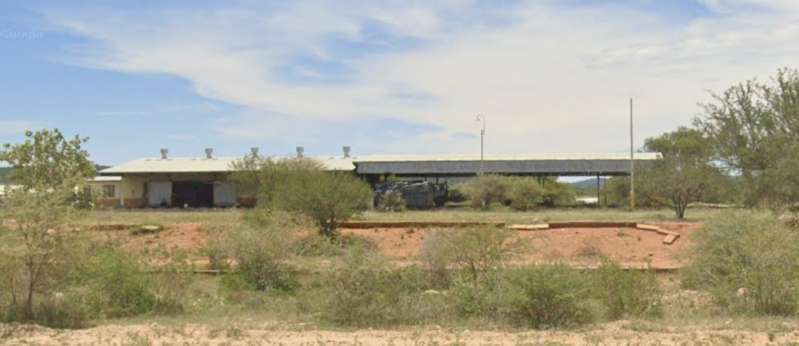
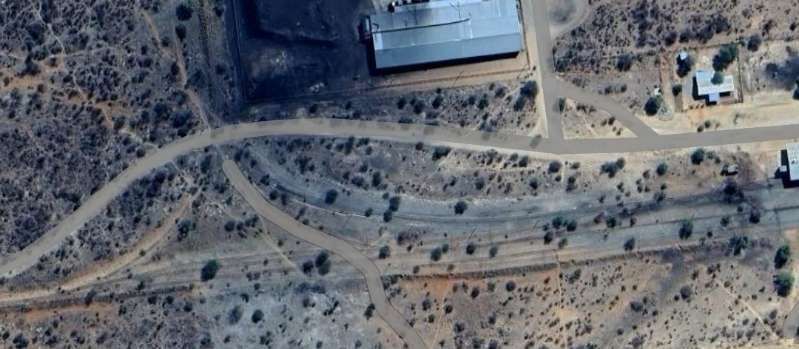
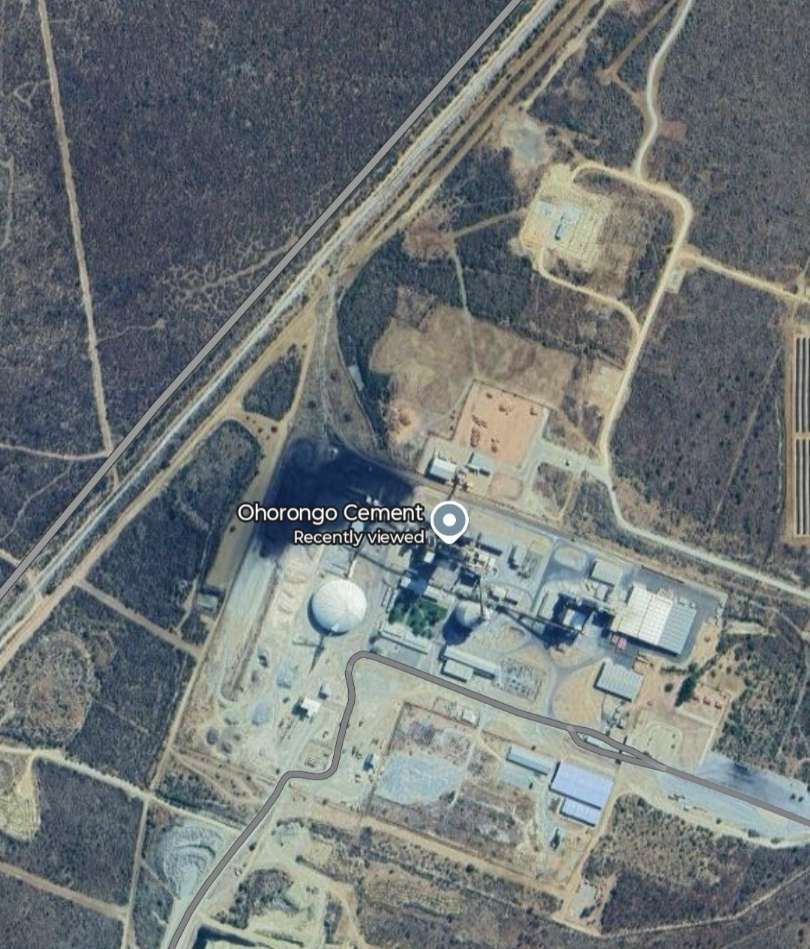
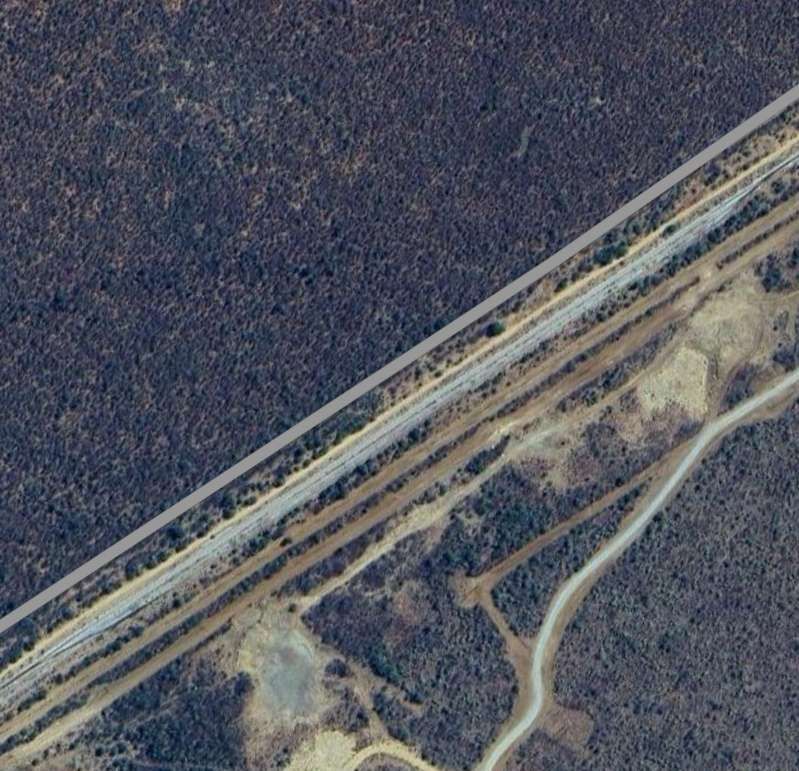
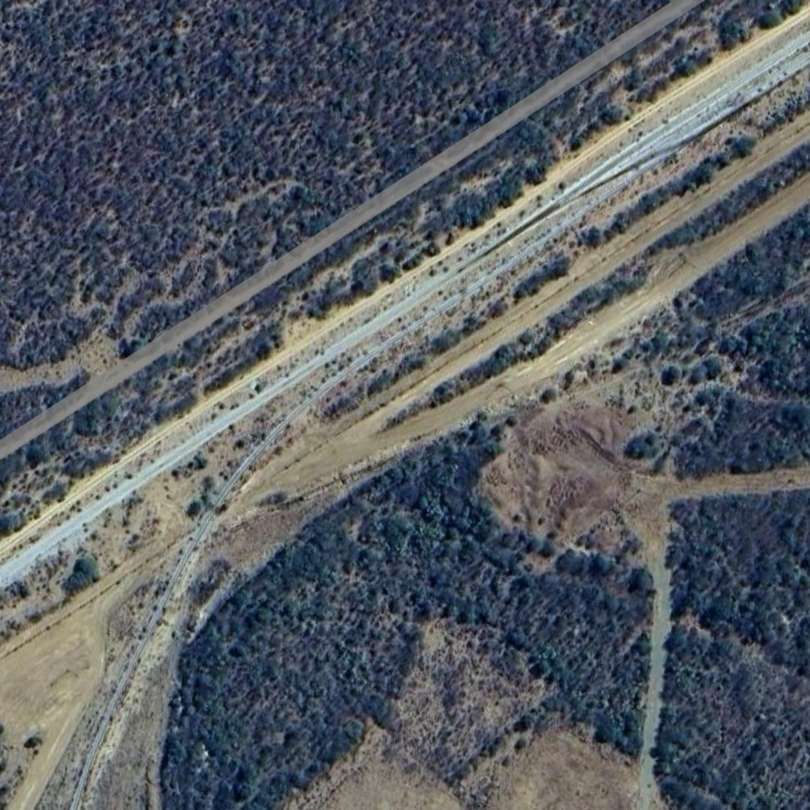
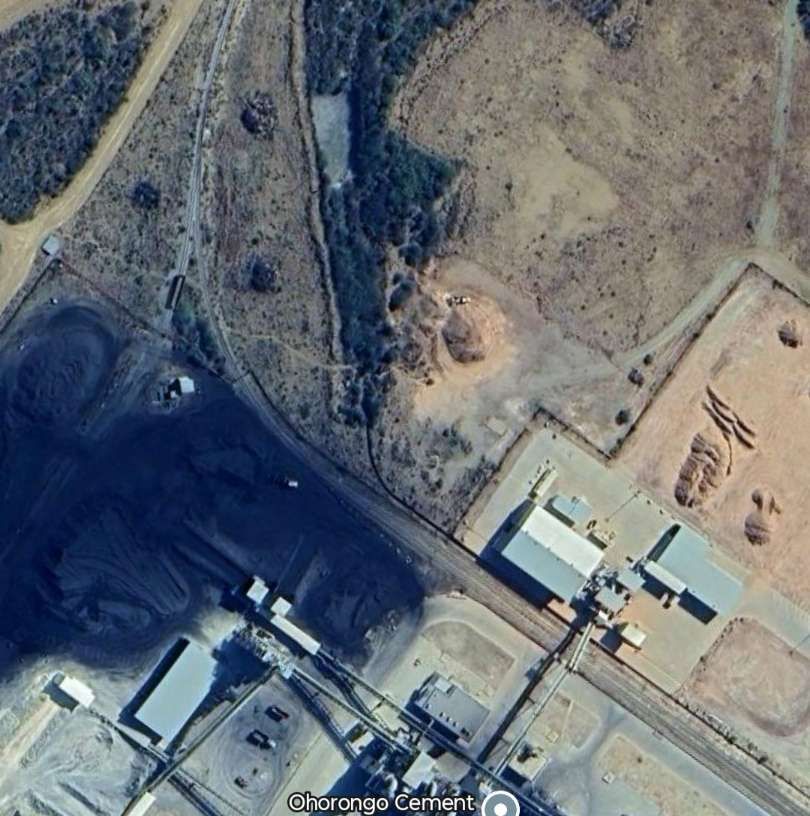
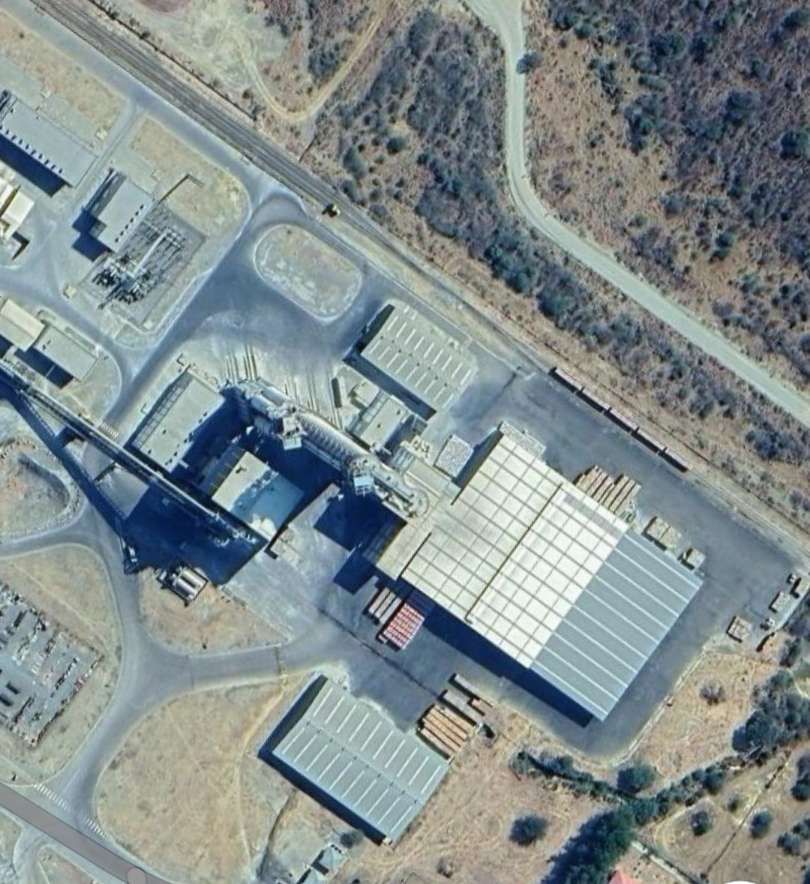
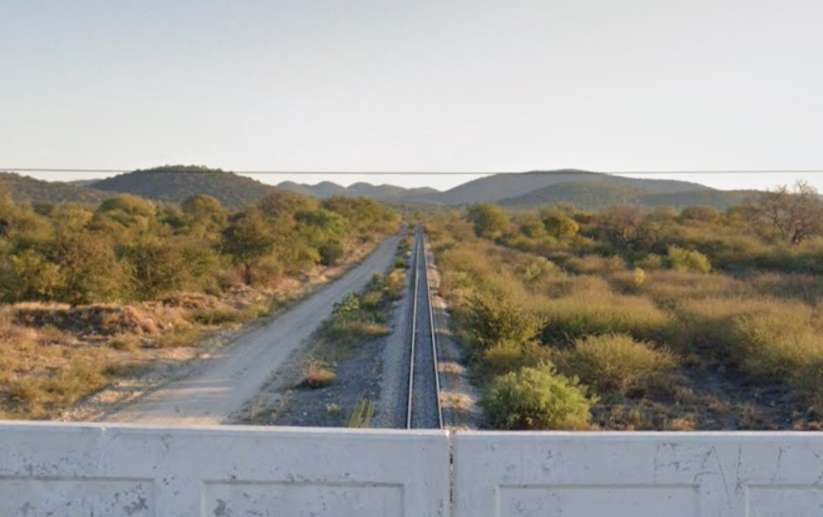
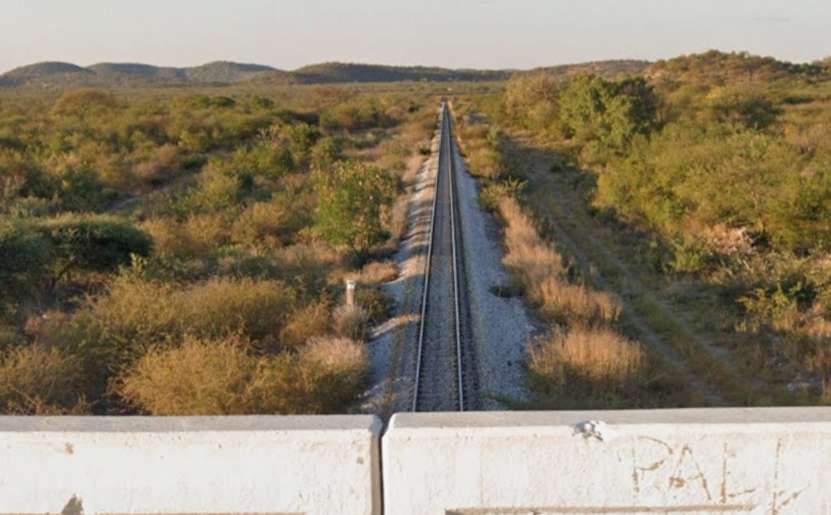
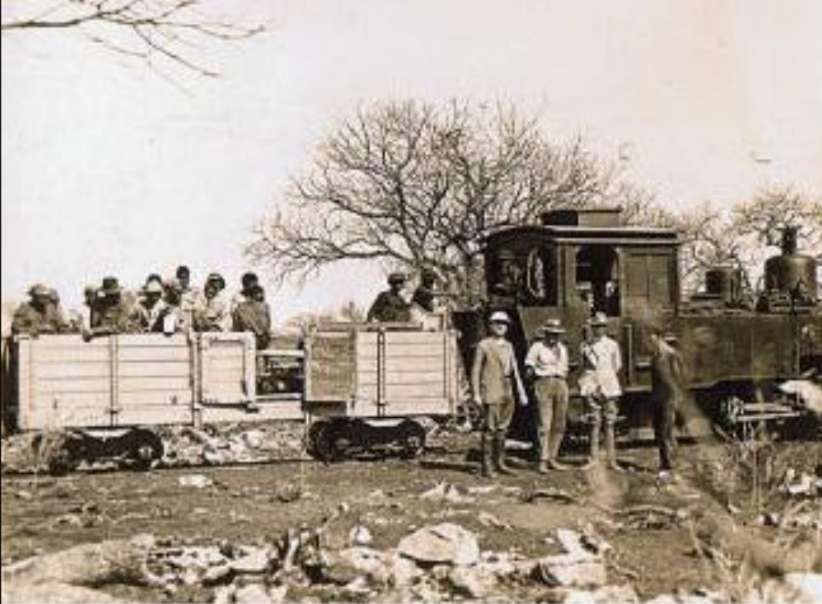
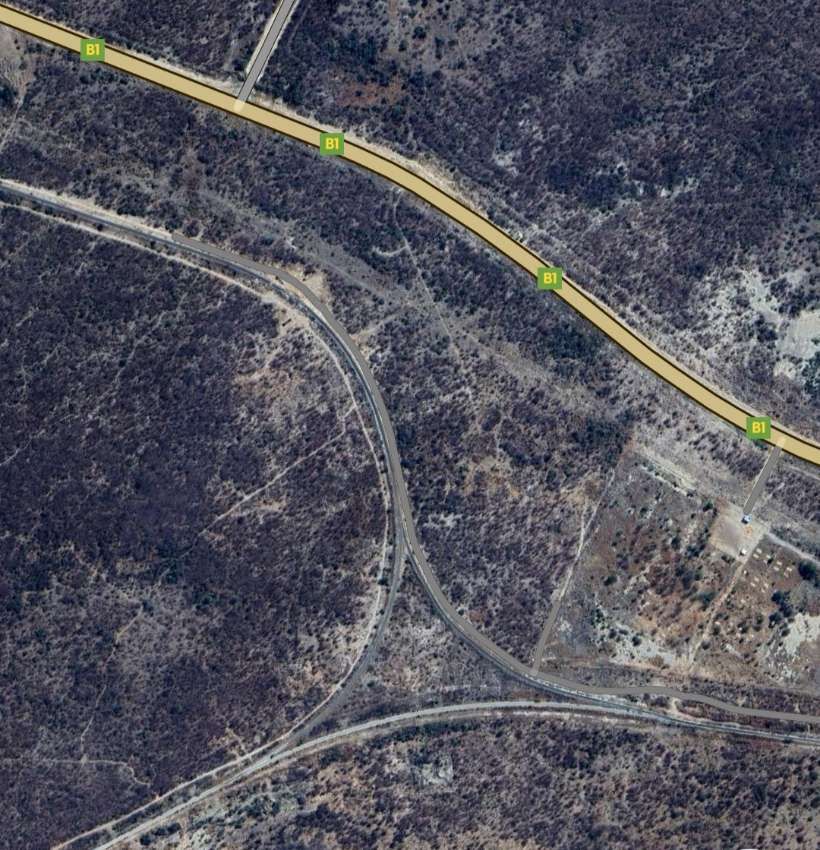
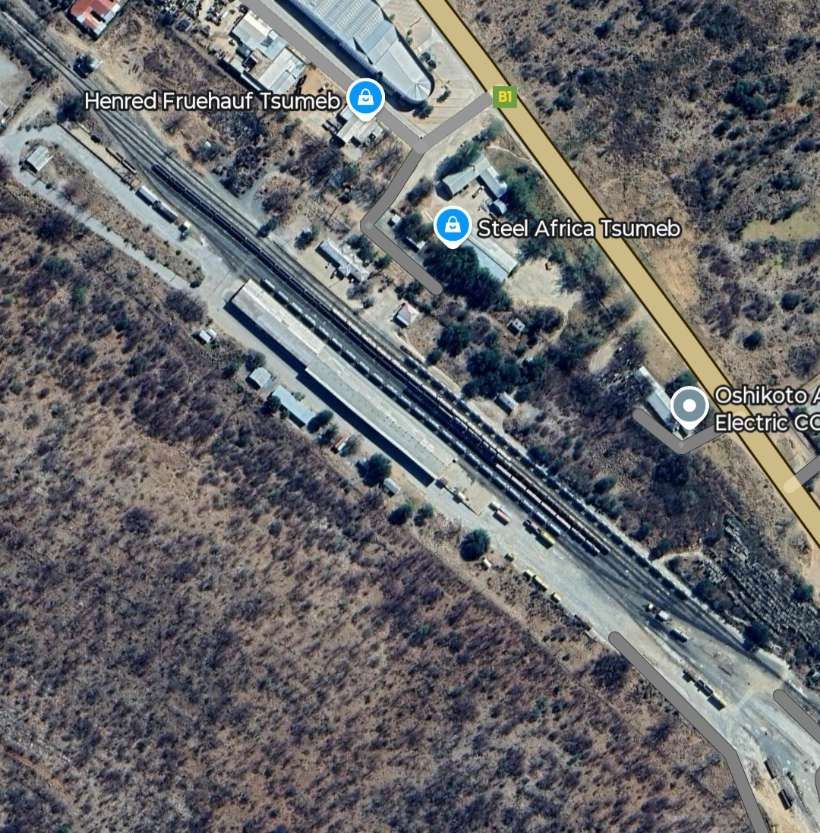
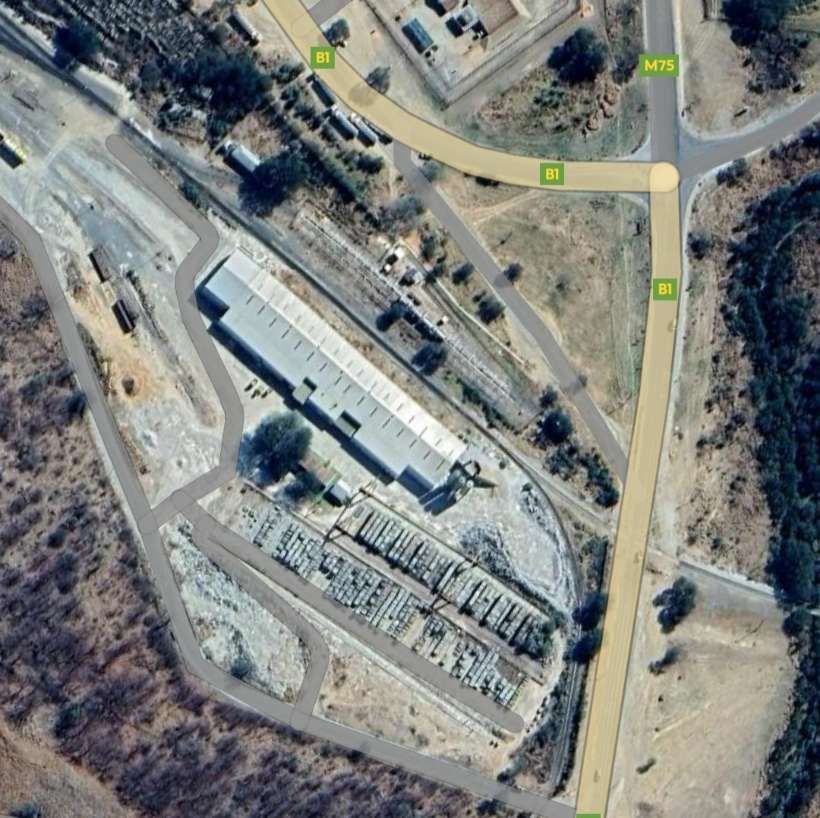
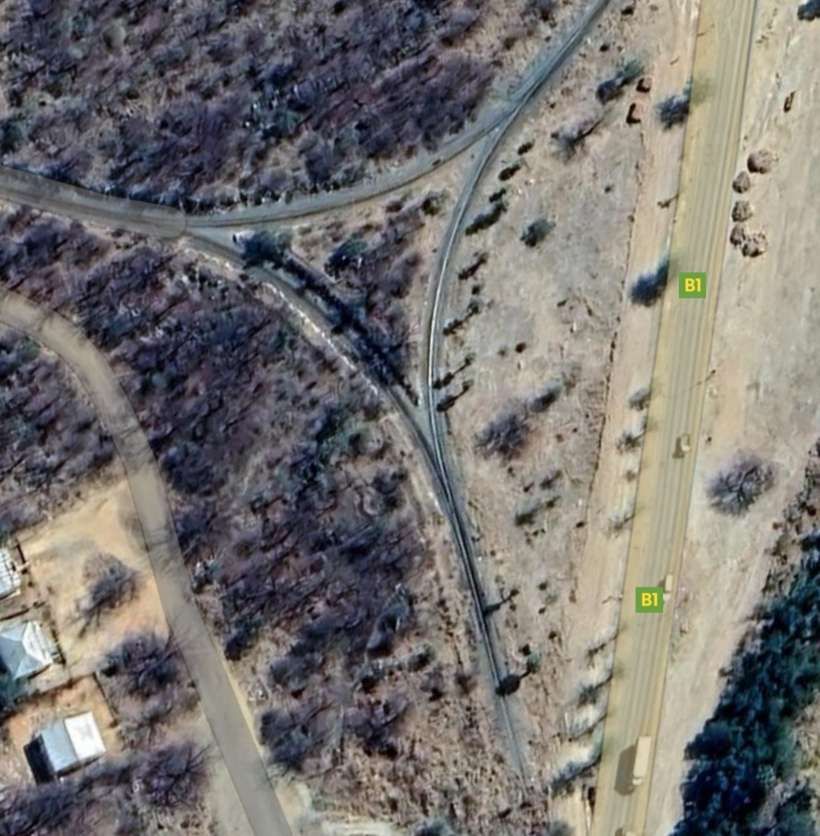
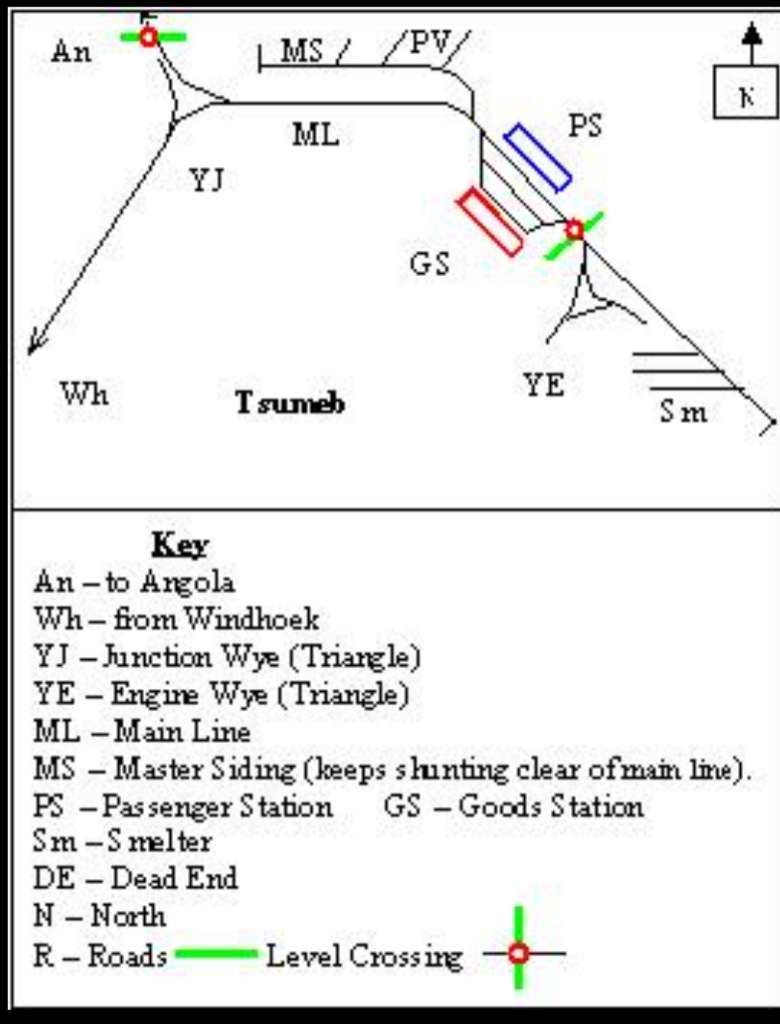
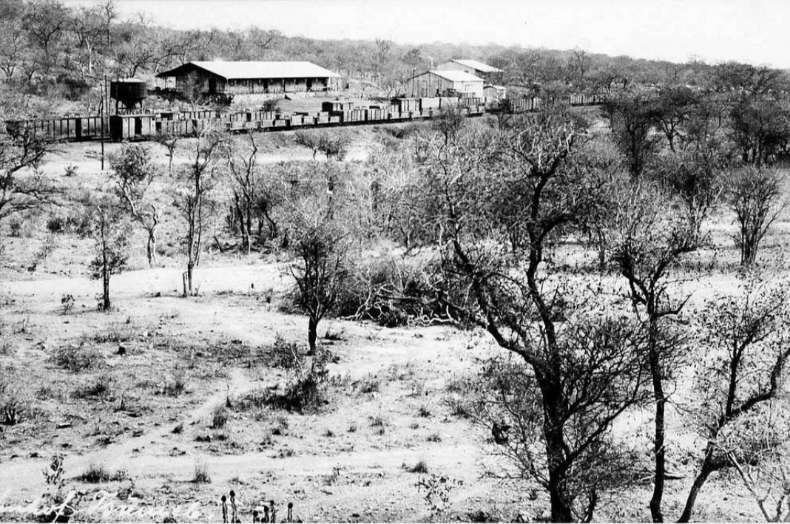
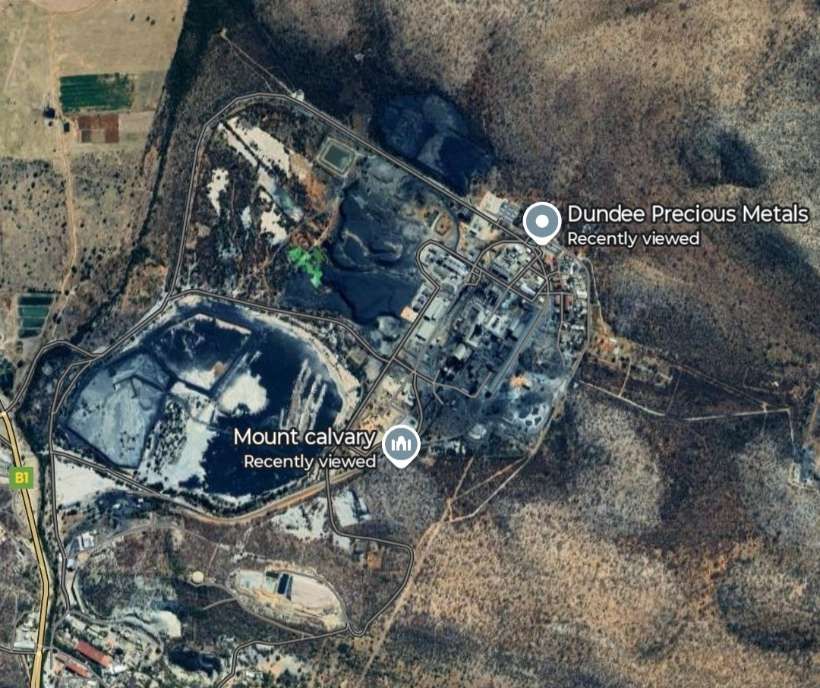
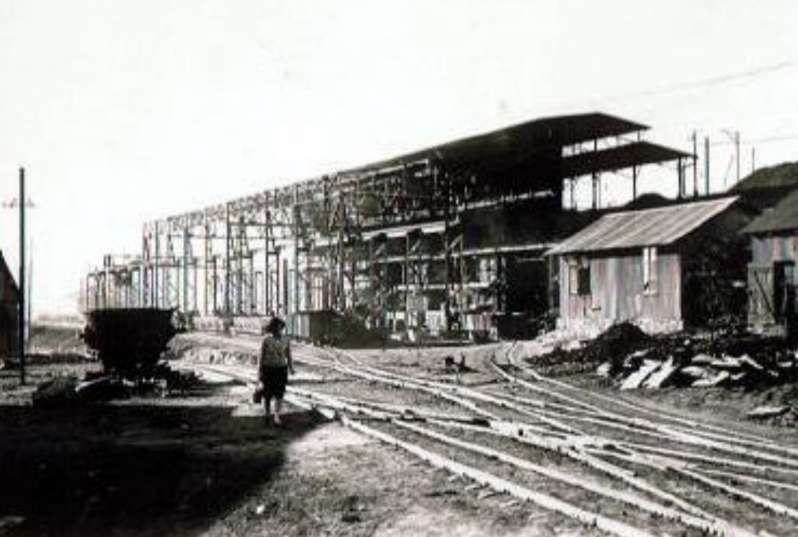
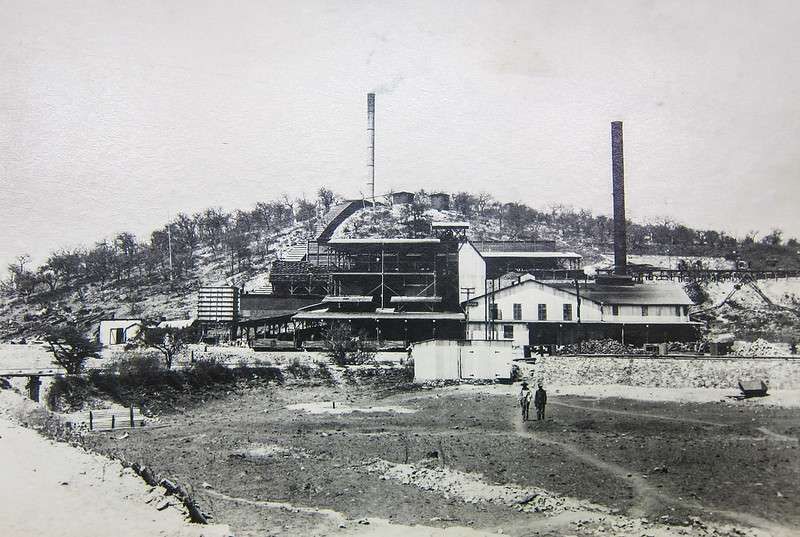
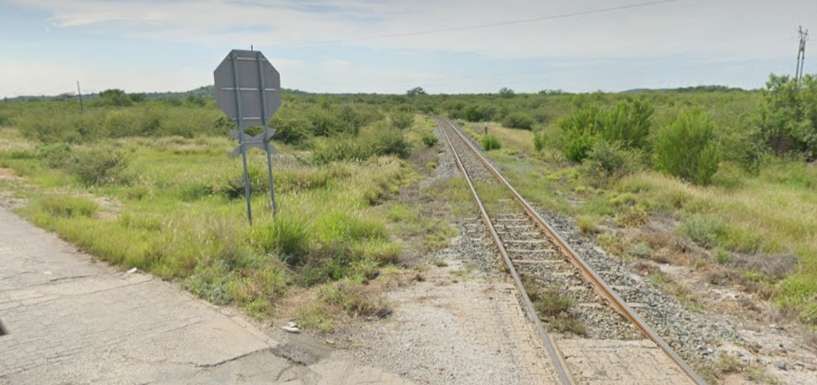
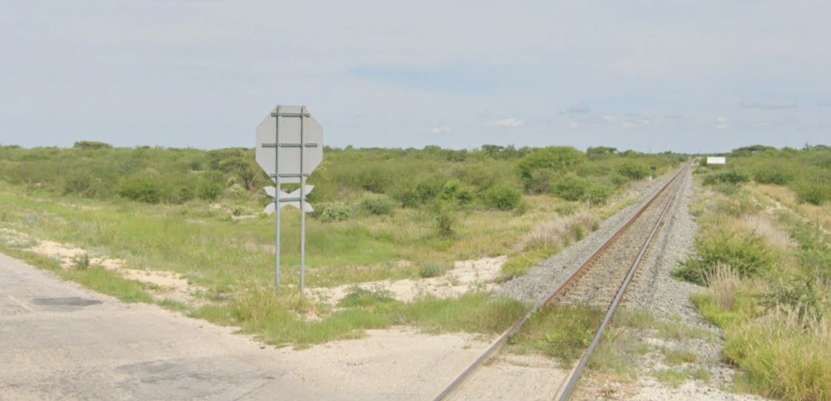
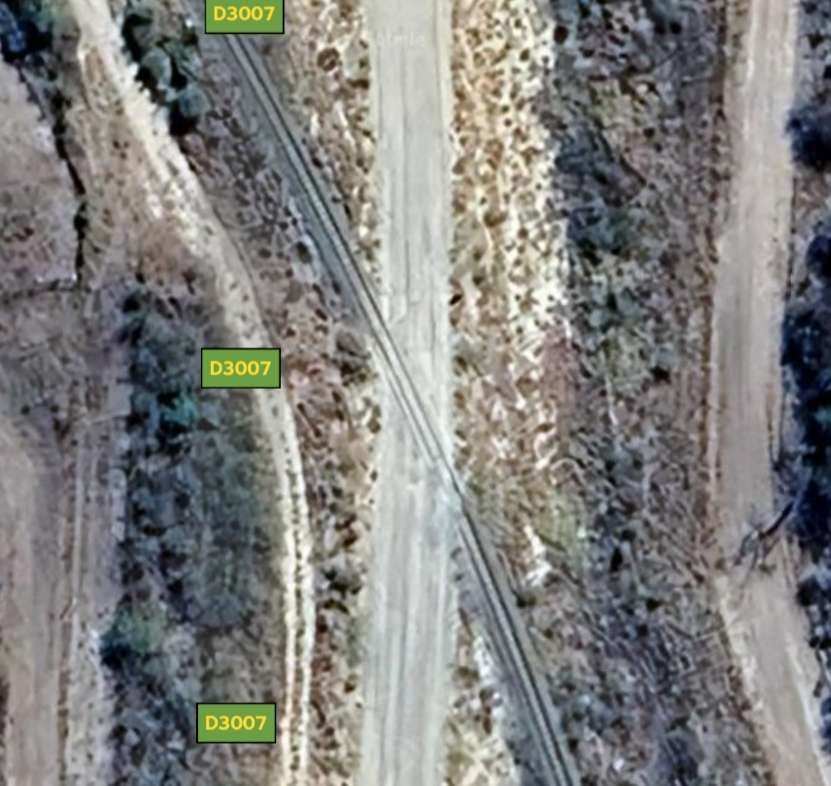
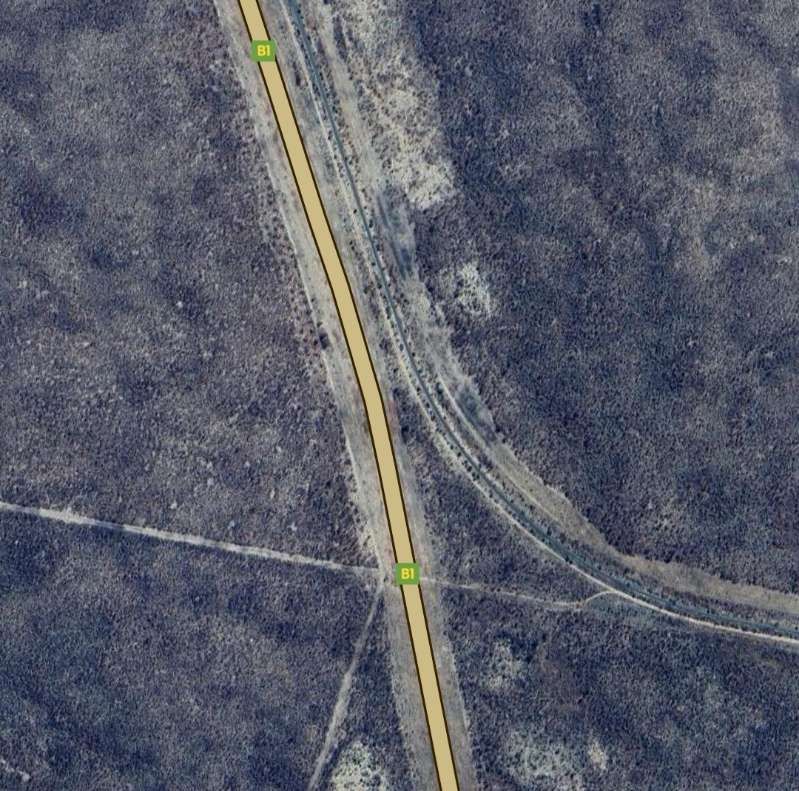
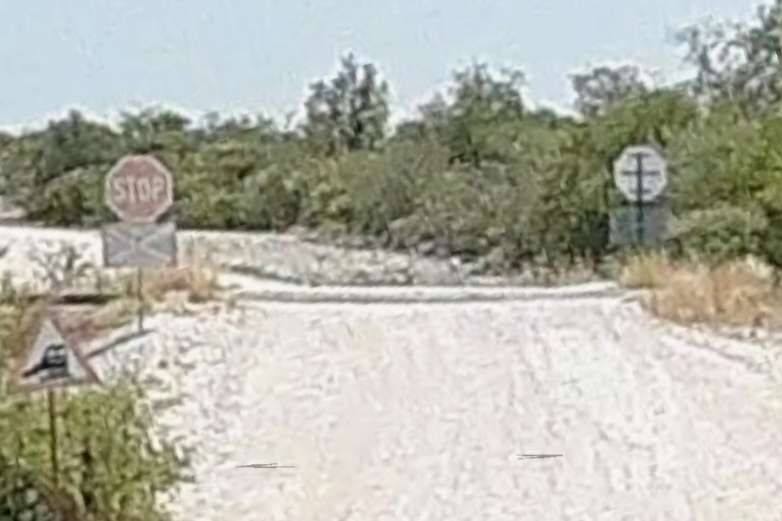
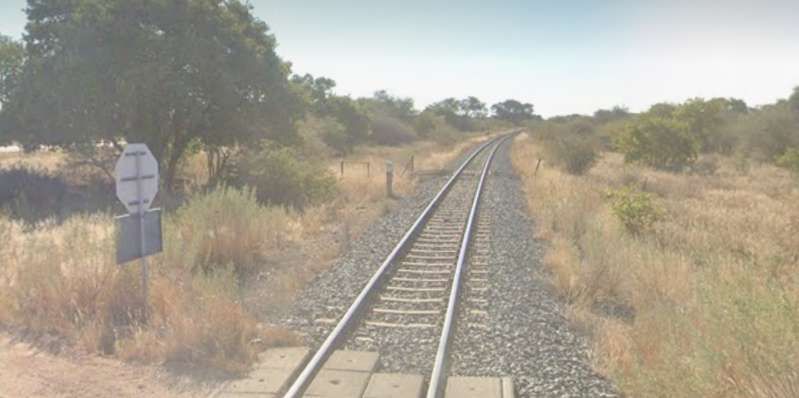
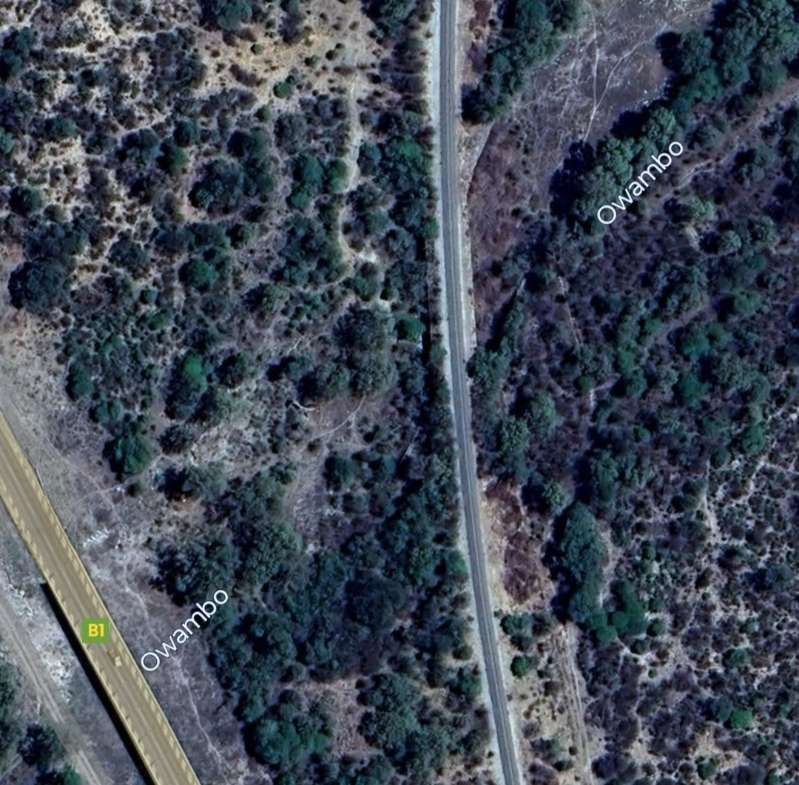
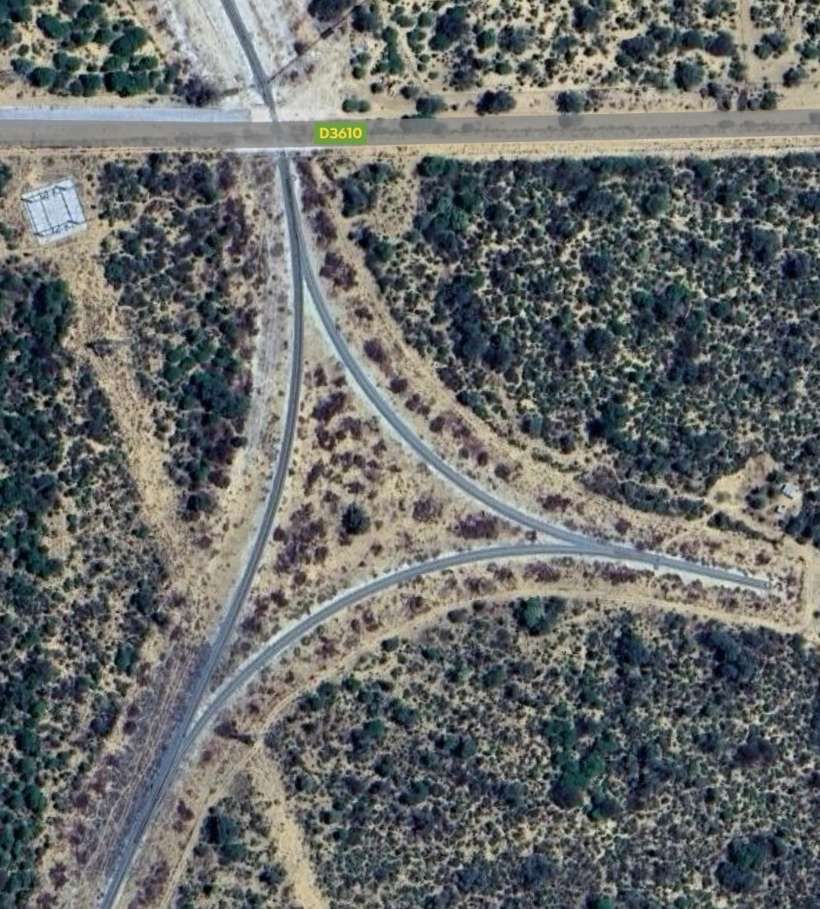
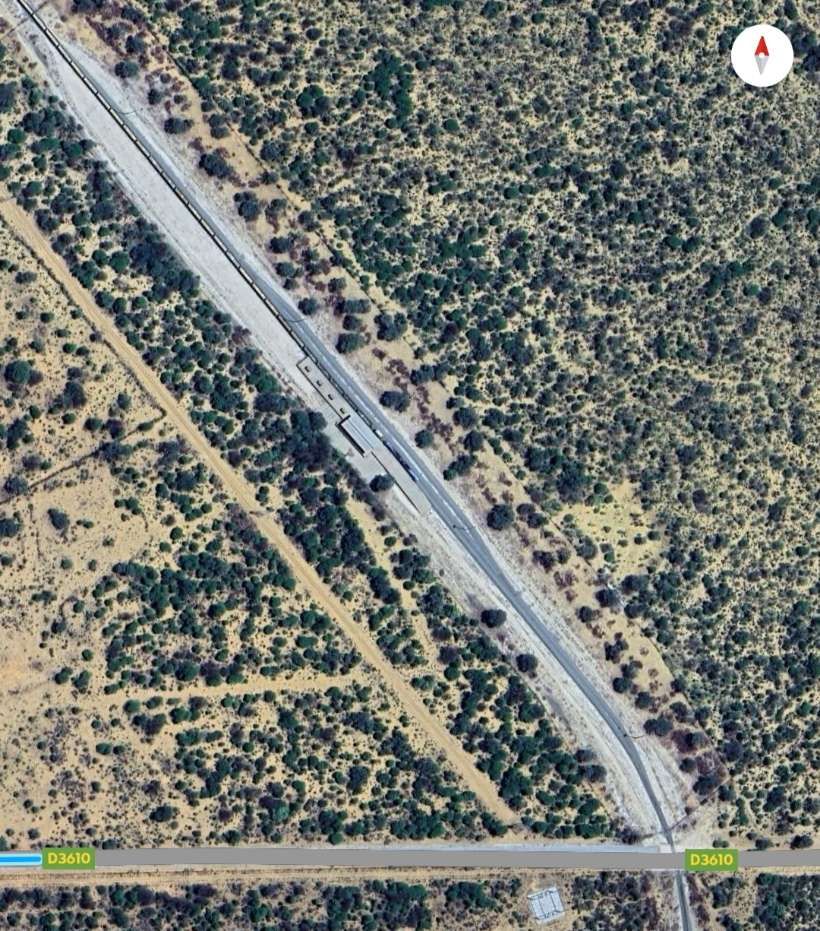
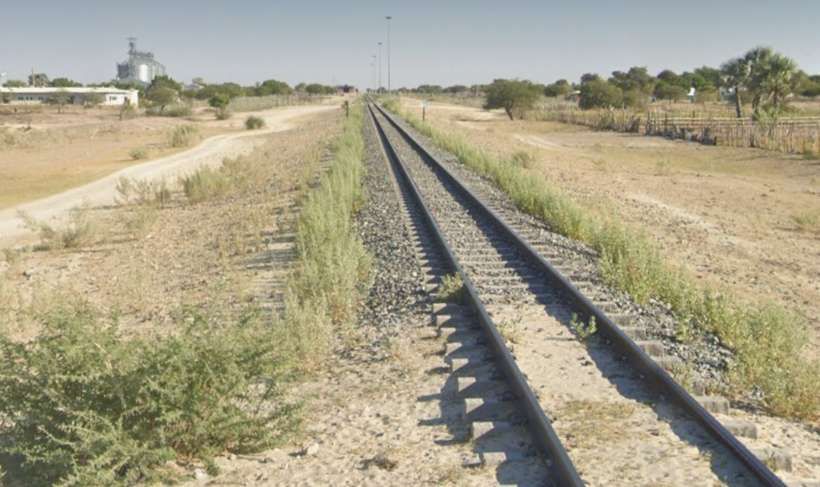
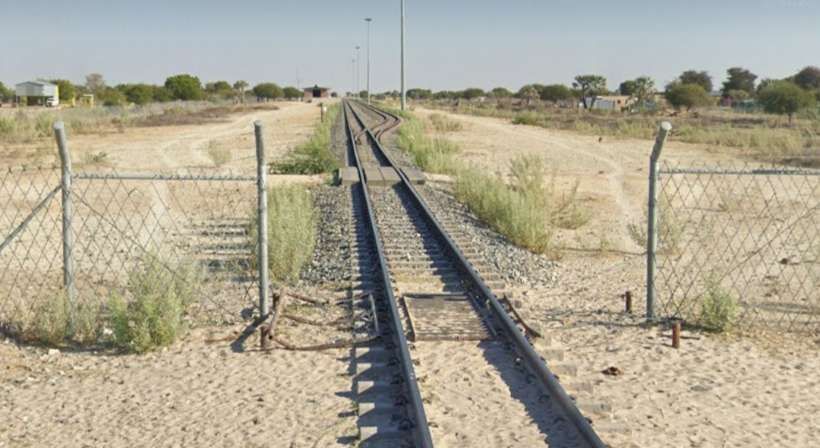
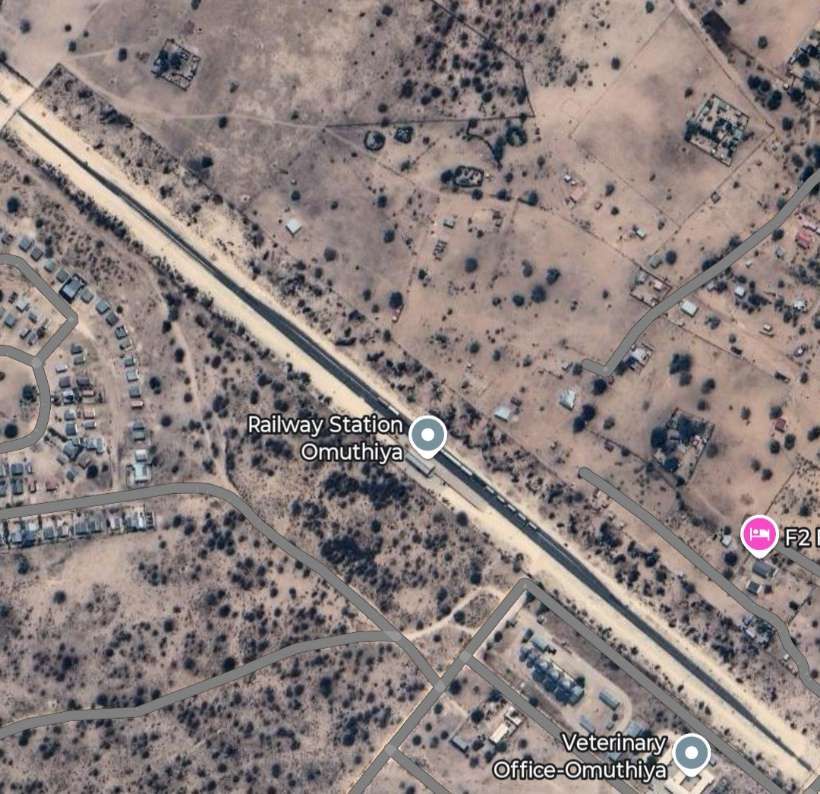
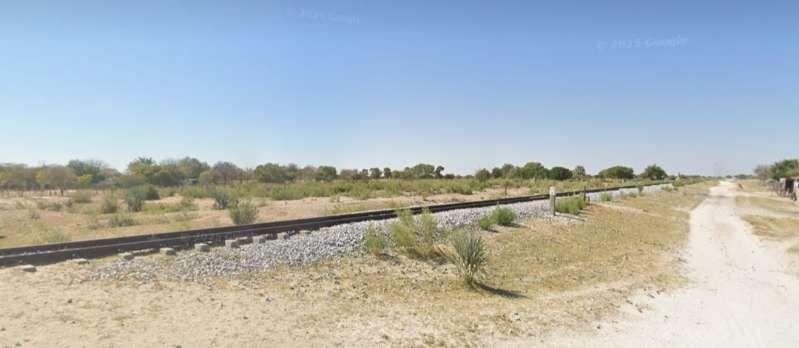
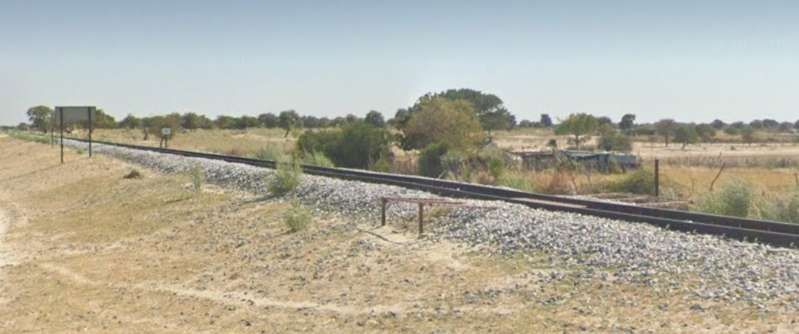
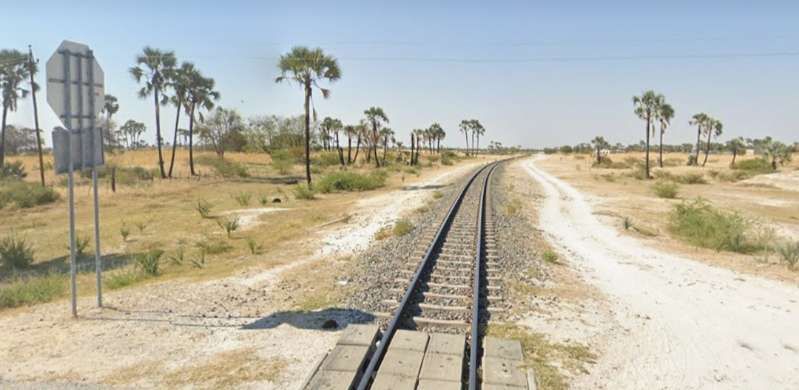
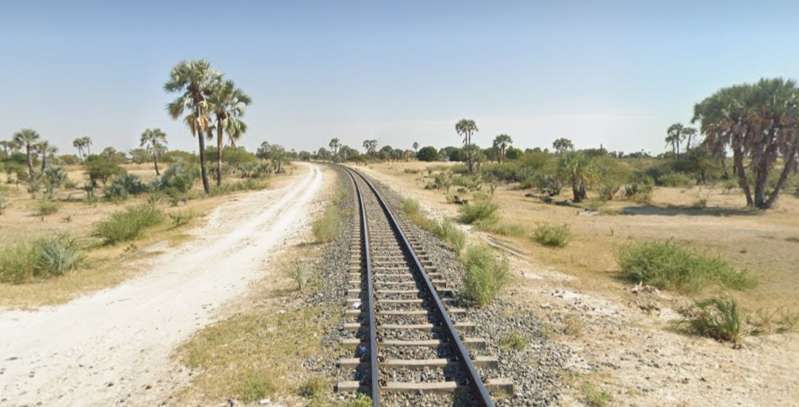

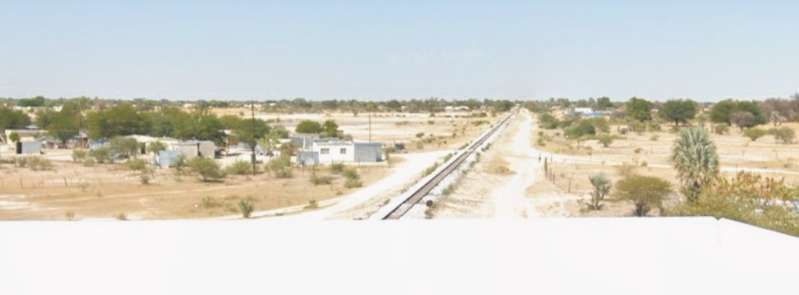
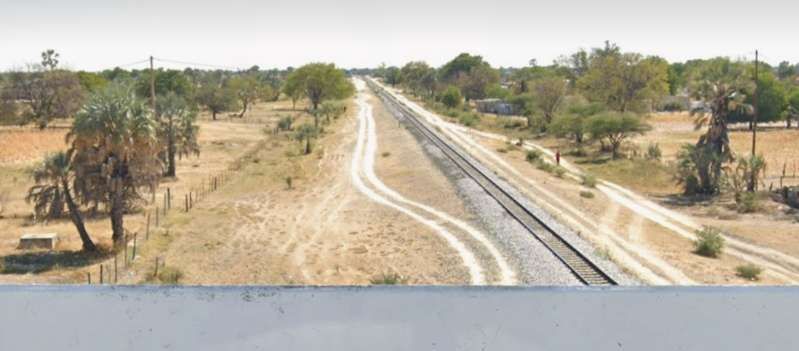
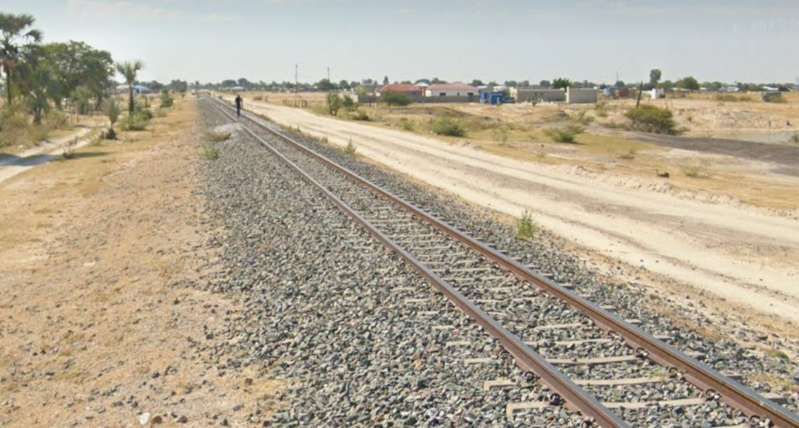
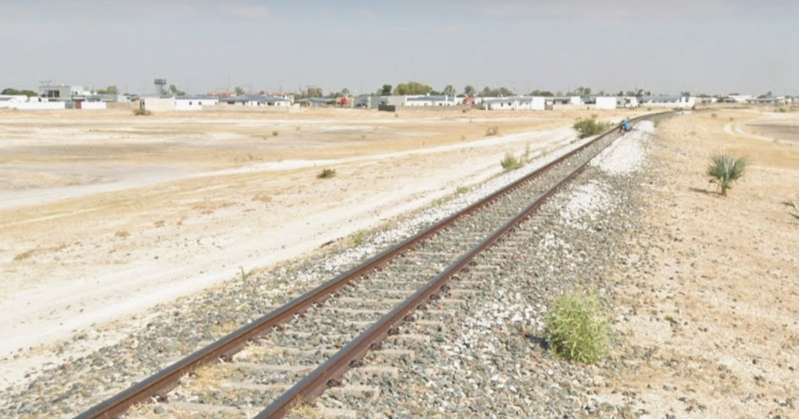
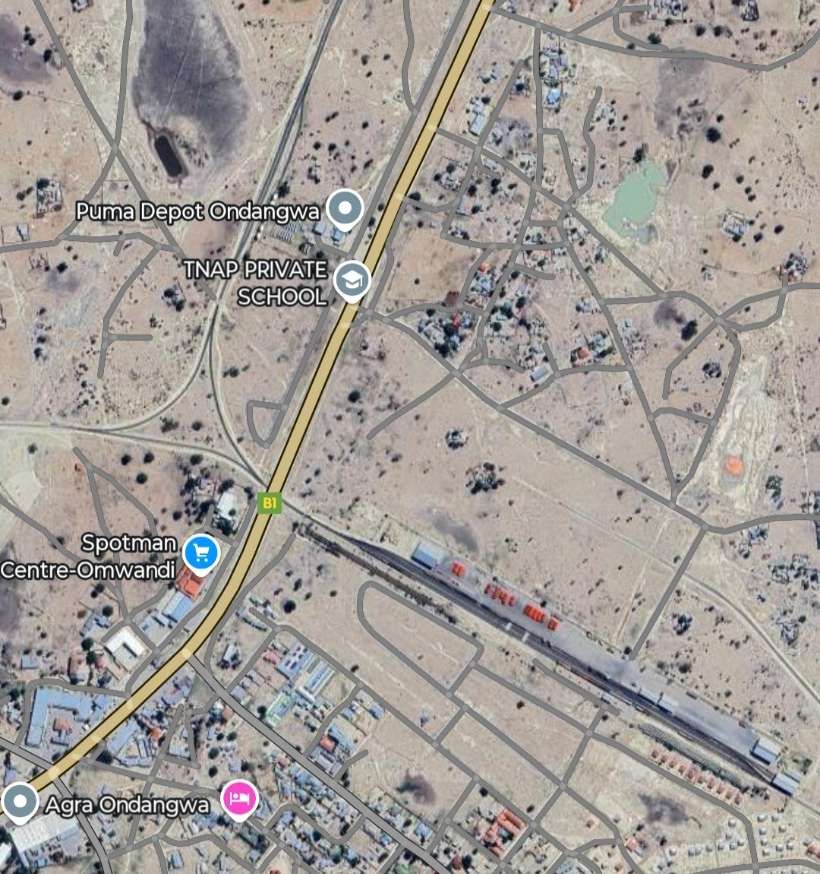
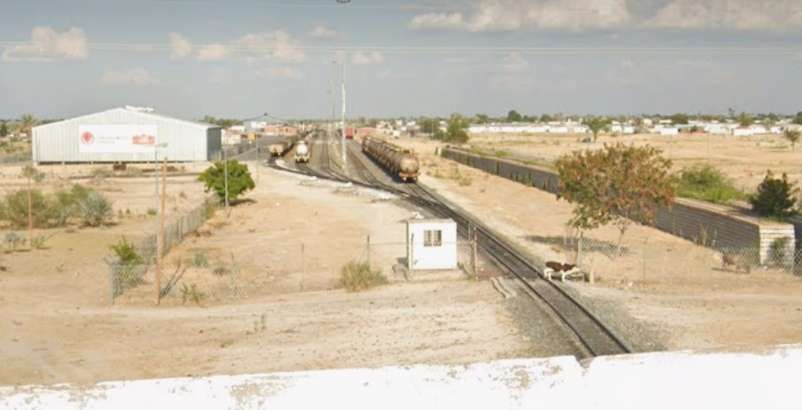
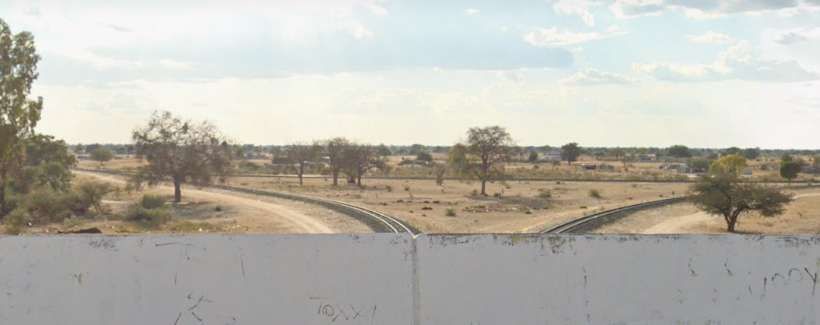
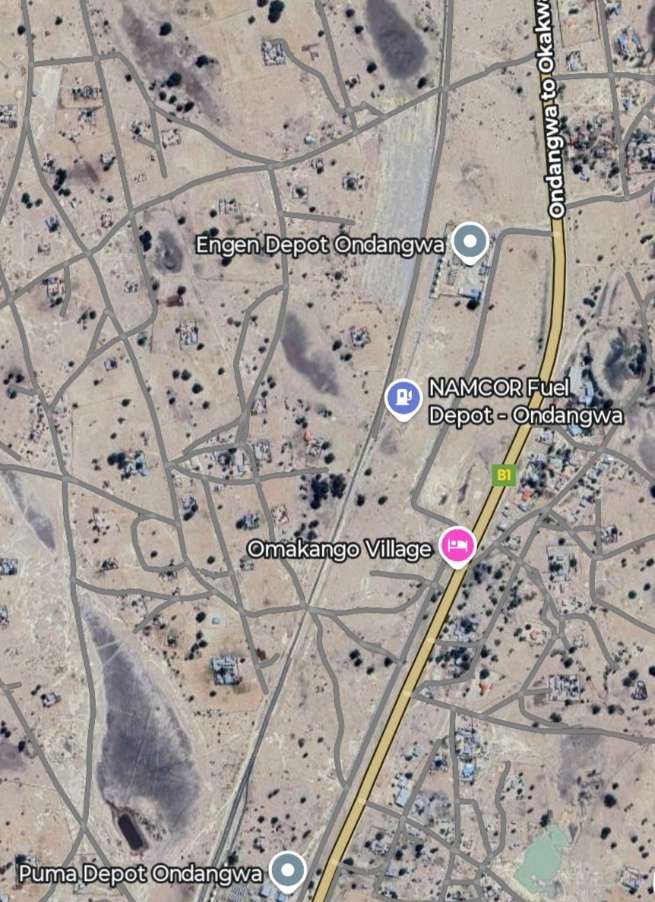
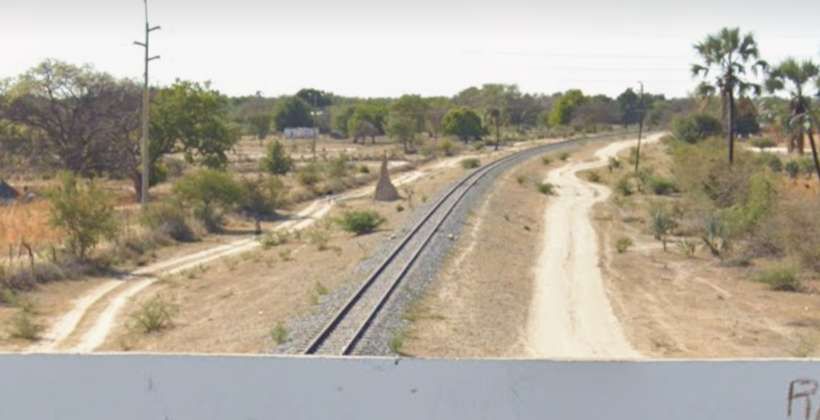
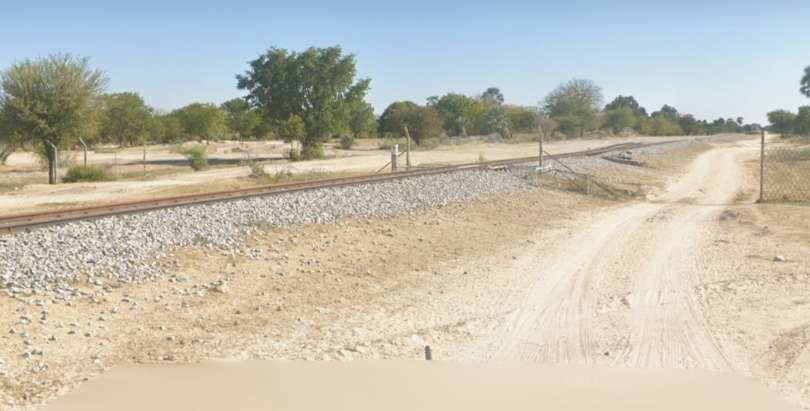
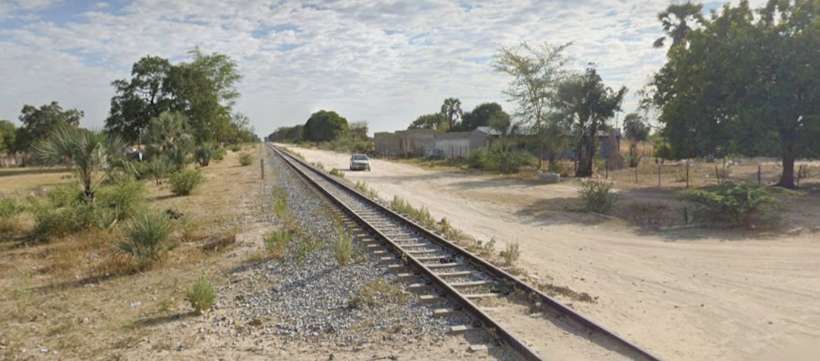
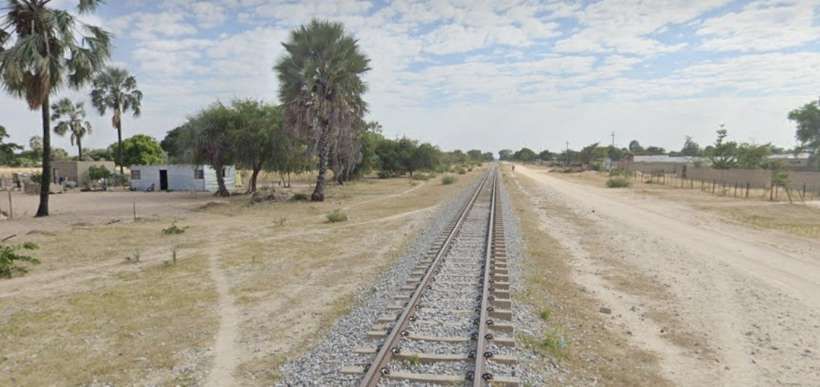
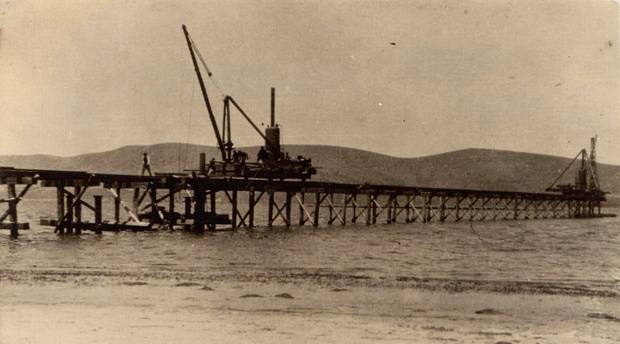
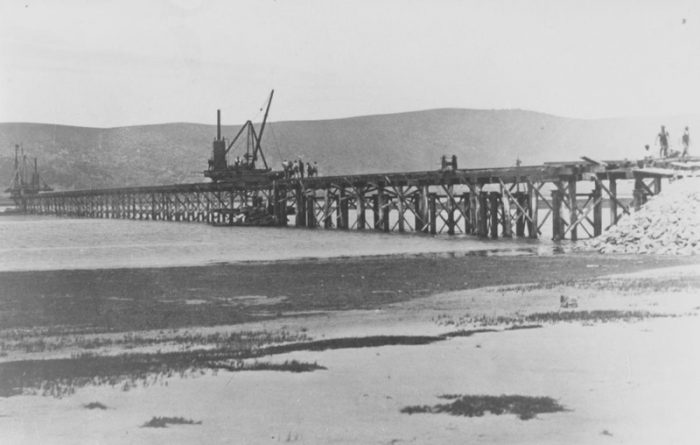

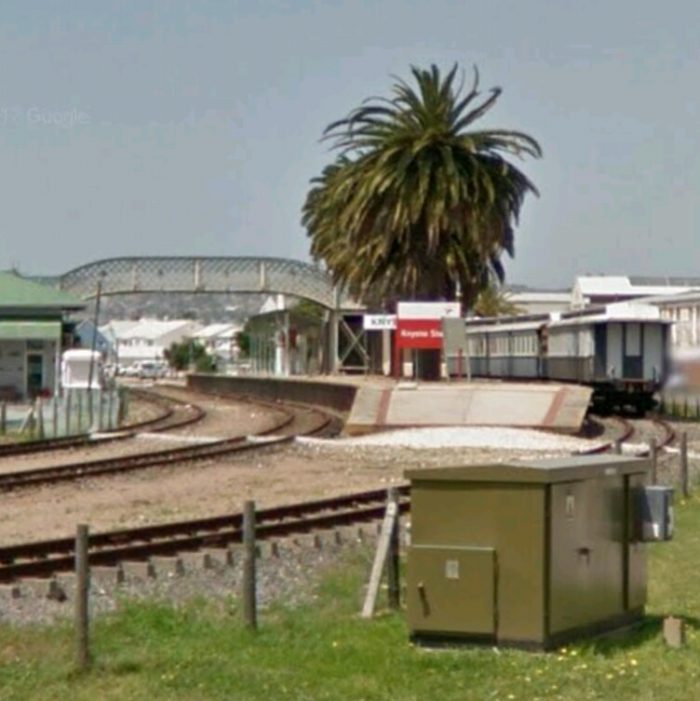
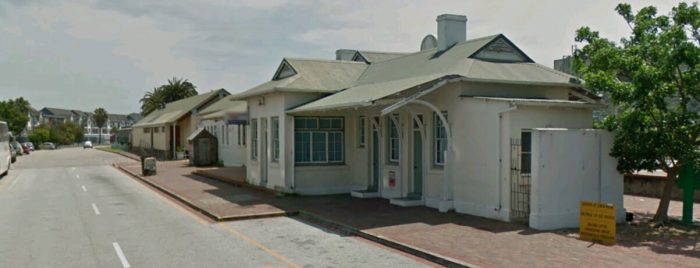
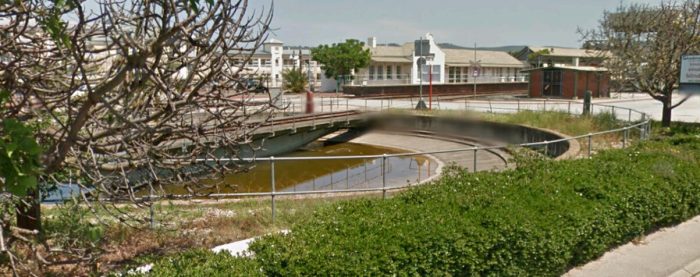
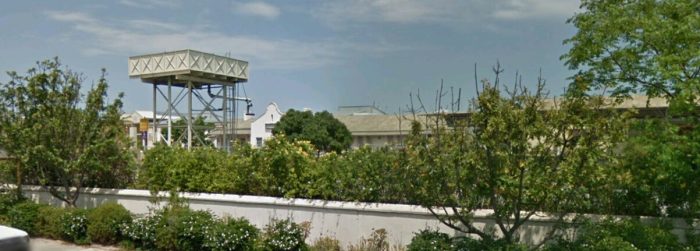
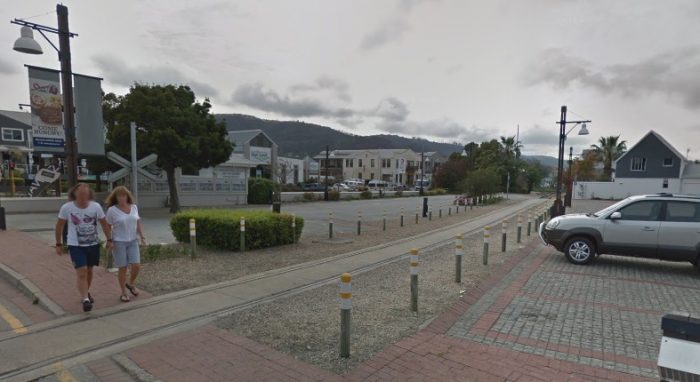
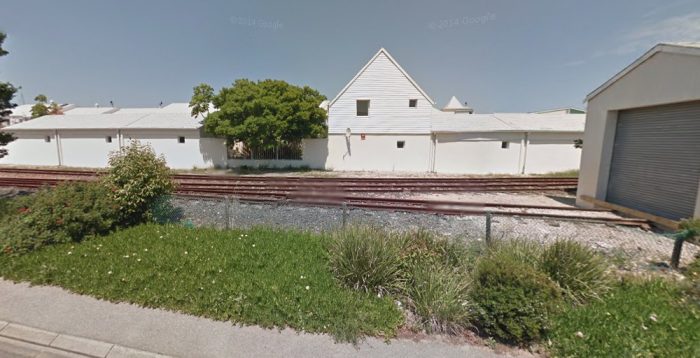
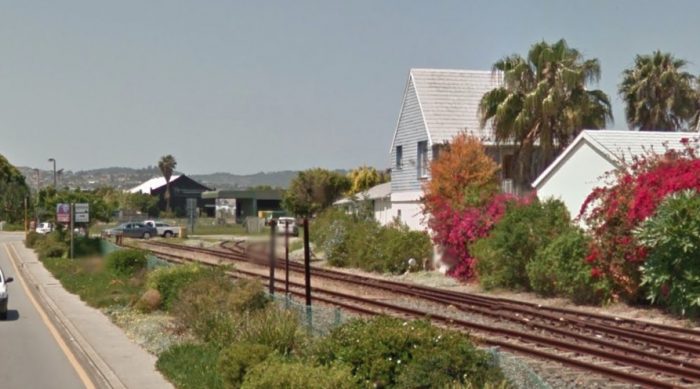
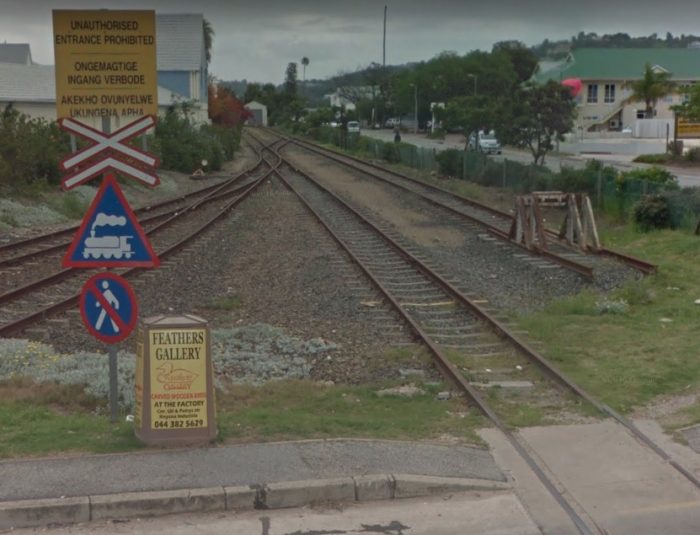



 Throughout the 1920s’ and 30s’ maintenance costs and taxation took their toll and soon another engine had to be bought. The S.A.R. provided a 2nd-hand engine no longer required on the Umzinto line. The engine was in good condition and gave many years of service.
 due to the deterioration of the line, they were forced to keep it going at least temporarily, because of the shortage of motor transport caused by World War II. It was then decided to have the line re-conditioned with old rails from South West Africa.
 In 1946 the re-laying of the track was completed with the second-hand rails and pronounced good for another 20 years. It was a difficult task and took over a year to complete. A modest tribute remains however, in the foot or two of rail set in the pavement on the right hand side of Long Street diagonally opposite Thesen House. But safer rails were not the answer to the problems of the railway. After the end of the war it was used less and less, as it became uneconomical to rail timber and the forestries, merchants and ship owners used private lorries instead. This meant another drop in the Company’s earnings.
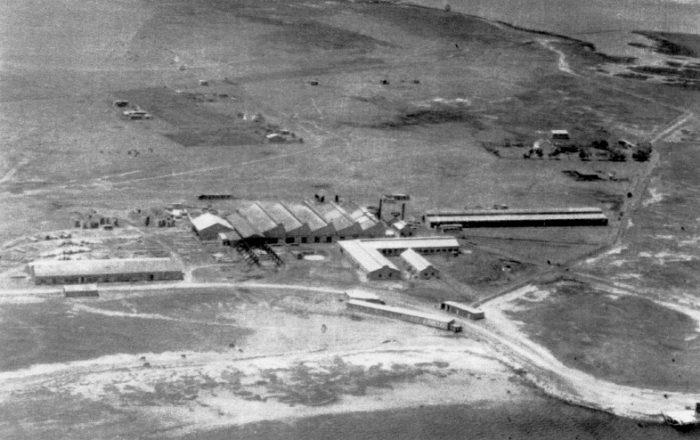

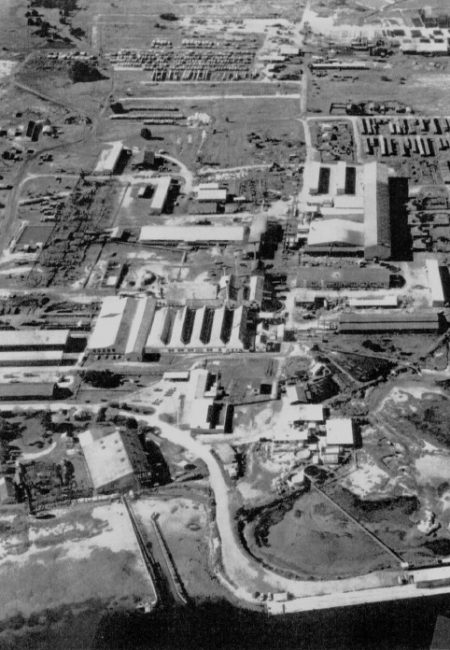
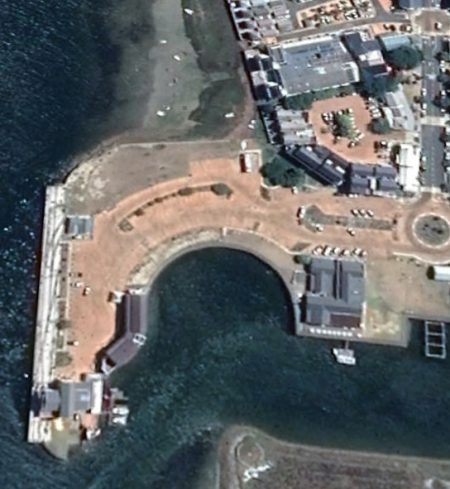
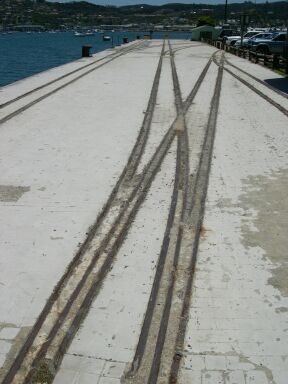 As we have seen above, the 2ft- gauge line commenced at the wharf and served Thesen’s plant on Thesen Island before crossing the causeway to the mainland.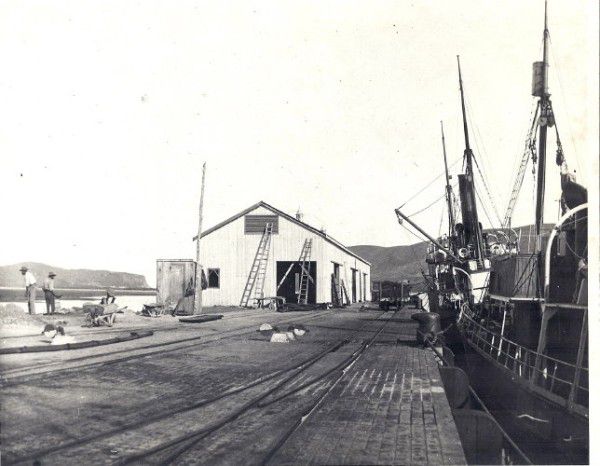


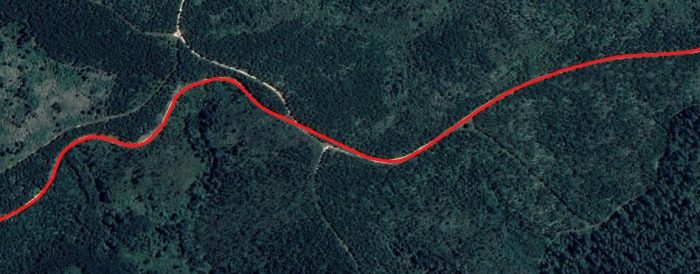
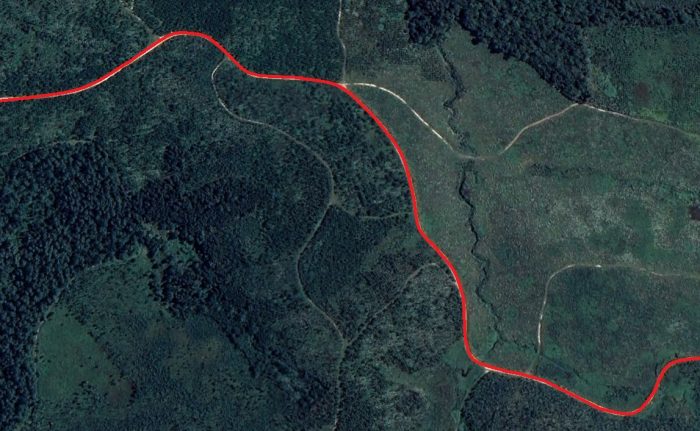
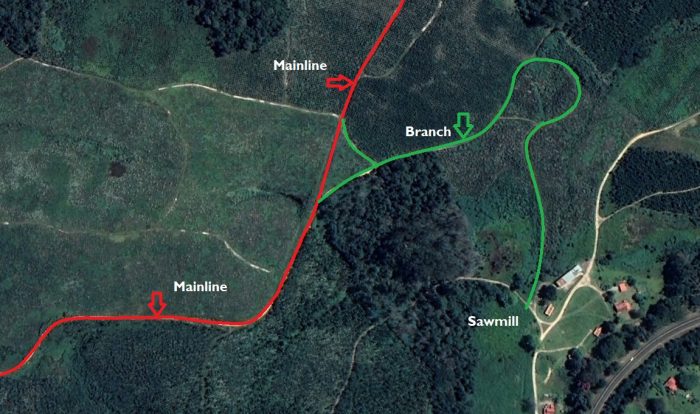
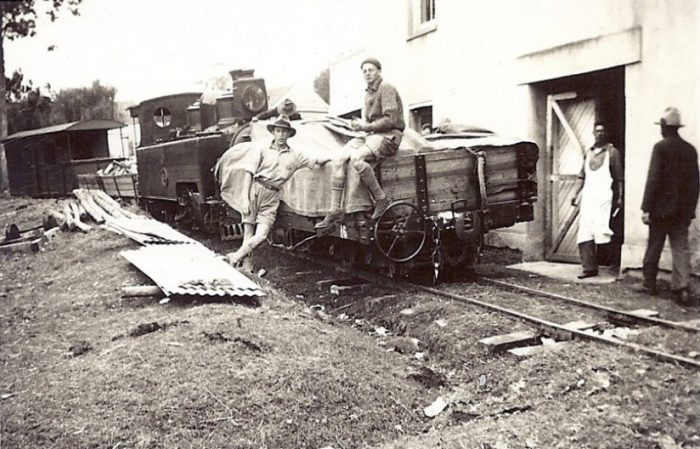
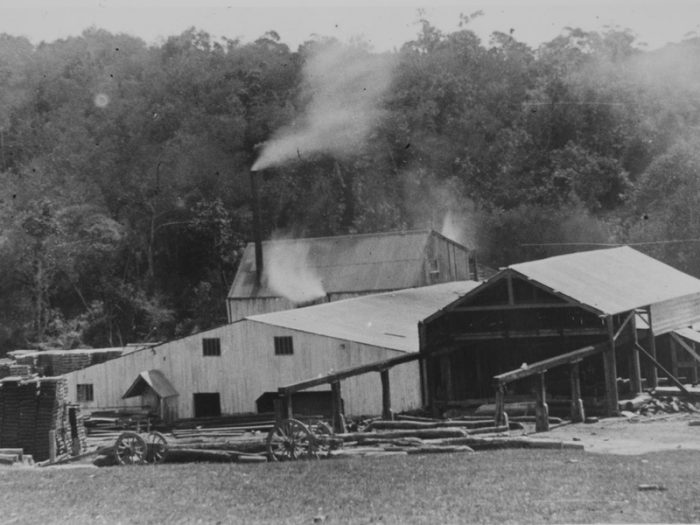
 The route from here travelled approximately northwards and the curved a little towards the East as it entered Diepwalle.
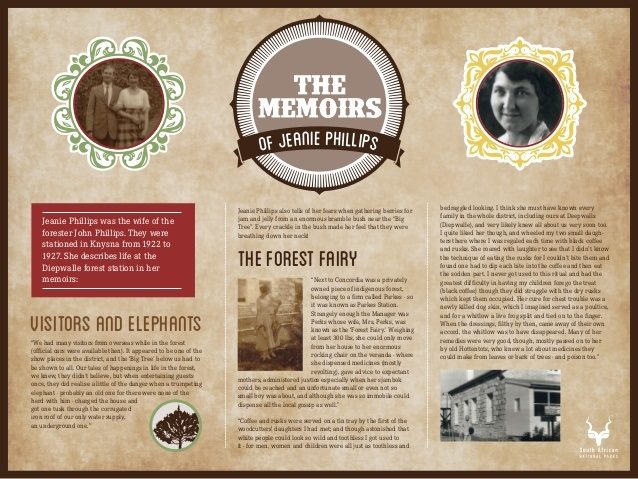
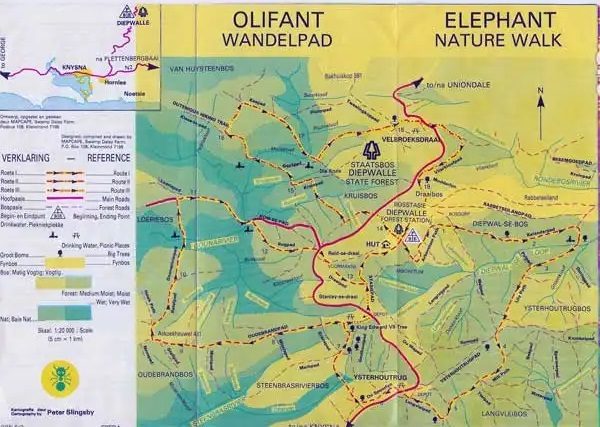
 Elephant Walks are provided from Diepwalle today. [29]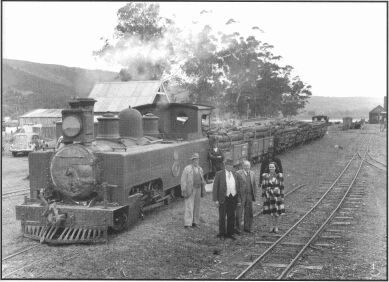
 Roger Farnworth

.jpg)
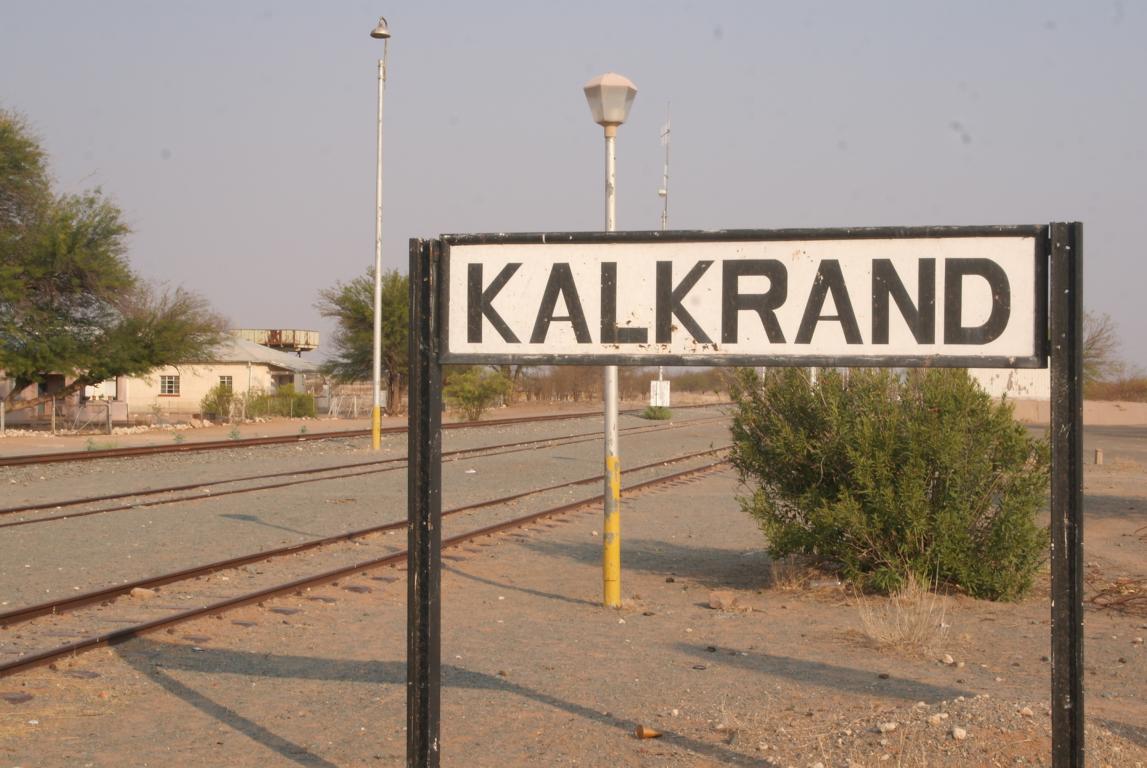


.jpg)


.jpg)
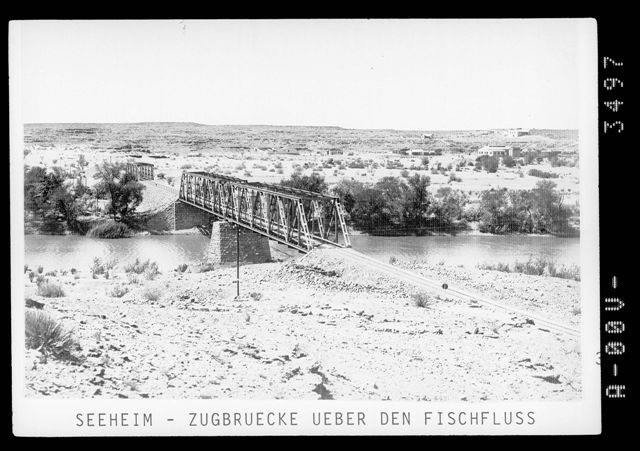


.jpg,baccrssef)