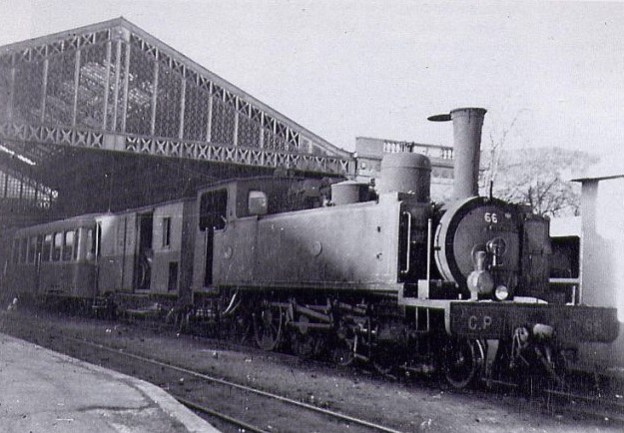
Toulon to St. Raphael – ‘Le Macaron’
Chemin de Fer du Sud de la France
Ligne du Littoral – Part 1
This railway ran along the Mediterranean coast in the department of Var in Provence in Southern France. When the PLM built its railway from Marseilles to Nice is chose an inland route bypassing the costal towns of Var.
I guess that the board of the PLM, in their wisdom, felt that they would gain most from the quickest possible route linking Marseilles, Cannes, Nice and Monaco. And who is to say that they were wrong.
Nevertheless, this left a significant portion of the coast adrift with no rail service. The Chemin de Fer du Sud stepped in to provide a metre gauge service along the coast. The line eventually extended from Toulon to St. Raphael and was not connected to the rest of the Chemin de Fer du Sud system. It was the most southerly of the three mainlines of that system.
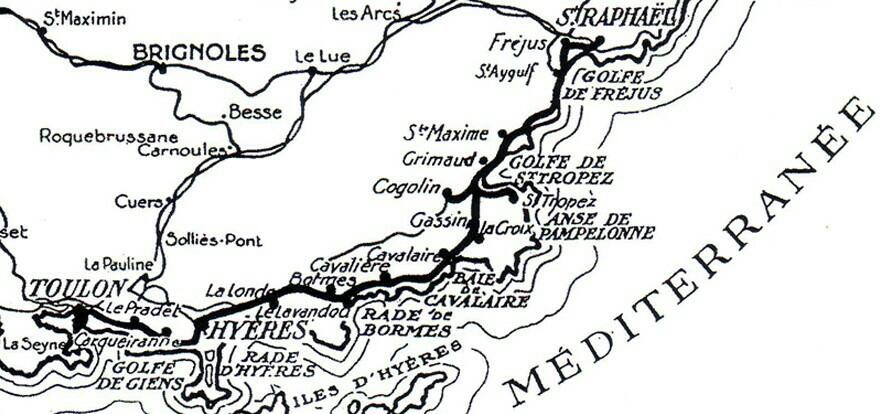
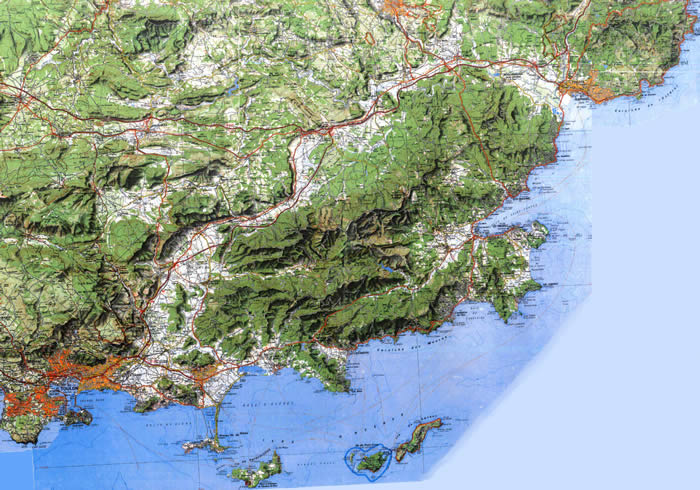
The PLM line left the coast at St. Raphael in the North-East and returned to the coast at Toulon. The metre gauge line had a large station at Toulon and followed the coast through Hyères and Frejus back to St. Raphael, with branches to St. Tropez and Cogolin. The area just inland is known as the Massif de Maures.
The line, 110 kilometres was long, followed the coast for most of its route. The tightest radius was 100 metres. The line was most often on its own formation, sometimes on a protected roadside platform alongside what was then the N559 or the D98.
History of the Line[1]
The PLM, at first, welcomed the construction of a metre gauge line as it anticipated that it would only increase traffic on its own system. The decision to begin the work on the laine was taken in 1887. The first 33 kilometre-long section from Saint-Raphaël to Cogolin/St. Tropez was opened on 25th August 1889. The line was then extended to Hyères, a further 51 kilometres. This work was completed in August 1890. The two short branches to Cogolin and St Tropez were completed a year later in 1892.[2]
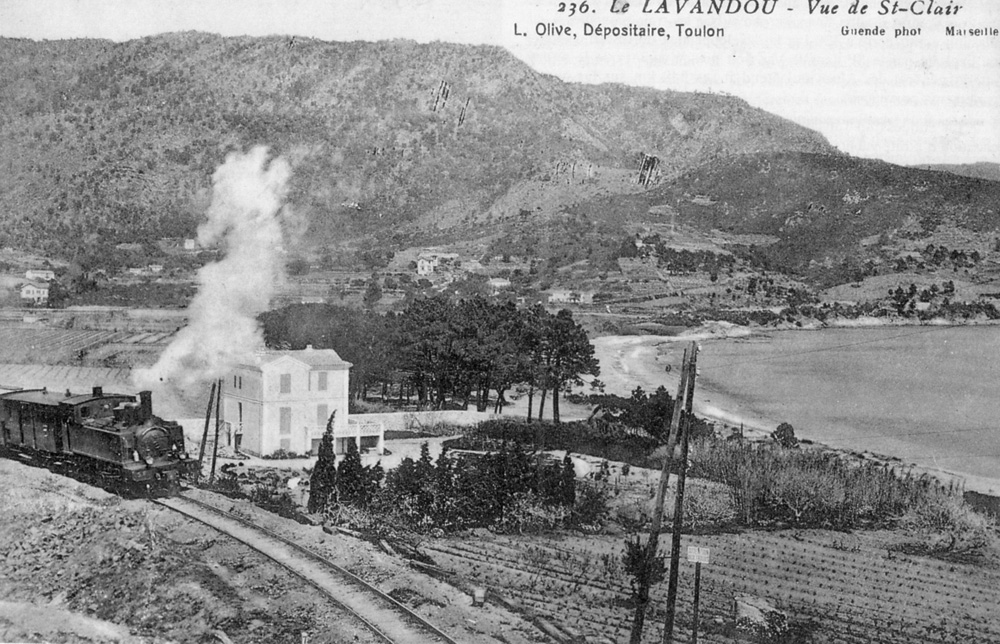
The PLM became nervous of the possibility of the line extending to Toulon. It was fearful for competition on through traffic. So, the terminus of the coastal line was initially fixed as being at Hyères. It was a few years before the line was extended through to Toulon. The completion of the line and the opening of the last section to Toulon took place on 6th August 1905. This last 23 kilometres was constructed as a result of the success of the line over previous years.
The line was very popular with tourists as it opened up access to coastal resorts to the East of Toulon. Nonetheless rapid construction of the line left the formation fragile and regular maintenance and sometimes more significant work was required to keep the line in operation. Very early in its existence, the line had to cope with bad weather. Structures built for the line were neither big enough, nor robust enough to deal with flooding in the area. Major work had to be undertaken to rectify the problem.
During the first 25 years of its existence, the line allowed the opening up of the coastal towns of the Massif des Maures and the demographic growth of many communes such as Pradet, Carqueiranne, La Londe, Cavalaire, Sainte-Maxime and Saint-Tropez. It considerably enhanced the economy of the area, even if its own finances did not fully reflect this. In the years before the Great War a series of different projects were mooted and possible concessions were investigated.
An agreement signed on 27th November 1908, between the General Council of the Var and the Chemin de Fer du Sud de la France granted the opportunity for the railway company to build branch-lines connecting other villages and towns to their main line between Toulon and St. Raphael and also providing connections to the Central Var line. The two main routes agreed were:
- A line from Salernes through Brignoles to a junction withe the coastal line near Pradet.
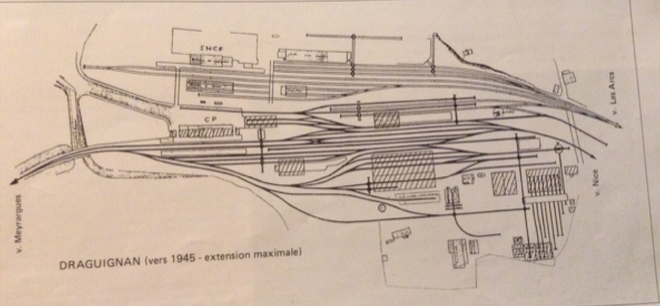
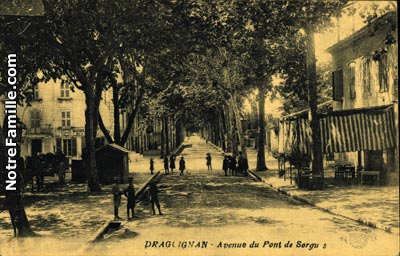
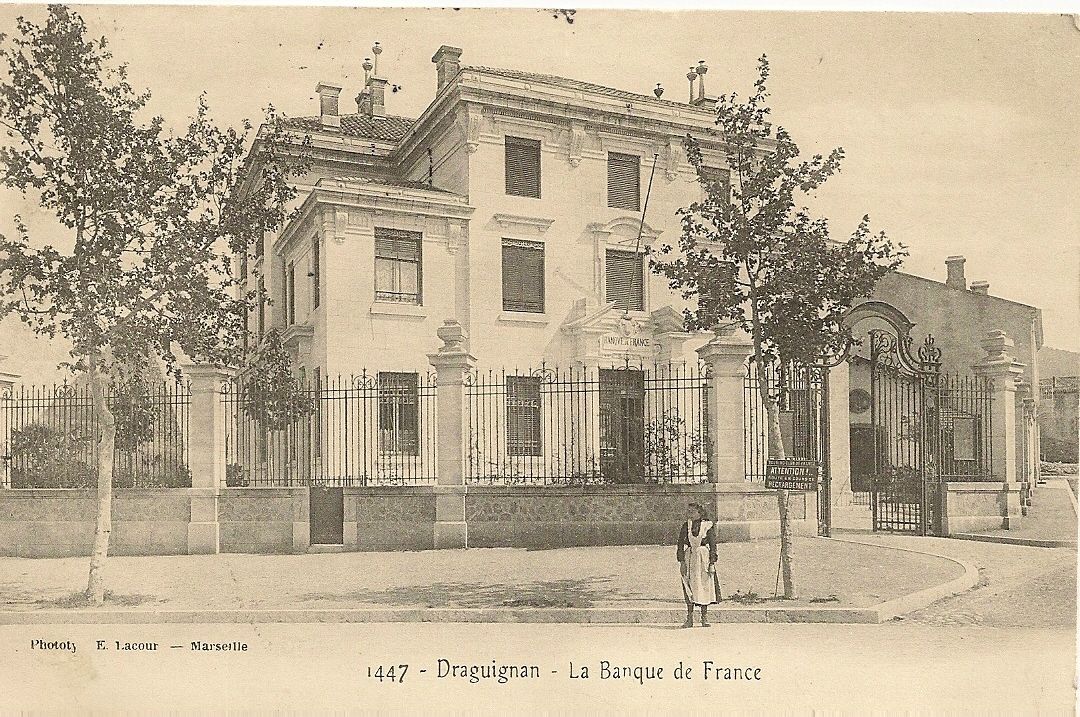
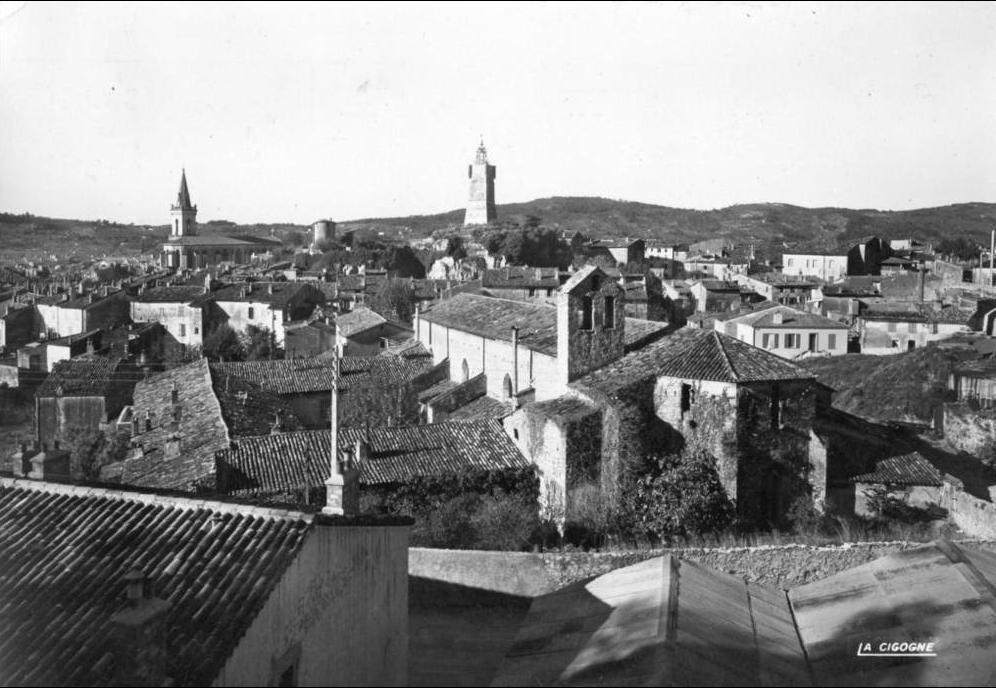
- A line from Draguignan to St. Aygulf, connected at both ends to the Chemin de Fer due Sud’s main lines.
A further commitment to these lines was made in April 1909 when the agreement was enshrined in law. However, these additions to the network were destined never to be realised. The advent of the First World War meant that schemes of this nature were inevitably put on hold.
The First World War left the Company in a parlous state. The poor state of the line was not addressed in the years immediately after the War. In the 1920s, a series of different natural disasters affected the line. The degradation of the service and the poor state of the network accentuated the competition by the road.
Finally, in 1932, the local authorities responded. A decision was taken to modernise the line. Immediately after this decision there were very violent storms in the Mediterranean and these storms seem to have provoked a tidal wave which badly damaged costal defences and the railway line as well.
Surprisingly, this disaster did not cause the closure of the line, rather it prompted greater commitment to the modernisation plan. Work was undertaken quickly and the line was fully open once again by October 1933.
Modernisation almost went as far as electrification, but a dispute between the Railway Company and the Local Authorities meant that this did not go ahead. The Local Authorities decided that electrification would bring such an improvement in profitability that the work would pay for itself and so did not warrant subsidy. The Railway Company was unable to raise finance for the electrification. In fairness, both sides had strong arguments on their side. The costal line was after all the most financially viable and busiest of the lines of the Chemin de Fer du Sud de la France. By 1933, the historical company only had the coastal route under its control as the other two lines had been taken over by the State after going bankrupt.
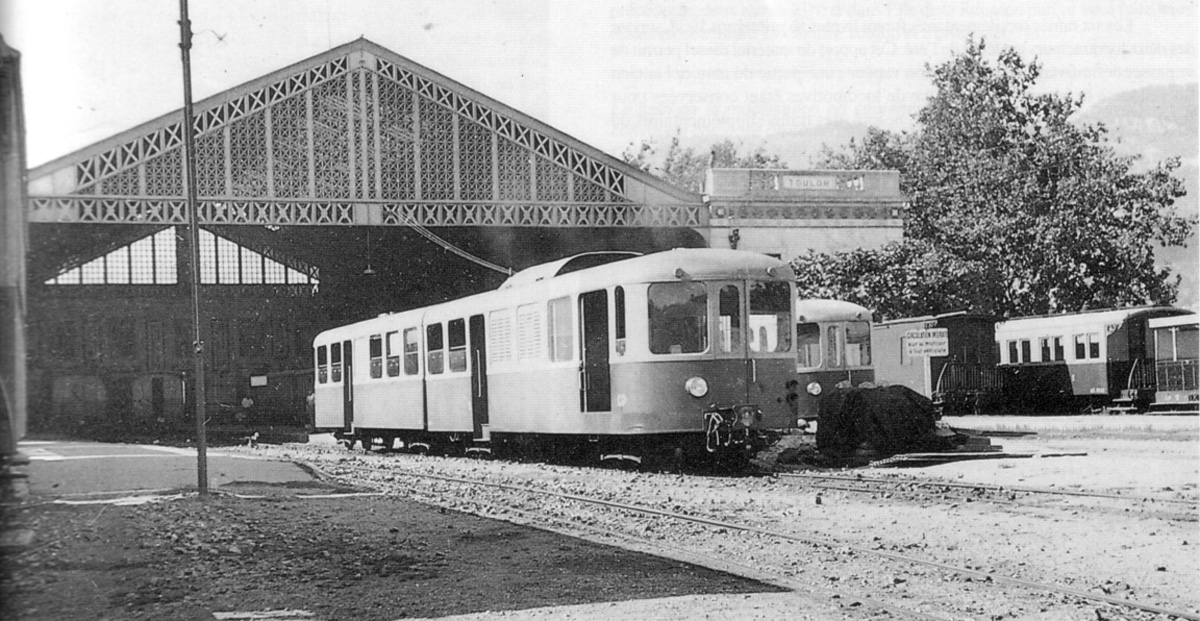
The Railway Company turned to look at diesel railcars as the best solution to secure the future of the line. The decision was taken to buy 10 200hp railcars rather than the originally proposed 7 100hp railcars. They arrived in 1935 and were an immediate success.
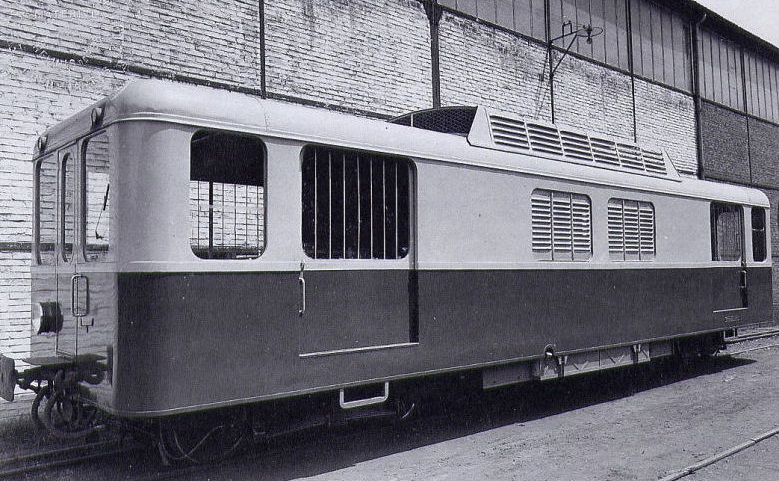
In two years the number of travellers tripled, the revenue doubled and the cost per kilometre cut by two-thirds. The daily timetable was increased to seven round trips on each section, and thirteen between Toulon and Hyères. The Company was so successful that they became victims of their own success: some schedules trains had to be increased from single car operations two, three and even four car operations on occasions. In this period, the train overcame all competition. The Toulon-Hyères tramway closed on 30th September 1936, and bus companies saw their customers desert their services and consequently saw a dramatic drop in revenues.
During this period any problems encountered were those arising from success rather than failure. In 1936, the General Council of Var ordered six new railcars and two locomotives. During the years 1937 and 1938, seventeen new stops were created on the line and a departmental coordination plan was created to regulate compettitve activity between road and rail.
Between Toulon and Hyères, the bus service was reduced and between Toulon and Cavalière buses were cancelled completely. However, the Railway Company found that it need to supplement the rail service on that second route and developed a coach service to complement its own rail service.
As a consequence of this action, a small change was made to the agreement with governed the management of the line and other transport in the area. In July 1938 this change formally permitted the Railway Company to replace some of it trains with road vehicles as necessary. This addendum did not at the time seem significant but ultimately it was the freedom for the company to do this which cause the end of the rail service only a few years later.
On the eve of the war, in 1939, the Chamber of Commerce of Toulon finally secured the permit for construction of a metre-gauge track between the Toulon terminus of the costal line and the PLM station.
Wartime bombing and occupation caused serious damage to the coastline and to parts of the railway. A few weeks after the liberation, a shuttle was put back into service from Toulon to Hyères, it allowed a daily return in each direction. It ran heavily overloaded.
In the immediate aftermath of the Second World War, the employees of the Railway Company managed, without significant resources and without recognition, to restore traffic along the whole length of the line. It was operational by 15th March 1945 before the end of the conflict in Europe. But the number of vehicles was reduced and those operable were in a very poor state of repair. It quickly became obvious that there was no likelihood of financing and that the Company was also riddled with debt. On 29th October 1945 the Company Director proposed transferring all service to road vehicles. Technical reports were undertaken on the state of the railway and proved to be surprisingly positive about its condition and the possibility of proper repair. However, the political discussions about what to do with the railway lasted three long years, during which the railway operated in really poor conditions. Overloading of the remaining 9 railcars was common and the Company supplemented these with road transport. In the same period maintenance of the permanent way was cut t a bear minimum to allow the company to purchase more road vehicles. By the summer of 1948, Railway Company flyers were only mentioning their bus services and no reference was made to the railway, even though trains were still running.
The closure was drawn out. On 14th May 1948, the decision was made to close the line. On 19th May, the Frejus diesel workshop was in flames. Railcar repairs were no longer possible. Rail cars continued to provide a service along the line until 2nd June 1948. A truncated service continued between Toulon and Hyères, until 18th October 1948. Some sources suggest that some sort of service continued without any logistical support until 1949.[3]
And finally, why ‘Le Macaron‘ (the Macaroon in English)?
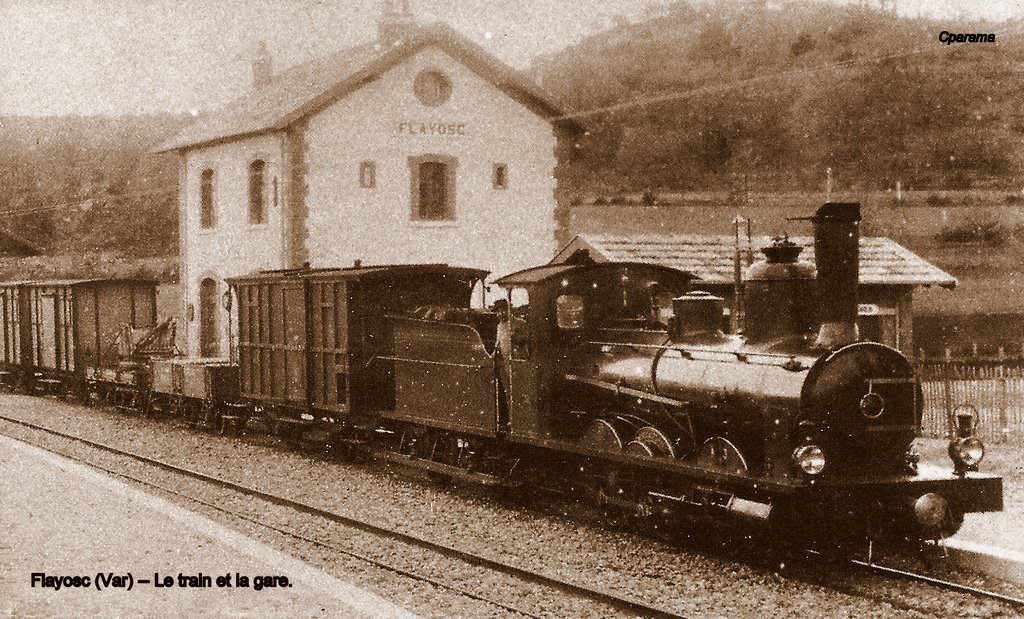
A plausible explanation is provided by Roland le Corff [4] who suggests that in Provençal, the train was called Lou mascaroun (which gave the word macaron) and which means “black” and more precisely a person blackened by coal. For example, this is what coal miners were called. What could be more logical than to name a steam train whose black smoke smeared on the faces of passengers leaning out of the window and of course that of the mechanic and driver placed in the front row?
References
[1] Wikipedia; https://fr.wikipedia.org/wiki/Ligne_du_littoral_varois, accessed 17th December 2017; and http://cccp.traindespignes.free.fr/infos-historique-lignes.html, accessed 18th December 2017.
[2] http://marc-andre-dubout.org/cf/baguenaude/toulon-st-raphael/toulon-st-raphael1.htm, accessed 15th December 2017.
[3] E.g. http://cccp.traindespignes.free.fr/infos-historique-lignes.html, accessed 18th December 2017.
[4] Roland le Corff; http://www.mes-annees-50.fr/Le_Macaron_historique.htm, accessed 18th December 2017.
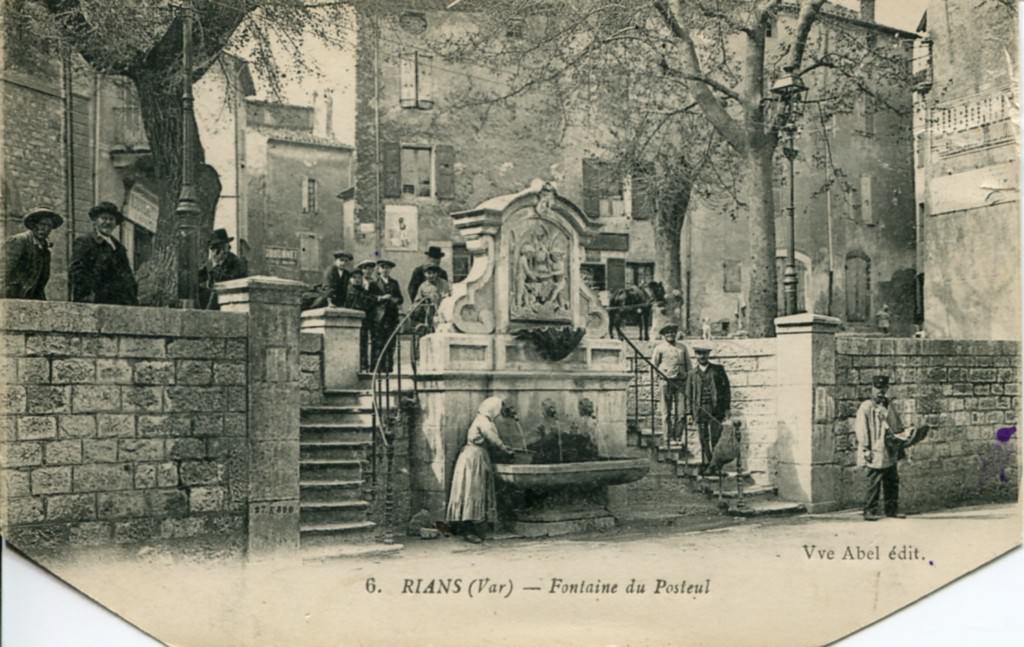
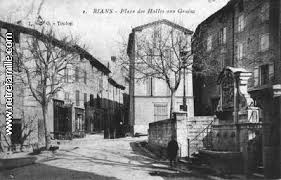
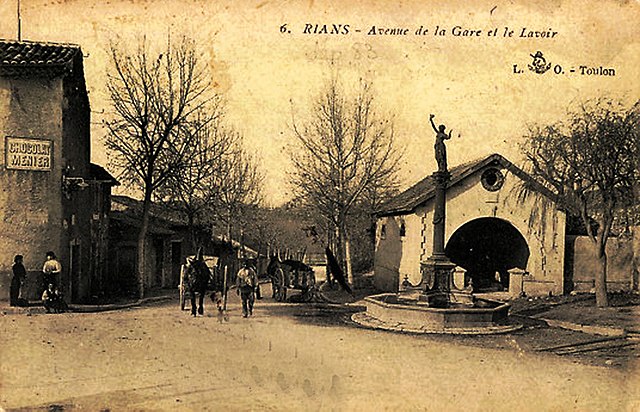
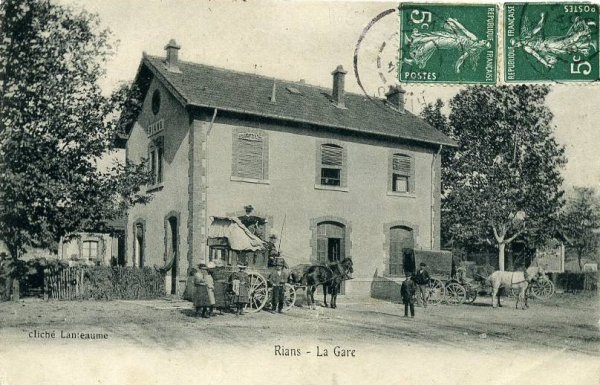
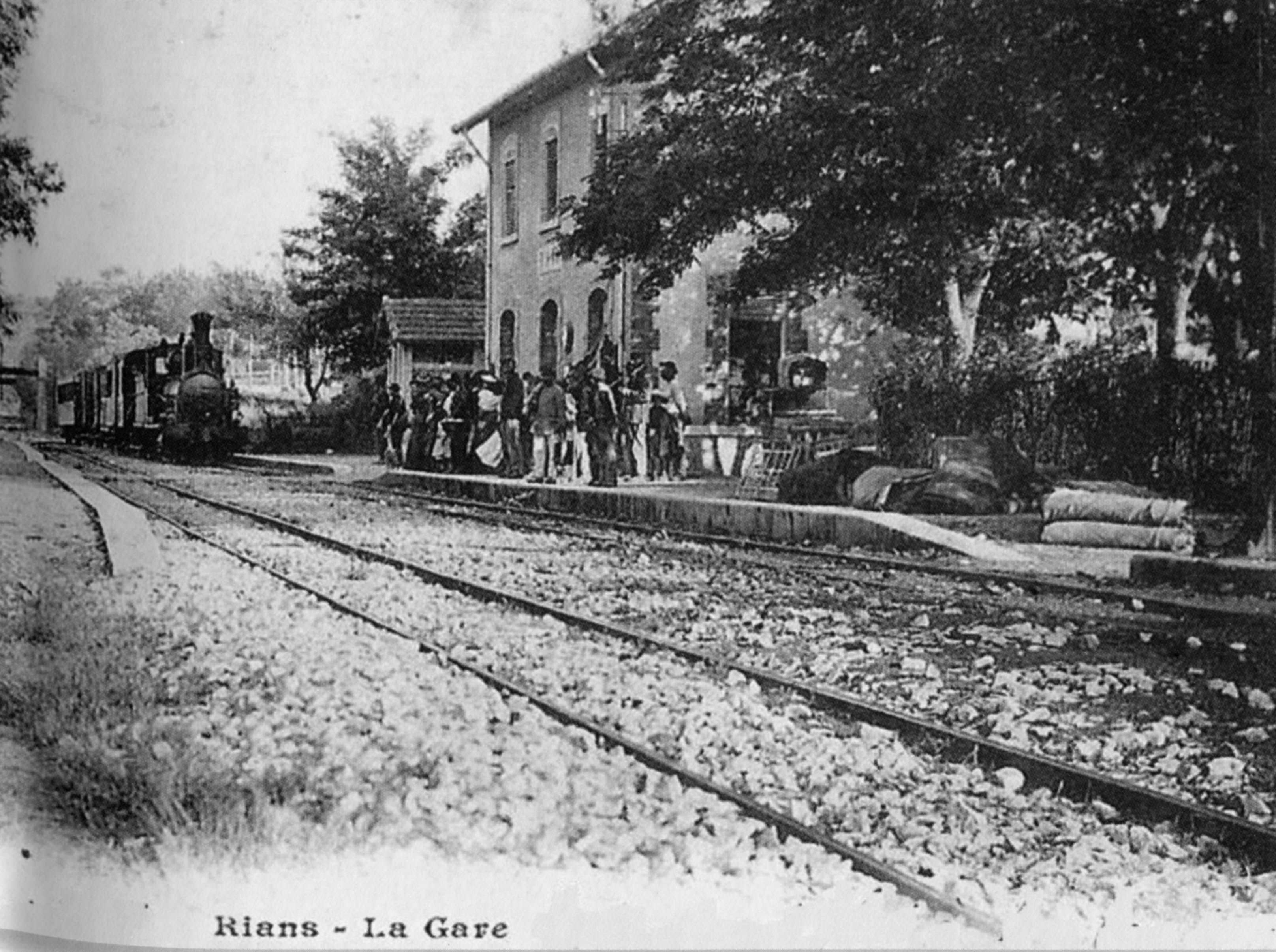
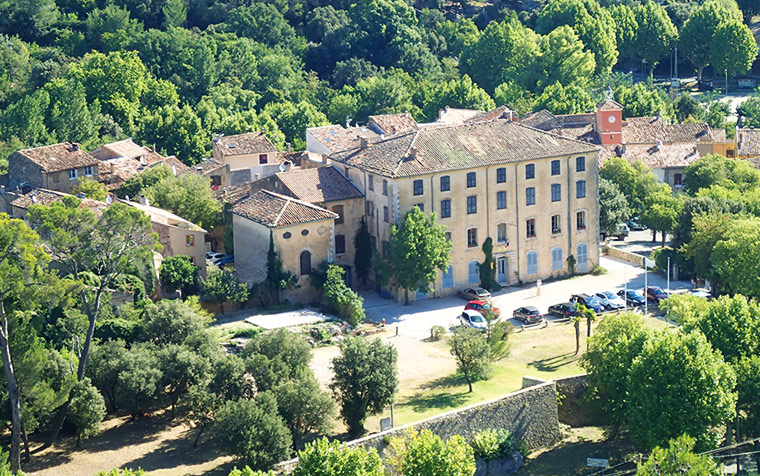
 Rians is a commune in the Var department in the Provence-Alpes-Côte d’Azur region in south-eastern France. It is a provençal village in the Upper Var located north east of the Montagne Sainte-Victoire. It is on a narrow farming plain between the hills north-east of Sainte-Victoire and south of the Durance/Verdon hills.


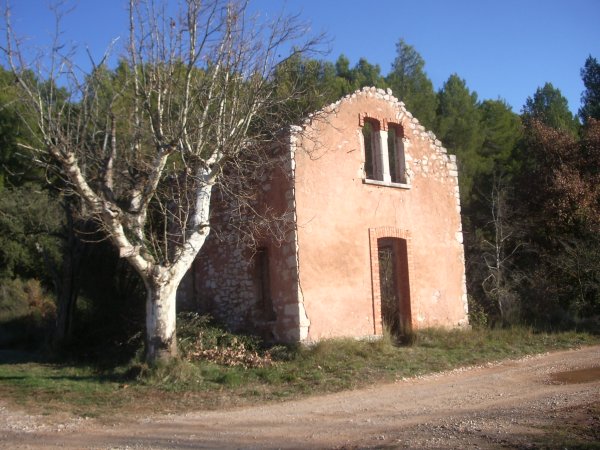
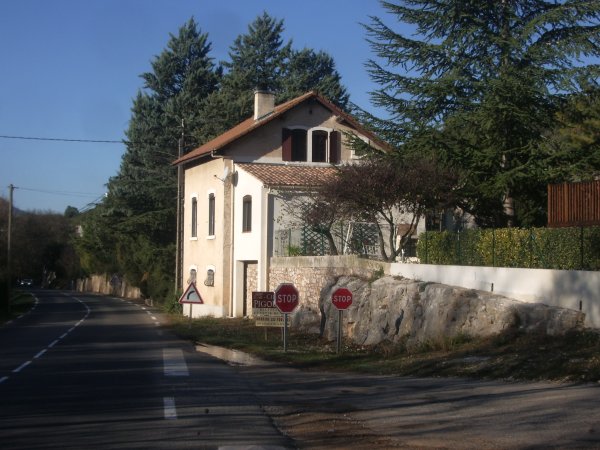


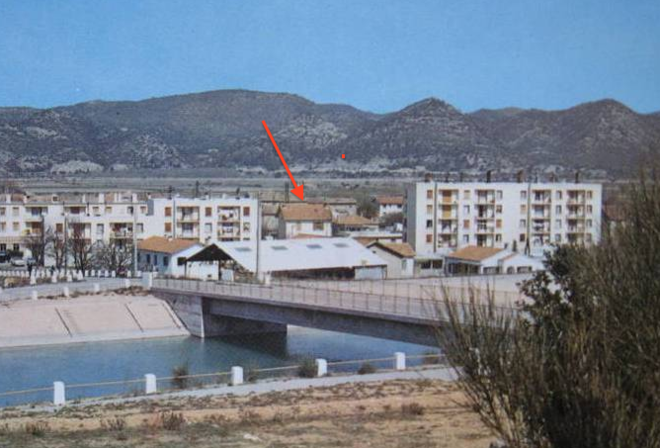
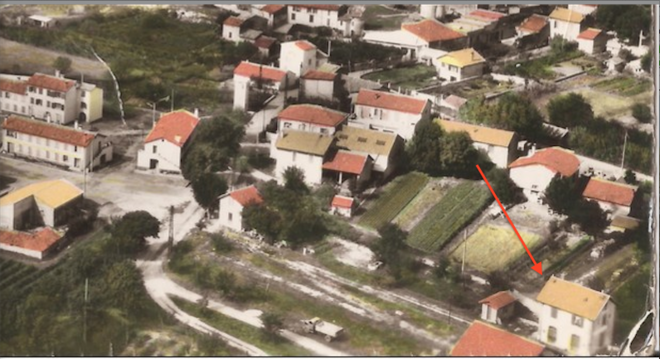
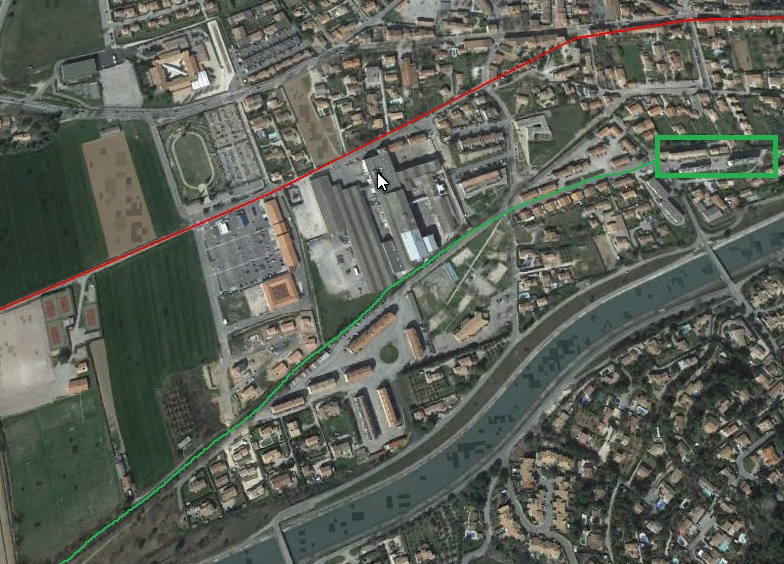
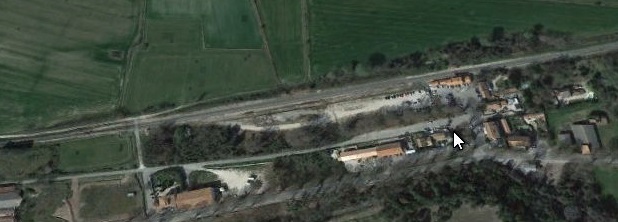
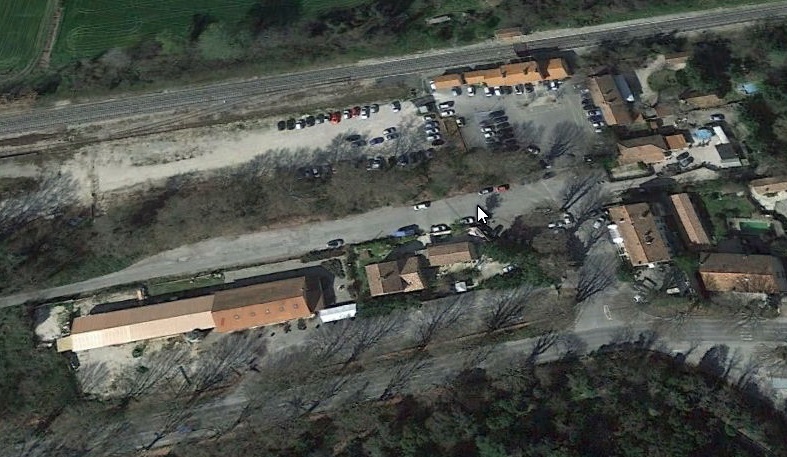
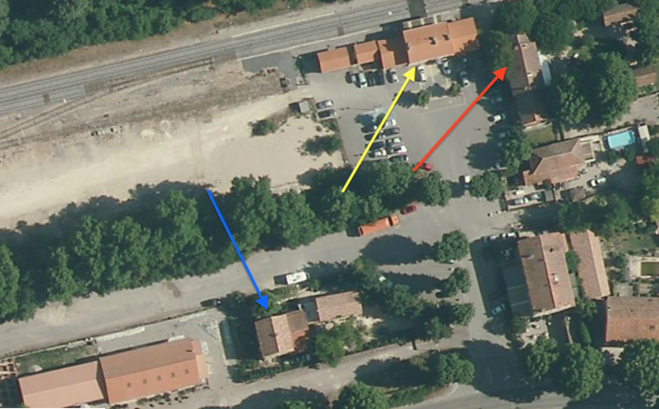
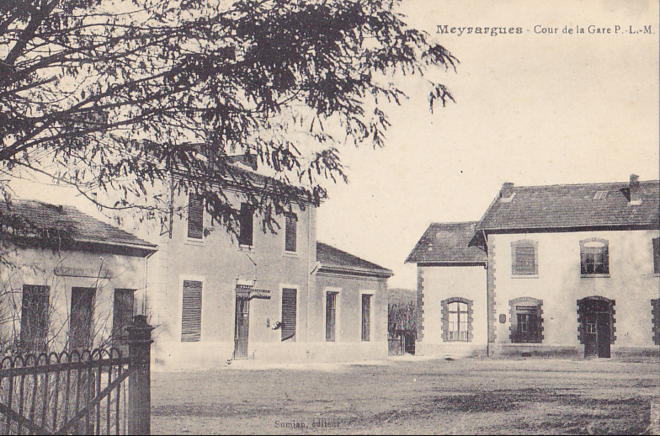

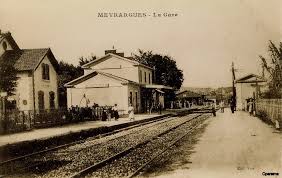
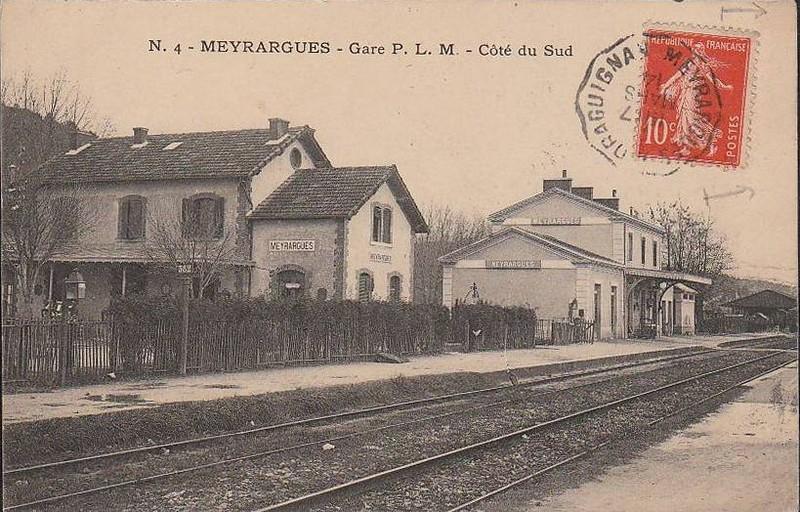
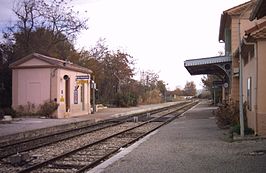
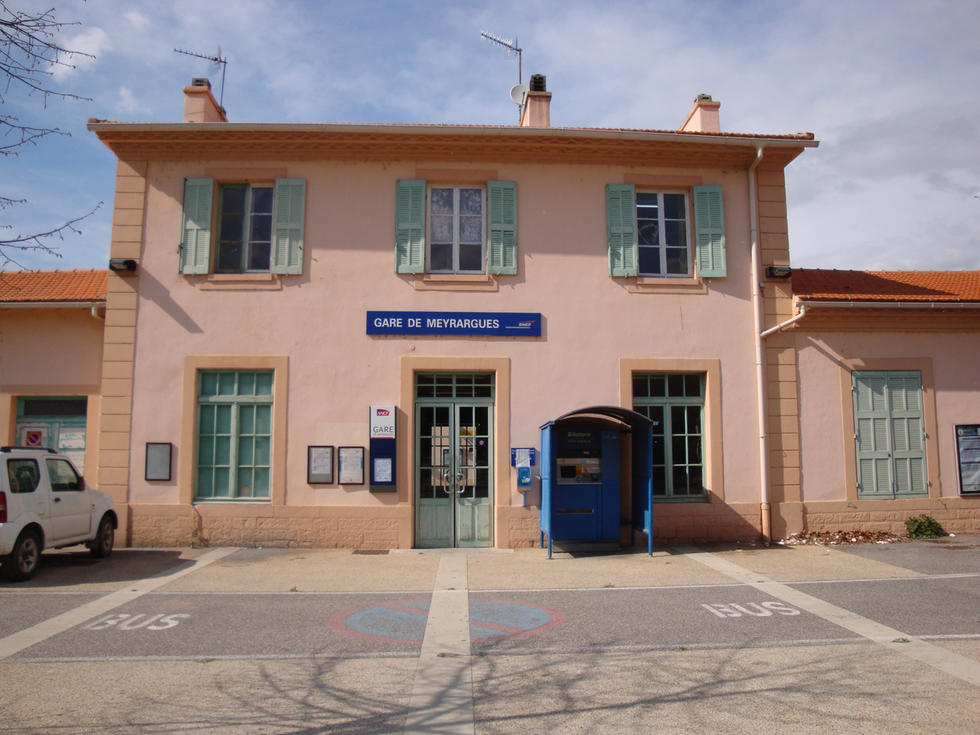
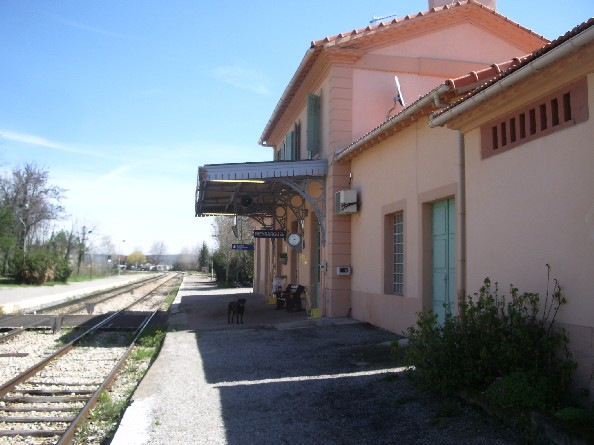
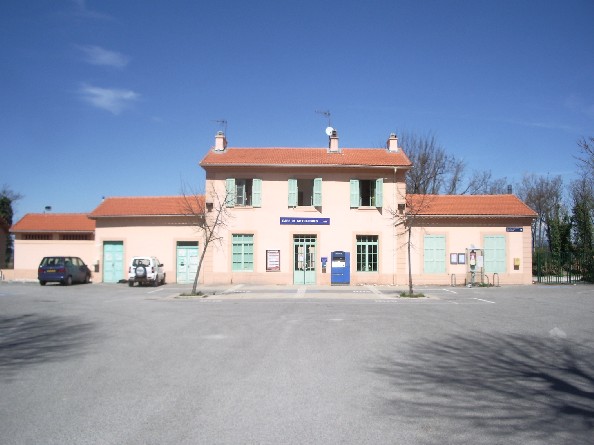
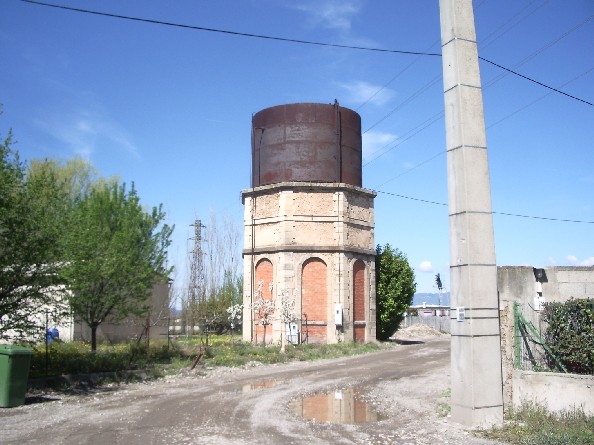
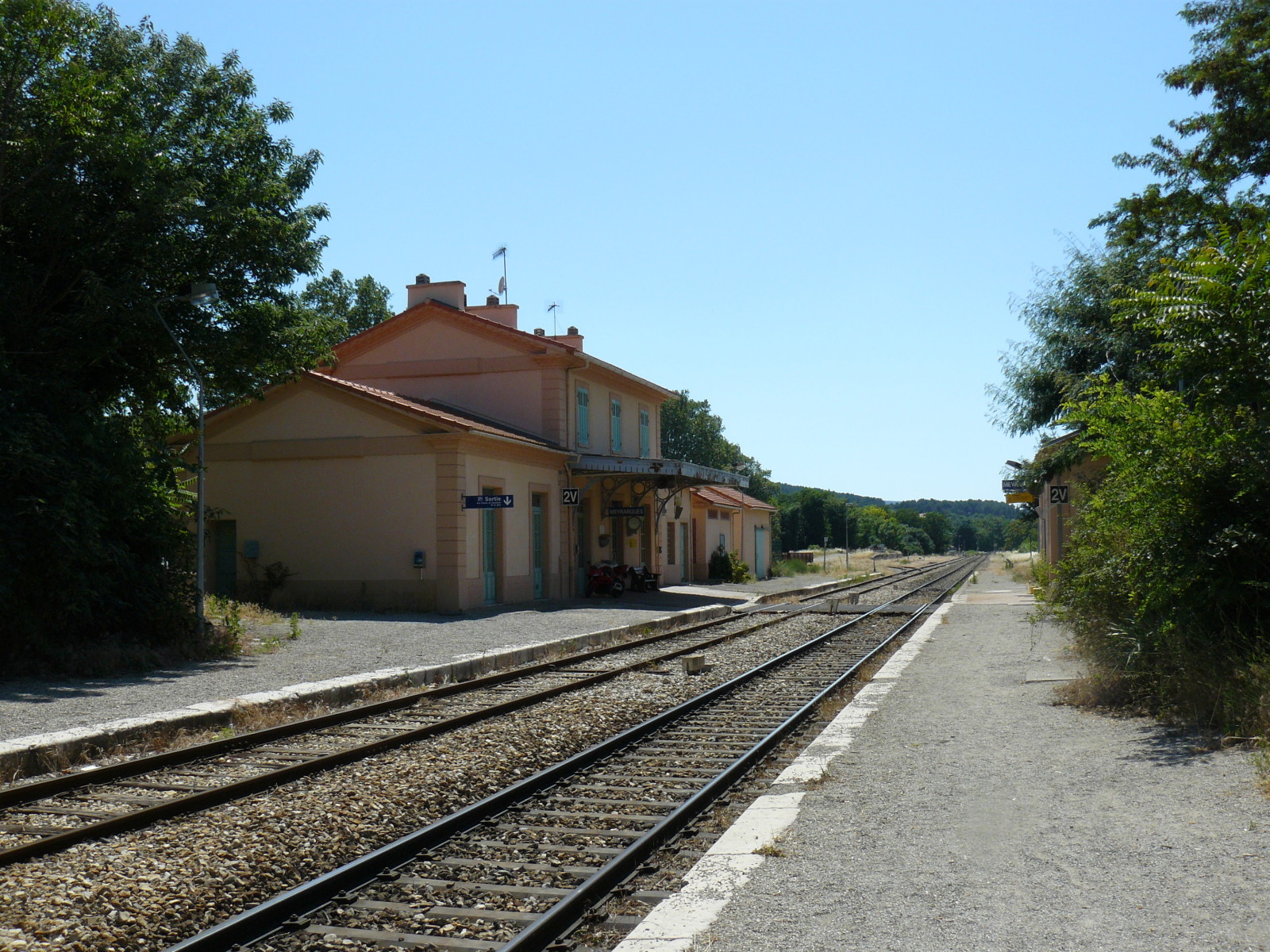
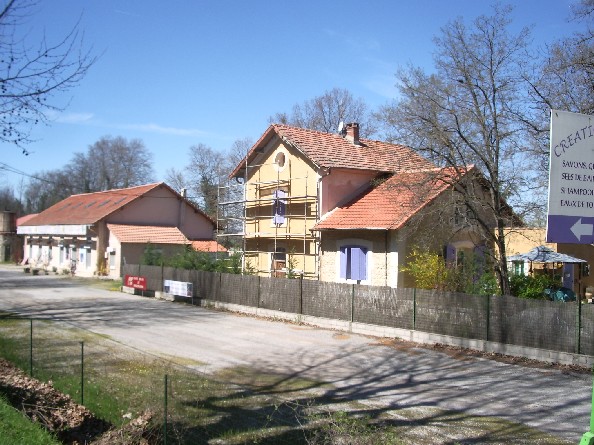
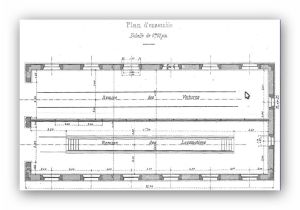
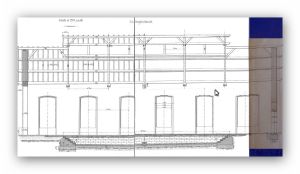

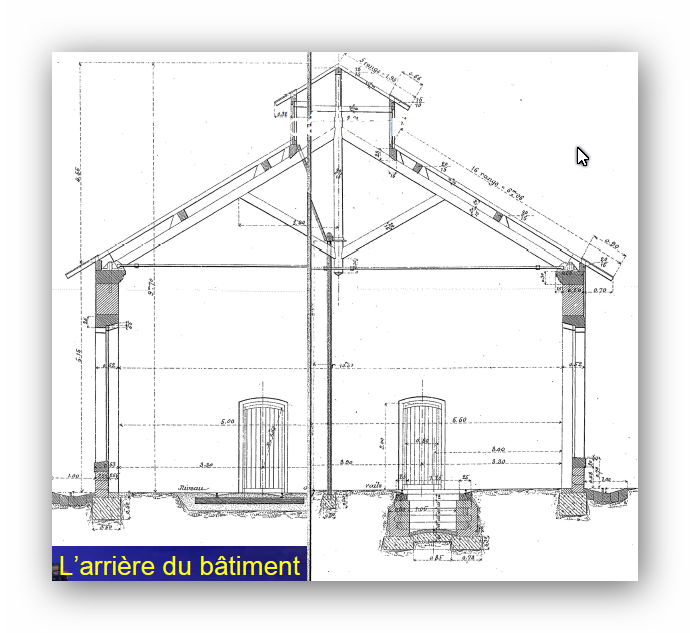
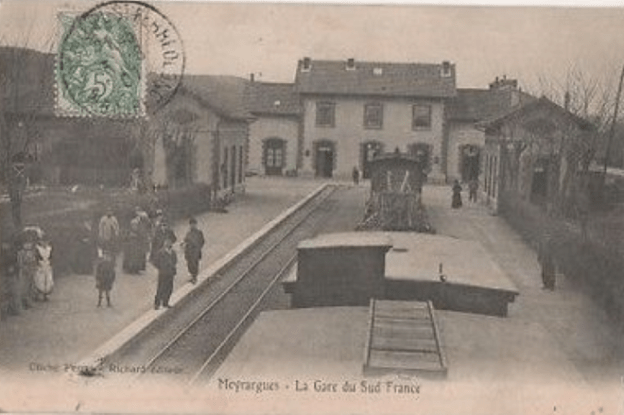
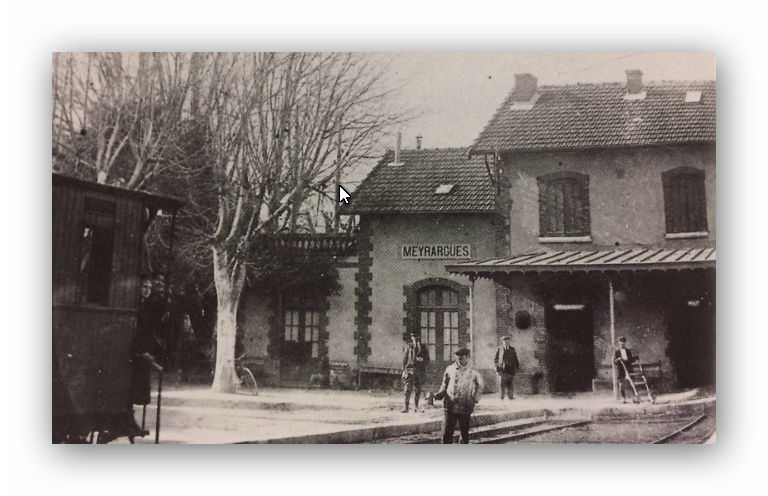
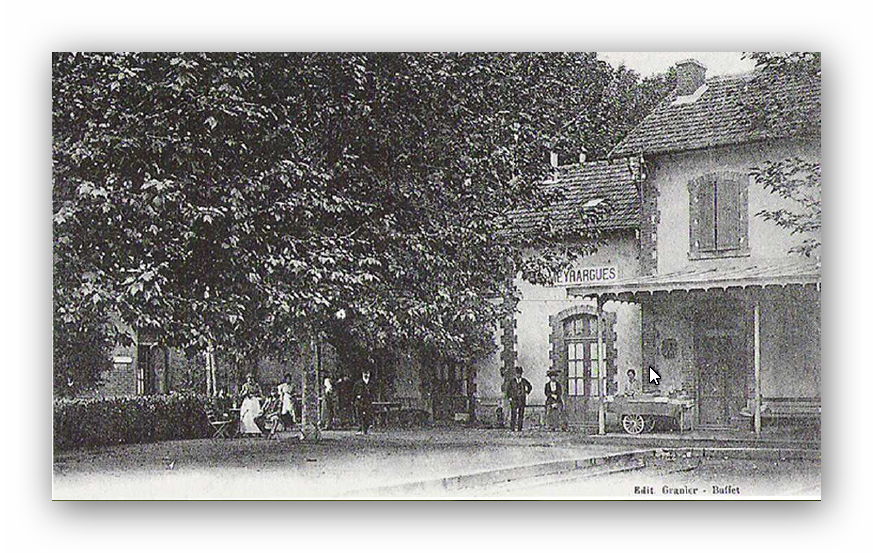
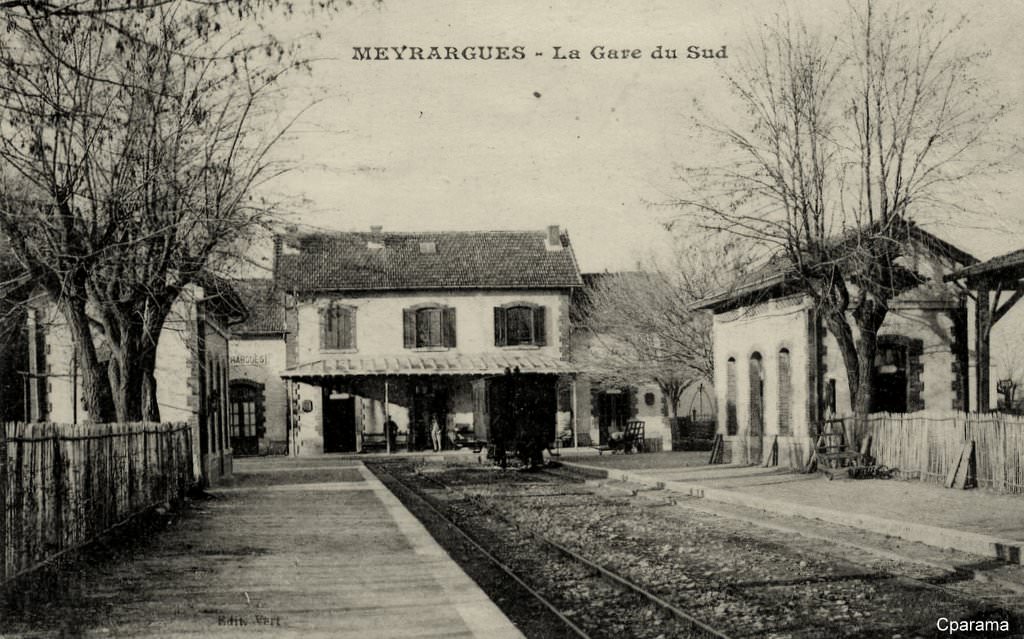














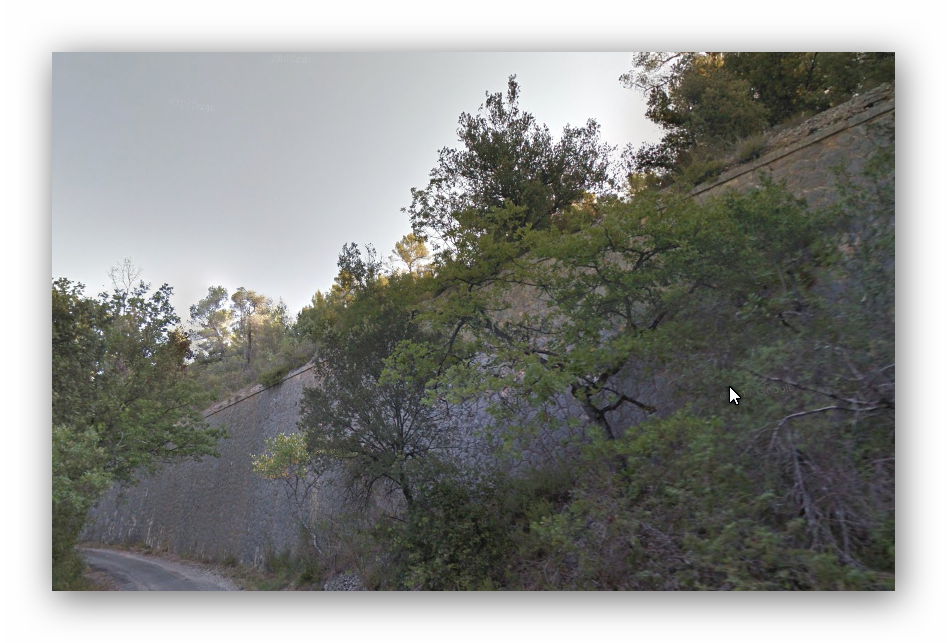
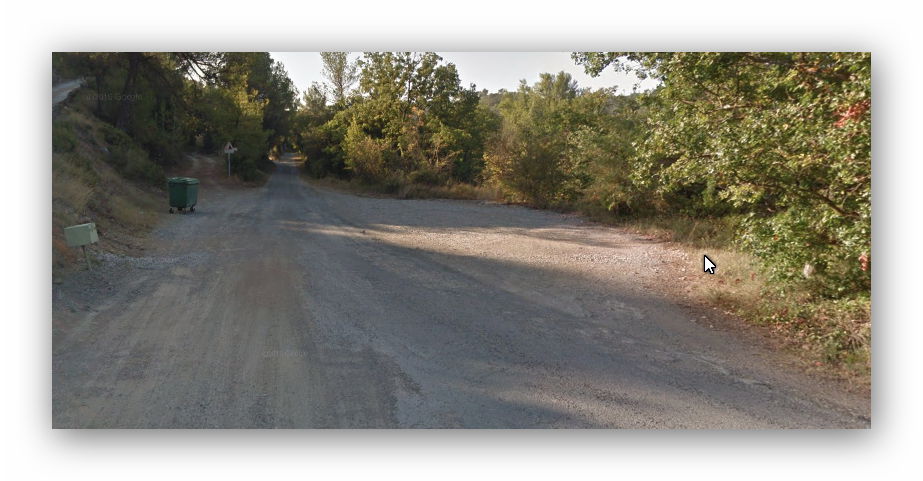

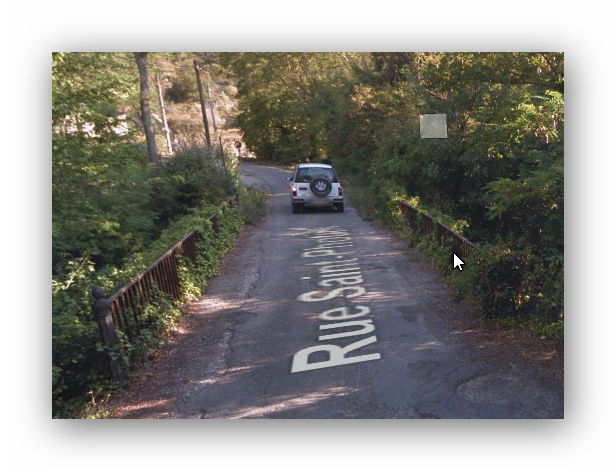

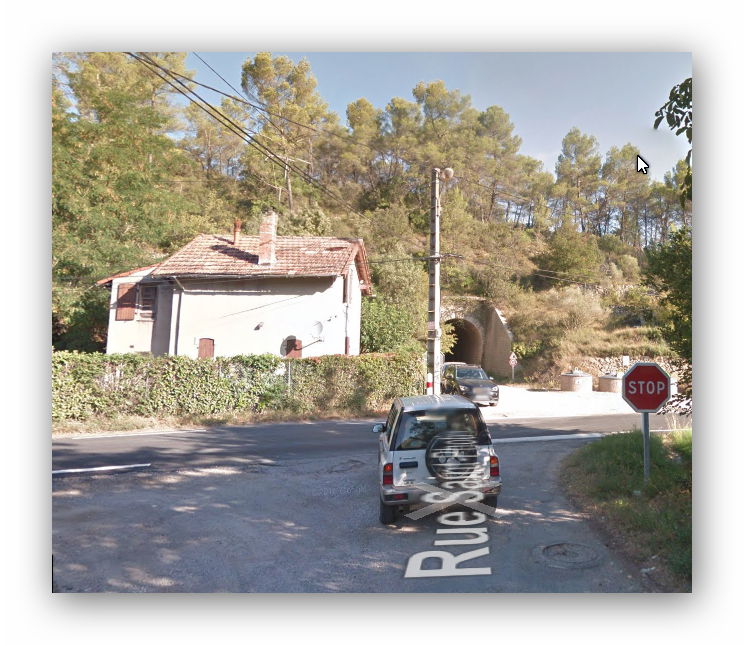





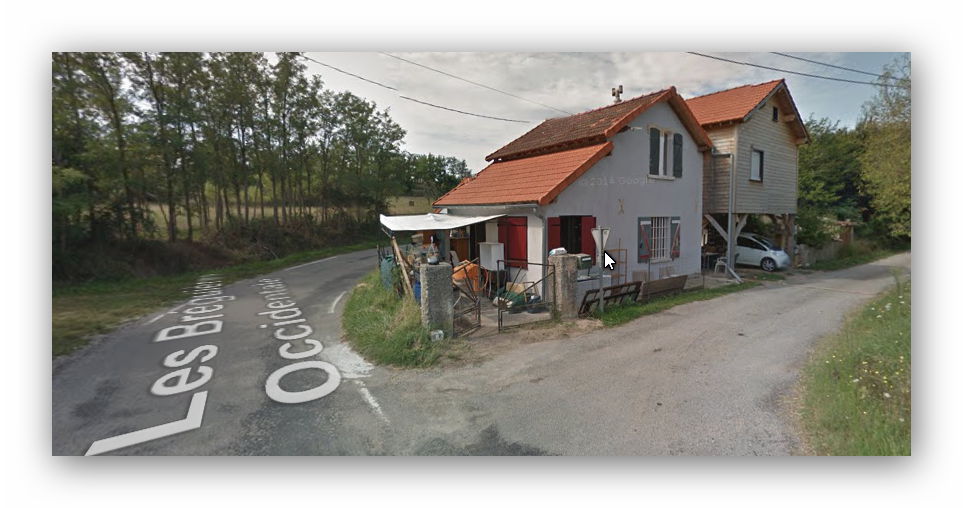




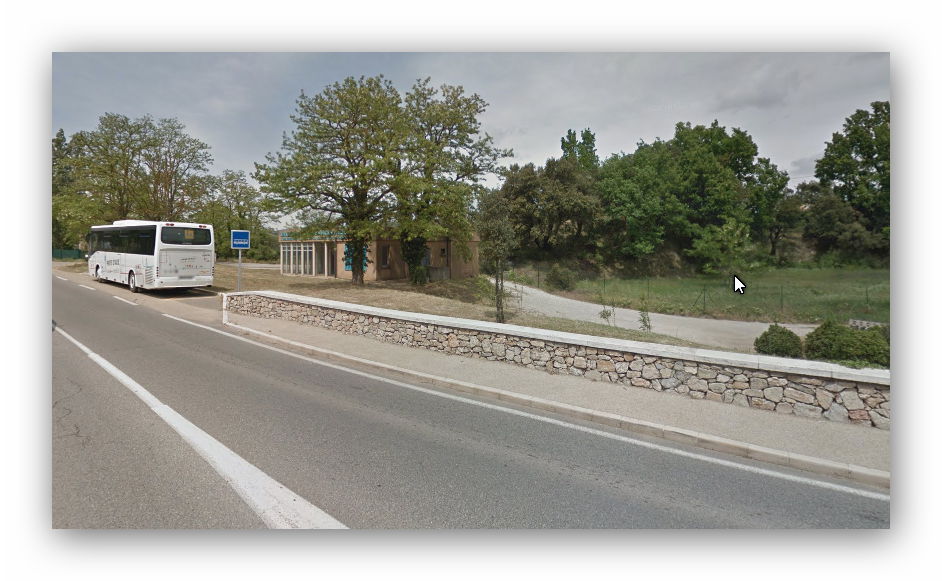

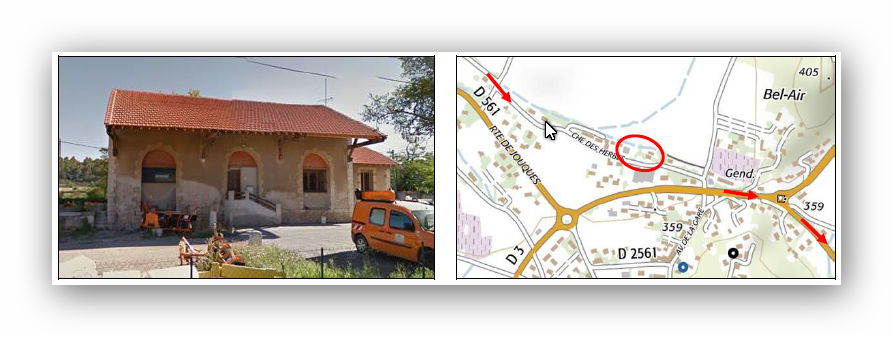













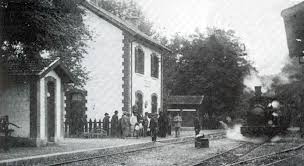
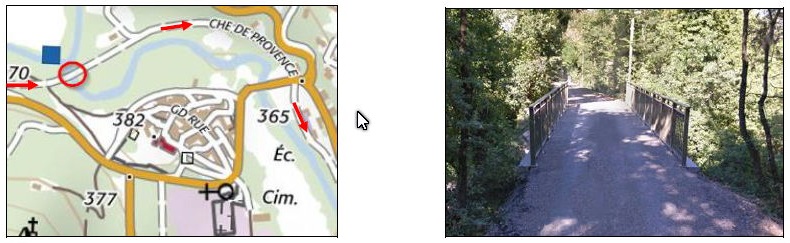

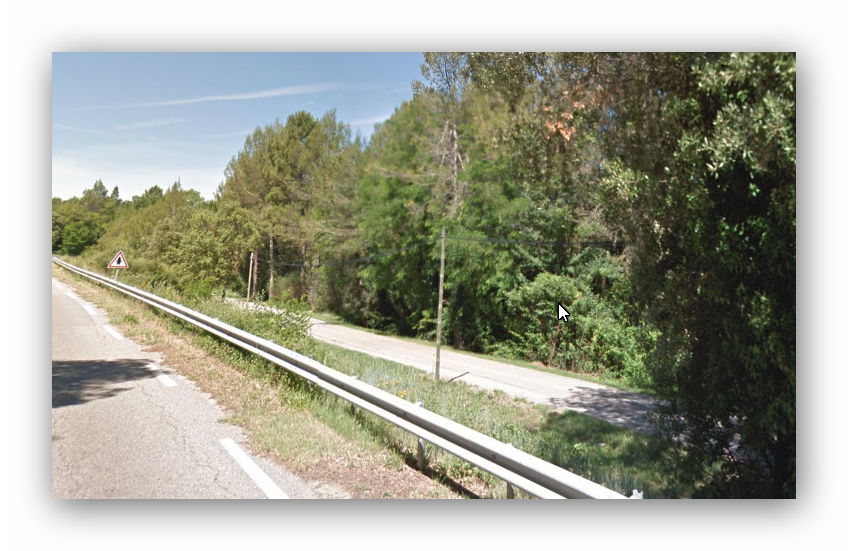

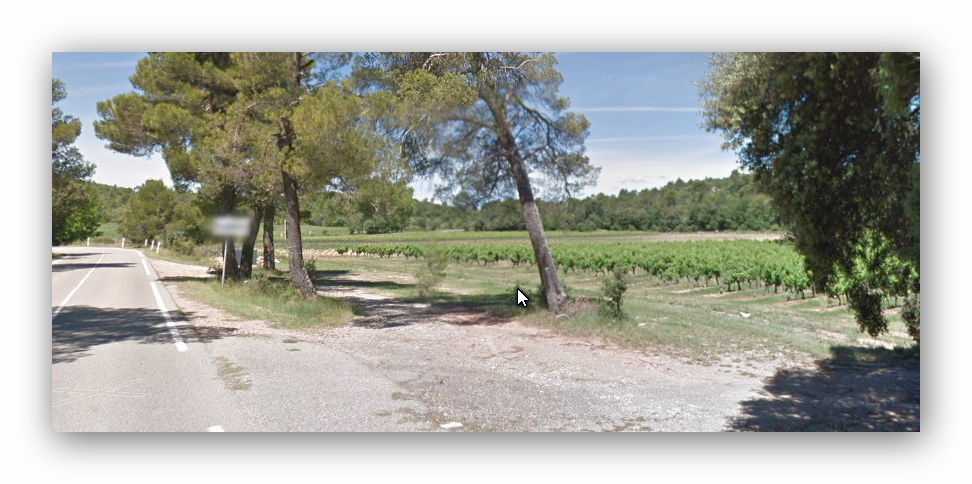
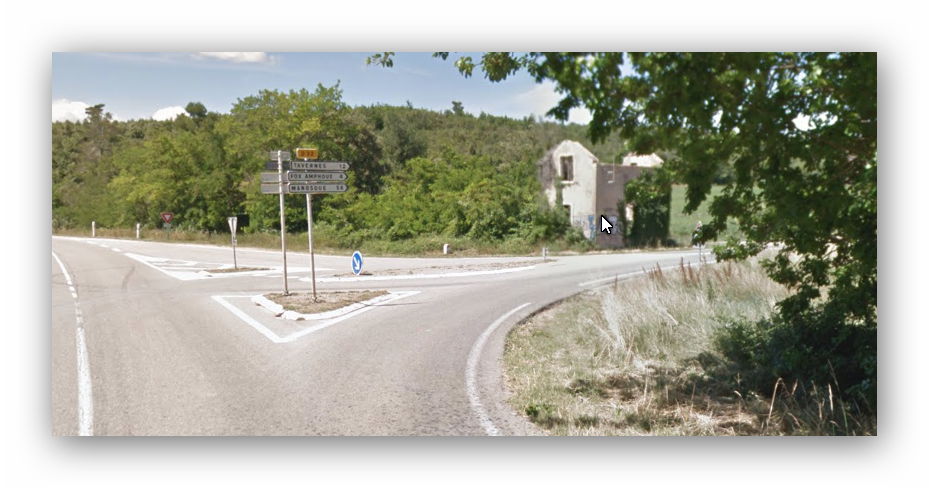


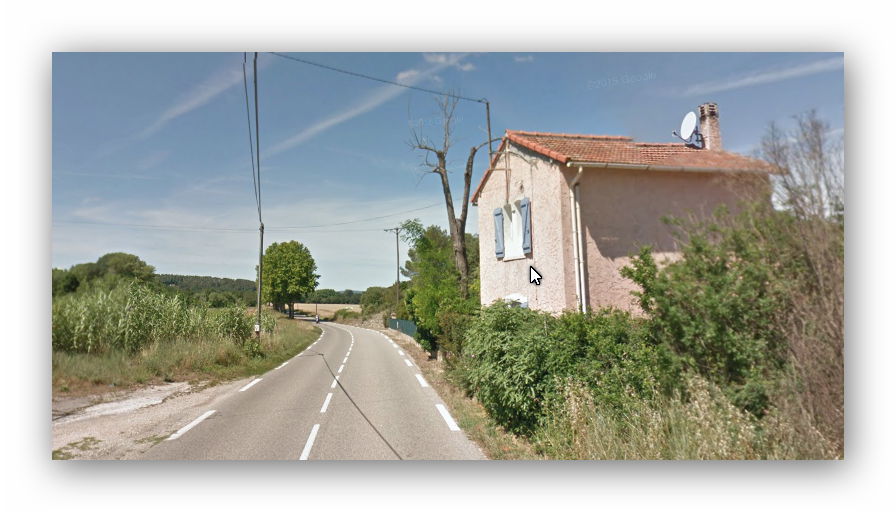


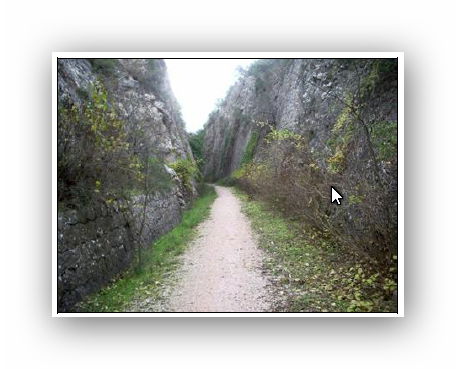


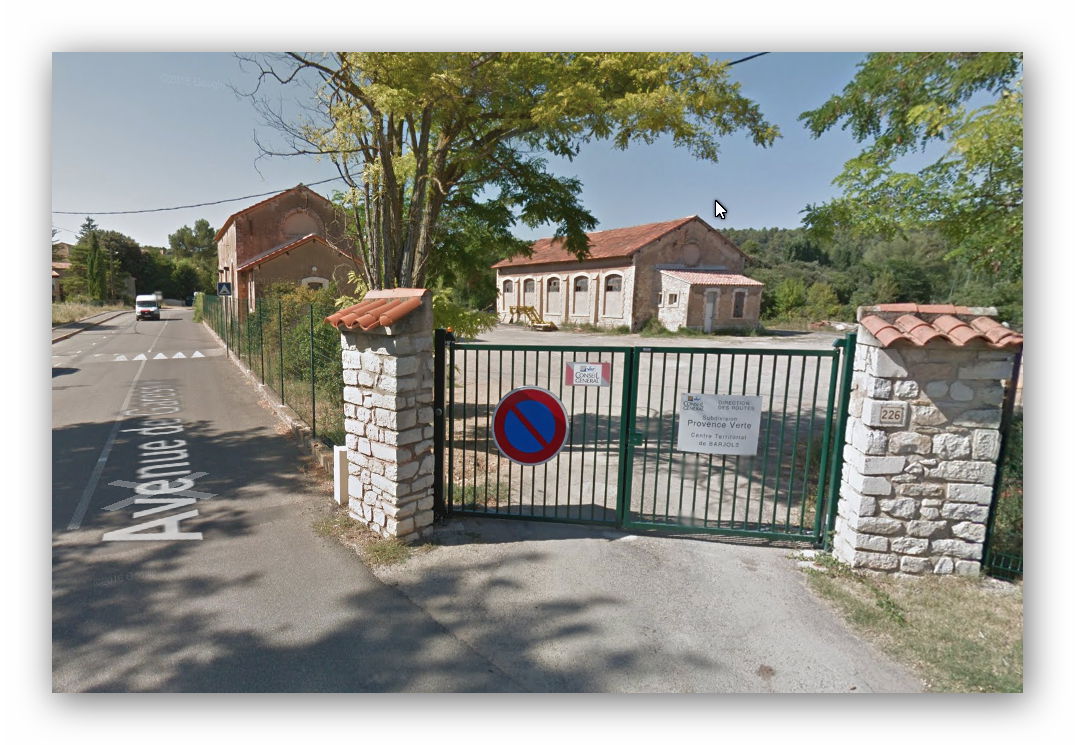
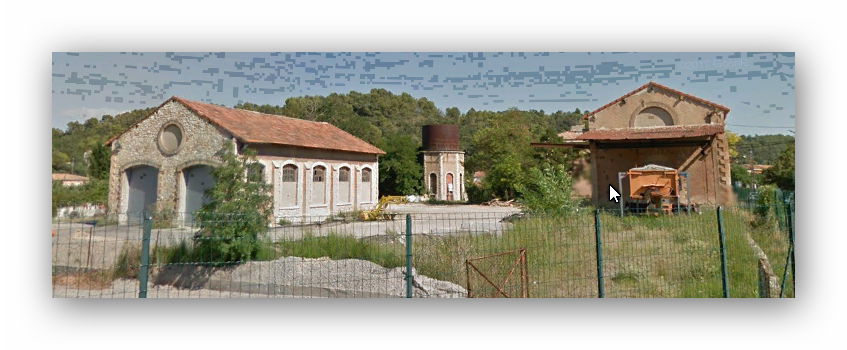
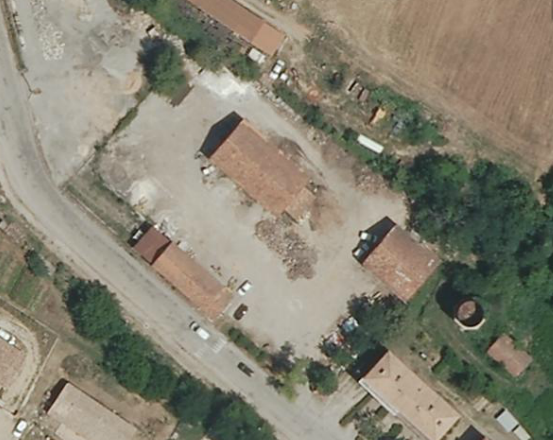
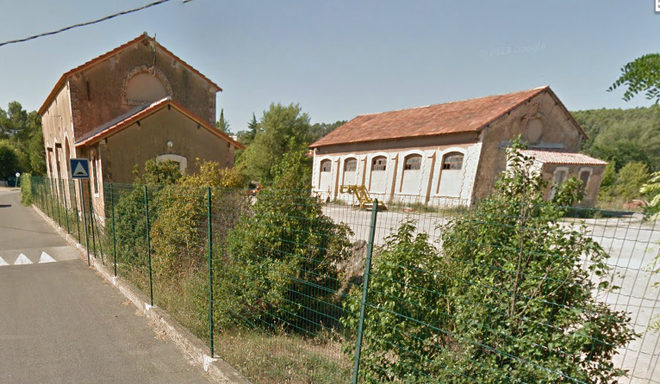


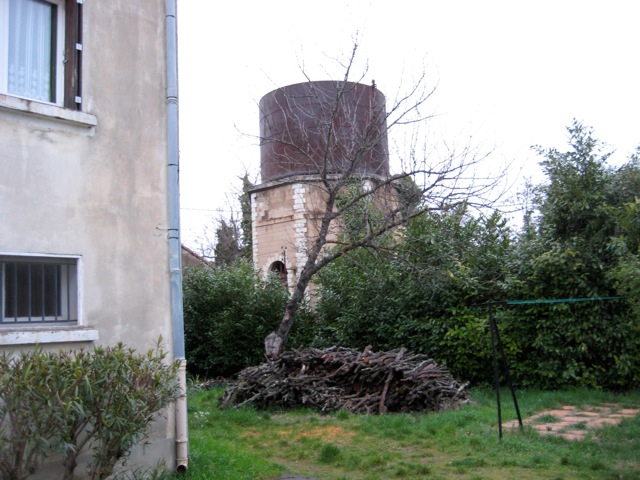







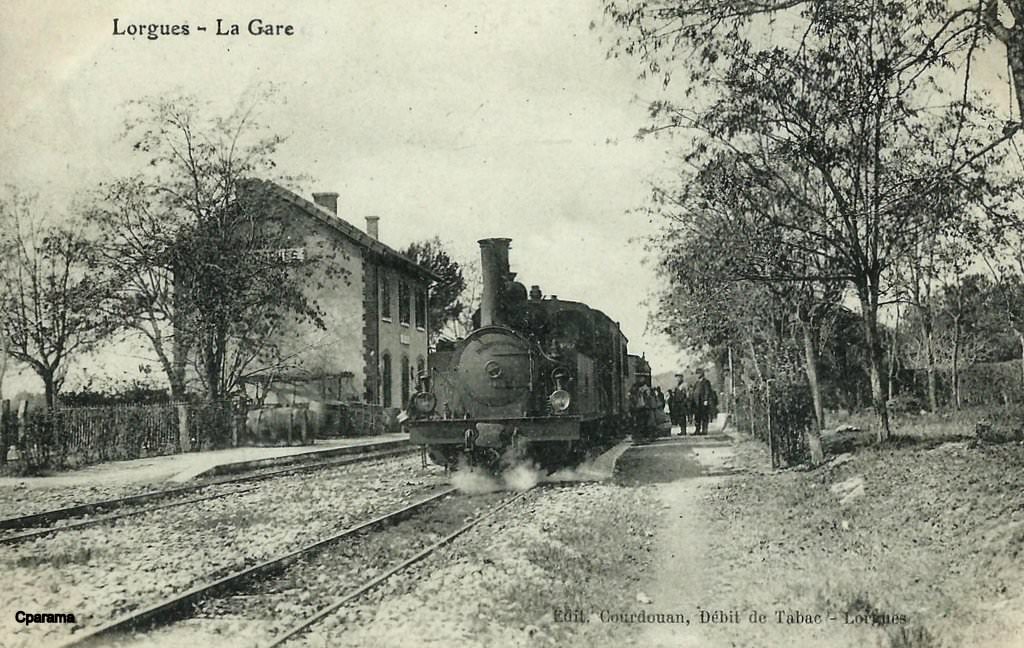
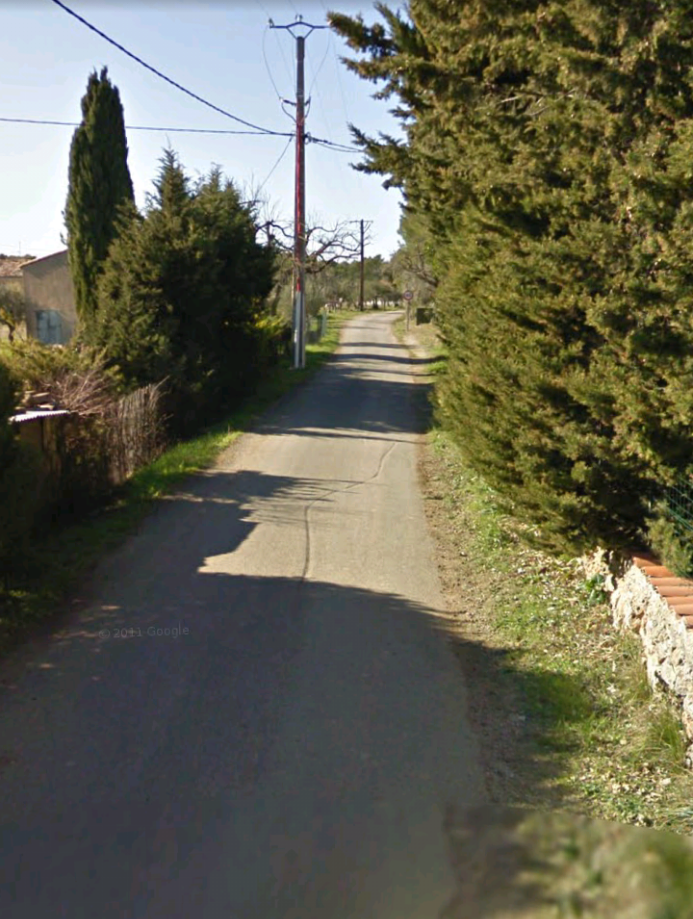
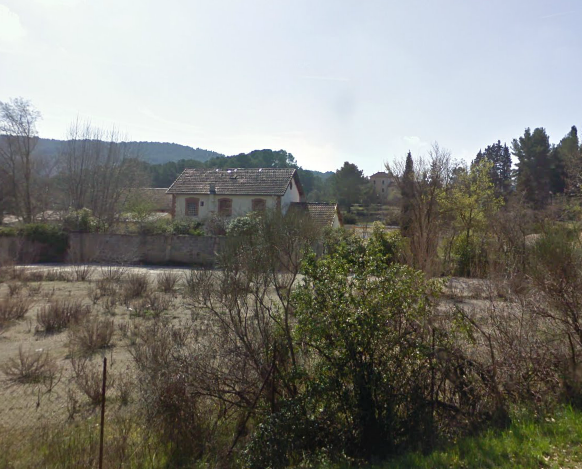
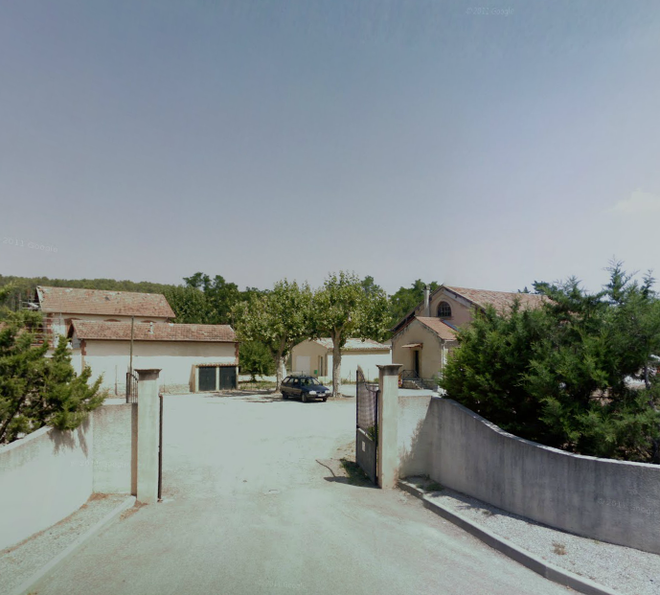
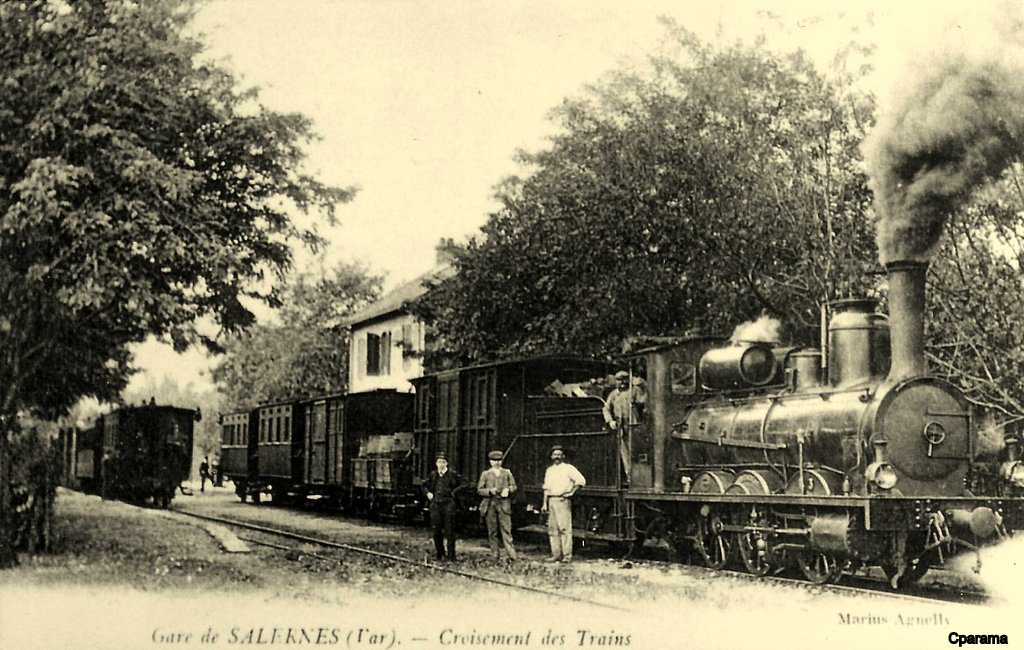
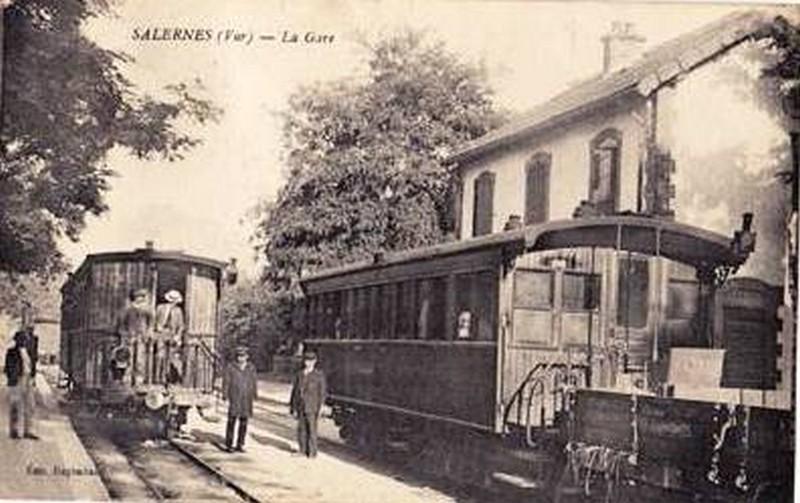
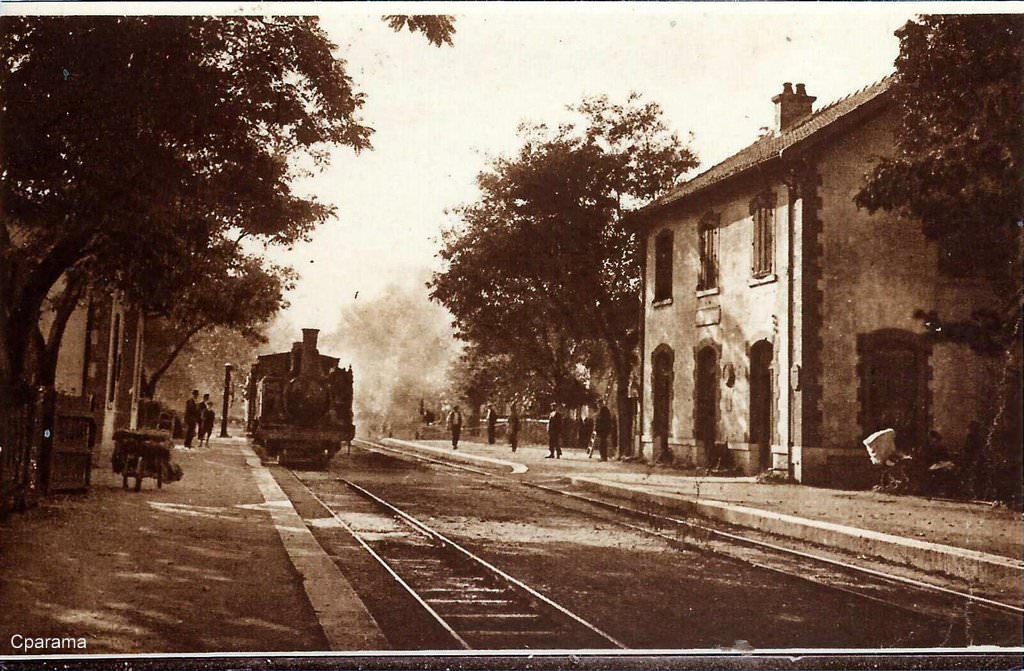
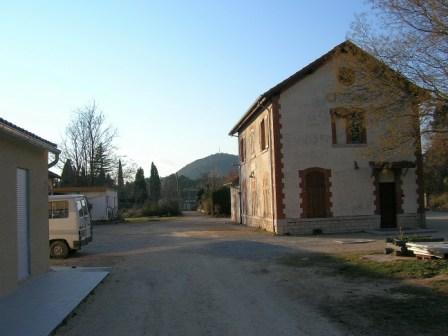
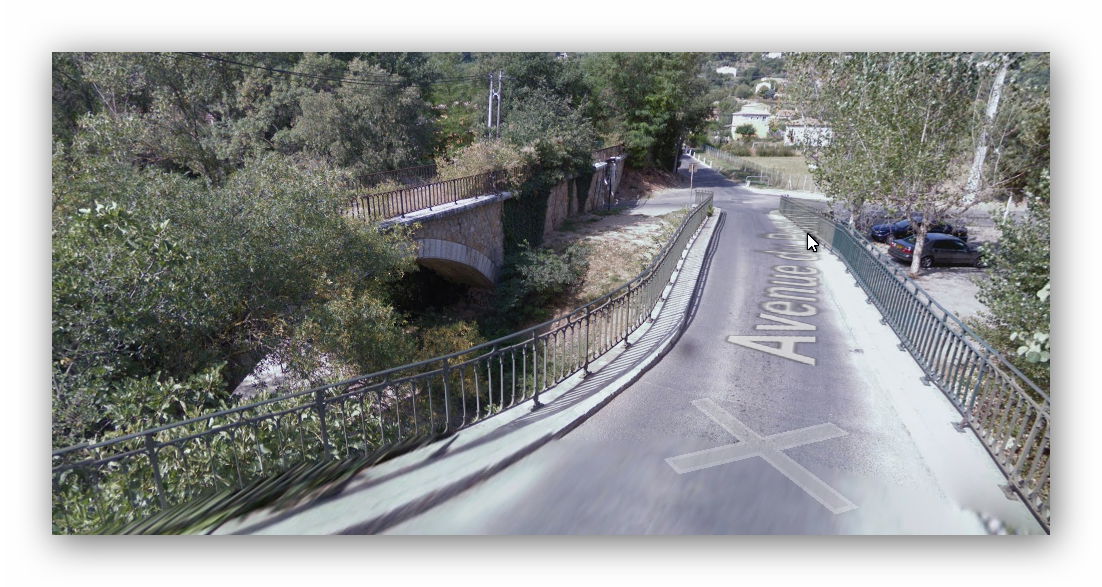
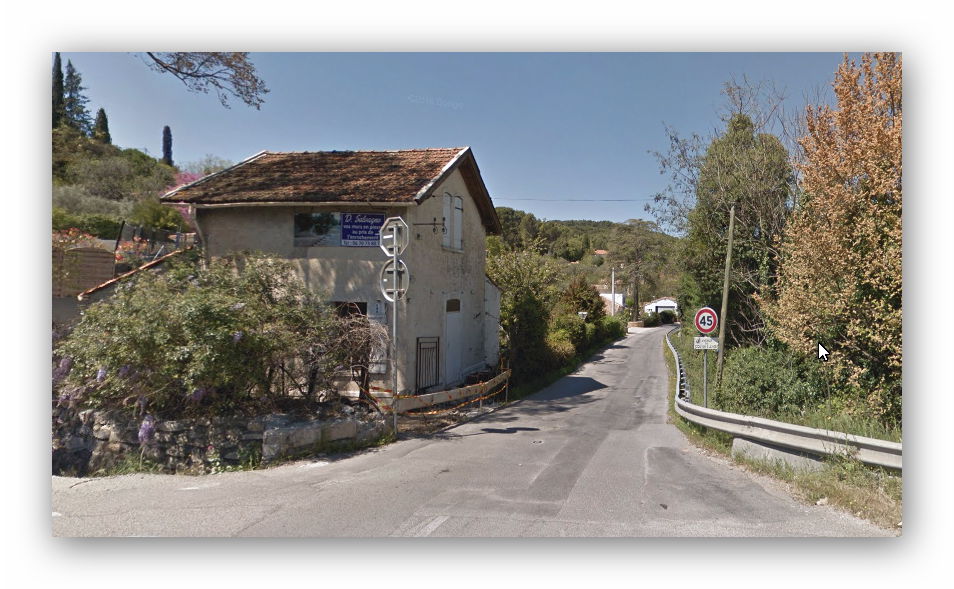
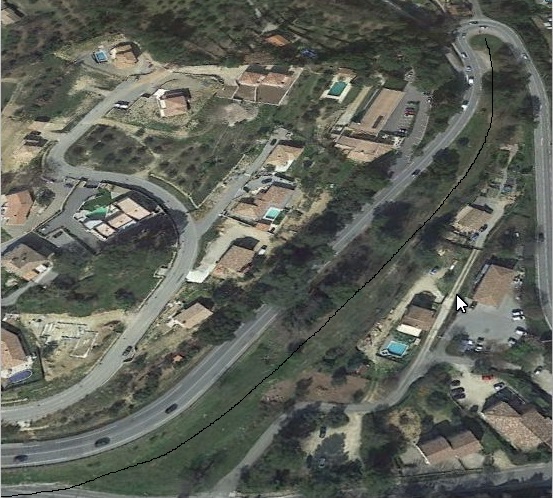
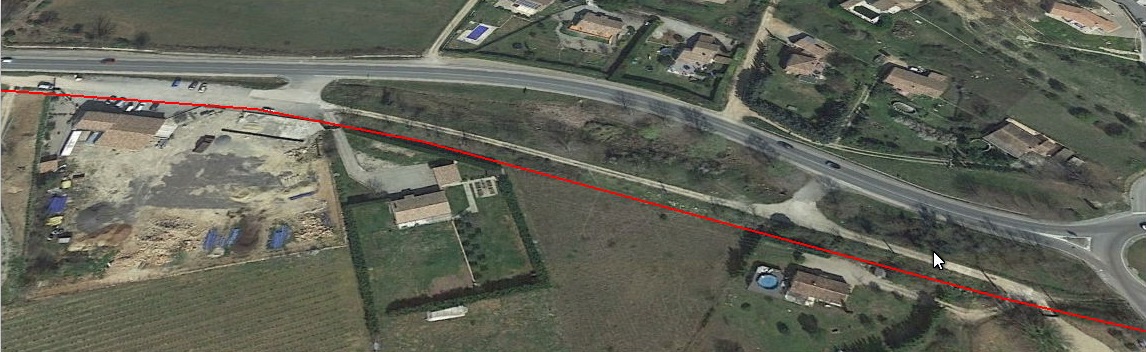
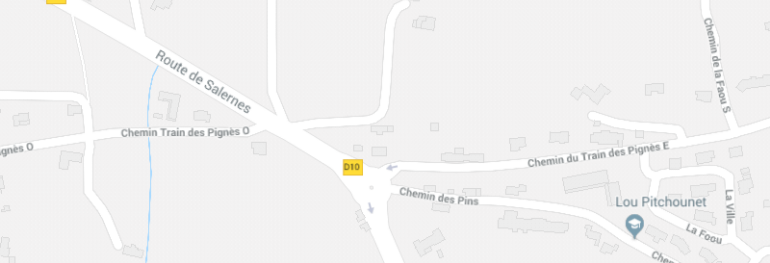 The site of Lorgues Station























































 Seillans to Claviers