Category Archives: Ashton-under-Lyne Blog

Luke 18: 9-14 – A Pharisee and a Tax Collector went to the Temple to Pray …..

Pharisees have really had bad press. To call someone a Pharisee is to suggest that they’re stuck-up, sanctimonious, hypocritical, self-righteous, unable to bend. That they think that they’re always right.

And indeed this is the impression we get from reading the Gospels. Today’s Gospel a case in point – the Pharisee seems to be hard & self-righteous, not someone we’d want to spend time with – whereas the tax collector, by his very confession of guilt, is the warm approachable character, the one that we’d like to be associated with – a character that provokes our empathy.

Elsewhere Jesus reserves some of his most vitriolic language for the Pharisees. He calls them ‘white-washed sepulchres’, ‘hypocrites’

With the benefit of 2000 years of reading the Gospel story – almost anyone, non-churchgoers included will tell you that to call someone a Pharisee is to insult them.

Because of this we lose the real impact of the Gospel story. We’ve already type cast the characters and we know what the story is about. We associate with the tax collector and we encourage ourselves to greater personal repentance and humility – or we may even allow ourselves to think we behave in the same humble, self-deprecating way. ‘Lord, I thank you that I am not like this Pharisee,’ we might pray!

If we really want to hear what Jesus was talking about, we need to try to understand how Pharisees and tax collectors were seen by the people to whom Jesus was speaking. So, for a moment, lets try to do that.

The Pharisees were part of a group in Israel called the ‘Hasidaeans’, which translates as ‘God’s loyal ones’, a group that tried really hard to follow the teaching of the OT. The name Pharisee means ‘the separated ones’, separate because of their desire to follow the OT teaching as faithfully as they could. There was a period when they were the dominant political force in Israel, but by the time of Jesus they had suffered persecution under Herod and had concluded that spiritual ends could not be attained by political means.

They were a group who believed that Israel had gone into exile in OT times because it had failed to keep God’s law, the Torah. They believed strongly in the unity and holiness of God and the absolute authority of the Torah. They stressed tithing, had very high ethical standards.

When seen like this, Pharisees are not the unattractive people that we believe them to be. In fact, dare I say it, we might even feel that it would be good if the Church was like them, maintaining high ethical standards in our society, giving at a level that means that God=s work is not constrained by resources. Perhaps we have something to learn from the Pharisees!!

When it comes to tax collectors we’ve perhaps a greater understanding. We still have a sense that the tax man takes from us what is rightfully ours. The feeling against tax collectors in Jesus’ time was a bit stronger. They were the quislings, the people who aided & abetted the occupying power, often using their position for personal gain. Roman stooges, worthy of contempt.

Now if this is what Pharisees were like, if this was how tax collectors were seen, what effect might Jesus’ story have had on his listeners? It would have been difficult for Jesus to find more distinctly opposite characters. The Pharisee loyal to Israel, persecuted, at times, by the Romans, faithful to the Torah … versus the tax collector, the bogie-man.

It is unlikely that people would have seen the Pharisee’s words in the story as presumptuous. Everything he said about himself was true. People would have believed that he was the one close to God. He was the faithful church attender of his day, he was the highest Sunday giver in the Church, he had great integrity in his business dealing, he didn’t fiddle his tax, he was to be commended above anyone else as an example of a truly religious person. We might say, A ‘good Christian!’

But Jesus makes it clear that the penitent tax collector is accepted by God when the faithful Pharisee is not.  We are not supposed to see ourselves in this story, in the person of the humble tax collector, but in the Pharisee, secure in his faith.

Just as Jesus warns the committed religious people of his day against complacency, so he challenges us, the faithful ones, the ones who go to church on a cold Sunday morning.

There’s no room, Jesus says, for sitting on our laurels, believing that we have got life sorted, believing that there is no more we need to do. For if we do this, the shocking challenge of the Gospel is that we may well watch the drug addict, the prostitute, the alcoholic, the gambler, the thief, … even a modern day tax collector, show evidence of real repentance and be accepted by God when we are left out in the cold.


All is Vanity – Ecclesiastes 1:2,12-14;2:18-23; Colossians 3:1-11 & Luke 12:13-21

Sunday 31st July 2016

Ecclesiastes 1:2,12-14;2:18-23; Colossians 3:1-11 & Luke 12:13-21

Two of the readings set in the lectionary for Sunday 31st July 2016 really are pretty depressing!!! The writer of Ecclesiastes tells us that ‘all is vanity and a chasing after the wind.’ Jesus tells a story of someone who relaxes back to enjoy his earnings only to die before he can reap the benefit!

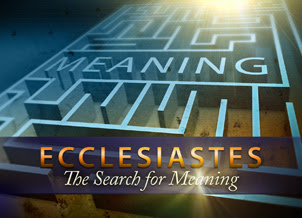
Ecclesiastes, book of--search for meaningEcclesiastes is one of series of Old Testament books known as ‘Wisdom’ Literature – Job, Psalms, Proverbs, Ecclesiastes, Song of Solomon, Lamentations. Books which contain reflections on the way the world was at the time they were written. Books which remain surprisingly relevant to our own world.

Ecclesiastes is written by someone who claims to be a Teacher, but someone who clearly has spent much of his life experimenting with all that life has to offer. He seems more like a typical teenager – in rebellion, determined to find out for himself, not prepared to listen to the wisdom of the earlier generation.

If you read through the twelve chapters of Ecclesiastes, you’ll find that the ‘Teacher’ pursues pleasure, wealth and possessions, he enjoys power and honour, he studies to become wise beyond all other people, he works hard in ‘honest toil’. And at the end of each of his escapades his reflections remain the same. All is vanity, just like chasing after the wind.

But can we really dismiss the Teacher as no more than a young man sowing his wild oats, another Prodigal Son, and comment in a patronising way, “He’ll settle down one day!” … Or allow ourselves a self-congratulatory, “Told you so! If you live that way you’ll reap your just reward.” … Is Ecclesiastes merely a defence of good steady living, good stewardship?

We might have thought so until we read the Gospel reading.

Jesus tells a story of a rich man. … In Jesus day, much as now, riches were interpreted as a sign of God’s blessing. This rich man is someone who has done really well for himself. Bought wisely, farmed well, and produced good crops. This is someone to look up to. Someone to place on a pedestal. Someone who is an example of industry and sensible provision. Someone who deserves to enjoy the fruit of his labours. Clearly someone that God has blessed! He has every right to celebrate … And isn’t he just the opposite of the ‘Teacher’ in Ecclesiastes?

But, “No!,” says Jesus, “This man is a fool!” ………………

Why? Because he is chasing illusive shadows, chasing the wind. Riches and wealth, Jesus says, are good for a season, but they have no eternal value. There’s more to life than that!

The rich man is to discover, the same thing as the ‘Teacher’ in Ecclesiastes. When we focus solely on things, on material wealth, the most we achieve is momentary pleasure and possibly a large inheritance for others to enjoy, or fight over.

It is not that God is in some way vindictive. It’s not a case of God taking the hump because we don’t give him time. It’s the way life is. The very best we can hope for in life, is that we get what we set our hearts on.

‘And’, says the ‘Teacher’, … ‘pursuing only these immediate things is like chasing the wind!’ … It doesn’t satisfy, it can’t hope to… Why? Because we are made for relationship, relationship with other people, but in the final analysis, relationship with God.

At the end of Ecclesiastes the Teacher says, “Remember your Creator, remember your God.” It is relationship with God that everything else has its place. Shape up, says the Teacher in Ecclesiastes, get your life back on track. Set your hearts on knowing God and you will be set free to enjoy what he provides.

Jesus agrees.  …. The important thing, he says, is being rich toward God.

Paul’s letter to the Colossians needs to be heeded!

‘If you have been raised with Christ, seek the things that are above, where Christ is, seated at the right hand of God. Set your minds on things that are above, not on things that are on earth, for you have died and your life is hidden with Christ in God’.

This passage from Colossians could easily have been written as a commentary on the passages from Luke and Ecclesiastes. “Choose to be renewed in the image of your creator,” says Paul, “and in that renewal there is no longer Greek and Jew, circumcised and uncircumcised, barbarian, Scythian, slave and free; but Christ is all and in all!”  …….All one in Christ – no longer male or female, straight or gay, rich or poor, no longer wise or foolish, … no longer are we to be determined by such temporal things, for we are in Christ and in Christ we are free.

Neither Ecclesiastes nor Luke are really as negative as they seem. They’re not intended to leave us feeling depressed. There’s nothing ‘killjoy’ about them. But they are a realistic reflection on the results of pursuing life without God. Whether we sow our wild oats and experiment with all that life can bring, or we get on with life, doing what others expect, working hard. It is ultimately meaningless – like chasing after the wind.

Only when we pursue relationship with God, and only when we place relationships with others above our material needs, only then say Jesus and the ‘Teacher’ and Paul too,  … only then will life begin to have meaning, for then it is wrapped up in the Christ who sets us free.

What is God Like? …. The Lord’s Prayer (Luke 11:1-13)

LUKE 11:1-13 & COLOSSIANS 2:6-15

I have been asked to put up the text of my sermon from Sunday 24th July 2016. If you have read my other blogs recently you will notice some overlap!

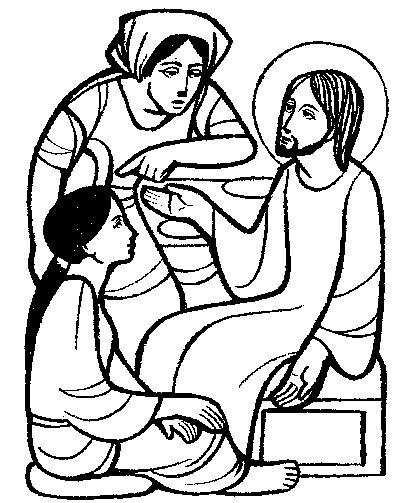
Last week we heard of Jesus’ visit to Martha and Mary. Inevitably that story provoked us to think about ‘being’ and ‘doing’. In the story, Jesus made it clear that at least at that moment Mary had made the best choice. ‘Being’ with Jesus was far more important that cooking a meal! ‘Doing’ isn’t always best. ‘Being’ is often much more important. ….

Straight after Jesus encounter with Martha and Mary, we have this morning’s Gospel reading. We find Jesus spending time in God’s presence, practicing what he preaches. Jesus spends time praying, being with his Father. And as they watch him doing this, his disciples ask him to teach them to pray. … Jesus replies in two different ways.

Firstly, he gives them a model for their prayers – a model that we now call ‘The Lord’s Prayer’. Then secondly, he tells some parables which have underlying them a very important question. In these parables, Jesus asks his disciples what they think God is like. Do they see God as a grumpy next door neighbour, someone they have to pester, so as to get what they want? Or do they think that God will give then something horrible when they ask for something good? A snake instead of a fish, a scorpion instead of an egg?

Jesus has given them a lesson at Martha and Mary’s house in ‘being’ rather than doing, then they’ve seen him spending time with God. As he gives them a model for their prayers he makes it clear that in coming to God to pray they must have their ideas about God straight.

So, what do you think God is like?

As a teenager my appreciation what God was like was to a great extent influenced by my relationship with my Dad, and to some extent by the Church in which I was brought up. Like many teenagers I found my Dad difficult to relate to. His opinion of me mattered a great deal, and it seemed to me that he didn’t think I was up to much. Looking back I can understand that he was struggling to cope with a difficult teenager, but somewhat inevitably my picture of God as ‘Father’ was influenced by my relationship with Dad.

My Church didn’t help too much either – it was a strict conservative environment where mistakes, getting things wrong, easily brought condemnation. ‘God’, in my imagination, was a demanding personality – he loved me alright, but that also meant he expected a lot of me. Although I believed he loved me (after all, that was his job wasn’t it), I found it difficult to really believe that he liked me!

So, what is God like for you? When we talk about God what do you see? A strict disciplinarian? A gentle giant? A cuddly old grandfather? A policeman? A head teacher?  Ab sugar daddy who lets us have just what we want? It is almost inevitable that we create images in our minds which come from things that are familiar to us, from our own life experiences. It isn’t surprising, then, that our image of God is not the one that Jesus would have us see. Rather it is one which we have created for ourselves. Often a measly image of God which in no way matches the one in the Bible.

That was certainly true for me as a teenager ………….

So, what is God like?

The apostle Paul talks about this in recent readings set in the lectionary from Colossians, including today’s reading.

Listen first again to words from last week’s reading in Colossians:

Christ is the image of the invisible God, the firstborn of all creation; for in him all things in heaven and on earth were created. … For in him all the fullness of God was pleased to dwell, and through him God was pleased to reconcile to himself all things, whether on earth or in heaven, by making peace through the blood of his cross.

And this week:

For in Christ the whole fullness of the deity dwells bodily and you have come to fullness in him.

Paul says that when we look at Christ, when we spend time with Christ we see God and ourselves in the right perspective – we see God as he really is!

Sometimes I borrow Jo’s Computer Projector. What makes it very useful to me is that when I call up an image on my laptop it is faithfully reproduced on the screen for everyone to see. The image on the screen is a direct replica of the image on the laptop screen. We can be like a Projector!! We fill our minds with our own concerns or with our own ideas of God or with our busyness. And in doing so we make God in our own image – we project an image of God into our lives based on our experience. Just as I did with my Dad.

Paul in Colossians asks to think differently. ‘Christ’, he says, ‘is the image of the invisible God’. In Jesus, we see God projected in human form, for ‘God was pleased to have all his fulness dwell in him’.

Paul wants us to make the image that we project, that of Jesus. To spend time with Jesus, reading about him in the Bible, worshipping him, so that rather than our own measly images of God, we see God as he intends us to – because we see Jesus. …..

What is God like? Paul’s answer is, ‘Look at Jesus!’

And when we do this, we will be able to pray the ‘Our Father’, the Lord’s Prayer, without reservation, for we will really believe that God loves us and has our best at heart.

Martha and Mary – Luke 10:38-42 and Colossians 1:15-28

Perhaps you’ve experienced, along with me, some embarrassment when you’ve been talking to someone for the first time. What kind of questions do you ask to get the conversation going? After, “How are you?” has elicited the standard, “Fine, thanks.” and an obligatory statement about the weather, or a question about holidays; we often ask, “And what do you do?” Embarrassment increases when we realise that our new acquaintance is struggling with unemployment!

We find it difficult to avoid the issue. We usually categorise people by what they do. She’s an Engineer. He’s a nurse. She runs an investment bank. …. You know the way it is. We live in a society that places great value on what we do. Even if not related to employment, the need to be ‘doing’ hangs in the air, it feeds our guilty consciences, it disturbs our rest-time. It is important to be ‘doing’, to be achieving – if we want to feel valuable, to feel at peace with ourselves, we need to be active.

Is it like this? … I suspect – if your answer is, “No!” – then you’re the exception that proves the rule! It’s so much a part of our make up – we need to be ‘doing’, & we expect others to be ‘doing’, or we begin to question their commitment/motives.

So, how do you feel as you read the story about Martha and Mary? Is it the first time you’ve heard it? Have you heard it before? Often, if we’ve read a story before – we know what is coming up – we know what the right answer to the question is. So, in this case, we know that Martha is going to get a mild rebuke, and Mary, praise. But try setting that aside just for a moment – who do you sympathise with in the story? … Why? …

I sympathise with Martha – the hospitable one – wanting to do her best for her guest. Not enough time to get everything done, getting frustrated with everyone around her. Gradually losing sight of the real reason that she is busy. Until, in the end, she even has a go at her guest! Entertaining can be hard work. The more so, because we want to put on a good show, to do our best.

When Jo and I went to Uganda in 2001, we stayed for a few days with Cranmer and Hope in Kisoro. At that time Cranmer was the Pastor in the Cathedral in Kisoro. Hope, his wife, a teacher in a primary school (with a class of over a hundred children) and, like most women in Uganda, bearing far the greater responsibility for running the home. Cultural pressures meant that while we were staying with them Hope had to prepare big meals – the family’s best had always to be available for guests. Hope was a gracious and wonderful hostess who spent all day working at school, and all her spare time cooking over charcoal and wood fires, or marking homework. We would have been much happier with less food, much less. Hope was rushed off her feet – and we missed out on her company. We were unable to do justice to the meals she prepared – they were too big. She was left feeling exhausted, and, unsurprisingly, a little disgruntled at our lack of appetite. In the years that have followed, this has changed. Hope now, as Bishop’s wife, has a much better understanding of the size of our western stomachs.

being-v-doing

‘Doing’ isn’t always best. ‘Being’ is often much more important. … Hope’s company would have meant so much more to us than the wonderful large meals she prepared.

If we’re honest with ourselves we can retreat into ‘doing’, so as to avoid having to ‘be’. Martha did just this! Jesus wanted her company rather than her food! But she busied herself with making dinner. Mary seems to have got it right. ‘Being’ with Jesus was more important, at least at that moment, than ‘doing’ for Jesus.

‘Being with Jesus’ ensures that we keep a right perspective on life. It helps us to realise that God loves us, not for what we ‘do’, but for who we are. ‘Being with Jesus’ is ‘worship’ – giving both to God, & to ourselves, ‘worth’ and ‘honour’ – it’s God’s priority for our lives.

God intends this to be the context in which everything else in our lives happens – not the thing we make room for if we have time, nor something we do when everything else has been completed. There is a serious challenge for all of us here, me and you. Jesus says to Martha, “Mary has chosen the better part, which will not be taken away from her.”

So, how come this is true? Why is ‘being’ with Jesus, time spent in worship, so important? The  answer is provided, at least in part, by a few of the verses in Colossians which the Anglican lectionary sets to be read with the story of Martha and Mary.

Colossians 1:15ff

Christ is the image of the invisible God, the firstborn of all creation; for in him all things in heaven and on earth were created, things visible and invisible, whether thrones or dominions or rulers or powers – all things have been created through him and for him. He himself is before all things, and in him all things hold together. He is the head of the body, the church; he is the beginning, the firstborn from the dead, so that he might come to have first place in everything. For in him all the fullness of God was pleased to dwell, and through him God was pleased to reconcile to himself all things, whether on earth or in heaven, by making peace through the blood of his cross.

The apostle Paul is saying that when we look at Christ, when we spend time with Christ we see God and ourselves in the right perspective – we see God as he really is! … If time with God is something that we fit round everything else that’s going on, we inevitably come to God preoccupied with our own concerns. And God’s response to those concerns becomes critical for us. Our worship, our understanding of God, becomes dependent on our needs being met. We allow our agendas to determine our picture of God, what God is like for us.

Sometimes I borrow Jo’s Computer Projector. What makes it very useful to me is that when I call up an image on my laptop it is faithfully reproduced on the screen for everyone to see. The image on the screen is a direct replica of the image on the laptop.

We are like Projectors!!

We fill our minds with our own concerns or with our own ideas of God or with our busyness. And in doing so we make God in our own image – we project onto the screen of our lives a God that isn’t really recognisable in the Bible. We so easily see God as the overbearing father, the demanding or authoritarian boss, the over- zealous judge, or the policeman; or alternatively we see him as the gentle giant, the cuddly old grandfather, or the sugar-daddy who lets us do just what we like. We project an image of God based on our experience.

Paul, in Colossians, asks to think differently. ‘Christ’, he says, ‘is the image of the invisible God.’ In Jesus, we see God projected in human form, for ‘God was pleased to have all his fullness dwell in him’. Paul wants us to make the image that we project, that of Jesus. To spend time with Jesus, reading about him in the Bible, worshipping him, so that rather than our own measly images of God we see God as he intends us to – because we see Jesus. ….. What is God like? … Paul’s answer is, ‘Look at Jesus!’

Mary chose ‘being’ with Jesus rather than busying herself with important tasks and duties. Jesus wants us to make being with him our first priority. He doesn’t want us to stop serving, to stop caring, but he does want us to stop flapping, to stop worrying and to centre ourselves on him. Both Paul and Jesus himself want worship to be the key central act of our lives. For in worship we begin to see God as he really is, through the lens or image of Jesus. We see God at work in creation, in covenant, in judgement and in salvation. As we worship we begin to see life and the world from God’s perspective.

Don’t let me stop you ‘doing’. Working for God in the world is vitally important. But please make worship, ‘being’ with Jesus, your highest priority.

The challenge of the Samaritan! (Luke 10: 25-37)

Samaria was the area of Palestine which sat between Galilee and Judea. The central area north of Jerusalem. By the time of Jesus, it had become a Jewish ‘no-go’ area. The shortest route from Jerusalem to Galilee was North through Samaria. However, most Jews wanting to do this journey would set off in an Easterly direction – they would travel to Jericho, cross the River Jordan and then turn north, only crossing back close to Lake Galilee. Jews would avoid going through Samaria.

The Jews were strongly prejudiced against the Samaritans. The Samaritans were a mixed race – their ancestors were Jews who had remained in Palestine at the time of the exile to Babylon, and who had intermarried with other people groups who had been settled in the area as part of the Babylonian policy of ethnic cleansing. There had been a number of disputes between Jews and Samaritans down the years. We have a record of one in the book of Nehemiah were Sanballat opposes the rebuilding of the walls of Jerusalem.

However, by the time of Jesus, there were no current grounds for this prejudice. Jews and Samaritans were just two different people groups, sharing similar religious practices, living alongside each other. But Jews hated Samaritans, saw them as unclean, and would have nothing to do with them. And it is important to understand this if we are to begin to understand what people would have heard as Jesus told the story in our Gospel reading.

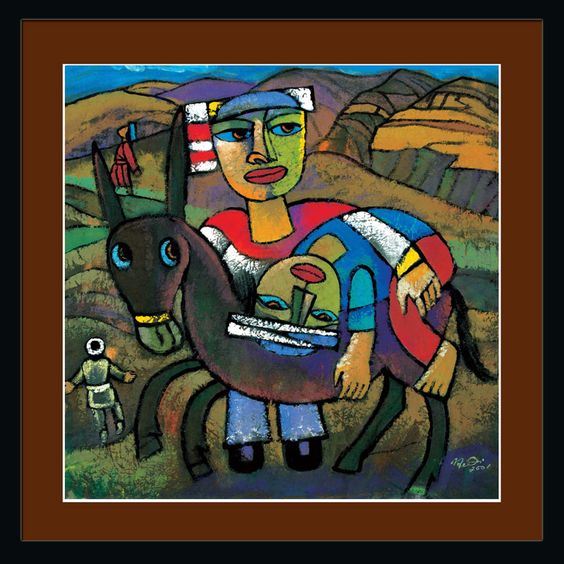
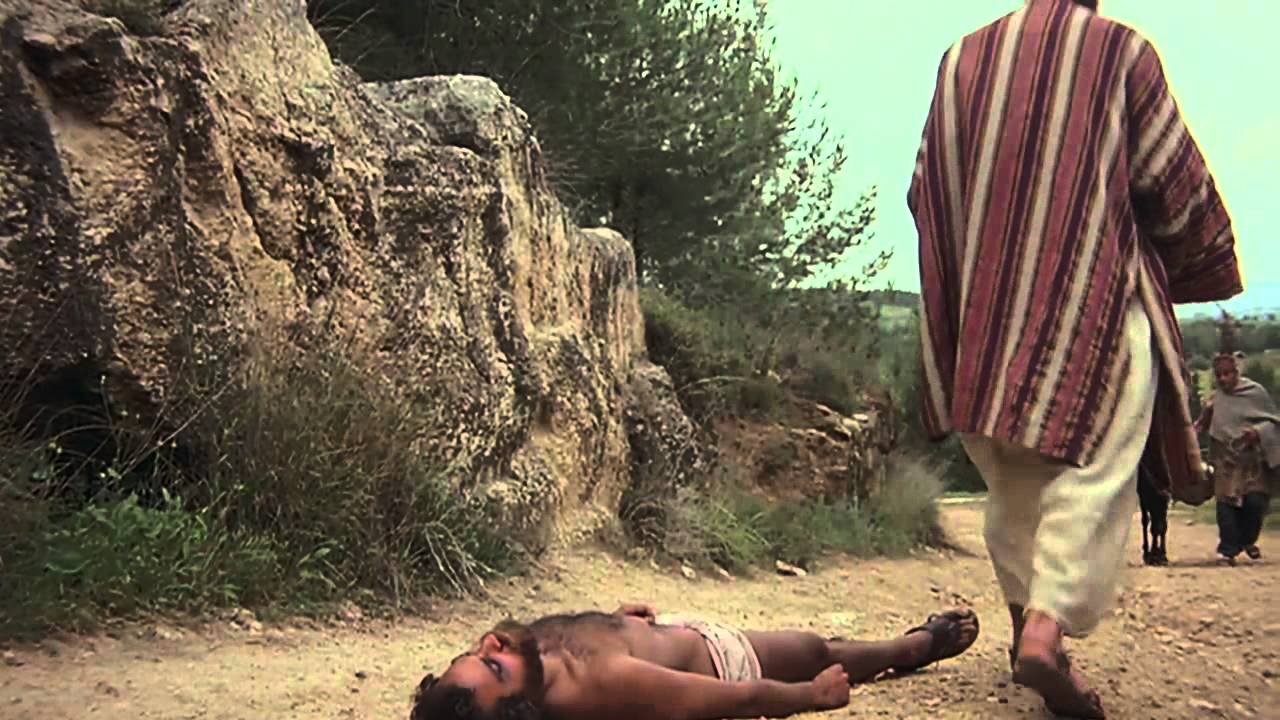
A Jewish man travelling from Jerusalem to Jericho, probably doing so because he wanted to avoid the region of Samaria, is robbed and left for dead. The upright Jewish maxresdefaultreligious establishment gave the man no help, but a Samaritan – an unclean, hated Samaritan. Someone, who according to the Jews, had no goodness in him. The scum of the earth. He is the one to help.

As I read this famous story, I hear Jesus is doing two different things – he is setting a standard for neighbourly conduct and he is challenging people’s perceptions of reality.

I wonder how this parable might have gone if Jesus had been telling it in Manchester – perhaps in Oldham or Ashton. In the early years of this century we heard quite a lot about perceived ‘no-go’ areas in Glodwick and elsewhere. We’ve even heard of white people walking round the outskirts of an area, so as to avoid crossing Asian territory. Election results have shown a startling support for the more extreme right wing parties, even here in Tameside.

If Jesus has told this story in the white communities of central Oldham or to members of the EDL, who might his Good Samaritan have been? Perhaps a knife carrying Asian youth. Or if Jesus spoke in the midst of the Asian edl-supportercommunity, the Good Samaritan may well have been an over-weight skinhead with union-jack tattoos who belongs to the EDL. In Jewish culture the words ‘Good’ and ‘Samaritan’ just did not belong together. And in some of our communities it is nigh impossible for people in one area to think well of those in another.

Jesus challenges prejudice and hatred by making the perceived enemy, the saviour in the story.

How would the story translate in the area immediately around the church of St. James in Ashton? If Jesus were to tell a story about one of the people living on Cow Hill Lane being mugged, who would the other main characters be? The priest …? Me or one of my colleagues? … The Levite …? Perhaps the closest would be a churchwarden or treasurer or church council secretary.

Starkly, in this version of the story, we are seen to take one look and because of our own fears to walk by, to get into our cars and drive quickly out of the area. Perhaps a quick call to the police on our mobile phones! Who would the ‘Good’ Samaritan be? …

You might not know, but 8 to 10 years ago St. James’ Church was very close to being burnt down. Someone set a bin fire against the wall of the vestry. Who was it that dealt with the problem? I know that at times we have made comments about our neighbours, but it was  a local Asian Muslim lad who with his bare hands dragged the bin away from the vestry wall. And you know what he said to me. ‘Someone is trying to burn down my church!’

Even if we think there is little of overt racism as we look around us in our neighbourhood, or as we look at each other. Actually we all need to acknowledge our own personal prejudices. It is so easy, isn’t it, to think in terms of them and us, so easy to harbour negative thoughts about those we perceive as different from us. And we do make comparisons, don’t we, and so often when we make those comparisons, we compare our best with the other’s worst.

We have been encountering these issues for real in recent weeks. Since the Brexit vote, hate crime and religiously motivated crime has risen five-fold (So the Sun tells us : https://www.thesun.co.uk/news/1372072/hate-crime-reports-of-abuse-up-500-per-cent-since-brexit-official-figures-show). It is as though a vote to leave the EU has been seen by many as an excuse to let rip with unacceptable views. All we have actually done, whatever our motivations, is voted to leave the EU. We remain a part of a global community, we continue to need those who have moved to live in this country over many years and if most of us could trace our ancestry back we would find that we originate from outside this island – all of us do. 10,000 years ago at the end of the last ice-age there was no one living here. We are all immigrants or descendants of immigrants, all of us.

Four days ago, in the house of Lords, our Archbishop, Justin Welby, urged political leaders on both sides of the Brexit debate to take on the “xenophobia and racism” that has been prevalent seen since the decision to leave the EU. (https://www.politicshome.com/news/europe/eu-policy-agenda/brexit/news/76966/archbishop-canterbury-eu-referendum-has-created. He reminded us that it is unacceptable to refuse to guarantee the rights of EU nationals living in Britain, speaking of the “unacceptability of treating people like bargaining chips”.

Justin Welby said that “The referendum campaign was both robust – as it properly should be on such great issues – but at time veered over the line on both sides into not merely being robust but being unacceptable.”

“Through those comments were created cracks in the thin crust of the politeness and tolerance of our society, through which since the referendum we have seen an outwelling of poison and hatred that I cannot remember in this country for very many years.”

He said there was an urgent need to “tackle the issues of inequality”, which he said “raises the levels of anger, resentment and bitterness”. He called for a renewed focus on investment in education, housing, and public and mental health services to deal with the problems. But he was very clear that we all must challenge the attacks, the xenophobia and the racism that seem to have become more acceptable.

In the Gospel, Jesus is calling us to neighbourly conduct, to crossing perceived boundaries to help others in need, to be Good Samaritans. He is calling us to be good neighbours to all, not just those like us. And he is challenging us to question our own prejudices and assumptions. Just as the actions of the Samaritan would have shocked conscientious Jews, so Jesus wants to shock us, to help us to see the good in those we so easily despise.

Taking Time Out (1 Kings 19:5-16, 19-21; Galatians 5: 1, 13-25 – or how to respond to the referendum result!

imagesIt’s close to the beginning of the holiday season – and our Old Testament Reading told the story of the first known package holiday. Not arranged by Airtours, Monarch or Thomas Cook – this holiday was arranged by God.

Elijah has been working all hours as the head prophet in the Yahweh organisation. Business has not been that good. The competition has been gaining ground. It seems like bankruptcy is on the cards. Yahweh (Israel’s God) could well go out of business – or succumb to a hostile and aggressive takeover by the Baal conglomerate.

elijah-mount-carmel-600The tension is brought to a head on Mount Carmel in 1 Kings 18. Elijah challenges the opposition. A credibility test – whoever wins is the real God.


I hope you know the story well – Elijah wins. Baal cannot provide the fire to light the sacrifice on his altar. Yahweh, the God of the Bible, sends fire down from heaven. The whole Baal organisation is in turmoil – Baal’s prophets are killed. Elijah is on cloud nine. But things are not quite that simple – the chief shareholder of the Baal conglomerate is incensed. Jezebel, the Queen, will not go away, she issues threats on Elijah’s life.

How does Elijah respond? The tension of recent events has got to him. Rather than

confident trust in God, built on the foundation of what God has just done at Mount Carmel, Elijah panics – he runs. It’s a classic case of depression and stress – he’s taken on more than he can handle. He can now only see problems where once he saw opportunities. Run down, feeling hopeless, he runs off into the desert. And it is this story that we have read in our OT reading today.

I don’t know about you but there have been times in my life when I’ve been just like Elijah in our reading. Stressed out, having lost perspective on life, God seems to have disappeared. … It isn’t always something as drastic as Elijah’s experience that affects us. It’s strange isn’t it how often when we review something we have done, that it’s the negative things we remember rather than the good. Or, I wonder, have you ever had the experience in some unguarded moment of tearful emotions overcoming you. Sometimes holidays, perhaps because we begin to relax, or perhaps because of the memories they evoke, are times when life is particularly hard – times when we’re prone to self-pity – even times when God feels distant.

How did God deal with his faithful servant Elijah in this time of darkness. It’s important to note is that he doesn’t tell Elijah to snap out of it – or to buck his ideas up. No! First he allows Elijah time to rest and sleep; then he makes sure that he is well fed and watered; and then he takes him on a forty day excursion to the mountains. At times we need to hear this – rest and recuperation are God’s gifts to us – listen to the words Jesus speaks in Matthew’s Gospel: “Come to me, all you that are weary and carrying heavy burdens, and I will give you rest.”

Secondly, God helps Elijah to see that although he, God, can work in power, he is to be heard most clearly in the silence. God’s words of comfort to Elijah are not spoken in the wind, the earthquake or the fire, but are whispered gently to him in the silence. Time away from noise and busyness are times when we have a better chance of hearing God. Times when we can be resourced again for faithful service.

EU-referendum-ballot-paper-638210
I don’t know what you are feeling about the events of this past week (23rd June onwards). Following the EU referendum this week, we find ourselves in a strange place.  Of those who voted, just over half are rejoicing and just under half are mourning.  It is a time of uncertainty, not just for our nation but for all sorts of people, including people we know and love.  In the news and on social media, there is all sorts of nasty stuff going around and this saddens me  but I can also understand that there are high emotions around.

I freely admit that I voted “remain” and reflecting on how I have felt, I thought it would be good to share a post written by my wife Jo on facebook just 24 hours after the result was confirmed. She was inspired to write the following as a status post on Facebook, just to help people understand what she feels at moment feel like…..

So a new day dawns. .. and yesterday’s news wasn’t just some bad dream.  A new and uncertain future lies ahead and I will be committed to being part of that future even though it’s not what I voted for.  BUT (and it is a big but)…  at the moment I’m grieving and it hurts and as I write this I feel the tears welling up. 

When I lost my dad, I grieved and then I healed but in between I tried to deny it, I was angry, I tried bargaining  (if only I had done….), I cried and eventually acceptance came.  Healthy grieving needs all these things to happen.  So, please bear with me, and all those who feel like this today.  If you voted leave, please recognise our hurt, let us grieve so that in time we can join you on this new journey for our nation.

In the days to come, we might say things we wouldn’t normally say and act out of character but please forgive us just as you would a friend whose just lost a loved one.  I will bounce back  but it won’t be today or even tomorrow. …

This is an emotional time for many. If we are to find a good future for our country, we need to spend some time focussing on healing, we need to take time out.  Those grieving need to have space to do so, those rejoicing need to be allowed to do just that – but the future that we need to keep our eyes fixed on is one where we can be reunited.  This is not going to be easy – neither campaign was particularly honourable – and some unpleasant stuff on both sides, so there is work to be done by us all.

At Diocesan Synod on the day before the vote, Bishop David spoke about how the Church had a role to play after the referendum in setting a good climate in which the people of our nation can reunite and work together whatever the outcome might be.

I am writing this blog on the morning of what the Church of England calls the 5th Sunday After Trinity and the readings set for the day include part of the reading from 1 Kings 19. And a passage from Galatians 5. Paul, in his letter to the Galatians, was wanting these new Christians to understand what living like Jesus was all about.  He says that it’s all about loving your neighbour, that it’s about not trying to destroy each other, it’s about living in a way that does not damage ourselves or our relationships.

So he says, these are the qualities you need to develop as Christians, to be a people who are able to love their neighbours…..


imgres.pnglove, joy, peace, patience, kindness, generosity, faithfulness, gentleness, and self-control.


He describes these as the fruits of the Spirit, the good things that Holy Spirit brings to the fore in our lives. If I could, I would give you a piece of fruit and ask you to think just for a short while about what it is that you like about that piece of fruit, its juiciness, its sweetness, its purity, its …………….. The fruits of the Spirit bring refreshing hope into the lives of our communities and it is these fruits of the Spirit that need to grow in our own lives and in our dealings with others, particularly at this time….

love, joy, peace, patience, kindness, generosity, faithfulness, gentleness, and self-control.

Let’s ask God’s Spirit to help these fruits to grow and flourish in us. Let’s focus on them in the days ahead.

I’d like to conclude now with a prayer published by the Church of England after the vote on Thursday….

Life can drain us, it can pull us down, often we can feel defeated. Holidays are God’s gift to us, their times when we can chose to make space for him. Times when we can pick up our Bibles again. Times when we can make space to pray. Times when we can set aside noise and competition, even battle, and listen to God’s still small voice of hope. And if we are not going away, it is important from time to time that we make space for ourselves, when we can be generous to ourselves, when we too can hear once again God speaking words of love to us in that still small voice of hope.fruit-of-the-spirit-tree11

Eternal God, Light of the nations, in Christ you make all things new: guide our nation in the coming days through the inspiration of your Spirit, that understanding may put an end to discord and all bitterness.

Give us grace to rebuild bonds of trust that together we may work for the dignity and flourishing of all; through Jesus Christ our Lord. Amen


Jeremiah 29

Jeremiah’s Words to the Exiles in Babylon:

“Seek the welfare of the city where I have sent you into exile, and pray to the LORD on its behalf, for in its welfare you will find your welfare. For surely I know the plans I have for you, says the LORD, plans for your welfare and not for harm, to give you a future with hope.”

These are some of the clearest and strongest words in the bible encouraging us to pray for the places that God has placed us in. They are amazing words spoken to a people in exile. In this passage from Jeremiah God challenges his people, who are refugees in a foreign land, to pray for the city and the country in which they now live as foreigners and strangers.

There are passages in the New Testament which encourage us as Christians to see ourselves first as citizens of heaven rather than citizens of an earthly kingdom.0d839402fdc4ce907f2bb234a038917d

Philippians 3:20: But we are citizens of heaven, where the Lord Jesus Christ lives. And we are eagerly waiting for him to return as our Saviour.
Hebrews 13:14: For here we do not have a lasting city, but we are seeking the city which is to come.
Ephesians 2:19: So then you are no longer strangers and aliens, but you are fellow citizens with the saints, and are of God’s household.

The writers of these passages in the New Testament are encouraging their readers to see the events happening to them in the context of their citizenship of heaven. That is where we, as Christians, belong. Primarily, not here on earth but in heaven.

However, the passage from Jeremiah reminds us that we cannot give up on this world. If we are citizens of heaven, we are also residents of England, of Greater Manchester and of Ashton-under-Lyne. And through Jeremiah’s words, God calls on us to pray for the place we live in. … To pray for the welfare of the city.
So, we are called to pray for our town: local councillors; local schools; local businesses, shops and industry; those who keep our streets clean and safe; medical practices and drop-in centres; dentists, health workers, carers, befrienders; those who provide transport – Metrolink, busdrivers, taxi drivers; for our neighbours; for our foodbanks; for charities based in our town – St. Peter’s Partnerships; Action Together; Citizens’ Advice; Faiths Utd; TARA; Age Concern; Mind, etc. ……

We need to pray for ourselves as we serve out town and as we seek to strengthen God’s rule, God’s kingdom – for the Town Centre Chaplaincy; for growth of our congregations so that we will have the human resources we need to serve others; for us to hear God’s voice and participate in God’s mission.

We need to pray for friends, acquaintances and family, for their faith to grow, for them to come to faith in Jesus. …. We encouraged our congregation members to commit ourselves to praying for friends to come to faith by taking away a leather band, tie it round a wrist with a knot in for each person being prayed for, each time we are aware of the leather bracelet, we pray for each of those friends.

We need to pray for God’s Kingdom to Come and throughout the period from Ascension Day to Pentecost we offered opportunities to pray each day. Over 40 different people prayed together at different times of the week and others chose to pray quietly in their own homes.

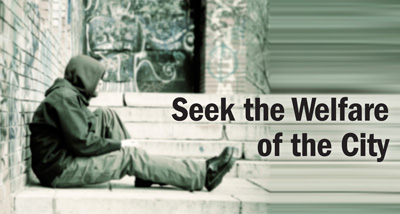
SeekTheWelfare-400God said through Jeremiah: “Seek the welfare of the city where I have sent you into exile, and pray to the LORD on its behalf, for in its welfare you will find your welfare. For surely I know the plans I have for you, says the LORD, plans for your welfare and not for harm, to give you a future with hope.”

And finally – here in the passage in Jeremiah is one of the clearest reasons for us to be places of welcome, for our Churches to welcome the stranger, the exile, the refugee, the asylum seeker. Why? … Because we too are strangers and exiles in our own land, we are citizens of another kingdom and we serve first another king. Our first allegiance is not to our government, nor our town but to Christ. We are exiles living in a foreign land, ambassadors for the kingdom of heaven. We must show the loving welcome of our Lord to those who are exiles and strangers, otherwise we betray our kingdom. God’s kingdom. …..

“Seek the welfare of the city where I have sent you into exile, and pray to the LORD on its behalf, for in its welfare you will find your welfare. For surely I know the plans I have for you, says the LORD, plans for your welfare and not for harm, to give you a future with hope.”

This prayer was offered for our use during the week:

God of the displaced, we give thanks that when we are insecure,
you offer us security,
when we are abandoned, you come to find us.
You invite us to embed ourselves in community,
to discover that you, already among us, enable the flourishing of all that is good.
We pray in the name of Jeshua of Bethlehem,
of Egypt, of Nazareth, of Calais, of Syria and Palestine,
of Ashton-under-Lyne,
of the asylum seekers holding centres, the detention centres, the boats in the Mediterranean ………..
Amen.

Easter 6 – 1st May 2016

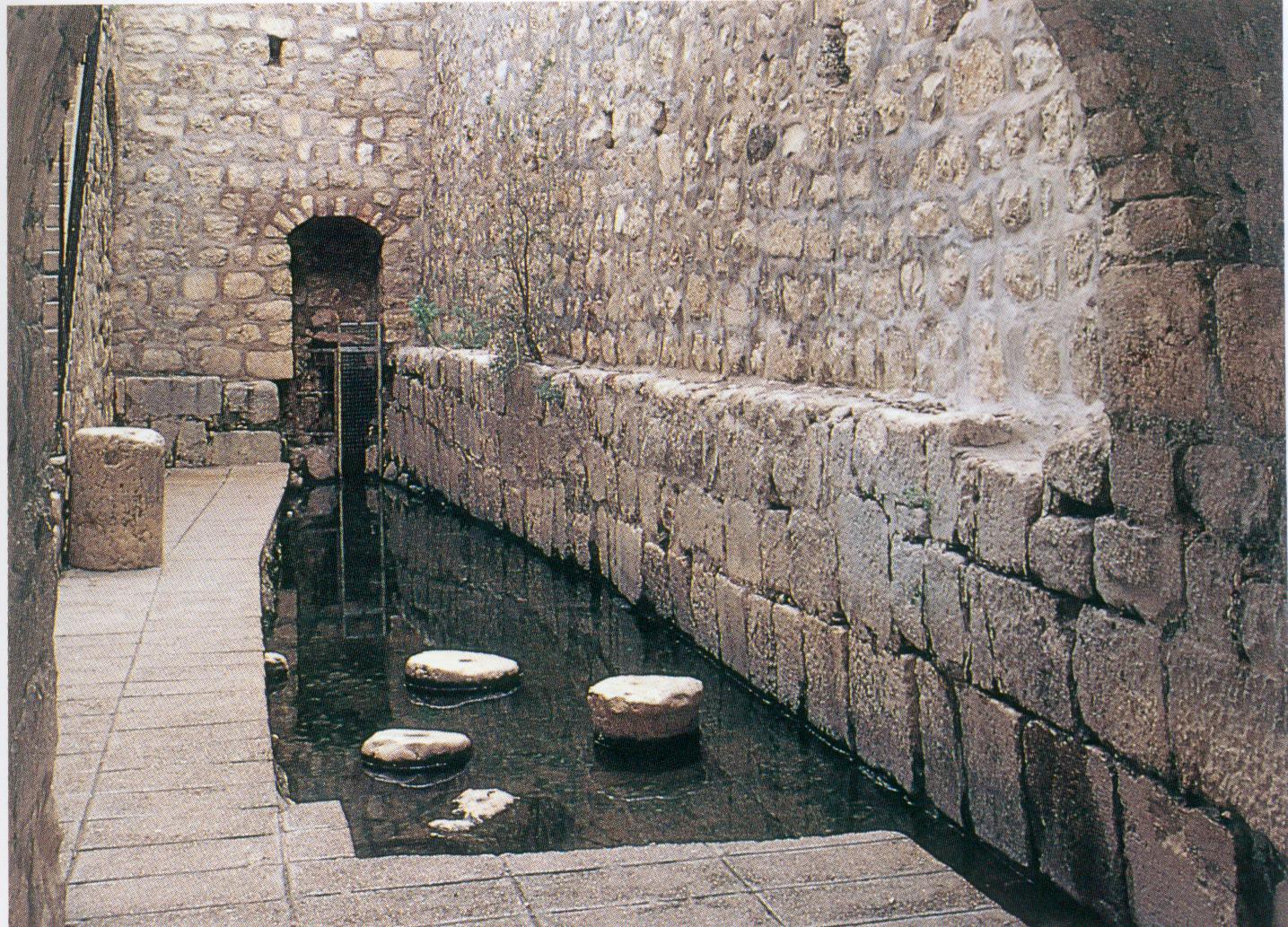
bethzathaI wonder whether you can imagine what it was like to be the man at the pool in John 5:1-18. The story goes that the first person into the water when the water bubbled up would be healed. What might it have felt like to have been lying by the pool of Bethzatha for 38 years? Waiting for that chance to get to the water first, but always being too slow to get to the water before someone else.

What might it have felt like, in that hot climate, to occasionally put your toe, in the clear cool water of that sheltered pool?

What might it have felt like, after talking with Jesus to be able to walk again?

Just imagine what it was like for that man to have his life changed by Jesus, so much so, that after many years of being disabled he could walk again?

It is good to use our imagination, …. whether it is to feel the coolness of the water, or to imagine the long years of hopeful but frustrating waiting of the man by the pool. Or to imagine the way life can be utterly changed by just one encounter with a special person.

It is possible that each one of us has something in our lives like one of these different experiences … joyful experiences, waiting experiences, frustrating experiences, surprising experiences, positive experiences

Our churches in Ashton usually have baptism service on the first Sunday of the month. 5 children were baptised in our services today.  Everyone present at those services  was participating in the service, not just those who led intercessions or lessons, not just the priest, the parents and the godparents, everyone was a participant not a spectator.

The young ones being baptised are very unlikely to remember the experience, but everyone else present will remember the services they participated in and in remembering this service, they will have the opportunity to imagine what it was like when they, themselves, were baptised.

If we were baptised as infants, a service of baptism is an opportunity to imagine … to imagine just what happened to us at our own baptism.  Wonderful promises were once made over us, just as they were over the young ones today. God promised us that he would be there for us, God surrounded us with his love and with the love of our families, friends and the worshipping congregation of the church in which we were baptised.

Wherever we are in our lives right now, we can continue to be like the man at the pool who was always waiting for something good to happen to him, or we can turn to the one who can change our lives for ever – the Lord Jesus Christ. Just as Jesus changed that man’s life for ever, so can he change ours. Baptism is the promise of that, the deposit, the security.

Each of us who have been baptised only need to turn to God for support and help and he will be there for us. God does not make us a promise that everything in our lives will be brilliant, not even just OK. But God does promise that he will be there for us, alongside us in all the experiences of life bringing encouragement and strength.

As the children we bring for baptism hear God’s words of love, telling them that they are special cropped-mom-hands2and secure in that love, we have the chance to remind ourselves that we too heard just those same promises made over us and to realise that God continues to reach out in love to each one of us.

What might it be like to have a friend, who is always there for us, through thick and thin, through whatever life throws at us. A friend who will never let us go?

This is just what Christians believe about Jesus, this is what God promises in baptism. Today we can choose to take him up on the promises we received at our own baptism.

Just think, just imagine what that could be like!