

MARK 1:4-11 & GENESIS 1:1-5 – 11th January 2015
The authors of the lectionary have placed our Old Testament reading alongside our Gospel reading for a reason. They want us to see them in parallel. In both cases God is doing something new. I am not an expert in classical music, but as I thought about these two readings from Genesis and Mark it seemed to me that they could be described as two different movements from the same symphony. I’m told that the classical composers used variations on the same theme to develop their composition and that if you listen carefully to the music you can hear the main theme being repeated. …..
Perhaps you can imagine a heavenly orchestra playing the first 5 verses of Genesis. Dark, 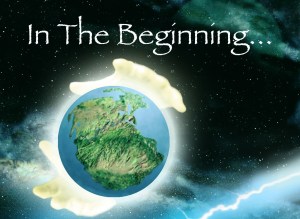 brooding music portrays an overwhelming sense of chaos and darkness. I imagine that the composer would use discordant modern themes to convey a sense of disorder. Then over this music comes the main theme of the symphony – quietly at first, starting with flute and piccolo, and gradually engaging the whole orchestra. Like a wind gradually rising from a gentle breeze to a violent gale. God’s mighty wind sweeps across the universe. God is speaking, and his very words change the universe for ever. “Let there be light” and light appears. God saw that it was good, and Day and Night were born.
God breaks into the history of the universe with a powerful word of creation.
Our second reading comes much later in the symphony. The main musical themes are now well developed – we’ve heard them over and again throughout the symphony. When John the Baptist 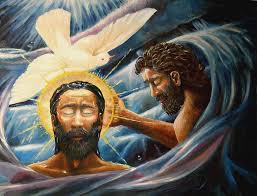 appears we return to that same discordant, abrupt and harsh theme that we heard right at the beginning of the symphony. His harsh manner, his odd clothing, his strange habits all seem to echo the chaos and darkness of Genesis. The sound from the orchestra builds and noise of the crowds coming to John for baptism shake the concert hall and then John’s voice can be heard as a sharp solo, perhaps, by the oboe cutting through the surrounding noise.
Then quietly at first the main theme appears again. The theme that represented God at work as Creator gradually supersedes the chaos of the early part of this movement. Jesus has come for baptism. The Word of God, from the beginning of John’s Gospel, is beginning his work. And as Jesus comes up out of the waters of baptism the whole orchestra joins the theme – the heavens are rent open, the Spirit descends on Jesus and God speaks, a strong solo voice: “You are my Son, the Beloved; with you I am well pleased”.
Can you see the common themes in the two passages?
The milling crowd, longing for God to act in their lives; and the universe awaiting God’s creative action.
The wind of God, and the Spirit of God hovering over the waters of the deep and the waters of baptism.
The word of God bringing creation, “Let there be light”; and the Word of God, Jesus, God’s Son, whose ministry brings redemption.
God’s delight is obvious in both passages. Looking at creation, ‘God saw that it was good’. Looking down on his Son, God said, “You are my beloved Son, with you I am well pleased”.
The theme from each movement of our symphony is the same. God creating his world and God redeeming that same world. All part of the same plan. In our symphony, both represented by the same theme.
Now, at the beginning of 2015, we are participating in what the Bible calls the end times, the days between Jesus’ first and second coming. We are participating in what might be called the final movement of the symphony.
In the first movement, God saw that everything was good. What does he see now, at the start of this new year? Where are the signs of new creation? Where are the dark, formless voids that still await God’s creative action?
In the later movement God expressed overwhelming pleasure at the baptism of his Son. What things in our world, or in our lives, give God pleasure?
Where might we begin to hear that same musical theme of God’s intervention in our own town, our own place of work, our own community? What do we long that God would do in our town and in our world? How might the final movement of our symphony be played out? What should I do? What should we do to participate in God’s work in our own community and around our world?



 On Remembrance Sunday we join with millions around our world in remembering the many men and women who have given their lives in the different conflicts of the past 100 and more years. People who either by choice, or through compulsion, have risked their lives in the pursuit of peace and justice. We owe our freedom to many such people who have stood up against tyranny and oppression – to people who risked everything, laying themselves on the line.
 Israel was an occupied land. There were taxes on agricultural yield and a personal ‘poll tax’. That’s why the Romans took a census to count how much tax they could levy. Paying tax in Roman coin was a threefold burden to the people of Israel: no-one liked paying taxes, Israel hated foreign rule and this tax reminded them of their invaders, and the image of Caesar on the coin was regarded as idolatry, breaking the command about graven images in Exodus.
 I have been reading books by Jasvinder Sanghera.
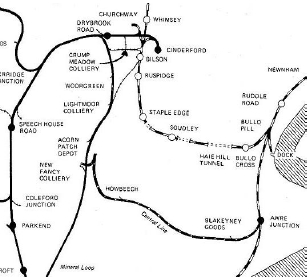
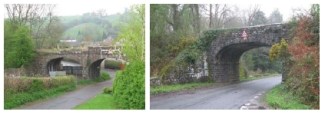 Some lengths of the formation remain, as do some of the structures. Part of the Blakeney Viaduct is still extant as is the Blackpool Bridge.
 In all that is going on in Syria and Iraq these words from John Bell seem very appropriate. They remind us that we cannot claim the high moral ground, without first examining our motives and attitudes.
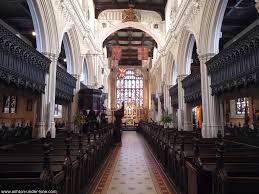
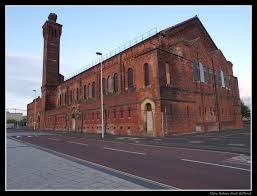
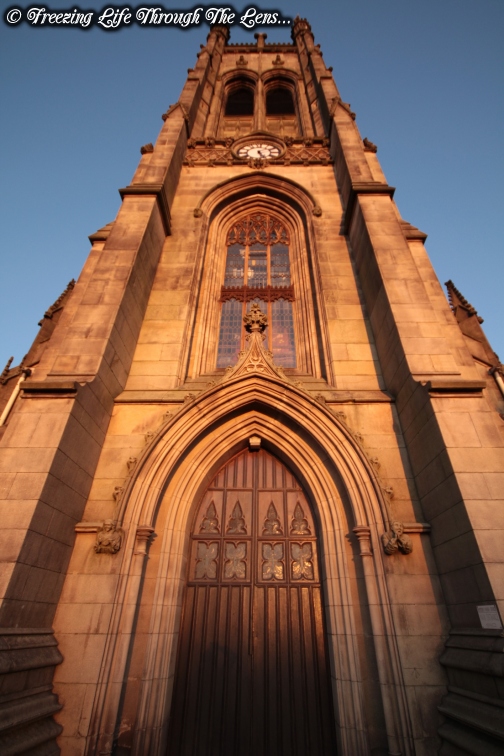
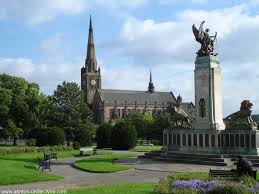
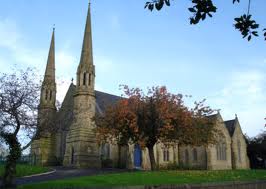
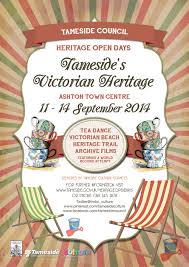 Ashton-under-Lyne held a successful heritage weekend – an attempt on a world record, a Victorian seaside event, some amazing buildings open to the public. A great community event!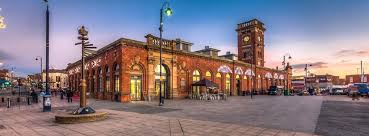

 Roger Farnworth