
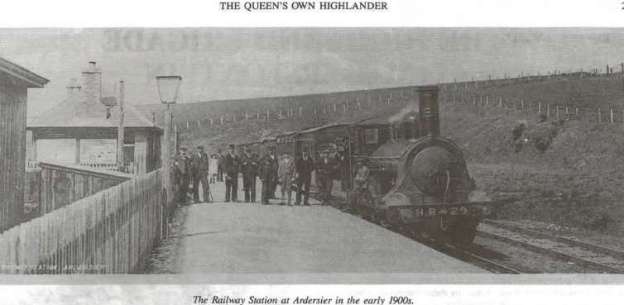
The featured image above shows Highland Railway No. 29 at Fort George Railway Station in Ardersier in charge of a train of four wheel coaches. Staff at the station seem to be included in the photograph. The locomotive was built in October 1863 as a 2-2-2 and originally called ‘Highlander’. She was rebuilt as a 2-4-0 in August 1871 and renamed ‘Forres’. She was withdrawn in 1898 which means that the annotation under the photograph is a little inaccurate. The locomotive is seen in the image above in its latter guise, so the image was probably produced between 1872 and 1898. The picture was shared on The Highlanders’ Museum Fort George Facebook Page on 23rd February 2014. [12]
The Disused Stations Website has full details and photographs of Fort George Railway Station, here. [1]
AmBaile also has a number of photographs which can be found here. [2]
The full length of the Fort George Branch is shown on the extract from the 25″Ordnance Survey from the turn of the 20th century below. …
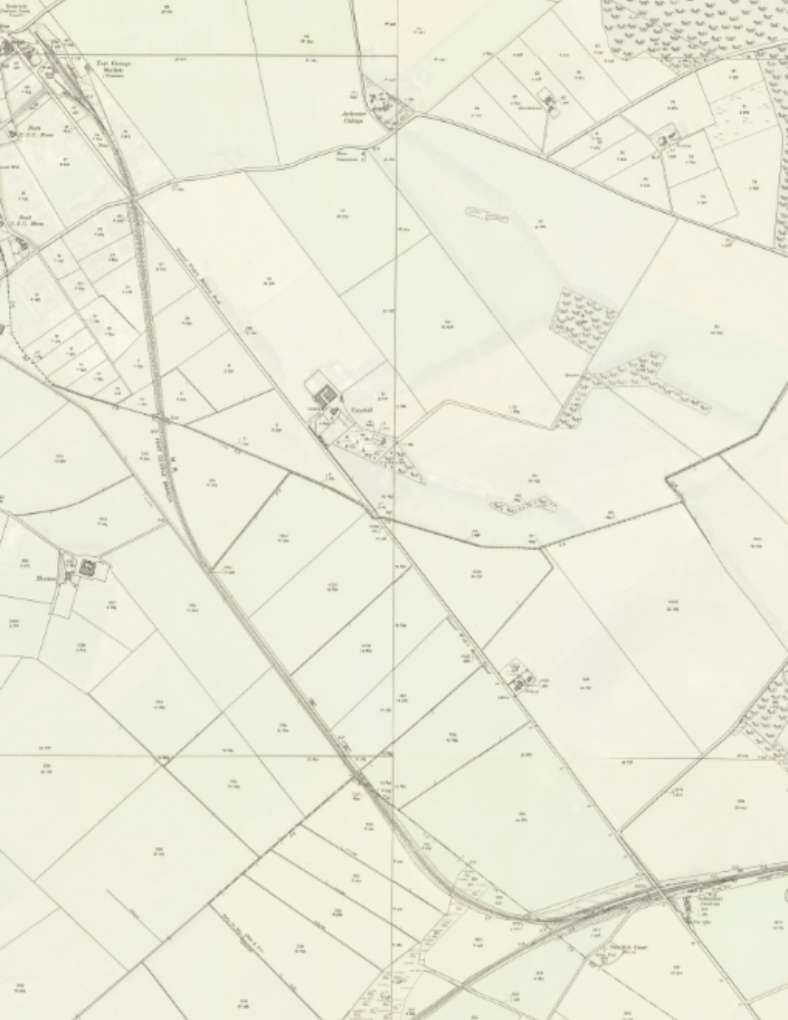
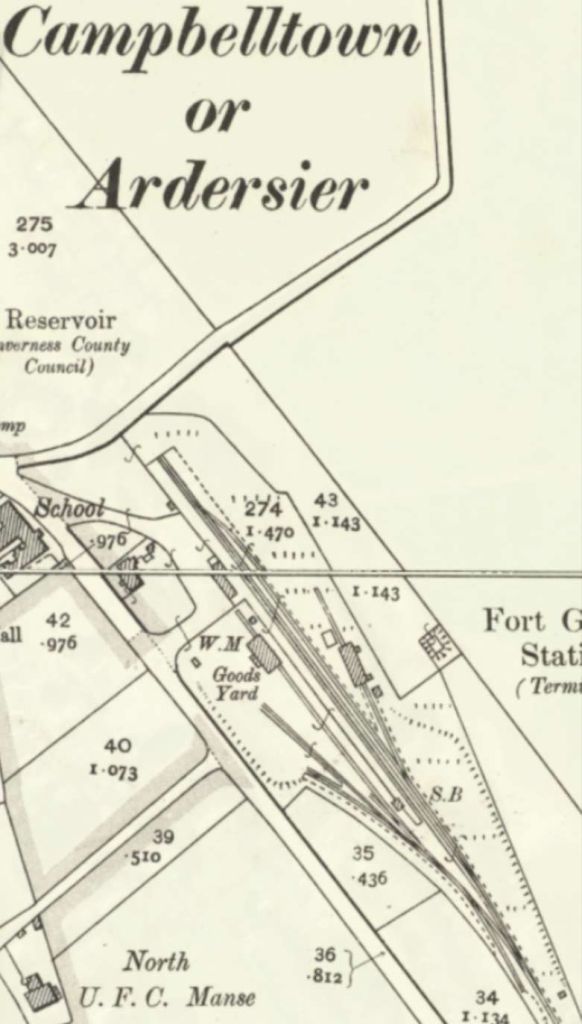
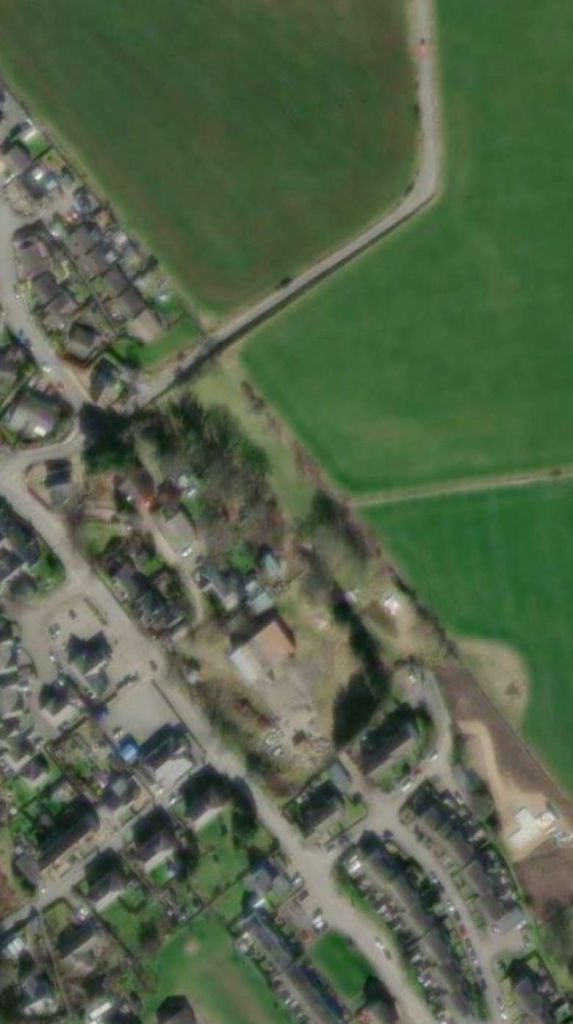
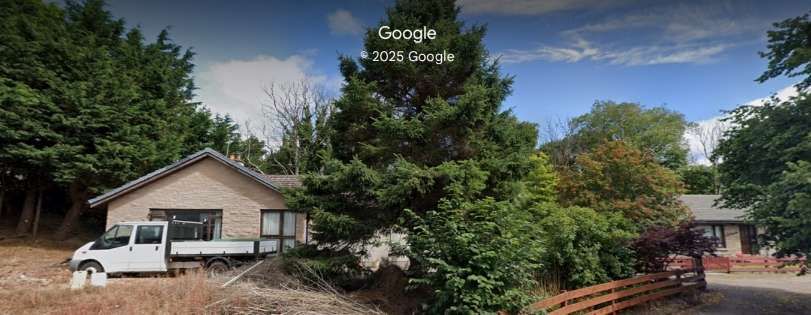
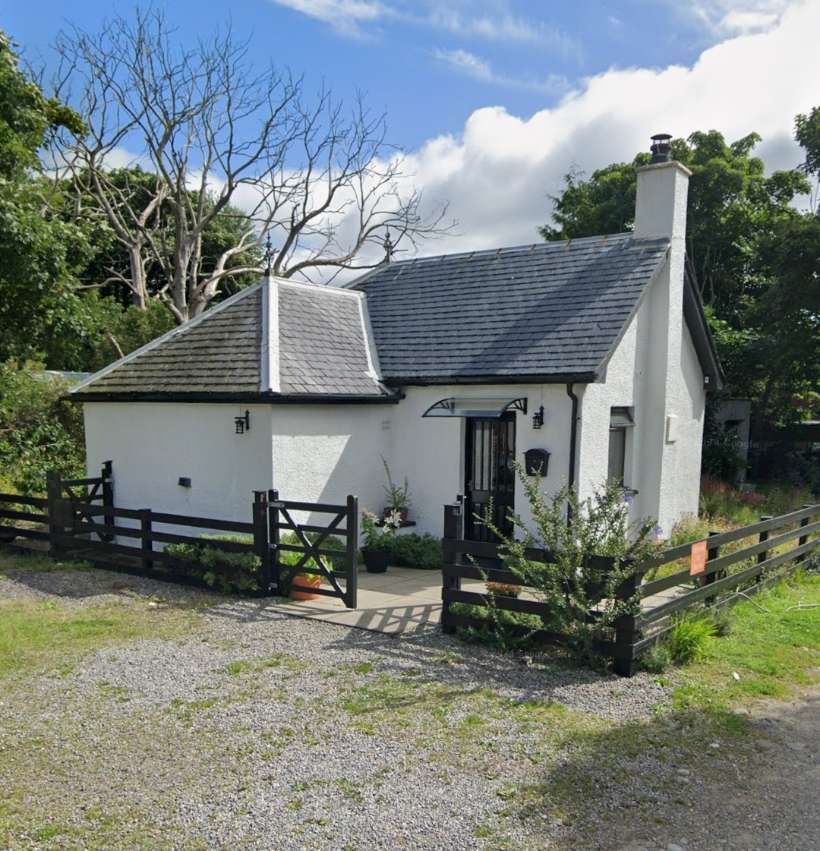
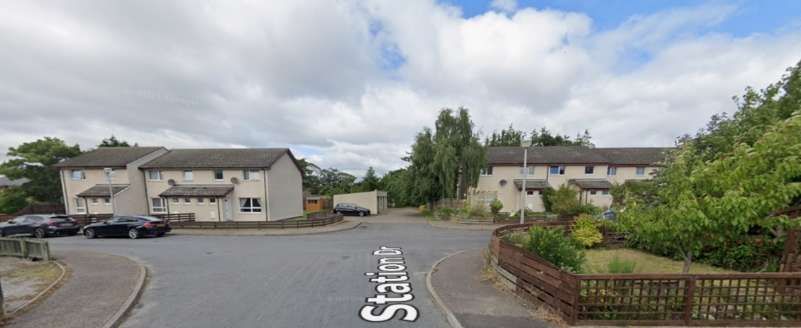
Just to the South of the station throat the line bridged the junction of two roads. These became the B9006 and the B9092.
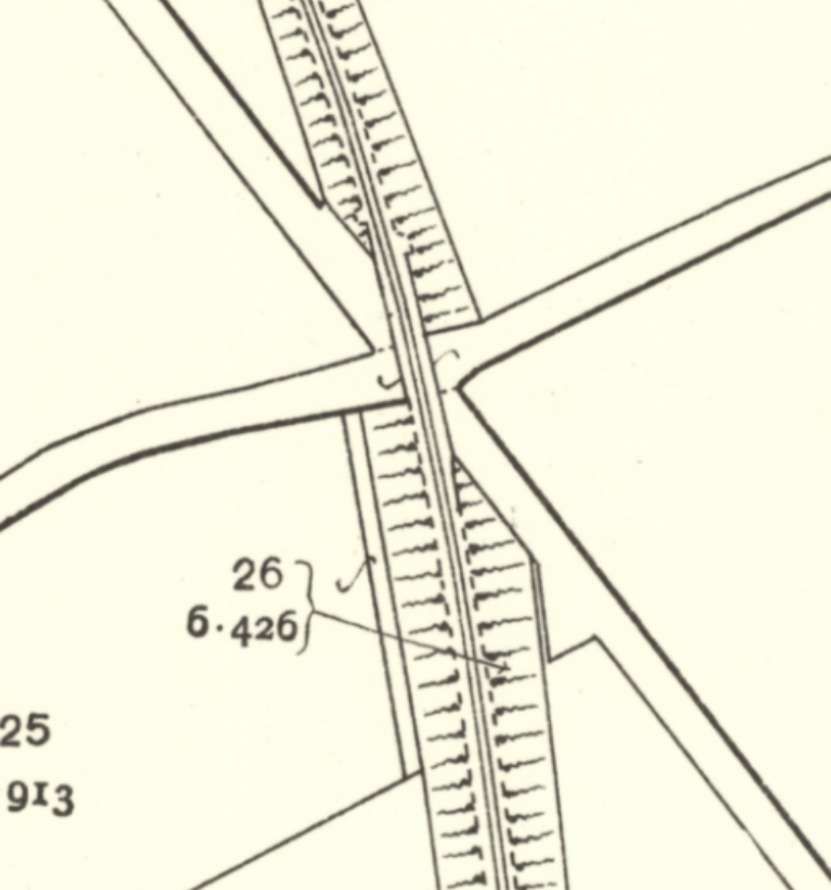
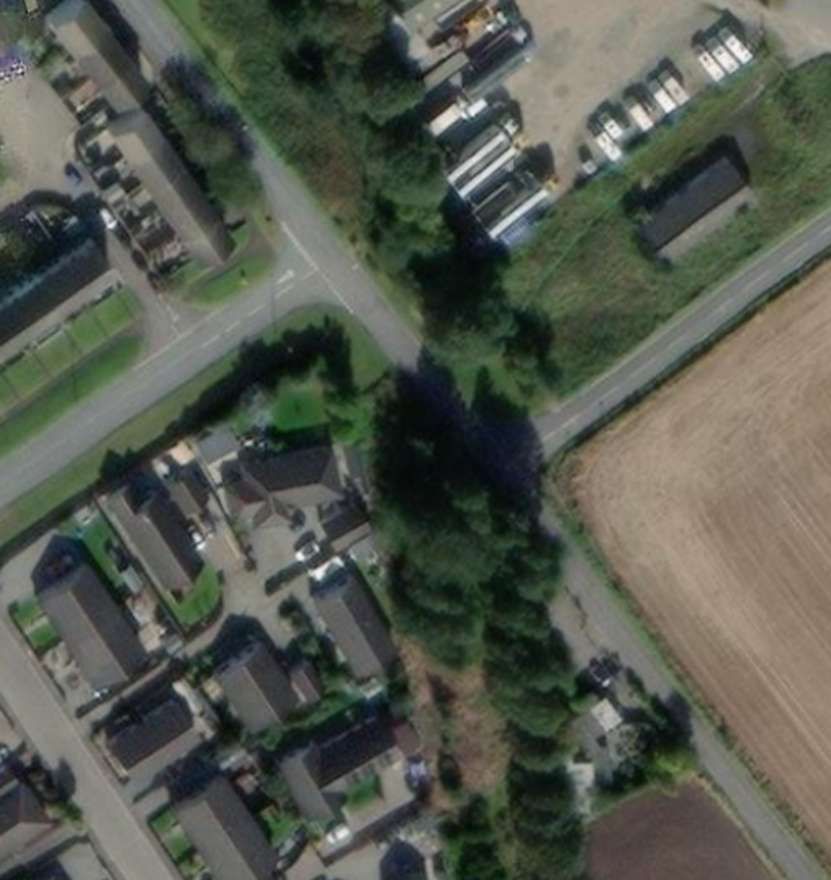
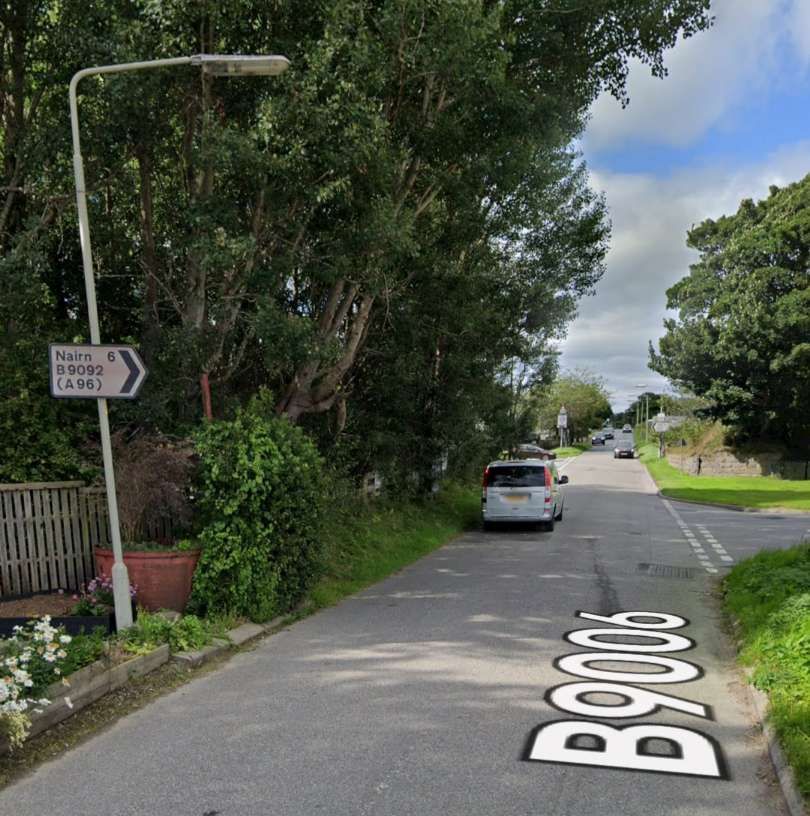
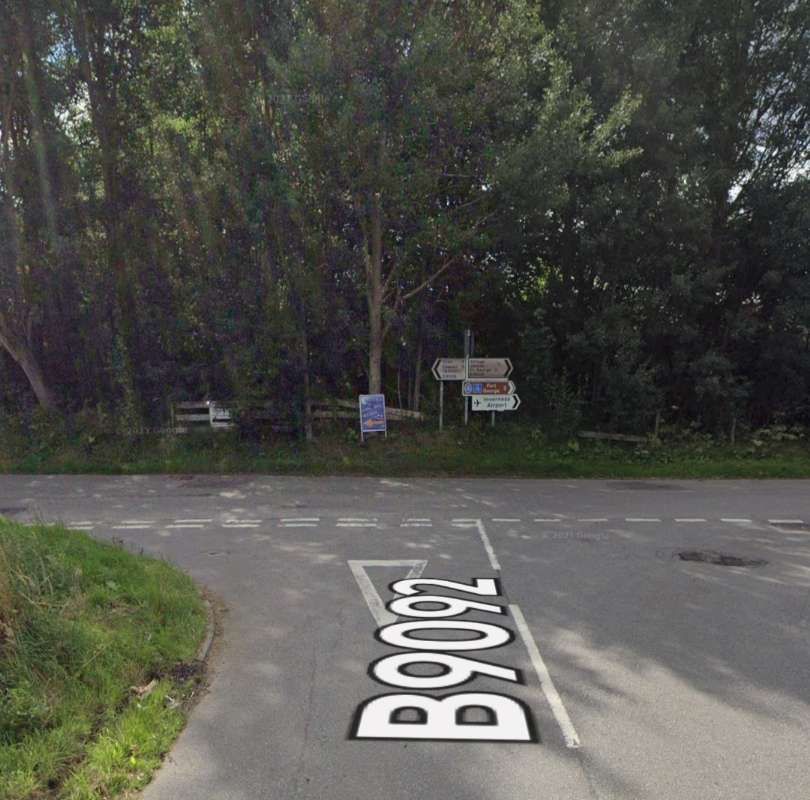
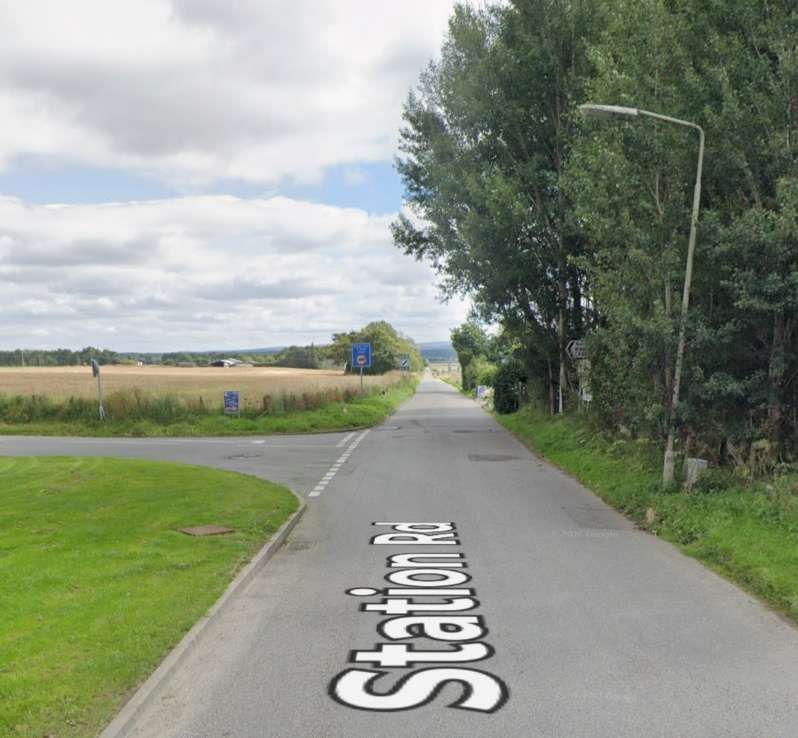
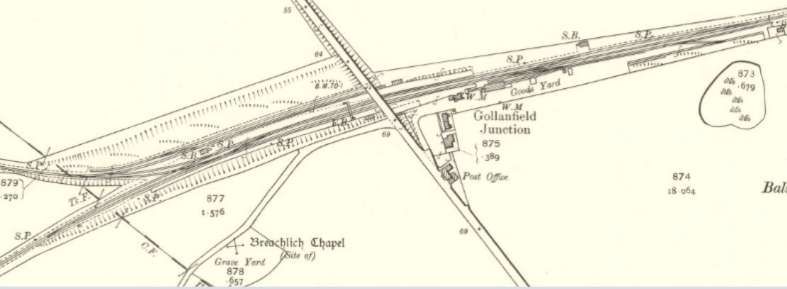
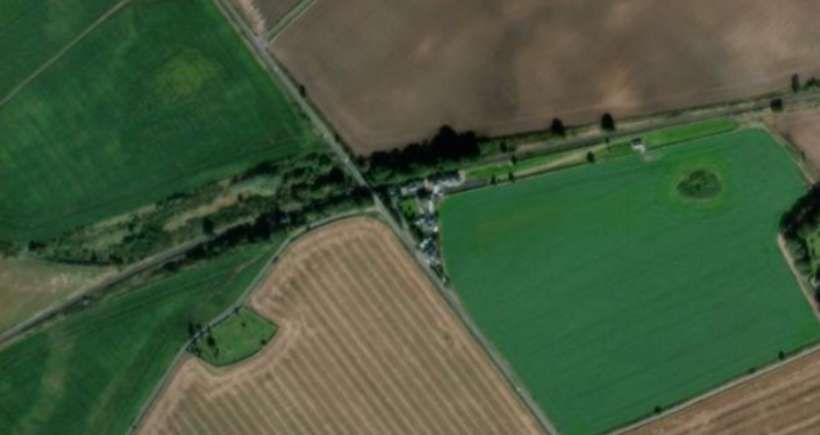
The line ran across open fields with no more structures than a few culverts to carry water from drainage ditches, until it curved to the East into Gollanfield Junction Railway Station.
It is interesting that this short branch was deemed worthwhile as an investment. It brought the railhead only a short distance closer to Fortrose George.
Vallance tells us that, “The original line from Inverness to Nairn had provided a station to serve the military post of Fort George. This was only Fort George in name, as the depot itself was some 3½ miles to the north, at the end of a sandy tongue of land jutting out into the Moray Firth. It was felt that the fort should be made more accessible by rail, and powers were granted on 4th July 1890 for the construction of a branch, 1½ miles long, from the existing Fort George station to the village of Ardersier, which lies some two miles south of the depot proper. The terminus of the new line was to be called Fort George. … The surrounding country is level and sandy, and no difficulties were experienced in the construction of the line, which was opened for traffic on 1st July 1899. The junction station was renamed Gollanfield Junction, from the farm of the same name in the neighbourhood.” [10: p46]
David Ross has little to add to this apart from a few fleeting references, primarily to Fort George rather than its railway station, other than to note the construction of the branch line. [11: p95]
References
- http://www.disused-stations.org.uk/f/fort_george/index.shtml, accessed on 2nd May 2025.
- https://www.ambaile.org.uk/gd/search/?searchQuery=Fort+George+Station, accessed on 2nd May 2025.
- https://maps.nls.uk/geo/explore/#zoom=14.5&lat=57.56062&lon=-4.02161&layers=168&b=ESRIWorld&o=100, accessed on 2nd May 2025.
- https://maps.nls.uk/geo/explore/#zoom=17.0&lat=57.56885&lon=-4.03421&layers=168&b=ESRIWorld&o=100, accessed on 2nd May 2025.
- https://canmore.org.uk/site/14417/ardersier-fort-george-station, accessed on 2nd May 2025.
- https://maps.nls.uk/geo/explore/#zoom=18.0&lat=57.56520&lon=-4.03137&layers=168&b=ESRIWorld&o=100, accessed on 2nd May 2025.
- https://maps.nls.uk/view/82886853, accessed on 2nd May 2025.
- https://en.m.wikipedia.org/wiki/Gollanfield_Junction_railway_station, accessed on 1st May 2025.
- https://maps.nls.uk/geo/explore/#zoom=15.7&lat=57.55161&lon=-4.01035&layers=168&b=ESRIWorld&o=0, accessed on 1st May 2025.
- H. A. Vallance; The Highland Railway (2nd. Ed.); David & Charles, Dawlish, and Macdonald, London, 1963, (First edition published in 1938).
- David Ross; The Highland Railway; Tempus, Stroud, Gloucestershire, 2005.
- https://www.facebook.com/share/16Q5xYKfH7, accessed on 3rd May 2025.
 Roger Farnworth