Category Archives: Ashton-under-Lyne Blog

Good Friday: The Prophet Jeremiah: “How desolate was the city that was once thronged with people…”

A very short reflection for Good Friday.

“How desolate was the city that was once thronged with people………” says Jeremiah ………. Lamentations 1:1

I have just listened as the lay clerks and choral scholars of Worcester Cathedral Choir performed “The Lamentations of Jeremiah- Part 1” set to music by Thomas Tallis. The Lamentations of Jeremiah are sung during the Holy Week Tenebrae services in the Catholic rite. This offering for Good Friday was recorded on 20th March 2020, before the current government guidance and lock-down came into effect.

“How desolate, how lonely sits the city that once was full of people!”

It is almost impossible to avoid drawing a parallel with our experience of lock-down over Easter. The minor key the composition by Tallis expresses something of the misery that many will be feeling over these next few days as  they are prevented for sharing the holiday weekend with others, as they are prevented form gathering for worship.

The passage from the Book of Lamentations is a lament for the destruction of Jerusalem and the removal of the people of Judah into exile.

The first chapter of Lamentations goes on the evoke something to the reality of loss being experienced by God’s people:

How deserted lies the city, once so full of people!
How like a widow is she, who once was great among the nations! …
Bitterly she weeps at night, tears are on her cheeks.

The roads to Zion mourn, for no one comes to her appointed festivals. All her gateways are desolate, her priests groan, her young women grieve, and she is in bitter anguish. …

All her people groan as they search for bread;
they barter their treasures for food, to keep themselves alive. ….
“Look, Lord, and consider, for I am despised.” …

See, Lord, how distressed I am! I am in torment within, and in my heart I am disturbed, …

“People have heard my groaning, but there is no one to comfort me. … My groans are many and my heart is faint.”

Now, the parallels are in one way quite weak, the exile of Judah  is not the same as what we are experiencing at the moment, locked-down and locked-in by Covid-19. Most of us have not been removed from our homes. But … we are experiencing a kind of internal exile, we can no longer do the things we long for, our freedom has been curtailed and we cannot hug many of the ones that we love. And, for those of us who claim a Christian faith, we have lost an ability to be in present in Communion with each other around the Lord’s table. We cannot share the peace. We are missing out on the usual, comforting and also challenging time of Holy Week and the journey to Easter.

Listen again to the cadences of the choir from Worcester Cathedral, read again the words of lament which come from Lamentation 1: 1-22 above, allow yourself to feel the loss and the pain that is our shared experience.

And remember. ……………… Remember that the loss we feel has already been experienced, has already been consecrated and hallowed by the journey of our Lord Jesus Christ from Palm Sunday adulation, through intense loneliness during Holy Week, to the desolation of the Cross and the rupture of his relationship with God the Father.

Our pain, is his pain, our loneliness is his loneliness, our fears are his fears. We are not alone.

Maundy Thursday – John 13

Headline news on Huffington Post (an internet news site) in 2014:

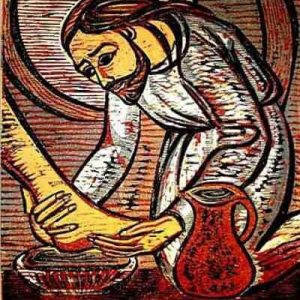
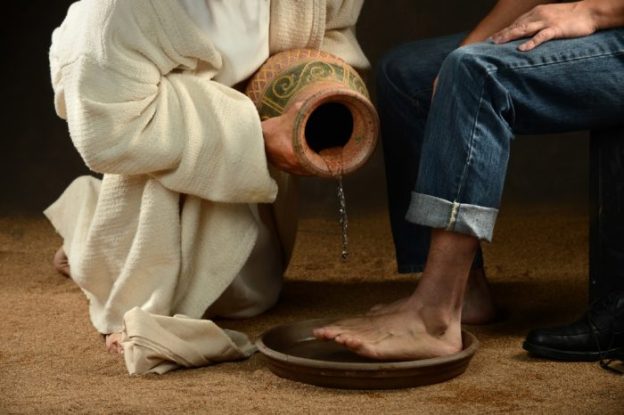
On April 17, 2014, Pope Francis will visit the Centro Santa Maria della Provvidenza Fondazione Don Carlo Gnocchi home and wash the feet of the residents, many of whom are elderly and have disabilities. The ritual will happen on Maundy Thursday, which remembers the Last Supper of Jesus Christ with his disciples, when Jesus humbles himself and washes the feet of his apostles prior to their Passover meal.

Shortly after being elected, Pope Francis made headlines when he washed the feet of two women at a Rome youth prison, a sharp departure from the foot-washing of 12 priests in Rome’s St. John Lateran Basilica. [1]

Wikipedia says that : “In a notable break from the 1955 norms, Pope Francis washed the feet of two women and Muslims at a juvenile detention center in Rome 2013. In 2016, it was announced that the Roman Missal had been revised to permit women to have their feet washed on Maundy Thursday; previously it permitted only males to do so.” [2]

Over many years, the usual papal ritual has been for the Pope to wash the feet of 12 selected priests in an endeavour to mirror Jesus’ action at the last supper. Pope Francis sought to move away from this careful and beautiful choreography towards something more meaningful.

As Pope Francis did this, he symbolically took the place of Jesus and his message was the same. Jesus said, “If I, your Lord and Master, have washed your feet, you also ought to wash one another’s feet.” Pope Francis was saying the same to those who accept his leadership: “If I, you spiritual leader, have washed the feet of the elderly and infirm, the least you can do is treat them as human beings and honour them by serving them as you would serve your Lord.”

This is the most obvious challenge in the passage from John 13 for those of us who want to faithfully follow Jesus. If we were to stop with that thought, we’d have something worthwhile to think about on Maundy Thursday.

However, this is not the only challenge that faces us in the passage from John 13.

Let’s think about Peter’s response to Jesus. He says, “You will never wash my feet.” In these words is another challenge, which for many of us might be more significant?

So often our focus in the evening service on Maundy Thursday is on Jesus, and rightly so. His humility and servant love call for a response. And so, perhaps, we make a mental note to be a little more generous in the way we deal with other people. Or we feel something as the service progresses – our emotions are affected and we feel like behaving differently.

But what does the story feel like, if instead of identifying with Jesus, we take Peter’s place. … What was it that provoked Peter to say: “You will never wash my feet.”

Was it a sense that it wasn’t right? Perhaps Peter felt that a leader should not do something usually done by the lowest of slaves.

Was it embarrassment? My feet are so dirty, they’ve got corns and bunyons, my toes are mis-shapen. I don’t want you to see.

Or, was it embarrassment for another reason? Did none of the disciples want the job? Were they looking round at each other wondering who would crack first? And then shock, horror – it is Jesus who picks up the slave’s towel.

Or, was it pride? Under no circumstances am I going to be so demeaned as to have you touch my feet.

What do you think it was that provoked Peter’s response? .Take a few moments to think about this. …….

Then I’d like to ask you a few other questions.

In a moment or two, in this article, we will move on to think about the particularly unique circumstances which face us in Holy Week in 2020, but let’s for a moment stick with the story in John 13 and with our attempt to identify with Peter.

What is it that has governed your decision on Maundy Thursday in the past. When you have been presented with the opportunity in church to have your feet washed. What has it been that has kept you in your seat? Or come to that, what is it that propels you out of your seat to come forward to have a foot washed?

Let’s translate the same question into more general circumstances. … When someone offers to serve you in another context, or seeks to help you, what is your response? Would it be one of these?

‘I am not prepared to accept charity.’

‘Go away, I don’t want your help.’

‘What is in it for you?’ ‘There must be a catch!’

What governs/governed your decision? Is it, or was it, a sense of propriety? Is it, or was it, embarrassment? Was it pride? … Is (or was) your response like that of Peter: “You will never wash my feet.”

There is a phrase we sometimes quote: “It is better to give than to receive.” There are times, however, when the giving is easy and the receiving is so much harder. It is actually often easier to serve than be served; often easier to serve than to take praise for our service; it is sometimes easier to give than to receive. The real challenge for us can be the need to be willing to receive the love shown to us by others.

Perhaps you could take a few moments to think about how you respond to love shown to you before you go on to read the rest of this reflection. …………………………….

We are in very strange circumstances in 2020. It feels as though Holy Week and Easter has been cancelled. Not that they have, of course. Our additional challenge is to find a way to engage over the next few days with the most important stories of the Christian faith and to do so in a way that unites us as members of the body of Christ.

We have been told that Archbishop Justin Welby, “will not be conducting the annual Maundy Thursday public ceremony of foot washing this year.” [3] That statement was made before a decision had finally been taken to close our Churches to protect us from the COVID-19 pandemic. But it is true. No clergy will this year be washing the feet of members of our congregations. It seems as though many things now serve only to emphasise our isolation – the inability to share in the physical Eucharist, the loss of our regular services, the need to communicate only by phone, email, text, face-time and letter, the loss of physical contact with people from other generations in our families. All these things, and more leave us alone or even lonely – isolated from what means most to us.

Yet, the spirit of service, that essential commitment to caring for others, which is so dramatically played out in the story of John 13 is with us in the most purposeful of ways. There are those today who are choosing to touch what is untouchable, who are choosing to place themselves in harm’s way. There are those who, without the benefit of suitable PPE are touching and washing not just the dirty feet of others, but whole bodies as well, bodies that are infected and so are dangerous to touch. What seems to have brought isolation to so many, is also demanding so much from others.

The idea of foot-washing seems to be somewhat irrelevant in the context of all that is going on. The loss of the ceremony seems almost to be an unimportant footnote in the current crisis.

But the loss of this ceremony is significant. The loss of this, specific, personal contact is relevant. This loss is symbolic not only of all our other losses, but symbolic too of the selfless giving of others. I hope that in future years we will be able to see this ceremony as a focus for our gratitude that physical contact is once again possible for all of us, and as an act of gratitude for the love and care of others. I hope that we will all see having our feet washed as one essential part of the flow of the seasons of the church’s year.

References

  1. https://www.huffingtonpost.co.uk/entry/pope-francis-foot-washing-maundy-thursday_n_5166531?ri18n=true&guccounter=1&guce_referrer=aHR0cHM6Ly93d3cuZ29vZ2xlLmNvLnVrLw&guce_referrer_sig=AQAAANEBjpyhkw1W-xYGm1dtHzvRW7NgD0A-lpDCNny11KZrixpVUQWfGBzUaxQCSMVBxn3UgeJQ6nCaYDvUufx6jZgAN3OfMF2900mqmw1qRyMNRo7VKbaCWJbCMfoeDTSxCM6TQihtitpRUt4sXcYnBHguAAtM3C7JZJVoNKrjBBJl, accessed on 5th April 2020.
  2. https://en.wikipedia.org/wiki/Foot_washing, accessed on 5th April 2020.
  3. https://premierchristian.news/en/news/article/welby-won-t-be-foot-washing-this-maundy-thursday, accessed on 5th April 2020.

Palm Sunday – 5th April 2020: Isaiah 50: 4-9a and Matthew 21: 1-11

Our Old Testament reading used the phrase, “I have set my face like a flint.” How might we phrase that today? “Go for it, no matter the cost.” “Climbing over dead men’s bodies.” “The end justifies the means?”

The phrase conjures up a sense of dedication and a refusal to be deflected no matter what happens. Determined, committed, purposeful.

It could be like a powerboat moving so fast towards its destination that its wash overturns everything in its wake. Real winners don’t put time limits on their commitments! They are committed with no conditions, and when they begin, they’ve made up their minds to finish!

Martin Luther King, Jr. said something a bit different: “If a man is called to be a streetsweeper, he should sweep streets even as Michael Angelo painted, or Beethoven composed music, or Shakespeare wrote poetry. He should sweep streets so well that all the host of heaven and earth will pause to say, here lived a great streetsweeper who did his job well.”

Ambition, determination, whole-hearted commitment to our goals are quite good things in themselves. Often, however, when our hopes conflict with the interests of others we can produce all sorts of justifications for less than generous attitudes and actions. Our readings speak of whole-hearted commitment. Jesus, on Palm Sunday, sets his face like a flint towards Jerusalem, nothing will stop him fulfilling God’s will – nothing will deflect him from the path of the cross.

Success for Jesus is, however, measured in terms of apparent personal failure. In Jesus’ weakness, God’s purposes are fulfilled. For Jesus to meet his goals he has to die.

In Isaiah, the Suffering Servant, sets his face like a flint into the suffering that is coming his way – confident of God’s help to endure. There’s no disgrace, no shame, in the torture he faces because he knows that he can trust God for his future, for his ultimate vindication.

How different these attitudes are to our own? We struggle and strive to protect ourselves. We’ve learnt to be self-reliant. “Look after number one – no one else will!”

We’ve learnt to see failure and weakness is shameful. Success in the world=s terms is important to our sense of self-worth. We cannot be seen to fail, even if that means that we need to put others down.

Is that a fair assessment? Is that what I am like?

Perhaps I need to ask my self a few questions. …. How willing would I be to embrace apparent failure, like Jesus did, for the sake of others? … Would I be prepared for you to think bad of me, to reject me – if I only knew that I was doing what God wanted?

But things are never quite as stark as this. Things are never that clear-cut. It=s in the smaller things that I need to learn to place the needs of others above my own, in the smaller things that I need to learn to set aside self-protection and look to the interests of others. So, what does Christ-like determination and commitment look like?

Our reading from Isaiah gives us a clue:

The Lord God has given me the tongue of a teacher that I may know how to sustain the weary with a word. Morning by morning he wakens  – wakens my ear to listen as those who are taught.”

Says Isaiah – we need the “tongue of a teacher” – the openness that doesn’t hoard knowledge (because knowledge is power) but shares it with others. Openness that shares ourselves with others. Openness which allows us to share the glory and praise with others. Openness that makes ourselves vulnerable so as to lift others from their weariness.

And, says Isaiah, it is not only a willingness to share but a willingness to listen. … We must not close our minds in some sort of self-righteous crusade. (We know what is best and we’ll do it. Blow everyone else!)

No. It was because Christ was open to others, vulnerably sharing himself with them listening to their needs, that he set his face like a flint to the cross. Because he loved of others – he chose suffering a death.

The challenge for us is to be so open with others that we are prepared, if necessary, to set aside our well-being, our comfort, so as to meet their needs. So, how do we succeed?

Jesus answer: “By becoming vulnerable, willing to die, willing to embracing failure.”

By accepting that Palm Sunday’s adulation will give way to Good Friday’s rejection.”  A very different measure of success!

Collect

Loving Father, whose Son Jesus Christ set his face like a flint toward the cross. Give us, your people, such love and compassion for others that we, like Christ, may be prepared to place others needs above our own. Through Jesus Christ our Lord. Amen.

Prayers

Let us pray for the world and the Church and let us thank God for his goodness. ….. Almighty God, our heavenly Father, you promised through your Son Jesus Christ to hear us when we pray in faith.

We bring before you the needs of our nation: we pray for those living below the poverty line, for the unemployed, the homeless, the dispossessed, those unjustly accused, those longing for justice.

We pray for all who govern and lead us. The Queen and her minsters of government, the opposition, civil servants and other government employees. Our Councillors and local authority workers. All who make decisions which affect our daily lives. We pray for the rule of law and that we will be justly and peaceably governed.

Lord in your mercy, hear our prayer.

We pray for nations around the world, for regions of conflict. Bring peace to our world, bring to power those who seek not only for their own good but for the good of others.

Lord in your mercy, hear our prayer.

We pray for your Church throughout the world, across all our denominations. Bring unity and a sense of common purpose in serving you. Help us to see Christ in one another and be alive to each others needs. Strengthen our bishops, church leaders and all your church in the service of Christ. May we, and they, place serving you above party spirit and narrow ambition.

Lord in your mercy, hear our prayer.

Merciful God, in silence we lift to you the names of those we love, our families, friends and neighbours. … Break down the barriers that we so easily erect, and open us up to sharing with each other in love

Lord in your mercy, hear our prayer.

Comfort and heal all those who suffer in body, mind or spirit – those whose names rest heavily on our hearts, …. those in our street, our parish, our community and further afield, who we don’t know, … those known only to you – all of whom need your healing touch. Gather them into the warmth of your embrace, give them courage and hope in their troubles, and bring them the joy of your salvation.

Lord in your mercy, hear our prayer.

Hear us as we remember those who have died, those whose funerals have taken place this week. May we, and they, share in your eternal kingdom.

Merciful Father accept these prayers for the sake of your Son our Saviour Jesus Christ. Amen.

A prayer over your Palm Cross

If you have been sent a Palm Cross, or if you have one from last year, please use this prayer and give the Cross pride of place in your home over Holy Week and Easter. ….

God our Saviour, whose Son Jesus Christ entered Jerusalem as Messiah to suffer and to die, let these palms be for us signs of his victory; and grant that we who bear them in his name may ever hail him as our King, and follow him in the way that leads to eternal life; who lives and reigns with you and the Holy Spirit, now and forever. Amen.

John 11: 1-45; Ezekiel 37: 1-14; Romans 8: 6-11. Love

How do you feel about the future? Optimistic? Pessimistic? What fills you mind as you think about the next few years?

Can you look forward with hope at this most difficult time for the whole human race? Does Coronavirus fill you heart with fear?

What about the future of the Church?

It is easy to feel despondent. We’ve been told time and again that numbers attending churches are dropping, that the church is no longer relevant. The evidence seems to support a general air of despondency. And at times many of us will have wondered whether there is any point carrying on coming to church.

I’ve heard people saying things like: “It’s dry and musty, it’s not my kind of thing, it’s just like a bag of old bones – no life there at all. Why would I want to come to church?”

And yet for others of us, Church does not feel that way at all. Somehow God has reached out and touched us through the worship. Sometimes there is a tingling inside us when we think about coming to worship – and we say that coming to church seems to give our life a sense of purpose. We have hope for the future again.

For others, the presence of the church in the midst of life is so very important. It is the bastion against all that threatens to pull us down. It is the one constant in a shifting world, a place we can always turn to in an hour of need. And this current time, with the threat of disease hanging over us, is just such a time.

The readings set for Passion Sunday are long. But they clearly have one theme in common. New life breathed into dead bodies. It was obvious in Ezekiel, just as obvious in the raising of Lazarus. Both these readings have a sense of hope and life.

Both in Ezekiel and in the story of Lazarus the seemingly impossible happens. In Ezekiel’s case it is in a vision, in Lazarus’ case the story asks us to accept that he was raised by Jesus. Both are saying to us in their own way that the seemingly impossible is possible with God. God can even raise the dead! Ezekiel wants his hearers to believe again that defeated, hopeless Old Testament Israel can again be a living, dynamic force.

And Ezekiel’s vision was taken up as a primary rallying point for black slaves in America. “…Dem bones, dem bones, dem dry bones … hear the word of the Lord.”

And as generations past, hopelessness was transformed into belief and action. The slave trade was abolished and later, the sporting success of a person like Jesse Owen brought dignity and hope to black people. And people like Dr. Martin Luther King took on the establishment and brought an end to official discrimination.

Hope rose from the ashes of despair.

There have been other instances in the history of the world where darkness is defeated. The fall of communism and the downfall of the Berlin Wall in 1989, the end of apartheid in South Africa in the 1990s.

And in our Gospel reading Jesus speaks into a tomb and raises Lazarus, prefiguring his own resurrection which was to take place only a few months later. Martha clearly believed in the resurrection, but for her it was something remote, something which would only happen come judgement day. …  Jesus wanted her to have hope now, hope for the present and the immediate future – and so he raises Lazarus.

It would be so easy for us to relegate hope and hopefulness to the hereafter. So easy for us to think that our faith only really works as we look beyond death and pray that God will accept us home to heaven. But ‘life to mortal bodies’ isn’t just for heaven. Life and hope are for now as well as for the future.

Just as in Ashton-under-Lyne we saw, 12 years ago, a new market rise from the ashes of the old – like a Phoenix. Jesus wants us to believe that he can through his Spirit breath new life into us as individuals and new life into our churches. We might feel small and insignificant, we might feel hopeless. But our bible readings talk of God’s Spirit energising and strengthening us.

All Lazarus had to do was respond – he could have stayed in the tomb, but he chose to come out into the light. Ultimately, all we have to do is to respond to what we see God doing in our churches and in our wider communities.

No doubt the signs of new growth will be fragile. They will need tending and caring for, they might even seem small and insignificant. But God’s Spirit is at work, we need to feel his breath inside us and respond, like Lazarus walking out into the light.

“If the Spirit of him who raised Jesus from the dead dwells in you,” says Paul in Romans, “he who raised Christ from the dead will give life to your mortal bodies also through his Spirit that dwells in you.” (Romans 8: 11)

This is the theme of all of the lectionary readings set for this Sunday. … God’s life can and does reinvigorate our lives.

Sunday 29th December 2019 – Matthew 2: 13-23

Matthew 2:13-23

If I’m honest with you, I hate this Gospel passage, I wish it had not been written. I wish I could conveniently ignore it, suggest it is untrue and set it aside. … I’d keep the bit about Jesus being a refugee. … Now that is a helpful image .. and it has been used down the centuries to infer that God understands the plight of the refugee and the homeless. And rightly so, for I am sure that God does place the needs of the underdog, the dispossessed, the homeless, very high on his list of priorities.

Yes, I like the bit about Jesus being a refugee – I could write about that now. I could use some material from Christian Aid, Oxfam, Save the Children, Tear Fund or CAFOD, perhaps write about the plight of those who are still unable to go home – like the millions of Palestinians trapped in what is one big refugee camp called the Gaza Strip. I could continue to talk about the refugees from the conflict in Syria, starving, this winter, in the Beqaa Valley, or I could talk of the many people who seek asylum in this country in fear of their lives who are not believed by the authorities.

But that is not what horrifies me about this passage. No, what leaves me floundering is the murder of those innocent children and God’s intervention to save his Son, while leaving others to die – at least that’s what the story seems to say. … What kind of God can save one and leave perhaps 30 or 40 (or maybe many more) to die!

Yet God does seem to intervene in favour of one & not the other…. That is the way the story of the Bible unfolds, and it is also the experience of many people around our world. So, if God is able to intervene, and if God sometimes does intervene, why doesn’t God always intervene?

I really do not like this story of the massacre of the innocents, for it holds me to account. I cannot, without discarding the story altogether, talk of a God who does not intervene at all. But if I have any integrity, I must be left with difficult questions about a God that I believe is a God of love and whose love at times seems arbitrary.

I do not like the story. And I’m not sure that I want to try to ‘justify’ it. What I want to do, in just a few short words, is at least to help us reflect on it.

There are two questions that many people ask about faith: Firstly, “Why does God treat some differently to others?” And secondly, “If God could do something, why didn’t he?” … Honestly facing these kind of questions, has to be part of living by faith. … At times, being a Christian is about ‘Arguing with God’. It is about tenaciously holding him to account for what we see as wrong. It has, at times, to be about ‘wrestling with God’ like Jacob did at the Brook Jabbok. Sometimes we argue for ourselves: “Lord, you are treating me like dirt. How can I continue to believe in you, when you allow me to face such injustice?” Sometimes on behalf of others: “Lord, I watch the injustice persistently meted out on the Palestinian people and other refugees – why do you not intervene?”

There is injustice in our world. While human beings exist there will always be injustice. Lust for power, greed, fear & insecurity are all motivators to self-protection. We protect ourselves and our own even at cost to others. And evil is magnified as it is played out on a world stage between aggressive, powerful men (And it is most often men!). Powerful tyrants, who are also insecure & afraid of being deposed. … Herod was just one of these. So insecure that he saw a baby as a threat. So numbed by previous acts of evil that he saw no problem in killing a few young children to extinguish the threat.

One child escapes Herod, and goes on to be God’s answer to the actions of tyrants throughout history, God’s answer to the ugly evil which invades all our hearts. Not an immediate answer. Not a rescue mission to protect the innocents. Not even a political solution that restricted the action of evil people and evil forces. Not much of a solution at all, if you were to judge it by the standards of the world.

God’s answer, to the massacre of the innocents, to all the injustices in life, was to allow the child, that escaped the massacre, … to die. The Bible suggests all history points to this moment – to the death of Christ. “I’ve heard all your questions,” God seems to say, “here is my answer. The death of my Son.”

It’s almost as though God draws a line under the discussion. “This is my answer,” God says. “No ifs, no buts, it’s my last word. I’m happy for you to judge me on this basis – it’s my final word.”

And we shout out, “but it isn’t enough, I still don’t understand.” And God uses no more words, but continues silently to point to the cross. He draws our attention to a shattered, tortured, broken body which has taken the worst that humanity can throw at it. … Even that seems inadequate – just one death among so many. Yet God invites us to question him only in the full knowledge of the suffering of Christ, and on the basis of that suffering. Whatever else we may accuse God of, we cannot accuse him of not caring. We may not want his answer. We may not like his answer. But it is the one he gives us to ponder on.

There is a debate throughout the Old Testament about why God chose Israel – with different authors struggling to understand that they were chosen not for their own benefit, but so that God could use them for the benefit of the whole world. That they were chosen to serve. That they were special because they were chosen, not chosen because they were of themselves special. The New Testament places Jesus at the centre of the story, and he himself says, “The Son of Man came not to be served but to serve, and to give his life as a ransom for many.” … We are left with our questions, even with our anger, staring at the cross and pondering the love which meant that God had to die, pondering the love which meant the break-up of the relationship at the heart of the Trinity.

The Christ-child was chosen, was rescued, in the story of our Gospel this morning, not ultimately for his own benefit, but for ours. The events of the first Christmas are just as messy as the events which ended Jesus earthly life. They are just as messy as the world has ever been, just as messy as our world today.

God calls us to continue struggling with the realities of life in our world, and to do so in the context he provides for us. The death and resurrection of Christ. That is God’s invitation to each of us as Christains, to place the reality, the mess of our world in context, as we come to Holy Communion and as we encounter once again the self-giving love which is at the heart of our faith.

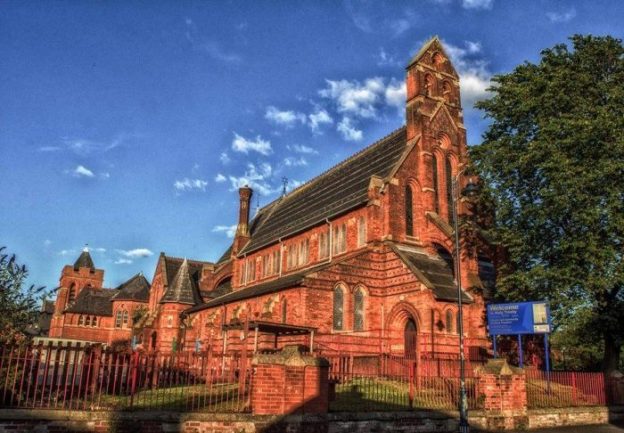
Holy Trinity, Ashton-under-Lyne

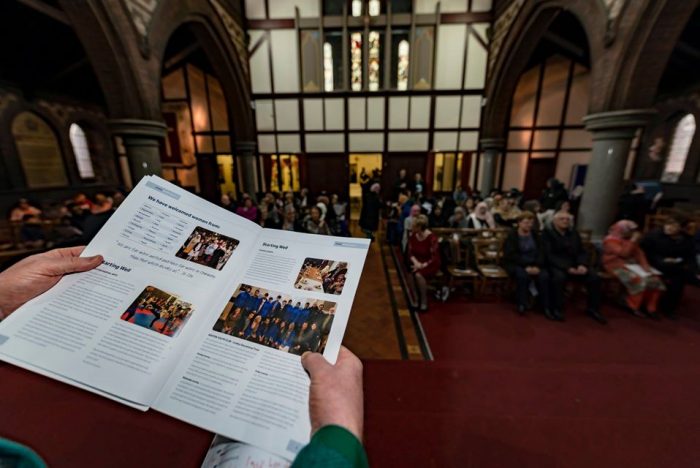
A very small congregation in a Church of England Church in Ashton-under-Lyne has been having a dramatic impact in its local community.

Holy Trinity Church in the West End of Ashton-under-Lyne meets for worship on Thursday afternoons. Its regular congregation is less that 10 people.

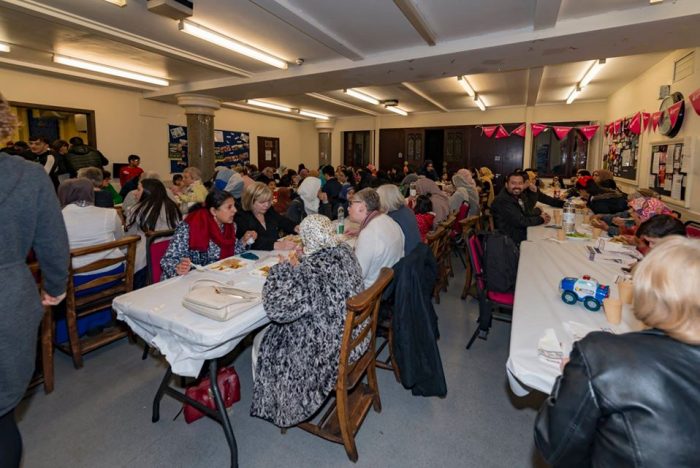
Visionary leadership resulted in the completion of a Community Centre in the church nave, and has resulted in the Centre being used extensively by the local community.

St. Peter’s Ward, in which Holy Trinity Church is situated, is in the 2.5% most deprived wards in the UK. The area immediately around Holy Trinity Church has a history stretching back to early Victorian times. Throughout much of its history the neighbourhood has been a diverse place to live.

After the Second World War the local community had a high proportion of Ukrainian and Polish Immigrants. More recently the area has hosted a cosmopolitan mix of different nationalities. The local Church of England Primary School has a delightful mix of children for many of whom English is not their first language. Predominantly children come from families that have their roots in Asia.

Church members in the later part of the 20th century became aware of the changing demographics and decided that the building needed to be a place for the whole community.

A series of grants were obtained to allow major work inside the building. Since the millennium, the very small congregation has first enabled significant projects funded by others to use the building and then more recently has sought grants and employed its own staff to address some of the needs identified by the local community.

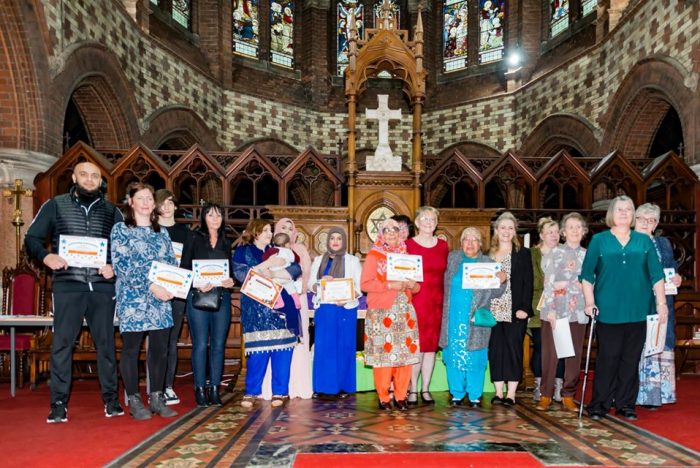
Holy Trinity Church and Community Centre was awarded its first ‘Reaching Communities’ grant from the Big Lottery in late 2016 for a project to enhance prospects for women in the immediate community. That project has been running since April 2017 and has just received the news from the Community Fund of the Big Lottery that it will receive a further 3 years of grant funding.

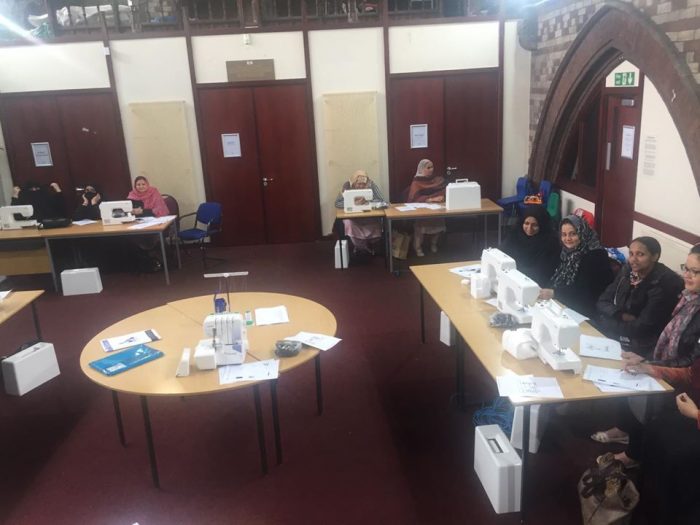
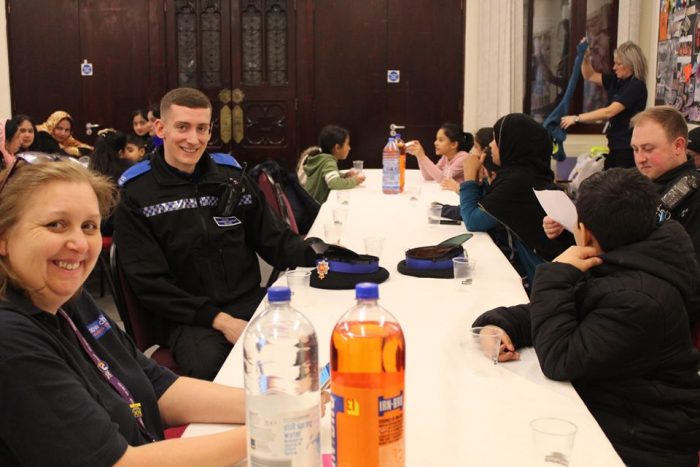
Outreach workers employed by the church have been making a significant difference within the local community. Tameside College is now partnering with the Centre to provide much needed education at a level below usual college entry requirements. The local social housing provider, New Charter (Jigsaw), is funding a number of different projects with the aim of empowering local people and developing skills. Other partners provide, or fund, youth-work, martial arts, sewing classes and slimming classes. One group knits to support the work of neonatal units is a number of local hospitals, another provides much needed community space for older Asian women. The centre provided essential advice and guidance, in a number of languages, for those navigating the increasingly complex, often on-line, world of benefits and asylum claims.

The work at Holy Trinity is visionary by its very nature, as no attempt  is made to dictate to the local community. The work is founded on the understanding that a local community has all the skills needed to make its own decisions. Provided wider society, particularly local and national government and the National Health Service, is willing to provide sufficient resources without dictating to the local community then real change is possible. For many people this seems counter-intuitive, but this (asset based community development) approach has a proven record of success.

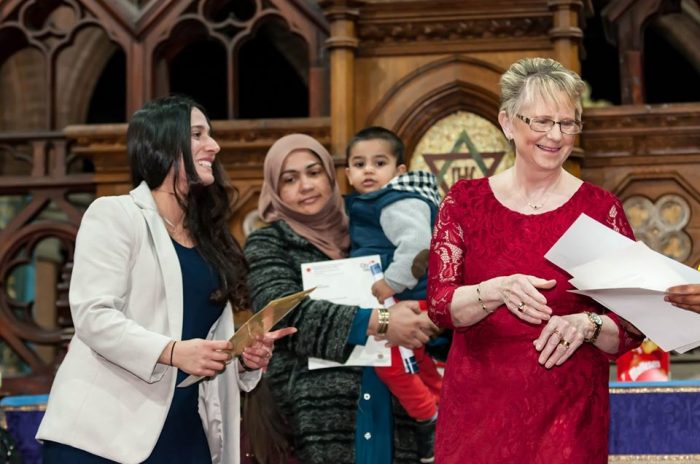
Dynamic project leadership is resulting in local people effecting real change.  Community members are growing in self-confidence, local people are developing their skills through being at the Centre and through volunteering. For some, moving on through a process we call ‘Grow Our Own’ into employment with the Centre or in the wider local community.

There is real hope and joy in the faces of many involved with this project.

This is Christian Mission at its best! The Kingdom of God is growing. Christians, those of other faiths, and others who profess no faith, working together to bring hope to one local community.

The grant award  secures this work for a further three years, until April 2023.

Harvest 2019 – John 6: 25-35

This is a shortened version of a post from 2015. ….

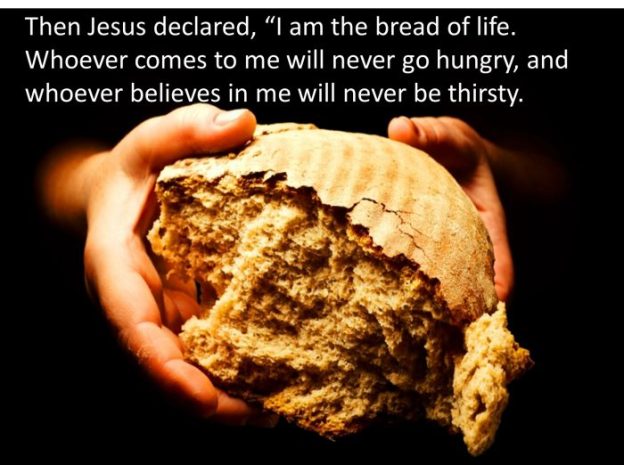
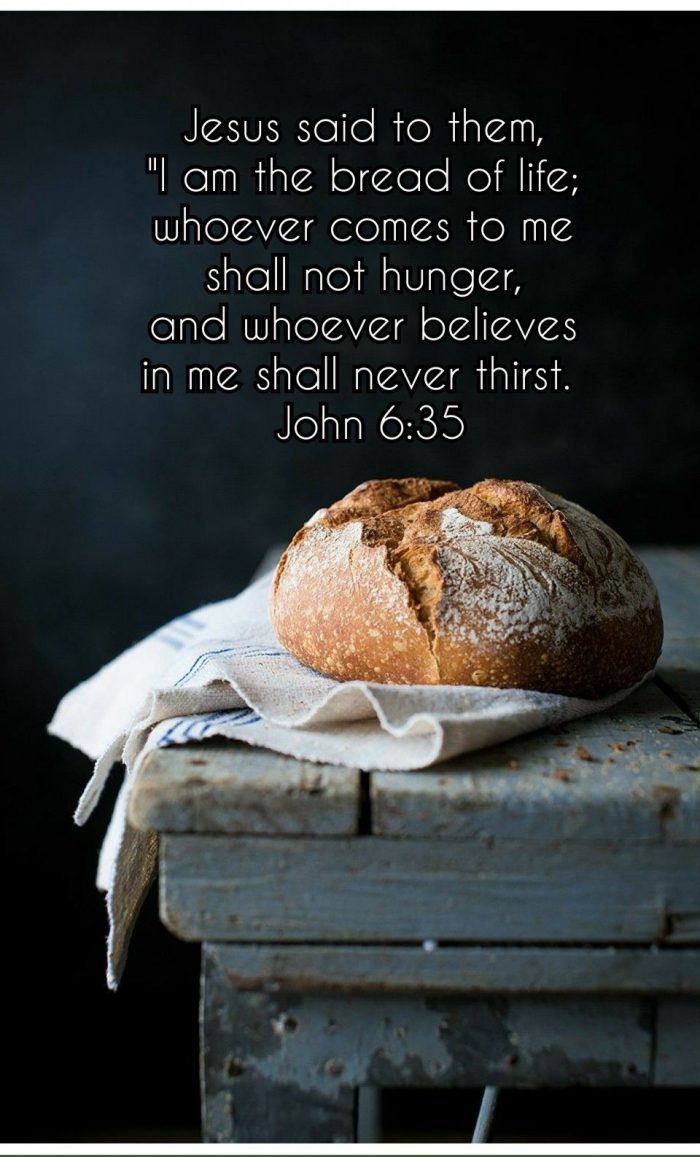
“I am the bread of life. Whoever comes to me will never be hungry, and whoever believes in me will never be thirsty” – John 6:35 .

These words from Jesus follow the story of the feeding of the 5,000. …

We have all probably experienced what is is like to be physically hungry. Just as those 5,000 who were fed by Jesus did. However, in the context of that miracle, Jesus talks about our hunger and thirst – not so much physical but spiritual.

Just as we feel hunger, all of us experience deep longings at the core of our beings which need to be fulfilled. Longings to be accepted, to be loved, to count for something, to make an impact, for others to see us as significant, as important or as strong.

Often these longings are well hidden away, but at times we encounter them in powerful ways. Perhaps in grief over the loss of a loved one, perhaps in the dark of the night when we are less in control of our emotions, perhaps at the point where everything seems to be going so well for us, yet something seems to be missing.

So many of us are driven to fulfil these longings for significance, for meaning in our lives. Perhaps we become workaholics, or we become demanding and jealous in our relationships, or we pursue success at the cost of everything else, or we turn to alcohol or drugs, or … some of us, to add a little levity,  even go shopping.

It’s part of the human condition! We long for our deepest needs to be met and we search for ways to make this happen!

Jesus says: “I am the bread of life. Whoever comes to me will never be hungry, and whoever believes in me will never be thirsty.” Or to put it more succinctly, “I am all you will ever need.”

All those desires for meaning, for hope, for significance, for love – those thirsts, those hungers. Pursue me, get to know me, spend time with me – and I will meet them. This is not just some idle promise made by a preacher looking for something to say on a Sunday evening. These are the timeless words of Jesus. They are Jesus promise to us.

And note: he doesn’t say “I’ll find you something to do for me, and then you’ll feel better” No, Jesus is talking about our very being, the very core of who we are, the bit no one else can see. Right at the core of who we are, that’s where Jesus will be – meeting our deepest desires for wholeness. And not just sparingly, but overwhelmingly, generously, and, just as in the story of the feeding of the five thousand, there’ll be plenty of leftovers, flowing out of hearts that are truly loved. For once we really know that we are loved, we can really begin to love others.

Our thankfulness to God will overflow in love towards others. This is ultimately what our Harvest Thanksgiving is all about. We express our gratitude to God for God’s love and provision for us and as we do so we seek to make a difference in the lives of others. … We give because we have ourselves been given so much.

Faith or Faithfulness? Luke 17: 5-10

What does it mean to ‘have faith’?

Jesus says, “If you have faith the size of a mustard seed, you could say to this tree, ‘Be uprooted and plated in the sea’, and it would obey you.”

Jesus seems to be saying: “If you can screw up enough faith, if you pray hard enough, if you really believe, then you’ll be able to do powerful things. You’ll be in control of life and God will be able to work through you! If you are just prepared to leap across that chasm believing that I will miraculously get you to the other side, then you are my disciple!  ”

But is he really? ……  Or is it rather the case that we hear him saying what we think he is saying rather than listen to him properly. After all, what do we say when things go wrong for us? …… “What have I done to deserve this?” “Why is this illness happening to me?” … It is as though we do really believe that we have the power to make our circumstances right, just be being better people, by having more faith?

And so, when we hear the word ‘faith’ we so often think of something rather like the flexing of spiritual muscles, or determinedly screwing ourselves up to believe. “If only I had more faith,” we say. “If only I really believed.” … And so many of us fail to achieve this … and as a result so many turn their back on ‘faith’: “It does not work,” they say.

And so when we hear those verses in Luke 17 we hear Jesus saying something, perhaps quite sarcastic: “Faith, don’t talk to me about your faith, you have not even got enough to fill a mustard seed, if you had you’d be doing all sorts of marvellous things in my name.”

But when we do so, we miss the point.

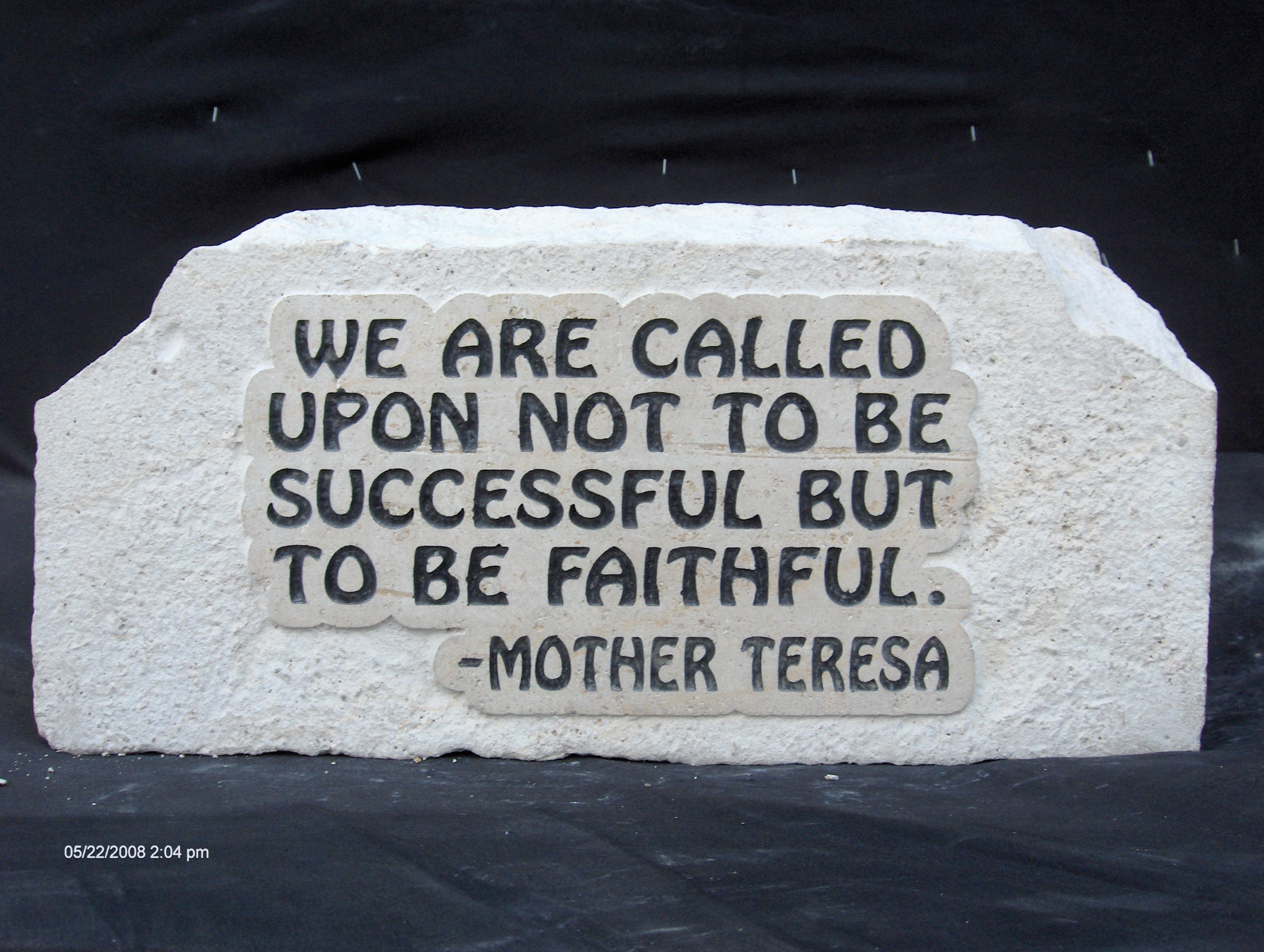
called_chosen_-faithful_part3-680x300What Jesus is actually saying is something much more like this: “Faith is about trusting in an all powerful God, it is about living faithfully to what you believe, it is about faithful service. Just a tiny little bit of that kind of faithful living will change the world.”

Where is the evidence for reading the Gospel this way?

Firstly, there is the whole of the reading above. In the first two verses Jesus talks about faith – but then he goes on to talk about masters and slaves. He could be talking about the way in which the physical world should obey its masters, those masters being his followers who have faith. But I don’t think he is. Let’s just focus on Luke 17:10 which tells us so much about ‘faith’ …

Jesus says: “So you also, when you have done everything you were told to do, should say, ‘We are unworthy servants; we have only done our duty.’”

‘Faith’  is all about being ‘faithful’. We are slaves, servants of our master, and the greatest and the best thing that we can say of ourselves is that we have lived faithful to that calling – we have served our master, we have lived faith-fully.

Second, there is that word ‘faith’; ‘pisteo‘ in the Greek. It is used consistently through the Greek version of the bible for being faithful, trustworthy, sure and true. Just here in Luke:

Luke 12:42                faithful and prudentfruitosp_faithfulness

Luke 16:10-12          faithful, faithful, faithful

Luke 19:17                trustworthy

In each of these cases, and throughout the New testament, it is the same root word,  ‘pisteo‘. So when Jesus uses the word ‘faith’, he is not asking us to screw ourselves up to believe, but he is asking us to live faithfully to what we believe, to be his trustworthy followers. To be faithful and prudent. “Those who live this way,” says Jesus, “Are people of faith. … And, (in the figurative language that he is using) it won’t just be a mulberry tree that is uprooted, even the gates of hell will not prevail against them.”gar-19

Angels and Mirrors ….. John 1: 47-51 … Michaelmas 2019

First, I have to say that I believe in Angels … both as God’s messengers and as beings that sometimes intervene.

A true story. … A few years ago now, my wife, Jo, my mother-in-law, Elisabeth and I were travelling back from West Wales to Leominster where Elisabeth lived. The A-roads in the area are relatively narrow and they twist and turn with high hedges either side. It was late in the evening and dark. Just after rounding a sharp 90-degree bend, a tyre blew on our car. It was a dangerous location and the road was too narrow to be changing a tyre without some sort of ‘protection’. Jo headed round the bend with a torch to flag down drivers and let them know of the obstruction ahead. We all tried our mobiles. … There was no signal. We tried to work out where the nearest house was but could see nothing.

At that moment a Range Rover stopped near Jo and ask what the problems was. The driver left his vehicle beyond the bend with hazard lights flashing walked over to our car, changed the tyre, shook our hands and left. We did get chance to say thank you. But before we knew it he was on his way and gone. We encountered an angel!

Let’s set aside ‘Angels’ for a moment and think a little about the Gospel reading set for Michaelmas in 2019. … John 1: 47-51.

What do you see when you look in the mirror? … Do you like what you see?

I am still surprised by the age of the person who looks back at me out of the mirror. I feel as though I am no different than I was twenty years ago but the mirror does not lie!

Many of us when we look in the mirror can be quite critical and wish that a different face was looking back at us.  And yet, if we say these things to someone else, they often wonder what we are talking about!

If we see an image that we wish was different – others don’t seem to see the flaws that we can see.  Those close to us see the face of the person they know and love – yes, not perfect – but certainly not someone who needs to worry about their appearance!

I am always surprised when I read a column is the glossy magazines that come with weekend papers, and hear someone famous or beautiful, or both, talking about themselves. It is as though someone who seems attractive and self-confident has looked in the mirror and as a result they are surprisingly over-critical of the face that looks back at them, the person that they see.

And it’s not just our looks, is it. … We can underestimate our abilities, our gifts and skills; we can be reticent about trying out something new because we think that we’ll be no good at it; we can even get some kind of distorted sense that it’s wrong to think about the things that we’re good at, in case we’re thought to be overconfident or boastful!  Sadly, so often, this holds people back from reaching their God-given potential – using their gifts and talents to help others and being comfortable with who they are.

Many of us keep parts of ourselves hidden even from our nearest and dearest.

Nathaniel, in our Gospel reading, was probably no different – he assumed that he could control what people knew about him. And then he met Jesus. … Jesus seems to know all about him, without having met him.

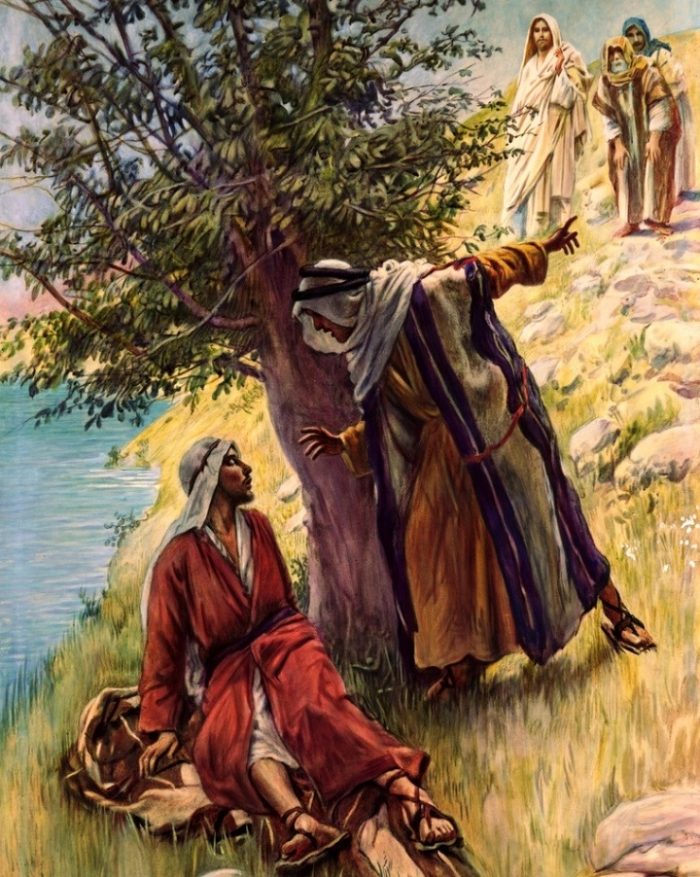
Jesus sees Nathaniel coming towards him and says ‘Here’s a true Israelite – without a false bone in his body.’ Nathaniel is amazed ‘How do you know me?’ he asks. ‘Ahh… says Jesus, ‘One day before Philip brought you to me, I saw you sitting under the fig tree’.

Jesus seemed to know everything about Nathaniel – from just having seen him under a fig tree. … From that glance, Jesus was able to decide that here was someone he wanted in the group of his twelve closest companions. No lengthy interview, not gathering of references – Jesus just knew.

We see this throughout the Bible, that God, that Jesus, knows things about people that enable God to give those people a new direction in life.  Jesus, meeting the woman at the well, surprises her because he knows about her past – and instead of feeling embarrassed, she runs off to tell her town all about this man. They put their faith in him – she’s an unlikely evangelist!

God is not a distant authoritarian figure judging us from afar, but a God who is tender, who is loving, who knows and experiences the messy-ness of life.  God knows us, warts and all, and keeps on loving us. God sees the good and the bad in us, and keeps on loving us. God is saddened when we stray from the way of living that he knows is best for us – but he’s not there with a notebook putting down another note about our failings, he’s longing for us to recognise where we get things wrong and to turn to him to show us how to live differently.

God lovingly ‘created our inmost parts and knit us together in our mother’s womb’ and who is saddened when we don’t like the way we look, because we’re rejecting his gift of creation.

God made us who we are, giving us unique gifts, and is saddened when we don’t use them, as if we’re saying that we know better than him.

What do we see when we look at ourselves in a mirror, or in our weakest moments? Is it an image that we have developed ourselves, is it based on rude and unfair comments made by someone in the past, or is it going to be based on what God thinks of us. A God who knows me and loves me.

In the grand scheme of things, that is all that really matters.  That knowledge allows me to be truly me, the me that God has created, known and called.

What does this have to do with St. Michael, St. Gabriel, St. Raphael and Michaelmas?

Just this, I think. …. Angels are messengers. The most famous are Michael and Gabriel. They bring God’s message to his people. They speak the words of God. Overwhelmingly in the Bible we see Angels bringing words of hope, encouragement and blessing, whether it is to Abram and Sarah, to Jacob or to Samson’s parents, or to Gideon or to Joseph or Mary or Zechariah, or to us.

Angels are truth-speakers and overwhelmingly their message to us will be encouraging and up-building, they see us and speak to us through the eyes and mouth of God. They see us as children of God.

Michael and Gabriel, and Jesus, all call on us to be the people God intended us to be, loved and loving, blessed and blessing others, full of grace and gracious towards others.

And finally. ……………………. Angels drive Range Rovers!

The Dishonest Steward – Luke 16:1-13

I find it almost impossible to talk to people when the TV is on. Somehow the television just grabs my attention. Perhaps more amusing is what happens to me at the cinema. I’m one of those people who get completely engrossed in the film, so completely drawn into the story that I’m oblivious to anything else.

I once went with some friends to watch Braveheart (Mel Gibson) – if you’ve seen it you’ll remember that there were lots of graphic battle scenes. I’m told that every time anyone got hit by an axe or a spear my body convulsed in sympathy. After one particularly gruesome bit I glanced along the row and was embarrassed to find all my friends watching me rather than the screen. … As we were leaving the cinema a friend grabbed my arm and said that it was almost as entertaining watching me as watching the film itself.

Films are meant to take a hold of us. Good films draw us into the plot. The skill of a film director is measured by how well s/he is able to draw us into the story. Gifted preachers and story tellers are just the same; they draw us into the plot of their sermon or story.

Do you remember the story in the Old Testament of the prophet Nathan confronting King David after he had committed adultery with Bathsheba. He told him a story about a poor man with only one lamb whose rich neighbour took the lamb to feed a guest. David was indignant when he heard the story and shouted, “The man who did this deserves to die”. … And after a long pause, Nathan replied, “You are that man”. … He had trapped David. His skilled storytelling brought David to the point where he couldn’t but admit his guilt.

Jesus was the best story teller of all. His stories interested, gripped and intrigued people. People were drawn to listen and to make judgements on what he said. In our Gospel reading today Jesus tells one of these stories. A story which seems to condone dishonesty. Perhaps you can imagine the possible responses of those who heard the story:

Some might have said, “There you are, I told you there was nothing wrong with the way that I am running the business. If Jesus says its alright that’s good enough for me”.

Others might have sat in the corner shaking their heads and tutting.

Perhaps others wanted to write in and complain about standards. “This Jesus is teaching things that will corrupt our children”.

Some might just have been confused, … “Why is Jesus condoning something that we know is wrong?”

Others, who were well aware of the moral complexities of life might have felt something of the strength of the dilemma the steward in the story faced. For decisions that many people face in their working lives are not black and white issues but are made up of many shades of grey. Perhaps Jesus is letting us know that he understands the difficulty of such decisions.

Whatever response it provoked, J esus’ story would have had everyone gripped and intrigued. Wondering what to make of it.

We are told, specifically, of two groups of people listening to the parable:

• his disciples – who seemed to be the main audience;

• and in the verse immediately after our reading we are told that the Pharisees, who loved money, heard all this and were sneering at Jesus. The response of the two groups and the message they heard was completely different:

Τhe disciples may have been confused by the story but they listened to the lessons that Jesus had for them.

In the Gospel reading, we heard Jesus challenging his first disciples about their attitude to wealth and responsibility. The same challenges apply to us! ……

First, Jesus challenges us to use what God gives us here on earth (wealth, gifts & time) for his eternal purposes, for the work of his kingdom.

Secondly, Jesus says that God gives us smaller responsibilities through which we can learn faithfulness to him, before he places heavier or bigger burdens on us (at church or in the world).

Thirdly, (in v13), he reminds us that if money & material things become too important to us we’ll lose sight of the God that we worship. In fact we’ll become worshippers of money and possessions.

Τhe Pharisees, on the other hand, sneered at Jesus. They heard the same as the disciples but they chose not to listen. We know from the rest of the NT that the disciples continued to struggle to follow Jesus but that the Pharisees saw themselves as superior to him. They rejected him and his teaching.

These questions or lessons about money and responsibilities are important ones. Many people in business struggle with just the same kind of issues as the steward or manager in the parable. It is so hard to decide where the narrow dividing line falls between dishonesty or sharp practice and a healthy competition for work. It is sometimes difficult to know when we have crossed that fine line. Ultimately, Jesus seems to be making it clear that money and wealth, jobs and security are all intended to be our servants and not our masters.

Don’t worry if you struggle to understand what Jesus is saying. Keep struggling, for in many ways that is the point of the parable. Let the parable worry away at you. For honest doubt, tentative faith and belief are all part of growing as a Christian.

14042-12697-man_fog_walking_edited-1200w-tn-1-1200w-tnWhen God speaks we always have a choice – we can respond with faith (struggling faith) like the disciples, honesty admitting our doubts, or we can sneer at what Jesus is saying to us, like the Pharisees did. We can turn away from Jesus. There is always a choice. God draws us into the story and brings us to the point of decision, but the choice is always ours. As disciples, we can trust him, struggling to work out our faith in the midst of a confusing world, or like the Pharisees we can reject him, turn our back on him and walk away.