
Introduction
It had been many years since Yahweh had spoken in a new way to the people of lsrael People continued to look back with an element of nostalgia to those early days. Yahweh’s involvement with Israel seemed to have been so immediate at that time. He had chosen lsrael from among the nations bringing them miraculously out of Egypt. They were his elect people and their history was one of salvation.
Yahweh had been involved in more recent times through chosen kings and different prophete, but it wasn’t quite the same as in the days when he dealt with the whole people of Israel
In the 8th century BCE, suddenly prophets of a somewhat different nature burst upon the stage of history. These prophets had something new to say. No longer were they essential parts of the establishment, nor purely thorns in the side of wayward monarchs. These prophets announced that Yahweh was going to be involved with his people again and in a big way!
This essay draws together some of the common characteristics of those 8th century prophets and highlights some of the features that make each prophet distinctive. The prophets Amos and Hosea spoke to the northern kingdom and lsaiah and Micah to the southern. It is difficult to place lsaiah’s sayings into a chronological framework with certainty. Isaiah chapters 1 to 39 are assumed to belong to the 8th century.
What did the Prophets have in Common?
The prophets were not so much visionaries and mystics as God’s messengers; not so much poets as speakers; not theologians; not social reformers or radicals but conservative, calling lsrael back to the old ways, not seers predicting the future so much as those who announced divine intervention in history, not preachers of repentance, because such calls to repentance were rare and they had no real programme for reform or change (Tucker, p165-170).
It is important when considering the prophets’ message to remember that the material we have received is generally in the form of relatively short speeches intended for specific audiences. We are, therefore, looking for basic underlying themes rather than systematic theology. Nevertheless it is clear that the prophets call Israel and Judah back to the old ways – they have strong words of indictment for their contemporaries. They announce something new – the Day of Yahweh. They re-emphasise Israel’s status as God’s chosen people and talk in new ways of God’s salvation.
1. Words of Indictment

It seems that the two nations of Israel and Judah have gradually left behind their erstwhile reliance on Yahweh. The Mosaic traditions have almost been forgotten. The northern kingdom has established its own patterns of worship, representing Yahweh with golden images of calves at Bethel and Dan, their two main places of worship (1 Kings 12:26-30). The worship of the Canaanite Baalim and Asherah had become a normal part of the worship of Israel (1 Kings 16:32-33). The southern kingdom has replaced the Mosaic tradition with temple worship and kings in the line of David – developments which are seen in the Old Testament to be part of God’s plan. Judah has, however, allowed its worship to become legalistic and gradually idols have begun to be important.
There has been a window in world history between the zeniths of two large civilisations. It has been possible for a number of the smaller nations to have periods of significance. David and Solomon ruled over a united Israel at the zenith of its power in the late 11th, and for much of the 10th, century. First the northern kingdom under Omri and later Syria had periods of strength. Prior to, and during, the 8th century both of the two Israelite kingdoms have seen an increase in their influence in Palestine and its surroundings. Jeroboam II had recaptured
Damascus and Hamath for Israel (2 Kings 14:28) Amaziah deflated Edom (2 Kings 14:7), his son Uzziah/Azariah captured Philistia and subjugated the whole region down to the borders of Egypt (2 Chronicles 26:6-15). In the early 8th century Israel and Judah are riding the crest of a wave.
The prophets speak into this situation of complacency and arrogance in commercial and social life, in politics and in worship (Wolff, p22-24)
a) Commercial and Social Life – the evidence from the prophets is quite clear. Oppression is rife and social injustice is the norm (Amos 2:6-7; 3:10; 4:1; 5:11; 8:4), false testimony in encouraged by corrupt judges (Isaiah 5:23; Amos 5:7,10,12; Micah 3:9-11), the rich live in luxury at the expense of the poor (Amos 4:1; 5:11; 6:4-6; Micah 3:2) and wealth is only in the hands of a few (Isaiah 5:8-12; Amos 3:9-10; Micah 2:1-2), cheating in business predominates (Hosea 12:7; Amos 8:4-6; Micah 6:11), conceit and complacency are common (Isaiah 3:16-23; 32:9-11; Аmos 6:1; 9:10). The two nations are corrupt and overly self-confident.
b) Politics – Amos focuses specifically on the internal life of the northern kingdom and its corrupt life and leadership. Micah similarly, riles against the unjust leaders of the southern kingdom (Micah 3:1-4). The other prophets have strong words to say about lsrael’s and Judah’s relationships with surrounding nations; external alliances are condemned because they reflect a turning away from reliance on Yahweh (Isaiah 31:1-3; Hosea 5:13; 12:1-2; 14:1-4). Both kingdoms make expedient political alliances without consulting Yahweh. The prophets proclaim Yahweh’s anger at internal injustice and unnecessary external alliances
c) Worship – Amos seems to suggest that the northern kingdom had exalted their king and their idols above Yahweh (Amos 5:26; 8:14). He talks of worship at Bethel and Gilgal as pious acts of which the people love to boast (Amos 4:4-5) and brings Yahweh’s condemnation on this worship (Amos 5:21-24) Amos also highlights that this not just a problem in Israel. Judah is just as guilty (Amos 2:4). Isaiah echoes the words of Amos in his condemnation of Judah (Isaiah 1:10-17). Hosea rebukes Israel’s priests for flagrantly abandoning true worship of Yahweh and introducing prostitution and idol worship (Hoses 4:7-14) Micah has words for the false prophets (Micah 3:5-7) and he suggests that the temple worship in Jerusalem is no better than that in the high places in israel (Micah 1:5).
The prophets proclaimed that worship of Yahweh was false because of on-going social injustice, and that it was corrupted by the influence of the worship of surrounding cultures.
2. The Day of Yahweh
There are two themes relating to the future. The first is the announcement of the Day of Yahweh. The second is the sense of a future salvation. We will first consider ‘the Day of Yahweh’.
Gerhard von Rad says that the new feature in the preaching of these prophets “was the message that Yahweh was summoning larael before his judgement seat, and that he had in fact already pronounced sentence upon her” (G. von Rad, p147). This theme is something completely new. Amos 8:2 explicitly states that “the time is now ripe for my people lsrael; I will spare them no longer“, (see also: Amos 5:2; 9:1-4). There are a number of references in the 8th century prophets to this phenomenon. The popular perception was of a Day when Yahweh would majestically reverse all of the misfortunes experienced by the lsraelites. The prophets will have nothing of this. It will be a day of devastation for Israel and Judah, a reversal of all of their hopes. It will be a day of darkness rather than light (Amos 5:18-20), a day when the proud will be humbled (Isaiah 2:9-11). Even when the Day of Yahweh is focused away from Israel, it is the whole world that will be punished (Isaiah 13:9-13, 34:2).
The Day of Yahweh is the end for Israel. Hans Walter Wolff describes this as the end of *salvation-election-history” (Wolff; p20) and he comments that Yahweh is to be seen as advancing against Israel (Isaiah 28:21-22), those who had been given the land of Israel will be deported (Amos 2:10-16, 7:11,17), the elect will be judged (Amos 3:2); the ‘exodus’ people will have no greater standing than the rest of the nations (Amos 9:7); the covenant relationship will end (Hosea 1:9); and Jerusalem will be destroyed (Micah 3:12).
Yahweh has never before stated so explicitly that he will destroy Israel and Judah. Some of the references quoted above have a strong sense of finality. However, this is not the whole story.
3. A New Concept of Salvation

For 8th century Israelites the idea of salvation was a glorious one, but one associated with their history. God had saved them from Egypt.
Wolff refers to the Day of Yahweh as a turning point (Wolff, p20). This is a clear element in the books of the 8th century prophets. There is some doubt as to whether this theme is original to these prophets or an editorial addition to reinterpret the prophets for a later period. This is particularly so in the case of Micah.
If, however, we take the books as they have been passed on to us the theme is strong – the end is only another beginning! Wolff highlights passages where the prophets speak of compassion after judgement (Amos 5:14-15; 9:11-15), the possibility that Israel will come to repentance (Hosea 2:19-23; 3:5) following God’s initiative (Hosea 2:14-18); the purification that will result from punishment (Isaiah 1:21-26); the final destruction of Assyria which will allow a change in the fortunes of the Israelites (Isaiah 10:5-25).
Micah perhaps contains the most positive statements regarding the long term future of Jerusalem (Micah 4:1-13). The destruction of Jerusalem and the exile of the inhabitants are seen as the means by which Yahweh will rescue and redeem his people (Micah 4:10).
Salvation was, however, never seen as a spiritual in New Testament terms. It was about return to Israel (Isaiah 10:21; Amos 9:14; Micah 2.:12), about freedom and peace (Micah 4:3), about pre-eminence in the world (Micah 4:1,13), about having shelter (Amos 9:14) and fod to eat (Amos 9:13, Micah 4:4), and about control over one’s own destiny (Tucker, p165-166).
We have considered a number of issues which show that the books of the 8th century prophets are united around Yahweh’s message of indictment, judgement and mercy. Gerhard von Rad sees this “common conviction” as “so novel and revolutionary when compared with their inherited beliefs that it makes [their] differences, considerable as they are, seem almost trivial and peripheral” (G von Rad, p146). Each prophet, however, has a distinctive message which we must now consider.
The Prophets
1. Amos
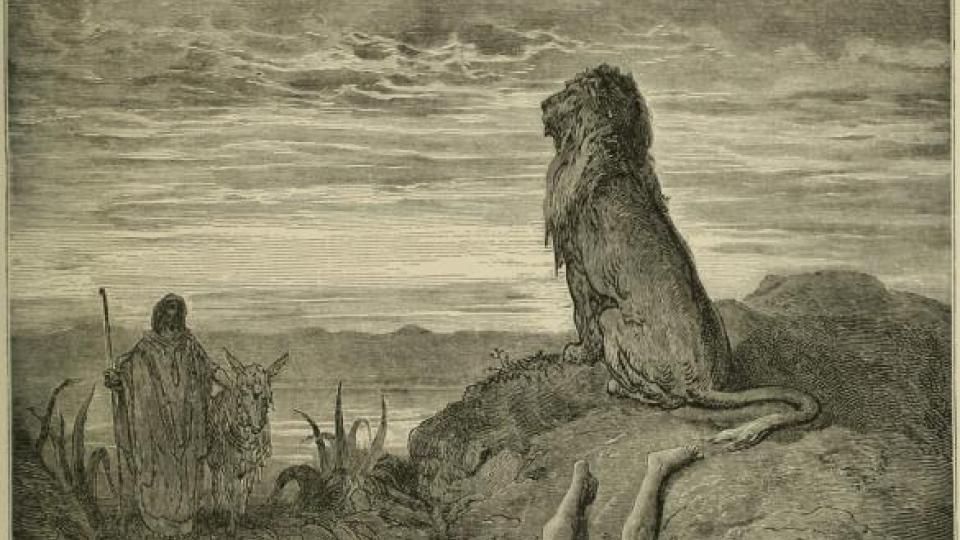
Amos was from Judah but called by Yahweh to speak in Israel. It seems that his ministry was short but sufficiently intrusive to warrant action by the priests in Bethel in an attempt to have him deported (Amos 7:10-15). The language of the book is harsh and direct. He has no concern for his own status in the community of the northern kingdom. He emphasises social injustice as the most significant reason that Yahweh is about to punish Israel (e.g. Amos 2:6-8, 5:7-13) and he calls strongly for justice and righteousness. “But let justice roll on like a river, righteousness like a never- failing stream” (Amos 5:24). The book contains little that is positive, except in the last five verses which suddenly talk of restoration. It is questionable whether these five verses were part of Amos’s original message.
2. Hosea

Hosea was a northerner and his message was for his own people. His ministry was born out of his own failed relationships. It is at times difficult to judge whether he was a godly saint, a poor judge of character or a bad husband. Nevertheless, Yahweh uses Hosea’s relationships as a graphic picture for Israel of its own spiritual state. This is a much softer message of judgement, if that is possible. Yahweh’s grace, mercy and forgiveness (Hosea 2:14-23; 3:1-5; 6:6) are emphasised as much as Israel’s spiritual prostitution (Hosea 2:2-13; 4:7-19). Yahweh’s desire is for a relationship of love with his people (Hosea 2:19; 6:6; 10:12; 11:1-11; 12:6) but he does not force this on them, he stays with them calling them back to himself. Yahweh’s judgement is rigorously pronounced (Нова 2:9-13; 5:1-14; 9:1-3,15-17) yet he aches to have Israel back, and his judgement is designed (Hosea 5:15) to make them pursue him!
3. Isaiah

The first 39 chapters of Isaiah come from the 8th or early 7th centuries although much of the material may have been adjusted by later editors to make it relevant to the times of Josiah, the exile, and the post-exilic period. Isaiah’s language is vigorous and dramatic (e.g. Isaiah 14:11-17) and his poetry is excellent.
The book of Isaiah is best understood from the perspective of Isaiah’s vision in chapter 6 and the apparent summary of the message in the first chapter. The strongest theme in the book is ‘the holy one of Israel’ which occurs 26 times in the book as a whole. A sense of Yahweh’s holiness propelled Isaiah into his ministry (Isaiah 6:1-8) which he understood would involve him repeating Yahweh’s call of repentance to an uninterested and unheeding people over a long period of time (Isaiah 6:9-13).
Isaiah’s message is that persistent rebellion makes no sense (Isaiah 1:2-9), that Judah’s worship has no meaning and is abhorrent to Yahweh because of the social injustice endemic in the nation (Isaiah 1:10-17); that Yahweh wants to reason with Judah before punishment is applied (Isaiah 1:18-20); that punishment will come with the intent of purging the nation (Isaiah 1:21-25) so that Jerusalem can again be called “a City of Righteousness, the Faithful City” (Isaiah 1:26). Thermes of Yahweh’s justice and righteousness, and of judgement intermingle with visions of hope for the future (e.g. Isaiah 32).
4. Micah
Micah is a strange mixture of doom and hope. This is usually explained by suggesting that later editors felt the need to tone down Micah’s devastating message of judgement to make it more palatable for their readers. On one hand there is a message of condemnation for exploitation, absence of justice and corrupt religious practice (Micah 1:10-16; 2:1-5,8-9; 3:8-12; 5:9-14; 6:9-15) for which punishment will be severe. On the other hand there are passages which seem to target punishment on other nations, and look more for changes in attitude in Judah with worship of Yahweh becoming central again (Micah 2:12-13; 4:1-2,5-13; 5:7-8; 7:8-20).
It is possible that these two elements represent two different theological streams, that of the ‘exodus’ and that of ‘city’. Micah seems to hold in very uneasy tension the need for justice, liberation, equality and simplicity with the need for institution, structure and stability. While both of these are necessary in a balanced society it is almost impossible to reconcile their differing demands. Micah cannot. The value of his message probably depends on the reader recognising his/her own innate perspective and endeavouring to read and apply the text with rigorous honesty.
Conclusion
We have surveyed the work of four 8th century prophets and seen that, although their communication was primarily verbal, there is a striking series of common convictions underlying their individual messages. We have also illustrated their distinctive features. Yahweh took a number of very different people and used them to pass on a clear, new message to his people; one which they were unable, or unwilling, to hear. Their inclusion in our Old Testament illustrates the recognition given to these prophets in later generations. They stand as ‘the word of Yahweh’ not just because of their importance to their original hearers but because they have continued to have something significant to say in each subsequent generation.
We must let Yahweh have the last word
“… so is my word that goes out from my mouth:
It will not return to me empty,
but will accomplish what I desire
and achieve the purpose for which I sent it.”
(Isaiah 55:11)
Bibliography
- Gene M. Tucker, “The Role of the Prophets and the Role of the Church”; in David L. Petersen (ed.); “Prophecy in Israel”; SPCK, London, 1987.
- Hans Walter Wolff, “Prophecy from the Eighth Through the Fifth Century”; in James Luther Mays and Paul J. Achtemeier, “Interpreting the Prophets”; Fortress Press, Philadelphia, 1987.
- Gerhard von Rad; “The Message of the Prophets”; SCM, London, 1968.
- David F. Hinson; “History of Israel”; SPCK, London, 1990.
- David F. Hinson; “The Books of the Old Testament”; SPCK, London, 1992.
 Roger Farnworth