This article follows on from six other articles which covered the Wellington to Severn Junction Railway and this line from Buildwas to Longville-in-the-Dale. The first three articles can be found on these links:
As we noted in the last two articles, from the commencement of the building of the line between Buildwas and Much Wenlock, the directors hoped that the line could be extended to Craven Arms via Presthope on Wenlock Edge (linking with the limestone quarries/works at that location).
The directors of the Wellington & Severn Junction Railway were, however, fully occupied with the line from Wellington to Buildwas. Another company was set up to build the ‘Wenlock & Craven Arms and Coalbrookdale Extension Railway‘. The bill went through the parliamentary process unopposed and authorised the ‘Wenlock Railway Company‘ to construct the line. Work started on 23rd October 1861.
By 5th December 1864, the line was open from Much Wenlock to Presthope. (That length is covered in the last but one online article listed above.) At this time, because it was a freight-only line, the Board of Trade saw no need for an inspection of the line. It had already been agreed at a meeting held on 4th December 1863 not to proceed with the line from Presthope to Craven Arms for the time being. It was to be three years after the line reached Presthope before the connection to the Shrewsbury & Hereford Railway close to Craven Arms was completed. It was finally opened on 16th December 1867.
Longville in the Dale to Harton Road Station
We begin this article at Longville Railway Station and travel towards Craven Arms, we complete this part of the journey at Harton Road Station.
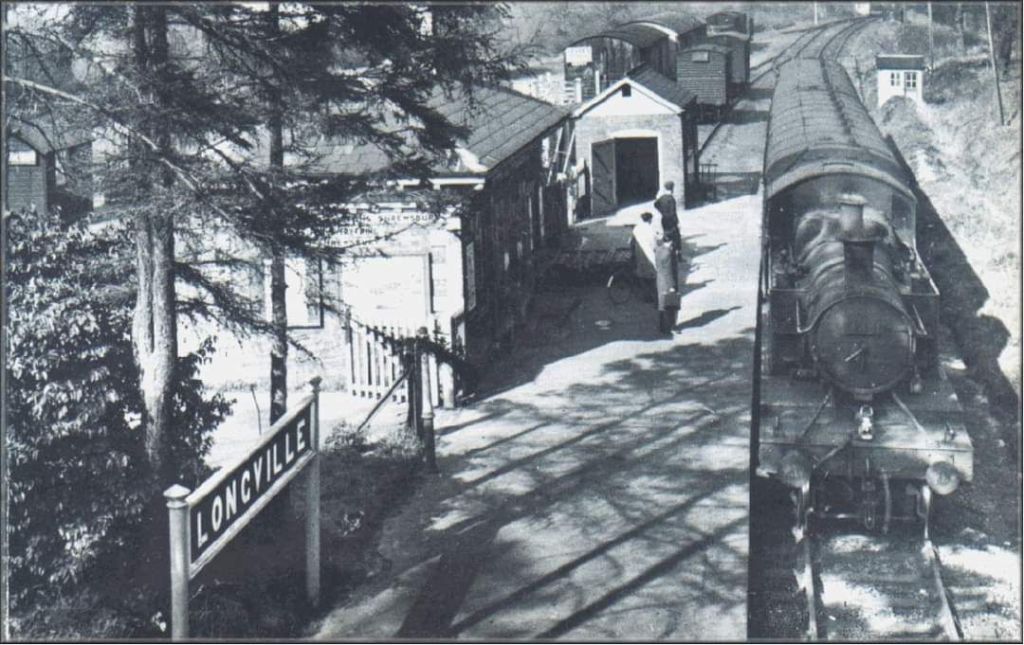
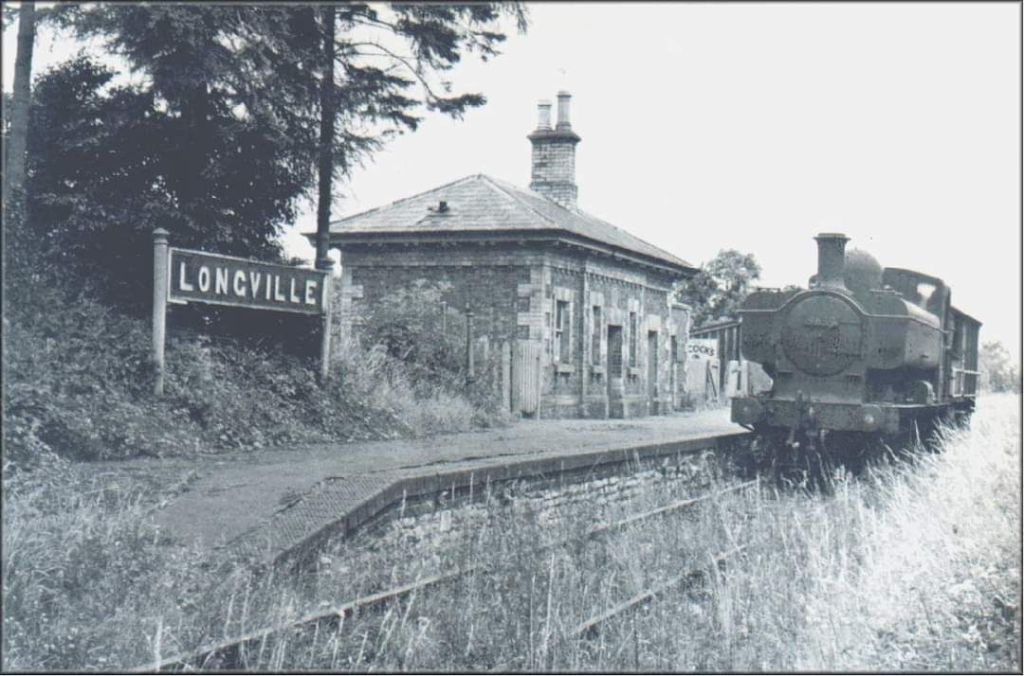
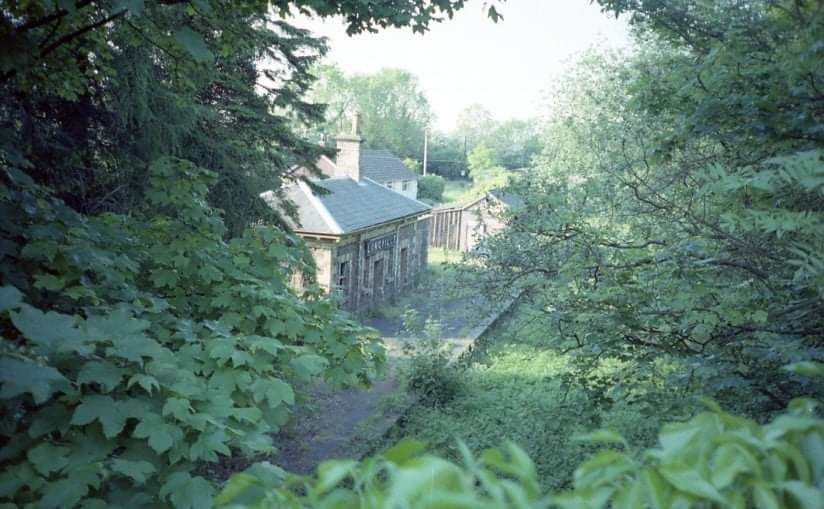
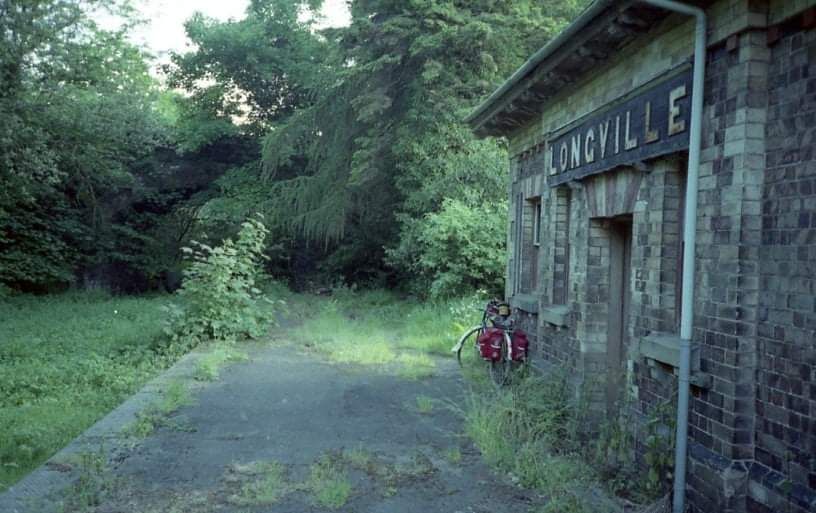
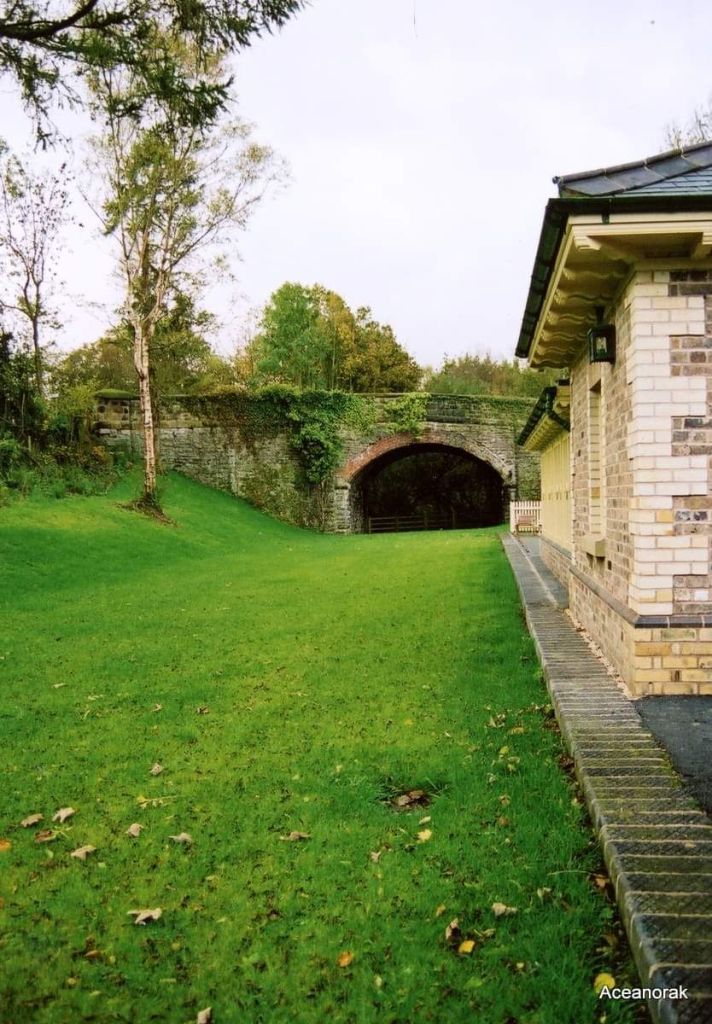
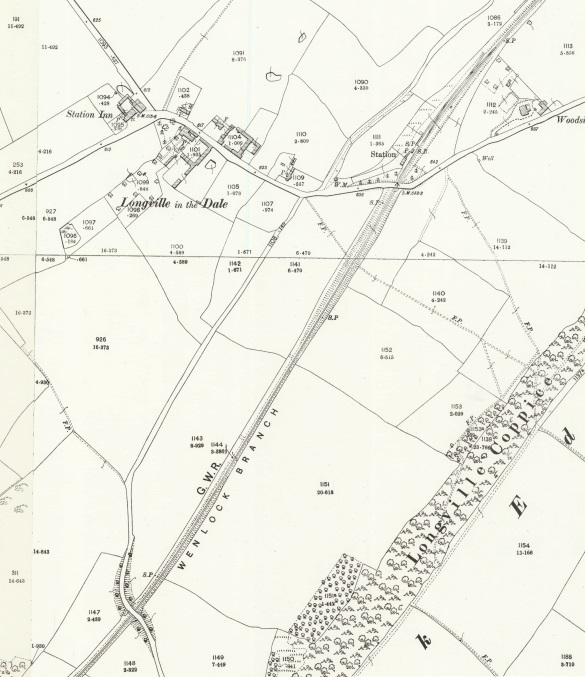
Longville Station had a single platform with a red and yellow brick booking office and waiting room. Ken Jones tells us that it “served a few cottages, a farm, an Inn, and the nearby Lutwyche Hall, the home of the Benson family, who did so much to promote the building of the line between Much Wenlock and Craven Arms. The station also served the villages of Cardington, Holdgate, Shipton and Stanton Long. The platform was on the up side, and the station buildings consisted of a general waiting room, ladies’ waiting room of brick and goods warehouse lock-up. There were two sidings, and a horse landing for two horse boxes, and a cattle landing for two wagons. There was no signal box, Longville being an intermediate station on the Presthope to Rushbury staff section. There were east and west ground frames, access to both being obtained by a key on the Presthope-Rushbury staff.” [1: p105]
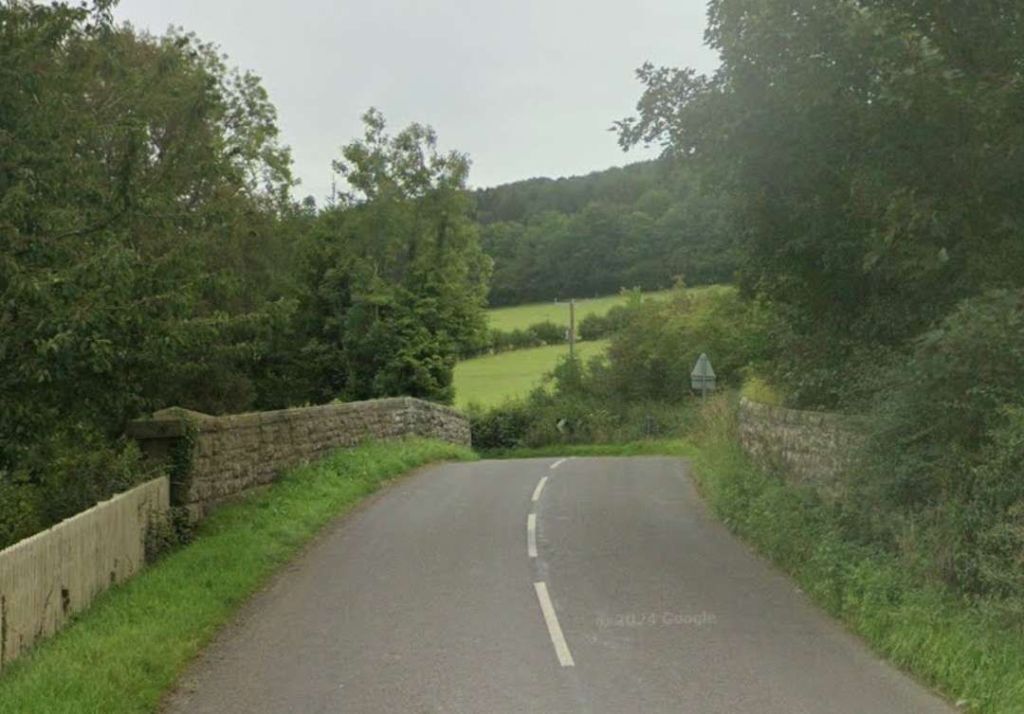
After passing under the minor road the line ran Southwest towards Coates Crossing.
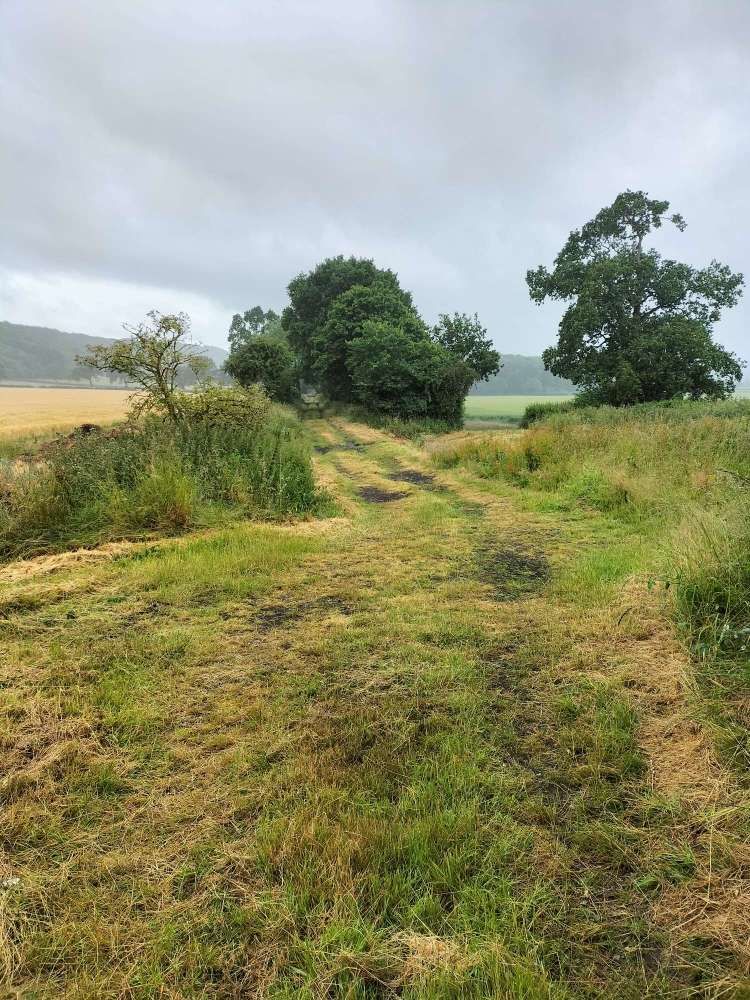
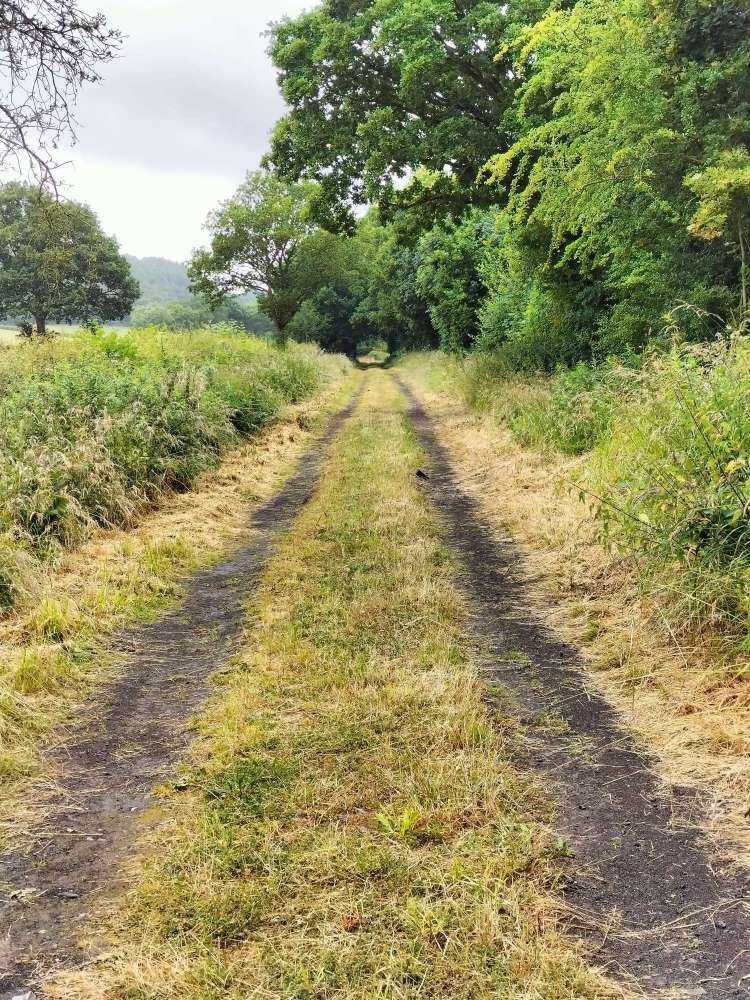
I was able to access the line from Northeast of Coates Crossing (via a footpath from Wenlock Edge Farm) to Rushbury Station with permission from local landowners. From here to Rushbury Station the original railway boundaries are predominantly fenced and gated with significant hedgerows and trees.
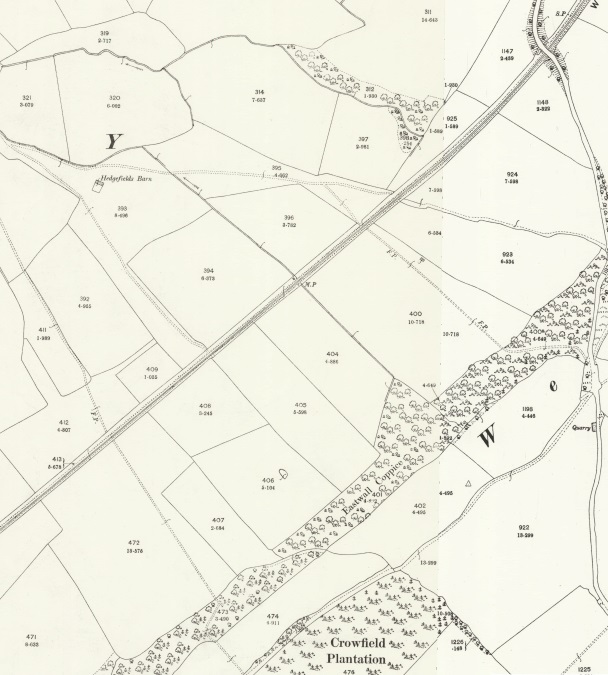
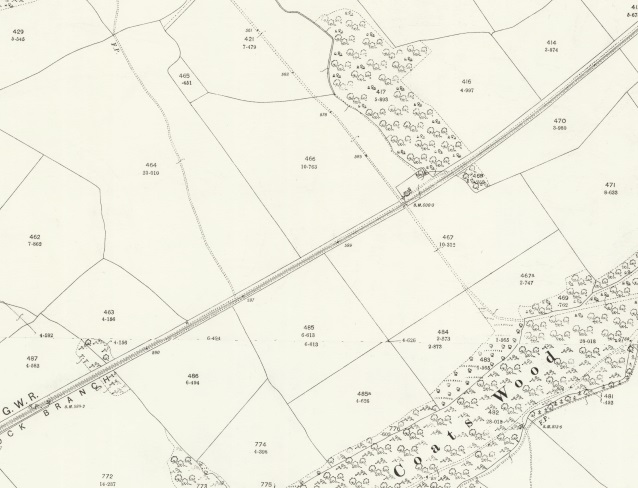
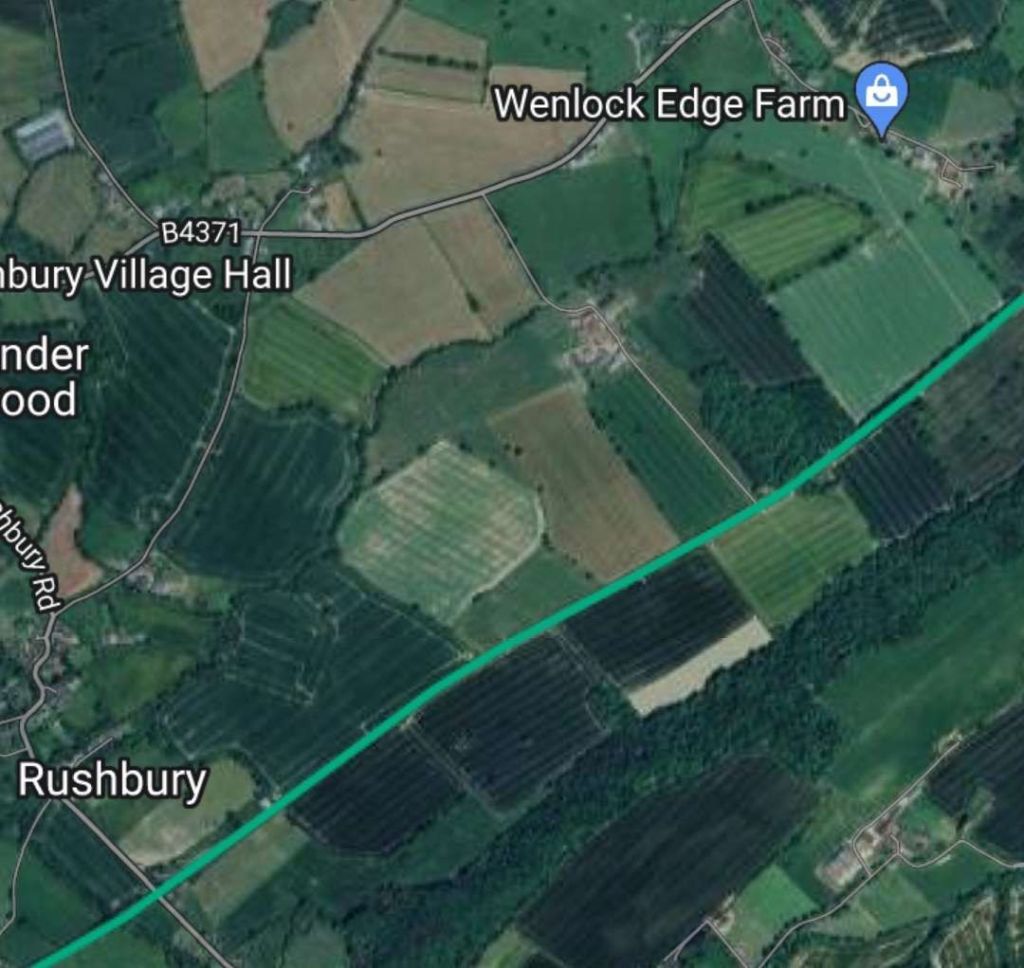
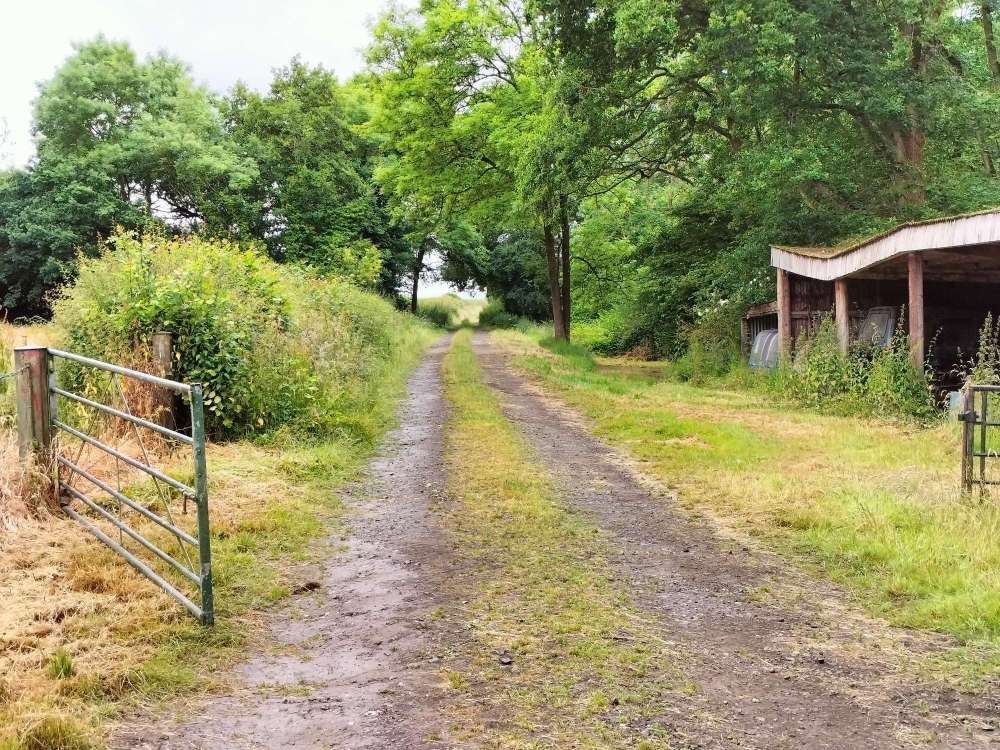
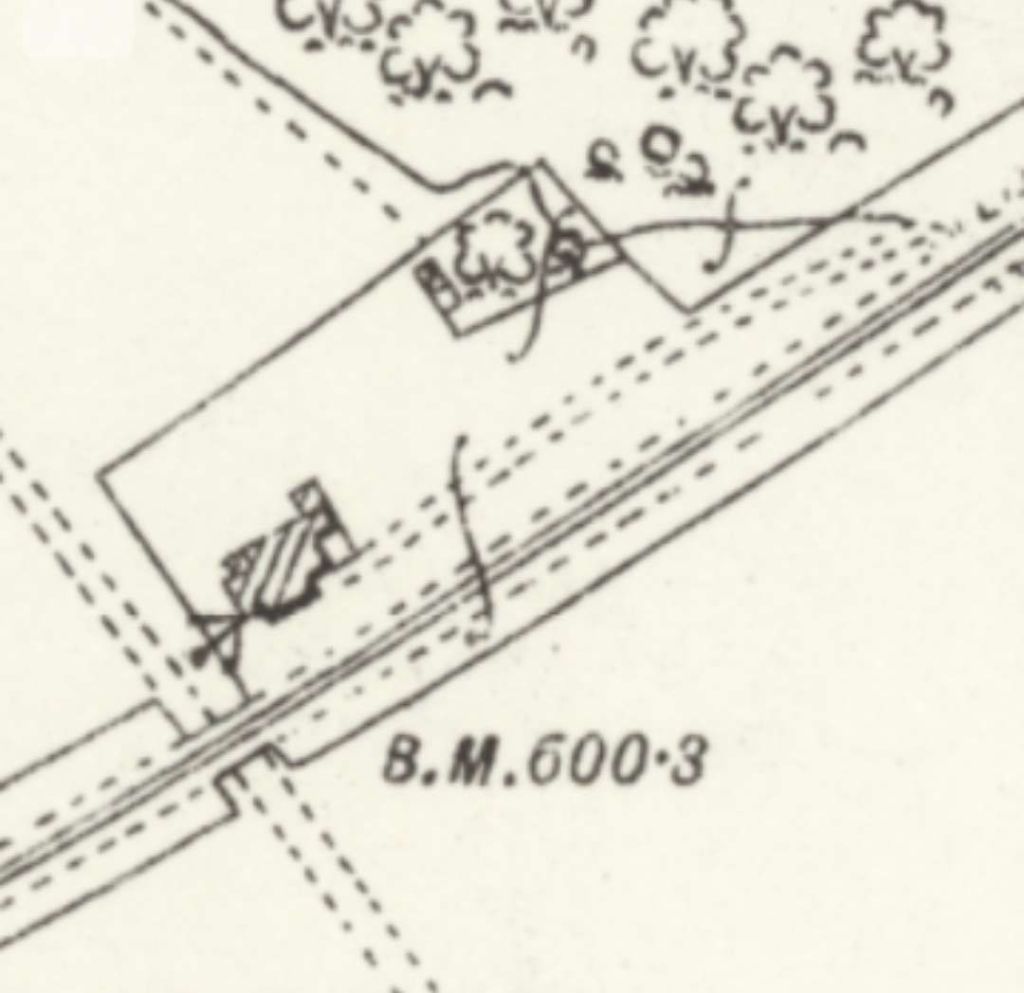
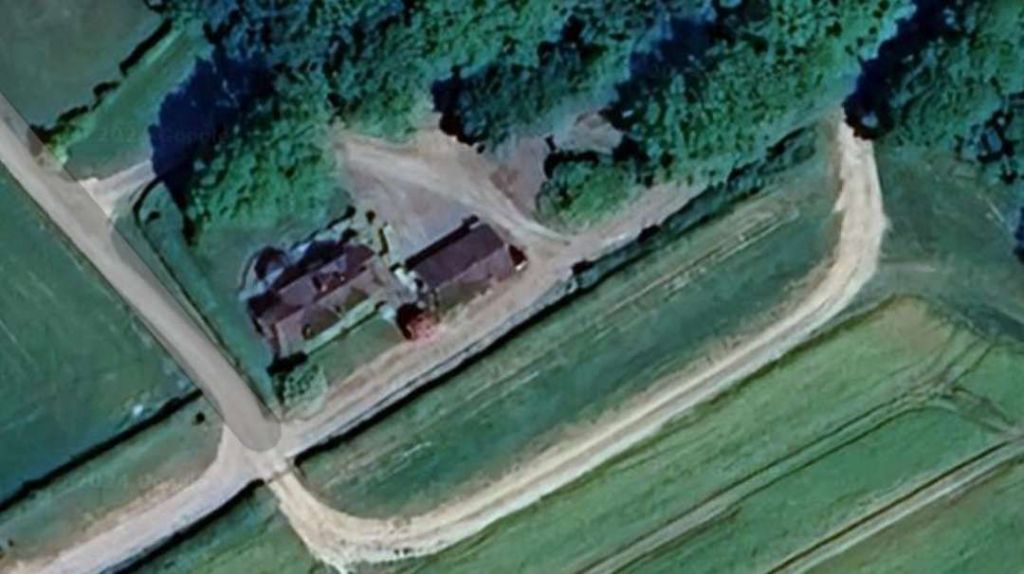
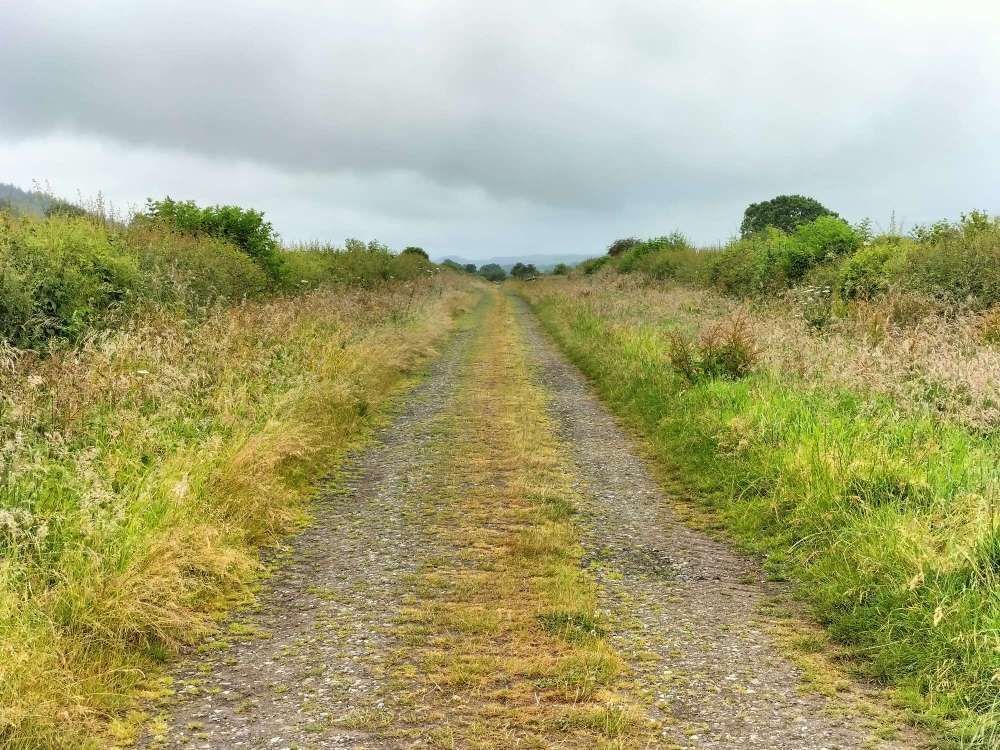
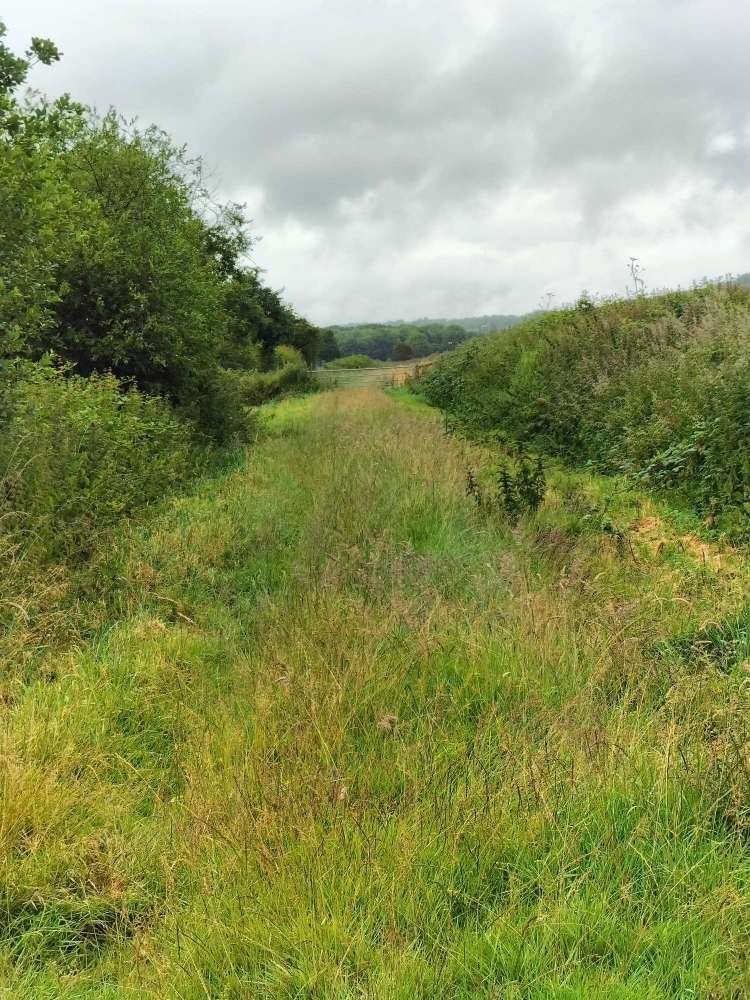
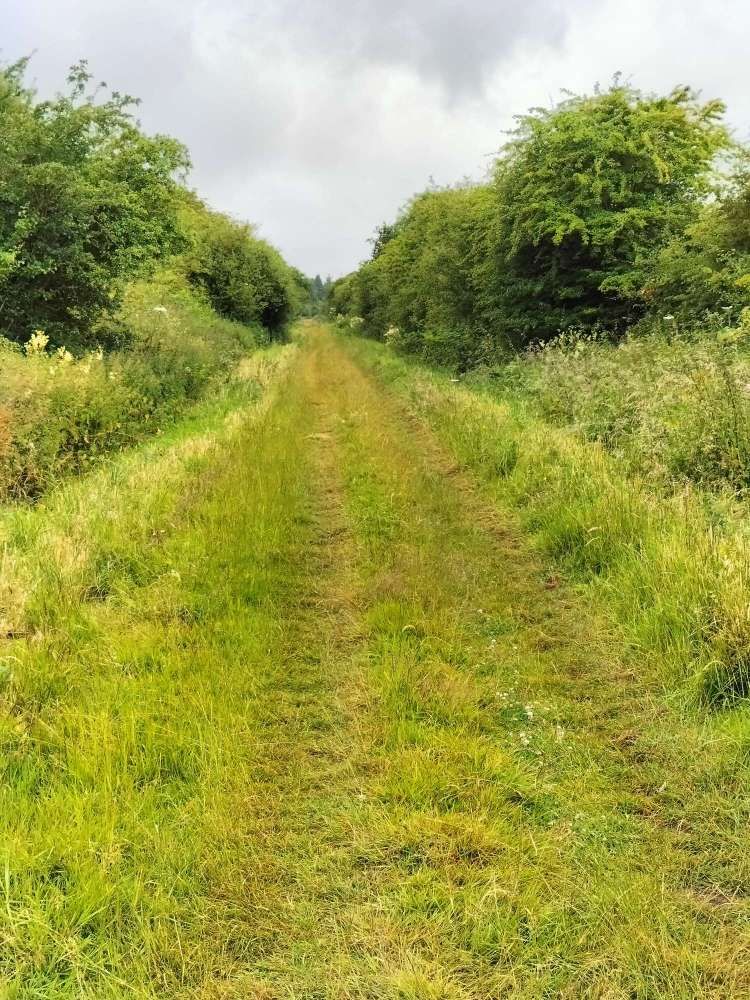
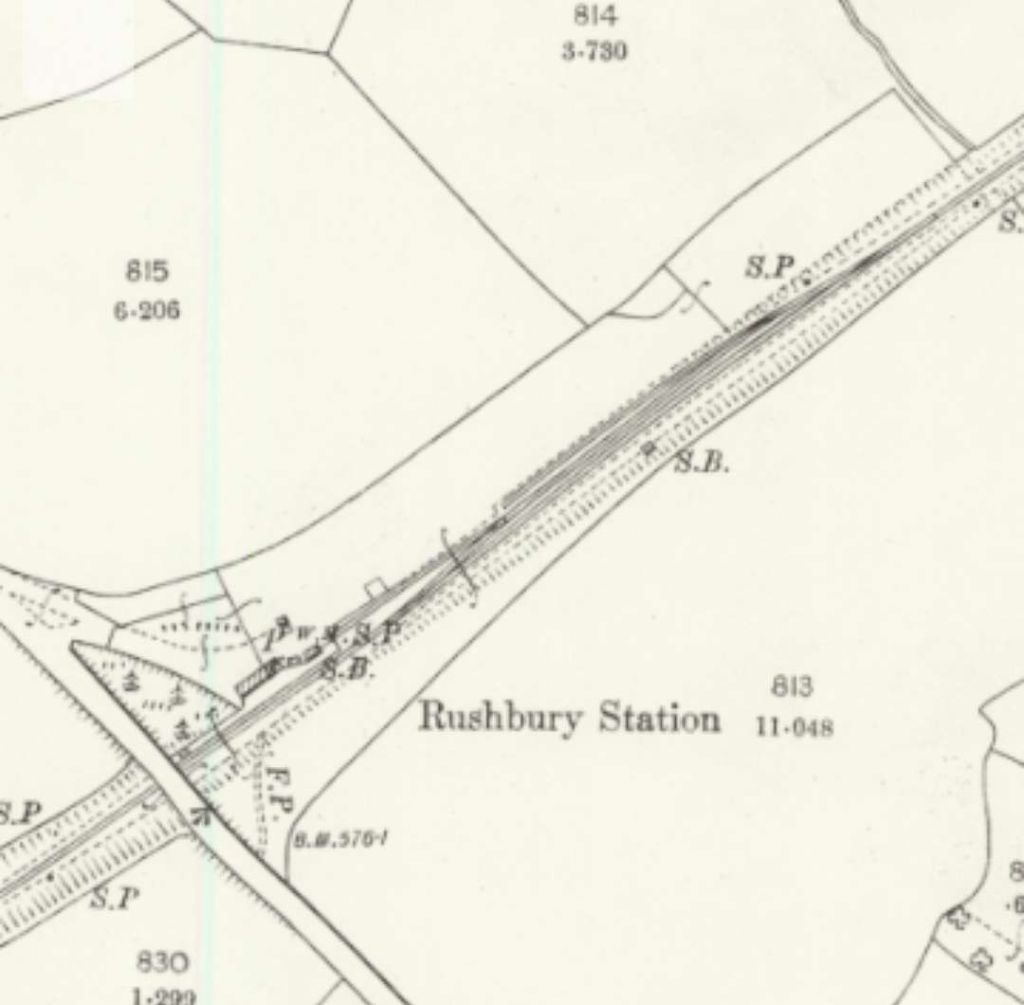
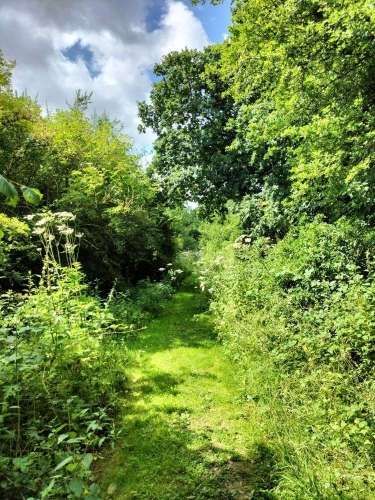
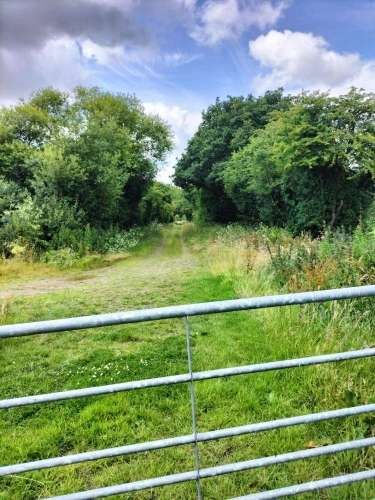
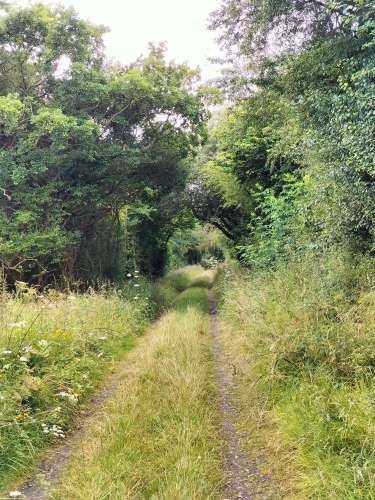
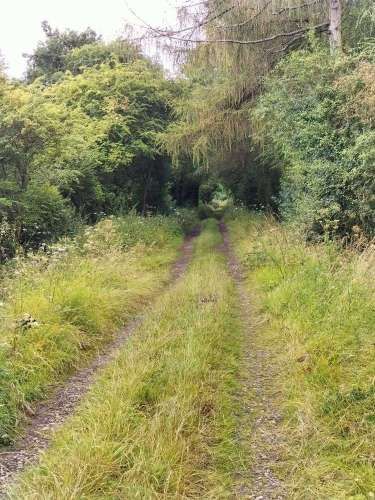
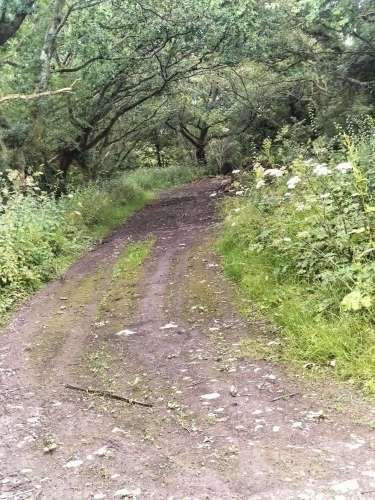
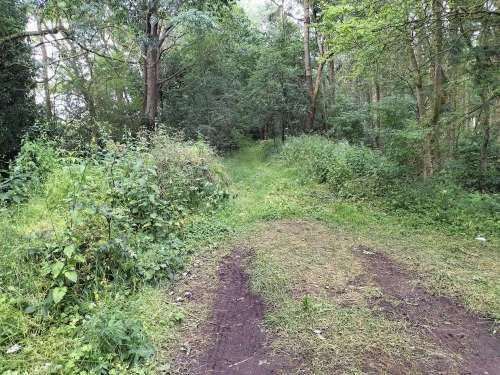
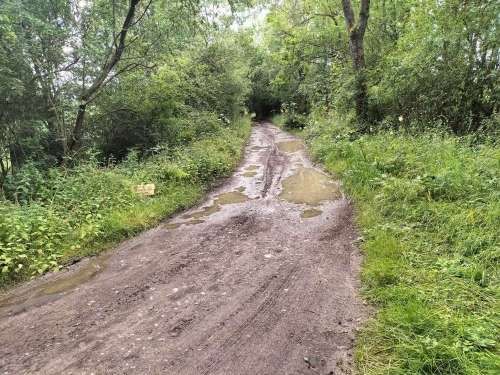
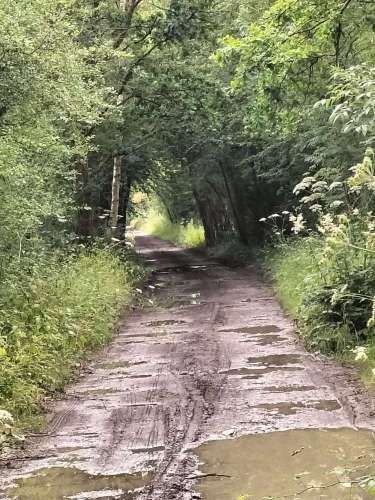
Looking Northeast along the line of the Wenlock Branch toward the minor road bridge above. [My photograph, 3rd July 2024]Looking Southwest along the line of the old railway towards Rushbury Station, for a distance of around 100 metres the route of the line is not protected by hedging. [My photograph, 3rd July 2024]A couple of hundred metres to the Southwest, another view looking Southwest along the line of the old railway. [My photograph, 3rd July 2024]This extract from the 25″ Ordinance Survey, together with the extract immediately below, cover the length of the line to Rushbury Station. [7]Rushbury Station appears in the bottom-left of this extract from the 25″Ordnance Survey. [8]This next railmaponline.com satellite image covers the same length of the line as the two map extracts above. Wenlock Edge Farm appears in the top-right, Rushbury Station in the bottom-left. [3]Approaching, and looking towards, the location of Coates Crossing which is about 200 metres ahead. [My photograph, 3rd July 2024]
Coates Crossing’s keeper’s cottage was from its construction “occupied by the Rushbury station master, and it was the duty of the station master’s wife to operate the crossing gates as and when a farm cart from the nearby Coates Farm required to go into the fields under Coates Wood. Later, after the abolition of the Rushbury SM’s post, it became the duty of the Longville station master’s wife.” [1: p105]
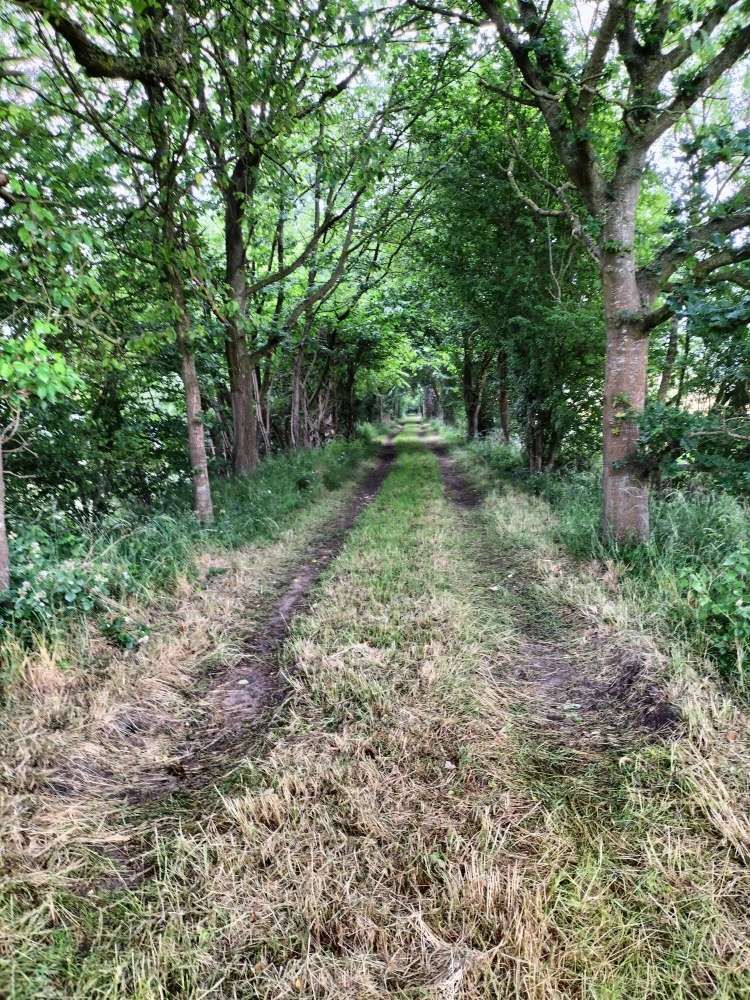
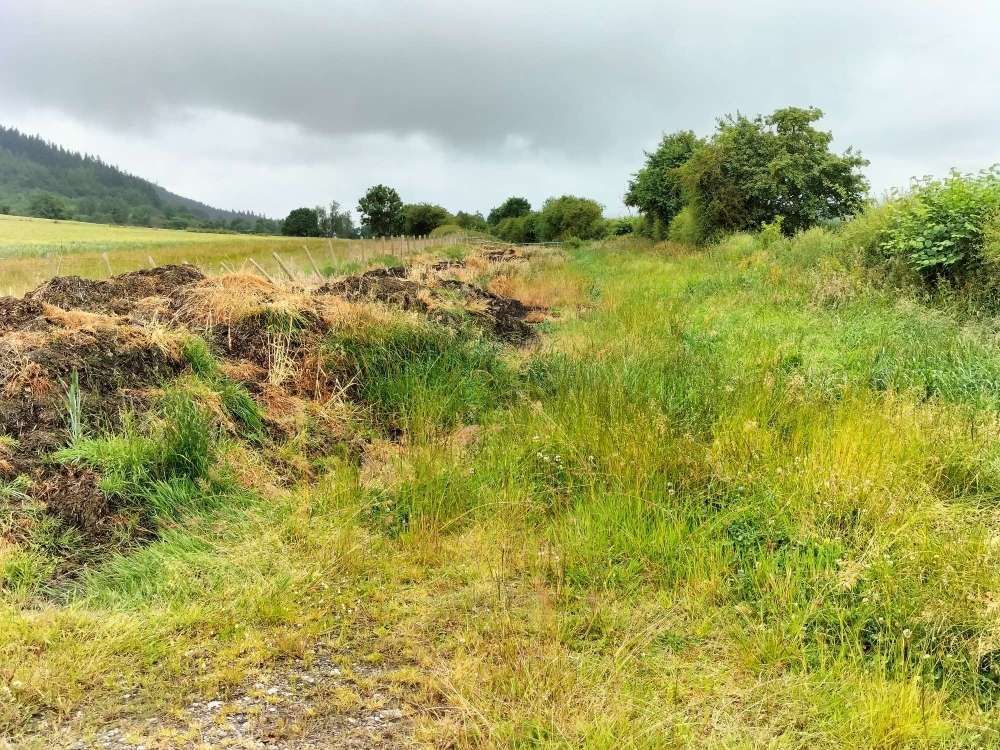
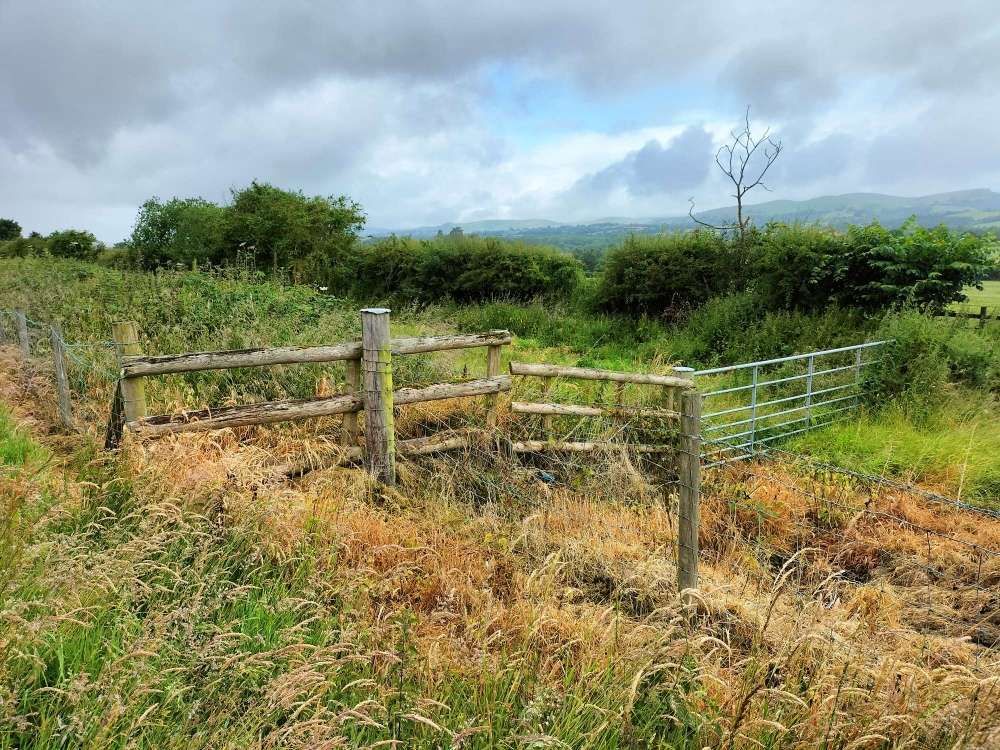
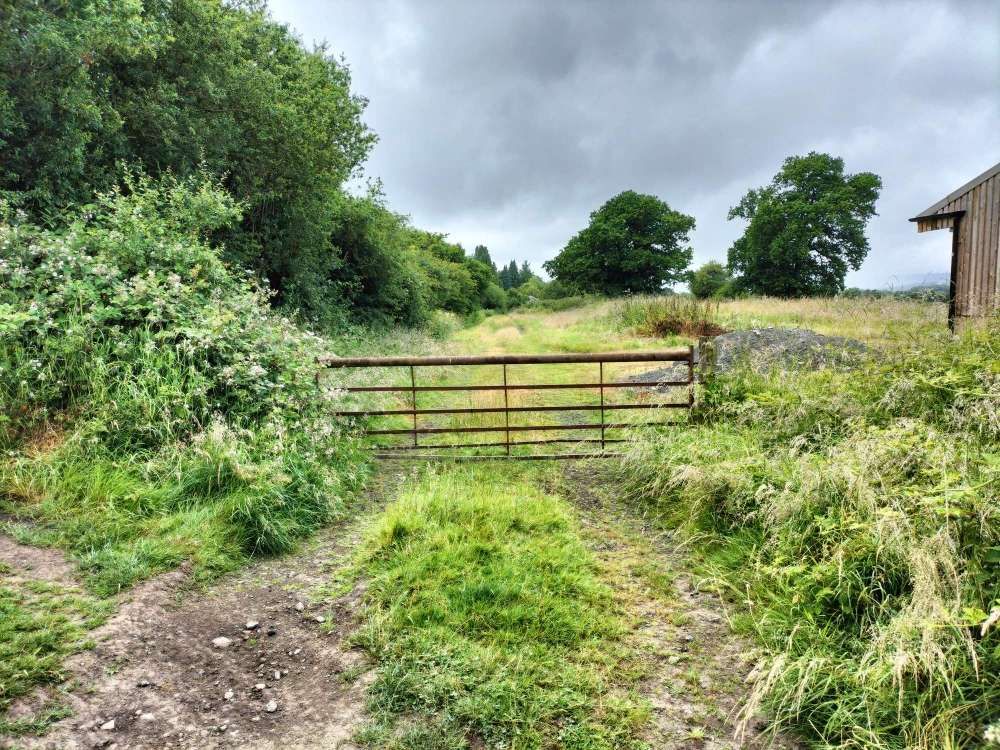
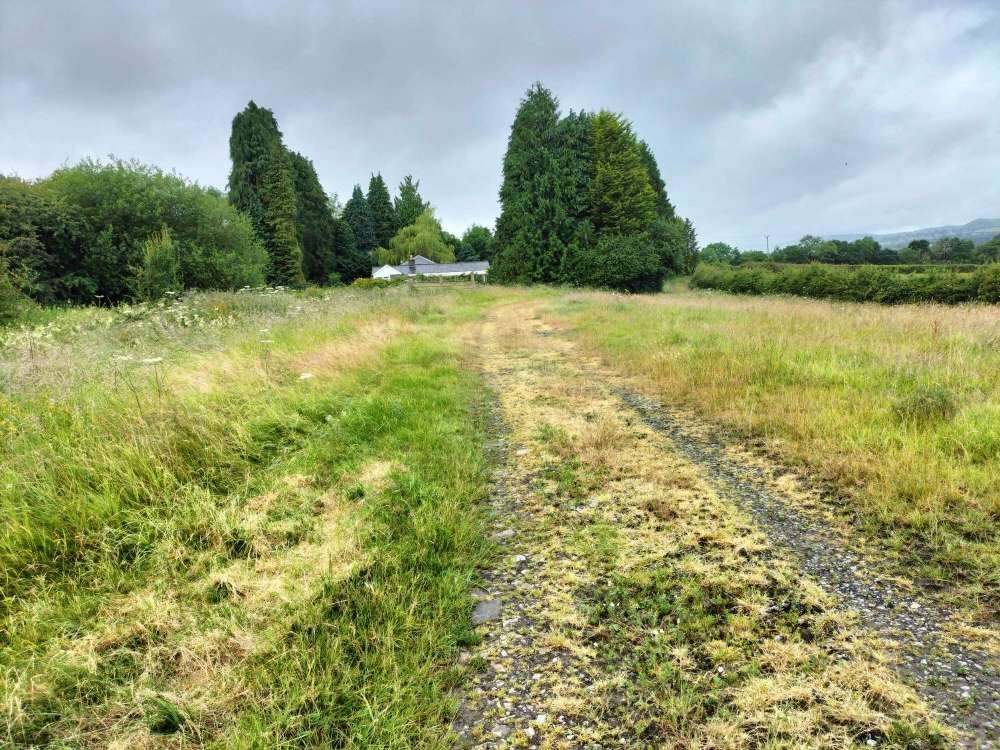
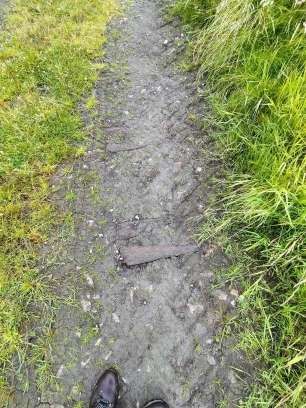
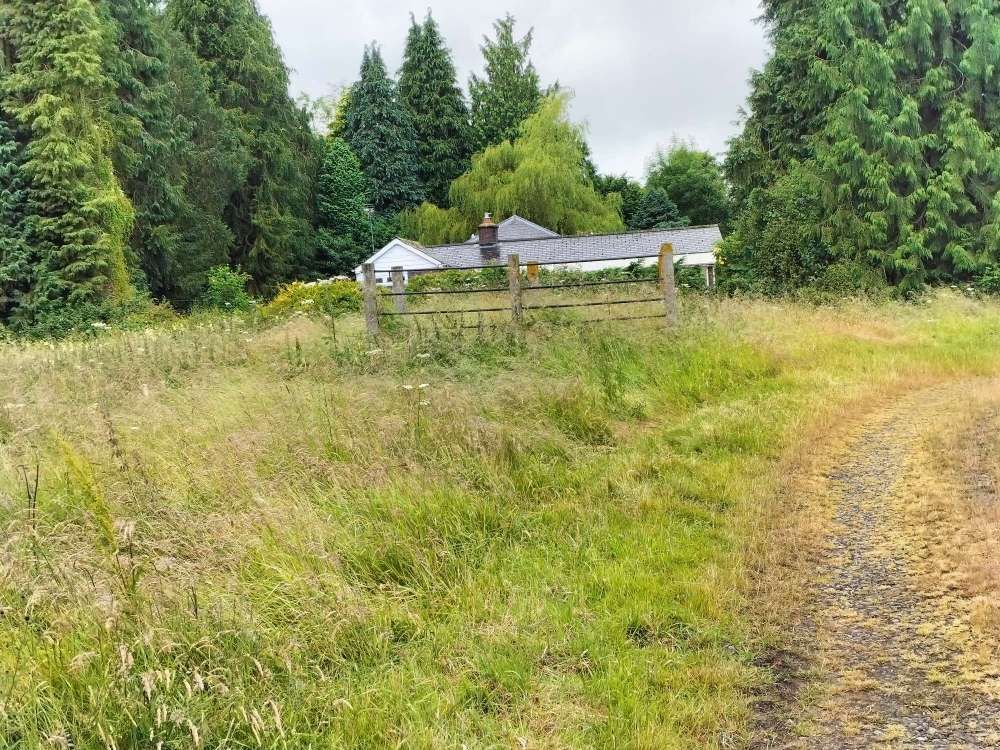
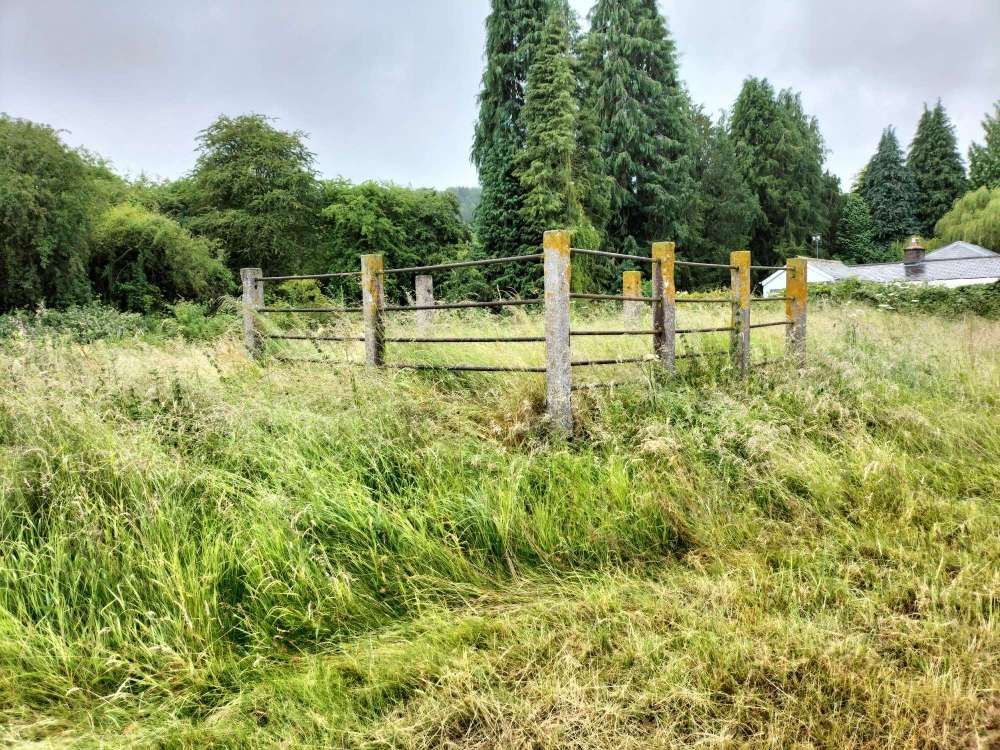
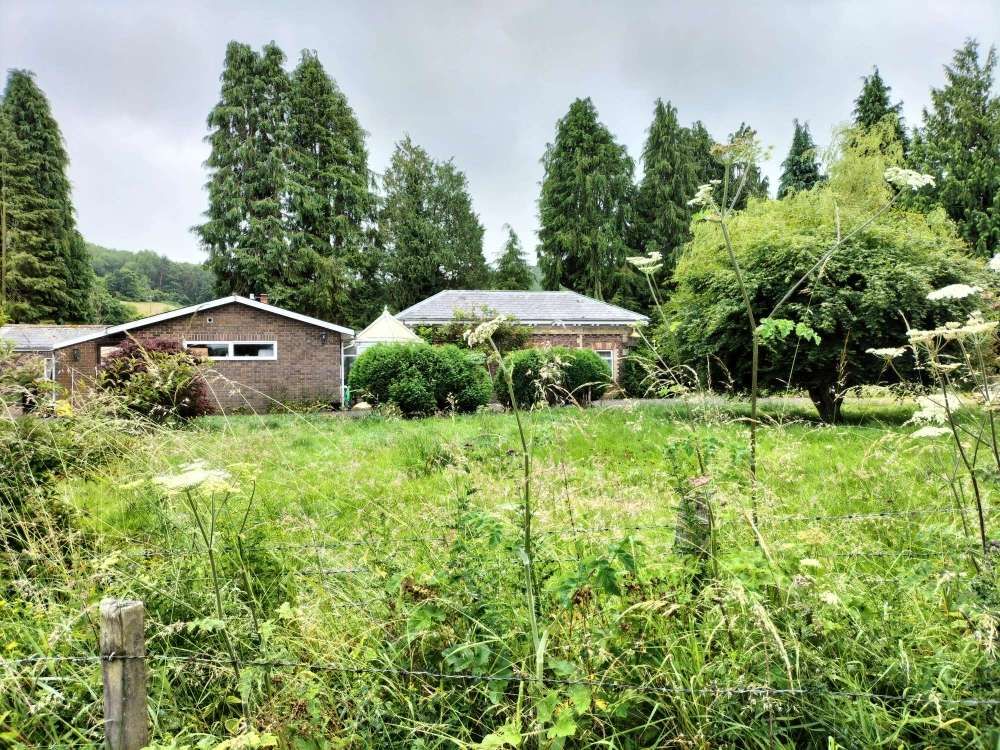
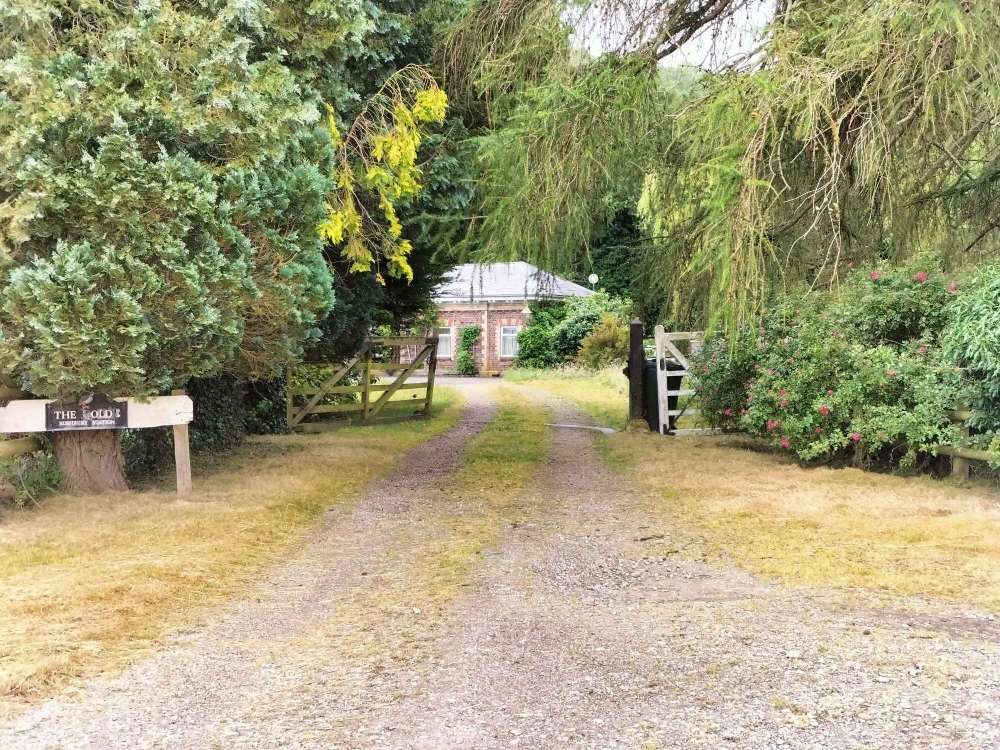
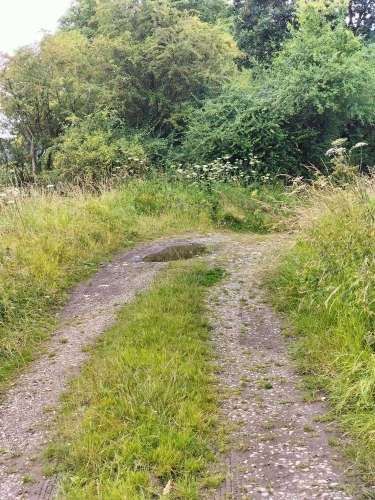
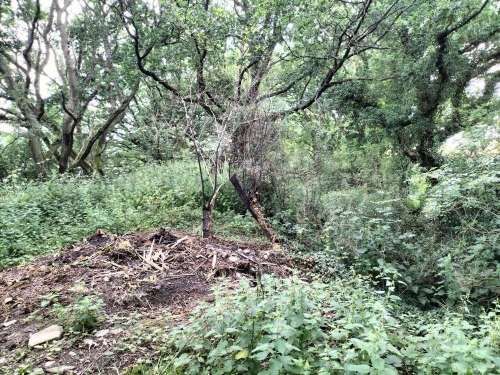
An enlarged extract from the 25″ Ordnance Survey shows Coates Crossing. [7]The location of Coates Crossing. The building shown is larger than the original crossing-keepers cottage which for a good while doubled up as the Rushbury Stationmaster’s house. [Google Maps, July 2024]250 metres or so to the Southwest of the location of Coates Crossing, looking Southwest. [My photograph, 3rd July 2024]Just under halfway from Coates Crossing to Rushbury Station the old formation becomes overgrown and is being used by the landowner for muck storage. [My photograph, 3rd July 2024]Beyond the piles of muck a gate is closed across the line of the old railway. Access along the line required turning to the last and walking through the field immediately alongside the line until it was possible to get back onto the line 100metres or so ahead. [My photograph, 3rd July 2024]Having regained the line of the old railway it is noticeable that the route is not as heavily used in the 21st century as the length already covered. [My photograph, 3rd July 2024]The ‘green lane’ continues. [My photograph, 3rd July 2024]Much closer now to the site of Rushbury Station a gate marks a change in ownership. [My photograph, 3rd July 2024]The modern complex of buildings on the Rushbury station site appears on the horizon, flanked by various fir trees. [My photograph, 3rd July 2024]The occasional railway sleeper can be seen. This photo was taken towards the Eastern end of the Rushbury Station site. [My photograph, 3rd July 2024]The modern track diverts away from the line of the old railway once within the boundaries of the station site. The trees to the left run alongside the route taken by the line through the station. The roof of the old station building can just be made out at the centre-top of this image. The concrete post and railings are what remains of the cattle loading pens. [My photograph, 3rd July 2024]Rushbury Station: the remains of the cattle loading pens. [My photograph, 3rd July 2024]The site of the old station, viewed from the North. [My photograph, 3rd July 2024]The road approach to Rushbury Station, seen from the Northeast. [My photograph, 3rd July 2024]
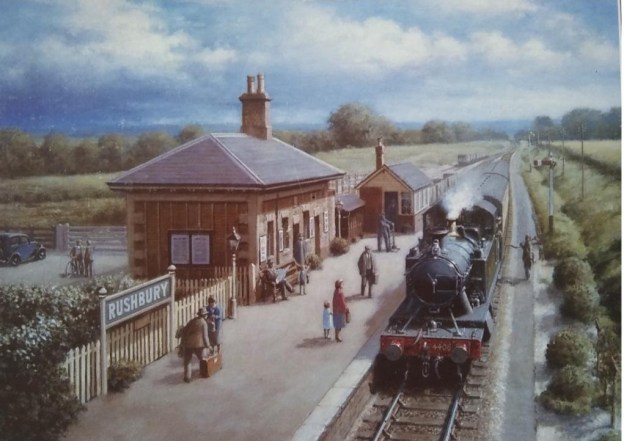
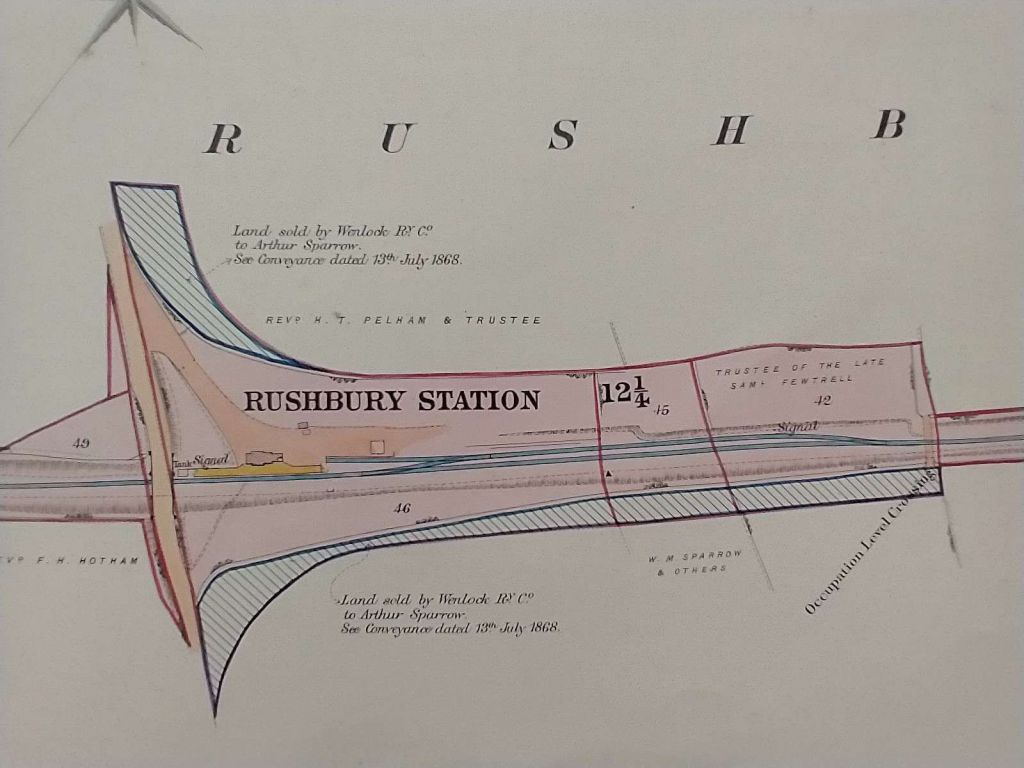
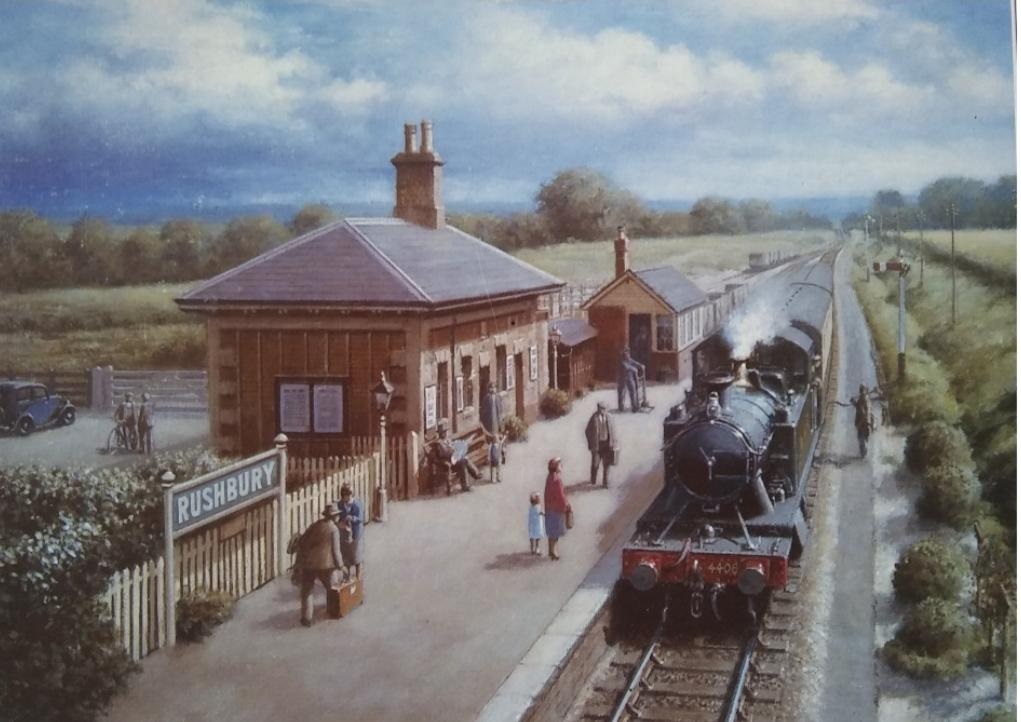
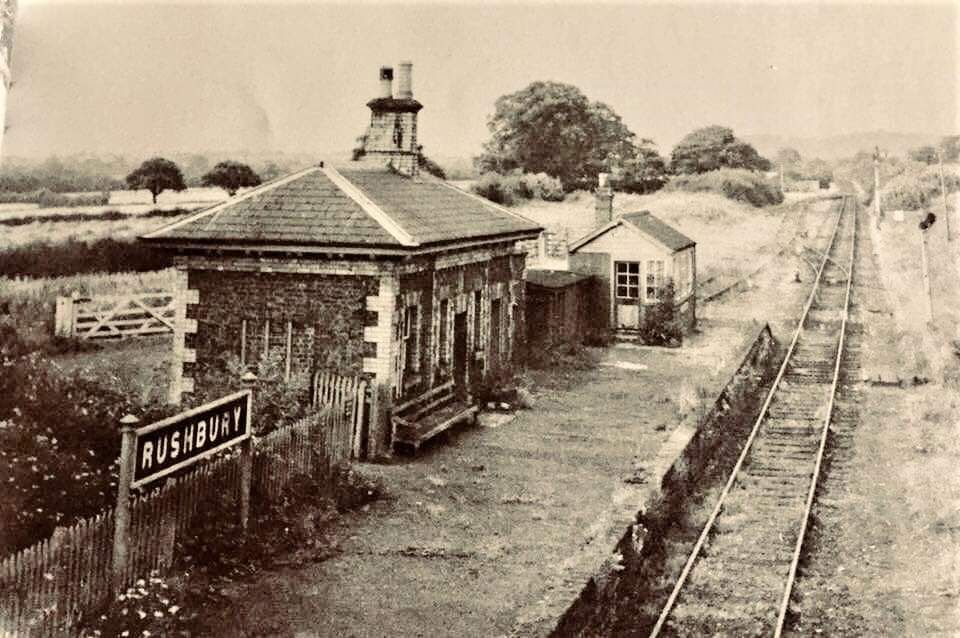
About the length just walked and about Rushbury and its station, Ken Jones writes: “The line has now levelled out into Ape Dale, and soon enters Rushbury station with its avenue of fir trees on either side, the station in every respect being similar to that of Longville. … The station served the villages of Rushbury and Munslow. The signal box was at the north end of the platform, the box containing the locking frame only, the electric train staff instruments being situated in the booking office. The station was not a crossing place. The station buildings consisted of a booking office, general and ladies’ waiting room, and a lamp room. The staff were just the station master and a signalman, the latter being required to assist with station duties.” [1: p105]
A further ground frame was situated at the Northeast end of the station, “and gave access to two sidings, a horse landing and cattle pens. In the station yard there was a cart weighbridge. At the Craven Arms end of the platform there was a water column.” [1: p105]
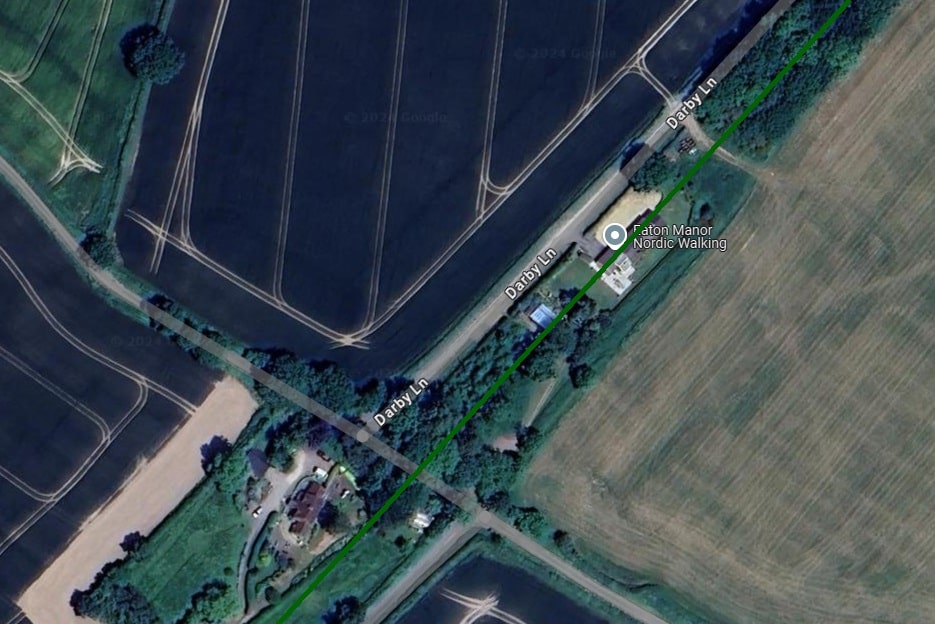
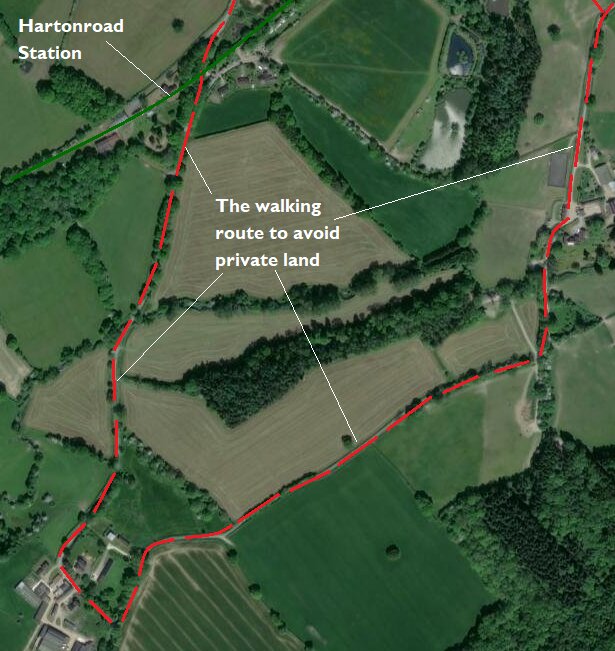
At this point on the Wenlock Branch it was necessary to leave the line of the old railway. A short detour along a field boundary and then along Darby Lane led to another access point to the old railway line.
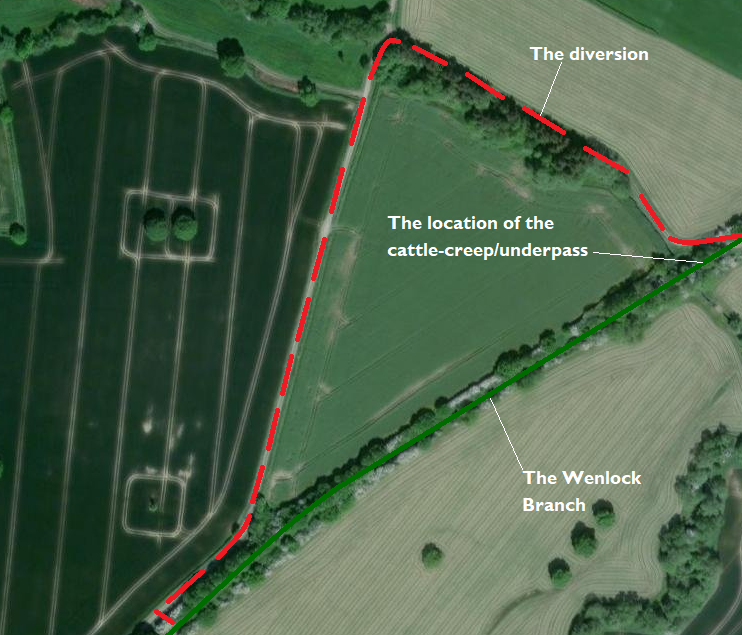
To the West of this location the line of the old railway is now in private hands. Access to the line is limited to that possible on public footpaths/roads which cross the line. A diversion to the South of the line was necessary to reach the first point of access.
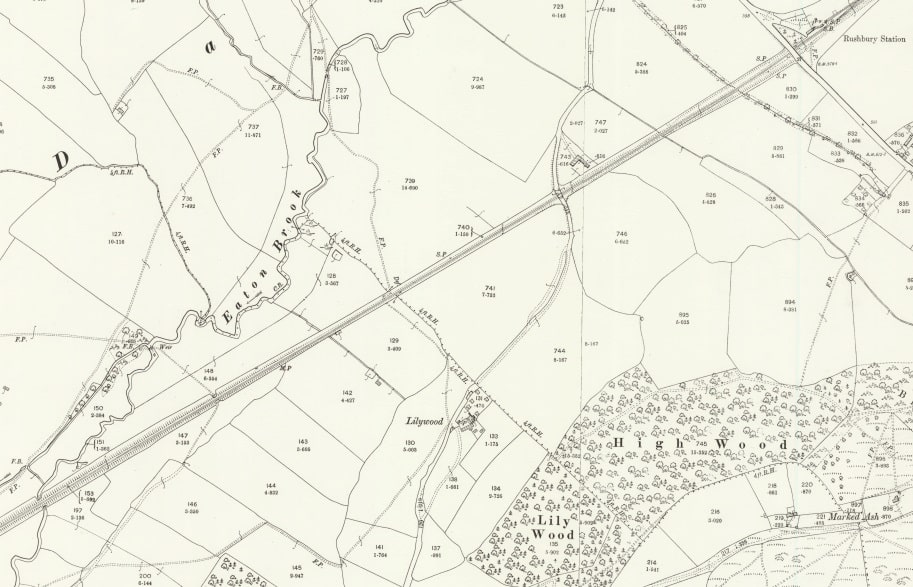
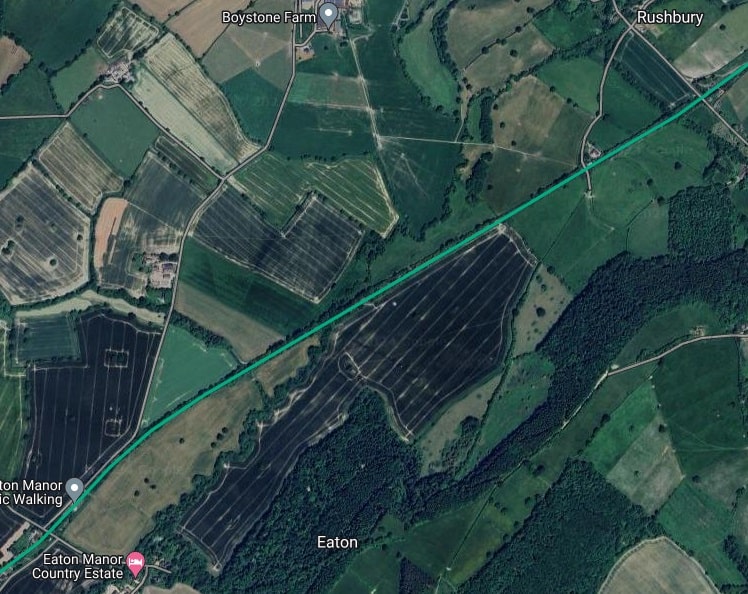
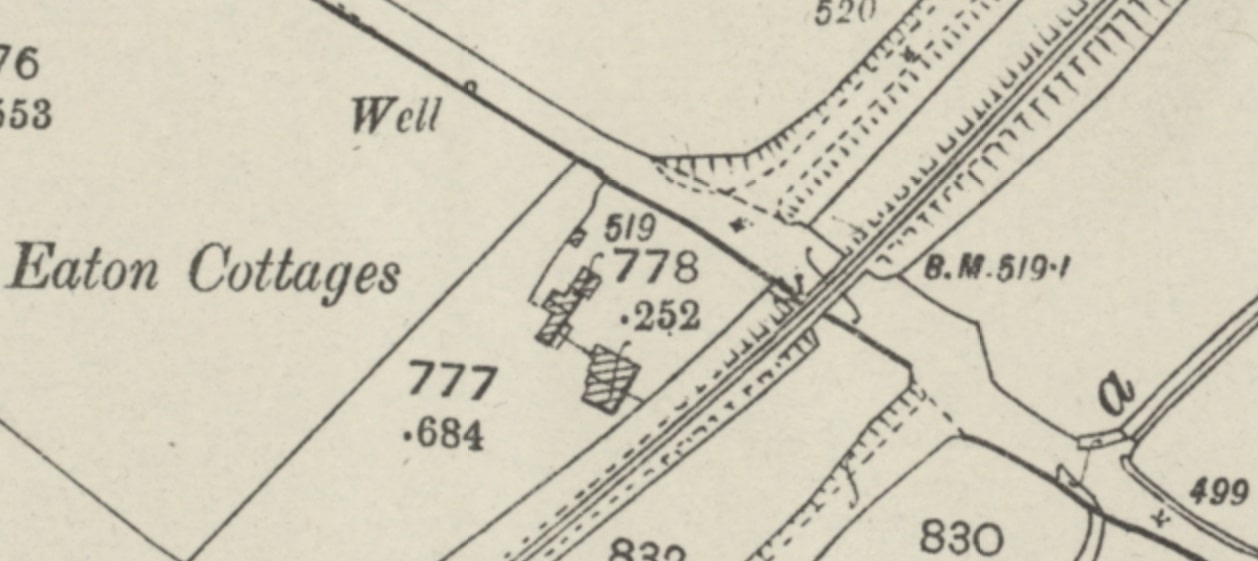
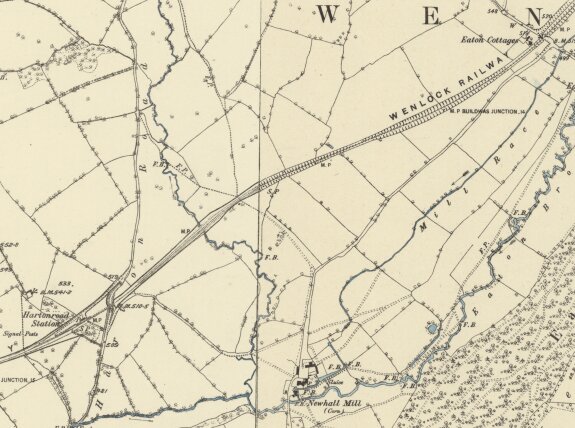
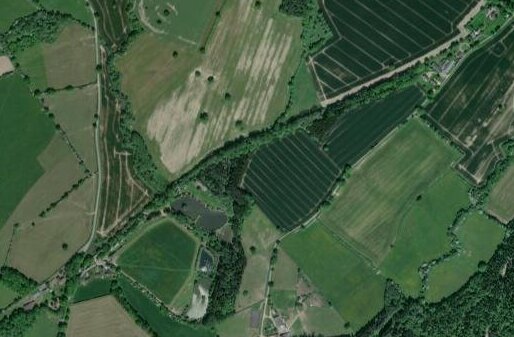
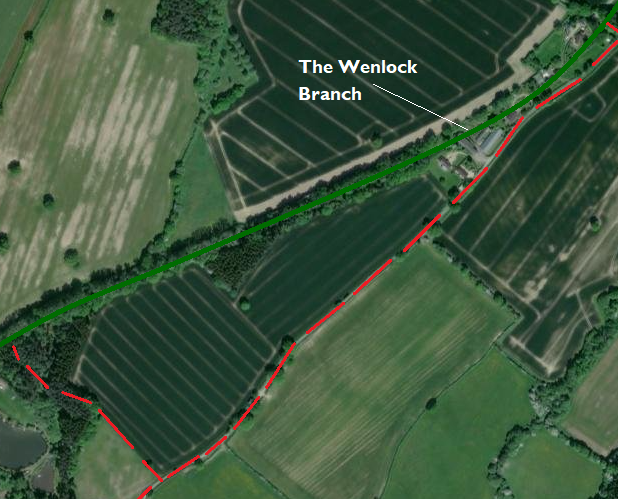
The next length of line from close to Eaton Cottage to Hartonroad Station. An extract from the 25″ Ordnance Survey mapping of 1882/1883. [21]The same area as that shown on the OS map extract above. [21]The route of the old railway is again shown in green, the necessary diversion by a red-dashed line. At the East edge of this image there are a series of private properties built over the line of the old railway. These are shown immediately below.
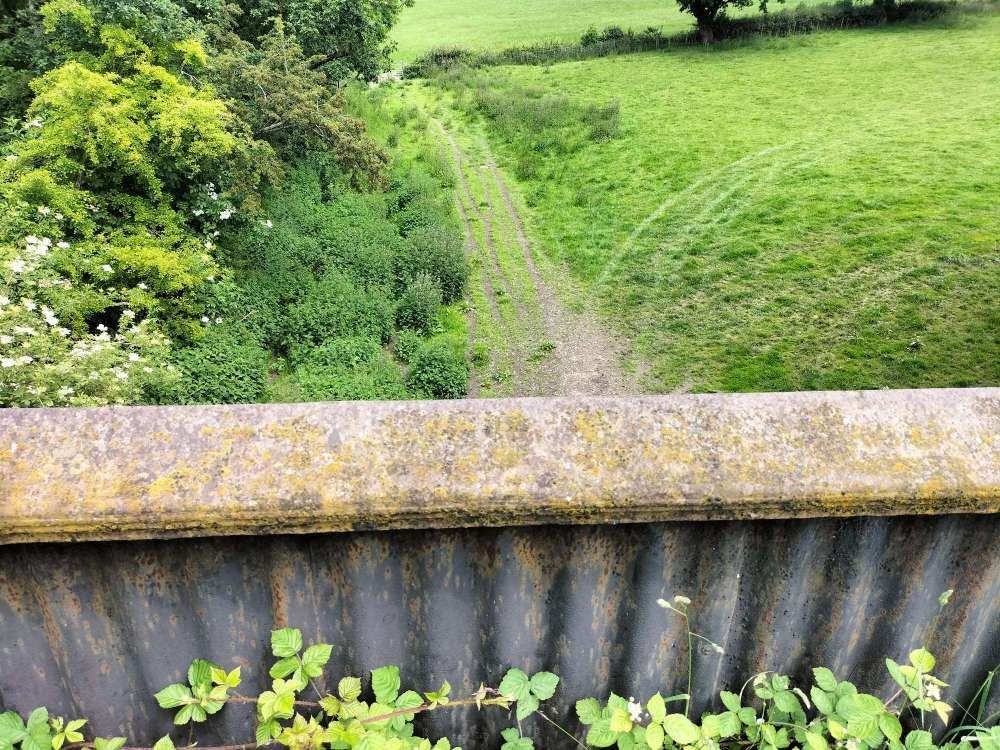
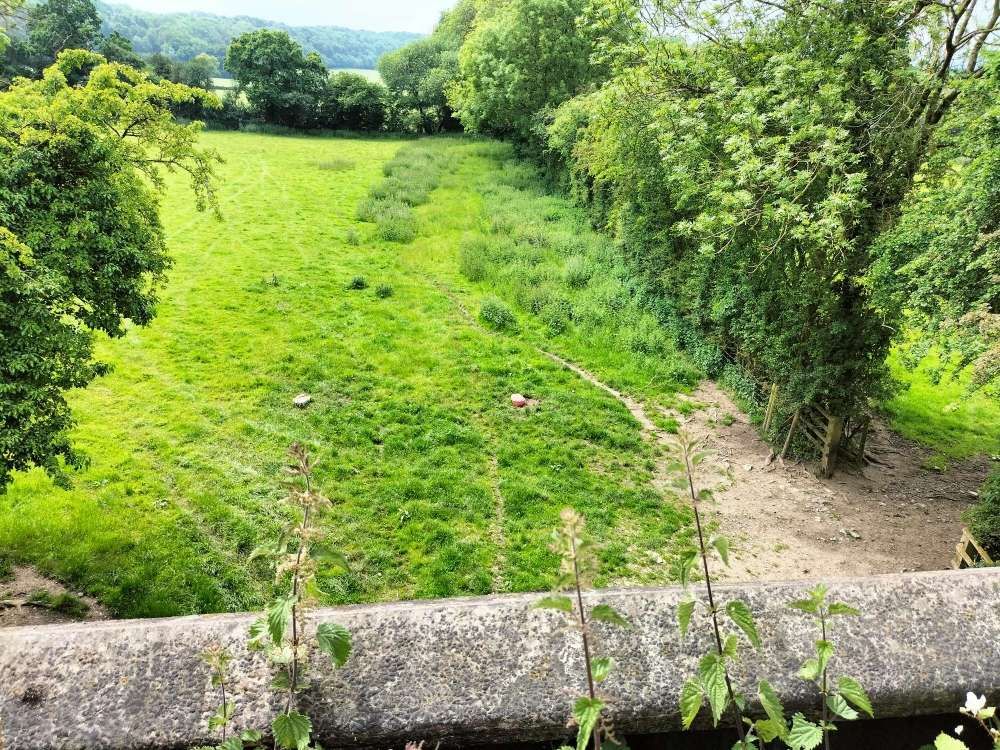
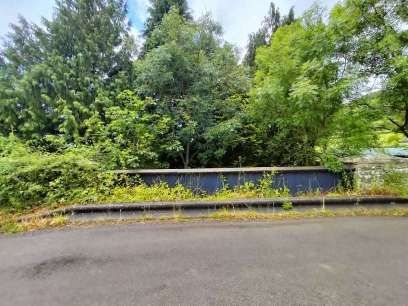
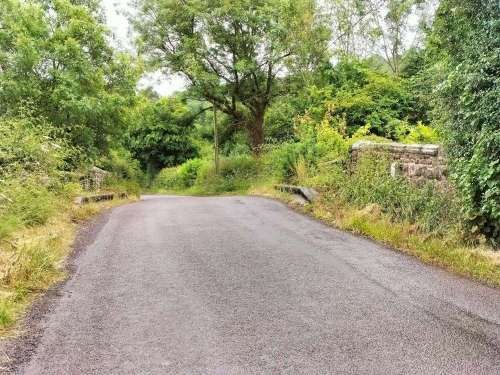
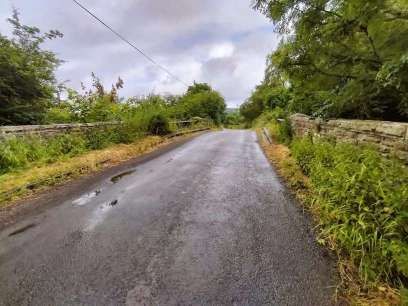
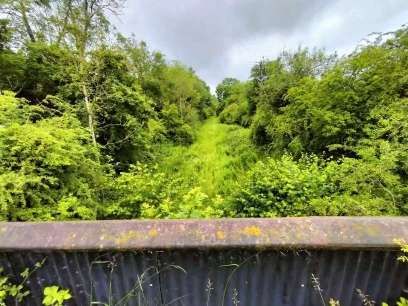
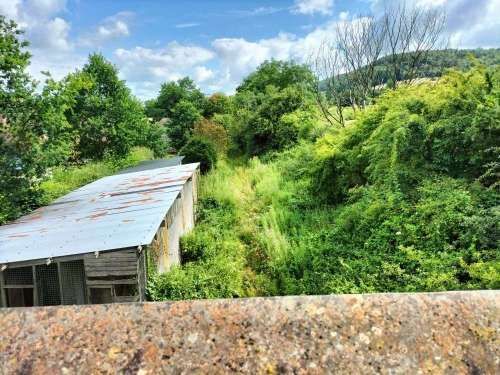
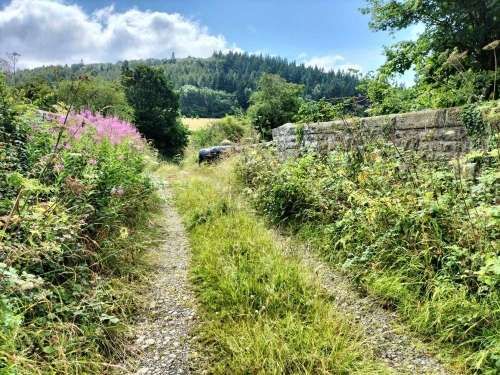
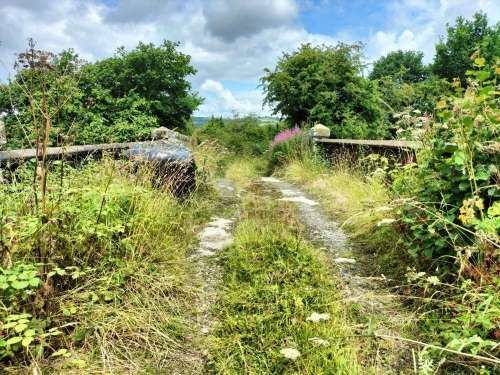
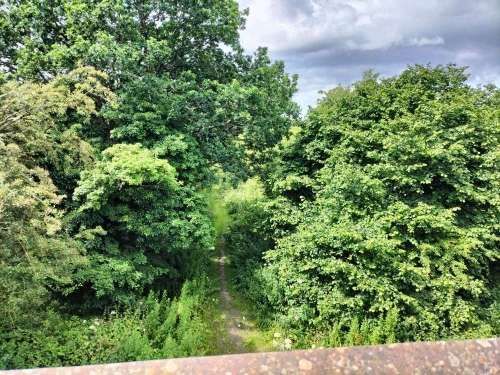
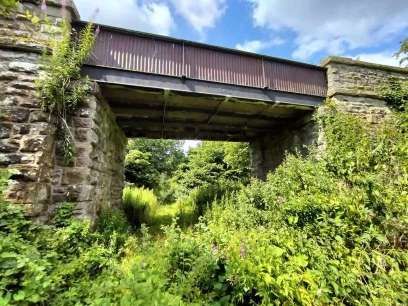
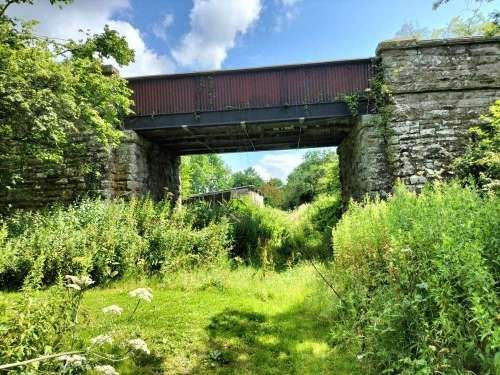
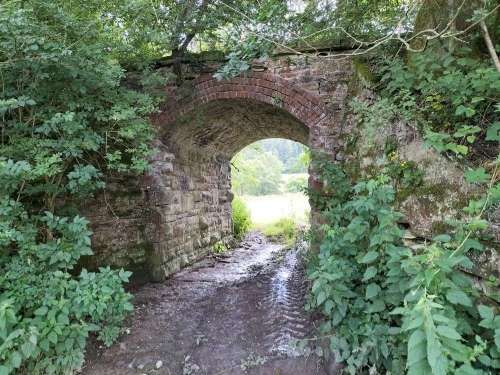
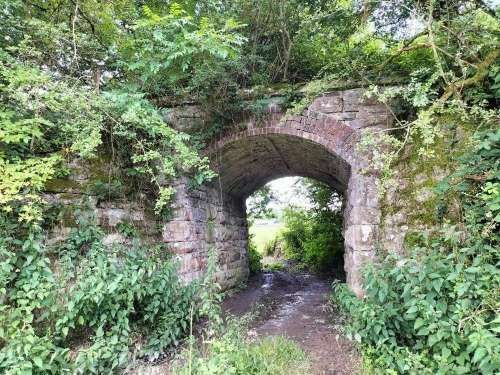
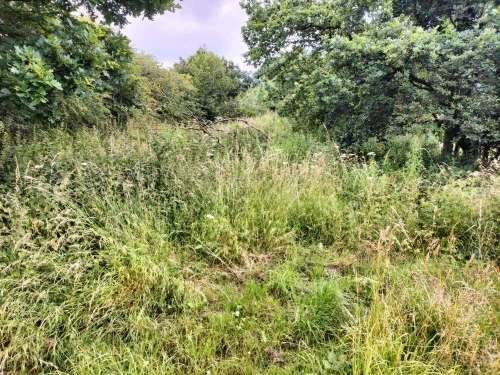
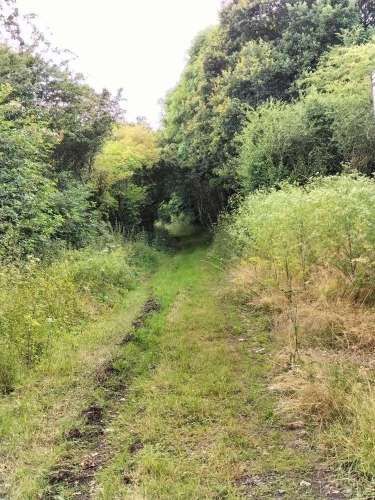
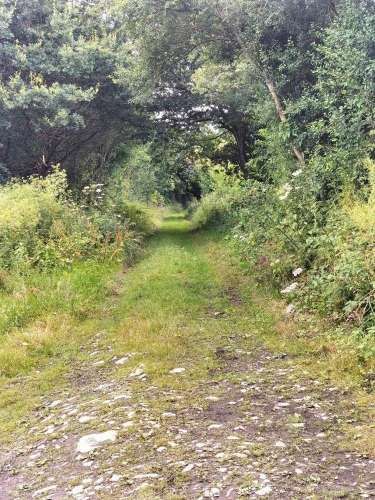
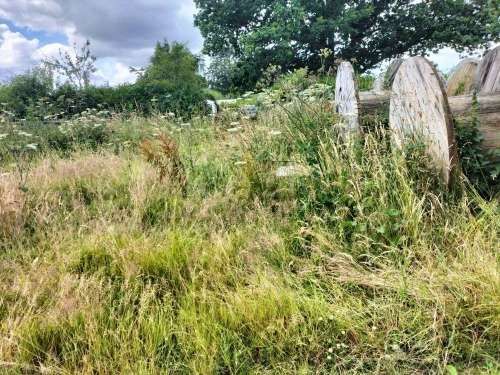
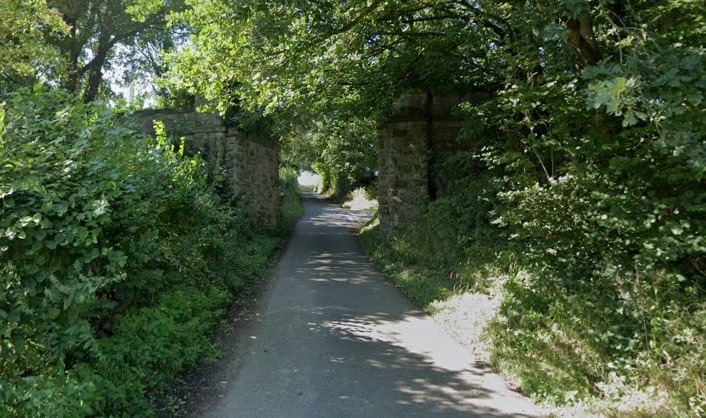
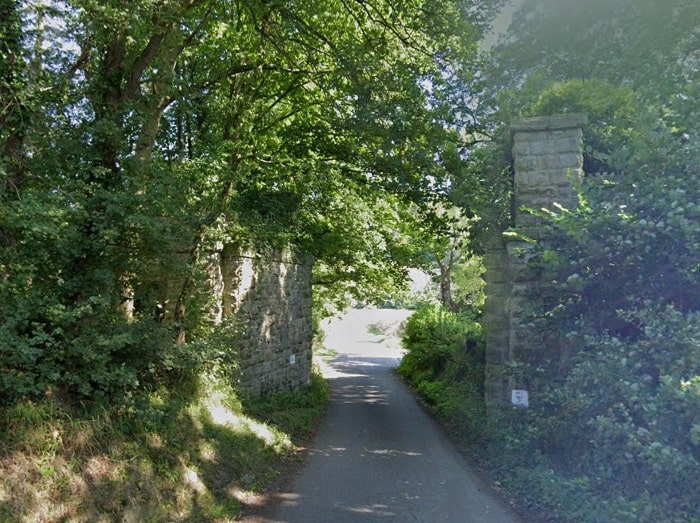
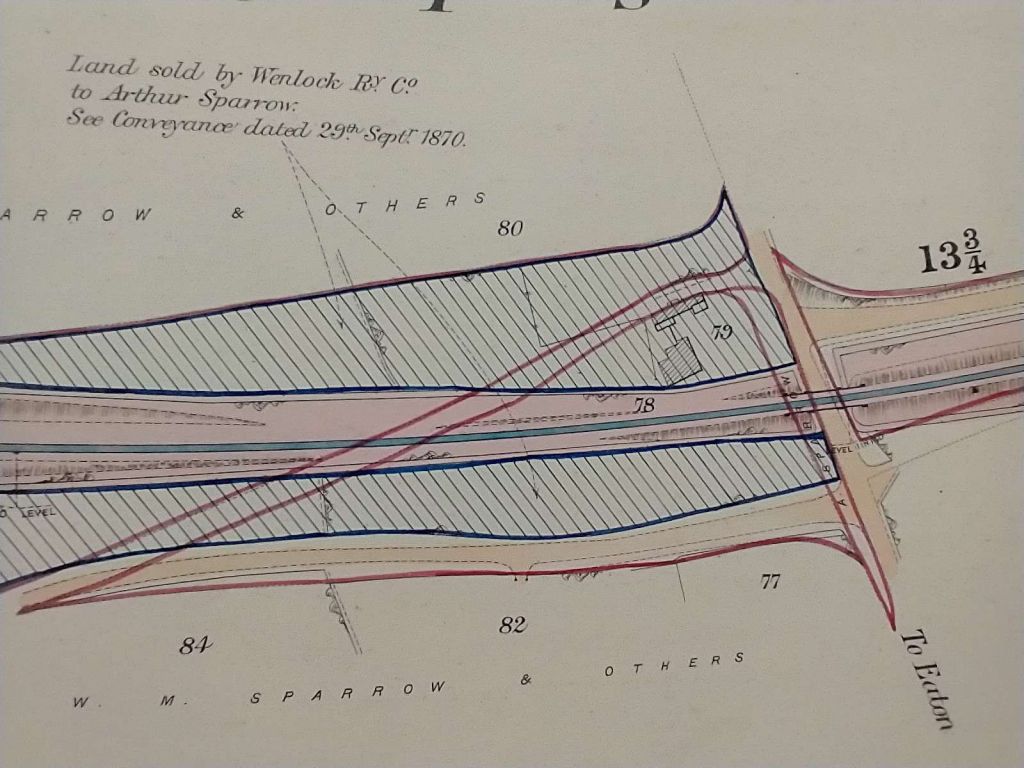
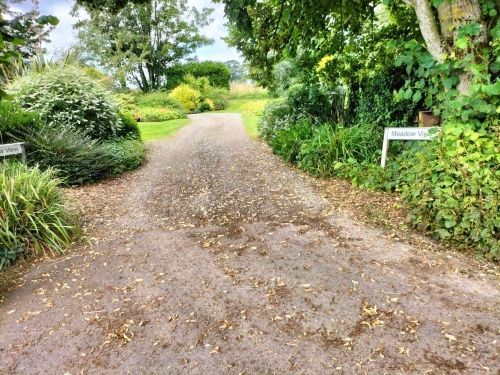
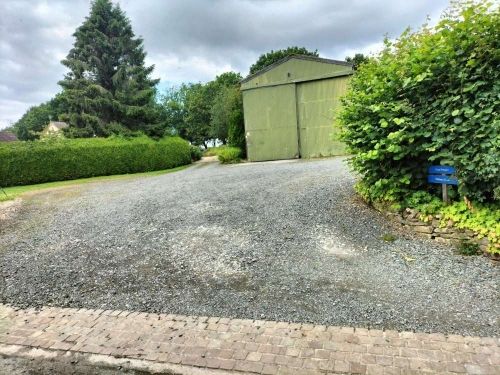
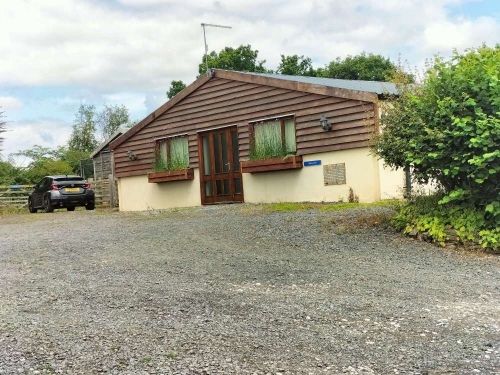
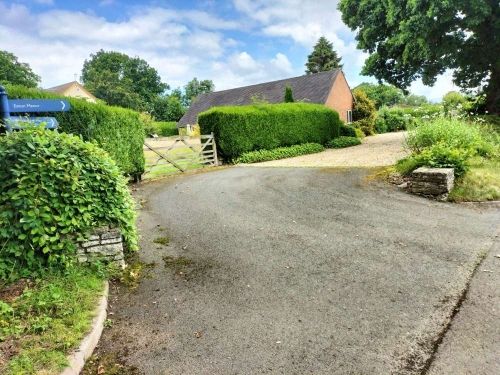
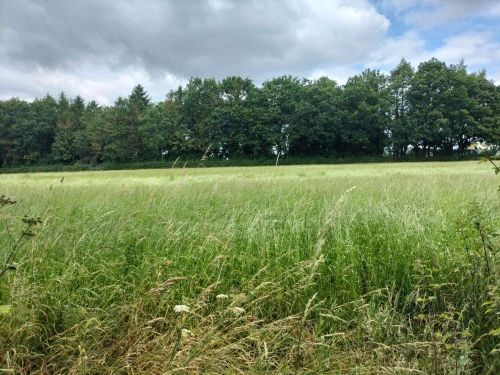
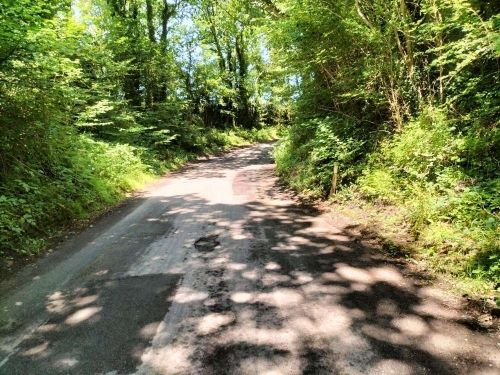
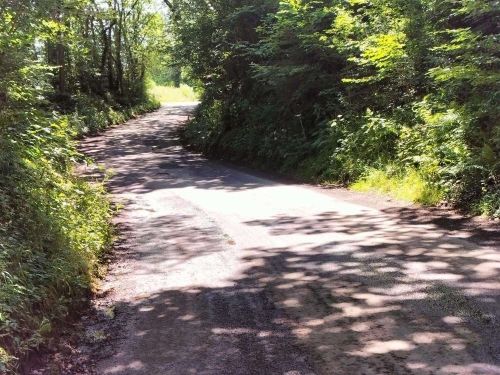
At the West edge of this image the footpath marked by the red-dashed line crossed the line of the old railway. In both directions from the footpath the old line is now in private ownership. [20]A series of four photographs look North from the public highway into the properties built over the line of the old railway. [My photographs, 17th July 2024]A further 200 metres to the Southwest on the road to the hamlet of Harton, this photo shows an open field between the road and the treeline which marks the line of the Wenlock Branch. [My photograph, 17th July 2023]Looking East at the point where the footpath crossed the old railway. [17th July 2024]Looking West at the same location. [My photograph, 17th July 2024]Using a telephoto lens, this is the line of the old railway heading West. [My photograph, 17th July 2024]A view from the South through the location of the bridge carrying the Wenlock Branch over the road adjacent to Hartonroad Railway Station. [My photograph, 17th July 2024]A view from the North through the location of the bridge carrying the Wenlock Branch over the road adjacent to Hartonroad Railway Station. [My photograph, 17th July 2024]
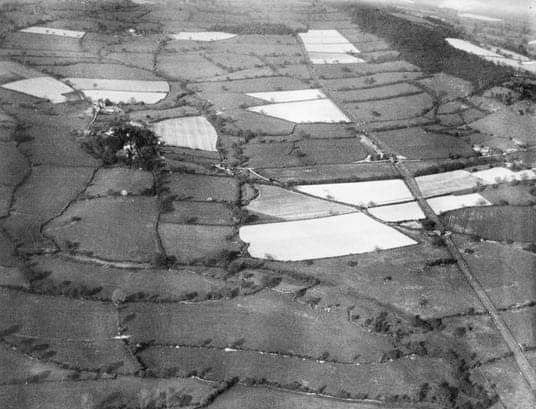
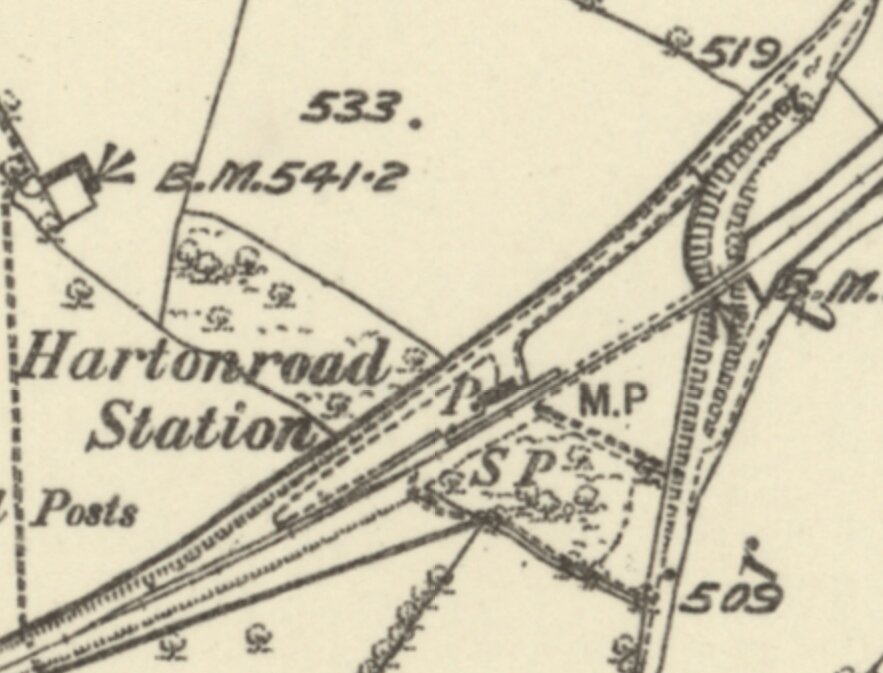
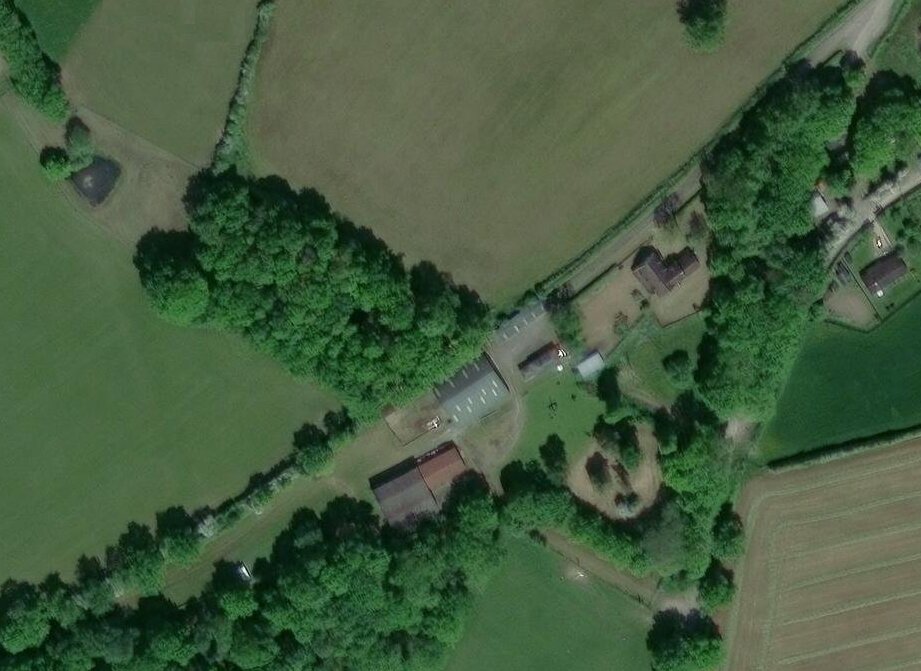
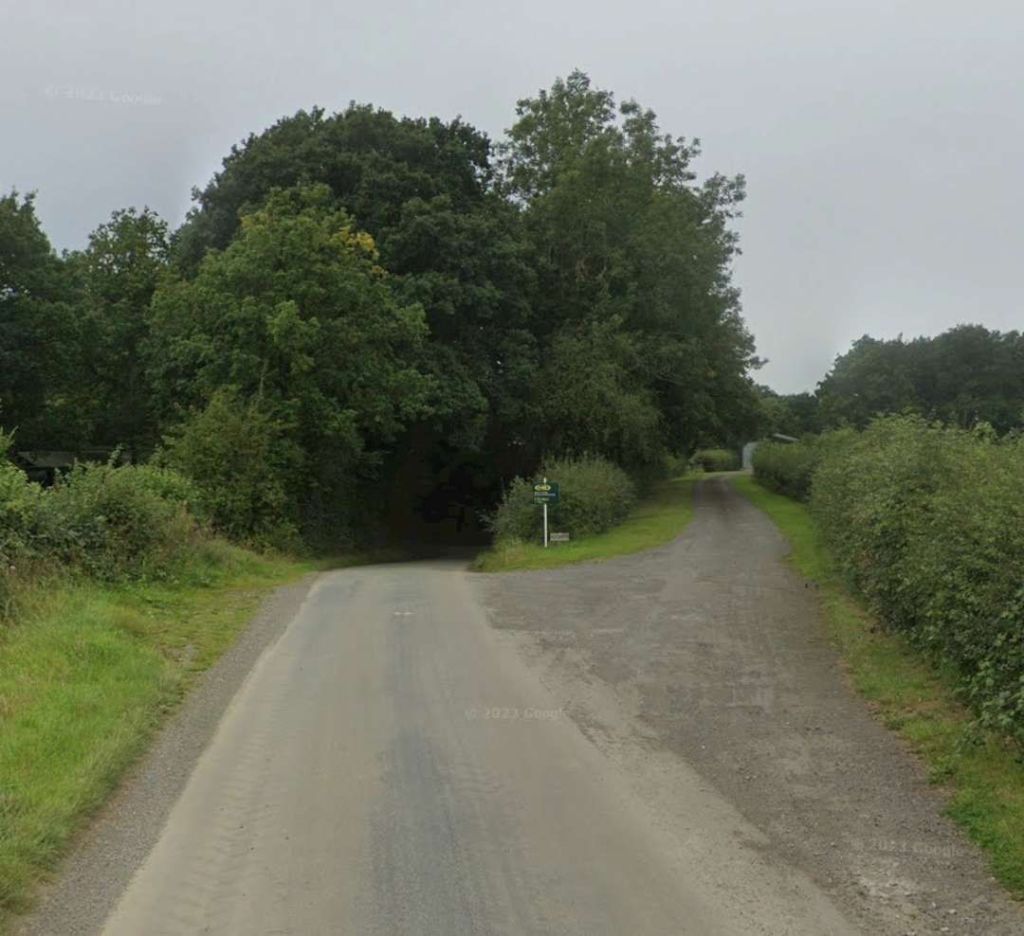
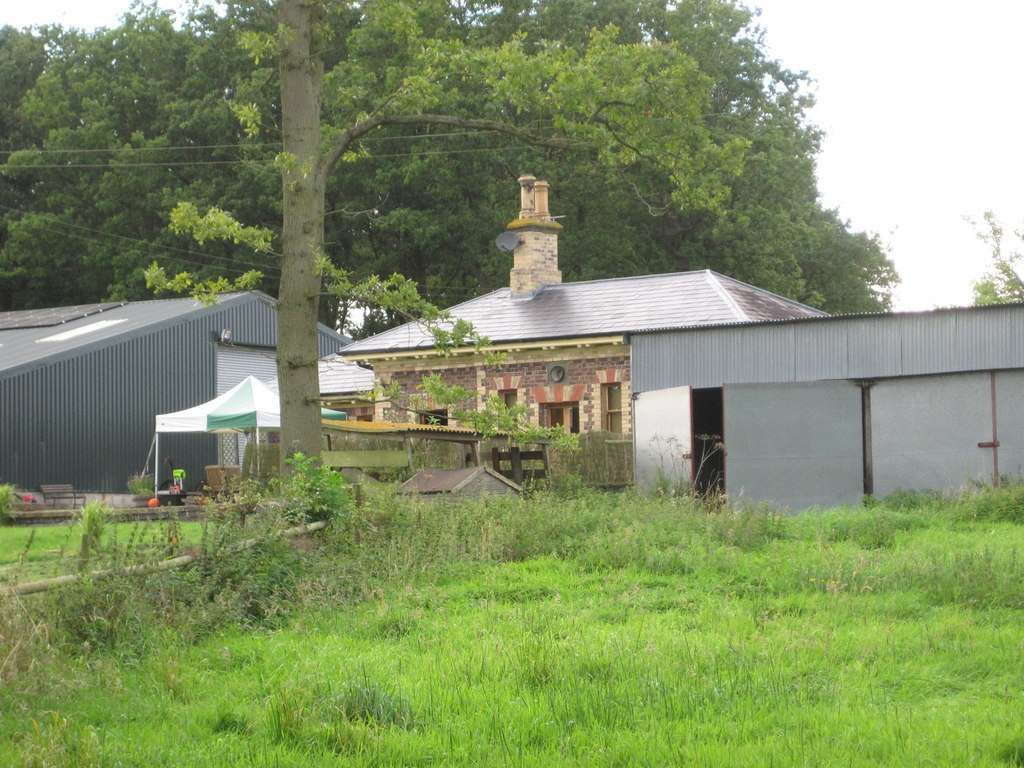
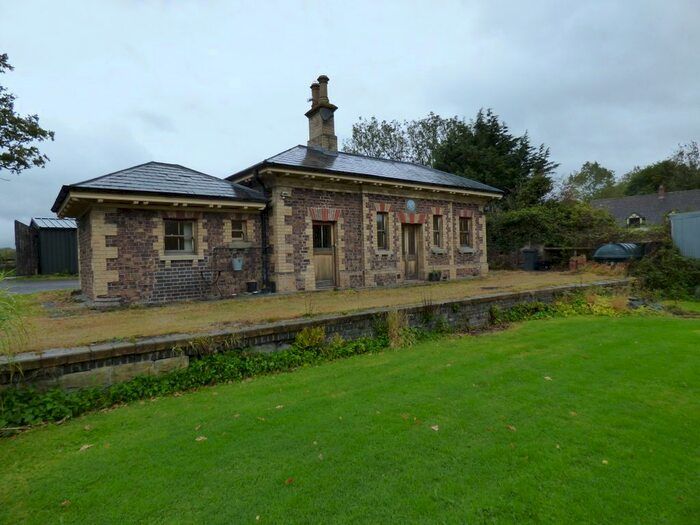
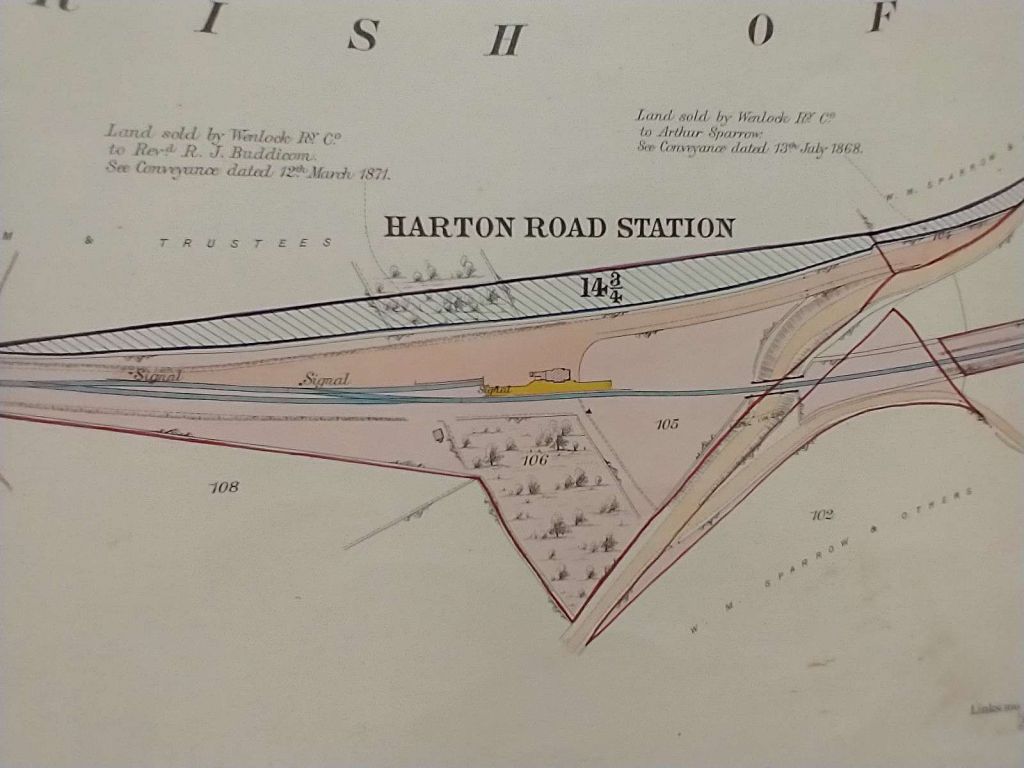
Writing of the length of the line between Rushbury and Harton Road stations, Ken Jones says: “On leaving [Rushbury] station the train passes under the roadway which formed part of the Roman road, with a steep rise from the station leading on to Roman Bank and over Wenlock Edge into the Corve Dale. Still passing under the densely wooded Edge Wood, to the left, and nestling under the wood, can be seen the small hamlet of Eaton-under-Heywood, and the embattled tower of the 12th century church of St Edith; the hamlet consists of one farm, the rectory and one cottage. Soon the train enters Harton Road station, the last on the branch. The station is as isolated as the hamlet of Eaton, all that can be seen from the train is a farm, and the station master’s house. Harton Road served the hamlets of Ticklerton, Halton, Soudley, Eaton, Westhope and Burwood, most of these (in 1922) each having a population of 50 people, Eaton and Burwood having only 40. The station consisted of the usual buildings: booking office, general and ladies’ waiting room and a lamp room. The staff consisted of the station master and one gate woman, she being employed at Wolverton Crossing, which was situated between Harton Road and Marsh Farm [Junction]. There was one double-ended siding which held 10 wagons, access to which was from either the east or west ground frames. The ground frames were controlled by the key on the Rushbury to Marsh Farm [Junction] staff. Also in the sidings was a cattle pen, which held one wagon and a horse landing for three horse boxes. One scene of activity that could be witnessed at the station was when the local estate farmers conveyed coal from the yard to the home of the local Lord of the Manor, as part of their statutory estate duty.” [1: p105 & 109]
Ken Jones; The Wenlock Branch; The Oakwood Press, Usk, Monmouthshire, 1998.
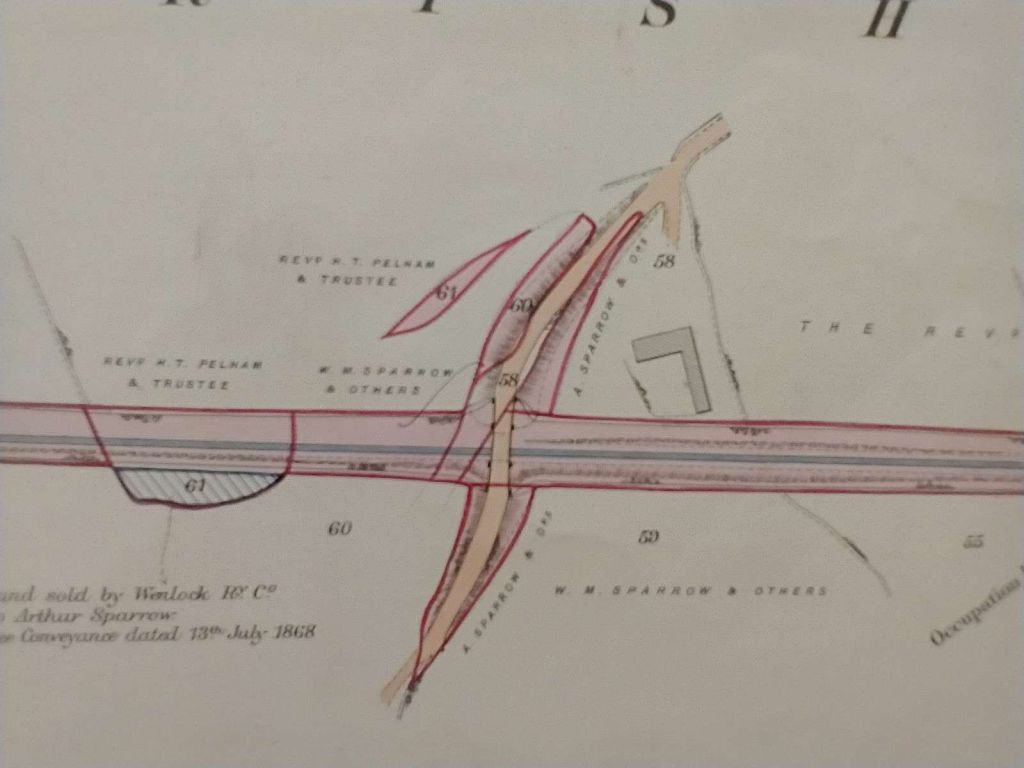
The photographs of the pre-contract drawings for the line were taken by myself and show extracts from the construction plans held in the Shropshire Archive. There is a standard charge of £10 per visit for taking photographs of their records.
The photographs of the pre-contract drawings for the line were taken by myself and show extracts from the construction plans held in the Shropshire Archive. There is a standard charge of £10 per visit for taking photographs of their records.







 Roger Farnworth
Pingback: The Wenlock Branch from Harton Road Station to Marsh Farm Junction and Craven Arms | Roger Farnworth